window.__IS_SSR__=true
window.__INITIAL_STATE__={
"attachmentsReducer": {
"audio_0": {
"type": "attachments",
"id": "audio_0",
"imgSizes": {
"kqedFullSize": {
"file": "https://ww2.kqed.org/news/wp-content/themes/KQED-unified/img/audio_bgs/background0.jpg"
}
}
},
"audio_1": {
"type": "attachments",
"id": "audio_1",
"imgSizes": {
"kqedFullSize": {
"file": "https://ww2.kqed.org/news/wp-content/themes/KQED-unified/img/audio_bgs/background1.jpg"
}
}
},
"audio_2": {
"type": "attachments",
"id": "audio_2",
"imgSizes": {
"kqedFullSize": {
"file": "https://ww2.kqed.org/news/wp-content/themes/KQED-unified/img/audio_bgs/background2.jpg"
}
}
},
"audio_3": {
"type": "attachments",
"id": "audio_3",
"imgSizes": {
"kqedFullSize": {
"file": "https://ww2.kqed.org/news/wp-content/themes/KQED-unified/img/audio_bgs/background3.jpg"
}
}
},
"audio_4": {
"type": "attachments",
"id": "audio_4",
"imgSizes": {
"kqedFullSize": {
"file": "https://ww2.kqed.org/news/wp-content/themes/KQED-unified/img/audio_bgs/background4.jpg"
}
}
},
"placeholder": {
"type": "attachments",
"id": "placeholder",
"imgSizes": {
"thumbnail": {
"file": "https://cdn.kqed.org/wp-content/uploads/2024/12/KQED-Default-Image-816638274-2000x1333-1-160x107.jpg",
"width": 160,
"height": 107,
"mimeType": "image/jpeg"
},
"medium": {
"file": "https://cdn.kqed.org/wp-content/uploads/2024/12/KQED-Default-Image-816638274-2000x1333-1-800x533.jpg",
"width": 800,
"height": 533,
"mimeType": "image/jpeg"
},
"medium_large": {
"file": "https://cdn.kqed.org/wp-content/uploads/2024/12/KQED-Default-Image-816638274-2000x1333-1-768x512.jpg",
"width": 768,
"height": 512,
"mimeType": "image/jpeg"
},
"large": {
"file": "https://cdn.kqed.org/wp-content/uploads/2024/12/KQED-Default-Image-816638274-2000x1333-1-1020x680.jpg",
"width": 1020,
"height": 680,
"mimeType": "image/jpeg"
},
"1536x1536": {
"file": "https://cdn.kqed.org/wp-content/uploads/2024/12/KQED-Default-Image-816638274-2000x1333-1-1536x1024.jpg",
"width": 1536,
"height": 1024,
"mimeType": "image/jpeg"
},
"fd-lrg": {
"file": "https://cdn.kqed.org/wp-content/uploads/2024/12/KQED-Default-Image-816638274-2000x1333-1-1536x1024.jpg",
"width": 1536,
"height": 1024,
"mimeType": "image/jpeg"
},
"fd-med": {
"file": "https://cdn.kqed.org/wp-content/uploads/2024/12/KQED-Default-Image-816638274-2000x1333-1-1020x680.jpg",
"width": 1020,
"height": 680,
"mimeType": "image/jpeg"
},
"fd-sm": {
"file": "https://cdn.kqed.org/wp-content/uploads/2024/12/KQED-Default-Image-816638274-2000x1333-1-800x533.jpg",
"width": 800,
"height": 533,
"mimeType": "image/jpeg"
},
"post-thumbnail": {
"file": "https://cdn.kqed.org/wp-content/uploads/2024/12/KQED-Default-Image-816638274-2000x1333-1-672x372.jpg",
"width": 672,
"height": 372,
"mimeType": "image/jpeg"
},
"twentyfourteen-full-width": {
"file": "https://cdn.kqed.org/wp-content/uploads/2024/12/KQED-Default-Image-816638274-2000x1333-1-1038x576.jpg",
"width": 1038,
"height": 576,
"mimeType": "image/jpeg"
},
"xxsmall": {
"file": "https://cdn.kqed.org/wp-content/uploads/2024/12/KQED-Default-Image-816638274-2000x1333-1-160x107.jpg",
"width": 160,
"height": 107,
"mimeType": "image/jpeg"
},
"xsmall": {
"file": "https://cdn.kqed.org/wp-content/uploads/2024/12/KQED-Default-Image-816638274-2000x1333-1-672x372.jpg",
"width": 672,
"height": 372,
"mimeType": "image/jpeg"
},
"small": {
"file": "https://cdn.kqed.org/wp-content/uploads/2024/12/KQED-Default-Image-816638274-2000x1333-1-672x372.jpg",
"width": 672,
"height": 372,
"mimeType": "image/jpeg"
},
"xlarge": {
"file": "https://cdn.kqed.org/wp-content/uploads/2024/12/KQED-Default-Image-816638274-2000x1333-1-1020x680.jpg",
"width": 1020,
"height": 680,
"mimeType": "image/jpeg"
},
"full-width": {
"file": "https://cdn.kqed.org/wp-content/uploads/2024/12/KQED-Default-Image-816638274-2000x1333-1-1920x1280.jpg",
"width": 1920,
"height": 1280,
"mimeType": "image/jpeg"
},
"guest-author-32": {
"file": "https://cdn.kqed.org/wp-content/uploads/2025/01/KQED-Default-Image-816638274-1333x1333-1-160x160.jpg",
"width": 32,
"height": 32,
"mimeType": "image/jpeg"
},
"guest-author-50": {
"file": "https://cdn.kqed.org/wp-content/uploads/2025/01/KQED-Default-Image-816638274-1333x1333-1-160x160.jpg",
"width": 50,
"height": 50,
"mimeType": "image/jpeg"
},
"guest-author-64": {
"file": "https://cdn.kqed.org/wp-content/uploads/2025/01/KQED-Default-Image-816638274-1333x1333-1-160x160.jpg",
"width": 64,
"height": 64,
"mimeType": "image/jpeg"
},
"guest-author-96": {
"file": "https://cdn.kqed.org/wp-content/uploads/2025/01/KQED-Default-Image-816638274-1333x1333-1-160x160.jpg",
"width": 96,
"height": 96,
"mimeType": "image/jpeg"
},
"guest-author-128": {
"file": "https://cdn.kqed.org/wp-content/uploads/2025/01/KQED-Default-Image-816638274-1333x1333-1-160x160.jpg",
"width": 128,
"height": 128,
"mimeType": "image/jpeg"
},
"detail": {
"file": "https://cdn.kqed.org/wp-content/uploads/2025/01/KQED-Default-Image-816638274-1333x1333-1-160x160.jpg",
"width": 160,
"height": 160,
"mimeType": "image/jpeg"
},
"kqedFullSize": {
"file": "https://cdn.kqed.org/wp-content/uploads/2024/12/KQED-Default-Image-816638274-2000x1333-1.jpg",
"width": 2000,
"height": 1333
}
}
},
"bayareabites_108911": {
"type": "attachments",
"id": "bayareabites_108911",
"meta": {
"index": "attachments_1716263798",
"site": "bayareabites",
"id": "108911",
"found": true
},
"parent": 108531,
"imgSizes": {
"thumbnail": {
"file": "https://ww2.kqed.org/app/uploads/sites/24/2016/04/Screen-Shot-2016-04-23-at-9.34.03-AM-400x206.png",
"width": 400,
"mimeType": "image/png",
"height": 206
},
"post-thumbnail": {
"file": "https://ww2.kqed.org/app/uploads/sites/24/2016/04/Screen-Shot-2016-04-23-at-9.34.03-AM-672x372.png",
"width": 672,
"mimeType": "image/png",
"height": 372
},
"kqedFullSize": {
"file": "https://ww2.kqed.org/app/uploads/sites/24/2016/04/Screen-Shot-2016-04-23-at-9.34.03-AM.png",
"width": 849,
"height": 437
},
"cat_post_thumb_sizecategory-posts-2": {
"file": "https://ww2.kqed.org/app/uploads/sites/24/2016/04/Screen-Shot-2016-04-23-at-9.34.03-AM-150x150.png",
"width": 150,
"mimeType": "image/png",
"height": 150
},
"guest-author-96": {
"file": "https://ww2.kqed.org/app/uploads/sites/24/2016/04/Screen-Shot-2016-04-23-at-9.34.03-AM-96x96.png",
"width": 96,
"mimeType": "image/png",
"height": 96
},
"medium": {
"file": "https://ww2.kqed.org/app/uploads/sites/24/2016/04/Screen-Shot-2016-04-23-at-9.34.03-AM-800x412.png",
"width": 800,
"mimeType": "image/png",
"height": 412
},
"guest-author-64": {
"file": "https://ww2.kqed.org/app/uploads/sites/24/2016/04/Screen-Shot-2016-04-23-at-9.34.03-AM-64x64.png",
"width": 64,
"mimeType": "image/png",
"height": 64
},
"detail": {
"file": "https://ww2.kqed.org/app/uploads/sites/24/2016/04/Screen-Shot-2016-04-23-at-9.34.03-AM-75x75.png",
"width": 75,
"mimeType": "image/png",
"height": 75
},
"guest-author-32": {
"file": "https://ww2.kqed.org/app/uploads/sites/24/2016/04/Screen-Shot-2016-04-23-at-9.34.03-AM-32x32.png",
"width": 32,
"mimeType": "image/png",
"height": 32
},
"medium_large": {
"file": "https://ww2.kqed.org/app/uploads/sites/24/2016/04/Screen-Shot-2016-04-23-at-9.34.03-AM-768x395.png",
"width": 768,
"mimeType": "image/png",
"height": 395
},
"guest-author-128": {
"file": "https://ww2.kqed.org/app/uploads/sites/24/2016/04/Screen-Shot-2016-04-23-at-9.34.03-AM-128x128.png",
"width": 128,
"mimeType": "image/png",
"height": 128
}
},
"publishDate": 1461429465,
"modified": 1461429634,
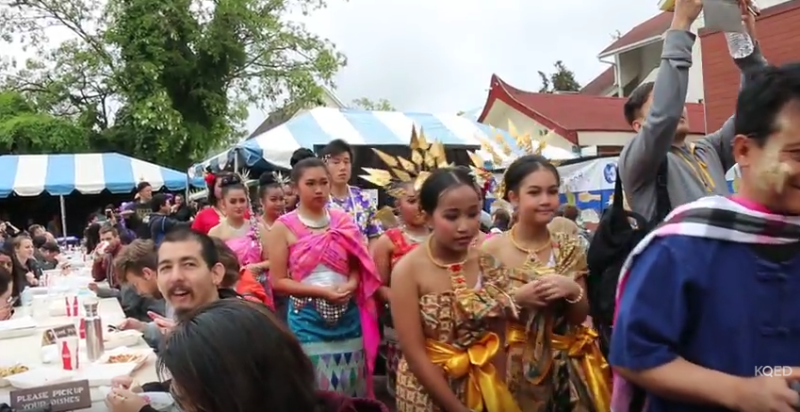
"caption": "Congregants of Wat Mongkolratanaram begin the Songkran celebration with a processional leading to the performance area.",
"description": null,
"title": "Screen Shot 2016-04-23 at 9.34.03 AM",
"credit": "Kim Westerman",
"status": "inherit",
"isLoading": false,
"fetchFailed": false
},
"bayareabites_108539": {
"type": "attachments",
"id": "bayareabites_108539",
"meta": {
"index": "attachments_1716263798",
"site": "bayareabites",
"id": "108539",
"found": true
},
"parent": 108533,
"imgSizes": {
"twentyfourteen-full-width": {
"file": "https://ww2.kqed.org/app/uploads/sites/24/2016/04/IMG_5018-1920-1038x576.jpg",
"width": 1038,
"mimeType": "image/jpeg",
"height": 576
},
"thumbnail": {
"file": "https://ww2.kqed.org/app/uploads/sites/24/2016/04/IMG_5018-1920-400x267.jpg",
"width": 400,
"mimeType": "image/jpeg",
"height": 267
},
"fd-sm": {
"file": "https://ww2.kqed.org/app/uploads/sites/24/2016/04/IMG_5018-1920-960x640.jpg",
"width": 960,
"mimeType": "image/jpeg",
"height": 640
},
"post-thumbnail": {
"file": "https://ww2.kqed.org/app/uploads/sites/24/2016/04/IMG_5018-1920-672x372.jpg",
"width": 672,
"mimeType": "image/jpeg",
"height": 372
},
"kqedFullSize": {
"file": "https://ww2.kqed.org/app/uploads/sites/24/2016/04/IMG_5018-1920.jpg",
"width": 1920,
"height": 1280
},
"large": {
"file": "https://ww2.kqed.org/app/uploads/sites/24/2016/04/IMG_5018-1920-1440x960.jpg",
"width": 1440,
"mimeType": "image/jpeg",
"height": 960
},
"guest-author-96": {
"file": "https://ww2.kqed.org/app/uploads/sites/24/2016/04/IMG_5018-1920-96x96.jpg",
"width": 96,
"mimeType": "image/jpeg",
"height": 96
},
"medium": {
"file": "https://ww2.kqed.org/app/uploads/sites/24/2016/04/IMG_5018-1920-800x533.jpg",
"width": 800,
"mimeType": "image/jpeg",
"height": 533
},
"guest-author-64": {
"file": "https://ww2.kqed.org/app/uploads/sites/24/2016/04/IMG_5018-1920-64x64.jpg",
"width": 64,
"mimeType": "image/jpeg",
"height": 64
},
"guest-author-32": {
"file": "https://ww2.kqed.org/app/uploads/sites/24/2016/04/IMG_5018-1920-32x32.jpg",
"width": 32,
"mimeType": "image/jpeg",
"height": 32
},
"cat_post_thumb_sizecategory-posts-2": {
"file": "https://ww2.kqed.org/app/uploads/sites/24/2016/04/IMG_5018-1920-150x150.jpg",
"width": 150,
"mimeType": "image/jpeg",
"height": 150
},
"fd-lrg": {
"file": "https://ww2.kqed.org/app/uploads/sites/24/2016/04/IMG_5018-1920-1920x1280.jpg",
"width": 1920,
"mimeType": "image/jpeg",
"height": 1280
},
"fd-med": {
"file": "https://ww2.kqed.org/app/uploads/sites/24/2016/04/IMG_5018-1920-1180x787.jpg",
"width": 1180,
"mimeType": "image/jpeg",
"height": 787
},
"detail": {
"file": "https://ww2.kqed.org/app/uploads/sites/24/2016/04/IMG_5018-1920-75x75.jpg",
"width": 75,
"mimeType": "image/jpeg",
"height": 75
},
"medium_large": {
"file": "https://ww2.kqed.org/app/uploads/sites/24/2016/04/IMG_5018-1920-768x512.jpg",
"width": 768,
"mimeType": "image/jpeg",
"height": 512
},
"guest-author-128": {
"file": "https://ww2.kqed.org/app/uploads/sites/24/2016/04/IMG_5018-1920-128x128.jpg",
"width": 128,
"mimeType": "image/jpeg",
"height": 128
}
},
"publishDate": 1460583397,
"modified": 1460583412,
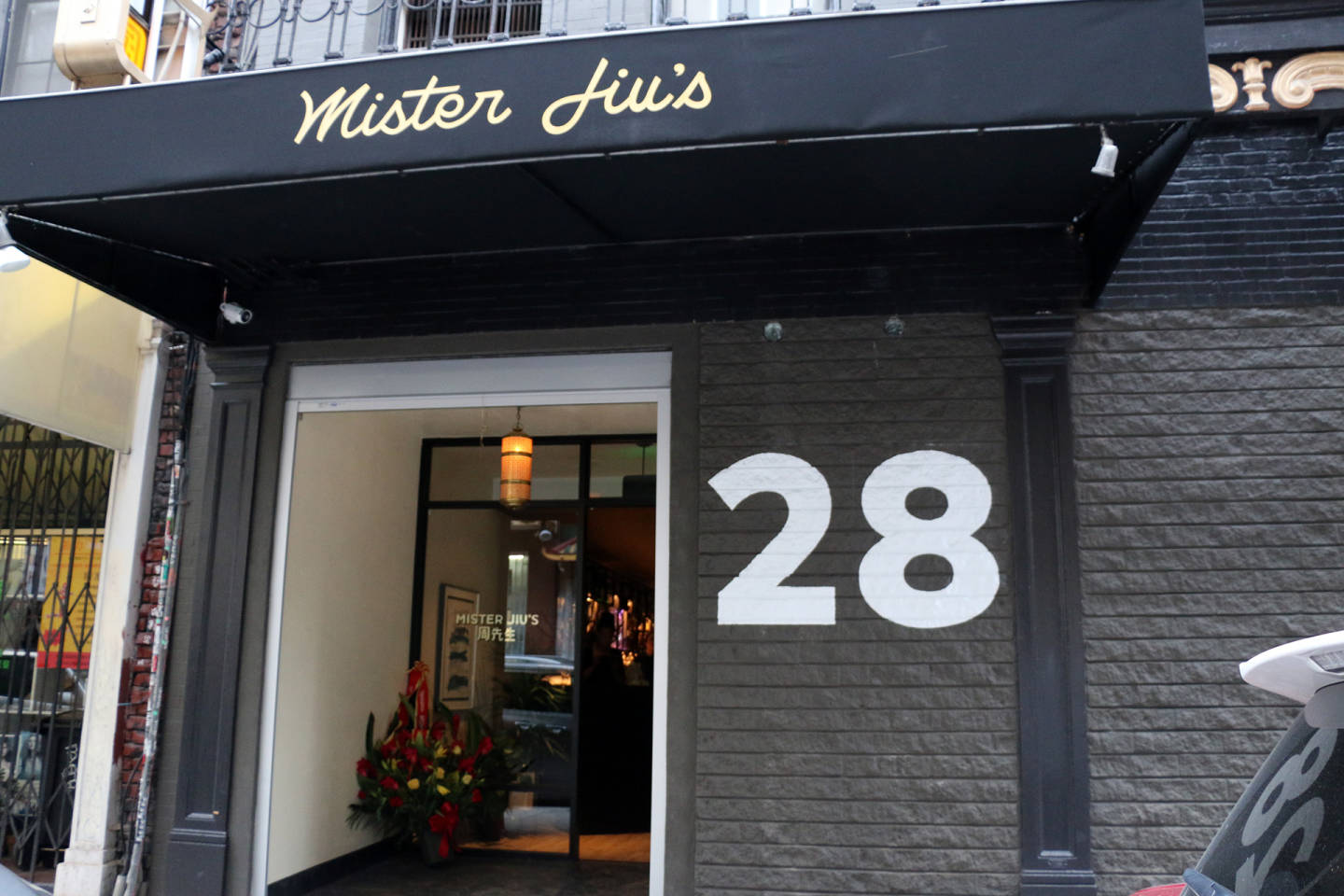
"caption": "The entrance to Mister Jui’s on Waverly place in Chinatown.",
"description": "The entrance to Mister Jui’s on Waverly place in Chinatown.",
"title": "IMG_5018-1920",
"credit": "Kim Westerman",
"status": "inherit",
"isLoading": false,
"fetchFailed": false
},
"bayareabites_108196": {
"type": "attachments",
"id": "bayareabites_108196",
"meta": {
"index": "attachments_1716263798",
"site": "bayareabites",
"id": "108196",
"found": true
},
"parent": 108182,
"imgSizes": {
"twentyfourteen-full-width": {
"file": "https://ww2.kqed.org/app/uploads/sites/24/2016/04/Kiku_sushi-1920-1038x576.jpg",
"width": 1038,
"mimeType": "image/jpeg",
"height": 576
},
"thumbnail": {
"file": "https://ww2.kqed.org/app/uploads/sites/24/2016/04/Kiku_sushi-1920-400x267.jpg",
"width": 400,
"mimeType": "image/jpeg",
"height": 267
},
"fd-sm": {
"file": "https://ww2.kqed.org/app/uploads/sites/24/2016/04/Kiku_sushi-1920-960x640.jpg",
"width": 960,
"mimeType": "image/jpeg",
"height": 640
},
"post-thumbnail": {
"file": "https://ww2.kqed.org/app/uploads/sites/24/2016/04/Kiku_sushi-1920-672x372.jpg",
"width": 672,
"mimeType": "image/jpeg",
"height": 372
},
"kqedFullSize": {
"file": "https://ww2.kqed.org/app/uploads/sites/24/2016/04/Kiku_sushi-1920.jpg",
"width": 1920,
"height": 1280
},
"large": {
"file": "https://ww2.kqed.org/app/uploads/sites/24/2016/04/Kiku_sushi-1920-1440x960.jpg",
"width": 1440,
"mimeType": "image/jpeg",
"height": 960
},
"guest-author-96": {
"file": "https://ww2.kqed.org/app/uploads/sites/24/2016/04/Kiku_sushi-1920-96x96.jpg",
"width": 96,
"mimeType": "image/jpeg",
"height": 96
},
"medium": {
"file": "https://ww2.kqed.org/app/uploads/sites/24/2016/04/Kiku_sushi-1920-800x533.jpg",
"width": 800,
"mimeType": "image/jpeg",
"height": 533
},
"guest-author-64": {
"file": "https://ww2.kqed.org/app/uploads/sites/24/2016/04/Kiku_sushi-1920-64x64.jpg",
"width": 64,
"mimeType": "image/jpeg",
"height": 64
},
"guest-author-32": {
"file": "https://ww2.kqed.org/app/uploads/sites/24/2016/04/Kiku_sushi-1920-32x32.jpg",
"width": 32,
"mimeType": "image/jpeg",
"height": 32
},
"cat_post_thumb_sizecategory-posts-2": {
"file": "https://ww2.kqed.org/app/uploads/sites/24/2016/04/Kiku_sushi-1920-150x150.jpg",
"width": 150,
"mimeType": "image/jpeg",
"height": 150
},
"fd-lrg": {
"file": "https://ww2.kqed.org/app/uploads/sites/24/2016/04/Kiku_sushi-1920-1920x1280.jpg",
"width": 1920,
"mimeType": "image/jpeg",
"height": 1280
},
"fd-med": {
"file": "https://ww2.kqed.org/app/uploads/sites/24/2016/04/Kiku_sushi-1920-1180x787.jpg",
"width": 1180,
"mimeType": "image/jpeg",
"height": 787
},
"detail": {
"file": "https://ww2.kqed.org/app/uploads/sites/24/2016/04/Kiku_sushi-1920-75x75.jpg",
"width": 75,
"mimeType": "image/jpeg",
"height": 75
},
"medium_large": {
"file": "https://ww2.kqed.org/app/uploads/sites/24/2016/04/Kiku_sushi-1920-768x512.jpg",
"width": 768,
"mimeType": "image/jpeg",
"height": 512
},
"guest-author-128": {
"file": "https://ww2.kqed.org/app/uploads/sites/24/2016/04/Kiku_sushi-1920-128x128.jpg",
"width": 128,
"mimeType": "image/jpeg",
"height": 128
}
},
"publishDate": 1459550459,
"modified": 1459558093,
"caption": "Daily Specials: An assortment of nigiri sushi and sashimi at Kiku. ",
"description": "Daily Specials: An assortment of nigiri sushi and sashimi at Kiku. ",
"title": "Kiku_sushi-1920",
"credit": "Kim Westerman",
"status": "inherit",
"isLoading": false,
"fetchFailed": false
},
"bayareabites_108070": {
"type": "attachments",
"id": "bayareabites_108070",
"meta": {
"index": "attachments_1716263798",
"site": "bayareabites",
"id": "108070",
"found": true
},
"parent": 108055,
"imgSizes": {
"thumbnail": {
"file": "https://ww2.kqed.org/app/uploads/sites/24/2016/03/eggs-400x300.jpg",
"width": 400,
"mimeType": "image/jpeg",
"height": 300
},
"post-thumbnail": {
"file": "https://ww2.kqed.org/app/uploads/sites/24/2016/03/eggs-600x372.jpg",
"width": 600,
"mimeType": "image/jpeg",
"height": 372
},
"kqedFullSize": {
"file": "https://ww2.kqed.org/app/uploads/sites/24/2016/03/eggs.jpg",
"width": 600,
"height": 450
},
"cat_post_thumb_sizecategory-posts-2": {
"file": "https://ww2.kqed.org/app/uploads/sites/24/2016/03/eggs-150x150.jpg",
"width": 150,
"mimeType": "image/jpeg",
"height": 150
},
"guest-author-96": {
"file": "https://ww2.kqed.org/app/uploads/sites/24/2016/03/eggs-96x96.jpg",
"width": 96,
"mimeType": "image/jpeg",
"height": 96
},
"guest-author-64": {
"file": "https://ww2.kqed.org/app/uploads/sites/24/2016/03/eggs-64x64.jpg",
"width": 64,
"mimeType": "image/jpeg",
"height": 64
},
"detail": {
"file": "https://ww2.kqed.org/app/uploads/sites/24/2016/03/eggs-75x75.jpg",
"width": 75,
"mimeType": "image/jpeg",
"height": 75
},
"guest-author-32": {
"file": "https://ww2.kqed.org/app/uploads/sites/24/2016/03/eggs-32x32.jpg",
"width": 32,
"mimeType": "image/jpeg",
"height": 32
},
"guest-author-128": {
"file": "https://ww2.kqed.org/app/uploads/sites/24/2016/03/eggs-128x128.jpg",
"width": 128,
"mimeType": "image/jpeg",
"height": 128
}
},
"publishDate": 1458951149,
"modified": 1459189330,
"caption": null,
"description": null,
"title": "eggs",
"credit": "Norbert Schoerner and Steve Nakamura ",
"status": "inherit",
"isLoading": false,
"fetchFailed": false
},
"bayareabites_107918": {
"type": "attachments",
"id": "bayareabites_107918",
"meta": {
"index": "attachments_1716263798",
"site": "bayareabites",
"id": "107918",
"found": true
},
"parent": 107917,
"imgSizes": {
"twentyfourteen-full-width": {
"file": "https://ww2.kqed.org/app/uploads/sites/24/2016/03/bobatea_edited_enl-29053398a796fa201034ec19d73bce433e3dbcc4-1038x576.jpg",
"width": 1038,
"mimeType": "image/jpeg",
"height": 576
},
"thumbnail": {
"file": "https://ww2.kqed.org/app/uploads/sites/24/2016/03/bobatea_edited_enl-29053398a796fa201034ec19d73bce433e3dbcc4-400x264.jpg",
"width": 400,
"mimeType": "image/jpeg",
"height": 264
},
"fd-sm": {
"file": "https://ww2.kqed.org/app/uploads/sites/24/2016/03/bobatea_edited_enl-29053398a796fa201034ec19d73bce433e3dbcc4-960x634.jpg",
"width": 960,
"mimeType": "image/jpeg",
"height": 634
},
"post-thumbnail": {
"file": "https://ww2.kqed.org/app/uploads/sites/24/2016/03/bobatea_edited_enl-29053398a796fa201034ec19d73bce433e3dbcc4-672x372.jpg",
"width": 672,
"mimeType": "image/jpeg",
"height": 372
},
"kqedFullSize": {
"file": "https://ww2.kqed.org/app/uploads/sites/24/2016/03/bobatea_edited_enl-29053398a796fa201034ec19d73bce433e3dbcc4.jpg",
"width": 1964,
"height": 1297
},
"large": {
"file": "https://ww2.kqed.org/app/uploads/sites/24/2016/03/bobatea_edited_enl-29053398a796fa201034ec19d73bce433e3dbcc4-1440x951.jpg",
"width": 1440,
"mimeType": "image/jpeg",
"height": 951
},
"guest-author-96": {
"file": "https://ww2.kqed.org/app/uploads/sites/24/2016/03/bobatea_edited_enl-29053398a796fa201034ec19d73bce433e3dbcc4-96x96.jpg",
"width": 96,
"mimeType": "image/jpeg",
"height": 96
},
"medium": {
"file": "https://ww2.kqed.org/app/uploads/sites/24/2016/03/bobatea_edited_enl-29053398a796fa201034ec19d73bce433e3dbcc4-800x528.jpg",
"width": 800,
"mimeType": "image/jpeg",
"height": 528
},
"guest-author-64": {
"file": "https://ww2.kqed.org/app/uploads/sites/24/2016/03/bobatea_edited_enl-29053398a796fa201034ec19d73bce433e3dbcc4-64x64.jpg",
"width": 64,
"mimeType": "image/jpeg",
"height": 64
},
"guest-author-32": {
"file": "https://ww2.kqed.org/app/uploads/sites/24/2016/03/bobatea_edited_enl-29053398a796fa201034ec19d73bce433e3dbcc4-32x32.jpg",
"width": 32,
"mimeType": "image/jpeg",
"height": 32
},
"cat_post_thumb_sizecategory-posts-2": {
"file": "https://ww2.kqed.org/app/uploads/sites/24/2016/03/bobatea_edited_enl-29053398a796fa201034ec19d73bce433e3dbcc4-150x150.jpg",
"width": 150,
"mimeType": "image/jpeg",
"height": 150
},
"fd-lrg": {
"file": "https://ww2.kqed.org/app/uploads/sites/24/2016/03/bobatea_edited_enl-29053398a796fa201034ec19d73bce433e3dbcc4-1920x1268.jpg",
"width": 1920,
"mimeType": "image/jpeg",
"height": 1268
},
"fd-med": {
"file": "https://ww2.kqed.org/app/uploads/sites/24/2016/03/bobatea_edited_enl-29053398a796fa201034ec19d73bce433e3dbcc4-1180x779.jpg",
"width": 1180,
"mimeType": "image/jpeg",
"height": 779
},
"detail": {
"file": "https://ww2.kqed.org/app/uploads/sites/24/2016/03/bobatea_edited_enl-29053398a796fa201034ec19d73bce433e3dbcc4-75x75.jpg",
"width": 75,
"mimeType": "image/jpeg",
"height": 75
},
"medium_large": {
"file": "https://ww2.kqed.org/app/uploads/sites/24/2016/03/bobatea_edited_enl-29053398a796fa201034ec19d73bce433e3dbcc4-768x507.jpg",
"width": 768,
"mimeType": "image/jpeg",
"height": 507
},
"guest-author-128": {
"file": "https://ww2.kqed.org/app/uploads/sites/24/2016/03/bobatea_edited_enl-29053398a796fa201034ec19d73bce433e3dbcc4-128x128.jpg",
"width": 128,
"mimeType": "image/jpeg",
"height": 128
}
},
"publishDate": 1458697449,
"modified": 1458698838,
"caption": "Boba 7, the speakeasy at the back of downtown Los Angeles restaurant Soi 7, serves boba cocktails made with beer or the Korean alcohol soju, in addition to an inventive nonalcoholic menu.",
"description": "Boba 7, the speakeasy at the back of downtown Los Angeles restaurant Soi 7, serves boba cocktails made with beer or the Korean alcohol soju, in addition to an inventive nonalcoholic menu.",
"title": "Boba 7, the speakeasy at the back of downtown Los Angeles restaurant Soi 7, serves boba cocktails made with beer or the Korean alcohol soju, in addition to an inventive nonalcoholic menu.",
"credit": "Courtesy of Boba 7",
"status": "inherit",
"isLoading": false,
"fetchFailed": false
},
"bayareabites_107859": {
"type": "attachments",
"id": "bayareabites_107859",
"meta": {
"index": "attachments_1716263798",
"site": "bayareabites",
"id": "107859",
"found": true
},
"parent": 0,
"imgSizes": {
"twentyfourteen-full-width": {
"file": "https://ww2.kqed.org/app/uploads/sites/24/2016/03/Itani_miso-1920-1038x576.jpg",
"width": 1038,
"mimeType": "image/jpeg",
"height": 576
},
"thumbnail": {
"file": "https://ww2.kqed.org/app/uploads/sites/24/2016/03/Itani_miso-1920-400x267.jpg",
"width": 400,
"mimeType": "image/jpeg",
"height": 267
},
"fd-sm": {
"file": "https://ww2.kqed.org/app/uploads/sites/24/2016/03/Itani_miso-1920-960x640.jpg",
"width": 960,
"mimeType": "image/jpeg",
"height": 640
},
"post-thumbnail": {
"file": "https://ww2.kqed.org/app/uploads/sites/24/2016/03/Itani_miso-1920-672x372.jpg",
"width": 672,
"mimeType": "image/jpeg",
"height": 372
},
"kqedFullSize": {
"file": "https://ww2.kqed.org/app/uploads/sites/24/2016/03/Itani_miso-1920.jpg",
"width": 1920,
"height": 1280
},
"large": {
"file": "https://ww2.kqed.org/app/uploads/sites/24/2016/03/Itani_miso-1920-1440x960.jpg",
"width": 1440,
"mimeType": "image/jpeg",
"height": 960
},
"guest-author-96": {
"file": "https://ww2.kqed.org/app/uploads/sites/24/2016/03/Itani_miso-1920-96x96.jpg",
"width": 96,
"mimeType": "image/jpeg",
"height": 96
},
"medium": {
"file": "https://ww2.kqed.org/app/uploads/sites/24/2016/03/Itani_miso-1920-800x533.jpg",
"width": 800,
"mimeType": "image/jpeg",
"height": 533
},
"guest-author-64": {
"file": "https://ww2.kqed.org/app/uploads/sites/24/2016/03/Itani_miso-1920-64x64.jpg",
"width": 64,
"mimeType": "image/jpeg",
"height": 64
},
"guest-author-32": {
"file": "https://ww2.kqed.org/app/uploads/sites/24/2016/03/Itani_miso-1920-32x32.jpg",
"width": 32,
"mimeType": "image/jpeg",
"height": 32
},
"cat_post_thumb_sizecategory-posts-2": {
"file": "https://ww2.kqed.org/app/uploads/sites/24/2016/03/Itani_miso-1920-150x150.jpg",
"width": 150,
"mimeType": "image/jpeg",
"height": 150
},
"fd-lrg": {
"file": "https://ww2.kqed.org/app/uploads/sites/24/2016/03/Itani_miso-1920-1920x1280.jpg",
"width": 1920,
"mimeType": "image/jpeg",
"height": 1280
},
"fd-med": {
"file": "https://ww2.kqed.org/app/uploads/sites/24/2016/03/Itani_miso-1920-1180x787.jpg",
"width": 1180,
"mimeType": "image/jpeg",
"height": 787
},
"detail": {
"file": "https://ww2.kqed.org/app/uploads/sites/24/2016/03/Itani_miso-1920-75x75.jpg",
"width": 75,
"mimeType": "image/jpeg",
"height": 75
},
"medium_large": {
"file": "https://ww2.kqed.org/app/uploads/sites/24/2016/03/Itani_miso-1920-768x512.jpg",
"width": 768,
"mimeType": "image/jpeg",
"height": 512
},
"guest-author-128": {
"file": "https://ww2.kqed.org/app/uploads/sites/24/2016/03/Itani_miso-1920-128x128.jpg",
"width": 128,
"mimeType": "image/jpeg",
"height": 128
}
},
"publishDate": 1458603747,
"modified": 1458603893,
"caption": "Miso ramen with watercress, bamboo shoots, bean sprouts and black garlic oil.",
"description": null,
"title": "Itani_miso-1920",
"credit": "Kim Westerman",
"status": "inherit",
"isLoading": false,
"fetchFailed": false
},
"bayareabites_107680": {
"type": "attachments",
"id": "bayareabites_107680",
"meta": {
"index": "attachments_1716263798",
"site": "bayareabites",
"id": "107680",
"found": true
},
"parent": 107619,
"imgSizes": {
"twentyfourteen-full-width": {
"file": "https://ww2.kqed.org/app/uploads/sites/24/2016/03/sawaii-chix-noodles-1038x576.jpg",
"width": 1038,
"mimeType": "image/jpeg",
"height": 576
},
"thumbnail": {
"file": "https://ww2.kqed.org/app/uploads/sites/24/2016/03/sawaii-chix-noodles-400x267.jpg",
"width": 400,
"mimeType": "image/jpeg",
"height": 267
},
"fd-sm": {
"file": "https://ww2.kqed.org/app/uploads/sites/24/2016/03/sawaii-chix-noodles-960x640.jpg",
"width": 960,
"mimeType": "image/jpeg",
"height": 640
},
"post-thumbnail": {
"file": "https://ww2.kqed.org/app/uploads/sites/24/2016/03/sawaii-chix-noodles-672x372.jpg",
"width": 672,
"mimeType": "image/jpeg",
"height": 372
},
"kqedFullSize": {
"file": "https://ww2.kqed.org/app/uploads/sites/24/2016/03/sawaii-chix-noodles.jpg",
"width": 1920,
"height": 1280
},
"large": {
"file": "https://ww2.kqed.org/app/uploads/sites/24/2016/03/sawaii-chix-noodles-1440x960.jpg",
"width": 1440,
"mimeType": "image/jpeg",
"height": 960
},
"guest-author-96": {
"file": "https://ww2.kqed.org/app/uploads/sites/24/2016/03/sawaii-chix-noodles-96x96.jpg",
"width": 96,
"mimeType": "image/jpeg",
"height": 96
},
"medium": {
"file": "https://ww2.kqed.org/app/uploads/sites/24/2016/03/sawaii-chix-noodles-800x533.jpg",
"width": 800,
"mimeType": "image/jpeg",
"height": 533
},
"guest-author-64": {
"file": "https://ww2.kqed.org/app/uploads/sites/24/2016/03/sawaii-chix-noodles-64x64.jpg",
"width": 64,
"mimeType": "image/jpeg",
"height": 64
},
"guest-author-32": {
"file": "https://ww2.kqed.org/app/uploads/sites/24/2016/03/sawaii-chix-noodles-32x32.jpg",
"width": 32,
"mimeType": "image/jpeg",
"height": 32
},
"cat_post_thumb_sizecategory-posts-2": {
"file": "https://ww2.kqed.org/app/uploads/sites/24/2016/03/sawaii-chix-noodles-150x150.jpg",
"width": 150,
"mimeType": "image/jpeg",
"height": 150
},
"fd-lrg": {
"file": "https://ww2.kqed.org/app/uploads/sites/24/2016/03/sawaii-chix-noodles-1920x1280.jpg",
"width": 1920,
"mimeType": "image/jpeg",
"height": 1280
},
"fd-med": {
"file": "https://ww2.kqed.org/app/uploads/sites/24/2016/03/sawaii-chix-noodles-1180x787.jpg",
"width": 1180,
"mimeType": "image/jpeg",
"height": 787
},
"detail": {
"file": "https://ww2.kqed.org/app/uploads/sites/24/2016/03/sawaii-chix-noodles-75x75.jpg",
"width": 75,
"mimeType": "image/jpeg",
"height": 75
},
"medium_large": {
"file": "https://ww2.kqed.org/app/uploads/sites/24/2016/03/sawaii-chix-noodles-768x512.jpg",
"width": 768,
"mimeType": "image/jpeg",
"height": 512
},
"guest-author-128": {
"file": "https://ww2.kqed.org/app/uploads/sites/24/2016/03/sawaii-chix-noodles-128x128.jpg",
"width": 128,
"mimeType": "image/jpeg",
"height": 128
}
},
"publishDate": 1457997196,
"modified": 1457997834,
"caption": "Sawaii Ramen's spicy mala.",
"description": null,
"title": "sawaii-chix-noodles",
"credit": "Wendy Goodfriend",
"status": "inherit",
"isLoading": false,
"fetchFailed": false
},
"bayareabites_107565": {
"type": "attachments",
"id": "bayareabites_107565",
"meta": {
"index": "attachments_1716263798",
"site": "bayareabites",
"id": "107565",
"found": true
},
"parent": 107551,
"imgSizes": {
"twentyfourteen-full-width": {
"file": "https://ww2.kqed.org/app/uploads/sites/24/2016/03/IMG_4737-1920-1038x576.jpg",
"width": 1038,
"mimeType": "image/jpeg",
"height": 576
},
"thumbnail": {
"file": "https://ww2.kqed.org/app/uploads/sites/24/2016/03/IMG_4737-1920-400x267.jpg",
"width": 400,
"mimeType": "image/jpeg",
"height": 267
},
"fd-sm": {
"file": "https://ww2.kqed.org/app/uploads/sites/24/2016/03/IMG_4737-1920-960x640.jpg",
"width": 960,
"mimeType": "image/jpeg",
"height": 640
},
"post-thumbnail": {
"file": "https://ww2.kqed.org/app/uploads/sites/24/2016/03/IMG_4737-1920-672x372.jpg",
"width": 672,
"mimeType": "image/jpeg",
"height": 372
},
"kqedFullSize": {
"file": "https://ww2.kqed.org/app/uploads/sites/24/2016/03/IMG_4737-1920.jpg",
"width": 1920,
"height": 1280
},
"large": {
"file": "https://ww2.kqed.org/app/uploads/sites/24/2016/03/IMG_4737-1920-1440x960.jpg",
"width": 1440,
"mimeType": "image/jpeg",
"height": 960
},
"guest-author-96": {
"file": "https://ww2.kqed.org/app/uploads/sites/24/2016/03/IMG_4737-1920-96x96.jpg",
"width": 96,
"mimeType": "image/jpeg",
"height": 96
},
"medium": {
"file": "https://ww2.kqed.org/app/uploads/sites/24/2016/03/IMG_4737-1920-800x533.jpg",
"width": 800,
"mimeType": "image/jpeg",
"height": 533
},
"guest-author-64": {
"file": "https://ww2.kqed.org/app/uploads/sites/24/2016/03/IMG_4737-1920-64x64.jpg",
"width": 64,
"mimeType": "image/jpeg",
"height": 64
},
"guest-author-32": {
"file": "https://ww2.kqed.org/app/uploads/sites/24/2016/03/IMG_4737-1920-32x32.jpg",
"width": 32,
"mimeType": "image/jpeg",
"height": 32
},
"cat_post_thumb_sizecategory-posts-2": {
"file": "https://ww2.kqed.org/app/uploads/sites/24/2016/03/IMG_4737-1920-150x150.jpg",
"width": 150,
"mimeType": "image/jpeg",
"height": 150
},
"fd-lrg": {
"file": "https://ww2.kqed.org/app/uploads/sites/24/2016/03/IMG_4737-1920-1920x1280.jpg",
"width": 1920,
"mimeType": "image/jpeg",
"height": 1280
},
"fd-med": {
"file": "https://ww2.kqed.org/app/uploads/sites/24/2016/03/IMG_4737-1920-1180x787.jpg",
"width": 1180,
"mimeType": "image/jpeg",
"height": 787
},
"detail": {
"file": "https://ww2.kqed.org/app/uploads/sites/24/2016/03/IMG_4737-1920-75x75.jpg",
"width": 75,
"mimeType": "image/jpeg",
"height": 75
},
"medium_large": {
"file": "https://ww2.kqed.org/app/uploads/sites/24/2016/03/IMG_4737-1920-768x512.jpg",
"width": 768,
"mimeType": "image/jpeg",
"height": 512
},
"guest-author-128": {
"file": "https://ww2.kqed.org/app/uploads/sites/24/2016/03/IMG_4737-1920-128x128.jpg",
"width": 128,
"mimeType": "image/jpeg",
"height": 128
}
},
"publishDate": 1457555764,
"modified": 1457555866,
"caption": "Noodle Theory’s signature ground pork with spicy bean paste.",
"description": null,
"title": "IMG_4737-1920",
"credit": "Kim Westerman",
"status": "inherit",
"isLoading": false,
"fetchFailed": false
},
"bayareabites_107170": {
"type": "attachments",
"id": "bayareabites_107170",
"meta": {
"index": "attachments_1716263798",
"site": "bayareabites",
"id": "107170",
"found": true
},
"parent": 107168,
"imgSizes": {
"twentyfourteen-full-width": {
"file": "https://ww2.kqed.org/app/uploads/sites/24/2016/02/ceciliachiang-1038x576.jpg",
"width": 1038,
"mimeType": "image/jpeg",
"height": 576
},
"thumbnail": {
"file": "https://ww2.kqed.org/app/uploads/sites/24/2016/02/ceciliachiang-400x305.jpg",
"width": 400,
"mimeType": "image/jpeg",
"height": 305
},
"fd-sm": {
"file": "https://ww2.kqed.org/app/uploads/sites/24/2016/02/ceciliachiang-960x731.jpg",
"width": 960,
"mimeType": "image/jpeg",
"height": 731
},
"post-thumbnail": {
"file": "https://ww2.kqed.org/app/uploads/sites/24/2016/02/ceciliachiang-672x372.jpg",
"width": 672,
"mimeType": "image/jpeg",
"height": 372
},
"kqedFullSize": {
"file": "https://ww2.kqed.org/app/uploads/sites/24/2016/02/ceciliachiang-e1456343604523.jpg",
"width": 1920,
"height": 1463
},
"large": {
"file": "https://ww2.kqed.org/app/uploads/sites/24/2016/02/ceciliachiang-1440x1097.jpg",
"width": 1440,
"mimeType": "image/jpeg",
"height": 1097
},
"guest-author-96": {
"file": "https://ww2.kqed.org/app/uploads/sites/24/2016/02/ceciliachiang-96x96.jpg",
"width": 96,
"mimeType": "image/jpeg",
"height": 96
},
"medium": {
"file": "https://ww2.kqed.org/app/uploads/sites/24/2016/02/ceciliachiang-800x609.jpg",
"width": 800,
"mimeType": "image/jpeg",
"height": 609
},
"guest-author-64": {
"file": "https://ww2.kqed.org/app/uploads/sites/24/2016/02/ceciliachiang-64x64.jpg",
"width": 64,
"mimeType": "image/jpeg",
"height": 64
},
"guest-author-32": {
"file": "https://ww2.kqed.org/app/uploads/sites/24/2016/02/ceciliachiang-32x32.jpg",
"width": 32,
"mimeType": "image/jpeg",
"height": 32
},
"cat_post_thumb_sizecategory-posts-2": {
"file": "https://ww2.kqed.org/app/uploads/sites/24/2016/02/ceciliachiang-150x150.jpg",
"width": 150,
"mimeType": "image/jpeg",
"height": 150
},
"fd-lrg": {
"file": "https://ww2.kqed.org/app/uploads/sites/24/2016/02/ceciliachiang-1920x1463.jpg",
"width": 1920,
"mimeType": "image/jpeg",
"height": 1463
},
"fd-med": {
"file": "https://ww2.kqed.org/app/uploads/sites/24/2016/02/ceciliachiang-1180x899.jpg",
"width": 1180,
"mimeType": "image/jpeg",
"height": 899
},
"detail": {
"file": "https://ww2.kqed.org/app/uploads/sites/24/2016/02/ceciliachiang-75x75.jpg",
"width": 75,
"mimeType": "image/jpeg",
"height": 75
},
"medium_large": {
"file": "https://ww2.kqed.org/app/uploads/sites/24/2016/02/ceciliachiang-768x585.jpg",
"width": 768,
"mimeType": "image/jpeg",
"height": 585
},
"guest-author-128": {
"file": "https://ww2.kqed.org/app/uploads/sites/24/2016/02/ceciliachiang-128x128.jpg",
"width": 128,
"mimeType": "image/jpeg",
"height": 128
}
},
"publishDate": 1456341943,
"modified": 1456343746,
"caption": "Cecilia Sun Yun Chiang, still from Wayne Wang's Soul of a Banquet",
"description": null,
"title": "ceciliachiang",
"credit": null,
"status": "inherit",
"isLoading": false,
"fetchFailed": false
},
"bayareabites_107074": {
"type": "attachments",
"id": "bayareabites_107074",
"meta": {
"index": "attachments_1716263798",
"site": "bayareabites",
"id": "107074",
"found": true
},
"parent": 107073,
"imgSizes": {
"twentyfourteen-full-width": {
"file": "https://ww2.kqed.org/app/uploads/sites/24/2016/02/chinesecooks_enl-8ce5b3cc75d190173269d137068a14cbad996224-1038x576.jpg",
"width": 1038,
"mimeType": "image/jpeg",
"height": 576
},
"thumbnail": {
"file": "https://ww2.kqed.org/app/uploads/sites/24/2016/02/chinesecooks_enl-8ce5b3cc75d190173269d137068a14cbad996224-400x311.jpg",
"width": 400,
"mimeType": "image/jpeg",
"height": 311
},
"fd-sm": {
"file": "https://ww2.kqed.org/app/uploads/sites/24/2016/02/chinesecooks_enl-8ce5b3cc75d190173269d137068a14cbad996224-960x746.jpg",
"width": 960,
"mimeType": "image/jpeg",
"height": 746
},
"post-thumbnail": {
"file": "https://ww2.kqed.org/app/uploads/sites/24/2016/02/chinesecooks_enl-8ce5b3cc75d190173269d137068a14cbad996224-672x372.jpg",
"width": 672,
"mimeType": "image/jpeg",
"height": 372
},
"kqedFullSize": {
"file": "https://ww2.kqed.org/app/uploads/sites/24/2016/02/chinesecooks_enl-8ce5b3cc75d190173269d137068a14cbad996224.jpg",
"width": 2000,
"height": 1554
},
"large": {
"file": "https://ww2.kqed.org/app/uploads/sites/24/2016/02/chinesecooks_enl-8ce5b3cc75d190173269d137068a14cbad996224-1440x1119.jpg",
"width": 1440,
"mimeType": "image/jpeg",
"height": 1119
},
"guest-author-96": {
"file": "https://ww2.kqed.org/app/uploads/sites/24/2016/02/chinesecooks_enl-8ce5b3cc75d190173269d137068a14cbad996224-96x96.jpg",
"width": 96,
"mimeType": "image/jpeg",
"height": 96
},
"medium": {
"file": "https://ww2.kqed.org/app/uploads/sites/24/2016/02/chinesecooks_enl-8ce5b3cc75d190173269d137068a14cbad996224-800x622.jpg",
"width": 800,
"mimeType": "image/jpeg",
"height": 622
},
"guest-author-64": {
"file": "https://ww2.kqed.org/app/uploads/sites/24/2016/02/chinesecooks_enl-8ce5b3cc75d190173269d137068a14cbad996224-64x64.jpg",
"width": 64,
"mimeType": "image/jpeg",
"height": 64
},
"guest-author-32": {
"file": "https://ww2.kqed.org/app/uploads/sites/24/2016/02/chinesecooks_enl-8ce5b3cc75d190173269d137068a14cbad996224-32x32.jpg",
"width": 32,
"mimeType": "image/jpeg",
"height": 32
},
"cat_post_thumb_sizecategory-posts-2": {
"file": "https://ww2.kqed.org/app/uploads/sites/24/2016/02/chinesecooks_enl-8ce5b3cc75d190173269d137068a14cbad996224-150x150.jpg",
"width": 150,
"mimeType": "image/jpeg",
"height": 150
},
"fd-lrg": {
"file": "https://ww2.kqed.org/app/uploads/sites/24/2016/02/chinesecooks_enl-8ce5b3cc75d190173269d137068a14cbad996224-1920x1492.jpg",
"width": 1920,
"mimeType": "image/jpeg",
"height": 1492
},
"fd-med": {
"file": "https://ww2.kqed.org/app/uploads/sites/24/2016/02/chinesecooks_enl-8ce5b3cc75d190173269d137068a14cbad996224-1180x917.jpg",
"width": 1180,
"mimeType": "image/jpeg",
"height": 917
},
"detail": {
"file": "https://ww2.kqed.org/app/uploads/sites/24/2016/02/chinesecooks_enl-8ce5b3cc75d190173269d137068a14cbad996224-75x75.jpg",
"width": 75,
"mimeType": "image/jpeg",
"height": 75
},
"medium_large": {
"file": "https://ww2.kqed.org/app/uploads/sites/24/2016/02/chinesecooks_enl-8ce5b3cc75d190173269d137068a14cbad996224-768x597.jpg",
"width": 768,
"mimeType": "image/jpeg",
"height": 597
},
"guest-author-128": {
"file": "https://ww2.kqed.org/app/uploads/sites/24/2016/02/chinesecooks_enl-8ce5b3cc75d190173269d137068a14cbad996224-128x128.jpg",
"width": 128,
"mimeType": "image/jpeg",
"height": 128
}
},
"publishDate": 1456179109,
"modified": 1456181820,
"caption": "Chefs at work in the kitchen of a restaurant in New York's Chinatown, circa 1940. For many Chinese, opening up restaurants became a way to bypass U.S. immigration laws designed to keep them out of the country.",
"description": "Chefs at work in the kitchen of a restaurant in New York's Chinatown, circa 1940. For many Chinese, opening up restaurants became a way to bypass U.S. immigration laws designed to keep them out of the country",
"title": "Chefs at work in the kitchen of a restaurant in New York's Chinatown, circa 1940. For many Chinese, opening up restaurants became a way to bypass U.S. immigration laws designed to keep them out of the country.",
"credit": "Weegee(Arthur Fellig)/International Center of Photography/Getty Images ",
"status": "inherit",
"isLoading": false,
"fetchFailed": false
},
"bayareabites_106984": {
"type": "attachments",
"id": "bayareabites_106984",
"meta": {
"index": "attachments_1716263798",
"site": "bayareabites",
"id": "106984",
"found": true
},
"parent": 0,
"imgSizes": {
"twentyfourteen-full-width": {
"file": "https://ww2.kqed.org/app/uploads/sites/24/2016/02/IMG_3431-2-1038x576.jpg",
"width": 1038,
"mimeType": "image/jpeg",
"height": 576
},
"thumbnail": {
"file": "https://ww2.kqed.org/app/uploads/sites/24/2016/02/IMG_3431-2-400x201.jpg",
"width": 400,
"mimeType": "image/jpeg",
"height": 201
},
"fd-sm": {
"file": "https://ww2.kqed.org/app/uploads/sites/24/2016/02/IMG_3431-2-960x484.jpg",
"width": 960,
"mimeType": "image/jpeg",
"height": 484
},
"post-thumbnail": {
"file": "https://ww2.kqed.org/app/uploads/sites/24/2016/02/IMG_3431-2-672x372.jpg",
"width": 672,
"mimeType": "image/jpeg",
"height": 372
},
"kqedFullSize": {
"file": "https://ww2.kqed.org/app/uploads/sites/24/2016/02/IMG_3431-2.jpg",
"width": 1920,
"height": 967
},
"large": {
"file": "https://ww2.kqed.org/app/uploads/sites/24/2016/02/IMG_3431-2-1440x725.jpg",
"width": 1440,
"mimeType": "image/jpeg",
"height": 725
},
"guest-author-96": {
"file": "https://ww2.kqed.org/app/uploads/sites/24/2016/02/IMG_3431-2-96x96.jpg",
"width": 96,
"mimeType": "image/jpeg",
"height": 96
},
"medium": {
"file": "https://ww2.kqed.org/app/uploads/sites/24/2016/02/IMG_3431-2-800x403.jpg",
"width": 800,
"mimeType": "image/jpeg",
"height": 403
},
"guest-author-64": {
"file": "https://ww2.kqed.org/app/uploads/sites/24/2016/02/IMG_3431-2-64x64.jpg",
"width": 64,
"mimeType": "image/jpeg",
"height": 64
},
"guest-author-32": {
"file": "https://ww2.kqed.org/app/uploads/sites/24/2016/02/IMG_3431-2-32x32.jpg",
"width": 32,
"mimeType": "image/jpeg",
"height": 32
},
"cat_post_thumb_sizecategory-posts-2": {
"file": "https://ww2.kqed.org/app/uploads/sites/24/2016/02/IMG_3431-2-150x150.jpg",
"width": 150,
"mimeType": "image/jpeg",
"height": 150
},
"fd-lrg": {
"file": "https://ww2.kqed.org/app/uploads/sites/24/2016/02/IMG_3431-2-1920x967.jpg",
"width": 1920,
"mimeType": "image/jpeg",
"height": 967
},
"fd-med": {
"file": "https://ww2.kqed.org/app/uploads/sites/24/2016/02/IMG_3431-2-1180x594.jpg",
"width": 1180,
"mimeType": "image/jpeg",
"height": 594
},
"detail": {
"file": "https://ww2.kqed.org/app/uploads/sites/24/2016/02/IMG_3431-2-75x75.jpg",
"width": 75,
"mimeType": "image/jpeg",
"height": 75
},
"medium_large": {
"file": "https://ww2.kqed.org/app/uploads/sites/24/2016/02/IMG_3431-2-768x387.jpg",
"width": 768,
"mimeType": "image/jpeg",
"height": 387
},
"guest-author-128": {
"file": "https://ww2.kqed.org/app/uploads/sites/24/2016/02/IMG_3431-2-128x128.jpg",
"width": 128,
"mimeType": "image/jpeg",
"height": 128
}
},
"publishDate": 1455840665,
"modified": 1455840963,
"caption": "Yuen Hop in Oakland's Chinatown",
"description": "Yuen Hop in Oakland's Chinatown",
"title": "Yuen Hop in Oakland's Chinatown",
"credit": "Shelby Pope",
"status": "inherit",
"isLoading": false,
"fetchFailed": false
},
"bayareabites_106940": {
"type": "attachments",
"id": "bayareabites_106940",
"meta": {
"index": "attachments_1716263798",
"site": "bayareabites",
"id": "106940",
"found": true
},
"parent": 106934,
"imgSizes": {
"twentyfourteen-full-width": {
"file": "https://ww2.kqed.org/app/uploads/sites/24/2016/02/KoiShanghaiDumpling-1038x576.jpg",
"width": 1038,
"mimeType": "image/jpeg",
"height": 576
},
"thumbnail": {
"file": "https://ww2.kqed.org/app/uploads/sites/24/2016/02/KoiShanghaiDumpling-400x267.jpg",
"width": 400,
"mimeType": "image/jpeg",
"height": 267
},
"fd-sm": {
"file": "https://ww2.kqed.org/app/uploads/sites/24/2016/02/KoiShanghaiDumpling-960x640.jpg",
"width": 960,
"mimeType": "image/jpeg",
"height": 640
},
"post-thumbnail": {
"file": "https://ww2.kqed.org/app/uploads/sites/24/2016/02/KoiShanghaiDumpling-672x372.jpg",
"width": 672,
"mimeType": "image/jpeg",
"height": 372
},
"kqedFullSize": {
"file": "https://ww2.kqed.org/app/uploads/sites/24/2016/02/KoiShanghaiDumpling.jpg",
"width": 1920,
"height": 1280
},
"large": {
"file": "https://ww2.kqed.org/app/uploads/sites/24/2016/02/KoiShanghaiDumpling-1440x960.jpg",
"width": 1440,
"mimeType": "image/jpeg",
"height": 960
},
"guest-author-96": {
"file": "https://ww2.kqed.org/app/uploads/sites/24/2016/02/KoiShanghaiDumpling-96x96.jpg",
"width": 96,
"mimeType": "image/jpeg",
"height": 96
},
"medium": {
"file": "https://ww2.kqed.org/app/uploads/sites/24/2016/02/KoiShanghaiDumpling-800x533.jpg",
"width": 800,
"mimeType": "image/jpeg",
"height": 533
},
"guest-author-64": {
"file": "https://ww2.kqed.org/app/uploads/sites/24/2016/02/KoiShanghaiDumpling-64x64.jpg",
"width": 64,
"mimeType": "image/jpeg",
"height": 64
},
"guest-author-32": {
"file": "https://ww2.kqed.org/app/uploads/sites/24/2016/02/KoiShanghaiDumpling-32x32.jpg",
"width": 32,
"mimeType": "image/jpeg",
"height": 32
},
"cat_post_thumb_sizecategory-posts-2": {
"file": "https://ww2.kqed.org/app/uploads/sites/24/2016/02/KoiShanghaiDumpling-150x150.jpg",
"width": 150,
"mimeType": "image/jpeg",
"height": 150
},
"fd-lrg": {
"file": "https://ww2.kqed.org/app/uploads/sites/24/2016/02/KoiShanghaiDumpling-1920x1280.jpg",
"width": 1920,
"mimeType": "image/jpeg",
"height": 1280
},
"fd-med": {
"file": "https://ww2.kqed.org/app/uploads/sites/24/2016/02/KoiShanghaiDumpling-1180x787.jpg",
"width": 1180,
"mimeType": "image/jpeg",
"height": 787
},
"detail": {
"file": "https://ww2.kqed.org/app/uploads/sites/24/2016/02/KoiShanghaiDumpling-75x75.jpg",
"width": 75,
"mimeType": "image/jpeg",
"height": 75
},
"medium_large": {
"file": "https://ww2.kqed.org/app/uploads/sites/24/2016/02/KoiShanghaiDumpling-768x512.jpg",
"width": 768,
"mimeType": "image/jpeg",
"height": 512
},
"guest-author-128": {
"file": "https://ww2.kqed.org/app/uploads/sites/24/2016/02/KoiShanghaiDumpling-128x128.jpg",
"width": 128,
"mimeType": "image/jpeg",
"height": 128
}
},
"publishDate": 1455755117,
"modified": 1455756606,
"caption": "The Shanghai dumpling sampler at Koi Palace.",
"description": "The Shanghai dumpling sampler at Koi Palace.",
"title": "The Shanghai dumpling sampler at Koi Palace.",
"credit": "Jeff Cianci",
"status": "inherit",
"isLoading": false,
"fetchFailed": false
}
},
"audioPlayerReducer": {
"postId": "stream_live",
"isPaused": true,
"isPlaying": false,
"pfsActive": false,
"pledgeModalIsOpen": true,
"playerDrawerIsOpen": false,
"liveAudioPlayStartedAt": 0,
"liveAudioPlayContext": ""
},
"authorsReducer": {
"byline_bayareabites_108055": {
"type": "authors",
"id": "byline_bayareabites_108055",
"meta": {
"override": true
},
"slug": "byline_bayareabites_108055",
"name": "Morgan McCloy, \u003ca href=\"https://ww2.kqed.org/bayareabites/author/nprfood/\">NPR Food\u003c/a>",
"isLoading": false
},
"byline_bayareabites_107917": {
"type": "authors",
"id": "byline_bayareabites_107917",
"meta": {
"override": true
},
"slug": "byline_bayareabites_107917",
"name": "Tove Danovich, \u003ca href=\"https://ww2.kqed.org/bayareabites/author/nprfood/\">NPR Food\u003c/a>",
"isLoading": false
},
"byline_bayareabites_107073": {
"type": "authors",
"id": "byline_bayareabites_107073",
"meta": {
"override": true
},
"slug": "byline_bayareabites_107073",
"name": "Maria Godoy, \u003ca href=\"https://ww2.kqed.org/bayareabites/author/nprfood/\">NPR Food\u003c/a>",
"isLoading": false
},
"marktaylor-2": {
"type": "authors",
"id": "8",
"meta": {
"index": "authors_1716337520",
"id": "8",
"found": true
},
"name": "Mark Taylor",
"firstName": "Mark",
"lastName": "Taylor",
"slug": "marktaylor-2",
"email": "mark@emptypictures.net",
"display_author_email": false,
"staff_mastheads": [],
"title": null,
"bio": "Mark Taylor founded KQED Arts in 2005 and served as Senior Interactive Producer for Arts and Culture through 2014. Taylor was the online arts editor of KQED's daily arts blog for nine years and created the station's first web-original podcasts, Gallery Crawl and The Writers' Block.\r\n\r\nTaylor is an experimental filmmaker and visual artist whose work has been collected by the Library of Congress, Stanford University and the New York Museum of Modern Art, among many others. He teaches Media Studies at the University of San Francisco and is exploring the connection between film and food. \u003ca href=\"http://emptypictures.net/\">Visit Mark Taylor's website\u003c/a> at emptypictures.net.",
"avatar": "https://secure.gravatar.com/avatar/3452322b4dec4379500b11b74718f5da?s=600&d=blank&r=g",
"twitter": null,
"facebook": null,
"instagram": null,
"linkedin": null,
"sites": [
{
"site": "arts",
"roles": [
"Administrator",
"contributor"
]
},
{
"site": "bayareabites",
"roles": [
"author"
]
},
{
"site": "checkplease",
"roles": [
"subscriber"
]
},
{
"site": "food",
"roles": [
"contributor"
]
}
],
"headData": {
"title": "Mark Taylor | KQED",
"description": null,
"ogImgSrc": "https://secure.gravatar.com/avatar/3452322b4dec4379500b11b74718f5da?s=600&d=blank&r=g",
"twImgSrc": "https://secure.gravatar.com/avatar/3452322b4dec4379500b11b74718f5da?s=600&d=blank&r=g"
},
"isLoading": false,
"link": "/author/marktaylor-2"
},
"kdomara": {
"type": "authors",
"id": "1459",
"meta": {
"index": "authors_1716337520",
"id": "1459",
"found": true
},
"name": "Kelly O'Mara",
"firstName": "Kelly",
"lastName": "O'Mara",
"slug": "kdomara",
"email": "komara@kqed.org",
"display_author_email": false,
"staff_mastheads": [
"news"
],
"title": "KQED Contributor",
"bio": "Kelly O'Mara is a writer and reporter in the San Francisco Bay Area. She writes about food, health, sports, travel, business and California news. Her work has appeared on KQED, online for Outside Magazine, epsnW, VICE and in Competitor Magazine, among others. Follow Kelly on Twitter \u003ca href=\"https://twitter.com/kellydomara\">@kellydomara\u003c/a>.",
"avatar": "https://secure.gravatar.com/avatar/768fec7412028b72f13bdd0f5f9d8186?s=600&d=blank&r=g",
"twitter": null,
"facebook": null,
"instagram": null,
"linkedin": null,
"sites": [
{
"site": "arts",
"roles": []
},
{
"site": "news",
"roles": []
},
{
"site": "bayareabites",
"roles": []
},
{
"site": "stateofhealth",
"roles": []
},
{
"site": "science",
"roles": []
},
{
"site": "checkplease",
"roles": [
"editor"
]
},
{
"site": "food",
"roles": []
},
{
"site": "forum",
"roles": [
"editor"
]
},
{
"site": "liveblog",
"roles": [
"editor"
]
}
],
"headData": {
"title": "Kelly O'Mara | KQED",
"description": "KQED Contributor",
"ogImgSrc": "https://secure.gravatar.com/avatar/768fec7412028b72f13bdd0f5f9d8186?s=600&d=blank&r=g",
"twImgSrc": "https://secure.gravatar.com/avatar/768fec7412028b72f13bdd0f5f9d8186?s=600&d=blank&r=g"
},
"isLoading": false,
"link": "/author/kdomara"
},
"wendy-goodfriend": {
"type": "authors",
"id": "5014",
"meta": {
"index": "authors_1716337520",
"id": "5014",
"found": true
},
"name": "Wendy Goodfriend",
"firstName": "Wendy",
"lastName": "Goodfriend",
"slug": "wendy-goodfriend",
"email": "wendy@wendygoodfriend.com",
"display_author_email": false,
"staff_mastheads": [],
"title": "KQED Contributor",
"bio": "I was the Senior Digital Producer for KQED Food up until July, 2018. Since 2001, I designed, produced, managed and contributed to mostly food-related websites and blogs for KQED including: KQED.org; KQED Food; Bay Area Bites; Check, Please! Bay Area; Taste This; Celebrity Chefs; seven of Jacques Pepin's TV series websites; and Joanne Weir's Cooking in the City. I initiated the majority of KQED Food's social media feeds and maintained them up until 2017. As far as content creation, photography is my passion and I also shoot video and write stories. My photos have been used in articles for KQED Food, News, Arts, and Science as well as for promotional purposes in print and online. Professional education and training includes: clinical psychology, photography, commercial cooking, web design, information architecture and UX.",
"avatar": "https://secure.gravatar.com/avatar/dfba64372339cc34cf17e446e6f18fa8?s=600&d=blank&r=g",
"twitter": null,
"facebook": "bayareabites",
"instagram": null,
"linkedin": "wendygoodfriend",
"sites": [
{
"site": "jpepinheart",
"roles": []
},
{
"site": "about",
"roles": [
"editor"
]
},
{
"site": "bayareabites",
"roles": [
"subscriber"
]
},
{
"site": "science",
"roles": [
"administrator"
]
},
{
"site": "checkplease",
"roles": [
"subscriber"
]
},
{
"site": "food",
"roles": [
"author"
]
},
{
"site": "essentialpepin",
"roles": [
"administrator"
]
}
],
"headData": {
"title": "Wendy Goodfriend | KQED",
"description": "KQED Contributor",
"ogImgSrc": "https://secure.gravatar.com/avatar/dfba64372339cc34cf17e446e6f18fa8?s=600&d=blank&r=g",
"twImgSrc": "https://secure.gravatar.com/avatar/dfba64372339cc34cf17e446e6f18fa8?s=600&d=blank&r=g"
},
"isLoading": false,
"link": "/author/wendy-goodfriend"
},
"shelbypope": {
"type": "authors",
"id": "5566",
"meta": {
"index": "authors_1716337520",
"id": "5566",
"found": true
},
"name": "Shelby Pope",
"firstName": "Shelby",
"lastName": "Pope",
"slug": "shelbypope",
"email": "shelbylpope@gmail.com",
"display_author_email": false,
"staff_mastheads": [],
"title": "KQED Contributor",
"bio": "Shelby Pope is a freelance writer living and eating her way through the East Bay. She’s written about food, art and science for publications including the Smithsonian, Lucky Peach, and the Washington Post's pet blog. When she’s not taste testing sourdough bread to find the Bay Area’s best loaf, you can find her on Twitter \u003ca href=\"https://twitter.com/shelbylpope\">@shelbylpope\u003c/a> or at \u003ca href=\"https://shelbypope.com/\">shelbypope.com\u003c/a>",
"avatar": "https://secure.gravatar.com/avatar/df74e904399e45720e48e36c6e1ae7a90c32216eb2c9c82f3b2e1a9641b507d3?s=600&d=blank&r=g",
"twitter": "shelbylpope",
"bluesky": null,
"facebook": null,
"instagram": null,
"linkedin": null,
"sites": [
{
"site": "arts",
"roles": [
"subscriber"
]
},
{
"site": "food",
"roles": [
"subscriber"
]
}
],
"headData": {
"title": "Shelby Pope | KQED",
"description": "KQED Contributor",
"ogImgSrc": "https://secure.gravatar.com/avatar/df74e904399e45720e48e36c6e1ae7a90c32216eb2c9c82f3b2e1a9641b507d3?s=600&d=blank&r=g",
"twImgSrc": "https://secure.gravatar.com/avatar/df74e904399e45720e48e36c6e1ae7a90c32216eb2c9c82f3b2e1a9641b507d3?s=600&d=blank&r=g"
},
"isLoading": false,
"link": "/author/shelbypope"
},
"kimwesterman": {
"type": "authors",
"id": "5575",
"meta": {
"index": "authors_1716337520",
"id": "5575",
"found": true
},
"name": "Kim Westerman",
"firstName": "Kim",
"lastName": "Westerman",
"slug": "kimwesterman",
"email": "kim.westerman@gmail.com",
"display_author_email": false,
"staff_mastheads": [],
"title": null,
"bio": "Kim Westerman has been writing about food and wine for most of her adult life. Originally from North Carolina, she moved to Berkeley in 2006 to pursue the California dream, which, it turns out, is all it’s cracked up to be. She’s a farmers' market junkie, a lover of all things tomato, and Champagne-obsessed. She loves to cook with her kids, eight and three, and she makes frequent pilgrimages to International Boulevard in search of her next favorite Mexican dish. She spends an inordinate amount of time thinking about food and wine pairing, often starting with the wine and working backwards when planning menus. She is a Level I Sommelier and a Licensed Q-Grader. Her work has appeared in KQED's Bay Area Bites, Forbes.com, the New York Times, the San Francisco Chronicle, Tasting Table, Fodor’s Travel Guides, and lots of other publications. You can follow Kim on Twitter and Instagram @throughtraveler.",
"avatar": "https://secure.gravatar.com/avatar/2eb7f890ab19ead33f77fd8554ac4c39?s=600&d=blank&r=g",
"twitter": null,
"facebook": null,
"instagram": null,
"linkedin": null,
"sites": [
{
"site": "bayareabites",
"roles": [
"contributor"
]
},
{
"site": "food",
"roles": [
"contributor"
]
}
],
"headData": {
"title": "Kim Westerman | KQED",
"description": null,
"ogImgSrc": "https://secure.gravatar.com/avatar/2eb7f890ab19ead33f77fd8554ac4c39?s=600&d=blank&r=g",
"twImgSrc": "https://secure.gravatar.com/avatar/2eb7f890ab19ead33f77fd8554ac4c39?s=600&d=blank&r=g"
},
"isLoading": false,
"link": "/author/kimwesterman"
},
"jeffcianci": {
"type": "authors",
"id": "5580",
"meta": {
"index": "authors_1716337520",
"id": "5580",
"found": true
},
"name": "Jeff Cianci",
"firstName": "Jeff",
"lastName": "Cianci",
"slug": "jeffcianci",
"email": "jcianci610@gmail.com",
"display_author_email": false,
"staff_mastheads": [],
"title": null,
"bio": "Jeff Cianci is a freelance food writer based in San Jose. While studying journalism in college, Jeff’s curiosity landed him at a busy California bistro where he experienced a crash course in culinary training over two summer breaks, learning on the job with a very patient chef as his mentor. Around the same time, Jeff married his journalism degree to his appreciation for the restaurant world and determined food writing would be his career path. In his work Jeff most enjoys profiling chefs and learning their background, finding a new favorite restaurant and sharing his experiences with others through his reviews and social media. In addition to KQED's Bay Area Bites, Jeff writes restaurant reviews for Metro Silicon Valley and new restaurant guides for Eater National. Follow Jeff on Twitter \u003ca href=\"https://twitter.com/Cheffreycianci\" target=_blank\">@Cheffreycianci\u003c/a>.",
"avatar": "https://secure.gravatar.com/avatar/153d8e37568b0912b46a21bfecf27feb?s=600&d=blank&r=g",
"twitter": null,
"facebook": null,
"instagram": null,
"linkedin": "jeffcianci",
"sites": [
{
"site": "bayareabites",
"roles": [
"contributor"
]
},
{
"site": "food",
"roles": [
"contributor"
]
}
],
"headData": {
"title": "Jeff Cianci | KQED",
"description": null,
"ogImgSrc": "https://secure.gravatar.com/avatar/153d8e37568b0912b46a21bfecf27feb?s=600&d=blank&r=g",
"twImgSrc": "https://secure.gravatar.com/avatar/153d8e37568b0912b46a21bfecf27feb?s=600&d=blank&r=g"
},
"isLoading": false,
"link": "/author/jeffcianci"
}
},
"pagesReducer": {
"bayareabites_category_asian-food-and-drink": {
"type": "terms",
"id": "bayareabites_2998",
"meta": {
"index": "terms_1716263798",
"site": "bayareabites",
"id": "2998",
"score": 13.894918
},
"featImg": null,
"name": "asian food and drink",
"description": null,
"taxonomy": "category",
"headData": {
"twImgId": null,
"twTitle": null,
"ogTitle": null,
"ogImgId": null,
"twDescription": null,
"description": null,
"title": "asian food and drink Archives | KQED Bay Area Bites",
"ogDescription": null
},
"ttid": 58,
"slug": "asian-food-and-drink",
"isLoading": false,
"title": "asian food and drink",
"pageMeta": {
"site": "bayareabites",
"WpPageTemplate": "page-topic-editorial",
"currentPage": 10
},
"blocks": [
{
"blockName": "kqed/post-list",
"attrs": {
"layout": "cardArticle2",
"query": "posts/bayareabites?category=asian-food-and-drink",
"seeMore": false,
"paginated": true,
"page": 10
}
},
{
"blockName": "kqed/ad"
}
]
}
},
"pfsSessionReducer": {},
"postsReducer": {
"stream_live": {
"type": "live",
"id": "stream_live",
"audioUrl": "https://hls.kqed.org/hls/kqed_app/playlist.m3u8",
"title": "Live Stream",
"excerpt": "Live Stream information currently unavailable.",
"link": "/radio",
"featImg": "",
"label": {
"name": "KQED Live",
"link": "/"
}
},
"stream_kqedNewscast": {
"type": "posts",
"id": "stream_kqedNewscast",
"audioUrl": "https://www.kqed.org/.stream/anon/radio/RDnews/newscast.mp3?_=1",
"title": "KQED Newscast",
"featImg": "",
"label": {
"name": "88.5 FM",
"link": "/"
}
},
"bayareabites_108531": {
"type": "posts",
"id": "bayareabites_108531",
"meta": {
"index": "posts_1716263798",
"site": "bayareabites",
"id": "108531",
"score": null,
"sort": [
1461426789000
]
},
"parent": 0,
"labelTerm": {
"site": "bayareabites"
},
"blocks": [],
"publishDate": 1461426789,
"format": "standard",
"disqusTitle": "Wat Mongkolratanaram: Berkeley’s Thai Temple Celebrates the New Year",
"title": "Wat Mongkolratanaram: Berkeley’s Thai Temple Celebrates the New Year",
"headTitle": "Bay Area Bites | KQED Food",
"content": "\u003cp>\u003ci>This article was updated on April 2, 2019.\u003c/i>\u003c/p>\n\u003cp>On a quiet residential street in South Berkeley, \u003ca href=\"http://www.yelp.com/biz/wat-mongkolratanaram-berkeley\" target=\"_blank\" rel=\"noopener\">Wat Mongkolratanaram\u003c/a>, a Thai Buddhist Temple, is a splash of color on a street perfumed with pittosporum and citrus trees and wisteria dangling from the eaves of houses. Every morning you can find the monks outside sweeping up leaves and tidying the grounds.\u003c/p>\n\u003cfigure id=\"attachment_108850\" class=\"wp-caption aligncenter\" style=\"max-width: 1920px\">\u003cimg class=\"size-full wp-image-108850\" src=\"http://ww2.kqed.org/bayareabites/wp-content/uploads/sites/24/2016/04/IMG_4941-1920.jpg\" alt=\"Wat Mongkolratanaram, Berkeley’s Thai Buddhist Temple.\" width=\"1920\" height=\"2880\" srcset=\"https://ww2.kqed.org/app/uploads/sites/24/2016/04/IMG_4941-1920.jpg 1920w, https://ww2.kqed.org/app/uploads/sites/24/2016/04/IMG_4941-1920-400x600.jpg 400w, https://ww2.kqed.org/app/uploads/sites/24/2016/04/IMG_4941-1920-800x1200.jpg 800w, https://ww2.kqed.org/app/uploads/sites/24/2016/04/IMG_4941-1920-768x1152.jpg 768w, https://ww2.kqed.org/app/uploads/sites/24/2016/04/IMG_4941-1920-1440x2160.jpg 1440w, https://ww2.kqed.org/app/uploads/sites/24/2016/04/IMG_4941-1920-1180x1770.jpg 1180w, https://ww2.kqed.org/app/uploads/sites/24/2016/04/IMG_4941-1920-960x1440.jpg 960w\" sizes=\"(max-width: 1920px) 100vw, 1920px\">\u003cfigcaption class=\"wp-caption-text\">Wat Mongkolratanaram, Berkeley’s Thai Buddhist Temple. \u003ccite>(Kim Westerman)\u003c/cite>\u003c/figcaption>\u003c/figure>\n\u003cp>The temple is a popular spot for Sunday brunch, and every April they hold a New Year’s celebration, called Songkran. The event features music and dance performed by the children of the community\u003cb>.\u003c/b>\u003c/p>\n\u003cp>\u003cimg class=\"size-full wp-image-108849\" style=\"font-weight: bold;background-color: transparent;color: #767676\" src=\"http://ww2.kqed.org/bayareabites/wp-content/uploads/sites/24/2016/04/IMG_4940-1920.jpg\" alt=\" Welcoming neighbors to the annual Songkran (New Year’s) Festival.\" width=\"1920\" height=\"1280\" srcset=\"https://ww2.kqed.org/app/uploads/sites/24/2016/04/IMG_4940-1920.jpg 1920w, https://ww2.kqed.org/app/uploads/sites/24/2016/04/IMG_4940-1920-400x267.jpg 400w, https://ww2.kqed.org/app/uploads/sites/24/2016/04/IMG_4940-1920-800x533.jpg 800w, https://ww2.kqed.org/app/uploads/sites/24/2016/04/IMG_4940-1920-768x512.jpg 768w, https://ww2.kqed.org/app/uploads/sites/24/2016/04/IMG_4940-1920-1440x960.jpg 1440w, https://ww2.kqed.org/app/uploads/sites/24/2016/04/IMG_4940-1920-1180x787.jpg 1180w, https://ww2.kqed.org/app/uploads/sites/24/2016/04/IMG_4940-1920-960x640.jpg 960w\" sizes=\"(max-width: 1920px) 100vw, 1920px\">\u003c/p>\n\u003cp>Welcoming neighbors to the annual Songkran (New Year’s) Festival.\u003c/p>\n\u003cfigure id=\"attachment_108865\" class=\"wp-caption aligncenter\" style=\"max-width: 1920px\">\u003cimg class=\"size-full wp-image-108865\" src=\"http://ww2.kqed.org/bayareabites/wp-content/uploads/sites/24/2016/04/IMG_5012-1920.jpg\" alt=\"Young musicians ready to perform.\" width=\"1920\" height=\"1280\" srcset=\"https://ww2.kqed.org/app/uploads/sites/24/2016/04/IMG_5012-1920.jpg 1920w, https://ww2.kqed.org/app/uploads/sites/24/2016/04/IMG_5012-1920-400x267.jpg 400w, https://ww2.kqed.org/app/uploads/sites/24/2016/04/IMG_5012-1920-800x533.jpg 800w, https://ww2.kqed.org/app/uploads/sites/24/2016/04/IMG_5012-1920-768x512.jpg 768w, https://ww2.kqed.org/app/uploads/sites/24/2016/04/IMG_5012-1920-1440x960.jpg 1440w, https://ww2.kqed.org/app/uploads/sites/24/2016/04/IMG_5012-1920-1180x787.jpg 1180w, https://ww2.kqed.org/app/uploads/sites/24/2016/04/IMG_5012-1920-960x640.jpg 960w\" sizes=\"(max-width: 1920px) 100vw, 1920px\">\u003cfigcaption class=\"wp-caption-text\">Young musicians ready to perform. \u003ccite>(Kim Westerman)\u003c/cite>\u003c/figcaption>\u003c/figure>\n\u003cp>Congregants of Wat Mongkolratanaram begin the Songkran celebration with a processional leading to the performance area.\u003cbr>\nhttps://youtu.be/ANmCU-syCYE\u003c/p>\n\u003cp>[ad fullwidth]\u003c/p>\n\u003cp>Children of the Thai Cultural Council perform a concert at Songkran.\u003cbr>\nhttps://youtu.be/Mefs5WPiDdo\u003c/p>\n\u003cp>\u003cstrong>During this celebration,\u003c/strong> and every Sunday throughout the year, the temple hosts an outdoor Sunday brunch. The system is a bit complicated, as they accept cash only, but require you to purchase tokens in exchange for food. Because the temple is a non-profit, this allows them to keep more of your donation to further the temple’s mission. Allow about $12 per person in tokens ($1 each) if you’d like to try more than one dish, but remember the portions are large, so sharing is also feasible. And don’t fear over-purchasing; if you have leftover tokens at the end of your meal, servers are happy to return cash for the unused tokens.\u003c/p>\n\u003cfigure id=\"attachment_108851\" class=\"wp-caption aligncenter\" style=\"max-width: 1920px\">\u003cimg class=\"size-full wp-image-108851\" src=\"http://ww2.kqed.org/bayareabites/wp-content/uploads/sites/24/2016/04/IMG_4944-1920.jpg\" alt=\"Buy your tokens at the counter.\" width=\"1920\" height=\"1280\" srcset=\"https://ww2.kqed.org/app/uploads/sites/24/2016/04/IMG_4944-1920.jpg 1920w, https://ww2.kqed.org/app/uploads/sites/24/2016/04/IMG_4944-1920-400x267.jpg 400w, https://ww2.kqed.org/app/uploads/sites/24/2016/04/IMG_4944-1920-800x533.jpg 800w, https://ww2.kqed.org/app/uploads/sites/24/2016/04/IMG_4944-1920-768x512.jpg 768w, https://ww2.kqed.org/app/uploads/sites/24/2016/04/IMG_4944-1920-1440x960.jpg 1440w, https://ww2.kqed.org/app/uploads/sites/24/2016/04/IMG_4944-1920-1180x787.jpg 1180w, https://ww2.kqed.org/app/uploads/sites/24/2016/04/IMG_4944-1920-960x640.jpg 960w\" sizes=\"(max-width: 1920px) 100vw, 1920px\">\u003cfigcaption class=\"wp-caption-text\">Buy your tokens at the counter. \u003ccite>(Kim Westerman)\u003c/cite>\u003c/figcaption>\u003c/figure>\n\u003cfigure id=\"attachment_108852\" class=\"wp-caption aligncenter\" style=\"max-width: 1920px\">\u003cimg class=\"size-full wp-image-108852\" src=\"http://ww2.kqed.org/bayareabites/wp-content/uploads/sites/24/2016/04/IMG_4949-1920.jpg\" alt=\"Getting ready to spend some tokens at the Berkeley Thai Temple brunch.\" width=\"1920\" height=\"1280\" srcset=\"https://ww2.kqed.org/app/uploads/sites/24/2016/04/IMG_4949-1920.jpg 1920w, https://ww2.kqed.org/app/uploads/sites/24/2016/04/IMG_4949-1920-400x267.jpg 400w, https://ww2.kqed.org/app/uploads/sites/24/2016/04/IMG_4949-1920-800x533.jpg 800w, https://ww2.kqed.org/app/uploads/sites/24/2016/04/IMG_4949-1920-768x512.jpg 768w, https://ww2.kqed.org/app/uploads/sites/24/2016/04/IMG_4949-1920-1440x960.jpg 1440w, https://ww2.kqed.org/app/uploads/sites/24/2016/04/IMG_4949-1920-1180x787.jpg 1180w, https://ww2.kqed.org/app/uploads/sites/24/2016/04/IMG_4949-1920-960x640.jpg 960w\" sizes=\"(max-width: 1920px) 100vw, 1920px\">\u003cfigcaption class=\"wp-caption-text\">Getting ready to spend some tokens at the Berkeley Thai Temple brunch. \u003ccite>(Kim Westerman)\u003c/cite>\u003c/figcaption>\u003c/figure>\n\u003cp>Food service is divided into two lines, vegetarian and meat, but you are welcome to sample both. Highlights of the meat menu include skin-on barbecued chicken, mild and sweet, served with white rice and sweet chili sauce. Sweet and sour fried fish is a good choice if you get in line early when the food is hot, but not so much after it has been sitting on the buffet for awhile. Perhaps the best dish, at least the one with the most heat is spicy basil chicken.\u003c/p>\n\u003cfigure id=\"attachment_108854\" class=\"wp-caption aligncenter\" style=\"max-width: 1920px\">\u003cimg class=\"size-full wp-image-108854\" src=\"http://ww2.kqed.org/bayareabites/wp-content/uploads/sites/24/2016/04/IMG_4961-1920.jpg\" alt=\"A mixture of spicy basil chicken, fried fish, and green beans.\" width=\"1920\" height=\"1280\" srcset=\"https://ww2.kqed.org/app/uploads/sites/24/2016/04/IMG_4961-1920.jpg 1920w, https://ww2.kqed.org/app/uploads/sites/24/2016/04/IMG_4961-1920-400x267.jpg 400w, https://ww2.kqed.org/app/uploads/sites/24/2016/04/IMG_4961-1920-800x533.jpg 800w, https://ww2.kqed.org/app/uploads/sites/24/2016/04/IMG_4961-1920-768x512.jpg 768w, https://ww2.kqed.org/app/uploads/sites/24/2016/04/IMG_4961-1920-1440x960.jpg 1440w, https://ww2.kqed.org/app/uploads/sites/24/2016/04/IMG_4961-1920-1180x787.jpg 1180w, https://ww2.kqed.org/app/uploads/sites/24/2016/04/IMG_4961-1920-960x640.jpg 960w\" sizes=\"(max-width: 1920px) 100vw, 1920px\">\u003cfigcaption class=\"wp-caption-text\">A mixture of spicy basil chicken, fried fish, and green beans. \u003ccite>(Kim Westerman)\u003c/cite>\u003c/figcaption>\u003c/figure>\n\u003cfigure id=\"attachment_108858\" class=\"wp-caption aligncenter\" style=\"max-width: 1920px\">\u003cimg class=\"size-full wp-image-108858\" src=\"http://ww2.kqed.org/bayareabites/wp-content/uploads/sites/24/2016/04/IMG_4968-1920.jpg\" alt=\"Enjoying the kid-friendly barbecued chicken.\" width=\"1920\" height=\"1280\" srcset=\"https://ww2.kqed.org/app/uploads/sites/24/2016/04/IMG_4968-1920.jpg 1920w, https://ww2.kqed.org/app/uploads/sites/24/2016/04/IMG_4968-1920-400x267.jpg 400w, https://ww2.kqed.org/app/uploads/sites/24/2016/04/IMG_4968-1920-800x533.jpg 800w, https://ww2.kqed.org/app/uploads/sites/24/2016/04/IMG_4968-1920-768x512.jpg 768w, https://ww2.kqed.org/app/uploads/sites/24/2016/04/IMG_4968-1920-1440x960.jpg 1440w, https://ww2.kqed.org/app/uploads/sites/24/2016/04/IMG_4968-1920-1180x787.jpg 1180w, https://ww2.kqed.org/app/uploads/sites/24/2016/04/IMG_4968-1920-960x640.jpg 960w\" sizes=\"(max-width: 1920px) 100vw, 1920px\">\u003cfigcaption class=\"wp-caption-text\">Enjoying the kid-friendly barbecued chicken. \u003ccite>(Kim Westerman)\u003c/cite>\u003c/figcaption>\u003c/figure>\n\u003cp>Of the vegetarian dishes, the green papaya salad is one of the most popular. It’s very mild, but there are condiments that you can avail yourself of to take up the heat. Stir-fried green beans are the best vegetable side dish, served simply with mild chiles. Unless you order separate dishes, everything gets rather haphazardly piled up on one plate, something to consider if you’re sharing.\u003c/p>\n\u003cfigure id=\"attachment_108857\" class=\"wp-caption aligncenter\" style=\"max-width: 1920px\">\u003cimg class=\"size-full wp-image-108857\" src=\"http://ww2.kqed.org/bayareabites/wp-content/uploads/sites/24/2016/04/IMG_4965-1920.jpg\" alt=\"Green papaya salad.\" width=\"1920\" height=\"1280\" srcset=\"https://ww2.kqed.org/app/uploads/sites/24/2016/04/IMG_4965-1920.jpg 1920w, https://ww2.kqed.org/app/uploads/sites/24/2016/04/IMG_4965-1920-400x267.jpg 400w, https://ww2.kqed.org/app/uploads/sites/24/2016/04/IMG_4965-1920-800x533.jpg 800w, https://ww2.kqed.org/app/uploads/sites/24/2016/04/IMG_4965-1920-768x512.jpg 768w, https://ww2.kqed.org/app/uploads/sites/24/2016/04/IMG_4965-1920-1440x960.jpg 1440w, https://ww2.kqed.org/app/uploads/sites/24/2016/04/IMG_4965-1920-1180x787.jpg 1180w, https://ww2.kqed.org/app/uploads/sites/24/2016/04/IMG_4965-1920-960x640.jpg 960w\" sizes=\"(max-width: 1920px) 100vw, 1920px\">\u003cfigcaption class=\"wp-caption-text\">Green papaya salad. \u003ccite>(Kim Westerman)\u003c/cite>\u003c/figcaption>\u003c/figure>\n\u003cfigure id=\"attachment_108859\" class=\"wp-caption aligncenter\" style=\"max-width: 1920px\">\u003cimg class=\"size-full wp-image-108859\" src=\"http://ww2.kqed.org/bayareabites/wp-content/uploads/sites/24/2016/04/IMG_4970-1920.jpg\" alt=\"Spicy chili sauce at the condiment bar.\" width=\"1920\" height=\"1280\" srcset=\"https://ww2.kqed.org/app/uploads/sites/24/2016/04/IMG_4970-1920.jpg 1920w, https://ww2.kqed.org/app/uploads/sites/24/2016/04/IMG_4970-1920-400x267.jpg 400w, https://ww2.kqed.org/app/uploads/sites/24/2016/04/IMG_4970-1920-800x533.jpg 800w, https://ww2.kqed.org/app/uploads/sites/24/2016/04/IMG_4970-1920-768x512.jpg 768w, https://ww2.kqed.org/app/uploads/sites/24/2016/04/IMG_4970-1920-1440x960.jpg 1440w, https://ww2.kqed.org/app/uploads/sites/24/2016/04/IMG_4970-1920-1180x787.jpg 1180w, https://ww2.kqed.org/app/uploads/sites/24/2016/04/IMG_4970-1920-960x640.jpg 960w\" sizes=\"(max-width: 1920px) 100vw, 1920px\">\u003cfigcaption class=\"wp-caption-text\">Spicy chili sauce at the condiment bar. \u003ccite>(Kim Westerman)\u003c/cite>\u003c/figcaption>\u003c/figure>\n\u003cp>There’s also a separate line for beef noodle soup, with your choice of three thicknesses of noodles, laden with carrots, celery, cilantro and onion, in a rich, fragrant beef broth.\u003c/p>\n\u003cfigure id=\"attachment_108853\" class=\"wp-caption aligncenter\" style=\"max-width: 1920px\">\u003cimg class=\"size-full wp-image-108853\" src=\"http://ww2.kqed.org/bayareabites/wp-content/uploads/sites/24/2016/04/IMG_4954-1920.jpg\" alt=\"Beef noodle soup.\" width=\"1920\" height=\"1280\" srcset=\"https://ww2.kqed.org/app/uploads/sites/24/2016/04/IMG_4954-1920.jpg 1920w, https://ww2.kqed.org/app/uploads/sites/24/2016/04/IMG_4954-1920-400x267.jpg 400w, https://ww2.kqed.org/app/uploads/sites/24/2016/04/IMG_4954-1920-800x533.jpg 800w, https://ww2.kqed.org/app/uploads/sites/24/2016/04/IMG_4954-1920-768x512.jpg 768w, https://ww2.kqed.org/app/uploads/sites/24/2016/04/IMG_4954-1920-1440x960.jpg 1440w, https://ww2.kqed.org/app/uploads/sites/24/2016/04/IMG_4954-1920-1180x787.jpg 1180w, https://ww2.kqed.org/app/uploads/sites/24/2016/04/IMG_4954-1920-960x640.jpg 960w\" sizes=\"(max-width: 1920px) 100vw, 1920px\">\u003cfigcaption class=\"wp-caption-text\">Beef noodle soup. \u003ccite>(Kim Westerman)\u003c/cite>\u003c/figcaption>\u003c/figure>\n\u003cp>Desserts are a strong suit. Mango with coconut custard and kanom krok, little rice-flour pancake rounds made to order in a variation of a waffle iron, are a big hit with kids.\u003c/p>\n\u003cfigure id=\"attachment_108856\" class=\"wp-caption aligncenter\" style=\"max-width: 1920px\">\u003cimg class=\"size-full wp-image-108856\" src=\"http://ww2.kqed.org/bayareabites/wp-content/uploads/sites/24/2016/04/IMG_4964-1920.jpg\" alt=\"Mango with coconut custard.\" width=\"1920\" height=\"1280\" srcset=\"https://ww2.kqed.org/app/uploads/sites/24/2016/04/IMG_4964-1920.jpg 1920w, https://ww2.kqed.org/app/uploads/sites/24/2016/04/IMG_4964-1920-400x267.jpg 400w, https://ww2.kqed.org/app/uploads/sites/24/2016/04/IMG_4964-1920-800x533.jpg 800w, https://ww2.kqed.org/app/uploads/sites/24/2016/04/IMG_4964-1920-768x512.jpg 768w, https://ww2.kqed.org/app/uploads/sites/24/2016/04/IMG_4964-1920-1440x960.jpg 1440w, https://ww2.kqed.org/app/uploads/sites/24/2016/04/IMG_4964-1920-1180x787.jpg 1180w, https://ww2.kqed.org/app/uploads/sites/24/2016/04/IMG_4964-1920-960x640.jpg 960w\" sizes=\"(max-width: 1920px) 100vw, 1920px\">\u003cfigcaption class=\"wp-caption-text\">Mango with coconut custard. \u003ccite>(Kim Westerman)\u003c/cite>\u003c/figcaption>\u003c/figure>\n\u003cfigure id=\"attachment_108855\" class=\"wp-caption aligncenter\" style=\"max-width: 1920px\">\u003cimg class=\"size-full wp-image-108855\" src=\"http://ww2.kqed.org/bayareabites/wp-content/uploads/sites/24/2016/04/IMG_4963-1920.jpg\" alt=\"Kanom krok, rice-flour pancakes.\" width=\"1920\" height=\"1280\" srcset=\"https://ww2.kqed.org/app/uploads/sites/24/2016/04/IMG_4963-1920.jpg 1920w, https://ww2.kqed.org/app/uploads/sites/24/2016/04/IMG_4963-1920-400x267.jpg 400w, https://ww2.kqed.org/app/uploads/sites/24/2016/04/IMG_4963-1920-800x533.jpg 800w, https://ww2.kqed.org/app/uploads/sites/24/2016/04/IMG_4963-1920-768x512.jpg 768w, https://ww2.kqed.org/app/uploads/sites/24/2016/04/IMG_4963-1920-1440x960.jpg 1440w, https://ww2.kqed.org/app/uploads/sites/24/2016/04/IMG_4963-1920-1180x787.jpg 1180w, https://ww2.kqed.org/app/uploads/sites/24/2016/04/IMG_4963-1920-960x640.jpg 960w\" sizes=\"(max-width: 1920px) 100vw, 1920px\">\u003cfigcaption class=\"wp-caption-text\">Kanom krok, rice-flour pancakes. \u003ccite>(Kim Westerman)\u003c/cite>\u003c/figcaption>\u003c/figure>\n\u003cp>All seating is outdoors and open to all, but tightly packed, another reason to plan to arrive on the early side of service hours.\u003c/p>\n\u003cfigure id=\"attachment_108864\" class=\"wp-caption aligncenter\" style=\"max-width: 1920px\">\u003cimg class=\"size-full wp-image-108864\" src=\"http://ww2.kqed.org/bayareabites/wp-content/uploads/sites/24/2016/04/IMG_5000-1920.jpg\" alt=\"The crowded seating area outside the temple.\" width=\"1920\" height=\"1280\" srcset=\"https://ww2.kqed.org/app/uploads/sites/24/2016/04/IMG_5000-1920.jpg 1920w, https://ww2.kqed.org/app/uploads/sites/24/2016/04/IMG_5000-1920-400x267.jpg 400w, https://ww2.kqed.org/app/uploads/sites/24/2016/04/IMG_5000-1920-800x533.jpg 800w, https://ww2.kqed.org/app/uploads/sites/24/2016/04/IMG_5000-1920-768x512.jpg 768w, https://ww2.kqed.org/app/uploads/sites/24/2016/04/IMG_5000-1920-1440x960.jpg 1440w, https://ww2.kqed.org/app/uploads/sites/24/2016/04/IMG_5000-1920-1180x787.jpg 1180w, https://ww2.kqed.org/app/uploads/sites/24/2016/04/IMG_5000-1920-960x640.jpg 960w\" sizes=\"(max-width: 1920px) 100vw, 1920px\">\u003cfigcaption class=\"wp-caption-text\">The crowded seating area outside the temple. \u003ccite>(Kim Westerman)\u003c/cite>\u003c/figcaption>\u003c/figure>\n\u003cp>You’re also invited to go inside the temple, provided you take your shoes off and leave them by the door.\u003c/p>\n\u003cfigure id=\"attachment_108860\" class=\"wp-caption aligncenter\" style=\"max-width: 1920px\">\u003cimg class=\"size-full wp-image-108860\" src=\"http://ww2.kqed.org/bayareabites/wp-content/uploads/sites/24/2016/04/IMG_4980-1920.jpg\" alt=\"Shoes outside the doors of the temple.\" width=\"1920\" height=\"2880\" srcset=\"https://ww2.kqed.org/app/uploads/sites/24/2016/04/IMG_4980-1920.jpg 1920w, https://ww2.kqed.org/app/uploads/sites/24/2016/04/IMG_4980-1920-400x600.jpg 400w, https://ww2.kqed.org/app/uploads/sites/24/2016/04/IMG_4980-1920-800x1200.jpg 800w, https://ww2.kqed.org/app/uploads/sites/24/2016/04/IMG_4980-1920-768x1152.jpg 768w, https://ww2.kqed.org/app/uploads/sites/24/2016/04/IMG_4980-1920-1440x2160.jpg 1440w, https://ww2.kqed.org/app/uploads/sites/24/2016/04/IMG_4980-1920-1180x1770.jpg 1180w, https://ww2.kqed.org/app/uploads/sites/24/2016/04/IMG_4980-1920-960x1440.jpg 960w\" sizes=\"(max-width: 1920px) 100vw, 1920px\">\u003cfigcaption class=\"wp-caption-text\">Shoes outside the doors of the temple. \u003ccite>(Kim Westerman)\u003c/cite>\u003c/figcaption>\u003c/figure>\n\u003cp>Inside the small upstairs space is a gold altar and a money tree where community members can make donations to the temple. Monks sit in the corner in prayer or preparation for the ceremony.\u003c/p>\n\u003cfigure id=\"attachment_108861\" class=\"wp-caption aligncenter\" style=\"max-width: 1920px\">\u003cimg class=\"size-full wp-image-108861\" src=\"http://ww2.kqed.org/bayareabites/wp-content/uploads/sites/24/2016/04/IMG_4985-1920.jpg\" alt=\"Altar inside the Thai Temple.\" width=\"1920\" height=\"1280\" srcset=\"https://ww2.kqed.org/app/uploads/sites/24/2016/04/IMG_4985-1920.jpg 1920w, https://ww2.kqed.org/app/uploads/sites/24/2016/04/IMG_4985-1920-400x267.jpg 400w, https://ww2.kqed.org/app/uploads/sites/24/2016/04/IMG_4985-1920-800x533.jpg 800w, https://ww2.kqed.org/app/uploads/sites/24/2016/04/IMG_4985-1920-768x512.jpg 768w, https://ww2.kqed.org/app/uploads/sites/24/2016/04/IMG_4985-1920-1440x960.jpg 1440w, https://ww2.kqed.org/app/uploads/sites/24/2016/04/IMG_4985-1920-1180x787.jpg 1180w, https://ww2.kqed.org/app/uploads/sites/24/2016/04/IMG_4985-1920-960x640.jpg 960w\" sizes=\"(max-width: 1920px) 100vw, 1920px\">\u003cfigcaption class=\"wp-caption-text\">Altar inside the Thai Temple. \u003ccite>(Kim Westerman)\u003c/cite>\u003c/figcaption>\u003c/figure>\n\u003cfigure id=\"attachment_108862\" class=\"wp-caption aligncenter\" style=\"max-width: 1920px\">\u003cimg class=\"size-full wp-image-108862\" src=\"http://ww2.kqed.org/bayareabites/wp-content/uploads/sites/24/2016/04/IMG_4987-1920.jpg\" alt=\"A money tree for collecting donations.\" width=\"1920\" height=\"1280\" srcset=\"https://ww2.kqed.org/app/uploads/sites/24/2016/04/IMG_4987-1920.jpg 1920w, https://ww2.kqed.org/app/uploads/sites/24/2016/04/IMG_4987-1920-400x267.jpg 400w, https://ww2.kqed.org/app/uploads/sites/24/2016/04/IMG_4987-1920-800x533.jpg 800w, https://ww2.kqed.org/app/uploads/sites/24/2016/04/IMG_4987-1920-768x512.jpg 768w, https://ww2.kqed.org/app/uploads/sites/24/2016/04/IMG_4987-1920-1440x960.jpg 1440w, https://ww2.kqed.org/app/uploads/sites/24/2016/04/IMG_4987-1920-1180x787.jpg 1180w, https://ww2.kqed.org/app/uploads/sites/24/2016/04/IMG_4987-1920-960x640.jpg 960w\" sizes=\"(max-width: 1920px) 100vw, 1920px\">\u003cfigcaption class=\"wp-caption-text\">A money tree for collecting donations. \u003ccite>(Kim Westerman)\u003c/cite>\u003c/figcaption>\u003c/figure>\n\u003cfigure id=\"attachment_108863\" class=\"wp-caption aligncenter\" style=\"max-width: 1920px\">\u003cimg class=\"size-full wp-image-108863\" src=\"http://ww2.kqed.org/bayareabites/wp-content/uploads/sites/24/2016/04/IMG_4988-1920.jpg\" alt=\"A monk preparing to welcome congregants to the Songkran festival.\" width=\"1920\" height=\"1280\" srcset=\"https://ww2.kqed.org/app/uploads/sites/24/2016/04/IMG_4988-1920.jpg 1920w, https://ww2.kqed.org/app/uploads/sites/24/2016/04/IMG_4988-1920-400x267.jpg 400w, https://ww2.kqed.org/app/uploads/sites/24/2016/04/IMG_4988-1920-800x533.jpg 800w, https://ww2.kqed.org/app/uploads/sites/24/2016/04/IMG_4988-1920-768x512.jpg 768w, https://ww2.kqed.org/app/uploads/sites/24/2016/04/IMG_4988-1920-1440x960.jpg 1440w, https://ww2.kqed.org/app/uploads/sites/24/2016/04/IMG_4988-1920-1180x787.jpg 1180w, https://ww2.kqed.org/app/uploads/sites/24/2016/04/IMG_4988-1920-960x640.jpg 960w\" sizes=\"(max-width: 1920px) 100vw, 1920px\">\u003cfigcaption class=\"wp-caption-text\">A monk preparing to welcome congregants to the Songkran festival. \u003ccite>(Kim Westerman)\u003c/cite>\u003c/figcaption>\u003c/figure>\n\u003cp>While the Songkran celebration is a wonderful time to visit the temple, Sunday brunch throughout the year is a fun, kid-friendly, and inexpensive way to dive into Thai culture and enjoy some homemade cooking.\u003c/p>\n\u003cp>\u003c/p>\n\u003cp>\u003ca href=\"http://www.yelp.com/biz/wat-mongkolratanaram-berkeley\" target=\"_blank\" rel=\"noopener\">\u003cstrong>Wat Mongkolratanaram\u003c/strong>\u003c/a>\u003cbr>\n1911 Russell St. Berkeley, CA 94703 [\u003ca href=\"https://goo.gl/t7ma3O\" target=\"_blank\" rel=\"noopener\">Map\u003c/a>]\u003cbr>\nPh: (510) 849-3419\u003cbr>\nHours: Brunch every Sunday, 10am-1pm\u003cbr>\nPrice Range: $ (Small plates $5-$8)\u003cbr>\nFacebook: \u003ca href=\"https://www.facebook.com/pages/Thai-Temple-Brunch/128553380526321\" target=\"_blank\" rel=\"noopener\">Thai Temple Brunch\u003c/a>\u003c/p>\n\n",
"disqusIdentifier": "108531 http://ww2.kqed.org/bayareabites/?p=108531",
"disqusUrl": "https://ww2.kqed.org/bayareabites/2016/04/23/wat-mongkolratanaram-berkeleys-thai-temple-celebrates-the-new-year/",
"stats": {
"hasVideo": false,
"hasChartOrMap": false,
"hasAudio": false,
"hasPolis": false,
"wordCount": 767,
"hasGoogleForm": false,
"hasGallery": false,
"hasHearkenModule": false,
"iframeSrcs": [],
"paragraphCount": 19
},
"modified": 1554246560,
"excerpt": "The Thai Temple in South Berkeley also offers a weekly Sunday buffet brunch that’s one of the best Thai food values in the East Bay.",
"headData": {
"twImgId": "",
"twTitle": "",
"ogTitle": "",
"ogImgId": "",
"twDescription": "",
"description": "The Thai Temple in South Berkeley also offers a weekly Sunday buffet brunch that’s one of the best Thai food values in the East Bay.",
"title": "Wat Mongkolratanaram: Berkeley’s Thai Temple Celebrates the New Year | KQED",
"ogDescription": "",
"schema": {
"@context": "https://schema.org",
"@type": "Article",
"headline": "Wat Mongkolratanaram: Berkeley’s Thai Temple Celebrates the New Year",
"datePublished": "2016-04-23T08:53:09-07:00",
"dateModified": "2019-04-02T16:09:20-07:00",
"image": "https://cdn.kqed.org/wp-content/uploads/2020/02/KQED-OG-Image@1x.png"
}
},
"guestAuthors": [],
"slug": "wat-mongkolratanaram-berkeleys-thai-temple-celebrates-the-new-year",
"status": "publish",
"path": "/bayareabites/108531/wat-mongkolratanaram-berkeleys-thai-temple-celebrates-the-new-year",
"audioTrackLength": null,
"parsedContent": [
{
"type": "contentString",
"content": "\u003cdiv class=\"post-body\">\u003cp>\u003cp>\u003ci>This article was updated on April 2, 2019.\u003c/i>\u003c/p>\n\u003cp>On a quiet residential street in South Berkeley, \u003ca href=\"http://www.yelp.com/biz/wat-mongkolratanaram-berkeley\" target=\"_blank\" rel=\"noopener\">Wat Mongkolratanaram\u003c/a>, a Thai Buddhist Temple, is a splash of color on a street perfumed with pittosporum and citrus trees and wisteria dangling from the eaves of houses. Every morning you can find the monks outside sweeping up leaves and tidying the grounds.\u003c/p>\n\u003cfigure id=\"attachment_108850\" class=\"wp-caption aligncenter\" style=\"max-width: 1920px\">\u003cimg class=\"size-full wp-image-108850\" src=\"http://ww2.kqed.org/bayareabites/wp-content/uploads/sites/24/2016/04/IMG_4941-1920.jpg\" alt=\"Wat Mongkolratanaram, Berkeley’s Thai Buddhist Temple.\" width=\"1920\" height=\"2880\" srcset=\"https://ww2.kqed.org/app/uploads/sites/24/2016/04/IMG_4941-1920.jpg 1920w, https://ww2.kqed.org/app/uploads/sites/24/2016/04/IMG_4941-1920-400x600.jpg 400w, https://ww2.kqed.org/app/uploads/sites/24/2016/04/IMG_4941-1920-800x1200.jpg 800w, https://ww2.kqed.org/app/uploads/sites/24/2016/04/IMG_4941-1920-768x1152.jpg 768w, https://ww2.kqed.org/app/uploads/sites/24/2016/04/IMG_4941-1920-1440x2160.jpg 1440w, https://ww2.kqed.org/app/uploads/sites/24/2016/04/IMG_4941-1920-1180x1770.jpg 1180w, https://ww2.kqed.org/app/uploads/sites/24/2016/04/IMG_4941-1920-960x1440.jpg 960w\" sizes=\"(max-width: 1920px) 100vw, 1920px\">\u003cfigcaption class=\"wp-caption-text\">Wat Mongkolratanaram, Berkeley’s Thai Buddhist Temple. \u003ccite>(Kim Westerman)\u003c/cite>\u003c/figcaption>\u003c/figure>\n\u003cp>The temple is a popular spot for Sunday brunch, and every April they hold a New Year’s celebration, called Songkran. The event features music and dance performed by the children of the community\u003cb>.\u003c/b>\u003c/p>\n\u003cp>\u003cimg class=\"size-full wp-image-108849\" style=\"font-weight: bold;background-color: transparent;color: #767676\" src=\"http://ww2.kqed.org/bayareabites/wp-content/uploads/sites/24/2016/04/IMG_4940-1920.jpg\" alt=\" Welcoming neighbors to the annual Songkran (New Year’s) Festival.\" width=\"1920\" height=\"1280\" srcset=\"https://ww2.kqed.org/app/uploads/sites/24/2016/04/IMG_4940-1920.jpg 1920w, https://ww2.kqed.org/app/uploads/sites/24/2016/04/IMG_4940-1920-400x267.jpg 400w, https://ww2.kqed.org/app/uploads/sites/24/2016/04/IMG_4940-1920-800x533.jpg 800w, https://ww2.kqed.org/app/uploads/sites/24/2016/04/IMG_4940-1920-768x512.jpg 768w, https://ww2.kqed.org/app/uploads/sites/24/2016/04/IMG_4940-1920-1440x960.jpg 1440w, https://ww2.kqed.org/app/uploads/sites/24/2016/04/IMG_4940-1920-1180x787.jpg 1180w, https://ww2.kqed.org/app/uploads/sites/24/2016/04/IMG_4940-1920-960x640.jpg 960w\" sizes=\"(max-width: 1920px) 100vw, 1920px\">\u003c/p>\n\u003cp>Welcoming neighbors to the annual Songkran (New Year’s) Festival.\u003c/p>\n\u003cfigure id=\"attachment_108865\" class=\"wp-caption aligncenter\" style=\"max-width: 1920px\">\u003cimg class=\"size-full wp-image-108865\" src=\"http://ww2.kqed.org/bayareabites/wp-content/uploads/sites/24/2016/04/IMG_5012-1920.jpg\" alt=\"Young musicians ready to perform.\" width=\"1920\" height=\"1280\" srcset=\"https://ww2.kqed.org/app/uploads/sites/24/2016/04/IMG_5012-1920.jpg 1920w, https://ww2.kqed.org/app/uploads/sites/24/2016/04/IMG_5012-1920-400x267.jpg 400w, https://ww2.kqed.org/app/uploads/sites/24/2016/04/IMG_5012-1920-800x533.jpg 800w, https://ww2.kqed.org/app/uploads/sites/24/2016/04/IMG_5012-1920-768x512.jpg 768w, https://ww2.kqed.org/app/uploads/sites/24/2016/04/IMG_5012-1920-1440x960.jpg 1440w, https://ww2.kqed.org/app/uploads/sites/24/2016/04/IMG_5012-1920-1180x787.jpg 1180w, https://ww2.kqed.org/app/uploads/sites/24/2016/04/IMG_5012-1920-960x640.jpg 960w\" sizes=\"(max-width: 1920px) 100vw, 1920px\">\u003cfigcaption class=\"wp-caption-text\">Young musicians ready to perform. \u003ccite>(Kim Westerman)\u003c/cite>\u003c/figcaption>\u003c/figure>\n\u003cp>Congregants of Wat Mongkolratanaram begin the Songkran celebration with a processional leading to the performance area.\u003cbr>\u003c/p>\u003cp>\u003cspan class='utils-parseShortcode-shortcodes-__youtubeShortcode__embedYoutube'>\n \u003cspan class='utils-parseShortcode-shortcodes-__youtubeShortcode__embedYoutubeInside'>\n \u003ciframe\n loading='lazy'\n class='utils-parseShortcode-shortcodes-__youtubeShortcode__youtubePlayer'\n type='text/html'\n src='//www.youtube.com/embed/ANmCU-syCYE'\n title='//www.youtube.com/embed/ANmCU-syCYE'\n allowfullscreen='true'\n style='border:0;'>\u003c/iframe>\n \u003c/span>\n \u003c/span>\u003c/p>\u003cp>\u003cp>\u003c/p>\u003c/div>",
"attributes": {
"named": {},
"numeric": []
}
},
{
"type": "component",
"content": "",
"name": "ad",
"attributes": {
"named": {
"label": "fullwidth"
},
"numeric": [
"fullwidth"
]
}
},
{
"type": "contentString",
"content": "\u003cdiv class=\"post-body\">\u003cp>\u003c/p>\n\u003cp>Children of the Thai Cultural Council perform a concert at Songkran.\u003cbr>\u003c/p>\u003cp>\u003cspan class='utils-parseShortcode-shortcodes-__youtubeShortcode__embedYoutube'>\n \u003cspan class='utils-parseShortcode-shortcodes-__youtubeShortcode__embedYoutubeInside'>\n \u003ciframe\n loading='lazy'\n class='utils-parseShortcode-shortcodes-__youtubeShortcode__youtubePlayer'\n type='text/html'\n src='//www.youtube.com/embed/Mefs5WPiDdo'\n title='//www.youtube.com/embed/Mefs5WPiDdo'\n allowfullscreen='true'\n style='border:0;'>\u003c/iframe>\n \u003c/span>\n \u003c/span>\u003c/p>\u003cp>\u003cp>\u003cstrong>During this celebration,\u003c/strong> and every Sunday throughout the year, the temple hosts an outdoor Sunday brunch. The system is a bit complicated, as they accept cash only, but require you to purchase tokens in exchange for food. Because the temple is a non-profit, this allows them to keep more of your donation to further the temple’s mission. Allow about $12 per person in tokens ($1 each) if you’d like to try more than one dish, but remember the portions are large, so sharing is also feasible. And don’t fear over-purchasing; if you have leftover tokens at the end of your meal, servers are happy to return cash for the unused tokens.\u003c/p>\n\u003cfigure id=\"attachment_108851\" class=\"wp-caption aligncenter\" style=\"max-width: 1920px\">\u003cimg class=\"size-full wp-image-108851\" src=\"http://ww2.kqed.org/bayareabites/wp-content/uploads/sites/24/2016/04/IMG_4944-1920.jpg\" alt=\"Buy your tokens at the counter.\" width=\"1920\" height=\"1280\" srcset=\"https://ww2.kqed.org/app/uploads/sites/24/2016/04/IMG_4944-1920.jpg 1920w, https://ww2.kqed.org/app/uploads/sites/24/2016/04/IMG_4944-1920-400x267.jpg 400w, https://ww2.kqed.org/app/uploads/sites/24/2016/04/IMG_4944-1920-800x533.jpg 800w, https://ww2.kqed.org/app/uploads/sites/24/2016/04/IMG_4944-1920-768x512.jpg 768w, https://ww2.kqed.org/app/uploads/sites/24/2016/04/IMG_4944-1920-1440x960.jpg 1440w, https://ww2.kqed.org/app/uploads/sites/24/2016/04/IMG_4944-1920-1180x787.jpg 1180w, https://ww2.kqed.org/app/uploads/sites/24/2016/04/IMG_4944-1920-960x640.jpg 960w\" sizes=\"(max-width: 1920px) 100vw, 1920px\">\u003cfigcaption class=\"wp-caption-text\">Buy your tokens at the counter. \u003ccite>(Kim Westerman)\u003c/cite>\u003c/figcaption>\u003c/figure>\n\u003cfigure id=\"attachment_108852\" class=\"wp-caption aligncenter\" style=\"max-width: 1920px\">\u003cimg class=\"size-full wp-image-108852\" src=\"http://ww2.kqed.org/bayareabites/wp-content/uploads/sites/24/2016/04/IMG_4949-1920.jpg\" alt=\"Getting ready to spend some tokens at the Berkeley Thai Temple brunch.\" width=\"1920\" height=\"1280\" srcset=\"https://ww2.kqed.org/app/uploads/sites/24/2016/04/IMG_4949-1920.jpg 1920w, https://ww2.kqed.org/app/uploads/sites/24/2016/04/IMG_4949-1920-400x267.jpg 400w, https://ww2.kqed.org/app/uploads/sites/24/2016/04/IMG_4949-1920-800x533.jpg 800w, https://ww2.kqed.org/app/uploads/sites/24/2016/04/IMG_4949-1920-768x512.jpg 768w, https://ww2.kqed.org/app/uploads/sites/24/2016/04/IMG_4949-1920-1440x960.jpg 1440w, https://ww2.kqed.org/app/uploads/sites/24/2016/04/IMG_4949-1920-1180x787.jpg 1180w, https://ww2.kqed.org/app/uploads/sites/24/2016/04/IMG_4949-1920-960x640.jpg 960w\" sizes=\"(max-width: 1920px) 100vw, 1920px\">\u003cfigcaption class=\"wp-caption-text\">Getting ready to spend some tokens at the Berkeley Thai Temple brunch. \u003ccite>(Kim Westerman)\u003c/cite>\u003c/figcaption>\u003c/figure>\n\u003cp>Food service is divided into two lines, vegetarian and meat, but you are welcome to sample both. Highlights of the meat menu include skin-on barbecued chicken, mild and sweet, served with white rice and sweet chili sauce. Sweet and sour fried fish is a good choice if you get in line early when the food is hot, but not so much after it has been sitting on the buffet for awhile. Perhaps the best dish, at least the one with the most heat is spicy basil chicken.\u003c/p>\n\u003cfigure id=\"attachment_108854\" class=\"wp-caption aligncenter\" style=\"max-width: 1920px\">\u003cimg class=\"size-full wp-image-108854\" src=\"http://ww2.kqed.org/bayareabites/wp-content/uploads/sites/24/2016/04/IMG_4961-1920.jpg\" alt=\"A mixture of spicy basil chicken, fried fish, and green beans.\" width=\"1920\" height=\"1280\" srcset=\"https://ww2.kqed.org/app/uploads/sites/24/2016/04/IMG_4961-1920.jpg 1920w, https://ww2.kqed.org/app/uploads/sites/24/2016/04/IMG_4961-1920-400x267.jpg 400w, https://ww2.kqed.org/app/uploads/sites/24/2016/04/IMG_4961-1920-800x533.jpg 800w, https://ww2.kqed.org/app/uploads/sites/24/2016/04/IMG_4961-1920-768x512.jpg 768w, https://ww2.kqed.org/app/uploads/sites/24/2016/04/IMG_4961-1920-1440x960.jpg 1440w, https://ww2.kqed.org/app/uploads/sites/24/2016/04/IMG_4961-1920-1180x787.jpg 1180w, https://ww2.kqed.org/app/uploads/sites/24/2016/04/IMG_4961-1920-960x640.jpg 960w\" sizes=\"(max-width: 1920px) 100vw, 1920px\">\u003cfigcaption class=\"wp-caption-text\">A mixture of spicy basil chicken, fried fish, and green beans. \u003ccite>(Kim Westerman)\u003c/cite>\u003c/figcaption>\u003c/figure>\n\u003cfigure id=\"attachment_108858\" class=\"wp-caption aligncenter\" style=\"max-width: 1920px\">\u003cimg class=\"size-full wp-image-108858\" src=\"http://ww2.kqed.org/bayareabites/wp-content/uploads/sites/24/2016/04/IMG_4968-1920.jpg\" alt=\"Enjoying the kid-friendly barbecued chicken.\" width=\"1920\" height=\"1280\" srcset=\"https://ww2.kqed.org/app/uploads/sites/24/2016/04/IMG_4968-1920.jpg 1920w, https://ww2.kqed.org/app/uploads/sites/24/2016/04/IMG_4968-1920-400x267.jpg 400w, https://ww2.kqed.org/app/uploads/sites/24/2016/04/IMG_4968-1920-800x533.jpg 800w, https://ww2.kqed.org/app/uploads/sites/24/2016/04/IMG_4968-1920-768x512.jpg 768w, https://ww2.kqed.org/app/uploads/sites/24/2016/04/IMG_4968-1920-1440x960.jpg 1440w, https://ww2.kqed.org/app/uploads/sites/24/2016/04/IMG_4968-1920-1180x787.jpg 1180w, https://ww2.kqed.org/app/uploads/sites/24/2016/04/IMG_4968-1920-960x640.jpg 960w\" sizes=\"(max-width: 1920px) 100vw, 1920px\">\u003cfigcaption class=\"wp-caption-text\">Enjoying the kid-friendly barbecued chicken. \u003ccite>(Kim Westerman)\u003c/cite>\u003c/figcaption>\u003c/figure>\n\u003cp>Of the vegetarian dishes, the green papaya salad is one of the most popular. It’s very mild, but there are condiments that you can avail yourself of to take up the heat. Stir-fried green beans are the best vegetable side dish, served simply with mild chiles. Unless you order separate dishes, everything gets rather haphazardly piled up on one plate, something to consider if you’re sharing.\u003c/p>\n\u003cfigure id=\"attachment_108857\" class=\"wp-caption aligncenter\" style=\"max-width: 1920px\">\u003cimg class=\"size-full wp-image-108857\" src=\"http://ww2.kqed.org/bayareabites/wp-content/uploads/sites/24/2016/04/IMG_4965-1920.jpg\" alt=\"Green papaya salad.\" width=\"1920\" height=\"1280\" srcset=\"https://ww2.kqed.org/app/uploads/sites/24/2016/04/IMG_4965-1920.jpg 1920w, https://ww2.kqed.org/app/uploads/sites/24/2016/04/IMG_4965-1920-400x267.jpg 400w, https://ww2.kqed.org/app/uploads/sites/24/2016/04/IMG_4965-1920-800x533.jpg 800w, https://ww2.kqed.org/app/uploads/sites/24/2016/04/IMG_4965-1920-768x512.jpg 768w, https://ww2.kqed.org/app/uploads/sites/24/2016/04/IMG_4965-1920-1440x960.jpg 1440w, https://ww2.kqed.org/app/uploads/sites/24/2016/04/IMG_4965-1920-1180x787.jpg 1180w, https://ww2.kqed.org/app/uploads/sites/24/2016/04/IMG_4965-1920-960x640.jpg 960w\" sizes=\"(max-width: 1920px) 100vw, 1920px\">\u003cfigcaption class=\"wp-caption-text\">Green papaya salad. \u003ccite>(Kim Westerman)\u003c/cite>\u003c/figcaption>\u003c/figure>\n\u003cfigure id=\"attachment_108859\" class=\"wp-caption aligncenter\" style=\"max-width: 1920px\">\u003cimg class=\"size-full wp-image-108859\" src=\"http://ww2.kqed.org/bayareabites/wp-content/uploads/sites/24/2016/04/IMG_4970-1920.jpg\" alt=\"Spicy chili sauce at the condiment bar.\" width=\"1920\" height=\"1280\" srcset=\"https://ww2.kqed.org/app/uploads/sites/24/2016/04/IMG_4970-1920.jpg 1920w, https://ww2.kqed.org/app/uploads/sites/24/2016/04/IMG_4970-1920-400x267.jpg 400w, https://ww2.kqed.org/app/uploads/sites/24/2016/04/IMG_4970-1920-800x533.jpg 800w, https://ww2.kqed.org/app/uploads/sites/24/2016/04/IMG_4970-1920-768x512.jpg 768w, https://ww2.kqed.org/app/uploads/sites/24/2016/04/IMG_4970-1920-1440x960.jpg 1440w, https://ww2.kqed.org/app/uploads/sites/24/2016/04/IMG_4970-1920-1180x787.jpg 1180w, https://ww2.kqed.org/app/uploads/sites/24/2016/04/IMG_4970-1920-960x640.jpg 960w\" sizes=\"(max-width: 1920px) 100vw, 1920px\">\u003cfigcaption class=\"wp-caption-text\">Spicy chili sauce at the condiment bar. \u003ccite>(Kim Westerman)\u003c/cite>\u003c/figcaption>\u003c/figure>\n\u003cp>There’s also a separate line for beef noodle soup, with your choice of three thicknesses of noodles, laden with carrots, celery, cilantro and onion, in a rich, fragrant beef broth.\u003c/p>\n\u003cfigure id=\"attachment_108853\" class=\"wp-caption aligncenter\" style=\"max-width: 1920px\">\u003cimg class=\"size-full wp-image-108853\" src=\"http://ww2.kqed.org/bayareabites/wp-content/uploads/sites/24/2016/04/IMG_4954-1920.jpg\" alt=\"Beef noodle soup.\" width=\"1920\" height=\"1280\" srcset=\"https://ww2.kqed.org/app/uploads/sites/24/2016/04/IMG_4954-1920.jpg 1920w, https://ww2.kqed.org/app/uploads/sites/24/2016/04/IMG_4954-1920-400x267.jpg 400w, https://ww2.kqed.org/app/uploads/sites/24/2016/04/IMG_4954-1920-800x533.jpg 800w, https://ww2.kqed.org/app/uploads/sites/24/2016/04/IMG_4954-1920-768x512.jpg 768w, https://ww2.kqed.org/app/uploads/sites/24/2016/04/IMG_4954-1920-1440x960.jpg 1440w, https://ww2.kqed.org/app/uploads/sites/24/2016/04/IMG_4954-1920-1180x787.jpg 1180w, https://ww2.kqed.org/app/uploads/sites/24/2016/04/IMG_4954-1920-960x640.jpg 960w\" sizes=\"(max-width: 1920px) 100vw, 1920px\">\u003cfigcaption class=\"wp-caption-text\">Beef noodle soup. \u003ccite>(Kim Westerman)\u003c/cite>\u003c/figcaption>\u003c/figure>\n\u003cp>Desserts are a strong suit. Mango with coconut custard and kanom krok, little rice-flour pancake rounds made to order in a variation of a waffle iron, are a big hit with kids.\u003c/p>\n\u003cfigure id=\"attachment_108856\" class=\"wp-caption aligncenter\" style=\"max-width: 1920px\">\u003cimg class=\"size-full wp-image-108856\" src=\"http://ww2.kqed.org/bayareabites/wp-content/uploads/sites/24/2016/04/IMG_4964-1920.jpg\" alt=\"Mango with coconut custard.\" width=\"1920\" height=\"1280\" srcset=\"https://ww2.kqed.org/app/uploads/sites/24/2016/04/IMG_4964-1920.jpg 1920w, https://ww2.kqed.org/app/uploads/sites/24/2016/04/IMG_4964-1920-400x267.jpg 400w, https://ww2.kqed.org/app/uploads/sites/24/2016/04/IMG_4964-1920-800x533.jpg 800w, https://ww2.kqed.org/app/uploads/sites/24/2016/04/IMG_4964-1920-768x512.jpg 768w, https://ww2.kqed.org/app/uploads/sites/24/2016/04/IMG_4964-1920-1440x960.jpg 1440w, https://ww2.kqed.org/app/uploads/sites/24/2016/04/IMG_4964-1920-1180x787.jpg 1180w, https://ww2.kqed.org/app/uploads/sites/24/2016/04/IMG_4964-1920-960x640.jpg 960w\" sizes=\"(max-width: 1920px) 100vw, 1920px\">\u003cfigcaption class=\"wp-caption-text\">Mango with coconut custard. \u003ccite>(Kim Westerman)\u003c/cite>\u003c/figcaption>\u003c/figure>\n\u003cfigure id=\"attachment_108855\" class=\"wp-caption aligncenter\" style=\"max-width: 1920px\">\u003cimg class=\"size-full wp-image-108855\" src=\"http://ww2.kqed.org/bayareabites/wp-content/uploads/sites/24/2016/04/IMG_4963-1920.jpg\" alt=\"Kanom krok, rice-flour pancakes.\" width=\"1920\" height=\"1280\" srcset=\"https://ww2.kqed.org/app/uploads/sites/24/2016/04/IMG_4963-1920.jpg 1920w, https://ww2.kqed.org/app/uploads/sites/24/2016/04/IMG_4963-1920-400x267.jpg 400w, https://ww2.kqed.org/app/uploads/sites/24/2016/04/IMG_4963-1920-800x533.jpg 800w, https://ww2.kqed.org/app/uploads/sites/24/2016/04/IMG_4963-1920-768x512.jpg 768w, https://ww2.kqed.org/app/uploads/sites/24/2016/04/IMG_4963-1920-1440x960.jpg 1440w, https://ww2.kqed.org/app/uploads/sites/24/2016/04/IMG_4963-1920-1180x787.jpg 1180w, https://ww2.kqed.org/app/uploads/sites/24/2016/04/IMG_4963-1920-960x640.jpg 960w\" sizes=\"(max-width: 1920px) 100vw, 1920px\">\u003cfigcaption class=\"wp-caption-text\">Kanom krok, rice-flour pancakes. \u003ccite>(Kim Westerman)\u003c/cite>\u003c/figcaption>\u003c/figure>\n\u003cp>All seating is outdoors and open to all, but tightly packed, another reason to plan to arrive on the early side of service hours.\u003c/p>\n\u003cfigure id=\"attachment_108864\" class=\"wp-caption aligncenter\" style=\"max-width: 1920px\">\u003cimg class=\"size-full wp-image-108864\" src=\"http://ww2.kqed.org/bayareabites/wp-content/uploads/sites/24/2016/04/IMG_5000-1920.jpg\" alt=\"The crowded seating area outside the temple.\" width=\"1920\" height=\"1280\" srcset=\"https://ww2.kqed.org/app/uploads/sites/24/2016/04/IMG_5000-1920.jpg 1920w, https://ww2.kqed.org/app/uploads/sites/24/2016/04/IMG_5000-1920-400x267.jpg 400w, https://ww2.kqed.org/app/uploads/sites/24/2016/04/IMG_5000-1920-800x533.jpg 800w, https://ww2.kqed.org/app/uploads/sites/24/2016/04/IMG_5000-1920-768x512.jpg 768w, https://ww2.kqed.org/app/uploads/sites/24/2016/04/IMG_5000-1920-1440x960.jpg 1440w, https://ww2.kqed.org/app/uploads/sites/24/2016/04/IMG_5000-1920-1180x787.jpg 1180w, https://ww2.kqed.org/app/uploads/sites/24/2016/04/IMG_5000-1920-960x640.jpg 960w\" sizes=\"(max-width: 1920px) 100vw, 1920px\">\u003cfigcaption class=\"wp-caption-text\">The crowded seating area outside the temple. \u003ccite>(Kim Westerman)\u003c/cite>\u003c/figcaption>\u003c/figure>\n\u003cp>You’re also invited to go inside the temple, provided you take your shoes off and leave them by the door.\u003c/p>\n\u003cfigure id=\"attachment_108860\" class=\"wp-caption aligncenter\" style=\"max-width: 1920px\">\u003cimg class=\"size-full wp-image-108860\" src=\"http://ww2.kqed.org/bayareabites/wp-content/uploads/sites/24/2016/04/IMG_4980-1920.jpg\" alt=\"Shoes outside the doors of the temple.\" width=\"1920\" height=\"2880\" srcset=\"https://ww2.kqed.org/app/uploads/sites/24/2016/04/IMG_4980-1920.jpg 1920w, https://ww2.kqed.org/app/uploads/sites/24/2016/04/IMG_4980-1920-400x600.jpg 400w, https://ww2.kqed.org/app/uploads/sites/24/2016/04/IMG_4980-1920-800x1200.jpg 800w, https://ww2.kqed.org/app/uploads/sites/24/2016/04/IMG_4980-1920-768x1152.jpg 768w, https://ww2.kqed.org/app/uploads/sites/24/2016/04/IMG_4980-1920-1440x2160.jpg 1440w, https://ww2.kqed.org/app/uploads/sites/24/2016/04/IMG_4980-1920-1180x1770.jpg 1180w, https://ww2.kqed.org/app/uploads/sites/24/2016/04/IMG_4980-1920-960x1440.jpg 960w\" sizes=\"(max-width: 1920px) 100vw, 1920px\">\u003cfigcaption class=\"wp-caption-text\">Shoes outside the doors of the temple. \u003ccite>(Kim Westerman)\u003c/cite>\u003c/figcaption>\u003c/figure>\n\u003cp>Inside the small upstairs space is a gold altar and a money tree where community members can make donations to the temple. Monks sit in the corner in prayer or preparation for the ceremony.\u003c/p>\n\u003cfigure id=\"attachment_108861\" class=\"wp-caption aligncenter\" style=\"max-width: 1920px\">\u003cimg class=\"size-full wp-image-108861\" src=\"http://ww2.kqed.org/bayareabites/wp-content/uploads/sites/24/2016/04/IMG_4985-1920.jpg\" alt=\"Altar inside the Thai Temple.\" width=\"1920\" height=\"1280\" srcset=\"https://ww2.kqed.org/app/uploads/sites/24/2016/04/IMG_4985-1920.jpg 1920w, https://ww2.kqed.org/app/uploads/sites/24/2016/04/IMG_4985-1920-400x267.jpg 400w, https://ww2.kqed.org/app/uploads/sites/24/2016/04/IMG_4985-1920-800x533.jpg 800w, https://ww2.kqed.org/app/uploads/sites/24/2016/04/IMG_4985-1920-768x512.jpg 768w, https://ww2.kqed.org/app/uploads/sites/24/2016/04/IMG_4985-1920-1440x960.jpg 1440w, https://ww2.kqed.org/app/uploads/sites/24/2016/04/IMG_4985-1920-1180x787.jpg 1180w, https://ww2.kqed.org/app/uploads/sites/24/2016/04/IMG_4985-1920-960x640.jpg 960w\" sizes=\"(max-width: 1920px) 100vw, 1920px\">\u003cfigcaption class=\"wp-caption-text\">Altar inside the Thai Temple. \u003ccite>(Kim Westerman)\u003c/cite>\u003c/figcaption>\u003c/figure>\n\u003cfigure id=\"attachment_108862\" class=\"wp-caption aligncenter\" style=\"max-width: 1920px\">\u003cimg class=\"size-full wp-image-108862\" src=\"http://ww2.kqed.org/bayareabites/wp-content/uploads/sites/24/2016/04/IMG_4987-1920.jpg\" alt=\"A money tree for collecting donations.\" width=\"1920\" height=\"1280\" srcset=\"https://ww2.kqed.org/app/uploads/sites/24/2016/04/IMG_4987-1920.jpg 1920w, https://ww2.kqed.org/app/uploads/sites/24/2016/04/IMG_4987-1920-400x267.jpg 400w, https://ww2.kqed.org/app/uploads/sites/24/2016/04/IMG_4987-1920-800x533.jpg 800w, https://ww2.kqed.org/app/uploads/sites/24/2016/04/IMG_4987-1920-768x512.jpg 768w, https://ww2.kqed.org/app/uploads/sites/24/2016/04/IMG_4987-1920-1440x960.jpg 1440w, https://ww2.kqed.org/app/uploads/sites/24/2016/04/IMG_4987-1920-1180x787.jpg 1180w, https://ww2.kqed.org/app/uploads/sites/24/2016/04/IMG_4987-1920-960x640.jpg 960w\" sizes=\"(max-width: 1920px) 100vw, 1920px\">\u003cfigcaption class=\"wp-caption-text\">A money tree for collecting donations. \u003ccite>(Kim Westerman)\u003c/cite>\u003c/figcaption>\u003c/figure>\n\u003cfigure id=\"attachment_108863\" class=\"wp-caption aligncenter\" style=\"max-width: 1920px\">\u003cimg class=\"size-full wp-image-108863\" src=\"http://ww2.kqed.org/bayareabites/wp-content/uploads/sites/24/2016/04/IMG_4988-1920.jpg\" alt=\"A monk preparing to welcome congregants to the Songkran festival.\" width=\"1920\" height=\"1280\" srcset=\"https://ww2.kqed.org/app/uploads/sites/24/2016/04/IMG_4988-1920.jpg 1920w, https://ww2.kqed.org/app/uploads/sites/24/2016/04/IMG_4988-1920-400x267.jpg 400w, https://ww2.kqed.org/app/uploads/sites/24/2016/04/IMG_4988-1920-800x533.jpg 800w, https://ww2.kqed.org/app/uploads/sites/24/2016/04/IMG_4988-1920-768x512.jpg 768w, https://ww2.kqed.org/app/uploads/sites/24/2016/04/IMG_4988-1920-1440x960.jpg 1440w, https://ww2.kqed.org/app/uploads/sites/24/2016/04/IMG_4988-1920-1180x787.jpg 1180w, https://ww2.kqed.org/app/uploads/sites/24/2016/04/IMG_4988-1920-960x640.jpg 960w\" sizes=\"(max-width: 1920px) 100vw, 1920px\">\u003cfigcaption class=\"wp-caption-text\">A monk preparing to welcome congregants to the Songkran festival. \u003ccite>(Kim Westerman)\u003c/cite>\u003c/figcaption>\u003c/figure>\n\u003cp>While the Songkran celebration is a wonderful time to visit the temple, Sunday brunch throughout the year is a fun, kid-friendly, and inexpensive way to dive into Thai culture and enjoy some homemade cooking.\u003c/p>\n\u003cp>\u003c/p>\n\u003cp>\u003ca href=\"http://www.yelp.com/biz/wat-mongkolratanaram-berkeley\" target=\"_blank\" rel=\"noopener\">\u003cstrong>Wat Mongkolratanaram\u003c/strong>\u003c/a>\u003cbr>\n1911 Russell St. Berkeley, CA 94703 [\u003ca href=\"https://goo.gl/t7ma3O\" target=\"_blank\" rel=\"noopener\">Map\u003c/a>]\u003cbr>\nPh: (510) 849-3419\u003cbr>\nHours: Brunch every Sunday, 10am-1pm\u003cbr>\nPrice Range: $ (Small plates $5-$8)\u003cbr>\nFacebook: \u003ca href=\"https://www.facebook.com/pages/Thai-Temple-Brunch/128553380526321\" target=\"_blank\" rel=\"noopener\">Thai Temple Brunch\u003c/a>\u003c/p>\n\n\u003c/div>\u003c/p>",
"attributes": {
"named": {},
"numeric": []
}
}
],
"link": "/bayareabites/108531/wat-mongkolratanaram-berkeleys-thai-temple-celebrates-the-new-year",
"authors": [
"5575"
],
"categories": [
"bayareabites_2998",
"bayareabites_109",
"bayareabites_264",
"bayareabites_8770",
"bayareabites_50",
"bayareabites_12493",
"bayareabites_1763",
"bayareabites_1246",
"bayareabites_1875",
"bayareabites_1807",
"bayareabites_10"
],
"tags": [
"bayareabites_14751",
"bayareabites_1368",
"bayareabites_92",
"bayareabites_15431",
"bayareabites_1190",
"bayareabites_15427"
],
"featImg": "bayareabites_108911",
"label": "bayareabites"
},
"bayareabites_108533": {
"type": "posts",
"id": "bayareabites_108533",
"meta": {
"index": "posts_1716263798",
"site": "bayareabites",
"id": "108533",
"score": null,
"sort": [
1460587312000
]
},
"parent": 0,
"labelTerm": {},
"blocks": [],
"publishDate": 1460587312,
"format": "standard",
"disqusTitle": "First Bite: Long Anticipated, Mr. Jiu’s Opens in San Francisco’s Chinatown",
"title": "First Bite: Long Anticipated, Mr. Jiu’s Opens in San Francisco’s Chinatown",
"headTitle": "Bay Area Bites | KQED Food",
"content": "\u003cp>Just as Charles Phan did for Vietnamese food when he opened \u003ca href=\"http://www.slanteddoor.com/\" target=\"_blank\">The Slanted Door\u003c/a> in the Mission in 1995, Brandon Jew is doing for the Cantonese food of his childhood — reinventing it by way of a contemporary, local, and decidedly upscale approach. One of the most eagerly anticipated restaurants to open in San Francisco in recent years, \u003ca href=\"http://misterjius.com/\" target=\"_blank\">Mister Jiu’s\u003c/a> officially opened last night on a charming block of Waverly Place in Chinatown, a neighborhood better known for fast, inexpensive food and tourist photo-ops than as a dining destination. If the \u003ca href=\"http://ww2.kqed.org/bayareabites/2016/03/07/chef-brandon-jew-of-mister-jius-shares-his-inspirations-and-creative-process/\" target=\"_blank\">restaurant’s name\u003c/a> seems like a pun on the chef-owner’s, it is. When Chef Jew’s grandparents immigrated to the U.S., the processor translated their last name “Jiu” (which was \u003ca href=\"http://insidescoopsf.sfgate.com/blog/2014/08/14/brandon-jew-talks-mister-jiu-chinese-food-chinatown-and-much-more/\" target=\"_blank\">also fabricated\u003c/a>, but by them) as “Jew,“ and this remained the family name. So, the gesture of naming the restaurant Mister Jiu’s is a reclamation, of sorts.\u003c/p>\n\u003cp>As soon as the reservation system went online, I grabbed a table. And last night, we were seated next to \u003ca href=\"http://ww2.kqed.org/bayareabites/2016/02/25/sake-donuts-noodles-and-a-caamfeast-celebrating-asian-culture-and-cuisine/\" target=\"_blank\">Cecilia Chiang\u003c/a>, the legendary chef and founder of The Mandarin restaurant in San Francisco. Though that restaurant is long gone, Chiang’s living-legend status as the mother of Chinese cuisine thrives. Her presence at the next table seemed auspicious, like a blessing of the endeavor.\u003c/p>\n\u003cfigure id=\"attachment_108546\" class=\"wp-caption aligncenter\" style=\"max-width: 1920px\">\u003cimg src=\"http://ww2.kqed.org/bayareabites/wp-content/uploads/sites/24/2016/04/IMG_5017-1920.jpg\" alt=\"The signage of the former Four Seas restaurant, still visible out front\" width=\"1920\" height=\"1280\" class=\"size-full wp-image-108546\" srcset=\"https://ww2.kqed.org/app/uploads/sites/24/2016/04/IMG_5017-1920.jpg 1920w, https://ww2.kqed.org/app/uploads/sites/24/2016/04/IMG_5017-1920-400x267.jpg 400w, https://ww2.kqed.org/app/uploads/sites/24/2016/04/IMG_5017-1920-800x533.jpg 800w, https://ww2.kqed.org/app/uploads/sites/24/2016/04/IMG_5017-1920-768x512.jpg 768w, https://ww2.kqed.org/app/uploads/sites/24/2016/04/IMG_5017-1920-1440x960.jpg 1440w, https://ww2.kqed.org/app/uploads/sites/24/2016/04/IMG_5017-1920-1180x787.jpg 1180w, https://ww2.kqed.org/app/uploads/sites/24/2016/04/IMG_5017-1920-960x640.jpg 960w\" sizes=\"(max-width: 1920px) 100vw, 1920px\">\u003cfigcaption class=\"wp-caption-text\">The signage of the former Four Seas restaurant, still visible out front \u003ccite>(Kim Westerman)\u003c/cite>\u003c/figcaption>\u003c/figure>\n\u003cp>The dining room occupies the first floor of the former Four Seas restaurant, and its huge windows onto the street backlight the spacious, high-ceilinged room. The ceiling is all about the gorgeous lotus-blossom chandeliers that hang down over the round banquet tables in the center of the room. Backlighting the other end of the room is the bright, open kitchen where Chef Jew mindfully worked at a clip all night long, surrounded by a blur of helpers.\u003c/p>\n\u003cfigure id=\"attachment_108552\" class=\"wp-caption aligncenter\" style=\"max-width: 1920px\">\u003cimg src=\"http://ww2.kqed.org/bayareabites/wp-content/uploads/sites/24/2016/04/IMG_5021-1920.jpg\" alt=\"View of the dining room at Mister Jiu's with huge windows facing the street.\" width=\"1920\" height=\"1280\" class=\"size-full wp-image-108552\" srcset=\"https://ww2.kqed.org/app/uploads/sites/24/2016/04/IMG_5021-1920.jpg 1920w, https://ww2.kqed.org/app/uploads/sites/24/2016/04/IMG_5021-1920-400x267.jpg 400w, https://ww2.kqed.org/app/uploads/sites/24/2016/04/IMG_5021-1920-800x533.jpg 800w, https://ww2.kqed.org/app/uploads/sites/24/2016/04/IMG_5021-1920-768x512.jpg 768w, https://ww2.kqed.org/app/uploads/sites/24/2016/04/IMG_5021-1920-1440x960.jpg 1440w, https://ww2.kqed.org/app/uploads/sites/24/2016/04/IMG_5021-1920-1180x787.jpg 1180w, https://ww2.kqed.org/app/uploads/sites/24/2016/04/IMG_5021-1920-960x640.jpg 960w\" sizes=\"(max-width: 1920px) 100vw, 1920px\">\u003cfigcaption class=\"wp-caption-text\">View of the dining room at Mister Jiu's with huge windows facing the street. \u003ccite>(Kim Westerman)\u003c/cite>\u003c/figcaption>\u003c/figure>\n\u003cfigure id=\"attachment_108548\" class=\"wp-caption aligncenter\" style=\"max-width: 1920px\">\u003cimg src=\"http://ww2.kqed.org/bayareabites/wp-content/uploads/sites/24/2016/04/IMG_5024-1920a.jpg\" alt=\"The dining room at Mister Jiu's with a view of the open kitchen.\" width=\"1920\" height=\"1280\" class=\"size-full wp-image-108548\" srcset=\"https://ww2.kqed.org/app/uploads/sites/24/2016/04/IMG_5024-1920a.jpg 1920w, https://ww2.kqed.org/app/uploads/sites/24/2016/04/IMG_5024-1920a-400x267.jpg 400w, https://ww2.kqed.org/app/uploads/sites/24/2016/04/IMG_5024-1920a-800x533.jpg 800w, https://ww2.kqed.org/app/uploads/sites/24/2016/04/IMG_5024-1920a-768x512.jpg 768w, https://ww2.kqed.org/app/uploads/sites/24/2016/04/IMG_5024-1920a-1440x960.jpg 1440w, https://ww2.kqed.org/app/uploads/sites/24/2016/04/IMG_5024-1920a-1180x787.jpg 1180w, https://ww2.kqed.org/app/uploads/sites/24/2016/04/IMG_5024-1920a-960x640.jpg 960w\" sizes=\"(max-width: 1920px) 100vw, 1920px\">\u003cfigcaption class=\"wp-caption-text\">The dining room at Mister Jiu's with a view of the open kitchen. \u003ccite>(Kim Westerman)\u003c/cite>\u003c/figcaption>\u003c/figure>\n\u003cfigure id=\"attachment_108545\" class=\"wp-caption aligncenter\" style=\"max-width: 1920px\">\u003cimg src=\"http://ww2.kqed.org/bayareabites/wp-content/uploads/sites/24/2016/04/IMG_5035-1920.jpg\" alt=\"Chef Brandon Jew in his big open kitchen.\" width=\"1920\" height=\"1280\" class=\"size-full wp-image-108545\" srcset=\"https://ww2.kqed.org/app/uploads/sites/24/2016/04/IMG_5035-1920.jpg 1920w, https://ww2.kqed.org/app/uploads/sites/24/2016/04/IMG_5035-1920-400x267.jpg 400w, https://ww2.kqed.org/app/uploads/sites/24/2016/04/IMG_5035-1920-800x533.jpg 800w, https://ww2.kqed.org/app/uploads/sites/24/2016/04/IMG_5035-1920-768x512.jpg 768w, https://ww2.kqed.org/app/uploads/sites/24/2016/04/IMG_5035-1920-1440x960.jpg 1440w, https://ww2.kqed.org/app/uploads/sites/24/2016/04/IMG_5035-1920-1180x787.jpg 1180w, https://ww2.kqed.org/app/uploads/sites/24/2016/04/IMG_5035-1920-960x640.jpg 960w\" sizes=\"(max-width: 1920px) 100vw, 1920px\">\u003cfigcaption class=\"wp-caption-text\">Chef Brandon Jew in his big open kitchen. \u003ccite>(Kim Westerman)\u003c/cite>\u003c/figcaption>\u003c/figure>\n\u003cp>Food is served family style here, $69 for five courses. Everyone at the table must agree on the choices, but courses can be ordered from any menu category: salad, soup, rice and noodles, veggies, and entrees. While I felt like I might as well close my eyes and point, so beautiful was the menu, we decided to order one dish from each category, figuring that was the chef’s intention.\u003c/p>\n\u003cp>We started with salt and pepper squid, Monterey squid battered in baking soda and rice flour for supreme crispiness and fried with fennel and kumquat (a brilliant idea) and served with a soy, ginger, garlic and serrano chile sauce.\u003c/p>\n\u003cfigure id=\"attachment_108554\" class=\"wp-caption aligncenter\" style=\"max-width: 1920px\">\u003cimg src=\"http://ww2.kqed.org/bayareabites/wp-content/uploads/sites/24/2016/04/IMG_5032-1920.jpg\" alt=\"Salt and pepper squid with soy-chile sauce.\" width=\"1920\" height=\"1280\" class=\"size-full wp-image-108554\" srcset=\"https://ww2.kqed.org/app/uploads/sites/24/2016/04/IMG_5032-1920.jpg 1920w, https://ww2.kqed.org/app/uploads/sites/24/2016/04/IMG_5032-1920-400x267.jpg 400w, https://ww2.kqed.org/app/uploads/sites/24/2016/04/IMG_5032-1920-800x533.jpg 800w, https://ww2.kqed.org/app/uploads/sites/24/2016/04/IMG_5032-1920-768x512.jpg 768w, https://ww2.kqed.org/app/uploads/sites/24/2016/04/IMG_5032-1920-1440x960.jpg 1440w, https://ww2.kqed.org/app/uploads/sites/24/2016/04/IMG_5032-1920-1180x787.jpg 1180w, https://ww2.kqed.org/app/uploads/sites/24/2016/04/IMG_5032-1920-960x640.jpg 960w\" sizes=\"(max-width: 1920px) 100vw, 1920px\">\u003cfigcaption class=\"wp-caption-text\">Salt and pepper squid with soy-chile sauce. \u003ccite>(Kim Westerman)\u003c/cite>\u003c/figcaption>\u003c/figure>\n\u003cp>Next up: a Marin Miyagi clam and oyster custard with barely cooked fava beans, lap cheong and green garlic, sweetly earthy and sea-driven, yet delicate. This was followed by the more assertive cold sweet potato noodles tossed in peanut sauce with chrysanthemum and Dungeness crab. For our vegetable, we chose the sweet pea tendrils with Meyer lemon and roasted garlic and a few asparagus tips.\u003c/p>\n\u003cfigure id=\"attachment_108555\" class=\"wp-caption aligncenter\" style=\"max-width: 1920px\">\u003cimg src=\"http://ww2.kqed.org/bayareabites/wp-content/uploads/sites/24/2016/04/IMG_5041-1920.jpg\" alt=\"Clam and oyster custard.\" width=\"1920\" height=\"1280\" class=\"size-full wp-image-108555\" srcset=\"https://ww2.kqed.org/app/uploads/sites/24/2016/04/IMG_5041-1920.jpg 1920w, https://ww2.kqed.org/app/uploads/sites/24/2016/04/IMG_5041-1920-400x267.jpg 400w, https://ww2.kqed.org/app/uploads/sites/24/2016/04/IMG_5041-1920-800x533.jpg 800w, https://ww2.kqed.org/app/uploads/sites/24/2016/04/IMG_5041-1920-768x512.jpg 768w, https://ww2.kqed.org/app/uploads/sites/24/2016/04/IMG_5041-1920-1440x960.jpg 1440w, https://ww2.kqed.org/app/uploads/sites/24/2016/04/IMG_5041-1920-1180x787.jpg 1180w, https://ww2.kqed.org/app/uploads/sites/24/2016/04/IMG_5041-1920-960x640.jpg 960w\" sizes=\"(max-width: 1920px) 100vw, 1920px\">\u003cfigcaption class=\"wp-caption-text\">Clam and oyster custard. \u003ccite>(Kim Westerman)\u003c/cite>\u003c/figcaption>\u003c/figure>\n\u003cfigure id=\"attachment_108556\" class=\"wp-caption aligncenter\" style=\"max-width: 1920px\">\u003cimg src=\"http://ww2.kqed.org/bayareabites/wp-content/uploads/sites/24/2016/04/IMG_5042-1920.jpg\" alt=\"Sweet potato noodles in peanut sauce with Dungeness crab and chrysanthemum.\" width=\"1920\" height=\"1280\" class=\"size-full wp-image-108556\" srcset=\"https://ww2.kqed.org/app/uploads/sites/24/2016/04/IMG_5042-1920.jpg 1920w, https://ww2.kqed.org/app/uploads/sites/24/2016/04/IMG_5042-1920-400x267.jpg 400w, https://ww2.kqed.org/app/uploads/sites/24/2016/04/IMG_5042-1920-800x533.jpg 800w, https://ww2.kqed.org/app/uploads/sites/24/2016/04/IMG_5042-1920-768x512.jpg 768w, https://ww2.kqed.org/app/uploads/sites/24/2016/04/IMG_5042-1920-1440x960.jpg 1440w, https://ww2.kqed.org/app/uploads/sites/24/2016/04/IMG_5042-1920-1180x787.jpg 1180w, https://ww2.kqed.org/app/uploads/sites/24/2016/04/IMG_5042-1920-960x640.jpg 960w\" sizes=\"(max-width: 1920px) 100vw, 1920px\">\u003cfigcaption class=\"wp-caption-text\">Sweet potato noodles in peanut sauce with Dungeness crab and chrysanthemum. \u003ccite>(Kim Westerman)\u003c/cite>\u003c/figcaption>\u003c/figure>\n\u003cfigure id=\"attachment_108557\" class=\"wp-caption aligncenter\" style=\"max-width: 1920px\">\u003cimg src=\"http://ww2.kqed.org/bayareabites/wp-content/uploads/sites/24/2016/04/IMG_5046-1920.jpg\" alt=\"Pea tendrils with Meyer lemon and roasted garlic.\" width=\"1920\" height=\"1280\" class=\"size-full wp-image-108557\" srcset=\"https://ww2.kqed.org/app/uploads/sites/24/2016/04/IMG_5046-1920.jpg 1920w, https://ww2.kqed.org/app/uploads/sites/24/2016/04/IMG_5046-1920-400x267.jpg 400w, https://ww2.kqed.org/app/uploads/sites/24/2016/04/IMG_5046-1920-800x533.jpg 800w, https://ww2.kqed.org/app/uploads/sites/24/2016/04/IMG_5046-1920-768x512.jpg 768w, https://ww2.kqed.org/app/uploads/sites/24/2016/04/IMG_5046-1920-1440x960.jpg 1440w, https://ww2.kqed.org/app/uploads/sites/24/2016/04/IMG_5046-1920-1180x787.jpg 1180w, https://ww2.kqed.org/app/uploads/sites/24/2016/04/IMG_5046-1920-960x640.jpg 960w\" sizes=\"(max-width: 1920px) 100vw, 1920px\">\u003cfigcaption class=\"wp-caption-text\">Pea tendrils with Meyer lemon and roasted garlic. \u003ccite>(Kim Westerman)\u003c/cite>\u003c/figcaption>\u003c/figure>\n\u003cp>We upgraded our main course for $25 (per table, not per person) to the barbecued pork, which featured both belly and spareribs, the latter slathered with black garlic paste, served with a side of homemade mantou buns and cucumber and daikon pickles. We tucked the belly meat into the steaming buns and dipped both those and the ribs in the hot mustard also on the plate. This recipe is destined to become a classic.\u003c/p>\n\u003cfigure id=\"attachment_108558\" class=\"wp-caption aligncenter\" style=\"max-width: 1920px\">\u003cimg src=\"http://ww2.kqed.org/bayareabites/wp-content/uploads/sites/24/2016/04/IMG_5047-1920.jpg\" alt=\"Barbecued pork with homemade mantou buns and pickles.\" width=\"1920\" height=\"1280\" class=\"size-full wp-image-108558\" srcset=\"https://ww2.kqed.org/app/uploads/sites/24/2016/04/IMG_5047-1920.jpg 1920w, https://ww2.kqed.org/app/uploads/sites/24/2016/04/IMG_5047-1920-400x267.jpg 400w, https://ww2.kqed.org/app/uploads/sites/24/2016/04/IMG_5047-1920-800x533.jpg 800w, https://ww2.kqed.org/app/uploads/sites/24/2016/04/IMG_5047-1920-768x512.jpg 768w, https://ww2.kqed.org/app/uploads/sites/24/2016/04/IMG_5047-1920-1440x960.jpg 1440w, https://ww2.kqed.org/app/uploads/sites/24/2016/04/IMG_5047-1920-1180x787.jpg 1180w, https://ww2.kqed.org/app/uploads/sites/24/2016/04/IMG_5047-1920-960x640.jpg 960w\" sizes=\"(max-width: 1920px) 100vw, 1920px\">\u003cfigcaption class=\"wp-caption-text\">Barbecued pork with homemade mantou buns and pickles. \u003ccite>(Kim Westerman)\u003c/cite>\u003c/figcaption>\u003c/figure>\n\u003cp>My one quibble with the place is that some of what we ordered would have been better as bona fide side dishes, rather than standalone courses — in our case, the tendrils and the noodles. But it’s a small complaint amidst the deep pleasure invoked by the whole.\u003c/p>\n\u003cp>[ad fullwidth]\u003c/p>\n\u003cp>Both the cocktail and wine lists are married to the food. We went for the latter and ordered an inexpensive dry Riesling, a 2013 Hunstler from the Rheingau, which had just the right balance of minerality, fruit and acidity for all the dishes.\u003c/p>\n\u003cp>Service was remarkably together for day one. \u003c/p>\n\u003cp>If Mister Jiu’s is a harbinger of Chinatown’s future, I say welcome to the new era.\u003c/p>\n\u003cp>\u003c/p>\n\u003cp>\u003ca href=\"http://misterjius.com/\" target=\"_blank\">\u003cstrong>Mister Jiu’s\u003c/strong>\u003c/a>\u003cbr>\n28 Waverly Place\u003cbr>\nSan Francisco, CA 94703 [\u003ca href=\"https://goo.gl/UyrFiV\" target=\"_blank\">Map\u003c/a>]\u003cbr>\nPh: (415) 857-9688\u003cbr>\nHours: Tues-Thu, 5:30-10:30pm; Fri-Sat, 5:30-11pm\u003cbr>\nPrice Range: $$$$ (Prix fixe, banquet-style, $69 per person for 5 courses).\u003cbr>\nTwitter: \u003ca href=\"https://twitter.com/MisterJiu\" target=\"_blank\">@MisterJiu\u003c/a>\u003c/p>\n\n",
"disqusIdentifier": "108533 http://ww2.kqed.org/bayareabites/?p=108533",
"disqusUrl": "https://ww2.kqed.org/bayareabites/2016/04/13/first-bite-long-anticipated-mr-jius-opens-in-san-franciscos-chinatown/",
"stats": {
"hasVideo": false,
"hasChartOrMap": false,
"hasAudio": false,
"hasPolis": false,
"wordCount": 829,
"hasGoogleForm": false,
"hasGallery": false,
"hasHearkenModule": false,
"iframeSrcs": [],
"paragraphCount": 14
},
"modified": 1460651647,
"excerpt": "Chef Brandon Jew reinvigorates an almost-forgotten dining neighborhood with his ambitious new Cantonese restaurant.",
"headData": {
"twImgId": "",
"twTitle": "",
"ogTitle": "",
"ogImgId": "",
"twDescription": "",
"description": "Chef Brandon Jew reinvigorates an almost-forgotten dining neighborhood with his ambitious new Cantonese restaurant.",
"title": "First Bite: Long Anticipated, Mr. Jiu’s Opens in San Francisco’s Chinatown | KQED",
"ogDescription": "",
"schema": {
"@context": "https://schema.org",
"@type": "Article",
"headline": "First Bite: Long Anticipated, Mr. Jiu’s Opens in San Francisco’s Chinatown",
"datePublished": "2016-04-13T15:41:52-07:00",
"dateModified": "2016-04-14T09:34:07-07:00",
"image": "https://cdn.kqed.org/wp-content/uploads/2020/02/KQED-OG-Image@1x.png"
}
},
"guestAuthors": [],
"slug": "first-bite-long-anticipated-mr-jius-opens-in-san-franciscos-chinatown",
"status": "publish",
"sourceUrl": "https://ww2.kqed.org/bayareabites/category/restaurants-and-bars/",
"source": "Restaurants",
"path": "/bayareabites/108533/first-bite-long-anticipated-mr-jius-opens-in-san-franciscos-chinatown",
"audioTrackLength": null,
"parsedContent": [
{
"type": "contentString",
"content": "\u003cdiv class=\"post-body\">\u003cp>\u003cp>Just as Charles Phan did for Vietnamese food when he opened \u003ca href=\"http://www.slanteddoor.com/\" target=\"_blank\">The Slanted Door\u003c/a> in the Mission in 1995, Brandon Jew is doing for the Cantonese food of his childhood — reinventing it by way of a contemporary, local, and decidedly upscale approach. One of the most eagerly anticipated restaurants to open in San Francisco in recent years, \u003ca href=\"http://misterjius.com/\" target=\"_blank\">Mister Jiu’s\u003c/a> officially opened last night on a charming block of Waverly Place in Chinatown, a neighborhood better known for fast, inexpensive food and tourist photo-ops than as a dining destination. If the \u003ca href=\"http://ww2.kqed.org/bayareabites/2016/03/07/chef-brandon-jew-of-mister-jius-shares-his-inspirations-and-creative-process/\" target=\"_blank\">restaurant’s name\u003c/a> seems like a pun on the chef-owner’s, it is. When Chef Jew’s grandparents immigrated to the U.S., the processor translated their last name “Jiu” (which was \u003ca href=\"http://insidescoopsf.sfgate.com/blog/2014/08/14/brandon-jew-talks-mister-jiu-chinese-food-chinatown-and-much-more/\" target=\"_blank\">also fabricated\u003c/a>, but by them) as “Jew,“ and this remained the family name. So, the gesture of naming the restaurant Mister Jiu’s is a reclamation, of sorts.\u003c/p>\n\u003cp>As soon as the reservation system went online, I grabbed a table. And last night, we were seated next to \u003ca href=\"http://ww2.kqed.org/bayareabites/2016/02/25/sake-donuts-noodles-and-a-caamfeast-celebrating-asian-culture-and-cuisine/\" target=\"_blank\">Cecilia Chiang\u003c/a>, the legendary chef and founder of The Mandarin restaurant in San Francisco. Though that restaurant is long gone, Chiang’s living-legend status as the mother of Chinese cuisine thrives. Her presence at the next table seemed auspicious, like a blessing of the endeavor.\u003c/p>\n\u003cfigure id=\"attachment_108546\" class=\"wp-caption aligncenter\" style=\"max-width: 1920px\">\u003cimg src=\"http://ww2.kqed.org/bayareabites/wp-content/uploads/sites/24/2016/04/IMG_5017-1920.jpg\" alt=\"The signage of the former Four Seas restaurant, still visible out front\" width=\"1920\" height=\"1280\" class=\"size-full wp-image-108546\" srcset=\"https://ww2.kqed.org/app/uploads/sites/24/2016/04/IMG_5017-1920.jpg 1920w, https://ww2.kqed.org/app/uploads/sites/24/2016/04/IMG_5017-1920-400x267.jpg 400w, https://ww2.kqed.org/app/uploads/sites/24/2016/04/IMG_5017-1920-800x533.jpg 800w, https://ww2.kqed.org/app/uploads/sites/24/2016/04/IMG_5017-1920-768x512.jpg 768w, https://ww2.kqed.org/app/uploads/sites/24/2016/04/IMG_5017-1920-1440x960.jpg 1440w, https://ww2.kqed.org/app/uploads/sites/24/2016/04/IMG_5017-1920-1180x787.jpg 1180w, https://ww2.kqed.org/app/uploads/sites/24/2016/04/IMG_5017-1920-960x640.jpg 960w\" sizes=\"(max-width: 1920px) 100vw, 1920px\">\u003cfigcaption class=\"wp-caption-text\">The signage of the former Four Seas restaurant, still visible out front \u003ccite>(Kim Westerman)\u003c/cite>\u003c/figcaption>\u003c/figure>\n\u003cp>The dining room occupies the first floor of the former Four Seas restaurant, and its huge windows onto the street backlight the spacious, high-ceilinged room. The ceiling is all about the gorgeous lotus-blossom chandeliers that hang down over the round banquet tables in the center of the room. Backlighting the other end of the room is the bright, open kitchen where Chef Jew mindfully worked at a clip all night long, surrounded by a blur of helpers.\u003c/p>\n\u003cfigure id=\"attachment_108552\" class=\"wp-caption aligncenter\" style=\"max-width: 1920px\">\u003cimg src=\"http://ww2.kqed.org/bayareabites/wp-content/uploads/sites/24/2016/04/IMG_5021-1920.jpg\" alt=\"View of the dining room at Mister Jiu's with huge windows facing the street.\" width=\"1920\" height=\"1280\" class=\"size-full wp-image-108552\" srcset=\"https://ww2.kqed.org/app/uploads/sites/24/2016/04/IMG_5021-1920.jpg 1920w, https://ww2.kqed.org/app/uploads/sites/24/2016/04/IMG_5021-1920-400x267.jpg 400w, https://ww2.kqed.org/app/uploads/sites/24/2016/04/IMG_5021-1920-800x533.jpg 800w, https://ww2.kqed.org/app/uploads/sites/24/2016/04/IMG_5021-1920-768x512.jpg 768w, https://ww2.kqed.org/app/uploads/sites/24/2016/04/IMG_5021-1920-1440x960.jpg 1440w, https://ww2.kqed.org/app/uploads/sites/24/2016/04/IMG_5021-1920-1180x787.jpg 1180w, https://ww2.kqed.org/app/uploads/sites/24/2016/04/IMG_5021-1920-960x640.jpg 960w\" sizes=\"(max-width: 1920px) 100vw, 1920px\">\u003cfigcaption class=\"wp-caption-text\">View of the dining room at Mister Jiu's with huge windows facing the street. \u003ccite>(Kim Westerman)\u003c/cite>\u003c/figcaption>\u003c/figure>\n\u003cfigure id=\"attachment_108548\" class=\"wp-caption aligncenter\" style=\"max-width: 1920px\">\u003cimg src=\"http://ww2.kqed.org/bayareabites/wp-content/uploads/sites/24/2016/04/IMG_5024-1920a.jpg\" alt=\"The dining room at Mister Jiu's with a view of the open kitchen.\" width=\"1920\" height=\"1280\" class=\"size-full wp-image-108548\" srcset=\"https://ww2.kqed.org/app/uploads/sites/24/2016/04/IMG_5024-1920a.jpg 1920w, https://ww2.kqed.org/app/uploads/sites/24/2016/04/IMG_5024-1920a-400x267.jpg 400w, https://ww2.kqed.org/app/uploads/sites/24/2016/04/IMG_5024-1920a-800x533.jpg 800w, https://ww2.kqed.org/app/uploads/sites/24/2016/04/IMG_5024-1920a-768x512.jpg 768w, https://ww2.kqed.org/app/uploads/sites/24/2016/04/IMG_5024-1920a-1440x960.jpg 1440w, https://ww2.kqed.org/app/uploads/sites/24/2016/04/IMG_5024-1920a-1180x787.jpg 1180w, https://ww2.kqed.org/app/uploads/sites/24/2016/04/IMG_5024-1920a-960x640.jpg 960w\" sizes=\"(max-width: 1920px) 100vw, 1920px\">\u003cfigcaption class=\"wp-caption-text\">The dining room at Mister Jiu's with a view of the open kitchen. \u003ccite>(Kim Westerman)\u003c/cite>\u003c/figcaption>\u003c/figure>\n\u003cfigure id=\"attachment_108545\" class=\"wp-caption aligncenter\" style=\"max-width: 1920px\">\u003cimg src=\"http://ww2.kqed.org/bayareabites/wp-content/uploads/sites/24/2016/04/IMG_5035-1920.jpg\" alt=\"Chef Brandon Jew in his big open kitchen.\" width=\"1920\" height=\"1280\" class=\"size-full wp-image-108545\" srcset=\"https://ww2.kqed.org/app/uploads/sites/24/2016/04/IMG_5035-1920.jpg 1920w, https://ww2.kqed.org/app/uploads/sites/24/2016/04/IMG_5035-1920-400x267.jpg 400w, https://ww2.kqed.org/app/uploads/sites/24/2016/04/IMG_5035-1920-800x533.jpg 800w, https://ww2.kqed.org/app/uploads/sites/24/2016/04/IMG_5035-1920-768x512.jpg 768w, https://ww2.kqed.org/app/uploads/sites/24/2016/04/IMG_5035-1920-1440x960.jpg 1440w, https://ww2.kqed.org/app/uploads/sites/24/2016/04/IMG_5035-1920-1180x787.jpg 1180w, https://ww2.kqed.org/app/uploads/sites/24/2016/04/IMG_5035-1920-960x640.jpg 960w\" sizes=\"(max-width: 1920px) 100vw, 1920px\">\u003cfigcaption class=\"wp-caption-text\">Chef Brandon Jew in his big open kitchen. \u003ccite>(Kim Westerman)\u003c/cite>\u003c/figcaption>\u003c/figure>\n\u003cp>Food is served family style here, $69 for five courses. Everyone at the table must agree on the choices, but courses can be ordered from any menu category: salad, soup, rice and noodles, veggies, and entrees. While I felt like I might as well close my eyes and point, so beautiful was the menu, we decided to order one dish from each category, figuring that was the chef’s intention.\u003c/p>\n\u003cp>We started with salt and pepper squid, Monterey squid battered in baking soda and rice flour for supreme crispiness and fried with fennel and kumquat (a brilliant idea) and served with a soy, ginger, garlic and serrano chile sauce.\u003c/p>\n\u003cfigure id=\"attachment_108554\" class=\"wp-caption aligncenter\" style=\"max-width: 1920px\">\u003cimg src=\"http://ww2.kqed.org/bayareabites/wp-content/uploads/sites/24/2016/04/IMG_5032-1920.jpg\" alt=\"Salt and pepper squid with soy-chile sauce.\" width=\"1920\" height=\"1280\" class=\"size-full wp-image-108554\" srcset=\"https://ww2.kqed.org/app/uploads/sites/24/2016/04/IMG_5032-1920.jpg 1920w, https://ww2.kqed.org/app/uploads/sites/24/2016/04/IMG_5032-1920-400x267.jpg 400w, https://ww2.kqed.org/app/uploads/sites/24/2016/04/IMG_5032-1920-800x533.jpg 800w, https://ww2.kqed.org/app/uploads/sites/24/2016/04/IMG_5032-1920-768x512.jpg 768w, https://ww2.kqed.org/app/uploads/sites/24/2016/04/IMG_5032-1920-1440x960.jpg 1440w, https://ww2.kqed.org/app/uploads/sites/24/2016/04/IMG_5032-1920-1180x787.jpg 1180w, https://ww2.kqed.org/app/uploads/sites/24/2016/04/IMG_5032-1920-960x640.jpg 960w\" sizes=\"(max-width: 1920px) 100vw, 1920px\">\u003cfigcaption class=\"wp-caption-text\">Salt and pepper squid with soy-chile sauce. \u003ccite>(Kim Westerman)\u003c/cite>\u003c/figcaption>\u003c/figure>\n\u003cp>Next up: a Marin Miyagi clam and oyster custard with barely cooked fava beans, lap cheong and green garlic, sweetly earthy and sea-driven, yet delicate. This was followed by the more assertive cold sweet potato noodles tossed in peanut sauce with chrysanthemum and Dungeness crab. For our vegetable, we chose the sweet pea tendrils with Meyer lemon and roasted garlic and a few asparagus tips.\u003c/p>\n\u003cfigure id=\"attachment_108555\" class=\"wp-caption aligncenter\" style=\"max-width: 1920px\">\u003cimg src=\"http://ww2.kqed.org/bayareabites/wp-content/uploads/sites/24/2016/04/IMG_5041-1920.jpg\" alt=\"Clam and oyster custard.\" width=\"1920\" height=\"1280\" class=\"size-full wp-image-108555\" srcset=\"https://ww2.kqed.org/app/uploads/sites/24/2016/04/IMG_5041-1920.jpg 1920w, https://ww2.kqed.org/app/uploads/sites/24/2016/04/IMG_5041-1920-400x267.jpg 400w, https://ww2.kqed.org/app/uploads/sites/24/2016/04/IMG_5041-1920-800x533.jpg 800w, https://ww2.kqed.org/app/uploads/sites/24/2016/04/IMG_5041-1920-768x512.jpg 768w, https://ww2.kqed.org/app/uploads/sites/24/2016/04/IMG_5041-1920-1440x960.jpg 1440w, https://ww2.kqed.org/app/uploads/sites/24/2016/04/IMG_5041-1920-1180x787.jpg 1180w, https://ww2.kqed.org/app/uploads/sites/24/2016/04/IMG_5041-1920-960x640.jpg 960w\" sizes=\"(max-width: 1920px) 100vw, 1920px\">\u003cfigcaption class=\"wp-caption-text\">Clam and oyster custard. \u003ccite>(Kim Westerman)\u003c/cite>\u003c/figcaption>\u003c/figure>\n\u003cfigure id=\"attachment_108556\" class=\"wp-caption aligncenter\" style=\"max-width: 1920px\">\u003cimg src=\"http://ww2.kqed.org/bayareabites/wp-content/uploads/sites/24/2016/04/IMG_5042-1920.jpg\" alt=\"Sweet potato noodles in peanut sauce with Dungeness crab and chrysanthemum.\" width=\"1920\" height=\"1280\" class=\"size-full wp-image-108556\" srcset=\"https://ww2.kqed.org/app/uploads/sites/24/2016/04/IMG_5042-1920.jpg 1920w, https://ww2.kqed.org/app/uploads/sites/24/2016/04/IMG_5042-1920-400x267.jpg 400w, https://ww2.kqed.org/app/uploads/sites/24/2016/04/IMG_5042-1920-800x533.jpg 800w, https://ww2.kqed.org/app/uploads/sites/24/2016/04/IMG_5042-1920-768x512.jpg 768w, https://ww2.kqed.org/app/uploads/sites/24/2016/04/IMG_5042-1920-1440x960.jpg 1440w, https://ww2.kqed.org/app/uploads/sites/24/2016/04/IMG_5042-1920-1180x787.jpg 1180w, https://ww2.kqed.org/app/uploads/sites/24/2016/04/IMG_5042-1920-960x640.jpg 960w\" sizes=\"(max-width: 1920px) 100vw, 1920px\">\u003cfigcaption class=\"wp-caption-text\">Sweet potato noodles in peanut sauce with Dungeness crab and chrysanthemum. \u003ccite>(Kim Westerman)\u003c/cite>\u003c/figcaption>\u003c/figure>\n\u003cfigure id=\"attachment_108557\" class=\"wp-caption aligncenter\" style=\"max-width: 1920px\">\u003cimg src=\"http://ww2.kqed.org/bayareabites/wp-content/uploads/sites/24/2016/04/IMG_5046-1920.jpg\" alt=\"Pea tendrils with Meyer lemon and roasted garlic.\" width=\"1920\" height=\"1280\" class=\"size-full wp-image-108557\" srcset=\"https://ww2.kqed.org/app/uploads/sites/24/2016/04/IMG_5046-1920.jpg 1920w, https://ww2.kqed.org/app/uploads/sites/24/2016/04/IMG_5046-1920-400x267.jpg 400w, https://ww2.kqed.org/app/uploads/sites/24/2016/04/IMG_5046-1920-800x533.jpg 800w, https://ww2.kqed.org/app/uploads/sites/24/2016/04/IMG_5046-1920-768x512.jpg 768w, https://ww2.kqed.org/app/uploads/sites/24/2016/04/IMG_5046-1920-1440x960.jpg 1440w, https://ww2.kqed.org/app/uploads/sites/24/2016/04/IMG_5046-1920-1180x787.jpg 1180w, https://ww2.kqed.org/app/uploads/sites/24/2016/04/IMG_5046-1920-960x640.jpg 960w\" sizes=\"(max-width: 1920px) 100vw, 1920px\">\u003cfigcaption class=\"wp-caption-text\">Pea tendrils with Meyer lemon and roasted garlic. \u003ccite>(Kim Westerman)\u003c/cite>\u003c/figcaption>\u003c/figure>\n\u003cp>We upgraded our main course for $25 (per table, not per person) to the barbecued pork, which featured both belly and spareribs, the latter slathered with black garlic paste, served with a side of homemade mantou buns and cucumber and daikon pickles. We tucked the belly meat into the steaming buns and dipped both those and the ribs in the hot mustard also on the plate. This recipe is destined to become a classic.\u003c/p>\n\u003cfigure id=\"attachment_108558\" class=\"wp-caption aligncenter\" style=\"max-width: 1920px\">\u003cimg src=\"http://ww2.kqed.org/bayareabites/wp-content/uploads/sites/24/2016/04/IMG_5047-1920.jpg\" alt=\"Barbecued pork with homemade mantou buns and pickles.\" width=\"1920\" height=\"1280\" class=\"size-full wp-image-108558\" srcset=\"https://ww2.kqed.org/app/uploads/sites/24/2016/04/IMG_5047-1920.jpg 1920w, https://ww2.kqed.org/app/uploads/sites/24/2016/04/IMG_5047-1920-400x267.jpg 400w, https://ww2.kqed.org/app/uploads/sites/24/2016/04/IMG_5047-1920-800x533.jpg 800w, https://ww2.kqed.org/app/uploads/sites/24/2016/04/IMG_5047-1920-768x512.jpg 768w, https://ww2.kqed.org/app/uploads/sites/24/2016/04/IMG_5047-1920-1440x960.jpg 1440w, https://ww2.kqed.org/app/uploads/sites/24/2016/04/IMG_5047-1920-1180x787.jpg 1180w, https://ww2.kqed.org/app/uploads/sites/24/2016/04/IMG_5047-1920-960x640.jpg 960w\" sizes=\"(max-width: 1920px) 100vw, 1920px\">\u003cfigcaption class=\"wp-caption-text\">Barbecued pork with homemade mantou buns and pickles. \u003ccite>(Kim Westerman)\u003c/cite>\u003c/figcaption>\u003c/figure>\n\u003cp>My one quibble with the place is that some of what we ordered would have been better as bona fide side dishes, rather than standalone courses — in our case, the tendrils and the noodles. But it’s a small complaint amidst the deep pleasure invoked by the whole.\u003c/p>\n\u003cp>\u003c/p>\u003c/div>",
"attributes": {
"named": {},
"numeric": []
}
},
{
"type": "component",
"content": "",
"name": "ad",
"attributes": {
"named": {
"label": "fullwidth"
},
"numeric": [
"fullwidth"
]
}
},
{
"type": "contentString",
"content": "\u003cdiv class=\"post-body\">\u003cp>\u003c/p>\n\u003cp>Both the cocktail and wine lists are married to the food. We went for the latter and ordered an inexpensive dry Riesling, a 2013 Hunstler from the Rheingau, which had just the right balance of minerality, fruit and acidity for all the dishes.\u003c/p>\n\u003cp>Service was remarkably together for day one. \u003c/p>\n\u003cp>If Mister Jiu’s is a harbinger of Chinatown’s future, I say welcome to the new era.\u003c/p>\n\u003cp>\u003c/p>\n\u003cp>\u003ca href=\"http://misterjius.com/\" target=\"_blank\">\u003cstrong>Mister Jiu’s\u003c/strong>\u003c/a>\u003cbr>\n28 Waverly Place\u003cbr>\nSan Francisco, CA 94703 [\u003ca href=\"https://goo.gl/UyrFiV\" target=\"_blank\">Map\u003c/a>]\u003cbr>\nPh: (415) 857-9688\u003cbr>\nHours: Tues-Thu, 5:30-10:30pm; Fri-Sat, 5:30-11pm\u003cbr>\nPrice Range: $$$$ (Prix fixe, banquet-style, $69 per person for 5 courses).\u003cbr>\nTwitter: \u003ca href=\"https://twitter.com/MisterJiu\" target=\"_blank\">@MisterJiu\u003c/a>\u003c/p>\n\n\u003c/div>\u003c/p>",
"attributes": {
"named": {},
"numeric": []
}
}
],
"link": "/bayareabites/108533/first-bite-long-anticipated-mr-jius-opens-in-san-franciscos-chinatown",
"authors": [
"5575"
],
"categories": [
"bayareabites_2998",
"bayareabites_1807",
"bayareabites_10",
"bayareabites_90"
],
"tags": [
"bayareabites_9134",
"bayareabites_9580",
"bayareabites_1269",
"bayareabites_2386",
"bayareabites_15332"
],
"featImg": "bayareabites_108539",
"label": "source_bayareabites_108533"
},
"bayareabites_108182": {
"type": "posts",
"id": "bayareabites_108182",
"meta": {
"index": "posts_1716263798",
"site": "bayareabites",
"id": "108182",
"score": null,
"sort": [
1459559480000
]
},
"parent": 0,
"labelTerm": {},
"blocks": [],
"publishDate": 1459559480,
"format": "image",
"disqusTitle": "Bay Area Bites Guide to Five Top Sushi Bars in the East Bay",
"title": "Bay Area Bites Guide to Five Top Sushi Bars in the East Bay",
"headTitle": "Bay Area Bites | KQED Food",
"content": "\u003cp>Sushi bars in the East Bay are like churches in the South: there’s one on almost every corner. I’ve always been perplexed by their quality—the sushi bars, not the churches—most mediocre at best, with little to distinguish them. There’s not much variety, sourcing isn’t typically transparent, raw fish preparations (nigiri, sashimi) are dashed out by rote, and “daily specials” are the fish the kitchen is trying to get rid of, i.e., not special at all. \u003c/p>\n\u003cp>So, I went on a search for exceptional sushi anywhere in the East Bay, and my meanderings turned up some wonderful surprises. In addition to the one neighborhood spot I’ve known for years (Kirala in South Berkeley), four other sushi bars I’d never visited before made the cut, and not just in the trendy parts of Oakland and Berkeley. One, Kiku, is a small corner spot on Gilman in north Berkeley; another, Geta, is on 41st Street near Piedmont Avenue in Oakland; Sushi Sho is a connoisseur’s destination on San Pablo Avenue in El Cerrito; and Yume Sushi, the most elusive of all, is upstairs in a non-descript building, barely marked, on Park Street in Alameda. The latter two offer omakase, meaning prix-fixe, menus. A la carte options are only available as add-ons at Yume Sushi, while Sushi Sho allows you to order entirely from the menu, if you prefer. And none of these spots takes reservations except for Sushi Sho, which requires them. \u003c/p>\n\u003cp>The best news of all? These places are more expensive than average, from about $7 to $18 for two pieces of nigiri sushi. Why is that a good sign? Where raw fish is concerned, you get what you pay for. \u003c/p>\n\u003ch2>Geta Sushi\u003c/h2>\n\u003cp>With only about 20 seats total and a no-reservations policy, Geta has a line out the door well before curtain time. And the moment the doors fling open, the sushi chefs start filling orders, such that everyone has begun eating within 15 minutes at most. This model of efficiency is executed by no fewer than five people in the tiny kitchen, two of them devoted solely to the fast-paced sushi bar. \u003c/p>\n\u003cfigure id=\"attachment_108188\" class=\"wp-caption aligncenter\" style=\"max-width: 1920px\">\u003cimg src=\"http://ww2.kqed.org/bayareabites/wp-content/uploads/sites/24/2016/04/Geta_dining_room-1920.jpg\" alt=\"The packed dining room at Geta.\" width=\"1920\" height=\"1280\" class=\"size-full wp-image-108188\" srcset=\"https://ww2.kqed.org/app/uploads/sites/24/2016/04/Geta_dining_room-1920.jpg 1920w, https://ww2.kqed.org/app/uploads/sites/24/2016/04/Geta_dining_room-1920-400x267.jpg 400w, https://ww2.kqed.org/app/uploads/sites/24/2016/04/Geta_dining_room-1920-800x533.jpg 800w, https://ww2.kqed.org/app/uploads/sites/24/2016/04/Geta_dining_room-1920-768x512.jpg 768w, https://ww2.kqed.org/app/uploads/sites/24/2016/04/Geta_dining_room-1920-1440x960.jpg 1440w, https://ww2.kqed.org/app/uploads/sites/24/2016/04/Geta_dining_room-1920-1180x787.jpg 1180w, https://ww2.kqed.org/app/uploads/sites/24/2016/04/Geta_dining_room-1920-960x640.jpg 960w\" sizes=\"(max-width: 1920px) 100vw, 1920px\">\u003cfigcaption class=\"wp-caption-text\">The packed dining room at Geta. \u003ccite>(Kim Westerman)\u003c/cite>\u003c/figcaption>\u003c/figure>\n\u003cp>Variety is the key to pleasure at Geta. Hand-written signs are hung across the top of the sushi bar and on the wall announcing the day’s lineup. Sit in one of the four seats at the counter and the sushi chefs will let you know what looks the best at that moment. I say “counter” and not sushi bar because this is the one place where the sushi chefs don’t take your order directly; all orders, whether cooked or raw, go through the servers. While this is a bit disconcerting (many people sit at the bar to chat with the sushi chefs), it doesn’t change the imagined experience all that much. You still have a great view of the sushi chefs doing their work, and they’re happy to talk with you about any of the fish.\u003c/p>\n\u003cfigure id=\"attachment_108186\" class=\"wp-caption aligncenter\" style=\"max-width: 1920px\">\u003cimg src=\"http://ww2.kqed.org/bayareabites/wp-content/uploads/sites/24/2016/04/Geta_bar-1920.jpg\" alt=\"The tiny, always busy sushi bar at Geta.\" width=\"1920\" height=\"1280\" class=\"size-full wp-image-108186\" srcset=\"https://ww2.kqed.org/app/uploads/sites/24/2016/04/Geta_bar-1920.jpg 1920w, https://ww2.kqed.org/app/uploads/sites/24/2016/04/Geta_bar-1920-400x267.jpg 400w, https://ww2.kqed.org/app/uploads/sites/24/2016/04/Geta_bar-1920-800x533.jpg 800w, https://ww2.kqed.org/app/uploads/sites/24/2016/04/Geta_bar-1920-768x512.jpg 768w, https://ww2.kqed.org/app/uploads/sites/24/2016/04/Geta_bar-1920-1440x960.jpg 1440w, https://ww2.kqed.org/app/uploads/sites/24/2016/04/Geta_bar-1920-1180x787.jpg 1180w, https://ww2.kqed.org/app/uploads/sites/24/2016/04/Geta_bar-1920-960x640.jpg 960w\" sizes=\"(max-width: 1920px) 100vw, 1920px\">\u003cfigcaption class=\"wp-caption-text\">The tiny, always busy sushi bar at Geta. \u003ccite>(Kim Westerman)\u003c/cite>\u003c/figcaption>\u003c/figure>\n\u003cfigure id=\"attachment_108189\" class=\"wp-caption aligncenter\" style=\"max-width: 1920px\">\u003cimg src=\"http://ww2.kqed.org/bayareabites/wp-content/uploads/sites/24/2016/04/Geta_nigiri-1920.jpg\" alt=\"Assorted nigiri sushi at Geta.\" width=\"1920\" height=\"1280\" class=\"size-full wp-image-108189\" srcset=\"https://ww2.kqed.org/app/uploads/sites/24/2016/04/Geta_nigiri-1920.jpg 1920w, https://ww2.kqed.org/app/uploads/sites/24/2016/04/Geta_nigiri-1920-400x267.jpg 400w, https://ww2.kqed.org/app/uploads/sites/24/2016/04/Geta_nigiri-1920-800x533.jpg 800w, https://ww2.kqed.org/app/uploads/sites/24/2016/04/Geta_nigiri-1920-768x512.jpg 768w, https://ww2.kqed.org/app/uploads/sites/24/2016/04/Geta_nigiri-1920-1440x960.jpg 1440w, https://ww2.kqed.org/app/uploads/sites/24/2016/04/Geta_nigiri-1920-1180x787.jpg 1180w, https://ww2.kqed.org/app/uploads/sites/24/2016/04/Geta_nigiri-1920-960x640.jpg 960w\" sizes=\"(max-width: 1920px) 100vw, 1920px\">\u003cfigcaption class=\"wp-caption-text\">Assorted nigiri sushi at Geta. \u003ccite>(Kim Westerman)\u003c/cite>\u003c/figcaption>\u003c/figure>\n\u003cp>We made our way through as much recommended nigiri sushi as we comfortably could, starting with ama ebi, sweet raw shrimp whose heads arrived deep-fried a few minutes later. We also had glistening hotate (scallop), aji (Japanese jack mackerel), tako (octopus, which was cooked), kanpachi (amberjack), and hamachi (yellowtail) belly. And we enjoyed Wagyu beef nigiri, a thin slice of marbled meat, flash-seared and draped over rice and topped with grated daikon and scallion. There were so many choices that we could’ve easily had an entirely different lineup of nigiri without repeating ourselves. \u003c/p>\n\u003cfigure id=\"attachment_108187\" class=\"wp-caption aligncenter\" style=\"max-width: 1920px\">\u003cimg src=\"http://ww2.kqed.org/bayareabites/wp-content/uploads/sites/24/2016/04/Geta_belly-1920.jpg\" alt=\"Hamachi (yellowtail) and sake (salmon) belly.\" width=\"1920\" height=\"1280\" class=\"size-full wp-image-108187\" srcset=\"https://ww2.kqed.org/app/uploads/sites/24/2016/04/Geta_belly-1920.jpg 1920w, https://ww2.kqed.org/app/uploads/sites/24/2016/04/Geta_belly-1920-400x267.jpg 400w, https://ww2.kqed.org/app/uploads/sites/24/2016/04/Geta_belly-1920-800x533.jpg 800w, https://ww2.kqed.org/app/uploads/sites/24/2016/04/Geta_belly-1920-768x512.jpg 768w, https://ww2.kqed.org/app/uploads/sites/24/2016/04/Geta_belly-1920-1440x960.jpg 1440w, https://ww2.kqed.org/app/uploads/sites/24/2016/04/Geta_belly-1920-1180x787.jpg 1180w, https://ww2.kqed.org/app/uploads/sites/24/2016/04/Geta_belly-1920-960x640.jpg 960w\" sizes=\"(max-width: 1920px) 100vw, 1920px\">\u003cfigcaption class=\"wp-caption-text\">Hamachi (yellowtail) and sake (salmon) belly. \u003ccite>(Kim Westerman)\u003c/cite>\u003c/figcaption>\u003c/figure>\n\u003cfigure id=\"attachment_108191\" class=\"wp-caption aligncenter\" style=\"max-width: 1920px\">\u003cimg src=\"http://ww2.kqed.org/bayareabites/wp-content/uploads/sites/24/2016/04/Geta_wagyu-1920.jpg\" alt=\"Seared Wagyu beef nigiri.\" width=\"1920\" height=\"1280\" class=\"size-full wp-image-108191\" srcset=\"https://ww2.kqed.org/app/uploads/sites/24/2016/04/Geta_wagyu-1920.jpg 1920w, https://ww2.kqed.org/app/uploads/sites/24/2016/04/Geta_wagyu-1920-400x267.jpg 400w, https://ww2.kqed.org/app/uploads/sites/24/2016/04/Geta_wagyu-1920-800x533.jpg 800w, https://ww2.kqed.org/app/uploads/sites/24/2016/04/Geta_wagyu-1920-768x512.jpg 768w, https://ww2.kqed.org/app/uploads/sites/24/2016/04/Geta_wagyu-1920-1440x960.jpg 1440w, https://ww2.kqed.org/app/uploads/sites/24/2016/04/Geta_wagyu-1920-1180x787.jpg 1180w, https://ww2.kqed.org/app/uploads/sites/24/2016/04/Geta_wagyu-1920-960x640.jpg 960w\" sizes=\"(max-width: 1920px) 100vw, 1920px\">\u003cfigcaption class=\"wp-caption-text\">Seared Wagyu beef nigiri. \u003ccite>(Kim Westerman)\u003c/cite>\u003c/figcaption>\u003c/figure>\n\u003cfigure id=\"attachment_108190\" class=\"wp-caption aligncenter\" style=\"max-width: 1920px\">\u003cimg src=\"http://ww2.kqed.org/bayareabites/wp-content/uploads/sites/24/2016/04/Geta_scallop-1920.jpg\" alt=\"Hotate (scallop) nigiri.\" width=\"1920\" height=\"1280\" class=\"size-full wp-image-108190\" srcset=\"https://ww2.kqed.org/app/uploads/sites/24/2016/04/Geta_scallop-1920.jpg 1920w, https://ww2.kqed.org/app/uploads/sites/24/2016/04/Geta_scallop-1920-400x267.jpg 400w, https://ww2.kqed.org/app/uploads/sites/24/2016/04/Geta_scallop-1920-800x533.jpg 800w, https://ww2.kqed.org/app/uploads/sites/24/2016/04/Geta_scallop-1920-768x512.jpg 768w, https://ww2.kqed.org/app/uploads/sites/24/2016/04/Geta_scallop-1920-1440x960.jpg 1440w, https://ww2.kqed.org/app/uploads/sites/24/2016/04/Geta_scallop-1920-1180x787.jpg 1180w, https://ww2.kqed.org/app/uploads/sites/24/2016/04/Geta_scallop-1920-960x640.jpg 960w\" sizes=\"(max-width: 1920px) 100vw, 1920px\">\u003cfigcaption class=\"wp-caption-text\">Hotate (scallop) nigiri. \u003ccite>(Kim Westerman)\u003c/cite>\u003c/figcaption>\u003c/figure>\n\u003cp>At Geta, nigiri sushi is served two per order with soy sauce and wasabi on the side, which is the setup most Americans know as customary, but is not the case with the most exclusive restaurants here, as you’ll see with Sushi Sho and Yume Sushi below, both of which are more traditional. And the prices at Geta are, comparatively speaking, the lowest among the five restaurants on this list. \u003c/p>\n\u003cp>[ad fullwidth]\u003c/p>\n\u003cp>Despite the fact that guests here dine elbow-to-elbow, it’s an unhurried experience, with one of the best quality-to-value ratios around. \u003c/p>\n\u003cp>\u003ca href=\"http://getasushioakland.com\" target=\"_blank\">\u003cstrong>Geta Sushi\u003c/strong>\u003c/a>\u003cbr>\n161 41st Street [\u003ca href=\"https://goo.gl/Zn0bMv\" target=\"_blank\">Map\u003c/a>]\u003cbr>\nOakland, CA 94611\u003cbr>\nPh: (510) 653-4643\u003cbr>\nHours: Mon-Sat, 11:30am-2pm and 5-8:30pm; closed Sun.\u003cbr>\nFacebook: \u003ca href=\"https://www.facebook.com/pages/Geta-Japanese-Restaurant/111748172193983?fref=ts\" target=\"_blank\">Geta Japanese Restaurant\u003c/a>\u003cbr>\nPrice range: $$$ (around $40 per person for a sushi dinner)\u003c/p>\n\u003ch2>Kiku Sushi\u003c/h2>\n\u003cp>Kiku is a friendly neighborhood spot that offers much more variety in terms of fish than your average low-profile sushi bar. When I walked in for lunch recently, I was warmly greeted and handed an enormous menu. After briefly perusing it, my eyes found their way to the small chalkboard menu hanging on the wall, the daily specials—meaning the special selections just in—written in colored chalk.\u003c/p>\n\u003cfigure id=\"attachment_108195\" class=\"wp-caption aligncenter\" style=\"max-width: 1920px\">\u003cimg src=\"http://ww2.kqed.org/bayareabites/wp-content/uploads/sites/24/2016/04/Kiku_menu-1920.jpg\" alt=\"Kiku’s menu of daily specials.\" width=\"1920\" height=\"1280\" class=\"size-full wp-image-108195\" srcset=\"https://ww2.kqed.org/app/uploads/sites/24/2016/04/Kiku_menu-1920.jpg 1920w, https://ww2.kqed.org/app/uploads/sites/24/2016/04/Kiku_menu-1920-400x267.jpg 400w, https://ww2.kqed.org/app/uploads/sites/24/2016/04/Kiku_menu-1920-800x533.jpg 800w, https://ww2.kqed.org/app/uploads/sites/24/2016/04/Kiku_menu-1920-768x512.jpg 768w, https://ww2.kqed.org/app/uploads/sites/24/2016/04/Kiku_menu-1920-1440x960.jpg 1440w, https://ww2.kqed.org/app/uploads/sites/24/2016/04/Kiku_menu-1920-1180x787.jpg 1180w, https://ww2.kqed.org/app/uploads/sites/24/2016/04/Kiku_menu-1920-960x640.jpg 960w\" sizes=\"(max-width: 1920px) 100vw, 1920px\">\u003cfigcaption class=\"wp-caption-text\">Kiku’s menu of daily specials. \u003ccite>(Kim Westerman)\u003c/cite>\u003c/figcaption>\u003c/figure>\n\u003cp>I ordered one dish off the printed menu, hamachi crudo, sliced thin in the Italian style and served with grapefruit, jalapeno, micro-cilantro and grapefruit-ginger vinaigrette. This is a great choice for someone looking for raw fish off the Japanese grid. \u003c/p>\n\u003cfigure id=\"attachment_108193\" class=\"wp-caption aligncenter\" style=\"max-width: 1920px\">\u003cimg src=\"http://ww2.kqed.org/bayareabites/wp-content/uploads/sites/24/2016/04/Kiku_crudo-1920.jpg\" alt=\"Hamachi (yellowtail) crudo with grapefruit, jalapeno, micro-cilantro and grapefruit-ginger vinaigrette.\" width=\"1920\" height=\"1280\" class=\"size-full wp-image-108193\" srcset=\"https://ww2.kqed.org/app/uploads/sites/24/2016/04/Kiku_crudo-1920.jpg 1920w, https://ww2.kqed.org/app/uploads/sites/24/2016/04/Kiku_crudo-1920-400x267.jpg 400w, https://ww2.kqed.org/app/uploads/sites/24/2016/04/Kiku_crudo-1920-800x533.jpg 800w, https://ww2.kqed.org/app/uploads/sites/24/2016/04/Kiku_crudo-1920-768x512.jpg 768w, https://ww2.kqed.org/app/uploads/sites/24/2016/04/Kiku_crudo-1920-1440x960.jpg 1440w, https://ww2.kqed.org/app/uploads/sites/24/2016/04/Kiku_crudo-1920-1180x787.jpg 1180w, https://ww2.kqed.org/app/uploads/sites/24/2016/04/Kiku_crudo-1920-960x640.jpg 960w\" sizes=\"(max-width: 1920px) 100vw, 1920px\">\u003cfigcaption class=\"wp-caption-text\">Hamachi (yellowtail) crudo with grapefruit, jalapeno, micro-cilantro and grapefruit-ginger vinaigrette. \u003ccite>(Kim Westerman)\u003c/cite>\u003c/figcaption>\u003c/figure>\n\u003cp>Next, I moved on to a selection of the aforementioned daily specials: chu-toro (medium-fatty tuna) nigiri, live scallop, a negi toro roll, and local abalone. The scallop and abalone were served sashimi-style with lemon wedges, and the shucked-to-order scallop came with its intestine fried up on the side, delicate and sweet.\u003c/p>\n\u003cfigure id=\"attachment_108196\" class=\"wp-caption aligncenter\" style=\"max-width: 1920px\">\u003cimg src=\"http://ww2.kqed.org/bayareabites/wp-content/uploads/sites/24/2016/04/Kiku_sushi-1920.jpg\" alt=\"Daily Specials: An assortment of nigiri sushi and sashimi at Kiku.\" width=\"1920\" height=\"1280\" class=\"size-full wp-image-108196\" srcset=\"https://ww2.kqed.org/app/uploads/sites/24/2016/04/Kiku_sushi-1920.jpg 1920w, https://ww2.kqed.org/app/uploads/sites/24/2016/04/Kiku_sushi-1920-400x267.jpg 400w, https://ww2.kqed.org/app/uploads/sites/24/2016/04/Kiku_sushi-1920-800x533.jpg 800w, https://ww2.kqed.org/app/uploads/sites/24/2016/04/Kiku_sushi-1920-768x512.jpg 768w, https://ww2.kqed.org/app/uploads/sites/24/2016/04/Kiku_sushi-1920-1440x960.jpg 1440w, https://ww2.kqed.org/app/uploads/sites/24/2016/04/Kiku_sushi-1920-1180x787.jpg 1180w, https://ww2.kqed.org/app/uploads/sites/24/2016/04/Kiku_sushi-1920-960x640.jpg 960w\" sizes=\"(max-width: 1920px) 100vw, 1920px\">\u003cfigcaption class=\"wp-caption-text\">Daily Specials: An assortment of nigiri sushi and sashimi at Kiku. \u003ccite>(Kim Westerman)\u003c/cite>\u003c/figcaption>\u003c/figure>\n\u003cp>Even a small meal here can run up a bill, but it’s worth it for the thoughtful sourcing and attentive preparation of each dish.\u003c/p>\n\u003cfigure id=\"attachment_108192\" class=\"wp-caption aligncenter\" style=\"max-width: 1920px\">\u003cimg src=\"http://ww2.kqed.org/bayareabites/wp-content/uploads/sites/24/2016/04/Kiku_bar-1920.jpg\" alt=\"Kiku’s small, colorful sushi bar.\" width=\"1920\" height=\"1280\" class=\"size-full wp-image-108192\" srcset=\"https://ww2.kqed.org/app/uploads/sites/24/2016/04/Kiku_bar-1920.jpg 1920w, https://ww2.kqed.org/app/uploads/sites/24/2016/04/Kiku_bar-1920-400x267.jpg 400w, https://ww2.kqed.org/app/uploads/sites/24/2016/04/Kiku_bar-1920-800x533.jpg 800w, https://ww2.kqed.org/app/uploads/sites/24/2016/04/Kiku_bar-1920-768x512.jpg 768w, https://ww2.kqed.org/app/uploads/sites/24/2016/04/Kiku_bar-1920-1440x960.jpg 1440w, https://ww2.kqed.org/app/uploads/sites/24/2016/04/Kiku_bar-1920-1180x787.jpg 1180w, https://ww2.kqed.org/app/uploads/sites/24/2016/04/Kiku_bar-1920-960x640.jpg 960w\" sizes=\"(max-width: 1920px) 100vw, 1920px\">\u003cfigcaption class=\"wp-caption-text\">Kiku’s small, colorful sushi bar. \u003ccite>(Kim Westerman)\u003c/cite>\u003c/figcaption>\u003c/figure>\n\u003cp>Both Kiku and Geta (above) are accessible, unpretentious restaurants with unflinching quality standards, the best of the “regular” or daily sushi bars: nothing fancy, but with careful, exacting food, nonetheless.\u003c/p>\n\u003cp>\u003ca href=\"http://www.yelp.com/biz/kiku-sushi-berkeley\" target=\"_blank\">\u003cstrong>Kiku Sushi\u003c/strong>\u003c/a>\u003cbr>\n1316 Gilman Street [\u003ca href=\"https://goo.gl/kr0GmE\" target=\"_blank\">Map\u003c/a>]\u003cbr>\nBerkeley, CA 94706\u003cbr>\nPh: (510) 525-5458\u003cbr>\nHours: Mon-Thu, 11:30am-2:30pm and 5-10:30pm; Sat, noon-11pm; Sun, noon-10:30pm\u003cbr>\nFacebook: \u003ca href=\"https://www.facebook.com/kikusushiberkeley/?ref=br_rs\" target=\"_blank\">Kiku Sushi\u003c/a>\u003cbr>\nPrice Range: $$$$ (around $65 per person for a sushi dinner)\u003c/p>\n\u003ch2>Kirala Japanese Restaurant\u003c/h2>\n\u003cp>Kirala, too, is accessible in terms of vibe and friendliness, but it’s bigger than both Geta and Kiku combined and has not only a full cooked-food menu as well as a sushi bar, but also a robata (wood-grilled) selection (only at dinner), which qualifies it as even more of a destination for solid Japanese cooking.\u003c/p>\n\u003cfigure id=\"attachment_108197\" class=\"wp-caption aligncenter\" style=\"max-width: 1920px\">\u003cimg src=\"http://ww2.kqed.org/bayareabites/wp-content/uploads/sites/24/2016/04/Kirala_bar-1920.jpg\" alt=\"The always-crowded sushi bar at Kirala.\" width=\"1920\" height=\"1280\" class=\"size-full wp-image-108197\" srcset=\"https://ww2.kqed.org/app/uploads/sites/24/2016/04/Kirala_bar-1920.jpg 1920w, https://ww2.kqed.org/app/uploads/sites/24/2016/04/Kirala_bar-1920-400x267.jpg 400w, https://ww2.kqed.org/app/uploads/sites/24/2016/04/Kirala_bar-1920-800x533.jpg 800w, https://ww2.kqed.org/app/uploads/sites/24/2016/04/Kirala_bar-1920-768x512.jpg 768w, https://ww2.kqed.org/app/uploads/sites/24/2016/04/Kirala_bar-1920-1440x960.jpg 1440w, https://ww2.kqed.org/app/uploads/sites/24/2016/04/Kirala_bar-1920-1180x787.jpg 1180w, https://ww2.kqed.org/app/uploads/sites/24/2016/04/Kirala_bar-1920-960x640.jpg 960w\" sizes=\"(max-width: 1920px) 100vw, 1920px\">\u003cfigcaption class=\"wp-caption-text\">The always-crowded sushi bar at Kirala. \u003ccite>(Kim Westerman)\u003c/cite>\u003c/figcaption>\u003c/figure>\n\u003cfigure id=\"attachment_108199\" class=\"wp-caption aligncenter\" style=\"max-width: 1920px\">\u003cimg src=\"http://ww2.kqed.org/bayareabites/wp-content/uploads/sites/24/2016/04/Kirala_robata_dining_room-1920.jpg\" alt=\"The view of Kirala’s dining room by way of the robata station.\" width=\"1920\" height=\"1280\" class=\"size-full wp-image-108199\" srcset=\"https://ww2.kqed.org/app/uploads/sites/24/2016/04/Kirala_robata_dining_room-1920.jpg 1920w, https://ww2.kqed.org/app/uploads/sites/24/2016/04/Kirala_robata_dining_room-1920-400x267.jpg 400w, https://ww2.kqed.org/app/uploads/sites/24/2016/04/Kirala_robata_dining_room-1920-800x533.jpg 800w, https://ww2.kqed.org/app/uploads/sites/24/2016/04/Kirala_robata_dining_room-1920-768x512.jpg 768w, https://ww2.kqed.org/app/uploads/sites/24/2016/04/Kirala_robata_dining_room-1920-1440x960.jpg 1440w, https://ww2.kqed.org/app/uploads/sites/24/2016/04/Kirala_robata_dining_room-1920-1180x787.jpg 1180w, https://ww2.kqed.org/app/uploads/sites/24/2016/04/Kirala_robata_dining_room-1920-960x640.jpg 960w\" sizes=\"(max-width: 1920px) 100vw, 1920px\">\u003cfigcaption class=\"wp-caption-text\">The view of Kirala’s dining room by way of the robata station. \u003ccite>(Kim Westerman)\u003c/cite>\u003c/figcaption>\u003c/figure>\n\u003cp>Kirala has been our neighborhood go-to place for sushi for many years, and the quality has never waned. But variety is not its strong suit; the kitchen sticks to mostly standard fish, with the occasional toro, but always offers high quality. Kirala is one of the few higher-end sushi places that offers a nigiri combo special, and while all the fish is imminently recognizable, the quality is well above average. \u003c/p>\n\u003cfigure id=\"attachment_108200\" class=\"wp-caption aligncenter\" style=\"max-width: 1920px\">\u003cimg src=\"http://ww2.kqed.org/bayareabites/wp-content/uploads/sites/24/2016/04/Kirala_sushi-1920.jpg\" alt=\" A selection of nigiri sushi and a negihama (yellowtail and scallion) roll.\" width=\"1920\" height=\"1280\" class=\"size-full wp-image-108200\" srcset=\"https://ww2.kqed.org/app/uploads/sites/24/2016/04/Kirala_sushi-1920.jpg 1920w, https://ww2.kqed.org/app/uploads/sites/24/2016/04/Kirala_sushi-1920-400x267.jpg 400w, https://ww2.kqed.org/app/uploads/sites/24/2016/04/Kirala_sushi-1920-800x533.jpg 800w, https://ww2.kqed.org/app/uploads/sites/24/2016/04/Kirala_sushi-1920-768x512.jpg 768w, https://ww2.kqed.org/app/uploads/sites/24/2016/04/Kirala_sushi-1920-1440x960.jpg 1440w, https://ww2.kqed.org/app/uploads/sites/24/2016/04/Kirala_sushi-1920-1180x787.jpg 1180w, https://ww2.kqed.org/app/uploads/sites/24/2016/04/Kirala_sushi-1920-960x640.jpg 960w\" sizes=\"(max-width: 1920px) 100vw, 1920px\">\u003cfigcaption class=\"wp-caption-text\">A selection of nigiri sushi and a negihama (yellowtail and scallion) roll. \u003ccite>(Kim Westerman)\u003c/cite>\u003c/figcaption>\u003c/figure>\n\u003cp>Sushi chefs here do a particularly good job with hotate (scallop) nigiri and ama ebi (sweet raw shrimp with fried heads). My robata favorite is miso butterfish, also known as black cod, marinated in miso paste and grilled until the skin is sweetly crisp. Hamachi collar is also good, but the kitchen tends to run out early every evening. \u003c/p>\n\u003cfigure id=\"attachment_108198\" class=\"wp-caption aligncenter\" style=\"max-width: 1920px\">\u003cimg src=\"http://ww2.kqed.org/bayareabites/wp-content/uploads/sites/24/2016/04/Kirala_miso_butterfish-1920.jpg\" alt=\"Miso butterfish (black cod), marinated in miso paste and grilled over a wood fire.\" width=\"1920\" height=\"1280\" class=\"size-full wp-image-108198\" srcset=\"https://ww2.kqed.org/app/uploads/sites/24/2016/04/Kirala_miso_butterfish-1920.jpg 1920w, https://ww2.kqed.org/app/uploads/sites/24/2016/04/Kirala_miso_butterfish-1920-400x267.jpg 400w, https://ww2.kqed.org/app/uploads/sites/24/2016/04/Kirala_miso_butterfish-1920-800x533.jpg 800w, https://ww2.kqed.org/app/uploads/sites/24/2016/04/Kirala_miso_butterfish-1920-768x512.jpg 768w, https://ww2.kqed.org/app/uploads/sites/24/2016/04/Kirala_miso_butterfish-1920-1440x960.jpg 1440w, https://ww2.kqed.org/app/uploads/sites/24/2016/04/Kirala_miso_butterfish-1920-1180x787.jpg 1180w, https://ww2.kqed.org/app/uploads/sites/24/2016/04/Kirala_miso_butterfish-1920-960x640.jpg 960w\" sizes=\"(max-width: 1920px) 100vw, 1920px\">\u003cfigcaption class=\"wp-caption-text\">Miso butterfish (black cod), marinated in miso paste and grilled over a wood fire. \u003ccite>(Kim Westerman)\u003c/cite>\u003c/figcaption>\u003c/figure>\n\u003cp>Kirala is another place where you won’t be frowned upon if you mix your wasabi into your soy sauce, but many diners there are Japanese and use proper etiquette (apply wasabi directly to the fish). \u003c/p>\n\u003cp>\u003ca href=\"http://www.kiralaberkeley.com/\" target=\"_blank\">\u003cstrong>Kirala Japanese Restaurant\u003c/strong>\u003c/a>\u003cbr>\n2100 Ward Street [\u003ca href=\"https://goo.gl/FETYZK\" target=\"_blank\">Map\u003c/a>]\u003cbr>\nBerkeley, CA 94705\u003cbr>\nPh: (510) 549-0165\u003cbr>\nHours: Mon-Fri, 11:30am-2pm and 5:30-9:30pm; Sat, 5:30-9:30pm; Sun, 5-9pm\u003cbr>\nFacebook: \u003ca href=\"https://www.facebook.com/pages/Kirala-Restaurant/117750784918268\" target=\"_blank\">Kirala Restaurant\u003c/a>\u003cbr>\nPrice Range: $$$$ (around $45 per person for a sushi dinner)\u003c/p>\n\u003ch2>Sushi Sho and Yume Sushi\u003c/h2>\n\u003cp>The last two places on my East Bay tour de sushi deserve their own articles. But unless I swing from reportage into full-on poetic lyricism, it’s easier to discuss them together in the context of what makes them stand out even further in this already compelling list. \u003c/p>\n\u003cp>Both \u003cstrong>Sushi Sho\u003c/strong> and \u003cstrong>Yume Sushi\u003c/strong>, each in inauspicious spaces in El Cerrito and Alameda, respectively, are bona fide destinations for the best raw fish in all of northern California. One requires reservations (Sushi Sho) and the other (Yume Sushi) has a complicated system for signing up diners, which I’ll delineate below.\u003c/p>\n\u003cp>Both are no-nonsense, traditional sushi bars; they have rules, and you’re expected to follow them. The chefs at each place will tell you precisely how their food is intended to be eaten, and it’s not only polite to oblige, it’s really the best way to have a stellar experience. So, give in, and do what you’re told.\u003c/p>\n\u003ch2>Sushi Sho\u003c/h2>\n\u003cfigure id=\"attachment_108202\" class=\"wp-caption aligncenter\" style=\"max-width: 1920px\">\u003cimg src=\"http://ww2.kqed.org/bayareabites/wp-content/uploads/sites/24/2016/04/Sho_chef-1920.jpg\" alt=\"Chef Aki Kawata rules the roost at Sushi Sho.\" width=\"1920\" height=\"1280\" class=\"size-full wp-image-108202\" srcset=\"https://ww2.kqed.org/app/uploads/sites/24/2016/04/Sho_chef-1920.jpg 1920w, https://ww2.kqed.org/app/uploads/sites/24/2016/04/Sho_chef-1920-400x267.jpg 400w, https://ww2.kqed.org/app/uploads/sites/24/2016/04/Sho_chef-1920-800x533.jpg 800w, https://ww2.kqed.org/app/uploads/sites/24/2016/04/Sho_chef-1920-768x512.jpg 768w, https://ww2.kqed.org/app/uploads/sites/24/2016/04/Sho_chef-1920-1440x960.jpg 1440w, https://ww2.kqed.org/app/uploads/sites/24/2016/04/Sho_chef-1920-1180x787.jpg 1180w, https://ww2.kqed.org/app/uploads/sites/24/2016/04/Sho_chef-1920-960x640.jpg 960w\" sizes=\"(max-width: 1920px) 100vw, 1920px\">\u003cfigcaption class=\"wp-caption-text\">Chef Aki Kawata rules the roost at Sushi Sho. \u003ccite>(Kim Westerman)\u003c/cite>\u003c/figcaption>\u003c/figure>\n\u003cp>First, \u003cstrong>Sushi Sho\u003c/strong>. Master sushi chef Aki Kawata runs the sushi show (pun intended), and his wife (whose name I couldn’t elicit) does the cooking and serves beverages. She was immediately friendly, and quite formal, when we walked in, first confirming that we, indeed, had a reservation, and then seated us at the sushi bar, which is big, though it only had eight seats set up. In fact, the whole restaurant is quite large, with a dining room off to the side and a kitchen, but only a small part of it is regularly utilized.\u003c/p>\n\u003cfigure id=\"attachment_108204\" class=\"wp-caption aligncenter\" style=\"max-width: 1920px\">\u003cimg src=\"http://ww2.kqed.org/bayareabites/wp-content/uploads/sites/24/2016/04/Sho_team1920.jpg\" alt=\"Aki-san and his wife, in business together since 1983.\" width=\"1920\" height=\"1280\" class=\"size-full wp-image-108204\" srcset=\"https://ww2.kqed.org/app/uploads/sites/24/2016/04/Sho_team1920.jpg 1920w, https://ww2.kqed.org/app/uploads/sites/24/2016/04/Sho_team1920-400x267.jpg 400w, https://ww2.kqed.org/app/uploads/sites/24/2016/04/Sho_team1920-800x533.jpg 800w, https://ww2.kqed.org/app/uploads/sites/24/2016/04/Sho_team1920-768x512.jpg 768w, https://ww2.kqed.org/app/uploads/sites/24/2016/04/Sho_team1920-1440x960.jpg 1440w, https://ww2.kqed.org/app/uploads/sites/24/2016/04/Sho_team1920-1180x787.jpg 1180w, https://ww2.kqed.org/app/uploads/sites/24/2016/04/Sho_team1920-960x640.jpg 960w\" sizes=\"(max-width: 1920px) 100vw, 1920px\">\u003cfigcaption class=\"wp-caption-text\">Aki-san and his wife, in business together since 1983. \u003ccite>(Kim Westerman)\u003c/cite>\u003c/figcaption>\u003c/figure>\n\u003cp>Chef Aki, or Aki-san as he’s fondly known, didn’t even make an appearance for 10 or 15 minutes, and we felt a bit like we were waiting for Elvis to come onstage, perusing the menu though we’d already decided to do the omakase sushi, or chef’s selection. In a moment of excess, we also ordered the irresistible pickles and the chawan mushi, and we regretted neither.\u003c/p>\n\u003cfigure id=\"attachment_108201\" class=\"wp-caption aligncenter\" style=\"max-width: 1920px\">\u003cimg src=\"http://ww2.kqed.org/bayareabites/wp-content/uploads/sites/24/2016/04/Sho_chawan_mushi-1920.jpg\" alt=\"A terrine of chawan mushi, warm egg custard with seafood, at Sushi Sho.\" width=\"1920\" height=\"1280\" class=\"size-full wp-image-108201\" srcset=\"https://ww2.kqed.org/app/uploads/sites/24/2016/04/Sho_chawan_mushi-1920.jpg 1920w, https://ww2.kqed.org/app/uploads/sites/24/2016/04/Sho_chawan_mushi-1920-400x267.jpg 400w, https://ww2.kqed.org/app/uploads/sites/24/2016/04/Sho_chawan_mushi-1920-800x533.jpg 800w, https://ww2.kqed.org/app/uploads/sites/24/2016/04/Sho_chawan_mushi-1920-768x512.jpg 768w, https://ww2.kqed.org/app/uploads/sites/24/2016/04/Sho_chawan_mushi-1920-1440x960.jpg 1440w, https://ww2.kqed.org/app/uploads/sites/24/2016/04/Sho_chawan_mushi-1920-1180x787.jpg 1180w, https://ww2.kqed.org/app/uploads/sites/24/2016/04/Sho_chawan_mushi-1920-960x640.jpg 960w\" sizes=\"(max-width: 1920px) 100vw, 1920px\">\u003cfigcaption class=\"wp-caption-text\">A terrine of chawan mushi, warm egg custard with seafood, at Sushi Sho. \u003ccite>(Kim Westerman)\u003c/cite>\u003c/figcaption>\u003c/figure>\n\u003cp>When Chef Aki did take his place behind the sushi bar, he was as unprepossessing as can be, imperial without being imperious. We were happy for his instruction. “Pick up the sushi sideways and dip only the fish into the soy sauce, not the rice,” says Aki-san. Only one swipe through the soy sauce for this fish, two for that, if you like, he continued. And he applied the right amount of wasabi to each bite, though he offers extra, for certain fish only, if you especially like it. \u003c/p>\n\u003cfigure id=\"attachment_108203\" class=\"wp-caption aligncenter\" style=\"max-width: 1920px\">\u003cimg src=\"http://ww2.kqed.org/bayareabites/wp-content/uploads/sites/24/2016/04/Sho_sushi-1920.jpg\" alt=\"A selection of five types of nigiri sushi.\" width=\"1920\" height=\"1280\" class=\"size-full wp-image-108203\" srcset=\"https://ww2.kqed.org/app/uploads/sites/24/2016/04/Sho_sushi-1920.jpg 1920w, https://ww2.kqed.org/app/uploads/sites/24/2016/04/Sho_sushi-1920-400x267.jpg 400w, https://ww2.kqed.org/app/uploads/sites/24/2016/04/Sho_sushi-1920-800x533.jpg 800w, https://ww2.kqed.org/app/uploads/sites/24/2016/04/Sho_sushi-1920-768x512.jpg 768w, https://ww2.kqed.org/app/uploads/sites/24/2016/04/Sho_sushi-1920-1440x960.jpg 1440w, https://ww2.kqed.org/app/uploads/sites/24/2016/04/Sho_sushi-1920-1180x787.jpg 1180w, https://ww2.kqed.org/app/uploads/sites/24/2016/04/Sho_sushi-1920-960x640.jpg 960w\" sizes=\"(max-width: 1920px) 100vw, 1920px\">\u003cfigcaption class=\"wp-caption-text\">A selection of five types of nigiri sushi. \u003ccite>(Kim Westerman)\u003c/cite>\u003c/figcaption>\u003c/figure>\n\u003cp>The chef’s nigiri is designed to be eaten in one bite, as is traditional. Occasionally, he’ll tell you that two bites is OK, but never more. Although, remember: It’s fine to eat nigiri sushi with your hands. \u003c/p>\n\u003cp>We made our way slowly through 12 pieces of nigiri ($50), the highlights of which were the flavor-saturated sea eel, mild cold-smoked salmon, sweet tamago (omelet), and the silky sea urchin. And Aki-san told us where each piece was from as he graciously placed it before us.\u003c/p>\n\u003cfigure id=\"attachment_108205\" class=\"wp-caption aligncenter\" style=\"max-width: 1920px\">\u003cimg src=\"http://ww2.kqed.org/bayareabites/wp-content/uploads/sites/24/2016/04/Sho_urchin1920.jpg\" alt=\"Sea urchin nigiri at Sushi Sho.\" width=\"1920\" height=\"1280\" class=\"size-full wp-image-108205\" srcset=\"https://ww2.kqed.org/app/uploads/sites/24/2016/04/Sho_urchin1920.jpg 1920w, https://ww2.kqed.org/app/uploads/sites/24/2016/04/Sho_urchin1920-400x267.jpg 400w, https://ww2.kqed.org/app/uploads/sites/24/2016/04/Sho_urchin1920-800x533.jpg 800w, https://ww2.kqed.org/app/uploads/sites/24/2016/04/Sho_urchin1920-768x512.jpg 768w, https://ww2.kqed.org/app/uploads/sites/24/2016/04/Sho_urchin1920-1440x960.jpg 1440w, https://ww2.kqed.org/app/uploads/sites/24/2016/04/Sho_urchin1920-1180x787.jpg 1180w, https://ww2.kqed.org/app/uploads/sites/24/2016/04/Sho_urchin1920-960x640.jpg 960w\" sizes=\"(max-width: 1920px) 100vw, 1920px\">\u003cfigcaption class=\"wp-caption-text\">Sea urchin nigiri at Sushi Sho. \u003ccite>(Kim Westerman)\u003c/cite>\u003c/figcaption>\u003c/figure>\n\u003cp>There’s a range of sake and beer choices, including some exclusive bottles of sake from small producers.\u003c/p>\n\u003cp>A dinner at Sushi Sho will take at least two hours, but likely more, so don’t arrive in a hurry.\u003c/p>\n\u003cp>\u003ca href=\"http://www.sushi-sho.com/\" target=\"_blank\">\u003cstrong>Sushi Sho\u003c/strong>\u003c/a>\u003cbr>\n10749 San Pablo Avenue [\u003ca href=\"https://goo.gl/wlj1XM\" target=\"_blank\">Map\u003c/a>]\u003cbr>\nEl Cerrito, CA 94530\u003cbr>\nPh: (510) 525-1800\u003cbr>\nHours: Tues-Sat, 5:30-9pm\u003cbr>\nFacebook: \u003ca href=\"https://www.facebook.com/pages/Sushi-Sho/237781649659114?fref=ts\" target=\"_blank\">Sushi Sho\u003c/a>\u003cbr>\nPrice Range: $$$$ ($60 per person for omakase sushi, plus drinks and add-ons)\u003c/p>\n\u003ch2>Yume Sushi\u003c/h2>\n\u003cp>Chef Hideki Aomizu is the magic behind \u003cstrong>Yume Sushi\u003c/strong>. Quiet and introspective, he only communicates with diners when he’s asked a direct question or introduces a new item. His wife, Yoriko, is no more talkative, but she fields customers’ questions and requests, which includes handing out some of the most elusive reservations in the Bay Area. \u003c/p>\n\u003cp>The restaurant is open for dinner only, from Tuesday through Saturday, with two seatings of eight people, at 5pm and 7pm, for omakase only. The way to secure a seat depends on the day. On Tuesdays, it’s possible to show up at 4:30pm and reserve a seat for 5pm. On Wednesdays and Thursdays, it’s sometimes possible to get in at 7pm if you arrive by 4:30pm, but noon is a better bet. But on Fridays and Saturdays, you’ll likely strike out if you don’t arrive at noon and put your name in for one of the evening slots. We tried twice to get two seats on weekend nights, to no avail, before my wife had a day off work and was able to drive to Alameda (from Berkeley) at noon to put our names in. And she wasn’t the first one there. \u003c/p>\n\u003cp>Once you’ve secured a spot, be on time, or your seat will be forfeited to a walk-in. Yoriko will make sure that your cell phone is turned off (there is a strict no-photography policy) and that you are seated according to plan. We got to sit on the short side of the sushi bar with a perfect view of the chef at work. There is no soy sauce or wasabi on the counter; the chef prepares the sushi exactly as he intends you to eat it. \u003c/p>\n\u003cp>Dinner is $75 per person, plus any add-ons or drinks. When we were there on a recent Saturday night, the meal consisted of 14 pieces of nigiri, the first half made by Chef Aomizu, the second by his son, Andy, who is as talkative as his father is quiet. \u003c/p>\n\u003cp>Bonito tuna was a highlight, as were large red shrimp, barely poached, with fried heads on the side; mebachi (big-eye tuna) from Tahiti; uni (sea urchin) from Maine, sweeter and more delicate than west-coast uni; and toro (bluefin belly) from Malta that melts in your mouth, as the cliché goes.\u003c/p>\n\u003cp>Andy is a walking encyclopedia of sourcing and preparation, as well as the sake and beer that go best with his family’s food. He’s even brought in his own pickled serrano chiles, which are in high demand among those who know about them, despite (or because of?) their inventiveness in such a traditional setting.\u003c/p>\n\u003cp>An evening at Yume is worlds away from the mainstream sushi experience in the U.S., and it’s an East Bay must for sushi lovers.\u003c/p>\n\u003cp>[ad floatright]\u003c/p>\n\u003cp>\u003ca href=\"http://www.yelp.com/biz/yume-sushi-alameda\" target=\"_blank\">\u003cstrong>Yume Sushi\u003c/strong>\u003c/a>\u003cbr>\n1428 Park Street [\u003ca href=\"https://goo.gl/yiXmpk\" target=\"_blank\">Map\u003c/a>]\u003cbr>\nAlameda, CA 94501\u003cbr>\nPh: (510) 865-7141\u003cbr>\nHours: Tues-Sat, 5-9:30pm (2 seatings at 5pm and 7pm)\u003cbr>\nFacebook: \u003ca href=\"https://www.facebook.com/pages/Yume-Sushi/113581805341916\" target=\"_blank\">Yume Sushi\u003c/a>\u003cbr>\nPrice Range: $$$$ ($75 per person for omakase sushi, plus drinks and add-ons)\u003c/p>\n\n",
"disqusIdentifier": "108182 http://ww2.kqed.org/bayareabites/?p=108182",
"disqusUrl": "https://ww2.kqed.org/bayareabites/2016/04/01/bay-area-bites-guide-to-five-top-sushi-bars-in-the-east-bay/",
"stats": {
"hasVideo": false,
"hasChartOrMap": false,
"hasAudio": false,
"hasPolis": false,
"wordCount": 2658,
"hasGoogleForm": false,
"hasGallery": false,
"hasHearkenModule": false,
"iframeSrcs": [],
"paragraphCount": 41
},
"modified": 1459903475,
"excerpt": "From strictly traditional to playfully contemporary, these five sushi bars are the best in the East Bay in terms of quality of fish, variety and preparation.",
"headData": {
"twImgId": "",
"twTitle": "",
"ogTitle": "",
"ogImgId": "",
"twDescription": "",
"description": "From strictly traditional to playfully contemporary, these five sushi bars are the best in the East Bay in terms of quality of fish, variety and preparation.",
"title": "Bay Area Bites Guide to Five Top Sushi Bars in the East Bay | KQED",
"ogDescription": "",
"schema": {
"@context": "https://schema.org",
"@type": "Article",
"headline": "Bay Area Bites Guide to Five Top Sushi Bars in the East Bay",
"datePublished": "2016-04-01T18:11:20-07:00",
"dateModified": "2016-04-05T17:44:35-07:00",
"image": "https://cdn.kqed.org/wp-content/uploads/2020/02/KQED-OG-Image@1x.png"
}
},
"guestAuthors": [],
"slug": "bay-area-bites-guide-to-five-top-sushi-bars-in-the-east-bay",
"status": "publish",
"sourceUrl": "https://ww2.kqed.org/bayareabites/category/guides-2/",
"source": "Restaurant Guides",
"path": "/bayareabites/108182/bay-area-bites-guide-to-five-top-sushi-bars-in-the-east-bay",
"audioTrackLength": null,
"parsedContent": [
{
"type": "contentString",
"content": "\u003cdiv class=\"post-body\">\u003cp>\u003cp>Sushi bars in the East Bay are like churches in the South: there’s one on almost every corner. I’ve always been perplexed by their quality—the sushi bars, not the churches—most mediocre at best, with little to distinguish them. There’s not much variety, sourcing isn’t typically transparent, raw fish preparations (nigiri, sashimi) are dashed out by rote, and “daily specials” are the fish the kitchen is trying to get rid of, i.e., not special at all. \u003c/p>\n\u003cp>So, I went on a search for exceptional sushi anywhere in the East Bay, and my meanderings turned up some wonderful surprises. In addition to the one neighborhood spot I’ve known for years (Kirala in South Berkeley), four other sushi bars I’d never visited before made the cut, and not just in the trendy parts of Oakland and Berkeley. One, Kiku, is a small corner spot on Gilman in north Berkeley; another, Geta, is on 41st Street near Piedmont Avenue in Oakland; Sushi Sho is a connoisseur’s destination on San Pablo Avenue in El Cerrito; and Yume Sushi, the most elusive of all, is upstairs in a non-descript building, barely marked, on Park Street in Alameda. The latter two offer omakase, meaning prix-fixe, menus. A la carte options are only available as add-ons at Yume Sushi, while Sushi Sho allows you to order entirely from the menu, if you prefer. And none of these spots takes reservations except for Sushi Sho, which requires them. \u003c/p>\n\u003cp>The best news of all? These places are more expensive than average, from about $7 to $18 for two pieces of nigiri sushi. Why is that a good sign? Where raw fish is concerned, you get what you pay for. \u003c/p>\n\u003ch2>Geta Sushi\u003c/h2>\n\u003cp>With only about 20 seats total and a no-reservations policy, Geta has a line out the door well before curtain time. And the moment the doors fling open, the sushi chefs start filling orders, such that everyone has begun eating within 15 minutes at most. This model of efficiency is executed by no fewer than five people in the tiny kitchen, two of them devoted solely to the fast-paced sushi bar. \u003c/p>\n\u003cfigure id=\"attachment_108188\" class=\"wp-caption aligncenter\" style=\"max-width: 1920px\">\u003cimg src=\"http://ww2.kqed.org/bayareabites/wp-content/uploads/sites/24/2016/04/Geta_dining_room-1920.jpg\" alt=\"The packed dining room at Geta.\" width=\"1920\" height=\"1280\" class=\"size-full wp-image-108188\" srcset=\"https://ww2.kqed.org/app/uploads/sites/24/2016/04/Geta_dining_room-1920.jpg 1920w, https://ww2.kqed.org/app/uploads/sites/24/2016/04/Geta_dining_room-1920-400x267.jpg 400w, https://ww2.kqed.org/app/uploads/sites/24/2016/04/Geta_dining_room-1920-800x533.jpg 800w, https://ww2.kqed.org/app/uploads/sites/24/2016/04/Geta_dining_room-1920-768x512.jpg 768w, https://ww2.kqed.org/app/uploads/sites/24/2016/04/Geta_dining_room-1920-1440x960.jpg 1440w, https://ww2.kqed.org/app/uploads/sites/24/2016/04/Geta_dining_room-1920-1180x787.jpg 1180w, https://ww2.kqed.org/app/uploads/sites/24/2016/04/Geta_dining_room-1920-960x640.jpg 960w\" sizes=\"(max-width: 1920px) 100vw, 1920px\">\u003cfigcaption class=\"wp-caption-text\">The packed dining room at Geta. \u003ccite>(Kim Westerman)\u003c/cite>\u003c/figcaption>\u003c/figure>\n\u003cp>Variety is the key to pleasure at Geta. Hand-written signs are hung across the top of the sushi bar and on the wall announcing the day’s lineup. Sit in one of the four seats at the counter and the sushi chefs will let you know what looks the best at that moment. I say “counter” and not sushi bar because this is the one place where the sushi chefs don’t take your order directly; all orders, whether cooked or raw, go through the servers. While this is a bit disconcerting (many people sit at the bar to chat with the sushi chefs), it doesn’t change the imagined experience all that much. You still have a great view of the sushi chefs doing their work, and they’re happy to talk with you about any of the fish.\u003c/p>\n\u003cfigure id=\"attachment_108186\" class=\"wp-caption aligncenter\" style=\"max-width: 1920px\">\u003cimg src=\"http://ww2.kqed.org/bayareabites/wp-content/uploads/sites/24/2016/04/Geta_bar-1920.jpg\" alt=\"The tiny, always busy sushi bar at Geta.\" width=\"1920\" height=\"1280\" class=\"size-full wp-image-108186\" srcset=\"https://ww2.kqed.org/app/uploads/sites/24/2016/04/Geta_bar-1920.jpg 1920w, https://ww2.kqed.org/app/uploads/sites/24/2016/04/Geta_bar-1920-400x267.jpg 400w, https://ww2.kqed.org/app/uploads/sites/24/2016/04/Geta_bar-1920-800x533.jpg 800w, https://ww2.kqed.org/app/uploads/sites/24/2016/04/Geta_bar-1920-768x512.jpg 768w, https://ww2.kqed.org/app/uploads/sites/24/2016/04/Geta_bar-1920-1440x960.jpg 1440w, https://ww2.kqed.org/app/uploads/sites/24/2016/04/Geta_bar-1920-1180x787.jpg 1180w, https://ww2.kqed.org/app/uploads/sites/24/2016/04/Geta_bar-1920-960x640.jpg 960w\" sizes=\"(max-width: 1920px) 100vw, 1920px\">\u003cfigcaption class=\"wp-caption-text\">The tiny, always busy sushi bar at Geta. \u003ccite>(Kim Westerman)\u003c/cite>\u003c/figcaption>\u003c/figure>\n\u003cfigure id=\"attachment_108189\" class=\"wp-caption aligncenter\" style=\"max-width: 1920px\">\u003cimg src=\"http://ww2.kqed.org/bayareabites/wp-content/uploads/sites/24/2016/04/Geta_nigiri-1920.jpg\" alt=\"Assorted nigiri sushi at Geta.\" width=\"1920\" height=\"1280\" class=\"size-full wp-image-108189\" srcset=\"https://ww2.kqed.org/app/uploads/sites/24/2016/04/Geta_nigiri-1920.jpg 1920w, https://ww2.kqed.org/app/uploads/sites/24/2016/04/Geta_nigiri-1920-400x267.jpg 400w, https://ww2.kqed.org/app/uploads/sites/24/2016/04/Geta_nigiri-1920-800x533.jpg 800w, https://ww2.kqed.org/app/uploads/sites/24/2016/04/Geta_nigiri-1920-768x512.jpg 768w, https://ww2.kqed.org/app/uploads/sites/24/2016/04/Geta_nigiri-1920-1440x960.jpg 1440w, https://ww2.kqed.org/app/uploads/sites/24/2016/04/Geta_nigiri-1920-1180x787.jpg 1180w, https://ww2.kqed.org/app/uploads/sites/24/2016/04/Geta_nigiri-1920-960x640.jpg 960w\" sizes=\"(max-width: 1920px) 100vw, 1920px\">\u003cfigcaption class=\"wp-caption-text\">Assorted nigiri sushi at Geta. \u003ccite>(Kim Westerman)\u003c/cite>\u003c/figcaption>\u003c/figure>\n\u003cp>We made our way through as much recommended nigiri sushi as we comfortably could, starting with ama ebi, sweet raw shrimp whose heads arrived deep-fried a few minutes later. We also had glistening hotate (scallop), aji (Japanese jack mackerel), tako (octopus, which was cooked), kanpachi (amberjack), and hamachi (yellowtail) belly. And we enjoyed Wagyu beef nigiri, a thin slice of marbled meat, flash-seared and draped over rice and topped with grated daikon and scallion. There were so many choices that we could’ve easily had an entirely different lineup of nigiri without repeating ourselves. \u003c/p>\n\u003cfigure id=\"attachment_108187\" class=\"wp-caption aligncenter\" style=\"max-width: 1920px\">\u003cimg src=\"http://ww2.kqed.org/bayareabites/wp-content/uploads/sites/24/2016/04/Geta_belly-1920.jpg\" alt=\"Hamachi (yellowtail) and sake (salmon) belly.\" width=\"1920\" height=\"1280\" class=\"size-full wp-image-108187\" srcset=\"https://ww2.kqed.org/app/uploads/sites/24/2016/04/Geta_belly-1920.jpg 1920w, https://ww2.kqed.org/app/uploads/sites/24/2016/04/Geta_belly-1920-400x267.jpg 400w, https://ww2.kqed.org/app/uploads/sites/24/2016/04/Geta_belly-1920-800x533.jpg 800w, https://ww2.kqed.org/app/uploads/sites/24/2016/04/Geta_belly-1920-768x512.jpg 768w, https://ww2.kqed.org/app/uploads/sites/24/2016/04/Geta_belly-1920-1440x960.jpg 1440w, https://ww2.kqed.org/app/uploads/sites/24/2016/04/Geta_belly-1920-1180x787.jpg 1180w, https://ww2.kqed.org/app/uploads/sites/24/2016/04/Geta_belly-1920-960x640.jpg 960w\" sizes=\"(max-width: 1920px) 100vw, 1920px\">\u003cfigcaption class=\"wp-caption-text\">Hamachi (yellowtail) and sake (salmon) belly. \u003ccite>(Kim Westerman)\u003c/cite>\u003c/figcaption>\u003c/figure>\n\u003cfigure id=\"attachment_108191\" class=\"wp-caption aligncenter\" style=\"max-width: 1920px\">\u003cimg src=\"http://ww2.kqed.org/bayareabites/wp-content/uploads/sites/24/2016/04/Geta_wagyu-1920.jpg\" alt=\"Seared Wagyu beef nigiri.\" width=\"1920\" height=\"1280\" class=\"size-full wp-image-108191\" srcset=\"https://ww2.kqed.org/app/uploads/sites/24/2016/04/Geta_wagyu-1920.jpg 1920w, https://ww2.kqed.org/app/uploads/sites/24/2016/04/Geta_wagyu-1920-400x267.jpg 400w, https://ww2.kqed.org/app/uploads/sites/24/2016/04/Geta_wagyu-1920-800x533.jpg 800w, https://ww2.kqed.org/app/uploads/sites/24/2016/04/Geta_wagyu-1920-768x512.jpg 768w, https://ww2.kqed.org/app/uploads/sites/24/2016/04/Geta_wagyu-1920-1440x960.jpg 1440w, https://ww2.kqed.org/app/uploads/sites/24/2016/04/Geta_wagyu-1920-1180x787.jpg 1180w, https://ww2.kqed.org/app/uploads/sites/24/2016/04/Geta_wagyu-1920-960x640.jpg 960w\" sizes=\"(max-width: 1920px) 100vw, 1920px\">\u003cfigcaption class=\"wp-caption-text\">Seared Wagyu beef nigiri. \u003ccite>(Kim Westerman)\u003c/cite>\u003c/figcaption>\u003c/figure>\n\u003cfigure id=\"attachment_108190\" class=\"wp-caption aligncenter\" style=\"max-width: 1920px\">\u003cimg src=\"http://ww2.kqed.org/bayareabites/wp-content/uploads/sites/24/2016/04/Geta_scallop-1920.jpg\" alt=\"Hotate (scallop) nigiri.\" width=\"1920\" height=\"1280\" class=\"size-full wp-image-108190\" srcset=\"https://ww2.kqed.org/app/uploads/sites/24/2016/04/Geta_scallop-1920.jpg 1920w, https://ww2.kqed.org/app/uploads/sites/24/2016/04/Geta_scallop-1920-400x267.jpg 400w, https://ww2.kqed.org/app/uploads/sites/24/2016/04/Geta_scallop-1920-800x533.jpg 800w, https://ww2.kqed.org/app/uploads/sites/24/2016/04/Geta_scallop-1920-768x512.jpg 768w, https://ww2.kqed.org/app/uploads/sites/24/2016/04/Geta_scallop-1920-1440x960.jpg 1440w, https://ww2.kqed.org/app/uploads/sites/24/2016/04/Geta_scallop-1920-1180x787.jpg 1180w, https://ww2.kqed.org/app/uploads/sites/24/2016/04/Geta_scallop-1920-960x640.jpg 960w\" sizes=\"(max-width: 1920px) 100vw, 1920px\">\u003cfigcaption class=\"wp-caption-text\">Hotate (scallop) nigiri. \u003ccite>(Kim Westerman)\u003c/cite>\u003c/figcaption>\u003c/figure>\n\u003cp>At Geta, nigiri sushi is served two per order with soy sauce and wasabi on the side, which is the setup most Americans know as customary, but is not the case with the most exclusive restaurants here, as you’ll see with Sushi Sho and Yume Sushi below, both of which are more traditional. And the prices at Geta are, comparatively speaking, the lowest among the five restaurants on this list. \u003c/p>\n\u003cp>\u003c/p>\u003c/div>",
"attributes": {
"named": {},
"numeric": []
}
},
{
"type": "component",
"content": "",
"name": "ad",
"attributes": {
"named": {
"label": "fullwidth"
},
"numeric": [
"fullwidth"
]
}
},
{
"type": "contentString",
"content": "\u003cdiv class=\"post-body\">\u003cp>\u003c/p>\n\u003cp>Despite the fact that guests here dine elbow-to-elbow, it’s an unhurried experience, with one of the best quality-to-value ratios around. \u003c/p>\n\u003cp>\u003ca href=\"http://getasushioakland.com\" target=\"_blank\">\u003cstrong>Geta Sushi\u003c/strong>\u003c/a>\u003cbr>\n161 41st Street [\u003ca href=\"https://goo.gl/Zn0bMv\" target=\"_blank\">Map\u003c/a>]\u003cbr>\nOakland, CA 94611\u003cbr>\nPh: (510) 653-4643\u003cbr>\nHours: Mon-Sat, 11:30am-2pm and 5-8:30pm; closed Sun.\u003cbr>\nFacebook: \u003ca href=\"https://www.facebook.com/pages/Geta-Japanese-Restaurant/111748172193983?fref=ts\" target=\"_blank\">Geta Japanese Restaurant\u003c/a>\u003cbr>\nPrice range: $$$ (around $40 per person for a sushi dinner)\u003c/p>\n\u003ch2>Kiku Sushi\u003c/h2>\n\u003cp>Kiku is a friendly neighborhood spot that offers much more variety in terms of fish than your average low-profile sushi bar. When I walked in for lunch recently, I was warmly greeted and handed an enormous menu. After briefly perusing it, my eyes found their way to the small chalkboard menu hanging on the wall, the daily specials—meaning the special selections just in—written in colored chalk.\u003c/p>\n\u003cfigure id=\"attachment_108195\" class=\"wp-caption aligncenter\" style=\"max-width: 1920px\">\u003cimg src=\"http://ww2.kqed.org/bayareabites/wp-content/uploads/sites/24/2016/04/Kiku_menu-1920.jpg\" alt=\"Kiku’s menu of daily specials.\" width=\"1920\" height=\"1280\" class=\"size-full wp-image-108195\" srcset=\"https://ww2.kqed.org/app/uploads/sites/24/2016/04/Kiku_menu-1920.jpg 1920w, https://ww2.kqed.org/app/uploads/sites/24/2016/04/Kiku_menu-1920-400x267.jpg 400w, https://ww2.kqed.org/app/uploads/sites/24/2016/04/Kiku_menu-1920-800x533.jpg 800w, https://ww2.kqed.org/app/uploads/sites/24/2016/04/Kiku_menu-1920-768x512.jpg 768w, https://ww2.kqed.org/app/uploads/sites/24/2016/04/Kiku_menu-1920-1440x960.jpg 1440w, https://ww2.kqed.org/app/uploads/sites/24/2016/04/Kiku_menu-1920-1180x787.jpg 1180w, https://ww2.kqed.org/app/uploads/sites/24/2016/04/Kiku_menu-1920-960x640.jpg 960w\" sizes=\"(max-width: 1920px) 100vw, 1920px\">\u003cfigcaption class=\"wp-caption-text\">Kiku’s menu of daily specials. \u003ccite>(Kim Westerman)\u003c/cite>\u003c/figcaption>\u003c/figure>\n\u003cp>I ordered one dish off the printed menu, hamachi crudo, sliced thin in the Italian style and served with grapefruit, jalapeno, micro-cilantro and grapefruit-ginger vinaigrette. This is a great choice for someone looking for raw fish off the Japanese grid. \u003c/p>\n\u003cfigure id=\"attachment_108193\" class=\"wp-caption aligncenter\" style=\"max-width: 1920px\">\u003cimg src=\"http://ww2.kqed.org/bayareabites/wp-content/uploads/sites/24/2016/04/Kiku_crudo-1920.jpg\" alt=\"Hamachi (yellowtail) crudo with grapefruit, jalapeno, micro-cilantro and grapefruit-ginger vinaigrette.\" width=\"1920\" height=\"1280\" class=\"size-full wp-image-108193\" srcset=\"https://ww2.kqed.org/app/uploads/sites/24/2016/04/Kiku_crudo-1920.jpg 1920w, https://ww2.kqed.org/app/uploads/sites/24/2016/04/Kiku_crudo-1920-400x267.jpg 400w, https://ww2.kqed.org/app/uploads/sites/24/2016/04/Kiku_crudo-1920-800x533.jpg 800w, https://ww2.kqed.org/app/uploads/sites/24/2016/04/Kiku_crudo-1920-768x512.jpg 768w, https://ww2.kqed.org/app/uploads/sites/24/2016/04/Kiku_crudo-1920-1440x960.jpg 1440w, https://ww2.kqed.org/app/uploads/sites/24/2016/04/Kiku_crudo-1920-1180x787.jpg 1180w, https://ww2.kqed.org/app/uploads/sites/24/2016/04/Kiku_crudo-1920-960x640.jpg 960w\" sizes=\"(max-width: 1920px) 100vw, 1920px\">\u003cfigcaption class=\"wp-caption-text\">Hamachi (yellowtail) crudo with grapefruit, jalapeno, micro-cilantro and grapefruit-ginger vinaigrette. \u003ccite>(Kim Westerman)\u003c/cite>\u003c/figcaption>\u003c/figure>\n\u003cp>Next, I moved on to a selection of the aforementioned daily specials: chu-toro (medium-fatty tuna) nigiri, live scallop, a negi toro roll, and local abalone. The scallop and abalone were served sashimi-style with lemon wedges, and the shucked-to-order scallop came with its intestine fried up on the side, delicate and sweet.\u003c/p>\n\u003cfigure id=\"attachment_108196\" class=\"wp-caption aligncenter\" style=\"max-width: 1920px\">\u003cimg src=\"http://ww2.kqed.org/bayareabites/wp-content/uploads/sites/24/2016/04/Kiku_sushi-1920.jpg\" alt=\"Daily Specials: An assortment of nigiri sushi and sashimi at Kiku.\" width=\"1920\" height=\"1280\" class=\"size-full wp-image-108196\" srcset=\"https://ww2.kqed.org/app/uploads/sites/24/2016/04/Kiku_sushi-1920.jpg 1920w, https://ww2.kqed.org/app/uploads/sites/24/2016/04/Kiku_sushi-1920-400x267.jpg 400w, https://ww2.kqed.org/app/uploads/sites/24/2016/04/Kiku_sushi-1920-800x533.jpg 800w, https://ww2.kqed.org/app/uploads/sites/24/2016/04/Kiku_sushi-1920-768x512.jpg 768w, https://ww2.kqed.org/app/uploads/sites/24/2016/04/Kiku_sushi-1920-1440x960.jpg 1440w, https://ww2.kqed.org/app/uploads/sites/24/2016/04/Kiku_sushi-1920-1180x787.jpg 1180w, https://ww2.kqed.org/app/uploads/sites/24/2016/04/Kiku_sushi-1920-960x640.jpg 960w\" sizes=\"(max-width: 1920px) 100vw, 1920px\">\u003cfigcaption class=\"wp-caption-text\">Daily Specials: An assortment of nigiri sushi and sashimi at Kiku. \u003ccite>(Kim Westerman)\u003c/cite>\u003c/figcaption>\u003c/figure>\n\u003cp>Even a small meal here can run up a bill, but it’s worth it for the thoughtful sourcing and attentive preparation of each dish.\u003c/p>\n\u003cfigure id=\"attachment_108192\" class=\"wp-caption aligncenter\" style=\"max-width: 1920px\">\u003cimg src=\"http://ww2.kqed.org/bayareabites/wp-content/uploads/sites/24/2016/04/Kiku_bar-1920.jpg\" alt=\"Kiku’s small, colorful sushi bar.\" width=\"1920\" height=\"1280\" class=\"size-full wp-image-108192\" srcset=\"https://ww2.kqed.org/app/uploads/sites/24/2016/04/Kiku_bar-1920.jpg 1920w, https://ww2.kqed.org/app/uploads/sites/24/2016/04/Kiku_bar-1920-400x267.jpg 400w, https://ww2.kqed.org/app/uploads/sites/24/2016/04/Kiku_bar-1920-800x533.jpg 800w, https://ww2.kqed.org/app/uploads/sites/24/2016/04/Kiku_bar-1920-768x512.jpg 768w, https://ww2.kqed.org/app/uploads/sites/24/2016/04/Kiku_bar-1920-1440x960.jpg 1440w, https://ww2.kqed.org/app/uploads/sites/24/2016/04/Kiku_bar-1920-1180x787.jpg 1180w, https://ww2.kqed.org/app/uploads/sites/24/2016/04/Kiku_bar-1920-960x640.jpg 960w\" sizes=\"(max-width: 1920px) 100vw, 1920px\">\u003cfigcaption class=\"wp-caption-text\">Kiku’s small, colorful sushi bar. \u003ccite>(Kim Westerman)\u003c/cite>\u003c/figcaption>\u003c/figure>\n\u003cp>Both Kiku and Geta (above) are accessible, unpretentious restaurants with unflinching quality standards, the best of the “regular” or daily sushi bars: nothing fancy, but with careful, exacting food, nonetheless.\u003c/p>\n\u003cp>\u003ca href=\"http://www.yelp.com/biz/kiku-sushi-berkeley\" target=\"_blank\">\u003cstrong>Kiku Sushi\u003c/strong>\u003c/a>\u003cbr>\n1316 Gilman Street [\u003ca href=\"https://goo.gl/kr0GmE\" target=\"_blank\">Map\u003c/a>]\u003cbr>\nBerkeley, CA 94706\u003cbr>\nPh: (510) 525-5458\u003cbr>\nHours: Mon-Thu, 11:30am-2:30pm and 5-10:30pm; Sat, noon-11pm; Sun, noon-10:30pm\u003cbr>\nFacebook: \u003ca href=\"https://www.facebook.com/kikusushiberkeley/?ref=br_rs\" target=\"_blank\">Kiku Sushi\u003c/a>\u003cbr>\nPrice Range: $$$$ (around $65 per person for a sushi dinner)\u003c/p>\n\u003ch2>Kirala Japanese Restaurant\u003c/h2>\n\u003cp>Kirala, too, is accessible in terms of vibe and friendliness, but it’s bigger than both Geta and Kiku combined and has not only a full cooked-food menu as well as a sushi bar, but also a robata (wood-grilled) selection (only at dinner), which qualifies it as even more of a destination for solid Japanese cooking.\u003c/p>\n\u003cfigure id=\"attachment_108197\" class=\"wp-caption aligncenter\" style=\"max-width: 1920px\">\u003cimg src=\"http://ww2.kqed.org/bayareabites/wp-content/uploads/sites/24/2016/04/Kirala_bar-1920.jpg\" alt=\"The always-crowded sushi bar at Kirala.\" width=\"1920\" height=\"1280\" class=\"size-full wp-image-108197\" srcset=\"https://ww2.kqed.org/app/uploads/sites/24/2016/04/Kirala_bar-1920.jpg 1920w, https://ww2.kqed.org/app/uploads/sites/24/2016/04/Kirala_bar-1920-400x267.jpg 400w, https://ww2.kqed.org/app/uploads/sites/24/2016/04/Kirala_bar-1920-800x533.jpg 800w, https://ww2.kqed.org/app/uploads/sites/24/2016/04/Kirala_bar-1920-768x512.jpg 768w, https://ww2.kqed.org/app/uploads/sites/24/2016/04/Kirala_bar-1920-1440x960.jpg 1440w, https://ww2.kqed.org/app/uploads/sites/24/2016/04/Kirala_bar-1920-1180x787.jpg 1180w, https://ww2.kqed.org/app/uploads/sites/24/2016/04/Kirala_bar-1920-960x640.jpg 960w\" sizes=\"(max-width: 1920px) 100vw, 1920px\">\u003cfigcaption class=\"wp-caption-text\">The always-crowded sushi bar at Kirala. \u003ccite>(Kim Westerman)\u003c/cite>\u003c/figcaption>\u003c/figure>\n\u003cfigure id=\"attachment_108199\" class=\"wp-caption aligncenter\" style=\"max-width: 1920px\">\u003cimg src=\"http://ww2.kqed.org/bayareabites/wp-content/uploads/sites/24/2016/04/Kirala_robata_dining_room-1920.jpg\" alt=\"The view of Kirala’s dining room by way of the robata station.\" width=\"1920\" height=\"1280\" class=\"size-full wp-image-108199\" srcset=\"https://ww2.kqed.org/app/uploads/sites/24/2016/04/Kirala_robata_dining_room-1920.jpg 1920w, https://ww2.kqed.org/app/uploads/sites/24/2016/04/Kirala_robata_dining_room-1920-400x267.jpg 400w, https://ww2.kqed.org/app/uploads/sites/24/2016/04/Kirala_robata_dining_room-1920-800x533.jpg 800w, https://ww2.kqed.org/app/uploads/sites/24/2016/04/Kirala_robata_dining_room-1920-768x512.jpg 768w, https://ww2.kqed.org/app/uploads/sites/24/2016/04/Kirala_robata_dining_room-1920-1440x960.jpg 1440w, https://ww2.kqed.org/app/uploads/sites/24/2016/04/Kirala_robata_dining_room-1920-1180x787.jpg 1180w, https://ww2.kqed.org/app/uploads/sites/24/2016/04/Kirala_robata_dining_room-1920-960x640.jpg 960w\" sizes=\"(max-width: 1920px) 100vw, 1920px\">\u003cfigcaption class=\"wp-caption-text\">The view of Kirala’s dining room by way of the robata station. \u003ccite>(Kim Westerman)\u003c/cite>\u003c/figcaption>\u003c/figure>\n\u003cp>Kirala has been our neighborhood go-to place for sushi for many years, and the quality has never waned. But variety is not its strong suit; the kitchen sticks to mostly standard fish, with the occasional toro, but always offers high quality. Kirala is one of the few higher-end sushi places that offers a nigiri combo special, and while all the fish is imminently recognizable, the quality is well above average. \u003c/p>\n\u003cfigure id=\"attachment_108200\" class=\"wp-caption aligncenter\" style=\"max-width: 1920px\">\u003cimg src=\"http://ww2.kqed.org/bayareabites/wp-content/uploads/sites/24/2016/04/Kirala_sushi-1920.jpg\" alt=\" A selection of nigiri sushi and a negihama (yellowtail and scallion) roll.\" width=\"1920\" height=\"1280\" class=\"size-full wp-image-108200\" srcset=\"https://ww2.kqed.org/app/uploads/sites/24/2016/04/Kirala_sushi-1920.jpg 1920w, https://ww2.kqed.org/app/uploads/sites/24/2016/04/Kirala_sushi-1920-400x267.jpg 400w, https://ww2.kqed.org/app/uploads/sites/24/2016/04/Kirala_sushi-1920-800x533.jpg 800w, https://ww2.kqed.org/app/uploads/sites/24/2016/04/Kirala_sushi-1920-768x512.jpg 768w, https://ww2.kqed.org/app/uploads/sites/24/2016/04/Kirala_sushi-1920-1440x960.jpg 1440w, https://ww2.kqed.org/app/uploads/sites/24/2016/04/Kirala_sushi-1920-1180x787.jpg 1180w, https://ww2.kqed.org/app/uploads/sites/24/2016/04/Kirala_sushi-1920-960x640.jpg 960w\" sizes=\"(max-width: 1920px) 100vw, 1920px\">\u003cfigcaption class=\"wp-caption-text\">A selection of nigiri sushi and a negihama (yellowtail and scallion) roll. \u003ccite>(Kim Westerman)\u003c/cite>\u003c/figcaption>\u003c/figure>\n\u003cp>Sushi chefs here do a particularly good job with hotate (scallop) nigiri and ama ebi (sweet raw shrimp with fried heads). My robata favorite is miso butterfish, also known as black cod, marinated in miso paste and grilled until the skin is sweetly crisp. Hamachi collar is also good, but the kitchen tends to run out early every evening. \u003c/p>\n\u003cfigure id=\"attachment_108198\" class=\"wp-caption aligncenter\" style=\"max-width: 1920px\">\u003cimg src=\"http://ww2.kqed.org/bayareabites/wp-content/uploads/sites/24/2016/04/Kirala_miso_butterfish-1920.jpg\" alt=\"Miso butterfish (black cod), marinated in miso paste and grilled over a wood fire.\" width=\"1920\" height=\"1280\" class=\"size-full wp-image-108198\" srcset=\"https://ww2.kqed.org/app/uploads/sites/24/2016/04/Kirala_miso_butterfish-1920.jpg 1920w, https://ww2.kqed.org/app/uploads/sites/24/2016/04/Kirala_miso_butterfish-1920-400x267.jpg 400w, https://ww2.kqed.org/app/uploads/sites/24/2016/04/Kirala_miso_butterfish-1920-800x533.jpg 800w, https://ww2.kqed.org/app/uploads/sites/24/2016/04/Kirala_miso_butterfish-1920-768x512.jpg 768w, https://ww2.kqed.org/app/uploads/sites/24/2016/04/Kirala_miso_butterfish-1920-1440x960.jpg 1440w, https://ww2.kqed.org/app/uploads/sites/24/2016/04/Kirala_miso_butterfish-1920-1180x787.jpg 1180w, https://ww2.kqed.org/app/uploads/sites/24/2016/04/Kirala_miso_butterfish-1920-960x640.jpg 960w\" sizes=\"(max-width: 1920px) 100vw, 1920px\">\u003cfigcaption class=\"wp-caption-text\">Miso butterfish (black cod), marinated in miso paste and grilled over a wood fire. \u003ccite>(Kim Westerman)\u003c/cite>\u003c/figcaption>\u003c/figure>\n\u003cp>Kirala is another place where you won’t be frowned upon if you mix your wasabi into your soy sauce, but many diners there are Japanese and use proper etiquette (apply wasabi directly to the fish). \u003c/p>\n\u003cp>\u003ca href=\"http://www.kiralaberkeley.com/\" target=\"_blank\">\u003cstrong>Kirala Japanese Restaurant\u003c/strong>\u003c/a>\u003cbr>\n2100 Ward Street [\u003ca href=\"https://goo.gl/FETYZK\" target=\"_blank\">Map\u003c/a>]\u003cbr>\nBerkeley, CA 94705\u003cbr>\nPh: (510) 549-0165\u003cbr>\nHours: Mon-Fri, 11:30am-2pm and 5:30-9:30pm; Sat, 5:30-9:30pm; Sun, 5-9pm\u003cbr>\nFacebook: \u003ca href=\"https://www.facebook.com/pages/Kirala-Restaurant/117750784918268\" target=\"_blank\">Kirala Restaurant\u003c/a>\u003cbr>\nPrice Range: $$$$ (around $45 per person for a sushi dinner)\u003c/p>\n\u003ch2>Sushi Sho and Yume Sushi\u003c/h2>\n\u003cp>The last two places on my East Bay tour de sushi deserve their own articles. But unless I swing from reportage into full-on poetic lyricism, it’s easier to discuss them together in the context of what makes them stand out even further in this already compelling list. \u003c/p>\n\u003cp>Both \u003cstrong>Sushi Sho\u003c/strong> and \u003cstrong>Yume Sushi\u003c/strong>, each in inauspicious spaces in El Cerrito and Alameda, respectively, are bona fide destinations for the best raw fish in all of northern California. One requires reservations (Sushi Sho) and the other (Yume Sushi) has a complicated system for signing up diners, which I’ll delineate below.\u003c/p>\n\u003cp>Both are no-nonsense, traditional sushi bars; they have rules, and you’re expected to follow them. The chefs at each place will tell you precisely how their food is intended to be eaten, and it’s not only polite to oblige, it’s really the best way to have a stellar experience. So, give in, and do what you’re told.\u003c/p>\n\u003ch2>Sushi Sho\u003c/h2>\n\u003cfigure id=\"attachment_108202\" class=\"wp-caption aligncenter\" style=\"max-width: 1920px\">\u003cimg src=\"http://ww2.kqed.org/bayareabites/wp-content/uploads/sites/24/2016/04/Sho_chef-1920.jpg\" alt=\"Chef Aki Kawata rules the roost at Sushi Sho.\" width=\"1920\" height=\"1280\" class=\"size-full wp-image-108202\" srcset=\"https://ww2.kqed.org/app/uploads/sites/24/2016/04/Sho_chef-1920.jpg 1920w, https://ww2.kqed.org/app/uploads/sites/24/2016/04/Sho_chef-1920-400x267.jpg 400w, https://ww2.kqed.org/app/uploads/sites/24/2016/04/Sho_chef-1920-800x533.jpg 800w, https://ww2.kqed.org/app/uploads/sites/24/2016/04/Sho_chef-1920-768x512.jpg 768w, https://ww2.kqed.org/app/uploads/sites/24/2016/04/Sho_chef-1920-1440x960.jpg 1440w, https://ww2.kqed.org/app/uploads/sites/24/2016/04/Sho_chef-1920-1180x787.jpg 1180w, https://ww2.kqed.org/app/uploads/sites/24/2016/04/Sho_chef-1920-960x640.jpg 960w\" sizes=\"(max-width: 1920px) 100vw, 1920px\">\u003cfigcaption class=\"wp-caption-text\">Chef Aki Kawata rules the roost at Sushi Sho. \u003ccite>(Kim Westerman)\u003c/cite>\u003c/figcaption>\u003c/figure>\n\u003cp>First, \u003cstrong>Sushi Sho\u003c/strong>. Master sushi chef Aki Kawata runs the sushi show (pun intended), and his wife (whose name I couldn’t elicit) does the cooking and serves beverages. She was immediately friendly, and quite formal, when we walked in, first confirming that we, indeed, had a reservation, and then seated us at the sushi bar, which is big, though it only had eight seats set up. In fact, the whole restaurant is quite large, with a dining room off to the side and a kitchen, but only a small part of it is regularly utilized.\u003c/p>\n\u003cfigure id=\"attachment_108204\" class=\"wp-caption aligncenter\" style=\"max-width: 1920px\">\u003cimg src=\"http://ww2.kqed.org/bayareabites/wp-content/uploads/sites/24/2016/04/Sho_team1920.jpg\" alt=\"Aki-san and his wife, in business together since 1983.\" width=\"1920\" height=\"1280\" class=\"size-full wp-image-108204\" srcset=\"https://ww2.kqed.org/app/uploads/sites/24/2016/04/Sho_team1920.jpg 1920w, https://ww2.kqed.org/app/uploads/sites/24/2016/04/Sho_team1920-400x267.jpg 400w, https://ww2.kqed.org/app/uploads/sites/24/2016/04/Sho_team1920-800x533.jpg 800w, https://ww2.kqed.org/app/uploads/sites/24/2016/04/Sho_team1920-768x512.jpg 768w, https://ww2.kqed.org/app/uploads/sites/24/2016/04/Sho_team1920-1440x960.jpg 1440w, https://ww2.kqed.org/app/uploads/sites/24/2016/04/Sho_team1920-1180x787.jpg 1180w, https://ww2.kqed.org/app/uploads/sites/24/2016/04/Sho_team1920-960x640.jpg 960w\" sizes=\"(max-width: 1920px) 100vw, 1920px\">\u003cfigcaption class=\"wp-caption-text\">Aki-san and his wife, in business together since 1983. \u003ccite>(Kim Westerman)\u003c/cite>\u003c/figcaption>\u003c/figure>\n\u003cp>Chef Aki, or Aki-san as he’s fondly known, didn’t even make an appearance for 10 or 15 minutes, and we felt a bit like we were waiting for Elvis to come onstage, perusing the menu though we’d already decided to do the omakase sushi, or chef’s selection. In a moment of excess, we also ordered the irresistible pickles and the chawan mushi, and we regretted neither.\u003c/p>\n\u003cfigure id=\"attachment_108201\" class=\"wp-caption aligncenter\" style=\"max-width: 1920px\">\u003cimg src=\"http://ww2.kqed.org/bayareabites/wp-content/uploads/sites/24/2016/04/Sho_chawan_mushi-1920.jpg\" alt=\"A terrine of chawan mushi, warm egg custard with seafood, at Sushi Sho.\" width=\"1920\" height=\"1280\" class=\"size-full wp-image-108201\" srcset=\"https://ww2.kqed.org/app/uploads/sites/24/2016/04/Sho_chawan_mushi-1920.jpg 1920w, https://ww2.kqed.org/app/uploads/sites/24/2016/04/Sho_chawan_mushi-1920-400x267.jpg 400w, https://ww2.kqed.org/app/uploads/sites/24/2016/04/Sho_chawan_mushi-1920-800x533.jpg 800w, https://ww2.kqed.org/app/uploads/sites/24/2016/04/Sho_chawan_mushi-1920-768x512.jpg 768w, https://ww2.kqed.org/app/uploads/sites/24/2016/04/Sho_chawan_mushi-1920-1440x960.jpg 1440w, https://ww2.kqed.org/app/uploads/sites/24/2016/04/Sho_chawan_mushi-1920-1180x787.jpg 1180w, https://ww2.kqed.org/app/uploads/sites/24/2016/04/Sho_chawan_mushi-1920-960x640.jpg 960w\" sizes=\"(max-width: 1920px) 100vw, 1920px\">\u003cfigcaption class=\"wp-caption-text\">A terrine of chawan mushi, warm egg custard with seafood, at Sushi Sho. \u003ccite>(Kim Westerman)\u003c/cite>\u003c/figcaption>\u003c/figure>\n\u003cp>When Chef Aki did take his place behind the sushi bar, he was as unprepossessing as can be, imperial without being imperious. We were happy for his instruction. “Pick up the sushi sideways and dip only the fish into the soy sauce, not the rice,” says Aki-san. Only one swipe through the soy sauce for this fish, two for that, if you like, he continued. And he applied the right amount of wasabi to each bite, though he offers extra, for certain fish only, if you especially like it. \u003c/p>\n\u003cfigure id=\"attachment_108203\" class=\"wp-caption aligncenter\" style=\"max-width: 1920px\">\u003cimg src=\"http://ww2.kqed.org/bayareabites/wp-content/uploads/sites/24/2016/04/Sho_sushi-1920.jpg\" alt=\"A selection of five types of nigiri sushi.\" width=\"1920\" height=\"1280\" class=\"size-full wp-image-108203\" srcset=\"https://ww2.kqed.org/app/uploads/sites/24/2016/04/Sho_sushi-1920.jpg 1920w, https://ww2.kqed.org/app/uploads/sites/24/2016/04/Sho_sushi-1920-400x267.jpg 400w, https://ww2.kqed.org/app/uploads/sites/24/2016/04/Sho_sushi-1920-800x533.jpg 800w, https://ww2.kqed.org/app/uploads/sites/24/2016/04/Sho_sushi-1920-768x512.jpg 768w, https://ww2.kqed.org/app/uploads/sites/24/2016/04/Sho_sushi-1920-1440x960.jpg 1440w, https://ww2.kqed.org/app/uploads/sites/24/2016/04/Sho_sushi-1920-1180x787.jpg 1180w, https://ww2.kqed.org/app/uploads/sites/24/2016/04/Sho_sushi-1920-960x640.jpg 960w\" sizes=\"(max-width: 1920px) 100vw, 1920px\">\u003cfigcaption class=\"wp-caption-text\">A selection of five types of nigiri sushi. \u003ccite>(Kim Westerman)\u003c/cite>\u003c/figcaption>\u003c/figure>\n\u003cp>The chef’s nigiri is designed to be eaten in one bite, as is traditional. Occasionally, he’ll tell you that two bites is OK, but never more. Although, remember: It’s fine to eat nigiri sushi with your hands. \u003c/p>\n\u003cp>We made our way slowly through 12 pieces of nigiri ($50), the highlights of which were the flavor-saturated sea eel, mild cold-smoked salmon, sweet tamago (omelet), and the silky sea urchin. And Aki-san told us where each piece was from as he graciously placed it before us.\u003c/p>\n\u003cfigure id=\"attachment_108205\" class=\"wp-caption aligncenter\" style=\"max-width: 1920px\">\u003cimg src=\"http://ww2.kqed.org/bayareabites/wp-content/uploads/sites/24/2016/04/Sho_urchin1920.jpg\" alt=\"Sea urchin nigiri at Sushi Sho.\" width=\"1920\" height=\"1280\" class=\"size-full wp-image-108205\" srcset=\"https://ww2.kqed.org/app/uploads/sites/24/2016/04/Sho_urchin1920.jpg 1920w, https://ww2.kqed.org/app/uploads/sites/24/2016/04/Sho_urchin1920-400x267.jpg 400w, https://ww2.kqed.org/app/uploads/sites/24/2016/04/Sho_urchin1920-800x533.jpg 800w, https://ww2.kqed.org/app/uploads/sites/24/2016/04/Sho_urchin1920-768x512.jpg 768w, https://ww2.kqed.org/app/uploads/sites/24/2016/04/Sho_urchin1920-1440x960.jpg 1440w, https://ww2.kqed.org/app/uploads/sites/24/2016/04/Sho_urchin1920-1180x787.jpg 1180w, https://ww2.kqed.org/app/uploads/sites/24/2016/04/Sho_urchin1920-960x640.jpg 960w\" sizes=\"(max-width: 1920px) 100vw, 1920px\">\u003cfigcaption class=\"wp-caption-text\">Sea urchin nigiri at Sushi Sho. \u003ccite>(Kim Westerman)\u003c/cite>\u003c/figcaption>\u003c/figure>\n\u003cp>There’s a range of sake and beer choices, including some exclusive bottles of sake from small producers.\u003c/p>\n\u003cp>A dinner at Sushi Sho will take at least two hours, but likely more, so don’t arrive in a hurry.\u003c/p>\n\u003cp>\u003ca href=\"http://www.sushi-sho.com/\" target=\"_blank\">\u003cstrong>Sushi Sho\u003c/strong>\u003c/a>\u003cbr>\n10749 San Pablo Avenue [\u003ca href=\"https://goo.gl/wlj1XM\" target=\"_blank\">Map\u003c/a>]\u003cbr>\nEl Cerrito, CA 94530\u003cbr>\nPh: (510) 525-1800\u003cbr>\nHours: Tues-Sat, 5:30-9pm\u003cbr>\nFacebook: \u003ca href=\"https://www.facebook.com/pages/Sushi-Sho/237781649659114?fref=ts\" target=\"_blank\">Sushi Sho\u003c/a>\u003cbr>\nPrice Range: $$$$ ($60 per person for omakase sushi, plus drinks and add-ons)\u003c/p>\n\u003ch2>Yume Sushi\u003c/h2>\n\u003cp>Chef Hideki Aomizu is the magic behind \u003cstrong>Yume Sushi\u003c/strong>. Quiet and introspective, he only communicates with diners when he’s asked a direct question or introduces a new item. His wife, Yoriko, is no more talkative, but she fields customers’ questions and requests, which includes handing out some of the most elusive reservations in the Bay Area. \u003c/p>\n\u003cp>The restaurant is open for dinner only, from Tuesday through Saturday, with two seatings of eight people, at 5pm and 7pm, for omakase only. The way to secure a seat depends on the day. On Tuesdays, it’s possible to show up at 4:30pm and reserve a seat for 5pm. On Wednesdays and Thursdays, it’s sometimes possible to get in at 7pm if you arrive by 4:30pm, but noon is a better bet. But on Fridays and Saturdays, you’ll likely strike out if you don’t arrive at noon and put your name in for one of the evening slots. We tried twice to get two seats on weekend nights, to no avail, before my wife had a day off work and was able to drive to Alameda (from Berkeley) at noon to put our names in. And she wasn’t the first one there. \u003c/p>\n\u003cp>Once you’ve secured a spot, be on time, or your seat will be forfeited to a walk-in. Yoriko will make sure that your cell phone is turned off (there is a strict no-photography policy) and that you are seated according to plan. We got to sit on the short side of the sushi bar with a perfect view of the chef at work. There is no soy sauce or wasabi on the counter; the chef prepares the sushi exactly as he intends you to eat it. \u003c/p>\n\u003cp>Dinner is $75 per person, plus any add-ons or drinks. When we were there on a recent Saturday night, the meal consisted of 14 pieces of nigiri, the first half made by Chef Aomizu, the second by his son, Andy, who is as talkative as his father is quiet. \u003c/p>\n\u003cp>Bonito tuna was a highlight, as were large red shrimp, barely poached, with fried heads on the side; mebachi (big-eye tuna) from Tahiti; uni (sea urchin) from Maine, sweeter and more delicate than west-coast uni; and toro (bluefin belly) from Malta that melts in your mouth, as the cliché goes.\u003c/p>\n\u003cp>Andy is a walking encyclopedia of sourcing and preparation, as well as the sake and beer that go best with his family’s food. He’s even brought in his own pickled serrano chiles, which are in high demand among those who know about them, despite (or because of?) their inventiveness in such a traditional setting.\u003c/p>\n\u003cp>An evening at Yume is worlds away from the mainstream sushi experience in the U.S., and it’s an East Bay must for sushi lovers.\u003c/p>\n\u003cp>\u003c/p>\u003c/div>",
"attributes": {
"named": {},
"numeric": []
}
},
{
"type": "component",
"content": "",
"name": "ad",
"attributes": {
"named": {
"label": "floatright"
},
"numeric": [
"floatright"
]
}
},
{
"type": "contentString",
"content": "\u003cdiv class=\"post-body\">\u003cp>\u003c/p>\n\u003cp>\u003ca href=\"http://www.yelp.com/biz/yume-sushi-alameda\" target=\"_blank\">\u003cstrong>Yume Sushi\u003c/strong>\u003c/a>\u003cbr>\n1428 Park Street [\u003ca href=\"https://goo.gl/yiXmpk\" target=\"_blank\">Map\u003c/a>]\u003cbr>\nAlameda, CA 94501\u003cbr>\nPh: (510) 865-7141\u003cbr>\nHours: Tues-Sat, 5-9:30pm (2 seatings at 5pm and 7pm)\u003cbr>\nFacebook: \u003ca href=\"https://www.facebook.com/pages/Yume-Sushi/113581805341916\" target=\"_blank\">Yume Sushi\u003c/a>\u003cbr>\nPrice Range: $$$$ ($75 per person for omakase sushi, plus drinks and add-ons)\u003c/p>\n\n\u003c/div>\u003c/p>",
"attributes": {
"named": {},
"numeric": []
}
}
],
"link": "/bayareabites/108182/bay-area-bites-guide-to-five-top-sushi-bars-in-the-east-bay",
"authors": [
"5575"
],
"categories": [
"bayareabites_2998",
"bayareabites_8770",
"bayareabites_13746",
"bayareabites_1807"
],
"tags": [
"bayareabites_15384",
"bayareabites_335",
"bayareabites_10422",
"bayareabites_15385",
"bayareabites_13933",
"bayareabites_336",
"bayareabites_15386",
"bayareabites_15387"
],
"featImg": "bayareabites_108196",
"label": "source_bayareabites_108182"
},
"bayareabites_108055": {
"type": "posts",
"id": "bayareabites_108055",
"meta": {
"index": "posts_1716263798",
"site": "bayareabites",
"id": "108055",
"score": null,
"sort": [
1459196053000
]
},
"parent": 0,
"labelTerm": {
"site": "bayareabites"
},
"blocks": [],
"publishDate": 1459196053,
"format": "aside",
"disqusTitle": "Artisanal Plastic: Japan's Fake Food Is A Real Art",
"title": "Artisanal Plastic: Japan's Fake Food Is A Real Art",
"headTitle": "Bay Area Bites | KQED Food",
"content": "\u003cp>\u003cimg src=\"http://ww2.kqed.org/bayareabites/wp-content/uploads/sites/24/2016/03/spagetti.jpg\" alt=\"spagetti food art\" width=\"600\" height=\"450\" class=\"aligncenter size-full wp-image-108072\" srcset=\"https://ww2.kqed.org/app/uploads/sites/24/2016/03/spagetti.jpg 600w, https://ww2.kqed.org/app/uploads/sites/24/2016/03/spagetti-400x300.jpg 400w\" sizes=\"(max-width: 600px) 100vw, 600px\">\u003c/p>\n\u003cp>From the windows of restaurants, grocers and department stores, they beckon: Perfectly swirled ice cream in a cone, elaborately whipped cakes topped with red strawberries, a glistening piece of raw fish atop rice.\u003c/p>\n\u003cp>They're meant to whet your appetite, but don't bite them: These are plastic display foods, and they're ubiquitous in Japan — designed to advertise the foods available for purchase inside. They're also big business: A fake mug of beer, for instance, can sell for U.S. $150, says photographer Norbert Schoerner.\u003c/p>\n\u003cp>Schoerner first encountered Japan's intricate display foods during his first trip to Japan in the 1990s. \"I not only found it quite odd and surreal, but it also sort of triggered a fascination with the idea of the process and the whole culture that sits behind that,\" he says.\u003c/p>\n\u003cp>You might think of these display foods as \"artisanal plastic\" — that pineapple or pasta dish in polyvinyl chloride was likely hand-crafted by a highly trained artist. \"There's quite an intricate craftsmanship that goes into that,\" Schoerner says.\u003c/p>\n\u003cp>[ad fullwidth]\u003c/p>\n\u003cp>His new book, \u003cem>Nearly Eternal\u003c/em>, co-authored with art director Steve Nakamura, visually explores the questions of reality versus artifice such fake foods raise. \"In a way, the book is less about food than about how we formulate our desire,\" he tells us.\u003c/p>\n\u003cp>Actually, Schoerner and Nakamura didn't so much author the book as create it: There are no words, save for this inscription from the Bible that opens the book — it's designed to \"point people in the right direction,\" Schoerner says.\u003c/p>\n\u003cblockquote>\n\u003cp>\u003cem>\"All man's efforts are for his mouth, yet his appetite is never satisfied\" — Ecclesiastes 6:7\u003c/em>\u003c/p>\n\u003c/blockquote>\n\u003cp>I asked Schoerner for insights into some of the images.\u003c/p>\n\u003cp>\u003cimg src=\"http://ww2.kqed.org/bayareabites/wp-content/uploads/sites/24/2016/03/eggs.jpg\" alt=\"egg art\" width=\"600\" height=\"450\" class=\"aligncenter size-full wp-image-108070\" srcset=\"https://ww2.kqed.org/app/uploads/sites/24/2016/03/eggs.jpg 600w, https://ww2.kqed.org/app/uploads/sites/24/2016/03/eggs-400x300.jpg 400w\" sizes=\"(max-width: 600px) 100vw, 600px\">\u003c/p>\n\u003cp>Upon first glance, I assumed this image was set up for the shoot — with someone delicately gripping an egg yolk in between chopsticks. Come to find out, \"this piece was not custom made for the shoot. The piece actually exists as a display food,\" Schoerner told me. It's all one plastic piece.\u003c/p>\n\u003cp>He says it's meant to mimic the raw eggs that are often dropped into soup ramens and hot broths in Japan to produce a slightly poached egg.\u003c/p>\n\u003cp>\u003cimg src=\"http://ww2.kqed.org/bayareabites/wp-content/uploads/sites/24/2016/03/shot07_088_edited-7b1ddab972405fad5893b87852057a07cfb76921.jpg\" alt=\"Praying Mantis\" width=\"1730\" height=\"1298\" class=\"aligncenter size-full wp-image-108056\" srcset=\"https://ww2.kqed.org/app/uploads/sites/24/2016/03/shot07_088_edited-7b1ddab972405fad5893b87852057a07cfb76921.jpg 1730w, https://ww2.kqed.org/app/uploads/sites/24/2016/03/shot07_088_edited-7b1ddab972405fad5893b87852057a07cfb76921-400x300.jpg 400w, https://ww2.kqed.org/app/uploads/sites/24/2016/03/shot07_088_edited-7b1ddab972405fad5893b87852057a07cfb76921-800x600.jpg 800w, https://ww2.kqed.org/app/uploads/sites/24/2016/03/shot07_088_edited-7b1ddab972405fad5893b87852057a07cfb76921-768x576.jpg 768w, https://ww2.kqed.org/app/uploads/sites/24/2016/03/shot07_088_edited-7b1ddab972405fad5893b87852057a07cfb76921-1440x1080.jpg 1440w, https://ww2.kqed.org/app/uploads/sites/24/2016/03/shot07_088_edited-7b1ddab972405fad5893b87852057a07cfb76921-1180x885.jpg 1180w, https://ww2.kqed.org/app/uploads/sites/24/2016/03/shot07_088_edited-7b1ddab972405fad5893b87852057a07cfb76921-960x720.jpg 960w\" sizes=\"(max-width: 1730px) 100vw, 1730px\">\u003c/p>\n\u003cp>This image, the book's cover art, is \"a very powerful image, because the fruit doesn't look artificial at all,\" he says — until you touch it. \"If you actually pick one up, you realize how artificial they are.\" The praying mantis, on the other hand, looks fake, but it's real. \"You'd think it'd be quite hard to wrangle, but it was really, really patient — the praying mantis. The lighting setup and placing the food was more complicated than getting the praying mantis.\"\u003c/p>\n\u003cp>\u003cimg src=\"http://ww2.kqed.org/bayareabites/wp-content/uploads/sites/24/2016/03/steak-toast.jpg\" alt=\"steak-toast\" width=\"600\" height=\"449\" class=\"aligncenter size-full wp-image-108073\" srcset=\"https://ww2.kqed.org/app/uploads/sites/24/2016/03/steak-toast.jpg 600w, https://ww2.kqed.org/app/uploads/sites/24/2016/03/steak-toast-400x299.jpg 400w\" sizes=\"(max-width: 600px) 100vw, 600px\">\u003c/p>\n\u003cp>\"Both [the steak and the toast], I'd say, are classics within the environment of display foods,\" Schoerner says. \"What's important about the image itself is mainly the contrast between those two elements, because they represent very different spheres of a culinary context. What it comes down to is that the toast and butter looks really amazing and really quite tasty, whereas the meat itself, it's certainly retained its artificial quality in the image.\"\u003c/p>\n\u003cp>That contrast between what seems real and fake creates tension in the image, Schoerner says. \"We showed it to a few people and they go, 'Yeah, what's that? A picture of a piece of toast? What's the big deal?' \"\u003c/p>\n\u003cp>\u003cimg src=\"http://ww2.kqed.org/bayareabites/wp-content/uploads/sites/24/2016/03/coffee.jpg\" alt=\"coffee\" width=\"600\" height=\"794\" class=\"aligncenter size-full wp-image-108069\" srcset=\"https://ww2.kqed.org/app/uploads/sites/24/2016/03/coffee.jpg 600w, https://ww2.kqed.org/app/uploads/sites/24/2016/03/coffee-400x529.jpg 400w\" sizes=\"(max-width: 600px) 100vw, 600px\">\u003c/p>\n\u003cp>\"The product [coffee cup and cream] itself is probably one of the first ones I really noticed,\" while traveling in Japan, he says. \"I don't really know why the culture has created surreal aspects for [the coffee cup product and the pasta product (at top)] because with all the other display foods, they strive for realism. ... Within the book, they very much function as a couple of marker points\" to highlight that hey, this is fake food.\u003c/p>\n\u003cp>\u003cimg src=\"http://ww2.kqed.org/bayareabites/wp-content/uploads/sites/24/2016/03/apple.jpg\" alt=\"apple\" width=\"600\" height=\"449\" class=\"aligncenter size-full wp-image-108067\" srcset=\"https://ww2.kqed.org/app/uploads/sites/24/2016/03/apple.jpg 600w, https://ww2.kqed.org/app/uploads/sites/24/2016/03/apple-400x299.jpg 400w\" sizes=\"(max-width: 600px) 100vw, 600px\">\u003c/p>\n\u003cp>\"I hate to tell you, that one is real,\" Schoerner says. In Japan, he says, there's a side culture — \"championships and display shows — where people who make the display foods or people who do it as a hobby compare their craft. And within that culture, we've come across a few people who started to create rotten food. I mean, you can find tomatoes with ants crawling all over them, and moldy bananas or whatnot. So it's very odd. There is potential oxymoron contained in this practice [of creating rotten plastic].\"\u003c/p>\n\u003cp>\u003cimg src=\"http://ww2.kqed.org/bayareabites/wp-content/uploads/sites/24/2016/03/nails-strawberry.jpg\" alt=\"nails-strawberry\" width=\"600\" height=\"449\" class=\"aligncenter size-full wp-image-108071\" srcset=\"https://ww2.kqed.org/app/uploads/sites/24/2016/03/nails-strawberry.jpg 600w, https://ww2.kqed.org/app/uploads/sites/24/2016/03/nails-strawberry-400x299.jpg 400w\" sizes=\"(max-width: 600px) 100vw, 600px\">\u003c/p>\n\u003cp>The image, he says, \"plays with the notion of beauty, meaning this idea of a beauty ad with the fingernails. There's hardly any retouching in this picture, so the fingernails really look like that. They've got this lacquered sort of chrome-y texture to them. We really liked the contrast with the strawberry. ... It looks quite fake, I think.\"\u003c/p>\n\u003cp>\u003cimg src=\"http://ww2.kqed.org/bayareabites/wp-content/uploads/sites/24/2016/03/cake.jpg\" alt=\"cake\" width=\"600\" height=\"449\" class=\"aligncenter size-full wp-image-108068\" srcset=\"https://ww2.kqed.org/app/uploads/sites/24/2016/03/cake.jpg 600w, https://ww2.kqed.org/app/uploads/sites/24/2016/03/cake-400x299.jpg 400w\" sizes=\"(max-width: 600px) 100vw, 600px\">\u003c/p>\n\u003cp>\"That's the only [plastic food] that we weren't allowed to take away [from the manufacturer]. So we shot that one at the factory. It's too heavy and too expensive and too fragile. I can't remember what the exact price was, but I think you're looking at about $500 of cake. \" \u003c/p>\n\u003cp>\u003c/p>\n\u003cp>\u003cem>Copyright 2016 \u003ca href=\"http://www.npr.org/\" target=\"_blank\">NPR\u003c/a>.\u003c/em> \u003c/p>\n\n",
"disqusIdentifier": "108055 http://ww2.kqed.org/bayareabites/?p=108055",
"disqusUrl": "https://ww2.kqed.org/bayareabites/2016/03/28/artisanal-plastic-japans-fake-food-is-a-real-art/",
"stats": {
"hasVideo": false,
"hasChartOrMap": false,
"hasAudio": false,
"hasPolis": false,
"wordCount": 872,
"hasGoogleForm": false,
"hasGallery": false,
"hasHearkenModule": false,
"iframeSrcs": [],
"paragraphCount": 28
},
"modified": 1459196053,
"excerpt": "Intricately crafted replicas of all sorts of dishes and drink — cakes, sushi and even beer — are ubiquitous window displays in Japan. A new book visually explores the culture of \u003cem>Nearly Eternal\u003c/em> food.",
"headData": {
"twImgId": "",
"twTitle": "",
"ogTitle": "",
"ogImgId": "",
"twDescription": "",
"description": "Intricately crafted replicas of all sorts of dishes and drink — cakes, sushi and even beer — are ubiquitous window displays in Japan. A new book visually explores the culture of Nearly Eternal food.",
"title": "Artisanal Plastic: Japan's Fake Food Is A Real Art | KQED",
"ogDescription": "",
"schema": {
"@context": "https://schema.org",
"@type": "Article",
"headline": "Artisanal Plastic: Japan's Fake Food Is A Real Art",
"datePublished": "2016-03-28T13:14:13-07:00",
"dateModified": "2016-03-28T13:14:13-07:00",
"image": "https://cdn.kqed.org/wp-content/uploads/2020/02/KQED-OG-Image@1x.png"
}
},
"guestAuthors": [],
"slug": "artisanal-plastic-japans-fake-food-is-a-real-art",
"status": "publish",
"nprApiLink": "http://api.npr.org/query?id=468622469&apiKey=MDAxOTAwOTE4MDEyMTkxMDAzNjczZDljZA004",
"nprByline": "Morgan McCloy, \u003ca href=\"https://ww2.kqed.org/bayareabites/author/nprfood/\">NPR Food\u003c/a>",
"nprStoryDate": "Fri, 25 Mar 2016 07:00:00 -0400",
"nprLastModifiedDate": "Fri, 25 Mar 2016 18:17:55 -0400",
"nprHtmlLink": "http://www.npr.org/sections/thesalt/2016/03/25/468622469/artisanal-plastic-japans-fake-food-is-a-real-art?ft=nprml&f=468622469",
"nprImageAgency": "Norbert Schoerner and Steve Nakamura",
"nprStoryId": "468622469",
"nprRetrievedStory": "1",
"nprPubDate": "Fri, 25 Mar 2016 18:17:00 -0400",
"path": "/bayareabites/108055/artisanal-plastic-japans-fake-food-is-a-real-art",
"audioTrackLength": null,
"parsedContent": [
{
"type": "contentString",
"content": "\u003cdiv class=\"post-body\">\u003cp>\u003cp>\u003cimg src=\"http://ww2.kqed.org/bayareabites/wp-content/uploads/sites/24/2016/03/spagetti.jpg\" alt=\"spagetti food art\" width=\"600\" height=\"450\" class=\"aligncenter size-full wp-image-108072\" srcset=\"https://ww2.kqed.org/app/uploads/sites/24/2016/03/spagetti.jpg 600w, https://ww2.kqed.org/app/uploads/sites/24/2016/03/spagetti-400x300.jpg 400w\" sizes=\"(max-width: 600px) 100vw, 600px\">\u003c/p>\n\u003cp>From the windows of restaurants, grocers and department stores, they beckon: Perfectly swirled ice cream in a cone, elaborately whipped cakes topped with red strawberries, a glistening piece of raw fish atop rice.\u003c/p>\n\u003cp>They're meant to whet your appetite, but don't bite them: These are plastic display foods, and they're ubiquitous in Japan — designed to advertise the foods available for purchase inside. They're also big business: A fake mug of beer, for instance, can sell for U.S. $150, says photographer Norbert Schoerner.\u003c/p>\n\u003cp>Schoerner first encountered Japan's intricate display foods during his first trip to Japan in the 1990s. \"I not only found it quite odd and surreal, but it also sort of triggered a fascination with the idea of the process and the whole culture that sits behind that,\" he says.\u003c/p>\n\u003cp>You might think of these display foods as \"artisanal plastic\" — that pineapple or pasta dish in polyvinyl chloride was likely hand-crafted by a highly trained artist. \"There's quite an intricate craftsmanship that goes into that,\" Schoerner says.\u003c/p>\n\u003cp>\u003c/p>\u003c/div>",
"attributes": {
"named": {},
"numeric": []
}
},
{
"type": "component",
"content": "",
"name": "ad",
"attributes": {
"named": {
"label": "fullwidth"
},
"numeric": [
"fullwidth"
]
}
},
{
"type": "contentString",
"content": "\u003cdiv class=\"post-body\">\u003cp>\u003c/p>\n\u003cp>His new book, \u003cem>Nearly Eternal\u003c/em>, co-authored with art director Steve Nakamura, visually explores the questions of reality versus artifice such fake foods raise. \"In a way, the book is less about food than about how we formulate our desire,\" he tells us.\u003c/p>\n\u003cp>Actually, Schoerner and Nakamura didn't so much author the book as create it: There are no words, save for this inscription from the Bible that opens the book — it's designed to \"point people in the right direction,\" Schoerner says.\u003c/p>\n\u003cblockquote>\n\u003cp>\u003cem>\"All man's efforts are for his mouth, yet his appetite is never satisfied\" — Ecclesiastes 6:7\u003c/em>\u003c/p>\n\u003c/blockquote>\n\u003cp>I asked Schoerner for insights into some of the images.\u003c/p>\n\u003cp>\u003cimg src=\"http://ww2.kqed.org/bayareabites/wp-content/uploads/sites/24/2016/03/eggs.jpg\" alt=\"egg art\" width=\"600\" height=\"450\" class=\"aligncenter size-full wp-image-108070\" srcset=\"https://ww2.kqed.org/app/uploads/sites/24/2016/03/eggs.jpg 600w, https://ww2.kqed.org/app/uploads/sites/24/2016/03/eggs-400x300.jpg 400w\" sizes=\"(max-width: 600px) 100vw, 600px\">\u003c/p>\n\u003cp>Upon first glance, I assumed this image was set up for the shoot — with someone delicately gripping an egg yolk in between chopsticks. Come to find out, \"this piece was not custom made for the shoot. The piece actually exists as a display food,\" Schoerner told me. It's all one plastic piece.\u003c/p>\n\u003cp>He says it's meant to mimic the raw eggs that are often dropped into soup ramens and hot broths in Japan to produce a slightly poached egg.\u003c/p>\n\u003cp>\u003cimg src=\"http://ww2.kqed.org/bayareabites/wp-content/uploads/sites/24/2016/03/shot07_088_edited-7b1ddab972405fad5893b87852057a07cfb76921.jpg\" alt=\"Praying Mantis\" width=\"1730\" height=\"1298\" class=\"aligncenter size-full wp-image-108056\" srcset=\"https://ww2.kqed.org/app/uploads/sites/24/2016/03/shot07_088_edited-7b1ddab972405fad5893b87852057a07cfb76921.jpg 1730w, https://ww2.kqed.org/app/uploads/sites/24/2016/03/shot07_088_edited-7b1ddab972405fad5893b87852057a07cfb76921-400x300.jpg 400w, https://ww2.kqed.org/app/uploads/sites/24/2016/03/shot07_088_edited-7b1ddab972405fad5893b87852057a07cfb76921-800x600.jpg 800w, https://ww2.kqed.org/app/uploads/sites/24/2016/03/shot07_088_edited-7b1ddab972405fad5893b87852057a07cfb76921-768x576.jpg 768w, https://ww2.kqed.org/app/uploads/sites/24/2016/03/shot07_088_edited-7b1ddab972405fad5893b87852057a07cfb76921-1440x1080.jpg 1440w, https://ww2.kqed.org/app/uploads/sites/24/2016/03/shot07_088_edited-7b1ddab972405fad5893b87852057a07cfb76921-1180x885.jpg 1180w, https://ww2.kqed.org/app/uploads/sites/24/2016/03/shot07_088_edited-7b1ddab972405fad5893b87852057a07cfb76921-960x720.jpg 960w\" sizes=\"(max-width: 1730px) 100vw, 1730px\">\u003c/p>\n\u003cp>This image, the book's cover art, is \"a very powerful image, because the fruit doesn't look artificial at all,\" he says — until you touch it. \"If you actually pick one up, you realize how artificial they are.\" The praying mantis, on the other hand, looks fake, but it's real. \"You'd think it'd be quite hard to wrangle, but it was really, really patient — the praying mantis. The lighting setup and placing the food was more complicated than getting the praying mantis.\"\u003c/p>\n\u003cp>\u003cimg src=\"http://ww2.kqed.org/bayareabites/wp-content/uploads/sites/24/2016/03/steak-toast.jpg\" alt=\"steak-toast\" width=\"600\" height=\"449\" class=\"aligncenter size-full wp-image-108073\" srcset=\"https://ww2.kqed.org/app/uploads/sites/24/2016/03/steak-toast.jpg 600w, https://ww2.kqed.org/app/uploads/sites/24/2016/03/steak-toast-400x299.jpg 400w\" sizes=\"(max-width: 600px) 100vw, 600px\">\u003c/p>\n\u003cp>\"Both [the steak and the toast], I'd say, are classics within the environment of display foods,\" Schoerner says. \"What's important about the image itself is mainly the contrast between those two elements, because they represent very different spheres of a culinary context. What it comes down to is that the toast and butter looks really amazing and really quite tasty, whereas the meat itself, it's certainly retained its artificial quality in the image.\"\u003c/p>\n\u003cp>That contrast between what seems real and fake creates tension in the image, Schoerner says. \"We showed it to a few people and they go, 'Yeah, what's that? A picture of a piece of toast? What's the big deal?' \"\u003c/p>\n\u003cp>\u003cimg src=\"http://ww2.kqed.org/bayareabites/wp-content/uploads/sites/24/2016/03/coffee.jpg\" alt=\"coffee\" width=\"600\" height=\"794\" class=\"aligncenter size-full wp-image-108069\" srcset=\"https://ww2.kqed.org/app/uploads/sites/24/2016/03/coffee.jpg 600w, https://ww2.kqed.org/app/uploads/sites/24/2016/03/coffee-400x529.jpg 400w\" sizes=\"(max-width: 600px) 100vw, 600px\">\u003c/p>\n\u003cp>\"The product [coffee cup and cream] itself is probably one of the first ones I really noticed,\" while traveling in Japan, he says. \"I don't really know why the culture has created surreal aspects for [the coffee cup product and the pasta product (at top)] because with all the other display foods, they strive for realism. ... Within the book, they very much function as a couple of marker points\" to highlight that hey, this is fake food.\u003c/p>\n\u003cp>\u003cimg src=\"http://ww2.kqed.org/bayareabites/wp-content/uploads/sites/24/2016/03/apple.jpg\" alt=\"apple\" width=\"600\" height=\"449\" class=\"aligncenter size-full wp-image-108067\" srcset=\"https://ww2.kqed.org/app/uploads/sites/24/2016/03/apple.jpg 600w, https://ww2.kqed.org/app/uploads/sites/24/2016/03/apple-400x299.jpg 400w\" sizes=\"(max-width: 600px) 100vw, 600px\">\u003c/p>\n\u003cp>\"I hate to tell you, that one is real,\" Schoerner says. In Japan, he says, there's a side culture — \"championships and display shows — where people who make the display foods or people who do it as a hobby compare their craft. And within that culture, we've come across a few people who started to create rotten food. I mean, you can find tomatoes with ants crawling all over them, and moldy bananas or whatnot. So it's very odd. There is potential oxymoron contained in this practice [of creating rotten plastic].\"\u003c/p>\n\u003cp>\u003cimg src=\"http://ww2.kqed.org/bayareabites/wp-content/uploads/sites/24/2016/03/nails-strawberry.jpg\" alt=\"nails-strawberry\" width=\"600\" height=\"449\" class=\"aligncenter size-full wp-image-108071\" srcset=\"https://ww2.kqed.org/app/uploads/sites/24/2016/03/nails-strawberry.jpg 600w, https://ww2.kqed.org/app/uploads/sites/24/2016/03/nails-strawberry-400x299.jpg 400w\" sizes=\"(max-width: 600px) 100vw, 600px\">\u003c/p>\n\u003cp>The image, he says, \"plays with the notion of beauty, meaning this idea of a beauty ad with the fingernails. There's hardly any retouching in this picture, so the fingernails really look like that. They've got this lacquered sort of chrome-y texture to them. We really liked the contrast with the strawberry. ... It looks quite fake, I think.\"\u003c/p>\n\u003cp>\u003cimg src=\"http://ww2.kqed.org/bayareabites/wp-content/uploads/sites/24/2016/03/cake.jpg\" alt=\"cake\" width=\"600\" height=\"449\" class=\"aligncenter size-full wp-image-108068\" srcset=\"https://ww2.kqed.org/app/uploads/sites/24/2016/03/cake.jpg 600w, https://ww2.kqed.org/app/uploads/sites/24/2016/03/cake-400x299.jpg 400w\" sizes=\"(max-width: 600px) 100vw, 600px\">\u003c/p>\n\u003cp>\"That's the only [plastic food] that we weren't allowed to take away [from the manufacturer]. So we shot that one at the factory. It's too heavy and too expensive and too fragile. I can't remember what the exact price was, but I think you're looking at about $500 of cake. \" \u003c/p>\n\u003cp>\u003c/p>\n\u003cp>\u003cem>Copyright 2016 \u003ca href=\"http://www.npr.org/\" target=\"_blank\">NPR\u003c/a>.\u003c/em> \u003c/p>\n\n\u003c/div>\u003c/p>",
"attributes": {
"named": {},
"numeric": []
}
}
],
"link": "/bayareabites/108055/artisanal-plastic-japans-fake-food-is-a-real-art",
"authors": [
"byline_bayareabites_108055"
],
"categories": [
"bayareabites_2998",
"bayareabites_11028"
],
"tags": [
"bayareabites_14780",
"bayareabites_989",
"bayareabites_15376",
"bayareabites_15375"
],
"featImg": "bayareabites_108070",
"label": "bayareabites"
},
"bayareabites_107917": {
"type": "posts",
"id": "bayareabites_107917",
"meta": {
"index": "posts_1716263798",
"site": "bayareabites",
"id": "107917",
"score": null,
"sort": [
1458753098000
]
},
"parent": 0,
"labelTerm": {
"site": "bayareabites"
},
"blocks": [],
"publishDate": 1458753098,
"format": "standard",
"disqusTitle": "Bubble Tea Is Back — With A Vengeance",
"title": "Bubble Tea Is Back — With A Vengeance",
"headTitle": "Bay Area Bites | KQED Food",
"content": "\u003cp>Whether you call it \"boba\" or \"bubble\" tea, the Taiwanese beverage that allows you to chew your drink is back with a vengeance. It first got its start in the 1980s, after an inventor thought to pour tapioca pearls into a glass of iced, sweet tea. Though Asian communities have been drinking boba tea in the United States for many years, the texturally exciting drink is finally reaching a wider audience.\u003c/p>\n\u003cp>And boba isn't just back — it's playing ambassador to a whole host of other foods and trends.\u003c/p>\n\u003cp>The beverage enjoyed a brief moment of popularity in major metropolitan areas in the late aughts, popping up on college campuses or near communities with large Asian populations. (One such place, in New York City's Union Square, even had a lofted DJ booth.) But the trend dried up quickly.\u003c/p>\n\u003cp>\"What we saw before was a segment that didn't grow,\" says Andrew Chau, co-founder of the popular chain Boba Guys, which has three stores — in San Francisco and New York City. He explains that a majority of these shops opened next door or down the street from existing stores. \"They were all stealing customers from each other, and no one made money.\"\u003c/p>\n\u003cp>But this is Boba 2.0.\u003c/p>\n\u003cp>[ad fullwidth]\u003c/p>\n\u003cp>Boba Guys' model puts its ingredients front and center. The chain uses organic milk and sources its own teas. Its jellies (lightly gummy substitutes for the tapioca pearls) are made in house. And there are plans to begin testing house-made tapioca pearls in the near future as well.\u003c/p>\n\u003cp>Chau wants boba to break out of the \"novelty drink\" box; he wants Boba Guys to be more like the Blue Bottle of bubble tea. Rather than chipping away at the (relatively) small segment of boba drinkers, Boba Guys and its competitors hope revamped offerings will draw in coffee and tea drinkers.\u003c/p>\n\u003cp>While most boba beverages are based on tea — either on its own or blended with milk —it's sometimes hard to tell by looking at the flavors. Honeydew, a popular flavor at the average boba shop, is usually made either from green tea and real honeydew or a powdered flavor. Peach teas are often a black tea with a little hint of summer fruit thrown in. But chains like Boba Guys aren't married to the original recipe. And some experiments, like horchata boba tea, have no tea in them at all.\u003c/p>\n\u003cfigure id=\"attachment_107919\" class=\"wp-caption aligncenter\" style=\"max-width: 2000px\">\u003cimg src=\"http://ww2.kqed.org/bayareabites/wp-content/uploads/sites/24/2016/03/dirtyhorchata-1_edited_enl-fd552ea83cdba01d367d50896993db554c3428a8.jpg\" alt=\"Dirty Horchata from Boba Guys: Boba Guys and its competitors hope revamped offerings will draw in coffee and tea drinkers.\" width=\"2000\" height=\"1332\" class=\"size-full wp-image-107919\" srcset=\"https://ww2.kqed.org/app/uploads/sites/24/2016/03/dirtyhorchata-1_edited_enl-fd552ea83cdba01d367d50896993db554c3428a8.jpg 2000w, https://ww2.kqed.org/app/uploads/sites/24/2016/03/dirtyhorchata-1_edited_enl-fd552ea83cdba01d367d50896993db554c3428a8-400x266.jpg 400w, https://ww2.kqed.org/app/uploads/sites/24/2016/03/dirtyhorchata-1_edited_enl-fd552ea83cdba01d367d50896993db554c3428a8-800x533.jpg 800w, https://ww2.kqed.org/app/uploads/sites/24/2016/03/dirtyhorchata-1_edited_enl-fd552ea83cdba01d367d50896993db554c3428a8-768x511.jpg 768w, https://ww2.kqed.org/app/uploads/sites/24/2016/03/dirtyhorchata-1_edited_enl-fd552ea83cdba01d367d50896993db554c3428a8-1440x959.jpg 1440w, https://ww2.kqed.org/app/uploads/sites/24/2016/03/dirtyhorchata-1_edited_enl-fd552ea83cdba01d367d50896993db554c3428a8-1180x786.jpg 1180w, https://ww2.kqed.org/app/uploads/sites/24/2016/03/dirtyhorchata-1_edited_enl-fd552ea83cdba01d367d50896993db554c3428a8-960x639.jpg 960w\" sizes=\"(max-width: 2000px) 100vw, 2000px\">\u003cfigcaption class=\"wp-caption-text\">Dirty Horchata from Boba Guys: Boba Guys and its competitors hope revamped offerings will draw in coffee and tea drinkers. \u003ccite>(Courtesy of Boba Guys)\u003c/cite>\u003c/figcaption>\u003c/figure>\n\u003cp>Some boba purveyors are even trying to lure cocktail lovers. At the downtown Los Angeles restaurant Soi 7, customers can sneak into the \"boba speakeasy\" round back. (Guiding the way are signs with decidedly adult puns like \"suck my balls\" — tapioca balls, that is.) Called Boba 7, the backroom serves boba cocktails made with beer or the Korean alcohol soju, in addition to an inventive nonalcoholic menu.\u003c/p>\n\u003cp>Owner Elton Keung says that, while he's not the first to stick tapioca or jellies into an alcoholic beverage, too many of his predecessors tried to take shortcuts. \"They would take exciting boba drinks, pour some shots in there, and think that's what makes it a cocktail,\" Keung says. \"That just makes it worse.\"\u003c/p>\n\u003cp>Instead, Keung starts with the cocktail, mixing Irish Cream, Kahlua and honey boba into a beverage called the \"bobagasm.\" For those who want something a little tangy, perhaps the BobaSour is more your speed: a sour blue melon cocktail with honey boba. Luckily for those who are underage, the nonalcoholic menu is also quite extensive: a Nutella flavored beverage or horchata boba. There's even a green tea version mixed with mango and chili powder.\u003c/p>\n\u003cp>Bringing in different trends, cultures and age-groups is what Boba 2.0 is all about. \"If we're going to bridge cultures, we want to bring the best of the West and the best of the East,\" says Chau.\u003c/p>\n\u003cp>Chau says Boba Guys isn't just bringing boba to foodie Americans; it's also reimagining it for longtime lovers of the drink. When Chau's company caters weddings — for a mostly Asian clientele, he says — \"we have 80-year-old people from China and Korea or Japan, and they're trying horchata for the first time.\"\u003c/p>\n\u003chr>\n\u003cp>\u003cem>\u003ca href=\"http://www.npr.org/tags/388738261/tea-tuesdays\">Tea Tuesdays\u003c/a> is an occasional series exploring the science, history, culture and economics of this ancient brewed beverage.\u003c/em>\u003c/p>\n\u003cp>\u003cem>Tove Danovich is a writer based in New York City.\u003c/em>\u003c/p>\n\u003cp>\u003c/p>\n\u003cp> \u003cem>Copyright 2016 \u003ca href=\"http://www.npr.org/\" target=\"_blank\">NPR\u003c/a>.\u003c/em>\u003c/p>\n\n",
"disqusIdentifier": "107917 http://ww2.kqed.org/bayareabites/?p=107917",
"disqusUrl": "https://ww2.kqed.org/bayareabites/2016/03/23/bubble-tea-is-back-with-a-vengeance/",
"stats": {
"hasVideo": false,
"hasChartOrMap": false,
"hasAudio": false,
"hasPolis": false,
"wordCount": 760,
"hasGoogleForm": false,
"hasGallery": false,
"hasHearkenModule": false,
"iframeSrcs": [],
"paragraphCount": 18
},
"modified": 1458753098,
"excerpt": "Boba is the Taiwanese beverage that allows you to chew your drink. In its latest incarnations (think horchata and cocktail bobas), it's playing ambassador to a whole host of other foods and trends.",
"headData": {
"twImgId": "",
"twTitle": "",
"ogTitle": "",
"ogImgId": "",
"twDescription": "",
"description": "Boba is the Taiwanese beverage that allows you to chew your drink. In its latest incarnations (think horchata and cocktail bobas), it's playing ambassador to a whole host of other foods and trends.",
"title": "Bubble Tea Is Back — With A Vengeance | KQED",
"ogDescription": "",
"schema": {
"@context": "https://schema.org",
"@type": "Article",
"headline": "Bubble Tea Is Back — With A Vengeance",
"datePublished": "2016-03-23T10:11:38-07:00",
"dateModified": "2016-03-23T10:11:38-07:00",
"image": "https://cdn.kqed.org/wp-content/uploads/2020/02/KQED-OG-Image@1x.png"
}
},
"guestAuthors": [],
"slug": "bubble-tea-is-back-with-a-vengeance",
"status": "publish",
"nprApiLink": "http://api.npr.org/query?id=471448393&apiKey=MDAxOTAwOTE4MDEyMTkxMDAzNjczZDljZA004",
"nprByline": "Tove Danovich, \u003ca href=\"https://ww2.kqed.org/bayareabites/author/nprfood/\">NPR Food\u003c/a>",
"nprStoryDate": "Tue, 22 Mar 2016 16:53:00 -0400",
"nprLastModifiedDate": "Tue, 22 Mar 2016 19:05:12 -0400",
"nprHtmlLink": "http://www.npr.org/sections/thesalt/2016/03/22/471448393/bubble-tea-is-back-with-a-vengeance?ft=nprml&f=471448393",
"nprImageAgency": "Courtesy of Boba 7",
"nprStoryId": "471448393",
"nprRetrievedStory": "1",
"nprPubDate": "Tue, 22 Mar 2016 19:05:00 -0400",
"path": "/bayareabites/107917/bubble-tea-is-back-with-a-vengeance",
"audioTrackLength": null,
"parsedContent": [
{
"type": "contentString",
"content": "\u003cdiv class=\"post-body\">\u003cp>\u003cp>Whether you call it \"boba\" or \"bubble\" tea, the Taiwanese beverage that allows you to chew your drink is back with a vengeance. It first got its start in the 1980s, after an inventor thought to pour tapioca pearls into a glass of iced, sweet tea. Though Asian communities have been drinking boba tea in the United States for many years, the texturally exciting drink is finally reaching a wider audience.\u003c/p>\n\u003cp>And boba isn't just back — it's playing ambassador to a whole host of other foods and trends.\u003c/p>\n\u003cp>The beverage enjoyed a brief moment of popularity in major metropolitan areas in the late aughts, popping up on college campuses or near communities with large Asian populations. (One such place, in New York City's Union Square, even had a lofted DJ booth.) But the trend dried up quickly.\u003c/p>\n\u003cp>\"What we saw before was a segment that didn't grow,\" says Andrew Chau, co-founder of the popular chain Boba Guys, which has three stores — in San Francisco and New York City. He explains that a majority of these shops opened next door or down the street from existing stores. \"They were all stealing customers from each other, and no one made money.\"\u003c/p>\n\u003cp>But this is Boba 2.0.\u003c/p>\n\u003cp>\u003c/p>\u003c/div>",
"attributes": {
"named": {},
"numeric": []
}
},
{
"type": "component",
"content": "",
"name": "ad",
"attributes": {
"named": {
"label": "fullwidth"
},
"numeric": [
"fullwidth"
]
}
},
{
"type": "contentString",
"content": "\u003cdiv class=\"post-body\">\u003cp>\u003c/p>\n\u003cp>Boba Guys' model puts its ingredients front and center. The chain uses organic milk and sources its own teas. Its jellies (lightly gummy substitutes for the tapioca pearls) are made in house. And there are plans to begin testing house-made tapioca pearls in the near future as well.\u003c/p>\n\u003cp>Chau wants boba to break out of the \"novelty drink\" box; he wants Boba Guys to be more like the Blue Bottle of bubble tea. Rather than chipping away at the (relatively) small segment of boba drinkers, Boba Guys and its competitors hope revamped offerings will draw in coffee and tea drinkers.\u003c/p>\n\u003cp>While most boba beverages are based on tea — either on its own or blended with milk —it's sometimes hard to tell by looking at the flavors. Honeydew, a popular flavor at the average boba shop, is usually made either from green tea and real honeydew or a powdered flavor. Peach teas are often a black tea with a little hint of summer fruit thrown in. But chains like Boba Guys aren't married to the original recipe. And some experiments, like horchata boba tea, have no tea in them at all.\u003c/p>\n\u003cfigure id=\"attachment_107919\" class=\"wp-caption aligncenter\" style=\"max-width: 2000px\">\u003cimg src=\"http://ww2.kqed.org/bayareabites/wp-content/uploads/sites/24/2016/03/dirtyhorchata-1_edited_enl-fd552ea83cdba01d367d50896993db554c3428a8.jpg\" alt=\"Dirty Horchata from Boba Guys: Boba Guys and its competitors hope revamped offerings will draw in coffee and tea drinkers.\" width=\"2000\" height=\"1332\" class=\"size-full wp-image-107919\" srcset=\"https://ww2.kqed.org/app/uploads/sites/24/2016/03/dirtyhorchata-1_edited_enl-fd552ea83cdba01d367d50896993db554c3428a8.jpg 2000w, https://ww2.kqed.org/app/uploads/sites/24/2016/03/dirtyhorchata-1_edited_enl-fd552ea83cdba01d367d50896993db554c3428a8-400x266.jpg 400w, https://ww2.kqed.org/app/uploads/sites/24/2016/03/dirtyhorchata-1_edited_enl-fd552ea83cdba01d367d50896993db554c3428a8-800x533.jpg 800w, https://ww2.kqed.org/app/uploads/sites/24/2016/03/dirtyhorchata-1_edited_enl-fd552ea83cdba01d367d50896993db554c3428a8-768x511.jpg 768w, https://ww2.kqed.org/app/uploads/sites/24/2016/03/dirtyhorchata-1_edited_enl-fd552ea83cdba01d367d50896993db554c3428a8-1440x959.jpg 1440w, https://ww2.kqed.org/app/uploads/sites/24/2016/03/dirtyhorchata-1_edited_enl-fd552ea83cdba01d367d50896993db554c3428a8-1180x786.jpg 1180w, https://ww2.kqed.org/app/uploads/sites/24/2016/03/dirtyhorchata-1_edited_enl-fd552ea83cdba01d367d50896993db554c3428a8-960x639.jpg 960w\" sizes=\"(max-width: 2000px) 100vw, 2000px\">\u003cfigcaption class=\"wp-caption-text\">Dirty Horchata from Boba Guys: Boba Guys and its competitors hope revamped offerings will draw in coffee and tea drinkers. \u003ccite>(Courtesy of Boba Guys)\u003c/cite>\u003c/figcaption>\u003c/figure>\n\u003cp>Some boba purveyors are even trying to lure cocktail lovers. At the downtown Los Angeles restaurant Soi 7, customers can sneak into the \"boba speakeasy\" round back. (Guiding the way are signs with decidedly adult puns like \"suck my balls\" — tapioca balls, that is.) Called Boba 7, the backroom serves boba cocktails made with beer or the Korean alcohol soju, in addition to an inventive nonalcoholic menu.\u003c/p>\n\u003cp>Owner Elton Keung says that, while he's not the first to stick tapioca or jellies into an alcoholic beverage, too many of his predecessors tried to take shortcuts. \"They would take exciting boba drinks, pour some shots in there, and think that's what makes it a cocktail,\" Keung says. \"That just makes it worse.\"\u003c/p>\n\u003cp>Instead, Keung starts with the cocktail, mixing Irish Cream, Kahlua and honey boba into a beverage called the \"bobagasm.\" For those who want something a little tangy, perhaps the BobaSour is more your speed: a sour blue melon cocktail with honey boba. Luckily for those who are underage, the nonalcoholic menu is also quite extensive: a Nutella flavored beverage or horchata boba. There's even a green tea version mixed with mango and chili powder.\u003c/p>\n\u003cp>Bringing in different trends, cultures and age-groups is what Boba 2.0 is all about. \"If we're going to bridge cultures, we want to bring the best of the West and the best of the East,\" says Chau.\u003c/p>\n\u003cp>Chau says Boba Guys isn't just bringing boba to foodie Americans; it's also reimagining it for longtime lovers of the drink. When Chau's company caters weddings — for a mostly Asian clientele, he says — \"we have 80-year-old people from China and Korea or Japan, and they're trying horchata for the first time.\"\u003c/p>\n\u003chr>\n\u003cp>\u003cem>\u003ca href=\"http://www.npr.org/tags/388738261/tea-tuesdays\">Tea Tuesdays\u003c/a> is an occasional series exploring the science, history, culture and economics of this ancient brewed beverage.\u003c/em>\u003c/p>\n\u003cp>\u003cem>Tove Danovich is a writer based in New York City.\u003c/em>\u003c/p>\n\u003cp>\u003c/p>\n\u003cp> \u003cem>Copyright 2016 \u003ca href=\"http://www.npr.org/\" target=\"_blank\">NPR\u003c/a>.\u003c/em>\u003c/p>\n\n\u003c/div>\u003c/p>",
"attributes": {
"named": {},
"numeric": []
}
}
],
"link": "/bayareabites/107917/bubble-tea-is-back-with-a-vengeance",
"authors": [
"byline_bayareabites_107917"
],
"categories": [
"bayareabites_2998",
"bayareabites_13306",
"bayareabites_1248"
],
"tags": [
"bayareabites_15366",
"bayareabites_9838"
],
"featImg": "bayareabites_107918",
"label": "bayareabites"
},
"bayareabites_107872": {
"type": "posts",
"id": "bayareabites_107872",
"meta": {
"index": "posts_1716263798",
"site": "bayareabites",
"id": "107872",
"score": null,
"sort": [
1458611004000
]
},
"parent": 0,
"labelTerm": {
"site": "bayareabites"
},
"blocks": [],
"publishDate": 1458611004,
"format": "image",
"disqusTitle": "First Bite: Itani Ramen Offers Pop-Ups Prior to Official Opening in Uptown Oakland",
"title": "First Bite: Itani Ramen Offers Pop-Ups Prior to Official Opening in Uptown Oakland",
"headTitle": "Bay Area Bites | KQED Food",
"content": "\u003cp>\u003ca href=\"http://hopscotchoakland.com/\" target=\"_blank\">Hopscotch\u003c/a> has long been a popular cocktail and dinner spot on San Pablo Avenue in Uptown Oakland, but its vibe couldn’t be more different from the new project chef-owner \u003ca href=\"https://twitter.com/KyleItani\" target=\"_blank\">Kyle Itani\u003c/a> is launching just a few blocks away. A San Francisco Chronicle \u003ca href=\"http://www.sfgate.com/recipes/article/Rising-Star-Chef-Kyle-Itani-Hopscotch-4340167.php\" target=\"_blank\">Rising Star Chef in 2013\u003c/a>, Itani’s classic cooking at Hopscotch draws diners in for fried chicken, freshly shucked oysters and burgers with hand-cut fries. \u003ca href=\"http://www.itaniramen.com/\" target=\"_blank\">Itani Ramen\u003c/a> has a different mission: to bring homemade ramen to the neighborhood. Various delays have held up the opening, but the restaurant began holding weekend pop-up dinners last Saturday and will continue to do so until the doors officially open and the full menu is available.\u003c/p>\n\u003cp>We stopped in on Sunday night to see what’s in store. Though there was a steady drizzle and virtually no protection from the rain, there was a line forming by 5:40pm for a 6pm opening. \u003c/p>\n\u003cfigure id=\"attachment_107860\" class=\"wp-caption aligncenter\" style=\"max-width: 1920px\">\u003cimg src=\"http://ww2.kqed.org/bayareabites/wp-content/uploads/sites/24/2016/03/Itani_outside-1920.jpg\" alt=\"Lining up for Itani Ramen’s weekend pop-up.\" width=\"1920\" height=\"1280\" class=\"size-full wp-image-107860\" srcset=\"https://ww2.kqed.org/app/uploads/sites/24/2016/03/Itani_outside-1920.jpg 1920w, https://ww2.kqed.org/app/uploads/sites/24/2016/03/Itani_outside-1920-400x267.jpg 400w, https://ww2.kqed.org/app/uploads/sites/24/2016/03/Itani_outside-1920-800x533.jpg 800w, https://ww2.kqed.org/app/uploads/sites/24/2016/03/Itani_outside-1920-768x512.jpg 768w, https://ww2.kqed.org/app/uploads/sites/24/2016/03/Itani_outside-1920-1440x960.jpg 1440w, https://ww2.kqed.org/app/uploads/sites/24/2016/03/Itani_outside-1920-1180x787.jpg 1180w, https://ww2.kqed.org/app/uploads/sites/24/2016/03/Itani_outside-1920-960x640.jpg 960w\" sizes=\"(max-width: 1920px) 100vw, 1920px\">\u003cfigcaption class=\"wp-caption-text\">Lining up for Itani Ramen’s weekend pop-up. \u003ccite>(Kim Westerman)\u003c/cite>\u003c/figcaption>\u003c/figure>\n\u003cp>Once inside, the many servers and kitchen were synchronized and downright fast filling orders placed at the counter. \u003c/p>\n\u003cfigure id=\"attachment_107858\" class=\"wp-caption aligncenter\" style=\"max-width: 1920px\">\u003cimg src=\"http://ww2.kqed.org/bayareabites/wp-content/uploads/sites/24/2016/03/Itani_kitchen-1920.jpg\" alt=\"The fast-paced open kitchen at Itani Ramen.\" width=\"1920\" height=\"1280\" class=\"size-full wp-image-107858\" srcset=\"https://ww2.kqed.org/app/uploads/sites/24/2016/03/Itani_kitchen-1920.jpg 1920w, https://ww2.kqed.org/app/uploads/sites/24/2016/03/Itani_kitchen-1920-400x267.jpg 400w, https://ww2.kqed.org/app/uploads/sites/24/2016/03/Itani_kitchen-1920-800x533.jpg 800w, https://ww2.kqed.org/app/uploads/sites/24/2016/03/Itani_kitchen-1920-768x512.jpg 768w, https://ww2.kqed.org/app/uploads/sites/24/2016/03/Itani_kitchen-1920-1440x960.jpg 1440w, https://ww2.kqed.org/app/uploads/sites/24/2016/03/Itani_kitchen-1920-1180x787.jpg 1180w, https://ww2.kqed.org/app/uploads/sites/24/2016/03/Itani_kitchen-1920-960x640.jpg 960w\" sizes=\"(max-width: 1920px) 100vw, 1920px\">\u003cfigcaption class=\"wp-caption-text\">The fast-paced open kitchen at Itani Ramen. \u003ccite>(Kim Westerman)\u003c/cite>\u003c/figcaption>\u003c/figure>\n\u003cp>The pop-up menu featured two types of ramen, a shoyu and a miso. The shoyu (soy sauce) broth was made with both chicken and pork, and also included bonito tuna, which gave the whole concoction a beautiful, lean depth. Standard toppings were pork cha siu, bamboo shoots, yu choi and green onion. We added a jidori egg for $1.50. The pork cha siu, a classic Cantonese marinated pork, made the dish with its complex spicing and rich, fatty texture, and the crisp, bright green yu choi was a nice counterpoint. \u003c/p>\n\u003cfigure id=\"attachment_107862\" class=\"wp-caption aligncenter\" style=\"max-width: 1920px\">\u003cimg src=\"http://ww2.kqed.org/bayareabites/wp-content/uploads/sites/24/2016/03/Itani_shoyu-1920.jpg\" alt=\"Shoyu ramen with pork cha siu, bamboo shoots, yu choi, green onion, and jidori egg.\" width=\"1920\" height=\"1280\" class=\"size-full wp-image-107862\" srcset=\"https://ww2.kqed.org/app/uploads/sites/24/2016/03/Itani_shoyu-1920.jpg 1920w, https://ww2.kqed.org/app/uploads/sites/24/2016/03/Itani_shoyu-1920-400x267.jpg 400w, https://ww2.kqed.org/app/uploads/sites/24/2016/03/Itani_shoyu-1920-800x533.jpg 800w, https://ww2.kqed.org/app/uploads/sites/24/2016/03/Itani_shoyu-1920-768x512.jpg 768w, https://ww2.kqed.org/app/uploads/sites/24/2016/03/Itani_shoyu-1920-1440x960.jpg 1440w, https://ww2.kqed.org/app/uploads/sites/24/2016/03/Itani_shoyu-1920-1180x787.jpg 1180w, https://ww2.kqed.org/app/uploads/sites/24/2016/03/Itani_shoyu-1920-960x640.jpg 960w\" sizes=\"(max-width: 1920px) 100vw, 1920px\">\u003cfigcaption class=\"wp-caption-text\">Shoyu ramen with pork cha siu, bamboo shoots, yu choi, green onion, and jidori egg. \u003ccite>(Kim Westerman)\u003c/cite>\u003c/figcaption>\u003c/figure>\n\u003cp>The miso ramen was a compelling vegetarian dish, the all-vegetable broth hearty and earthy, and the toppings included watercress, bamboo shoots, bean sprouts and black garlic oil. The garlic oil added a sweet depth to the overall experience of the bowl and gave it a resonance that most vegetarian soups don’t have.\u003c/p>\n\u003cfigure id=\"attachment_107859\" class=\"wp-caption aligncenter\" style=\"max-width: 1920px\">\u003cimg src=\"http://ww2.kqed.org/bayareabites/wp-content/uploads/sites/24/2016/03/Itani_miso-1920.jpg\" alt=\"Miso ramen with watercress, bamboo shoots, bean sprouts and black garlic oil.\" width=\"1920\" height=\"1280\" class=\"size-full wp-image-107859\" srcset=\"https://ww2.kqed.org/app/uploads/sites/24/2016/03/Itani_miso-1920.jpg 1920w, https://ww2.kqed.org/app/uploads/sites/24/2016/03/Itani_miso-1920-400x267.jpg 400w, https://ww2.kqed.org/app/uploads/sites/24/2016/03/Itani_miso-1920-800x533.jpg 800w, https://ww2.kqed.org/app/uploads/sites/24/2016/03/Itani_miso-1920-768x512.jpg 768w, https://ww2.kqed.org/app/uploads/sites/24/2016/03/Itani_miso-1920-1440x960.jpg 1440w, https://ww2.kqed.org/app/uploads/sites/24/2016/03/Itani_miso-1920-1180x787.jpg 1180w, https://ww2.kqed.org/app/uploads/sites/24/2016/03/Itani_miso-1920-960x640.jpg 960w\" sizes=\"(max-width: 1920px) 100vw, 1920px\">\u003cfigcaption class=\"wp-caption-text\">Miso ramen with watercress, bamboo shoots, bean sprouts and black garlic oil. \u003ccite>(Kim Westerman)\u003c/cite>\u003c/figcaption>\u003c/figure>\n\u003cp>What further distinguishes both recipes is Itani’s homemade noodles, which are beautifully cut and cooked to a perfectly al dente texture, slightly chewy and, frankly, addictive.\u003c/p>\n\u003cfigure id=\"attachment_107880\" class=\"wp-caption aligncenter\" style=\"max-width: 1920px\">\u003cimg src=\"http://ww2.kqed.org/bayareabites/wp-content/uploads/sites/24/2016/03/miso-noodles.jpg\" alt=\"The addictive homemade noodles in the Miso ramen.\" width=\"1920\" height=\"1280\" class=\"size-full wp-image-107880\" srcset=\"https://ww2.kqed.org/app/uploads/sites/24/2016/03/miso-noodles.jpg 1920w, https://ww2.kqed.org/app/uploads/sites/24/2016/03/miso-noodles-400x267.jpg 400w, https://ww2.kqed.org/app/uploads/sites/24/2016/03/miso-noodles-800x533.jpg 800w, https://ww2.kqed.org/app/uploads/sites/24/2016/03/miso-noodles-768x512.jpg 768w, https://ww2.kqed.org/app/uploads/sites/24/2016/03/miso-noodles-1440x960.jpg 1440w, https://ww2.kqed.org/app/uploads/sites/24/2016/03/miso-noodles-1180x787.jpg 1180w, https://ww2.kqed.org/app/uploads/sites/24/2016/03/miso-noodles-960x640.jpg 960w\" sizes=\"(max-width: 1920px) 100vw, 1920px\">\u003cfigcaption class=\"wp-caption-text\">The addictive homemade noodles in the Miso ramen. \u003ccite>(Kim Westerman)\u003c/cite>\u003c/figcaption>\u003c/figure>\n\u003cp>We also ordered two appetizers, the first a beautiful, thin-skinned, hand-formed pork gyoza, and the second, a bowl of bright pickles of burdock root, cucumber, spicy mustard greens and carrots.\u003c/p>\n\u003cfigure id=\"attachment_107856\" class=\"wp-caption aligncenter\" style=\"max-width: 1920px\">\u003cimg src=\"http://ww2.kqed.org/bayareabites/wp-content/uploads/sites/24/2016/03/Itani_gyoza-1920.jpg\" alt=\"Handmade pork gyoza.\" width=\"1920\" height=\"1280\" class=\"size-full wp-image-107856\" srcset=\"https://ww2.kqed.org/app/uploads/sites/24/2016/03/Itani_gyoza-1920.jpg 1920w, https://ww2.kqed.org/app/uploads/sites/24/2016/03/Itani_gyoza-1920-400x267.jpg 400w, https://ww2.kqed.org/app/uploads/sites/24/2016/03/Itani_gyoza-1920-800x533.jpg 800w, https://ww2.kqed.org/app/uploads/sites/24/2016/03/Itani_gyoza-1920-768x512.jpg 768w, https://ww2.kqed.org/app/uploads/sites/24/2016/03/Itani_gyoza-1920-1440x960.jpg 1440w, https://ww2.kqed.org/app/uploads/sites/24/2016/03/Itani_gyoza-1920-1180x787.jpg 1180w, https://ww2.kqed.org/app/uploads/sites/24/2016/03/Itani_gyoza-1920-960x640.jpg 960w\" sizes=\"(max-width: 1920px) 100vw, 1920px\">\u003cfigcaption class=\"wp-caption-text\">Handmade pork gyoza. \u003ccite>(Kim Westerman)\u003c/cite>\u003c/figcaption>\u003c/figure>\n\u003cfigure id=\"attachment_107861\" class=\"wp-caption aligncenter\" style=\"max-width: 1920px\">\u003cimg src=\"http://ww2.kqed.org/bayareabites/wp-content/uploads/sites/24/2016/03/Itani_pickles-1920.jpg\" alt=\"A bowl of homemade pickles.\" width=\"1920\" height=\"1280\" class=\"size-full wp-image-107861\" srcset=\"https://ww2.kqed.org/app/uploads/sites/24/2016/03/Itani_pickles-1920.jpg 1920w, https://ww2.kqed.org/app/uploads/sites/24/2016/03/Itani_pickles-1920-400x267.jpg 400w, https://ww2.kqed.org/app/uploads/sites/24/2016/03/Itani_pickles-1920-800x533.jpg 800w, https://ww2.kqed.org/app/uploads/sites/24/2016/03/Itani_pickles-1920-768x512.jpg 768w, https://ww2.kqed.org/app/uploads/sites/24/2016/03/Itani_pickles-1920-1440x960.jpg 1440w, https://ww2.kqed.org/app/uploads/sites/24/2016/03/Itani_pickles-1920-1180x787.jpg 1180w, https://ww2.kqed.org/app/uploads/sites/24/2016/03/Itani_pickles-1920-960x640.jpg 960w\" sizes=\"(max-width: 1920px) 100vw, 1920px\">\u003cfigcaption class=\"wp-caption-text\">A bowl of homemade pickles. \u003ccite>(Kim Westerman)\u003c/cite>\u003c/figcaption>\u003c/figure>\n\u003cp>The Sohomare Tokubetsu Kimoto sake was just the right medium-dry junmai accompaniment. For beer drinkers, there’s Asahi on tap, and there’s one shochu (a barley spirit) as well. \u003c/p>\n\u003cp>[ad fullwidth]\u003c/p>\n\u003cp>Service was incredibly organized, composed and proficient for a restaurant not even fully out of the gate. This is going to be a neighborhood hot-spot in no time.\u003c/p>\n\u003cfigure id=\"attachment_107857\" class=\"wp-caption aligncenter\" style=\"max-width: 1920px\">\u003cimg src=\"http://ww2.kqed.org/bayareabites/wp-content/uploads/sites/24/2016/03/Itani_interior-1920.jpg\" alt=\"The long, high-ceilinged dining room at Itani Ramen\" width=\"1920\" height=\"1280\" class=\"size-full wp-image-107857\" srcset=\"https://ww2.kqed.org/app/uploads/sites/24/2016/03/Itani_interior-1920.jpg 1920w, https://ww2.kqed.org/app/uploads/sites/24/2016/03/Itani_interior-1920-400x267.jpg 400w, https://ww2.kqed.org/app/uploads/sites/24/2016/03/Itani_interior-1920-800x533.jpg 800w, https://ww2.kqed.org/app/uploads/sites/24/2016/03/Itani_interior-1920-768x512.jpg 768w, https://ww2.kqed.org/app/uploads/sites/24/2016/03/Itani_interior-1920-1440x960.jpg 1440w, https://ww2.kqed.org/app/uploads/sites/24/2016/03/Itani_interior-1920-1180x787.jpg 1180w, https://ww2.kqed.org/app/uploads/sites/24/2016/03/Itani_interior-1920-960x640.jpg 960w\" sizes=\"(max-width: 1920px) 100vw, 1920px\">\u003cfigcaption class=\"wp-caption-text\">The long, high-ceilinged dining room at Itani Ramen. \u003ccite>(Kim Westerman)\u003c/cite>\u003c/figcaption>\u003c/figure>\n\u003cp>\u003c/p>\n\u003cp>\u003ca href=\"http://www.itaniramen.com/\" target=\"_blank\">\u003cstrong>Itani Ramen\u003c/strong>\u003c/a>\u003cbr>\n1736 Telegraph Ave. [\u003ca href=\"https://goo.gl/fvUFVI\" target=\"_blank\">Map\u003c/a>]\u003cbr>\nOakland, CA 94612\u003cbr>\nPh: (510) 788-7489\u003cbr>\nTentative hours for weekend pop-up series: March 25-27; April 1-3; April 8-10 6pm-midnight (first come, first served, no reservations).\u003cbr>\nFacebook: \u003ca href=\"https://www.facebook.com/itaniramen\" target=\"_blank\">Itani Ramen\u003c/a>\u003cbr>\nTwitter: \u003ca href=\"https://twitter.com/ItaniRamen\" target=\"_blank\">@ItaniRamen\u003c/a>\u003cbr>\nInstagram: \u003ca href=\"https://www.instagram.com/itaniramen/\" target=\"_blank\">@itaniramen\u003c/a>\u003cbr>\nPrice range: $$ (ramen $12-$14)\u003c/p>\n\n",
"disqusIdentifier": "107872 http://ww2.kqed.org/bayareabites/?p=107872",
"disqusUrl": "https://ww2.kqed.org/bayareabites/2016/03/21/itani-ramen-offers-pop-ups-prior-to-official-opening-in-uptown-oakland/",
"stats": {
"hasVideo": false,
"hasChartOrMap": false,
"hasAudio": false,
"hasPolis": false,
"wordCount": 582,
"hasGoogleForm": false,
"hasGallery": false,
"hasHearkenModule": false,
"iframeSrcs": [],
"paragraphCount": 12
},
"modified": 1458697055,
"excerpt": "Chef Kyle Itani, of nearby Hopscotch, is making his own noodles at this casual ramen shop scheduled to officially open in April. Weekend pop-ups are planned prior to the grand opening.",
"headData": {
"twImgId": "",
"twTitle": "",
"ogTitle": "",
"ogImgId": "",
"twDescription": "",
"description": "Chef Kyle Itani, of nearby Hopscotch, is making his own noodles at this casual ramen shop scheduled to officially open in April. Weekend pop-ups are planned prior to the grand opening.",
"title": "First Bite: Itani Ramen Offers Pop-Ups Prior to Official Opening in Uptown Oakland | KQED",
"ogDescription": "",
"schema": {
"@context": "https://schema.org",
"@type": "Article",
"headline": "First Bite: Itani Ramen Offers Pop-Ups Prior to Official Opening in Uptown Oakland",
"datePublished": "2016-03-21T18:43:24-07:00",
"dateModified": "2016-03-22T18:37:35-07:00",
"image": "https://cdn.kqed.org/wp-content/uploads/2020/02/KQED-OG-Image@1x.png"
}
},
"guestAuthors": [],
"slug": "itani-ramen-offers-pop-ups-prior-to-official-opening-in-uptown-oakland",
"status": "publish",
"path": "/bayareabites/107872/itani-ramen-offers-pop-ups-prior-to-official-opening-in-uptown-oakland",
"audioTrackLength": null,
"parsedContent": [
{
"type": "contentString",
"content": "\u003cdiv class=\"post-body\">\u003cp>\u003cp>\u003ca href=\"http://hopscotchoakland.com/\" target=\"_blank\">Hopscotch\u003c/a> has long been a popular cocktail and dinner spot on San Pablo Avenue in Uptown Oakland, but its vibe couldn’t be more different from the new project chef-owner \u003ca href=\"https://twitter.com/KyleItani\" target=\"_blank\">Kyle Itani\u003c/a> is launching just a few blocks away. A San Francisco Chronicle \u003ca href=\"http://www.sfgate.com/recipes/article/Rising-Star-Chef-Kyle-Itani-Hopscotch-4340167.php\" target=\"_blank\">Rising Star Chef in 2013\u003c/a>, Itani’s classic cooking at Hopscotch draws diners in for fried chicken, freshly shucked oysters and burgers with hand-cut fries. \u003ca href=\"http://www.itaniramen.com/\" target=\"_blank\">Itani Ramen\u003c/a> has a different mission: to bring homemade ramen to the neighborhood. Various delays have held up the opening, but the restaurant began holding weekend pop-up dinners last Saturday and will continue to do so until the doors officially open and the full menu is available.\u003c/p>\n\u003cp>We stopped in on Sunday night to see what’s in store. Though there was a steady drizzle and virtually no protection from the rain, there was a line forming by 5:40pm for a 6pm opening. \u003c/p>\n\u003cfigure id=\"attachment_107860\" class=\"wp-caption aligncenter\" style=\"max-width: 1920px\">\u003cimg src=\"http://ww2.kqed.org/bayareabites/wp-content/uploads/sites/24/2016/03/Itani_outside-1920.jpg\" alt=\"Lining up for Itani Ramen’s weekend pop-up.\" width=\"1920\" height=\"1280\" class=\"size-full wp-image-107860\" srcset=\"https://ww2.kqed.org/app/uploads/sites/24/2016/03/Itani_outside-1920.jpg 1920w, https://ww2.kqed.org/app/uploads/sites/24/2016/03/Itani_outside-1920-400x267.jpg 400w, https://ww2.kqed.org/app/uploads/sites/24/2016/03/Itani_outside-1920-800x533.jpg 800w, https://ww2.kqed.org/app/uploads/sites/24/2016/03/Itani_outside-1920-768x512.jpg 768w, https://ww2.kqed.org/app/uploads/sites/24/2016/03/Itani_outside-1920-1440x960.jpg 1440w, https://ww2.kqed.org/app/uploads/sites/24/2016/03/Itani_outside-1920-1180x787.jpg 1180w, https://ww2.kqed.org/app/uploads/sites/24/2016/03/Itani_outside-1920-960x640.jpg 960w\" sizes=\"(max-width: 1920px) 100vw, 1920px\">\u003cfigcaption class=\"wp-caption-text\">Lining up for Itani Ramen’s weekend pop-up. \u003ccite>(Kim Westerman)\u003c/cite>\u003c/figcaption>\u003c/figure>\n\u003cp>Once inside, the many servers and kitchen were synchronized and downright fast filling orders placed at the counter. \u003c/p>\n\u003cfigure id=\"attachment_107858\" class=\"wp-caption aligncenter\" style=\"max-width: 1920px\">\u003cimg src=\"http://ww2.kqed.org/bayareabites/wp-content/uploads/sites/24/2016/03/Itani_kitchen-1920.jpg\" alt=\"The fast-paced open kitchen at Itani Ramen.\" width=\"1920\" height=\"1280\" class=\"size-full wp-image-107858\" srcset=\"https://ww2.kqed.org/app/uploads/sites/24/2016/03/Itani_kitchen-1920.jpg 1920w, https://ww2.kqed.org/app/uploads/sites/24/2016/03/Itani_kitchen-1920-400x267.jpg 400w, https://ww2.kqed.org/app/uploads/sites/24/2016/03/Itani_kitchen-1920-800x533.jpg 800w, https://ww2.kqed.org/app/uploads/sites/24/2016/03/Itani_kitchen-1920-768x512.jpg 768w, https://ww2.kqed.org/app/uploads/sites/24/2016/03/Itani_kitchen-1920-1440x960.jpg 1440w, https://ww2.kqed.org/app/uploads/sites/24/2016/03/Itani_kitchen-1920-1180x787.jpg 1180w, https://ww2.kqed.org/app/uploads/sites/24/2016/03/Itani_kitchen-1920-960x640.jpg 960w\" sizes=\"(max-width: 1920px) 100vw, 1920px\">\u003cfigcaption class=\"wp-caption-text\">The fast-paced open kitchen at Itani Ramen. \u003ccite>(Kim Westerman)\u003c/cite>\u003c/figcaption>\u003c/figure>\n\u003cp>The pop-up menu featured two types of ramen, a shoyu and a miso. The shoyu (soy sauce) broth was made with both chicken and pork, and also included bonito tuna, which gave the whole concoction a beautiful, lean depth. Standard toppings were pork cha siu, bamboo shoots, yu choi and green onion. We added a jidori egg for $1.50. The pork cha siu, a classic Cantonese marinated pork, made the dish with its complex spicing and rich, fatty texture, and the crisp, bright green yu choi was a nice counterpoint. \u003c/p>\n\u003cfigure id=\"attachment_107862\" class=\"wp-caption aligncenter\" style=\"max-width: 1920px\">\u003cimg src=\"http://ww2.kqed.org/bayareabites/wp-content/uploads/sites/24/2016/03/Itani_shoyu-1920.jpg\" alt=\"Shoyu ramen with pork cha siu, bamboo shoots, yu choi, green onion, and jidori egg.\" width=\"1920\" height=\"1280\" class=\"size-full wp-image-107862\" srcset=\"https://ww2.kqed.org/app/uploads/sites/24/2016/03/Itani_shoyu-1920.jpg 1920w, https://ww2.kqed.org/app/uploads/sites/24/2016/03/Itani_shoyu-1920-400x267.jpg 400w, https://ww2.kqed.org/app/uploads/sites/24/2016/03/Itani_shoyu-1920-800x533.jpg 800w, https://ww2.kqed.org/app/uploads/sites/24/2016/03/Itani_shoyu-1920-768x512.jpg 768w, https://ww2.kqed.org/app/uploads/sites/24/2016/03/Itani_shoyu-1920-1440x960.jpg 1440w, https://ww2.kqed.org/app/uploads/sites/24/2016/03/Itani_shoyu-1920-1180x787.jpg 1180w, https://ww2.kqed.org/app/uploads/sites/24/2016/03/Itani_shoyu-1920-960x640.jpg 960w\" sizes=\"(max-width: 1920px) 100vw, 1920px\">\u003cfigcaption class=\"wp-caption-text\">Shoyu ramen with pork cha siu, bamboo shoots, yu choi, green onion, and jidori egg. \u003ccite>(Kim Westerman)\u003c/cite>\u003c/figcaption>\u003c/figure>\n\u003cp>The miso ramen was a compelling vegetarian dish, the all-vegetable broth hearty and earthy, and the toppings included watercress, bamboo shoots, bean sprouts and black garlic oil. The garlic oil added a sweet depth to the overall experience of the bowl and gave it a resonance that most vegetarian soups don’t have.\u003c/p>\n\u003cfigure id=\"attachment_107859\" class=\"wp-caption aligncenter\" style=\"max-width: 1920px\">\u003cimg src=\"http://ww2.kqed.org/bayareabites/wp-content/uploads/sites/24/2016/03/Itani_miso-1920.jpg\" alt=\"Miso ramen with watercress, bamboo shoots, bean sprouts and black garlic oil.\" width=\"1920\" height=\"1280\" class=\"size-full wp-image-107859\" srcset=\"https://ww2.kqed.org/app/uploads/sites/24/2016/03/Itani_miso-1920.jpg 1920w, https://ww2.kqed.org/app/uploads/sites/24/2016/03/Itani_miso-1920-400x267.jpg 400w, https://ww2.kqed.org/app/uploads/sites/24/2016/03/Itani_miso-1920-800x533.jpg 800w, https://ww2.kqed.org/app/uploads/sites/24/2016/03/Itani_miso-1920-768x512.jpg 768w, https://ww2.kqed.org/app/uploads/sites/24/2016/03/Itani_miso-1920-1440x960.jpg 1440w, https://ww2.kqed.org/app/uploads/sites/24/2016/03/Itani_miso-1920-1180x787.jpg 1180w, https://ww2.kqed.org/app/uploads/sites/24/2016/03/Itani_miso-1920-960x640.jpg 960w\" sizes=\"(max-width: 1920px) 100vw, 1920px\">\u003cfigcaption class=\"wp-caption-text\">Miso ramen with watercress, bamboo shoots, bean sprouts and black garlic oil. \u003ccite>(Kim Westerman)\u003c/cite>\u003c/figcaption>\u003c/figure>\n\u003cp>What further distinguishes both recipes is Itani’s homemade noodles, which are beautifully cut and cooked to a perfectly al dente texture, slightly chewy and, frankly, addictive.\u003c/p>\n\u003cfigure id=\"attachment_107880\" class=\"wp-caption aligncenter\" style=\"max-width: 1920px\">\u003cimg src=\"http://ww2.kqed.org/bayareabites/wp-content/uploads/sites/24/2016/03/miso-noodles.jpg\" alt=\"The addictive homemade noodles in the Miso ramen.\" width=\"1920\" height=\"1280\" class=\"size-full wp-image-107880\" srcset=\"https://ww2.kqed.org/app/uploads/sites/24/2016/03/miso-noodles.jpg 1920w, https://ww2.kqed.org/app/uploads/sites/24/2016/03/miso-noodles-400x267.jpg 400w, https://ww2.kqed.org/app/uploads/sites/24/2016/03/miso-noodles-800x533.jpg 800w, https://ww2.kqed.org/app/uploads/sites/24/2016/03/miso-noodles-768x512.jpg 768w, https://ww2.kqed.org/app/uploads/sites/24/2016/03/miso-noodles-1440x960.jpg 1440w, https://ww2.kqed.org/app/uploads/sites/24/2016/03/miso-noodles-1180x787.jpg 1180w, https://ww2.kqed.org/app/uploads/sites/24/2016/03/miso-noodles-960x640.jpg 960w\" sizes=\"(max-width: 1920px) 100vw, 1920px\">\u003cfigcaption class=\"wp-caption-text\">The addictive homemade noodles in the Miso ramen. \u003ccite>(Kim Westerman)\u003c/cite>\u003c/figcaption>\u003c/figure>\n\u003cp>We also ordered two appetizers, the first a beautiful, thin-skinned, hand-formed pork gyoza, and the second, a bowl of bright pickles of burdock root, cucumber, spicy mustard greens and carrots.\u003c/p>\n\u003cfigure id=\"attachment_107856\" class=\"wp-caption aligncenter\" style=\"max-width: 1920px\">\u003cimg src=\"http://ww2.kqed.org/bayareabites/wp-content/uploads/sites/24/2016/03/Itani_gyoza-1920.jpg\" alt=\"Handmade pork gyoza.\" width=\"1920\" height=\"1280\" class=\"size-full wp-image-107856\" srcset=\"https://ww2.kqed.org/app/uploads/sites/24/2016/03/Itani_gyoza-1920.jpg 1920w, https://ww2.kqed.org/app/uploads/sites/24/2016/03/Itani_gyoza-1920-400x267.jpg 400w, https://ww2.kqed.org/app/uploads/sites/24/2016/03/Itani_gyoza-1920-800x533.jpg 800w, https://ww2.kqed.org/app/uploads/sites/24/2016/03/Itani_gyoza-1920-768x512.jpg 768w, https://ww2.kqed.org/app/uploads/sites/24/2016/03/Itani_gyoza-1920-1440x960.jpg 1440w, https://ww2.kqed.org/app/uploads/sites/24/2016/03/Itani_gyoza-1920-1180x787.jpg 1180w, https://ww2.kqed.org/app/uploads/sites/24/2016/03/Itani_gyoza-1920-960x640.jpg 960w\" sizes=\"(max-width: 1920px) 100vw, 1920px\">\u003cfigcaption class=\"wp-caption-text\">Handmade pork gyoza. \u003ccite>(Kim Westerman)\u003c/cite>\u003c/figcaption>\u003c/figure>\n\u003cfigure id=\"attachment_107861\" class=\"wp-caption aligncenter\" style=\"max-width: 1920px\">\u003cimg src=\"http://ww2.kqed.org/bayareabites/wp-content/uploads/sites/24/2016/03/Itani_pickles-1920.jpg\" alt=\"A bowl of homemade pickles.\" width=\"1920\" height=\"1280\" class=\"size-full wp-image-107861\" srcset=\"https://ww2.kqed.org/app/uploads/sites/24/2016/03/Itani_pickles-1920.jpg 1920w, https://ww2.kqed.org/app/uploads/sites/24/2016/03/Itani_pickles-1920-400x267.jpg 400w, https://ww2.kqed.org/app/uploads/sites/24/2016/03/Itani_pickles-1920-800x533.jpg 800w, https://ww2.kqed.org/app/uploads/sites/24/2016/03/Itani_pickles-1920-768x512.jpg 768w, https://ww2.kqed.org/app/uploads/sites/24/2016/03/Itani_pickles-1920-1440x960.jpg 1440w, https://ww2.kqed.org/app/uploads/sites/24/2016/03/Itani_pickles-1920-1180x787.jpg 1180w, https://ww2.kqed.org/app/uploads/sites/24/2016/03/Itani_pickles-1920-960x640.jpg 960w\" sizes=\"(max-width: 1920px) 100vw, 1920px\">\u003cfigcaption class=\"wp-caption-text\">A bowl of homemade pickles. \u003ccite>(Kim Westerman)\u003c/cite>\u003c/figcaption>\u003c/figure>\n\u003cp>The Sohomare Tokubetsu Kimoto sake was just the right medium-dry junmai accompaniment. For beer drinkers, there’s Asahi on tap, and there’s one shochu (a barley spirit) as well. \u003c/p>\n\u003cp>\u003c/p>\u003c/div>",
"attributes": {
"named": {},
"numeric": []
}
},
{
"type": "component",
"content": "",
"name": "ad",
"attributes": {
"named": {
"label": "fullwidth"
},
"numeric": [
"fullwidth"
]
}
},
{
"type": "contentString",
"content": "\u003cdiv class=\"post-body\">\u003cp>\u003c/p>\n\u003cp>Service was incredibly organized, composed and proficient for a restaurant not even fully out of the gate. This is going to be a neighborhood hot-spot in no time.\u003c/p>\n\u003cfigure id=\"attachment_107857\" class=\"wp-caption aligncenter\" style=\"max-width: 1920px\">\u003cimg src=\"http://ww2.kqed.org/bayareabites/wp-content/uploads/sites/24/2016/03/Itani_interior-1920.jpg\" alt=\"The long, high-ceilinged dining room at Itani Ramen\" width=\"1920\" height=\"1280\" class=\"size-full wp-image-107857\" srcset=\"https://ww2.kqed.org/app/uploads/sites/24/2016/03/Itani_interior-1920.jpg 1920w, https://ww2.kqed.org/app/uploads/sites/24/2016/03/Itani_interior-1920-400x267.jpg 400w, https://ww2.kqed.org/app/uploads/sites/24/2016/03/Itani_interior-1920-800x533.jpg 800w, https://ww2.kqed.org/app/uploads/sites/24/2016/03/Itani_interior-1920-768x512.jpg 768w, https://ww2.kqed.org/app/uploads/sites/24/2016/03/Itani_interior-1920-1440x960.jpg 1440w, https://ww2.kqed.org/app/uploads/sites/24/2016/03/Itani_interior-1920-1180x787.jpg 1180w, https://ww2.kqed.org/app/uploads/sites/24/2016/03/Itani_interior-1920-960x640.jpg 960w\" sizes=\"(max-width: 1920px) 100vw, 1920px\">\u003cfigcaption class=\"wp-caption-text\">The long, high-ceilinged dining room at Itani Ramen. \u003ccite>(Kim Westerman)\u003c/cite>\u003c/figcaption>\u003c/figure>\n\u003cp>\u003c/p>\n\u003cp>\u003ca href=\"http://www.itaniramen.com/\" target=\"_blank\">\u003cstrong>Itani Ramen\u003c/strong>\u003c/a>\u003cbr>\n1736 Telegraph Ave. [\u003ca href=\"https://goo.gl/fvUFVI\" target=\"_blank\">Map\u003c/a>]\u003cbr>\nOakland, CA 94612\u003cbr>\nPh: (510) 788-7489\u003cbr>\nTentative hours for weekend pop-up series: March 25-27; April 1-3; April 8-10 6pm-midnight (first come, first served, no reservations).\u003cbr>\nFacebook: \u003ca href=\"https://www.facebook.com/itaniramen\" target=\"_blank\">Itani Ramen\u003c/a>\u003cbr>\nTwitter: \u003ca href=\"https://twitter.com/ItaniRamen\" target=\"_blank\">@ItaniRamen\u003c/a>\u003cbr>\nInstagram: \u003ca href=\"https://www.instagram.com/itaniramen/\" target=\"_blank\">@itaniramen\u003c/a>\u003cbr>\nPrice range: $$ (ramen $12-$14)\u003c/p>\n\n\u003c/div>\u003c/p>",
"attributes": {
"named": {},
"numeric": []
}
}
],
"link": "/bayareabites/107872/itani-ramen-offers-pop-ups-prior-to-official-opening-in-uptown-oakland",
"authors": [
"5575"
],
"categories": [
"bayareabites_2998",
"bayareabites_109",
"bayareabites_8770",
"bayareabites_1875",
"bayareabites_366",
"bayareabites_1807"
],
"tags": [
"bayareabites_15360",
"bayareabites_15361",
"bayareabites_15362",
"bayareabites_4042"
],
"featImg": "bayareabites_107859",
"label": "bayareabites"
},
"bayareabites_107619": {
"type": "posts",
"id": "bayareabites_107619",
"meta": {
"index": "posts_1716263798",
"site": "bayareabites",
"id": "107619",
"score": null,
"sort": [
1458317908000
]
},
"parent": 0,
"labelTerm": {},
"blocks": [],
"publishDate": 1458317908,
"format": "image",
"disqusTitle": "Tasting Ramen in San Francisco's Sunset: Izakaya Sozai and Sawaii Ramen",
"title": "Tasting Ramen in San Francisco's Sunset: Izakaya Sozai and Sawaii Ramen",
"headTitle": "Bay Area Bites | KQED Food",
"content": "\u003cp>There are lots of ramen places in the city -- lots and lots. And when it comes to neighborhoods filled with authentic and delicious bowls of noodles, the Sunset is certainly near the top of anyone's list. Wandering down the street looking for a delicious bowl is always an option for the adventurous diner. Or, you could try the two spots that dominate the neighborhood market, and conveniently are just blocks apart.\u003c/p>\n\u003cp>Sawaii Ramen is more of a small, non-flashy shop. If it's crowded, and it can be, you write your name on a clipboard and wait outside to be called. But this is not the kind of place that will call you multiple times or track you down, so stay near.\u003c/p>\n\u003cfigure id=\"attachment_107686\" class=\"wp-caption aligncenter\" style=\"max-width: 1920px\">\u003cimg class=\"size-full wp-image-107686\" src=\"http://ww2.kqed.org/bayareabites/wp-content/uploads/sites/24/2016/03/sawaii-interior.jpg\" alt=\"Sawaii Ramen's interior.\" width=\"1920\" height=\"1280\" srcset=\"https://ww2.kqed.org/app/uploads/sites/24/2016/03/sawaii-interior.jpg 1920w, https://ww2.kqed.org/app/uploads/sites/24/2016/03/sawaii-interior-400x267.jpg 400w, https://ww2.kqed.org/app/uploads/sites/24/2016/03/sawaii-interior-800x533.jpg 800w, https://ww2.kqed.org/app/uploads/sites/24/2016/03/sawaii-interior-768x512.jpg 768w, https://ww2.kqed.org/app/uploads/sites/24/2016/03/sawaii-interior-1440x960.jpg 1440w, https://ww2.kqed.org/app/uploads/sites/24/2016/03/sawaii-interior-1180x787.jpg 1180w, https://ww2.kqed.org/app/uploads/sites/24/2016/03/sawaii-interior-960x640.jpg 960w\" sizes=\"(max-width: 1920px) 100vw, 1920px\">\u003cfigcaption class=\"wp-caption-text\">Sawaii Ramen's interior. \u003ccite>(Wendy Goodfriend)\u003c/cite>\u003c/figcaption>\u003c/figure>\n\u003cp>When we went, though, it was early and the small storefront was relatively empty. Service is simple and straight-forward. Specials are written on a board, and there is plenty to try besides ramen: sushi, appetizers, and a full menu of drinks.\u003c/p>\n\u003cfigure id=\"attachment_107684\" class=\"wp-caption aligncenter\" style=\"max-width: 1920px\">\u003cimg class=\"size-full wp-image-107684\" src=\"http://ww2.kqed.org/bayareabites/wp-content/uploads/sites/24/2016/03/sawaii-croquettes.jpg\" alt=\"Sawaii Ramen croquettes.\" width=\"1920\" height=\"1280\" srcset=\"https://ww2.kqed.org/app/uploads/sites/24/2016/03/sawaii-croquettes.jpg 1920w, https://ww2.kqed.org/app/uploads/sites/24/2016/03/sawaii-croquettes-400x267.jpg 400w, https://ww2.kqed.org/app/uploads/sites/24/2016/03/sawaii-croquettes-800x533.jpg 800w, https://ww2.kqed.org/app/uploads/sites/24/2016/03/sawaii-croquettes-768x512.jpg 768w, https://ww2.kqed.org/app/uploads/sites/24/2016/03/sawaii-croquettes-1440x960.jpg 1440w, https://ww2.kqed.org/app/uploads/sites/24/2016/03/sawaii-croquettes-1180x787.jpg 1180w, https://ww2.kqed.org/app/uploads/sites/24/2016/03/sawaii-croquettes-960x640.jpg 960w\" sizes=\"(max-width: 1920px) 100vw, 1920px\">\u003cfigcaption class=\"wp-caption-text\">Sawaii Ramen croquettes. \u003ccite>(Wendy Goodfriend)\u003c/cite>\u003c/figcaption>\u003c/figure>\n\u003cp>We had the croquettes ($4.50), fried balls of pork and potato that are soft and light. There are also grilled squid and chicken, fried oysters and crab, and even deep-fried tofu. If I'd known how filling the ramen bowls would be, though, I might have passed on the appetizers.\u003c/p>\n\u003cp>While Sawaii has a number of ramen options, it is most noted for it's specialty bowls, like the spicy mala ($10.95), which comes with pork, spinach, egg, nori, and kara age, a kind of breaded chicken. The kara age is unique and tasty, though a bit heavy, and the bowl itself has a spicy and complex flavor. It's not too spicy, but enough to give you a bit of a bite. The broth, itself, isn't particularly heavy either. My only complaint was that the pork can be chewy, and I, personally, prefer the pork in my ramen softer and falling off the spoon.\u003c/p>\n\u003cfigure id=\"attachment_107682\" class=\"wp-caption aligncenter\" style=\"max-width: 1920px\">\u003cimg class=\"size-full wp-image-107682\" src=\"http://ww2.kqed.org/bayareabites/wp-content/uploads/sites/24/2016/03/sawaii-chix.jpg\" alt=\"Sawaii Ramen's spicy mala.\" width=\"1920\" height=\"1280\" srcset=\"https://ww2.kqed.org/app/uploads/sites/24/2016/03/sawaii-chix.jpg 1920w, https://ww2.kqed.org/app/uploads/sites/24/2016/03/sawaii-chix-400x267.jpg 400w, https://ww2.kqed.org/app/uploads/sites/24/2016/03/sawaii-chix-800x533.jpg 800w, https://ww2.kqed.org/app/uploads/sites/24/2016/03/sawaii-chix-768x512.jpg 768w, https://ww2.kqed.org/app/uploads/sites/24/2016/03/sawaii-chix-1440x960.jpg 1440w, https://ww2.kqed.org/app/uploads/sites/24/2016/03/sawaii-chix-1180x787.jpg 1180w, https://ww2.kqed.org/app/uploads/sites/24/2016/03/sawaii-chix-960x640.jpg 960w\" sizes=\"(max-width: 1920px) 100vw, 1920px\">\u003cfigcaption class=\"wp-caption-text\">Sawaii Ramen's spicy mala. \u003ccite>(Wendy Goodfriend)\u003c/cite>\u003c/figcaption>\u003c/figure>\n\u003cp>Sawaii does make all the classic ramen options -- tonkotsu, shoyu, shio, and miso (all $8.95) -- but I'd recommend a variation on the standard: the spicy garlic tonkotsu ($10.95). It comes with pork chasu, wakame, negi, menma, and you can add things like corn, spinach, mushrooms or egg. One word of warning, though: the spicy garlic comes in three options (mild, regular, or extra spicy); we tried the regular and found it cleared the nasal passages very effectively. The spicy garlic bowl has a heavier broth than the mala bowl and less complexity, but certainly no less intensity. The noodles in both are of the same thin variety.\u003c/p>\n\u003cfigure id=\"attachment_107685\" class=\"wp-caption aligncenter\" style=\"max-width: 1920px\">\u003cimg class=\"size-full wp-image-107685\" src=\"http://ww2.kqed.org/bayareabites/wp-content/uploads/sites/24/2016/03/sawaii-garlic-tonkotsu.jpg\" alt=\"Sawaii Ramen's spicy garlic tonkotsu.\" width=\"1920\" height=\"1280\" srcset=\"https://ww2.kqed.org/app/uploads/sites/24/2016/03/sawaii-garlic-tonkotsu.jpg 1920w, https://ww2.kqed.org/app/uploads/sites/24/2016/03/sawaii-garlic-tonkotsu-400x267.jpg 400w, https://ww2.kqed.org/app/uploads/sites/24/2016/03/sawaii-garlic-tonkotsu-800x533.jpg 800w, https://ww2.kqed.org/app/uploads/sites/24/2016/03/sawaii-garlic-tonkotsu-768x512.jpg 768w, https://ww2.kqed.org/app/uploads/sites/24/2016/03/sawaii-garlic-tonkotsu-1440x960.jpg 1440w, https://ww2.kqed.org/app/uploads/sites/24/2016/03/sawaii-garlic-tonkotsu-1180x787.jpg 1180w, https://ww2.kqed.org/app/uploads/sites/24/2016/03/sawaii-garlic-tonkotsu-960x640.jpg 960w\" sizes=\"(max-width: 1920px) 100vw, 1920px\">\u003cfigcaption class=\"wp-caption-text\">Sawaii Ramen's spicy garlic tonkotsu. \u003ccite>(Wendy Goodfriend)\u003c/cite>\u003c/figcaption>\u003c/figure>\n\u003cp>Most of the ingredients at the small shop come locally, though the noodles are from a Japanese distributor in San Jose. While the shop owners say that which distributor is a guarded secret, there are only a handful of possibilities that can be found by the avid Googler.\u003c/p>\n\u003cp>[ad fullwidth]\u003c/p>\n\u003cp>The whole meal was quick, tasty, and no frills. But if you're looking for a bit more of an upscale and established option, then head down the street to Izakaya Sozai. Opinions are mixed, though, on which of the two is better.\u003c/p>\n\u003cfigure id=\"attachment_107690\" class=\"wp-caption aligncenter\" style=\"max-width: 1920px\">\u003cimg class=\"size-full wp-image-107690\" src=\"http://ww2.kqed.org/bayareabites/wp-content/uploads/sites/24/2016/03/izakaya-exterior.jpg\" alt=\"Izakaya Sozai exterior.\" width=\"1920\" height=\"1280\" srcset=\"https://ww2.kqed.org/app/uploads/sites/24/2016/03/izakaya-exterior.jpg 1920w, https://ww2.kqed.org/app/uploads/sites/24/2016/03/izakaya-exterior-400x267.jpg 400w, https://ww2.kqed.org/app/uploads/sites/24/2016/03/izakaya-exterior-800x533.jpg 800w, https://ww2.kqed.org/app/uploads/sites/24/2016/03/izakaya-exterior-768x512.jpg 768w, https://ww2.kqed.org/app/uploads/sites/24/2016/03/izakaya-exterior-1440x960.jpg 1440w, https://ww2.kqed.org/app/uploads/sites/24/2016/03/izakaya-exterior-1180x787.jpg 1180w, https://ww2.kqed.org/app/uploads/sites/24/2016/03/izakaya-exterior-960x640.jpg 960w\" sizes=\"(max-width: 1920px) 100vw, 1920px\">\u003cfigcaption class=\"wp-caption-text\">Izakaya Sozai exterior. \u003ccite>(Wendy Goodfriend)\u003c/cite>\u003c/figcaption>\u003c/figure>\n\u003cp>Izakaya Sozai also gets very crowded, even when we were there early in the night on a Wednesday. It's less of a hidden hole-in-the-wall, and more of a spot to take a date or the whole family. It's also really a Japanese bistro specializing in modern small plates, with limited ramen option. But, make no mistake, those small plates (and ramen options) are exceptional and well worth the wait.\u003c/p>\n\u003cfigure id=\"attachment_107692\" class=\"wp-caption aligncenter\" style=\"max-width: 1920px\">\u003cimg class=\"size-full wp-image-107692\" src=\"http://ww2.kqed.org/bayareabites/wp-content/uploads/sites/24/2016/03/izakaya-interior-full.jpg\" alt=\"Izakaya Sozai interior.\" width=\"1920\" height=\"1280\" srcset=\"https://ww2.kqed.org/app/uploads/sites/24/2016/03/izakaya-interior-full.jpg 1920w, https://ww2.kqed.org/app/uploads/sites/24/2016/03/izakaya-interior-full-400x267.jpg 400w, https://ww2.kqed.org/app/uploads/sites/24/2016/03/izakaya-interior-full-800x533.jpg 800w, https://ww2.kqed.org/app/uploads/sites/24/2016/03/izakaya-interior-full-768x512.jpg 768w, https://ww2.kqed.org/app/uploads/sites/24/2016/03/izakaya-interior-full-1440x960.jpg 1440w, https://ww2.kqed.org/app/uploads/sites/24/2016/03/izakaya-interior-full-1180x787.jpg 1180w, https://ww2.kqed.org/app/uploads/sites/24/2016/03/izakaya-interior-full-960x640.jpg 960w\" sizes=\"(max-width: 1920px) 100vw, 1920px\">\u003cfigcaption class=\"wp-caption-text\">Izakaya Sozai interior. \u003ccite>(Wendy Goodfriend)\u003c/cite>\u003c/figcaption>\u003c/figure>\n\u003cp>We tried the much raved about eggplant, nasu dengaku ($7), and weren't disappointed. The eggplant is served practically melting -- in fact, don't stick the burning hot pieces all the way in your mouth -- covered in sweet miso, butter, and bonita flakes. The whole effect is overwhelmingly sweet, almost more like a dessert than an appetizer. You should definitely plan to split the plate, though that's probably true for the wide variety of small plates offered, all unique and modern takes on traditional Japanese cuisine.\u003c/p>\n\u003cfigure id=\"attachment_107689\" class=\"wp-caption aligncenter\" style=\"max-width: 1920px\">\u003cimg class=\"size-full wp-image-107689\" src=\"http://ww2.kqed.org/bayareabites/wp-content/uploads/sites/24/2016/03/izakaya-eggplant.jpg\" alt=\"Izakaya Sozai's eggplant, nasu dengaku.\" width=\"1920\" height=\"1280\" srcset=\"https://ww2.kqed.org/app/uploads/sites/24/2016/03/izakaya-eggplant.jpg 1920w, https://ww2.kqed.org/app/uploads/sites/24/2016/03/izakaya-eggplant-400x267.jpg 400w, https://ww2.kqed.org/app/uploads/sites/24/2016/03/izakaya-eggplant-800x533.jpg 800w, https://ww2.kqed.org/app/uploads/sites/24/2016/03/izakaya-eggplant-768x512.jpg 768w, https://ww2.kqed.org/app/uploads/sites/24/2016/03/izakaya-eggplant-1440x960.jpg 1440w, https://ww2.kqed.org/app/uploads/sites/24/2016/03/izakaya-eggplant-1180x787.jpg 1180w, https://ww2.kqed.org/app/uploads/sites/24/2016/03/izakaya-eggplant-960x640.jpg 960w\" sizes=\"(max-width: 1920px) 100vw, 1920px\">\u003cfigcaption class=\"wp-caption-text\">Izakaya Sozai's eggplant, nasu dengaku. \u003ccite>(Wendy Goodfriend)\u003c/cite>\u003c/figcaption>\u003c/figure>\n\u003cp>The hamachi kama (grilled yellowtail collar), which is offered at market price, was equally melt-in-your-mouth. And with the lemon squeezed across the top, the taste is a fresh tangy fish than you feel better for having eaten.\u003c/p>\n\u003cfigure id=\"attachment_107699\" class=\"wp-caption aligncenter\" style=\"max-width: 1920px\">\u003cimg class=\"size-full wp-image-107699\" src=\"http://ww2.kqed.org/bayareabites/wp-content/uploads/sites/24/2016/03/izakaya-yellowtail-collar.jpg\" alt=\"Izakaya Sozai's hamachi kama (grilled yellowtail collar).\" width=\"1920\" height=\"1280\" srcset=\"https://ww2.kqed.org/app/uploads/sites/24/2016/03/izakaya-yellowtail-collar.jpg 1920w, https://ww2.kqed.org/app/uploads/sites/24/2016/03/izakaya-yellowtail-collar-400x267.jpg 400w, https://ww2.kqed.org/app/uploads/sites/24/2016/03/izakaya-yellowtail-collar-800x533.jpg 800w, https://ww2.kqed.org/app/uploads/sites/24/2016/03/izakaya-yellowtail-collar-768x512.jpg 768w, https://ww2.kqed.org/app/uploads/sites/24/2016/03/izakaya-yellowtail-collar-1440x960.jpg 1440w, https://ww2.kqed.org/app/uploads/sites/24/2016/03/izakaya-yellowtail-collar-1180x787.jpg 1180w, https://ww2.kqed.org/app/uploads/sites/24/2016/03/izakaya-yellowtail-collar-960x640.jpg 960w\" sizes=\"(max-width: 1920px) 100vw, 1920px\">\u003cfigcaption class=\"wp-caption-text\">Izakaya Sozai's hamachi kama (grilled yellowtail collar). \u003ccite>(Wendy Goodfriend)\u003c/cite>\u003c/figcaption>\u003c/figure>\n\u003cp>If you can't decide where to start, then the yakitori (traditional Japanese skewers) section of the menu is probably a good place. It's the deepest part of the menu, aside from the hand-written specials, and the bacon-wrapped mochi skewers are famous or infamous, depending on your point of view.\u003c/p>\n\u003cfigure id=\"attachment_107697\" class=\"wp-caption aligncenter\" style=\"max-width: 1920px\">\u003cimg class=\"size-full wp-image-107697\" src=\"http://ww2.kqed.org/bayareabites/wp-content/uploads/sites/24/2016/03/izakaya-ramen-noodles.jpg\" alt=\"Izakaya Sozai's ramen tonkotsu bowl with fried braised pork belly.\" width=\"1920\" height=\"1280\" srcset=\"https://ww2.kqed.org/app/uploads/sites/24/2016/03/izakaya-ramen-noodles.jpg 1920w, https://ww2.kqed.org/app/uploads/sites/24/2016/03/izakaya-ramen-noodles-400x267.jpg 400w, https://ww2.kqed.org/app/uploads/sites/24/2016/03/izakaya-ramen-noodles-800x533.jpg 800w, https://ww2.kqed.org/app/uploads/sites/24/2016/03/izakaya-ramen-noodles-768x512.jpg 768w, https://ww2.kqed.org/app/uploads/sites/24/2016/03/izakaya-ramen-noodles-1440x960.jpg 1440w, https://ww2.kqed.org/app/uploads/sites/24/2016/03/izakaya-ramen-noodles-1180x787.jpg 1180w, https://ww2.kqed.org/app/uploads/sites/24/2016/03/izakaya-ramen-noodles-960x640.jpg 960w\" sizes=\"(max-width: 1920px) 100vw, 1920px\">\u003cfigcaption class=\"wp-caption-text\">Izakaya Sozai's ramen tonkotsu bowl with fried braised pork belly. \u003ccite>(Wendy Goodfriend)\u003c/cite>\u003c/figcaption>\u003c/figure>\n\u003cp>Once you've split a few small plates, you might be too full for a main course. However, the ramen, though the shortest section of the menu, isn't to be missed. There is only one choice: the tonkotsu bowl ($10), which comes with pork chasu, seaweed, green onion, and egg. You can also add garlic chips, spicy miso, fried egg, braised pork belly, or fried braised pork belly. It's amazing, though, that both bowls at Sawaii and Izakaya are traditional tonkotsu bowls, yet are so different in their approaches. The Izakaya bowl is much more of a comfort food, with a deep creamy, milky pork broth. Those who prefer the spicier flavors at Sawaii might not appreciate Izakaya's simpler texture. However, the toppings at Izakaya are the real icing on the cake, so to speak. The pork chasu is top-quality and tasty, and the fried braised pork belly offers an interesting crispy outside to the fatty soft inside. Because the kitchen is even smaller than the seating area, Izakaya's noodles are made off-site by a ramen noodle distributor (again, a secret), but per a recipe designed by Izakaya chef Ritsu Osuka.\u003c/p>\n\u003cp>A note, however: Izakaya Sozai's most recent health code rating, from a year ago, was \u003ca href=\"https://101g-xnet.sfdph.org:8443/ords/f?p=132:2:2784702890071408::NO::P2_LOCATIONID:66736\" target=\"_blank\">a low 70/100\u003c/a>. Sawaii's from the same time period was \u003ca href=\"https://101g-xnet.sfdph.org:8443/ords/f?p=132:2:1287015622663327::NO::P2_LOCATIONID:63615\" target=\"_blank\">86/100\u003c/a>. Anything that is scored a 70 or lower is considered \"poor\" by \u003ca href=\"https://www.sfdph.org/dph/EH/Food/Score/\" target=\"_blank\">the Department of Public Health\u003c/a>; these scores are posted visibly in the restaurant and are certainly worth considering.\u003c/p>\n\u003cp>While the variety of Japanese food in the Sunset is almost endless, you can't go wrong with either of these two staples of the district. And then you can argue over which is really better.\u003c/p>\n\u003cp>\u003cstrong>\u003ca href=\"http://www.izakayasozai.com/\" target=\"_blank\">Izakaya Sozai\u003c/a>\u003cbr>\n\u003c/strong>1500 Irving St. [\u003ca href=\"https://goo.gl/rdEV0y\" target=\"_blank\">map\u003c/a>]\u003cbr>\nSan Francisco, CA 94122\u003cbr>\nPh: (415) 742-5122\u003cbr>\nHours: Mon-Thu, 5:30pm-10pm; Fri, 5:30pm-11pm; Sat-Sun, 5pm-11pm\u003cbr>\nFacebook: \u003ca href=\"https://www.facebook.com/Izakaya-Sozai-476898385701599/\" target=\"_blank\">Izakaya Sozai\u003c/a>\u003cbr>\nTwitter: \u003ca href=\"https://twitter.com/izakaya_sozai\" target=\"_blank\">@izakaya_sozai\u003c/a>\u003cbr>\nPrice range: $-$$ \u003c/p>\n\u003cp>[ad floatright]\u003c/p>\n\u003cp>\u003cstrong>\u003ca href=\"http://www.yelp.com/biz/saiwaii-ramen-san-francisco-3\" target=\"_blank\">Sawaii Ramen\u003cbr>\n\u003c/a>\u003c/strong>2240 Irving St. [\u003ca href=\"https://goo.gl/cGHh4C\" target=\"_blank\">map\u003c/a>]\u003cbr>\nSan Francisco, CA 94122\u003cbr>\nPh: (415) 665-7888\u003cbr>\nHours: Sun-Thu, 11am-3pm, 5pm-9:30pm; Fri-Sat, 11am-3pm, 5pm-10:30pm\u003cbr>\nPrice range: $-$$ \u003c/p>\n\n",
"disqusIdentifier": "107619 http://ww2.kqed.org/bayareabites/?p=107619",
"disqusUrl": "https://ww2.kqed.org/bayareabites/2016/03/18/tasting-ramen-in-san-franciscos-sunset-izakaya-sozai-and-sawaii-ramen/",
"stats": {
"hasVideo": false,
"hasChartOrMap": false,
"hasAudio": false,
"hasPolis": false,
"wordCount": 1230,
"hasGoogleForm": false,
"hasGallery": false,
"hasHearkenModule": false,
"iframeSrcs": [],
"paragraphCount": 19
},
"modified": 1458405688,
"excerpt": "The Sunset is a hot spot for ramen, but two places stand out in the neighborhood.",
"headData": {
"twImgId": "",
"twTitle": "",
"ogTitle": "",
"ogImgId": "",
"twDescription": "",
"description": "The Sunset is a hot spot for ramen, but two places stand out in the neighborhood.",
"title": "Tasting Ramen in San Francisco's Sunset: Izakaya Sozai and Sawaii Ramen | KQED",
"ogDescription": "",
"schema": {
"@context": "https://schema.org",
"@type": "Article",
"headline": "Tasting Ramen in San Francisco's Sunset: Izakaya Sozai and Sawaii Ramen",
"datePublished": "2016-03-18T09:18:28-07:00",
"dateModified": "2016-03-19T09:41:28-07:00",
"image": "https://cdn.kqed.org/wp-content/uploads/2020/02/KQED-OG-Image@1x.png"
}
},
"guestAuthors": [],
"slug": "tasting-ramen-in-san-franciscos-sunset-izakaya-sozai-and-sawaii-ramen",
"status": "publish",
"sourceUrl": "https://ww2.kqed.org/bayareabites/category/restaurants-and-bars/",
"source": "Restaurants",
"path": "/bayareabites/107619/tasting-ramen-in-san-franciscos-sunset-izakaya-sozai-and-sawaii-ramen",
"audioTrackLength": null,
"parsedContent": [
{
"type": "contentString",
"content": "\u003cdiv class=\"post-body\">\u003cp>\u003cp>There are lots of ramen places in the city -- lots and lots. And when it comes to neighborhoods filled with authentic and delicious bowls of noodles, the Sunset is certainly near the top of anyone's list. Wandering down the street looking for a delicious bowl is always an option for the adventurous diner. Or, you could try the two spots that dominate the neighborhood market, and conveniently are just blocks apart.\u003c/p>\n\u003cp>Sawaii Ramen is more of a small, non-flashy shop. If it's crowded, and it can be, you write your name on a clipboard and wait outside to be called. But this is not the kind of place that will call you multiple times or track you down, so stay near.\u003c/p>\n\u003cfigure id=\"attachment_107686\" class=\"wp-caption aligncenter\" style=\"max-width: 1920px\">\u003cimg class=\"size-full wp-image-107686\" src=\"http://ww2.kqed.org/bayareabites/wp-content/uploads/sites/24/2016/03/sawaii-interior.jpg\" alt=\"Sawaii Ramen's interior.\" width=\"1920\" height=\"1280\" srcset=\"https://ww2.kqed.org/app/uploads/sites/24/2016/03/sawaii-interior.jpg 1920w, https://ww2.kqed.org/app/uploads/sites/24/2016/03/sawaii-interior-400x267.jpg 400w, https://ww2.kqed.org/app/uploads/sites/24/2016/03/sawaii-interior-800x533.jpg 800w, https://ww2.kqed.org/app/uploads/sites/24/2016/03/sawaii-interior-768x512.jpg 768w, https://ww2.kqed.org/app/uploads/sites/24/2016/03/sawaii-interior-1440x960.jpg 1440w, https://ww2.kqed.org/app/uploads/sites/24/2016/03/sawaii-interior-1180x787.jpg 1180w, https://ww2.kqed.org/app/uploads/sites/24/2016/03/sawaii-interior-960x640.jpg 960w\" sizes=\"(max-width: 1920px) 100vw, 1920px\">\u003cfigcaption class=\"wp-caption-text\">Sawaii Ramen's interior. \u003ccite>(Wendy Goodfriend)\u003c/cite>\u003c/figcaption>\u003c/figure>\n\u003cp>When we went, though, it was early and the small storefront was relatively empty. Service is simple and straight-forward. Specials are written on a board, and there is plenty to try besides ramen: sushi, appetizers, and a full menu of drinks.\u003c/p>\n\u003cfigure id=\"attachment_107684\" class=\"wp-caption aligncenter\" style=\"max-width: 1920px\">\u003cimg class=\"size-full wp-image-107684\" src=\"http://ww2.kqed.org/bayareabites/wp-content/uploads/sites/24/2016/03/sawaii-croquettes.jpg\" alt=\"Sawaii Ramen croquettes.\" width=\"1920\" height=\"1280\" srcset=\"https://ww2.kqed.org/app/uploads/sites/24/2016/03/sawaii-croquettes.jpg 1920w, https://ww2.kqed.org/app/uploads/sites/24/2016/03/sawaii-croquettes-400x267.jpg 400w, https://ww2.kqed.org/app/uploads/sites/24/2016/03/sawaii-croquettes-800x533.jpg 800w, https://ww2.kqed.org/app/uploads/sites/24/2016/03/sawaii-croquettes-768x512.jpg 768w, https://ww2.kqed.org/app/uploads/sites/24/2016/03/sawaii-croquettes-1440x960.jpg 1440w, https://ww2.kqed.org/app/uploads/sites/24/2016/03/sawaii-croquettes-1180x787.jpg 1180w, https://ww2.kqed.org/app/uploads/sites/24/2016/03/sawaii-croquettes-960x640.jpg 960w\" sizes=\"(max-width: 1920px) 100vw, 1920px\">\u003cfigcaption class=\"wp-caption-text\">Sawaii Ramen croquettes. \u003ccite>(Wendy Goodfriend)\u003c/cite>\u003c/figcaption>\u003c/figure>\n\u003cp>We had the croquettes ($4.50), fried balls of pork and potato that are soft and light. There are also grilled squid and chicken, fried oysters and crab, and even deep-fried tofu. If I'd known how filling the ramen bowls would be, though, I might have passed on the appetizers.\u003c/p>\n\u003cp>While Sawaii has a number of ramen options, it is most noted for it's specialty bowls, like the spicy mala ($10.95), which comes with pork, spinach, egg, nori, and kara age, a kind of breaded chicken. The kara age is unique and tasty, though a bit heavy, and the bowl itself has a spicy and complex flavor. It's not too spicy, but enough to give you a bit of a bite. The broth, itself, isn't particularly heavy either. My only complaint was that the pork can be chewy, and I, personally, prefer the pork in my ramen softer and falling off the spoon.\u003c/p>\n\u003cfigure id=\"attachment_107682\" class=\"wp-caption aligncenter\" style=\"max-width: 1920px\">\u003cimg class=\"size-full wp-image-107682\" src=\"http://ww2.kqed.org/bayareabites/wp-content/uploads/sites/24/2016/03/sawaii-chix.jpg\" alt=\"Sawaii Ramen's spicy mala.\" width=\"1920\" height=\"1280\" srcset=\"https://ww2.kqed.org/app/uploads/sites/24/2016/03/sawaii-chix.jpg 1920w, https://ww2.kqed.org/app/uploads/sites/24/2016/03/sawaii-chix-400x267.jpg 400w, https://ww2.kqed.org/app/uploads/sites/24/2016/03/sawaii-chix-800x533.jpg 800w, https://ww2.kqed.org/app/uploads/sites/24/2016/03/sawaii-chix-768x512.jpg 768w, https://ww2.kqed.org/app/uploads/sites/24/2016/03/sawaii-chix-1440x960.jpg 1440w, https://ww2.kqed.org/app/uploads/sites/24/2016/03/sawaii-chix-1180x787.jpg 1180w, https://ww2.kqed.org/app/uploads/sites/24/2016/03/sawaii-chix-960x640.jpg 960w\" sizes=\"(max-width: 1920px) 100vw, 1920px\">\u003cfigcaption class=\"wp-caption-text\">Sawaii Ramen's spicy mala. \u003ccite>(Wendy Goodfriend)\u003c/cite>\u003c/figcaption>\u003c/figure>\n\u003cp>Sawaii does make all the classic ramen options -- tonkotsu, shoyu, shio, and miso (all $8.95) -- but I'd recommend a variation on the standard: the spicy garlic tonkotsu ($10.95). It comes with pork chasu, wakame, negi, menma, and you can add things like corn, spinach, mushrooms or egg. One word of warning, though: the spicy garlic comes in three options (mild, regular, or extra spicy); we tried the regular and found it cleared the nasal passages very effectively. The spicy garlic bowl has a heavier broth than the mala bowl and less complexity, but certainly no less intensity. The noodles in both are of the same thin variety.\u003c/p>\n\u003cfigure id=\"attachment_107685\" class=\"wp-caption aligncenter\" style=\"max-width: 1920px\">\u003cimg class=\"size-full wp-image-107685\" src=\"http://ww2.kqed.org/bayareabites/wp-content/uploads/sites/24/2016/03/sawaii-garlic-tonkotsu.jpg\" alt=\"Sawaii Ramen's spicy garlic tonkotsu.\" width=\"1920\" height=\"1280\" srcset=\"https://ww2.kqed.org/app/uploads/sites/24/2016/03/sawaii-garlic-tonkotsu.jpg 1920w, https://ww2.kqed.org/app/uploads/sites/24/2016/03/sawaii-garlic-tonkotsu-400x267.jpg 400w, https://ww2.kqed.org/app/uploads/sites/24/2016/03/sawaii-garlic-tonkotsu-800x533.jpg 800w, https://ww2.kqed.org/app/uploads/sites/24/2016/03/sawaii-garlic-tonkotsu-768x512.jpg 768w, https://ww2.kqed.org/app/uploads/sites/24/2016/03/sawaii-garlic-tonkotsu-1440x960.jpg 1440w, https://ww2.kqed.org/app/uploads/sites/24/2016/03/sawaii-garlic-tonkotsu-1180x787.jpg 1180w, https://ww2.kqed.org/app/uploads/sites/24/2016/03/sawaii-garlic-tonkotsu-960x640.jpg 960w\" sizes=\"(max-width: 1920px) 100vw, 1920px\">\u003cfigcaption class=\"wp-caption-text\">Sawaii Ramen's spicy garlic tonkotsu. \u003ccite>(Wendy Goodfriend)\u003c/cite>\u003c/figcaption>\u003c/figure>\n\u003cp>Most of the ingredients at the small shop come locally, though the noodles are from a Japanese distributor in San Jose. While the shop owners say that which distributor is a guarded secret, there are only a handful of possibilities that can be found by the avid Googler.\u003c/p>\n\u003cp>\u003c/p>\u003c/div>",
"attributes": {
"named": {},
"numeric": []
}
},
{
"type": "component",
"content": "",
"name": "ad",
"attributes": {
"named": {
"label": "fullwidth"
},
"numeric": [
"fullwidth"
]
}
},
{
"type": "contentString",
"content": "\u003cdiv class=\"post-body\">\u003cp>\u003c/p>\n\u003cp>The whole meal was quick, tasty, and no frills. But if you're looking for a bit more of an upscale and established option, then head down the street to Izakaya Sozai. Opinions are mixed, though, on which of the two is better.\u003c/p>\n\u003cfigure id=\"attachment_107690\" class=\"wp-caption aligncenter\" style=\"max-width: 1920px\">\u003cimg class=\"size-full wp-image-107690\" src=\"http://ww2.kqed.org/bayareabites/wp-content/uploads/sites/24/2016/03/izakaya-exterior.jpg\" alt=\"Izakaya Sozai exterior.\" width=\"1920\" height=\"1280\" srcset=\"https://ww2.kqed.org/app/uploads/sites/24/2016/03/izakaya-exterior.jpg 1920w, https://ww2.kqed.org/app/uploads/sites/24/2016/03/izakaya-exterior-400x267.jpg 400w, https://ww2.kqed.org/app/uploads/sites/24/2016/03/izakaya-exterior-800x533.jpg 800w, https://ww2.kqed.org/app/uploads/sites/24/2016/03/izakaya-exterior-768x512.jpg 768w, https://ww2.kqed.org/app/uploads/sites/24/2016/03/izakaya-exterior-1440x960.jpg 1440w, https://ww2.kqed.org/app/uploads/sites/24/2016/03/izakaya-exterior-1180x787.jpg 1180w, https://ww2.kqed.org/app/uploads/sites/24/2016/03/izakaya-exterior-960x640.jpg 960w\" sizes=\"(max-width: 1920px) 100vw, 1920px\">\u003cfigcaption class=\"wp-caption-text\">Izakaya Sozai exterior. \u003ccite>(Wendy Goodfriend)\u003c/cite>\u003c/figcaption>\u003c/figure>\n\u003cp>Izakaya Sozai also gets very crowded, even when we were there early in the night on a Wednesday. It's less of a hidden hole-in-the-wall, and more of a spot to take a date or the whole family. It's also really a Japanese bistro specializing in modern small plates, with limited ramen option. But, make no mistake, those small plates (and ramen options) are exceptional and well worth the wait.\u003c/p>\n\u003cfigure id=\"attachment_107692\" class=\"wp-caption aligncenter\" style=\"max-width: 1920px\">\u003cimg class=\"size-full wp-image-107692\" src=\"http://ww2.kqed.org/bayareabites/wp-content/uploads/sites/24/2016/03/izakaya-interior-full.jpg\" alt=\"Izakaya Sozai interior.\" width=\"1920\" height=\"1280\" srcset=\"https://ww2.kqed.org/app/uploads/sites/24/2016/03/izakaya-interior-full.jpg 1920w, https://ww2.kqed.org/app/uploads/sites/24/2016/03/izakaya-interior-full-400x267.jpg 400w, https://ww2.kqed.org/app/uploads/sites/24/2016/03/izakaya-interior-full-800x533.jpg 800w, https://ww2.kqed.org/app/uploads/sites/24/2016/03/izakaya-interior-full-768x512.jpg 768w, https://ww2.kqed.org/app/uploads/sites/24/2016/03/izakaya-interior-full-1440x960.jpg 1440w, https://ww2.kqed.org/app/uploads/sites/24/2016/03/izakaya-interior-full-1180x787.jpg 1180w, https://ww2.kqed.org/app/uploads/sites/24/2016/03/izakaya-interior-full-960x640.jpg 960w\" sizes=\"(max-width: 1920px) 100vw, 1920px\">\u003cfigcaption class=\"wp-caption-text\">Izakaya Sozai interior. \u003ccite>(Wendy Goodfriend)\u003c/cite>\u003c/figcaption>\u003c/figure>\n\u003cp>We tried the much raved about eggplant, nasu dengaku ($7), and weren't disappointed. The eggplant is served practically melting -- in fact, don't stick the burning hot pieces all the way in your mouth -- covered in sweet miso, butter, and bonita flakes. The whole effect is overwhelmingly sweet, almost more like a dessert than an appetizer. You should definitely plan to split the plate, though that's probably true for the wide variety of small plates offered, all unique and modern takes on traditional Japanese cuisine.\u003c/p>\n\u003cfigure id=\"attachment_107689\" class=\"wp-caption aligncenter\" style=\"max-width: 1920px\">\u003cimg class=\"size-full wp-image-107689\" src=\"http://ww2.kqed.org/bayareabites/wp-content/uploads/sites/24/2016/03/izakaya-eggplant.jpg\" alt=\"Izakaya Sozai's eggplant, nasu dengaku.\" width=\"1920\" height=\"1280\" srcset=\"https://ww2.kqed.org/app/uploads/sites/24/2016/03/izakaya-eggplant.jpg 1920w, https://ww2.kqed.org/app/uploads/sites/24/2016/03/izakaya-eggplant-400x267.jpg 400w, https://ww2.kqed.org/app/uploads/sites/24/2016/03/izakaya-eggplant-800x533.jpg 800w, https://ww2.kqed.org/app/uploads/sites/24/2016/03/izakaya-eggplant-768x512.jpg 768w, https://ww2.kqed.org/app/uploads/sites/24/2016/03/izakaya-eggplant-1440x960.jpg 1440w, https://ww2.kqed.org/app/uploads/sites/24/2016/03/izakaya-eggplant-1180x787.jpg 1180w, https://ww2.kqed.org/app/uploads/sites/24/2016/03/izakaya-eggplant-960x640.jpg 960w\" sizes=\"(max-width: 1920px) 100vw, 1920px\">\u003cfigcaption class=\"wp-caption-text\">Izakaya Sozai's eggplant, nasu dengaku. \u003ccite>(Wendy Goodfriend)\u003c/cite>\u003c/figcaption>\u003c/figure>\n\u003cp>The hamachi kama (grilled yellowtail collar), which is offered at market price, was equally melt-in-your-mouth. And with the lemon squeezed across the top, the taste is a fresh tangy fish than you feel better for having eaten.\u003c/p>\n\u003cfigure id=\"attachment_107699\" class=\"wp-caption aligncenter\" style=\"max-width: 1920px\">\u003cimg class=\"size-full wp-image-107699\" src=\"http://ww2.kqed.org/bayareabites/wp-content/uploads/sites/24/2016/03/izakaya-yellowtail-collar.jpg\" alt=\"Izakaya Sozai's hamachi kama (grilled yellowtail collar).\" width=\"1920\" height=\"1280\" srcset=\"https://ww2.kqed.org/app/uploads/sites/24/2016/03/izakaya-yellowtail-collar.jpg 1920w, https://ww2.kqed.org/app/uploads/sites/24/2016/03/izakaya-yellowtail-collar-400x267.jpg 400w, https://ww2.kqed.org/app/uploads/sites/24/2016/03/izakaya-yellowtail-collar-800x533.jpg 800w, https://ww2.kqed.org/app/uploads/sites/24/2016/03/izakaya-yellowtail-collar-768x512.jpg 768w, https://ww2.kqed.org/app/uploads/sites/24/2016/03/izakaya-yellowtail-collar-1440x960.jpg 1440w, https://ww2.kqed.org/app/uploads/sites/24/2016/03/izakaya-yellowtail-collar-1180x787.jpg 1180w, https://ww2.kqed.org/app/uploads/sites/24/2016/03/izakaya-yellowtail-collar-960x640.jpg 960w\" sizes=\"(max-width: 1920px) 100vw, 1920px\">\u003cfigcaption class=\"wp-caption-text\">Izakaya Sozai's hamachi kama (grilled yellowtail collar). \u003ccite>(Wendy Goodfriend)\u003c/cite>\u003c/figcaption>\u003c/figure>\n\u003cp>If you can't decide where to start, then the yakitori (traditional Japanese skewers) section of the menu is probably a good place. It's the deepest part of the menu, aside from the hand-written specials, and the bacon-wrapped mochi skewers are famous or infamous, depending on your point of view.\u003c/p>\n\u003cfigure id=\"attachment_107697\" class=\"wp-caption aligncenter\" style=\"max-width: 1920px\">\u003cimg class=\"size-full wp-image-107697\" src=\"http://ww2.kqed.org/bayareabites/wp-content/uploads/sites/24/2016/03/izakaya-ramen-noodles.jpg\" alt=\"Izakaya Sozai's ramen tonkotsu bowl with fried braised pork belly.\" width=\"1920\" height=\"1280\" srcset=\"https://ww2.kqed.org/app/uploads/sites/24/2016/03/izakaya-ramen-noodles.jpg 1920w, https://ww2.kqed.org/app/uploads/sites/24/2016/03/izakaya-ramen-noodles-400x267.jpg 400w, https://ww2.kqed.org/app/uploads/sites/24/2016/03/izakaya-ramen-noodles-800x533.jpg 800w, https://ww2.kqed.org/app/uploads/sites/24/2016/03/izakaya-ramen-noodles-768x512.jpg 768w, https://ww2.kqed.org/app/uploads/sites/24/2016/03/izakaya-ramen-noodles-1440x960.jpg 1440w, https://ww2.kqed.org/app/uploads/sites/24/2016/03/izakaya-ramen-noodles-1180x787.jpg 1180w, https://ww2.kqed.org/app/uploads/sites/24/2016/03/izakaya-ramen-noodles-960x640.jpg 960w\" sizes=\"(max-width: 1920px) 100vw, 1920px\">\u003cfigcaption class=\"wp-caption-text\">Izakaya Sozai's ramen tonkotsu bowl with fried braised pork belly. \u003ccite>(Wendy Goodfriend)\u003c/cite>\u003c/figcaption>\u003c/figure>\n\u003cp>Once you've split a few small plates, you might be too full for a main course. However, the ramen, though the shortest section of the menu, isn't to be missed. There is only one choice: the tonkotsu bowl ($10), which comes with pork chasu, seaweed, green onion, and egg. You can also add garlic chips, spicy miso, fried egg, braised pork belly, or fried braised pork belly. It's amazing, though, that both bowls at Sawaii and Izakaya are traditional tonkotsu bowls, yet are so different in their approaches. The Izakaya bowl is much more of a comfort food, with a deep creamy, milky pork broth. Those who prefer the spicier flavors at Sawaii might not appreciate Izakaya's simpler texture. However, the toppings at Izakaya are the real icing on the cake, so to speak. The pork chasu is top-quality and tasty, and the fried braised pork belly offers an interesting crispy outside to the fatty soft inside. Because the kitchen is even smaller than the seating area, Izakaya's noodles are made off-site by a ramen noodle distributor (again, a secret), but per a recipe designed by Izakaya chef Ritsu Osuka.\u003c/p>\n\u003cp>A note, however: Izakaya Sozai's most recent health code rating, from a year ago, was \u003ca href=\"https://101g-xnet.sfdph.org:8443/ords/f?p=132:2:2784702890071408::NO::P2_LOCATIONID:66736\" target=\"_blank\">a low 70/100\u003c/a>. Sawaii's from the same time period was \u003ca href=\"https://101g-xnet.sfdph.org:8443/ords/f?p=132:2:1287015622663327::NO::P2_LOCATIONID:63615\" target=\"_blank\">86/100\u003c/a>. Anything that is scored a 70 or lower is considered \"poor\" by \u003ca href=\"https://www.sfdph.org/dph/EH/Food/Score/\" target=\"_blank\">the Department of Public Health\u003c/a>; these scores are posted visibly in the restaurant and are certainly worth considering.\u003c/p>\n\u003cp>While the variety of Japanese food in the Sunset is almost endless, you can't go wrong with either of these two staples of the district. And then you can argue over which is really better.\u003c/p>\n\u003cp>\u003cstrong>\u003ca href=\"http://www.izakayasozai.com/\" target=\"_blank\">Izakaya Sozai\u003c/a>\u003cbr>\n\u003c/strong>1500 Irving St. [\u003ca href=\"https://goo.gl/rdEV0y\" target=\"_blank\">map\u003c/a>]\u003cbr>\nSan Francisco, CA 94122\u003cbr>\nPh: (415) 742-5122\u003cbr>\nHours: Mon-Thu, 5:30pm-10pm; Fri, 5:30pm-11pm; Sat-Sun, 5pm-11pm\u003cbr>\nFacebook: \u003ca href=\"https://www.facebook.com/Izakaya-Sozai-476898385701599/\" target=\"_blank\">Izakaya Sozai\u003c/a>\u003cbr>\nTwitter: \u003ca href=\"https://twitter.com/izakaya_sozai\" target=\"_blank\">@izakaya_sozai\u003c/a>\u003cbr>\nPrice range: $-$$ \u003c/p>\n\u003cp>\u003c/p>\u003c/div>",
"attributes": {
"named": {},
"numeric": []
}
},
{
"type": "component",
"content": "",
"name": "ad",
"attributes": {
"named": {
"label": "floatright"
},
"numeric": [
"floatright"
]
}
},
{
"type": "contentString",
"content": "\u003cdiv class=\"post-body\">\u003cp>\u003c/p>\n\u003cp>\u003cstrong>\u003ca href=\"http://www.yelp.com/biz/saiwaii-ramen-san-francisco-3\" target=\"_blank\">Sawaii Ramen\u003cbr>\n\u003c/a>\u003c/strong>2240 Irving St. [\u003ca href=\"https://goo.gl/cGHh4C\" target=\"_blank\">map\u003c/a>]\u003cbr>\nSan Francisco, CA 94122\u003cbr>\nPh: (415) 665-7888\u003cbr>\nHours: Sun-Thu, 11am-3pm, 5pm-9:30pm; Fri-Sat, 11am-3pm, 5pm-10:30pm\u003cbr>\nPrice range: $-$$ \u003c/p>\n\n\u003c/div>\u003c/p>",
"attributes": {
"named": {},
"numeric": []
}
}
],
"link": "/bayareabites/107619/tasting-ramen-in-san-franciscos-sunset-izakaya-sozai-and-sawaii-ramen",
"authors": [
"1459",
"5014"
],
"categories": [
"bayareabites_2998",
"bayareabites_109",
"bayareabites_1807",
"bayareabites_90"
],
"tags": [
"bayareabites_1192",
"bayareabites_15353",
"bayareabites_4042",
"bayareabites_15352"
],
"featImg": "bayareabites_107680",
"label": "source_bayareabites_107619"
},
"bayareabites_107551": {
"type": "posts",
"id": "bayareabites_107551",
"meta": {
"index": "posts_1716263798",
"site": "bayareabites",
"id": "107551",
"score": null,
"sort": [
1457560811000
]
},
"parent": 0,
"labelTerm": {},
"blocks": [],
"publishDate": 1457560811,
"format": "aside",
"disqusTitle": "Noodle Theory Provisions Opens Near Emeryville, Second Location For Popular Noodle Shop",
"title": "Noodle Theory Provisions Opens Near Emeryville, Second Location For Popular Noodle Shop",
"headTitle": "Bay Area Bites | KQED Food",
"content": "\u003cfigure id=\"attachment_107558\" class=\"wp-caption aligncenter\" style=\"max-width: 1920px\">\u003cimg src=\"http://ww2.kqed.org/bayareabites/wp-content/uploads/sites/24/2016/03/IMG_4723-1920.jpg\" alt=\"The entrance to Noodle Theory Provisions.\" width=\"1920\" height=\"1280\" class=\"size-full wp-image-107558\" srcset=\"https://ww2.kqed.org/app/uploads/sites/24/2016/03/IMG_4723-1920.jpg 1920w, https://ww2.kqed.org/app/uploads/sites/24/2016/03/IMG_4723-1920-400x267.jpg 400w, https://ww2.kqed.org/app/uploads/sites/24/2016/03/IMG_4723-1920-800x533.jpg 800w, https://ww2.kqed.org/app/uploads/sites/24/2016/03/IMG_4723-1920-768x512.jpg 768w, https://ww2.kqed.org/app/uploads/sites/24/2016/03/IMG_4723-1920-1440x960.jpg 1440w, https://ww2.kqed.org/app/uploads/sites/24/2016/03/IMG_4723-1920-1180x787.jpg 1180w, https://ww2.kqed.org/app/uploads/sites/24/2016/03/IMG_4723-1920-960x640.jpg 960w\" sizes=\"(max-width: 1920px) 100vw, 1920px\">\u003cfigcaption class=\"wp-caption-text\">The entrance to Noodle Theory Provisions. \u003ccite>(Olin Ness)\u003c/cite>\u003c/figcaption>\u003c/figure>\n\u003cp>When Noodle Theory opened on Claremont Avenue in Rockridge eight years ago, it quickly became a go-to spot for noodle dishes prepared with quality ingredients like Niman Ranch beef and pork and locally grown vegetables. There’s a line out the door every day at lunch, and the restaurant also does a brisk takeout business. Chef-owner Louis Kao has just opened a second location, called Noodle Theory Provisions, which is three times the size of the original space, and with a full bar.\u003c/p>\n\u003cfigure id=\"attachment_107559\" class=\"wp-caption aligncenter\" style=\"max-width: 1920px\">\u003cimg src=\"http://ww2.kqed.org/bayareabites/wp-content/uploads/sites/24/2016/03/IMG_4725-1920.jpg\" alt=\"Noodle Theory Provisions interior space.\" width=\"1920\" height=\"1280\" class=\"size-full wp-image-107559\" srcset=\"https://ww2.kqed.org/app/uploads/sites/24/2016/03/IMG_4725-1920.jpg 1920w, https://ww2.kqed.org/app/uploads/sites/24/2016/03/IMG_4725-1920-400x267.jpg 400w, https://ww2.kqed.org/app/uploads/sites/24/2016/03/IMG_4725-1920-800x533.jpg 800w, https://ww2.kqed.org/app/uploads/sites/24/2016/03/IMG_4725-1920-768x512.jpg 768w, https://ww2.kqed.org/app/uploads/sites/24/2016/03/IMG_4725-1920-1440x960.jpg 1440w, https://ww2.kqed.org/app/uploads/sites/24/2016/03/IMG_4725-1920-1180x787.jpg 1180w, https://ww2.kqed.org/app/uploads/sites/24/2016/03/IMG_4725-1920-960x640.jpg 960w\" sizes=\"(max-width: 1920px) 100vw, 1920px\">\u003cfigcaption class=\"wp-caption-text\">Noodle Theory Provisions interior space. \u003ccite>(Olin Ness)\u003c/cite>\u003c/figcaption>\u003c/figure>\n\u003cp>Last night was the soft opening, and by 7:15pm all tables were spoken for and a waiting line had begun to form. That bodes well for the new project, designed to both carry on with Kao’s signature dishes — ground pork in spicy bean sauce and dry-sautéed spicy green beans among them — as well as allow him to branch out and try some new recipes. \u003c/p>\n\u003cp>The “provisions” part of the space hasn’t fully emerged yet. There were a few beverages (teas and sodas) on the shelf near the entrance, but the idea is that the area will be stocked with fixin’s to cook great noodle dishes at home, including homemade stock and noodles. \u003c/p>\n\u003cp>For now, the restaurant is largely sticking to its tried and true recipes, and we enjoyed several last night. The aforementioned spicy ground pork, made with Niman Ranch meat, is moderately spiced with Chinese bean paste and placed atop chewy wheat noodles. In other words, it isn’t tossed, so you can control the ratio of meat to pasta. \u003c/p>\n\u003cfigure id=\"attachment_107565\" class=\"wp-caption aligncenter\" style=\"max-width: 1920px\">\u003cimg src=\"http://ww2.kqed.org/bayareabites/wp-content/uploads/sites/24/2016/03/IMG_4737-1920.jpg\" alt=\"Noodle Theory’s signature ground pork with spicy bean paste.\" width=\"1920\" height=\"1280\" class=\"size-full wp-image-107565\" srcset=\"https://ww2.kqed.org/app/uploads/sites/24/2016/03/IMG_4737-1920.jpg 1920w, https://ww2.kqed.org/app/uploads/sites/24/2016/03/IMG_4737-1920-400x267.jpg 400w, https://ww2.kqed.org/app/uploads/sites/24/2016/03/IMG_4737-1920-800x533.jpg 800w, https://ww2.kqed.org/app/uploads/sites/24/2016/03/IMG_4737-1920-768x512.jpg 768w, https://ww2.kqed.org/app/uploads/sites/24/2016/03/IMG_4737-1920-1440x960.jpg 1440w, https://ww2.kqed.org/app/uploads/sites/24/2016/03/IMG_4737-1920-1180x787.jpg 1180w, https://ww2.kqed.org/app/uploads/sites/24/2016/03/IMG_4737-1920-960x640.jpg 960w\" sizes=\"(max-width: 1920px) 100vw, 1920px\">\u003cfigcaption class=\"wp-caption-text\">Noodle Theory’s signature ground pork with spicy bean paste. \u003ccite>(Kim Westerman)\u003c/cite>\u003c/figcaption>\u003c/figure>\n\u003cp>Noodle soups are another of the kitchen’s strong suits. I ordered the spicy Niman Ranch beef udon in a coconut-lime curry. But I asked for rice noodles to see if the restaurant was accommodating of gluten-free diners. I was told that rice noodles could be substituted for wheat in any of the dishes, and the wide, papardelle-style rice noodles that came with the dish were a good choice: the right balance of chewy and sauce-clinging. None of the noodles on the menu are currently homemade, but our server said the chef hopes to undertake that project soon.\u003c/p>\n\u003cfigure id=\"attachment_107563\" class=\"wp-caption aligncenter\" style=\"max-width: 1920px\">\u003cimg src=\"http://ww2.kqed.org/bayareabites/wp-content/uploads/sites/24/2016/03/IMG_4732-1920.jpg\" alt=\"Spicy Niman Ranch beef udon in a coconut-lime curry broth.\" width=\"1920\" height=\"1280\" class=\"size-full wp-image-107563\" srcset=\"https://ww2.kqed.org/app/uploads/sites/24/2016/03/IMG_4732-1920.jpg 1920w, https://ww2.kqed.org/app/uploads/sites/24/2016/03/IMG_4732-1920-400x267.jpg 400w, https://ww2.kqed.org/app/uploads/sites/24/2016/03/IMG_4732-1920-800x533.jpg 800w, https://ww2.kqed.org/app/uploads/sites/24/2016/03/IMG_4732-1920-768x512.jpg 768w, https://ww2.kqed.org/app/uploads/sites/24/2016/03/IMG_4732-1920-1440x960.jpg 1440w, https://ww2.kqed.org/app/uploads/sites/24/2016/03/IMG_4732-1920-1180x787.jpg 1180w, https://ww2.kqed.org/app/uploads/sites/24/2016/03/IMG_4732-1920-960x640.jpg 960w\" sizes=\"(max-width: 1920px) 100vw, 1920px\">\u003cfigcaption class=\"wp-caption-text\">Spicy Niman Ranch beef udon in a coconut-lime curry broth. \u003ccite>(Kim Westerman)\u003c/cite>\u003c/figcaption>\u003c/figure>\n\u003cp>The other dry noodle dish we tried, a vegetarian tofu-based stir-fry with garlic sauce was hearty and mildly spiced. \u003c/p>\n\u003cfigure id=\"attachment_107566\" class=\"wp-caption aligncenter\" style=\"max-width: 1920px\">\u003cimg src=\"http://ww2.kqed.org/bayareabites/wp-content/uploads/sites/24/2016/03/IMG_4741-1920.jpg\" alt=\"Tofu and veggie garlic noodles.\" width=\"1920\" height=\"1280\" class=\"size-full wp-image-107566\" srcset=\"https://ww2.kqed.org/app/uploads/sites/24/2016/03/IMG_4741-1920.jpg 1920w, https://ww2.kqed.org/app/uploads/sites/24/2016/03/IMG_4741-1920-400x267.jpg 400w, https://ww2.kqed.org/app/uploads/sites/24/2016/03/IMG_4741-1920-800x533.jpg 800w, https://ww2.kqed.org/app/uploads/sites/24/2016/03/IMG_4741-1920-768x512.jpg 768w, https://ww2.kqed.org/app/uploads/sites/24/2016/03/IMG_4741-1920-1440x960.jpg 1440w, https://ww2.kqed.org/app/uploads/sites/24/2016/03/IMG_4741-1920-1180x787.jpg 1180w, https://ww2.kqed.org/app/uploads/sites/24/2016/03/IMG_4741-1920-960x640.jpg 960w\" sizes=\"(max-width: 1920px) 100vw, 1920px\">\u003cfigcaption class=\"wp-caption-text\">Tofu and veggie garlic noodles. \u003ccite>(Kim Westerman)\u003c/cite>\u003c/figcaption>\u003c/figure>\n\u003cp>Both side dishes we ordered were perfect. Dry-sautéed string beans were the spiciest dish on the table, redolent of that same chile paste; and the chicken karaage was a huge hit with both kids. We puzzled for awhile over the sauce accompaniment next to a squiggle of sriracha. Was it baba ghanoush? That didn’t really make sense in terms of the restaurant concept, but it was smoky and earthy, so our first guess. In fact, it was a bonito aioli, a brilliant concoction that would work with any number of fried appetizers.\u003c/p>\n\u003cfigure id=\"attachment_107560\" class=\"wp-caption aligncenter\" style=\"max-width: 1920px\">\u003cimg src=\"http://ww2.kqed.org/bayareabites/wp-content/uploads/sites/24/2016/03/IMG_4727-1920.jpg\" alt=\"Dry-sautéed spicy string beans.\" width=\"1920\" height=\"1280\" class=\"size-full wp-image-107560\" srcset=\"https://ww2.kqed.org/app/uploads/sites/24/2016/03/IMG_4727-1920.jpg 1920w, https://ww2.kqed.org/app/uploads/sites/24/2016/03/IMG_4727-1920-400x267.jpg 400w, https://ww2.kqed.org/app/uploads/sites/24/2016/03/IMG_4727-1920-800x533.jpg 800w, https://ww2.kqed.org/app/uploads/sites/24/2016/03/IMG_4727-1920-768x512.jpg 768w, https://ww2.kqed.org/app/uploads/sites/24/2016/03/IMG_4727-1920-1440x960.jpg 1440w, https://ww2.kqed.org/app/uploads/sites/24/2016/03/IMG_4727-1920-1180x787.jpg 1180w, https://ww2.kqed.org/app/uploads/sites/24/2016/03/IMG_4727-1920-960x640.jpg 960w\" sizes=\"(max-width: 1920px) 100vw, 1920px\">\u003cfigcaption class=\"wp-caption-text\">Dry-sautéed spicy string beans. \u003ccite>(Kim Westerman)\u003c/cite>\u003c/figcaption>\u003c/figure>\n\u003cfigure id=\"attachment_107562\" class=\"wp-caption aligncenter\" style=\"max-width: 1920px\">\u003cimg src=\"http://ww2.kqed.org/bayareabites/wp-content/uploads/sites/24/2016/03/IMG_4730-1920.jpg\" alt=\"Chicken karaage with two sauces: sriracha and bonito aioli.\" width=\"1920\" height=\"1280\" class=\"size-full wp-image-107562\" srcset=\"https://ww2.kqed.org/app/uploads/sites/24/2016/03/IMG_4730-1920.jpg 1920w, https://ww2.kqed.org/app/uploads/sites/24/2016/03/IMG_4730-1920-400x267.jpg 400w, https://ww2.kqed.org/app/uploads/sites/24/2016/03/IMG_4730-1920-800x533.jpg 800w, https://ww2.kqed.org/app/uploads/sites/24/2016/03/IMG_4730-1920-768x512.jpg 768w, https://ww2.kqed.org/app/uploads/sites/24/2016/03/IMG_4730-1920-1440x960.jpg 1440w, https://ww2.kqed.org/app/uploads/sites/24/2016/03/IMG_4730-1920-1180x787.jpg 1180w, https://ww2.kqed.org/app/uploads/sites/24/2016/03/IMG_4730-1920-960x640.jpg 960w\" sizes=\"(max-width: 1920px) 100vw, 1920px\">\u003cfigcaption class=\"wp-caption-text\">Chicken karaage with two sauces: sriracha and bonito aioli. \u003ccite>(Kim Westerman)\u003c/cite>\u003c/figcaption>\u003c/figure>\n\u003cp>The large space is warmly lit, sending a golden hue out into the street. The new place has a full bar, and my El Niño — mezcal with grapefruit juice, Thai basil and cayenne — was a delightful way to sit out the rain.\u003c/p>\n\u003cfigure id=\"attachment_107561\" class=\"wp-caption aligncenter\" style=\"max-width: 1920px\">\u003cimg src=\"http://ww2.kqed.org/bayareabites/wp-content/uploads/sites/24/2016/03/IMG_4729-1920.jpg\" alt=\"El Niño cocktail: mezcal with grapefruit juice, Thai basil and cayenne.\" width=\"1920\" height=\"1280\" class=\"size-full wp-image-107561\" srcset=\"https://ww2.kqed.org/app/uploads/sites/24/2016/03/IMG_4729-1920.jpg 1920w, https://ww2.kqed.org/app/uploads/sites/24/2016/03/IMG_4729-1920-400x267.jpg 400w, https://ww2.kqed.org/app/uploads/sites/24/2016/03/IMG_4729-1920-800x533.jpg 800w, https://ww2.kqed.org/app/uploads/sites/24/2016/03/IMG_4729-1920-768x512.jpg 768w, https://ww2.kqed.org/app/uploads/sites/24/2016/03/IMG_4729-1920-1440x960.jpg 1440w, https://ww2.kqed.org/app/uploads/sites/24/2016/03/IMG_4729-1920-1180x787.jpg 1180w, https://ww2.kqed.org/app/uploads/sites/24/2016/03/IMG_4729-1920-960x640.jpg 960w\" sizes=\"(max-width: 1920px) 100vw, 1920px\">\u003cfigcaption class=\"wp-caption-text\">El Niño cocktail: mezcal with grapefruit juice, Thai basil and cayenne. \u003ccite>(Kim Westerman)\u003c/cite>\u003c/figcaption>\u003c/figure>\n\u003cfigure id=\"attachment_107572\" class=\"wp-caption aligncenter\" style=\"max-width: 1920px\">\u003cimg src=\"http://ww2.kqed.org/bayareabites/wp-content/uploads/sites/24/2016/03/IMG_4726-1920.jpg\" alt=\"Noodle Theory Provisions full bar.\" width=\"1920\" height=\"1280\" class=\"size-full wp-image-107572\" srcset=\"https://ww2.kqed.org/app/uploads/sites/24/2016/03/IMG_4726-1920.jpg 1920w, https://ww2.kqed.org/app/uploads/sites/24/2016/03/IMG_4726-1920-400x267.jpg 400w, https://ww2.kqed.org/app/uploads/sites/24/2016/03/IMG_4726-1920-800x533.jpg 800w, https://ww2.kqed.org/app/uploads/sites/24/2016/03/IMG_4726-1920-768x512.jpg 768w, https://ww2.kqed.org/app/uploads/sites/24/2016/03/IMG_4726-1920-1440x960.jpg 1440w, https://ww2.kqed.org/app/uploads/sites/24/2016/03/IMG_4726-1920-1180x787.jpg 1180w, https://ww2.kqed.org/app/uploads/sites/24/2016/03/IMG_4726-1920-960x640.jpg 960w\" sizes=\"(max-width: 1920px) 100vw, 1920px\">\u003cfigcaption class=\"wp-caption-text\">Noodle Theory Provisions' full bar. \u003ccite>(Kim Westerman)\u003c/cite>\u003c/figcaption>\u003c/figure>\n\u003cp>\u003ca href=\"http://noodletheory.com/\" target=\"_blank\">\u003cstrong>Noodle Theory Provisions\u003c/strong>\u003c/a>\u003cbr>\n5849 San Pablo Ave. [\u003ca href=\"https://goo.gl/5IxcU4\" target=\"_blank\">Map\u003c/a>]\u003cbr>\nOakland, CA 94608\u003cbr>\nPh: (510) 595-6988 (Claremont Ave. location)\u003cbr>\nHours: Daily, 11:30am-2:30pm and 5-9:30pm (lunch service begins March 14, currently serving dinner only)\u003cbr>\nFacebook: \u003ca href=\"https://www.facebook.com/pages/Noodle-Theory/86769369535\" target=\"_blank\">Noodle Theory\u003c/a>\u003cbr>\nTwitter: \u003ca href=\"https://twitter.com/noodletheory\" target=\"_blank\">@NoodleTheory\u003c/a>\u003cbr>\nPrice range: $-$$ (entrees $10-$15)\u003c/p>\n\u003cp>[ad fullwidth]\u003c/p>\u003cp>\u003c/p>\n",
"disqusIdentifier": "107551 http://ww2.kqed.org/bayareabites/?p=107551",
"disqusUrl": "https://ww2.kqed.org/bayareabites/2016/03/09/noodle-theory-provisions-opens-near-emeryville-second-location-for-popular-noodle-shop/",
"stats": {
"hasVideo": false,
"hasChartOrMap": false,
"hasAudio": false,
"hasPolis": false,
"wordCount": 678,
"hasGoogleForm": false,
"hasGallery": false,
"hasHearkenModule": false,
"iframeSrcs": [],
"paragraphCount": 11
},
"modified": 1457838914,
"excerpt": "Chef Louis Kao brings his hearty, homey Cal-Asian cooking to a burgeoning neighborhood on San Pablo Avenue in Oakland.\r\n",
"headData": {
"twImgId": "",
"twTitle": "",
"ogTitle": "",
"ogImgId": "",
"twDescription": "",
"description": "Chef Louis Kao brings his hearty, homey Cal-Asian cooking to a burgeoning neighborhood on San Pablo Avenue in Oakland.\r\n",
"title": "Noodle Theory Provisions Opens Near Emeryville, Second Location For Popular Noodle Shop | KQED",
"ogDescription": "",
"schema": {
"@context": "https://schema.org",
"@type": "Article",
"headline": "Noodle Theory Provisions Opens Near Emeryville, Second Location For Popular Noodle Shop",
"datePublished": "2016-03-09T14:00:11-08:00",
"dateModified": "2016-03-12T19:15:14-08:00",
"image": "https://cdn.kqed.org/wp-content/uploads/2020/02/KQED-OG-Image@1x.png"
}
},
"guestAuthors": [],
"slug": "noodle-theory-provisions-opens-near-emeryville-second-location-for-popular-noodle-shop",
"status": "publish",
"sourceUrl": "https://ww2.kqed.org/bayareabites/category/restaurants-and-bars/",
"source": "Restaurants",
"path": "/bayareabites/107551/noodle-theory-provisions-opens-near-emeryville-second-location-for-popular-noodle-shop",
"audioTrackLength": null,
"parsedContent": [
{
"type": "contentString",
"content": "\u003cdiv class=\"post-body\">\u003cp>\u003cfigure id=\"attachment_107558\" class=\"wp-caption aligncenter\" style=\"max-width: 1920px\">\u003cimg src=\"http://ww2.kqed.org/bayareabites/wp-content/uploads/sites/24/2016/03/IMG_4723-1920.jpg\" alt=\"The entrance to Noodle Theory Provisions.\" width=\"1920\" height=\"1280\" class=\"size-full wp-image-107558\" srcset=\"https://ww2.kqed.org/app/uploads/sites/24/2016/03/IMG_4723-1920.jpg 1920w, https://ww2.kqed.org/app/uploads/sites/24/2016/03/IMG_4723-1920-400x267.jpg 400w, https://ww2.kqed.org/app/uploads/sites/24/2016/03/IMG_4723-1920-800x533.jpg 800w, https://ww2.kqed.org/app/uploads/sites/24/2016/03/IMG_4723-1920-768x512.jpg 768w, https://ww2.kqed.org/app/uploads/sites/24/2016/03/IMG_4723-1920-1440x960.jpg 1440w, https://ww2.kqed.org/app/uploads/sites/24/2016/03/IMG_4723-1920-1180x787.jpg 1180w, https://ww2.kqed.org/app/uploads/sites/24/2016/03/IMG_4723-1920-960x640.jpg 960w\" sizes=\"(max-width: 1920px) 100vw, 1920px\">\u003cfigcaption class=\"wp-caption-text\">The entrance to Noodle Theory Provisions. \u003ccite>(Olin Ness)\u003c/cite>\u003c/figcaption>\u003c/figure>\n\u003cp>When Noodle Theory opened on Claremont Avenue in Rockridge eight years ago, it quickly became a go-to spot for noodle dishes prepared with quality ingredients like Niman Ranch beef and pork and locally grown vegetables. There’s a line out the door every day at lunch, and the restaurant also does a brisk takeout business. Chef-owner Louis Kao has just opened a second location, called Noodle Theory Provisions, which is three times the size of the original space, and with a full bar.\u003c/p>\n\u003cfigure id=\"attachment_107559\" class=\"wp-caption aligncenter\" style=\"max-width: 1920px\">\u003cimg src=\"http://ww2.kqed.org/bayareabites/wp-content/uploads/sites/24/2016/03/IMG_4725-1920.jpg\" alt=\"Noodle Theory Provisions interior space.\" width=\"1920\" height=\"1280\" class=\"size-full wp-image-107559\" srcset=\"https://ww2.kqed.org/app/uploads/sites/24/2016/03/IMG_4725-1920.jpg 1920w, https://ww2.kqed.org/app/uploads/sites/24/2016/03/IMG_4725-1920-400x267.jpg 400w, https://ww2.kqed.org/app/uploads/sites/24/2016/03/IMG_4725-1920-800x533.jpg 800w, https://ww2.kqed.org/app/uploads/sites/24/2016/03/IMG_4725-1920-768x512.jpg 768w, https://ww2.kqed.org/app/uploads/sites/24/2016/03/IMG_4725-1920-1440x960.jpg 1440w, https://ww2.kqed.org/app/uploads/sites/24/2016/03/IMG_4725-1920-1180x787.jpg 1180w, https://ww2.kqed.org/app/uploads/sites/24/2016/03/IMG_4725-1920-960x640.jpg 960w\" sizes=\"(max-width: 1920px) 100vw, 1920px\">\u003cfigcaption class=\"wp-caption-text\">Noodle Theory Provisions interior space. \u003ccite>(Olin Ness)\u003c/cite>\u003c/figcaption>\u003c/figure>\n\u003cp>Last night was the soft opening, and by 7:15pm all tables were spoken for and a waiting line had begun to form. That bodes well for the new project, designed to both carry on with Kao’s signature dishes — ground pork in spicy bean sauce and dry-sautéed spicy green beans among them — as well as allow him to branch out and try some new recipes. \u003c/p>\n\u003cp>The “provisions” part of the space hasn’t fully emerged yet. There were a few beverages (teas and sodas) on the shelf near the entrance, but the idea is that the area will be stocked with fixin’s to cook great noodle dishes at home, including homemade stock and noodles. \u003c/p>\n\u003cp>For now, the restaurant is largely sticking to its tried and true recipes, and we enjoyed several last night. The aforementioned spicy ground pork, made with Niman Ranch meat, is moderately spiced with Chinese bean paste and placed atop chewy wheat noodles. In other words, it isn’t tossed, so you can control the ratio of meat to pasta. \u003c/p>\n\u003cfigure id=\"attachment_107565\" class=\"wp-caption aligncenter\" style=\"max-width: 1920px\">\u003cimg src=\"http://ww2.kqed.org/bayareabites/wp-content/uploads/sites/24/2016/03/IMG_4737-1920.jpg\" alt=\"Noodle Theory’s signature ground pork with spicy bean paste.\" width=\"1920\" height=\"1280\" class=\"size-full wp-image-107565\" srcset=\"https://ww2.kqed.org/app/uploads/sites/24/2016/03/IMG_4737-1920.jpg 1920w, https://ww2.kqed.org/app/uploads/sites/24/2016/03/IMG_4737-1920-400x267.jpg 400w, https://ww2.kqed.org/app/uploads/sites/24/2016/03/IMG_4737-1920-800x533.jpg 800w, https://ww2.kqed.org/app/uploads/sites/24/2016/03/IMG_4737-1920-768x512.jpg 768w, https://ww2.kqed.org/app/uploads/sites/24/2016/03/IMG_4737-1920-1440x960.jpg 1440w, https://ww2.kqed.org/app/uploads/sites/24/2016/03/IMG_4737-1920-1180x787.jpg 1180w, https://ww2.kqed.org/app/uploads/sites/24/2016/03/IMG_4737-1920-960x640.jpg 960w\" sizes=\"(max-width: 1920px) 100vw, 1920px\">\u003cfigcaption class=\"wp-caption-text\">Noodle Theory’s signature ground pork with spicy bean paste. \u003ccite>(Kim Westerman)\u003c/cite>\u003c/figcaption>\u003c/figure>\n\u003cp>Noodle soups are another of the kitchen’s strong suits. I ordered the spicy Niman Ranch beef udon in a coconut-lime curry. But I asked for rice noodles to see if the restaurant was accommodating of gluten-free diners. I was told that rice noodles could be substituted for wheat in any of the dishes, and the wide, papardelle-style rice noodles that came with the dish were a good choice: the right balance of chewy and sauce-clinging. None of the noodles on the menu are currently homemade, but our server said the chef hopes to undertake that project soon.\u003c/p>\n\u003cfigure id=\"attachment_107563\" class=\"wp-caption aligncenter\" style=\"max-width: 1920px\">\u003cimg src=\"http://ww2.kqed.org/bayareabites/wp-content/uploads/sites/24/2016/03/IMG_4732-1920.jpg\" alt=\"Spicy Niman Ranch beef udon in a coconut-lime curry broth.\" width=\"1920\" height=\"1280\" class=\"size-full wp-image-107563\" srcset=\"https://ww2.kqed.org/app/uploads/sites/24/2016/03/IMG_4732-1920.jpg 1920w, https://ww2.kqed.org/app/uploads/sites/24/2016/03/IMG_4732-1920-400x267.jpg 400w, https://ww2.kqed.org/app/uploads/sites/24/2016/03/IMG_4732-1920-800x533.jpg 800w, https://ww2.kqed.org/app/uploads/sites/24/2016/03/IMG_4732-1920-768x512.jpg 768w, https://ww2.kqed.org/app/uploads/sites/24/2016/03/IMG_4732-1920-1440x960.jpg 1440w, https://ww2.kqed.org/app/uploads/sites/24/2016/03/IMG_4732-1920-1180x787.jpg 1180w, https://ww2.kqed.org/app/uploads/sites/24/2016/03/IMG_4732-1920-960x640.jpg 960w\" sizes=\"(max-width: 1920px) 100vw, 1920px\">\u003cfigcaption class=\"wp-caption-text\">Spicy Niman Ranch beef udon in a coconut-lime curry broth. \u003ccite>(Kim Westerman)\u003c/cite>\u003c/figcaption>\u003c/figure>\n\u003cp>The other dry noodle dish we tried, a vegetarian tofu-based stir-fry with garlic sauce was hearty and mildly spiced. \u003c/p>\n\u003cfigure id=\"attachment_107566\" class=\"wp-caption aligncenter\" style=\"max-width: 1920px\">\u003cimg src=\"http://ww2.kqed.org/bayareabites/wp-content/uploads/sites/24/2016/03/IMG_4741-1920.jpg\" alt=\"Tofu and veggie garlic noodles.\" width=\"1920\" height=\"1280\" class=\"size-full wp-image-107566\" srcset=\"https://ww2.kqed.org/app/uploads/sites/24/2016/03/IMG_4741-1920.jpg 1920w, https://ww2.kqed.org/app/uploads/sites/24/2016/03/IMG_4741-1920-400x267.jpg 400w, https://ww2.kqed.org/app/uploads/sites/24/2016/03/IMG_4741-1920-800x533.jpg 800w, https://ww2.kqed.org/app/uploads/sites/24/2016/03/IMG_4741-1920-768x512.jpg 768w, https://ww2.kqed.org/app/uploads/sites/24/2016/03/IMG_4741-1920-1440x960.jpg 1440w, https://ww2.kqed.org/app/uploads/sites/24/2016/03/IMG_4741-1920-1180x787.jpg 1180w, https://ww2.kqed.org/app/uploads/sites/24/2016/03/IMG_4741-1920-960x640.jpg 960w\" sizes=\"(max-width: 1920px) 100vw, 1920px\">\u003cfigcaption class=\"wp-caption-text\">Tofu and veggie garlic noodles. \u003ccite>(Kim Westerman)\u003c/cite>\u003c/figcaption>\u003c/figure>\n\u003cp>Both side dishes we ordered were perfect. Dry-sautéed string beans were the spiciest dish on the table, redolent of that same chile paste; and the chicken karaage was a huge hit with both kids. We puzzled for awhile over the sauce accompaniment next to a squiggle of sriracha. Was it baba ghanoush? That didn’t really make sense in terms of the restaurant concept, but it was smoky and earthy, so our first guess. In fact, it was a bonito aioli, a brilliant concoction that would work with any number of fried appetizers.\u003c/p>\n\u003cfigure id=\"attachment_107560\" class=\"wp-caption aligncenter\" style=\"max-width: 1920px\">\u003cimg src=\"http://ww2.kqed.org/bayareabites/wp-content/uploads/sites/24/2016/03/IMG_4727-1920.jpg\" alt=\"Dry-sautéed spicy string beans.\" width=\"1920\" height=\"1280\" class=\"size-full wp-image-107560\" srcset=\"https://ww2.kqed.org/app/uploads/sites/24/2016/03/IMG_4727-1920.jpg 1920w, https://ww2.kqed.org/app/uploads/sites/24/2016/03/IMG_4727-1920-400x267.jpg 400w, https://ww2.kqed.org/app/uploads/sites/24/2016/03/IMG_4727-1920-800x533.jpg 800w, https://ww2.kqed.org/app/uploads/sites/24/2016/03/IMG_4727-1920-768x512.jpg 768w, https://ww2.kqed.org/app/uploads/sites/24/2016/03/IMG_4727-1920-1440x960.jpg 1440w, https://ww2.kqed.org/app/uploads/sites/24/2016/03/IMG_4727-1920-1180x787.jpg 1180w, https://ww2.kqed.org/app/uploads/sites/24/2016/03/IMG_4727-1920-960x640.jpg 960w\" sizes=\"(max-width: 1920px) 100vw, 1920px\">\u003cfigcaption class=\"wp-caption-text\">Dry-sautéed spicy string beans. \u003ccite>(Kim Westerman)\u003c/cite>\u003c/figcaption>\u003c/figure>\n\u003cfigure id=\"attachment_107562\" class=\"wp-caption aligncenter\" style=\"max-width: 1920px\">\u003cimg src=\"http://ww2.kqed.org/bayareabites/wp-content/uploads/sites/24/2016/03/IMG_4730-1920.jpg\" alt=\"Chicken karaage with two sauces: sriracha and bonito aioli.\" width=\"1920\" height=\"1280\" class=\"size-full wp-image-107562\" srcset=\"https://ww2.kqed.org/app/uploads/sites/24/2016/03/IMG_4730-1920.jpg 1920w, https://ww2.kqed.org/app/uploads/sites/24/2016/03/IMG_4730-1920-400x267.jpg 400w, https://ww2.kqed.org/app/uploads/sites/24/2016/03/IMG_4730-1920-800x533.jpg 800w, https://ww2.kqed.org/app/uploads/sites/24/2016/03/IMG_4730-1920-768x512.jpg 768w, https://ww2.kqed.org/app/uploads/sites/24/2016/03/IMG_4730-1920-1440x960.jpg 1440w, https://ww2.kqed.org/app/uploads/sites/24/2016/03/IMG_4730-1920-1180x787.jpg 1180w, https://ww2.kqed.org/app/uploads/sites/24/2016/03/IMG_4730-1920-960x640.jpg 960w\" sizes=\"(max-width: 1920px) 100vw, 1920px\">\u003cfigcaption class=\"wp-caption-text\">Chicken karaage with two sauces: sriracha and bonito aioli. \u003ccite>(Kim Westerman)\u003c/cite>\u003c/figcaption>\u003c/figure>\n\u003cp>The large space is warmly lit, sending a golden hue out into the street. The new place has a full bar, and my El Niño — mezcal with grapefruit juice, Thai basil and cayenne — was a delightful way to sit out the rain.\u003c/p>\n\u003cfigure id=\"attachment_107561\" class=\"wp-caption aligncenter\" style=\"max-width: 1920px\">\u003cimg src=\"http://ww2.kqed.org/bayareabites/wp-content/uploads/sites/24/2016/03/IMG_4729-1920.jpg\" alt=\"El Niño cocktail: mezcal with grapefruit juice, Thai basil and cayenne.\" width=\"1920\" height=\"1280\" class=\"size-full wp-image-107561\" srcset=\"https://ww2.kqed.org/app/uploads/sites/24/2016/03/IMG_4729-1920.jpg 1920w, https://ww2.kqed.org/app/uploads/sites/24/2016/03/IMG_4729-1920-400x267.jpg 400w, https://ww2.kqed.org/app/uploads/sites/24/2016/03/IMG_4729-1920-800x533.jpg 800w, https://ww2.kqed.org/app/uploads/sites/24/2016/03/IMG_4729-1920-768x512.jpg 768w, https://ww2.kqed.org/app/uploads/sites/24/2016/03/IMG_4729-1920-1440x960.jpg 1440w, https://ww2.kqed.org/app/uploads/sites/24/2016/03/IMG_4729-1920-1180x787.jpg 1180w, https://ww2.kqed.org/app/uploads/sites/24/2016/03/IMG_4729-1920-960x640.jpg 960w\" sizes=\"(max-width: 1920px) 100vw, 1920px\">\u003cfigcaption class=\"wp-caption-text\">El Niño cocktail: mezcal with grapefruit juice, Thai basil and cayenne. \u003ccite>(Kim Westerman)\u003c/cite>\u003c/figcaption>\u003c/figure>\n\u003cfigure id=\"attachment_107572\" class=\"wp-caption aligncenter\" style=\"max-width: 1920px\">\u003cimg src=\"http://ww2.kqed.org/bayareabites/wp-content/uploads/sites/24/2016/03/IMG_4726-1920.jpg\" alt=\"Noodle Theory Provisions full bar.\" width=\"1920\" height=\"1280\" class=\"size-full wp-image-107572\" srcset=\"https://ww2.kqed.org/app/uploads/sites/24/2016/03/IMG_4726-1920.jpg 1920w, https://ww2.kqed.org/app/uploads/sites/24/2016/03/IMG_4726-1920-400x267.jpg 400w, https://ww2.kqed.org/app/uploads/sites/24/2016/03/IMG_4726-1920-800x533.jpg 800w, https://ww2.kqed.org/app/uploads/sites/24/2016/03/IMG_4726-1920-768x512.jpg 768w, https://ww2.kqed.org/app/uploads/sites/24/2016/03/IMG_4726-1920-1440x960.jpg 1440w, https://ww2.kqed.org/app/uploads/sites/24/2016/03/IMG_4726-1920-1180x787.jpg 1180w, https://ww2.kqed.org/app/uploads/sites/24/2016/03/IMG_4726-1920-960x640.jpg 960w\" sizes=\"(max-width: 1920px) 100vw, 1920px\">\u003cfigcaption class=\"wp-caption-text\">Noodle Theory Provisions' full bar. \u003ccite>(Kim Westerman)\u003c/cite>\u003c/figcaption>\u003c/figure>\n\u003cp>\u003ca href=\"http://noodletheory.com/\" target=\"_blank\">\u003cstrong>Noodle Theory Provisions\u003c/strong>\u003c/a>\u003cbr>\n5849 San Pablo Ave. [\u003ca href=\"https://goo.gl/5IxcU4\" target=\"_blank\">Map\u003c/a>]\u003cbr>\nOakland, CA 94608\u003cbr>\nPh: (510) 595-6988 (Claremont Ave. location)\u003cbr>\nHours: Daily, 11:30am-2:30pm and 5-9:30pm (lunch service begins March 14, currently serving dinner only)\u003cbr>\nFacebook: \u003ca href=\"https://www.facebook.com/pages/Noodle-Theory/86769369535\" target=\"_blank\">Noodle Theory\u003c/a>\u003cbr>\nTwitter: \u003ca href=\"https://twitter.com/noodletheory\" target=\"_blank\">@NoodleTheory\u003c/a>\u003cbr>\nPrice range: $-$$ (entrees $10-$15)\u003c/p>\n\u003cp>\u003c/p>\u003c/div>",
"attributes": {
"named": {},
"numeric": []
}
},
{
"type": "component",
"content": "",
"name": "ad",
"attributes": {
"named": {
"label": "fullwidth"
},
"numeric": [
"fullwidth"
]
}
},
{
"type": "contentString",
"content": "\u003cdiv class=\"post-body\">\u003cp>\u003c/p>\u003cp>\u003c/p>\n\u003c/div>\u003c/p>",
"attributes": {
"named": {},
"numeric": []
}
}
],
"link": "/bayareabites/107551/noodle-theory-provisions-opens-near-emeryville-second-location-for-popular-noodle-shop",
"authors": [
"5575"
],
"categories": [
"bayareabites_2998",
"bayareabites_109",
"bayareabites_1875",
"bayareabites_1807",
"bayareabites_10"
],
"tags": [
"bayareabites_15339",
"bayareabites_377",
"bayareabites_4042"
],
"featImg": "bayareabites_107565",
"label": "source_bayareabites_107551"
},
"bayareabites_107168": {
"type": "posts",
"id": "bayareabites_107168",
"meta": {
"index": "posts_1716263798",
"site": "bayareabites",
"id": "107168",
"score": null,
"sort": [
1456424028000
]
},
"parent": 0,
"labelTerm": {
"site": "bayareabites"
},
"blocks": [],
"publishDate": 1456424028,
"format": "standard",
"disqusTitle": "Sake, Donuts, Noodles and a CAAMFeast: Celebrating Asian Culture and Cuisine",
"title": "Sake, Donuts, Noodles and a CAAMFeast: Celebrating Asian Culture and Cuisine",
"headTitle": "Bay Area Bites | KQED Food",
"content": "\u003cp>Cecilia Sun Yun Chiang arrived in San Francisco in 1959 to spend time with her sister, who had just lost her husband to cancer. During her first visit to the city, Chiang secured a lease (impulsively? fatefully?) for some friends who wanted to open a restaurant. When that partnership fell apart, Chiang, with little previous business experience, became an accidental restaurateur. Unable to break her lease and unwilling to lose the $10,000 she had put toward the deposit, she decided to go ahead and open the restaurant in a small location on the north end of Polk Street. After sampling what then passed for Chinese food in the U.S. (chop suey, egg foo young, dishes she had never tasted before in China), Chiang opened The Mandarin to little fanfare in 1961, determined to introduce real Chinese food to the American palate.\u003c/p>\n\u003cfigure id=\"attachment_107169\" class=\"wp-caption alignright\" style=\"max-width: 640px\">\u003cimg src=\"http://ww2.kqed.org/bayareabites/wp-content/uploads/sites/24/2016/02/ceciilia1961-1440x1795.jpg\" alt=\"Cecilia Sun Yun Chiang, still from Wayne Wang's Soul of a Banquet\" width=\"640\" height=\"798\" class=\"size-large wp-image-107169\" srcset=\"https://ww2.kqed.org/app/uploads/sites/24/2016/02/ceciilia1961-1440x1795.jpg 1440w, https://ww2.kqed.org/app/uploads/sites/24/2016/02/ceciilia1961-400x499.jpg 400w, https://ww2.kqed.org/app/uploads/sites/24/2016/02/ceciilia1961-800x997.jpg 800w, https://ww2.kqed.org/app/uploads/sites/24/2016/02/ceciilia1961-768x957.jpg 768w, https://ww2.kqed.org/app/uploads/sites/24/2016/02/ceciilia1961-1180x1471.jpg 1180w, https://ww2.kqed.org/app/uploads/sites/24/2016/02/ceciilia1961-960x1197.jpg 960w\" sizes=\"(max-width: 640px) 100vw, 640px\">\u003cfigcaption class=\"wp-caption-text\">Cecilia Sun Yun Chiang, still from Wayne Wang's Soul of a Banquet\u003c/figcaption>\u003c/figure>\n\u003cp>After gaining (apparently) well-deserved and hard-earned notoriety, The Mandarin moved to a larger location on Ghirardelli Square, and Chiang began her mission in earnest, adding classes in traditional Chinese cooking to the restaurant’s menu. Alice Waters attended a handful of these lessons and became a lifelong friend, eventually comparing Chiang’s influence to Julia Child’s, who Chiang also schooled in the art of Chinese cuisine. When Waters’ famous Berkeley restaurant Chez Panisse celebrated its 40th anniversary a few years back, Chiang paid tribute to their decades-long friendship by preparing a traditional Chinese banquet, which was captured on film by Wayne Wang (\u003cem>The Joy Luck Club\u003c/em>, \u003cem>Chan Is Missing\u003c/em>). That project blossomed into Wang’s \u003cem>Soul of a Banquet\u003c/em> documentary celebrating the restaurateur’s life and influence. \u003c/p>\n\u003cp>https://youtu.be/f3fY6sCQQvc\u003c/p>\n\u003cp>Now, with San Francisco so famous for its cuisine, it is almost impossible to imagine what food in the city must have been like back in the day. We will never understand the influence of pioneers like Chiang. We cannot know the world as it was before them, but must be careful to remember their efforts as we enjoy the fruits of their labor.\u003c/p>\n\u003cp>It is interesting to consider how changes in thinking about food magnify, ripple and ultimately modify the culture. Food is so basic to identity, which is why the Center for Asian American Media (\u003ca href=\"http://caamedia.org/\" target=\"_blank\">CAAM\u003c/a>) began its CAAMFeast a couple years back. \u003ca href=\"http://caamedia.org/caamfeast-awards-stories-food-you/\" target=\"_blank\">CAAMFeast\u003c/a> celebrates “the ways cultural memory and storytelling are passed down through food.” I thought it intriguing that the Center for Asian American \u003cem>Media\u003c/em> was spotlighting chefs instead of filmmakers and asked Debbie Ng, CAAM’s Development and Communications Director about the connection between food and media. Ng replied, “As a cultural institution, we have always told stories about bridging and bonding — and food is a primary vehicle for that.” \u003c/p>\n\u003cp>[ad fullwidth]\u003c/p>\n\u003cp>Indeed, the CAAMFeast, a multimedia event honoring 96-year-old Cecilia Sun Yun Chiang, along with internationally renowned chef and entrepreneur George Chen (Betelnut, LongLife Noodle Company) — who started out as a waiter at The Mandarin, by the way — and chef Brandon Jew (Bar Agricole, Mister Jiu’s) for their contributions to Asian American culinary achievement, is a huge celebration that leads directly into CAAMFest, the 34th annual celebration of Asian American film, music and food. The festival is truly a BEAST, with 11 days of film screenings, music events, panel discussions and social gatherings in multiple venues all around the Bay. This post would quickly become unwieldy should I attempt to cover the breadth of CAAMFest’s ambitions (the festival screens 123 films from around 20 countries).\u003c/p>\n\u003cp>https://youtu.be/WX4C6jr_mmA\u003c/p>\n\u003cp>The theme connecting culture and cuisine is on vivid display in the film festival’s presentation of \u003cem>Family Ingredients\u003c/em>, an engaging cooking-travelogue-history show exploring the traditions behind popular Hawaiian dishes with celebrity chef Ed Kenney. The two episodes featured in the festival are a sneak peek at a series that has already won an Emmy for its pilot episode and will begin airing in earnest on PBS this July. The first episode begins with Kenney's personal relationship to poi, a staple made from taro root that is often the first solid food Hawaiian children are fed. Kenney reveals the many permutations of poi, visiting a farm that raises heirloom varieties, a community center that celebrates the making of poi as a communal practice, and profiling a couple of chefs engaged in expanding the vocabulary of the dish (poi pie, poi hummus, poi cheese). The second episode begins with \u003cem>pipikaula\u003c/em> (salted dried beef) and ends up tracing the history of the \u003cem>paniolo\u003c/em> (Hawaiian cowboys) back in time to the Bay Area. \u003c/p>\n\u003cp>https://youtu.be/Q4MIdOj98EA\u003c/p>\n\u003cp>A featured documentary, \u003cem>Kampai: For the Love of Sake\u003c/em>, follows three sake connoisseurs on a trip through Japanese culture toward a better understanding of the present-day sake industry. \u003cem>Kampai\u003c/em> (Japanese of ‘cheers’) is one of those lush, multi-layered journey films — a gorgeously photographed and lovingly constructed portrait of three men and the passion for sake that almost fatefully unites them. How did a young, seemingly aimless engineering student from Cleveland, OH become an international sake evangelist? How did the scion of a sake company go from avoiding the family business to revolutionizing it? How did a rural Brit become one of Japan’s most respected sake makers? These questions get answered over the course of the documentary, but as they do another arises: Do you choose your path or does your path choose you? Meanwhile, how is sake made? We get to see the process in glorious detail. Make a reservation at a local sake spot; you will want to experience the drink's many complexities when this film comes to an end. \u003c/p>\n\u003cfigure id=\"attachment_107173\" class=\"wp-caption alignright\" style=\"max-width: 640px\">\u003cimg src=\"http://ww2.kqed.org/bayareabites/wp-content/uploads/sites/24/2016/02/Noodle-Deli-Photo-1-1440x728.png\" alt=\"Still from Noodle Deli\" width=\"640\" height=\"324\" class=\"size-large wp-image-107173\" srcset=\"https://ww2.kqed.org/app/uploads/sites/24/2016/02/Noodle-Deli-Photo-1-1440x728.png 1440w, https://ww2.kqed.org/app/uploads/sites/24/2016/02/Noodle-Deli-Photo-1-400x202.png 400w, https://ww2.kqed.org/app/uploads/sites/24/2016/02/Noodle-Deli-Photo-1-800x404.png 800w, https://ww2.kqed.org/app/uploads/sites/24/2016/02/Noodle-Deli-Photo-1-768x388.png 768w, https://ww2.kqed.org/app/uploads/sites/24/2016/02/Noodle-Deli-Photo-1-1180x596.png 1180w, https://ww2.kqed.org/app/uploads/sites/24/2016/02/Noodle-Deli-Photo-1-960x485.png 960w\" sizes=\"(max-width: 640px) 100vw, 640px\">\u003cfigcaption class=\"wp-caption-text\">Still from Noodle Deli\u003c/figcaption>\u003c/figure>\n\u003cp>Two shorts, \u003cem>Noodle Deli\u003c/em> and \u003cem>Donut Shop\u003c/em> offer loving profiles of immigrant entrepreneurs. David Liu’s \u003cem>Noodle Deli\u003c/em> documents the process of making Shanxi knife-cut noodles while Temple City, CA noodle shop-owner Jeffrey Zhifeng Yang tells the origin story of one of the world’s oldest noodle-making traditions. In Robert Riutta’s \u003cem>Donut Shop\u003c/em>, Sam Ath Eath recounts his youth on a poor Cambodian farm, his struggle to get educated, how he became a doctor and then, after the rise of the Khmer Rouge, how he ended up the owner of a donut shop in the Bay Area. Against the current immigration debates, it is an important reminder that we may never truly understand the struggles that lead people out of their homes and into foreign lands. \u003c/p>\n\u003cp>The Center for Asian America’s Feast and Fest both celebrate this continuing journey. It is hard to imagine Chinese food today without Cecilia Sun Yun Chiang’s pioneering contributions. In \u003cem>Family Ingredients\u003c/em>, chef Ed Kenney says, “The person that prepares the food gives a little of themselves.” CAAM celebrates those contributions in their many forms. Get out and celebrate those who blazed the trails that lead to where we are now and those clearing the way for where we are headed. Kampai!\u003c/p>\n\u003cp>The 3rd Annual CAAMFeast is presented by One Kearny Club, Saturday, March 5, 2016, 6pm-9pm. For more information visit \u003ca href=\"http://caamedia.org/caamfeast-awards-stories-food-you/\" target=\"_blank\">caamedia.org\u003c/a>.\u003c/p>\n\u003cp>[ad floatright]\u003c/p>\n\u003cp>The 34th Annual CAAMFest runs March 10-20, 2016 at venues across the San Francisco Bay Area. Get your tickets now at \u003ca href=\"https://caamedia.org/blog/category/caamfest-2016/\" target=\"_blank\">caamedia.org\u003c/a>.\u003c/p>\n\n",
"disqusIdentifier": "107168 http://ww2.kqed.org/bayareabites/?p=107168",
"disqusUrl": "https://ww2.kqed.org/bayareabites/2016/02/25/sake-donuts-noodles-and-a-caamfeast-celebrating-asian-culture-and-cuisine/",
"stats": {
"hasVideo": false,
"hasChartOrMap": false,
"hasAudio": false,
"hasPolis": false,
"wordCount": 1245,
"hasGoogleForm": false,
"hasGallery": false,
"hasHearkenModule": false,
"iframeSrcs": [],
"paragraphCount": 13
},
"modified": 1456673715,
"excerpt": "It's coming! The Center for Asian American Media is about to unleash a huge celebration of Asian film, music and food across the Bay Area. ",
"headData": {
"twImgId": "",
"twTitle": "",
"ogTitle": "",
"ogImgId": "",
"twDescription": "",
"description": "It's coming! The Center for Asian American Media is about to unleash a huge celebration of Asian film, music and food across the Bay Area. ",
"title": "Sake, Donuts, Noodles and a CAAMFeast: Celebrating Asian Culture and Cuisine | KQED",
"ogDescription": "",
"schema": {
"@context": "https://schema.org",
"@type": "Article",
"headline": "Sake, Donuts, Noodles and a CAAMFeast: Celebrating Asian Culture and Cuisine",
"datePublished": "2016-02-25T10:13:48-08:00",
"dateModified": "2016-02-28T07:35:15-08:00",
"image": "https://cdn.kqed.org/wp-content/uploads/2020/02/KQED-OG-Image@1x.png"
}
},
"guestAuthors": [],
"slug": "sake-donuts-noodles-and-a-caamfeast-celebrating-asian-culture-and-cuisine",
"status": "publish",
"path": "/bayareabites/107168/sake-donuts-noodles-and-a-caamfeast-celebrating-asian-culture-and-cuisine",
"audioTrackLength": null,
"parsedContent": [
{
"type": "contentString",
"content": "\u003cdiv class=\"post-body\">\u003cp>\u003cp>Cecilia Sun Yun Chiang arrived in San Francisco in 1959 to spend time with her sister, who had just lost her husband to cancer. During her first visit to the city, Chiang secured a lease (impulsively? fatefully?) for some friends who wanted to open a restaurant. When that partnership fell apart, Chiang, with little previous business experience, became an accidental restaurateur. Unable to break her lease and unwilling to lose the $10,000 she had put toward the deposit, she decided to go ahead and open the restaurant in a small location on the north end of Polk Street. After sampling what then passed for Chinese food in the U.S. (chop suey, egg foo young, dishes she had never tasted before in China), Chiang opened The Mandarin to little fanfare in 1961, determined to introduce real Chinese food to the American palate.\u003c/p>\n\u003cfigure id=\"attachment_107169\" class=\"wp-caption alignright\" style=\"max-width: 640px\">\u003cimg src=\"http://ww2.kqed.org/bayareabites/wp-content/uploads/sites/24/2016/02/ceciilia1961-1440x1795.jpg\" alt=\"Cecilia Sun Yun Chiang, still from Wayne Wang's Soul of a Banquet\" width=\"640\" height=\"798\" class=\"size-large wp-image-107169\" srcset=\"https://ww2.kqed.org/app/uploads/sites/24/2016/02/ceciilia1961-1440x1795.jpg 1440w, https://ww2.kqed.org/app/uploads/sites/24/2016/02/ceciilia1961-400x499.jpg 400w, https://ww2.kqed.org/app/uploads/sites/24/2016/02/ceciilia1961-800x997.jpg 800w, https://ww2.kqed.org/app/uploads/sites/24/2016/02/ceciilia1961-768x957.jpg 768w, https://ww2.kqed.org/app/uploads/sites/24/2016/02/ceciilia1961-1180x1471.jpg 1180w, https://ww2.kqed.org/app/uploads/sites/24/2016/02/ceciilia1961-960x1197.jpg 960w\" sizes=\"(max-width: 640px) 100vw, 640px\">\u003cfigcaption class=\"wp-caption-text\">Cecilia Sun Yun Chiang, still from Wayne Wang's Soul of a Banquet\u003c/figcaption>\u003c/figure>\n\u003cp>After gaining (apparently) well-deserved and hard-earned notoriety, The Mandarin moved to a larger location on Ghirardelli Square, and Chiang began her mission in earnest, adding classes in traditional Chinese cooking to the restaurant’s menu. Alice Waters attended a handful of these lessons and became a lifelong friend, eventually comparing Chiang’s influence to Julia Child’s, who Chiang also schooled in the art of Chinese cuisine. When Waters’ famous Berkeley restaurant Chez Panisse celebrated its 40th anniversary a few years back, Chiang paid tribute to their decades-long friendship by preparing a traditional Chinese banquet, which was captured on film by Wayne Wang (\u003cem>The Joy Luck Club\u003c/em>, \u003cem>Chan Is Missing\u003c/em>). That project blossomed into Wang’s \u003cem>Soul of a Banquet\u003c/em> documentary celebrating the restaurateur’s life and influence. \u003c/p>\u003c/p>\u003cp>\u003cspan class='utils-parseShortcode-shortcodes-__youtubeShortcode__embedYoutube'>\n \u003cspan class='utils-parseShortcode-shortcodes-__youtubeShortcode__embedYoutubeInside'>\n \u003ciframe\n loading='lazy'\n class='utils-parseShortcode-shortcodes-__youtubeShortcode__youtubePlayer'\n type='text/html'\n src='//www.youtube.com/embed/f3fY6sCQQvc'\n title='//www.youtube.com/embed/f3fY6sCQQvc'\n allowfullscreen='true'\n style='border:0;'>\u003c/iframe>\n \u003c/span>\n \u003c/span>\u003c/p>\u003cp>\u003cp>Now, with San Francisco so famous for its cuisine, it is almost impossible to imagine what food in the city must have been like back in the day. We will never understand the influence of pioneers like Chiang. We cannot know the world as it was before them, but must be careful to remember their efforts as we enjoy the fruits of their labor.\u003c/p>\n\u003cp>It is interesting to consider how changes in thinking about food magnify, ripple and ultimately modify the culture. Food is so basic to identity, which is why the Center for Asian American Media (\u003ca href=\"http://caamedia.org/\" target=\"_blank\">CAAM\u003c/a>) began its CAAMFeast a couple years back. \u003ca href=\"http://caamedia.org/caamfeast-awards-stories-food-you/\" target=\"_blank\">CAAMFeast\u003c/a> celebrates “the ways cultural memory and storytelling are passed down through food.” I thought it intriguing that the Center for Asian American \u003cem>Media\u003c/em> was spotlighting chefs instead of filmmakers and asked Debbie Ng, CAAM’s Development and Communications Director about the connection between food and media. Ng replied, “As a cultural institution, we have always told stories about bridging and bonding — and food is a primary vehicle for that.” \u003c/p>\n\u003cp>\u003c/p>\u003c/div>",
"attributes": {
"named": {},
"numeric": []
}
},
{
"type": "component",
"content": "",
"name": "ad",
"attributes": {
"named": {
"label": "fullwidth"
},
"numeric": [
"fullwidth"
]
}
},
{
"type": "contentString",
"content": "\u003cdiv class=\"post-body\">\u003cp>\u003c/p>\n\u003cp>Indeed, the CAAMFeast, a multimedia event honoring 96-year-old Cecilia Sun Yun Chiang, along with internationally renowned chef and entrepreneur George Chen (Betelnut, LongLife Noodle Company) — who started out as a waiter at The Mandarin, by the way — and chef Brandon Jew (Bar Agricole, Mister Jiu’s) for their contributions to Asian American culinary achievement, is a huge celebration that leads directly into CAAMFest, the 34th annual celebration of Asian American film, music and food. The festival is truly a BEAST, with 11 days of film screenings, music events, panel discussions and social gatherings in multiple venues all around the Bay. This post would quickly become unwieldy should I attempt to cover the breadth of CAAMFest’s ambitions (the festival screens 123 films from around 20 countries).\u003c/p>\u003c/p>\u003cp>\u003cspan class='utils-parseShortcode-shortcodes-__youtubeShortcode__embedYoutube'>\n \u003cspan class='utils-parseShortcode-shortcodes-__youtubeShortcode__embedYoutubeInside'>\n \u003ciframe\n loading='lazy'\n class='utils-parseShortcode-shortcodes-__youtubeShortcode__youtubePlayer'\n type='text/html'\n src='//www.youtube.com/embed/WX4C6jr_mmA'\n title='//www.youtube.com/embed/WX4C6jr_mmA'\n allowfullscreen='true'\n style='border:0;'>\u003c/iframe>\n \u003c/span>\n \u003c/span>\u003c/p>\u003cp>\u003cp>The theme connecting culture and cuisine is on vivid display in the film festival’s presentation of \u003cem>Family Ingredients\u003c/em>, an engaging cooking-travelogue-history show exploring the traditions behind popular Hawaiian dishes with celebrity chef Ed Kenney. The two episodes featured in the festival are a sneak peek at a series that has already won an Emmy for its pilot episode and will begin airing in earnest on PBS this July. The first episode begins with Kenney's personal relationship to poi, a staple made from taro root that is often the first solid food Hawaiian children are fed. Kenney reveals the many permutations of poi, visiting a farm that raises heirloom varieties, a community center that celebrates the making of poi as a communal practice, and profiling a couple of chefs engaged in expanding the vocabulary of the dish (poi pie, poi hummus, poi cheese). The second episode begins with \u003cem>pipikaula\u003c/em> (salted dried beef) and ends up tracing the history of the \u003cem>paniolo\u003c/em> (Hawaiian cowboys) back in time to the Bay Area. \u003c/p>\u003c/p>\u003cp>\u003cspan class='utils-parseShortcode-shortcodes-__youtubeShortcode__embedYoutube'>\n \u003cspan class='utils-parseShortcode-shortcodes-__youtubeShortcode__embedYoutubeInside'>\n \u003ciframe\n loading='lazy'\n class='utils-parseShortcode-shortcodes-__youtubeShortcode__youtubePlayer'\n type='text/html'\n src='//www.youtube.com/embed/Q4MIdOj98EA'\n title='//www.youtube.com/embed/Q4MIdOj98EA'\n allowfullscreen='true'\n style='border:0;'>\u003c/iframe>\n \u003c/span>\n \u003c/span>\u003c/p>\u003cp>\u003cp>A featured documentary, \u003cem>Kampai: For the Love of Sake\u003c/em>, follows three sake connoisseurs on a trip through Japanese culture toward a better understanding of the present-day sake industry. \u003cem>Kampai\u003c/em> (Japanese of ‘cheers’) is one of those lush, multi-layered journey films — a gorgeously photographed and lovingly constructed portrait of three men and the passion for sake that almost fatefully unites them. How did a young, seemingly aimless engineering student from Cleveland, OH become an international sake evangelist? How did the scion of a sake company go from avoiding the family business to revolutionizing it? How did a rural Brit become one of Japan’s most respected sake makers? These questions get answered over the course of the documentary, but as they do another arises: Do you choose your path or does your path choose you? Meanwhile, how is sake made? We get to see the process in glorious detail. Make a reservation at a local sake spot; you will want to experience the drink's many complexities when this film comes to an end. \u003c/p>\n\u003cfigure id=\"attachment_107173\" class=\"wp-caption alignright\" style=\"max-width: 640px\">\u003cimg src=\"http://ww2.kqed.org/bayareabites/wp-content/uploads/sites/24/2016/02/Noodle-Deli-Photo-1-1440x728.png\" alt=\"Still from Noodle Deli\" width=\"640\" height=\"324\" class=\"size-large wp-image-107173\" srcset=\"https://ww2.kqed.org/app/uploads/sites/24/2016/02/Noodle-Deli-Photo-1-1440x728.png 1440w, https://ww2.kqed.org/app/uploads/sites/24/2016/02/Noodle-Deli-Photo-1-400x202.png 400w, https://ww2.kqed.org/app/uploads/sites/24/2016/02/Noodle-Deli-Photo-1-800x404.png 800w, https://ww2.kqed.org/app/uploads/sites/24/2016/02/Noodle-Deli-Photo-1-768x388.png 768w, https://ww2.kqed.org/app/uploads/sites/24/2016/02/Noodle-Deli-Photo-1-1180x596.png 1180w, https://ww2.kqed.org/app/uploads/sites/24/2016/02/Noodle-Deli-Photo-1-960x485.png 960w\" sizes=\"(max-width: 640px) 100vw, 640px\">\u003cfigcaption class=\"wp-caption-text\">Still from Noodle Deli\u003c/figcaption>\u003c/figure>\n\u003cp>Two shorts, \u003cem>Noodle Deli\u003c/em> and \u003cem>Donut Shop\u003c/em> offer loving profiles of immigrant entrepreneurs. David Liu’s \u003cem>Noodle Deli\u003c/em> documents the process of making Shanxi knife-cut noodles while Temple City, CA noodle shop-owner Jeffrey Zhifeng Yang tells the origin story of one of the world’s oldest noodle-making traditions. In Robert Riutta’s \u003cem>Donut Shop\u003c/em>, Sam Ath Eath recounts his youth on a poor Cambodian farm, his struggle to get educated, how he became a doctor and then, after the rise of the Khmer Rouge, how he ended up the owner of a donut shop in the Bay Area. Against the current immigration debates, it is an important reminder that we may never truly understand the struggles that lead people out of their homes and into foreign lands. \u003c/p>\n\u003cp>The Center for Asian America’s Feast and Fest both celebrate this continuing journey. It is hard to imagine Chinese food today without Cecilia Sun Yun Chiang’s pioneering contributions. In \u003cem>Family Ingredients\u003c/em>, chef Ed Kenney says, “The person that prepares the food gives a little of themselves.” CAAM celebrates those contributions in their many forms. Get out and celebrate those who blazed the trails that lead to where we are now and those clearing the way for where we are headed. Kampai!\u003c/p>\n\u003cp>The 3rd Annual CAAMFeast is presented by One Kearny Club, Saturday, March 5, 2016, 6pm-9pm. For more information visit \u003ca href=\"http://caamedia.org/caamfeast-awards-stories-food-you/\" target=\"_blank\">caamedia.org\u003c/a>.\u003c/p>\n\u003cp>\u003c/p>\u003c/div>",
"attributes": {
"named": {},
"numeric": []
}
},
{
"type": "component",
"content": "",
"name": "ad",
"attributes": {
"named": {
"label": "floatright"
},
"numeric": [
"floatright"
]
}
},
{
"type": "contentString",
"content": "\u003cdiv class=\"post-body\">\u003cp>\u003c/p>\n\u003cp>The 34th Annual CAAMFest runs March 10-20, 2016 at venues across the San Francisco Bay Area. Get your tickets now at \u003ca href=\"https://caamedia.org/blog/category/caamfest-2016/\" target=\"_blank\">caamedia.org\u003c/a>.\u003c/p>\n\n\u003c/div>\u003c/p>",
"attributes": {
"named": {},
"numeric": []
}
}
],
"link": "/bayareabites/107168/sake-donuts-noodles-and-a-caamfeast-celebrating-asian-culture-and-cuisine",
"authors": [
"8"
],
"categories": [
"bayareabites_2998",
"bayareabites_63",
"bayareabites_50",
"bayareabites_11028",
"bayareabites_2090",
"bayareabites_1593"
],
"tags": [
"bayareabites_11455",
"bayareabites_13014",
"bayareabites_13181",
"bayareabites_9580",
"bayareabites_143",
"bayareabites_1223"
],
"featImg": "bayareabites_107170",
"label": "bayareabites"
},
"bayareabites_107073": {
"type": "posts",
"id": "bayareabites_107073",
"meta": {
"index": "posts_1716263798",
"site": "bayareabites",
"id": "107073",
"score": null,
"sort": [
1456195796000
]
},
"parent": 0,
"labelTerm": {
"site": "bayareabites"
},
"blocks": [],
"publishDate": 1456195796,
"format": "standard",
"disqusTitle": "Lo Mein Loophole: How U.S. Immigration Law Fueled A Chinese Restaurant Boom",
"title": "Lo Mein Loophole: How U.S. Immigration Law Fueled A Chinese Restaurant Boom",
"headTitle": "Bay Area Bites | KQED Food",
"content": "\u003cp>Americans craving kung pao chicken or a good lo mein for dinner have plenty of options: The U.S. is home to more than 40,000 Chinese restaurants.\u003c/p>\n\u003cp>One could think of this proliferation as a promise fulfilled — America as the great melting pot and land of opportunity for immigrants. Ironically, the legal forces that made this Chinese culinary profusion possible, beginning in the early 20th century, were born of altogether different sentiments: racism and xenophobia.\u003c/p>\n\u003cp>Anti-Chinese sentiment was rampant in America in the early 20th century — and had been since the latter half of the 19th century, when \u003ca href=\"http://www.migrationpolicy.org/article/chinese-immigrants-united-states\">as many as 300,000 Chinese\u003c/a> miners, farmers, railroad and factory workers came to the U.S. Many non-Chinese workers felt threatened by these laborers, who often worked for lower wages.\u003c/p>\n\u003cp>Amid mounting social tensions, the U.S. passed immigration laws that explicitly barred Chinese laborers from immigrating or becoming U.S. citizens, and made it extremely difficult for even legal residents to re-enter the U.S. after a visit home to China. \u003c/p>\n\u003cfigure id=\"attachment_107081\" class=\"wp-caption aligncenter\" style=\"max-width: 760px\">\u003cimg src=\"http://ww2.kqed.org/bayareabites/wp-content/uploads/sites/24/2016/02/interiorchineserestaurant.jpg\" alt=\"The interior of a Chinese restaurant in San Francisco, circa 1880.\" width=\"760\" height=\"397\" class=\"size-full wp-image-107081\" srcset=\"https://ww2.kqed.org/app/uploads/sites/24/2016/02/interiorchineserestaurant.jpg 760w, https://ww2.kqed.org/app/uploads/sites/24/2016/02/interiorchineserestaurant-400x209.jpg 400w\" sizes=\"(max-width: 760px) 100vw, 760px\">\u003cfigcaption class=\"wp-caption-text\">The interior of a Chinese restaurant in San Francisco, circa 1880. \u003ccite>( The Miriam and Ira D. Wallach Division of Art, Prints and Photographs: Photography Collection,The New York Public Library )\u003c/cite>\u003c/figcaption>\u003c/figure>\n\u003cp>But, as MIT legal historian \u003ca href=\"http://www.scholarsstrategynetwork.org/scholar/heather-r-lee\">Heather Lee\u003c/a> tells it, there was an important exception to these laws: Some Chinese business owners in the U.S. could get special merchant visas that allowed them to travel to China, and bring back employees. Only a few types of businesses qualified for this status. In 1915, a federal court added restaurants to that list. Voila! A restaurant boom was born.\u003cstrong> \u003c/strong>\u003c/p>\n\u003cp>[ad fullwidth]\u003c/p>\n\u003cp>\"The number of Chinese restaurants in the U.S. doubles from 1910 to 1920, and doubles again from 1920 to 1930,\" says Lee, referring to research done by economist \u003ca href=\"http://economics.ucr.edu/people/profemer/carter.html\">Susan Carter\u003c/a>. In New York City alone, Lee found that the number of Chinese eateries quadrupled between 1910 and 1920.\u003c/p>\n\u003cp>Lee was digging through old immigration records in 2011, as part of her doctoral dissertation, when she discovered evidence that this legal change had fueled a rise in restaurants. She found a flood of applications from Chinese immigrants after 1915 seeking merchant status to start up restaurant businesses, along with applications from others brought over to work in these establishments.\u003c/p>\n\u003cp>Prior to the restaurant loophole, Lee says, most Chinese immigrants in America worked in laundries — they were excluded from better-paying options. But by 1930, they were more likely to be toiling in eating establishments. \"The scale of it increases astronomically,\" she says.\u003c/p>\n\u003cfigure id=\"attachment_107084\" class=\"wp-caption alignright\" style=\"max-width: 300px\">\u003cimg src=\"http://ww2.kqed.org/bayareabites/wp-content/uploads/sites/24/2016/02/1904menu_custom.jpg\" alt=\"The menu for a Chinese restaurant in New York City, 1904. At the turn of the 20th century, the cheapness of Chinese food and late hours observed by Chinese restaurants were a draw – especially for bohemians, whose patronage lent these establishments a certain cachet. \" width=\"300\" height=\"427\" class=\"size-full wp-image-107084\">\u003cfigcaption class=\"wp-caption-text\">The menu for a Chinese restaurant in New York City, 1904. At the turn of the 20th century, the cheapness of Chinese food and late hours observed by Chinese restaurants were a draw – especially for bohemians, whose patronage lent these establishments a certain cachet. \u003ccite>(Rare Book Division, The New York Public Library )\u003c/cite>\u003c/figcaption>\u003c/figure>\n\u003cp>Many Chinese immigrants to the U.S. were men who had come alone: They were here to earn money to support families back home, not to settle down permanently. Once in the U.S., however, it was all but impossible for them to travel back to visit loved ones in China. After 1915, the visas that came with working in a restaurant became bridges to families and friends back in China, Lee says.\u003c/p>\n\u003cp>\"It was really important for [these men] to be able to move back and forth, to get married and retire someday. That was the idea. These special visas were critically important,\" Lee says.\u003c/p>\n\u003cp>Even so, getting a special merchant visa was far from easy, Lee explains. Only the major investors in a restaurant qualified — and it had to be a \"high grade,\" fancy eatery. These investors had to manage their restaurants full time for at least a year. During that time, they couldn't do any menial work: no cooking, waiting tables or ringing up the cash register, she says.\u003c/p>\n\u003cp>Lee says Chinese immigrants found ingenious ways to get around these hurdles: They would pool their money to start luxury \"chop suey palaces,\" then each investor would take turns running the joint for a year or 18 months. Once they'd earned merchant status, the investors would use it to bring their relatives over to work in the restaurant.\u003c/p>\n\u003cp>Lee explains how it worked: \"Your cousin, your uncle has helped you over and is giving you a job. He's supposed to show you the ropes. Then you move up the hierarchy until you earn the money to be a partner in your own restaurant.\"\u003c/p>\n\u003cp>Lee's research focused on New York City (she's writing a book about the rise of restaurants there in the 19th and early 20th centuries). But she says the immigration dynamics were similar in other urban centers with large Chinese communities, like Chicago and San Francisco.\u003c/p>\n\u003cfigure id=\"attachment_107083\" class=\"wp-caption alignright\" style=\"max-width: 300px\">\u003cimg src=\"http://ww2.kqed.org/bayareabites/wp-content/uploads/sites/24/2016/02/chopsuey_custom.jpg\" alt=\"A view of New York City's Chinatown in the 1930s. Between 1910 and 1920, the number of Chinese restaurants in New York quadrupled, and it more than doubled between 1920 and 1930, according to legal historian Heather Lee. \" width=\"300\" height=\"413\" class=\"size-full wp-image-107083\">\u003cfigcaption class=\"wp-caption-text\">A view of New York City's Chinatown in the 1930s. Between 1910 and 1920, the number of Chinese restaurants in New York quadrupled, and it more than doubled between 1920 and 1930, according to legal historian Heather Lee. \u003ccite>(Keystone-France/Gamma-Keystone via Getty Images )\u003c/cite>\u003c/figcaption>\u003c/figure>\n\u003cp>In order to make these schemes work, Chinese restaurateurs also had to loop in the white vendors they worked with: Lee says Chinese immigrants had to have two white witnesses support their visa applications. In practice, she says, this turned into a quid pro quo situation: A small group of white vendors would secure the restaurants' business, and in exchange, they'd vouch for the investors. \"I found the same six vendors' names over and over again\" on old immigration documents, she says.\u003c/p>\n\u003cp>\"It's quite a different story than [the usual explanation] about why Chinese were opening restaurants during that period,\" Lee tells me.\u003c/p>\n\u003cp>That standard explanation points to a confluence of cultural forces. For one thing, as historian \u003ca href=\"http://cup.columbia.edu/book/chop-suey-usa/9780231168922\">Yong Chen notes\u003c/a> in \u003cem>Chop Suey\u003c/em>, \u003cem>USA,\u003c/em> Chinese food's cheapness made it an affordable luxury and helped democratize the dining out experience.\u003c/p>\n\u003cp>The late hours observed by Chinese restaurants were also a draw — especially to bohemians, whose patronage lent these establishments a certain cachet. By 1910, \"going out for chop suey made middle-class Americans feel pleasantly naughty,\" write Lisa Stoffer and Michael Lesy in \u003cem>Repast\u003c/em>, their history of dining out during that era.\u003c/p>\n\u003cp>Cultural historians also tell of the rise of \"slumming parties\" — groups of well-heeled suburbanites and out-of-towners in New York who'd pay for tours of Chinatown, where the supposed \"depravity\" of the place was the main attraction. And some point to New York Jews who shook off the old country and \u003ca href=\"http://www.haaretz.com/jewish/features/1.633512\">embraced Chinese food\u003c/a> as a sign of their own modernity.\u003c/p>\n\u003cp>All of these factors played a role, Lee says, but they're not the whole story. \"While going to Chinese restaurants did play into an emerging worldview, what's really under-recognized is the primary motivation for the Chinese,\" Lee tells us.\u003c/p>\n\u003cp>That motivation was the same then as what still drives many immigrants in America today: to save, get ahead and send money to family back home.\u003c/p>\n\u003cp>[ad floatright]\u003c/p>\n\u003cp>Copyright \u003ca href=\"http://www.npr.org/\" target=\"_blank\">NPR\u003c/a> 2016. \u003c/p>\n\n",
"disqusIdentifier": "107073 http://ww2.kqed.org/bayareabites/?p=107073",
"disqusUrl": "https://ww2.kqed.org/bayareabites/2016/02/22/lo-mein-loophole-how-u-s-immigration-law-fueled-a-chinese-restaurant-boom/",
"stats": {
"hasVideo": false,
"hasChartOrMap": false,
"hasAudio": false,
"hasPolis": false,
"wordCount": 1188,
"hasGoogleForm": false,
"hasGallery": false,
"hasHearkenModule": false,
"iframeSrcs": [],
"paragraphCount": 24
},
"modified": 1456195987,
"excerpt": "In the early 20th century, the Chinese faced draconian immigration rules. But owners of a few types of businesses could get special visas. In 1915, restaurants got on that list. The rest is history.",
"headData": {
"twImgId": "",
"twTitle": "",
"ogTitle": "",
"ogImgId": "",
"twDescription": "",
"description": "In the early 20th century, the Chinese faced draconian immigration rules. But owners of a few types of businesses could get special visas. In 1915, restaurants got on that list. The rest is history.",
"title": "Lo Mein Loophole: How U.S. Immigration Law Fueled A Chinese Restaurant Boom | KQED",
"ogDescription": "",
"schema": {
"@context": "https://schema.org",
"@type": "Article",
"headline": "Lo Mein Loophole: How U.S. Immigration Law Fueled A Chinese Restaurant Boom",
"datePublished": "2016-02-22T18:49:56-08:00",
"dateModified": "2016-02-22T18:53:07-08:00",
"image": "https://cdn.kqed.org/wp-content/uploads/2020/02/KQED-OG-Image@1x.png"
}
},
"guestAuthors": [],
"slug": "lo-mein-loophole-how-u-s-immigration-law-fueled-a-chinese-restaurant-boom",
"status": "publish",
"nprApiLink": "http://api.npr.org/query?id=467113401&apiKey=MDAxOTAwOTE4MDEyMTkxMDAzNjczZDljZA004",
"nprByline": "Maria Godoy, \u003ca href=\"https://ww2.kqed.org/bayareabites/author/nprfood/\">NPR Food\u003c/a>",
"nprStoryDate": "Mon, 22 Feb 2016 14:27:00 -0500",
"nprLastModifiedDate": "Mon, 22 Feb 2016 14:44:18 -0500",
"nprHtmlLink": "http://www.npr.org/sections/thesalt/2016/02/22/467113401/lo-mein-loophole-how-u-s-immigration-law-fueled-a-chinese-restaurant-boom?ft=nprml&f=467113401",
"nprImageAgency": "International Center of Photography/Getty Images",
"nprImageCredit": "Weegee(Arthur Fellig)",
"nprStoryId": "467113401",
"nprRetrievedStory": "1",
"nprPubDate": "Mon, 22 Feb 2016 14:44:00 -0500",
"path": "/bayareabites/107073/lo-mein-loophole-how-u-s-immigration-law-fueled-a-chinese-restaurant-boom",
"audioTrackLength": null,
"parsedContent": [
{
"type": "contentString",
"content": "\u003cdiv class=\"post-body\">\u003cp>\u003cp>Americans craving kung pao chicken or a good lo mein for dinner have plenty of options: The U.S. is home to more than 40,000 Chinese restaurants.\u003c/p>\n\u003cp>One could think of this proliferation as a promise fulfilled — America as the great melting pot and land of opportunity for immigrants. Ironically, the legal forces that made this Chinese culinary profusion possible, beginning in the early 20th century, were born of altogether different sentiments: racism and xenophobia.\u003c/p>\n\u003cp>Anti-Chinese sentiment was rampant in America in the early 20th century — and had been since the latter half of the 19th century, when \u003ca href=\"http://www.migrationpolicy.org/article/chinese-immigrants-united-states\">as many as 300,000 Chinese\u003c/a> miners, farmers, railroad and factory workers came to the U.S. Many non-Chinese workers felt threatened by these laborers, who often worked for lower wages.\u003c/p>\n\u003cp>Amid mounting social tensions, the U.S. passed immigration laws that explicitly barred Chinese laborers from immigrating or becoming U.S. citizens, and made it extremely difficult for even legal residents to re-enter the U.S. after a visit home to China. \u003c/p>\n\u003cfigure id=\"attachment_107081\" class=\"wp-caption aligncenter\" style=\"max-width: 760px\">\u003cimg src=\"http://ww2.kqed.org/bayareabites/wp-content/uploads/sites/24/2016/02/interiorchineserestaurant.jpg\" alt=\"The interior of a Chinese restaurant in San Francisco, circa 1880.\" width=\"760\" height=\"397\" class=\"size-full wp-image-107081\" srcset=\"https://ww2.kqed.org/app/uploads/sites/24/2016/02/interiorchineserestaurant.jpg 760w, https://ww2.kqed.org/app/uploads/sites/24/2016/02/interiorchineserestaurant-400x209.jpg 400w\" sizes=\"(max-width: 760px) 100vw, 760px\">\u003cfigcaption class=\"wp-caption-text\">The interior of a Chinese restaurant in San Francisco, circa 1880. \u003ccite>( The Miriam and Ira D. Wallach Division of Art, Prints and Photographs: Photography Collection,The New York Public Library )\u003c/cite>\u003c/figcaption>\u003c/figure>\n\u003cp>But, as MIT legal historian \u003ca href=\"http://www.scholarsstrategynetwork.org/scholar/heather-r-lee\">Heather Lee\u003c/a> tells it, there was an important exception to these laws: Some Chinese business owners in the U.S. could get special merchant visas that allowed them to travel to China, and bring back employees. Only a few types of businesses qualified for this status. In 1915, a federal court added restaurants to that list. Voila! A restaurant boom was born.\u003cstrong> \u003c/strong>\u003c/p>\n\u003cp>\u003c/p>\u003c/div>",
"attributes": {
"named": {},
"numeric": []
}
},
{
"type": "component",
"content": "",
"name": "ad",
"attributes": {
"named": {
"label": "fullwidth"
},
"numeric": [
"fullwidth"
]
}
},
{
"type": "contentString",
"content": "\u003cdiv class=\"post-body\">\u003cp>\u003c/p>\n\u003cp>\"The number of Chinese restaurants in the U.S. doubles from 1910 to 1920, and doubles again from 1920 to 1930,\" says Lee, referring to research done by economist \u003ca href=\"http://economics.ucr.edu/people/profemer/carter.html\">Susan Carter\u003c/a>. In New York City alone, Lee found that the number of Chinese eateries quadrupled between 1910 and 1920.\u003c/p>\n\u003cp>Lee was digging through old immigration records in 2011, as part of her doctoral dissertation, when she discovered evidence that this legal change had fueled a rise in restaurants. She found a flood of applications from Chinese immigrants after 1915 seeking merchant status to start up restaurant businesses, along with applications from others brought over to work in these establishments.\u003c/p>\n\u003cp>Prior to the restaurant loophole, Lee says, most Chinese immigrants in America worked in laundries — they were excluded from better-paying options. But by 1930, they were more likely to be toiling in eating establishments. \"The scale of it increases astronomically,\" she says.\u003c/p>\n\u003cfigure id=\"attachment_107084\" class=\"wp-caption alignright\" style=\"max-width: 300px\">\u003cimg src=\"http://ww2.kqed.org/bayareabites/wp-content/uploads/sites/24/2016/02/1904menu_custom.jpg\" alt=\"The menu for a Chinese restaurant in New York City, 1904. At the turn of the 20th century, the cheapness of Chinese food and late hours observed by Chinese restaurants were a draw – especially for bohemians, whose patronage lent these establishments a certain cachet. \" width=\"300\" height=\"427\" class=\"size-full wp-image-107084\">\u003cfigcaption class=\"wp-caption-text\">The menu for a Chinese restaurant in New York City, 1904. At the turn of the 20th century, the cheapness of Chinese food and late hours observed by Chinese restaurants were a draw – especially for bohemians, whose patronage lent these establishments a certain cachet. \u003ccite>(Rare Book Division, The New York Public Library )\u003c/cite>\u003c/figcaption>\u003c/figure>\n\u003cp>Many Chinese immigrants to the U.S. were men who had come alone: They were here to earn money to support families back home, not to settle down permanently. Once in the U.S., however, it was all but impossible for them to travel back to visit loved ones in China. After 1915, the visas that came with working in a restaurant became bridges to families and friends back in China, Lee says.\u003c/p>\n\u003cp>\"It was really important for [these men] to be able to move back and forth, to get married and retire someday. That was the idea. These special visas were critically important,\" Lee says.\u003c/p>\n\u003cp>Even so, getting a special merchant visa was far from easy, Lee explains. Only the major investors in a restaurant qualified — and it had to be a \"high grade,\" fancy eatery. These investors had to manage their restaurants full time for at least a year. During that time, they couldn't do any menial work: no cooking, waiting tables or ringing up the cash register, she says.\u003c/p>\n\u003cp>Lee says Chinese immigrants found ingenious ways to get around these hurdles: They would pool their money to start luxury \"chop suey palaces,\" then each investor would take turns running the joint for a year or 18 months. Once they'd earned merchant status, the investors would use it to bring their relatives over to work in the restaurant.\u003c/p>\n\u003cp>Lee explains how it worked: \"Your cousin, your uncle has helped you over and is giving you a job. He's supposed to show you the ropes. Then you move up the hierarchy until you earn the money to be a partner in your own restaurant.\"\u003c/p>\n\u003cp>Lee's research focused on New York City (she's writing a book about the rise of restaurants there in the 19th and early 20th centuries). But she says the immigration dynamics were similar in other urban centers with large Chinese communities, like Chicago and San Francisco.\u003c/p>\n\u003cfigure id=\"attachment_107083\" class=\"wp-caption alignright\" style=\"max-width: 300px\">\u003cimg src=\"http://ww2.kqed.org/bayareabites/wp-content/uploads/sites/24/2016/02/chopsuey_custom.jpg\" alt=\"A view of New York City's Chinatown in the 1930s. Between 1910 and 1920, the number of Chinese restaurants in New York quadrupled, and it more than doubled between 1920 and 1930, according to legal historian Heather Lee. \" width=\"300\" height=\"413\" class=\"size-full wp-image-107083\">\u003cfigcaption class=\"wp-caption-text\">A view of New York City's Chinatown in the 1930s. Between 1910 and 1920, the number of Chinese restaurants in New York quadrupled, and it more than doubled between 1920 and 1930, according to legal historian Heather Lee. \u003ccite>(Keystone-France/Gamma-Keystone via Getty Images )\u003c/cite>\u003c/figcaption>\u003c/figure>\n\u003cp>In order to make these schemes work, Chinese restaurateurs also had to loop in the white vendors they worked with: Lee says Chinese immigrants had to have two white witnesses support their visa applications. In practice, she says, this turned into a quid pro quo situation: A small group of white vendors would secure the restaurants' business, and in exchange, they'd vouch for the investors. \"I found the same six vendors' names over and over again\" on old immigration documents, she says.\u003c/p>\n\u003cp>\"It's quite a different story than [the usual explanation] about why Chinese were opening restaurants during that period,\" Lee tells me.\u003c/p>\n\u003cp>That standard explanation points to a confluence of cultural forces. For one thing, as historian \u003ca href=\"http://cup.columbia.edu/book/chop-suey-usa/9780231168922\">Yong Chen notes\u003c/a> in \u003cem>Chop Suey\u003c/em>, \u003cem>USA,\u003c/em> Chinese food's cheapness made it an affordable luxury and helped democratize the dining out experience.\u003c/p>\n\u003cp>The late hours observed by Chinese restaurants were also a draw — especially to bohemians, whose patronage lent these establishments a certain cachet. By 1910, \"going out for chop suey made middle-class Americans feel pleasantly naughty,\" write Lisa Stoffer and Michael Lesy in \u003cem>Repast\u003c/em>, their history of dining out during that era.\u003c/p>\n\u003cp>Cultural historians also tell of the rise of \"slumming parties\" — groups of well-heeled suburbanites and out-of-towners in New York who'd pay for tours of Chinatown, where the supposed \"depravity\" of the place was the main attraction. And some point to New York Jews who shook off the old country and \u003ca href=\"http://www.haaretz.com/jewish/features/1.633512\">embraced Chinese food\u003c/a> as a sign of their own modernity.\u003c/p>\n\u003cp>All of these factors played a role, Lee says, but they're not the whole story. \"While going to Chinese restaurants did play into an emerging worldview, what's really under-recognized is the primary motivation for the Chinese,\" Lee tells us.\u003c/p>\n\u003cp>That motivation was the same then as what still drives many immigrants in America today: to save, get ahead and send money to family back home.\u003c/p>\n\u003cp>\u003c/p>\u003c/div>",
"attributes": {
"named": {},
"numeric": []
}
},
{
"type": "component",
"content": "",
"name": "ad",
"attributes": {
"named": {
"label": "floatright"
},
"numeric": [
"floatright"
]
}
},
{
"type": "contentString",
"content": "\u003cdiv class=\"post-body\">\u003cp>\u003c/p>\n\u003cp>Copyright \u003ca href=\"http://www.npr.org/\" target=\"_blank\">NPR\u003c/a> 2016. \u003c/p>\n\n\u003c/div>\u003c/p>",
"attributes": {
"named": {},
"numeric": []
}
}
],
"link": "/bayareabites/107073/lo-mein-loophole-how-u-s-immigration-law-fueled-a-chinese-restaurant-boom",
"authors": [
"byline_bayareabites_107073"
],
"categories": [
"bayareabites_2998",
"bayareabites_11028",
"bayareabites_2090"
],
"tags": [
"bayareabites_475",
"bayareabites_15298",
"bayareabites_14177",
"bayareabites_15297"
],
"featImg": "bayareabites_107074",
"label": "bayareabites"
},
"bayareabites_106991": {
"type": "posts",
"id": "bayareabites_106991",
"meta": {
"index": "posts_1716263798",
"site": "bayareabites",
"id": "106991",
"score": null,
"sort": [
1455910485000
]
},
"parent": 0,
"labelTerm": {
"site": "bayareabites"
},
"blocks": [],
"publishDate": 1455910485,
"format": "standard",
"disqusTitle": "Where To Get the Best Fresh Noodles In Oakland",
"title": "Where To Get the Best Fresh Noodles In Oakland",
"headTitle": "Bay Area Bites | KQED Food",
"content": "\u003cp>Oaklanders may debate endlessly over who has the best \u003ca href=\"http://ww2.kqed.org/bayareabites/2015/06/18/bay-area-bites-guide-to-10-favorite-east-bay-burrito-spots/\" target=\"_blank\">burrito\u003c/a>, \u003ca href=\"http://ww2.kqed.org/bayareabites/2013/07/30/5-bites-un-pho-gettable-vietnamese-food-in-oakland/\" target=\"_blank\">pho\u003c/a> or \u003ca href=\"http://ww2.kqed.org/bayareabites/2014/10/14/bay-area-bites-guide-to-10-favorite-east-bay-bagels/\" target=\"_blank\">bagel\u003c/a>, but there are certain things we agree on--like where to get the best fresh noodles for any Asian dish. Ask anyone in town—the only place to go is \u003ca href=\"http://www.yelp.com/biz/yuen-hop-co-oakland\" target=\"_blank\">Yuen Hop\u003c/a> in Oakland’s Chinatown. Egg noodles? Check. Rice noodles? Check. Wonton wrappers? Available in a variety of thickness for all your dumpling needs. The wide selection of noodles are unparalleled in their quality, variety and price--most one pound bags sell for $1.75 per pound.\u003c/p>\n\u003cp>Started in 1931, Yuen Hop is one of Chinatown’s oldest--if not the oldest--businesses. It’s the elder statesmen and centerpiece of one of the original neighborhoods in Oakland (formed in the 1850s, it’s also one of the nation’s oldest Chinatowns.) The store has remained a constant during everything: the neighborhood’s expansion and economic contraction over the years; the repeal of the Chinese Exclusion Act in 1943 which allowed immigrants to become citizens; waves of newcomers from San Francisco’s Chinatown in the 80s and 90s; and the rise of famous martial artist, \u003ca href=\"http://www.sfchronicle.com/sports/article/In-Oakland-Bruce-Lee-transformed-martial-arts-6485626.php?t=70601a03b51210a92f&cmpid=twitter-premium\" target=\"_blank\">Bruce Lee.\u003c/a> For the people who have grown up going the store, who continue to buy their noodles there today, it’s a comforting sight, remaining largely unchanged even as the city shifts around them.\u003c/p>\n\u003cfigure id=\"attachment_106990\" class=\"wp-caption aligncenter\" style=\"max-width: 1920px\">\u003cimg class=\"size-full wp-image-106990\" src=\"http://ww2.kqed.org/bayareabites/wp-content/uploads/sites/24/2016/02/IMG_3412-2.jpg\" alt=\"A shopper looks at noodles at Yuen Hop\" width=\"1920\" height=\"2560\" srcset=\"https://ww2.kqed.org/app/uploads/sites/24/2016/02/IMG_3412-2.jpg 1920w, https://ww2.kqed.org/app/uploads/sites/24/2016/02/IMG_3412-2-400x533.jpg 400w, https://ww2.kqed.org/app/uploads/sites/24/2016/02/IMG_3412-2-800x1067.jpg 800w, https://ww2.kqed.org/app/uploads/sites/24/2016/02/IMG_3412-2-768x1024.jpg 768w, https://ww2.kqed.org/app/uploads/sites/24/2016/02/IMG_3412-2-1440x1920.jpg 1440w, https://ww2.kqed.org/app/uploads/sites/24/2016/02/IMG_3412-2-1180x1573.jpg 1180w, https://ww2.kqed.org/app/uploads/sites/24/2016/02/IMG_3412-2-960x1280.jpg 960w\" sizes=\"(max-width: 1920px) 100vw, 1920px\">\u003cfigcaption class=\"wp-caption-text\">A shopper looks at noodles at Yuen Hop \u003ccite>(Shelby Pope)\u003c/cite>\u003c/figcaption>\u003c/figure>\n\u003cp>The store was started by Quong Pon, who first \u003ca href=\"https://books.google.com/books?id=JN6iqxqr3SUC&pg=PA33&dq=yuen+hop+oakland&hl=en&sa=X&ved=0ahUKEwiip7H_yILLAhVQ_WMKHQ4tAkgQ6AEILzAB#v=onepage&q=yuen%20hop%20oakland&f=false\" target=\"_blank\">sold bean sprouts\u003c/a> and tofu. By the 1970s, it was categorized by “Try Us: 1975 National Minority Business Directory” as a place to buy “noodles and related products,” and in the 90s, the store expanded to sell produce. Now, it’s a bustling, large-for-the-area store packed with teas, sauces, and pastries from local favorite \u003ca href=\"http://www.shengkee.com/en/index.aspx\" target=\"_blank\">Sheng Kee\u003c/a>. But in the corner is the real reason people flock there: a refrigerated case piled high with plastic bags of noodles.\u003c/p>\n\u003cp>On a recent weekday, the store buzzed with activity. It’s the \u003ca href=\"http://ww2.kqed.org/bayareabites/tag/lunar-new-year/\" target=\"_blank\">Lunar New Year\u003c/a>, and according to tradition, noodles--specifically long, uncut noodles--are a necessity for any household that wants good luck and longevity in the coming year. In the back of the store, an employee weighed out one pound bags of various sizes of noodles before adding them to the case. Another employee gave a customer a tour of the case, explaining the subtle differences in noodle varieties. An impeccably dressed woman in high heels sifted through the bags of noodles, frowning as she tried to pick the best one.\u003c/p>\n\u003cfigure id=\"attachment_106989\" class=\"wp-caption aligncenter\" style=\"max-width: 1920px\">\u003cimg class=\"size-full wp-image-106989\" src=\"http://ww2.kqed.org/bayareabites/wp-content/uploads/sites/24/2016/02/IMG_3421-2.jpg\" alt=\"Some of the choices at Yuen Hop\" width=\"1920\" height=\"1440\" srcset=\"https://ww2.kqed.org/app/uploads/sites/24/2016/02/IMG_3421-2.jpg 1920w, https://ww2.kqed.org/app/uploads/sites/24/2016/02/IMG_3421-2-400x300.jpg 400w, https://ww2.kqed.org/app/uploads/sites/24/2016/02/IMG_3421-2-800x600.jpg 800w, https://ww2.kqed.org/app/uploads/sites/24/2016/02/IMG_3421-2-768x576.jpg 768w, https://ww2.kqed.org/app/uploads/sites/24/2016/02/IMG_3421-2-1440x1080.jpg 1440w, https://ww2.kqed.org/app/uploads/sites/24/2016/02/IMG_3421-2-1180x885.jpg 1180w, https://ww2.kqed.org/app/uploads/sites/24/2016/02/IMG_3421-2-960x720.jpg 960w\" sizes=\"(max-width: 1920px) 100vw, 1920px\">\u003cfigcaption class=\"wp-caption-text\">Some of the choices at Yuen Hop \u003ccite>(Shelby Pope)\u003c/cite>\u003c/figcaption>\u003c/figure>\n\u003cp>At the center of the store, Sabrina Cribbin stood manning the cash register. Cribbin is Pon’s great-granddaughter, and she’s the fourth generation of family workers to be employed there--making her a familiar site to the store’s customers, many who have known her since she was a child.\u003c/p>\n\u003cp>[ad fullwidth]\u003c/p>\n\u003cp>“Sabrina!” a woman with burgundy-tinted hair cries out as she walks in. “Happy New Year! Why aren’t you wearing red?”\u003c/p>\n\u003cp>She clucks at Cribbin, then turns her attention elsewhere: “Where are your parents?”\u003c/p>\n\u003cp>The work of Cribbin and her family (who both politely requested not to be photographed) has made them the go-to brand for local businesses looking for authentic Asian noodles. \u003ca href=\"http://www.berkeleybowl.com/\" target=\"_blank\">Berkeley Bowl\u003c/a> carries their line of noodle products. So does Alameda’s \u003ca href=\"http://www.hangtenboiler.com/\" target=\"_blank\">Hang Ten Boiler\u003c/a>. One of the seafood restaurant's famous dishes--mentioned in half their Yelp reviews--is their garlic noodles. And those noodles? Courtesy of Yuen Hop. “I choose and enjoy this particular noodles because they are great tasting, high quality (freshly made) and superior to other brands,” said Mai Wong, Hang Ten’s owner, said in an email. “In fact, our Hang Ten Boiler customers have stated that they are still great tasting the next day.”\u003c/p>\n\u003cfigure id=\"attachment_106988\" class=\"wp-caption aligncenter\" style=\"max-width: 1920px\">\u003cimg class=\"size-full wp-image-106988\" src=\"http://ww2.kqed.org/bayareabites/wp-content/uploads/sites/24/2016/02/IMG_3419-2.jpg\" alt=\"Wide egg noodles at Yuen Hop\" width=\"1920\" height=\"1440\" srcset=\"https://ww2.kqed.org/app/uploads/sites/24/2016/02/IMG_3419-2.jpg 1920w, https://ww2.kqed.org/app/uploads/sites/24/2016/02/IMG_3419-2-400x300.jpg 400w, https://ww2.kqed.org/app/uploads/sites/24/2016/02/IMG_3419-2-800x600.jpg 800w, https://ww2.kqed.org/app/uploads/sites/24/2016/02/IMG_3419-2-768x576.jpg 768w, https://ww2.kqed.org/app/uploads/sites/24/2016/02/IMG_3419-2-1440x1080.jpg 1440w, https://ww2.kqed.org/app/uploads/sites/24/2016/02/IMG_3419-2-1180x885.jpg 1180w, https://ww2.kqed.org/app/uploads/sites/24/2016/02/IMG_3419-2-960x720.jpg 960w\" sizes=\"(max-width: 1920px) 100vw, 1920px\">\u003cfigcaption class=\"wp-caption-text\">Wide egg noodles at Yuen Hop \u003ccite>(Shelby Pope )\u003c/cite>\u003c/figcaption>\u003c/figure>\n\u003cp>The noodles are made simply, with just egg, flour, salt and a small amount of preservatives. Some of their noodles include potassium carbonate, which makes the noodles more alkaline and in turn makes them chewier, more elastic and less sticky. After boiling, they’re firm but tender, with an ever-so-slight egginess that makes them the perfect vehicle for whatever sauce you decide to add. It’s easy to understand why Yuen Hop has become so famous, said Cribbin. “We use good ingredients,” she said. “We don’t skimp. Other factories might skimp, use less egg or artificial egg.”\u003c/p>\n\u003cp>The burgundy-haired woman comes back to the counter, loaded down with groceries and sighing over the heaviness of her load.\u003c/p>\n\u003cp>“You always get heavy things,” Cribbin gently reminds her.\u003c/p>\n\u003cp>The woman grumbles some more.\u003c/p>\n\u003cp>“You’re strong,” Cribbin teases.\u003c/p>\n\u003cp>“I’ve got a bad back,” chides the woman.\u003c/p>\n\u003cp>Cribbin’s parents are getting older, and Cribbin’s has been helping them out more and more these days. Eventually, her brother plans to take over the family business, ensuring that even as Oakland continues to change around them--and as Chinatowns across the country start to fade away due to \u003ca href=\"http://ww2.kqed.org/news/2015/07/28/san-franciscos-chinatown-fears-evictions-and-gentrification\" target=\"_blank\">gentrification\u003c/a> and \u003ca href=\"http://www.aljazeera.com/indepth/features/2015/12/gentrification-threatens-chinatowns-151209105540243.html\" target=\"_blank\">displacement\u003c/a>--Oaklanders can continue to get their noodles from the same place they always have, a vestige of comfort and normalcy in a city that continues to change too rapidly for some.\u003c/p>\n\u003cfigure id=\"attachment_106985\" class=\"wp-caption aligncenter\" style=\"max-width: 1920px\">\u003cimg class=\"size-full wp-image-106985\" src=\"http://ww2.kqed.org/bayareabites/wp-content/uploads/sites/24/2016/02/IMG_3428-2.jpg\" alt=\"The entrance to Yuen Hop\" width=\"1920\" height=\"2560\" srcset=\"https://ww2.kqed.org/app/uploads/sites/24/2016/02/IMG_3428-2.jpg 1920w, https://ww2.kqed.org/app/uploads/sites/24/2016/02/IMG_3428-2-400x533.jpg 400w, https://ww2.kqed.org/app/uploads/sites/24/2016/02/IMG_3428-2-800x1067.jpg 800w, https://ww2.kqed.org/app/uploads/sites/24/2016/02/IMG_3428-2-768x1024.jpg 768w, https://ww2.kqed.org/app/uploads/sites/24/2016/02/IMG_3428-2-1440x1920.jpg 1440w, https://ww2.kqed.org/app/uploads/sites/24/2016/02/IMG_3428-2-1180x1573.jpg 1180w, https://ww2.kqed.org/app/uploads/sites/24/2016/02/IMG_3428-2-960x1280.jpg 960w\" sizes=\"(max-width: 1920px) 100vw, 1920px\">\u003cfigcaption class=\"wp-caption-text\">The entrance to Yuen Hop \u003ccite>(Shelby Pope)\u003c/cite>\u003c/figcaption>\u003c/figure>\n\u003cp>\u003c/p>\n\u003cp>\u003ca href=\"http://www.yelp.com/biz/yuen-hop-co-oakland\" target=\"_blank\">\u003cstrong>Yuen Hop Noodle Company\u003c/strong>\u003c/a>\u003cbr>\n824 Webster Street [\u003ca href=\"https://goo.gl/IyQhnV\" target=\"_blank\">Map\u003c/a>]\u003cbr>\nOakland, CA 94612\u003cbr>\nOakland Chinatown\u003cbr>\nTel: (510) 451-2698\u003cbr>\nHours: Mon-Sun 9am-5:30pm\u003cbr>\nPrice Range: $ (Inexpensive) \u003c/p>\n\n",
"disqusIdentifier": "106991 http://ww2.kqed.org/bayareabites/?p=106991",
"disqusUrl": "https://ww2.kqed.org/bayareabites/2016/02/19/where-to-get-the-best-fresh-noodles-in-oakland/",
"stats": {
"hasVideo": false,
"hasChartOrMap": false,
"hasAudio": false,
"hasPolis": false,
"wordCount": 968,
"hasGoogleForm": false,
"hasGallery": false,
"hasHearkenModule": false,
"iframeSrcs": [],
"paragraphCount": 18
},
"modified": 1455981404,
"excerpt": "Since 1931, Oakland Chinatown's Yuen Hop has been the place to go for fresh noodles.",
"headData": {
"twImgId": "",
"twTitle": "",
"ogTitle": "",
"ogImgId": "",
"twDescription": "",
"description": "Since 1931, Oakland Chinatown's Yuen Hop has been the place to go for fresh noodles.",
"title": "Where To Get the Best Fresh Noodles In Oakland | KQED",
"ogDescription": "",
"schema": {
"@context": "https://schema.org",
"@type": "Article",
"headline": "Where To Get the Best Fresh Noodles In Oakland",
"datePublished": "2016-02-19T11:34:45-08:00",
"dateModified": "2016-02-20T07:16:44-08:00",
"image": "https://cdn.kqed.org/wp-content/uploads/2020/02/KQED-OG-Image@1x.png"
}
},
"guestAuthors": [],
"slug": "where-to-get-the-best-fresh-noodles-in-oakland",
"status": "publish",
"path": "/bayareabites/106991/where-to-get-the-best-fresh-noodles-in-oakland",
"audioTrackLength": null,
"parsedContent": [
{
"type": "contentString",
"content": "\u003cdiv class=\"post-body\">\u003cp>\u003cp>Oaklanders may debate endlessly over who has the best \u003ca href=\"http://ww2.kqed.org/bayareabites/2015/06/18/bay-area-bites-guide-to-10-favorite-east-bay-burrito-spots/\" target=\"_blank\">burrito\u003c/a>, \u003ca href=\"http://ww2.kqed.org/bayareabites/2013/07/30/5-bites-un-pho-gettable-vietnamese-food-in-oakland/\" target=\"_blank\">pho\u003c/a> or \u003ca href=\"http://ww2.kqed.org/bayareabites/2014/10/14/bay-area-bites-guide-to-10-favorite-east-bay-bagels/\" target=\"_blank\">bagel\u003c/a>, but there are certain things we agree on--like where to get the best fresh noodles for any Asian dish. Ask anyone in town—the only place to go is \u003ca href=\"http://www.yelp.com/biz/yuen-hop-co-oakland\" target=\"_blank\">Yuen Hop\u003c/a> in Oakland’s Chinatown. Egg noodles? Check. Rice noodles? Check. Wonton wrappers? Available in a variety of thickness for all your dumpling needs. The wide selection of noodles are unparalleled in their quality, variety and price--most one pound bags sell for $1.75 per pound.\u003c/p>\n\u003cp>Started in 1931, Yuen Hop is one of Chinatown’s oldest--if not the oldest--businesses. It’s the elder statesmen and centerpiece of one of the original neighborhoods in Oakland (formed in the 1850s, it’s also one of the nation’s oldest Chinatowns.) The store has remained a constant during everything: the neighborhood’s expansion and economic contraction over the years; the repeal of the Chinese Exclusion Act in 1943 which allowed immigrants to become citizens; waves of newcomers from San Francisco’s Chinatown in the 80s and 90s; and the rise of famous martial artist, \u003ca href=\"http://www.sfchronicle.com/sports/article/In-Oakland-Bruce-Lee-transformed-martial-arts-6485626.php?t=70601a03b51210a92f&cmpid=twitter-premium\" target=\"_blank\">Bruce Lee.\u003c/a> For the people who have grown up going the store, who continue to buy their noodles there today, it’s a comforting sight, remaining largely unchanged even as the city shifts around them.\u003c/p>\n\u003cfigure id=\"attachment_106990\" class=\"wp-caption aligncenter\" style=\"max-width: 1920px\">\u003cimg class=\"size-full wp-image-106990\" src=\"http://ww2.kqed.org/bayareabites/wp-content/uploads/sites/24/2016/02/IMG_3412-2.jpg\" alt=\"A shopper looks at noodles at Yuen Hop\" width=\"1920\" height=\"2560\" srcset=\"https://ww2.kqed.org/app/uploads/sites/24/2016/02/IMG_3412-2.jpg 1920w, https://ww2.kqed.org/app/uploads/sites/24/2016/02/IMG_3412-2-400x533.jpg 400w, https://ww2.kqed.org/app/uploads/sites/24/2016/02/IMG_3412-2-800x1067.jpg 800w, https://ww2.kqed.org/app/uploads/sites/24/2016/02/IMG_3412-2-768x1024.jpg 768w, https://ww2.kqed.org/app/uploads/sites/24/2016/02/IMG_3412-2-1440x1920.jpg 1440w, https://ww2.kqed.org/app/uploads/sites/24/2016/02/IMG_3412-2-1180x1573.jpg 1180w, https://ww2.kqed.org/app/uploads/sites/24/2016/02/IMG_3412-2-960x1280.jpg 960w\" sizes=\"(max-width: 1920px) 100vw, 1920px\">\u003cfigcaption class=\"wp-caption-text\">A shopper looks at noodles at Yuen Hop \u003ccite>(Shelby Pope)\u003c/cite>\u003c/figcaption>\u003c/figure>\n\u003cp>The store was started by Quong Pon, who first \u003ca href=\"https://books.google.com/books?id=JN6iqxqr3SUC&pg=PA33&dq=yuen+hop+oakland&hl=en&sa=X&ved=0ahUKEwiip7H_yILLAhVQ_WMKHQ4tAkgQ6AEILzAB#v=onepage&q=yuen%20hop%20oakland&f=false\" target=\"_blank\">sold bean sprouts\u003c/a> and tofu. By the 1970s, it was categorized by “Try Us: 1975 National Minority Business Directory” as a place to buy “noodles and related products,” and in the 90s, the store expanded to sell produce. Now, it’s a bustling, large-for-the-area store packed with teas, sauces, and pastries from local favorite \u003ca href=\"http://www.shengkee.com/en/index.aspx\" target=\"_blank\">Sheng Kee\u003c/a>. But in the corner is the real reason people flock there: a refrigerated case piled high with plastic bags of noodles.\u003c/p>\n\u003cp>On a recent weekday, the store buzzed with activity. It’s the \u003ca href=\"http://ww2.kqed.org/bayareabites/tag/lunar-new-year/\" target=\"_blank\">Lunar New Year\u003c/a>, and according to tradition, noodles--specifically long, uncut noodles--are a necessity for any household that wants good luck and longevity in the coming year. In the back of the store, an employee weighed out one pound bags of various sizes of noodles before adding them to the case. Another employee gave a customer a tour of the case, explaining the subtle differences in noodle varieties. An impeccably dressed woman in high heels sifted through the bags of noodles, frowning as she tried to pick the best one.\u003c/p>\n\u003cfigure id=\"attachment_106989\" class=\"wp-caption aligncenter\" style=\"max-width: 1920px\">\u003cimg class=\"size-full wp-image-106989\" src=\"http://ww2.kqed.org/bayareabites/wp-content/uploads/sites/24/2016/02/IMG_3421-2.jpg\" alt=\"Some of the choices at Yuen Hop\" width=\"1920\" height=\"1440\" srcset=\"https://ww2.kqed.org/app/uploads/sites/24/2016/02/IMG_3421-2.jpg 1920w, https://ww2.kqed.org/app/uploads/sites/24/2016/02/IMG_3421-2-400x300.jpg 400w, https://ww2.kqed.org/app/uploads/sites/24/2016/02/IMG_3421-2-800x600.jpg 800w, https://ww2.kqed.org/app/uploads/sites/24/2016/02/IMG_3421-2-768x576.jpg 768w, https://ww2.kqed.org/app/uploads/sites/24/2016/02/IMG_3421-2-1440x1080.jpg 1440w, https://ww2.kqed.org/app/uploads/sites/24/2016/02/IMG_3421-2-1180x885.jpg 1180w, https://ww2.kqed.org/app/uploads/sites/24/2016/02/IMG_3421-2-960x720.jpg 960w\" sizes=\"(max-width: 1920px) 100vw, 1920px\">\u003cfigcaption class=\"wp-caption-text\">Some of the choices at Yuen Hop \u003ccite>(Shelby Pope)\u003c/cite>\u003c/figcaption>\u003c/figure>\n\u003cp>At the center of the store, Sabrina Cribbin stood manning the cash register. Cribbin is Pon’s great-granddaughter, and she’s the fourth generation of family workers to be employed there--making her a familiar site to the store’s customers, many who have known her since she was a child.\u003c/p>\n\u003cp>\u003c/p>\u003c/div>",
"attributes": {
"named": {},
"numeric": []
}
},
{
"type": "component",
"content": "",
"name": "ad",
"attributes": {
"named": {
"label": "fullwidth"
},
"numeric": [
"fullwidth"
]
}
},
{
"type": "contentString",
"content": "\u003cdiv class=\"post-body\">\u003cp>\u003c/p>\n\u003cp>“Sabrina!” a woman with burgundy-tinted hair cries out as she walks in. “Happy New Year! Why aren’t you wearing red?”\u003c/p>\n\u003cp>She clucks at Cribbin, then turns her attention elsewhere: “Where are your parents?”\u003c/p>\n\u003cp>The work of Cribbin and her family (who both politely requested not to be photographed) has made them the go-to brand for local businesses looking for authentic Asian noodles. \u003ca href=\"http://www.berkeleybowl.com/\" target=\"_blank\">Berkeley Bowl\u003c/a> carries their line of noodle products. So does Alameda’s \u003ca href=\"http://www.hangtenboiler.com/\" target=\"_blank\">Hang Ten Boiler\u003c/a>. One of the seafood restaurant's famous dishes--mentioned in half their Yelp reviews--is their garlic noodles. And those noodles? Courtesy of Yuen Hop. “I choose and enjoy this particular noodles because they are great tasting, high quality (freshly made) and superior to other brands,” said Mai Wong, Hang Ten’s owner, said in an email. “In fact, our Hang Ten Boiler customers have stated that they are still great tasting the next day.”\u003c/p>\n\u003cfigure id=\"attachment_106988\" class=\"wp-caption aligncenter\" style=\"max-width: 1920px\">\u003cimg class=\"size-full wp-image-106988\" src=\"http://ww2.kqed.org/bayareabites/wp-content/uploads/sites/24/2016/02/IMG_3419-2.jpg\" alt=\"Wide egg noodles at Yuen Hop\" width=\"1920\" height=\"1440\" srcset=\"https://ww2.kqed.org/app/uploads/sites/24/2016/02/IMG_3419-2.jpg 1920w, https://ww2.kqed.org/app/uploads/sites/24/2016/02/IMG_3419-2-400x300.jpg 400w, https://ww2.kqed.org/app/uploads/sites/24/2016/02/IMG_3419-2-800x600.jpg 800w, https://ww2.kqed.org/app/uploads/sites/24/2016/02/IMG_3419-2-768x576.jpg 768w, https://ww2.kqed.org/app/uploads/sites/24/2016/02/IMG_3419-2-1440x1080.jpg 1440w, https://ww2.kqed.org/app/uploads/sites/24/2016/02/IMG_3419-2-1180x885.jpg 1180w, https://ww2.kqed.org/app/uploads/sites/24/2016/02/IMG_3419-2-960x720.jpg 960w\" sizes=\"(max-width: 1920px) 100vw, 1920px\">\u003cfigcaption class=\"wp-caption-text\">Wide egg noodles at Yuen Hop \u003ccite>(Shelby Pope )\u003c/cite>\u003c/figcaption>\u003c/figure>\n\u003cp>The noodles are made simply, with just egg, flour, salt and a small amount of preservatives. Some of their noodles include potassium carbonate, which makes the noodles more alkaline and in turn makes them chewier, more elastic and less sticky. After boiling, they’re firm but tender, with an ever-so-slight egginess that makes them the perfect vehicle for whatever sauce you decide to add. It’s easy to understand why Yuen Hop has become so famous, said Cribbin. “We use good ingredients,” she said. “We don’t skimp. Other factories might skimp, use less egg or artificial egg.”\u003c/p>\n\u003cp>The burgundy-haired woman comes back to the counter, loaded down with groceries and sighing over the heaviness of her load.\u003c/p>\n\u003cp>“You always get heavy things,” Cribbin gently reminds her.\u003c/p>\n\u003cp>The woman grumbles some more.\u003c/p>\n\u003cp>“You’re strong,” Cribbin teases.\u003c/p>\n\u003cp>“I’ve got a bad back,” chides the woman.\u003c/p>\n\u003cp>Cribbin’s parents are getting older, and Cribbin’s has been helping them out more and more these days. Eventually, her brother plans to take over the family business, ensuring that even as Oakland continues to change around them--and as Chinatowns across the country start to fade away due to \u003ca href=\"http://ww2.kqed.org/news/2015/07/28/san-franciscos-chinatown-fears-evictions-and-gentrification\" target=\"_blank\">gentrification\u003c/a> and \u003ca href=\"http://www.aljazeera.com/indepth/features/2015/12/gentrification-threatens-chinatowns-151209105540243.html\" target=\"_blank\">displacement\u003c/a>--Oaklanders can continue to get their noodles from the same place they always have, a vestige of comfort and normalcy in a city that continues to change too rapidly for some.\u003c/p>\n\u003cfigure id=\"attachment_106985\" class=\"wp-caption aligncenter\" style=\"max-width: 1920px\">\u003cimg class=\"size-full wp-image-106985\" src=\"http://ww2.kqed.org/bayareabites/wp-content/uploads/sites/24/2016/02/IMG_3428-2.jpg\" alt=\"The entrance to Yuen Hop\" width=\"1920\" height=\"2560\" srcset=\"https://ww2.kqed.org/app/uploads/sites/24/2016/02/IMG_3428-2.jpg 1920w, https://ww2.kqed.org/app/uploads/sites/24/2016/02/IMG_3428-2-400x533.jpg 400w, https://ww2.kqed.org/app/uploads/sites/24/2016/02/IMG_3428-2-800x1067.jpg 800w, https://ww2.kqed.org/app/uploads/sites/24/2016/02/IMG_3428-2-768x1024.jpg 768w, https://ww2.kqed.org/app/uploads/sites/24/2016/02/IMG_3428-2-1440x1920.jpg 1440w, https://ww2.kqed.org/app/uploads/sites/24/2016/02/IMG_3428-2-1180x1573.jpg 1180w, https://ww2.kqed.org/app/uploads/sites/24/2016/02/IMG_3428-2-960x1280.jpg 960w\" sizes=\"(max-width: 1920px) 100vw, 1920px\">\u003cfigcaption class=\"wp-caption-text\">The entrance to Yuen Hop \u003ccite>(Shelby Pope)\u003c/cite>\u003c/figcaption>\u003c/figure>\n\u003cp>\u003c/p>\n\u003cp>\u003ca href=\"http://www.yelp.com/biz/yuen-hop-co-oakland\" target=\"_blank\">\u003cstrong>Yuen Hop Noodle Company\u003c/strong>\u003c/a>\u003cbr>\n824 Webster Street [\u003ca href=\"https://goo.gl/IyQhnV\" target=\"_blank\">Map\u003c/a>]\u003cbr>\nOakland, CA 94612\u003cbr>\nOakland Chinatown\u003cbr>\nTel: (510) 451-2698\u003cbr>\nHours: Mon-Sun 9am-5:30pm\u003cbr>\nPrice Range: $ (Inexpensive) \u003c/p>\n\n\u003c/div>\u003c/p>",
"attributes": {
"named": {},
"numeric": []
}
}
],
"link": "/bayareabites/106991/where-to-get-the-best-fresh-noodles-in-oakland",
"authors": [
"5566"
],
"categories": [
"bayareabites_2998",
"bayareabites_109",
"bayareabites_8770",
"bayareabites_1763",
"bayareabites_1875",
"bayareabites_366"
],
"tags": [
"bayareabites_1784",
"bayareabites_15295",
"bayareabites_3529",
"bayareabites_377",
"bayareabites_11157",
"bayareabites_15293"
],
"featImg": "bayareabites_106984",
"label": "bayareabites"
},
"bayareabites_106934": {
"type": "posts",
"id": "bayareabites_106934",
"meta": {
"index": "posts_1716263798",
"site": "bayareabites",
"id": "106934",
"score": null,
"sort": [
1455834390000
]
},
"parent": 0,
"labelTerm": {},
"blocks": [],
"publishDate": 1455834390,
"format": "image",
"disqusTitle": "Bay Area Bites Guide to 5 Favorite Dim Sum Restaurants South of San Francisco",
"title": "Bay Area Bites Guide to 5 Favorite Dim Sum Restaurants South of San Francisco",
"headTitle": "Bay Area Bites | KQED Food",
"content": "\u003cp>A special Cantonese cuisine characterized by small plates of steamed, fried, or baked specialties served alongside hot tea, dim sum is a unique dining experience and a delicious way to celebrate the Chinese New Year. The hustle and bustle of servers pushing carts full of steamer baskets past your table can be overwhelming, but the hunt for your favorite dishes makes it a delicious adventure. While Chinatown in San Francisco may seem like the obvious place to visit, there are several excellent dim sum restaurants in the South Bay Area and along the peninsula. Here is our list of 5 favorite dim sum restaurants South of San Francisco. If we missed your favorite, please be sure to let us know in the comments.\u003c/p>\n\u003cfigure id=\"attachment_106941\" class=\"wp-caption aligncenter\" style=\"max-width: 1920px\">\u003cimg src=\"http://ww2.kqed.org/bayareabites/wp-content/uploads/sites/24/2016/02/KoiShrimpDumpling.jpg\" alt=\"Steamed shrimp dumplings at Koi Palace.\" width=\"1920\" height=\"1280\" class=\"size-full wp-image-106941\" srcset=\"https://ww2.kqed.org/app/uploads/sites/24/2016/02/KoiShrimpDumpling.jpg 1920w, https://ww2.kqed.org/app/uploads/sites/24/2016/02/KoiShrimpDumpling-400x267.jpg 400w, https://ww2.kqed.org/app/uploads/sites/24/2016/02/KoiShrimpDumpling-800x533.jpg 800w, https://ww2.kqed.org/app/uploads/sites/24/2016/02/KoiShrimpDumpling-768x512.jpg 768w, https://ww2.kqed.org/app/uploads/sites/24/2016/02/KoiShrimpDumpling-1440x960.jpg 1440w, https://ww2.kqed.org/app/uploads/sites/24/2016/02/KoiShrimpDumpling-1180x787.jpg 1180w, https://ww2.kqed.org/app/uploads/sites/24/2016/02/KoiShrimpDumpling-960x640.jpg 960w\" sizes=\"(max-width: 1920px) 100vw, 1920px\">\u003cfigcaption class=\"wp-caption-text\">Steamed shrimp dumplings at Koi Palace. \u003ccite>(Jeff Cianci)\u003c/cite>\u003c/figcaption>\u003c/figure>\n\u003cp>A visit to \u003cstrong>Koi Palace\u003c/strong> is a must for any proclaimed Bay Area dim sum fan. Arrive for brunch on the weekend and be prepared to wait for up to an hour to be seated at this bustling, elegant dim sum restaurant. The popular Shanghai steamed dumpling sampler features a colorful collection of steamed pork dumplings in flavors ranging from fresh beets to a luxurious black truffle. Seafood fans will enjoy the plump steamed shrimp dumplings topped with a salty and spicy XO sauce. Prized abalone is also served in several different preparations.\u003c/p>\n\u003cp>[gallery type=\"slideshow\" link=\"none\" size=\"full\" ids=\"106939,106938,106937,106942,106940\"]\u003c/p>\n\u003cp>\u003ca href=\"http://koipalace.com/\" target=\"_blank\">\u003cstrong>Koi Palace\u003c/strong>\u003c/a>\u003cbr>\n365 Gellert Blvd. [\u003ca href=\"https://goo.gl/5za4H0\" target=\"_blank\">map\u003c/a>]\u003cbr>\nDaly City, CA 94015\u003cbr>\nPh: (650) 992-9000\u003cbr>\nHours: Mon-Thu 11am-2:30pm, 5-9:30pm; Fri 11am-2:30pm, 5-10pm; Sat 10am-3pm, 5-10pm; Sun 9am-3pm, 5-9:30pm\u003cbr>\nFacebook: \u003ca href=\"https://www.facebook.com/koipalace/?fref=ts\" target=\"_blank\">Koi Palace\u003c/a>\u003cbr>\nTwitter: \u003ca href=\"https://twitter.com/Koi_Palace\" target=\"_blank\">@Koi_Palace\u003c/a>\u003cbr>\nPrice Range: $$ Entrees ($11-$17)\u003c/p>\n\u003cfigure id=\"attachment_106964\" class=\"wp-caption aligncenter\" style=\"max-width: 1920px\">\u003cimg src=\"http://ww2.kqed.org/bayareabites/wp-content/uploads/sites/24/2016/02/TaiPanPorkDumpling.jpg\" alt=\"Pork and dried shrimp dumplings at Tai Pan.\" width=\"1920\" height=\"1280\" class=\"size-full wp-image-106964\" srcset=\"https://ww2.kqed.org/app/uploads/sites/24/2016/02/TaiPanPorkDumpling.jpg 1920w, https://ww2.kqed.org/app/uploads/sites/24/2016/02/TaiPanPorkDumpling-400x267.jpg 400w, https://ww2.kqed.org/app/uploads/sites/24/2016/02/TaiPanPorkDumpling-800x533.jpg 800w, https://ww2.kqed.org/app/uploads/sites/24/2016/02/TaiPanPorkDumpling-768x512.jpg 768w, https://ww2.kqed.org/app/uploads/sites/24/2016/02/TaiPanPorkDumpling-1440x960.jpg 1440w, https://ww2.kqed.org/app/uploads/sites/24/2016/02/TaiPanPorkDumpling-1180x787.jpg 1180w, https://ww2.kqed.org/app/uploads/sites/24/2016/02/TaiPanPorkDumpling-960x640.jpg 960w\" sizes=\"(max-width: 1920px) 100vw, 1920px\">\u003cfigcaption class=\"wp-caption-text\">Pork and dried shrimp dumplings at Tai Pan. \u003ccite>(Jeff Cianci)\u003c/cite>\u003c/figcaption>\u003c/figure>\n\u003cp>With white linen tablecloths and fine Chinese art setting the atmosphere, \u003cstrong>Tai Pan\u003c/strong> is a relaxing and elegant alternative to the typically boisterous dim sum restaurants. There are no dim sum carts at Tai Pan. Instead, you tally your selections on a menu card and enjoy freshly prepared dishes delivered from the kitchen to your table. The glorious rice puff with sweet and savory minced pork in gravy is a must-have dish; as are the flavorful pork and dried shrimp dumplings with minced pork, salty dried shrimp, green onions, and peanuts.\u003c/p>\n\u003cp>[ad fullwidth]\u003c/p>\n\u003cp>[gallery type=\"slideshow\" link=\"none\" size=\"full\" ids=\"106962,106965,106963,106966,106961\"]\u003c/p>\n\u003cp>\u003ca href=\"http://www.taipanpaloalto.com/\" target=\"_blank\">\u003cstrong>Tai Pan\u003c/strong>\u003c/a>\u003cbr>\n560 Waverley St. [\u003ca href=\"https://goo.gl/L3mffc\" target=\"_blank\">map\u003c/a>]\u003cbr>\nPalo Alto, CA 94301\u003cbr>\nPh: (650) 329-9168\u003cbr>\nHours: Mon-Sun 11am-3pm, 5:30-9:30pm\u003cbr>\nFacebook: \u003ca href=\"https://www.facebook.com/Tai-Pan-Palo-Alto-110890217813/?fref=ts\" target=\"_blank\">Tai Pan Palo Alto\u003c/a>\u003cbr>\nPrice Range: $$ Entrees ($11-$17)\u003c/p>\n\u003cfigure id=\"attachment_106960\" class=\"wp-caption aligncenter\" style=\"max-width: 1920px\">\u003cimg src=\"http://ww2.kqed.org/bayareabites/wp-content/uploads/sites/24/2016/02/ShanghaiSpicyDumpling.jpg\" alt=\"Steamed pork dumplings in a spicy peanut sauce.\" width=\"1920\" height=\"1280\" class=\"size-full wp-image-106960\" srcset=\"https://ww2.kqed.org/app/uploads/sites/24/2016/02/ShanghaiSpicyDumpling.jpg 1920w, https://ww2.kqed.org/app/uploads/sites/24/2016/02/ShanghaiSpicyDumpling-400x267.jpg 400w, https://ww2.kqed.org/app/uploads/sites/24/2016/02/ShanghaiSpicyDumpling-800x533.jpg 800w, https://ww2.kqed.org/app/uploads/sites/24/2016/02/ShanghaiSpicyDumpling-768x512.jpg 768w, https://ww2.kqed.org/app/uploads/sites/24/2016/02/ShanghaiSpicyDumpling-1440x960.jpg 1440w, https://ww2.kqed.org/app/uploads/sites/24/2016/02/ShanghaiSpicyDumpling-1180x787.jpg 1180w, https://ww2.kqed.org/app/uploads/sites/24/2016/02/ShanghaiSpicyDumpling-960x640.jpg 960w\" sizes=\"(max-width: 1920px) 100vw, 1920px\">\u003cfigcaption class=\"wp-caption-text\">Steamed pork dumplings in a spicy peanut sauce. \u003ccite>(Jeff Cianci)\u003c/cite>\u003c/figcaption>\u003c/figure>\n\u003cp>The dumplings and buns at this small Chinese restaurant in Millbrae has earned \u003cstrong>Shanghai Dumpling Shop\u003c/strong> recommendations from both the Michelin Guide and Zagat, as well as numerous accolades from local newspapers and magazines. The most popular item on the menu are the pork Shanghai steamed dumplings, which arrive in a steamer basket with soup spoons necessary to catch the five spice flavored broth as you sink your teeth into the tasty morsels. Also popular are the large soy braised “lion head” beef meatball, steamed dumplings in a spicy peanut sauce, and pan-fried pork buns.\u003c/p>\n\u003cp>[gallery type=\"slideshow\" link=\"none\" size=\"full\" ids=\"106957,106958,106959,106956\"]\u003c/p>\n\u003cp>\u003ca href=\"http://www.yelp.com/biz/shanghai-dumpling-shop-millbrae\" target=\"_blank\">\u003cstrong>Shanghai Dumpling Shop\u003c/strong>\u003c/a>\u003cbr>\n455 Broadway [\u003ca href=\"https://goo.gl/T1E4lZ\" target=\"_blank\">map\u003c/a>]\u003cbr>\nMillbrae, CA 94030\u003cbr>\nPh: (650) 697-0682\u003cbr>\nHours: Mon-Sun 11am-3pm, 5-9pm\u003cbr>\nFacebook: \u003ca href=\"https://www.facebook.com/pages/Shanghai-Dumpling-Shop/139518166090838?fref=ts\" target=\"_blank\">Shanghai Dumpling Shop\u003c/a>\u003cbr>\nPrice Range: $$ Entrees ($11-$17)\u003c/p>\n\u003cfigure id=\"attachment_106952\" class=\"wp-caption aligncenter\" style=\"max-width: 1920px\">\u003cimg src=\"http://ww2.kqed.org/bayareabites/wp-content/uploads/sites/24/2016/02/SeafoodHarborShrimp.jpg\" alt=\"Fried shrimp balls at Saigon Seafood Harbor Restaurant.\" width=\"1920\" height=\"1280\" class=\"size-full wp-image-106952\" srcset=\"https://ww2.kqed.org/app/uploads/sites/24/2016/02/SeafoodHarborShrimp.jpg 1920w, https://ww2.kqed.org/app/uploads/sites/24/2016/02/SeafoodHarborShrimp-400x267.jpg 400w, https://ww2.kqed.org/app/uploads/sites/24/2016/02/SeafoodHarborShrimp-800x533.jpg 800w, https://ww2.kqed.org/app/uploads/sites/24/2016/02/SeafoodHarborShrimp-768x512.jpg 768w, https://ww2.kqed.org/app/uploads/sites/24/2016/02/SeafoodHarborShrimp-1440x960.jpg 1440w, https://ww2.kqed.org/app/uploads/sites/24/2016/02/SeafoodHarborShrimp-1180x787.jpg 1180w, https://ww2.kqed.org/app/uploads/sites/24/2016/02/SeafoodHarborShrimp-960x640.jpg 960w\" sizes=\"(max-width: 1920px) 100vw, 1920px\">\u003cfigcaption class=\"wp-caption-text\">Fried shrimp balls at Saigon Seafood Harbor Restaurant. \u003ccite>(Jeff Cianci)\u003c/cite>\u003c/figcaption>\u003c/figure>\n\u003cp>\u003cstrong>Saigon Seafood Harbor Restaurant\u003c/strong> is located in an unassuming shopping mall in Sunnyvale. However, on weekends the crowds for dim sum overflows into the parking lot as guests endure a long wait to be seated. Tables are packed close together inside the bustling restaurant but the dim sum selections are delicious. Popular items include sweet shrimp dumpling wrapped in sticky rice; shrimp dumplings in a deep-fried crispy shell, sticky rice with diced chicken steamed in a lotus leaf; and the sweet and fluffy “snow mountain” taro buns for dessert.\u003c/p>\n\u003cp>[gallery type=\"slideshow\" link=\"none\" size=\"full\" ids=\"106949,106950,106951,106953,106954,106955\"]\u003c/p>\n\u003cp>\u003ca href=\"https://www.yelp.com/biz/saigon-seafood-harbor-restaurant-sunnyvale\" target=\"_blank\">\u003cstrong>Saigon Seafood Harbor Restaurant\u003c/strong>\u003c/a>\u003cbr>\n1135 Lawrence Expy. [\u003ca href=\"https://goo.gl/rgvbDI\" target=\"_blank\">map\u003c/a>]\u003cbr>\nSunnyvale, CA 94089\u003cbr>\nPh: (408) 734-2828\u003cbr>\nHours: Mon-Fri 11am-2:30pm, 5-9:30pm; Sat-Sun 10am-3pm, 5-10pm\u003cbr>\nFacebook: \u003ca href=\"https://www.facebook.com/pages/Hongkong-Saigon-Restaurant/156621817695579\" target=\"_blank\">Hong Kong Saigon Restaurant\u003c/a>\u003cbr>\nPrice Range: $$ Entrees ($11-$17)\u003c/p>\n\u003cfigure id=\"attachment_106944\" class=\"wp-caption aligncenter\" style=\"max-width: 1920px\">\u003cimg src=\"http://ww2.kqed.org/bayareabites/wp-content/uploads/sites/24/2016/02/OceanDelightChives.jpg\" alt=\"Pan-fried chive and shrimp dumplings at Ocean Delight.\" width=\"1920\" height=\"1280\" class=\"size-full wp-image-106944\" srcset=\"https://ww2.kqed.org/app/uploads/sites/24/2016/02/OceanDelightChives.jpg 1920w, https://ww2.kqed.org/app/uploads/sites/24/2016/02/OceanDelightChives-400x267.jpg 400w, https://ww2.kqed.org/app/uploads/sites/24/2016/02/OceanDelightChives-800x533.jpg 800w, https://ww2.kqed.org/app/uploads/sites/24/2016/02/OceanDelightChives-768x512.jpg 768w, https://ww2.kqed.org/app/uploads/sites/24/2016/02/OceanDelightChives-1440x960.jpg 1440w, https://ww2.kqed.org/app/uploads/sites/24/2016/02/OceanDelightChives-1180x787.jpg 1180w, https://ww2.kqed.org/app/uploads/sites/24/2016/02/OceanDelightChives-960x640.jpg 960w\" sizes=\"(max-width: 1920px) 100vw, 1920px\">\u003cfigcaption class=\"wp-caption-text\">Pan-fried chive and shrimp dumplings at Ocean Delight. \u003ccite>(Jeff Cianci)\u003c/cite>\u003c/figcaption>\u003c/figure>\n\u003cp>\u003cstrong>Ocean Delight\u003c/strong> in South San Jose serves traditional dim sum favorites as well as a full menu of Chinese seafood specialties. Steamed, fried, and braised dishes are served from a number of carts that circle the dining room. Compared to other Bay Area dim sum restaurants, Ocean Delight remains busy but not overwhelming during weekend brunch hours. Personal favorites on the menu include the pan-fried chive and shrimp dumplings, steamed shrimp and crab dumplings, shrimp stuffed mushrooms, and fried shrimp stuffed eggplant in a sweet and savory black bean sauce.\u003c/p>\n\u003cp>[gallery type=\"slideshow\" link=\"none\" size=\"full\" ids=\"106943,106945,106946,106947,106948\"]\u003c/p>\n\u003cp>\u003c/p>\n\u003cp>\u003ca href=\"http://www.myoceandelight.com/site/\" target=\"_blank\">\u003cstrong>Ocean Delight\u003c/strong>\u003c/a>\u003cbr>\n5400 Monterey St. [\u003ca href=\"https://goo.gl/8MsLRV\" target=\"_blank\">map\u003c/a>]\u003cbr>\nSan Jose, CA 95111\u003cbr>\nPh: (408) 281-3838\u003cbr>\nHours: Mon-Fri 10:30am-9:30pm; Sat 9am-10pm; Sun 9am-9:30pm\u003cbr>\nFacebook: \u003ca href=\"https://www.facebook.com/Ocean-Delight-115759425120849/?fref=ts\" target=\"_blank\">Ocean Delight Dim Sum Restaurant\u003c/a>\u003cbr>\nPrice Range: $$ Entrees ($11-$17)\u003c/p>\n\n",
"disqusIdentifier": "106934 http://ww2.kqed.org/bayareabites/?p=106934",
"disqusUrl": "https://ww2.kqed.org/bayareabites/2016/02/18/bay-area-bites-guide-to-5-favorite-dim-sum-restaurants-south-of-san-francisco/",
"stats": {
"hasVideo": false,
"hasChartOrMap": false,
"hasAudio": false,
"hasPolis": false,
"wordCount": 896,
"hasGoogleForm": false,
"hasGallery": true,
"hasHearkenModule": false,
"iframeSrcs": [],
"paragraphCount": 18
},
"modified": 1480632970,
"excerpt": "Best enjoyed among a table of friends, dim sum is an edible adventure featuring bite-sized steamed, fried, or baked Cantonese specialties. This guide highlights 5 favorite dim sum restaurants found south of San Francisco. ",
"headData": {
"twImgId": "",
"twTitle": "",
"ogTitle": "",
"ogImgId": "",
"twDescription": "",
"description": "Best enjoyed among a table of friends, dim sum is an edible adventure featuring bite-sized steamed, fried, or baked Cantonese specialties. This guide highlights 5 favorite dim sum restaurants found south of San Francisco. ",
"title": "Bay Area Bites Guide to 5 Favorite Dim Sum Restaurants South of San Francisco | KQED",
"ogDescription": "",
"schema": {
"@context": "https://schema.org",
"@type": "Article",
"headline": "Bay Area Bites Guide to 5 Favorite Dim Sum Restaurants South of San Francisco",
"datePublished": "2016-02-18T14:26:30-08:00",
"dateModified": "2016-12-01T14:56:10-08:00",
"image": "https://cdn.kqed.org/wp-content/uploads/2020/02/KQED-OG-Image@1x.png"
}
},
"guestAuthors": [],
"slug": "bay-area-bites-guide-to-5-favorite-dim-sum-restaurants-south-of-san-francisco",
"status": "publish",
"sourceUrl": "https://ww2.kqed.org/bayareabites/category/guides-2/",
"source": "Guides",
"path": "/bayareabites/106934/bay-area-bites-guide-to-5-favorite-dim-sum-restaurants-south-of-san-francisco",
"audioTrackLength": null,
"parsedContent": [
{
"type": "contentString",
"content": "\u003cdiv class=\"post-body\">\u003cp>\u003cp>A special Cantonese cuisine characterized by small plates of steamed, fried, or baked specialties served alongside hot tea, dim sum is a unique dining experience and a delicious way to celebrate the Chinese New Year. The hustle and bustle of servers pushing carts full of steamer baskets past your table can be overwhelming, but the hunt for your favorite dishes makes it a delicious adventure. While Chinatown in San Francisco may seem like the obvious place to visit, there are several excellent dim sum restaurants in the South Bay Area and along the peninsula. Here is our list of 5 favorite dim sum restaurants South of San Francisco. If we missed your favorite, please be sure to let us know in the comments.\u003c/p>\n\u003cfigure id=\"attachment_106941\" class=\"wp-caption aligncenter\" style=\"max-width: 1920px\">\u003cimg src=\"http://ww2.kqed.org/bayareabites/wp-content/uploads/sites/24/2016/02/KoiShrimpDumpling.jpg\" alt=\"Steamed shrimp dumplings at Koi Palace.\" width=\"1920\" height=\"1280\" class=\"size-full wp-image-106941\" srcset=\"https://ww2.kqed.org/app/uploads/sites/24/2016/02/KoiShrimpDumpling.jpg 1920w, https://ww2.kqed.org/app/uploads/sites/24/2016/02/KoiShrimpDumpling-400x267.jpg 400w, https://ww2.kqed.org/app/uploads/sites/24/2016/02/KoiShrimpDumpling-800x533.jpg 800w, https://ww2.kqed.org/app/uploads/sites/24/2016/02/KoiShrimpDumpling-768x512.jpg 768w, https://ww2.kqed.org/app/uploads/sites/24/2016/02/KoiShrimpDumpling-1440x960.jpg 1440w, https://ww2.kqed.org/app/uploads/sites/24/2016/02/KoiShrimpDumpling-1180x787.jpg 1180w, https://ww2.kqed.org/app/uploads/sites/24/2016/02/KoiShrimpDumpling-960x640.jpg 960w\" sizes=\"(max-width: 1920px) 100vw, 1920px\">\u003cfigcaption class=\"wp-caption-text\">Steamed shrimp dumplings at Koi Palace. \u003ccite>(Jeff Cianci)\u003c/cite>\u003c/figcaption>\u003c/figure>\n\u003cp>A visit to \u003cstrong>Koi Palace\u003c/strong> is a must for any proclaimed Bay Area dim sum fan. Arrive for brunch on the weekend and be prepared to wait for up to an hour to be seated at this bustling, elegant dim sum restaurant. The popular Shanghai steamed dumpling sampler features a colorful collection of steamed pork dumplings in flavors ranging from fresh beets to a luxurious black truffle. Seafood fans will enjoy the plump steamed shrimp dumplings topped with a salty and spicy XO sauce. Prized abalone is also served in several different preparations.\u003c/p>\n\u003cp>\u003c/p>\u003c/div>",
"attributes": {
"named": {},
"numeric": []
}
},
{
"type": "component",
"content": "",
"name": "gallery",
"attributes": {
"named": {
"type": "slideshow",
"link": "none",
"size": "full",
"ids": "106939,106938,106937,106942,106940",
"label": ""
},
"numeric": []
}
},
{
"type": "contentString",
"content": "\u003cdiv class=\"post-body\">\u003cp>\u003c/p>\n\u003cp>\u003ca href=\"http://koipalace.com/\" target=\"_blank\">\u003cstrong>Koi Palace\u003c/strong>\u003c/a>\u003cbr>\n365 Gellert Blvd. [\u003ca href=\"https://goo.gl/5za4H0\" target=\"_blank\">map\u003c/a>]\u003cbr>\nDaly City, CA 94015\u003cbr>\nPh: (650) 992-9000\u003cbr>\nHours: Mon-Thu 11am-2:30pm, 5-9:30pm; Fri 11am-2:30pm, 5-10pm; Sat 10am-3pm, 5-10pm; Sun 9am-3pm, 5-9:30pm\u003cbr>\nFacebook: \u003ca href=\"https://www.facebook.com/koipalace/?fref=ts\" target=\"_blank\">Koi Palace\u003c/a>\u003cbr>\nTwitter: \u003ca href=\"https://twitter.com/Koi_Palace\" target=\"_blank\">@Koi_Palace\u003c/a>\u003cbr>\nPrice Range: $$ Entrees ($11-$17)\u003c/p>\n\u003cfigure id=\"attachment_106964\" class=\"wp-caption aligncenter\" style=\"max-width: 1920px\">\u003cimg src=\"http://ww2.kqed.org/bayareabites/wp-content/uploads/sites/24/2016/02/TaiPanPorkDumpling.jpg\" alt=\"Pork and dried shrimp dumplings at Tai Pan.\" width=\"1920\" height=\"1280\" class=\"size-full wp-image-106964\" srcset=\"https://ww2.kqed.org/app/uploads/sites/24/2016/02/TaiPanPorkDumpling.jpg 1920w, https://ww2.kqed.org/app/uploads/sites/24/2016/02/TaiPanPorkDumpling-400x267.jpg 400w, https://ww2.kqed.org/app/uploads/sites/24/2016/02/TaiPanPorkDumpling-800x533.jpg 800w, https://ww2.kqed.org/app/uploads/sites/24/2016/02/TaiPanPorkDumpling-768x512.jpg 768w, https://ww2.kqed.org/app/uploads/sites/24/2016/02/TaiPanPorkDumpling-1440x960.jpg 1440w, https://ww2.kqed.org/app/uploads/sites/24/2016/02/TaiPanPorkDumpling-1180x787.jpg 1180w, https://ww2.kqed.org/app/uploads/sites/24/2016/02/TaiPanPorkDumpling-960x640.jpg 960w\" sizes=\"(max-width: 1920px) 100vw, 1920px\">\u003cfigcaption class=\"wp-caption-text\">Pork and dried shrimp dumplings at Tai Pan. \u003ccite>(Jeff Cianci)\u003c/cite>\u003c/figcaption>\u003c/figure>\n\u003cp>With white linen tablecloths and fine Chinese art setting the atmosphere, \u003cstrong>Tai Pan\u003c/strong> is a relaxing and elegant alternative to the typically boisterous dim sum restaurants. There are no dim sum carts at Tai Pan. Instead, you tally your selections on a menu card and enjoy freshly prepared dishes delivered from the kitchen to your table. The glorious rice puff with sweet and savory minced pork in gravy is a must-have dish; as are the flavorful pork and dried shrimp dumplings with minced pork, salty dried shrimp, green onions, and peanuts.\u003c/p>\n\u003cp>\u003c/p>\u003c/div>",
"attributes": {
"named": {},
"numeric": []
}
},
{
"type": "component",
"content": "",
"name": "ad",
"attributes": {
"named": {
"label": "fullwidth"
},
"numeric": [
"fullwidth"
]
}
},
{
"type": "contentString",
"content": "\u003cdiv class=\"post-body\">\u003cp>\u003c/p>\n\u003cp>\u003c/p>\u003c/div>",
"attributes": {
"named": {},
"numeric": []
}
},
{
"type": "component",
"content": "",
"name": "gallery",
"attributes": {
"named": {
"type": "slideshow",
"link": "none",
"size": "full",
"ids": "106962,106965,106963,106966,106961",
"label": ""
},
"numeric": []
}
},
{
"type": "contentString",
"content": "\u003cdiv class=\"post-body\">\u003cp>\u003c/p>\n\u003cp>\u003ca href=\"http://www.taipanpaloalto.com/\" target=\"_blank\">\u003cstrong>Tai Pan\u003c/strong>\u003c/a>\u003cbr>\n560 Waverley St. [\u003ca href=\"https://goo.gl/L3mffc\" target=\"_blank\">map\u003c/a>]\u003cbr>\nPalo Alto, CA 94301\u003cbr>\nPh: (650) 329-9168\u003cbr>\nHours: Mon-Sun 11am-3pm, 5:30-9:30pm\u003cbr>\nFacebook: \u003ca href=\"https://www.facebook.com/Tai-Pan-Palo-Alto-110890217813/?fref=ts\" target=\"_blank\">Tai Pan Palo Alto\u003c/a>\u003cbr>\nPrice Range: $$ Entrees ($11-$17)\u003c/p>\n\u003cfigure id=\"attachment_106960\" class=\"wp-caption aligncenter\" style=\"max-width: 1920px\">\u003cimg src=\"http://ww2.kqed.org/bayareabites/wp-content/uploads/sites/24/2016/02/ShanghaiSpicyDumpling.jpg\" alt=\"Steamed pork dumplings in a spicy peanut sauce.\" width=\"1920\" height=\"1280\" class=\"size-full wp-image-106960\" srcset=\"https://ww2.kqed.org/app/uploads/sites/24/2016/02/ShanghaiSpicyDumpling.jpg 1920w, https://ww2.kqed.org/app/uploads/sites/24/2016/02/ShanghaiSpicyDumpling-400x267.jpg 400w, https://ww2.kqed.org/app/uploads/sites/24/2016/02/ShanghaiSpicyDumpling-800x533.jpg 800w, https://ww2.kqed.org/app/uploads/sites/24/2016/02/ShanghaiSpicyDumpling-768x512.jpg 768w, https://ww2.kqed.org/app/uploads/sites/24/2016/02/ShanghaiSpicyDumpling-1440x960.jpg 1440w, https://ww2.kqed.org/app/uploads/sites/24/2016/02/ShanghaiSpicyDumpling-1180x787.jpg 1180w, https://ww2.kqed.org/app/uploads/sites/24/2016/02/ShanghaiSpicyDumpling-960x640.jpg 960w\" sizes=\"(max-width: 1920px) 100vw, 1920px\">\u003cfigcaption class=\"wp-caption-text\">Steamed pork dumplings in a spicy peanut sauce. \u003ccite>(Jeff Cianci)\u003c/cite>\u003c/figcaption>\u003c/figure>\n\u003cp>The dumplings and buns at this small Chinese restaurant in Millbrae has earned \u003cstrong>Shanghai Dumpling Shop\u003c/strong> recommendations from both the Michelin Guide and Zagat, as well as numerous accolades from local newspapers and magazines. The most popular item on the menu are the pork Shanghai steamed dumplings, which arrive in a steamer basket with soup spoons necessary to catch the five spice flavored broth as you sink your teeth into the tasty morsels. Also popular are the large soy braised “lion head” beef meatball, steamed dumplings in a spicy peanut sauce, and pan-fried pork buns.\u003c/p>\n\u003cp>\u003c/p>\u003c/div>",
"attributes": {
"named": {},
"numeric": []
}
},
{
"type": "component",
"content": "",
"name": "gallery",
"attributes": {
"named": {
"type": "slideshow",
"link": "none",
"size": "full",
"ids": "106957,106958,106959,106956",
"label": ""
},
"numeric": []
}
},
{
"type": "contentString",
"content": "\u003cdiv class=\"post-body\">\u003cp>\u003c/p>\n\u003cp>\u003ca href=\"http://www.yelp.com/biz/shanghai-dumpling-shop-millbrae\" target=\"_blank\">\u003cstrong>Shanghai Dumpling Shop\u003c/strong>\u003c/a>\u003cbr>\n455 Broadway [\u003ca href=\"https://goo.gl/T1E4lZ\" target=\"_blank\">map\u003c/a>]\u003cbr>\nMillbrae, CA 94030\u003cbr>\nPh: (650) 697-0682\u003cbr>\nHours: Mon-Sun 11am-3pm, 5-9pm\u003cbr>\nFacebook: \u003ca href=\"https://www.facebook.com/pages/Shanghai-Dumpling-Shop/139518166090838?fref=ts\" target=\"_blank\">Shanghai Dumpling Shop\u003c/a>\u003cbr>\nPrice Range: $$ Entrees ($11-$17)\u003c/p>\n\u003cfigure id=\"attachment_106952\" class=\"wp-caption aligncenter\" style=\"max-width: 1920px\">\u003cimg src=\"http://ww2.kqed.org/bayareabites/wp-content/uploads/sites/24/2016/02/SeafoodHarborShrimp.jpg\" alt=\"Fried shrimp balls at Saigon Seafood Harbor Restaurant.\" width=\"1920\" height=\"1280\" class=\"size-full wp-image-106952\" srcset=\"https://ww2.kqed.org/app/uploads/sites/24/2016/02/SeafoodHarborShrimp.jpg 1920w, https://ww2.kqed.org/app/uploads/sites/24/2016/02/SeafoodHarborShrimp-400x267.jpg 400w, https://ww2.kqed.org/app/uploads/sites/24/2016/02/SeafoodHarborShrimp-800x533.jpg 800w, https://ww2.kqed.org/app/uploads/sites/24/2016/02/SeafoodHarborShrimp-768x512.jpg 768w, https://ww2.kqed.org/app/uploads/sites/24/2016/02/SeafoodHarborShrimp-1440x960.jpg 1440w, https://ww2.kqed.org/app/uploads/sites/24/2016/02/SeafoodHarborShrimp-1180x787.jpg 1180w, https://ww2.kqed.org/app/uploads/sites/24/2016/02/SeafoodHarborShrimp-960x640.jpg 960w\" sizes=\"(max-width: 1920px) 100vw, 1920px\">\u003cfigcaption class=\"wp-caption-text\">Fried shrimp balls at Saigon Seafood Harbor Restaurant. \u003ccite>(Jeff Cianci)\u003c/cite>\u003c/figcaption>\u003c/figure>\n\u003cp>\u003cstrong>Saigon Seafood Harbor Restaurant\u003c/strong> is located in an unassuming shopping mall in Sunnyvale. However, on weekends the crowds for dim sum overflows into the parking lot as guests endure a long wait to be seated. Tables are packed close together inside the bustling restaurant but the dim sum selections are delicious. Popular items include sweet shrimp dumpling wrapped in sticky rice; shrimp dumplings in a deep-fried crispy shell, sticky rice with diced chicken steamed in a lotus leaf; and the sweet and fluffy “snow mountain” taro buns for dessert.\u003c/p>\n\u003cp>\u003c/p>\u003c/div>",
"attributes": {
"named": {},
"numeric": []
}
},
{
"type": "component",
"content": "",
"name": "gallery",
"attributes": {
"named": {
"type": "slideshow",
"link": "none",
"size": "full",
"ids": "106949,106950,106951,106953,106954,106955",
"label": ""
},
"numeric": []
}
},
{
"type": "contentString",
"content": "\u003cdiv class=\"post-body\">\u003cp>\u003c/p>\n\u003cp>\u003ca href=\"https://www.yelp.com/biz/saigon-seafood-harbor-restaurant-sunnyvale\" target=\"_blank\">\u003cstrong>Saigon Seafood Harbor Restaurant\u003c/strong>\u003c/a>\u003cbr>\n1135 Lawrence Expy. [\u003ca href=\"https://goo.gl/rgvbDI\" target=\"_blank\">map\u003c/a>]\u003cbr>\nSunnyvale, CA 94089\u003cbr>\nPh: (408) 734-2828\u003cbr>\nHours: Mon-Fri 11am-2:30pm, 5-9:30pm; Sat-Sun 10am-3pm, 5-10pm\u003cbr>\nFacebook: \u003ca href=\"https://www.facebook.com/pages/Hongkong-Saigon-Restaurant/156621817695579\" target=\"_blank\">Hong Kong Saigon Restaurant\u003c/a>\u003cbr>\nPrice Range: $$ Entrees ($11-$17)\u003c/p>\n\u003cfigure id=\"attachment_106944\" class=\"wp-caption aligncenter\" style=\"max-width: 1920px\">\u003cimg src=\"http://ww2.kqed.org/bayareabites/wp-content/uploads/sites/24/2016/02/OceanDelightChives.jpg\" alt=\"Pan-fried chive and shrimp dumplings at Ocean Delight.\" width=\"1920\" height=\"1280\" class=\"size-full wp-image-106944\" srcset=\"https://ww2.kqed.org/app/uploads/sites/24/2016/02/OceanDelightChives.jpg 1920w, https://ww2.kqed.org/app/uploads/sites/24/2016/02/OceanDelightChives-400x267.jpg 400w, https://ww2.kqed.org/app/uploads/sites/24/2016/02/OceanDelightChives-800x533.jpg 800w, https://ww2.kqed.org/app/uploads/sites/24/2016/02/OceanDelightChives-768x512.jpg 768w, https://ww2.kqed.org/app/uploads/sites/24/2016/02/OceanDelightChives-1440x960.jpg 1440w, https://ww2.kqed.org/app/uploads/sites/24/2016/02/OceanDelightChives-1180x787.jpg 1180w, https://ww2.kqed.org/app/uploads/sites/24/2016/02/OceanDelightChives-960x640.jpg 960w\" sizes=\"(max-width: 1920px) 100vw, 1920px\">\u003cfigcaption class=\"wp-caption-text\">Pan-fried chive and shrimp dumplings at Ocean Delight. \u003ccite>(Jeff Cianci)\u003c/cite>\u003c/figcaption>\u003c/figure>\n\u003cp>\u003cstrong>Ocean Delight\u003c/strong> in South San Jose serves traditional dim sum favorites as well as a full menu of Chinese seafood specialties. Steamed, fried, and braised dishes are served from a number of carts that circle the dining room. Compared to other Bay Area dim sum restaurants, Ocean Delight remains busy but not overwhelming during weekend brunch hours. Personal favorites on the menu include the pan-fried chive and shrimp dumplings, steamed shrimp and crab dumplings, shrimp stuffed mushrooms, and fried shrimp stuffed eggplant in a sweet and savory black bean sauce.\u003c/p>\n\u003cp>\u003c/p>\u003c/div>",
"attributes": {
"named": {},
"numeric": []
}
},
{
"type": "component",
"content": "",
"name": "gallery",
"attributes": {
"named": {
"type": "slideshow",
"link": "none",
"size": "full",
"ids": "106943,106945,106946,106947,106948",
"label": ""
},
"numeric": []
}
},
{
"type": "contentString",
"content": "\u003cdiv class=\"post-body\">\u003cp>\u003c/p>\n\u003cp>\u003c/p>\n\u003cp>\u003ca href=\"http://www.myoceandelight.com/site/\" target=\"_blank\">\u003cstrong>Ocean Delight\u003c/strong>\u003c/a>\u003cbr>\n5400 Monterey St. [\u003ca href=\"https://goo.gl/8MsLRV\" target=\"_blank\">map\u003c/a>]\u003cbr>\nSan Jose, CA 95111\u003cbr>\nPh: (408) 281-3838\u003cbr>\nHours: Mon-Fri 10:30am-9:30pm; Sat 9am-10pm; Sun 9am-9:30pm\u003cbr>\nFacebook: \u003ca href=\"https://www.facebook.com/Ocean-Delight-115759425120849/?fref=ts\" target=\"_blank\">Ocean Delight Dim Sum Restaurant\u003c/a>\u003cbr>\nPrice Range: $$ Entrees ($11-$17)\u003c/p>\n\n\u003c/div>\u003c/p>",
"attributes": {
"named": {},
"numeric": []
}
}
],
"link": "/bayareabites/106934/bay-area-bites-guide-to-5-favorite-dim-sum-restaurants-south-of-san-francisco",
"authors": [
"5580"
],
"categories": [
"bayareabites_2998",
"bayareabites_109",
"bayareabites_13746",
"bayareabites_1807",
"bayareabites_10",
"bayareabites_91"
],
"tags": [
"bayareabites_2386",
"bayareabites_1784",
"bayareabites_2232",
"bayareabites_3529"
],
"featImg": "bayareabites_106940",
"label": "source_bayareabites_106934"
}
},
"podcastsReducer": {
"isFetching": false,
"fetchFailed": false,
"hasFetched": false,
"podcasts": {}
},
"radioProgramsReducer": {
"isFetching": false,
"fetchFailed": false,
"hasFetched": false,
"radioPrograms": {}
},
"radioSearchSegmentsReducer": {},
"programsReducer": {
"all-things-considered": {
"id": "all-things-considered",
"title": "All Things Considered",
"info": "Every weekday, \u003cem>All Things Considered\u003c/em> hosts Robert Siegel, Audie Cornish, Ari Shapiro, and Kelly McEvers present the program's trademark mix of news, interviews, commentaries, reviews, and offbeat features. Michel Martin hosts on the weekends.",
"airtime": "MON-FRI 1pm-2pm, 4:30pm-6:30pm\u003cbr />SAT-SUN 5pm-6pm",
"imageSrc": "https://cdn.kqed.org/wp-content/uploads/2024/04/All-Things-Considered-Podcast-Tile-360x360-1.jpg",
"officialWebsiteLink": "https://www.npr.org/programs/all-things-considered/",
"meta": {
"site": "news",
"source": "npr"
},
"link": "/radio/program/all-things-considered"
},
"american-suburb-podcast": {
"id": "american-suburb-podcast",
"title": "American Suburb: The Podcast",
"tagline": "The flip side of gentrification, told through one town",
"info": "Gentrification is changing cities across America, forcing people from neighborhoods they have long called home. Call them the displaced. Now those priced out of the Bay Area are looking for a better life in an unlikely place. American Suburb follows this migration to one California town along the Delta, 45 miles from San Francisco. But is this once sleepy suburb ready for them?",
"imageSrc": "https://cdn.kqed.org/wp-content/uploads/2024/04/American-Suburb-Podcast-Tile-703x703-1.jpg",
"officialWebsiteLink": "/news/series/american-suburb-podcast",
"meta": {
"site": "news",
"source": "kqed",
"order": 19
},
"link": "/news/series/american-suburb-podcast/",
"subscribe": {
"npr": "https://rpb3r.app.goo.gl/RBrW",
"apple": "https://itunes.apple.com/WebObjects/MZStore.woa/wa/viewPodcast?mt=2&id=1287748328",
"tuneIn": "https://tunein.com/radio/American-Suburb-p1086805/",
"rss": "https://ww2.kqed.org/news/series/american-suburb-podcast/feed/podcast",
"google": "https://podcasts.google.com/feed/aHR0cHM6Ly9mZWVkcy5tZWdhcGhvbmUuZm0vS1FJTkMzMDExODgxNjA5"
}
},
"baycurious": {
"id": "baycurious",
"title": "Bay Curious",
"tagline": "Exploring the Bay Area, one question at a time",
"info": "KQED’s new podcast, Bay Curious, gets to the bottom of the mysteries — both profound and peculiar — that give the Bay Area its unique identity. And we’ll do it with your help! You ask the questions. You decide what Bay Curious investigates. And you join us on the journey to find the answers.",
"imageSrc": "https://cdn.kqed.org/wp-content/uploads/2024/04/Bay-Curious-Podcast-Tile-703x703-1.jpg",
"imageAlt": "KQED Bay Curious",
"officialWebsiteLink": "/news/series/baycurious",
"meta": {
"site": "news",
"source": "kqed",
"order": 3
},
"link": "/podcasts/baycurious",
"subscribe": {
"apple": "https://podcasts.apple.com/us/podcast/bay-curious/id1172473406",
"npr": "https://www.npr.org/podcasts/500557090/bay-curious",
"rss": "https://ww2.kqed.org/news/category/bay-curious-podcast/feed/podcast",
"amazon": "https://music.amazon.com/podcasts/9a90d476-aa04-455d-9a4c-0871ed6216d4/bay-curious",
"stitcher": "https://www.stitcher.com/podcast/kqed/bay-curious",
"spotify": "https://open.spotify.com/show/6O76IdmhixfijmhTZLIJ8k"
}
},
"bbc-world-service": {
"id": "bbc-world-service",
"title": "BBC World Service",
"info": "The day's top stories from BBC News compiled twice daily in the week, once at weekends.",
"airtime": "MON-FRI 9pm-10pm, TUE-FRI 1am-2am",
"imageSrc": "https://cdn.kqed.org/wp-content/uploads/2024/04/BBC-World-Service-Podcast-Tile-360x360-1.jpg",
"officialWebsiteLink": "https://www.bbc.co.uk/sounds/play/live:bbc_world_service",
"meta": {
"site": "news",
"source": "BBC World Service"
},
"link": "/radio/program/bbc-world-service",
"subscribe": {
"apple": "https://itunes.apple.com/us/podcast/global-news-podcast/id135067274?mt=2",
"tuneIn": "https://tunein.com/radio/BBC-World-Service-p455581/",
"rss": "https://podcasts.files.bbci.co.uk/p02nq0gn.rss"
}
},
"californiareport": {
"id": "californiareport",
"title": "The California Report",
"tagline": "California, day by day",
"info": "KQED’s statewide radio news program providing daily coverage of issues, trends and public policy decisions.",
"imageSrc": "https://cdn.kqed.org/wp-content/uploads/2024/04/The-California-Report-Podcast-Tile-703x703-1.jpg",
"imageAlt": "KQED The California Report",
"officialWebsiteLink": "/californiareport",
"meta": {
"site": "news",
"source": "kqed",
"order": 8
},
"link": "/californiareport",
"subscribe": {
"apple": "https://podcasts.apple.com/us/podcast/kqeds-the-california-report/id79681292",
"amazon": "https://music.amazon.com/podcasts/26099305-72af-4542-9dde-ac1807fe36d5/kqed-s-the-california-report",
"npr": "https://www.npr.org/podcasts/432285393/the-california-report",
"stitcher": "https://www.stitcher.com/podcast/kqedfm-kqeds-the-california-report-podcast-8838",
"rss": "https://ww2.kqed.org/news/tag/tcram/feed/podcast"
}
},
"californiareportmagazine": {
"id": "californiareportmagazine",
"title": "The California Report Magazine",
"tagline": "Your state, your stories",
"info": "Every week, The California Report Magazine takes you on a road trip for the ears: to visit the places and meet the people who make California unique. The in-depth storytelling podcast from the California Report.",
"airtime": "FRI 4:30pm-5pm, 6:30pm-7pm, 11pm-11:30pm",
"imageSrc": "https://cdn.kqed.org/wp-content/uploads/2024/04/The-California-Report-Magazine-Podcast-Tile-703x703-1.jpg",
"imageAlt": "KQED The California Report Magazine",
"officialWebsiteLink": "/californiareportmagazine",
"meta": {
"site": "news",
"source": "kqed",
"order": 10
},
"link": "/californiareportmagazine",
"subscribe": {
"apple": "https://podcasts.apple.com/us/podcast/the-california-report-magazine/id1314750545",
"google": "https://podcasts.google.com/feed/aHR0cHM6Ly9mZWVkcy5tZWdhcGhvbmUuZm0vS1FJTkM3NjkwNjk1OTAz",
"npr": "https://www.npr.org/podcasts/564733126/the-california-report-magazine",
"stitcher": "https://www.stitcher.com/podcast/kqed/the-california-report-magazine",
"rss": "https://ww2.kqed.org/news/tag/tcrmag/feed/podcast"
}
},
"city-arts": {
"id": "city-arts",
"title": "City Arts & Lectures",
"info": "A one-hour radio program to hear celebrated writers, artists and thinkers address contemporary ideas and values, often discussing the creative process. Please note: tapes or transcripts are not available",
"imageSrc": "https://ww2.kqed.org/radio/wp-content/uploads/sites/50/2018/05/cityartsandlecture-300x300.jpg",
"officialWebsiteLink": "https://www.cityarts.net/",
"airtime": "SUN 1pm-2pm, TUE 10pm, WED 1am",
"meta": {
"site": "news",
"source": "City Arts & Lectures"
},
"link": "https://www.cityarts.net",
"subscribe": {
"tuneIn": "https://tunein.com/radio/City-Arts-and-Lectures-p692/",
"rss": "https://www.cityarts.net/feed/"
}
},
"closealltabs": {
"id": "closealltabs",
"title": "Close All Tabs",
"tagline": "Your irreverent guide to the trends redefining our world",
"info": "Close All Tabs breaks down how digital culture shapes our world through thoughtful insights and irreverent humor.",
"imageSrc": "https://cdn.kqed.org/wp-content/uploads/2025/02/CAT_2_Tile-scaled.jpg",
"imageAlt": "KQED Close All Tabs",
"officialWebsiteLink": "/podcasts/closealltabs",
"meta": {
"site": "news",
"source": "kqed",
"order": 1
},
"link": "/podcasts/closealltabs",
"subscribe": {
"apple": "https://podcasts.apple.com/us/podcast/close-all-tabs/id214663465",
"rss": "https://feeds.megaphone.fm/KQINC6993880386",
"amazon": "https://music.amazon.com/podcasts/92d9d4ac-67a3-4eed-b10a-fb45d45b1ef2/close-all-tabs",
"spotify": "https://open.spotify.com/show/6LAJFHnGK1pYXYzv6SIol6?si=deb0cae19813417c"
}
},
"code-switch-life-kit": {
"id": "code-switch-life-kit",
"title": "Code Switch / Life Kit",
"info": "\u003cem>Code Switch\u003c/em>, which listeners will hear in the first part of the hour, has fearless and much-needed conversations about race. Hosted by journalists of color, the show tackles the subject of race head-on, exploring how it impacts every part of society — from politics and pop culture to history, sports and more.\u003cbr />\u003cbr />\u003cem>Life Kit\u003c/em>, which will be in the second part of the hour, guides you through spaces and feelings no one prepares you for — from finances to mental health, from workplace microaggressions to imposter syndrome, from relationships to parenting. The show features experts with real world experience and shares their knowledge. Because everyone needs a little help being human.\u003cbr />\u003cbr />\u003ca href=\"https://www.npr.org/podcasts/510312/codeswitch\">\u003cem>Code Switch\u003c/em> offical site and podcast\u003c/a>\u003cbr />\u003ca href=\"https://www.npr.org/lifekit\">\u003cem>Life Kit\u003c/em> offical site and podcast\u003c/a>\u003cbr />",
"airtime": "SUN 9pm-10pm",
"imageSrc": "https://cdn.kqed.org/wp-content/uploads/2024/04/Code-Switch-Life-Kit-Podcast-Tile-360x360-1.jpg",
"meta": {
"site": "radio",
"source": "npr"
},
"link": "/radio/program/code-switch-life-kit",
"subscribe": {
"apple": "https://podcasts.apple.com/podcast/1112190608?mt=2&at=11l79Y&ct=nprdirectory",
"google": "https://podcasts.google.com/feed/aHR0cHM6Ly93d3cubnByLm9yZy9yc3MvcG9kY2FzdC5waHA_aWQ9NTEwMzEy",
"spotify": "https://open.spotify.com/show/3bExJ9JQpkwNhoHvaIIuyV",
"rss": "https://feeds.npr.org/510312/podcast.xml"
}
},
"commonwealth-club": {
"id": "commonwealth-club",
"title": "Commonwealth Club of California Podcast",
"info": "The Commonwealth Club of California is the nation's oldest and largest public affairs forum. As a non-partisan forum, The Club brings to the public airwaves diverse viewpoints on important topics. The Club's weekly radio broadcast - the oldest in the U.S., dating back to 1924 - is carried across the nation on public radio stations and is now podcasting. Our website archive features audio of our recent programs, as well as selected speeches from our long and distinguished history. This podcast feed is usually updated twice a week and is always un-edited.",
"airtime": "THU 10pm, FRI 1am",
"imageSrc": "https://cdn.kqed.org/wp-content/uploads/2024/04/Commonwealth-Club-Podcast-Tile-360x360-1.jpg",
"officialWebsiteLink": "https://www.commonwealthclub.org/podcasts",
"meta": {
"site": "news",
"source": "Commonwealth Club of California"
},
"link": "/radio/program/commonwealth-club",
"subscribe": {
"apple": "https://itunes.apple.com/us/podcast/commonwealth-club-of-california-podcast/id976334034?mt=2",
"google": "https://podcasts.google.com/feed/aHR0cDovL3d3dy5jb21tb253ZWFsdGhjbHViLm9yZy9hdWRpby9wb2RjYXN0L3dlZWtseS54bWw",
"tuneIn": "https://tunein.com/radio/Commonwealth-Club-of-California-p1060/"
}
},
"forum": {
"id": "forum",
"title": "Forum",
"tagline": "The conversation starts here",
"info": "KQED’s live call-in program discussing local, state, national and international issues, as well as in-depth interviews.",
"airtime": "MON-FRI 9am-11am, 10pm-11pm",
"imageSrc": "https://cdn.kqed.org/wp-content/uploads/2024/04/Forum-Podcast-Tile-703x703-1.jpg",
"imageAlt": "KQED Forum with Mina Kim and Alexis Madrigal",
"officialWebsiteLink": "/forum",
"meta": {
"site": "news",
"source": "kqed",
"order": 9
},
"link": "/forum",
"subscribe": {
"apple": "https://podcasts.apple.com/us/podcast/kqeds-forum/id73329719",
"google": "https://podcasts.google.com/feed/aHR0cHM6Ly9mZWVkcy5tZWdhcGhvbmUuZm0vS1FJTkM5NTU3MzgxNjMz",
"npr": "https://www.npr.org/podcasts/432307980/forum",
"stitcher": "https://www.stitcher.com/podcast/kqedfm-kqeds-forum-podcast",
"rss": "https://feeds.megaphone.fm/KQINC9557381633"
}
},
"freakonomics-radio": {
"id": "freakonomics-radio",
"title": "Freakonomics Radio",
"info": "Freakonomics Radio is a one-hour award-winning podcast and public-radio project hosted by Stephen Dubner, with co-author Steve Levitt as a regular guest. It is produced in partnership with WNYC.",
"imageSrc": "https://ww2.kqed.org/news/wp-content/uploads/sites/10/2018/05/freakonomicsRadio.png",
"officialWebsiteLink": "http://freakonomics.com/",
"airtime": "SUN 1am-2am, SAT 3pm-4pm",
"meta": {
"site": "radio",
"source": "WNYC"
},
"link": "/radio/program/freakonomics-radio",
"subscribe": {
"npr": "https://rpb3r.app.goo.gl/4s8b",
"apple": "https://itunes.apple.com/us/podcast/freakonomics-radio/id354668519",
"tuneIn": "https://tunein.com/podcasts/WNYC-Podcasts/Freakonomics-Radio-p272293/",
"rss": "https://feeds.feedburner.com/freakonomicsradio"
}
},
"fresh-air": {
"id": "fresh-air",
"title": "Fresh Air",
"info": "Hosted by Terry Gross, \u003cem>Fresh Air from WHYY\u003c/em> is the Peabody Award-winning weekday magazine of contemporary arts and issues. One of public radio's most popular programs, Fresh Air features intimate conversations with today's biggest luminaries.",
"airtime": "MON-FRI 7pm-8pm",
"imageSrc": "https://cdn.kqed.org/wp-content/uploads/2024/04/Fresh-Air-Podcast-Tile-360x360-1.jpg",
"officialWebsiteLink": "https://www.npr.org/programs/fresh-air/",
"meta": {
"site": "radio",
"source": "npr"
},
"link": "/radio/program/fresh-air",
"subscribe": {
"npr": "https://rpb3r.app.goo.gl/4s8b",
"apple": "https://itunes.apple.com/WebObjects/MZStore.woa/wa/viewPodcast?s=143441&mt=2&id=214089682&at=11l79Y&ct=nprdirectory",
"tuneIn": "https://tunein.com/radio/Fresh-Air-p17/",
"rss": "https://feeds.npr.org/381444908/podcast.xml"
}
},
"here-and-now": {
"id": "here-and-now",
"title": "Here & Now",
"info": "A live production of NPR and WBUR Boston, in collaboration with stations across the country, Here & Now reflects the fluid world of news as it's happening in the middle of the day, with timely, in-depth news, interviews and conversation. Hosted by Robin Young, Jeremy Hobson and Tonya Mosley.",
"airtime": "MON-THU 11am-12pm",
"imageSrc": "https://cdn.kqed.org/wp-content/uploads/2024/04/Here-And-Now-Podcast-Tile-360x360-1.jpg",
"officialWebsiteLink": "http://www.wbur.org/hereandnow",
"meta": {
"site": "news",
"source": "npr"
},
"link": "/radio/program/here-and-now",
"subsdcribe": {
"apple": "https://itunes.apple.com/WebObjects/MZStore.woa/wa/viewPodcast?mt=2&id=426698661",
"tuneIn": "https://tunein.com/radio/Here--Now-p211/",
"rss": "https://feeds.npr.org/510051/podcast.xml"
}
},
"hidden-brain": {
"id": "hidden-brain",
"title": "Hidden Brain",
"info": "Shankar Vedantam uses science and storytelling to reveal the unconscious patterns that drive human behavior, shape our choices and direct our relationships.",
"imageSrc": "https://ww2.kqed.org/radio/wp-content/uploads/sites/50/2018/05/hiddenbrain.jpg",
"officialWebsiteLink": "https://www.npr.org/series/423302056/hidden-brain",
"airtime": "SUN 7pm-8pm",
"meta": {
"site": "news",
"source": "NPR"
},
"link": "/radio/program/hidden-brain",
"subscribe": {
"apple": "https://itunes.apple.com/us/podcast/hidden-brain/id1028908750?mt=2",
"tuneIn": "https://tunein.com/podcasts/Science-Podcasts/Hidden-Brain-p787503/",
"rss": "https://feeds.npr.org/510308/podcast.xml"
}
},
"how-i-built-this": {
"id": "how-i-built-this",
"title": "How I Built This with Guy Raz",
"info": "Guy Raz dives into the stories behind some of the world's best known companies. How I Built This weaves a narrative journey about innovators, entrepreneurs and idealists—and the movements they built.",
"imageSrc": "https://ww2.kqed.org/news/wp-content/uploads/sites/10/2018/05/howIBuiltThis.png",
"officialWebsiteLink": "https://www.npr.org/podcasts/510313/how-i-built-this",
"airtime": "SUN 7:30pm-8pm",
"meta": {
"site": "news",
"source": "npr"
},
"link": "/radio/program/how-i-built-this",
"subscribe": {
"npr": "https://rpb3r.app.goo.gl/3zxy",
"apple": "https://itunes.apple.com/us/podcast/how-i-built-this-with-guy-raz/id1150510297?mt=2",
"tuneIn": "https://tunein.com/podcasts/Arts--Culture-Podcasts/How-I-Built-This-p910896/",
"rss": "https://feeds.npr.org/510313/podcast.xml"
}
},
"hyphenacion": {
"id": "hyphenacion",
"title": "Hyphenación",
"tagline": "Where conversation and cultura meet",
"info": "What kind of no sabo word is Hyphenación? For us, it’s about living within a hyphenation. Like being a third-gen Mexican-American from the Texas border now living that Bay Area Chicano life. Like Xorje! Each week we bring together a couple of hyphenated Latinos to talk all about personal life choices: family, careers, relationships, belonging … everything is on the table. ",
"imageSrc": "https://cdn.kqed.org/wp-content/uploads/2025/03/Hyphenacion_FinalAssets_PodcastTile.png",
"imageAlt": "KQED Hyphenación",
"officialWebsiteLink": "/podcasts/hyphenacion",
"meta": {
"site": "news",
"source": "kqed",
"order": 15
},
"link": "/podcasts/hyphenacion",
"subscribe": {
"apple": "https://podcasts.apple.com/us/podcast/hyphenaci%C3%B3n/id1191591838",
"spotify": "https://open.spotify.com/show/2p3Fifq96nw9BPcmFdIq0o?si=39209f7b25774f38",
"youtube": "https://www.youtube.com/c/kqedarts",
"amazon": "https://music.amazon.com/podcasts/6c3dd23c-93fb-4aab-97ba-1725fa6315f1/hyphenaci%C3%B3n",
"rss": "https://feeds.megaphone.fm/KQINC2275451163"
}
},
"jerrybrown": {
"id": "jerrybrown",
"title": "The Political Mind of Jerry Brown",
"tagline": "Lessons from a lifetime in politics",
"info": "The Political Mind of Jerry Brown brings listeners the wisdom of the former Governor, Mayor, and presidential candidate. Scott Shafer interviewed Brown for more than 40 hours, covering the former governor's life and half-century in the political game – and Brown has some lessons he'd like to share. ",
"imageSrc": "https://cdn.kqed.org/wp-content/uploads/2024/04/The-Political-Mind-of-Jerry-Brown-Podcast-Tile-703x703-1.jpg",
"imageAlt": "KQED The Political Mind of Jerry Brown",
"officialWebsiteLink": "/podcasts/jerrybrown",
"meta": {
"site": "news",
"source": "kqed",
"order": 18
},
"link": "/podcasts/jerrybrown",
"subscribe": {
"npr": "https://www.npr.org/podcasts/790253322/the-political-mind-of-jerry-brown",
"apple": "https://itunes.apple.com/us/podcast/id1492194549",
"rss": "https://ww2.kqed.org/news/series/jerrybrown/feed/podcast/",
"tuneIn": "http://tun.in/pjGcK",
"stitcher": "https://www.stitcher.com/podcast/kqed/the-political-mind-of-jerry-brown",
"spotify": "https://open.spotify.com/show/54C1dmuyFyKMFttY6X2j6r?si=K8SgRCoISNK6ZbjpXrX5-w",
"amazon": "https://music.amazon.com/podcasts/44420f75-3b0e-4301-ab3b-16da6b09e543/the-political-mind-of-jerry-brown"
}
},
"latino-usa": {
"id": "latino-usa",
"title": "Latino USA",
"airtime": "MON 1am-2am, SUN 6pm-7pm",
"info": "Latino USA, the radio journal of news and culture, is the only national, English-language radio program produced from a Latino perspective.",
"imageSrc": "https://ww2.kqed.org/radio/wp-content/uploads/sites/50/2018/04/latinoUsa.jpg",
"officialWebsiteLink": "http://latinousa.org/",
"meta": {
"site": "news",
"source": "npr"
},
"link": "/radio/program/latino-usa",
"subscribe": {
"npr": "https://rpb3r.app.goo.gl/xtTd",
"apple": "https://itunes.apple.com/WebObjects/MZStore.woa/wa/viewPodcast?s=143441&mt=2&id=79681317&at=11l79Y&ct=nprdirectory",
"tuneIn": "https://tunein.com/radio/Latino-USA-p621/",
"rss": "https://feeds.npr.org/510016/podcast.xml"
}
},
"marketplace": {
"id": "marketplace",
"title": "Marketplace",
"info": "Our flagship program, helmed by Kai Ryssdal, examines what the day in money delivered, through stories, conversations, newsworthy numbers and more. Updated Monday through Friday at about 3:30 p.m. PT.",
"airtime": "MON-FRI 4pm-4:30pm, MON-WED 6:30pm-7pm",
"imageSrc": "https://cdn.kqed.org/wp-content/uploads/2024/04/Marketplace-Podcast-Tile-360x360-1.jpg",
"officialWebsiteLink": "https://www.marketplace.org/",
"meta": {
"site": "news",
"source": "American Public Media"
},
"link": "/radio/program/marketplace",
"subscribe": {
"apple": "https://itunes.apple.com/WebObjects/MZStore.woa/wa/viewPodcast?s=143441&mt=2&id=201853034&at=11l79Y&ct=nprdirectory",
"tuneIn": "https://tunein.com/radio/APM-Marketplace-p88/",
"rss": "https://feeds.publicradio.org/public_feeds/marketplace-pm/rss/rss"
}
},
"masters-of-scale": {
"id": "masters-of-scale",
"title": "Masters of Scale",
"info": "Masters of Scale is an original podcast in which LinkedIn co-founder and Greylock Partner Reid Hoffman sets out to describe and prove theories that explain how great entrepreneurs take their companies from zero to a gazillion in ingenious fashion.",
"airtime": "Every other Wednesday June 12 through October 16 at 8pm (repeats Thursdays at 2am)",
"imageSrc": "https://cdn.kqed.org/wp-content/uploads/2024/04/Masters-of-Scale-Podcast-Tile-360x360-1.jpg",
"officialWebsiteLink": "https://mastersofscale.com/",
"meta": {
"site": "radio",
"source": "WaitWhat"
},
"link": "/radio/program/masters-of-scale",
"subscribe": {
"apple": "http://mastersofscale.app.link/",
"rss": "https://rss.art19.com/masters-of-scale"
}
},
"mindshift": {
"id": "mindshift",
"title": "MindShift",
"tagline": "A podcast about the future of learning and how we raise our kids",
"info": "The MindShift podcast explores the innovations in education that are shaping how kids learn. Hosts Ki Sung and Katrina Schwartz introduce listeners to educators, researchers, parents and students who are developing effective ways to improve how kids learn. We cover topics like how fed-up administrators are developing surprising tactics to deal with classroom disruptions; how listening to podcasts are helping kids develop reading skills; the consequences of overparenting; and why interdisciplinary learning can engage students on all ends of the traditional achievement spectrum. This podcast is part of the MindShift education site, a division of KQED News. KQED is an NPR/PBS member station based in San Francisco. You can also visit the MindShift website for episodes and supplemental blog posts or tweet us \u003ca href=\"https://twitter.com/MindShiftKQED\">@MindShiftKQED\u003c/a> or visit us at \u003ca href=\"/mindshift\">MindShift.KQED.org\u003c/a>",
"imageSrc": "https://cdn.kqed.org/wp-content/uploads/2024/04/Mindshift-Podcast-Tile-703x703-1.jpg",
"imageAlt": "KQED MindShift: How We Will Learn",
"officialWebsiteLink": "/mindshift/",
"meta": {
"site": "news",
"source": "kqed",
"order": 12
},
"link": "/podcasts/mindshift",
"subscribe": {
"apple": "https://podcasts.apple.com/us/podcast/mindshift-podcast/id1078765985",
"google": "https://podcasts.google.com/feed/aHR0cHM6Ly9mZWVkcy5tZWdhcGhvbmUuZm0vS1FJTkM1NzY0NjAwNDI5",
"npr": "https://www.npr.org/podcasts/464615685/mind-shift-podcast",
"stitcher": "https://www.stitcher.com/podcast/kqed/stories-teachers-share",
"spotify": "https://open.spotify.com/show/0MxSpNYZKNprFLCl7eEtyx"
}
},
"morning-edition": {
"id": "morning-edition",
"title": "Morning Edition",
"info": "\u003cem>Morning Edition\u003c/em> takes listeners around the country and the world with multi-faceted stories and commentaries every weekday. Hosts Steve Inskeep, David Greene and Rachel Martin bring you the latest breaking news and features to prepare you for the day.",
"airtime": "MON-FRI 3am-9am",
"imageSrc": "https://cdn.kqed.org/wp-content/uploads/2024/04/Morning-Edition-Podcast-Tile-360x360-1.jpg",
"officialWebsiteLink": "https://www.npr.org/programs/morning-edition/",
"meta": {
"site": "news",
"source": "npr"
},
"link": "/radio/program/morning-edition"
},
"onourwatch": {
"id": "onourwatch",
"title": "On Our Watch",
"tagline": "Deeply-reported investigative journalism",
"info": "For decades, the process for how police police themselves has been inconsistent – if not opaque. In some states, like California, these proceedings were completely hidden. After a new police transparency law unsealed scores of internal affairs files, our reporters set out to examine these cases and the shadow world of police discipline. On Our Watch brings listeners into the rooms where officers are questioned and witnesses are interrogated to find out who this system is really protecting. Is it the officers, or the public they've sworn to serve?",
"imageSrc": "https://cdn.kqed.org/wp-content/uploads/2024/04/On-Our-Watch-Podcast-Tile-703x703-1.jpg",
"imageAlt": "On Our Watch from NPR and KQED",
"officialWebsiteLink": "/podcasts/onourwatch",
"meta": {
"site": "news",
"source": "kqed",
"order": 11
},
"link": "/podcasts/onourwatch",
"subscribe": {
"apple": "https://podcasts.apple.com/podcast/id1567098962",
"google": "https://podcasts.google.com/feed/aHR0cHM6Ly9mZWVkcy5ucHIub3JnLzUxMDM2MC9wb2RjYXN0LnhtbD9zYz1nb29nbGVwb2RjYXN0cw",
"npr": "https://rpb3r.app.goo.gl/onourwatch",
"spotify": "https://open.spotify.com/show/0OLWoyizopu6tY1XiuX70x",
"tuneIn": "https://tunein.com/radio/On-Our-Watch-p1436229/",
"stitcher": "https://www.stitcher.com/show/on-our-watch",
"rss": "https://feeds.npr.org/510360/podcast.xml"
}
},
"on-the-media": {
"id": "on-the-media",
"title": "On The Media",
"info": "Our weekly podcast explores how the media 'sausage' is made, casts an incisive eye on fluctuations in the marketplace of ideas, and examines threats to the freedom of information and expression in America and abroad. For one hour a week, the show tries to lift the veil from the process of \"making media,\" especially news media, because it's through that lens that we see the world and the world sees us",
"airtime": "SUN 2pm-3pm, MON 12am-1am",
"imageSrc": "https://ww2.kqed.org/radio/wp-content/uploads/sites/50/2018/04/onTheMedia.png",
"officialWebsiteLink": "https://www.wnycstudios.org/shows/otm",
"meta": {
"site": "news",
"source": "wnyc"
},
"link": "/radio/program/on-the-media",
"subscribe": {
"apple": "https://itunes.apple.com/us/podcast/on-the-media/id73330715?mt=2",
"tuneIn": "https://tunein.com/radio/On-the-Media-p69/",
"rss": "http://feeds.wnyc.org/onthemedia"
}
},
"pbs-newshour": {
"id": "pbs-newshour",
"title": "PBS NewsHour",
"info": "Analysis, background reports and updates from the PBS NewsHour putting today's news in context.",
"airtime": "MON-FRI 3pm-4pm",
"imageSrc": "https://cdn.kqed.org/wp-content/uploads/2024/04/PBS-News-Hour-Podcast-Tile-360x360-1.jpg",
"officialWebsiteLink": "https://www.pbs.org/newshour/",
"meta": {
"site": "news",
"source": "pbs"
},
"link": "/radio/program/pbs-newshour",
"subscribe": {
"apple": "https://itunes.apple.com/us/podcast/pbs-newshour-full-show/id394432287?mt=2",
"tuneIn": "https://tunein.com/radio/PBS-NewsHour---Full-Show-p425698/",
"rss": "https://www.pbs.org/newshour/feeds/rss/podcasts/show"
}
},
"perspectives": {
"id": "perspectives",
"title": "Perspectives",
"tagline": "KQED's series of daily listener commentaries since 1991",
"info": "KQED's series of daily listener commentaries since 1991.",
"imageSrc": "https://cdn.kqed.org/wp-content/uploads/2025/01/Perspectives_Tile_Final.jpg",
"imageAlt": "KQED Perspectives",
"officialWebsiteLink": "/perspectives/",
"meta": {
"site": "radio",
"source": "kqed",
"order": 14
},
"link": "/perspectives",
"subscribe": {
"apple": "https://podcasts.apple.com/us/podcast/id73801135",
"npr": "https://www.npr.org/podcasts/432309616/perspectives",
"rss": "https://ww2.kqed.org/perspectives/category/perspectives/feed/",
"google": "https://podcasts.google.com/feed/aHR0cHM6Ly93dzIua3FlZC5vcmcvcGVyc3BlY3RpdmVzL2NhdGVnb3J5L3BlcnNwZWN0aXZlcy9mZWVkLw"
}
},
"planet-money": {
"id": "planet-money",
"title": "Planet Money",
"info": "The economy explained. Imagine you could call up a friend and say, Meet me at the bar and tell me what's going on with the economy. Now imagine that's actually a fun evening.",
"airtime": "SUN 3pm-4pm",
"imageSrc": "https://ww2.kqed.org/radio/wp-content/uploads/sites/50/2018/04/planetmoney.jpg",
"officialWebsiteLink": "https://www.npr.org/sections/money/",
"meta": {
"site": "news",
"source": "npr"
},
"link": "/radio/program/planet-money",
"subscribe": {
"npr": "https://rpb3r.app.goo.gl/M4f5",
"apple": "https://itunes.apple.com/us/podcast/planet-money/id290783428?mt=2",
"tuneIn": "https://tunein.com/podcasts/Business--Economics-Podcasts/Planet-Money-p164680/",
"rss": "https://feeds.npr.org/510289/podcast.xml"
}
},
"politicalbreakdown": {
"id": "politicalbreakdown",
"title": "Political Breakdown",
"tagline": "Politics from a personal perspective",
"info": "Political Breakdown is a new series that explores the political intersection of California and the nation. Each week hosts Scott Shafer and Marisa Lagos are joined with a new special guest to unpack politics -- with personality — and offer an insider’s glimpse at how politics happens.",
"airtime": "THU 6:30pm-7pm",
"imageSrc": "https://cdn.kqed.org/wp-content/uploads/2024/04/Political-Breakdown-2024-Podcast-Tile-703x703-1.jpg",
"imageAlt": "KQED Political Breakdown",
"officialWebsiteLink": "/podcasts/politicalbreakdown",
"meta": {
"site": "radio",
"source": "kqed",
"order": 5
},
"link": "/podcasts/politicalbreakdown",
"subscribe": {
"apple": "https://podcasts.apple.com/us/podcast/political-breakdown/id1327641087",
"amazon": "https://music.amazon.com/podcasts/e0c2d153-ad36-4c8d-901d-f1da6a724824/political-breakdown",
"npr": "https://www.npr.org/podcasts/572155894/political-breakdown",
"stitcher": "https://www.stitcher.com/podcast/kqed/political-breakdown",
"spotify": "https://open.spotify.com/show/07RVyIjIdk2WDuVehvBMoN",
"rss": "https://ww2.kqed.org/news/tag/political-breakdown/feed/podcast"
}
},
"possible": {
"id": "possible",
"title": "Possible",
"info": "Possible is hosted by entrepreneur Reid Hoffman and writer Aria Finger. Together in Possible, Hoffman and Finger lead enlightening discussions about building a brighter collective future. The show features interviews with visionary guests like Trevor Noah, Sam Altman and Janette Sadik-Khan. Possible paints an optimistic portrait of the world we can create through science, policy, business, art and our shared humanity. It asks: What if everything goes right for once? How can we get there? Each episode also includes a short fiction story generated by advanced AI GPT-4, serving as a thought-provoking springboard to speculate how humanity could leverage technology for good.",
"airtime": "SUN 2pm",
"imageSrc": "https://cdn.kqed.org/wp-content/uploads/2024/04/Possible-Podcast-Tile-360x360-1.jpg",
"officialWebsiteLink": "https://www.possible.fm/",
"meta": {
"site": "news",
"source": "Possible"
},
"link": "/radio/program/possible",
"subscribe": {
"apple": "https://podcasts.apple.com/us/podcast/possible/id1677184070",
"spotify": "https://open.spotify.com/show/730YpdUSNlMyPQwNnyjp4k"
}
},
"pri-the-world": {
"id": "pri-the-world",
"title": "PRI's The World: Latest Edition",
"info": "Each weekday, host Marco Werman and his team of producers bring you the world's most interesting stories in an hour of radio that reminds us just how small our planet really is.",
"airtime": "MON-FRI 2pm-3pm",
"imageSrc": "https://cdn.kqed.org/wp-content/uploads/2024/04/The-World-Podcast-Tile-360x360-1.jpg",
"officialWebsiteLink": "https://www.pri.org/programs/the-world",
"meta": {
"site": "news",
"source": "PRI"
},
"link": "/radio/program/pri-the-world",
"subscribe": {
"apple": "https://itunes.apple.com/us/podcast/pris-the-world-latest-edition/id278196007?mt=2",
"tuneIn": "https://tunein.com/podcasts/News--Politics-Podcasts/PRIs-The-World-p24/",
"rss": "http://feeds.feedburner.com/pri/theworld"
}
},
"radiolab": {
"id": "radiolab",
"title": "Radiolab",
"info": "A two-time Peabody Award-winner, Radiolab is an investigation told through sounds and stories, and centered around one big idea. In the Radiolab world, information sounds like music and science and culture collide. Hosted by Jad Abumrad and Robert Krulwich, the show is designed for listeners who demand skepticism, but appreciate wonder. WNYC Studios is the producer of other leading podcasts including Freakonomics Radio, Death, Sex & Money, On the Media and many more.",
"airtime": "SUN 12am-1am, SAT 2pm-3pm",
"imageSrc": "https://ww2.kqed.org/radio/wp-content/uploads/sites/50/2018/04/radiolab1400.png",
"officialWebsiteLink": "https://www.wnycstudios.org/shows/radiolab/",
"meta": {
"site": "science",
"source": "WNYC"
},
"link": "/radio/program/radiolab",
"subscribe": {
"apple": "https://itunes.apple.com/us/podcast/radiolab/id152249110?mt=2",
"tuneIn": "https://tunein.com/radio/RadioLab-p68032/",
"rss": "https://feeds.wnyc.org/radiolab"
}
},
"reveal": {
"id": "reveal",
"title": "Reveal",
"info": "Created by The Center for Investigative Reporting and PRX, Reveal is public radios first one-hour weekly radio show and podcast dedicated to investigative reporting. Credible, fact based and without a partisan agenda, Reveal combines the power and artistry of driveway moment storytelling with data-rich reporting on critically important issues. The result is stories that inform and inspire, arming our listeners with information to right injustices, hold the powerful accountable and improve lives.Reveal is hosted by Al Letson and showcases the award-winning work of CIR and newsrooms large and small across the nation. In a radio and podcast market crowded with choices, Reveal focuses on important and often surprising stories that illuminate the world for our listeners.",
"airtime": "SAT 4pm-5pm",
"imageSrc": "https://ww2.kqed.org/radio/wp-content/uploads/sites/50/2018/04/reveal300px.png",
"officialWebsiteLink": "https://www.revealnews.org/episodes/",
"meta": {
"site": "news",
"source": "npr"
},
"link": "/radio/program/reveal",
"subscribe": {
"apple": "https://itunes.apple.com/us/podcast/reveal/id886009669",
"tuneIn": "https://tunein.com/radio/Reveal-p679597/",
"rss": "http://feeds.revealradio.org/revealpodcast"
}
},
"rightnowish": {
"id": "rightnowish",
"title": "Rightnowish",
"tagline": "Art is where you find it",
"info": "Rightnowish digs into life in the Bay Area right now… ish. Journalist Pendarvis Harshaw takes us to galleries painted on the sides of liquor stores in West Oakland. We'll dance in warehouses in the Bayview, make smoothies with kids in South Berkeley, and listen to classical music in a 1984 Cutlass Supreme in Richmond. Every week, Pen talks to movers and shakers about how the Bay Area shapes what they create, and how they shape the place we call home.",
"imageSrc": "https://cdn.kqed.org/wp-content/uploads/2024/04/Rightnowish-Podcast-Tile-500x500-1.jpg",
"imageAlt": "KQED Rightnowish with Pendarvis Harshaw",
"officialWebsiteLink": "/podcasts/rightnowish",
"meta": {
"site": "arts",
"source": "kqed",
"order": 16
},
"link": "/podcasts/rightnowish",
"subscribe": {
"npr": "https://www.npr.org/podcasts/721590300/rightnowish",
"rss": "https://ww2.kqed.org/arts/programs/rightnowish/feed/podcast",
"apple": "https://podcasts.apple.com/us/podcast/rightnowish/id1482187648",
"stitcher": "https://www.stitcher.com/podcast/kqed/rightnowish",
"google": "https://podcasts.google.com/feed/aHR0cHM6Ly9mZWVkcy5tZWdhcGhvbmUuZm0vS1FJTkMxMjU5MTY3NDc4",
"spotify": "https://open.spotify.com/show/7kEJuafTzTVan7B78ttz1I"
}
},
"science-friday": {
"id": "science-friday",
"title": "Science Friday",
"info": "Science Friday is a weekly science talk show, broadcast live over public radio stations nationwide. Each week, the show focuses on science topics that are in the news and tries to bring an educated, balanced discussion to bear on the scientific issues at hand. Panels of expert guests join host Ira Flatow, a veteran science journalist, to discuss science and to take questions from listeners during the call-in portion of the program.",
"airtime": "FRI 11am-1pm",
"imageSrc": "https://cdn.kqed.org/wp-content/uploads/2024/04/Science-Friday-Podcast-Tile-360x360-1.jpg",
"officialWebsiteLink": "https://www.wnycstudios.org/shows/science-friday",
"meta": {
"site": "news",
"source": "npr"
},
"link": "/radio/program/science-friday",
"subscribe": {
"apple": "https://itunes.apple.com/WebObjects/MZStore.woa/wa/viewPodcast?s=143441&mt=2&id=73329284&at=11l79Y&ct=nprdirectory",
"tuneIn": "https://tunein.com/radio/Science-Friday-p394/",
"rss": "http://feeds.wnyc.org/science-friday"
}
},
"snap-judgment": {
"id": "snap-judgment",
"title": "Snap Judgment",
"tagline": "Real stories with killer beats",
"info": "The Snap Judgment radio show and podcast mixes real stories with killer beats to produce cinematic, dramatic radio. Snap's musical brand of storytelling dares listeners to see the world through the eyes of another. This is storytelling... with a BEAT!! Snap first aired on public radio stations nationwide in July 2010. Today, Snap Judgment airs on over 450 public radio stations and is brought to the airwaves by KQED & PRX.",
"airtime": "SAT 1pm-2pm, 9pm-10pm",
"imageSrc": "https://cdn.kqed.org/wp-content/uploads/2024/05/Snap-Judgment-Podcast-Tile-703x703-1.jpg",
"imageAlt": "KQED Snap Judgment",
"officialWebsiteLink": "https://snapjudgment.org",
"meta": {
"site": "arts",
"source": "kqed",
"order": 4
},
"link": "https://snapjudgment.org",
"subscribe": {
"apple": "https://podcasts.apple.com/us/podcast/snap-judgment/id283657561",
"npr": "https://www.npr.org/podcasts/449018144/snap-judgment",
"stitcher": "https://www.pandora.com/podcast/snap-judgment/PC:241?source=stitcher-sunset",
"spotify": "https://open.spotify.com/show/3Cct7ZWmxHNAtLgBTqjC5v",
"rss": "https://snap.feed.snapjudgment.org/"
}
},
"soldout": {
"id": "soldout",
"title": "SOLD OUT: Rethinking Housing in America",
"tagline": "A new future for housing",
"info": "Sold Out: Rethinking Housing in America",
"imageSrc": "https://cdn.kqed.org/wp-content/uploads/2024/04/Sold-Out-Podcast-Tile-703x703-1.jpg",
"imageAlt": "KQED Sold Out: Rethinking Housing in America",
"officialWebsiteLink": "/podcasts/soldout",
"meta": {
"site": "news",
"source": "kqed",
"order": 13
},
"link": "/podcasts/soldout",
"subscribe": {
"npr": "https://www.npr.org/podcasts/911586047/s-o-l-d-o-u-t-a-new-future-for-housing",
"apple": "https://podcasts.apple.com/us/podcast/introducing-sold-out-rethinking-housing-in-america/id1531354937",
"rss": "https://feeds.megaphone.fm/soldout",
"spotify": "https://open.spotify.com/show/38dTBSk2ISFoPiyYNoKn1X",
"stitcher": "https://www.stitcher.com/podcast/kqed/sold-out-rethinking-housing-in-america",
"tunein": "https://tunein.com/radio/SOLD-OUT-Rethinking-Housing-in-America-p1365871/"
}
},
"spooked": {
"id": "spooked",
"title": "Spooked",
"tagline": "True-life supernatural stories",
"info": "",
"imageSrc": "https://cdn.kqed.org/wp-content/uploads/2024/10/Spooked-Podcast-Tile-703x703-1.jpg",
"imageAlt": "KQED Spooked",
"officialWebsiteLink": "https://spookedpodcast.org/",
"meta": {
"site": "news",
"source": "kqed",
"order": 7
},
"link": "https://spookedpodcast.org/",
"subscribe": {
"apple": "https://podcasts.apple.com/us/podcast/spooked/id1279361017",
"npr": "https://www.npr.org/podcasts/549547848/snap-judgment-presents-spooked",
"spotify": "https://open.spotify.com/show/76571Rfl3m7PLJQZKQIGCT",
"rss": "https://feeds.simplecast.com/TBotaapn"
}
},
"tech-nation": {
"id": "tech-nation",
"title": "Tech Nation Radio Podcast",
"info": "Tech Nation is a weekly public radio program, hosted by Dr. Moira Gunn. Founded in 1993, it has grown from a simple interview show to a multi-faceted production, featuring conversations with noted technology and science leaders, and a weekly science and technology-related commentary.",
"airtime": "FRI 10pm",
"imageSrc": "https://cdn.kqed.org/wp-content/uploads/2024/04/Tech-Nation-Radio-Podcast-Tile-360x360-1.jpg",
"officialWebsiteLink": "http://technation.podomatic.com/",
"meta": {
"site": "science",
"source": "Tech Nation Media"
},
"link": "/radio/program/tech-nation",
"subscribe": {
"rss": "https://technation.podomatic.com/rss2.xml"
}
},
"ted-radio-hour": {
"id": "ted-radio-hour",
"title": "TED Radio Hour",
"info": "The TED Radio Hour is a journey through fascinating ideas, astonishing inventions, fresh approaches to old problems, and new ways to think and create.",
"airtime": "SUN 3pm-4pm, SAT 10pm-11pm",
"imageSrc": "https://ww2.kqed.org/radio/wp-content/uploads/sites/50/2018/04/tedRadioHour.jpg",
"officialWebsiteLink": "https://www.npr.org/programs/ted-radio-hour/?showDate=2018-06-22",
"meta": {
"site": "news",
"source": "npr"
},
"link": "/radio/program/ted-radio-hour",
"subscribe": {
"npr": "https://rpb3r.app.goo.gl/8vsS",
"apple": "https://itunes.apple.com/WebObjects/MZStore.woa/wa/viewPodcast?s=143441&mt=2&id=523121474&at=11l79Y&ct=nprdirectory",
"tuneIn": "https://tunein.com/radio/TED-Radio-Hour-p418021/",
"rss": "https://feeds.npr.org/510298/podcast.xml"
}
},
"thebay": {
"id": "thebay",
"title": "The Bay",
"tagline": "Local news to keep you rooted",
"info": "Host Devin Katayama walks you through the biggest story of the day with reporters and newsmakers.",
"imageSrc": "https://cdn.kqed.org/wp-content/uploads/2024/04/The-Bay-Podcast-Tile-703x703-1.jpg",
"imageAlt": "KQED The Bay",
"officialWebsiteLink": "/podcasts/thebay",
"meta": {
"site": "radio",
"source": "kqed",
"order": 2
},
"link": "/podcasts/thebay",
"subscribe": {
"apple": "https://podcasts.apple.com/us/podcast/the-bay/id1350043452",
"amazon": "https://music.amazon.com/podcasts/d800ea4c-7a2c-42f2-b861-edaf78a5db0b/the-bay",
"npr": "https://www.npr.org/podcasts/586725995/the-bay",
"stitcher": "https://www.stitcher.com/podcast/kqed/the-bay",
"spotify": "https://open.spotify.com/show/4BIKBKIujizLHlIlBNaAqQ",
"rss": "https://feeds.megaphone.fm/KQINC8259786327"
}
},
"thelatest": {
"id": "thelatest",
"title": "The Latest",
"tagline": "Trusted local news in real time",
"info": "",
"imageSrc": "https://cdn.kqed.org/wp-content/uploads/2025/05/The-Latest-2025-Podcast-Tile-703x703-1.jpg",
"imageAlt": "KQED The Latest",
"officialWebsiteLink": "/thelatest",
"meta": {
"site": "news",
"source": "kqed",
"order": 6
},
"link": "/thelatest",
"subscribe": {
"apple": "https://podcasts.apple.com/us/podcast/the-latest-from-kqed/id1197721799",
"npr": "https://www.npr.org/podcasts/1257949365/the-latest-from-k-q-e-d",
"spotify": "https://open.spotify.com/show/5KIIXMgM9GTi5AepwOYvIZ?si=bd3053fec7244dba",
"rss": "https://feeds.megaphone.fm/KQINC9137121918"
}
},
"theleap": {
"id": "theleap",
"title": "The Leap",
"tagline": "What if you closed your eyes, and jumped?",
"info": "Stories about people making dramatic, risky changes, told by award-winning public radio reporter Judy Campbell.",
"imageSrc": "https://cdn.kqed.org/wp-content/uploads/2024/04/The-Leap-Podcast-Tile-703x703-1.jpg",
"imageAlt": "KQED The Leap",
"officialWebsiteLink": "/podcasts/theleap",
"meta": {
"site": "news",
"source": "kqed",
"order": 17
},
"link": "/podcasts/theleap",
"subscribe": {
"apple": "https://podcasts.apple.com/us/podcast/the-leap/id1046668171",
"npr": "https://www.npr.org/podcasts/447248267/the-leap",
"stitcher": "https://www.stitcher.com/podcast/kqed/the-leap",
"spotify": "https://open.spotify.com/show/3sSlVHHzU0ytLwuGs1SD1U",
"rss": "https://ww2.kqed.org/news/programs/the-leap/feed/podcast"
}
},
"the-moth-radio-hour": {
"id": "the-moth-radio-hour",
"title": "The Moth Radio Hour",
"info": "Since its launch in 1997, The Moth has presented thousands of true stories, told live and without notes, to standing-room-only crowds worldwide. Moth storytellers stand alone, under a spotlight, with only a microphone and a roomful of strangers. The storyteller and the audience embark on a high-wire act of shared experience which is both terrifying and exhilarating. Since 2008, The Moth podcast has featured many of our favorite stories told live on Moth stages around the country. For information on all of our programs and live events, visit themoth.org.",
"airtime": "SAT 8pm-9pm and SUN 11am-12pm",
"imageSrc": "https://ww2.kqed.org/radio/wp-content/uploads/sites/50/2018/04/theMoth.jpg",
"officialWebsiteLink": "https://themoth.org/",
"meta": {
"site": "arts",
"source": "prx"
},
"link": "/radio/program/the-moth-radio-hour",
"subscribe": {
"apple": "https://itunes.apple.com/us/podcast/the-moth-podcast/id275699983?mt=2",
"tuneIn": "https://tunein.com/radio/The-Moth-p273888/",
"rss": "http://feeds.themoth.org/themothpodcast"
}
},
"the-new-yorker-radio-hour": {
"id": "the-new-yorker-radio-hour",
"title": "The New Yorker Radio Hour",
"info": "The New Yorker Radio Hour is a weekly program presented by the magazine's editor, David Remnick, and produced by WNYC Studios and The New Yorker. Each episode features a diverse mix of interviews, profiles, storytelling, and an occasional burst of humor inspired by the magazine, and shaped by its writers, artists, and editors. This isn't a radio version of a magazine, but something all its own, reflecting the rich possibilities of audio storytelling and conversation. Theme music for the show was composed and performed by Merrill Garbus of tUnE-YArDs.",
"airtime": "SAT 10am-11am",
"imageSrc": "https://cdn.kqed.org/wp-content/uploads/2024/04/The-New-Yorker-Podcast-Tile-360x360-1.jpg",
"officialWebsiteLink": "https://www.wnycstudios.org/shows/tnyradiohour",
"meta": {
"site": "arts",
"source": "WNYC"
},
"link": "/radio/program/the-new-yorker-radio-hour",
"subscribe": {
"apple": "https://itunes.apple.com/us/podcast/id1050430296",
"tuneIn": "https://tunein.com/podcasts/WNYC-Podcasts/New-Yorker-Radio-Hour-p803804/",
"rss": "https://feeds.feedburner.com/newyorkerradiohour"
}
},
"the-sam-sanders-show": {
"id": "the-sam-sanders-show",
"title": "The Sam Sanders Show",
"info": "One of public radio's most dynamic voices, Sam Sanders helped launch The NPR Politics Podcast and hosted NPR's hit show It's Been A Minute. Now, the award-winning host returns with something brand new, The Sam Sanders Show. Every week, Sam Sanders and friends dig into the culture that shapes our lives: what's driving the biggest trends, how artists really think, and even the memes you can't stop scrolling past. Sam is beloved for his way of unpacking the world and bringing you up close to fresh currents and engaging conversations. The Sam Sanders Show is smart, funny and always a good time.",
"airtime": "FRI 12-1pm AND SAT 11am-12pm",
"imageSrc": "https://cdn.kqed.org/wp-content/uploads/2025/11/The-Sam-Sanders-Show-Podcast-Tile-400x400-1.jpg",
"officialWebsiteLink": "https://www.kcrw.com/shows/the-sam-sanders-show/latest",
"meta": {
"site": "arts",
"source": "KCRW"
},
"link": "https://www.kcrw.com/shows/the-sam-sanders-show/latest",
"subscribe": {
"rss": "https://feed.cdnstream1.com/zjb/feed/download/ac/28/59/ac28594c-e1d0-4231-8728-61865cdc80e8.xml"
}
},
"the-splendid-table": {
"id": "the-splendid-table",
"title": "The Splendid Table",
"info": "\u003cem>The Splendid Table\u003c/em> hosts our nation's conversations about cooking, sustainability and food culture.",
"imageSrc": "https://cdn.kqed.org/wp-content/uploads/2024/04/The-Splendid-Table-Podcast-Tile-360x360-1.jpg",
"officialWebsiteLink": "https://www.splendidtable.org/",
"airtime": "SUN 10-11 pm",
"meta": {
"site": "radio",
"source": "npr"
},
"link": "/radio/program/the-splendid-table"
},
"this-american-life": {
"id": "this-american-life",
"title": "This American Life",
"info": "This American Life is a weekly public radio show, heard by 2.2 million people on more than 500 stations. Another 2.5 million people download the weekly podcast. It is hosted by Ira Glass, produced in collaboration with Chicago Public Media, delivered to stations by PRX The Public Radio Exchange, and has won all of the major broadcasting awards.",
"airtime": "SAT 12pm-1pm, 7pm-8pm",
"imageSrc": "https://ww2.kqed.org/radio/wp-content/uploads/sites/50/2018/04/thisAmericanLife.png",
"officialWebsiteLink": "https://www.thisamericanlife.org/",
"meta": {
"site": "news",
"source": "wbez"
},
"link": "/radio/program/this-american-life",
"subscribe": {
"apple": "https://itunes.apple.com/WebObjects/MZStore.woa/wa/viewPodcast?s=143441&mt=2&id=201671138&at=11l79Y&ct=nprdirectory",
"rss": "https://www.thisamericanlife.org/podcast/rss.xml"
}
},
"tinydeskradio": {
"id": "tinydeskradio",
"title": "Tiny Desk Radio",
"info": "We're bringing the best of Tiny Desk to the airwaves, only on public radio.",
"airtime": "SUN 8pm and SAT 9pm",
"imageSrc": "https://cdn.kqed.org/wp-content/uploads/2025/04/300x300-For-Member-Station-Logo-Tiny-Desk-Radio-@2x.png",
"officialWebsiteLink": "https://www.npr.org/series/g-s1-52030/tiny-desk-radio",
"meta": {
"site": "news",
"source": "npr"
},
"link": "/radio/program/tinydeskradio",
"subscribe": {
"rss": "https://feeds.npr.org/g-s1-52030/rss.xml"
}
},
"wait-wait-dont-tell-me": {
"id": "wait-wait-dont-tell-me",
"title": "Wait Wait... Don't Tell Me!",
"info": "Peter Sagal and Bill Kurtis host the weekly NPR News quiz show alongside some of the best and brightest news and entertainment personalities.",
"airtime": "SUN 10am-11am, SAT 11am-12pm, SAT 6pm-7pm",
"imageSrc": "https://cdn.kqed.org/wp-content/uploads/2024/04/Wait-Wait-Podcast-Tile-300x300-1.jpg",
"officialWebsiteLink": "https://www.npr.org/programs/wait-wait-dont-tell-me/",
"meta": {
"site": "news",
"source": "npr"
},
"link": "/radio/program/wait-wait-dont-tell-me",
"subscribe": {
"npr": "https://rpb3r.app.goo.gl/Xogv",
"apple": "https://itunes.apple.com/WebObjects/MZStore.woa/wa/viewPodcast?s=143441&mt=2&id=121493804&at=11l79Y&ct=nprdirectory",
"tuneIn": "https://tunein.com/radio/Wait-Wait-Dont-Tell-Me-p46/",
"rss": "https://feeds.npr.org/344098539/podcast.xml"
}
},
"weekend-edition-saturday": {
"id": "weekend-edition-saturday",
"title": "Weekend Edition Saturday",
"info": "Weekend Edition Saturday wraps up the week's news and offers a mix of analysis and features on a wide range of topics, including arts, sports, entertainment, and human interest stories. The two-hour program is hosted by NPR's Peabody Award-winning Scott Simon.",
"airtime": "SAT 5am-10am",
"imageSrc": "https://cdn.kqed.org/wp-content/uploads/2024/04/Weekend-Edition-Podcast-Tile-360x360-1.jpg",
"officialWebsiteLink": "https://www.npr.org/programs/weekend-edition-saturday/",
"meta": {
"site": "news",
"source": "npr"
},
"link": "/radio/program/weekend-edition-saturday"
},
"weekend-edition-sunday": {
"id": "weekend-edition-sunday",
"title": "Weekend Edition Sunday",
"info": "Weekend Edition Sunday features interviews with newsmakers, artists, scientists, politicians, musicians, writers, theologians and historians. The program has covered news events from Nelson Mandela's 1990 release from a South African prison to the capture of Saddam Hussein.",
"airtime": "SUN 5am-10am",
"imageSrc": "https://cdn.kqed.org/wp-content/uploads/2024/04/Weekend-Edition-Podcast-Tile-360x360-1.jpg",
"officialWebsiteLink": "https://www.npr.org/programs/weekend-edition-sunday/",
"meta": {
"site": "news",
"source": "npr"
},
"link": "/radio/program/weekend-edition-sunday"
}
},
"racesReducer": {},
"racesGenElectionReducer": {},
"racesGenElection2026Reducer": {},
"racesGenElection2026PresidentialReducer": {},
"radioSchedulesReducer": {},
"listsReducer": {
"posts/bayareabites?category=asian-food-and-drink": {
"isFetching": false,
"latestQuery": {
"from": 108,
"size": 12
},
"vitalsOnly": false,
"totalRequested": 12,
"isLoading": false,
"isLoadingMore": true,
"total": {
"value": 375,
"relation": "eq"
},
"items": [
"bayareabites_108531",
"bayareabites_108533",
"bayareabites_108182",
"bayareabites_108055",
"bayareabites_107917",
"bayareabites_107872",
"bayareabites_107619",
"bayareabites_107551",
"bayareabites_107168",
"bayareabites_107073",
"bayareabites_106991",
"bayareabites_106934"
],
"complete": true
}
},
"recallGuideReducer": {
"intros": {},
"policy": {},
"candidates": {}
},
"savedArticleReducer": {
"articles": [],
"status": {}
},
"newslettersReducer": {
"isFetching": false,
"fetchFailed": false,
"hasFetched": false,
"newsletters": {},
"isSubscribing": false,
"isUnsubscribing": false,
"subscribedNewsletters": {}
},
"termsReducer": {
"about": {
"name": "About",
"type": "terms",
"id": "about",
"slug": "about",
"link": "/about",
"taxonomy": "site"
},
"arts": {
"name": "Arts & Culture",
"grouping": [
"arts",
"pop",
"trulyca"
],
"description": "KQED Arts provides daily in-depth coverage of the Bay Area's music, art, film, performing arts, literature and arts news, as well as cultural commentary and criticism.",
"type": "terms",
"id": "arts",
"slug": "arts",
"link": "/arts",
"taxonomy": "site"
},
"artschool": {
"name": "Art School",
"parent": "arts",
"type": "terms",
"id": "artschool",
"slug": "artschool",
"link": "/artschool",
"taxonomy": "site"
},
"bayareabites": {
"name": "KQED food",
"grouping": [
"food",
"bayareabites",
"checkplease"
],
"parent": "food",
"type": "terms",
"id": "bayareabites",
"slug": "bayareabites",
"link": "/food",
"taxonomy": "site"
},
"bayareahiphop": {
"name": "Bay Area Hiphop",
"type": "terms",
"id": "bayareahiphop",
"slug": "bayareahiphop",
"link": "/bayareahiphop",
"taxonomy": "site"
},
"campaign21": {
"name": "Campaign 21",
"type": "terms",
"id": "campaign21",
"slug": "campaign21",
"link": "/campaign21",
"taxonomy": "site"
},
"careers": {
"name": "Careers",
"type": "terms",
"id": "careers",
"slug": "careers",
"link": "/careers",
"taxonomy": "site"
},
"checkplease": {
"name": "KQED food",
"grouping": [
"food",
"bayareabites",
"checkplease"
],
"parent": "food",
"type": "terms",
"id": "checkplease",
"slug": "checkplease",
"link": "/food",
"taxonomy": "site"
},
"education": {
"name": "Education",
"grouping": [
"education"
],
"type": "terms",
"id": "education",
"slug": "education",
"link": "/education",
"taxonomy": "site"
},
"elections": {
"name": "Elections",
"type": "terms",
"id": "elections",
"slug": "elections",
"link": "/elections",
"taxonomy": "site"
},
"events": {
"name": "Events",
"type": "terms",
"id": "events",
"slug": "events",
"link": "/events",
"taxonomy": "site"
},
"event": {
"name": "Event",
"alias": "events",
"type": "terms",
"id": "event",
"slug": "event",
"link": "/event",
"taxonomy": "site"
},
"filmschoolshorts": {
"name": "Film School Shorts",
"type": "terms",
"id": "filmschoolshorts",
"slug": "filmschoolshorts",
"link": "/filmschoolshorts",
"taxonomy": "site"
},
"food": {
"name": "KQED food",
"grouping": [
"food",
"bayareabites",
"checkplease"
],
"type": "terms",
"id": "food",
"slug": "food",
"link": "/food",
"taxonomy": "site"
},
"forum": {
"name": "Forum",
"relatedContentQuery": "posts/forum?",
"parent": "news",
"type": "terms",
"id": "forum",
"slug": "forum",
"link": "/forum",
"taxonomy": "site"
},
"futureofyou": {
"name": "Future of You",
"grouping": [
"science",
"futureofyou"
],
"parent": "science",
"type": "terms",
"id": "futureofyou",
"slug": "futureofyou",
"link": "/futureofyou",
"taxonomy": "site"
},
"jpepinheart": {
"name": "KQED food",
"relatedContentQuery": "posts/food,bayareabites,checkplease",
"parent": "food",
"type": "terms",
"id": "jpepinheart",
"slug": "jpepinheart",
"link": "/food",
"taxonomy": "site"
},
"liveblog": {
"name": "Live Blog",
"type": "terms",
"id": "liveblog",
"slug": "liveblog",
"link": "/liveblog",
"taxonomy": "site"
},
"livetv": {
"name": "Live TV",
"parent": "tv",
"type": "terms",
"id": "livetv",
"slug": "livetv",
"link": "/livetv",
"taxonomy": "site"
},
"lowdown": {
"name": "The Lowdown",
"relatedContentQuery": "posts/lowdown?",
"parent": "news",
"type": "terms",
"id": "lowdown",
"slug": "lowdown",
"link": "/lowdown",
"taxonomy": "site"
},
"mindshift": {
"name": "Mindshift",
"parent": "news",
"description": "MindShift explores the future of education by highlighting the innovative – and sometimes counterintuitive – ways educators and parents are helping all children succeed.",
"type": "terms",
"id": "mindshift",
"slug": "mindshift",
"link": "/mindshift",
"taxonomy": "site"
},
"news": {
"name": "News",
"grouping": [
"news",
"forum"
],
"type": "terms",
"id": "news",
"slug": "news",
"link": "/news",
"taxonomy": "site"
},
"newsletters": {
"name": "newsletters",
"type": "terms",
"id": "newsletters",
"slug": "newsletters",
"link": "/newsletters",
"taxonomy": "site"
},
"perspectives": {
"name": "Perspectives",
"parent": "radio",
"type": "terms",
"id": "perspectives",
"slug": "perspectives",
"link": "/perspectives",
"taxonomy": "site"
},
"podcasts": {
"name": "Podcasts",
"type": "terms",
"id": "podcasts",
"slug": "podcasts",
"link": "/podcasts",
"taxonomy": "site"
},
"pop": {
"name": "Pop",
"parent": "arts",
"type": "terms",
"id": "pop",
"slug": "pop",
"link": "/pop",
"taxonomy": "site"
},
"pressroom": {
"name": "Pressroom",
"type": "terms",
"id": "pressroom",
"slug": "pressroom",
"link": "/pressroom",
"taxonomy": "site"
},
"quest": {
"name": "Quest",
"parent": "science",
"type": "terms",
"id": "quest",
"slug": "quest",
"link": "/quest",
"taxonomy": "site"
},
"radio": {
"name": "Radio",
"grouping": [
"forum",
"perspectives"
],
"description": "Listen to KQED Public Radio – home of Forum and The California Report – on 88.5 FM in San Francisco, 89.3 FM in Sacramento, 88.3 FM in Santa Rosa and 88.1 FM in Martinez.",
"type": "terms",
"id": "radio",
"slug": "radio",
"link": "/radio",
"taxonomy": "site"
},
"root": {
"name": "KQED",
"image": "https://ww2.kqed.org/app/uploads/2020/02/KQED-OG-Image@1x.png",
"imageWidth": 1200,
"imageHeight": 630,
"headData": {
"title": "KQED | News, Radio, Podcasts, TV | Public Media for Northern California",
"description": "KQED provides public radio, television, and independent reporting on issues that matter to the Bay Area. We’re the NPR and PBS member station for Northern California."
},
"type": "terms",
"id": "root",
"slug": "root",
"link": "/root",
"taxonomy": "site"
},
"science": {
"name": "Science",
"grouping": [
"science",
"futureofyou"
],
"description": "KQED Science brings you award-winning science and environment coverage from the Bay Area and beyond.",
"type": "terms",
"id": "science",
"slug": "science",
"link": "/science",
"taxonomy": "site"
},
"stateofhealth": {
"name": "State of Health",
"parent": "science",
"type": "terms",
"id": "stateofhealth",
"slug": "stateofhealth",
"link": "/stateofhealth",
"taxonomy": "site"
},
"support": {
"name": "Support",
"type": "terms",
"id": "support",
"slug": "support",
"link": "/support",
"taxonomy": "site"
},
"thedolist": {
"name": "The Do List",
"parent": "arts",
"type": "terms",
"id": "thedolist",
"slug": "thedolist",
"link": "/thedolist",
"taxonomy": "site"
},
"trulyca": {
"name": "Truly CA",
"grouping": [
"arts",
"pop",
"trulyca"
],
"parent": "arts",
"type": "terms",
"id": "trulyca",
"slug": "trulyca",
"link": "/trulyca",
"taxonomy": "site"
},
"tv": {
"name": "TV",
"type": "terms",
"id": "tv",
"slug": "tv",
"link": "/tv",
"taxonomy": "site"
},
"voterguide": {
"name": "Voter Guide",
"parent": "elections",
"alias": "elections",
"type": "terms",
"id": "voterguide",
"slug": "voterguide",
"link": "/voterguide",
"taxonomy": "site"
},
"guiaelectoral": {
"name": "Guia Electoral",
"parent": "elections",
"alias": "elections",
"type": "terms",
"id": "guiaelectoral",
"slug": "guiaelectoral",
"link": "/guiaelectoral",
"taxonomy": "site"
},
"bayareabites_category_asian-food-and-drink": {
"isLoading": true
},
"bayareabites_2998": {
"type": "terms",
"id": "bayareabites_2998",
"meta": {
"index": "terms_1716263798",
"site": "bayareabites",
"id": "2998",
"found": true
},
"relationships": {},
"featImg": null,
"name": "asian food and drink",
"description": null,
"taxonomy": "category",
"headData": {
"twImgId": null,
"twTitle": null,
"ogTitle": null,
"ogImgId": null,
"twDescription": null,
"description": null,
"title": "asian food and drink Archives | KQED Bay Area Bites",
"ogDescription": null
},
"ttid": 58,
"slug": "asian-food-and-drink",
"isLoading": false,
"link": "/bayareabites/category/asian-food-and-drink"
},
"source_bayareabites_108533": {
"type": "terms",
"id": "source_bayareabites_108533",
"meta": {
"override": true
},
"name": "Restaurants",
"link": "https://ww2.kqed.org/bayareabites/category/restaurants-and-bars/",
"isLoading": false
},
"source_bayareabites_108182": {
"type": "terms",
"id": "source_bayareabites_108182",
"meta": {
"override": true
},
"name": "Restaurant Guides",
"link": "https://ww2.kqed.org/bayareabites/category/guides-2/",
"isLoading": false
},
"source_bayareabites_107619": {
"type": "terms",
"id": "source_bayareabites_107619",
"meta": {
"override": true
},
"name": "Restaurants",
"link": "https://ww2.kqed.org/bayareabites/category/restaurants-and-bars/",
"isLoading": false
},
"source_bayareabites_107551": {
"type": "terms",
"id": "source_bayareabites_107551",
"meta": {
"override": true
},
"name": "Restaurants",
"link": "https://ww2.kqed.org/bayareabites/category/restaurants-and-bars/",
"isLoading": false
},
"source_bayareabites_106934": {
"type": "terms",
"id": "source_bayareabites_106934",
"meta": {
"override": true
},
"name": "Guides",
"link": "https://ww2.kqed.org/bayareabites/category/guides-2/",
"isLoading": false
},
"bayareabites_109": {
"type": "terms",
"id": "bayareabites_109",
"meta": {
"index": "terms_1716263798",
"site": "bayareabites",
"id": "109",
"found": true
},
"relationships": {},
"featImg": null,
"name": "bay area",
"description": null,
"taxonomy": "category",
"headData": {
"twImgId": null,
"twTitle": null,
"ogTitle": null,
"ogImgId": null,
"twDescription": null,
"description": null,
"title": "bay area Archives | KQED Bay Area Bites",
"ogDescription": null
},
"ttid": 73,
"slug": "bay-area",
"isLoading": false,
"link": "/bayareabites/category/bay-area"
},
"bayareabites_264": {
"type": "terms",
"id": "bayareabites_264",
"meta": {
"index": "terms_1716263798",
"site": "bayareabites",
"id": "264",
"found": true
},
"relationships": {},
"featImg": null,
"name": "berkeley",
"description": null,
"taxonomy": "category",
"headData": {
"twImgId": null,
"twTitle": null,
"ogTitle": null,
"ogImgId": null,
"twDescription": null,
"description": null,
"title": "berkeley Archives | KQED Bay Area Bites",
"ogDescription": null
},
"ttid": 7636,
"slug": "berkeley",
"isLoading": false,
"link": "/bayareabites/category/berkeley"
},
"bayareabites_8770": {
"type": "terms",
"id": "bayareabites_8770",
"meta": {
"index": "terms_1716263798",
"site": "bayareabites",
"id": "8770",
"found": true
},
"relationships": {},
"featImg": null,
"name": "east bay",
"description": null,
"taxonomy": "category",
"headData": {
"twImgId": null,
"twTitle": null,
"ogTitle": null,
"ogImgId": null,
"twDescription": null,
"description": null,
"title": "east bay Archives | KQED Bay Area Bites",
"ogDescription": null
},
"ttid": 7634,
"slug": "east-bay",
"isLoading": false,
"link": "/bayareabites/category/east-bay"
},
"bayareabites_50": {
"type": "terms",
"id": "bayareabites_50",
"meta": {
"index": "terms_1716263798",
"site": "bayareabites",
"id": "50",
"found": true
},
"relationships": {},
"featImg": null,
"name": "events",
"description": null,
"taxonomy": "category",
"headData": {
"twImgId": null,
"twTitle": null,
"ogTitle": null,
"ogImgId": null,
"twDescription": null,
"description": null,
"title": "events Archives | KQED Bay Area Bites",
"ogDescription": null
},
"ttid": 750,
"slug": "events",
"isLoading": false,
"link": "/bayareabites/category/events"
},
"bayareabites_12493": {
"type": "terms",
"id": "bayareabites_12493",
"meta": {
"index": "terms_1716263798",
"site": "bayareabites",
"id": "12493",
"found": true
},
"relationships": {},
"featImg": null,
"name": "Food & Spirituality",
"description": null,
"taxonomy": "category",
"headData": {
"twImgId": null,
"twTitle": null,
"ogTitle": null,
"ogImgId": null,
"twDescription": null,
"description": null,
"title": "Food & Spirituality Archives | KQED Bay Area Bites",
"ogDescription": null
},
"ttid": 6956,
"slug": "food-spirituality",
"isLoading": false,
"link": "/bayareabites/category/food-spirituality"
},
"bayareabites_1763": {
"type": "terms",
"id": "bayareabites_1763",
"meta": {
"index": "terms_1716263798",
"site": "bayareabites",
"id": "1763",
"found": true
},
"relationships": {},
"featImg": null,
"name": "holidays and traditions",
"description": null,
"taxonomy": "category",
"headData": {
"twImgId": null,
"twTitle": null,
"ogTitle": null,
"ogImgId": null,
"twDescription": null,
"description": null,
"title": "holidays and traditions Archives | KQED Bay Area Bites",
"ogDescription": null
},
"ttid": 1254,
"slug": "holidays-and-traditions",
"isLoading": false,
"link": "/bayareabites/category/holidays-and-traditions"
},
"bayareabites_1246": {
"type": "terms",
"id": "bayareabites_1246",
"meta": {
"index": "terms_1716263798",
"site": "bayareabites",
"id": "1246",
"found": true
},
"relationships": {},
"featImg": null,
"name": "kids and family",
"description": null,
"taxonomy": "category",
"headData": {
"twImgId": null,
"twTitle": null,
"ogTitle": null,
"ogImgId": null,
"twDescription": null,
"description": null,
"title": "kids and family Archives | KQED Bay Area Bites",
"ogDescription": null
},
"ttid": 1085,
"slug": "kids-and-family",
"isLoading": false,
"link": "/bayareabites/category/kids-and-family"
},
"bayareabites_1875": {
"type": "terms",
"id": "bayareabites_1875",
"meta": {
"index": "terms_1716263798",
"site": "bayareabites",
"id": "1875",
"found": true
},
"relationships": {},
"featImg": null,
"name": "local food businesses",
"description": null,
"taxonomy": "category",
"headData": {
"twImgId": null,
"twTitle": null,
"ogTitle": null,
"ogImgId": null,
"twDescription": null,
"description": null,
"title": "local food businesses Archives | KQED Bay Area Bites",
"ogDescription": null
},
"ttid": 1453,
"slug": "local-food-businesses",
"isLoading": false,
"link": "/bayareabites/category/local-food-businesses"
},
"bayareabites_1807": {
"type": "terms",
"id": "bayareabites_1807",
"meta": {
"index": "terms_1716263798",
"site": "bayareabites",
"id": "1807",
"found": true
},
"relationships": {},
"featImg": null,
"name": "restaurants, bars, cafes, pop-ups",
"description": null,
"taxonomy": "category",
"headData": {
"twImgId": null,
"twTitle": null,
"ogTitle": null,
"ogImgId": null,
"twDescription": null,
"description": null,
"title": "restaurants, bars, cafes, pop-ups Archives | KQED Bay Area Bites",
"ogDescription": null
},
"ttid": 56,
"slug": "restaurants-and-bars",
"isLoading": false,
"link": "/bayareabites/category/restaurants-and-bars"
},
"bayareabites_10": {
"type": "terms",
"id": "bayareabites_10",
"meta": {
"index": "terms_1716263798",
"site": "bayareabites",
"id": "10",
"found": true
},
"relationships": {},
"featImg": null,
"name": "reviews",
"description": null,
"taxonomy": "category",
"headData": {
"twImgId": null,
"twTitle": null,
"ogTitle": null,
"ogImgId": null,
"twDescription": null,
"description": null,
"title": "reviews Archives | KQED Bay Area Bites",
"ogDescription": null
},
"ttid": 24,
"slug": "reviews",
"isLoading": false,
"link": "/bayareabites/category/reviews"
},
"bayareabites_14751": {
"type": "terms",
"id": "bayareabites_14751",
"meta": {
"index": "terms_1716263798",
"site": "bayareabites",
"id": "14751",
"found": true
},
"relationships": {},
"featImg": null,
"name": "berkeley",
"description": null,
"taxonomy": "tag",
"headData": {
"twImgId": null,
"twTitle": null,
"ogTitle": null,
"ogImgId": null,
"twDescription": null,
"description": null,
"title": "berkeley Archives | KQED Bay Area Bites",
"ogDescription": null
},
"ttid": 229,
"slug": "berkeley",
"isLoading": false,
"link": "/bayareabites/tag/berkeley"
},
"bayareabites_1368": {
"type": "terms",
"id": "bayareabites_1368",
"meta": {
"index": "terms_1716263798",
"site": "bayareabites",
"id": "1368",
"found": true
},
"relationships": {},
"featImg": null,
"name": "brunch",
"description": null,
"taxonomy": "tag",
"headData": {
"twImgId": null,
"twTitle": null,
"ogTitle": null,
"ogImgId": null,
"twDescription": null,
"description": null,
"title": "brunch Archives | KQED Bay Area Bites",
"ogDescription": null
},
"ttid": 1182,
"slug": "brunch",
"isLoading": false,
"link": "/bayareabites/tag/brunch"
},
"bayareabites_92": {
"type": "terms",
"id": "bayareabites_92",
"meta": {
"index": "terms_1716263798",
"site": "bayareabites",
"id": "92",
"found": true
},
"relationships": {},
"featImg": null,
"name": "restaurants",
"description": null,
"taxonomy": "tag",
"headData": {
"twImgId": null,
"twTitle": null,
"ogTitle": null,
"ogImgId": null,
"twDescription": null,
"description": null,
"title": "restaurants Archives | KQED Bay Area Bites",
"ogDescription": null
},
"ttid": 1598,
"slug": "restaurants",
"isLoading": false,
"link": "/bayareabites/tag/restaurants"
},
"bayareabites_15431": {
"type": "terms",
"id": "bayareabites_15431",
"meta": {
"index": "terms_1716263798",
"site": "bayareabites",
"id": "15431",
"found": true
},
"relationships": {},
"featImg": null,
"name": "Songkran",
"description": null,
"taxonomy": "tag",
"headData": {
"twImgId": null,
"twTitle": null,
"ogTitle": null,
"ogImgId": null,
"twDescription": null,
"description": null,
"title": "Songkran Archives | KQED Bay Area Bites",
"ogDescription": null
},
"ttid": 99761,
"slug": "songkran",
"isLoading": false,
"link": "/bayareabites/tag/songkran"
},
"bayareabites_1190": {
"type": "terms",
"id": "bayareabites_1190",
"meta": {
"index": "terms_1716263798",
"site": "bayareabites",
"id": "1190",
"found": true
},
"relationships": {},
"featImg": null,
"name": "thai food",
"description": null,
"taxonomy": "tag",
"headData": {
"twImgId": null,
"twTitle": null,
"ogTitle": null,
"ogImgId": null,
"twDescription": null,
"description": null,
"title": "thai food Archives | KQED Bay Area Bites",
"ogDescription": null
},
"ttid": 1049,
"slug": "thai-food",
"isLoading": false,
"link": "/bayareabites/tag/thai-food"
},
"bayareabites_15427": {
"type": "terms",
"id": "bayareabites_15427",
"meta": {
"index": "terms_1716263798",
"site": "bayareabites",
"id": "15427",
"found": true
},
"relationships": {},
"featImg": null,
"name": "Wat Mongkolratanaram",
"description": null,
"taxonomy": "tag",
"headData": {
"twImgId": null,
"twTitle": null,
"ogTitle": null,
"ogImgId": null,
"twDescription": null,
"description": null,
"title": "Wat Mongkolratanaram Archives | KQED Bay Area Bites",
"ogDescription": null
},
"ttid": 99757,
"slug": "wat-mongkolratanaram",
"isLoading": false,
"link": "/bayareabites/tag/wat-mongkolratanaram"
},
"bayareabites_90": {
"type": "terms",
"id": "bayareabites_90",
"meta": {
"index": "terms_1716263798",
"site": "bayareabites",
"id": "90",
"found": true
},
"relationships": {},
"featImg": null,
"name": "san francisco",
"description": null,
"taxonomy": "category",
"headData": {
"twImgId": null,
"twTitle": null,
"ogTitle": null,
"ogImgId": null,
"twDescription": null,
"description": null,
"title": "san francisco Archives | KQED Bay Area Bites",
"ogDescription": null
},
"ttid": 54,
"slug": "san-francisco",
"isLoading": false,
"link": "/bayareabites/category/san-francisco"
},
"bayareabites_9134": {
"type": "terms",
"id": "bayareabites_9134",
"meta": {
"index": "terms_1716263798",
"site": "bayareabites",
"id": "9134",
"found": true
},
"relationships": {},
"featImg": null,
"name": "Brandon Jew",
"description": null,
"taxonomy": "tag",
"headData": {
"twImgId": null,
"twTitle": null,
"ogTitle": null,
"ogImgId": null,
"twDescription": null,
"description": null,
"title": "Brandon Jew Archives | KQED Bay Area Bites",
"ogDescription": null
},
"ttid": 3588,
"slug": "brandon-jew",
"isLoading": false,
"link": "/bayareabites/tag/brandon-jew"
},
"bayareabites_9580": {
"type": "terms",
"id": "bayareabites_9580",
"meta": {
"index": "terms_1716263798",
"site": "bayareabites",
"id": "9580",
"found": true
},
"relationships": {},
"featImg": null,
"name": "cecilia chiang",
"description": null,
"taxonomy": "tag",
"headData": {
"twImgId": null,
"twTitle": null,
"ogTitle": null,
"ogImgId": null,
"twDescription": null,
"description": null,
"title": "cecilia chiang Archives | KQED Bay Area Bites",
"ogDescription": null
},
"ttid": 4034,
"slug": "cecilia-chiang",
"isLoading": false,
"link": "/bayareabites/tag/cecilia-chiang"
},
"bayareabites_1269": {
"type": "terms",
"id": "bayareabites_1269",
"meta": {
"index": "terms_1716263798",
"site": "bayareabites",
"id": "1269",
"found": true
},
"relationships": {},
"featImg": null,
"name": "chinatown",
"description": null,
"taxonomy": "tag",
"headData": {
"twImgId": null,
"twTitle": null,
"ogTitle": null,
"ogImgId": null,
"twDescription": null,
"description": null,
"title": "chinatown Archives | KQED Bay Area Bites",
"ogDescription": null
},
"ttid": 1112,
"slug": "chinatown",
"isLoading": false,
"link": "/bayareabites/tag/chinatown"
},
"bayareabites_2386": {
"type": "terms",
"id": "bayareabites_2386",
"meta": {
"index": "terms_1716263798",
"site": "bayareabites",
"id": "2386",
"found": true
},
"relationships": {},
"featImg": null,
"name": "chinese food",
"description": null,
"taxonomy": "tag",
"headData": {
"twImgId": null,
"twTitle": null,
"ogTitle": null,
"ogImgId": null,
"twDescription": null,
"description": null,
"title": "chinese food Archives | KQED Bay Area Bites",
"ogDescription": null
},
"ttid": 1773,
"slug": "chinese-food",
"isLoading": false,
"link": "/bayareabites/tag/chinese-food"
},
"bayareabites_15332": {
"type": "terms",
"id": "bayareabites_15332",
"meta": {
"index": "terms_1716263798",
"site": "bayareabites",
"id": "15332",
"found": true
},
"relationships": {},
"featImg": null,
"name": "Mister Jiu’s",
"description": null,
"taxonomy": "tag",
"headData": {
"twImgId": null,
"twTitle": null,
"ogTitle": null,
"ogImgId": null,
"twDescription": null,
"description": null,
"title": "Mister Jiu’s Archives | KQED Bay Area Bites",
"ogDescription": null
},
"ttid": 99662,
"slug": "mister-jius",
"isLoading": false,
"link": "/bayareabites/tag/mister-jius"
},
"bayareabites_13746": {
"type": "terms",
"id": "bayareabites_13746",
"meta": {
"index": "terms_1716263798",
"site": "bayareabites",
"id": "13746",
"found": true
},
"relationships": {},
"featImg": null,
"name": "guides",
"description": null,
"taxonomy": "category",
"headData": {
"twImgId": null,
"twTitle": null,
"ogTitle": null,
"ogImgId": null,
"twDescription": null,
"description": null,
"title": "guides Archives | KQED Bay Area Bites",
"ogDescription": null
},
"ttid": 8219,
"slug": "guides-2",
"isLoading": false,
"link": "/bayareabites/category/guides-2"
},
"bayareabites_15384": {
"type": "terms",
"id": "bayareabites_15384",
"meta": {
"index": "terms_1716263798",
"site": "bayareabites",
"id": "15384",
"found": true
},
"relationships": {},
"featImg": null,
"name": "Geta",
"description": null,
"taxonomy": "tag",
"headData": {
"twImgId": null,
"twTitle": null,
"ogTitle": null,
"ogImgId": null,
"twDescription": null,
"description": null,
"title": "Geta Archives | KQED Bay Area Bites",
"ogDescription": null
},
"ttid": 99714,
"slug": "geta",
"isLoading": false,
"link": "/bayareabites/tag/geta"
},
"bayareabites_335": {
"type": "terms",
"id": "bayareabites_335",
"meta": {
"index": "terms_1716263798",
"site": "bayareabites",
"id": "335",
"found": true
},
"relationships": {},
"featImg": null,
"name": "Japanese",
"description": null,
"taxonomy": "tag",
"headData": {
"twImgId": null,
"twTitle": null,
"ogTitle": null,
"ogImgId": null,
"twDescription": null,
"description": null,
"title": "Japanese Archives | KQED Bay Area Bites",
"ogDescription": null
},
"ttid": 300,
"slug": "japanese",
"isLoading": false,
"link": "/bayareabites/tag/japanese"
},
"bayareabites_10422": {
"type": "terms",
"id": "bayareabites_10422",
"meta": {
"index": "terms_1716263798",
"site": "bayareabites",
"id": "10422",
"found": true
},
"relationships": {},
"featImg": null,
"name": "Japanese food",
"description": null,
"taxonomy": "tag",
"headData": {
"twImgId": null,
"twTitle": null,
"ogTitle": null,
"ogImgId": null,
"twDescription": null,
"description": null,
"title": "Japanese food Archives | KQED Bay Area Bites",
"ogDescription": null
},
"ttid": 4876,
"slug": "japanese-food",
"isLoading": false,
"link": "/bayareabites/tag/japanese-food"
},
"bayareabites_15385": {
"type": "terms",
"id": "bayareabites_15385",
"meta": {
"index": "terms_1716263798",
"site": "bayareabites",
"id": "15385",
"found": true
},
"relationships": {},
"featImg": null,
"name": "Kiku",
"description": null,
"taxonomy": "tag",
"headData": {
"twImgId": null,
"twTitle": null,
"ogTitle": null,
"ogImgId": null,
"twDescription": null,
"description": null,
"title": "Kiku Archives | KQED Bay Area Bites",
"ogDescription": null
},
"ttid": 99715,
"slug": "kiku",
"isLoading": false,
"link": "/bayareabites/tag/kiku"
},
"bayareabites_13933": {
"type": "terms",
"id": "bayareabites_13933",
"meta": {
"index": "terms_1716263798",
"site": "bayareabites",
"id": "13933",
"found": true
},
"relationships": {},
"featImg": null,
"name": "kirala",
"description": null,
"taxonomy": "tag",
"headData": {
"twImgId": null,
"twTitle": null,
"ogTitle": null,
"ogImgId": null,
"twDescription": null,
"description": null,
"title": "kirala Archives | KQED Bay Area Bites",
"ogDescription": null
},
"ttid": 8407,
"slug": "kirala",
"isLoading": false,
"link": "/bayareabites/tag/kirala"
},
"bayareabites_336": {
"type": "terms",
"id": "bayareabites_336",
"meta": {
"index": "terms_1716263798",
"site": "bayareabites",
"id": "336",
"found": true
},
"relationships": {},
"featImg": null,
"name": "sushi",
"description": null,
"taxonomy": "tag",
"headData": {
"twImgId": null,
"twTitle": null,
"ogTitle": null,
"ogImgId": null,
"twDescription": null,
"description": null,
"title": "sushi Archives | KQED Bay Area Bites",
"ogDescription": null
},
"ttid": 301,
"slug": "sushi",
"isLoading": false,
"link": "/bayareabites/tag/sushi"
},
"bayareabites_15386": {
"type": "terms",
"id": "bayareabites_15386",
"meta": {
"index": "terms_1716263798",
"site": "bayareabites",
"id": "15386",
"found": true
},
"relationships": {},
"featImg": null,
"name": "Sushi Sho",
"description": null,
"taxonomy": "tag",
"headData": {
"twImgId": null,
"twTitle": null,
"ogTitle": null,
"ogImgId": null,
"twDescription": null,
"description": null,
"title": "Sushi Sho Archives | KQED Bay Area Bites",
"ogDescription": null
},
"ttid": 99716,
"slug": "sushi-sho",
"isLoading": false,
"link": "/bayareabites/tag/sushi-sho"
},
"bayareabites_15387": {
"type": "terms",
"id": "bayareabites_15387",
"meta": {
"index": "terms_1716263798",
"site": "bayareabites",
"id": "15387",
"found": true
},
"relationships": {},
"featImg": null,
"name": "Yume Sushi",
"description": null,
"taxonomy": "tag",
"headData": {
"twImgId": null,
"twTitle": null,
"ogTitle": null,
"ogImgId": null,
"twDescription": null,
"description": null,
"title": "Yume Sushi Archives | KQED Bay Area Bites",
"ogDescription": null
},
"ttid": 99717,
"slug": "yume-sushi",
"isLoading": false,
"link": "/bayareabites/tag/yume-sushi"
},
"bayareabites_11028": {
"type": "terms",
"id": "bayareabites_11028",
"meta": {
"index": "terms_1716263798",
"site": "bayareabites",
"id": "11028",
"found": true
},
"relationships": {},
"featImg": null,
"name": "food art",
"description": null,
"taxonomy": "category",
"headData": {
"twImgId": null,
"twTitle": null,
"ogTitle": null,
"ogImgId": null,
"twDescription": null,
"description": null,
"title": "food art Archives | KQED Bay Area Bites",
"ogDescription": null
},
"ttid": 7736,
"slug": "food-art",
"isLoading": false,
"link": "/bayareabites/category/food-art"
},
"bayareabites_14780": {
"type": "terms",
"id": "bayareabites_14780",
"meta": {
"index": "terms_1716263798",
"site": "bayareabites",
"id": "14780",
"found": true
},
"relationships": {},
"featImg": null,
"name": "food art",
"description": null,
"taxonomy": "tag",
"headData": {
"twImgId": null,
"twTitle": null,
"ogTitle": null,
"ogImgId": null,
"twDescription": null,
"description": null,
"title": "food art Archives | KQED Bay Area Bites",
"ogDescription": null
},
"ttid": 5487,
"slug": "food-art",
"isLoading": false,
"link": "/bayareabites/tag/food-art"
},
"bayareabites_989": {
"type": "terms",
"id": "bayareabites_989",
"meta": {
"index": "terms_1716263798",
"site": "bayareabites",
"id": "989",
"found": true
},
"relationships": {},
"featImg": null,
"name": "japan",
"description": null,
"taxonomy": "tag",
"headData": {
"twImgId": null,
"twTitle": null,
"ogTitle": null,
"ogImgId": null,
"twDescription": null,
"description": null,
"title": "japan Archives | KQED Bay Area Bites",
"ogDescription": null
},
"ttid": 900,
"slug": "japan",
"isLoading": false,
"link": "/bayareabites/tag/japan"
},
"bayareabites_15376": {
"type": "terms",
"id": "bayareabites_15376",
"meta": {
"index": "terms_1716263798",
"site": "bayareabites",
"id": "15376",
"found": true
},
"relationships": {},
"featImg": null,
"name": "Nearly Eternal",
"description": null,
"taxonomy": "tag",
"headData": {
"twImgId": null,
"twTitle": null,
"ogTitle": null,
"ogImgId": null,
"twDescription": null,
"description": null,
"title": "Nearly Eternal Archives | KQED Bay Area Bites",
"ogDescription": null
},
"ttid": 99706,
"slug": "nearly-eternal",
"isLoading": false,
"link": "/bayareabites/tag/nearly-eternal"
},
"bayareabites_15375": {
"type": "terms",
"id": "bayareabites_15375",
"meta": {
"index": "terms_1716263798",
"site": "bayareabites",
"id": "15375",
"found": true
},
"relationships": {},
"featImg": null,
"name": "Norbert Schoerner",
"description": null,
"taxonomy": "tag",
"headData": {
"twImgId": null,
"twTitle": null,
"ogTitle": null,
"ogImgId": null,
"twDescription": null,
"description": null,
"title": "Norbert Schoerner Archives | KQED Bay Area Bites",
"ogDescription": null
},
"ttid": 99705,
"slug": "norbert-schoerner",
"isLoading": false,
"link": "/bayareabites/tag/norbert-schoerner"
},
"bayareabites_13306": {
"type": "terms",
"id": "bayareabites_13306",
"meta": {
"index": "terms_1716263798",
"site": "bayareabites",
"id": "13306",
"found": true
},
"relationships": {},
"featImg": null,
"name": "beverages",
"description": null,
"taxonomy": "category",
"headData": {
"twImgId": null,
"twTitle": null,
"ogTitle": null,
"ogImgId": null,
"twDescription": null,
"description": null,
"title": "beverages Archives | KQED Bay Area Bites",
"ogDescription": null
},
"ttid": 7773,
"slug": "beverages",
"isLoading": false,
"link": "/bayareabites/category/beverages"
},
"bayareabites_1248": {
"type": "terms",
"id": "bayareabites_1248",
"meta": {
"index": "terms_1716263798",
"site": "bayareabites",
"id": "1248",
"found": true
},
"relationships": {},
"featImg": null,
"name": "tea and coffee",
"description": null,
"taxonomy": "category",
"headData": {
"twImgId": null,
"twTitle": null,
"ogTitle": null,
"ogImgId": null,
"twDescription": null,
"description": null,
"title": "tea and coffee Archives | KQED Bay Area Bites",
"ogDescription": null
},
"ttid": 1086,
"slug": "tea-and-coffee",
"isLoading": false,
"link": "/bayareabites/category/tea-and-coffee"
},
"bayareabites_15366": {
"type": "terms",
"id": "bayareabites_15366",
"meta": {
"index": "terms_1716263798",
"site": "bayareabites",
"id": "15366",
"found": true
},
"relationships": {},
"featImg": null,
"name": "boba",
"description": null,
"taxonomy": "tag",
"headData": {
"twImgId": null,
"twTitle": null,
"ogTitle": null,
"ogImgId": null,
"twDescription": null,
"description": null,
"title": "boba Archives | KQED Bay Area Bites",
"ogDescription": null
},
"ttid": 99696,
"slug": "boba",
"isLoading": false,
"link": "/bayareabites/tag/boba"
},
"bayareabites_9838": {
"type": "terms",
"id": "bayareabites_9838",
"meta": {
"index": "terms_1716263798",
"site": "bayareabites",
"id": "9838",
"found": true
},
"relationships": {},
"featImg": null,
"name": "bubble tea",
"description": null,
"taxonomy": "tag",
"headData": {
"twImgId": null,
"twTitle": null,
"ogTitle": null,
"ogImgId": null,
"twDescription": null,
"description": null,
"title": "bubble tea Archives | KQED Bay Area Bites",
"ogDescription": null
},
"ttid": 4292,
"slug": "bubble-tea",
"isLoading": false,
"link": "/bayareabites/tag/bubble-tea"
},
"bayareabites_366": {
"type": "terms",
"id": "bayareabites_366",
"meta": {
"index": "terms_1716263798",
"site": "bayareabites",
"id": "366",
"found": true
},
"relationships": {},
"featImg": null,
"name": "oakland",
"description": null,
"taxonomy": "category",
"headData": {
"twImgId": null,
"twTitle": null,
"ogTitle": null,
"ogImgId": null,
"twDescription": null,
"description": null,
"title": "oakland Archives | KQED Bay Area Bites",
"ogDescription": null
},
"ttid": 7635,
"slug": "oakland",
"isLoading": false,
"link": "/bayareabites/category/oakland"
},
"bayareabites_15360": {
"type": "terms",
"id": "bayareabites_15360",
"meta": {
"index": "terms_1716263798",
"site": "bayareabites",
"id": "15360",
"found": true
},
"relationships": {},
"featImg": null,
"name": "Hopscotch",
"description": null,
"taxonomy": "tag",
"headData": {
"twImgId": null,
"twTitle": null,
"ogTitle": null,
"ogImgId": null,
"twDescription": null,
"description": null,
"title": "Hopscotch Archives | KQED Bay Area Bites",
"ogDescription": null
},
"ttid": 99690,
"slug": "hopscotch",
"isLoading": false,
"link": "/bayareabites/tag/hopscotch"
},
"bayareabites_15361": {
"type": "terms",
"id": "bayareabites_15361",
"meta": {
"index": "terms_1716263798",
"site": "bayareabites",
"id": "15361",
"found": true
},
"relationships": {},
"featImg": null,
"name": "Itani Ramen",
"description": null,
"taxonomy": "tag",
"headData": {
"twImgId": null,
"twTitle": null,
"ogTitle": null,
"ogImgId": null,
"twDescription": null,
"description": null,
"title": "Itani Ramen Archives | KQED Bay Area Bites",
"ogDescription": null
},
"ttid": 99691,
"slug": "itani-ramen",
"isLoading": false,
"link": "/bayareabites/tag/itani-ramen"
},
"bayareabites_15362": {
"type": "terms",
"id": "bayareabites_15362",
"meta": {
"index": "terms_1716263798",
"site": "bayareabites",
"id": "15362",
"found": true
},
"relationships": {},
"featImg": null,
"name": "Kyle Itani",
"description": null,
"taxonomy": "tag",
"headData": {
"twImgId": null,
"twTitle": null,
"ogTitle": null,
"ogImgId": null,
"twDescription": null,
"description": null,
"title": "Kyle Itani Archives | KQED Bay Area Bites",
"ogDescription": null
},
"ttid": 99692,
"slug": "kyle-itani",
"isLoading": false,
"link": "/bayareabites/tag/kyle-itani"
},
"bayareabites_4042": {
"type": "terms",
"id": "bayareabites_4042",
"meta": {
"index": "terms_1716263798",
"site": "bayareabites",
"id": "4042",
"found": true
},
"relationships": {},
"featImg": null,
"name": "ramen",
"description": null,
"taxonomy": "tag",
"headData": {
"twImgId": null,
"twTitle": null,
"ogTitle": null,
"ogImgId": null,
"twDescription": null,
"description": null,
"title": "ramen Archives | KQED Bay Area Bites",
"ogDescription": null
},
"ttid": 2547,
"slug": "ramen",
"isLoading": false,
"link": "/bayareabites/tag/ramen"
},
"bayareabites_1192": {
"type": "terms",
"id": "bayareabites_1192",
"meta": {
"index": "terms_1716263798",
"site": "bayareabites",
"id": "1192",
"found": true
},
"relationships": {},
"featImg": null,
"name": "izakaya",
"description": null,
"taxonomy": "tag",
"headData": {
"twImgId": null,
"twTitle": null,
"ogTitle": null,
"ogImgId": null,
"twDescription": null,
"description": null,
"title": "izakaya Archives | KQED Bay Area Bites",
"ogDescription": null
},
"ttid": 1051,
"slug": "izakaya",
"isLoading": false,
"link": "/bayareabites/tag/izakaya"
},
"bayareabites_15353": {
"type": "terms",
"id": "bayareabites_15353",
"meta": {
"index": "terms_1716263798",
"site": "bayareabites",
"id": "15353",
"found": true
},
"relationships": {},
"featImg": null,
"name": "Izakaya Sozai",
"description": null,
"taxonomy": "tag",
"headData": {
"twImgId": null,
"twTitle": null,
"ogTitle": null,
"ogImgId": null,
"twDescription": null,
"description": null,
"title": "Izakaya Sozai Archives | KQED Bay Area Bites",
"ogDescription": null
},
"ttid": 99683,
"slug": "izakaya-sozai",
"isLoading": false,
"link": "/bayareabites/tag/izakaya-sozai"
},
"bayareabites_15352": {
"type": "terms",
"id": "bayareabites_15352",
"meta": {
"index": "terms_1716263798",
"site": "bayareabites",
"id": "15352",
"found": true
},
"relationships": {},
"featImg": null,
"name": "Sawaii ramen",
"description": null,
"taxonomy": "tag",
"headData": {
"twImgId": null,
"twTitle": null,
"ogTitle": null,
"ogImgId": null,
"twDescription": null,
"description": null,
"title": "Sawaii ramen Archives | KQED Bay Area Bites",
"ogDescription": null
},
"ttid": 99682,
"slug": "sawaii-ramen",
"isLoading": false,
"link": "/bayareabites/tag/sawaii-ramen"
},
"bayareabites_15339": {
"type": "terms",
"id": "bayareabites_15339",
"meta": {
"index": "terms_1716263798",
"site": "bayareabites",
"id": "15339",
"found": true
},
"relationships": {},
"featImg": null,
"name": "Noodle Theory Provisions",
"description": null,
"taxonomy": "tag",
"headData": {
"twImgId": null,
"twTitle": null,
"ogTitle": null,
"ogImgId": null,
"twDescription": null,
"description": null,
"title": "Noodle Theory Provisions Archives | KQED Bay Area Bites",
"ogDescription": null
},
"ttid": 99669,
"slug": "noodle-theory-provisions",
"isLoading": false,
"link": "/bayareabites/tag/noodle-theory-provisions"
},
"bayareabites_377": {
"type": "terms",
"id": "bayareabites_377",
"meta": {
"index": "terms_1716263798",
"site": "bayareabites",
"id": "377",
"found": true
},
"relationships": {},
"featImg": null,
"name": "noodles",
"description": null,
"taxonomy": "tag",
"headData": {
"twImgId": null,
"twTitle": null,
"ogTitle": null,
"ogImgId": null,
"twDescription": null,
"description": null,
"title": "noodles Archives | KQED Bay Area Bites",
"ogDescription": null
},
"ttid": 342,
"slug": "noodles",
"isLoading": false,
"link": "/bayareabites/tag/noodles"
},
"bayareabites_63": {
"type": "terms",
"id": "bayareabites_63",
"meta": {
"index": "terms_1716263798",
"site": "bayareabites",
"id": "63",
"found": true
},
"relationships": {},
"featImg": null,
"name": "chefs",
"description": null,
"taxonomy": "category",
"headData": {
"twImgId": null,
"twTitle": null,
"ogTitle": null,
"ogImgId": null,
"twDescription": null,
"description": null,
"title": "chefs Archives | KQED Bay Area Bites",
"ogDescription": null
},
"ttid": 27,
"slug": "chefs",
"isLoading": false,
"link": "/bayareabites/category/chefs"
},
"bayareabites_2090": {
"type": "terms",
"id": "bayareabites_2090",
"meta": {
"index": "terms_1716263798",
"site": "bayareabites",
"id": "2090",
"found": true
},
"relationships": {},
"featImg": null,
"name": "food history and celebrities",
"description": null,
"taxonomy": "category",
"headData": {
"twImgId": null,
"twTitle": null,
"ogTitle": null,
"ogImgId": null,
"twDescription": null,
"description": null,
"title": "food history and celebrities Archives | KQED Bay Area Bites",
"ogDescription": null
},
"ttid": 1561,
"slug": "food-history-and-celebrities",
"isLoading": false,
"link": "/bayareabites/category/food-history-and-celebrities"
},
"bayareabites_1593": {
"type": "terms",
"id": "bayareabites_1593",
"meta": {
"index": "terms_1716263798",
"site": "bayareabites",
"id": "1593",
"found": true
},
"relationships": {},
"featImg": null,
"name": "tv, film, video, photography",
"description": null,
"taxonomy": "category",
"headData": {
"twImgId": null,
"twTitle": null,
"ogTitle": null,
"ogImgId": null,
"twDescription": null,
"description": null,
"title": "tv, film, video, photography Archives | KQED Bay Area Bites",
"ogDescription": null
},
"ttid": 9,
"slug": "tv-film-video",
"isLoading": false,
"link": "/bayareabites/category/tv-film-video"
},
"bayareabites_11455": {
"type": "terms",
"id": "bayareabites_11455",
"meta": {
"index": "terms_1716263798",
"site": "bayareabites",
"id": "11455",
"found": true
},
"relationships": {},
"featImg": null,
"name": "CAAM",
"description": null,
"taxonomy": "tag",
"headData": {
"twImgId": null,
"twTitle": null,
"ogTitle": null,
"ogImgId": null,
"twDescription": null,
"description": null,
"title": "CAAM Archives | KQED Bay Area Bites",
"ogDescription": null
},
"ttid": 5916,
"slug": "caam",
"isLoading": false,
"link": "/bayareabites/tag/caam"
},
"bayareabites_13014": {
"type": "terms",
"id": "bayareabites_13014",
"meta": {
"index": "terms_1716263798",
"site": "bayareabites",
"id": "13014",
"found": true
},
"relationships": {},
"featImg": null,
"name": "CAAMFeast",
"description": null,
"taxonomy": "tag",
"headData": {
"twImgId": null,
"twTitle": null,
"ogTitle": null,
"ogImgId": null,
"twDescription": null,
"description": null,
"title": "CAAMFeast Archives | KQED Bay Area Bites",
"ogDescription": null
},
"ttid": 7477,
"slug": "caamfeast",
"isLoading": false,
"link": "/bayareabites/tag/caamfeast"
},
"bayareabites_13181": {
"type": "terms",
"id": "bayareabites_13181",
"meta": {
"index": "terms_1716263798",
"site": "bayareabites",
"id": "13181",
"found": true
},
"relationships": {},
"featImg": null,
"name": "CAAMFest",
"description": null,
"taxonomy": "tag",
"headData": {
"twImgId": null,
"twTitle": null,
"ogTitle": null,
"ogImgId": null,
"twDescription": null,
"description": null,
"title": "CAAMFest Archives | KQED Bay Area Bites",
"ogDescription": null
},
"ttid": 7647,
"slug": "caamfest",
"isLoading": false,
"link": "/bayareabites/tag/caamfest"
},
"bayareabites_143": {
"type": "terms",
"id": "bayareabites_143",
"meta": {
"index": "terms_1716263798",
"site": "bayareabites",
"id": "143",
"found": true
},
"relationships": {},
"featImg": null,
"name": "film",
"description": null,
"taxonomy": "tag",
"headData": {
"twImgId": null,
"twTitle": null,
"ogTitle": null,
"ogImgId": null,
"twDescription": null,
"description": null,
"title": "film Archives | KQED Bay Area Bites",
"ogDescription": null
},
"ttid": 108,
"slug": "film",
"isLoading": false,
"link": "/bayareabites/tag/film"
},
"bayareabites_1223": {
"type": "terms",
"id": "bayareabites_1223",
"meta": {
"index": "terms_1716263798",
"site": "bayareabites",
"id": "1223",
"found": true
},
"relationships": {},
"featImg": null,
"name": "movies",
"description": null,
"taxonomy": "tag",
"headData": {
"twImgId": null,
"twTitle": null,
"ogTitle": null,
"ogImgId": null,
"twDescription": null,
"description": null,
"title": "movies Archives | KQED Bay Area Bites",
"ogDescription": null
},
"ttid": 1079,
"slug": "movies",
"isLoading": false,
"link": "/bayareabites/tag/movies"
},
"bayareabites_475": {
"type": "terms",
"id": "bayareabites_475",
"meta": {
"index": "terms_1716263798",
"site": "bayareabites",
"id": "475",
"found": true
},
"relationships": {},
"featImg": null,
"name": "chinese",
"description": null,
"taxonomy": "tag",
"headData": {
"twImgId": null,
"twTitle": null,
"ogTitle": null,
"ogImgId": null,
"twDescription": null,
"description": null,
"title": "chinese Archives | KQED Bay Area Bites",
"ogDescription": null
},
"ttid": 440,
"slug": "chinese",
"isLoading": false,
"link": "/bayareabites/tag/chinese"
},
"bayareabites_15298": {
"type": "terms",
"id": "bayareabites_15298",
"meta": {
"index": "terms_1716263798",
"site": "bayareabites",
"id": "15298",
"found": true
},
"relationships": {},
"featImg": null,
"name": "chinese restaurants",
"description": null,
"taxonomy": "tag",
"headData": {
"twImgId": null,
"twTitle": null,
"ogTitle": null,
"ogImgId": null,
"twDescription": null,
"description": null,
"title": "chinese restaurants Archives | KQED Bay Area Bites",
"ogDescription": null
},
"ttid": 99628,
"slug": "chinese-restaurants",
"isLoading": false,
"link": "/bayareabites/tag/chinese-restaurants"
},
"bayareabites_14177": {
"type": "terms",
"id": "bayareabites_14177",
"meta": {
"index": "terms_1716263798",
"site": "bayareabites",
"id": "14177",
"found": true
},
"relationships": {},
"featImg": null,
"name": "immigration",
"description": null,
"taxonomy": "tag",
"headData": {
"twImgId": null,
"twTitle": null,
"ogTitle": null,
"ogImgId": null,
"twDescription": null,
"description": null,
"title": "immigration Archives | KQED Bay Area Bites",
"ogDescription": null
},
"ttid": 8653,
"slug": "immigration",
"isLoading": false,
"link": "/bayareabites/tag/immigration"
},
"bayareabites_15297": {
"type": "terms",
"id": "bayareabites_15297",
"meta": {
"index": "terms_1716263798",
"site": "bayareabites",
"id": "15297",
"found": true
},
"relationships": {},
"featImg": null,
"name": "lo mein",
"description": null,
"taxonomy": "tag",
"headData": {
"twImgId": null,
"twTitle": null,
"ogTitle": null,
"ogImgId": null,
"twDescription": null,
"description": null,
"title": "lo mein Archives | KQED Bay Area Bites",
"ogDescription": null
},
"ttid": 99627,
"slug": "lo-mein",
"isLoading": false,
"link": "/bayareabites/tag/lo-mein"
},
"bayareabites_1784": {
"type": "terms",
"id": "bayareabites_1784",
"meta": {
"index": "terms_1716263798",
"site": "bayareabites",
"id": "1784",
"found": true
},
"relationships": {},
"featImg": null,
"name": "chinese new year",
"description": null,
"taxonomy": "tag",
"headData": {
"twImgId": null,
"twTitle": null,
"ogTitle": null,
"ogImgId": null,
"twDescription": null,
"description": null,
"title": "chinese new year Archives | KQED Bay Area Bites",
"ogDescription": null
},
"ttid": 1399,
"slug": "chinese-new-year",
"isLoading": false,
"link": "/bayareabites/tag/chinese-new-year"
},
"bayareabites_15295": {
"type": "terms",
"id": "bayareabites_15295",
"meta": {
"index": "terms_1716263798",
"site": "bayareabites",
"id": "15295",
"found": true
},
"relationships": {},
"featImg": null,
"name": "fresh noodles",
"description": null,
"taxonomy": "tag",
"headData": {
"twImgId": null,
"twTitle": null,
"ogTitle": null,
"ogImgId": null,
"twDescription": null,
"description": null,
"title": "fresh noodles Archives | KQED Bay Area Bites",
"ogDescription": null
},
"ttid": 99625,
"slug": "fresh-noodles",
"isLoading": false,
"link": "/bayareabites/tag/fresh-noodles"
},
"bayareabites_3529": {
"type": "terms",
"id": "bayareabites_3529",
"meta": {
"index": "terms_1716263798",
"site": "bayareabites",
"id": "3529",
"found": true
},
"relationships": {},
"featImg": null,
"name": "lunar new year",
"description": null,
"taxonomy": "tag",
"headData": {
"twImgId": null,
"twTitle": null,
"ogTitle": null,
"ogImgId": null,
"twDescription": null,
"description": null,
"title": "lunar new year Archives | KQED Bay Area Bites",
"ogDescription": null
},
"ttid": 2343,
"slug": "lunar-new-year",
"isLoading": false,
"link": "/bayareabites/tag/lunar-new-year"
},
"bayareabites_11157": {
"type": "terms",
"id": "bayareabites_11157",
"meta": {
"index": "terms_1716263798",
"site": "bayareabites",
"id": "11157",
"found": true
},
"relationships": {},
"featImg": null,
"name": "Oakland Chinatown",
"description": null,
"taxonomy": "tag",
"headData": {
"twImgId": null,
"twTitle": null,
"ogTitle": null,
"ogImgId": null,
"twDescription": null,
"description": null,
"title": "Oakland Chinatown Archives | KQED Bay Area Bites",
"ogDescription": null
},
"ttid": 5616,
"slug": "oakland-chinatown",
"isLoading": false,
"link": "/bayareabites/tag/oakland-chinatown"
},
"bayareabites_15293": {
"type": "terms",
"id": "bayareabites_15293",
"meta": {
"index": "terms_1716263798",
"site": "bayareabites",
"id": "15293",
"found": true
},
"relationships": {},
"featImg": null,
"name": "yuen hop",
"description": null,
"taxonomy": "tag",
"headData": {
"twImgId": null,
"twTitle": null,
"ogTitle": null,
"ogImgId": null,
"twDescription": null,
"description": null,
"title": "yuen hop Archives | KQED Bay Area Bites",
"ogDescription": null
},
"ttid": 99623,
"slug": "yuen-hop",
"isLoading": false,
"link": "/bayareabites/tag/yuen-hop"
},
"bayareabites_91": {
"type": "terms",
"id": "bayareabites_91",
"meta": {
"index": "terms_1716263798",
"site": "bayareabites",
"id": "91",
"found": true
},
"relationships": {},
"featImg": null,
"name": "south bay",
"description": null,
"taxonomy": "category",
"headData": {
"twImgId": null,
"twTitle": null,
"ogTitle": null,
"ogImgId": null,
"twDescription": null,
"description": null,
"title": "south bay Archives | KQED Bay Area Bites",
"ogDescription": null
},
"ttid": 8157,
"slug": "south-bay",
"isLoading": false,
"link": "/bayareabites/category/south-bay"
},
"bayareabites_2232": {
"type": "terms",
"id": "bayareabites_2232",
"meta": {
"index": "terms_1716263798",
"site": "bayareabites",
"id": "2232",
"found": true
},
"relationships": {},
"featImg": null,
"name": "dim sum",
"description": null,
"taxonomy": "tag",
"headData": {
"twImgId": null,
"twTitle": null,
"ogTitle": null,
"ogImgId": null,
"twDescription": null,
"description": null,
"title": "dim sum Archives | KQED Bay Area Bites",
"ogDescription": null
},
"ttid": 1661,
"slug": "dim-sum",
"isLoading": false,
"link": "/bayareabites/tag/dim-sum"
}
},
"userPermissionsReducer": {
"wpLoggedIn": false
},
"eventsReducer": {},
"fssReducer": {},
"tvDailyScheduleReducer": {},
"tvWeeklyScheduleReducer": {},
"tvPrimetimeScheduleReducer": {},
"tvMonthlyScheduleReducer": {},
"userAccountReducer": {
"user": {
"email": null,
"emailStatus": "EMAIL_UNVALIDATED",
"loggedStatus": "LOGGED_OUT",
"loggingChecked": false,
"articles": [],
"firstName": null,
"lastName": null,
"phoneNumber": null,
"fetchingMembership": false,
"membershipError": false,
"memberships": [
{
"id": null,
"startDate": null,
"firstName": null,
"lastName": null,
"familyNumber": null,
"memberNumber": null,
"memberSince": null,
"expirationDate": null,
"pfsEligible": false,
"isSustaining": false,
"membershipLevel": "Prospect",
"membershipStatus": "Non Member",
"lastGiftDate": null,
"renewalDate": null,
"lastDonationAmount": null
}
]
},
"authModal": {
"isOpen": false,
"view": "LANDING_VIEW"
},
"error": null
},
"youthMediaReducer": {},
"checkPleaseReducer": {
"filterData": {
"region": {
"key": "Restaurant Region",
"filters": [
"Any Region"
]
},
"cuisine": {
"key": "Restaurant Cuisine",
"filters": [
"Any Cuisine"
]
}
},
"restaurantDataById": {},
"restaurantIdsSorted": [],
"error": null
},
"userAgentReducer": {
"userAgent": "Mozilla/5.0 AppleWebKit/537.36 (KHTML, like Gecko; compatible; ClaudeBot/1.0; +claudebot@anthropic.com)",
"isBot": true
},
"requestOutcomesReducer": {
"notFound": []
},
"navPromosReducer": {
"isFetching": false,
"fetchFailed": false,
"hasFetched": true,
"promos": {
"news": {
"name": "2026 Voter Guide",
"link": "/voterguide",
"imageURL": "https://cdn.kqed.org/wp-content/uploads/2026/10/Nav-News-Nov2026ElectionCoverage@2x-7bd4aad4.png",
"description": "Get informed in minutes with our Voter Guide for California’s November 3 election."
},
"podcasts-radio": {},
"video-tv": {},
"events": {},
"support": {}
}
}
}