window.__IS_SSR__=true
window.__INITIAL_STATE__={
"attachmentsReducer": {
"audio_0": {
"type": "attachments",
"id": "audio_0",
"imgSizes": {
"kqedFullSize": {
"file": "https://ww2.kqed.org/news/wp-content/themes/KQED-unified/img/audio_bgs/background0.jpg"
}
}
},
"audio_1": {
"type": "attachments",
"id": "audio_1",
"imgSizes": {
"kqedFullSize": {
"file": "https://ww2.kqed.org/news/wp-content/themes/KQED-unified/img/audio_bgs/background1.jpg"
}
}
},
"audio_2": {
"type": "attachments",
"id": "audio_2",
"imgSizes": {
"kqedFullSize": {
"file": "https://ww2.kqed.org/news/wp-content/themes/KQED-unified/img/audio_bgs/background2.jpg"
}
}
},
"audio_3": {
"type": "attachments",
"id": "audio_3",
"imgSizes": {
"kqedFullSize": {
"file": "https://ww2.kqed.org/news/wp-content/themes/KQED-unified/img/audio_bgs/background3.jpg"
}
}
},
"audio_4": {
"type": "attachments",
"id": "audio_4",
"imgSizes": {
"kqedFullSize": {
"file": "https://ww2.kqed.org/news/wp-content/themes/KQED-unified/img/audio_bgs/background4.jpg"
}
}
},
"placeholder": {
"type": "attachments",
"id": "placeholder",
"imgSizes": {
"thumbnail": {
"file": "https://cdn.kqed.org/wp-content/uploads/2024/12/KQED-Default-Image-816638274-2000x1333-1-160x107.jpg",
"width": 160,
"height": 107,
"mimeType": "image/jpeg"
},
"medium": {
"file": "https://cdn.kqed.org/wp-content/uploads/2024/12/KQED-Default-Image-816638274-2000x1333-1-800x533.jpg",
"width": 800,
"height": 533,
"mimeType": "image/jpeg"
},
"medium_large": {
"file": "https://cdn.kqed.org/wp-content/uploads/2024/12/KQED-Default-Image-816638274-2000x1333-1-768x512.jpg",
"width": 768,
"height": 512,
"mimeType": "image/jpeg"
},
"large": {
"file": "https://cdn.kqed.org/wp-content/uploads/2024/12/KQED-Default-Image-816638274-2000x1333-1-1020x680.jpg",
"width": 1020,
"height": 680,
"mimeType": "image/jpeg"
},
"1536x1536": {
"file": "https://cdn.kqed.org/wp-content/uploads/2024/12/KQED-Default-Image-816638274-2000x1333-1-1536x1024.jpg",
"width": 1536,
"height": 1024,
"mimeType": "image/jpeg"
},
"fd-lrg": {
"file": "https://cdn.kqed.org/wp-content/uploads/2024/12/KQED-Default-Image-816638274-2000x1333-1-1536x1024.jpg",
"width": 1536,
"height": 1024,
"mimeType": "image/jpeg"
},
"fd-med": {
"file": "https://cdn.kqed.org/wp-content/uploads/2024/12/KQED-Default-Image-816638274-2000x1333-1-1020x680.jpg",
"width": 1020,
"height": 680,
"mimeType": "image/jpeg"
},
"fd-sm": {
"file": "https://cdn.kqed.org/wp-content/uploads/2024/12/KQED-Default-Image-816638274-2000x1333-1-800x533.jpg",
"width": 800,
"height": 533,
"mimeType": "image/jpeg"
},
"post-thumbnail": {
"file": "https://cdn.kqed.org/wp-content/uploads/2024/12/KQED-Default-Image-816638274-2000x1333-1-672x372.jpg",
"width": 672,
"height": 372,
"mimeType": "image/jpeg"
},
"twentyfourteen-full-width": {
"file": "https://cdn.kqed.org/wp-content/uploads/2024/12/KQED-Default-Image-816638274-2000x1333-1-1038x576.jpg",
"width": 1038,
"height": 576,
"mimeType": "image/jpeg"
},
"xxsmall": {
"file": "https://cdn.kqed.org/wp-content/uploads/2024/12/KQED-Default-Image-816638274-2000x1333-1-160x107.jpg",
"width": 160,
"height": 107,
"mimeType": "image/jpeg"
},
"xsmall": {
"file": "https://cdn.kqed.org/wp-content/uploads/2024/12/KQED-Default-Image-816638274-2000x1333-1-672x372.jpg",
"width": 672,
"height": 372,
"mimeType": "image/jpeg"
},
"small": {
"file": "https://cdn.kqed.org/wp-content/uploads/2024/12/KQED-Default-Image-816638274-2000x1333-1-672x372.jpg",
"width": 672,
"height": 372,
"mimeType": "image/jpeg"
},
"xlarge": {
"file": "https://cdn.kqed.org/wp-content/uploads/2024/12/KQED-Default-Image-816638274-2000x1333-1-1020x680.jpg",
"width": 1020,
"height": 680,
"mimeType": "image/jpeg"
},
"full-width": {
"file": "https://cdn.kqed.org/wp-content/uploads/2024/12/KQED-Default-Image-816638274-2000x1333-1-1920x1280.jpg",
"width": 1920,
"height": 1280,
"mimeType": "image/jpeg"
},
"guest-author-32": {
"file": "https://cdn.kqed.org/wp-content/uploads/2025/01/KQED-Default-Image-816638274-1333x1333-1-160x160.jpg",
"width": 32,
"height": 32,
"mimeType": "image/jpeg"
},
"guest-author-50": {
"file": "https://cdn.kqed.org/wp-content/uploads/2025/01/KQED-Default-Image-816638274-1333x1333-1-160x160.jpg",
"width": 50,
"height": 50,
"mimeType": "image/jpeg"
},
"guest-author-64": {
"file": "https://cdn.kqed.org/wp-content/uploads/2025/01/KQED-Default-Image-816638274-1333x1333-1-160x160.jpg",
"width": 64,
"height": 64,
"mimeType": "image/jpeg"
},
"guest-author-96": {
"file": "https://cdn.kqed.org/wp-content/uploads/2025/01/KQED-Default-Image-816638274-1333x1333-1-160x160.jpg",
"width": 96,
"height": 96,
"mimeType": "image/jpeg"
},
"guest-author-128": {
"file": "https://cdn.kqed.org/wp-content/uploads/2025/01/KQED-Default-Image-816638274-1333x1333-1-160x160.jpg",
"width": 128,
"height": 128,
"mimeType": "image/jpeg"
},
"detail": {
"file": "https://cdn.kqed.org/wp-content/uploads/2025/01/KQED-Default-Image-816638274-1333x1333-1-160x160.jpg",
"width": 160,
"height": 160,
"mimeType": "image/jpeg"
},
"kqedFullSize": {
"file": "https://cdn.kqed.org/wp-content/uploads/2024/12/KQED-Default-Image-816638274-2000x1333-1.jpg",
"width": 2000,
"height": 1333
}
}
},
"arts_13847921": {
"type": "attachments",
"id": "arts_13847921",
"meta": {
"index": "attachments_1716263798",
"site": "arts",
"id": "13847921",
"found": true
},
"parent": 13847920,
"imgSizes": {
"small": {
"file": "https://ww2.kqed.org/app/uploads/sites/2/2018/08/gettyimages-638559472-60bb83bee17ff009fbfa6a491db3ee1fe198061e-520x390.jpg",
"width": 520,
"mimeType": "image/jpeg",
"height": 390
},
"twentyfourteen-full-width": {
"file": "https://ww2.kqed.org/app/uploads/sites/2/2018/08/gettyimages-638559472-60bb83bee17ff009fbfa6a491db3ee1fe198061e-1038x576.jpg",
"width": 1038,
"mimeType": "image/jpeg",
"height": 576
},
"thumbnail": {
"file": "https://ww2.kqed.org/app/uploads/sites/2/2018/08/gettyimages-638559472-60bb83bee17ff009fbfa6a491db3ee1fe198061e-160x120.jpg",
"width": 160,
"mimeType": "image/jpeg",
"height": 120
},
"fd-sm": {
"file": "https://ww2.kqed.org/app/uploads/sites/2/2018/08/gettyimages-638559472-60bb83bee17ff009fbfa6a491db3ee1fe198061e-960x720.jpg",
"width": 960,
"mimeType": "image/jpeg",
"height": 720
},
"post-thumbnail": {
"file": "https://ww2.kqed.org/app/uploads/sites/2/2018/08/gettyimages-638559472-60bb83bee17ff009fbfa6a491db3ee1fe198061e-672x372.jpg",
"width": 672,
"mimeType": "image/jpeg",
"height": 372
},
"xsmall": {
"file": "https://ww2.kqed.org/app/uploads/sites/2/2018/08/gettyimages-638559472-60bb83bee17ff009fbfa6a491db3ee1fe198061e-375x281.jpg",
"width": 375,
"mimeType": "image/jpeg",
"height": 281
},
"kqedFullSize": {
"file": "https://ww2.kqed.org/app/uploads/sites/2/2018/08/gettyimages-638559472-60bb83bee17ff009fbfa6a491db3ee1fe198061e-e1546369319720.jpg",
"width": 1920,
"height": 1440
},
"large": {
"file": "https://ww2.kqed.org/app/uploads/sites/2/2018/08/gettyimages-638559472-60bb83bee17ff009fbfa6a491db3ee1fe198061e-1020x765.jpg",
"width": 1020,
"mimeType": "image/jpeg",
"height": 765
},
"xlarge": {
"file": "https://ww2.kqed.org/app/uploads/sites/2/2018/08/gettyimages-638559472-60bb83bee17ff009fbfa6a491db3ee1fe198061e-1180x885.jpg",
"width": 1180,
"mimeType": "image/jpeg",
"height": 885
},
"complete_open_graph": {
"file": "https://ww2.kqed.org/app/uploads/sites/2/2018/08/gettyimages-638559472-60bb83bee17ff009fbfa6a491db3ee1fe198061e-1200x900.jpg",
"width": 1200,
"mimeType": "image/jpeg",
"height": 900
},
"guest-author-50": {
"file": "https://ww2.kqed.org/app/uploads/sites/2/2018/08/gettyimages-638559472-60bb83bee17ff009fbfa6a491db3ee1fe198061e-50x50.jpg",
"width": 50,
"mimeType": "image/jpeg",
"height": 50
},
"guest-author-96": {
"file": "https://ww2.kqed.org/app/uploads/sites/2/2018/08/gettyimages-638559472-60bb83bee17ff009fbfa6a491db3ee1fe198061e-96x96.jpg",
"width": 96,
"mimeType": "image/jpeg",
"height": 96
},
"medium": {
"file": "https://ww2.kqed.org/app/uploads/sites/2/2018/08/gettyimages-638559472-60bb83bee17ff009fbfa6a491db3ee1fe198061e-800x600.jpg",
"width": 800,
"mimeType": "image/jpeg",
"height": 600
},
"guest-author-64": {
"file": "https://ww2.kqed.org/app/uploads/sites/2/2018/08/gettyimages-638559472-60bb83bee17ff009fbfa6a491db3ee1fe198061e-64x64.jpg",
"width": 64,
"mimeType": "image/jpeg",
"height": 64
},
"guest-author-32": {
"file": "https://ww2.kqed.org/app/uploads/sites/2/2018/08/gettyimages-638559472-60bb83bee17ff009fbfa6a491db3ee1fe198061e-32x32.jpg",
"width": 32,
"mimeType": "image/jpeg",
"height": 32
},
"fd-lrg": {
"file": "https://ww2.kqed.org/app/uploads/sites/2/2018/08/gettyimages-638559472-60bb83bee17ff009fbfa6a491db3ee1fe198061e-1920x1440.jpg",
"width": 1920,
"mimeType": "image/jpeg",
"height": 1440
},
"fd-med": {
"file": "https://ww2.kqed.org/app/uploads/sites/2/2018/08/gettyimages-638559472-60bb83bee17ff009fbfa6a491db3ee1fe198061e-1180x885.jpg",
"width": 1180,
"mimeType": "image/jpeg",
"height": 885
},
"full-width": {
"file": "https://ww2.kqed.org/app/uploads/sites/2/2018/08/gettyimages-638559472-60bb83bee17ff009fbfa6a491db3ee1fe198061e-1920x1440.jpg",
"width": 1920,
"mimeType": "image/jpeg",
"height": 1440
},
"detail": {
"file": "https://ww2.kqed.org/app/uploads/sites/2/2018/08/gettyimages-638559472-60bb83bee17ff009fbfa6a491db3ee1fe198061e-150x150.jpg",
"width": 150,
"mimeType": "image/jpeg",
"height": 150
},
"medium_large": {
"file": "https://ww2.kqed.org/app/uploads/sites/2/2018/08/gettyimages-638559472-60bb83bee17ff009fbfa6a491db3ee1fe198061e-768x576.jpg",
"width": 768,
"mimeType": "image/jpeg",
"height": 576
},
"guest-author-128": {
"file": "https://ww2.kqed.org/app/uploads/sites/2/2018/08/gettyimages-638559472-60bb83bee17ff009fbfa6a491db3ee1fe198061e-128x128.jpg",
"width": 128,
"mimeType": "image/jpeg",
"height": 128
},
"xxsmall": {
"file": "https://ww2.kqed.org/app/uploads/sites/2/2018/08/gettyimages-638559472-60bb83bee17ff009fbfa6a491db3ee1fe198061e-240x180.jpg",
"width": 240,
"mimeType": "image/jpeg",
"height": 180
}
},
"publishDate": 1546369259,
"modified": 1546369354,
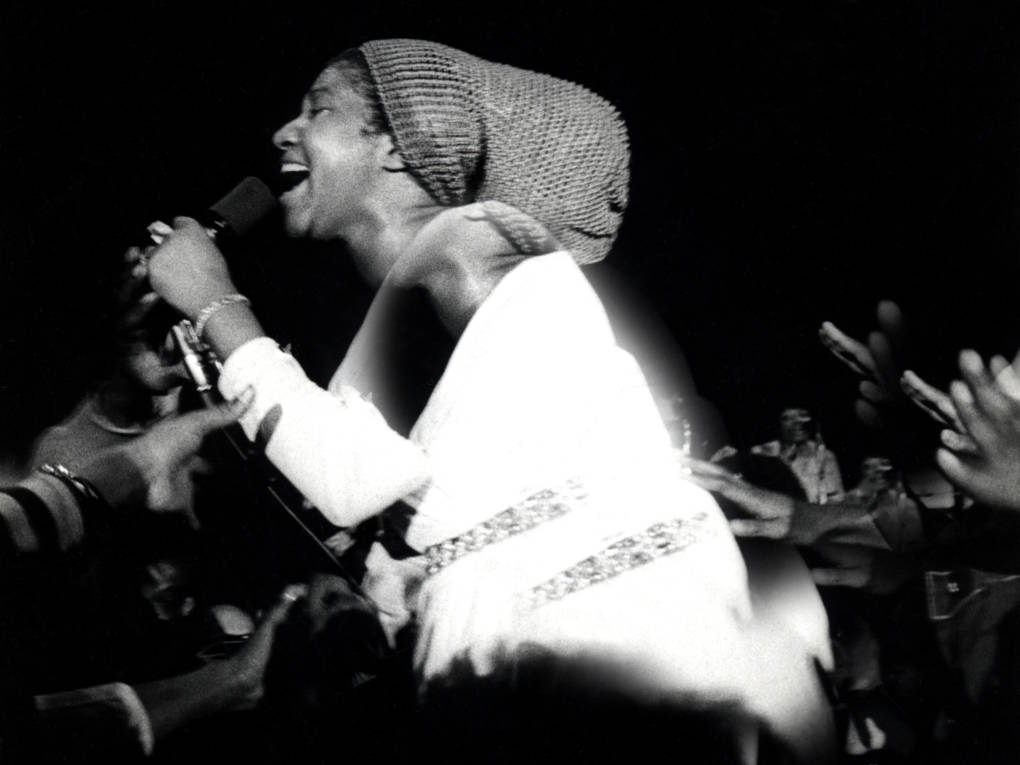
"caption": "Aretha Franklin performs at the Fillmore West in San Francisco on March 5, 1971.",
"description": "Aretha Franklin performs at the Fillmore West in San Francisco on March 5, 1971.",
"title": "Aretha Franklin performs at the Fillmore West in San Francisco on March 5, 1971.",
"credit": "Robert Altman/Getty Images",
"status": "inherit",
"isLoading": false,
"fetchFailed": false
},
"arts_13830960": {
"type": "attachments",
"id": "arts_13830960",
"meta": {
"index": "attachments_1716263798",
"site": "arts",
"id": "13830960",
"found": true
},
"parent": 13830950,
"imgSizes": {
"small": {
"file": "https://ww2.kqed.org/app/uploads/sites/2/2018/05/Khalid-plays-the-Bay-Area-May-5-7-e1525288472681-520x292.jpg",
"width": 520,
"mimeType": "image/jpeg",
"height": 292
},
"twentyfourteen-full-width": {
"file": "https://ww2.kqed.org/app/uploads/sites/2/2018/05/Khalid-plays-the-Bay-Area-May-5-7-e1525288472681-1038x576.jpg",
"width": 1038,
"mimeType": "image/jpeg",
"height": 576
},
"thumbnail": {
"file": "https://ww2.kqed.org/app/uploads/sites/2/2018/05/Khalid-plays-the-Bay-Area-May-5-7-e1525288472681-160x90.jpg",
"width": 160,
"mimeType": "image/jpeg",
"height": 90
},
"fd-sm": {
"file": "https://ww2.kqed.org/app/uploads/sites/2/2018/05/Khalid-plays-the-Bay-Area-May-5-7-e1525288472681-960x540.jpg",
"width": 960,
"mimeType": "image/jpeg",
"height": 540
},
"post-thumbnail": {
"file": "https://ww2.kqed.org/app/uploads/sites/2/2018/05/Khalid-plays-the-Bay-Area-May-5-7-e1525288472681-672x372.jpg",
"width": 672,
"mimeType": "image/jpeg",
"height": 372
},
"xsmall": {
"file": "https://ww2.kqed.org/app/uploads/sites/2/2018/05/Khalid-plays-the-Bay-Area-May-5-7-e1525288472681-375x211.jpg",
"width": 375,
"mimeType": "image/jpeg",
"height": 211
},
"kqedFullSize": {
"file": "https://ww2.kqed.org/app/uploads/sites/2/2018/05/Khalid-plays-the-Bay-Area-May-5-7-e1525288472681.jpg",
"width": 1080,
"height": 607
},
"large": {
"file": "https://ww2.kqed.org/app/uploads/sites/2/2018/05/Khalid-plays-the-Bay-Area-May-5-7-e1525288472681-1020x573.jpg",
"width": 1020,
"mimeType": "image/jpeg",
"height": 573
},
"guest-author-50": {
"file": "https://ww2.kqed.org/app/uploads/sites/2/2018/05/Khalid-plays-the-Bay-Area-May-5-7-e1525288472681-50x50.jpg",
"width": 50,
"mimeType": "image/jpeg",
"height": 50
},
"guest-author-96": {
"file": "https://ww2.kqed.org/app/uploads/sites/2/2018/05/Khalid-plays-the-Bay-Area-May-5-7-e1525288472681-96x96.jpg",
"width": 96,
"mimeType": "image/jpeg",
"height": 96
},
"medium": {
"file": "https://ww2.kqed.org/app/uploads/sites/2/2018/05/Khalid-plays-the-Bay-Area-May-5-7-e1525288472681-800x450.jpg",
"width": 800,
"mimeType": "image/jpeg",
"height": 450
},
"guest-author-64": {
"file": "https://ww2.kqed.org/app/uploads/sites/2/2018/05/Khalid-plays-the-Bay-Area-May-5-7-e1525288472681-64x64.jpg",
"width": 64,
"mimeType": "image/jpeg",
"height": 64
},
"guest-author-32": {
"file": "https://ww2.kqed.org/app/uploads/sites/2/2018/05/Khalid-plays-the-Bay-Area-May-5-7-e1525288472681-32x32.jpg",
"width": 32,
"mimeType": "image/jpeg",
"height": 32
},
"detail": {
"file": "https://ww2.kqed.org/app/uploads/sites/2/2018/05/Khalid-plays-the-Bay-Area-May-5-7-e1525288472681-150x150.jpg",
"width": 150,
"mimeType": "image/jpeg",
"height": 150
},
"medium_large": {
"file": "https://ww2.kqed.org/app/uploads/sites/2/2018/05/Khalid-plays-the-Bay-Area-May-5-7-e1525288472681-768x432.jpg",
"width": 768,
"mimeType": "image/jpeg",
"height": 432
},
"guest-author-128": {
"file": "https://ww2.kqed.org/app/uploads/sites/2/2018/05/Khalid-plays-the-Bay-Area-May-5-7-e1525288472681-128x128.jpg",
"width": 128,
"mimeType": "image/jpeg",
"height": 128
},
"xxsmall": {
"file": "https://ww2.kqed.org/app/uploads/sites/2/2018/05/Khalid-plays-the-Bay-Area-May-5-7-e1525288472681-240x135.jpg",
"width": 240,
"mimeType": "image/jpeg",
"height": 135
}
},
"publishDate": 1525285892,
"modified": 1525288518,
"caption": "Khalid plays the Bay Area May 5-7",
"description": "Khalid plays the Bay Area May 5-7",
"title": "Khalid plays the Bay Area May 5-7",
"credit": "Courtesy of Khalid",
"status": "inherit",
"isLoading": false,
"fetchFailed": false
},
"arts_13829210": {
"type": "attachments",
"id": "arts_13829210",
"meta": {
"index": "attachments_1716263798",
"site": "arts",
"id": "13829210",
"found": true
},
"parent": 13829196,
"imgSizes": {
"small": {
"file": "https://ww2.kqed.org/app/uploads/sites/2/2018/04/Ibeyi-2-e1523488496680-520x293.jpg",
"width": 520,
"mimeType": "image/jpeg",
"height": 293
},
"twentyfourteen-full-width": {
"file": "https://ww2.kqed.org/app/uploads/sites/2/2018/04/Ibeyi-2-960x576.jpg",
"width": 960,
"mimeType": "image/jpeg",
"height": 576
},
"thumbnail": {
"file": "https://ww2.kqed.org/app/uploads/sites/2/2018/04/Ibeyi-2-e1523488496680-160x90.jpg",
"width": 160,
"mimeType": "image/jpeg",
"height": 90
},
"fd-sm": {
"file": "https://ww2.kqed.org/app/uploads/sites/2/2018/04/Ibeyi-2-e1523488496680-960x540.jpg",
"width": 960,
"mimeType": "image/jpeg",
"height": 540
},
"post-thumbnail": {
"file": "https://ww2.kqed.org/app/uploads/sites/2/2018/04/Ibeyi-2-e1523488496680-672x372.jpg",
"width": 672,
"mimeType": "image/jpeg",
"height": 372
},
"xsmall": {
"file": "https://ww2.kqed.org/app/uploads/sites/2/2018/04/Ibeyi-2-e1523488496680-375x211.jpg",
"width": 375,
"mimeType": "image/jpeg",
"height": 211
},
"kqedFullSize": {
"file": "https://ww2.kqed.org/app/uploads/sites/2/2018/04/Ibeyi-2-e1523488496680.jpg",
"width": 960,
"height": 540
},
"guest-author-50": {
"file": "https://ww2.kqed.org/app/uploads/sites/2/2018/04/Ibeyi-2-e1523488496680-50x50.jpg",
"width": 50,
"mimeType": "image/jpeg",
"height": 50
},
"guest-author-96": {
"file": "https://ww2.kqed.org/app/uploads/sites/2/2018/04/Ibeyi-2-e1523488496680-96x96.jpg",
"width": 96,
"mimeType": "image/jpeg",
"height": 96
},
"medium": {
"file": "https://ww2.kqed.org/app/uploads/sites/2/2018/04/Ibeyi-2-e1523488496680-800x450.jpg",
"width": 800,
"mimeType": "image/jpeg",
"height": 450
},
"guest-author-64": {
"file": "https://ww2.kqed.org/app/uploads/sites/2/2018/04/Ibeyi-2-e1523488496680-64x64.jpg",
"width": 64,
"mimeType": "image/jpeg",
"height": 64
},
"guest-author-32": {
"file": "https://ww2.kqed.org/app/uploads/sites/2/2018/04/Ibeyi-2-e1523488496680-32x32.jpg",
"width": 32,
"mimeType": "image/jpeg",
"height": 32
},
"detail": {
"file": "https://ww2.kqed.org/app/uploads/sites/2/2018/04/Ibeyi-2-e1523488496680-150x150.jpg",
"width": 150,
"mimeType": "image/jpeg",
"height": 150
},
"medium_large": {
"file": "https://ww2.kqed.org/app/uploads/sites/2/2018/04/Ibeyi-2-e1523488496680-768x432.jpg",
"width": 768,
"mimeType": "image/jpeg",
"height": 432
},
"guest-author-128": {
"file": "https://ww2.kqed.org/app/uploads/sites/2/2018/04/Ibeyi-2-e1523488496680-128x128.jpg",
"width": 128,
"mimeType": "image/jpeg",
"height": 128
},
"xxsmall": {
"file": "https://ww2.kqed.org/app/uploads/sites/2/2018/04/Ibeyi-2-e1523488496680-240x135.jpg",
"width": 240,
"mimeType": "image/jpeg",
"height": 135
}
},
"publishDate": 1523488401,
"modified": 1523494196,
"caption": "The Ibeyi Sisters play the Fillmore April 13.",
"description": "The Ibeyi Sisters play the Fillmore April 13",
"title": "The Ibeyi Sisters play the Fillmore April 13",
"credit": "Courtesy of Ibeyi",
"status": "inherit",
"isLoading": false,
"fetchFailed": false
},
"arts_13813442": {
"type": "attachments",
"id": "arts_13813442",
"meta": {
"index": "attachments_1716263798",
"site": "arts",
"id": "13813442",
"found": true
},
"parent": 13813433,
"imgSizes": {
"small": {
"file": "https://ww2.kqed.org/app/uploads/sites/2/2017/11/Lizzo-e1509578146475-520x294.jpg",
"width": 520,
"mimeType": "image/jpeg",
"height": 294
},
"twentyfourteen-full-width": {
"file": "https://ww2.kqed.org/app/uploads/sites/2/2017/11/Lizzo-e1509578146475-1038x576.jpg",
"width": 1038,
"mimeType": "image/jpeg",
"height": 576
},
"thumbnail": {
"file": "https://ww2.kqed.org/app/uploads/sites/2/2017/11/Lizzo-e1509578146475-160x90.jpg",
"width": 160,
"mimeType": "image/jpeg",
"height": 90
},
"fd-sm": {
"file": "https://ww2.kqed.org/app/uploads/sites/2/2017/11/Lizzo-e1509578146475-960x542.jpg",
"width": 960,
"mimeType": "image/jpeg",
"height": 542
},
"post-thumbnail": {
"file": "https://ww2.kqed.org/app/uploads/sites/2/2017/11/Lizzo-e1509578146475-672x372.jpg",
"width": 672,
"mimeType": "image/jpeg",
"height": 372
},
"xsmall": {
"file": "https://ww2.kqed.org/app/uploads/sites/2/2017/11/Lizzo-e1509578146475-375x212.jpg",
"width": 375,
"mimeType": "image/jpeg",
"height": 212
},
"kqedFullSize": {
"file": "https://ww2.kqed.org/app/uploads/sites/2/2017/11/Lizzo-e1509578146475.jpg",
"width": 1375,
"height": 777
},
"large": {
"file": "https://ww2.kqed.org/app/uploads/sites/2/2017/11/Lizzo-e1509578146475-1020x576.jpg",
"width": 1020,
"mimeType": "image/jpeg",
"height": 576
},
"xlarge": {
"file": "https://ww2.kqed.org/app/uploads/sites/2/2017/11/Lizzo-e1509578146475-1180x667.jpg",
"width": 1180,
"mimeType": "image/jpeg",
"height": 667
},
"guest-author-50": {
"file": "https://ww2.kqed.org/app/uploads/sites/2/2017/11/Lizzo-e1509578146475-50x50.jpg",
"width": 50,
"mimeType": "image/jpeg",
"height": 50
},
"guest-author-96": {
"file": "https://ww2.kqed.org/app/uploads/sites/2/2017/11/Lizzo-e1509578146475-96x96.jpg",
"width": 96,
"mimeType": "image/jpeg",
"height": 96
},
"medium": {
"file": "https://ww2.kqed.org/app/uploads/sites/2/2017/11/Lizzo-e1509578146475-800x452.jpg",
"width": 800,
"mimeType": "image/jpeg",
"height": 452
},
"guest-author-64": {
"file": "https://ww2.kqed.org/app/uploads/sites/2/2017/11/Lizzo-e1509578146475-64x64.jpg",
"width": 64,
"mimeType": "image/jpeg",
"height": 64
},
"guest-author-32": {
"file": "https://ww2.kqed.org/app/uploads/sites/2/2017/11/Lizzo-e1509578146475-32x32.jpg",
"width": 32,
"mimeType": "image/jpeg",
"height": 32
},
"fd-med": {
"file": "https://ww2.kqed.org/app/uploads/sites/2/2017/11/Lizzo-e1509578146475-1180x667.jpg",
"width": 1180,
"mimeType": "image/jpeg",
"height": 667
},
"detail": {
"file": "https://ww2.kqed.org/app/uploads/sites/2/2017/11/Lizzo-e1509578146475-150x150.jpg",
"width": 150,
"mimeType": "image/jpeg",
"height": 150
},
"medium_large": {
"file": "https://ww2.kqed.org/app/uploads/sites/2/2017/11/Lizzo-e1509578146475-768x434.jpg",
"width": 768,
"mimeType": "image/jpeg",
"height": 434
},
"guest-author-128": {
"file": "https://ww2.kqed.org/app/uploads/sites/2/2017/11/Lizzo-e1509578146475-128x128.jpg",
"width": 128,
"mimeType": "image/jpeg",
"height": 128
},
"xxsmall": {
"file": "https://ww2.kqed.org/app/uploads/sites/2/2017/11/Lizzo-e1509578146475-240x136.jpg",
"width": 240,
"mimeType": "image/jpeg",
"height": 136
}
},
"publishDate": 1509578103,
"modified": 1549506788,
"caption": "Singer Lizzo.",
"description": "Singer Lizzo",
"title": "Singer Lizzo",
"credit": "Photo: Courtesy of Atlantic Records",
"status": "inherit",
"isLoading": false,
"fetchFailed": false
},
"arts_13042307": {
"type": "attachments",
"id": "arts_13042307",
"meta": {
"index": "attachments_1716263798",
"site": "arts",
"id": "13042307",
"found": true
},
"parent": 13039627,
"imgSizes": {
"small": {
"file": "https://ww2.kqed.org/app/uploads/sites/2/2017/04/1086-Deyoung-COVER-520x293.jpg",
"width": 520,
"mimeType": "image/jpeg",
"height": 293
},
"twentyfourteen-full-width": {
"file": "https://ww2.kqed.org/app/uploads/sites/2/2017/04/1086-Deyoung-COVER-1038x576.jpg",
"width": 1038,
"mimeType": "image/jpeg",
"height": 576
},
"thumbnail": {
"file": "https://ww2.kqed.org/app/uploads/sites/2/2017/04/1086-Deyoung-COVER-160x90.jpg",
"width": 160,
"mimeType": "image/jpeg",
"height": 90
},
"fd-sm": {
"file": "https://ww2.kqed.org/app/uploads/sites/2/2017/04/1086-Deyoung-COVER-960x540.jpg",
"width": 960,
"mimeType": "image/jpeg",
"height": 540
},
"post-thumbnail": {
"file": "https://ww2.kqed.org/app/uploads/sites/2/2017/04/1086-Deyoung-COVER-672x372.jpg",
"width": 672,
"mimeType": "image/jpeg",
"height": 372
},
"xsmall": {
"file": "https://ww2.kqed.org/app/uploads/sites/2/2017/04/1086-Deyoung-COVER-375x211.jpg",
"width": 375,
"mimeType": "image/jpeg",
"height": 211
},
"kqedFullSize": {
"file": "https://ww2.kqed.org/app/uploads/sites/2/2017/04/1086-Deyoung-COVER.jpg",
"width": 1920,
"height": 1080
},
"large": {
"file": "https://ww2.kqed.org/app/uploads/sites/2/2017/04/1086-Deyoung-COVER-1020x574.jpg",
"width": 1020,
"mimeType": "image/jpeg",
"height": 574
},
"xlarge": {
"file": "https://ww2.kqed.org/app/uploads/sites/2/2017/04/1086-Deyoung-COVER-1180x664.jpg",
"width": 1180,
"mimeType": "image/jpeg",
"height": 664
},
"guest-author-50": {
"file": "https://ww2.kqed.org/app/uploads/sites/2/2017/04/1086-Deyoung-COVER-50x50.jpg",
"width": 50,
"mimeType": "image/jpeg",
"height": 50
},
"guest-author-96": {
"file": "https://ww2.kqed.org/app/uploads/sites/2/2017/04/1086-Deyoung-COVER-96x96.jpg",
"width": 96,
"mimeType": "image/jpeg",
"height": 96
},
"medium": {
"file": "https://ww2.kqed.org/app/uploads/sites/2/2017/04/1086-Deyoung-COVER-800x450.jpg",
"width": 800,
"mimeType": "image/jpeg",
"height": 450
},
"guest-author-64": {
"file": "https://ww2.kqed.org/app/uploads/sites/2/2017/04/1086-Deyoung-COVER-64x64.jpg",
"width": 64,
"mimeType": "image/jpeg",
"height": 64
},
"guest-author-32": {
"file": "https://ww2.kqed.org/app/uploads/sites/2/2017/04/1086-Deyoung-COVER-32x32.jpg",
"width": 32,
"mimeType": "image/jpeg",
"height": 32
},
"fd-lrg": {
"file": "https://ww2.kqed.org/app/uploads/sites/2/2017/04/1086-Deyoung-COVER-1920x1080.jpg",
"width": 1920,
"mimeType": "image/jpeg",
"height": 1080
},
"fd-med": {
"file": "https://ww2.kqed.org/app/uploads/sites/2/2017/04/1086-Deyoung-COVER-1180x664.jpg",
"width": 1180,
"mimeType": "image/jpeg",
"height": 664
},
"full-width": {
"file": "https://ww2.kqed.org/app/uploads/sites/2/2017/04/1086-Deyoung-COVER-1920x1080.jpg",
"width": 1920,
"mimeType": "image/jpeg",
"height": 1080
},
"detail": {
"file": "https://ww2.kqed.org/app/uploads/sites/2/2017/04/1086-Deyoung-COVER-150x150.jpg",
"width": 150,
"mimeType": "image/jpeg",
"height": 150
},
"medium_large": {
"file": "https://ww2.kqed.org/app/uploads/sites/2/2017/04/1086-Deyoung-COVER-768x432.jpg",
"width": 768,
"mimeType": "image/jpeg",
"height": 432
},
"guest-author-128": {
"file": "https://ww2.kqed.org/app/uploads/sites/2/2017/04/1086-Deyoung-COVER-128x128.jpg",
"width": 128,
"mimeType": "image/jpeg",
"height": 128
},
"xxsmall": {
"file": "https://ww2.kqed.org/app/uploads/sites/2/2017/04/1086-Deyoung-COVER-240x135.jpg",
"width": 240,
"mimeType": "image/jpeg",
"height": 135
}
},
"publishDate": 1492022385,
"modified": 1492022438,
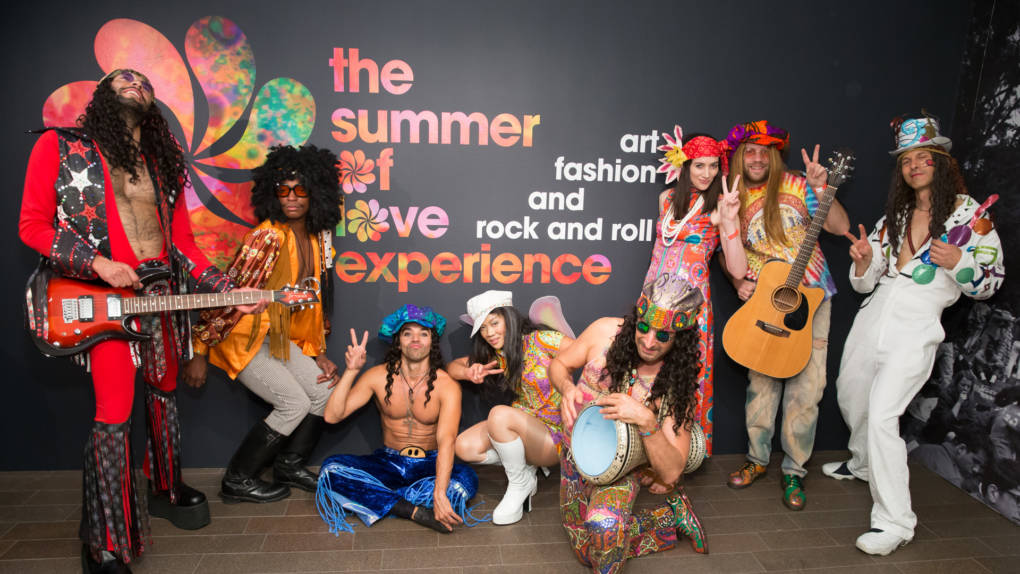
"caption": "Performers at 'The Summer of Love Experience' donor reception at de Young Museum.",
"description": "Performers at 'The Summer of Love Experience' donor reception at de Young Museum.",
"title": "The Summer of Love Experience Donor Reception",
"credit": "Devlin Shand for Drew Altizer Photography",
"status": "inherit",
"isLoading": false,
"fetchFailed": false
}
},
"audioPlayerReducer": {
"postId": "stream_live",
"isPaused": true,
"isPlaying": false,
"pfsActive": false,
"pledgeModalIsOpen": true,
"playerDrawerIsOpen": false,
"liveAudioPlayStartedAt": 0,
"liveAudioPlayContext": ""
},
"authorsReducer": {
"byline_arts_13847920": {
"type": "authors",
"id": "byline_arts_13847920",
"meta": {
"override": true
},
"slug": "byline_arts_13847920",
"name": "Daphne A. Brooks",
"isLoading": false
},
"cmusiker": {
"type": "authors",
"id": "32",
"meta": {
"index": "authors_1716337520",
"id": "32",
"found": true
},
"name": "Cy Musiker",
"firstName": "Cy",
"lastName": "Musiker",
"slug": "cmusiker",
"email": "cmusiker@kqed.org",
"display_author_email": false,
"staff_mastheads": [],
"title": "KQED Contributor",
"bio": "Cy Musiker is a former co-host of The Do List and a former reporter covering the arts for KQED News and The California Report. He loves live performance, especially great theater, jazz, roots music, anything by Mahler. Cy has an MJ from UC Berkeley's School of Journalism, and got his BA from Hampshire College. His work has been recognized by the Society for Professional Journalists with their Sigma Delta Chi Award for Public Service in Journalism. When he can, Cy likes to swim in Tomales Bay, run with his dog in the East Bay Hills, and hike the Sierra.",
"avatar": "https://secure.gravatar.com/avatar/05eaba5c5696ce8f062e4ea2df428a43?s=600&d=blank&r=g",
"twitter": null,
"facebook": null,
"instagram": null,
"linkedin": null,
"sites": [
{
"site": "arts",
"roles": [
"Contributor",
"subscriber"
]
},
{
"site": "news",
"roles": [
"author"
]
},
{
"site": "bayareabites",
"roles": [
"contributor"
]
}
],
"headData": {
"title": "Cy Musiker | KQED",
"description": "KQED Contributor",
"ogImgSrc": "https://secure.gravatar.com/avatar/05eaba5c5696ce8f062e4ea2df428a43?s=600&d=blank&r=g",
"twImgSrc": "https://secure.gravatar.com/avatar/05eaba5c5696ce8f062e4ea2df428a43?s=600&d=blank&r=g"
},
"isLoading": false,
"link": "/author/cmusiker"
},
"shotchkiss": {
"type": "authors",
"id": "61",
"meta": {
"index": "authors_1716337520",
"id": "61",
"found": true
},
"name": "Sarah Hotchkiss",
"firstName": "Sarah",
"lastName": "Hotchkiss",
"slug": "shotchkiss",
"email": "shotchkiss@kqed.org",
"display_author_email": true,
"staff_mastheads": [
"arts"
],
"title": "Senior Editor",
"bio": "Sarah Hotchkiss is a San Francisco \u003ca href=\"http://www.sarahhotchkiss.com\">artist\u003c/a> and arts writer. In 2019, she received the Dorothea & Leo Rabkin Foundation grant for visual art journalism and in 2020 she received a Society of Professional Journalists, Northern California award for excellence in arts and culture reporting.",
"avatar": "https://secure.gravatar.com/avatar/bc662df144b3d27fd8b1b6f1c2a420d34e91e53154d411bb7ad353cc8b6cea8d?s=600&d=blank&r=g",
"twitter": null,
"bluesky": null,
"facebook": null,
"instagram": null,
"linkedin": null,
"sites": [
{
"site": "",
"roles": [
"editor"
]
},
{
"site": "arts",
"roles": [
"Contributor",
"administrator"
]
},
{
"site": "artschool",
"roles": [
"administrator"
]
},
{
"site": "news",
"roles": [
"editor"
]
},
{
"site": "pop",
"roles": [
"administrator"
]
},
{
"site": "bayareabites",
"roles": [
"editor"
]
},
{
"site": "spark",
"roles": [
"editor"
]
},
{
"site": "checkplease",
"roles": [
"editor"
]
}
],
"headData": {
"title": "Sarah Hotchkiss | KQED",
"description": "Senior Editor",
"ogImgSrc": "https://secure.gravatar.com/avatar/bc662df144b3d27fd8b1b6f1c2a420d34e91e53154d411bb7ad353cc8b6cea8d?s=600&d=blank&r=g",
"twImgSrc": "https://secure.gravatar.com/avatar/bc662df144b3d27fd8b1b6f1c2a420d34e91e53154d411bb7ad353cc8b6cea8d?s=600&d=blank&r=g"
},
"isLoading": false,
"link": "/author/shotchkiss"
},
"esilvers": {
"type": "authors",
"id": "7237",
"meta": {
"index": "authors_1716337520",
"id": "7237",
"found": true
},
"name": "Emma Silvers",
"firstName": "Emma",
"lastName": "Silvers",
"slug": "esilvers",
"email": "esilvers@kqed.org",
"display_author_email": false,
"staff_mastheads": [],
"title": "KQED Contributor",
"bio": "Emma Silvers is an editor at KQED Arts and a former digital producer at KQED News. Born and raised in the Bay Area, she has previously been an arts and entertainment editor at the \u003cem>San Francisco Chronicle\u003c/em>, \u003cem>SF Weekly\u003c/em> and the \u003cem>San Francisco Bay Guardian.\u003c/em> \u003ca href=\"https://www.emmasilvers.com\">Her work\u003c/a> has also appeared in \u003cem>Rolling Stone\u003c/em>, Pitchfork and \u003cem>Mother Jones\u003c/em>. In 2017 she was the recipient of the Society of Professional Journalists-Northern California's award for arts and culture reporting. In 1993 she \u003ca href=\"https://www.kqed.org/pop/16759/wait-what-my-coworker-was-a-voice-over-hyperventilator-for-jurassic-park\">hyperventilated in \u003cem>Jurassic Park\u003c/em>\u003c/a>.",
"avatar": "https://secure.gravatar.com/avatar/247beada39b88ea5759db1f51dba05cf?s=600&d=blank&r=g",
"twitter": "emmaruthless",
"facebook": null,
"instagram": null,
"linkedin": null,
"sites": [
{
"site": "arts",
"roles": [
"editor"
]
},
{
"site": "news",
"roles": [
"editor"
]
},
{
"site": "pop",
"roles": [
"contributor"
]
},
{
"site": "bayareabites",
"roles": [
"editor"
]
},
{
"site": "food",
"roles": [
"contributor"
]
},
{
"site": "liveblog",
"roles": [
"editor"
]
}
],
"headData": {
"title": "Emma Silvers | KQED",
"description": "KQED Contributor",
"ogImgSrc": "https://secure.gravatar.com/avatar/247beada39b88ea5759db1f51dba05cf?s=600&d=blank&r=g",
"twImgSrc": "https://secure.gravatar.com/avatar/247beada39b88ea5759db1f51dba05cf?s=600&d=blank&r=g"
},
"isLoading": false,
"link": "/author/esilvers"
}
},
"pagesReducer": {
"arts_tag_the-fillmore": {
"type": "terms",
"id": "arts_2996",
"meta": {
"index": "terms_1716263798",
"site": "arts",
"id": "2996",
"score": 9.890233
},
"featImg": null,
"name": "the fillmore",
"description": null,
"taxonomy": "tag",
"headData": {
"twImgId": null,
"twTitle": null,
"ogTitle": null,
"ogImgId": null,
"twDescription": null,
"description": null,
"title": "the fillmore Archives | KQED Arts",
"ogDescription": null
},
"ttid": 3008,
"slug": "the-fillmore",
"isLoading": false,
"title": "the fillmore",
"pageMeta": {
"site": "arts",
"WpPageTemplate": "page-topic-editorial",
"currentPage": 2
},
"blocks": [
{
"blockName": "kqed/post-list",
"attrs": {
"layout": "cardArticle2",
"query": "posts/arts?tag=the-fillmore",
"seeMore": false,
"paginated": true,
"page": 2
}
},
{
"blockName": "kqed/ad"
}
]
}
},
"pfsSessionReducer": {},
"postsReducer": {
"stream_live": {
"type": "live",
"id": "stream_live",
"audioUrl": "https://streams.kqed.org/kqedradio",
"title": "Live Stream",
"excerpt": "Live Stream information currently unavailable.",
"link": "/radio",
"featImg": "",
"label": {
"name": "KQED Live",
"link": "/"
}
},
"stream_kqedNewscast": {
"type": "posts",
"id": "stream_kqedNewscast",
"audioUrl": "https://www.kqed.org/.stream/anon/radio/RDnews/newscast.mp3?_=1",
"title": "KQED Newscast",
"featImg": "",
"label": {
"name": "88.5 FM",
"link": "/"
}
},
"arts_13847920": {
"type": "posts",
"id": "arts_13847920",
"meta": {
"index": "posts_1716263798",
"site": "arts",
"id": "13847920",
"score": null,
"sort": [
1546369580000
]
},
"guestAuthors": [],
"slug": "arethas-bridge",
"title": "Aretha's Bridge",
"publishDate": 1546369580,
"format": "image",
"headTitle": "Aretha’s Bridge | KQED",
"labelTerm": {
"term": 137,
"site": "arts"
},
"content": "\u003cp>If one way of understanding gospel music is to trace its emergence in the midst of the African-American Great Migration — from south to north, from rural areas to urban regions, from agrarian culture to industrialization, then so too can we hear Aretha Franklin traveling miles and miles in her luminous cover of Simon and Garfunkel’s “Bridge Over Troubled Water.” With each magnetic pass that she took through this song, we can hear Queen Re mediating the gospel space between traditional spirituals and blues-inflected musicality, bringing the Holy sounds of her Baptist upbringing closer to the secularized lyrics of folk hero Paul Simon.\u003c/p>\n\u003cp>In her extraordinary live performances of this track which she first performed on the Grammys telecast in 1971, Aretha Franklin \u003cem>becomes\u003c/em> a bridge, phantasmagorically elasticizing the wondrous instrument that is her vocal body across musical genres — soul, gospel, folk. Most remarkable was how she drew out the deep spiritual grooves of Simon’s “Bridge” in March of that year at concert promoter Bill Graham’s Fillmore West, a rock and roll palace where Hendrix’s psychedelia and Grateful Dead jam band bacchanalia had been flourishing since 1968. Resplendent in her flowing, earth-toned gown and a supremely Haight-Ashbury slouchy hat, she took a seat at the piano and became the first African-American woman artist to headline a concert event at the venue, home of the “long hairs” as some would refer to it.\u003c/p>\n\u003cp>[contextly_sidebar id=”NP2k2sRmZaUEykroiK5ox8yGTnIQTXN5″]\u003c/p>\n\u003cp>The journey that Aretha takes us on this song is one in which she wraps her arms around an ode to deeply enduring friendship and solidarity in times of trial. This was a moment too in which she also tapped into the traces of songwriter Paul Simon’s love of gospel greats the Swan Silvertones and their own re-reading of the spiritual “Mary Don’t You Weep,” itself a tune that folds together Old and New Testament tales of exodus and re-birth. It was a tale she surely knew well, as the daughter of legendary preacher C.L. Franklin, and she invoked all that knowledge to mine the “Bridge” for its many cultural and spiritual resonances. Along the way, just as she did with Otis Redding’s “Respect,” she made it all her own.\u003c/p>\n\u003cp>Like fellow Detroiter Diana Ross, Aretha makes a bid to “reach out and touch somebody’s hand” across an ocean of ardent, colorful tie-dye clad fans. And in doing so, those Fillmore West performances — released just a few months later as her second live album — became instantly historic in that they assert the multiracial and cross-gender possibilities of early 1970s rock and roll counterculture that so often went unrealized. As she stretches herself out in the lyrics of the song, the Queen laid the ground for making deep well statements about the politics of trust and coalition building in the face of historical uncertainty, as black liberation changed its pace and tenor, as the anti-war effort grew evermore dire.\u003c/p>\n\u003cp>[ad fullwidth]\u003c/p>\n\u003cp>Over three sold out nights, Aretha Franklin would play in the round with King Curtis and the Kingpins, one of the tightest rhythm sections other than James Brown’s JBs, setting off each evening on her own distinct version of Simon and Garfunkel’s “Bridge Over Troubled Water,” a song that marked what turned out to be a crucial period of her transformation as a musician.\u003c/p>\n\u003cp>https://youtu.be/7IExZv-mgrw\u003c/p>\n\u003cp>“Go ahead ‘Retha!” The adoring crowd embraces Aretha the vocalist and pianist as she hails her powerhouse band, a group featuring late great Curtis Ousley on saxophone and the convivial Billy Preston sitting in as guest player at the organ. “Play Billy!” Aretha calls out to her fellow musician as her incandescent cover slowly unfolds, as she wades ever so gracefully into still waters that run deep, as she moves gently and yet fearlessly into the center of Preston’s thick, bright, atmospheric keyboard universe flanked by her backup singers, the Sweethearts of Soul.\u003c/p>\n\u003cp>Aretha’s vocals radiate with the effulgent heat and the ethereal energy of the gospel tradition as she worries lines, improvises impassioned moans and carefully, elegantly puts to use a thing called the melisma, the artful, spiritually-rooted technique of stringing a series of notes together in one syllable so as to stretch out one’s vocal phrasing.\u003c/p>\n\u003cp>Hanging on words, pulling out phrases and turning them over and over so as to wring them for multiple meanings, Aretha here lets us know, without breaking a sweat, that she is still the innovator who birthed a brand of soul music that made spectacularly audible existential and spiritual self-discovery and affirmation, all at the site of her virtuosic vocalization. The philosophical intelligence of her musical phrasing and narrative interpretation set a new standard of excellence in pop music.\u003c/p>\n\u003ch3>\u003cstrong>\u003cem>“When you’re down and out / When you look up and see yourself on the street / When evening falls so hard / I’ll be there to comfort you / I’ll take your part / I’ll take it when darkness comes / And there’s no one you love around.”\u003c/em>\u003c/strong>\u003c/h3>\n\u003cp>Aretha the conduit. Aretha the medium. Aretha the surrogate figure for the masses. She was, especially at this point in her career, between 1971-1973 (called by critics, her “artistically mature period”), a kind of performer who was able to “shap[e] her intimacies with the skill of a dramatist,” as Ann Powers has beautifully put it. Like a great “method actor” who slips into the specific landscape of a particular song to fully inhabit it, Aretha both disappears into the emotional terrain of her “bridge” and unveils a protagonist who expresses herself in the most intense emotive registers.\u003c/p>\n\u003ch3>\u003cstrong>\u003cem>“Don’t trouble the water… Why don’t ya just let it be”\u003c/em>\u003c/strong>\u003c/h3>\n\u003cp>Yes, there are rumors that Simon wrote “Bridge Over Troubled Water” “for Aretha” or “with Aretha in mind.” All speculation, but certainly we can hear the ways that the song would operate as a crossroads in her career, a prescient recording that would forecast her historic transition, her own personal and professional bridge from pop superstardom \u003cem>back\u003c/em> to fully immersing herself in the music of the church.\u003c/p>\n\u003cp>“Bridge Over Troubled Water” is, after all, a gateway song — not simply a cover of a gorgeously wrought proclamation of harmony, intimacy and understanding shared between two New York City folkies — but a song that reaches back to a gospel classic which, in turn, draws its inspiration from the Bible.\u003c/p>\n\u003cp>https://youtu.be/lMvFKpqnsWU\u003c/p>\n\u003cp>Listen carefully to the Swan Silvertones’ classic version of “Mary Don’t You Weep,” and one hears the famous line that would inspire Paul Simon to write a song about a bridge as wells as the seeds from Exodus that inspired that line.\u003c/p>\n\u003cp>“Mary Don’t You Weep” gives us the story, from the Gospel of John, of Mary of Bethany, a woman who, along with her sister Martha, mourns over the death of her brother Lazarus. When Jesus arrives at their house, he meets with both sisters. Before raising their brother to new life, he instructs Martha to draw on hope and faith. To Mary he offers added counsel and addresses her tears: “When Jesus saw her weeping, and the Jews who had come along with her also weeping, he was deeply moved in spirit and troubled.”\u003c/p>\n\u003cp>So sing the Swan Silvertones: \u003cem>“Oh Mary don’t you weep. Tell Martha not to moan.”\u003c/em>\u003c/p>\n\u003cp>“Mary Don’t You Weep” started out as a Negro spiritual, entrusted in the 20th century to the likes of the Fisk Jubilee Singers to deliver the Good Word to the segregated masses, and it is a song that has subsequently been picked up by artists as varied as Pete Seeger, Nat King Cole, Bruce Springsteen, Aaron Neville and Take 6 throughout the 20th century .\u003c/p>\n\u003cp>As Aaron Cohen points out in his book on Aretha’s \u003cem>Amazing Grace\u003c/em>, the version that would seemingly have the most overt impact on her is the 1958 recording \u003ca href=\"https://www.youtube.com/watch?v=c5UDBf9Q2bc\">by The Caravans\u003c/a>, the phenomenally influential gospel group of the ’50s and ’60s, founded by Albertine Walker and a launching pad for a run of future superstars of the genre: Shirley Caesar, James Cleveland and Inez Andrews to name but a few.\u003c/p>\n\u003cp>But the Swan Silvertones’ version from 1959 is the only one that features the marvelous lead singer Claude Jeter’s forthright interpolation: “I’ll be a bridge over deep water if you trust in my name.” It was a line that would stick with Paul Simon and one with roots to the greatest escape tale of all time.\u003c/p>\n\u003cp>Sings Jeter, \u003cem>“Pharoah’s Army got drowned in the sea, but Jesus said Mary, your little sister Martha don’t have to moan …. Now can I get a witness.”\u003c/em>\u003c/p>\n\u003cp>The Swan Silvertones version of “Mary Don’t You Weep” folds into its musical story the narrative of Exodus, one of the most famous passages in all of the Bible — when Moses, led by the Lord, saw the Israelites out of slavery in Egypt.\u003c/p>\n\u003cp>“Mary Don’t You Weep” bridges this holy miracle into the story of Jesus raising Lazarus from the dead in the Gospel of John. In doing so, it is a song that testifies to the wonder of heavenly power to comfort, to protect and to revive mortal souls.\u003c/p>\n\u003cp>\u003cem>“I’ll be a bridge over deep water if you trust in my name.” \u003c/em>Jeter’s line recalls the second half of the Exodus passage when the Israelites traveled for three days, battling heat and sun, thirsting for water. With their faith tested, as the tale goes, the “people grumbled against Moses, saying, ‘What are we to drink?’ And the Lord turned bitter water into the sweetest of drink, assuring the people that ‘I am the LORD, who heals you.'”\u003c/p>\n\u003cp>Many people remember this passage from Exodus (with or without the Cecil B. DeMille special effects from the \u003cem>Ten Commandments \u003c/em>film) because of the way that it so spectacularly showcases the might and power of the Almighty, bringing the waters of the Red Sea over Pharaoh’s army, turning bitter water into the sweetest of drink.\u003c/p>\n\u003cp>Oft-overlooked yet just as crucial to the Israelites deliverance are the women on hand who witness and musically testify to the extraordinary turn of events in their midst:\u003c/p>\n\u003cblockquote>\u003cp>“Then Miriam the prophetess, Aaron’s sister, took a tambourine in her hand, and all the women followed her, with tambourines and dancing. Miriam sang to them: ‘Sing to the LORD, for he is highly exalted. The horse and its rider he has hurled into the sea.'”\u003c/p>\u003c/blockquote>\n\u003cp>Like a bridge, Miriam and the women repeat in song this hallowed flight to freedom. With a “joyful noise,” their voices reanimate the “rock on which Moses stood” to “lead the Hebrew children through.” They are the ones who, like those sisters at the close of Toni Morrison’s \u003cem>Beloved\u003c/em>, “buil[d] voice upon voice until they found it, and when they did it was a wave of sound wide enough to sound deep water and knock the pods off chestnut trees.”\u003c/p>\n\u003cp>We might think of how Aretha picks up the frequency of Claude Jeter singing “I’ll be your bridge over deep water if you trust my name,” so crystal clear that Paul Simon can hear his truth. And it’s she who can hear Miriam and the women’s truth as well as they amplify it, sustain it, make it manifest using “the right combination, the key, the code….”\u003c/p>\n\u003cp>Aretha the code breaker sings through this history, and she also ultimately re-centers that history in a legacy of black women’s agency and conviction.\u003c/p>\n\u003cp>As Cohen reminds, it is Inez Andrews’ “bluesy vamp and original sermonette about Lazarus rising from the tune” in The Caravans’ version of “Mary Don’t You Weep” that Aretha would potently bring to life during the historic \u003cem>Grace\u003c/em> recordings at New Temple Missionary Baptist Church, some nine months after her Fillmore concerts. In that epic, earth-shaking performance, we hear the voice of a black woman actively folding together into one the sacred, secular and sonic histories of the black radical tradition and reminding us of the woman-centered foundations of that tradition. On “Mary,” Aretha follows the road that she’d set for herself on a bridge and carries the congregation through the storm.\u003c/p>\n\u003cp>https://youtu.be/KA84TNAGWJM\u003c/p>\n\u003cp>This is paradigmatic soul at the apex of masterful storytelling. Worth recognizing then, that if in soul performance the very of-this-earth James Brown would make famous the line “take it to the bridge” — an emphatic way of egging his band on and signaling his own virtuosic ability to carry a song from the verse to the chorus to the climax — if in these moments James Brown was announcing his gift of stamina, fierce performative determination, improvisation, and ingenuity, we hear all of this on Aretha Franklin’s \u003cem>Amazing Grace\u003c/em> as well.\u003c/p>\n\u003cp>In Aretha’s stunning performance of “Mary,” alone, we hear Motor City black Baptist royalty meeting New York City Jewish folkie Simon, and we hear Simon meeting Kentucky-born coal miner turned gospel great Jeter. We hear her carrying both men back to Alabama gospel role model Inez Andrews in song, melding together the spiritual and the worldly, Old and New Testament tales of perseverance and faith. We hear her responding to the call made by Miriam, summoning those old school Biblical women’s sonic circuits of energy, and channeling and translating Inez and Paul and Claude.\u003c/p>\n\u003ch3>\u003cstrong>\u003cem>“I’ll be your bridge over deep water if you trust my name.”\u003c/em>\u003c/strong>\u003c/h3>\n\u003cp>The larger lesson for me in that tiny verse in \u003cem>Exodus\u003c/em> and its various rippling echoes in The Caravans and the Swan Silvertones’ versions of “Mary,” rolling on through Aretha’s “Bridge” and on into her own \u003cem>Amazing Grace\u003c/em> performance is that Aretha Franklin is calling out to us to respond and bear witness to the foundations of her soul music revolution. Her music will forever hold the potential to bring the richest array of peoples together in a kind of humanist collectivity that, at its core, celebrates the sound of black womanhood as a site for radical social, spiritual and philosophical possibilities.\u003c/p>\n\u003cp>[ad floatright]\u003c/p>\n\u003cp>No time like now to take that bridge once more.\u003c/p>\n\u003cdiv class=\"fullattribution\">Copyright 2019 NPR. To see more, visit https://www.npr.org.\u003cimg decoding=\"async\" src=\"https://www.google-analytics.com/__utm.gif?utmac=UA-5828686-4&utmdt=Aretha%27s+Bridge&utme=8(APIKey)9(MDAxOTAwOTE4MDEyMTkxMDAzNjczZDljZA004)\">\u003c/div>\n\n",
"blocks": [],
"excerpt": "Amidst an instantly historic performance in 1971 that led to one of her best-known albums, Aretha Franklin's rendition of a single song carries inside it the weight of pop, soul and gospel history.",
"status": "publish",
"parent": 0,
"modified": 1726770867,
"stats": {
"hasAudio": false,
"hasVideo": false,
"hasChartOrMap": false,
"iframeSrcs": [],
"hasGoogleForm": false,
"hasGallery": false,
"hasHearkenModule": false,
"hasPolis": false,
"paragraphCount": 35,
"wordCount": 2559
},
"headData": {
"title": "Aretha's Bridge | KQED",
"description": "Amidst an instantly historic performance in 1971 that led to one of her best-known albums, Aretha Franklin's rendition of a single song carries inside it the weight of pop, soul and gospel history.",
"ogTitle": "",
"ogDescription": "",
"ogImgId": "",
"twTitle": "",
"twDescription": "",
"twImgId": "",
"schema": {
"@context": "https://schema.org",
"@type": "Article",
"headline": "Aretha's Bridge",
"datePublished": "2019-01-01T11:06:20-08:00",
"dateModified": "2024-09-19T11:34:27-07:00",
"image": "https://cdn.kqed.org/wp-content/uploads/2020/02/KQED-OG-Image@1x.png"
}
},
"sticky": false,
"nprImageCredit": "Robert Altman",
"nprByline": "Daphne A. Brooks",
"nprImageAgency": "Getty Images",
"nprStoryId": "639644891",
"nprApiLink": "http://api.npr.org/query?id=639644891&apiKey=MDAxOTAwOTE4MDEyMTkxMDAzNjczZDljZA004",
"nprHtmlLink": "https://www.npr.org/2018/08/18/639644891/arethas-bridge?ft=nprml&f=639644891",
"nprRetrievedStory": "1",
"nprPubDate": "Sat, 18 Aug 2018 15:29:00 -0400",
"nprStoryDate": "Sat, 18 Aug 2018 15:27:00 -0400",
"nprLastModifiedDate": "Sat, 18 Aug 2018 15:29:00 -0400",
"path": "/arts/13847920/arethas-bridge",
"audioTrackLength": null,
"parsedContent": [
{
"type": "contentString",
"content": "\u003cdiv class=\"post-body\">\u003cp>\u003cp>If one way of understanding gospel music is to trace its emergence in the midst of the African-American Great Migration — from south to north, from rural areas to urban regions, from agrarian culture to industrialization, then so too can we hear Aretha Franklin traveling miles and miles in her luminous cover of Simon and Garfunkel’s “Bridge Over Troubled Water.” With each magnetic pass that she took through this song, we can hear Queen Re mediating the gospel space between traditional spirituals and blues-inflected musicality, bringing the Holy sounds of her Baptist upbringing closer to the secularized lyrics of folk hero Paul Simon.\u003c/p>\n\u003cp>In her extraordinary live performances of this track which she first performed on the Grammys telecast in 1971, Aretha Franklin \u003cem>becomes\u003c/em> a bridge, phantasmagorically elasticizing the wondrous instrument that is her vocal body across musical genres — soul, gospel, folk. Most remarkable was how she drew out the deep spiritual grooves of Simon’s “Bridge” in March of that year at concert promoter Bill Graham’s Fillmore West, a rock and roll palace where Hendrix’s psychedelia and Grateful Dead jam band bacchanalia had been flourishing since 1968. Resplendent in her flowing, earth-toned gown and a supremely Haight-Ashbury slouchy hat, she took a seat at the piano and became the first African-American woman artist to headline a concert event at the venue, home of the “long hairs” as some would refer to it.\u003c/p>\n\u003cp>\u003c/p>\u003cp>\u003c/p>\u003cp>\u003c/p>\n\u003cp>The journey that Aretha takes us on this song is one in which she wraps her arms around an ode to deeply enduring friendship and solidarity in times of trial. This was a moment too in which she also tapped into the traces of songwriter Paul Simon’s love of gospel greats the Swan Silvertones and their own re-reading of the spiritual “Mary Don’t You Weep,” itself a tune that folds together Old and New Testament tales of exodus and re-birth. It was a tale she surely knew well, as the daughter of legendary preacher C.L. Franklin, and she invoked all that knowledge to mine the “Bridge” for its many cultural and spiritual resonances. Along the way, just as she did with Otis Redding’s “Respect,” she made it all her own.\u003c/p>\n\u003cp>Like fellow Detroiter Diana Ross, Aretha makes a bid to “reach out and touch somebody’s hand” across an ocean of ardent, colorful tie-dye clad fans. And in doing so, those Fillmore West performances — released just a few months later as her second live album — became instantly historic in that they assert the multiracial and cross-gender possibilities of early 1970s rock and roll counterculture that so often went unrealized. As she stretches herself out in the lyrics of the song, the Queen laid the ground for making deep well statements about the politics of trust and coalition building in the face of historical uncertainty, as black liberation changed its pace and tenor, as the anti-war effort grew evermore dire.\u003c/p>\n\u003cp>\u003c/p>\u003c/div>",
"attributes": {
"named": {},
"numeric": []
}
},
{
"type": "component",
"content": "",
"name": "ad",
"attributes": {
"named": {
"label": "fullwidth"
},
"numeric": [
"fullwidth"
]
}
},
{
"type": "contentString",
"content": "\u003cdiv class=\"post-body\">\u003cp>\u003c/p>\n\u003cp>Over three sold out nights, Aretha Franklin would play in the round with King Curtis and the Kingpins, one of the tightest rhythm sections other than James Brown’s JBs, setting off each evening on her own distinct version of Simon and Garfunkel’s “Bridge Over Troubled Water,” a song that marked what turned out to be a crucial period of her transformation as a musician.\u003c/p>\u003c/p>\u003cp>\u003cspan class='utils-parseShortcode-shortcodes-__youtubeShortcode__embedYoutube'>\n \u003cspan class='utils-parseShortcode-shortcodes-__youtubeShortcode__embedYoutubeInside'>\n \u003ciframe\n loading='lazy'\n class='utils-parseShortcode-shortcodes-__youtubeShortcode__youtubePlayer'\n type='text/html'\n src='//www.youtube.com/embed/7IExZv-mgrw'\n title='//www.youtube.com/embed/7IExZv-mgrw'\n allowfullscreen='true'\n style='border:0;'>\u003c/iframe>\n \u003c/span>\n \u003c/span>\u003c/p>\u003cp>\u003cp>“Go ahead ‘Retha!” The adoring crowd embraces Aretha the vocalist and pianist as she hails her powerhouse band, a group featuring late great Curtis Ousley on saxophone and the convivial Billy Preston sitting in as guest player at the organ. “Play Billy!” Aretha calls out to her fellow musician as her incandescent cover slowly unfolds, as she wades ever so gracefully into still waters that run deep, as she moves gently and yet fearlessly into the center of Preston’s thick, bright, atmospheric keyboard universe flanked by her backup singers, the Sweethearts of Soul.\u003c/p>\n\u003cp>Aretha’s vocals radiate with the effulgent heat and the ethereal energy of the gospel tradition as she worries lines, improvises impassioned moans and carefully, elegantly puts to use a thing called the melisma, the artful, spiritually-rooted technique of stringing a series of notes together in one syllable so as to stretch out one’s vocal phrasing.\u003c/p>\n\u003cp>Hanging on words, pulling out phrases and turning them over and over so as to wring them for multiple meanings, Aretha here lets us know, without breaking a sweat, that she is still the innovator who birthed a brand of soul music that made spectacularly audible existential and spiritual self-discovery and affirmation, all at the site of her virtuosic vocalization. The philosophical intelligence of her musical phrasing and narrative interpretation set a new standard of excellence in pop music.\u003c/p>\n\u003ch3>\u003cstrong>\u003cem>“When you’re down and out / When you look up and see yourself on the street / When evening falls so hard / I’ll be there to comfort you / I’ll take your part / I’ll take it when darkness comes / And there’s no one you love around.”\u003c/em>\u003c/strong>\u003c/h3>\n\u003cp>Aretha the conduit. Aretha the medium. Aretha the surrogate figure for the masses. She was, especially at this point in her career, between 1971-1973 (called by critics, her “artistically mature period”), a kind of performer who was able to “shap[e] her intimacies with the skill of a dramatist,” as Ann Powers has beautifully put it. Like a great “method actor” who slips into the specific landscape of a particular song to fully inhabit it, Aretha both disappears into the emotional terrain of her “bridge” and unveils a protagonist who expresses herself in the most intense emotive registers.\u003c/p>\n\u003ch3>\u003cstrong>\u003cem>“Don’t trouble the water… Why don’t ya just let it be”\u003c/em>\u003c/strong>\u003c/h3>\n\u003cp>Yes, there are rumors that Simon wrote “Bridge Over Troubled Water” “for Aretha” or “with Aretha in mind.” All speculation, but certainly we can hear the ways that the song would operate as a crossroads in her career, a prescient recording that would forecast her historic transition, her own personal and professional bridge from pop superstardom \u003cem>back\u003c/em> to fully immersing herself in the music of the church.\u003c/p>\n\u003cp>“Bridge Over Troubled Water” is, after all, a gateway song — not simply a cover of a gorgeously wrought proclamation of harmony, intimacy and understanding shared between two New York City folkies — but a song that reaches back to a gospel classic which, in turn, draws its inspiration from the Bible.\u003c/p>\u003c/p>\u003cp>\u003cspan class='utils-parseShortcode-shortcodes-__youtubeShortcode__embedYoutube'>\n \u003cspan class='utils-parseShortcode-shortcodes-__youtubeShortcode__embedYoutubeInside'>\n \u003ciframe\n loading='lazy'\n class='utils-parseShortcode-shortcodes-__youtubeShortcode__youtubePlayer'\n type='text/html'\n src='//www.youtube.com/embed/lMvFKpqnsWU'\n title='//www.youtube.com/embed/lMvFKpqnsWU'\n allowfullscreen='true'\n style='border:0;'>\u003c/iframe>\n \u003c/span>\n \u003c/span>\u003c/p>\u003cp>\u003cp>Listen carefully to the Swan Silvertones’ classic version of “Mary Don’t You Weep,” and one hears the famous line that would inspire Paul Simon to write a song about a bridge as wells as the seeds from Exodus that inspired that line.\u003c/p>\n\u003cp>“Mary Don’t You Weep” gives us the story, from the Gospel of John, of Mary of Bethany, a woman who, along with her sister Martha, mourns over the death of her brother Lazarus. When Jesus arrives at their house, he meets with both sisters. Before raising their brother to new life, he instructs Martha to draw on hope and faith. To Mary he offers added counsel and addresses her tears: “When Jesus saw her weeping, and the Jews who had come along with her also weeping, he was deeply moved in spirit and troubled.”\u003c/p>\n\u003cp>So sing the Swan Silvertones: \u003cem>“Oh Mary don’t you weep. Tell Martha not to moan.”\u003c/em>\u003c/p>\n\u003cp>“Mary Don’t You Weep” started out as a Negro spiritual, entrusted in the 20th century to the likes of the Fisk Jubilee Singers to deliver the Good Word to the segregated masses, and it is a song that has subsequently been picked up by artists as varied as Pete Seeger, Nat King Cole, Bruce Springsteen, Aaron Neville and Take 6 throughout the 20th century .\u003c/p>\n\u003cp>As Aaron Cohen points out in his book on Aretha’s \u003cem>Amazing Grace\u003c/em>, the version that would seemingly have the most overt impact on her is the 1958 recording \u003ca href=\"https://www.youtube.com/watch?v=c5UDBf9Q2bc\">by The Caravans\u003c/a>, the phenomenally influential gospel group of the ’50s and ’60s, founded by Albertine Walker and a launching pad for a run of future superstars of the genre: Shirley Caesar, James Cleveland and Inez Andrews to name but a few.\u003c/p>\n\u003cp>But the Swan Silvertones’ version from 1959 is the only one that features the marvelous lead singer Claude Jeter’s forthright interpolation: “I’ll be a bridge over deep water if you trust in my name.” It was a line that would stick with Paul Simon and one with roots to the greatest escape tale of all time.\u003c/p>\n\u003cp>Sings Jeter, \u003cem>“Pharoah’s Army got drowned in the sea, but Jesus said Mary, your little sister Martha don’t have to moan …. Now can I get a witness.”\u003c/em>\u003c/p>\n\u003cp>The Swan Silvertones version of “Mary Don’t You Weep” folds into its musical story the narrative of Exodus, one of the most famous passages in all of the Bible — when Moses, led by the Lord, saw the Israelites out of slavery in Egypt.\u003c/p>\n\u003cp>“Mary Don’t You Weep” bridges this holy miracle into the story of Jesus raising Lazarus from the dead in the Gospel of John. In doing so, it is a song that testifies to the wonder of heavenly power to comfort, to protect and to revive mortal souls.\u003c/p>\n\u003cp>\u003cem>“I’ll be a bridge over deep water if you trust in my name.” \u003c/em>Jeter’s line recalls the second half of the Exodus passage when the Israelites traveled for three days, battling heat and sun, thirsting for water. With their faith tested, as the tale goes, the “people grumbled against Moses, saying, ‘What are we to drink?’ And the Lord turned bitter water into the sweetest of drink, assuring the people that ‘I am the LORD, who heals you.'”\u003c/p>\n\u003cp>Many people remember this passage from Exodus (with or without the Cecil B. DeMille special effects from the \u003cem>Ten Commandments \u003c/em>film) because of the way that it so spectacularly showcases the might and power of the Almighty, bringing the waters of the Red Sea over Pharaoh’s army, turning bitter water into the sweetest of drink.\u003c/p>\n\u003cp>Oft-overlooked yet just as crucial to the Israelites deliverance are the women on hand who witness and musically testify to the extraordinary turn of events in their midst:\u003c/p>\n\u003cblockquote>\u003cp>“Then Miriam the prophetess, Aaron’s sister, took a tambourine in her hand, and all the women followed her, with tambourines and dancing. Miriam sang to them: ‘Sing to the LORD, for he is highly exalted. The horse and its rider he has hurled into the sea.'”\u003c/p>\u003c/blockquote>\n\u003cp>Like a bridge, Miriam and the women repeat in song this hallowed flight to freedom. With a “joyful noise,” their voices reanimate the “rock on which Moses stood” to “lead the Hebrew children through.” They are the ones who, like those sisters at the close of Toni Morrison’s \u003cem>Beloved\u003c/em>, “buil[d] voice upon voice until they found it, and when they did it was a wave of sound wide enough to sound deep water and knock the pods off chestnut trees.”\u003c/p>\n\u003cp>We might think of how Aretha picks up the frequency of Claude Jeter singing “I’ll be your bridge over deep water if you trust my name,” so crystal clear that Paul Simon can hear his truth. And it’s she who can hear Miriam and the women’s truth as well as they amplify it, sustain it, make it manifest using “the right combination, the key, the code….”\u003c/p>\n\u003cp>Aretha the code breaker sings through this history, and she also ultimately re-centers that history in a legacy of black women’s agency and conviction.\u003c/p>\n\u003cp>As Cohen reminds, it is Inez Andrews’ “bluesy vamp and original sermonette about Lazarus rising from the tune” in The Caravans’ version of “Mary Don’t You Weep” that Aretha would potently bring to life during the historic \u003cem>Grace\u003c/em> recordings at New Temple Missionary Baptist Church, some nine months after her Fillmore concerts. In that epic, earth-shaking performance, we hear the voice of a black woman actively folding together into one the sacred, secular and sonic histories of the black radical tradition and reminding us of the woman-centered foundations of that tradition. On “Mary,” Aretha follows the road that she’d set for herself on a bridge and carries the congregation through the storm.\u003c/p>\u003c/p>\u003cp>\u003cspan class='utils-parseShortcode-shortcodes-__youtubeShortcode__embedYoutube'>\n \u003cspan class='utils-parseShortcode-shortcodes-__youtubeShortcode__embedYoutubeInside'>\n \u003ciframe\n loading='lazy'\n class='utils-parseShortcode-shortcodes-__youtubeShortcode__youtubePlayer'\n type='text/html'\n src='//www.youtube.com/embed/KA84TNAGWJM'\n title='//www.youtube.com/embed/KA84TNAGWJM'\n allowfullscreen='true'\n style='border:0;'>\u003c/iframe>\n \u003c/span>\n \u003c/span>\u003c/p>\u003cp>\u003cp>This is paradigmatic soul at the apex of masterful storytelling. Worth recognizing then, that if in soul performance the very of-this-earth James Brown would make famous the line “take it to the bridge” — an emphatic way of egging his band on and signaling his own virtuosic ability to carry a song from the verse to the chorus to the climax — if in these moments James Brown was announcing his gift of stamina, fierce performative determination, improvisation, and ingenuity, we hear all of this on Aretha Franklin’s \u003cem>Amazing Grace\u003c/em> as well.\u003c/p>\n\u003cp>In Aretha’s stunning performance of “Mary,” alone, we hear Motor City black Baptist royalty meeting New York City Jewish folkie Simon, and we hear Simon meeting Kentucky-born coal miner turned gospel great Jeter. We hear her carrying both men back to Alabama gospel role model Inez Andrews in song, melding together the spiritual and the worldly, Old and New Testament tales of perseverance and faith. We hear her responding to the call made by Miriam, summoning those old school Biblical women’s sonic circuits of energy, and channeling and translating Inez and Paul and Claude.\u003c/p>\n\u003ch3>\u003cstrong>\u003cem>“I’ll be your bridge over deep water if you trust my name.”\u003c/em>\u003c/strong>\u003c/h3>\n\u003cp>The larger lesson for me in that tiny verse in \u003cem>Exodus\u003c/em> and its various rippling echoes in The Caravans and the Swan Silvertones’ versions of “Mary,” rolling on through Aretha’s “Bridge” and on into her own \u003cem>Amazing Grace\u003c/em> performance is that Aretha Franklin is calling out to us to respond and bear witness to the foundations of her soul music revolution. Her music will forever hold the potential to bring the richest array of peoples together in a kind of humanist collectivity that, at its core, celebrates the sound of black womanhood as a site for radical social, spiritual and philosophical possibilities.\u003c/p>\n\u003cp>\u003c/p>\u003c/div>",
"attributes": {
"named": {},
"numeric": []
}
},
{
"type": "component",
"content": "",
"name": "ad",
"attributes": {
"named": {
"label": "floatright"
},
"numeric": [
"floatright"
]
}
},
{
"type": "contentString",
"content": "\u003cdiv class=\"post-body\">\u003cp>\u003c/p>\n\u003cp>No time like now to take that bridge once more.\u003c/p>\n\u003cdiv class=\"fullattribution\">Copyright 2019 NPR. To see more, visit https://www.npr.org.\u003cimg decoding=\"async\" src=\"https://www.google-analytics.com/__utm.gif?utmac=UA-5828686-4&utmdt=Aretha%27s+Bridge&utme=8(APIKey)9(MDAxOTAwOTE4MDEyMTkxMDAzNjczZDljZA004)\">\u003c/div>\n\n\u003c/div>\u003c/p>",
"attributes": {
"named": {},
"numeric": []
}
}
],
"link": "/arts/13847920/arethas-bridge",
"authors": [
"byline_arts_13847920"
],
"categories": [
"arts_69",
"arts_1564"
],
"tags": [
"arts_5470",
"arts_1806",
"arts_3277",
"arts_596",
"arts_956",
"arts_6332",
"arts_2996"
],
"affiliates": [
"arts_137"
],
"featImg": "arts_13847921",
"label": "arts_137"
},
"arts_13830967": {
"type": "posts",
"id": "arts_13830967",
"meta": {
"index": "posts_1716263798",
"site": "arts",
"id": "13830967",
"score": null,
"sort": [
1525292715000
]
},
"parent": 0,
"labelTerm": {
"site": "arts",
"term": 140
},
"blocks": [],
"publishDate": 1525292715,
"format": "standard",
"title": "Khalid: Not So Dumb, Not So Broke",
"headTitle": "Khalid: Not So Dumb, Not So Broke | KQED",
"content": "\u003cp>Khalid’s song “Young Dumb & Broke” is a sardonic twist on the media’s obsession with millennials as “young, dumb and broke.” And as my co-host Gabe Meline says, it’s sure to be this year’s high school graduation anthem. Khalid has a knack for a great hook, and he’s sold out Bill Graham’s Civic Auditorium, with a second show added. So, Gabe notes, Khalid is, maybe, not so broke.\u003c/p>\n\u003cp>I was impressed with the haunting organ line that underlays the song, and with the video (351 million views). It’s just a lovely tribute to the promise of youth, featuring real high school kids, not models. The kids, as Gabe said, are all right. Khalid plays Bill Graham’s Civic Auditorium in San Francisco May 5 and 6, and the ARC Pavilion in Davis on May 7. \u003ca href=\"http://www.khalidofficial.com/\" target=\"_blank\" rel=\"noopener\">Details here\u003c/a>.\u003c/p>\n\u003cp>https://www.youtube.com/watch?v=by3yRdlQvzs\u003c/p>\n\u003cp> \u003c/p>\n\u003cp>[ad fullwidth]\u003c/p>\u003cp>\u003c/p>\n",
"stats": {
"hasVideo": true,
"hasChartOrMap": false,
"hasAudio": false,
"hasPolis": false,
"wordCount": 168,
"hasGoogleForm": false,
"hasGallery": false,
"hasHearkenModule": false,
"iframeSrcs": [],
"paragraphCount": 4
},
"modified": 1705027960,
"excerpt": "Khalid's moving, modern soul music has brought him fame, and most likely some financial success.",
"headData": {
"twImgId": "",
"twTitle": "",
"ogTitle": "",
"ogImgId": "",
"twDescription": "",
"description": "Khalid's moving, modern soul music has brought him fame, and most likely some financial success.",
"title": "Khalid: Not So Dumb, Not So Broke | KQED",
"ogDescription": "",
"schema": {
"@context": "https://schema.org",
"@type": "Article",
"headline": "Khalid: Not So Dumb, Not So Broke",
"datePublished": "2018-05-02T13:25:15-07:00",
"dateModified": "2024-01-11T18:52:40-08:00",
"image": "https://cdn.kqed.org/wp-content/uploads/2020/02/KQED-OG-Image@1x.png"
}
},
"guestAuthors": [],
"slug": "khalid-not-so-dumb-not-so-broke",
"status": "publish",
"sticky": false,
"path": "/arts/13830967/khalid-not-so-dumb-not-so-broke",
"audioTrackLength": null,
"parsedContent": [
{
"type": "contentString",
"content": "\u003cdiv class=\"post-body\">\u003cp>\u003cp>Khalid’s song “Young Dumb & Broke” is a sardonic twist on the media’s obsession with millennials as “young, dumb and broke.” And as my co-host Gabe Meline says, it’s sure to be this year’s high school graduation anthem. Khalid has a knack for a great hook, and he’s sold out Bill Graham’s Civic Auditorium, with a second show added. So, Gabe notes, Khalid is, maybe, not so broke.\u003c/p>\n\u003cp>I was impressed with the haunting organ line that underlays the song, and with the video (351 million views). It’s just a lovely tribute to the promise of youth, featuring real high school kids, not models. The kids, as Gabe said, are all right. Khalid plays Bill Graham’s Civic Auditorium in San Francisco May 5 and 6, and the ARC Pavilion in Davis on May 7. \u003ca href=\"http://www.khalidofficial.com/\" target=\"_blank\" rel=\"noopener\">Details here\u003c/a>.\u003c/p>\u003c/p>\u003cp>\u003cspan class='utils-parseShortcode-shortcodes-__youtubeShortcode__embedYoutube'>\n \u003cspan class='utils-parseShortcode-shortcodes-__youtubeShortcode__embedYoutubeInside'>\n \u003ciframe\n loading='lazy'\n class='utils-parseShortcode-shortcodes-__youtubeShortcode__youtubePlayer'\n type='text/html'\n src='//www.youtube.com/embed/by3yRdlQvzs'\n title='//www.youtube.com/embed/by3yRdlQvzs'\n allowfullscreen='true'\n style='border:0;'>\u003c/iframe>\n \u003c/span>\n \u003c/span>\u003c/p>\u003cp>\u003cp> \u003c/p>\n\u003cp>\u003c/p>\u003c/div>",
"attributes": {
"named": {},
"numeric": []
}
},
{
"type": "component",
"content": "",
"name": "ad",
"attributes": {
"named": {
"label": "fullwidth"
},
"numeric": [
"fullwidth"
]
}
},
{
"type": "contentString",
"content": "\u003cdiv class=\"post-body\">\u003cp>\u003c/p>\u003cp>\u003c/p>\n\u003c/div>\u003c/p>",
"attributes": {
"named": {},
"numeric": []
}
}
],
"link": "/arts/13830967/khalid-not-so-dumb-not-so-broke",
"authors": [
"32"
],
"programs": [
"arts_140"
],
"categories": [
"arts_69"
],
"tags": [
"arts_1006",
"arts_2996"
],
"featImg": "arts_13830960",
"label": "arts_140"
},
"arts_13829196": {
"type": "posts",
"id": "arts_13829196",
"meta": {
"index": "posts_1716263798",
"site": "arts",
"id": "13829196",
"score": null,
"sort": [
1523494614000
]
},
"parent": 0,
"labelTerm": {
"site": "arts",
"term": 140
},
"blocks": [],
"publishDate": 1523494614,
"format": "standard",
"title": "Twin Voices of the African Diaspora",
"headTitle": "Twin Voices of the African Diaspora | KQED",
"content": "\u003cp>The Ibeyi sisters reap the best from their parents’ immigrant history. Twins Lisa-Kaindé Diaz and Naomi Diaz are from France, and, as the group Ibeyi, sing in French, English, Spanish and the West African language of Yoruba (Ibeyi means “twins” in Yoruba).\u003c/p>\n\u003cp>You can hear the French pop influence on their music, but also the \u003cspan style=\"font-weight: 400\">jazz and the Afro-Caribbean pulse of their Cuban father, who once played with the Buena Vista Social Club, and the influence of their French-Venezuelan mother. They’re hip enough to get L.A. saxophonist Kamasi Washington to lay down tracks on their new album, and to have appeared in Beyonce’s \u003cem>Lemonade\u003c/em> video.\u003c/span>\u003c/p>\n\u003cp>The themes are bolder, more political, on their second album, \u003cem>Ash\u003c/em>, with the song “Deathless,” telling the story of how one of the sisters was harassed at the age of 16 by a policeman who suspected her of being associated with drug dealing because she’s black. But “we are deathless,” they sing. In other words: never give in to despair.\u003c/p>\n\u003cp>Ibeyi play the Fillmore on Friday, April 13. \u003ca href=\"http://thefillmore.com/event/ibeyi/\" target=\"_blank\" rel=\"noopener\">Details here\u003c/a>.\u003c/p>\n\u003cp>https://www.youtube.com/watch?v=yN8TUgkPnbU\u003c/p>\n\u003cp>[ad fullwidth]\u003c/p>\u003cp>\u003c/p>\n",
"stats": {
"hasVideo": true,
"hasChartOrMap": false,
"hasAudio": false,
"hasPolis": false,
"wordCount": 202,
"hasGoogleForm": false,
"hasGallery": false,
"hasHearkenModule": false,
"iframeSrcs": [],
"paragraphCount": 6
},
"modified": 1705028099,
"excerpt": "The Ibeyi sisters distill the best from their multi-national family background.",
"headData": {
"twImgId": "",
"twTitle": "",
"ogTitle": "",
"ogImgId": "",
"twDescription": "",
"description": "The Ibeyi sisters distill the best from their multi-national family background.",
"title": "Twin Voices of the African Diaspora | KQED",
"ogDescription": "",
"schema": {
"@context": "https://schema.org",
"@type": "Article",
"headline": "Twin Voices of the African Diaspora",
"datePublished": "2018-04-11T17:56:54-07:00",
"dateModified": "2024-01-11T18:54:59-08:00",
"image": "https://cdn.kqed.org/wp-content/uploads/2020/02/KQED-OG-Image@1x.png"
}
},
"guestAuthors": [],
"slug": "twin-voices-of-the-african-diaspora",
"status": "publish",
"sticky": false,
"path": "/arts/13829196/twin-voices-of-the-african-diaspora",
"audioTrackLength": null,
"parsedContent": [
{
"type": "contentString",
"content": "\u003cdiv class=\"post-body\">\u003cp>\u003cp>The Ibeyi sisters reap the best from their parents’ immigrant history. Twins Lisa-Kaindé Diaz and Naomi Diaz are from France, and, as the group Ibeyi, sing in French, English, Spanish and the West African language of Yoruba (Ibeyi means “twins” in Yoruba).\u003c/p>\n\u003cp>You can hear the French pop influence on their music, but also the \u003cspan style=\"font-weight: 400\">jazz and the Afro-Caribbean pulse of their Cuban father, who once played with the Buena Vista Social Club, and the influence of their French-Venezuelan mother. They’re hip enough to get L.A. saxophonist Kamasi Washington to lay down tracks on their new album, and to have appeared in Beyonce’s \u003cem>Lemonade\u003c/em> video.\u003c/span>\u003c/p>\n\u003cp>The themes are bolder, more political, on their second album, \u003cem>Ash\u003c/em>, with the song “Deathless,” telling the story of how one of the sisters was harassed at the age of 16 by a policeman who suspected her of being associated with drug dealing because she’s black. But “we are deathless,” they sing. In other words: never give in to despair.\u003c/p>\n\u003cp>Ibeyi play the Fillmore on Friday, April 13. \u003ca href=\"http://thefillmore.com/event/ibeyi/\" target=\"_blank\" rel=\"noopener\">Details here\u003c/a>.\u003c/p>\u003c/p>\u003cp>\u003cspan class='utils-parseShortcode-shortcodes-__youtubeShortcode__embedYoutube'>\n \u003cspan class='utils-parseShortcode-shortcodes-__youtubeShortcode__embedYoutubeInside'>\n \u003ciframe\n loading='lazy'\n class='utils-parseShortcode-shortcodes-__youtubeShortcode__youtubePlayer'\n type='text/html'\n src='//www.youtube.com/embed/yN8TUgkPnbU'\n title='//www.youtube.com/embed/yN8TUgkPnbU'\n allowfullscreen='true'\n style='border:0;'>\u003c/iframe>\n \u003c/span>\n \u003c/span>\u003c/p>\u003cp>\u003cp>\u003c/p>\u003c/div>",
"attributes": {
"named": {},
"numeric": []
}
},
{
"type": "component",
"content": "",
"name": "ad",
"attributes": {
"named": {
"label": "fullwidth"
},
"numeric": [
"fullwidth"
]
}
},
{
"type": "contentString",
"content": "\u003cdiv class=\"post-body\">\u003cp>\u003c/p>\u003cp>\u003c/p>\n\u003c/div>\u003c/p>",
"attributes": {
"named": {},
"numeric": []
}
}
],
"link": "/arts/13829196/twin-voices-of-the-african-diaspora",
"authors": [
"32"
],
"programs": [
"arts_140"
],
"categories": [
"arts_69"
],
"tags": [
"arts_596",
"arts_2996"
],
"featImg": "arts_13829210",
"label": "arts_140"
},
"arts_13813433": {
"type": "posts",
"id": "arts_13813433",
"meta": {
"index": "posts_1716263798",
"site": "arts",
"id": "13813433",
"score": null,
"sort": [
1509583810000
]
},
"parent": 0,
"labelTerm": {
"site": "arts",
"term": 140
},
"blocks": [],
"publishDate": 1509583810,
"format": "standard",
"title": "A Force for Female Empowerment",
"headTitle": "A Force for Female Empowerment | KQED",
"content": "\u003cp>Lizzo sings about being happy with how you look and who you are. That sort of self-love does not always come easy in this world for a plus-size black woman, but then Lizzo is no ordinary singer. She started as a rapper in Houston, shrugging off a church upbringing, then moved to Minneapolis and worked with Prince. She now hosts a\u003ca href=\"http://www.mtv.com/news/2922787/wonderland-promo-vmas/\" target=\"_new\" rel=\"noopener\"> live music show \u003c/a>on MTV called \u003cem>Wonderland\u003c/em>. My co-host on the Do List this week, A-lan Holt, says she loves Lizzo’s high-energy, full bodied performances. Catch her at the the Fillmore on Nov. 9 before she plays an even bigger venue. \u003ca href=\"http://thefillmore.com/event/lizzo/\" target=\"_blank\" rel=\"noopener\">Details here.\u003c/a>\u003c/p>\n\u003cp>https://www.youtube.com/watch?v=tjILCNcHevY\u003c/p>\n\u003cp>[ad fullwidth]\u003c/p>\u003cp>\u003c/p>\n",
"stats": {
"hasVideo": true,
"hasChartOrMap": false,
"hasAudio": false,
"hasPolis": false,
"wordCount": 122,
"hasGoogleForm": false,
"hasGallery": false,
"hasHearkenModule": false,
"iframeSrcs": [],
"paragraphCount": 3
},
"modified": 1705029208,
"excerpt": "Lizzo, who has worked with Prince and hosted a show on MTV, sing about self-love in a world that seems to have little room for it. ",
"headData": {
"twImgId": "",
"twTitle": "",
"ogTitle": "",
"ogImgId": "",
"twDescription": "",
"description": "Lizzo, who has worked with Prince and hosted a show on MTV, sing about self-love in a world that seems to have little room for it. ",
"title": "A Force for Female Empowerment | KQED",
"ogDescription": "",
"schema": {
"@context": "https://schema.org",
"@type": "Article",
"headline": "A Force for Female Empowerment",
"datePublished": "2017-11-01T17:50:10-07:00",
"dateModified": "2024-01-11T19:13:28-08:00",
"image": "https://cdn.kqed.org/wp-content/uploads/2020/02/KQED-OG-Image@1x.png"
}
},
"guestAuthors": [],
"slug": "a-force-for-female-empowerment",
"status": "publish",
"sticky": false,
"path": "/arts/13813433/a-force-for-female-empowerment",
"audioTrackLength": null,
"parsedContent": [
{
"type": "contentString",
"content": "\u003cdiv class=\"post-body\">\u003cp>\u003cp>Lizzo sings about being happy with how you look and who you are. That sort of self-love does not always come easy in this world for a plus-size black woman, but then Lizzo is no ordinary singer. She started as a rapper in Houston, shrugging off a church upbringing, then moved to Minneapolis and worked with Prince. She now hosts a\u003ca href=\"http://www.mtv.com/news/2922787/wonderland-promo-vmas/\" target=\"_new\" rel=\"noopener\"> live music show \u003c/a>on MTV called \u003cem>Wonderland\u003c/em>. My co-host on the Do List this week, A-lan Holt, says she loves Lizzo’s high-energy, full bodied performances. Catch her at the the Fillmore on Nov. 9 before she plays an even bigger venue. \u003ca href=\"http://thefillmore.com/event/lizzo/\" target=\"_blank\" rel=\"noopener\">Details here.\u003c/a>\u003c/p>\u003c/p>\u003cp>\u003cspan class='utils-parseShortcode-shortcodes-__youtubeShortcode__embedYoutube'>\n \u003cspan class='utils-parseShortcode-shortcodes-__youtubeShortcode__embedYoutubeInside'>\n \u003ciframe\n loading='lazy'\n class='utils-parseShortcode-shortcodes-__youtubeShortcode__youtubePlayer'\n type='text/html'\n src='//www.youtube.com/embed/tjILCNcHevY'\n title='//www.youtube.com/embed/tjILCNcHevY'\n allowfullscreen='true'\n style='border:0;'>\u003c/iframe>\n \u003c/span>\n \u003c/span>\u003c/p>\u003cp>\u003cp>\u003c/p>\u003c/div>",
"attributes": {
"named": {},
"numeric": []
}
},
{
"type": "component",
"content": "",
"name": "ad",
"attributes": {
"named": {
"label": "fullwidth"
},
"numeric": [
"fullwidth"
]
}
},
{
"type": "contentString",
"content": "\u003cdiv class=\"post-body\">\u003cp>\u003c/p>\u003cp>\u003c/p>\n\u003c/div>\u003c/p>",
"attributes": {
"named": {},
"numeric": []
}
}
],
"link": "/arts/13813433/a-force-for-female-empowerment",
"authors": [
"32"
],
"programs": [
"arts_140"
],
"categories": [
"arts_69"
],
"tags": [
"arts_2968",
"arts_596",
"arts_2996",
"arts_626"
],
"featImg": "arts_13813442",
"label": "arts_140"
},
"arts_13039627": {
"type": "posts",
"id": "arts_13039627",
"meta": {
"index": "posts_1716263798",
"site": "arts",
"id": "13039627",
"score": null,
"sort": [
1492030784000
]
},
"guestAuthors": [],
"slug": "de-young-summer-of-love-50th-anniversary",
"title": "At the de Young, the 'Summer of Love Experience' Is a Broken Record",
"publishDate": 1492030784,
"format": "image",
"headTitle": "At the de Young, the ‘Summer of Love Experience’ Is a Broken Record | KQED",
"labelTerm": {
"site": "arts"
},
"content": "\u003cp>It was a stormy evening on Thursday, April 6, but inside the lobby of the \u003ca href=\"https://deyoung.famsf.org/\" target=\"_blank\" rel=\"noopener noreferrer\">de Young Museum\u003c/a>, a warm glow emanated from lava lamps propped on the makeshift bar. Large, flower-adorned peace signs topped a pair of appetizer tables (pita and hummus, couscous salads, goblets of shrimp) while an ambiguous psychedelic tribute band—decked out in bell-bottoms, colorful vests and questionable Afro wigs—swayed on platforms and played bongos in front of a neon-lit wall.\u003c/p>\n\u003cp>Yes, this was the press preview/donor reception for the museum’s new exhibit celebrating the 50th anniversary of the Summer of Love. \u003ca href=\"https://deyoung.famsf.org/summer-love-art-fashion-and-rock-roll\" target=\"_blank\" rel=\"noopener noreferrer\">\u003ci>The Summer of Love Experience: Art, Fashion, and Rock & Roll\u003c/i>\u003c/a>, on view now through Aug. 20, is the kind of programming every San Francisco institution is apparently required to produce by law (a.k.a. a strong promotion from \u003ca href=\"http://www.sftravel.com/summer-love-2017\" target=\"_blank\" rel=\"noopener noreferrer\">the city’s tourism bureau\u003c/a>) during the summer of 2017. Haven’t you heard? There are concerts, talks, and photo shows. There’s a \u003ca href=\"https://magicbussf.com/tour/anniversary-summer-of-love/\" target=\"_blank\" rel=\"noopener noreferrer\">Magic Bus Experience\u003c/a>. There’s an ongoing \u003ca href=\"http://summerof.love/event/love-boutique-opening-reception-penthouse-five-inside-neiman-marcus-union-square/\" target=\"_blank\" rel=\"noopener noreferrer\">’60s fashion boutique at the Neiman Marcus penthouse in Union Square\u003c/a>.\u003c/p>\n\u003cfigure id=\"attachment_13042303\" class=\"wp-caption aligncenter\" style=\"max-width: 1200px\">\u003cimg loading=\"lazy\" decoding=\"async\" class=\"size-full wp-image-13042303\" src=\"https://ww2.kqed.org/arts/wp-content/uploads/sites/2/2017/04/0864-Deyoung-170406_1200.jpg\" alt=\"Performers "protesting" at 'The Summer of Love Experience' donor reception at de Young Museum.\" width=\"1200\" height=\"800\" srcset=\"https://cdn.kqed.org/wp-content/uploads/sites/2/2017/04/0864-Deyoung-170406_1200.jpg 1200w, https://cdn.kqed.org/wp-content/uploads/sites/2/2017/04/0864-Deyoung-170406_1200-160x107.jpg 160w, https://cdn.kqed.org/wp-content/uploads/sites/2/2017/04/0864-Deyoung-170406_1200-800x533.jpg 800w, https://cdn.kqed.org/wp-content/uploads/sites/2/2017/04/0864-Deyoung-170406_1200-768x512.jpg 768w, https://cdn.kqed.org/wp-content/uploads/sites/2/2017/04/0864-Deyoung-170406_1200-1020x680.jpg 1020w, https://cdn.kqed.org/wp-content/uploads/sites/2/2017/04/0864-Deyoung-170406_1200-1180x787.jpg 1180w, https://cdn.kqed.org/wp-content/uploads/sites/2/2017/04/0864-Deyoung-170406_1200-960x640.jpg 960w, https://cdn.kqed.org/wp-content/uploads/sites/2/2017/04/0864-Deyoung-170406_1200-240x160.jpg 240w, https://cdn.kqed.org/wp-content/uploads/sites/2/2017/04/0864-Deyoung-170406_1200-375x250.jpg 375w, https://cdn.kqed.org/wp-content/uploads/sites/2/2017/04/0864-Deyoung-170406_1200-520x347.jpg 520w\" sizes=\"auto, (max-width: 1200px) 100vw, 1200px\">\u003cfigcaption class=\"wp-caption-text\">Performers “protesting” at ‘The Summer of Love Experience’ donor reception at de Young Museum. \u003ccite>(Devlin Shand for Drew Altizer Photography)\u003c/cite>\u003c/figcaption>\u003c/figure>\n\u003cp>And, for an hour or so on Thursday night at the de Young—as the band turned into a team of cutesy, costumed “protesters” who picked up “Make Love Not War” signs and paraded groovily through the party with their bongos \u003ci>at the precise moment\u003c/i> every journalist in the room got a push notification announcing the U.S. had just launched missiles into Syria—there was a degree of tone-deafness that bordered on surreal. It was, in fact, the perfect encapsulation of the entire exhibition’s myopia.\u003c/p>\n\u003cp>Let’s get one thing out of the way: We are not convinced any of this summer’s grand re-telling is necessary. As California natives in our early 30s, we’ve grown up in the persistent shadow of the Summer of Love, a specter of San Francisco in the sixties as sacred text—the prophets Jerry Garcia, Ken Kesey and Bill Graham untouchable in their retroactive glory. These people, and this era, are not lacking memorialization: the stories of the Haight-Ashbury, the Human Be-In, the drugs, the free love—they have been told many times, by many people, in books and movies and American history courses.\u003c/p>\n\u003cfigure id=\"attachment_13042313\" class=\"wp-caption aligncenter\" style=\"max-width: 1200px\">\u003cimg loading=\"lazy\" decoding=\"async\" class=\"size-full wp-image-13042313\" src=\"https://ww2.kqed.org/arts/wp-content/uploads/sites/2/2017/04/2017_DEY_SOL_Exhibition_Install_V59_1200.jpg\" alt=\"Installation view of Haight Street Gallery in 'The Summer of Love Experience.'\" width=\"1200\" height=\"900\" srcset=\"https://cdn.kqed.org/wp-content/uploads/sites/2/2017/04/2017_DEY_SOL_Exhibition_Install_V59_1200.jpg 1200w, https://cdn.kqed.org/wp-content/uploads/sites/2/2017/04/2017_DEY_SOL_Exhibition_Install_V59_1200-160x120.jpg 160w, https://cdn.kqed.org/wp-content/uploads/sites/2/2017/04/2017_DEY_SOL_Exhibition_Install_V59_1200-800x600.jpg 800w, https://cdn.kqed.org/wp-content/uploads/sites/2/2017/04/2017_DEY_SOL_Exhibition_Install_V59_1200-768x576.jpg 768w, https://cdn.kqed.org/wp-content/uploads/sites/2/2017/04/2017_DEY_SOL_Exhibition_Install_V59_1200-1020x765.jpg 1020w, https://cdn.kqed.org/wp-content/uploads/sites/2/2017/04/2017_DEY_SOL_Exhibition_Install_V59_1200-1180x885.jpg 1180w, https://cdn.kqed.org/wp-content/uploads/sites/2/2017/04/2017_DEY_SOL_Exhibition_Install_V59_1200-960x720.jpg 960w, https://cdn.kqed.org/wp-content/uploads/sites/2/2017/04/2017_DEY_SOL_Exhibition_Install_V59_1200-240x180.jpg 240w, https://cdn.kqed.org/wp-content/uploads/sites/2/2017/04/2017_DEY_SOL_Exhibition_Install_V59_1200-375x281.jpg 375w, https://cdn.kqed.org/wp-content/uploads/sites/2/2017/04/2017_DEY_SOL_Exhibition_Install_V59_1200-520x390.jpg 520w\" sizes=\"auto, (max-width: 1200px) 100vw, 1200px\">\u003cfigcaption class=\"wp-caption-text\">Installation view of Haight Street Gallery in ‘The Summer of Love Experience.’ \u003ccite>(Courtesy of FAMSF)\u003c/cite>\u003c/figcaption>\u003c/figure>\n\u003cp>The way yet another rehashing might justify itself, then, is by adding something new to this fairly recent history. (See BAMPFA’s excellent \u003ci>\u003ca href=\"https://ww2.kqed.org/arts/2017/02/28/at-bampfa-hippie-modernism-proves-the-fight-for-utopia-is-far-from-over/\" target=\"_blank\" rel=\"noopener noreferrer\">Hippie Modernism: The Struggle for Utopia\u003c/a>\u003c/i>, for example.) Give us an exhibit that offers a clear-eyed critique of what truthfully was a brief social experiment, notes its shortcomings along with its joys. Give us context. At the very least, give us some intellectual honesty: an exploration of what really happened, who it affected, why it ended, and how it shaped the San Francisco (and United States) we currently inhabit.\u003c/p>\n\u003cp>[ad fullwidth]\u003c/p>\n\u003cp>Perhaps some of this summer’s yet-unopened exhibits will offer this. \u003ci>The Summer of Love Experience\u003c/i> at the de Young does not.\u003c/p>\n\u003cfigure id=\"attachment_13042304\" class=\"wp-caption aligncenter\" style=\"max-width: 1200px\">\u003cimg loading=\"lazy\" decoding=\"async\" class=\"size-full wp-image-13042304\" src=\"https://ww2.kqed.org/arts/wp-content/uploads/sites/2/2017/04/1202-DeYoung-170406_1200.jpg\" alt=\"A museum-goer inside Bill Ham's 'Kinetic Light Painting, 2016-2017.\" width=\"1200\" height=\"800\" srcset=\"https://cdn.kqed.org/wp-content/uploads/sites/2/2017/04/1202-DeYoung-170406_1200.jpg 1200w, https://cdn.kqed.org/wp-content/uploads/sites/2/2017/04/1202-DeYoung-170406_1200-160x107.jpg 160w, https://cdn.kqed.org/wp-content/uploads/sites/2/2017/04/1202-DeYoung-170406_1200-800x533.jpg 800w, https://cdn.kqed.org/wp-content/uploads/sites/2/2017/04/1202-DeYoung-170406_1200-768x512.jpg 768w, https://cdn.kqed.org/wp-content/uploads/sites/2/2017/04/1202-DeYoung-170406_1200-1020x680.jpg 1020w, https://cdn.kqed.org/wp-content/uploads/sites/2/2017/04/1202-DeYoung-170406_1200-1180x787.jpg 1180w, https://cdn.kqed.org/wp-content/uploads/sites/2/2017/04/1202-DeYoung-170406_1200-960x640.jpg 960w, https://cdn.kqed.org/wp-content/uploads/sites/2/2017/04/1202-DeYoung-170406_1200-240x160.jpg 240w, https://cdn.kqed.org/wp-content/uploads/sites/2/2017/04/1202-DeYoung-170406_1200-375x250.jpg 375w, https://cdn.kqed.org/wp-content/uploads/sites/2/2017/04/1202-DeYoung-170406_1200-520x347.jpg 520w\" sizes=\"auto, (max-width: 1200px) 100vw, 1200px\">\u003cfigcaption class=\"wp-caption-text\">A museum-goer inside Bill Ham’s ‘Kinetic Light Painting, 2016-2017. \u003ccite>(Drew Altizer Photography)\u003c/cite>\u003c/figcaption>\u003c/figure>\n\u003cp>What it does provide is a bright, colorful celebration of the aesthetics of the time period, and if you are fascinated by those, as many will be, by all means go see it. Over the long, weaving course of 10 galleries—including one selfie-ready space designed by liquid light show veteran Bill Ham—we get psychedelic rock show posters on top of posters, a giant bedspread once intended for Grateful Dead guitarist Bob Weir, record sleeves, book covers, and pins (so many pins). Somehow overwhelming without diving beneath the surface of the era’s aesthetics, the show seems intent on proving it’s possible to have, at the same time, too much and not enough.\u003c/p>\n\u003cp>We’ll allow there are interesting artifacts to behold: The collection of nearly 150 posters and handbills from Bay Area music venues anchors the exhibition, and many of them are indeed beautiful. The area devoted to demonstrating the lithographic process by which they were made is also worthwhile; Stanley Mouse, Wes Wilson and their compatriots from this era of poster art deserve all the recognition they’ve received over the past 50 years.\u003c/p>\n\u003cfigure id=\"attachment_13042306\" class=\"wp-caption aligncenter\" style=\"max-width: 1200px\">\u003cimg loading=\"lazy\" decoding=\"async\" class=\"size-full wp-image-13042306\" src=\"https://ww2.kqed.org/arts/wp-content/uploads/sites/2/2017/04/Schnepf_Summer-of-Love_1200.jpg\" alt=\"Left: Bob Schnepf, 'Summer of Love/City of San Francisco,' 1967. Right: Victor Moscoso, Pablo Ferro film advertisement, 1967.\" width=\"1200\" height=\"802\" srcset=\"https://cdn.kqed.org/wp-content/uploads/sites/2/2017/04/Schnepf_Summer-of-Love_1200.jpg 1200w, https://cdn.kqed.org/wp-content/uploads/sites/2/2017/04/Schnepf_Summer-of-Love_1200-160x107.jpg 160w, https://cdn.kqed.org/wp-content/uploads/sites/2/2017/04/Schnepf_Summer-of-Love_1200-800x535.jpg 800w, https://cdn.kqed.org/wp-content/uploads/sites/2/2017/04/Schnepf_Summer-of-Love_1200-768x513.jpg 768w, https://cdn.kqed.org/wp-content/uploads/sites/2/2017/04/Schnepf_Summer-of-Love_1200-1020x682.jpg 1020w, https://cdn.kqed.org/wp-content/uploads/sites/2/2017/04/Schnepf_Summer-of-Love_1200-1180x789.jpg 1180w, https://cdn.kqed.org/wp-content/uploads/sites/2/2017/04/Schnepf_Summer-of-Love_1200-960x642.jpg 960w, https://cdn.kqed.org/wp-content/uploads/sites/2/2017/04/Schnepf_Summer-of-Love_1200-240x160.jpg 240w, https://cdn.kqed.org/wp-content/uploads/sites/2/2017/04/Schnepf_Summer-of-Love_1200-375x251.jpg 375w, https://cdn.kqed.org/wp-content/uploads/sites/2/2017/04/Schnepf_Summer-of-Love_1200-520x348.jpg 520w\" sizes=\"auto, (max-width: 1200px) 100vw, 1200px\">\u003cfigcaption class=\"wp-caption-text\">Left: Bob Schnepf, ‘Summer of Love/City of San Francisco,’ 1967. Right: Victor Moscoso, Pablo Ferro film advertisement, 1967. \u003ccite>(Courtesy of FAMSF)\u003c/cite>\u003c/figcaption>\u003c/figure>\n\u003cp>But after reading a short explanation of \u003ca href=\"https://ww2.kqed.org/arts/2016/11/10/hyde-street-rock-how-wally-heider-and-the-tenderloin-shaped-the-san-francisco-sound/\" target=\"_blank\" rel=\"noopener noreferrer\">The San Francisco Sound\u003c/a>, one is also left with the feeling that we’re being asked (yet again) to revere this era for the sake of reverence, in the name of pure rose-colored folklore, and in the dullest kind of vacuum. Sure, the Grateful Dead and Jefferson Airplane have come to represent not just a musical moment but a tribe, a lifestyle. Can we discuss what came after? What bands they influenced, or even what they stood for? Where can their nonconformist message still be felt in present-day San Francisco, where capitalism run amok has made it difficult if not impossible for artists to survive? Put bluntly: \u003cem>Why are we still talking about this\u003c/em>? If it’s for reasons other than to tickle donors and tourists who came of age during this period and will smile fondly at the memories, please show us those.\u003c/p>\n\u003cp>In the meantime: Right this way, please. We have Jerry Garcia’s hat.\u003c/p>\n\u003cp>\u003ci>The Summer of Love Experience\u003c/i> does devote a considerable amount of floorspace to the era’s clothing designers and trends, a welcome bit of tangibility in an otherwise ephemera-filled exhibition. Mannequins sport customized jeans, maxi peasant dresses and Native American-inspired leather fringe; Birgitta Bjerke’s crocheted work is a standout. Behind this vitrine—drumroll please—we even have the companion piece to Garcia’s Uncle Sam headgear: Janis Joplin’s handbag, intricately embroidered by Linda Gravenites.\u003c/p>\n\u003cfigure id=\"attachment_13042314\" class=\"wp-caption aligncenter\" style=\"max-width: 1200px\">\u003cimg loading=\"lazy\" decoding=\"async\" class=\"size-full wp-image-13042314\" src=\"https://ww2.kqed.org/arts/wp-content/uploads/sites/2/2017/04/L16_56_6_2_V5_8_1200.jpg\" alt=\"Linda Gravenites, Handbag, ca. 1967.\" width=\"1200\" height=\"1883\" srcset=\"https://cdn.kqed.org/wp-content/uploads/sites/2/2017/04/L16_56_6_2_V5_8_1200.jpg 1200w, https://cdn.kqed.org/wp-content/uploads/sites/2/2017/04/L16_56_6_2_V5_8_1200-160x251.jpg 160w, https://cdn.kqed.org/wp-content/uploads/sites/2/2017/04/L16_56_6_2_V5_8_1200-800x1255.jpg 800w, https://cdn.kqed.org/wp-content/uploads/sites/2/2017/04/L16_56_6_2_V5_8_1200-768x1205.jpg 768w, https://cdn.kqed.org/wp-content/uploads/sites/2/2017/04/L16_56_6_2_V5_8_1200-1020x1601.jpg 1020w, https://cdn.kqed.org/wp-content/uploads/sites/2/2017/04/L16_56_6_2_V5_8_1200-1180x1852.jpg 1180w, https://cdn.kqed.org/wp-content/uploads/sites/2/2017/04/L16_56_6_2_V5_8_1200-960x1506.jpg 960w, https://cdn.kqed.org/wp-content/uploads/sites/2/2017/04/L16_56_6_2_V5_8_1200-240x377.jpg 240w, https://cdn.kqed.org/wp-content/uploads/sites/2/2017/04/L16_56_6_2_V5_8_1200-375x588.jpg 375w, https://cdn.kqed.org/wp-content/uploads/sites/2/2017/04/L16_56_6_2_V5_8_1200-520x816.jpg 520w\" sizes=\"auto, (max-width: 1200px) 100vw, 1200px\">\u003cfigcaption class=\"wp-caption-text\">Linda Gravenites, Handbag, ca. 1967. \u003ccite>(Courtesy of FAMSF)\u003c/cite>\u003c/figcaption>\u003c/figure>\n\u003cp>But in these textiles, another missed opportunity: The exhibition catalog mentions the San Francisco Redevelopment Agency’s 1960s campaign to destroy the historically black Fillmore neighborhood—but only in the context of the boon this displacement provided to the city’s thrift stores, and hence, to the hippies fashioning creative costumes from flea market finds. Really. In the exhibition itself, this shameful “urban renewal” in the Fillmore bears no mention. (Also in the catalog but not in the show: the draft-dodging origins of tie-dye at the Haight’s Free Store, explored in Detour’s immersive \u003ca href=\"https://ww2.kqed.org/arts/2016/01/13/haight-ashbury-peter-coyote-tour/\" target=\"_blank\" rel=\"noopener noreferrer\">Haight-Ashbury Walking Tour\u003c/a>.)\u003c/p>\n\u003cp>The final gallery, before the exhibition empties into \u003ci>The Summer of Love Experience\u003c/i> gift shop, tries to sum up the politics of the era in a grab-bag of issues: the Black Panthers, the Pill, Vietnam War protests, draft resistance, sex positivity. If it’s intended to be a summation, a nod to the era’s enduring legacy and a connecting thread to the present, the result is tepid at best—especially with the wall text’s vague rah-rah claim that “fifty years later, government policies resulting from such interventions render a way of life in the West that would have been unimaginable to all but the surest of sixties visionaries.” This final gallery would have benefited from a few more pieces and a lot more breathing room, especially considering the overwhelming whiteness and maleness of the characters we’ve been taught to celebrate from this time period in San Francisco’s history—none of whom receive substantial critique in the preceding rooms.\u003c/p>\n\u003cfigure id=\"attachment_13042305\" class=\"wp-caption aligncenter\" style=\"max-width: 1200px\">\u003cimg loading=\"lazy\" decoding=\"async\" class=\"size-full wp-image-13042305\" src=\"https://ww2.kqed.org/arts/wp-content/uploads/sites/2/2017/04/L16_56_15_1_V1_8_1200.jpg\" alt=\"Birgitta Bjerke (100% Birgitta), 'Pioneer,' ca. 1972-1973.\" width=\"1200\" height=\"959\" srcset=\"https://cdn.kqed.org/wp-content/uploads/sites/2/2017/04/L16_56_15_1_V1_8_1200.jpg 1200w, https://cdn.kqed.org/wp-content/uploads/sites/2/2017/04/L16_56_15_1_V1_8_1200-160x128.jpg 160w, https://cdn.kqed.org/wp-content/uploads/sites/2/2017/04/L16_56_15_1_V1_8_1200-800x639.jpg 800w, https://cdn.kqed.org/wp-content/uploads/sites/2/2017/04/L16_56_15_1_V1_8_1200-768x614.jpg 768w, https://cdn.kqed.org/wp-content/uploads/sites/2/2017/04/L16_56_15_1_V1_8_1200-1020x815.jpg 1020w, https://cdn.kqed.org/wp-content/uploads/sites/2/2017/04/L16_56_15_1_V1_8_1200-1180x943.jpg 1180w, https://cdn.kqed.org/wp-content/uploads/sites/2/2017/04/L16_56_15_1_V1_8_1200-960x767.jpg 960w, https://cdn.kqed.org/wp-content/uploads/sites/2/2017/04/L16_56_15_1_V1_8_1200-240x192.jpg 240w, https://cdn.kqed.org/wp-content/uploads/sites/2/2017/04/L16_56_15_1_V1_8_1200-375x300.jpg 375w, https://cdn.kqed.org/wp-content/uploads/sites/2/2017/04/L16_56_15_1_V1_8_1200-520x416.jpg 520w\" sizes=\"auto, (max-width: 1200px) 100vw, 1200px\">\u003cfigcaption class=\"wp-caption-text\">Birgitta Bjerke (100% Birgitta), ‘Pioneer,’ ca. 1972-1973. \u003ccite>(Courtesy of FAMSF)\u003c/cite>\u003c/figcaption>\u003c/figure>\n\u003cp>The Panthers, in particular—who had, by the summer of 1967, opened a storefront in Oakland, published their Ten-Point Program, and garnered national attention for entering the California State Assembly carrying guns to protest the Mulford Act—are represented only by a handful of Ruth Marion Baruch and Pirkle Jones photographs, unless we missed something. The movement was far better represented in the \u003ca href=\"http://museumca.org/gallery/all-power-people-black-panthers-50\" target=\"_blank\" rel=\"noopener noreferrer\">Oakland Museum of California’s sprawling and comprehensive 2016 exhibit\u003c/a>.\u003c/p>\n\u003cp>Back upstairs on Thursday night, the party—“anti-war protesters” and all—was just getting going. While attendees drank lime green Midori-and-tequila cocktails labeled “battery acid” to the sounds of “White Rabbit,” we asked one of the sign-carrying protesters if he was, in fact, pulling double duty as part of the band. The be-wigged gentleman, carrying light-up bowling pins, answered, “We’re all in the band called life, man.”\u003c/p>\n\u003cp>Near the exit, a de Young employee handed us each a bright Gerbera daisy. Then we made our way through the rain and wind to the faux street signs marking the entrance to the building—each one noting an “intersection” of the past and present: hippie and hipster, free love and marriage equality. A strong gust whipped the flowers from our hands right about then, which was fine. There were new notifications on our phones to check. Likely, there was something fresh worth protesting.\u003c/p>\n\u003cp>\u003cimg loading=\"lazy\" decoding=\"async\" class=\"aligncenter size-full wp-image-12127869\" src=\"https://ww2.kqed.org/arts/wp-content/uploads/sites/2/2016/09/Q.Logo_.Break_.jpg\" alt=\"Q.Logo.Break\" width=\"800\" height=\"78\" srcset=\"https://cdn.kqed.org/wp-content/uploads/sites/2/2016/09/Q.Logo_.Break_.jpg 800w, https://cdn.kqed.org/wp-content/uploads/sites/2/2016/09/Q.Logo_.Break_-400x39.jpg 400w, https://cdn.kqed.org/wp-content/uploads/sites/2/2016/09/Q.Logo_.Break_-768x75.jpg 768w\" sizes=\"auto, (max-width: 800px) 100vw, 800px\">\u003c/p>\n\u003cp>[ad floatright]\u003c/p>\n\u003cp>\u003ci>‘The Summer of Love Experience: Art, Fashion, and Rock & Roll’ is on view at San Francisco’s de Young Museum through Aug. 20. For tickets and more information, \u003ca href=\"https://deyoung.famsf.org/summer-love-art-fashion-and-rock-roll\" target=\"_blank\" rel=\"noopener noreferrer\">click here\u003c/a>.\u003c/i>\u003c/p>\n\n",
"blocks": [],
"excerpt": "In honor of the Summer of Love's 50th anniversary, the museum rehashes surface-level aesthetics, fashion and ephemera from 1967 — with barely any connection to today.",
"status": "publish",
"parent": 0,
"modified": 1753208817,
"stats": {
"hasAudio": false,
"hasVideo": false,
"hasChartOrMap": false,
"iframeSrcs": [],
"hasGoogleForm": false,
"hasGallery": false,
"hasHearkenModule": false,
"hasPolis": false,
"paragraphCount": 20,
"wordCount": 1656
},
"headData": {
"title": "At the de Young, the 'Summer of Love Experience' Is a Broken Record | KQED",
"description": "In honor of the Summer of Love's 50th anniversary, the museum rehashes surface-level aesthetics, fashion and ephemera from 1967 — with barely any connection to today.",
"ogTitle": "",
"ogDescription": "",
"ogImgId": "",
"twTitle": "",
"twDescription": "",
"twImgId": "",
"schema": {
"@context": "https://schema.org",
"@type": "Article",
"headline": "At the de Young, the 'Summer of Love Experience' Is a Broken Record",
"datePublished": "2017-04-12T13:59:44-07:00",
"dateModified": "2025-07-22T11:26:57-07:00",
"image": "https://cdn.kqed.org/wp-content/uploads/2020/02/KQED-OG-Image@1x.png"
}
},
"sticky": false,
"templateType": "standard",
"featuredImageType": "standard",
"excludeFromSiteSearch": "Include",
"path": "/arts/13039627/de-young-summer-of-love-50th-anniversary",
"audioTrackLength": null,
"parsedContent": [
{
"type": "contentString",
"content": "\u003cdiv class=\"post-body\">\u003cp>\u003cp>It was a stormy evening on Thursday, April 6, but inside the lobby of the \u003ca href=\"https://deyoung.famsf.org/\" target=\"_blank\" rel=\"noopener noreferrer\">de Young Museum\u003c/a>, a warm glow emanated from lava lamps propped on the makeshift bar. Large, flower-adorned peace signs topped a pair of appetizer tables (pita and hummus, couscous salads, goblets of shrimp) while an ambiguous psychedelic tribute band—decked out in bell-bottoms, colorful vests and questionable Afro wigs—swayed on platforms and played bongos in front of a neon-lit wall.\u003c/p>\n\u003cp>Yes, this was the press preview/donor reception for the museum’s new exhibit celebrating the 50th anniversary of the Summer of Love. \u003ca href=\"https://deyoung.famsf.org/summer-love-art-fashion-and-rock-roll\" target=\"_blank\" rel=\"noopener noreferrer\">\u003ci>The Summer of Love Experience: Art, Fashion, and Rock & Roll\u003c/i>\u003c/a>, on view now through Aug. 20, is the kind of programming every San Francisco institution is apparently required to produce by law (a.k.a. a strong promotion from \u003ca href=\"http://www.sftravel.com/summer-love-2017\" target=\"_blank\" rel=\"noopener noreferrer\">the city’s tourism bureau\u003c/a>) during the summer of 2017. Haven’t you heard? There are concerts, talks, and photo shows. There’s a \u003ca href=\"https://magicbussf.com/tour/anniversary-summer-of-love/\" target=\"_blank\" rel=\"noopener noreferrer\">Magic Bus Experience\u003c/a>. There’s an ongoing \u003ca href=\"http://summerof.love/event/love-boutique-opening-reception-penthouse-five-inside-neiman-marcus-union-square/\" target=\"_blank\" rel=\"noopener noreferrer\">’60s fashion boutique at the Neiman Marcus penthouse in Union Square\u003c/a>.\u003c/p>\n\u003cfigure id=\"attachment_13042303\" class=\"wp-caption aligncenter\" style=\"max-width: 1200px\">\u003cimg loading=\"lazy\" decoding=\"async\" class=\"size-full wp-image-13042303\" src=\"https://ww2.kqed.org/arts/wp-content/uploads/sites/2/2017/04/0864-Deyoung-170406_1200.jpg\" alt=\"Performers "protesting" at 'The Summer of Love Experience' donor reception at de Young Museum.\" width=\"1200\" height=\"800\" srcset=\"https://cdn.kqed.org/wp-content/uploads/sites/2/2017/04/0864-Deyoung-170406_1200.jpg 1200w, https://cdn.kqed.org/wp-content/uploads/sites/2/2017/04/0864-Deyoung-170406_1200-160x107.jpg 160w, https://cdn.kqed.org/wp-content/uploads/sites/2/2017/04/0864-Deyoung-170406_1200-800x533.jpg 800w, https://cdn.kqed.org/wp-content/uploads/sites/2/2017/04/0864-Deyoung-170406_1200-768x512.jpg 768w, https://cdn.kqed.org/wp-content/uploads/sites/2/2017/04/0864-Deyoung-170406_1200-1020x680.jpg 1020w, https://cdn.kqed.org/wp-content/uploads/sites/2/2017/04/0864-Deyoung-170406_1200-1180x787.jpg 1180w, https://cdn.kqed.org/wp-content/uploads/sites/2/2017/04/0864-Deyoung-170406_1200-960x640.jpg 960w, https://cdn.kqed.org/wp-content/uploads/sites/2/2017/04/0864-Deyoung-170406_1200-240x160.jpg 240w, https://cdn.kqed.org/wp-content/uploads/sites/2/2017/04/0864-Deyoung-170406_1200-375x250.jpg 375w, https://cdn.kqed.org/wp-content/uploads/sites/2/2017/04/0864-Deyoung-170406_1200-520x347.jpg 520w\" sizes=\"auto, (max-width: 1200px) 100vw, 1200px\">\u003cfigcaption class=\"wp-caption-text\">Performers “protesting” at ‘The Summer of Love Experience’ donor reception at de Young Museum. \u003ccite>(Devlin Shand for Drew Altizer Photography)\u003c/cite>\u003c/figcaption>\u003c/figure>\n\u003cp>And, for an hour or so on Thursday night at the de Young—as the band turned into a team of cutesy, costumed “protesters” who picked up “Make Love Not War” signs and paraded groovily through the party with their bongos \u003ci>at the precise moment\u003c/i> every journalist in the room got a push notification announcing the U.S. had just launched missiles into Syria—there was a degree of tone-deafness that bordered on surreal. It was, in fact, the perfect encapsulation of the entire exhibition’s myopia.\u003c/p>\n\u003cp>Let’s get one thing out of the way: We are not convinced any of this summer’s grand re-telling is necessary. As California natives in our early 30s, we’ve grown up in the persistent shadow of the Summer of Love, a specter of San Francisco in the sixties as sacred text—the prophets Jerry Garcia, Ken Kesey and Bill Graham untouchable in their retroactive glory. These people, and this era, are not lacking memorialization: the stories of the Haight-Ashbury, the Human Be-In, the drugs, the free love—they have been told many times, by many people, in books and movies and American history courses.\u003c/p>\n\u003cfigure id=\"attachment_13042313\" class=\"wp-caption aligncenter\" style=\"max-width: 1200px\">\u003cimg loading=\"lazy\" decoding=\"async\" class=\"size-full wp-image-13042313\" src=\"https://ww2.kqed.org/arts/wp-content/uploads/sites/2/2017/04/2017_DEY_SOL_Exhibition_Install_V59_1200.jpg\" alt=\"Installation view of Haight Street Gallery in 'The Summer of Love Experience.'\" width=\"1200\" height=\"900\" srcset=\"https://cdn.kqed.org/wp-content/uploads/sites/2/2017/04/2017_DEY_SOL_Exhibition_Install_V59_1200.jpg 1200w, https://cdn.kqed.org/wp-content/uploads/sites/2/2017/04/2017_DEY_SOL_Exhibition_Install_V59_1200-160x120.jpg 160w, https://cdn.kqed.org/wp-content/uploads/sites/2/2017/04/2017_DEY_SOL_Exhibition_Install_V59_1200-800x600.jpg 800w, https://cdn.kqed.org/wp-content/uploads/sites/2/2017/04/2017_DEY_SOL_Exhibition_Install_V59_1200-768x576.jpg 768w, https://cdn.kqed.org/wp-content/uploads/sites/2/2017/04/2017_DEY_SOL_Exhibition_Install_V59_1200-1020x765.jpg 1020w, https://cdn.kqed.org/wp-content/uploads/sites/2/2017/04/2017_DEY_SOL_Exhibition_Install_V59_1200-1180x885.jpg 1180w, https://cdn.kqed.org/wp-content/uploads/sites/2/2017/04/2017_DEY_SOL_Exhibition_Install_V59_1200-960x720.jpg 960w, https://cdn.kqed.org/wp-content/uploads/sites/2/2017/04/2017_DEY_SOL_Exhibition_Install_V59_1200-240x180.jpg 240w, https://cdn.kqed.org/wp-content/uploads/sites/2/2017/04/2017_DEY_SOL_Exhibition_Install_V59_1200-375x281.jpg 375w, https://cdn.kqed.org/wp-content/uploads/sites/2/2017/04/2017_DEY_SOL_Exhibition_Install_V59_1200-520x390.jpg 520w\" sizes=\"auto, (max-width: 1200px) 100vw, 1200px\">\u003cfigcaption class=\"wp-caption-text\">Installation view of Haight Street Gallery in ‘The Summer of Love Experience.’ \u003ccite>(Courtesy of FAMSF)\u003c/cite>\u003c/figcaption>\u003c/figure>\n\u003cp>The way yet another rehashing might justify itself, then, is by adding something new to this fairly recent history. (See BAMPFA’s excellent \u003ci>\u003ca href=\"https://ww2.kqed.org/arts/2017/02/28/at-bampfa-hippie-modernism-proves-the-fight-for-utopia-is-far-from-over/\" target=\"_blank\" rel=\"noopener noreferrer\">Hippie Modernism: The Struggle for Utopia\u003c/a>\u003c/i>, for example.) Give us an exhibit that offers a clear-eyed critique of what truthfully was a brief social experiment, notes its shortcomings along with its joys. Give us context. At the very least, give us some intellectual honesty: an exploration of what really happened, who it affected, why it ended, and how it shaped the San Francisco (and United States) we currently inhabit.\u003c/p>\n\u003cp>\u003c/p>\u003c/div>",
"attributes": {
"named": {},
"numeric": []
}
},
{
"type": "component",
"content": "",
"name": "ad",
"attributes": {
"named": {
"label": "fullwidth"
},
"numeric": [
"fullwidth"
]
}
},
{
"type": "contentString",
"content": "\u003cdiv class=\"post-body\">\u003cp>\u003c/p>\n\u003cp>Perhaps some of this summer’s yet-unopened exhibits will offer this. \u003ci>The Summer of Love Experience\u003c/i> at the de Young does not.\u003c/p>\n\u003cfigure id=\"attachment_13042304\" class=\"wp-caption aligncenter\" style=\"max-width: 1200px\">\u003cimg loading=\"lazy\" decoding=\"async\" class=\"size-full wp-image-13042304\" src=\"https://ww2.kqed.org/arts/wp-content/uploads/sites/2/2017/04/1202-DeYoung-170406_1200.jpg\" alt=\"A museum-goer inside Bill Ham's 'Kinetic Light Painting, 2016-2017.\" width=\"1200\" height=\"800\" srcset=\"https://cdn.kqed.org/wp-content/uploads/sites/2/2017/04/1202-DeYoung-170406_1200.jpg 1200w, https://cdn.kqed.org/wp-content/uploads/sites/2/2017/04/1202-DeYoung-170406_1200-160x107.jpg 160w, https://cdn.kqed.org/wp-content/uploads/sites/2/2017/04/1202-DeYoung-170406_1200-800x533.jpg 800w, https://cdn.kqed.org/wp-content/uploads/sites/2/2017/04/1202-DeYoung-170406_1200-768x512.jpg 768w, https://cdn.kqed.org/wp-content/uploads/sites/2/2017/04/1202-DeYoung-170406_1200-1020x680.jpg 1020w, https://cdn.kqed.org/wp-content/uploads/sites/2/2017/04/1202-DeYoung-170406_1200-1180x787.jpg 1180w, https://cdn.kqed.org/wp-content/uploads/sites/2/2017/04/1202-DeYoung-170406_1200-960x640.jpg 960w, https://cdn.kqed.org/wp-content/uploads/sites/2/2017/04/1202-DeYoung-170406_1200-240x160.jpg 240w, https://cdn.kqed.org/wp-content/uploads/sites/2/2017/04/1202-DeYoung-170406_1200-375x250.jpg 375w, https://cdn.kqed.org/wp-content/uploads/sites/2/2017/04/1202-DeYoung-170406_1200-520x347.jpg 520w\" sizes=\"auto, (max-width: 1200px) 100vw, 1200px\">\u003cfigcaption class=\"wp-caption-text\">A museum-goer inside Bill Ham’s ‘Kinetic Light Painting, 2016-2017. \u003ccite>(Drew Altizer Photography)\u003c/cite>\u003c/figcaption>\u003c/figure>\n\u003cp>What it does provide is a bright, colorful celebration of the aesthetics of the time period, and if you are fascinated by those, as many will be, by all means go see it. Over the long, weaving course of 10 galleries—including one selfie-ready space designed by liquid light show veteran Bill Ham—we get psychedelic rock show posters on top of posters, a giant bedspread once intended for Grateful Dead guitarist Bob Weir, record sleeves, book covers, and pins (so many pins). Somehow overwhelming without diving beneath the surface of the era’s aesthetics, the show seems intent on proving it’s possible to have, at the same time, too much and not enough.\u003c/p>\n\u003cp>We’ll allow there are interesting artifacts to behold: The collection of nearly 150 posters and handbills from Bay Area music venues anchors the exhibition, and many of them are indeed beautiful. The area devoted to demonstrating the lithographic process by which they were made is also worthwhile; Stanley Mouse, Wes Wilson and their compatriots from this era of poster art deserve all the recognition they’ve received over the past 50 years.\u003c/p>\n\u003cfigure id=\"attachment_13042306\" class=\"wp-caption aligncenter\" style=\"max-width: 1200px\">\u003cimg loading=\"lazy\" decoding=\"async\" class=\"size-full wp-image-13042306\" src=\"https://ww2.kqed.org/arts/wp-content/uploads/sites/2/2017/04/Schnepf_Summer-of-Love_1200.jpg\" alt=\"Left: Bob Schnepf, 'Summer of Love/City of San Francisco,' 1967. Right: Victor Moscoso, Pablo Ferro film advertisement, 1967.\" width=\"1200\" height=\"802\" srcset=\"https://cdn.kqed.org/wp-content/uploads/sites/2/2017/04/Schnepf_Summer-of-Love_1200.jpg 1200w, https://cdn.kqed.org/wp-content/uploads/sites/2/2017/04/Schnepf_Summer-of-Love_1200-160x107.jpg 160w, https://cdn.kqed.org/wp-content/uploads/sites/2/2017/04/Schnepf_Summer-of-Love_1200-800x535.jpg 800w, https://cdn.kqed.org/wp-content/uploads/sites/2/2017/04/Schnepf_Summer-of-Love_1200-768x513.jpg 768w, https://cdn.kqed.org/wp-content/uploads/sites/2/2017/04/Schnepf_Summer-of-Love_1200-1020x682.jpg 1020w, https://cdn.kqed.org/wp-content/uploads/sites/2/2017/04/Schnepf_Summer-of-Love_1200-1180x789.jpg 1180w, https://cdn.kqed.org/wp-content/uploads/sites/2/2017/04/Schnepf_Summer-of-Love_1200-960x642.jpg 960w, https://cdn.kqed.org/wp-content/uploads/sites/2/2017/04/Schnepf_Summer-of-Love_1200-240x160.jpg 240w, https://cdn.kqed.org/wp-content/uploads/sites/2/2017/04/Schnepf_Summer-of-Love_1200-375x251.jpg 375w, https://cdn.kqed.org/wp-content/uploads/sites/2/2017/04/Schnepf_Summer-of-Love_1200-520x348.jpg 520w\" sizes=\"auto, (max-width: 1200px) 100vw, 1200px\">\u003cfigcaption class=\"wp-caption-text\">Left: Bob Schnepf, ‘Summer of Love/City of San Francisco,’ 1967. Right: Victor Moscoso, Pablo Ferro film advertisement, 1967. \u003ccite>(Courtesy of FAMSF)\u003c/cite>\u003c/figcaption>\u003c/figure>\n\u003cp>But after reading a short explanation of \u003ca href=\"https://ww2.kqed.org/arts/2016/11/10/hyde-street-rock-how-wally-heider-and-the-tenderloin-shaped-the-san-francisco-sound/\" target=\"_blank\" rel=\"noopener noreferrer\">The San Francisco Sound\u003c/a>, one is also left with the feeling that we’re being asked (yet again) to revere this era for the sake of reverence, in the name of pure rose-colored folklore, and in the dullest kind of vacuum. Sure, the Grateful Dead and Jefferson Airplane have come to represent not just a musical moment but a tribe, a lifestyle. Can we discuss what came after? What bands they influenced, or even what they stood for? Where can their nonconformist message still be felt in present-day San Francisco, where capitalism run amok has made it difficult if not impossible for artists to survive? Put bluntly: \u003cem>Why are we still talking about this\u003c/em>? If it’s for reasons other than to tickle donors and tourists who came of age during this period and will smile fondly at the memories, please show us those.\u003c/p>\n\u003cp>In the meantime: Right this way, please. We have Jerry Garcia’s hat.\u003c/p>\n\u003cp>\u003ci>The Summer of Love Experience\u003c/i> does devote a considerable amount of floorspace to the era’s clothing designers and trends, a welcome bit of tangibility in an otherwise ephemera-filled exhibition. Mannequins sport customized jeans, maxi peasant dresses and Native American-inspired leather fringe; Birgitta Bjerke’s crocheted work is a standout. Behind this vitrine—drumroll please—we even have the companion piece to Garcia’s Uncle Sam headgear: Janis Joplin’s handbag, intricately embroidered by Linda Gravenites.\u003c/p>\n\u003cfigure id=\"attachment_13042314\" class=\"wp-caption aligncenter\" style=\"max-width: 1200px\">\u003cimg loading=\"lazy\" decoding=\"async\" class=\"size-full wp-image-13042314\" src=\"https://ww2.kqed.org/arts/wp-content/uploads/sites/2/2017/04/L16_56_6_2_V5_8_1200.jpg\" alt=\"Linda Gravenites, Handbag, ca. 1967.\" width=\"1200\" height=\"1883\" srcset=\"https://cdn.kqed.org/wp-content/uploads/sites/2/2017/04/L16_56_6_2_V5_8_1200.jpg 1200w, https://cdn.kqed.org/wp-content/uploads/sites/2/2017/04/L16_56_6_2_V5_8_1200-160x251.jpg 160w, https://cdn.kqed.org/wp-content/uploads/sites/2/2017/04/L16_56_6_2_V5_8_1200-800x1255.jpg 800w, https://cdn.kqed.org/wp-content/uploads/sites/2/2017/04/L16_56_6_2_V5_8_1200-768x1205.jpg 768w, https://cdn.kqed.org/wp-content/uploads/sites/2/2017/04/L16_56_6_2_V5_8_1200-1020x1601.jpg 1020w, https://cdn.kqed.org/wp-content/uploads/sites/2/2017/04/L16_56_6_2_V5_8_1200-1180x1852.jpg 1180w, https://cdn.kqed.org/wp-content/uploads/sites/2/2017/04/L16_56_6_2_V5_8_1200-960x1506.jpg 960w, https://cdn.kqed.org/wp-content/uploads/sites/2/2017/04/L16_56_6_2_V5_8_1200-240x377.jpg 240w, https://cdn.kqed.org/wp-content/uploads/sites/2/2017/04/L16_56_6_2_V5_8_1200-375x588.jpg 375w, https://cdn.kqed.org/wp-content/uploads/sites/2/2017/04/L16_56_6_2_V5_8_1200-520x816.jpg 520w\" sizes=\"auto, (max-width: 1200px) 100vw, 1200px\">\u003cfigcaption class=\"wp-caption-text\">Linda Gravenites, Handbag, ca. 1967. \u003ccite>(Courtesy of FAMSF)\u003c/cite>\u003c/figcaption>\u003c/figure>\n\u003cp>But in these textiles, another missed opportunity: The exhibition catalog mentions the San Francisco Redevelopment Agency’s 1960s campaign to destroy the historically black Fillmore neighborhood—but only in the context of the boon this displacement provided to the city’s thrift stores, and hence, to the hippies fashioning creative costumes from flea market finds. Really. In the exhibition itself, this shameful “urban renewal” in the Fillmore bears no mention. (Also in the catalog but not in the show: the draft-dodging origins of tie-dye at the Haight’s Free Store, explored in Detour’s immersive \u003ca href=\"https://ww2.kqed.org/arts/2016/01/13/haight-ashbury-peter-coyote-tour/\" target=\"_blank\" rel=\"noopener noreferrer\">Haight-Ashbury Walking Tour\u003c/a>.)\u003c/p>\n\u003cp>The final gallery, before the exhibition empties into \u003ci>The Summer of Love Experience\u003c/i> gift shop, tries to sum up the politics of the era in a grab-bag of issues: the Black Panthers, the Pill, Vietnam War protests, draft resistance, sex positivity. If it’s intended to be a summation, a nod to the era’s enduring legacy and a connecting thread to the present, the result is tepid at best—especially with the wall text’s vague rah-rah claim that “fifty years later, government policies resulting from such interventions render a way of life in the West that would have been unimaginable to all but the surest of sixties visionaries.” This final gallery would have benefited from a few more pieces and a lot more breathing room, especially considering the overwhelming whiteness and maleness of the characters we’ve been taught to celebrate from this time period in San Francisco’s history—none of whom receive substantial critique in the preceding rooms.\u003c/p>\n\u003cfigure id=\"attachment_13042305\" class=\"wp-caption aligncenter\" style=\"max-width: 1200px\">\u003cimg loading=\"lazy\" decoding=\"async\" class=\"size-full wp-image-13042305\" src=\"https://ww2.kqed.org/arts/wp-content/uploads/sites/2/2017/04/L16_56_15_1_V1_8_1200.jpg\" alt=\"Birgitta Bjerke (100% Birgitta), 'Pioneer,' ca. 1972-1973.\" width=\"1200\" height=\"959\" srcset=\"https://cdn.kqed.org/wp-content/uploads/sites/2/2017/04/L16_56_15_1_V1_8_1200.jpg 1200w, https://cdn.kqed.org/wp-content/uploads/sites/2/2017/04/L16_56_15_1_V1_8_1200-160x128.jpg 160w, https://cdn.kqed.org/wp-content/uploads/sites/2/2017/04/L16_56_15_1_V1_8_1200-800x639.jpg 800w, https://cdn.kqed.org/wp-content/uploads/sites/2/2017/04/L16_56_15_1_V1_8_1200-768x614.jpg 768w, https://cdn.kqed.org/wp-content/uploads/sites/2/2017/04/L16_56_15_1_V1_8_1200-1020x815.jpg 1020w, https://cdn.kqed.org/wp-content/uploads/sites/2/2017/04/L16_56_15_1_V1_8_1200-1180x943.jpg 1180w, https://cdn.kqed.org/wp-content/uploads/sites/2/2017/04/L16_56_15_1_V1_8_1200-960x767.jpg 960w, https://cdn.kqed.org/wp-content/uploads/sites/2/2017/04/L16_56_15_1_V1_8_1200-240x192.jpg 240w, https://cdn.kqed.org/wp-content/uploads/sites/2/2017/04/L16_56_15_1_V1_8_1200-375x300.jpg 375w, https://cdn.kqed.org/wp-content/uploads/sites/2/2017/04/L16_56_15_1_V1_8_1200-520x416.jpg 520w\" sizes=\"auto, (max-width: 1200px) 100vw, 1200px\">\u003cfigcaption class=\"wp-caption-text\">Birgitta Bjerke (100% Birgitta), ‘Pioneer,’ ca. 1972-1973. \u003ccite>(Courtesy of FAMSF)\u003c/cite>\u003c/figcaption>\u003c/figure>\n\u003cp>The Panthers, in particular—who had, by the summer of 1967, opened a storefront in Oakland, published their Ten-Point Program, and garnered national attention for entering the California State Assembly carrying guns to protest the Mulford Act—are represented only by a handful of Ruth Marion Baruch and Pirkle Jones photographs, unless we missed something. The movement was far better represented in the \u003ca href=\"http://museumca.org/gallery/all-power-people-black-panthers-50\" target=\"_blank\" rel=\"noopener noreferrer\">Oakland Museum of California’s sprawling and comprehensive 2016 exhibit\u003c/a>.\u003c/p>\n\u003cp>Back upstairs on Thursday night, the party—“anti-war protesters” and all—was just getting going. While attendees drank lime green Midori-and-tequila cocktails labeled “battery acid” to the sounds of “White Rabbit,” we asked one of the sign-carrying protesters if he was, in fact, pulling double duty as part of the band. The be-wigged gentleman, carrying light-up bowling pins, answered, “We’re all in the band called life, man.”\u003c/p>\n\u003cp>Near the exit, a de Young employee handed us each a bright Gerbera daisy. Then we made our way through the rain and wind to the faux street signs marking the entrance to the building—each one noting an “intersection” of the past and present: hippie and hipster, free love and marriage equality. A strong gust whipped the flowers from our hands right about then, which was fine. There were new notifications on our phones to check. Likely, there was something fresh worth protesting.\u003c/p>\n\u003cp>\u003cimg loading=\"lazy\" decoding=\"async\" class=\"aligncenter size-full wp-image-12127869\" src=\"https://ww2.kqed.org/arts/wp-content/uploads/sites/2/2016/09/Q.Logo_.Break_.jpg\" alt=\"Q.Logo.Break\" width=\"800\" height=\"78\" srcset=\"https://cdn.kqed.org/wp-content/uploads/sites/2/2016/09/Q.Logo_.Break_.jpg 800w, https://cdn.kqed.org/wp-content/uploads/sites/2/2016/09/Q.Logo_.Break_-400x39.jpg 400w, https://cdn.kqed.org/wp-content/uploads/sites/2/2016/09/Q.Logo_.Break_-768x75.jpg 768w\" sizes=\"auto, (max-width: 800px) 100vw, 800px\">\u003c/p>\n\u003cp>\u003c/p>\u003c/div>",
"attributes": {
"named": {},
"numeric": []
}
},
{
"type": "component",
"content": "",
"name": "ad",
"attributes": {
"named": {
"label": "floatright"
},
"numeric": [
"floatright"
]
}
},
{
"type": "contentString",
"content": "\u003cdiv class=\"post-body\">\u003cp>\u003c/p>\n\u003cp>\u003ci>‘The Summer of Love Experience: Art, Fashion, and Rock & Roll’ is on view at San Francisco’s de Young Museum through Aug. 20. For tickets and more information, \u003ca href=\"https://deyoung.famsf.org/summer-love-art-fashion-and-rock-roll\" target=\"_blank\" rel=\"noopener noreferrer\">click here\u003c/a>.\u003c/i>\u003c/p>\n\n\u003c/div>\u003c/p>",
"attributes": {
"named": {},
"numeric": []
}
}
],
"link": "/arts/13039627/de-young-summer-of-love-50th-anniversary",
"authors": [
"7237",
"61"
],
"categories": [
"arts_76",
"arts_69",
"arts_70"
],
"tags": [
"arts_5426",
"arts_1346",
"arts_1210",
"arts_1118",
"arts_1845",
"arts_1846",
"arts_6387",
"arts_596",
"arts_769",
"arts_1146",
"arts_1761",
"arts_2996",
"arts_2473"
],
"featImg": "arts_13042307",
"label": "arts"
}
},
"podcastsReducer": {
"isFetching": false,
"fetchFailed": false,
"hasFetched": false,
"podcasts": {}
},
"radioProgramsReducer": {
"isFetching": false,
"fetchFailed": false,
"hasFetched": false,
"radioPrograms": {}
},
"programsReducer": {
"all-things-considered": {
"id": "all-things-considered",
"title": "All Things Considered",
"info": "Every weekday, \u003cem>All Things Considered\u003c/em> hosts Robert Siegel, Audie Cornish, Ari Shapiro, and Kelly McEvers present the program's trademark mix of news, interviews, commentaries, reviews, and offbeat features. Michel Martin hosts on the weekends.",
"airtime": "MON-FRI 1pm-2pm, 4:30pm-6:30pm\u003cbr />SAT-SUN 5pm-6pm",
"imageSrc": "https://cdn.kqed.org/wp-content/uploads/2024/04/All-Things-Considered-Podcast-Tile-360x360-1.jpg",
"officialWebsiteLink": "https://www.npr.org/programs/all-things-considered/",
"meta": {
"site": "news",
"source": "npr"
},
"link": "/radio/program/all-things-considered"
},
"american-suburb-podcast": {
"id": "american-suburb-podcast",
"title": "American Suburb: The Podcast",
"tagline": "The flip side of gentrification, told through one town",
"info": "Gentrification is changing cities across America, forcing people from neighborhoods they have long called home. Call them the displaced. Now those priced out of the Bay Area are looking for a better life in an unlikely place. American Suburb follows this migration to one California town along the Delta, 45 miles from San Francisco. But is this once sleepy suburb ready for them?",
"imageSrc": "https://cdn.kqed.org/wp-content/uploads/2024/04/American-Suburb-Podcast-Tile-703x703-1.jpg",
"officialWebsiteLink": "/news/series/american-suburb-podcast",
"meta": {
"site": "news",
"source": "kqed",
"order": 19
},
"link": "/news/series/american-suburb-podcast/",
"subscribe": {
"npr": "https://rpb3r.app.goo.gl/RBrW",
"apple": "https://itunes.apple.com/WebObjects/MZStore.woa/wa/viewPodcast?mt=2&id=1287748328",
"tuneIn": "https://tunein.com/radio/American-Suburb-p1086805/",
"rss": "https://ww2.kqed.org/news/series/american-suburb-podcast/feed/podcast",
"google": "https://podcasts.google.com/feed/aHR0cHM6Ly9mZWVkcy5tZWdhcGhvbmUuZm0vS1FJTkMzMDExODgxNjA5"
}
},
"baycurious": {
"id": "baycurious",
"title": "Bay Curious",
"tagline": "Exploring the Bay Area, one question at a time",
"info": "KQED’s new podcast, Bay Curious, gets to the bottom of the mysteries — both profound and peculiar — that give the Bay Area its unique identity. And we’ll do it with your help! You ask the questions. You decide what Bay Curious investigates. And you join us on the journey to find the answers.",
"imageSrc": "https://cdn.kqed.org/wp-content/uploads/2024/04/Bay-Curious-Podcast-Tile-703x703-1.jpg",
"imageAlt": "KQED Bay Curious",
"officialWebsiteLink": "/news/series/baycurious",
"meta": {
"site": "news",
"source": "kqed",
"order": 3
},
"link": "/podcasts/baycurious",
"subscribe": {
"apple": "https://podcasts.apple.com/us/podcast/bay-curious/id1172473406",
"npr": "https://www.npr.org/podcasts/500557090/bay-curious",
"rss": "https://ww2.kqed.org/news/category/bay-curious-podcast/feed/podcast",
"amazon": "https://music.amazon.com/podcasts/9a90d476-aa04-455d-9a4c-0871ed6216d4/bay-curious",
"stitcher": "https://www.stitcher.com/podcast/kqed/bay-curious",
"spotify": "https://open.spotify.com/show/6O76IdmhixfijmhTZLIJ8k"
}
},
"bbc-world-service": {
"id": "bbc-world-service",
"title": "BBC World Service",
"info": "The day's top stories from BBC News compiled twice daily in the week, once at weekends.",
"airtime": "MON-FRI 9pm-10pm, TUE-FRI 1am-2am",
"imageSrc": "https://cdn.kqed.org/wp-content/uploads/2024/04/BBC-World-Service-Podcast-Tile-360x360-1.jpg",
"officialWebsiteLink": "https://www.bbc.co.uk/sounds/play/live:bbc_world_service",
"meta": {
"site": "news",
"source": "BBC World Service"
},
"link": "/radio/program/bbc-world-service",
"subscribe": {
"apple": "https://itunes.apple.com/us/podcast/global-news-podcast/id135067274?mt=2",
"tuneIn": "https://tunein.com/radio/BBC-World-Service-p455581/",
"rss": "https://podcasts.files.bbci.co.uk/p02nq0gn.rss"
}
},
"californiareport": {
"id": "californiareport",
"title": "The California Report",
"tagline": "California, day by day",
"info": "KQED’s statewide radio news program providing daily coverage of issues, trends and public policy decisions.",
"imageSrc": "https://cdn.kqed.org/wp-content/uploads/2024/04/The-California-Report-Podcast-Tile-703x703-1.jpg",
"imageAlt": "KQED The California Report",
"officialWebsiteLink": "/californiareport",
"meta": {
"site": "news",
"source": "kqed",
"order": 8
},
"link": "/californiareport",
"subscribe": {
"apple": "https://podcasts.apple.com/us/podcast/kqeds-the-california-report/id79681292",
"amazon": "https://music.amazon.com/podcasts/26099305-72af-4542-9dde-ac1807fe36d5/kqed-s-the-california-report",
"npr": "https://www.npr.org/podcasts/432285393/the-california-report",
"stitcher": "https://www.stitcher.com/podcast/kqedfm-kqeds-the-california-report-podcast-8838",
"rss": "https://ww2.kqed.org/news/tag/tcram/feed/podcast"
}
},
"californiareportmagazine": {
"id": "californiareportmagazine",
"title": "The California Report Magazine",
"tagline": "Your state, your stories",
"info": "Every week, The California Report Magazine takes you on a road trip for the ears: to visit the places and meet the people who make California unique. The in-depth storytelling podcast from the California Report.",
"airtime": "FRI 4:30pm-5pm, 6:30pm-7pm, 11pm-11:30pm",
"imageSrc": "https://cdn.kqed.org/wp-content/uploads/2024/04/The-California-Report-Magazine-Podcast-Tile-703x703-1.jpg",
"imageAlt": "KQED The California Report Magazine",
"officialWebsiteLink": "/californiareportmagazine",
"meta": {
"site": "news",
"source": "kqed",
"order": 10
},
"link": "/californiareportmagazine",
"subscribe": {
"apple": "https://podcasts.apple.com/us/podcast/the-california-report-magazine/id1314750545",
"google": "https://podcasts.google.com/feed/aHR0cHM6Ly9mZWVkcy5tZWdhcGhvbmUuZm0vS1FJTkM3NjkwNjk1OTAz",
"npr": "https://www.npr.org/podcasts/564733126/the-california-report-magazine",
"stitcher": "https://www.stitcher.com/podcast/kqed/the-california-report-magazine",
"rss": "https://ww2.kqed.org/news/tag/tcrmag/feed/podcast"
}
},
"city-arts": {
"id": "city-arts",
"title": "City Arts & Lectures",
"info": "A one-hour radio program to hear celebrated writers, artists and thinkers address contemporary ideas and values, often discussing the creative process. Please note: tapes or transcripts are not available",
"imageSrc": "https://ww2.kqed.org/radio/wp-content/uploads/sites/50/2018/05/cityartsandlecture-300x300.jpg",
"officialWebsiteLink": "https://www.cityarts.net/",
"airtime": "SUN 1pm-2pm, TUE 10pm, WED 1am",
"meta": {
"site": "news",
"source": "City Arts & Lectures"
},
"link": "https://www.cityarts.net",
"subscribe": {
"tuneIn": "https://tunein.com/radio/City-Arts-and-Lectures-p692/",
"rss": "https://www.cityarts.net/feed/"
}
},
"closealltabs": {
"id": "closealltabs",
"title": "Close All Tabs",
"tagline": "Your irreverent guide to the trends redefining our world",
"info": "Close All Tabs breaks down how digital culture shapes our world through thoughtful insights and irreverent humor.",
"imageSrc": "https://cdn.kqed.org/wp-content/uploads/2025/02/CAT_2_Tile-scaled.jpg",
"imageAlt": "KQED Close All Tabs",
"officialWebsiteLink": "/podcasts/closealltabs",
"meta": {
"site": "news",
"source": "kqed",
"order": 1
},
"link": "/podcasts/closealltabs",
"subscribe": {
"apple": "https://podcasts.apple.com/us/podcast/close-all-tabs/id214663465",
"rss": "https://feeds.megaphone.fm/KQINC6993880386",
"amazon": "https://music.amazon.com/podcasts/92d9d4ac-67a3-4eed-b10a-fb45d45b1ef2/close-all-tabs",
"spotify": "https://open.spotify.com/show/6LAJFHnGK1pYXYzv6SIol6?si=deb0cae19813417c"
}
},
"code-switch-life-kit": {
"id": "code-switch-life-kit",
"title": "Code Switch / Life Kit",
"info": "\u003cem>Code Switch\u003c/em>, which listeners will hear in the first part of the hour, has fearless and much-needed conversations about race. Hosted by journalists of color, the show tackles the subject of race head-on, exploring how it impacts every part of society — from politics and pop culture to history, sports and more.\u003cbr />\u003cbr />\u003cem>Life Kit\u003c/em>, which will be in the second part of the hour, guides you through spaces and feelings no one prepares you for — from finances to mental health, from workplace microaggressions to imposter syndrome, from relationships to parenting. The show features experts with real world experience and shares their knowledge. Because everyone needs a little help being human.\u003cbr />\u003cbr />\u003ca href=\"https://www.npr.org/podcasts/510312/codeswitch\">\u003cem>Code Switch\u003c/em> offical site and podcast\u003c/a>\u003cbr />\u003ca href=\"https://www.npr.org/lifekit\">\u003cem>Life Kit\u003c/em> offical site and podcast\u003c/a>\u003cbr />",
"airtime": "SUN 9pm-10pm",
"imageSrc": "https://cdn.kqed.org/wp-content/uploads/2024/04/Code-Switch-Life-Kit-Podcast-Tile-360x360-1.jpg",
"meta": {
"site": "radio",
"source": "npr"
},
"link": "/radio/program/code-switch-life-kit",
"subscribe": {
"apple": "https://podcasts.apple.com/podcast/1112190608?mt=2&at=11l79Y&ct=nprdirectory",
"google": "https://podcasts.google.com/feed/aHR0cHM6Ly93d3cubnByLm9yZy9yc3MvcG9kY2FzdC5waHA_aWQ9NTEwMzEy",
"spotify": "https://open.spotify.com/show/3bExJ9JQpkwNhoHvaIIuyV",
"rss": "https://feeds.npr.org/510312/podcast.xml"
}
},
"commonwealth-club": {
"id": "commonwealth-club",
"title": "Commonwealth Club of California Podcast",
"info": "The Commonwealth Club of California is the nation's oldest and largest public affairs forum. As a non-partisan forum, The Club brings to the public airwaves diverse viewpoints on important topics. The Club's weekly radio broadcast - the oldest in the U.S., dating back to 1924 - is carried across the nation on public radio stations and is now podcasting. Our website archive features audio of our recent programs, as well as selected speeches from our long and distinguished history. This podcast feed is usually updated twice a week and is always un-edited.",
"airtime": "THU 10pm, FRI 1am",
"imageSrc": "https://cdn.kqed.org/wp-content/uploads/2024/04/Commonwealth-Club-Podcast-Tile-360x360-1.jpg",
"officialWebsiteLink": "https://www.commonwealthclub.org/podcasts",
"meta": {
"site": "news",
"source": "Commonwealth Club of California"
},
"link": "/radio/program/commonwealth-club",
"subscribe": {
"apple": "https://itunes.apple.com/us/podcast/commonwealth-club-of-california-podcast/id976334034?mt=2",
"google": "https://podcasts.google.com/feed/aHR0cDovL3d3dy5jb21tb253ZWFsdGhjbHViLm9yZy9hdWRpby9wb2RjYXN0L3dlZWtseS54bWw",
"tuneIn": "https://tunein.com/radio/Commonwealth-Club-of-California-p1060/"
}
},
"forum": {
"id": "forum",
"title": "Forum",
"tagline": "The conversation starts here",
"info": "KQED’s live call-in program discussing local, state, national and international issues, as well as in-depth interviews.",
"airtime": "MON-FRI 9am-11am, 10pm-11pm",
"imageSrc": "https://cdn.kqed.org/wp-content/uploads/2024/04/Forum-Podcast-Tile-703x703-1.jpg",
"imageAlt": "KQED Forum with Mina Kim and Alexis Madrigal",
"officialWebsiteLink": "/forum",
"meta": {
"site": "news",
"source": "kqed",
"order": 9
},
"link": "/forum",
"subscribe": {
"apple": "https://podcasts.apple.com/us/podcast/kqeds-forum/id73329719",
"google": "https://podcasts.google.com/feed/aHR0cHM6Ly9mZWVkcy5tZWdhcGhvbmUuZm0vS1FJTkM5NTU3MzgxNjMz",
"npr": "https://www.npr.org/podcasts/432307980/forum",
"stitcher": "https://www.stitcher.com/podcast/kqedfm-kqeds-forum-podcast",
"rss": "https://feeds.megaphone.fm/KQINC9557381633"
}
},
"freakonomics-radio": {
"id": "freakonomics-radio",
"title": "Freakonomics Radio",
"info": "Freakonomics Radio is a one-hour award-winning podcast and public-radio project hosted by Stephen Dubner, with co-author Steve Levitt as a regular guest. It is produced in partnership with WNYC.",
"imageSrc": "https://ww2.kqed.org/news/wp-content/uploads/sites/10/2018/05/freakonomicsRadio.png",
"officialWebsiteLink": "http://freakonomics.com/",
"airtime": "SUN 1am-2am, SAT 3pm-4pm",
"meta": {
"site": "radio",
"source": "WNYC"
},
"link": "/radio/program/freakonomics-radio",
"subscribe": {
"npr": "https://rpb3r.app.goo.gl/4s8b",
"apple": "https://itunes.apple.com/us/podcast/freakonomics-radio/id354668519",
"tuneIn": "https://tunein.com/podcasts/WNYC-Podcasts/Freakonomics-Radio-p272293/",
"rss": "https://feeds.feedburner.com/freakonomicsradio"
}
},
"fresh-air": {
"id": "fresh-air",
"title": "Fresh Air",
"info": "Hosted by Terry Gross, \u003cem>Fresh Air from WHYY\u003c/em> is the Peabody Award-winning weekday magazine of contemporary arts and issues. One of public radio's most popular programs, Fresh Air features intimate conversations with today's biggest luminaries.",
"airtime": "MON-FRI 7pm-8pm",
"imageSrc": "https://cdn.kqed.org/wp-content/uploads/2024/04/Fresh-Air-Podcast-Tile-360x360-1.jpg",
"officialWebsiteLink": "https://www.npr.org/programs/fresh-air/",
"meta": {
"site": "radio",
"source": "npr"
},
"link": "/radio/program/fresh-air",
"subscribe": {
"npr": "https://rpb3r.app.goo.gl/4s8b",
"apple": "https://itunes.apple.com/WebObjects/MZStore.woa/wa/viewPodcast?s=143441&mt=2&id=214089682&at=11l79Y&ct=nprdirectory",
"tuneIn": "https://tunein.com/radio/Fresh-Air-p17/",
"rss": "https://feeds.npr.org/381444908/podcast.xml"
}
},
"here-and-now": {
"id": "here-and-now",
"title": "Here & Now",
"info": "A live production of NPR and WBUR Boston, in collaboration with stations across the country, Here & Now reflects the fluid world of news as it's happening in the middle of the day, with timely, in-depth news, interviews and conversation. Hosted by Robin Young, Jeremy Hobson and Tonya Mosley.",
"airtime": "MON-THU 11am-12pm",
"imageSrc": "https://cdn.kqed.org/wp-content/uploads/2024/04/Here-And-Now-Podcast-Tile-360x360-1.jpg",
"officialWebsiteLink": "http://www.wbur.org/hereandnow",
"meta": {
"site": "news",
"source": "npr"
},
"link": "/radio/program/here-and-now",
"subsdcribe": {
"apple": "https://itunes.apple.com/WebObjects/MZStore.woa/wa/viewPodcast?mt=2&id=426698661",
"tuneIn": "https://tunein.com/radio/Here--Now-p211/",
"rss": "https://feeds.npr.org/510051/podcast.xml"
}
},
"hidden-brain": {
"id": "hidden-brain",
"title": "Hidden Brain",
"info": "Shankar Vedantam uses science and storytelling to reveal the unconscious patterns that drive human behavior, shape our choices and direct our relationships.",
"imageSrc": "https://ww2.kqed.org/radio/wp-content/uploads/sites/50/2018/05/hiddenbrain.jpg",
"officialWebsiteLink": "https://www.npr.org/series/423302056/hidden-brain",
"airtime": "SUN 7pm-8pm",
"meta": {
"site": "news",
"source": "NPR"
},
"link": "/radio/program/hidden-brain",
"subscribe": {
"apple": "https://itunes.apple.com/us/podcast/hidden-brain/id1028908750?mt=2",
"tuneIn": "https://tunein.com/podcasts/Science-Podcasts/Hidden-Brain-p787503/",
"rss": "https://feeds.npr.org/510308/podcast.xml"
}
},
"how-i-built-this": {
"id": "how-i-built-this",
"title": "How I Built This with Guy Raz",
"info": "Guy Raz dives into the stories behind some of the world's best known companies. How I Built This weaves a narrative journey about innovators, entrepreneurs and idealists—and the movements they built.",
"imageSrc": "https://ww2.kqed.org/news/wp-content/uploads/sites/10/2018/05/howIBuiltThis.png",
"officialWebsiteLink": "https://www.npr.org/podcasts/510313/how-i-built-this",
"airtime": "SUN 7:30pm-8pm",
"meta": {
"site": "news",
"source": "npr"
},
"link": "/radio/program/how-i-built-this",
"subscribe": {
"npr": "https://rpb3r.app.goo.gl/3zxy",
"apple": "https://itunes.apple.com/us/podcast/how-i-built-this-with-guy-raz/id1150510297?mt=2",
"tuneIn": "https://tunein.com/podcasts/Arts--Culture-Podcasts/How-I-Built-This-p910896/",
"rss": "https://feeds.npr.org/510313/podcast.xml"
}
},
"hyphenacion": {
"id": "hyphenacion",
"title": "Hyphenación",
"tagline": "Where conversation and cultura meet",
"info": "What kind of no sabo word is Hyphenación? For us, it’s about living within a hyphenation. Like being a third-gen Mexican-American from the Texas border now living that Bay Area Chicano life. Like Xorje! Each week we bring together a couple of hyphenated Latinos to talk all about personal life choices: family, careers, relationships, belonging … everything is on the table. ",
"imageSrc": "https://cdn.kqed.org/wp-content/uploads/2025/03/Hyphenacion_FinalAssets_PodcastTile.png",
"imageAlt": "KQED Hyphenación",
"officialWebsiteLink": "/podcasts/hyphenacion",
"meta": {
"site": "news",
"source": "kqed",
"order": 15
},
"link": "/podcasts/hyphenacion",
"subscribe": {
"apple": "https://podcasts.apple.com/us/podcast/hyphenaci%C3%B3n/id1191591838",
"spotify": "https://open.spotify.com/show/2p3Fifq96nw9BPcmFdIq0o?si=39209f7b25774f38",
"youtube": "https://www.youtube.com/c/kqedarts",
"amazon": "https://music.amazon.com/podcasts/6c3dd23c-93fb-4aab-97ba-1725fa6315f1/hyphenaci%C3%B3n",
"rss": "https://feeds.megaphone.fm/KQINC2275451163"
}
},
"jerrybrown": {
"id": "jerrybrown",
"title": "The Political Mind of Jerry Brown",
"tagline": "Lessons from a lifetime in politics",
"info": "The Political Mind of Jerry Brown brings listeners the wisdom of the former Governor, Mayor, and presidential candidate. Scott Shafer interviewed Brown for more than 40 hours, covering the former governor's life and half-century in the political game – and Brown has some lessons he'd like to share. ",
"imageSrc": "https://cdn.kqed.org/wp-content/uploads/2024/04/The-Political-Mind-of-Jerry-Brown-Podcast-Tile-703x703-1.jpg",
"imageAlt": "KQED The Political Mind of Jerry Brown",
"officialWebsiteLink": "/podcasts/jerrybrown",
"meta": {
"site": "news",
"source": "kqed",
"order": 18
},
"link": "/podcasts/jerrybrown",
"subscribe": {
"npr": "https://www.npr.org/podcasts/790253322/the-political-mind-of-jerry-brown",
"apple": "https://itunes.apple.com/us/podcast/id1492194549",
"rss": "https://ww2.kqed.org/news/series/jerrybrown/feed/podcast/",
"tuneIn": "http://tun.in/pjGcK",
"stitcher": "https://www.stitcher.com/podcast/kqed/the-political-mind-of-jerry-brown",
"spotify": "https://open.spotify.com/show/54C1dmuyFyKMFttY6X2j6r?si=K8SgRCoISNK6ZbjpXrX5-w",
"amazon": "https://music.amazon.com/podcasts/44420f75-3b0e-4301-ab3b-16da6b09e543/the-political-mind-of-jerry-brown"
}
},
"latino-usa": {
"id": "latino-usa",
"title": "Latino USA",
"airtime": "MON 1am-2am, SUN 6pm-7pm",
"info": "Latino USA, the radio journal of news and culture, is the only national, English-language radio program produced from a Latino perspective.",
"imageSrc": "https://ww2.kqed.org/radio/wp-content/uploads/sites/50/2018/04/latinoUsa.jpg",
"officialWebsiteLink": "http://latinousa.org/",
"meta": {
"site": "news",
"source": "npr"
},
"link": "/radio/program/latino-usa",
"subscribe": {
"npr": "https://rpb3r.app.goo.gl/xtTd",
"apple": "https://itunes.apple.com/WebObjects/MZStore.woa/wa/viewPodcast?s=143441&mt=2&id=79681317&at=11l79Y&ct=nprdirectory",
"tuneIn": "https://tunein.com/radio/Latino-USA-p621/",
"rss": "https://feeds.npr.org/510016/podcast.xml"
}
},
"marketplace": {
"id": "marketplace",
"title": "Marketplace",
"info": "Our flagship program, helmed by Kai Ryssdal, examines what the day in money delivered, through stories, conversations, newsworthy numbers and more. Updated Monday through Friday at about 3:30 p.m. PT.",
"airtime": "MON-FRI 4pm-4:30pm, MON-WED 6:30pm-7pm",
"imageSrc": "https://cdn.kqed.org/wp-content/uploads/2024/04/Marketplace-Podcast-Tile-360x360-1.jpg",
"officialWebsiteLink": "https://www.marketplace.org/",
"meta": {
"site": "news",
"source": "American Public Media"
},
"link": "/radio/program/marketplace",
"subscribe": {
"apple": "https://itunes.apple.com/WebObjects/MZStore.woa/wa/viewPodcast?s=143441&mt=2&id=201853034&at=11l79Y&ct=nprdirectory",
"tuneIn": "https://tunein.com/radio/APM-Marketplace-p88/",
"rss": "https://feeds.publicradio.org/public_feeds/marketplace-pm/rss/rss"
}
},
"masters-of-scale": {
"id": "masters-of-scale",
"title": "Masters of Scale",
"info": "Masters of Scale is an original podcast in which LinkedIn co-founder and Greylock Partner Reid Hoffman sets out to describe and prove theories that explain how great entrepreneurs take their companies from zero to a gazillion in ingenious fashion.",
"airtime": "Every other Wednesday June 12 through October 16 at 8pm (repeats Thursdays at 2am)",
"imageSrc": "https://cdn.kqed.org/wp-content/uploads/2024/04/Masters-of-Scale-Podcast-Tile-360x360-1.jpg",
"officialWebsiteLink": "https://mastersofscale.com/",
"meta": {
"site": "radio",
"source": "WaitWhat"
},
"link": "/radio/program/masters-of-scale",
"subscribe": {
"apple": "http://mastersofscale.app.link/",
"rss": "https://rss.art19.com/masters-of-scale"
}
},
"mindshift": {
"id": "mindshift",
"title": "MindShift",
"tagline": "A podcast about the future of learning and how we raise our kids",
"info": "The MindShift podcast explores the innovations in education that are shaping how kids learn. Hosts Ki Sung and Katrina Schwartz introduce listeners to educators, researchers, parents and students who are developing effective ways to improve how kids learn. We cover topics like how fed-up administrators are developing surprising tactics to deal with classroom disruptions; how listening to podcasts are helping kids develop reading skills; the consequences of overparenting; and why interdisciplinary learning can engage students on all ends of the traditional achievement spectrum. This podcast is part of the MindShift education site, a division of KQED News. KQED is an NPR/PBS member station based in San Francisco. You can also visit the MindShift website for episodes and supplemental blog posts or tweet us \u003ca href=\"https://twitter.com/MindShiftKQED\">@MindShiftKQED\u003c/a> or visit us at \u003ca href=\"/mindshift\">MindShift.KQED.org\u003c/a>",
"imageSrc": "https://cdn.kqed.org/wp-content/uploads/2024/04/Mindshift-Podcast-Tile-703x703-1.jpg",
"imageAlt": "KQED MindShift: How We Will Learn",
"officialWebsiteLink": "/mindshift/",
"meta": {
"site": "news",
"source": "kqed",
"order": 12
},
"link": "/podcasts/mindshift",
"subscribe": {
"apple": "https://podcasts.apple.com/us/podcast/mindshift-podcast/id1078765985",
"google": "https://podcasts.google.com/feed/aHR0cHM6Ly9mZWVkcy5tZWdhcGhvbmUuZm0vS1FJTkM1NzY0NjAwNDI5",
"npr": "https://www.npr.org/podcasts/464615685/mind-shift-podcast",
"stitcher": "https://www.stitcher.com/podcast/kqed/stories-teachers-share",
"spotify": "https://open.spotify.com/show/0MxSpNYZKNprFLCl7eEtyx"
}
},
"morning-edition": {
"id": "morning-edition",
"title": "Morning Edition",
"info": "\u003cem>Morning Edition\u003c/em> takes listeners around the country and the world with multi-faceted stories and commentaries every weekday. Hosts Steve Inskeep, David Greene and Rachel Martin bring you the latest breaking news and features to prepare you for the day.",
"airtime": "MON-FRI 3am-9am",
"imageSrc": "https://cdn.kqed.org/wp-content/uploads/2024/04/Morning-Edition-Podcast-Tile-360x360-1.jpg",
"officialWebsiteLink": "https://www.npr.org/programs/morning-edition/",
"meta": {
"site": "news",
"source": "npr"
},
"link": "/radio/program/morning-edition"
},
"onourwatch": {
"id": "onourwatch",
"title": "On Our Watch",
"tagline": "Deeply-reported investigative journalism",
"info": "For decades, the process for how police police themselves has been inconsistent – if not opaque. In some states, like California, these proceedings were completely hidden. After a new police transparency law unsealed scores of internal affairs files, our reporters set out to examine these cases and the shadow world of police discipline. On Our Watch brings listeners into the rooms where officers are questioned and witnesses are interrogated to find out who this system is really protecting. Is it the officers, or the public they've sworn to serve?",
"imageSrc": "https://cdn.kqed.org/wp-content/uploads/2024/04/On-Our-Watch-Podcast-Tile-703x703-1.jpg",
"imageAlt": "On Our Watch from NPR and KQED",
"officialWebsiteLink": "/podcasts/onourwatch",
"meta": {
"site": "news",
"source": "kqed",
"order": 11
},
"link": "/podcasts/onourwatch",
"subscribe": {
"apple": "https://podcasts.apple.com/podcast/id1567098962",
"google": "https://podcasts.google.com/feed/aHR0cHM6Ly9mZWVkcy5ucHIub3JnLzUxMDM2MC9wb2RjYXN0LnhtbD9zYz1nb29nbGVwb2RjYXN0cw",
"npr": "https://rpb3r.app.goo.gl/onourwatch",
"spotify": "https://open.spotify.com/show/0OLWoyizopu6tY1XiuX70x",
"tuneIn": "https://tunein.com/radio/On-Our-Watch-p1436229/",
"stitcher": "https://www.stitcher.com/show/on-our-watch",
"rss": "https://feeds.npr.org/510360/podcast.xml"
}
},
"on-the-media": {
"id": "on-the-media",
"title": "On The Media",
"info": "Our weekly podcast explores how the media 'sausage' is made, casts an incisive eye on fluctuations in the marketplace of ideas, and examines threats to the freedom of information and expression in America and abroad. For one hour a week, the show tries to lift the veil from the process of \"making media,\" especially news media, because it's through that lens that we see the world and the world sees us",
"airtime": "SUN 2pm-3pm, MON 12am-1am",
"imageSrc": "https://ww2.kqed.org/radio/wp-content/uploads/sites/50/2018/04/onTheMedia.png",
"officialWebsiteLink": "https://www.wnycstudios.org/shows/otm",
"meta": {
"site": "news",
"source": "wnyc"
},
"link": "/radio/program/on-the-media",
"subscribe": {
"apple": "https://itunes.apple.com/us/podcast/on-the-media/id73330715?mt=2",
"tuneIn": "https://tunein.com/radio/On-the-Media-p69/",
"rss": "http://feeds.wnyc.org/onthemedia"
}
},
"pbs-newshour": {
"id": "pbs-newshour",
"title": "PBS NewsHour",
"info": "Analysis, background reports and updates from the PBS NewsHour putting today's news in context.",
"airtime": "MON-FRI 3pm-4pm",
"imageSrc": "https://cdn.kqed.org/wp-content/uploads/2024/04/PBS-News-Hour-Podcast-Tile-360x360-1.jpg",
"officialWebsiteLink": "https://www.pbs.org/newshour/",
"meta": {
"site": "news",
"source": "pbs"
},
"link": "/radio/program/pbs-newshour",
"subscribe": {
"apple": "https://itunes.apple.com/us/podcast/pbs-newshour-full-show/id394432287?mt=2",
"tuneIn": "https://tunein.com/radio/PBS-NewsHour---Full-Show-p425698/",
"rss": "https://www.pbs.org/newshour/feeds/rss/podcasts/show"
}
},
"perspectives": {
"id": "perspectives",
"title": "Perspectives",
"tagline": "KQED's series of daily listener commentaries since 1991",
"info": "KQED's series of daily listener commentaries since 1991.",
"imageSrc": "https://cdn.kqed.org/wp-content/uploads/2025/01/Perspectives_Tile_Final.jpg",
"imageAlt": "KQED Perspectives",
"officialWebsiteLink": "/perspectives/",
"meta": {
"site": "radio",
"source": "kqed",
"order": 14
},
"link": "/perspectives",
"subscribe": {
"apple": "https://podcasts.apple.com/us/podcast/id73801135",
"npr": "https://www.npr.org/podcasts/432309616/perspectives",
"rss": "https://ww2.kqed.org/perspectives/category/perspectives/feed/",
"google": "https://podcasts.google.com/feed/aHR0cHM6Ly93dzIua3FlZC5vcmcvcGVyc3BlY3RpdmVzL2NhdGVnb3J5L3BlcnNwZWN0aXZlcy9mZWVkLw"
}
},
"planet-money": {
"id": "planet-money",
"title": "Planet Money",
"info": "The economy explained. Imagine you could call up a friend and say, Meet me at the bar and tell me what's going on with the economy. Now imagine that's actually a fun evening.",
"airtime": "SUN 3pm-4pm",
"imageSrc": "https://ww2.kqed.org/radio/wp-content/uploads/sites/50/2018/04/planetmoney.jpg",
"officialWebsiteLink": "https://www.npr.org/sections/money/",
"meta": {
"site": "news",
"source": "npr"
},
"link": "/radio/program/planet-money",
"subscribe": {
"npr": "https://rpb3r.app.goo.gl/M4f5",
"apple": "https://itunes.apple.com/us/podcast/planet-money/id290783428?mt=2",
"tuneIn": "https://tunein.com/podcasts/Business--Economics-Podcasts/Planet-Money-p164680/",
"rss": "https://feeds.npr.org/510289/podcast.xml"
}
},
"politicalbreakdown": {
"id": "politicalbreakdown",
"title": "Political Breakdown",
"tagline": "Politics from a personal perspective",
"info": "Political Breakdown is a new series that explores the political intersection of California and the nation. Each week hosts Scott Shafer and Marisa Lagos are joined with a new special guest to unpack politics -- with personality — and offer an insider’s glimpse at how politics happens.",
"airtime": "THU 6:30pm-7pm",
"imageSrc": "https://cdn.kqed.org/wp-content/uploads/2024/04/Political-Breakdown-2024-Podcast-Tile-703x703-1.jpg",
"imageAlt": "KQED Political Breakdown",
"officialWebsiteLink": "/podcasts/politicalbreakdown",
"meta": {
"site": "radio",
"source": "kqed",
"order": 5
},
"link": "/podcasts/politicalbreakdown",
"subscribe": {
"apple": "https://podcasts.apple.com/us/podcast/political-breakdown/id1327641087",
"amazon": "https://music.amazon.com/podcasts/e0c2d153-ad36-4c8d-901d-f1da6a724824/political-breakdown",
"npr": "https://www.npr.org/podcasts/572155894/political-breakdown",
"stitcher": "https://www.stitcher.com/podcast/kqed/political-breakdown",
"spotify": "https://open.spotify.com/show/07RVyIjIdk2WDuVehvBMoN",
"rss": "https://ww2.kqed.org/news/tag/political-breakdown/feed/podcast"
}
},
"possible": {
"id": "possible",
"title": "Possible",
"info": "Possible is hosted by entrepreneur Reid Hoffman and writer Aria Finger. Together in Possible, Hoffman and Finger lead enlightening discussions about building a brighter collective future. The show features interviews with visionary guests like Trevor Noah, Sam Altman and Janette Sadik-Khan. Possible paints an optimistic portrait of the world we can create through science, policy, business, art and our shared humanity. It asks: What if everything goes right for once? How can we get there? Each episode also includes a short fiction story generated by advanced AI GPT-4, serving as a thought-provoking springboard to speculate how humanity could leverage technology for good.",
"airtime": "SUN 2pm",
"imageSrc": "https://cdn.kqed.org/wp-content/uploads/2024/04/Possible-Podcast-Tile-360x360-1.jpg",
"officialWebsiteLink": "https://www.possible.fm/",
"meta": {
"site": "news",
"source": "Possible"
},
"link": "/radio/program/possible",
"subscribe": {
"apple": "https://podcasts.apple.com/us/podcast/possible/id1677184070",
"spotify": "https://open.spotify.com/show/730YpdUSNlMyPQwNnyjp4k"
}
},
"pri-the-world": {
"id": "pri-the-world",
"title": "PRI's The World: Latest Edition",
"info": "Each weekday, host Marco Werman and his team of producers bring you the world's most interesting stories in an hour of radio that reminds us just how small our planet really is.",
"airtime": "MON-FRI 2pm-3pm",
"imageSrc": "https://cdn.kqed.org/wp-content/uploads/2024/04/The-World-Podcast-Tile-360x360-1.jpg",
"officialWebsiteLink": "https://www.pri.org/programs/the-world",
"meta": {
"site": "news",
"source": "PRI"
},
"link": "/radio/program/pri-the-world",
"subscribe": {
"apple": "https://itunes.apple.com/us/podcast/pris-the-world-latest-edition/id278196007?mt=2",
"tuneIn": "https://tunein.com/podcasts/News--Politics-Podcasts/PRIs-The-World-p24/",
"rss": "http://feeds.feedburner.com/pri/theworld"
}
},
"radiolab": {
"id": "radiolab",
"title": "Radiolab",
"info": "A two-time Peabody Award-winner, Radiolab is an investigation told through sounds and stories, and centered around one big idea. In the Radiolab world, information sounds like music and science and culture collide. Hosted by Jad Abumrad and Robert Krulwich, the show is designed for listeners who demand skepticism, but appreciate wonder. WNYC Studios is the producer of other leading podcasts including Freakonomics Radio, Death, Sex & Money, On the Media and many more.",
"airtime": "SUN 12am-1am, SAT 2pm-3pm",
"imageSrc": "https://ww2.kqed.org/radio/wp-content/uploads/sites/50/2018/04/radiolab1400.png",
"officialWebsiteLink": "https://www.wnycstudios.org/shows/radiolab/",
"meta": {
"site": "science",
"source": "WNYC"
},
"link": "/radio/program/radiolab",
"subscribe": {
"apple": "https://itunes.apple.com/us/podcast/radiolab/id152249110?mt=2",
"tuneIn": "https://tunein.com/radio/RadioLab-p68032/",
"rss": "https://feeds.wnyc.org/radiolab"
}
},
"reveal": {
"id": "reveal",
"title": "Reveal",
"info": "Created by The Center for Investigative Reporting and PRX, Reveal is public radios first one-hour weekly radio show and podcast dedicated to investigative reporting. Credible, fact based and without a partisan agenda, Reveal combines the power and artistry of driveway moment storytelling with data-rich reporting on critically important issues. The result is stories that inform and inspire, arming our listeners with information to right injustices, hold the powerful accountable and improve lives.Reveal is hosted by Al Letson and showcases the award-winning work of CIR and newsrooms large and small across the nation. In a radio and podcast market crowded with choices, Reveal focuses on important and often surprising stories that illuminate the world for our listeners.",
"airtime": "SAT 4pm-5pm",
"imageSrc": "https://ww2.kqed.org/radio/wp-content/uploads/sites/50/2018/04/reveal300px.png",
"officialWebsiteLink": "https://www.revealnews.org/episodes/",
"meta": {
"site": "news",
"source": "npr"
},
"link": "/radio/program/reveal",
"subscribe": {
"apple": "https://itunes.apple.com/us/podcast/reveal/id886009669",
"tuneIn": "https://tunein.com/radio/Reveal-p679597/",
"rss": "http://feeds.revealradio.org/revealpodcast"
}
},
"rightnowish": {
"id": "rightnowish",
"title": "Rightnowish",
"tagline": "Art is where you find it",
"info": "Rightnowish digs into life in the Bay Area right now… ish. Journalist Pendarvis Harshaw takes us to galleries painted on the sides of liquor stores in West Oakland. We'll dance in warehouses in the Bayview, make smoothies with kids in South Berkeley, and listen to classical music in a 1984 Cutlass Supreme in Richmond. Every week, Pen talks to movers and shakers about how the Bay Area shapes what they create, and how they shape the place we call home.",
"imageSrc": "https://cdn.kqed.org/wp-content/uploads/2024/04/Rightnowish-Podcast-Tile-500x500-1.jpg",
"imageAlt": "KQED Rightnowish with Pendarvis Harshaw",
"officialWebsiteLink": "/podcasts/rightnowish",
"meta": {
"site": "arts",
"source": "kqed",
"order": 16
},
"link": "/podcasts/rightnowish",
"subscribe": {
"npr": "https://www.npr.org/podcasts/721590300/rightnowish",
"rss": "https://ww2.kqed.org/arts/programs/rightnowish/feed/podcast",
"apple": "https://podcasts.apple.com/us/podcast/rightnowish/id1482187648",
"stitcher": "https://www.stitcher.com/podcast/kqed/rightnowish",
"google": "https://podcasts.google.com/feed/aHR0cHM6Ly9mZWVkcy5tZWdhcGhvbmUuZm0vS1FJTkMxMjU5MTY3NDc4",
"spotify": "https://open.spotify.com/show/7kEJuafTzTVan7B78ttz1I"
}
},
"science-friday": {
"id": "science-friday",
"title": "Science Friday",
"info": "Science Friday is a weekly science talk show, broadcast live over public radio stations nationwide. Each week, the show focuses on science topics that are in the news and tries to bring an educated, balanced discussion to bear on the scientific issues at hand. Panels of expert guests join host Ira Flatow, a veteran science journalist, to discuss science and to take questions from listeners during the call-in portion of the program.",
"airtime": "FRI 11am-1pm",
"imageSrc": "https://cdn.kqed.org/wp-content/uploads/2024/04/Science-Friday-Podcast-Tile-360x360-1.jpg",
"officialWebsiteLink": "https://www.wnycstudios.org/shows/science-friday",
"meta": {
"site": "news",
"source": "npr"
},
"link": "/radio/program/science-friday",
"subscribe": {
"apple": "https://itunes.apple.com/WebObjects/MZStore.woa/wa/viewPodcast?s=143441&mt=2&id=73329284&at=11l79Y&ct=nprdirectory",
"tuneIn": "https://tunein.com/radio/Science-Friday-p394/",
"rss": "http://feeds.wnyc.org/science-friday"
}
},
"snap-judgment": {
"id": "snap-judgment",
"title": "Snap Judgment",
"tagline": "Real stories with killer beats",
"info": "The Snap Judgment radio show and podcast mixes real stories with killer beats to produce cinematic, dramatic radio. Snap's musical brand of storytelling dares listeners to see the world through the eyes of another. This is storytelling... with a BEAT!! Snap first aired on public radio stations nationwide in July 2010. Today, Snap Judgment airs on over 450 public radio stations and is brought to the airwaves by KQED & PRX.",
"airtime": "SAT 1pm-2pm, 9pm-10pm",
"imageSrc": "https://cdn.kqed.org/wp-content/uploads/2024/05/Snap-Judgment-Podcast-Tile-703x703-1.jpg",
"imageAlt": "KQED Snap Judgment",
"officialWebsiteLink": "https://snapjudgment.org",
"meta": {
"site": "arts",
"source": "kqed",
"order": 4
},
"link": "https://snapjudgment.org",
"subscribe": {
"apple": "https://podcasts.apple.com/us/podcast/snap-judgment/id283657561",
"npr": "https://www.npr.org/podcasts/449018144/snap-judgment",
"stitcher": "https://www.pandora.com/podcast/snap-judgment/PC:241?source=stitcher-sunset",
"spotify": "https://open.spotify.com/show/3Cct7ZWmxHNAtLgBTqjC5v",
"rss": "https://snap.feed.snapjudgment.org/"
}
},
"soldout": {
"id": "soldout",
"title": "SOLD OUT: Rethinking Housing in America",
"tagline": "A new future for housing",
"info": "Sold Out: Rethinking Housing in America",
"imageSrc": "https://cdn.kqed.org/wp-content/uploads/2024/04/Sold-Out-Podcast-Tile-703x703-1.jpg",
"imageAlt": "KQED Sold Out: Rethinking Housing in America",
"officialWebsiteLink": "/podcasts/soldout",
"meta": {
"site": "news",
"source": "kqed",
"order": 13
},
"link": "/podcasts/soldout",
"subscribe": {
"npr": "https://www.npr.org/podcasts/911586047/s-o-l-d-o-u-t-a-new-future-for-housing",
"apple": "https://podcasts.apple.com/us/podcast/introducing-sold-out-rethinking-housing-in-america/id1531354937",
"rss": "https://feeds.megaphone.fm/soldout",
"spotify": "https://open.spotify.com/show/38dTBSk2ISFoPiyYNoKn1X",
"stitcher": "https://www.stitcher.com/podcast/kqed/sold-out-rethinking-housing-in-america",
"tunein": "https://tunein.com/radio/SOLD-OUT-Rethinking-Housing-in-America-p1365871/"
}
},
"spooked": {
"id": "spooked",
"title": "Spooked",
"tagline": "True-life supernatural stories",
"info": "",
"imageSrc": "https://cdn.kqed.org/wp-content/uploads/2024/10/Spooked-Podcast-Tile-703x703-1.jpg",
"imageAlt": "KQED Spooked",
"officialWebsiteLink": "https://spookedpodcast.org/",
"meta": {
"site": "news",
"source": "kqed",
"order": 7
},
"link": "https://spookedpodcast.org/",
"subscribe": {
"apple": "https://podcasts.apple.com/us/podcast/spooked/id1279361017",
"npr": "https://www.npr.org/podcasts/549547848/snap-judgment-presents-spooked",
"spotify": "https://open.spotify.com/show/76571Rfl3m7PLJQZKQIGCT",
"rss": "https://feeds.simplecast.com/TBotaapn"
}
},
"tech-nation": {
"id": "tech-nation",
"title": "Tech Nation Radio Podcast",
"info": "Tech Nation is a weekly public radio program, hosted by Dr. Moira Gunn. Founded in 1993, it has grown from a simple interview show to a multi-faceted production, featuring conversations with noted technology and science leaders, and a weekly science and technology-related commentary.",
"airtime": "FRI 10pm",
"imageSrc": "https://cdn.kqed.org/wp-content/uploads/2024/04/Tech-Nation-Radio-Podcast-Tile-360x360-1.jpg",
"officialWebsiteLink": "http://technation.podomatic.com/",
"meta": {
"site": "science",
"source": "Tech Nation Media"
},
"link": "/radio/program/tech-nation",
"subscribe": {
"rss": "https://technation.podomatic.com/rss2.xml"
}
},
"ted-radio-hour": {
"id": "ted-radio-hour",
"title": "TED Radio Hour",
"info": "The TED Radio Hour is a journey through fascinating ideas, astonishing inventions, fresh approaches to old problems, and new ways to think and create.",
"airtime": "SUN 3pm-4pm, SAT 10pm-11pm",
"imageSrc": "https://ww2.kqed.org/radio/wp-content/uploads/sites/50/2018/04/tedRadioHour.jpg",
"officialWebsiteLink": "https://www.npr.org/programs/ted-radio-hour/?showDate=2018-06-22",
"meta": {
"site": "news",
"source": "npr"
},
"link": "/radio/program/ted-radio-hour",
"subscribe": {
"npr": "https://rpb3r.app.goo.gl/8vsS",
"apple": "https://itunes.apple.com/WebObjects/MZStore.woa/wa/viewPodcast?s=143441&mt=2&id=523121474&at=11l79Y&ct=nprdirectory",
"tuneIn": "https://tunein.com/radio/TED-Radio-Hour-p418021/",
"rss": "https://feeds.npr.org/510298/podcast.xml"
}
},
"thebay": {
"id": "thebay",
"title": "The Bay",
"tagline": "Local news to keep you rooted",
"info": "Host Devin Katayama walks you through the biggest story of the day with reporters and newsmakers.",
"imageSrc": "https://cdn.kqed.org/wp-content/uploads/2024/04/The-Bay-Podcast-Tile-703x703-1.jpg",
"imageAlt": "KQED The Bay",
"officialWebsiteLink": "/podcasts/thebay",
"meta": {
"site": "radio",
"source": "kqed",
"order": 2
},
"link": "/podcasts/thebay",
"subscribe": {
"apple": "https://podcasts.apple.com/us/podcast/the-bay/id1350043452",
"amazon": "https://music.amazon.com/podcasts/d800ea4c-7a2c-42f2-b861-edaf78a5db0b/the-bay",
"npr": "https://www.npr.org/podcasts/586725995/the-bay",
"stitcher": "https://www.stitcher.com/podcast/kqed/the-bay",
"spotify": "https://open.spotify.com/show/4BIKBKIujizLHlIlBNaAqQ",
"rss": "https://feeds.megaphone.fm/KQINC8259786327"
}
},
"thelatest": {
"id": "thelatest",
"title": "The Latest",
"tagline": "Trusted local news in real time",
"info": "",
"imageSrc": "https://cdn.kqed.org/wp-content/uploads/2025/05/The-Latest-2025-Podcast-Tile-703x703-1.jpg",
"imageAlt": "KQED The Latest",
"officialWebsiteLink": "/thelatest",
"meta": {
"site": "news",
"source": "kqed",
"order": 6
},
"link": "/thelatest",
"subscribe": {
"apple": "https://podcasts.apple.com/us/podcast/the-latest-from-kqed/id1197721799",
"npr": "https://www.npr.org/podcasts/1257949365/the-latest-from-k-q-e-d",
"spotify": "https://open.spotify.com/show/5KIIXMgM9GTi5AepwOYvIZ?si=bd3053fec7244dba",
"rss": "https://feeds.megaphone.fm/KQINC9137121918"
}
},
"theleap": {
"id": "theleap",
"title": "The Leap",
"tagline": "What if you closed your eyes, and jumped?",
"info": "Stories about people making dramatic, risky changes, told by award-winning public radio reporter Judy Campbell.",
"imageSrc": "https://cdn.kqed.org/wp-content/uploads/2024/04/The-Leap-Podcast-Tile-703x703-1.jpg",
"imageAlt": "KQED The Leap",
"officialWebsiteLink": "/podcasts/theleap",
"meta": {
"site": "news",
"source": "kqed",
"order": 17
},
"link": "/podcasts/theleap",
"subscribe": {
"apple": "https://podcasts.apple.com/us/podcast/the-leap/id1046668171",
"npr": "https://www.npr.org/podcasts/447248267/the-leap",
"stitcher": "https://www.stitcher.com/podcast/kqed/the-leap",
"spotify": "https://open.spotify.com/show/3sSlVHHzU0ytLwuGs1SD1U",
"rss": "https://ww2.kqed.org/news/programs/the-leap/feed/podcast"
}
},
"the-moth-radio-hour": {
"id": "the-moth-radio-hour",
"title": "The Moth Radio Hour",
"info": "Since its launch in 1997, The Moth has presented thousands of true stories, told live and without notes, to standing-room-only crowds worldwide. Moth storytellers stand alone, under a spotlight, with only a microphone and a roomful of strangers. The storyteller and the audience embark on a high-wire act of shared experience which is both terrifying and exhilarating. Since 2008, The Moth podcast has featured many of our favorite stories told live on Moth stages around the country. For information on all of our programs and live events, visit themoth.org.",
"airtime": "SAT 8pm-9pm and SUN 11am-12pm",
"imageSrc": "https://ww2.kqed.org/radio/wp-content/uploads/sites/50/2018/04/theMoth.jpg",
"officialWebsiteLink": "https://themoth.org/",
"meta": {
"site": "arts",
"source": "prx"
},
"link": "/radio/program/the-moth-radio-hour",
"subscribe": {
"apple": "https://itunes.apple.com/us/podcast/the-moth-podcast/id275699983?mt=2",
"tuneIn": "https://tunein.com/radio/The-Moth-p273888/",
"rss": "http://feeds.themoth.org/themothpodcast"
}
},
"the-new-yorker-radio-hour": {
"id": "the-new-yorker-radio-hour",
"title": "The New Yorker Radio Hour",
"info": "The New Yorker Radio Hour is a weekly program presented by the magazine's editor, David Remnick, and produced by WNYC Studios and The New Yorker. Each episode features a diverse mix of interviews, profiles, storytelling, and an occasional burst of humor inspired by the magazine, and shaped by its writers, artists, and editors. This isn't a radio version of a magazine, but something all its own, reflecting the rich possibilities of audio storytelling and conversation. Theme music for the show was composed and performed by Merrill Garbus of tUnE-YArDs.",
"airtime": "SAT 10am-11am",
"imageSrc": "https://cdn.kqed.org/wp-content/uploads/2024/04/The-New-Yorker-Podcast-Tile-360x360-1.jpg",
"officialWebsiteLink": "https://www.wnycstudios.org/shows/tnyradiohour",
"meta": {
"site": "arts",
"source": "WNYC"
},
"link": "/radio/program/the-new-yorker-radio-hour",
"subscribe": {
"apple": "https://itunes.apple.com/us/podcast/id1050430296",
"tuneIn": "https://tunein.com/podcasts/WNYC-Podcasts/New-Yorker-Radio-Hour-p803804/",
"rss": "https://feeds.feedburner.com/newyorkerradiohour"
}
},
"the-sam-sanders-show": {
"id": "the-sam-sanders-show",
"title": "The Sam Sanders Show",
"info": "One of public radio's most dynamic voices, Sam Sanders helped launch The NPR Politics Podcast and hosted NPR's hit show It's Been A Minute. Now, the award-winning host returns with something brand new, The Sam Sanders Show. Every week, Sam Sanders and friends dig into the culture that shapes our lives: what's driving the biggest trends, how artists really think, and even the memes you can't stop scrolling past. Sam is beloved for his way of unpacking the world and bringing you up close to fresh currents and engaging conversations. The Sam Sanders Show is smart, funny and always a good time.",
"airtime": "FRI 12-1pm AND SAT 11am-12pm",
"imageSrc": "https://cdn.kqed.org/wp-content/uploads/2025/11/The-Sam-Sanders-Show-Podcast-Tile-400x400-1.jpg",
"officialWebsiteLink": "https://www.kcrw.com/shows/the-sam-sanders-show/latest",
"meta": {
"site": "arts",
"source": "KCRW"
},
"link": "https://www.kcrw.com/shows/the-sam-sanders-show/latest",
"subscribe": {
"rss": "https://feed.cdnstream1.com/zjb/feed/download/ac/28/59/ac28594c-e1d0-4231-8728-61865cdc80e8.xml"
}
},
"the-splendid-table": {
"id": "the-splendid-table",
"title": "The Splendid Table",
"info": "\u003cem>The Splendid Table\u003c/em> hosts our nation's conversations about cooking, sustainability and food culture.",
"imageSrc": "https://cdn.kqed.org/wp-content/uploads/2024/04/The-Splendid-Table-Podcast-Tile-360x360-1.jpg",
"officialWebsiteLink": "https://www.splendidtable.org/",
"airtime": "SUN 10-11 pm",
"meta": {
"site": "radio",
"source": "npr"
},
"link": "/radio/program/the-splendid-table"
},
"this-american-life": {
"id": "this-american-life",
"title": "This American Life",
"info": "This American Life is a weekly public radio show, heard by 2.2 million people on more than 500 stations. Another 2.5 million people download the weekly podcast. It is hosted by Ira Glass, produced in collaboration with Chicago Public Media, delivered to stations by PRX The Public Radio Exchange, and has won all of the major broadcasting awards.",
"airtime": "SAT 12pm-1pm, 7pm-8pm",
"imageSrc": "https://ww2.kqed.org/radio/wp-content/uploads/sites/50/2018/04/thisAmericanLife.png",
"officialWebsiteLink": "https://www.thisamericanlife.org/",
"meta": {
"site": "news",
"source": "wbez"
},
"link": "/radio/program/this-american-life",
"subscribe": {
"apple": "https://itunes.apple.com/WebObjects/MZStore.woa/wa/viewPodcast?s=143441&mt=2&id=201671138&at=11l79Y&ct=nprdirectory",
"rss": "https://www.thisamericanlife.org/podcast/rss.xml"
}
},
"tinydeskradio": {
"id": "tinydeskradio",
"title": "Tiny Desk Radio",
"info": "We're bringing the best of Tiny Desk to the airwaves, only on public radio.",
"airtime": "SUN 8pm and SAT 9pm",
"imageSrc": "https://cdn.kqed.org/wp-content/uploads/2025/04/300x300-For-Member-Station-Logo-Tiny-Desk-Radio-@2x.png",
"officialWebsiteLink": "https://www.npr.org/series/g-s1-52030/tiny-desk-radio",
"meta": {
"site": "news",
"source": "npr"
},
"link": "/radio/program/tinydeskradio",
"subscribe": {
"rss": "https://feeds.npr.org/g-s1-52030/rss.xml"
}
},
"wait-wait-dont-tell-me": {
"id": "wait-wait-dont-tell-me",
"title": "Wait Wait... Don't Tell Me!",
"info": "Peter Sagal and Bill Kurtis host the weekly NPR News quiz show alongside some of the best and brightest news and entertainment personalities.",
"airtime": "SUN 10am-11am, SAT 11am-12pm, SAT 6pm-7pm",
"imageSrc": "https://cdn.kqed.org/wp-content/uploads/2024/04/Wait-Wait-Podcast-Tile-300x300-1.jpg",
"officialWebsiteLink": "https://www.npr.org/programs/wait-wait-dont-tell-me/",
"meta": {
"site": "news",
"source": "npr"
},
"link": "/radio/program/wait-wait-dont-tell-me",
"subscribe": {
"npr": "https://rpb3r.app.goo.gl/Xogv",
"apple": "https://itunes.apple.com/WebObjects/MZStore.woa/wa/viewPodcast?s=143441&mt=2&id=121493804&at=11l79Y&ct=nprdirectory",
"tuneIn": "https://tunein.com/radio/Wait-Wait-Dont-Tell-Me-p46/",
"rss": "https://feeds.npr.org/344098539/podcast.xml"
}
},
"weekend-edition-saturday": {
"id": "weekend-edition-saturday",
"title": "Weekend Edition Saturday",
"info": "Weekend Edition Saturday wraps up the week's news and offers a mix of analysis and features on a wide range of topics, including arts, sports, entertainment, and human interest stories. The two-hour program is hosted by NPR's Peabody Award-winning Scott Simon.",
"airtime": "SAT 5am-10am",
"imageSrc": "https://cdn.kqed.org/wp-content/uploads/2024/04/Weekend-Edition-Podcast-Tile-360x360-1.jpg",
"officialWebsiteLink": "https://www.npr.org/programs/weekend-edition-saturday/",
"meta": {
"site": "news",
"source": "npr"
},
"link": "/radio/program/weekend-edition-saturday"
},
"weekend-edition-sunday": {
"id": "weekend-edition-sunday",
"title": "Weekend Edition Sunday",
"info": "Weekend Edition Sunday features interviews with newsmakers, artists, scientists, politicians, musicians, writers, theologians and historians. The program has covered news events from Nelson Mandela's 1990 release from a South African prison to the capture of Saddam Hussein.",
"airtime": "SUN 5am-10am",
"imageSrc": "https://cdn.kqed.org/wp-content/uploads/2024/04/Weekend-Edition-Podcast-Tile-360x360-1.jpg",
"officialWebsiteLink": "https://www.npr.org/programs/weekend-edition-sunday/",
"meta": {
"site": "news",
"source": "npr"
},
"link": "/radio/program/weekend-edition-sunday"
}
},
"racesReducer": {},
"racesGenElectionReducer": {},
"racesGenElection2026Reducer": {},
"radioSchedulesReducer": {},
"listsReducer": {
"posts/arts?tag=the-fillmore": {
"isFetching": false,
"latestQuery": {
"from": 12,
"size": 12
},
"vitalsOnly": false,
"totalRequested": 5,
"isLoading": false,
"isLoadingMore": true,
"total": {
"value": 17,
"relation": "eq"
},
"items": [
"arts_13847920",
"arts_13830967",
"arts_13829196",
"arts_13813433",
"arts_13039627"
],
"complete": true
}
},
"recallGuideReducer": {
"intros": {},
"policy": {},
"candidates": {}
},
"savedArticleReducer": {
"articles": [],
"status": {}
},
"newslettersReducer": {
"isFetching": false,
"fetchFailed": false,
"hasFetched": false,
"newsletters": {},
"isSubscribing": false,
"isUnsubscribing": false,
"subscribedNewsletters": {}
},
"termsReducer": {
"about": {
"name": "About",
"type": "terms",
"id": "about",
"slug": "about",
"link": "/about",
"taxonomy": "site"
},
"arts": {
"name": "Arts & Culture",
"grouping": [
"arts",
"pop",
"trulyca"
],
"description": "KQED Arts provides daily in-depth coverage of the Bay Area's music, art, film, performing arts, literature and arts news, as well as cultural commentary and criticism.",
"type": "terms",
"id": "arts",
"slug": "arts",
"link": "/arts",
"taxonomy": "site"
},
"artschool": {
"name": "Art School",
"parent": "arts",
"type": "terms",
"id": "artschool",
"slug": "artschool",
"link": "/artschool",
"taxonomy": "site"
},
"bayareabites": {
"name": "KQED food",
"grouping": [
"food",
"bayareabites",
"checkplease"
],
"parent": "food",
"type": "terms",
"id": "bayareabites",
"slug": "bayareabites",
"link": "/food",
"taxonomy": "site"
},
"bayareahiphop": {
"name": "Bay Area Hiphop",
"type": "terms",
"id": "bayareahiphop",
"slug": "bayareahiphop",
"link": "/bayareahiphop",
"taxonomy": "site"
},
"campaign21": {
"name": "Campaign 21",
"type": "terms",
"id": "campaign21",
"slug": "campaign21",
"link": "/campaign21",
"taxonomy": "site"
},
"careers": {
"name": "Careers",
"type": "terms",
"id": "careers",
"slug": "careers",
"link": "/careers",
"taxonomy": "site"
},
"checkplease": {
"name": "KQED food",
"grouping": [
"food",
"bayareabites",
"checkplease"
],
"parent": "food",
"type": "terms",
"id": "checkplease",
"slug": "checkplease",
"link": "/food",
"taxonomy": "site"
},
"education": {
"name": "Education",
"grouping": [
"education"
],
"type": "terms",
"id": "education",
"slug": "education",
"link": "/education",
"taxonomy": "site"
},
"elections": {
"name": "Elections",
"type": "terms",
"id": "elections",
"slug": "elections",
"link": "/elections",
"taxonomy": "site"
},
"events": {
"name": "Events",
"type": "terms",
"id": "events",
"slug": "events",
"link": "/events",
"taxonomy": "site"
},
"event": {
"name": "Event",
"alias": "events",
"type": "terms",
"id": "event",
"slug": "event",
"link": "/event",
"taxonomy": "site"
},
"filmschoolshorts": {
"name": "Film School Shorts",
"type": "terms",
"id": "filmschoolshorts",
"slug": "filmschoolshorts",
"link": "/filmschoolshorts",
"taxonomy": "site"
},
"food": {
"name": "KQED food",
"grouping": [
"food",
"bayareabites",
"checkplease"
],
"type": "terms",
"id": "food",
"slug": "food",
"link": "/food",
"taxonomy": "site"
},
"forum": {
"name": "Forum",
"relatedContentQuery": "posts/forum?",
"parent": "news",
"type": "terms",
"id": "forum",
"slug": "forum",
"link": "/forum",
"taxonomy": "site"
},
"futureofyou": {
"name": "Future of You",
"grouping": [
"science",
"futureofyou"
],
"parent": "science",
"type": "terms",
"id": "futureofyou",
"slug": "futureofyou",
"link": "/futureofyou",
"taxonomy": "site"
},
"jpepinheart": {
"name": "KQED food",
"relatedContentQuery": "posts/food,bayareabites,checkplease",
"parent": "food",
"type": "terms",
"id": "jpepinheart",
"slug": "jpepinheart",
"link": "/food",
"taxonomy": "site"
},
"liveblog": {
"name": "Live Blog",
"type": "terms",
"id": "liveblog",
"slug": "liveblog",
"link": "/liveblog",
"taxonomy": "site"
},
"livetv": {
"name": "Live TV",
"parent": "tv",
"type": "terms",
"id": "livetv",
"slug": "livetv",
"link": "/livetv",
"taxonomy": "site"
},
"lowdown": {
"name": "The Lowdown",
"relatedContentQuery": "posts/lowdown?",
"parent": "news",
"type": "terms",
"id": "lowdown",
"slug": "lowdown",
"link": "/lowdown",
"taxonomy": "site"
},
"mindshift": {
"name": "Mindshift",
"parent": "news",
"description": "MindShift explores the future of education by highlighting the innovative – and sometimes counterintuitive – ways educators and parents are helping all children succeed.",
"type": "terms",
"id": "mindshift",
"slug": "mindshift",
"link": "/mindshift",
"taxonomy": "site"
},
"news": {
"name": "News",
"grouping": [
"news",
"forum"
],
"type": "terms",
"id": "news",
"slug": "news",
"link": "/news",
"taxonomy": "site"
},
"newsletters": {
"name": "newsletters",
"type": "terms",
"id": "newsletters",
"slug": "newsletters",
"link": "/newsletters",
"taxonomy": "site"
},
"perspectives": {
"name": "Perspectives",
"parent": "radio",
"type": "terms",
"id": "perspectives",
"slug": "perspectives",
"link": "/perspectives",
"taxonomy": "site"
},
"podcasts": {
"name": "Podcasts",
"type": "terms",
"id": "podcasts",
"slug": "podcasts",
"link": "/podcasts",
"taxonomy": "site"
},
"pop": {
"name": "Pop",
"parent": "arts",
"type": "terms",
"id": "pop",
"slug": "pop",
"link": "/pop",
"taxonomy": "site"
},
"pressroom": {
"name": "Pressroom",
"type": "terms",
"id": "pressroom",
"slug": "pressroom",
"link": "/pressroom",
"taxonomy": "site"
},
"quest": {
"name": "Quest",
"parent": "science",
"type": "terms",
"id": "quest",
"slug": "quest",
"link": "/quest",
"taxonomy": "site"
},
"radio": {
"name": "Radio",
"grouping": [
"forum",
"perspectives"
],
"description": "Listen to KQED Public Radio – home of Forum and The California Report – on 88.5 FM in San Francisco, 89.3 FM in Sacramento, 88.3 FM in Santa Rosa and 88.1 FM in Martinez.",
"type": "terms",
"id": "radio",
"slug": "radio",
"link": "/radio",
"taxonomy": "site"
},
"root": {
"name": "KQED",
"image": "https://ww2.kqed.org/app/uploads/2020/02/KQED-OG-Image@1x.png",
"imageWidth": 1200,
"imageHeight": 630,
"headData": {
"title": "KQED | News, Radio, Podcasts, TV | Public Media for Northern California",
"description": "KQED provides public radio, television, and independent reporting on issues that matter to the Bay Area. We’re the NPR and PBS member station for Northern California."
},
"type": "terms",
"id": "root",
"slug": "root",
"link": "/root",
"taxonomy": "site"
},
"science": {
"name": "Science",
"grouping": [
"science",
"futureofyou"
],
"description": "KQED Science brings you award-winning science and environment coverage from the Bay Area and beyond.",
"type": "terms",
"id": "science",
"slug": "science",
"link": "/science",
"taxonomy": "site"
},
"stateofhealth": {
"name": "State of Health",
"parent": "science",
"type": "terms",
"id": "stateofhealth",
"slug": "stateofhealth",
"link": "/stateofhealth",
"taxonomy": "site"
},
"support": {
"name": "Support",
"type": "terms",
"id": "support",
"slug": "support",
"link": "/support",
"taxonomy": "site"
},
"thedolist": {
"name": "The Do List",
"parent": "arts",
"type": "terms",
"id": "thedolist",
"slug": "thedolist",
"link": "/thedolist",
"taxonomy": "site"
},
"trulyca": {
"name": "Truly CA",
"grouping": [
"arts",
"pop",
"trulyca"
],
"parent": "arts",
"type": "terms",
"id": "trulyca",
"slug": "trulyca",
"link": "/trulyca",
"taxonomy": "site"
},
"tv": {
"name": "TV",
"type": "terms",
"id": "tv",
"slug": "tv",
"link": "/tv",
"taxonomy": "site"
},
"voterguide": {
"name": "Voter Guide",
"parent": "elections",
"alias": "elections",
"type": "terms",
"id": "voterguide",
"slug": "voterguide",
"link": "/voterguide",
"taxonomy": "site"
},
"guiaelectoral": {
"name": "Guia Electoral",
"parent": "elections",
"alias": "elections",
"type": "terms",
"id": "guiaelectoral",
"slug": "guiaelectoral",
"link": "/guiaelectoral",
"taxonomy": "site"
},
"arts_tag_the-fillmore": {
"isLoading": true
},
"arts_2996": {
"type": "terms",
"id": "arts_2996",
"meta": {
"index": "terms_1716263798",
"site": "arts",
"id": "2996",
"found": true
},
"relationships": {},
"featImg": null,
"name": "the fillmore",
"description": null,
"taxonomy": "tag",
"headData": {
"twImgId": null,
"twTitle": null,
"ogTitle": null,
"ogImgId": null,
"twDescription": null,
"description": null,
"title": "the fillmore Archives | KQED Arts",
"ogDescription": null
},
"ttid": 3008,
"slug": "the-fillmore",
"isLoading": false,
"link": "/arts/tag/the-fillmore"
},
"arts_69": {
"type": "terms",
"id": "arts_69",
"meta": {
"index": "terms_1716263798",
"site": "arts",
"id": "69",
"found": true
},
"relationships": {},
"featImg": null,
"name": "Music",
"description": null,
"taxonomy": "category",
"headData": {
"twImgId": null,
"twTitle": null,
"ogTitle": null,
"ogImgId": null,
"twDescription": null,
"description": null,
"title": "Music Archives | KQED Arts",
"ogDescription": null
},
"ttid": 70,
"slug": "music",
"isLoading": false,
"link": "/arts/category/music"
},
"arts_1564": {
"type": "terms",
"id": "arts_1564",
"meta": {
"index": "terms_1716263798",
"site": "arts",
"id": "1564",
"found": true
},
"relationships": {},
"featImg": null,
"name": "Remembrance",
"description": null,
"taxonomy": "category",
"headData": {
"twImgId": null,
"twTitle": null,
"ogTitle": null,
"ogImgId": null,
"twDescription": null,
"description": null,
"title": "Remembrance Archives | KQED Arts",
"ogDescription": null
},
"ttid": 1576,
"slug": "remembrance",
"isLoading": false,
"link": "/arts/category/remembrance"
},
"arts_5470": {
"type": "terms",
"id": "arts_5470",
"meta": {
"index": "terms_1716263798",
"site": "arts",
"id": "5470",
"found": true
},
"relationships": {},
"featImg": null,
"name": "aretha franklin",
"description": null,
"taxonomy": "tag",
"headData": {
"twImgId": null,
"twTitle": null,
"ogTitle": null,
"ogImgId": null,
"twDescription": null,
"description": null,
"title": "aretha franklin Archives | KQED Arts",
"ogDescription": null
},
"ttid": 5482,
"slug": "aretha-franklin",
"isLoading": false,
"link": "/arts/tag/aretha-franklin"
},
"arts_1806": {
"type": "terms",
"id": "arts_1806",
"meta": {
"index": "terms_1716263798",
"site": "arts",
"id": "1806",
"found": true
},
"relationships": {},
"featImg": null,
"name": "fillmore",
"description": null,
"taxonomy": "tag",
"headData": {
"twImgId": null,
"twTitle": null,
"ogTitle": null,
"ogImgId": null,
"twDescription": null,
"description": null,
"title": "fillmore Archives | KQED Arts",
"ogDescription": null
},
"ttid": 1818,
"slug": "fillmore",
"isLoading": false,
"link": "/arts/tag/fillmore"
},
"arts_3277": {
"type": "terms",
"id": "arts_3277",
"meta": {
"index": "terms_1716263798",
"site": "arts",
"id": "3277",
"found": true
},
"relationships": {},
"featImg": null,
"name": "Gospel",
"description": null,
"taxonomy": "tag",
"headData": {
"twImgId": null,
"twTitle": null,
"ogTitle": null,
"ogImgId": null,
"twDescription": null,
"description": null,
"title": "Gospel Archives | KQED Arts",
"ogDescription": null
},
"ttid": 3289,
"slug": "gospel",
"isLoading": false,
"link": "/arts/tag/gospel"
},
"arts_596": {
"type": "terms",
"id": "arts_596",
"meta": {
"index": "terms_1716263798",
"site": "arts",
"id": "596",
"found": true
},
"relationships": {},
"featImg": null,
"name": "ntv",
"description": null,
"taxonomy": "tag",
"headData": {
"twImgId": null,
"twTitle": null,
"ogTitle": null,
"ogImgId": null,
"twDescription": null,
"description": null,
"title": "ntv Archives | KQED Arts",
"ogDescription": null
},
"ttid": 602,
"slug": "ntv",
"isLoading": false,
"link": "/arts/tag/ntv"
},
"arts_956": {
"type": "terms",
"id": "arts_956",
"meta": {
"index": "terms_1716263798",
"site": "arts",
"id": "956",
"found": true
},
"relationships": {},
"featImg": null,
"name": "Soul",
"description": null,
"taxonomy": "tag",
"headData": {
"twImgId": null,
"twTitle": null,
"ogTitle": null,
"ogImgId": null,
"twDescription": null,
"description": null,
"title": "Soul Archives | KQED Arts",
"ogDescription": null
},
"ttid": 974,
"slug": "soul",
"isLoading": false,
"link": "/arts/tag/soul"
},
"arts_6332": {
"type": "terms",
"id": "arts_6332",
"meta": {
"index": "terms_1716263798",
"site": "arts",
"id": "6332",
"found": true
},
"relationships": {},
"featImg": null,
"name": "spiritual",
"description": null,
"taxonomy": "tag",
"headData": {
"twImgId": null,
"twTitle": null,
"ogTitle": null,
"ogImgId": null,
"twDescription": null,
"description": null,
"title": "spiritual Archives | KQED Arts",
"ogDescription": null
},
"ttid": 6344,
"slug": "spiritual",
"isLoading": false,
"link": "/arts/tag/spiritual"
},
"arts_137": {
"type": "terms",
"id": "arts_137",
"meta": {
"index": "terms_1716263798",
"site": "arts",
"id": "137",
"found": true
},
"relationships": {},
"featImg": "https://ww2.kqed.org/app/uploads/sites/2/2014/04/logo-npr-lg1.png",
"name": "NPR",
"description": null,
"taxonomy": "affiliate",
"headData": {
"twImgId": null,
"twTitle": null,
"ogTitle": null,
"ogImgId": null,
"twDescription": null,
"description": null,
"title": "NPR Archives | KQED Arts",
"ogDescription": null
},
"ttid": 138,
"slug": "npr",
"isLoading": false,
"link": "/arts/affiliate/npr"
},
"arts_140": {
"type": "terms",
"id": "arts_140",
"meta": {
"index": "terms_1716263798",
"site": "arts",
"id": "140",
"found": true
},
"relationships": {},
"name": "The Do List",
"slug": "the-do-list",
"taxonomy": "program",
"description": null,
"featImg": "https://cdn.kqed.org/wp-content/uploads/sites/2/2015/11/The-Do-LIst-logo-2014-horizontal-015.png",
"headData": {
"title": "The Do List Archives | KQED Arts",
"description": null,
"ogTitle": null,
"ogDescription": null,
"ogImgId": null,
"twTitle": null,
"twDescription": null,
"twImgId": null
},
"ttid": 141,
"isLoading": false,
"link": "/arts/program/the-do-list"
},
"arts_1006": {
"type": "terms",
"id": "arts_1006",
"meta": {
"index": "terms_1716263798",
"site": "arts",
"id": "1006",
"found": true
},
"relationships": {},
"featImg": null,
"name": "guide",
"description": null,
"taxonomy": "tag",
"headData": {
"twImgId": null,
"twTitle": null,
"ogTitle": null,
"ogImgId": null,
"twDescription": null,
"description": null,
"title": "guide Archives | KQED Arts",
"ogDescription": null
},
"ttid": 1023,
"slug": "guide",
"isLoading": false,
"link": "/arts/tag/guide"
},
"arts_2968": {
"type": "terms",
"id": "arts_2968",
"meta": {
"index": "terms_1716263798",
"site": "arts",
"id": "2968",
"found": true
},
"relationships": {},
"featImg": null,
"name": "Lizzo",
"description": null,
"taxonomy": "tag",
"headData": {
"twImgId": null,
"twTitle": null,
"ogTitle": null,
"ogImgId": null,
"twDescription": null,
"description": null,
"title": "Lizzo Archives | KQED Arts",
"ogDescription": null
},
"ttid": 2980,
"slug": "lizzo",
"isLoading": false,
"link": "/arts/tag/lizzo"
},
"arts_626": {
"type": "terms",
"id": "arts_626",
"meta": {
"index": "terms_1716263798",
"site": "arts",
"id": "626",
"found": true
},
"relationships": {},
"featImg": null,
"name": "the-do-list-featured",
"description": null,
"taxonomy": "tag",
"headData": {
"twImgId": null,
"twTitle": null,
"ogTitle": null,
"ogImgId": null,
"twDescription": null,
"description": null,
"title": "the-do-list-featured Archives | KQED Arts",
"ogDescription": null
},
"ttid": 634,
"slug": "the-do-list-featured",
"isLoading": false,
"link": "/arts/tag/the-do-list-featured"
},
"arts_76": {
"type": "terms",
"id": "arts_76",
"meta": {
"index": "terms_1716263798",
"site": "arts",
"id": "76",
"found": true
},
"relationships": {},
"featImg": null,
"name": "Fashion/Design",
"description": null,
"taxonomy": "category",
"headData": {
"twImgId": null,
"twTitle": null,
"ogTitle": null,
"ogImgId": null,
"twDescription": null,
"description": null,
"title": "Fashion/Design Archives | KQED Arts",
"ogDescription": null
},
"ttid": 77,
"slug": "design",
"isLoading": false,
"link": "/arts/category/design"
},
"arts_70": {
"type": "terms",
"id": "arts_70",
"meta": {
"index": "terms_1716263798",
"site": "arts",
"id": "70",
"found": true
},
"relationships": {},
"featImg": null,
"name": "Visual Arts",
"description": null,
"taxonomy": "category",
"headData": {
"twImgId": null,
"twTitle": null,
"ogTitle": null,
"ogImgId": null,
"twDescription": null,
"description": null,
"title": "Visual Arts Archives | KQED Arts",
"ogDescription": null
},
"ttid": 71,
"slug": "visualarts",
"isLoading": false,
"link": "/arts/category/visualarts"
},
"arts_5426": {
"type": "terms",
"id": "arts_5426",
"meta": {
"index": "terms_1716263798",
"site": "arts",
"id": "5426",
"found": true
},
"relationships": {},
"name": "1960s",
"slug": "1960s",
"taxonomy": "tag",
"description": null,
"featImg": null,
"headData": {
"title": "1960s | KQED Arts",
"description": null,
"ogTitle": null,
"ogDescription": null,
"ogImgId": null,
"twTitle": null,
"twDescription": null,
"twImgId": null
},
"ttid": 5438,
"isLoading": false,
"link": "/arts/tag/1960s"
},
"arts_1346": {
"type": "terms",
"id": "arts_1346",
"meta": {
"index": "terms_1716263798",
"site": "arts",
"id": "1346",
"found": true
},
"relationships": {},
"featImg": null,
"name": "Black Panthers",
"description": null,
"taxonomy": "tag",
"headData": {
"twImgId": null,
"twTitle": null,
"ogTitle": null,
"ogImgId": null,
"twDescription": null,
"description": null,
"title": "Black Panthers Archives | KQED Arts",
"ogDescription": null
},
"ttid": 1358,
"slug": "black-panthers",
"isLoading": false,
"link": "/arts/tag/black-panthers"
},
"arts_1210": {
"type": "terms",
"id": "arts_1210",
"meta": {
"index": "terms_1716263798",
"site": "arts",
"id": "1210",
"found": true
},
"relationships": {},
"featImg": null,
"name": "de Young Museum",
"description": null,
"taxonomy": "tag",
"headData": {
"twImgId": null,
"twTitle": null,
"ogTitle": null,
"ogImgId": null,
"twDescription": null,
"description": null,
"title": "de Young Museum Archives | KQED Arts",
"ogDescription": null
},
"ttid": 1222,
"slug": "de-young-museum",
"isLoading": false,
"link": "/arts/tag/de-young-museum"
},
"arts_1118": {
"type": "terms",
"id": "arts_1118",
"meta": {
"index": "terms_1716263798",
"site": "arts",
"id": "1118",
"found": true
},
"relationships": {},
"featImg": null,
"name": "featured",
"description": null,
"taxonomy": "tag",
"headData": {
"twImgId": null,
"twTitle": null,
"ogTitle": null,
"ogImgId": null,
"twDescription": null,
"description": null,
"title": "featured Archives | KQED Arts",
"ogDescription": null
},
"ttid": 1135,
"slug": "featured",
"isLoading": false,
"link": "/arts/tag/featured"
},
"arts_1845": {
"type": "terms",
"id": "arts_1845",
"meta": {
"index": "terms_1716263798",
"site": "arts",
"id": "1845",
"found": true
},
"relationships": {},
"featImg": null,
"name": "Grateful Dead",
"description": null,
"taxonomy": "tag",
"headData": {
"twImgId": null,
"twTitle": null,
"ogTitle": null,
"ogImgId": null,
"twDescription": null,
"description": null,
"title": "Grateful Dead Archives | KQED Arts",
"ogDescription": null
},
"ttid": 1857,
"slug": "grateful-dead",
"isLoading": false,
"link": "/arts/tag/grateful-dead"
},
"arts_1846": {
"type": "terms",
"id": "arts_1846",
"meta": {
"index": "terms_1716263798",
"site": "arts",
"id": "1846",
"found": true
},
"relationships": {},
"featImg": null,
"name": "Janis Joplin",
"description": null,
"taxonomy": "tag",
"headData": {
"twImgId": null,
"twTitle": null,
"ogTitle": null,
"ogImgId": null,
"twDescription": null,
"description": null,
"title": "Janis Joplin Archives | KQED Arts",
"ogDescription": null
},
"ttid": 1858,
"slug": "janis-joplin",
"isLoading": false,
"link": "/arts/tag/janis-joplin"
},
"arts_6387": {
"type": "terms",
"id": "arts_6387",
"meta": {
"index": "terms_1716263798",
"site": "arts",
"id": "6387",
"found": true
},
"relationships": {},
"featImg": null,
"name": "music venues",
"description": null,
"taxonomy": "tag",
"headData": {
"twImgId": null,
"twTitle": null,
"ogTitle": null,
"ogImgId": null,
"twDescription": null,
"description": null,
"title": "music venues Archives | KQED Arts",
"ogDescription": null
},
"ttid": 6399,
"slug": "music-venues",
"isLoading": false,
"link": "/arts/tag/music-venues"
},
"arts_769": {
"type": "terms",
"id": "arts_769",
"meta": {
"index": "terms_1716263798",
"site": "arts",
"id": "769",
"found": true
},
"relationships": {},
"featImg": null,
"name": "review",
"description": null,
"taxonomy": "tag",
"headData": {
"twImgId": null,
"twTitle": null,
"ogTitle": null,
"ogImgId": null,
"twDescription": null,
"description": null,
"title": "review Archives | KQED Arts",
"ogDescription": null
},
"ttid": 787,
"slug": "review",
"isLoading": false,
"link": "/arts/tag/review"
},
"arts_1146": {
"type": "terms",
"id": "arts_1146",
"meta": {
"index": "terms_1716263798",
"site": "arts",
"id": "1146",
"found": true
},
"relationships": {},
"featImg": null,
"name": "San Francisco",
"description": null,
"taxonomy": "tag",
"headData": {
"twImgId": null,
"twTitle": null,
"ogTitle": null,
"ogImgId": null,
"twDescription": null,
"description": null,
"title": "San Francisco Archives | KQED Arts",
"ogDescription": null
},
"ttid": 701,
"slug": "san-francisco",
"isLoading": false,
"link": "/arts/tag/san-francisco"
},
"arts_1761": {
"type": "terms",
"id": "arts_1761",
"meta": {
"index": "terms_1716263798",
"site": "arts",
"id": "1761",
"found": true
},
"relationships": {},
"featImg": null,
"name": "summer of love",
"description": null,
"taxonomy": "tag",
"headData": {
"twImgId": null,
"twTitle": null,
"ogTitle": null,
"ogImgId": null,
"twDescription": null,
"description": null,
"title": "summer of love Archives | KQED Arts",
"ogDescription": null
},
"ttid": 1773,
"slug": "summer-of-love",
"isLoading": false,
"link": "/arts/tag/summer-of-love"
},
"arts_2473": {
"type": "terms",
"id": "arts_2473",
"meta": {
"index": "terms_1716263798",
"site": "arts",
"id": "2473",
"found": true
},
"relationships": {},
"featImg": null,
"name": "Vietnam",
"description": null,
"taxonomy": "tag",
"headData": {
"twImgId": null,
"twTitle": null,
"ogTitle": null,
"ogImgId": null,
"twDescription": null,
"description": null,
"title": "Vietnam Archives | KQED Arts",
"ogDescription": null
},
"ttid": 2485,
"slug": "vietnam",
"isLoading": false,
"link": "/arts/tag/vietnam"
}
},
"userPermissionsReducer": {
"wpLoggedIn": false
},
"eventsReducer": {},
"fssReducer": {},
"tvDailyScheduleReducer": {},
"tvWeeklyScheduleReducer": {},
"tvPrimetimeScheduleReducer": {},
"tvMonthlyScheduleReducer": {},
"userAccountReducer": {
"user": {
"email": null,
"emailStatus": "EMAIL_UNVALIDATED",
"loggedStatus": "LOGGED_OUT",
"loggingChecked": false,
"articles": [],
"firstName": null,
"lastName": null,
"phoneNumber": null,
"fetchingMembership": false,
"membershipError": false,
"memberships": [
{
"id": null,
"startDate": null,
"firstName": null,
"lastName": null,
"familyNumber": null,
"memberNumber": null,
"memberSince": null,
"expirationDate": null,
"pfsEligible": false,
"isSustaining": false,
"membershipLevel": "Prospect",
"membershipStatus": "Non Member",
"lastGiftDate": null,
"renewalDate": null,
"lastDonationAmount": null
}
]
},
"authModal": {
"isOpen": false,
"view": "LANDING_VIEW"
},
"error": null
},
"youthMediaReducer": {},
"checkPleaseReducer": {
"filterData": {
"region": {
"key": "Restaurant Region",
"filters": [
"Any Region"
]
},
"cuisine": {
"key": "Restaurant Cuisine",
"filters": [
"Any Cuisine"
]
}
},
"restaurantDataById": {},
"restaurantIdsSorted": [],
"error": null
},
"userAgentReducer": {
"userAgent": "Mozilla/5.0 AppleWebKit/537.36 (KHTML, like Gecko; compatible; ClaudeBot/1.0; +claudebot@anthropic.com)",
"isBot": true
}
}