window.__IS_SSR__=true
window.__INITIAL_STATE__={
"attachmentsReducer": {
"audio_0": {
"type": "attachments",
"id": "audio_0",
"imgSizes": {
"kqedFullSize": {
"file": "https://ww2.kqed.org/news/wp-content/themes/KQED-unified/img/audio_bgs/background0.jpg"
}
}
},
"audio_1": {
"type": "attachments",
"id": "audio_1",
"imgSizes": {
"kqedFullSize": {
"file": "https://ww2.kqed.org/news/wp-content/themes/KQED-unified/img/audio_bgs/background1.jpg"
}
}
},
"audio_2": {
"type": "attachments",
"id": "audio_2",
"imgSizes": {
"kqedFullSize": {
"file": "https://ww2.kqed.org/news/wp-content/themes/KQED-unified/img/audio_bgs/background2.jpg"
}
}
},
"audio_3": {
"type": "attachments",
"id": "audio_3",
"imgSizes": {
"kqedFullSize": {
"file": "https://ww2.kqed.org/news/wp-content/themes/KQED-unified/img/audio_bgs/background3.jpg"
}
}
},
"audio_4": {
"type": "attachments",
"id": "audio_4",
"imgSizes": {
"kqedFullSize": {
"file": "https://ww2.kqed.org/news/wp-content/themes/KQED-unified/img/audio_bgs/background4.jpg"
}
}
},
"placeholder": {
"type": "attachments",
"id": "placeholder",
"imgSizes": {
"thumbnail": {
"file": "https://cdn.kqed.org/wp-content/uploads/2024/12/KQED-Default-Image-816638274-2000x1333-1-160x107.jpg",
"width": 160,
"height": 107,
"mimeType": "image/jpeg"
},
"medium": {
"file": "https://cdn.kqed.org/wp-content/uploads/2024/12/KQED-Default-Image-816638274-2000x1333-1-800x533.jpg",
"width": 800,
"height": 533,
"mimeType": "image/jpeg"
},
"medium_large": {
"file": "https://cdn.kqed.org/wp-content/uploads/2024/12/KQED-Default-Image-816638274-2000x1333-1-768x512.jpg",
"width": 768,
"height": 512,
"mimeType": "image/jpeg"
},
"large": {
"file": "https://cdn.kqed.org/wp-content/uploads/2024/12/KQED-Default-Image-816638274-2000x1333-1-1020x680.jpg",
"width": 1020,
"height": 680,
"mimeType": "image/jpeg"
},
"1536x1536": {
"file": "https://cdn.kqed.org/wp-content/uploads/2024/12/KQED-Default-Image-816638274-2000x1333-1-1536x1024.jpg",
"width": 1536,
"height": 1024,
"mimeType": "image/jpeg"
},
"fd-lrg": {
"file": "https://cdn.kqed.org/wp-content/uploads/2024/12/KQED-Default-Image-816638274-2000x1333-1-1536x1024.jpg",
"width": 1536,
"height": 1024,
"mimeType": "image/jpeg"
},
"fd-med": {
"file": "https://cdn.kqed.org/wp-content/uploads/2024/12/KQED-Default-Image-816638274-2000x1333-1-1020x680.jpg",
"width": 1020,
"height": 680,
"mimeType": "image/jpeg"
},
"fd-sm": {
"file": "https://cdn.kqed.org/wp-content/uploads/2024/12/KQED-Default-Image-816638274-2000x1333-1-800x533.jpg",
"width": 800,
"height": 533,
"mimeType": "image/jpeg"
},
"post-thumbnail": {
"file": "https://cdn.kqed.org/wp-content/uploads/2024/12/KQED-Default-Image-816638274-2000x1333-1-672x372.jpg",
"width": 672,
"height": 372,
"mimeType": "image/jpeg"
},
"twentyfourteen-full-width": {
"file": "https://cdn.kqed.org/wp-content/uploads/2024/12/KQED-Default-Image-816638274-2000x1333-1-1038x576.jpg",
"width": 1038,
"height": 576,
"mimeType": "image/jpeg"
},
"xxsmall": {
"file": "https://cdn.kqed.org/wp-content/uploads/2024/12/KQED-Default-Image-816638274-2000x1333-1-160x107.jpg",
"width": 160,
"height": 107,
"mimeType": "image/jpeg"
},
"xsmall": {
"file": "https://cdn.kqed.org/wp-content/uploads/2024/12/KQED-Default-Image-816638274-2000x1333-1-672x372.jpg",
"width": 672,
"height": 372,
"mimeType": "image/jpeg"
},
"small": {
"file": "https://cdn.kqed.org/wp-content/uploads/2024/12/KQED-Default-Image-816638274-2000x1333-1-672x372.jpg",
"width": 672,
"height": 372,
"mimeType": "image/jpeg"
},
"xlarge": {
"file": "https://cdn.kqed.org/wp-content/uploads/2024/12/KQED-Default-Image-816638274-2000x1333-1-1020x680.jpg",
"width": 1020,
"height": 680,
"mimeType": "image/jpeg"
},
"full-width": {
"file": "https://cdn.kqed.org/wp-content/uploads/2024/12/KQED-Default-Image-816638274-2000x1333-1-1920x1280.jpg",
"width": 1920,
"height": 1280,
"mimeType": "image/jpeg"
},
"guest-author-32": {
"file": "https://cdn.kqed.org/wp-content/uploads/2025/01/KQED-Default-Image-816638274-1333x1333-1-160x160.jpg",
"width": 32,
"height": 32,
"mimeType": "image/jpeg"
},
"guest-author-50": {
"file": "https://cdn.kqed.org/wp-content/uploads/2025/01/KQED-Default-Image-816638274-1333x1333-1-160x160.jpg",
"width": 50,
"height": 50,
"mimeType": "image/jpeg"
},
"guest-author-64": {
"file": "https://cdn.kqed.org/wp-content/uploads/2025/01/KQED-Default-Image-816638274-1333x1333-1-160x160.jpg",
"width": 64,
"height": 64,
"mimeType": "image/jpeg"
},
"guest-author-96": {
"file": "https://cdn.kqed.org/wp-content/uploads/2025/01/KQED-Default-Image-816638274-1333x1333-1-160x160.jpg",
"width": 96,
"height": 96,
"mimeType": "image/jpeg"
},
"guest-author-128": {
"file": "https://cdn.kqed.org/wp-content/uploads/2025/01/KQED-Default-Image-816638274-1333x1333-1-160x160.jpg",
"width": 128,
"height": 128,
"mimeType": "image/jpeg"
},
"detail": {
"file": "https://cdn.kqed.org/wp-content/uploads/2025/01/KQED-Default-Image-816638274-1333x1333-1-160x160.jpg",
"width": 160,
"height": 160,
"mimeType": "image/jpeg"
},
"kqedFullSize": {
"file": "https://cdn.kqed.org/wp-content/uploads/2024/12/KQED-Default-Image-816638274-2000x1333-1.jpg",
"width": 2000,
"height": 1333
}
}
},
"arts_13854565": {
"type": "attachments",
"id": "arts_13854565",
"meta": {
"index": "attachments_1716263798",
"site": "arts",
"id": "13854565",
"found": true
},
"parent": 13860237,
"imgSizes": {
"thumbnail": {
"file": "https://ww2.kqed.org/app/uploads/sites/2/2019/04/gwhs-main-160x68.jpg",
"width": 160,
"mimeType": "image/jpeg",
"height": 68
},
"post-thumbnail": {
"file": "https://ww2.kqed.org/app/uploads/sites/2/2019/04/gwhs-main-672x342.jpg",
"width": 672,
"mimeType": "image/jpeg",
"height": 342
},
"kqedFullSize": {
"file": "https://ww2.kqed.org/app/uploads/sites/2/2019/04/gwhs-main.jpg",
"width": 800,
"height": 342
},
"guest-author-50": {
"file": "https://ww2.kqed.org/app/uploads/sites/2/2019/04/gwhs-main-50x50.jpg",
"width": 50,
"mimeType": "image/jpeg",
"height": 50
},
"guest-author-96": {
"file": "https://ww2.kqed.org/app/uploads/sites/2/2019/04/gwhs-main-96x96.jpg",
"width": 96,
"mimeType": "image/jpeg",
"height": 96
},
"medium": {
"file": "https://ww2.kqed.org/app/uploads/sites/2/2019/04/gwhs-main-800x342.jpg",
"width": 800,
"mimeType": "image/jpeg",
"height": 342
},
"guest-author-64": {
"file": "https://ww2.kqed.org/app/uploads/sites/2/2019/04/gwhs-main-64x64.jpg",
"width": 64,
"mimeType": "image/jpeg",
"height": 64
},
"guest-author-32": {
"file": "https://ww2.kqed.org/app/uploads/sites/2/2019/04/gwhs-main-32x32.jpg",
"width": 32,
"mimeType": "image/jpeg",
"height": 32
},
"medium_large": {
"file": "https://ww2.kqed.org/app/uploads/sites/2/2019/04/gwhs-main-768x328.jpg",
"width": 768,
"mimeType": "image/jpeg",
"height": 328
},
"guest-author-128": {
"file": "https://ww2.kqed.org/app/uploads/sites/2/2019/04/gwhs-main-128x128.jpg",
"width": 128,
"mimeType": "image/jpeg",
"height": 128
}
},
"publishDate": 1554768455,
"modified": 1561524783,
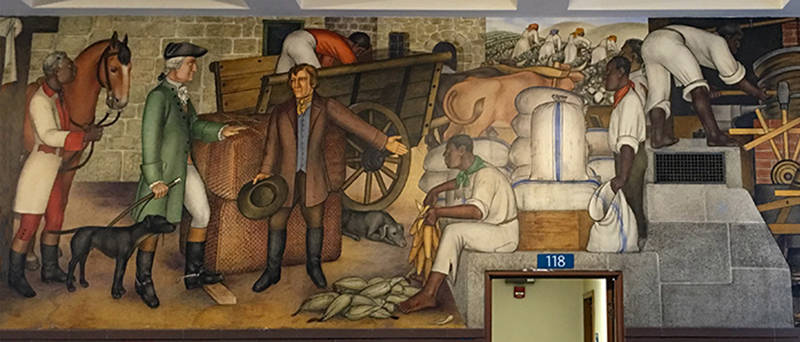
"caption": "A WPA-era mural by Victor Arnautoff depicting slave ownership is part of a new controversy at George Washington High School in San Francisco.",
"description": "A WPA-era mural by Victor Arnautoff depicting slave ownership is part of a new controversy at George Washington High School in San Francisco.",
"title": "gwhs-main",
"credit": "Courtesy George Washington High School Alumni Association",
"status": "inherit",
"isLoading": false,
"fetchFailed": false
},
"arts_13852886": {
"type": "attachments",
"id": "arts_13852886",
"meta": {
"index": "attachments_1716263798",
"site": "arts",
"id": "13852886",
"found": true
},
"parent": 13852873,
"imgSizes": {
"thumbnail": {
"file": "https://ww2.kqed.org/app/uploads/sites/2/2019/03/ruby-ray-sid-vicious-160x109.jpg",
"width": 160,
"mimeType": "image/jpeg",
"height": 109
},
"post-thumbnail": {
"file": "https://ww2.kqed.org/app/uploads/sites/2/2019/03/ruby-ray-sid-vicious-642x372.jpg",
"width": 642,
"mimeType": "image/jpeg",
"height": 372
},
"kqedFullSize": {
"file": "https://ww2.kqed.org/app/uploads/sites/2/2019/03/ruby-ray-sid-vicious.jpg",
"width": 642,
"height": 439
},
"guest-author-50": {
"file": "https://ww2.kqed.org/app/uploads/sites/2/2019/03/ruby-ray-sid-vicious-50x50.jpg",
"width": 50,
"mimeType": "image/jpeg",
"height": 50
},
"guest-author-96": {
"file": "https://ww2.kqed.org/app/uploads/sites/2/2019/03/ruby-ray-sid-vicious-96x96.jpg",
"width": 96,
"mimeType": "image/jpeg",
"height": 96
},
"guest-author-64": {
"file": "https://ww2.kqed.org/app/uploads/sites/2/2019/03/ruby-ray-sid-vicious-64x64.jpg",
"width": 64,
"mimeType": "image/jpeg",
"height": 64
},
"guest-author-32": {
"file": "https://ww2.kqed.org/app/uploads/sites/2/2019/03/ruby-ray-sid-vicious-32x32.jpg",
"width": 32,
"mimeType": "image/jpeg",
"height": 32
},
"guest-author-128": {
"file": "https://ww2.kqed.org/app/uploads/sites/2/2019/03/ruby-ray-sid-vicious-128x128.jpg",
"width": 128,
"mimeType": "image/jpeg",
"height": 128
}
},
"publishDate": 1552509790,
"modified": 1552509804,
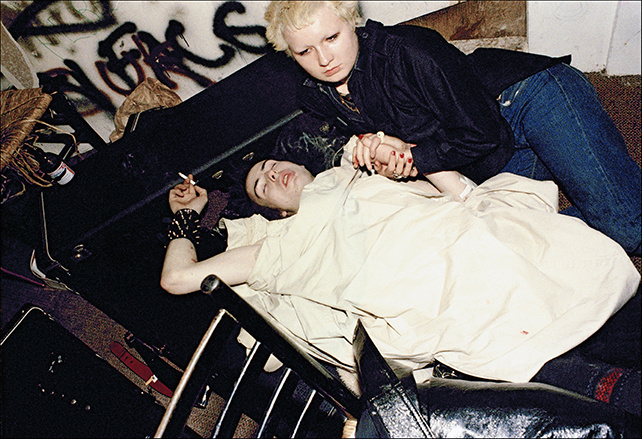
"caption": "Ruby Ray photographed Sex Pistols bassist Sid Vicious backstage at the Mabuhay Gardens.",
"description": "Ruby Ray photographed Sex Pistols bassist Sid Vicious backstage at the Mabuhay Gardens.",
"title": "Ruby Ray photographed Sex Pistols bassist Sid Vicious backstage at the Mabuhay Gardens.",
"credit": "Ruby Ray",
"status": "inherit",
"isLoading": false,
"fetchFailed": false
},
"arts_13851360": {
"type": "attachments",
"id": "arts_13851360",
"meta": {
"index": "attachments_1716263798",
"site": "arts",
"id": "13851360",
"found": true
},
"parent": 13851339,
"imgSizes": {
"twentyfourteen-full-width": {
"file": "https://ww2.kqed.org/app/uploads/sites/2/2019/02/Stephen-Buescher.Pianofight-1038x576.jpg",
"width": 1038,
"mimeType": "image/jpeg",
"height": 576
},
"thumbnail": {
"file": "https://ww2.kqed.org/app/uploads/sites/2/2019/02/Stephen-Buescher.Pianofight-160x90.jpg",
"width": 160,
"mimeType": "image/jpeg",
"height": 90
},
"post-thumbnail": {
"file": "https://ww2.kqed.org/app/uploads/sites/2/2019/02/Stephen-Buescher.Pianofight-672x372.jpg",
"width": 672,
"mimeType": "image/jpeg",
"height": 372
},
"kqedFullSize": {
"file": "https://ww2.kqed.org/app/uploads/sites/2/2019/02/Stephen-Buescher.Pianofight.jpg",
"width": 1920,
"height": 1080
},
"large": {
"file": "https://ww2.kqed.org/app/uploads/sites/2/2019/02/Stephen-Buescher.Pianofight-1020x574.jpg",
"width": 1020,
"mimeType": "image/jpeg",
"height": 574
},
"complete_open_graph": {
"file": "https://ww2.kqed.org/app/uploads/sites/2/2019/02/Stephen-Buescher.Pianofight-1200x675.jpg",
"width": 1200,
"mimeType": "image/jpeg",
"height": 675
},
"guest-author-50": {
"file": "https://ww2.kqed.org/app/uploads/sites/2/2019/02/Stephen-Buescher.Pianofight-50x50.jpg",
"width": 50,
"mimeType": "image/jpeg",
"height": 50
},
"guest-author-96": {
"file": "https://ww2.kqed.org/app/uploads/sites/2/2019/02/Stephen-Buescher.Pianofight-96x96.jpg",
"width": 96,
"mimeType": "image/jpeg",
"height": 96
},
"medium": {
"file": "https://ww2.kqed.org/app/uploads/sites/2/2019/02/Stephen-Buescher.Pianofight-800x450.jpg",
"width": 800,
"mimeType": "image/jpeg",
"height": 450
},
"guest-author-64": {
"file": "https://ww2.kqed.org/app/uploads/sites/2/2019/02/Stephen-Buescher.Pianofight-64x64.jpg",
"width": 64,
"mimeType": "image/jpeg",
"height": 64
},
"guest-author-32": {
"file": "https://ww2.kqed.org/app/uploads/sites/2/2019/02/Stephen-Buescher.Pianofight-32x32.jpg",
"width": 32,
"mimeType": "image/jpeg",
"height": 32
},
"full-width": {
"file": "https://ww2.kqed.org/app/uploads/sites/2/2019/02/Stephen-Buescher.Pianofight-1920x1080.jpg",
"width": 1920,
"mimeType": "image/jpeg",
"height": 1080
},
"detail": {
"file": "https://ww2.kqed.org/app/uploads/sites/2/2019/02/Stephen-Buescher.Pianofight-150x150.jpg",
"width": 150,
"mimeType": "image/jpeg",
"height": 150
},
"medium_large": {
"file": "https://ww2.kqed.org/app/uploads/sites/2/2019/02/Stephen-Buescher.Pianofight-768x432.jpg",
"width": 768,
"mimeType": "image/jpeg",
"height": 432
},
"guest-author-128": {
"file": "https://ww2.kqed.org/app/uploads/sites/2/2019/02/Stephen-Buescher.Pianofight-128x128.jpg",
"width": 128,
"mimeType": "image/jpeg",
"height": 128
}
},
"publishDate": 1550745854,
"modified": 1550745872,
"caption": "Stephen Buescher is the plaintiff in a racial discrimination lawsuit against his former employer American Conservatory Theater.",
"description": "Stephen Buescher is the plaintiff in a racial discrimination lawsuit against his former employer American Conservatory Theater.",
"title": "Stephen-Buescher.Pianofight",
"credit": "Sam Lefebvre/KQED",
"status": "inherit",
"isLoading": false,
"fetchFailed": false
},
"arts_13846930": {
"type": "attachments",
"id": "arts_13846930",
"meta": {
"index": "attachments_1716263798",
"site": "arts",
"id": "13846930",
"found": true
},
"parent": 13846754,
"imgSizes": {
"twentyfourteen-full-width": {
"file": "https://ww2.kqed.org/app/uploads/sites/2/2018/12/Great_American_Music_Hall_April_1976-789x576.jpg",
"width": 789,
"mimeType": "image/jpeg",
"height": 576
},
"thumbnail": {
"file": "https://ww2.kqed.org/app/uploads/sites/2/2018/12/Great_American_Music_Hall_April_1976-160x137.jpg",
"width": 160,
"mimeType": "image/jpeg",
"height": 137
},
"post-thumbnail": {
"file": "https://ww2.kqed.org/app/uploads/sites/2/2018/12/Great_American_Music_Hall_April_1976-672x372.jpg",
"width": 672,
"mimeType": "image/jpeg",
"height": 372
},
"kqedFullSize": {
"file": "https://ww2.kqed.org/app/uploads/sites/2/2018/12/Great_American_Music_Hall_April_1976.jpg",
"width": 789,
"height": 675
},
"guest-author-50": {
"file": "https://ww2.kqed.org/app/uploads/sites/2/2018/12/Great_American_Music_Hall_April_1976-50x50.jpg",
"width": 50,
"mimeType": "image/jpeg",
"height": 50
},
"guest-author-96": {
"file": "https://ww2.kqed.org/app/uploads/sites/2/2018/12/Great_American_Music_Hall_April_1976-96x96.jpg",
"width": 96,
"mimeType": "image/jpeg",
"height": 96
},
"guest-author-64": {
"file": "https://ww2.kqed.org/app/uploads/sites/2/2018/12/Great_American_Music_Hall_April_1976-64x64.jpg",
"width": 64,
"mimeType": "image/jpeg",
"height": 64
},
"detail": {
"file": "https://ww2.kqed.org/app/uploads/sites/2/2018/12/Great_American_Music_Hall_April_1976-150x150.jpg",
"width": 150,
"mimeType": "image/jpeg",
"height": 150
},
"guest-author-32": {
"file": "https://ww2.kqed.org/app/uploads/sites/2/2018/12/Great_American_Music_Hall_April_1976-32x32.jpg",
"width": 32,
"mimeType": "image/jpeg",
"height": 32
},
"medium_large": {
"file": "https://ww2.kqed.org/app/uploads/sites/2/2018/12/Great_American_Music_Hall_April_1976-768x657.jpg",
"width": 768,
"mimeType": "image/jpeg",
"height": 657
},
"guest-author-128": {
"file": "https://ww2.kqed.org/app/uploads/sites/2/2018/12/Great_American_Music_Hall_April_1976-128x128.jpg",
"width": 128,
"mimeType": "image/jpeg",
"height": 128
}
},
"publishDate": 1544553265,
"modified": 1549425464,
"caption": "In 2017 Goldenvoice assumed control of booking at the Great American Music Hall, seen here in the 1970s.",
"description": "In 2017 Goldenvoice assumed control of booking at the Great American Music Hall, seen here in the 1970s.",
"title": "Great_American_Music_Hall_(April_1976)",
"credit": "Wikimedia Commons",
"status": "inherit",
"isLoading": false,
"fetchFailed": false
},
"arts_13848464": {
"type": "attachments",
"id": "arts_13848464",
"meta": {
"index": "attachments_1716263798",
"site": "arts",
"id": "13848464",
"found": true
},
"parent": 13848445,
"imgSizes": {
"thumbnail": {
"file": "https://ww2.kqed.org/app/uploads/sites/2/2019/01/JoeandTomStairs-160x90.jpg",
"width": 160,
"mimeType": "image/jpeg",
"height": 90
},
"post-thumbnail": {
"file": "https://ww2.kqed.org/app/uploads/sites/2/2019/01/JoeandTomStairs-672x372.jpg",
"width": 672,
"mimeType": "image/jpeg",
"height": 372
},
"kqedFullSize": {
"file": "https://ww2.kqed.org/app/uploads/sites/2/2019/01/JoeandTomStairs.jpg",
"width": 800,
"height": 451
},
"guest-author-50": {
"file": "https://ww2.kqed.org/app/uploads/sites/2/2019/01/JoeandTomStairs-50x50.jpg",
"width": 50,
"mimeType": "image/jpeg",
"height": 50
},
"guest-author-96": {
"file": "https://ww2.kqed.org/app/uploads/sites/2/2019/01/JoeandTomStairs-96x96.jpg",
"width": 96,
"mimeType": "image/jpeg",
"height": 96
},
"medium": {
"file": "https://ww2.kqed.org/app/uploads/sites/2/2019/01/JoeandTomStairs-800x451.jpg",
"width": 800,
"mimeType": "image/jpeg",
"height": 451
},
"guest-author-64": {
"file": "https://ww2.kqed.org/app/uploads/sites/2/2019/01/JoeandTomStairs-64x64.jpg",
"width": 64,
"mimeType": "image/jpeg",
"height": 64
},
"detail": {
"file": "https://ww2.kqed.org/app/uploads/sites/2/2019/01/JoeandTomStairs-150x150.jpg",
"width": 150,
"mimeType": "image/jpeg",
"height": 150
},
"guest-author-32": {
"file": "https://ww2.kqed.org/app/uploads/sites/2/2019/01/JoeandTomStairs-32x32.jpg",
"width": 32,
"mimeType": "image/jpeg",
"height": 32
},
"medium_large": {
"file": "https://ww2.kqed.org/app/uploads/sites/2/2019/01/JoeandTomStairs-768x433.jpg",
"width": 768,
"mimeType": "image/jpeg",
"height": 433
},
"guest-author-128": {
"file": "https://ww2.kqed.org/app/uploads/sites/2/2019/01/JoeandTomStairs-128x128.jpg",
"width": 128,
"mimeType": "image/jpeg",
"height": 128
}
},
"publishDate": 1547081336,
"modified": 1547084131,
"caption": "Tom Guido (right) and Joe Marchi on the steps of The Purple Onion in the '90s.",
"description": "Tom Guido (right) and Joe Marchi on the steps of The Purple Onion in the '90s.",
"title": "JoeandTomStairs",
"credit": "BethZombie.com/PurpleOnion",
"status": "inherit",
"isLoading": false,
"fetchFailed": false
},
"arts_13847950": {
"type": "attachments",
"id": "arts_13847950",
"meta": {
"index": "attachments_1716263798",
"site": "arts",
"id": "13847950",
"found": true
},
"parent": 13847949,
"imgSizes": {
"twentyfourteen-full-width": {
"file": "https://ww2.kqed.org/app/uploads/sites/2/2018/12/gettyimages-3438833_custom-a223d799ad94d7f740ceb802729a418c3deb1c1b-e1546455364712-1038x576.jpg",
"width": 1038,
"mimeType": "image/jpeg",
"height": 576
},
"thumbnail": {
"file": "https://ww2.kqed.org/app/uploads/sites/2/2018/12/gettyimages-3438833_custom-a223d799ad94d7f740ceb802729a418c3deb1c1b-e1546455364712-160x111.jpg",
"width": 160,
"mimeType": "image/jpeg",
"height": 111
},
"post-thumbnail": {
"file": "https://ww2.kqed.org/app/uploads/sites/2/2018/12/gettyimages-3438833_custom-a223d799ad94d7f740ceb802729a418c3deb1c1b-e1546455364712-672x372.jpg",
"width": 672,
"mimeType": "image/jpeg",
"height": 372
},
"kqedFullSize": {
"file": "https://ww2.kqed.org/app/uploads/sites/2/2018/12/gettyimages-3438833_custom-a223d799ad94d7f740ceb802729a418c3deb1c1b-e1546455364712.jpg",
"width": 1920,
"height": 1332
},
"large": {
"file": "https://ww2.kqed.org/app/uploads/sites/2/2018/12/gettyimages-3438833_custom-a223d799ad94d7f740ceb802729a418c3deb1c1b-e1546455364712-1020x708.jpg",
"width": 1020,
"mimeType": "image/jpeg",
"height": 708
},
"complete_open_graph": {
"file": "https://ww2.kqed.org/app/uploads/sites/2/2018/12/gettyimages-3438833_custom-a223d799ad94d7f740ceb802729a418c3deb1c1b-e1546455364712-1200x833.jpg",
"width": 1200,
"mimeType": "image/jpeg",
"height": 833
},
"guest-author-50": {
"file": "https://ww2.kqed.org/app/uploads/sites/2/2018/12/gettyimages-3438833_custom-a223d799ad94d7f740ceb802729a418c3deb1c1b-e1546455364712-50x50.jpg",
"width": 50,
"mimeType": "image/jpeg",
"height": 50
},
"guest-author-96": {
"file": "https://ww2.kqed.org/app/uploads/sites/2/2018/12/gettyimages-3438833_custom-a223d799ad94d7f740ceb802729a418c3deb1c1b-e1546455364712-96x96.jpg",
"width": 96,
"mimeType": "image/jpeg",
"height": 96
},
"medium": {
"file": "https://ww2.kqed.org/app/uploads/sites/2/2018/12/gettyimages-3438833_custom-a223d799ad94d7f740ceb802729a418c3deb1c1b-e1546455364712-800x555.jpg",
"width": 800,
"mimeType": "image/jpeg",
"height": 555
},
"guest-author-64": {
"file": "https://ww2.kqed.org/app/uploads/sites/2/2018/12/gettyimages-3438833_custom-a223d799ad94d7f740ceb802729a418c3deb1c1b-e1546455364712-64x64.jpg",
"width": 64,
"mimeType": "image/jpeg",
"height": 64
},
"guest-author-32": {
"file": "https://ww2.kqed.org/app/uploads/sites/2/2018/12/gettyimages-3438833_custom-a223d799ad94d7f740ceb802729a418c3deb1c1b-e1546455364712-32x32.jpg",
"width": 32,
"mimeType": "image/jpeg",
"height": 32
},
"full-width": {
"file": "https://ww2.kqed.org/app/uploads/sites/2/2018/12/gettyimages-3438833_custom-a223d799ad94d7f740ceb802729a418c3deb1c1b-e1546455364712-1920x1332.jpg",
"width": 1920,
"mimeType": "image/jpeg",
"height": 1332
},
"detail": {
"file": "https://ww2.kqed.org/app/uploads/sites/2/2018/12/gettyimages-3438833_custom-a223d799ad94d7f740ceb802729a418c3deb1c1b-e1546455364712-150x150.jpg",
"width": 150,
"mimeType": "image/jpeg",
"height": 150
},
"medium_large": {
"file": "https://ww2.kqed.org/app/uploads/sites/2/2018/12/gettyimages-3438833_custom-a223d799ad94d7f740ceb802729a418c3deb1c1b-e1546455364712-768x533.jpg",
"width": 768,
"mimeType": "image/jpeg",
"height": 533
},
"guest-author-128": {
"file": "https://ww2.kqed.org/app/uploads/sites/2/2018/12/gettyimages-3438833_custom-a223d799ad94d7f740ceb802729a418c3deb1c1b-e1546455364712-128x128.jpg",
"width": 128,
"mimeType": "image/jpeg",
"height": 128
}
},
"publishDate": 1546455276,
"modified": 1546455352,
"caption": "The Jimi Hendrix Experience in the late 1960s. Left to right: Noel Redding, Jimi Hendrix, Mitch Mitchell.\n",
"description": "The Jimi Hendrix Experience in the late 1960s. Left to right: Noel Redding, Jimi Hendrix, Mitch Mitchell.",
"title": "JimiHendrixExperience",
"credit": "Hulton Archive/Getty Images",
"status": "inherit",
"isLoading": false,
"fetchFailed": false
},
"arts_13846313": {
"type": "attachments",
"id": "arts_13846313",
"meta": {
"index": "attachments_1716263798",
"site": "arts",
"id": "13846313",
"found": true
},
"parent": 13846312,
"imgSizes": {
"twentyfourteen-full-width": {
"file": "https://ww2.kqed.org/app/uploads/sites/2/2018/12/gettyimages-3240579_slide-7bc6a86e195f6a7027f1cbc53f6b0f53b70aa918-e1543949191162-1038x576.jpg",
"width": 1038,
"mimeType": "image/jpeg",
"height": 576
},
"thumbnail": {
"file": "https://ww2.kqed.org/app/uploads/sites/2/2018/12/gettyimages-3240579_slide-7bc6a86e195f6a7027f1cbc53f6b0f53b70aa918-e1543949191162-160x107.jpg",
"width": 160,
"mimeType": "image/jpeg",
"height": 107
},
"post-thumbnail": {
"file": "https://ww2.kqed.org/app/uploads/sites/2/2018/12/gettyimages-3240579_slide-7bc6a86e195f6a7027f1cbc53f6b0f53b70aa918-e1543949191162-672x372.jpg",
"width": 672,
"mimeType": "image/jpeg",
"height": 372
},
"kqedFullSize": {
"file": "https://ww2.kqed.org/app/uploads/sites/2/2018/12/gettyimages-3240579_slide-7bc6a86e195f6a7027f1cbc53f6b0f53b70aa918-e1543949191162.jpg",
"width": 1920,
"height": 1280
},
"large": {
"file": "https://ww2.kqed.org/app/uploads/sites/2/2018/12/gettyimages-3240579_slide-7bc6a86e195f6a7027f1cbc53f6b0f53b70aa918-e1543949191162-1020x680.jpg",
"width": 1020,
"mimeType": "image/jpeg",
"height": 680
},
"complete_open_graph": {
"file": "https://ww2.kqed.org/app/uploads/sites/2/2018/12/gettyimages-3240579_slide-7bc6a86e195f6a7027f1cbc53f6b0f53b70aa918-e1543949191162-1200x800.jpg",
"width": 1200,
"mimeType": "image/jpeg",
"height": 800
},
"guest-author-50": {
"file": "https://ww2.kqed.org/app/uploads/sites/2/2018/12/gettyimages-3240579_slide-7bc6a86e195f6a7027f1cbc53f6b0f53b70aa918-e1543949191162-50x50.jpg",
"width": 50,
"mimeType": "image/jpeg",
"height": 50
},
"guest-author-96": {
"file": "https://ww2.kqed.org/app/uploads/sites/2/2018/12/gettyimages-3240579_slide-7bc6a86e195f6a7027f1cbc53f6b0f53b70aa918-e1543949191162-96x96.jpg",
"width": 96,
"mimeType": "image/jpeg",
"height": 96
},
"medium": {
"file": "https://ww2.kqed.org/app/uploads/sites/2/2018/12/gettyimages-3240579_slide-7bc6a86e195f6a7027f1cbc53f6b0f53b70aa918-e1543949191162-800x533.jpg",
"width": 800,
"mimeType": "image/jpeg",
"height": 533
},
"guest-author-64": {
"file": "https://ww2.kqed.org/app/uploads/sites/2/2018/12/gettyimages-3240579_slide-7bc6a86e195f6a7027f1cbc53f6b0f53b70aa918-e1543949191162-64x64.jpg",
"width": 64,
"mimeType": "image/jpeg",
"height": 64
},
"guest-author-32": {
"file": "https://ww2.kqed.org/app/uploads/sites/2/2018/12/gettyimages-3240579_slide-7bc6a86e195f6a7027f1cbc53f6b0f53b70aa918-e1543949191162-32x32.jpg",
"width": 32,
"mimeType": "image/jpeg",
"height": 32
},
"full-width": {
"file": "https://ww2.kqed.org/app/uploads/sites/2/2018/12/gettyimages-3240579_slide-7bc6a86e195f6a7027f1cbc53f6b0f53b70aa918-e1543949191162-1920x1280.jpg",
"width": 1920,
"mimeType": "image/jpeg",
"height": 1280
},
"detail": {
"file": "https://ww2.kqed.org/app/uploads/sites/2/2018/12/gettyimages-3240579_slide-7bc6a86e195f6a7027f1cbc53f6b0f53b70aa918-e1543949191162-150x150.jpg",
"width": 150,
"mimeType": "image/jpeg",
"height": 150
},
"medium_large": {
"file": "https://ww2.kqed.org/app/uploads/sites/2/2018/12/gettyimages-3240579_slide-7bc6a86e195f6a7027f1cbc53f6b0f53b70aa918-e1543949191162-768x512.jpg",
"width": 768,
"mimeType": "image/jpeg",
"height": 512
},
"guest-author-128": {
"file": "https://ww2.kqed.org/app/uploads/sites/2/2018/12/gettyimages-3240579_slide-7bc6a86e195f6a7027f1cbc53f6b0f53b70aa918-e1543949191162-128x128.jpg",
"width": 128,
"mimeType": "image/jpeg",
"height": 128
}
},
"publishDate": 1543949024,
"modified": 1543949255,
"caption": "New York City says it will erect a statue of Shirley Chisholm, the first black woman elected to Congress. Chisholm is seen here in a Brooklyn church in January 1972, announcing her bid for the Democratic nomination for president.",
"description": "New York City says it will erect a statue of Shirley Chisholm, the first black woman elected to Congress. Chisholm is seen here in a Brooklyn church in January 1972, announcing her bid for the Democratic nomination for president.",
"title": "New York City says it will erect a statue of Shirley Chisholm, the first black woman elected to Congress. Chisholm is seen here in a Brooklyn church in January 1972, announcing her bid for the Democratic nomination for president.",
"credit": "Don Hogan Charles/Getty Images",
"status": "inherit",
"isLoading": false,
"fetchFailed": false
},
"arts_13831433": {
"type": "attachments",
"id": "arts_13831433",
"meta": {
"index": "attachments_1716263798",
"site": "arts",
"id": "13831433",
"found": true
},
"parent": 13831163,
"imgSizes": {
"small": {
"file": "https://ww2.kqed.org/app/uploads/sites/2/2018/05/aux88-520x293.jpg",
"width": 520,
"mimeType": "image/jpeg",
"height": 293
},
"twentyfourteen-full-width": {
"file": "https://ww2.kqed.org/app/uploads/sites/2/2018/05/aux88-1038x576.jpg",
"width": 1038,
"mimeType": "image/jpeg",
"height": 576
},
"thumbnail": {
"file": "https://ww2.kqed.org/app/uploads/sites/2/2018/05/aux88-160x90.jpg",
"width": 160,
"mimeType": "image/jpeg",
"height": 90
},
"fd-sm": {
"file": "https://ww2.kqed.org/app/uploads/sites/2/2018/05/aux88-960x540.jpg",
"width": 960,
"mimeType": "image/jpeg",
"height": 540
},
"post-thumbnail": {
"file": "https://ww2.kqed.org/app/uploads/sites/2/2018/05/aux88-672x372.jpg",
"width": 672,
"mimeType": "image/jpeg",
"height": 372
},
"xsmall": {
"file": "https://ww2.kqed.org/app/uploads/sites/2/2018/05/aux88-375x211.jpg",
"width": 375,
"mimeType": "image/jpeg",
"height": 211
},
"kqedFullSize": {
"file": "https://ww2.kqed.org/app/uploads/sites/2/2018/05/aux88.jpg",
"width": 1920,
"height": 1080
},
"large": {
"file": "https://ww2.kqed.org/app/uploads/sites/2/2018/05/aux88-1020x574.jpg",
"width": 1020,
"mimeType": "image/jpeg",
"height": 574
},
"xlarge": {
"file": "https://ww2.kqed.org/app/uploads/sites/2/2018/05/aux88-1180x664.jpg",
"width": 1180,
"mimeType": "image/jpeg",
"height": 664
},
"complete_open_graph": {
"file": "https://ww2.kqed.org/app/uploads/sites/2/2018/05/aux88-1200x675.jpg",
"width": 1200,
"mimeType": "image/jpeg",
"height": 675
},
"guest-author-50": {
"file": "https://ww2.kqed.org/app/uploads/sites/2/2018/05/aux88-50x50.jpg",
"width": 50,
"mimeType": "image/jpeg",
"height": 50
},
"guest-author-96": {
"file": "https://ww2.kqed.org/app/uploads/sites/2/2018/05/aux88-96x96.jpg",
"width": 96,
"mimeType": "image/jpeg",
"height": 96
},
"medium": {
"file": "https://ww2.kqed.org/app/uploads/sites/2/2018/05/aux88-800x450.jpg",
"width": 800,
"mimeType": "image/jpeg",
"height": 450
},
"guest-author-64": {
"file": "https://ww2.kqed.org/app/uploads/sites/2/2018/05/aux88-64x64.jpg",
"width": 64,
"mimeType": "image/jpeg",
"height": 64
},
"guest-author-32": {
"file": "https://ww2.kqed.org/app/uploads/sites/2/2018/05/aux88-32x32.jpg",
"width": 32,
"mimeType": "image/jpeg",
"height": 32
},
"fd-lrg": {
"file": "https://ww2.kqed.org/app/uploads/sites/2/2018/05/aux88-1920x1080.jpg",
"width": 1920,
"mimeType": "image/jpeg",
"height": 1080
},
"fd-med": {
"file": "https://ww2.kqed.org/app/uploads/sites/2/2018/05/aux88-1180x664.jpg",
"width": 1180,
"mimeType": "image/jpeg",
"height": 664
},
"full-width": {
"file": "https://ww2.kqed.org/app/uploads/sites/2/2018/05/aux88-1920x1080.jpg",
"width": 1920,
"mimeType": "image/jpeg",
"height": 1080
},
"detail": {
"file": "https://ww2.kqed.org/app/uploads/sites/2/2018/05/aux88-150x150.jpg",
"width": 150,
"mimeType": "image/jpeg",
"height": 150
},
"medium_large": {
"file": "https://ww2.kqed.org/app/uploads/sites/2/2018/05/aux88-768x432.jpg",
"width": 768,
"mimeType": "image/jpeg",
"height": 432
},
"guest-author-128": {
"file": "https://ww2.kqed.org/app/uploads/sites/2/2018/05/aux88-128x128.jpg",
"width": 128,
"mimeType": "image/jpeg",
"height": 128
},
"xxsmall": {
"file": "https://ww2.kqed.org/app/uploads/sites/2/2018/05/aux88-240x135.jpg",
"width": 240,
"mimeType": "image/jpeg",
"height": 135
}
},
"publishDate": 1525710210,
"modified": 1542748191,
"caption": "Aux 88 perform at Mezzanine on May 5, 2018 for Mutek SF.",
"description": "Aux 88 perform at Mezzanine on May 5, 2018 for Mutek SF.",
"title": "aux88",
"credit": "Estefany Gonzalez",
"status": "inherit",
"isLoading": false,
"fetchFailed": false
},
"arts_13844835": {
"type": "attachments",
"id": "arts_13844835",
"meta": {
"index": "attachments_1716263798",
"site": "arts",
"id": "13844835",
"found": true
},
"parent": 13844800,
"imgSizes": {
"small": {
"file": "https://ww2.kqed.org/app/uploads/sites/2/2018/11/sisters-stormy-520x293.jpg",
"width": 520,
"mimeType": "image/jpeg",
"height": 293
},
"twentyfourteen-full-width": {
"file": "https://ww2.kqed.org/app/uploads/sites/2/2018/11/sisters-stormy-1038x576.jpg",
"width": 1038,
"mimeType": "image/jpeg",
"height": 576
},
"thumbnail": {
"file": "https://ww2.kqed.org/app/uploads/sites/2/2018/11/sisters-stormy-160x90.jpg",
"width": 160,
"mimeType": "image/jpeg",
"height": 90
},
"fd-sm": {
"file": "https://ww2.kqed.org/app/uploads/sites/2/2018/11/sisters-stormy-960x540.jpg",
"width": 960,
"mimeType": "image/jpeg",
"height": 540
},
"post-thumbnail": {
"file": "https://ww2.kqed.org/app/uploads/sites/2/2018/11/sisters-stormy-672x372.jpg",
"width": 672,
"mimeType": "image/jpeg",
"height": 372
},
"xsmall": {
"file": "https://ww2.kqed.org/app/uploads/sites/2/2018/11/sisters-stormy-375x211.jpg",
"width": 375,
"mimeType": "image/jpeg",
"height": 211
},
"kqedFullSize": {
"file": "https://ww2.kqed.org/app/uploads/sites/2/2018/11/sisters-stormy.jpg",
"width": 1920,
"height": 1080
},
"large": {
"file": "https://ww2.kqed.org/app/uploads/sites/2/2018/11/sisters-stormy-1020x574.jpg",
"width": 1020,
"mimeType": "image/jpeg",
"height": 574
},
"xlarge": {
"file": "https://ww2.kqed.org/app/uploads/sites/2/2018/11/sisters-stormy-1180x664.jpg",
"width": 1180,
"mimeType": "image/jpeg",
"height": 664
},
"complete_open_graph": {
"file": "https://ww2.kqed.org/app/uploads/sites/2/2018/11/sisters-stormy-1200x675.jpg",
"width": 1200,
"mimeType": "image/jpeg",
"height": 675
},
"guest-author-50": {
"file": "https://ww2.kqed.org/app/uploads/sites/2/2018/11/sisters-stormy-50x50.jpg",
"width": 50,
"mimeType": "image/jpeg",
"height": 50
},
"guest-author-96": {
"file": "https://ww2.kqed.org/app/uploads/sites/2/2018/11/sisters-stormy-96x96.jpg",
"width": 96,
"mimeType": "image/jpeg",
"height": 96
},
"medium": {
"file": "https://ww2.kqed.org/app/uploads/sites/2/2018/11/sisters-stormy-800x450.jpg",
"width": 800,
"mimeType": "image/jpeg",
"height": 450
},
"guest-author-64": {
"file": "https://ww2.kqed.org/app/uploads/sites/2/2018/11/sisters-stormy-64x64.jpg",
"width": 64,
"mimeType": "image/jpeg",
"height": 64
},
"guest-author-32": {
"file": "https://ww2.kqed.org/app/uploads/sites/2/2018/11/sisters-stormy-32x32.jpg",
"width": 32,
"mimeType": "image/jpeg",
"height": 32
},
"fd-lrg": {
"file": "https://ww2.kqed.org/app/uploads/sites/2/2018/11/sisters-stormy-1920x1080.jpg",
"width": 1920,
"mimeType": "image/jpeg",
"height": 1080
},
"fd-med": {
"file": "https://ww2.kqed.org/app/uploads/sites/2/2018/11/sisters-stormy-1180x664.jpg",
"width": 1180,
"mimeType": "image/jpeg",
"height": 664
},
"full-width": {
"file": "https://ww2.kqed.org/app/uploads/sites/2/2018/11/sisters-stormy-1920x1080.jpg",
"width": 1920,
"mimeType": "image/jpeg",
"height": 1080
},
"detail": {
"file": "https://ww2.kqed.org/app/uploads/sites/2/2018/11/sisters-stormy-150x150.jpg",
"width": 150,
"mimeType": "image/jpeg",
"height": 150
},
"medium_large": {
"file": "https://ww2.kqed.org/app/uploads/sites/2/2018/11/sisters-stormy-768x432.jpg",
"width": 768,
"mimeType": "image/jpeg",
"height": 432
},
"guest-author-128": {
"file": "https://ww2.kqed.org/app/uploads/sites/2/2018/11/sisters-stormy-128x128.jpg",
"width": 128,
"mimeType": "image/jpeg",
"height": 128
},
"xxsmall": {
"file": "https://ww2.kqed.org/app/uploads/sites/2/2018/11/sisters-stormy-240x135.jpg",
"width": 240,
"mimeType": "image/jpeg",
"height": 135
}
},
"publishDate": 1542153300,
"modified": 1542157833,
"caption": "The Sisters of Perpetual Indulgence, a group of drag-queen activists, canonized Stormy Daniels as a saint at her Nov. 10 San Francisco gig. ",
"description": "The Sisters of Perpetual Indulgence, a group of drag-queen activists, canonized Stormy Daniels as a saint at her Nov. 10 San Francisco gig. ",
"title": "sisters stormy",
"credit": "Sister Desi Juana",
"status": "inherit",
"isLoading": false,
"fetchFailed": false
},
"arts_13839557": {
"type": "attachments",
"id": "arts_13839557",
"meta": {
"index": "attachments_1716263798",
"site": "arts",
"id": "13839557",
"found": true
},
"parent": 13839507,
"imgSizes": {
"small": {
"file": "https://ww2.kqed.org/app/uploads/sites/2/2018/08/hem3-520x293.jpg",
"width": 520,
"mimeType": "image/jpeg",
"height": 293
},
"thumbnail": {
"file": "https://ww2.kqed.org/app/uploads/sites/2/2018/08/hem3-160x90.jpg",
"width": 160,
"mimeType": "image/jpeg",
"height": 90
},
"post-thumbnail": {
"file": "https://ww2.kqed.org/app/uploads/sites/2/2018/08/hem3-672x372.jpg",
"width": 672,
"mimeType": "image/jpeg",
"height": 372
},
"xsmall": {
"file": "https://ww2.kqed.org/app/uploads/sites/2/2018/08/hem3-375x211.jpg",
"width": 375,
"mimeType": "image/jpeg",
"height": 211
},
"kqedFullSize": {
"file": "https://ww2.kqed.org/app/uploads/sites/2/2018/08/hem3.jpg",
"width": 800,
"height": 450
},
"guest-author-50": {
"file": "https://ww2.kqed.org/app/uploads/sites/2/2018/08/hem3-50x50.jpg",
"width": 50,
"mimeType": "image/jpeg",
"height": 50
},
"guest-author-96": {
"file": "https://ww2.kqed.org/app/uploads/sites/2/2018/08/hem3-96x96.jpg",
"width": 96,
"mimeType": "image/jpeg",
"height": 96
},
"medium": {
"file": "https://ww2.kqed.org/app/uploads/sites/2/2018/08/hem3-800x450.jpg",
"width": 800,
"mimeType": "image/jpeg",
"height": 450
},
"guest-author-64": {
"file": "https://ww2.kqed.org/app/uploads/sites/2/2018/08/hem3-64x64.jpg",
"width": 64,
"mimeType": "image/jpeg",
"height": 64
},
"guest-author-32": {
"file": "https://ww2.kqed.org/app/uploads/sites/2/2018/08/hem3-32x32.jpg",
"width": 32,
"mimeType": "image/jpeg",
"height": 32
},
"detail": {
"file": "https://ww2.kqed.org/app/uploads/sites/2/2018/08/hem3-150x150.jpg",
"width": 150,
"mimeType": "image/jpeg",
"height": 150
},
"medium_large": {
"file": "https://ww2.kqed.org/app/uploads/sites/2/2018/08/hem3-768x432.jpg",
"width": 768,
"mimeType": "image/jpeg",
"height": 432
},
"guest-author-128": {
"file": "https://ww2.kqed.org/app/uploads/sites/2/2018/08/hem3-128x128.jpg",
"width": 128,
"mimeType": "image/jpeg",
"height": 128
},
"xxsmall": {
"file": "https://ww2.kqed.org/app/uploads/sites/2/2018/08/hem3-240x135.jpg",
"width": 240,
"mimeType": "image/jpeg",
"height": 135
}
},
"publishDate": 1534975086,
"modified": 1534975163,
"caption": "Kelley Stoltz performs at the Hemlock in 2003. ",
"description": "Kelley Stoltz performs at the Hemlock in 2003. ",
"title": "hem3",
"credit": "Debra Zeller",
"status": "inherit",
"isLoading": false,
"fetchFailed": false
},
"arts_13835045": {
"type": "attachments",
"id": "arts_13835045",
"meta": {
"index": "attachments_1716263798",
"site": "arts",
"id": "13835045",
"found": true
},
"parent": 13835038,
"imgSizes": {
"small": {
"file": "https://ww2.kqed.org/app/uploads/sites/2/2018/06/SVN-West-Aerial-520x293.jpg",
"width": 520,
"mimeType": "image/jpeg",
"height": 293
},
"twentyfourteen-full-width": {
"file": "https://ww2.kqed.org/app/uploads/sites/2/2018/06/SVN-West-Aerial-1038x576.jpg",
"width": 1038,
"mimeType": "image/jpeg",
"height": 576
},
"thumbnail": {
"file": "https://ww2.kqed.org/app/uploads/sites/2/2018/06/SVN-West-Aerial-160x90.jpg",
"width": 160,
"mimeType": "image/jpeg",
"height": 90
},
"fd-sm": {
"file": "https://ww2.kqed.org/app/uploads/sites/2/2018/06/SVN-West-Aerial-960x540.jpg",
"width": 960,
"mimeType": "image/jpeg",
"height": 540
},
"post-thumbnail": {
"file": "https://ww2.kqed.org/app/uploads/sites/2/2018/06/SVN-West-Aerial-672x372.jpg",
"width": 672,
"mimeType": "image/jpeg",
"height": 372
},
"xsmall": {
"file": "https://ww2.kqed.org/app/uploads/sites/2/2018/06/SVN-West-Aerial-375x211.jpg",
"width": 375,
"mimeType": "image/jpeg",
"height": 211
},
"kqedFullSize": {
"file": "https://ww2.kqed.org/app/uploads/sites/2/2018/06/SVN-West-Aerial.jpg",
"width": 1920,
"height": 1080
},
"large": {
"file": "https://ww2.kqed.org/app/uploads/sites/2/2018/06/SVN-West-Aerial-1020x574.jpg",
"width": 1020,
"mimeType": "image/jpeg",
"height": 574
},
"xlarge": {
"file": "https://ww2.kqed.org/app/uploads/sites/2/2018/06/SVN-West-Aerial-1180x664.jpg",
"width": 1180,
"mimeType": "image/jpeg",
"height": 664
},
"complete_open_graph": {
"file": "https://ww2.kqed.org/app/uploads/sites/2/2018/06/SVN-West-Aerial-1200x675.jpg",
"width": 1200,
"mimeType": "image/jpeg",
"height": 675
},
"guest-author-50": {
"file": "https://ww2.kqed.org/app/uploads/sites/2/2018/06/SVN-West-Aerial-50x50.jpg",
"width": 50,
"mimeType": "image/jpeg",
"height": 50
},
"guest-author-96": {
"file": "https://ww2.kqed.org/app/uploads/sites/2/2018/06/SVN-West-Aerial-96x96.jpg",
"width": 96,
"mimeType": "image/jpeg",
"height": 96
},
"medium": {
"file": "https://ww2.kqed.org/app/uploads/sites/2/2018/06/SVN-West-Aerial-800x450.jpg",
"width": 800,
"mimeType": "image/jpeg",
"height": 450
},
"guest-author-64": {
"file": "https://ww2.kqed.org/app/uploads/sites/2/2018/06/SVN-West-Aerial-64x64.jpg",
"width": 64,
"mimeType": "image/jpeg",
"height": 64
},
"guest-author-32": {
"file": "https://ww2.kqed.org/app/uploads/sites/2/2018/06/SVN-West-Aerial-32x32.jpg",
"width": 32,
"mimeType": "image/jpeg",
"height": 32
},
"fd-lrg": {
"file": "https://ww2.kqed.org/app/uploads/sites/2/2018/06/SVN-West-Aerial-1920x1080.jpg",
"width": 1920,
"mimeType": "image/jpeg",
"height": 1080
},
"fd-med": {
"file": "https://ww2.kqed.org/app/uploads/sites/2/2018/06/SVN-West-Aerial-1180x664.jpg",
"width": 1180,
"mimeType": "image/jpeg",
"height": 664
},
"full-width": {
"file": "https://ww2.kqed.org/app/uploads/sites/2/2018/06/SVN-West-Aerial-1920x1080.jpg",
"width": 1920,
"mimeType": "image/jpeg",
"height": 1080
},
"detail": {
"file": "https://ww2.kqed.org/app/uploads/sites/2/2018/06/SVN-West-Aerial-150x150.jpg",
"width": 150,
"mimeType": "image/jpeg",
"height": 150
},
"medium_large": {
"file": "https://ww2.kqed.org/app/uploads/sites/2/2018/06/SVN-West-Aerial-768x432.jpg",
"width": 768,
"mimeType": "image/jpeg",
"height": 432
},
"guest-author-128": {
"file": "https://ww2.kqed.org/app/uploads/sites/2/2018/06/SVN-West-Aerial-128x128.jpg",
"width": 128,
"mimeType": "image/jpeg",
"height": 128
},
"xxsmall": {
"file": "https://ww2.kqed.org/app/uploads/sites/2/2018/06/SVN-West-Aerial-240x135.jpg",
"width": 240,
"mimeType": "image/jpeg",
"height": 135
}
},
"publishDate": 1528998843,
"modified": 1528998913,
"caption": "Aerial view of SVN West. ",
"description": "Aerial view of SVN West. ",
"title": "SVN West Aerial",
"credit": "Non Plus Ultra, Inc. ",
"status": "inherit",
"isLoading": false,
"fetchFailed": false
},
"arts_13833857": {
"type": "attachments",
"id": "arts_13833857",
"meta": {
"index": "attachments_1716263798",
"site": "arts",
"id": "13833857",
"found": true
},
"parent": 13833817,
"imgSizes": {
"small": {
"file": "https://ww2.kqed.org/app/uploads/sites/2/2018/05/08-e1527720308667-520x292.jpg",
"width": 520,
"mimeType": "image/jpeg",
"height": 292
},
"twentyfourteen-full-width": {
"file": "https://ww2.kqed.org/app/uploads/sites/2/2018/05/08-e1527720308667-1038x576.jpg",
"width": 1038,
"mimeType": "image/jpeg",
"height": 576
},
"thumbnail": {
"file": "https://ww2.kqed.org/app/uploads/sites/2/2018/05/08-e1527720308667-160x90.jpg",
"width": 160,
"mimeType": "image/jpeg",
"height": 90
},
"fd-sm": {
"file": "https://ww2.kqed.org/app/uploads/sites/2/2018/05/08-e1527720308667-960x540.jpg",
"width": 960,
"mimeType": "image/jpeg",
"height": 540
},
"post-thumbnail": {
"file": "https://ww2.kqed.org/app/uploads/sites/2/2018/05/08-e1527720308667-672x372.jpg",
"width": 672,
"mimeType": "image/jpeg",
"height": 372
},
"xsmall": {
"file": "https://ww2.kqed.org/app/uploads/sites/2/2018/05/08-e1527720308667-375x211.jpg",
"width": 375,
"mimeType": "image/jpeg",
"height": 211
},
"kqedFullSize": {
"file": "https://ww2.kqed.org/app/uploads/sites/2/2018/05/08-e1527720308667.jpg",
"width": 1300,
"height": 731
},
"large": {
"file": "https://ww2.kqed.org/app/uploads/sites/2/2018/05/08-e1527720308667-1020x574.jpg",
"width": 1020,
"mimeType": "image/jpeg",
"height": 574
},
"xlarge": {
"file": "https://ww2.kqed.org/app/uploads/sites/2/2018/05/08-e1527720308667-1180x664.jpg",
"width": 1180,
"mimeType": "image/jpeg",
"height": 664
},
"complete_open_graph": {
"file": "https://ww2.kqed.org/app/uploads/sites/2/2018/05/08-e1527720308667-1200x675.jpg",
"width": 1200,
"mimeType": "image/jpeg",
"height": 675
},
"guest-author-50": {
"file": "https://ww2.kqed.org/app/uploads/sites/2/2018/05/08-e1527720308667-50x50.jpg",
"width": 50,
"mimeType": "image/jpeg",
"height": 50
},
"guest-author-96": {
"file": "https://ww2.kqed.org/app/uploads/sites/2/2018/05/08-e1527720308667-96x96.jpg",
"width": 96,
"mimeType": "image/jpeg",
"height": 96
},
"medium": {
"file": "https://ww2.kqed.org/app/uploads/sites/2/2018/05/08-e1527720308667-800x450.jpg",
"width": 800,
"mimeType": "image/jpeg",
"height": 450
},
"guest-author-64": {
"file": "https://ww2.kqed.org/app/uploads/sites/2/2018/05/08-e1527720308667-64x64.jpg",
"width": 64,
"mimeType": "image/jpeg",
"height": 64
},
"guest-author-32": {
"file": "https://ww2.kqed.org/app/uploads/sites/2/2018/05/08-e1527720308667-32x32.jpg",
"width": 32,
"mimeType": "image/jpeg",
"height": 32
},
"fd-med": {
"file": "https://ww2.kqed.org/app/uploads/sites/2/2018/05/08-e1527720308667-1180x664.jpg",
"width": 1180,
"mimeType": "image/jpeg",
"height": 664
},
"detail": {
"file": "https://ww2.kqed.org/app/uploads/sites/2/2018/05/08-e1527720308667-150x150.jpg",
"width": 150,
"mimeType": "image/jpeg",
"height": 150
},
"medium_large": {
"file": "https://ww2.kqed.org/app/uploads/sites/2/2018/05/08-e1527720308667-768x432.jpg",
"width": 768,
"mimeType": "image/jpeg",
"height": 432
},
"guest-author-128": {
"file": "https://ww2.kqed.org/app/uploads/sites/2/2018/05/08-e1527720308667-128x128.jpg",
"width": 128,
"mimeType": "image/jpeg",
"height": 128
},
"xxsmall": {
"file": "https://ww2.kqed.org/app/uploads/sites/2/2018/05/08-e1527720308667-240x135.jpg",
"width": 240,
"mimeType": "image/jpeg",
"height": 135
}
},
"publishDate": 1527720181,
"modified": 1527720444,
"caption": "19-year-old Prince captured outside of Schmitt Music in Minneapolis on the eve of releasing his first album 'For You.'",
"description": "19-year-old Prince captured outside of Schmitt Music in Minneapolis on the eve of releasing his first album 'For You.'",
"title": "19-year-old Prince captured outside of Schmitt Music in Minneapolis on the eve of releasing his first album 'For You.'",
"credit": "Robert Whitman",
"status": "inherit",
"isLoading": false,
"fetchFailed": false
}
},
"audioPlayerReducer": {
"postId": "stream_live",
"isPaused": true,
"isPlaying": false,
"pfsActive": false,
"pledgeModalIsOpen": true,
"playerDrawerIsOpen": false,
"liveAudioPlayStartedAt": 0,
"liveAudioPlayContext": ""
},
"authorsReducer": {
"byline_arts_13847949": {
"type": "authors",
"id": "byline_arts_13847949",
"meta": {
"override": true
},
"slug": "byline_arts_13847949",
"name": "Joel Rose",
"isLoading": false
},
"byline_arts_13846312": {
"type": "authors",
"id": "byline_arts_13846312",
"meta": {
"override": true
},
"slug": "byline_arts_13846312",
"name": "Laurel Wamsley",
"isLoading": false
},
"byline_arts_13839507": {
"type": "authors",
"id": "byline_arts_13839507",
"meta": {
"override": true
},
"slug": "byline_arts_13839507",
"name": "Ned Raggett",
"isLoading": false
},
"gmeline": {
"type": "authors",
"id": "185",
"meta": {
"index": "authors_1716337520",
"id": "185",
"found": true
},
"name": "Gabe Meline",
"firstName": "Gabe",
"lastName": "Meline",
"slug": "gmeline",
"email": "gmeline@kqed.org",
"display_author_email": true,
"staff_mastheads": [
"arts"
],
"title": "Senior Editor, KQED Arts & Culture",
"bio": "Gabe Meline entered journalism at age 15 making photocopied zines, and has since earned awards from the Edward R. Murrow Awards, the Society for Professional Journalists, the Online Journalism Awards, the Association of Alternative Newsweeklies and the California Newspaper Publishers Association. Prior to KQED, he was the editor of the \u003cem>North Bay Bohemian\u003c/em> and a touring musician. He lives with his wife and daughter in his hometown of Santa Rosa, CA.",
"avatar": "https://secure.gravatar.com/avatar/5bebe57be0d8bc2dd318934feb47299e2d2d10cba28d09d8d7afb389a2ce2bdd?s=600&d=blank&r=g",
"twitter": null,
"bluesky": null,
"facebook": null,
"instagram": null,
"linkedin": null,
"sites": [
{
"site": "",
"roles": [
"editor"
]
},
{
"site": "arts",
"roles": [
"administrator"
]
},
{
"site": "artschool",
"roles": [
"editor"
]
},
{
"site": "news",
"roles": [
"author"
]
},
{
"site": "pop",
"roles": [
"editor"
]
},
{
"site": "bayareabites",
"roles": [
"editor"
]
},
{
"site": "food",
"roles": [
"editor"
]
},
{
"site": "forum",
"roles": [
"administrator"
]
},
{
"site": "liveblog",
"roles": [
"editor"
]
},
{
"site": "hiphop",
"roles": [
"editor"
]
}
],
"headData": {
"title": "Gabe Meline | KQED",
"description": "Senior Editor, KQED Arts & Culture",
"ogImgSrc": "https://secure.gravatar.com/avatar/5bebe57be0d8bc2dd318934feb47299e2d2d10cba28d09d8d7afb389a2ce2bdd?s=600&d=blank&r=g",
"twImgSrc": "https://secure.gravatar.com/avatar/5bebe57be0d8bc2dd318934feb47299e2d2d10cba28d09d8d7afb389a2ce2bdd?s=600&d=blank&r=g"
},
"isLoading": false,
"link": "/author/gmeline"
},
"slefebvre": {
"type": "authors",
"id": "11091",
"meta": {
"index": "authors_1716337520",
"id": "11091",
"found": true
},
"name": "Sam Lefebvre",
"firstName": "Sam",
"lastName": "Lefebvre",
"slug": "slefebvre",
"email": "sdlefebvre@gmail.com",
"display_author_email": false,
"staff_mastheads": [],
"title": "KQED Contributor",
"bio": "Sam Lefebvre is an award-winning reporter at KQED Arts. He has worked as an editor and columnist at the \u003cem>East Bay Express\u003c/em>, \u003cem>SF Weekly \u003c/em>and Impose Magazine, and his journalism and criticism has appeared in \u003cem>The New York Times\u003c/em>, the Guardian and Pitchfork.",
"avatar": "https://secure.gravatar.com/avatar/49d39b42930b77fb13784ddd9fa63fe780666b71bf289368509dba576b64e69b?s=600&d=blank&r=g",
"twitter": "Lefebvre_Sam",
"bluesky": null,
"facebook": null,
"instagram": null,
"linkedin": null,
"sites": [
{
"site": "arts",
"roles": [
"subscriber"
]
},
{
"site": "news",
"roles": [
"author"
]
}
],
"headData": {
"title": "Sam Lefebvre | KQED",
"description": "KQED Contributor",
"ogImgSrc": "https://secure.gravatar.com/avatar/49d39b42930b77fb13784ddd9fa63fe780666b71bf289368509dba576b64e69b?s=600&d=blank&r=g",
"twImgSrc": "https://secure.gravatar.com/avatar/49d39b42930b77fb13784ddd9fa63fe780666b71bf289368509dba576b64e69b?s=600&d=blank&r=g"
},
"isLoading": false,
"link": "/author/slefebvre"
},
"nvoynovskaya": {
"type": "authors",
"id": "11387",
"meta": {
"index": "authors_1716337520",
"id": "11387",
"found": true
},
"name": "Nastia Voynovskaya",
"firstName": "Nastia",
"lastName": "Voynovskaya",
"slug": "nvoynovskaya",
"email": "nvoynovskaya@kqed.org",
"display_author_email": false,
"staff_mastheads": [
"arts"
],
"title": "Editor and reporter",
"bio": "Nastia Voynovskaya is a reporter, editor and host at KQED Arts & Culture. She's been covering the arts in the Bay Area for over a decade, with a focus on music, queer culture, labor issues and grassroots organizing. She has edited KQED story series such as Trans Bay: A History of San Francisco's Gender-Diverse Community, and co-created KQED's Bay Area hip-hop history project, That's My Word. Nastia's work has been recognized by the Society of Professional Journalists and San Francisco Press Club. She regularly appears on podcasts and radio programs, including NPR's All Songs Considered, and hosts live events where music, culture and conversation meet.",
"avatar": "https://secure.gravatar.com/avatar/5025ee460e5a85d69ca20ea6c6f2f80d7e17795c828f61ea3aecfcd924e9042e?s=600&d=blank&r=g",
"twitter": null,
"bluesky": null,
"facebook": null,
"instagram": "https://www.instagram.com/nananastia/",
"linkedin": null,
"sites": [
{
"site": "",
"roles": [
"editor"
]
},
{
"site": "arts",
"roles": [
"administrator"
]
},
{
"site": "news",
"roles": [
"editor"
]
},
{
"site": "pop",
"roles": [
"administrator"
]
},
{
"site": "bayareabites",
"roles": [
"editor"
]
},
{
"site": "podcasts",
"roles": [
"editor"
]
},
{
"site": "hiphop",
"roles": [
"editor"
]
}
],
"headData": {
"title": "Nastia Voynovskaya | KQED",
"description": "Editor and reporter",
"ogImgSrc": "https://secure.gravatar.com/avatar/5025ee460e5a85d69ca20ea6c6f2f80d7e17795c828f61ea3aecfcd924e9042e?s=600&d=blank&r=g",
"twImgSrc": "https://secure.gravatar.com/avatar/5025ee460e5a85d69ca20ea6c6f2f80d7e17795c828f61ea3aecfcd924e9042e?s=600&d=blank&r=g"
},
"isLoading": false,
"link": "/author/nvoynovskaya"
},
"jlipsky": {
"type": "authors",
"id": "11992",
"meta": {
"index": "authors_1716337520",
"id": "11992",
"found": true
},
"name": "Jessica Lipsky",
"firstName": "Jessica",
"lastName": "Lipsky",
"slug": "jlipsky",
"email": "jessica.lipsky@gmail.com",
"display_author_email": false,
"staff_mastheads": [],
"title": "KQED Contributor",
"bio": "Jessica Lipsky is a freelance writer who has contributed to the New York Times, the Washington Post, Columbia Journalism Review, NPR and more. She is the author of \u003cem>It Ain’t Retro: Daptone Records & The 21st-Century Soul Revolution\u003c/em>. Find her work \u003ca href=\"https://www.jlipsky.com/\">here\u003c/a>.",
"avatar": "https://secure.gravatar.com/avatar/07bb90ce7e446aa0abb4fe23b3437ebd?s=600&d=blank&r=g",
"twitter": null,
"facebook": null,
"instagram": null,
"linkedin": null,
"sites": [
{
"site": "arts",
"roles": [
"contributor"
]
},
{
"site": "futureofyou",
"roles": [
"contributor"
]
}
],
"headData": {
"title": "Jessica Lipsky | KQED",
"description": "KQED Contributor",
"ogImgSrc": "https://secure.gravatar.com/avatar/07bb90ce7e446aa0abb4fe23b3437ebd?s=600&d=blank&r=g",
"twImgSrc": "https://secure.gravatar.com/avatar/07bb90ce7e446aa0abb4fe23b3437ebd?s=600&d=blank&r=g"
},
"isLoading": false,
"link": "/author/jlipsky"
}
},
"pagesReducer": {
"arts_tag_san-francisco": {
"type": "terms",
"id": "arts_1146",
"meta": {
"index": "terms_1716263798",
"site": "arts",
"id": "1146",
"score": 6.7272296
},
"featImg": null,
"name": "San Francisco",
"description": null,
"taxonomy": "tag",
"headData": {
"twImgId": null,
"twTitle": null,
"ogTitle": null,
"ogImgId": null,
"twDescription": null,
"description": null,
"title": "San Francisco Archives | KQED Arts",
"ogDescription": null
},
"ttid": 701,
"slug": "san-francisco",
"isLoading": false,
"title": "San Francisco",
"pageMeta": {
"site": "arts",
"WpPageTemplate": "page-topic-editorial",
"currentPage": 52
},
"blocks": [
{
"blockName": "kqed/post-list",
"attrs": {
"layout": "cardArticle2",
"query": "posts/arts?tag=san-francisco",
"seeMore": false,
"paginated": true,
"page": 52
}
},
{
"blockName": "kqed/ad"
}
]
}
},
"pfsSessionReducer": {},
"postsReducer": {
"stream_live": {
"type": "live",
"id": "stream_live",
"audioUrl": "https://hls.kqed.org/hls/kqed_app/playlist.m3u8",
"title": "Live Stream",
"excerpt": "Live Stream information currently unavailable.",
"link": "/radio",
"featImg": "",
"label": {
"name": "KQED Live",
"link": "/"
}
},
"stream_kqedNewscast": {
"type": "posts",
"id": "stream_kqedNewscast",
"audioUrl": "https://www.kqed.org/.stream/anon/radio/RDnews/newscast.mp3?_=1",
"title": "KQED Newscast",
"featImg": "",
"label": {
"name": "88.5 FM",
"link": "/"
}
},
"arts_13854510": {
"type": "posts",
"id": "arts_13854510",
"meta": {
"index": "posts_1716263798",
"site": "arts",
"id": "13854510",
"score": null,
"sort": [
1554837977000
]
},
"parent": 0,
"labelTerm": {
"site": "arts"
},
"blocks": [],
"publishDate": 1554837977,
"format": "standard",
"title": "Mural Critiquing Slavery, Manifest Destiny Draws Controversy in San Francisco",
"headTitle": "Mural Critiquing Slavery, Manifest Destiny Draws Controversy in San Francisco | KQED",
"content": "\u003cp>A Great Depression-era mural depicting George Washington as a slave owner and promoter of the United States’ genocidal westward expansion is the latest public artwork to draw controversy in San Francisco.\u003c/p>\n\u003cp>\u003cem>Life of Washington\u003c/em>, a 13-panel fresco by Russian-born painter Victor Arnautoff, has greeted visitors to the lobby of George Washington High School in the Outer Richmond district since 1936. Now it’s complicating a nationwide referendum on public monuments to past exploitation.\u003c/p>\n\u003cp>Two panels of the Works Progress Administration-funded mural are primarily at issue: One shows Washington among his slaves at Mount Vernon, while in another, the country’s first president directs white men with guns westward, over the body of an apparently slain Native American. Artaunoff, a committed communist, intended the artwork as a corrective rebuke to the United States’ origin story.\u003c/p>\n\u003cp>Opponents of the mural, including the school board president and students, say it offensively shows oppressed minorities in an undignified light. Their criticism echoes activists’ \u003ca href=\"https://www.kqed.org/arts/13840748/early-days-statue-in-sf-deemed-racist-will-be-removed-following-re-vote\">successful call\u003c/a> last year to remove “Early Days,” a statue depicting a Native American kneeling beneath a Spanish colonizer, from the \u003cem>Pioneer Monument\u003c/em> sculptural group near San Francisco City Hall.\u003c/p>\n\u003cp>But supporters of the mural, including the George Washington High School Alumni Association and art scholars and critics, argue that \u003cem>Life of Washington\u003c/em> clearly critiques, instead of glorifies, colonization and racism. Arnautoff’s “daring murals,” \u003ca href=\"https://livingnewdeal.org/new-deal-murals-spur-controversy/\">wrote\u003c/a> New Deal scholar Gray Brechin, “depict the father of our country as also being the father of a genocide later claimed by the victors as Manifest Destiny.”\u003c/p>\n\u003cp>[ad fullwidth]\u003c/p>\n\u003cp>Brechin noted that Anton Refregier, another Russian-born leftist painter, received intense pushback for his relatively tame handling of similar themes in his Rincon Annex Post Office mural. \u003cem>Life of Washington\u003c/em> is “so contrary to the national mythology of the time that I have often wondered how the artist got away with such criticism in a public place,” Brechin wrote.\u003c/p>\n\u003cfigure id=\"attachment_13854564\" class=\"wp-caption aligncenter\" style=\"max-width: 800px\">\u003cimg loading=\"lazy\" decoding=\"async\" class=\"size-medium wp-image-13854564\" src=\"https://ww2.kqed.org/arts/wp-content/uploads/sites/2/2019/04/gwhs-mural-1-800x321.jpg\" alt=\"A WPA-era mural by Victor Arnautoff depicting slave ownership and Native American genocide is part of a new controversy at George Washington High School in San Francisco.\" width=\"800\" height=\"321\" srcset=\"https://cdn.kqed.org/wp-content/uploads/sites/2/2019/04/gwhs-mural-1-800x321.jpg 800w, https://cdn.kqed.org/wp-content/uploads/sites/2/2019/04/gwhs-mural-1-160x64.jpg 160w, https://cdn.kqed.org/wp-content/uploads/sites/2/2019/04/gwhs-mural-1-768x308.jpg 768w, https://cdn.kqed.org/wp-content/uploads/sites/2/2019/04/gwhs-mural-1.jpg 900w\" sizes=\"(max-width: 800px) 100vw, 800px\">\u003cfigcaption class=\"wp-caption-text\">A WPA-era mural by Victor Arnautoff depicting slave ownership and Native American genocide is part of a new controversy at George Washington High School in San Francisco. \u003ccite>(George Washington High School Alumni Association)\u003c/cite>\u003c/figcaption>\u003c/figure>\n\u003cp>But some students at George Washington, \u003ca href=\"https://www.sfchronicle.com/bayarea/article/Offensive-or-important-Debate-flares-anew-over-13748800.php\">speaking\u003c/a> to the \u003cem>San Francisco Chronicle\u003c/em>, criticized the imagery as unavoidable and distressing, regardless of the artist’s intentions. San Francisco Board of Education President Stevon Cook has asked the superintendent to determine the cost of removing \u003cem>Life of Washington\u003c/em> by the end of the school year in May.\u003c/p>\n\u003cp>Officials have also proposed changing the name of George Washington High School. Last year the school board cited the two panels in its rejection of a proposal to pursue landmark status for the building. The board then convened an 11-person “Reflection and Action Panel,” which recommended painting over or otherwise removing the entire mural.\u003c/p>\n\u003cp>Alumni association Vice President Lope Yap Jr., a Marin filmmaker and 1970 graduate, was a dissenting panelist. He said he sympathizes with students who have a “viscerally negative” reaction to the mural, but supports an alternative that obscures the disturbing panels.\u003c/p>\n\u003cp>“I’m not trying to criticize anyone’s emotional pain,” he said. “Where we part is the recommendation to whitewash or permanently remove the murals.”\u003c/p>\n\u003cp>Yap Jr. and the alumni association instead \u003ca href=\"https://sfrichmondreview.com/2019/03/29/george-washington-high-school-alumni-oppose-censoring-controversial-murals/\">propose\u003c/a> installing screening over the two panels “to prevent inadvertent viewing,” placing didactic plaques to clarify the artist’s intent, and complementing \u003cem>Life of Washington\u003c/em> with new, prominently installed murals positively depicting Native Americans.\u003c/p>\n\u003cp>In a statement, the alumni association called \u003cem>Life of Washington\u003c/em> a “radical and critical” artwork. “There are many New Deal murals depicting the founding of our country; very few even acknowledge slavery or the Native genocide. The Arnautoff murals should be preserved for their artistic, historical, and educational value.”\u003c/p>\n\u003cp>\u003cem>Life of Washington\u003c/em>‘s depiction of black people as slaves has long been controversial. In the 1960s, students pressured the school district to commission new murals by the black painter Dewey Crumpler; his \u003cem>Multi-Ethnic Heritage: Black, Asian, Native/Latin American\u003c/em> works, completed in 1974, show empowered minority figures.\u003c/p>\n\u003cp>\u003c/p>\n\u003cp>Arnautoff, who studied under Diego Rivera, also contributed artwork to the lobby of Coit Tower and several post offices in California. He was a Stanford University art professor from 1938-1962. In 1955, the House Un-American Activities Committee unsuccessfully sought to oust him from the teaching post because of his communist political beliefs.\u003c/p>\n\n",
"stats": {
"hasVideo": false,
"hasChartOrMap": false,
"hasAudio": false,
"hasPolis": false,
"wordCount": 756,
"hasGoogleForm": false,
"hasGallery": false,
"hasHearkenModule": false,
"iframeSrcs": [],
"paragraphCount": 16
},
"modified": 1705026366,
"excerpt": "The nationwide referendum on public monuments to past exploitation visits George Washington High School.",
"headData": {
"twImgId": "",
"twTitle": "",
"ogTitle": "",
"ogImgId": "",
"twDescription": "",
"description": "The nationwide referendum on public monuments to past exploitation visits George Washington High School.",
"title": "Mural Critiquing Slavery, Manifest Destiny Draws Controversy in San Francisco | KQED",
"ogDescription": "",
"schema": {
"@context": "https://schema.org",
"@type": "Article",
"headline": "Mural Critiquing Slavery, Manifest Destiny Draws Controversy in San Francisco",
"datePublished": "2019-04-09T12:26:17-07:00",
"dateModified": "2024-01-11T18:26:06-08:00",
"image": "https://cdn.kqed.org/wp-content/uploads/2020/02/KQED-OG-Image@1x.png"
}
},
"guestAuthors": [],
"slug": "mural-critiquing-slavery-manifest-destiny-draws-controversy-in-san-francisco",
"status": "publish",
"sticky": false,
"path": "/arts/13854510/mural-critiquing-slavery-manifest-destiny-draws-controversy-in-san-francisco",
"audioTrackLength": null,
"parsedContent": [
{
"type": "contentString",
"content": "\u003cdiv class=\"post-body\">\u003cp>\u003cp>A Great Depression-era mural depicting George Washington as a slave owner and promoter of the United States’ genocidal westward expansion is the latest public artwork to draw controversy in San Francisco.\u003c/p>\n\u003cp>\u003cem>Life of Washington\u003c/em>, a 13-panel fresco by Russian-born painter Victor Arnautoff, has greeted visitors to the lobby of George Washington High School in the Outer Richmond district since 1936. Now it’s complicating a nationwide referendum on public monuments to past exploitation.\u003c/p>\n\u003cp>Two panels of the Works Progress Administration-funded mural are primarily at issue: One shows Washington among his slaves at Mount Vernon, while in another, the country’s first president directs white men with guns westward, over the body of an apparently slain Native American. Artaunoff, a committed communist, intended the artwork as a corrective rebuke to the United States’ origin story.\u003c/p>\n\u003cp>Opponents of the mural, including the school board president and students, say it offensively shows oppressed minorities in an undignified light. Their criticism echoes activists’ \u003ca href=\"https://www.kqed.org/arts/13840748/early-days-statue-in-sf-deemed-racist-will-be-removed-following-re-vote\">successful call\u003c/a> last year to remove “Early Days,” a statue depicting a Native American kneeling beneath a Spanish colonizer, from the \u003cem>Pioneer Monument\u003c/em> sculptural group near San Francisco City Hall.\u003c/p>\n\u003cp>But supporters of the mural, including the George Washington High School Alumni Association and art scholars and critics, argue that \u003cem>Life of Washington\u003c/em> clearly critiques, instead of glorifies, colonization and racism. Arnautoff’s “daring murals,” \u003ca href=\"https://livingnewdeal.org/new-deal-murals-spur-controversy/\">wrote\u003c/a> New Deal scholar Gray Brechin, “depict the father of our country as also being the father of a genocide later claimed by the victors as Manifest Destiny.”\u003c/p>\n\u003cp>\u003c/p>\u003c/div>",
"attributes": {
"named": {},
"numeric": []
}
},
{
"type": "component",
"content": "",
"name": "ad",
"attributes": {
"named": {
"label": "fullwidth"
},
"numeric": [
"fullwidth"
]
}
},
{
"type": "contentString",
"content": "\u003cdiv class=\"post-body\">\u003cp>\u003c/p>\n\u003cp>Brechin noted that Anton Refregier, another Russian-born leftist painter, received intense pushback for his relatively tame handling of similar themes in his Rincon Annex Post Office mural. \u003cem>Life of Washington\u003c/em> is “so contrary to the national mythology of the time that I have often wondered how the artist got away with such criticism in a public place,” Brechin wrote.\u003c/p>\n\u003cfigure id=\"attachment_13854564\" class=\"wp-caption aligncenter\" style=\"max-width: 800px\">\u003cimg loading=\"lazy\" decoding=\"async\" class=\"size-medium wp-image-13854564\" src=\"https://ww2.kqed.org/arts/wp-content/uploads/sites/2/2019/04/gwhs-mural-1-800x321.jpg\" alt=\"A WPA-era mural by Victor Arnautoff depicting slave ownership and Native American genocide is part of a new controversy at George Washington High School in San Francisco.\" width=\"800\" height=\"321\" srcset=\"https://cdn.kqed.org/wp-content/uploads/sites/2/2019/04/gwhs-mural-1-800x321.jpg 800w, https://cdn.kqed.org/wp-content/uploads/sites/2/2019/04/gwhs-mural-1-160x64.jpg 160w, https://cdn.kqed.org/wp-content/uploads/sites/2/2019/04/gwhs-mural-1-768x308.jpg 768w, https://cdn.kqed.org/wp-content/uploads/sites/2/2019/04/gwhs-mural-1.jpg 900w\" sizes=\"(max-width: 800px) 100vw, 800px\">\u003cfigcaption class=\"wp-caption-text\">A WPA-era mural by Victor Arnautoff depicting slave ownership and Native American genocide is part of a new controversy at George Washington High School in San Francisco. \u003ccite>(George Washington High School Alumni Association)\u003c/cite>\u003c/figcaption>\u003c/figure>\n\u003cp>But some students at George Washington, \u003ca href=\"https://www.sfchronicle.com/bayarea/article/Offensive-or-important-Debate-flares-anew-over-13748800.php\">speaking\u003c/a> to the \u003cem>San Francisco Chronicle\u003c/em>, criticized the imagery as unavoidable and distressing, regardless of the artist’s intentions. San Francisco Board of Education President Stevon Cook has asked the superintendent to determine the cost of removing \u003cem>Life of Washington\u003c/em> by the end of the school year in May.\u003c/p>\n\u003cp>Officials have also proposed changing the name of George Washington High School. Last year the school board cited the two panels in its rejection of a proposal to pursue landmark status for the building. The board then convened an 11-person “Reflection and Action Panel,” which recommended painting over or otherwise removing the entire mural.\u003c/p>\n\u003cp>Alumni association Vice President Lope Yap Jr., a Marin filmmaker and 1970 graduate, was a dissenting panelist. He said he sympathizes with students who have a “viscerally negative” reaction to the mural, but supports an alternative that obscures the disturbing panels.\u003c/p>\n\u003cp>“I’m not trying to criticize anyone’s emotional pain,” he said. “Where we part is the recommendation to whitewash or permanently remove the murals.”\u003c/p>\n\u003cp>Yap Jr. and the alumni association instead \u003ca href=\"https://sfrichmondreview.com/2019/03/29/george-washington-high-school-alumni-oppose-censoring-controversial-murals/\">propose\u003c/a> installing screening over the two panels “to prevent inadvertent viewing,” placing didactic plaques to clarify the artist’s intent, and complementing \u003cem>Life of Washington\u003c/em> with new, prominently installed murals positively depicting Native Americans.\u003c/p>\n\u003cp>In a statement, the alumni association called \u003cem>Life of Washington\u003c/em> a “radical and critical” artwork. “There are many New Deal murals depicting the founding of our country; very few even acknowledge slavery or the Native genocide. The Arnautoff murals should be preserved for their artistic, historical, and educational value.”\u003c/p>\n\u003cp>\u003cem>Life of Washington\u003c/em>‘s depiction of black people as slaves has long been controversial. In the 1960s, students pressured the school district to commission new murals by the black painter Dewey Crumpler; his \u003cem>Multi-Ethnic Heritage: Black, Asian, Native/Latin American\u003c/em> works, completed in 1974, show empowered minority figures.\u003c/p>\n\u003cp>\u003c/p>\n\u003cp>Arnautoff, who studied under Diego Rivera, also contributed artwork to the lobby of Coit Tower and several post offices in California. He was a Stanford University art professor from 1938-1962. In 1955, the House Un-American Activities Committee unsuccessfully sought to oust him from the teaching post because of his communist political beliefs.\u003c/p>\n\n\u003c/div>\u003c/p>",
"attributes": {
"named": {},
"numeric": []
}
}
],
"link": "/arts/13854510/mural-critiquing-slavery-manifest-destiny-draws-controversy-in-san-francisco",
"authors": [
"11091"
],
"categories": [
"arts_1",
"arts_235",
"arts_70"
],
"tags": [
"arts_4170",
"arts_1118",
"arts_1737",
"arts_746",
"arts_596",
"arts_2628",
"arts_1146",
"arts_9159",
"arts_901"
],
"featImg": "arts_13854565",
"label": "arts"
},
"arts_13852873": {
"type": "posts",
"id": "arts_13852873",
"meta": {
"index": "posts_1716263798",
"site": "arts",
"id": "13852873",
"score": null,
"sort": [
1552575630000
]
},
"parent": 0,
"labelTerm": {
"site": "arts",
"term": 140
},
"blocks": [],
"publishDate": 1552575630,
"format": "standard",
"title": "San Francisco Punk Photographer Ruby Ray Launches New Book at City Lights",
"headTitle": "San Francisco Punk Photographer Ruby Ray Launches New Book at City Lights | KQED",
"content": "\u003cp>The San Francisco punk scene of the late 1970s is perhaps remembered almost as well by its imagery and as by its recordings: Crime frontman \u003ca href=\"https://www.kqed.org/arts/13840626/johnny-strike-frontman-of-sf-punk-pioneers-crime-dead-at-70\" rel=\"noopener\" target=\"_blank\">Johnny Strike’s gaunt mug\u003c/a> against the wall at Powell Street BART station, or Sex Pistols bassist Sid Vicious splayed backstage at the Mabuhay Gardens on the cusp of his group’s dissolution. The latter photograph is by Ruby Ray, who chronicled the scene as a staffer at the groundbreaking fanzine \u003cem>Search & Destroy\u003c/em>.\u003c/p>\n\u003cp>Ray is among the first-wave San Francisco punk photographers to attract renewed interest and publication in recent years. In 2009, she showed prints at the San Francisco Public Library, gaining the attention of archival record label Super Viaduct, which published her first book, \u003cem>From the Edge of the World\u003c/em>, in 2013. In the book’s introduction, English rock critic Jon Savage called Ray’s photos “a record of a lost moment that is finally receiving the attention it was always due.” [contextly_sidebar id=”nla06NdxEuBNisCcTkWLuNK1ie1pqYdq”]\u003c/p>\n\u003cp>\u003cem>Kalifornia Kool: Photographs 1976-1982\u003c/em>, recently published by Swedish writer Carl Abrahamsson via Trapart, collects many of the same photographs as Ray’s earlier, out-of-print volume, but this hardbound, 200-page book also features unseen material. Abrahamsson and V. Vale, the \u003cem>Search & Destroy\u003c/em> publisher who gave Ray her first photo assignment (The Dils, who she photographed on a pile of rubble), wrote introductions.\u003c/p>\n\u003cp>Ray launches the book Thursday, March 28, at 7pm at \u003ca href=\"http://www.citylights.com/bookstore/?fa=event&event_id=3395\">City Lights Bookstore\u003c/a> in North Beach. \u003c/p>\n\u003cp>[ad fullwidth]\u003c/p>\u003cp>\u003c/p>\n",
"stats": {
"hasVideo": false,
"hasChartOrMap": false,
"hasAudio": false,
"hasPolis": false,
"wordCount": 257,
"hasGoogleForm": false,
"hasGallery": false,
"hasHearkenModule": false,
"iframeSrcs": [],
"paragraphCount": 6
},
"modified": 1705026485,
"excerpt": "Ray was a staff photographer at groundbreaking punk fanzine Search & Destroy. ",
"headData": {
"twImgId": "",
"twTitle": "",
"ogTitle": "",
"ogImgId": "",
"twDescription": "",
"description": "Ray was a staff photographer at groundbreaking punk fanzine Search & Destroy. ",
"title": "San Francisco Punk Photographer Ruby Ray Launches New Book at City Lights | KQED",
"ogDescription": "",
"schema": {
"@context": "https://schema.org",
"@type": "Article",
"headline": "San Francisco Punk Photographer Ruby Ray Launches New Book at City Lights",
"datePublished": "2019-03-14T08:00:30-07:00",
"dateModified": "2024-01-11T18:28:05-08:00",
"image": "https://cdn.kqed.org/wp-content/uploads/2020/02/KQED-OG-Image@1x.png"
}
},
"guestAuthors": [],
"slug": "san-francisco-punk-photographer-ruby-ray-launches-new-book-at-city-lights",
"status": "publish",
"sticky": false,
"path": "/arts/13852873/san-francisco-punk-photographer-ruby-ray-launches-new-book-at-city-lights",
"audioTrackLength": null,
"parsedContent": [
{
"type": "contentString",
"content": "\u003cdiv class=\"post-body\">\u003cp>\u003cp>The San Francisco punk scene of the late 1970s is perhaps remembered almost as well by its imagery and as by its recordings: Crime frontman \u003ca href=\"https://www.kqed.org/arts/13840626/johnny-strike-frontman-of-sf-punk-pioneers-crime-dead-at-70\" rel=\"noopener\" target=\"_blank\">Johnny Strike’s gaunt mug\u003c/a> against the wall at Powell Street BART station, or Sex Pistols bassist Sid Vicious splayed backstage at the Mabuhay Gardens on the cusp of his group’s dissolution. The latter photograph is by Ruby Ray, who chronicled the scene as a staffer at the groundbreaking fanzine \u003cem>Search & Destroy\u003c/em>.\u003c/p>\n\u003cp>Ray is among the first-wave San Francisco punk photographers to attract renewed interest and publication in recent years. In 2009, she showed prints at the San Francisco Public Library, gaining the attention of archival record label Super Viaduct, which published her first book, \u003cem>From the Edge of the World\u003c/em>, in 2013. In the book’s introduction, English rock critic Jon Savage called Ray’s photos “a record of a lost moment that is finally receiving the attention it was always due.” \u003c/p>\u003cp>\u003c/p>\u003cp>\u003c/p>\n\u003cp>\u003cem>Kalifornia Kool: Photographs 1976-1982\u003c/em>, recently published by Swedish writer Carl Abrahamsson via Trapart, collects many of the same photographs as Ray’s earlier, out-of-print volume, but this hardbound, 200-page book also features unseen material. Abrahamsson and V. Vale, the \u003cem>Search & Destroy\u003c/em> publisher who gave Ray her first photo assignment (The Dils, who she photographed on a pile of rubble), wrote introductions.\u003c/p>\n\u003cp>Ray launches the book Thursday, March 28, at 7pm at \u003ca href=\"http://www.citylights.com/bookstore/?fa=event&event_id=3395\">City Lights Bookstore\u003c/a> in North Beach. \u003c/p>\n\u003cp>\u003c/p>\u003c/div>",
"attributes": {
"named": {},
"numeric": []
}
},
{
"type": "component",
"content": "",
"name": "ad",
"attributes": {
"named": {
"label": "fullwidth"
},
"numeric": [
"fullwidth"
]
}
},
{
"type": "contentString",
"content": "\u003cdiv class=\"post-body\">\u003cp>\u003c/p>\u003cp>\u003c/p>\n\u003c/div>\u003c/p>",
"attributes": {
"named": {},
"numeric": []
}
}
],
"link": "/arts/13852873/san-francisco-punk-photographer-ruby-ray-launches-new-book-at-city-lights",
"authors": [
"11091"
],
"programs": [
"arts_140"
],
"categories": [
"arts_1",
"arts_73",
"arts_69"
],
"tags": [
"arts_2208",
"arts_822",
"arts_913",
"arts_1146",
"arts_1334"
],
"featImg": "arts_13852886",
"label": "arts_140"
},
"arts_13851339": {
"type": "posts",
"id": "arts_13851339",
"meta": {
"index": "posts_1716263798",
"site": "arts",
"id": "13851339",
"score": null,
"sort": [
1550757603000
]
},
"guestAuthors": [],
"slug": "theater-workers-liftthecurtain-on-racism-after-lawsuit",
"title": "Theater Workers ‘#LiftTheCurtain’ on Racism After Lawsuit",
"publishDate": 1550757603,
"format": "image",
"headTitle": "Theater Workers ‘#LiftTheCurtain’ on Racism After Lawsuit | KQED",
"labelTerm": {
"site": "arts"
},
"content": "\u003cp>It was a standing room-only crowd as supporters of Stephen Buescher, the plaintiff in a discrimination lawsuit against his former employer American Conservatory Theater (ACT), gathered Wednesday evening to discuss racism in the theater world.\u003c/p>\n\u003cp>In \u003ca href=\"https://www.kqed.org/arts/13851200/former-american-conservatory-theater-actor-files-racial-discrimination-lawsuit\" target=\"_blank\" rel=\"noopener noreferrer\">a complaint filed a day prior\u003c/a>, Buescher alleges that ACT, where he held faculty and creative roles for ten years until 2018, created a racially hostile environment and systematically discriminated against black artists, staff and students.\u003c/p>\n\u003cp>[contextly_sidebar id=”flaueC6OR4YAZwC6XQROSareU5dK0Gtj”]\u003c/p>\n\u003cp>The event in the 92-seat theater at Pianofight in San Francisco was billed “#LiftTheCurtain on Racial Inequity in the Arts.” For more than an hour, Buescher, current staff and students at American Conservatory Theater and other theater figures passed a microphone to share their frustrations with being typecast, tokenized and silenced as black artists.\u003c/p>\n\u003cp>It began with poems from Jerrie Johnson, one of several ACT graduate students present, followed by Buescher. Choking up, he called his experience at the company a “long, silent, lonely road” before saying that, in the wake of the lawsuit, he’s heard from many theater figures with similar accounts. Most of the following speakers said they now felt emboldened.\u003c/p>\n\u003cfigure id=\"attachment_13851345\" class=\"wp-caption aligncenter\" style=\"max-width: 800px\">\u003cimg loading=\"lazy\" decoding=\"async\" class=\"size-medium wp-image-13851345\" src=\"https://ww2.kqed.org/arts/wp-content/uploads/sites/2/2019/02/MArgo-Hall-800x533.jpg\" alt=\"Margo Hall encouraged the audience to complicate black stereotypes.\" width=\"800\" height=\"533\" srcset=\"https://cdn.kqed.org/wp-content/uploads/sites/2/2019/02/MArgo-Hall-800x533.jpg 800w, https://cdn.kqed.org/wp-content/uploads/sites/2/2019/02/MArgo-Hall-160x107.jpg 160w, https://cdn.kqed.org/wp-content/uploads/sites/2/2019/02/MArgo-Hall-768x512.jpg 768w, https://cdn.kqed.org/wp-content/uploads/sites/2/2019/02/MArgo-Hall-1020x680.jpg 1020w, https://cdn.kqed.org/wp-content/uploads/sites/2/2019/02/MArgo-Hall-1200x800.jpg 1200w, https://cdn.kqed.org/wp-content/uploads/sites/2/2019/02/MArgo-Hall-1920x1280.jpg 1920w, https://cdn.kqed.org/wp-content/uploads/sites/2/2019/02/MArgo-Hall.jpg 2048w\" sizes=\"(max-width: 800px) 100vw, 800px\">\u003cfigcaption class=\"wp-caption-text\">Margo Hall encouraged the audience to complicate black stereotypes. \u003ccite>(Sam Lefebvre/KQED)\u003c/cite>\u003c/figcaption>\u003c/figure>\n\u003cp>Stephanie Wilborn, community programs manager at ACT, read a prepared piece about being one of few black workers at the company, including references to colleagues inappropriately touching and commenting on her hair. “It means having a board member ask you your name for the fifth time and then ask what year you’re graduating,” she said.\u003c/p>\n\u003cp>[ad fullwidth]\u003c/p>\n\u003cp>“I’ve worked at ACT for three years and what Stephen has courageously said to [the media] is true.” Wilborn continued, “I’ve seen it happen and it’s happened to me.”\u003c/p>\n\u003cp>Margo Hall, the prominent local actor and educator who recently appeared in \u003cem>Blindspotting\u003c/em>, drew shouts and applause as she encouraged the audience to complicate black stereotypes. “Hell, my uncle was a pimp—but he had a life, he had a story,” she said. “Don’t be afraid to embrace your stories because someone has created a narrative around those stories. We get to tell the truth about them. Keep thinking about that.” [contextly_sidebar id=”SxQaArjM4knABlFrFzPhB63EHl6NBVrd”]\u003c/p>\n\u003cp>Ellen Sebastian Chang, the longtime local theater fixture who co-created the site-specific ritual performance series \u003cem>House/Full of Black Women\u003c/em> with Amara Tabor-Smith, emphasized how the racial wealth gap colors the arts. And at the same time black people are alienated from arts organizations, she said, black cultural products are in demand.\u003c/p>\n\u003cp>“So when I get triggered by \u003cem>Fairview\u003c/em> at Berkeley Rep and the spirit comes over me and I jump up and say, ‘Look at how black women are doing CPR on the failing heart of America’—and doing it for fucking minimum wage—and then the white folks run up to me and go, ‘Are you okay?’” She continued, “Then I say fuck off, ‘cus I’m not okay!”\u003c/p>\n\u003cfigure id=\"attachment_13851344\" class=\"wp-caption aligncenter\" style=\"max-width: 800px\">\u003cimg loading=\"lazy\" decoding=\"async\" class=\"size-medium wp-image-13851344\" src=\"https://ww2.kqed.org/arts/wp-content/uploads/sites/2/2019/02/Ellen-Sebastian-Chang-800x533.jpg\" alt=\"Ellen Sebastian Chang emphasized how the racial wealth gap impacts the arts.\" width=\"800\" height=\"533\" srcset=\"https://cdn.kqed.org/wp-content/uploads/sites/2/2019/02/Ellen-Sebastian-Chang-800x533.jpg 800w, https://cdn.kqed.org/wp-content/uploads/sites/2/2019/02/Ellen-Sebastian-Chang-160x107.jpg 160w, https://cdn.kqed.org/wp-content/uploads/sites/2/2019/02/Ellen-Sebastian-Chang-768x512.jpg 768w, https://cdn.kqed.org/wp-content/uploads/sites/2/2019/02/Ellen-Sebastian-Chang-1020x680.jpg 1020w, https://cdn.kqed.org/wp-content/uploads/sites/2/2019/02/Ellen-Sebastian-Chang-1200x800.jpg 1200w, https://cdn.kqed.org/wp-content/uploads/sites/2/2019/02/Ellen-Sebastian-Chang-1920x1280.jpg 1920w, https://cdn.kqed.org/wp-content/uploads/sites/2/2019/02/Ellen-Sebastian-Chang.jpg 2048w\" sizes=\"(max-width: 800px) 100vw, 800px\">\u003cfigcaption class=\"wp-caption-text\">Ellen Sebastian Chang emphasized how the racial wealth gap impacts the arts. \u003ccite>(Sam Lefebvre/KQED)\u003c/cite>\u003c/figcaption>\u003c/figure>\n\u003cp>In response to the lawsuit, ACT issued a statement describing institutional changes including hiring a diversity, equity and inclusion consultant and a new human resources director. Buescher called the changes “superficial,” and other speakers made it a refrain.\u003c/p>\n\u003cp>“How many folks in this space are currently involved in some kind of diversity, equity and inclusion work?” asked artist and activist Claudia Alick. Dozens of hands shot up. “Okay, so, this is the question that I’ve been holding on to this week: Are we helping organizations perform the optics of justice while maintaining systems of injustice?”\u003c/p>\n\u003cp>Buescher’s complaint, filed by Oakland civil rights firm Medina Orthwein LLP, alleges ACT subjected him and other black instructors and students to “racial profiling, tokenism, exploitation, racial casting, disparate treatment and retaliation.”\u003c/p>\n\u003cfigure id=\"attachment_13851342\" class=\"wp-caption aligncenter\" style=\"max-width: 800px\">\u003cimg loading=\"lazy\" decoding=\"async\" class=\"size-medium wp-image-13851342\" src=\"https://ww2.kqed.org/arts/wp-content/uploads/sites/2/2019/02/Claudia-Alick-800x533.jpg\" alt='Artist and activist Claudia Alick asked listeners if they were only helping organizations \"perform the optics of justice.\"' width=\"800\" height=\"533\" srcset=\"https://cdn.kqed.org/wp-content/uploads/sites/2/2019/02/Claudia-Alick-800x533.jpg 800w, https://cdn.kqed.org/wp-content/uploads/sites/2/2019/02/Claudia-Alick-160x107.jpg 160w, https://cdn.kqed.org/wp-content/uploads/sites/2/2019/02/Claudia-Alick-768x512.jpg 768w, https://cdn.kqed.org/wp-content/uploads/sites/2/2019/02/Claudia-Alick-1020x680.jpg 1020w, https://cdn.kqed.org/wp-content/uploads/sites/2/2019/02/Claudia-Alick-1200x800.jpg 1200w, https://cdn.kqed.org/wp-content/uploads/sites/2/2019/02/Claudia-Alick-1920x1280.jpg 1920w, https://cdn.kqed.org/wp-content/uploads/sites/2/2019/02/Claudia-Alick.jpg 2048w\" sizes=\"(max-width: 800px) 100vw, 800px\">\u003cfigcaption class=\"wp-caption-text\">Artist and activist Claudia Alick asked listeners if they were only helping organizations “perform the optics of justice.” \u003ccite>(Sam Lefebvre/KQED)\u003c/cite>\u003c/figcaption>\u003c/figure>\n\u003cp>The complaint singles out former Artistic Director Carey Perloff and director Melissa Smith for making racially insensitive comments, explicitly refusing to advance black artists, and dismissing formal complaints from staff and students. After Buescher took his concerns to the board, the suit alleges, his pay and credit were withheld in retaliation.\u003c/p>\n\u003cp>“We are deeply saddened by the legal complaint we received from Mr. Buescher this morning,” ACT said in a statement. “As a former valued member of the American Conservatory Theater faculty, Mr. Buescher significantly contributed to the success of the institution, so much so that we made multiple efforts to retain him.”\u003c/p>\n\u003cp>\u003c/p>\n\u003cp> \u003c/p>\n\n",
"blocks": [],
"excerpt": "Supporters of former American Conservatory Theater instructor Stephen Buescher gathered Wednesday evening to discuss racism in the Bay Area theater world.",
"status": "publish",
"parent": 0,
"modified": 1726767296,
"stats": {
"hasAudio": false,
"hasVideo": false,
"hasChartOrMap": false,
"iframeSrcs": [],
"hasGoogleForm": false,
"hasGallery": false,
"hasHearkenModule": false,
"hasPolis": false,
"paragraphCount": 17,
"wordCount": 814
},
"headData": {
"title": "Theater Workers ‘#LiftTheCurtain’ on Racism After Lawsuit | KQED",
"description": "Supporters of former American Conservatory Theater instructor Stephen Buescher gathered Wednesday evening to discuss racism in the Bay Area theater world.",
"ogTitle": "",
"ogDescription": "",
"ogImgId": "",
"twTitle": "",
"twDescription": "",
"twImgId": "",
"schema": {
"@context": "https://schema.org",
"@type": "Article",
"headline": "Theater Workers ‘#LiftTheCurtain’ on Racism After Lawsuit",
"datePublished": "2019-02-21T06:00:03-08:00",
"dateModified": "2024-09-19T10:34:56-07:00",
"image": "https://cdn.kqed.org/wp-content/uploads/2020/02/KQED-OG-Image@1x.png"
}
},
"sticky": false,
"excludeFromSiteSearch": "Include",
"articleAge": "0",
"path": "/arts/13851339/theater-workers-liftthecurtain-on-racism-after-lawsuit",
"audioTrackLength": null,
"parsedContent": [
{
"type": "contentString",
"content": "\u003cdiv class=\"post-body\">\u003cp>\u003cp>It was a standing room-only crowd as supporters of Stephen Buescher, the plaintiff in a discrimination lawsuit against his former employer American Conservatory Theater (ACT), gathered Wednesday evening to discuss racism in the theater world.\u003c/p>\n\u003cp>In \u003ca href=\"https://www.kqed.org/arts/13851200/former-american-conservatory-theater-actor-files-racial-discrimination-lawsuit\" target=\"_blank\" rel=\"noopener noreferrer\">a complaint filed a day prior\u003c/a>, Buescher alleges that ACT, where he held faculty and creative roles for ten years until 2018, created a racially hostile environment and systematically discriminated against black artists, staff and students.\u003c/p>\n\u003cp>\u003c/p>\u003cp>\u003c/p>\u003cp>\u003c/p>\n\u003cp>The event in the 92-seat theater at Pianofight in San Francisco was billed “#LiftTheCurtain on Racial Inequity in the Arts.” For more than an hour, Buescher, current staff and students at American Conservatory Theater and other theater figures passed a microphone to share their frustrations with being typecast, tokenized and silenced as black artists.\u003c/p>\n\u003cp>It began with poems from Jerrie Johnson, one of several ACT graduate students present, followed by Buescher. Choking up, he called his experience at the company a “long, silent, lonely road” before saying that, in the wake of the lawsuit, he’s heard from many theater figures with similar accounts. Most of the following speakers said they now felt emboldened.\u003c/p>\n\u003cfigure id=\"attachment_13851345\" class=\"wp-caption aligncenter\" style=\"max-width: 800px\">\u003cimg loading=\"lazy\" decoding=\"async\" class=\"size-medium wp-image-13851345\" src=\"https://ww2.kqed.org/arts/wp-content/uploads/sites/2/2019/02/MArgo-Hall-800x533.jpg\" alt=\"Margo Hall encouraged the audience to complicate black stereotypes.\" width=\"800\" height=\"533\" srcset=\"https://cdn.kqed.org/wp-content/uploads/sites/2/2019/02/MArgo-Hall-800x533.jpg 800w, https://cdn.kqed.org/wp-content/uploads/sites/2/2019/02/MArgo-Hall-160x107.jpg 160w, https://cdn.kqed.org/wp-content/uploads/sites/2/2019/02/MArgo-Hall-768x512.jpg 768w, https://cdn.kqed.org/wp-content/uploads/sites/2/2019/02/MArgo-Hall-1020x680.jpg 1020w, https://cdn.kqed.org/wp-content/uploads/sites/2/2019/02/MArgo-Hall-1200x800.jpg 1200w, https://cdn.kqed.org/wp-content/uploads/sites/2/2019/02/MArgo-Hall-1920x1280.jpg 1920w, https://cdn.kqed.org/wp-content/uploads/sites/2/2019/02/MArgo-Hall.jpg 2048w\" sizes=\"(max-width: 800px) 100vw, 800px\">\u003cfigcaption class=\"wp-caption-text\">Margo Hall encouraged the audience to complicate black stereotypes. \u003ccite>(Sam Lefebvre/KQED)\u003c/cite>\u003c/figcaption>\u003c/figure>\n\u003cp>Stephanie Wilborn, community programs manager at ACT, read a prepared piece about being one of few black workers at the company, including references to colleagues inappropriately touching and commenting on her hair. “It means having a board member ask you your name for the fifth time and then ask what year you’re graduating,” she said.\u003c/p>\n\u003cp>\u003c/p>\u003c/div>",
"attributes": {
"named": {},
"numeric": []
}
},
{
"type": "component",
"content": "",
"name": "ad",
"attributes": {
"named": {
"label": "fullwidth"
},
"numeric": [
"fullwidth"
]
}
},
{
"type": "contentString",
"content": "\u003cdiv class=\"post-body\">\u003cp>\u003c/p>\n\u003cp>“I’ve worked at ACT for three years and what Stephen has courageously said to [the media] is true.” Wilborn continued, “I’ve seen it happen and it’s happened to me.”\u003c/p>\n\u003cp>Margo Hall, the prominent local actor and educator who recently appeared in \u003cem>Blindspotting\u003c/em>, drew shouts and applause as she encouraged the audience to complicate black stereotypes. “Hell, my uncle was a pimp—but he had a life, he had a story,” she said. “Don’t be afraid to embrace your stories because someone has created a narrative around those stories. We get to tell the truth about them. Keep thinking about that.” \u003c/p>\u003cp>\u003c/p>\u003cp>\u003c/p>\n\u003cp>Ellen Sebastian Chang, the longtime local theater fixture who co-created the site-specific ritual performance series \u003cem>House/Full of Black Women\u003c/em> with Amara Tabor-Smith, emphasized how the racial wealth gap colors the arts. And at the same time black people are alienated from arts organizations, she said, black cultural products are in demand.\u003c/p>\n\u003cp>“So when I get triggered by \u003cem>Fairview\u003c/em> at Berkeley Rep and the spirit comes over me and I jump up and say, ‘Look at how black women are doing CPR on the failing heart of America’—and doing it for fucking minimum wage—and then the white folks run up to me and go, ‘Are you okay?’” She continued, “Then I say fuck off, ‘cus I’m not okay!”\u003c/p>\n\u003cfigure id=\"attachment_13851344\" class=\"wp-caption aligncenter\" style=\"max-width: 800px\">\u003cimg loading=\"lazy\" decoding=\"async\" class=\"size-medium wp-image-13851344\" src=\"https://ww2.kqed.org/arts/wp-content/uploads/sites/2/2019/02/Ellen-Sebastian-Chang-800x533.jpg\" alt=\"Ellen Sebastian Chang emphasized how the racial wealth gap impacts the arts.\" width=\"800\" height=\"533\" srcset=\"https://cdn.kqed.org/wp-content/uploads/sites/2/2019/02/Ellen-Sebastian-Chang-800x533.jpg 800w, https://cdn.kqed.org/wp-content/uploads/sites/2/2019/02/Ellen-Sebastian-Chang-160x107.jpg 160w, https://cdn.kqed.org/wp-content/uploads/sites/2/2019/02/Ellen-Sebastian-Chang-768x512.jpg 768w, https://cdn.kqed.org/wp-content/uploads/sites/2/2019/02/Ellen-Sebastian-Chang-1020x680.jpg 1020w, https://cdn.kqed.org/wp-content/uploads/sites/2/2019/02/Ellen-Sebastian-Chang-1200x800.jpg 1200w, https://cdn.kqed.org/wp-content/uploads/sites/2/2019/02/Ellen-Sebastian-Chang-1920x1280.jpg 1920w, https://cdn.kqed.org/wp-content/uploads/sites/2/2019/02/Ellen-Sebastian-Chang.jpg 2048w\" sizes=\"(max-width: 800px) 100vw, 800px\">\u003cfigcaption class=\"wp-caption-text\">Ellen Sebastian Chang emphasized how the racial wealth gap impacts the arts. \u003ccite>(Sam Lefebvre/KQED)\u003c/cite>\u003c/figcaption>\u003c/figure>\n\u003cp>In response to the lawsuit, ACT issued a statement describing institutional changes including hiring a diversity, equity and inclusion consultant and a new human resources director. Buescher called the changes “superficial,” and other speakers made it a refrain.\u003c/p>\n\u003cp>“How many folks in this space are currently involved in some kind of diversity, equity and inclusion work?” asked artist and activist Claudia Alick. Dozens of hands shot up. “Okay, so, this is the question that I’ve been holding on to this week: Are we helping organizations perform the optics of justice while maintaining systems of injustice?”\u003c/p>\n\u003cp>Buescher’s complaint, filed by Oakland civil rights firm Medina Orthwein LLP, alleges ACT subjected him and other black instructors and students to “racial profiling, tokenism, exploitation, racial casting, disparate treatment and retaliation.”\u003c/p>\n\u003cfigure id=\"attachment_13851342\" class=\"wp-caption aligncenter\" style=\"max-width: 800px\">\u003cimg loading=\"lazy\" decoding=\"async\" class=\"size-medium wp-image-13851342\" src=\"https://ww2.kqed.org/arts/wp-content/uploads/sites/2/2019/02/Claudia-Alick-800x533.jpg\" alt='Artist and activist Claudia Alick asked listeners if they were only helping organizations \"perform the optics of justice.\"' width=\"800\" height=\"533\" srcset=\"https://cdn.kqed.org/wp-content/uploads/sites/2/2019/02/Claudia-Alick-800x533.jpg 800w, https://cdn.kqed.org/wp-content/uploads/sites/2/2019/02/Claudia-Alick-160x107.jpg 160w, https://cdn.kqed.org/wp-content/uploads/sites/2/2019/02/Claudia-Alick-768x512.jpg 768w, https://cdn.kqed.org/wp-content/uploads/sites/2/2019/02/Claudia-Alick-1020x680.jpg 1020w, https://cdn.kqed.org/wp-content/uploads/sites/2/2019/02/Claudia-Alick-1200x800.jpg 1200w, https://cdn.kqed.org/wp-content/uploads/sites/2/2019/02/Claudia-Alick-1920x1280.jpg 1920w, https://cdn.kqed.org/wp-content/uploads/sites/2/2019/02/Claudia-Alick.jpg 2048w\" sizes=\"(max-width: 800px) 100vw, 800px\">\u003cfigcaption class=\"wp-caption-text\">Artist and activist Claudia Alick asked listeners if they were only helping organizations “perform the optics of justice.” \u003ccite>(Sam Lefebvre/KQED)\u003c/cite>\u003c/figcaption>\u003c/figure>\n\u003cp>The complaint singles out former Artistic Director Carey Perloff and director Melissa Smith for making racially insensitive comments, explicitly refusing to advance black artists, and dismissing formal complaints from staff and students. After Buescher took his concerns to the board, the suit alleges, his pay and credit were withheld in retaliation.\u003c/p>\n\u003cp>“We are deeply saddened by the legal complaint we received from Mr. Buescher this morning,” ACT said in a statement. “As a former valued member of the American Conservatory Theater faculty, Mr. Buescher significantly contributed to the success of the institution, so much so that we made multiple efforts to retain him.”\u003c/p>\n\u003cp>\u003c/p>\n\u003cp> \u003c/p>\n\n\u003c/div>\u003c/p>",
"attributes": {
"named": {},
"numeric": []
}
}
],
"link": "/arts/13851339/theater-workers-liftthecurtain-on-racism-after-lawsuit",
"authors": [
"11091"
],
"categories": [
"arts_1",
"arts_2303",
"arts_967"
],
"tags": [
"arts_1238",
"arts_1175",
"arts_2767",
"arts_1118",
"arts_746",
"arts_596",
"arts_3652",
"arts_1146",
"arts_1072"
],
"featImg": "arts_13851360",
"label": "arts"
},
"arts_13850185": {
"type": "posts",
"id": "arts_13850185",
"meta": {
"index": "posts_1716263798",
"site": "arts",
"id": "13850185",
"score": null,
"sort": [
1549472430000
]
},
"parent": 0,
"labelTerm": {
"site": "arts"
},
"blocks": [],
"publishDate": 1549472430,
"format": "audio",
"title": "Slim’s, Great American Music Hall Workers Axed as Goldenvoice Expands",
"headTitle": "Slim’s, Great American Music Hall Workers Axed as Goldenvoice Expands | KQED",
"content": "\u003cp>In 1988, Bill Graham’s former assistant Queenie Taylor hired Tanya Pinkerton to help publicize events and distribute concert listings for a new venue called Slim’s. In 2000, when Slim’s acquired the Great American Music Hall, Pinkerton gladly added the historic venue to her client list.\u003c/p>\n\u003cp>But a year after Slim’s and the Great American Music Hall inked a booking agreement with corporate promoter Goldenvoice, Pinkerton was recently told her work is redundant.\u003c/p>\n\u003cp>She was let go in January, shortly after manager Dana Smith and promoter Tracey Buck were also laid off. Goldenvoice, Pinkerton was told by email, already had concert listings covered. “What’s funny is, after 30 years I decided to increase my price, by about $15 a month,” she said. “So finally I got the chutzpah to ask for a raise, and I was fired instead.”\u003c/p>\n\u003cp>The layoffs came one year after Slim’s and GAMH, for years considered two of the city’s flagship independent venues, \u003ca href=\"https://www.eastbayexpress.com/oakland/will-corporations-ruin-live-music-in-the-bay-area/Content?oid=14129707\" target=\"_blank\" rel=\"noopener\">outsourced booking\u003c/a> to Goldenvoice, the Coachella promoter that, like competitor Live Nation, has dramatically expanded in the Bay Area. [contextly_sidebar id=”M02WlLvasLOY4Nr5liulnoTByM8DUWqb”]\u003c/p>\n\u003cp>Based in Los Angeles, Goldenvoice first entered San Francisco when it \u003ca href=\"https://www.sfgate.com/bayarea/article/Battle-of-the-Bay-Area-concert-promoters-3278473.php\" target=\"_blank\" rel=\"noopener\">took over\u003c/a> the Warfield and the Regency Ballroom in 2008. Last year, it launched the Blurry Vision music festival in Oakland. Recently the company also announced a concert series at Stanford University’s Frost Amphitheater. With Slim’s and GAMH, Goldenvoice now runs concert promotions at every level—from a small club to a large festival—in the Bay Area.\u003c/p>\n\u003cp>[ad fullwidth]\u003c/p>\n\u003cp>The company is not without controversy. AEG, Goldenvoice’s parent company, is owned by Philip Anschutz, a multibillionaire conservative philanthropist with \u003ca href=\"https://pitchfork.com/news/coachella-co-owners-latest-charitable-filing-shows-deep-anti-lgbtq-ties/\" target=\"_blank\" rel=\"noopener\">an anti-LGBTQ record\u003c/a>. Corporate saturation of the local concert market is also detrimental, critics say, to a healthy local scene of independent venues and promoters, as well as local bands and fans.\u003c/p>\n\u003cp>Jamie Zawinski, the owner of Slim’s neighbor DNA Lounge, is among the local music industry figures sounding the alarm about Goldenvoice and Live Nation. In response to the Slim’s and GAMH partnership, he wrote a \u003ca href=\"https://www.kqed.org/arts/13846754/in-2018-corporate-monotony-seized-san-francisco-music-venues\">widely shared blog post\u003c/a> arguing that the companies’ expansive concert and ticketing holdings are monopolistic and “bad for our culture as a whole.”\u003c/p>\n\u003cfigure id=\"attachment_13846954\" class=\"wp-caption aligncenter\" style=\"max-width: 800px\">\u003cimg loading=\"lazy\" decoding=\"async\" class=\"size-medium wp-image-13846954\" src=\"https://ww2.kqed.org/arts/wp-content/uploads/sites/2/2018/12/JamieZ.dna_2-800x450.jpg\" alt=\"Jamie Zawinski, the owner of DNA Lounge, wrote a blog post about corporate promoters' expansion in San Francisco.\" width=\"800\" height=\"450\" srcset=\"https://cdn.kqed.org/wp-content/uploads/sites/2/2018/12/JamieZ.dna_2-800x450.jpg 800w, https://cdn.kqed.org/wp-content/uploads/sites/2/2018/12/JamieZ.dna_2-160x90.jpg 160w, https://cdn.kqed.org/wp-content/uploads/sites/2/2018/12/JamieZ.dna_2-768x432.jpg 768w, https://cdn.kqed.org/wp-content/uploads/sites/2/2018/12/JamieZ.dna_2-1020x574.jpg 1020w, https://cdn.kqed.org/wp-content/uploads/sites/2/2018/12/JamieZ.dna_2-1200x675.jpg 1200w, https://cdn.kqed.org/wp-content/uploads/sites/2/2018/12/JamieZ.dna_2.jpg 1920w\" sizes=\"(max-width: 800px) 100vw, 800px\">\u003cfigcaption class=\"wp-caption-text\">Jamie Zawinski, the owner of DNA Lounge, wrote a blog post about corporate promoters’ expansion in San Francisco. \u003ccite>(Sam Lefebvre/KQED)\u003c/cite>\u003c/figcaption>\u003c/figure>\n\u003cp>Pinkerton likened her relationship with Slim’s and GAMH workers to a familial bond, calling them friends and a steady source of referrals. It was a tight-knit operation that \u003ca href=\"http://www.ampthemag.com/the-real/dawn-holliday-im-not-retiring-im-resisting/\" target=\"_blank\" rel=\"noopener\">until 2017\u003c/a> was overseen by talent buyer Dawn Holliday, who last year \u003ca href=\"https://www.eastbayexpress.com/oakland/will-corporations-ruin-live-music-in-the-bay-area/Content?oid=14129707&showFullText=true\">called\u003c/a> the Goldenvoice partnership a “great source of sadness.”\u003c/p>\n\u003cp>Since Goldenvoice took over the calendars, venue management left its SoMa office. Anthony Bedard, the junior talent buyer and longtime Hemlock Tavern booker, was let go early last year. The most recent layoffs, according to Pinkerton, reflect Goldenvoice’s regional workers taking on more promotions and marketing duties for the venues.\u003c/p>\n\u003cp>Pinkerton said Buck and Smith, who declined to be interviewed, were laid off Monday, Jan. 7, and cleared out that day. The next Tuesday, Pinkerton received an email from Kent Jamieson, the venues’ new general manager, saying the partnership with Goldenvoice made her company, Bay Area Entertainment Listings, a “redundancy.” [contextly_sidebar id=”PK16JBKPiZNgDb9e5ewQLNLkdKFK9QEA”]\u003c/p>\n\u003cp>“It was crappy,” she said. “After 30 years I would’ve liked to have been told in person.”\u003c/p>\n\u003cp>Jamieson declined to discuss the cutbacks, calling the layoffs “unfortunate decisions.” Previously the manager of long-running punk band NOFX, Jamieson said the venue owners, a group including Boz Scaggs, hired him last year. “I was brought on separate from Goldenvoice,” he said.\u003c/p>\n\u003cp>Scaggs, the famed musician and songwriter who founded Slim’s, appears to be stepping back from the venues himself. In a 2017 document he was listed as the sole director of his company, Big Billy Inc. But his name doesn’t appear on the corporation’s most recent statement of information, which lists directors Jamieson plus David Fortune and Alexander Levy.\u003c/p>\n\u003cp>Pinkerton said she still has plenty of clients, and added that losing Slim’s and GAMH gives her more time to spend with her husband during his second bout with cancer. She also stressed her sympathy for Buck and Harrison.\u003c/p>\n\u003cp>\u003c/p>\n\u003cp>“They were professionals,” she said. “They were also warm and kind people, which is rare these days in the music business.”\u003c/p>\n\n",
"stats": {
"hasVideo": false,
"hasChartOrMap": false,
"hasAudio": false,
"hasPolis": false,
"wordCount": 781,
"hasGoogleForm": false,
"hasGallery": false,
"hasHearkenModule": false,
"iframeSrcs": [],
"paragraphCount": 17
},
"modified": 1705026646,
"excerpt": "The Los Angeles-based concert giant pushes further into the Bay Area—while laying off more workers at local venues.",
"headData": {
"twImgId": "",
"twTitle": "",
"ogTitle": "",
"ogImgId": "",
"twDescription": "",
"description": "The Los Angeles-based concert giant pushes further into the Bay Area—while laying off more workers at local venues.",
"title": "Slim’s, Great American Music Hall Workers Axed as Goldenvoice Expands | KQED",
"ogDescription": "",
"schema": {
"@context": "https://schema.org",
"@type": "Article",
"headline": "Slim’s, Great American Music Hall Workers Axed as Goldenvoice Expands",
"datePublished": "2019-02-06T09:00:30-08:00",
"dateModified": "2024-01-11T18:30:46-08:00",
"image": "https://cdn.kqed.org/wp-content/uploads/2020/02/KQED-OG-Image@1x.png"
}
},
"guestAuthors": [],
"slug": "slims-great-american-music-hall-workers-axed-as-goldenvoice-expands",
"status": "publish",
"audioUrl": "https://od1.kqed.org/anon.kqed/radio/thebay/2019/03/LocalMusicFINAL1.mp3",
"sticky": false,
"path": "/arts/13850185/slims-great-american-music-hall-workers-axed-as-goldenvoice-expands",
"audioTrackLength": null,
"parsedContent": [
{
"type": "contentString",
"content": "\u003cdiv class=\"post-body\">\u003cp>\u003cp>In 1988, Bill Graham’s former assistant Queenie Taylor hired Tanya Pinkerton to help publicize events and distribute concert listings for a new venue called Slim’s. In 2000, when Slim’s acquired the Great American Music Hall, Pinkerton gladly added the historic venue to her client list.\u003c/p>\n\u003cp>But a year after Slim’s and the Great American Music Hall inked a booking agreement with corporate promoter Goldenvoice, Pinkerton was recently told her work is redundant.\u003c/p>\n\u003cp>She was let go in January, shortly after manager Dana Smith and promoter Tracey Buck were also laid off. Goldenvoice, Pinkerton was told by email, already had concert listings covered. “What’s funny is, after 30 years I decided to increase my price, by about $15 a month,” she said. “So finally I got the chutzpah to ask for a raise, and I was fired instead.”\u003c/p>\n\u003cp>The layoffs came one year after Slim’s and GAMH, for years considered two of the city’s flagship independent venues, \u003ca href=\"https://www.eastbayexpress.com/oakland/will-corporations-ruin-live-music-in-the-bay-area/Content?oid=14129707\" target=\"_blank\" rel=\"noopener\">outsourced booking\u003c/a> to Goldenvoice, the Coachella promoter that, like competitor Live Nation, has dramatically expanded in the Bay Area. \u003c/p>\u003cp>\u003c/p>\u003cp>\u003c/p>\n\u003cp>Based in Los Angeles, Goldenvoice first entered San Francisco when it \u003ca href=\"https://www.sfgate.com/bayarea/article/Battle-of-the-Bay-Area-concert-promoters-3278473.php\" target=\"_blank\" rel=\"noopener\">took over\u003c/a> the Warfield and the Regency Ballroom in 2008. Last year, it launched the Blurry Vision music festival in Oakland. Recently the company also announced a concert series at Stanford University’s Frost Amphitheater. With Slim’s and GAMH, Goldenvoice now runs concert promotions at every level—from a small club to a large festival—in the Bay Area.\u003c/p>\n\u003cp>\u003c/p>\u003c/div>",
"attributes": {
"named": {},
"numeric": []
}
},
{
"type": "component",
"content": "",
"name": "ad",
"attributes": {
"named": {
"label": "fullwidth"
},
"numeric": [
"fullwidth"
]
}
},
{
"type": "contentString",
"content": "\u003cdiv class=\"post-body\">\u003cp>\u003c/p>\n\u003cp>The company is not without controversy. AEG, Goldenvoice’s parent company, is owned by Philip Anschutz, a multibillionaire conservative philanthropist with \u003ca href=\"https://pitchfork.com/news/coachella-co-owners-latest-charitable-filing-shows-deep-anti-lgbtq-ties/\" target=\"_blank\" rel=\"noopener\">an anti-LGBTQ record\u003c/a>. Corporate saturation of the local concert market is also detrimental, critics say, to a healthy local scene of independent venues and promoters, as well as local bands and fans.\u003c/p>\n\u003cp>Jamie Zawinski, the owner of Slim’s neighbor DNA Lounge, is among the local music industry figures sounding the alarm about Goldenvoice and Live Nation. In response to the Slim’s and GAMH partnership, he wrote a \u003ca href=\"https://www.kqed.org/arts/13846754/in-2018-corporate-monotony-seized-san-francisco-music-venues\">widely shared blog post\u003c/a> arguing that the companies’ expansive concert and ticketing holdings are monopolistic and “bad for our culture as a whole.”\u003c/p>\n\u003cfigure id=\"attachment_13846954\" class=\"wp-caption aligncenter\" style=\"max-width: 800px\">\u003cimg loading=\"lazy\" decoding=\"async\" class=\"size-medium wp-image-13846954\" src=\"https://ww2.kqed.org/arts/wp-content/uploads/sites/2/2018/12/JamieZ.dna_2-800x450.jpg\" alt=\"Jamie Zawinski, the owner of DNA Lounge, wrote a blog post about corporate promoters' expansion in San Francisco.\" width=\"800\" height=\"450\" srcset=\"https://cdn.kqed.org/wp-content/uploads/sites/2/2018/12/JamieZ.dna_2-800x450.jpg 800w, https://cdn.kqed.org/wp-content/uploads/sites/2/2018/12/JamieZ.dna_2-160x90.jpg 160w, https://cdn.kqed.org/wp-content/uploads/sites/2/2018/12/JamieZ.dna_2-768x432.jpg 768w, https://cdn.kqed.org/wp-content/uploads/sites/2/2018/12/JamieZ.dna_2-1020x574.jpg 1020w, https://cdn.kqed.org/wp-content/uploads/sites/2/2018/12/JamieZ.dna_2-1200x675.jpg 1200w, https://cdn.kqed.org/wp-content/uploads/sites/2/2018/12/JamieZ.dna_2.jpg 1920w\" sizes=\"(max-width: 800px) 100vw, 800px\">\u003cfigcaption class=\"wp-caption-text\">Jamie Zawinski, the owner of DNA Lounge, wrote a blog post about corporate promoters’ expansion in San Francisco. \u003ccite>(Sam Lefebvre/KQED)\u003c/cite>\u003c/figcaption>\u003c/figure>\n\u003cp>Pinkerton likened her relationship with Slim’s and GAMH workers to a familial bond, calling them friends and a steady source of referrals. It was a tight-knit operation that \u003ca href=\"http://www.ampthemag.com/the-real/dawn-holliday-im-not-retiring-im-resisting/\" target=\"_blank\" rel=\"noopener\">until 2017\u003c/a> was overseen by talent buyer Dawn Holliday, who last year \u003ca href=\"https://www.eastbayexpress.com/oakland/will-corporations-ruin-live-music-in-the-bay-area/Content?oid=14129707&showFullText=true\">called\u003c/a> the Goldenvoice partnership a “great source of sadness.”\u003c/p>\n\u003cp>Since Goldenvoice took over the calendars, venue management left its SoMa office. Anthony Bedard, the junior talent buyer and longtime Hemlock Tavern booker, was let go early last year. The most recent layoffs, according to Pinkerton, reflect Goldenvoice’s regional workers taking on more promotions and marketing duties for the venues.\u003c/p>\n\u003cp>Pinkerton said Buck and Smith, who declined to be interviewed, were laid off Monday, Jan. 7, and cleared out that day. The next Tuesday, Pinkerton received an email from Kent Jamieson, the venues’ new general manager, saying the partnership with Goldenvoice made her company, Bay Area Entertainment Listings, a “redundancy.” \u003c/p>\u003cp>\u003c/p>\u003cp>\u003c/p>\n\u003cp>“It was crappy,” she said. “After 30 years I would’ve liked to have been told in person.”\u003c/p>\n\u003cp>Jamieson declined to discuss the cutbacks, calling the layoffs “unfortunate decisions.” Previously the manager of long-running punk band NOFX, Jamieson said the venue owners, a group including Boz Scaggs, hired him last year. “I was brought on separate from Goldenvoice,” he said.\u003c/p>\n\u003cp>Scaggs, the famed musician and songwriter who founded Slim’s, appears to be stepping back from the venues himself. In a 2017 document he was listed as the sole director of his company, Big Billy Inc. But his name doesn’t appear on the corporation’s most recent statement of information, which lists directors Jamieson plus David Fortune and Alexander Levy.\u003c/p>\n\u003cp>Pinkerton said she still has plenty of clients, and added that losing Slim’s and GAMH gives her more time to spend with her husband during his second bout with cancer. She also stressed her sympathy for Buck and Harrison.\u003c/p>\n\u003cp>\u003c/p>\n\u003cp>“They were professionals,” she said. “They were also warm and kind people, which is rare these days in the music business.”\u003c/p>\n\n\u003c/div>\u003c/p>",
"attributes": {
"named": {},
"numeric": []
}
}
],
"link": "/arts/13850185/slims-great-american-music-hall-workers-axed-as-goldenvoice-expands",
"authors": [
"11091"
],
"categories": [
"arts_69",
"arts_235"
],
"tags": [
"arts_1118",
"arts_3875",
"arts_2187",
"arts_3219",
"arts_6387",
"arts_746",
"arts_1146",
"arts_3278"
],
"featImg": "arts_13846930",
"label": "arts"
},
"arts_13848445": {
"type": "posts",
"id": "arts_13848445",
"meta": {
"index": "posts_1716263798",
"site": "arts",
"id": "13848445",
"score": null,
"sort": [
1547083484000
]
},
"parent": 0,
"labelTerm": {
"site": "arts"
},
"blocks": [],
"publishDate": 1547083484,
"format": "standard",
"title": "Remembering Tom Guido, Purple Onion Manager and SF Counterculture Legend",
"headTitle": "Remembering Tom Guido, Purple Onion Manager and SF Counterculture Legend | KQED",
"content": "\u003cp>Friends describe Tom Guido as the type of quirky character one could only find in San Francisco.\u003c/p>\n\u003cp>From 1993 to 1999, he ran North Beach nightclub the \u003ca href=\"http://bethzombie.com/purpleonion/stories.html\" target=\"_blank\" rel=\"noopener\">Purple Onion\u003c/a>, revitalizing the standup comedy landmark as a destination for the city’s booming garage-rock scene and a home for his own eccentric persona. As manager, bartender, doorman, talent buyer and emcee, Guido operated the venue almost singlehandedly, and his strong personality permeated the basement club.\u003c/p>\n\u003cp>Tony Bedard, a longtime talent buyer for the recently shuttered Hemlock Tavern, remembers Guido flitting about the Purple Onion, jumping on stage to interrupt the bands whenever he felt like interjecting his opinions about the music. During those years, Guido was a North Beach legend who attracted admiration and ire in equal measure.\u003c/p>\n\u003cp>“He had this manic, crazy personality,” says Bedard. “The Purple Onion was infused with this spirit of roiling chaos. How the whole thing existed for that long—no one could figure it out. Tom was so mercurial and charismatic, but he also irritated people and pissed people off.” [contextly_sidebar id=”tLYHgPL8q5Q0YFvAQwI6binFgiSjvHsM”]\u003c/p>\n\u003cp>Bedard and others in the Bay Area music community learned Wednesday that Guido died in a Jan. 8 slaying in the Tenderloin. On Tuesday, police responded to a call about a man who jumped out of a window on the 900 block of Post Street. They found Guido, 58, inside the building with gashes to the neck and head; he was transported to a hospital, where he succumbed to his wounds. The medical examiner ruled Guido’s death a homicide.\u003c/p>\n\u003cp>[ad fullwidth]\u003c/p>\n\u003cp>Friends describe Guido as a music purist obsessed with ’60s garage rock, apparent in his uniform of Beatles-style boots, a shaggy pageboy haircut and striped, long-sleeved T-shirt. He referred to himself and his friends as “Charmkins,” which he defined as people of the ’60s, and published a fanzine called \u003cem>Charmkin Rebellion\u003c/em>. [contextly_sidebar id=”RXJs65LwYsfCRB27jKmK8HgNwmXoyj5I”]\u003c/p>\n\u003cp>The Purple Onion, which opened in 1952 and famously hosted the likes of Phyllis Diller, the Kingston Trio and the Smothers Brothers throughout the 1960s, had a dilapidated vintage decor in the 1990s that matched Guido’s throwback aesthetic. Rickshaw Stop talent buyer Dan Strachota describes its vibe as “fallen grandeur.” At the Purple Onion, Guido booked contemporary groups like The Mummies and The Trashwomen, and Strachota remembers that he had a catch phrase—”That’s not ’60s!”—that he’d yell when he didn’t think the music was up to par.\u003c/p>\n\u003cp>“If the band was playing and he was sick of it, he would say, ‘The beer is all gone and everybody go home,'” Strachota says. “It definitely led to an atmosphere of anything goes at the Purple Onion.”\u003c/p>\n\u003cp>https://youtu.be/VY1nw94Evj8\u003c/p>\n\u003cp>Jonnie Fellman, who was a record store employee when he met Guido in the late ’80s, says that Guido was originally from Texas, later attending Kent State University in Ohio. Fellman recalls that before the Purple Onion, Guido had a graphic design business. The Purple Onion shuttered in 1999—the club would reopen under various identities afterward—but Guido didn’t go on to run another club. Several people who knew him say that he didn’t talk much about what he did for a living, and that he fluctuated in and out of homelessness over the years.\u003c/p>\n\u003cp>“There was definitely some mental health stuff going on,” recalls Tina Lucchesi, the drummer of The Trashwomen. She had been friends with Guido since the ’80s, when he booked a ’60s night called Fuzz Club at The Chameleon, known today as Amnesia. “He was in and out of taking his meds, he would get confrontational with people and get in fights. He ended up living in the club with his cat, Timid. It ended up kind of falling apart.” [contextly_sidebar id=”RB3Cli1WnbpSBmonPokzQEtTOB7ulmIZ”]\u003c/p>\n\u003cp>Lucchesi recalls that the Purple Onion grew into a destination for touring bands, but as Guido’s behavior became more erratic, he sometimes failed to pay musicians and began to burn bridges with his peers. “It was a bummer to see the Purple Onion end, but it was time,” she says.\u003c/p>\n\u003cp>Still, she says that Guido and the Purple Onion left plenty of memories that speak to a bygone time in San Francisco, when a lower cost of living fostered a thriving, out-there creative scene. “We were lucky that to be a part of that, and Tom made it happen,” she says.\u003c/p>\n\u003cp>As Bedard sums it up, “It was a legendary rock club in the United States and it existed by the force of his personality.”\u003c/p>\n\u003cp>\u003c/p>\n\u003cp>\u003cimg loading=\"lazy\" decoding=\"async\" class=\"aligncenter size-medium wp-image-12127869\" src=\"https://ww2.kqed.org/arts/wp-content/uploads/sites/2/2016/09/Q.Logo_.Break_-800x78.jpg\" alt=\"\" width=\"800\" height=\"78\" srcset=\"https://cdn.kqed.org/wp-content/uploads/sites/2/2016/09/Q.Logo_.Break_.jpg 800w, https://cdn.kqed.org/wp-content/uploads/sites/2/2016/09/Q.Logo_.Break_-400x39.jpg 400w, https://cdn.kqed.org/wp-content/uploads/sites/2/2016/09/Q.Logo_.Break_-768x75.jpg 768w\" sizes=\"(max-width: 800px) 100vw, 800px\">\u003c/p>\n\n",
"stats": {
"hasVideo": false,
"hasChartOrMap": false,
"hasAudio": false,
"hasPolis": false,
"wordCount": 815,
"hasGoogleForm": false,
"hasGallery": false,
"hasHearkenModule": false,
"iframeSrcs": [],
"paragraphCount": 16
},
"modified": 1705026771,
"excerpt": "The eccentric talent buyer, 58, was identified as the victim of a brutal Jan. 8 homicide in the Tenderloin. ",
"headData": {
"twImgId": "",
"twTitle": "",
"ogTitle": "",
"ogImgId": "",
"twDescription": "",
"description": "The eccentric talent buyer, 58, was identified as the victim of a brutal Jan. 8 homicide in the Tenderloin. ",
"title": "Remembering Tom Guido, Purple Onion Manager and SF Counterculture Legend | KQED",
"ogDescription": "",
"schema": {
"@context": "https://schema.org",
"@type": "Article",
"headline": "Remembering Tom Guido, Purple Onion Manager and SF Counterculture Legend",
"datePublished": "2019-01-09T17:24:44-08:00",
"dateModified": "2024-01-11T18:32:51-08:00",
"image": "https://cdn.kqed.org/wp-content/uploads/2020/02/KQED-OG-Image@1x.png"
}
},
"guestAuthors": [],
"slug": "remembering-tom-guido-purple-onion-manager-and-sf-counterculture-legend",
"status": "publish",
"sticky": false,
"path": "/arts/13848445/remembering-tom-guido-purple-onion-manager-and-sf-counterculture-legend",
"audioTrackLength": null,
"parsedContent": [
{
"type": "contentString",
"content": "\u003cdiv class=\"post-body\">\u003cp>\u003cp>Friends describe Tom Guido as the type of quirky character one could only find in San Francisco.\u003c/p>\n\u003cp>From 1993 to 1999, he ran North Beach nightclub the \u003ca href=\"http://bethzombie.com/purpleonion/stories.html\" target=\"_blank\" rel=\"noopener\">Purple Onion\u003c/a>, revitalizing the standup comedy landmark as a destination for the city’s booming garage-rock scene and a home for his own eccentric persona. As manager, bartender, doorman, talent buyer and emcee, Guido operated the venue almost singlehandedly, and his strong personality permeated the basement club.\u003c/p>\n\u003cp>Tony Bedard, a longtime talent buyer for the recently shuttered Hemlock Tavern, remembers Guido flitting about the Purple Onion, jumping on stage to interrupt the bands whenever he felt like interjecting his opinions about the music. During those years, Guido was a North Beach legend who attracted admiration and ire in equal measure.\u003c/p>\n\u003cp>“He had this manic, crazy personality,” says Bedard. “The Purple Onion was infused with this spirit of roiling chaos. How the whole thing existed for that long—no one could figure it out. Tom was so mercurial and charismatic, but he also irritated people and pissed people off.” \u003c/p>\u003cp>\u003c/p>\u003cp>\u003c/p>\n\u003cp>Bedard and others in the Bay Area music community learned Wednesday that Guido died in a Jan. 8 slaying in the Tenderloin. On Tuesday, police responded to a call about a man who jumped out of a window on the 900 block of Post Street. They found Guido, 58, inside the building with gashes to the neck and head; he was transported to a hospital, where he succumbed to his wounds. The medical examiner ruled Guido’s death a homicide.\u003c/p>\n\u003cp>\u003c/p>\u003c/div>",
"attributes": {
"named": {},
"numeric": []
}
},
{
"type": "component",
"content": "",
"name": "ad",
"attributes": {
"named": {
"label": "fullwidth"
},
"numeric": [
"fullwidth"
]
}
},
{
"type": "contentString",
"content": "\u003cdiv class=\"post-body\">\u003cp>\u003c/p>\n\u003cp>Friends describe Guido as a music purist obsessed with ’60s garage rock, apparent in his uniform of Beatles-style boots, a shaggy pageboy haircut and striped, long-sleeved T-shirt. He referred to himself and his friends as “Charmkins,” which he defined as people of the ’60s, and published a fanzine called \u003cem>Charmkin Rebellion\u003c/em>. \u003c/p>\u003cp>\u003c/p>\u003cp>\u003c/p>\n\u003cp>The Purple Onion, which opened in 1952 and famously hosted the likes of Phyllis Diller, the Kingston Trio and the Smothers Brothers throughout the 1960s, had a dilapidated vintage decor in the 1990s that matched Guido’s throwback aesthetic. Rickshaw Stop talent buyer Dan Strachota describes its vibe as “fallen grandeur.” At the Purple Onion, Guido booked contemporary groups like The Mummies and The Trashwomen, and Strachota remembers that he had a catch phrase—”That’s not ’60s!”—that he’d yell when he didn’t think the music was up to par.\u003c/p>\n\u003cp>“If the band was playing and he was sick of it, he would say, ‘The beer is all gone and everybody go home,'” Strachota says. “It definitely led to an atmosphere of anything goes at the Purple Onion.”\u003c/p>\u003c/p>\u003cp>\u003cspan class='utils-parseShortcode-shortcodes-__youtubeShortcode__embedYoutube'>\n \u003cspan class='utils-parseShortcode-shortcodes-__youtubeShortcode__embedYoutubeInside'>\n \u003ciframe\n loading='lazy'\n class='utils-parseShortcode-shortcodes-__youtubeShortcode__youtubePlayer'\n type='text/html'\n src='//www.youtube.com/embed/VY1nw94Evj8'\n title='//www.youtube.com/embed/VY1nw94Evj8'\n allowfullscreen='true'\n style='border:0;'>\u003c/iframe>\n \u003c/span>\n \u003c/span>\u003c/p>\u003cp>\u003cp>Jonnie Fellman, who was a record store employee when he met Guido in the late ’80s, says that Guido was originally from Texas, later attending Kent State University in Ohio. Fellman recalls that before the Purple Onion, Guido had a graphic design business. The Purple Onion shuttered in 1999—the club would reopen under various identities afterward—but Guido didn’t go on to run another club. Several people who knew him say that he didn’t talk much about what he did for a living, and that he fluctuated in and out of homelessness over the years.\u003c/p>\n\u003cp>“There was definitely some mental health stuff going on,” recalls Tina Lucchesi, the drummer of The Trashwomen. She had been friends with Guido since the ’80s, when he booked a ’60s night called Fuzz Club at The Chameleon, known today as Amnesia. “He was in and out of taking his meds, he would get confrontational with people and get in fights. He ended up living in the club with his cat, Timid. It ended up kind of falling apart.” \u003c/p>\u003cp>\u003c/p>\u003cp>\u003c/p>\n\u003cp>Lucchesi recalls that the Purple Onion grew into a destination for touring bands, but as Guido’s behavior became more erratic, he sometimes failed to pay musicians and began to burn bridges with his peers. “It was a bummer to see the Purple Onion end, but it was time,” she says.\u003c/p>\n\u003cp>Still, she says that Guido and the Purple Onion left plenty of memories that speak to a bygone time in San Francisco, when a lower cost of living fostered a thriving, out-there creative scene. “We were lucky that to be a part of that, and Tom made it happen,” she says.\u003c/p>\n\u003cp>As Bedard sums it up, “It was a legendary rock club in the United States and it existed by the force of his personality.”\u003c/p>\n\u003cp>\u003c/p>\n\u003cp>\u003cimg loading=\"lazy\" decoding=\"async\" class=\"aligncenter size-medium wp-image-12127869\" src=\"https://ww2.kqed.org/arts/wp-content/uploads/sites/2/2016/09/Q.Logo_.Break_-800x78.jpg\" alt=\"\" width=\"800\" height=\"78\" srcset=\"https://cdn.kqed.org/wp-content/uploads/sites/2/2016/09/Q.Logo_.Break_.jpg 800w, https://cdn.kqed.org/wp-content/uploads/sites/2/2016/09/Q.Logo_.Break_-400x39.jpg 400w, https://cdn.kqed.org/wp-content/uploads/sites/2/2016/09/Q.Logo_.Break_-768x75.jpg 768w\" sizes=\"(max-width: 800px) 100vw, 800px\">\u003c/p>\n\n\u003c/div>\u003c/p>",
"attributes": {
"named": {},
"numeric": []
}
}
],
"link": "/arts/13848445/remembering-tom-guido-purple-onion-manager-and-sf-counterculture-legend",
"authors": [
"11387"
],
"categories": [
"arts_69",
"arts_235",
"arts_1564"
],
"tags": [
"arts_1118",
"arts_902",
"arts_6387",
"arts_1146",
"arts_5511"
],
"featImg": "arts_13848464",
"label": "arts"
},
"arts_13847949": {
"type": "posts",
"id": "arts_13847949",
"meta": {
"index": "posts_1716263798",
"site": "arts",
"id": "13847949",
"score": null,
"sort": [
1546458854000
]
},
"guestAuthors": [],
"slug": "why-is-the-music-of-1968-so-enduring-it-was-allowed-to-be-art",
"title": "Why Is The Music Of 1968 So Enduring? 'It Was Allowed To Be Art'",
"publishDate": 1546458854,
"format": "image",
"headTitle": "Why Is The Music Of 1968 So Enduring? ‘It Was Allowed To Be Art’ | KQED",
"labelTerm": {
"term": 137,
"site": "arts"
},
"content": "\u003cp>In 1968, \u003ca href=\"https://www.npr.org/artists/15229570/the-beatles\">The Beatles\u003c/a> and \u003ca href=\"https://www.npr.org/artists/15403019/the-rolling-stones\">The Rolling Stones \u003c/a>were at the top of their game. Aretha Franklin released two great records. \u003ca href=\"https://www.npr.org/artists/15420606/the-kinks\">The Kinks\u003c/a>, \u003ca href=\"https://www.npr.org/artists/15786738/the-byrds\">The Byrds\u003c/a> and \u003ca href=\"https://www.npr.org/artists/15396571/van-morrison\">Van Morrison\u003c/a> put out some of their best work, too.\u003c/p>\n\u003cp>One of the most tumultuous years of the 20th century also produced some of its greatest popular music. And it’s not just baby boomers who are nostalgic for the sounds of their youth: Even to people born decades later, the music of 1968 stands out.\u003c/p>\n\u003cp>\u003c!-- iframe plugin v.4.3 wordpress.org/plugins/iframe/ -->\u003cbr>\n\u003ciframe loading=\"lazy\" src=\"https://www.npr.org/player/embed/681227625/681287015\" width=\"100%\" height=\"290\" frameborder=\"0\" scrolling=\"no\" class=\"iframe-class\">\u003c/iframe>\u003c/p>\n\u003cp>“There’s this kind of blossoming in what was possible,” says \u003ca href=\"https://www.npr.org/artists/128065995/meg-baird\">Meg Baird\u003c/a>, a singer and musician who performs under her own name and in the band \u003ca href=\"https://www.npr.org/artists/467690865/heron-oblivion\">Heron Oblivion\u003c/a>. She lives in San Francisco, the city that nurtured a flowering of psychedelic rock bands half a century ago, including Quicksilver Messenger Service, \u003ca href=\"https://www.npr.org/artists/16318788/jefferson-airplane\">Jefferson Airplane\u003c/a> and the \u003ca href=\"https://www.npr.org/artists/15440218/grateful-dead\">Grateful Dead\u003c/a>.\u003c/p>\n\u003cp>[contextly_sidebar id=”hi7lYwEpOEAdzR2MqfAMR6P1QQ9qOKRv”]\u003c/p>\n\u003cp>“I really don’t know what was the magic formula,” Baird says. But she’s not the only who’d like to recapture it. “I think everybody is always trying to go back there, to be honest.”\u003c/p>\n\u003cp>[ad fullwidth]\u003c/p>\n\u003cp>Maybe part of the fascination is hearing musicians trying to break free from the industry’s formulas. “There was a cookie-cutter aspect to most pop music at the time,” says John Simon, an in-demand producer during the 1960s and author of the 2018 book \u003cem>Truth, Lies & Hearsay: A Memoir of a Musical Life In & Out Of Rock and Roll\u003c/em>. “People wanted to make hits,” he says.\u003c/p>\n\u003cp>[contextly_sidebar id=”nnyx0Rrk26ilOHaBEmZXUwU64Zk7yxkL”]\u003c/p>\n\u003cp>By 1968, that was changing. The world outside of the recording studio was in upheaval. And musicians wanted to capture of the spirit of what was going on.\u003c/p>\n\u003cp>“I realized that I was part of the rebellion, and not part of the establishment,” says Simon, who earned a degree in music from Princeton University before getting a staff job at Columbia Records. “Part of being the rebellion is, you could rebel musically in the studio. You didn’t have to be as formulaic as in the past.”\u003c/p>\n\u003cp>John Simon worked on some of the most acclaimed albums of 1968, including \u003cem>Bookends\u003c/em> by \u003ca href=\"https://www.npr.org/artists/98847896/simon-garfunkel\">Simon & Garfunkel\u003c/a>. He produced \u003cem>Cheap Thrills\u003c/em> by Big Brother & the Holding Company — the record that introduced \u003ca href=\"https://www.npr.org/artists/15394826/janis-joplin\">Janis Joplin\u003c/a> to a wide audience.\u003c/p>\n\u003cp>[contextly_sidebar id=”TQWMJtTK2qs5Bu4tjU8iXIGckkWRfoCM”]\u003c/p>\n\u003cp>And he produced the first record by a group of musicians who were best known for backing up \u003ca href=\"https://www.npr.org/artists/15193203/bob-dylan\">Bob Dylan\u003c/a>. He remembers the first time he heard the demos that became \u003cem>Music from Big Pink\u003c/em> by The Band.\u003c/p>\n\u003cp>“What I heard was just great. It was just so different,” Simon says. “The forms were different, the instrumentation was different, the attitudes. And so I said, yeah, count me in.”\u003c/p>\n\u003cp>The Band recorded live in the center of the studio, trying to recreate the magic of the basement of “Big Pink,” the house in the Hudson Valley where they’d spent much of the last year honing their material. They knocked out almost half of the album in a day, while other bands spent hours obsessing over a single track.\u003c/p>\n\u003cp>But no one pushed the recording studio — or the electric guitar — further than \u003ca href=\"https://www.npr.org/artists/15696782/jimi-hendrix\">Jimi Hendrix\u003c/a>.\u003c/p>\n\u003cp>[contextly_sidebar id=”Z1UPm5PLzDNyQbToK3tY0vKpIc5nsp3Y”]\u003c/p>\n\u003cp>“Nobody had recorded guitar sounds like that,” says \u003ca href=\"https://www.npr.org/artists/17089989/vernon-reid/about-npr/183726490/awards\">Vernon Reid\u003c/a>, founder and guitarist of the band \u003ca href=\"https://www.npr.org/artists/15680696/living-colour\">Living Colour\u003c/a>. “No one had made sounds like that in the studio.”\u003c/p>\n\u003cp>When Hendrix started out, he was a sideman who was supposed to play second fiddle to others. “He played in rock and roll and R&B bands where the lead singer was the was the king,” Reid says. “He got fired all the time.”\u003c/p>\n\u003cp>But Hendrix’s very first album of his own was a Top 10 hit. So in 1968, he was free to pursue the sounds in his head on a groundbreaking double album called \u003cem>Electric Ladyland\u003c/em> that brought together blues and R&B with jazz and space rock.\u003c/p>\n\u003cp>“He took this notion of freedom seriously,” Reid says. “He was one of the great musical liberators.”\u003c/p>\n\u003cp>Sometimes the musical rebellion of 1968 was about sonic abstraction. Sometimes, it was more direct.\u003c/p>\n\u003cp>[contextly_sidebar id=”pO3kTlIFvu3TygHfg5oU8avvn02oiTsi”]\u003c/p>\n\u003cp>\u003ca href=\"https://www.npr.org/artists/15316566/james-brown\">James Brown\u003c/a> recorded the song “Say It Loud — I’m Black and I’m Proud” in August of 1968. Saxophone player and bandleader Pee Wee Ellis co-wrote the song. He says it was Brown’s idea to bring in a bunch of neighborhood kids to sing the chorus.\u003c/p>\n\u003cp>“Their part was very simple,” Ellis recalls. “All they had to say was, ‘I’m black and I’m proud.’ It was done in one take.”\u003c/p>\n\u003cp>Ellis says audiences across the country learned their part quickly, too. The band recorded the song in Los Angeles, and played a gig at New York’s Apollo Theater a few weeks later.\u003c/p>\n\u003cp>“James Brown came on stage and said, ‘Say it loud!’ And the whole entire audience said, ‘I’m black and I’m proud,’ ” Ellis says. “That gave me goosebumps.”\u003c/p>\n\u003cp>So why does the music of 1968 still give audiences goosebumps half a century later?\u003c/p>\n\u003cp>[contextly_sidebar id=”wVi9mCobBvKoU5HhG7X0SmfiZXXMCRub”]\u003c/p>\n\u003cp>“People were making music they wanted to be make,” says Meg Baird. One of her favorite records of 1968 is not on many top-10 lists from that year. It’s a double album — half live, half studio — by the British folk-jazz band Pentangle, called \u003cem>Sweet Child\u003c/em>.\u003c/p>\n\u003cp>\u003c/p>\n\u003cp>“You can feel how fun it must be to be in that band,” Baird says. “They’re so good, and the way they’re playing together, it gets shared with the listener and the audience. This is music that was meant to be heard in a hall. It’s not meant to be in a rock club, or a folk club. It was allowed to be art.”\u003c/p>\n\u003cdiv class=\"fullattribution\">Copyright 2019 NPR. To see more, visit https://www.npr.org.\u003cimg decoding=\"async\" src=\"https://www.google-analytics.com/__utm.gif?utmac=UA-5828686-4&utmdt=Why+Is+The+Music+Of+1968+So+Enduring%3F+%27It+Was+Allowed+To+Be+Art%27&utme=8(APIKey)9(MDAxOTAwOTE4MDEyMTkxMDAzNjczZDljZA004)\">\u003c/div>\n\n",
"blocks": [],
"excerpt": "Half a century later, 1968 continues to resonate as a landmark year for rock, pop and soul — in part, say musicians who were there in the studio, because artists were trying things no one had before.",
"status": "publish",
"parent": 0,
"modified": 1726770863,
"stats": {
"hasAudio": false,
"hasVideo": false,
"hasChartOrMap": false,
"iframeSrcs": [],
"hasGoogleForm": false,
"hasGallery": false,
"hasHearkenModule": false,
"hasPolis": false,
"paragraphCount": 33,
"wordCount": 1061
},
"headData": {
"title": "Why Is The Music Of 1968 So Enduring? 'It Was Allowed To Be Art' | KQED",
"description": "Half a century later, 1968 continues to resonate as a landmark year for rock, pop and soul — in part, say musicians who were there in the studio, because artists were trying things no one had before.",
"ogTitle": "",
"ogDescription": "",
"ogImgId": "",
"twTitle": "",
"twDescription": "",
"twImgId": "",
"schema": {
"@context": "https://schema.org",
"@type": "Article",
"headline": "Why Is The Music Of 1968 So Enduring? 'It Was Allowed To Be Art'",
"datePublished": "2019-01-02T11:54:14-08:00",
"dateModified": "2024-09-19T11:34:23-07:00",
"image": "https://cdn.kqed.org/wp-content/uploads/2020/02/KQED-OG-Image@1x.png"
}
},
"sticky": false,
"nprImageCredit": "Hulton Archive",
"nprByline": "Joel Rose",
"nprImageAgency": "Getty Images",
"nprStoryId": "681227625",
"nprApiLink": "http://api.npr.org/query?id=681227625&apiKey=MDAxOTAwOTE4MDEyMTkxMDAzNjczZDljZA004",
"nprHtmlLink": "https://www.npr.org/2018/12/31/681227625/why-is-the-music-of-1968-so-enduring-it-was-allowed-to-be-art?ft=nprml&f=681227625",
"nprRetrievedStory": "1",
"nprPubDate": "Wed, 02 Jan 2019 11:01:00 -0500",
"nprStoryDate": "Mon, 31 Dec 2018 16:32:00 -0500",
"nprLastModifiedDate": "Wed, 02 Jan 2019 11:01:52 -0500",
"nprAudio": "https://ondemand.npr.org/anon.npr-mp3/npr/atc/2018/12/20181231_atc_why_is_the_music_of_1968_so_enduring_it_was_allowed_to_be_art.mp3?orgId=1&topicId=1106&aggIds=576782307&d=454&p=2&story=681227625&ft=nprml&f=681227625",
"nprAudioM3u": "http://api.npr.org/m3u/1681287015-a5ec78.m3u?orgId=1&topicId=1106&aggIds=576782307&d=454&p=2&story=681227625&ft=nprml&f=681227625",
"audioTrackLength": 454,
"path": "/arts/13847949/why-is-the-music-of-1968-so-enduring-it-was-allowed-to-be-art",
"audioUrl": "https://ondemand.npr.org/anon.npr-mp3/npr/atc/2018/12/20181231_atc_why_is_the_music_of_1968_so_enduring_it_was_allowed_to_be_art.mp3?orgId=1&topicId=1106&aggIds=576782307&d=454&p=2&story=681227625&ft=nprml&f=681227625",
"parsedContent": [
{
"type": "contentString",
"content": "\u003cdiv class=\"post-body\">\u003cp>\u003cp>In 1968, \u003ca href=\"https://www.npr.org/artists/15229570/the-beatles\">The Beatles\u003c/a> and \u003ca href=\"https://www.npr.org/artists/15403019/the-rolling-stones\">The Rolling Stones \u003c/a>were at the top of their game. Aretha Franklin released two great records. \u003ca href=\"https://www.npr.org/artists/15420606/the-kinks\">The Kinks\u003c/a>, \u003ca href=\"https://www.npr.org/artists/15786738/the-byrds\">The Byrds\u003c/a> and \u003ca href=\"https://www.npr.org/artists/15396571/van-morrison\">Van Morrison\u003c/a> put out some of their best work, too.\u003c/p>\n\u003cp>One of the most tumultuous years of the 20th century also produced some of its greatest popular music. And it’s not just baby boomers who are nostalgic for the sounds of their youth: Even to people born decades later, the music of 1968 stands out.\u003c/p>\n\u003cp>\u003c!-- iframe plugin v.4.3 wordpress.org/plugins/iframe/ -->\u003cbr>\n\u003ciframe loading=\"lazy\" src=\"https://www.npr.org/player/embed/681227625/681287015\" width=\"100%\" height=\"290\" frameborder=\"0\" scrolling=\"no\" class=\"iframe-class\">\u003c/iframe>\u003c/p>\n\u003cp>“There’s this kind of blossoming in what was possible,” says \u003ca href=\"https://www.npr.org/artists/128065995/meg-baird\">Meg Baird\u003c/a>, a singer and musician who performs under her own name and in the band \u003ca href=\"https://www.npr.org/artists/467690865/heron-oblivion\">Heron Oblivion\u003c/a>. She lives in San Francisco, the city that nurtured a flowering of psychedelic rock bands half a century ago, including Quicksilver Messenger Service, \u003ca href=\"https://www.npr.org/artists/16318788/jefferson-airplane\">Jefferson Airplane\u003c/a> and the \u003ca href=\"https://www.npr.org/artists/15440218/grateful-dead\">Grateful Dead\u003c/a>.\u003c/p>\n\u003cp>\u003c/p>\u003cp>\u003c/p>\u003cp>\u003c/p>\n\u003cp>“I really don’t know what was the magic formula,” Baird says. But she’s not the only who’d like to recapture it. “I think everybody is always trying to go back there, to be honest.”\u003c/p>\n\u003cp>\u003c/p>\u003c/div>",
"attributes": {
"named": {},
"numeric": []
}
},
{
"type": "component",
"content": "",
"name": "ad",
"attributes": {
"named": {
"label": "fullwidth"
},
"numeric": [
"fullwidth"
]
}
},
{
"type": "contentString",
"content": "\u003cdiv class=\"post-body\">\u003cp>\u003c/p>\n\u003cp>Maybe part of the fascination is hearing musicians trying to break free from the industry’s formulas. “There was a cookie-cutter aspect to most pop music at the time,” says John Simon, an in-demand producer during the 1960s and author of the 2018 book \u003cem>Truth, Lies & Hearsay: A Memoir of a Musical Life In & Out Of Rock and Roll\u003c/em>. “People wanted to make hits,” he says.\u003c/p>\n\u003cp>\u003c/p>\u003cp>\u003c/p>\u003cp>\u003c/p>\n\u003cp>By 1968, that was changing. The world outside of the recording studio was in upheaval. And musicians wanted to capture of the spirit of what was going on.\u003c/p>\n\u003cp>“I realized that I was part of the rebellion, and not part of the establishment,” says Simon, who earned a degree in music from Princeton University before getting a staff job at Columbia Records. “Part of being the rebellion is, you could rebel musically in the studio. You didn’t have to be as formulaic as in the past.”\u003c/p>\n\u003cp>John Simon worked on some of the most acclaimed albums of 1968, including \u003cem>Bookends\u003c/em> by \u003ca href=\"https://www.npr.org/artists/98847896/simon-garfunkel\">Simon & Garfunkel\u003c/a>. He produced \u003cem>Cheap Thrills\u003c/em> by Big Brother & the Holding Company — the record that introduced \u003ca href=\"https://www.npr.org/artists/15394826/janis-joplin\">Janis Joplin\u003c/a> to a wide audience.\u003c/p>\n\u003cp>\u003c/p>\u003cp>\u003c/p>\u003cp>\u003c/p>\n\u003cp>And he produced the first record by a group of musicians who were best known for backing up \u003ca href=\"https://www.npr.org/artists/15193203/bob-dylan\">Bob Dylan\u003c/a>. He remembers the first time he heard the demos that became \u003cem>Music from Big Pink\u003c/em> by The Band.\u003c/p>\n\u003cp>“What I heard was just great. It was just so different,” Simon says. “The forms were different, the instrumentation was different, the attitudes. And so I said, yeah, count me in.”\u003c/p>\n\u003cp>The Band recorded live in the center of the studio, trying to recreate the magic of the basement of “Big Pink,” the house in the Hudson Valley where they’d spent much of the last year honing their material. They knocked out almost half of the album in a day, while other bands spent hours obsessing over a single track.\u003c/p>\n\u003cp>But no one pushed the recording studio — or the electric guitar — further than \u003ca href=\"https://www.npr.org/artists/15696782/jimi-hendrix\">Jimi Hendrix\u003c/a>.\u003c/p>\n\u003cp>\u003c/p>\u003cp>\u003c/p>\u003cp>\u003c/p>\n\u003cp>“Nobody had recorded guitar sounds like that,” says \u003ca href=\"https://www.npr.org/artists/17089989/vernon-reid/about-npr/183726490/awards\">Vernon Reid\u003c/a>, founder and guitarist of the band \u003ca href=\"https://www.npr.org/artists/15680696/living-colour\">Living Colour\u003c/a>. “No one had made sounds like that in the studio.”\u003c/p>\n\u003cp>When Hendrix started out, he was a sideman who was supposed to play second fiddle to others. “He played in rock and roll and R&B bands where the lead singer was the was the king,” Reid says. “He got fired all the time.”\u003c/p>\n\u003cp>But Hendrix’s very first album of his own was a Top 10 hit. So in 1968, he was free to pursue the sounds in his head on a groundbreaking double album called \u003cem>Electric Ladyland\u003c/em> that brought together blues and R&B with jazz and space rock.\u003c/p>\n\u003cp>“He took this notion of freedom seriously,” Reid says. “He was one of the great musical liberators.”\u003c/p>\n\u003cp>Sometimes the musical rebellion of 1968 was about sonic abstraction. Sometimes, it was more direct.\u003c/p>\n\u003cp>\u003c/p>\u003cp>\u003c/p>\u003cp>\u003c/p>\n\u003cp>\u003ca href=\"https://www.npr.org/artists/15316566/james-brown\">James Brown\u003c/a> recorded the song “Say It Loud — I’m Black and I’m Proud” in August of 1968. Saxophone player and bandleader Pee Wee Ellis co-wrote the song. He says it was Brown’s idea to bring in a bunch of neighborhood kids to sing the chorus.\u003c/p>\n\u003cp>“Their part was very simple,” Ellis recalls. “All they had to say was, ‘I’m black and I’m proud.’ It was done in one take.”\u003c/p>\n\u003cp>Ellis says audiences across the country learned their part quickly, too. The band recorded the song in Los Angeles, and played a gig at New York’s Apollo Theater a few weeks later.\u003c/p>\n\u003cp>“James Brown came on stage and said, ‘Say it loud!’ And the whole entire audience said, ‘I’m black and I’m proud,’ ” Ellis says. “That gave me goosebumps.”\u003c/p>\n\u003cp>So why does the music of 1968 still give audiences goosebumps half a century later?\u003c/p>\n\u003cp>\u003c/p>\u003cp>\u003c/p>\u003cp>\u003c/p>\n\u003cp>“People were making music they wanted to be make,” says Meg Baird. One of her favorite records of 1968 is not on many top-10 lists from that year. It’s a double album — half live, half studio — by the British folk-jazz band Pentangle, called \u003cem>Sweet Child\u003c/em>.\u003c/p>\n\u003cp>\u003c/p>\n\u003cp>“You can feel how fun it must be to be in that band,” Baird says. “They’re so good, and the way they’re playing together, it gets shared with the listener and the audience. This is music that was meant to be heard in a hall. It’s not meant to be in a rock club, or a folk club. It was allowed to be art.”\u003c/p>\n\u003cdiv class=\"fullattribution\">Copyright 2019 NPR. To see more, visit https://www.npr.org.\u003cimg decoding=\"async\" src=\"https://www.google-analytics.com/__utm.gif?utmac=UA-5828686-4&utmdt=Why+Is+The+Music+Of+1968+So+Enduring%3F+%27It+Was+Allowed+To+Be+Art%27&utme=8(APIKey)9(MDAxOTAwOTE4MDEyMTkxMDAzNjczZDljZA004)\">\u003c/div>\n\n\u003c/div>\u003c/p>",
"attributes": {
"named": {},
"numeric": []
}
}
],
"link": "/arts/13847949/why-is-the-music-of-1968-so-enduring-it-was-allowed-to-be-art",
"authors": [
"byline_arts_13847949"
],
"categories": [
"arts_69",
"arts_235"
],
"tags": [
"arts_5426",
"arts_596",
"arts_1146",
"arts_1761"
],
"affiliates": [
"arts_137"
],
"featImg": "arts_13847950",
"label": "arts_137"
},
"arts_13846312": {
"type": "posts",
"id": "arts_13846312",
"meta": {
"index": "posts_1716263798",
"site": "arts",
"id": "13846312",
"score": null,
"sort": [
1543949310000
]
},
"guestAuthors": [],
"slug": "nyc-has-just-5-statues-of-historic-women-thats-about-to-change",
"title": "NYC Has Just 5 Statues Of Historic Women. That's About To Change",
"publishDate": 1543949310,
"format": "image",
"headTitle": "NYC Has Just 5 Statues Of Historic Women. That’s About To Change | KQED",
"labelTerm": {
"site": "arts"
},
"content": "\u003cp>There are hundreds of statues in New York City. But once you remove the ones in which female figures represent Liberty, Freedom, etc., \u003ca href=\"https://hyperallergic.com/226186/the-only-five-public-statues-of-historic-women-in-nyc/\">just five\u003c/a> sculptures depict actual historical women. (In case you’re wondering: Joan of Arc, Golda Meir, Gertrude Stein, Eleanor Roosevelt, and Harriet Tubman.)\u003c/p>\n\u003cp>An initiative \u003ca href=\"https://nypost.com/2018/06/20/city-officials-seek-nominations-for-monument-honoring-women/\">announced \u003c/a>earlier this year called \u003ca href=\"https://women.nyc/she-built-nyc/\">She Built NYC\u003c/a> aims to change that dismal figure, by commissioning and installing new public monuments that honor women. Now, the city just named its first subject: Shirley Chisholm, the first black woman elected to Congress.\u003c/p>\n\u003cp>The last few years have brought tremendous scrutiny to statues and monuments in the U.S. According to \u003ca href=\"https://www.splcenter.org/20180604/whose-heritage-public-symbols-confederacy\">a report\u003c/a> from the Southern Poverty Law Center, more than 100 monuments and symbols of the Confederacy have been removed since 2015.\u003c/p>\n\u003cp>The push to remove statues that honor figures or causes that don’t square with modern mores has been accompanied by efforts, like New York City’s, to erect more monuments to women and minorities.\u003c/p>\n\u003cp>[contextly_sidebar id=”fhsvwaPV0sNGg5ViA5JXF9hLhjjfhmU5″]\u003c/p>\n\u003cp>As KQED \u003ca href=\"https://www.kqed.org/news/11695768/s-f-moves-toward-requiring-more-representation-of-women-in-public-spaces\">reported\u003c/a>, San Francisco recently introduced \u003ca href=\"https://sfgov.legistar.com/View.ashx?M=F&ID=6652905&GUID=6042BF04-6B7C-4319-A442-E535F3E9F012\">a policy\u003c/a> requiring that women comprise “at least 30% of nonfictional figures depicted or commemorated in statues and other works of art on City-owned property, public building names, and street names, be women.”\u003c/p>\n\u003cp>[ad fullwidth]\u003c/p>\n\u003cp>The city council of Washington, D.C., is considering \u003ca href=\"http://lims.dccouncil.us/Legislation/B22-0346\">legislation\u003c/a> that would fund a statue of a Washingtonian woman or person of color in each of the city’s eight wards.\u003c/p>\n\u003cp>And in a project that will perhaps shed light on more historical women worthy of enshrining in public art, \u003cem>The New York Times\u003c/em> has begun \u003ca href=\"https://www.nytimes.com/2018/03/08/insider/overlooked-obituary.html\">publishing obituaries\u003c/a> of history-making women who were overlooked by the \u003cem>Times\u003c/em> when they died.\u003c/p>\n\u003cp>Chisholm was elected in 1968 to represent New York’s 14th Congressional District, including Brooklyn’s Bedford-Stuyvesant neighborhood. She went on to run for the Democratic party’s nomination for president in 1972. Before her election to the New York state assembly in 1964, she worked as a nursery school teacher and then a consultant to the city’s day care division.\u003c/p>\n\u003cp>[contextly_sidebar id=”Jxm5nEGbFfWPsMRUPasFVL8AY7iuXgUF”]\u003c/p>\n\u003cp>In Congress, Chisholm was a strong advocate for women, as NPR’s Walter Ray Watson \u003ca href=\"https://www.npr.org/2018/11/06/664617076/a-look-back-on-shirley-chisholm-s-historic-1968-house-victory\">reported\u003c/a> last month:\u003c/p>\n\u003cblockquote>\u003cp>“She fought for Head Start, an early education program begun under President Lyndon Johnson. During her seven terms in office, she co-founded the Congressional Black Caucus, advocated for the Equal Rights Amendment and supported the 1972 Title IX amendment aimed at ending discrimination against women in federally funded education and sports programs.”\u003c/p>\u003c/blockquote>\n\u003cp>President Barack Obama awarded Chisholm the Presidential Medal of Freedom posthumously in 2015. “There are people in our country’s history who don’t look left or right, they just look straight ahead,” Obama said. “And Shirley Chisholm is one of those people.”\u003c/p>\n\u003cp>The plan to dedicate a statue of Chisholm was announced on Friday, her birthday — and 50 years after her election to the U.S. House of Representatives. Her likeness will stand at an entrance to Brooklyn’s Prospect Park.\u003c/p>\n\u003cp>“We set out to correct a glaring inequity in our public spaces,” Chirlane McCray, the first lady of New York City, \u003ca href=\"https://www.nytimes.com/2018/11/30/nyregion/newyorktoday/new-york-news-chisholm-statue.html\">told\u003c/a> the \u003cem>Times\u003c/em>. She said Chisholm had inspired many women to run for office.\u003c/p>\n\u003cp>\u003c/p>\n\u003cp>“I hope that putting up the statue now will encourage even more.”\u003c/p>\n\u003cdiv class=\"fullattribution\">Copyright 2018 NPR. To see more, visit https://www.npr.org.\u003cimg decoding=\"async\" src=\"https://www.google-analytics.com/__utm.gif?utmac=UA-5828686-4&utmdt=NYC+Has+Just+5+Statues+Of+Historic+Women.+That%27s+About+To+Change&utme=8(APIKey)9(MDAxOTAwOTE4MDEyMTkxMDAzNjczZDljZA004)\">\u003c/div>\n\n",
"blocks": [],
"excerpt": "\"We set out to correct a glaring inequity in our public spaces,\" said Chirlane McCray, the first lady of New York City. A number of cities are taking steps to honor women with statues and public art.",
"status": "publish",
"parent": 0,
"modified": 1726770892,
"stats": {
"hasAudio": false,
"hasVideo": false,
"hasChartOrMap": false,
"iframeSrcs": [],
"hasGoogleForm": false,
"hasGallery": false,
"hasHearkenModule": false,
"hasPolis": false,
"paragraphCount": 18,
"wordCount": 588
},
"headData": {
"title": "NYC Has Just 5 Statues Of Historic Women. That's About To Change | KQED",
"description": ""We set out to correct a glaring inequity in our public spaces," said Chirlane McCray, the first lady of New York City. A number of cities are taking steps to honor women with statues and public art.",
"ogTitle": "",
"ogDescription": "",
"ogImgId": "",
"twTitle": "",
"twDescription": "",
"twImgId": "",
"schema": {
"@context": "https://schema.org",
"@type": "Article",
"headline": "NYC Has Just 5 Statues Of Historic Women. That's About To Change",
"datePublished": "2018-12-04T10:48:30-08:00",
"dateModified": "2024-09-19T11:34:52-07:00",
"image": "https://cdn.kqed.org/wp-content/uploads/2020/02/KQED-OG-Image@1x.png"
}
},
"sticky": false,
"nprImageCredit": "Don Hogan Charles",
"nprByline": "Laurel Wamsley",
"nprImageAgency": "Getty Images",
"nprStoryId": "673057831",
"nprApiLink": "http://api.npr.org/query?id=673057831&apiKey=MDAxOTAwOTE4MDEyMTkxMDAzNjczZDljZA004",
"nprHtmlLink": "https://www.npr.org/2018/12/03/673057831/nyc-has-just-5-statues-of-historic-women-thats-about-to-change?ft=nprml&f=673057831",
"nprRetrievedStory": "1",
"nprPubDate": "Mon, 03 Dec 2018 19:08:00 -0500",
"nprStoryDate": "Mon, 03 Dec 2018 18:28:29 -0500",
"nprLastModifiedDate": "Mon, 03 Dec 2018 19:08:11 -0500",
"path": "/arts/13846312/nyc-has-just-5-statues-of-historic-women-thats-about-to-change",
"audioTrackLength": null,
"parsedContent": [
{
"type": "contentString",
"content": "\u003cdiv class=\"post-body\">\u003cp>\u003cp>There are hundreds of statues in New York City. But once you remove the ones in which female figures represent Liberty, Freedom, etc., \u003ca href=\"https://hyperallergic.com/226186/the-only-five-public-statues-of-historic-women-in-nyc/\">just five\u003c/a> sculptures depict actual historical women. (In case you’re wondering: Joan of Arc, Golda Meir, Gertrude Stein, Eleanor Roosevelt, and Harriet Tubman.)\u003c/p>\n\u003cp>An initiative \u003ca href=\"https://nypost.com/2018/06/20/city-officials-seek-nominations-for-monument-honoring-women/\">announced \u003c/a>earlier this year called \u003ca href=\"https://women.nyc/she-built-nyc/\">She Built NYC\u003c/a> aims to change that dismal figure, by commissioning and installing new public monuments that honor women. Now, the city just named its first subject: Shirley Chisholm, the first black woman elected to Congress.\u003c/p>\n\u003cp>The last few years have brought tremendous scrutiny to statues and monuments in the U.S. According to \u003ca href=\"https://www.splcenter.org/20180604/whose-heritage-public-symbols-confederacy\">a report\u003c/a> from the Southern Poverty Law Center, more than 100 monuments and symbols of the Confederacy have been removed since 2015.\u003c/p>\n\u003cp>The push to remove statues that honor figures or causes that don’t square with modern mores has been accompanied by efforts, like New York City’s, to erect more monuments to women and minorities.\u003c/p>\n\u003cp>\u003c/p>\u003cp>\u003c/p>\u003cp>\u003c/p>\n\u003cp>As KQED \u003ca href=\"https://www.kqed.org/news/11695768/s-f-moves-toward-requiring-more-representation-of-women-in-public-spaces\">reported\u003c/a>, San Francisco recently introduced \u003ca href=\"https://sfgov.legistar.com/View.ashx?M=F&ID=6652905&GUID=6042BF04-6B7C-4319-A442-E535F3E9F012\">a policy\u003c/a> requiring that women comprise “at least 30% of nonfictional figures depicted or commemorated in statues and other works of art on City-owned property, public building names, and street names, be women.”\u003c/p>\n\u003cp>\u003c/p>\u003c/div>",
"attributes": {
"named": {},
"numeric": []
}
},
{
"type": "component",
"content": "",
"name": "ad",
"attributes": {
"named": {
"label": "fullwidth"
},
"numeric": [
"fullwidth"
]
}
},
{
"type": "contentString",
"content": "\u003cdiv class=\"post-body\">\u003cp>\u003c/p>\n\u003cp>The city council of Washington, D.C., is considering \u003ca href=\"http://lims.dccouncil.us/Legislation/B22-0346\">legislation\u003c/a> that would fund a statue of a Washingtonian woman or person of color in each of the city’s eight wards.\u003c/p>\n\u003cp>And in a project that will perhaps shed light on more historical women worthy of enshrining in public art, \u003cem>The New York Times\u003c/em> has begun \u003ca href=\"https://www.nytimes.com/2018/03/08/insider/overlooked-obituary.html\">publishing obituaries\u003c/a> of history-making women who were overlooked by the \u003cem>Times\u003c/em> when they died.\u003c/p>\n\u003cp>Chisholm was elected in 1968 to represent New York’s 14th Congressional District, including Brooklyn’s Bedford-Stuyvesant neighborhood. She went on to run for the Democratic party’s nomination for president in 1972. Before her election to the New York state assembly in 1964, she worked as a nursery school teacher and then a consultant to the city’s day care division.\u003c/p>\n\u003cp>\u003c/p>\u003cp>\u003c/p>\u003cp>\u003c/p>\n\u003cp>In Congress, Chisholm was a strong advocate for women, as NPR’s Walter Ray Watson \u003ca href=\"https://www.npr.org/2018/11/06/664617076/a-look-back-on-shirley-chisholm-s-historic-1968-house-victory\">reported\u003c/a> last month:\u003c/p>\n\u003cblockquote>\u003cp>“She fought for Head Start, an early education program begun under President Lyndon Johnson. During her seven terms in office, she co-founded the Congressional Black Caucus, advocated for the Equal Rights Amendment and supported the 1972 Title IX amendment aimed at ending discrimination against women in federally funded education and sports programs.”\u003c/p>\u003c/blockquote>\n\u003cp>President Barack Obama awarded Chisholm the Presidential Medal of Freedom posthumously in 2015. “There are people in our country’s history who don’t look left or right, they just look straight ahead,” Obama said. “And Shirley Chisholm is one of those people.”\u003c/p>\n\u003cp>The plan to dedicate a statue of Chisholm was announced on Friday, her birthday — and 50 years after her election to the U.S. House of Representatives. Her likeness will stand at an entrance to Brooklyn’s Prospect Park.\u003c/p>\n\u003cp>“We set out to correct a glaring inequity in our public spaces,” Chirlane McCray, the first lady of New York City, \u003ca href=\"https://www.nytimes.com/2018/11/30/nyregion/newyorktoday/new-york-news-chisholm-statue.html\">told\u003c/a> the \u003cem>Times\u003c/em>. She said Chisholm had inspired many women to run for office.\u003c/p>\n\u003cp>\u003c/p>\n\u003cp>“I hope that putting up the statue now will encourage even more.”\u003c/p>\n\u003cdiv class=\"fullattribution\">Copyright 2018 NPR. To see more, visit https://www.npr.org.\u003cimg decoding=\"async\" src=\"https://www.google-analytics.com/__utm.gif?utmac=UA-5828686-4&utmdt=NYC+Has+Just+5+Statues+Of+Historic+Women.+That%27s+About+To+Change&utme=8(APIKey)9(MDAxOTAwOTE4MDEyMTkxMDAzNjczZDljZA004)\">\u003c/div>\n\n\u003c/div>\u003c/p>",
"attributes": {
"named": {},
"numeric": []
}
}
],
"link": "/arts/13846312/nyc-has-just-5-statues-of-historic-women-thats-about-to-change",
"authors": [
"byline_arts_13846312"
],
"categories": [
"arts_235"
],
"tags": [
"arts_596",
"arts_5826",
"arts_1146"
],
"featImg": "arts_13846313",
"label": "arts"
},
"arts_13845305": {
"type": "posts",
"id": "arts_13845305",
"meta": {
"index": "posts_1716263798",
"site": "arts",
"id": "13845305",
"score": null,
"sort": [
1542749159000
]
},
"parent": 0,
"labelTerm": {
"site": "arts"
},
"blocks": [],
"publishDate": 1542749159,
"format": "image",
"title": "San Francisco Nightclub Mezzanine Will Close in 2019 After 16 Years",
"headTitle": "San Francisco Nightclub Mezzanine Will Close in 2019 After 16 Years | KQED",
"content": "\u003cp>Following a year of venue closures and corporate buyouts, \u003ca href=\"https://mezzaninesf.com\" target=\"_blank\" rel=\"noopener\">Mezzanine\u003c/a> is the latest San Francisco nightclub to take a hit in 2018. The popular venue, which has operated in SoMa since 2003 and hosted high-caliber acts like Snoop Dogg and Lady Gaga, announced on Tuesday that it will shutter in October 2019.\u003c/p>\n\u003cp>According to its press release, the building’s owners refused to renew the club’s lease, and are working with Colton Commercial & Partners to convert the property into commercial office space with rents reflecting a 600-percent increase. [contextly_sidebar id=”v3ea5AmLVd9lsOalOiEOrkrj26yA6Ipj”]\u003c/p>\n\u003cp>Mezzanine is the largest woman-owned club in San Francisco. Quoted in the press release, owner Deborah Jackman said that the building’s owners turned down a request for the venue to stay open through the end of 2019 to finish out its year of programming. “What I find most disturbing is that Mezzanine, like so many other cultural institutions, has fallen victim to corporate greed and commercial development,” she said.\u003c/p>\n\u003cp>“Basically, this building has been in my family since 1978 and their rent hasn’t changed in 20 years,” said David Chritton, who co-owns the Jessie Street property with Todd and Scott Chritton. “Basically, they can’t afford to be here at this site. They’re not making what this site should be. It’s just economics.”\u003c/p>\n\u003cp>Chritton declined to comment further on the claims in the Mezzanine press release.\u003c/p>\n\u003cp>[ad fullwidth]\u003c/p>\n\u003cp>Mezzanine, which has an all-woman talent buying team with a focus on electronic music and hip-hop, joins a growing list of long-running independent San Francisco music venues that have shuttered or ceded to corporate control this year. Counterculture mainstay the Hemlock Tavern closed in October after accepting a buyout from Dolmen Property Group, which plans to convert its Polk Street building into a 54-unit commercial/residential property and open a new Hemlock unaffiliated with the original. [contextly_sidebar id=”PYlAkNV39KLlMbb3gFH7smTCWxtaXJQE”]\u003c/p>\n\u003cp>Promotions giant Goldenvoice, which books the Regency Ballroom and the Warfield in San Francisco as well as popular festivals like Coachella and FYF, recently took control of booking at Great American Music Hall and Slim’s, which were previously locally booked and independent. And the Elbo Room, another independently booked venue in the Mission District, will shutter in January 2019 after 30 years. Its building is on the market.\u003c/p>\n\u003cp>When reached by phone, Mezzanine marketing director Chris Sanders said that, so far, Jackman doesn’t have plans to relocate the venue and is focused on what’s left of its programming, which includes electronic music acts like R3HAB and Lost Kings, a New Year’s Eve party with the Knocks and a “Sweet 16” anniversary party in April 2019.\u003c/p>\n\u003cp>\u003c/p>\n\u003cp>In 2009, Mezzanine hosted \u003ca href=\"https://www.youtube.com/watch?v=t7U7DlWqQPU\" target=\"_blank\" rel=\"noopener\">Lady Gaga’s first club appearance\u003c/a> in San Francisco. The club often partnered with local promoters, like comedy festival Sketchfest (which brought \u003ca href=\"https://www.youtube.com/watch?v=d8RkNpd7hkA\" target=\"_blank\" rel=\"noopener\">Maya Rudolph’s Prince tribute\u003c/a> to the club several years in a row.) LCD Soundsystem, Mos Def, the Chemical Brothers, Autechre, Thievery Corporation and thousands of others have played at the club over the years.\u003c/p>\n\n",
"stats": {
"hasVideo": false,
"hasChartOrMap": false,
"hasAudio": false,
"hasPolis": false,
"wordCount": 539,
"hasGoogleForm": false,
"hasGallery": false,
"hasHearkenModule": false,
"iframeSrcs": [],
"paragraphCount": 11
},
"modified": 1705026991,
"excerpt": "The building's owners plan to convert it into commercial office space with rents reflecting a 600-percent increase.",
"headData": {
"twImgId": "",
"twTitle": "",
"ogTitle": "",
"ogImgId": "",
"twDescription": "",
"description": "The building's owners plan to convert it into commercial office space with rents reflecting a 600-percent increase.",
"title": "San Francisco Nightclub Mezzanine Will Close in 2019 After 16 Years | KQED",
"ogDescription": "",
"schema": {
"@context": "https://schema.org",
"@type": "Article",
"headline": "San Francisco Nightclub Mezzanine Will Close in 2019 After 16 Years",
"datePublished": "2018-11-20T13:25:59-08:00",
"dateModified": "2024-01-11T18:36:31-08:00",
"image": "https://cdn.kqed.org/wp-content/uploads/2020/02/KQED-OG-Image@1x.png"
}
},
"guestAuthors": [],
"slug": "san-francisco-nightclub-mezzanine-will-close-in-2019-after-16-years",
"status": "publish",
"sticky": false,
"path": "/arts/13845305/san-francisco-nightclub-mezzanine-will-close-in-2019-after-16-years",
"audioTrackLength": null,
"parsedContent": [
{
"type": "contentString",
"content": "\u003cdiv class=\"post-body\">\u003cp>\u003cp>Following a year of venue closures and corporate buyouts, \u003ca href=\"https://mezzaninesf.com\" target=\"_blank\" rel=\"noopener\">Mezzanine\u003c/a> is the latest San Francisco nightclub to take a hit in 2018. The popular venue, which has operated in SoMa since 2003 and hosted high-caliber acts like Snoop Dogg and Lady Gaga, announced on Tuesday that it will shutter in October 2019.\u003c/p>\n\u003cp>According to its press release, the building’s owners refused to renew the club’s lease, and are working with Colton Commercial & Partners to convert the property into commercial office space with rents reflecting a 600-percent increase. \u003c/p>\u003cp>\u003c/p>\u003cp>\u003c/p>\n\u003cp>Mezzanine is the largest woman-owned club in San Francisco. Quoted in the press release, owner Deborah Jackman said that the building’s owners turned down a request for the venue to stay open through the end of 2019 to finish out its year of programming. “What I find most disturbing is that Mezzanine, like so many other cultural institutions, has fallen victim to corporate greed and commercial development,” she said.\u003c/p>\n\u003cp>“Basically, this building has been in my family since 1978 and their rent hasn’t changed in 20 years,” said David Chritton, who co-owns the Jessie Street property with Todd and Scott Chritton. “Basically, they can’t afford to be here at this site. They’re not making what this site should be. It’s just economics.”\u003c/p>\n\u003cp>Chritton declined to comment further on the claims in the Mezzanine press release.\u003c/p>\n\u003cp>\u003c/p>\u003c/div>",
"attributes": {
"named": {},
"numeric": []
}
},
{
"type": "component",
"content": "",
"name": "ad",
"attributes": {
"named": {
"label": "fullwidth"
},
"numeric": [
"fullwidth"
]
}
},
{
"type": "contentString",
"content": "\u003cdiv class=\"post-body\">\u003cp>\u003c/p>\n\u003cp>Mezzanine, which has an all-woman talent buying team with a focus on electronic music and hip-hop, joins a growing list of long-running independent San Francisco music venues that have shuttered or ceded to corporate control this year. Counterculture mainstay the Hemlock Tavern closed in October after accepting a buyout from Dolmen Property Group, which plans to convert its Polk Street building into a 54-unit commercial/residential property and open a new Hemlock unaffiliated with the original. \u003c/p>\u003cp>\u003c/p>\u003cp>\u003c/p>\n\u003cp>Promotions giant Goldenvoice, which books the Regency Ballroom and the Warfield in San Francisco as well as popular festivals like Coachella and FYF, recently took control of booking at Great American Music Hall and Slim’s, which were previously locally booked and independent. And the Elbo Room, another independently booked venue in the Mission District, will shutter in January 2019 after 30 years. Its building is on the market.\u003c/p>\n\u003cp>When reached by phone, Mezzanine marketing director Chris Sanders said that, so far, Jackman doesn’t have plans to relocate the venue and is focused on what’s left of its programming, which includes electronic music acts like R3HAB and Lost Kings, a New Year’s Eve party with the Knocks and a “Sweet 16” anniversary party in April 2019.\u003c/p>\n\u003cp>\u003c/p>\n\u003cp>In 2009, Mezzanine hosted \u003ca href=\"https://www.youtube.com/watch?v=t7U7DlWqQPU\" target=\"_blank\" rel=\"noopener\">Lady Gaga’s first club appearance\u003c/a> in San Francisco. The club often partnered with local promoters, like comedy festival Sketchfest (which brought \u003ca href=\"https://www.youtube.com/watch?v=d8RkNpd7hkA\" target=\"_blank\" rel=\"noopener\">Maya Rudolph’s Prince tribute\u003c/a> to the club several years in a row.) LCD Soundsystem, Mos Def, the Chemical Brothers, Autechre, Thievery Corporation and thousands of others have played at the club over the years.\u003c/p>\n\n\u003c/div>\u003c/p>",
"attributes": {
"named": {},
"numeric": []
}
}
],
"link": "/arts/13845305/san-francisco-nightclub-mezzanine-will-close-in-2019-after-16-years",
"authors": [
"11387"
],
"categories": [
"arts_69",
"arts_235"
],
"tags": [
"arts_10589",
"arts_1118",
"arts_1332",
"arts_596",
"arts_1146"
],
"featImg": "arts_13831433",
"label": "arts"
},
"arts_13844800": {
"type": "posts",
"id": "arts_13844800",
"meta": {
"index": "posts_1716263798",
"site": "arts",
"id": "13844800",
"score": null,
"sort": [
1542149825000
]
},
"guestAuthors": [],
"slug": "drag-queen-nuns-crash-stormy-daniels-san-francisco-gig-canonize-her-a-saint",
"title": "Stormy Daniels Canonized as a Saint by the Sisters of Perpetual Indulgence",
"publishDate": 1542149825,
"format": "standard",
"headTitle": "Stormy Daniels Canonized as a Saint by the Sisters of Perpetual Indulgence | KQED",
"labelTerm": {
"site": "arts"
},
"content": "\u003cp>To many of Trump’s critics, adult entertainer Stormy Daniels is a \u003ca href=\"https://www.thestranger.com/slog/2018/11/12/35451698/the-patriotism-of-stormy-daniels-pouring-hot-wax-across-her-vagina-on-veterans-day\" target=\"_blank\" rel=\"noopener noreferrer\">patriot\u003c/a> and \u003ca href=\"https://www.nytimes.com/2018/08/24/opinion/sunday/stormy-daniels-michael-cohen-feminist-hero.html\" target=\"_blank\" rel=\"noopener noreferrer\">feminist hero\u003c/a> for exposing the president’s infidelities and\u003ca href=\"https://www.cnn.com/2018/08/21/politics/michael-cohen-plea-deal-talks/index.html\" target=\"_blank\" rel=\"noopener noreferrer\"> alleged violations of campaign finance laws\u003c/a>. But a San Francisco drag troupe thinks she’s worthy of an even higher title.\u003c/p>\n\u003cp>\u003ca href=\"https://www.thesisters.org\" target=\"_blank\" rel=\"noopener noreferrer\">The Sisters of Perpetual Indulgence\u003c/a>, a world-renowned group of drag queen activists who dress as sacrilegious nuns, crashed Daniels’ Nov. 10 San Francisco gig at Penthouse in North Beach and “canonized” her as a saint.\u003c/p>\n\u003cp>The Sisters, who got their start in the Castro on Easter Sunday in 1979, are known for showing up to protests in elaborate, campy drag that parodies the Catholic Church. Since their inception, they’ve raised hundreds of thousands of dollars for HIV/AIDS causes, and given out tens of thousands in grants to social justice organizations. They regularly honor dead and living activists and pro-LGBT public figures by dubbing them “saints,” and Daniels joins a long list that includes Harvey Milk and Margaret Cho.\u003c/p>\n\u003cp>“She’s done quite a lot of things, and some of them maybe aren’t as remembered as her pushback on Donald Trump,” says Sister Freda Desire, The Sisters of Perpetual Indulgence’s Mistress of Saints, citing Daniels’ 2009 \u003ca href=\"https://www.washingtonpost.com/news/morning-mix/wp/2018/01/18/porn-star-stormy-danielss-brief-political-career-as-a-u-s-senate-contender/?utm_term=.47b583a7a56c\" target=\"_blank\" rel=\"noopener noreferrer\">Senate run in Louisiana\u003c/a>, when she called out the hypocrisy of a “family values” Republican incumbent caught up in a sex scandal.\u003c/p>\n\u003cfigure id=\"attachment_13844834\" class=\"wp-caption aligncenter\" style=\"max-width: 800px\">\u003cimg loading=\"lazy\" decoding=\"async\" class=\"size-medium wp-image-13844834\" src=\"https://ww2.kqed.org/arts/wp-content/uploads/sites/2/2018/11/sisters-stormy-2-800x450.jpg\" alt=\"The Sisters of Perpetual Indulgence and Stormy Daniels at Penthouse on Nov. 10.\" width=\"800\" height=\"450\" srcset=\"https://cdn.kqed.org/wp-content/uploads/sites/2/2018/11/sisters-stormy-2-800x450.jpg 800w, https://cdn.kqed.org/wp-content/uploads/sites/2/2018/11/sisters-stormy-2-160x90.jpg 160w, https://cdn.kqed.org/wp-content/uploads/sites/2/2018/11/sisters-stormy-2-768x432.jpg 768w, https://cdn.kqed.org/wp-content/uploads/sites/2/2018/11/sisters-stormy-2-1020x574.jpg 1020w, https://cdn.kqed.org/wp-content/uploads/sites/2/2018/11/sisters-stormy-2-1200x675.jpg 1200w, https://cdn.kqed.org/wp-content/uploads/sites/2/2018/11/sisters-stormy-2.jpg 1920w, https://cdn.kqed.org/wp-content/uploads/sites/2/2018/11/sisters-stormy-2-1180x664.jpg 1180w, https://cdn.kqed.org/wp-content/uploads/sites/2/2018/11/sisters-stormy-2-960x540.jpg 960w, https://cdn.kqed.org/wp-content/uploads/sites/2/2018/11/sisters-stormy-2-240x135.jpg 240w, https://cdn.kqed.org/wp-content/uploads/sites/2/2018/11/sisters-stormy-2-375x211.jpg 375w, https://cdn.kqed.org/wp-content/uploads/sites/2/2018/11/sisters-stormy-2-520x293.jpg 520w\" sizes=\"(max-width: 800px) 100vw, 800px\">\u003cfigcaption class=\"wp-caption-text\">The Sisters of Perpetual Indulgence and Stormy Daniels at Penthouse on Nov. 10. \u003ccite>(Sister Desi Juana)\u003c/cite>\u003c/figcaption>\u003c/figure>\n\u003cp>“She’s a role model for women who are both sexual and smart,” Sister Freda continued. “She’s shown class and wit and charm in the face of people who have been aggressive towards her for standing up and being that role model. And she’s been standing up against tyranny and for what we want as American values, for telling the truth and being respectful no matter your party.”\u003c/p>\n\u003cp>[ad fullwidth]\u003c/p>\n\u003cp>The Sisters surprised Daniels, who performed at Penthouse last Friday and Saturday as part of her national strip-club tour—which she’s doing instead of a book tour for her tell-all, \u003cem>Full Disclosure\u003c/em>. As part of their mission to honor pot-stirring, irreverent activists, Sisters named Daniels “Saint Tempestuous, Eye of the Hurricane of Truth and Stormer of the Barricades of Intolerance.”\u003c/p>\n\u003cp>\u003c/p>\n\u003cp>With Trump’s former lawyer, Michael Cohen, \u003ca href=\"https://www.vanityfair.com/news/2018/09/cohen-trump-legal-fees\" target=\"_blank\" rel=\"noopener noreferrer\">awaiting prison sentencing\u003c/a> this year in part due to Daniels breaking her silence, the Sisters’ honor sounds well deserved.\u003c/p>\n\n",
"blocks": [],
"excerpt": "The Sisters named Daniels 'Saint Tempestuous, Eye of the Hurricane of Truth and Stormer of the Barricades of Intolerance.'",
"status": "publish",
"parent": 0,
"modified": 1726770909,
"stats": {
"hasAudio": false,
"hasVideo": false,
"hasChartOrMap": false,
"iframeSrcs": [],
"hasGoogleForm": false,
"hasGallery": false,
"hasHearkenModule": false,
"hasPolis": false,
"paragraphCount": 9,
"wordCount": 438
},
"headData": {
"title": "Stormy Daniels Canonized as a Saint by the Sisters of Perpetual Indulgence | KQED",
"description": "The Sisters named Daniels 'Saint Tempestuous, Eye of the Hurricane of Truth and Stormer of the Barricades of Intolerance.'",
"ogTitle": "Stormy Daniels Canonized as a Saint by the Sisters of Perpetual Indulgence",
"ogDescription": "",
"ogImgId": "",
"twTitle": "Stormy Daniels Canonized as a Saint by the Sisters of Perpetual Indulgence",
"twDescription": "",
"twImgId": "",
"schema": {
"@context": "https://schema.org",
"@type": "Article",
"headline": "Stormy Daniels Canonized as a Saint by the Sisters of Perpetual Indulgence",
"datePublished": "2018-11-13T14:57:05-08:00",
"dateModified": "2024-09-19T11:35:09-07:00",
"image": "https://cdn.kqed.org/wp-content/uploads/2020/02/KQED-OG-Image@1x.png"
}
},
"sticky": false,
"templateType": "standard",
"featuredImageType": "standard",
"excludeFromSiteSearch": "Include",
"articleAge": "0",
"path": "/arts/13844800/drag-queen-nuns-crash-stormy-daniels-san-francisco-gig-canonize-her-a-saint",
"audioTrackLength": null,
"parsedContent": [
{
"type": "contentString",
"content": "\u003cdiv class=\"post-body\">\u003cp>\u003cp>To many of Trump’s critics, adult entertainer Stormy Daniels is a \u003ca href=\"https://www.thestranger.com/slog/2018/11/12/35451698/the-patriotism-of-stormy-daniels-pouring-hot-wax-across-her-vagina-on-veterans-day\" target=\"_blank\" rel=\"noopener noreferrer\">patriot\u003c/a> and \u003ca href=\"https://www.nytimes.com/2018/08/24/opinion/sunday/stormy-daniels-michael-cohen-feminist-hero.html\" target=\"_blank\" rel=\"noopener noreferrer\">feminist hero\u003c/a> for exposing the president’s infidelities and\u003ca href=\"https://www.cnn.com/2018/08/21/politics/michael-cohen-plea-deal-talks/index.html\" target=\"_blank\" rel=\"noopener noreferrer\"> alleged violations of campaign finance laws\u003c/a>. But a San Francisco drag troupe thinks she’s worthy of an even higher title.\u003c/p>\n\u003cp>\u003ca href=\"https://www.thesisters.org\" target=\"_blank\" rel=\"noopener noreferrer\">The Sisters of Perpetual Indulgence\u003c/a>, a world-renowned group of drag queen activists who dress as sacrilegious nuns, crashed Daniels’ Nov. 10 San Francisco gig at Penthouse in North Beach and “canonized” her as a saint.\u003c/p>\n\u003cp>The Sisters, who got their start in the Castro on Easter Sunday in 1979, are known for showing up to protests in elaborate, campy drag that parodies the Catholic Church. Since their inception, they’ve raised hundreds of thousands of dollars for HIV/AIDS causes, and given out tens of thousands in grants to social justice organizations. They regularly honor dead and living activists and pro-LGBT public figures by dubbing them “saints,” and Daniels joins a long list that includes Harvey Milk and Margaret Cho.\u003c/p>\n\u003cp>“She’s done quite a lot of things, and some of them maybe aren’t as remembered as her pushback on Donald Trump,” says Sister Freda Desire, The Sisters of Perpetual Indulgence’s Mistress of Saints, citing Daniels’ 2009 \u003ca href=\"https://www.washingtonpost.com/news/morning-mix/wp/2018/01/18/porn-star-stormy-danielss-brief-political-career-as-a-u-s-senate-contender/?utm_term=.47b583a7a56c\" target=\"_blank\" rel=\"noopener noreferrer\">Senate run in Louisiana\u003c/a>, when she called out the hypocrisy of a “family values” Republican incumbent caught up in a sex scandal.\u003c/p>\n\u003cfigure id=\"attachment_13844834\" class=\"wp-caption aligncenter\" style=\"max-width: 800px\">\u003cimg loading=\"lazy\" decoding=\"async\" class=\"size-medium wp-image-13844834\" src=\"https://ww2.kqed.org/arts/wp-content/uploads/sites/2/2018/11/sisters-stormy-2-800x450.jpg\" alt=\"The Sisters of Perpetual Indulgence and Stormy Daniels at Penthouse on Nov. 10.\" width=\"800\" height=\"450\" srcset=\"https://cdn.kqed.org/wp-content/uploads/sites/2/2018/11/sisters-stormy-2-800x450.jpg 800w, https://cdn.kqed.org/wp-content/uploads/sites/2/2018/11/sisters-stormy-2-160x90.jpg 160w, https://cdn.kqed.org/wp-content/uploads/sites/2/2018/11/sisters-stormy-2-768x432.jpg 768w, https://cdn.kqed.org/wp-content/uploads/sites/2/2018/11/sisters-stormy-2-1020x574.jpg 1020w, https://cdn.kqed.org/wp-content/uploads/sites/2/2018/11/sisters-stormy-2-1200x675.jpg 1200w, https://cdn.kqed.org/wp-content/uploads/sites/2/2018/11/sisters-stormy-2.jpg 1920w, https://cdn.kqed.org/wp-content/uploads/sites/2/2018/11/sisters-stormy-2-1180x664.jpg 1180w, https://cdn.kqed.org/wp-content/uploads/sites/2/2018/11/sisters-stormy-2-960x540.jpg 960w, https://cdn.kqed.org/wp-content/uploads/sites/2/2018/11/sisters-stormy-2-240x135.jpg 240w, https://cdn.kqed.org/wp-content/uploads/sites/2/2018/11/sisters-stormy-2-375x211.jpg 375w, https://cdn.kqed.org/wp-content/uploads/sites/2/2018/11/sisters-stormy-2-520x293.jpg 520w\" sizes=\"(max-width: 800px) 100vw, 800px\">\u003cfigcaption class=\"wp-caption-text\">The Sisters of Perpetual Indulgence and Stormy Daniels at Penthouse on Nov. 10. \u003ccite>(Sister Desi Juana)\u003c/cite>\u003c/figcaption>\u003c/figure>\n\u003cp>“She’s a role model for women who are both sexual and smart,” Sister Freda continued. “She’s shown class and wit and charm in the face of people who have been aggressive towards her for standing up and being that role model. And she’s been standing up against tyranny and for what we want as American values, for telling the truth and being respectful no matter your party.”\u003c/p>\n\u003cp>\u003c/p>\u003c/div>",
"attributes": {
"named": {},
"numeric": []
}
},
{
"type": "component",
"content": "",
"name": "ad",
"attributes": {
"named": {
"label": "fullwidth"
},
"numeric": [
"fullwidth"
]
}
},
{
"type": "contentString",
"content": "\u003cdiv class=\"post-body\">\u003cp>\u003c/p>\n\u003cp>The Sisters surprised Daniels, who performed at Penthouse last Friday and Saturday as part of her national strip-club tour—which she’s doing instead of a book tour for her tell-all, \u003cem>Full Disclosure\u003c/em>. As part of their mission to honor pot-stirring, irreverent activists, Sisters named Daniels “Saint Tempestuous, Eye of the Hurricane of Truth and Stormer of the Barricades of Intolerance.”\u003c/p>\n\u003cp>\u003c/p>\n\u003cp>With Trump’s former lawyer, Michael Cohen, \u003ca href=\"https://www.vanityfair.com/news/2018/09/cohen-trump-legal-fees\" target=\"_blank\" rel=\"noopener noreferrer\">awaiting prison sentencing\u003c/a> this year in part due to Daniels breaking her silence, the Sisters’ honor sounds well deserved.\u003c/p>\n\n\u003c/div>\u003c/p>",
"attributes": {
"named": {},
"numeric": []
}
}
],
"link": "/arts/13844800/drag-queen-nuns-crash-stormy-daniels-san-francisco-gig-canonize-her-a-saint",
"authors": [
"11387"
],
"categories": [
"arts_2303"
],
"tags": [
"arts_2767",
"arts_1753",
"arts_1556",
"arts_596",
"arts_1146",
"arts_2200"
],
"featImg": "arts_13844835",
"label": "arts"
},
"arts_13839507": {
"type": "posts",
"id": "arts_13839507",
"meta": {
"index": "posts_1716263798",
"site": "arts",
"id": "13839507",
"score": null,
"sort": [
1535036413000
]
},
"parent": 0,
"labelTerm": {
"site": "arts"
},
"blocks": [],
"publishDate": 1535036413,
"format": "standard",
"title": "If the Hemlock's Walls Could Talk: Looking Back at 17 Years of Shows",
"headTitle": "If the Hemlock’s Walls Could Talk: Looking Back at 17 Years of Shows | KQED",
"content": "\u003cp>On Oct. 6, the Hemlock Tavern, the longtime Tenderloin rock bar, will celebrate its 17th anniversary. But the occasion is bittersweet: the celebration is also a goodbye party, as the venue is slated for demolition and will close its doors—at least in this iteration—after its last show.\u003c/p>\n\u003cp>[contextly_sidebar id=”ruGaPjSyklxBU3WXMFCwlcKate0cwAs2″]\u003c/p>\n\u003cp>The Hemlock has, per the estimate of its longtime booker, Tony Bedard, hosted around 15,000 bands since opening in 2001. Animal Collective, Joanna Newsom, Beach House, Reggie Watts, Ty Segall and Parquet Courts are just a few of the high-caliber indie rock and pop acts that cut their teeth on the Hemlock’s intimate stage.\u003c/p>\n\u003cp>The Hemlock staff has always had an ear for the weird and obscure. Other memorable performances included the exploratory acoustic guitar work of the late Jack Rose; the heavy and beautiful droning feedback of Liz Harris’s Grouper; and, in an especially memorable combination, Captain Beefheart sideman Moris Teper alongside U.K. alternative icon PJ Harvey.\u003c/p>\n\u003cp>Dolmen Property Group purchased the Hemlock in 2015. Last week, it was announced that managing partner Don Alan has \u003ca href=\"https://www.kqed.org/arts/13839003/hemlock-tavern-to-close-in-early-october\" rel=\"noopener\" target=\"_blank\">sold the business\u003c/a> after the building’s other tenants accepted buyouts. A 54-unit commercial-residential development is slated for the Polk Street property. Dolmen currently plans to open a new Hemlock Tavern in the building, but this version won’t be affiliated with its current management.\u003c/p>\n\u003cfigure id=\"attachment_13816998\" class=\"wp-caption aligncenter\" style=\"max-width: 800px\">\u003cimg loading=\"lazy\" decoding=\"async\" class=\"size-medium wp-image-13816998\" src=\"https://ww2.kqed.org/arts/wp-content/uploads/sites/2/2017/12/Hemlock_Banners194-1024x926-800x450.jpg\" alt=\"The longtime bar and live rock venue is being sold to a developer with plans to reopen a new, unrelated 'Hemlock Tavern.'\" width=\"800\" height=\"450\" srcset=\"https://cdn.kqed.org/wp-content/uploads/sites/2/2017/12/Hemlock_Banners194-1024x926-800x450.jpg 800w, https://cdn.kqed.org/wp-content/uploads/sites/2/2017/12/Hemlock_Banners194-1024x926-160x90.jpg 160w, https://cdn.kqed.org/wp-content/uploads/sites/2/2017/12/Hemlock_Banners194-1024x926-768x432.jpg 768w, https://cdn.kqed.org/wp-content/uploads/sites/2/2017/12/Hemlock_Banners194-1024x926-1020x574.jpg 1020w, https://cdn.kqed.org/wp-content/uploads/sites/2/2017/12/Hemlock_Banners194-1024x926-960x540.jpg 960w, https://cdn.kqed.org/wp-content/uploads/sites/2/2017/12/Hemlock_Banners194-1024x926.jpg 1024w, https://cdn.kqed.org/wp-content/uploads/sites/2/2017/12/Hemlock_Banners194-1024x926-240x135.jpg 240w, https://cdn.kqed.org/wp-content/uploads/sites/2/2017/12/Hemlock_Banners194-1024x926-375x211.jpg 375w, https://cdn.kqed.org/wp-content/uploads/sites/2/2017/12/Hemlock_Banners194-1024x926-520x293.jpg 520w\" sizes=\"(max-width: 800px) 100vw, 800px\">\u003cfigcaption class=\"wp-caption-text\">The longtime bar and live rock venue is being sold to a developer with plans to reopen a new, unrelated ‘Hemlock Tavern.’ \u003ccite>(Courtesy Hemlock Tavern)\u003c/cite>\u003c/figcaption>\u003c/figure>\n\u003cp>For a generation of musicians and fans that came to appreciate the current Hemlock’s adventurousness—its willingness to book small acts rather than aiming for big stars—the news stings.\u003c/p>\n\u003cp>[ad fullwidth]\u003c/p>\n\u003cp>“We gave shows to bands that we liked that were underappreciated,” Bedard says. “Almost all the local bands for the last 17 years at one point or another have played [here]. Some we ended up giving a lot of shows to, and some play a couple of shows and boom, they blow up and they’re on to bigger and better things.”\u003c/p>\n\u003cp>“It was to help these bands out because I felt like they needed to be heard,” says Debra Zeller, a longtime show photographer who also books bands at the Hemlock.\u003c/p>\n\u003ch2>An underground mainstay\u003c/h2>\n\u003cp>The Hemlock’s opening followed the closing of another longtime Tenderloin rock club, Kimo’s, and quickly attracted a loyal following of underground and alternative music fans. A key figure who helped get the Hemlock off the ground was musician and engineer Kyle Statham. Now living in Memphis, Statham previously owned and operated Blind Pig Studios in the Tenderloin when he learned about Alan’s plans to open a new bar and joined him as co-owner.\u003c/p>\n\u003cp>“Don was looking at these different places in the Mission,” says Statham. “I say, ‘No, no, no, no, there’s enough bars in the Mission! The Tenderloin’s a little dicey, but, man, there’s a ton of people.’”\u003c/p>\n\u003cp>Statham and Alan settled on the former location of a famed Tenderloin gay bar, The Giraffe, which had existed in one form or another since the 1950s. Stories circulate about how Statham was still coating the Hemlock’s bar with shellac just hours before the tavern formally opened. Statham’s audio engineering expertise also helped the noisy bar avoid complaints—something Kimo’s had struggled with for years.\u003c/p>\n\u003cp>“Don and Kyle and those guys sunk a bunch of money into extra soundproofing and sound reinforcement for the room,” says Bedard. “When he put that room together, he did it with the ear and the eye of an engineer. I think the fact the room sounded as good as it did, that was a bit of a calling card—one reason that we were able to attract bands to play there early on.”\u003c/p>\n\u003cp>Bedard’s hiring proved to be another crucial step. Initial show bookings were somewhat haphazard. (Bedard and Zeller recall at least one situation when three different bills of bands showed up, all thinking they were playing the same night.)\u003c/p>\n\u003cp>“Tony had been very involved in all sorts of different scenes,” remembers George Chen, whose bands Kit, 7 Year Rabbit Cycle and Common Eider King Eider performed at the Hemlock. “He was an in for the kind of scene that was Mission- and Oakland-based people. He has really broad and specific tastes. He was willing to go along with a lot of things; he was willing to take a lot more chances than a lot of other bookers in that era.”\u003c/p>\n\u003cfigure id=\"attachment_13839558\" class=\"wp-caption aligncenter\" style=\"max-width: 800px\">\u003cimg loading=\"lazy\" decoding=\"async\" class=\"size-medium wp-image-13839558\" src=\"https://ww2.kqed.org/arts/wp-content/uploads/sites/2/2018/08/hem4-800x535.jpg\" alt=\"Vetiver performs at the Hemlock Tavern in 2002. \" width=\"800\" height=\"535\" srcset=\"https://cdn.kqed.org/wp-content/uploads/sites/2/2018/08/hem4-800x535.jpg 800w, https://cdn.kqed.org/wp-content/uploads/sites/2/2018/08/hem4-160x107.jpg 160w, https://cdn.kqed.org/wp-content/uploads/sites/2/2018/08/hem4-768x513.jpg 768w, https://cdn.kqed.org/wp-content/uploads/sites/2/2018/08/hem4-1020x682.jpg 1020w, https://cdn.kqed.org/wp-content/uploads/sites/2/2018/08/hem4-1200x802.jpg 1200w, https://cdn.kqed.org/wp-content/uploads/sites/2/2018/08/hem4-1180x789.jpg 1180w, https://cdn.kqed.org/wp-content/uploads/sites/2/2018/08/hem4-960x642.jpg 960w, https://cdn.kqed.org/wp-content/uploads/sites/2/2018/08/hem4-240x160.jpg 240w, https://cdn.kqed.org/wp-content/uploads/sites/2/2018/08/hem4-375x251.jpg 375w, https://cdn.kqed.org/wp-content/uploads/sites/2/2018/08/hem4-520x348.jpg 520w, https://cdn.kqed.org/wp-content/uploads/sites/2/2018/08/hem4.jpg 1532w\" sizes=\"(max-width: 800px) 100vw, 800px\">\u003cfigcaption class=\"wp-caption-text\">Vetiver performs at the Hemlock Tavern in 2002. \u003ccite>(Debra Zeller)\u003c/cite>\u003c/figcaption>\u003c/figure>\n\u003cp>Even as Bedard kept his eye out for touring talent coming through town, he kept the emphasis on new, local acts, including bands like Vetiver, Kelley Stoltz, Xiu Xiu and Hunx and His Punx, not to mention other Northern California groups like Comets on Fire. The focus on unknown bands was part of the inevitable limitations of a small performance space, but also stemmed from his commitment to making sure new performers had a place to start.\u003c/p>\n\u003cp>“At the time, you would aspire to certain rooms,” Chen says. “For some people, the Hemlock became that room, but because it could be cozy, it was an attainable goal to have.”\u003c/p>\n\u003cp>“I think of all of the bands that would not have gotten a toehold otherwise,” says Bedard. “There was really a high bar. If you wanted to get into Bottom of the Hill or anything like that, it was really tough. There was this whole underground scene bubbling up, right?”\u003c/p>\n\u003cp>“That’s why with my shows, too, it was to help these bands out because I felt like they needed to be heard,” says Zeller. “Eventually they did gain a following and grew to bigger clubs.”\u003c/p>\n\u003ch2>The affordability crisis curbs the good times\u003c/h2>\n\u003cp>Bedard says he approached Zeller to help with booking because she liked bands with a cleaner sound while he preferred noise and chaos. Aside from booking emerging local favorites of the 2000s, including Film School and the Stratford 4, Zeller was also instrumental in putting on a famed secret show by Chan Marshall, who performs as Cat Power.\u003c/p>\n\u003cfigure id=\"attachment_13839559\" class=\"wp-caption alignright\" style=\"max-width: 800px\">\u003cimg loading=\"lazy\" decoding=\"async\" class=\"size-medium wp-image-13839559\" src=\"https://ww2.kqed.org/arts/wp-content/uploads/sites/2/2018/08/hem5-800x1191.jpg\" alt=\"Cat Power at the Hemlock Tavern in 2002.\" width=\"800\" height=\"1191\" srcset=\"https://cdn.kqed.org/wp-content/uploads/sites/2/2018/08/hem5.jpg 800w, https://cdn.kqed.org/wp-content/uploads/sites/2/2018/08/hem5-160x238.jpg 160w, https://cdn.kqed.org/wp-content/uploads/sites/2/2018/08/hem5-768x1143.jpg 768w, https://cdn.kqed.org/wp-content/uploads/sites/2/2018/08/hem5-240x357.jpg 240w, https://cdn.kqed.org/wp-content/uploads/sites/2/2018/08/hem5-375x558.jpg 375w, https://cdn.kqed.org/wp-content/uploads/sites/2/2018/08/hem5-520x774.jpg 520w\" sizes=\"(max-width: 800px) 100vw, 800px\">\u003cfigcaption class=\"wp-caption-text\">Cat Power at the Hemlock Tavern in 2002. \u003ccite>(Debra Zeller)\u003c/cite>\u003c/figcaption>\u003c/figure>\n\u003cp>“This was an infamous day and night at the Hemlock,” Bedard says, recalling how, per the artist’s request, the bar had to borrow a piano from a local music store. “After that show was over, we had to roll the piano out the side door, roll it down Hemlock Alley towards Polk to the piano store. It started to get away from us! So flashing in front of our eyes, this piano’s going to go rolling into Polk Street traffic and we were trying to wrangle and manhandle this piano into the front door of the club.”\u003c/p>\n\u003cp>Bedard and Zeller have plenty of other stories about memorable shows. On a wholly separate evening in 2007, the late underground rocker Jay Reatard took offense to a clock meant to keep bands on time onstage and smashed it over his own head—to Bedard’s admitted relief, as he wasn’t fond of said clock to begin with.\u003c/p>\n\u003cp>Following the booking of surrealist anti-comic Neil Hamburger, Bedard also began booking monthly standup comedy shows under the name Club Chuckles in 2003, leading to early appearances by now-famed comedians like Ali Wong and Amy Schumer. “[We pulled] out the all the bar totals for some rock ‘n’ roll shows versus these comedy shows I had booked, and we came to the discovery that Neil Hamburger had set the all-time single bar record,” Bedard recalls.\u003c/p>\n\u003cp>With booking giant Goldenvoice recently taking over Slim’s and Great American Music Hall—as well as the Hemlock’s impending closure—independent booking is becoming increasingly scarce in San Francisco’s live music scene. But Bedard says the bigger concern for his community of musicians and fans is the city’s affordability crisis. “It maybe impacts us somewhat, but this is more about Dotcom 2.0: real estate prices, musicians and audiences and bar patrons being priced out of San Francisco,” he says.\u003c/p>\n\u003cp>Statham, for his part, takes a slightly longer view. “I moved there in the late ’80s, and by the early ’90s, I was moaning about how much it changed. But I’m sure I rented somebody’s apartment that they couldn’t afford any more and I’m sure they looked at me exactly the same way. I think different generations deserve the opportunity to make the best out of what they can make out of it.”\u003c/p>\n\u003cp>“Up-and-coming bands will find places to play, it’s just going to move somewhere else. In some way, shape or form, it’s going to exist,” says Bedard.\u003c/p>\n\u003cp>“People are asking, ‘Oh, are you going to do a big last show at the Hemlock?’” Bedard adds. “At this point, I don’t think there’d be any way to really sum it up.”\u003c/p>\n\u003cp>[ad floatright]\u003c/p>\n\u003cp>\u003cem>Statham returns with his longtime band Fu¢k for two shows at the Hemlock on Aug. 25 and 26. The Hemlock Tavern celebrates its 17th anniversary on Oct. 6. Details \u003ca href=\"http://www.hemlocktavern.com/calendar/\" target=\"_blank\" rel=\"noopener\">here\u003c/a>. \u003c/em>\u003c/p>\n\n",
"stats": {
"hasVideo": false,
"hasChartOrMap": false,
"hasAudio": false,
"hasPolis": false,
"wordCount": 1641,
"hasGoogleForm": false,
"hasGallery": false,
"hasHearkenModule": false,
"iframeSrcs": [],
"paragraphCount": 29
},
"modified": 1705027337,
"excerpt": "Over the past 17 years, the Hemlock Tavern has hosted 15,000 bands. It will soon be demolished to make way for new development. ",
"headData": {
"twImgId": "",
"twTitle": "",
"ogTitle": "",
"ogImgId": "",
"twDescription": "",
"description": "Over the past 17 years, the Hemlock Tavern has hosted 15,000 bands. It will soon be demolished to make way for new development. ",
"title": "If the Hemlock's Walls Could Talk: Looking Back at 17 Years of Shows | KQED",
"ogDescription": "",
"schema": {
"@context": "https://schema.org",
"@type": "Article",
"headline": "If the Hemlock's Walls Could Talk: Looking Back at 17 Years of Shows",
"datePublished": "2018-08-23T08:00:13-07:00",
"dateModified": "2024-01-11T18:42:17-08:00",
"image": "https://cdn.kqed.org/wp-content/uploads/2020/02/KQED-OG-Image@1x.png"
}
},
"guestAuthors": [],
"slug": "if-the-hemlocks-walls-could-talk-looking-back-at-17-years-of-shows",
"status": "publish",
"nprByline": "Ned Raggett",
"sticky": false,
"path": "/arts/13839507/if-the-hemlocks-walls-could-talk-looking-back-at-17-years-of-shows",
"audioTrackLength": null,
"parsedContent": [
{
"type": "contentString",
"content": "\u003cdiv class=\"post-body\">\u003cp>\u003cp>On Oct. 6, the Hemlock Tavern, the longtime Tenderloin rock bar, will celebrate its 17th anniversary. But the occasion is bittersweet: the celebration is also a goodbye party, as the venue is slated for demolition and will close its doors—at least in this iteration—after its last show.\u003c/p>\n\u003cp>\u003c/p>\u003cp>\u003c/p>\u003cp>\u003c/p>\n\u003cp>The Hemlock has, per the estimate of its longtime booker, Tony Bedard, hosted around 15,000 bands since opening in 2001. Animal Collective, Joanna Newsom, Beach House, Reggie Watts, Ty Segall and Parquet Courts are just a few of the high-caliber indie rock and pop acts that cut their teeth on the Hemlock’s intimate stage.\u003c/p>\n\u003cp>The Hemlock staff has always had an ear for the weird and obscure. Other memorable performances included the exploratory acoustic guitar work of the late Jack Rose; the heavy and beautiful droning feedback of Liz Harris’s Grouper; and, in an especially memorable combination, Captain Beefheart sideman Moris Teper alongside U.K. alternative icon PJ Harvey.\u003c/p>\n\u003cp>Dolmen Property Group purchased the Hemlock in 2015. Last week, it was announced that managing partner Don Alan has \u003ca href=\"https://www.kqed.org/arts/13839003/hemlock-tavern-to-close-in-early-october\" rel=\"noopener\" target=\"_blank\">sold the business\u003c/a> after the building’s other tenants accepted buyouts. A 54-unit commercial-residential development is slated for the Polk Street property. Dolmen currently plans to open a new Hemlock Tavern in the building, but this version won’t be affiliated with its current management.\u003c/p>\n\u003cfigure id=\"attachment_13816998\" class=\"wp-caption aligncenter\" style=\"max-width: 800px\">\u003cimg loading=\"lazy\" decoding=\"async\" class=\"size-medium wp-image-13816998\" src=\"https://ww2.kqed.org/arts/wp-content/uploads/sites/2/2017/12/Hemlock_Banners194-1024x926-800x450.jpg\" alt=\"The longtime bar and live rock venue is being sold to a developer with plans to reopen a new, unrelated 'Hemlock Tavern.'\" width=\"800\" height=\"450\" srcset=\"https://cdn.kqed.org/wp-content/uploads/sites/2/2017/12/Hemlock_Banners194-1024x926-800x450.jpg 800w, https://cdn.kqed.org/wp-content/uploads/sites/2/2017/12/Hemlock_Banners194-1024x926-160x90.jpg 160w, https://cdn.kqed.org/wp-content/uploads/sites/2/2017/12/Hemlock_Banners194-1024x926-768x432.jpg 768w, https://cdn.kqed.org/wp-content/uploads/sites/2/2017/12/Hemlock_Banners194-1024x926-1020x574.jpg 1020w, https://cdn.kqed.org/wp-content/uploads/sites/2/2017/12/Hemlock_Banners194-1024x926-960x540.jpg 960w, https://cdn.kqed.org/wp-content/uploads/sites/2/2017/12/Hemlock_Banners194-1024x926.jpg 1024w, https://cdn.kqed.org/wp-content/uploads/sites/2/2017/12/Hemlock_Banners194-1024x926-240x135.jpg 240w, https://cdn.kqed.org/wp-content/uploads/sites/2/2017/12/Hemlock_Banners194-1024x926-375x211.jpg 375w, https://cdn.kqed.org/wp-content/uploads/sites/2/2017/12/Hemlock_Banners194-1024x926-520x293.jpg 520w\" sizes=\"(max-width: 800px) 100vw, 800px\">\u003cfigcaption class=\"wp-caption-text\">The longtime bar and live rock venue is being sold to a developer with plans to reopen a new, unrelated ‘Hemlock Tavern.’ \u003ccite>(Courtesy Hemlock Tavern)\u003c/cite>\u003c/figcaption>\u003c/figure>\n\u003cp>For a generation of musicians and fans that came to appreciate the current Hemlock’s adventurousness—its willingness to book small acts rather than aiming for big stars—the news stings.\u003c/p>\n\u003cp>\u003c/p>\u003c/div>",
"attributes": {
"named": {},
"numeric": []
}
},
{
"type": "component",
"content": "",
"name": "ad",
"attributes": {
"named": {
"label": "fullwidth"
},
"numeric": [
"fullwidth"
]
}
},
{
"type": "contentString",
"content": "\u003cdiv class=\"post-body\">\u003cp>\u003c/p>\n\u003cp>“We gave shows to bands that we liked that were underappreciated,” Bedard says. “Almost all the local bands for the last 17 years at one point or another have played [here]. Some we ended up giving a lot of shows to, and some play a couple of shows and boom, they blow up and they’re on to bigger and better things.”\u003c/p>\n\u003cp>“It was to help these bands out because I felt like they needed to be heard,” says Debra Zeller, a longtime show photographer who also books bands at the Hemlock.\u003c/p>\n\u003ch2>An underground mainstay\u003c/h2>\n\u003cp>The Hemlock’s opening followed the closing of another longtime Tenderloin rock club, Kimo’s, and quickly attracted a loyal following of underground and alternative music fans. A key figure who helped get the Hemlock off the ground was musician and engineer Kyle Statham. Now living in Memphis, Statham previously owned and operated Blind Pig Studios in the Tenderloin when he learned about Alan’s plans to open a new bar and joined him as co-owner.\u003c/p>\n\u003cp>“Don was looking at these different places in the Mission,” says Statham. “I say, ‘No, no, no, no, there’s enough bars in the Mission! The Tenderloin’s a little dicey, but, man, there’s a ton of people.’”\u003c/p>\n\u003cp>Statham and Alan settled on the former location of a famed Tenderloin gay bar, The Giraffe, which had existed in one form or another since the 1950s. Stories circulate about how Statham was still coating the Hemlock’s bar with shellac just hours before the tavern formally opened. Statham’s audio engineering expertise also helped the noisy bar avoid complaints—something Kimo’s had struggled with for years.\u003c/p>\n\u003cp>“Don and Kyle and those guys sunk a bunch of money into extra soundproofing and sound reinforcement for the room,” says Bedard. “When he put that room together, he did it with the ear and the eye of an engineer. I think the fact the room sounded as good as it did, that was a bit of a calling card—one reason that we were able to attract bands to play there early on.”\u003c/p>\n\u003cp>Bedard’s hiring proved to be another crucial step. Initial show bookings were somewhat haphazard. (Bedard and Zeller recall at least one situation when three different bills of bands showed up, all thinking they were playing the same night.)\u003c/p>\n\u003cp>“Tony had been very involved in all sorts of different scenes,” remembers George Chen, whose bands Kit, 7 Year Rabbit Cycle and Common Eider King Eider performed at the Hemlock. “He was an in for the kind of scene that was Mission- and Oakland-based people. He has really broad and specific tastes. He was willing to go along with a lot of things; he was willing to take a lot more chances than a lot of other bookers in that era.”\u003c/p>\n\u003cfigure id=\"attachment_13839558\" class=\"wp-caption aligncenter\" style=\"max-width: 800px\">\u003cimg loading=\"lazy\" decoding=\"async\" class=\"size-medium wp-image-13839558\" src=\"https://ww2.kqed.org/arts/wp-content/uploads/sites/2/2018/08/hem4-800x535.jpg\" alt=\"Vetiver performs at the Hemlock Tavern in 2002. \" width=\"800\" height=\"535\" srcset=\"https://cdn.kqed.org/wp-content/uploads/sites/2/2018/08/hem4-800x535.jpg 800w, https://cdn.kqed.org/wp-content/uploads/sites/2/2018/08/hem4-160x107.jpg 160w, https://cdn.kqed.org/wp-content/uploads/sites/2/2018/08/hem4-768x513.jpg 768w, https://cdn.kqed.org/wp-content/uploads/sites/2/2018/08/hem4-1020x682.jpg 1020w, https://cdn.kqed.org/wp-content/uploads/sites/2/2018/08/hem4-1200x802.jpg 1200w, https://cdn.kqed.org/wp-content/uploads/sites/2/2018/08/hem4-1180x789.jpg 1180w, https://cdn.kqed.org/wp-content/uploads/sites/2/2018/08/hem4-960x642.jpg 960w, https://cdn.kqed.org/wp-content/uploads/sites/2/2018/08/hem4-240x160.jpg 240w, https://cdn.kqed.org/wp-content/uploads/sites/2/2018/08/hem4-375x251.jpg 375w, https://cdn.kqed.org/wp-content/uploads/sites/2/2018/08/hem4-520x348.jpg 520w, https://cdn.kqed.org/wp-content/uploads/sites/2/2018/08/hem4.jpg 1532w\" sizes=\"(max-width: 800px) 100vw, 800px\">\u003cfigcaption class=\"wp-caption-text\">Vetiver performs at the Hemlock Tavern in 2002. \u003ccite>(Debra Zeller)\u003c/cite>\u003c/figcaption>\u003c/figure>\n\u003cp>Even as Bedard kept his eye out for touring talent coming through town, he kept the emphasis on new, local acts, including bands like Vetiver, Kelley Stoltz, Xiu Xiu and Hunx and His Punx, not to mention other Northern California groups like Comets on Fire. The focus on unknown bands was part of the inevitable limitations of a small performance space, but also stemmed from his commitment to making sure new performers had a place to start.\u003c/p>\n\u003cp>“At the time, you would aspire to certain rooms,” Chen says. “For some people, the Hemlock became that room, but because it could be cozy, it was an attainable goal to have.”\u003c/p>\n\u003cp>“I think of all of the bands that would not have gotten a toehold otherwise,” says Bedard. “There was really a high bar. If you wanted to get into Bottom of the Hill or anything like that, it was really tough. There was this whole underground scene bubbling up, right?”\u003c/p>\n\u003cp>“That’s why with my shows, too, it was to help these bands out because I felt like they needed to be heard,” says Zeller. “Eventually they did gain a following and grew to bigger clubs.”\u003c/p>\n\u003ch2>The affordability crisis curbs the good times\u003c/h2>\n\u003cp>Bedard says he approached Zeller to help with booking because she liked bands with a cleaner sound while he preferred noise and chaos. Aside from booking emerging local favorites of the 2000s, including Film School and the Stratford 4, Zeller was also instrumental in putting on a famed secret show by Chan Marshall, who performs as Cat Power.\u003c/p>\n\u003cfigure id=\"attachment_13839559\" class=\"wp-caption alignright\" style=\"max-width: 800px\">\u003cimg loading=\"lazy\" decoding=\"async\" class=\"size-medium wp-image-13839559\" src=\"https://ww2.kqed.org/arts/wp-content/uploads/sites/2/2018/08/hem5-800x1191.jpg\" alt=\"Cat Power at the Hemlock Tavern in 2002.\" width=\"800\" height=\"1191\" srcset=\"https://cdn.kqed.org/wp-content/uploads/sites/2/2018/08/hem5.jpg 800w, https://cdn.kqed.org/wp-content/uploads/sites/2/2018/08/hem5-160x238.jpg 160w, https://cdn.kqed.org/wp-content/uploads/sites/2/2018/08/hem5-768x1143.jpg 768w, https://cdn.kqed.org/wp-content/uploads/sites/2/2018/08/hem5-240x357.jpg 240w, https://cdn.kqed.org/wp-content/uploads/sites/2/2018/08/hem5-375x558.jpg 375w, https://cdn.kqed.org/wp-content/uploads/sites/2/2018/08/hem5-520x774.jpg 520w\" sizes=\"(max-width: 800px) 100vw, 800px\">\u003cfigcaption class=\"wp-caption-text\">Cat Power at the Hemlock Tavern in 2002. \u003ccite>(Debra Zeller)\u003c/cite>\u003c/figcaption>\u003c/figure>\n\u003cp>“This was an infamous day and night at the Hemlock,” Bedard says, recalling how, per the artist’s request, the bar had to borrow a piano from a local music store. “After that show was over, we had to roll the piano out the side door, roll it down Hemlock Alley towards Polk to the piano store. It started to get away from us! So flashing in front of our eyes, this piano’s going to go rolling into Polk Street traffic and we were trying to wrangle and manhandle this piano into the front door of the club.”\u003c/p>\n\u003cp>Bedard and Zeller have plenty of other stories about memorable shows. On a wholly separate evening in 2007, the late underground rocker Jay Reatard took offense to a clock meant to keep bands on time onstage and smashed it over his own head—to Bedard’s admitted relief, as he wasn’t fond of said clock to begin with.\u003c/p>\n\u003cp>Following the booking of surrealist anti-comic Neil Hamburger, Bedard also began booking monthly standup comedy shows under the name Club Chuckles in 2003, leading to early appearances by now-famed comedians like Ali Wong and Amy Schumer. “[We pulled] out the all the bar totals for some rock ‘n’ roll shows versus these comedy shows I had booked, and we came to the discovery that Neil Hamburger had set the all-time single bar record,” Bedard recalls.\u003c/p>\n\u003cp>With booking giant Goldenvoice recently taking over Slim’s and Great American Music Hall—as well as the Hemlock’s impending closure—independent booking is becoming increasingly scarce in San Francisco’s live music scene. But Bedard says the bigger concern for his community of musicians and fans is the city’s affordability crisis. “It maybe impacts us somewhat, but this is more about Dotcom 2.0: real estate prices, musicians and audiences and bar patrons being priced out of San Francisco,” he says.\u003c/p>\n\u003cp>Statham, for his part, takes a slightly longer view. “I moved there in the late ’80s, and by the early ’90s, I was moaning about how much it changed. But I’m sure I rented somebody’s apartment that they couldn’t afford any more and I’m sure they looked at me exactly the same way. I think different generations deserve the opportunity to make the best out of what they can make out of it.”\u003c/p>\n\u003cp>“Up-and-coming bands will find places to play, it’s just going to move somewhere else. In some way, shape or form, it’s going to exist,” says Bedard.\u003c/p>\n\u003cp>“People are asking, ‘Oh, are you going to do a big last show at the Hemlock?’” Bedard adds. “At this point, I don’t think there’d be any way to really sum it up.”\u003c/p>\n\u003cp>\u003c/p>\u003c/div>",
"attributes": {
"named": {},
"numeric": []
}
},
{
"type": "component",
"content": "",
"name": "ad",
"attributes": {
"named": {
"label": "floatright"
},
"numeric": [
"floatright"
]
}
},
{
"type": "contentString",
"content": "\u003cdiv class=\"post-body\">\u003cp>\u003c/p>\n\u003cp>\u003cem>Statham returns with his longtime band Fu¢k for two shows at the Hemlock on Aug. 25 and 26. The Hemlock Tavern celebrates its 17th anniversary on Oct. 6. Details \u003ca href=\"http://www.hemlocktavern.com/calendar/\" target=\"_blank\" rel=\"noopener\">here\u003c/a>. \u003c/em>\u003c/p>\n\n\u003c/div>\u003c/p>",
"attributes": {
"named": {},
"numeric": []
}
}
],
"link": "/arts/13839507/if-the-hemlocks-walls-could-talk-looking-back-at-17-years-of-shows",
"authors": [
"byline_arts_13839507"
],
"categories": [
"arts_69"
],
"tags": [
"arts_1118",
"arts_1332",
"arts_596",
"arts_913",
"arts_905",
"arts_1146"
],
"featImg": "arts_13839557",
"label": "arts"
},
"arts_13835038": {
"type": "posts",
"id": "arts_13835038",
"meta": {
"index": "posts_1716263798",
"site": "arts",
"id": "13835038",
"score": null,
"sort": [
1529013644000
]
},
"guestAuthors": [],
"slug": "former-fillmore-west-to-host-first-event-in-45-years-for-pride-weekend",
"title": "Former Fillmore West to Host First Event in 45 Years for Pride Weekend",
"publishDate": 1529013644,
"format": "standard",
"headTitle": "Former Fillmore West to Host First Event in 45 Years for Pride Weekend | KQED",
"labelTerm": {
"site": "arts"
},
"content": "\u003cp>A piece of San Francisco musical history will be brought back to life at the end of the month, at least temporarily. The historic Fillmore West—most recently the site of a Honda dealership on the corner of Market Street and South Van Ness—is reopening under new management and will host events for the first time in 45 years. But before music fans start celebrating the reemergence of the storied venue, there’s a catch: the events company managing the former Fillmore West may only have three to five years to utilize it before the developer who owns the underlying land turns the site into a high-rise apartment tower.\u003c/p>\n\u003cp>SVN West, once a ’60s counterculture mecca, utilizes much of the Fillmore West’s original architecture and will feature a mezzanine, an approximately 25,000-square-foot ballroom with high ceilings and a similarly sized outdoor terrace. The ballroom holds 4,000 to 6,000 people—a rarity among independent venues in the city.\u003c/p>\n\u003cfigure id=\"attachment_13835051\" class=\"wp-caption aligncenter\" style=\"max-width: 800px\">\u003cimg loading=\"lazy\" decoding=\"async\" class=\"size-medium wp-image-13835051\" src=\"https://ww2.kqed.org/arts/wp-content/uploads/sites/2/2018/06/SVN-West-Main-Room-800x338.jpg\" alt=\"The main ballroom at SVN West. \" width=\"800\" height=\"338\" srcset=\"https://cdn.kqed.org/wp-content/uploads/sites/2/2018/06/SVN-West-Main-Room-800x338.jpg 800w, https://cdn.kqed.org/wp-content/uploads/sites/2/2018/06/SVN-West-Main-Room-160x68.jpg 160w, https://cdn.kqed.org/wp-content/uploads/sites/2/2018/06/SVN-West-Main-Room-768x325.jpg 768w, https://cdn.kqed.org/wp-content/uploads/sites/2/2018/06/SVN-West-Main-Room-1020x431.jpg 1020w, https://cdn.kqed.org/wp-content/uploads/sites/2/2018/06/SVN-West-Main-Room-1200x508.jpg 1200w, https://cdn.kqed.org/wp-content/uploads/sites/2/2018/06/SVN-West-Main-Room.jpg 1920w, https://cdn.kqed.org/wp-content/uploads/sites/2/2018/06/SVN-West-Main-Room-1180x499.jpg 1180w, https://cdn.kqed.org/wp-content/uploads/sites/2/2018/06/SVN-West-Main-Room-960x406.jpg 960w, https://cdn.kqed.org/wp-content/uploads/sites/2/2018/06/SVN-West-Main-Room-240x102.jpg 240w, https://cdn.kqed.org/wp-content/uploads/sites/2/2018/06/SVN-West-Main-Room-375x159.jpg 375w, https://cdn.kqed.org/wp-content/uploads/sites/2/2018/06/SVN-West-Main-Room-520x220.jpg 520w\" sizes=\"auto, (max-width: 800px) 100vw, 800px\">\u003cfigcaption class=\"wp-caption-text\">The main ballroom at SVN West. \u003ccite>(Non Plus Ultra, Inc. )\u003c/cite>\u003c/figcaption>\u003c/figure>\n\u003cp>\u003ca href=\"https://nonplusultrainc.com/\" target=\"_blank\" rel=\"noopener\">Non Plus Ultra, Inc.\u003c/a>, a local company with philanthropic roots, manages SVN West. (Its leadership team helped found \u003ca href=\"https://projectwreckless.org/\" target=\"_blank\" rel=\"noopener\">Project Wreckless\u003c/a>, which teaches at-risk youth to restore classic cars, and the company frequently donates proceeds from events to community organizations.) Non Plus Ultra (NPU) also runs The Mint, Palace of Fine Arts and The Midway.\u003c/p>\n\u003cp>Although the company hasn’t disclosed many details about upcoming booking at SVN West, NPU president Jordan Langer says he plans to host a variety of corporate and community events. The first event at the new SVN West is a \u003ca href=\"https://www.eventbrite.com/e/juanita-more-pride-saturday-night-2018-tickets-46416900198\" target=\"_blank\" rel=\"noopener\">Pride celebration\u003c/a> featuring several DJs and drag star Juanita MORE! on Saturday, June 23.\u003c/p>\n\u003cp>“We’ll do some parties, live music and art stuff including installations,” NPU President Jordan Langer said of his vision for SVN West. “Rather than the building sitting empty or underutilized, we wanted to activate it in a cool, positive light. It’s an incredible venue—and if those walls could talk!”\u003c/p>\n\u003cp>[ad fullwidth]\u003c/p>\n\u003cp>The ballroom of 10 South Van Ness is certainly hallowed ground. Originally a big band dance hall called The Carousel Ballroom and a stop on the West Coast Chitlin’ Circuit, the network of venues where African-American artists performed during segregation, the venue became the epicenter of the San Francisco scene under the stewardship of concert impresario Bill Graham in the late ’60s. Graham renamed the venue Fillmore West after leaving his original location (today’s current Fillmore), and promoted a 1967 BB King show that became the legendary guitarist’s first performance in front of a \u003ca href=\"https://www.sfgate.com/music/article/Music-A-night-at-the-Fillmore-changed-B-B-6266457.php\" target=\"_blank\" rel=\"noopener\">majority white audience\u003c/a>.\u003c/p>\n\u003cp>The space was also briefly run by a collective formed by Jefferson Airplane, Quicksilver Messenger Service, Big Brother and the Holding Company and The Grateful Dead—all of whom would become regulars on the Fillmore West stage. The Fillmore West closed in 1971 with 14 bands performing between June 29 and July 4; an album and documentary titled \u003cem>Last Days at The Fillmore\u003c/em> was released in 1972.\u003c/p>\n\u003cp>https://www.youtube.com/watch?v=_SDWjfsy-GA\u003c/p>\n\u003cp>While NPU is contacting some of those living legends from the Bay Area’s heyday for future programming, Langer noted that SVN West won’t strictly be a throwback. “We really want to keep it as a continuation of the cool stuff that’s happened in the building as opposed to re-launching the Fillmore West. Those are somewhat impossible shoes to fill.”\u003c/p>\n\u003cp>Non Plus Ultra will likely have several years to take advantage of the space. The building is owned by developers \u003ca href=\"https://www.crescentheights.com/\" target=\"_blank\" rel=\"noopener\">Crescent Heights\u003c/a>, which aims to build a 984-unit mixed-use development on the site and has undergone a years-long planning process with the city. The Miami-based company acquired the land in 2014 and Langer estimates that in three to five years, development will begin. Crescent Heights could not be reached for comment on this story.\u003c/p>\n\u003cp>“Crescent Heights is looking at this being a test run pilot program for potentially doing something more long term,” Langer said. Ultimately, NPU hopes to convince Crescent Heights that a ballroom will suit their plans.\u003c/p>\n\u003cp>In the interim, NPU is acquiring a sound system and securing its fixed-place permit from the city’s Entertainment Commission, which would allow SVN West to host events on an ongoing basis. That lengthy process involves multiple public hearings in front of the commission as well as neighborhood outreach, in addition to standard building, health and fire inspections. While it waits for a permanent permit, the company has secured multiple one-time entertainment event permits to host events such as its Pride celebration. NPU can have up to 12 such permits each year.\u003c/p>\n\u003cfigure id=\"attachment_13835052\" class=\"wp-caption aligncenter\" style=\"max-width: 800px\">\u003cimg loading=\"lazy\" decoding=\"async\" class=\"size-medium wp-image-13835052\" src=\"https://ww2.kqed.org/arts/wp-content/uploads/sites/2/2018/06/SVN-Mezzanine-800x322.jpg\" alt=\"The mezzanine of SVN West. \" width=\"800\" height=\"322\" srcset=\"https://cdn.kqed.org/wp-content/uploads/sites/2/2018/06/SVN-Mezzanine-800x322.jpg 800w, https://cdn.kqed.org/wp-content/uploads/sites/2/2018/06/SVN-Mezzanine-160x64.jpg 160w, https://cdn.kqed.org/wp-content/uploads/sites/2/2018/06/SVN-Mezzanine-768x309.jpg 768w, https://cdn.kqed.org/wp-content/uploads/sites/2/2018/06/SVN-Mezzanine-1020x411.jpg 1020w, https://cdn.kqed.org/wp-content/uploads/sites/2/2018/06/SVN-Mezzanine-1200x483.jpg 1200w, https://cdn.kqed.org/wp-content/uploads/sites/2/2018/06/SVN-Mezzanine.jpg 1920w, https://cdn.kqed.org/wp-content/uploads/sites/2/2018/06/SVN-Mezzanine-1180x475.jpg 1180w, https://cdn.kqed.org/wp-content/uploads/sites/2/2018/06/SVN-Mezzanine-960x387.jpg 960w, https://cdn.kqed.org/wp-content/uploads/sites/2/2018/06/SVN-Mezzanine-240x97.jpg 240w, https://cdn.kqed.org/wp-content/uploads/sites/2/2018/06/SVN-Mezzanine-375x151.jpg 375w, https://cdn.kqed.org/wp-content/uploads/sites/2/2018/06/SVN-Mezzanine-520x209.jpg 520w\" sizes=\"auto, (max-width: 800px) 100vw, 800px\">\u003cfigcaption class=\"wp-caption-text\">The mezzanine of SVN West. \u003ccite>(Non Plus Ultra, Inc. )\u003c/cite>\u003c/figcaption>\u003c/figure>\n\u003cp>“It’s great to see new places crop up, especially one that was so major in the city,” said Maggie Weiland, acting director of the city’s Entertainment Commission. “We’ve definitely seen a trend of some of those [larger capacity] venues we’ve known and loved for so many years going away. Any way we can support bringing them back and support the people who are working to bring them back is great.”\u003c/p>\n\u003cp>The opening of SVN West comes at a time of corporate consolidation in the Bay Area’s live music scene. Live Nation and Goldenvoice, which recently took control of the Great American Music Hall and Slim’s, along with Another Planet Entertainment, have an effective stronghold on booking in San Francisco; each controls small clubs, larger venues and music festivals such as Outside Lands. \u003cem>East Bay Express\u003c/em> \u003ca href=\"https://www.eastbayexpress.com/oakland/will-corporations-ruin-live-music-in-the-bay-area/Content?oid=14129707\">speculated\u003c/a> whether corporate control of San Francisco’s clubs and concert halls could homogenize live music in the region at the expense of local acts and promoters.\u003c/p>\n\u003cp>Langer, however, is unfazed and surprisingly upbeat. “I’m a huge believer in the more, the merrier,” he said, adding that, while NPU works well with bigger companies, he does not intend to use any of those corporate names as full-time bookers. Instead, NPU plans to keep booking in-house and is actively hiring a booker who can bring in unique talent and national acts that aren’t quite a fit for the nearby Bill Graham Civic Auditorium, which Langer jokingly referred to as the “900 pound gorilla in the room.”\u003c/p>\n\u003cfigure id=\"attachment_13835056\" class=\"wp-caption aligncenter\" style=\"max-width: 800px\">\u003cimg loading=\"lazy\" decoding=\"async\" class=\"size-medium wp-image-13835056\" src=\"https://ww2.kqed.org/arts/wp-content/uploads/sites/2/2018/06/SVN-Terrace-800x319.jpg\" alt=\"The rooftop terrace at SVN West. \" width=\"800\" height=\"319\" srcset=\"https://cdn.kqed.org/wp-content/uploads/sites/2/2018/06/SVN-Terrace-800x319.jpg 800w, https://cdn.kqed.org/wp-content/uploads/sites/2/2018/06/SVN-Terrace-160x64.jpg 160w, https://cdn.kqed.org/wp-content/uploads/sites/2/2018/06/SVN-Terrace-768x306.jpg 768w, https://cdn.kqed.org/wp-content/uploads/sites/2/2018/06/SVN-Terrace-1020x407.jpg 1020w, https://cdn.kqed.org/wp-content/uploads/sites/2/2018/06/SVN-Terrace-1200x479.jpg 1200w, https://cdn.kqed.org/wp-content/uploads/sites/2/2018/06/SVN-Terrace.jpg 1920w, https://cdn.kqed.org/wp-content/uploads/sites/2/2018/06/SVN-Terrace-1180x471.jpg 1180w, https://cdn.kqed.org/wp-content/uploads/sites/2/2018/06/SVN-Terrace-960x383.jpg 960w, https://cdn.kqed.org/wp-content/uploads/sites/2/2018/06/SVN-Terrace-240x96.jpg 240w, https://cdn.kqed.org/wp-content/uploads/sites/2/2018/06/SVN-Terrace-375x150.jpg 375w, https://cdn.kqed.org/wp-content/uploads/sites/2/2018/06/SVN-Terrace-520x207.jpg 520w\" sizes=\"auto, (max-width: 800px) 100vw, 800px\">\u003cfigcaption class=\"wp-caption-text\">The rooftop terrace at SVN West. \u003ccite>(Non Plus Ultra, Inc.)\u003c/cite>\u003c/figcaption>\u003c/figure>\n\u003cp>“I’m not concerned about the competition. More artists and DJs and talent and events will make everything better,” Langer said. “We’re really excited to be in the booking arena. I think that San Francisco is ready for more of the unique stuff that we’re going to bring the space.”\u003c/p>\n\u003cp>Langer’s pointed to an exhibit at The Midway called “\u003ca href=\"http://www.themidwaygallery.com/current-1/\" target=\"_blank\" rel=\"noopener\">She Bends: Women in Neon\u003c/a>” as an example of future art installations that could be held at SVN West. His other dreams for the venue include the return of Aretha Franklin, who recorded \u003cem>\u003ca href=\"https://www.youtube.com/watch?v=Vyx34kgHGng\" target=\"_blank\" rel=\"noopener\">Aretha Live at the Fillmore West\u003c/a>\u003c/em> in 1971. However, Langer cautioned against pigeonholing SVN as a venue dedicated to a specific genre of music.\u003c/p>\n\u003cp>“My hope is that we knock it out of the park in the next three to five years and there’s a longer-term solution for keeping this space in San Francisco,” Langer said. “Every day, spaces are closing and changing, very often not for development, but just the cost of doing stuff in the Bay Area is crazy. Hopefully we’re going to be able to show Crescent Heights and the city as a whole that spaces are a viable business still. You don’t need a tech company to come in and fill out your space; we can make it cooler and more fun and definitely more engaging to the community.”\u003c/p>\n\u003cp>[ad floatright]\u003c/p>\n\u003cp>NPU hasn’t announced a calendar of events at SVN West (the space was scheduled to host a benefit for Project Wreckless on June 14 with a workshop, go-kart racing, rooftop zip lining and performance by local funk band The Humidors, but the event was moved to The Midway) but Langer said there are multiple projects in the pipeline. He expects to host an official grand opening party in the near future.\u003c/p>\n\n",
"blocks": [],
"excerpt": "The company that controls the Midway, The Mint and Palace of Fine Arts is now booking the 25,000-square-foot ballroom at 10 South Van Ness. ",
"status": "publish",
"parent": 0,
"modified": 1769542052,
"stats": {
"hasAudio": false,
"hasVideo": true,
"hasChartOrMap": false,
"iframeSrcs": [],
"hasGoogleForm": false,
"hasGallery": false,
"hasHearkenModule": false,
"hasPolis": false,
"paragraphCount": 20,
"wordCount": 1434
},
"headData": {
"title": "Former Fillmore West to Host First Event in 45 Years for Pride Weekend | KQED",
"description": "The company that controls the Midway, The Mint and Palace of Fine Arts is now booking the 25,000-square-foot ballroom at 10 South Van Ness. ",
"ogTitle": "",
"ogDescription": "",
"ogImgId": "",
"twTitle": "",
"twDescription": "",
"twImgId": "",
"schema": {
"@context": "https://schema.org",
"@type": "Article",
"headline": "Former Fillmore West to Host First Event in 45 Years for Pride Weekend",
"datePublished": "2018-06-14T15:00:44-07:00",
"dateModified": "2026-01-27T11:27:32-08:00",
"image": "https://cdn.kqed.org/wp-content/uploads/2020/02/KQED-OG-Image@1x.png"
}
},
"primaryCategory": {
"termId": 69,
"slug": "music",
"name": "Music"
},
"sticky": false,
"nprStoryId": "kqed-13835038",
"templateType": "standard",
"featuredImageType": "standard",
"excludeFromSiteSearch": "Include",
"articleAge": "0",
"path": "/arts/13835038/former-fillmore-west-to-host-first-event-in-45-years-for-pride-weekend",
"audioTrackLength": null,
"parsedContent": [
{
"type": "contentString",
"content": "\u003cdiv class=\"post-body\">\u003cp>\u003cp>A piece of San Francisco musical history will be brought back to life at the end of the month, at least temporarily. The historic Fillmore West—most recently the site of a Honda dealership on the corner of Market Street and South Van Ness—is reopening under new management and will host events for the first time in 45 years. But before music fans start celebrating the reemergence of the storied venue, there’s a catch: the events company managing the former Fillmore West may only have three to five years to utilize it before the developer who owns the underlying land turns the site into a high-rise apartment tower.\u003c/p>\n\u003cp>SVN West, once a ’60s counterculture mecca, utilizes much of the Fillmore West’s original architecture and will feature a mezzanine, an approximately 25,000-square-foot ballroom with high ceilings and a similarly sized outdoor terrace. The ballroom holds 4,000 to 6,000 people—a rarity among independent venues in the city.\u003c/p>\n\u003cfigure id=\"attachment_13835051\" class=\"wp-caption aligncenter\" style=\"max-width: 800px\">\u003cimg loading=\"lazy\" decoding=\"async\" class=\"size-medium wp-image-13835051\" src=\"https://ww2.kqed.org/arts/wp-content/uploads/sites/2/2018/06/SVN-West-Main-Room-800x338.jpg\" alt=\"The main ballroom at SVN West. \" width=\"800\" height=\"338\" srcset=\"https://cdn.kqed.org/wp-content/uploads/sites/2/2018/06/SVN-West-Main-Room-800x338.jpg 800w, https://cdn.kqed.org/wp-content/uploads/sites/2/2018/06/SVN-West-Main-Room-160x68.jpg 160w, https://cdn.kqed.org/wp-content/uploads/sites/2/2018/06/SVN-West-Main-Room-768x325.jpg 768w, https://cdn.kqed.org/wp-content/uploads/sites/2/2018/06/SVN-West-Main-Room-1020x431.jpg 1020w, https://cdn.kqed.org/wp-content/uploads/sites/2/2018/06/SVN-West-Main-Room-1200x508.jpg 1200w, https://cdn.kqed.org/wp-content/uploads/sites/2/2018/06/SVN-West-Main-Room.jpg 1920w, https://cdn.kqed.org/wp-content/uploads/sites/2/2018/06/SVN-West-Main-Room-1180x499.jpg 1180w, https://cdn.kqed.org/wp-content/uploads/sites/2/2018/06/SVN-West-Main-Room-960x406.jpg 960w, https://cdn.kqed.org/wp-content/uploads/sites/2/2018/06/SVN-West-Main-Room-240x102.jpg 240w, https://cdn.kqed.org/wp-content/uploads/sites/2/2018/06/SVN-West-Main-Room-375x159.jpg 375w, https://cdn.kqed.org/wp-content/uploads/sites/2/2018/06/SVN-West-Main-Room-520x220.jpg 520w\" sizes=\"auto, (max-width: 800px) 100vw, 800px\">\u003cfigcaption class=\"wp-caption-text\">The main ballroom at SVN West. \u003ccite>(Non Plus Ultra, Inc. )\u003c/cite>\u003c/figcaption>\u003c/figure>\n\u003cp>\u003ca href=\"https://nonplusultrainc.com/\" target=\"_blank\" rel=\"noopener\">Non Plus Ultra, Inc.\u003c/a>, a local company with philanthropic roots, manages SVN West. (Its leadership team helped found \u003ca href=\"https://projectwreckless.org/\" target=\"_blank\" rel=\"noopener\">Project Wreckless\u003c/a>, which teaches at-risk youth to restore classic cars, and the company frequently donates proceeds from events to community organizations.) Non Plus Ultra (NPU) also runs The Mint, Palace of Fine Arts and The Midway.\u003c/p>\n\u003cp>Although the company hasn’t disclosed many details about upcoming booking at SVN West, NPU president Jordan Langer says he plans to host a variety of corporate and community events. The first event at the new SVN West is a \u003ca href=\"https://www.eventbrite.com/e/juanita-more-pride-saturday-night-2018-tickets-46416900198\" target=\"_blank\" rel=\"noopener\">Pride celebration\u003c/a> featuring several DJs and drag star Juanita MORE! on Saturday, June 23.\u003c/p>\n\u003cp>“We’ll do some parties, live music and art stuff including installations,” NPU President Jordan Langer said of his vision for SVN West. “Rather than the building sitting empty or underutilized, we wanted to activate it in a cool, positive light. It’s an incredible venue—and if those walls could talk!”\u003c/p>\n\u003cp>\u003c/p>\u003c/div>",
"attributes": {
"named": {},
"numeric": []
}
},
{
"type": "component",
"content": "",
"name": "ad",
"attributes": {
"named": {
"label": "fullwidth"
},
"numeric": [
"fullwidth"
]
}
},
{
"type": "contentString",
"content": "\u003cdiv class=\"post-body\">\u003cp>\u003c/p>\n\u003cp>The ballroom of 10 South Van Ness is certainly hallowed ground. Originally a big band dance hall called The Carousel Ballroom and a stop on the West Coast Chitlin’ Circuit, the network of venues where African-American artists performed during segregation, the venue became the epicenter of the San Francisco scene under the stewardship of concert impresario Bill Graham in the late ’60s. Graham renamed the venue Fillmore West after leaving his original location (today’s current Fillmore), and promoted a 1967 BB King show that became the legendary guitarist’s first performance in front of a \u003ca href=\"https://www.sfgate.com/music/article/Music-A-night-at-the-Fillmore-changed-B-B-6266457.php\" target=\"_blank\" rel=\"noopener\">majority white audience\u003c/a>.\u003c/p>\n\u003cp>The space was also briefly run by a collective formed by Jefferson Airplane, Quicksilver Messenger Service, Big Brother and the Holding Company and The Grateful Dead—all of whom would become regulars on the Fillmore West stage. The Fillmore West closed in 1971 with 14 bands performing between June 29 and July 4; an album and documentary titled \u003cem>Last Days at The Fillmore\u003c/em> was released in 1972.\u003c/p>\u003c/p>\u003cp>\u003cspan class='utils-parseShortcode-shortcodes-__youtubeShortcode__embedYoutube'>\n \u003cspan class='utils-parseShortcode-shortcodes-__youtubeShortcode__embedYoutubeInside'>\n \u003ciframe\n loading='lazy'\n class='utils-parseShortcode-shortcodes-__youtubeShortcode__youtubePlayer'\n type='text/html'\n src='//www.youtube.com/embed/_SDWjfsy-GA'\n title='//www.youtube.com/embed/_SDWjfsy-GA'\n allowfullscreen='true'\n style='border:0;'>\u003c/iframe>\n \u003c/span>\n \u003c/span>\u003c/p>\u003cp>\u003cp>While NPU is contacting some of those living legends from the Bay Area’s heyday for future programming, Langer noted that SVN West won’t strictly be a throwback. “We really want to keep it as a continuation of the cool stuff that’s happened in the building as opposed to re-launching the Fillmore West. Those are somewhat impossible shoes to fill.”\u003c/p>\n\u003cp>Non Plus Ultra will likely have several years to take advantage of the space. The building is owned by developers \u003ca href=\"https://www.crescentheights.com/\" target=\"_blank\" rel=\"noopener\">Crescent Heights\u003c/a>, which aims to build a 984-unit mixed-use development on the site and has undergone a years-long planning process with the city. The Miami-based company acquired the land in 2014 and Langer estimates that in three to five years, development will begin. Crescent Heights could not be reached for comment on this story.\u003c/p>\n\u003cp>“Crescent Heights is looking at this being a test run pilot program for potentially doing something more long term,” Langer said. Ultimately, NPU hopes to convince Crescent Heights that a ballroom will suit their plans.\u003c/p>\n\u003cp>In the interim, NPU is acquiring a sound system and securing its fixed-place permit from the city’s Entertainment Commission, which would allow SVN West to host events on an ongoing basis. That lengthy process involves multiple public hearings in front of the commission as well as neighborhood outreach, in addition to standard building, health and fire inspections. While it waits for a permanent permit, the company has secured multiple one-time entertainment event permits to host events such as its Pride celebration. NPU can have up to 12 such permits each year.\u003c/p>\n\u003cfigure id=\"attachment_13835052\" class=\"wp-caption aligncenter\" style=\"max-width: 800px\">\u003cimg loading=\"lazy\" decoding=\"async\" class=\"size-medium wp-image-13835052\" src=\"https://ww2.kqed.org/arts/wp-content/uploads/sites/2/2018/06/SVN-Mezzanine-800x322.jpg\" alt=\"The mezzanine of SVN West. \" width=\"800\" height=\"322\" srcset=\"https://cdn.kqed.org/wp-content/uploads/sites/2/2018/06/SVN-Mezzanine-800x322.jpg 800w, https://cdn.kqed.org/wp-content/uploads/sites/2/2018/06/SVN-Mezzanine-160x64.jpg 160w, https://cdn.kqed.org/wp-content/uploads/sites/2/2018/06/SVN-Mezzanine-768x309.jpg 768w, https://cdn.kqed.org/wp-content/uploads/sites/2/2018/06/SVN-Mezzanine-1020x411.jpg 1020w, https://cdn.kqed.org/wp-content/uploads/sites/2/2018/06/SVN-Mezzanine-1200x483.jpg 1200w, https://cdn.kqed.org/wp-content/uploads/sites/2/2018/06/SVN-Mezzanine.jpg 1920w, https://cdn.kqed.org/wp-content/uploads/sites/2/2018/06/SVN-Mezzanine-1180x475.jpg 1180w, https://cdn.kqed.org/wp-content/uploads/sites/2/2018/06/SVN-Mezzanine-960x387.jpg 960w, https://cdn.kqed.org/wp-content/uploads/sites/2/2018/06/SVN-Mezzanine-240x97.jpg 240w, https://cdn.kqed.org/wp-content/uploads/sites/2/2018/06/SVN-Mezzanine-375x151.jpg 375w, https://cdn.kqed.org/wp-content/uploads/sites/2/2018/06/SVN-Mezzanine-520x209.jpg 520w\" sizes=\"auto, (max-width: 800px) 100vw, 800px\">\u003cfigcaption class=\"wp-caption-text\">The mezzanine of SVN West. \u003ccite>(Non Plus Ultra, Inc. )\u003c/cite>\u003c/figcaption>\u003c/figure>\n\u003cp>“It’s great to see new places crop up, especially one that was so major in the city,” said Maggie Weiland, acting director of the city’s Entertainment Commission. “We’ve definitely seen a trend of some of those [larger capacity] venues we’ve known and loved for so many years going away. Any way we can support bringing them back and support the people who are working to bring them back is great.”\u003c/p>\n\u003cp>The opening of SVN West comes at a time of corporate consolidation in the Bay Area’s live music scene. Live Nation and Goldenvoice, which recently took control of the Great American Music Hall and Slim’s, along with Another Planet Entertainment, have an effective stronghold on booking in San Francisco; each controls small clubs, larger venues and music festivals such as Outside Lands. \u003cem>East Bay Express\u003c/em> \u003ca href=\"https://www.eastbayexpress.com/oakland/will-corporations-ruin-live-music-in-the-bay-area/Content?oid=14129707\">speculated\u003c/a> whether corporate control of San Francisco’s clubs and concert halls could homogenize live music in the region at the expense of local acts and promoters.\u003c/p>\n\u003cp>Langer, however, is unfazed and surprisingly upbeat. “I’m a huge believer in the more, the merrier,” he said, adding that, while NPU works well with bigger companies, he does not intend to use any of those corporate names as full-time bookers. Instead, NPU plans to keep booking in-house and is actively hiring a booker who can bring in unique talent and national acts that aren’t quite a fit for the nearby Bill Graham Civic Auditorium, which Langer jokingly referred to as the “900 pound gorilla in the room.”\u003c/p>\n\u003cfigure id=\"attachment_13835056\" class=\"wp-caption aligncenter\" style=\"max-width: 800px\">\u003cimg loading=\"lazy\" decoding=\"async\" class=\"size-medium wp-image-13835056\" src=\"https://ww2.kqed.org/arts/wp-content/uploads/sites/2/2018/06/SVN-Terrace-800x319.jpg\" alt=\"The rooftop terrace at SVN West. \" width=\"800\" height=\"319\" srcset=\"https://cdn.kqed.org/wp-content/uploads/sites/2/2018/06/SVN-Terrace-800x319.jpg 800w, https://cdn.kqed.org/wp-content/uploads/sites/2/2018/06/SVN-Terrace-160x64.jpg 160w, https://cdn.kqed.org/wp-content/uploads/sites/2/2018/06/SVN-Terrace-768x306.jpg 768w, https://cdn.kqed.org/wp-content/uploads/sites/2/2018/06/SVN-Terrace-1020x407.jpg 1020w, https://cdn.kqed.org/wp-content/uploads/sites/2/2018/06/SVN-Terrace-1200x479.jpg 1200w, https://cdn.kqed.org/wp-content/uploads/sites/2/2018/06/SVN-Terrace.jpg 1920w, https://cdn.kqed.org/wp-content/uploads/sites/2/2018/06/SVN-Terrace-1180x471.jpg 1180w, https://cdn.kqed.org/wp-content/uploads/sites/2/2018/06/SVN-Terrace-960x383.jpg 960w, https://cdn.kqed.org/wp-content/uploads/sites/2/2018/06/SVN-Terrace-240x96.jpg 240w, https://cdn.kqed.org/wp-content/uploads/sites/2/2018/06/SVN-Terrace-375x150.jpg 375w, https://cdn.kqed.org/wp-content/uploads/sites/2/2018/06/SVN-Terrace-520x207.jpg 520w\" sizes=\"auto, (max-width: 800px) 100vw, 800px\">\u003cfigcaption class=\"wp-caption-text\">The rooftop terrace at SVN West. \u003ccite>(Non Plus Ultra, Inc.)\u003c/cite>\u003c/figcaption>\u003c/figure>\n\u003cp>“I’m not concerned about the competition. More artists and DJs and talent and events will make everything better,” Langer said. “We’re really excited to be in the booking arena. I think that San Francisco is ready for more of the unique stuff that we’re going to bring the space.”\u003c/p>\n\u003cp>Langer’s pointed to an exhibit at The Midway called “\u003ca href=\"http://www.themidwaygallery.com/current-1/\" target=\"_blank\" rel=\"noopener\">She Bends: Women in Neon\u003c/a>” as an example of future art installations that could be held at SVN West. His other dreams for the venue include the return of Aretha Franklin, who recorded \u003cem>\u003ca href=\"https://www.youtube.com/watch?v=Vyx34kgHGng\" target=\"_blank\" rel=\"noopener\">Aretha Live at the Fillmore West\u003c/a>\u003c/em> in 1971. However, Langer cautioned against pigeonholing SVN as a venue dedicated to a specific genre of music.\u003c/p>\n\u003cp>“My hope is that we knock it out of the park in the next three to five years and there’s a longer-term solution for keeping this space in San Francisco,” Langer said. “Every day, spaces are closing and changing, very often not for development, but just the cost of doing stuff in the Bay Area is crazy. Hopefully we’re going to be able to show Crescent Heights and the city as a whole that spaces are a viable business still. You don’t need a tech company to come in and fill out your space; we can make it cooler and more fun and definitely more engaging to the community.”\u003c/p>\n\u003cp>\u003c/p>\u003c/div>",
"attributes": {
"named": {},
"numeric": []
}
},
{
"type": "component",
"content": "",
"name": "ad",
"attributes": {
"named": {
"label": "floatright"
},
"numeric": [
"floatright"
]
}
},
{
"type": "contentString",
"content": "\u003cdiv class=\"post-body\">\u003cp>\u003c/p>\n\u003cp>NPU hasn’t announced a calendar of events at SVN West (the space was scheduled to host a benefit for Project Wreckless on June 14 with a workshop, go-kart racing, rooftop zip lining and performance by local funk band The Humidors, but the event was moved to The Midway) but Langer said there are multiple projects in the pipeline. He expects to host an official grand opening party in the near future.\u003c/p>\n\n\u003c/div>\u003c/p>",
"attributes": {
"named": {},
"numeric": []
}
}
],
"link": "/arts/13835038/former-fillmore-west-to-host-first-event-in-45-years-for-pride-weekend",
"authors": [
"11992"
],
"categories": [
"arts_69",
"arts_235"
],
"tags": [
"arts_10589",
"arts_1118",
"arts_1806",
"arts_596",
"arts_1146"
],
"featImg": "arts_13835045",
"label": "arts"
},
"arts_13833817": {
"type": "posts",
"id": "arts_13833817",
"meta": {
"index": "posts_1716263798",
"site": "arts",
"id": "13833817",
"score": null,
"sort": [
1527732059000
]
},
"parent": 0,
"labelTerm": {
"site": "arts",
"term": 140
},
"blocks": [],
"publishDate": 1527732059,
"format": "standard",
"title": "Prince, Before the Fame, Shown in New Photo Exhibition",
"headTitle": "Prince, Before the Fame, Shown in New Photo Exhibition | KQED",
"content": "\u003cp>Prince recorded his debut album \u003cem>For You\u003c/em> over 40 years ago at the Record Plant in Sausalito. By all accounts, he clashed with the producer hired by the record label throughout the recording and mixing—establishing himself as one with a dedicated musical vision right out of the gate. \u003c/p>\n\u003cp>https://www.youtube.com/watch?v=B0Rqc5uQJ_k\u003c/p>\n\u003cp>Now, the photographer hired by the record label exhibits a small exhibit of photographs of Prince, some never before seen, at a new gallery called Family Affair in the Lower Haight. These images of Prince, at just 19 years old, reveal so much about him as an artist and personality. He’s determined, he’s dripping with style, but he hasn’t yet been touched by fame, and it shows.\u003c/p>\n\u003cp>The photographer, Robert Whitman, gave us a glimpse into what it was like to document the unknown Minneapolis musician in 1977.\u003c/p>\n\u003cp>“He was very very shy,” Whitman said. “I was pretty wild and crazy at the time. We just wanted to make some cool pictures together. When we were shooting on the street I was screaming and, you know, he’s kind of shy and he didn’t want the whole world to know what he’s up to. But everybody on the street stopped and looked, and he was annoyed, but I got a lot of interesting expressions from him. And then at one point he just turned around and gave me the finger.”\u003c/p>\n\u003cp>[ad fullwidth]\u003c/p>\n\u003cp>Always an original, Prince ultimately decided to use his own photographer for the album—but these images of him are some of our favorites.\u003c/p>\n\u003cp>\u003c/p>\n\u003cp>\u003cem>Prince: Pre-Fame\u003c/em> is up at Family Affair gallery on Haight Street, right next to Groove Merchant records, with a grand opening on Thursday, June 7 (Prince’s birthday) and running through July 7. \u003ca href=\"https://www.eventbrite.com/e/prince-pre-fame-gallery-opening-tickets-46543054529\" rel=\"noopener\" target=\"_blank\">Details here\u003c/a>.\u003c/p>\n\n",
"stats": {
"hasVideo": true,
"hasChartOrMap": false,
"hasAudio": false,
"hasPolis": false,
"wordCount": 316,
"hasGoogleForm": false,
"hasGallery": false,
"hasHearkenModule": false,
"iframeSrcs": [],
"paragraphCount": 8
},
"modified": 1705027740,
"excerpt": "These early images of Prince, at just 19 years old, reveal the musician's determination and confidence.",
"headData": {
"twImgId": "",
"twTitle": "",
"ogTitle": "",
"ogImgId": "",
"twDescription": "",
"description": "These early images of Prince, at just 19 years old, reveal the musician's determination and confidence.",
"title": "Prince, Before the Fame, Shown in New Photo Exhibition | KQED",
"ogDescription": "",
"schema": {
"@context": "https://schema.org",
"@type": "Article",
"headline": "Prince, Before the Fame, Shown in New Photo Exhibition",
"datePublished": "2018-05-30T19:00:59-07:00",
"dateModified": "2024-01-11T18:49:00-08:00",
"image": "https://cdn.kqed.org/wp-content/uploads/2020/02/KQED-OG-Image@1x.png"
}
},
"guestAuthors": [],
"slug": "prince-before-the-fame-shown-in-new-photo-exhibition",
"status": "publish",
"sticky": false,
"path": "/arts/13833817/prince-before-the-fame-shown-in-new-photo-exhibition",
"audioTrackLength": null,
"parsedContent": [
{
"type": "contentString",
"content": "\u003cdiv class=\"post-body\">\u003cp>\u003cp>Prince recorded his debut album \u003cem>For You\u003c/em> over 40 years ago at the Record Plant in Sausalito. By all accounts, he clashed with the producer hired by the record label throughout the recording and mixing—establishing himself as one with a dedicated musical vision right out of the gate. \u003c/p>\u003c/p>\u003cp>\u003cspan class='utils-parseShortcode-shortcodes-__youtubeShortcode__embedYoutube'>\n \u003cspan class='utils-parseShortcode-shortcodes-__youtubeShortcode__embedYoutubeInside'>\n \u003ciframe\n loading='lazy'\n class='utils-parseShortcode-shortcodes-__youtubeShortcode__youtubePlayer'\n type='text/html'\n src='//www.youtube.com/embed/B0Rqc5uQJ_k'\n title='//www.youtube.com/embed/B0Rqc5uQJ_k'\n allowfullscreen='true'\n style='border:0;'>\u003c/iframe>\n \u003c/span>\n \u003c/span>\u003c/p>\u003cp>\u003cp>Now, the photographer hired by the record label exhibits a small exhibit of photographs of Prince, some never before seen, at a new gallery called Family Affair in the Lower Haight. These images of Prince, at just 19 years old, reveal so much about him as an artist and personality. He’s determined, he’s dripping with style, but he hasn’t yet been touched by fame, and it shows.\u003c/p>\n\u003cp>The photographer, Robert Whitman, gave us a glimpse into what it was like to document the unknown Minneapolis musician in 1977.\u003c/p>\n\u003cp>“He was very very shy,” Whitman said. “I was pretty wild and crazy at the time. We just wanted to make some cool pictures together. When we were shooting on the street I was screaming and, you know, he’s kind of shy and he didn’t want the whole world to know what he’s up to. But everybody on the street stopped and looked, and he was annoyed, but I got a lot of interesting expressions from him. And then at one point he just turned around and gave me the finger.”\u003c/p>\n\u003cp>\u003c/p>\u003c/div>",
"attributes": {
"named": {},
"numeric": []
}
},
{
"type": "component",
"content": "",
"name": "ad",
"attributes": {
"named": {
"label": "fullwidth"
},
"numeric": [
"fullwidth"
]
}
},
{
"type": "contentString",
"content": "\u003cdiv class=\"post-body\">\u003cp>\u003c/p>\n\u003cp>Always an original, Prince ultimately decided to use his own photographer for the album—but these images of him are some of our favorites.\u003c/p>\n\u003cp>\u003c/p>\n\u003cp>\u003cem>Prince: Pre-Fame\u003c/em> is up at Family Affair gallery on Haight Street, right next to Groove Merchant records, with a grand opening on Thursday, June 7 (Prince’s birthday) and running through July 7. \u003ca href=\"https://www.eventbrite.com/e/prince-pre-fame-gallery-opening-tickets-46543054529\" rel=\"noopener\" target=\"_blank\">Details here\u003c/a>.\u003c/p>\n\n\u003c/div>\u003c/p>",
"attributes": {
"named": {},
"numeric": []
}
}
],
"link": "/arts/13833817/prince-before-the-fame-shown-in-new-photo-exhibition",
"authors": [
"185"
],
"programs": [
"arts_140"
],
"categories": [
"arts_69",
"arts_70"
],
"tags": [
"arts_3649",
"arts_596",
"arts_822",
"arts_1424",
"arts_1146"
],
"featImg": "arts_13833857",
"label": "arts_140"
}
},
"podcastsReducer": {
"isFetching": false,
"fetchFailed": false,
"hasFetched": false,
"podcasts": {}
},
"radioProgramsReducer": {
"isFetching": false,
"fetchFailed": false,
"hasFetched": false,
"radioPrograms": {}
},
"radioSearchSegmentsReducer": {},
"programsReducer": {
"all-things-considered": {
"id": "all-things-considered",
"title": "All Things Considered",
"info": "Every weekday, \u003cem>All Things Considered\u003c/em> hosts Robert Siegel, Audie Cornish, Ari Shapiro, and Kelly McEvers present the program's trademark mix of news, interviews, commentaries, reviews, and offbeat features. Michel Martin hosts on the weekends.",
"airtime": "MON-FRI 1pm-2pm, 4:30pm-6:30pm\u003cbr />SAT-SUN 5pm-6pm",
"imageSrc": "https://cdn.kqed.org/wp-content/uploads/2024/04/All-Things-Considered-Podcast-Tile-360x360-1.jpg",
"officialWebsiteLink": "https://www.npr.org/programs/all-things-considered/",
"meta": {
"site": "news",
"source": "npr"
},
"link": "/radio/program/all-things-considered"
},
"american-suburb-podcast": {
"id": "american-suburb-podcast",
"title": "American Suburb: The Podcast",
"tagline": "The flip side of gentrification, told through one town",
"info": "Gentrification is changing cities across America, forcing people from neighborhoods they have long called home. Call them the displaced. Now those priced out of the Bay Area are looking for a better life in an unlikely place. American Suburb follows this migration to one California town along the Delta, 45 miles from San Francisco. But is this once sleepy suburb ready for them?",
"imageSrc": "https://cdn.kqed.org/wp-content/uploads/2024/04/American-Suburb-Podcast-Tile-703x703-1.jpg",
"officialWebsiteLink": "/news/series/american-suburb-podcast",
"meta": {
"site": "news",
"source": "kqed",
"order": 19
},
"link": "/news/series/american-suburb-podcast/",
"subscribe": {
"npr": "https://rpb3r.app.goo.gl/RBrW",
"apple": "https://itunes.apple.com/WebObjects/MZStore.woa/wa/viewPodcast?mt=2&id=1287748328",
"tuneIn": "https://tunein.com/radio/American-Suburb-p1086805/",
"rss": "https://ww2.kqed.org/news/series/american-suburb-podcast/feed/podcast",
"google": "https://podcasts.google.com/feed/aHR0cHM6Ly9mZWVkcy5tZWdhcGhvbmUuZm0vS1FJTkMzMDExODgxNjA5"
}
},
"baycurious": {
"id": "baycurious",
"title": "Bay Curious",
"tagline": "Exploring the Bay Area, one question at a time",
"info": "KQED’s new podcast, Bay Curious, gets to the bottom of the mysteries — both profound and peculiar — that give the Bay Area its unique identity. And we’ll do it with your help! You ask the questions. You decide what Bay Curious investigates. And you join us on the journey to find the answers.",
"imageSrc": "https://cdn.kqed.org/wp-content/uploads/2024/04/Bay-Curious-Podcast-Tile-703x703-1.jpg",
"imageAlt": "KQED Bay Curious",
"officialWebsiteLink": "/news/series/baycurious",
"meta": {
"site": "news",
"source": "kqed",
"order": 3
},
"link": "/podcasts/baycurious",
"subscribe": {
"apple": "https://podcasts.apple.com/us/podcast/bay-curious/id1172473406",
"npr": "https://www.npr.org/podcasts/500557090/bay-curious",
"rss": "https://ww2.kqed.org/news/category/bay-curious-podcast/feed/podcast",
"amazon": "https://music.amazon.com/podcasts/9a90d476-aa04-455d-9a4c-0871ed6216d4/bay-curious",
"stitcher": "https://www.stitcher.com/podcast/kqed/bay-curious",
"spotify": "https://open.spotify.com/show/6O76IdmhixfijmhTZLIJ8k"
}
},
"bbc-world-service": {
"id": "bbc-world-service",
"title": "BBC World Service",
"info": "The day's top stories from BBC News compiled twice daily in the week, once at weekends.",
"airtime": "MON-FRI 9pm-10pm, TUE-FRI 1am-2am",
"imageSrc": "https://cdn.kqed.org/wp-content/uploads/2024/04/BBC-World-Service-Podcast-Tile-360x360-1.jpg",
"officialWebsiteLink": "https://www.bbc.co.uk/sounds/play/live:bbc_world_service",
"meta": {
"site": "news",
"source": "BBC World Service"
},
"link": "/radio/program/bbc-world-service",
"subscribe": {
"apple": "https://itunes.apple.com/us/podcast/global-news-podcast/id135067274?mt=2",
"tuneIn": "https://tunein.com/radio/BBC-World-Service-p455581/",
"rss": "https://podcasts.files.bbci.co.uk/p02nq0gn.rss"
}
},
"californiareport": {
"id": "californiareport",
"title": "The California Report",
"tagline": "California, day by day",
"info": "KQED’s statewide radio news program providing daily coverage of issues, trends and public policy decisions.",
"imageSrc": "https://cdn.kqed.org/wp-content/uploads/2024/04/The-California-Report-Podcast-Tile-703x703-1.jpg",
"imageAlt": "KQED The California Report",
"officialWebsiteLink": "/californiareport",
"meta": {
"site": "news",
"source": "kqed",
"order": 8
},
"link": "/californiareport",
"subscribe": {
"apple": "https://podcasts.apple.com/us/podcast/kqeds-the-california-report/id79681292",
"amazon": "https://music.amazon.com/podcasts/26099305-72af-4542-9dde-ac1807fe36d5/kqed-s-the-california-report",
"npr": "https://www.npr.org/podcasts/432285393/the-california-report",
"stitcher": "https://www.stitcher.com/podcast/kqedfm-kqeds-the-california-report-podcast-8838",
"rss": "https://ww2.kqed.org/news/tag/tcram/feed/podcast"
}
},
"californiareportmagazine": {
"id": "californiareportmagazine",
"title": "The California Report Magazine",
"tagline": "Your state, your stories",
"info": "Every week, The California Report Magazine takes you on a road trip for the ears: to visit the places and meet the people who make California unique. The in-depth storytelling podcast from the California Report.",
"airtime": "FRI 4:30pm-5pm, 6:30pm-7pm, 11pm-11:30pm",
"imageSrc": "https://cdn.kqed.org/wp-content/uploads/2024/04/The-California-Report-Magazine-Podcast-Tile-703x703-1.jpg",
"imageAlt": "KQED The California Report Magazine",
"officialWebsiteLink": "/californiareportmagazine",
"meta": {
"site": "news",
"source": "kqed",
"order": 10
},
"link": "/californiareportmagazine",
"subscribe": {
"apple": "https://podcasts.apple.com/us/podcast/the-california-report-magazine/id1314750545",
"google": "https://podcasts.google.com/feed/aHR0cHM6Ly9mZWVkcy5tZWdhcGhvbmUuZm0vS1FJTkM3NjkwNjk1OTAz",
"npr": "https://www.npr.org/podcasts/564733126/the-california-report-magazine",
"stitcher": "https://www.stitcher.com/podcast/kqed/the-california-report-magazine",
"rss": "https://ww2.kqed.org/news/tag/tcrmag/feed/podcast"
}
},
"city-arts": {
"id": "city-arts",
"title": "City Arts & Lectures",
"info": "A one-hour radio program to hear celebrated writers, artists and thinkers address contemporary ideas and values, often discussing the creative process. Please note: tapes or transcripts are not available",
"imageSrc": "https://ww2.kqed.org/radio/wp-content/uploads/sites/50/2018/05/cityartsandlecture-300x300.jpg",
"officialWebsiteLink": "https://www.cityarts.net/",
"airtime": "SUN 1pm-2pm, TUE 10pm, WED 1am",
"meta": {
"site": "news",
"source": "City Arts & Lectures"
},
"link": "https://www.cityarts.net",
"subscribe": {
"tuneIn": "https://tunein.com/radio/City-Arts-and-Lectures-p692/",
"rss": "https://www.cityarts.net/feed/"
}
},
"closealltabs": {
"id": "closealltabs",
"title": "Close All Tabs",
"tagline": "Your irreverent guide to the trends redefining our world",
"info": "Close All Tabs breaks down how digital culture shapes our world through thoughtful insights and irreverent humor.",
"imageSrc": "https://cdn.kqed.org/wp-content/uploads/2025/02/CAT_2_Tile-scaled.jpg",
"imageAlt": "KQED Close All Tabs",
"officialWebsiteLink": "/podcasts/closealltabs",
"meta": {
"site": "news",
"source": "kqed",
"order": 1
},
"link": "/podcasts/closealltabs",
"subscribe": {
"apple": "https://podcasts.apple.com/us/podcast/close-all-tabs/id214663465",
"rss": "https://feeds.megaphone.fm/KQINC6993880386",
"amazon": "https://music.amazon.com/podcasts/92d9d4ac-67a3-4eed-b10a-fb45d45b1ef2/close-all-tabs",
"spotify": "https://open.spotify.com/show/6LAJFHnGK1pYXYzv6SIol6?si=deb0cae19813417c"
}
},
"code-switch-life-kit": {
"id": "code-switch-life-kit",
"title": "Code Switch / Life Kit",
"info": "\u003cem>Code Switch\u003c/em>, which listeners will hear in the first part of the hour, has fearless and much-needed conversations about race. Hosted by journalists of color, the show tackles the subject of race head-on, exploring how it impacts every part of society — from politics and pop culture to history, sports and more.\u003cbr />\u003cbr />\u003cem>Life Kit\u003c/em>, which will be in the second part of the hour, guides you through spaces and feelings no one prepares you for — from finances to mental health, from workplace microaggressions to imposter syndrome, from relationships to parenting. The show features experts with real world experience and shares their knowledge. Because everyone needs a little help being human.\u003cbr />\u003cbr />\u003ca href=\"https://www.npr.org/podcasts/510312/codeswitch\">\u003cem>Code Switch\u003c/em> offical site and podcast\u003c/a>\u003cbr />\u003ca href=\"https://www.npr.org/lifekit\">\u003cem>Life Kit\u003c/em> offical site and podcast\u003c/a>\u003cbr />",
"airtime": "SUN 9pm-10pm",
"imageSrc": "https://cdn.kqed.org/wp-content/uploads/2024/04/Code-Switch-Life-Kit-Podcast-Tile-360x360-1.jpg",
"meta": {
"site": "radio",
"source": "npr"
},
"link": "/radio/program/code-switch-life-kit",
"subscribe": {
"apple": "https://podcasts.apple.com/podcast/1112190608?mt=2&at=11l79Y&ct=nprdirectory",
"google": "https://podcasts.google.com/feed/aHR0cHM6Ly93d3cubnByLm9yZy9yc3MvcG9kY2FzdC5waHA_aWQ9NTEwMzEy",
"spotify": "https://open.spotify.com/show/3bExJ9JQpkwNhoHvaIIuyV",
"rss": "https://feeds.npr.org/510312/podcast.xml"
}
},
"commonwealth-club": {
"id": "commonwealth-club",
"title": "Commonwealth Club of California Podcast",
"info": "The Commonwealth Club of California is the nation's oldest and largest public affairs forum. As a non-partisan forum, The Club brings to the public airwaves diverse viewpoints on important topics. The Club's weekly radio broadcast - the oldest in the U.S., dating back to 1924 - is carried across the nation on public radio stations and is now podcasting. Our website archive features audio of our recent programs, as well as selected speeches from our long and distinguished history. This podcast feed is usually updated twice a week and is always un-edited.",
"airtime": "THU 10pm, FRI 1am",
"imageSrc": "https://cdn.kqed.org/wp-content/uploads/2024/04/Commonwealth-Club-Podcast-Tile-360x360-1.jpg",
"officialWebsiteLink": "https://www.commonwealthclub.org/podcasts",
"meta": {
"site": "news",
"source": "Commonwealth Club of California"
},
"link": "/radio/program/commonwealth-club",
"subscribe": {
"apple": "https://itunes.apple.com/us/podcast/commonwealth-club-of-california-podcast/id976334034?mt=2",
"google": "https://podcasts.google.com/feed/aHR0cDovL3d3dy5jb21tb253ZWFsdGhjbHViLm9yZy9hdWRpby9wb2RjYXN0L3dlZWtseS54bWw",
"tuneIn": "https://tunein.com/radio/Commonwealth-Club-of-California-p1060/"
}
},
"forum": {
"id": "forum",
"title": "Forum",
"tagline": "The conversation starts here",
"info": "KQED’s live call-in program discussing local, state, national and international issues, as well as in-depth interviews.",
"airtime": "MON-FRI 9am-11am, 10pm-11pm",
"imageSrc": "https://cdn.kqed.org/wp-content/uploads/2024/04/Forum-Podcast-Tile-703x703-1.jpg",
"imageAlt": "KQED Forum with Mina Kim and Alexis Madrigal",
"officialWebsiteLink": "/forum",
"meta": {
"site": "news",
"source": "kqed",
"order": 9
},
"link": "/forum",
"subscribe": {
"apple": "https://podcasts.apple.com/us/podcast/kqeds-forum/id73329719",
"google": "https://podcasts.google.com/feed/aHR0cHM6Ly9mZWVkcy5tZWdhcGhvbmUuZm0vS1FJTkM5NTU3MzgxNjMz",
"npr": "https://www.npr.org/podcasts/432307980/forum",
"stitcher": "https://www.stitcher.com/podcast/kqedfm-kqeds-forum-podcast",
"rss": "https://feeds.megaphone.fm/KQINC9557381633"
}
},
"freakonomics-radio": {
"id": "freakonomics-radio",
"title": "Freakonomics Radio",
"info": "Freakonomics Radio is a one-hour award-winning podcast and public-radio project hosted by Stephen Dubner, with co-author Steve Levitt as a regular guest. It is produced in partnership with WNYC.",
"imageSrc": "https://ww2.kqed.org/news/wp-content/uploads/sites/10/2018/05/freakonomicsRadio.png",
"officialWebsiteLink": "http://freakonomics.com/",
"airtime": "SUN 1am-2am, SAT 3pm-4pm",
"meta": {
"site": "radio",
"source": "WNYC"
},
"link": "/radio/program/freakonomics-radio",
"subscribe": {
"npr": "https://rpb3r.app.goo.gl/4s8b",
"apple": "https://itunes.apple.com/us/podcast/freakonomics-radio/id354668519",
"tuneIn": "https://tunein.com/podcasts/WNYC-Podcasts/Freakonomics-Radio-p272293/",
"rss": "https://feeds.feedburner.com/freakonomicsradio"
}
},
"fresh-air": {
"id": "fresh-air",
"title": "Fresh Air",
"info": "Hosted by Terry Gross, \u003cem>Fresh Air from WHYY\u003c/em> is the Peabody Award-winning weekday magazine of contemporary arts and issues. One of public radio's most popular programs, Fresh Air features intimate conversations with today's biggest luminaries.",
"airtime": "MON-FRI 7pm-8pm",
"imageSrc": "https://cdn.kqed.org/wp-content/uploads/2024/04/Fresh-Air-Podcast-Tile-360x360-1.jpg",
"officialWebsiteLink": "https://www.npr.org/programs/fresh-air/",
"meta": {
"site": "radio",
"source": "npr"
},
"link": "/radio/program/fresh-air",
"subscribe": {
"npr": "https://rpb3r.app.goo.gl/4s8b",
"apple": "https://itunes.apple.com/WebObjects/MZStore.woa/wa/viewPodcast?s=143441&mt=2&id=214089682&at=11l79Y&ct=nprdirectory",
"tuneIn": "https://tunein.com/radio/Fresh-Air-p17/",
"rss": "https://feeds.npr.org/381444908/podcast.xml"
}
},
"here-and-now": {
"id": "here-and-now",
"title": "Here & Now",
"info": "A live production of NPR and WBUR Boston, in collaboration with stations across the country, Here & Now reflects the fluid world of news as it's happening in the middle of the day, with timely, in-depth news, interviews and conversation. Hosted by Robin Young, Jeremy Hobson and Tonya Mosley.",
"airtime": "MON-THU 11am-12pm",
"imageSrc": "https://cdn.kqed.org/wp-content/uploads/2024/04/Here-And-Now-Podcast-Tile-360x360-1.jpg",
"officialWebsiteLink": "http://www.wbur.org/hereandnow",
"meta": {
"site": "news",
"source": "npr"
},
"link": "/radio/program/here-and-now",
"subsdcribe": {
"apple": "https://itunes.apple.com/WebObjects/MZStore.woa/wa/viewPodcast?mt=2&id=426698661",
"tuneIn": "https://tunein.com/radio/Here--Now-p211/",
"rss": "https://feeds.npr.org/510051/podcast.xml"
}
},
"hidden-brain": {
"id": "hidden-brain",
"title": "Hidden Brain",
"info": "Shankar Vedantam uses science and storytelling to reveal the unconscious patterns that drive human behavior, shape our choices and direct our relationships.",
"imageSrc": "https://ww2.kqed.org/radio/wp-content/uploads/sites/50/2018/05/hiddenbrain.jpg",
"officialWebsiteLink": "https://www.npr.org/series/423302056/hidden-brain",
"airtime": "SUN 7pm-8pm",
"meta": {
"site": "news",
"source": "NPR"
},
"link": "/radio/program/hidden-brain",
"subscribe": {
"apple": "https://itunes.apple.com/us/podcast/hidden-brain/id1028908750?mt=2",
"tuneIn": "https://tunein.com/podcasts/Science-Podcasts/Hidden-Brain-p787503/",
"rss": "https://feeds.npr.org/510308/podcast.xml"
}
},
"how-i-built-this": {
"id": "how-i-built-this",
"title": "How I Built This with Guy Raz",
"info": "Guy Raz dives into the stories behind some of the world's best known companies. How I Built This weaves a narrative journey about innovators, entrepreneurs and idealists—and the movements they built.",
"imageSrc": "https://ww2.kqed.org/news/wp-content/uploads/sites/10/2018/05/howIBuiltThis.png",
"officialWebsiteLink": "https://www.npr.org/podcasts/510313/how-i-built-this",
"airtime": "SUN 7:30pm-8pm",
"meta": {
"site": "news",
"source": "npr"
},
"link": "/radio/program/how-i-built-this",
"subscribe": {
"npr": "https://rpb3r.app.goo.gl/3zxy",
"apple": "https://itunes.apple.com/us/podcast/how-i-built-this-with-guy-raz/id1150510297?mt=2",
"tuneIn": "https://tunein.com/podcasts/Arts--Culture-Podcasts/How-I-Built-This-p910896/",
"rss": "https://feeds.npr.org/510313/podcast.xml"
}
},
"hyphenacion": {
"id": "hyphenacion",
"title": "Hyphenación",
"tagline": "Where conversation and cultura meet",
"info": "What kind of no sabo word is Hyphenación? For us, it’s about living within a hyphenation. Like being a third-gen Mexican-American from the Texas border now living that Bay Area Chicano life. Like Xorje! Each week we bring together a couple of hyphenated Latinos to talk all about personal life choices: family, careers, relationships, belonging … everything is on the table. ",
"imageSrc": "https://cdn.kqed.org/wp-content/uploads/2025/03/Hyphenacion_FinalAssets_PodcastTile.png",
"imageAlt": "KQED Hyphenación",
"officialWebsiteLink": "/podcasts/hyphenacion",
"meta": {
"site": "news",
"source": "kqed",
"order": 15
},
"link": "/podcasts/hyphenacion",
"subscribe": {
"apple": "https://podcasts.apple.com/us/podcast/hyphenaci%C3%B3n/id1191591838",
"spotify": "https://open.spotify.com/show/2p3Fifq96nw9BPcmFdIq0o?si=39209f7b25774f38",
"youtube": "https://www.youtube.com/c/kqedarts",
"amazon": "https://music.amazon.com/podcasts/6c3dd23c-93fb-4aab-97ba-1725fa6315f1/hyphenaci%C3%B3n",
"rss": "https://feeds.megaphone.fm/KQINC2275451163"
}
},
"jerrybrown": {
"id": "jerrybrown",
"title": "The Political Mind of Jerry Brown",
"tagline": "Lessons from a lifetime in politics",
"info": "The Political Mind of Jerry Brown brings listeners the wisdom of the former Governor, Mayor, and presidential candidate. Scott Shafer interviewed Brown for more than 40 hours, covering the former governor's life and half-century in the political game – and Brown has some lessons he'd like to share. ",
"imageSrc": "https://cdn.kqed.org/wp-content/uploads/2024/04/The-Political-Mind-of-Jerry-Brown-Podcast-Tile-703x703-1.jpg",
"imageAlt": "KQED The Political Mind of Jerry Brown",
"officialWebsiteLink": "/podcasts/jerrybrown",
"meta": {
"site": "news",
"source": "kqed",
"order": 18
},
"link": "/podcasts/jerrybrown",
"subscribe": {
"npr": "https://www.npr.org/podcasts/790253322/the-political-mind-of-jerry-brown",
"apple": "https://itunes.apple.com/us/podcast/id1492194549",
"rss": "https://ww2.kqed.org/news/series/jerrybrown/feed/podcast/",
"tuneIn": "http://tun.in/pjGcK",
"stitcher": "https://www.stitcher.com/podcast/kqed/the-political-mind-of-jerry-brown",
"spotify": "https://open.spotify.com/show/54C1dmuyFyKMFttY6X2j6r?si=K8SgRCoISNK6ZbjpXrX5-w",
"amazon": "https://music.amazon.com/podcasts/44420f75-3b0e-4301-ab3b-16da6b09e543/the-political-mind-of-jerry-brown"
}
},
"latino-usa": {
"id": "latino-usa",
"title": "Latino USA",
"airtime": "MON 1am-2am, SUN 6pm-7pm",
"info": "Latino USA, the radio journal of news and culture, is the only national, English-language radio program produced from a Latino perspective.",
"imageSrc": "https://ww2.kqed.org/radio/wp-content/uploads/sites/50/2018/04/latinoUsa.jpg",
"officialWebsiteLink": "http://latinousa.org/",
"meta": {
"site": "news",
"source": "npr"
},
"link": "/radio/program/latino-usa",
"subscribe": {
"npr": "https://rpb3r.app.goo.gl/xtTd",
"apple": "https://itunes.apple.com/WebObjects/MZStore.woa/wa/viewPodcast?s=143441&mt=2&id=79681317&at=11l79Y&ct=nprdirectory",
"tuneIn": "https://tunein.com/radio/Latino-USA-p621/",
"rss": "https://feeds.npr.org/510016/podcast.xml"
}
},
"marketplace": {
"id": "marketplace",
"title": "Marketplace",
"info": "Our flagship program, helmed by Kai Ryssdal, examines what the day in money delivered, through stories, conversations, newsworthy numbers and more. Updated Monday through Friday at about 3:30 p.m. PT.",
"airtime": "MON-FRI 4pm-4:30pm, MON-WED 6:30pm-7pm",
"imageSrc": "https://cdn.kqed.org/wp-content/uploads/2024/04/Marketplace-Podcast-Tile-360x360-1.jpg",
"officialWebsiteLink": "https://www.marketplace.org/",
"meta": {
"site": "news",
"source": "American Public Media"
},
"link": "/radio/program/marketplace",
"subscribe": {
"apple": "https://itunes.apple.com/WebObjects/MZStore.woa/wa/viewPodcast?s=143441&mt=2&id=201853034&at=11l79Y&ct=nprdirectory",
"tuneIn": "https://tunein.com/radio/APM-Marketplace-p88/",
"rss": "https://feeds.publicradio.org/public_feeds/marketplace-pm/rss/rss"
}
},
"masters-of-scale": {
"id": "masters-of-scale",
"title": "Masters of Scale",
"info": "Masters of Scale is an original podcast in which LinkedIn co-founder and Greylock Partner Reid Hoffman sets out to describe and prove theories that explain how great entrepreneurs take their companies from zero to a gazillion in ingenious fashion.",
"airtime": "Every other Wednesday June 12 through October 16 at 8pm (repeats Thursdays at 2am)",
"imageSrc": "https://cdn.kqed.org/wp-content/uploads/2024/04/Masters-of-Scale-Podcast-Tile-360x360-1.jpg",
"officialWebsiteLink": "https://mastersofscale.com/",
"meta": {
"site": "radio",
"source": "WaitWhat"
},
"link": "/radio/program/masters-of-scale",
"subscribe": {
"apple": "http://mastersofscale.app.link/",
"rss": "https://rss.art19.com/masters-of-scale"
}
},
"mindshift": {
"id": "mindshift",
"title": "MindShift",
"tagline": "A podcast about the future of learning and how we raise our kids",
"info": "The MindShift podcast explores the innovations in education that are shaping how kids learn. Hosts Ki Sung and Katrina Schwartz introduce listeners to educators, researchers, parents and students who are developing effective ways to improve how kids learn. We cover topics like how fed-up administrators are developing surprising tactics to deal with classroom disruptions; how listening to podcasts are helping kids develop reading skills; the consequences of overparenting; and why interdisciplinary learning can engage students on all ends of the traditional achievement spectrum. This podcast is part of the MindShift education site, a division of KQED News. KQED is an NPR/PBS member station based in San Francisco. You can also visit the MindShift website for episodes and supplemental blog posts or tweet us \u003ca href=\"https://twitter.com/MindShiftKQED\">@MindShiftKQED\u003c/a> or visit us at \u003ca href=\"/mindshift\">MindShift.KQED.org\u003c/a>",
"imageSrc": "https://cdn.kqed.org/wp-content/uploads/2024/04/Mindshift-Podcast-Tile-703x703-1.jpg",
"imageAlt": "KQED MindShift: How We Will Learn",
"officialWebsiteLink": "/mindshift/",
"meta": {
"site": "news",
"source": "kqed",
"order": 12
},
"link": "/podcasts/mindshift",
"subscribe": {
"apple": "https://podcasts.apple.com/us/podcast/mindshift-podcast/id1078765985",
"google": "https://podcasts.google.com/feed/aHR0cHM6Ly9mZWVkcy5tZWdhcGhvbmUuZm0vS1FJTkM1NzY0NjAwNDI5",
"npr": "https://www.npr.org/podcasts/464615685/mind-shift-podcast",
"stitcher": "https://www.stitcher.com/podcast/kqed/stories-teachers-share",
"spotify": "https://open.spotify.com/show/0MxSpNYZKNprFLCl7eEtyx"
}
},
"morning-edition": {
"id": "morning-edition",
"title": "Morning Edition",
"info": "\u003cem>Morning Edition\u003c/em> takes listeners around the country and the world with multi-faceted stories and commentaries every weekday. Hosts Steve Inskeep, David Greene and Rachel Martin bring you the latest breaking news and features to prepare you for the day.",
"airtime": "MON-FRI 3am-9am",
"imageSrc": "https://cdn.kqed.org/wp-content/uploads/2024/04/Morning-Edition-Podcast-Tile-360x360-1.jpg",
"officialWebsiteLink": "https://www.npr.org/programs/morning-edition/",
"meta": {
"site": "news",
"source": "npr"
},
"link": "/radio/program/morning-edition"
},
"onourwatch": {
"id": "onourwatch",
"title": "On Our Watch",
"tagline": "Deeply-reported investigative journalism",
"info": "For decades, the process for how police police themselves has been inconsistent – if not opaque. In some states, like California, these proceedings were completely hidden. After a new police transparency law unsealed scores of internal affairs files, our reporters set out to examine these cases and the shadow world of police discipline. On Our Watch brings listeners into the rooms where officers are questioned and witnesses are interrogated to find out who this system is really protecting. Is it the officers, or the public they've sworn to serve?",
"imageSrc": "https://cdn.kqed.org/wp-content/uploads/2024/04/On-Our-Watch-Podcast-Tile-703x703-1.jpg",
"imageAlt": "On Our Watch from NPR and KQED",
"officialWebsiteLink": "/podcasts/onourwatch",
"meta": {
"site": "news",
"source": "kqed",
"order": 11
},
"link": "/podcasts/onourwatch",
"subscribe": {
"apple": "https://podcasts.apple.com/podcast/id1567098962",
"google": "https://podcasts.google.com/feed/aHR0cHM6Ly9mZWVkcy5ucHIub3JnLzUxMDM2MC9wb2RjYXN0LnhtbD9zYz1nb29nbGVwb2RjYXN0cw",
"npr": "https://rpb3r.app.goo.gl/onourwatch",
"spotify": "https://open.spotify.com/show/0OLWoyizopu6tY1XiuX70x",
"tuneIn": "https://tunein.com/radio/On-Our-Watch-p1436229/",
"stitcher": "https://www.stitcher.com/show/on-our-watch",
"rss": "https://feeds.npr.org/510360/podcast.xml"
}
},
"on-the-media": {
"id": "on-the-media",
"title": "On The Media",
"info": "Our weekly podcast explores how the media 'sausage' is made, casts an incisive eye on fluctuations in the marketplace of ideas, and examines threats to the freedom of information and expression in America and abroad. For one hour a week, the show tries to lift the veil from the process of \"making media,\" especially news media, because it's through that lens that we see the world and the world sees us",
"airtime": "SUN 2pm-3pm, MON 12am-1am",
"imageSrc": "https://ww2.kqed.org/radio/wp-content/uploads/sites/50/2018/04/onTheMedia.png",
"officialWebsiteLink": "https://www.wnycstudios.org/shows/otm",
"meta": {
"site": "news",
"source": "wnyc"
},
"link": "/radio/program/on-the-media",
"subscribe": {
"apple": "https://itunes.apple.com/us/podcast/on-the-media/id73330715?mt=2",
"tuneIn": "https://tunein.com/radio/On-the-Media-p69/",
"rss": "http://feeds.wnyc.org/onthemedia"
}
},
"pbs-newshour": {
"id": "pbs-newshour",
"title": "PBS NewsHour",
"info": "Analysis, background reports and updates from the PBS NewsHour putting today's news in context.",
"airtime": "MON-FRI 3pm-4pm",
"imageSrc": "https://cdn.kqed.org/wp-content/uploads/2024/04/PBS-News-Hour-Podcast-Tile-360x360-1.jpg",
"officialWebsiteLink": "https://www.pbs.org/newshour/",
"meta": {
"site": "news",
"source": "pbs"
},
"link": "/radio/program/pbs-newshour",
"subscribe": {
"apple": "https://itunes.apple.com/us/podcast/pbs-newshour-full-show/id394432287?mt=2",
"tuneIn": "https://tunein.com/radio/PBS-NewsHour---Full-Show-p425698/",
"rss": "https://www.pbs.org/newshour/feeds/rss/podcasts/show"
}
},
"perspectives": {
"id": "perspectives",
"title": "Perspectives",
"tagline": "KQED's series of daily listener commentaries since 1991",
"info": "KQED's series of daily listener commentaries since 1991.",
"imageSrc": "https://cdn.kqed.org/wp-content/uploads/2025/01/Perspectives_Tile_Final.jpg",
"imageAlt": "KQED Perspectives",
"officialWebsiteLink": "/perspectives/",
"meta": {
"site": "radio",
"source": "kqed",
"order": 14
},
"link": "/perspectives",
"subscribe": {
"apple": "https://podcasts.apple.com/us/podcast/id73801135",
"npr": "https://www.npr.org/podcasts/432309616/perspectives",
"rss": "https://ww2.kqed.org/perspectives/category/perspectives/feed/",
"google": "https://podcasts.google.com/feed/aHR0cHM6Ly93dzIua3FlZC5vcmcvcGVyc3BlY3RpdmVzL2NhdGVnb3J5L3BlcnNwZWN0aXZlcy9mZWVkLw"
}
},
"planet-money": {
"id": "planet-money",
"title": "Planet Money",
"info": "The economy explained. Imagine you could call up a friend and say, Meet me at the bar and tell me what's going on with the economy. Now imagine that's actually a fun evening.",
"airtime": "SUN 3pm-4pm",
"imageSrc": "https://ww2.kqed.org/radio/wp-content/uploads/sites/50/2018/04/planetmoney.jpg",
"officialWebsiteLink": "https://www.npr.org/sections/money/",
"meta": {
"site": "news",
"source": "npr"
},
"link": "/radio/program/planet-money",
"subscribe": {
"npr": "https://rpb3r.app.goo.gl/M4f5",
"apple": "https://itunes.apple.com/us/podcast/planet-money/id290783428?mt=2",
"tuneIn": "https://tunein.com/podcasts/Business--Economics-Podcasts/Planet-Money-p164680/",
"rss": "https://feeds.npr.org/510289/podcast.xml"
}
},
"politicalbreakdown": {
"id": "politicalbreakdown",
"title": "Political Breakdown",
"tagline": "Politics from a personal perspective",
"info": "Political Breakdown is a new series that explores the political intersection of California and the nation. Each week hosts Scott Shafer and Marisa Lagos are joined with a new special guest to unpack politics -- with personality — and offer an insider’s glimpse at how politics happens.",
"airtime": "THU 6:30pm-7pm",
"imageSrc": "https://cdn.kqed.org/wp-content/uploads/2024/04/Political-Breakdown-2024-Podcast-Tile-703x703-1.jpg",
"imageAlt": "KQED Political Breakdown",
"officialWebsiteLink": "/podcasts/politicalbreakdown",
"meta": {
"site": "radio",
"source": "kqed",
"order": 5
},
"link": "/podcasts/politicalbreakdown",
"subscribe": {
"apple": "https://podcasts.apple.com/us/podcast/political-breakdown/id1327641087",
"amazon": "https://music.amazon.com/podcasts/e0c2d153-ad36-4c8d-901d-f1da6a724824/political-breakdown",
"npr": "https://www.npr.org/podcasts/572155894/political-breakdown",
"stitcher": "https://www.stitcher.com/podcast/kqed/political-breakdown",
"spotify": "https://open.spotify.com/show/07RVyIjIdk2WDuVehvBMoN",
"rss": "https://ww2.kqed.org/news/tag/political-breakdown/feed/podcast"
}
},
"possible": {
"id": "possible",
"title": "Possible",
"info": "Possible is hosted by entrepreneur Reid Hoffman and writer Aria Finger. Together in Possible, Hoffman and Finger lead enlightening discussions about building a brighter collective future. The show features interviews with visionary guests like Trevor Noah, Sam Altman and Janette Sadik-Khan. Possible paints an optimistic portrait of the world we can create through science, policy, business, art and our shared humanity. It asks: What if everything goes right for once? How can we get there? Each episode also includes a short fiction story generated by advanced AI GPT-4, serving as a thought-provoking springboard to speculate how humanity could leverage technology for good.",
"airtime": "SUN 2pm",
"imageSrc": "https://cdn.kqed.org/wp-content/uploads/2024/04/Possible-Podcast-Tile-360x360-1.jpg",
"officialWebsiteLink": "https://www.possible.fm/",
"meta": {
"site": "news",
"source": "Possible"
},
"link": "/radio/program/possible",
"subscribe": {
"apple": "https://podcasts.apple.com/us/podcast/possible/id1677184070",
"spotify": "https://open.spotify.com/show/730YpdUSNlMyPQwNnyjp4k"
}
},
"pri-the-world": {
"id": "pri-the-world",
"title": "PRI's The World: Latest Edition",
"info": "Each weekday, host Marco Werman and his team of producers bring you the world's most interesting stories in an hour of radio that reminds us just how small our planet really is.",
"airtime": "MON-FRI 2pm-3pm",
"imageSrc": "https://cdn.kqed.org/wp-content/uploads/2024/04/The-World-Podcast-Tile-360x360-1.jpg",
"officialWebsiteLink": "https://www.pri.org/programs/the-world",
"meta": {
"site": "news",
"source": "PRI"
},
"link": "/radio/program/pri-the-world",
"subscribe": {
"apple": "https://itunes.apple.com/us/podcast/pris-the-world-latest-edition/id278196007?mt=2",
"tuneIn": "https://tunein.com/podcasts/News--Politics-Podcasts/PRIs-The-World-p24/",
"rss": "http://feeds.feedburner.com/pri/theworld"
}
},
"radiolab": {
"id": "radiolab",
"title": "Radiolab",
"info": "A two-time Peabody Award-winner, Radiolab is an investigation told through sounds and stories, and centered around one big idea. In the Radiolab world, information sounds like music and science and culture collide. Hosted by Jad Abumrad and Robert Krulwich, the show is designed for listeners who demand skepticism, but appreciate wonder. WNYC Studios is the producer of other leading podcasts including Freakonomics Radio, Death, Sex & Money, On the Media and many more.",
"airtime": "SUN 12am-1am, SAT 2pm-3pm",
"imageSrc": "https://ww2.kqed.org/radio/wp-content/uploads/sites/50/2018/04/radiolab1400.png",
"officialWebsiteLink": "https://www.wnycstudios.org/shows/radiolab/",
"meta": {
"site": "science",
"source": "WNYC"
},
"link": "/radio/program/radiolab",
"subscribe": {
"apple": "https://itunes.apple.com/us/podcast/radiolab/id152249110?mt=2",
"tuneIn": "https://tunein.com/radio/RadioLab-p68032/",
"rss": "https://feeds.wnyc.org/radiolab"
}
},
"reveal": {
"id": "reveal",
"title": "Reveal",
"info": "Created by The Center for Investigative Reporting and PRX, Reveal is public radios first one-hour weekly radio show and podcast dedicated to investigative reporting. Credible, fact based and without a partisan agenda, Reveal combines the power and artistry of driveway moment storytelling with data-rich reporting on critically important issues. The result is stories that inform and inspire, arming our listeners with information to right injustices, hold the powerful accountable and improve lives.Reveal is hosted by Al Letson and showcases the award-winning work of CIR and newsrooms large and small across the nation. In a radio and podcast market crowded with choices, Reveal focuses on important and often surprising stories that illuminate the world for our listeners.",
"airtime": "SAT 4pm-5pm",
"imageSrc": "https://ww2.kqed.org/radio/wp-content/uploads/sites/50/2018/04/reveal300px.png",
"officialWebsiteLink": "https://www.revealnews.org/episodes/",
"meta": {
"site": "news",
"source": "npr"
},
"link": "/radio/program/reveal",
"subscribe": {
"apple": "https://itunes.apple.com/us/podcast/reveal/id886009669",
"tuneIn": "https://tunein.com/radio/Reveal-p679597/",
"rss": "http://feeds.revealradio.org/revealpodcast"
}
},
"rightnowish": {
"id": "rightnowish",
"title": "Rightnowish",
"tagline": "Art is where you find it",
"info": "Rightnowish digs into life in the Bay Area right now… ish. Journalist Pendarvis Harshaw takes us to galleries painted on the sides of liquor stores in West Oakland. We'll dance in warehouses in the Bayview, make smoothies with kids in South Berkeley, and listen to classical music in a 1984 Cutlass Supreme in Richmond. Every week, Pen talks to movers and shakers about how the Bay Area shapes what they create, and how they shape the place we call home.",
"imageSrc": "https://cdn.kqed.org/wp-content/uploads/2024/04/Rightnowish-Podcast-Tile-500x500-1.jpg",
"imageAlt": "KQED Rightnowish with Pendarvis Harshaw",
"officialWebsiteLink": "/podcasts/rightnowish",
"meta": {
"site": "arts",
"source": "kqed",
"order": 16
},
"link": "/podcasts/rightnowish",
"subscribe": {
"npr": "https://www.npr.org/podcasts/721590300/rightnowish",
"rss": "https://ww2.kqed.org/arts/programs/rightnowish/feed/podcast",
"apple": "https://podcasts.apple.com/us/podcast/rightnowish/id1482187648",
"stitcher": "https://www.stitcher.com/podcast/kqed/rightnowish",
"google": "https://podcasts.google.com/feed/aHR0cHM6Ly9mZWVkcy5tZWdhcGhvbmUuZm0vS1FJTkMxMjU5MTY3NDc4",
"spotify": "https://open.spotify.com/show/7kEJuafTzTVan7B78ttz1I"
}
},
"science-friday": {
"id": "science-friday",
"title": "Science Friday",
"info": "Science Friday is a weekly science talk show, broadcast live over public radio stations nationwide. Each week, the show focuses on science topics that are in the news and tries to bring an educated, balanced discussion to bear on the scientific issues at hand. Panels of expert guests join host Ira Flatow, a veteran science journalist, to discuss science and to take questions from listeners during the call-in portion of the program.",
"airtime": "FRI 11am-1pm",
"imageSrc": "https://cdn.kqed.org/wp-content/uploads/2024/04/Science-Friday-Podcast-Tile-360x360-1.jpg",
"officialWebsiteLink": "https://www.wnycstudios.org/shows/science-friday",
"meta": {
"site": "news",
"source": "npr"
},
"link": "/radio/program/science-friday",
"subscribe": {
"apple": "https://itunes.apple.com/WebObjects/MZStore.woa/wa/viewPodcast?s=143441&mt=2&id=73329284&at=11l79Y&ct=nprdirectory",
"tuneIn": "https://tunein.com/radio/Science-Friday-p394/",
"rss": "http://feeds.wnyc.org/science-friday"
}
},
"snap-judgment": {
"id": "snap-judgment",
"title": "Snap Judgment",
"tagline": "Real stories with killer beats",
"info": "The Snap Judgment radio show and podcast mixes real stories with killer beats to produce cinematic, dramatic radio. Snap's musical brand of storytelling dares listeners to see the world through the eyes of another. This is storytelling... with a BEAT!! Snap first aired on public radio stations nationwide in July 2010. Today, Snap Judgment airs on over 450 public radio stations and is brought to the airwaves by KQED & PRX.",
"airtime": "SAT 1pm-2pm, 9pm-10pm",
"imageSrc": "https://cdn.kqed.org/wp-content/uploads/2024/05/Snap-Judgment-Podcast-Tile-703x703-1.jpg",
"imageAlt": "KQED Snap Judgment",
"officialWebsiteLink": "https://snapjudgment.org",
"meta": {
"site": "arts",
"source": "kqed",
"order": 4
},
"link": "https://snapjudgment.org",
"subscribe": {
"apple": "https://podcasts.apple.com/us/podcast/snap-judgment/id283657561",
"npr": "https://www.npr.org/podcasts/449018144/snap-judgment",
"stitcher": "https://www.pandora.com/podcast/snap-judgment/PC:241?source=stitcher-sunset",
"spotify": "https://open.spotify.com/show/3Cct7ZWmxHNAtLgBTqjC5v",
"rss": "https://snap.feed.snapjudgment.org/"
}
},
"soldout": {
"id": "soldout",
"title": "SOLD OUT: Rethinking Housing in America",
"tagline": "A new future for housing",
"info": "Sold Out: Rethinking Housing in America",
"imageSrc": "https://cdn.kqed.org/wp-content/uploads/2024/04/Sold-Out-Podcast-Tile-703x703-1.jpg",
"imageAlt": "KQED Sold Out: Rethinking Housing in America",
"officialWebsiteLink": "/podcasts/soldout",
"meta": {
"site": "news",
"source": "kqed",
"order": 13
},
"link": "/podcasts/soldout",
"subscribe": {
"npr": "https://www.npr.org/podcasts/911586047/s-o-l-d-o-u-t-a-new-future-for-housing",
"apple": "https://podcasts.apple.com/us/podcast/introducing-sold-out-rethinking-housing-in-america/id1531354937",
"rss": "https://feeds.megaphone.fm/soldout",
"spotify": "https://open.spotify.com/show/38dTBSk2ISFoPiyYNoKn1X",
"stitcher": "https://www.stitcher.com/podcast/kqed/sold-out-rethinking-housing-in-america",
"tunein": "https://tunein.com/radio/SOLD-OUT-Rethinking-Housing-in-America-p1365871/"
}
},
"spooked": {
"id": "spooked",
"title": "Spooked",
"tagline": "True-life supernatural stories",
"info": "",
"imageSrc": "https://cdn.kqed.org/wp-content/uploads/2024/10/Spooked-Podcast-Tile-703x703-1.jpg",
"imageAlt": "KQED Spooked",
"officialWebsiteLink": "https://spookedpodcast.org/",
"meta": {
"site": "news",
"source": "kqed",
"order": 7
},
"link": "https://spookedpodcast.org/",
"subscribe": {
"apple": "https://podcasts.apple.com/us/podcast/spooked/id1279361017",
"npr": "https://www.npr.org/podcasts/549547848/snap-judgment-presents-spooked",
"spotify": "https://open.spotify.com/show/76571Rfl3m7PLJQZKQIGCT",
"rss": "https://feeds.simplecast.com/TBotaapn"
}
},
"tech-nation": {
"id": "tech-nation",
"title": "Tech Nation Radio Podcast",
"info": "Tech Nation is a weekly public radio program, hosted by Dr. Moira Gunn. Founded in 1993, it has grown from a simple interview show to a multi-faceted production, featuring conversations with noted technology and science leaders, and a weekly science and technology-related commentary.",
"airtime": "FRI 10pm",
"imageSrc": "https://cdn.kqed.org/wp-content/uploads/2024/04/Tech-Nation-Radio-Podcast-Tile-360x360-1.jpg",
"officialWebsiteLink": "http://technation.podomatic.com/",
"meta": {
"site": "science",
"source": "Tech Nation Media"
},
"link": "/radio/program/tech-nation",
"subscribe": {
"rss": "https://technation.podomatic.com/rss2.xml"
}
},
"ted-radio-hour": {
"id": "ted-radio-hour",
"title": "TED Radio Hour",
"info": "The TED Radio Hour is a journey through fascinating ideas, astonishing inventions, fresh approaches to old problems, and new ways to think and create.",
"airtime": "SUN 3pm-4pm, SAT 10pm-11pm",
"imageSrc": "https://ww2.kqed.org/radio/wp-content/uploads/sites/50/2018/04/tedRadioHour.jpg",
"officialWebsiteLink": "https://www.npr.org/programs/ted-radio-hour/?showDate=2018-06-22",
"meta": {
"site": "news",
"source": "npr"
},
"link": "/radio/program/ted-radio-hour",
"subscribe": {
"npr": "https://rpb3r.app.goo.gl/8vsS",
"apple": "https://itunes.apple.com/WebObjects/MZStore.woa/wa/viewPodcast?s=143441&mt=2&id=523121474&at=11l79Y&ct=nprdirectory",
"tuneIn": "https://tunein.com/radio/TED-Radio-Hour-p418021/",
"rss": "https://feeds.npr.org/510298/podcast.xml"
}
},
"thebay": {
"id": "thebay",
"title": "The Bay",
"tagline": "Local news to keep you rooted",
"info": "Host Devin Katayama walks you through the biggest story of the day with reporters and newsmakers.",
"imageSrc": "https://cdn.kqed.org/wp-content/uploads/2024/04/The-Bay-Podcast-Tile-703x703-1.jpg",
"imageAlt": "KQED The Bay",
"officialWebsiteLink": "/podcasts/thebay",
"meta": {
"site": "radio",
"source": "kqed",
"order": 2
},
"link": "/podcasts/thebay",
"subscribe": {
"apple": "https://podcasts.apple.com/us/podcast/the-bay/id1350043452",
"amazon": "https://music.amazon.com/podcasts/d800ea4c-7a2c-42f2-b861-edaf78a5db0b/the-bay",
"npr": "https://www.npr.org/podcasts/586725995/the-bay",
"stitcher": "https://www.stitcher.com/podcast/kqed/the-bay",
"spotify": "https://open.spotify.com/show/4BIKBKIujizLHlIlBNaAqQ",
"rss": "https://feeds.megaphone.fm/KQINC8259786327"
}
},
"thelatest": {
"id": "thelatest",
"title": "The Latest",
"tagline": "Trusted local news in real time",
"info": "",
"imageSrc": "https://cdn.kqed.org/wp-content/uploads/2025/05/The-Latest-2025-Podcast-Tile-703x703-1.jpg",
"imageAlt": "KQED The Latest",
"officialWebsiteLink": "/thelatest",
"meta": {
"site": "news",
"source": "kqed",
"order": 6
},
"link": "/thelatest",
"subscribe": {
"apple": "https://podcasts.apple.com/us/podcast/the-latest-from-kqed/id1197721799",
"npr": "https://www.npr.org/podcasts/1257949365/the-latest-from-k-q-e-d",
"spotify": "https://open.spotify.com/show/5KIIXMgM9GTi5AepwOYvIZ?si=bd3053fec7244dba",
"rss": "https://feeds.megaphone.fm/KQINC9137121918"
}
},
"theleap": {
"id": "theleap",
"title": "The Leap",
"tagline": "What if you closed your eyes, and jumped?",
"info": "Stories about people making dramatic, risky changes, told by award-winning public radio reporter Judy Campbell.",
"imageSrc": "https://cdn.kqed.org/wp-content/uploads/2024/04/The-Leap-Podcast-Tile-703x703-1.jpg",
"imageAlt": "KQED The Leap",
"officialWebsiteLink": "/podcasts/theleap",
"meta": {
"site": "news",
"source": "kqed",
"order": 17
},
"link": "/podcasts/theleap",
"subscribe": {
"apple": "https://podcasts.apple.com/us/podcast/the-leap/id1046668171",
"npr": "https://www.npr.org/podcasts/447248267/the-leap",
"stitcher": "https://www.stitcher.com/podcast/kqed/the-leap",
"spotify": "https://open.spotify.com/show/3sSlVHHzU0ytLwuGs1SD1U",
"rss": "https://ww2.kqed.org/news/programs/the-leap/feed/podcast"
}
},
"the-moth-radio-hour": {
"id": "the-moth-radio-hour",
"title": "The Moth Radio Hour",
"info": "Since its launch in 1997, The Moth has presented thousands of true stories, told live and without notes, to standing-room-only crowds worldwide. Moth storytellers stand alone, under a spotlight, with only a microphone and a roomful of strangers. The storyteller and the audience embark on a high-wire act of shared experience which is both terrifying and exhilarating. Since 2008, The Moth podcast has featured many of our favorite stories told live on Moth stages around the country. For information on all of our programs and live events, visit themoth.org.",
"airtime": "SAT 8pm-9pm and SUN 11am-12pm",
"imageSrc": "https://ww2.kqed.org/radio/wp-content/uploads/sites/50/2018/04/theMoth.jpg",
"officialWebsiteLink": "https://themoth.org/",
"meta": {
"site": "arts",
"source": "prx"
},
"link": "/radio/program/the-moth-radio-hour",
"subscribe": {
"apple": "https://itunes.apple.com/us/podcast/the-moth-podcast/id275699983?mt=2",
"tuneIn": "https://tunein.com/radio/The-Moth-p273888/",
"rss": "http://feeds.themoth.org/themothpodcast"
}
},
"the-new-yorker-radio-hour": {
"id": "the-new-yorker-radio-hour",
"title": "The New Yorker Radio Hour",
"info": "The New Yorker Radio Hour is a weekly program presented by the magazine's editor, David Remnick, and produced by WNYC Studios and The New Yorker. Each episode features a diverse mix of interviews, profiles, storytelling, and an occasional burst of humor inspired by the magazine, and shaped by its writers, artists, and editors. This isn't a radio version of a magazine, but something all its own, reflecting the rich possibilities of audio storytelling and conversation. Theme music for the show was composed and performed by Merrill Garbus of tUnE-YArDs.",
"airtime": "SAT 10am-11am",
"imageSrc": "https://cdn.kqed.org/wp-content/uploads/2024/04/The-New-Yorker-Podcast-Tile-360x360-1.jpg",
"officialWebsiteLink": "https://www.wnycstudios.org/shows/tnyradiohour",
"meta": {
"site": "arts",
"source": "WNYC"
},
"link": "/radio/program/the-new-yorker-radio-hour",
"subscribe": {
"apple": "https://itunes.apple.com/us/podcast/id1050430296",
"tuneIn": "https://tunein.com/podcasts/WNYC-Podcasts/New-Yorker-Radio-Hour-p803804/",
"rss": "https://feeds.feedburner.com/newyorkerradiohour"
}
},
"the-sam-sanders-show": {
"id": "the-sam-sanders-show",
"title": "The Sam Sanders Show",
"info": "One of public radio's most dynamic voices, Sam Sanders helped launch The NPR Politics Podcast and hosted NPR's hit show It's Been A Minute. Now, the award-winning host returns with something brand new, The Sam Sanders Show. Every week, Sam Sanders and friends dig into the culture that shapes our lives: what's driving the biggest trends, how artists really think, and even the memes you can't stop scrolling past. Sam is beloved for his way of unpacking the world and bringing you up close to fresh currents and engaging conversations. The Sam Sanders Show is smart, funny and always a good time.",
"airtime": "FRI 12-1pm AND SAT 11am-12pm",
"imageSrc": "https://cdn.kqed.org/wp-content/uploads/2025/11/The-Sam-Sanders-Show-Podcast-Tile-400x400-1.jpg",
"officialWebsiteLink": "https://www.kcrw.com/shows/the-sam-sanders-show/latest",
"meta": {
"site": "arts",
"source": "KCRW"
},
"link": "https://www.kcrw.com/shows/the-sam-sanders-show/latest",
"subscribe": {
"rss": "https://feed.cdnstream1.com/zjb/feed/download/ac/28/59/ac28594c-e1d0-4231-8728-61865cdc80e8.xml"
}
},
"the-splendid-table": {
"id": "the-splendid-table",
"title": "The Splendid Table",
"info": "\u003cem>The Splendid Table\u003c/em> hosts our nation's conversations about cooking, sustainability and food culture.",
"imageSrc": "https://cdn.kqed.org/wp-content/uploads/2024/04/The-Splendid-Table-Podcast-Tile-360x360-1.jpg",
"officialWebsiteLink": "https://www.splendidtable.org/",
"airtime": "SUN 10-11 pm",
"meta": {
"site": "radio",
"source": "npr"
},
"link": "/radio/program/the-splendid-table"
},
"this-american-life": {
"id": "this-american-life",
"title": "This American Life",
"info": "This American Life is a weekly public radio show, heard by 2.2 million people on more than 500 stations. Another 2.5 million people download the weekly podcast. It is hosted by Ira Glass, produced in collaboration with Chicago Public Media, delivered to stations by PRX The Public Radio Exchange, and has won all of the major broadcasting awards.",
"airtime": "SAT 12pm-1pm, 7pm-8pm",
"imageSrc": "https://ww2.kqed.org/radio/wp-content/uploads/sites/50/2018/04/thisAmericanLife.png",
"officialWebsiteLink": "https://www.thisamericanlife.org/",
"meta": {
"site": "news",
"source": "wbez"
},
"link": "/radio/program/this-american-life",
"subscribe": {
"apple": "https://itunes.apple.com/WebObjects/MZStore.woa/wa/viewPodcast?s=143441&mt=2&id=201671138&at=11l79Y&ct=nprdirectory",
"rss": "https://www.thisamericanlife.org/podcast/rss.xml"
}
},
"tinydeskradio": {
"id": "tinydeskradio",
"title": "Tiny Desk Radio",
"info": "We're bringing the best of Tiny Desk to the airwaves, only on public radio.",
"airtime": "SUN 8pm and SAT 9pm",
"imageSrc": "https://cdn.kqed.org/wp-content/uploads/2025/04/300x300-For-Member-Station-Logo-Tiny-Desk-Radio-@2x.png",
"officialWebsiteLink": "https://www.npr.org/series/g-s1-52030/tiny-desk-radio",
"meta": {
"site": "news",
"source": "npr"
},
"link": "/radio/program/tinydeskradio",
"subscribe": {
"rss": "https://feeds.npr.org/g-s1-52030/rss.xml"
}
},
"wait-wait-dont-tell-me": {
"id": "wait-wait-dont-tell-me",
"title": "Wait Wait... Don't Tell Me!",
"info": "Peter Sagal and Bill Kurtis host the weekly NPR News quiz show alongside some of the best and brightest news and entertainment personalities.",
"airtime": "SUN 10am-11am, SAT 11am-12pm, SAT 6pm-7pm",
"imageSrc": "https://cdn.kqed.org/wp-content/uploads/2024/04/Wait-Wait-Podcast-Tile-300x300-1.jpg",
"officialWebsiteLink": "https://www.npr.org/programs/wait-wait-dont-tell-me/",
"meta": {
"site": "news",
"source": "npr"
},
"link": "/radio/program/wait-wait-dont-tell-me",
"subscribe": {
"npr": "https://rpb3r.app.goo.gl/Xogv",
"apple": "https://itunes.apple.com/WebObjects/MZStore.woa/wa/viewPodcast?s=143441&mt=2&id=121493804&at=11l79Y&ct=nprdirectory",
"tuneIn": "https://tunein.com/radio/Wait-Wait-Dont-Tell-Me-p46/",
"rss": "https://feeds.npr.org/344098539/podcast.xml"
}
},
"weekend-edition-saturday": {
"id": "weekend-edition-saturday",
"title": "Weekend Edition Saturday",
"info": "Weekend Edition Saturday wraps up the week's news and offers a mix of analysis and features on a wide range of topics, including arts, sports, entertainment, and human interest stories. The two-hour program is hosted by NPR's Peabody Award-winning Scott Simon.",
"airtime": "SAT 5am-10am",
"imageSrc": "https://cdn.kqed.org/wp-content/uploads/2024/04/Weekend-Edition-Podcast-Tile-360x360-1.jpg",
"officialWebsiteLink": "https://www.npr.org/programs/weekend-edition-saturday/",
"meta": {
"site": "news",
"source": "npr"
},
"link": "/radio/program/weekend-edition-saturday"
},
"weekend-edition-sunday": {
"id": "weekend-edition-sunday",
"title": "Weekend Edition Sunday",
"info": "Weekend Edition Sunday features interviews with newsmakers, artists, scientists, politicians, musicians, writers, theologians and historians. The program has covered news events from Nelson Mandela's 1990 release from a South African prison to the capture of Saddam Hussein.",
"airtime": "SUN 5am-10am",
"imageSrc": "https://cdn.kqed.org/wp-content/uploads/2024/04/Weekend-Edition-Podcast-Tile-360x360-1.jpg",
"officialWebsiteLink": "https://www.npr.org/programs/weekend-edition-sunday/",
"meta": {
"site": "news",
"source": "npr"
},
"link": "/radio/program/weekend-edition-sunday"
}
},
"racesReducer": {},
"racesGenElectionReducer": {},
"racesGenElection2026Reducer": {},
"racesGeneralEl2026Reducer": {},
"radioSchedulesReducer": {},
"listsReducer": {
"posts/arts?tag=san-francisco": {
"isFetching": false,
"latestQuery": {
"from": 612,
"size": 12
},
"vitalsOnly": false,
"totalRequested": 12,
"isLoading": false,
"isLoadingMore": true,
"total": {
"value": 640,
"relation": "eq"
},
"items": [
"arts_13854510",
"arts_13852873",
"arts_13851339",
"arts_13850185",
"arts_13848445",
"arts_13847949",
"arts_13846312",
"arts_13845305",
"arts_13844800",
"arts_13839507",
"arts_13835038",
"arts_13833817"
],
"complete": true
}
},
"recallGuideReducer": {
"intros": {},
"policy": {},
"candidates": {}
},
"savedArticleReducer": {
"articles": [],
"status": {}
},
"newslettersReducer": {
"isFetching": false,
"fetchFailed": false,
"hasFetched": false,
"newsletters": {},
"isSubscribing": false,
"isUnsubscribing": false,
"subscribedNewsletters": {}
},
"termsReducer": {
"about": {
"name": "About",
"type": "terms",
"id": "about",
"slug": "about",
"link": "/about",
"taxonomy": "site"
},
"arts": {
"name": "Arts & Culture",
"grouping": [
"arts",
"pop",
"trulyca"
],
"description": "KQED Arts provides daily in-depth coverage of the Bay Area's music, art, film, performing arts, literature and arts news, as well as cultural commentary and criticism.",
"type": "terms",
"id": "arts",
"slug": "arts",
"link": "/arts",
"taxonomy": "site"
},
"artschool": {
"name": "Art School",
"parent": "arts",
"type": "terms",
"id": "artschool",
"slug": "artschool",
"link": "/artschool",
"taxonomy": "site"
},
"bayareabites": {
"name": "KQED food",
"grouping": [
"food",
"bayareabites",
"checkplease"
],
"parent": "food",
"type": "terms",
"id": "bayareabites",
"slug": "bayareabites",
"link": "/food",
"taxonomy": "site"
},
"bayareahiphop": {
"name": "Bay Area Hiphop",
"type": "terms",
"id": "bayareahiphop",
"slug": "bayareahiphop",
"link": "/bayareahiphop",
"taxonomy": "site"
},
"campaign21": {
"name": "Campaign 21",
"type": "terms",
"id": "campaign21",
"slug": "campaign21",
"link": "/campaign21",
"taxonomy": "site"
},
"careers": {
"name": "Careers",
"type": "terms",
"id": "careers",
"slug": "careers",
"link": "/careers",
"taxonomy": "site"
},
"checkplease": {
"name": "KQED food",
"grouping": [
"food",
"bayareabites",
"checkplease"
],
"parent": "food",
"type": "terms",
"id": "checkplease",
"slug": "checkplease",
"link": "/food",
"taxonomy": "site"
},
"education": {
"name": "Education",
"grouping": [
"education"
],
"type": "terms",
"id": "education",
"slug": "education",
"link": "/education",
"taxonomy": "site"
},
"elections": {
"name": "Elections",
"type": "terms",
"id": "elections",
"slug": "elections",
"link": "/elections",
"taxonomy": "site"
},
"events": {
"name": "Events",
"type": "terms",
"id": "events",
"slug": "events",
"link": "/events",
"taxonomy": "site"
},
"event": {
"name": "Event",
"alias": "events",
"type": "terms",
"id": "event",
"slug": "event",
"link": "/event",
"taxonomy": "site"
},
"filmschoolshorts": {
"name": "Film School Shorts",
"type": "terms",
"id": "filmschoolshorts",
"slug": "filmschoolshorts",
"link": "/filmschoolshorts",
"taxonomy": "site"
},
"food": {
"name": "KQED food",
"grouping": [
"food",
"bayareabites",
"checkplease"
],
"type": "terms",
"id": "food",
"slug": "food",
"link": "/food",
"taxonomy": "site"
},
"forum": {
"name": "Forum",
"relatedContentQuery": "posts/forum?",
"parent": "news",
"type": "terms",
"id": "forum",
"slug": "forum",
"link": "/forum",
"taxonomy": "site"
},
"futureofyou": {
"name": "Future of You",
"grouping": [
"science",
"futureofyou"
],
"parent": "science",
"type": "terms",
"id": "futureofyou",
"slug": "futureofyou",
"link": "/futureofyou",
"taxonomy": "site"
},
"jpepinheart": {
"name": "KQED food",
"relatedContentQuery": "posts/food,bayareabites,checkplease",
"parent": "food",
"type": "terms",
"id": "jpepinheart",
"slug": "jpepinheart",
"link": "/food",
"taxonomy": "site"
},
"liveblog": {
"name": "Live Blog",
"type": "terms",
"id": "liveblog",
"slug": "liveblog",
"link": "/liveblog",
"taxonomy": "site"
},
"livetv": {
"name": "Live TV",
"parent": "tv",
"type": "terms",
"id": "livetv",
"slug": "livetv",
"link": "/livetv",
"taxonomy": "site"
},
"lowdown": {
"name": "The Lowdown",
"relatedContentQuery": "posts/lowdown?",
"parent": "news",
"type": "terms",
"id": "lowdown",
"slug": "lowdown",
"link": "/lowdown",
"taxonomy": "site"
},
"mindshift": {
"name": "Mindshift",
"parent": "news",
"description": "MindShift explores the future of education by highlighting the innovative – and sometimes counterintuitive – ways educators and parents are helping all children succeed.",
"type": "terms",
"id": "mindshift",
"slug": "mindshift",
"link": "/mindshift",
"taxonomy": "site"
},
"news": {
"name": "News",
"grouping": [
"news",
"forum"
],
"type": "terms",
"id": "news",
"slug": "news",
"link": "/news",
"taxonomy": "site"
},
"newsletters": {
"name": "newsletters",
"type": "terms",
"id": "newsletters",
"slug": "newsletters",
"link": "/newsletters",
"taxonomy": "site"
},
"perspectives": {
"name": "Perspectives",
"parent": "radio",
"type": "terms",
"id": "perspectives",
"slug": "perspectives",
"link": "/perspectives",
"taxonomy": "site"
},
"podcasts": {
"name": "Podcasts",
"type": "terms",
"id": "podcasts",
"slug": "podcasts",
"link": "/podcasts",
"taxonomy": "site"
},
"pop": {
"name": "Pop",
"parent": "arts",
"type": "terms",
"id": "pop",
"slug": "pop",
"link": "/pop",
"taxonomy": "site"
},
"pressroom": {
"name": "Pressroom",
"type": "terms",
"id": "pressroom",
"slug": "pressroom",
"link": "/pressroom",
"taxonomy": "site"
},
"quest": {
"name": "Quest",
"parent": "science",
"type": "terms",
"id": "quest",
"slug": "quest",
"link": "/quest",
"taxonomy": "site"
},
"radio": {
"name": "Radio",
"grouping": [
"forum",
"perspectives"
],
"description": "Listen to KQED Public Radio – home of Forum and The California Report – on 88.5 FM in San Francisco, 89.3 FM in Sacramento, 88.3 FM in Santa Rosa and 88.1 FM in Martinez.",
"type": "terms",
"id": "radio",
"slug": "radio",
"link": "/radio",
"taxonomy": "site"
},
"root": {
"name": "KQED",
"image": "https://ww2.kqed.org/app/uploads/2020/02/KQED-OG-Image@1x.png",
"imageWidth": 1200,
"imageHeight": 630,
"headData": {
"title": "KQED | News, Radio, Podcasts, TV | Public Media for Northern California",
"description": "KQED provides public radio, television, and independent reporting on issues that matter to the Bay Area. We’re the NPR and PBS member station for Northern California."
},
"type": "terms",
"id": "root",
"slug": "root",
"link": "/root",
"taxonomy": "site"
},
"science": {
"name": "Science",
"grouping": [
"science",
"futureofyou"
],
"description": "KQED Science brings you award-winning science and environment coverage from the Bay Area and beyond.",
"type": "terms",
"id": "science",
"slug": "science",
"link": "/science",
"taxonomy": "site"
},
"stateofhealth": {
"name": "State of Health",
"parent": "science",
"type": "terms",
"id": "stateofhealth",
"slug": "stateofhealth",
"link": "/stateofhealth",
"taxonomy": "site"
},
"support": {
"name": "Support",
"type": "terms",
"id": "support",
"slug": "support",
"link": "/support",
"taxonomy": "site"
},
"thedolist": {
"name": "The Do List",
"parent": "arts",
"type": "terms",
"id": "thedolist",
"slug": "thedolist",
"link": "/thedolist",
"taxonomy": "site"
},
"trulyca": {
"name": "Truly CA",
"grouping": [
"arts",
"pop",
"trulyca"
],
"parent": "arts",
"type": "terms",
"id": "trulyca",
"slug": "trulyca",
"link": "/trulyca",
"taxonomy": "site"
},
"tv": {
"name": "TV",
"type": "terms",
"id": "tv",
"slug": "tv",
"link": "/tv",
"taxonomy": "site"
},
"voterguide": {
"name": "Voter Guide",
"parent": "elections",
"alias": "elections",
"type": "terms",
"id": "voterguide",
"slug": "voterguide",
"link": "/voterguide",
"taxonomy": "site"
},
"guiaelectoral": {
"name": "Guia Electoral",
"parent": "elections",
"alias": "elections",
"type": "terms",
"id": "guiaelectoral",
"slug": "guiaelectoral",
"link": "/guiaelectoral",
"taxonomy": "site"
},
"arts_tag_san-francisco": {
"isLoading": true
},
"arts_1146": {
"type": "terms",
"id": "arts_1146",
"meta": {
"index": "terms_1716263798",
"site": "arts",
"id": "1146",
"found": true
},
"relationships": {},
"featImg": null,
"name": "San Francisco",
"description": null,
"taxonomy": "tag",
"headData": {
"twImgId": null,
"twTitle": null,
"ogTitle": null,
"ogImgId": null,
"twDescription": null,
"description": null,
"title": "San Francisco Archives | KQED Arts",
"ogDescription": null
},
"ttid": 701,
"slug": "san-francisco",
"isLoading": false,
"link": "/arts/tag/san-francisco"
},
"arts_1": {
"type": "terms",
"id": "arts_1",
"meta": {
"index": "terms_1716263798",
"site": "arts",
"id": "1",
"found": true
},
"relationships": {},
"featImg": null,
"name": "Arts",
"description": null,
"taxonomy": "category",
"headData": {
"twImgId": null,
"twTitle": null,
"ogTitle": null,
"ogImgId": null,
"twDescription": null,
"description": null,
"title": "Arts Archives | KQED Arts",
"ogDescription": null
},
"ttid": 1,
"slug": "arts",
"isLoading": false,
"link": "/arts/category/arts"
},
"arts_235": {
"type": "terms",
"id": "arts_235",
"meta": {
"index": "terms_1716263798",
"site": "arts",
"id": "235",
"found": true
},
"relationships": {},
"featImg": null,
"name": "News",
"description": null,
"taxonomy": "category",
"headData": {
"twImgId": null,
"twTitle": null,
"ogTitle": null,
"ogImgId": null,
"twDescription": null,
"description": null,
"title": "News Archives | KQED Arts",
"ogDescription": null
},
"ttid": 236,
"slug": "news",
"isLoading": false,
"link": "/arts/category/news"
},
"arts_70": {
"type": "terms",
"id": "arts_70",
"meta": {
"index": "terms_1716263798",
"site": "arts",
"id": "70",
"found": true
},
"relationships": {},
"featImg": null,
"name": "Visual Arts",
"description": null,
"taxonomy": "category",
"headData": {
"twImgId": null,
"twTitle": null,
"ogTitle": null,
"ogImgId": null,
"twDescription": null,
"description": null,
"title": "Visual Arts Archives | KQED Arts",
"ogDescription": null
},
"ttid": 71,
"slug": "visualarts",
"isLoading": false,
"link": "/arts/category/visualarts"
},
"arts_4170": {
"type": "terms",
"id": "arts_4170",
"meta": {
"index": "terms_1716263798",
"site": "arts",
"id": "4170",
"found": true
},
"relationships": {},
"featImg": null,
"name": "early days statue",
"description": null,
"taxonomy": "tag",
"headData": {
"twImgId": null,
"twTitle": null,
"ogTitle": null,
"ogImgId": null,
"twDescription": null,
"description": null,
"title": "early days statue Archives | KQED Arts",
"ogDescription": null
},
"ttid": 4182,
"slug": "early-days-statue",
"isLoading": false,
"link": "/arts/tag/early-days-statue"
},
"arts_1118": {
"type": "terms",
"id": "arts_1118",
"meta": {
"index": "terms_1716263798",
"site": "arts",
"id": "1118",
"found": true
},
"relationships": {},
"featImg": null,
"name": "featured",
"description": null,
"taxonomy": "tag",
"headData": {
"twImgId": null,
"twTitle": null,
"ogTitle": null,
"ogImgId": null,
"twDescription": null,
"description": null,
"title": "featured Archives | KQED Arts",
"ogDescription": null
},
"ttid": 1135,
"slug": "featured",
"isLoading": false,
"link": "/arts/tag/featured"
},
"arts_1737": {
"type": "terms",
"id": "arts_1737",
"meta": {
"index": "terms_1716263798",
"site": "arts",
"id": "1737",
"found": true
},
"relationships": {},
"featImg": null,
"name": "murals",
"description": null,
"taxonomy": "tag",
"headData": {
"twImgId": null,
"twTitle": null,
"ogTitle": null,
"ogImgId": null,
"twDescription": null,
"description": null,
"title": "murals Archives | KQED Arts",
"ogDescription": null
},
"ttid": 1749,
"slug": "murals",
"isLoading": false,
"link": "/arts/tag/murals"
},
"arts_746": {
"type": "terms",
"id": "arts_746",
"meta": {
"index": "terms_1716263798",
"site": "arts",
"id": "746",
"found": true
},
"relationships": {},
"featImg": null,
"name": "news",
"description": null,
"taxonomy": "tag",
"headData": {
"twImgId": null,
"twTitle": null,
"ogTitle": null,
"ogImgId": null,
"twDescription": null,
"description": null,
"title": "news Archives | KQED Arts",
"ogDescription": null
},
"ttid": 764,
"slug": "news-2",
"isLoading": false,
"link": "/arts/tag/news-2"
},
"arts_596": {
"type": "terms",
"id": "arts_596",
"meta": {
"index": "terms_1716263798",
"site": "arts",
"id": "596",
"found": true
},
"relationships": {},
"featImg": null,
"name": "ntv",
"description": null,
"taxonomy": "tag",
"headData": {
"twImgId": null,
"twTitle": null,
"ogTitle": null,
"ogImgId": null,
"twDescription": null,
"description": null,
"title": "ntv Archives | KQED Arts",
"ogDescription": null
},
"ttid": 602,
"slug": "ntv",
"isLoading": false,
"link": "/arts/tag/ntv"
},
"arts_2628": {
"type": "terms",
"id": "arts_2628",
"meta": {
"index": "terms_1716263798",
"site": "arts",
"id": "2628",
"found": true
},
"relationships": {},
"name": "Public Art",
"slug": "public-art",
"taxonomy": "tag",
"description": null,
"featImg": null,
"headData": {
"title": "Public Art | KQED Arts",
"description": null,
"ogTitle": null,
"ogDescription": null,
"ogImgId": null,
"twTitle": null,
"twDescription": null,
"twImgId": null
},
"ttid": 2640,
"isLoading": false,
"link": "/arts/tag/public-art"
},
"arts_9159": {
"type": "terms",
"id": "arts_9159",
"meta": {
"index": "terms_1716263798",
"site": "arts",
"id": "9159",
"found": true
},
"relationships": {},
"featImg": null,
"name": "schools",
"description": null,
"taxonomy": "tag",
"headData": {
"twImgId": null,
"twTitle": null,
"ogTitle": null,
"ogImgId": null,
"twDescription": null,
"description": null,
"title": "schools Archives | KQED Arts",
"ogDescription": null
},
"ttid": 9171,
"slug": "schools",
"isLoading": false,
"link": "/arts/tag/schools"
},
"arts_901": {
"type": "terms",
"id": "arts_901",
"meta": {
"index": "terms_1716263798",
"site": "arts",
"id": "901",
"found": true
},
"relationships": {},
"featImg": null,
"name": "visual art",
"description": null,
"taxonomy": "tag",
"headData": {
"twImgId": null,
"twTitle": null,
"ogTitle": null,
"ogImgId": null,
"twDescription": null,
"description": null,
"title": "visual art Archives | KQED Arts",
"ogDescription": null
},
"ttid": 919,
"slug": "visual-art",
"isLoading": false,
"link": "/arts/tag/visual-art"
},
"arts_140": {
"type": "terms",
"id": "arts_140",
"meta": {
"index": "terms_1716263798",
"site": "arts",
"id": "140",
"found": true
},
"relationships": {},
"name": "The Do List",
"slug": "the-do-list",
"taxonomy": "program",
"description": null,
"featImg": "https://cdn.kqed.org/wp-content/uploads/sites/2/2015/11/The-Do-LIst-logo-2014-horizontal-015.png",
"headData": {
"title": "The Do List Archives | KQED Arts",
"description": null,
"ogTitle": null,
"ogDescription": null,
"ogImgId": null,
"twTitle": null,
"twDescription": null,
"twImgId": null
},
"ttid": 141,
"isLoading": false,
"link": "/arts/program/the-do-list"
},
"arts_73": {
"type": "terms",
"id": "arts_73",
"meta": {
"index": "terms_1716263798",
"site": "arts",
"id": "73",
"found": true
},
"relationships": {},
"featImg": null,
"name": "Books",
"description": null,
"taxonomy": "category",
"headData": {
"twImgId": null,
"twTitle": null,
"ogTitle": null,
"ogImgId": null,
"twDescription": null,
"description": null,
"title": "Books Archives | KQED Arts",
"ogDescription": null
},
"ttid": 74,
"slug": "literature",
"isLoading": false,
"link": "/arts/category/literature"
},
"arts_69": {
"type": "terms",
"id": "arts_69",
"meta": {
"index": "terms_1716263798",
"site": "arts",
"id": "69",
"found": true
},
"relationships": {},
"featImg": null,
"name": "Music",
"description": null,
"taxonomy": "category",
"headData": {
"twImgId": null,
"twTitle": null,
"ogTitle": null,
"ogImgId": null,
"twDescription": null,
"description": null,
"title": "Music Archives | KQED Arts",
"ogDescription": null
},
"ttid": 70,
"slug": "music",
"isLoading": false,
"link": "/arts/category/music"
},
"arts_2208": {
"type": "terms",
"id": "arts_2208",
"meta": {
"index": "terms_1716263798",
"site": "arts",
"id": "2208",
"found": true
},
"relationships": {},
"featImg": null,
"name": "city lights",
"description": null,
"taxonomy": "tag",
"headData": {
"twImgId": null,
"twTitle": null,
"ogTitle": null,
"ogImgId": null,
"twDescription": null,
"description": null,
"title": "city lights Archives | KQED Arts",
"ogDescription": null
},
"ttid": 2220,
"slug": "city-lights",
"isLoading": false,
"link": "/arts/tag/city-lights"
},
"arts_822": {
"type": "terms",
"id": "arts_822",
"meta": {
"index": "terms_1716263798",
"site": "arts",
"id": "822",
"found": true
},
"relationships": {},
"featImg": null,
"name": "photography",
"description": null,
"taxonomy": "tag",
"headData": {
"twImgId": null,
"twTitle": null,
"ogTitle": null,
"ogImgId": null,
"twDescription": null,
"description": null,
"title": "photography Archives | KQED Arts",
"ogDescription": null
},
"ttid": 840,
"slug": "photography",
"isLoading": false,
"link": "/arts/tag/photography"
},
"arts_913": {
"type": "terms",
"id": "arts_913",
"meta": {
"index": "terms_1716263798",
"site": "arts",
"id": "913",
"found": true
},
"relationships": {},
"featImg": null,
"name": "punk",
"description": null,
"taxonomy": "tag",
"headData": {
"twImgId": null,
"twTitle": null,
"ogTitle": null,
"ogImgId": null,
"twDescription": null,
"description": null,
"title": "punk Archives | KQED Arts",
"ogDescription": null
},
"ttid": 931,
"slug": "punk",
"isLoading": false,
"link": "/arts/tag/punk"
},
"arts_1334": {
"type": "terms",
"id": "arts_1334",
"meta": {
"index": "terms_1716263798",
"site": "arts",
"id": "1334",
"found": true
},
"relationships": {},
"featImg": null,
"name": "the do list",
"description": null,
"taxonomy": "tag",
"headData": {
"twImgId": null,
"twTitle": null,
"ogTitle": null,
"ogImgId": null,
"twDescription": null,
"description": null,
"title": "the do list Archives | KQED Arts",
"ogDescription": null
},
"ttid": 1346,
"slug": "the-do-list",
"isLoading": false,
"link": "/arts/tag/the-do-list"
},
"arts_2303": {
"type": "terms",
"id": "arts_2303",
"meta": {
"index": "terms_1716263798",
"site": "arts",
"id": "2303",
"found": true
},
"relationships": {},
"featImg": null,
"name": "Commentary",
"description": null,
"taxonomy": "category",
"headData": {
"twImgId": null,
"twTitle": null,
"ogTitle": null,
"ogImgId": null,
"twDescription": null,
"description": null,
"title": "Commentary Archives | KQED Arts",
"ogDescription": null
},
"ttid": 2315,
"slug": "commentary",
"isLoading": false,
"link": "/arts/category/commentary"
},
"arts_967": {
"type": "terms",
"id": "arts_967",
"meta": {
"index": "terms_1716263798",
"site": "arts",
"id": "967",
"found": true
},
"relationships": {},
"featImg": null,
"name": "Theater",
"description": null,
"taxonomy": "category",
"headData": {
"twImgId": null,
"twTitle": null,
"ogTitle": null,
"ogImgId": null,
"twDescription": null,
"description": null,
"title": "Theater Archives | KQED Arts",
"ogDescription": null
},
"ttid": 985,
"slug": "theater",
"isLoading": false,
"link": "/arts/category/theater"
},
"arts_1238": {
"type": "terms",
"id": "arts_1238",
"meta": {
"index": "terms_1716263798",
"site": "arts",
"id": "1238",
"found": true
},
"relationships": {},
"featImg": null,
"name": "ACT",
"description": null,
"taxonomy": "tag",
"headData": {
"twImgId": null,
"twTitle": null,
"ogTitle": null,
"ogImgId": null,
"twDescription": null,
"description": null,
"title": "ACT Archives | KQED Arts",
"ogDescription": null
},
"ttid": 1250,
"slug": "act",
"isLoading": false,
"link": "/arts/tag/act"
},
"arts_1175": {
"type": "terms",
"id": "arts_1175",
"meta": {
"index": "terms_1716263798",
"site": "arts",
"id": "1175",
"found": true
},
"relationships": {},
"featImg": null,
"name": "American Conservatory Theater",
"description": null,
"taxonomy": "tag",
"headData": {
"twImgId": null,
"twTitle": null,
"ogTitle": null,
"ogImgId": null,
"twDescription": null,
"description": null,
"title": "American Conservatory Theater Archives | KQED Arts",
"ogDescription": null
},
"ttid": 1187,
"slug": "american-conservatory-theater",
"isLoading": false,
"link": "/arts/tag/american-conservatory-theater"
},
"arts_2767": {
"type": "terms",
"id": "arts_2767",
"meta": {
"index": "terms_1716263798",
"site": "arts",
"id": "2767",
"found": true
},
"relationships": {},
"featImg": null,
"name": "commentary",
"description": null,
"taxonomy": "tag",
"headData": {
"twImgId": null,
"twTitle": null,
"ogTitle": null,
"ogImgId": null,
"twDescription": null,
"description": null,
"title": "commentary Archives | KQED Arts",
"ogDescription": null
},
"ttid": 2779,
"slug": "commentary",
"isLoading": false,
"link": "/arts/tag/commentary"
},
"arts_3652": {
"type": "terms",
"id": "arts_3652",
"meta": {
"index": "terms_1716263798",
"site": "arts",
"id": "3652",
"found": true
},
"relationships": {},
"featImg": null,
"name": "racism",
"description": null,
"taxonomy": "tag",
"headData": {
"twImgId": null,
"twTitle": null,
"ogTitle": null,
"ogImgId": null,
"twDescription": null,
"description": null,
"title": "racism Archives | KQED Arts",
"ogDescription": null
},
"ttid": 3664,
"slug": "racism",
"isLoading": false,
"link": "/arts/tag/racism"
},
"arts_1072": {
"type": "terms",
"id": "arts_1072",
"meta": {
"index": "terms_1716263798",
"site": "arts",
"id": "1072",
"found": true
},
"relationships": {},
"featImg": null,
"name": "theater",
"description": null,
"taxonomy": "tag",
"headData": {
"twImgId": null,
"twTitle": null,
"ogTitle": null,
"ogImgId": null,
"twDescription": null,
"description": null,
"title": "theater Archives | KQED Arts",
"ogDescription": null
},
"ttid": 1089,
"slug": "theater",
"isLoading": false,
"link": "/arts/tag/theater"
},
"arts_3875": {
"type": "terms",
"id": "arts_3875",
"meta": {
"index": "terms_1716263798",
"site": "arts",
"id": "3875",
"found": true
},
"relationships": {},
"featImg": null,
"name": "Goldenvoice",
"description": null,
"taxonomy": "tag",
"headData": {
"twImgId": null,
"twTitle": null,
"ogTitle": null,
"ogImgId": null,
"twDescription": null,
"description": null,
"title": "Goldenvoice Archives | KQED Arts",
"ogDescription": null
},
"ttid": 3887,
"slug": "goldenvoice",
"isLoading": false,
"link": "/arts/tag/goldenvoice"
},
"arts_2187": {
"type": "terms",
"id": "arts_2187",
"meta": {
"index": "terms_1716263798",
"site": "arts",
"id": "2187",
"found": true
},
"relationships": {},
"featImg": null,
"name": "Great American Music Hall",
"description": null,
"taxonomy": "tag",
"headData": {
"twImgId": null,
"twTitle": null,
"ogTitle": null,
"ogImgId": null,
"twDescription": null,
"description": null,
"title": "Great American Music Hall Archives | KQED Arts",
"ogDescription": null
},
"ttid": 2199,
"slug": "great-american-music-hall",
"isLoading": false,
"link": "/arts/tag/great-american-music-hall"
},
"arts_3219": {
"type": "terms",
"id": "arts_3219",
"meta": {
"index": "terms_1716263798",
"site": "arts",
"id": "3219",
"found": true
},
"relationships": {},
"featImg": null,
"name": "Live Nation",
"description": null,
"taxonomy": "tag",
"headData": {
"twImgId": null,
"twTitle": null,
"ogTitle": null,
"ogImgId": null,
"twDescription": null,
"description": null,
"title": "Live Nation Archives | KQED Arts",
"ogDescription": null
},
"ttid": 3231,
"slug": "live-nation",
"isLoading": false,
"link": "/arts/tag/live-nation"
},
"arts_6387": {
"type": "terms",
"id": "arts_6387",
"meta": {
"index": "terms_1716263798",
"site": "arts",
"id": "6387",
"found": true
},
"relationships": {},
"featImg": null,
"name": "music venues",
"description": null,
"taxonomy": "tag",
"headData": {
"twImgId": null,
"twTitle": null,
"ogTitle": null,
"ogImgId": null,
"twDescription": null,
"description": null,
"title": "music venues Archives | KQED Arts",
"ogDescription": null
},
"ttid": 6399,
"slug": "music-venues",
"isLoading": false,
"link": "/arts/tag/music-venues"
},
"arts_3278": {
"type": "terms",
"id": "arts_3278",
"meta": {
"index": "terms_1716263798",
"site": "arts",
"id": "3278",
"found": true
},
"relationships": {},
"featImg": null,
"name": "Slim's",
"description": null,
"taxonomy": "tag",
"headData": {
"twImgId": null,
"twTitle": null,
"ogTitle": null,
"ogImgId": null,
"twDescription": null,
"description": null,
"title": "Slim's Archives | KQED Arts",
"ogDescription": null
},
"ttid": 3290,
"slug": "slims",
"isLoading": false,
"link": "/arts/tag/slims"
},
"arts_1564": {
"type": "terms",
"id": "arts_1564",
"meta": {
"index": "terms_1716263798",
"site": "arts",
"id": "1564",
"found": true
},
"relationships": {},
"featImg": null,
"name": "Remembrance",
"description": null,
"taxonomy": "category",
"headData": {
"twImgId": null,
"twTitle": null,
"ogTitle": null,
"ogImgId": null,
"twDescription": null,
"description": null,
"title": "Remembrance Archives | KQED Arts",
"ogDescription": null
},
"ttid": 1576,
"slug": "remembrance",
"isLoading": false,
"link": "/arts/category/remembrance"
},
"arts_902": {
"type": "terms",
"id": "arts_902",
"meta": {
"index": "terms_1716263798",
"site": "arts",
"id": "902",
"found": true
},
"relationships": {},
"featImg": null,
"name": "garage rock",
"description": null,
"taxonomy": "tag",
"headData": {
"twImgId": null,
"twTitle": null,
"ogTitle": null,
"ogImgId": null,
"twDescription": null,
"description": null,
"title": "garage rock Archives | KQED Arts",
"ogDescription": null
},
"ttid": 920,
"slug": "garage-rock",
"isLoading": false,
"link": "/arts/tag/garage-rock"
},
"arts_5511": {
"type": "terms",
"id": "arts_5511",
"meta": {
"index": "terms_1716263798",
"site": "arts",
"id": "5511",
"found": true
},
"relationships": {},
"featImg": null,
"name": "underground music",
"description": null,
"taxonomy": "tag",
"headData": {
"twImgId": null,
"twTitle": null,
"ogTitle": null,
"ogImgId": null,
"twDescription": null,
"description": null,
"title": "underground music Archives | KQED Arts",
"ogDescription": null
},
"ttid": 5523,
"slug": "underground-music",
"isLoading": false,
"link": "/arts/tag/underground-music"
},
"arts_5426": {
"type": "terms",
"id": "arts_5426",
"meta": {
"index": "terms_1716263798",
"site": "arts",
"id": "5426",
"found": true
},
"relationships": {},
"name": "1960s",
"slug": "1960s",
"taxonomy": "tag",
"description": null,
"featImg": null,
"headData": {
"title": "1960s | KQED Arts",
"description": null,
"ogTitle": null,
"ogDescription": null,
"ogImgId": null,
"twTitle": null,
"twDescription": null,
"twImgId": null
},
"ttid": 5438,
"isLoading": false,
"link": "/arts/tag/1960s"
},
"arts_1761": {
"type": "terms",
"id": "arts_1761",
"meta": {
"index": "terms_1716263798",
"site": "arts",
"id": "1761",
"found": true
},
"relationships": {},
"featImg": null,
"name": "summer of love",
"description": null,
"taxonomy": "tag",
"headData": {
"twImgId": null,
"twTitle": null,
"ogTitle": null,
"ogImgId": null,
"twDescription": null,
"description": null,
"title": "summer of love Archives | KQED Arts",
"ogDescription": null
},
"ttid": 1773,
"slug": "summer-of-love",
"isLoading": false,
"link": "/arts/tag/summer-of-love"
},
"arts_137": {
"type": "terms",
"id": "arts_137",
"meta": {
"index": "terms_1716263798",
"site": "arts",
"id": "137",
"found": true
},
"relationships": {},
"featImg": "https://ww2.kqed.org/app/uploads/sites/2/2014/04/logo-npr-lg1.png",
"name": "NPR",
"description": null,
"taxonomy": "affiliate",
"headData": {
"twImgId": null,
"twTitle": null,
"ogTitle": null,
"ogImgId": null,
"twDescription": null,
"description": null,
"title": "NPR Archives | KQED Arts",
"ogDescription": null
},
"ttid": 138,
"slug": "npr",
"isLoading": false,
"link": "/arts/affiliate/npr"
},
"arts_5826": {
"type": "terms",
"id": "arts_5826",
"meta": {
"index": "terms_1716263798",
"site": "arts",
"id": "5826",
"found": true
},
"relationships": {},
"featImg": null,
"name": "politics",
"description": null,
"taxonomy": "tag",
"headData": {
"twImgId": null,
"twTitle": null,
"ogTitle": null,
"ogImgId": null,
"twDescription": null,
"description": null,
"title": "politics Archives | KQED Arts",
"ogDescription": null
},
"ttid": 5838,
"slug": "politics",
"isLoading": false,
"link": "/arts/tag/politics"
},
"arts_10589": {
"type": "terms",
"id": "arts_10589",
"meta": {
"index": "terms_1716263798",
"site": "arts",
"id": "10589",
"found": true
},
"relationships": {},
"featImg": null,
"name": "&Music",
"description": null,
"taxonomy": "tag",
"headData": {
"twImgId": null,
"twTitle": null,
"ogTitle": null,
"ogImgId": null,
"twDescription": null,
"description": null,
"title": "&Music Archives | KQED Arts",
"ogDescription": null
},
"ttid": 10601,
"slug": "music",
"isLoading": false,
"link": "/arts/tag/music"
},
"arts_1332": {
"type": "terms",
"id": "arts_1332",
"meta": {
"index": "terms_1716263798",
"site": "arts",
"id": "1332",
"found": true
},
"relationships": {},
"featImg": null,
"name": "gentrification",
"description": null,
"taxonomy": "tag",
"headData": {
"twImgId": null,
"twTitle": null,
"ogTitle": null,
"ogImgId": null,
"twDescription": null,
"description": null,
"title": "gentrification Archives | KQED Arts",
"ogDescription": null
},
"ttid": 1344,
"slug": "gentrification",
"isLoading": false,
"link": "/arts/tag/gentrification"
},
"arts_1753": {
"type": "terms",
"id": "arts_1753",
"meta": {
"index": "terms_1716263798",
"site": "arts",
"id": "1753",
"found": true
},
"relationships": {},
"featImg": null,
"name": "Donald Trump",
"description": null,
"taxonomy": "tag",
"headData": {
"twImgId": null,
"twTitle": null,
"ogTitle": null,
"ogImgId": null,
"twDescription": null,
"description": null,
"title": "Donald Trump Archives | KQED Arts",
"ogDescription": null
},
"ttid": 1765,
"slug": "donald-trump",
"isLoading": false,
"link": "/arts/tag/donald-trump"
},
"arts_1556": {
"type": "terms",
"id": "arts_1556",
"meta": {
"index": "terms_1716263798",
"site": "arts",
"id": "1556",
"found": true
},
"relationships": {},
"featImg": null,
"name": "drag",
"description": null,
"taxonomy": "tag",
"headData": {
"twImgId": null,
"twTitle": null,
"ogTitle": null,
"ogImgId": null,
"twDescription": null,
"description": null,
"title": "drag Archives | KQED Arts",
"ogDescription": null
},
"ttid": 1568,
"slug": "drag",
"isLoading": false,
"link": "/arts/tag/drag"
},
"arts_2200": {
"type": "terms",
"id": "arts_2200",
"meta": {
"index": "terms_1716263798",
"site": "arts",
"id": "2200",
"found": true
},
"relationships": {},
"featImg": null,
"name": "sisters of perpetual indulgence",
"description": null,
"taxonomy": "tag",
"headData": {
"twImgId": null,
"twTitle": null,
"ogTitle": null,
"ogImgId": null,
"twDescription": null,
"description": null,
"title": "sisters of perpetual indulgence Archives | KQED Arts",
"ogDescription": null
},
"ttid": 2212,
"slug": "sisters-of-perpetual-indulgence",
"isLoading": false,
"link": "/arts/tag/sisters-of-perpetual-indulgence"
},
"arts_905": {
"type": "terms",
"id": "arts_905",
"meta": {
"index": "terms_1716263798",
"site": "arts",
"id": "905",
"found": true
},
"relationships": {},
"featImg": null,
"name": "rock",
"description": null,
"taxonomy": "tag",
"headData": {
"twImgId": null,
"twTitle": null,
"ogTitle": null,
"ogImgId": null,
"twDescription": null,
"description": null,
"title": "rock Archives | KQED Arts",
"ogDescription": null
},
"ttid": 923,
"slug": "rock",
"isLoading": false,
"link": "/arts/tag/rock"
},
"arts_1806": {
"type": "terms",
"id": "arts_1806",
"meta": {
"index": "terms_1716263798",
"site": "arts",
"id": "1806",
"found": true
},
"relationships": {},
"featImg": null,
"name": "fillmore",
"description": null,
"taxonomy": "tag",
"headData": {
"twImgId": null,
"twTitle": null,
"ogTitle": null,
"ogImgId": null,
"twDescription": null,
"description": null,
"title": "fillmore Archives | KQED Arts",
"ogDescription": null
},
"ttid": 1818,
"slug": "fillmore",
"isLoading": false,
"link": "/arts/tag/fillmore"
},
"arts_3649": {
"type": "terms",
"id": "arts_3649",
"meta": {
"index": "terms_1716263798",
"site": "arts",
"id": "3649",
"found": true
},
"relationships": {},
"featImg": null,
"name": "galleries",
"description": null,
"taxonomy": "tag",
"headData": {
"twImgId": null,
"twTitle": null,
"ogTitle": null,
"ogImgId": null,
"twDescription": null,
"description": null,
"title": "galleries Archives | KQED Arts",
"ogDescription": null
},
"ttid": 3661,
"slug": "galleries",
"isLoading": false,
"link": "/arts/tag/galleries"
},
"arts_1424": {
"type": "terms",
"id": "arts_1424",
"meta": {
"index": "terms_1716263798",
"site": "arts",
"id": "1424",
"found": true
},
"relationships": {},
"featImg": null,
"name": "Prince",
"description": null,
"taxonomy": "tag",
"headData": {
"twImgId": null,
"twTitle": null,
"ogTitle": null,
"ogImgId": null,
"twDescription": null,
"description": null,
"title": "Prince Archives | KQED Arts",
"ogDescription": null
},
"ttid": 1436,
"slug": "prince",
"isLoading": false,
"link": "/arts/tag/prince"
}
},
"userPermissionsReducer": {
"wpLoggedIn": false
},
"eventsReducer": {},
"fssReducer": {},
"tvDailyScheduleReducer": {},
"tvWeeklyScheduleReducer": {},
"tvPrimetimeScheduleReducer": {},
"tvMonthlyScheduleReducer": {},
"userAccountReducer": {
"user": {
"email": null,
"emailStatus": "EMAIL_UNVALIDATED",
"loggedStatus": "LOGGED_OUT",
"loggingChecked": false,
"articles": [],
"firstName": null,
"lastName": null,
"phoneNumber": null,
"fetchingMembership": false,
"membershipError": false,
"memberships": [
{
"id": null,
"startDate": null,
"firstName": null,
"lastName": null,
"familyNumber": null,
"memberNumber": null,
"memberSince": null,
"expirationDate": null,
"pfsEligible": false,
"isSustaining": false,
"membershipLevel": "Prospect",
"membershipStatus": "Non Member",
"lastGiftDate": null,
"renewalDate": null,
"lastDonationAmount": null
}
]
},
"authModal": {
"isOpen": false,
"view": "LANDING_VIEW"
},
"error": null
},
"youthMediaReducer": {},
"checkPleaseReducer": {
"filterData": {
"region": {
"key": "Restaurant Region",
"filters": [
"Any Region"
]
},
"cuisine": {
"key": "Restaurant Cuisine",
"filters": [
"Any Cuisine"
]
}
},
"restaurantDataById": {},
"restaurantIdsSorted": [],
"error": null
},
"userAgentReducer": {
"userAgent": "Mozilla/5.0 AppleWebKit/537.36 (KHTML, like Gecko; compatible; ClaudeBot/1.0; +claudebot@anthropic.com)",
"isBot": true
},
"requestOutcomesReducer": {
"notFound": []
},
"navPromosReducer": {
"isFetching": false,
"fetchFailed": false,
"hasFetched": true,
"promos": {
"news": {},
"podcasts-radio": {},
"video-tv": {},
"events": {},
"support": {
"name": "Shop exclusive Bay Area offers",
"link": "https://shop.kqed.org/",
"imageURL": "https://cdn.kqed.org/wp-content/uploads/2026/11/Nav-Support-KQED-Marketplace@2x-e29b8111.png",
"description": "100% of net proceeds go to support KQED’s mission."
}
}
}
}