window.__IS_SSR__=true
window.__INITIAL_STATE__={
"attachmentsReducer": {
"audio_0": {
"type": "attachments",
"id": "audio_0",
"imgSizes": {
"kqedFullSize": {
"file": "https://ww2.kqed.org/news/wp-content/themes/KQED-unified/img/audio_bgs/background0.jpg"
}
}
},
"audio_1": {
"type": "attachments",
"id": "audio_1",
"imgSizes": {
"kqedFullSize": {
"file": "https://ww2.kqed.org/news/wp-content/themes/KQED-unified/img/audio_bgs/background1.jpg"
}
}
},
"audio_2": {
"type": "attachments",
"id": "audio_2",
"imgSizes": {
"kqedFullSize": {
"file": "https://ww2.kqed.org/news/wp-content/themes/KQED-unified/img/audio_bgs/background2.jpg"
}
}
},
"audio_3": {
"type": "attachments",
"id": "audio_3",
"imgSizes": {
"kqedFullSize": {
"file": "https://ww2.kqed.org/news/wp-content/themes/KQED-unified/img/audio_bgs/background3.jpg"
}
}
},
"audio_4": {
"type": "attachments",
"id": "audio_4",
"imgSizes": {
"kqedFullSize": {
"file": "https://ww2.kqed.org/news/wp-content/themes/KQED-unified/img/audio_bgs/background4.jpg"
}
}
},
"placeholder": {
"type": "attachments",
"id": "placeholder",
"imgSizes": {
"thumbnail": {
"file": "https://cdn.kqed.org/wp-content/uploads/2024/12/KQED-Default-Image-816638274-2000x1333-1-160x107.jpg",
"width": 160,
"height": 107,
"mimeType": "image/jpeg"
},
"medium": {
"file": "https://cdn.kqed.org/wp-content/uploads/2024/12/KQED-Default-Image-816638274-2000x1333-1-800x533.jpg",
"width": 800,
"height": 533,
"mimeType": "image/jpeg"
},
"medium_large": {
"file": "https://cdn.kqed.org/wp-content/uploads/2024/12/KQED-Default-Image-816638274-2000x1333-1-768x512.jpg",
"width": 768,
"height": 512,
"mimeType": "image/jpeg"
},
"large": {
"file": "https://cdn.kqed.org/wp-content/uploads/2024/12/KQED-Default-Image-816638274-2000x1333-1-1020x680.jpg",
"width": 1020,
"height": 680,
"mimeType": "image/jpeg"
},
"1536x1536": {
"file": "https://cdn.kqed.org/wp-content/uploads/2024/12/KQED-Default-Image-816638274-2000x1333-1-1536x1024.jpg",
"width": 1536,
"height": 1024,
"mimeType": "image/jpeg"
},
"fd-lrg": {
"file": "https://cdn.kqed.org/wp-content/uploads/2024/12/KQED-Default-Image-816638274-2000x1333-1-1536x1024.jpg",
"width": 1536,
"height": 1024,
"mimeType": "image/jpeg"
},
"fd-med": {
"file": "https://cdn.kqed.org/wp-content/uploads/2024/12/KQED-Default-Image-816638274-2000x1333-1-1020x680.jpg",
"width": 1020,
"height": 680,
"mimeType": "image/jpeg"
},
"fd-sm": {
"file": "https://cdn.kqed.org/wp-content/uploads/2024/12/KQED-Default-Image-816638274-2000x1333-1-800x533.jpg",
"width": 800,
"height": 533,
"mimeType": "image/jpeg"
},
"post-thumbnail": {
"file": "https://cdn.kqed.org/wp-content/uploads/2024/12/KQED-Default-Image-816638274-2000x1333-1-672x372.jpg",
"width": 672,
"height": 372,
"mimeType": "image/jpeg"
},
"twentyfourteen-full-width": {
"file": "https://cdn.kqed.org/wp-content/uploads/2024/12/KQED-Default-Image-816638274-2000x1333-1-1038x576.jpg",
"width": 1038,
"height": 576,
"mimeType": "image/jpeg"
},
"xxsmall": {
"file": "https://cdn.kqed.org/wp-content/uploads/2024/12/KQED-Default-Image-816638274-2000x1333-1-160x107.jpg",
"width": 160,
"height": 107,
"mimeType": "image/jpeg"
},
"xsmall": {
"file": "https://cdn.kqed.org/wp-content/uploads/2024/12/KQED-Default-Image-816638274-2000x1333-1-672x372.jpg",
"width": 672,
"height": 372,
"mimeType": "image/jpeg"
},
"small": {
"file": "https://cdn.kqed.org/wp-content/uploads/2024/12/KQED-Default-Image-816638274-2000x1333-1-672x372.jpg",
"width": 672,
"height": 372,
"mimeType": "image/jpeg"
},
"xlarge": {
"file": "https://cdn.kqed.org/wp-content/uploads/2024/12/KQED-Default-Image-816638274-2000x1333-1-1020x680.jpg",
"width": 1020,
"height": 680,
"mimeType": "image/jpeg"
},
"full-width": {
"file": "https://cdn.kqed.org/wp-content/uploads/2024/12/KQED-Default-Image-816638274-2000x1333-1-1920x1280.jpg",
"width": 1920,
"height": 1280,
"mimeType": "image/jpeg"
},
"guest-author-32": {
"file": "https://cdn.kqed.org/wp-content/uploads/2025/01/KQED-Default-Image-816638274-1333x1333-1-160x160.jpg",
"width": 32,
"height": 32,
"mimeType": "image/jpeg"
},
"guest-author-50": {
"file": "https://cdn.kqed.org/wp-content/uploads/2025/01/KQED-Default-Image-816638274-1333x1333-1-160x160.jpg",
"width": 50,
"height": 50,
"mimeType": "image/jpeg"
},
"guest-author-64": {
"file": "https://cdn.kqed.org/wp-content/uploads/2025/01/KQED-Default-Image-816638274-1333x1333-1-160x160.jpg",
"width": 64,
"height": 64,
"mimeType": "image/jpeg"
},
"guest-author-96": {
"file": "https://cdn.kqed.org/wp-content/uploads/2025/01/KQED-Default-Image-816638274-1333x1333-1-160x160.jpg",
"width": 96,
"height": 96,
"mimeType": "image/jpeg"
},
"guest-author-128": {
"file": "https://cdn.kqed.org/wp-content/uploads/2025/01/KQED-Default-Image-816638274-1333x1333-1-160x160.jpg",
"width": 128,
"height": 128,
"mimeType": "image/jpeg"
},
"detail": {
"file": "https://cdn.kqed.org/wp-content/uploads/2025/01/KQED-Default-Image-816638274-1333x1333-1-160x160.jpg",
"width": 160,
"height": 160,
"mimeType": "image/jpeg"
},
"kqedFullSize": {
"file": "https://cdn.kqed.org/wp-content/uploads/2024/12/KQED-Default-Image-816638274-2000x1333-1.jpg",
"width": 2000,
"height": 1333
}
}
},
"arts_13845756": {
"type": "attachments",
"id": "arts_13845756",
"meta": {
"index": "attachments_1716263798",
"site": "arts",
"id": "13845756",
"found": true
},
"parent": 13845655,
"imgSizes": {
"small": {
"file": "https://ww2.kqed.org/app/uploads/sites/2/2018/11/luciana-souza-520x293.jpg",
"width": 520,
"mimeType": "image/jpeg",
"height": 293
},
"twentyfourteen-full-width": {
"file": "https://ww2.kqed.org/app/uploads/sites/2/2018/11/luciana-souza-1038x576.jpg",
"width": 1038,
"mimeType": "image/jpeg",
"height": 576
},
"thumbnail": {
"file": "https://ww2.kqed.org/app/uploads/sites/2/2018/11/luciana-souza-160x90.jpg",
"width": 160,
"mimeType": "image/jpeg",
"height": 90
},
"fd-sm": {
"file": "https://ww2.kqed.org/app/uploads/sites/2/2018/11/luciana-souza-960x540.jpg",
"width": 960,
"mimeType": "image/jpeg",
"height": 540
},
"post-thumbnail": {
"file": "https://ww2.kqed.org/app/uploads/sites/2/2018/11/luciana-souza-672x372.jpg",
"width": 672,
"mimeType": "image/jpeg",
"height": 372
},
"xsmall": {
"file": "https://ww2.kqed.org/app/uploads/sites/2/2018/11/luciana-souza-375x211.jpg",
"width": 375,
"mimeType": "image/jpeg",
"height": 211
},
"kqedFullSize": {
"file": "https://ww2.kqed.org/app/uploads/sites/2/2018/11/luciana-souza.jpg",
"width": 1920,
"height": 1080
},
"large": {
"file": "https://ww2.kqed.org/app/uploads/sites/2/2018/11/luciana-souza-1020x574.jpg",
"width": 1020,
"mimeType": "image/jpeg",
"height": 574
},
"xlarge": {
"file": "https://ww2.kqed.org/app/uploads/sites/2/2018/11/luciana-souza-1180x664.jpg",
"width": 1180,
"mimeType": "image/jpeg",
"height": 664
},
"complete_open_graph": {
"file": "https://ww2.kqed.org/app/uploads/sites/2/2018/11/luciana-souza-1200x675.jpg",
"width": 1200,
"mimeType": "image/jpeg",
"height": 675
},
"guest-author-50": {
"file": "https://ww2.kqed.org/app/uploads/sites/2/2018/11/luciana-souza-50x50.jpg",
"width": 50,
"mimeType": "image/jpeg",
"height": 50
},
"guest-author-96": {
"file": "https://ww2.kqed.org/app/uploads/sites/2/2018/11/luciana-souza-96x96.jpg",
"width": 96,
"mimeType": "image/jpeg",
"height": 96
},
"medium": {
"file": "https://ww2.kqed.org/app/uploads/sites/2/2018/11/luciana-souza-800x450.jpg",
"width": 800,
"mimeType": "image/jpeg",
"height": 450
},
"guest-author-64": {
"file": "https://ww2.kqed.org/app/uploads/sites/2/2018/11/luciana-souza-64x64.jpg",
"width": 64,
"mimeType": "image/jpeg",
"height": 64
},
"guest-author-32": {
"file": "https://ww2.kqed.org/app/uploads/sites/2/2018/11/luciana-souza-32x32.jpg",
"width": 32,
"mimeType": "image/jpeg",
"height": 32
},
"fd-lrg": {
"file": "https://ww2.kqed.org/app/uploads/sites/2/2018/11/luciana-souza-1920x1080.jpg",
"width": 1920,
"mimeType": "image/jpeg",
"height": 1080
},
"fd-med": {
"file": "https://ww2.kqed.org/app/uploads/sites/2/2018/11/luciana-souza-1180x664.jpg",
"width": 1180,
"mimeType": "image/jpeg",
"height": 664
},
"full-width": {
"file": "https://ww2.kqed.org/app/uploads/sites/2/2018/11/luciana-souza-1920x1080.jpg",
"width": 1920,
"mimeType": "image/jpeg",
"height": 1080
},
"detail": {
"file": "https://ww2.kqed.org/app/uploads/sites/2/2018/11/luciana-souza-150x150.jpg",
"width": 150,
"mimeType": "image/jpeg",
"height": 150
},
"medium_large": {
"file": "https://ww2.kqed.org/app/uploads/sites/2/2018/11/luciana-souza-768x432.jpg",
"width": 768,
"mimeType": "image/jpeg",
"height": 432
},
"guest-author-128": {
"file": "https://ww2.kqed.org/app/uploads/sites/2/2018/11/luciana-souza-128x128.jpg",
"width": 128,
"mimeType": "image/jpeg",
"height": 128
},
"xxsmall": {
"file": "https://ww2.kqed.org/app/uploads/sites/2/2018/11/luciana-souza-240x135.jpg",
"width": 240,
"mimeType": "image/jpeg",
"height": 135
}
},
"publishDate": 1543355772,
"modified": 1543357557,
"caption": "Luciana Souza, a leading force in the convergence of jazz and poetry, presents songs from 'The Book of Longing' on Nov. 29 at Kuumbwa Jazz Center and Nov. 30 at Herbst Theatre. ",
"description": "Luciana Souza, a leading force in the convergence of jazz and poetry, presents songs from 'The Book of Longing' on Nov. 29 at Kuumbwa Jazz Center and Nov. 30 at Herbst Theatre. ",
"title": "luciana souza",
"credit": "Kim Fox",
"status": "inherit",
"isLoading": false,
"fetchFailed": false
},
"arts_13845484": {
"type": "attachments",
"id": "arts_13845484",
"meta": {
"index": "attachments_1716263798",
"site": "arts",
"id": "13845484",
"found": true
},
"parent": 13845481,
"imgSizes": {
"thumbnail": {
"file": "https://ww2.kqed.org/app/uploads/sites/2/2018/11/Jazz.Food_-160x100.jpg",
"width": 160,
"mimeType": "image/jpeg",
"height": 100
},
"post-thumbnail": {
"file": "https://ww2.kqed.org/app/uploads/sites/2/2018/11/Jazz.Food_-672x372.jpg",
"width": 672,
"mimeType": "image/jpeg",
"height": 372
},
"kqedFullSize": {
"file": "https://ww2.kqed.org/app/uploads/sites/2/2018/11/Jazz.Food_.jpg",
"width": 800,
"height": 500
},
"guest-author-50": {
"file": "https://ww2.kqed.org/app/uploads/sites/2/2018/11/Jazz.Food_-50x50.jpg",
"width": 50,
"mimeType": "image/jpeg",
"height": 50
},
"guest-author-96": {
"file": "https://ww2.kqed.org/app/uploads/sites/2/2018/11/Jazz.Food_-96x96.jpg",
"width": 96,
"mimeType": "image/jpeg",
"height": 96
},
"medium": {
"file": "https://ww2.kqed.org/app/uploads/sites/2/2018/11/Jazz.Food_-800x500.jpg",
"width": 800,
"mimeType": "image/jpeg",
"height": 500
},
"guest-author-64": {
"file": "https://ww2.kqed.org/app/uploads/sites/2/2018/11/Jazz.Food_-64x64.jpg",
"width": 64,
"mimeType": "image/jpeg",
"height": 64
},
"detail": {
"file": "https://ww2.kqed.org/app/uploads/sites/2/2018/11/Jazz.Food_-150x150.jpg",
"width": 150,
"mimeType": "image/jpeg",
"height": 150
},
"guest-author-32": {
"file": "https://ww2.kqed.org/app/uploads/sites/2/2018/11/Jazz.Food_-32x32.jpg",
"width": 32,
"mimeType": "image/jpeg",
"height": 32
},
"medium_large": {
"file": "https://ww2.kqed.org/app/uploads/sites/2/2018/11/Jazz.Food_-768x480.jpg",
"width": 768,
"mimeType": "image/jpeg",
"height": 480
},
"guest-author-128": {
"file": "https://ww2.kqed.org/app/uploads/sites/2/2018/11/Jazz.Food_-128x128.jpg",
"width": 128,
"mimeType": "image/jpeg",
"height": 128
}
},
"publishDate": 1542848450,
"modified": 1542848498,
"caption": "Cal Tjader's 'Soul Sauce' (cover detail), included in this SFJAZZ playlist of jazz songs about food.",
"description": "Cal Tjader's 'Soul Sauce' (cover detail), included in this SFJAZZ playlist of jazz songs about food.",
"title": "Jazz.Food",
"credit": "Verve Records",
"status": "inherit",
"isLoading": false,
"fetchFailed": false
},
"arts_13845456": {
"type": "attachments",
"id": "arts_13845456",
"meta": {
"index": "attachments_1716263798",
"site": "arts",
"id": "13845456",
"found": true
},
"parent": 13845374,
"imgSizes": {
"small": {
"file": "https://ww2.kqed.org/app/uploads/sites/2/2018/11/GettyImages-654237722-520x293.jpg",
"width": 520,
"mimeType": "image/jpeg",
"height": 293
},
"twentyfourteen-full-width": {
"file": "https://ww2.kqed.org/app/uploads/sites/2/2018/11/GettyImages-654237722-1038x576.jpg",
"width": 1038,
"mimeType": "image/jpeg",
"height": 576
},
"thumbnail": {
"file": "https://ww2.kqed.org/app/uploads/sites/2/2018/11/GettyImages-654237722-160x90.jpg",
"width": 160,
"mimeType": "image/jpeg",
"height": 90
},
"fd-sm": {
"file": "https://ww2.kqed.org/app/uploads/sites/2/2018/11/GettyImages-654237722-960x540.jpg",
"width": 960,
"mimeType": "image/jpeg",
"height": 540
},
"post-thumbnail": {
"file": "https://ww2.kqed.org/app/uploads/sites/2/2018/11/GettyImages-654237722-672x372.jpg",
"width": 672,
"mimeType": "image/jpeg",
"height": 372
},
"xsmall": {
"file": "https://ww2.kqed.org/app/uploads/sites/2/2018/11/GettyImages-654237722-375x211.jpg",
"width": 375,
"mimeType": "image/jpeg",
"height": 211
},
"kqedFullSize": {
"file": "https://ww2.kqed.org/app/uploads/sites/2/2018/11/GettyImages-654237722.jpg",
"width": 1920,
"height": 1080
},
"large": {
"file": "https://ww2.kqed.org/app/uploads/sites/2/2018/11/GettyImages-654237722-1020x574.jpg",
"width": 1020,
"mimeType": "image/jpeg",
"height": 574
},
"xlarge": {
"file": "https://ww2.kqed.org/app/uploads/sites/2/2018/11/GettyImages-654237722-1180x664.jpg",
"width": 1180,
"mimeType": "image/jpeg",
"height": 664
},
"complete_open_graph": {
"file": "https://ww2.kqed.org/app/uploads/sites/2/2018/11/GettyImages-654237722-1200x675.jpg",
"width": 1200,
"mimeType": "image/jpeg",
"height": 675
},
"guest-author-50": {
"file": "https://ww2.kqed.org/app/uploads/sites/2/2018/11/GettyImages-654237722-50x50.jpg",
"width": 50,
"mimeType": "image/jpeg",
"height": 50
},
"guest-author-96": {
"file": "https://ww2.kqed.org/app/uploads/sites/2/2018/11/GettyImages-654237722-96x96.jpg",
"width": 96,
"mimeType": "image/jpeg",
"height": 96
},
"medium": {
"file": "https://ww2.kqed.org/app/uploads/sites/2/2018/11/GettyImages-654237722-800x450.jpg",
"width": 800,
"mimeType": "image/jpeg",
"height": 450
},
"guest-author-64": {
"file": "https://ww2.kqed.org/app/uploads/sites/2/2018/11/GettyImages-654237722-64x64.jpg",
"width": 64,
"mimeType": "image/jpeg",
"height": 64
},
"guest-author-32": {
"file": "https://ww2.kqed.org/app/uploads/sites/2/2018/11/GettyImages-654237722-32x32.jpg",
"width": 32,
"mimeType": "image/jpeg",
"height": 32
},
"fd-lrg": {
"file": "https://ww2.kqed.org/app/uploads/sites/2/2018/11/GettyImages-654237722-1920x1080.jpg",
"width": 1920,
"mimeType": "image/jpeg",
"height": 1080
},
"fd-med": {
"file": "https://ww2.kqed.org/app/uploads/sites/2/2018/11/GettyImages-654237722-1180x664.jpg",
"width": 1180,
"mimeType": "image/jpeg",
"height": 664
},
"full-width": {
"file": "https://ww2.kqed.org/app/uploads/sites/2/2018/11/GettyImages-654237722-1920x1080.jpg",
"width": 1920,
"mimeType": "image/jpeg",
"height": 1080
},
"detail": {
"file": "https://ww2.kqed.org/app/uploads/sites/2/2018/11/GettyImages-654237722-150x150.jpg",
"width": 150,
"mimeType": "image/jpeg",
"height": 150
},
"medium_large": {
"file": "https://ww2.kqed.org/app/uploads/sites/2/2018/11/GettyImages-654237722-768x432.jpg",
"width": 768,
"mimeType": "image/jpeg",
"height": 432
},
"guest-author-128": {
"file": "https://ww2.kqed.org/app/uploads/sites/2/2018/11/GettyImages-654237722-128x128.jpg",
"width": 128,
"mimeType": "image/jpeg",
"height": 128
},
"xxsmall": {
"file": "https://ww2.kqed.org/app/uploads/sites/2/2018/11/GettyImages-654237722-240x135.jpg",
"width": 240,
"mimeType": "image/jpeg",
"height": 135
}
},
"publishDate": 1542828575,
"modified": 1542828717,
"caption": "Laurie Anderson performs during the Tibet House US 30th Anniversary Benefit Concert to celebrate Philip Glass's 80th birthday at Carnegie Hall in 2017.",
"description": "Laurie Anderson performs during the Tibet House US 30th Anniversary Benefit Concert to celebrate Philip Glass's 80th birthday at Carnegie Hall in 2017.",
"title": "Tibet House US 30th Anniversary Benefit Concert & Gala Celebrating Philip Glass's 80th Birthday - Show",
"credit": "Jason Kempin/Getty Images for Tibet House US",
"status": "inherit",
"isLoading": false,
"fetchFailed": false
},
"arts_13843970": {
"type": "attachments",
"id": "arts_13843970",
"meta": {
"index": "attachments_1716263798",
"site": "arts",
"id": "13843970",
"found": true
},
"parent": 13843964,
"imgSizes": {
"small": {
"file": "https://ww2.kqed.org/app/uploads/sites/2/2018/10/Soiled-Dove-37-520x293.jpg",
"width": 520,
"mimeType": "image/jpeg",
"height": 293
},
"twentyfourteen-full-width": {
"file": "https://ww2.kqed.org/app/uploads/sites/2/2018/10/Soiled-Dove-37-1038x576.jpg",
"width": 1038,
"mimeType": "image/jpeg",
"height": 576
},
"thumbnail": {
"file": "https://ww2.kqed.org/app/uploads/sites/2/2018/10/Soiled-Dove-37-160x90.jpg",
"width": 160,
"mimeType": "image/jpeg",
"height": 90
},
"fd-sm": {
"file": "https://ww2.kqed.org/app/uploads/sites/2/2018/10/Soiled-Dove-37-960x540.jpg",
"width": 960,
"mimeType": "image/jpeg",
"height": 540
},
"post-thumbnail": {
"file": "https://ww2.kqed.org/app/uploads/sites/2/2018/10/Soiled-Dove-37-672x372.jpg",
"width": 672,
"mimeType": "image/jpeg",
"height": 372
},
"xsmall": {
"file": "https://ww2.kqed.org/app/uploads/sites/2/2018/10/Soiled-Dove-37-375x211.jpg",
"width": 375,
"mimeType": "image/jpeg",
"height": 211
},
"kqedFullSize": {
"file": "https://ww2.kqed.org/app/uploads/sites/2/2018/10/Soiled-Dove-37.jpg",
"width": 1920,
"height": 1080
},
"large": {
"file": "https://ww2.kqed.org/app/uploads/sites/2/2018/10/Soiled-Dove-37-1020x574.jpg",
"width": 1020,
"mimeType": "image/jpeg",
"height": 574
},
"xlarge": {
"file": "https://ww2.kqed.org/app/uploads/sites/2/2018/10/Soiled-Dove-37-1180x664.jpg",
"width": 1180,
"mimeType": "image/jpeg",
"height": 664
},
"complete_open_graph": {
"file": "https://ww2.kqed.org/app/uploads/sites/2/2018/10/Soiled-Dove-37-1200x675.jpg",
"width": 1200,
"mimeType": "image/jpeg",
"height": 675
},
"guest-author-50": {
"file": "https://ww2.kqed.org/app/uploads/sites/2/2018/10/Soiled-Dove-37-50x50.jpg",
"width": 50,
"mimeType": "image/jpeg",
"height": 50
},
"guest-author-96": {
"file": "https://ww2.kqed.org/app/uploads/sites/2/2018/10/Soiled-Dove-37-96x96.jpg",
"width": 96,
"mimeType": "image/jpeg",
"height": 96
},
"medium": {
"file": "https://ww2.kqed.org/app/uploads/sites/2/2018/10/Soiled-Dove-37-800x450.jpg",
"width": 800,
"mimeType": "image/jpeg",
"height": 450
},
"guest-author-64": {
"file": "https://ww2.kqed.org/app/uploads/sites/2/2018/10/Soiled-Dove-37-64x64.jpg",
"width": 64,
"mimeType": "image/jpeg",
"height": 64
},
"guest-author-32": {
"file": "https://ww2.kqed.org/app/uploads/sites/2/2018/10/Soiled-Dove-37-32x32.jpg",
"width": 32,
"mimeType": "image/jpeg",
"height": 32
},
"fd-lrg": {
"file": "https://ww2.kqed.org/app/uploads/sites/2/2018/10/Soiled-Dove-37-1920x1080.jpg",
"width": 1920,
"mimeType": "image/jpeg",
"height": 1080
},
"fd-med": {
"file": "https://ww2.kqed.org/app/uploads/sites/2/2018/10/Soiled-Dove-37-1180x664.jpg",
"width": 1180,
"mimeType": "image/jpeg",
"height": 664
},
"full-width": {
"file": "https://ww2.kqed.org/app/uploads/sites/2/2018/10/Soiled-Dove-37-1920x1080.jpg",
"width": 1920,
"mimeType": "image/jpeg",
"height": 1080
},
"detail": {
"file": "https://ww2.kqed.org/app/uploads/sites/2/2018/10/Soiled-Dove-37-150x150.jpg",
"width": 150,
"mimeType": "image/jpeg",
"height": 150
},
"medium_large": {
"file": "https://ww2.kqed.org/app/uploads/sites/2/2018/10/Soiled-Dove-37-768x432.jpg",
"width": 768,
"mimeType": "image/jpeg",
"height": 432
},
"guest-author-128": {
"file": "https://ww2.kqed.org/app/uploads/sites/2/2018/10/Soiled-Dove-37-128x128.jpg",
"width": 128,
"mimeType": "image/jpeg",
"height": 128
},
"xxsmall": {
"file": "https://ww2.kqed.org/app/uploads/sites/2/2018/10/Soiled-Dove-37-240x135.jpg",
"width": 240,
"mimeType": "image/jpeg",
"height": 135
}
},
"publishDate": 1541026604,
"modified": 1541026657,
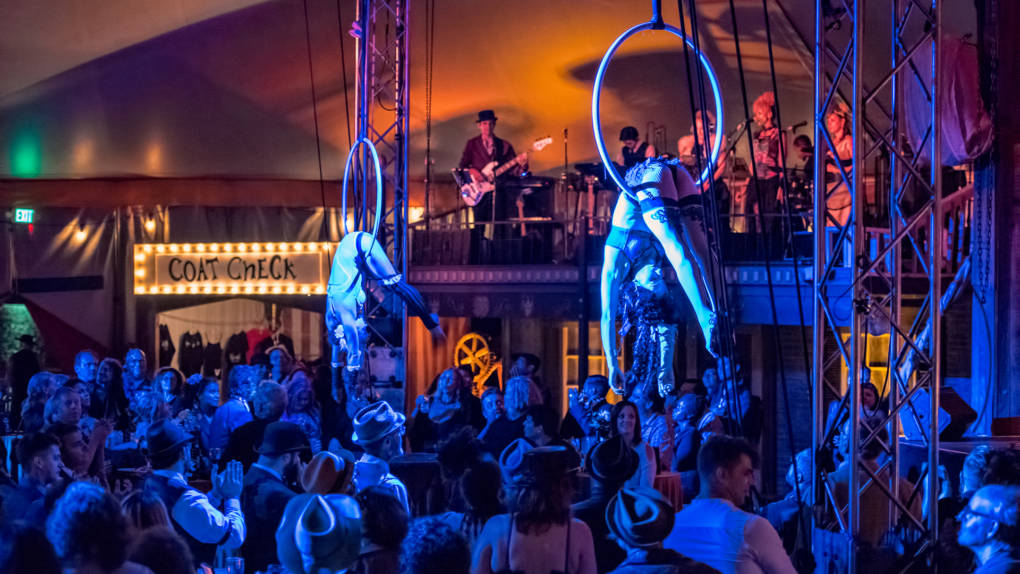
"caption": "Jazz Mafia performs a live soundtrack for the Vau de Vire Society's latest show, 'The Soiled Dove.'",
"description": "Jazz Mafia performs a live soundtrack for the Vau de Vire Society's latest show, 'The Soiled Dove.'",
"title": "Soiled Dove-37",
"credit": "Leori Gill",
"status": "inherit",
"isLoading": false,
"fetchFailed": false
},
"arts_13841281": {
"type": "attachments",
"id": "arts_13841281",
"meta": {
"index": "attachments_1716263798",
"site": "arts",
"id": "13841281",
"found": true
},
"parent": 13841217,
"imgSizes": {
"small": {
"file": "https://ww2.kqed.org/app/uploads/sites/2/2018/09/EMN2-credit-Matthew-Evearitt-520x293.jpg",
"width": 520,
"mimeType": "image/jpeg",
"height": 293
},
"twentyfourteen-full-width": {
"file": "https://ww2.kqed.org/app/uploads/sites/2/2018/09/EMN2-credit-Matthew-Evearitt-1038x576.jpg",
"width": 1038,
"mimeType": "image/jpeg",
"height": 576
},
"thumbnail": {
"file": "https://ww2.kqed.org/app/uploads/sites/2/2018/09/EMN2-credit-Matthew-Evearitt-160x90.jpg",
"width": 160,
"mimeType": "image/jpeg",
"height": 90
},
"fd-sm": {
"file": "https://ww2.kqed.org/app/uploads/sites/2/2018/09/EMN2-credit-Matthew-Evearitt-960x540.jpg",
"width": 960,
"mimeType": "image/jpeg",
"height": 540
},
"post-thumbnail": {
"file": "https://ww2.kqed.org/app/uploads/sites/2/2018/09/EMN2-credit-Matthew-Evearitt-672x372.jpg",
"width": 672,
"mimeType": "image/jpeg",
"height": 372
},
"xsmall": {
"file": "https://ww2.kqed.org/app/uploads/sites/2/2018/09/EMN2-credit-Matthew-Evearitt-375x211.jpg",
"width": 375,
"mimeType": "image/jpeg",
"height": 211
},
"kqedFullSize": {
"file": "https://ww2.kqed.org/app/uploads/sites/2/2018/09/EMN2-credit-Matthew-Evearitt.jpg",
"width": 1920,
"height": 1080
},
"large": {
"file": "https://ww2.kqed.org/app/uploads/sites/2/2018/09/EMN2-credit-Matthew-Evearitt-1020x574.jpg",
"width": 1020,
"mimeType": "image/jpeg",
"height": 574
},
"xlarge": {
"file": "https://ww2.kqed.org/app/uploads/sites/2/2018/09/EMN2-credit-Matthew-Evearitt-1180x664.jpg",
"width": 1180,
"mimeType": "image/jpeg",
"height": 664
},
"complete_open_graph": {
"file": "https://ww2.kqed.org/app/uploads/sites/2/2018/09/EMN2-credit-Matthew-Evearitt-1200x675.jpg",
"width": 1200,
"mimeType": "image/jpeg",
"height": 675
},
"guest-author-50": {
"file": "https://ww2.kqed.org/app/uploads/sites/2/2018/09/EMN2-credit-Matthew-Evearitt-50x50.jpg",
"width": 50,
"mimeType": "image/jpeg",
"height": 50
},
"guest-author-96": {
"file": "https://ww2.kqed.org/app/uploads/sites/2/2018/09/EMN2-credit-Matthew-Evearitt-96x96.jpg",
"width": 96,
"mimeType": "image/jpeg",
"height": 96
},
"medium": {
"file": "https://ww2.kqed.org/app/uploads/sites/2/2018/09/EMN2-credit-Matthew-Evearitt-800x450.jpg",
"width": 800,
"mimeType": "image/jpeg",
"height": 450
},
"guest-author-64": {
"file": "https://ww2.kqed.org/app/uploads/sites/2/2018/09/EMN2-credit-Matthew-Evearitt-64x64.jpg",
"width": 64,
"mimeType": "image/jpeg",
"height": 64
},
"guest-author-32": {
"file": "https://ww2.kqed.org/app/uploads/sites/2/2018/09/EMN2-credit-Matthew-Evearitt-32x32.jpg",
"width": 32,
"mimeType": "image/jpeg",
"height": 32
},
"fd-lrg": {
"file": "https://ww2.kqed.org/app/uploads/sites/2/2018/09/EMN2-credit-Matthew-Evearitt-1920x1080.jpg",
"width": 1920,
"mimeType": "image/jpeg",
"height": 1080
},
"fd-med": {
"file": "https://ww2.kqed.org/app/uploads/sites/2/2018/09/EMN2-credit-Matthew-Evearitt-1180x664.jpg",
"width": 1180,
"mimeType": "image/jpeg",
"height": 664
},
"full-width": {
"file": "https://ww2.kqed.org/app/uploads/sites/2/2018/09/EMN2-credit-Matthew-Evearitt-1920x1080.jpg",
"width": 1920,
"mimeType": "image/jpeg",
"height": 1080
},
"detail": {
"file": "https://ww2.kqed.org/app/uploads/sites/2/2018/09/EMN2-credit-Matthew-Evearitt-150x150.jpg",
"width": 150,
"mimeType": "image/jpeg",
"height": 150
},
"medium_large": {
"file": "https://ww2.kqed.org/app/uploads/sites/2/2018/09/EMN2-credit-Matthew-Evearitt-768x432.jpg",
"width": 768,
"mimeType": "image/jpeg",
"height": 432
},
"guest-author-128": {
"file": "https://ww2.kqed.org/app/uploads/sites/2/2018/09/EMN2-credit-Matthew-Evearitt-128x128.jpg",
"width": 128,
"mimeType": "image/jpeg",
"height": 128
},
"xxsmall": {
"file": "https://ww2.kqed.org/app/uploads/sites/2/2018/09/EMN2-credit-Matthew-Evearitt-240x135.jpg",
"width": 240,
"mimeType": "image/jpeg",
"height": 135
}
},
"publishDate": 1537461431,
"modified": 1537466600,
"caption": "Led by composer JooWan Kim (center), Oakland hip-hop orchestra Ensemble Mik Nawooj composed the theme song for this year's United Nations Global People's Summit. ",
"description": "Led by composer Joowan Kim (center), Oakland hip-hop orchestra Ensemble Mik Nawooj composed the theme song for this year's United Nations Global People's Summit. ",
"title": "EMN2 - credit Matthew Evearitt",
"credit": "Matthew Evearitt",
"status": "inherit",
"isLoading": false,
"fetchFailed": false
},
"arts_13839304": {
"type": "attachments",
"id": "arts_13839304",
"meta": {
"index": "attachments_1716263798",
"site": "arts",
"id": "13839304",
"found": true
},
"parent": 13838939,
"imgSizes": {
"small": {
"file": "https://ww2.kqed.org/app/uploads/sites/2/2018/08/Gupta-1-520x293.jpg",
"width": 520,
"mimeType": "image/jpeg",
"height": 293
},
"twentyfourteen-full-width": {
"file": "https://ww2.kqed.org/app/uploads/sites/2/2018/08/Gupta-1-1038x576.jpg",
"width": 1038,
"mimeType": "image/jpeg",
"height": 576
},
"thumbnail": {
"file": "https://ww2.kqed.org/app/uploads/sites/2/2018/08/Gupta-1-160x90.jpg",
"width": 160,
"mimeType": "image/jpeg",
"height": 90
},
"fd-sm": {
"file": "https://ww2.kqed.org/app/uploads/sites/2/2018/08/Gupta-1-960x540.jpg",
"width": 960,
"mimeType": "image/jpeg",
"height": 540
},
"post-thumbnail": {
"file": "https://ww2.kqed.org/app/uploads/sites/2/2018/08/Gupta-1-672x372.jpg",
"width": 672,
"mimeType": "image/jpeg",
"height": 372
},
"xsmall": {
"file": "https://ww2.kqed.org/app/uploads/sites/2/2018/08/Gupta-1-375x211.jpg",
"width": 375,
"mimeType": "image/jpeg",
"height": 211
},
"kqedFullSize": {
"file": "https://ww2.kqed.org/app/uploads/sites/2/2018/08/Gupta-1.jpg",
"width": 1920,
"height": 1080
},
"large": {
"file": "https://ww2.kqed.org/app/uploads/sites/2/2018/08/Gupta-1-1020x574.jpg",
"width": 1020,
"mimeType": "image/jpeg",
"height": 574
},
"xlarge": {
"file": "https://ww2.kqed.org/app/uploads/sites/2/2018/08/Gupta-1-1180x664.jpg",
"width": 1180,
"mimeType": "image/jpeg",
"height": 664
},
"complete_open_graph": {
"file": "https://ww2.kqed.org/app/uploads/sites/2/2018/08/Gupta-1-1200x675.jpg",
"width": 1200,
"mimeType": "image/jpeg",
"height": 675
},
"guest-author-50": {
"file": "https://ww2.kqed.org/app/uploads/sites/2/2018/08/Gupta-1-50x50.jpg",
"width": 50,
"mimeType": "image/jpeg",
"height": 50
},
"guest-author-96": {
"file": "https://ww2.kqed.org/app/uploads/sites/2/2018/08/Gupta-1-96x96.jpg",
"width": 96,
"mimeType": "image/jpeg",
"height": 96
},
"medium": {
"file": "https://ww2.kqed.org/app/uploads/sites/2/2018/08/Gupta-1-800x450.jpg",
"width": 800,
"mimeType": "image/jpeg",
"height": 450
},
"guest-author-64": {
"file": "https://ww2.kqed.org/app/uploads/sites/2/2018/08/Gupta-1-64x64.jpg",
"width": 64,
"mimeType": "image/jpeg",
"height": 64
},
"guest-author-32": {
"file": "https://ww2.kqed.org/app/uploads/sites/2/2018/08/Gupta-1-32x32.jpg",
"width": 32,
"mimeType": "image/jpeg",
"height": 32
},
"fd-lrg": {
"file": "https://ww2.kqed.org/app/uploads/sites/2/2018/08/Gupta-1-1920x1080.jpg",
"width": 1920,
"mimeType": "image/jpeg",
"height": 1080
},
"fd-med": {
"file": "https://ww2.kqed.org/app/uploads/sites/2/2018/08/Gupta-1-1180x664.jpg",
"width": 1180,
"mimeType": "image/jpeg",
"height": 664
},
"full-width": {
"file": "https://ww2.kqed.org/app/uploads/sites/2/2018/08/Gupta-1-1920x1080.jpg",
"width": 1920,
"mimeType": "image/jpeg",
"height": 1080
},
"detail": {
"file": "https://ww2.kqed.org/app/uploads/sites/2/2018/08/Gupta-1-150x150.jpg",
"width": 150,
"mimeType": "image/jpeg",
"height": 150
},
"medium_large": {
"file": "https://ww2.kqed.org/app/uploads/sites/2/2018/08/Gupta-1-768x432.jpg",
"width": 768,
"mimeType": "image/jpeg",
"height": 432
},
"guest-author-128": {
"file": "https://ww2.kqed.org/app/uploads/sites/2/2018/08/Gupta-1-128x128.jpg",
"width": 128,
"mimeType": "image/jpeg",
"height": 128
},
"xxsmall": {
"file": "https://ww2.kqed.org/app/uploads/sites/2/2018/08/Gupta-1-240x135.jpg",
"width": 240,
"mimeType": "image/jpeg",
"height": 135
}
},
"publishDate": 1534537265,
"modified": 1534537604,
"caption": "Percussionist Sameer Gupta forged his fusion of jazz and Indian classical music from his extensive collaborations with an eclectic cast of master musicians. ",
"description": "Percussionist Sameer Gupta forged his fusion of jazz and Indian classical music from his extensive collaborations with an eclectic cast of master musicians. ",
"title": "Gupta",
"credit": "Rebecca Meek",
"status": "inherit",
"isLoading": false,
"fetchFailed": false
},
"arts_13837615": {
"type": "attachments",
"id": "arts_13837615",
"meta": {
"index": "attachments_1716263798",
"site": "arts",
"id": "13837615",
"found": true
},
"parent": 13837420,
"imgSizes": {
"small": {
"file": "https://ww2.kqed.org/app/uploads/sites/2/2018/07/akira-tana-520x293.jpg",
"width": 520,
"mimeType": "image/jpeg",
"height": 293
},
"twentyfourteen-full-width": {
"file": "https://ww2.kqed.org/app/uploads/sites/2/2018/07/akira-tana-1038x576.jpg",
"width": 1038,
"mimeType": "image/jpeg",
"height": 576
},
"thumbnail": {
"file": "https://ww2.kqed.org/app/uploads/sites/2/2018/07/akira-tana-160x90.jpg",
"width": 160,
"mimeType": "image/jpeg",
"height": 90
},
"fd-sm": {
"file": "https://ww2.kqed.org/app/uploads/sites/2/2018/07/akira-tana-960x540.jpg",
"width": 960,
"mimeType": "image/jpeg",
"height": 540
},
"post-thumbnail": {
"file": "https://ww2.kqed.org/app/uploads/sites/2/2018/07/akira-tana-672x372.jpg",
"width": 672,
"mimeType": "image/jpeg",
"height": 372
},
"xsmall": {
"file": "https://ww2.kqed.org/app/uploads/sites/2/2018/07/akira-tana-375x211.jpg",
"width": 375,
"mimeType": "image/jpeg",
"height": 211
},
"kqedFullSize": {
"file": "https://ww2.kqed.org/app/uploads/sites/2/2018/07/akira-tana.jpg",
"width": 1920,
"height": 1080
},
"large": {
"file": "https://ww2.kqed.org/app/uploads/sites/2/2018/07/akira-tana-1020x574.jpg",
"width": 1020,
"mimeType": "image/jpeg",
"height": 574
},
"xlarge": {
"file": "https://ww2.kqed.org/app/uploads/sites/2/2018/07/akira-tana-1180x664.jpg",
"width": 1180,
"mimeType": "image/jpeg",
"height": 664
},
"complete_open_graph": {
"file": "https://ww2.kqed.org/app/uploads/sites/2/2018/07/akira-tana-1200x675.jpg",
"width": 1200,
"mimeType": "image/jpeg",
"height": 675
},
"guest-author-50": {
"file": "https://ww2.kqed.org/app/uploads/sites/2/2018/07/akira-tana-50x50.jpg",
"width": 50,
"mimeType": "image/jpeg",
"height": 50
},
"guest-author-96": {
"file": "https://ww2.kqed.org/app/uploads/sites/2/2018/07/akira-tana-96x96.jpg",
"width": 96,
"mimeType": "image/jpeg",
"height": 96
},
"medium": {
"file": "https://ww2.kqed.org/app/uploads/sites/2/2018/07/akira-tana-800x450.jpg",
"width": 800,
"mimeType": "image/jpeg",
"height": 450
},
"guest-author-64": {
"file": "https://ww2.kqed.org/app/uploads/sites/2/2018/07/akira-tana-64x64.jpg",
"width": 64,
"mimeType": "image/jpeg",
"height": 64
},
"guest-author-32": {
"file": "https://ww2.kqed.org/app/uploads/sites/2/2018/07/akira-tana-32x32.jpg",
"width": 32,
"mimeType": "image/jpeg",
"height": 32
},
"fd-lrg": {
"file": "https://ww2.kqed.org/app/uploads/sites/2/2018/07/akira-tana-1920x1080.jpg",
"width": 1920,
"mimeType": "image/jpeg",
"height": 1080
},
"fd-med": {
"file": "https://ww2.kqed.org/app/uploads/sites/2/2018/07/akira-tana-1180x664.jpg",
"width": 1180,
"mimeType": "image/jpeg",
"height": 664
},
"full-width": {
"file": "https://ww2.kqed.org/app/uploads/sites/2/2018/07/akira-tana-1920x1080.jpg",
"width": 1920,
"mimeType": "image/jpeg",
"height": 1080
},
"detail": {
"file": "https://ww2.kqed.org/app/uploads/sites/2/2018/07/akira-tana-150x150.jpg",
"width": 150,
"mimeType": "image/jpeg",
"height": 150
},
"medium_large": {
"file": "https://ww2.kqed.org/app/uploads/sites/2/2018/07/akira-tana-768x432.jpg",
"width": 768,
"mimeType": "image/jpeg",
"height": 432
},
"guest-author-128": {
"file": "https://ww2.kqed.org/app/uploads/sites/2/2018/07/akira-tana-128x128.jpg",
"width": 128,
"mimeType": "image/jpeg",
"height": 128
},
"xxsmall": {
"file": "https://ww2.kqed.org/app/uploads/sites/2/2018/07/akira-tana-240x135.jpg",
"width": 240,
"mimeType": "image/jpeg",
"height": 135
}
},
"publishDate": 1532391045,
"modified": 1532391692,
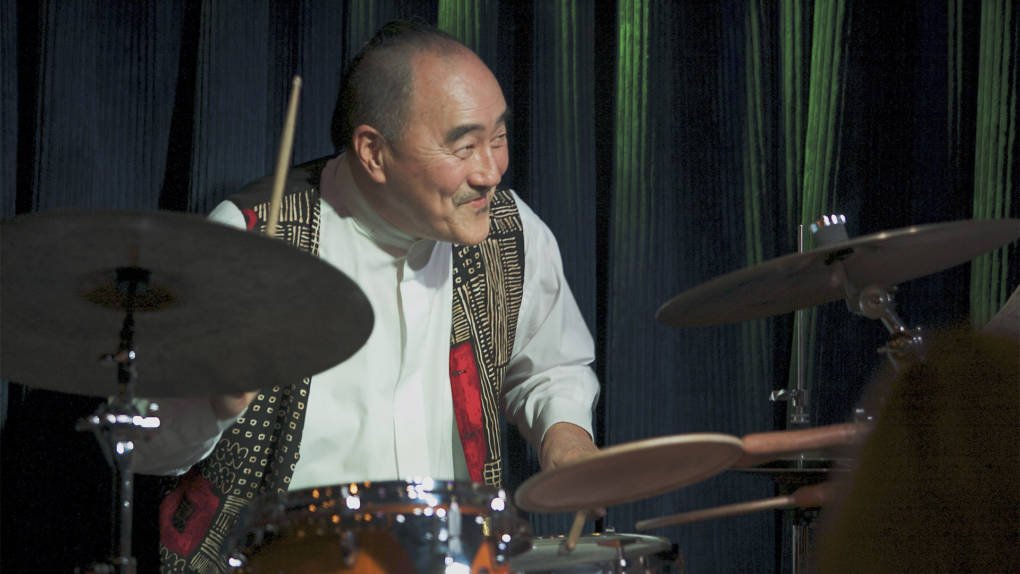
"caption": "As a bandleader, producer and internationally acclaimed jazz artist, Tana has waged a one-man campaign to make Bay Area audiences aware of the exceptional jazz talent coming out of Japan.",
"description": "As a bandleader, producer and internationally esteemed jazz artist, Tana has waged a one-man campaign to make Bay Area audiences aware of the exceptional jazz talent coming out of Japan.",
"title": "akira tana",
"credit": "Chuck Gee",
"status": "inherit",
"isLoading": false,
"fetchFailed": false
},
"arts_13836109": {
"type": "attachments",
"id": "arts_13836109",
"meta": {
"index": "attachments_1716263798",
"site": "arts",
"id": "13836109",
"found": true
},
"parent": 13835874,
"imgSizes": {
"small": {
"file": "https://ww2.kqed.org/app/uploads/sites/2/2018/06/Austin-1180x787-1-520x293.jpg",
"width": 520,
"mimeType": "image/jpeg",
"height": 293
},
"twentyfourteen-full-width": {
"file": "https://ww2.kqed.org/app/uploads/sites/2/2018/06/Austin-1180x787-1-1038x576.jpg",
"width": 1038,
"mimeType": "image/jpeg",
"height": 576
},
"thumbnail": {
"file": "https://ww2.kqed.org/app/uploads/sites/2/2018/06/Austin-1180x787-1-160x90.jpg",
"width": 160,
"mimeType": "image/jpeg",
"height": 90
},
"fd-sm": {
"file": "https://ww2.kqed.org/app/uploads/sites/2/2018/06/Austin-1180x787-1-960x540.jpg",
"width": 960,
"mimeType": "image/jpeg",
"height": 540
},
"post-thumbnail": {
"file": "https://ww2.kqed.org/app/uploads/sites/2/2018/06/Austin-1180x787-1-672x372.jpg",
"width": 672,
"mimeType": "image/jpeg",
"height": 372
},
"xsmall": {
"file": "https://ww2.kqed.org/app/uploads/sites/2/2018/06/Austin-1180x787-1-375x211.jpg",
"width": 375,
"mimeType": "image/jpeg",
"height": 211
},
"kqedFullSize": {
"file": "https://ww2.kqed.org/app/uploads/sites/2/2018/06/Austin-1180x787-1.jpg",
"width": 1180,
"height": 664
},
"large": {
"file": "https://ww2.kqed.org/app/uploads/sites/2/2018/06/Austin-1180x787-1-1020x574.jpg",
"width": 1020,
"mimeType": "image/jpeg",
"height": 574
},
"xlarge": {
"file": "https://ww2.kqed.org/app/uploads/sites/2/2018/06/Austin-1180x787-1-1180x664.jpg",
"width": 1180,
"mimeType": "image/jpeg",
"height": 664
},
"guest-author-50": {
"file": "https://ww2.kqed.org/app/uploads/sites/2/2018/06/Austin-1180x787-1-50x50.jpg",
"width": 50,
"mimeType": "image/jpeg",
"height": 50
},
"guest-author-96": {
"file": "https://ww2.kqed.org/app/uploads/sites/2/2018/06/Austin-1180x787-1-96x96.jpg",
"width": 96,
"mimeType": "image/jpeg",
"height": 96
},
"medium": {
"file": "https://ww2.kqed.org/app/uploads/sites/2/2018/06/Austin-1180x787-1-800x450.jpg",
"width": 800,
"mimeType": "image/jpeg",
"height": 450
},
"guest-author-64": {
"file": "https://ww2.kqed.org/app/uploads/sites/2/2018/06/Austin-1180x787-1-64x64.jpg",
"width": 64,
"mimeType": "image/jpeg",
"height": 64
},
"guest-author-32": {
"file": "https://ww2.kqed.org/app/uploads/sites/2/2018/06/Austin-1180x787-1-32x32.jpg",
"width": 32,
"mimeType": "image/jpeg",
"height": 32
},
"fd-med": {
"file": "https://ww2.kqed.org/app/uploads/sites/2/2018/06/Austin-1180x787-1-1180x664.jpg",
"width": 1180,
"mimeType": "image/jpeg",
"height": 664
},
"detail": {
"file": "https://ww2.kqed.org/app/uploads/sites/2/2018/06/Austin-1180x787-1-150x150.jpg",
"width": 150,
"mimeType": "image/jpeg",
"height": 150
},
"medium_large": {
"file": "https://ww2.kqed.org/app/uploads/sites/2/2018/06/Austin-1180x787-1-768x432.jpg",
"width": 768,
"mimeType": "image/jpeg",
"height": 432
},
"guest-author-128": {
"file": "https://ww2.kqed.org/app/uploads/sites/2/2018/06/Austin-1180x787-1-128x128.jpg",
"width": 128,
"mimeType": "image/jpeg",
"height": 128
},
"xxsmall": {
"file": "https://ww2.kqed.org/app/uploads/sites/2/2018/06/Austin-1180x787-1-240x135.jpg",
"width": 240,
"mimeType": "image/jpeg",
"height": 135
}
},
"publishDate": 1530135434,
"modified": 1530135500,
"caption": "Bay Area jazz vocalist Tiffany Austin celebrates the release of her new album, 'Unbroken,' on June 29 at the Stanford Jazz Festival. ",
"description": "Bay Area jazz vocalist Tiffany Austin celebrates the release of her new album, 'Unbroken,' on June 29 at the Stanford Jazz Festival. ",
"title": "Austin-1180x787",
"credit": "Bill Reitzel",
"status": "inherit",
"isLoading": false,
"fetchFailed": false
},
"arts_13834810": {
"type": "attachments",
"id": "arts_13834810",
"meta": {
"index": "attachments_1716263798",
"site": "arts",
"id": "13834810",
"found": true
},
"parent": 13834489,
"imgSizes": {
"small": {
"file": "https://ww2.kqed.org/app/uploads/sites/2/2018/06/Brian-Blade-KQED-1920x1200-1180x737-1-520x325.jpg",
"width": 520,
"mimeType": "image/jpeg",
"height": 325
},
"twentyfourteen-full-width": {
"file": "https://ww2.kqed.org/app/uploads/sites/2/2018/06/Brian-Blade-KQED-1920x1200-1180x737-1-1038x576.jpg",
"width": 1038,
"mimeType": "image/jpeg",
"height": 576
},
"thumbnail": {
"file": "https://ww2.kqed.org/app/uploads/sites/2/2018/06/Brian-Blade-KQED-1920x1200-1180x737-1-160x100.jpg",
"width": 160,
"mimeType": "image/jpeg",
"height": 100
},
"fd-sm": {
"file": "https://ww2.kqed.org/app/uploads/sites/2/2018/06/Brian-Blade-KQED-1920x1200-1180x737-1-960x600.jpg",
"width": 960,
"mimeType": "image/jpeg",
"height": 600
},
"post-thumbnail": {
"file": "https://ww2.kqed.org/app/uploads/sites/2/2018/06/Brian-Blade-KQED-1920x1200-1180x737-1-672x372.jpg",
"width": 672,
"mimeType": "image/jpeg",
"height": 372
},
"xsmall": {
"file": "https://ww2.kqed.org/app/uploads/sites/2/2018/06/Brian-Blade-KQED-1920x1200-1180x737-1-375x234.jpg",
"width": 375,
"mimeType": "image/jpeg",
"height": 234
},
"kqedFullSize": {
"file": "https://ww2.kqed.org/app/uploads/sites/2/2018/06/Brian-Blade-KQED-1920x1200-1180x737-1.jpg",
"width": 1180,
"height": 737
},
"large": {
"file": "https://ww2.kqed.org/app/uploads/sites/2/2018/06/Brian-Blade-KQED-1920x1200-1180x737-1-1020x637.jpg",
"width": 1020,
"mimeType": "image/jpeg",
"height": 637
},
"xlarge": {
"file": "https://ww2.kqed.org/app/uploads/sites/2/2018/06/Brian-Blade-KQED-1920x1200-1180x737-1-1180x737.jpg",
"width": 1180,
"mimeType": "image/jpeg",
"height": 737
},
"guest-author-50": {
"file": "https://ww2.kqed.org/app/uploads/sites/2/2018/06/Brian-Blade-KQED-1920x1200-1180x737-1-50x50.jpg",
"width": 50,
"mimeType": "image/jpeg",
"height": 50
},
"guest-author-96": {
"file": "https://ww2.kqed.org/app/uploads/sites/2/2018/06/Brian-Blade-KQED-1920x1200-1180x737-1-96x96.jpg",
"width": 96,
"mimeType": "image/jpeg",
"height": 96
},
"medium": {
"file": "https://ww2.kqed.org/app/uploads/sites/2/2018/06/Brian-Blade-KQED-1920x1200-1180x737-1-800x500.jpg",
"width": 800,
"mimeType": "image/jpeg",
"height": 500
},
"guest-author-64": {
"file": "https://ww2.kqed.org/app/uploads/sites/2/2018/06/Brian-Blade-KQED-1920x1200-1180x737-1-64x64.jpg",
"width": 64,
"mimeType": "image/jpeg",
"height": 64
},
"guest-author-32": {
"file": "https://ww2.kqed.org/app/uploads/sites/2/2018/06/Brian-Blade-KQED-1920x1200-1180x737-1-32x32.jpg",
"width": 32,
"mimeType": "image/jpeg",
"height": 32
},
"fd-med": {
"file": "https://ww2.kqed.org/app/uploads/sites/2/2018/06/Brian-Blade-KQED-1920x1200-1180x737-1-1180x737.jpg",
"width": 1180,
"mimeType": "image/jpeg",
"height": 737
},
"detail": {
"file": "https://ww2.kqed.org/app/uploads/sites/2/2018/06/Brian-Blade-KQED-1920x1200-1180x737-1-150x150.jpg",
"width": 150,
"mimeType": "image/jpeg",
"height": 150
},
"medium_large": {
"file": "https://ww2.kqed.org/app/uploads/sites/2/2018/06/Brian-Blade-KQED-1920x1200-1180x737-1-768x480.jpg",
"width": 768,
"mimeType": "image/jpeg",
"height": 480
},
"guest-author-128": {
"file": "https://ww2.kqed.org/app/uploads/sites/2/2018/06/Brian-Blade-KQED-1920x1200-1180x737-1-128x128.jpg",
"width": 128,
"mimeType": "image/jpeg",
"height": 128
},
"xxsmall": {
"file": "https://ww2.kqed.org/app/uploads/sites/2/2018/06/Brian-Blade-KQED-1920x1200-1180x737-1-240x150.jpg",
"width": 240,
"mimeType": "image/jpeg",
"height": 150
}
},
"publishDate": 1528741867,
"modified": 1528741890,
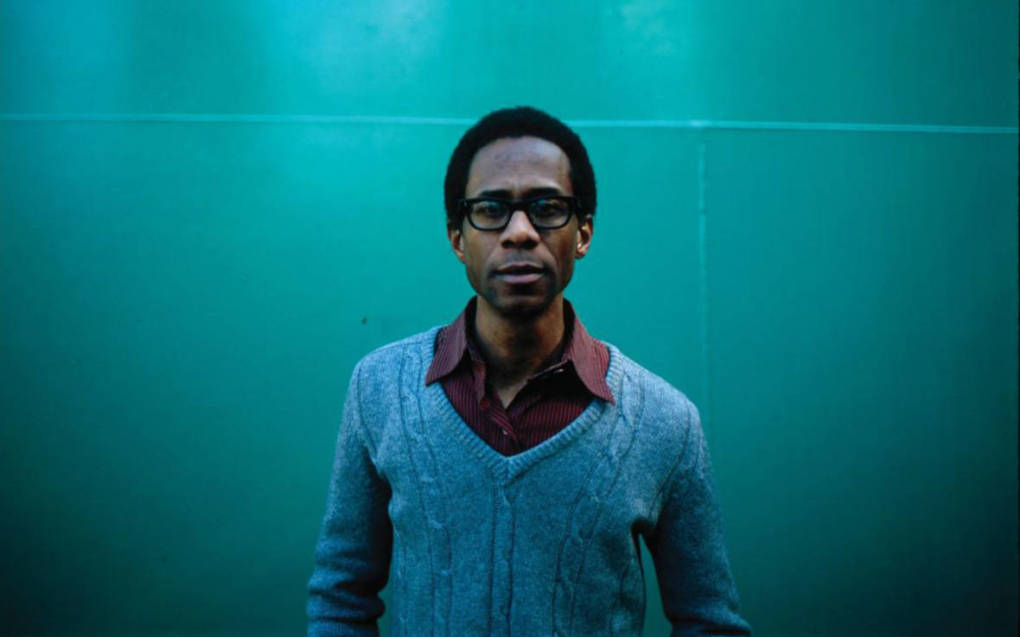
"caption": "Brian Blade. ",
"description": null,
"title": "Brian-Blade-KQED-1920x1200-1180x737",
"credit": "Courtesy of SFJAZZ",
"status": "inherit",
"isLoading": false,
"fetchFailed": false
},
"arts_13834114": {
"type": "attachments",
"id": "arts_13834114",
"meta": {
"index": "attachments_1716263798",
"site": "arts",
"id": "13834114",
"found": true
},
"parent": 13834039,
"imgSizes": {
"small": {
"file": "https://ww2.kqed.org/app/uploads/sites/2/2018/05/HSG.TranscendenceTheatreCo-520x293.jpg",
"width": 520,
"mimeType": "image/jpeg",
"height": 293
},
"twentyfourteen-full-width": {
"file": "https://ww2.kqed.org/app/uploads/sites/2/2018/05/HSG.TranscendenceTheatreCo-1038x576.jpg",
"width": 1038,
"mimeType": "image/jpeg",
"height": 576
},
"thumbnail": {
"file": "https://ww2.kqed.org/app/uploads/sites/2/2018/05/HSG.TranscendenceTheatreCo-160x90.jpg",
"width": 160,
"mimeType": "image/jpeg",
"height": 90
},
"fd-sm": {
"file": "https://ww2.kqed.org/app/uploads/sites/2/2018/05/HSG.TranscendenceTheatreCo-960x540.jpg",
"width": 960,
"mimeType": "image/jpeg",
"height": 540
},
"post-thumbnail": {
"file": "https://ww2.kqed.org/app/uploads/sites/2/2018/05/HSG.TranscendenceTheatreCo-672x372.jpg",
"width": 672,
"mimeType": "image/jpeg",
"height": 372
},
"xsmall": {
"file": "https://ww2.kqed.org/app/uploads/sites/2/2018/05/HSG.TranscendenceTheatreCo-375x211.jpg",
"width": 375,
"mimeType": "image/jpeg",
"height": 211
},
"kqedFullSize": {
"file": "https://ww2.kqed.org/app/uploads/sites/2/2018/05/HSG.TranscendenceTheatreCo.jpg",
"width": 1120,
"height": 630
},
"large": {
"file": "https://ww2.kqed.org/app/uploads/sites/2/2018/05/HSG.TranscendenceTheatreCo-1020x574.jpg",
"width": 1020,
"mimeType": "image/jpeg",
"height": 574
},
"guest-author-50": {
"file": "https://ww2.kqed.org/app/uploads/sites/2/2018/05/HSG.TranscendenceTheatreCo-50x50.jpg",
"width": 50,
"mimeType": "image/jpeg",
"height": 50
},
"guest-author-96": {
"file": "https://ww2.kqed.org/app/uploads/sites/2/2018/05/HSG.TranscendenceTheatreCo-96x96.jpg",
"width": 96,
"mimeType": "image/jpeg",
"height": 96
},
"medium": {
"file": "https://ww2.kqed.org/app/uploads/sites/2/2018/05/HSG.TranscendenceTheatreCo-800x450.jpg",
"width": 800,
"mimeType": "image/jpeg",
"height": 450
},
"guest-author-64": {
"file": "https://ww2.kqed.org/app/uploads/sites/2/2018/05/HSG.TranscendenceTheatreCo-64x64.jpg",
"width": 64,
"mimeType": "image/jpeg",
"height": 64
},
"guest-author-32": {
"file": "https://ww2.kqed.org/app/uploads/sites/2/2018/05/HSG.TranscendenceTheatreCo-32x32.jpg",
"width": 32,
"mimeType": "image/jpeg",
"height": 32
},
"detail": {
"file": "https://ww2.kqed.org/app/uploads/sites/2/2018/05/HSG.TranscendenceTheatreCo-150x150.jpg",
"width": 150,
"mimeType": "image/jpeg",
"height": 150
},
"medium_large": {
"file": "https://ww2.kqed.org/app/uploads/sites/2/2018/05/HSG.TranscendenceTheatreCo-768x432.jpg",
"width": 768,
"mimeType": "image/jpeg",
"height": 432
},
"guest-author-128": {
"file": "https://ww2.kqed.org/app/uploads/sites/2/2018/05/HSG.TranscendenceTheatreCo-128x128.jpg",
"width": 128,
"mimeType": "image/jpeg",
"height": 128
},
"xxsmall": {
"file": "https://ww2.kqed.org/app/uploads/sites/2/2018/05/HSG.TranscendenceTheatreCo-240x135.jpg",
"width": 240,
"mimeType": "image/jpeg",
"height": 135
}
},
"publishDate": 1527875506,
"modified": 1528355818,
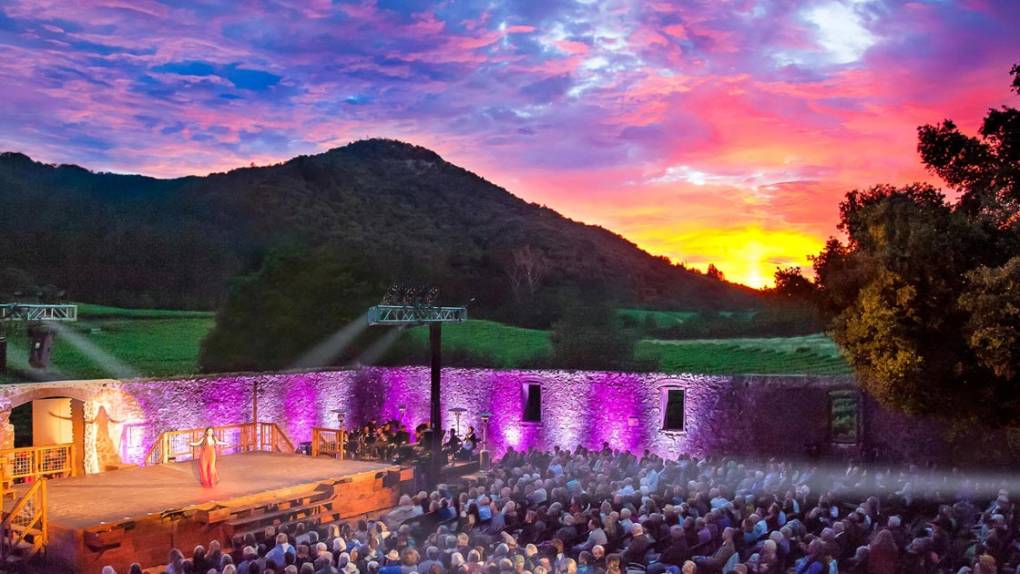
"caption": "The setting at Transcendence Theatre Co.'s 'Broadway Under the Stars' at Jack London State Park.",
"description": "The setting at Transcendence Theatre Co.'s 'Broadway Under the Stars' at Jack London State Park.",
"title": "HSG.TranscendenceTheatreCo",
"credit": "Courtesy Transcendence Theatre Co.",
"status": "inherit",
"isLoading": false,
"fetchFailed": false
},
"arts_13833873": {
"type": "attachments",
"id": "arts_13833873",
"meta": {
"index": "attachments_1716263798",
"site": "arts",
"id": "13833873",
"found": true
},
"parent": 13833869,
"imgSizes": {
"small": {
"file": "https://ww2.kqed.org/app/uploads/sites/2/2018/05/04-520x345.jpg",
"width": 520,
"mimeType": "image/jpeg",
"height": 345
},
"twentyfourteen-full-width": {
"file": "https://ww2.kqed.org/app/uploads/sites/2/2018/05/04-1038x576.jpg",
"width": 1038,
"mimeType": "image/jpeg",
"height": 576
},
"thumbnail": {
"file": "https://ww2.kqed.org/app/uploads/sites/2/2018/05/04-160x106.jpg",
"width": 160,
"mimeType": "image/jpeg",
"height": 106
},
"fd-sm": {
"file": "https://ww2.kqed.org/app/uploads/sites/2/2018/05/04-960x637.jpg",
"width": 960,
"mimeType": "image/jpeg",
"height": 637
},
"post-thumbnail": {
"file": "https://ww2.kqed.org/app/uploads/sites/2/2018/05/04-672x372.jpg",
"width": 672,
"mimeType": "image/jpeg",
"height": 372
},
"xsmall": {
"file": "https://ww2.kqed.org/app/uploads/sites/2/2018/05/04-375x249.jpg",
"width": 375,
"mimeType": "image/jpeg",
"height": 249
},
"kqedFullSize": {
"file": "https://ww2.kqed.org/app/uploads/sites/2/2018/05/04.jpg",
"width": 1300,
"height": 863
},
"large": {
"file": "https://ww2.kqed.org/app/uploads/sites/2/2018/05/04-1020x677.jpg",
"width": 1020,
"mimeType": "image/jpeg",
"height": 677
},
"xlarge": {
"file": "https://ww2.kqed.org/app/uploads/sites/2/2018/05/04-1180x783.jpg",
"width": 1180,
"mimeType": "image/jpeg",
"height": 783
},
"complete_open_graph": {
"file": "https://ww2.kqed.org/app/uploads/sites/2/2018/05/04-1200x797.jpg",
"width": 1200,
"mimeType": "image/jpeg",
"height": 797
},
"guest-author-50": {
"file": "https://ww2.kqed.org/app/uploads/sites/2/2018/05/04-50x50.jpg",
"width": 50,
"mimeType": "image/jpeg",
"height": 50
},
"guest-author-96": {
"file": "https://ww2.kqed.org/app/uploads/sites/2/2018/05/04-96x96.jpg",
"width": 96,
"mimeType": "image/jpeg",
"height": 96
},
"medium": {
"file": "https://ww2.kqed.org/app/uploads/sites/2/2018/05/04-800x531.jpg",
"width": 800,
"mimeType": "image/jpeg",
"height": 531
},
"guest-author-64": {
"file": "https://ww2.kqed.org/app/uploads/sites/2/2018/05/04-64x64.jpg",
"width": 64,
"mimeType": "image/jpeg",
"height": 64
},
"guest-author-32": {
"file": "https://ww2.kqed.org/app/uploads/sites/2/2018/05/04-32x32.jpg",
"width": 32,
"mimeType": "image/jpeg",
"height": 32
},
"fd-med": {
"file": "https://ww2.kqed.org/app/uploads/sites/2/2018/05/04-1180x783.jpg",
"width": 1180,
"mimeType": "image/jpeg",
"height": 783
},
"detail": {
"file": "https://ww2.kqed.org/app/uploads/sites/2/2018/05/04-150x150.jpg",
"width": 150,
"mimeType": "image/jpeg",
"height": 150
},
"medium_large": {
"file": "https://ww2.kqed.org/app/uploads/sites/2/2018/05/04-768x510.jpg",
"width": 768,
"mimeType": "image/jpeg",
"height": 510
},
"guest-author-128": {
"file": "https://ww2.kqed.org/app/uploads/sites/2/2018/05/04-128x128.jpg",
"width": 128,
"mimeType": "image/jpeg",
"height": 128
},
"xxsmall": {
"file": "https://ww2.kqed.org/app/uploads/sites/2/2018/05/04-240x159.jpg",
"width": 240,
"mimeType": "image/jpeg",
"height": 159
}
},
"publishDate": 1527723234,
"modified": 1527723362,
"caption": "\"Prince Pre Fame,\" a photography show featuring shots of the musician at the age of 19 opens on June 7, 2018 at the Family Affair gallery in Lower Haight.",
"description": "\"Prince Pre Fame,\" a photography show featuring shots of the musician at the age of 19 opens on June 7, 2018 at the Family Affair gallery in Lower Haight.",
"title": "\"Prince Pre Fame,\" a photography show featuring shots of the musician at the age of 19 opens on June 7, 2018 at the Family Affair gallery in Lower Haight.",
"credit": "Robert Whitman",
"status": "inherit",
"isLoading": false,
"fetchFailed": false
},
"arts_13833902": {
"type": "attachments",
"id": "arts_13833902",
"meta": {
"index": "attachments_1716263798",
"site": "arts",
"id": "13833902",
"found": true
},
"parent": 13833850,
"imgSizes": {
"small": {
"file": "https://ww2.kqed.org/app/uploads/sites/2/2018/05/AhmadJamal-520x293.jpg",
"width": 520,
"mimeType": "image/jpeg",
"height": 293
},
"twentyfourteen-full-width": {
"file": "https://ww2.kqed.org/app/uploads/sites/2/2018/05/AhmadJamal-1038x576.jpg",
"width": 1038,
"mimeType": "image/jpeg",
"height": 576
},
"thumbnail": {
"file": "https://ww2.kqed.org/app/uploads/sites/2/2018/05/AhmadJamal-160x90.jpg",
"width": 160,
"mimeType": "image/jpeg",
"height": 90
},
"fd-sm": {
"file": "https://ww2.kqed.org/app/uploads/sites/2/2018/05/AhmadJamal-960x540.jpg",
"width": 960,
"mimeType": "image/jpeg",
"height": 540
},
"post-thumbnail": {
"file": "https://ww2.kqed.org/app/uploads/sites/2/2018/05/AhmadJamal-672x372.jpg",
"width": 672,
"mimeType": "image/jpeg",
"height": 372
},
"xsmall": {
"file": "https://ww2.kqed.org/app/uploads/sites/2/2018/05/AhmadJamal-375x211.jpg",
"width": 375,
"mimeType": "image/jpeg",
"height": 211
},
"kqedFullSize": {
"file": "https://ww2.kqed.org/app/uploads/sites/2/2018/05/AhmadJamal.jpg",
"width": 1440,
"height": 810
},
"large": {
"file": "https://ww2.kqed.org/app/uploads/sites/2/2018/05/AhmadJamal-1020x574.jpg",
"width": 1020,
"mimeType": "image/jpeg",
"height": 574
},
"xlarge": {
"file": "https://ww2.kqed.org/app/uploads/sites/2/2018/05/AhmadJamal-1180x664.jpg",
"width": 1180,
"mimeType": "image/jpeg",
"height": 664
},
"complete_open_graph": {
"file": "https://ww2.kqed.org/app/uploads/sites/2/2018/05/AhmadJamal-1200x675.jpg",
"width": 1200,
"mimeType": "image/jpeg",
"height": 675
},
"guest-author-50": {
"file": "https://ww2.kqed.org/app/uploads/sites/2/2018/05/AhmadJamal-50x50.jpg",
"width": 50,
"mimeType": "image/jpeg",
"height": 50
},
"guest-author-96": {
"file": "https://ww2.kqed.org/app/uploads/sites/2/2018/05/AhmadJamal-96x96.jpg",
"width": 96,
"mimeType": "image/jpeg",
"height": 96
},
"medium": {
"file": "https://ww2.kqed.org/app/uploads/sites/2/2018/05/AhmadJamal-800x450.jpg",
"width": 800,
"mimeType": "image/jpeg",
"height": 450
},
"guest-author-64": {
"file": "https://ww2.kqed.org/app/uploads/sites/2/2018/05/AhmadJamal-64x64.jpg",
"width": 64,
"mimeType": "image/jpeg",
"height": 64
},
"guest-author-32": {
"file": "https://ww2.kqed.org/app/uploads/sites/2/2018/05/AhmadJamal-32x32.jpg",
"width": 32,
"mimeType": "image/jpeg",
"height": 32
},
"fd-med": {
"file": "https://ww2.kqed.org/app/uploads/sites/2/2018/05/AhmadJamal-1180x664.jpg",
"width": 1180,
"mimeType": "image/jpeg",
"height": 664
},
"detail": {
"file": "https://ww2.kqed.org/app/uploads/sites/2/2018/05/AhmadJamal-150x150.jpg",
"width": 150,
"mimeType": "image/jpeg",
"height": 150
},
"medium_large": {
"file": "https://ww2.kqed.org/app/uploads/sites/2/2018/05/AhmadJamal-768x432.jpg",
"width": 768,
"mimeType": "image/jpeg",
"height": 432
},
"guest-author-128": {
"file": "https://ww2.kqed.org/app/uploads/sites/2/2018/05/AhmadJamal-128x128.jpg",
"width": 128,
"mimeType": "image/jpeg",
"height": 128
},
"xxsmall": {
"file": "https://ww2.kqed.org/app/uploads/sites/2/2018/05/AhmadJamal-240x135.jpg",
"width": 240,
"mimeType": "image/jpeg",
"height": 135
}
},
"publishDate": 1527730076,
"modified": 1527730104,
"caption": "Ahmad Jamal.",
"description": "Ahmad Jamal.",
"title": "AhmadJamal",
"credit": "Courtesy SFJAZZ",
"status": "inherit",
"isLoading": false,
"fetchFailed": false
}
},
"audioPlayerReducer": {
"postId": "stream_live",
"isPaused": true,
"isPlaying": false,
"pfsActive": false,
"pledgeModalIsOpen": true,
"playerDrawerIsOpen": false,
"liveAudioPlayStartedAt": 0,
"liveAudioPlayContext": ""
},
"authorsReducer": {
"byline_arts_13841217": {
"type": "authors",
"id": "byline_arts_13841217",
"meta": {
"override": true
},
"slug": "byline_arts_13841217",
"name": "Annie Bacon",
"isLoading": false
},
"agilbert": {
"type": "authors",
"id": "86",
"meta": {
"index": "authors_1716337520",
"id": "86",
"found": true
},
"name": "Andrew Gilbert",
"firstName": "Andrew",
"lastName": "Gilbert",
"slug": "agilbert",
"email": "jazzscribe@aol.com",
"display_author_email": false,
"staff_mastheads": [],
"title": "KQED Contributor",
"bio": "A Los Angeles native based in the Berkeley area since 1996, Andrew Gilbert covers jazz, international music and dance for KQED's \u003ci>California Report, \u003c/i>the\u003ci> Mercury News\u003c/i>, \u003ci>San Francisco Chronicle\u003c/i>, \u003ci>Berkeleyside.com\u003c/i>, and other publications. He is available for weddings and bar and bat mitzvahs. #jazzscribe",
"avatar": "https://secure.gravatar.com/avatar/d7bcafdbefdd39e9a68f88724ca616eb4e7a5a6bff9cdfb62de652a1e1751471?s=600&d=blank&r=g",
"twitter": null,
"bluesky": null,
"facebook": null,
"instagram": null,
"linkedin": null,
"sites": [
{
"site": "arts",
"roles": [
"Contributor",
"author"
]
},
{
"site": "news",
"roles": [
"author"
]
}
],
"headData": {
"title": "Andrew Gilbert | KQED",
"description": "KQED Contributor",
"ogImgSrc": "https://secure.gravatar.com/avatar/d7bcafdbefdd39e9a68f88724ca616eb4e7a5a6bff9cdfb62de652a1e1751471?s=600&d=blank&r=g",
"twImgSrc": "https://secure.gravatar.com/avatar/d7bcafdbefdd39e9a68f88724ca616eb4e7a5a6bff9cdfb62de652a1e1751471?s=600&d=blank&r=g"
},
"isLoading": false,
"link": "/author/agilbert"
},
"gmeline": {
"type": "authors",
"id": "185",
"meta": {
"index": "authors_1716337520",
"id": "185",
"found": true
},
"name": "Gabe Meline",
"firstName": "Gabe",
"lastName": "Meline",
"slug": "gmeline",
"email": "gmeline@kqed.org",
"display_author_email": true,
"staff_mastheads": [
"arts"
],
"title": "Senior Editor, KQED Arts & Culture",
"bio": "Gabe Meline entered journalism at age 15 making photocopied zines, and has since earned awards from the Edward R. Murrow Awards, the Society for Professional Journalists, the Online Journalism Awards, the Association of Alternative Newsweeklies and the California Newspaper Publishers Association. Prior to KQED, he was the editor of the \u003cem>North Bay Bohemian\u003c/em> and a touring musician. He lives with his wife and daughter in his hometown of Santa Rosa, CA.",
"avatar": "https://secure.gravatar.com/avatar/5bebe57be0d8bc2dd318934feb47299e2d2d10cba28d09d8d7afb389a2ce2bdd?s=600&d=blank&r=g",
"twitter": null,
"bluesky": null,
"facebook": null,
"instagram": null,
"linkedin": null,
"sites": [
{
"site": "",
"roles": [
"editor"
]
},
{
"site": "arts",
"roles": [
"administrator"
]
},
{
"site": "artschool",
"roles": [
"editor"
]
},
{
"site": "news",
"roles": [
"author"
]
},
{
"site": "pop",
"roles": [
"editor"
]
},
{
"site": "bayareabites",
"roles": [
"editor"
]
},
{
"site": "food",
"roles": [
"editor"
]
},
{
"site": "forum",
"roles": [
"administrator"
]
},
{
"site": "liveblog",
"roles": [
"editor"
]
},
{
"site": "hiphop",
"roles": [
"editor"
]
}
],
"headData": {
"title": "Gabe Meline | KQED",
"description": "Senior Editor, KQED Arts & Culture",
"ogImgSrc": "https://secure.gravatar.com/avatar/5bebe57be0d8bc2dd318934feb47299e2d2d10cba28d09d8d7afb389a2ce2bdd?s=600&d=blank&r=g",
"twImgSrc": "https://secure.gravatar.com/avatar/5bebe57be0d8bc2dd318934feb47299e2d2d10cba28d09d8d7afb389a2ce2bdd?s=600&d=blank&r=g"
},
"isLoading": false,
"link": "/author/gmeline"
},
"broos": {
"type": "authors",
"id": "3250",
"meta": {
"index": "authors_1716337520",
"id": "3250",
"found": true
},
"name": "Brandon Roos",
"firstName": "Brandon",
"lastName": "Roos",
"slug": "broos",
"email": "roos.b@sbcglobal.net",
"display_author_email": false,
"staff_mastheads": [],
"title": null,
"bio": null,
"avatar": "https://secure.gravatar.com/avatar/d3dd0b201284955bebf9395b371d1ad4?s=600&d=blank&r=g",
"twitter": null,
"facebook": null,
"instagram": null,
"linkedin": null,
"sites": [
{
"site": "arts",
"roles": [
"contributor"
]
}
],
"headData": {
"title": "Brandon Roos | KQED",
"description": null,
"ogImgSrc": "https://secure.gravatar.com/avatar/d3dd0b201284955bebf9395b371d1ad4?s=600&d=blank&r=g",
"twImgSrc": "https://secure.gravatar.com/avatar/d3dd0b201284955bebf9395b371d1ad4?s=600&d=blank&r=g"
},
"isLoading": false,
"link": "/author/broos"
},
"nvoynovskaya": {
"type": "authors",
"id": "11387",
"meta": {
"index": "authors_1716337520",
"id": "11387",
"found": true
},
"name": "Nastia Voynovskaya",
"firstName": "Nastia",
"lastName": "Voynovskaya",
"slug": "nvoynovskaya",
"email": "nvoynovskaya@kqed.org",
"display_author_email": false,
"staff_mastheads": [
"arts"
],
"title": "Editor and reporter",
"bio": "Nastia Voynovskaya is a reporter, editor and host at KQED Arts & Culture. She's been covering the arts in the Bay Area for over a decade, with a focus on music, queer culture, labor issues and grassroots organizing. She has edited KQED story series such as Trans Bay: A History of San Francisco's Gender-Diverse Community, and co-created KQED's Bay Area hip-hop history project, That's My Word. Nastia's work has been recognized by the Society of Professional Journalists and San Francisco Press Club. She regularly appears on podcasts and radio programs, including NPR's All Songs Considered, and hosts live events where music, culture and conversation meet.",
"avatar": "https://secure.gravatar.com/avatar/5025ee460e5a85d69ca20ea6c6f2f80d7e17795c828f61ea3aecfcd924e9042e?s=600&d=blank&r=g",
"twitter": null,
"bluesky": null,
"facebook": null,
"instagram": "https://www.instagram.com/nananastia/",
"linkedin": null,
"sites": [
{
"site": "",
"roles": [
"editor"
]
},
{
"site": "arts",
"roles": [
"administrator"
]
},
{
"site": "news",
"roles": [
"editor"
]
},
{
"site": "pop",
"roles": [
"administrator"
]
},
{
"site": "bayareabites",
"roles": [
"editor"
]
},
{
"site": "podcasts",
"roles": [
"editor"
]
},
{
"site": "hiphop",
"roles": [
"editor"
]
}
],
"headData": {
"title": "Nastia Voynovskaya | KQED",
"description": "Editor and reporter",
"ogImgSrc": "https://secure.gravatar.com/avatar/5025ee460e5a85d69ca20ea6c6f2f80d7e17795c828f61ea3aecfcd924e9042e?s=600&d=blank&r=g",
"twImgSrc": "https://secure.gravatar.com/avatar/5025ee460e5a85d69ca20ea6c6f2f80d7e17795c828f61ea3aecfcd924e9042e?s=600&d=blank&r=g"
},
"isLoading": false,
"link": "/author/nvoynovskaya"
},
"akrigbaum": {
"type": "authors",
"id": "11510",
"meta": {
"index": "authors_1716337520",
"id": "11510",
"found": true
},
"name": "Ashleyanne Krigbaum",
"firstName": "Ashleyanne",
"lastName": "Krigbaum",
"slug": "akrigbaum",
"email": "akrigbaum@kqed.org",
"display_author_email": false,
"staff_mastheads": [
"news"
],
"title": "Producer, Rightnowish",
"bio": "Ashleyanne Krigbaum is the producer of \u003cem>\u003ca href=\"http://kqed.org/rightnowish\">Rightnowish\u003c/a>\u003c/em>. \u003cem> \u003c/em>She has also made podcasts for Noise Pop, Salon, and award-winning audio tours for SFMOMA, Smithsonian, and the de Young Museum. From 2015 to 2018, she was an announcer and local host of NPR's\u003cem> All Things Considered\u003c/em> at KALW. When she's not making podcasts, she's DJing vinyl at dance parties around the Bay Area.",
"avatar": "https://secure.gravatar.com/avatar/b2293d2c51dd71bb43202016faa0892d?s=600&d=blank&r=g",
"twitter": "wambamash",
"facebook": null,
"instagram": null,
"linkedin": null,
"sites": [
{
"site": "arts",
"roles": [
"subscriber"
]
},
{
"site": "news",
"roles": [
"editor"
]
}
],
"headData": {
"title": "Ashleyanne Krigbaum | KQED",
"description": "Producer, Rightnowish",
"ogImgSrc": "https://secure.gravatar.com/avatar/b2293d2c51dd71bb43202016faa0892d?s=600&d=blank&r=g",
"twImgSrc": "https://secure.gravatar.com/avatar/b2293d2c51dd71bb43202016faa0892d?s=600&d=blank&r=g"
},
"isLoading": false,
"link": "/author/akrigbaum"
}
},
"pagesReducer": {
"arts_tag_jazz": {
"type": "terms",
"id": "arts_1420",
"meta": {
"index": "terms_1716263798",
"site": "arts",
"id": "1420",
"score": 9.104777
},
"featImg": null,
"name": "jazz",
"description": null,
"taxonomy": "tag",
"headData": {
"twImgId": null,
"twTitle": null,
"ogTitle": null,
"ogImgId": null,
"twDescription": null,
"description": null,
"title": "jazz Archives | KQED Arts",
"ogDescription": null
},
"ttid": 1432,
"slug": "jazz",
"isLoading": false,
"title": "jazz",
"pageMeta": {
"site": "arts",
"WpPageTemplate": "page-topic-editorial",
"currentPage": 16
},
"blocks": [
{
"blockName": "kqed/post-list",
"attrs": {
"layout": "cardArticle2",
"query": "posts/arts?tag=jazz",
"seeMore": false,
"paginated": true,
"page": 16
}
},
{
"blockName": "kqed/ad"
}
]
}
},
"pfsSessionReducer": {},
"postsReducer": {
"stream_live": {
"type": "live",
"id": "stream_live",
"audioUrl": "https://streams.kqed.org/kqedradio",
"title": "Live Stream",
"excerpt": "Live Stream information currently unavailable.",
"link": "/radio",
"featImg": "",
"label": {
"name": "KQED Live",
"link": "/"
}
},
"stream_kqedNewscast": {
"type": "posts",
"id": "stream_kqedNewscast",
"audioUrl": "https://www.kqed.org/.stream/anon/radio/RDnews/newscast.mp3?_=1",
"title": "KQED Newscast",
"featImg": "",
"label": {
"name": "88.5 FM",
"link": "/"
}
},
"arts_13845655": {
"type": "posts",
"id": "arts_13845655",
"meta": {
"index": "posts_1716263798",
"site": "arts",
"id": "13845655",
"score": null,
"sort": [
1543420847000
]
},
"parent": 0,
"labelTerm": {
"site": "arts"
},
"blocks": [],
"publishDate": 1543420847,
"format": "image",
"title": "Forget Beatnik Cliches: A Fresh Style of Jazz and Poetry is Brewing",
"headTitle": "Forget Beatnik Cliches: A Fresh Style of Jazz and Poetry is Brewing | KQED",
"content": "\u003cp>It’s taken more than five decades, but fresh jazz/poetry collaborations have finally shaken the tired cliches festering in the zeitgeist since the Beat movement of the 1950s.\u003c/p>\n\u003cp>You know what I’m talking about: a goateed young man wearing a beret sits cross-legged on the floor, playing bongos, while his bespectacled comrade proclaims an impressionistic verse with evident self-regard. It’s a tableau that has long dogged jazz and poetry alike. But in the past few years, some of contemporary jazz’s most influential and acclaimed artists have found inspiration in the work of various poets, releasing albums so creatively charged they blew through the Beat baggage.\u003c/p>\n\u003cp>No artist has played a more important role in opening up space for setting verse to music than Brazilian jazz \u003ca href=\"http://www.lucianasouza.com\" target=\"_blank\" rel=\"noopener\">vocalist/composer Luciana Souza\u003c/a>, who performs Nov. 29 at Santa Cruz’s \u003ca href=\"https://www.kuumbwajazz.org/calendar/luciana-souza-the-book-of-longing-featuring-chico-pinheiro-scott-colley/\" target=\"_blank\" rel=\"noopener\">Kuumbwa Jazz Center\u003c/a> and Nov. 30 at \u003ca href=\"https://sfperformances.org/performances/1819/LucianaSouza.html\" target=\"_blank\" rel=\"noopener\">Herbst Theatre\u003c/a> with Brazilian guitarist Chico Pinheiro and bassist Scott Colley. While her working repertoire includes music by contemporary Brazilian masters Milton Nascimento, Caetano Veloso and Hermeto Pascoal, for these shows, she’s focusing on songs from her new album \u003ca href=\"https://lucianasouza.bandcamp.com/album/the-book-of-longing\" target=\"_blank\" rel=\"noopener\">\u003cem>The Book of Longing\u003c/em>\u003c/a>.\u003c/p>\n\u003cp>https://www.youtube.com/watch?v=UVQXuqgSzoA\u003c/p>\n\u003cp>Taking its name from Leonard Cohen’s 2006 book of poetry, the album features Souza’s settings for verses by Cohen, Edna St. Vincent Millay, Emily Dickinson and others. A striking session of ballads and bossa novas with long, melodic phrases that curl around the text, \u003cem>The Book of Longing\u003c/em> builds on years of Souza’s work with poetry. Previously, 2000’s \u003cem>The Poems of Elizabeth Bishop and Other Songs \u003c/em>set Bishop’s verse to four pieces music; 2004’s \u003cem>Neruda\u003c/em>, a lustrous duo session with SFJAZZ Collective pianist Edward Simon, used Pablo Neruda’s poetry as inspiration.\u003c/p>\n\u003cp>[ad fullwidth]\u003c/p>\n\u003cp>Souza was raised on poetry and music: she’s the daughter of poet and songwriter Tereza Souza and foundational bossa nova guitarist, singer and composer Walter Santos. She says, however, that she was slow to realize she was pursuing the family business. “Year to year I didn’t feel it, but now at 52, looking back, I see the foundation and roots buried very deeply in me,” Souza says in a phone interview from the Venice, Calif. home she shares with her husband, Larry Klein, who produced the album. “It grew slowly from the first attempt, the Elizabeth Bishop recording. After \u003cem>Neruda\u003c/em>, \u003cem>Tide\u003c/em> in 2009 had e.e. cummings, and I did something with Gary Snyder. But \u003cem>The Book of Longing\u003c/em> is my most definitive record about poetry—my statement about my love of words.”\u003c/p>\n\u003cp>Released in August on Sunnyside Records, \u003cem>The Book of Longing\u003c/em> arrived at an extraordinary moment in contemporary jazz that Souza helped architect. The scene is brimming with poetry-entwined projects: drummer Matt Wilson paid homage to a late, great 20th-century American poet on \u003ca href=\"https://www.youtube.com/watch?v=O2JziDJF3VM\" target=\"_blank\" rel=\"noopener\">\u003cem>Honey and Salt: Music Inspired By the Poetry of Carl Sandburg\u003c/em>\u003c/a> (Palmetto) in 2017; Jane Ira Bloom interpreted Emily Dickinson’s words with soprano saxophone on \u003ca href=\"https://www.youtube.com/watch?v=1Zp3Pl5_Gkw&t=1330s\" target=\"_blank\" rel=\"noopener\">\u003cem>Wild Lines: Improvising Emily Dickinson\u003c/em>\u003c/a> (Outline) the same year. Jazz Institute of Chicago commissioned flutist Nicole Mitchell and Chicago poet Haki Madhubuti to collaborate on the politically-charged\u003ca href=\"https://nicolemitchell.bandcamp.com/album/liberation-narratives\" target=\"_blank\" rel=\"noopener\"> \u003cem>Liberation Narratives\u003c/em> \u003c/a>(Black Earth Music); Fresno saxophonist Benjamin Boone documented of his creative partnership with Pulitzer Prize-winning poet Philip Levine on \u003ca href=\"https://benjaminboone.bandcamp.com/album/the-poetry-of-jazz\" target=\"_blank\" rel=\"noopener\">\u003cem>The Poetry of Jazz\u003c/em>\u003c/a> (Phrase Records).\u003c/p>\n\u003cp>Oakland reed expert Sheldon Brown just released\u003ca href=\"https://edgetonerecords.bandcamp.com/album/blood-of-the-air\" target=\"_blank\" rel=\"noopener\"> \u003cem>Blood of the Air\u003c/em>\u003c/a> (Edgetone Records), a singular album featuring his inventive songs based on poetry by Philip Lamantia. And New York pianist Helen Sung will soon arrive in the Bay Area for a series of performances focusing on her new album \u003ca href=\"https://www.youtube.com/watch?v=I8spvbraW6g\" target=\"_blank\" rel=\"noopener\">\u003cem>Sung With Words: A Collaboration with Dana Gioia\u003c/em>\u003c/a> (Stricker Street Records).\u003c/p>\n\u003cp>Sung’s longtime friendship with Sonoma resident Gioia, who is the former chairman of the National Endowment For the Arts (2003-2009) and California State Poet Laureate, led to a songwriting partnership—a new endeavor for him and Sung. With the support of a 2014 Chamber Music America grant, they embarked on an extended experiment, “doing whatever worked,” says Sung, who settles into the University of the Pacific’s \u003ca href=\"https://calendar.pacific.edu/event/helen_sung#.W_yxlZNKit8\" target=\"_blank\" rel=\"noopener\">Brubeck Institute\u003c/a> for a three-day Stockton residency on Nov. 29. Her band with vocalist Christie Dashiell, saxophonist John Ellis, bassist Joe Martin and drummer Rudy Royston also performs \u003cem>Sung With Words\u003c/em> material on Dec. 2 for \u003ca href=\"https://www.healdsburgjazzfestival.org/buy_tickets/\" target=\"_blank\" rel=\"noopener\">Healdsburg Jazz\u003c/a> at the Paul Mahder Gallery and Dec. 6 at \u003ca href=\"https://www.kuumbwajazz.org/calendar/helen-sung-sung-with-words/\" target=\"_blank\" rel=\"noopener\">Kuumbwa Jazz Center\u003c/a>.\u003c/p>\n\u003cp>https://www.youtube.com/watch?v=ej1ujUFvLg8\u003c/p>\n\u003cp>“I wanted to write music that was fun to listen to, with melodies that are accessible and hummable,” Sung says. “I set some of his poems, and he wrote a piece based off of a rhythm that I had played. The last track came from when I was talking to a friend and I said ‘I wish people would just say what they mean and mean what they say.’ I called up Dana and asked ‘Can you make a poem out of this?’ And it became a song. ‘The Stars on Second Avenue’ is a tribute to Tin Pan Alley. I worked so hard on that one. I have such respect for Dana. I not only want to write great music, but something that’s truly me.”\u003c/p>\n\u003cp>\u003cem>Sung With Words\u003c/em> is sui generis, but it’s also part of a jazz zeitgeist. The question is, why is this happening now? While jazz musicians still mine the American Songbook for material, there’s a relentless search for new concepts to explore and interpret. Poetry, new and old, provides a huge reservoir of text ripe for musical treatment, confounding old stereotypes.\u003c/p>\n\u003cp>\u003c/p>\n\u003cp>“When I would tell people about the project that’s what they thought it was, some kind of Beatnik recital,” Sung says. “No, these are songs. There’s so much interesting work being created now. It reminds me of a book I read about discovery of the DNA double helix, with several teams making groundbreaking discoveries at the same time. Jazz artists are always looking for the next thing to feed their growth as an artist.”\u003c/p>\n\n",
"stats": {
"hasVideo": true,
"hasChartOrMap": false,
"hasAudio": false,
"hasPolis": false,
"wordCount": 1067,
"hasGoogleForm": false,
"hasGallery": false,
"hasHearkenModule": false,
"iframeSrcs": [],
"paragraphCount": 13
},
"modified": 1705026955,
"excerpt": "Luciana Souza, who plays at Herbst Theatre on Nov. 30, leads a wave of jazz musicians working intimately with poetry. ",
"headData": {
"twImgId": "",
"twTitle": "",
"ogTitle": "",
"ogImgId": "",
"twDescription": "",
"description": "Luciana Souza, who plays at Herbst Theatre on Nov. 30, leads a wave of jazz musicians working intimately with poetry. ",
"title": "Forget Beatnik Cliches: A Fresh Style of Jazz and Poetry is Brewing | KQED",
"ogDescription": "",
"schema": {
"@context": "https://schema.org",
"@type": "Article",
"headline": "Forget Beatnik Cliches: A Fresh Style of Jazz and Poetry is Brewing",
"datePublished": "2018-11-28T08:00:47-08:00",
"dateModified": "2024-01-11T18:35:55-08:00",
"image": "https://cdn.kqed.org/wp-content/uploads/2020/02/KQED-OG-Image@1x.png"
}
},
"guestAuthors": [],
"slug": "forget-beatnik-cliches-a-fresh-style-of-jazz-and-poetry-is-brewing",
"status": "publish",
"sticky": false,
"path": "/arts/13845655/forget-beatnik-cliches-a-fresh-style-of-jazz-and-poetry-is-brewing",
"audioTrackLength": null,
"parsedContent": [
{
"type": "contentString",
"content": "\u003cdiv class=\"post-body\">\u003cp>\u003cp>It’s taken more than five decades, but fresh jazz/poetry collaborations have finally shaken the tired cliches festering in the zeitgeist since the Beat movement of the 1950s.\u003c/p>\n\u003cp>You know what I’m talking about: a goateed young man wearing a beret sits cross-legged on the floor, playing bongos, while his bespectacled comrade proclaims an impressionistic verse with evident self-regard. It’s a tableau that has long dogged jazz and poetry alike. But in the past few years, some of contemporary jazz’s most influential and acclaimed artists have found inspiration in the work of various poets, releasing albums so creatively charged they blew through the Beat baggage.\u003c/p>\n\u003cp>No artist has played a more important role in opening up space for setting verse to music than Brazilian jazz \u003ca href=\"http://www.lucianasouza.com\" target=\"_blank\" rel=\"noopener\">vocalist/composer Luciana Souza\u003c/a>, who performs Nov. 29 at Santa Cruz’s \u003ca href=\"https://www.kuumbwajazz.org/calendar/luciana-souza-the-book-of-longing-featuring-chico-pinheiro-scott-colley/\" target=\"_blank\" rel=\"noopener\">Kuumbwa Jazz Center\u003c/a> and Nov. 30 at \u003ca href=\"https://sfperformances.org/performances/1819/LucianaSouza.html\" target=\"_blank\" rel=\"noopener\">Herbst Theatre\u003c/a> with Brazilian guitarist Chico Pinheiro and bassist Scott Colley. While her working repertoire includes music by contemporary Brazilian masters Milton Nascimento, Caetano Veloso and Hermeto Pascoal, for these shows, she’s focusing on songs from her new album \u003ca href=\"https://lucianasouza.bandcamp.com/album/the-book-of-longing\" target=\"_blank\" rel=\"noopener\">\u003cem>The Book of Longing\u003c/em>\u003c/a>.\u003c/p>\u003c/p>\u003cp>\u003cspan class='utils-parseShortcode-shortcodes-__youtubeShortcode__embedYoutube'>\n \u003cspan class='utils-parseShortcode-shortcodes-__youtubeShortcode__embedYoutubeInside'>\n \u003ciframe\n loading='lazy'\n class='utils-parseShortcode-shortcodes-__youtubeShortcode__youtubePlayer'\n type='text/html'\n src='//www.youtube.com/embed/UVQXuqgSzoA'\n title='//www.youtube.com/embed/UVQXuqgSzoA'\n allowfullscreen='true'\n style='border:0;'>\u003c/iframe>\n \u003c/span>\n \u003c/span>\u003c/p>\u003cp>\u003cp>Taking its name from Leonard Cohen’s 2006 book of poetry, the album features Souza’s settings for verses by Cohen, Edna St. Vincent Millay, Emily Dickinson and others. A striking session of ballads and bossa novas with long, melodic phrases that curl around the text, \u003cem>The Book of Longing\u003c/em> builds on years of Souza’s work with poetry. Previously, 2000’s \u003cem>The Poems of Elizabeth Bishop and Other Songs \u003c/em>set Bishop’s verse to four pieces music; 2004’s \u003cem>Neruda\u003c/em>, a lustrous duo session with SFJAZZ Collective pianist Edward Simon, used Pablo Neruda’s poetry as inspiration.\u003c/p>\n\u003cp>\u003c/p>\u003c/div>",
"attributes": {
"named": {},
"numeric": []
}
},
{
"type": "component",
"content": "",
"name": "ad",
"attributes": {
"named": {
"label": "fullwidth"
},
"numeric": [
"fullwidth"
]
}
},
{
"type": "contentString",
"content": "\u003cdiv class=\"post-body\">\u003cp>\u003c/p>\n\u003cp>Souza was raised on poetry and music: she’s the daughter of poet and songwriter Tereza Souza and foundational bossa nova guitarist, singer and composer Walter Santos. She says, however, that she was slow to realize she was pursuing the family business. “Year to year I didn’t feel it, but now at 52, looking back, I see the foundation and roots buried very deeply in me,” Souza says in a phone interview from the Venice, Calif. home she shares with her husband, Larry Klein, who produced the album. “It grew slowly from the first attempt, the Elizabeth Bishop recording. After \u003cem>Neruda\u003c/em>, \u003cem>Tide\u003c/em> in 2009 had e.e. cummings, and I did something with Gary Snyder. But \u003cem>The Book of Longing\u003c/em> is my most definitive record about poetry—my statement about my love of words.”\u003c/p>\n\u003cp>Released in August on Sunnyside Records, \u003cem>The Book of Longing\u003c/em> arrived at an extraordinary moment in contemporary jazz that Souza helped architect. The scene is brimming with poetry-entwined projects: drummer Matt Wilson paid homage to a late, great 20th-century American poet on \u003ca href=\"https://www.youtube.com/watch?v=O2JziDJF3VM\" target=\"_blank\" rel=\"noopener\">\u003cem>Honey and Salt: Music Inspired By the Poetry of Carl Sandburg\u003c/em>\u003c/a> (Palmetto) in 2017; Jane Ira Bloom interpreted Emily Dickinson’s words with soprano saxophone on \u003ca href=\"https://www.youtube.com/watch?v=1Zp3Pl5_Gkw&t=1330s\" target=\"_blank\" rel=\"noopener\">\u003cem>Wild Lines: Improvising Emily Dickinson\u003c/em>\u003c/a> (Outline) the same year. Jazz Institute of Chicago commissioned flutist Nicole Mitchell and Chicago poet Haki Madhubuti to collaborate on the politically-charged\u003ca href=\"https://nicolemitchell.bandcamp.com/album/liberation-narratives\" target=\"_blank\" rel=\"noopener\"> \u003cem>Liberation Narratives\u003c/em> \u003c/a>(Black Earth Music); Fresno saxophonist Benjamin Boone documented of his creative partnership with Pulitzer Prize-winning poet Philip Levine on \u003ca href=\"https://benjaminboone.bandcamp.com/album/the-poetry-of-jazz\" target=\"_blank\" rel=\"noopener\">\u003cem>The Poetry of Jazz\u003c/em>\u003c/a> (Phrase Records).\u003c/p>\n\u003cp>Oakland reed expert Sheldon Brown just released\u003ca href=\"https://edgetonerecords.bandcamp.com/album/blood-of-the-air\" target=\"_blank\" rel=\"noopener\"> \u003cem>Blood of the Air\u003c/em>\u003c/a> (Edgetone Records), a singular album featuring his inventive songs based on poetry by Philip Lamantia. And New York pianist Helen Sung will soon arrive in the Bay Area for a series of performances focusing on her new album \u003ca href=\"https://www.youtube.com/watch?v=I8spvbraW6g\" target=\"_blank\" rel=\"noopener\">\u003cem>Sung With Words: A Collaboration with Dana Gioia\u003c/em>\u003c/a> (Stricker Street Records).\u003c/p>\n\u003cp>Sung’s longtime friendship with Sonoma resident Gioia, who is the former chairman of the National Endowment For the Arts (2003-2009) and California State Poet Laureate, led to a songwriting partnership—a new endeavor for him and Sung. With the support of a 2014 Chamber Music America grant, they embarked on an extended experiment, “doing whatever worked,” says Sung, who settles into the University of the Pacific’s \u003ca href=\"https://calendar.pacific.edu/event/helen_sung#.W_yxlZNKit8\" target=\"_blank\" rel=\"noopener\">Brubeck Institute\u003c/a> for a three-day Stockton residency on Nov. 29. Her band with vocalist Christie Dashiell, saxophonist John Ellis, bassist Joe Martin and drummer Rudy Royston also performs \u003cem>Sung With Words\u003c/em> material on Dec. 2 for \u003ca href=\"https://www.healdsburgjazzfestival.org/buy_tickets/\" target=\"_blank\" rel=\"noopener\">Healdsburg Jazz\u003c/a> at the Paul Mahder Gallery and Dec. 6 at \u003ca href=\"https://www.kuumbwajazz.org/calendar/helen-sung-sung-with-words/\" target=\"_blank\" rel=\"noopener\">Kuumbwa Jazz Center\u003c/a>.\u003c/p>\u003c/p>\u003cp>\u003cspan class='utils-parseShortcode-shortcodes-__youtubeShortcode__embedYoutube'>\n \u003cspan class='utils-parseShortcode-shortcodes-__youtubeShortcode__embedYoutubeInside'>\n \u003ciframe\n loading='lazy'\n class='utils-parseShortcode-shortcodes-__youtubeShortcode__youtubePlayer'\n type='text/html'\n src='//www.youtube.com/embed/ej1ujUFvLg8'\n title='//www.youtube.com/embed/ej1ujUFvLg8'\n allowfullscreen='true'\n style='border:0;'>\u003c/iframe>\n \u003c/span>\n \u003c/span>\u003c/p>\u003cp>\u003cp>“I wanted to write music that was fun to listen to, with melodies that are accessible and hummable,” Sung says. “I set some of his poems, and he wrote a piece based off of a rhythm that I had played. The last track came from when I was talking to a friend and I said ‘I wish people would just say what they mean and mean what they say.’ I called up Dana and asked ‘Can you make a poem out of this?’ And it became a song. ‘The Stars on Second Avenue’ is a tribute to Tin Pan Alley. I worked so hard on that one. I have such respect for Dana. I not only want to write great music, but something that’s truly me.”\u003c/p>\n\u003cp>\u003cem>Sung With Words\u003c/em> is sui generis, but it’s also part of a jazz zeitgeist. The question is, why is this happening now? While jazz musicians still mine the American Songbook for material, there’s a relentless search for new concepts to explore and interpret. Poetry, new and old, provides a huge reservoir of text ripe for musical treatment, confounding old stereotypes.\u003c/p>\n\u003cp>\u003c/p>\n\u003cp>“When I would tell people about the project that’s what they thought it was, some kind of Beatnik recital,” Sung says. “No, these are songs. There’s so much interesting work being created now. It reminds me of a book I read about discovery of the DNA double helix, with several teams making groundbreaking discoveries at the same time. Jazz artists are always looking for the next thing to feed their growth as an artist.”\u003c/p>\n\n\u003c/div>\u003c/p>",
"attributes": {
"named": {},
"numeric": []
}
}
],
"link": "/arts/13845655/forget-beatnik-cliches-a-fresh-style-of-jazz-and-poetry-is-brewing",
"authors": [
"86"
],
"categories": [
"arts_69"
],
"tags": [
"arts_1118",
"arts_1420",
"arts_596",
"arts_1496",
"arts_2048"
],
"featImg": "arts_13845756",
"label": "arts"
},
"arts_13845481": {
"type": "posts",
"id": "arts_13845481",
"meta": {
"index": "posts_1716263798",
"site": "arts",
"id": "13845481",
"score": null,
"sort": [
1542849989000
]
},
"parent": 0,
"labelTerm": {
"site": "arts"
},
"blocks": [],
"publishDate": 1542849989,
"format": "standard",
"title": "You Want Jazz Songs About Food for Thanksgiving? Here's Some Jazz Songs About Food for Thanksgiving",
"headTitle": "You Want Jazz Songs About Food for Thanksgiving? Here’s Some Jazz Songs About Food for Thanksgiving | KQED",
"content": "\u003cp>If you’re looking for jazz songs about food for Thanksgiving, look no further: Ross Eustis over at SFJAZZ has put together \u003ca href=\"https://www.sfjazz.org/onthecorner/thanksgiving-playlist/\" rel=\"noopener\" target=\"_blank\">the ultimate playlist of jazz songs about food\u003c/a>, and buddy, it’s \u003cem>three hours long\u003c/em>. Just the right amount of time between family arrivals and dinnertime, while the kitchen is bustling, everyone’s lounging about in the living room and you need music to play.\u003c/p>\n\u003cp>Of course, jazz and food have a long history together. One of my favorite tidbits about jazz trumpet godfather Louis Armstrong is that he signed all his letters “Red Beans & Ricely Yours,” which, let’s face it, is pretty damn smooth.\u003c/p>\n\u003cp>Find your Thanksgiving songs about food below (if the playlists don’t load, \u003ca href=\"https://www.sfjazz.org/onthecorner/thanksgiving-playlist/\" rel=\"noopener\" target=\"_blank\">try here\u003c/a>), and happy eatin’.\u003c/p>\n\u003cp>\u003ciframe style=\"border-radius:12px\" src=\"https://open.spotify.com/embed/playlist/0h5fUrphtIZsZC7cK3sD7d?utm_source=generator\" width=\"100%\" height=\"352\" frameborder=\"0\" allowfullscreen=\"\" allow=\"autoplay; clipboard-write; encrypted-media; fullscreen; picture-in-picture\" loading=\"lazy\">\u003c/iframe>\u003c/p>\n\u003cp>[ad fullwidth]\u003c/p>\u003cp>\u003c/p>\n",
"stats": {
"hasVideo": false,
"hasChartOrMap": false,
"hasAudio": false,
"hasPolis": false,
"wordCount": 137,
"hasGoogleForm": false,
"hasGallery": false,
"hasHearkenModule": false,
"iframeSrcs": [],
"paragraphCount": 6
},
"modified": 1705026978,
"excerpt": "A playlist of over three hours' worth of jazz songs about food from Louis Armstrong, Thelonious Monk, Charles Mingus and more, compiled by SFJAZZ.",
"headData": {
"twImgId": "",
"twTitle": "",
"ogTitle": "",
"ogImgId": "",
"twDescription": "",
"description": "A playlist of over three hours' worth of jazz songs about food from Louis Armstrong, Thelonious Monk, Charles Mingus and more, compiled by SFJAZZ.",
"title": "You Want Jazz Songs About Food for Thanksgiving? Here's Some Jazz Songs About Food for Thanksgiving | KQED",
"ogDescription": "",
"schema": {
"@context": "https://schema.org",
"@type": "Article",
"headline": "You Want Jazz Songs About Food for Thanksgiving? Here's Some Jazz Songs About Food for Thanksgiving",
"datePublished": "2018-11-21T17:26:29-08:00",
"dateModified": "2024-01-11T18:36:18-08:00",
"image": "https://cdn.kqed.org/wp-content/uploads/2020/02/KQED-OG-Image@1x.png"
}
},
"guestAuthors": [],
"slug": "you-want-jazz-songs-about-food-for-thanksgiving-heres-some-jazz-songs-about-food-for-thanksgiving",
"status": "publish",
"templateType": "standard",
"excludeFromSiteSearch": "Include",
"featuredImageType": "standard",
"sticky": false,
"articleAge": "0",
"path": "/arts/13845481/you-want-jazz-songs-about-food-for-thanksgiving-heres-some-jazz-songs-about-food-for-thanksgiving",
"audioTrackLength": null,
"parsedContent": [
{
"type": "contentString",
"content": "\u003cdiv class=\"post-body\">\u003cp>\u003cp>If you’re looking for jazz songs about food for Thanksgiving, look no further: Ross Eustis over at SFJAZZ has put together \u003ca href=\"https://www.sfjazz.org/onthecorner/thanksgiving-playlist/\" rel=\"noopener\" target=\"_blank\">the ultimate playlist of jazz songs about food\u003c/a>, and buddy, it’s \u003cem>three hours long\u003c/em>. Just the right amount of time between family arrivals and dinnertime, while the kitchen is bustling, everyone’s lounging about in the living room and you need music to play.\u003c/p>\n\u003cp>Of course, jazz and food have a long history together. One of my favorite tidbits about jazz trumpet godfather Louis Armstrong is that he signed all his letters “Red Beans & Ricely Yours,” which, let’s face it, is pretty damn smooth.\u003c/p>\n\u003cp>Find your Thanksgiving songs about food below (if the playlists don’t load, \u003ca href=\"https://www.sfjazz.org/onthecorner/thanksgiving-playlist/\" rel=\"noopener\" target=\"_blank\">try here\u003c/a>), and happy eatin’.\u003c/p>\n\u003cp>\u003ciframe style=\"border-radius:12px\" src=\"https://open.spotify.com/embed/playlist/0h5fUrphtIZsZC7cK3sD7d?utm_source=generator\" width=\"100%\" height=\"352\" frameborder=\"0\" allowfullscreen=\"\" allow=\"autoplay; clipboard-write; encrypted-media; fullscreen; picture-in-picture\" loading=\"lazy\">\u003c/iframe>\u003c/p>\n\u003cp>\u003c/p>\u003c/div>",
"attributes": {
"named": {},
"numeric": []
}
},
{
"type": "component",
"content": "",
"name": "ad",
"attributes": {
"named": {
"label": "fullwidth"
},
"numeric": [
"fullwidth"
]
}
},
{
"type": "contentString",
"content": "\u003cdiv class=\"post-body\">\u003cp>\u003c/p>\u003cp>\u003c/p>\n\u003c/div>\u003c/p>",
"attributes": {
"named": {},
"numeric": []
}
}
],
"link": "/arts/13845481/you-want-jazz-songs-about-food-for-thanksgiving-heres-some-jazz-songs-about-food-for-thanksgiving",
"authors": [
"185"
],
"categories": [
"arts_69",
"arts_235"
],
"tags": [
"arts_1118",
"arts_1420",
"arts_596",
"arts_1549",
"arts_2048",
"arts_6062"
],
"featImg": "arts_13845484",
"label": "arts"
},
"arts_13845374": {
"type": "posts",
"id": "arts_13845374",
"meta": {
"index": "posts_1716263798",
"site": "arts",
"id": "13845374",
"score": null,
"sort": [
1542829051000
]
},
"parent": 0,
"labelTerm": {
"site": "arts",
"term": 140
},
"blocks": [],
"publishDate": 1542829051,
"format": "image",
"title": "Laurie Anderson Brings a Slate of Experimental Concerts to SFJAZZ",
"headTitle": "Laurie Anderson Brings a Slate of Experimental Concerts to SFJAZZ | KQED",
"content": "\u003cp>The fabulously eccentric performance artist and experimental musician Laurie Anderson is SFJAZZ’s resident artistic director this season, and that’s not the only thing she’s been up to in San Francisco this year: she also collaborated with the trendsetting Kronos Quartet on an excellent spoken-word-meets-contemporary-classical album, \u003cem>Landfall\u003c/em>, which came out in February.\u003c/p>\n\u003cp>Anderson has several dates coming up at SFJAZZ, and not all of them are sold out. On Friday, Nov. 30, she’s performing her late husband Lou Reed’s \u003ca href=\"https://www.sfjazz.org/tickets/productions/laurie-anderson-lou-reed-drones-viola-duets/\" target=\"_blank\" rel=\"noopener\">\u003cem>Drone\u003c/em>\u003c/a> piece, a composition that hinges on droning guitar feedback. Anderson and Eyvind Kang will be on viola, with saxophonist Ulrich Krieger and guitar technician Stewart Hurwood accompanying them.\u003c/p>\n\u003cp>Then, on Dec. 1, Anderson has a show called \u003ca href=\"https://www.sfjazz.org/tickets/productions/laurie-anderson-songs-for-men/\" target=\"_blank\" rel=\"noopener\">\u003cem>Song for Men\u003c/em>\u003c/a> (a complement to her sold-out \u003cem>Songs for Women\u003c/em> show on Nov. 29). At both performances, which incorporate jazz, electronic music and storytelling, Anderson performs songs she’s written for specific people in her life. At \u003cem>Songs for Men\u003c/em>, Bay Area experimental composer and percussionist Scott Amendola joins Anderson on drums and electronics for a night of improvisation.\u003c/p>\n\u003cp>On Dec. 2, Anderson collaborates with avant-garde guitarist and Mills College professor Fred Frith for \u003ca href=\"https://www.sfjazz.org/tickets/productions/laurie-anderson-scenes-from-my-radio-play/\" target=\"_blank\" rel=\"noopener\">\u003cem>Scenes From My Radio Play\u003c/em>\u003c/a>, “invoking hypnosis, memory, old juke joints, canoe trips and love.”\u003c/p>\n\u003cp>Details for the entire concert series can be found \u003ca href=\"https://www.sfjazz.org/calendar/?month=11.2018&series=18135\" target=\"_blank\" rel=\"noopener\">here\u003c/a>.\u003c/p>\n\u003cp>[ad fullwidth]\u003c/p>\n\u003cp>\u003c/p>\n\u003cp>https://www.youtube.com/watch?v=Vkfpi2H8tOE\u003c/p>\n\n",
"stats": {
"hasVideo": true,
"hasChartOrMap": false,
"hasAudio": false,
"hasPolis": false,
"wordCount": 245,
"hasGoogleForm": false,
"hasGallery": false,
"hasHearkenModule": false,
"iframeSrcs": [],
"paragraphCount": 7
},
"modified": 1705026984,
"excerpt": "The fabulously eccentric performance artist and experimental musician is SFJAZZ's resident artistic director this season.",
"headData": {
"twImgId": "",
"twTitle": "",
"ogTitle": "",
"ogImgId": "",
"twDescription": "",
"description": "The fabulously eccentric performance artist and experimental musician is SFJAZZ's resident artistic director this season.",
"title": "Laurie Anderson Brings a Slate of Experimental Concerts to SFJAZZ | KQED",
"ogDescription": "",
"schema": {
"@context": "https://schema.org",
"@type": "Article",
"headline": "Laurie Anderson Brings a Slate of Experimental Concerts to SFJAZZ",
"datePublished": "2018-11-21T11:37:31-08:00",
"dateModified": "2024-01-11T18:36:24-08:00",
"image": "https://cdn.kqed.org/wp-content/uploads/2020/02/KQED-OG-Image@1x.png"
}
},
"guestAuthors": [],
"slug": "laurie-anderson-brings-a-slate-of-experimental-concerts-to-sfjazz",
"status": "publish",
"sticky": false,
"path": "/arts/13845374/laurie-anderson-brings-a-slate-of-experimental-concerts-to-sfjazz",
"audioTrackLength": null,
"parsedContent": [
{
"type": "contentString",
"content": "\u003cdiv class=\"post-body\">\u003cp>\u003cp>The fabulously eccentric performance artist and experimental musician Laurie Anderson is SFJAZZ’s resident artistic director this season, and that’s not the only thing she’s been up to in San Francisco this year: she also collaborated with the trendsetting Kronos Quartet on an excellent spoken-word-meets-contemporary-classical album, \u003cem>Landfall\u003c/em>, which came out in February.\u003c/p>\n\u003cp>Anderson has several dates coming up at SFJAZZ, and not all of them are sold out. On Friday, Nov. 30, she’s performing her late husband Lou Reed’s \u003ca href=\"https://www.sfjazz.org/tickets/productions/laurie-anderson-lou-reed-drones-viola-duets/\" target=\"_blank\" rel=\"noopener\">\u003cem>Drone\u003c/em>\u003c/a> piece, a composition that hinges on droning guitar feedback. Anderson and Eyvind Kang will be on viola, with saxophonist Ulrich Krieger and guitar technician Stewart Hurwood accompanying them.\u003c/p>\n\u003cp>Then, on Dec. 1, Anderson has a show called \u003ca href=\"https://www.sfjazz.org/tickets/productions/laurie-anderson-songs-for-men/\" target=\"_blank\" rel=\"noopener\">\u003cem>Song for Men\u003c/em>\u003c/a> (a complement to her sold-out \u003cem>Songs for Women\u003c/em> show on Nov. 29). At both performances, which incorporate jazz, electronic music and storytelling, Anderson performs songs she’s written for specific people in her life. At \u003cem>Songs for Men\u003c/em>, Bay Area experimental composer and percussionist Scott Amendola joins Anderson on drums and electronics for a night of improvisation.\u003c/p>\n\u003cp>On Dec. 2, Anderson collaborates with avant-garde guitarist and Mills College professor Fred Frith for \u003ca href=\"https://www.sfjazz.org/tickets/productions/laurie-anderson-scenes-from-my-radio-play/\" target=\"_blank\" rel=\"noopener\">\u003cem>Scenes From My Radio Play\u003c/em>\u003c/a>, “invoking hypnosis, memory, old juke joints, canoe trips and love.”\u003c/p>\n\u003cp>Details for the entire concert series can be found \u003ca href=\"https://www.sfjazz.org/calendar/?month=11.2018&series=18135\" target=\"_blank\" rel=\"noopener\">here\u003c/a>.\u003c/p>\n\u003cp>\u003c/p>\u003c/div>",
"attributes": {
"named": {},
"numeric": []
}
},
{
"type": "component",
"content": "",
"name": "ad",
"attributes": {
"named": {
"label": "fullwidth"
},
"numeric": [
"fullwidth"
]
}
},
{
"type": "contentString",
"content": "\u003cdiv class=\"post-body\">\u003cp>\u003c/p>\n\u003cp>\u003c/p>\u003c/p>\u003cp>\u003cspan class='utils-parseShortcode-shortcodes-__youtubeShortcode__embedYoutube'>\n \u003cspan class='utils-parseShortcode-shortcodes-__youtubeShortcode__embedYoutubeInside'>\n \u003ciframe\n loading='lazy'\n class='utils-parseShortcode-shortcodes-__youtubeShortcode__youtubePlayer'\n type='text/html'\n src='//www.youtube.com/embed/Vkfpi2H8tOE'\n title='//www.youtube.com/embed/Vkfpi2H8tOE'\n allowfullscreen='true'\n style='border:0;'>\u003c/iframe>\n \u003c/span>\n \u003c/span>\u003c/p>\u003cp>\n\u003c/div>\u003c/p>",
"attributes": {
"named": {},
"numeric": []
}
}
],
"link": "/arts/13845374/laurie-anderson-brings-a-slate-of-experimental-concerts-to-sfjazz",
"authors": [
"11387"
],
"programs": [
"arts_140"
],
"categories": [
"arts_69"
],
"tags": [
"arts_1501",
"arts_3607",
"arts_1118",
"arts_1420",
"arts_596",
"arts_2048"
],
"featImg": "arts_13845456",
"label": "arts_140"
},
"arts_13843964": {
"type": "posts",
"id": "arts_13843964",
"meta": {
"index": "posts_1716263798",
"site": "arts",
"id": "13843964",
"score": null,
"sort": [
1541084423000
]
},
"parent": 0,
"labelTerm": {
"site": "arts",
"term": 140
},
"blocks": [],
"publishDate": 1541084423,
"format": "image",
"title": "Jazz Mafia Soundtrack The Soiled Dove's Acrobatic Magic",
"headTitle": "Jazz Mafia Soundtrack The Soiled Dove’s Acrobatic Magic | KQED",
"content": "\u003cp>\u003ca href=\"http://www.jazzmafia.com/adam-theis/\" target=\"_blank\" rel=\"noopener\">Adam Theis\u003c/a> is one of those Bay Area music scene figures whose cup runneth over with so much talent, you’ve likely heard him without realizing it. He’s the founder of the locally beloved collective Jazz Mafia; has co-written songs with Blackalicious, Zion-I and Lyrics Born; and performed as a sideman with KRS One, Booker T. Jones and J Boogie’s Dubtronic Science. One time, in 2009, Stevie Wonder crashed one of his shows at an intimate club in the Mission district and \u003ca href=\"http://www.jazzmafia.com/news-1/2017/4/10/jffndbr4c1s03pdjfvlp9v412fdzd5\" target=\"_blank\" rel=\"noopener\">performed two songs with his band\u003c/a>. He’s \u003cem>that \u003c/em>good.\u003c/p>\n\u003cp>https://youtu.be/M0V0bNdJT-4\u003c/p>\n\u003cp>Theis’ latest project is a Jazz Mafia collaboration with the Vau de Vire Society, a circus arts collective comprised of dancers, aerialists and contortionists with an avant-garde edge. Their new production, \u003ca href=\"http://www.thesoileddove.com/\" target=\"_blank\" rel=\"noopener\">\u003cem>The Soiled Dove\u003c/em>\u003c/a>, takes place inside a giant red tent down the block from the Fox Theater in downtown Oakland. Jazz Mafia perform a live soundtrack at the event, which runs every Friday and Saturday through Nov. 17. The music is also available on \u003ca href=\"https://jazzmafia.bandcamp.com/\" target=\"_blank\" rel=\"noopener\">Bandcamp\u003c/a>—though the pole dancers and acrobats won’t come with your download.\u003c/p>\n\u003cp>[ad fullwidth]\u003c/p>\u003cp>\u003c/p>\n",
"stats": {
"hasVideo": false,
"hasChartOrMap": false,
"hasAudio": false,
"hasPolis": false,
"wordCount": 202,
"hasGoogleForm": false,
"hasGallery": false,
"hasHearkenModule": false,
"iframeSrcs": [],
"paragraphCount": 4
},
"modified": 1705027066,
"excerpt": "The multifaceted Bay Area jazz collective performs a live soundtrack to the Vau de Vire Society's latest show. ",
"headData": {
"twImgId": "",
"twTitle": "",
"ogTitle": "",
"ogImgId": "",
"twDescription": "",
"description": "The multifaceted Bay Area jazz collective performs a live soundtrack to the Vau de Vire Society's latest show. ",
"title": "Jazz Mafia Soundtrack The Soiled Dove's Acrobatic Magic | KQED",
"ogDescription": "",
"schema": {
"@context": "https://schema.org",
"@type": "Article",
"headline": "Jazz Mafia Soundtrack The Soiled Dove's Acrobatic Magic",
"datePublished": "2018-11-01T08:00:23-07:00",
"dateModified": "2024-01-11T18:37:46-08:00",
"image": "https://cdn.kqed.org/wp-content/uploads/2020/02/KQED-OG-Image@1x.png"
}
},
"guestAuthors": [],
"slug": "jazz-mafia-soundtrack-the-soiled-doves-acrobatic-magic",
"status": "publish",
"sticky": false,
"path": "/arts/13843964/jazz-mafia-soundtrack-the-soiled-doves-acrobatic-magic",
"audioTrackLength": null,
"parsedContent": [
{
"type": "contentString",
"content": "\u003cdiv class=\"post-body\">\u003cp>\u003cp>\u003ca href=\"http://www.jazzmafia.com/adam-theis/\" target=\"_blank\" rel=\"noopener\">Adam Theis\u003c/a> is one of those Bay Area music scene figures whose cup runneth over with so much talent, you’ve likely heard him without realizing it. He’s the founder of the locally beloved collective Jazz Mafia; has co-written songs with Blackalicious, Zion-I and Lyrics Born; and performed as a sideman with KRS One, Booker T. Jones and J Boogie’s Dubtronic Science. One time, in 2009, Stevie Wonder crashed one of his shows at an intimate club in the Mission district and \u003ca href=\"http://www.jazzmafia.com/news-1/2017/4/10/jffndbr4c1s03pdjfvlp9v412fdzd5\" target=\"_blank\" rel=\"noopener\">performed two songs with his band\u003c/a>. He’s \u003cem>that \u003c/em>good.\u003c/p>\u003c/p>\u003cp>\u003cspan class='utils-parseShortcode-shortcodes-__youtubeShortcode__embedYoutube'>\n \u003cspan class='utils-parseShortcode-shortcodes-__youtubeShortcode__embedYoutubeInside'>\n \u003ciframe\n loading='lazy'\n class='utils-parseShortcode-shortcodes-__youtubeShortcode__youtubePlayer'\n type='text/html'\n src='//www.youtube.com/embed/M0V0bNdJT-4'\n title='//www.youtube.com/embed/M0V0bNdJT-4'\n allowfullscreen='true'\n style='border:0;'>\u003c/iframe>\n \u003c/span>\n \u003c/span>\u003c/p>\u003cp>\u003cp>Theis’ latest project is a Jazz Mafia collaboration with the Vau de Vire Society, a circus arts collective comprised of dancers, aerialists and contortionists with an avant-garde edge. Their new production, \u003ca href=\"http://www.thesoileddove.com/\" target=\"_blank\" rel=\"noopener\">\u003cem>The Soiled Dove\u003c/em>\u003c/a>, takes place inside a giant red tent down the block from the Fox Theater in downtown Oakland. Jazz Mafia perform a live soundtrack at the event, which runs every Friday and Saturday through Nov. 17. The music is also available on \u003ca href=\"https://jazzmafia.bandcamp.com/\" target=\"_blank\" rel=\"noopener\">Bandcamp\u003c/a>—though the pole dancers and acrobats won’t come with your download.\u003c/p>\n\u003cp>\u003c/p>\u003c/div>",
"attributes": {
"named": {},
"numeric": []
}
},
{
"type": "component",
"content": "",
"name": "ad",
"attributes": {
"named": {
"label": "fullwidth"
},
"numeric": [
"fullwidth"
]
}
},
{
"type": "contentString",
"content": "\u003cdiv class=\"post-body\">\u003cp>\u003c/p>\u003cp>\u003c/p>\n\u003c/div>\u003c/p>",
"attributes": {
"named": {},
"numeric": []
}
}
],
"link": "/arts/13843964/jazz-mafia-soundtrack-the-soiled-doves-acrobatic-magic",
"authors": [
"11387"
],
"programs": [
"arts_140"
],
"categories": [
"arts_69",
"arts_967"
],
"tags": [
"arts_1707",
"arts_1118",
"arts_1420",
"arts_3110",
"arts_596"
],
"featImg": "arts_13843970",
"label": "arts_140"
},
"arts_13841217": {
"type": "posts",
"id": "arts_13841217",
"meta": {
"index": "posts_1716263798",
"site": "arts",
"id": "13841217",
"score": null,
"sort": [
1537480806000
]
},
"parent": 0,
"labelTerm": {
"site": "arts"
},
"blocks": [],
"publishDate": 1537480806,
"format": "image",
"title": "Ensemble Mik Nawooj's Latest Collaborator: Global People's Summit",
"headTitle": "Ensemble Mik Nawooj’s Latest Collaborator: Global People’s Summit | KQED",
"content": "\u003cp>The Oakland hip-hop orchestra \u003ca href=\"http://www.ensemblemiknawooj.com/\" target=\"_blank\" rel=\"noopener\">Ensemble Mik Nawooj\u003c/a> (EMN) has made a name for itself through a rigorous yet inventive attention to process. There are the processes of Western classical music, which inform the structure and function of melody; of disruption, fundamental to hip-hop from its inception; and what founder and composer JooWan Kim refers to as “\u003ca href=\"https://youtu.be/B73lg1bcGE4\" target=\"_blank\" rel=\"noopener\">method sampling\u003c/a>,” or borrowing ideas and rationales from different disciplines to create something new.\u003c/p>\n\u003cp>All this makes EMN an incredibly dynamic ensemble to experience live and draws like-minded people into their orbit. One especially unique and synchronous opportunity came about for the group earlier this year: writing a theme song for \u003ca href=\"https://www.globalpeoplesummit.org/\" target=\"_blank\" rel=\"noopener\">Global People’s Summit\u003c/a>, which takes place on Sept. 22 in parallel with the United Nations General Assembly meeting in New York City. Its bold topic this year is “Reimagine Humanity.”\u003c/p>\n\u003cp>The song, with its staccato rhymes and sweeping instrumental sections, anchors around the the theme of the death of an “old persona,” decisively calling for a new future free of oppression. At its pinnacle, the music abruptly blasts open, and the lion marches in through the melody underscoring the call to action: “Rise up! Keep your passion, be in action.” As the song wanes, a flute floats above the orchestra, hopefully, like a bird after the flood. “Fear screams build walls / Love says build a bridge.”\u003c/p>\n\u003cp>“The world is changing in a way that old ideas and old systems do not work anymore,” says Kim. “We have to create new culture, new systems, new ways of thinking, new ways of living.”\u003c/p>\n\u003cp>https://youtu.be/KqYg9yViiC4\u003c/p>\n\u003cp>[ad fullwidth]\u003c/p>\n\u003cp>The Global People’s Summit brings together heads of state and global change-makers to tackle some of humanity’s most pressing issues. The 2018 summit seeks to reframe the U.N.’s \u003ca href=\"https://sustainabledevelopment.un.org/?menu=1300\" target=\"_blank\" rel=\"noopener\">Sustainable Development Goals\u003c/a>, reimagine the role of music and culture in civic engagement, redefine the narrative on refugees and much more. Remarkably, the free event takes place entirely online and integrates participation from civilians around the globe. In 2017, the summit reached 84 million people from over 160 countries.\u003c/p>\n\u003cp>The bridge between the Global People’s Summit and Ensemble Mik Nawooj came late last year when Global People’s Summit advisor Jenni Choi met Kim after EMN’s \u003ca href=\"https://tedxoakland.org/\" target=\"_blank\" rel=\"noopener\">TEDxOakland\u003c/a> performance. (Choi has since become an advisor for EMN, which is a nonprofit entity, as well.) Seeing the parallels in vision, she introduced Kim to Global People’s Summit founder and CEO \u003ca href=\"https://www.globalpeoplesummit.org/team/shany-smith\" target=\"_blank\" rel=\"noopener\">Hazami Barmada\u003c/a>.\u003c/p>\n\u003cfigure id=\"attachment_13841268\" class=\"wp-caption alignright\" style=\"max-width: 800px\">\u003cimg loading=\"lazy\" decoding=\"async\" class=\"size-medium wp-image-13841268\" src=\"https://ww2.kqed.org/arts/wp-content/uploads/sites/2/2018/09/EMN-credit-Matthew-Evearitt-800x1000.jpg\" alt=\"Ensemble Mik Nawooj\" width=\"800\" height=\"1000\" srcset=\"https://cdn.kqed.org/wp-content/uploads/sites/2/2018/09/EMN-credit-Matthew-Evearitt-800x1000.jpg 800w, https://cdn.kqed.org/wp-content/uploads/sites/2/2018/09/EMN-credit-Matthew-Evearitt-160x200.jpg 160w, https://cdn.kqed.org/wp-content/uploads/sites/2/2018/09/EMN-credit-Matthew-Evearitt-768x960.jpg 768w, https://cdn.kqed.org/wp-content/uploads/sites/2/2018/09/EMN-credit-Matthew-Evearitt-1020x1275.jpg 1020w, https://cdn.kqed.org/wp-content/uploads/sites/2/2018/09/EMN-credit-Matthew-Evearitt-960x1200.jpg 960w, https://cdn.kqed.org/wp-content/uploads/sites/2/2018/09/EMN-credit-Matthew-Evearitt-1920x2400.jpg 1920w, https://cdn.kqed.org/wp-content/uploads/sites/2/2018/09/EMN-credit-Matthew-Evearitt-1180x1475.jpg 1180w, https://cdn.kqed.org/wp-content/uploads/sites/2/2018/09/EMN-credit-Matthew-Evearitt-240x300.jpg 240w, https://cdn.kqed.org/wp-content/uploads/sites/2/2018/09/EMN-credit-Matthew-Evearitt-375x469.jpg 375w, https://cdn.kqed.org/wp-content/uploads/sites/2/2018/09/EMN-credit-Matthew-Evearitt-520x650.jpg 520w, https://cdn.kqed.org/wp-content/uploads/sites/2/2018/09/EMN-credit-Matthew-Evearitt.jpg 1638w\" sizes=\"(max-width: 800px) 100vw, 800px\">\u003cfigcaption class=\"wp-caption-text\">Ensemble Mik Nawooj \u003ccite>(Matthew Evearitt)\u003c/cite>\u003c/figcaption>\u003c/figure>\n\u003cp>“The language of music transcends cultures, languages and geographic divides,” says Barmada. “Our collaboration with EMN to produce an uplifting and inspirational song for the Global People’s Summit aims to harness the power of our humanity and unite us around a message for a better tomorrow.”\u003c/p>\n\u003cp>Though she didn’t speak to the genre explicitly, one only has to look at the astronomical rise of hip-hop’s global popularity to see the relevance of Barmada’s musical choice. As Kim and the ensemble’s two resident MCs, Sandman and Do D.A.T., explain, the thing about hip-hop is that the process of reimagining is at the core of its DNA. Through reimagining the sounds of past decades through sampling, it eventually emerged as a language, culture and style of its own. As with hip-hop, so the world?[contextly_sidebar id=”OWI7oYfgUCm1hSgG6xQYjFWzTucrphYd”]\u003c/p>\n\u003cp>Kim, classically trained in composition at Berklee College of Music and the San Francisco Conservatory of Music, considers himself a “serious composer.” But he experienced a hip-hop conversion in 2010, which fundamentally challenged his dedication to the Western classical aesthetic.\u003c/p>\n\u003cp>“I found NWA, in particular the track ‘F-ck the Police,’” he says. “At that time, I was dipped into the River Hip-Hop and \u003ca href=\"http://activate.metroactive.com/2016/06/ensemble-mik-nawooj-merge-classical-and-hip-hop/\" target=\"_blank\" rel=\"noopener\">reborn a hip-hop composer\u003c/a>.”\u003c/p>\n\u003cp>At its foundation, “Reimagine Humanity” is a deconstruction of “\u003ca href=\"https://www.youtube.com/watch?v=r52dbwr5ZSc\" target=\"_blank\" rel=\"noopener\">Introduction et marche royale du lion\u003c/a>” from French composer Camille Saint-Saëns’ \u003cem>Carnaval des animaux\u003c/em>. The orchestration was recorded earlier this year with a 68-piece symphony orchestra and a 20-piece choir, in collaboration with \u003ca href=\"https://jmpent.com/\" target=\"_blank\" rel=\"noopener\">Jason Michael Paul Entertainment\u003c/a> and \u003ca href=\"http://www.nichibay.com/\" target=\"_blank\" rel=\"noopener\">Nichi Bay Productions\u003c/a> as a commission for \u003cem>National Geographic\u003c/em>’s concert series, \u003ca href=\"https://natgeo-symphony.com/\" target=\"_blank\" rel=\"noopener\">Symphony for Our World\u003c/a>.\u003c/p>\n\u003cp>https://youtu.be/RYLwEvZGJVA\u003c/p>\n\u003cp>Kim, with \u003cem>Nat Geo\u003c/em>’s blessing, brought the composition to Sandman and Do D.A.T when the Global People’s Summit opportunity came about. “I come up with the theme and general pathos of the piece, but it is almost entirely up to [the MCs] to interpret what that means,” says Kim. “Naturally, they talk about what matters to them and I generally accept it because they’re great artists with great ability to execute their ideas into rhymes.”\u003c/p>\n\u003cp>Where to begin in writing lyrics for a song that will be heard by a hundred million people around the world or more? “I’m an idealist so…these are things that I think and write about all the time,” Do D.A.T. shares with a smile.\u003c/p>\n\u003cp>The piece starts off dark, swelling with emotion as the MCs deliver rapidfire syllables. “I wanted to express to whomever,” Sandman says, “that I understand what it is to live in a desperate, addicted, violent, narcissistic, nihilistic and predator-ridden environment, wanting to flee with nowhere to go. Though I don’t know what it’s like to have drones drop bombs on my block or to have chemical weapons deployed in my neighborhood, I understand what it feels like to be under constant threat while personally having no enemies.”[contextly_sidebar id=”7i2Hyu8tLMla5q4hSpUSHUV6Z6piw3J5″]\u003c/p>\n\u003cp>With its work over the last year, EMN joins an elite crew of Oakland artists—Boots Riley (\u003cem>Sorry to Bother You\u003c/em>), Daveed Diggs (\u003cem>Blindspotting\u003c/em>), Ryan Coogler (\u003cem>Black Panther\u003c/em>), Fantastic Negrito and others—who are changing national and global cultural conversations with their work. Yet whether their song will become a new anthem for the international movement towards a more sustainable future is not on Kim or Sandman’s minds.\u003c/p>\n\u003cp>“It is unrealistic to think I can address the needs and pains of all who will hear a song I’ve written,” Sandman says. “I recognize my connection to humans as a citizen of the world. I seek to resolve, accentuate and sometimes indulge, and as I express this, I find partners in action.”\u003c/p>\n\u003cp>For his part, Do D.A.T. expresses gratitude and a vision for the work ahead. “It is a honor to have written music for the Global People’s Summit,” he says. “I hope that more hip-hoppers will be invited to spaces such as these, because of the nature of what we do I think we are the best innovators on the planet, and we need innovators to be involved with solving old problems.”\u003c/p>\n\u003cp>\u003cimg loading=\"lazy\" decoding=\"async\" class=\"aligncenter size-medium wp-image-12127869\" src=\"https://ww2.kqed.org/arts/wp-content/uploads/sites/2/2016/09/Q.Logo_.Break_-800x78.jpg\" alt=\"\" width=\"800\" height=\"78\" srcset=\"https://cdn.kqed.org/wp-content/uploads/sites/2/2016/09/Q.Logo_.Break_.jpg 800w, https://cdn.kqed.org/wp-content/uploads/sites/2/2016/09/Q.Logo_.Break_-400x39.jpg 400w, https://cdn.kqed.org/wp-content/uploads/sites/2/2016/09/Q.Logo_.Break_-768x75.jpg 768w\" sizes=\"(max-width: 800px) 100vw, 800px\">\u003c/p>\n\u003cp>[ad floatright]\u003c/p>\n\u003cp>\u003cem>Correction: This article incorrectly stated that the Global People’s Summit is part of the United Nations’ General Assembly when it in fact is organized by the The Humanity Lab Foundation in collaboration with the United Nations Office of Partnerships.\u003c/em>\u003c/p>\n\n",
"stats": {
"hasVideo": false,
"hasChartOrMap": false,
"hasAudio": false,
"hasPolis": false,
"wordCount": 1254,
"hasGoogleForm": false,
"hasGallery": false,
"hasHearkenModule": false,
"iframeSrcs": [],
"paragraphCount": 21
},
"modified": 1705027227,
"excerpt": "The Oakland hip-hop orchestra composed the theme song of this year's Global People's Summit. ",
"headData": {
"twImgId": "",
"twTitle": "",
"ogTitle": "",
"ogImgId": "",
"twDescription": "",
"description": "The Oakland hip-hop orchestra composed the theme song of this year's Global People's Summit. ",
"title": "Ensemble Mik Nawooj's Latest Collaborator: Global People's Summit | KQED",
"ogDescription": "",
"schema": {
"@context": "https://schema.org",
"@type": "Article",
"headline": "Ensemble Mik Nawooj's Latest Collaborator: Global People's Summit",
"datePublished": "2018-09-20T15:00:06-07:00",
"dateModified": "2024-01-11T18:40:27-08:00",
"image": "https://cdn.kqed.org/wp-content/uploads/2020/02/KQED-OG-Image@1x.png"
}
},
"guestAuthors": [],
"slug": "ensemble-mik-nawoojs-latest-collaborator-the-united-nations",
"status": "publish",
"nprByline": "Annie Bacon",
"sticky": false,
"path": "/arts/13841217/ensemble-mik-nawoojs-latest-collaborator-the-united-nations",
"audioTrackLength": null,
"parsedContent": [
{
"type": "contentString",
"content": "\u003cdiv class=\"post-body\">\u003cp>\u003cp>The Oakland hip-hop orchestra \u003ca href=\"http://www.ensemblemiknawooj.com/\" target=\"_blank\" rel=\"noopener\">Ensemble Mik Nawooj\u003c/a> (EMN) has made a name for itself through a rigorous yet inventive attention to process. There are the processes of Western classical music, which inform the structure and function of melody; of disruption, fundamental to hip-hop from its inception; and what founder and composer JooWan Kim refers to as “\u003ca href=\"https://youtu.be/B73lg1bcGE4\" target=\"_blank\" rel=\"noopener\">method sampling\u003c/a>,” or borrowing ideas and rationales from different disciplines to create something new.\u003c/p>\n\u003cp>All this makes EMN an incredibly dynamic ensemble to experience live and draws like-minded people into their orbit. One especially unique and synchronous opportunity came about for the group earlier this year: writing a theme song for \u003ca href=\"https://www.globalpeoplesummit.org/\" target=\"_blank\" rel=\"noopener\">Global People’s Summit\u003c/a>, which takes place on Sept. 22 in parallel with the United Nations General Assembly meeting in New York City. Its bold topic this year is “Reimagine Humanity.”\u003c/p>\n\u003cp>The song, with its staccato rhymes and sweeping instrumental sections, anchors around the the theme of the death of an “old persona,” decisively calling for a new future free of oppression. At its pinnacle, the music abruptly blasts open, and the lion marches in through the melody underscoring the call to action: “Rise up! Keep your passion, be in action.” As the song wanes, a flute floats above the orchestra, hopefully, like a bird after the flood. “Fear screams build walls / Love says build a bridge.”\u003c/p>\n\u003cp>“The world is changing in a way that old ideas and old systems do not work anymore,” says Kim. “We have to create new culture, new systems, new ways of thinking, new ways of living.”\u003c/p>\u003c/p>\u003cp>\u003cspan class='utils-parseShortcode-shortcodes-__youtubeShortcode__embedYoutube'>\n \u003cspan class='utils-parseShortcode-shortcodes-__youtubeShortcode__embedYoutubeInside'>\n \u003ciframe\n loading='lazy'\n class='utils-parseShortcode-shortcodes-__youtubeShortcode__youtubePlayer'\n type='text/html'\n src='//www.youtube.com/embed/KqYg9yViiC4'\n title='//www.youtube.com/embed/KqYg9yViiC4'\n allowfullscreen='true'\n style='border:0;'>\u003c/iframe>\n \u003c/span>\n \u003c/span>\u003c/p>\u003cp>\u003cp>\u003c/p>\u003c/div>",
"attributes": {
"named": {},
"numeric": []
}
},
{
"type": "component",
"content": "",
"name": "ad",
"attributes": {
"named": {
"label": "fullwidth"
},
"numeric": [
"fullwidth"
]
}
},
{
"type": "contentString",
"content": "\u003cdiv class=\"post-body\">\u003cp>\u003c/p>\n\u003cp>The Global People’s Summit brings together heads of state and global change-makers to tackle some of humanity’s most pressing issues. The 2018 summit seeks to reframe the U.N.’s \u003ca href=\"https://sustainabledevelopment.un.org/?menu=1300\" target=\"_blank\" rel=\"noopener\">Sustainable Development Goals\u003c/a>, reimagine the role of music and culture in civic engagement, redefine the narrative on refugees and much more. Remarkably, the free event takes place entirely online and integrates participation from civilians around the globe. In 2017, the summit reached 84 million people from over 160 countries.\u003c/p>\n\u003cp>The bridge between the Global People’s Summit and Ensemble Mik Nawooj came late last year when Global People’s Summit advisor Jenni Choi met Kim after EMN’s \u003ca href=\"https://tedxoakland.org/\" target=\"_blank\" rel=\"noopener\">TEDxOakland\u003c/a> performance. (Choi has since become an advisor for EMN, which is a nonprofit entity, as well.) Seeing the parallels in vision, she introduced Kim to Global People’s Summit founder and CEO \u003ca href=\"https://www.globalpeoplesummit.org/team/shany-smith\" target=\"_blank\" rel=\"noopener\">Hazami Barmada\u003c/a>.\u003c/p>\n\u003cfigure id=\"attachment_13841268\" class=\"wp-caption alignright\" style=\"max-width: 800px\">\u003cimg loading=\"lazy\" decoding=\"async\" class=\"size-medium wp-image-13841268\" src=\"https://ww2.kqed.org/arts/wp-content/uploads/sites/2/2018/09/EMN-credit-Matthew-Evearitt-800x1000.jpg\" alt=\"Ensemble Mik Nawooj\" width=\"800\" height=\"1000\" srcset=\"https://cdn.kqed.org/wp-content/uploads/sites/2/2018/09/EMN-credit-Matthew-Evearitt-800x1000.jpg 800w, https://cdn.kqed.org/wp-content/uploads/sites/2/2018/09/EMN-credit-Matthew-Evearitt-160x200.jpg 160w, https://cdn.kqed.org/wp-content/uploads/sites/2/2018/09/EMN-credit-Matthew-Evearitt-768x960.jpg 768w, https://cdn.kqed.org/wp-content/uploads/sites/2/2018/09/EMN-credit-Matthew-Evearitt-1020x1275.jpg 1020w, https://cdn.kqed.org/wp-content/uploads/sites/2/2018/09/EMN-credit-Matthew-Evearitt-960x1200.jpg 960w, https://cdn.kqed.org/wp-content/uploads/sites/2/2018/09/EMN-credit-Matthew-Evearitt-1920x2400.jpg 1920w, https://cdn.kqed.org/wp-content/uploads/sites/2/2018/09/EMN-credit-Matthew-Evearitt-1180x1475.jpg 1180w, https://cdn.kqed.org/wp-content/uploads/sites/2/2018/09/EMN-credit-Matthew-Evearitt-240x300.jpg 240w, https://cdn.kqed.org/wp-content/uploads/sites/2/2018/09/EMN-credit-Matthew-Evearitt-375x469.jpg 375w, https://cdn.kqed.org/wp-content/uploads/sites/2/2018/09/EMN-credit-Matthew-Evearitt-520x650.jpg 520w, https://cdn.kqed.org/wp-content/uploads/sites/2/2018/09/EMN-credit-Matthew-Evearitt.jpg 1638w\" sizes=\"(max-width: 800px) 100vw, 800px\">\u003cfigcaption class=\"wp-caption-text\">Ensemble Mik Nawooj \u003ccite>(Matthew Evearitt)\u003c/cite>\u003c/figcaption>\u003c/figure>\n\u003cp>“The language of music transcends cultures, languages and geographic divides,” says Barmada. “Our collaboration with EMN to produce an uplifting and inspirational song for the Global People’s Summit aims to harness the power of our humanity and unite us around a message for a better tomorrow.”\u003c/p>\n\u003cp>Though she didn’t speak to the genre explicitly, one only has to look at the astronomical rise of hip-hop’s global popularity to see the relevance of Barmada’s musical choice. As Kim and the ensemble’s two resident MCs, Sandman and Do D.A.T., explain, the thing about hip-hop is that the process of reimagining is at the core of its DNA. Through reimagining the sounds of past decades through sampling, it eventually emerged as a language, culture and style of its own. As with hip-hop, so the world?\u003c/p>\u003cp>\u003c/p>\u003cp>\u003c/p>\n\u003cp>Kim, classically trained in composition at Berklee College of Music and the San Francisco Conservatory of Music, considers himself a “serious composer.” But he experienced a hip-hop conversion in 2010, which fundamentally challenged his dedication to the Western classical aesthetic.\u003c/p>\n\u003cp>“I found NWA, in particular the track ‘F-ck the Police,’” he says. “At that time, I was dipped into the River Hip-Hop and \u003ca href=\"http://activate.metroactive.com/2016/06/ensemble-mik-nawooj-merge-classical-and-hip-hop/\" target=\"_blank\" rel=\"noopener\">reborn a hip-hop composer\u003c/a>.”\u003c/p>\n\u003cp>At its foundation, “Reimagine Humanity” is a deconstruction of “\u003ca href=\"https://www.youtube.com/watch?v=r52dbwr5ZSc\" target=\"_blank\" rel=\"noopener\">Introduction et marche royale du lion\u003c/a>” from French composer Camille Saint-Saëns’ \u003cem>Carnaval des animaux\u003c/em>. The orchestration was recorded earlier this year with a 68-piece symphony orchestra and a 20-piece choir, in collaboration with \u003ca href=\"https://jmpent.com/\" target=\"_blank\" rel=\"noopener\">Jason Michael Paul Entertainment\u003c/a> and \u003ca href=\"http://www.nichibay.com/\" target=\"_blank\" rel=\"noopener\">Nichi Bay Productions\u003c/a> as a commission for \u003cem>National Geographic\u003c/em>’s concert series, \u003ca href=\"https://natgeo-symphony.com/\" target=\"_blank\" rel=\"noopener\">Symphony for Our World\u003c/a>.\u003c/p>\u003c/p>\u003cp>\u003cspan class='utils-parseShortcode-shortcodes-__youtubeShortcode__embedYoutube'>\n \u003cspan class='utils-parseShortcode-shortcodes-__youtubeShortcode__embedYoutubeInside'>\n \u003ciframe\n loading='lazy'\n class='utils-parseShortcode-shortcodes-__youtubeShortcode__youtubePlayer'\n type='text/html'\n src='//www.youtube.com/embed/RYLwEvZGJVA'\n title='//www.youtube.com/embed/RYLwEvZGJVA'\n allowfullscreen='true'\n style='border:0;'>\u003c/iframe>\n \u003c/span>\n \u003c/span>\u003c/p>\u003cp>\u003cp>Kim, with \u003cem>Nat Geo\u003c/em>’s blessing, brought the composition to Sandman and Do D.A.T when the Global People’s Summit opportunity came about. “I come up with the theme and general pathos of the piece, but it is almost entirely up to [the MCs] to interpret what that means,” says Kim. “Naturally, they talk about what matters to them and I generally accept it because they’re great artists with great ability to execute their ideas into rhymes.”\u003c/p>\n\u003cp>Where to begin in writing lyrics for a song that will be heard by a hundred million people around the world or more? “I’m an idealist so…these are things that I think and write about all the time,” Do D.A.T. shares with a smile.\u003c/p>\n\u003cp>The piece starts off dark, swelling with emotion as the MCs deliver rapidfire syllables. “I wanted to express to whomever,” Sandman says, “that I understand what it is to live in a desperate, addicted, violent, narcissistic, nihilistic and predator-ridden environment, wanting to flee with nowhere to go. Though I don’t know what it’s like to have drones drop bombs on my block or to have chemical weapons deployed in my neighborhood, I understand what it feels like to be under constant threat while personally having no enemies.”\u003c/p>\u003cp>\u003c/p>\u003cp>\u003c/p>\n\u003cp>With its work over the last year, EMN joins an elite crew of Oakland artists—Boots Riley (\u003cem>Sorry to Bother You\u003c/em>), Daveed Diggs (\u003cem>Blindspotting\u003c/em>), Ryan Coogler (\u003cem>Black Panther\u003c/em>), Fantastic Negrito and others—who are changing national and global cultural conversations with their work. Yet whether their song will become a new anthem for the international movement towards a more sustainable future is not on Kim or Sandman’s minds.\u003c/p>\n\u003cp>“It is unrealistic to think I can address the needs and pains of all who will hear a song I’ve written,” Sandman says. “I recognize my connection to humans as a citizen of the world. I seek to resolve, accentuate and sometimes indulge, and as I express this, I find partners in action.”\u003c/p>\n\u003cp>For his part, Do D.A.T. expresses gratitude and a vision for the work ahead. “It is a honor to have written music for the Global People’s Summit,” he says. “I hope that more hip-hoppers will be invited to spaces such as these, because of the nature of what we do I think we are the best innovators on the planet, and we need innovators to be involved with solving old problems.”\u003c/p>\n\u003cp>\u003cimg loading=\"lazy\" decoding=\"async\" class=\"aligncenter size-medium wp-image-12127869\" src=\"https://ww2.kqed.org/arts/wp-content/uploads/sites/2/2016/09/Q.Logo_.Break_-800x78.jpg\" alt=\"\" width=\"800\" height=\"78\" srcset=\"https://cdn.kqed.org/wp-content/uploads/sites/2/2016/09/Q.Logo_.Break_.jpg 800w, https://cdn.kqed.org/wp-content/uploads/sites/2/2016/09/Q.Logo_.Break_-400x39.jpg 400w, https://cdn.kqed.org/wp-content/uploads/sites/2/2016/09/Q.Logo_.Break_-768x75.jpg 768w\" sizes=\"(max-width: 800px) 100vw, 800px\">\u003c/p>\n\u003cp>\u003c/p>\u003c/div>",
"attributes": {
"named": {},
"numeric": []
}
},
{
"type": "component",
"content": "",
"name": "ad",
"attributes": {
"named": {
"label": "floatright"
},
"numeric": [
"floatright"
]
}
},
{
"type": "contentString",
"content": "\u003cdiv class=\"post-body\">\u003cp>\u003c/p>\n\u003cp>\u003cem>Correction: This article incorrectly stated that the Global People’s Summit is part of the United Nations’ General Assembly when it in fact is organized by the The Humanity Lab Foundation in collaboration with the United Nations Office of Partnerships.\u003c/em>\u003c/p>\n\n\u003c/div>\u003c/p>",
"attributes": {
"named": {},
"numeric": []
}
}
],
"link": "/arts/13841217/ensemble-mik-nawoojs-latest-collaborator-the-united-nations",
"authors": [
"byline_arts_13841217"
],
"categories": [
"arts_69"
],
"tags": [
"arts_1118",
"arts_1420",
"arts_596"
],
"featImg": "arts_13841281",
"label": "arts"
},
"arts_13838939": {
"type": "posts",
"id": "arts_13838939",
"meta": {
"index": "posts_1716263798",
"site": "arts",
"id": "13838939",
"score": null,
"sort": [
1534543250000
]
},
"parent": 0,
"labelTerm": {
"site": "arts"
},
"blocks": [],
"publishDate": 1534543250,
"format": "image",
"title": "Sameer Gupta Brings His Brooklyn-Meets-Bollywood Jazz to the Bay Area",
"headTitle": "Sameer Gupta Brings His Brooklyn-Meets-Bollywood Jazz to the Bay Area | KQED",
"content": "\u003cp>When \u003ca href=\"https://sameergupta.com\" target=\"_blank\" rel=\"noopener\">percussionist Sameer Gupta\u003c/a> last performed in the Bay Area, he was leading an unprecedented East-meets-West exploration of Terry Riley’s protean minimalist composition, “\u003ca href=\"https://en.wikipedia.org/wiki/In_C\" target=\"_blank\" rel=\"noopener\">In C\u003c/a>.”\u003c/p>\n\u003cp>At the \u003ca href=\"https://ybgfestival.org\" target=\"_blank\" rel=\"noopener\">Yerba Buena Gardens\u003c/a> Festival last September, the energizing performance brought together string players from the Bay Area collective \u003ca href=\"http://www.classicalrevolution.org\">Classical Revolution\u003c/a> with musicians from \u003ca href=\"https://www.brooklynragamassive.org\" target=\"_blank\" rel=\"noopener\">Brooklyn Raga Massive\u003c/a>, Gupta’s collective devoted to Indian classical music. Riley’s cellular cycle provided an ideal vehicle for the rhythmically charged encounter, a concept that Brooklyn Raga Massive captured on the album \u003cem>Terry Riley In C\u003c/em> (Northern Spy Records) with a cast of New York musicians.\u003c/p>\n\u003cp>Back in the Bay Area for a series of concerts, Gupta is navigating a different kind of cycle. At the release show for his new album, \u003cem>A Circle Has No Beginning\u003c/em>, at Berkeley’s \u003ca href=\"https://www.thefreight.org/event/1686930-circle-has-no-beginning-by-berkeley/\" target=\"_blank\" rel=\"noopener\">Freight & Salvage\u003c/a> on Aug. 19, he’s presenting original music that that brings together another brilliant bridge-building ensemble that combines East and West Coast and Eastern and Western musical traditions.\u003c/p>\n\u003cp>https://www.youtube.com/watch?v=mUIzJg0in1o\u003c/p>\n\u003cp>“It’s like an orchestra with a wide spectrum of sounds and timbres with the strings and classical Indian elements,” says Gupta, who moves between tablas and a trap drum kit in the band. “I work with people who love to improvise, and that thread draws us together. We’re all in this moment together.”\u003c/p>\n\u003cp>[ad fullwidth]\u003c/p>\n\u003cp>Originally from Fremont, Gupta spent his formative years in the Bay Area scene before decamping for Brooklyn in 2008. At his upcoming album release show, a bevy of accomplished musicians will join him on stage. The diverse lineup includes jazz bassist Rashaan Carter—who’s performed around the Bay Area with trumpet great Wallace Roney—and conservatory-trained cellist and \u003ca href=\"http://www.marikahughes.com\" target=\"_blank\" rel=\"noopener\">vocalist Marika Hughes\u003c/a>, a supremely versatile artist who was a crucial part of the Bay Area’s creative string scene from 1994-2005 via her work with violinist Carla Kihlstedt’s experimental ensemble 2 Foot Yard, vocalist Jewlia Eisenberg’s Charming Hostess and violinist Jeremy Cohen’s Quartet San Francisco.\u003c/p>\n\u003cp>Gupta didn’t connect with Hughes until they were both living in New York, but the album release concert draws on several overlapping circles from his California days. San Francisco Carnatic alto \u003ca href=\"https://prasantmusic.com\" target=\"_blank\" rel=\"noopener\">saxophonist Prasant Radhakrishnan\u003c/a>, Sacramento \u003ca href=\"http://www.rosshammond.com\" target=\"_blank\" rel=\"noopener\">guitarist Ross Hammond\u003c/a> and tenor saxophonist David Boyce of the group Broun Fellinis (with whom Gupta played and recorded in the ecstatic free jazz ensemble The Supplicants) will also perform with the percussionist.\u003c/p>\n\u003cp>“David [Boyce] activates so many things musically,” Gupta says. “I so that spirit that reminds us that there’s a lot of stuff in between these notes, spaces and cracks to explore.”\u003c/p>\n\u003cp>Gupta became a force in Indian classical music in the United States through his work with Brooklyn Raga Massive (BRM), a collective that began as a weekly gathering for musicians interested in studying the tradition. He was inspired to start BRM after witnessing Classical Revolution’s rapid rise in San Francisco. Founded by \u003ca href=\"http://blog.sharmusic.com/blog/bid/83997/Interview-with-Charith-Premawardhana-Founder-of-Classical-Revolution\" target=\"_blank\" rel=\"noopener\">violist Charith Premawardhana\u003c/a>, the collective brings together top-tier string players to present classical music in cafes and other informal settings. (Premawardhana will join him on stage at the Aug. 19 release show for \u003cem>A Circle Has No Beginning\u003c/em>.)\u003c/p>\n\u003cp>When Gupta moved east, he brought the Classic Revolution idea with him, and, working with \u003ca href=\"http://www.neelmurgai.com/html/\" target=\"_blank\" rel=\"noopener\">sitarist Neel Murgai\u003c/a>, based BRM on a similar concept. Since then, BRM has steadily expanded into a major arts organization, producing festivals, holding weekly sessions and events like the recent showcase at Queens Botanical Garden, Women’s Raga Massive.\u003c/p>\n\u003cp>“Watching artists connecting with fellow artists is so powerful at many different levels,” Gupta says. “When Charith started Classical Revolution, people were coming out of the woodwork to play. We saw the same thing happen with Brooklyn Raga Massive. People who love music are drawn to it, but I think many audiences still don’t realize they can go down the street and be part of something extraordinary.”\u003c/p>\n\u003cp>Marika Hughes started playing with Neel Murgai’s ensemble and has kept an eye on BRM as its grown from its initial initial sessions in Gupta’s basement. “It’s amazing to watch what they’ve created,” she says.\u003c/p>\n\u003cp>Fascinated by Gupta’s music, she told him early on that she wanted to be part of any recording he wanted to do. “I love the combination of these grand, beautiful, sweeping Bollywood melodies with a jazz rhythm section underpinning it all,” she says. “There’s the freedom to comp or solo. I love the challenge for me as a player. I come from the Western classical tradition, and it’s always good for me to have to stretch in new ways.”\u003c/p>\n\u003cp>https://www.youtube.com/watch?v=PePrm3xVM9U\u003c/p>\n\u003cp>While the Aug. 19 album release concert at Freight & Salvage for \u003cem>A Circle Has No Beginning\u003c/em> is the centerpiece of Gupta’s Bay Area sojourn, he has several other engagements. On Aug. 23, he focuses on the drum kit when he rejoins forces at San Jose’s \u003ca href=\"https://www.calendarwiz.com/calendars/calendar.php?nolog=1&crd=giglink\" target=\"_blank\" rel=\"noopener\">Café Stritch\u003c/a> with bassist David Ewell and alto saxophonist Prasant Radhakrishnan in VidYa (the date was originally billed as The Supplicants). And on Aug. 24, he plays a solo tabla recital as part of vegan chef \u003ca href=\"https://eatfeastly.com/account/profile/philip.g@@17617fc6/\" target=\"_blank\" rel=\"noopener\">Philip Gelb’s\u003c/a> dinner concert series in Oakland, a reunion that completes another musical circle.\u003c/p>\n\u003cp>“It’s a really interesting way to present the tabla,” Gupta says. “Philip’s concerts are such a gem of Oakland. I hope people don’t forget he’s also an amazing musician. Last year he joined us at the Yerba Buena Gardens Festival for ‘In C’ on shakuhachi.”\u003c/p>\n\u003cp>Beyond his ambidextrous mastery of the drum kit and tabla, Gupta’s talents manifest in his ability to create musical situations that seamlessly encompass disparate worlds, like adding Gelb’s Japanese bamboo flute to the Indo-Riley extravaganza. A circle might have no beginning, but in Gupta’s hands, the infinite continuum is an open door that allows musicians to be themselves even as they explore unfamiliar territory.\u003c/p>\n\u003cp>While Marika Hughes has started studying classical Indian rhythms and phrasing, “I’ve been told I don’t have to be like an Indian musician,” she says. “Sameer is very clear we can come as we are, and be who we are. We can be whatever kind of hybrid of musician we’ve become.”\u003c/p>\n\u003cp>[ad floatright]\u003c/p>\n\u003cp>\u003cem>Sameer Gupta performs at Berkeley’s Freight & Salvage on \u003ca href=\"https://www.thefreight.org/event/1686930-circle-has-no-beginning-by-berkeley/\" target=\"_blank\" rel=\"noopener\">Aug. 19\u003c/a>, at Cafe Stritch in San Jose on \u003ca href=\"https://www.calendarwiz.com/calendars/popup.php?op=view&id=125095346&crd=giglink\" target=\"_blank\" rel=\"noopener\">Aug. 23\u003c/a> and at Philip Gelb’s dinner concert in West Oakland \u003ca href=\"https://eatfeastly.com/meals/d/191442828/sameer-gupta-dinnerconcert/?rf=\" target=\"_blank\" rel=\"noopener\">on Aug. 24\u003c/a>. \u003c/em>\u003c/p>\n\n",
"stats": {
"hasVideo": true,
"hasChartOrMap": false,
"hasAudio": false,
"hasPolis": false,
"wordCount": 1173,
"hasGoogleForm": false,
"hasGallery": false,
"hasHearkenModule": false,
"iframeSrcs": [],
"paragraphCount": 19
},
"modified": 1705027352,
"excerpt": "The tabla player and Brooklyn Raga Massive co-founder facilitates a fascinating, borderless style of jazz through unexpected collaborations. ",
"headData": {
"twImgId": "",
"twTitle": "",
"ogTitle": "",
"ogImgId": "",
"twDescription": "",
"description": "The tabla player and Brooklyn Raga Massive co-founder facilitates a fascinating, borderless style of jazz through unexpected collaborations. ",
"title": "Sameer Gupta Brings His Brooklyn-Meets-Bollywood Jazz to the Bay Area | KQED",
"ogDescription": "",
"schema": {
"@context": "https://schema.org",
"@type": "Article",
"headline": "Sameer Gupta Brings His Brooklyn-Meets-Bollywood Jazz to the Bay Area",
"datePublished": "2018-08-17T15:00:50-07:00",
"dateModified": "2024-01-11T18:42:32-08:00",
"image": "https://cdn.kqed.org/wp-content/uploads/2020/02/KQED-OG-Image@1x.png"
}
},
"guestAuthors": [],
"slug": "sameer-gupta-brings-his-brooklyn-meets-bollywood-jazz-to-the-bay-area",
"status": "publish",
"sticky": false,
"path": "/arts/13838939/sameer-gupta-brings-his-brooklyn-meets-bollywood-jazz-to-the-bay-area",
"audioTrackLength": null,
"parsedContent": [
{
"type": "contentString",
"content": "\u003cdiv class=\"post-body\">\u003cp>\u003cp>When \u003ca href=\"https://sameergupta.com\" target=\"_blank\" rel=\"noopener\">percussionist Sameer Gupta\u003c/a> last performed in the Bay Area, he was leading an unprecedented East-meets-West exploration of Terry Riley’s protean minimalist composition, “\u003ca href=\"https://en.wikipedia.org/wiki/In_C\" target=\"_blank\" rel=\"noopener\">In C\u003c/a>.”\u003c/p>\n\u003cp>At the \u003ca href=\"https://ybgfestival.org\" target=\"_blank\" rel=\"noopener\">Yerba Buena Gardens\u003c/a> Festival last September, the energizing performance brought together string players from the Bay Area collective \u003ca href=\"http://www.classicalrevolution.org\">Classical Revolution\u003c/a> with musicians from \u003ca href=\"https://www.brooklynragamassive.org\" target=\"_blank\" rel=\"noopener\">Brooklyn Raga Massive\u003c/a>, Gupta’s collective devoted to Indian classical music. Riley’s cellular cycle provided an ideal vehicle for the rhythmically charged encounter, a concept that Brooklyn Raga Massive captured on the album \u003cem>Terry Riley In C\u003c/em> (Northern Spy Records) with a cast of New York musicians.\u003c/p>\n\u003cp>Back in the Bay Area for a series of concerts, Gupta is navigating a different kind of cycle. At the release show for his new album, \u003cem>A Circle Has No Beginning\u003c/em>, at Berkeley’s \u003ca href=\"https://www.thefreight.org/event/1686930-circle-has-no-beginning-by-berkeley/\" target=\"_blank\" rel=\"noopener\">Freight & Salvage\u003c/a> on Aug. 19, he’s presenting original music that that brings together another brilliant bridge-building ensemble that combines East and West Coast and Eastern and Western musical traditions.\u003c/p>\u003c/p>\u003cp>\u003cspan class='utils-parseShortcode-shortcodes-__youtubeShortcode__embedYoutube'>\n \u003cspan class='utils-parseShortcode-shortcodes-__youtubeShortcode__embedYoutubeInside'>\n \u003ciframe\n loading='lazy'\n class='utils-parseShortcode-shortcodes-__youtubeShortcode__youtubePlayer'\n type='text/html'\n src='//www.youtube.com/embed/mUIzJg0in1o'\n title='//www.youtube.com/embed/mUIzJg0in1o'\n allowfullscreen='true'\n style='border:0;'>\u003c/iframe>\n \u003c/span>\n \u003c/span>\u003c/p>\u003cp>\u003cp>“It’s like an orchestra with a wide spectrum of sounds and timbres with the strings and classical Indian elements,” says Gupta, who moves between tablas and a trap drum kit in the band. “I work with people who love to improvise, and that thread draws us together. We’re all in this moment together.”\u003c/p>\n\u003cp>\u003c/p>\u003c/div>",
"attributes": {
"named": {},
"numeric": []
}
},
{
"type": "component",
"content": "",
"name": "ad",
"attributes": {
"named": {
"label": "fullwidth"
},
"numeric": [
"fullwidth"
]
}
},
{
"type": "contentString",
"content": "\u003cdiv class=\"post-body\">\u003cp>\u003c/p>\n\u003cp>Originally from Fremont, Gupta spent his formative years in the Bay Area scene before decamping for Brooklyn in 2008. At his upcoming album release show, a bevy of accomplished musicians will join him on stage. The diverse lineup includes jazz bassist Rashaan Carter—who’s performed around the Bay Area with trumpet great Wallace Roney—and conservatory-trained cellist and \u003ca href=\"http://www.marikahughes.com\" target=\"_blank\" rel=\"noopener\">vocalist Marika Hughes\u003c/a>, a supremely versatile artist who was a crucial part of the Bay Area’s creative string scene from 1994-2005 via her work with violinist Carla Kihlstedt’s experimental ensemble 2 Foot Yard, vocalist Jewlia Eisenberg’s Charming Hostess and violinist Jeremy Cohen’s Quartet San Francisco.\u003c/p>\n\u003cp>Gupta didn’t connect with Hughes until they were both living in New York, but the album release concert draws on several overlapping circles from his California days. San Francisco Carnatic alto \u003ca href=\"https://prasantmusic.com\" target=\"_blank\" rel=\"noopener\">saxophonist Prasant Radhakrishnan\u003c/a>, Sacramento \u003ca href=\"http://www.rosshammond.com\" target=\"_blank\" rel=\"noopener\">guitarist Ross Hammond\u003c/a> and tenor saxophonist David Boyce of the group Broun Fellinis (with whom Gupta played and recorded in the ecstatic free jazz ensemble The Supplicants) will also perform with the percussionist.\u003c/p>\n\u003cp>“David [Boyce] activates so many things musically,” Gupta says. “I so that spirit that reminds us that there’s a lot of stuff in between these notes, spaces and cracks to explore.”\u003c/p>\n\u003cp>Gupta became a force in Indian classical music in the United States through his work with Brooklyn Raga Massive (BRM), a collective that began as a weekly gathering for musicians interested in studying the tradition. He was inspired to start BRM after witnessing Classical Revolution’s rapid rise in San Francisco. Founded by \u003ca href=\"http://blog.sharmusic.com/blog/bid/83997/Interview-with-Charith-Premawardhana-Founder-of-Classical-Revolution\" target=\"_blank\" rel=\"noopener\">violist Charith Premawardhana\u003c/a>, the collective brings together top-tier string players to present classical music in cafes and other informal settings. (Premawardhana will join him on stage at the Aug. 19 release show for \u003cem>A Circle Has No Beginning\u003c/em>.)\u003c/p>\n\u003cp>When Gupta moved east, he brought the Classic Revolution idea with him, and, working with \u003ca href=\"http://www.neelmurgai.com/html/\" target=\"_blank\" rel=\"noopener\">sitarist Neel Murgai\u003c/a>, based BRM on a similar concept. Since then, BRM has steadily expanded into a major arts organization, producing festivals, holding weekly sessions and events like the recent showcase at Queens Botanical Garden, Women’s Raga Massive.\u003c/p>\n\u003cp>“Watching artists connecting with fellow artists is so powerful at many different levels,” Gupta says. “When Charith started Classical Revolution, people were coming out of the woodwork to play. We saw the same thing happen with Brooklyn Raga Massive. People who love music are drawn to it, but I think many audiences still don’t realize they can go down the street and be part of something extraordinary.”\u003c/p>\n\u003cp>Marika Hughes started playing with Neel Murgai’s ensemble and has kept an eye on BRM as its grown from its initial initial sessions in Gupta’s basement. “It’s amazing to watch what they’ve created,” she says.\u003c/p>\n\u003cp>Fascinated by Gupta’s music, she told him early on that she wanted to be part of any recording he wanted to do. “I love the combination of these grand, beautiful, sweeping Bollywood melodies with a jazz rhythm section underpinning it all,” she says. “There’s the freedom to comp or solo. I love the challenge for me as a player. I come from the Western classical tradition, and it’s always good for me to have to stretch in new ways.”\u003c/p>\u003c/p>\u003cp>\u003cspan class='utils-parseShortcode-shortcodes-__youtubeShortcode__embedYoutube'>\n \u003cspan class='utils-parseShortcode-shortcodes-__youtubeShortcode__embedYoutubeInside'>\n \u003ciframe\n loading='lazy'\n class='utils-parseShortcode-shortcodes-__youtubeShortcode__youtubePlayer'\n type='text/html'\n src='//www.youtube.com/embed/PePrm3xVM9U'\n title='//www.youtube.com/embed/PePrm3xVM9U'\n allowfullscreen='true'\n style='border:0;'>\u003c/iframe>\n \u003c/span>\n \u003c/span>\u003c/p>\u003cp>\u003cp>While the Aug. 19 album release concert at Freight & Salvage for \u003cem>A Circle Has No Beginning\u003c/em> is the centerpiece of Gupta’s Bay Area sojourn, he has several other engagements. On Aug. 23, he focuses on the drum kit when he rejoins forces at San Jose’s \u003ca href=\"https://www.calendarwiz.com/calendars/calendar.php?nolog=1&crd=giglink\" target=\"_blank\" rel=\"noopener\">Café Stritch\u003c/a> with bassist David Ewell and alto saxophonist Prasant Radhakrishnan in VidYa (the date was originally billed as The Supplicants). And on Aug. 24, he plays a solo tabla recital as part of vegan chef \u003ca href=\"https://eatfeastly.com/account/profile/philip.g@@17617fc6/\" target=\"_blank\" rel=\"noopener\">Philip Gelb’s\u003c/a> dinner concert series in Oakland, a reunion that completes another musical circle.\u003c/p>\n\u003cp>“It’s a really interesting way to present the tabla,” Gupta says. “Philip’s concerts are such a gem of Oakland. I hope people don’t forget he’s also an amazing musician. Last year he joined us at the Yerba Buena Gardens Festival for ‘In C’ on shakuhachi.”\u003c/p>\n\u003cp>Beyond his ambidextrous mastery of the drum kit and tabla, Gupta’s talents manifest in his ability to create musical situations that seamlessly encompass disparate worlds, like adding Gelb’s Japanese bamboo flute to the Indo-Riley extravaganza. A circle might have no beginning, but in Gupta’s hands, the infinite continuum is an open door that allows musicians to be themselves even as they explore unfamiliar territory.\u003c/p>\n\u003cp>While Marika Hughes has started studying classical Indian rhythms and phrasing, “I’ve been told I don’t have to be like an Indian musician,” she says. “Sameer is very clear we can come as we are, and be who we are. We can be whatever kind of hybrid of musician we’ve become.”\u003c/p>\n\u003cp>\u003c/p>\u003c/div>",
"attributes": {
"named": {},
"numeric": []
}
},
{
"type": "component",
"content": "",
"name": "ad",
"attributes": {
"named": {
"label": "floatright"
},
"numeric": [
"floatright"
]
}
},
{
"type": "contentString",
"content": "\u003cdiv class=\"post-body\">\u003cp>\u003c/p>\n\u003cp>\u003cem>Sameer Gupta performs at Berkeley’s Freight & Salvage on \u003ca href=\"https://www.thefreight.org/event/1686930-circle-has-no-beginning-by-berkeley/\" target=\"_blank\" rel=\"noopener\">Aug. 19\u003c/a>, at Cafe Stritch in San Jose on \u003ca href=\"https://www.calendarwiz.com/calendars/popup.php?op=view&id=125095346&crd=giglink\" target=\"_blank\" rel=\"noopener\">Aug. 23\u003c/a> and at Philip Gelb’s dinner concert in West Oakland \u003ca href=\"https://eatfeastly.com/meals/d/191442828/sameer-gupta-dinnerconcert/?rf=\" target=\"_blank\" rel=\"noopener\">on Aug. 24\u003c/a>. \u003c/em>\u003c/p>\n\n\u003c/div>\u003c/p>",
"attributes": {
"named": {},
"numeric": []
}
}
],
"link": "/arts/13838939/sameer-gupta-brings-his-brooklyn-meets-bollywood-jazz-to-the-bay-area",
"authors": [
"86"
],
"categories": [
"arts_69"
],
"tags": [
"arts_1118",
"arts_1420",
"arts_596"
],
"featImg": "arts_13839304",
"label": "arts"
},
"arts_13837420": {
"type": "posts",
"id": "arts_13837420",
"meta": {
"index": "posts_1716263798",
"site": "arts",
"id": "13837420",
"score": null,
"sort": [
1532444448000
]
},
"parent": 0,
"labelTerm": {
"site": "arts"
},
"blocks": [],
"publishDate": 1532444448,
"format": "standard",
"title": "How Jazz Drummer Akira Tana Built a Musical Bridge Across the Pacific",
"headTitle": "How Jazz Drummer Akira Tana Built a Musical Bridge Across the Pacific | KQED",
"content": "\u003cp>\u003ca href=\"https://www.akiratana.com\">Akira Tana\u003c/a> doesn’t like to wait around for other people to make things happen. As a bandleader, producer and internationally acclaimed jazz artist, the Palo Alto-reared drummer has quietly waged a one-man campaign to make Bay Area audiences aware of the exceptional jazz talent coming out of Japan, particularly the thriving but little-known scene in Osaka.\u003c/p>\n\u003cp>Focusing on musicians from Japan’s second largest city might seem strangely specific, but, for reasons no one can quite explain, Osaka has produced a conspicuously gifted string of Hammond B-3 organists, including \u003ca href=\"https://www.akikojazz.com\">Akiko Tsuruga\u003c/a>, \u003ca href=\"http://www.savannajazz.com/musicians/midori-ono/\">Midori Ono\u003c/a> and \u003ca href=\"https://en.wikipedia.org/wiki/Atsuko_Hashimoto\">Atsuko Hashimoto\u003c/a>. Tana has performed with all three women around the Bay Area over the last decade (concerts abetted by B-3 champion \u003ca href=\"https://www.doodlinlounge.com\">Pete Fallico\u003c/a>). Hashimoto returns to the region this month for a series of gigs with Tana and special guest vocalist Kenny Washington at Saratoga’s \u003ca href=\"https://cafepinkhouse.com/events-calendar/\">Café Pink House\u003c/a> (July 26), \u003ca href=\"http://www.piedmontpiano.com/concerts/180727akiraandfriends.html\">Oakland’s Piedmont Piano \u003c/a>(July 27), San Jose’s \u003ca href=\"http://www.cafestritch.com\">Cafe Stritch\u003c/a> (July 28) and the historic \u003ca href=\"http://7milehouse.com/calendar/2018/7/30/akira-tana-with-friends-from-osaka-japan-featuring-atsuko-hashimoto-hideki-kawamura-and-yutaka-hashimoto\">7 Mile House\u003c/a> in Brisbane (July 30).\u003c/p>\n\u003cp>The Osaka project performances also feature Hashimoto’s husband, the gifted guitarist Yutaka Hashimoto, and tenor saxophonist Hideki Kawamura, who hails from Kobe, which is part of the sprawling Keihanshin metropolitan region with Osaka and Kyoto. Tana can’t account for the city’s profusion of prodigious organists, but he’s been duly impressed by the depth of jazz knowledge held by its top players.\u003c/p>\n\u003cp>https://www.youtube.com/watch?v=Pgn6iIp7uhU\u003c/p>\n\u003cp>“They’re seasoned veterans, and really know the tradition,” says Tana, 66. “Atsuko is the first one to really break out. She’s the matriarch. When you listen to her play, her lines are so much in the bop tradition. She’s not really showy, but she really knows the instrument. And when you listen to Hideki, you hear Coleman Hawkins and Sonny Rollins. Yutaka comes out of Wes Montgomery and Kenny Burrell.”\u003c/p>\n\u003cp>[ad fullwidth]\u003c/p>\n\u003cp>Seasoned veteran is the best way to describe Tana, who spent two decades on the New York scene accompanying many of jazz’ greatest improvisers, including saxophonists Sonny Rollins, Stan Getz, James Moody, Zoot Sims, Jimmy Heath, Warne Marsh and Sonny Stitt. He established himself as a bandleader with TanaReid, a group he founded with Sacramento-raised bassist Rufus Reid. During the 1990s, the group toured internationally, released six CDs and boosted the profile of brilliant young players like saxophonists Ralph Moore and Mark Turner (a member of the SFJazz Collective from 2010-2012).\u003c/p>\n\u003cp>That same decade, Japan’s economy was in a massive bubble. Tana started producing albums for Tokyo-based King Records, which expanded his connections to a scene he’d gotten acquainted with as a touring player. “I’d put these sessions together pairing Japanese and American musicians,” he says. “I’ve never consciously pursued any kind of agenda forging relationships with Japanese musicians. It just kind of happened.”\u003c/p>\n\u003cp>The bridge that Tana has built has also taken him back over the Pacific with the singular \u003ca href=\"http://www.otonowa-usa.com\">ensemble Otonowa\u003c/a>, a group focusing on a strikingly beautiful body of music interpreting traditional Japanese melodies through a modern jazz lens. Created in the aftermath of the 2011 earthquake and tsunami that devasted northeastern Japan, the concept first came together for a tsunami relief fundraiser at Fairfax’s Elsewhere Gallery in the summer of 2011. Featuring Bay Area bassist \u003ca href=\"http://www.otonowa-usa.com/about/ken\">Noriyuki “Ken” Okada\u003c/a> (who was born in New York and raised in São Paulo, Brazil and Yokohama, Japan) and Japanese-born San Francisco \u003ca href=\"http://www.otonowa-usa.com/about/masaru\">flutist-saxophonist Masaru Koga\u003c/a> (who grew up moving between Europe and the United States), the trio played jazz arrangements of traditional Japanese songs, some dating back centuries.\u003c/p>\n\u003cp>https://www.youtube.com/watch?v=8JM7L3CqoDM\u003c/p>\n\u003cp>Convinced they were onto something special, Otonawa ended up bringing the music to stricken communities in Japan the following year, performing “at temporary shopping centers and housing units,” Tana recalls. In 2013, San Jose-raised pianist Art Hirahara expanded the ensemble to a quartet and Tana documented the group on an eponymous album for his label, Cannatuna.\u003c/p>\n\u003cp>Otonowa isn’t the first group to turn Japanese songs into vehicles for jazz improvisation. Trumpeter Lee Morgan arranged the folk song “Desert Moonlight” on his hit 1965 Blue Note album \u003cem>The Rumproller\u003c/em>, and saxophonist Benny Golson interpreted “Tombo” (or “Red Dragonfly”) by the great composer Kosaku Yamada with his New Jazztet in the early 1980s. Pianist, composer, orchestra leader and NEA Jazz Master Toshiko Akiyoshi spent much of her brilliant career finding inspiration in Japanese folk idioms. Otonowa takes a different approach, hewing closely to the sublime folk-derived melodies.\u003c/p>\n\u003cp>“Otonowa is kind of the reverse of the Osaka concerts,” Tana says. “We’re going over there, mostly Americans, and the material is all Japanese stuff that bridges the communication gap. They know all this music, which I didn’t until we did this.”\u003c/p>\n\u003cp>The music has continued to evolve, and while subsequent tragedies and disasters have pulled the world’s attention to other regions, Tana and Otonowa continue to raise funds for Japan’s northeastern Tohoku region. The group reunites for a series of concerts, performing at Palo Alto’s Mitchell Park Community Center (Oct. 6), Half Moon Bay’s \u003ca href=\"http://www.bachddsoc.org/calendar.html\">Bach Dancing & Dynamite Society\u003c/a> (Oct. 7) and Berkeley’s California Jazz Conservatory (Oct. 10), presented by Jazz in the Neighborhood.\u003c/p>\n\u003cp>In addition to Koga, Hirahara and Okada, the fall performances feature Bay Area koto master Shoko Hikage, San Francisco vocalist Saki Kono, and the young Japanese trumpeter Takehiro Dai, “who was separated from his family for two days after the tsunami,” Tana says.\u003c/p>\n\u003cp>\u003c/p>\n\u003cp>“You realize what a healing force music can be,” he reflects, “and it reminded me of why we got into doing this stuff.”\u003c/p>\n\n",
"stats": {
"hasVideo": true,
"hasChartOrMap": false,
"hasAudio": false,
"hasPolis": false,
"wordCount": 1018,
"hasGoogleForm": false,
"hasGallery": false,
"hasHearkenModule": false,
"iframeSrcs": [],
"paragraphCount": 15
},
"modified": 1705027457,
"excerpt": "As a bandleader, producer and internationally acclaimed jazz artist, Tana has waged a one-man campaign to make Bay Area audiences aware of the exceptional jazz talent coming out of Japan.",
"headData": {
"twImgId": "",
"twTitle": "",
"ogTitle": "",
"ogImgId": "",
"twDescription": "",
"description": "As a bandleader, producer and internationally acclaimed jazz artist, Tana has waged a one-man campaign to make Bay Area audiences aware of the exceptional jazz talent coming out of Japan.",
"title": "How Jazz Drummer Akira Tana Built a Musical Bridge Across the Pacific | KQED",
"ogDescription": "",
"schema": {
"@context": "https://schema.org",
"@type": "Article",
"headline": "How Jazz Drummer Akira Tana Built a Musical Bridge Across the Pacific",
"datePublished": "2018-07-24T08:00:48-07:00",
"dateModified": "2024-01-11T18:44:17-08:00",
"image": "https://cdn.kqed.org/wp-content/uploads/2020/02/KQED-OG-Image@1x.png"
}
},
"guestAuthors": [],
"slug": "how-jazz-drummer-akira-tana-built-a-musical-bridge-across-the-pacific",
"status": "publish",
"sticky": false,
"path": "/arts/13837420/how-jazz-drummer-akira-tana-built-a-musical-bridge-across-the-pacific",
"audioTrackLength": null,
"parsedContent": [
{
"type": "contentString",
"content": "\u003cdiv class=\"post-body\">\u003cp>\u003cp>\u003ca href=\"https://www.akiratana.com\">Akira Tana\u003c/a> doesn’t like to wait around for other people to make things happen. As a bandleader, producer and internationally acclaimed jazz artist, the Palo Alto-reared drummer has quietly waged a one-man campaign to make Bay Area audiences aware of the exceptional jazz talent coming out of Japan, particularly the thriving but little-known scene in Osaka.\u003c/p>\n\u003cp>Focusing on musicians from Japan’s second largest city might seem strangely specific, but, for reasons no one can quite explain, Osaka has produced a conspicuously gifted string of Hammond B-3 organists, including \u003ca href=\"https://www.akikojazz.com\">Akiko Tsuruga\u003c/a>, \u003ca href=\"http://www.savannajazz.com/musicians/midori-ono/\">Midori Ono\u003c/a> and \u003ca href=\"https://en.wikipedia.org/wiki/Atsuko_Hashimoto\">Atsuko Hashimoto\u003c/a>. Tana has performed with all three women around the Bay Area over the last decade (concerts abetted by B-3 champion \u003ca href=\"https://www.doodlinlounge.com\">Pete Fallico\u003c/a>). Hashimoto returns to the region this month for a series of gigs with Tana and special guest vocalist Kenny Washington at Saratoga’s \u003ca href=\"https://cafepinkhouse.com/events-calendar/\">Café Pink House\u003c/a> (July 26), \u003ca href=\"http://www.piedmontpiano.com/concerts/180727akiraandfriends.html\">Oakland’s Piedmont Piano \u003c/a>(July 27), San Jose’s \u003ca href=\"http://www.cafestritch.com\">Cafe Stritch\u003c/a> (July 28) and the historic \u003ca href=\"http://7milehouse.com/calendar/2018/7/30/akira-tana-with-friends-from-osaka-japan-featuring-atsuko-hashimoto-hideki-kawamura-and-yutaka-hashimoto\">7 Mile House\u003c/a> in Brisbane (July 30).\u003c/p>\n\u003cp>The Osaka project performances also feature Hashimoto’s husband, the gifted guitarist Yutaka Hashimoto, and tenor saxophonist Hideki Kawamura, who hails from Kobe, which is part of the sprawling Keihanshin metropolitan region with Osaka and Kyoto. Tana can’t account for the city’s profusion of prodigious organists, but he’s been duly impressed by the depth of jazz knowledge held by its top players.\u003c/p>\u003c/p>\u003cp>\u003cspan class='utils-parseShortcode-shortcodes-__youtubeShortcode__embedYoutube'>\n \u003cspan class='utils-parseShortcode-shortcodes-__youtubeShortcode__embedYoutubeInside'>\n \u003ciframe\n loading='lazy'\n class='utils-parseShortcode-shortcodes-__youtubeShortcode__youtubePlayer'\n type='text/html'\n src='//www.youtube.com/embed/Pgn6iIp7uhU'\n title='//www.youtube.com/embed/Pgn6iIp7uhU'\n allowfullscreen='true'\n style='border:0;'>\u003c/iframe>\n \u003c/span>\n \u003c/span>\u003c/p>\u003cp>\u003cp>“They’re seasoned veterans, and really know the tradition,” says Tana, 66. “Atsuko is the first one to really break out. She’s the matriarch. When you listen to her play, her lines are so much in the bop tradition. She’s not really showy, but she really knows the instrument. And when you listen to Hideki, you hear Coleman Hawkins and Sonny Rollins. Yutaka comes out of Wes Montgomery and Kenny Burrell.”\u003c/p>\n\u003cp>\u003c/p>\u003c/div>",
"attributes": {
"named": {},
"numeric": []
}
},
{
"type": "component",
"content": "",
"name": "ad",
"attributes": {
"named": {
"label": "fullwidth"
},
"numeric": [
"fullwidth"
]
}
},
{
"type": "contentString",
"content": "\u003cdiv class=\"post-body\">\u003cp>\u003c/p>\n\u003cp>Seasoned veteran is the best way to describe Tana, who spent two decades on the New York scene accompanying many of jazz’ greatest improvisers, including saxophonists Sonny Rollins, Stan Getz, James Moody, Zoot Sims, Jimmy Heath, Warne Marsh and Sonny Stitt. He established himself as a bandleader with TanaReid, a group he founded with Sacramento-raised bassist Rufus Reid. During the 1990s, the group toured internationally, released six CDs and boosted the profile of brilliant young players like saxophonists Ralph Moore and Mark Turner (a member of the SFJazz Collective from 2010-2012).\u003c/p>\n\u003cp>That same decade, Japan’s economy was in a massive bubble. Tana started producing albums for Tokyo-based King Records, which expanded his connections to a scene he’d gotten acquainted with as a touring player. “I’d put these sessions together pairing Japanese and American musicians,” he says. “I’ve never consciously pursued any kind of agenda forging relationships with Japanese musicians. It just kind of happened.”\u003c/p>\n\u003cp>The bridge that Tana has built has also taken him back over the Pacific with the singular \u003ca href=\"http://www.otonowa-usa.com\">ensemble Otonowa\u003c/a>, a group focusing on a strikingly beautiful body of music interpreting traditional Japanese melodies through a modern jazz lens. Created in the aftermath of the 2011 earthquake and tsunami that devasted northeastern Japan, the concept first came together for a tsunami relief fundraiser at Fairfax’s Elsewhere Gallery in the summer of 2011. Featuring Bay Area bassist \u003ca href=\"http://www.otonowa-usa.com/about/ken\">Noriyuki “Ken” Okada\u003c/a> (who was born in New York and raised in São Paulo, Brazil and Yokohama, Japan) and Japanese-born San Francisco \u003ca href=\"http://www.otonowa-usa.com/about/masaru\">flutist-saxophonist Masaru Koga\u003c/a> (who grew up moving between Europe and the United States), the trio played jazz arrangements of traditional Japanese songs, some dating back centuries.\u003c/p>\u003c/p>\u003cp>\u003cspan class='utils-parseShortcode-shortcodes-__youtubeShortcode__embedYoutube'>\n \u003cspan class='utils-parseShortcode-shortcodes-__youtubeShortcode__embedYoutubeInside'>\n \u003ciframe\n loading='lazy'\n class='utils-parseShortcode-shortcodes-__youtubeShortcode__youtubePlayer'\n type='text/html'\n src='//www.youtube.com/embed/8JM7L3CqoDM'\n title='//www.youtube.com/embed/8JM7L3CqoDM'\n allowfullscreen='true'\n style='border:0;'>\u003c/iframe>\n \u003c/span>\n \u003c/span>\u003c/p>\u003cp>\u003cp>Convinced they were onto something special, Otonawa ended up bringing the music to stricken communities in Japan the following year, performing “at temporary shopping centers and housing units,” Tana recalls. In 2013, San Jose-raised pianist Art Hirahara expanded the ensemble to a quartet and Tana documented the group on an eponymous album for his label, Cannatuna.\u003c/p>\n\u003cp>Otonowa isn’t the first group to turn Japanese songs into vehicles for jazz improvisation. Trumpeter Lee Morgan arranged the folk song “Desert Moonlight” on his hit 1965 Blue Note album \u003cem>The Rumproller\u003c/em>, and saxophonist Benny Golson interpreted “Tombo” (or “Red Dragonfly”) by the great composer Kosaku Yamada with his New Jazztet in the early 1980s. Pianist, composer, orchestra leader and NEA Jazz Master Toshiko Akiyoshi spent much of her brilliant career finding inspiration in Japanese folk idioms. Otonowa takes a different approach, hewing closely to the sublime folk-derived melodies.\u003c/p>\n\u003cp>“Otonowa is kind of the reverse of the Osaka concerts,” Tana says. “We’re going over there, mostly Americans, and the material is all Japanese stuff that bridges the communication gap. They know all this music, which I didn’t until we did this.”\u003c/p>\n\u003cp>The music has continued to evolve, and while subsequent tragedies and disasters have pulled the world’s attention to other regions, Tana and Otonowa continue to raise funds for Japan’s northeastern Tohoku region. The group reunites for a series of concerts, performing at Palo Alto’s Mitchell Park Community Center (Oct. 6), Half Moon Bay’s \u003ca href=\"http://www.bachddsoc.org/calendar.html\">Bach Dancing & Dynamite Society\u003c/a> (Oct. 7) and Berkeley’s California Jazz Conservatory (Oct. 10), presented by Jazz in the Neighborhood.\u003c/p>\n\u003cp>In addition to Koga, Hirahara and Okada, the fall performances feature Bay Area koto master Shoko Hikage, San Francisco vocalist Saki Kono, and the young Japanese trumpeter Takehiro Dai, “who was separated from his family for two days after the tsunami,” Tana says.\u003c/p>\n\u003cp>\u003c/p>\n\u003cp>“You realize what a healing force music can be,” he reflects, “and it reminded me of why we got into doing this stuff.”\u003c/p>\n\n\u003c/div>\u003c/p>",
"attributes": {
"named": {},
"numeric": []
}
}
],
"link": "/arts/13837420/how-jazz-drummer-akira-tana-built-a-musical-bridge-across-the-pacific",
"authors": [
"86"
],
"categories": [
"arts_69"
],
"tags": [
"arts_1118",
"arts_2627",
"arts_1420",
"arts_596"
],
"featImg": "arts_13837615",
"label": "arts"
},
"arts_13835874": {
"type": "posts",
"id": "arts_13835874",
"meta": {
"index": "posts_1716263798",
"site": "arts",
"id": "13835874",
"score": null,
"sort": [
1530136842000
]
},
"parent": 0,
"labelTerm": {
"site": "arts"
},
"blocks": [],
"publishDate": 1530136842,
"format": "standard",
"title": "Tiffany Austin's Soul-Steeped Jazz Celebrates Black Resilience",
"headTitle": "Tiffany Austin’s Soul-Steeped Jazz Celebrates Black Resilience | KQED",
"content": "\u003cp>Redolent of church pews and juke joints, protest rallies and swanky night clubs, \u003ca href=\"https://www.tiffanyaustin.com\">Tiffany Austin’s\u003c/a> voice situates her firmly within the expansive embrace of African-American culture and musical tradition. But as a jazz singer coming up in the Bay Area scene, she sometimes finds herself pushing back against traditionalists who think that she should divest her sound of its soul-steeped DNA—that her melismatic flourishes don’t belong in jazz settings.\u003c/p>\n\u003cp>Austin was just starting to study jazz vocals as a creative outlet while pursuing a degree from the UC Berkeley School of Law in 2009 when she first felt shade from some of her teachers about “unsophisticated R&B singers,” she recalls. “I was told ‘You’re not feeling the music,’ and there was all this anti-soul, anti-blues stuff in the air.”\u003c/p>\n\u003cp>https://www.youtube.com/watch?v=_yzecHwPAOU\u003c/p>\n\u003cp>She answered that critique with her star-making 2015 debut album \u003ca href=\"https://www.amazon.com/Nothing-But-Soul-Tiffany-Austin/dp/B0124KY0R2\">\u003cem>Nothing But Soul\u003c/em>\u003c/a>, which earned rapturous reviews in both jazz-centric publications (\u003cem>Downbeat\u003c/em>) and wide-focus cultural outlets (\u003ca href=\"https://www.npr.org/2015/08/28/435520724/jazz-vocalist-issues-a-convincing-calling-card-with-nothing-but-soul\">NPR’s \u003cem>Fresh Air\u003c/em>\u003c/a>).\u003c/p>\n\u003cp>With the curdling political climate around the 2016 presidential election, Austin decided she needed to make a larger statement to counter an environment that increasingly seemed to denigrate, erase, distort or appropriate black expression. Rather than bringing a laser focus to the jazz tradition, she refracted a rainbow of African-American music with her June album, \u003ca href=\"https://www.amazon.com/Unbroken-Tiffany-Austin/dp/B07CCFZFRV\">\u003cem>Unbroken\u003c/em>\u003c/a>, a project blazing with blues, swing, bebop, spirituals, R&B and her own Louisiana Creole heritage.\u003c/p>\n\u003cp>[ad fullwidth]\u003c/p>\n\u003cp>“I wanted to present the idea that the African-American spirit remains unbroken—that with all the things we go through, we’re still here, creating joyfully, creating great art and great music,” says Austin, who plays her first Bay Area album release date on June 29 at the \u003ca href=\"https://stanfordjazz.org/more-info/tiffany-austin-septet/\">Stanford Jazz Festival\u003c/a> with her septet. The ensemble features tenor \u003ca href=\"https://www.teodrossavery.com\">saxophonist Teodross Avery\u003c/a>, a young-lion star of the 1990s who’s returned to playing full time after earning a PhD in jazz studies from the University of Southern California.\u003c/p>\n\u003cp>The album release celebration moves to Santa Cruz’s \u003ca href=\"https://www.kuumbwajazz.org/calendar/tiffany-austin-septet-feat-special-guest-carl-allen-unbroken-album-release-concert/\">Kuumbwa Jazz Center\u003c/a> on July 5 and the \u003ca href=\"https://www.sfjazz.org/tickets/productions/tiffany-austin/\">SFJazz Center\u003c/a> on Aug. 11, when \u003cem>Unbroken\u003c/em> co-producer, arranger and trombonist Mitch Butler and New York drum maestro Carl Allen join Austin on stage.\u003c/p>\n\u003cp>https://www.youtube.com/watch?v=SX2kHTosLAg\u003c/p>\n\u003cp>Co-produced by Grammy winner Richard Seidel, \u003cem>Unbroken\u003c/em> opens with two Austin originals that speak to how violent suppression of black accomplishment can lead to emotional scars. Her song “Blues Creole” distills the murky story of pioneering Louisiana Creole accordionist-vocalist Amédé Ardoin, who was allegedly killed in 1942 for interacting with a white woman at a dance. The disquieting and outraged “Greenwood” connects Watts and Ferguson to the infamous 1921 pogrom that wiped out Tulsa, Oklahoma’s prosperous “\u003ca href=\"https://www.ebony.com/black-history/the-destruction-of-black-wall-street-405\" target=\"_blank\" rel=\"noopener\">Black Wall Street\u003c/a>” neighborhood.\u003c/p>\n\u003cp>Austin’s songs are impressive works fully brought to life by her superlative accompanists, a band built on a sleek and high-octane rhythm section with pianist Cyrus Chestnut, bassist Rodney Whitaker and drummer Carl Allen. Allen says he’s relished delving into Austin’s repertoire, which extends far beyond American Songbook standards.\u003c/p>\n\u003cp>“She’s a real musician. She’s soulful and she’s got a concept that’s very cool and courageous,” says Allen. “And I was wonderfully surprised by how much studying she had done, not only the music she wanted to present, but where it was coming from and the roots.”\u003c/p>\n\u003cp>Righteous anger is only one hue in Austin’s vivid emotional palette. Putting a personal stamp on the jazz canon, she turns Ornette Coleman’s early free-bop invocation “The Blessing” into an ode to gratitude. She evokes the ineffable divine spirit with her wordless vocals on Coltrane’s “Resolution” from \u003cem>A Love Supreme\u003c/em>. She often talks about her music as “freedom songs,” a trope that manifests in all its glory with a striking version of Donny Hathaway’s “Someday We’ll All Be Free.”\u003c/p>\n\u003cp>Another high point is Austin’s galvanizing duet with Whitaker on the civil rights anthem “Keep Your Eyes On the Prize.” But no piece better encapsulates her seamless tapestry of the sacred and secular than her rendition of the folk/gospel classic “Ain’t No Grave,” which ascends to a sanctified, pew-shaking scat solo.\u003c/p>\n\u003cp>“That’s the album’s centerpiece for me,” says Austin, who sees her music as honoring the struggles that made her path possible. “I can’t even think about what folks went through, brought here under the worst conditions and facing continued discrimination. And I’m standing here with a law degree and can say today, ‘I’m going to write a song.’ That’s a testament to how powerful the spirits of the ancestors are.”\u003c/p>\n\u003cp>https://www.youtube.com/watch?v=nqqc1N7jIpI\u003c/p>\n\u003cp>In many ways, a brilliant cadre of black artists Austin connected with after moving to the Bay Area shaped her musical vision. A Los Angeles native from a musically inclined family (her older brother John Austin IV is the popular underground rapper Ras Kass), Austin spent several years singing R&B and soul in Japan before the UC Berkeley School of Law made her a scholarship offer she couldn’t refuse.\u003c/p>\n\u003cp>After the grueling first year of law school, feeling bereft without music in her life, she sought out opportunities to perform and quickly came into the orbit of \u003ca href=\"https://www.marcusshelby.com\">bassist Marcus Shelby\u003c/a>, a composer and bandleader with a deep catalog of ambitious projects exploring various facets of African-American history, culture and politics. Through Shelby, she connected with\u003ca href=\"https://www.mercurynews.com/2018/05/16/howard-wiley-brings-soulful-sax-sound-tro-malcolm-x-fest-in-oakland/\"> saxophonist Howard Wiley\u003c/a>, another deeply rooted artist whose music encompasses Saturday night revelry and Sunday morning worship.\u003c/p>\n\u003cp>Wiley played a crucial role shepherding Austin’s debut album \u003cem>Nothing But Soul\u003c/em>, a project focusing on the songs of pianist and composer Hoagy Carmichael. In looking to develop her own approach to the tradition, Austin also gained invaluable insight watching veteran vocal masters \u003ca href=\"https://www.fayecarol.com\">Faye Carol\u003c/a> (who mentored both Shelby and Wiley) and \u003ca href=\"https://www.kennywashingtonvocalist.com\">Kenny Washington\u003c/a>, whom many peers consider the world’s finest male jazz singer.\u003c/p>\n\u003cp>“Their styles are so different, but what they bring is a real connection to the history and culture of the music,” Austin says. “I remember the first time I saw Faye Carol, I was so inspired by the joy that she brings when she sings. She brings you to your knees and to your feet, all at the same time.”\u003c/p>\n\u003cp>From Washington she gleaned a similar kind of authority, the “kind of feeling you get in church, but people aren’t scatting in church, at least not the church I go to,” Austin says. “Kenny just puts his heart out there. He’s such a musical being, you can’t take your eyes off of him.”\u003c/p>\n\u003cp>Absorbing lessons from the Bay Area’s best, Austin is becoming a national figure in her own right: an artist with a musical message as topical as an unsettling headline and as timeless as an Ella Fitzgerald ballad.\u003c/p>\n\u003cp>\u003cimg loading=\"lazy\" decoding=\"async\" class=\"aligncenter size-medium wp-image-12127869\" src=\"https://ww2.kqed.org/arts/wp-content/uploads/sites/2/2016/09/Q.Logo_.Break_-800x78.jpg\" alt=\"\" width=\"800\" height=\"78\" srcset=\"https://cdn.kqed.org/wp-content/uploads/sites/2/2016/09/Q.Logo_.Break_.jpg 800w, https://cdn.kqed.org/wp-content/uploads/sites/2/2016/09/Q.Logo_.Break_-400x39.jpg 400w, https://cdn.kqed.org/wp-content/uploads/sites/2/2016/09/Q.Logo_.Break_-768x75.jpg 768w\" sizes=\"(max-width: 800px) 100vw, 800px\">\u003c/p>\n\u003cp>[ad floatright]\u003c/p>\n\u003cp>\u003cem>The Tiffany Austin Septet perform at the Stanford Jazz Festival on June 29. \u003ca href=\"https://stanfordjazz.org/stanford-jazz-festival-2018/\" target=\"_blank\" rel=\"noopener\">Details here\u003c/a>.\u003c/em>\u003c/p>\n\n",
"stats": {
"hasVideo": true,
"hasChartOrMap": false,
"hasAudio": false,
"hasPolis": false,
"wordCount": 1271,
"hasGoogleForm": false,
"hasGallery": false,
"hasHearkenModule": false,
"iframeSrcs": [],
"paragraphCount": 22
},
"modified": 1705027569,
"excerpt": "She performs songs from her new album, 'Unbroken,' with a concert at the Stanford Jazz Festival on June 29.",
"headData": {
"twImgId": "",
"twTitle": "",
"ogTitle": "",
"ogImgId": "",
"twDescription": "",
"description": "She performs songs from her new album, 'Unbroken,' with a concert at the Stanford Jazz Festival on June 29.",
"title": "Tiffany Austin's Soul-Steeped Jazz Celebrates Black Resilience | KQED",
"ogDescription": "",
"schema": {
"@context": "https://schema.org",
"@type": "Article",
"headline": "Tiffany Austin's Soul-Steeped Jazz Celebrates Black Resilience",
"datePublished": "2018-06-27T15:00:42-07:00",
"dateModified": "2024-01-11T18:46:09-08:00",
"image": "https://cdn.kqed.org/wp-content/uploads/2020/02/KQED-OG-Image@1x.png"
}
},
"guestAuthors": [],
"slug": "tiffany-austins-soul-steeped-jazz-celebrates-black-resilience",
"status": "publish",
"sticky": false,
"path": "/arts/13835874/tiffany-austins-soul-steeped-jazz-celebrates-black-resilience",
"audioTrackLength": null,
"parsedContent": [
{
"type": "contentString",
"content": "\u003cdiv class=\"post-body\">\u003cp>\u003cp>Redolent of church pews and juke joints, protest rallies and swanky night clubs, \u003ca href=\"https://www.tiffanyaustin.com\">Tiffany Austin’s\u003c/a> voice situates her firmly within the expansive embrace of African-American culture and musical tradition. But as a jazz singer coming up in the Bay Area scene, she sometimes finds herself pushing back against traditionalists who think that she should divest her sound of its soul-steeped DNA—that her melismatic flourishes don’t belong in jazz settings.\u003c/p>\n\u003cp>Austin was just starting to study jazz vocals as a creative outlet while pursuing a degree from the UC Berkeley School of Law in 2009 when she first felt shade from some of her teachers about “unsophisticated R&B singers,” she recalls. “I was told ‘You’re not feeling the music,’ and there was all this anti-soul, anti-blues stuff in the air.”\u003c/p>\u003c/p>\u003cp>\u003cspan class='utils-parseShortcode-shortcodes-__youtubeShortcode__embedYoutube'>\n \u003cspan class='utils-parseShortcode-shortcodes-__youtubeShortcode__embedYoutubeInside'>\n \u003ciframe\n loading='lazy'\n class='utils-parseShortcode-shortcodes-__youtubeShortcode__youtubePlayer'\n type='text/html'\n src='//www.youtube.com/embed/_yzecHwPAOU'\n title='//www.youtube.com/embed/_yzecHwPAOU'\n allowfullscreen='true'\n style='border:0;'>\u003c/iframe>\n \u003c/span>\n \u003c/span>\u003c/p>\u003cp>\u003cp>She answered that critique with her star-making 2015 debut album \u003ca href=\"https://www.amazon.com/Nothing-But-Soul-Tiffany-Austin/dp/B0124KY0R2\">\u003cem>Nothing But Soul\u003c/em>\u003c/a>, which earned rapturous reviews in both jazz-centric publications (\u003cem>Downbeat\u003c/em>) and wide-focus cultural outlets (\u003ca href=\"https://www.npr.org/2015/08/28/435520724/jazz-vocalist-issues-a-convincing-calling-card-with-nothing-but-soul\">NPR’s \u003cem>Fresh Air\u003c/em>\u003c/a>).\u003c/p>\n\u003cp>With the curdling political climate around the 2016 presidential election, Austin decided she needed to make a larger statement to counter an environment that increasingly seemed to denigrate, erase, distort or appropriate black expression. Rather than bringing a laser focus to the jazz tradition, she refracted a rainbow of African-American music with her June album, \u003ca href=\"https://www.amazon.com/Unbroken-Tiffany-Austin/dp/B07CCFZFRV\">\u003cem>Unbroken\u003c/em>\u003c/a>, a project blazing with blues, swing, bebop, spirituals, R&B and her own Louisiana Creole heritage.\u003c/p>\n\u003cp>\u003c/p>\u003c/div>",
"attributes": {
"named": {},
"numeric": []
}
},
{
"type": "component",
"content": "",
"name": "ad",
"attributes": {
"named": {
"label": "fullwidth"
},
"numeric": [
"fullwidth"
]
}
},
{
"type": "contentString",
"content": "\u003cdiv class=\"post-body\">\u003cp>\u003c/p>\n\u003cp>“I wanted to present the idea that the African-American spirit remains unbroken—that with all the things we go through, we’re still here, creating joyfully, creating great art and great music,” says Austin, who plays her first Bay Area album release date on June 29 at the \u003ca href=\"https://stanfordjazz.org/more-info/tiffany-austin-septet/\">Stanford Jazz Festival\u003c/a> with her septet. The ensemble features tenor \u003ca href=\"https://www.teodrossavery.com\">saxophonist Teodross Avery\u003c/a>, a young-lion star of the 1990s who’s returned to playing full time after earning a PhD in jazz studies from the University of Southern California.\u003c/p>\n\u003cp>The album release celebration moves to Santa Cruz’s \u003ca href=\"https://www.kuumbwajazz.org/calendar/tiffany-austin-septet-feat-special-guest-carl-allen-unbroken-album-release-concert/\">Kuumbwa Jazz Center\u003c/a> on July 5 and the \u003ca href=\"https://www.sfjazz.org/tickets/productions/tiffany-austin/\">SFJazz Center\u003c/a> on Aug. 11, when \u003cem>Unbroken\u003c/em> co-producer, arranger and trombonist Mitch Butler and New York drum maestro Carl Allen join Austin on stage.\u003c/p>\u003c/p>\u003cp>\u003cspan class='utils-parseShortcode-shortcodes-__youtubeShortcode__embedYoutube'>\n \u003cspan class='utils-parseShortcode-shortcodes-__youtubeShortcode__embedYoutubeInside'>\n \u003ciframe\n loading='lazy'\n class='utils-parseShortcode-shortcodes-__youtubeShortcode__youtubePlayer'\n type='text/html'\n src='//www.youtube.com/embed/SX2kHTosLAg'\n title='//www.youtube.com/embed/SX2kHTosLAg'\n allowfullscreen='true'\n style='border:0;'>\u003c/iframe>\n \u003c/span>\n \u003c/span>\u003c/p>\u003cp>\u003cp>Co-produced by Grammy winner Richard Seidel, \u003cem>Unbroken\u003c/em> opens with two Austin originals that speak to how violent suppression of black accomplishment can lead to emotional scars. Her song “Blues Creole” distills the murky story of pioneering Louisiana Creole accordionist-vocalist Amédé Ardoin, who was allegedly killed in 1942 for interacting with a white woman at a dance. The disquieting and outraged “Greenwood” connects Watts and Ferguson to the infamous 1921 pogrom that wiped out Tulsa, Oklahoma’s prosperous “\u003ca href=\"https://www.ebony.com/black-history/the-destruction-of-black-wall-street-405\" target=\"_blank\" rel=\"noopener\">Black Wall Street\u003c/a>” neighborhood.\u003c/p>\n\u003cp>Austin’s songs are impressive works fully brought to life by her superlative accompanists, a band built on a sleek and high-octane rhythm section with pianist Cyrus Chestnut, bassist Rodney Whitaker and drummer Carl Allen. Allen says he’s relished delving into Austin’s repertoire, which extends far beyond American Songbook standards.\u003c/p>\n\u003cp>“She’s a real musician. She’s soulful and she’s got a concept that’s very cool and courageous,” says Allen. “And I was wonderfully surprised by how much studying she had done, not only the music she wanted to present, but where it was coming from and the roots.”\u003c/p>\n\u003cp>Righteous anger is only one hue in Austin’s vivid emotional palette. Putting a personal stamp on the jazz canon, she turns Ornette Coleman’s early free-bop invocation “The Blessing” into an ode to gratitude. She evokes the ineffable divine spirit with her wordless vocals on Coltrane’s “Resolution” from \u003cem>A Love Supreme\u003c/em>. She often talks about her music as “freedom songs,” a trope that manifests in all its glory with a striking version of Donny Hathaway’s “Someday We’ll All Be Free.”\u003c/p>\n\u003cp>Another high point is Austin’s galvanizing duet with Whitaker on the civil rights anthem “Keep Your Eyes On the Prize.” But no piece better encapsulates her seamless tapestry of the sacred and secular than her rendition of the folk/gospel classic “Ain’t No Grave,” which ascends to a sanctified, pew-shaking scat solo.\u003c/p>\n\u003cp>“That’s the album’s centerpiece for me,” says Austin, who sees her music as honoring the struggles that made her path possible. “I can’t even think about what folks went through, brought here under the worst conditions and facing continued discrimination. And I’m standing here with a law degree and can say today, ‘I’m going to write a song.’ That’s a testament to how powerful the spirits of the ancestors are.”\u003c/p>\u003c/p>\u003cp>\u003cspan class='utils-parseShortcode-shortcodes-__youtubeShortcode__embedYoutube'>\n \u003cspan class='utils-parseShortcode-shortcodes-__youtubeShortcode__embedYoutubeInside'>\n \u003ciframe\n loading='lazy'\n class='utils-parseShortcode-shortcodes-__youtubeShortcode__youtubePlayer'\n type='text/html'\n src='//www.youtube.com/embed/nqqc1N7jIpI'\n title='//www.youtube.com/embed/nqqc1N7jIpI'\n allowfullscreen='true'\n style='border:0;'>\u003c/iframe>\n \u003c/span>\n \u003c/span>\u003c/p>\u003cp>\u003cp>In many ways, a brilliant cadre of black artists Austin connected with after moving to the Bay Area shaped her musical vision. A Los Angeles native from a musically inclined family (her older brother John Austin IV is the popular underground rapper Ras Kass), Austin spent several years singing R&B and soul in Japan before the UC Berkeley School of Law made her a scholarship offer she couldn’t refuse.\u003c/p>\n\u003cp>After the grueling first year of law school, feeling bereft without music in her life, she sought out opportunities to perform and quickly came into the orbit of \u003ca href=\"https://www.marcusshelby.com\">bassist Marcus Shelby\u003c/a>, a composer and bandleader with a deep catalog of ambitious projects exploring various facets of African-American history, culture and politics. Through Shelby, she connected with\u003ca href=\"https://www.mercurynews.com/2018/05/16/howard-wiley-brings-soulful-sax-sound-tro-malcolm-x-fest-in-oakland/\"> saxophonist Howard Wiley\u003c/a>, another deeply rooted artist whose music encompasses Saturday night revelry and Sunday morning worship.\u003c/p>\n\u003cp>Wiley played a crucial role shepherding Austin’s debut album \u003cem>Nothing But Soul\u003c/em>, a project focusing on the songs of pianist and composer Hoagy Carmichael. In looking to develop her own approach to the tradition, Austin also gained invaluable insight watching veteran vocal masters \u003ca href=\"https://www.fayecarol.com\">Faye Carol\u003c/a> (who mentored both Shelby and Wiley) and \u003ca href=\"https://www.kennywashingtonvocalist.com\">Kenny Washington\u003c/a>, whom many peers consider the world’s finest male jazz singer.\u003c/p>\n\u003cp>“Their styles are so different, but what they bring is a real connection to the history and culture of the music,” Austin says. “I remember the first time I saw Faye Carol, I was so inspired by the joy that she brings when she sings. She brings you to your knees and to your feet, all at the same time.”\u003c/p>\n\u003cp>From Washington she gleaned a similar kind of authority, the “kind of feeling you get in church, but people aren’t scatting in church, at least not the church I go to,” Austin says. “Kenny just puts his heart out there. He’s such a musical being, you can’t take your eyes off of him.”\u003c/p>\n\u003cp>Absorbing lessons from the Bay Area’s best, Austin is becoming a national figure in her own right: an artist with a musical message as topical as an unsettling headline and as timeless as an Ella Fitzgerald ballad.\u003c/p>\n\u003cp>\u003cimg loading=\"lazy\" decoding=\"async\" class=\"aligncenter size-medium wp-image-12127869\" src=\"https://ww2.kqed.org/arts/wp-content/uploads/sites/2/2016/09/Q.Logo_.Break_-800x78.jpg\" alt=\"\" width=\"800\" height=\"78\" srcset=\"https://cdn.kqed.org/wp-content/uploads/sites/2/2016/09/Q.Logo_.Break_.jpg 800w, https://cdn.kqed.org/wp-content/uploads/sites/2/2016/09/Q.Logo_.Break_-400x39.jpg 400w, https://cdn.kqed.org/wp-content/uploads/sites/2/2016/09/Q.Logo_.Break_-768x75.jpg 768w\" sizes=\"(max-width: 800px) 100vw, 800px\">\u003c/p>\n\u003cp>\u003c/p>\u003c/div>",
"attributes": {
"named": {},
"numeric": []
}
},
{
"type": "component",
"content": "",
"name": "ad",
"attributes": {
"named": {
"label": "floatright"
},
"numeric": [
"floatright"
]
}
},
{
"type": "contentString",
"content": "\u003cdiv class=\"post-body\">\u003cp>\u003c/p>\n\u003cp>\u003cem>The Tiffany Austin Septet perform at the Stanford Jazz Festival on June 29. \u003ca href=\"https://stanfordjazz.org/stanford-jazz-festival-2018/\" target=\"_blank\" rel=\"noopener\">Details here\u003c/a>.\u003c/em>\u003c/p>\n\n\u003c/div>\u003c/p>",
"attributes": {
"named": {},
"numeric": []
}
}
],
"link": "/arts/13835874/tiffany-austins-soul-steeped-jazz-celebrates-black-resilience",
"authors": [
"86"
],
"categories": [
"arts_69"
],
"tags": [
"arts_638",
"arts_1118",
"arts_1420",
"arts_596",
"arts_956"
],
"featImg": "arts_13836109",
"label": "arts"
},
"arts_13834489": {
"type": "posts",
"id": "arts_13834489",
"meta": {
"index": "posts_1716263798",
"site": "arts",
"id": "13834489",
"score": null,
"sort": [
1528754425000
]
},
"parent": 0,
"labelTerm": {
"site": "arts"
},
"blocks": [],
"publishDate": 1528754425,
"format": "standard",
"title": "Revered Drummer Brian Blade Draws a Through-Line from Jazz to Gospel",
"headTitle": "Revered Drummer Brian Blade Draws a Through-Line from Jazz to Gospel | KQED",
"content": "\u003cp>Thanks to his greatest mentor, Brian Blade has learned to never stop exploring.\u003c/p>\n\u003cp>As he tells KQED Arts over the phone from his home in Shreveport, Louisiana, that man is his father, Brady L. Blade, Sr., who’s been pastor at Zion Baptist Church in his hometown for more than 50 years.\u003c/p>\n\u003cp>“He’s been reading the same Scriptures for 75 years now, and he’s still digging,” he emphasizes, slowing his phrasing to carefully tend to each syllable, “still looking to share this parable in another way to make it resonate with someone who’s there listening.”\u003c/p>\n\u003cp>“I carry that with me,” he says. “I hope that I have just a bit of his dedication.”\u003c/p>\n\u003cp>https://www.youtube.com/watch?v=oanAeie_Tag\u003c/p>\n\u003cp>[ad fullwidth]\u003c/p>\n\u003cp>Blade is likely best known for his role supporting saxophone legend Wayne Shorter in his current quartet, a post he’s held for the past 17 years. Shorter’s band is revered in the jazz realm for their near-telepathic connection to one another, building to electric crescendos from a blank musical slate. But this week, when he appears at SFJAZZ’s Miner Auditorium as part of the \u003ca href=\"https://www.sfjazz.org/calendar/?month=6.2018\" target=\"_blank\" rel=\"noopener\">36th annual San Francisco Jazz Festival\u003c/a>, Blade presents a more folkloric side of his musical mind.\u003c/p>\n\u003cp>On June 12, Blade leads the Fellowship, a group he fronts with composer and pianist Jon Cowherd, with whom he started writing music at Loyola University in 1988. The ensemble also features Myron Walden on alto saxophone and bass clarinet, Melvin Butler on soprano and tenor saxophones, Chris Thomas on bass and Kurt Rosenwinkel on guitar. The Fellowship’s career spans two decades and five gorgeous gospel-infused albums, each one a celebration of, and testament to, the deep sense of unity and intention that marks the Fellowship’s approach.\u003c/p>\n\u003cp>Compared to the tightly-wound tension and release present in his work with Shorter, which at times can build to a \u003ca href=\"https://www.youtube.com/watch?v=kJx0fryrcUo\">violent, cathartic intensity\u003c/a>, Blade’s music with the Fellowship may feel subdued. But this is by choice—their focus as an ensemble has long been cultivating a synchronized collective performance as opposed to highlighting virtuoso soloists, an outgrowth of what Blade refers to as a “fraternal unity” within the group.\u003c/p>\n\u003cp>“One of the many things I love about the band and our collective voice is that we all have reverence for the pure melodic content of a song, of storytelling, of that simplicity,” Blade shares. “It takes a great discipline and focus and submission to find your part, even if that part means not playing.”\u003c/p>\n\u003cp>https://www.youtube.com/watch?v=6qwv2f5m0xM\u003c/p>\n\u003cp>Before the group’s self-titled debut in 1998, Blade was well on his way toward building a highly successful career as a session musician, drumming on tour and in the studio with jazz’s rising talents and even some icons of rock and roots music. By that time, he had already worked with Bob Dylan, Emmylou Harris and Joshua Redman, and had just started collaborating with Joni Mitchell, one of his musical heroes. Yet he says he still felt an “unction,” an incessant desire to share his own musical voice with the world.\u003c/p>\n\u003cp>There’s an ecstatic revelation to the Fellowship’s music, and a depth that emerges in time from what, on the surface, sounds simple. Blade admits that jazz may be the pronounced through-line in the music, but the sonic textures also reveal shades of country, folk and gospel, the latter a natural outgrowth from his formative years playing drums in Zion Baptist’s worship band.\u003c/p>\n\u003cp class=\"p1\">\u003cspan class=\"s1\">Take the three versions of the title track of the group’s latest, \u003cem>Body and Shadow\u003c/em>, released late last year. Demarcated by time—morning, noon and night—the underlying melody may sound similar in all three versions, but the essence is quite different in each short, impressionistic take. Blade likens the approach to staring out the same window as the day passes, an act that seems static until one examines the changes in their surroundings. “You realize we’re turning on this axis,” he says. “We’re in this massive universe and things are moving and we don’t even perceive it necessarily.” \u003c/span>\u003c/p>\n\u003cp class=\"p1\">\u003cspan class=\"s1\">Similarly, there are two versions of the spiritual “Have Thine Own Way, Lord,” with Cowherd’s solo performance on harmonium providing a bittersweet reading that turns triumphant in the full band’s hands.\u003c/span>\u003c/p>\n\u003cp>With each subsequent project, the Fellowship seems more content to explore the nuances of a composition rather than continually revisit the “improvisation chasm” present in instrumental jazz, when a soloist steps into the spotlight to improvise while the rest of the band follows their musical lead. There’s a definite power present in their restraint.\u003c/p>\n\u003cp>“Obviously, the improvisation chasm that we can all step into is also something I love, but at the same time, I love striking the balance between playing what you want and playing what’s there, and only that,” says Blade.\u003c/p>\n\u003cp>https://www.youtube.com/watch?v=w26SF8kwEKg\u003c/p>\n\u003cp>Dedication comes up plenty in interviews with Blade, albeit in a selfless sense. He speaks of notions like surrendering to the moment, or finding the best avenue to “serve the song” in a given musical context. It’s a mindset he soaked up during those early days in church ensemble from people like organist Colette Murdoc, music director Donnell Hickman and his older brother Brady, Jr., whose drum seat Brian stepped into at age 13.\u003c/p>\n\u003cp>“They gave it all, so perfectly and beautifully and powerfully, to the worship, to the praise and to the music that they were responsible for. Anything less would be—” he trails off, catching himself with a playful laugh. “How can you not give it all? How can you not actually feel good about that?”\u003c/p>\n\u003cp>Blade’s followed their example quite well in the years since. It’s rare to see him playing without a grin on his face, no matter the musical context.\u003c/p>\n\u003cfigure id=\"attachment_13834496\" class=\"wp-caption aligncenter\" style=\"max-width: 800px\">\u003cimg loading=\"lazy\" decoding=\"async\" class=\"size-medium wp-image-13834496\" src=\"https://ww2.kqed.org/arts/wp-content/uploads/sites/2/2018/06/Brian-Blade-Fellowship-SFJAZZ-6172016-Cred-Grason-Littles-800x500.jpg\" alt=\"Brian Blade and the Fellowship perform at SFJAZZ in 2016.\" width=\"800\" height=\"500\" srcset=\"https://cdn.kqed.org/wp-content/uploads/sites/2/2018/06/Brian-Blade-Fellowship-SFJAZZ-6172016-Cred-Grason-Littles.jpg 800w, https://cdn.kqed.org/wp-content/uploads/sites/2/2018/06/Brian-Blade-Fellowship-SFJAZZ-6172016-Cred-Grason-Littles-160x100.jpg 160w, https://cdn.kqed.org/wp-content/uploads/sites/2/2018/06/Brian-Blade-Fellowship-SFJAZZ-6172016-Cred-Grason-Littles-768x480.jpg 768w, https://cdn.kqed.org/wp-content/uploads/sites/2/2018/06/Brian-Blade-Fellowship-SFJAZZ-6172016-Cred-Grason-Littles-240x150.jpg 240w, https://cdn.kqed.org/wp-content/uploads/sites/2/2018/06/Brian-Blade-Fellowship-SFJAZZ-6172016-Cred-Grason-Littles-375x234.jpg 375w, https://cdn.kqed.org/wp-content/uploads/sites/2/2018/06/Brian-Blade-Fellowship-SFJAZZ-6172016-Cred-Grason-Littles-520x325.jpg 520w\" sizes=\"(max-width: 800px) 100vw, 800px\">\u003cfigcaption class=\"wp-caption-text\">Brian Blade and the Fellowship perform at SFJAZZ in 2016. \u003ccite>(Grason Littles)\u003c/cite>\u003c/figcaption>\u003c/figure>\n\u003cp>Asked if the rest of the Fellowship feels a similar same sense of purpose and musical responsibility when performing, he says, “I think so. I would hope so. I feel like each of us individually has our own sort of desire in life, like you feel this calling to do what we’re doing, and the desire to not take that lightly but to cultivate and make it so that that oneness is revealed in the sound.\u003c/p>\n\u003cp>“When there’s that sort of sharing, and singular mindedness when it comes to being a part of a group, then I think the music can really become that cosmic healing chemical,” he adds. “Then the alchemy is like ‘Oh, yeah. This is medicine. This is what we needed.'”\u003c/p>\n\u003cp>\u003cimg loading=\"lazy\" decoding=\"async\" class=\"aligncenter size-medium wp-image-12127869\" src=\"https://ww2.kqed.org/arts/wp-content/uploads/sites/2/2016/09/Q.Logo_.Break_-800x78.jpg\" alt=\"\" width=\"800\" height=\"78\" srcset=\"https://cdn.kqed.org/wp-content/uploads/sites/2/2016/09/Q.Logo_.Break_.jpg 800w, https://cdn.kqed.org/wp-content/uploads/sites/2/2016/09/Q.Logo_.Break_-400x39.jpg 400w, https://cdn.kqed.org/wp-content/uploads/sites/2/2016/09/Q.Logo_.Break_-768x75.jpg 768w\" sizes=\"(max-width: 800px) 100vw, 800px\">\u003c/p>\n\u003cp>[ad floatright]\u003c/p>\n\u003cp>\u003cem>Brian Blade and the Fellowship perform Tuesday, June 12, at the SFJAZZ Center. \u003ca href=\"https://www.sfjazz.org/tickets/productions/brian-blade-fellowship/\" target=\"_blank\" rel=\"noopener\">Details here\u003c/a>.\u003c/em>\u003c/p>\n\n",
"stats": {
"hasVideo": true,
"hasChartOrMap": false,
"hasAudio": false,
"hasPolis": false,
"wordCount": 1214,
"hasGoogleForm": false,
"hasGallery": false,
"hasHearkenModule": false,
"iframeSrcs": [],
"paragraphCount": 21
},
"modified": 1705027661,
"excerpt": "With his ensemble, The Fellowship Band, Blade performs at SFJAZZ on June 12. ",
"headData": {
"twImgId": "",
"twTitle": "",
"ogTitle": "",
"ogImgId": "",
"twDescription": "",
"description": "With his ensemble, The Fellowship Band, Blade performs at SFJAZZ on June 12. ",
"title": "Revered Drummer Brian Blade Draws a Through-Line from Jazz to Gospel | KQED",
"ogDescription": "",
"schema": {
"@context": "https://schema.org",
"@type": "Article",
"headline": "Revered Drummer Brian Blade Draws a Through-Line from Jazz to Gospel",
"datePublished": "2018-06-11T15:00:25-07:00",
"dateModified": "2024-01-11T18:47:41-08:00",
"image": "https://cdn.kqed.org/wp-content/uploads/2020/02/KQED-OG-Image@1x.png"
}
},
"guestAuthors": [],
"slug": "revered-jazz-drummer-brian-blade-the-fellowship",
"status": "publish",
"sticky": false,
"path": "/arts/13834489/revered-jazz-drummer-brian-blade-the-fellowship",
"audioTrackLength": null,
"parsedContent": [
{
"type": "contentString",
"content": "\u003cdiv class=\"post-body\">\u003cp>\u003cp>Thanks to his greatest mentor, Brian Blade has learned to never stop exploring.\u003c/p>\n\u003cp>As he tells KQED Arts over the phone from his home in Shreveport, Louisiana, that man is his father, Brady L. Blade, Sr., who’s been pastor at Zion Baptist Church in his hometown for more than 50 years.\u003c/p>\n\u003cp>“He’s been reading the same Scriptures for 75 years now, and he’s still digging,” he emphasizes, slowing his phrasing to carefully tend to each syllable, “still looking to share this parable in another way to make it resonate with someone who’s there listening.”\u003c/p>\n\u003cp>“I carry that with me,” he says. “I hope that I have just a bit of his dedication.”\u003c/p>\u003c/p>\u003cp>\u003cspan class='utils-parseShortcode-shortcodes-__youtubeShortcode__embedYoutube'>\n \u003cspan class='utils-parseShortcode-shortcodes-__youtubeShortcode__embedYoutubeInside'>\n \u003ciframe\n loading='lazy'\n class='utils-parseShortcode-shortcodes-__youtubeShortcode__youtubePlayer'\n type='text/html'\n src='//www.youtube.com/embed/oanAeie_Tag'\n title='//www.youtube.com/embed/oanAeie_Tag'\n allowfullscreen='true'\n style='border:0;'>\u003c/iframe>\n \u003c/span>\n \u003c/span>\u003c/p>\u003cp>\u003cp>\u003c/p>\u003c/div>",
"attributes": {
"named": {},
"numeric": []
}
},
{
"type": "component",
"content": "",
"name": "ad",
"attributes": {
"named": {
"label": "fullwidth"
},
"numeric": [
"fullwidth"
]
}
},
{
"type": "contentString",
"content": "\u003cdiv class=\"post-body\">\u003cp>\u003c/p>\n\u003cp>Blade is likely best known for his role supporting saxophone legend Wayne Shorter in his current quartet, a post he’s held for the past 17 years. Shorter’s band is revered in the jazz realm for their near-telepathic connection to one another, building to electric crescendos from a blank musical slate. But this week, when he appears at SFJAZZ’s Miner Auditorium as part of the \u003ca href=\"https://www.sfjazz.org/calendar/?month=6.2018\" target=\"_blank\" rel=\"noopener\">36th annual San Francisco Jazz Festival\u003c/a>, Blade presents a more folkloric side of his musical mind.\u003c/p>\n\u003cp>On June 12, Blade leads the Fellowship, a group he fronts with composer and pianist Jon Cowherd, with whom he started writing music at Loyola University in 1988. The ensemble also features Myron Walden on alto saxophone and bass clarinet, Melvin Butler on soprano and tenor saxophones, Chris Thomas on bass and Kurt Rosenwinkel on guitar. The Fellowship’s career spans two decades and five gorgeous gospel-infused albums, each one a celebration of, and testament to, the deep sense of unity and intention that marks the Fellowship’s approach.\u003c/p>\n\u003cp>Compared to the tightly-wound tension and release present in his work with Shorter, which at times can build to a \u003ca href=\"https://www.youtube.com/watch?v=kJx0fryrcUo\">violent, cathartic intensity\u003c/a>, Blade’s music with the Fellowship may feel subdued. But this is by choice—their focus as an ensemble has long been cultivating a synchronized collective performance as opposed to highlighting virtuoso soloists, an outgrowth of what Blade refers to as a “fraternal unity” within the group.\u003c/p>\n\u003cp>“One of the many things I love about the band and our collective voice is that we all have reverence for the pure melodic content of a song, of storytelling, of that simplicity,” Blade shares. “It takes a great discipline and focus and submission to find your part, even if that part means not playing.”\u003c/p>\u003c/p>\u003cp>\u003cspan class='utils-parseShortcode-shortcodes-__youtubeShortcode__embedYoutube'>\n \u003cspan class='utils-parseShortcode-shortcodes-__youtubeShortcode__embedYoutubeInside'>\n \u003ciframe\n loading='lazy'\n class='utils-parseShortcode-shortcodes-__youtubeShortcode__youtubePlayer'\n type='text/html'\n src='//www.youtube.com/embed/6qwv2f5m0xM'\n title='//www.youtube.com/embed/6qwv2f5m0xM'\n allowfullscreen='true'\n style='border:0;'>\u003c/iframe>\n \u003c/span>\n \u003c/span>\u003c/p>\u003cp>\u003cp>Before the group’s self-titled debut in 1998, Blade was well on his way toward building a highly successful career as a session musician, drumming on tour and in the studio with jazz’s rising talents and even some icons of rock and roots music. By that time, he had already worked with Bob Dylan, Emmylou Harris and Joshua Redman, and had just started collaborating with Joni Mitchell, one of his musical heroes. Yet he says he still felt an “unction,” an incessant desire to share his own musical voice with the world.\u003c/p>\n\u003cp>There’s an ecstatic revelation to the Fellowship’s music, and a depth that emerges in time from what, on the surface, sounds simple. Blade admits that jazz may be the pronounced through-line in the music, but the sonic textures also reveal shades of country, folk and gospel, the latter a natural outgrowth from his formative years playing drums in Zion Baptist’s worship band.\u003c/p>\n\u003cp class=\"p1\">\u003cspan class=\"s1\">Take the three versions of the title track of the group’s latest, \u003cem>Body and Shadow\u003c/em>, released late last year. Demarcated by time—morning, noon and night—the underlying melody may sound similar in all three versions, but the essence is quite different in each short, impressionistic take. Blade likens the approach to staring out the same window as the day passes, an act that seems static until one examines the changes in their surroundings. “You realize we’re turning on this axis,” he says. “We’re in this massive universe and things are moving and we don’t even perceive it necessarily.” \u003c/span>\u003c/p>\n\u003cp class=\"p1\">\u003cspan class=\"s1\">Similarly, there are two versions of the spiritual “Have Thine Own Way, Lord,” with Cowherd’s solo performance on harmonium providing a bittersweet reading that turns triumphant in the full band’s hands.\u003c/span>\u003c/p>\n\u003cp>With each subsequent project, the Fellowship seems more content to explore the nuances of a composition rather than continually revisit the “improvisation chasm” present in instrumental jazz, when a soloist steps into the spotlight to improvise while the rest of the band follows their musical lead. There’s a definite power present in their restraint.\u003c/p>\n\u003cp>“Obviously, the improvisation chasm that we can all step into is also something I love, but at the same time, I love striking the balance between playing what you want and playing what’s there, and only that,” says Blade.\u003c/p>\u003c/p>\u003cp>\u003cspan class='utils-parseShortcode-shortcodes-__youtubeShortcode__embedYoutube'>\n \u003cspan class='utils-parseShortcode-shortcodes-__youtubeShortcode__embedYoutubeInside'>\n \u003ciframe\n loading='lazy'\n class='utils-parseShortcode-shortcodes-__youtubeShortcode__youtubePlayer'\n type='text/html'\n src='//www.youtube.com/embed/w26SF8kwEKg'\n title='//www.youtube.com/embed/w26SF8kwEKg'\n allowfullscreen='true'\n style='border:0;'>\u003c/iframe>\n \u003c/span>\n \u003c/span>\u003c/p>\u003cp>\u003cp>Dedication comes up plenty in interviews with Blade, albeit in a selfless sense. He speaks of notions like surrendering to the moment, or finding the best avenue to “serve the song” in a given musical context. It’s a mindset he soaked up during those early days in church ensemble from people like organist Colette Murdoc, music director Donnell Hickman and his older brother Brady, Jr., whose drum seat Brian stepped into at age 13.\u003c/p>\n\u003cp>“They gave it all, so perfectly and beautifully and powerfully, to the worship, to the praise and to the music that they were responsible for. Anything less would be—” he trails off, catching himself with a playful laugh. “How can you not give it all? How can you not actually feel good about that?”\u003c/p>\n\u003cp>Blade’s followed their example quite well in the years since. It’s rare to see him playing without a grin on his face, no matter the musical context.\u003c/p>\n\u003cfigure id=\"attachment_13834496\" class=\"wp-caption aligncenter\" style=\"max-width: 800px\">\u003cimg loading=\"lazy\" decoding=\"async\" class=\"size-medium wp-image-13834496\" src=\"https://ww2.kqed.org/arts/wp-content/uploads/sites/2/2018/06/Brian-Blade-Fellowship-SFJAZZ-6172016-Cred-Grason-Littles-800x500.jpg\" alt=\"Brian Blade and the Fellowship perform at SFJAZZ in 2016.\" width=\"800\" height=\"500\" srcset=\"https://cdn.kqed.org/wp-content/uploads/sites/2/2018/06/Brian-Blade-Fellowship-SFJAZZ-6172016-Cred-Grason-Littles.jpg 800w, https://cdn.kqed.org/wp-content/uploads/sites/2/2018/06/Brian-Blade-Fellowship-SFJAZZ-6172016-Cred-Grason-Littles-160x100.jpg 160w, https://cdn.kqed.org/wp-content/uploads/sites/2/2018/06/Brian-Blade-Fellowship-SFJAZZ-6172016-Cred-Grason-Littles-768x480.jpg 768w, https://cdn.kqed.org/wp-content/uploads/sites/2/2018/06/Brian-Blade-Fellowship-SFJAZZ-6172016-Cred-Grason-Littles-240x150.jpg 240w, https://cdn.kqed.org/wp-content/uploads/sites/2/2018/06/Brian-Blade-Fellowship-SFJAZZ-6172016-Cred-Grason-Littles-375x234.jpg 375w, https://cdn.kqed.org/wp-content/uploads/sites/2/2018/06/Brian-Blade-Fellowship-SFJAZZ-6172016-Cred-Grason-Littles-520x325.jpg 520w\" sizes=\"(max-width: 800px) 100vw, 800px\">\u003cfigcaption class=\"wp-caption-text\">Brian Blade and the Fellowship perform at SFJAZZ in 2016. \u003ccite>(Grason Littles)\u003c/cite>\u003c/figcaption>\u003c/figure>\n\u003cp>Asked if the rest of the Fellowship feels a similar same sense of purpose and musical responsibility when performing, he says, “I think so. I would hope so. I feel like each of us individually has our own sort of desire in life, like you feel this calling to do what we’re doing, and the desire to not take that lightly but to cultivate and make it so that that oneness is revealed in the sound.\u003c/p>\n\u003cp>“When there’s that sort of sharing, and singular mindedness when it comes to being a part of a group, then I think the music can really become that cosmic healing chemical,” he adds. “Then the alchemy is like ‘Oh, yeah. This is medicine. This is what we needed.'”\u003c/p>\n\u003cp>\u003cimg loading=\"lazy\" decoding=\"async\" class=\"aligncenter size-medium wp-image-12127869\" src=\"https://ww2.kqed.org/arts/wp-content/uploads/sites/2/2016/09/Q.Logo_.Break_-800x78.jpg\" alt=\"\" width=\"800\" height=\"78\" srcset=\"https://cdn.kqed.org/wp-content/uploads/sites/2/2016/09/Q.Logo_.Break_.jpg 800w, https://cdn.kqed.org/wp-content/uploads/sites/2/2016/09/Q.Logo_.Break_-400x39.jpg 400w, https://cdn.kqed.org/wp-content/uploads/sites/2/2016/09/Q.Logo_.Break_-768x75.jpg 768w\" sizes=\"(max-width: 800px) 100vw, 800px\">\u003c/p>\n\u003cp>\u003c/p>\u003c/div>",
"attributes": {
"named": {},
"numeric": []
}
},
{
"type": "component",
"content": "",
"name": "ad",
"attributes": {
"named": {
"label": "floatright"
},
"numeric": [
"floatright"
]
}
},
{
"type": "contentString",
"content": "\u003cdiv class=\"post-body\">\u003cp>\u003c/p>\n\u003cp>\u003cem>Brian Blade and the Fellowship perform Tuesday, June 12, at the SFJAZZ Center. \u003ca href=\"https://www.sfjazz.org/tickets/productions/brian-blade-fellowship/\" target=\"_blank\" rel=\"noopener\">Details here\u003c/a>.\u003c/em>\u003c/p>\n\n\u003c/div>\u003c/p>",
"attributes": {
"named": {},
"numeric": []
}
}
],
"link": "/arts/13834489/revered-jazz-drummer-brian-blade-the-fellowship",
"authors": [
"3250"
],
"categories": [
"arts_69"
],
"tags": [
"arts_1118",
"arts_3277",
"arts_1420",
"arts_596",
"arts_2048",
"arts_5096"
],
"featImg": "arts_13834810",
"label": "arts"
},
"arts_13834039": {
"type": "posts",
"id": "arts_13834039",
"meta": {
"index": "posts_1716263798",
"site": "arts",
"id": "13834039",
"score": null,
"sort": [
1527879655000
]
},
"guestAuthors": [],
"slug": "summer-in-the-north-bay-outdoor-music-free-festivals-and-picturesque-events",
"title": "Summer in the North Bay: Outdoor Music, Free Festivals, and Picturesque Events",
"publishDate": 1527879655,
"format": "standard",
"headTitle": "Summer in the North Bay: Outdoor Music, Free Festivals, and Picturesque Events | KQED",
"labelTerm": {
"site": "arts"
},
"content": "\u003cp>\u003ca href=\"https://www.kqed.org/arts/series/summer-guide-2018\">\u003cimg loading=\"lazy\" decoding=\"async\" src=\"https://ww2.kqed.org/arts/wp-content/uploads/sites/2/2018/05/HotSummer_300x300px.jpg\" alt=\"\" width=\"300\" height=\"300\" class=\"alignright size-full wp-image-13832925\" srcset=\"https://cdn.kqed.org/wp-content/uploads/sites/2/2018/05/HotSummer_300x300px.jpg 300w, https://cdn.kqed.org/wp-content/uploads/sites/2/2018/05/HotSummer_300x300px-160x160.jpg 160w, https://cdn.kqed.org/wp-content/uploads/sites/2/2018/05/HotSummer_300x300px-240x240.jpg 240w, https://cdn.kqed.org/wp-content/uploads/sites/2/2018/05/HotSummer_300x300px-32x32.jpg 32w, https://cdn.kqed.org/wp-content/uploads/sites/2/2018/05/HotSummer_300x300px-50x50.jpg 50w, https://cdn.kqed.org/wp-content/uploads/sites/2/2018/05/HotSummer_300x300px-64x64.jpg 64w, https://cdn.kqed.org/wp-content/uploads/sites/2/2018/05/HotSummer_300x300px-96x96.jpg 96w, https://cdn.kqed.org/wp-content/uploads/sites/2/2018/05/HotSummer_300x300px-128x128.jpg 128w, https://cdn.kqed.org/wp-content/uploads/sites/2/2018/05/HotSummer_300x300px-150x150.jpg 150w\" sizes=\"(max-width: 300px) 100vw, 300px\">\u003c/a>\u003cbr>\nIf there’s one thing the North Bay is good at, it’s free outdoor festivals. A full seven of the below ten suggestions fit that bill, so if you’re packing for a day trip, a lawn chair, blanket and sunscreen will probably come with you. Luckily, the recent fires haven’t put a damper on summertime in Sonoma County, so click through for more details and enjoy a weekend north of the bridge. \u003c/p>\n\u003cp>\u003c/p>\n\u003chr>\n\u003cp>\u003c/p>\n\u003cdiv class=\"callout noborder\">\n\u003cfigure id=\"attachment_13834051\" class=\"wp-caption alignleft\" style=\"max-width: 800px\">\u003cimg loading=\"lazy\" decoding=\"async\" src=\"https://ww2.kqed.org/arts/wp-content/uploads/sites/2/2018/05/HSG.Lagunitas-800x572.jpg\" alt=\"Crowd during show at Lagunitas Brewery \" width=\"800\" height=\"572\" class=\"size-medium wp-image-13834051\" srcset=\"https://cdn.kqed.org/wp-content/uploads/sites/2/2018/05/HSG.Lagunitas.jpg 800w, https://cdn.kqed.org/wp-content/uploads/sites/2/2018/05/HSG.Lagunitas-160x114.jpg 160w, https://cdn.kqed.org/wp-content/uploads/sites/2/2018/05/HSG.Lagunitas-768x549.jpg 768w, https://cdn.kqed.org/wp-content/uploads/sites/2/2018/05/HSG.Lagunitas-240x172.jpg 240w, https://cdn.kqed.org/wp-content/uploads/sites/2/2018/05/HSG.Lagunitas-375x268.jpg 375w, https://cdn.kqed.org/wp-content/uploads/sites/2/2018/05/HSG.Lagunitas-520x372.jpg 520w\" sizes=\"(max-width: 800px) 100vw, 800px\">\u003cfigcaption class=\"wp-caption-text\">Crowd during show at Lagunitas Brewery \u003ccite>(Courtesy of Lagunitas Brewery)\u003c/cite>\u003c/figcaption>\u003c/figure>\n\u003ch2>Live at Lagunitas\u003c/h2>\n\u003cp>June 12 – Oct. 2\u003cbr>\nLagunitas Brewing Co., Petaluma\u003cbr>\n\u003ca href=\"https://lagunitas.com/music-amphitheater\" rel=\"noopener\" target=\"_blank\">More Information\u003c/a>\u003cbr>\nSeeing a band who’d normally play the Fillmore in a small, 300-capacity outdoor amphitheater is tempting enough for most music fans. But when the tickets are free? That changes it to “pretty much all music fans,” which is why you’ll want to be quick on the mouse-click if you’re hoping to check out a show at the venerable Petaluma brewery. Tickets are offered three weeks in advance of each show in the season, and this year includes tUnE-yArDs, M. Ward, James McMurtry, Fantastic Negrito and more. The sound is always great and the vibe — well, let’s just say the Lagunitas crew doesn’t limit their mood enhancers to beer.\n\u003c/p>\u003c/div>\n\u003cp>\u003c/p>\n\u003chr>\n\u003cp>\u003c/p>\n\u003cfigure id=\"attachment_13834054\" class=\"wp-caption alignleft\" style=\"max-width: 354px\">\u003cimg loading=\"lazy\" decoding=\"async\" src=\"https://ww2.kqed.org/arts/wp-content/uploads/sites/2/2018/05/HSG.KRSHBackyard.jpg\" alt=\"KRSH DJ Bill Bowker talks with attendees at a Krush Backyard Concert.\" width=\"354\" height=\"253\" class=\"size-medium wp-image-13834054\" srcset=\"https://cdn.kqed.org/wp-content/uploads/sites/2/2018/05/HSG.KRSHBackyard.jpg 354w, https://cdn.kqed.org/wp-content/uploads/sites/2/2018/05/HSG.KRSHBackyard-160x114.jpg 160w, https://cdn.kqed.org/wp-content/uploads/sites/2/2018/05/HSG.KRSHBackyard-240x172.jpg 240w\" sizes=\"(max-width: 354px) 100vw, 354px\">\u003cfigcaption class=\"wp-caption-text\">KRSH DJ Bill Bowker talks with attendees at a Krush Backyard Concert. \u003ccite>(Courtesy of Krush)\u003c/cite>\u003c/figcaption>\u003c/figure>\n\u003ch2>Krush Backyard Concerts\u003c/h2>\n\u003cp>May 31 – Sept. 6\u003cbr>\nKRSH Studios, Santa Rosa\u003cbr>\n\u003ca href=\"http://www.krsh.com/2018/04/26/backyard-concerts-2018/\" rel=\"noopener\" target=\"_blank\">More Information\u003c/a>\u003cbr>\nThey just do things differently in Sonoma County. Whereas in San Francisco, radio stations host huge showcases at the Shoreline Amphitheater or the Oracle Arena, Santa Rosa’s popular station The Krush (95.9-FM) host its favorite acts playing in the studio backyard — which is to say, the grassy area behind a cluster of old-time railroad train cars, from which the DJs broadcast. Blankets, babies and beer are are welcome, and this year’s free series includes a blues night with Wee Willie Walker, a reggae night with Sol Horizon, a rockabilly night with Jinx Jones and more. \u003c/p>\n\u003cp>[ad fullwidth]\u003c/p>\n\u003cp>\u003c/p>\n\u003chr>\n\u003cp>\u003c/p>\n\u003cfigure id=\"attachment_13834061\" class=\"wp-caption alignleft\" style=\"max-width: 672px\">\u003cimg loading=\"lazy\" decoding=\"async\" src=\"https://ww2.kqed.org/arts/wp-content/uploads/sites/2/2018/05/HSG.TuesdaysinthePlaza.jpg\" alt=\"Roy Rogers and his band kick off the 2018 season for Tuesdays in the Plaza.\" width=\"672\" height=\"480\" class=\"size-medium wp-image-13834061\" srcset=\"https://cdn.kqed.org/wp-content/uploads/sites/2/2018/05/HSG.TuesdaysinthePlaza.jpg 672w, https://cdn.kqed.org/wp-content/uploads/sites/2/2018/05/HSG.TuesdaysinthePlaza-160x114.jpg 160w, https://cdn.kqed.org/wp-content/uploads/sites/2/2018/05/HSG.TuesdaysinthePlaza-240x171.jpg 240w, https://cdn.kqed.org/wp-content/uploads/sites/2/2018/05/HSG.TuesdaysinthePlaza-375x268.jpg 375w, https://cdn.kqed.org/wp-content/uploads/sites/2/2018/05/HSG.TuesdaysinthePlaza-520x371.jpg 520w\" sizes=\"(max-width: 672px) 100vw, 672px\">\u003cfigcaption class=\"wp-caption-text\">Roy Rogers and his band kick off the 2018 season for Tuesdays in the Plaza. \u003ccite>(Courtesy of Tuesdays in the Plaza)\u003c/cite>\u003c/figcaption>\u003c/figure>\n\u003ch2>Tuesdays in the Plaza\u003c/h2>\n\u003cp>May 29 – Aug. 28\u003cbr>\nHealdsburg Plaza, Healdsburg\u003cbr>\n\u003ca href=\"https://www.ci.healdsburg.ca.us/335/Summer-Concert-Series\" rel=\"noopener\" target=\"_blank\">More Information\u003c/a>\u003cbr>\nI’ll never forget the time Chuck Prophet played on the Healdsburg Plaza and, scanning the crowd full of fine summer dresses and Louboutin heels, referred to the scene as “Beverly Hills-burg.” Indeed, regulars to this free outdoor series set up their tables with wine and cheese, and begin mingling hours before the music begins — so you’ll want to get there early. It pays off in killer music, which this year includes Con Brio, Royal Jelly Jive, Charlie Musselwhite, John Santos and more, all free. And, with wine flowing, people do sometimes jump in the fountain and dance in the water.\u003c/p>\n\u003cp>\u003c/p>\n\u003chr>\n\u003cp>\u003c/p>\n\u003cfigure id=\"attachment_13834048\" class=\"wp-caption alignleft\" style=\"max-width: 800px\">\u003cimg loading=\"lazy\" decoding=\"async\" src=\"https://ww2.kqed.org/arts/wp-content/uploads/sites/2/2018/05/HSG.SonomaCountyPride.AlecM_-800x572.jpg\" alt=\"Alec Mapa is the 2018 Grand Marshal for a newly relocated Sonoma County Pride parade.\" width=\"800\" height=\"572\" class=\"size-medium wp-image-13834048\" srcset=\"https://cdn.kqed.org/wp-content/uploads/sites/2/2018/05/HSG.SonomaCountyPride.AlecM_.jpg 800w, https://cdn.kqed.org/wp-content/uploads/sites/2/2018/05/HSG.SonomaCountyPride.AlecM_-160x114.jpg 160w, https://cdn.kqed.org/wp-content/uploads/sites/2/2018/05/HSG.SonomaCountyPride.AlecM_-768x549.jpg 768w, https://cdn.kqed.org/wp-content/uploads/sites/2/2018/05/HSG.SonomaCountyPride.AlecM_-240x172.jpg 240w, https://cdn.kqed.org/wp-content/uploads/sites/2/2018/05/HSG.SonomaCountyPride.AlecM_-375x268.jpg 375w, https://cdn.kqed.org/wp-content/uploads/sites/2/2018/05/HSG.SonomaCountyPride.AlecM_-520x372.jpg 520w\" sizes=\"(max-width: 800px) 100vw, 800px\">\u003cfigcaption class=\"wp-caption-text\">Alec Mapa is the 2018 Grand Marshal for a newly relocated Sonoma County Pride parade. \u003ccite>(Courtesy of Sonoma County Pride )\u003c/cite>\u003c/figcaption>\u003c/figure>\n\u003ch2>Sonoma County Pride Festival\u003c/h2>\n\u003cp>June 2\u003cbr>\nCourthouse Square and surrounding venues, Santa Rosa\u003cbr>\n\u003ca href=\"https://www.sonomacountypride.org/\" rel=\"noopener\" target=\"_blank\">More Information\u003c/a>\u003cbr>\nSonoma County’s Pride celebration makes its official move back to Santa Rosa this year, leaving some residents of Guerneville feeling betrayed. After all, it was Guerneville — historically the most gay-friendly city in Sonoma County — who stepped up to host the parade and festivities when a home was needed 10 years ago. But this year’s new location stands to host a larger crowd, who will be treated to grand marshal Alec Mapa, music from Wrabel and Jason Maek & Zaena, a fashion show, a drag afterparty, DJs, a film series, a kid’s zone and more, all within a one-block radius. There’s no way to make up for Guerneville’s inherently wild verve, it’s true, but a bigger celebration will have to suffice. \u003c/p>\n\u003cp>\u003c/p>\n\u003chr>\n\u003cp>\u003c/p>\n\u003cfigure id=\"attachment_13834055\" class=\"wp-caption alignleft\" style=\"max-width: 800px\">\u003cimg loading=\"lazy\" decoding=\"async\" src=\"https://ww2.kqed.org/arts/wp-content/uploads/sites/2/2018/05/HSG.BroadwayUndertheStars-800x522.jpg\" alt=\"Now in its fifth year, 'Broadway Under the Stars' benefits Jack London State Park.\" width=\"800\" height=\"522\" class=\"size-medium wp-image-13834055\" srcset=\"https://cdn.kqed.org/wp-content/uploads/sites/2/2018/05/HSG.BroadwayUndertheStars.jpg 800w, https://cdn.kqed.org/wp-content/uploads/sites/2/2018/05/HSG.BroadwayUndertheStars-160x104.jpg 160w, https://cdn.kqed.org/wp-content/uploads/sites/2/2018/05/HSG.BroadwayUndertheStars-768x501.jpg 768w, https://cdn.kqed.org/wp-content/uploads/sites/2/2018/05/HSG.BroadwayUndertheStars-240x157.jpg 240w, https://cdn.kqed.org/wp-content/uploads/sites/2/2018/05/HSG.BroadwayUndertheStars-375x245.jpg 375w, https://cdn.kqed.org/wp-content/uploads/sites/2/2018/05/HSG.BroadwayUndertheStars-520x339.jpg 520w\" sizes=\"(max-width: 800px) 100vw, 800px\">\u003cfigcaption class=\"wp-caption-text\">Now in its fifth year, ‘Broadway Under the Stars’ benefits Jack London State Park. \u003ccite>(Courtesy of 'Broadway Under the Stars' )\u003c/cite>\u003c/figcaption>\u003c/figure>\n\u003ch2>Broadway Under the Stars\u003c/h2>\n\u003cp>June 15 – Sept. 9\u003cbr>\nJack London State Park, Glen Ellen\u003cbr>\n\u003ca href=\"https://transcendencetheatre.org/\" rel=\"noopener\" target=\"_blank\">More Information\u003c/a>\u003cbr>\nThe idea here is simple: take a bunch of Broadway professionals from New York, bring them to the Bay Area for the off-season in the summer, throw together revues of best-loved songs from musical theatre, and present them amidst the stone ruins of a former winery in Jack London State Park. The scenery here is picturesque, the performers bring obvious quality, and the productions are consistently entertaining and not afraid to poke fun at the usual stuffy seriousness of the theatre. The topper? Over the past five years, the company has donated over a quarter million dollars to the state park to help keep it running. This one’s a favorite.\u003c/p>\n\u003cp>\u003c/p>\n\u003chr>\n\u003cp>\u003c/p>\n\u003cfigure id=\"attachment_13834059\" class=\"wp-caption alignleft\" style=\"max-width: 720px\">\u003cimg loading=\"lazy\" decoding=\"async\" src=\"https://ww2.kqed.org/arts/wp-content/uploads/sites/2/2018/05/HSG.RailroadSquareMusicFest.jpg\" alt=\"Even a babies get into the action at the Railroad Square Musical Festival.\" width=\"720\" height=\"480\" class=\"size-medium wp-image-13834059\" srcset=\"https://cdn.kqed.org/wp-content/uploads/sites/2/2018/05/HSG.RailroadSquareMusicFest.jpg 720w, https://cdn.kqed.org/wp-content/uploads/sites/2/2018/05/HSG.RailroadSquareMusicFest-160x107.jpg 160w, https://cdn.kqed.org/wp-content/uploads/sites/2/2018/05/HSG.RailroadSquareMusicFest-240x160.jpg 240w, https://cdn.kqed.org/wp-content/uploads/sites/2/2018/05/HSG.RailroadSquareMusicFest-375x250.jpg 375w, https://cdn.kqed.org/wp-content/uploads/sites/2/2018/05/HSG.RailroadSquareMusicFest-520x347.jpg 520w\" sizes=\"(max-width: 720px) 100vw, 720px\">\u003cfigcaption class=\"wp-caption-text\">Even a babies get into the action at the Railroad Square Musical Festival. \u003ccite>(Courtesy of Railroad Square Musical Festival)\u003c/cite>\u003c/figcaption>\u003c/figure>\n\u003ch2>Railroad Square Music Festival\u003c/h2>\n\u003cp>June 10\u003cbr>\nRailroad Square, Santa Rosa\u003cbr>\n\u003ca href=\"http://www.railroadsquaremusicfestival.com/\" rel=\"noopener\" target=\"_blank\">More Information\u003c/a>\u003cbr>\nOver the years, Railroad Square has played host to Alfred Hitchcock (parts of \u003cem>Shadow of a Doubt\u003c/em> were filmed there), Steve Martin (\u003cem>Cheaper by the Dozen\u003c/em>), Thomas Edison and Henry Ford (visiting by train) and, recently, several outdoor festivals of the steampunk / Burning Man variety. This one’s all over the map, including jazz (Eki Shola), punk (Gender Trash), African (Onye & the Messengers), reggae (Sol Horizon) and country (Frankie Boots). More than 20 acts total fill multiple stages, it’s free, and this year, attendees even have a fresh new transportation option in the form of the SMART Train, which disembarks just steps from the main stage. \u003c/p>\n\u003cp>\u003c/p>\n\u003chr>\n\u003cp>\u003c/p>\n\u003cfigure id=\"attachment_13834045\" class=\"wp-caption alignleft\" style=\"max-width: 800px\">\u003cimg loading=\"lazy\" decoding=\"async\" src=\"https://ww2.kqed.org/arts/wp-content/uploads/sites/2/2018/05/HSG.RivertownRevival-800x572.jpg\" alt=\"\" width=\"800\" height=\"572\" class=\"size-medium wp-image-13834045\" srcset=\"https://cdn.kqed.org/wp-content/uploads/sites/2/2018/05/HSG.RivertownRevival.jpg 800w, https://cdn.kqed.org/wp-content/uploads/sites/2/2018/05/HSG.RivertownRevival-160x114.jpg 160w, https://cdn.kqed.org/wp-content/uploads/sites/2/2018/05/HSG.RivertownRevival-768x549.jpg 768w, https://cdn.kqed.org/wp-content/uploads/sites/2/2018/05/HSG.RivertownRevival-240x172.jpg 240w, https://cdn.kqed.org/wp-content/uploads/sites/2/2018/05/HSG.RivertownRevival-375x268.jpg 375w, https://cdn.kqed.org/wp-content/uploads/sites/2/2018/05/HSG.RivertownRevival-520x372.jpg 520w\" sizes=\"(max-width: 800px) 100vw, 800px\">\u003cfigcaption class=\"wp-caption-text\">The ‘Traveling Spectacular’ stage at the Rivertown Revival. \u003ccite>(Courtesy of Traveling Spectacular)\u003c/cite>\u003c/figcaption>\u003c/figure>\n\u003ch2>Rivertown Revival\u003c/h2>\n\u003cp>July 14\u003cbr>\nSteamer Landing Park, Petaluma\u003cbr>\n\u003ca href=\"http://www.rivertownrevival.com/\" rel=\"noopener\" target=\"_blank\">More Information\u003c/a>\u003cbr>\nThe boat races along the Petaluma Slough are just the tip of the daylong fun at this colorful, old-timey free festival. Part steampunk, part country, the day’s activities include live music from local folk and bluegrass bands, plenty of food and drink, public sculpture along the long, winding entrance, the “Traveling Spectacular” stage (pictured) and, if you’re feeling frisky, a hilltop gazebo for impromptu wedding ceremonies. Make sure to get your Instagram photo ops in the giant blue chair or along the old Ghirardelli barn, and yes, root for your favorite decorated boat as it floats in the water below. Take it from us: there’s much shade here, so a parasol or large hat are recommended. \u003c/p>\n\u003cp>\u003c/p>\n\u003chr>\n\u003cp>\u003c/p>\n\u003cfigure id=\"attachment_13834044\" class=\"wp-caption alignleft\" style=\"max-width: 800px\">\u003cimg loading=\"lazy\" decoding=\"async\" src=\"https://ww2.kqed.org/arts/wp-content/uploads/sites/2/2018/05/HSG.Shakespeare-800x572.jpg\" alt=\"This year marks your last chance to see Shakespeare in the Cannery.\" width=\"800\" height=\"572\" class=\"size-medium wp-image-13834044\" srcset=\"https://cdn.kqed.org/wp-content/uploads/sites/2/2018/05/HSG.Shakespeare.jpg 800w, https://cdn.kqed.org/wp-content/uploads/sites/2/2018/05/HSG.Shakespeare-160x114.jpg 160w, https://cdn.kqed.org/wp-content/uploads/sites/2/2018/05/HSG.Shakespeare-768x549.jpg 768w, https://cdn.kqed.org/wp-content/uploads/sites/2/2018/05/HSG.Shakespeare-240x172.jpg 240w, https://cdn.kqed.org/wp-content/uploads/sites/2/2018/05/HSG.Shakespeare-375x268.jpg 375w, https://cdn.kqed.org/wp-content/uploads/sites/2/2018/05/HSG.Shakespeare-520x372.jpg 520w\" sizes=\"(max-width: 800px) 100vw, 800px\">\u003cfigcaption class=\"wp-caption-text\">This year marks your last chance to see Shakespeare in the Cannery. \u003ccite>(Courtesy of Shakespeare in the Cannery)\u003c/cite>\u003c/figcaption>\u003c/figure>\n\u003ch2>Shakespeare in the Cannery\u003c/h2>\n\u003cp>July 13 – Aug. 5\u003cbr>\nHistoric Cannery, Santa Rosa\u003cbr>\n\u003ca href=\"https://www.shakespeareinthecannery.com/\" rel=\"noopener\" target=\"_blank\">More Information\u003c/a>\u003cbr>\nOutdoor Shakespeare is a summer tradition all over the world, but Santa Rosa’s version comes with a twist: it’s presented inside the skeleton of the old CalPack Plant No. 5, a large brick warehouse just across from the brand-new SMART Train station. Once a fruit-packing plant that attracted hundreds of Italian immigrants to the west end of the city, the building has of late housed works by the world’s most famous playwright, presented by the nearby Arlene Francis Center. For its fifth and final year, the offerings move up to the modern day with \u003cem>Shakespeare in Love\u003c/em>. Bring your own blanket or lawn chair, some fromage and vino, and bid farewell to the theater in this one-of-a-kind setting.\u003cbr>\n\u003c/p>\n\u003chr>\n\u003cp>\u003c/p>\n\u003cfigure id=\"attachment_13834046\" class=\"wp-caption alignleft\" style=\"max-width: 800px\">\u003cimg loading=\"lazy\" decoding=\"async\" src=\"https://ww2.kqed.org/arts/wp-content/uploads/sites/2/2018/05/HSG.Porchfest-800x572.jpg\" alt=\"The Howell Mountain Boys perform at Napa's Porchfest.\" width=\"800\" height=\"572\" class=\"size-medium wp-image-13834046\" srcset=\"https://cdn.kqed.org/wp-content/uploads/sites/2/2018/05/HSG.Porchfest.jpg 800w, https://cdn.kqed.org/wp-content/uploads/sites/2/2018/05/HSG.Porchfest-160x114.jpg 160w, https://cdn.kqed.org/wp-content/uploads/sites/2/2018/05/HSG.Porchfest-768x549.jpg 768w, https://cdn.kqed.org/wp-content/uploads/sites/2/2018/05/HSG.Porchfest-240x172.jpg 240w, https://cdn.kqed.org/wp-content/uploads/sites/2/2018/05/HSG.Porchfest-375x268.jpg 375w, https://cdn.kqed.org/wp-content/uploads/sites/2/2018/05/HSG.Porchfest-520x372.jpg 520w\" sizes=\"(max-width: 800px) 100vw, 800px\">\u003cfigcaption class=\"wp-caption-text\">The Howell Mountain Boys perform at Napa’s Porchfest. \u003ccite>(Mitchell Glotzer Photography)\u003c/cite>\u003c/figcaption>\u003c/figure>\n\u003ch2>Porchfest\u003c/h2>\n\u003cp>July 29\u003cbr>\nThroughout Downtown Napa\u003cbr>\n\u003ca href=\"https://napaporchfest.org/attend-napa-porchfest\" rel=\"noopener\" target=\"_blank\">More Information\u003c/a>\u003cbr>\nThe idea is so perfect, it’s surprising no one thought of it sooner. At Porchfest, bands don’t go on tour… the fans do. On bikes, that is. Or skateboards, wagons, Big Wheels, by feet — however one chooses to hop from front porch to front porch, upon which local bands perform at houses all over town. Performers are not confirmed at press time, but it historically includes Napa musicians of mostly acoustic styles, like folk, jazz and country. Napa’s old Victorians provide picturesque backdrops, there’s an element of voyeurism in staring into people’s yards, and you can come and go as you please depending on the band. A fun, free way to see the town.\u003cbr>\n\u003c/p>\n\u003chr>\n\u003cp>[ad floatright]\u003c/p>\n\u003cp>\u003c/p>\n\u003cdiv class=\"callout noborder\">\n\u003cfigure id=\"attachment_13834060\" class=\"wp-caption alignleft\" style=\"max-width: 300px\">\u003cimg loading=\"lazy\" decoding=\"async\" src=\"https://ww2.kqed.org/arts/wp-content/uploads/sites/2/2018/05/HSG.HealdsburgJazz.jpg\" alt=\"Zakir Hussain, Charles Lloyd and Eric Harland at the Healdsburg Jazz Festival.\" width=\"300\" height=\"220\" class=\"size-medium wp-image-13834060\" srcset=\"https://cdn.kqed.org/wp-content/uploads/sites/2/2018/05/HSG.HealdsburgJazz.jpg 300w, https://cdn.kqed.org/wp-content/uploads/sites/2/2018/05/HSG.HealdsburgJazz-160x117.jpg 160w, https://cdn.kqed.org/wp-content/uploads/sites/2/2018/05/HSG.HealdsburgJazz-240x176.jpg 240w\" sizes=\"(max-width: 300px) 100vw, 300px\">\u003cfigcaption class=\"wp-caption-text\">Zakir Hussain, Charles Lloyd and Eric Harland at the Healdsburg Jazz Festival. \u003ccite>(Gabe Meline/KQED)\u003c/cite>\u003c/figcaption>\u003c/figure>\n\u003ch2>Healdsburg Jazz Festival\u003c/h2>\n\u003cp>June 1–10\u003cbr>\nVarious venues in Healdsburg and Santa Rosa\u003cbr>\n\u003ca href=\"http://www.healdsburgjazzfestival.org/\" rel=\"noopener\" target=\"_blank\">More Information\u003c/a>\u003cbr>\nThe Healdsburg Jazz Festival was founded when the small town was better known for farming equipment and dive bars than boutiques and wineries. But now, marking its 20th anniversary, the festival has retained its homegrown feel while still pulling in jazz’s biggest names. This year’s lineup includes concerts by Ravi Coltrane, Charles Lloyd, Dave Holland, Bill Frisell, George Cables, Fred Hersch, and many others. Returning to his hometown is local-boy-makes-good guitar phenomenon Julian Lage, and there’s even a special tribute to festival favorite Geri Allen, who died this past year. Venues include hotel lobbies, schools, old movie theaters and wineries.\n\u003c/p>\u003c/div>\n\n",
"blocks": [],
"excerpt": "If there's one thing the North Bay is good at, it's free outdoor festivals.",
"status": "publish",
"parent": 0,
"modified": 1726702748,
"stats": {
"hasAudio": false,
"hasVideo": false,
"hasChartOrMap": false,
"iframeSrcs": [],
"hasGoogleForm": false,
"hasGallery": false,
"hasHearkenModule": false,
"hasPolis": false,
"paragraphCount": 31,
"wordCount": 1569
},
"headData": {
"title": "Summer in the North Bay: Outdoor Music, Free Festivals, and Picturesque Events | KQED",
"description": "If there's one thing the North Bay is good at, it's free outdoor festivals.",
"ogTitle": "",
"ogDescription": "",
"ogImgId": "",
"twTitle": "",
"twDescription": "",
"twImgId": "",
"schema": {
"@context": "https://schema.org",
"@type": "Article",
"headline": "Summer in the North Bay: Outdoor Music, Free Festivals, and Picturesque Events",
"datePublished": "2018-06-01T12:00:55-07:00",
"dateModified": "2024-09-18T16:39:08-07:00",
"image": "https://cdn.kqed.org/wp-content/uploads/2020/02/KQED-OG-Image@1x.png"
}
},
"sticky": false,
"path": "/arts/13834039/summer-in-the-north-bay-outdoor-music-free-festivals-and-picturesque-events",
"audioTrackLength": null,
"parsedContent": [
{
"type": "contentString",
"content": "\u003cdiv class=\"post-body\">\u003cp>\u003cp>\u003ca href=\"https://www.kqed.org/arts/series/summer-guide-2018\">\u003cimg loading=\"lazy\" decoding=\"async\" src=\"https://ww2.kqed.org/arts/wp-content/uploads/sites/2/2018/05/HotSummer_300x300px.jpg\" alt=\"\" width=\"300\" height=\"300\" class=\"alignright size-full wp-image-13832925\" srcset=\"https://cdn.kqed.org/wp-content/uploads/sites/2/2018/05/HotSummer_300x300px.jpg 300w, https://cdn.kqed.org/wp-content/uploads/sites/2/2018/05/HotSummer_300x300px-160x160.jpg 160w, https://cdn.kqed.org/wp-content/uploads/sites/2/2018/05/HotSummer_300x300px-240x240.jpg 240w, https://cdn.kqed.org/wp-content/uploads/sites/2/2018/05/HotSummer_300x300px-32x32.jpg 32w, https://cdn.kqed.org/wp-content/uploads/sites/2/2018/05/HotSummer_300x300px-50x50.jpg 50w, https://cdn.kqed.org/wp-content/uploads/sites/2/2018/05/HotSummer_300x300px-64x64.jpg 64w, https://cdn.kqed.org/wp-content/uploads/sites/2/2018/05/HotSummer_300x300px-96x96.jpg 96w, https://cdn.kqed.org/wp-content/uploads/sites/2/2018/05/HotSummer_300x300px-128x128.jpg 128w, https://cdn.kqed.org/wp-content/uploads/sites/2/2018/05/HotSummer_300x300px-150x150.jpg 150w\" sizes=\"(max-width: 300px) 100vw, 300px\">\u003c/a>\u003cbr>\nIf there’s one thing the North Bay is good at, it’s free outdoor festivals. A full seven of the below ten suggestions fit that bill, so if you’re packing for a day trip, a lawn chair, blanket and sunscreen will probably come with you. Luckily, the recent fires haven’t put a damper on summertime in Sonoma County, so click through for more details and enjoy a weekend north of the bridge. \u003c/p>\n\u003cp>\u003c/p>\n\u003chr>\n\u003cp>\u003c/p>\n\u003cdiv class=\"callout noborder\">\n\u003cfigure id=\"attachment_13834051\" class=\"wp-caption alignleft\" style=\"max-width: 800px\">\u003cimg loading=\"lazy\" decoding=\"async\" src=\"https://ww2.kqed.org/arts/wp-content/uploads/sites/2/2018/05/HSG.Lagunitas-800x572.jpg\" alt=\"Crowd during show at Lagunitas Brewery \" width=\"800\" height=\"572\" class=\"size-medium wp-image-13834051\" srcset=\"https://cdn.kqed.org/wp-content/uploads/sites/2/2018/05/HSG.Lagunitas.jpg 800w, https://cdn.kqed.org/wp-content/uploads/sites/2/2018/05/HSG.Lagunitas-160x114.jpg 160w, https://cdn.kqed.org/wp-content/uploads/sites/2/2018/05/HSG.Lagunitas-768x549.jpg 768w, https://cdn.kqed.org/wp-content/uploads/sites/2/2018/05/HSG.Lagunitas-240x172.jpg 240w, https://cdn.kqed.org/wp-content/uploads/sites/2/2018/05/HSG.Lagunitas-375x268.jpg 375w, https://cdn.kqed.org/wp-content/uploads/sites/2/2018/05/HSG.Lagunitas-520x372.jpg 520w\" sizes=\"(max-width: 800px) 100vw, 800px\">\u003cfigcaption class=\"wp-caption-text\">Crowd during show at Lagunitas Brewery \u003ccite>(Courtesy of Lagunitas Brewery)\u003c/cite>\u003c/figcaption>\u003c/figure>\n\u003ch2>Live at Lagunitas\u003c/h2>\n\u003cp>June 12 – Oct. 2\u003cbr>\nLagunitas Brewing Co., Petaluma\u003cbr>\n\u003ca href=\"https://lagunitas.com/music-amphitheater\" rel=\"noopener\" target=\"_blank\">More Information\u003c/a>\u003cbr>\nSeeing a band who’d normally play the Fillmore in a small, 300-capacity outdoor amphitheater is tempting enough for most music fans. But when the tickets are free? That changes it to “pretty much all music fans,” which is why you’ll want to be quick on the mouse-click if you’re hoping to check out a show at the venerable Petaluma brewery. Tickets are offered three weeks in advance of each show in the season, and this year includes tUnE-yArDs, M. Ward, James McMurtry, Fantastic Negrito and more. The sound is always great and the vibe — well, let’s just say the Lagunitas crew doesn’t limit their mood enhancers to beer.\n\u003c/p>\u003c/div>\n\u003cp>\u003c/p>\n\u003chr>\n\u003cp>\u003c/p>\n\u003cfigure id=\"attachment_13834054\" class=\"wp-caption alignleft\" style=\"max-width: 354px\">\u003cimg loading=\"lazy\" decoding=\"async\" src=\"https://ww2.kqed.org/arts/wp-content/uploads/sites/2/2018/05/HSG.KRSHBackyard.jpg\" alt=\"KRSH DJ Bill Bowker talks with attendees at a Krush Backyard Concert.\" width=\"354\" height=\"253\" class=\"size-medium wp-image-13834054\" srcset=\"https://cdn.kqed.org/wp-content/uploads/sites/2/2018/05/HSG.KRSHBackyard.jpg 354w, https://cdn.kqed.org/wp-content/uploads/sites/2/2018/05/HSG.KRSHBackyard-160x114.jpg 160w, https://cdn.kqed.org/wp-content/uploads/sites/2/2018/05/HSG.KRSHBackyard-240x172.jpg 240w\" sizes=\"(max-width: 354px) 100vw, 354px\">\u003cfigcaption class=\"wp-caption-text\">KRSH DJ Bill Bowker talks with attendees at a Krush Backyard Concert. \u003ccite>(Courtesy of Krush)\u003c/cite>\u003c/figcaption>\u003c/figure>\n\u003ch2>Krush Backyard Concerts\u003c/h2>\n\u003cp>May 31 – Sept. 6\u003cbr>\nKRSH Studios, Santa Rosa\u003cbr>\n\u003ca href=\"http://www.krsh.com/2018/04/26/backyard-concerts-2018/\" rel=\"noopener\" target=\"_blank\">More Information\u003c/a>\u003cbr>\nThey just do things differently in Sonoma County. Whereas in San Francisco, radio stations host huge showcases at the Shoreline Amphitheater or the Oracle Arena, Santa Rosa’s popular station The Krush (95.9-FM) host its favorite acts playing in the studio backyard — which is to say, the grassy area behind a cluster of old-time railroad train cars, from which the DJs broadcast. Blankets, babies and beer are are welcome, and this year’s free series includes a blues night with Wee Willie Walker, a reggae night with Sol Horizon, a rockabilly night with Jinx Jones and more. \u003c/p>\n\u003cp>\u003c/p>\u003c/div>",
"attributes": {
"named": {},
"numeric": []
}
},
{
"type": "component",
"content": "",
"name": "ad",
"attributes": {
"named": {
"label": "fullwidth"
},
"numeric": [
"fullwidth"
]
}
},
{
"type": "contentString",
"content": "\u003cdiv class=\"post-body\">\u003cp>\u003c/p>\n\u003cp>\u003c/p>\n\u003chr>\n\u003cp>\u003c/p>\n\u003cfigure id=\"attachment_13834061\" class=\"wp-caption alignleft\" style=\"max-width: 672px\">\u003cimg loading=\"lazy\" decoding=\"async\" src=\"https://ww2.kqed.org/arts/wp-content/uploads/sites/2/2018/05/HSG.TuesdaysinthePlaza.jpg\" alt=\"Roy Rogers and his band kick off the 2018 season for Tuesdays in the Plaza.\" width=\"672\" height=\"480\" class=\"size-medium wp-image-13834061\" srcset=\"https://cdn.kqed.org/wp-content/uploads/sites/2/2018/05/HSG.TuesdaysinthePlaza.jpg 672w, https://cdn.kqed.org/wp-content/uploads/sites/2/2018/05/HSG.TuesdaysinthePlaza-160x114.jpg 160w, https://cdn.kqed.org/wp-content/uploads/sites/2/2018/05/HSG.TuesdaysinthePlaza-240x171.jpg 240w, https://cdn.kqed.org/wp-content/uploads/sites/2/2018/05/HSG.TuesdaysinthePlaza-375x268.jpg 375w, https://cdn.kqed.org/wp-content/uploads/sites/2/2018/05/HSG.TuesdaysinthePlaza-520x371.jpg 520w\" sizes=\"(max-width: 672px) 100vw, 672px\">\u003cfigcaption class=\"wp-caption-text\">Roy Rogers and his band kick off the 2018 season for Tuesdays in the Plaza. \u003ccite>(Courtesy of Tuesdays in the Plaza)\u003c/cite>\u003c/figcaption>\u003c/figure>\n\u003ch2>Tuesdays in the Plaza\u003c/h2>\n\u003cp>May 29 – Aug. 28\u003cbr>\nHealdsburg Plaza, Healdsburg\u003cbr>\n\u003ca href=\"https://www.ci.healdsburg.ca.us/335/Summer-Concert-Series\" rel=\"noopener\" target=\"_blank\">More Information\u003c/a>\u003cbr>\nI’ll never forget the time Chuck Prophet played on the Healdsburg Plaza and, scanning the crowd full of fine summer dresses and Louboutin heels, referred to the scene as “Beverly Hills-burg.” Indeed, regulars to this free outdoor series set up their tables with wine and cheese, and begin mingling hours before the music begins — so you’ll want to get there early. It pays off in killer music, which this year includes Con Brio, Royal Jelly Jive, Charlie Musselwhite, John Santos and more, all free. And, with wine flowing, people do sometimes jump in the fountain and dance in the water.\u003c/p>\n\u003cp>\u003c/p>\n\u003chr>\n\u003cp>\u003c/p>\n\u003cfigure id=\"attachment_13834048\" class=\"wp-caption alignleft\" style=\"max-width: 800px\">\u003cimg loading=\"lazy\" decoding=\"async\" src=\"https://ww2.kqed.org/arts/wp-content/uploads/sites/2/2018/05/HSG.SonomaCountyPride.AlecM_-800x572.jpg\" alt=\"Alec Mapa is the 2018 Grand Marshal for a newly relocated Sonoma County Pride parade.\" width=\"800\" height=\"572\" class=\"size-medium wp-image-13834048\" srcset=\"https://cdn.kqed.org/wp-content/uploads/sites/2/2018/05/HSG.SonomaCountyPride.AlecM_.jpg 800w, https://cdn.kqed.org/wp-content/uploads/sites/2/2018/05/HSG.SonomaCountyPride.AlecM_-160x114.jpg 160w, https://cdn.kqed.org/wp-content/uploads/sites/2/2018/05/HSG.SonomaCountyPride.AlecM_-768x549.jpg 768w, https://cdn.kqed.org/wp-content/uploads/sites/2/2018/05/HSG.SonomaCountyPride.AlecM_-240x172.jpg 240w, https://cdn.kqed.org/wp-content/uploads/sites/2/2018/05/HSG.SonomaCountyPride.AlecM_-375x268.jpg 375w, https://cdn.kqed.org/wp-content/uploads/sites/2/2018/05/HSG.SonomaCountyPride.AlecM_-520x372.jpg 520w\" sizes=\"(max-width: 800px) 100vw, 800px\">\u003cfigcaption class=\"wp-caption-text\">Alec Mapa is the 2018 Grand Marshal for a newly relocated Sonoma County Pride parade. \u003ccite>(Courtesy of Sonoma County Pride )\u003c/cite>\u003c/figcaption>\u003c/figure>\n\u003ch2>Sonoma County Pride Festival\u003c/h2>\n\u003cp>June 2\u003cbr>\nCourthouse Square and surrounding venues, Santa Rosa\u003cbr>\n\u003ca href=\"https://www.sonomacountypride.org/\" rel=\"noopener\" target=\"_blank\">More Information\u003c/a>\u003cbr>\nSonoma County’s Pride celebration makes its official move back to Santa Rosa this year, leaving some residents of Guerneville feeling betrayed. After all, it was Guerneville — historically the most gay-friendly city in Sonoma County — who stepped up to host the parade and festivities when a home was needed 10 years ago. But this year’s new location stands to host a larger crowd, who will be treated to grand marshal Alec Mapa, music from Wrabel and Jason Maek & Zaena, a fashion show, a drag afterparty, DJs, a film series, a kid’s zone and more, all within a one-block radius. There’s no way to make up for Guerneville’s inherently wild verve, it’s true, but a bigger celebration will have to suffice. \u003c/p>\n\u003cp>\u003c/p>\n\u003chr>\n\u003cp>\u003c/p>\n\u003cfigure id=\"attachment_13834055\" class=\"wp-caption alignleft\" style=\"max-width: 800px\">\u003cimg loading=\"lazy\" decoding=\"async\" src=\"https://ww2.kqed.org/arts/wp-content/uploads/sites/2/2018/05/HSG.BroadwayUndertheStars-800x522.jpg\" alt=\"Now in its fifth year, 'Broadway Under the Stars' benefits Jack London State Park.\" width=\"800\" height=\"522\" class=\"size-medium wp-image-13834055\" srcset=\"https://cdn.kqed.org/wp-content/uploads/sites/2/2018/05/HSG.BroadwayUndertheStars.jpg 800w, https://cdn.kqed.org/wp-content/uploads/sites/2/2018/05/HSG.BroadwayUndertheStars-160x104.jpg 160w, https://cdn.kqed.org/wp-content/uploads/sites/2/2018/05/HSG.BroadwayUndertheStars-768x501.jpg 768w, https://cdn.kqed.org/wp-content/uploads/sites/2/2018/05/HSG.BroadwayUndertheStars-240x157.jpg 240w, https://cdn.kqed.org/wp-content/uploads/sites/2/2018/05/HSG.BroadwayUndertheStars-375x245.jpg 375w, https://cdn.kqed.org/wp-content/uploads/sites/2/2018/05/HSG.BroadwayUndertheStars-520x339.jpg 520w\" sizes=\"(max-width: 800px) 100vw, 800px\">\u003cfigcaption class=\"wp-caption-text\">Now in its fifth year, ‘Broadway Under the Stars’ benefits Jack London State Park. \u003ccite>(Courtesy of 'Broadway Under the Stars' )\u003c/cite>\u003c/figcaption>\u003c/figure>\n\u003ch2>Broadway Under the Stars\u003c/h2>\n\u003cp>June 15 – Sept. 9\u003cbr>\nJack London State Park, Glen Ellen\u003cbr>\n\u003ca href=\"https://transcendencetheatre.org/\" rel=\"noopener\" target=\"_blank\">More Information\u003c/a>\u003cbr>\nThe idea here is simple: take a bunch of Broadway professionals from New York, bring them to the Bay Area for the off-season in the summer, throw together revues of best-loved songs from musical theatre, and present them amidst the stone ruins of a former winery in Jack London State Park. The scenery here is picturesque, the performers bring obvious quality, and the productions are consistently entertaining and not afraid to poke fun at the usual stuffy seriousness of the theatre. The topper? Over the past five years, the company has donated over a quarter million dollars to the state park to help keep it running. This one’s a favorite.\u003c/p>\n\u003cp>\u003c/p>\n\u003chr>\n\u003cp>\u003c/p>\n\u003cfigure id=\"attachment_13834059\" class=\"wp-caption alignleft\" style=\"max-width: 720px\">\u003cimg loading=\"lazy\" decoding=\"async\" src=\"https://ww2.kqed.org/arts/wp-content/uploads/sites/2/2018/05/HSG.RailroadSquareMusicFest.jpg\" alt=\"Even a babies get into the action at the Railroad Square Musical Festival.\" width=\"720\" height=\"480\" class=\"size-medium wp-image-13834059\" srcset=\"https://cdn.kqed.org/wp-content/uploads/sites/2/2018/05/HSG.RailroadSquareMusicFest.jpg 720w, https://cdn.kqed.org/wp-content/uploads/sites/2/2018/05/HSG.RailroadSquareMusicFest-160x107.jpg 160w, https://cdn.kqed.org/wp-content/uploads/sites/2/2018/05/HSG.RailroadSquareMusicFest-240x160.jpg 240w, https://cdn.kqed.org/wp-content/uploads/sites/2/2018/05/HSG.RailroadSquareMusicFest-375x250.jpg 375w, https://cdn.kqed.org/wp-content/uploads/sites/2/2018/05/HSG.RailroadSquareMusicFest-520x347.jpg 520w\" sizes=\"(max-width: 720px) 100vw, 720px\">\u003cfigcaption class=\"wp-caption-text\">Even a babies get into the action at the Railroad Square Musical Festival. \u003ccite>(Courtesy of Railroad Square Musical Festival)\u003c/cite>\u003c/figcaption>\u003c/figure>\n\u003ch2>Railroad Square Music Festival\u003c/h2>\n\u003cp>June 10\u003cbr>\nRailroad Square, Santa Rosa\u003cbr>\n\u003ca href=\"http://www.railroadsquaremusicfestival.com/\" rel=\"noopener\" target=\"_blank\">More Information\u003c/a>\u003cbr>\nOver the years, Railroad Square has played host to Alfred Hitchcock (parts of \u003cem>Shadow of a Doubt\u003c/em> were filmed there), Steve Martin (\u003cem>Cheaper by the Dozen\u003c/em>), Thomas Edison and Henry Ford (visiting by train) and, recently, several outdoor festivals of the steampunk / Burning Man variety. This one’s all over the map, including jazz (Eki Shola), punk (Gender Trash), African (Onye & the Messengers), reggae (Sol Horizon) and country (Frankie Boots). More than 20 acts total fill multiple stages, it’s free, and this year, attendees even have a fresh new transportation option in the form of the SMART Train, which disembarks just steps from the main stage. \u003c/p>\n\u003cp>\u003c/p>\n\u003chr>\n\u003cp>\u003c/p>\n\u003cfigure id=\"attachment_13834045\" class=\"wp-caption alignleft\" style=\"max-width: 800px\">\u003cimg loading=\"lazy\" decoding=\"async\" src=\"https://ww2.kqed.org/arts/wp-content/uploads/sites/2/2018/05/HSG.RivertownRevival-800x572.jpg\" alt=\"\" width=\"800\" height=\"572\" class=\"size-medium wp-image-13834045\" srcset=\"https://cdn.kqed.org/wp-content/uploads/sites/2/2018/05/HSG.RivertownRevival.jpg 800w, https://cdn.kqed.org/wp-content/uploads/sites/2/2018/05/HSG.RivertownRevival-160x114.jpg 160w, https://cdn.kqed.org/wp-content/uploads/sites/2/2018/05/HSG.RivertownRevival-768x549.jpg 768w, https://cdn.kqed.org/wp-content/uploads/sites/2/2018/05/HSG.RivertownRevival-240x172.jpg 240w, https://cdn.kqed.org/wp-content/uploads/sites/2/2018/05/HSG.RivertownRevival-375x268.jpg 375w, https://cdn.kqed.org/wp-content/uploads/sites/2/2018/05/HSG.RivertownRevival-520x372.jpg 520w\" sizes=\"(max-width: 800px) 100vw, 800px\">\u003cfigcaption class=\"wp-caption-text\">The ‘Traveling Spectacular’ stage at the Rivertown Revival. \u003ccite>(Courtesy of Traveling Spectacular)\u003c/cite>\u003c/figcaption>\u003c/figure>\n\u003ch2>Rivertown Revival\u003c/h2>\n\u003cp>July 14\u003cbr>\nSteamer Landing Park, Petaluma\u003cbr>\n\u003ca href=\"http://www.rivertownrevival.com/\" rel=\"noopener\" target=\"_blank\">More Information\u003c/a>\u003cbr>\nThe boat races along the Petaluma Slough are just the tip of the daylong fun at this colorful, old-timey free festival. Part steampunk, part country, the day’s activities include live music from local folk and bluegrass bands, plenty of food and drink, public sculpture along the long, winding entrance, the “Traveling Spectacular” stage (pictured) and, if you’re feeling frisky, a hilltop gazebo for impromptu wedding ceremonies. Make sure to get your Instagram photo ops in the giant blue chair or along the old Ghirardelli barn, and yes, root for your favorite decorated boat as it floats in the water below. Take it from us: there’s much shade here, so a parasol or large hat are recommended. \u003c/p>\n\u003cp>\u003c/p>\n\u003chr>\n\u003cp>\u003c/p>\n\u003cfigure id=\"attachment_13834044\" class=\"wp-caption alignleft\" style=\"max-width: 800px\">\u003cimg loading=\"lazy\" decoding=\"async\" src=\"https://ww2.kqed.org/arts/wp-content/uploads/sites/2/2018/05/HSG.Shakespeare-800x572.jpg\" alt=\"This year marks your last chance to see Shakespeare in the Cannery.\" width=\"800\" height=\"572\" class=\"size-medium wp-image-13834044\" srcset=\"https://cdn.kqed.org/wp-content/uploads/sites/2/2018/05/HSG.Shakespeare.jpg 800w, https://cdn.kqed.org/wp-content/uploads/sites/2/2018/05/HSG.Shakespeare-160x114.jpg 160w, https://cdn.kqed.org/wp-content/uploads/sites/2/2018/05/HSG.Shakespeare-768x549.jpg 768w, https://cdn.kqed.org/wp-content/uploads/sites/2/2018/05/HSG.Shakespeare-240x172.jpg 240w, https://cdn.kqed.org/wp-content/uploads/sites/2/2018/05/HSG.Shakespeare-375x268.jpg 375w, https://cdn.kqed.org/wp-content/uploads/sites/2/2018/05/HSG.Shakespeare-520x372.jpg 520w\" sizes=\"(max-width: 800px) 100vw, 800px\">\u003cfigcaption class=\"wp-caption-text\">This year marks your last chance to see Shakespeare in the Cannery. \u003ccite>(Courtesy of Shakespeare in the Cannery)\u003c/cite>\u003c/figcaption>\u003c/figure>\n\u003ch2>Shakespeare in the Cannery\u003c/h2>\n\u003cp>July 13 – Aug. 5\u003cbr>\nHistoric Cannery, Santa Rosa\u003cbr>\n\u003ca href=\"https://www.shakespeareinthecannery.com/\" rel=\"noopener\" target=\"_blank\">More Information\u003c/a>\u003cbr>\nOutdoor Shakespeare is a summer tradition all over the world, but Santa Rosa’s version comes with a twist: it’s presented inside the skeleton of the old CalPack Plant No. 5, a large brick warehouse just across from the brand-new SMART Train station. Once a fruit-packing plant that attracted hundreds of Italian immigrants to the west end of the city, the building has of late housed works by the world’s most famous playwright, presented by the nearby Arlene Francis Center. For its fifth and final year, the offerings move up to the modern day with \u003cem>Shakespeare in Love\u003c/em>. Bring your own blanket or lawn chair, some fromage and vino, and bid farewell to the theater in this one-of-a-kind setting.\u003cbr>\n\u003c/p>\n\u003chr>\n\u003cp>\u003c/p>\n\u003cfigure id=\"attachment_13834046\" class=\"wp-caption alignleft\" style=\"max-width: 800px\">\u003cimg loading=\"lazy\" decoding=\"async\" src=\"https://ww2.kqed.org/arts/wp-content/uploads/sites/2/2018/05/HSG.Porchfest-800x572.jpg\" alt=\"The Howell Mountain Boys perform at Napa's Porchfest.\" width=\"800\" height=\"572\" class=\"size-medium wp-image-13834046\" srcset=\"https://cdn.kqed.org/wp-content/uploads/sites/2/2018/05/HSG.Porchfest.jpg 800w, https://cdn.kqed.org/wp-content/uploads/sites/2/2018/05/HSG.Porchfest-160x114.jpg 160w, https://cdn.kqed.org/wp-content/uploads/sites/2/2018/05/HSG.Porchfest-768x549.jpg 768w, https://cdn.kqed.org/wp-content/uploads/sites/2/2018/05/HSG.Porchfest-240x172.jpg 240w, https://cdn.kqed.org/wp-content/uploads/sites/2/2018/05/HSG.Porchfest-375x268.jpg 375w, https://cdn.kqed.org/wp-content/uploads/sites/2/2018/05/HSG.Porchfest-520x372.jpg 520w\" sizes=\"(max-width: 800px) 100vw, 800px\">\u003cfigcaption class=\"wp-caption-text\">The Howell Mountain Boys perform at Napa’s Porchfest. \u003ccite>(Mitchell Glotzer Photography)\u003c/cite>\u003c/figcaption>\u003c/figure>\n\u003ch2>Porchfest\u003c/h2>\n\u003cp>July 29\u003cbr>\nThroughout Downtown Napa\u003cbr>\n\u003ca href=\"https://napaporchfest.org/attend-napa-porchfest\" rel=\"noopener\" target=\"_blank\">More Information\u003c/a>\u003cbr>\nThe idea is so perfect, it’s surprising no one thought of it sooner. At Porchfest, bands don’t go on tour… the fans do. On bikes, that is. Or skateboards, wagons, Big Wheels, by feet — however one chooses to hop from front porch to front porch, upon which local bands perform at houses all over town. Performers are not confirmed at press time, but it historically includes Napa musicians of mostly acoustic styles, like folk, jazz and country. Napa’s old Victorians provide picturesque backdrops, there’s an element of voyeurism in staring into people’s yards, and you can come and go as you please depending on the band. A fun, free way to see the town.\u003cbr>\n\u003c/p>\n\u003chr>\n\u003cp>\u003c/p>\u003c/div>",
"attributes": {
"named": {},
"numeric": []
}
},
{
"type": "component",
"content": "",
"name": "ad",
"attributes": {
"named": {
"label": "floatright"
},
"numeric": [
"floatright"
]
}
},
{
"type": "contentString",
"content": "\u003cdiv class=\"post-body\">\u003cp>\u003c/p>\n\u003cp>\u003c/p>\n\u003cdiv class=\"callout noborder\">\n\u003cfigure id=\"attachment_13834060\" class=\"wp-caption alignleft\" style=\"max-width: 300px\">\u003cimg loading=\"lazy\" decoding=\"async\" src=\"https://ww2.kqed.org/arts/wp-content/uploads/sites/2/2018/05/HSG.HealdsburgJazz.jpg\" alt=\"Zakir Hussain, Charles Lloyd and Eric Harland at the Healdsburg Jazz Festival.\" width=\"300\" height=\"220\" class=\"size-medium wp-image-13834060\" srcset=\"https://cdn.kqed.org/wp-content/uploads/sites/2/2018/05/HSG.HealdsburgJazz.jpg 300w, https://cdn.kqed.org/wp-content/uploads/sites/2/2018/05/HSG.HealdsburgJazz-160x117.jpg 160w, https://cdn.kqed.org/wp-content/uploads/sites/2/2018/05/HSG.HealdsburgJazz-240x176.jpg 240w\" sizes=\"(max-width: 300px) 100vw, 300px\">\u003cfigcaption class=\"wp-caption-text\">Zakir Hussain, Charles Lloyd and Eric Harland at the Healdsburg Jazz Festival. \u003ccite>(Gabe Meline/KQED)\u003c/cite>\u003c/figcaption>\u003c/figure>\n\u003ch2>Healdsburg Jazz Festival\u003c/h2>\n\u003cp>June 1–10\u003cbr>\nVarious venues in Healdsburg and Santa Rosa\u003cbr>\n\u003ca href=\"http://www.healdsburgjazzfestival.org/\" rel=\"noopener\" target=\"_blank\">More Information\u003c/a>\u003cbr>\nThe Healdsburg Jazz Festival was founded when the small town was better known for farming equipment and dive bars than boutiques and wineries. But now, marking its 20th anniversary, the festival has retained its homegrown feel while still pulling in jazz’s biggest names. This year’s lineup includes concerts by Ravi Coltrane, Charles Lloyd, Dave Holland, Bill Frisell, George Cables, Fred Hersch, and many others. Returning to his hometown is local-boy-makes-good guitar phenomenon Julian Lage, and there’s even a special tribute to festival favorite Geri Allen, who died this past year. Venues include hotel lobbies, schools, old movie theaters and wineries.\n\u003c/p>\u003c/div>\n\n\u003c/div>\u003c/p>",
"attributes": {
"named": {},
"numeric": []
}
}
],
"link": "/arts/13834039/summer-in-the-north-bay-outdoor-music-free-festivals-and-picturesque-events",
"authors": [
"185"
],
"categories": [
"arts_1",
"arts_69",
"arts_967"
],
"tags": [
"arts_1118",
"arts_1006",
"arts_1420",
"arts_596",
"arts_12987"
],
"featImg": "arts_13834114",
"label": "arts"
},
"arts_13833869": {
"type": "posts",
"id": "arts_13833869",
"meta": {
"index": "posts_1716263798",
"site": "arts",
"id": "13833869",
"score": null,
"sort": [
1527733805000
]
},
"parent": 0,
"labelTerm": {
"site": "arts",
"term": 140
},
"blocks": [],
"publishDate": 1527733805,
"format": "audio",
"title": "On the Air: Gabe & Suzie's Do List Picks for June 1, 2018",
"headTitle": "On the Air: Gabe & Suzie’s Do List Picks for June 1, 2018 | KQED",
"content": "\u003cp>This week we’re talking about a ballet beyond words, a play about the 1950s “red scare,” an unstoppable jazz pianist and more. Joining me in the studio is Suzie Racho, producer-director for The California Report Magazine, and founding producer of The Do List.\u003c/p>\n\u003cp>Listen to the show above, and click through the links below for more details on this week’s picks!\u003c/p>\n\u003cp>\u003cstrong>May 31–June 2\u003c/strong>: \u003ca href=\"https://www.kqed.org/arts/13833843/a-dance-for-the-deaf-at-oakland-ballets-scene-heard\" rel=\"noopener\" target=\"_blank\">Oakland Ballet’s Scene & Heard at the Odell Johnson Performing Arts Center at Laney College\u003c/a>.\u003c/p>\n\u003cp>\u003cstrong>June 4\u003c/strong>: \u003ca href=\"http://www.slimspresents.com/event/remembering-david-wiegand/\" rel=\"noopener\" target=\"_blank\">A tribute to David Wiegand at the Great American Music Hall in San Francisco\u003c/a>.\u003c/p>\n\u003cp>\u003cstrong>June 6\u003c/strong>: \u003ca href=\"https://www.kqed.org/arts/13833850/you-cant-stop-jazz-legend-ahmad-jamal\" rel=\"noopener\" target=\"_blank\">Jazz Pianist Ahmad Jamal at Davies Symphony Hall\u003c/a>.\u003c/p>\n\u003cp>[ad fullwidth]\u003c/p>\n\u003cp>\u003cstrong>June 6-July 1\u003c/strong>: \u003ca href=\"https://www.kqed.org/arts/13833853/mccarthy-eras-damage-brought-onstage-in-silicon-valley\" rel=\"noopener\" target=\"_blank\">\u003cem>FINKS\u003c/em> at the Mountain View Center for the Performing Arts\u003c/a>.\u003c/p>\n\u003cp>\u003cstrong>June 7-July 7\u003c/strong>: \u003ca href=\"https://www.kqed.org/arts/13833817/prince-before-the-fame-shown-in-new-photo-exhibition\" rel=\"noopener\" target=\"_blank\">\u003cem>Prince Pre Fame\u003c/em> photography show at the Family Affair gallery in Lower Haight\u003c/a>.\u003c/p>\n\u003cp>\u003c/p>\n\u003cp>\u003cstrong>June 8-9\u003c/strong>: \u003ca href=\"https://sonoma.huichica.com/\" rel=\"noopener\" target=\"_blank\">The Huichica Music Festival at Gundlach Bundschu winery in Sonoma\u003c/a>.\u003c/p>\n\n",
"stats": {
"hasVideo": false,
"hasChartOrMap": false,
"hasAudio": false,
"hasPolis": false,
"wordCount": 163,
"hasGoogleForm": false,
"hasGallery": false,
"hasHearkenModule": false,
"iframeSrcs": [],
"paragraphCount": 10
},
"modified": 1705027737,
"excerpt": "This week we’re talking about a ballet beyond words, a play about the 1950s “red scare,” an unstoppable jazz pianist and more.",
"headData": {
"twImgId": "",
"twTitle": "",
"ogTitle": "",
"ogImgId": "",
"twDescription": "",
"description": "This week we’re talking about a ballet beyond words, a play about the 1950s “red scare,” an unstoppable jazz pianist and more.",
"title": "On the Air: Gabe & Suzie's Do List Picks for June 1, 2018 | KQED",
"ogDescription": "",
"schema": {
"@context": "https://schema.org",
"@type": "Article",
"headline": "On the Air: Gabe & Suzie's Do List Picks for June 1, 2018",
"datePublished": "2018-05-30T19:30:05-07:00",
"dateModified": "2024-01-11T18:48:57-08:00",
"image": "https://cdn.kqed.org/wp-content/uploads/2020/02/KQED-OG-Image@1x.png"
}
},
"guestAuthors": [],
"slug": "on-the-air-gabe-suzies-do-list-picks-for-june-1-2018",
"status": "publish",
"sticky": false,
"path": "/arts/13833869/on-the-air-gabe-suzies-do-list-picks-for-june-1-2018",
"audioTrackLength": null,
"parsedContent": [
{
"type": "contentString",
"content": "\u003cdiv class=\"post-body\">\u003cp>\u003cp>This week we’re talking about a ballet beyond words, a play about the 1950s “red scare,” an unstoppable jazz pianist and more. Joining me in the studio is Suzie Racho, producer-director for The California Report Magazine, and founding producer of The Do List.\u003c/p>\n\u003cp>Listen to the show above, and click through the links below for more details on this week’s picks!\u003c/p>\n\u003cp>\u003cstrong>May 31–June 2\u003c/strong>: \u003ca href=\"https://www.kqed.org/arts/13833843/a-dance-for-the-deaf-at-oakland-ballets-scene-heard\" rel=\"noopener\" target=\"_blank\">Oakland Ballet’s Scene & Heard at the Odell Johnson Performing Arts Center at Laney College\u003c/a>.\u003c/p>\n\u003cp>\u003cstrong>June 4\u003c/strong>: \u003ca href=\"http://www.slimspresents.com/event/remembering-david-wiegand/\" rel=\"noopener\" target=\"_blank\">A tribute to David Wiegand at the Great American Music Hall in San Francisco\u003c/a>.\u003c/p>\n\u003cp>\u003cstrong>June 6\u003c/strong>: \u003ca href=\"https://www.kqed.org/arts/13833850/you-cant-stop-jazz-legend-ahmad-jamal\" rel=\"noopener\" target=\"_blank\">Jazz Pianist Ahmad Jamal at Davies Symphony Hall\u003c/a>.\u003c/p>\n\u003cp>\u003c/p>\u003c/div>",
"attributes": {
"named": {},
"numeric": []
}
},
{
"type": "component",
"content": "",
"name": "ad",
"attributes": {
"named": {
"label": "fullwidth"
},
"numeric": [
"fullwidth"
]
}
},
{
"type": "contentString",
"content": "\u003cdiv class=\"post-body\">\u003cp>\u003c/p>\n\u003cp>\u003cstrong>June 6-July 1\u003c/strong>: \u003ca href=\"https://www.kqed.org/arts/13833853/mccarthy-eras-damage-brought-onstage-in-silicon-valley\" rel=\"noopener\" target=\"_blank\">\u003cem>FINKS\u003c/em> at the Mountain View Center for the Performing Arts\u003c/a>.\u003c/p>\n\u003cp>\u003cstrong>June 7-July 7\u003c/strong>: \u003ca href=\"https://www.kqed.org/arts/13833817/prince-before-the-fame-shown-in-new-photo-exhibition\" rel=\"noopener\" target=\"_blank\">\u003cem>Prince Pre Fame\u003c/em> photography show at the Family Affair gallery in Lower Haight\u003c/a>.\u003c/p>\n\u003cp>\u003c/p>\n\u003cp>\u003cstrong>June 8-9\u003c/strong>: \u003ca href=\"https://sonoma.huichica.com/\" rel=\"noopener\" target=\"_blank\">The Huichica Music Festival at Gundlach Bundschu winery in Sonoma\u003c/a>.\u003c/p>\n\n\u003c/div>\u003c/p>",
"attributes": {
"named": {},
"numeric": []
}
}
],
"link": "/arts/13833869/on-the-air-gabe-suzies-do-list-picks-for-june-1-2018",
"authors": [
"11510"
],
"programs": [
"arts_140"
],
"categories": [
"arts_1"
],
"tags": [
"arts_1118",
"arts_1420",
"arts_596",
"arts_918",
"arts_1424",
"arts_1334",
"arts_626"
],
"featImg": "arts_13833873",
"label": "arts_140"
},
"arts_13833850": {
"type": "posts",
"id": "arts_13833850",
"meta": {
"index": "posts_1716263798",
"site": "arts",
"id": "13833850",
"score": null,
"sort": [
1527730183000
]
},
"parent": 0,
"labelTerm": {
"site": "arts",
"term": 140
},
"blocks": [],
"publishDate": 1527730183,
"format": "standard",
"title": "You Can't Stop Jazz Legend Ahmad Jamal",
"headTitle": "You Can’t Stop Jazz Legend Ahmad Jamal | KQED",
"content": "\u003cp>How many pianists from the golden era of jazz are still alive—and still selling out concert halls? \u003c/p>\n\u003cp>There may be just one: Ahmad Jamal, who, now that Sonny Rollins has retired from performing, is one of the last giants of the 1950s jazz scene still on the road. And he’s always so inventive. If I see one of his records in the bin that I’ve never seen before, I usually give it a shot. Maybe it’ll be his bouncy bop style from the ’50s, or a swampy electric piano from the ’70s—but he consistently draws me in to his ideas. (A personal favorite? \u003cem>At the Pershing\u003c/em>.)\u003c/p>\n\u003cp>Jamal took a break from performing these past few years, but he obviously couldn’t stay away for long. He returns to the stage on Wednesday, June 6, at Davies Symphony Hall in San Francisco. \u003ca href=\"https://www.sfjazz.org/tickets/productions/ahmad-jamal/\" rel=\"noopener\" target=\"_blank\">Details here\u003c/a>.\u003c/p>\n\u003cp>[ad fullwidth]\u003c/p>\u003cp>\u003c/p>\n",
"stats": {
"hasVideo": false,
"hasChartOrMap": false,
"hasAudio": false,
"hasPolis": false,
"wordCount": 158,
"hasGoogleForm": false,
"hasGallery": false,
"hasHearkenModule": false,
"iframeSrcs": [],
"paragraphCount": 5
},
"modified": 1705027743,
"excerpt": "Jamal took a break from performing these past few years, but he obviously couldn't stay away for long.",
"headData": {
"twImgId": "",
"twTitle": "",
"ogTitle": "",
"ogImgId": "",
"twDescription": "",
"description": "Jamal took a break from performing these past few years, but he obviously couldn't stay away for long.",
"title": "You Can't Stop Jazz Legend Ahmad Jamal | KQED",
"ogDescription": "",
"schema": {
"@context": "https://schema.org",
"@type": "Article",
"headline": "You Can't Stop Jazz Legend Ahmad Jamal",
"datePublished": "2018-05-30T18:29:43-07:00",
"dateModified": "2024-01-11T18:49:03-08:00",
"image": "https://cdn.kqed.org/wp-content/uploads/2020/02/KQED-OG-Image@1x.png"
}
},
"guestAuthors": [],
"slug": "you-cant-stop-jazz-legend-ahmad-jamal",
"status": "publish",
"sticky": false,
"path": "/arts/13833850/you-cant-stop-jazz-legend-ahmad-jamal",
"audioTrackLength": null,
"parsedContent": [
{
"type": "contentString",
"content": "\u003cdiv class=\"post-body\">\u003cp>\u003cp>How many pianists from the golden era of jazz are still alive—and still selling out concert halls? \u003c/p>\n\u003cp>There may be just one: Ahmad Jamal, who, now that Sonny Rollins has retired from performing, is one of the last giants of the 1950s jazz scene still on the road. And he’s always so inventive. If I see one of his records in the bin that I’ve never seen before, I usually give it a shot. Maybe it’ll be his bouncy bop style from the ’50s, or a swampy electric piano from the ’70s—but he consistently draws me in to his ideas. (A personal favorite? \u003cem>At the Pershing\u003c/em>.)\u003c/p>\n\u003cp>Jamal took a break from performing these past few years, but he obviously couldn’t stay away for long. He returns to the stage on Wednesday, June 6, at Davies Symphony Hall in San Francisco. \u003ca href=\"https://www.sfjazz.org/tickets/productions/ahmad-jamal/\" rel=\"noopener\" target=\"_blank\">Details here\u003c/a>.\u003c/p>\n\u003cp>\u003c/p>\u003c/div>",
"attributes": {
"named": {},
"numeric": []
}
},
{
"type": "component",
"content": "",
"name": "ad",
"attributes": {
"named": {
"label": "fullwidth"
},
"numeric": [
"fullwidth"
]
}
},
{
"type": "contentString",
"content": "\u003cdiv class=\"post-body\">\u003cp>\u003c/p>\u003cp>\u003c/p>\n\u003c/div>\u003c/p>",
"attributes": {
"named": {},
"numeric": []
}
}
],
"link": "/arts/13833850/you-cant-stop-jazz-legend-ahmad-jamal",
"authors": [
"185"
],
"programs": [
"arts_140"
],
"categories": [
"arts_69"
],
"tags": [
"arts_1420",
"arts_596",
"arts_1146",
"arts_2048"
],
"featImg": "arts_13833902",
"label": "arts_140"
}
},
"podcastsReducer": {
"isFetching": false,
"fetchFailed": false,
"hasFetched": false,
"podcasts": {}
},
"radioProgramsReducer": {
"isFetching": false,
"fetchFailed": false,
"hasFetched": false,
"radioPrograms": {}
},
"radioSearchSegmentsReducer": {},
"programsReducer": {
"all-things-considered": {
"id": "all-things-considered",
"title": "All Things Considered",
"info": "Every weekday, \u003cem>All Things Considered\u003c/em> hosts Robert Siegel, Audie Cornish, Ari Shapiro, and Kelly McEvers present the program's trademark mix of news, interviews, commentaries, reviews, and offbeat features. Michel Martin hosts on the weekends.",
"airtime": "MON-FRI 1pm-2pm, 4:30pm-6:30pm\u003cbr />SAT-SUN 5pm-6pm",
"imageSrc": "https://cdn.kqed.org/wp-content/uploads/2024/04/All-Things-Considered-Podcast-Tile-360x360-1.jpg",
"officialWebsiteLink": "https://www.npr.org/programs/all-things-considered/",
"meta": {
"site": "news",
"source": "npr"
},
"link": "/radio/program/all-things-considered"
},
"american-suburb-podcast": {
"id": "american-suburb-podcast",
"title": "American Suburb: The Podcast",
"tagline": "The flip side of gentrification, told through one town",
"info": "Gentrification is changing cities across America, forcing people from neighborhoods they have long called home. Call them the displaced. Now those priced out of the Bay Area are looking for a better life in an unlikely place. American Suburb follows this migration to one California town along the Delta, 45 miles from San Francisco. But is this once sleepy suburb ready for them?",
"imageSrc": "https://cdn.kqed.org/wp-content/uploads/2024/04/American-Suburb-Podcast-Tile-703x703-1.jpg",
"officialWebsiteLink": "/news/series/american-suburb-podcast",
"meta": {
"site": "news",
"source": "kqed",
"order": 19
},
"link": "/news/series/american-suburb-podcast/",
"subscribe": {
"npr": "https://rpb3r.app.goo.gl/RBrW",
"apple": "https://itunes.apple.com/WebObjects/MZStore.woa/wa/viewPodcast?mt=2&id=1287748328",
"tuneIn": "https://tunein.com/radio/American-Suburb-p1086805/",
"rss": "https://ww2.kqed.org/news/series/american-suburb-podcast/feed/podcast",
"google": "https://podcasts.google.com/feed/aHR0cHM6Ly9mZWVkcy5tZWdhcGhvbmUuZm0vS1FJTkMzMDExODgxNjA5"
}
},
"baycurious": {
"id": "baycurious",
"title": "Bay Curious",
"tagline": "Exploring the Bay Area, one question at a time",
"info": "KQED’s new podcast, Bay Curious, gets to the bottom of the mysteries — both profound and peculiar — that give the Bay Area its unique identity. And we’ll do it with your help! You ask the questions. You decide what Bay Curious investigates. And you join us on the journey to find the answers.",
"imageSrc": "https://cdn.kqed.org/wp-content/uploads/2024/04/Bay-Curious-Podcast-Tile-703x703-1.jpg",
"imageAlt": "KQED Bay Curious",
"officialWebsiteLink": "/news/series/baycurious",
"meta": {
"site": "news",
"source": "kqed",
"order": 3
},
"link": "/podcasts/baycurious",
"subscribe": {
"apple": "https://podcasts.apple.com/us/podcast/bay-curious/id1172473406",
"npr": "https://www.npr.org/podcasts/500557090/bay-curious",
"rss": "https://ww2.kqed.org/news/category/bay-curious-podcast/feed/podcast",
"amazon": "https://music.amazon.com/podcasts/9a90d476-aa04-455d-9a4c-0871ed6216d4/bay-curious",
"stitcher": "https://www.stitcher.com/podcast/kqed/bay-curious",
"spotify": "https://open.spotify.com/show/6O76IdmhixfijmhTZLIJ8k"
}
},
"bbc-world-service": {
"id": "bbc-world-service",
"title": "BBC World Service",
"info": "The day's top stories from BBC News compiled twice daily in the week, once at weekends.",
"airtime": "MON-FRI 9pm-10pm, TUE-FRI 1am-2am",
"imageSrc": "https://cdn.kqed.org/wp-content/uploads/2024/04/BBC-World-Service-Podcast-Tile-360x360-1.jpg",
"officialWebsiteLink": "https://www.bbc.co.uk/sounds/play/live:bbc_world_service",
"meta": {
"site": "news",
"source": "BBC World Service"
},
"link": "/radio/program/bbc-world-service",
"subscribe": {
"apple": "https://itunes.apple.com/us/podcast/global-news-podcast/id135067274?mt=2",
"tuneIn": "https://tunein.com/radio/BBC-World-Service-p455581/",
"rss": "https://podcasts.files.bbci.co.uk/p02nq0gn.rss"
}
},
"californiareport": {
"id": "californiareport",
"title": "The California Report",
"tagline": "California, day by day",
"info": "KQED’s statewide radio news program providing daily coverage of issues, trends and public policy decisions.",
"imageSrc": "https://cdn.kqed.org/wp-content/uploads/2024/04/The-California-Report-Podcast-Tile-703x703-1.jpg",
"imageAlt": "KQED The California Report",
"officialWebsiteLink": "/californiareport",
"meta": {
"site": "news",
"source": "kqed",
"order": 8
},
"link": "/californiareport",
"subscribe": {
"apple": "https://podcasts.apple.com/us/podcast/kqeds-the-california-report/id79681292",
"amazon": "https://music.amazon.com/podcasts/26099305-72af-4542-9dde-ac1807fe36d5/kqed-s-the-california-report",
"npr": "https://www.npr.org/podcasts/432285393/the-california-report",
"stitcher": "https://www.stitcher.com/podcast/kqedfm-kqeds-the-california-report-podcast-8838",
"rss": "https://ww2.kqed.org/news/tag/tcram/feed/podcast"
}
},
"californiareportmagazine": {
"id": "californiareportmagazine",
"title": "The California Report Magazine",
"tagline": "Your state, your stories",
"info": "Every week, The California Report Magazine takes you on a road trip for the ears: to visit the places and meet the people who make California unique. The in-depth storytelling podcast from the California Report.",
"airtime": "FRI 4:30pm-5pm, 6:30pm-7pm, 11pm-11:30pm",
"imageSrc": "https://cdn.kqed.org/wp-content/uploads/2024/04/The-California-Report-Magazine-Podcast-Tile-703x703-1.jpg",
"imageAlt": "KQED The California Report Magazine",
"officialWebsiteLink": "/californiareportmagazine",
"meta": {
"site": "news",
"source": "kqed",
"order": 10
},
"link": "/californiareportmagazine",
"subscribe": {
"apple": "https://podcasts.apple.com/us/podcast/the-california-report-magazine/id1314750545",
"google": "https://podcasts.google.com/feed/aHR0cHM6Ly9mZWVkcy5tZWdhcGhvbmUuZm0vS1FJTkM3NjkwNjk1OTAz",
"npr": "https://www.npr.org/podcasts/564733126/the-california-report-magazine",
"stitcher": "https://www.stitcher.com/podcast/kqed/the-california-report-magazine",
"rss": "https://ww2.kqed.org/news/tag/tcrmag/feed/podcast"
}
},
"city-arts": {
"id": "city-arts",
"title": "City Arts & Lectures",
"info": "A one-hour radio program to hear celebrated writers, artists and thinkers address contemporary ideas and values, often discussing the creative process. Please note: tapes or transcripts are not available",
"imageSrc": "https://ww2.kqed.org/radio/wp-content/uploads/sites/50/2018/05/cityartsandlecture-300x300.jpg",
"officialWebsiteLink": "https://www.cityarts.net/",
"airtime": "SUN 1pm-2pm, TUE 10pm, WED 1am",
"meta": {
"site": "news",
"source": "City Arts & Lectures"
},
"link": "https://www.cityarts.net",
"subscribe": {
"tuneIn": "https://tunein.com/radio/City-Arts-and-Lectures-p692/",
"rss": "https://www.cityarts.net/feed/"
}
},
"closealltabs": {
"id": "closealltabs",
"title": "Close All Tabs",
"tagline": "Your irreverent guide to the trends redefining our world",
"info": "Close All Tabs breaks down how digital culture shapes our world through thoughtful insights and irreverent humor.",
"imageSrc": "https://cdn.kqed.org/wp-content/uploads/2025/02/CAT_2_Tile-scaled.jpg",
"imageAlt": "KQED Close All Tabs",
"officialWebsiteLink": "/podcasts/closealltabs",
"meta": {
"site": "news",
"source": "kqed",
"order": 1
},
"link": "/podcasts/closealltabs",
"subscribe": {
"apple": "https://podcasts.apple.com/us/podcast/close-all-tabs/id214663465",
"rss": "https://feeds.megaphone.fm/KQINC6993880386",
"amazon": "https://music.amazon.com/podcasts/92d9d4ac-67a3-4eed-b10a-fb45d45b1ef2/close-all-tabs",
"spotify": "https://open.spotify.com/show/6LAJFHnGK1pYXYzv6SIol6?si=deb0cae19813417c"
}
},
"code-switch-life-kit": {
"id": "code-switch-life-kit",
"title": "Code Switch / Life Kit",
"info": "\u003cem>Code Switch\u003c/em>, which listeners will hear in the first part of the hour, has fearless and much-needed conversations about race. Hosted by journalists of color, the show tackles the subject of race head-on, exploring how it impacts every part of society — from politics and pop culture to history, sports and more.\u003cbr />\u003cbr />\u003cem>Life Kit\u003c/em>, which will be in the second part of the hour, guides you through spaces and feelings no one prepares you for — from finances to mental health, from workplace microaggressions to imposter syndrome, from relationships to parenting. The show features experts with real world experience and shares their knowledge. Because everyone needs a little help being human.\u003cbr />\u003cbr />\u003ca href=\"https://www.npr.org/podcasts/510312/codeswitch\">\u003cem>Code Switch\u003c/em> offical site and podcast\u003c/a>\u003cbr />\u003ca href=\"https://www.npr.org/lifekit\">\u003cem>Life Kit\u003c/em> offical site and podcast\u003c/a>\u003cbr />",
"airtime": "SUN 9pm-10pm",
"imageSrc": "https://cdn.kqed.org/wp-content/uploads/2024/04/Code-Switch-Life-Kit-Podcast-Tile-360x360-1.jpg",
"meta": {
"site": "radio",
"source": "npr"
},
"link": "/radio/program/code-switch-life-kit",
"subscribe": {
"apple": "https://podcasts.apple.com/podcast/1112190608?mt=2&at=11l79Y&ct=nprdirectory",
"google": "https://podcasts.google.com/feed/aHR0cHM6Ly93d3cubnByLm9yZy9yc3MvcG9kY2FzdC5waHA_aWQ9NTEwMzEy",
"spotify": "https://open.spotify.com/show/3bExJ9JQpkwNhoHvaIIuyV",
"rss": "https://feeds.npr.org/510312/podcast.xml"
}
},
"commonwealth-club": {
"id": "commonwealth-club",
"title": "Commonwealth Club of California Podcast",
"info": "The Commonwealth Club of California is the nation's oldest and largest public affairs forum. As a non-partisan forum, The Club brings to the public airwaves diverse viewpoints on important topics. The Club's weekly radio broadcast - the oldest in the U.S., dating back to 1924 - is carried across the nation on public radio stations and is now podcasting. Our website archive features audio of our recent programs, as well as selected speeches from our long and distinguished history. This podcast feed is usually updated twice a week and is always un-edited.",
"airtime": "THU 10pm, FRI 1am",
"imageSrc": "https://cdn.kqed.org/wp-content/uploads/2024/04/Commonwealth-Club-Podcast-Tile-360x360-1.jpg",
"officialWebsiteLink": "https://www.commonwealthclub.org/podcasts",
"meta": {
"site": "news",
"source": "Commonwealth Club of California"
},
"link": "/radio/program/commonwealth-club",
"subscribe": {
"apple": "https://itunes.apple.com/us/podcast/commonwealth-club-of-california-podcast/id976334034?mt=2",
"google": "https://podcasts.google.com/feed/aHR0cDovL3d3dy5jb21tb253ZWFsdGhjbHViLm9yZy9hdWRpby9wb2RjYXN0L3dlZWtseS54bWw",
"tuneIn": "https://tunein.com/radio/Commonwealth-Club-of-California-p1060/"
}
},
"forum": {
"id": "forum",
"title": "Forum",
"tagline": "The conversation starts here",
"info": "KQED’s live call-in program discussing local, state, national and international issues, as well as in-depth interviews.",
"airtime": "MON-FRI 9am-11am, 10pm-11pm",
"imageSrc": "https://cdn.kqed.org/wp-content/uploads/2024/04/Forum-Podcast-Tile-703x703-1.jpg",
"imageAlt": "KQED Forum with Mina Kim and Alexis Madrigal",
"officialWebsiteLink": "/forum",
"meta": {
"site": "news",
"source": "kqed",
"order": 9
},
"link": "/forum",
"subscribe": {
"apple": "https://podcasts.apple.com/us/podcast/kqeds-forum/id73329719",
"google": "https://podcasts.google.com/feed/aHR0cHM6Ly9mZWVkcy5tZWdhcGhvbmUuZm0vS1FJTkM5NTU3MzgxNjMz",
"npr": "https://www.npr.org/podcasts/432307980/forum",
"stitcher": "https://www.stitcher.com/podcast/kqedfm-kqeds-forum-podcast",
"rss": "https://feeds.megaphone.fm/KQINC9557381633"
}
},
"freakonomics-radio": {
"id": "freakonomics-radio",
"title": "Freakonomics Radio",
"info": "Freakonomics Radio is a one-hour award-winning podcast and public-radio project hosted by Stephen Dubner, with co-author Steve Levitt as a regular guest. It is produced in partnership with WNYC.",
"imageSrc": "https://ww2.kqed.org/news/wp-content/uploads/sites/10/2018/05/freakonomicsRadio.png",
"officialWebsiteLink": "http://freakonomics.com/",
"airtime": "SUN 1am-2am, SAT 3pm-4pm",
"meta": {
"site": "radio",
"source": "WNYC"
},
"link": "/radio/program/freakonomics-radio",
"subscribe": {
"npr": "https://rpb3r.app.goo.gl/4s8b",
"apple": "https://itunes.apple.com/us/podcast/freakonomics-radio/id354668519",
"tuneIn": "https://tunein.com/podcasts/WNYC-Podcasts/Freakonomics-Radio-p272293/",
"rss": "https://feeds.feedburner.com/freakonomicsradio"
}
},
"fresh-air": {
"id": "fresh-air",
"title": "Fresh Air",
"info": "Hosted by Terry Gross, \u003cem>Fresh Air from WHYY\u003c/em> is the Peabody Award-winning weekday magazine of contemporary arts and issues. One of public radio's most popular programs, Fresh Air features intimate conversations with today's biggest luminaries.",
"airtime": "MON-FRI 7pm-8pm",
"imageSrc": "https://cdn.kqed.org/wp-content/uploads/2024/04/Fresh-Air-Podcast-Tile-360x360-1.jpg",
"officialWebsiteLink": "https://www.npr.org/programs/fresh-air/",
"meta": {
"site": "radio",
"source": "npr"
},
"link": "/radio/program/fresh-air",
"subscribe": {
"npr": "https://rpb3r.app.goo.gl/4s8b",
"apple": "https://itunes.apple.com/WebObjects/MZStore.woa/wa/viewPodcast?s=143441&mt=2&id=214089682&at=11l79Y&ct=nprdirectory",
"tuneIn": "https://tunein.com/radio/Fresh-Air-p17/",
"rss": "https://feeds.npr.org/381444908/podcast.xml"
}
},
"here-and-now": {
"id": "here-and-now",
"title": "Here & Now",
"info": "A live production of NPR and WBUR Boston, in collaboration with stations across the country, Here & Now reflects the fluid world of news as it's happening in the middle of the day, with timely, in-depth news, interviews and conversation. Hosted by Robin Young, Jeremy Hobson and Tonya Mosley.",
"airtime": "MON-THU 11am-12pm",
"imageSrc": "https://cdn.kqed.org/wp-content/uploads/2024/04/Here-And-Now-Podcast-Tile-360x360-1.jpg",
"officialWebsiteLink": "http://www.wbur.org/hereandnow",
"meta": {
"site": "news",
"source": "npr"
},
"link": "/radio/program/here-and-now",
"subsdcribe": {
"apple": "https://itunes.apple.com/WebObjects/MZStore.woa/wa/viewPodcast?mt=2&id=426698661",
"tuneIn": "https://tunein.com/radio/Here--Now-p211/",
"rss": "https://feeds.npr.org/510051/podcast.xml"
}
},
"hidden-brain": {
"id": "hidden-brain",
"title": "Hidden Brain",
"info": "Shankar Vedantam uses science and storytelling to reveal the unconscious patterns that drive human behavior, shape our choices and direct our relationships.",
"imageSrc": "https://ww2.kqed.org/radio/wp-content/uploads/sites/50/2018/05/hiddenbrain.jpg",
"officialWebsiteLink": "https://www.npr.org/series/423302056/hidden-brain",
"airtime": "SUN 7pm-8pm",
"meta": {
"site": "news",
"source": "NPR"
},
"link": "/radio/program/hidden-brain",
"subscribe": {
"apple": "https://itunes.apple.com/us/podcast/hidden-brain/id1028908750?mt=2",
"tuneIn": "https://tunein.com/podcasts/Science-Podcasts/Hidden-Brain-p787503/",
"rss": "https://feeds.npr.org/510308/podcast.xml"
}
},
"how-i-built-this": {
"id": "how-i-built-this",
"title": "How I Built This with Guy Raz",
"info": "Guy Raz dives into the stories behind some of the world's best known companies. How I Built This weaves a narrative journey about innovators, entrepreneurs and idealists—and the movements they built.",
"imageSrc": "https://ww2.kqed.org/news/wp-content/uploads/sites/10/2018/05/howIBuiltThis.png",
"officialWebsiteLink": "https://www.npr.org/podcasts/510313/how-i-built-this",
"airtime": "SUN 7:30pm-8pm",
"meta": {
"site": "news",
"source": "npr"
},
"link": "/radio/program/how-i-built-this",
"subscribe": {
"npr": "https://rpb3r.app.goo.gl/3zxy",
"apple": "https://itunes.apple.com/us/podcast/how-i-built-this-with-guy-raz/id1150510297?mt=2",
"tuneIn": "https://tunein.com/podcasts/Arts--Culture-Podcasts/How-I-Built-This-p910896/",
"rss": "https://feeds.npr.org/510313/podcast.xml"
}
},
"hyphenacion": {
"id": "hyphenacion",
"title": "Hyphenación",
"tagline": "Where conversation and cultura meet",
"info": "What kind of no sabo word is Hyphenación? For us, it’s about living within a hyphenation. Like being a third-gen Mexican-American from the Texas border now living that Bay Area Chicano life. Like Xorje! Each week we bring together a couple of hyphenated Latinos to talk all about personal life choices: family, careers, relationships, belonging … everything is on the table. ",
"imageSrc": "https://cdn.kqed.org/wp-content/uploads/2025/03/Hyphenacion_FinalAssets_PodcastTile.png",
"imageAlt": "KQED Hyphenación",
"officialWebsiteLink": "/podcasts/hyphenacion",
"meta": {
"site": "news",
"source": "kqed",
"order": 15
},
"link": "/podcasts/hyphenacion",
"subscribe": {
"apple": "https://podcasts.apple.com/us/podcast/hyphenaci%C3%B3n/id1191591838",
"spotify": "https://open.spotify.com/show/2p3Fifq96nw9BPcmFdIq0o?si=39209f7b25774f38",
"youtube": "https://www.youtube.com/c/kqedarts",
"amazon": "https://music.amazon.com/podcasts/6c3dd23c-93fb-4aab-97ba-1725fa6315f1/hyphenaci%C3%B3n",
"rss": "https://feeds.megaphone.fm/KQINC2275451163"
}
},
"jerrybrown": {
"id": "jerrybrown",
"title": "The Political Mind of Jerry Brown",
"tagline": "Lessons from a lifetime in politics",
"info": "The Political Mind of Jerry Brown brings listeners the wisdom of the former Governor, Mayor, and presidential candidate. Scott Shafer interviewed Brown for more than 40 hours, covering the former governor's life and half-century in the political game – and Brown has some lessons he'd like to share. ",
"imageSrc": "https://cdn.kqed.org/wp-content/uploads/2024/04/The-Political-Mind-of-Jerry-Brown-Podcast-Tile-703x703-1.jpg",
"imageAlt": "KQED The Political Mind of Jerry Brown",
"officialWebsiteLink": "/podcasts/jerrybrown",
"meta": {
"site": "news",
"source": "kqed",
"order": 18
},
"link": "/podcasts/jerrybrown",
"subscribe": {
"npr": "https://www.npr.org/podcasts/790253322/the-political-mind-of-jerry-brown",
"apple": "https://itunes.apple.com/us/podcast/id1492194549",
"rss": "https://ww2.kqed.org/news/series/jerrybrown/feed/podcast/",
"tuneIn": "http://tun.in/pjGcK",
"stitcher": "https://www.stitcher.com/podcast/kqed/the-political-mind-of-jerry-brown",
"spotify": "https://open.spotify.com/show/54C1dmuyFyKMFttY6X2j6r?si=K8SgRCoISNK6ZbjpXrX5-w",
"amazon": "https://music.amazon.com/podcasts/44420f75-3b0e-4301-ab3b-16da6b09e543/the-political-mind-of-jerry-brown"
}
},
"latino-usa": {
"id": "latino-usa",
"title": "Latino USA",
"airtime": "MON 1am-2am, SUN 6pm-7pm",
"info": "Latino USA, the radio journal of news and culture, is the only national, English-language radio program produced from a Latino perspective.",
"imageSrc": "https://ww2.kqed.org/radio/wp-content/uploads/sites/50/2018/04/latinoUsa.jpg",
"officialWebsiteLink": "http://latinousa.org/",
"meta": {
"site": "news",
"source": "npr"
},
"link": "/radio/program/latino-usa",
"subscribe": {
"npr": "https://rpb3r.app.goo.gl/xtTd",
"apple": "https://itunes.apple.com/WebObjects/MZStore.woa/wa/viewPodcast?s=143441&mt=2&id=79681317&at=11l79Y&ct=nprdirectory",
"tuneIn": "https://tunein.com/radio/Latino-USA-p621/",
"rss": "https://feeds.npr.org/510016/podcast.xml"
}
},
"marketplace": {
"id": "marketplace",
"title": "Marketplace",
"info": "Our flagship program, helmed by Kai Ryssdal, examines what the day in money delivered, through stories, conversations, newsworthy numbers and more. Updated Monday through Friday at about 3:30 p.m. PT.",
"airtime": "MON-FRI 4pm-4:30pm, MON-WED 6:30pm-7pm",
"imageSrc": "https://cdn.kqed.org/wp-content/uploads/2024/04/Marketplace-Podcast-Tile-360x360-1.jpg",
"officialWebsiteLink": "https://www.marketplace.org/",
"meta": {
"site": "news",
"source": "American Public Media"
},
"link": "/radio/program/marketplace",
"subscribe": {
"apple": "https://itunes.apple.com/WebObjects/MZStore.woa/wa/viewPodcast?s=143441&mt=2&id=201853034&at=11l79Y&ct=nprdirectory",
"tuneIn": "https://tunein.com/radio/APM-Marketplace-p88/",
"rss": "https://feeds.publicradio.org/public_feeds/marketplace-pm/rss/rss"
}
},
"masters-of-scale": {
"id": "masters-of-scale",
"title": "Masters of Scale",
"info": "Masters of Scale is an original podcast in which LinkedIn co-founder and Greylock Partner Reid Hoffman sets out to describe and prove theories that explain how great entrepreneurs take their companies from zero to a gazillion in ingenious fashion.",
"airtime": "Every other Wednesday June 12 through October 16 at 8pm (repeats Thursdays at 2am)",
"imageSrc": "https://cdn.kqed.org/wp-content/uploads/2024/04/Masters-of-Scale-Podcast-Tile-360x360-1.jpg",
"officialWebsiteLink": "https://mastersofscale.com/",
"meta": {
"site": "radio",
"source": "WaitWhat"
},
"link": "/radio/program/masters-of-scale",
"subscribe": {
"apple": "http://mastersofscale.app.link/",
"rss": "https://rss.art19.com/masters-of-scale"
}
},
"mindshift": {
"id": "mindshift",
"title": "MindShift",
"tagline": "A podcast about the future of learning and how we raise our kids",
"info": "The MindShift podcast explores the innovations in education that are shaping how kids learn. Hosts Ki Sung and Katrina Schwartz introduce listeners to educators, researchers, parents and students who are developing effective ways to improve how kids learn. We cover topics like how fed-up administrators are developing surprising tactics to deal with classroom disruptions; how listening to podcasts are helping kids develop reading skills; the consequences of overparenting; and why interdisciplinary learning can engage students on all ends of the traditional achievement spectrum. This podcast is part of the MindShift education site, a division of KQED News. KQED is an NPR/PBS member station based in San Francisco. You can also visit the MindShift website for episodes and supplemental blog posts or tweet us \u003ca href=\"https://twitter.com/MindShiftKQED\">@MindShiftKQED\u003c/a> or visit us at \u003ca href=\"/mindshift\">MindShift.KQED.org\u003c/a>",
"imageSrc": "https://cdn.kqed.org/wp-content/uploads/2024/04/Mindshift-Podcast-Tile-703x703-1.jpg",
"imageAlt": "KQED MindShift: How We Will Learn",
"officialWebsiteLink": "/mindshift/",
"meta": {
"site": "news",
"source": "kqed",
"order": 12
},
"link": "/podcasts/mindshift",
"subscribe": {
"apple": "https://podcasts.apple.com/us/podcast/mindshift-podcast/id1078765985",
"google": "https://podcasts.google.com/feed/aHR0cHM6Ly9mZWVkcy5tZWdhcGhvbmUuZm0vS1FJTkM1NzY0NjAwNDI5",
"npr": "https://www.npr.org/podcasts/464615685/mind-shift-podcast",
"stitcher": "https://www.stitcher.com/podcast/kqed/stories-teachers-share",
"spotify": "https://open.spotify.com/show/0MxSpNYZKNprFLCl7eEtyx"
}
},
"morning-edition": {
"id": "morning-edition",
"title": "Morning Edition",
"info": "\u003cem>Morning Edition\u003c/em> takes listeners around the country and the world with multi-faceted stories and commentaries every weekday. Hosts Steve Inskeep, David Greene and Rachel Martin bring you the latest breaking news and features to prepare you for the day.",
"airtime": "MON-FRI 3am-9am",
"imageSrc": "https://cdn.kqed.org/wp-content/uploads/2024/04/Morning-Edition-Podcast-Tile-360x360-1.jpg",
"officialWebsiteLink": "https://www.npr.org/programs/morning-edition/",
"meta": {
"site": "news",
"source": "npr"
},
"link": "/radio/program/morning-edition"
},
"onourwatch": {
"id": "onourwatch",
"title": "On Our Watch",
"tagline": "Deeply-reported investigative journalism",
"info": "For decades, the process for how police police themselves has been inconsistent – if not opaque. In some states, like California, these proceedings were completely hidden. After a new police transparency law unsealed scores of internal affairs files, our reporters set out to examine these cases and the shadow world of police discipline. On Our Watch brings listeners into the rooms where officers are questioned and witnesses are interrogated to find out who this system is really protecting. Is it the officers, or the public they've sworn to serve?",
"imageSrc": "https://cdn.kqed.org/wp-content/uploads/2024/04/On-Our-Watch-Podcast-Tile-703x703-1.jpg",
"imageAlt": "On Our Watch from NPR and KQED",
"officialWebsiteLink": "/podcasts/onourwatch",
"meta": {
"site": "news",
"source": "kqed",
"order": 11
},
"link": "/podcasts/onourwatch",
"subscribe": {
"apple": "https://podcasts.apple.com/podcast/id1567098962",
"google": "https://podcasts.google.com/feed/aHR0cHM6Ly9mZWVkcy5ucHIub3JnLzUxMDM2MC9wb2RjYXN0LnhtbD9zYz1nb29nbGVwb2RjYXN0cw",
"npr": "https://rpb3r.app.goo.gl/onourwatch",
"spotify": "https://open.spotify.com/show/0OLWoyizopu6tY1XiuX70x",
"tuneIn": "https://tunein.com/radio/On-Our-Watch-p1436229/",
"stitcher": "https://www.stitcher.com/show/on-our-watch",
"rss": "https://feeds.npr.org/510360/podcast.xml"
}
},
"on-the-media": {
"id": "on-the-media",
"title": "On The Media",
"info": "Our weekly podcast explores how the media 'sausage' is made, casts an incisive eye on fluctuations in the marketplace of ideas, and examines threats to the freedom of information and expression in America and abroad. For one hour a week, the show tries to lift the veil from the process of \"making media,\" especially news media, because it's through that lens that we see the world and the world sees us",
"airtime": "SUN 2pm-3pm, MON 12am-1am",
"imageSrc": "https://ww2.kqed.org/radio/wp-content/uploads/sites/50/2018/04/onTheMedia.png",
"officialWebsiteLink": "https://www.wnycstudios.org/shows/otm",
"meta": {
"site": "news",
"source": "wnyc"
},
"link": "/radio/program/on-the-media",
"subscribe": {
"apple": "https://itunes.apple.com/us/podcast/on-the-media/id73330715?mt=2",
"tuneIn": "https://tunein.com/radio/On-the-Media-p69/",
"rss": "http://feeds.wnyc.org/onthemedia"
}
},
"pbs-newshour": {
"id": "pbs-newshour",
"title": "PBS NewsHour",
"info": "Analysis, background reports and updates from the PBS NewsHour putting today's news in context.",
"airtime": "MON-FRI 3pm-4pm",
"imageSrc": "https://cdn.kqed.org/wp-content/uploads/2024/04/PBS-News-Hour-Podcast-Tile-360x360-1.jpg",
"officialWebsiteLink": "https://www.pbs.org/newshour/",
"meta": {
"site": "news",
"source": "pbs"
},
"link": "/radio/program/pbs-newshour",
"subscribe": {
"apple": "https://itunes.apple.com/us/podcast/pbs-newshour-full-show/id394432287?mt=2",
"tuneIn": "https://tunein.com/radio/PBS-NewsHour---Full-Show-p425698/",
"rss": "https://www.pbs.org/newshour/feeds/rss/podcasts/show"
}
},
"perspectives": {
"id": "perspectives",
"title": "Perspectives",
"tagline": "KQED's series of daily listener commentaries since 1991",
"info": "KQED's series of daily listener commentaries since 1991.",
"imageSrc": "https://cdn.kqed.org/wp-content/uploads/2025/01/Perspectives_Tile_Final.jpg",
"imageAlt": "KQED Perspectives",
"officialWebsiteLink": "/perspectives/",
"meta": {
"site": "radio",
"source": "kqed",
"order": 14
},
"link": "/perspectives",
"subscribe": {
"apple": "https://podcasts.apple.com/us/podcast/id73801135",
"npr": "https://www.npr.org/podcasts/432309616/perspectives",
"rss": "https://ww2.kqed.org/perspectives/category/perspectives/feed/",
"google": "https://podcasts.google.com/feed/aHR0cHM6Ly93dzIua3FlZC5vcmcvcGVyc3BlY3RpdmVzL2NhdGVnb3J5L3BlcnNwZWN0aXZlcy9mZWVkLw"
}
},
"planet-money": {
"id": "planet-money",
"title": "Planet Money",
"info": "The economy explained. Imagine you could call up a friend and say, Meet me at the bar and tell me what's going on with the economy. Now imagine that's actually a fun evening.",
"airtime": "SUN 3pm-4pm",
"imageSrc": "https://ww2.kqed.org/radio/wp-content/uploads/sites/50/2018/04/planetmoney.jpg",
"officialWebsiteLink": "https://www.npr.org/sections/money/",
"meta": {
"site": "news",
"source": "npr"
},
"link": "/radio/program/planet-money",
"subscribe": {
"npr": "https://rpb3r.app.goo.gl/M4f5",
"apple": "https://itunes.apple.com/us/podcast/planet-money/id290783428?mt=2",
"tuneIn": "https://tunein.com/podcasts/Business--Economics-Podcasts/Planet-Money-p164680/",
"rss": "https://feeds.npr.org/510289/podcast.xml"
}
},
"politicalbreakdown": {
"id": "politicalbreakdown",
"title": "Political Breakdown",
"tagline": "Politics from a personal perspective",
"info": "Political Breakdown is a new series that explores the political intersection of California and the nation. Each week hosts Scott Shafer and Marisa Lagos are joined with a new special guest to unpack politics -- with personality — and offer an insider’s glimpse at how politics happens.",
"airtime": "THU 6:30pm-7pm",
"imageSrc": "https://cdn.kqed.org/wp-content/uploads/2024/04/Political-Breakdown-2024-Podcast-Tile-703x703-1.jpg",
"imageAlt": "KQED Political Breakdown",
"officialWebsiteLink": "/podcasts/politicalbreakdown",
"meta": {
"site": "radio",
"source": "kqed",
"order": 5
},
"link": "/podcasts/politicalbreakdown",
"subscribe": {
"apple": "https://podcasts.apple.com/us/podcast/political-breakdown/id1327641087",
"amazon": "https://music.amazon.com/podcasts/e0c2d153-ad36-4c8d-901d-f1da6a724824/political-breakdown",
"npr": "https://www.npr.org/podcasts/572155894/political-breakdown",
"stitcher": "https://www.stitcher.com/podcast/kqed/political-breakdown",
"spotify": "https://open.spotify.com/show/07RVyIjIdk2WDuVehvBMoN",
"rss": "https://ww2.kqed.org/news/tag/political-breakdown/feed/podcast"
}
},
"possible": {
"id": "possible",
"title": "Possible",
"info": "Possible is hosted by entrepreneur Reid Hoffman and writer Aria Finger. Together in Possible, Hoffman and Finger lead enlightening discussions about building a brighter collective future. The show features interviews with visionary guests like Trevor Noah, Sam Altman and Janette Sadik-Khan. Possible paints an optimistic portrait of the world we can create through science, policy, business, art and our shared humanity. It asks: What if everything goes right for once? How can we get there? Each episode also includes a short fiction story generated by advanced AI GPT-4, serving as a thought-provoking springboard to speculate how humanity could leverage technology for good.",
"airtime": "SUN 2pm",
"imageSrc": "https://cdn.kqed.org/wp-content/uploads/2024/04/Possible-Podcast-Tile-360x360-1.jpg",
"officialWebsiteLink": "https://www.possible.fm/",
"meta": {
"site": "news",
"source": "Possible"
},
"link": "/radio/program/possible",
"subscribe": {
"apple": "https://podcasts.apple.com/us/podcast/possible/id1677184070",
"spotify": "https://open.spotify.com/show/730YpdUSNlMyPQwNnyjp4k"
}
},
"pri-the-world": {
"id": "pri-the-world",
"title": "PRI's The World: Latest Edition",
"info": "Each weekday, host Marco Werman and his team of producers bring you the world's most interesting stories in an hour of radio that reminds us just how small our planet really is.",
"airtime": "MON-FRI 2pm-3pm",
"imageSrc": "https://cdn.kqed.org/wp-content/uploads/2024/04/The-World-Podcast-Tile-360x360-1.jpg",
"officialWebsiteLink": "https://www.pri.org/programs/the-world",
"meta": {
"site": "news",
"source": "PRI"
},
"link": "/radio/program/pri-the-world",
"subscribe": {
"apple": "https://itunes.apple.com/us/podcast/pris-the-world-latest-edition/id278196007?mt=2",
"tuneIn": "https://tunein.com/podcasts/News--Politics-Podcasts/PRIs-The-World-p24/",
"rss": "http://feeds.feedburner.com/pri/theworld"
}
},
"radiolab": {
"id": "radiolab",
"title": "Radiolab",
"info": "A two-time Peabody Award-winner, Radiolab is an investigation told through sounds and stories, and centered around one big idea. In the Radiolab world, information sounds like music and science and culture collide. Hosted by Jad Abumrad and Robert Krulwich, the show is designed for listeners who demand skepticism, but appreciate wonder. WNYC Studios is the producer of other leading podcasts including Freakonomics Radio, Death, Sex & Money, On the Media and many more.",
"airtime": "SUN 12am-1am, SAT 2pm-3pm",
"imageSrc": "https://ww2.kqed.org/radio/wp-content/uploads/sites/50/2018/04/radiolab1400.png",
"officialWebsiteLink": "https://www.wnycstudios.org/shows/radiolab/",
"meta": {
"site": "science",
"source": "WNYC"
},
"link": "/radio/program/radiolab",
"subscribe": {
"apple": "https://itunes.apple.com/us/podcast/radiolab/id152249110?mt=2",
"tuneIn": "https://tunein.com/radio/RadioLab-p68032/",
"rss": "https://feeds.wnyc.org/radiolab"
}
},
"reveal": {
"id": "reveal",
"title": "Reveal",
"info": "Created by The Center for Investigative Reporting and PRX, Reveal is public radios first one-hour weekly radio show and podcast dedicated to investigative reporting. Credible, fact based and without a partisan agenda, Reveal combines the power and artistry of driveway moment storytelling with data-rich reporting on critically important issues. The result is stories that inform and inspire, arming our listeners with information to right injustices, hold the powerful accountable and improve lives.Reveal is hosted by Al Letson and showcases the award-winning work of CIR and newsrooms large and small across the nation. In a radio and podcast market crowded with choices, Reveal focuses on important and often surprising stories that illuminate the world for our listeners.",
"airtime": "SAT 4pm-5pm",
"imageSrc": "https://ww2.kqed.org/radio/wp-content/uploads/sites/50/2018/04/reveal300px.png",
"officialWebsiteLink": "https://www.revealnews.org/episodes/",
"meta": {
"site": "news",
"source": "npr"
},
"link": "/radio/program/reveal",
"subscribe": {
"apple": "https://itunes.apple.com/us/podcast/reveal/id886009669",
"tuneIn": "https://tunein.com/radio/Reveal-p679597/",
"rss": "http://feeds.revealradio.org/revealpodcast"
}
},
"rightnowish": {
"id": "rightnowish",
"title": "Rightnowish",
"tagline": "Art is where you find it",
"info": "Rightnowish digs into life in the Bay Area right now… ish. Journalist Pendarvis Harshaw takes us to galleries painted on the sides of liquor stores in West Oakland. We'll dance in warehouses in the Bayview, make smoothies with kids in South Berkeley, and listen to classical music in a 1984 Cutlass Supreme in Richmond. Every week, Pen talks to movers and shakers about how the Bay Area shapes what they create, and how they shape the place we call home.",
"imageSrc": "https://cdn.kqed.org/wp-content/uploads/2024/04/Rightnowish-Podcast-Tile-500x500-1.jpg",
"imageAlt": "KQED Rightnowish with Pendarvis Harshaw",
"officialWebsiteLink": "/podcasts/rightnowish",
"meta": {
"site": "arts",
"source": "kqed",
"order": 16
},
"link": "/podcasts/rightnowish",
"subscribe": {
"npr": "https://www.npr.org/podcasts/721590300/rightnowish",
"rss": "https://ww2.kqed.org/arts/programs/rightnowish/feed/podcast",
"apple": "https://podcasts.apple.com/us/podcast/rightnowish/id1482187648",
"stitcher": "https://www.stitcher.com/podcast/kqed/rightnowish",
"google": "https://podcasts.google.com/feed/aHR0cHM6Ly9mZWVkcy5tZWdhcGhvbmUuZm0vS1FJTkMxMjU5MTY3NDc4",
"spotify": "https://open.spotify.com/show/7kEJuafTzTVan7B78ttz1I"
}
},
"science-friday": {
"id": "science-friday",
"title": "Science Friday",
"info": "Science Friday is a weekly science talk show, broadcast live over public radio stations nationwide. Each week, the show focuses on science topics that are in the news and tries to bring an educated, balanced discussion to bear on the scientific issues at hand. Panels of expert guests join host Ira Flatow, a veteran science journalist, to discuss science and to take questions from listeners during the call-in portion of the program.",
"airtime": "FRI 11am-1pm",
"imageSrc": "https://cdn.kqed.org/wp-content/uploads/2024/04/Science-Friday-Podcast-Tile-360x360-1.jpg",
"officialWebsiteLink": "https://www.wnycstudios.org/shows/science-friday",
"meta": {
"site": "news",
"source": "npr"
},
"link": "/radio/program/science-friday",
"subscribe": {
"apple": "https://itunes.apple.com/WebObjects/MZStore.woa/wa/viewPodcast?s=143441&mt=2&id=73329284&at=11l79Y&ct=nprdirectory",
"tuneIn": "https://tunein.com/radio/Science-Friday-p394/",
"rss": "http://feeds.wnyc.org/science-friday"
}
},
"snap-judgment": {
"id": "snap-judgment",
"title": "Snap Judgment",
"tagline": "Real stories with killer beats",
"info": "The Snap Judgment radio show and podcast mixes real stories with killer beats to produce cinematic, dramatic radio. Snap's musical brand of storytelling dares listeners to see the world through the eyes of another. This is storytelling... with a BEAT!! Snap first aired on public radio stations nationwide in July 2010. Today, Snap Judgment airs on over 450 public radio stations and is brought to the airwaves by KQED & PRX.",
"airtime": "SAT 1pm-2pm, 9pm-10pm",
"imageSrc": "https://cdn.kqed.org/wp-content/uploads/2024/05/Snap-Judgment-Podcast-Tile-703x703-1.jpg",
"imageAlt": "KQED Snap Judgment",
"officialWebsiteLink": "https://snapjudgment.org",
"meta": {
"site": "arts",
"source": "kqed",
"order": 4
},
"link": "https://snapjudgment.org",
"subscribe": {
"apple": "https://podcasts.apple.com/us/podcast/snap-judgment/id283657561",
"npr": "https://www.npr.org/podcasts/449018144/snap-judgment",
"stitcher": "https://www.pandora.com/podcast/snap-judgment/PC:241?source=stitcher-sunset",
"spotify": "https://open.spotify.com/show/3Cct7ZWmxHNAtLgBTqjC5v",
"rss": "https://snap.feed.snapjudgment.org/"
}
},
"soldout": {
"id": "soldout",
"title": "SOLD OUT: Rethinking Housing in America",
"tagline": "A new future for housing",
"info": "Sold Out: Rethinking Housing in America",
"imageSrc": "https://cdn.kqed.org/wp-content/uploads/2024/04/Sold-Out-Podcast-Tile-703x703-1.jpg",
"imageAlt": "KQED Sold Out: Rethinking Housing in America",
"officialWebsiteLink": "/podcasts/soldout",
"meta": {
"site": "news",
"source": "kqed",
"order": 13
},
"link": "/podcasts/soldout",
"subscribe": {
"npr": "https://www.npr.org/podcasts/911586047/s-o-l-d-o-u-t-a-new-future-for-housing",
"apple": "https://podcasts.apple.com/us/podcast/introducing-sold-out-rethinking-housing-in-america/id1531354937",
"rss": "https://feeds.megaphone.fm/soldout",
"spotify": "https://open.spotify.com/show/38dTBSk2ISFoPiyYNoKn1X",
"stitcher": "https://www.stitcher.com/podcast/kqed/sold-out-rethinking-housing-in-america",
"tunein": "https://tunein.com/radio/SOLD-OUT-Rethinking-Housing-in-America-p1365871/"
}
},
"spooked": {
"id": "spooked",
"title": "Spooked",
"tagline": "True-life supernatural stories",
"info": "",
"imageSrc": "https://cdn.kqed.org/wp-content/uploads/2024/10/Spooked-Podcast-Tile-703x703-1.jpg",
"imageAlt": "KQED Spooked",
"officialWebsiteLink": "https://spookedpodcast.org/",
"meta": {
"site": "news",
"source": "kqed",
"order": 7
},
"link": "https://spookedpodcast.org/",
"subscribe": {
"apple": "https://podcasts.apple.com/us/podcast/spooked/id1279361017",
"npr": "https://www.npr.org/podcasts/549547848/snap-judgment-presents-spooked",
"spotify": "https://open.spotify.com/show/76571Rfl3m7PLJQZKQIGCT",
"rss": "https://feeds.simplecast.com/TBotaapn"
}
},
"tech-nation": {
"id": "tech-nation",
"title": "Tech Nation Radio Podcast",
"info": "Tech Nation is a weekly public radio program, hosted by Dr. Moira Gunn. Founded in 1993, it has grown from a simple interview show to a multi-faceted production, featuring conversations with noted technology and science leaders, and a weekly science and technology-related commentary.",
"airtime": "FRI 10pm",
"imageSrc": "https://cdn.kqed.org/wp-content/uploads/2024/04/Tech-Nation-Radio-Podcast-Tile-360x360-1.jpg",
"officialWebsiteLink": "http://technation.podomatic.com/",
"meta": {
"site": "science",
"source": "Tech Nation Media"
},
"link": "/radio/program/tech-nation",
"subscribe": {
"rss": "https://technation.podomatic.com/rss2.xml"
}
},
"ted-radio-hour": {
"id": "ted-radio-hour",
"title": "TED Radio Hour",
"info": "The TED Radio Hour is a journey through fascinating ideas, astonishing inventions, fresh approaches to old problems, and new ways to think and create.",
"airtime": "SUN 3pm-4pm, SAT 10pm-11pm",
"imageSrc": "https://ww2.kqed.org/radio/wp-content/uploads/sites/50/2018/04/tedRadioHour.jpg",
"officialWebsiteLink": "https://www.npr.org/programs/ted-radio-hour/?showDate=2018-06-22",
"meta": {
"site": "news",
"source": "npr"
},
"link": "/radio/program/ted-radio-hour",
"subscribe": {
"npr": "https://rpb3r.app.goo.gl/8vsS",
"apple": "https://itunes.apple.com/WebObjects/MZStore.woa/wa/viewPodcast?s=143441&mt=2&id=523121474&at=11l79Y&ct=nprdirectory",
"tuneIn": "https://tunein.com/radio/TED-Radio-Hour-p418021/",
"rss": "https://feeds.npr.org/510298/podcast.xml"
}
},
"thebay": {
"id": "thebay",
"title": "The Bay",
"tagline": "Local news to keep you rooted",
"info": "Host Devin Katayama walks you through the biggest story of the day with reporters and newsmakers.",
"imageSrc": "https://cdn.kqed.org/wp-content/uploads/2024/04/The-Bay-Podcast-Tile-703x703-1.jpg",
"imageAlt": "KQED The Bay",
"officialWebsiteLink": "/podcasts/thebay",
"meta": {
"site": "radio",
"source": "kqed",
"order": 2
},
"link": "/podcasts/thebay",
"subscribe": {
"apple": "https://podcasts.apple.com/us/podcast/the-bay/id1350043452",
"amazon": "https://music.amazon.com/podcasts/d800ea4c-7a2c-42f2-b861-edaf78a5db0b/the-bay",
"npr": "https://www.npr.org/podcasts/586725995/the-bay",
"stitcher": "https://www.stitcher.com/podcast/kqed/the-bay",
"spotify": "https://open.spotify.com/show/4BIKBKIujizLHlIlBNaAqQ",
"rss": "https://feeds.megaphone.fm/KQINC8259786327"
}
},
"thelatest": {
"id": "thelatest",
"title": "The Latest",
"tagline": "Trusted local news in real time",
"info": "",
"imageSrc": "https://cdn.kqed.org/wp-content/uploads/2025/05/The-Latest-2025-Podcast-Tile-703x703-1.jpg",
"imageAlt": "KQED The Latest",
"officialWebsiteLink": "/thelatest",
"meta": {
"site": "news",
"source": "kqed",
"order": 6
},
"link": "/thelatest",
"subscribe": {
"apple": "https://podcasts.apple.com/us/podcast/the-latest-from-kqed/id1197721799",
"npr": "https://www.npr.org/podcasts/1257949365/the-latest-from-k-q-e-d",
"spotify": "https://open.spotify.com/show/5KIIXMgM9GTi5AepwOYvIZ?si=bd3053fec7244dba",
"rss": "https://feeds.megaphone.fm/KQINC9137121918"
}
},
"theleap": {
"id": "theleap",
"title": "The Leap",
"tagline": "What if you closed your eyes, and jumped?",
"info": "Stories about people making dramatic, risky changes, told by award-winning public radio reporter Judy Campbell.",
"imageSrc": "https://cdn.kqed.org/wp-content/uploads/2024/04/The-Leap-Podcast-Tile-703x703-1.jpg",
"imageAlt": "KQED The Leap",
"officialWebsiteLink": "/podcasts/theleap",
"meta": {
"site": "news",
"source": "kqed",
"order": 17
},
"link": "/podcasts/theleap",
"subscribe": {
"apple": "https://podcasts.apple.com/us/podcast/the-leap/id1046668171",
"npr": "https://www.npr.org/podcasts/447248267/the-leap",
"stitcher": "https://www.stitcher.com/podcast/kqed/the-leap",
"spotify": "https://open.spotify.com/show/3sSlVHHzU0ytLwuGs1SD1U",
"rss": "https://ww2.kqed.org/news/programs/the-leap/feed/podcast"
}
},
"the-moth-radio-hour": {
"id": "the-moth-radio-hour",
"title": "The Moth Radio Hour",
"info": "Since its launch in 1997, The Moth has presented thousands of true stories, told live and without notes, to standing-room-only crowds worldwide. Moth storytellers stand alone, under a spotlight, with only a microphone and a roomful of strangers. The storyteller and the audience embark on a high-wire act of shared experience which is both terrifying and exhilarating. Since 2008, The Moth podcast has featured many of our favorite stories told live on Moth stages around the country. For information on all of our programs and live events, visit themoth.org.",
"airtime": "SAT 8pm-9pm and SUN 11am-12pm",
"imageSrc": "https://ww2.kqed.org/radio/wp-content/uploads/sites/50/2018/04/theMoth.jpg",
"officialWebsiteLink": "https://themoth.org/",
"meta": {
"site": "arts",
"source": "prx"
},
"link": "/radio/program/the-moth-radio-hour",
"subscribe": {
"apple": "https://itunes.apple.com/us/podcast/the-moth-podcast/id275699983?mt=2",
"tuneIn": "https://tunein.com/radio/The-Moth-p273888/",
"rss": "http://feeds.themoth.org/themothpodcast"
}
},
"the-new-yorker-radio-hour": {
"id": "the-new-yorker-radio-hour",
"title": "The New Yorker Radio Hour",
"info": "The New Yorker Radio Hour is a weekly program presented by the magazine's editor, David Remnick, and produced by WNYC Studios and The New Yorker. Each episode features a diverse mix of interviews, profiles, storytelling, and an occasional burst of humor inspired by the magazine, and shaped by its writers, artists, and editors. This isn't a radio version of a magazine, but something all its own, reflecting the rich possibilities of audio storytelling and conversation. Theme music for the show was composed and performed by Merrill Garbus of tUnE-YArDs.",
"airtime": "SAT 10am-11am",
"imageSrc": "https://cdn.kqed.org/wp-content/uploads/2024/04/The-New-Yorker-Podcast-Tile-360x360-1.jpg",
"officialWebsiteLink": "https://www.wnycstudios.org/shows/tnyradiohour",
"meta": {
"site": "arts",
"source": "WNYC"
},
"link": "/radio/program/the-new-yorker-radio-hour",
"subscribe": {
"apple": "https://itunes.apple.com/us/podcast/id1050430296",
"tuneIn": "https://tunein.com/podcasts/WNYC-Podcasts/New-Yorker-Radio-Hour-p803804/",
"rss": "https://feeds.feedburner.com/newyorkerradiohour"
}
},
"the-sam-sanders-show": {
"id": "the-sam-sanders-show",
"title": "The Sam Sanders Show",
"info": "One of public radio's most dynamic voices, Sam Sanders helped launch The NPR Politics Podcast and hosted NPR's hit show It's Been A Minute. Now, the award-winning host returns with something brand new, The Sam Sanders Show. Every week, Sam Sanders and friends dig into the culture that shapes our lives: what's driving the biggest trends, how artists really think, and even the memes you can't stop scrolling past. Sam is beloved for his way of unpacking the world and bringing you up close to fresh currents and engaging conversations. The Sam Sanders Show is smart, funny and always a good time.",
"airtime": "FRI 12-1pm AND SAT 11am-12pm",
"imageSrc": "https://cdn.kqed.org/wp-content/uploads/2025/11/The-Sam-Sanders-Show-Podcast-Tile-400x400-1.jpg",
"officialWebsiteLink": "https://www.kcrw.com/shows/the-sam-sanders-show/latest",
"meta": {
"site": "arts",
"source": "KCRW"
},
"link": "https://www.kcrw.com/shows/the-sam-sanders-show/latest",
"subscribe": {
"rss": "https://feed.cdnstream1.com/zjb/feed/download/ac/28/59/ac28594c-e1d0-4231-8728-61865cdc80e8.xml"
}
},
"the-splendid-table": {
"id": "the-splendid-table",
"title": "The Splendid Table",
"info": "\u003cem>The Splendid Table\u003c/em> hosts our nation's conversations about cooking, sustainability and food culture.",
"imageSrc": "https://cdn.kqed.org/wp-content/uploads/2024/04/The-Splendid-Table-Podcast-Tile-360x360-1.jpg",
"officialWebsiteLink": "https://www.splendidtable.org/",
"airtime": "SUN 10-11 pm",
"meta": {
"site": "radio",
"source": "npr"
},
"link": "/radio/program/the-splendid-table"
},
"this-american-life": {
"id": "this-american-life",
"title": "This American Life",
"info": "This American Life is a weekly public radio show, heard by 2.2 million people on more than 500 stations. Another 2.5 million people download the weekly podcast. It is hosted by Ira Glass, produced in collaboration with Chicago Public Media, delivered to stations by PRX The Public Radio Exchange, and has won all of the major broadcasting awards.",
"airtime": "SAT 12pm-1pm, 7pm-8pm",
"imageSrc": "https://ww2.kqed.org/radio/wp-content/uploads/sites/50/2018/04/thisAmericanLife.png",
"officialWebsiteLink": "https://www.thisamericanlife.org/",
"meta": {
"site": "news",
"source": "wbez"
},
"link": "/radio/program/this-american-life",
"subscribe": {
"apple": "https://itunes.apple.com/WebObjects/MZStore.woa/wa/viewPodcast?s=143441&mt=2&id=201671138&at=11l79Y&ct=nprdirectory",
"rss": "https://www.thisamericanlife.org/podcast/rss.xml"
}
},
"tinydeskradio": {
"id": "tinydeskradio",
"title": "Tiny Desk Radio",
"info": "We're bringing the best of Tiny Desk to the airwaves, only on public radio.",
"airtime": "SUN 8pm and SAT 9pm",
"imageSrc": "https://cdn.kqed.org/wp-content/uploads/2025/04/300x300-For-Member-Station-Logo-Tiny-Desk-Radio-@2x.png",
"officialWebsiteLink": "https://www.npr.org/series/g-s1-52030/tiny-desk-radio",
"meta": {
"site": "news",
"source": "npr"
},
"link": "/radio/program/tinydeskradio",
"subscribe": {
"rss": "https://feeds.npr.org/g-s1-52030/rss.xml"
}
},
"wait-wait-dont-tell-me": {
"id": "wait-wait-dont-tell-me",
"title": "Wait Wait... Don't Tell Me!",
"info": "Peter Sagal and Bill Kurtis host the weekly NPR News quiz show alongside some of the best and brightest news and entertainment personalities.",
"airtime": "SUN 10am-11am, SAT 11am-12pm, SAT 6pm-7pm",
"imageSrc": "https://cdn.kqed.org/wp-content/uploads/2024/04/Wait-Wait-Podcast-Tile-300x300-1.jpg",
"officialWebsiteLink": "https://www.npr.org/programs/wait-wait-dont-tell-me/",
"meta": {
"site": "news",
"source": "npr"
},
"link": "/radio/program/wait-wait-dont-tell-me",
"subscribe": {
"npr": "https://rpb3r.app.goo.gl/Xogv",
"apple": "https://itunes.apple.com/WebObjects/MZStore.woa/wa/viewPodcast?s=143441&mt=2&id=121493804&at=11l79Y&ct=nprdirectory",
"tuneIn": "https://tunein.com/radio/Wait-Wait-Dont-Tell-Me-p46/",
"rss": "https://feeds.npr.org/344098539/podcast.xml"
}
},
"weekend-edition-saturday": {
"id": "weekend-edition-saturday",
"title": "Weekend Edition Saturday",
"info": "Weekend Edition Saturday wraps up the week's news and offers a mix of analysis and features on a wide range of topics, including arts, sports, entertainment, and human interest stories. The two-hour program is hosted by NPR's Peabody Award-winning Scott Simon.",
"airtime": "SAT 5am-10am",
"imageSrc": "https://cdn.kqed.org/wp-content/uploads/2024/04/Weekend-Edition-Podcast-Tile-360x360-1.jpg",
"officialWebsiteLink": "https://www.npr.org/programs/weekend-edition-saturday/",
"meta": {
"site": "news",
"source": "npr"
},
"link": "/radio/program/weekend-edition-saturday"
},
"weekend-edition-sunday": {
"id": "weekend-edition-sunday",
"title": "Weekend Edition Sunday",
"info": "Weekend Edition Sunday features interviews with newsmakers, artists, scientists, politicians, musicians, writers, theologians and historians. The program has covered news events from Nelson Mandela's 1990 release from a South African prison to the capture of Saddam Hussein.",
"airtime": "SUN 5am-10am",
"imageSrc": "https://cdn.kqed.org/wp-content/uploads/2024/04/Weekend-Edition-Podcast-Tile-360x360-1.jpg",
"officialWebsiteLink": "https://www.npr.org/programs/weekend-edition-sunday/",
"meta": {
"site": "news",
"source": "npr"
},
"link": "/radio/program/weekend-edition-sunday"
}
},
"racesReducer": {},
"racesGenElectionReducer": {},
"racesGenElection2026Reducer": {},
"radioSchedulesReducer": {},
"listsReducer": {
"posts/arts?tag=jazz": {
"isFetching": false,
"latestQuery": {
"from": 180,
"size": 12
},
"vitalsOnly": false,
"totalRequested": 12,
"isLoading": false,
"isLoadingMore": true,
"total": {
"value": 236,
"relation": "eq"
},
"items": [
"arts_13845655",
"arts_13845481",
"arts_13845374",
"arts_13843964",
"arts_13841217",
"arts_13838939",
"arts_13837420",
"arts_13835874",
"arts_13834489",
"arts_13834039",
"arts_13833869",
"arts_13833850"
],
"complete": true
}
},
"recallGuideReducer": {
"intros": {},
"policy": {},
"candidates": {}
},
"savedArticleReducer": {
"articles": [],
"status": {}
},
"newslettersReducer": {
"isFetching": false,
"fetchFailed": false,
"hasFetched": false,
"newsletters": {},
"isSubscribing": false,
"isUnsubscribing": false,
"subscribedNewsletters": {}
},
"termsReducer": {
"about": {
"name": "About",
"type": "terms",
"id": "about",
"slug": "about",
"link": "/about",
"taxonomy": "site"
},
"arts": {
"name": "Arts & Culture",
"grouping": [
"arts",
"pop",
"trulyca"
],
"description": "KQED Arts provides daily in-depth coverage of the Bay Area's music, art, film, performing arts, literature and arts news, as well as cultural commentary and criticism.",
"type": "terms",
"id": "arts",
"slug": "arts",
"link": "/arts",
"taxonomy": "site"
},
"artschool": {
"name": "Art School",
"parent": "arts",
"type": "terms",
"id": "artschool",
"slug": "artschool",
"link": "/artschool",
"taxonomy": "site"
},
"bayareabites": {
"name": "KQED food",
"grouping": [
"food",
"bayareabites",
"checkplease"
],
"parent": "food",
"type": "terms",
"id": "bayareabites",
"slug": "bayareabites",
"link": "/food",
"taxonomy": "site"
},
"bayareahiphop": {
"name": "Bay Area Hiphop",
"type": "terms",
"id": "bayareahiphop",
"slug": "bayareahiphop",
"link": "/bayareahiphop",
"taxonomy": "site"
},
"campaign21": {
"name": "Campaign 21",
"type": "terms",
"id": "campaign21",
"slug": "campaign21",
"link": "/campaign21",
"taxonomy": "site"
},
"careers": {
"name": "Careers",
"type": "terms",
"id": "careers",
"slug": "careers",
"link": "/careers",
"taxonomy": "site"
},
"checkplease": {
"name": "KQED food",
"grouping": [
"food",
"bayareabites",
"checkplease"
],
"parent": "food",
"type": "terms",
"id": "checkplease",
"slug": "checkplease",
"link": "/food",
"taxonomy": "site"
},
"education": {
"name": "Education",
"grouping": [
"education"
],
"type": "terms",
"id": "education",
"slug": "education",
"link": "/education",
"taxonomy": "site"
},
"elections": {
"name": "Elections",
"type": "terms",
"id": "elections",
"slug": "elections",
"link": "/elections",
"taxonomy": "site"
},
"events": {
"name": "Events",
"type": "terms",
"id": "events",
"slug": "events",
"link": "/events",
"taxonomy": "site"
},
"event": {
"name": "Event",
"alias": "events",
"type": "terms",
"id": "event",
"slug": "event",
"link": "/event",
"taxonomy": "site"
},
"filmschoolshorts": {
"name": "Film School Shorts",
"type": "terms",
"id": "filmschoolshorts",
"slug": "filmschoolshorts",
"link": "/filmschoolshorts",
"taxonomy": "site"
},
"food": {
"name": "KQED food",
"grouping": [
"food",
"bayareabites",
"checkplease"
],
"type": "terms",
"id": "food",
"slug": "food",
"link": "/food",
"taxonomy": "site"
},
"forum": {
"name": "Forum",
"relatedContentQuery": "posts/forum?",
"parent": "news",
"type": "terms",
"id": "forum",
"slug": "forum",
"link": "/forum",
"taxonomy": "site"
},
"futureofyou": {
"name": "Future of You",
"grouping": [
"science",
"futureofyou"
],
"parent": "science",
"type": "terms",
"id": "futureofyou",
"slug": "futureofyou",
"link": "/futureofyou",
"taxonomy": "site"
},
"jpepinheart": {
"name": "KQED food",
"relatedContentQuery": "posts/food,bayareabites,checkplease",
"parent": "food",
"type": "terms",
"id": "jpepinheart",
"slug": "jpepinheart",
"link": "/food",
"taxonomy": "site"
},
"liveblog": {
"name": "Live Blog",
"type": "terms",
"id": "liveblog",
"slug": "liveblog",
"link": "/liveblog",
"taxonomy": "site"
},
"livetv": {
"name": "Live TV",
"parent": "tv",
"type": "terms",
"id": "livetv",
"slug": "livetv",
"link": "/livetv",
"taxonomy": "site"
},
"lowdown": {
"name": "The Lowdown",
"relatedContentQuery": "posts/lowdown?",
"parent": "news",
"type": "terms",
"id": "lowdown",
"slug": "lowdown",
"link": "/lowdown",
"taxonomy": "site"
},
"mindshift": {
"name": "Mindshift",
"parent": "news",
"description": "MindShift explores the future of education by highlighting the innovative – and sometimes counterintuitive – ways educators and parents are helping all children succeed.",
"type": "terms",
"id": "mindshift",
"slug": "mindshift",
"link": "/mindshift",
"taxonomy": "site"
},
"news": {
"name": "News",
"grouping": [
"news",
"forum"
],
"type": "terms",
"id": "news",
"slug": "news",
"link": "/news",
"taxonomy": "site"
},
"newsletters": {
"name": "newsletters",
"type": "terms",
"id": "newsletters",
"slug": "newsletters",
"link": "/newsletters",
"taxonomy": "site"
},
"perspectives": {
"name": "Perspectives",
"parent": "radio",
"type": "terms",
"id": "perspectives",
"slug": "perspectives",
"link": "/perspectives",
"taxonomy": "site"
},
"podcasts": {
"name": "Podcasts",
"type": "terms",
"id": "podcasts",
"slug": "podcasts",
"link": "/podcasts",
"taxonomy": "site"
},
"pop": {
"name": "Pop",
"parent": "arts",
"type": "terms",
"id": "pop",
"slug": "pop",
"link": "/pop",
"taxonomy": "site"
},
"pressroom": {
"name": "Pressroom",
"type": "terms",
"id": "pressroom",
"slug": "pressroom",
"link": "/pressroom",
"taxonomy": "site"
},
"quest": {
"name": "Quest",
"parent": "science",
"type": "terms",
"id": "quest",
"slug": "quest",
"link": "/quest",
"taxonomy": "site"
},
"radio": {
"name": "Radio",
"grouping": [
"forum",
"perspectives"
],
"description": "Listen to KQED Public Radio – home of Forum and The California Report – on 88.5 FM in San Francisco, 89.3 FM in Sacramento, 88.3 FM in Santa Rosa and 88.1 FM in Martinez.",
"type": "terms",
"id": "radio",
"slug": "radio",
"link": "/radio",
"taxonomy": "site"
},
"root": {
"name": "KQED",
"image": "https://ww2.kqed.org/app/uploads/2020/02/KQED-OG-Image@1x.png",
"imageWidth": 1200,
"imageHeight": 630,
"headData": {
"title": "KQED | News, Radio, Podcasts, TV | Public Media for Northern California",
"description": "KQED provides public radio, television, and independent reporting on issues that matter to the Bay Area. We’re the NPR and PBS member station for Northern California."
},
"type": "terms",
"id": "root",
"slug": "root",
"link": "/root",
"taxonomy": "site"
},
"science": {
"name": "Science",
"grouping": [
"science",
"futureofyou"
],
"description": "KQED Science brings you award-winning science and environment coverage from the Bay Area and beyond.",
"type": "terms",
"id": "science",
"slug": "science",
"link": "/science",
"taxonomy": "site"
},
"stateofhealth": {
"name": "State of Health",
"parent": "science",
"type": "terms",
"id": "stateofhealth",
"slug": "stateofhealth",
"link": "/stateofhealth",
"taxonomy": "site"
},
"support": {
"name": "Support",
"type": "terms",
"id": "support",
"slug": "support",
"link": "/support",
"taxonomy": "site"
},
"thedolist": {
"name": "The Do List",
"parent": "arts",
"type": "terms",
"id": "thedolist",
"slug": "thedolist",
"link": "/thedolist",
"taxonomy": "site"
},
"trulyca": {
"name": "Truly CA",
"grouping": [
"arts",
"pop",
"trulyca"
],
"parent": "arts",
"type": "terms",
"id": "trulyca",
"slug": "trulyca",
"link": "/trulyca",
"taxonomy": "site"
},
"tv": {
"name": "TV",
"type": "terms",
"id": "tv",
"slug": "tv",
"link": "/tv",
"taxonomy": "site"
},
"voterguide": {
"name": "Voter Guide",
"parent": "elections",
"alias": "elections",
"type": "terms",
"id": "voterguide",
"slug": "voterguide",
"link": "/voterguide",
"taxonomy": "site"
},
"guiaelectoral": {
"name": "Guia Electoral",
"parent": "elections",
"alias": "elections",
"type": "terms",
"id": "guiaelectoral",
"slug": "guiaelectoral",
"link": "/guiaelectoral",
"taxonomy": "site"
},
"arts_tag_jazz": {
"isLoading": true
},
"arts_1420": {
"type": "terms",
"id": "arts_1420",
"meta": {
"index": "terms_1716263798",
"site": "arts",
"id": "1420",
"found": true
},
"relationships": {},
"featImg": null,
"name": "jazz",
"description": null,
"taxonomy": "tag",
"headData": {
"twImgId": null,
"twTitle": null,
"ogTitle": null,
"ogImgId": null,
"twDescription": null,
"description": null,
"title": "jazz Archives | KQED Arts",
"ogDescription": null
},
"ttid": 1432,
"slug": "jazz",
"isLoading": false,
"link": "/arts/tag/jazz"
},
"arts_69": {
"type": "terms",
"id": "arts_69",
"meta": {
"index": "terms_1716263798",
"site": "arts",
"id": "69",
"found": true
},
"relationships": {},
"featImg": null,
"name": "Music",
"description": null,
"taxonomy": "category",
"headData": {
"twImgId": null,
"twTitle": null,
"ogTitle": null,
"ogImgId": null,
"twDescription": null,
"description": null,
"title": "Music Archives | KQED Arts",
"ogDescription": null
},
"ttid": 70,
"slug": "music",
"isLoading": false,
"link": "/arts/category/music"
},
"arts_1118": {
"type": "terms",
"id": "arts_1118",
"meta": {
"index": "terms_1716263798",
"site": "arts",
"id": "1118",
"found": true
},
"relationships": {},
"featImg": null,
"name": "featured",
"description": null,
"taxonomy": "tag",
"headData": {
"twImgId": null,
"twTitle": null,
"ogTitle": null,
"ogImgId": null,
"twDescription": null,
"description": null,
"title": "featured Archives | KQED Arts",
"ogDescription": null
},
"ttid": 1135,
"slug": "featured",
"isLoading": false,
"link": "/arts/tag/featured"
},
"arts_596": {
"type": "terms",
"id": "arts_596",
"meta": {
"index": "terms_1716263798",
"site": "arts",
"id": "596",
"found": true
},
"relationships": {},
"featImg": null,
"name": "ntv",
"description": null,
"taxonomy": "tag",
"headData": {
"twImgId": null,
"twTitle": null,
"ogTitle": null,
"ogImgId": null,
"twDescription": null,
"description": null,
"title": "ntv Archives | KQED Arts",
"ogDescription": null
},
"ttid": 602,
"slug": "ntv",
"isLoading": false,
"link": "/arts/tag/ntv"
},
"arts_1496": {
"type": "terms",
"id": "arts_1496",
"meta": {
"index": "terms_1716263798",
"site": "arts",
"id": "1496",
"found": true
},
"relationships": {},
"featImg": null,
"name": "Poetry",
"description": null,
"taxonomy": "tag",
"headData": {
"twImgId": null,
"twTitle": null,
"ogTitle": null,
"ogImgId": null,
"twDescription": null,
"description": null,
"title": "Poetry Archives | KQED Arts",
"ogDescription": null
},
"ttid": 1508,
"slug": "poetry",
"isLoading": false,
"link": "/arts/tag/poetry"
},
"arts_2048": {
"type": "terms",
"id": "arts_2048",
"meta": {
"index": "terms_1716263798",
"site": "arts",
"id": "2048",
"found": true
},
"relationships": {},
"featImg": null,
"name": "SFJAZZ",
"description": null,
"taxonomy": "tag",
"headData": {
"twImgId": null,
"twTitle": null,
"ogTitle": null,
"ogImgId": null,
"twDescription": null,
"description": null,
"title": "SFJAZZ Archives | KQED Arts",
"ogDescription": null
},
"ttid": 2060,
"slug": "sfjazz",
"isLoading": false,
"link": "/arts/tag/sfjazz"
},
"arts_235": {
"type": "terms",
"id": "arts_235",
"meta": {
"index": "terms_1716263798",
"site": "arts",
"id": "235",
"found": true
},
"relationships": {},
"featImg": null,
"name": "News",
"description": null,
"taxonomy": "category",
"headData": {
"twImgId": null,
"twTitle": null,
"ogTitle": null,
"ogImgId": null,
"twDescription": null,
"description": null,
"title": "News Archives | KQED Arts",
"ogDescription": null
},
"ttid": 236,
"slug": "news",
"isLoading": false,
"link": "/arts/category/news"
},
"arts_1549": {
"type": "terms",
"id": "arts_1549",
"meta": {
"index": "terms_1716263798",
"site": "arts",
"id": "1549",
"found": true
},
"relationships": {},
"featImg": null,
"name": "playlist",
"description": null,
"taxonomy": "tag",
"headData": {
"twImgId": null,
"twTitle": null,
"ogTitle": null,
"ogImgId": null,
"twDescription": null,
"description": null,
"title": "playlist Archives | KQED Arts",
"ogDescription": null
},
"ttid": 1561,
"slug": "playlist",
"isLoading": false,
"link": "/arts/tag/playlist"
},
"arts_6062": {
"type": "terms",
"id": "arts_6062",
"meta": {
"index": "terms_1716263798",
"site": "arts",
"id": "6062",
"found": true
},
"relationships": {},
"featImg": null,
"name": "thanksgiving",
"description": null,
"taxonomy": "tag",
"headData": {
"twImgId": null,
"twTitle": null,
"ogTitle": null,
"ogImgId": null,
"twDescription": null,
"description": null,
"title": "thanksgiving Archives | KQED Arts",
"ogDescription": null
},
"ttid": 6074,
"slug": "thanksgiving",
"isLoading": false,
"link": "/arts/tag/thanksgiving"
},
"arts_140": {
"type": "terms",
"id": "arts_140",
"meta": {
"index": "terms_1716263798",
"site": "arts",
"id": "140",
"found": true
},
"relationships": {},
"name": "The Do List",
"slug": "the-do-list",
"taxonomy": "program",
"description": null,
"featImg": "https://cdn.kqed.org/wp-content/uploads/sites/2/2015/11/The-Do-LIst-logo-2014-horizontal-015.png",
"headData": {
"title": "The Do List Archives | KQED Arts",
"description": null,
"ogTitle": null,
"ogDescription": null,
"ogImgId": null,
"twTitle": null,
"twDescription": null,
"twImgId": null
},
"ttid": 141,
"isLoading": false,
"link": "/arts/program/the-do-list"
},
"arts_1501": {
"type": "terms",
"id": "arts_1501",
"meta": {
"index": "terms_1716263798",
"site": "arts",
"id": "1501",
"found": true
},
"relationships": {},
"featImg": null,
"name": "electronic music",
"description": null,
"taxonomy": "tag",
"headData": {
"twImgId": null,
"twTitle": null,
"ogTitle": null,
"ogImgId": null,
"twDescription": null,
"description": null,
"title": "electronic music Archives | KQED Arts",
"ogDescription": null
},
"ttid": 1513,
"slug": "electronic-music",
"isLoading": false,
"link": "/arts/tag/electronic-music"
},
"arts_3607": {
"type": "terms",
"id": "arts_3607",
"meta": {
"index": "terms_1716263798",
"site": "arts",
"id": "3607",
"found": true
},
"relationships": {},
"featImg": null,
"name": "experimental music",
"description": null,
"taxonomy": "tag",
"headData": {
"twImgId": null,
"twTitle": null,
"ogTitle": null,
"ogImgId": null,
"twDescription": null,
"description": null,
"title": "experimental music Archives | KQED Arts",
"ogDescription": null
},
"ttid": 3619,
"slug": "experimental-music",
"isLoading": false,
"link": "/arts/tag/experimental-music"
},
"arts_967": {
"type": "terms",
"id": "arts_967",
"meta": {
"index": "terms_1716263798",
"site": "arts",
"id": "967",
"found": true
},
"relationships": {},
"featImg": null,
"name": "Theater",
"description": null,
"taxonomy": "category",
"headData": {
"twImgId": null,
"twTitle": null,
"ogTitle": null,
"ogImgId": null,
"twDescription": null,
"description": null,
"title": "Theater Archives | KQED Arts",
"ogDescription": null
},
"ttid": 985,
"slug": "theater",
"isLoading": false,
"link": "/arts/category/theater"
},
"arts_1707": {
"type": "terms",
"id": "arts_1707",
"meta": {
"index": "terms_1716263798",
"site": "arts",
"id": "1707",
"found": true
},
"relationships": {},
"featImg": null,
"name": "Circus",
"description": null,
"taxonomy": "tag",
"headData": {
"twImgId": null,
"twTitle": null,
"ogTitle": null,
"ogImgId": null,
"twDescription": null,
"description": null,
"title": "Circus Archives | KQED Arts",
"ogDescription": null
},
"ttid": 1719,
"slug": "circus",
"isLoading": false,
"link": "/arts/tag/circus"
},
"arts_3110": {
"type": "terms",
"id": "arts_3110",
"meta": {
"index": "terms_1716263798",
"site": "arts",
"id": "3110",
"found": true
},
"relationships": {},
"featImg": null,
"name": "Jazz Mafia",
"description": null,
"taxonomy": "tag",
"headData": {
"twImgId": null,
"twTitle": null,
"ogTitle": null,
"ogImgId": null,
"twDescription": null,
"description": null,
"title": "Jazz Mafia Archives | KQED Arts",
"ogDescription": null
},
"ttid": 3122,
"slug": "jazz-mafia",
"isLoading": false,
"link": "/arts/tag/jazz-mafia"
},
"arts_2627": {
"type": "terms",
"id": "arts_2627",
"meta": {
"index": "terms_1716263798",
"site": "arts",
"id": "2627",
"found": true
},
"relationships": {},
"featImg": null,
"name": "japan",
"description": null,
"taxonomy": "tag",
"headData": {
"twImgId": null,
"twTitle": null,
"ogTitle": null,
"ogImgId": null,
"twDescription": null,
"description": null,
"title": "japan Archives | KQED Arts",
"ogDescription": null
},
"ttid": 2639,
"slug": "japan",
"isLoading": false,
"link": "/arts/tag/japan"
},
"arts_638": {
"type": "terms",
"id": "arts_638",
"meta": {
"index": "terms_1716263798",
"site": "arts",
"id": "638",
"found": true
},
"relationships": {},
"featImg": null,
"name": "blues",
"description": null,
"taxonomy": "tag",
"headData": {
"twImgId": null,
"twTitle": null,
"ogTitle": null,
"ogImgId": null,
"twDescription": null,
"description": null,
"title": "blues Archives | KQED Arts",
"ogDescription": null
},
"ttid": 647,
"slug": "blues",
"isLoading": false,
"link": "/arts/tag/blues"
},
"arts_956": {
"type": "terms",
"id": "arts_956",
"meta": {
"index": "terms_1716263798",
"site": "arts",
"id": "956",
"found": true
},
"relationships": {},
"featImg": null,
"name": "Soul",
"description": null,
"taxonomy": "tag",
"headData": {
"twImgId": null,
"twTitle": null,
"ogTitle": null,
"ogImgId": null,
"twDescription": null,
"description": null,
"title": "Soul Archives | KQED Arts",
"ogDescription": null
},
"ttid": 974,
"slug": "soul",
"isLoading": false,
"link": "/arts/tag/soul"
},
"arts_3277": {
"type": "terms",
"id": "arts_3277",
"meta": {
"index": "terms_1716263798",
"site": "arts",
"id": "3277",
"found": true
},
"relationships": {},
"featImg": null,
"name": "Gospel",
"description": null,
"taxonomy": "tag",
"headData": {
"twImgId": null,
"twTitle": null,
"ogTitle": null,
"ogImgId": null,
"twDescription": null,
"description": null,
"title": "Gospel Archives | KQED Arts",
"ogDescription": null
},
"ttid": 3289,
"slug": "gospel",
"isLoading": false,
"link": "/arts/tag/gospel"
},
"arts_5096": {
"type": "terms",
"id": "arts_5096",
"meta": {
"index": "terms_1716263798",
"site": "arts",
"id": "5096",
"found": true
},
"relationships": {},
"featImg": null,
"name": "wayne shorter",
"description": null,
"taxonomy": "tag",
"headData": {
"twImgId": null,
"twTitle": null,
"ogTitle": null,
"ogImgId": null,
"twDescription": null,
"description": null,
"title": "wayne shorter Archives | KQED Arts",
"ogDescription": null
},
"ttid": 5108,
"slug": "wayne-shorter",
"isLoading": false,
"link": "/arts/tag/wayne-shorter"
},
"arts_1": {
"type": "terms",
"id": "arts_1",
"meta": {
"index": "terms_1716263798",
"site": "arts",
"id": "1",
"found": true
},
"relationships": {},
"featImg": null,
"name": "Arts",
"description": null,
"taxonomy": "category",
"headData": {
"twImgId": null,
"twTitle": null,
"ogTitle": null,
"ogImgId": null,
"twDescription": null,
"description": null,
"title": "Arts Archives | KQED Arts",
"ogDescription": null
},
"ttid": 1,
"slug": "arts",
"isLoading": false,
"link": "/arts/category/arts"
},
"arts_1006": {
"type": "terms",
"id": "arts_1006",
"meta": {
"index": "terms_1716263798",
"site": "arts",
"id": "1006",
"found": true
},
"relationships": {},
"featImg": null,
"name": "guide",
"description": null,
"taxonomy": "tag",
"headData": {
"twImgId": null,
"twTitle": null,
"ogTitle": null,
"ogImgId": null,
"twDescription": null,
"description": null,
"title": "guide Archives | KQED Arts",
"ogDescription": null
},
"ttid": 1023,
"slug": "guide",
"isLoading": false,
"link": "/arts/tag/guide"
},
"arts_12987": {
"type": "terms",
"id": "arts_12987",
"meta": {
"index": "terms_1716263798",
"site": "arts",
"id": "12987",
"found": true
},
"relationships": {},
"featImg": null,
"name": "radio",
"description": null,
"taxonomy": "tag",
"headData": {
"twImgId": null,
"twTitle": null,
"ogTitle": null,
"ogImgId": null,
"twDescription": null,
"description": null,
"title": "radio Archives | KQED Arts",
"ogDescription": null
},
"ttid": 12999,
"slug": "radio",
"isLoading": false,
"link": "/arts/tag/radio"
},
"arts_918": {
"type": "terms",
"id": "arts_918",
"meta": {
"index": "terms_1716263798",
"site": "arts",
"id": "918",
"found": true
},
"relationships": {},
"featImg": null,
"name": "Oakland Ballet",
"description": null,
"taxonomy": "tag",
"headData": {
"twImgId": null,
"twTitle": null,
"ogTitle": null,
"ogImgId": null,
"twDescription": null,
"description": null,
"title": "Oakland Ballet Archives | KQED Arts",
"ogDescription": null
},
"ttid": 936,
"slug": "oakland-ballet",
"isLoading": false,
"link": "/arts/tag/oakland-ballet"
},
"arts_1424": {
"type": "terms",
"id": "arts_1424",
"meta": {
"index": "terms_1716263798",
"site": "arts",
"id": "1424",
"found": true
},
"relationships": {},
"featImg": null,
"name": "Prince",
"description": null,
"taxonomy": "tag",
"headData": {
"twImgId": null,
"twTitle": null,
"ogTitle": null,
"ogImgId": null,
"twDescription": null,
"description": null,
"title": "Prince Archives | KQED Arts",
"ogDescription": null
},
"ttid": 1436,
"slug": "prince",
"isLoading": false,
"link": "/arts/tag/prince"
},
"arts_1334": {
"type": "terms",
"id": "arts_1334",
"meta": {
"index": "terms_1716263798",
"site": "arts",
"id": "1334",
"found": true
},
"relationships": {},
"featImg": null,
"name": "the do list",
"description": null,
"taxonomy": "tag",
"headData": {
"twImgId": null,
"twTitle": null,
"ogTitle": null,
"ogImgId": null,
"twDescription": null,
"description": null,
"title": "the do list Archives | KQED Arts",
"ogDescription": null
},
"ttid": 1346,
"slug": "the-do-list",
"isLoading": false,
"link": "/arts/tag/the-do-list"
},
"arts_626": {
"type": "terms",
"id": "arts_626",
"meta": {
"index": "terms_1716263798",
"site": "arts",
"id": "626",
"found": true
},
"relationships": {},
"featImg": null,
"name": "the-do-list-featured",
"description": null,
"taxonomy": "tag",
"headData": {
"twImgId": null,
"twTitle": null,
"ogTitle": null,
"ogImgId": null,
"twDescription": null,
"description": null,
"title": "the-do-list-featured Archives | KQED Arts",
"ogDescription": null
},
"ttid": 634,
"slug": "the-do-list-featured",
"isLoading": false,
"link": "/arts/tag/the-do-list-featured"
},
"arts_1146": {
"type": "terms",
"id": "arts_1146",
"meta": {
"index": "terms_1716263798",
"site": "arts",
"id": "1146",
"found": true
},
"relationships": {},
"featImg": null,
"name": "San Francisco",
"description": null,
"taxonomy": "tag",
"headData": {
"twImgId": null,
"twTitle": null,
"ogTitle": null,
"ogImgId": null,
"twDescription": null,
"description": null,
"title": "San Francisco Archives | KQED Arts",
"ogDescription": null
},
"ttid": 701,
"slug": "san-francisco",
"isLoading": false,
"link": "/arts/tag/san-francisco"
}
},
"userPermissionsReducer": {
"wpLoggedIn": false
},
"eventsReducer": {},
"fssReducer": {},
"tvDailyScheduleReducer": {},
"tvWeeklyScheduleReducer": {},
"tvPrimetimeScheduleReducer": {},
"tvMonthlyScheduleReducer": {},
"userAccountReducer": {
"user": {
"email": null,
"emailStatus": "EMAIL_UNVALIDATED",
"loggedStatus": "LOGGED_OUT",
"loggingChecked": false,
"articles": [],
"firstName": null,
"lastName": null,
"phoneNumber": null,
"fetchingMembership": false,
"membershipError": false,
"memberships": [
{
"id": null,
"startDate": null,
"firstName": null,
"lastName": null,
"familyNumber": null,
"memberNumber": null,
"memberSince": null,
"expirationDate": null,
"pfsEligible": false,
"isSustaining": false,
"membershipLevel": "Prospect",
"membershipStatus": "Non Member",
"lastGiftDate": null,
"renewalDate": null,
"lastDonationAmount": null
}
]
},
"authModal": {
"isOpen": false,
"view": "LANDING_VIEW"
},
"error": null
},
"youthMediaReducer": {},
"checkPleaseReducer": {
"filterData": {
"region": {
"key": "Restaurant Region",
"filters": [
"Any Region"
]
},
"cuisine": {
"key": "Restaurant Cuisine",
"filters": [
"Any Cuisine"
]
}
},
"restaurantDataById": {},
"restaurantIdsSorted": [],
"error": null
},
"userAgentReducer": {
"userAgent": "Mozilla/5.0 AppleWebKit/537.36 (KHTML, like Gecko; compatible; ClaudeBot/1.0; +claudebot@anthropic.com)",
"isBot": true
},
"requestOutcomesReducer": {
"notFound": []
}
}