window.__IS_SSR__=true
window.__INITIAL_STATE__={
"attachmentsReducer": {
"audio_0": {
"type": "attachments",
"id": "audio_0",
"imgSizes": {
"kqedFullSize": {
"file": "https://ww2.kqed.org/news/wp-content/themes/KQED-unified/img/audio_bgs/background0.jpg"
}
}
},
"audio_1": {
"type": "attachments",
"id": "audio_1",
"imgSizes": {
"kqedFullSize": {
"file": "https://ww2.kqed.org/news/wp-content/themes/KQED-unified/img/audio_bgs/background1.jpg"
}
}
},
"audio_2": {
"type": "attachments",
"id": "audio_2",
"imgSizes": {
"kqedFullSize": {
"file": "https://ww2.kqed.org/news/wp-content/themes/KQED-unified/img/audio_bgs/background2.jpg"
}
}
},
"audio_3": {
"type": "attachments",
"id": "audio_3",
"imgSizes": {
"kqedFullSize": {
"file": "https://ww2.kqed.org/news/wp-content/themes/KQED-unified/img/audio_bgs/background3.jpg"
}
}
},
"audio_4": {
"type": "attachments",
"id": "audio_4",
"imgSizes": {
"kqedFullSize": {
"file": "https://ww2.kqed.org/news/wp-content/themes/KQED-unified/img/audio_bgs/background4.jpg"
}
}
},
"placeholder": {
"type": "attachments",
"id": "placeholder",
"imgSizes": {
"thumbnail": {
"file": "https://cdn.kqed.org/wp-content/uploads/2024/12/KQED-Default-Image-816638274-2000x1333-1-160x107.jpg",
"width": 160,
"height": 107,
"mimeType": "image/jpeg"
},
"medium": {
"file": "https://cdn.kqed.org/wp-content/uploads/2024/12/KQED-Default-Image-816638274-2000x1333-1-800x533.jpg",
"width": 800,
"height": 533,
"mimeType": "image/jpeg"
},
"medium_large": {
"file": "https://cdn.kqed.org/wp-content/uploads/2024/12/KQED-Default-Image-816638274-2000x1333-1-768x512.jpg",
"width": 768,
"height": 512,
"mimeType": "image/jpeg"
},
"large": {
"file": "https://cdn.kqed.org/wp-content/uploads/2024/12/KQED-Default-Image-816638274-2000x1333-1-1020x680.jpg",
"width": 1020,
"height": 680,
"mimeType": "image/jpeg"
},
"1536x1536": {
"file": "https://cdn.kqed.org/wp-content/uploads/2024/12/KQED-Default-Image-816638274-2000x1333-1-1536x1024.jpg",
"width": 1536,
"height": 1024,
"mimeType": "image/jpeg"
},
"fd-lrg": {
"file": "https://cdn.kqed.org/wp-content/uploads/2024/12/KQED-Default-Image-816638274-2000x1333-1-1536x1024.jpg",
"width": 1536,
"height": 1024,
"mimeType": "image/jpeg"
},
"fd-med": {
"file": "https://cdn.kqed.org/wp-content/uploads/2024/12/KQED-Default-Image-816638274-2000x1333-1-1020x680.jpg",
"width": 1020,
"height": 680,
"mimeType": "image/jpeg"
},
"fd-sm": {
"file": "https://cdn.kqed.org/wp-content/uploads/2024/12/KQED-Default-Image-816638274-2000x1333-1-800x533.jpg",
"width": 800,
"height": 533,
"mimeType": "image/jpeg"
},
"post-thumbnail": {
"file": "https://cdn.kqed.org/wp-content/uploads/2024/12/KQED-Default-Image-816638274-2000x1333-1-672x372.jpg",
"width": 672,
"height": 372,
"mimeType": "image/jpeg"
},
"twentyfourteen-full-width": {
"file": "https://cdn.kqed.org/wp-content/uploads/2024/12/KQED-Default-Image-816638274-2000x1333-1-1038x576.jpg",
"width": 1038,
"height": 576,
"mimeType": "image/jpeg"
},
"xxsmall": {
"file": "https://cdn.kqed.org/wp-content/uploads/2024/12/KQED-Default-Image-816638274-2000x1333-1-160x107.jpg",
"width": 160,
"height": 107,
"mimeType": "image/jpeg"
},
"xsmall": {
"file": "https://cdn.kqed.org/wp-content/uploads/2024/12/KQED-Default-Image-816638274-2000x1333-1-672x372.jpg",
"width": 672,
"height": 372,
"mimeType": "image/jpeg"
},
"small": {
"file": "https://cdn.kqed.org/wp-content/uploads/2024/12/KQED-Default-Image-816638274-2000x1333-1-672x372.jpg",
"width": 672,
"height": 372,
"mimeType": "image/jpeg"
},
"xlarge": {
"file": "https://cdn.kqed.org/wp-content/uploads/2024/12/KQED-Default-Image-816638274-2000x1333-1-1020x680.jpg",
"width": 1020,
"height": 680,
"mimeType": "image/jpeg"
},
"full-width": {
"file": "https://cdn.kqed.org/wp-content/uploads/2024/12/KQED-Default-Image-816638274-2000x1333-1-1920x1280.jpg",
"width": 1920,
"height": 1280,
"mimeType": "image/jpeg"
},
"guest-author-32": {
"file": "https://cdn.kqed.org/wp-content/uploads/2025/01/KQED-Default-Image-816638274-1333x1333-1-160x160.jpg",
"width": 32,
"height": 32,
"mimeType": "image/jpeg"
},
"guest-author-50": {
"file": "https://cdn.kqed.org/wp-content/uploads/2025/01/KQED-Default-Image-816638274-1333x1333-1-160x160.jpg",
"width": 50,
"height": 50,
"mimeType": "image/jpeg"
},
"guest-author-64": {
"file": "https://cdn.kqed.org/wp-content/uploads/2025/01/KQED-Default-Image-816638274-1333x1333-1-160x160.jpg",
"width": 64,
"height": 64,
"mimeType": "image/jpeg"
},
"guest-author-96": {
"file": "https://cdn.kqed.org/wp-content/uploads/2025/01/KQED-Default-Image-816638274-1333x1333-1-160x160.jpg",
"width": 96,
"height": 96,
"mimeType": "image/jpeg"
},
"guest-author-128": {
"file": "https://cdn.kqed.org/wp-content/uploads/2025/01/KQED-Default-Image-816638274-1333x1333-1-160x160.jpg",
"width": 128,
"height": 128,
"mimeType": "image/jpeg"
},
"detail": {
"file": "https://cdn.kqed.org/wp-content/uploads/2025/01/KQED-Default-Image-816638274-1333x1333-1-160x160.jpg",
"width": 160,
"height": 160,
"mimeType": "image/jpeg"
},
"kqedFullSize": {
"file": "https://cdn.kqed.org/wp-content/uploads/2024/12/KQED-Default-Image-816638274-2000x1333-1.jpg",
"width": 2000,
"height": 1333
}
}
},
"arts_13974694": {
"type": "attachments",
"id": "arts_13974694",
"meta": {
"index": "attachments_1716263798",
"site": "arts",
"id": "13974694",
"found": true
},
"title": "rev-1-GRC-TT-0016c_High_Res_JPEG",
"publishDate": 1744823427,
"status": "inherit",
"parent": 13974689,
"modified": 1769099498,
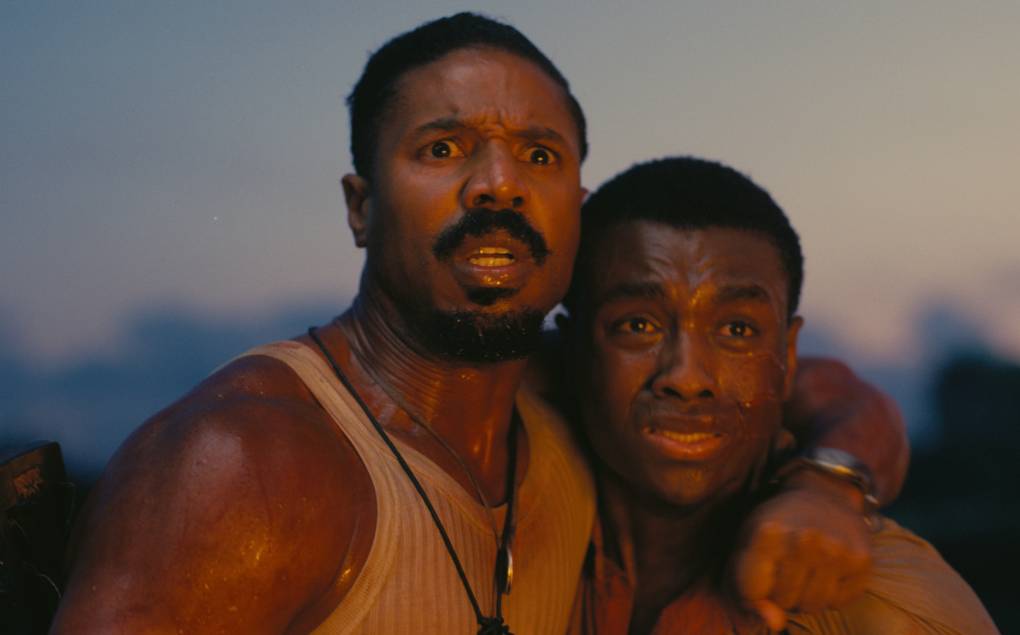
"caption": "Evil forces threaten a 1930s juke joint in Ryan Coogler's 'Sinners,' starring Michael B. Jordan (left) and Miles Caton.",
"credit": "Warner Bros. Pictures",
"altTag": "Smoke clutches Sammie as they booth look on at something terrifying in the distance.",
"description": null,
"imgSizes": {
"medium": {
"file": "https://cdn.kqed.org/wp-content/uploads/sites/2/2025/04/rev-1-GRC-TT-0016c_High_Res_JPEG-800x498.jpeg",
"width": 800,
"height": 498,
"mimeType": "image/jpeg"
},
"large": {
"file": "https://cdn.kqed.org/wp-content/uploads/sites/2/2025/04/rev-1-GRC-TT-0016c_High_Res_JPEG-1020x635.jpeg",
"width": 1020,
"height": 635,
"mimeType": "image/jpeg"
},
"thumbnail": {
"file": "https://cdn.kqed.org/wp-content/uploads/sites/2/2025/04/rev-1-GRC-TT-0016c_High_Res_JPEG-160x100.jpeg",
"width": 160,
"height": 100,
"mimeType": "image/jpeg"
},
"medium_large": {
"file": "https://cdn.kqed.org/wp-content/uploads/sites/2/2025/04/rev-1-GRC-TT-0016c_High_Res_JPEG-768x478.jpeg",
"width": 768,
"height": 478,
"mimeType": "image/jpeg"
},
"1536x1536": {
"file": "https://cdn.kqed.org/wp-content/uploads/sites/2/2025/04/rev-1-GRC-TT-0016c_High_Res_JPEG-1536x957.jpeg",
"width": 1536,
"height": 957,
"mimeType": "image/jpeg"
},
"2048x2048": {
"file": "https://cdn.kqed.org/wp-content/uploads/sites/2/2025/04/rev-1-GRC-TT-0016c_High_Res_JPEG-2048x1276.jpeg",
"width": 2048,
"height": 1276,
"mimeType": "image/jpeg"
},
"post-thumbnail": {
"file": "https://cdn.kqed.org/wp-content/uploads/sites/2/2025/04/rev-1-GRC-TT-0016c_High_Res_JPEG-672x372.jpeg",
"width": 672,
"height": 372,
"mimeType": "image/jpeg"
},
"twentyfourteen-full-width": {
"file": "https://cdn.kqed.org/wp-content/uploads/sites/2/2025/04/rev-1-GRC-TT-0016c_High_Res_JPEG-1038x576.jpeg",
"width": 1038,
"height": 576,
"mimeType": "image/jpeg"
},
"full-width": {
"file": "https://cdn.kqed.org/wp-content/uploads/sites/2/2025/04/rev-1-GRC-TT-0016c_High_Res_JPEG-1920x1196.jpeg",
"width": 1920,
"height": 1196,
"mimeType": "image/jpeg"
},
"kqedFullSize": {
"file": "https://cdn.kqed.org/wp-content/uploads/sites/2/2025/04/rev-1-GRC-TT-0016c_High_Res_JPEG.jpeg",
"width": 2344,
"height": 1460
}
},
"isLoading": false,
"fetchFailed": false
},
"arts_13974251": {
"type": "attachments",
"id": "arts_13974251",
"meta": {
"index": "attachments_1716263798",
"site": "arts",
"id": "13974251",
"found": true
},
"title": "BTS-Mar-2023-Living-Harriet-Tubman_2000",
"publishDate": 1744153277,
"status": "inherit",
"parent": 0,
"modified": 1744155554,
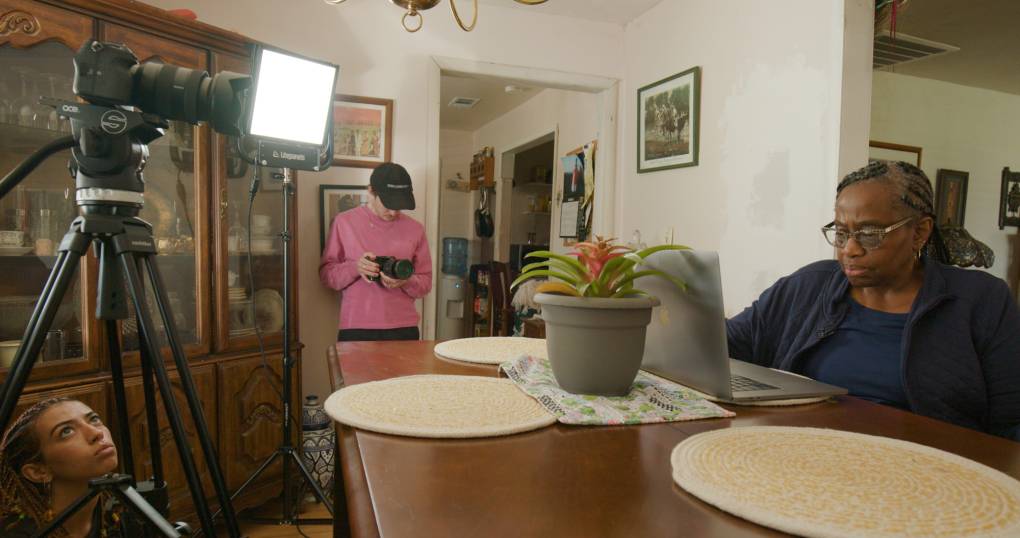
"caption": "Brandon Tauszik and Amelia Alemayehu film Nancy Whittle during the making of 'Living Harriet Tubman.' The film received a $30,000 California Humanities grant that was suddenly canceled on April 4, 2025.",
"credit": "Theo Schear",
"altTag": "camera equipment points at older Black woman at dining room table, photographer in corner",
"description": null,
"imgSizes": {
"medium": {
"file": "https://cdn.kqed.org/wp-content/uploads/sites/2/2025/04/BTS-Mar-2023-Living-Harriet-Tubman_2000-800x422.jpg",
"width": 800,
"height": 422,
"mimeType": "image/jpeg"
},
"large": {
"file": "https://cdn.kqed.org/wp-content/uploads/sites/2/2025/04/BTS-Mar-2023-Living-Harriet-Tubman_2000-1020x538.jpg",
"width": 1020,
"height": 538,
"mimeType": "image/jpeg"
},
"thumbnail": {
"file": "https://cdn.kqed.org/wp-content/uploads/sites/2/2025/04/BTS-Mar-2023-Living-Harriet-Tubman_2000-160x84.jpg",
"width": 160,
"height": 84,
"mimeType": "image/jpeg"
},
"medium_large": {
"file": "https://cdn.kqed.org/wp-content/uploads/sites/2/2025/04/BTS-Mar-2023-Living-Harriet-Tubman_2000-768x405.jpg",
"width": 768,
"height": 405,
"mimeType": "image/jpeg"
},
"1536x1536": {
"file": "https://cdn.kqed.org/wp-content/uploads/sites/2/2025/04/BTS-Mar-2023-Living-Harriet-Tubman_2000-1536x810.jpg",
"width": 1536,
"height": 810,
"mimeType": "image/jpeg"
},
"post-thumbnail": {
"file": "https://cdn.kqed.org/wp-content/uploads/sites/2/2025/04/BTS-Mar-2023-Living-Harriet-Tubman_2000-672x372.jpg",
"width": 672,
"height": 372,
"mimeType": "image/jpeg"
},
"twentyfourteen-full-width": {
"file": "https://cdn.kqed.org/wp-content/uploads/sites/2/2025/04/BTS-Mar-2023-Living-Harriet-Tubman_2000-1038x576.jpg",
"width": 1038,
"height": 576,
"mimeType": "image/jpeg"
},
"full-width": {
"file": "https://cdn.kqed.org/wp-content/uploads/sites/2/2025/04/BTS-Mar-2023-Living-Harriet-Tubman_2000-1920x1013.jpg",
"width": 1920,
"height": 1013,
"mimeType": "image/jpeg"
},
"kqedFullSize": {
"file": "https://cdn.kqed.org/wp-content/uploads/sites/2/2025/04/BTS-Mar-2023-Living-Harriet-Tubman_2000.jpg",
"width": 2000,
"height": 1055
}
},
"isLoading": false,
"fetchFailed": false
},
"arts_13973679": {
"type": "attachments",
"id": "arts_13973679",
"meta": {
"index": "attachments_1716263798",
"site": "arts",
"id": "13973679",
"found": true
},
"title": "IDIOTKA_1",
"publishDate": 1743111103,
"status": "inherit",
"parent": 13973675,
"modified": 1743111974,
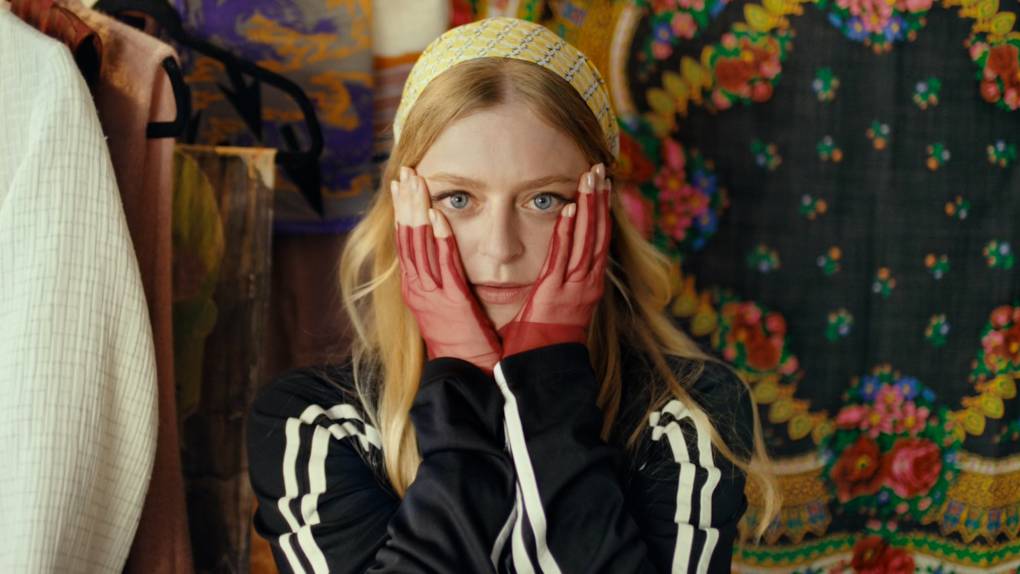
"caption": "Anna Baryshnikov stars in Nastasya Popov's 'Idiotka.'",
"credit": "SFFILM",
"altTag": "woman with hands on face in shocked gesture",
"description": null,
"imgSizes": {
"medium": {
"file": "https://cdn.kqed.org/wp-content/uploads/sites/2/2025/03/IDIOTKA_1-800x450.jpg",
"width": 800,
"height": 450,
"mimeType": "image/jpeg"
},
"large": {
"file": "https://cdn.kqed.org/wp-content/uploads/sites/2/2025/03/IDIOTKA_1-1020x574.jpg",
"width": 1020,
"height": 574,
"mimeType": "image/jpeg"
},
"thumbnail": {
"file": "https://cdn.kqed.org/wp-content/uploads/sites/2/2025/03/IDIOTKA_1-160x90.jpg",
"width": 160,
"height": 90,
"mimeType": "image/jpeg"
},
"medium_large": {
"file": "https://cdn.kqed.org/wp-content/uploads/sites/2/2025/03/IDIOTKA_1-768x432.jpg",
"width": 768,
"height": 432,
"mimeType": "image/jpeg"
},
"1536x1536": {
"file": "https://cdn.kqed.org/wp-content/uploads/sites/2/2025/03/IDIOTKA_1-1536x864.jpg",
"width": 1536,
"height": 864,
"mimeType": "image/jpeg"
},
"post-thumbnail": {
"file": "https://cdn.kqed.org/wp-content/uploads/sites/2/2025/03/IDIOTKA_1-672x372.jpg",
"width": 672,
"height": 372,
"mimeType": "image/jpeg"
},
"twentyfourteen-full-width": {
"file": "https://cdn.kqed.org/wp-content/uploads/sites/2/2025/03/IDIOTKA_1-1038x576.jpg",
"width": 1038,
"height": 576,
"mimeType": "image/jpeg"
},
"kqedFullSize": {
"file": "https://cdn.kqed.org/wp-content/uploads/sites/2/2025/03/IDIOTKA_1.jpg",
"width": 1920,
"height": 1080
}
},
"isLoading": false,
"fetchFailed": false
},
"arts_13973409": {
"type": "attachments",
"id": "arts_13973409",
"meta": {
"index": "attachments_1716263798",
"site": "arts",
"id": "13973409",
"found": true
},
"title": "snow_white_dtrl2_uhd_r709f_stills_241030_0bff7b9b_2000",
"publishDate": 1742506369,
"status": "inherit",
"parent": 13973403,
"modified": 1742506474,
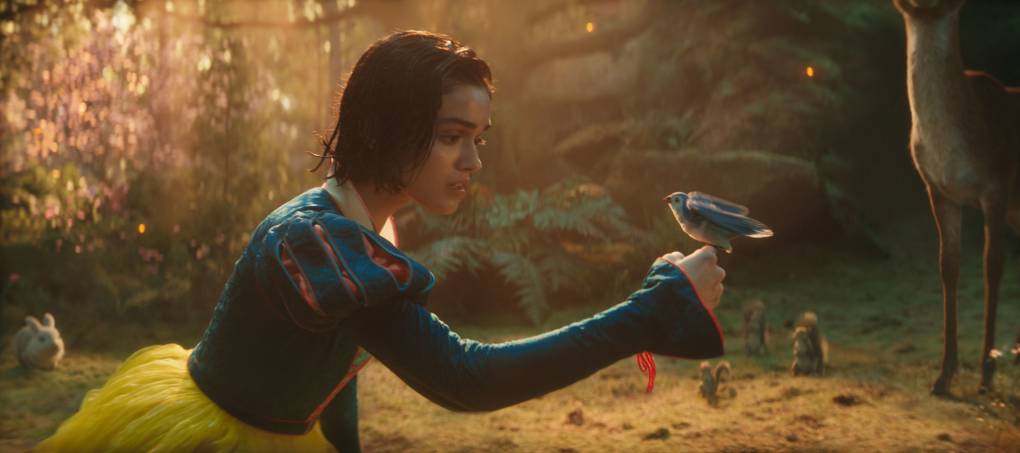
"caption": "Rachel Zegler in a scene from 'Snow White.'",
"credit": "Disney",
"altTag": "young woman in blue dress with small bird perched on her hand",
"description": null,
"imgSizes": {
"medium": {
"file": "https://cdn.kqed.org/wp-content/uploads/sites/2/2025/03/snow_white_dtrl2_uhd_r709f_stills_241030_0bff7b9b_2000-800x355.jpg",
"width": 800,
"height": 355,
"mimeType": "image/jpeg"
},
"large": {
"file": "https://cdn.kqed.org/wp-content/uploads/sites/2/2025/03/snow_white_dtrl2_uhd_r709f_stills_241030_0bff7b9b_2000-1020x453.jpg",
"width": 1020,
"height": 453,
"mimeType": "image/jpeg"
},
"thumbnail": {
"file": "https://cdn.kqed.org/wp-content/uploads/sites/2/2025/03/snow_white_dtrl2_uhd_r709f_stills_241030_0bff7b9b_2000-160x71.jpg",
"width": 160,
"height": 71,
"mimeType": "image/jpeg"
},
"medium_large": {
"file": "https://cdn.kqed.org/wp-content/uploads/sites/2/2025/03/snow_white_dtrl2_uhd_r709f_stills_241030_0bff7b9b_2000-768x341.jpg",
"width": 768,
"height": 341,
"mimeType": "image/jpeg"
},
"1536x1536": {
"file": "https://cdn.kqed.org/wp-content/uploads/sites/2/2025/03/snow_white_dtrl2_uhd_r709f_stills_241030_0bff7b9b_2000-1536x682.jpg",
"width": 1536,
"height": 682,
"mimeType": "image/jpeg"
},
"post-thumbnail": {
"file": "https://cdn.kqed.org/wp-content/uploads/sites/2/2025/03/snow_white_dtrl2_uhd_r709f_stills_241030_0bff7b9b_2000-672x372.jpg",
"width": 672,
"height": 372,
"mimeType": "image/jpeg"
},
"twentyfourteen-full-width": {
"file": "https://cdn.kqed.org/wp-content/uploads/sites/2/2025/03/snow_white_dtrl2_uhd_r709f_stills_241030_0bff7b9b_2000-1038x576.jpg",
"width": 1038,
"height": 576,
"mimeType": "image/jpeg"
},
"full-width": {
"file": "https://cdn.kqed.org/wp-content/uploads/sites/2/2025/03/snow_white_dtrl2_uhd_r709f_stills_241030_0bff7b9b_2000-1920x852.jpg",
"width": 1920,
"height": 852,
"mimeType": "image/jpeg"
},
"kqedFullSize": {
"file": "https://cdn.kqed.org/wp-content/uploads/sites/2/2025/03/snow_white_dtrl2_uhd_r709f_stills_241030_0bff7b9b_2000.jpg",
"width": 2000,
"height": 888
}
},
"isLoading": false,
"fetchFailed": false
},
"arts_13973051": {
"type": "attachments",
"id": "arts_13973051",
"meta": {
"index": "attachments_1716263798",
"site": "arts",
"id": "13973051",
"found": true
},
"title": "BlackBag1_2000",
"publishDate": 1741888491,
"status": "inherit",
"parent": 13973040,
"modified": 1741889161,
"caption": "Cate Blanchett as Kathryn St. Jean and Michael Fassbender as George Woodhouse in director Steven Soderbergh’s 'Black Bag.'",
"credit": "Claudette Barius/Focus Features",
"altTag": "Woman and man lean towards each other to kiss",
"description": null,
"imgSizes": {
"medium": {
"file": "https://cdn.kqed.org/wp-content/uploads/sites/2/2025/03/BlackBag1_2000-800x455.jpg",
"width": 800,
"height": 455,
"mimeType": "image/jpeg"
},
"large": {
"file": "https://cdn.kqed.org/wp-content/uploads/sites/2/2025/03/BlackBag1_2000-1020x580.jpg",
"width": 1020,
"height": 580,
"mimeType": "image/jpeg"
},
"thumbnail": {
"file": "https://cdn.kqed.org/wp-content/uploads/sites/2/2025/03/BlackBag1_2000-160x91.jpg",
"width": 160,
"height": 91,
"mimeType": "image/jpeg"
},
"medium_large": {
"file": "https://cdn.kqed.org/wp-content/uploads/sites/2/2025/03/BlackBag1_2000-768x437.jpg",
"width": 768,
"height": 437,
"mimeType": "image/jpeg"
},
"1536x1536": {
"file": "https://cdn.kqed.org/wp-content/uploads/sites/2/2025/03/BlackBag1_2000-1536x874.jpg",
"width": 1536,
"height": 874,
"mimeType": "image/jpeg"
},
"post-thumbnail": {
"file": "https://cdn.kqed.org/wp-content/uploads/sites/2/2025/03/BlackBag1_2000-672x372.jpg",
"width": 672,
"height": 372,
"mimeType": "image/jpeg"
},
"twentyfourteen-full-width": {
"file": "https://cdn.kqed.org/wp-content/uploads/sites/2/2025/03/BlackBag1_2000-1038x576.jpg",
"width": 1038,
"height": 576,
"mimeType": "image/jpeg"
},
"full-width": {
"file": "https://cdn.kqed.org/wp-content/uploads/sites/2/2025/03/BlackBag1_2000-1920x1092.jpg",
"width": 1920,
"height": 1092,
"mimeType": "image/jpeg"
},
"kqedFullSize": {
"file": "https://cdn.kqed.org/wp-content/uploads/sites/2/2025/03/BlackBag1_2000.jpg",
"width": 2000,
"height": 1138
}
},
"isLoading": false,
"fetchFailed": false
},
"arts_13972936": {
"type": "attachments",
"id": "arts_13972936",
"meta": {
"index": "attachments_1716263798",
"site": "arts",
"id": "13972936",
"found": true
},
"title": "Lipska_AMIA_1_2000",
"publishDate": 1741727934,
"status": "inherit",
"parent": 13972928,
"modified": 1741729669,
"caption": "A 'clapperboard cutie' from Kristin Lipska's presentation in the Prelinger Archives' 'Staff Picks' screening.",
"credit": "Courtesy of the Prelinger Archives",
"altTag": "person peeks over large clapperboard in field of wildflowers",
"description": null,
"imgSizes": {
"medium": {
"file": "https://cdn.kqed.org/wp-content/uploads/sites/2/2025/03/Lipska_AMIA_1_2000-800x582.jpg",
"width": 800,
"height": 582,
"mimeType": "image/jpeg"
},
"large": {
"file": "https://cdn.kqed.org/wp-content/uploads/sites/2/2025/03/Lipska_AMIA_1_2000-1020x742.jpg",
"width": 1020,
"height": 742,
"mimeType": "image/jpeg"
},
"thumbnail": {
"file": "https://cdn.kqed.org/wp-content/uploads/sites/2/2025/03/Lipska_AMIA_1_2000-160x116.jpg",
"width": 160,
"height": 116,
"mimeType": "image/jpeg"
},
"medium_large": {
"file": "https://cdn.kqed.org/wp-content/uploads/sites/2/2025/03/Lipska_AMIA_1_2000-768x559.jpg",
"width": 768,
"height": 559,
"mimeType": "image/jpeg"
},
"1536x1536": {
"file": "https://cdn.kqed.org/wp-content/uploads/sites/2/2025/03/Lipska_AMIA_1_2000-1536x1117.jpg",
"width": 1536,
"height": 1117,
"mimeType": "image/jpeg"
},
"post-thumbnail": {
"file": "https://cdn.kqed.org/wp-content/uploads/sites/2/2025/03/Lipska_AMIA_1_2000-672x372.jpg",
"width": 672,
"height": 372,
"mimeType": "image/jpeg"
},
"twentyfourteen-full-width": {
"file": "https://cdn.kqed.org/wp-content/uploads/sites/2/2025/03/Lipska_AMIA_1_2000-1038x576.jpg",
"width": 1038,
"height": 576,
"mimeType": "image/jpeg"
},
"full-width": {
"file": "https://cdn.kqed.org/wp-content/uploads/sites/2/2025/03/Lipska_AMIA_1_2000-1920x1397.jpg",
"width": 1920,
"height": 1397,
"mimeType": "image/jpeg"
},
"kqedFullSize": {
"file": "https://cdn.kqed.org/wp-content/uploads/sites/2/2025/03/Lipska_AMIA_1_2000.jpg",
"width": 2000,
"height": 1455
}
},
"isLoading": false,
"fetchFailed": false
},
"arts_13972956": {
"type": "attachments",
"id": "arts_13972956",
"meta": {
"index": "attachments_1716263798",
"site": "arts",
"id": "13972956",
"found": true
},
"title": "Democracy-Noir-Orban-Trump---hi_2000",
"publishDate": 1741731472,
"status": "inherit",
"parent": 13972923,
"modified": 1741731609,
"caption": "Donald Trump and Viktor Orbán shake hands in a scene from Connie Field's documentary 'Democracy Noir,' playing three nights at the Roxie.",
"credit": "Roxie Theater",
"altTag": "two men in suits shake hands",
"description": null,
"imgSizes": {
"medium": {
"file": "https://cdn.kqed.org/wp-content/uploads/sites/2/2025/03/Democracy-Noir-Orban-Trump-hi_2000-800x447.jpg",
"width": 800,
"height": 447,
"mimeType": "image/jpeg"
},
"large": {
"file": "https://cdn.kqed.org/wp-content/uploads/sites/2/2025/03/Democracy-Noir-Orban-Trump-hi_2000-1020x570.jpg",
"width": 1020,
"height": 570,
"mimeType": "image/jpeg"
},
"thumbnail": {
"file": "https://cdn.kqed.org/wp-content/uploads/sites/2/2025/03/Democracy-Noir-Orban-Trump-hi_2000-160x89.jpg",
"width": 160,
"height": 89,
"mimeType": "image/jpeg"
},
"medium_large": {
"file": "https://cdn.kqed.org/wp-content/uploads/sites/2/2025/03/Democracy-Noir-Orban-Trump-hi_2000-768x429.jpg",
"width": 768,
"height": 429,
"mimeType": "image/jpeg"
},
"1536x1536": {
"file": "https://cdn.kqed.org/wp-content/uploads/sites/2/2025/03/Democracy-Noir-Orban-Trump-hi_2000-1536x858.jpg",
"width": 1536,
"height": 858,
"mimeType": "image/jpeg"
},
"post-thumbnail": {
"file": "https://cdn.kqed.org/wp-content/uploads/sites/2/2025/03/Democracy-Noir-Orban-Trump-hi_2000-672x372.jpg",
"width": 672,
"height": 372,
"mimeType": "image/jpeg"
},
"twentyfourteen-full-width": {
"file": "https://cdn.kqed.org/wp-content/uploads/sites/2/2025/03/Democracy-Noir-Orban-Trump-hi_2000-1038x576.jpg",
"width": 1038,
"height": 576,
"mimeType": "image/jpeg"
},
"full-width": {
"file": "https://cdn.kqed.org/wp-content/uploads/sites/2/2025/03/Democracy-Noir-Orban-Trump-hi_2000-1920x1072.jpg",
"width": 1920,
"height": 1072,
"mimeType": "image/jpeg"
},
"kqedFullSize": {
"file": "https://cdn.kqed.org/wp-content/uploads/sites/2/2025/03/Democracy-Noir-Orban-Trump-hi_2000.jpg",
"width": 2000,
"height": 1117
}
},
"isLoading": false,
"fetchFailed": false
},
"arts_13972767": {
"type": "attachments",
"id": "arts_13972767",
"meta": {
"index": "attachments_1716263798",
"site": "arts",
"id": "13972767",
"found": true
},
"title": "OBAGF_04_2000",
"publishDate": 1741293477,
"status": "inherit",
"parent": 13972759,
"modified": 1741293695,
"caption": "Elizabeth Chisela inspects the body of 'Uncle Fred' in 'On Becoming a Guinea Fowl.'",
"credit": "Chibesa Mulumba; Courtesy of A24",
"altTag": "Woman leans over covered body on ground, touches it gingerly",
"description": null,
"imgSizes": {
"medium": {
"file": "https://cdn.kqed.org/wp-content/uploads/sites/2/2025/03/OBAGF_04_2000-800x534.jpg",
"width": 800,
"height": 534,
"mimeType": "image/jpeg"
},
"large": {
"file": "https://cdn.kqed.org/wp-content/uploads/sites/2/2025/03/OBAGF_04_2000-1020x680.jpg",
"width": 1020,
"height": 680,
"mimeType": "image/jpeg"
},
"thumbnail": {
"file": "https://cdn.kqed.org/wp-content/uploads/sites/2/2025/03/OBAGF_04_2000-160x107.jpg",
"width": 160,
"height": 107,
"mimeType": "image/jpeg"
},
"medium_large": {
"file": "https://cdn.kqed.org/wp-content/uploads/sites/2/2025/03/OBAGF_04_2000-768x512.jpg",
"width": 768,
"height": 512,
"mimeType": "image/jpeg"
},
"1536x1536": {
"file": "https://cdn.kqed.org/wp-content/uploads/sites/2/2025/03/OBAGF_04_2000-1536x1025.jpg",
"width": 1536,
"height": 1025,
"mimeType": "image/jpeg"
},
"post-thumbnail": {
"file": "https://cdn.kqed.org/wp-content/uploads/sites/2/2025/03/OBAGF_04_2000-672x372.jpg",
"width": 672,
"height": 372,
"mimeType": "image/jpeg"
},
"twentyfourteen-full-width": {
"file": "https://cdn.kqed.org/wp-content/uploads/sites/2/2025/03/OBAGF_04_2000-1038x576.jpg",
"width": 1038,
"height": 576,
"mimeType": "image/jpeg"
},
"full-width": {
"file": "https://cdn.kqed.org/wp-content/uploads/sites/2/2025/03/OBAGF_04_2000-1920x1281.jpg",
"width": 1920,
"height": 1281,
"mimeType": "image/jpeg"
},
"kqedFullSize": {
"file": "https://cdn.kqed.org/wp-content/uploads/sites/2/2025/03/OBAGF_04_2000.jpg",
"width": 2000,
"height": 1334
}
},
"isLoading": false,
"fetchFailed": false
},
"arts_13972865": {
"type": "attachments",
"id": "arts_13972865",
"meta": {
"index": "attachments_1716263798",
"site": "arts",
"id": "13972865",
"found": true
},
"title": "rev-1-C8D-FP-004r_High_Res_JPEG_2000",
"publishDate": 1741632408,
"status": "inherit",
"parent": 13972661,
"modified": 1741633589,
"caption": "Robert Pattinson as Mickey 18 and Robert Pattinson as Mickey 17 in 'Mickey 17.'",
"credit": "Courtesy of Warner Bros. Pictures ",
"altTag": "two identical men with \"18\" and \"17\" on their chests stand in cold landscape",
"description": null,
"imgSizes": {
"medium": {
"file": "https://cdn.kqed.org/wp-content/uploads/sites/2/2025/03/rev-1-C8D-FP-004r_High_Res_JPEG_2000-800x432.jpg",
"width": 800,
"height": 432,
"mimeType": "image/jpeg"
},
"large": {
"file": "https://cdn.kqed.org/wp-content/uploads/sites/2/2025/03/rev-1-C8D-FP-004r_High_Res_JPEG_2000-1020x551.jpg",
"width": 1020,
"height": 551,
"mimeType": "image/jpeg"
},
"thumbnail": {
"file": "https://cdn.kqed.org/wp-content/uploads/sites/2/2025/03/rev-1-C8D-FP-004r_High_Res_JPEG_2000-160x86.jpg",
"width": 160,
"height": 86,
"mimeType": "image/jpeg"
},
"medium_large": {
"file": "https://cdn.kqed.org/wp-content/uploads/sites/2/2025/03/rev-1-C8D-FP-004r_High_Res_JPEG_2000-768x415.jpg",
"width": 768,
"height": 415,
"mimeType": "image/jpeg"
},
"1536x1536": {
"file": "https://cdn.kqed.org/wp-content/uploads/sites/2/2025/03/rev-1-C8D-FP-004r_High_Res_JPEG_2000-1536x830.jpg",
"width": 1536,
"height": 830,
"mimeType": "image/jpeg"
},
"post-thumbnail": {
"file": "https://cdn.kqed.org/wp-content/uploads/sites/2/2025/03/rev-1-C8D-FP-004r_High_Res_JPEG_2000-672x372.jpg",
"width": 672,
"height": 372,
"mimeType": "image/jpeg"
},
"twentyfourteen-full-width": {
"file": "https://cdn.kqed.org/wp-content/uploads/sites/2/2025/03/rev-1-C8D-FP-004r_High_Res_JPEG_2000-1038x576.jpg",
"width": 1038,
"height": 576,
"mimeType": "image/jpeg"
},
"full-width": {
"file": "https://cdn.kqed.org/wp-content/uploads/sites/2/2025/03/rev-1-C8D-FP-004r_High_Res_JPEG_2000-1920x1038.jpg",
"width": 1920,
"height": 1038,
"mimeType": "image/jpeg"
},
"kqedFullSize": {
"file": "https://cdn.kqed.org/wp-content/uploads/sites/2/2025/03/rev-1-C8D-FP-004r_High_Res_JPEG_2000.jpg",
"width": 2000,
"height": 1081
}
},
"isLoading": false,
"fetchFailed": false
},
"arts_13972412": {
"type": "attachments",
"id": "arts_13972412",
"meta": {
"index": "attachments_1716263798",
"site": "arts",
"id": "13972412",
"found": true
},
"title": "GettyImages-114097693_2000",
"publishDate": 1740675398,
"status": "inherit",
"parent": 13972407,
"modified": 1740675461,
"caption": "Actor Gene Hackman and his wife Betsy Arakawa in 1986.",
"credit": "Donaldson Collection/Michael Ochs Archives/Getty Images",
"altTag": "white man in suite and asian woman looking at him in seated crowd",
"description": null,
"imgSizes": {
"medium": {
"file": "https://cdn.kqed.org/wp-content/uploads/sites/2/2025/02/GettyImages-114097693_2000-800x534.jpg",
"width": 800,
"height": 534,
"mimeType": "image/jpeg"
},
"large": {
"file": "https://cdn.kqed.org/wp-content/uploads/sites/2/2025/02/GettyImages-114097693_2000-1020x681.jpg",
"width": 1020,
"height": 681,
"mimeType": "image/jpeg"
},
"thumbnail": {
"file": "https://cdn.kqed.org/wp-content/uploads/sites/2/2025/02/GettyImages-114097693_2000-160x107.jpg",
"width": 160,
"height": 107,
"mimeType": "image/jpeg"
},
"medium_large": {
"file": "https://cdn.kqed.org/wp-content/uploads/sites/2/2025/02/GettyImages-114097693_2000-768x513.jpg",
"width": 768,
"height": 513,
"mimeType": "image/jpeg"
},
"1536x1536": {
"file": "https://cdn.kqed.org/wp-content/uploads/sites/2/2025/02/GettyImages-114097693_2000-1536x1025.jpg",
"width": 1536,
"height": 1025,
"mimeType": "image/jpeg"
},
"post-thumbnail": {
"file": "https://cdn.kqed.org/wp-content/uploads/sites/2/2025/02/GettyImages-114097693_2000-672x372.jpg",
"width": 672,
"height": 372,
"mimeType": "image/jpeg"
},
"twentyfourteen-full-width": {
"file": "https://cdn.kqed.org/wp-content/uploads/sites/2/2025/02/GettyImages-114097693_2000-1038x576.jpg",
"width": 1038,
"height": 576,
"mimeType": "image/jpeg"
},
"full-width": {
"file": "https://cdn.kqed.org/wp-content/uploads/sites/2/2025/02/GettyImages-114097693_2000-1920x1282.jpg",
"width": 1920,
"height": 1282,
"mimeType": "image/jpeg"
},
"kqedFullSize": {
"file": "https://cdn.kqed.org/wp-content/uploads/sites/2/2025/02/GettyImages-114097693_2000.jpg",
"width": 2000,
"height": 1335
}
},
"isLoading": false,
"fetchFailed": false
},
"arts_13972391": {
"type": "attachments",
"id": "arts_13972391",
"meta": {
"index": "attachments_1716263798",
"site": "arts",
"id": "13972391",
"found": true
},
"title": "David Lynch- the the art life",
"publishDate": 1740621101,
"status": "inherit",
"parent": 13972374,
"modified": 1740621161,
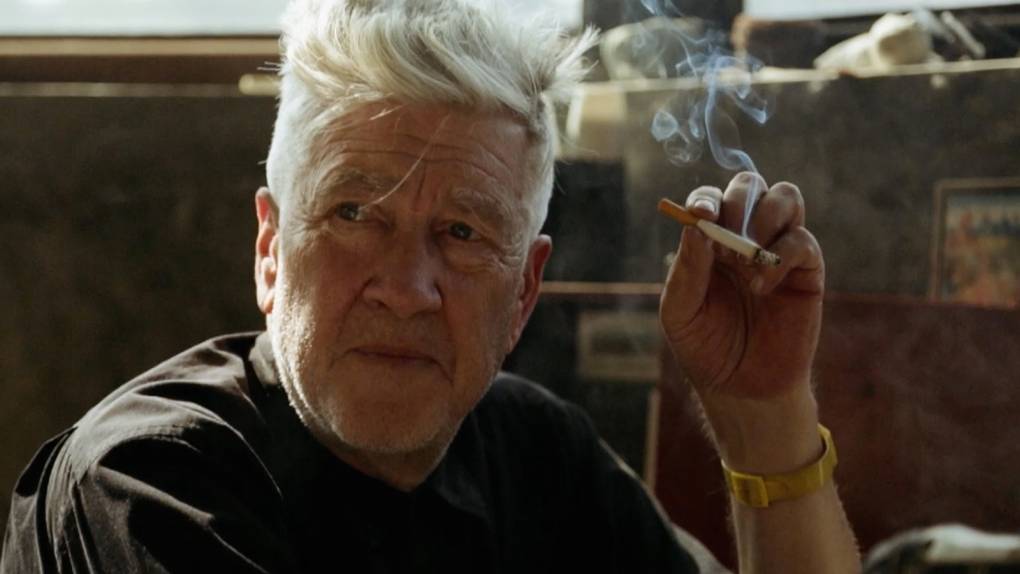
"caption": "David Lynch in a scene from 'David Lynch: The Art Life,' a 2016 documentary playing as part of 'In Dreams' on March 6, 2025.",
"credit": "Courtesy of the Roxie",
"altTag": null,
"description": null,
"imgSizes": {
"medium": {
"file": "https://cdn.kqed.org/wp-content/uploads/sites/2/2025/02/David-Lynch-the-the-art-life-800x450.jpg",
"width": 800,
"height": 450,
"mimeType": "image/jpeg"
},
"large": {
"file": "https://cdn.kqed.org/wp-content/uploads/sites/2/2025/02/David-Lynch-the-the-art-life-1020x574.jpg",
"width": 1020,
"height": 574,
"mimeType": "image/jpeg"
},
"thumbnail": {
"file": "https://cdn.kqed.org/wp-content/uploads/sites/2/2025/02/David-Lynch-the-the-art-life-160x90.jpg",
"width": 160,
"height": 90,
"mimeType": "image/jpeg"
},
"medium_large": {
"file": "https://cdn.kqed.org/wp-content/uploads/sites/2/2025/02/David-Lynch-the-the-art-life-768x432.jpg",
"width": 768,
"height": 432,
"mimeType": "image/jpeg"
},
"1536x1536": {
"file": "https://cdn.kqed.org/wp-content/uploads/sites/2/2025/02/David-Lynch-the-the-art-life-1536x864.jpg",
"width": 1536,
"height": 864,
"mimeType": "image/jpeg"
},
"post-thumbnail": {
"file": "https://cdn.kqed.org/wp-content/uploads/sites/2/2025/02/David-Lynch-the-the-art-life-672x372.jpg",
"width": 672,
"height": 372,
"mimeType": "image/jpeg"
},
"twentyfourteen-full-width": {
"file": "https://cdn.kqed.org/wp-content/uploads/sites/2/2025/02/David-Lynch-the-the-art-life-1038x576.jpg",
"width": 1038,
"height": 576,
"mimeType": "image/jpeg"
},
"kqedFullSize": {
"file": "https://cdn.kqed.org/wp-content/uploads/sites/2/2025/02/David-Lynch-the-the-art-life.jpg",
"width": 1600,
"height": 900
}
},
"isLoading": false,
"fetchFailed": false
},
"arts_13972247": {
"type": "attachments",
"id": "arts_13972247",
"meta": {
"index": "attachments_1716263798",
"site": "arts",
"id": "13972247",
"found": true
},
"title": "GettyImages-2201623622_2000",
"publishDate": 1740424408,
"status": "inherit",
"parent": 13972233,
"modified": 1740424485,
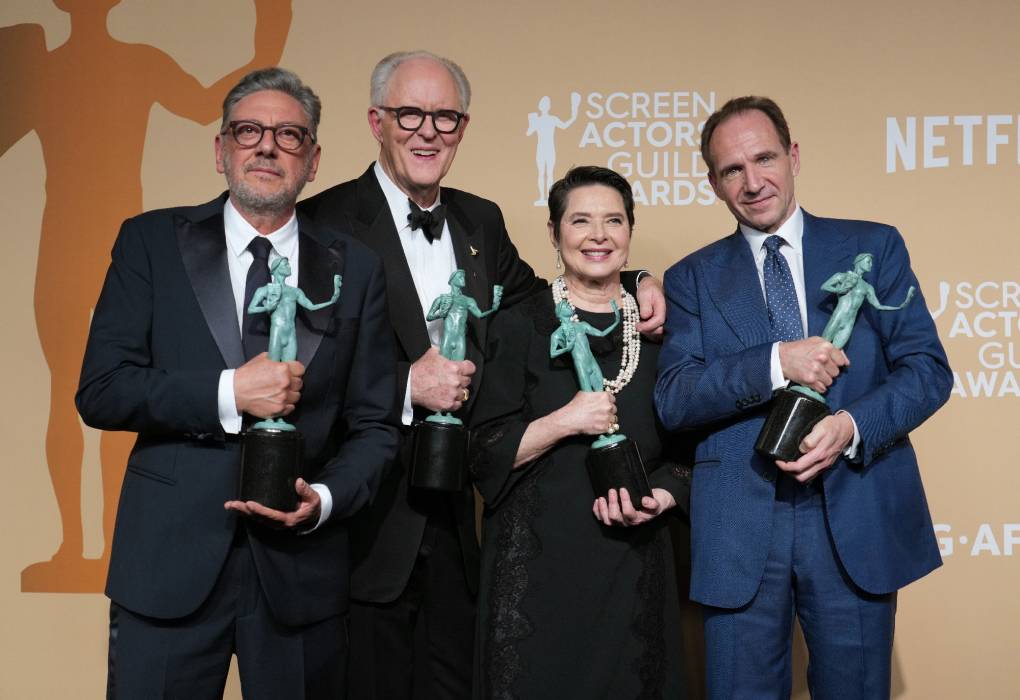
"caption": "L-R: Sergio Castellitto, John Lithgow, Isabella Rossellini, and Ralph Fiennes, winners of the Outstanding Performance by a Cast in a Motion Picture award for 'Conclave,' pose during the 31st Annual Screen Actors Guild Awards at Shrine Auditorium and Expo Hall on Feb. 23, 2025 in Los Angeles.",
"credit": "Jeff Kravitz/FilmMagic",
"altTag": "Four men and one woman hold bronze statues",
"description": null,
"imgSizes": {
"medium": {
"file": "https://cdn.kqed.org/wp-content/uploads/sites/2/2025/02/GettyImages-2201623622_2000-800x549.jpg",
"width": 800,
"height": 549,
"mimeType": "image/jpeg"
},
"large": {
"file": "https://cdn.kqed.org/wp-content/uploads/sites/2/2025/02/GettyImages-2201623622_2000-1020x700.jpg",
"width": 1020,
"height": 700,
"mimeType": "image/jpeg"
},
"thumbnail": {
"file": "https://cdn.kqed.org/wp-content/uploads/sites/2/2025/02/GettyImages-2201623622_2000-160x110.jpg",
"width": 160,
"height": 110,
"mimeType": "image/jpeg"
},
"medium_large": {
"file": "https://cdn.kqed.org/wp-content/uploads/sites/2/2025/02/GettyImages-2201623622_2000-768x527.jpg",
"width": 768,
"height": 527,
"mimeType": "image/jpeg"
},
"1536x1536": {
"file": "https://cdn.kqed.org/wp-content/uploads/sites/2/2025/02/GettyImages-2201623622_2000-1536x1054.jpg",
"width": 1536,
"height": 1054,
"mimeType": "image/jpeg"
},
"post-thumbnail": {
"file": "https://cdn.kqed.org/wp-content/uploads/sites/2/2025/02/GettyImages-2201623622_2000-672x372.jpg",
"width": 672,
"height": 372,
"mimeType": "image/jpeg"
},
"twentyfourteen-full-width": {
"file": "https://cdn.kqed.org/wp-content/uploads/sites/2/2025/02/GettyImages-2201623622_2000-1038x576.jpg",
"width": 1038,
"height": 576,
"mimeType": "image/jpeg"
},
"full-width": {
"file": "https://cdn.kqed.org/wp-content/uploads/sites/2/2025/02/GettyImages-2201623622_2000-1920x1317.jpg",
"width": 1920,
"height": 1317,
"mimeType": "image/jpeg"
},
"kqedFullSize": {
"file": "https://cdn.kqed.org/wp-content/uploads/sites/2/2025/02/GettyImages-2201623622_2000.jpg",
"width": 2000,
"height": 1372
}
},
"isLoading": false,
"fetchFailed": false
}
},
"audioPlayerReducer": {
"postId": "stream_live",
"isPaused": true,
"isPlaying": false,
"pfsActive": false,
"pledgeModalIsOpen": true,
"playerDrawerIsOpen": false,
"liveAudioPlayStartedAt": 0,
"liveAudioPlayContext": ""
},
"authorsReducer": {
"byline_arts_13974689": {
"type": "authors",
"id": "byline_arts_13974689",
"meta": {
"override": true
},
"slug": "byline_arts_13974689",
"name": "Nijla Mu’min",
"isLoading": false
},
"byline_arts_13973403": {
"type": "authors",
"id": "byline_arts_13973403",
"meta": {
"override": true
},
"slug": "byline_arts_13973403",
"name": "Jake Coyle, Associated Press",
"isLoading": false
},
"byline_arts_13973040": {
"type": "authors",
"id": "byline_arts_13973040",
"meta": {
"override": true
},
"slug": "byline_arts_13973040",
"name": "Jake Coyle, Associated Press",
"isLoading": false
},
"byline_arts_13972759": {
"type": "authors",
"id": "byline_arts_13972759",
"meta": {
"override": true
},
"slug": "byline_arts_13972759",
"name": "Lindsey Bahr, Associated Press",
"isLoading": false
},
"byline_arts_13972407": {
"type": "authors",
"id": "byline_arts_13972407",
"meta": {
"override": true
},
"slug": "byline_arts_13972407",
"name": "Hillel Italie, Associate Press",
"isLoading": false
},
"byline_arts_13972233": {
"type": "authors",
"id": "byline_arts_13972233",
"meta": {
"override": true
},
"slug": "byline_arts_13972233",
"name": "Jake Coyle, Associated Press",
"isLoading": false
},
"mfox": {
"type": "authors",
"id": "22",
"meta": {
"index": "authors_1716337520",
"id": "22",
"found": true
},
"name": "Michael Fox",
"firstName": "Michael",
"lastName": "Fox",
"slug": "mfox",
"email": "foxonfilm@yahoo.com",
"display_author_email": false,
"staff_mastheads": [],
"title": "KQED Contributor",
"bio": "Michael Fox has written about film for dozens of publications since 1987. He is a founding member of the San Francisco Bay Area Film Critics Circle.",
"avatar": "https://secure.gravatar.com/avatar/d9849d6c659c41414795c471d907bb97b396e2a32b88e20e6ff66f65fbdd6dcd?s=600&d=blank&r=g",
"twitter": null,
"bluesky": null,
"facebook": null,
"instagram": null,
"linkedin": null,
"sites": [
{
"site": "arts",
"roles": [
"Contributor",
"contributor"
]
}
],
"headData": {
"title": "Michael Fox | KQED",
"description": "KQED Contributor",
"ogImgSrc": "https://secure.gravatar.com/avatar/d9849d6c659c41414795c471d907bb97b396e2a32b88e20e6ff66f65fbdd6dcd?s=600&d=blank&r=g",
"twImgSrc": "https://secure.gravatar.com/avatar/d9849d6c659c41414795c471d907bb97b396e2a32b88e20e6ff66f65fbdd6dcd?s=600&d=blank&r=g"
},
"isLoading": false,
"link": "/author/mfox"
},
"shotchkiss": {
"type": "authors",
"id": "61",
"meta": {
"index": "authors_1716337520",
"id": "61",
"found": true
},
"name": "Sarah Hotchkiss",
"firstName": "Sarah",
"lastName": "Hotchkiss",
"slug": "shotchkiss",
"email": "shotchkiss@kqed.org",
"display_author_email": true,
"staff_mastheads": [
"arts"
],
"title": "Senior Editor",
"bio": "Sarah Hotchkiss is a San Francisco \u003ca href=\"http://www.sarahhotchkiss.com\">artist\u003c/a> and arts writer. In 2019, she received the Dorothea & Leo Rabkin Foundation grant for visual art journalism and in 2020 she received a Society of Professional Journalists, Northern California award for excellence in arts and culture reporting.",
"avatar": "https://secure.gravatar.com/avatar/bc662df144b3d27fd8b1b6f1c2a420d34e91e53154d411bb7ad353cc8b6cea8d?s=600&d=blank&r=g",
"twitter": null,
"bluesky": null,
"facebook": null,
"instagram": null,
"linkedin": null,
"sites": [
{
"site": "",
"roles": [
"editor"
]
},
{
"site": "arts",
"roles": [
"Contributor",
"administrator"
]
},
{
"site": "artschool",
"roles": [
"administrator"
]
},
{
"site": "news",
"roles": [
"editor"
]
},
{
"site": "pop",
"roles": [
"administrator"
]
},
{
"site": "bayareabites",
"roles": [
"editor"
]
},
{
"site": "spark",
"roles": [
"editor"
]
},
{
"site": "checkplease",
"roles": [
"editor"
]
}
],
"headData": {
"title": "Sarah Hotchkiss | KQED",
"description": "Senior Editor",
"ogImgSrc": "https://secure.gravatar.com/avatar/bc662df144b3d27fd8b1b6f1c2a420d34e91e53154d411bb7ad353cc8b6cea8d?s=600&d=blank&r=g",
"twImgSrc": "https://secure.gravatar.com/avatar/bc662df144b3d27fd8b1b6f1c2a420d34e91e53154d411bb7ad353cc8b6cea8d?s=600&d=blank&r=g"
},
"isLoading": false,
"link": "/author/shotchkiss"
}
},
"pagesReducer": {
"arts_tag_film": {
"type": "terms",
"id": "arts_977",
"meta": {
"index": "terms_1716263798",
"site": "arts",
"id": "977",
"score": 8.284364
},
"name": "Film",
"slug": "film",
"taxonomy": "tag",
"description": null,
"featImg": null,
"headData": {
"title": "Film Archives | KQED Arts",
"description": null,
"ogTitle": null,
"ogDescription": null,
"ogImgId": null,
"twTitle": null,
"twDescription": null,
"twImgId": null
},
"ttid": 995,
"isLoading": false,
"title": "Film",
"pageMeta": {
"site": "arts",
"WpPageTemplate": "page-topic-editorial",
"currentPage": 5
},
"blocks": [
{
"blockName": "kqed/post-list",
"attrs": {
"layout": "cardArticle2",
"query": "posts/arts?tag=film",
"seeMore": false,
"paginated": true,
"page": 5
}
},
{
"blockName": "kqed/ad"
}
]
}
},
"pfsSessionReducer": {},
"postsReducer": {
"stream_live": {
"type": "live",
"id": "stream_live",
"audioUrl": "https://streams.kqed.org/kqedradio",
"title": "Live Stream",
"excerpt": "Live Stream information currently unavailable.",
"link": "/radio",
"featImg": "",
"label": {
"name": "KQED Live",
"link": "/"
}
},
"stream_kqedNewscast": {
"type": "posts",
"id": "stream_kqedNewscast",
"audioUrl": "https://www.kqed.org/.stream/anon/radio/RDnews/newscast.mp3?_=1",
"title": "KQED Newscast",
"featImg": "",
"label": {
"name": "88.5 FM",
"link": "/"
}
},
"arts_13974689": {
"type": "posts",
"id": "arts_13974689",
"meta": {
"index": "posts_1716263798",
"site": "arts",
"id": "13974689",
"score": null,
"sort": [
1744824702000
]
},
"guestAuthors": [],
"slug": "ryan-coogler-sinners-michael-b-jordan-horror-film-review",
"title": "In Ryan Coogler’s Vampire Film ‘Sinners,’ Black America’s Soul Is at Stake",
"publishDate": 1744824702,
"format": "standard",
"headTitle": "In Ryan Coogler’s Vampire Film ‘Sinners,’ Black America’s Soul Is at Stake | KQED",
"labelTerm": {
"term": 140,
"site": "arts"
},
"content": "\u003cp>Sometimes it really feels like we’re living in a horror movie. We wake up everyday to headlines about innocent people being slaughtered, history being erased and individual freedoms being stripped away. Yet we persist: We sing, we love, we laugh and we create. \u003ca href=\"https://www.kqed.org/arts/tag/ryan-coogler\">Ryan Coogler\u003c/a>’s new vampire film, \u003cem>Sinners\u003c/em>, is an allegory for our history and our current world.\u003c/p>\n\u003cp>\u003cem>Sinners\u003c/em> takes place during the 1930s, when many Black Americans, including my own ancestors, still picked cotton as sharecroppers to survive. There were glimpses of freedom, but the ever-present threat of racial violence loomed large in the form of Jim Crow laws and the Ku Klux Klan. In the film, we follow bootlegging twins Smoke and Stack (both played by Michael B. Jordan, who delivers a fascinating performance) as they return to their Mississippi hometown to open a juke joint. They hire the gifted Sammie (a gentle, commanding Miles Caton), a pastor’s son with a passion for singing the blues. What starts as a plan to make money and bring the Black community together escalates into a showdown against a sinister force, with their souls at stake.\u003c/p>\n\u003cfigure id=\"attachment_13974695\" class=\"wp-caption aligncenter\" style=\"max-width: 2000px\">\u003cimg loading=\"lazy\" decoding=\"async\" class=\"size-full wp-image-13974695\" src=\"https://cdn.kqed.org/wp-content/uploads/sites/2/2025/04/rev-1-GRC-FP-023_High_Res_JPEG.jpeg\" alt=\"\" width=\"2000\" height=\"716\" srcset=\"https://cdn.kqed.org/wp-content/uploads/sites/2/2025/04/rev-1-GRC-FP-023_High_Res_JPEG.jpeg 2000w, https://cdn.kqed.org/wp-content/uploads/sites/2/2025/04/rev-1-GRC-FP-023_High_Res_JPEG-800x286.jpeg 800w, https://cdn.kqed.org/wp-content/uploads/sites/2/2025/04/rev-1-GRC-FP-023_High_Res_JPEG-1020x365.jpeg 1020w, https://cdn.kqed.org/wp-content/uploads/sites/2/2025/04/rev-1-GRC-FP-023_High_Res_JPEG-160x57.jpeg 160w, https://cdn.kqed.org/wp-content/uploads/sites/2/2025/04/rev-1-GRC-FP-023_High_Res_JPEG-768x275.jpeg 768w, https://cdn.kqed.org/wp-content/uploads/sites/2/2025/04/rev-1-GRC-FP-023_High_Res_JPEG-1536x550.jpeg 1536w, https://cdn.kqed.org/wp-content/uploads/sites/2/2025/04/rev-1-GRC-FP-023_High_Res_JPEG-1920x687.jpeg 1920w\" sizes=\"auto, (max-width: 2000px) 100vw, 2000px\">\u003cfigcaption class=\"wp-caption-text\">Miles Caton as Sammie in ‘Sinners.’ \u003ccite>(Courtesy of Warner Bros. Pictures)\u003c/cite>\u003c/figcaption>\u003c/figure>\n\u003cp>Shot on 65-millimeter film by director of photography Autumn Durald, \u003cem>Sinners\u003c/em> is available to watch April 17 on \u003ca href=\"https://www.youtube.com/watch?v=78Ru62uFM0s\">several different theatrical formats\u003c/a>. The film’s visual and musical palettes are steeped in the natural beauty of Black Southern life. In one scene, Smoke stands next to a small grave under a tall, expansive tree. As its limbs stretch throughout the frame, he is almost engulfed by the beauty and heaviness of his remembrance.\u003c/p>\n\u003cp>In another scene, Stack, Sammie and the piano player Delta Slim (an impressive Delroy Lindo) ride down a long field as Delta Slim recounts playing music for a house full of white patrons. They paid him and his bandmate handsomely, but the Klan caught and lynched his bandmate before he could even touch or taste the freedom money could provide. The sound design here is haunting as we hear Slim’s friend screaming and dying in the background as Slim recounts the memory. All of their faces fall in grief as the car whizzes down this empty road, passing several Black men in a chain gang.\u003c/p>\n\u003cp>\u003cem>Sinners\u003c/em> punctuates these heavy scenes with surprising sensuality, illustrating moments of deep pleasure, longing and joy. Free from the confines of the \u003ca href=\"https://www.kqed.org/arts/13921479/black-panther-wakanda-forever-review\">\u003cem>Black Panther\u003c/em>\u003c/a> and \u003cem>Creed\u003c/em> franchises, Coogler plays with the erotic in exciting ways. In one deeply felt scene, Smoke visits the home of a former lover and hoodoo priestess, Annie (Wunmi Mosaku), rekindling a passion that feels so lived in. The way Smoke touches Annie, and the way she licks and kisses him, feels rich with history and intention. In other scenes, characters look at one another with soft, raw desire.\u003c/p>\n\u003cfigure id=\"attachment_13974696\" class=\"wp-caption aligncenter\" style=\"max-width: 2000px\">\u003cimg loading=\"lazy\" decoding=\"async\" class=\"size-full wp-image-13974696\" src=\"https://cdn.kqed.org/wp-content/uploads/sites/2/2025/04/rev-1-GRC-TRL2-001r_High_Res_JPEG.jpeg\" alt=\"\" width=\"2000\" height=\"705\" srcset=\"https://cdn.kqed.org/wp-content/uploads/sites/2/2025/04/rev-1-GRC-TRL2-001r_High_Res_JPEG.jpeg 2000w, https://cdn.kqed.org/wp-content/uploads/sites/2/2025/04/rev-1-GRC-TRL2-001r_High_Res_JPEG-800x282.jpeg 800w, https://cdn.kqed.org/wp-content/uploads/sites/2/2025/04/rev-1-GRC-TRL2-001r_High_Res_JPEG-1020x360.jpeg 1020w, https://cdn.kqed.org/wp-content/uploads/sites/2/2025/04/rev-1-GRC-TRL2-001r_High_Res_JPEG-160x56.jpeg 160w, https://cdn.kqed.org/wp-content/uploads/sites/2/2025/04/rev-1-GRC-TRL2-001r_High_Res_JPEG-768x271.jpeg 768w, https://cdn.kqed.org/wp-content/uploads/sites/2/2025/04/rev-1-GRC-TRL2-001r_High_Res_JPEG-1536x541.jpeg 1536w, https://cdn.kqed.org/wp-content/uploads/sites/2/2025/04/rev-1-GRC-TRL2-001r_High_Res_JPEG-1920x677.jpeg 1920w\" sizes=\"auto, (max-width: 2000px) 100vw, 2000px\">\u003cfigcaption class=\"wp-caption-text\">Michael B. Jordan plays twins Smoke and Stack in ‘Sinners.’ \u003ccite>(Courtesy of Warner Bros. Pictures)\u003c/cite>\u003c/figcaption>\u003c/figure>\n\u003cp>The clash between the church and its pastor Jedidiah (played by the prolific Saul Williams), his son Sammie’s love for secular music and his lust for a young married woman named Pearline (Jayme Lawson) make for thorny, fun subplots.\u003c/p>\n\u003cp>[ad fullwidth]\u003c/p>\n\u003cp>Just like in the 1930s, today the dream of a free America has been punctured. Those in power want to erase history in favor of a false narrative of American togetherness and harmony. It’s a song that threatens to drown out the distinct way that the blues emerged from enslaved Africans. In \u003cem>Sinners\u003c/em>, vampires are eager to extract this music and its people from their source. They become a stand-in for the way this country has become overrun by those hellbent on draining the life out of people, leaving them as empty shells. [aside postid='arts_13974210,arts_13973907']\u003c/p>\n\u003cp>\u003cem>Sinners\u003c/em> is an epic, unapologetically Black film. Anyone looking for a quick superhero movie, or action sequences over narrative depth, may be a little disappointed here. Coogler seems to be more concerned with the complicated lives of his characters — their connections to each other and to the music.\u003c/p>\n\u003cp>At times, I wondered where the film was going, but the layered performances and gory scenes swept me back in. In one fascinating scene in the juke joint, Sammie plays a beautiful blues song that leads us through a timeline of Black music, from African drumming to rock, soul, rap and back to the blues. The camera moves through the space as if it were dancing along to this Black musical continuum. Here, Coogler makes it clear that this is a film about Black music and existence, and how it is so integral to the soul of this country.\u003c/p>\n\u003cp>The juke joint bursts into imaginary flames, and the image of Black people dancing in a burning house moved me. It’s an apt metaphor for how I often feel living in this country. We smile through enormous pain, living for whimsical, magical and sensual moments that offer fleeting glimpses of freedom and hope.\u003c/p>\n\u003cfigure id=\"attachment_13974697\" class=\"wp-caption aligncenter\" style=\"max-width: 2000px\">\u003cimg loading=\"lazy\" decoding=\"async\" class=\"size-full wp-image-13974697\" src=\"https://cdn.kqed.org/wp-content/uploads/sites/2/2025/04/rev-1-GRC-TT-0026r_High_Res_JPEG.jpeg\" alt=\"A group of people prepare for battle inside a dimly lit juke joint.\" width=\"2000\" height=\"727\" srcset=\"https://cdn.kqed.org/wp-content/uploads/sites/2/2025/04/rev-1-GRC-TT-0026r_High_Res_JPEG.jpeg 2000w, https://cdn.kqed.org/wp-content/uploads/sites/2/2025/04/rev-1-GRC-TT-0026r_High_Res_JPEG-800x291.jpeg 800w, https://cdn.kqed.org/wp-content/uploads/sites/2/2025/04/rev-1-GRC-TT-0026r_High_Res_JPEG-1020x371.jpeg 1020w, https://cdn.kqed.org/wp-content/uploads/sites/2/2025/04/rev-1-GRC-TT-0026r_High_Res_JPEG-160x58.jpeg 160w, https://cdn.kqed.org/wp-content/uploads/sites/2/2025/04/rev-1-GRC-TT-0026r_High_Res_JPEG-768x279.jpeg 768w, https://cdn.kqed.org/wp-content/uploads/sites/2/2025/04/rev-1-GRC-TT-0026r_High_Res_JPEG-1536x558.jpeg 1536w, https://cdn.kqed.org/wp-content/uploads/sites/2/2025/04/rev-1-GRC-TT-0026r_High_Res_JPEG-1920x698.jpeg 1920w\" sizes=\"auto, (max-width: 2000px) 100vw, 2000px\">\u003cfigcaption class=\"wp-caption-text\">(Left to right) Jayme Lawson as Pearline, Wunmi Mosaku as Annie, Michael B. Jordan as Smoke, Miles Caton as Sammie Moore, and Li Jun Li as Grace Chow in Warner Bros. Pictures’ ‘Sinners.’\u003c/figcaption>\u003c/figure>\n\u003cp>That’s what the juke joint in this film represents. The music, the night breeze, the lights. The sweat between bodies on a dance floor. The moment when someone takes a lover into a back room to taste them. The hope that your song will play forever. These details really sing and give \u003cem>Sinners\u003c/em> such a sense of purpose. In the climactic finale, we see Smoke in a faceoff with the racist forces of evil that threaten the existence of his juke joint. At the screening I attended, the audience erupted in applause — a kind of cathartic joy and vengeance unleashed.\u003c/p>\n\u003cp>I left the film wondering, if my ancestors could create music and imagine another world nearly 100 years ago, what’s stopping us from doing it right now?\u003c/p>\n\u003chr>\n\u003cp>\u003c/p>\n\u003cp>\u003cem>‘Sinners’ hits theaters nationwide on April 17.\u003c/em>\u003c/p>\n\n",
"blocks": [],
"excerpt": "Evil forces threaten a 1930s juke joint in a horror movie with eerie parallels to the state of our nation.",
"status": "publish",
"parent": 0,
"modified": 1744927457,
"stats": {
"hasAudio": false,
"hasVideo": false,
"hasChartOrMap": false,
"iframeSrcs": [],
"hasGoogleForm": false,
"hasGallery": false,
"hasHearkenModule": false,
"hasPolis": false,
"paragraphCount": 15,
"wordCount": 1021
},
"headData": {
"title": "Review: Ryan Coogler’s Vampire Film ‘Sinners’ | KQED",
"description": "Evil forces threaten a 1930s juke joint in a horror movie with eerie parallels to the state of our nation.",
"ogTitle": "In Ryan Coogler’s Vampire Film ‘Sinners,’ Black America’s Soul Is at Stake",
"ogDescription": "",
"ogImgId": "",
"twTitle": "In Ryan Coogler’s Vampire Film ‘Sinners,’ Black America’s Soul Is at Stake",
"twDescription": "",
"twImgId": "",
"socialTitle": "Review: Ryan Coogler’s Vampire Film ‘Sinners’ %%page%% %%sep%% KQED",
"schema": {
"@context": "https://schema.org",
"@type": "Article",
"headline": "In Ryan Coogler’s Vampire Film ‘Sinners,’ Black America’s Soul Is at Stake",
"datePublished": "2025-04-16T10:31:42-07:00",
"dateModified": "2025-04-17T15:04:17-07:00",
"image": "https://cdn.kqed.org/wp-content/uploads/2020/02/KQED-OG-Image@1x.png"
}
},
"sticky": false,
"nprByline": "Nijla Mu’min",
"nprStoryId": "kqed-13974689",
"templateType": "standard",
"featuredImageType": "standard",
"excludeFromSiteSearch": "Include",
"showOnAuthorArchivePages": "No",
"articleAge": "0",
"path": "/arts/13974689/ryan-coogler-sinners-michael-b-jordan-horror-film-review",
"audioTrackLength": null,
"parsedContent": [
{
"type": "contentString",
"content": "\u003cdiv class=\"post-body\">\u003cp>\u003cp>Sometimes it really feels like we’re living in a horror movie. We wake up everyday to headlines about innocent people being slaughtered, history being erased and individual freedoms being stripped away. Yet we persist: We sing, we love, we laugh and we create. \u003ca href=\"https://www.kqed.org/arts/tag/ryan-coogler\">Ryan Coogler\u003c/a>’s new vampire film, \u003cem>Sinners\u003c/em>, is an allegory for our history and our current world.\u003c/p>\n\u003cp>\u003cem>Sinners\u003c/em> takes place during the 1930s, when many Black Americans, including my own ancestors, still picked cotton as sharecroppers to survive. There were glimpses of freedom, but the ever-present threat of racial violence loomed large in the form of Jim Crow laws and the Ku Klux Klan. In the film, we follow bootlegging twins Smoke and Stack (both played by Michael B. Jordan, who delivers a fascinating performance) as they return to their Mississippi hometown to open a juke joint. They hire the gifted Sammie (a gentle, commanding Miles Caton), a pastor’s son with a passion for singing the blues. What starts as a plan to make money and bring the Black community together escalates into a showdown against a sinister force, with their souls at stake.\u003c/p>\n\u003cfigure id=\"attachment_13974695\" class=\"wp-caption aligncenter\" style=\"max-width: 2000px\">\u003cimg loading=\"lazy\" decoding=\"async\" class=\"size-full wp-image-13974695\" src=\"https://cdn.kqed.org/wp-content/uploads/sites/2/2025/04/rev-1-GRC-FP-023_High_Res_JPEG.jpeg\" alt=\"\" width=\"2000\" height=\"716\" srcset=\"https://cdn.kqed.org/wp-content/uploads/sites/2/2025/04/rev-1-GRC-FP-023_High_Res_JPEG.jpeg 2000w, https://cdn.kqed.org/wp-content/uploads/sites/2/2025/04/rev-1-GRC-FP-023_High_Res_JPEG-800x286.jpeg 800w, https://cdn.kqed.org/wp-content/uploads/sites/2/2025/04/rev-1-GRC-FP-023_High_Res_JPEG-1020x365.jpeg 1020w, https://cdn.kqed.org/wp-content/uploads/sites/2/2025/04/rev-1-GRC-FP-023_High_Res_JPEG-160x57.jpeg 160w, https://cdn.kqed.org/wp-content/uploads/sites/2/2025/04/rev-1-GRC-FP-023_High_Res_JPEG-768x275.jpeg 768w, https://cdn.kqed.org/wp-content/uploads/sites/2/2025/04/rev-1-GRC-FP-023_High_Res_JPEG-1536x550.jpeg 1536w, https://cdn.kqed.org/wp-content/uploads/sites/2/2025/04/rev-1-GRC-FP-023_High_Res_JPEG-1920x687.jpeg 1920w\" sizes=\"auto, (max-width: 2000px) 100vw, 2000px\">\u003cfigcaption class=\"wp-caption-text\">Miles Caton as Sammie in ‘Sinners.’ \u003ccite>(Courtesy of Warner Bros. Pictures)\u003c/cite>\u003c/figcaption>\u003c/figure>\n\u003cp>Shot on 65-millimeter film by director of photography Autumn Durald, \u003cem>Sinners\u003c/em> is available to watch April 17 on \u003ca href=\"https://www.youtube.com/watch?v=78Ru62uFM0s\">several different theatrical formats\u003c/a>. The film’s visual and musical palettes are steeped in the natural beauty of Black Southern life. In one scene, Smoke stands next to a small grave under a tall, expansive tree. As its limbs stretch throughout the frame, he is almost engulfed by the beauty and heaviness of his remembrance.\u003c/p>\n\u003cp>In another scene, Stack, Sammie and the piano player Delta Slim (an impressive Delroy Lindo) ride down a long field as Delta Slim recounts playing music for a house full of white patrons. They paid him and his bandmate handsomely, but the Klan caught and lynched his bandmate before he could even touch or taste the freedom money could provide. The sound design here is haunting as we hear Slim’s friend screaming and dying in the background as Slim recounts the memory. All of their faces fall in grief as the car whizzes down this empty road, passing several Black men in a chain gang.\u003c/p>\n\u003cp>\u003cem>Sinners\u003c/em> punctuates these heavy scenes with surprising sensuality, illustrating moments of deep pleasure, longing and joy. Free from the confines of the \u003ca href=\"https://www.kqed.org/arts/13921479/black-panther-wakanda-forever-review\">\u003cem>Black Panther\u003c/em>\u003c/a> and \u003cem>Creed\u003c/em> franchises, Coogler plays with the erotic in exciting ways. In one deeply felt scene, Smoke visits the home of a former lover and hoodoo priestess, Annie (Wunmi Mosaku), rekindling a passion that feels so lived in. The way Smoke touches Annie, and the way she licks and kisses him, feels rich with history and intention. In other scenes, characters look at one another with soft, raw desire.\u003c/p>\n\u003cfigure id=\"attachment_13974696\" class=\"wp-caption aligncenter\" style=\"max-width: 2000px\">\u003cimg loading=\"lazy\" decoding=\"async\" class=\"size-full wp-image-13974696\" src=\"https://cdn.kqed.org/wp-content/uploads/sites/2/2025/04/rev-1-GRC-TRL2-001r_High_Res_JPEG.jpeg\" alt=\"\" width=\"2000\" height=\"705\" srcset=\"https://cdn.kqed.org/wp-content/uploads/sites/2/2025/04/rev-1-GRC-TRL2-001r_High_Res_JPEG.jpeg 2000w, https://cdn.kqed.org/wp-content/uploads/sites/2/2025/04/rev-1-GRC-TRL2-001r_High_Res_JPEG-800x282.jpeg 800w, https://cdn.kqed.org/wp-content/uploads/sites/2/2025/04/rev-1-GRC-TRL2-001r_High_Res_JPEG-1020x360.jpeg 1020w, https://cdn.kqed.org/wp-content/uploads/sites/2/2025/04/rev-1-GRC-TRL2-001r_High_Res_JPEG-160x56.jpeg 160w, https://cdn.kqed.org/wp-content/uploads/sites/2/2025/04/rev-1-GRC-TRL2-001r_High_Res_JPEG-768x271.jpeg 768w, https://cdn.kqed.org/wp-content/uploads/sites/2/2025/04/rev-1-GRC-TRL2-001r_High_Res_JPEG-1536x541.jpeg 1536w, https://cdn.kqed.org/wp-content/uploads/sites/2/2025/04/rev-1-GRC-TRL2-001r_High_Res_JPEG-1920x677.jpeg 1920w\" sizes=\"auto, (max-width: 2000px) 100vw, 2000px\">\u003cfigcaption class=\"wp-caption-text\">Michael B. Jordan plays twins Smoke and Stack in ‘Sinners.’ \u003ccite>(Courtesy of Warner Bros. Pictures)\u003c/cite>\u003c/figcaption>\u003c/figure>\n\u003cp>The clash between the church and its pastor Jedidiah (played by the prolific Saul Williams), his son Sammie’s love for secular music and his lust for a young married woman named Pearline (Jayme Lawson) make for thorny, fun subplots.\u003c/p>\n\u003cp>\u003c/p>\u003c/div>",
"attributes": {
"named": {},
"numeric": []
}
},
{
"type": "component",
"content": "",
"name": "ad",
"attributes": {
"named": {
"label": "fullwidth"
},
"numeric": [
"fullwidth"
]
}
},
{
"type": "contentString",
"content": "\u003cdiv class=\"post-body\">\u003cp>\u003c/p>\n\u003cp>Just like in the 1930s, today the dream of a free America has been punctured. Those in power want to erase history in favor of a false narrative of American togetherness and harmony. It’s a song that threatens to drown out the distinct way that the blues emerged from enslaved Africans. In \u003cem>Sinners\u003c/em>, vampires are eager to extract this music and its people from their source. They become a stand-in for the way this country has become overrun by those hellbent on draining the life out of people, leaving them as empty shells. \u003c/p>\u003c/div>",
"attributes": {
"named": {},
"numeric": []
}
},
{
"type": "component",
"content": "",
"name": "aside",
"attributes": {
"named": {
"postid": "arts_13974210,arts_13973907",
"label": ""
},
"numeric": []
}
},
{
"type": "contentString",
"content": "\u003cdiv class=\"post-body\">\u003cp>\u003c/p>\n\u003cp>\u003cem>Sinners\u003c/em> is an epic, unapologetically Black film. Anyone looking for a quick superhero movie, or action sequences over narrative depth, may be a little disappointed here. Coogler seems to be more concerned with the complicated lives of his characters — their connections to each other and to the music.\u003c/p>\n\u003cp>At times, I wondered where the film was going, but the layered performances and gory scenes swept me back in. In one fascinating scene in the juke joint, Sammie plays a beautiful blues song that leads us through a timeline of Black music, from African drumming to rock, soul, rap and back to the blues. The camera moves through the space as if it were dancing along to this Black musical continuum. Here, Coogler makes it clear that this is a film about Black music and existence, and how it is so integral to the soul of this country.\u003c/p>\n\u003cp>The juke joint bursts into imaginary flames, and the image of Black people dancing in a burning house moved me. It’s an apt metaphor for how I often feel living in this country. We smile through enormous pain, living for whimsical, magical and sensual moments that offer fleeting glimpses of freedom and hope.\u003c/p>\n\u003cfigure id=\"attachment_13974697\" class=\"wp-caption aligncenter\" style=\"max-width: 2000px\">\u003cimg loading=\"lazy\" decoding=\"async\" class=\"size-full wp-image-13974697\" src=\"https://cdn.kqed.org/wp-content/uploads/sites/2/2025/04/rev-1-GRC-TT-0026r_High_Res_JPEG.jpeg\" alt=\"A group of people prepare for battle inside a dimly lit juke joint.\" width=\"2000\" height=\"727\" srcset=\"https://cdn.kqed.org/wp-content/uploads/sites/2/2025/04/rev-1-GRC-TT-0026r_High_Res_JPEG.jpeg 2000w, https://cdn.kqed.org/wp-content/uploads/sites/2/2025/04/rev-1-GRC-TT-0026r_High_Res_JPEG-800x291.jpeg 800w, https://cdn.kqed.org/wp-content/uploads/sites/2/2025/04/rev-1-GRC-TT-0026r_High_Res_JPEG-1020x371.jpeg 1020w, https://cdn.kqed.org/wp-content/uploads/sites/2/2025/04/rev-1-GRC-TT-0026r_High_Res_JPEG-160x58.jpeg 160w, https://cdn.kqed.org/wp-content/uploads/sites/2/2025/04/rev-1-GRC-TT-0026r_High_Res_JPEG-768x279.jpeg 768w, https://cdn.kqed.org/wp-content/uploads/sites/2/2025/04/rev-1-GRC-TT-0026r_High_Res_JPEG-1536x558.jpeg 1536w, https://cdn.kqed.org/wp-content/uploads/sites/2/2025/04/rev-1-GRC-TT-0026r_High_Res_JPEG-1920x698.jpeg 1920w\" sizes=\"auto, (max-width: 2000px) 100vw, 2000px\">\u003cfigcaption class=\"wp-caption-text\">(Left to right) Jayme Lawson as Pearline, Wunmi Mosaku as Annie, Michael B. Jordan as Smoke, Miles Caton as Sammie Moore, and Li Jun Li as Grace Chow in Warner Bros. Pictures’ ‘Sinners.’\u003c/figcaption>\u003c/figure>\n\u003cp>That’s what the juke joint in this film represents. The music, the night breeze, the lights. The sweat between bodies on a dance floor. The moment when someone takes a lover into a back room to taste them. The hope that your song will play forever. These details really sing and give \u003cem>Sinners\u003c/em> such a sense of purpose. In the climactic finale, we see Smoke in a faceoff with the racist forces of evil that threaten the existence of his juke joint. At the screening I attended, the audience erupted in applause — a kind of cathartic joy and vengeance unleashed.\u003c/p>\n\u003cp>I left the film wondering, if my ancestors could create music and imagine another world nearly 100 years ago, what’s stopping us from doing it right now?\u003c/p>\n\u003chr>\n\u003cp>\u003c/p>\n\u003cp>\u003cem>‘Sinners’ hits theaters nationwide on April 17.\u003c/em>\u003c/p>\n\n\u003c/div>\u003c/p>",
"attributes": {
"named": {},
"numeric": []
}
}
],
"link": "/arts/13974689/ryan-coogler-sinners-michael-b-jordan-horror-film-review",
"authors": [
"byline_arts_13974689"
],
"programs": [
"arts_140"
],
"categories": [
"arts_1",
"arts_74"
],
"tags": [
"arts_16989",
"arts_2767",
"arts_10278",
"arts_977",
"arts_769",
"arts_3961"
],
"featImg": "arts_13974694",
"label": "arts_140"
},
"arts_13974246": {
"type": "posts",
"id": "arts_13974246",
"meta": {
"index": "posts_1716263798",
"site": "arts",
"id": "13974246",
"score": null,
"sort": [
1744155003000
]
},
"guestAuthors": [],
"slug": "neh-funding-canceled-grants-california-humanities",
"title": "NEH Funding Cuts Lead to Canceled Grants for Bay Area Artists",
"publishDate": 1744155003,
"format": "standard",
"headTitle": "NEH Funding Cuts Lead to Canceled Grants for Bay Area Artists | KQED",
"labelTerm": {
"site": "arts"
},
"content": "\u003cp>On Friday afternoon, April 4, recipients of California Humanities grants received an email announcing the sudden cancellation of their funding from the statewide nonprofit.\u003c/p>\n\u003cp>“We are currently unable to issue any outstanding grant payments,” the email read. “All grants to state humanities and jurisdictions, including California Humanities have been suspended.”\u003c/p>\n\u003cp>California Humanities receives over 90% of its funding from the National Endowment for the Humanities (NEH), which on April 3 \u003ca href=\"https://www.npr.org/2025/04/03/nx-s1-5350994/neh-grants-cut-humanities-doge-trump\">canceled millions of dollars\u003c/a> in previously awarded federal grants to arts and cultural groups across the country.\u003c/p>\n\u003cp>“I hadn’t heard of the NEH, frankly, until last week,” said Matty Lynn Barnes, executive producer of the 30-minute documentary short \u003ci>Living Harriet Tubman\u003c/i>, which received a $30,000 \u003ca href=\"https://calhum.org/2024-california-documentary-project-awards/\">California Documentary Project grant\u003c/a> from Californa Humanities in 2024. “We had zero clue where Cal Humanities money comes from.” \u003c/p>\n\u003cp>Colin Mandlin, managing director of \u003ca href=\"https://oaklandtheaterproject.org/\">Oakland Theater Project\u003c/a>, said he was similarly unaware his organization’s $25,000 grant could be in jeopardy from federal funding cuts. This was the theater’s first grant from California Humanities, which was to go towards environmental justice-focused civic debates, an exhibition, a school workshop series and a walking tour of West Oakland to accompany their 2026 season. \u003c/p>\n\u003cp>[ad fullwidth]\u003c/p>\n\u003cp>“If no other funding comes through, then definitely we’ll have to cut some of these activities,” Mandlin said. Like the \u003ci>Living Harriet Tubman\u003c/i> team, Oakland Theater Project had only received an initial payment of half the grant.\u003c/p>\n\u003cfigure id=\"attachment_13974253\" class=\"wp-caption aligncenter\" style=\"max-width: 2000px\">\u003cimg loading=\"lazy\" decoding=\"async\" src=\"https://cdn.kqed.org/wp-content/uploads/sites/2/2025/04/Proud_Stutter0385_2000.jpg\" alt=\"two Black men face each other, smiling and laughing\" width=\"2000\" height=\"1334\" class=\"size-full wp-image-13974253\" srcset=\"https://cdn.kqed.org/wp-content/uploads/sites/2/2025/04/Proud_Stutter0385_2000.jpg 2000w, https://cdn.kqed.org/wp-content/uploads/sites/2/2025/04/Proud_Stutter0385_2000-800x534.jpg 800w, https://cdn.kqed.org/wp-content/uploads/sites/2/2025/04/Proud_Stutter0385_2000-1020x680.jpg 1020w, https://cdn.kqed.org/wp-content/uploads/sites/2/2025/04/Proud_Stutter0385_2000-160x107.jpg 160w, https://cdn.kqed.org/wp-content/uploads/sites/2/2025/04/Proud_Stutter0385_2000-768x512.jpg 768w, https://cdn.kqed.org/wp-content/uploads/sites/2/2025/04/Proud_Stutter0385_2000-1536x1025.jpg 1536w, https://cdn.kqed.org/wp-content/uploads/sites/2/2025/04/Proud_Stutter0385_2000-1920x1281.jpg 1920w\" sizes=\"auto, (max-width: 2000px) 100vw, 2000px\">\u003cfigcaption class=\"wp-caption-text\">An image from Maya Chupkov’s feature-length documentary, which follows Issac Bailey and Jay Jordan, two Black men who stutter and whose lives are largely shaped by their speech. The film received a $35,000 California Humanities grant in 2023. \u003ccite>(Brian Bowen Smith)\u003c/cite>\u003c/figcaption>\u003c/figure>\n\u003cp>Maya Chupkov, a recipient of a 2023 California Documentary Project grant for \u003ca href=\"https://www.proudstutter.org/documentary\">a feature-length documentary\u003c/a> based on stories from the podcast \u003ci>Proud Stutter\u003c/i>, had just received her second check from California Humanities when the email came about her canceled award. California Humanities grants are disbursed in 50%, 40% and 10% chunks over the course of supported projects. \u003c/p>\n\u003cp>“I feel grateful that I was able to get the second installment,” she said, “but we’re gonna have to figure out how to fill that hole.” Without the final $3,500 of her grant, she said, she’ll need to reassess a major shoot and do more fundraising.\u003c/p>\n\u003cp>“The independent film world is just really tough right now,” she said.\u003c/p>\n\u003cp>[aside postID='arts_13875290']Barnes and \u003ci>Living Harriet Tubman\u003c/i> director Brandon Tauszik immediately launched \u003ca href=\"https://www.gofundme.com/f/please-help-doge-defunded-our-documentary\">a GoFundMe\u003c/a> for the remaining $15,000 they expected to receive for the film, which tells the story of \u003ca href=\"https://www.kqed.org/arts/13875290/meet-the-civil-war-reenactor-upholding-harriet-tubmans-legacy\">Nancy Whittle\u003c/a>, a Fresno resident who spent 30 years portraying the abolitionist leader at Civil War reenactments across the state.\u003c/p>\n\u003cp>The goal of the film is to “reveal the power of facing painful histories.” (The National Park Service only recently restored \u003ca href=\"https://www.nps.gov/subjects/undergroundrailroad/what-is-the-underground-railroad.htm\">a web page about the Underground Railroad\u003c/a> that had been \u003ca href=\"https://apnews.com/article/harriet-tubman-park-service-trump-dei-a8dbb6fa252518d0598aad5f0ce6f1ab\">changed in February\u003c/a> to remove a large image of Tubman and quotations from her.)\u003c/p>\n\u003cp>“This is a devastating loss to our otherwise self-funded project,” the filmmakers wrote on the fundraising site. “The Trump administration’s cuts to humanities and DEI funding aren’t just budgetary — they’re ideological attempts to erase cultural memory and reshape history.”\u003c/p>\n\u003cfigure id=\"attachment_13974252\" class=\"wp-caption aligncenter\" style=\"max-width: 2000px\">\u003cimg loading=\"lazy\" decoding=\"async\" src=\"https://cdn.kqed.org/wp-content/uploads/sites/2/2025/04/HarrietTubman_2000.jpg\" alt=\"two people hold cameras pointed at an older Black woman in front of home\" width=\"2000\" height=\"1500\" class=\"size-full wp-image-13974252\" srcset=\"https://cdn.kqed.org/wp-content/uploads/sites/2/2025/04/HarrietTubman_2000.jpg 2000w, https://cdn.kqed.org/wp-content/uploads/sites/2/2025/04/HarrietTubman_2000-800x600.jpg 800w, https://cdn.kqed.org/wp-content/uploads/sites/2/2025/04/HarrietTubman_2000-1020x765.jpg 1020w, https://cdn.kqed.org/wp-content/uploads/sites/2/2025/04/HarrietTubman_2000-160x120.jpg 160w, https://cdn.kqed.org/wp-content/uploads/sites/2/2025/04/HarrietTubman_2000-768x576.jpg 768w, https://cdn.kqed.org/wp-content/uploads/sites/2/2025/04/HarrietTubman_2000-1536x1152.jpg 1536w, https://cdn.kqed.org/wp-content/uploads/sites/2/2025/04/HarrietTubman_2000-1920x1440.jpg 1920w\" sizes=\"auto, (max-width: 2000px) 100vw, 2000px\">\u003cfigcaption class=\"wp-caption-text\">Theo Schear and Amelia Alemayehu filming Nancy Whittle outside her home in Fresno during the making of ‘Living Harriet Tubman.’ \u003ccite>(Brandon Tauszik)\u003c/cite>\u003c/figcaption>\u003c/figure>\n\u003cp>California Humanities was established in 1975 as a nonpartisan affiliate of the NEH, and has awarded over $44 million in grants during its 50 years. In addition to the California Documentary Project, the organization currently funds the programs Humanities for All, the Library Innovation Lab, Literature & Medicine, and Emerging Journalist Fellowships. \u003c/p>\n\u003cp>In other words, as they wrote in an \u003ca href=\"https://calhum.org/save-california-humanities-doge-cuts-to-the-neh-will-damage-cultural-organizaitons-in-our-state/\">April 4 press release\u003c/a>, “We give resources to the organizations and individuals who bring you family library programs, documentary films that uncover little-known CA histories, hospital staff who focus on their patients as people, not pathologies, and stories generated by local journalists, not AI.”\u003c/p>\n\u003cp>California Humanities staff could not be reached for comment on Tuesday. But in the April 4 press release, the organization said it had joined with 56 other state and jurisdictional councils “to strategize how to work together to ensure no humanities council will shut its doors.” \u003c/p>\n\u003cp>Whether any of their grantees will receive the rest of their awards is up in the air. Mandlin notes it’s a difficult time for governmental funding at all levels. “Last year our state of California general operating grant was shrunk, our city of Oakland general operating grant was shrunk,” he said. \u003c/p>\n\u003cp>“It’s another degree of challenge with money that’s already been promised,” Mandlin said. “It can really lead leaders to think about retracting, playing it safe and cutting back in a way that doesn’t serve anyone.” \u003c/p>\n\u003cp>\u003c/p>\n\u003cp>\u003ci>\u003ca href=\"https://www.kqed.org/author/sfaulise\">Shannon Faulise\u003c/a> contributed reporting to this story.\u003c/i>\u003c/p>\n\n",
"blocks": [],
"excerpt": "California Humanities, directly funded by the NEH, has suddenly terminated awards to projects across the state.",
"status": "publish",
"parent": 0,
"modified": 1752853502,
"stats": {
"hasAudio": false,
"hasVideo": false,
"hasChartOrMap": false,
"iframeSrcs": [],
"hasGoogleForm": false,
"hasGallery": false,
"hasHearkenModule": false,
"hasPolis": false,
"paragraphCount": 20,
"wordCount": 864
},
"headData": {
"title": "NEH Cuts Lead to Canceled Bay Area Artists’ Grants | KQED",
"description": "California Humanities, directly funded by the NEH, has suddenly terminated awards to projects across the state.",
"ogTitle": "NEH Funding Cuts Lead to Canceled Grants for Bay Area Artists",
"ogDescription": "",
"ogImgId": "",
"twTitle": "NEH Funding Cuts Lead to Canceled Grants for Bay Area Artists",
"twDescription": "",
"twImgId": "",
"socialTitle": "NEH Cuts Lead to Canceled Bay Area Artists’ Grants %%page%% %%sep%% KQED",
"schema": {
"@context": "https://schema.org",
"@type": "Article",
"headline": "NEH Funding Cuts Lead to Canceled Grants for Bay Area Artists",
"datePublished": "2025-04-08T16:30:03-07:00",
"dateModified": "2025-07-18T08:45:02-07:00",
"image": "https://cdn.kqed.org/wp-content/uploads/2020/02/KQED-OG-Image@1x.png"
}
},
"primaryCategory": {
"termId": 1,
"slug": "arts",
"name": "Arts"
},
"sticky": false,
"WpOldSlug": "neh-funding-canceled-grants-arts-cal-humanities",
"nprStoryId": "kqed-13974246",
"templateType": "standard",
"featuredImageType": "standard",
"excludeFromSiteSearch": "Include",
"articleAge": "0",
"path": "/arts/13974246/neh-funding-canceled-grants-california-humanities",
"audioTrackLength": null,
"parsedContent": [
{
"type": "contentString",
"content": "\u003cdiv class=\"post-body\">\u003cp>\u003cp>On Friday afternoon, April 4, recipients of California Humanities grants received an email announcing the sudden cancellation of their funding from the statewide nonprofit.\u003c/p>\n\u003cp>“We are currently unable to issue any outstanding grant payments,” the email read. “All grants to state humanities and jurisdictions, including California Humanities have been suspended.”\u003c/p>\n\u003cp>California Humanities receives over 90% of its funding from the National Endowment for the Humanities (NEH), which on April 3 \u003ca href=\"https://www.npr.org/2025/04/03/nx-s1-5350994/neh-grants-cut-humanities-doge-trump\">canceled millions of dollars\u003c/a> in previously awarded federal grants to arts and cultural groups across the country.\u003c/p>\n\u003cp>“I hadn’t heard of the NEH, frankly, until last week,” said Matty Lynn Barnes, executive producer of the 30-minute documentary short \u003ci>Living Harriet Tubman\u003c/i>, which received a $30,000 \u003ca href=\"https://calhum.org/2024-california-documentary-project-awards/\">California Documentary Project grant\u003c/a> from Californa Humanities in 2024. “We had zero clue where Cal Humanities money comes from.” \u003c/p>\n\u003cp>Colin Mandlin, managing director of \u003ca href=\"https://oaklandtheaterproject.org/\">Oakland Theater Project\u003c/a>, said he was similarly unaware his organization’s $25,000 grant could be in jeopardy from federal funding cuts. This was the theater’s first grant from California Humanities, which was to go towards environmental justice-focused civic debates, an exhibition, a school workshop series and a walking tour of West Oakland to accompany their 2026 season. \u003c/p>\n\u003cp>\u003c/p>\u003c/div>",
"attributes": {
"named": {},
"numeric": []
}
},
{
"type": "component",
"content": "",
"name": "ad",
"attributes": {
"named": {
"label": "fullwidth"
},
"numeric": [
"fullwidth"
]
}
},
{
"type": "contentString",
"content": "\u003cdiv class=\"post-body\">\u003cp>\u003c/p>\n\u003cp>“If no other funding comes through, then definitely we’ll have to cut some of these activities,” Mandlin said. Like the \u003ci>Living Harriet Tubman\u003c/i> team, Oakland Theater Project had only received an initial payment of half the grant.\u003c/p>\n\u003cfigure id=\"attachment_13974253\" class=\"wp-caption aligncenter\" style=\"max-width: 2000px\">\u003cimg loading=\"lazy\" decoding=\"async\" src=\"https://cdn.kqed.org/wp-content/uploads/sites/2/2025/04/Proud_Stutter0385_2000.jpg\" alt=\"two Black men face each other, smiling and laughing\" width=\"2000\" height=\"1334\" class=\"size-full wp-image-13974253\" srcset=\"https://cdn.kqed.org/wp-content/uploads/sites/2/2025/04/Proud_Stutter0385_2000.jpg 2000w, https://cdn.kqed.org/wp-content/uploads/sites/2/2025/04/Proud_Stutter0385_2000-800x534.jpg 800w, https://cdn.kqed.org/wp-content/uploads/sites/2/2025/04/Proud_Stutter0385_2000-1020x680.jpg 1020w, https://cdn.kqed.org/wp-content/uploads/sites/2/2025/04/Proud_Stutter0385_2000-160x107.jpg 160w, https://cdn.kqed.org/wp-content/uploads/sites/2/2025/04/Proud_Stutter0385_2000-768x512.jpg 768w, https://cdn.kqed.org/wp-content/uploads/sites/2/2025/04/Proud_Stutter0385_2000-1536x1025.jpg 1536w, https://cdn.kqed.org/wp-content/uploads/sites/2/2025/04/Proud_Stutter0385_2000-1920x1281.jpg 1920w\" sizes=\"auto, (max-width: 2000px) 100vw, 2000px\">\u003cfigcaption class=\"wp-caption-text\">An image from Maya Chupkov’s feature-length documentary, which follows Issac Bailey and Jay Jordan, two Black men who stutter and whose lives are largely shaped by their speech. The film received a $35,000 California Humanities grant in 2023. \u003ccite>(Brian Bowen Smith)\u003c/cite>\u003c/figcaption>\u003c/figure>\n\u003cp>Maya Chupkov, a recipient of a 2023 California Documentary Project grant for \u003ca href=\"https://www.proudstutter.org/documentary\">a feature-length documentary\u003c/a> based on stories from the podcast \u003ci>Proud Stutter\u003c/i>, had just received her second check from California Humanities when the email came about her canceled award. California Humanities grants are disbursed in 50%, 40% and 10% chunks over the course of supported projects. \u003c/p>\n\u003cp>“I feel grateful that I was able to get the second installment,” she said, “but we’re gonna have to figure out how to fill that hole.” Without the final $3,500 of her grant, she said, she’ll need to reassess a major shoot and do more fundraising.\u003c/p>\n\u003cp>“The independent film world is just really tough right now,” she said.\u003c/p>\n\u003cp>\u003c/p>\u003c/div>",
"attributes": {
"named": {},
"numeric": []
}
},
{
"type": "component",
"content": "",
"name": "aside",
"attributes": {
"named": {
"postid": "arts_13875290",
"label": ""
},
"numeric": []
}
},
{
"type": "contentString",
"content": "\u003cdiv class=\"post-body\">\u003cp>Barnes and \u003ci>Living Harriet Tubman\u003c/i> director Brandon Tauszik immediately launched \u003ca href=\"https://www.gofundme.com/f/please-help-doge-defunded-our-documentary\">a GoFundMe\u003c/a> for the remaining $15,000 they expected to receive for the film, which tells the story of \u003ca href=\"https://www.kqed.org/arts/13875290/meet-the-civil-war-reenactor-upholding-harriet-tubmans-legacy\">Nancy Whittle\u003c/a>, a Fresno resident who spent 30 years portraying the abolitionist leader at Civil War reenactments across the state.\u003c/p>\n\u003cp>The goal of the film is to “reveal the power of facing painful histories.” (The National Park Service only recently restored \u003ca href=\"https://www.nps.gov/subjects/undergroundrailroad/what-is-the-underground-railroad.htm\">a web page about the Underground Railroad\u003c/a> that had been \u003ca href=\"https://apnews.com/article/harriet-tubman-park-service-trump-dei-a8dbb6fa252518d0598aad5f0ce6f1ab\">changed in February\u003c/a> to remove a large image of Tubman and quotations from her.)\u003c/p>\n\u003cp>“This is a devastating loss to our otherwise self-funded project,” the filmmakers wrote on the fundraising site. “The Trump administration’s cuts to humanities and DEI funding aren’t just budgetary — they’re ideological attempts to erase cultural memory and reshape history.”\u003c/p>\n\u003cfigure id=\"attachment_13974252\" class=\"wp-caption aligncenter\" style=\"max-width: 2000px\">\u003cimg loading=\"lazy\" decoding=\"async\" src=\"https://cdn.kqed.org/wp-content/uploads/sites/2/2025/04/HarrietTubman_2000.jpg\" alt=\"two people hold cameras pointed at an older Black woman in front of home\" width=\"2000\" height=\"1500\" class=\"size-full wp-image-13974252\" srcset=\"https://cdn.kqed.org/wp-content/uploads/sites/2/2025/04/HarrietTubman_2000.jpg 2000w, https://cdn.kqed.org/wp-content/uploads/sites/2/2025/04/HarrietTubman_2000-800x600.jpg 800w, https://cdn.kqed.org/wp-content/uploads/sites/2/2025/04/HarrietTubman_2000-1020x765.jpg 1020w, https://cdn.kqed.org/wp-content/uploads/sites/2/2025/04/HarrietTubman_2000-160x120.jpg 160w, https://cdn.kqed.org/wp-content/uploads/sites/2/2025/04/HarrietTubman_2000-768x576.jpg 768w, https://cdn.kqed.org/wp-content/uploads/sites/2/2025/04/HarrietTubman_2000-1536x1152.jpg 1536w, https://cdn.kqed.org/wp-content/uploads/sites/2/2025/04/HarrietTubman_2000-1920x1440.jpg 1920w\" sizes=\"auto, (max-width: 2000px) 100vw, 2000px\">\u003cfigcaption class=\"wp-caption-text\">Theo Schear and Amelia Alemayehu filming Nancy Whittle outside her home in Fresno during the making of ‘Living Harriet Tubman.’ \u003ccite>(Brandon Tauszik)\u003c/cite>\u003c/figcaption>\u003c/figure>\n\u003cp>California Humanities was established in 1975 as a nonpartisan affiliate of the NEH, and has awarded over $44 million in grants during its 50 years. In addition to the California Documentary Project, the organization currently funds the programs Humanities for All, the Library Innovation Lab, Literature & Medicine, and Emerging Journalist Fellowships. \u003c/p>\n\u003cp>In other words, as they wrote in an \u003ca href=\"https://calhum.org/save-california-humanities-doge-cuts-to-the-neh-will-damage-cultural-organizaitons-in-our-state/\">April 4 press release\u003c/a>, “We give resources to the organizations and individuals who bring you family library programs, documentary films that uncover little-known CA histories, hospital staff who focus on their patients as people, not pathologies, and stories generated by local journalists, not AI.”\u003c/p>\n\u003cp>California Humanities staff could not be reached for comment on Tuesday. But in the April 4 press release, the organization said it had joined with 56 other state and jurisdictional councils “to strategize how to work together to ensure no humanities council will shut its doors.” \u003c/p>\n\u003cp>Whether any of their grantees will receive the rest of their awards is up in the air. Mandlin notes it’s a difficult time for governmental funding at all levels. “Last year our state of California general operating grant was shrunk, our city of Oakland general operating grant was shrunk,” he said. \u003c/p>\n\u003cp>“It’s another degree of challenge with money that’s already been promised,” Mandlin said. “It can really lead leaders to think about retracting, playing it safe and cutting back in a way that doesn’t serve anyone.” \u003c/p>\n\u003cp>\u003c/p>\n\u003cp>\u003ci>\u003ca href=\"https://www.kqed.org/author/sfaulise\">Shannon Faulise\u003c/a> contributed reporting to this story.\u003c/i>\u003c/p>\n\n\u003c/div>\u003c/p>",
"attributes": {
"named": {},
"numeric": []
}
}
],
"link": "/arts/13974246/neh-funding-canceled-grants-california-humanities",
"authors": [
"61"
],
"categories": [
"arts_1",
"arts_74",
"arts_235",
"arts_967"
],
"tags": [
"arts_2552",
"arts_22457",
"arts_10278",
"arts_977",
"arts_22411",
"arts_22476",
"arts_21781"
],
"featImg": "arts_13974251",
"label": "arts"
},
"arts_13973675": {
"type": "posts",
"id": "arts_13973675",
"meta": {
"index": "posts_1716263798",
"site": "arts",
"id": "13973675",
"score": null,
"sort": [
1743116223000
]
},
"guestAuthors": [],
"slug": "2025-sffilm-festival-preview-guide",
"title": "Must-See Screenings at the 2025 SFFILM Festival",
"publishDate": 1743116223,
"format": "aside",
"headTitle": "Must-See Screenings at the 2025 SFFILM Festival | KQED",
"labelTerm": {},
"content": "\u003cp>After flirting with a \u003ca href=\"https://www.kqed.org/arts/13954872/sffilm-2024-bay-area-filmmakers-films-guide\">five-day program in 2024\u003c/a>, the San Francisco International Film Festival returns to an 11-day run this year for its 68th iteration, April 17–27. \u003c/p>\n\u003cp>Filmgoers who thrill at having too many options to choose from can once again \u003ca href=\"https://sffilm.org/2025-festival-program/\">assiduously plot their schedules\u003c/a>, even if it involves some tight layovers. As SFFILM Executive Director Anne Lai said during the March 26 program announcement, “We like to see people running.”\u003c/p>\n\u003cp>Like last year, most programming will take place in the Marina and Presidio neighborhoods and at the Berkeley Art Museum and Pacific Archive.\u003c/p>\n\u003cp>Boasting over 150 films from over 50 countries, this year’s festival is packed with world premieres, films with local ties, feature-length debuts and special appearances. Here are five not-to-miss events to seek out when festival tickets go on sale to the general public on Friday, March 28 at 10 a.m.\u003c/p>\n\u003cfigure id=\"attachment_13973681\" class=\"wp-caption aligncenter\" style=\"max-width: 2000px\">\u003cimg loading=\"lazy\" decoding=\"async\" src=\"https://cdn.kqed.org/wp-content/uploads/sites/2/2025/03/OUTERLANDS_1_2000.jpg\" alt=\"Adult and young girl stand on street corner\" width=\"2000\" height=\"1125\" class=\"size-full wp-image-13973681\" srcset=\"https://cdn.kqed.org/wp-content/uploads/sites/2/2025/03/OUTERLANDS_1_2000.jpg 2000w, https://cdn.kqed.org/wp-content/uploads/sites/2/2025/03/OUTERLANDS_1_2000-800x450.jpg 800w, https://cdn.kqed.org/wp-content/uploads/sites/2/2025/03/OUTERLANDS_1_2000-1020x574.jpg 1020w, https://cdn.kqed.org/wp-content/uploads/sites/2/2025/03/OUTERLANDS_1_2000-160x90.jpg 160w, https://cdn.kqed.org/wp-content/uploads/sites/2/2025/03/OUTERLANDS_1_2000-768x432.jpg 768w, https://cdn.kqed.org/wp-content/uploads/sites/2/2025/03/OUTERLANDS_1_2000-1536x864.jpg 1536w, https://cdn.kqed.org/wp-content/uploads/sites/2/2025/03/OUTERLANDS_1_2000-1920x1080.jpg 1920w\" sizes=\"auto, (max-width: 2000px) 100vw, 2000px\">\u003cfigcaption class=\"wp-caption-text\">Asia Kate Dillon and Ridley Asha Bateman in a scene from Elena Oxman’s ‘Outerlands.’ \u003ccite>(SFFILM)\u003c/cite>\u003c/figcaption>\u003c/figure>\n\u003ch2>‘\u003ca href=\"https://sffilm.org/event/closing-night-outerlands/\">Outerlands\u003c/a>’\u003c/h2>\n\u003cp>\u003ci>April 27, 5 p.m. at Premier Theater\u003cbr>\nApril 27, 6 p.m. at Marina Theatre\u003c/i>\u003c/p>\n\u003cp>[ad fullwidth]\u003c/p>\n\u003cp>No, this is not a documentary about the popular Outer Sunset restaurant, though the narrative feature \u003ci>was\u003c/i> filmed in San Francisco’s Outer Sunset and Richmond neighborhoods. \u003ci>Outerlands\u003c/i>, the festival’s closing-night film, follows Cass (played by Asia Kate Dillon), a recent transplant to San Francisco. Cass is cautiously patching together a life when they unexpectedly become the caretaker of a coworker’s 11-year-old daughter, Ari. As the days stretch on, the two bristle and bond, their interactions shaped by their shared experiences of childhood abandonment.\u003c/p>\n\u003cp>Bonus: Director Elena Oxman will speak at \u003ca href=\"https://sffilm.org/event/festival-talk-filming-in-san-francisco-a-case-study-with-outerlands-and-film-sf/\">a free event on April 25\u003c/a> about filming in San Francisco.\u003c/p>\n\u003cfigure id=\"attachment_13973680\" class=\"wp-caption aligncenter\" style=\"max-width: 1920px\">\u003cimg loading=\"lazy\" decoding=\"async\" src=\"https://cdn.kqed.org/wp-content/uploads/sites/2/2025/03/TEXAS_CHAIN_SAW_MASSACRE_1.jpg\" alt=\"silhouette of man wielding chainsaw against sunset\" width=\"1920\" height=\"1080\" class=\"size-full wp-image-13973680\" srcset=\"https://cdn.kqed.org/wp-content/uploads/sites/2/2025/03/TEXAS_CHAIN_SAW_MASSACRE_1.jpg 1920w, https://cdn.kqed.org/wp-content/uploads/sites/2/2025/03/TEXAS_CHAIN_SAW_MASSACRE_1-800x450.jpg 800w, https://cdn.kqed.org/wp-content/uploads/sites/2/2025/03/TEXAS_CHAIN_SAW_MASSACRE_1-1020x574.jpg 1020w, https://cdn.kqed.org/wp-content/uploads/sites/2/2025/03/TEXAS_CHAIN_SAW_MASSACRE_1-160x90.jpg 160w, https://cdn.kqed.org/wp-content/uploads/sites/2/2025/03/TEXAS_CHAIN_SAW_MASSACRE_1-768x432.jpg 768w, https://cdn.kqed.org/wp-content/uploads/sites/2/2025/03/TEXAS_CHAIN_SAW_MASSACRE_1-1536x864.jpg 1536w\" sizes=\"auto, (max-width: 1920px) 100vw, 1920px\">\u003cfigcaption class=\"wp-caption-text\">‘The Texas Chain Saw Massacre’ is part of a a six-film retrospective of classic horror films. \u003ccite>(SFFILM)\u003c/cite>\u003c/figcaption>\u003c/figure>\n\u003ch2>Horror highlights\u003c/h2>\n\u003cp>SFFILM generally has a few “midnight films” on the program, but this year they’ve leaned into horror classics. Spread across the festival run, this mini-retrospective kicks off with John Carpenter’s \u003ci>\u003ca href=\"https://sffilm.org/event/they-live/\">They Live\u003c/a>\u003c/i>, followed by \u003ci>\u003ca href=\"https://sffilm.org/event/the-texas-chain-saw-massacre/\">The Texas Chainsaw Massacre\u003c/a>\u003c/i> (preceded by the documentary \u003ci>\u003ca href=\"https://sffilm.org/event/chain-reactions/\">Chain Reaction\u003c/a>\u003c/i>, charting the 1974 film’s lasting influence), Jennifer Kent’s \u003ci>\u003ca href=\"https://sffilm.org/event/the-babadook/\">The Babadook\u003c/a>\u003c/i>, a potentially foggy outdoor screening of Carpenter’s \u003ci>\u003ca href=\"https://sffilm.org/event/sundown-cinema-outdoor-screening-the-fog/\">The Fog\u003c/a>\u003c/i> and Herk Harvey’s haunting \u003ci>\u003ca href=\"https://sffilm.org/event/carnival-of-souls/\">Carnival of Souls\u003c/a>\u003c/i>. \u003c/p>\n\u003cp>For a taste of contemporary features and shorts following in these genre footsteps, check out \u003ci>\u003ca href=\"https://sffilm.org/event/40-acres/\">40 Acres\u003c/a>\u003c/i> (cannibals!), \u003ci>\u003ca href=\"https://sffilm.org/event/cloud/\">Cloud\u003c/a>\u003c/i> and the shorts block “\u003ca href=\"https://sffilm.org/event/shorts-3-dark-waves-stranger-tides/\">Dark Waves & Stranger Tides\u003c/a>.”\u003c/p>\n\u003cfigure id=\"attachment_13973683\" class=\"wp-caption aligncenter\" style=\"max-width: 2000px\">\u003cimg loading=\"lazy\" decoding=\"async\" src=\"https://cdn.kqed.org/wp-content/uploads/sites/2/2025/03/MALNI_2_2000.jpg\" alt=\"circular image of crashing waves on black background\" width=\"2000\" height=\"1056\" class=\"size-full wp-image-13973683\" srcset=\"https://cdn.kqed.org/wp-content/uploads/sites/2/2025/03/MALNI_2_2000.jpg 2000w, https://cdn.kqed.org/wp-content/uploads/sites/2/2025/03/MALNI_2_2000-800x422.jpg 800w, https://cdn.kqed.org/wp-content/uploads/sites/2/2025/03/MALNI_2_2000-1020x539.jpg 1020w, https://cdn.kqed.org/wp-content/uploads/sites/2/2025/03/MALNI_2_2000-160x84.jpg 160w, https://cdn.kqed.org/wp-content/uploads/sites/2/2025/03/MALNI_2_2000-768x406.jpg 768w, https://cdn.kqed.org/wp-content/uploads/sites/2/2025/03/MALNI_2_2000-1536x811.jpg 1536w, https://cdn.kqed.org/wp-content/uploads/sites/2/2025/03/MALNI_2_2000-1920x1014.jpg 1920w\" sizes=\"auto, (max-width: 2000px) 100vw, 2000px\">\u003cfigcaption class=\"wp-caption-text\">A still from Sky Hopinka’s ‘maɬni – towards the ocean, towards the shore,’ 2020. \u003ccite>(SFFILM)\u003c/cite>\u003c/figcaption>\u003c/figure>\n\u003ch2>A celebration of Sky Hopinka\u003c/h2>\n\u003cp>\u003ci>\u003ca href=\"https://sffilm.org/event/pov-award-sky-hopinka-ma%c9%acni-towards-the-ocean-towards-the-shore/\">Persistence of Vision Award + ‘maɬni – towards the ocean, towards the shore’\u003c/a>\u003cbr>\nApril 24, 7 p.m. at BAMPFA\u003c/i>\u003c/p>\n\u003cp>\u003ci>\u003ca href=\"https://sffilm.org/event/sky-hopinka-shorts-a-proposition-of-memory/\">Sky Hopinka Shorts: a proposition of memory\u003c/a>\u003cbr>\nApril 25, 6 p.m. at Marina Theatre\u003c/i>\u003c/p>\n\u003cp>Five years ago, filmmaker Sky Hopinka was set to screen his debut feature \u003ci>maɬni – towards the ocean, towards the shore\u003c/i> at the 2020 SFFILM festival — an event completely canceled due to the pandemic. Now SFFILM is honoring Hopinka, a member of the Ho-Chunk Nation and a descendant of the Pechanga Band of Luiseño Indians, with the festival’s Persistence of Vision award, alongside a screening of his experimental documentary, at long last. \u003c/p>\n\u003cp>\u003ci>maɬni – towards the ocean, towards the shore\u003c/i> follows two people as they wander through nature and share their personal reflections on identity, language and the spirit world, promising to be “a layered art piece that challenges the positioning of Indigenous culture in American society.”\u003c/p>\n\u003cp>If that sells out, which it likely will, there are two other opportunities to engage with Hopinka’s lush, beautifully shot work. A program of Hopinka’s shorts plays on April 25, and BAMPFA is showing \u003ci>\u003ca href=\"https://bampfa.org/program/collection-focus-sky-hopinka-sunflower-siege-engine\">Sunflower Siege Engine\u003c/a>\u003c/i> through Aug. 17, a 2022 film featuring footage of Richard Oakes reading “Proclamation: To the Great White Father and All His People” at the Alcatraz occupation. \u003c/p>\n\u003cfigure id=\"attachment_13973682\" class=\"wp-caption aligncenter\" style=\"max-width: 1920px\">\u003cimg loading=\"lazy\" decoding=\"async\" src=\"https://cdn.kqed.org/wp-content/uploads/sites/2/2025/03/ON_HEALING_LAND_BIRDS_PERCH_1.jpg\" alt=\"distorted illustration of birds flying\" width=\"1920\" height=\"1080\" class=\"size-full wp-image-13973682\" srcset=\"https://cdn.kqed.org/wp-content/uploads/sites/2/2025/03/ON_HEALING_LAND_BIRDS_PERCH_1.jpg 1920w, https://cdn.kqed.org/wp-content/uploads/sites/2/2025/03/ON_HEALING_LAND_BIRDS_PERCH_1-800x450.jpg 800w, https://cdn.kqed.org/wp-content/uploads/sites/2/2025/03/ON_HEALING_LAND_BIRDS_PERCH_1-1020x574.jpg 1020w, https://cdn.kqed.org/wp-content/uploads/sites/2/2025/03/ON_HEALING_LAND_BIRDS_PERCH_1-160x90.jpg 160w, https://cdn.kqed.org/wp-content/uploads/sites/2/2025/03/ON_HEALING_LAND_BIRDS_PERCH_1-768x432.jpg 768w, https://cdn.kqed.org/wp-content/uploads/sites/2/2025/03/ON_HEALING_LAND_BIRDS_PERCH_1-1536x864.jpg 1536w\" sizes=\"auto, (max-width: 1920px) 100vw, 1920px\">\u003cfigcaption class=\"wp-caption-text\">A still from Naja Pham Lockwood’s mid-length documentary ‘On Healing Land, Birds Perch,’ 2025, part of a three-film program. \u003ccite>(SFFILM)\u003c/cite>\u003c/figcaption>\u003c/figure>\n\u003ch2>‘\u003ca href=\"https://sffilm.org/event/on-healing-land-birds-perch-roots-that-reach-toward-the-sky-we-were-the-scenery/\">On Healing Land, Birds Perch\u003c/a>’\u003c/h2>\n\u003cp>\u003ci>April 25, 6:15 p.m. at Marina Theatre\u003c/i>\u003c/p>\n\u003cp>In another welcome programming change, 2025 also marks the return of mid-length films, which weren’t included in last year’s festival. A highlight is Naja Pham Lockwood’s 33-minute film \u003ci>On Healing Land, Birds Perch\u003c/i>, focused on what happened after Eddie Adams photographed South Vietnamese general Nguyễn Ngọc Loan killing Viet Cong captain Nguyễn Văn Lém in the Pulitzer Prize-winning image “\u003ca href=\"https://www.npr.org/2009/03/24/102112403/the-vietnam-war-through-eddie-adams-lens\">Saigon Execution\u003c/a>.” The film gathers the children of General Loan and Captain Lém, along with the son of a family Lém executed, all now living in the United States. Their complicated and conflicting views of their forebears — and the war — are depicted in candid detail. \u003c/p>\n\u003cp>Lockwood’s film screens with two others: Jess X. Snow’s \u003ci>Roots That Reach Toward the Sky\u003c/i> and Christopher Radcliff’s \u003ci>We Were the Scenery\u003c/i> (about two Vietnamese refugees in the Philippines who became extras in \u003ci>Apocalypse Now\u003c/i>).\u003c/p>\n\u003cfigure id=\"attachment_13973679\" class=\"wp-caption aligncenter\" style=\"max-width: 1920px\">\u003cimg loading=\"lazy\" decoding=\"async\" src=\"https://cdn.kqed.org/wp-content/uploads/sites/2/2025/03/IDIOTKA_1.jpg\" alt=\"woman with hands on face in shocked gesture\" width=\"1920\" height=\"1080\" class=\"size-full wp-image-13973679\" srcset=\"https://cdn.kqed.org/wp-content/uploads/sites/2/2025/03/IDIOTKA_1.jpg 1920w, https://cdn.kqed.org/wp-content/uploads/sites/2/2025/03/IDIOTKA_1-800x450.jpg 800w, https://cdn.kqed.org/wp-content/uploads/sites/2/2025/03/IDIOTKA_1-1020x574.jpg 1020w, https://cdn.kqed.org/wp-content/uploads/sites/2/2025/03/IDIOTKA_1-160x90.jpg 160w, https://cdn.kqed.org/wp-content/uploads/sites/2/2025/03/IDIOTKA_1-768x432.jpg 768w, https://cdn.kqed.org/wp-content/uploads/sites/2/2025/03/IDIOTKA_1-1536x864.jpg 1536w\" sizes=\"auto, (max-width: 1920px) 100vw, 1920px\">\u003cfigcaption class=\"wp-caption-text\">Anna Baryshnikov stars in Nastasya Popov’s ‘Idiotka.’ \u003ccite>(SFFILM)\u003c/cite>\u003c/figcaption>\u003c/figure>\n\u003ch2>‘\u003ca href=\"https://sffilm.org/event/idiotka/\">Idiotka\u003c/a>’\u003c/h2>\n\u003cp>\u003ci>April 22, 6 p.m. at Premier Theater\u003c/i>\u003c/p>\n\u003cp>So far this list has leaned toward the serious stuff (with a delightful side of gore), but the festival is not without its lighthearted fare! May I present \u003ci>Idiotka\u003c/i>, writer-director Nastasya Popov’s zany debut film. Fans of \u003ci>\u003ca href=\"https://www.kqed.org/arts/13953601/love-lies-bleeding-review-kristen-stewart-ed-harris-kate-glass\">Love Lies Bleeding\u003c/a>\u003c/i> may remember lead actress Anna Baryshnikov as the clingy, wannabe girlfriend caught on the wrong side of Kristen Stewart and Katy O’Brian’s true love. (Who could forget those teeth?) \u003c/p>\n\u003cp>\u003c/p>\n\u003cp>Here, Baryshnikov plays Margarita, an emerging fashion designer attaching high-end tags to her own work to sell pieces online. Much of the film’s comedy comes from her chaotic life with her extended Russian Jewish family in West Hollywood. When a reality fashion show called \u003ci>Slay, Serve and Survive\u003c/i> comes calling, Margarita signs on to save — and/or escape — the family home.\u003c/p>\n\n",
"blocks": [],
"excerpt": "Five recommendations for big-ticket items and under-the-radar offerings at this year’s film festival.",
"status": "publish",
"parent": 0,
"modified": 1743439836,
"stats": {
"hasAudio": false,
"hasVideo": false,
"hasChartOrMap": false,
"iframeSrcs": [],
"hasGoogleForm": false,
"hasGallery": false,
"hasHearkenModule": false,
"hasPolis": false,
"paragraphCount": 22,
"wordCount": 1084
},
"headData": {
"title": "Your Guide to the 2025 SFFILM Festival | KQED",
"description": "Five recommendations for big-ticket items and under-the-radar offerings at this year’s film festival.",
"ogTitle": "Must-See Screenings at the 2025 SFFILM Festival",
"ogDescription": "",
"ogImgId": "",
"twTitle": "Must-See Screenings at the 2025 SFFILM Festival",
"twDescription": "",
"twImgId": "",
"socialTitle": "Your Guide to the 2025 SFFILM Festival %%page%% %%sep%% KQED",
"schema": {
"@context": "https://schema.org",
"@type": "Article",
"headline": "Must-See Screenings at the 2025 SFFILM Festival",
"datePublished": "2025-03-27T15:57:03-07:00",
"dateModified": "2025-03-31T09:50:36-07:00",
"image": "https://cdn.kqed.org/wp-content/uploads/2020/02/KQED-OG-Image@1x.png"
}
},
"source": "The Do List",
"sourceUrl": "https://www.kqed.org/thedolist",
"sticky": false,
"nprStoryId": "kqed-13973675",
"templateType": "standard",
"featuredImageType": "standard",
"excludeFromSiteSearch": "Include",
"articleAge": "0",
"path": "/arts/13973675/2025-sffilm-festival-preview-guide",
"audioTrackLength": null,
"parsedContent": [
{
"type": "contentString",
"content": "\u003cdiv class=\"post-body\">\u003cp>\u003cp>After flirting with a \u003ca href=\"https://www.kqed.org/arts/13954872/sffilm-2024-bay-area-filmmakers-films-guide\">five-day program in 2024\u003c/a>, the San Francisco International Film Festival returns to an 11-day run this year for its 68th iteration, April 17–27. \u003c/p>\n\u003cp>Filmgoers who thrill at having too many options to choose from can once again \u003ca href=\"https://sffilm.org/2025-festival-program/\">assiduously plot their schedules\u003c/a>, even if it involves some tight layovers. As SFFILM Executive Director Anne Lai said during the March 26 program announcement, “We like to see people running.”\u003c/p>\n\u003cp>Like last year, most programming will take place in the Marina and Presidio neighborhoods and at the Berkeley Art Museum and Pacific Archive.\u003c/p>\n\u003cp>Boasting over 150 films from over 50 countries, this year’s festival is packed with world premieres, films with local ties, feature-length debuts and special appearances. Here are five not-to-miss events to seek out when festival tickets go on sale to the general public on Friday, March 28 at 10 a.m.\u003c/p>\n\u003cfigure id=\"attachment_13973681\" class=\"wp-caption aligncenter\" style=\"max-width: 2000px\">\u003cimg loading=\"lazy\" decoding=\"async\" src=\"https://cdn.kqed.org/wp-content/uploads/sites/2/2025/03/OUTERLANDS_1_2000.jpg\" alt=\"Adult and young girl stand on street corner\" width=\"2000\" height=\"1125\" class=\"size-full wp-image-13973681\" srcset=\"https://cdn.kqed.org/wp-content/uploads/sites/2/2025/03/OUTERLANDS_1_2000.jpg 2000w, https://cdn.kqed.org/wp-content/uploads/sites/2/2025/03/OUTERLANDS_1_2000-800x450.jpg 800w, https://cdn.kqed.org/wp-content/uploads/sites/2/2025/03/OUTERLANDS_1_2000-1020x574.jpg 1020w, https://cdn.kqed.org/wp-content/uploads/sites/2/2025/03/OUTERLANDS_1_2000-160x90.jpg 160w, https://cdn.kqed.org/wp-content/uploads/sites/2/2025/03/OUTERLANDS_1_2000-768x432.jpg 768w, https://cdn.kqed.org/wp-content/uploads/sites/2/2025/03/OUTERLANDS_1_2000-1536x864.jpg 1536w, https://cdn.kqed.org/wp-content/uploads/sites/2/2025/03/OUTERLANDS_1_2000-1920x1080.jpg 1920w\" sizes=\"auto, (max-width: 2000px) 100vw, 2000px\">\u003cfigcaption class=\"wp-caption-text\">Asia Kate Dillon and Ridley Asha Bateman in a scene from Elena Oxman’s ‘Outerlands.’ \u003ccite>(SFFILM)\u003c/cite>\u003c/figcaption>\u003c/figure>\n\u003ch2>‘\u003ca href=\"https://sffilm.org/event/closing-night-outerlands/\">Outerlands\u003c/a>’\u003c/h2>\n\u003cp>\u003ci>April 27, 5 p.m. at Premier Theater\u003cbr>\nApril 27, 6 p.m. at Marina Theatre\u003c/i>\u003c/p>\n\u003cp>\u003c/p>\u003c/div>",
"attributes": {
"named": {},
"numeric": []
}
},
{
"type": "component",
"content": "",
"name": "ad",
"attributes": {
"named": {
"label": "fullwidth"
},
"numeric": [
"fullwidth"
]
}
},
{
"type": "contentString",
"content": "\u003cdiv class=\"post-body\">\u003cp>\u003c/p>\n\u003cp>No, this is not a documentary about the popular Outer Sunset restaurant, though the narrative feature \u003ci>was\u003c/i> filmed in San Francisco’s Outer Sunset and Richmond neighborhoods. \u003ci>Outerlands\u003c/i>, the festival’s closing-night film, follows Cass (played by Asia Kate Dillon), a recent transplant to San Francisco. Cass is cautiously patching together a life when they unexpectedly become the caretaker of a coworker’s 11-year-old daughter, Ari. As the days stretch on, the two bristle and bond, their interactions shaped by their shared experiences of childhood abandonment.\u003c/p>\n\u003cp>Bonus: Director Elena Oxman will speak at \u003ca href=\"https://sffilm.org/event/festival-talk-filming-in-san-francisco-a-case-study-with-outerlands-and-film-sf/\">a free event on April 25\u003c/a> about filming in San Francisco.\u003c/p>\n\u003cfigure id=\"attachment_13973680\" class=\"wp-caption aligncenter\" style=\"max-width: 1920px\">\u003cimg loading=\"lazy\" decoding=\"async\" src=\"https://cdn.kqed.org/wp-content/uploads/sites/2/2025/03/TEXAS_CHAIN_SAW_MASSACRE_1.jpg\" alt=\"silhouette of man wielding chainsaw against sunset\" width=\"1920\" height=\"1080\" class=\"size-full wp-image-13973680\" srcset=\"https://cdn.kqed.org/wp-content/uploads/sites/2/2025/03/TEXAS_CHAIN_SAW_MASSACRE_1.jpg 1920w, https://cdn.kqed.org/wp-content/uploads/sites/2/2025/03/TEXAS_CHAIN_SAW_MASSACRE_1-800x450.jpg 800w, https://cdn.kqed.org/wp-content/uploads/sites/2/2025/03/TEXAS_CHAIN_SAW_MASSACRE_1-1020x574.jpg 1020w, https://cdn.kqed.org/wp-content/uploads/sites/2/2025/03/TEXAS_CHAIN_SAW_MASSACRE_1-160x90.jpg 160w, https://cdn.kqed.org/wp-content/uploads/sites/2/2025/03/TEXAS_CHAIN_SAW_MASSACRE_1-768x432.jpg 768w, https://cdn.kqed.org/wp-content/uploads/sites/2/2025/03/TEXAS_CHAIN_SAW_MASSACRE_1-1536x864.jpg 1536w\" sizes=\"auto, (max-width: 1920px) 100vw, 1920px\">\u003cfigcaption class=\"wp-caption-text\">‘The Texas Chain Saw Massacre’ is part of a a six-film retrospective of classic horror films. \u003ccite>(SFFILM)\u003c/cite>\u003c/figcaption>\u003c/figure>\n\u003ch2>Horror highlights\u003c/h2>\n\u003cp>SFFILM generally has a few “midnight films” on the program, but this year they’ve leaned into horror classics. Spread across the festival run, this mini-retrospective kicks off with John Carpenter’s \u003ci>\u003ca href=\"https://sffilm.org/event/they-live/\">They Live\u003c/a>\u003c/i>, followed by \u003ci>\u003ca href=\"https://sffilm.org/event/the-texas-chain-saw-massacre/\">The Texas Chainsaw Massacre\u003c/a>\u003c/i> (preceded by the documentary \u003ci>\u003ca href=\"https://sffilm.org/event/chain-reactions/\">Chain Reaction\u003c/a>\u003c/i>, charting the 1974 film’s lasting influence), Jennifer Kent’s \u003ci>\u003ca href=\"https://sffilm.org/event/the-babadook/\">The Babadook\u003c/a>\u003c/i>, a potentially foggy outdoor screening of Carpenter’s \u003ci>\u003ca href=\"https://sffilm.org/event/sundown-cinema-outdoor-screening-the-fog/\">The Fog\u003c/a>\u003c/i> and Herk Harvey’s haunting \u003ci>\u003ca href=\"https://sffilm.org/event/carnival-of-souls/\">Carnival of Souls\u003c/a>\u003c/i>. \u003c/p>\n\u003cp>For a taste of contemporary features and shorts following in these genre footsteps, check out \u003ci>\u003ca href=\"https://sffilm.org/event/40-acres/\">40 Acres\u003c/a>\u003c/i> (cannibals!), \u003ci>\u003ca href=\"https://sffilm.org/event/cloud/\">Cloud\u003c/a>\u003c/i> and the shorts block “\u003ca href=\"https://sffilm.org/event/shorts-3-dark-waves-stranger-tides/\">Dark Waves & Stranger Tides\u003c/a>.”\u003c/p>\n\u003cfigure id=\"attachment_13973683\" class=\"wp-caption aligncenter\" style=\"max-width: 2000px\">\u003cimg loading=\"lazy\" decoding=\"async\" src=\"https://cdn.kqed.org/wp-content/uploads/sites/2/2025/03/MALNI_2_2000.jpg\" alt=\"circular image of crashing waves on black background\" width=\"2000\" height=\"1056\" class=\"size-full wp-image-13973683\" srcset=\"https://cdn.kqed.org/wp-content/uploads/sites/2/2025/03/MALNI_2_2000.jpg 2000w, https://cdn.kqed.org/wp-content/uploads/sites/2/2025/03/MALNI_2_2000-800x422.jpg 800w, https://cdn.kqed.org/wp-content/uploads/sites/2/2025/03/MALNI_2_2000-1020x539.jpg 1020w, https://cdn.kqed.org/wp-content/uploads/sites/2/2025/03/MALNI_2_2000-160x84.jpg 160w, https://cdn.kqed.org/wp-content/uploads/sites/2/2025/03/MALNI_2_2000-768x406.jpg 768w, https://cdn.kqed.org/wp-content/uploads/sites/2/2025/03/MALNI_2_2000-1536x811.jpg 1536w, https://cdn.kqed.org/wp-content/uploads/sites/2/2025/03/MALNI_2_2000-1920x1014.jpg 1920w\" sizes=\"auto, (max-width: 2000px) 100vw, 2000px\">\u003cfigcaption class=\"wp-caption-text\">A still from Sky Hopinka’s ‘maɬni – towards the ocean, towards the shore,’ 2020. \u003ccite>(SFFILM)\u003c/cite>\u003c/figcaption>\u003c/figure>\n\u003ch2>A celebration of Sky Hopinka\u003c/h2>\n\u003cp>\u003ci>\u003ca href=\"https://sffilm.org/event/pov-award-sky-hopinka-ma%c9%acni-towards-the-ocean-towards-the-shore/\">Persistence of Vision Award + ‘maɬni – towards the ocean, towards the shore’\u003c/a>\u003cbr>\nApril 24, 7 p.m. at BAMPFA\u003c/i>\u003c/p>\n\u003cp>\u003ci>\u003ca href=\"https://sffilm.org/event/sky-hopinka-shorts-a-proposition-of-memory/\">Sky Hopinka Shorts: a proposition of memory\u003c/a>\u003cbr>\nApril 25, 6 p.m. at Marina Theatre\u003c/i>\u003c/p>\n\u003cp>Five years ago, filmmaker Sky Hopinka was set to screen his debut feature \u003ci>maɬni – towards the ocean, towards the shore\u003c/i> at the 2020 SFFILM festival — an event completely canceled due to the pandemic. Now SFFILM is honoring Hopinka, a member of the Ho-Chunk Nation and a descendant of the Pechanga Band of Luiseño Indians, with the festival’s Persistence of Vision award, alongside a screening of his experimental documentary, at long last. \u003c/p>\n\u003cp>\u003ci>maɬni – towards the ocean, towards the shore\u003c/i> follows two people as they wander through nature and share their personal reflections on identity, language and the spirit world, promising to be “a layered art piece that challenges the positioning of Indigenous culture in American society.”\u003c/p>\n\u003cp>If that sells out, which it likely will, there are two other opportunities to engage with Hopinka’s lush, beautifully shot work. A program of Hopinka’s shorts plays on April 25, and BAMPFA is showing \u003ci>\u003ca href=\"https://bampfa.org/program/collection-focus-sky-hopinka-sunflower-siege-engine\">Sunflower Siege Engine\u003c/a>\u003c/i> through Aug. 17, a 2022 film featuring footage of Richard Oakes reading “Proclamation: To the Great White Father and All His People” at the Alcatraz occupation. \u003c/p>\n\u003cfigure id=\"attachment_13973682\" class=\"wp-caption aligncenter\" style=\"max-width: 1920px\">\u003cimg loading=\"lazy\" decoding=\"async\" src=\"https://cdn.kqed.org/wp-content/uploads/sites/2/2025/03/ON_HEALING_LAND_BIRDS_PERCH_1.jpg\" alt=\"distorted illustration of birds flying\" width=\"1920\" height=\"1080\" class=\"size-full wp-image-13973682\" srcset=\"https://cdn.kqed.org/wp-content/uploads/sites/2/2025/03/ON_HEALING_LAND_BIRDS_PERCH_1.jpg 1920w, https://cdn.kqed.org/wp-content/uploads/sites/2/2025/03/ON_HEALING_LAND_BIRDS_PERCH_1-800x450.jpg 800w, https://cdn.kqed.org/wp-content/uploads/sites/2/2025/03/ON_HEALING_LAND_BIRDS_PERCH_1-1020x574.jpg 1020w, https://cdn.kqed.org/wp-content/uploads/sites/2/2025/03/ON_HEALING_LAND_BIRDS_PERCH_1-160x90.jpg 160w, https://cdn.kqed.org/wp-content/uploads/sites/2/2025/03/ON_HEALING_LAND_BIRDS_PERCH_1-768x432.jpg 768w, https://cdn.kqed.org/wp-content/uploads/sites/2/2025/03/ON_HEALING_LAND_BIRDS_PERCH_1-1536x864.jpg 1536w\" sizes=\"auto, (max-width: 1920px) 100vw, 1920px\">\u003cfigcaption class=\"wp-caption-text\">A still from Naja Pham Lockwood’s mid-length documentary ‘On Healing Land, Birds Perch,’ 2025, part of a three-film program. \u003ccite>(SFFILM)\u003c/cite>\u003c/figcaption>\u003c/figure>\n\u003ch2>‘\u003ca href=\"https://sffilm.org/event/on-healing-land-birds-perch-roots-that-reach-toward-the-sky-we-were-the-scenery/\">On Healing Land, Birds Perch\u003c/a>’\u003c/h2>\n\u003cp>\u003ci>April 25, 6:15 p.m. at Marina Theatre\u003c/i>\u003c/p>\n\u003cp>In another welcome programming change, 2025 also marks the return of mid-length films, which weren’t included in last year’s festival. A highlight is Naja Pham Lockwood’s 33-minute film \u003ci>On Healing Land, Birds Perch\u003c/i>, focused on what happened after Eddie Adams photographed South Vietnamese general Nguyễn Ngọc Loan killing Viet Cong captain Nguyễn Văn Lém in the Pulitzer Prize-winning image “\u003ca href=\"https://www.npr.org/2009/03/24/102112403/the-vietnam-war-through-eddie-adams-lens\">Saigon Execution\u003c/a>.” The film gathers the children of General Loan and Captain Lém, along with the son of a family Lém executed, all now living in the United States. Their complicated and conflicting views of their forebears — and the war — are depicted in candid detail. \u003c/p>\n\u003cp>Lockwood’s film screens with two others: Jess X. Snow’s \u003ci>Roots That Reach Toward the Sky\u003c/i> and Christopher Radcliff’s \u003ci>We Were the Scenery\u003c/i> (about two Vietnamese refugees in the Philippines who became extras in \u003ci>Apocalypse Now\u003c/i>).\u003c/p>\n\u003cfigure id=\"attachment_13973679\" class=\"wp-caption aligncenter\" style=\"max-width: 1920px\">\u003cimg loading=\"lazy\" decoding=\"async\" src=\"https://cdn.kqed.org/wp-content/uploads/sites/2/2025/03/IDIOTKA_1.jpg\" alt=\"woman with hands on face in shocked gesture\" width=\"1920\" height=\"1080\" class=\"size-full wp-image-13973679\" srcset=\"https://cdn.kqed.org/wp-content/uploads/sites/2/2025/03/IDIOTKA_1.jpg 1920w, https://cdn.kqed.org/wp-content/uploads/sites/2/2025/03/IDIOTKA_1-800x450.jpg 800w, https://cdn.kqed.org/wp-content/uploads/sites/2/2025/03/IDIOTKA_1-1020x574.jpg 1020w, https://cdn.kqed.org/wp-content/uploads/sites/2/2025/03/IDIOTKA_1-160x90.jpg 160w, https://cdn.kqed.org/wp-content/uploads/sites/2/2025/03/IDIOTKA_1-768x432.jpg 768w, https://cdn.kqed.org/wp-content/uploads/sites/2/2025/03/IDIOTKA_1-1536x864.jpg 1536w\" sizes=\"auto, (max-width: 1920px) 100vw, 1920px\">\u003cfigcaption class=\"wp-caption-text\">Anna Baryshnikov stars in Nastasya Popov’s ‘Idiotka.’ \u003ccite>(SFFILM)\u003c/cite>\u003c/figcaption>\u003c/figure>\n\u003ch2>‘\u003ca href=\"https://sffilm.org/event/idiotka/\">Idiotka\u003c/a>’\u003c/h2>\n\u003cp>\u003ci>April 22, 6 p.m. at Premier Theater\u003c/i>\u003c/p>\n\u003cp>So far this list has leaned toward the serious stuff (with a delightful side of gore), but the festival is not without its lighthearted fare! May I present \u003ci>Idiotka\u003c/i>, writer-director Nastasya Popov’s zany debut film. Fans of \u003ci>\u003ca href=\"https://www.kqed.org/arts/13953601/love-lies-bleeding-review-kristen-stewart-ed-harris-kate-glass\">Love Lies Bleeding\u003c/a>\u003c/i> may remember lead actress Anna Baryshnikov as the clingy, wannabe girlfriend caught on the wrong side of Kristen Stewart and Katy O’Brian’s true love. (Who could forget those teeth?) \u003c/p>\n\u003cp>\u003c/p>\n\u003cp>Here, Baryshnikov plays Margarita, an emerging fashion designer attaching high-end tags to her own work to sell pieces online. Much of the film’s comedy comes from her chaotic life with her extended Russian Jewish family in West Hollywood. When a reality fashion show called \u003ci>Slay, Serve and Survive\u003c/i> comes calling, Margarita signs on to save — and/or escape — the family home.\u003c/p>\n\n\u003c/div>\u003c/p>",
"attributes": {
"named": {},
"numeric": []
}
}
],
"link": "/arts/13973675/2025-sffilm-festival-preview-guide",
"authors": [
"61"
],
"categories": [
"arts_1",
"arts_74",
"arts_22313"
],
"tags": [
"arts_2227",
"arts_977",
"arts_1201",
"arts_1006",
"arts_3163",
"arts_3772"
],
"featImg": "arts_13973679",
"label": "source_arts_13973675"
},
"arts_13973403": {
"type": "posts",
"id": "arts_13973403",
"meta": {
"index": "posts_1716263798",
"site": "arts",
"id": "13973403",
"score": null,
"sort": [
1742507426000
]
},
"guestAuthors": [],
"slug": "snow-white-live-action-review-disney",
"title": "‘Snow White’ Is No Poisoned Apple, But It Doesn’t Whistle",
"publishDate": 1742507426,
"format": "standard",
"headTitle": "‘Snow White’ Is No Poisoned Apple, But It Doesn’t Whistle | KQED",
"labelTerm": {},
"content": "\u003cp>Mirror mirror on the wall, what’s the fairest Disney \u003ca href=\"https://www.kqed.org/arts/13969558/barry-jenkins-brings-fresh-energy-to-the-lion-king-prequel-mufasa\">live-action remake\u003c/a> of them all?\u003c/p>\n\u003cp>Wait, mirror. Hold on a second. Maybe choosing from the likes of \u003ci>\u003ca href=\"https://www.kqed.org/arts/28185/theres_a_method_to_tim_burtons_madness\">Alice in Wonderland\u003c/a>\u003c/i> (2010), \u003ci>Mulan\u003c/i> (2020) and \u003ci>\u003ca href=\"https://www.kqed.org/pop/112871/new-lion-king-remake-is-more-creative-dead-end-than-circle-of-life\">The Lion King\u003c/a>\u003c/i> (2019) isn’t such a good idea. Mirror, on second thought, what’s on Netflix?\u003c/p>\n\u003cp>[aside postID='arts_13969558,arts_13858171']Even the most devoted fans would have to acknowledge that these have not been the most illustrious illustrations of Disney magic. At their best (\u003ci>Pete’s Dragon\u003c/i>? \u003ci>Cinderella\u003c/i>?) they breathe life into old classics that could use a little updating. At their worst, well, \u003ca href=\"https://www.kqed.org/arts/13858171/aladdin-a-cgi-world-neither-whole-nor-new\">blue Will Smith\u003c/a>.\u003c/p>\n\u003cp>Given the rapacious rate of remakes in modern Hollywood, it’s remarkable that it’s taken nearly 90 years for Disney to return to \u003ci>Snow White\u003c/i>. It means going back to the very foundation of the Mouse House. The 1937 \u003ci>Snow White and the Seven Dwarfs\u003c/i> was Disney’s first animated feature; its grosses paid for the studio’s Burbank lot.\u003c/p>\n\u003cp>That legacy of \u003ci>Snow White\u003c/i>, by comparison, doesn’t do any favors to Marc Webb’s inevitably lesser, inert live-action retread. Good intentions, like swirling bluebirds, flutter through this \u003ci>Snow White\u003c/i>: to give its singing protagonist (Rachel Zegler) more agency; to expand that notion of “fair” beyond skin tone; to reframe that problematic prince. But all that updating adds up to a mishmash of a fable, caught in between now and once upon a time.\u003c/p>\n\u003cfigure id=\"attachment_13973410\" class=\"wp-caption aligncenter\" style=\"max-width: 2000px\">\u003cimg loading=\"lazy\" decoding=\"async\" src=\"https://cdn.kqed.org/wp-content/uploads/sites/2/2025/03/snow_white_dtrl2_uhd_r709f_stills_241030_a32ec443_2000.jpg\" alt=\"woman in sunlit meadow surrounded by animals\" width=\"2000\" height=\"891\" class=\"size-full wp-image-13973410\" srcset=\"https://cdn.kqed.org/wp-content/uploads/sites/2/2025/03/snow_white_dtrl2_uhd_r709f_stills_241030_a32ec443_2000.jpg 2000w, https://cdn.kqed.org/wp-content/uploads/sites/2/2025/03/snow_white_dtrl2_uhd_r709f_stills_241030_a32ec443_2000-800x356.jpg 800w, https://cdn.kqed.org/wp-content/uploads/sites/2/2025/03/snow_white_dtrl2_uhd_r709f_stills_241030_a32ec443_2000-1020x454.jpg 1020w, https://cdn.kqed.org/wp-content/uploads/sites/2/2025/03/snow_white_dtrl2_uhd_r709f_stills_241030_a32ec443_2000-160x71.jpg 160w, https://cdn.kqed.org/wp-content/uploads/sites/2/2025/03/snow_white_dtrl2_uhd_r709f_stills_241030_a32ec443_2000-768x342.jpg 768w, https://cdn.kqed.org/wp-content/uploads/sites/2/2025/03/snow_white_dtrl2_uhd_r709f_stills_241030_a32ec443_2000-1536x684.jpg 1536w, https://cdn.kqed.org/wp-content/uploads/sites/2/2025/03/snow_white_dtrl2_uhd_r709f_stills_241030_a32ec443_2000-1920x855.jpg 1920w\" sizes=\"auto, (max-width: 2000px) 100vw, 2000px\">\u003cfigcaption class=\"wp-caption-text\">Rachel Zegler in a scene from ‘Snow White.’ \u003ccite>(Disney)\u003c/cite>\u003c/figcaption>\u003c/figure>\n\u003cp>It wouldn’t be an earth-shattering observation to note that a 1930s cartoon, let alone a 19th-century German folk tale, might not be entirely in line with contemporary culture. Most of these Disney live-action remakes have carried with them more than a few notes of correction and atonement for the past — a laudable goal that means a generation of kids might not need a brief history lesson to go along with an old classic.\u003c/p>\n\u003cp>[ad fullwidth]\u003c/p>\n\u003cp>But it’s a tricky thing reworking a fable that’s been around two centuries, and that’s doubly true when leaping from the two-dimensional fantasy realm of animation to the more complicated land of flesh and bone. Webb’s \u003ci>Snow White\u003c/i> has been a veritable case study for the headaches that can arise when a window into the real world is cracked open. Everything from Israel’s war in Gaza (Zegler and her co-star Gal Gadot, who plays the wicked stepmother, have differing opinions), the humanity of little people (there’s a reason \u003ci>and the Seven Dwarfs\u003c/i> has been stripped from the title) and the alleged “woke”-ness of the production have been fuel for what we can gently refer to as online debate.\u003c/p>\n\u003cp>Despite some gloriously lush production design, \u003ci>Snow White\u003c/i> — innocent of most of those backlashes though not all — can’t quite thread the needle. Even the new songs (by Benj Pasek and Justin Paul) that are good (“Waiting on a Wish”) struggle to fit in alongside old standbys. Zegler does a spirited job remaking a classic Disney princess into a more modern woman; when she sings, the movie gets a lift. The last thing that’s wrong with this \u003ci>Snow White\u003c/i> is Zegler’s casting.\u003c/p>\n\u003cfigure id=\"attachment_13973411\" class=\"wp-caption aligncenter\" style=\"max-width: 2000px\">\u003cimg loading=\"lazy\" decoding=\"async\" src=\"https://cdn.kqed.org/wp-content/uploads/sites/2/2025/03/snowwhite_dtlr1_4k_r709f_stills_240801_e53cfd66_2000.jpg\" alt=\"woman in severe makeup and spiky crown holds hands at sides of head\" width=\"2000\" height=\"838\" class=\"size-full wp-image-13973411\" srcset=\"https://cdn.kqed.org/wp-content/uploads/sites/2/2025/03/snowwhite_dtlr1_4k_r709f_stills_240801_e53cfd66_2000.jpg 2000w, https://cdn.kqed.org/wp-content/uploads/sites/2/2025/03/snowwhite_dtlr1_4k_r709f_stills_240801_e53cfd66_2000-800x335.jpg 800w, https://cdn.kqed.org/wp-content/uploads/sites/2/2025/03/snowwhite_dtlr1_4k_r709f_stills_240801_e53cfd66_2000-1020x427.jpg 1020w, https://cdn.kqed.org/wp-content/uploads/sites/2/2025/03/snowwhite_dtlr1_4k_r709f_stills_240801_e53cfd66_2000-160x67.jpg 160w, https://cdn.kqed.org/wp-content/uploads/sites/2/2025/03/snowwhite_dtlr1_4k_r709f_stills_240801_e53cfd66_2000-768x322.jpg 768w, https://cdn.kqed.org/wp-content/uploads/sites/2/2025/03/snowwhite_dtlr1_4k_r709f_stills_240801_e53cfd66_2000-1536x644.jpg 1536w, https://cdn.kqed.org/wp-content/uploads/sites/2/2025/03/snowwhite_dtlr1_4k_r709f_stills_240801_e53cfd66_2000-1920x804.jpg 1920w\" sizes=\"auto, (max-width: 2000px) 100vw, 2000px\">\u003cfigcaption class=\"wp-caption-text\">Gal Gadot in a scene from ‘Snow White.’ \u003ccite>(Disney)\u003c/cite>\u003c/figcaption>\u003c/figure>\n\u003cp>But like scaffolding that’s been left up too long, the strain of renovation shows in Webb’s film, particularly in its awkward handling of Dopey, Sneezy and company. The seven dwarfs, like the fawns and squirrels, are rendered in CGI. You could argue that this acknowledges the artificiality of a dated and offensive trope. But it also gives \u003ci>Snow White\u003c/i> an uncanny quality, with all human characters but the dwarfs being played by real people. As if to Band-Aid over this, one of the woodsmen is played by an actor of short stature (George Appleby) whose presence seems like yet another atonement, only one for this \u003ci>Snow White\u003c/i>, not 1937’s.\u003c/p>\n\u003cp>[aside tag='film' label='more movies']You might be thinking: But what about the movie? The problem with \u003ci>Snow White\u003c/i> is that you never stop thinking about these much-strategized and sometimes superficial efforts to recontextualize the original movie. Erin Cressida Wilson’s screenplay remakes Snow White’s story as less a princess awaiting her Prince Charming (the song “Someday My Prince Will Come” has been jettisoned) than an heir to a throne who loses her gumption. Though taught as a child to be “fair” as a leader by her father king (Hadley Fraser), Snow White has lost any ambition by the time Gadot’s Evil Queen takes over the kingdom.\u003c/p>\n\u003cp>Gadot sinks her teeth into the Evil Queen, a spikey, slinky villain who moves with a metallic rustle (the costumes are by Sandy Powell). But she feels cut off from the movie, without the lines that would elevate her flamboyant performance into something memorable. The prince has been altogether scrubbed; instead Andrew Burnap plays the blandly cocksure bandit Jonathan who encourages Snow White not to wait for her father’s rescue.\u003c/p>\n\u003cp>Presumably one of the reasons to bring actors into remakes of animated classics would be to add a warm-blooded pulse to these characters. Zegler manages that, but everyone else in \u003ci>Snow White\u003c/i> — mortal or CGI — is as stiff as could be. You’re left glumly scorekeeping the updates — one win here, a loss there — while pondering why, regardless of the final tally, recapturing the magic of long ago is so elusive.\u003c/p>\n\u003cp>\u003c/p>\n\u003cp>\u003ci>‘Snow White’ opens in theaters on March 21, 2025.\u003c/i>\u003c/p>\n\n",
"blocks": [],
"excerpt": "Despite some gloriously lush production design, the live-action ‘Snow White’ can’t quite find its own rhythm.",
"status": "publish",
"parent": 0,
"modified": 1742507516,
"stats": {
"hasAudio": false,
"hasVideo": false,
"hasChartOrMap": false,
"iframeSrcs": [],
"hasGoogleForm": false,
"hasGallery": false,
"hasHearkenModule": false,
"hasPolis": false,
"paragraphCount": 15,
"wordCount": 976
},
"headData": {
"title": "‘Snow White’ Is No Poisoned Apple, But It Doesn’t Whistle | KQED",
"description": "Despite some gloriously lush production design, the live-action ‘Snow White’ can’t quite find its own rhythm.",
"ogTitle": "",
"ogDescription": "",
"ogImgId": "",
"twTitle": "",
"twDescription": "",
"twImgId": "",
"schema": {
"@context": "https://schema.org",
"@type": "Article",
"headline": "‘Snow White’ Is No Poisoned Apple, But It Doesn’t Whistle",
"datePublished": "2025-03-20T14:50:26-07:00",
"dateModified": "2025-03-20T14:51:56-07:00",
"image": "https://cdn.kqed.org/wp-content/uploads/2020/02/KQED-OG-Image@1x.png"
}
},
"source": "The Do List",
"sourceUrl": "https://www.kqed.org/thedolist",
"sticky": false,
"nprByline": "Jake Coyle, Associated Press",
"nprStoryId": "kqed-13973403",
"templateType": "standard",
"featuredImageType": "standard",
"excludeFromSiteSearch": "Include",
"showOnAuthorArchivePages": "No",
"articleAge": "0",
"path": "/arts/13973403/snow-white-live-action-review-disney",
"audioTrackLength": null,
"parsedContent": [
{
"type": "contentString",
"content": "\u003cdiv class=\"post-body\">\u003cp>\u003cp>Mirror mirror on the wall, what’s the fairest Disney \u003ca href=\"https://www.kqed.org/arts/13969558/barry-jenkins-brings-fresh-energy-to-the-lion-king-prequel-mufasa\">live-action remake\u003c/a> of them all?\u003c/p>\n\u003cp>Wait, mirror. Hold on a second. Maybe choosing from the likes of \u003ci>\u003ca href=\"https://www.kqed.org/arts/28185/theres_a_method_to_tim_burtons_madness\">Alice in Wonderland\u003c/a>\u003c/i> (2010), \u003ci>Mulan\u003c/i> (2020) and \u003ci>\u003ca href=\"https://www.kqed.org/pop/112871/new-lion-king-remake-is-more-creative-dead-end-than-circle-of-life\">The Lion King\u003c/a>\u003c/i> (2019) isn’t such a good idea. Mirror, on second thought, what’s on Netflix?\u003c/p>\n\u003cp>\u003c/p>\u003c/div>",
"attributes": {
"named": {},
"numeric": []
}
},
{
"type": "component",
"content": "",
"name": "aside",
"attributes": {
"named": {
"postid": "arts_13969558,arts_13858171",
"label": ""
},
"numeric": []
}
},
{
"type": "contentString",
"content": "\u003cdiv class=\"post-body\">\u003cp>Even the most devoted fans would have to acknowledge that these have not been the most illustrious illustrations of Disney magic. At their best (\u003ci>Pete’s Dragon\u003c/i>? \u003ci>Cinderella\u003c/i>?) they breathe life into old classics that could use a little updating. At their worst, well, \u003ca href=\"https://www.kqed.org/arts/13858171/aladdin-a-cgi-world-neither-whole-nor-new\">blue Will Smith\u003c/a>.\u003c/p>\n\u003cp>Given the rapacious rate of remakes in modern Hollywood, it’s remarkable that it’s taken nearly 90 years for Disney to return to \u003ci>Snow White\u003c/i>. It means going back to the very foundation of the Mouse House. The 1937 \u003ci>Snow White and the Seven Dwarfs\u003c/i> was Disney’s first animated feature; its grosses paid for the studio’s Burbank lot.\u003c/p>\n\u003cp>That legacy of \u003ci>Snow White\u003c/i>, by comparison, doesn’t do any favors to Marc Webb’s inevitably lesser, inert live-action retread. Good intentions, like swirling bluebirds, flutter through this \u003ci>Snow White\u003c/i>: to give its singing protagonist (Rachel Zegler) more agency; to expand that notion of “fair” beyond skin tone; to reframe that problematic prince. But all that updating adds up to a mishmash of a fable, caught in between now and once upon a time.\u003c/p>\n\u003cfigure id=\"attachment_13973410\" class=\"wp-caption aligncenter\" style=\"max-width: 2000px\">\u003cimg loading=\"lazy\" decoding=\"async\" src=\"https://cdn.kqed.org/wp-content/uploads/sites/2/2025/03/snow_white_dtrl2_uhd_r709f_stills_241030_a32ec443_2000.jpg\" alt=\"woman in sunlit meadow surrounded by animals\" width=\"2000\" height=\"891\" class=\"size-full wp-image-13973410\" srcset=\"https://cdn.kqed.org/wp-content/uploads/sites/2/2025/03/snow_white_dtrl2_uhd_r709f_stills_241030_a32ec443_2000.jpg 2000w, https://cdn.kqed.org/wp-content/uploads/sites/2/2025/03/snow_white_dtrl2_uhd_r709f_stills_241030_a32ec443_2000-800x356.jpg 800w, https://cdn.kqed.org/wp-content/uploads/sites/2/2025/03/snow_white_dtrl2_uhd_r709f_stills_241030_a32ec443_2000-1020x454.jpg 1020w, https://cdn.kqed.org/wp-content/uploads/sites/2/2025/03/snow_white_dtrl2_uhd_r709f_stills_241030_a32ec443_2000-160x71.jpg 160w, https://cdn.kqed.org/wp-content/uploads/sites/2/2025/03/snow_white_dtrl2_uhd_r709f_stills_241030_a32ec443_2000-768x342.jpg 768w, https://cdn.kqed.org/wp-content/uploads/sites/2/2025/03/snow_white_dtrl2_uhd_r709f_stills_241030_a32ec443_2000-1536x684.jpg 1536w, https://cdn.kqed.org/wp-content/uploads/sites/2/2025/03/snow_white_dtrl2_uhd_r709f_stills_241030_a32ec443_2000-1920x855.jpg 1920w\" sizes=\"auto, (max-width: 2000px) 100vw, 2000px\">\u003cfigcaption class=\"wp-caption-text\">Rachel Zegler in a scene from ‘Snow White.’ \u003ccite>(Disney)\u003c/cite>\u003c/figcaption>\u003c/figure>\n\u003cp>It wouldn’t be an earth-shattering observation to note that a 1930s cartoon, let alone a 19th-century German folk tale, might not be entirely in line with contemporary culture. Most of these Disney live-action remakes have carried with them more than a few notes of correction and atonement for the past — a laudable goal that means a generation of kids might not need a brief history lesson to go along with an old classic.\u003c/p>\n\u003cp>\u003c/p>\u003c/div>",
"attributes": {
"named": {},
"numeric": []
}
},
{
"type": "component",
"content": "",
"name": "ad",
"attributes": {
"named": {
"label": "fullwidth"
},
"numeric": [
"fullwidth"
]
}
},
{
"type": "contentString",
"content": "\u003cdiv class=\"post-body\">\u003cp>\u003c/p>\n\u003cp>But it’s a tricky thing reworking a fable that’s been around two centuries, and that’s doubly true when leaping from the two-dimensional fantasy realm of animation to the more complicated land of flesh and bone. Webb’s \u003ci>Snow White\u003c/i> has been a veritable case study for the headaches that can arise when a window into the real world is cracked open. Everything from Israel’s war in Gaza (Zegler and her co-star Gal Gadot, who plays the wicked stepmother, have differing opinions), the humanity of little people (there’s a reason \u003ci>and the Seven Dwarfs\u003c/i> has been stripped from the title) and the alleged “woke”-ness of the production have been fuel for what we can gently refer to as online debate.\u003c/p>\n\u003cp>Despite some gloriously lush production design, \u003ci>Snow White\u003c/i> — innocent of most of those backlashes though not all — can’t quite thread the needle. Even the new songs (by Benj Pasek and Justin Paul) that are good (“Waiting on a Wish”) struggle to fit in alongside old standbys. Zegler does a spirited job remaking a classic Disney princess into a more modern woman; when she sings, the movie gets a lift. The last thing that’s wrong with this \u003ci>Snow White\u003c/i> is Zegler’s casting.\u003c/p>\n\u003cfigure id=\"attachment_13973411\" class=\"wp-caption aligncenter\" style=\"max-width: 2000px\">\u003cimg loading=\"lazy\" decoding=\"async\" src=\"https://cdn.kqed.org/wp-content/uploads/sites/2/2025/03/snowwhite_dtlr1_4k_r709f_stills_240801_e53cfd66_2000.jpg\" alt=\"woman in severe makeup and spiky crown holds hands at sides of head\" width=\"2000\" height=\"838\" class=\"size-full wp-image-13973411\" srcset=\"https://cdn.kqed.org/wp-content/uploads/sites/2/2025/03/snowwhite_dtlr1_4k_r709f_stills_240801_e53cfd66_2000.jpg 2000w, https://cdn.kqed.org/wp-content/uploads/sites/2/2025/03/snowwhite_dtlr1_4k_r709f_stills_240801_e53cfd66_2000-800x335.jpg 800w, https://cdn.kqed.org/wp-content/uploads/sites/2/2025/03/snowwhite_dtlr1_4k_r709f_stills_240801_e53cfd66_2000-1020x427.jpg 1020w, https://cdn.kqed.org/wp-content/uploads/sites/2/2025/03/snowwhite_dtlr1_4k_r709f_stills_240801_e53cfd66_2000-160x67.jpg 160w, https://cdn.kqed.org/wp-content/uploads/sites/2/2025/03/snowwhite_dtlr1_4k_r709f_stills_240801_e53cfd66_2000-768x322.jpg 768w, https://cdn.kqed.org/wp-content/uploads/sites/2/2025/03/snowwhite_dtlr1_4k_r709f_stills_240801_e53cfd66_2000-1536x644.jpg 1536w, https://cdn.kqed.org/wp-content/uploads/sites/2/2025/03/snowwhite_dtlr1_4k_r709f_stills_240801_e53cfd66_2000-1920x804.jpg 1920w\" sizes=\"auto, (max-width: 2000px) 100vw, 2000px\">\u003cfigcaption class=\"wp-caption-text\">Gal Gadot in a scene from ‘Snow White.’ \u003ccite>(Disney)\u003c/cite>\u003c/figcaption>\u003c/figure>\n\u003cp>But like scaffolding that’s been left up too long, the strain of renovation shows in Webb’s film, particularly in its awkward handling of Dopey, Sneezy and company. The seven dwarfs, like the fawns and squirrels, are rendered in CGI. You could argue that this acknowledges the artificiality of a dated and offensive trope. But it also gives \u003ci>Snow White\u003c/i> an uncanny quality, with all human characters but the dwarfs being played by real people. As if to Band-Aid over this, one of the woodsmen is played by an actor of short stature (George Appleby) whose presence seems like yet another atonement, only one for this \u003ci>Snow White\u003c/i>, not 1937’s.\u003c/p>\n\u003cp>\u003c/p>\u003c/div>",
"attributes": {
"named": {},
"numeric": []
}
},
{
"type": "component",
"content": "",
"name": "aside",
"attributes": {
"named": {
"tag": "film",
"label": "more movies "
},
"numeric": []
}
},
{
"type": "contentString",
"content": "\u003cdiv class=\"post-body\">\u003cp>You might be thinking: But what about the movie? The problem with \u003ci>Snow White\u003c/i> is that you never stop thinking about these much-strategized and sometimes superficial efforts to recontextualize the original movie. Erin Cressida Wilson’s screenplay remakes Snow White’s story as less a princess awaiting her Prince Charming (the song “Someday My Prince Will Come” has been jettisoned) than an heir to a throne who loses her gumption. Though taught as a child to be “fair” as a leader by her father king (Hadley Fraser), Snow White has lost any ambition by the time Gadot’s Evil Queen takes over the kingdom.\u003c/p>\n\u003cp>Gadot sinks her teeth into the Evil Queen, a spikey, slinky villain who moves with a metallic rustle (the costumes are by Sandy Powell). But she feels cut off from the movie, without the lines that would elevate her flamboyant performance into something memorable. The prince has been altogether scrubbed; instead Andrew Burnap plays the blandly cocksure bandit Jonathan who encourages Snow White not to wait for her father’s rescue.\u003c/p>\n\u003cp>Presumably one of the reasons to bring actors into remakes of animated classics would be to add a warm-blooded pulse to these characters. Zegler manages that, but everyone else in \u003ci>Snow White\u003c/i> — mortal or CGI — is as stiff as could be. You’re left glumly scorekeeping the updates — one win here, a loss there — while pondering why, regardless of the final tally, recapturing the magic of long ago is so elusive.\u003c/p>\n\u003cp>\u003c/p>\n\u003cp>\u003ci>‘Snow White’ opens in theaters on March 21, 2025.\u003c/i>\u003c/p>\n\n\u003c/div>\u003c/p>",
"attributes": {
"named": {},
"numeric": []
}
}
],
"link": "/arts/13973403/snow-white-live-action-review-disney",
"authors": [
"byline_arts_13973403"
],
"categories": [
"arts_1",
"arts_74",
"arts_22313"
],
"tags": [
"arts_977",
"arts_769",
"arts_585"
],
"featImg": "arts_13973409",
"label": "source_arts_13973403"
},
"arts_13973040": {
"type": "posts",
"id": "arts_13973040",
"meta": {
"index": "posts_1716263798",
"site": "arts",
"id": "13973040",
"score": null,
"sort": [
1741889572000
]
},
"guestAuthors": [],
"slug": "black-bag-review-steven-soderbergh-spy-thriller",
"title": "Steven Soderbergh’s Sleek Spy Thriller ‘Black Bag’ Crackles",
"publishDate": 1741889572,
"format": "standard",
"headTitle": "Steven Soderbergh’s Sleek Spy Thriller ‘Black Bag’ Crackles | KQED",
"labelTerm": {},
"content": "\u003cp>If you’re hosting a dinner for half a dozen British intelligence agents with the aim of ferreting out a mole, \u003ca href=\"https://www.kqed.org/food\">what should you cook\u003c/a>?\u003c/p>\n\u003cp>[aside postID='arts_13972928,arts_13972661']For George Woodhouse (Michael Fassbender), who’s preparing for four colleagues, plus himself and his wife, Kathryn St. Jean (Cate Blanchett), who, like him, is a high-level operative, it’s chana masala with a few drops of truth serum.\u003c/p>\n\u003cp>“Will there be any mess to clean up?” Kathryn asks her husband as they’re getting ready.\u003c/p>\n\u003cp>“With any luck,” he responds.\u003c/p>\n\u003cp>So goes much of the crackling patter of \u003cem>Black Bag\u003c/em>, Steven Soderbergh’s delicious marital drama cloaked as a sleek spy thriller. Lean and taut, the 93-minute \u003cem>Black Bag\u003c/em> is more a sizzling amuse-bouche than full-course meal, but it’s simmered to perfection.\u003c/p>\n\u003cp>[ad fullwidth]\u003c/p>\n\u003cp>George and Kathryn, as fellow agents at London’s National Cyber Security Centre, don’t seemingly have what you might call a traditional marriage. Each has their own secret ops, leaving large swaths of their lives off limits to the other. When George asks where Kathryn is flying off to on Wednesday, she shrugs with a smile, “Black bag.”\u003c/p>\n\u003cfigure id=\"attachment_13973053\" class=\"wp-caption aligncenter\" style=\"max-width: 2000px\">\u003cimg loading=\"lazy\" decoding=\"async\" src=\"https://cdn.kqed.org/wp-content/uploads/sites/2/2025/03/BlackBag3_2000.jpg\" alt=\"sleekly dressed woman in sunglasses crossed public plaza\" width=\"2000\" height=\"1125\" class=\"size-full wp-image-13973053\" srcset=\"https://cdn.kqed.org/wp-content/uploads/sites/2/2025/03/BlackBag3_2000.jpg 2000w, https://cdn.kqed.org/wp-content/uploads/sites/2/2025/03/BlackBag3_2000-800x450.jpg 800w, https://cdn.kqed.org/wp-content/uploads/sites/2/2025/03/BlackBag3_2000-1020x574.jpg 1020w, https://cdn.kqed.org/wp-content/uploads/sites/2/2025/03/BlackBag3_2000-160x90.jpg 160w, https://cdn.kqed.org/wp-content/uploads/sites/2/2025/03/BlackBag3_2000-768x432.jpg 768w, https://cdn.kqed.org/wp-content/uploads/sites/2/2025/03/BlackBag3_2000-1536x864.jpg 1536w, https://cdn.kqed.org/wp-content/uploads/sites/2/2025/03/BlackBag3_2000-1920x1080.jpg 1920w\" sizes=\"auto, (max-width: 2000px) 100vw, 2000px\">\u003cfigcaption class=\"wp-caption-text\">Cate Blanchett as Kathryn St. Jean in ‘Black Bag.’ \u003ccite>(Claudette Barius/Focus Features)\u003c/cite>\u003c/figcaption>\u003c/figure>\n\u003cp>In the movie’s opening scene – a slinky tracking shot that trails George into and out of a nightclub – an agent named Meacham (Gustaf Skarsgard) gives him the assignment to track down the mole, with the added wrinkle that Kathryn can’t be dismissed as a possible suspect. A cyber-worm device called Severus that’s capable of hacking into nuclear facilities has gone missing. The fate of the world, as it so often is, is said to be at stake.\u003c/p>\n\u003cp>But, really, the state of George and Kathryn’s marriage is what interests us. Extreme though their situation is, their union is one that, like any couple, is built on trust and devotion, even if their professional lives demand the inverse. When George, lying on top of Kathryn tells her he’d do anything for her, she coos, “Would you kill?” It’s a fair-enough test to the bounds of wedded bliss, sure, but her second question matters even more. “Would you lie?”\u003c/p>\n\u003cp>Over that dinner – a scintillating set piece around a darkened dinner table inside their London town house – we can quickly gather just how much the truth means to George. He’s renown for his powers with a polygraph. As a youngster, he even brought down his own father, uncovering his affair. “I don’t like liars,” George says through clenched teeth.\u003c/p>\n\u003cp>They’re joined by Colonel James Stokes (Regé-Jean Page); the in-house psychologist Dr. Zoe Vaughan (Naomie Harris); the carousing spy Freddie Smalls (Tom Burke); and the newest NCSC recruit, cyber specialist Clarissa (Marisa Abela). Both are paired off in clandestine relationships that quickly emerge, among other secrets. More than state secrets, infidelity dominates the conversation.\u003c/p>\n\u003cfigure id=\"attachment_13973055\" class=\"wp-caption aligncenter\" style=\"max-width: 2000px\">\u003cimg loading=\"lazy\" decoding=\"async\" src=\"https://cdn.kqed.org/wp-content/uploads/sites/2/2025/03/BlackBag2_2000.jpg\" alt=\"six well-dressed people sit around candlelit dinner table\" width=\"2000\" height=\"751\" class=\"size-full wp-image-13973055\" srcset=\"https://cdn.kqed.org/wp-content/uploads/sites/2/2025/03/BlackBag2_2000.jpg 2000w, https://cdn.kqed.org/wp-content/uploads/sites/2/2025/03/BlackBag2_2000-800x300.jpg 800w, https://cdn.kqed.org/wp-content/uploads/sites/2/2025/03/BlackBag2_2000-1020x383.jpg 1020w, https://cdn.kqed.org/wp-content/uploads/sites/2/2025/03/BlackBag2_2000-160x60.jpg 160w, https://cdn.kqed.org/wp-content/uploads/sites/2/2025/03/BlackBag2_2000-768x288.jpg 768w, https://cdn.kqed.org/wp-content/uploads/sites/2/2025/03/BlackBag2_2000-1536x577.jpg 1536w, https://cdn.kqed.org/wp-content/uploads/sites/2/2025/03/BlackBag2_2000-1920x721.jpg 1920w\" sizes=\"auto, (max-width: 2000px) 100vw, 2000px\">\u003cfigcaption class=\"wp-caption-text\">Regé-Jean Page as Colonel James Stokes, Naomie Harris as Dr. Zoe Vaughn, Michael Fassbender as George Woodhouse, Cate Blanchett as Kathryn St. Jean, Tom Burke as Freddie Smalls, and Marisa Abela as Clarissa Dubose in a scene from ‘Black Bag.’ \u003ccite>(Claudette Barius/Focus Features)\u003c/cite>\u003c/figcaption>\u003c/figure>\n\u003cp>Fassbender’s spook is an agent of precision. He wears gleaming black-framed glasses. When only a few drops of sauce land on his cuff, he immediately withdraws to change his shirt. Hard as it would seem, Fassbender has found a character almost as dispassionate and monotone as his methodical assassin in David Fincher’s \u003cem>\u003ca href=\"https://www.kqed.org/arts/13937708/the-killer-movie-review-david-fincher-trent-reznor-michael-fassbender\">The Killer\u003c/a>\u003c/em>.\u003c/p>\n\u003cp>This time, though, he’s not a loner. Blanchett’s Kathryn is kept more at a remove from us. She’s mysterious and aloof — a femme fatale, maybe, we’re led to wonder. An “aroma of hostility” accompanies her, Zoe tells her in a psych evaluation. Is she the mole?\u003c/p>\n\u003cp>This is an insular film, taking place mainly in crisply composed interiors, aside from the lake George occasionally fishes for bass in. There, in a fitting encapsulation of a movie full of smooth surfaces with currents twisting underneath, the camera gently rests on the water’s surface.\u003c/p>\n\u003cfigure id=\"attachment_13973057\" class=\"wp-caption aligncenter\" style=\"max-width: 2000px\">\u003cimg loading=\"lazy\" decoding=\"async\" src=\"https://cdn.kqed.org/wp-content/uploads/sites/2/2025/03/BlackBag5_2000.jpg\" alt=\"three men in suits sit and stand at table in glass ceilinged room\" width=\"2000\" height=\"1125\" class=\"size-full wp-image-13973057\" srcset=\"https://cdn.kqed.org/wp-content/uploads/sites/2/2025/03/BlackBag5_2000.jpg 2000w, https://cdn.kqed.org/wp-content/uploads/sites/2/2025/03/BlackBag5_2000-800x450.jpg 800w, https://cdn.kqed.org/wp-content/uploads/sites/2/2025/03/BlackBag5_2000-1020x574.jpg 1020w, https://cdn.kqed.org/wp-content/uploads/sites/2/2025/03/BlackBag5_2000-160x90.jpg 160w, https://cdn.kqed.org/wp-content/uploads/sites/2/2025/03/BlackBag5_2000-768x432.jpg 768w, https://cdn.kqed.org/wp-content/uploads/sites/2/2025/03/BlackBag5_2000-1536x864.jpg 1536w, https://cdn.kqed.org/wp-content/uploads/sites/2/2025/03/BlackBag5_2000-1920x1080.jpg 1920w\" sizes=\"auto, (max-width: 2000px) 100vw, 2000px\">\u003cfigcaption class=\"wp-caption-text\">Michael Fassbender as George Woodhouse, Tom Burke as Freddie Smalls and Pierce Brosnan as Arthur Steiglitz in ‘Black Bag.’ \u003ccite>(Claudette Barius/Focus Features)\u003c/cite>\u003c/figcaption>\u003c/figure>\n\u003cp>\u003cem>Black Bag\u003c/em> follows a run of agilely directed thrillers by Soderbergh made with screenwriter David Koepp (\u003cem>\u003ca href=\"https://www.kqed.org/arts/13970635/presence-is-an-innovative-haunted-house-drama-that-packs-a-punch\">Presence\u003c/a>\u003c/em>, \u003cem>\u003ca href=\"https://www.npr.org/2022/02/11/1079849080/kimi-review-steven-soderbergh-zoe-kravitz\">Kimi\u003c/a>\u003c/em>). They are both at the height of their almost-too-easy powers; the script, especially, is peppered with delectable dialogue. Their movie adopts the air of menace and suspicion of a John Le Carré novel, yet hinges on the sturdiness of its married couple, like a super spy version of Nick and Nora from \u003cem>The Thin Man\u003c/em> or a more cerebral \u003cem>Mr. & Mrs. Smith\u003c/em>.\u003c/p>\n\u003cp>All of the supporting players – while they make up a fine ensemble – are ultimately playthings in their game of love. In a casting coup, a former James Bond – Pierce Brosnan – drops in late in the film as Arthur Stheiglitz, the head of NCSC. In his handful of scenes, Brosnan is rageful and ferocious, chomping into both Ikizukuri (prepared live fish) and the scenery.\u003c/p>\n\u003cp>His presence both enlivens a movie already humming with the uber-cool chemistry of Blanchett and Fassbender while transforming \u003cem>Black Bag\u003c/em> into a twisty rejoinder to that notoriously skirt-chasing spy. Here, Mr. Bond, is how sexy monogamy can be.\u003c/p>\n\u003cp>While directing a satellite to peer down upon his wife on some unknown mission in Europe, George explains their mystifying dynamic to Clarissa: “I watch her, and she watches me. If she gets into trouble, I will do everything in my power to extricate her.”\u003c/p>\n\u003cp>In her response, Clarissa speaks for everyone: “That’s so hot.”\u003c/p>\n\u003chr>\n\u003cp>\u003c/p>\n\u003cp>\u003ci>‘Black Bag’ is out in theaters March 14, 2025.\u003c/i>\u003c/p>\n\n",
"blocks": [],
"excerpt": "The lean and taut film stars Michael Fassbender and Cate Blanchett as married British intelligence agents.",
"status": "publish",
"parent": 0,
"modified": 1741889572,
"stats": {
"hasAudio": false,
"hasVideo": false,
"hasChartOrMap": false,
"iframeSrcs": [],
"hasGoogleForm": false,
"hasGallery": false,
"hasHearkenModule": false,
"hasPolis": false,
"paragraphCount": 21,
"wordCount": 1030
},
"headData": {
"title": "Steven Soderbergh’s Sleek Spy Thriller ‘Black Bag’ Crackles | KQED",
"description": "The lean and taut film stars Michael Fassbender and Cate Blanchett as married British intelligence agents.",
"ogTitle": "",
"ogDescription": "",
"ogImgId": "",
"twTitle": "",
"twDescription": "",
"twImgId": "",
"schema": {
"@context": "https://schema.org",
"@type": "Article",
"headline": "Steven Soderbergh’s Sleek Spy Thriller ‘Black Bag’ Crackles",
"datePublished": "2025-03-13T11:12:52-07:00",
"dateModified": "2025-03-13T11:12:52-07:00",
"image": "https://cdn.kqed.org/wp-content/uploads/2020/02/KQED-OG-Image@1x.png"
}
},
"source": "The Do List",
"sourceUrl": "https://www.kqed.org/thedolist",
"sticky": false,
"nprByline": "Jake Coyle, Associated Press",
"nprStoryId": "kqed-13973040",
"templateType": "standard",
"featuredImageType": "standard",
"excludeFromSiteSearch": "Include",
"showOnAuthorArchivePages": "No",
"articleAge": "0",
"path": "/arts/13973040/black-bag-review-steven-soderbergh-spy-thriller",
"audioTrackLength": null,
"parsedContent": [
{
"type": "contentString",
"content": "\u003cdiv class=\"post-body\">\u003cp>\u003cp>If you’re hosting a dinner for half a dozen British intelligence agents with the aim of ferreting out a mole, \u003ca href=\"https://www.kqed.org/food\">what should you cook\u003c/a>?\u003c/p>\n\u003cp>\u003c/p>\u003c/div>",
"attributes": {
"named": {},
"numeric": []
}
},
{
"type": "component",
"content": "",
"name": "aside",
"attributes": {
"named": {
"postid": "arts_13972928,arts_13972661",
"label": ""
},
"numeric": []
}
},
{
"type": "contentString",
"content": "\u003cdiv class=\"post-body\">\u003cp>For George Woodhouse (Michael Fassbender), who’s preparing for four colleagues, plus himself and his wife, Kathryn St. Jean (Cate Blanchett), who, like him, is a high-level operative, it’s chana masala with a few drops of truth serum.\u003c/p>\n\u003cp>“Will there be any mess to clean up?” Kathryn asks her husband as they’re getting ready.\u003c/p>\n\u003cp>“With any luck,” he responds.\u003c/p>\n\u003cp>So goes much of the crackling patter of \u003cem>Black Bag\u003c/em>, Steven Soderbergh’s delicious marital drama cloaked as a sleek spy thriller. Lean and taut, the 93-minute \u003cem>Black Bag\u003c/em> is more a sizzling amuse-bouche than full-course meal, but it’s simmered to perfection.\u003c/p>\n\u003cp>\u003c/p>\u003c/div>",
"attributes": {
"named": {},
"numeric": []
}
},
{
"type": "component",
"content": "",
"name": "ad",
"attributes": {
"named": {
"label": "fullwidth"
},
"numeric": [
"fullwidth"
]
}
},
{
"type": "contentString",
"content": "\u003cdiv class=\"post-body\">\u003cp>\u003c/p>\n\u003cp>George and Kathryn, as fellow agents at London’s National Cyber Security Centre, don’t seemingly have what you might call a traditional marriage. Each has their own secret ops, leaving large swaths of their lives off limits to the other. When George asks where Kathryn is flying off to on Wednesday, she shrugs with a smile, “Black bag.”\u003c/p>\n\u003cfigure id=\"attachment_13973053\" class=\"wp-caption aligncenter\" style=\"max-width: 2000px\">\u003cimg loading=\"lazy\" decoding=\"async\" src=\"https://cdn.kqed.org/wp-content/uploads/sites/2/2025/03/BlackBag3_2000.jpg\" alt=\"sleekly dressed woman in sunglasses crossed public plaza\" width=\"2000\" height=\"1125\" class=\"size-full wp-image-13973053\" srcset=\"https://cdn.kqed.org/wp-content/uploads/sites/2/2025/03/BlackBag3_2000.jpg 2000w, https://cdn.kqed.org/wp-content/uploads/sites/2/2025/03/BlackBag3_2000-800x450.jpg 800w, https://cdn.kqed.org/wp-content/uploads/sites/2/2025/03/BlackBag3_2000-1020x574.jpg 1020w, https://cdn.kqed.org/wp-content/uploads/sites/2/2025/03/BlackBag3_2000-160x90.jpg 160w, https://cdn.kqed.org/wp-content/uploads/sites/2/2025/03/BlackBag3_2000-768x432.jpg 768w, https://cdn.kqed.org/wp-content/uploads/sites/2/2025/03/BlackBag3_2000-1536x864.jpg 1536w, https://cdn.kqed.org/wp-content/uploads/sites/2/2025/03/BlackBag3_2000-1920x1080.jpg 1920w\" sizes=\"auto, (max-width: 2000px) 100vw, 2000px\">\u003cfigcaption class=\"wp-caption-text\">Cate Blanchett as Kathryn St. Jean in ‘Black Bag.’ \u003ccite>(Claudette Barius/Focus Features)\u003c/cite>\u003c/figcaption>\u003c/figure>\n\u003cp>In the movie’s opening scene – a slinky tracking shot that trails George into and out of a nightclub – an agent named Meacham (Gustaf Skarsgard) gives him the assignment to track down the mole, with the added wrinkle that Kathryn can’t be dismissed as a possible suspect. A cyber-worm device called Severus that’s capable of hacking into nuclear facilities has gone missing. The fate of the world, as it so often is, is said to be at stake.\u003c/p>\n\u003cp>But, really, the state of George and Kathryn’s marriage is what interests us. Extreme though their situation is, their union is one that, like any couple, is built on trust and devotion, even if their professional lives demand the inverse. When George, lying on top of Kathryn tells her he’d do anything for her, she coos, “Would you kill?” It’s a fair-enough test to the bounds of wedded bliss, sure, but her second question matters even more. “Would you lie?”\u003c/p>\n\u003cp>Over that dinner – a scintillating set piece around a darkened dinner table inside their London town house – we can quickly gather just how much the truth means to George. He’s renown for his powers with a polygraph. As a youngster, he even brought down his own father, uncovering his affair. “I don’t like liars,” George says through clenched teeth.\u003c/p>\n\u003cp>They’re joined by Colonel James Stokes (Regé-Jean Page); the in-house psychologist Dr. Zoe Vaughan (Naomie Harris); the carousing spy Freddie Smalls (Tom Burke); and the newest NCSC recruit, cyber specialist Clarissa (Marisa Abela). Both are paired off in clandestine relationships that quickly emerge, among other secrets. More than state secrets, infidelity dominates the conversation.\u003c/p>\n\u003cfigure id=\"attachment_13973055\" class=\"wp-caption aligncenter\" style=\"max-width: 2000px\">\u003cimg loading=\"lazy\" decoding=\"async\" src=\"https://cdn.kqed.org/wp-content/uploads/sites/2/2025/03/BlackBag2_2000.jpg\" alt=\"six well-dressed people sit around candlelit dinner table\" width=\"2000\" height=\"751\" class=\"size-full wp-image-13973055\" srcset=\"https://cdn.kqed.org/wp-content/uploads/sites/2/2025/03/BlackBag2_2000.jpg 2000w, https://cdn.kqed.org/wp-content/uploads/sites/2/2025/03/BlackBag2_2000-800x300.jpg 800w, https://cdn.kqed.org/wp-content/uploads/sites/2/2025/03/BlackBag2_2000-1020x383.jpg 1020w, https://cdn.kqed.org/wp-content/uploads/sites/2/2025/03/BlackBag2_2000-160x60.jpg 160w, https://cdn.kqed.org/wp-content/uploads/sites/2/2025/03/BlackBag2_2000-768x288.jpg 768w, https://cdn.kqed.org/wp-content/uploads/sites/2/2025/03/BlackBag2_2000-1536x577.jpg 1536w, https://cdn.kqed.org/wp-content/uploads/sites/2/2025/03/BlackBag2_2000-1920x721.jpg 1920w\" sizes=\"auto, (max-width: 2000px) 100vw, 2000px\">\u003cfigcaption class=\"wp-caption-text\">Regé-Jean Page as Colonel James Stokes, Naomie Harris as Dr. Zoe Vaughn, Michael Fassbender as George Woodhouse, Cate Blanchett as Kathryn St. Jean, Tom Burke as Freddie Smalls, and Marisa Abela as Clarissa Dubose in a scene from ‘Black Bag.’ \u003ccite>(Claudette Barius/Focus Features)\u003c/cite>\u003c/figcaption>\u003c/figure>\n\u003cp>Fassbender’s spook is an agent of precision. He wears gleaming black-framed glasses. When only a few drops of sauce land on his cuff, he immediately withdraws to change his shirt. Hard as it would seem, Fassbender has found a character almost as dispassionate and monotone as his methodical assassin in David Fincher’s \u003cem>\u003ca href=\"https://www.kqed.org/arts/13937708/the-killer-movie-review-david-fincher-trent-reznor-michael-fassbender\">The Killer\u003c/a>\u003c/em>.\u003c/p>\n\u003cp>This time, though, he’s not a loner. Blanchett’s Kathryn is kept more at a remove from us. She’s mysterious and aloof — a femme fatale, maybe, we’re led to wonder. An “aroma of hostility” accompanies her, Zoe tells her in a psych evaluation. Is she the mole?\u003c/p>\n\u003cp>This is an insular film, taking place mainly in crisply composed interiors, aside from the lake George occasionally fishes for bass in. There, in a fitting encapsulation of a movie full of smooth surfaces with currents twisting underneath, the camera gently rests on the water’s surface.\u003c/p>\n\u003cfigure id=\"attachment_13973057\" class=\"wp-caption aligncenter\" style=\"max-width: 2000px\">\u003cimg loading=\"lazy\" decoding=\"async\" src=\"https://cdn.kqed.org/wp-content/uploads/sites/2/2025/03/BlackBag5_2000.jpg\" alt=\"three men in suits sit and stand at table in glass ceilinged room\" width=\"2000\" height=\"1125\" class=\"size-full wp-image-13973057\" srcset=\"https://cdn.kqed.org/wp-content/uploads/sites/2/2025/03/BlackBag5_2000.jpg 2000w, https://cdn.kqed.org/wp-content/uploads/sites/2/2025/03/BlackBag5_2000-800x450.jpg 800w, https://cdn.kqed.org/wp-content/uploads/sites/2/2025/03/BlackBag5_2000-1020x574.jpg 1020w, https://cdn.kqed.org/wp-content/uploads/sites/2/2025/03/BlackBag5_2000-160x90.jpg 160w, https://cdn.kqed.org/wp-content/uploads/sites/2/2025/03/BlackBag5_2000-768x432.jpg 768w, https://cdn.kqed.org/wp-content/uploads/sites/2/2025/03/BlackBag5_2000-1536x864.jpg 1536w, https://cdn.kqed.org/wp-content/uploads/sites/2/2025/03/BlackBag5_2000-1920x1080.jpg 1920w\" sizes=\"auto, (max-width: 2000px) 100vw, 2000px\">\u003cfigcaption class=\"wp-caption-text\">Michael Fassbender as George Woodhouse, Tom Burke as Freddie Smalls and Pierce Brosnan as Arthur Steiglitz in ‘Black Bag.’ \u003ccite>(Claudette Barius/Focus Features)\u003c/cite>\u003c/figcaption>\u003c/figure>\n\u003cp>\u003cem>Black Bag\u003c/em> follows a run of agilely directed thrillers by Soderbergh made with screenwriter David Koepp (\u003cem>\u003ca href=\"https://www.kqed.org/arts/13970635/presence-is-an-innovative-haunted-house-drama-that-packs-a-punch\">Presence\u003c/a>\u003c/em>, \u003cem>\u003ca href=\"https://www.npr.org/2022/02/11/1079849080/kimi-review-steven-soderbergh-zoe-kravitz\">Kimi\u003c/a>\u003c/em>). They are both at the height of their almost-too-easy powers; the script, especially, is peppered with delectable dialogue. Their movie adopts the air of menace and suspicion of a John Le Carré novel, yet hinges on the sturdiness of its married couple, like a super spy version of Nick and Nora from \u003cem>The Thin Man\u003c/em> or a more cerebral \u003cem>Mr. & Mrs. Smith\u003c/em>.\u003c/p>\n\u003cp>All of the supporting players – while they make up a fine ensemble – are ultimately playthings in their game of love. In a casting coup, a former James Bond – Pierce Brosnan – drops in late in the film as Arthur Stheiglitz, the head of NCSC. In his handful of scenes, Brosnan is rageful and ferocious, chomping into both Ikizukuri (prepared live fish) and the scenery.\u003c/p>\n\u003cp>His presence both enlivens a movie already humming with the uber-cool chemistry of Blanchett and Fassbender while transforming \u003cem>Black Bag\u003c/em> into a twisty rejoinder to that notoriously skirt-chasing spy. Here, Mr. Bond, is how sexy monogamy can be.\u003c/p>\n\u003cp>While directing a satellite to peer down upon his wife on some unknown mission in Europe, George explains their mystifying dynamic to Clarissa: “I watch her, and she watches me. If she gets into trouble, I will do everything in my power to extricate her.”\u003c/p>\n\u003cp>In her response, Clarissa speaks for everyone: “That’s so hot.”\u003c/p>\n\u003chr>\n\u003cp>\u003c/p>\n\u003cp>\u003ci>‘Black Bag’ is out in theaters March 14, 2025.\u003c/i>\u003c/p>\n\n\u003c/div>\u003c/p>",
"attributes": {
"named": {},
"numeric": []
}
}
],
"link": "/arts/13973040/black-bag-review-steven-soderbergh-spy-thriller",
"authors": [
"byline_arts_13973040"
],
"programs": [
"arts_140"
],
"categories": [
"arts_1",
"arts_74",
"arts_22313"
],
"tags": [
"arts_977",
"arts_769",
"arts_585"
],
"featImg": "arts_13973051",
"label": "source_arts_13973040"
},
"arts_13972928": {
"type": "posts",
"id": "arts_13972928",
"meta": {
"index": "posts_1716263798",
"site": "arts",
"id": "13972928",
"score": null,
"sort": [
1741736440000
]
},
"guestAuthors": [],
"slug": "prelinger-archive-staff-picks-screenings-internet-archive",
"title": "Eclectic, Newly Unearthed Films to Be Screened for the First Time in Decades",
"publishDate": 1741736440,
"format": "standard",
"headTitle": "Eclectic, Newly Unearthed Films to Be Screened for the First Time in Decades | KQED",
"labelTerm": {},
"content": "\u003cp>Three years ago, with a grant from the \u003ca href=\"https://ffdweb.org/blog/ffdw-works-with-prelinger-archives-to-make-rare-historic-films-more-accessible-using-the-decentralized-web/\">Filecoin Foundation for the Decentralized Web\u003c/a>, a small team of archivists sped up their work of digitizing films in the Prelinger Archives, \u003ca href=\"https://www.kqed.org/news/11980380/this-san-francisco-library-collects-print-materials-you-were-never-meant-to-see\">Megan and Rick Prelinger\u003c/a>’s massive collection of home movies and advertising, educational and industrial films.\u003c/p>\n\u003cp>[aside postID='news_11980380,arts_13969527,arts_13958735']So far, Prelinger Archives staff have scanned over 3 million feet of film, equal to approximately 10,000 rare and one-of-a-kind films — still just a percentage of the archives’ total holdings. “We would need like a 10-year project” to scan it all, laughs Project Manager Adrianne Finelli. The collection holds over 40,000 home movies alone. \u003c/p>\n\u003cp>After these years of immersion, Finelli and her coworkers are presenting, in very personal ways, some of their findings. “Staff Picks from the Prelinger Archives” will be shown at two public events: a Zoom screening courtesy of the \u003ca href=\"https://filmpreserve.org/event/staff-picks-from-the-prelinger-archives/\">San Francisco Film Preserve\u003c/a> on Friday, March 21 and a live screening at the \u003ca href=\"https://blog.archive.org/event/film-screening-staff-picks-from-the-prelinger-archives/\">Internet Archive\u003c/a> on Monday, March 24.\u003c/p>\n\u003cp>Founded in 1983, the Prelinger Archives is full of weird and wonderful arcana, like the 1947 social guidance short \u003ci>\u003ca href=\"https://archive.org/details/ShyGuy1947\">Shy Guy\u003c/a>\u003c/i>, in which a high schooler takes cues from the popular kids and finds his way “in.” The Library of Congress purchased over 48,000 items from the archives in 2002; since then, the collection has prioritized home movies and amateur films. Attendees of Rick Prelinger’s \u003ci>\u003ca href=\"https://www.kqed.org/forum/2010101895114/lost-landscapes-spotlights-bay-area-history-with-found-footage\">Lost Landscapes\u003c/a>\u003c/i> screenings know how home movies can provide magical and relatable glimpses into everyday history.\u003c/p>\n\u003cp>Getting these 8mm, 16mm and 35mm reels online involves a very physical process, starting with identifying which films are even sturdy enough to scan. Film preparers take stock of the reels in their various storage sites, making note of any labels or identifying materials that can help pinpoint the more mysterious holdings.\u003c/p>\n\u003cfigure id=\"attachment_13972935\" class=\"wp-caption aligncenter\" style=\"max-width: 1846px\">\u003cimg loading=\"lazy\" decoding=\"async\" src=\"https://cdn.kqed.org/wp-content/uploads/sites/2/2025/03/Miko_AMIA_2.png\" alt=\"human silhouette outlined in green, floating in space\" width=\"1846\" height=\"1452\" class=\"size-full wp-image-13972935\" srcset=\"https://cdn.kqed.org/wp-content/uploads/sites/2/2025/03/Miko_AMIA_2.png 1846w, https://cdn.kqed.org/wp-content/uploads/sites/2/2025/03/Miko_AMIA_2-800x629.png 800w, https://cdn.kqed.org/wp-content/uploads/sites/2/2025/03/Miko_AMIA_2-1020x802.png 1020w, https://cdn.kqed.org/wp-content/uploads/sites/2/2025/03/Miko_AMIA_2-160x126.png 160w, https://cdn.kqed.org/wp-content/uploads/sites/2/2025/03/Miko_AMIA_2-768x604.png 768w, https://cdn.kqed.org/wp-content/uploads/sites/2/2025/03/Miko_AMIA_2-1536x1208.png 1536w\" sizes=\"auto, (max-width: 1846px) 100vw, 1846px\">\u003cfigcaption class=\"wp-caption-text\">A still from Jen Miko’s presentation for ‘Staff Picks.’ \u003ccite>(Courtesy of the Prelinger Archives)\u003c/cite>\u003c/figcaption>\u003c/figure>\n\u003cp>Emily Chao’s portion of “Staff Picks” is an homage to the many styles of handwriting encountered in this process. “Sometimes we’ll just try to help each other read something,” Finelli says. Chao will show clips from corresponding home movies while focusing on the poetry of these bits of ephemera.\u003c/p>\n\u003cp>[ad fullwidth]\u003c/p>\n\u003cp>Digital Asset Manager Kristin Lipska, whose own work on the project is very behind the scenes, presents what Finelli calls “a celebration of invisible labor,” a series of outtakes from industrial and sponsored films. (Lipska is also the person behind the delightful Instagram account \u003ca href=\"https://www.instagram.com/clapperboardcuties/\">@clapperboardcuties\u003c/a>.)\u003c/p>\n\u003cp>The fact that we even get to see a casually dressed young man with a clapperboard on the set of a railroad safety film is rare enough. “Most archives don’t collect outtakes. They don’t prioritize it, they don’t have room for it,” Finelli says. Alongside the awkward staginess of educational and industrial films, outtakes provide precious moments of reality that speak to the time and place of their making (and the people doing that work). \u003c/p>\n\u003cfigure id=\"attachment_13972932\" class=\"wp-caption aligncenter\" style=\"max-width: 816px\">\u003cimg loading=\"lazy\" decoding=\"async\" src=\"https://cdn.kqed.org/wp-content/uploads/sites/2/2025/03/Needles_AMIA_1.png\" alt=\"film still of a woman batting in softball game, 50s-era cars behind\" width=\"816\" height=\"591\" class=\"size-full wp-image-13972932\" srcset=\"https://cdn.kqed.org/wp-content/uploads/sites/2/2025/03/Needles_AMIA_1.png 816w, https://cdn.kqed.org/wp-content/uploads/sites/2/2025/03/Needles_AMIA_1-800x579.png 800w, https://cdn.kqed.org/wp-content/uploads/sites/2/2025/03/Needles_AMIA_1-160x116.png 160w, https://cdn.kqed.org/wp-content/uploads/sites/2/2025/03/Needles_AMIA_1-768x556.png 768w\" sizes=\"auto, (max-width: 816px) 100vw, 816px\">\u003cfigcaption class=\"wp-caption-text\">A still from Megan Needels’ presentation at the Prelinger Archives ‘Staff Picks’ program. \u003ccite>(Courtesy of Prelinger Archives)\u003c/cite>\u003c/figcaption>\u003c/figure>\n\u003cp>Other presentations touch on the surprising beauty of warped and damaged celluloid (from Jen Miko); landscapes marked by colonialism, climate change and gentrification (from Kate Dollenmayer); and a deep dive into one 1950s Midwestern home movie (from Megan Needels).\u003c/p>\n\u003cp>[aside postID='arts_13970787']Needels uses that home movie of women playing softball, drinking beer and having a slumber party to illustrate the tricky task of categorizing historical material. To a contemporary eye, this footage reads as queer. Is it possible to retroactively flag that reading in an ethical way? Needels and Dollenmayer landed on the tag “possible LGBTQ+ research interest.”\u003c/p>\n\u003cp>“A big part of this project, bigger than we anticipated, is thinking about language — how to describe what we’re scanning and how to do that in a sensitive way,” Finelli says. “We’re even more dedicated to that because of what’s happening in the country.” \u003c/p>\n\u003cp>An Indigenous advisory group, which includes filmmaker and professor \u003ca href=\"https://drownedland.com/\">Colleen Thurston\u003c/a>, consults the Prelinger Archives on how to address issues like cultural appropriation and filming of sacred sites. Certain pieces of footage will likely be held back from public access.\u003c/p>\n\u003cfigure id=\"attachment_13972937\" class=\"wp-caption aligncenter\" style=\"max-width: 962px\">\u003cimg loading=\"lazy\" decoding=\"async\" src=\"https://cdn.kqed.org/wp-content/uploads/sites/2/2025/03/Finelli_AMIA_2.png\" alt=\"Asian people walking in front of vibrant tile pattern in 40s or 50s clothing\" width=\"962\" height=\"855\" class=\"size-full wp-image-13972937\" srcset=\"https://cdn.kqed.org/wp-content/uploads/sites/2/2025/03/Finelli_AMIA_2.png 962w, https://cdn.kqed.org/wp-content/uploads/sites/2/2025/03/Finelli_AMIA_2-800x711.png 800w, https://cdn.kqed.org/wp-content/uploads/sites/2/2025/03/Finelli_AMIA_2-160x142.png 160w, https://cdn.kqed.org/wp-content/uploads/sites/2/2025/03/Finelli_AMIA_2-768x683.png 768w\" sizes=\"auto, (max-width: 962px) 100vw, 962px\">\u003cfigcaption class=\"wp-caption-text\">A still from Adrianne Finelli’s presentation for ‘Staff Picks.’ \u003ccite>(Courtesy of the Prelinger Archive)\u003c/cite>\u003c/figcaption>\u003c/figure>\n\u003cp>Finelli’s own contribution to “Staff Picks” draws from the work of Henry Charles Fleischer, an Edison, New Jersey commercial filmmaker with an artist’s eye. “Mine’s really a tribute to his filmmaking, a compilation of his footage and a call for makers to use his films,” Finelli says. “They’re beautiful, and there are thousands of possible new works that live within them.”\u003c/p>\n\u003cp>Ultimately, the goal of the entire project is “mass digitizing for mass access,” Finelli says. The “Staff Picks” presentations are just six avenues into the archives’ vast amount of material. And by the end of summer 2026, researchers, artists and filmmakers will get to make use of all these staffers’ labor, bringing new life to strange, illuminating and forgotten slices of celluloid history.\u003c/p>\n\u003chr>\n\u003cp>\u003ci>‘Staff Picks from the Prelinger Archives’ is hosted by the \u003ca href=\"https://filmpreserve.org/event/staff-picks-from-the-prelinger-archives/\">San Francisco Film Preserve\u003c/a> on March 21, 12–1 p.m. via Zoom. \u003ca href=\"https://us02web.zoom.us/webinar/register/WN_w4ohB6-aRoy6-bp2EZRuIA#/registration\">Registration is here\u003c/a>.\u003c/i>\u003c/p>\n\u003cp>\u003c/p>\n\u003cp>\u003ci>An in-person screening will take place at the \u003ca href=\"https://blog.archive.org/event/film-screening-staff-picks-from-the-prelinger-archives/\">Internet Archive\u003c/a> on March 24, 7–9 p.m. featuring additional presentations by Megan Shaw Prelinger and Brian Eggert. \u003ca href=\"https://www.eventbrite.com/e/staff-picks-from-the-prelinger-archives-tickets-1261633011299?aff=oddtdtcreator\">RSVP here\u003c/a>.\u003c/i>\u003c/p>\n\n",
"blocks": [],
"excerpt": "Staff from the Prelinger Archives present their favorite treasures from over 3 million feet of film.",
"status": "publish",
"parent": 0,
"modified": 1741892979,
"stats": {
"hasAudio": false,
"hasVideo": false,
"hasChartOrMap": false,
"iframeSrcs": [],
"hasGoogleForm": false,
"hasGallery": false,
"hasHearkenModule": false,
"hasPolis": false,
"paragraphCount": 18,
"wordCount": 959
},
"headData": {
"title": "Newly Unearthed Films Screen For First Time in Decades | KQED",
"description": "Staff from the Prelinger Archives present their favorite treasures from over 3 million feet of film.",
"ogTitle": "Eclectic, Newly Unearthed Films to Be Screened for the First Time in Decades",
"ogDescription": "",
"ogImgId": "",
"twTitle": "Eclectic, Newly Unearthed Films to Be Screened for the First Time in Decades",
"twDescription": "",
"twImgId": "",
"socialTitle": "Newly Unearthed Films Screen For First Time in Decades %%page%% %%sep%% KQED",
"schema": {
"@context": "https://schema.org",
"@type": "Article",
"headline": "Eclectic, Newly Unearthed Films to Be Screened for the First Time in Decades",
"datePublished": "2025-03-11T16:40:40-07:00",
"dateModified": "2025-03-13T12:09:39-07:00",
"image": "https://cdn.kqed.org/wp-content/uploads/2020/02/KQED-OG-Image@1x.png"
}
},
"source": "The Do List",
"sourceUrl": "https://www.kqed.org/thedolist",
"sticky": false,
"nprStoryId": "kqed-13972928",
"templateType": "standard",
"featuredImageType": "standard",
"excludeFromSiteSearch": "Include",
"articleAge": "0",
"path": "/arts/13972928/prelinger-archive-staff-picks-screenings-internet-archive",
"audioTrackLength": null,
"parsedContent": [
{
"type": "contentString",
"content": "\u003cdiv class=\"post-body\">\u003cp>\u003cp>Three years ago, with a grant from the \u003ca href=\"https://ffdweb.org/blog/ffdw-works-with-prelinger-archives-to-make-rare-historic-films-more-accessible-using-the-decentralized-web/\">Filecoin Foundation for the Decentralized Web\u003c/a>, a small team of archivists sped up their work of digitizing films in the Prelinger Archives, \u003ca href=\"https://www.kqed.org/news/11980380/this-san-francisco-library-collects-print-materials-you-were-never-meant-to-see\">Megan and Rick Prelinger\u003c/a>’s massive collection of home movies and advertising, educational and industrial films.\u003c/p>\n\u003cp>\u003c/p>\u003c/div>",
"attributes": {
"named": {},
"numeric": []
}
},
{
"type": "component",
"content": "",
"name": "aside",
"attributes": {
"named": {
"postid": "news_11980380,arts_13969527,arts_13958735",
"label": ""
},
"numeric": []
}
},
{
"type": "contentString",
"content": "\u003cdiv class=\"post-body\">\u003cp>So far, Prelinger Archives staff have scanned over 3 million feet of film, equal to approximately 10,000 rare and one-of-a-kind films — still just a percentage of the archives’ total holdings. “We would need like a 10-year project” to scan it all, laughs Project Manager Adrianne Finelli. The collection holds over 40,000 home movies alone. \u003c/p>\n\u003cp>After these years of immersion, Finelli and her coworkers are presenting, in very personal ways, some of their findings. “Staff Picks from the Prelinger Archives” will be shown at two public events: a Zoom screening courtesy of the \u003ca href=\"https://filmpreserve.org/event/staff-picks-from-the-prelinger-archives/\">San Francisco Film Preserve\u003c/a> on Friday, March 21 and a live screening at the \u003ca href=\"https://blog.archive.org/event/film-screening-staff-picks-from-the-prelinger-archives/\">Internet Archive\u003c/a> on Monday, March 24.\u003c/p>\n\u003cp>Founded in 1983, the Prelinger Archives is full of weird and wonderful arcana, like the 1947 social guidance short \u003ci>\u003ca href=\"https://archive.org/details/ShyGuy1947\">Shy Guy\u003c/a>\u003c/i>, in which a high schooler takes cues from the popular kids and finds his way “in.” The Library of Congress purchased over 48,000 items from the archives in 2002; since then, the collection has prioritized home movies and amateur films. Attendees of Rick Prelinger’s \u003ci>\u003ca href=\"https://www.kqed.org/forum/2010101895114/lost-landscapes-spotlights-bay-area-history-with-found-footage\">Lost Landscapes\u003c/a>\u003c/i> screenings know how home movies can provide magical and relatable glimpses into everyday history.\u003c/p>\n\u003cp>Getting these 8mm, 16mm and 35mm reels online involves a very physical process, starting with identifying which films are even sturdy enough to scan. Film preparers take stock of the reels in their various storage sites, making note of any labels or identifying materials that can help pinpoint the more mysterious holdings.\u003c/p>\n\u003cfigure id=\"attachment_13972935\" class=\"wp-caption aligncenter\" style=\"max-width: 1846px\">\u003cimg loading=\"lazy\" decoding=\"async\" src=\"https://cdn.kqed.org/wp-content/uploads/sites/2/2025/03/Miko_AMIA_2.png\" alt=\"human silhouette outlined in green, floating in space\" width=\"1846\" height=\"1452\" class=\"size-full wp-image-13972935\" srcset=\"https://cdn.kqed.org/wp-content/uploads/sites/2/2025/03/Miko_AMIA_2.png 1846w, https://cdn.kqed.org/wp-content/uploads/sites/2/2025/03/Miko_AMIA_2-800x629.png 800w, https://cdn.kqed.org/wp-content/uploads/sites/2/2025/03/Miko_AMIA_2-1020x802.png 1020w, https://cdn.kqed.org/wp-content/uploads/sites/2/2025/03/Miko_AMIA_2-160x126.png 160w, https://cdn.kqed.org/wp-content/uploads/sites/2/2025/03/Miko_AMIA_2-768x604.png 768w, https://cdn.kqed.org/wp-content/uploads/sites/2/2025/03/Miko_AMIA_2-1536x1208.png 1536w\" sizes=\"auto, (max-width: 1846px) 100vw, 1846px\">\u003cfigcaption class=\"wp-caption-text\">A still from Jen Miko’s presentation for ‘Staff Picks.’ \u003ccite>(Courtesy of the Prelinger Archives)\u003c/cite>\u003c/figcaption>\u003c/figure>\n\u003cp>Emily Chao’s portion of “Staff Picks” is an homage to the many styles of handwriting encountered in this process. “Sometimes we’ll just try to help each other read something,” Finelli says. Chao will show clips from corresponding home movies while focusing on the poetry of these bits of ephemera.\u003c/p>\n\u003cp>\u003c/p>\u003c/div>",
"attributes": {
"named": {},
"numeric": []
}
},
{
"type": "component",
"content": "",
"name": "ad",
"attributes": {
"named": {
"label": "fullwidth"
},
"numeric": [
"fullwidth"
]
}
},
{
"type": "contentString",
"content": "\u003cdiv class=\"post-body\">\u003cp>\u003c/p>\n\u003cp>Digital Asset Manager Kristin Lipska, whose own work on the project is very behind the scenes, presents what Finelli calls “a celebration of invisible labor,” a series of outtakes from industrial and sponsored films. (Lipska is also the person behind the delightful Instagram account \u003ca href=\"https://www.instagram.com/clapperboardcuties/\">@clapperboardcuties\u003c/a>.)\u003c/p>\n\u003cp>The fact that we even get to see a casually dressed young man with a clapperboard on the set of a railroad safety film is rare enough. “Most archives don’t collect outtakes. They don’t prioritize it, they don’t have room for it,” Finelli says. Alongside the awkward staginess of educational and industrial films, outtakes provide precious moments of reality that speak to the time and place of their making (and the people doing that work). \u003c/p>\n\u003cfigure id=\"attachment_13972932\" class=\"wp-caption aligncenter\" style=\"max-width: 816px\">\u003cimg loading=\"lazy\" decoding=\"async\" src=\"https://cdn.kqed.org/wp-content/uploads/sites/2/2025/03/Needles_AMIA_1.png\" alt=\"film still of a woman batting in softball game, 50s-era cars behind\" width=\"816\" height=\"591\" class=\"size-full wp-image-13972932\" srcset=\"https://cdn.kqed.org/wp-content/uploads/sites/2/2025/03/Needles_AMIA_1.png 816w, https://cdn.kqed.org/wp-content/uploads/sites/2/2025/03/Needles_AMIA_1-800x579.png 800w, https://cdn.kqed.org/wp-content/uploads/sites/2/2025/03/Needles_AMIA_1-160x116.png 160w, https://cdn.kqed.org/wp-content/uploads/sites/2/2025/03/Needles_AMIA_1-768x556.png 768w\" sizes=\"auto, (max-width: 816px) 100vw, 816px\">\u003cfigcaption class=\"wp-caption-text\">A still from Megan Needels’ presentation at the Prelinger Archives ‘Staff Picks’ program. \u003ccite>(Courtesy of Prelinger Archives)\u003c/cite>\u003c/figcaption>\u003c/figure>\n\u003cp>Other presentations touch on the surprising beauty of warped and damaged celluloid (from Jen Miko); landscapes marked by colonialism, climate change and gentrification (from Kate Dollenmayer); and a deep dive into one 1950s Midwestern home movie (from Megan Needels).\u003c/p>\n\u003cp>\u003c/p>\u003c/div>",
"attributes": {
"named": {},
"numeric": []
}
},
{
"type": "component",
"content": "",
"name": "aside",
"attributes": {
"named": {
"postid": "arts_13970787",
"label": ""
},
"numeric": []
}
},
{
"type": "contentString",
"content": "\u003cdiv class=\"post-body\">\u003cp>Needels uses that home movie of women playing softball, drinking beer and having a slumber party to illustrate the tricky task of categorizing historical material. To a contemporary eye, this footage reads as queer. Is it possible to retroactively flag that reading in an ethical way? Needels and Dollenmayer landed on the tag “possible LGBTQ+ research interest.”\u003c/p>\n\u003cp>“A big part of this project, bigger than we anticipated, is thinking about language — how to describe what we’re scanning and how to do that in a sensitive way,” Finelli says. “We’re even more dedicated to that because of what’s happening in the country.” \u003c/p>\n\u003cp>An Indigenous advisory group, which includes filmmaker and professor \u003ca href=\"https://drownedland.com/\">Colleen Thurston\u003c/a>, consults the Prelinger Archives on how to address issues like cultural appropriation and filming of sacred sites. Certain pieces of footage will likely be held back from public access.\u003c/p>\n\u003cfigure id=\"attachment_13972937\" class=\"wp-caption aligncenter\" style=\"max-width: 962px\">\u003cimg loading=\"lazy\" decoding=\"async\" src=\"https://cdn.kqed.org/wp-content/uploads/sites/2/2025/03/Finelli_AMIA_2.png\" alt=\"Asian people walking in front of vibrant tile pattern in 40s or 50s clothing\" width=\"962\" height=\"855\" class=\"size-full wp-image-13972937\" srcset=\"https://cdn.kqed.org/wp-content/uploads/sites/2/2025/03/Finelli_AMIA_2.png 962w, https://cdn.kqed.org/wp-content/uploads/sites/2/2025/03/Finelli_AMIA_2-800x711.png 800w, https://cdn.kqed.org/wp-content/uploads/sites/2/2025/03/Finelli_AMIA_2-160x142.png 160w, https://cdn.kqed.org/wp-content/uploads/sites/2/2025/03/Finelli_AMIA_2-768x683.png 768w\" sizes=\"auto, (max-width: 962px) 100vw, 962px\">\u003cfigcaption class=\"wp-caption-text\">A still from Adrianne Finelli’s presentation for ‘Staff Picks.’ \u003ccite>(Courtesy of the Prelinger Archive)\u003c/cite>\u003c/figcaption>\u003c/figure>\n\u003cp>Finelli’s own contribution to “Staff Picks” draws from the work of Henry Charles Fleischer, an Edison, New Jersey commercial filmmaker with an artist’s eye. “Mine’s really a tribute to his filmmaking, a compilation of his footage and a call for makers to use his films,” Finelli says. “They’re beautiful, and there are thousands of possible new works that live within them.”\u003c/p>\n\u003cp>Ultimately, the goal of the entire project is “mass digitizing for mass access,” Finelli says. The “Staff Picks” presentations are just six avenues into the archives’ vast amount of material. And by the end of summer 2026, researchers, artists and filmmakers will get to make use of all these staffers’ labor, bringing new life to strange, illuminating and forgotten slices of celluloid history.\u003c/p>\n\u003chr>\n\u003cp>\u003ci>‘Staff Picks from the Prelinger Archives’ is hosted by the \u003ca href=\"https://filmpreserve.org/event/staff-picks-from-the-prelinger-archives/\">San Francisco Film Preserve\u003c/a> on March 21, 12–1 p.m. via Zoom. \u003ca href=\"https://us02web.zoom.us/webinar/register/WN_w4ohB6-aRoy6-bp2EZRuIA#/registration\">Registration is here\u003c/a>.\u003c/i>\u003c/p>\n\u003cp>\u003c/p>\n\u003cp>\u003ci>An in-person screening will take place at the \u003ca href=\"https://blog.archive.org/event/film-screening-staff-picks-from-the-prelinger-archives/\">Internet Archive\u003c/a> on March 24, 7–9 p.m. featuring additional presentations by Megan Shaw Prelinger and Brian Eggert. \u003ca href=\"https://www.eventbrite.com/e/staff-picks-from-the-prelinger-archives-tickets-1261633011299?aff=oddtdtcreator\">RSVP here\u003c/a>.\u003c/i>\u003c/p>\n\n\u003c/div>\u003c/p>",
"attributes": {
"named": {},
"numeric": []
}
}
],
"link": "/arts/13972928/prelinger-archive-staff-picks-screenings-internet-archive",
"authors": [
"61"
],
"programs": [
"arts_140"
],
"categories": [
"arts_1",
"arts_7862",
"arts_74",
"arts_22313",
"arts_70"
],
"tags": [
"arts_10278",
"arts_977",
"arts_4140",
"arts_585"
],
"featImg": "arts_13972936",
"label": "source_arts_13972928"
},
"arts_13972923": {
"type": "posts",
"id": "arts_13972923",
"meta": {
"index": "posts_1716263798",
"site": "arts",
"id": "13972923",
"score": null,
"sort": [
1741732637000
]
},
"guestAuthors": [],
"slug": "democracy-noir-documentary-hungary-viktor-orban-trump",
"title": "‘Democracy Noir’ Depicts Hungary’s Dark Slide — and Foretells Ours",
"publishDate": 1741732637,
"format": "standard",
"headTitle": "‘Democracy Noir’ Depicts Hungary’s Dark Slide — and Foretells Ours | KQED",
"labelTerm": {},
"content": "\u003cp>An “evergreen” \u003ca href=\"https://www.kqed.org/arts/tag/documentary\">documentary\u003c/a>, such as Connie Field and Marilyn Mulford’s \u003cem>Freedom On My Mind\u003c/em> (1994), is a film whose information and themes are timeless. The Bay Area filmmakers’ Oscar-nominated oral history of the Civil Rights campaign to register Mississippi voters in the early 1960s (currently available to stream on \u003ca href=\"https://www.tcm.com/watchtcm/titles/75637\">TCM\u003c/a> and \u003ca href=\"https://www.max.com/movies/freedom-on-my-mind/48cb71f2-13f7-4d03-ab67-d13153248859\">Max\u003c/a>) will be relevant forever.\u003c/p>\n\u003cp>[aside postID='arts_13972877']Field’s latest doc, \u003cem>\u003ca href=\"https://roxie.com/film/democracy-noir/\">Democracy Noir\u003c/a>\u003c/em> (screening March 12, 16 and 17 at the Roxie), about Prime Minister Viktor Orbán’s systemic 15-year (and counting) destruction of Hungary’s democracy, derives from the opposite impulse. Although its historical account and snapshot of individual resistance will resonate years down the road, Field’s goal was to have the maximum impact right now, right here.\u003c/p>\n\u003cp>After she premiered \u003cem>Democracy Noir\u003c/em> at the prominent CPH:DOX festival in Copenhagen a year ago, Field intended the film to play U.S. theaters, alerting uninformed, misinformed and apathetic voters of the stakes of the 2024 election. It didn’t work out that way; the doc screened at festivals in the liberal enclaves of Mill Valley and Boston (and throughout Europe), but didn’t get a wider release.\u003c/p>\n\u003cp>If there is a silver lining — I’m trying very hard to accentuate the positive — to the vast damage done to the nation’s institutions by Donald Trump and his inside circle of billionaires since his second inauguration, it is that a whole lot more Americans are presumably interested in the autocratic Hungarian precedent on display in \u003cem>Democracy Noir\u003c/em>.\u003c/p>\n\u003cfigure id=\"attachment_13972960\" class=\"wp-caption aligncenter\" style=\"max-width: 816px\">\u003cimg loading=\"lazy\" decoding=\"async\" src=\"https://cdn.kqed.org/wp-content/uploads/sites/2/2025/03/Democracy-Noir-direct-Connie-Field-nurse-Nikoletta-Niko-Natal-in-Budapest.-Photo-by-Judit-Kalmar.jpg\" alt=\"two women smile in crowd, one holds camera and mic\" width=\"816\" height=\"612\" class=\"size-full wp-image-13972960\" srcset=\"https://cdn.kqed.org/wp-content/uploads/sites/2/2025/03/Democracy-Noir-direct-Connie-Field-nurse-Nikoletta-Niko-Natal-in-Budapest.-Photo-by-Judit-Kalmar.jpg 816w, https://cdn.kqed.org/wp-content/uploads/sites/2/2025/03/Democracy-Noir-direct-Connie-Field-nurse-Nikoletta-Niko-Natal-in-Budapest.-Photo-by-Judit-Kalmar-800x600.jpg 800w, https://cdn.kqed.org/wp-content/uploads/sites/2/2025/03/Democracy-Noir-direct-Connie-Field-nurse-Nikoletta-Niko-Natal-in-Budapest.-Photo-by-Judit-Kalmar-160x120.jpg 160w, https://cdn.kqed.org/wp-content/uploads/sites/2/2025/03/Democracy-Noir-direct-Connie-Field-nurse-Nikoletta-Niko-Natal-in-Budapest.-Photo-by-Judit-Kalmar-768x576.jpg 768w\" sizes=\"auto, (max-width: 816px) 100vw, 816px\">\u003cfigcaption class=\"wp-caption-text\">Nurse Niko Antal and ‘Democracy Noir’ director Connie Field in Budapest. \u003ccite>(Judit Kalmar)\u003c/cite>\u003c/figcaption>\u003c/figure>\n\u003cp>Blending and finessing the past and the present since Orbán took office for the second time in 2010, Field traces the chronology of events and the opposition to Orbán through a trio of remarkable Hungarian women. Niko Antal, a nurse and the most emotionally vulnerable of the three, is perpetually protesting on the streets while working 18-hour days at minimum wage and paying for patients’ medicine out of her own pocket. You can imagine Antal’s facial expression when her mother, representative of the older generation, says Orbán has made her feel more secure.\u003c/p>\n\u003cp>[ad fullwidth]\u003c/p>\n\u003cp>Babette Oroszi, a respected and rising television journalist when she was in her 20s, was compelled to keep finding new venues as the right wing acquired roughly 400 media outlets in the years since Orbán came to power. The quiet, lovely home near a scenic waterway that she shares with her wife is a refuge from her stressful job.\u003c/p>\n\u003cp>Oroszi investigates and uncovers the regime’s malfeasance, pushing back against a tsunami of misinformation. “They’ve ruined education, they’ve ruined the health care system, they’ve screwed the . . . pensioners,” she laments.\u003c/p>\n\u003cp>By way of explaining the media environment, \u003cem>Democracy Noir\u003c/em> depicts the shocking morning when the staff of the country’s largest newspaper, \u003ci>Népszabadság\u003c/i>, which reported corruption scandals on a near-daily basis, found the building locked when they arrived for work and were fired almost immediately. Through the concerted flow of propaganda, the government has effectively brainwashed most of the population, mitigating the need for the most palpable sign of repression: calling out the military onto the streets.\u003c/p>\n\u003cp>One of Orbán’s strategies is funneling Hungary’s share of European Union funds to rural areas — new buildings, improvements in infrastructure and even sacks of potatoes — while claiming all the credit for his party, Fidesz. The result, unsurprisingly, solidifies Orbán’s base of support outside of Budapest.\u003c/p>\n\u003cfigure id=\"attachment_13972961\" class=\"wp-caption aligncenter\" style=\"max-width: 1920px\">\u003cimg loading=\"lazy\" decoding=\"async\" src=\"https://cdn.kqed.org/wp-content/uploads/sites/2/2025/03/Democracy-Noir-Timea-Orban-whistle.jpg\" alt=\"woman blows whistle in face of man in formal setting, everyone in suits\" width=\"1920\" height=\"1080\" class=\"size-full wp-image-13972961\" srcset=\"https://cdn.kqed.org/wp-content/uploads/sites/2/2025/03/Democracy-Noir-Timea-Orban-whistle.jpg 1920w, https://cdn.kqed.org/wp-content/uploads/sites/2/2025/03/Democracy-Noir-Timea-Orban-whistle-800x450.jpg 800w, https://cdn.kqed.org/wp-content/uploads/sites/2/2025/03/Democracy-Noir-Timea-Orban-whistle-1020x574.jpg 1020w, https://cdn.kqed.org/wp-content/uploads/sites/2/2025/03/Democracy-Noir-Timea-Orban-whistle-160x90.jpg 160w, https://cdn.kqed.org/wp-content/uploads/sites/2/2025/03/Democracy-Noir-Timea-Orban-whistle-768x432.jpg 768w, https://cdn.kqed.org/wp-content/uploads/sites/2/2025/03/Democracy-Noir-Timea-Orban-whistle-1536x864.jpg 1536w\" sizes=\"auto, (max-width: 1920px) 100vw, 1920px\">\u003cfigcaption class=\"wp-caption-text\">Tímea Szabó blows a whistle in the face of Viktor Orbán in the Hungarian Parliament in a scene from ‘Democracy Noir.’ \u003ccite>(Roxie Theater)\u003c/cite>\u003c/figcaption>\u003c/figure>\n\u003cp>Appealing opposition politician Tímea Szabó, \u003cem>Democracy Noir\u003c/em>’s third protagonist, recounts recent history to Field’s camera. Her more compelling appearances, though, are on the floor of Parliament delivering impassioned, articulate and clear arguments against Fidesz’s policies. Szabó is a beacon of hope, that is, until one notices how empty the chamber is when she speaks. \u003c/p>\n\u003cp>\u003cem>Democracy Noir\u003c/em> plays to U.S. viewers as a template for what has come to pass in the U.S., and is rolling out before our eyes. Television and radio networks peddling the state’s version of events, of course, but also the leader (whose power is never in doubt) relentlessly presenting himself and his followers as the victims, surrounded by enemies. And, ominously, the selective targeting of minorities — refugees, LGBTQ+ people — as the object of people’s blame, suspicion and hatred.\u003c/p>\n\u003cp>“If the government hates me so openly,” Oroszi asks, “then what am I doing here?” The nurse Antal, exhausted by the struggle, says, “I was raised to always fight for my dreams. I don’t have them anymore. Now I’m really just caught on a hamster wheel that I can’t get out of.”\u003c/p>\n\u003cp>https://youtu.be/5GPGHqABpQ8\u003c/p>\n\u003cp>Their despair runs into hard choices, such as moving abroad. Antal is reluctant to leave because her mother is ill. Ceasing to protest or tuning out aren’t options for people like her, Oroszi and Szabó. It is their country, after all, always and forever.\u003c/p>\n\u003cp>There is never any doubt which side \u003cem>Democracy Noir\u003c/em> is on, but Field is careful not to slip into sloganeering and preaching to the choir. The film is most effective as a foreshadowing of the future we are heading toward in our own country, with shocking parallels between Trump’s statements and actions and Orbán’s.\u003c/p>\n\u003cp>At the same time, \u003cem>Democracy Noir\u003c/em> provides, for our inspiration, three varyingly effective facets of resistance that involve — and transcend — keeping hope alive. As Bob Dylan sang, “It’s not dark yet, but it’s getting there.”\u003c/p>\n\u003chr>\n\u003cp>\u003c/p>\n\u003cp>\u003cem>‘\u003ca href=\"https://roxie.com/film/democracy-noir/\">Democracy Noir\u003c/a>’ screens March 12 (a benefit for Indivisible SF, with director Connie Field in conversation after the film), March 16 and March 17 at the Roxie.\u003c/em>\u003c/p>\n\n",
"blocks": [],
"excerpt": "East Bay filmmaker Connie Field’s documentary is a sobering snapshot of autocracy and resistance.",
"status": "publish",
"parent": 0,
"modified": 1750185698,
"stats": {
"hasAudio": false,
"hasVideo": false,
"hasChartOrMap": false,
"iframeSrcs": [],
"hasGoogleForm": false,
"hasGallery": false,
"hasHearkenModule": false,
"hasPolis": false,
"paragraphCount": 18,
"wordCount": 1056
},
"headData": {
"title": "‘Democracy Noir’ Review: Hungary’s Fall Foretells Ours | KQED",
"description": "East Bay filmmaker Connie Field’s documentary is a sobering snapshot of autocracy and resistance.",
"ogTitle": "‘Democracy Noir’ Depicts Hungary’s Dark Slide — and Foretells Ours",
"ogDescription": "",
"ogImgId": "",
"twTitle": "‘Democracy Noir’ Depicts Hungary’s Dark Slide — and Foretells Ours",
"twDescription": "",
"twImgId": "",
"socialTitle": "‘Democracy Noir’ Review: Hungary’s Fall Foretells Ours %%page%% %%sep%% KQED",
"schema": {
"@context": "https://schema.org",
"@type": "Article",
"headline": "‘Democracy Noir’ Depicts Hungary’s Dark Slide — and Foretells Ours",
"datePublished": "2025-03-11T15:37:17-07:00",
"dateModified": "2025-06-17T11:41:38-07:00",
"image": "https://cdn.kqed.org/wp-content/uploads/2020/02/KQED-OG-Image@1x.png"
}
},
"source": "The Do List",
"sourceUrl": "https://www.kqed.org/thedolist",
"sticky": false,
"nprStoryId": "kqed-13972923",
"templateType": "standard",
"featuredImageType": "standard",
"excludeFromSiteSearch": "Include",
"articleAge": "0",
"path": "/arts/13972923/democracy-noir-documentary-hungary-viktor-orban-trump",
"audioTrackLength": null,
"parsedContent": [
{
"type": "contentString",
"content": "\u003cdiv class=\"post-body\">\u003cp>\u003cp>An “evergreen” \u003ca href=\"https://www.kqed.org/arts/tag/documentary\">documentary\u003c/a>, such as Connie Field and Marilyn Mulford’s \u003cem>Freedom On My Mind\u003c/em> (1994), is a film whose information and themes are timeless. The Bay Area filmmakers’ Oscar-nominated oral history of the Civil Rights campaign to register Mississippi voters in the early 1960s (currently available to stream on \u003ca href=\"https://www.tcm.com/watchtcm/titles/75637\">TCM\u003c/a> and \u003ca href=\"https://www.max.com/movies/freedom-on-my-mind/48cb71f2-13f7-4d03-ab67-d13153248859\">Max\u003c/a>) will be relevant forever.\u003c/p>\n\u003cp>\u003c/p>\u003c/div>",
"attributes": {
"named": {},
"numeric": []
}
},
{
"type": "component",
"content": "",
"name": "aside",
"attributes": {
"named": {
"postid": "arts_13972877",
"label": ""
},
"numeric": []
}
},
{
"type": "contentString",
"content": "\u003cdiv class=\"post-body\">\u003cp>Field’s latest doc, \u003cem>\u003ca href=\"https://roxie.com/film/democracy-noir/\">Democracy Noir\u003c/a>\u003c/em> (screening March 12, 16 and 17 at the Roxie), about Prime Minister Viktor Orbán’s systemic 15-year (and counting) destruction of Hungary’s democracy, derives from the opposite impulse. Although its historical account and snapshot of individual resistance will resonate years down the road, Field’s goal was to have the maximum impact right now, right here.\u003c/p>\n\u003cp>After she premiered \u003cem>Democracy Noir\u003c/em> at the prominent CPH:DOX festival in Copenhagen a year ago, Field intended the film to play U.S. theaters, alerting uninformed, misinformed and apathetic voters of the stakes of the 2024 election. It didn’t work out that way; the doc screened at festivals in the liberal enclaves of Mill Valley and Boston (and throughout Europe), but didn’t get a wider release.\u003c/p>\n\u003cp>If there is a silver lining — I’m trying very hard to accentuate the positive — to the vast damage done to the nation’s institutions by Donald Trump and his inside circle of billionaires since his second inauguration, it is that a whole lot more Americans are presumably interested in the autocratic Hungarian precedent on display in \u003cem>Democracy Noir\u003c/em>.\u003c/p>\n\u003cfigure id=\"attachment_13972960\" class=\"wp-caption aligncenter\" style=\"max-width: 816px\">\u003cimg loading=\"lazy\" decoding=\"async\" src=\"https://cdn.kqed.org/wp-content/uploads/sites/2/2025/03/Democracy-Noir-direct-Connie-Field-nurse-Nikoletta-Niko-Natal-in-Budapest.-Photo-by-Judit-Kalmar.jpg\" alt=\"two women smile in crowd, one holds camera and mic\" width=\"816\" height=\"612\" class=\"size-full wp-image-13972960\" srcset=\"https://cdn.kqed.org/wp-content/uploads/sites/2/2025/03/Democracy-Noir-direct-Connie-Field-nurse-Nikoletta-Niko-Natal-in-Budapest.-Photo-by-Judit-Kalmar.jpg 816w, https://cdn.kqed.org/wp-content/uploads/sites/2/2025/03/Democracy-Noir-direct-Connie-Field-nurse-Nikoletta-Niko-Natal-in-Budapest.-Photo-by-Judit-Kalmar-800x600.jpg 800w, https://cdn.kqed.org/wp-content/uploads/sites/2/2025/03/Democracy-Noir-direct-Connie-Field-nurse-Nikoletta-Niko-Natal-in-Budapest.-Photo-by-Judit-Kalmar-160x120.jpg 160w, https://cdn.kqed.org/wp-content/uploads/sites/2/2025/03/Democracy-Noir-direct-Connie-Field-nurse-Nikoletta-Niko-Natal-in-Budapest.-Photo-by-Judit-Kalmar-768x576.jpg 768w\" sizes=\"auto, (max-width: 816px) 100vw, 816px\">\u003cfigcaption class=\"wp-caption-text\">Nurse Niko Antal and ‘Democracy Noir’ director Connie Field in Budapest. \u003ccite>(Judit Kalmar)\u003c/cite>\u003c/figcaption>\u003c/figure>\n\u003cp>Blending and finessing the past and the present since Orbán took office for the second time in 2010, Field traces the chronology of events and the opposition to Orbán through a trio of remarkable Hungarian women. Niko Antal, a nurse and the most emotionally vulnerable of the three, is perpetually protesting on the streets while working 18-hour days at minimum wage and paying for patients’ medicine out of her own pocket. You can imagine Antal’s facial expression when her mother, representative of the older generation, says Orbán has made her feel more secure.\u003c/p>\n\u003cp>\u003c/p>\u003c/div>",
"attributes": {
"named": {},
"numeric": []
}
},
{
"type": "component",
"content": "",
"name": "ad",
"attributes": {
"named": {
"label": "fullwidth"
},
"numeric": [
"fullwidth"
]
}
},
{
"type": "contentString",
"content": "\u003cdiv class=\"post-body\">\u003cp>\u003c/p>\n\u003cp>Babette Oroszi, a respected and rising television journalist when she was in her 20s, was compelled to keep finding new venues as the right wing acquired roughly 400 media outlets in the years since Orbán came to power. The quiet, lovely home near a scenic waterway that she shares with her wife is a refuge from her stressful job.\u003c/p>\n\u003cp>Oroszi investigates and uncovers the regime’s malfeasance, pushing back against a tsunami of misinformation. “They’ve ruined education, they’ve ruined the health care system, they’ve screwed the . . . pensioners,” she laments.\u003c/p>\n\u003cp>By way of explaining the media environment, \u003cem>Democracy Noir\u003c/em> depicts the shocking morning when the staff of the country’s largest newspaper, \u003ci>Népszabadság\u003c/i>, which reported corruption scandals on a near-daily basis, found the building locked when they arrived for work and were fired almost immediately. Through the concerted flow of propaganda, the government has effectively brainwashed most of the population, mitigating the need for the most palpable sign of repression: calling out the military onto the streets.\u003c/p>\n\u003cp>One of Orbán’s strategies is funneling Hungary’s share of European Union funds to rural areas — new buildings, improvements in infrastructure and even sacks of potatoes — while claiming all the credit for his party, Fidesz. The result, unsurprisingly, solidifies Orbán’s base of support outside of Budapest.\u003c/p>\n\u003cfigure id=\"attachment_13972961\" class=\"wp-caption aligncenter\" style=\"max-width: 1920px\">\u003cimg loading=\"lazy\" decoding=\"async\" src=\"https://cdn.kqed.org/wp-content/uploads/sites/2/2025/03/Democracy-Noir-Timea-Orban-whistle.jpg\" alt=\"woman blows whistle in face of man in formal setting, everyone in suits\" width=\"1920\" height=\"1080\" class=\"size-full wp-image-13972961\" srcset=\"https://cdn.kqed.org/wp-content/uploads/sites/2/2025/03/Democracy-Noir-Timea-Orban-whistle.jpg 1920w, https://cdn.kqed.org/wp-content/uploads/sites/2/2025/03/Democracy-Noir-Timea-Orban-whistle-800x450.jpg 800w, https://cdn.kqed.org/wp-content/uploads/sites/2/2025/03/Democracy-Noir-Timea-Orban-whistle-1020x574.jpg 1020w, https://cdn.kqed.org/wp-content/uploads/sites/2/2025/03/Democracy-Noir-Timea-Orban-whistle-160x90.jpg 160w, https://cdn.kqed.org/wp-content/uploads/sites/2/2025/03/Democracy-Noir-Timea-Orban-whistle-768x432.jpg 768w, https://cdn.kqed.org/wp-content/uploads/sites/2/2025/03/Democracy-Noir-Timea-Orban-whistle-1536x864.jpg 1536w\" sizes=\"auto, (max-width: 1920px) 100vw, 1920px\">\u003cfigcaption class=\"wp-caption-text\">Tímea Szabó blows a whistle in the face of Viktor Orbán in the Hungarian Parliament in a scene from ‘Democracy Noir.’ \u003ccite>(Roxie Theater)\u003c/cite>\u003c/figcaption>\u003c/figure>\n\u003cp>Appealing opposition politician Tímea Szabó, \u003cem>Democracy Noir\u003c/em>’s third protagonist, recounts recent history to Field’s camera. Her more compelling appearances, though, are on the floor of Parliament delivering impassioned, articulate and clear arguments against Fidesz’s policies. Szabó is a beacon of hope, that is, until one notices how empty the chamber is when she speaks. \u003c/p>\n\u003cp>\u003cem>Democracy Noir\u003c/em> plays to U.S. viewers as a template for what has come to pass in the U.S., and is rolling out before our eyes. Television and radio networks peddling the state’s version of events, of course, but also the leader (whose power is never in doubt) relentlessly presenting himself and his followers as the victims, surrounded by enemies. And, ominously, the selective targeting of minorities — refugees, LGBTQ+ people — as the object of people’s blame, suspicion and hatred.\u003c/p>\n\u003cp>“If the government hates me so openly,” Oroszi asks, “then what am I doing here?” The nurse Antal, exhausted by the struggle, says, “I was raised to always fight for my dreams. I don’t have them anymore. Now I’m really just caught on a hamster wheel that I can’t get out of.”\u003c/p>\u003c/p>\u003cp>\u003cspan class='utils-parseShortcode-shortcodes-__youtubeShortcode__embedYoutube'>\n \u003cspan class='utils-parseShortcode-shortcodes-__youtubeShortcode__embedYoutubeInside'>\n \u003ciframe\n loading='lazy'\n class='utils-parseShortcode-shortcodes-__youtubeShortcode__youtubePlayer'\n type='text/html'\n src='//www.youtube.com/embed/5GPGHqABpQ8'\n title='//www.youtube.com/embed/5GPGHqABpQ8'\n allowfullscreen='true'\n style='border:0;'>\u003c/iframe>\n \u003c/span>\n \u003c/span>\u003c/p>\u003cp>\u003cp>Their despair runs into hard choices, such as moving abroad. Antal is reluctant to leave because her mother is ill. Ceasing to protest or tuning out aren’t options for people like her, Oroszi and Szabó. It is their country, after all, always and forever.\u003c/p>\n\u003cp>There is never any doubt which side \u003cem>Democracy Noir\u003c/em> is on, but Field is careful not to slip into sloganeering and preaching to the choir. The film is most effective as a foreshadowing of the future we are heading toward in our own country, with shocking parallels between Trump’s statements and actions and Orbán’s.\u003c/p>\n\u003cp>At the same time, \u003cem>Democracy Noir\u003c/em> provides, for our inspiration, three varyingly effective facets of resistance that involve — and transcend — keeping hope alive. As Bob Dylan sang, “It’s not dark yet, but it’s getting there.”\u003c/p>\n\u003chr>\n\u003cp>\u003c/p>\n\u003cp>\u003cem>‘\u003ca href=\"https://roxie.com/film/democracy-noir/\">Democracy Noir\u003c/a>’ screens March 12 (a benefit for Indivisible SF, with director Connie Field in conversation after the film), March 16 and March 17 at the Roxie.\u003c/em>\u003c/p>\n\n\u003c/div>\u003c/p>",
"attributes": {
"named": {},
"numeric": []
}
}
],
"link": "/arts/13972923/democracy-noir-documentary-hungary-viktor-orban-trump",
"authors": [
"22"
],
"programs": [
"arts_140"
],
"categories": [
"arts_1",
"arts_74",
"arts_22313"
],
"tags": [
"arts_13672",
"arts_10278",
"arts_977",
"arts_769",
"arts_585"
],
"featImg": "arts_13972956",
"label": "source_arts_13972923"
},
"arts_13972759": {
"type": "posts",
"id": "arts_13972759",
"meta": {
"index": "posts_1716263798",
"site": "arts",
"id": "13972759",
"score": null,
"sort": [
1741618857000
]
},
"guestAuthors": [],
"slug": "on-becoming-a-guinea-fowl-movie-review",
"title": "Surreal, Riveting ‘On Becoming a Guinea Fowl’ Centers on a Family Reckoning",
"publishDate": 1741618857,
"format": "standard",
"headTitle": "Surreal, Riveting ‘On Becoming a Guinea Fowl’ Centers on a Family Reckoning | KQED",
"labelTerm": {
"term": 140,
"site": "arts"
},
"content": "\u003cp>Shula is driving home from a fancy dress party one night when she encounters an unusual sight in the middle of a country road: her Uncle Fred’s dead body.\u003c/p>\n\u003cp>But Shula, portrayed by Susan Chardy, does not behave in a way that we would expect. She doesn’t cry out in horror or appear the least bit upset or shocked by the sight. Instead, we sit there with her in silence, her in sunglasses and a silver helmeted mask adorned with sparkling rhinestones. Shula looks straight out of a music video as she stares off into the distance. This, we realize quickly, is going to be a thing. At the very least, it’s an inconvenience, ripping her out of her independent life and back into the throes of her traditional family, their patriarchal ways and all their crippling secrets.\u003c/p>\n\u003cp>This is the opening scene of \u003ci>\u003ca href=\"https://roxie.com/film/on-becoming-a-guinea-fowl/\">On Becoming a Guinea Fowl\u003c/a>\u003c/i>, Rungano Nyoni’s darkly comedic, stylish and hauntingly bizarre portrait of a Zambian family funeral. It is perhaps the first great film of 2025 — though it’s technically been awaiting its moment in the United States since 2024. It premiered last year at the Cannes Film Festival and has already had a run in the U.K.\u003c/p>\n\u003cp>And it’s a post-Oscars treat to have something this great in the cinemas to shake audiences out of their end-of-the-road awards contender boredom. What better way to do it than with something so different, so vibrant and so unforgettable as \u003ci>On Becoming a Guinea Fowl\u003c/i>, only \u003ca href=\"https://www.kqed.org/arts/13847814/now-playing-oscars-foreign-language-submissions-at-the-rafael\">the second feature\u003c/a> from the self-taught filmmaker.\u003c/p>\n\u003cfigure id=\"attachment_13972764\" class=\"wp-caption aligncenter\" style=\"max-width: 2000px\">\u003cimg loading=\"lazy\" decoding=\"async\" src=\"https://cdn.kqed.org/wp-content/uploads/sites/2/2025/03/OBAGF_01.jpg\" alt=\"Black woman in sunglasses and bejeweled helmet behind car steering wheel\" width=\"2000\" height=\"1334\" class=\"size-full wp-image-13972764\" srcset=\"https://cdn.kqed.org/wp-content/uploads/sites/2/2025/03/OBAGF_01.jpg 2000w, https://cdn.kqed.org/wp-content/uploads/sites/2/2025/03/OBAGF_01-800x534.jpg 800w, https://cdn.kqed.org/wp-content/uploads/sites/2/2025/03/OBAGF_01-1020x680.jpg 1020w, https://cdn.kqed.org/wp-content/uploads/sites/2/2025/03/OBAGF_01-160x107.jpg 160w, https://cdn.kqed.org/wp-content/uploads/sites/2/2025/03/OBAGF_01-768x512.jpg 768w, https://cdn.kqed.org/wp-content/uploads/sites/2/2025/03/OBAGF_01-1536x1025.jpg 1536w, https://cdn.kqed.org/wp-content/uploads/sites/2/2025/03/OBAGF_01-1920x1281.jpg 1920w\" sizes=\"auto, (max-width: 2000px) 100vw, 2000px\">\u003cfigcaption class=\"wp-caption-text\">Susan Chardy in ‘On Becoming a Guinea Fowl.’ \u003ccite>(Chibesa Mulumba; Courtesy of A24)\u003c/cite>\u003c/figcaption>\u003c/figure>\n\u003cp>Nyoni centers this story around a dayslong funeral for this predominately Bemba family. Shula is in the middle of the generations involved, a reluctant but obedient participant in the rituals of the elders. The women organize all the things, make all the food, and then serve all the men who are sitting around doing nothing. Eventually, they’ll all gather for a climactic, distressing scene in which they divide up Fred’s assets and place blame for his death. It is, like everything else, deeply unfair and misogynistic, coming down to whomever shouts loudest.\u003c/p>\n\u003cp>[ad fullwidth]\u003c/p>\n\u003cp>The elder women cry and wail and are cruel to Uncle Fred’s widow for not taking care of him. But there is an open secret that’s bubbling up to the surface now that Fred is dead: He was a predator and a pedophile whose abuse of the young women in his family stretches back decades. This is, most of the elders agree, something that should just be forgotten and buried along with Fred.\u003c/p>\n\u003cp>“Do you want me to dig up the corpse and ask it what happened?” Shula’s dad asks when she confronts him with the truth.\u003c/p>\n\u003cp>This is a society that remains bound to protecting the reputation and memory of a man whose actions continue to affect the women he violated: His wife; his young niece; Shula’s grown, often drunk cousin (Elizabeth Chisela). The women are just supposed to compartmentalize and move on — something the matriarchs seem largely on board with.\u003c/p>\n\u003cfigure id=\"attachment_13972765\" class=\"wp-caption aligncenter\" style=\"max-width: 2000px\">\u003cimg loading=\"lazy\" decoding=\"async\" src=\"https://cdn.kqed.org/wp-content/uploads/sites/2/2025/03/OBAGF_02_2000.jpg\" alt=\"two women stand looking out window, tense\" width=\"2000\" height=\"1334\" class=\"size-full wp-image-13972765\" srcset=\"https://cdn.kqed.org/wp-content/uploads/sites/2/2025/03/OBAGF_02_2000.jpg 2000w, https://cdn.kqed.org/wp-content/uploads/sites/2/2025/03/OBAGF_02_2000-800x534.jpg 800w, https://cdn.kqed.org/wp-content/uploads/sites/2/2025/03/OBAGF_02_2000-1020x680.jpg 1020w, https://cdn.kqed.org/wp-content/uploads/sites/2/2025/03/OBAGF_02_2000-160x107.jpg 160w, https://cdn.kqed.org/wp-content/uploads/sites/2/2025/03/OBAGF_02_2000-768x512.jpg 768w, https://cdn.kqed.org/wp-content/uploads/sites/2/2025/03/OBAGF_02_2000-1536x1025.jpg 1536w, https://cdn.kqed.org/wp-content/uploads/sites/2/2025/03/OBAGF_02_2000-1920x1281.jpg 1920w\" sizes=\"auto, (max-width: 2000px) 100vw, 2000px\">\u003cfigcaption class=\"wp-caption-text\">Susan Chardy and Elizabeth Chisela as cousins in ‘On Becoming a Guinea Fowl.’ \u003ccite>(Chibesa Mulumba; Courtesy of A24)\u003c/cite>\u003c/figcaption>\u003c/figure>\n\u003cp>Shula reads one of her auntie’s words, presumably for an obituary: “You were not just a brother, but also a father figure. … Ever jovial and joyous. A person who was fair.” Done in quick succession with her young cousin Bupe’s confession that she too was a victim of the deceased, words like “father figure” and “jovial” echo with malice.\u003c/p>\n\u003cp>\u003ci>On Becoming a Guinea Fowl\u003c/i> shares some spiritual DNA with \u003ci>\u003ca href=\"https://www.kqed.org/arts/13923296/women-talking-sarah-polley-review-mennonite-miriam-toews\">Women Talking\u003c/a>\u003c/i>, in which mothers pass on traumas and secrets and the cycle goes on, despite even the best of intentions. Nyoni and her cinematographer David Gallego make this a transportive, stylish and unforgettable experience that powerfully transcends the specifics of its setting, while also taking audiences into an culture that’s likely unfamiliar.\u003c/p>\n\u003cp>The ending is not what one might call conclusive, but perhaps a litmus test for the individual viewer as to whether or not they’ll exit with hope or dread for what’s to come. And regardless, when you take a step back, “Guinea Fowl” cements the exciting arrival of a true filmmaker.\u003c/p>\n\u003chr>\n\u003cp>\u003c/p>\n\u003cp>\u003ci>‘\u003ca href=\"https://roxie.com/film/on-becoming-a-guinea-fowl/\">On Becoming a Guinea Fowl\u003c/a>’ plays at San Francisco’s Roxie Theater March 28 and 29, 2025.\u003c/i>\u003c/p>\n\n",
"blocks": [],
"excerpt": "Rungano Nyoni’s second film takes place at a family funeral in Zambia, where open secrets bubble to the surface.",
"status": "publish",
"parent": 0,
"modified": 1741293863,
"stats": {
"hasAudio": false,
"hasVideo": false,
"hasChartOrMap": false,
"iframeSrcs": [],
"hasGoogleForm": false,
"hasGallery": false,
"hasHearkenModule": false,
"hasPolis": false,
"paragraphCount": 14,
"wordCount": 783
},
"headData": {
"title": "‘On Becoming a Guinea Fowl’: A Surreal, Riveting Reckoning | KQED",
"description": "Rungano Nyoni’s second film takes place at a family funeral in Zambia, where open secrets bubble to the surface.",
"ogTitle": "Surreal, Riveting ‘On Becoming a Guinea Fowl’ Centers on a Family Reckoning",
"ogDescription": "",
"ogImgId": "",
"twTitle": "Surreal, Riveting ‘On Becoming a Guinea Fowl’ Centers on a Family Reckoning",
"twDescription": "",
"twImgId": "",
"socialTitle": "‘On Becoming a Guinea Fowl’: A Surreal, Riveting Reckoning %%page%% %%sep%% KQED",
"schema": {
"@context": "https://schema.org",
"@type": "Article",
"headline": "Surreal, Riveting ‘On Becoming a Guinea Fowl’ Centers on a Family Reckoning",
"datePublished": "2025-03-10T08:00:57-07:00",
"dateModified": "2025-03-06T12:44:23-08:00",
"image": "https://cdn.kqed.org/wp-content/uploads/2020/02/KQED-OG-Image@1x.png"
}
},
"sticky": false,
"nprByline": "Lindsey Bahr, Associated Press",
"templateType": "standard",
"featuredImageType": "standard",
"excludeFromSiteSearch": "Include",
"showOnAuthorArchivePages": "No",
"articleAge": "0",
"path": "/arts/13972759/on-becoming-a-guinea-fowl-movie-review",
"audioTrackLength": null,
"parsedContent": [
{
"type": "contentString",
"content": "\u003cdiv class=\"post-body\">\u003cp>\u003cp>Shula is driving home from a fancy dress party one night when she encounters an unusual sight in the middle of a country road: her Uncle Fred’s dead body.\u003c/p>\n\u003cp>But Shula, portrayed by Susan Chardy, does not behave in a way that we would expect. She doesn’t cry out in horror or appear the least bit upset or shocked by the sight. Instead, we sit there with her in silence, her in sunglasses and a silver helmeted mask adorned with sparkling rhinestones. Shula looks straight out of a music video as she stares off into the distance. This, we realize quickly, is going to be a thing. At the very least, it’s an inconvenience, ripping her out of her independent life and back into the throes of her traditional family, their patriarchal ways and all their crippling secrets.\u003c/p>\n\u003cp>This is the opening scene of \u003ci>\u003ca href=\"https://roxie.com/film/on-becoming-a-guinea-fowl/\">On Becoming a Guinea Fowl\u003c/a>\u003c/i>, Rungano Nyoni’s darkly comedic, stylish and hauntingly bizarre portrait of a Zambian family funeral. It is perhaps the first great film of 2025 — though it’s technically been awaiting its moment in the United States since 2024. It premiered last year at the Cannes Film Festival and has already had a run in the U.K.\u003c/p>\n\u003cp>And it’s a post-Oscars treat to have something this great in the cinemas to shake audiences out of their end-of-the-road awards contender boredom. What better way to do it than with something so different, so vibrant and so unforgettable as \u003ci>On Becoming a Guinea Fowl\u003c/i>, only \u003ca href=\"https://www.kqed.org/arts/13847814/now-playing-oscars-foreign-language-submissions-at-the-rafael\">the second feature\u003c/a> from the self-taught filmmaker.\u003c/p>\n\u003cfigure id=\"attachment_13972764\" class=\"wp-caption aligncenter\" style=\"max-width: 2000px\">\u003cimg loading=\"lazy\" decoding=\"async\" src=\"https://cdn.kqed.org/wp-content/uploads/sites/2/2025/03/OBAGF_01.jpg\" alt=\"Black woman in sunglasses and bejeweled helmet behind car steering wheel\" width=\"2000\" height=\"1334\" class=\"size-full wp-image-13972764\" srcset=\"https://cdn.kqed.org/wp-content/uploads/sites/2/2025/03/OBAGF_01.jpg 2000w, https://cdn.kqed.org/wp-content/uploads/sites/2/2025/03/OBAGF_01-800x534.jpg 800w, https://cdn.kqed.org/wp-content/uploads/sites/2/2025/03/OBAGF_01-1020x680.jpg 1020w, https://cdn.kqed.org/wp-content/uploads/sites/2/2025/03/OBAGF_01-160x107.jpg 160w, https://cdn.kqed.org/wp-content/uploads/sites/2/2025/03/OBAGF_01-768x512.jpg 768w, https://cdn.kqed.org/wp-content/uploads/sites/2/2025/03/OBAGF_01-1536x1025.jpg 1536w, https://cdn.kqed.org/wp-content/uploads/sites/2/2025/03/OBAGF_01-1920x1281.jpg 1920w\" sizes=\"auto, (max-width: 2000px) 100vw, 2000px\">\u003cfigcaption class=\"wp-caption-text\">Susan Chardy in ‘On Becoming a Guinea Fowl.’ \u003ccite>(Chibesa Mulumba; Courtesy of A24)\u003c/cite>\u003c/figcaption>\u003c/figure>\n\u003cp>Nyoni centers this story around a dayslong funeral for this predominately Bemba family. Shula is in the middle of the generations involved, a reluctant but obedient participant in the rituals of the elders. The women organize all the things, make all the food, and then serve all the men who are sitting around doing nothing. Eventually, they’ll all gather for a climactic, distressing scene in which they divide up Fred’s assets and place blame for his death. It is, like everything else, deeply unfair and misogynistic, coming down to whomever shouts loudest.\u003c/p>\n\u003cp>\u003c/p>\u003c/div>",
"attributes": {
"named": {},
"numeric": []
}
},
{
"type": "component",
"content": "",
"name": "ad",
"attributes": {
"named": {
"label": "fullwidth"
},
"numeric": [
"fullwidth"
]
}
},
{
"type": "contentString",
"content": "\u003cdiv class=\"post-body\">\u003cp>\u003c/p>\n\u003cp>The elder women cry and wail and are cruel to Uncle Fred’s widow for not taking care of him. But there is an open secret that’s bubbling up to the surface now that Fred is dead: He was a predator and a pedophile whose abuse of the young women in his family stretches back decades. This is, most of the elders agree, something that should just be forgotten and buried along with Fred.\u003c/p>\n\u003cp>“Do you want me to dig up the corpse and ask it what happened?” Shula’s dad asks when she confronts him with the truth.\u003c/p>\n\u003cp>This is a society that remains bound to protecting the reputation and memory of a man whose actions continue to affect the women he violated: His wife; his young niece; Shula’s grown, often drunk cousin (Elizabeth Chisela). The women are just supposed to compartmentalize and move on — something the matriarchs seem largely on board with.\u003c/p>\n\u003cfigure id=\"attachment_13972765\" class=\"wp-caption aligncenter\" style=\"max-width: 2000px\">\u003cimg loading=\"lazy\" decoding=\"async\" src=\"https://cdn.kqed.org/wp-content/uploads/sites/2/2025/03/OBAGF_02_2000.jpg\" alt=\"two women stand looking out window, tense\" width=\"2000\" height=\"1334\" class=\"size-full wp-image-13972765\" srcset=\"https://cdn.kqed.org/wp-content/uploads/sites/2/2025/03/OBAGF_02_2000.jpg 2000w, https://cdn.kqed.org/wp-content/uploads/sites/2/2025/03/OBAGF_02_2000-800x534.jpg 800w, https://cdn.kqed.org/wp-content/uploads/sites/2/2025/03/OBAGF_02_2000-1020x680.jpg 1020w, https://cdn.kqed.org/wp-content/uploads/sites/2/2025/03/OBAGF_02_2000-160x107.jpg 160w, https://cdn.kqed.org/wp-content/uploads/sites/2/2025/03/OBAGF_02_2000-768x512.jpg 768w, https://cdn.kqed.org/wp-content/uploads/sites/2/2025/03/OBAGF_02_2000-1536x1025.jpg 1536w, https://cdn.kqed.org/wp-content/uploads/sites/2/2025/03/OBAGF_02_2000-1920x1281.jpg 1920w\" sizes=\"auto, (max-width: 2000px) 100vw, 2000px\">\u003cfigcaption class=\"wp-caption-text\">Susan Chardy and Elizabeth Chisela as cousins in ‘On Becoming a Guinea Fowl.’ \u003ccite>(Chibesa Mulumba; Courtesy of A24)\u003c/cite>\u003c/figcaption>\u003c/figure>\n\u003cp>Shula reads one of her auntie’s words, presumably for an obituary: “You were not just a brother, but also a father figure. … Ever jovial and joyous. A person who was fair.” Done in quick succession with her young cousin Bupe’s confession that she too was a victim of the deceased, words like “father figure” and “jovial” echo with malice.\u003c/p>\n\u003cp>\u003ci>On Becoming a Guinea Fowl\u003c/i> shares some spiritual DNA with \u003ci>\u003ca href=\"https://www.kqed.org/arts/13923296/women-talking-sarah-polley-review-mennonite-miriam-toews\">Women Talking\u003c/a>\u003c/i>, in which mothers pass on traumas and secrets and the cycle goes on, despite even the best of intentions. Nyoni and her cinematographer David Gallego make this a transportive, stylish and unforgettable experience that powerfully transcends the specifics of its setting, while also taking audiences into an culture that’s likely unfamiliar.\u003c/p>\n\u003cp>The ending is not what one might call conclusive, but perhaps a litmus test for the individual viewer as to whether or not they’ll exit with hope or dread for what’s to come. And regardless, when you take a step back, “Guinea Fowl” cements the exciting arrival of a true filmmaker.\u003c/p>\n\u003chr>\n\u003cp>\u003c/p>\n\u003cp>\u003ci>‘\u003ca href=\"https://roxie.com/film/on-becoming-a-guinea-fowl/\">On Becoming a Guinea Fowl\u003c/a>’ plays at San Francisco’s Roxie Theater March 28 and 29, 2025.\u003c/i>\u003c/p>\n\n\u003c/div>\u003c/p>",
"attributes": {
"named": {},
"numeric": []
}
}
],
"link": "/arts/13972759/on-becoming-a-guinea-fowl-movie-review",
"authors": [
"byline_arts_13972759"
],
"programs": [
"arts_140"
],
"categories": [
"arts_1",
"arts_74",
"arts_22313"
],
"tags": [
"arts_10278",
"arts_977",
"arts_769",
"arts_585"
],
"featImg": "arts_13972767",
"label": "arts_140"
},
"arts_13972661": {
"type": "posts",
"id": "arts_13972661",
"meta": {
"index": "posts_1716263798",
"site": "arts",
"id": "13972661",
"score": null,
"sort": [
1741290410000
]
},
"guestAuthors": [],
"slug": "mickey-17-movie-review-bong-joon-ho",
"title": "Bong Joon Ho Slips Us a ‘Mickey 17’",
"publishDate": 1741290410,
"format": "standard",
"headTitle": "Bong Joon Ho Slips Us a ‘Mickey 17’ | KQED",
"labelTerm": {
"term": 140,
"site": "arts"
},
"content": "\u003cp>Through no fault of his own, Bong Joon Ho is a man out of time. What claim can even the most unrestrained cinema satirist have on our attention when the world’s foremost provocateur, stream-of-consciousness back-flipper and fomenter of chaos occupies the White House?\u003c/p>\n\u003cp>[aside postID='arts_13972512']\u003cem>Mickey 17\u003c/em> (opening Friday, March 7), Bong’s drolly amusing social critique wrapped, burrito-style, in the genre accoutrements of a science-fiction movie, is far from the South Korean writer-director’s peak of outrageousness. That would be \u003cem>\u003ca href=\"https://www.kqed.org/arts/13869623/the-hit-movie-parasite-puts-basement-structures-in-structural-inequality\">Parasite\u003c/a>\u003c/em>, his out-of-nowhere Oscar-winning 2019 hit that probed the gap between the have-nots and the haves with savage and shocking fury.\u003c/p>\n\u003cp>Five years on, Bong isn’t as focused on the working (under)class plunging knives into the superrich. (Timing is everything — Luigi Mangione single-handedly moved that conversation from the entertainment section to the front page last December.) The proletariat’s goal in the English-language \u003cem>Mickey 17\u003c/em> is simply surviving the unceasing exploitation of labor, a mission impossible paradoxically embodied by a character whose job description is to die, and die, and die another day.\u003c/p>\n\u003cp>To escape the homicidal intentions of a loan shark, sad sack Mickey Barnes (Robert Pattinson) and devious business partner Timo (Steven Yeun) get hired onto a spaceship that bigwig Kenneth Marshall (Mark Ruffalo) and his wife Yifa (Toni Collette) are steering to a faraway planet. On the four-and-a-half-year journey, Mickey and cop Nasha (a righteously angry and expansively cursing Naomi Ackie) fall in love.\u003c/p>\n\u003cfigure id=\"attachment_13972866\" class=\"wp-caption aligncenter\" style=\"max-width: 2000px\">\u003cimg loading=\"lazy\" decoding=\"async\" src=\"https://cdn.kqed.org/wp-content/uploads/sites/2/2025/03/rev-1-C8D-TRL2-004r_High_Res_JPEG_200-.jpg\" alt=\"\" width=\"2000\" height=\"1081\" class=\"size-full wp-image-13972866\" srcset=\"https://cdn.kqed.org/wp-content/uploads/sites/2/2025/03/rev-1-C8D-TRL2-004r_High_Res_JPEG_200-.jpg 2000w, https://cdn.kqed.org/wp-content/uploads/sites/2/2025/03/rev-1-C8D-TRL2-004r_High_Res_JPEG_200--800x432.jpg 800w, https://cdn.kqed.org/wp-content/uploads/sites/2/2025/03/rev-1-C8D-TRL2-004r_High_Res_JPEG_200--1020x551.jpg 1020w, https://cdn.kqed.org/wp-content/uploads/sites/2/2025/03/rev-1-C8D-TRL2-004r_High_Res_JPEG_200--160x86.jpg 160w, https://cdn.kqed.org/wp-content/uploads/sites/2/2025/03/rev-1-C8D-TRL2-004r_High_Res_JPEG_200--768x415.jpg 768w, https://cdn.kqed.org/wp-content/uploads/sites/2/2025/03/rev-1-C8D-TRL2-004r_High_Res_JPEG_200--1536x830.jpg 1536w, https://cdn.kqed.org/wp-content/uploads/sites/2/2025/03/rev-1-C8D-TRL2-004r_High_Res_JPEG_200--1920x1038.jpg 1920w\" sizes=\"auto, (max-width: 2000px) 100vw, 2000px\">\u003cfigcaption class=\"wp-caption-text\">Naomi Ackie as Nasha in ‘Mickey 17.’ \u003ccite>(Courtesy of Warner Bros. Pictures )\u003c/cite>\u003c/figcaption>\u003c/figure>\n\u003cp>We learn all this via flashback; \u003cem>Mickey 17\u003c/em> opens with the titular character dazed and injured on the snow-covered planet Nilfheim. The year is 2054 and the poor guy is an “expendable” who, because he can be “reprinted” and regenerated endlessly (ain’t digital technology grand?), is given potentially fatal tasks like breathing and testing Nilfheim’s atmosphere for viruses that could wipe out the human passengers.\u003c/p>\n\u003cp>[ad fullwidth]\u003c/p>\n\u003cp>In what amounts to a running existential gag, Mickey is repeatedly asked by fellow travelers, “What’s it feel like to die?” I was less engaged by the philosophical implications than by the cinematic ones: How do Bong and Pattinson make us emotionally invested in the journey of a character (in his 17th iteration as the movie begins) who is not a human but a copy, a duplicate, a facsimile?\u003c/p>\n\u003cp>Bong’s canny plot device of Nasha and Mickey’s love affair is instrumental in getting the audience to identify with him. Pattinson’s endearing performance does the rest; the actor doesn’t carry the film so much as humanize it with his self-deprecating affect and sacrificial pratfalls that borrow ever so slightly from silent screen comedian Harold Lloyd.\u003c/p>\n\u003cp>The expedition’s devious-but-dumb leaders, Marshall and Yifa, are revealed not as civic-minded entrepreneurs but as eugenics-huffing supremacists with autocratic aspirations. When one of Marshall’s TV studio rallies culminates with the audience copying his raised-arm gesture — index finger pointed at the sky — I marveled at Boon’s prescience. Elon Musk’s Mars ambitions are known, but how could Boon foresee his Nazi salute?\u003c/p>\n\u003cfigure id=\"attachment_13972867\" class=\"wp-caption aligncenter\" style=\"max-width: 2000px\">\u003cimg loading=\"lazy\" decoding=\"async\" src=\"https://cdn.kqed.org/wp-content/uploads/sites/2/2025/03/rev-1-C8D-11572_High_Res_JPEG_2000.jpg\" alt=\"group of people clap adoringly at man in center with hands out\" width=\"2000\" height=\"1333\" class=\"size-full wp-image-13972867\" srcset=\"https://cdn.kqed.org/wp-content/uploads/sites/2/2025/03/rev-1-C8D-11572_High_Res_JPEG_2000.jpg 2000w, https://cdn.kqed.org/wp-content/uploads/sites/2/2025/03/rev-1-C8D-11572_High_Res_JPEG_2000-800x533.jpg 800w, https://cdn.kqed.org/wp-content/uploads/sites/2/2025/03/rev-1-C8D-11572_High_Res_JPEG_2000-1020x680.jpg 1020w, https://cdn.kqed.org/wp-content/uploads/sites/2/2025/03/rev-1-C8D-11572_High_Res_JPEG_2000-160x107.jpg 160w, https://cdn.kqed.org/wp-content/uploads/sites/2/2025/03/rev-1-C8D-11572_High_Res_JPEG_2000-768x512.jpg 768w, https://cdn.kqed.org/wp-content/uploads/sites/2/2025/03/rev-1-C8D-11572_High_Res_JPEG_2000-1536x1024.jpg 1536w, https://cdn.kqed.org/wp-content/uploads/sites/2/2025/03/rev-1-C8D-11572_High_Res_JPEG_2000-1920x1280.jpg 1920w\" sizes=\"auto, (max-width: 2000px) 100vw, 2000px\">\u003cfigcaption class=\"wp-caption-text\">Mark Ruffalo as Kenneth Marshall and Toni Collette as Ylfa in ‘Mickey 17.’ \u003ccite>(Jonathan Olley; Courtesy of Warner Bros. Pictures)\u003c/cite>\u003c/figcaption>\u003c/figure>\n\u003cp>\u003cem>Mickey 17\u003c/em>’s cartoon power couple aren’t particularly menacing, however; imagine Jim and Tammy Faye Bakker playing the leads in \u003cem>Macbeth\u003c/em>. The good news is that Boon doesn’t take his political metaphor all that seriously, but that brings us to the bad news: The satire has no bite.\u003c/p>\n\u003cp>We’ve all seen too many futuristic epics about idealistic ventures brought to ruin by ego and greed. We’ve fully assimilated the lesson: Scientific and technological advances can never overcome the flaws in human nature.\u003c/p>\n\u003cp>At the same time, as I alluded earlier, over-the-top fictional villains can’t compare with today’s real-world megalomaniacs. Auric Goldfinger planned a caper at Fort Knox that James Bond foiled; Trump and Musk are planning a field trip to the Kentucky bouillon depository. How do you deflate that delusion? Yes, \u003cem>The Great Dictator\u003c/em> brilliantly mocked Hitler, but there’s only one Charlie Chaplin.\u003c/p>\n\u003cfigure id=\"attachment_13972868\" class=\"wp-caption aligncenter\" style=\"max-width: 2000px\">\u003cimg loading=\"lazy\" decoding=\"async\" src=\"https://cdn.kqed.org/wp-content/uploads/sites/2/2025/03/rev-1-C8D-TRL1-008_High_Res_JPEG_2000.jpg\" alt=\"large futuristic vehicles on a snowy landscape with alien species around them\" width=\"2000\" height=\"1081\" class=\"size-full wp-image-13972868\" srcset=\"https://cdn.kqed.org/wp-content/uploads/sites/2/2025/03/rev-1-C8D-TRL1-008_High_Res_JPEG_2000.jpg 2000w, https://cdn.kqed.org/wp-content/uploads/sites/2/2025/03/rev-1-C8D-TRL1-008_High_Res_JPEG_2000-800x432.jpg 800w, https://cdn.kqed.org/wp-content/uploads/sites/2/2025/03/rev-1-C8D-TRL1-008_High_Res_JPEG_2000-1020x551.jpg 1020w, https://cdn.kqed.org/wp-content/uploads/sites/2/2025/03/rev-1-C8D-TRL1-008_High_Res_JPEG_2000-160x86.jpg 160w, https://cdn.kqed.org/wp-content/uploads/sites/2/2025/03/rev-1-C8D-TRL1-008_High_Res_JPEG_2000-768x415.jpg 768w, https://cdn.kqed.org/wp-content/uploads/sites/2/2025/03/rev-1-C8D-TRL1-008_High_Res_JPEG_2000-1536x830.jpg 1536w, https://cdn.kqed.org/wp-content/uploads/sites/2/2025/03/rev-1-C8D-TRL1-008_High_Res_JPEG_2000-1920x1038.jpg 1920w\" sizes=\"auto, (max-width: 2000px) 100vw, 2000px\">\u003cfigcaption class=\"wp-caption-text\">A scene from ‘Mickey 17.’ \u003ccite>(Courtesy of Warner Bros. Pictures )\u003c/cite>\u003c/figcaption>\u003c/figure>\n\u003cp>What sticks with the viewer more than the direct and indirect allusions to our current leaders are \u003cem>Mickey 17\u003c/em>’s ecological and environmental themes. Much of Boon’s work (\u003cem>The Host\u003c/em>, notably) questions human beings’ alleged higher intelligence (compared to other life forms) along with our propensity for wanton destruction. His approach is uniquely surreal in that he literally gives voice to other species.\u003c/p>\n\u003cp>The indigenous natives of Nilfheim, whom \u003cem>Mickey 17\u003c/em> encounters just a few minutes after we are introduced to him, are headless mammals that the people christen “creepers.” They serve numerous functions in the movie — at one point resembling a vast herd of buffalo that briefly turns \u003cem>Mickey 17\u003c/em> into a Western, and then a war movie — that the director skillfully exploits (in a good way!) for emotional and visceral effect. \u003c/p>\n\u003cp>By the time Nasha emerges as the heroine of the story and Pattinson as its soul, \u003cem>Mickey 17\u003c/em> has delivered ample entertainment for the buck. While I was disappointed by the lack of eye-popping compositions, a hallmark of Boon’s work, I learned one thing from this romantic comedy of the future: Whatever happens with tariffs, the United States will always enjoy a trade surplus in F-words.\u003c/p>\n\u003chr>\n\u003cp>\u003c/p>\n\u003cp>\u003ci>‘Mickey 17’ opens in Bay Area theaters on Friday, March 7, 2025.\u003c/i>\u003c/p>\n\n",
"blocks": [],
"excerpt": "Robert Pattinson is the humanizing soul of the South Korean director’s sci-fi about labor exploitation.",
"status": "publish",
"parent": 0,
"modified": 1741632999,
"stats": {
"hasAudio": false,
"hasVideo": false,
"hasChartOrMap": false,
"iframeSrcs": [],
"hasGoogleForm": false,
"hasGallery": false,
"hasHearkenModule": false,
"hasPolis": false,
"paragraphCount": 17,
"wordCount": 986
},
"headData": {
"title": "Review: Bong Joon Ho Slips Us a ‘Mickey 17’ | KQED",
"description": "Robert Pattinson is the humanizing soul of the South Korean director’s sci-fi about labor exploitation.",
"ogTitle": "Bong Joon Ho Slips Us a ‘Mickey 17’",
"ogDescription": "",
"ogImgId": "",
"twTitle": "Bong Joon Ho Slips Us a ‘Mickey 17’",
"twDescription": "",
"twImgId": "",
"socialTitle": "Review: Bong Joon Ho Slips Us a ‘Mickey 17’ %%page%% %%sep%% KQED",
"schema": {
"@context": "https://schema.org",
"@type": "Article",
"headline": "Bong Joon Ho Slips Us a ‘Mickey 17’",
"datePublished": "2025-03-06T11:46:50-08:00",
"dateModified": "2025-03-10T11:56:39-07:00",
"image": "https://cdn.kqed.org/wp-content/uploads/2020/02/KQED-OG-Image@1x.png"
}
},
"sticky": false,
"nprStoryId": "kqed-13972661",
"templateType": "standard",
"featuredImageType": "standard",
"subhead": "The director of Parasite and Snowpiercer returns with a satirical sci-fi romantic comedy.",
"excludeFromSiteSearch": "Include",
"articleAge": "0",
"path": "/arts/13972661/mickey-17-movie-review-bong-joon-ho",
"audioTrackLength": null,
"parsedContent": [
{
"type": "contentString",
"content": "\u003cdiv class=\"post-body\">\u003cp>\u003cp>Through no fault of his own, Bong Joon Ho is a man out of time. What claim can even the most unrestrained cinema satirist have on our attention when the world’s foremost provocateur, stream-of-consciousness back-flipper and fomenter of chaos occupies the White House?\u003c/p>\n\u003cp>\u003c/p>\u003c/div>",
"attributes": {
"named": {},
"numeric": []
}
},
{
"type": "component",
"content": "",
"name": "aside",
"attributes": {
"named": {
"postid": "arts_13972512",
"label": ""
},
"numeric": []
}
},
{
"type": "contentString",
"content": "\u003cdiv class=\"post-body\">\u003cp>\u003cem>Mickey 17\u003c/em> (opening Friday, March 7), Bong’s drolly amusing social critique wrapped, burrito-style, in the genre accoutrements of a science-fiction movie, is far from the South Korean writer-director’s peak of outrageousness. That would be \u003cem>\u003ca href=\"https://www.kqed.org/arts/13869623/the-hit-movie-parasite-puts-basement-structures-in-structural-inequality\">Parasite\u003c/a>\u003c/em>, his out-of-nowhere Oscar-winning 2019 hit that probed the gap between the have-nots and the haves with savage and shocking fury.\u003c/p>\n\u003cp>Five years on, Bong isn’t as focused on the working (under)class plunging knives into the superrich. (Timing is everything — Luigi Mangione single-handedly moved that conversation from the entertainment section to the front page last December.) The proletariat’s goal in the English-language \u003cem>Mickey 17\u003c/em> is simply surviving the unceasing exploitation of labor, a mission impossible paradoxically embodied by a character whose job description is to die, and die, and die another day.\u003c/p>\n\u003cp>To escape the homicidal intentions of a loan shark, sad sack Mickey Barnes (Robert Pattinson) and devious business partner Timo (Steven Yeun) get hired onto a spaceship that bigwig Kenneth Marshall (Mark Ruffalo) and his wife Yifa (Toni Collette) are steering to a faraway planet. On the four-and-a-half-year journey, Mickey and cop Nasha (a righteously angry and expansively cursing Naomi Ackie) fall in love.\u003c/p>\n\u003cfigure id=\"attachment_13972866\" class=\"wp-caption aligncenter\" style=\"max-width: 2000px\">\u003cimg loading=\"lazy\" decoding=\"async\" src=\"https://cdn.kqed.org/wp-content/uploads/sites/2/2025/03/rev-1-C8D-TRL2-004r_High_Res_JPEG_200-.jpg\" alt=\"\" width=\"2000\" height=\"1081\" class=\"size-full wp-image-13972866\" srcset=\"https://cdn.kqed.org/wp-content/uploads/sites/2/2025/03/rev-1-C8D-TRL2-004r_High_Res_JPEG_200-.jpg 2000w, https://cdn.kqed.org/wp-content/uploads/sites/2/2025/03/rev-1-C8D-TRL2-004r_High_Res_JPEG_200--800x432.jpg 800w, https://cdn.kqed.org/wp-content/uploads/sites/2/2025/03/rev-1-C8D-TRL2-004r_High_Res_JPEG_200--1020x551.jpg 1020w, https://cdn.kqed.org/wp-content/uploads/sites/2/2025/03/rev-1-C8D-TRL2-004r_High_Res_JPEG_200--160x86.jpg 160w, https://cdn.kqed.org/wp-content/uploads/sites/2/2025/03/rev-1-C8D-TRL2-004r_High_Res_JPEG_200--768x415.jpg 768w, https://cdn.kqed.org/wp-content/uploads/sites/2/2025/03/rev-1-C8D-TRL2-004r_High_Res_JPEG_200--1536x830.jpg 1536w, https://cdn.kqed.org/wp-content/uploads/sites/2/2025/03/rev-1-C8D-TRL2-004r_High_Res_JPEG_200--1920x1038.jpg 1920w\" sizes=\"auto, (max-width: 2000px) 100vw, 2000px\">\u003cfigcaption class=\"wp-caption-text\">Naomi Ackie as Nasha in ‘Mickey 17.’ \u003ccite>(Courtesy of Warner Bros. Pictures )\u003c/cite>\u003c/figcaption>\u003c/figure>\n\u003cp>We learn all this via flashback; \u003cem>Mickey 17\u003c/em> opens with the titular character dazed and injured on the snow-covered planet Nilfheim. The year is 2054 and the poor guy is an “expendable” who, because he can be “reprinted” and regenerated endlessly (ain’t digital technology grand?), is given potentially fatal tasks like breathing and testing Nilfheim’s atmosphere for viruses that could wipe out the human passengers.\u003c/p>\n\u003cp>\u003c/p>\u003c/div>",
"attributes": {
"named": {},
"numeric": []
}
},
{
"type": "component",
"content": "",
"name": "ad",
"attributes": {
"named": {
"label": "fullwidth"
},
"numeric": [
"fullwidth"
]
}
},
{
"type": "contentString",
"content": "\u003cdiv class=\"post-body\">\u003cp>\u003c/p>\n\u003cp>In what amounts to a running existential gag, Mickey is repeatedly asked by fellow travelers, “What’s it feel like to die?” I was less engaged by the philosophical implications than by the cinematic ones: How do Bong and Pattinson make us emotionally invested in the journey of a character (in his 17th iteration as the movie begins) who is not a human but a copy, a duplicate, a facsimile?\u003c/p>\n\u003cp>Bong’s canny plot device of Nasha and Mickey’s love affair is instrumental in getting the audience to identify with him. Pattinson’s endearing performance does the rest; the actor doesn’t carry the film so much as humanize it with his self-deprecating affect and sacrificial pratfalls that borrow ever so slightly from silent screen comedian Harold Lloyd.\u003c/p>\n\u003cp>The expedition’s devious-but-dumb leaders, Marshall and Yifa, are revealed not as civic-minded entrepreneurs but as eugenics-huffing supremacists with autocratic aspirations. When one of Marshall’s TV studio rallies culminates with the audience copying his raised-arm gesture — index finger pointed at the sky — I marveled at Boon’s prescience. Elon Musk’s Mars ambitions are known, but how could Boon foresee his Nazi salute?\u003c/p>\n\u003cfigure id=\"attachment_13972867\" class=\"wp-caption aligncenter\" style=\"max-width: 2000px\">\u003cimg loading=\"lazy\" decoding=\"async\" src=\"https://cdn.kqed.org/wp-content/uploads/sites/2/2025/03/rev-1-C8D-11572_High_Res_JPEG_2000.jpg\" alt=\"group of people clap adoringly at man in center with hands out\" width=\"2000\" height=\"1333\" class=\"size-full wp-image-13972867\" srcset=\"https://cdn.kqed.org/wp-content/uploads/sites/2/2025/03/rev-1-C8D-11572_High_Res_JPEG_2000.jpg 2000w, https://cdn.kqed.org/wp-content/uploads/sites/2/2025/03/rev-1-C8D-11572_High_Res_JPEG_2000-800x533.jpg 800w, https://cdn.kqed.org/wp-content/uploads/sites/2/2025/03/rev-1-C8D-11572_High_Res_JPEG_2000-1020x680.jpg 1020w, https://cdn.kqed.org/wp-content/uploads/sites/2/2025/03/rev-1-C8D-11572_High_Res_JPEG_2000-160x107.jpg 160w, https://cdn.kqed.org/wp-content/uploads/sites/2/2025/03/rev-1-C8D-11572_High_Res_JPEG_2000-768x512.jpg 768w, https://cdn.kqed.org/wp-content/uploads/sites/2/2025/03/rev-1-C8D-11572_High_Res_JPEG_2000-1536x1024.jpg 1536w, https://cdn.kqed.org/wp-content/uploads/sites/2/2025/03/rev-1-C8D-11572_High_Res_JPEG_2000-1920x1280.jpg 1920w\" sizes=\"auto, (max-width: 2000px) 100vw, 2000px\">\u003cfigcaption class=\"wp-caption-text\">Mark Ruffalo as Kenneth Marshall and Toni Collette as Ylfa in ‘Mickey 17.’ \u003ccite>(Jonathan Olley; Courtesy of Warner Bros. Pictures)\u003c/cite>\u003c/figcaption>\u003c/figure>\n\u003cp>\u003cem>Mickey 17\u003c/em>’s cartoon power couple aren’t particularly menacing, however; imagine Jim and Tammy Faye Bakker playing the leads in \u003cem>Macbeth\u003c/em>. The good news is that Boon doesn’t take his political metaphor all that seriously, but that brings us to the bad news: The satire has no bite.\u003c/p>\n\u003cp>We’ve all seen too many futuristic epics about idealistic ventures brought to ruin by ego and greed. We’ve fully assimilated the lesson: Scientific and technological advances can never overcome the flaws in human nature.\u003c/p>\n\u003cp>At the same time, as I alluded earlier, over-the-top fictional villains can’t compare with today’s real-world megalomaniacs. Auric Goldfinger planned a caper at Fort Knox that James Bond foiled; Trump and Musk are planning a field trip to the Kentucky bouillon depository. How do you deflate that delusion? Yes, \u003cem>The Great Dictator\u003c/em> brilliantly mocked Hitler, but there’s only one Charlie Chaplin.\u003c/p>\n\u003cfigure id=\"attachment_13972868\" class=\"wp-caption aligncenter\" style=\"max-width: 2000px\">\u003cimg loading=\"lazy\" decoding=\"async\" src=\"https://cdn.kqed.org/wp-content/uploads/sites/2/2025/03/rev-1-C8D-TRL1-008_High_Res_JPEG_2000.jpg\" alt=\"large futuristic vehicles on a snowy landscape with alien species around them\" width=\"2000\" height=\"1081\" class=\"size-full wp-image-13972868\" srcset=\"https://cdn.kqed.org/wp-content/uploads/sites/2/2025/03/rev-1-C8D-TRL1-008_High_Res_JPEG_2000.jpg 2000w, https://cdn.kqed.org/wp-content/uploads/sites/2/2025/03/rev-1-C8D-TRL1-008_High_Res_JPEG_2000-800x432.jpg 800w, https://cdn.kqed.org/wp-content/uploads/sites/2/2025/03/rev-1-C8D-TRL1-008_High_Res_JPEG_2000-1020x551.jpg 1020w, https://cdn.kqed.org/wp-content/uploads/sites/2/2025/03/rev-1-C8D-TRL1-008_High_Res_JPEG_2000-160x86.jpg 160w, https://cdn.kqed.org/wp-content/uploads/sites/2/2025/03/rev-1-C8D-TRL1-008_High_Res_JPEG_2000-768x415.jpg 768w, https://cdn.kqed.org/wp-content/uploads/sites/2/2025/03/rev-1-C8D-TRL1-008_High_Res_JPEG_2000-1536x830.jpg 1536w, https://cdn.kqed.org/wp-content/uploads/sites/2/2025/03/rev-1-C8D-TRL1-008_High_Res_JPEG_2000-1920x1038.jpg 1920w\" sizes=\"auto, (max-width: 2000px) 100vw, 2000px\">\u003cfigcaption class=\"wp-caption-text\">A scene from ‘Mickey 17.’ \u003ccite>(Courtesy of Warner Bros. Pictures )\u003c/cite>\u003c/figcaption>\u003c/figure>\n\u003cp>What sticks with the viewer more than the direct and indirect allusions to our current leaders are \u003cem>Mickey 17\u003c/em>’s ecological and environmental themes. Much of Boon’s work (\u003cem>The Host\u003c/em>, notably) questions human beings’ alleged higher intelligence (compared to other life forms) along with our propensity for wanton destruction. His approach is uniquely surreal in that he literally gives voice to other species.\u003c/p>\n\u003cp>The indigenous natives of Nilfheim, whom \u003cem>Mickey 17\u003c/em> encounters just a few minutes after we are introduced to him, are headless mammals that the people christen “creepers.” They serve numerous functions in the movie — at one point resembling a vast herd of buffalo that briefly turns \u003cem>Mickey 17\u003c/em> into a Western, and then a war movie — that the director skillfully exploits (in a good way!) for emotional and visceral effect. \u003c/p>\n\u003cp>By the time Nasha emerges as the heroine of the story and Pattinson as its soul, \u003cem>Mickey 17\u003c/em> has delivered ample entertainment for the buck. While I was disappointed by the lack of eye-popping compositions, a hallmark of Boon’s work, I learned one thing from this romantic comedy of the future: Whatever happens with tariffs, the United States will always enjoy a trade surplus in F-words.\u003c/p>\n\u003chr>\n\u003cp>\u003c/p>\n\u003cp>\u003ci>‘Mickey 17’ opens in Bay Area theaters on Friday, March 7, 2025.\u003c/i>\u003c/p>\n\n\u003c/div>\u003c/p>",
"attributes": {
"named": {},
"numeric": []
}
}
],
"link": "/arts/13972661/mickey-17-movie-review-bong-joon-ho",
"authors": [
"22"
],
"programs": [
"arts_140"
],
"categories": [
"arts_1",
"arts_74",
"arts_22313"
],
"tags": [
"arts_10278",
"arts_977",
"arts_769",
"arts_585"
],
"featImg": "arts_13972865",
"label": "arts_140"
},
"arts_13972407": {
"type": "posts",
"id": "arts_13972407",
"meta": {
"index": "posts_1716263798",
"site": "arts",
"id": "13972407",
"score": null,
"sort": [
1740675806000
]
},
"guestAuthors": [],
"slug": "gene-hackman-obituary",
"title": "Gene Hackman, Found Dead at 95, Was One of Hollywood’s Most Respected Actors",
"publishDate": 1740675806,
"format": "standard",
"headTitle": "Gene Hackman, Found Dead at 95, Was One of Hollywood’s Most Respected Actors | KQED",
"labelTerm": {
"site": "arts"
},
"content": "\u003cp>Gene Hackman, the prolific Oscar-winning actor whose studied portraits ranged from reluctant heroes to conniving villains and made him one of the industry’s most respected and honored performers, has been found dead along with his wife at their home. He was 95.\u003c/p>\n\u003cp>Hackman was a frequent and versatile presence on screen from the 1960s until his retirement. His dozens of films included the Academy Award favorites \u003ci>The French Connection\u003c/i> and \u003ci>Unforgiven\u003c/i>, a breakout performance in \u003ci>Bonnie and Clyde\u003c/i>, a classic bit of farce in \u003ci>Young Frankenstein\u003c/i>, a turn as the comic book villain Lex Luthor in \u003ci>Superman\u003c/i> and the title character in Wes Anderson’s 2001 \u003ci>The Royal Tenenbaums\u003c/i>.\u003c/p>\n\u003cp>[aside postID='arts_13972343']He seemed capable of any kind of role — whether an uptight buffoon in \u003ci>Birdcage\u003c/i>, a college coach finding redemption in the sentimental favorite \u003ci>Hoosiers\u003c/i> or a secretive surveillance expert in Francis Ford Coppola’s Watergate-era release \u003ci>The Conversation\u003c/i>.\u003c/p>\n\u003cp>“Gene Hackman a great actor, inspiring and magnificent in his work and complexity,” Coppola said on Instagram. “I mourn his loss, and celebrate his existence and contribution.”\u003c/p>\n\u003cp>Although self-effacing and unfashionable, Hackman held special status within Hollywood heir to Spencer Tracy as an everyman, actor’s actor, curmudgeon and reluctant celebrity. He embodied the ethos of doing his job, doing it very well, and letting others worry about his image. Beyond the obligatory appearances at awards ceremonies, he was rarely seen on the social circuit and made no secret of his disdain for the business side of show business.\u003c/p>\n\u003cp>[ad fullwidth]\u003c/p>\n\u003cp>“Actors tend to be shy people,” he told \u003ci>Film Comment\u003c/i> in 1988. “There is perhaps a component of hostility in that shyness, and to reach a point where you don’t deal with others in a hostile or angry way, you choose this medium for yourself. … Then you can express yourself and get this wonderful feedback.”\u003c/p>\n\u003cp>https://youtu.be/IL-_pNnEuk8?feature=shared\u003c/p>\n\u003ch2>A late but promising start\u003c/h2>\n\u003cp>He was an early retiree — essentially done, by choice, with movies by his mid-70s — and a late bloomer. Hackman was 35 when cast for \u003ci>Bonnie and Clyde\u003c/i> and past 40 when he won his first Oscar, as the rules-bending New York City detective Jimmy “Popeye” Doyle in the 1971 thriller about tracking down Manhattan drug smugglers, \u003ci>The French Connection\u003c/i>.\u003c/p>\n\u003cp>Jackie Gleason, Steve McQueen and Peter Boyle were among the actors considered for Doyle. Hackman was a minor star at the time, seemingly without the flamboyant personality that the role demanded, and in fear he was miscast. A couple of weeks of nighttime police patrols in Harlem helped reassure him.\u003c/p>\n\u003cp>[aside postID='arts_13932745']One of the first scenes of \u003ci>The French Connection\u003c/i> required Hackman to slap around a suspect. The actor realized he had failed to achieve the intensity that the scene required, and asked director \u003ca href=\"https://www.kqed.org/arts/13932745/william-friedkin-oscar-winning-director-of-the-exorcist-and-the-french-connection-dies-at-87\">William Friedkin\u003c/a> for another chance. The scene was filmed at the end of the shooting, by which time Hackman had immersed himself in his loose-cannon character. Friedkin would recall needing 37 takes to get the scene right.\u003c/p>\n\u003cp>“I had to arouse an anger in Gene that was lying dormant, I felt, within him — that he was sort of ashamed of and didn’t really want to revisit,” Friedkin told the \u003ci>Los Angeles Review of Books\u003c/i> in 2012.\u003c/p>\n\u003cp>https://youtu.be/XeT-GPcxkXs?feature=shared\u003c/p>\n\u003cp>The \u003ca href=\"https://youtu.be/XeT-GPcxkXs?feature=shared\">most famous sequence\u003c/a> was dangerously realistic: A car chase in which Det. Doyle speeds under elevated subway tracks, his brown Pontiac (driven by a stuntman) screeching into areas that the filmmakers had not received permits for. When Doyle crashes into a white Ford, it wasn’t a stuntman driving the other car, but a New York City resident who didn’t know a movie was being made.\u003c/p>\n\u003ch2>Reluctant role reaps reward\u003c/h2>\n\u003cp>Hackman also resisted the role which brought him his second Oscar. When Clint Eastwood first offered him Little Bill Daggett, the corrupt town boss in \u003ci>Unforgiven\u003c/i>, Hackman turned it down. But he realized that Eastwood was planning to make a different kind of Western, a critique, not a celebration of violence. The film won him the Academy Award as best supporting actor of 1992.\u003c/p>\n\u003cp>“To his credit, and my joy, he talked me into it,” Hackman said of Eastwood during an interview with the American Film Institute.\u003c/p>\n\u003cp>Eugene Allen Hackman was born in San Bernardino, California, and grew up in Danville, Illinois, where his father worked as a pressman for the \u003ci>Commercial-News\u003c/i>. His parents fought repeatedly, and his father often used his fists on Gene to take out his rage. The boy found refuge in movie houses, identifying with such screen rebels as Errol Flynn and James Cagney as his role models.\u003c/p>\n\u003cp>When Gene was 13, his father waved goodbye and drove off, never to return. The abandonment left lasting scars. His mother had become an alcoholic and was constantly at odds with her mother, with whom the shattered family lived (Gene had a younger brother, actor Richard Hackman). At 16, he “suddenly got the itch to get out.” Lying about his age, he enlisted in the U.S. Marines.\u003c/p>\n\u003cp>“Dysfunctional families have sired a lot of pretty good actors,” he observed ironically during a 2001 interview with \u003ci>The New York Times\u003c/i>.\u003c/p>\n\u003ch2>Nomadic career path leads to stage\u003c/h2>\n\u003cp>His brawling and resistance to authority led to his being demoted from corporal three times. His taste for show business was whetted when he conquered his mic fright and became disc jockey and news announcer on his unit’s radio station.\u003c/p>\n\u003cp>With a high school degree he earned during his time as a Marine, Hackman enrolled in journalism at the University of Illinois. He dropped out after six months to study radio announcing in New York. After working at stations in Florida and his hometown of Danville, he returned to New York to study painting at the Art Students League. Hackman switched again to enter an acting course at the Pasadena Playhouse.\u003c/p>\n\u003cp>Back in New York, he found work as a doorman and truck driver among other jobs waiting for a break as an actor, sweating it out with such fellow hopefuls as Robert Duvall and Dustin Hoffman. Summer work at a theater on Long Island led to roles off-Broadway and Hackman began attracting attention from Broadway producers. He received good notices in such plays as \u003ci>Any Wednesday\u003c/i>, with Sandy Dennis, and \u003ci>Poor Richard\u003c/i>, with Alan Bates.\u003c/p>\n\u003cp>During a tryout in New Haven for another play, Hackman was seen by film director Robert Rossen, who hired him for a brief role in \u003ci>Lilith\u003c/i>, which starred Warren Beatty and Jean Seberg. He played small roles in other films, including \u003ci>Hawaii\u003c/i>, and leads in television dramas of the early 1960s such as \u003ci>The Defenders\u003c/i> and \u003ci>Naked City\u003c/i>, before Beatty helped change his career.\u003c/p>\n\u003cp>When Beatty began work on \u003ci>Bonnie and Clyde\u003c/i>, which he produced and starred in, he remembered Hackman and cast him as bank robber Clyde Barrow’s outgoing brother. Pauline Kael in \u003ci>The New Yorker\u003c/i> called Hackman’s work “a beautifully controlled performance, the best in the film,” and he was nominated for an Academy Award as supporting actor.\u003c/p>\n\u003ch2>Near misses and a star-making turn\u003c/h2>\n\u003cp>Hackman nearly appeared in another immortal film of 1967, \u003ci>The Graduate\u003c/i>. He was supposed to play the cuckolded husband of Mrs. Robinson (Anne Bancroft), but director Mike Nichols decided he was too young and replaced him with Murray Hamilton. Two years later, he was considered for what became one of television’s most famous roles, patriarch Mike Brady of \u003ci>The Brady Bunch\u003c/i>. Producer Sherwood Schwartz wanted Hackman to audition, but network executives thought he was too obscure. (The part went to Robert Reed).\u003c/p>\n\u003cp>Hackman’s first starring film role came in 1970 with \u003ci>I Never Sang for My Father\u003c/i>, as a man struggling to deal with a failed relationship with his dying father, Melvyn Douglas. Because of Hackman’s distress over his own father, he resisted connecting to the role.\u003c/p>\n\u003cp>In his 2001 \u003ci>Times\u003c/i> interview, he recalled: “Douglas told me, ‘Gene, you’ll never get what you want with the way you’re acting.’ And he didn’t mean acting; he meant I was not behaving myself. He taught me not to use my reservations as an excuse for not doing the job.” Even though he had the central part, Hackman was Oscar-nominated as supporting actor and Douglas as lead. The following year he won the Oscar as best actor for \u003ci>The French Connection\u003c/i>.\u003c/p>\n\u003cp>Through the years, Hackman kept working, in pictures good and bad. For a time he seemed to be in a contest with Michael Caine for the world’s busiest Oscar winner. In 2001 alone, he appeared in \u003ci>The Mexican\u003c/i>, \u003ci>Heartbreakers\u003c/i>, \u003ci>Heist\u003c/i>, \u003ci>The Royal Tenenbaums\u003c/i> and \u003ci>Behind Enemy Lines\u003c/i>. But by 2004, he was openly talking about retirement, telling Larry King he had no projects lined up. His only credit in recent years was narrating a Smithsonian Channel documentary, \u003ci>The Unknown Flag Raiser of Iwo Jima\u003c/i>.\u003c/p>\n\u003cp>In 1956, Hackman married Fay Maltese, a bank teller he had met at a YMCA dance in New York. They had a son, Christopher, and two daughters, Elizabeth and Leslie, but divorced in the mid-1980s. In 1991 he married Betsy Arakawa, a classical pianist.\u003c/p>\n\u003cp>When not on film locations, Hackman enjoyed painting, stunt flying, stock car racing and deep sea diving. In his latter years, he wrote novels and lived on his ranch in Santa Fe, New Mexico, on a hilltop looking out on the Colorado Rockies, a view he preferred to his films that popped up on television.\u003c/p>\n\u003cp>“I’ll watch maybe five minutes of it,” he once told \u003ci>Time\u003c/i> magazine, “and I’ll get this icky feeling, and I turn the channel.”\u003c/p>\n\u003chr>\n\u003cp>[ad floatright]\u003c/p>\n\u003cp>\u003ci>Entertainment writer Andrew Dalton in Los Angeles contributed to this report. Bob Thomas, a longtime Associated Press journalist who died in 2014, compiled biographical material for this obituary.\u003c/i>\u003c/p>\n\n",
"blocks": [],
"excerpt": "The Oscar-winning actor and star of ‘The French Connection’ was found dead at his home with his wife and dog.",
"status": "publish",
"parent": 0,
"modified": 1740676360,
"stats": {
"hasAudio": false,
"hasVideo": false,
"hasChartOrMap": false,
"iframeSrcs": [],
"hasGoogleForm": false,
"hasGallery": false,
"hasHearkenModule": false,
"hasPolis": false,
"paragraphCount": 31,
"wordCount": 1701
},
"headData": {
"title": "Gene Hackman, Oscar-Winning Actor, Found Dead at 95 | KQED",
"description": "The Oscar-winning actor and star of ‘The French Connection’ was found dead at his home with his wife and dog.",
"ogTitle": "Gene Hackman, Found Dead at 95, Was One of Hollywood’s Most Respected Actors",
"ogDescription": "",
"ogImgId": "",
"twTitle": "Gene Hackman, Found Dead at 95, Was One of Hollywood’s Most Respected Actors",
"twDescription": "",
"twImgId": "",
"socialTitle": "Gene Hackman, Oscar-Winning Actor, Found Dead at 95 %%page%% %%sep%% KQED",
"schema": {
"@context": "https://schema.org",
"@type": "Article",
"headline": "Gene Hackman, Found Dead at 95, Was One of Hollywood’s Most Respected Actors",
"datePublished": "2025-02-27T09:03:26-08:00",
"dateModified": "2025-02-27T09:12:40-08:00",
"image": "https://cdn.kqed.org/wp-content/uploads/2020/02/KQED-OG-Image@1x.png"
}
},
"sticky": false,
"nprByline": "Hillel Italie, Associate Press",
"nprStoryId": "kqed-13972407",
"templateType": "standard",
"featuredImageType": "standard",
"excludeFromSiteSearch": "Include",
"showOnAuthorArchivePages": "No",
"articleAge": "0",
"path": "/arts/13972407/gene-hackman-obituary",
"audioTrackLength": null,
"parsedContent": [
{
"type": "contentString",
"content": "\u003cdiv class=\"post-body\">\u003cp>\u003cp>Gene Hackman, the prolific Oscar-winning actor whose studied portraits ranged from reluctant heroes to conniving villains and made him one of the industry’s most respected and honored performers, has been found dead along with his wife at their home. He was 95.\u003c/p>\n\u003cp>Hackman was a frequent and versatile presence on screen from the 1960s until his retirement. His dozens of films included the Academy Award favorites \u003ci>The French Connection\u003c/i> and \u003ci>Unforgiven\u003c/i>, a breakout performance in \u003ci>Bonnie and Clyde\u003c/i>, a classic bit of farce in \u003ci>Young Frankenstein\u003c/i>, a turn as the comic book villain Lex Luthor in \u003ci>Superman\u003c/i> and the title character in Wes Anderson’s 2001 \u003ci>The Royal Tenenbaums\u003c/i>.\u003c/p>\n\u003cp>\u003c/p>\u003c/div>",
"attributes": {
"named": {},
"numeric": []
}
},
{
"type": "component",
"content": "",
"name": "aside",
"attributes": {
"named": {
"postid": "arts_13972343",
"label": ""
},
"numeric": []
}
},
{
"type": "contentString",
"content": "\u003cdiv class=\"post-body\">\u003cp>He seemed capable of any kind of role — whether an uptight buffoon in \u003ci>Birdcage\u003c/i>, a college coach finding redemption in the sentimental favorite \u003ci>Hoosiers\u003c/i> or a secretive surveillance expert in Francis Ford Coppola’s Watergate-era release \u003ci>The Conversation\u003c/i>.\u003c/p>\n\u003cp>“Gene Hackman a great actor, inspiring and magnificent in his work and complexity,” Coppola said on Instagram. “I mourn his loss, and celebrate his existence and contribution.”\u003c/p>\n\u003cp>Although self-effacing and unfashionable, Hackman held special status within Hollywood heir to Spencer Tracy as an everyman, actor’s actor, curmudgeon and reluctant celebrity. He embodied the ethos of doing his job, doing it very well, and letting others worry about his image. Beyond the obligatory appearances at awards ceremonies, he was rarely seen on the social circuit and made no secret of his disdain for the business side of show business.\u003c/p>\n\u003cp>\u003c/p>\u003c/div>",
"attributes": {
"named": {},
"numeric": []
}
},
{
"type": "component",
"content": "",
"name": "ad",
"attributes": {
"named": {
"label": "fullwidth"
},
"numeric": [
"fullwidth"
]
}
},
{
"type": "contentString",
"content": "\u003cdiv class=\"post-body\">\u003cp>\u003c/p>\n\u003cp>“Actors tend to be shy people,” he told \u003ci>Film Comment\u003c/i> in 1988. “There is perhaps a component of hostility in that shyness, and to reach a point where you don’t deal with others in a hostile or angry way, you choose this medium for yourself. … Then you can express yourself and get this wonderful feedback.”\u003c/p>\u003c/p>\u003cp>\u003cspan class='utils-parseShortcode-shortcodes-__youtubeShortcode__embedYoutube'>\n \u003cspan class='utils-parseShortcode-shortcodes-__youtubeShortcode__embedYoutubeInside'>\n \u003ciframe\n loading='lazy'\n class='utils-parseShortcode-shortcodes-__youtubeShortcode__youtubePlayer'\n type='text/html'\n src='//www.youtube.com/embed/IL-_pNnEuk8'\n title='//www.youtube.com/embed/IL-_pNnEuk8'\n allowfullscreen='true'\n style='border:0;'>\u003c/iframe>\n \u003c/span>\n \u003c/span>\u003c/p>\u003cp>\u003ch2>A late but promising start\u003c/h2>\n\u003cp>He was an early retiree — essentially done, by choice, with movies by his mid-70s — and a late bloomer. Hackman was 35 when cast for \u003ci>Bonnie and Clyde\u003c/i> and past 40 when he won his first Oscar, as the rules-bending New York City detective Jimmy “Popeye” Doyle in the 1971 thriller about tracking down Manhattan drug smugglers, \u003ci>The French Connection\u003c/i>.\u003c/p>\n\u003cp>Jackie Gleason, Steve McQueen and Peter Boyle were among the actors considered for Doyle. Hackman was a minor star at the time, seemingly without the flamboyant personality that the role demanded, and in fear he was miscast. A couple of weeks of nighttime police patrols in Harlem helped reassure him.\u003c/p>\n\u003cp>\u003c/p>\u003c/div>",
"attributes": {
"named": {},
"numeric": []
}
},
{
"type": "component",
"content": "",
"name": "aside",
"attributes": {
"named": {
"postid": "arts_13932745",
"label": ""
},
"numeric": []
}
},
{
"type": "contentString",
"content": "\u003cdiv class=\"post-body\">\u003cp>One of the first scenes of \u003ci>The French Connection\u003c/i> required Hackman to slap around a suspect. The actor realized he had failed to achieve the intensity that the scene required, and asked director \u003ca href=\"https://www.kqed.org/arts/13932745/william-friedkin-oscar-winning-director-of-the-exorcist-and-the-french-connection-dies-at-87\">William Friedkin\u003c/a> for another chance. The scene was filmed at the end of the shooting, by which time Hackman had immersed himself in his loose-cannon character. Friedkin would recall needing 37 takes to get the scene right.\u003c/p>\n\u003cp>“I had to arouse an anger in Gene that was lying dormant, I felt, within him — that he was sort of ashamed of and didn’t really want to revisit,” Friedkin told the \u003ci>Los Angeles Review of Books\u003c/i> in 2012.\u003c/p>\u003c/p>\u003cp>\u003cspan class='utils-parseShortcode-shortcodes-__youtubeShortcode__embedYoutube'>\n \u003cspan class='utils-parseShortcode-shortcodes-__youtubeShortcode__embedYoutubeInside'>\n \u003ciframe\n loading='lazy'\n class='utils-parseShortcode-shortcodes-__youtubeShortcode__youtubePlayer'\n type='text/html'\n src='//www.youtube.com/embed/XeT-GPcxkXs'\n title='//www.youtube.com/embed/XeT-GPcxkXs'\n allowfullscreen='true'\n style='border:0;'>\u003c/iframe>\n \u003c/span>\n \u003c/span>\u003c/p>\u003cp>\u003cp>The \u003ca href=\"https://youtu.be/XeT-GPcxkXs?feature=shared\">most famous sequence\u003c/a> was dangerously realistic: A car chase in which Det. Doyle speeds under elevated subway tracks, his brown Pontiac (driven by a stuntman) screeching into areas that the filmmakers had not received permits for. When Doyle crashes into a white Ford, it wasn’t a stuntman driving the other car, but a New York City resident who didn’t know a movie was being made.\u003c/p>\n\u003ch2>Reluctant role reaps reward\u003c/h2>\n\u003cp>Hackman also resisted the role which brought him his second Oscar. When Clint Eastwood first offered him Little Bill Daggett, the corrupt town boss in \u003ci>Unforgiven\u003c/i>, Hackman turned it down. But he realized that Eastwood was planning to make a different kind of Western, a critique, not a celebration of violence. The film won him the Academy Award as best supporting actor of 1992.\u003c/p>\n\u003cp>“To his credit, and my joy, he talked me into it,” Hackman said of Eastwood during an interview with the American Film Institute.\u003c/p>\n\u003cp>Eugene Allen Hackman was born in San Bernardino, California, and grew up in Danville, Illinois, where his father worked as a pressman for the \u003ci>Commercial-News\u003c/i>. His parents fought repeatedly, and his father often used his fists on Gene to take out his rage. The boy found refuge in movie houses, identifying with such screen rebels as Errol Flynn and James Cagney as his role models.\u003c/p>\n\u003cp>When Gene was 13, his father waved goodbye and drove off, never to return. The abandonment left lasting scars. His mother had become an alcoholic and was constantly at odds with her mother, with whom the shattered family lived (Gene had a younger brother, actor Richard Hackman). At 16, he “suddenly got the itch to get out.” Lying about his age, he enlisted in the U.S. Marines.\u003c/p>\n\u003cp>“Dysfunctional families have sired a lot of pretty good actors,” he observed ironically during a 2001 interview with \u003ci>The New York Times\u003c/i>.\u003c/p>\n\u003ch2>Nomadic career path leads to stage\u003c/h2>\n\u003cp>His brawling and resistance to authority led to his being demoted from corporal three times. His taste for show business was whetted when he conquered his mic fright and became disc jockey and news announcer on his unit’s radio station.\u003c/p>\n\u003cp>With a high school degree he earned during his time as a Marine, Hackman enrolled in journalism at the University of Illinois. He dropped out after six months to study radio announcing in New York. After working at stations in Florida and his hometown of Danville, he returned to New York to study painting at the Art Students League. Hackman switched again to enter an acting course at the Pasadena Playhouse.\u003c/p>\n\u003cp>Back in New York, he found work as a doorman and truck driver among other jobs waiting for a break as an actor, sweating it out with such fellow hopefuls as Robert Duvall and Dustin Hoffman. Summer work at a theater on Long Island led to roles off-Broadway and Hackman began attracting attention from Broadway producers. He received good notices in such plays as \u003ci>Any Wednesday\u003c/i>, with Sandy Dennis, and \u003ci>Poor Richard\u003c/i>, with Alan Bates.\u003c/p>\n\u003cp>During a tryout in New Haven for another play, Hackman was seen by film director Robert Rossen, who hired him for a brief role in \u003ci>Lilith\u003c/i>, which starred Warren Beatty and Jean Seberg. He played small roles in other films, including \u003ci>Hawaii\u003c/i>, and leads in television dramas of the early 1960s such as \u003ci>The Defenders\u003c/i> and \u003ci>Naked City\u003c/i>, before Beatty helped change his career.\u003c/p>\n\u003cp>When Beatty began work on \u003ci>Bonnie and Clyde\u003c/i>, which he produced and starred in, he remembered Hackman and cast him as bank robber Clyde Barrow’s outgoing brother. Pauline Kael in \u003ci>The New Yorker\u003c/i> called Hackman’s work “a beautifully controlled performance, the best in the film,” and he was nominated for an Academy Award as supporting actor.\u003c/p>\n\u003ch2>Near misses and a star-making turn\u003c/h2>\n\u003cp>Hackman nearly appeared in another immortal film of 1967, \u003ci>The Graduate\u003c/i>. He was supposed to play the cuckolded husband of Mrs. Robinson (Anne Bancroft), but director Mike Nichols decided he was too young and replaced him with Murray Hamilton. Two years later, he was considered for what became one of television’s most famous roles, patriarch Mike Brady of \u003ci>The Brady Bunch\u003c/i>. Producer Sherwood Schwartz wanted Hackman to audition, but network executives thought he was too obscure. (The part went to Robert Reed).\u003c/p>\n\u003cp>Hackman’s first starring film role came in 1970 with \u003ci>I Never Sang for My Father\u003c/i>, as a man struggling to deal with a failed relationship with his dying father, Melvyn Douglas. Because of Hackman’s distress over his own father, he resisted connecting to the role.\u003c/p>\n\u003cp>In his 2001 \u003ci>Times\u003c/i> interview, he recalled: “Douglas told me, ‘Gene, you’ll never get what you want with the way you’re acting.’ And he didn’t mean acting; he meant I was not behaving myself. He taught me not to use my reservations as an excuse for not doing the job.” Even though he had the central part, Hackman was Oscar-nominated as supporting actor and Douglas as lead. The following year he won the Oscar as best actor for \u003ci>The French Connection\u003c/i>.\u003c/p>\n\u003cp>Through the years, Hackman kept working, in pictures good and bad. For a time he seemed to be in a contest with Michael Caine for the world’s busiest Oscar winner. In 2001 alone, he appeared in \u003ci>The Mexican\u003c/i>, \u003ci>Heartbreakers\u003c/i>, \u003ci>Heist\u003c/i>, \u003ci>The Royal Tenenbaums\u003c/i> and \u003ci>Behind Enemy Lines\u003c/i>. But by 2004, he was openly talking about retirement, telling Larry King he had no projects lined up. His only credit in recent years was narrating a Smithsonian Channel documentary, \u003ci>The Unknown Flag Raiser of Iwo Jima\u003c/i>.\u003c/p>\n\u003cp>In 1956, Hackman married Fay Maltese, a bank teller he had met at a YMCA dance in New York. They had a son, Christopher, and two daughters, Elizabeth and Leslie, but divorced in the mid-1980s. In 1991 he married Betsy Arakawa, a classical pianist.\u003c/p>\n\u003cp>When not on film locations, Hackman enjoyed painting, stunt flying, stock car racing and deep sea diving. In his latter years, he wrote novels and lived on his ranch in Santa Fe, New Mexico, on a hilltop looking out on the Colorado Rockies, a view he preferred to his films that popped up on television.\u003c/p>\n\u003cp>“I’ll watch maybe five minutes of it,” he once told \u003ci>Time\u003c/i> magazine, “and I’ll get this icky feeling, and I turn the channel.”\u003c/p>\n\u003chr>\n\u003cp>\u003c/p>\u003c/div>",
"attributes": {
"named": {},
"numeric": []
}
},
{
"type": "component",
"content": "",
"name": "ad",
"attributes": {
"named": {
"label": "floatright"
},
"numeric": [
"floatright"
]
}
},
{
"type": "contentString",
"content": "\u003cdiv class=\"post-body\">\u003cp>\u003c/p>\n\u003cp>\u003ci>Entertainment writer Andrew Dalton in Los Angeles contributed to this report. Bob Thomas, a longtime Associated Press journalist who died in 2014, compiled biographical material for this obituary.\u003c/i>\u003c/p>\n\n\u003c/div>\u003c/p>",
"attributes": {
"named": {},
"numeric": []
}
}
],
"link": "/arts/13972407/gene-hackman-obituary",
"authors": [
"byline_arts_13972407"
],
"categories": [
"arts_1",
"arts_74",
"arts_1564"
],
"tags": [
"arts_977",
"arts_1091",
"arts_21789",
"arts_22041"
],
"featImg": "arts_13972412",
"label": "arts"
},
"arts_13972374": {
"type": "posts",
"id": "arts_13972374",
"meta": {
"index": "posts_1716263798",
"site": "arts",
"id": "13972374",
"score": null,
"sort": [
1740668407000
]
},
"guestAuthors": [],
"slug": "david-lynch-retrospective-roxie-theater",
"title": "The Roxie Honors the Late, Great David Lynch with a Retrospective",
"publishDate": 1740668407,
"format": "standard",
"headTitle": "The Roxie Honors the Late, Great David Lynch with a Retrospective | KQED",
"labelTerm": {
"term": 140,
"site": "arts"
},
"content": "\u003cp>Few filmmakers’ names turn into adjectives. But so distinctive is David Lynch’s feature-length work — with his noir visuals, unsettling narratives, stutter-step pacing and ethereal soundtracks — that we now use “Lynchian” to describe all manner of strange stuff, both real and fictionalized.\u003c/p>\n\u003cp>Since his death on Jan. 16, David Lynch tribute programs have popped up across the Bay Area, but the Roxie’s concentrated “\u003ca href=\"https://roxie.com/series/in-dreams-a-tribute-to-david-lynch/\">In Dreams\u003c/a>” retrospective, playing March 6–13, packs eight films into eight days, with multiple screenings of many. Which leads me to wonder, what would happen to someone who watches all the films back to back?\u003c/p>\n\u003cp>“Well, I think they’ll be more connected to reality, to be honest,” says Isabel Fondevila, the Roxie’s director of programming and curator of the retrospective. \u003c/p>\n\u003cfigure id=\"attachment_13972389\" class=\"wp-caption aligncenter\" style=\"max-width: 1080px\">\u003cimg loading=\"lazy\" decoding=\"async\" src=\"https://cdn.kqed.org/wp-content/uploads/sites/2/2025/02/1-2.jpg\" alt=\"newsletter clipping with text and images of films\" width=\"1080\" height=\"1350\" class=\"size-full wp-image-13972389\" srcset=\"https://cdn.kqed.org/wp-content/uploads/sites/2/2025/02/1-2.jpg 1080w, https://cdn.kqed.org/wp-content/uploads/sites/2/2025/02/1-2-800x1000.jpg 800w, https://cdn.kqed.org/wp-content/uploads/sites/2/2025/02/1-2-1020x1275.jpg 1020w, https://cdn.kqed.org/wp-content/uploads/sites/2/2025/02/1-2-160x200.jpg 160w, https://cdn.kqed.org/wp-content/uploads/sites/2/2025/02/1-2-768x960.jpg 768w\" sizes=\"auto, (max-width: 1080px) 100vw, 1080px\">\u003cfigcaption class=\"wp-caption-text\">A clip from the Roxie newsletter announcing the end of ‘Eraserhead’s original run at the theater. \u003ccite>(Courtesy of the Roxie)\u003c/cite>\u003c/figcaption>\u003c/figure>\n\u003cp>Audiences must see \u003ci>\u003ca href=\"https://roxie.com/film/eraserhead/\">Eraserhead\u003c/a>\u003c/i>, she insists, Lynch’s self-described “dream of dark and troubling things,” his debut black-and-white feature about a distinctively coiffed man experiencing the horrors of work, parenthood and in-laws. After it premiered in 1977, \u003ci>Eraserhead\u003c/i> achieved fame as a midnight film in New York and Los Angeles theaters; the Roxie hosted it from 1978 to 1979.\u003c/p>\n\u003cp>“It was huge,” Fondevila says. “It’s a really really important film for the Roxie.”\u003c/p>\n\u003cp>[ad fullwidth]\u003c/p>\n\u003cp>The March 6 and 11 retrospective screenings of \u003ci>Eraserhead\u003c/i> will be extra special, she notes, because they reunite the feature with Suzan Pitt’s avant-garde animated short \u003ci>\u003ca href=\"https://www.suzanpitt.com/asparagus\">Asparagus\u003c/a>\u003c/i>, which played before it at many of the midnight shows. “It feels like you’re stepping into someone else’s subconscious,” she says of Pitt’s 1979 short. “Just going from that super colorful \u003ci>Asparagus\u003c/i> and then \u003ci>Eraserhead\u003c/i>? It’s got to be a trip, really. I can’t wait.”\u003c/p>\n\u003cfigure id=\"attachment_13972395\" class=\"wp-caption aligncenter\" style=\"max-width: 1860px\">\u003cimg loading=\"lazy\" decoding=\"async\" src=\"https://cdn.kqed.org/wp-content/uploads/sites/2/2025/02/Wild-at-Heart-HERO.jpg\" alt=\"white woman kisses a man while standing in a car\" width=\"1860\" height=\"1044\" class=\"size-full wp-image-13972395\" srcset=\"https://cdn.kqed.org/wp-content/uploads/sites/2/2025/02/Wild-at-Heart-HERO.jpg 1860w, https://cdn.kqed.org/wp-content/uploads/sites/2/2025/02/Wild-at-Heart-HERO-800x449.jpg 800w, https://cdn.kqed.org/wp-content/uploads/sites/2/2025/02/Wild-at-Heart-HERO-1020x573.jpg 1020w, https://cdn.kqed.org/wp-content/uploads/sites/2/2025/02/Wild-at-Heart-HERO-160x90.jpg 160w, https://cdn.kqed.org/wp-content/uploads/sites/2/2025/02/Wild-at-Heart-HERO-768x431.jpg 768w, https://cdn.kqed.org/wp-content/uploads/sites/2/2025/02/Wild-at-Heart-HERO-1536x862.jpg 1536w\" sizes=\"auto, (max-width: 1860px) 100vw, 1860px\">\u003cfigcaption class=\"wp-caption-text\">Laura Dern and Nicolas Cage in ‘Wild at Heart,’ 1990. \u003ccite>(Courtesy of the Roxie)\u003c/cite>\u003c/figcaption>\u003c/figure>\n\u003cp>There’s no one way to approach the program, Fondevila says: “You can do anything you want with Lynch.”\u003c/p>\n\u003cp>I do have some highlights to note, for your planning purposes. Barry Gifford, co-screenwriter of 1997’s \u003ci>\u003ca href=\"https://roxie.com/film/lost-highway/\">Lost Highway\u003c/a>\u003c/i>, will appear for a post-film conversation at the March 8 screening. The March 7 screening of \u003ci>\u003ca href=\"https://roxie.com/film/wild-at-heart/\">Wild at Heart\u003c/a>\u003c/i> (adapted from a Gifford book), featuring young Nicolas Cage and Laura Dern as couple-on-the-run Sailor and Lula, opens with a “wild” drag show featuring Lil King Milk and Vivica Bea Roadkill. And \u003ci>Eraserhead\u003c/i>, \u003ci>\u003ca href=\"https://roxie.com/film/mulholland-dr/\">Mulholland Dr.\u003c/a>\u003c/i> and \u003ci>\u003ca href=\"https://roxie.com/film/dune-35mm/\">Dune\u003c/a>\u003c/i> are all showing on 35mm.\u003c/p>\n\u003cp>(With Denis Villeneuve’s \u003ci>Dune\u003c/i> films in our recent memory, Fondevila points out, it will be interesting to revisit Lynch’s take on Frank Herbert’s sci-fi.)\u003c/p>\n\u003cfigure id=\"attachment_13972397\" class=\"wp-caption aligncenter\" style=\"max-width: 1440px\">\u003cimg loading=\"lazy\" decoding=\"async\" src=\"https://cdn.kqed.org/wp-content/uploads/sites/2/2025/02/dune.jpg\" alt=\"white woman and young man in sci-fi attire\" width=\"1440\" height=\"810\" class=\"size-full wp-image-13972397\" srcset=\"https://cdn.kqed.org/wp-content/uploads/sites/2/2025/02/dune.jpg 1440w, https://cdn.kqed.org/wp-content/uploads/sites/2/2025/02/dune-800x450.jpg 800w, https://cdn.kqed.org/wp-content/uploads/sites/2/2025/02/dune-1020x574.jpg 1020w, https://cdn.kqed.org/wp-content/uploads/sites/2/2025/02/dune-160x90.jpg 160w, https://cdn.kqed.org/wp-content/uploads/sites/2/2025/02/dune-768x432.jpg 768w\" sizes=\"auto, (max-width: 1440px) 100vw, 1440px\">\u003cfigcaption class=\"wp-caption-text\">Francesca Annis and Kyle MacLachlan in David Lynch’s ‘Dune,’ 1984. \u003ccite>(Courtesy of the Roxie)\u003c/cite>\u003c/figcaption>\u003c/figure>\n\u003cp>Die-hard completists will have to seek out \u003ci>The Elephant Man\u003c/i>, \u003ci>Twin Peaks: Fire Walk With Me\u003c/i> and \u003ci>The Straight Story\u003c/i> elsewhere. The Alamo has organized their own retrospective (coincidentally, also called “\u003ca href=\"https://drafthouse.com/sf/movies/in-dreams-films-of-david-lynch\">In Dreams\u003c/a>”) March 7–April 4, showing every Lynch feature except for \u003ci>The Straight Story\u003c/i>, which seemingly can’t catch a break. \u003c/p>\n\u003cp>Over a month after his death, we are no closer to pinpointing what makes a Lynch film so Lynchian. The word is its own definition. What’s left is for us to bask in the weirdness, celebrate a singular artist and surround ourselves with like-minded devotees.\u003c/p>\n\u003chr>\n\u003cp>\u003c/p>\n\u003cp>\u003ci>‘\u003ca href=\"https://roxie.com/series/in-dreams-a-tribute-to-david-lynch/\">In Dreams\u003c/a>’ plays at the Roxie Theater March 6–13, 2025. \u003c/i>\u003c/p>\n\n",
"blocks": [],
"excerpt": "The Roxie celebrates the singular filmmaker with a curated retrospective of his surreal, unsettling flicks.",
"status": "publish",
"parent": 0,
"modified": 1740621880,
"stats": {
"hasAudio": false,
"hasVideo": false,
"hasChartOrMap": false,
"iframeSrcs": [],
"hasGoogleForm": false,
"hasGallery": false,
"hasHearkenModule": false,
"hasPolis": false,
"paragraphCount": 14,
"wordCount": 638
},
"headData": {
"title": "The Roxie Honors the Late, Great David Lynch with a Retrospective | KQED",
"description": "The Roxie celebrates the singular filmmaker with a curated retrospective of his surreal, unsettling flicks.",
"ogTitle": "",
"ogDescription": "",
"ogImgId": "",
"twTitle": "",
"twDescription": "",
"twImgId": "",
"schema": {
"@context": "https://schema.org",
"@type": "Article",
"headline": "The Roxie Honors the Late, Great David Lynch with a Retrospective",
"datePublished": "2025-02-27T07:00:07-08:00",
"dateModified": "2025-02-26T18:04:40-08:00",
"image": "https://cdn.kqed.org/wp-content/uploads/2020/02/KQED-OG-Image@1x.png"
}
},
"sticky": false,
"templateType": "standard",
"featuredImageType": "standard",
"excludeFromSiteSearch": "Include",
"articleAge": "0",
"path": "/arts/13972374/david-lynch-retrospective-roxie-theater",
"audioTrackLength": null,
"parsedContent": [
{
"type": "contentString",
"content": "\u003cdiv class=\"post-body\">\u003cp>\u003cp>Few filmmakers’ names turn into adjectives. But so distinctive is David Lynch’s feature-length work — with his noir visuals, unsettling narratives, stutter-step pacing and ethereal soundtracks — that we now use “Lynchian” to describe all manner of strange stuff, both real and fictionalized.\u003c/p>\n\u003cp>Since his death on Jan. 16, David Lynch tribute programs have popped up across the Bay Area, but the Roxie’s concentrated “\u003ca href=\"https://roxie.com/series/in-dreams-a-tribute-to-david-lynch/\">In Dreams\u003c/a>” retrospective, playing March 6–13, packs eight films into eight days, with multiple screenings of many. Which leads me to wonder, what would happen to someone who watches all the films back to back?\u003c/p>\n\u003cp>“Well, I think they’ll be more connected to reality, to be honest,” says Isabel Fondevila, the Roxie’s director of programming and curator of the retrospective. \u003c/p>\n\u003cfigure id=\"attachment_13972389\" class=\"wp-caption aligncenter\" style=\"max-width: 1080px\">\u003cimg loading=\"lazy\" decoding=\"async\" src=\"https://cdn.kqed.org/wp-content/uploads/sites/2/2025/02/1-2.jpg\" alt=\"newsletter clipping with text and images of films\" width=\"1080\" height=\"1350\" class=\"size-full wp-image-13972389\" srcset=\"https://cdn.kqed.org/wp-content/uploads/sites/2/2025/02/1-2.jpg 1080w, https://cdn.kqed.org/wp-content/uploads/sites/2/2025/02/1-2-800x1000.jpg 800w, https://cdn.kqed.org/wp-content/uploads/sites/2/2025/02/1-2-1020x1275.jpg 1020w, https://cdn.kqed.org/wp-content/uploads/sites/2/2025/02/1-2-160x200.jpg 160w, https://cdn.kqed.org/wp-content/uploads/sites/2/2025/02/1-2-768x960.jpg 768w\" sizes=\"auto, (max-width: 1080px) 100vw, 1080px\">\u003cfigcaption class=\"wp-caption-text\">A clip from the Roxie newsletter announcing the end of ‘Eraserhead’s original run at the theater. \u003ccite>(Courtesy of the Roxie)\u003c/cite>\u003c/figcaption>\u003c/figure>\n\u003cp>Audiences must see \u003ci>\u003ca href=\"https://roxie.com/film/eraserhead/\">Eraserhead\u003c/a>\u003c/i>, she insists, Lynch’s self-described “dream of dark and troubling things,” his debut black-and-white feature about a distinctively coiffed man experiencing the horrors of work, parenthood and in-laws. After it premiered in 1977, \u003ci>Eraserhead\u003c/i> achieved fame as a midnight film in New York and Los Angeles theaters; the Roxie hosted it from 1978 to 1979.\u003c/p>\n\u003cp>“It was huge,” Fondevila says. “It’s a really really important film for the Roxie.”\u003c/p>\n\u003cp>\u003c/p>\u003c/div>",
"attributes": {
"named": {},
"numeric": []
}
},
{
"type": "component",
"content": "",
"name": "ad",
"attributes": {
"named": {
"label": "fullwidth"
},
"numeric": [
"fullwidth"
]
}
},
{
"type": "contentString",
"content": "\u003cdiv class=\"post-body\">\u003cp>\u003c/p>\n\u003cp>The March 6 and 11 retrospective screenings of \u003ci>Eraserhead\u003c/i> will be extra special, she notes, because they reunite the feature with Suzan Pitt’s avant-garde animated short \u003ci>\u003ca href=\"https://www.suzanpitt.com/asparagus\">Asparagus\u003c/a>\u003c/i>, which played before it at many of the midnight shows. “It feels like you’re stepping into someone else’s subconscious,” she says of Pitt’s 1979 short. “Just going from that super colorful \u003ci>Asparagus\u003c/i> and then \u003ci>Eraserhead\u003c/i>? It’s got to be a trip, really. I can’t wait.”\u003c/p>\n\u003cfigure id=\"attachment_13972395\" class=\"wp-caption aligncenter\" style=\"max-width: 1860px\">\u003cimg loading=\"lazy\" decoding=\"async\" src=\"https://cdn.kqed.org/wp-content/uploads/sites/2/2025/02/Wild-at-Heart-HERO.jpg\" alt=\"white woman kisses a man while standing in a car\" width=\"1860\" height=\"1044\" class=\"size-full wp-image-13972395\" srcset=\"https://cdn.kqed.org/wp-content/uploads/sites/2/2025/02/Wild-at-Heart-HERO.jpg 1860w, https://cdn.kqed.org/wp-content/uploads/sites/2/2025/02/Wild-at-Heart-HERO-800x449.jpg 800w, https://cdn.kqed.org/wp-content/uploads/sites/2/2025/02/Wild-at-Heart-HERO-1020x573.jpg 1020w, https://cdn.kqed.org/wp-content/uploads/sites/2/2025/02/Wild-at-Heart-HERO-160x90.jpg 160w, https://cdn.kqed.org/wp-content/uploads/sites/2/2025/02/Wild-at-Heart-HERO-768x431.jpg 768w, https://cdn.kqed.org/wp-content/uploads/sites/2/2025/02/Wild-at-Heart-HERO-1536x862.jpg 1536w\" sizes=\"auto, (max-width: 1860px) 100vw, 1860px\">\u003cfigcaption class=\"wp-caption-text\">Laura Dern and Nicolas Cage in ‘Wild at Heart,’ 1990. \u003ccite>(Courtesy of the Roxie)\u003c/cite>\u003c/figcaption>\u003c/figure>\n\u003cp>There’s no one way to approach the program, Fondevila says: “You can do anything you want with Lynch.”\u003c/p>\n\u003cp>I do have some highlights to note, for your planning purposes. Barry Gifford, co-screenwriter of 1997’s \u003ci>\u003ca href=\"https://roxie.com/film/lost-highway/\">Lost Highway\u003c/a>\u003c/i>, will appear for a post-film conversation at the March 8 screening. The March 7 screening of \u003ci>\u003ca href=\"https://roxie.com/film/wild-at-heart/\">Wild at Heart\u003c/a>\u003c/i> (adapted from a Gifford book), featuring young Nicolas Cage and Laura Dern as couple-on-the-run Sailor and Lula, opens with a “wild” drag show featuring Lil King Milk and Vivica Bea Roadkill. And \u003ci>Eraserhead\u003c/i>, \u003ci>\u003ca href=\"https://roxie.com/film/mulholland-dr/\">Mulholland Dr.\u003c/a>\u003c/i> and \u003ci>\u003ca href=\"https://roxie.com/film/dune-35mm/\">Dune\u003c/a>\u003c/i> are all showing on 35mm.\u003c/p>\n\u003cp>(With Denis Villeneuve’s \u003ci>Dune\u003c/i> films in our recent memory, Fondevila points out, it will be interesting to revisit Lynch’s take on Frank Herbert’s sci-fi.)\u003c/p>\n\u003cfigure id=\"attachment_13972397\" class=\"wp-caption aligncenter\" style=\"max-width: 1440px\">\u003cimg loading=\"lazy\" decoding=\"async\" src=\"https://cdn.kqed.org/wp-content/uploads/sites/2/2025/02/dune.jpg\" alt=\"white woman and young man in sci-fi attire\" width=\"1440\" height=\"810\" class=\"size-full wp-image-13972397\" srcset=\"https://cdn.kqed.org/wp-content/uploads/sites/2/2025/02/dune.jpg 1440w, https://cdn.kqed.org/wp-content/uploads/sites/2/2025/02/dune-800x450.jpg 800w, https://cdn.kqed.org/wp-content/uploads/sites/2/2025/02/dune-1020x574.jpg 1020w, https://cdn.kqed.org/wp-content/uploads/sites/2/2025/02/dune-160x90.jpg 160w, https://cdn.kqed.org/wp-content/uploads/sites/2/2025/02/dune-768x432.jpg 768w\" sizes=\"auto, (max-width: 1440px) 100vw, 1440px\">\u003cfigcaption class=\"wp-caption-text\">Francesca Annis and Kyle MacLachlan in David Lynch’s ‘Dune,’ 1984. \u003ccite>(Courtesy of the Roxie)\u003c/cite>\u003c/figcaption>\u003c/figure>\n\u003cp>Die-hard completists will have to seek out \u003ci>The Elephant Man\u003c/i>, \u003ci>Twin Peaks: Fire Walk With Me\u003c/i> and \u003ci>The Straight Story\u003c/i> elsewhere. The Alamo has organized their own retrospective (coincidentally, also called “\u003ca href=\"https://drafthouse.com/sf/movies/in-dreams-films-of-david-lynch\">In Dreams\u003c/a>”) March 7–April 4, showing every Lynch feature except for \u003ci>The Straight Story\u003c/i>, which seemingly can’t catch a break. \u003c/p>\n\u003cp>Over a month after his death, we are no closer to pinpointing what makes a Lynch film so Lynchian. The word is its own definition. What’s left is for us to bask in the weirdness, celebrate a singular artist and surround ourselves with like-minded devotees.\u003c/p>\n\u003chr>\n\u003cp>\u003c/p>\n\u003cp>\u003ci>‘\u003ca href=\"https://roxie.com/series/in-dreams-a-tribute-to-david-lynch/\">In Dreams\u003c/a>’ plays at the Roxie Theater March 6–13, 2025. \u003c/i>\u003c/p>\n\n\u003c/div>\u003c/p>",
"attributes": {
"named": {},
"numeric": []
}
}
],
"link": "/arts/13972374/david-lynch-retrospective-roxie-theater",
"authors": [
"61"
],
"programs": [
"arts_140"
],
"categories": [
"arts_1",
"arts_74",
"arts_22313"
],
"tags": [
"arts_10278",
"arts_977",
"arts_3163",
"arts_585"
],
"featImg": "arts_13972391",
"label": "arts_140"
},
"arts_13972233": {
"type": "posts",
"id": "arts_13972233",
"meta": {
"index": "posts_1716263798",
"site": "arts",
"id": "13972233",
"score": null,
"sort": [
1740425697000
]
},
"guestAuthors": [],
"slug": "conclave-sag-awards-winners-timothee-chalamet-jane-fonda-demi-moore",
"title": "‘Conclave’ Triumphs at SAG Awards, Timothée Chalamet Wins Best Actor",
"publishDate": 1740425697,
"format": "standard",
"headTitle": "‘Conclave’ Triumphs at SAG Awards, Timothée Chalamet Wins Best Actor | KQED",
"labelTerm": {
"site": "arts"
},
"content": "\u003cp>The papal thriller \u003cem>\u003ca href=\"https://www.kqed.org/arts/13967200/conclave-movie-review-ralph-fiennes-edward-berger-catholic-church-pope\">Conclave\u003c/a>\u003c/em> won best ensemble and \u003ca href=\"https://www.kqed.org/arts/13969721/a-complete-unknown-movie-review-timothee-chalamet\">Timothée Chalamet\u003c/a> took best actor at the 31st Screen Actors Guild Awards on Sunday, a pair of twists that added a few final wrinkles to an unusually unpredictable awards season.\u003c/p>\n\u003cp>In winning the guild’s top award, Edward Berger’s Vatican-set drama triumphed just as the Catholic Church was praying for the health of Pope Francis, who remained in critical condition Sunday after an asthmatic respiratory crisis. \u003cem>Conclave\u003c/em> dramatizes the fictional election of a new pope. Earlier in the evening onstage, Isabella Rossellini shared the cast’s best wishes for Pope Francis.\u003c/p>\n\u003cp>[aside postid='arts_13967226,arts_13967200' label='Awards Watch']All the momentum going into the SAG Awards was with Sean Baker’s \u003cem>\u003ca href=\"https://www.kqed.org/arts/13967226/anora-movie-review-sean-baker-mikey-madison\">Anora\u003c/a>\u003c/em>, which had won with the producers, directors and writers guilds. Now, with \u003cem>Conclave\u003c/em> winning with the actors and at the BAFTAs, what will nab best picture in a week’s time at the Academy Awards is, again, anyone’s guess.\u003c/p>\n\u003cp>“Wow,” said \u003cem>Conclave\u003c/em> star Ralph Fiennes taking the stage. “I’ve not been elected to speak. I’ve been designated to speak on behalf of our conclave, our ensemble.”\u003c/p>\n\u003cp>That wasn’t the only surprise in the ceremony held at the Shrine Auditorium in Los Angeles and streamed lived by Netflix. Chalamet’s best actor win upset \u003cem>T\u003ca href=\"https://www.kqed.org/arts/13970690/2025-oscar-nominations-analysis-substance-academy-awards-emilia-perez\">he Brutalist\u003c/a>\u003c/em> star Adrien Brody and put the 29-year-old on course to possibly win his first Academy Award.\u003c/p>\n\u003cp>[ad fullwidth]\u003c/p>\n\u003cp>Chalamet looked visibly surprised when his name was announced at the ceremony. But once he reached the staged, the \u003cem>A Complete Unknown\u003c/em> star spoke with composure and confidence.\u003c/p>\n\u003cp>“The truth is, this was five and a half years of my life,” said Chalamet. “I poured everything I had into playing this incomparable artist, Mr. Bob Dylan, a true American hero. It was the honor of a lifetime playing him.”\u003c/p>\n\u003cp>[aside postid='arts_13969721,arts_13965103' label='awards watch']He then added: “The truth is, I’m really in pursuit of greatness. I know people don’t usually talk like that, but I want to be one of the greats.”\u003c/p>\n\u003cp>The other Oscar favorites — Demi Moore, Zoe Saldaña and Kieran Culkin — all won. The SAG Awards are closely watched as an Oscar preview. Their picks don’t always align exactly with those of the film academy, but they often nearly do.\u003c/p>\n\u003cp>The last three best ensemble winners — \u003cem>Oppenheimer\u003c/em>, \u003cem>Everything Everywhere All at Once\u003c/em> and \u003cem>CODA\u003c/em> — all went on to win best picture at the Oscars. All but one of the SAG acting winners of the last three years has also won the Oscar. (The sole exception was Lily Gladstone, who won SAG’s award for female actor last year for \u003cem>Killers of the Flower Moon\u003c/em>, but the Oscar trophy went to Emma Stone for \u003cem>Poor Things\u003c/em>.)\u003c/p>\n\u003cfigure id=\"attachment_13965187\" class=\"wp-caption aligncenter\" style=\"max-width: 2000px\">\u003cimg loading=\"lazy\" decoding=\"async\" src=\"https://cdn.kqed.org/wp-content/uploads/sites/2/2024/09/TheSubstance_Still_01_2000.jpg\" alt=\"White woman with long dark hair looks in mirror\" width=\"2000\" height=\"1331\" class=\"size-full wp-image-13965187\" srcset=\"https://cdn.kqed.org/wp-content/uploads/sites/2/2024/09/TheSubstance_Still_01_2000.jpg 2000w, https://cdn.kqed.org/wp-content/uploads/sites/2/2024/09/TheSubstance_Still_01_2000-800x532.jpg 800w, https://cdn.kqed.org/wp-content/uploads/sites/2/2024/09/TheSubstance_Still_01_2000-1020x679.jpg 1020w, https://cdn.kqed.org/wp-content/uploads/sites/2/2024/09/TheSubstance_Still_01_2000-160x106.jpg 160w, https://cdn.kqed.org/wp-content/uploads/sites/2/2024/09/TheSubstance_Still_01_2000-768x511.jpg 768w, https://cdn.kqed.org/wp-content/uploads/sites/2/2024/09/TheSubstance_Still_01_2000-1536x1022.jpg 1536w, https://cdn.kqed.org/wp-content/uploads/sites/2/2024/09/TheSubstance_Still_01_2000-1920x1278.jpg 1920w\" sizes=\"auto, (max-width: 2000px) 100vw, 2000px\">\u003cfigcaption class=\"wp-caption-text\">Demi Moore as Elisabeth Sparkle in ‘The Substance.’ \u003ccite>(Courtesy of MUBI)\u003c/cite>\u003c/figcaption>\u003c/figure>\n\u003cp>Moore seemingly solidified her Oscar chances by following up her Golden Globe win for her performance in \u003cem>\u003ca href=\"https://www.kqed.org/arts/13965103/the-substance-review-demi-moore-margaret-qualley\">The Substance\u003c/a>\u003c/em>. Moore, whose campaign was boosted by her speech about being pigeonholed a “popcorn actress,” has traded awards with \u003cem>Anora\u003c/em> breakthrough Mikey Madison.\u003c/p>\n\u003cp>“What we believe is so much more powerful than what we think,” said Moore. “The saying, ‘I’ll believe it when I see it’ — the reality is when I believe it, I will see it.”\u003c/p>\n\u003cp>The SAG Awards unfolded against the backdrop of the aftermath of the devastating wildfires that began in early January. Those fires forced the guild to cancel its in-person nominations announcement and launch a disaster relief fund for SAG-AFTRA members affected. Host Kristen Bell introduced attending firefighters as “the most attractive tables” among a sea of stars.\u003c/p>\n\u003cfigure id=\"attachment_13972251\" class=\"wp-caption aligncenter\" style=\"max-width: 2000px\">\u003cimg loading=\"lazy\" decoding=\"async\" src=\"https://cdn.kqed.org/wp-content/uploads/sites/2/2025/02/JaneFondaSAG_2000.jpg\" alt=\"older white woman on stage raises one fist in power gesture, holds an award in other arm\" width=\"2000\" height=\"1333\" class=\"size-full wp-image-13972251\" srcset=\"https://cdn.kqed.org/wp-content/uploads/sites/2/2025/02/JaneFondaSAG_2000.jpg 2000w, https://cdn.kqed.org/wp-content/uploads/sites/2/2025/02/JaneFondaSAG_2000-800x533.jpg 800w, https://cdn.kqed.org/wp-content/uploads/sites/2/2025/02/JaneFondaSAG_2000-1020x680.jpg 1020w, https://cdn.kqed.org/wp-content/uploads/sites/2/2025/02/JaneFondaSAG_2000-160x107.jpg 160w, https://cdn.kqed.org/wp-content/uploads/sites/2/2025/02/JaneFondaSAG_2000-768x512.jpg 768w, https://cdn.kqed.org/wp-content/uploads/sites/2/2025/02/JaneFondaSAG_2000-1536x1024.jpg 1536w, https://cdn.kqed.org/wp-content/uploads/sites/2/2025/02/JaneFondaSAG_2000-1920x1280.jpg 1920w\" sizes=\"auto, (max-width: 2000px) 100vw, 2000px\">\u003cfigcaption class=\"wp-caption-text\">Jane Fonda accepts the SAG Life Achievement Award at the 31st Annual Screen Actors Guild Awards on Feb. 23, 2025 in Los Angeles. \u003ccite>(Matt Winkelmeyer/Getty Images)\u003c/cite>\u003c/figcaption>\u003c/figure>\n\u003cp>Jane Fonda, 87, given the guild’s Life Achievement Award, provided the evening with its most passionately political moment. Fonda, a famed activist, spoke indirectly about President Donald Trump’s administration.\u003c/p>\n\u003cp>“We are in our documentary moment,” said Fonda. “This is it. And it’s not a rehearsal.”\u003c/p>\n\u003cp>Fonda added that “woke just means you give a damn about other people.”\u003c/p>\n\u003cp>“A whole lot of people are going to be hurt by what’s happening, by what’s coming our way,” said Fonda. “We are going to need a big tent to resist what’s coming at us.”\u003c/p>\n\u003cp>Jean Smart, who had advocated for canceling award shows because of the wildfires, won best female actor in a comedy series for \u003cem>Hacks\u003c/em>. Smart didn’t attend, but participated in a pre-taped introduction as her character, Deborah Vance.\u003c/p>\n\u003cp>Also not in attendance: Martin Short, though he upset Jeremy Allen White to win best male actor in a comedy series for \u003cem>Only Murders in the Building\u003c/em>. The Hulu series also won for best comedy ensemble.\u003c/p>\n\u003cp>“Wait, we never win. This is so weird,” said Selena Gomez. “Marty and Steve (Martin) aren’t here because, you know, they don’t really care.”\u003c/p>\n\u003cfigure id=\"attachment_13972248\" class=\"wp-caption aligncenter\" style=\"max-width: 2000px\">\u003cimg loading=\"lazy\" decoding=\"async\" src=\"https://cdn.kqed.org/wp-content/uploads/sites/2/2025/02/OnlyMurders_2000.jpg\" alt=\"A 30-something glamorous woman stands between two older smartly dressed men\" width=\"2000\" height=\"1124\" class=\"size-full wp-image-13972248\" srcset=\"https://cdn.kqed.org/wp-content/uploads/sites/2/2025/02/OnlyMurders_2000.jpg 2000w, https://cdn.kqed.org/wp-content/uploads/sites/2/2025/02/OnlyMurders_2000-800x450.jpg 800w, https://cdn.kqed.org/wp-content/uploads/sites/2/2025/02/OnlyMurders_2000-1020x573.jpg 1020w, https://cdn.kqed.org/wp-content/uploads/sites/2/2025/02/OnlyMurders_2000-160x90.jpg 160w, https://cdn.kqed.org/wp-content/uploads/sites/2/2025/02/OnlyMurders_2000-768x432.jpg 768w, https://cdn.kqed.org/wp-content/uploads/sites/2/2025/02/OnlyMurders_2000-1536x863.jpg 1536w, https://cdn.kqed.org/wp-content/uploads/sites/2/2025/02/OnlyMurders_2000-1920x1079.jpg 1920w\" sizes=\"auto, (max-width: 2000px) 100vw, 2000px\">\u003cfigcaption class=\"wp-caption-text\">Steve Martin, Selena Gomez and Martin Short in a scene from Season 4 of ‘Only Murders in the Building.’ \u003ccite>( Eric McCandless/Disney)\u003c/cite>\u003c/figcaption>\u003c/figure>\n\u003cp>Colin Farrell won his first SAG award, for his performance in \u003cem>The Penguin\u003c/em> and also became the first winner ever introduced, by Jamie Lee Curtis, as “the man who gave me COVID at the Golden Globes.” Farrell bounded to the stage and promptly responded, “Guilty as charged,” before blaming Brendan Gleeson for giving it to him.\u003c/p>\n\u003cp>The night’s first televised award went to Culkin, who has won just about every award in the category for \u003cem>\u003ca href=\"https://www.kqed.org/arts/13967522/kieran-culkin-shines-in-jesse-eisenbergs-deft-accomplished-a-real-pain\">A Real Pain\u003c/a>\u003c/em>. Gripping the SAG trophy, he could quickly tell the difference.\u003c/p>\n\u003cp>[aside postID='arts_13970417']“It is funny that the heaviest of all awards is given by actors,” said Culkin, who characteristically riffed his way through a rambling acceptance speech before swearing sincerity: “Believe it or not, this actually means a lot to me.”\u003c/p>\n\u003cp>Netflix’s \u003cem>\u003ca href=\"https://www.kqed.org/arts/13967482/emilia-perez-movie-review-netflix-streaming-musical-crime-thriller\">Emilia Pérez\u003c/a>\u003c/em>, which has seen its awards hopes largely dashed by controversy over old tweets by lead actor Karla Sofia Gascón, took home the award for best female supporting actor, for Oscar favorite Saldaña.\u003c/p>\n\u003cp>For Netflix’s second time around streaming the awards, it inserted ads sporadically, like a traditional broadcast. Last year, downtimes were occupied by backstage interviews. Audio issues occasionally marred the broadcast, including brief interruptions of Fonda’s speech.\u003c/p>\n\u003cp>[ad floatright]\u003c/p>\n\u003cp>After romps at the Emmys and Golden Globes, \u003cem>Shōgun\u003c/em> kept up its dominance. The FX series won best drama series ensemble, along with acting awards for Hiroyuki Sanada, Anna Sawai and for best stunt ensemble. The corresponding award for film went to the stunt performer ode \u003cem>\u003ca href=\"https://www.kqed.org/arts/13956892/the-fall-guy-remake-movie-review-ryan-gosling-emily-blunt\">The Fall Guy\u003c/a>\u003c/em>.\u003c/p>\n\n",
"blocks": [],
"excerpt": "The papal thriller and the lead in Bob Dylan biopic ‘A Complete Unknown’ were surprise winners on Sunday.",
"status": "publish",
"parent": 0,
"modified": 1740425958,
"stats": {
"hasAudio": false,
"hasVideo": false,
"hasChartOrMap": false,
"iframeSrcs": [],
"hasGoogleForm": false,
"hasGallery": false,
"hasHearkenModule": false,
"hasPolis": false,
"paragraphCount": 28,
"wordCount": 1205
},
"headData": {
"title": "‘Conclave’ Triumphs at SAG Awards and Other Surprises | KQED",
"description": "The papal thriller and the lead in Bob Dylan biopic ‘A Complete Unknown’ were surprise winners on Sunday.",
"ogTitle": "‘Conclave’ Triumphs at SAG Awards, Timothée Chalamet Wins Best Actor",
"ogDescription": "",
"ogImgId": "",
"twTitle": "‘Conclave’ Triumphs at SAG Awards, Timothée Chalamet Wins Best Actor",
"twDescription": "",
"twImgId": "",
"socialTitle": "‘Conclave’ Triumphs at SAG Awards and Other Surprises %%page%% %%sep%% KQED",
"schema": {
"@context": "https://schema.org",
"@type": "Article",
"headline": "‘Conclave’ Triumphs at SAG Awards, Timothée Chalamet Wins Best Actor",
"datePublished": "2025-02-24T11:34:57-08:00",
"dateModified": "2025-02-24T11:39:18-08:00",
"image": "https://cdn.kqed.org/wp-content/uploads/2020/02/KQED-OG-Image@1x.png"
}
},
"sticky": false,
"nprByline": "Jake Coyle, Associated Press",
"nprStoryId": "g-s1-50426",
"nprHtmlLink": "https://www.npr.org/2025/02/24/g-s1-50426/conclave-triumphs-at-sag-awards-and-timothee-chalamet-wins-for-best-actor",
"nprRetrievedStory": "1",
"nprPubDate": "2025-02-24T08:04:20.806-05:00",
"nprStoryDate": "2025-02-24T08:04:20.806-05:00",
"nprLastModifiedDate": "2025-02-24T08:04:20.806-05:00",
"templateType": "standard",
"featuredImageType": "standard",
"excludeFromSiteSearch": "Include",
"showOnAuthorArchivePages": "No",
"articleAge": "0",
"path": "/arts/13972233/conclave-sag-awards-winners-timothee-chalamet-jane-fonda-demi-moore",
"audioTrackLength": null,
"parsedContent": [
{
"type": "contentString",
"content": "\u003cdiv class=\"post-body\">\u003cp>\u003cp>The papal thriller \u003cem>\u003ca href=\"https://www.kqed.org/arts/13967200/conclave-movie-review-ralph-fiennes-edward-berger-catholic-church-pope\">Conclave\u003c/a>\u003c/em> won best ensemble and \u003ca href=\"https://www.kqed.org/arts/13969721/a-complete-unknown-movie-review-timothee-chalamet\">Timothée Chalamet\u003c/a> took best actor at the 31st Screen Actors Guild Awards on Sunday, a pair of twists that added a few final wrinkles to an unusually unpredictable awards season.\u003c/p>\n\u003cp>In winning the guild’s top award, Edward Berger’s Vatican-set drama triumphed just as the Catholic Church was praying for the health of Pope Francis, who remained in critical condition Sunday after an asthmatic respiratory crisis. \u003cem>Conclave\u003c/em> dramatizes the fictional election of a new pope. Earlier in the evening onstage, Isabella Rossellini shared the cast’s best wishes for Pope Francis.\u003c/p>\n\u003cp>\u003c/p>\u003c/div>",
"attributes": {
"named": {},
"numeric": []
}
},
{
"type": "component",
"content": "",
"name": "aside",
"attributes": {
"named": {
"postid": "arts_13967226,arts_13967200",
"label": "Awards Watch "
},
"numeric": []
}
},
{
"type": "contentString",
"content": "\u003cdiv class=\"post-body\">\u003cp>All the momentum going into the SAG Awards was with Sean Baker’s \u003cem>\u003ca href=\"https://www.kqed.org/arts/13967226/anora-movie-review-sean-baker-mikey-madison\">Anora\u003c/a>\u003c/em>, which had won with the producers, directors and writers guilds. Now, with \u003cem>Conclave\u003c/em> winning with the actors and at the BAFTAs, what will nab best picture in a week’s time at the Academy Awards is, again, anyone’s guess.\u003c/p>\n\u003cp>“Wow,” said \u003cem>Conclave\u003c/em> star Ralph Fiennes taking the stage. “I’ve not been elected to speak. I’ve been designated to speak on behalf of our conclave, our ensemble.”\u003c/p>\n\u003cp>That wasn’t the only surprise in the ceremony held at the Shrine Auditorium in Los Angeles and streamed lived by Netflix. Chalamet’s best actor win upset \u003cem>T\u003ca href=\"https://www.kqed.org/arts/13970690/2025-oscar-nominations-analysis-substance-academy-awards-emilia-perez\">he Brutalist\u003c/a>\u003c/em> star Adrien Brody and put the 29-year-old on course to possibly win his first Academy Award.\u003c/p>\n\u003cp>\u003c/p>\u003c/div>",
"attributes": {
"named": {},
"numeric": []
}
},
{
"type": "component",
"content": "",
"name": "ad",
"attributes": {
"named": {
"label": "fullwidth"
},
"numeric": [
"fullwidth"
]
}
},
{
"type": "contentString",
"content": "\u003cdiv class=\"post-body\">\u003cp>\u003c/p>\n\u003cp>Chalamet looked visibly surprised when his name was announced at the ceremony. But once he reached the staged, the \u003cem>A Complete Unknown\u003c/em> star spoke with composure and confidence.\u003c/p>\n\u003cp>“The truth is, this was five and a half years of my life,” said Chalamet. “I poured everything I had into playing this incomparable artist, Mr. Bob Dylan, a true American hero. It was the honor of a lifetime playing him.”\u003c/p>\n\u003cp>\u003c/p>\u003c/div>",
"attributes": {
"named": {},
"numeric": []
}
},
{
"type": "component",
"content": "",
"name": "aside",
"attributes": {
"named": {
"postid": "arts_13969721,arts_13965103",
"label": "awards watch "
},
"numeric": []
}
},
{
"type": "contentString",
"content": "\u003cdiv class=\"post-body\">\u003cp>He then added: “The truth is, I’m really in pursuit of greatness. I know people don’t usually talk like that, but I want to be one of the greats.”\u003c/p>\n\u003cp>The other Oscar favorites — Demi Moore, Zoe Saldaña and Kieran Culkin — all won. The SAG Awards are closely watched as an Oscar preview. Their picks don’t always align exactly with those of the film academy, but they often nearly do.\u003c/p>\n\u003cp>The last three best ensemble winners — \u003cem>Oppenheimer\u003c/em>, \u003cem>Everything Everywhere All at Once\u003c/em> and \u003cem>CODA\u003c/em> — all went on to win best picture at the Oscars. All but one of the SAG acting winners of the last three years has also won the Oscar. (The sole exception was Lily Gladstone, who won SAG’s award for female actor last year for \u003cem>Killers of the Flower Moon\u003c/em>, but the Oscar trophy went to Emma Stone for \u003cem>Poor Things\u003c/em>.)\u003c/p>\n\u003cfigure id=\"attachment_13965187\" class=\"wp-caption aligncenter\" style=\"max-width: 2000px\">\u003cimg loading=\"lazy\" decoding=\"async\" src=\"https://cdn.kqed.org/wp-content/uploads/sites/2/2024/09/TheSubstance_Still_01_2000.jpg\" alt=\"White woman with long dark hair looks in mirror\" width=\"2000\" height=\"1331\" class=\"size-full wp-image-13965187\" srcset=\"https://cdn.kqed.org/wp-content/uploads/sites/2/2024/09/TheSubstance_Still_01_2000.jpg 2000w, https://cdn.kqed.org/wp-content/uploads/sites/2/2024/09/TheSubstance_Still_01_2000-800x532.jpg 800w, https://cdn.kqed.org/wp-content/uploads/sites/2/2024/09/TheSubstance_Still_01_2000-1020x679.jpg 1020w, https://cdn.kqed.org/wp-content/uploads/sites/2/2024/09/TheSubstance_Still_01_2000-160x106.jpg 160w, https://cdn.kqed.org/wp-content/uploads/sites/2/2024/09/TheSubstance_Still_01_2000-768x511.jpg 768w, https://cdn.kqed.org/wp-content/uploads/sites/2/2024/09/TheSubstance_Still_01_2000-1536x1022.jpg 1536w, https://cdn.kqed.org/wp-content/uploads/sites/2/2024/09/TheSubstance_Still_01_2000-1920x1278.jpg 1920w\" sizes=\"auto, (max-width: 2000px) 100vw, 2000px\">\u003cfigcaption class=\"wp-caption-text\">Demi Moore as Elisabeth Sparkle in ‘The Substance.’ \u003ccite>(Courtesy of MUBI)\u003c/cite>\u003c/figcaption>\u003c/figure>\n\u003cp>Moore seemingly solidified her Oscar chances by following up her Golden Globe win for her performance in \u003cem>\u003ca href=\"https://www.kqed.org/arts/13965103/the-substance-review-demi-moore-margaret-qualley\">The Substance\u003c/a>\u003c/em>. Moore, whose campaign was boosted by her speech about being pigeonholed a “popcorn actress,” has traded awards with \u003cem>Anora\u003c/em> breakthrough Mikey Madison.\u003c/p>\n\u003cp>“What we believe is so much more powerful than what we think,” said Moore. “The saying, ‘I’ll believe it when I see it’ — the reality is when I believe it, I will see it.”\u003c/p>\n\u003cp>The SAG Awards unfolded against the backdrop of the aftermath of the devastating wildfires that began in early January. Those fires forced the guild to cancel its in-person nominations announcement and launch a disaster relief fund for SAG-AFTRA members affected. Host Kristen Bell introduced attending firefighters as “the most attractive tables” among a sea of stars.\u003c/p>\n\u003cfigure id=\"attachment_13972251\" class=\"wp-caption aligncenter\" style=\"max-width: 2000px\">\u003cimg loading=\"lazy\" decoding=\"async\" src=\"https://cdn.kqed.org/wp-content/uploads/sites/2/2025/02/JaneFondaSAG_2000.jpg\" alt=\"older white woman on stage raises one fist in power gesture, holds an award in other arm\" width=\"2000\" height=\"1333\" class=\"size-full wp-image-13972251\" srcset=\"https://cdn.kqed.org/wp-content/uploads/sites/2/2025/02/JaneFondaSAG_2000.jpg 2000w, https://cdn.kqed.org/wp-content/uploads/sites/2/2025/02/JaneFondaSAG_2000-800x533.jpg 800w, https://cdn.kqed.org/wp-content/uploads/sites/2/2025/02/JaneFondaSAG_2000-1020x680.jpg 1020w, https://cdn.kqed.org/wp-content/uploads/sites/2/2025/02/JaneFondaSAG_2000-160x107.jpg 160w, https://cdn.kqed.org/wp-content/uploads/sites/2/2025/02/JaneFondaSAG_2000-768x512.jpg 768w, https://cdn.kqed.org/wp-content/uploads/sites/2/2025/02/JaneFondaSAG_2000-1536x1024.jpg 1536w, https://cdn.kqed.org/wp-content/uploads/sites/2/2025/02/JaneFondaSAG_2000-1920x1280.jpg 1920w\" sizes=\"auto, (max-width: 2000px) 100vw, 2000px\">\u003cfigcaption class=\"wp-caption-text\">Jane Fonda accepts the SAG Life Achievement Award at the 31st Annual Screen Actors Guild Awards on Feb. 23, 2025 in Los Angeles. \u003ccite>(Matt Winkelmeyer/Getty Images)\u003c/cite>\u003c/figcaption>\u003c/figure>\n\u003cp>Jane Fonda, 87, given the guild’s Life Achievement Award, provided the evening with its most passionately political moment. Fonda, a famed activist, spoke indirectly about President Donald Trump’s administration.\u003c/p>\n\u003cp>“We are in our documentary moment,” said Fonda. “This is it. And it’s not a rehearsal.”\u003c/p>\n\u003cp>Fonda added that “woke just means you give a damn about other people.”\u003c/p>\n\u003cp>“A whole lot of people are going to be hurt by what’s happening, by what’s coming our way,” said Fonda. “We are going to need a big tent to resist what’s coming at us.”\u003c/p>\n\u003cp>Jean Smart, who had advocated for canceling award shows because of the wildfires, won best female actor in a comedy series for \u003cem>Hacks\u003c/em>. Smart didn’t attend, but participated in a pre-taped introduction as her character, Deborah Vance.\u003c/p>\n\u003cp>Also not in attendance: Martin Short, though he upset Jeremy Allen White to win best male actor in a comedy series for \u003cem>Only Murders in the Building\u003c/em>. The Hulu series also won for best comedy ensemble.\u003c/p>\n\u003cp>“Wait, we never win. This is so weird,” said Selena Gomez. “Marty and Steve (Martin) aren’t here because, you know, they don’t really care.”\u003c/p>\n\u003cfigure id=\"attachment_13972248\" class=\"wp-caption aligncenter\" style=\"max-width: 2000px\">\u003cimg loading=\"lazy\" decoding=\"async\" src=\"https://cdn.kqed.org/wp-content/uploads/sites/2/2025/02/OnlyMurders_2000.jpg\" alt=\"A 30-something glamorous woman stands between two older smartly dressed men\" width=\"2000\" height=\"1124\" class=\"size-full wp-image-13972248\" srcset=\"https://cdn.kqed.org/wp-content/uploads/sites/2/2025/02/OnlyMurders_2000.jpg 2000w, https://cdn.kqed.org/wp-content/uploads/sites/2/2025/02/OnlyMurders_2000-800x450.jpg 800w, https://cdn.kqed.org/wp-content/uploads/sites/2/2025/02/OnlyMurders_2000-1020x573.jpg 1020w, https://cdn.kqed.org/wp-content/uploads/sites/2/2025/02/OnlyMurders_2000-160x90.jpg 160w, https://cdn.kqed.org/wp-content/uploads/sites/2/2025/02/OnlyMurders_2000-768x432.jpg 768w, https://cdn.kqed.org/wp-content/uploads/sites/2/2025/02/OnlyMurders_2000-1536x863.jpg 1536w, https://cdn.kqed.org/wp-content/uploads/sites/2/2025/02/OnlyMurders_2000-1920x1079.jpg 1920w\" sizes=\"auto, (max-width: 2000px) 100vw, 2000px\">\u003cfigcaption class=\"wp-caption-text\">Steve Martin, Selena Gomez and Martin Short in a scene from Season 4 of ‘Only Murders in the Building.’ \u003ccite>( Eric McCandless/Disney)\u003c/cite>\u003c/figcaption>\u003c/figure>\n\u003cp>Colin Farrell won his first SAG award, for his performance in \u003cem>The Penguin\u003c/em> and also became the first winner ever introduced, by Jamie Lee Curtis, as “the man who gave me COVID at the Golden Globes.” Farrell bounded to the stage and promptly responded, “Guilty as charged,” before blaming Brendan Gleeson for giving it to him.\u003c/p>\n\u003cp>The night’s first televised award went to Culkin, who has won just about every award in the category for \u003cem>\u003ca href=\"https://www.kqed.org/arts/13967522/kieran-culkin-shines-in-jesse-eisenbergs-deft-accomplished-a-real-pain\">A Real Pain\u003c/a>\u003c/em>. Gripping the SAG trophy, he could quickly tell the difference.\u003c/p>\n\u003cp>\u003c/p>\u003c/div>",
"attributes": {
"named": {},
"numeric": []
}
},
{
"type": "component",
"content": "",
"name": "aside",
"attributes": {
"named": {
"postid": "arts_13970417",
"label": ""
},
"numeric": []
}
},
{
"type": "contentString",
"content": "\u003cdiv class=\"post-body\">\u003cp>“It is funny that the heaviest of all awards is given by actors,” said Culkin, who characteristically riffed his way through a rambling acceptance speech before swearing sincerity: “Believe it or not, this actually means a lot to me.”\u003c/p>\n\u003cp>Netflix’s \u003cem>\u003ca href=\"https://www.kqed.org/arts/13967482/emilia-perez-movie-review-netflix-streaming-musical-crime-thriller\">Emilia Pérez\u003c/a>\u003c/em>, which has seen its awards hopes largely dashed by controversy over old tweets by lead actor Karla Sofia Gascón, took home the award for best female supporting actor, for Oscar favorite Saldaña.\u003c/p>\n\u003cp>For Netflix’s second time around streaming the awards, it inserted ads sporadically, like a traditional broadcast. Last year, downtimes were occupied by backstage interviews. Audio issues occasionally marred the broadcast, including brief interruptions of Fonda’s speech.\u003c/p>\n\u003cp>\u003c/p>\u003c/div>",
"attributes": {
"named": {},
"numeric": []
}
},
{
"type": "component",
"content": "",
"name": "ad",
"attributes": {
"named": {
"label": "floatright"
},
"numeric": [
"floatright"
]
}
},
{
"type": "contentString",
"content": "\u003cdiv class=\"post-body\">\u003cp>\u003c/p>\n\u003cp>After romps at the Emmys and Golden Globes, \u003cem>Shōgun\u003c/em> kept up its dominance. The FX series won best drama series ensemble, along with acting awards for Hiroyuki Sanada, Anna Sawai and for best stunt ensemble. The corresponding award for film went to the stunt performer ode \u003cem>\u003ca href=\"https://www.kqed.org/arts/13956892/the-fall-guy-remake-movie-review-ryan-gosling-emily-blunt\">The Fall Guy\u003c/a>\u003c/em>.\u003c/p>\n\n\u003c/div>\u003c/p>",
"attributes": {
"named": {},
"numeric": []
}
}
],
"link": "/arts/13972233/conclave-sag-awards-winners-timothee-chalamet-jane-fonda-demi-moore",
"authors": [
"byline_arts_13972233"
],
"categories": [
"arts_1",
"arts_74",
"arts_75"
],
"tags": [
"arts_9943",
"arts_8417",
"arts_977"
],
"featImg": "arts_13972247",
"label": "arts"
}
},
"podcastsReducer": {
"isFetching": false,
"fetchFailed": false,
"hasFetched": false,
"podcasts": {}
},
"radioProgramsReducer": {
"isFetching": false,
"fetchFailed": false,
"hasFetched": false,
"radioPrograms": {}
},
"radioSearchSegmentsReducer": {},
"programsReducer": {
"all-things-considered": {
"id": "all-things-considered",
"title": "All Things Considered",
"info": "Every weekday, \u003cem>All Things Considered\u003c/em> hosts Robert Siegel, Audie Cornish, Ari Shapiro, and Kelly McEvers present the program's trademark mix of news, interviews, commentaries, reviews, and offbeat features. Michel Martin hosts on the weekends.",
"airtime": "MON-FRI 1pm-2pm, 4:30pm-6:30pm\u003cbr />SAT-SUN 5pm-6pm",
"imageSrc": "https://cdn.kqed.org/wp-content/uploads/2024/04/All-Things-Considered-Podcast-Tile-360x360-1.jpg",
"officialWebsiteLink": "https://www.npr.org/programs/all-things-considered/",
"meta": {
"site": "news",
"source": "npr"
},
"link": "/radio/program/all-things-considered"
},
"american-suburb-podcast": {
"id": "american-suburb-podcast",
"title": "American Suburb: The Podcast",
"tagline": "The flip side of gentrification, told through one town",
"info": "Gentrification is changing cities across America, forcing people from neighborhoods they have long called home. Call them the displaced. Now those priced out of the Bay Area are looking for a better life in an unlikely place. American Suburb follows this migration to one California town along the Delta, 45 miles from San Francisco. But is this once sleepy suburb ready for them?",
"imageSrc": "https://cdn.kqed.org/wp-content/uploads/2024/04/American-Suburb-Podcast-Tile-703x703-1.jpg",
"officialWebsiteLink": "/news/series/american-suburb-podcast",
"meta": {
"site": "news",
"source": "kqed",
"order": 19
},
"link": "/news/series/american-suburb-podcast/",
"subscribe": {
"npr": "https://rpb3r.app.goo.gl/RBrW",
"apple": "https://itunes.apple.com/WebObjects/MZStore.woa/wa/viewPodcast?mt=2&id=1287748328",
"tuneIn": "https://tunein.com/radio/American-Suburb-p1086805/",
"rss": "https://ww2.kqed.org/news/series/american-suburb-podcast/feed/podcast",
"google": "https://podcasts.google.com/feed/aHR0cHM6Ly9mZWVkcy5tZWdhcGhvbmUuZm0vS1FJTkMzMDExODgxNjA5"
}
},
"baycurious": {
"id": "baycurious",
"title": "Bay Curious",
"tagline": "Exploring the Bay Area, one question at a time",
"info": "KQED’s new podcast, Bay Curious, gets to the bottom of the mysteries — both profound and peculiar — that give the Bay Area its unique identity. And we’ll do it with your help! You ask the questions. You decide what Bay Curious investigates. And you join us on the journey to find the answers.",
"imageSrc": "https://cdn.kqed.org/wp-content/uploads/2024/04/Bay-Curious-Podcast-Tile-703x703-1.jpg",
"imageAlt": "KQED Bay Curious",
"officialWebsiteLink": "/news/series/baycurious",
"meta": {
"site": "news",
"source": "kqed",
"order": 3
},
"link": "/podcasts/baycurious",
"subscribe": {
"apple": "https://podcasts.apple.com/us/podcast/bay-curious/id1172473406",
"npr": "https://www.npr.org/podcasts/500557090/bay-curious",
"rss": "https://ww2.kqed.org/news/category/bay-curious-podcast/feed/podcast",
"amazon": "https://music.amazon.com/podcasts/9a90d476-aa04-455d-9a4c-0871ed6216d4/bay-curious",
"stitcher": "https://www.stitcher.com/podcast/kqed/bay-curious",
"spotify": "https://open.spotify.com/show/6O76IdmhixfijmhTZLIJ8k"
}
},
"bbc-world-service": {
"id": "bbc-world-service",
"title": "BBC World Service",
"info": "The day's top stories from BBC News compiled twice daily in the week, once at weekends.",
"airtime": "MON-FRI 9pm-10pm, TUE-FRI 1am-2am",
"imageSrc": "https://cdn.kqed.org/wp-content/uploads/2024/04/BBC-World-Service-Podcast-Tile-360x360-1.jpg",
"officialWebsiteLink": "https://www.bbc.co.uk/sounds/play/live:bbc_world_service",
"meta": {
"site": "news",
"source": "BBC World Service"
},
"link": "/radio/program/bbc-world-service",
"subscribe": {
"apple": "https://itunes.apple.com/us/podcast/global-news-podcast/id135067274?mt=2",
"tuneIn": "https://tunein.com/radio/BBC-World-Service-p455581/",
"rss": "https://podcasts.files.bbci.co.uk/p02nq0gn.rss"
}
},
"californiareport": {
"id": "californiareport",
"title": "The California Report",
"tagline": "California, day by day",
"info": "KQED’s statewide radio news program providing daily coverage of issues, trends and public policy decisions.",
"imageSrc": "https://cdn.kqed.org/wp-content/uploads/2024/04/The-California-Report-Podcast-Tile-703x703-1.jpg",
"imageAlt": "KQED The California Report",
"officialWebsiteLink": "/californiareport",
"meta": {
"site": "news",
"source": "kqed",
"order": 8
},
"link": "/californiareport",
"subscribe": {
"apple": "https://podcasts.apple.com/us/podcast/kqeds-the-california-report/id79681292",
"amazon": "https://music.amazon.com/podcasts/26099305-72af-4542-9dde-ac1807fe36d5/kqed-s-the-california-report",
"npr": "https://www.npr.org/podcasts/432285393/the-california-report",
"stitcher": "https://www.stitcher.com/podcast/kqedfm-kqeds-the-california-report-podcast-8838",
"rss": "https://ww2.kqed.org/news/tag/tcram/feed/podcast"
}
},
"californiareportmagazine": {
"id": "californiareportmagazine",
"title": "The California Report Magazine",
"tagline": "Your state, your stories",
"info": "Every week, The California Report Magazine takes you on a road trip for the ears: to visit the places and meet the people who make California unique. The in-depth storytelling podcast from the California Report.",
"airtime": "FRI 4:30pm-5pm, 6:30pm-7pm, 11pm-11:30pm",
"imageSrc": "https://cdn.kqed.org/wp-content/uploads/2024/04/The-California-Report-Magazine-Podcast-Tile-703x703-1.jpg",
"imageAlt": "KQED The California Report Magazine",
"officialWebsiteLink": "/californiareportmagazine",
"meta": {
"site": "news",
"source": "kqed",
"order": 10
},
"link": "/californiareportmagazine",
"subscribe": {
"apple": "https://podcasts.apple.com/us/podcast/the-california-report-magazine/id1314750545",
"google": "https://podcasts.google.com/feed/aHR0cHM6Ly9mZWVkcy5tZWdhcGhvbmUuZm0vS1FJTkM3NjkwNjk1OTAz",
"npr": "https://www.npr.org/podcasts/564733126/the-california-report-magazine",
"stitcher": "https://www.stitcher.com/podcast/kqed/the-california-report-magazine",
"rss": "https://ww2.kqed.org/news/tag/tcrmag/feed/podcast"
}
},
"city-arts": {
"id": "city-arts",
"title": "City Arts & Lectures",
"info": "A one-hour radio program to hear celebrated writers, artists and thinkers address contemporary ideas and values, often discussing the creative process. Please note: tapes or transcripts are not available",
"imageSrc": "https://ww2.kqed.org/radio/wp-content/uploads/sites/50/2018/05/cityartsandlecture-300x300.jpg",
"officialWebsiteLink": "https://www.cityarts.net/",
"airtime": "SUN 1pm-2pm, TUE 10pm, WED 1am",
"meta": {
"site": "news",
"source": "City Arts & Lectures"
},
"link": "https://www.cityarts.net",
"subscribe": {
"tuneIn": "https://tunein.com/radio/City-Arts-and-Lectures-p692/",
"rss": "https://www.cityarts.net/feed/"
}
},
"closealltabs": {
"id": "closealltabs",
"title": "Close All Tabs",
"tagline": "Your irreverent guide to the trends redefining our world",
"info": "Close All Tabs breaks down how digital culture shapes our world through thoughtful insights and irreverent humor.",
"imageSrc": "https://cdn.kqed.org/wp-content/uploads/2025/02/CAT_2_Tile-scaled.jpg",
"imageAlt": "KQED Close All Tabs",
"officialWebsiteLink": "/podcasts/closealltabs",
"meta": {
"site": "news",
"source": "kqed",
"order": 1
},
"link": "/podcasts/closealltabs",
"subscribe": {
"apple": "https://podcasts.apple.com/us/podcast/close-all-tabs/id214663465",
"rss": "https://feeds.megaphone.fm/KQINC6993880386",
"amazon": "https://music.amazon.com/podcasts/92d9d4ac-67a3-4eed-b10a-fb45d45b1ef2/close-all-tabs",
"spotify": "https://open.spotify.com/show/6LAJFHnGK1pYXYzv6SIol6?si=deb0cae19813417c"
}
},
"code-switch-life-kit": {
"id": "code-switch-life-kit",
"title": "Code Switch / Life Kit",
"info": "\u003cem>Code Switch\u003c/em>, which listeners will hear in the first part of the hour, has fearless and much-needed conversations about race. Hosted by journalists of color, the show tackles the subject of race head-on, exploring how it impacts every part of society — from politics and pop culture to history, sports and more.\u003cbr />\u003cbr />\u003cem>Life Kit\u003c/em>, which will be in the second part of the hour, guides you through spaces and feelings no one prepares you for — from finances to mental health, from workplace microaggressions to imposter syndrome, from relationships to parenting. The show features experts with real world experience and shares their knowledge. Because everyone needs a little help being human.\u003cbr />\u003cbr />\u003ca href=\"https://www.npr.org/podcasts/510312/codeswitch\">\u003cem>Code Switch\u003c/em> offical site and podcast\u003c/a>\u003cbr />\u003ca href=\"https://www.npr.org/lifekit\">\u003cem>Life Kit\u003c/em> offical site and podcast\u003c/a>\u003cbr />",
"airtime": "SUN 9pm-10pm",
"imageSrc": "https://cdn.kqed.org/wp-content/uploads/2024/04/Code-Switch-Life-Kit-Podcast-Tile-360x360-1.jpg",
"meta": {
"site": "radio",
"source": "npr"
},
"link": "/radio/program/code-switch-life-kit",
"subscribe": {
"apple": "https://podcasts.apple.com/podcast/1112190608?mt=2&at=11l79Y&ct=nprdirectory",
"google": "https://podcasts.google.com/feed/aHR0cHM6Ly93d3cubnByLm9yZy9yc3MvcG9kY2FzdC5waHA_aWQ9NTEwMzEy",
"spotify": "https://open.spotify.com/show/3bExJ9JQpkwNhoHvaIIuyV",
"rss": "https://feeds.npr.org/510312/podcast.xml"
}
},
"commonwealth-club": {
"id": "commonwealth-club",
"title": "Commonwealth Club of California Podcast",
"info": "The Commonwealth Club of California is the nation's oldest and largest public affairs forum. As a non-partisan forum, The Club brings to the public airwaves diverse viewpoints on important topics. The Club's weekly radio broadcast - the oldest in the U.S., dating back to 1924 - is carried across the nation on public radio stations and is now podcasting. Our website archive features audio of our recent programs, as well as selected speeches from our long and distinguished history. This podcast feed is usually updated twice a week and is always un-edited.",
"airtime": "THU 10pm, FRI 1am",
"imageSrc": "https://cdn.kqed.org/wp-content/uploads/2024/04/Commonwealth-Club-Podcast-Tile-360x360-1.jpg",
"officialWebsiteLink": "https://www.commonwealthclub.org/podcasts",
"meta": {
"site": "news",
"source": "Commonwealth Club of California"
},
"link": "/radio/program/commonwealth-club",
"subscribe": {
"apple": "https://itunes.apple.com/us/podcast/commonwealth-club-of-california-podcast/id976334034?mt=2",
"google": "https://podcasts.google.com/feed/aHR0cDovL3d3dy5jb21tb253ZWFsdGhjbHViLm9yZy9hdWRpby9wb2RjYXN0L3dlZWtseS54bWw",
"tuneIn": "https://tunein.com/radio/Commonwealth-Club-of-California-p1060/"
}
},
"forum": {
"id": "forum",
"title": "Forum",
"tagline": "The conversation starts here",
"info": "KQED’s live call-in program discussing local, state, national and international issues, as well as in-depth interviews.",
"airtime": "MON-FRI 9am-11am, 10pm-11pm",
"imageSrc": "https://cdn.kqed.org/wp-content/uploads/2024/04/Forum-Podcast-Tile-703x703-1.jpg",
"imageAlt": "KQED Forum with Mina Kim and Alexis Madrigal",
"officialWebsiteLink": "/forum",
"meta": {
"site": "news",
"source": "kqed",
"order": 9
},
"link": "/forum",
"subscribe": {
"apple": "https://podcasts.apple.com/us/podcast/kqeds-forum/id73329719",
"google": "https://podcasts.google.com/feed/aHR0cHM6Ly9mZWVkcy5tZWdhcGhvbmUuZm0vS1FJTkM5NTU3MzgxNjMz",
"npr": "https://www.npr.org/podcasts/432307980/forum",
"stitcher": "https://www.stitcher.com/podcast/kqedfm-kqeds-forum-podcast",
"rss": "https://feeds.megaphone.fm/KQINC9557381633"
}
},
"freakonomics-radio": {
"id": "freakonomics-radio",
"title": "Freakonomics Radio",
"info": "Freakonomics Radio is a one-hour award-winning podcast and public-radio project hosted by Stephen Dubner, with co-author Steve Levitt as a regular guest. It is produced in partnership with WNYC.",
"imageSrc": "https://ww2.kqed.org/news/wp-content/uploads/sites/10/2018/05/freakonomicsRadio.png",
"officialWebsiteLink": "http://freakonomics.com/",
"airtime": "SUN 1am-2am, SAT 3pm-4pm",
"meta": {
"site": "radio",
"source": "WNYC"
},
"link": "/radio/program/freakonomics-radio",
"subscribe": {
"npr": "https://rpb3r.app.goo.gl/4s8b",
"apple": "https://itunes.apple.com/us/podcast/freakonomics-radio/id354668519",
"tuneIn": "https://tunein.com/podcasts/WNYC-Podcasts/Freakonomics-Radio-p272293/",
"rss": "https://feeds.feedburner.com/freakonomicsradio"
}
},
"fresh-air": {
"id": "fresh-air",
"title": "Fresh Air",
"info": "Hosted by Terry Gross, \u003cem>Fresh Air from WHYY\u003c/em> is the Peabody Award-winning weekday magazine of contemporary arts and issues. One of public radio's most popular programs, Fresh Air features intimate conversations with today's biggest luminaries.",
"airtime": "MON-FRI 7pm-8pm",
"imageSrc": "https://cdn.kqed.org/wp-content/uploads/2024/04/Fresh-Air-Podcast-Tile-360x360-1.jpg",
"officialWebsiteLink": "https://www.npr.org/programs/fresh-air/",
"meta": {
"site": "radio",
"source": "npr"
},
"link": "/radio/program/fresh-air",
"subscribe": {
"npr": "https://rpb3r.app.goo.gl/4s8b",
"apple": "https://itunes.apple.com/WebObjects/MZStore.woa/wa/viewPodcast?s=143441&mt=2&id=214089682&at=11l79Y&ct=nprdirectory",
"tuneIn": "https://tunein.com/radio/Fresh-Air-p17/",
"rss": "https://feeds.npr.org/381444908/podcast.xml"
}
},
"here-and-now": {
"id": "here-and-now",
"title": "Here & Now",
"info": "A live production of NPR and WBUR Boston, in collaboration with stations across the country, Here & Now reflects the fluid world of news as it's happening in the middle of the day, with timely, in-depth news, interviews and conversation. Hosted by Robin Young, Jeremy Hobson and Tonya Mosley.",
"airtime": "MON-THU 11am-12pm",
"imageSrc": "https://cdn.kqed.org/wp-content/uploads/2024/04/Here-And-Now-Podcast-Tile-360x360-1.jpg",
"officialWebsiteLink": "http://www.wbur.org/hereandnow",
"meta": {
"site": "news",
"source": "npr"
},
"link": "/radio/program/here-and-now",
"subsdcribe": {
"apple": "https://itunes.apple.com/WebObjects/MZStore.woa/wa/viewPodcast?mt=2&id=426698661",
"tuneIn": "https://tunein.com/radio/Here--Now-p211/",
"rss": "https://feeds.npr.org/510051/podcast.xml"
}
},
"hidden-brain": {
"id": "hidden-brain",
"title": "Hidden Brain",
"info": "Shankar Vedantam uses science and storytelling to reveal the unconscious patterns that drive human behavior, shape our choices and direct our relationships.",
"imageSrc": "https://ww2.kqed.org/radio/wp-content/uploads/sites/50/2018/05/hiddenbrain.jpg",
"officialWebsiteLink": "https://www.npr.org/series/423302056/hidden-brain",
"airtime": "SUN 7pm-8pm",
"meta": {
"site": "news",
"source": "NPR"
},
"link": "/radio/program/hidden-brain",
"subscribe": {
"apple": "https://itunes.apple.com/us/podcast/hidden-brain/id1028908750?mt=2",
"tuneIn": "https://tunein.com/podcasts/Science-Podcasts/Hidden-Brain-p787503/",
"rss": "https://feeds.npr.org/510308/podcast.xml"
}
},
"how-i-built-this": {
"id": "how-i-built-this",
"title": "How I Built This with Guy Raz",
"info": "Guy Raz dives into the stories behind some of the world's best known companies. How I Built This weaves a narrative journey about innovators, entrepreneurs and idealists—and the movements they built.",
"imageSrc": "https://ww2.kqed.org/news/wp-content/uploads/sites/10/2018/05/howIBuiltThis.png",
"officialWebsiteLink": "https://www.npr.org/podcasts/510313/how-i-built-this",
"airtime": "SUN 7:30pm-8pm",
"meta": {
"site": "news",
"source": "npr"
},
"link": "/radio/program/how-i-built-this",
"subscribe": {
"npr": "https://rpb3r.app.goo.gl/3zxy",
"apple": "https://itunes.apple.com/us/podcast/how-i-built-this-with-guy-raz/id1150510297?mt=2",
"tuneIn": "https://tunein.com/podcasts/Arts--Culture-Podcasts/How-I-Built-This-p910896/",
"rss": "https://feeds.npr.org/510313/podcast.xml"
}
},
"hyphenacion": {
"id": "hyphenacion",
"title": "Hyphenación",
"tagline": "Where conversation and cultura meet",
"info": "What kind of no sabo word is Hyphenación? For us, it’s about living within a hyphenation. Like being a third-gen Mexican-American from the Texas border now living that Bay Area Chicano life. Like Xorje! Each week we bring together a couple of hyphenated Latinos to talk all about personal life choices: family, careers, relationships, belonging … everything is on the table. ",
"imageSrc": "https://cdn.kqed.org/wp-content/uploads/2025/03/Hyphenacion_FinalAssets_PodcastTile.png",
"imageAlt": "KQED Hyphenación",
"officialWebsiteLink": "/podcasts/hyphenacion",
"meta": {
"site": "news",
"source": "kqed",
"order": 15
},
"link": "/podcasts/hyphenacion",
"subscribe": {
"apple": "https://podcasts.apple.com/us/podcast/hyphenaci%C3%B3n/id1191591838",
"spotify": "https://open.spotify.com/show/2p3Fifq96nw9BPcmFdIq0o?si=39209f7b25774f38",
"youtube": "https://www.youtube.com/c/kqedarts",
"amazon": "https://music.amazon.com/podcasts/6c3dd23c-93fb-4aab-97ba-1725fa6315f1/hyphenaci%C3%B3n",
"rss": "https://feeds.megaphone.fm/KQINC2275451163"
}
},
"jerrybrown": {
"id": "jerrybrown",
"title": "The Political Mind of Jerry Brown",
"tagline": "Lessons from a lifetime in politics",
"info": "The Political Mind of Jerry Brown brings listeners the wisdom of the former Governor, Mayor, and presidential candidate. Scott Shafer interviewed Brown for more than 40 hours, covering the former governor's life and half-century in the political game – and Brown has some lessons he'd like to share. ",
"imageSrc": "https://cdn.kqed.org/wp-content/uploads/2024/04/The-Political-Mind-of-Jerry-Brown-Podcast-Tile-703x703-1.jpg",
"imageAlt": "KQED The Political Mind of Jerry Brown",
"officialWebsiteLink": "/podcasts/jerrybrown",
"meta": {
"site": "news",
"source": "kqed",
"order": 18
},
"link": "/podcasts/jerrybrown",
"subscribe": {
"npr": "https://www.npr.org/podcasts/790253322/the-political-mind-of-jerry-brown",
"apple": "https://itunes.apple.com/us/podcast/id1492194549",
"rss": "https://ww2.kqed.org/news/series/jerrybrown/feed/podcast/",
"tuneIn": "http://tun.in/pjGcK",
"stitcher": "https://www.stitcher.com/podcast/kqed/the-political-mind-of-jerry-brown",
"spotify": "https://open.spotify.com/show/54C1dmuyFyKMFttY6X2j6r?si=K8SgRCoISNK6ZbjpXrX5-w",
"amazon": "https://music.amazon.com/podcasts/44420f75-3b0e-4301-ab3b-16da6b09e543/the-political-mind-of-jerry-brown"
}
},
"latino-usa": {
"id": "latino-usa",
"title": "Latino USA",
"airtime": "MON 1am-2am, SUN 6pm-7pm",
"info": "Latino USA, the radio journal of news and culture, is the only national, English-language radio program produced from a Latino perspective.",
"imageSrc": "https://ww2.kqed.org/radio/wp-content/uploads/sites/50/2018/04/latinoUsa.jpg",
"officialWebsiteLink": "http://latinousa.org/",
"meta": {
"site": "news",
"source": "npr"
},
"link": "/radio/program/latino-usa",
"subscribe": {
"npr": "https://rpb3r.app.goo.gl/xtTd",
"apple": "https://itunes.apple.com/WebObjects/MZStore.woa/wa/viewPodcast?s=143441&mt=2&id=79681317&at=11l79Y&ct=nprdirectory",
"tuneIn": "https://tunein.com/radio/Latino-USA-p621/",
"rss": "https://feeds.npr.org/510016/podcast.xml"
}
},
"marketplace": {
"id": "marketplace",
"title": "Marketplace",
"info": "Our flagship program, helmed by Kai Ryssdal, examines what the day in money delivered, through stories, conversations, newsworthy numbers and more. Updated Monday through Friday at about 3:30 p.m. PT.",
"airtime": "MON-FRI 4pm-4:30pm, MON-WED 6:30pm-7pm",
"imageSrc": "https://cdn.kqed.org/wp-content/uploads/2024/04/Marketplace-Podcast-Tile-360x360-1.jpg",
"officialWebsiteLink": "https://www.marketplace.org/",
"meta": {
"site": "news",
"source": "American Public Media"
},
"link": "/radio/program/marketplace",
"subscribe": {
"apple": "https://itunes.apple.com/WebObjects/MZStore.woa/wa/viewPodcast?s=143441&mt=2&id=201853034&at=11l79Y&ct=nprdirectory",
"tuneIn": "https://tunein.com/radio/APM-Marketplace-p88/",
"rss": "https://feeds.publicradio.org/public_feeds/marketplace-pm/rss/rss"
}
},
"masters-of-scale": {
"id": "masters-of-scale",
"title": "Masters of Scale",
"info": "Masters of Scale is an original podcast in which LinkedIn co-founder and Greylock Partner Reid Hoffman sets out to describe and prove theories that explain how great entrepreneurs take their companies from zero to a gazillion in ingenious fashion.",
"airtime": "Every other Wednesday June 12 through October 16 at 8pm (repeats Thursdays at 2am)",
"imageSrc": "https://cdn.kqed.org/wp-content/uploads/2024/04/Masters-of-Scale-Podcast-Tile-360x360-1.jpg",
"officialWebsiteLink": "https://mastersofscale.com/",
"meta": {
"site": "radio",
"source": "WaitWhat"
},
"link": "/radio/program/masters-of-scale",
"subscribe": {
"apple": "http://mastersofscale.app.link/",
"rss": "https://rss.art19.com/masters-of-scale"
}
},
"mindshift": {
"id": "mindshift",
"title": "MindShift",
"tagline": "A podcast about the future of learning and how we raise our kids",
"info": "The MindShift podcast explores the innovations in education that are shaping how kids learn. Hosts Ki Sung and Katrina Schwartz introduce listeners to educators, researchers, parents and students who are developing effective ways to improve how kids learn. We cover topics like how fed-up administrators are developing surprising tactics to deal with classroom disruptions; how listening to podcasts are helping kids develop reading skills; the consequences of overparenting; and why interdisciplinary learning can engage students on all ends of the traditional achievement spectrum. This podcast is part of the MindShift education site, a division of KQED News. KQED is an NPR/PBS member station based in San Francisco. You can also visit the MindShift website for episodes and supplemental blog posts or tweet us \u003ca href=\"https://twitter.com/MindShiftKQED\">@MindShiftKQED\u003c/a> or visit us at \u003ca href=\"/mindshift\">MindShift.KQED.org\u003c/a>",
"imageSrc": "https://cdn.kqed.org/wp-content/uploads/2024/04/Mindshift-Podcast-Tile-703x703-1.jpg",
"imageAlt": "KQED MindShift: How We Will Learn",
"officialWebsiteLink": "/mindshift/",
"meta": {
"site": "news",
"source": "kqed",
"order": 12
},
"link": "/podcasts/mindshift",
"subscribe": {
"apple": "https://podcasts.apple.com/us/podcast/mindshift-podcast/id1078765985",
"google": "https://podcasts.google.com/feed/aHR0cHM6Ly9mZWVkcy5tZWdhcGhvbmUuZm0vS1FJTkM1NzY0NjAwNDI5",
"npr": "https://www.npr.org/podcasts/464615685/mind-shift-podcast",
"stitcher": "https://www.stitcher.com/podcast/kqed/stories-teachers-share",
"spotify": "https://open.spotify.com/show/0MxSpNYZKNprFLCl7eEtyx"
}
},
"morning-edition": {
"id": "morning-edition",
"title": "Morning Edition",
"info": "\u003cem>Morning Edition\u003c/em> takes listeners around the country and the world with multi-faceted stories and commentaries every weekday. Hosts Steve Inskeep, David Greene and Rachel Martin bring you the latest breaking news and features to prepare you for the day.",
"airtime": "MON-FRI 3am-9am",
"imageSrc": "https://cdn.kqed.org/wp-content/uploads/2024/04/Morning-Edition-Podcast-Tile-360x360-1.jpg",
"officialWebsiteLink": "https://www.npr.org/programs/morning-edition/",
"meta": {
"site": "news",
"source": "npr"
},
"link": "/radio/program/morning-edition"
},
"onourwatch": {
"id": "onourwatch",
"title": "On Our Watch",
"tagline": "Deeply-reported investigative journalism",
"info": "For decades, the process for how police police themselves has been inconsistent – if not opaque. In some states, like California, these proceedings were completely hidden. After a new police transparency law unsealed scores of internal affairs files, our reporters set out to examine these cases and the shadow world of police discipline. On Our Watch brings listeners into the rooms where officers are questioned and witnesses are interrogated to find out who this system is really protecting. Is it the officers, or the public they've sworn to serve?",
"imageSrc": "https://cdn.kqed.org/wp-content/uploads/2024/04/On-Our-Watch-Podcast-Tile-703x703-1.jpg",
"imageAlt": "On Our Watch from NPR and KQED",
"officialWebsiteLink": "/podcasts/onourwatch",
"meta": {
"site": "news",
"source": "kqed",
"order": 11
},
"link": "/podcasts/onourwatch",
"subscribe": {
"apple": "https://podcasts.apple.com/podcast/id1567098962",
"google": "https://podcasts.google.com/feed/aHR0cHM6Ly9mZWVkcy5ucHIub3JnLzUxMDM2MC9wb2RjYXN0LnhtbD9zYz1nb29nbGVwb2RjYXN0cw",
"npr": "https://rpb3r.app.goo.gl/onourwatch",
"spotify": "https://open.spotify.com/show/0OLWoyizopu6tY1XiuX70x",
"tuneIn": "https://tunein.com/radio/On-Our-Watch-p1436229/",
"stitcher": "https://www.stitcher.com/show/on-our-watch",
"rss": "https://feeds.npr.org/510360/podcast.xml"
}
},
"on-the-media": {
"id": "on-the-media",
"title": "On The Media",
"info": "Our weekly podcast explores how the media 'sausage' is made, casts an incisive eye on fluctuations in the marketplace of ideas, and examines threats to the freedom of information and expression in America and abroad. For one hour a week, the show tries to lift the veil from the process of \"making media,\" especially news media, because it's through that lens that we see the world and the world sees us",
"airtime": "SUN 2pm-3pm, MON 12am-1am",
"imageSrc": "https://ww2.kqed.org/radio/wp-content/uploads/sites/50/2018/04/onTheMedia.png",
"officialWebsiteLink": "https://www.wnycstudios.org/shows/otm",
"meta": {
"site": "news",
"source": "wnyc"
},
"link": "/radio/program/on-the-media",
"subscribe": {
"apple": "https://itunes.apple.com/us/podcast/on-the-media/id73330715?mt=2",
"tuneIn": "https://tunein.com/radio/On-the-Media-p69/",
"rss": "http://feeds.wnyc.org/onthemedia"
}
},
"pbs-newshour": {
"id": "pbs-newshour",
"title": "PBS NewsHour",
"info": "Analysis, background reports and updates from the PBS NewsHour putting today's news in context.",
"airtime": "MON-FRI 3pm-4pm",
"imageSrc": "https://cdn.kqed.org/wp-content/uploads/2024/04/PBS-News-Hour-Podcast-Tile-360x360-1.jpg",
"officialWebsiteLink": "https://www.pbs.org/newshour/",
"meta": {
"site": "news",
"source": "pbs"
},
"link": "/radio/program/pbs-newshour",
"subscribe": {
"apple": "https://itunes.apple.com/us/podcast/pbs-newshour-full-show/id394432287?mt=2",
"tuneIn": "https://tunein.com/radio/PBS-NewsHour---Full-Show-p425698/",
"rss": "https://www.pbs.org/newshour/feeds/rss/podcasts/show"
}
},
"perspectives": {
"id": "perspectives",
"title": "Perspectives",
"tagline": "KQED's series of daily listener commentaries since 1991",
"info": "KQED's series of daily listener commentaries since 1991.",
"imageSrc": "https://cdn.kqed.org/wp-content/uploads/2025/01/Perspectives_Tile_Final.jpg",
"imageAlt": "KQED Perspectives",
"officialWebsiteLink": "/perspectives/",
"meta": {
"site": "radio",
"source": "kqed",
"order": 14
},
"link": "/perspectives",
"subscribe": {
"apple": "https://podcasts.apple.com/us/podcast/id73801135",
"npr": "https://www.npr.org/podcasts/432309616/perspectives",
"rss": "https://ww2.kqed.org/perspectives/category/perspectives/feed/",
"google": "https://podcasts.google.com/feed/aHR0cHM6Ly93dzIua3FlZC5vcmcvcGVyc3BlY3RpdmVzL2NhdGVnb3J5L3BlcnNwZWN0aXZlcy9mZWVkLw"
}
},
"planet-money": {
"id": "planet-money",
"title": "Planet Money",
"info": "The economy explained. Imagine you could call up a friend and say, Meet me at the bar and tell me what's going on with the economy. Now imagine that's actually a fun evening.",
"airtime": "SUN 3pm-4pm",
"imageSrc": "https://ww2.kqed.org/radio/wp-content/uploads/sites/50/2018/04/planetmoney.jpg",
"officialWebsiteLink": "https://www.npr.org/sections/money/",
"meta": {
"site": "news",
"source": "npr"
},
"link": "/radio/program/planet-money",
"subscribe": {
"npr": "https://rpb3r.app.goo.gl/M4f5",
"apple": "https://itunes.apple.com/us/podcast/planet-money/id290783428?mt=2",
"tuneIn": "https://tunein.com/podcasts/Business--Economics-Podcasts/Planet-Money-p164680/",
"rss": "https://feeds.npr.org/510289/podcast.xml"
}
},
"politicalbreakdown": {
"id": "politicalbreakdown",
"title": "Political Breakdown",
"tagline": "Politics from a personal perspective",
"info": "Political Breakdown is a new series that explores the political intersection of California and the nation. Each week hosts Scott Shafer and Marisa Lagos are joined with a new special guest to unpack politics -- with personality — and offer an insider’s glimpse at how politics happens.",
"airtime": "THU 6:30pm-7pm",
"imageSrc": "https://cdn.kqed.org/wp-content/uploads/2024/04/Political-Breakdown-2024-Podcast-Tile-703x703-1.jpg",
"imageAlt": "KQED Political Breakdown",
"officialWebsiteLink": "/podcasts/politicalbreakdown",
"meta": {
"site": "radio",
"source": "kqed",
"order": 5
},
"link": "/podcasts/politicalbreakdown",
"subscribe": {
"apple": "https://podcasts.apple.com/us/podcast/political-breakdown/id1327641087",
"amazon": "https://music.amazon.com/podcasts/e0c2d153-ad36-4c8d-901d-f1da6a724824/political-breakdown",
"npr": "https://www.npr.org/podcasts/572155894/political-breakdown",
"stitcher": "https://www.stitcher.com/podcast/kqed/political-breakdown",
"spotify": "https://open.spotify.com/show/07RVyIjIdk2WDuVehvBMoN",
"rss": "https://ww2.kqed.org/news/tag/political-breakdown/feed/podcast"
}
},
"possible": {
"id": "possible",
"title": "Possible",
"info": "Possible is hosted by entrepreneur Reid Hoffman and writer Aria Finger. Together in Possible, Hoffman and Finger lead enlightening discussions about building a brighter collective future. The show features interviews with visionary guests like Trevor Noah, Sam Altman and Janette Sadik-Khan. Possible paints an optimistic portrait of the world we can create through science, policy, business, art and our shared humanity. It asks: What if everything goes right for once? How can we get there? Each episode also includes a short fiction story generated by advanced AI GPT-4, serving as a thought-provoking springboard to speculate how humanity could leverage technology for good.",
"airtime": "SUN 2pm",
"imageSrc": "https://cdn.kqed.org/wp-content/uploads/2024/04/Possible-Podcast-Tile-360x360-1.jpg",
"officialWebsiteLink": "https://www.possible.fm/",
"meta": {
"site": "news",
"source": "Possible"
},
"link": "/radio/program/possible",
"subscribe": {
"apple": "https://podcasts.apple.com/us/podcast/possible/id1677184070",
"spotify": "https://open.spotify.com/show/730YpdUSNlMyPQwNnyjp4k"
}
},
"pri-the-world": {
"id": "pri-the-world",
"title": "PRI's The World: Latest Edition",
"info": "Each weekday, host Marco Werman and his team of producers bring you the world's most interesting stories in an hour of radio that reminds us just how small our planet really is.",
"airtime": "MON-FRI 2pm-3pm",
"imageSrc": "https://cdn.kqed.org/wp-content/uploads/2024/04/The-World-Podcast-Tile-360x360-1.jpg",
"officialWebsiteLink": "https://www.pri.org/programs/the-world",
"meta": {
"site": "news",
"source": "PRI"
},
"link": "/radio/program/pri-the-world",
"subscribe": {
"apple": "https://itunes.apple.com/us/podcast/pris-the-world-latest-edition/id278196007?mt=2",
"tuneIn": "https://tunein.com/podcasts/News--Politics-Podcasts/PRIs-The-World-p24/",
"rss": "http://feeds.feedburner.com/pri/theworld"
}
},
"radiolab": {
"id": "radiolab",
"title": "Radiolab",
"info": "A two-time Peabody Award-winner, Radiolab is an investigation told through sounds and stories, and centered around one big idea. In the Radiolab world, information sounds like music and science and culture collide. Hosted by Jad Abumrad and Robert Krulwich, the show is designed for listeners who demand skepticism, but appreciate wonder. WNYC Studios is the producer of other leading podcasts including Freakonomics Radio, Death, Sex & Money, On the Media and many more.",
"airtime": "SUN 12am-1am, SAT 2pm-3pm",
"imageSrc": "https://ww2.kqed.org/radio/wp-content/uploads/sites/50/2018/04/radiolab1400.png",
"officialWebsiteLink": "https://www.wnycstudios.org/shows/radiolab/",
"meta": {
"site": "science",
"source": "WNYC"
},
"link": "/radio/program/radiolab",
"subscribe": {
"apple": "https://itunes.apple.com/us/podcast/radiolab/id152249110?mt=2",
"tuneIn": "https://tunein.com/radio/RadioLab-p68032/",
"rss": "https://feeds.wnyc.org/radiolab"
}
},
"reveal": {
"id": "reveal",
"title": "Reveal",
"info": "Created by The Center for Investigative Reporting and PRX, Reveal is public radios first one-hour weekly radio show and podcast dedicated to investigative reporting. Credible, fact based and without a partisan agenda, Reveal combines the power and artistry of driveway moment storytelling with data-rich reporting on critically important issues. The result is stories that inform and inspire, arming our listeners with information to right injustices, hold the powerful accountable and improve lives.Reveal is hosted by Al Letson and showcases the award-winning work of CIR and newsrooms large and small across the nation. In a radio and podcast market crowded with choices, Reveal focuses on important and often surprising stories that illuminate the world for our listeners.",
"airtime": "SAT 4pm-5pm",
"imageSrc": "https://ww2.kqed.org/radio/wp-content/uploads/sites/50/2018/04/reveal300px.png",
"officialWebsiteLink": "https://www.revealnews.org/episodes/",
"meta": {
"site": "news",
"source": "npr"
},
"link": "/radio/program/reveal",
"subscribe": {
"apple": "https://itunes.apple.com/us/podcast/reveal/id886009669",
"tuneIn": "https://tunein.com/radio/Reveal-p679597/",
"rss": "http://feeds.revealradio.org/revealpodcast"
}
},
"rightnowish": {
"id": "rightnowish",
"title": "Rightnowish",
"tagline": "Art is where you find it",
"info": "Rightnowish digs into life in the Bay Area right now… ish. Journalist Pendarvis Harshaw takes us to galleries painted on the sides of liquor stores in West Oakland. We'll dance in warehouses in the Bayview, make smoothies with kids in South Berkeley, and listen to classical music in a 1984 Cutlass Supreme in Richmond. Every week, Pen talks to movers and shakers about how the Bay Area shapes what they create, and how they shape the place we call home.",
"imageSrc": "https://cdn.kqed.org/wp-content/uploads/2024/04/Rightnowish-Podcast-Tile-500x500-1.jpg",
"imageAlt": "KQED Rightnowish with Pendarvis Harshaw",
"officialWebsiteLink": "/podcasts/rightnowish",
"meta": {
"site": "arts",
"source": "kqed",
"order": 16
},
"link": "/podcasts/rightnowish",
"subscribe": {
"npr": "https://www.npr.org/podcasts/721590300/rightnowish",
"rss": "https://ww2.kqed.org/arts/programs/rightnowish/feed/podcast",
"apple": "https://podcasts.apple.com/us/podcast/rightnowish/id1482187648",
"stitcher": "https://www.stitcher.com/podcast/kqed/rightnowish",
"google": "https://podcasts.google.com/feed/aHR0cHM6Ly9mZWVkcy5tZWdhcGhvbmUuZm0vS1FJTkMxMjU5MTY3NDc4",
"spotify": "https://open.spotify.com/show/7kEJuafTzTVan7B78ttz1I"
}
},
"science-friday": {
"id": "science-friday",
"title": "Science Friday",
"info": "Science Friday is a weekly science talk show, broadcast live over public radio stations nationwide. Each week, the show focuses on science topics that are in the news and tries to bring an educated, balanced discussion to bear on the scientific issues at hand. Panels of expert guests join host Ira Flatow, a veteran science journalist, to discuss science and to take questions from listeners during the call-in portion of the program.",
"airtime": "FRI 11am-1pm",
"imageSrc": "https://cdn.kqed.org/wp-content/uploads/2024/04/Science-Friday-Podcast-Tile-360x360-1.jpg",
"officialWebsiteLink": "https://www.wnycstudios.org/shows/science-friday",
"meta": {
"site": "news",
"source": "npr"
},
"link": "/radio/program/science-friday",
"subscribe": {
"apple": "https://itunes.apple.com/WebObjects/MZStore.woa/wa/viewPodcast?s=143441&mt=2&id=73329284&at=11l79Y&ct=nprdirectory",
"tuneIn": "https://tunein.com/radio/Science-Friday-p394/",
"rss": "http://feeds.wnyc.org/science-friday"
}
},
"snap-judgment": {
"id": "snap-judgment",
"title": "Snap Judgment",
"tagline": "Real stories with killer beats",
"info": "The Snap Judgment radio show and podcast mixes real stories with killer beats to produce cinematic, dramatic radio. Snap's musical brand of storytelling dares listeners to see the world through the eyes of another. This is storytelling... with a BEAT!! Snap first aired on public radio stations nationwide in July 2010. Today, Snap Judgment airs on over 450 public radio stations and is brought to the airwaves by KQED & PRX.",
"airtime": "SAT 1pm-2pm, 9pm-10pm",
"imageSrc": "https://cdn.kqed.org/wp-content/uploads/2024/05/Snap-Judgment-Podcast-Tile-703x703-1.jpg",
"imageAlt": "KQED Snap Judgment",
"officialWebsiteLink": "https://snapjudgment.org",
"meta": {
"site": "arts",
"source": "kqed",
"order": 4
},
"link": "https://snapjudgment.org",
"subscribe": {
"apple": "https://podcasts.apple.com/us/podcast/snap-judgment/id283657561",
"npr": "https://www.npr.org/podcasts/449018144/snap-judgment",
"stitcher": "https://www.pandora.com/podcast/snap-judgment/PC:241?source=stitcher-sunset",
"spotify": "https://open.spotify.com/show/3Cct7ZWmxHNAtLgBTqjC5v",
"rss": "https://snap.feed.snapjudgment.org/"
}
},
"soldout": {
"id": "soldout",
"title": "SOLD OUT: Rethinking Housing in America",
"tagline": "A new future for housing",
"info": "Sold Out: Rethinking Housing in America",
"imageSrc": "https://cdn.kqed.org/wp-content/uploads/2024/04/Sold-Out-Podcast-Tile-703x703-1.jpg",
"imageAlt": "KQED Sold Out: Rethinking Housing in America",
"officialWebsiteLink": "/podcasts/soldout",
"meta": {
"site": "news",
"source": "kqed",
"order": 13
},
"link": "/podcasts/soldout",
"subscribe": {
"npr": "https://www.npr.org/podcasts/911586047/s-o-l-d-o-u-t-a-new-future-for-housing",
"apple": "https://podcasts.apple.com/us/podcast/introducing-sold-out-rethinking-housing-in-america/id1531354937",
"rss": "https://feeds.megaphone.fm/soldout",
"spotify": "https://open.spotify.com/show/38dTBSk2ISFoPiyYNoKn1X",
"stitcher": "https://www.stitcher.com/podcast/kqed/sold-out-rethinking-housing-in-america",
"tunein": "https://tunein.com/radio/SOLD-OUT-Rethinking-Housing-in-America-p1365871/"
}
},
"spooked": {
"id": "spooked",
"title": "Spooked",
"tagline": "True-life supernatural stories",
"info": "",
"imageSrc": "https://cdn.kqed.org/wp-content/uploads/2024/10/Spooked-Podcast-Tile-703x703-1.jpg",
"imageAlt": "KQED Spooked",
"officialWebsiteLink": "https://spookedpodcast.org/",
"meta": {
"site": "news",
"source": "kqed",
"order": 7
},
"link": "https://spookedpodcast.org/",
"subscribe": {
"apple": "https://podcasts.apple.com/us/podcast/spooked/id1279361017",
"npr": "https://www.npr.org/podcasts/549547848/snap-judgment-presents-spooked",
"spotify": "https://open.spotify.com/show/76571Rfl3m7PLJQZKQIGCT",
"rss": "https://feeds.simplecast.com/TBotaapn"
}
},
"tech-nation": {
"id": "tech-nation",
"title": "Tech Nation Radio Podcast",
"info": "Tech Nation is a weekly public radio program, hosted by Dr. Moira Gunn. Founded in 1993, it has grown from a simple interview show to a multi-faceted production, featuring conversations with noted technology and science leaders, and a weekly science and technology-related commentary.",
"airtime": "FRI 10pm",
"imageSrc": "https://cdn.kqed.org/wp-content/uploads/2024/04/Tech-Nation-Radio-Podcast-Tile-360x360-1.jpg",
"officialWebsiteLink": "http://technation.podomatic.com/",
"meta": {
"site": "science",
"source": "Tech Nation Media"
},
"link": "/radio/program/tech-nation",
"subscribe": {
"rss": "https://technation.podomatic.com/rss2.xml"
}
},
"ted-radio-hour": {
"id": "ted-radio-hour",
"title": "TED Radio Hour",
"info": "The TED Radio Hour is a journey through fascinating ideas, astonishing inventions, fresh approaches to old problems, and new ways to think and create.",
"airtime": "SUN 3pm-4pm, SAT 10pm-11pm",
"imageSrc": "https://ww2.kqed.org/radio/wp-content/uploads/sites/50/2018/04/tedRadioHour.jpg",
"officialWebsiteLink": "https://www.npr.org/programs/ted-radio-hour/?showDate=2018-06-22",
"meta": {
"site": "news",
"source": "npr"
},
"link": "/radio/program/ted-radio-hour",
"subscribe": {
"npr": "https://rpb3r.app.goo.gl/8vsS",
"apple": "https://itunes.apple.com/WebObjects/MZStore.woa/wa/viewPodcast?s=143441&mt=2&id=523121474&at=11l79Y&ct=nprdirectory",
"tuneIn": "https://tunein.com/radio/TED-Radio-Hour-p418021/",
"rss": "https://feeds.npr.org/510298/podcast.xml"
}
},
"thebay": {
"id": "thebay",
"title": "The Bay",
"tagline": "Local news to keep you rooted",
"info": "Host Devin Katayama walks you through the biggest story of the day with reporters and newsmakers.",
"imageSrc": "https://cdn.kqed.org/wp-content/uploads/2024/04/The-Bay-Podcast-Tile-703x703-1.jpg",
"imageAlt": "KQED The Bay",
"officialWebsiteLink": "/podcasts/thebay",
"meta": {
"site": "radio",
"source": "kqed",
"order": 2
},
"link": "/podcasts/thebay",
"subscribe": {
"apple": "https://podcasts.apple.com/us/podcast/the-bay/id1350043452",
"amazon": "https://music.amazon.com/podcasts/d800ea4c-7a2c-42f2-b861-edaf78a5db0b/the-bay",
"npr": "https://www.npr.org/podcasts/586725995/the-bay",
"stitcher": "https://www.stitcher.com/podcast/kqed/the-bay",
"spotify": "https://open.spotify.com/show/4BIKBKIujizLHlIlBNaAqQ",
"rss": "https://feeds.megaphone.fm/KQINC8259786327"
}
},
"thelatest": {
"id": "thelatest",
"title": "The Latest",
"tagline": "Trusted local news in real time",
"info": "",
"imageSrc": "https://cdn.kqed.org/wp-content/uploads/2025/05/The-Latest-2025-Podcast-Tile-703x703-1.jpg",
"imageAlt": "KQED The Latest",
"officialWebsiteLink": "/thelatest",
"meta": {
"site": "news",
"source": "kqed",
"order": 6
},
"link": "/thelatest",
"subscribe": {
"apple": "https://podcasts.apple.com/us/podcast/the-latest-from-kqed/id1197721799",
"npr": "https://www.npr.org/podcasts/1257949365/the-latest-from-k-q-e-d",
"spotify": "https://open.spotify.com/show/5KIIXMgM9GTi5AepwOYvIZ?si=bd3053fec7244dba",
"rss": "https://feeds.megaphone.fm/KQINC9137121918"
}
},
"theleap": {
"id": "theleap",
"title": "The Leap",
"tagline": "What if you closed your eyes, and jumped?",
"info": "Stories about people making dramatic, risky changes, told by award-winning public radio reporter Judy Campbell.",
"imageSrc": "https://cdn.kqed.org/wp-content/uploads/2024/04/The-Leap-Podcast-Tile-703x703-1.jpg",
"imageAlt": "KQED The Leap",
"officialWebsiteLink": "/podcasts/theleap",
"meta": {
"site": "news",
"source": "kqed",
"order": 17
},
"link": "/podcasts/theleap",
"subscribe": {
"apple": "https://podcasts.apple.com/us/podcast/the-leap/id1046668171",
"npr": "https://www.npr.org/podcasts/447248267/the-leap",
"stitcher": "https://www.stitcher.com/podcast/kqed/the-leap",
"spotify": "https://open.spotify.com/show/3sSlVHHzU0ytLwuGs1SD1U",
"rss": "https://ww2.kqed.org/news/programs/the-leap/feed/podcast"
}
},
"the-moth-radio-hour": {
"id": "the-moth-radio-hour",
"title": "The Moth Radio Hour",
"info": "Since its launch in 1997, The Moth has presented thousands of true stories, told live and without notes, to standing-room-only crowds worldwide. Moth storytellers stand alone, under a spotlight, with only a microphone and a roomful of strangers. The storyteller and the audience embark on a high-wire act of shared experience which is both terrifying and exhilarating. Since 2008, The Moth podcast has featured many of our favorite stories told live on Moth stages around the country. For information on all of our programs and live events, visit themoth.org.",
"airtime": "SAT 8pm-9pm and SUN 11am-12pm",
"imageSrc": "https://ww2.kqed.org/radio/wp-content/uploads/sites/50/2018/04/theMoth.jpg",
"officialWebsiteLink": "https://themoth.org/",
"meta": {
"site": "arts",
"source": "prx"
},
"link": "/radio/program/the-moth-radio-hour",
"subscribe": {
"apple": "https://itunes.apple.com/us/podcast/the-moth-podcast/id275699983?mt=2",
"tuneIn": "https://tunein.com/radio/The-Moth-p273888/",
"rss": "http://feeds.themoth.org/themothpodcast"
}
},
"the-new-yorker-radio-hour": {
"id": "the-new-yorker-radio-hour",
"title": "The New Yorker Radio Hour",
"info": "The New Yorker Radio Hour is a weekly program presented by the magazine's editor, David Remnick, and produced by WNYC Studios and The New Yorker. Each episode features a diverse mix of interviews, profiles, storytelling, and an occasional burst of humor inspired by the magazine, and shaped by its writers, artists, and editors. This isn't a radio version of a magazine, but something all its own, reflecting the rich possibilities of audio storytelling and conversation. Theme music for the show was composed and performed by Merrill Garbus of tUnE-YArDs.",
"airtime": "SAT 10am-11am",
"imageSrc": "https://cdn.kqed.org/wp-content/uploads/2024/04/The-New-Yorker-Podcast-Tile-360x360-1.jpg",
"officialWebsiteLink": "https://www.wnycstudios.org/shows/tnyradiohour",
"meta": {
"site": "arts",
"source": "WNYC"
},
"link": "/radio/program/the-new-yorker-radio-hour",
"subscribe": {
"apple": "https://itunes.apple.com/us/podcast/id1050430296",
"tuneIn": "https://tunein.com/podcasts/WNYC-Podcasts/New-Yorker-Radio-Hour-p803804/",
"rss": "https://feeds.feedburner.com/newyorkerradiohour"
}
},
"the-sam-sanders-show": {
"id": "the-sam-sanders-show",
"title": "The Sam Sanders Show",
"info": "One of public radio's most dynamic voices, Sam Sanders helped launch The NPR Politics Podcast and hosted NPR's hit show It's Been A Minute. Now, the award-winning host returns with something brand new, The Sam Sanders Show. Every week, Sam Sanders and friends dig into the culture that shapes our lives: what's driving the biggest trends, how artists really think, and even the memes you can't stop scrolling past. Sam is beloved for his way of unpacking the world and bringing you up close to fresh currents and engaging conversations. The Sam Sanders Show is smart, funny and always a good time.",
"airtime": "FRI 12-1pm AND SAT 11am-12pm",
"imageSrc": "https://cdn.kqed.org/wp-content/uploads/2025/11/The-Sam-Sanders-Show-Podcast-Tile-400x400-1.jpg",
"officialWebsiteLink": "https://www.kcrw.com/shows/the-sam-sanders-show/latest",
"meta": {
"site": "arts",
"source": "KCRW"
},
"link": "https://www.kcrw.com/shows/the-sam-sanders-show/latest",
"subscribe": {
"rss": "https://feed.cdnstream1.com/zjb/feed/download/ac/28/59/ac28594c-e1d0-4231-8728-61865cdc80e8.xml"
}
},
"the-splendid-table": {
"id": "the-splendid-table",
"title": "The Splendid Table",
"info": "\u003cem>The Splendid Table\u003c/em> hosts our nation's conversations about cooking, sustainability and food culture.",
"imageSrc": "https://cdn.kqed.org/wp-content/uploads/2024/04/The-Splendid-Table-Podcast-Tile-360x360-1.jpg",
"officialWebsiteLink": "https://www.splendidtable.org/",
"airtime": "SUN 10-11 pm",
"meta": {
"site": "radio",
"source": "npr"
},
"link": "/radio/program/the-splendid-table"
},
"this-american-life": {
"id": "this-american-life",
"title": "This American Life",
"info": "This American Life is a weekly public radio show, heard by 2.2 million people on more than 500 stations. Another 2.5 million people download the weekly podcast. It is hosted by Ira Glass, produced in collaboration with Chicago Public Media, delivered to stations by PRX The Public Radio Exchange, and has won all of the major broadcasting awards.",
"airtime": "SAT 12pm-1pm, 7pm-8pm",
"imageSrc": "https://ww2.kqed.org/radio/wp-content/uploads/sites/50/2018/04/thisAmericanLife.png",
"officialWebsiteLink": "https://www.thisamericanlife.org/",
"meta": {
"site": "news",
"source": "wbez"
},
"link": "/radio/program/this-american-life",
"subscribe": {
"apple": "https://itunes.apple.com/WebObjects/MZStore.woa/wa/viewPodcast?s=143441&mt=2&id=201671138&at=11l79Y&ct=nprdirectory",
"rss": "https://www.thisamericanlife.org/podcast/rss.xml"
}
},
"tinydeskradio": {
"id": "tinydeskradio",
"title": "Tiny Desk Radio",
"info": "We're bringing the best of Tiny Desk to the airwaves, only on public radio.",
"airtime": "SUN 8pm and SAT 9pm",
"imageSrc": "https://cdn.kqed.org/wp-content/uploads/2025/04/300x300-For-Member-Station-Logo-Tiny-Desk-Radio-@2x.png",
"officialWebsiteLink": "https://www.npr.org/series/g-s1-52030/tiny-desk-radio",
"meta": {
"site": "news",
"source": "npr"
},
"link": "/radio/program/tinydeskradio",
"subscribe": {
"rss": "https://feeds.npr.org/g-s1-52030/rss.xml"
}
},
"wait-wait-dont-tell-me": {
"id": "wait-wait-dont-tell-me",
"title": "Wait Wait... Don't Tell Me!",
"info": "Peter Sagal and Bill Kurtis host the weekly NPR News quiz show alongside some of the best and brightest news and entertainment personalities.",
"airtime": "SUN 10am-11am, SAT 11am-12pm, SAT 6pm-7pm",
"imageSrc": "https://cdn.kqed.org/wp-content/uploads/2024/04/Wait-Wait-Podcast-Tile-300x300-1.jpg",
"officialWebsiteLink": "https://www.npr.org/programs/wait-wait-dont-tell-me/",
"meta": {
"site": "news",
"source": "npr"
},
"link": "/radio/program/wait-wait-dont-tell-me",
"subscribe": {
"npr": "https://rpb3r.app.goo.gl/Xogv",
"apple": "https://itunes.apple.com/WebObjects/MZStore.woa/wa/viewPodcast?s=143441&mt=2&id=121493804&at=11l79Y&ct=nprdirectory",
"tuneIn": "https://tunein.com/radio/Wait-Wait-Dont-Tell-Me-p46/",
"rss": "https://feeds.npr.org/344098539/podcast.xml"
}
},
"weekend-edition-saturday": {
"id": "weekend-edition-saturday",
"title": "Weekend Edition Saturday",
"info": "Weekend Edition Saturday wraps up the week's news and offers a mix of analysis and features on a wide range of topics, including arts, sports, entertainment, and human interest stories. The two-hour program is hosted by NPR's Peabody Award-winning Scott Simon.",
"airtime": "SAT 5am-10am",
"imageSrc": "https://cdn.kqed.org/wp-content/uploads/2024/04/Weekend-Edition-Podcast-Tile-360x360-1.jpg",
"officialWebsiteLink": "https://www.npr.org/programs/weekend-edition-saturday/",
"meta": {
"site": "news",
"source": "npr"
},
"link": "/radio/program/weekend-edition-saturday"
},
"weekend-edition-sunday": {
"id": "weekend-edition-sunday",
"title": "Weekend Edition Sunday",
"info": "Weekend Edition Sunday features interviews with newsmakers, artists, scientists, politicians, musicians, writers, theologians and historians. The program has covered news events from Nelson Mandela's 1990 release from a South African prison to the capture of Saddam Hussein.",
"airtime": "SUN 5am-10am",
"imageSrc": "https://cdn.kqed.org/wp-content/uploads/2024/04/Weekend-Edition-Podcast-Tile-360x360-1.jpg",
"officialWebsiteLink": "https://www.npr.org/programs/weekend-edition-sunday/",
"meta": {
"site": "news",
"source": "npr"
},
"link": "/radio/program/weekend-edition-sunday"
}
},
"racesReducer": {},
"racesGenElectionReducer": {},
"racesGenElection2026Reducer": {},
"racesGenElection2026PresidentialReducer": {},
"radioSchedulesReducer": {},
"listsReducer": {
"posts/arts?tag=film": {
"isFetching": false,
"latestQuery": {
"from": 48,
"size": 12
},
"vitalsOnly": false,
"totalRequested": 12,
"isLoading": false,
"isLoadingMore": true,
"total": {
"value": 656,
"relation": "eq"
},
"items": [
"arts_13974689",
"arts_13974246",
"arts_13973675",
"arts_13973403",
"arts_13973040",
"arts_13972928",
"arts_13972923",
"arts_13972759",
"arts_13972661",
"arts_13972407",
"arts_13972374",
"arts_13972233"
],
"complete": true
}
},
"recallGuideReducer": {
"intros": {},
"policy": {},
"candidates": {}
},
"savedArticleReducer": {
"articles": [],
"status": {}
},
"newslettersReducer": {
"isFetching": false,
"fetchFailed": false,
"hasFetched": false,
"newsletters": {},
"isSubscribing": false,
"isUnsubscribing": false,
"subscribedNewsletters": {}
},
"termsReducer": {
"about": {
"name": "About",
"type": "terms",
"id": "about",
"slug": "about",
"link": "/about",
"taxonomy": "site"
},
"arts": {
"name": "Arts & Culture",
"grouping": [
"arts",
"pop",
"trulyca"
],
"description": "KQED Arts provides daily in-depth coverage of the Bay Area's music, art, film, performing arts, literature and arts news, as well as cultural commentary and criticism.",
"type": "terms",
"id": "arts",
"slug": "arts",
"link": "/arts",
"taxonomy": "site"
},
"artschool": {
"name": "Art School",
"parent": "arts",
"type": "terms",
"id": "artschool",
"slug": "artschool",
"link": "/artschool",
"taxonomy": "site"
},
"bayareabites": {
"name": "KQED food",
"grouping": [
"food",
"bayareabites",
"checkplease"
],
"parent": "food",
"type": "terms",
"id": "bayareabites",
"slug": "bayareabites",
"link": "/food",
"taxonomy": "site"
},
"bayareahiphop": {
"name": "Bay Area Hiphop",
"type": "terms",
"id": "bayareahiphop",
"slug": "bayareahiphop",
"link": "/bayareahiphop",
"taxonomy": "site"
},
"campaign21": {
"name": "Campaign 21",
"type": "terms",
"id": "campaign21",
"slug": "campaign21",
"link": "/campaign21",
"taxonomy": "site"
},
"careers": {
"name": "Careers",
"type": "terms",
"id": "careers",
"slug": "careers",
"link": "/careers",
"taxonomy": "site"
},
"checkplease": {
"name": "KQED food",
"grouping": [
"food",
"bayareabites",
"checkplease"
],
"parent": "food",
"type": "terms",
"id": "checkplease",
"slug": "checkplease",
"link": "/food",
"taxonomy": "site"
},
"education": {
"name": "Education",
"grouping": [
"education"
],
"type": "terms",
"id": "education",
"slug": "education",
"link": "/education",
"taxonomy": "site"
},
"elections": {
"name": "Elections",
"type": "terms",
"id": "elections",
"slug": "elections",
"link": "/elections",
"taxonomy": "site"
},
"events": {
"name": "Events",
"type": "terms",
"id": "events",
"slug": "events",
"link": "/events",
"taxonomy": "site"
},
"event": {
"name": "Event",
"alias": "events",
"type": "terms",
"id": "event",
"slug": "event",
"link": "/event",
"taxonomy": "site"
},
"filmschoolshorts": {
"name": "Film School Shorts",
"type": "terms",
"id": "filmschoolshorts",
"slug": "filmschoolshorts",
"link": "/filmschoolshorts",
"taxonomy": "site"
},
"food": {
"name": "KQED food",
"grouping": [
"food",
"bayareabites",
"checkplease"
],
"type": "terms",
"id": "food",
"slug": "food",
"link": "/food",
"taxonomy": "site"
},
"forum": {
"name": "Forum",
"relatedContentQuery": "posts/forum?",
"parent": "news",
"type": "terms",
"id": "forum",
"slug": "forum",
"link": "/forum",
"taxonomy": "site"
},
"futureofyou": {
"name": "Future of You",
"grouping": [
"science",
"futureofyou"
],
"parent": "science",
"type": "terms",
"id": "futureofyou",
"slug": "futureofyou",
"link": "/futureofyou",
"taxonomy": "site"
},
"jpepinheart": {
"name": "KQED food",
"relatedContentQuery": "posts/food,bayareabites,checkplease",
"parent": "food",
"type": "terms",
"id": "jpepinheart",
"slug": "jpepinheart",
"link": "/food",
"taxonomy": "site"
},
"liveblog": {
"name": "Live Blog",
"type": "terms",
"id": "liveblog",
"slug": "liveblog",
"link": "/liveblog",
"taxonomy": "site"
},
"livetv": {
"name": "Live TV",
"parent": "tv",
"type": "terms",
"id": "livetv",
"slug": "livetv",
"link": "/livetv",
"taxonomy": "site"
},
"lowdown": {
"name": "The Lowdown",
"relatedContentQuery": "posts/lowdown?",
"parent": "news",
"type": "terms",
"id": "lowdown",
"slug": "lowdown",
"link": "/lowdown",
"taxonomy": "site"
},
"mindshift": {
"name": "Mindshift",
"parent": "news",
"description": "MindShift explores the future of education by highlighting the innovative – and sometimes counterintuitive – ways educators and parents are helping all children succeed.",
"type": "terms",
"id": "mindshift",
"slug": "mindshift",
"link": "/mindshift",
"taxonomy": "site"
},
"news": {
"name": "News",
"grouping": [
"news",
"forum"
],
"type": "terms",
"id": "news",
"slug": "news",
"link": "/news",
"taxonomy": "site"
},
"newsletters": {
"name": "newsletters",
"type": "terms",
"id": "newsletters",
"slug": "newsletters",
"link": "/newsletters",
"taxonomy": "site"
},
"perspectives": {
"name": "Perspectives",
"parent": "radio",
"type": "terms",
"id": "perspectives",
"slug": "perspectives",
"link": "/perspectives",
"taxonomy": "site"
},
"podcasts": {
"name": "Podcasts",
"type": "terms",
"id": "podcasts",
"slug": "podcasts",
"link": "/podcasts",
"taxonomy": "site"
},
"pop": {
"name": "Pop",
"parent": "arts",
"type": "terms",
"id": "pop",
"slug": "pop",
"link": "/pop",
"taxonomy": "site"
},
"pressroom": {
"name": "Pressroom",
"type": "terms",
"id": "pressroom",
"slug": "pressroom",
"link": "/pressroom",
"taxonomy": "site"
},
"quest": {
"name": "Quest",
"parent": "science",
"type": "terms",
"id": "quest",
"slug": "quest",
"link": "/quest",
"taxonomy": "site"
},
"radio": {
"name": "Radio",
"grouping": [
"forum",
"perspectives"
],
"description": "Listen to KQED Public Radio – home of Forum and The California Report – on 88.5 FM in San Francisco, 89.3 FM in Sacramento, 88.3 FM in Santa Rosa and 88.1 FM in Martinez.",
"type": "terms",
"id": "radio",
"slug": "radio",
"link": "/radio",
"taxonomy": "site"
},
"root": {
"name": "KQED",
"image": "https://ww2.kqed.org/app/uploads/2020/02/KQED-OG-Image@1x.png",
"imageWidth": 1200,
"imageHeight": 630,
"headData": {
"title": "KQED | News, Radio, Podcasts, TV | Public Media for Northern California",
"description": "KQED provides public radio, television, and independent reporting on issues that matter to the Bay Area. We’re the NPR and PBS member station for Northern California."
},
"type": "terms",
"id": "root",
"slug": "root",
"link": "/root",
"taxonomy": "site"
},
"science": {
"name": "Science",
"grouping": [
"science",
"futureofyou"
],
"description": "KQED Science brings you award-winning science and environment coverage from the Bay Area and beyond.",
"type": "terms",
"id": "science",
"slug": "science",
"link": "/science",
"taxonomy": "site"
},
"stateofhealth": {
"name": "State of Health",
"parent": "science",
"type": "terms",
"id": "stateofhealth",
"slug": "stateofhealth",
"link": "/stateofhealth",
"taxonomy": "site"
},
"support": {
"name": "Support",
"type": "terms",
"id": "support",
"slug": "support",
"link": "/support",
"taxonomy": "site"
},
"thedolist": {
"name": "The Do List",
"parent": "arts",
"type": "terms",
"id": "thedolist",
"slug": "thedolist",
"link": "/thedolist",
"taxonomy": "site"
},
"trulyca": {
"name": "Truly CA",
"grouping": [
"arts",
"pop",
"trulyca"
],
"parent": "arts",
"type": "terms",
"id": "trulyca",
"slug": "trulyca",
"link": "/trulyca",
"taxonomy": "site"
},
"tv": {
"name": "TV",
"type": "terms",
"id": "tv",
"slug": "tv",
"link": "/tv",
"taxonomy": "site"
},
"voterguide": {
"name": "Voter Guide",
"parent": "elections",
"alias": "elections",
"type": "terms",
"id": "voterguide",
"slug": "voterguide",
"link": "/voterguide",
"taxonomy": "site"
},
"guiaelectoral": {
"name": "Guia Electoral",
"parent": "elections",
"alias": "elections",
"type": "terms",
"id": "guiaelectoral",
"slug": "guiaelectoral",
"link": "/guiaelectoral",
"taxonomy": "site"
},
"arts_tag_film": {
"isLoading": true
},
"arts_977": {
"type": "terms",
"id": "arts_977",
"meta": {
"index": "terms_1716263798",
"site": "arts",
"id": "977",
"found": true
},
"relationships": {},
"name": "Film",
"slug": "film",
"taxonomy": "tag",
"description": null,
"featImg": null,
"headData": {
"title": "Film Archives | KQED Arts",
"description": null,
"ogTitle": null,
"ogDescription": null,
"ogImgId": null,
"twTitle": null,
"twDescription": null,
"twImgId": null
},
"ttid": 995,
"isLoading": false,
"link": "/arts/tag/film"
},
"source_arts_13973675": {
"type": "terms",
"id": "source_arts_13973675",
"meta": {
"override": true
},
"name": "The Do List",
"link": "https://www.kqed.org/thedolist",
"isLoading": false
},
"source_arts_13973403": {
"type": "terms",
"id": "source_arts_13973403",
"meta": {
"override": true
},
"name": "The Do List",
"link": "https://www.kqed.org/thedolist",
"isLoading": false
},
"source_arts_13973040": {
"type": "terms",
"id": "source_arts_13973040",
"meta": {
"override": true
},
"name": "The Do List",
"link": "https://www.kqed.org/thedolist",
"isLoading": false
},
"source_arts_13972928": {
"type": "terms",
"id": "source_arts_13972928",
"meta": {
"override": true
},
"name": "The Do List",
"link": "https://www.kqed.org/thedolist",
"isLoading": false
},
"source_arts_13972923": {
"type": "terms",
"id": "source_arts_13972923",
"meta": {
"override": true
},
"name": "The Do List",
"link": "https://www.kqed.org/thedolist",
"isLoading": false
},
"arts_140": {
"type": "terms",
"id": "arts_140",
"meta": {
"index": "terms_1716263798",
"site": "arts",
"id": "140",
"found": true
},
"relationships": {},
"name": "The Do List",
"slug": "the-do-list",
"taxonomy": "program",
"description": null,
"featImg": "https://cdn.kqed.org/wp-content/uploads/sites/2/2015/11/The-Do-LIst-logo-2014-horizontal-015.png",
"headData": {
"title": "The Do List Archives | KQED Arts",
"description": null,
"ogTitle": null,
"ogDescription": null,
"ogImgId": null,
"twTitle": null,
"twDescription": null,
"twImgId": null
},
"ttid": 141,
"isLoading": false,
"link": "/arts/program/the-do-list"
},
"arts_1": {
"type": "terms",
"id": "arts_1",
"meta": {
"index": "terms_1716263798",
"site": "arts",
"id": "1",
"found": true
},
"relationships": {},
"featImg": null,
"name": "Arts",
"description": null,
"taxonomy": "category",
"headData": {
"twImgId": null,
"twTitle": null,
"ogTitle": null,
"ogImgId": null,
"twDescription": null,
"description": null,
"title": "Arts Archives | KQED Arts",
"ogDescription": null
},
"ttid": 1,
"slug": "arts",
"isLoading": false,
"link": "/arts/category/arts"
},
"arts_74": {
"type": "terms",
"id": "arts_74",
"meta": {
"index": "terms_1716263798",
"site": "arts",
"id": "74",
"found": true
},
"relationships": {},
"featImg": null,
"name": "Movies",
"description": null,
"taxonomy": "category",
"headData": {
"twImgId": null,
"twTitle": null,
"ogTitle": null,
"ogImgId": null,
"twDescription": null,
"description": null,
"title": "Movies Archives | KQED Arts",
"ogDescription": null
},
"ttid": 75,
"slug": "movies",
"isLoading": false,
"link": "/arts/category/movies"
},
"arts_16989": {
"type": "terms",
"id": "arts_16989",
"meta": {
"index": "terms_1716263798",
"site": "arts",
"id": "16989",
"found": true
},
"relationships": {},
"featImg": null,
"name": "arts commentary",
"description": null,
"taxonomy": "tag",
"headData": {
"twImgId": null,
"twTitle": null,
"ogTitle": null,
"ogImgId": null,
"twDescription": null,
"description": null,
"title": "arts commentary Archives | KQED Arts",
"ogDescription": null
},
"ttid": 17001,
"slug": "arts-commentary",
"isLoading": false,
"link": "/arts/tag/arts-commentary"
},
"arts_2767": {
"type": "terms",
"id": "arts_2767",
"meta": {
"index": "terms_1716263798",
"site": "arts",
"id": "2767",
"found": true
},
"relationships": {},
"featImg": null,
"name": "commentary",
"description": null,
"taxonomy": "tag",
"headData": {
"twImgId": null,
"twTitle": null,
"ogTitle": null,
"ogImgId": null,
"twDescription": null,
"description": null,
"title": "commentary Archives | KQED Arts",
"ogDescription": null
},
"ttid": 2779,
"slug": "commentary",
"isLoading": false,
"link": "/arts/tag/commentary"
},
"arts_10278": {
"type": "terms",
"id": "arts_10278",
"meta": {
"index": "terms_1716263798",
"site": "arts",
"id": "10278",
"found": true
},
"relationships": {},
"featImg": null,
"name": "featured-arts",
"description": null,
"taxonomy": "tag",
"headData": {
"twImgId": null,
"twTitle": null,
"ogTitle": null,
"ogImgId": null,
"twDescription": null,
"description": null,
"title": "featured-arts Archives | KQED Arts",
"ogDescription": null
},
"ttid": 10290,
"slug": "featured-arts",
"isLoading": false,
"link": "/arts/tag/featured-arts"
},
"arts_769": {
"type": "terms",
"id": "arts_769",
"meta": {
"index": "terms_1716263798",
"site": "arts",
"id": "769",
"found": true
},
"relationships": {},
"featImg": null,
"name": "review",
"description": null,
"taxonomy": "tag",
"headData": {
"twImgId": null,
"twTitle": null,
"ogTitle": null,
"ogImgId": null,
"twDescription": null,
"description": null,
"title": "review Archives | KQED Arts",
"ogDescription": null
},
"ttid": 787,
"slug": "review",
"isLoading": false,
"link": "/arts/tag/review"
},
"arts_3961": {
"type": "terms",
"id": "arts_3961",
"meta": {
"index": "terms_1716263798",
"site": "arts",
"id": "3961",
"found": true
},
"relationships": {},
"featImg": null,
"name": "Ryan Coogler",
"description": null,
"taxonomy": "tag",
"headData": {
"twImgId": null,
"twTitle": null,
"ogTitle": null,
"ogImgId": null,
"twDescription": null,
"description": null,
"title": "Ryan Coogler Archives | KQED Arts",
"ogDescription": null
},
"ttid": 3973,
"slug": "ryan-coogler",
"isLoading": false,
"link": "/arts/tag/ryan-coogler"
},
"arts_21866": {
"type": "terms",
"id": "arts_21866",
"meta": {
"index": "terms_1716263798",
"site": "arts",
"id": "21866",
"found": true
},
"relationships": {},
"featImg": null,
"name": "Arts and Culture",
"description": null,
"taxonomy": "interest",
"headData": {
"twImgId": null,
"twTitle": null,
"ogTitle": null,
"ogImgId": null,
"twDescription": null,
"description": null,
"title": "Arts and Culture Archives | KQED Arts",
"ogDescription": null
},
"ttid": 21878,
"slug": "arts-and-culture",
"isLoading": false,
"link": "/arts/interest/arts-and-culture"
},
"arts_21879": {
"type": "terms",
"id": "arts_21879",
"meta": {
"index": "terms_1716263798",
"site": "arts",
"id": "21879",
"found": true
},
"relationships": {},
"featImg": null,
"name": "Entertainment",
"description": null,
"taxonomy": "interest",
"headData": {
"twImgId": null,
"twTitle": null,
"ogTitle": null,
"ogImgId": null,
"twDescription": null,
"description": null,
"title": "Entertainment Archives | KQED Arts",
"ogDescription": null
},
"ttid": 21891,
"slug": "entertainment",
"isLoading": false,
"link": "/arts/interest/entertainment"
},
"arts_235": {
"type": "terms",
"id": "arts_235",
"meta": {
"index": "terms_1716263798",
"site": "arts",
"id": "235",
"found": true
},
"relationships": {},
"featImg": null,
"name": "News",
"description": null,
"taxonomy": "category",
"headData": {
"twImgId": null,
"twTitle": null,
"ogTitle": null,
"ogImgId": null,
"twDescription": null,
"description": null,
"title": "News Archives | KQED Arts",
"ogDescription": null
},
"ttid": 236,
"slug": "news",
"isLoading": false,
"link": "/arts/category/news"
},
"arts_967": {
"type": "terms",
"id": "arts_967",
"meta": {
"index": "terms_1716263798",
"site": "arts",
"id": "967",
"found": true
},
"relationships": {},
"featImg": null,
"name": "Theater",
"description": null,
"taxonomy": "category",
"headData": {
"twImgId": null,
"twTitle": null,
"ogTitle": null,
"ogImgId": null,
"twDescription": null,
"description": null,
"title": "Theater Archives | KQED Arts",
"ogDescription": null
},
"ttid": 985,
"slug": "theater",
"isLoading": false,
"link": "/arts/category/theater"
},
"arts_2552": {
"type": "terms",
"id": "arts_2552",
"meta": {
"index": "terms_1716263798",
"site": "arts",
"id": "2552",
"found": true
},
"relationships": {},
"featImg": null,
"name": "Arts Funding",
"description": null,
"taxonomy": "tag",
"headData": {
"twImgId": null,
"twTitle": null,
"ogTitle": null,
"ogImgId": null,
"twDescription": null,
"description": null,
"title": "Arts Funding Archives | KQED Arts",
"ogDescription": null
},
"ttid": 2564,
"slug": "arts-funding",
"isLoading": false,
"link": "/arts/tag/arts-funding"
},
"arts_22457": {
"type": "terms",
"id": "arts_22457",
"meta": {
"index": "terms_1716263798",
"site": "arts",
"id": "22457",
"found": true
},
"relationships": {},
"name": "doge",
"slug": "doge",
"taxonomy": "tag",
"description": null,
"featImg": null,
"headData": {
"title": "doge | KQED Arts",
"description": null,
"ogTitle": null,
"ogDescription": null,
"ogImgId": null,
"twTitle": null,
"twDescription": null,
"twImgId": null
},
"ttid": 22469,
"isLoading": false,
"link": "/arts/tag/doge"
},
"arts_22411": {
"type": "terms",
"id": "arts_22411",
"meta": {
"index": "terms_1716263798",
"site": "arts",
"id": "22411",
"found": true
},
"relationships": {},
"name": "funding",
"slug": "funding",
"taxonomy": "tag",
"description": null,
"featImg": null,
"headData": {
"title": "funding | KQED Arts",
"description": null,
"ogTitle": null,
"ogDescription": null,
"ogImgId": null,
"twTitle": null,
"twDescription": null,
"twImgId": null
},
"ttid": 22423,
"isLoading": false,
"link": "/arts/tag/funding"
},
"arts_22476": {
"type": "terms",
"id": "arts_22476",
"meta": {
"index": "terms_1716263798",
"site": "arts",
"id": "22476",
"found": true
},
"relationships": {},
"name": "National Endowment for the Humanities",
"slug": "national-endowment-for-the-humanities",
"taxonomy": "tag",
"description": null,
"featImg": null,
"headData": {
"title": "National Endowment for the Humanities | KQED Arts",
"description": null,
"ogTitle": null,
"ogDescription": null,
"ogImgId": null,
"twTitle": null,
"twDescription": null,
"twImgId": null
},
"ttid": 22488,
"isLoading": false,
"link": "/arts/tag/national-endowment-for-the-humanities"
},
"arts_21781": {
"type": "terms",
"id": "arts_21781",
"meta": {
"index": "terms_1716263798",
"site": "arts",
"id": "21781",
"found": true
},
"relationships": {},
"featImg": null,
"name": "oakland theater project",
"description": null,
"taxonomy": "tag",
"headData": {
"twImgId": null,
"twTitle": null,
"ogTitle": null,
"ogImgId": null,
"twDescription": null,
"description": null,
"title": "oakland theater project Archives | KQED Arts",
"ogDescription": null
},
"ttid": 21793,
"slug": "oakland-theater-project",
"isLoading": false,
"link": "/arts/tag/oakland-theater-project"
},
"arts_21863": {
"type": "terms",
"id": "arts_21863",
"meta": {
"index": "terms_1716263798",
"site": "arts",
"id": "21863",
"found": true
},
"relationships": {},
"featImg": null,
"name": "News",
"description": null,
"taxonomy": "interest",
"headData": {
"twImgId": null,
"twTitle": null,
"ogTitle": null,
"ogImgId": null,
"twDescription": null,
"description": null,
"title": "News Archives | KQED Arts",
"ogDescription": null
},
"ttid": 21875,
"slug": "news",
"isLoading": false,
"link": "/arts/interest/news"
},
"arts_22313": {
"type": "terms",
"id": "arts_22313",
"meta": {
"index": "terms_1716263798",
"site": "arts",
"id": "22313",
"found": true
},
"relationships": {},
"name": "The Do List",
"slug": "the-do-list",
"taxonomy": "category",
"description": null,
"featImg": null,
"headData": {
"title": "The Do List | KQED Arts",
"description": null,
"ogTitle": null,
"ogDescription": null,
"ogImgId": null,
"twTitle": null,
"twDescription": null,
"twImgId": null
},
"ttid": 22325,
"isLoading": false,
"link": "/arts/category/the-do-list"
},
"arts_2227": {
"type": "terms",
"id": "arts_2227",
"meta": {
"index": "terms_1716263798",
"site": "arts",
"id": "2227",
"found": true
},
"relationships": {},
"featImg": null,
"name": "BAMPFA",
"description": null,
"taxonomy": "tag",
"headData": {
"twImgId": null,
"twTitle": null,
"ogTitle": null,
"ogImgId": null,
"twDescription": null,
"description": null,
"title": "BAMPFA Archives | KQED Arts",
"ogDescription": null
},
"ttid": 2239,
"slug": "bampfa",
"isLoading": false,
"link": "/arts/tag/bampfa"
},
"arts_1201": {
"type": "terms",
"id": "arts_1201",
"meta": {
"index": "terms_1716263798",
"site": "arts",
"id": "1201",
"found": true
},
"relationships": {},
"featImg": null,
"name": "film festivals",
"description": null,
"taxonomy": "tag",
"headData": {
"twImgId": null,
"twTitle": null,
"ogTitle": null,
"ogImgId": null,
"twDescription": null,
"description": null,
"title": "film festivals Archives | KQED Arts",
"ogDescription": null
},
"ttid": 1213,
"slug": "film-festivals",
"isLoading": false,
"link": "/arts/tag/film-festivals"
},
"arts_1006": {
"type": "terms",
"id": "arts_1006",
"meta": {
"index": "terms_1716263798",
"site": "arts",
"id": "1006",
"found": true
},
"relationships": {},
"featImg": null,
"name": "guide",
"description": null,
"taxonomy": "tag",
"headData": {
"twImgId": null,
"twTitle": null,
"ogTitle": null,
"ogImgId": null,
"twDescription": null,
"description": null,
"title": "guide Archives | KQED Arts",
"ogDescription": null
},
"ttid": 1023,
"slug": "guide",
"isLoading": false,
"link": "/arts/tag/guide"
},
"arts_3163": {
"type": "terms",
"id": "arts_3163",
"meta": {
"index": "terms_1716263798",
"site": "arts",
"id": "3163",
"found": true
},
"relationships": {},
"featImg": null,
"name": "Roxie Theater",
"description": null,
"taxonomy": "tag",
"headData": {
"twImgId": null,
"twTitle": null,
"ogTitle": null,
"ogImgId": null,
"twDescription": null,
"description": null,
"title": "Roxie Theater Archives | KQED Arts",
"ogDescription": null
},
"ttid": 3175,
"slug": "roxie-theater",
"isLoading": false,
"link": "/arts/tag/roxie-theater"
},
"arts_3772": {
"type": "terms",
"id": "arts_3772",
"meta": {
"index": "terms_1716263798",
"site": "arts",
"id": "3772",
"found": true
},
"relationships": {},
"name": "SFFILM",
"slug": "sffilm",
"taxonomy": "tag",
"description": null,
"featImg": null,
"headData": {
"title": "SFFILM | KQED Arts",
"description": null,
"ogTitle": null,
"ogDescription": null,
"ogImgId": null,
"twTitle": null,
"twDescription": null,
"twImgId": null
},
"ttid": 3784,
"isLoading": false,
"link": "/arts/tag/sffilm"
},
"arts_21872": {
"type": "terms",
"id": "arts_21872",
"meta": {
"index": "terms_1716263798",
"site": "arts",
"id": "21872",
"found": true
},
"relationships": {},
"featImg": null,
"name": "Berkeley",
"description": null,
"taxonomy": "interest",
"headData": {
"twImgId": null,
"twTitle": null,
"ogTitle": null,
"ogImgId": null,
"twDescription": null,
"description": null,
"title": "Berkeley Archives | KQED Arts",
"ogDescription": null
},
"ttid": 21884,
"slug": "berkeley",
"isLoading": false,
"link": "/arts/interest/berkeley"
},
"arts_21870": {
"type": "terms",
"id": "arts_21870",
"meta": {
"index": "terms_1716263798",
"site": "arts",
"id": "21870",
"found": true
},
"relationships": {},
"featImg": null,
"name": "Events",
"description": null,
"taxonomy": "interest",
"headData": {
"twImgId": null,
"twTitle": null,
"ogTitle": null,
"ogImgId": null,
"twDescription": null,
"description": null,
"title": "Events Archives | KQED Arts",
"ogDescription": null
},
"ttid": 21882,
"slug": "events",
"isLoading": false,
"link": "/arts/interest/events"
},
"arts_21859": {
"type": "terms",
"id": "arts_21859",
"meta": {
"index": "terms_1716263798",
"site": "arts",
"id": "21859",
"found": true
},
"relationships": {},
"featImg": null,
"name": "San Francisco",
"description": null,
"taxonomy": "interest",
"headData": {
"twImgId": null,
"twTitle": null,
"ogTitle": null,
"ogImgId": null,
"twDescription": null,
"description": null,
"title": "San Francisco Archives | KQED Arts",
"ogDescription": null
},
"ttid": 21871,
"slug": "san-francisco",
"isLoading": false,
"link": "/arts/interest/san-francisco"
},
"arts_585": {
"type": "terms",
"id": "arts_585",
"meta": {
"index": "terms_1716263798",
"site": "arts",
"id": "585",
"found": true
},
"relationships": {},
"featImg": null,
"name": "thedolist",
"description": null,
"taxonomy": "tag",
"headData": {
"twImgId": null,
"twTitle": null,
"ogTitle": null,
"ogImgId": null,
"twDescription": null,
"description": null,
"title": "thedolist Archives | KQED Arts",
"ogDescription": null
},
"ttid": 590,
"slug": "thedolist",
"isLoading": false,
"link": "/arts/tag/thedolist"
},
"arts_7862": {
"type": "terms",
"id": "arts_7862",
"meta": {
"index": "terms_1716263798",
"site": "arts",
"id": "7862",
"found": true
},
"relationships": {},
"featImg": null,
"name": "History",
"description": null,
"taxonomy": "category",
"headData": {
"twImgId": null,
"twTitle": null,
"ogTitle": null,
"ogImgId": null,
"twDescription": null,
"description": null,
"title": "History Archives | KQED Arts",
"ogDescription": null
},
"ttid": 7874,
"slug": "history",
"isLoading": false,
"link": "/arts/category/history"
},
"arts_70": {
"type": "terms",
"id": "arts_70",
"meta": {
"index": "terms_1716263798",
"site": "arts",
"id": "70",
"found": true
},
"relationships": {},
"featImg": null,
"name": "Visual Arts",
"description": null,
"taxonomy": "category",
"headData": {
"twImgId": null,
"twTitle": null,
"ogTitle": null,
"ogImgId": null,
"twDescription": null,
"description": null,
"title": "Visual Arts Archives | KQED Arts",
"ogDescription": null
},
"ttid": 71,
"slug": "visualarts",
"isLoading": false,
"link": "/arts/category/visualarts"
},
"arts_4140": {
"type": "terms",
"id": "arts_4140",
"meta": {
"index": "terms_1716263798",
"site": "arts",
"id": "4140",
"found": true
},
"relationships": {},
"featImg": null,
"name": "internet archive",
"description": null,
"taxonomy": "tag",
"headData": {
"twImgId": null,
"twTitle": null,
"ogTitle": null,
"ogImgId": null,
"twDescription": null,
"description": null,
"title": "internet archive Archives | KQED Arts",
"ogDescription": null
},
"ttid": 4152,
"slug": "internet-archive",
"isLoading": false,
"link": "/arts/tag/internet-archive"
},
"arts_13672": {
"type": "terms",
"id": "arts_13672",
"meta": {
"index": "terms_1716263798",
"site": "arts",
"id": "13672",
"found": true
},
"relationships": {},
"name": "Documentaries",
"slug": "documentaries",
"taxonomy": "tag",
"description": null,
"featImg": null,
"headData": {
"title": "Documentaries | KQED Arts",
"description": null,
"ogTitle": null,
"ogDescription": null,
"ogImgId": null,
"twTitle": null,
"twDescription": null,
"twImgId": null
},
"ttid": 13684,
"isLoading": false,
"link": "/arts/tag/documentaries"
},
"arts_1564": {
"type": "terms",
"id": "arts_1564",
"meta": {
"index": "terms_1716263798",
"site": "arts",
"id": "1564",
"found": true
},
"relationships": {},
"featImg": null,
"name": "Remembrance",
"description": null,
"taxonomy": "category",
"headData": {
"twImgId": null,
"twTitle": null,
"ogTitle": null,
"ogImgId": null,
"twDescription": null,
"description": null,
"title": "Remembrance Archives | KQED Arts",
"ogDescription": null
},
"ttid": 1576,
"slug": "remembrance",
"isLoading": false,
"link": "/arts/category/remembrance"
},
"arts_1091": {
"type": "terms",
"id": "arts_1091",
"meta": {
"index": "terms_1716263798",
"site": "arts",
"id": "1091",
"found": true
},
"relationships": {},
"featImg": null,
"name": "obit",
"description": null,
"taxonomy": "tag",
"headData": {
"twImgId": null,
"twTitle": null,
"ogTitle": null,
"ogImgId": null,
"twDescription": null,
"description": null,
"title": "obit Archives | KQED Arts",
"ogDescription": null
},
"ttid": 1108,
"slug": "obit",
"isLoading": false,
"link": "/arts/tag/obit"
},
"arts_21789": {
"type": "terms",
"id": "arts_21789",
"meta": {
"index": "terms_1716263798",
"site": "arts",
"id": "21789",
"found": true
},
"relationships": {},
"featImg": null,
"name": "obituary",
"description": null,
"taxonomy": "tag",
"headData": {
"twImgId": null,
"twTitle": null,
"ogTitle": null,
"ogImgId": null,
"twDescription": null,
"description": null,
"title": "obituary Archives | KQED Arts",
"ogDescription": null
},
"ttid": 21801,
"slug": "obituary",
"isLoading": false,
"link": "/arts/tag/obituary"
},
"arts_22041": {
"type": "terms",
"id": "arts_22041",
"meta": {
"index": "terms_1716263798",
"site": "arts",
"id": "22041",
"found": true
},
"relationships": {},
"featImg": null,
"name": "remembrance",
"description": null,
"taxonomy": "tag",
"headData": {
"twImgId": null,
"twTitle": null,
"ogTitle": null,
"ogImgId": null,
"twDescription": null,
"description": null,
"title": "remembrance Archives | KQED Arts",
"ogDescription": null
},
"ttid": 22053,
"slug": "remembrance",
"isLoading": false,
"link": "/arts/tag/remembrance"
},
"arts_75": {
"type": "terms",
"id": "arts_75",
"meta": {
"index": "terms_1716263798",
"site": "arts",
"id": "75",
"found": true
},
"relationships": {},
"featImg": null,
"name": "Pop Culture",
"description": null,
"taxonomy": "category",
"headData": {
"twImgId": null,
"twTitle": null,
"ogTitle": null,
"ogImgId": null,
"twDescription": null,
"description": null,
"title": "Pop Culture Archives | KQED Arts",
"ogDescription": null
},
"ttid": 76,
"slug": "popculture",
"isLoading": false,
"link": "/arts/category/popculture"
},
"arts_9943": {
"type": "terms",
"id": "arts_9943",
"meta": {
"index": "terms_1716263798",
"site": "arts",
"id": "9943",
"found": true
},
"relationships": {},
"featImg": null,
"name": "Awards",
"description": null,
"taxonomy": "tag",
"headData": {
"twImgId": null,
"twTitle": null,
"ogTitle": null,
"ogImgId": null,
"twDescription": null,
"description": null,
"title": "Awards Archives | KQED Arts",
"ogDescription": null
},
"ttid": 9955,
"slug": "awards",
"isLoading": false,
"link": "/arts/tag/awards"
},
"arts_8417": {
"type": "terms",
"id": "arts_8417",
"meta": {
"index": "terms_1716263798",
"site": "arts",
"id": "8417",
"found": true
},
"relationships": {},
"featImg": null,
"name": "awards shows",
"description": null,
"taxonomy": "tag",
"headData": {
"twImgId": null,
"twTitle": null,
"ogTitle": null,
"ogImgId": null,
"twDescription": null,
"description": null,
"title": "awards shows Archives | KQED Arts",
"ogDescription": null
},
"ttid": 8429,
"slug": "awards-shows",
"isLoading": false,
"link": "/arts/tag/awards-shows"
}
},
"userPermissionsReducer": {
"wpLoggedIn": false
},
"eventsReducer": {},
"fssReducer": {},
"tvDailyScheduleReducer": {},
"tvWeeklyScheduleReducer": {},
"tvPrimetimeScheduleReducer": {},
"tvMonthlyScheduleReducer": {},
"userAccountReducer": {
"user": {
"email": null,
"emailStatus": "EMAIL_UNVALIDATED",
"loggedStatus": "LOGGED_OUT",
"loggingChecked": false,
"articles": [],
"firstName": null,
"lastName": null,
"phoneNumber": null,
"fetchingMembership": false,
"membershipError": false,
"memberships": [
{
"id": null,
"startDate": null,
"firstName": null,
"lastName": null,
"familyNumber": null,
"memberNumber": null,
"memberSince": null,
"expirationDate": null,
"pfsEligible": false,
"isSustaining": false,
"membershipLevel": "Prospect",
"membershipStatus": "Non Member",
"lastGiftDate": null,
"renewalDate": null,
"lastDonationAmount": null
}
]
},
"authModal": {
"isOpen": false,
"view": "LANDING_VIEW"
},
"error": null
},
"youthMediaReducer": {},
"checkPleaseReducer": {
"filterData": {
"region": {
"key": "Restaurant Region",
"filters": [
"Any Region"
]
},
"cuisine": {
"key": "Restaurant Cuisine",
"filters": [
"Any Cuisine"
]
}
},
"restaurantDataById": {},
"restaurantIdsSorted": [],
"error": null
},
"userAgentReducer": {
"userAgent": "Mozilla/5.0 AppleWebKit/537.36 (KHTML, like Gecko; compatible; ClaudeBot/1.0; +claudebot@anthropic.com)",
"isBot": true
},
"requestOutcomesReducer": {
"notFound": []
}
}