window.__IS_SSR__=true
window.__INITIAL_STATE__={
"attachmentsReducer": {
"audio_0": {
"type": "attachments",
"id": "audio_0",
"imgSizes": {
"kqedFullSize": {
"file": "https://ww2.kqed.org/news/wp-content/themes/KQED-unified/img/audio_bgs/background0.jpg"
}
}
},
"audio_1": {
"type": "attachments",
"id": "audio_1",
"imgSizes": {
"kqedFullSize": {
"file": "https://ww2.kqed.org/news/wp-content/themes/KQED-unified/img/audio_bgs/background1.jpg"
}
}
},
"audio_2": {
"type": "attachments",
"id": "audio_2",
"imgSizes": {
"kqedFullSize": {
"file": "https://ww2.kqed.org/news/wp-content/themes/KQED-unified/img/audio_bgs/background2.jpg"
}
}
},
"audio_3": {
"type": "attachments",
"id": "audio_3",
"imgSizes": {
"kqedFullSize": {
"file": "https://ww2.kqed.org/news/wp-content/themes/KQED-unified/img/audio_bgs/background3.jpg"
}
}
},
"audio_4": {
"type": "attachments",
"id": "audio_4",
"imgSizes": {
"kqedFullSize": {
"file": "https://ww2.kqed.org/news/wp-content/themes/KQED-unified/img/audio_bgs/background4.jpg"
}
}
},
"placeholder": {
"type": "attachments",
"id": "placeholder",
"imgSizes": {
"thumbnail": {
"file": "https://cdn.kqed.org/wp-content/uploads/2024/12/KQED-Default-Image-816638274-2000x1333-1-160x107.jpg",
"width": 160,
"height": 107,
"mimeType": "image/jpeg"
},
"medium": {
"file": "https://cdn.kqed.org/wp-content/uploads/2024/12/KQED-Default-Image-816638274-2000x1333-1-800x533.jpg",
"width": 800,
"height": 533,
"mimeType": "image/jpeg"
},
"medium_large": {
"file": "https://cdn.kqed.org/wp-content/uploads/2024/12/KQED-Default-Image-816638274-2000x1333-1-768x512.jpg",
"width": 768,
"height": 512,
"mimeType": "image/jpeg"
},
"large": {
"file": "https://cdn.kqed.org/wp-content/uploads/2024/12/KQED-Default-Image-816638274-2000x1333-1-1020x680.jpg",
"width": 1020,
"height": 680,
"mimeType": "image/jpeg"
},
"1536x1536": {
"file": "https://cdn.kqed.org/wp-content/uploads/2024/12/KQED-Default-Image-816638274-2000x1333-1-1536x1024.jpg",
"width": 1536,
"height": 1024,
"mimeType": "image/jpeg"
},
"fd-lrg": {
"file": "https://cdn.kqed.org/wp-content/uploads/2024/12/KQED-Default-Image-816638274-2000x1333-1-1536x1024.jpg",
"width": 1536,
"height": 1024,
"mimeType": "image/jpeg"
},
"fd-med": {
"file": "https://cdn.kqed.org/wp-content/uploads/2024/12/KQED-Default-Image-816638274-2000x1333-1-1020x680.jpg",
"width": 1020,
"height": 680,
"mimeType": "image/jpeg"
},
"fd-sm": {
"file": "https://cdn.kqed.org/wp-content/uploads/2024/12/KQED-Default-Image-816638274-2000x1333-1-800x533.jpg",
"width": 800,
"height": 533,
"mimeType": "image/jpeg"
},
"post-thumbnail": {
"file": "https://cdn.kqed.org/wp-content/uploads/2024/12/KQED-Default-Image-816638274-2000x1333-1-672x372.jpg",
"width": 672,
"height": 372,
"mimeType": "image/jpeg"
},
"twentyfourteen-full-width": {
"file": "https://cdn.kqed.org/wp-content/uploads/2024/12/KQED-Default-Image-816638274-2000x1333-1-1038x576.jpg",
"width": 1038,
"height": 576,
"mimeType": "image/jpeg"
},
"xxsmall": {
"file": "https://cdn.kqed.org/wp-content/uploads/2024/12/KQED-Default-Image-816638274-2000x1333-1-160x107.jpg",
"width": 160,
"height": 107,
"mimeType": "image/jpeg"
},
"xsmall": {
"file": "https://cdn.kqed.org/wp-content/uploads/2024/12/KQED-Default-Image-816638274-2000x1333-1-672x372.jpg",
"width": 672,
"height": 372,
"mimeType": "image/jpeg"
},
"small": {
"file": "https://cdn.kqed.org/wp-content/uploads/2024/12/KQED-Default-Image-816638274-2000x1333-1-672x372.jpg",
"width": 672,
"height": 372,
"mimeType": "image/jpeg"
},
"xlarge": {
"file": "https://cdn.kqed.org/wp-content/uploads/2024/12/KQED-Default-Image-816638274-2000x1333-1-1020x680.jpg",
"width": 1020,
"height": 680,
"mimeType": "image/jpeg"
},
"full-width": {
"file": "https://cdn.kqed.org/wp-content/uploads/2024/12/KQED-Default-Image-816638274-2000x1333-1-1920x1280.jpg",
"width": 1920,
"height": 1280,
"mimeType": "image/jpeg"
},
"guest-author-32": {
"file": "https://cdn.kqed.org/wp-content/uploads/2025/01/KQED-Default-Image-816638274-1333x1333-1-160x160.jpg",
"width": 32,
"height": 32,
"mimeType": "image/jpeg"
},
"guest-author-50": {
"file": "https://cdn.kqed.org/wp-content/uploads/2025/01/KQED-Default-Image-816638274-1333x1333-1-160x160.jpg",
"width": 50,
"height": 50,
"mimeType": "image/jpeg"
},
"guest-author-64": {
"file": "https://cdn.kqed.org/wp-content/uploads/2025/01/KQED-Default-Image-816638274-1333x1333-1-160x160.jpg",
"width": 64,
"height": 64,
"mimeType": "image/jpeg"
},
"guest-author-96": {
"file": "https://cdn.kqed.org/wp-content/uploads/2025/01/KQED-Default-Image-816638274-1333x1333-1-160x160.jpg",
"width": 96,
"height": 96,
"mimeType": "image/jpeg"
},
"guest-author-128": {
"file": "https://cdn.kqed.org/wp-content/uploads/2025/01/KQED-Default-Image-816638274-1333x1333-1-160x160.jpg",
"width": 128,
"height": 128,
"mimeType": "image/jpeg"
},
"detail": {
"file": "https://cdn.kqed.org/wp-content/uploads/2025/01/KQED-Default-Image-816638274-1333x1333-1-160x160.jpg",
"width": 160,
"height": 160,
"mimeType": "image/jpeg"
},
"kqedFullSize": {
"file": "https://cdn.kqed.org/wp-content/uploads/2024/12/KQED-Default-Image-816638274-2000x1333-1.jpg",
"width": 2000,
"height": 1333
}
}
},
"arts_13901551": {
"type": "attachments",
"id": "arts_13901551",
"meta": {
"index": "attachments_1716263798",
"site": "arts",
"id": "13901551",
"found": true
},
"parent": 13901549,
"imgSizes": {
"twentyfourteen-full-width": {
"file": "https://ww2.kqed.org/app/uploads/sites/2/2021/08/7fp5827_r-5b3ca18ba5e0830274a2e3d6948f8fffa6adffd8-1038x576.jpg",
"width": 1038,
"mimeType": "image/jpeg",
"height": 576
},
"thumbnail": {
"file": "https://ww2.kqed.org/app/uploads/sites/2/2021/08/7fp5827_r-5b3ca18ba5e0830274a2e3d6948f8fffa6adffd8-160x120.jpg",
"width": 160,
"mimeType": "image/jpeg",
"height": 120
},
"post-thumbnail": {
"file": "https://ww2.kqed.org/app/uploads/sites/2/2021/08/7fp5827_r-5b3ca18ba5e0830274a2e3d6948f8fffa6adffd8-672x372.jpg",
"width": 672,
"mimeType": "image/jpeg",
"height": 372
},
"kqedFullSize": {
"file": "https://ww2.kqed.org/app/uploads/sites/2/2021/08/7fp5827_r-5b3ca18ba5e0830274a2e3d6948f8fffa6adffd8-scaled-e1629396136999.jpg",
"width": 1920,
"height": 1439
},
"2048x2048": {
"file": "https://ww2.kqed.org/app/uploads/sites/2/2021/08/7fp5827_r-5b3ca18ba5e0830274a2e3d6948f8fffa6adffd8-2048x1535.jpg",
"width": 2048,
"mimeType": "image/jpeg",
"height": 1535
},
"large": {
"file": "https://ww2.kqed.org/app/uploads/sites/2/2021/08/7fp5827_r-5b3ca18ba5e0830274a2e3d6948f8fffa6adffd8-1020x764.jpg",
"width": 1020,
"mimeType": "image/jpeg",
"height": 764
},
"1536x1536": {
"file": "https://ww2.kqed.org/app/uploads/sites/2/2021/08/7fp5827_r-5b3ca18ba5e0830274a2e3d6948f8fffa6adffd8-1536x1151.jpg",
"width": 1536,
"mimeType": "image/jpeg",
"height": 1151
},
"full-width": {
"file": "https://ww2.kqed.org/app/uploads/sites/2/2021/08/7fp5827_r-5b3ca18ba5e0830274a2e3d6948f8fffa6adffd8-1920x1439.jpg",
"width": 1920,
"mimeType": "image/jpeg",
"height": 1439
},
"medium": {
"file": "https://ww2.kqed.org/app/uploads/sites/2/2021/08/7fp5827_r-5b3ca18ba5e0830274a2e3d6948f8fffa6adffd8-800x600.jpg",
"width": 800,
"mimeType": "image/jpeg",
"height": 600
},
"medium_large": {
"file": "https://ww2.kqed.org/app/uploads/sites/2/2021/08/7fp5827_r-5b3ca18ba5e0830274a2e3d6948f8fffa6adffd8-768x576.jpg",
"width": 768,
"mimeType": "image/jpeg",
"height": 576
}
},
"publishDate": 1629395027,
"modified": 1629396197,
"caption": "Stationed at a covert base overseas, Maya (Jessica Chastain) is a member of the elite team of spies and military operatives (Christopher Stanley, left, and Alex Corbet Burcher, right) who devote themselves to finding Osama bin Laden in 'Zero Dark Thirty.'",
"description": "Stationed at a covert base overseas, Maya (Jessica Chastain) is a member of the elite team of spies and military operatives (Christopher Stanley, left, and Alex Corbet Burcher, right) who devote themselves to finding Osama bin Laden in 'Zero Dark Thirty.'",
"title": "Stationed at a covert base overseas, Maya (Jessica Chastain) is a member of the elite team of spies and military operatives (Christopher Stanley, left, and Alex Corbet Burcher, right) who devote themselves to finding Osama bin Laden in 'Zero Dark Thirty.'",
"credit": "Jonathan Olley/Sony Pictures",
"status": "inherit",
"altTag": "Stationed at a covert base overseas, Maya (Jessica Chastain) is a member of the elite team of spies and military operatives (Christopher Stanley, left, and Alex Corbet Burcher, right) who devote themselves to finding Osama bin Laden in 'Zero Dark Thirty.'",
"isLoading": false,
"fetchFailed": false
},
"arts_13901480": {
"type": "attachments",
"id": "arts_13901480",
"meta": {
"index": "attachments_1716263798",
"site": "arts",
"id": "13901480",
"found": true
},
"parent": 13901479,
"imgSizes": {
"twentyfourteen-full-width": {
"file": "https://ww2.kqed.org/app/uploads/sites/2/2021/08/becket_yannisdrakoulidis_netflix_btbm_day_008_190228_0054_r_wide-cfbceb6ae0726b95ffe20fb978d20d120656d532-1038x576.jpg",
"width": 1038,
"mimeType": "image/jpeg",
"height": 576
},
"thumbnail": {
"file": "https://ww2.kqed.org/app/uploads/sites/2/2021/08/becket_yannisdrakoulidis_netflix_btbm_day_008_190228_0054_r_wide-cfbceb6ae0726b95ffe20fb978d20d120656d532-160x90.jpg",
"width": 160,
"mimeType": "image/jpeg",
"height": 90
},
"post-thumbnail": {
"file": "https://ww2.kqed.org/app/uploads/sites/2/2021/08/becket_yannisdrakoulidis_netflix_btbm_day_008_190228_0054_r_wide-cfbceb6ae0726b95ffe20fb978d20d120656d532-672x372.jpg",
"width": 672,
"mimeType": "image/jpeg",
"height": 372
},
"kqedFullSize": {
"file": "https://ww2.kqed.org/app/uploads/sites/2/2021/08/becket_yannisdrakoulidis_netflix_btbm_day_008_190228_0054_r_wide-cfbceb6ae0726b95ffe20fb978d20d120656d532-scaled-e1629311151819.jpg",
"width": 1920,
"height": 1080
},
"2048x2048": {
"file": "https://ww2.kqed.org/app/uploads/sites/2/2021/08/becket_yannisdrakoulidis_netflix_btbm_day_008_190228_0054_r_wide-cfbceb6ae0726b95ffe20fb978d20d120656d532-2048x1152.jpg",
"width": 2048,
"mimeType": "image/jpeg",
"height": 1152
},
"large": {
"file": "https://ww2.kqed.org/app/uploads/sites/2/2021/08/becket_yannisdrakoulidis_netflix_btbm_day_008_190228_0054_r_wide-cfbceb6ae0726b95ffe20fb978d20d120656d532-1020x574.jpg",
"width": 1020,
"mimeType": "image/jpeg",
"height": 574
},
"1536x1536": {
"file": "https://ww2.kqed.org/app/uploads/sites/2/2021/08/becket_yannisdrakoulidis_netflix_btbm_day_008_190228_0054_r_wide-cfbceb6ae0726b95ffe20fb978d20d120656d532-1536x864.jpg",
"width": 1536,
"mimeType": "image/jpeg",
"height": 864
},
"full-width": {
"file": "https://ww2.kqed.org/app/uploads/sites/2/2021/08/becket_yannisdrakoulidis_netflix_btbm_day_008_190228_0054_r_wide-cfbceb6ae0726b95ffe20fb978d20d120656d532-1920x1080.jpg",
"width": 1920,
"mimeType": "image/jpeg",
"height": 1080
},
"medium": {
"file": "https://ww2.kqed.org/app/uploads/sites/2/2021/08/becket_yannisdrakoulidis_netflix_btbm_day_008_190228_0054_r_wide-cfbceb6ae0726b95ffe20fb978d20d120656d532-800x450.jpg",
"width": 800,
"mimeType": "image/jpeg",
"height": 450
},
"medium_large": {
"file": "https://ww2.kqed.org/app/uploads/sites/2/2021/08/becket_yannisdrakoulidis_netflix_btbm_day_008_190228_0054_r_wide-cfbceb6ae0726b95ffe20fb978d20d120656d532-768x432.jpg",
"width": 768,
"mimeType": "image/jpeg",
"height": 432
}
},
"publishDate": 1629310367,
"modified": 1629311226,
"caption": "John David Washington sustaining multiple injuries in 'Beckett'.",
"description": "John David Washington sustaining multiple injuries in 'Beckett'.",
"title": "John David Washington sustaining multiple injuries in 'Beckett'.",
"credit": "Yannis Drakoulidis/Netflix",
"status": "inherit",
"altTag": "John David Washington sustaining multiple injuries in 'Beckett'.",
"isLoading": false,
"fetchFailed": false
},
"arts_13901263": {
"type": "attachments",
"id": "arts_13901263",
"meta": {
"index": "attachments_1716263798",
"site": "arts",
"id": "13901263",
"found": true
},
"parent": 13901262,
"imgSizes": {
"twentyfourteen-full-width": {
"file": "https://ww2.kqed.org/app/uploads/sites/2/2021/08/2021-08-12_wide-fdeaa1ba452059f385369daf185f3b8ee6d7306f-1038x576.jpg",
"width": 1038,
"mimeType": "image/jpeg",
"height": 576
},
"thumbnail": {
"file": "https://ww2.kqed.org/app/uploads/sites/2/2021/08/2021-08-12_wide-fdeaa1ba452059f385369daf185f3b8ee6d7306f-160x90.jpg",
"width": 160,
"mimeType": "image/jpeg",
"height": 90
},
"post-thumbnail": {
"file": "https://ww2.kqed.org/app/uploads/sites/2/2021/08/2021-08-12_wide-fdeaa1ba452059f385369daf185f3b8ee6d7306f-672x372.jpg",
"width": 672,
"mimeType": "image/jpeg",
"height": 372
},
"kqedFullSize": {
"file": "https://ww2.kqed.org/app/uploads/sites/2/2021/08/2021-08-12_wide-fdeaa1ba452059f385369daf185f3b8ee6d7306f-scaled-e1628878762662.jpg",
"width": 1920,
"height": 1080
},
"2048x2048": {
"file": "https://ww2.kqed.org/app/uploads/sites/2/2021/08/2021-08-12_wide-fdeaa1ba452059f385369daf185f3b8ee6d7306f-2048x1152.jpg",
"width": 2048,
"mimeType": "image/jpeg",
"height": 1152
},
"large": {
"file": "https://ww2.kqed.org/app/uploads/sites/2/2021/08/2021-08-12_wide-fdeaa1ba452059f385369daf185f3b8ee6d7306f-1020x574.jpg",
"width": 1020,
"mimeType": "image/jpeg",
"height": 574
},
"1536x1536": {
"file": "https://ww2.kqed.org/app/uploads/sites/2/2021/08/2021-08-12_wide-fdeaa1ba452059f385369daf185f3b8ee6d7306f-1536x864.jpg",
"width": 1536,
"mimeType": "image/jpeg",
"height": 864
},
"full-width": {
"file": "https://ww2.kqed.org/app/uploads/sites/2/2021/08/2021-08-12_wide-fdeaa1ba452059f385369daf185f3b8ee6d7306f-1920x1080.jpg",
"width": 1920,
"mimeType": "image/jpeg",
"height": 1080
},
"medium": {
"file": "https://ww2.kqed.org/app/uploads/sites/2/2021/08/2021-08-12_wide-fdeaa1ba452059f385369daf185f3b8ee6d7306f-800x450.jpg",
"width": 800,
"mimeType": "image/jpeg",
"height": 450
},
"medium_large": {
"file": "https://ww2.kqed.org/app/uploads/sites/2/2021/08/2021-08-12_wide-fdeaa1ba452059f385369daf185f3b8ee6d7306f-768x432.jpg",
"width": 768,
"mimeType": "image/jpeg",
"height": 432
}
},
"publishDate": 1628877883,
"modified": 1628878813,
"caption": "Jennifer Hudson doesn't try to mimic Aretha Franklin so much as channel her spirit. Franklin was heavily involved in the development of 'Respect' up until her death in 2018, and she reportedly handpicked Hudson to star in it.",
"description": "Jennifer Hudson doesn't try to mimic Aretha Franklin so much as channel her spirit. Franklin was heavily involved in the development of 'Respect' up until her death in 2018, and she reportedly handpicked Hudson to star in it.",
"title": "Jennifer Hudson doesn't try to mimic Aretha Franklin so much as channel her spirit. Franklin was heavily involved in the development of 'Respect' up until her death in 2018, and she reportedly handpicked Hudson to star in it.",
"credit": "United Artists",
"status": "inherit",
"altTag": "Jennifer Hudson doesn't try to mimic Aretha Franklin so much as channel her spirit. Franklin was heavily involved in the development of 'Respect' up until her death in 2018, and she reportedly handpicked Hudson to star in it.",
"isLoading": false,
"fetchFailed": false
},
"arts_13901226": {
"type": "attachments",
"id": "arts_13901226",
"meta": {
"index": "attachments_1716263798",
"site": "arts",
"id": "13901226",
"found": true
},
"parent": 13901157,
"imgSizes": {
"twentyfourteen-full-width": {
"file": "https://ww2.kqed.org/app/uploads/sites/2/2021/08/Homeroom_081121_030-1038x576.jpg",
"width": 1038,
"mimeType": "image/jpeg",
"height": 576
},
"thumbnail": {
"file": "https://ww2.kqed.org/app/uploads/sites/2/2021/08/Homeroom_081121_030-160x115.jpg",
"width": 160,
"mimeType": "image/jpeg",
"height": 115
},
"post-thumbnail": {
"file": "https://ww2.kqed.org/app/uploads/sites/2/2021/08/Homeroom_081121_030-672x372.jpg",
"width": 672,
"mimeType": "image/jpeg",
"height": 372
},
"kqedFullSize": {
"file": "https://ww2.kqed.org/app/uploads/sites/2/2021/08/Homeroom_081121_030.jpg",
"width": 2400,
"height": 1723
},
"2048x2048": {
"file": "https://ww2.kqed.org/app/uploads/sites/2/2021/08/Homeroom_081121_030-2048x1470.jpg",
"width": 2048,
"mimeType": "image/jpeg",
"height": 1470
},
"large": {
"file": "https://ww2.kqed.org/app/uploads/sites/2/2021/08/Homeroom_081121_030-1020x732.jpg",
"width": 1020,
"mimeType": "image/jpeg",
"height": 732
},
"1536x1536": {
"file": "https://ww2.kqed.org/app/uploads/sites/2/2021/08/Homeroom_081121_030-1536x1103.jpg",
"width": 1536,
"mimeType": "image/jpeg",
"height": 1103
},
"full-width": {
"file": "https://ww2.kqed.org/app/uploads/sites/2/2021/08/Homeroom_081121_030-1920x1378.jpg",
"width": 1920,
"mimeType": "image/jpeg",
"height": 1378
},
"medium": {
"file": "https://ww2.kqed.org/app/uploads/sites/2/2021/08/Homeroom_081121_030-800x574.jpg",
"width": 800,
"mimeType": "image/jpeg",
"height": 574
},
"medium_large": {
"file": "https://ww2.kqed.org/app/uploads/sites/2/2021/08/Homeroom_081121_030-768x551.jpg",
"width": 768,
"mimeType": "image/jpeg",
"height": 551
}
},
"publishDate": 1628809310,
"modified": 1628809400,
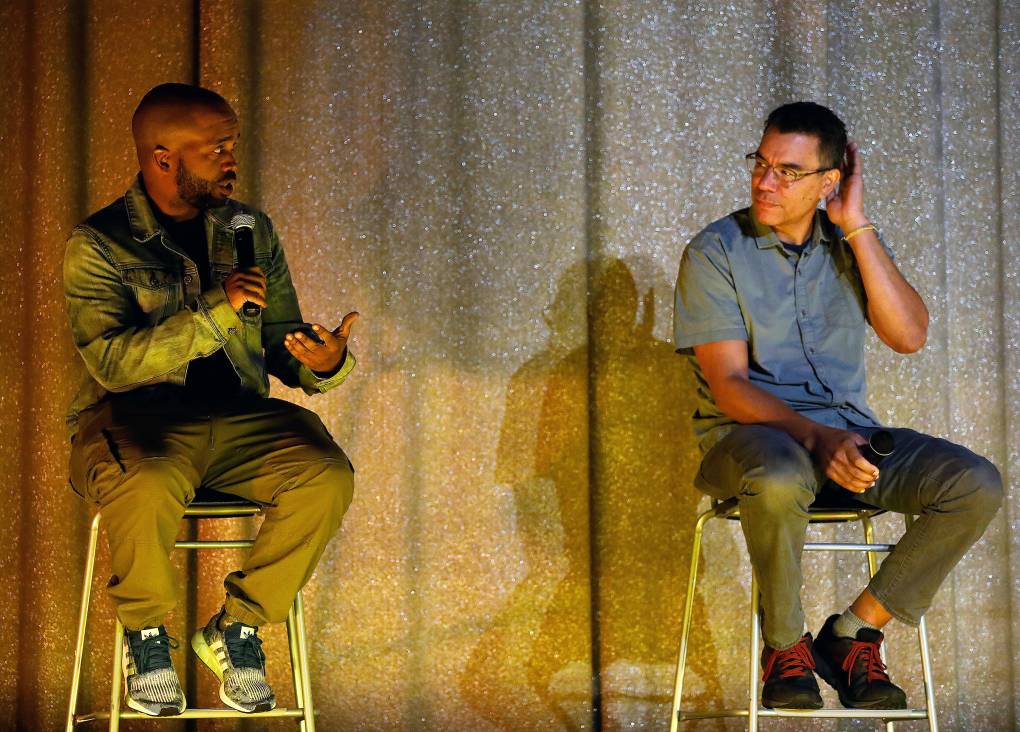
"caption": "Pendarvis Harshaw and Pete Nicks sit in chairs on stage at Oakland's Grand Lake Theatre discussing the film Homeroom.",
"description": "Pendarvis Harshaw and Pete Nicks sit in chairs on stage at Oakland's Grand Lake Theatre discussing the film Homeroom.",
"title": "Pendarvis Harshaw and Pete Nicks sit in chairs on stage at Oakland's Grand Lake Theatre discussing the film Homeroom.",
"credit": "Craig Lee/Hulu",
"status": "inherit",
"altTag": "Pendarvis Harshaw and Pete Nicks sit in chairs on stage at Oakland's Grand Lake Theatre discussing the film Homeroom.",
"isLoading": false,
"fetchFailed": false
},
"arts_13901220": {
"type": "attachments",
"id": "arts_13901220",
"meta": {
"index": "attachments_1716263798",
"site": "arts",
"id": "13901220",
"found": true
},
"parent": 13901197,
"imgSizes": {
"twentyfourteen-full-width": {
"file": "https://ww2.kqed.org/app/uploads/sites/2/2021/08/HOMEROOM-FRAME-GRAB-02_COVER-1038x576.jpg",
"width": 1038,
"mimeType": "image/jpeg",
"height": 576
},
"thumbnail": {
"file": "https://ww2.kqed.org/app/uploads/sites/2/2021/08/HOMEROOM-FRAME-GRAB-02_COVER-160x90.jpg",
"width": 160,
"mimeType": "image/jpeg",
"height": 90
},
"post-thumbnail": {
"file": "https://ww2.kqed.org/app/uploads/sites/2/2021/08/HOMEROOM-FRAME-GRAB-02_COVER-672x372.jpg",
"width": 672,
"mimeType": "image/jpeg",
"height": 372
},
"kqedFullSize": {
"file": "https://ww2.kqed.org/app/uploads/sites/2/2021/08/HOMEROOM-FRAME-GRAB-02_COVER.jpg",
"width": 1920,
"height": 1080
},
"large": {
"file": "https://ww2.kqed.org/app/uploads/sites/2/2021/08/HOMEROOM-FRAME-GRAB-02_COVER-1020x574.jpg",
"width": 1020,
"mimeType": "image/jpeg",
"height": 574
},
"1536x1536": {
"file": "https://ww2.kqed.org/app/uploads/sites/2/2021/08/HOMEROOM-FRAME-GRAB-02_COVER-1536x864.jpg",
"width": 1536,
"mimeType": "image/jpeg",
"height": 864
},
"medium": {
"file": "https://ww2.kqed.org/app/uploads/sites/2/2021/08/HOMEROOM-FRAME-GRAB-02_COVER-800x450.jpg",
"width": 800,
"mimeType": "image/jpeg",
"height": 450
},
"medium_large": {
"file": "https://ww2.kqed.org/app/uploads/sites/2/2021/08/HOMEROOM-FRAME-GRAB-02_COVER-768x432.jpg",
"width": 768,
"mimeType": "image/jpeg",
"height": 432
}
},
"publishDate": 1628808179,
"modified": 1628808232,
"caption": "Denilson Garibo in Peter Nicks' documentary 'Homeroom.'",
"description": "Denilson Garibo in Peter Nicks' documentary 'Homeroom.'",
"title": "HOMEROOM-FRAME-GRAB-02_COVER",
"credit": "Courtesy Hulu, LLC",
"status": "inherit",
"altTag": null,
"isLoading": false,
"fetchFailed": false
},
"arts_13900785": {
"type": "attachments",
"id": "arts_13900785",
"meta": {
"index": "attachments_1716263798",
"site": "arts",
"id": "13900785",
"found": true
},
"parent": 13900784,
"imgSizes": {
"twentyfourteen-full-width": {
"file": "https://ww2.kqed.org/app/uploads/sites/2/2021/08/annette_stills_rec709.0032670_ret-hd_wide-ee40db4004a2927d8cb36eedc839c4cf52147c58-1038x576.jpg",
"width": 1038,
"mimeType": "image/jpeg",
"height": 576
},
"thumbnail": {
"file": "https://ww2.kqed.org/app/uploads/sites/2/2021/08/annette_stills_rec709.0032670_ret-hd_wide-ee40db4004a2927d8cb36eedc839c4cf52147c58-160x90.jpg",
"width": 160,
"mimeType": "image/jpeg",
"height": 90
},
"post-thumbnail": {
"file": "https://ww2.kqed.org/app/uploads/sites/2/2021/08/annette_stills_rec709.0032670_ret-hd_wide-ee40db4004a2927d8cb36eedc839c4cf52147c58-672x372.jpg",
"width": 672,
"mimeType": "image/jpeg",
"height": 372
},
"kqedFullSize": {
"file": "https://ww2.kqed.org/app/uploads/sites/2/2021/08/annette_stills_rec709.0032670_ret-hd_wide-ee40db4004a2927d8cb36eedc839c4cf52147c58-scaled-e1628207603140.jpg",
"width": 1920,
"height": 1080
},
"2048x2048": {
"file": "https://ww2.kqed.org/app/uploads/sites/2/2021/08/annette_stills_rec709.0032670_ret-hd_wide-ee40db4004a2927d8cb36eedc839c4cf52147c58-2048x1152.jpg",
"width": 2048,
"mimeType": "image/jpeg",
"height": 1152
},
"large": {
"file": "https://ww2.kqed.org/app/uploads/sites/2/2021/08/annette_stills_rec709.0032670_ret-hd_wide-ee40db4004a2927d8cb36eedc839c4cf52147c58-1020x574.jpg",
"width": 1020,
"mimeType": "image/jpeg",
"height": 574
},
"1536x1536": {
"file": "https://ww2.kqed.org/app/uploads/sites/2/2021/08/annette_stills_rec709.0032670_ret-hd_wide-ee40db4004a2927d8cb36eedc839c4cf52147c58-1536x864.jpg",
"width": 1536,
"mimeType": "image/jpeg",
"height": 864
},
"full-width": {
"file": "https://ww2.kqed.org/app/uploads/sites/2/2021/08/annette_stills_rec709.0032670_ret-hd_wide-ee40db4004a2927d8cb36eedc839c4cf52147c58-1920x1080.jpg",
"width": 1920,
"mimeType": "image/jpeg",
"height": 1080
},
"medium": {
"file": "https://ww2.kqed.org/app/uploads/sites/2/2021/08/annette_stills_rec709.0032670_ret-hd_wide-ee40db4004a2927d8cb36eedc839c4cf52147c58-800x450.jpg",
"width": 800,
"mimeType": "image/jpeg",
"height": 450
},
"medium_large": {
"file": "https://ww2.kqed.org/app/uploads/sites/2/2021/08/annette_stills_rec709.0032670_ret-hd_wide-ee40db4004a2927d8cb36eedc839c4cf52147c58-768x432.jpg",
"width": 768,
"mimeType": "image/jpeg",
"height": 432
}
},
"publishDate": 1628198406,
"modified": 1628207643,
"caption": "Adam Driver and Marion Cotillard play an anguished celebrity couple in 'Annette.'",
"description": "Adam Driver and Marion Cotillard play an anguished celebrity couple in 'Annette.'",
"title": "Adam Driver and Marion Cotillard play an anguished celebrity couple in 'Annette.'",
"credit": "UGC",
"status": "inherit",
"altTag": "Adam Driver and Marion Cotillard playing an anguished celebrity couple in 'Annette.'",
"isLoading": false,
"fetchFailed": false
},
"arts_13900672": {
"type": "attachments",
"id": "arts_13900672",
"meta": {
"index": "attachments_1716263798",
"site": "arts",
"id": "13900672",
"found": true
},
"parent": 13900656,
"imgSizes": {
"twentyfourteen-full-width": {
"file": "https://ww2.kqed.org/app/uploads/sites/2/2021/08/LightField_15_COVER-1038x576.jpg",
"width": 1038,
"mimeType": "image/jpeg",
"height": 576
},
"thumbnail": {
"file": "https://ww2.kqed.org/app/uploads/sites/2/2021/08/LightField_15_COVER-160x90.jpg",
"width": 160,
"mimeType": "image/jpeg",
"height": 90
},
"post-thumbnail": {
"file": "https://ww2.kqed.org/app/uploads/sites/2/2021/08/LightField_15_COVER-672x372.jpg",
"width": 672,
"mimeType": "image/jpeg",
"height": 372
},
"kqedFullSize": {
"file": "https://ww2.kqed.org/app/uploads/sites/2/2021/08/LightField_15_COVER.jpg",
"width": 1920,
"height": 1080
},
"large": {
"file": "https://ww2.kqed.org/app/uploads/sites/2/2021/08/LightField_15_COVER-1020x574.jpg",
"width": 1020,
"mimeType": "image/jpeg",
"height": 574
},
"1536x1536": {
"file": "https://ww2.kqed.org/app/uploads/sites/2/2021/08/LightField_15_COVER-1536x864.jpg",
"width": 1536,
"mimeType": "image/jpeg",
"height": 864
},
"medium": {
"file": "https://ww2.kqed.org/app/uploads/sites/2/2021/08/LightField_15_COVER-800x450.jpg",
"width": 800,
"mimeType": "image/jpeg",
"height": 450
},
"medium_large": {
"file": "https://ww2.kqed.org/app/uploads/sites/2/2021/08/LightField_15_COVER-768x432.jpg",
"width": 768,
"mimeType": "image/jpeg",
"height": 432
}
},
"publishDate": 1628137687,
"modified": 1628137850,
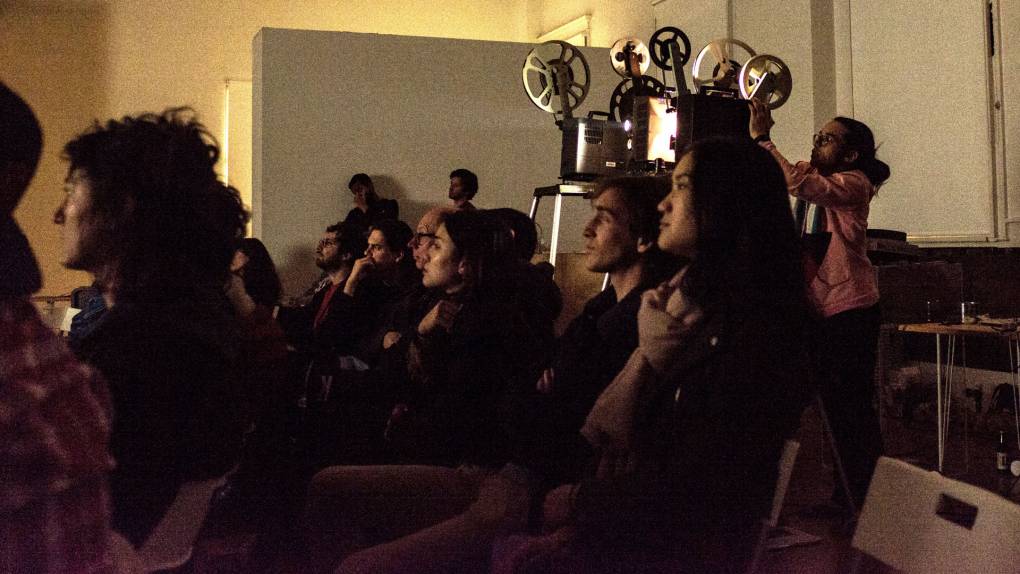
"caption": "A projectionist and audience during Light Field's 2017 festival at The Lab.",
"description": "A projectionist and audience during Light Field's 2017 festival at The Lab.",
"title": "LightField_15_COVER",
"credit": "Raphael Villet",
"status": "inherit",
"altTag": "A seated crowd looks left, behind them a projectionists stands next to two film projectors, one actively beaming light.",
"isLoading": false,
"fetchFailed": false
},
"arts_13900278": {
"type": "attachments",
"id": "arts_13900278",
"meta": {
"index": "attachments_1716263798",
"site": "arts",
"id": "13900278",
"found": true
},
"parent": 13900276,
"imgSizes": {
"twentyfourteen-full-width": {
"file": "https://ww2.kqed.org/app/uploads/sites/2/2021/07/gettyimages-1237540-e04381055b7f46f786259b83c9369dca3aa106ad-1038x576.jpg",
"width": 1038,
"mimeType": "image/jpeg",
"height": 576
},
"thumbnail": {
"file": "https://ww2.kqed.org/app/uploads/sites/2/2021/07/gettyimages-1237540-e04381055b7f46f786259b83c9369dca3aa106ad-160x120.jpg",
"width": 160,
"mimeType": "image/jpeg",
"height": 120
},
"post-thumbnail": {
"file": "https://ww2.kqed.org/app/uploads/sites/2/2021/07/gettyimages-1237540-e04381055b7f46f786259b83c9369dca3aa106ad-672x372.jpg",
"width": 672,
"mimeType": "image/jpeg",
"height": 372
},
"kqedFullSize": {
"file": "https://ww2.kqed.org/app/uploads/sites/2/2021/07/gettyimages-1237540-e04381055b7f46f786259b83c9369dca3aa106ad-scaled.jpg",
"width": 2560,
"height": 1920
},
"2048x2048": {
"file": "https://ww2.kqed.org/app/uploads/sites/2/2021/07/gettyimages-1237540-e04381055b7f46f786259b83c9369dca3aa106ad-2048x1536.jpg",
"width": 2048,
"mimeType": "image/jpeg",
"height": 1536
},
"large": {
"file": "https://ww2.kqed.org/app/uploads/sites/2/2021/07/gettyimages-1237540-e04381055b7f46f786259b83c9369dca3aa106ad-1020x765.jpg",
"width": 1020,
"mimeType": "image/jpeg",
"height": 765
},
"1536x1536": {
"file": "https://ww2.kqed.org/app/uploads/sites/2/2021/07/gettyimages-1237540-e04381055b7f46f786259b83c9369dca3aa106ad-1536x1152.jpg",
"width": 1536,
"mimeType": "image/jpeg",
"height": 1152
},
"full-width": {
"file": "https://ww2.kqed.org/app/uploads/sites/2/2021/07/gettyimages-1237540-e04381055b7f46f786259b83c9369dca3aa106ad-1920x1440.jpg",
"width": 1920,
"mimeType": "image/jpeg",
"height": 1440
},
"medium": {
"file": "https://ww2.kqed.org/app/uploads/sites/2/2021/07/gettyimages-1237540-e04381055b7f46f786259b83c9369dca3aa106ad-800x600.jpg",
"width": 800,
"mimeType": "image/jpeg",
"height": 600
},
"medium_large": {
"file": "https://ww2.kqed.org/app/uploads/sites/2/2021/07/gettyimages-1237540-e04381055b7f46f786259b83c9369dca3aa106ad-768x576.jpg",
"width": 768,
"mimeType": "image/jpeg",
"height": 576
}
},
"publishDate": 1627318036,
"modified": 1627318409,
"caption": "1960 Olympic decathlete gold medallist Rafer Johnson of the United States after climbing the stairs of the Memorial Coliseum prepares to light the Olympic flame during the opening ceremony for the XXIII Olympic Games on 28 July 1984 at the Los Angeles Memorial Coliseum in Los Angeles, California, United States. ",
"description": "1960 Olympic decathlete gold medallist Rafer Johnson of the United States after climbing the stairs of the Memorial Coliseum prepares to light the Olympic flame during the opening ceremony for the XXIII Olympic Games on 28 July 1984 at the Los Angeles Memorial Coliseum in Los Angeles, California, United States. (Photo by Tony Duffy/Allsport//Getty Images)",
"title": "The XXIII Olympic Games on 28 July 1984 at the Los Angeles Memorial Coliseum in Los Angeles.",
"credit": "Tony Duffy/Allsport//Getty Images",
"status": "inherit",
"altTag": "1960 Olympic decathlete gold medallist Rafer Johnson of the United States after climbing the stairs of the Memorial Coliseum prepares to light the Olympic flame during the opening ceremony for the XXIII Olympic Games on 28 July 1984 at the Los Angeles Memorial Coliseum in Los Angeles, California, United States.",
"isLoading": false,
"fetchFailed": false
},
"arts_13900244": {
"type": "attachments",
"id": "arts_13900244",
"meta": {
"index": "attachments_1716263798",
"site": "arts",
"id": "13900244",
"found": true
},
"parent": 13900209,
"imgSizes": {
"twentyfourteen-full-width": {
"file": "https://ww2.kqed.org/app/uploads/sites/2/2021/07/1.PLAN-A_-ANNAGetaway-Pictures-1038x576.jpg",
"width": 1038,
"mimeType": "image/jpeg",
"height": 576
},
"thumbnail": {
"file": "https://ww2.kqed.org/app/uploads/sites/2/2021/07/1.PLAN-A_-ANNAGetaway-Pictures-160x90.jpg",
"width": 160,
"mimeType": "image/jpeg",
"height": 90
},
"post-thumbnail": {
"file": "https://ww2.kqed.org/app/uploads/sites/2/2021/07/1.PLAN-A_-ANNAGetaway-Pictures-672x372.jpg",
"width": 672,
"mimeType": "image/jpeg",
"height": 372
},
"kqedFullSize": {
"file": "https://ww2.kqed.org/app/uploads/sites/2/2021/07/1.PLAN-A_-ANNAGetaway-Pictures.jpg",
"width": 1525,
"height": 858
},
"large": {
"file": "https://ww2.kqed.org/app/uploads/sites/2/2021/07/1.PLAN-A_-ANNAGetaway-Pictures-1020x574.jpg",
"width": 1020,
"mimeType": "image/jpeg",
"height": 574
},
"medium": {
"file": "https://ww2.kqed.org/app/uploads/sites/2/2021/07/1.PLAN-A_-ANNAGetaway-Pictures-800x450.jpg",
"width": 800,
"mimeType": "image/jpeg",
"height": 450
},
"medium_large": {
"file": "https://ww2.kqed.org/app/uploads/sites/2/2021/07/1.PLAN-A_-ANNAGetaway-Pictures-768x432.jpg",
"width": 768,
"mimeType": "image/jpeg",
"height": 432
}
},
"publishDate": 1626998499,
"modified": 1627062357,
"caption": "'Plan A,' screening at this year's San Francisco Jewish Film Festival, is \"an uncomfortable, fact-based interrogation of Jewish revenge in postwar Germany that puts the self-styled king of payback, Quentin Tarantino, to shame.\"",
"description": "'Plan A,' screening at this year's San Francisco Jewish Film Festival, is \"an uncomfortable, fact-based interrogation of Jewish revenge in postwar Germany that puts the self-styled king of payback, Quentin Tarantino, to shame.\"",
"title": "1.PLAN-A_-ANNAGetaway-Pictures",
"credit": "Getaway Pictures/SFJFF",
"status": "inherit",
"altTag": "A scene from 'Plan A'",
"isLoading": false,
"fetchFailed": false
},
"arts_13900134": {
"type": "attachments",
"id": "arts_13900134",
"meta": {
"index": "attachments_1716263798",
"site": "arts",
"id": "13900134",
"found": true
},
"parent": 13900132,
"imgSizes": {
"twentyfourteen-full-width": {
"file": "https://ww2.kqed.org/app/uploads/sites/2/2021/07/Screen-Shot-2021-06-14-at-4.07.00-PM-1038x576.png",
"width": 1038,
"mimeType": "image/png",
"height": 576
},
"thumbnail": {
"file": "https://ww2.kqed.org/app/uploads/sites/2/2021/07/Screen-Shot-2021-06-14-at-4.07.00-PM-160x91.png",
"width": 160,
"mimeType": "image/png",
"height": 91
},
"post-thumbnail": {
"file": "https://ww2.kqed.org/app/uploads/sites/2/2021/07/Screen-Shot-2021-06-14-at-4.07.00-PM-672x372.png",
"width": 672,
"mimeType": "image/png",
"height": 372
},
"kqedFullSize": {
"file": "https://ww2.kqed.org/app/uploads/sites/2/2021/07/Screen-Shot-2021-06-14-at-4.07.00-PM.png",
"width": 1920,
"height": 1087
},
"large": {
"file": "https://ww2.kqed.org/app/uploads/sites/2/2021/07/Screen-Shot-2021-06-14-at-4.07.00-PM-1020x577.png",
"width": 1020,
"mimeType": "image/png",
"height": 577
},
"1536x1536": {
"file": "https://ww2.kqed.org/app/uploads/sites/2/2021/07/Screen-Shot-2021-06-14-at-4.07.00-PM-1536x870.png",
"width": 1536,
"mimeType": "image/png",
"height": 870
},
"medium": {
"file": "https://ww2.kqed.org/app/uploads/sites/2/2021/07/Screen-Shot-2021-06-14-at-4.07.00-PM-800x453.png",
"width": 800,
"mimeType": "image/png",
"height": 453
},
"medium_large": {
"file": "https://ww2.kqed.org/app/uploads/sites/2/2021/07/Screen-Shot-2021-06-14-at-4.07.00-PM-768x435.png",
"width": 768,
"mimeType": "image/png",
"height": 435
}
},
"publishDate": 1626816078,
"modified": 1626816125,
"caption": "Imogen TV performing a set. ",
"description": "Imogen TV performing a set. ",
"title": "Screen Shot 2021-06-14 at 4.07.00 PM",
"credit": "Courtesy of Loud Cinema",
"status": "inherit",
"altTag": null,
"isLoading": false,
"fetchFailed": false
},
"arts_13899766": {
"type": "attachments",
"id": "arts_13899766",
"meta": {
"index": "attachments_1716263798",
"site": "arts",
"id": "13899766",
"found": true
},
"parent": 13899598,
"imgSizes": {
"twentyfourteen-full-width": {
"file": "https://ww2.kqed.org/app/uploads/sites/2/2021/07/RS50208_angela-chan-qut-1038x576.jpg",
"width": 1038,
"mimeType": "image/jpeg",
"height": 576
},
"thumbnail": {
"file": "https://ww2.kqed.org/app/uploads/sites/2/2021/07/RS50208_angela-chan-qut-160x120.jpg",
"width": 160,
"mimeType": "image/jpeg",
"height": 120
},
"post-thumbnail": {
"file": "https://ww2.kqed.org/app/uploads/sites/2/2021/07/RS50208_angela-chan-qut-672x372.jpg",
"width": 672,
"mimeType": "image/jpeg",
"height": 372
},
"kqedFullSize": {
"file": "https://ww2.kqed.org/app/uploads/sites/2/2021/07/RS50208_angela-chan-qut.jpg",
"width": 1920,
"height": 1440
},
"large": {
"file": "https://ww2.kqed.org/app/uploads/sites/2/2021/07/RS50208_angela-chan-qut-1020x765.jpg",
"width": 1020,
"mimeType": "image/jpeg",
"height": 765
},
"1536x1536": {
"file": "https://ww2.kqed.org/app/uploads/sites/2/2021/07/RS50208_angela-chan-qut-1536x1152.jpg",
"width": 1536,
"mimeType": "image/jpeg",
"height": 1152
},
"medium": {
"file": "https://ww2.kqed.org/app/uploads/sites/2/2021/07/RS50208_angela-chan-qut-800x600.jpg",
"width": 800,
"mimeType": "image/jpeg",
"height": 600
},
"medium_large": {
"file": "https://ww2.kqed.org/app/uploads/sites/2/2021/07/RS50208_angela-chan-qut-768x576.jpg",
"width": 768,
"mimeType": "image/jpeg",
"height": 576
}
},
"publishDate": 1625171228,
"modified": 1625171352,
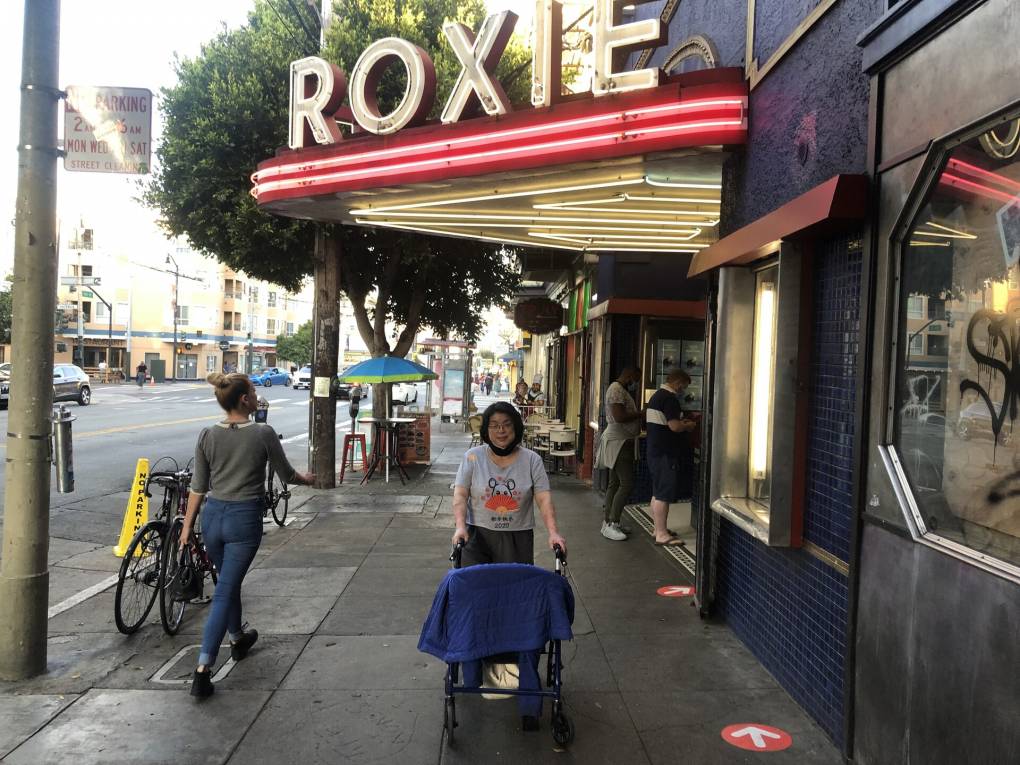
"caption": "Movie fan Angela Chan poses in front of the Roxie Theater before checking out the venue's new ADA upgrades on her way to a screening.",
"description": "Movie fan Angela Chan poses in front of the Roxie Theater before checking out the venue's new ADA upgrades on her way to a screening.",
"title": "RS50208_angela chan-qut",
"credit": "Chloe Veltman/KQED",
"status": "inherit",
"altTag": null,
"isLoading": false,
"fetchFailed": false
},
"arts_13899715": {
"type": "attachments",
"id": "arts_13899715",
"meta": {
"index": "attachments_1716263798",
"site": "arts",
"id": "13899715",
"found": true
},
"parent": 13899714,
"imgSizes": {
"twentyfourteen-full-width": {
"file": "https://ww2.kqed.org/app/uploads/sites/2/2021/07/082_sos_00056-1_custom-d646a41e0001e6314cfeaff4988a20c0f78227ba-1038x576.jpg",
"width": 1038,
"mimeType": "image/jpeg",
"height": 576
},
"thumbnail": {
"file": "https://ww2.kqed.org/app/uploads/sites/2/2021/07/082_sos_00056-1_custom-d646a41e0001e6314cfeaff4988a20c0f78227ba-160x118.jpg",
"width": 160,
"mimeType": "image/jpeg",
"height": 118
},
"post-thumbnail": {
"file": "https://ww2.kqed.org/app/uploads/sites/2/2021/07/082_sos_00056-1_custom-d646a41e0001e6314cfeaff4988a20c0f78227ba-672x372.jpg",
"width": 672,
"mimeType": "image/jpeg",
"height": 372
},
"kqedFullSize": {
"file": "https://ww2.kqed.org/app/uploads/sites/2/2021/07/082_sos_00056-1_custom-d646a41e0001e6314cfeaff4988a20c0f78227ba.jpg",
"width": 1459,
"height": 1080
},
"large": {
"file": "https://ww2.kqed.org/app/uploads/sites/2/2021/07/082_sos_00056-1_custom-d646a41e0001e6314cfeaff4988a20c0f78227ba-1020x755.jpg",
"width": 1020,
"mimeType": "image/jpeg",
"height": 755
},
"medium": {
"file": "https://ww2.kqed.org/app/uploads/sites/2/2021/07/082_sos_00056-1_custom-d646a41e0001e6314cfeaff4988a20c0f78227ba-800x592.jpg",
"width": 800,
"mimeType": "image/jpeg",
"height": 592
},
"medium_large": {
"file": "https://ww2.kqed.org/app/uploads/sites/2/2021/07/082_sos_00056-1_custom-d646a41e0001e6314cfeaff4988a20c0f78227ba-768x568.jpg",
"width": 768,
"mimeType": "image/jpeg",
"height": 568
}
},
"publishDate": 1625161065,
"modified": 1625161901,
"caption": "The Harlem Cultural Festival in 1969 in the documentary 'Summer of Soul.'",
"description": "The Harlem Cultural Festival in 1969 in the documentary 'Summer of Soul.'",
"title": "The Harlem Cultural Festival in 1969 in the documentary 'Summer of Soul.'",
"credit": "Searchlight Pictures/20th Century Studios",
"status": "inherit",
"altTag": "The Harlem Cultural Festival in 1969 in the documentary 'Summer of Soul.'",
"isLoading": false,
"fetchFailed": false
}
},
"audioPlayerReducer": {
"postId": "stream_live",
"isPaused": true,
"isPlaying": false,
"pfsActive": false,
"pledgeModalIsOpen": true,
"playerDrawerIsOpen": false,
"liveAudioPlayStartedAt": 0,
"liveAudioPlayContext": ""
},
"authorsReducer": {
"byline_arts_13901549": {
"type": "authors",
"id": "byline_arts_13901549",
"meta": {
"override": true
},
"slug": "byline_arts_13901549",
"name": "Bob Mondello",
"isLoading": false
},
"byline_arts_13901479": {
"type": "authors",
"id": "byline_arts_13901479",
"meta": {
"override": true
},
"slug": "byline_arts_13901479",
"name": "Linda Holmes",
"isLoading": false
},
"byline_arts_13901262": {
"type": "authors",
"id": "byline_arts_13901262",
"meta": {
"override": true
},
"slug": "byline_arts_13901262",
"name": "Justin Chang",
"isLoading": false
},
"byline_arts_13900784": {
"type": "authors",
"id": "byline_arts_13900784",
"meta": {
"override": true
},
"slug": "byline_arts_13900784",
"name": "Justin Chang",
"isLoading": false
},
"byline_arts_13900276": {
"type": "authors",
"id": "byline_arts_13900276",
"meta": {
"override": true
},
"slug": "byline_arts_13900276",
"name": "Trevor Smith",
"isLoading": false
},
"byline_arts_13899714": {
"type": "authors",
"id": "byline_arts_13899714",
"meta": {
"override": true
},
"slug": "byline_arts_13899714",
"name": "Eric Deggans",
"isLoading": false
},
"mfox": {
"type": "authors",
"id": "22",
"meta": {
"index": "authors_1716337520",
"id": "22",
"found": true
},
"name": "Michael Fox",
"firstName": "Michael",
"lastName": "Fox",
"slug": "mfox",
"email": "foxonfilm@yahoo.com",
"display_author_email": false,
"staff_mastheads": [],
"title": "KQED Contributor",
"bio": "Michael Fox has written about film for dozens of publications since 1987. He is a founding member of the San Francisco Bay Area Film Critics Circle.",
"avatar": "https://secure.gravatar.com/avatar/d9849d6c659c41414795c471d907bb97b396e2a32b88e20e6ff66f65fbdd6dcd?s=600&d=blank&r=g",
"twitter": null,
"bluesky": null,
"facebook": null,
"instagram": null,
"linkedin": null,
"sites": [
{
"site": "arts",
"roles": [
"Contributor",
"contributor"
]
}
],
"headData": {
"title": "Michael Fox | KQED",
"description": "KQED Contributor",
"ogImgSrc": "https://secure.gravatar.com/avatar/d9849d6c659c41414795c471d907bb97b396e2a32b88e20e6ff66f65fbdd6dcd?s=600&d=blank&r=g",
"twImgSrc": "https://secure.gravatar.com/avatar/d9849d6c659c41414795c471d907bb97b396e2a32b88e20e6ff66f65fbdd6dcd?s=600&d=blank&r=g"
},
"isLoading": false,
"link": "/author/mfox"
},
"shotchkiss": {
"type": "authors",
"id": "61",
"meta": {
"index": "authors_1716337520",
"id": "61",
"found": true
},
"name": "Sarah Hotchkiss",
"firstName": "Sarah",
"lastName": "Hotchkiss",
"slug": "shotchkiss",
"email": "shotchkiss@kqed.org",
"display_author_email": true,
"staff_mastheads": [
"arts"
],
"title": "Senior Editor",
"bio": "Sarah Hotchkiss is a San Francisco \u003ca href=\"http://www.sarahhotchkiss.com\">artist\u003c/a> and arts writer. In 2019, she received the Dorothea & Leo Rabkin Foundation grant for visual art journalism and in 2020 she received a Society of Professional Journalists, Northern California award for excellence in arts and culture reporting.",
"avatar": "https://secure.gravatar.com/avatar/bc662df144b3d27fd8b1b6f1c2a420d34e91e53154d411bb7ad353cc8b6cea8d?s=600&d=blank&r=g",
"twitter": null,
"bluesky": null,
"facebook": null,
"instagram": null,
"linkedin": null,
"sites": [
{
"site": "",
"roles": [
"editor"
]
},
{
"site": "arts",
"roles": [
"Contributor",
"administrator"
]
},
{
"site": "artschool",
"roles": [
"administrator"
]
},
{
"site": "news",
"roles": [
"editor"
]
},
{
"site": "pop",
"roles": [
"administrator"
]
},
{
"site": "bayareabites",
"roles": [
"editor"
]
},
{
"site": "spark",
"roles": [
"editor"
]
},
{
"site": "checkplease",
"roles": [
"editor"
]
}
],
"headData": {
"title": "Sarah Hotchkiss | KQED",
"description": "Senior Editor",
"ogImgSrc": "https://secure.gravatar.com/avatar/bc662df144b3d27fd8b1b6f1c2a420d34e91e53154d411bb7ad353cc8b6cea8d?s=600&d=blank&r=g",
"twImgSrc": "https://secure.gravatar.com/avatar/bc662df144b3d27fd8b1b6f1c2a420d34e91e53154d411bb7ad353cc8b6cea8d?s=600&d=blank&r=g"
},
"isLoading": false,
"link": "/author/shotchkiss"
},
"cveltman": {
"type": "authors",
"id": "8608",
"meta": {
"index": "authors_1716337520",
"id": "8608",
"found": true
},
"name": "Chloe Veltman",
"firstName": "Chloe",
"lastName": "Veltman",
"slug": "cveltman",
"email": "cveltman@kqed.org",
"display_author_email": true,
"staff_mastheads": [],
"title": "Arts and Culture Reporter",
"bio": "Chloe Veltman is a former arts and culture reporter for KQED. Prior to joining the organization, she launched and led the arts bureau at Colorado Public Radio, served as the Bay Area's culture columnist for the New York Times, and was the founder, host and executive producer of VoiceBox, a national award-winning weekly podcast/radio show and live events series all about the human voice. Chloe is the recipient of numerous prizes, grants and fellowships including a Webby Award for her work on interactive storytelling, both the John S Knight Journalism Fellowship and Humanities Center Fellowship at Stanford University, the Sundance Arts Writing Fellowship and a Library of Congress Research Fellowship. She is the author of the book \"On Acting\" and has appeared as a guest lecturer at Yale University and the San Francisco Conservatory of Music among other institutions. She holds a BA in english literature from King's College, Cambridge, and a Masters in Dramaturgy from the Central School of Speech and Drama/Harvard Institute for Advanced Theater Training.\r\n\u003ca href=\"https://www.chloeveltman.com\">www.chloeveltman.com\u003c/a>",
"avatar": "https://secure.gravatar.com/avatar/55403394b00a1ddab683952c2eb2cf85?s=600&d=blank&r=g",
"twitter": "chloeveltman",
"facebook": null,
"instagram": null,
"linkedin": null,
"sites": [
{
"site": "arts",
"roles": []
},
{
"site": "news",
"roles": [
"author"
]
},
{
"site": "pop",
"roles": [
"editor"
]
},
{
"site": "science",
"roles": []
}
],
"headData": {
"title": "Chloe Veltman | KQED",
"description": "Arts and Culture Reporter",
"ogImgSrc": "https://secure.gravatar.com/avatar/55403394b00a1ddab683952c2eb2cf85?s=600&d=blank&r=g",
"twImgSrc": "https://secure.gravatar.com/avatar/55403394b00a1ddab683952c2eb2cf85?s=600&d=blank&r=g"
},
"isLoading": false,
"link": "/author/cveltman"
},
"ogpenn": {
"type": "authors",
"id": "11491",
"meta": {
"index": "authors_1716337520",
"id": "11491",
"found": true
},
"name": "Pendarvis Harshaw",
"firstName": "Pendarvis",
"lastName": "Harshaw",
"slug": "ogpenn",
"email": "ogpenn@gmail.com",
"display_author_email": false,
"staff_mastheads": [
"arts"
],
"title": "Community Engagement Reporter",
"bio": "Pendarvis Harshaw is an educator, host and writer with KQED Arts.",
"avatar": "https://secure.gravatar.com/avatar/972b77ee8e3f346ae2b00622661187fbfabd059b5693bbdc1475ea7a722fd4cd?s=600&d=blank&r=g",
"twitter": null,
"bluesky": null,
"facebook": null,
"instagram": "ogpenn",
"linkedin": null,
"sites": [
{
"site": "arts",
"roles": [
"administrator"
]
},
{
"site": "news",
"roles": [
"editor"
]
},
{
"site": "bayareabites",
"roles": [
"author"
]
},
{
"site": "hiphop",
"roles": [
"editor"
]
}
],
"headData": {
"title": "Pendarvis Harshaw | KQED",
"description": "Community Engagement Reporter",
"ogImgSrc": "https://secure.gravatar.com/avatar/972b77ee8e3f346ae2b00622661187fbfabd059b5693bbdc1475ea7a722fd4cd?s=600&d=blank&r=g",
"twImgSrc": "https://secure.gravatar.com/avatar/972b77ee8e3f346ae2b00622661187fbfabd059b5693bbdc1475ea7a722fd4cd?s=600&d=blank&r=g"
},
"isLoading": false,
"link": "/author/ogpenn"
},
"athapliyal": {
"type": "authors",
"id": "11766",
"meta": {
"index": "authors_1716337520",
"id": "11766",
"found": true
},
"name": "Adesh Thapliyal",
"firstName": "Adesh",
"lastName": "Thapliyal",
"slug": "athapliyal",
"email": "athapliyal@kqed.org",
"display_author_email": false,
"staff_mastheads": [],
"title": "KQED Contributor",
"bio": "Adesh Thapliyal is KQED Arts' Editorial Intern. Previously, he wrote for the experimental newsletter \u003cem>Tone Glow\u003c/em> and the pop music blog \u003cem>The Singles Jukebox\u003c/em>.",
"avatar": "https://secure.gravatar.com/avatar/25c945182616a5283c4f746e7017bca3?s=600&d=blank&r=g",
"twitter": null,
"facebook": null,
"instagram": null,
"linkedin": null,
"sites": [
{
"site": "arts",
"roles": [
"author"
]
}
],
"headData": {
"title": "Adesh Thapliyal | KQED",
"description": "KQED Contributor",
"ogImgSrc": "https://secure.gravatar.com/avatar/25c945182616a5283c4f746e7017bca3?s=600&d=blank&r=g",
"twImgSrc": "https://secure.gravatar.com/avatar/25c945182616a5283c4f746e7017bca3?s=600&d=blank&r=g"
},
"isLoading": false,
"link": "/author/athapliyal"
}
},
"pagesReducer": {
"arts_tag_film": {
"type": "terms",
"id": "arts_977",
"meta": {
"index": "terms_1716263798",
"site": "arts",
"id": "977",
"score": 8.284343
},
"name": "Film",
"slug": "film",
"taxonomy": "tag",
"description": null,
"featImg": null,
"headData": {
"title": "Film Archives | KQED Arts",
"description": null,
"ogTitle": null,
"ogDescription": null,
"ogImgId": null,
"twTitle": null,
"twDescription": null,
"twImgId": null
},
"ttid": 995,
"isLoading": false,
"title": "Film",
"pageMeta": {
"site": "arts",
"WpPageTemplate": "page-topic-editorial",
"currentPage": 26
},
"blocks": [
{
"blockName": "kqed/post-list",
"attrs": {
"layout": "cardArticle2",
"query": "posts/arts?tag=film",
"seeMore": false,
"paginated": true,
"page": 26
}
},
{
"blockName": "kqed/ad"
}
]
}
},
"pfsSessionReducer": {},
"postsReducer": {
"stream_live": {
"type": "live",
"id": "stream_live",
"audioUrl": "https://streams.kqed.org/kqedradio",
"title": "Live Stream",
"excerpt": "Live Stream information currently unavailable.",
"link": "/radio",
"featImg": "",
"label": {
"name": "KQED Live",
"link": "/"
}
},
"stream_kqedNewscast": {
"type": "posts",
"id": "stream_kqedNewscast",
"audioUrl": "https://www.kqed.org/.stream/anon/radio/RDnews/newscast.mp3?_=1",
"title": "KQED Newscast",
"featImg": "",
"label": {
"name": "88.5 FM",
"link": "/"
}
},
"arts_13901549": {
"type": "posts",
"id": "arts_13901549",
"meta": {
"index": "posts_1716263798",
"site": "arts",
"id": "13901549",
"score": null,
"sort": [
1629396913000
]
},
"parent": 0,
"labelTerm": {
"site": "arts",
"term": 137
},
"blocks": [],
"publishDate": 1629396913,
"format": "standard",
"title": "NPR's Film Critic Explores Why the Harrowing Afghanistan Images May Feel Familiar",
"headTitle": "NPR’s Film Critic Explores Why the Harrowing Afghanistan Images May Feel Familiar | KQED",
"content": "\u003cp>Looking at the\u003ca href=\"https://www.npr.org/2021/08/16/1028090002/afghanistan-airport-evacuation-taliban\" target=\"_blank\" rel=\"noopener noreferrer\"> newscast images\u003c/a> this week of Afghans \u003ca href=\"http://npr.org/2021/08/17/1028564790/u-s-is-reviewing-the-deaths-of-people-who-may-have-fallen-from-a-plane-leaving-k\" target=\"_blank\" rel=\"noopener noreferrer\">desperate to flee\u003c/a> the Taliban, I’ve been struck again and again by the feeling that the horrors I’m watching in real time are somehow familiar.\u003c/p>\n\u003cp>A throwaway line in a newspaper article cued me as to why. In a report on Biden administration figures who had urged caution in drawing down U.S. forces, Secretary of Defense Lloyd Austin III, was quoted as having told the President, \u003ca href=\"https://www.washingtonpost.com/entertainment/afghanistan-movies-hornaday/2021/08/17/5215eaaa-feb2-11eb-a664-4f6de3e17ff0_story.html\" target=\"_blank\" rel=\"noopener noreferrer\">“we’ve seen this movie before.”\u003c/a>\u003c/p>\n\u003cp>[aside postid='news_11885170']And in several senses, that’s exactly right. Reasonable people may disagree about which movie, but we have all seen it. The recently confirmed Secretary of Defense clearly meant the phrase in a metaphorical sense, but America’s military adventures have been chronicled extensively enough that there’s some truth to the assertion even as fact.\u003c/p>\n\u003ch3>The haunted gaze of children who’d known only war\u003c/h3>\n\u003cp>Documentaries from the black-site interrogation expose \u003ca href=\"https://www.npr.org/templates/story/story.php?storyId=18212203\" target=\"_blank\" rel=\"noopener noreferrer\">\u003cem>Taxi to the Dark Side, \u003c/em>\u003c/a>to\u003ca href=\"https://www.npr.org/templates/story/story.php?storyId=128081316\" target=\"_blank\" rel=\"noopener noreferrer\"> \u003cem>Restrepo, \u003c/em>\u003c/a>which chronicled the tragic human cost of securing an Afghan valley that would be given-up just months after U.S. soldiers left, had offered glimpses of everyday life in the country. Wary villagers, the haunted gaze of children who’d only known war, battle-scarred buildings—all so commonplace as to seem almost unremarkable.\u003c/p>\n\u003cp>https://www.youtube.com/watch?v=eLMaPOuEA4Q\u003c/p>\n\u003cp>[ad fullwidth]\u003c/p>\n\u003cp>In \u003ca href=\"https://www.npr.org/2012/12/19/166896991/shedding-grim-light-on-a-dark-story\" target=\"_blank\" rel=\"noopener noreferrer\">\u003cem>Zero Dark Thirty\u003c/em>, \u003c/a>when Kathryn Bigelow recreated the mission that struck across the Afghan border into Pakistan to take out Osama Bin Laden, her portrait of the society in which the Americans were operating felt as authentic as news footage, and flash-edited and scored with a pounding soundtrack, arguably packed more punch.\u003c/p>\n\u003ch3>‘A place of warring tribes’\u003c/h3>\n\u003cp>This sort of verisimilitude is a relatively recent development, but it augments an already pervasive and unflattering portrait of the region. For roughly half a century Hollywood has used Afghans as background figures for fictional stories in which outsiders consistently underestimate their grit and determination. Afghanistan is “a place of warring tribes,” as Michael Caine’s con-man put it in \u003cem>The Man Who Would Be King\u003c/em>, “which is to say a land of opportunity for such as we.”\u003c/p>\n\u003cp>https://www.youtube.com/watch?v=W6Qf98Wa6VY\u003c/p>\n\u003cp>That 1975 John Huston epic was based on a story Rudyard Kipling had written in 1888, between unsuccessful second and third(!) Anglo-Afghan wars. In telling the story of two rogue ex-soldiers (Caine, and Sean Connery) who hope to exploit what they perceive as the ignorance of the locals, it mocks the racism, misjudgments and false premises that gave Britain’s empire-building in the region such a shaky foundation.\u003c/p>\n\u003cp>The bounders played by Caine and Connery are undeterred even when told by Christopher Plummer’s Kipling (the film gives a name to the story’s unidentifed narrator) that no outsider has survived there “since Alexander the Great, King of Greece about 300 years before Christ.” Their response is dismissive. “If a Greek can do it, we can do it.” Their story didn’t end any better than it did for the Brits.\u003c/p>\n\u003cp>The Soviet attempt at nation-building also ended badly—so badly that it became a Hollywood plot point even at a time when most of the world wasn’t paying attention.\u003c/p>\n\u003ch3>James Bond, John Rambo, and the graveyard of empires\u003c/h3>\n\u003cp>In 1987, \u003cem>The Living Daylights \u003c/em>spent much of its running time shuttling Timothy Dalton’s 007 between Russia and Afghanistan to disrupt a deal between the Soviet military, opium-growing mujahideen and arms dealers.\u003c/p>\n\u003cp>https://www.youtube.com/watch?v=fZ5PvhSFkQ0\u003c/p>\n\u003cp>And a year later, Hollywood’s most famous mercenary reluctantly paid a visit to the country in \u003cem>Rambo III. \u003c/em>He was on a mission to rescue his pal, Col. Sam Trautman (Richard Crenna), who was being held in a Soviet camp high in the Afghan mountains mostly so he could spout exposition about Afghanistan’s reputation as “the graveyard of empires.”\u003c/p>\n\u003cp>“Every day,” he tells his Soviet captors, “your war machines lose ground to a bunch of poorly armed, poorly equipped freedom fighters. If you’d studied your history, you’d know that these people have never given up to anyone. They’d rather die than be slaves to an invading army. You can’t defeat a people like that. We tried. We already had our Vietnam.”\u003c/p>\n\u003cp>Sylvester Stallone then set in motion a routing of the Soviet Army that would require eight more years of pitched battles by mujahideen that \u003cem>Rambo III\u003c/em>‘s end crawl termed “the gallant Afghan people.”\u003c/p>\n\u003cp>A decade and a half later, well after the Taliban’s first takeover and al-Qaida’s Sept. 11 attacks, Afghanistan was finally treated more seriously by filmmakers, including by Afghan director Siddiq Barmak. He used what was reported to be the only 35mm camera in all of Afghanistan to tell the story of a 12-year-old girl who, under Taliban rule must pretend to be a boy to support her widowed mother and family. The film was called \u003cem>Osama, \u003c/em>the name she took as a boy, and it won the 2003 Golden Globe for Best Foreign Language Film.\u003c/p>\n\u003cp>https://www.youtube.com/watch?v=54sKYNvd3CY\u003c/p>\n\u003cp>It took a few years after Sept. 11 before the makers of commercial American movies felt comfortable dealing with the country on screen, and even then, they concentrated initially on the miscalculations that got us involved there during the Soviet era. Mike Nichols’ 2007 satire \u003ca href=\"https://www.npr.org/templates/story/story.php?storyId=17525023\" target=\"_blank\" rel=\"noopener noreferrer\">\u003cem>Charlie Wilson’s War\u003c/em> \u003c/a>arched an eyebrow and enlisted Tom Hanks, Julia Roberts, and Philip Seymour Hoffman to tell the story of how American intelligence agencies—operating on the mistaken theory that the enemy of our enemy is our friend—made the decision to arm the nation’s so-called “freedom fighters.” A flurry of documentaries then looked at the experience of troops on the ground, of families back home, of Afghan culture disrupted or compromised.\u003c/p>\n\u003ch3>Panic, desperation and echoes of other conflicts\u003c/h3>\n\u003cp>At some point, these tales bleed into ones from other conflicts. The Persian Gulf war as depicted in \u003cem>American Sniper \u003c/em>or \u003cem>The Hurt Locker\u003c/em>; Somalia’s failed helicopter rescue in \u003cem>Black Hawk Down. \u003c/em>\u003c/p>\n\u003cp>[aside postid='arts_13901335']And looming over all of them, the chaotic scene from Vietnam that President Biden was so adamant about not repeating in Kabul: helicopters lifting off the roof of the American embassy in Saigon as U.S. involvement drew to a close in April 1975—a moment seared into a generation’s memory by news footage as vivid as anything Hollywood could have devised.\u003c/p>\n\u003cp>Footage from Kabul’s International Airport, of\u003ca href=\"https://www.cnn.com/videos/world/2021/08/16/kabul-clinging-to-airplane-taking-off-tarmac-afghanistan-ward-vpx.cnn\" target=\"_blank\" rel=\"noopener noreferrer\"> Afghans clinging desperately to the fuselage of a U.S. Air Force C-17 transport plane\u003c/a> as it moves down the takeoff runway has that quality, too.\u003c/p>\n\u003cp>[ad floatright]\u003c/p>\n\u003cp>Panic, sacrifice, desperation—we have seen it before. Sadly, it wasn’t a movie.\u003c/p>\n\u003cdiv class=\"fullattribution\">Copyright 2021 NPR. To see more, visit \u003ca href=\"https://www.npr.org.\" target=\"_blank\" rel=\"noopener noreferrer\">NPR\u003c/a>.\u003cimg decoding=\"async\" src=\"https://www.google-analytics.com/__utm.gif?utmac=UA-5828686-4&utmdt=Our+Film+Critic+Explores+Why+The+Harrowing+Afghanistan+Images+May+Feel+Familiar&utme=8(APIKey)9(MDAxOTAwOTE4MDEyMTkxMDAzNjczZDljZA004)\">\u003c/div>\n\n",
"stats": {
"hasVideo": true,
"hasChartOrMap": false,
"hasAudio": false,
"hasPolis": false,
"wordCount": 1213,
"hasGoogleForm": false,
"hasGallery": false,
"hasHearkenModule": false,
"iframeSrcs": [],
"paragraphCount": 21
},
"modified": 1705007931,
"excerpt": "Bob Mondello reflects on the portrayal and the despair of Afghanistan's story, as shown on film for decades.",
"headData": {
"twImgId": "",
"twTitle": "",
"ogTitle": "",
"ogImgId": "",
"twDescription": "",
"description": "Bob Mondello reflects on the portrayal and the despair of Afghanistan's story, as shown on film for decades.",
"title": "NPR's Film Critic Explores Why the Harrowing Afghanistan Images May Feel Familiar | KQED",
"ogDescription": "",
"schema": {
"@context": "https://schema.org",
"@type": "Article",
"headline": "NPR's Film Critic Explores Why the Harrowing Afghanistan Images May Feel Familiar",
"datePublished": "2021-08-19T11:15:13-07:00",
"dateModified": "2024-01-11T13:18:51-08:00",
"image": "https://cdn.kqed.org/wp-content/uploads/2020/02/KQED-OG-Image@1x.png"
}
},
"guestAuthors": [],
"slug": "nprs-film-critic-explores-why-the-harrowing-afghanistan-images-may-feel-familiar",
"status": "publish",
"nprApiLink": "http://api.npr.org/query?id=1029258745&apiKey=MDAxOTAwOTE4MDEyMTkxMDAzNjczZDljZA004",
"templateType": "standard",
"nprStoryDate": "Thu, 19 Aug 2021 12:52:12 -0400",
"nprLastModifiedDate": "Thu, 19 Aug 2021 12:52:12 -0400",
"featuredImageType": "standard",
"nprHtmlLink": "https://www.npr.org/2021/08/19/1029258745/our-film-critic-explores-why-the-harrowing-afghanistan-images-may-feel-familiar?ft=nprml&f=1029258745",
"nprImageAgency": "AP",
"nprStoryId": "1029258745",
"nprByline": "Bob Mondello",
"sticky": false,
"nprImageCredit": "Shekib Rahmani",
"nprRetrievedStory": "1",
"nprPubDate": "Thu, 19 Aug 2021 12:52:00 -0400",
"path": "/arts/13901549/nprs-film-critic-explores-why-the-harrowing-afghanistan-images-may-feel-familiar",
"audioTrackLength": null,
"parsedContent": [
{
"type": "contentString",
"content": "\u003cdiv class=\"post-body\">\u003cp>\u003cp>Looking at the\u003ca href=\"https://www.npr.org/2021/08/16/1028090002/afghanistan-airport-evacuation-taliban\" target=\"_blank\" rel=\"noopener noreferrer\"> newscast images\u003c/a> this week of Afghans \u003ca href=\"http://npr.org/2021/08/17/1028564790/u-s-is-reviewing-the-deaths-of-people-who-may-have-fallen-from-a-plane-leaving-k\" target=\"_blank\" rel=\"noopener noreferrer\">desperate to flee\u003c/a> the Taliban, I’ve been struck again and again by the feeling that the horrors I’m watching in real time are somehow familiar.\u003c/p>\n\u003cp>A throwaway line in a newspaper article cued me as to why. In a report on Biden administration figures who had urged caution in drawing down U.S. forces, Secretary of Defense Lloyd Austin III, was quoted as having told the President, \u003ca href=\"https://www.washingtonpost.com/entertainment/afghanistan-movies-hornaday/2021/08/17/5215eaaa-feb2-11eb-a664-4f6de3e17ff0_story.html\" target=\"_blank\" rel=\"noopener noreferrer\">“we’ve seen this movie before.”\u003c/a>\u003c/p>\n\u003cp>\u003c/p>\u003c/div>",
"attributes": {
"named": {},
"numeric": []
}
},
{
"type": "component",
"content": "",
"name": "aside",
"attributes": {
"named": {
"postid": "news_11885170",
"label": ""
},
"numeric": []
}
},
{
"type": "contentString",
"content": "\u003cdiv class=\"post-body\">\u003cp>And in several senses, that’s exactly right. Reasonable people may disagree about which movie, but we have all seen it. The recently confirmed Secretary of Defense clearly meant the phrase in a metaphorical sense, but America’s military adventures have been chronicled extensively enough that there’s some truth to the assertion even as fact.\u003c/p>\n\u003ch3>The haunted gaze of children who’d known only war\u003c/h3>\n\u003cp>Documentaries from the black-site interrogation expose \u003ca href=\"https://www.npr.org/templates/story/story.php?storyId=18212203\" target=\"_blank\" rel=\"noopener noreferrer\">\u003cem>Taxi to the Dark Side, \u003c/em>\u003c/a>to\u003ca href=\"https://www.npr.org/templates/story/story.php?storyId=128081316\" target=\"_blank\" rel=\"noopener noreferrer\"> \u003cem>Restrepo, \u003c/em>\u003c/a>which chronicled the tragic human cost of securing an Afghan valley that would be given-up just months after U.S. soldiers left, had offered glimpses of everyday life in the country. Wary villagers, the haunted gaze of children who’d only known war, battle-scarred buildings—all so commonplace as to seem almost unremarkable.\u003c/p>\u003c/p>\u003cp>\u003cspan class='utils-parseShortcode-shortcodes-__youtubeShortcode__embedYoutube'>\n \u003cspan class='utils-parseShortcode-shortcodes-__youtubeShortcode__embedYoutubeInside'>\n \u003ciframe\n loading='lazy'\n class='utils-parseShortcode-shortcodes-__youtubeShortcode__youtubePlayer'\n type='text/html'\n src='//www.youtube.com/embed/eLMaPOuEA4Q'\n title='//www.youtube.com/embed/eLMaPOuEA4Q'\n allowfullscreen='true'\n style='border:0;'>\u003c/iframe>\n \u003c/span>\n \u003c/span>\u003c/p>\u003cp>\u003cp>\u003c/p>\u003c/div>",
"attributes": {
"named": {},
"numeric": []
}
},
{
"type": "component",
"content": "",
"name": "ad",
"attributes": {
"named": {
"label": "fullwidth"
},
"numeric": [
"fullwidth"
]
}
},
{
"type": "contentString",
"content": "\u003cdiv class=\"post-body\">\u003cp>\u003c/p>\n\u003cp>In \u003ca href=\"https://www.npr.org/2012/12/19/166896991/shedding-grim-light-on-a-dark-story\" target=\"_blank\" rel=\"noopener noreferrer\">\u003cem>Zero Dark Thirty\u003c/em>, \u003c/a>when Kathryn Bigelow recreated the mission that struck across the Afghan border into Pakistan to take out Osama Bin Laden, her portrait of the society in which the Americans were operating felt as authentic as news footage, and flash-edited and scored with a pounding soundtrack, arguably packed more punch.\u003c/p>\n\u003ch3>‘A place of warring tribes’\u003c/h3>\n\u003cp>This sort of verisimilitude is a relatively recent development, but it augments an already pervasive and unflattering portrait of the region. For roughly half a century Hollywood has used Afghans as background figures for fictional stories in which outsiders consistently underestimate their grit and determination. Afghanistan is “a place of warring tribes,” as Michael Caine’s con-man put it in \u003cem>The Man Who Would Be King\u003c/em>, “which is to say a land of opportunity for such as we.”\u003c/p>\u003c/p>\u003cp>\u003cspan class='utils-parseShortcode-shortcodes-__youtubeShortcode__embedYoutube'>\n \u003cspan class='utils-parseShortcode-shortcodes-__youtubeShortcode__embedYoutubeInside'>\n \u003ciframe\n loading='lazy'\n class='utils-parseShortcode-shortcodes-__youtubeShortcode__youtubePlayer'\n type='text/html'\n src='//www.youtube.com/embed/W6Qf98Wa6VY'\n title='//www.youtube.com/embed/W6Qf98Wa6VY'\n allowfullscreen='true'\n style='border:0;'>\u003c/iframe>\n \u003c/span>\n \u003c/span>\u003c/p>\u003cp>\u003cp>That 1975 John Huston epic was based on a story Rudyard Kipling had written in 1888, between unsuccessful second and third(!) Anglo-Afghan wars. In telling the story of two rogue ex-soldiers (Caine, and Sean Connery) who hope to exploit what they perceive as the ignorance of the locals, it mocks the racism, misjudgments and false premises that gave Britain’s empire-building in the region such a shaky foundation.\u003c/p>\n\u003cp>The bounders played by Caine and Connery are undeterred even when told by Christopher Plummer’s Kipling (the film gives a name to the story’s unidentifed narrator) that no outsider has survived there “since Alexander the Great, King of Greece about 300 years before Christ.” Their response is dismissive. “If a Greek can do it, we can do it.” Their story didn’t end any better than it did for the Brits.\u003c/p>\n\u003cp>The Soviet attempt at nation-building also ended badly—so badly that it became a Hollywood plot point even at a time when most of the world wasn’t paying attention.\u003c/p>\n\u003ch3>James Bond, John Rambo, and the graveyard of empires\u003c/h3>\n\u003cp>In 1987, \u003cem>The Living Daylights \u003c/em>spent much of its running time shuttling Timothy Dalton’s 007 between Russia and Afghanistan to disrupt a deal between the Soviet military, opium-growing mujahideen and arms dealers.\u003c/p>\u003c/p>\u003cp>\u003cspan class='utils-parseShortcode-shortcodes-__youtubeShortcode__embedYoutube'>\n \u003cspan class='utils-parseShortcode-shortcodes-__youtubeShortcode__embedYoutubeInside'>\n \u003ciframe\n loading='lazy'\n class='utils-parseShortcode-shortcodes-__youtubeShortcode__youtubePlayer'\n type='text/html'\n src='//www.youtube.com/embed/fZ5PvhSFkQ0'\n title='//www.youtube.com/embed/fZ5PvhSFkQ0'\n allowfullscreen='true'\n style='border:0;'>\u003c/iframe>\n \u003c/span>\n \u003c/span>\u003c/p>\u003cp>\u003cp>And a year later, Hollywood’s most famous mercenary reluctantly paid a visit to the country in \u003cem>Rambo III. \u003c/em>He was on a mission to rescue his pal, Col. Sam Trautman (Richard Crenna), who was being held in a Soviet camp high in the Afghan mountains mostly so he could spout exposition about Afghanistan’s reputation as “the graveyard of empires.”\u003c/p>\n\u003cp>“Every day,” he tells his Soviet captors, “your war machines lose ground to a bunch of poorly armed, poorly equipped freedom fighters. If you’d studied your history, you’d know that these people have never given up to anyone. They’d rather die than be slaves to an invading army. You can’t defeat a people like that. We tried. We already had our Vietnam.”\u003c/p>\n\u003cp>Sylvester Stallone then set in motion a routing of the Soviet Army that would require eight more years of pitched battles by mujahideen that \u003cem>Rambo III\u003c/em>‘s end crawl termed “the gallant Afghan people.”\u003c/p>\n\u003cp>A decade and a half later, well after the Taliban’s first takeover and al-Qaida’s Sept. 11 attacks, Afghanistan was finally treated more seriously by filmmakers, including by Afghan director Siddiq Barmak. He used what was reported to be the only 35mm camera in all of Afghanistan to tell the story of a 12-year-old girl who, under Taliban rule must pretend to be a boy to support her widowed mother and family. The film was called \u003cem>Osama, \u003c/em>the name she took as a boy, and it won the 2003 Golden Globe for Best Foreign Language Film.\u003c/p>\u003c/p>\u003cp>\u003cspan class='utils-parseShortcode-shortcodes-__youtubeShortcode__embedYoutube'>\n \u003cspan class='utils-parseShortcode-shortcodes-__youtubeShortcode__embedYoutubeInside'>\n \u003ciframe\n loading='lazy'\n class='utils-parseShortcode-shortcodes-__youtubeShortcode__youtubePlayer'\n type='text/html'\n src='//www.youtube.com/embed/54sKYNvd3CY'\n title='//www.youtube.com/embed/54sKYNvd3CY'\n allowfullscreen='true'\n style='border:0;'>\u003c/iframe>\n \u003c/span>\n \u003c/span>\u003c/p>\u003cp>\u003cp>It took a few years after Sept. 11 before the makers of commercial American movies felt comfortable dealing with the country on screen, and even then, they concentrated initially on the miscalculations that got us involved there during the Soviet era. Mike Nichols’ 2007 satire \u003ca href=\"https://www.npr.org/templates/story/story.php?storyId=17525023\" target=\"_blank\" rel=\"noopener noreferrer\">\u003cem>Charlie Wilson’s War\u003c/em> \u003c/a>arched an eyebrow and enlisted Tom Hanks, Julia Roberts, and Philip Seymour Hoffman to tell the story of how American intelligence agencies—operating on the mistaken theory that the enemy of our enemy is our friend—made the decision to arm the nation’s so-called “freedom fighters.” A flurry of documentaries then looked at the experience of troops on the ground, of families back home, of Afghan culture disrupted or compromised.\u003c/p>\n\u003ch3>Panic, desperation and echoes of other conflicts\u003c/h3>\n\u003cp>At some point, these tales bleed into ones from other conflicts. The Persian Gulf war as depicted in \u003cem>American Sniper \u003c/em>or \u003cem>The Hurt Locker\u003c/em>; Somalia’s failed helicopter rescue in \u003cem>Black Hawk Down. \u003c/em>\u003c/p>\n\u003cp>\u003c/p>\u003c/div>",
"attributes": {
"named": {},
"numeric": []
}
},
{
"type": "component",
"content": "",
"name": "aside",
"attributes": {
"named": {
"postid": "arts_13901335",
"label": ""
},
"numeric": []
}
},
{
"type": "contentString",
"content": "\u003cdiv class=\"post-body\">\u003cp>And looming over all of them, the chaotic scene from Vietnam that President Biden was so adamant about not repeating in Kabul: helicopters lifting off the roof of the American embassy in Saigon as U.S. involvement drew to a close in April 1975—a moment seared into a generation’s memory by news footage as vivid as anything Hollywood could have devised.\u003c/p>\n\u003cp>Footage from Kabul’s International Airport, of\u003ca href=\"https://www.cnn.com/videos/world/2021/08/16/kabul-clinging-to-airplane-taking-off-tarmac-afghanistan-ward-vpx.cnn\" target=\"_blank\" rel=\"noopener noreferrer\"> Afghans clinging desperately to the fuselage of a U.S. Air Force C-17 transport plane\u003c/a> as it moves down the takeoff runway has that quality, too.\u003c/p>\n\u003cp>\u003c/p>\u003c/div>",
"attributes": {
"named": {},
"numeric": []
}
},
{
"type": "component",
"content": "",
"name": "ad",
"attributes": {
"named": {
"label": "floatright"
},
"numeric": [
"floatright"
]
}
},
{
"type": "contentString",
"content": "\u003cdiv class=\"post-body\">\u003cp>\u003c/p>\n\u003cp>Panic, sacrifice, desperation—we have seen it before. Sadly, it wasn’t a movie.\u003c/p>\n\u003cdiv class=\"fullattribution\">Copyright 2021 NPR. To see more, visit \u003ca href=\"https://www.npr.org.\" target=\"_blank\" rel=\"noopener noreferrer\">NPR\u003c/a>.\u003cimg decoding=\"async\" src=\"https://www.google-analytics.com/__utm.gif?utmac=UA-5828686-4&utmdt=Our+Film+Critic+Explores+Why+The+Harrowing+Afghanistan+Images+May+Feel+Familiar&utme=8(APIKey)9(MDAxOTAwOTE4MDEyMTkxMDAzNjczZDljZA004)\">\u003c/div>\n\n\u003c/div>\u003c/p>",
"attributes": {
"named": {},
"numeric": []
}
}
],
"link": "/arts/13901549/nprs-film-critic-explores-why-the-harrowing-afghanistan-images-may-feel-familiar",
"authors": [
"byline_arts_13901549"
],
"categories": [
"arts_1",
"arts_74",
"arts_75"
],
"tags": [
"arts_15221",
"arts_977"
],
"affiliates": [
"arts_137"
],
"featImg": "arts_13901551",
"label": "arts_137"
},
"arts_13901479": {
"type": "posts",
"id": "arts_13901479",
"meta": {
"index": "posts_1716263798",
"site": "arts",
"id": "13901479",
"score": null,
"sort": [
1629311505000
]
},
"parent": 0,
"labelTerm": {
"site": "arts",
"term": 137
},
"blocks": [],
"publishDate": 1629311505,
"format": "standard",
"title": "'Beckett' is a Classic 'For Heaven's Sake, What Now?' Action Thriller",
"headTitle": "‘Beckett’ is a Classic ‘For Heaven’s Sake, What Now?’ Action Thriller | KQED",
"content": "\u003cp>There is a moment in the new Netflix thriller \u003cem>Beckett\u003c/em> in which the main character played by John David Washington—who’s already been in a rollover accident, been shot, been tased, been stung by bees, and likely broken both of his ankles—gets flex cuffs slapped on him, and now he’s on the run … in flex cuffs. The movie isn’t even half over.\u003c/p>\n\u003cp>You already know a lot about how you’ll feel about \u003cem>Beckett\u003c/em> by how much this description makes you roll your eyes, versus shout “hooray!”, versus a little bit of both. \u003cem>Beckett \u003c/em>is listed as Netflix’s number one film as of this writing, and yet there’s little buzz around it. And that may be because of how precisely it meets the requirements of a movie of its type without ever meaningfully exceeding any expectation you might have.\u003c/p>\n\u003cp>[aside postid='arts_13901046']And yet, I found myself coming down (gently) in the positive column on a film that, perhaps inevitably, has a \u003ca href=\"https://www.metacritic.com/movie/beckett/critic-reviews\" target=\"_blank\" rel=\"noopener noreferrer\">51 percent positive rating\u003c/a> over on the review aggregator site Metacritic. I must confess: I just love a movie where a guy cannot catch a break. These cascading problems that become more and more ridiculous are the bread and butter of what you might call the For Heaven’s Sake, What Now? genre. There’s a little bit of this in movies like \u003cem>Die Hard \u003c/em>(with the bare feet) and \u003cem>Speed \u003c/em>(when Keanu Reeves stabs the gas tank with the screwdriver), but in a film like \u003cem>Beckett\u003c/em>, it’s the whole story. This movie doesn’t actually have Beckett come down with scurvy and have him run over by the tuba section of a marching band on his way to a safe house that turns out to be haunted, but that’s only because there’s not time. Directed by Ferdinando Cito Filomarino, \u003cem>Beckett \u003c/em>is a movie about a guy who cannot catch a break—unless it’s a break of his own arm.\u003c/p>\n\u003cp>https://www.youtube.com/watch?v=EPT_PNucTWE\u003c/p>\n\u003cp>Washington plays Beckett (just Beckett), an American on vacation in Greece with his girlfriend (played by Alicia Vikander, but don’t get too excited, because it’s a small role). They get in a terrible car accident, and once Beckett gets out of the hospital, he realizes that people are chasing him, and they are shooting at him, and he has no idea who they are or why they’re doing all this. One can certainly understand how it would be unsettling.\u003c/p>\n\u003cp>[ad fullwidth]\u003c/p>\n\u003cp>The police quickly prove untrustworthy, so Beckett gets it in his head that what he needs to do is get to the U.S. Embassy in Athens. It’s important to set this goal, because one of the problems with on-the-run movies is always the question of where the on-the-run person is trying to get to, and what they think they’re going to do when they arrive. Every obstacle course needs a finish line.\u003c/p>\n\u003cp>[aside postid='arts_13901157']Regrettably, \u003cem>Beckett \u003c/em>does run into the same problem as a lot of films with fun beginnings shrouded in mystery: It has to eventually answer the question of what the heck is going on. What they’re going for here is (as critic Walter Chaw noted when we spoke about the film this week for Pop Culture Happy Hour) is the feeling of a larger conspiracy clamping down on Beckett, like you’d find in a 1970s paranoid thriller. But here, the more the film reveals about those menacing forces, the more it gets bogged down in a lot of only halfway considered material about Greek politics and American diplomacy. The final action set piece is fully ridiculous and poorly paced, particularly in contrast to the fairly straightforward chases of what happens earlier on, and by the end, the idea of Beckett as an everyman has been discarded in favor of the idea of Beckett as a superhero who manages some highly, highly unlikely feats of physics that the Beckett of a day or so earlier would never have even attempted.\u003c/p>\n\u003cp>The whole thing feels strangely conceived, and one hint about why might come from the press materials in which Filomarino says that what inspired this movie was other movies—other “manhunt” type films, only he wanted to try one where the protagonist was more of an ordinary person. It’s not unusual to be inspired by other kinds of storytelling, obviously—that’s the heart and soul of genre, and had they resisted the urge to make Beckett quite so bulletproof and quite so acrobatic, it might have paid off better.\u003c/p>\n\u003cp>But \u003cem>Beckett \u003c/em>feels like perhaps the central story is underbaked because it originated not with an idea about a person, but with an idea about film, and then the task of building the story itself wasn’t quite finished with the polish it needed. That might explain, too, the oddly inert supporting characters: Vicky Krieps shows up in an underdeveloped role as a local activist, for instance, and it’s hard not to wish she had a lot more to do.\u003c/p>\n\u003cp>This kind of movie makes me think, I admit, of \u003cem>The Great British Baking Show\u003c/em>. Sometimes, someone will make, say, a lemon cake. The the judges eat it and they announce, basically, “It’s fine. I don’t know that it’s great, or that it’s very exciting, but it’s fine.” This is not quite a ringing endorsement in the middle of a competition, but in fairness, what the person has made is still a lemon cake. And if you were in the mood for a lemon cake, then the fact that it’s not the best lemon cake you’ve ever had may be something you would not focus on, were it sitting in front of you at home. “I believe I would eat that lemon cake” is a thought you may well find yourself having.\u003c/p>\n\u003cp>\u003cem>Beckett\u003c/em> is a bit of a lemon cake.\u003c/p>\n\u003cp>On the plus side, it benefits from beautiful scenery as Beckett runs around Greece, up city streets and over mountains. It benefits from Washington having quite a natural regular-guy presence, in which he often seems overwhelmed, especially at the beginning. And it benefits from the audacious pile-up of challenges with which Beckett is faced.\u003c/p>\n\u003cp>[aside postid='arts_13900910']But it could certainly be much better were it a tighter story with a more efficiently built puzzle at its center. There is a big difference, after all, between being able to \u003cem>forgive\u003c/em> the flaws in a movie because it meets the basic requirements of its category and thinking there is \u003cem>no meaningful distinction\u003c/em> between a good and bad movie like this, simply because it belongs to the popular genre known as the action thriller.\u003c/p>\n\u003cp>It could be a lot better. It could be a lot stronger as it approaches the finish. But there’s something to be said for watching a guy hide in a car trunk and think, “For him, this is probably the best part of his day.”\u003c/p>\n\u003cp>[ad floatright]\u003c/p>\n\u003cp>\u003cem>The Pop Culture Happy Hour podcast panel is Linda Holmes and Walter Chaw. The audio was produced and edited by Mike Katzif.\u003c/em>\u003c/p>\n\u003cdiv class=\"fullattribution\">\u003cem>Copyright 2021 NPR. To see more, visit \u003ca href=\"https://www.npr.org\" target=\"_blank\" rel=\"noopener noreferrer\">NPR\u003c/a>.\u003cimg decoding=\"async\" src=\"https://www.google-analytics.com/__utm.gif?utmac=UA-5828686-4&utmdt=%27Beckett%27+Is+A+Perfectly+Average+Chase+Thriller&utme=8(APIKey)9(MDAxOTAwOTE4MDEyMTkxMDAzNjczZDljZA004)\">\u003c/em>\u003c/div>\n\n",
"stats": {
"hasVideo": true,
"hasChartOrMap": false,
"hasAudio": false,
"hasPolis": false,
"wordCount": 1264,
"hasGoogleForm": false,
"hasGallery": false,
"hasHearkenModule": false,
"iframeSrcs": [],
"paragraphCount": 16
},
"modified": 1705007939,
"excerpt": "John David Washington plays an American tourist who gets in way over his head in Greece, in this Netflix action thriller.",
"headData": {
"twImgId": "",
"twTitle": "",
"ogTitle": "",
"ogImgId": "",
"twDescription": "",
"description": "John David Washington plays an American tourist who gets in way over his head in Greece, in this Netflix action thriller.",
"title": "'Beckett' is a Classic 'For Heaven's Sake, What Now?' Action Thriller | KQED",
"ogDescription": "",
"schema": {
"@context": "https://schema.org",
"@type": "Article",
"headline": "'Beckett' is a Classic 'For Heaven's Sake, What Now?' Action Thriller",
"datePublished": "2021-08-18T11:31:45-07:00",
"dateModified": "2024-01-11T13:18:59-08:00",
"image": "https://cdn.kqed.org/wp-content/uploads/2020/02/KQED-OG-Image@1x.png"
}
},
"guestAuthors": [],
"slug": "beckett-is-a-classic-for-heavens-sake-what-now-action-thriller",
"status": "publish",
"nprApiLink": "http://api.npr.org/query?id=1026804821&profileTypeId=15&apiKey=MDAxOTAwOTE4MDEyMTkxMDAzNjczZDljZA004",
"templateType": "standard",
"nprStoryDate": "Wed, 18 Aug 2021 00:01:23 -0400",
"nprLastModifiedDate": "Wed, 18 Aug 2021 06:35:32 -0400",
"featuredImageType": "standard",
"nprHtmlLink": "https://www.npr.org/2021/08/11/1026804821/beckett-is-a-perfectly-average-chase-thriller?ft=nprml&f=1026804821",
"nprAudio": "https://ondemand.npr.org/anon.npr-mp3/npr/pchh/2021/08/20210818_pchh_pchh_210818_beckett_final.mp3?orgId=1&topicId=4467349&aggIds=93568166&d=893&p=510282&story=1026804821&t=podcast&e=1026804821&ft=nprml&f=1026804821",
"nprImageAgency": "Netflix",
"nprAudioM3u": "http://api.npr.org/m3u/11028419380-0b66da.m3u?orgId=1&topicId=4467349&aggIds=93568166&d=893&p=510282&story=1026804821&t=podcast&e=1026804821&ft=nprml&f=1026804821",
"nprStoryId": "1026804821",
"nprByline": "Linda Holmes",
"sticky": false,
"nprImageCredit": "Yannis Drakoulidis",
"nprRetrievedStory": "1",
"nprPubDate": "Wed, 18 Aug 2021 06:35:00 -0400",
"path": "/arts/13901479/beckett-is-a-classic-for-heavens-sake-what-now-action-thriller",
"audioUrl": "https://ondemand.npr.org/anon.npr-mp3/npr/pchh/2021/08/20210818_pchh_pchh_210818_beckett_final.mp3?orgId=1&topicId=4467349&aggIds=93568166&d=893&p=510282&story=1026804821&t=podcast&e=1026804821&ft=nprml&f=1026804821",
"audioTrackLength": null,
"parsedContent": [
{
"type": "contentString",
"content": "\u003cdiv class=\"post-body\">\u003cp>\u003cp>There is a moment in the new Netflix thriller \u003cem>Beckett\u003c/em> in which the main character played by John David Washington—who’s already been in a rollover accident, been shot, been tased, been stung by bees, and likely broken both of his ankles—gets flex cuffs slapped on him, and now he’s on the run … in flex cuffs. The movie isn’t even half over.\u003c/p>\n\u003cp>You already know a lot about how you’ll feel about \u003cem>Beckett\u003c/em> by how much this description makes you roll your eyes, versus shout “hooray!”, versus a little bit of both. \u003cem>Beckett \u003c/em>is listed as Netflix’s number one film as of this writing, and yet there’s little buzz around it. And that may be because of how precisely it meets the requirements of a movie of its type without ever meaningfully exceeding any expectation you might have.\u003c/p>\n\u003cp>\u003c/p>\u003c/div>",
"attributes": {
"named": {},
"numeric": []
}
},
{
"type": "component",
"content": "",
"name": "aside",
"attributes": {
"named": {
"postid": "arts_13901046",
"label": ""
},
"numeric": []
}
},
{
"type": "contentString",
"content": "\u003cdiv class=\"post-body\">\u003cp>And yet, I found myself coming down (gently) in the positive column on a film that, perhaps inevitably, has a \u003ca href=\"https://www.metacritic.com/movie/beckett/critic-reviews\" target=\"_blank\" rel=\"noopener noreferrer\">51 percent positive rating\u003c/a> over on the review aggregator site Metacritic. I must confess: I just love a movie where a guy cannot catch a break. These cascading problems that become more and more ridiculous are the bread and butter of what you might call the For Heaven’s Sake, What Now? genre. There’s a little bit of this in movies like \u003cem>Die Hard \u003c/em>(with the bare feet) and \u003cem>Speed \u003c/em>(when Keanu Reeves stabs the gas tank with the screwdriver), but in a film like \u003cem>Beckett\u003c/em>, it’s the whole story. This movie doesn’t actually have Beckett come down with scurvy and have him run over by the tuba section of a marching band on his way to a safe house that turns out to be haunted, but that’s only because there’s not time. Directed by Ferdinando Cito Filomarino, \u003cem>Beckett \u003c/em>is a movie about a guy who cannot catch a break—unless it’s a break of his own arm.\u003c/p>\u003c/p>\u003cp>\u003cspan class='utils-parseShortcode-shortcodes-__youtubeShortcode__embedYoutube'>\n \u003cspan class='utils-parseShortcode-shortcodes-__youtubeShortcode__embedYoutubeInside'>\n \u003ciframe\n loading='lazy'\n class='utils-parseShortcode-shortcodes-__youtubeShortcode__youtubePlayer'\n type='text/html'\n src='//www.youtube.com/embed/EPT_PNucTWE'\n title='//www.youtube.com/embed/EPT_PNucTWE'\n allowfullscreen='true'\n style='border:0;'>\u003c/iframe>\n \u003c/span>\n \u003c/span>\u003c/p>\u003cp>\u003cp>Washington plays Beckett (just Beckett), an American on vacation in Greece with his girlfriend (played by Alicia Vikander, but don’t get too excited, because it’s a small role). They get in a terrible car accident, and once Beckett gets out of the hospital, he realizes that people are chasing him, and they are shooting at him, and he has no idea who they are or why they’re doing all this. One can certainly understand how it would be unsettling.\u003c/p>\n\u003cp>\u003c/p>\u003c/div>",
"attributes": {
"named": {},
"numeric": []
}
},
{
"type": "component",
"content": "",
"name": "ad",
"attributes": {
"named": {
"label": "fullwidth"
},
"numeric": [
"fullwidth"
]
}
},
{
"type": "contentString",
"content": "\u003cdiv class=\"post-body\">\u003cp>\u003c/p>\n\u003cp>The police quickly prove untrustworthy, so Beckett gets it in his head that what he needs to do is get to the U.S. Embassy in Athens. It’s important to set this goal, because one of the problems with on-the-run movies is always the question of where the on-the-run person is trying to get to, and what they think they’re going to do when they arrive. Every obstacle course needs a finish line.\u003c/p>\n\u003cp>\u003c/p>\u003c/div>",
"attributes": {
"named": {},
"numeric": []
}
},
{
"type": "component",
"content": "",
"name": "aside",
"attributes": {
"named": {
"postid": "arts_13901157",
"label": ""
},
"numeric": []
}
},
{
"type": "contentString",
"content": "\u003cdiv class=\"post-body\">\u003cp>Regrettably, \u003cem>Beckett \u003c/em>does run into the same problem as a lot of films with fun beginnings shrouded in mystery: It has to eventually answer the question of what the heck is going on. What they’re going for here is (as critic Walter Chaw noted when we spoke about the film this week for Pop Culture Happy Hour) is the feeling of a larger conspiracy clamping down on Beckett, like you’d find in a 1970s paranoid thriller. But here, the more the film reveals about those menacing forces, the more it gets bogged down in a lot of only halfway considered material about Greek politics and American diplomacy. The final action set piece is fully ridiculous and poorly paced, particularly in contrast to the fairly straightforward chases of what happens earlier on, and by the end, the idea of Beckett as an everyman has been discarded in favor of the idea of Beckett as a superhero who manages some highly, highly unlikely feats of physics that the Beckett of a day or so earlier would never have even attempted.\u003c/p>\n\u003cp>The whole thing feels strangely conceived, and one hint about why might come from the press materials in which Filomarino says that what inspired this movie was other movies—other “manhunt” type films, only he wanted to try one where the protagonist was more of an ordinary person. It’s not unusual to be inspired by other kinds of storytelling, obviously—that’s the heart and soul of genre, and had they resisted the urge to make Beckett quite so bulletproof and quite so acrobatic, it might have paid off better.\u003c/p>\n\u003cp>But \u003cem>Beckett \u003c/em>feels like perhaps the central story is underbaked because it originated not with an idea about a person, but with an idea about film, and then the task of building the story itself wasn’t quite finished with the polish it needed. That might explain, too, the oddly inert supporting characters: Vicky Krieps shows up in an underdeveloped role as a local activist, for instance, and it’s hard not to wish she had a lot more to do.\u003c/p>\n\u003cp>This kind of movie makes me think, I admit, of \u003cem>The Great British Baking Show\u003c/em>. Sometimes, someone will make, say, a lemon cake. The the judges eat it and they announce, basically, “It’s fine. I don’t know that it’s great, or that it’s very exciting, but it’s fine.” This is not quite a ringing endorsement in the middle of a competition, but in fairness, what the person has made is still a lemon cake. And if you were in the mood for a lemon cake, then the fact that it’s not the best lemon cake you’ve ever had may be something you would not focus on, were it sitting in front of you at home. “I believe I would eat that lemon cake” is a thought you may well find yourself having.\u003c/p>\n\u003cp>\u003cem>Beckett\u003c/em> is a bit of a lemon cake.\u003c/p>\n\u003cp>On the plus side, it benefits from beautiful scenery as Beckett runs around Greece, up city streets and over mountains. It benefits from Washington having quite a natural regular-guy presence, in which he often seems overwhelmed, especially at the beginning. And it benefits from the audacious pile-up of challenges with which Beckett is faced.\u003c/p>\n\u003cp>\u003c/p>\u003c/div>",
"attributes": {
"named": {},
"numeric": []
}
},
{
"type": "component",
"content": "",
"name": "aside",
"attributes": {
"named": {
"postid": "arts_13900910",
"label": ""
},
"numeric": []
}
},
{
"type": "contentString",
"content": "\u003cdiv class=\"post-body\">\u003cp>But it could certainly be much better were it a tighter story with a more efficiently built puzzle at its center. There is a big difference, after all, between being able to \u003cem>forgive\u003c/em> the flaws in a movie because it meets the basic requirements of its category and thinking there is \u003cem>no meaningful distinction\u003c/em> between a good and bad movie like this, simply because it belongs to the popular genre known as the action thriller.\u003c/p>\n\u003cp>It could be a lot better. It could be a lot stronger as it approaches the finish. But there’s something to be said for watching a guy hide in a car trunk and think, “For him, this is probably the best part of his day.”\u003c/p>\n\u003cp>\u003c/p>\u003c/div>",
"attributes": {
"named": {},
"numeric": []
}
},
{
"type": "component",
"content": "",
"name": "ad",
"attributes": {
"named": {
"label": "floatright"
},
"numeric": [
"floatright"
]
}
},
{
"type": "contentString",
"content": "\u003cdiv class=\"post-body\">\u003cp>\u003c/p>\n\u003cp>\u003cem>The Pop Culture Happy Hour podcast panel is Linda Holmes and Walter Chaw. The audio was produced and edited by Mike Katzif.\u003c/em>\u003c/p>\n\u003cdiv class=\"fullattribution\">\u003cem>Copyright 2021 NPR. To see more, visit \u003ca href=\"https://www.npr.org\" target=\"_blank\" rel=\"noopener noreferrer\">NPR\u003c/a>.\u003cimg decoding=\"async\" src=\"https://www.google-analytics.com/__utm.gif?utmac=UA-5828686-4&utmdt=%27Beckett%27+Is+A+Perfectly+Average+Chase+Thriller&utme=8(APIKey)9(MDAxOTAwOTE4MDEyMTkxMDAzNjczZDljZA004)\">\u003c/em>\u003c/div>\n\n\u003c/div>\u003c/p>",
"attributes": {
"named": {},
"numeric": []
}
}
],
"link": "/arts/13901479/beckett-is-a-classic-for-heavens-sake-what-now-action-thriller",
"authors": [
"byline_arts_13901479"
],
"categories": [
"arts_1",
"arts_74"
],
"tags": [
"arts_15246",
"arts_977",
"arts_3324"
],
"affiliates": [
"arts_137"
],
"featImg": "arts_13901480",
"label": "arts_137"
},
"arts_13901262": {
"type": "posts",
"id": "arts_13901262",
"meta": {
"index": "posts_1716263798",
"site": "arts",
"id": "13901262",
"score": null,
"sort": [
1628879052000
]
},
"parent": 0,
"labelTerm": {
"site": "arts",
"term": 137
},
"blocks": [],
"publishDate": 1628879052,
"format": "standard",
"title": "Aretha Franklin Biopic Pays Proper 'Respect' to the Queen of Soul",
"headTitle": "Aretha Franklin Biopic Pays Proper ‘Respect’ to the Queen of Soul | KQED",
"content": "\u003cp>The average musical biopic—and most of them are pretty average—follows a predictable arc: the troubled childhood marked by flashes of genius; the record deals and hit album montages; the marriages torn apart by affairs, addiction and the ravages of fame. Even when these clichés are drawn from real life, it’s disappointing to see great artists reduced to formulas.\u003c/p>\n\u003cp>\u003ca href=\"https://www.npr.org/artists/15662553/aretha-franklin\" target=\"_blank\" rel=\"noopener noreferrer\">Aretha Franklin\u003c/a> was one of our greatest artists, and \u003cem>Respect\u003c/em>, the new movie about her early years, doesn’t entirely avoid those biopic conventions. But there’s real intelligence and feeling in it all the same.\u003c/p>\n\u003cp>[aside postid='arts_13867229']This is the first feature from director Liesl Tommy and screenwriter Tracey Scott Wilson, both of whom have worked for many years in theater and television, and they seem to know that even well-worn notes can sound newly resonant in the right hands. That’s one of the lessons of Franklin’s own career: \u003cem>Respect\u003c/em> of course draws its title from an Otis Redding song that Franklin brilliantly made her own.\u003c/p>\n\u003cp>Like Diana Ross as Billie Holiday in \u003cem>Lady Sings the Blues—\u003c/em>or more recently, \u003ca href=\"https://www.npr.org/2019/09/26/764746668/ren-e-zellweger-on-playing-late-judy-garland-a-different-kind-of-triumph\" target=\"_blank\" rel=\"noopener noreferrer\">Renée Zellweger\u003c/a> as Judy Garland in \u003ca href=\"https://www.npr.org/2019/09/26/764642573/ren-e-zellweger-dazzles-in-a-go-for-broke-portrayal-of-judy-garland\" target=\"_blank\" rel=\"noopener noreferrer\">\u003cem>Judy\u003c/em>\u003c/a>—star \u003ca href=\"https://www.npr.org/artists/100407553/jennifer-hudson\" target=\"_blank\" rel=\"noopener noreferrer\">Jennifer Hudson\u003c/a> doesn’t try to mimic her real-life subject so much as channel her spirit. The illusion doesn’t always take hold; notably, the actor seems less evocative of Franklin than Cynthia Erivo was in the recent miniseries \u003ca href=\"https://www.npr.org/2021/03/19/979056315/national-geographic-honors-aretha-franklin-in-new-miniseries\" target=\"_blank\" rel=\"noopener noreferrer\">\u003cem>Genius: Aretha\u003c/em>\u003c/a>\u003cem>. \u003c/em>But Hudson is a vocal powerhouse, and her musical performances are frequently electrifying in what’s easily her most significant role since her Oscar-winning debut 15 years ago in \u003ca href=\"https://www.npr.org/templates/story/story.php?storyId=6631528\" target=\"_blank\" rel=\"noopener noreferrer\">\u003cem>Dreamgirls\u003c/em>\u003c/a>.\u003c/p>\n\u003cp>https://www.youtube.com/watch?v=qTtxoz3OIlU\u003c/p>\n\u003cp>[ad fullwidth]\u003c/p>\n\u003cp>Hudson and the filmmakers mean to show us a still-unformed Aretha, who doesn’t yet possess the strong artistic identity and business savvy that will define her reign as the Queen of Soul. We first meet her in 1952 Detroit as a 10-year-old nicely played by Skye Dakota Turner, already wowing churches and house parties with her singing talent. \u003ca href=\"https://www.npr.org/templates/story/story.php?storyId=7030749\" target=\"_blank\" rel=\"noopener noreferrer\">Forest Whitaker\u003c/a> is her father, the influential Baptist minister and civil rights activist C.L. Franklin, who exercises a heavy hand over his daughter’s future music career. But Aretha is even more profoundly shaped by her mother, the gospel singer Barbara Franklin, warmly played by \u003ca href=\"https://www.npr.org/artists/15396807/audra-mcdonald\" target=\"_blank\" rel=\"noopener noreferrer\">Audra McDonald\u003c/a>. Barbara dies soon after we meet her, but not before warning the young Aretha never to let her father or any other man exploit her talent, which is a gift from God.\u003c/p>\n\u003cp>\u003cem>Respect\u003c/em> has a good grasp of the tightly interwoven forces—family, religion, activism and music—that shaped Aretha and sometimes threatened to tear her apart. Aretha tries to flee her father’s control by marrying Ted White, played by Marlon Wayans, who becomes her manager. But it soon becomes clear that she’s merely exchanged one domineering man for another. Meanwhile, her musical versatility—there’s nothing she can’t sing — ironically proves something of an obstacle at first. She’s not certain what kind of artist she wants to be.\u003c/p>\n\u003cp>[aside postid='arts_13858541']That changes when she signs with Atlantic Records and joins forces with the legendary producer \u003ca href=\"https://www.npr.org/templates/story/story.php?storyId=93625915\" target=\"_blank\" rel=\"noopener noreferrer\">Jerry Wexler\u003c/a>—a terrific \u003ca href=\"https://www.kqed.org/arts/13886679/watch-marc-maron-having-the-same-existential-crises-as-you-only-funnier\" target=\"_blank\" rel=\"noopener noreferrer\">Marc Maron\u003c/a>—who in 1966 sends her to record with a scrappy but first-rate band in Muscle Shoals, Ala. \u003cem>Respect\u003c/em> surges to life in these sequences: It’s a thrill to watch the often soft-spoken, deferential Aretha seize control of her recording sessions, tweaking the arrangement on her first big hit, “I Never Loved a Man (the Way I Love You),” and building a strong rapport with her collaborators. We recognize her brilliance as not just a singer but also an impromptu songwriter.\u003c/p>\n\u003cp>By the time Aretha is singing immortal tunes like “(You Make Me Feel like a) Natural Woman,” she’s also mustered the courage to leave her abusive husband. From there, the movie becomes more uneven and overwrought, as Aretha’s alcoholism threatens to torpedo her career and family life.\u003c/p>\n\u003cp>Some of these scenes feel rushed, and they expose other cracks in the storytelling: We spend a lot of time with Aretha’s sisters, both also singers, but her four sons are only partly glimpsed. The movie is also vague in its sense of Aretha as a political figure, apart from brief scenes in which we see her singing at the funeral of the Rev. Martin Luther King Jr. and defending Angela Davis after her arrest.\u003c/p>\n\u003cp>\u003c/p>\n\u003cp>The road is bumpy, but the film’s final destination is moving. \u003cem>Respect\u003c/em> climaxes with perhaps Franklin’s finest achievement, her landmark 1972 album, \u003cem>Amazing Grace, \u003c/em>presented here as not just her return to her gospel roots but also her recommitment to God. It’s a lovely sequence that made me want to revisit the electrifying documentary \u003ca href=\"https://www.npr.org/2019/04/07/710247560/aretha-franklins-amazing-grace-gets-la-premiere-in-the-church-where-it-took-plac\" target=\"_blank\" rel=\"noopener noreferrer\">\u003cem>Amazing Grace\u003c/em>\u003c/a>, which was filmed during those recording sessions, and which is easily the greatest Aretha Franklin movie ever. As even decent musical biopics remind us, there ain’t nothing like the real thing.\u003c/p>\n\u003cdiv class=\"fullattribution\">\u003cem>Copyright 2021 Fresh Air. To see more, visit \u003ca href=\"http://www.npr.org/programs/fresh-air/\" target=\"_blank\" rel=\"noopener noreferrer\">Fresh Air\u003c/a>.\u003cimg decoding=\"async\" src=\"https://www.google-analytics.com/__utm.gif?utmac=UA-5828686-4&utmdt=Aretha+Franklin+Biopic+Pays+Proper+%27Respect%27+To+The+Queen+Of+Soul+&utme=8(APIKey)9(MDAxOTAwOTE4MDEyMTkxMDAzNjczZDljZA004)\">\u003c/em>\u003c/div>\n\n",
"stats": {
"hasVideo": true,
"hasChartOrMap": false,
"hasAudio": false,
"hasPolis": false,
"wordCount": 883,
"hasGoogleForm": false,
"hasGallery": false,
"hasHearkenModule": false,
"iframeSrcs": [],
"paragraphCount": 12
},
"modified": 1705007961,
"excerpt": "A new film about Franklin's early years doesn't entirely avoid biopic conventions, but it still has real intelligence and feeling.",
"headData": {
"twImgId": "",
"twTitle": "",
"ogTitle": "",
"ogImgId": "",
"twDescription": "",
"description": "A new film about Franklin's early years doesn't entirely avoid biopic conventions, but it still has real intelligence and feeling.",
"title": "Aretha Franklin Biopic Pays Proper 'Respect' to the Queen of Soul | KQED",
"ogDescription": "",
"schema": {
"@context": "https://schema.org",
"@type": "Article",
"headline": "Aretha Franklin Biopic Pays Proper 'Respect' to the Queen of Soul",
"datePublished": "2021-08-13T11:24:12-07:00",
"dateModified": "2024-01-11T13:19:21-08:00",
"image": "https://cdn.kqed.org/wp-content/uploads/2020/02/KQED-OG-Image@1x.png"
}
},
"guestAuthors": [],
"slug": "aretha-franklin-biopic-pays-proper-respect-to-the-queen-of-soul",
"status": "publish",
"nprApiLink": "http://api.npr.org/query?id=1026805231&apiKey=MDAxOTAwOTE4MDEyMTkxMDAzNjczZDljZA004",
"templateType": "standard",
"nprStoryDate": "Fri, 13 Aug 2021 07:56:47 -0400",
"nprLastModifiedDate": "Fri, 13 Aug 2021 11:46:35 -0400",
"featuredImageType": "standard",
"nprHtmlLink": "https://www.npr.org/2021/08/13/1026805231/respect-aretha-franklin-biopic-jennifer-hudson?ft=nprml&f=1026805231",
"nprAudio": "https://ondemand.npr.org/anon.npr-mp3/npr/fa/2021/08/20210813_fa_02.mp3?orgId=427869011&topicId=4467349&d=469&p=13&story=1026805231&ft=nprml&f=1026805231",
"nprImageAgency": "United Artists",
"nprAudioM3u": "http://api.npr.org/m3u/11027469375-be546c.m3u?orgId=427869011&topicId=4467349&d=469&p=13&story=1026805231&ft=nprml&f=1026805231",
"nprStoryId": "1026805231",
"nprByline": "Justin Chang",
"sticky": false,
"nprRetrievedStory": "1",
"nprPubDate": "Fri, 13 Aug 2021 13:22:00 -0400",
"path": "/arts/13901262/aretha-franklin-biopic-pays-proper-respect-to-the-queen-of-soul",
"audioUrl": "https://ondemand.npr.org/anon.npr-mp3/npr/fa/2021/08/20210813_fa_02.mp3?orgId=427869011&topicId=4467349&d=469&p=13&story=1026805231&ft=nprml&f=1026805231",
"audioTrackLength": null,
"parsedContent": [
{
"type": "contentString",
"content": "\u003cdiv class=\"post-body\">\u003cp>\u003cp>The average musical biopic—and most of them are pretty average—follows a predictable arc: the troubled childhood marked by flashes of genius; the record deals and hit album montages; the marriages torn apart by affairs, addiction and the ravages of fame. Even when these clichés are drawn from real life, it’s disappointing to see great artists reduced to formulas.\u003c/p>\n\u003cp>\u003ca href=\"https://www.npr.org/artists/15662553/aretha-franklin\" target=\"_blank\" rel=\"noopener noreferrer\">Aretha Franklin\u003c/a> was one of our greatest artists, and \u003cem>Respect\u003c/em>, the new movie about her early years, doesn’t entirely avoid those biopic conventions. But there’s real intelligence and feeling in it all the same.\u003c/p>\n\u003cp>\u003c/p>\u003c/div>",
"attributes": {
"named": {},
"numeric": []
}
},
{
"type": "component",
"content": "",
"name": "aside",
"attributes": {
"named": {
"postid": "arts_13867229",
"label": ""
},
"numeric": []
}
},
{
"type": "contentString",
"content": "\u003cdiv class=\"post-body\">\u003cp>This is the first feature from director Liesl Tommy and screenwriter Tracey Scott Wilson, both of whom have worked for many years in theater and television, and they seem to know that even well-worn notes can sound newly resonant in the right hands. That’s one of the lessons of Franklin’s own career: \u003cem>Respect\u003c/em> of course draws its title from an Otis Redding song that Franklin brilliantly made her own.\u003c/p>\n\u003cp>Like Diana Ross as Billie Holiday in \u003cem>Lady Sings the Blues—\u003c/em>or more recently, \u003ca href=\"https://www.npr.org/2019/09/26/764746668/ren-e-zellweger-on-playing-late-judy-garland-a-different-kind-of-triumph\" target=\"_blank\" rel=\"noopener noreferrer\">Renée Zellweger\u003c/a> as Judy Garland in \u003ca href=\"https://www.npr.org/2019/09/26/764642573/ren-e-zellweger-dazzles-in-a-go-for-broke-portrayal-of-judy-garland\" target=\"_blank\" rel=\"noopener noreferrer\">\u003cem>Judy\u003c/em>\u003c/a>—star \u003ca href=\"https://www.npr.org/artists/100407553/jennifer-hudson\" target=\"_blank\" rel=\"noopener noreferrer\">Jennifer Hudson\u003c/a> doesn’t try to mimic her real-life subject so much as channel her spirit. The illusion doesn’t always take hold; notably, the actor seems less evocative of Franklin than Cynthia Erivo was in the recent miniseries \u003ca href=\"https://www.npr.org/2021/03/19/979056315/national-geographic-honors-aretha-franklin-in-new-miniseries\" target=\"_blank\" rel=\"noopener noreferrer\">\u003cem>Genius: Aretha\u003c/em>\u003c/a>\u003cem>. \u003c/em>But Hudson is a vocal powerhouse, and her musical performances are frequently electrifying in what’s easily her most significant role since her Oscar-winning debut 15 years ago in \u003ca href=\"https://www.npr.org/templates/story/story.php?storyId=6631528\" target=\"_blank\" rel=\"noopener noreferrer\">\u003cem>Dreamgirls\u003c/em>\u003c/a>.\u003c/p>\u003c/p>\u003cp>\u003cspan class='utils-parseShortcode-shortcodes-__youtubeShortcode__embedYoutube'>\n \u003cspan class='utils-parseShortcode-shortcodes-__youtubeShortcode__embedYoutubeInside'>\n \u003ciframe\n loading='lazy'\n class='utils-parseShortcode-shortcodes-__youtubeShortcode__youtubePlayer'\n type='text/html'\n src='//www.youtube.com/embed/qTtxoz3OIlU'\n title='//www.youtube.com/embed/qTtxoz3OIlU'\n allowfullscreen='true'\n style='border:0;'>\u003c/iframe>\n \u003c/span>\n \u003c/span>\u003c/p>\u003cp>\u003cp>\u003c/p>\u003c/div>",
"attributes": {
"named": {},
"numeric": []
}
},
{
"type": "component",
"content": "",
"name": "ad",
"attributes": {
"named": {
"label": "fullwidth"
},
"numeric": [
"fullwidth"
]
}
},
{
"type": "contentString",
"content": "\u003cdiv class=\"post-body\">\u003cp>\u003c/p>\n\u003cp>Hudson and the filmmakers mean to show us a still-unformed Aretha, who doesn’t yet possess the strong artistic identity and business savvy that will define her reign as the Queen of Soul. We first meet her in 1952 Detroit as a 10-year-old nicely played by Skye Dakota Turner, already wowing churches and house parties with her singing talent. \u003ca href=\"https://www.npr.org/templates/story/story.php?storyId=7030749\" target=\"_blank\" rel=\"noopener noreferrer\">Forest Whitaker\u003c/a> is her father, the influential Baptist minister and civil rights activist C.L. Franklin, who exercises a heavy hand over his daughter’s future music career. But Aretha is even more profoundly shaped by her mother, the gospel singer Barbara Franklin, warmly played by \u003ca href=\"https://www.npr.org/artists/15396807/audra-mcdonald\" target=\"_blank\" rel=\"noopener noreferrer\">Audra McDonald\u003c/a>. Barbara dies soon after we meet her, but not before warning the young Aretha never to let her father or any other man exploit her talent, which is a gift from God.\u003c/p>\n\u003cp>\u003cem>Respect\u003c/em> has a good grasp of the tightly interwoven forces—family, religion, activism and music—that shaped Aretha and sometimes threatened to tear her apart. Aretha tries to flee her father’s control by marrying Ted White, played by Marlon Wayans, who becomes her manager. But it soon becomes clear that she’s merely exchanged one domineering man for another. Meanwhile, her musical versatility—there’s nothing she can’t sing — ironically proves something of an obstacle at first. She’s not certain what kind of artist she wants to be.\u003c/p>\n\u003cp>\u003c/p>\u003c/div>",
"attributes": {
"named": {},
"numeric": []
}
},
{
"type": "component",
"content": "",
"name": "aside",
"attributes": {
"named": {
"postid": "arts_13858541",
"label": ""
},
"numeric": []
}
},
{
"type": "contentString",
"content": "\u003cdiv class=\"post-body\">\u003cp>That changes when she signs with Atlantic Records and joins forces with the legendary producer \u003ca href=\"https://www.npr.org/templates/story/story.php?storyId=93625915\" target=\"_blank\" rel=\"noopener noreferrer\">Jerry Wexler\u003c/a>—a terrific \u003ca href=\"https://www.kqed.org/arts/13886679/watch-marc-maron-having-the-same-existential-crises-as-you-only-funnier\" target=\"_blank\" rel=\"noopener noreferrer\">Marc Maron\u003c/a>—who in 1966 sends her to record with a scrappy but first-rate band in Muscle Shoals, Ala. \u003cem>Respect\u003c/em> surges to life in these sequences: It’s a thrill to watch the often soft-spoken, deferential Aretha seize control of her recording sessions, tweaking the arrangement on her first big hit, “I Never Loved a Man (the Way I Love You),” and building a strong rapport with her collaborators. We recognize her brilliance as not just a singer but also an impromptu songwriter.\u003c/p>\n\u003cp>By the time Aretha is singing immortal tunes like “(You Make Me Feel like a) Natural Woman,” she’s also mustered the courage to leave her abusive husband. From there, the movie becomes more uneven and overwrought, as Aretha’s alcoholism threatens to torpedo her career and family life.\u003c/p>\n\u003cp>Some of these scenes feel rushed, and they expose other cracks in the storytelling: We spend a lot of time with Aretha’s sisters, both also singers, but her four sons are only partly glimpsed. The movie is also vague in its sense of Aretha as a political figure, apart from brief scenes in which we see her singing at the funeral of the Rev. Martin Luther King Jr. and defending Angela Davis after her arrest.\u003c/p>\n\u003cp>\u003c/p>\n\u003cp>The road is bumpy, but the film’s final destination is moving. \u003cem>Respect\u003c/em> climaxes with perhaps Franklin’s finest achievement, her landmark 1972 album, \u003cem>Amazing Grace, \u003c/em>presented here as not just her return to her gospel roots but also her recommitment to God. It’s a lovely sequence that made me want to revisit the electrifying documentary \u003ca href=\"https://www.npr.org/2019/04/07/710247560/aretha-franklins-amazing-grace-gets-la-premiere-in-the-church-where-it-took-plac\" target=\"_blank\" rel=\"noopener noreferrer\">\u003cem>Amazing Grace\u003c/em>\u003c/a>, which was filmed during those recording sessions, and which is easily the greatest Aretha Franklin movie ever. As even decent musical biopics remind us, there ain’t nothing like the real thing.\u003c/p>\n\u003cdiv class=\"fullattribution\">\u003cem>Copyright 2021 Fresh Air. To see more, visit \u003ca href=\"http://www.npr.org/programs/fresh-air/\" target=\"_blank\" rel=\"noopener noreferrer\">Fresh Air\u003c/a>.\u003cimg decoding=\"async\" src=\"https://www.google-analytics.com/__utm.gif?utmac=UA-5828686-4&utmdt=Aretha+Franklin+Biopic+Pays+Proper+%27Respect%27+To+The+Queen+Of+Soul+&utme=8(APIKey)9(MDAxOTAwOTE4MDEyMTkxMDAzNjczZDljZA004)\">\u003c/em>\u003c/div>\n\n\u003c/div>\u003c/p>",
"attributes": {
"named": {},
"numeric": []
}
}
],
"link": "/arts/13901262/aretha-franklin-biopic-pays-proper-respect-to-the-queen-of-soul",
"authors": [
"byline_arts_13901262"
],
"categories": [
"arts_1",
"arts_74",
"arts_69"
],
"tags": [
"arts_5470",
"arts_977"
],
"affiliates": [
"arts_137"
],
"featImg": "arts_13901263",
"label": "arts_137"
},
"arts_13901157": {
"type": "posts",
"id": "arts_13901157",
"meta": {
"index": "posts_1716263798",
"site": "arts",
"id": "13901157",
"score": null,
"sort": [
1628875725000
]
},
"guestAuthors": [],
"slug": "a-grand-lake-homecoming-for-pete-nicks-homeroom",
"title": "A Grand Lake Homecoming for Pete Nicks' 'Homeroom'",
"publishDate": 1628875725,
"format": "standard",
"headTitle": "A Grand Lake Homecoming for Pete Nicks’ ‘Homeroom’ | KQED",
"labelTerm": {
"site": "arts"
},
"content": "\u003cp>On Wednesday night, filmmaker Pete Nicks sat next to me on stage at the Grand Lake Theatre after a screening of his new documentary, \u003cem>Homeroom\u003c/em>, and got personal.\u003c/p>\n\u003cp>\u003ci>Homeroom\u003c/i> is the third in Nicks’ trilogy of films examining how people interface with public institutions, including acclaimed documentaries \u003cem>The Force\u003c/em>, about the Oakland Police Department, and \u003cem>The Waiting Room\u003c/em>, about the public healthcare system as shown through Highland Hospital.\u003c/p>\n\u003cp>Both of those films come from lived experiences, he told me. But his inspiration for completing \u003cem>Homeroom\u003c/em>, about Oakland’s public schools system, was especially close to home.\u003c/p>\n\u003cp>Nicks’ daughter Karina, an OUSD student who loved art, had worked at the very theater where the screening took place. Set to graduate with the class of 2020, she had long suffered from depression. She passed unexpectedly as the production of \u003cem>Homeroom\u003c/em> was getting underway.\u003c/p>\n\u003cfigure id=\"attachment_13901233\" class=\"wp-caption alignnone\" style=\"max-width: 800px\">\u003cimg loading=\"lazy\" decoding=\"async\" class=\"size-medium wp-image-13901233\" src=\"https://ww2.kqed.org/app/uploads/sites/2/2021/08/Homeroom_081121_016-800x503.jpg\" alt=\"Filmmaker Pete Nicks holds the microphone as he discusses his film Homeroom.\" width=\"800\" height=\"503\" srcset=\"https://cdn.kqed.org/wp-content/uploads/sites/2/2021/08/Homeroom_081121_016-800x503.jpg 800w, https://cdn.kqed.org/wp-content/uploads/sites/2/2021/08/Homeroom_081121_016-1020x641.jpg 1020w, https://cdn.kqed.org/wp-content/uploads/sites/2/2021/08/Homeroom_081121_016-160x101.jpg 160w, https://cdn.kqed.org/wp-content/uploads/sites/2/2021/08/Homeroom_081121_016-768x483.jpg 768w, https://cdn.kqed.org/wp-content/uploads/sites/2/2021/08/Homeroom_081121_016-1536x965.jpg 1536w, https://cdn.kqed.org/wp-content/uploads/sites/2/2021/08/Homeroom_081121_016-2048x1287.jpg 2048w, https://cdn.kqed.org/wp-content/uploads/sites/2/2021/08/Homeroom_081121_016-1920x1206.jpg 1920w\" sizes=\"auto, (max-width: 800px) 100vw, 800px\">\u003cfigcaption class=\"wp-caption-text\">Filmmaker Pete Nicks discusses his film ‘Homeroom.’ \u003ccite>(Craig Lee/ Hulu)\u003c/cite>\u003c/figcaption>\u003c/figure>\n\u003cp>Opening the post-screening discussion, Nicks honored his late daughter and pointed out some of Karina’s friends in the audience, letting everyone know that the film is dedicated to her.\u003c/p>\n\u003cp>[ad fullwidth]\u003c/p>\n\u003cp>\u003cem>Homeroom\u003c/em> follows the lives of students at the city’s oldest pubic high school, Oakland High. It focuses in on the class of 2020, and students’ split attention between their phones and their teachers. The news of President Trump’s impeachment is background noise as students aim for higher scores on their SATs, and the celebration of a new year—a year the students had awaited their entire academic careers—is overshadowed by the COVID-19 pandemic.\u003c/p>\n\u003cp>[aside postID='arts_13901197']Between dealing with the impacts of gentrification and participating in mass protests following the extrajudicial executions of George Floyd and Breonna Taylor, the students attend pep rallies, football games and parties where they dance, red cups are lifted high. They take selfies, crack jokes and discuss pop culture during lunch. They live “normal” high school lives—save for all of the historically traumatic events of last year.\u003c/p>\n\u003cp>Along with Nicks, onstage with me were some of those students who star in the film: recent OUSD graduates Denilson Garibo, Jessica Ramos, and Dwayne Davis; as well as another former OUSD student, the musician and filmmaker Boots Riley.\u003c/p>\n\u003cfigure id=\"attachment_13901234\" class=\"wp-caption alignnone\" style=\"max-width: 800px\">\u003cimg loading=\"lazy\" decoding=\"async\" class=\"size-medium wp-image-13901234\" src=\"https://ww2.kqed.org/app/uploads/sites/2/2021/08/Homeroom_081121_022-800x517.jpg\" alt=\"Dwayne Davis holds the microphone as he sits on a panel between Denilson Garibo and Jessica Ramos, discussing the film Homeroom. \" width=\"800\" height=\"517\" srcset=\"https://cdn.kqed.org/wp-content/uploads/sites/2/2021/08/Homeroom_081121_022-800x517.jpg 800w, https://cdn.kqed.org/wp-content/uploads/sites/2/2021/08/Homeroom_081121_022-1020x659.jpg 1020w, https://cdn.kqed.org/wp-content/uploads/sites/2/2021/08/Homeroom_081121_022-160x103.jpg 160w, https://cdn.kqed.org/wp-content/uploads/sites/2/2021/08/Homeroom_081121_022-768x496.jpg 768w, https://cdn.kqed.org/wp-content/uploads/sites/2/2021/08/Homeroom_081121_022-1536x993.jpg 1536w, https://cdn.kqed.org/wp-content/uploads/sites/2/2021/08/Homeroom_081121_022-2048x1324.jpg 2048w, https://cdn.kqed.org/wp-content/uploads/sites/2/2021/08/Homeroom_081121_022-1920x1241.jpg 1920w\" sizes=\"auto, (max-width: 800px) 100vw, 800px\">\u003cfigcaption class=\"wp-caption-text\">Dwayne Davis speaks on a panel, between Denilson Garibo and Jessica Ramos, discussing Pete Nicks’ film ‘Homeroom.’ \u003ccite>(Craig Lee/ Hulu.)\u003c/cite>\u003c/figcaption>\u003c/figure>\n\u003cp>My first question to the young folks on stage was, given how they’ve navigated one of the most memorable years on record, what could they teach other students about healing from the trauma that the educational experience can bring?\u003c/p>\n\u003cp>In one way or another, they all mentioned taking agency, being involved in the decision making process, and taking action \u003cem>right now.\u003c/em>\u003c/p>\n\u003cp>Extrapolating on that idea, Boots suggested that by simply telling your story, you’re offering something that wasn’t there before and inherently shifting the paradigm. Storytelling is a way to take agency and impact a wide audience, he said.\u003c/p>\n\u003cfigure id=\"attachment_13901237\" class=\"wp-caption aligncenter\" style=\"max-width: 640px\">\u003cimg loading=\"lazy\" decoding=\"async\" class=\"size-large wp-image-13901237\" src=\"https://ww2.kqed.org/app/uploads/sites/2/2021/08/Homeroom_081121_027-1020x1295.jpg\" alt=\"Boots Riley, wearing a crochet head piece and glasses, leans forward in his chair to discuss the film Homeroom during a panel discussion at Grand Lake Theatre in Oakland.\" width=\"640\" height=\"813\" srcset=\"https://cdn.kqed.org/wp-content/uploads/sites/2/2021/08/Homeroom_081121_027-1020x1295.jpg 1020w, https://cdn.kqed.org/wp-content/uploads/sites/2/2021/08/Homeroom_081121_027-800x1016.jpg 800w, https://cdn.kqed.org/wp-content/uploads/sites/2/2021/08/Homeroom_081121_027-160x203.jpg 160w, https://cdn.kqed.org/wp-content/uploads/sites/2/2021/08/Homeroom_081121_027-768x975.jpg 768w, https://cdn.kqed.org/wp-content/uploads/sites/2/2021/08/Homeroom_081121_027-1210x1536.jpg 1210w, https://cdn.kqed.org/wp-content/uploads/sites/2/2021/08/Homeroom_081121_027-1613x2048.jpg 1613w, https://cdn.kqed.org/wp-content/uploads/sites/2/2021/08/Homeroom_081121_027.jpg 1890w\" sizes=\"auto, (max-width: 640px) 100vw, 640px\">\u003cfigcaption class=\"wp-caption-text\">Boots Riley discusses the film ‘Homeroom’ during a panel discussion at Grand Lake Theatre in Oakland. \u003ccite>(Craig Lee/ Hulu.)\u003c/cite>\u003c/figcaption>\u003c/figure>\n\u003cp>The film, executive produced by Ryan Coogler’ Proximity Media and debuting on Hulu on Aug. 13, follows Boots’ \u003cem>Sorry To Bother You\u003c/em>as well as \u003cem>Blindspotting\u003c/em> and other productions recently made in Oakland that have reached national audiences.\u003c/p>\n\u003cp>Each of these stories adds to the ongoing saga of this complex town. It never gets old seeing community members, friends, and familiar faces on the big screen, just as it’s always fascinating to watch recent history retold, just months removed, and sitting in a room full of people who lived through it.\u003c/p>\n\u003cp>Take \u003cem>Homeroom\u003c/em>‘s chronicling of June of 2020, when a large group of students and allies \u003ca href=\"https://www.berkeleyside.org/2020/06/11/de-fund-the-police-protesters-march-to-oakland-mayors-house\" target=\"_blank\" rel=\"noopener noreferrer\">marched to Mayor Libby Schaaf’s house\u003c/a> to push for defunding the police and removing police from school campuses. As the film retold the events of that evening, including clips of Denilson Garibo leading a chant in front of the mayor’s house, Mayor Schaaf sat watching from a seat in front of me.\u003c/p>\n\u003cp>When the scene outside her house filled the theater’s large screen, she kind of threw her arms up, palms toward the sky, in a bit of playful gesture of surrender.\u003c/p>\n\u003cfigure id=\"attachment_13901238\" class=\"wp-caption alignnone\" style=\"max-width: 800px\">\u003cimg loading=\"lazy\" decoding=\"async\" class=\"size-medium wp-image-13901238\" src=\"https://ww2.kqed.org/app/uploads/sites/2/2021/08/Homeroom_081121_004-800x533.jpg\" alt=\"Filmmaker Pete Nicks and Oakland Mayor Libby Schaaf, both wear masks as they share a moment in the lobby of Oakland's Grand Lake Theatre.\" width=\"800\" height=\"533\" srcset=\"https://cdn.kqed.org/wp-content/uploads/sites/2/2021/08/Homeroom_081121_004-800x533.jpg 800w, https://cdn.kqed.org/wp-content/uploads/sites/2/2021/08/Homeroom_081121_004-1020x679.jpg 1020w, https://cdn.kqed.org/wp-content/uploads/sites/2/2021/08/Homeroom_081121_004-160x107.jpg 160w, https://cdn.kqed.org/wp-content/uploads/sites/2/2021/08/Homeroom_081121_004-768x511.jpg 768w, https://cdn.kqed.org/wp-content/uploads/sites/2/2021/08/Homeroom_081121_004-1536x1023.jpg 1536w, https://cdn.kqed.org/wp-content/uploads/sites/2/2021/08/Homeroom_081121_004-2048x1364.jpg 2048w, https://cdn.kqed.org/wp-content/uploads/sites/2/2021/08/Homeroom_081121_004-1920x1278.jpg 1920w\" sizes=\"auto, (max-width: 800px) 100vw, 800px\">\u003cfigcaption class=\"wp-caption-text\">Filmmaker Pete Nicks and Oakland Mayor Libby Schaaf both wear masks as they share a moment in the lobby of Oakland’s Grand Lake Theatre. \u003ccite>(Craig Lee/ Hulu. )\u003c/cite>\u003c/figcaption>\u003c/figure>\n\u003cp>As we now know, despite increased spending on alternatives to policing and cuts to a proposed budget increase for police, \u003ca href=\"https://oaklandside.org/2021/06/25/oakland-2021-2023-budget-defund-police-alternatives-violence-prevention/\" target=\"_blank\" rel=\"noopener noreferrer\">the Oakland Police Department has not been defunded\u003c/a>. But the police have been \u003ca href=\"https://www.kqed.org/arts/13893831/oakland-eliminated-its-school-police-force-so-what-happens-now\" target=\"_blank\" rel=\"noopener noreferrer\">removed from the schools\u003c/a>, a decision the school board made in the wake of the killing of George Floyd.\u003c/p>\n\u003cp>By focusing on the battle to remove the police from schools—a presence that students say causes them to be mentally triggered—\u003cem>Homeroom\u003c/em> gives voice to those pushing toward a healthier environment at public schools.\u003c/p>\n\u003cp>And in that, the reason Nicks chose to do a trilogy on a hospital, a police force, and a public school becomes very apparent.\u003c/p>\n\u003cp>\u003c/p>\n\u003cp>Before the conclusion of the panel discussion, Pete Nicks explicitly told the audience that he believes the problems in our society are interconnected, and you can’t fix one without fixing the other. Most importantly, you can’t fix anything without addressing the root causes of the issue—and the best way to do that is through telling the story, in all of its nuances.\u003c/p>\n\n",
"blocks": [],
"excerpt": "A post-screening discussion brings insight into navigating the ups and downs of Oakland's public schools.",
"status": "publish",
"parent": 0,
"modified": 1743394849,
"stats": {
"hasAudio": false,
"hasVideo": false,
"hasChartOrMap": false,
"iframeSrcs": [],
"hasGoogleForm": false,
"hasGallery": false,
"hasHearkenModule": false,
"hasPolis": false,
"paragraphCount": 21,
"wordCount": 943
},
"headData": {
"title": "A Grand Lake Homecoming for Pete Nicks' 'Homeroom' | KQED",
"description": "A post-screening discussion brings insight into navigating the ups and downs of Oakland's public schools.",
"ogTitle": "",
"ogDescription": "",
"ogImgId": "",
"twTitle": "",
"twDescription": "",
"twImgId": "",
"schema": {
"@context": "https://schema.org",
"@type": "Article",
"headline": "A Grand Lake Homecoming for Pete Nicks' 'Homeroom'",
"datePublished": "2021-08-13T10:28:45-07:00",
"dateModified": "2025-03-30T21:20:49-07:00",
"image": "https://cdn.kqed.org/wp-content/uploads/2020/02/KQED-OG-Image@1x.png"
}
},
"sticky": false,
"templateType": "standard",
"featuredImageType": "standard",
"excludeFromSiteSearch": "Include",
"articleAge": "0",
"path": "/arts/13901157/a-grand-lake-homecoming-for-pete-nicks-homeroom",
"audioTrackLength": null,
"parsedContent": [
{
"type": "contentString",
"content": "\u003cdiv class=\"post-body\">\u003cp>\u003cp>On Wednesday night, filmmaker Pete Nicks sat next to me on stage at the Grand Lake Theatre after a screening of his new documentary, \u003cem>Homeroom\u003c/em>, and got personal.\u003c/p>\n\u003cp>\u003ci>Homeroom\u003c/i> is the third in Nicks’ trilogy of films examining how people interface with public institutions, including acclaimed documentaries \u003cem>The Force\u003c/em>, about the Oakland Police Department, and \u003cem>The Waiting Room\u003c/em>, about the public healthcare system as shown through Highland Hospital.\u003c/p>\n\u003cp>Both of those films come from lived experiences, he told me. But his inspiration for completing \u003cem>Homeroom\u003c/em>, about Oakland’s public schools system, was especially close to home.\u003c/p>\n\u003cp>Nicks’ daughter Karina, an OUSD student who loved art, had worked at the very theater where the screening took place. Set to graduate with the class of 2020, she had long suffered from depression. She passed unexpectedly as the production of \u003cem>Homeroom\u003c/em> was getting underway.\u003c/p>\n\u003cfigure id=\"attachment_13901233\" class=\"wp-caption alignnone\" style=\"max-width: 800px\">\u003cimg loading=\"lazy\" decoding=\"async\" class=\"size-medium wp-image-13901233\" src=\"https://ww2.kqed.org/app/uploads/sites/2/2021/08/Homeroom_081121_016-800x503.jpg\" alt=\"Filmmaker Pete Nicks holds the microphone as he discusses his film Homeroom.\" width=\"800\" height=\"503\" srcset=\"https://cdn.kqed.org/wp-content/uploads/sites/2/2021/08/Homeroom_081121_016-800x503.jpg 800w, https://cdn.kqed.org/wp-content/uploads/sites/2/2021/08/Homeroom_081121_016-1020x641.jpg 1020w, https://cdn.kqed.org/wp-content/uploads/sites/2/2021/08/Homeroom_081121_016-160x101.jpg 160w, https://cdn.kqed.org/wp-content/uploads/sites/2/2021/08/Homeroom_081121_016-768x483.jpg 768w, https://cdn.kqed.org/wp-content/uploads/sites/2/2021/08/Homeroom_081121_016-1536x965.jpg 1536w, https://cdn.kqed.org/wp-content/uploads/sites/2/2021/08/Homeroom_081121_016-2048x1287.jpg 2048w, https://cdn.kqed.org/wp-content/uploads/sites/2/2021/08/Homeroom_081121_016-1920x1206.jpg 1920w\" sizes=\"auto, (max-width: 800px) 100vw, 800px\">\u003cfigcaption class=\"wp-caption-text\">Filmmaker Pete Nicks discusses his film ‘Homeroom.’ \u003ccite>(Craig Lee/ Hulu)\u003c/cite>\u003c/figcaption>\u003c/figure>\n\u003cp>Opening the post-screening discussion, Nicks honored his late daughter and pointed out some of Karina’s friends in the audience, letting everyone know that the film is dedicated to her.\u003c/p>\n\u003cp>\u003c/p>\u003c/div>",
"attributes": {
"named": {},
"numeric": []
}
},
{
"type": "component",
"content": "",
"name": "ad",
"attributes": {
"named": {
"label": "fullwidth"
},
"numeric": [
"fullwidth"
]
}
},
{
"type": "contentString",
"content": "\u003cdiv class=\"post-body\">\u003cp>\u003c/p>\n\u003cp>\u003cem>Homeroom\u003c/em> follows the lives of students at the city’s oldest pubic high school, Oakland High. It focuses in on the class of 2020, and students’ split attention between their phones and their teachers. The news of President Trump’s impeachment is background noise as students aim for higher scores on their SATs, and the celebration of a new year—a year the students had awaited their entire academic careers—is overshadowed by the COVID-19 pandemic.\u003c/p>\n\u003cp>\u003c/p>\u003c/div>",
"attributes": {
"named": {},
"numeric": []
}
},
{
"type": "component",
"content": "",
"name": "aside",
"attributes": {
"named": {
"postid": "arts_13901197",
"label": ""
},
"numeric": []
}
},
{
"type": "contentString",
"content": "\u003cdiv class=\"post-body\">\u003cp>Between dealing with the impacts of gentrification and participating in mass protests following the extrajudicial executions of George Floyd and Breonna Taylor, the students attend pep rallies, football games and parties where they dance, red cups are lifted high. They take selfies, crack jokes and discuss pop culture during lunch. They live “normal” high school lives—save for all of the historically traumatic events of last year.\u003c/p>\n\u003cp>Along with Nicks, onstage with me were some of those students who star in the film: recent OUSD graduates Denilson Garibo, Jessica Ramos, and Dwayne Davis; as well as another former OUSD student, the musician and filmmaker Boots Riley.\u003c/p>\n\u003cfigure id=\"attachment_13901234\" class=\"wp-caption alignnone\" style=\"max-width: 800px\">\u003cimg loading=\"lazy\" decoding=\"async\" class=\"size-medium wp-image-13901234\" src=\"https://ww2.kqed.org/app/uploads/sites/2/2021/08/Homeroom_081121_022-800x517.jpg\" alt=\"Dwayne Davis holds the microphone as he sits on a panel between Denilson Garibo and Jessica Ramos, discussing the film Homeroom. \" width=\"800\" height=\"517\" srcset=\"https://cdn.kqed.org/wp-content/uploads/sites/2/2021/08/Homeroom_081121_022-800x517.jpg 800w, https://cdn.kqed.org/wp-content/uploads/sites/2/2021/08/Homeroom_081121_022-1020x659.jpg 1020w, https://cdn.kqed.org/wp-content/uploads/sites/2/2021/08/Homeroom_081121_022-160x103.jpg 160w, https://cdn.kqed.org/wp-content/uploads/sites/2/2021/08/Homeroom_081121_022-768x496.jpg 768w, https://cdn.kqed.org/wp-content/uploads/sites/2/2021/08/Homeroom_081121_022-1536x993.jpg 1536w, https://cdn.kqed.org/wp-content/uploads/sites/2/2021/08/Homeroom_081121_022-2048x1324.jpg 2048w, https://cdn.kqed.org/wp-content/uploads/sites/2/2021/08/Homeroom_081121_022-1920x1241.jpg 1920w\" sizes=\"auto, (max-width: 800px) 100vw, 800px\">\u003cfigcaption class=\"wp-caption-text\">Dwayne Davis speaks on a panel, between Denilson Garibo and Jessica Ramos, discussing Pete Nicks’ film ‘Homeroom.’ \u003ccite>(Craig Lee/ Hulu.)\u003c/cite>\u003c/figcaption>\u003c/figure>\n\u003cp>My first question to the young folks on stage was, given how they’ve navigated one of the most memorable years on record, what could they teach other students about healing from the trauma that the educational experience can bring?\u003c/p>\n\u003cp>In one way or another, they all mentioned taking agency, being involved in the decision making process, and taking action \u003cem>right now.\u003c/em>\u003c/p>\n\u003cp>Extrapolating on that idea, Boots suggested that by simply telling your story, you’re offering something that wasn’t there before and inherently shifting the paradigm. Storytelling is a way to take agency and impact a wide audience, he said.\u003c/p>\n\u003cfigure id=\"attachment_13901237\" class=\"wp-caption aligncenter\" style=\"max-width: 640px\">\u003cimg loading=\"lazy\" decoding=\"async\" class=\"size-large wp-image-13901237\" src=\"https://ww2.kqed.org/app/uploads/sites/2/2021/08/Homeroom_081121_027-1020x1295.jpg\" alt=\"Boots Riley, wearing a crochet head piece and glasses, leans forward in his chair to discuss the film Homeroom during a panel discussion at Grand Lake Theatre in Oakland.\" width=\"640\" height=\"813\" srcset=\"https://cdn.kqed.org/wp-content/uploads/sites/2/2021/08/Homeroom_081121_027-1020x1295.jpg 1020w, https://cdn.kqed.org/wp-content/uploads/sites/2/2021/08/Homeroom_081121_027-800x1016.jpg 800w, https://cdn.kqed.org/wp-content/uploads/sites/2/2021/08/Homeroom_081121_027-160x203.jpg 160w, https://cdn.kqed.org/wp-content/uploads/sites/2/2021/08/Homeroom_081121_027-768x975.jpg 768w, https://cdn.kqed.org/wp-content/uploads/sites/2/2021/08/Homeroom_081121_027-1210x1536.jpg 1210w, https://cdn.kqed.org/wp-content/uploads/sites/2/2021/08/Homeroom_081121_027-1613x2048.jpg 1613w, https://cdn.kqed.org/wp-content/uploads/sites/2/2021/08/Homeroom_081121_027.jpg 1890w\" sizes=\"auto, (max-width: 640px) 100vw, 640px\">\u003cfigcaption class=\"wp-caption-text\">Boots Riley discusses the film ‘Homeroom’ during a panel discussion at Grand Lake Theatre in Oakland. \u003ccite>(Craig Lee/ Hulu.)\u003c/cite>\u003c/figcaption>\u003c/figure>\n\u003cp>The film, executive produced by Ryan Coogler’ Proximity Media and debuting on Hulu on Aug. 13, follows Boots’ \u003cem>Sorry To Bother You\u003c/em>as well as \u003cem>Blindspotting\u003c/em> and other productions recently made in Oakland that have reached national audiences.\u003c/p>\n\u003cp>Each of these stories adds to the ongoing saga of this complex town. It never gets old seeing community members, friends, and familiar faces on the big screen, just as it’s always fascinating to watch recent history retold, just months removed, and sitting in a room full of people who lived through it.\u003c/p>\n\u003cp>Take \u003cem>Homeroom\u003c/em>‘s chronicling of June of 2020, when a large group of students and allies \u003ca href=\"https://www.berkeleyside.org/2020/06/11/de-fund-the-police-protesters-march-to-oakland-mayors-house\" target=\"_blank\" rel=\"noopener noreferrer\">marched to Mayor Libby Schaaf’s house\u003c/a> to push for defunding the police and removing police from school campuses. As the film retold the events of that evening, including clips of Denilson Garibo leading a chant in front of the mayor’s house, Mayor Schaaf sat watching from a seat in front of me.\u003c/p>\n\u003cp>When the scene outside her house filled the theater’s large screen, she kind of threw her arms up, palms toward the sky, in a bit of playful gesture of surrender.\u003c/p>\n\u003cfigure id=\"attachment_13901238\" class=\"wp-caption alignnone\" style=\"max-width: 800px\">\u003cimg loading=\"lazy\" decoding=\"async\" class=\"size-medium wp-image-13901238\" src=\"https://ww2.kqed.org/app/uploads/sites/2/2021/08/Homeroom_081121_004-800x533.jpg\" alt=\"Filmmaker Pete Nicks and Oakland Mayor Libby Schaaf, both wear masks as they share a moment in the lobby of Oakland's Grand Lake Theatre.\" width=\"800\" height=\"533\" srcset=\"https://cdn.kqed.org/wp-content/uploads/sites/2/2021/08/Homeroom_081121_004-800x533.jpg 800w, https://cdn.kqed.org/wp-content/uploads/sites/2/2021/08/Homeroom_081121_004-1020x679.jpg 1020w, https://cdn.kqed.org/wp-content/uploads/sites/2/2021/08/Homeroom_081121_004-160x107.jpg 160w, https://cdn.kqed.org/wp-content/uploads/sites/2/2021/08/Homeroom_081121_004-768x511.jpg 768w, https://cdn.kqed.org/wp-content/uploads/sites/2/2021/08/Homeroom_081121_004-1536x1023.jpg 1536w, https://cdn.kqed.org/wp-content/uploads/sites/2/2021/08/Homeroom_081121_004-2048x1364.jpg 2048w, https://cdn.kqed.org/wp-content/uploads/sites/2/2021/08/Homeroom_081121_004-1920x1278.jpg 1920w\" sizes=\"auto, (max-width: 800px) 100vw, 800px\">\u003cfigcaption class=\"wp-caption-text\">Filmmaker Pete Nicks and Oakland Mayor Libby Schaaf both wear masks as they share a moment in the lobby of Oakland’s Grand Lake Theatre. \u003ccite>(Craig Lee/ Hulu. )\u003c/cite>\u003c/figcaption>\u003c/figure>\n\u003cp>As we now know, despite increased spending on alternatives to policing and cuts to a proposed budget increase for police, \u003ca href=\"https://oaklandside.org/2021/06/25/oakland-2021-2023-budget-defund-police-alternatives-violence-prevention/\" target=\"_blank\" rel=\"noopener noreferrer\">the Oakland Police Department has not been defunded\u003c/a>. But the police have been \u003ca href=\"https://www.kqed.org/arts/13893831/oakland-eliminated-its-school-police-force-so-what-happens-now\" target=\"_blank\" rel=\"noopener noreferrer\">removed from the schools\u003c/a>, a decision the school board made in the wake of the killing of George Floyd.\u003c/p>\n\u003cp>By focusing on the battle to remove the police from schools—a presence that students say causes them to be mentally triggered—\u003cem>Homeroom\u003c/em> gives voice to those pushing toward a healthier environment at public schools.\u003c/p>\n\u003cp>And in that, the reason Nicks chose to do a trilogy on a hospital, a police force, and a public school becomes very apparent.\u003c/p>\n\u003cp>\u003c/p>\n\u003cp>Before the conclusion of the panel discussion, Pete Nicks explicitly told the audience that he believes the problems in our society are interconnected, and you can’t fix one without fixing the other. Most importantly, you can’t fix anything without addressing the root causes of the issue—and the best way to do that is through telling the story, in all of its nuances.\u003c/p>\n\n\u003c/div>\u003c/p>",
"attributes": {
"named": {},
"numeric": []
}
}
],
"link": "/arts/13901157/a-grand-lake-homecoming-for-pete-nicks-homeroom",
"authors": [
"11491"
],
"categories": [
"arts_1",
"arts_74"
],
"tags": [
"arts_1998",
"arts_10278",
"arts_977",
"arts_22117",
"arts_5234",
"arts_1630",
"arts_1143",
"arts_7292",
"arts_4730",
"arts_1072"
],
"featImg": "arts_13901226",
"label": "arts"
},
"arts_13901197": {
"type": "posts",
"id": "arts_13901197",
"meta": {
"index": "posts_1716263798",
"site": "arts",
"id": "13901197",
"score": null,
"sort": [
1628808464000
]
},
"parent": 0,
"labelTerm": {
"site": "arts"
},
"blocks": [],
"publishDate": 1628808464,
"format": "standard",
"title": "Now Playing! Oakland High Seniors Meet, Greet the Moment in ‘Homeroom’",
"headTitle": "Now Playing! Oakland High Seniors Meet, Greet the Moment in ‘Homeroom’ | KQED",
"content": "\u003cp>Childhood and adolescence may provide some protection from the anxieties and traumas of adulthood, but insulation from reality also breeds apathy. In \u003cem>Homeroom\u003c/em>, East Bay filmmaker Peter Nicks’ verité portrait of the disorienting and reorienting senior year of Oakland High School’s class of 2020, we are presented with a cadre of determined teens who are anything but apathetic. Confronted with the budget-cutting condescension of the Oakland Unified School District and the ineffectual platitudes of Mayor Libby Schaaf (“I want you to know your power and claim it”), they keep organizing, speechifying and holding their ground.\u003c/p>\n\u003cp>By “they” I primarily mean Denilson Garibo, one of two student board directors on the OUSD Board of Education. Lots of kids sign up for organizations and activities to pad their college applications; Garibo is a committed activist in the forefront of the community campaign to remove Oakland cops from schools and redirect that money to student programs on the chopping block.\u003c/p>\n\u003cfigure id=\"attachment_13901219\" class=\"wp-caption aligncenter\" style=\"max-width: 1200px\">\u003cimg loading=\"lazy\" decoding=\"async\" src=\"https://ww2.kqed.org/app/uploads/sites/2/2021/08/FRAME-GRAB-SELECTGS.00_48_37_06.Still005_1200.jpg\" alt=\"\" width=\"1200\" height=\"675\" class=\"size-full wp-image-13901219\" srcset=\"https://cdn.kqed.org/wp-content/uploads/sites/2/2021/08/FRAME-GRAB-SELECTGS.00_48_37_06.Still005_1200.jpg 1200w, https://cdn.kqed.org/wp-content/uploads/sites/2/2021/08/FRAME-GRAB-SELECTGS.00_48_37_06.Still005_1200-800x450.jpg 800w, https://cdn.kqed.org/wp-content/uploads/sites/2/2021/08/FRAME-GRAB-SELECTGS.00_48_37_06.Still005_1200-1020x574.jpg 1020w, https://cdn.kqed.org/wp-content/uploads/sites/2/2021/08/FRAME-GRAB-SELECTGS.00_48_37_06.Still005_1200-160x90.jpg 160w, https://cdn.kqed.org/wp-content/uploads/sites/2/2021/08/FRAME-GRAB-SELECTGS.00_48_37_06.Still005_1200-768x432.jpg 768w\" sizes=\"(max-width: 1200px) 100vw, 1200px\">\u003cfigcaption class=\"wp-caption-text\">Mica Smith-Dahl and Denilson Garibo in ‘Homeroom.’ \u003ccite>(Courtesy Hulu, LLC)\u003c/cite>\u003c/figcaption>\u003c/figure>\n\u003cp>When the board votes down the proposal, Garibo promises to fight on, but we all know how rare it is to change the system—even in Oakland, where it seems everyone is perpetually clamoring for improvement. Nicks is a firsthand observer; he piercingly exposed the power that Oakland institutions have on everyday people, and the struggle of individuals to transform those entities, in \u003cem>The Waiting Room\u003c/em> (about Highland Hospital) and \u003cem>The Force\u003c/em> (about the Oakland Police Department). Hulu has acquired streaming rights to those exceptionally crafted documentaries, which portray America’s big-city challenges with fairness as well as unexpected emotion.\u003c/p>\n\u003cp>[aside postID='arts_13901157']\u003cem>Homeroom\u003c/em> is briefly derailed at the one-hour mark, along with Oakland High’s senior class, by COVID-19. Sure, there’s ample footage of the students in isolation—their’s is the Facetime, Instagram, smartphone generation on steroids—but it’s as uninspiring as your shelter-in-place videos and Zoom calls. (The film didn’t acknowledge or include parents before the pandemic, so we don’t miss them during the pandemic hiatus.)\u003c/p>\n\u003cp>What sets the Oakland High students, and \u003cem>Homeroom\u003c/em>, back on track, is the rising tide of protests propelling everyone into the streets following the murder of George Floyd. One of the film’s strengths, thanks to some succinct segments early on that reveal the students’ adverse experiences with police, is to convey that the community’s response (and the Black Lives Matter movement) didn’t come out of nowhere.\u003c/p>\n\u003cfigure id=\"attachment_13901221\" class=\"wp-caption aligncenter\" style=\"max-width: 1200px\">\u003cimg loading=\"lazy\" decoding=\"async\" src=\"https://ww2.kqed.org/app/uploads/sites/2/2021/08/HOMEROOM-FRAME-GRAB-03_1200.jpg\" alt=\"\" width=\"1200\" height=\"633\" class=\"size-full wp-image-13901221\" srcset=\"https://cdn.kqed.org/wp-content/uploads/sites/2/2021/08/HOMEROOM-FRAME-GRAB-03_1200.jpg 1200w, https://cdn.kqed.org/wp-content/uploads/sites/2/2021/08/HOMEROOM-FRAME-GRAB-03_1200-800x422.jpg 800w, https://cdn.kqed.org/wp-content/uploads/sites/2/2021/08/HOMEROOM-FRAME-GRAB-03_1200-1020x538.jpg 1020w, https://cdn.kqed.org/wp-content/uploads/sites/2/2021/08/HOMEROOM-FRAME-GRAB-03_1200-160x84.jpg 160w, https://cdn.kqed.org/wp-content/uploads/sites/2/2021/08/HOMEROOM-FRAME-GRAB-03_1200-768x405.jpg 768w\" sizes=\"(max-width: 1200px) 100vw, 1200px\">\u003cfigcaption class=\"wp-caption-text\">Still from ‘Homeroom.’ \u003ccite>(Courtesy Hulu, LLC)\u003c/cite>\u003c/figcaption>\u003c/figure>\n\u003cp>Skill and luck are required to impart a shape and structure to verité docs, and \u003cem>Homeroom\u003c/em> benefits from a second vote by the Oakland Unified School District board—shocked into action by Floyd’s killing and so many others—on the issue of cops in schools. Nicks also bookends his film with what might sound trivial by comparison, that is, a student rap.\u003c/p>\n\u003cp>[ad fullwidth]\u003c/p>\n\u003cp>Early in the film, the lad stumbles over his words onstage prior to an assembly, coming off like a glib and typically self-conscious adolescent. But when he delivers the poem to his family at the graduation celebration in his concrete backyard, it’s a moving assertion of both his cultural identity and creative pride. Nicks leaves us with a resounding reminder that Joe Strummer was unquestionably right: The future is unwritten.\u003c/p>\n\u003cp>\u003c/p>\n\u003cp>\u003ci>‘Homeroom’ opens Aug. 12 at Oakland’s Grand Lake Theatre, San Francisco’s AMC Kabuki 8 and is now streaming on \u003ca href=\"https://press.hulu.com/shows/homeroom/\" rel=\"noopener noreferrer\" target=\"_blank\">Hulu\u003c/a>.\u003c/i>\u003c/p>\n\n",
"stats": {
"hasVideo": false,
"hasChartOrMap": false,
"hasAudio": false,
"hasPolis": false,
"wordCount": 616,
"hasGoogleForm": false,
"hasGallery": false,
"hasHearkenModule": false,
"iframeSrcs": [],
"paragraphCount": 10
},
"modified": 1705007967,
"excerpt": "East Bay filmmaker Peter Nicks’ verité portrait caps his trilogy on Oakland institutions.",
"headData": {
"twImgId": "",
"twTitle": "",
"ogTitle": "",
"ogImgId": "",
"twDescription": "",
"description": "East Bay filmmaker Peter Nicks’ verité portrait caps his trilogy on Oakland institutions.",
"title": "Now Playing! Oakland High Seniors Meet, Greet the Moment in ‘Homeroom’ | KQED",
"ogDescription": "",
"schema": {
"@context": "https://schema.org",
"@type": "Article",
"headline": "Now Playing! Oakland High Seniors Meet, Greet the Moment in ‘Homeroom’",
"datePublished": "2021-08-12T15:47:44-07:00",
"dateModified": "2024-01-11T13:19:27-08:00",
"image": "https://cdn.kqed.org/wp-content/uploads/2020/02/KQED-OG-Image@1x.png"
}
},
"guestAuthors": [],
"slug": "now-playing-oakland-high-seniors-meet-greet-the-moment-in-homeroom",
"status": "publish",
"templateType": "standard",
"featuredImageType": "standard",
"sticky": false,
"path": "/arts/13901197/now-playing-oakland-high-seniors-meet-greet-the-moment-in-homeroom",
"audioTrackLength": null,
"parsedContent": [
{
"type": "contentString",
"content": "\u003cdiv class=\"post-body\">\u003cp>\u003cp>Childhood and adolescence may provide some protection from the anxieties and traumas of adulthood, but insulation from reality also breeds apathy. In \u003cem>Homeroom\u003c/em>, East Bay filmmaker Peter Nicks’ verité portrait of the disorienting and reorienting senior year of Oakland High School’s class of 2020, we are presented with a cadre of determined teens who are anything but apathetic. Confronted with the budget-cutting condescension of the Oakland Unified School District and the ineffectual platitudes of Mayor Libby Schaaf (“I want you to know your power and claim it”), they keep organizing, speechifying and holding their ground.\u003c/p>\n\u003cp>By “they” I primarily mean Denilson Garibo, one of two student board directors on the OUSD Board of Education. Lots of kids sign up for organizations and activities to pad their college applications; Garibo is a committed activist in the forefront of the community campaign to remove Oakland cops from schools and redirect that money to student programs on the chopping block.\u003c/p>\n\u003cfigure id=\"attachment_13901219\" class=\"wp-caption aligncenter\" style=\"max-width: 1200px\">\u003cimg loading=\"lazy\" decoding=\"async\" src=\"https://ww2.kqed.org/app/uploads/sites/2/2021/08/FRAME-GRAB-SELECTGS.00_48_37_06.Still005_1200.jpg\" alt=\"\" width=\"1200\" height=\"675\" class=\"size-full wp-image-13901219\" srcset=\"https://cdn.kqed.org/wp-content/uploads/sites/2/2021/08/FRAME-GRAB-SELECTGS.00_48_37_06.Still005_1200.jpg 1200w, https://cdn.kqed.org/wp-content/uploads/sites/2/2021/08/FRAME-GRAB-SELECTGS.00_48_37_06.Still005_1200-800x450.jpg 800w, https://cdn.kqed.org/wp-content/uploads/sites/2/2021/08/FRAME-GRAB-SELECTGS.00_48_37_06.Still005_1200-1020x574.jpg 1020w, https://cdn.kqed.org/wp-content/uploads/sites/2/2021/08/FRAME-GRAB-SELECTGS.00_48_37_06.Still005_1200-160x90.jpg 160w, https://cdn.kqed.org/wp-content/uploads/sites/2/2021/08/FRAME-GRAB-SELECTGS.00_48_37_06.Still005_1200-768x432.jpg 768w\" sizes=\"(max-width: 1200px) 100vw, 1200px\">\u003cfigcaption class=\"wp-caption-text\">Mica Smith-Dahl and Denilson Garibo in ‘Homeroom.’ \u003ccite>(Courtesy Hulu, LLC)\u003c/cite>\u003c/figcaption>\u003c/figure>\n\u003cp>When the board votes down the proposal, Garibo promises to fight on, but we all know how rare it is to change the system—even in Oakland, where it seems everyone is perpetually clamoring for improvement. Nicks is a firsthand observer; he piercingly exposed the power that Oakland institutions have on everyday people, and the struggle of individuals to transform those entities, in \u003cem>The Waiting Room\u003c/em> (about Highland Hospital) and \u003cem>The Force\u003c/em> (about the Oakland Police Department). Hulu has acquired streaming rights to those exceptionally crafted documentaries, which portray America’s big-city challenges with fairness as well as unexpected emotion.\u003c/p>\n\u003cp>\u003c/p>\u003c/div>",
"attributes": {
"named": {},
"numeric": []
}
},
{
"type": "component",
"content": "",
"name": "aside",
"attributes": {
"named": {
"postid": "arts_13901157",
"label": ""
},
"numeric": []
}
},
{
"type": "contentString",
"content": "\u003cdiv class=\"post-body\">\u003cp>\u003cem>Homeroom\u003c/em> is briefly derailed at the one-hour mark, along with Oakland High’s senior class, by COVID-19. Sure, there’s ample footage of the students in isolation—their’s is the Facetime, Instagram, smartphone generation on steroids—but it’s as uninspiring as your shelter-in-place videos and Zoom calls. (The film didn’t acknowledge or include parents before the pandemic, so we don’t miss them during the pandemic hiatus.)\u003c/p>\n\u003cp>What sets the Oakland High students, and \u003cem>Homeroom\u003c/em>, back on track, is the rising tide of protests propelling everyone into the streets following the murder of George Floyd. One of the film’s strengths, thanks to some succinct segments early on that reveal the students’ adverse experiences with police, is to convey that the community’s response (and the Black Lives Matter movement) didn’t come out of nowhere.\u003c/p>\n\u003cfigure id=\"attachment_13901221\" class=\"wp-caption aligncenter\" style=\"max-width: 1200px\">\u003cimg loading=\"lazy\" decoding=\"async\" src=\"https://ww2.kqed.org/app/uploads/sites/2/2021/08/HOMEROOM-FRAME-GRAB-03_1200.jpg\" alt=\"\" width=\"1200\" height=\"633\" class=\"size-full wp-image-13901221\" srcset=\"https://cdn.kqed.org/wp-content/uploads/sites/2/2021/08/HOMEROOM-FRAME-GRAB-03_1200.jpg 1200w, https://cdn.kqed.org/wp-content/uploads/sites/2/2021/08/HOMEROOM-FRAME-GRAB-03_1200-800x422.jpg 800w, https://cdn.kqed.org/wp-content/uploads/sites/2/2021/08/HOMEROOM-FRAME-GRAB-03_1200-1020x538.jpg 1020w, https://cdn.kqed.org/wp-content/uploads/sites/2/2021/08/HOMEROOM-FRAME-GRAB-03_1200-160x84.jpg 160w, https://cdn.kqed.org/wp-content/uploads/sites/2/2021/08/HOMEROOM-FRAME-GRAB-03_1200-768x405.jpg 768w\" sizes=\"(max-width: 1200px) 100vw, 1200px\">\u003cfigcaption class=\"wp-caption-text\">Still from ‘Homeroom.’ \u003ccite>(Courtesy Hulu, LLC)\u003c/cite>\u003c/figcaption>\u003c/figure>\n\u003cp>Skill and luck are required to impart a shape and structure to verité docs, and \u003cem>Homeroom\u003c/em> benefits from a second vote by the Oakland Unified School District board—shocked into action by Floyd’s killing and so many others—on the issue of cops in schools. Nicks also bookends his film with what might sound trivial by comparison, that is, a student rap.\u003c/p>\n\u003cp>\u003c/p>\u003c/div>",
"attributes": {
"named": {},
"numeric": []
}
},
{
"type": "component",
"content": "",
"name": "ad",
"attributes": {
"named": {
"label": "fullwidth"
},
"numeric": [
"fullwidth"
]
}
},
{
"type": "contentString",
"content": "\u003cdiv class=\"post-body\">\u003cp>\u003c/p>\n\u003cp>Early in the film, the lad stumbles over his words onstage prior to an assembly, coming off like a glib and typically self-conscious adolescent. But when he delivers the poem to his family at the graduation celebration in his concrete backyard, it’s a moving assertion of both his cultural identity and creative pride. Nicks leaves us with a resounding reminder that Joe Strummer was unquestionably right: The future is unwritten.\u003c/p>\n\u003cp>\u003c/p>\n\u003cp>\u003ci>‘Homeroom’ opens Aug. 12 at Oakland’s Grand Lake Theatre, San Francisco’s AMC Kabuki 8 and is now streaming on \u003ca href=\"https://press.hulu.com/shows/homeroom/\" rel=\"noopener noreferrer\" target=\"_blank\">Hulu\u003c/a>.\u003c/i>\u003c/p>\n\n\u003c/div>\u003c/p>",
"attributes": {
"named": {},
"numeric": []
}
}
],
"link": "/arts/13901197/now-playing-oakland-high-seniors-meet-greet-the-moment-in-homeroom",
"authors": [
"22"
],
"categories": [
"arts_1",
"arts_74"
],
"tags": [
"arts_977",
"arts_769",
"arts_585"
],
"featImg": "arts_13901220",
"label": "arts"
},
"arts_13900784": {
"type": "posts",
"id": "arts_13900784",
"meta": {
"index": "posts_1716263798",
"site": "arts",
"id": "13900784",
"score": null,
"sort": [
1628259573000
]
},
"parent": 0,
"labelTerm": {
"site": "arts",
"term": 137
},
"blocks": [],
"publishDate": 1628259573,
"format": "standard",
"title": "Strange, Singular, Audacious 'Annette' Works as an Odd, Original Rock Opera",
"headTitle": "Strange, Singular, Audacious ‘Annette’ Works as an Odd, Original Rock Opera | KQED",
"content": "\u003cp>2021 is shaping up to be a significant year for movie musicals: We’ve already seen \u003ca href=\"https://www.npr.org/2021/06/10/1004346682/in-the-heights-review-lin-manuel-miranda-musical-movie\" target=\"_blank\" rel=\"noopener noreferrer\">\u003cem>In the Heights\u003c/em>\u003c/a>, and several more stage-to-screen adaptations are headed our way, including \u003cem>Dear Evan Hansen\u003c/em>; \u003cem>Tick, Tick … Boom!\u003c/em>; and Steven Spielberg’s remake of \u003cem>West Side Story\u003c/em>.\u003c/p>\n\u003cp>While I’m looking forward to them, I doubt any of them will be as strange and singular as \u003cem>Annette\u003c/em>, an original musical in every sense. It’s an extravagantly emotional rock opera that mixes comedy and tragedy, showbiz satire and doomed romance. It doesn’t all work; if you’re not on its bizarre wavelength, it may not work for you at all. But moment by moment, its go-for-broke audacity left me feeling grateful that it exists.\u003c/p>\n\u003cp>https://www.youtube.com/watch?v=aUM0NOHdJS0\u003c/p>\n\u003cp>\u003cem>Annette \u003c/em>was directed by \u003ca href=\"https://www.npr.org/2021/08/04/1024834015/annette-is-the-1st-musical-for-director-leos-carax-and-pop-duo-sparks\" target=\"_blank\" rel=\"noopener noreferrer\">Leos Carax\u003c/a>, the French visionary best known for his unhinged 2012 masterpiece, \u003ca href=\"https://www.npr.org/2012/10/16/162781324/holy-motors-an-odd-lovely-love-letter-to-cinema\" target=\"_blank\" rel=\"noopener noreferrer\">\u003cem>Holy Motors\u003c/em>\u003c/a>. The script and songs were written by \u003ca href=\"https://www.npr.org/2021/06/18/1007652595/50-years-of-sparks-the-world-aint-big-enough-for-the-both-of-them\" target=\"_blank\" rel=\"noopener noreferrer\">Ron and Russell Mael\u003c/a>, the musical brothers whose band, Sparks, has enjoyed a cultish following since the ’60s. The director and writers appear on-screen at the beginning of \u003cem>Annette\u003c/em>, in a playful number called “So May We Start,” that also introduces the main actors. It kicks things off on a joyous high note that quickly fades as the film begins spinning a tale of rage, obsession and jealousy.\u003c/p>\n\u003cp>At the heart of the movie is \u003ca href=\"https://www.npr.org/2015/04/09/398528448/former-marine-adam-driver-on-what-acting-and-the-military-have-in-common\" target=\"_blank\" rel=\"noopener noreferrer\">Adam Driver\u003c/a>‘s mesmerizingly anguished performance as Henry, a cynical L.A. standup comedian who rips into himself and his audience every night during a rambling, not-particularly-funny routine. Henry has recently started seeing Ann, a beloved opera soprano played by a luminous \u003ca href=\"https://www.npr.org/2012/11/28/165994360/marion-cotillard-diving-deep-in-rust-and-bone\" target=\"_blank\" rel=\"noopener noreferrer\">Marion Cotillard\u003c/a>.\u003c/p>\n\u003cp>[ad fullwidth]\u003c/p>\n\u003cp>They’re a counterintuitive pairing, the bad-boy comedian and the soulful tragedian; one gossipy headline dubs them “Beauty and the Bastard.” But there’s real passion in their whirlwind romance, as we see and hear in the song, “We Love Each Other So Much,” which Henry and Ann sing to each other, in part, while in the throes of sexual ecstasy. And why not? Aren’t musical numbers meant to express heightened emotional states?\u003c/p>\n\u003cp>Carax and his collaborators clearly delight in taking the conventions of the form and pushing them to weird, hilarious extremes. Most of the dialogue is sung rather than spoken, and the actors are up to the challenge: Cotillard has long been a singer as well as an actor, and Driver tosses off some of his lyrics with a Sondheim-esque virtuosity that might remind you of his heartfelt rendition of “\u003ca href=\"https://www.youtube.com/watch?v=lWengrlMpok\" target=\"_blank\" rel=\"noopener noreferrer\">Being Alive\u003c/a>” from \u003ca href=\"https://www.npr.org/2019/11/08/777495737/marriage-story-reveals-the-messy-heartbreaking-toll-of-divorce\" target=\"_blank\" rel=\"noopener noreferrer\">\u003cem>Marriage Story\u003c/em>\u003c/a>.\u003c/p>\n\u003cp>[aside postid='pop_105976']Speaking of marriage stories: Henry and Ann soon tie the knot, and almost immediately things begin falling apart. Henry’s comedy career hits the skids, in part because he can’t stop ranting to his audience about his jealousy over his wife’s success. Their private troubles play out in a very public spotlight, in a way that recalls classic Hollywood romances like \u003ca href=\"https://www.kqed.org/pop/106448/will-a-star-is-born-make-you-scream-yaas-gaga-yaas-or-nah-gaga-nah\" target=\"_blank\" rel=\"noopener noreferrer\">\u003cem>A Star is Born\u003c/em>\u003c/a>. There’s no saving Henry and Ann’s marriage, not even after they have a baby girl, the Annette of the title. In the movie’s most whimsical touch, baby Annette is played by a small wooden puppet—a choice that makes no sense and perfect sense: What better device than a puppet to suggest that for a celebrity couple, all the world’s a stage?\u003c/p>\n\u003cp>\u003cem>Annette\u003c/em> is full of such surreal flights of fancy, but it also has some heavy things to say about the price of fame. That’s an intriguing subject for Carax, who’s had his own barbed relationship with success in France, and for Ron and Russell Mael, who are often hailed as the most famous musicians you’ve never heard of, as seen in their terrific recent documentary \u003ca href=\"https://www.npr.org/2021/06/18/1007652595/50-years-of-sparks-the-world-aint-big-enough-for-the-both-of-them\" target=\"_blank\" rel=\"noopener noreferrer\">\u003cem>The Sparks Brothers\u003c/em>. \u003c/a>\u003c/p>\n\u003cp>\u003cem>Annette \u003c/em>paints a grim picture of contemporary stardom, with a passing nod to the #MeToo movement: In one hallucinatory number, Ann imagines that six women have accused Henry of abuse. It’s just a dream, but it’s a hard one to shake, given Henry’s temper and the menacing way that Driver dwarfs Cotillard in the frame.\u003c/p>\n\u003cp>\u003c/p>\n\u003cp>[aside postid='arts_13898635']I wish there were more of Cotillard in \u003cem>Annette\u003c/em>; as great as Driver is, his rage is so charismatic, so all-consuming, that it leaves the story feeling emotionally lopsided. It also reinforces the gender power imbalance that the movie attempts to critique. But Henry is held somewhat in check by two other key characters. One of them is a music conductor, played by a fine Simon Helberg, who tries to protect Ann and Annette from Henry’s destructive impulses. The other is little Annette herself, whose innocence becomes quietly heroic as the movie approaches its shattering finale. This sweet, sad-eyed puppet reminds you of how so many great musicals work: by taking an artificial conceit and making it seem as real as life.\u003c/p>\n\u003cdiv class=\"fullattribution\">\u003cem>Copyright 2021 Fresh Air. To see more, visit \u003ca href=\"http://www.npr.org/programs/fresh-air/\" target=\"_blank\" rel=\"noopener noreferrer\">Fresh Air\u003c/a>.\u003cimg decoding=\"async\" src=\"https://www.google-analytics.com/__utm.gif?utmac=UA-5828686-4&utmdt=Strange%2C+Singular%2C+Audacious+%27Annette%27+Works+As+An+Odd%2C+Original+Rock+Opera&utme=8(APIKey)9(MDAxOTAwOTE4MDEyMTkxMDAzNjczZDljZA004)\">\u003c/em>\u003c/div>\n\n",
"stats": {
"hasVideo": true,
"hasChartOrMap": false,
"hasAudio": false,
"hasPolis": false,
"wordCount": 870,
"hasGoogleForm": false,
"hasGallery": false,
"hasHearkenModule": false,
"iframeSrcs": [],
"paragraphCount": 12
},
"modified": 1705008005,
"excerpt": "Adam Driver and Marion Cotillard play a troubled celebrity couple in this extravagant—but very bizarre—movie musical.",
"headData": {
"twImgId": "",
"twTitle": "",
"ogTitle": "",
"ogImgId": "",
"twDescription": "",
"description": "Adam Driver and Marion Cotillard play a troubled celebrity couple in this extravagant—but very bizarre—movie musical.",
"title": "Strange, Singular, Audacious 'Annette' Works as an Odd, Original Rock Opera | KQED",
"ogDescription": "",
"schema": {
"@context": "https://schema.org",
"@type": "Article",
"headline": "Strange, Singular, Audacious 'Annette' Works as an Odd, Original Rock Opera",
"datePublished": "2021-08-06T07:19:33-07:00",
"dateModified": "2024-01-11T13:20:05-08:00",
"image": "https://cdn.kqed.org/wp-content/uploads/2020/02/KQED-OG-Image@1x.png"
}
},
"guestAuthors": [],
"slug": "strange-singular-audacious-annette-works-as-an-odd-original-rock-opera",
"status": "publish",
"nprApiLink": "http://api.npr.org/query?id=1024738374&apiKey=MDAxOTAwOTE4MDEyMTkxMDAzNjczZDljZA004",
"templateType": "standard",
"nprStoryDate": "Thu, 05 Aug 2021 13:32:34 -0400",
"nprLastModifiedDate": "Thu, 05 Aug 2021 13:32:55 -0400",
"featuredImageType": "standard",
"nprHtmlLink": "https://www.npr.org/2021/08/05/1024738374/annette-review-adam-driver-marion-cotillard?ft=nprml&f=1024738374",
"nprAudio": "https://ondemand.npr.org/anon.npr-mp3/npr/fa/2021/08/20210805_fa_02.mp3?orgId=427869011&topicId=4467349&d=423&p=13&story=1024738374&ft=nprml&f=1024738374",
"nprImageAgency": "UGC",
"nprAudioM3u": "http://api.npr.org/m3u/11025204054-5fae2e.m3u?orgId=427869011&topicId=4467349&d=423&p=13&story=1024738374&ft=nprml&f=1024738374",
"nprStoryId": "1024738374",
"nprByline": "Justin Chang",
"sticky": false,
"nprRetrievedStory": "1",
"nprPubDate": "Thu, 05 Aug 2021 14:40:00 -0400",
"path": "/arts/13900784/strange-singular-audacious-annette-works-as-an-odd-original-rock-opera",
"audioUrl": "https://ondemand.npr.org/anon.npr-mp3/npr/fa/2021/08/20210805_fa_02.mp3?orgId=427869011&topicId=4467349&d=423&p=13&story=1024738374&ft=nprml&f=1024738374",
"audioTrackLength": null,
"parsedContent": [
{
"type": "contentString",
"content": "\u003cdiv class=\"post-body\">\u003cp>\u003cp>2021 is shaping up to be a significant year for movie musicals: We’ve already seen \u003ca href=\"https://www.npr.org/2021/06/10/1004346682/in-the-heights-review-lin-manuel-miranda-musical-movie\" target=\"_blank\" rel=\"noopener noreferrer\">\u003cem>In the Heights\u003c/em>\u003c/a>, and several more stage-to-screen adaptations are headed our way, including \u003cem>Dear Evan Hansen\u003c/em>; \u003cem>Tick, Tick … Boom!\u003c/em>; and Steven Spielberg’s remake of \u003cem>West Side Story\u003c/em>.\u003c/p>\n\u003cp>While I’m looking forward to them, I doubt any of them will be as strange and singular as \u003cem>Annette\u003c/em>, an original musical in every sense. It’s an extravagantly emotional rock opera that mixes comedy and tragedy, showbiz satire and doomed romance. It doesn’t all work; if you’re not on its bizarre wavelength, it may not work for you at all. But moment by moment, its go-for-broke audacity left me feeling grateful that it exists.\u003c/p>\u003c/p>\u003cp>\u003cspan class='utils-parseShortcode-shortcodes-__youtubeShortcode__embedYoutube'>\n \u003cspan class='utils-parseShortcode-shortcodes-__youtubeShortcode__embedYoutubeInside'>\n \u003ciframe\n loading='lazy'\n class='utils-parseShortcode-shortcodes-__youtubeShortcode__youtubePlayer'\n type='text/html'\n src='//www.youtube.com/embed/aUM0NOHdJS0'\n title='//www.youtube.com/embed/aUM0NOHdJS0'\n allowfullscreen='true'\n style='border:0;'>\u003c/iframe>\n \u003c/span>\n \u003c/span>\u003c/p>\u003cp>\u003cp>\u003cem>Annette \u003c/em>was directed by \u003ca href=\"https://www.npr.org/2021/08/04/1024834015/annette-is-the-1st-musical-for-director-leos-carax-and-pop-duo-sparks\" target=\"_blank\" rel=\"noopener noreferrer\">Leos Carax\u003c/a>, the French visionary best known for his unhinged 2012 masterpiece, \u003ca href=\"https://www.npr.org/2012/10/16/162781324/holy-motors-an-odd-lovely-love-letter-to-cinema\" target=\"_blank\" rel=\"noopener noreferrer\">\u003cem>Holy Motors\u003c/em>\u003c/a>. The script and songs were written by \u003ca href=\"https://www.npr.org/2021/06/18/1007652595/50-years-of-sparks-the-world-aint-big-enough-for-the-both-of-them\" target=\"_blank\" rel=\"noopener noreferrer\">Ron and Russell Mael\u003c/a>, the musical brothers whose band, Sparks, has enjoyed a cultish following since the ’60s. The director and writers appear on-screen at the beginning of \u003cem>Annette\u003c/em>, in a playful number called “So May We Start,” that also introduces the main actors. It kicks things off on a joyous high note that quickly fades as the film begins spinning a tale of rage, obsession and jealousy.\u003c/p>\n\u003cp>At the heart of the movie is \u003ca href=\"https://www.npr.org/2015/04/09/398528448/former-marine-adam-driver-on-what-acting-and-the-military-have-in-common\" target=\"_blank\" rel=\"noopener noreferrer\">Adam Driver\u003c/a>‘s mesmerizingly anguished performance as Henry, a cynical L.A. standup comedian who rips into himself and his audience every night during a rambling, not-particularly-funny routine. Henry has recently started seeing Ann, a beloved opera soprano played by a luminous \u003ca href=\"https://www.npr.org/2012/11/28/165994360/marion-cotillard-diving-deep-in-rust-and-bone\" target=\"_blank\" rel=\"noopener noreferrer\">Marion Cotillard\u003c/a>.\u003c/p>\n\u003cp>\u003c/p>\u003c/div>",
"attributes": {
"named": {},
"numeric": []
}
},
{
"type": "component",
"content": "",
"name": "ad",
"attributes": {
"named": {
"label": "fullwidth"
},
"numeric": [
"fullwidth"
]
}
},
{
"type": "contentString",
"content": "\u003cdiv class=\"post-body\">\u003cp>\u003c/p>\n\u003cp>They’re a counterintuitive pairing, the bad-boy comedian and the soulful tragedian; one gossipy headline dubs them “Beauty and the Bastard.” But there’s real passion in their whirlwind romance, as we see and hear in the song, “We Love Each Other So Much,” which Henry and Ann sing to each other, in part, while in the throes of sexual ecstasy. And why not? Aren’t musical numbers meant to express heightened emotional states?\u003c/p>\n\u003cp>Carax and his collaborators clearly delight in taking the conventions of the form and pushing them to weird, hilarious extremes. Most of the dialogue is sung rather than spoken, and the actors are up to the challenge: Cotillard has long been a singer as well as an actor, and Driver tosses off some of his lyrics with a Sondheim-esque virtuosity that might remind you of his heartfelt rendition of “\u003ca href=\"https://www.youtube.com/watch?v=lWengrlMpok\" target=\"_blank\" rel=\"noopener noreferrer\">Being Alive\u003c/a>” from \u003ca href=\"https://www.npr.org/2019/11/08/777495737/marriage-story-reveals-the-messy-heartbreaking-toll-of-divorce\" target=\"_blank\" rel=\"noopener noreferrer\">\u003cem>Marriage Story\u003c/em>\u003c/a>.\u003c/p>\n\u003cp>\u003c/p>\u003c/div>",
"attributes": {
"named": {},
"numeric": []
}
},
{
"type": "component",
"content": "",
"name": "aside",
"attributes": {
"named": {
"postid": "pop_105976",
"label": ""
},
"numeric": []
}
},
{
"type": "contentString",
"content": "\u003cdiv class=\"post-body\">\u003cp>Speaking of marriage stories: Henry and Ann soon tie the knot, and almost immediately things begin falling apart. Henry’s comedy career hits the skids, in part because he can’t stop ranting to his audience about his jealousy over his wife’s success. Their private troubles play out in a very public spotlight, in a way that recalls classic Hollywood romances like \u003ca href=\"https://www.kqed.org/pop/106448/will-a-star-is-born-make-you-scream-yaas-gaga-yaas-or-nah-gaga-nah\" target=\"_blank\" rel=\"noopener noreferrer\">\u003cem>A Star is Born\u003c/em>\u003c/a>. There’s no saving Henry and Ann’s marriage, not even after they have a baby girl, the Annette of the title. In the movie’s most whimsical touch, baby Annette is played by a small wooden puppet—a choice that makes no sense and perfect sense: What better device than a puppet to suggest that for a celebrity couple, all the world’s a stage?\u003c/p>\n\u003cp>\u003cem>Annette\u003c/em> is full of such surreal flights of fancy, but it also has some heavy things to say about the price of fame. That’s an intriguing subject for Carax, who’s had his own barbed relationship with success in France, and for Ron and Russell Mael, who are often hailed as the most famous musicians you’ve never heard of, as seen in their terrific recent documentary \u003ca href=\"https://www.npr.org/2021/06/18/1007652595/50-years-of-sparks-the-world-aint-big-enough-for-the-both-of-them\" target=\"_blank\" rel=\"noopener noreferrer\">\u003cem>The Sparks Brothers\u003c/em>. \u003c/a>\u003c/p>\n\u003cp>\u003cem>Annette \u003c/em>paints a grim picture of contemporary stardom, with a passing nod to the #MeToo movement: In one hallucinatory number, Ann imagines that six women have accused Henry of abuse. It’s just a dream, but it’s a hard one to shake, given Henry’s temper and the menacing way that Driver dwarfs Cotillard in the frame.\u003c/p>\n\u003cp>\u003c/p>\n\u003cp>\u003c/p>\u003c/div>",
"attributes": {
"named": {},
"numeric": []
}
},
{
"type": "component",
"content": "",
"name": "aside",
"attributes": {
"named": {
"postid": "arts_13898635",
"label": ""
},
"numeric": []
}
},
{
"type": "contentString",
"content": "\u003cdiv class=\"post-body\">\u003cp>I wish there were more of Cotillard in \u003cem>Annette\u003c/em>; as great as Driver is, his rage is so charismatic, so all-consuming, that it leaves the story feeling emotionally lopsided. It also reinforces the gender power imbalance that the movie attempts to critique. But Henry is held somewhat in check by two other key characters. One of them is a music conductor, played by a fine Simon Helberg, who tries to protect Ann and Annette from Henry’s destructive impulses. The other is little Annette herself, whose innocence becomes quietly heroic as the movie approaches its shattering finale. This sweet, sad-eyed puppet reminds you of how so many great musicals work: by taking an artificial conceit and making it seem as real as life.\u003c/p>\n\u003cdiv class=\"fullattribution\">\u003cem>Copyright 2021 Fresh Air. To see more, visit \u003ca href=\"http://www.npr.org/programs/fresh-air/\" target=\"_blank\" rel=\"noopener noreferrer\">Fresh Air\u003c/a>.\u003cimg decoding=\"async\" src=\"https://www.google-analytics.com/__utm.gif?utmac=UA-5828686-4&utmdt=Strange%2C+Singular%2C+Audacious+%27Annette%27+Works+As+An+Odd%2C+Original+Rock+Opera&utme=8(APIKey)9(MDAxOTAwOTE4MDEyMTkxMDAzNjczZDljZA004)\">\u003c/em>\u003c/div>\n\n\u003c/div>\u003c/p>",
"attributes": {
"named": {},
"numeric": []
}
}
],
"link": "/arts/13900784/strange-singular-audacious-annette-works-as-an-odd-original-rock-opera",
"authors": [
"byline_arts_13900784"
],
"categories": [
"arts_1",
"arts_74",
"arts_75"
],
"tags": [
"arts_977",
"arts_13825"
],
"affiliates": [
"arts_137"
],
"featImg": "arts_13900785",
"label": "arts_137"
},
"arts_13900656": {
"type": "posts",
"id": "arts_13900656",
"meta": {
"index": "posts_1716263798",
"site": "arts",
"id": "13900656",
"score": null,
"sort": [
1628185545000
]
},
"parent": 0,
"labelTerm": {
"site": "arts"
},
"blocks": [],
"publishDate": 1628185545,
"format": "image",
"title": "There’s Nothing Like Seeing Moving Images in the Dark",
"headTitle": "There’s Nothing Like Seeing Moving Images in the Dark | KQED",
"content": "\u003cp>Some of the most thrilling art experiences I’ve had in the Bay Area have been under the flickering light of a film projector. One was a fog-filled room and Lis Rhodes’ hypnotic, screeching \u003ci>Light Music\u003c/i>, two striated beams crossing each other in space. Another involved Morgan Fisher’s \u003ci>Projection Instructions\u003c/i>, which bossily issues commands to its projectionists like “throw out of focus” and “turn lamp off.” Even watching Kathryn Bigelow’s vampire-horror-Western \u003ci>Near Dark\u003c/i> has become a cherished memory because of the conversations it fueled hours and days later.\u003c/p>\n\u003cp>So when I heard the news that the San Francisco Museum of Modern Art would “sunset” its film program at the end of the fall 2021 season, I was shocked and disappointed, but ultimately unsurprised. To me and other members of the Bay Area arts community, the cut was an unpleasant form of déja vù.\u003c/p>\n\u003cp>Three years ago, nearby Yerba Buena Center for the Arts also laid off its film and video curatorial staff, and put the 21-year-old program \u003ca href=\"https://www.kqed.org/arts/13841205/curatorial-crisis-bay-area-art-institutions\" target=\"_blank\" rel=\"noopener noreferrer\">on indefinite hiatus\u003c/a>. A planned “reimagining” of the film program at YBCA has yet to take solid shape.[aside postID='arts_13900144']\u003c/p>\n\u003cp>SFMOMA doesn’t plan to stop with just film. As \u003ca href=\"https://www.kqed.org/arts/13900144/sfmomas-cuts-to-film-other-programs-cause-widespread-outrage\" target=\"_blank\" rel=\"noopener noreferrer\">previously reported\u003c/a>, the museum plans to discontinue Open Space, the museum’s experimental publishing platform; the Artists Gallery, a Fort Mason outpost that facilitated the rental and sales of local artists’ work; and \u003ci>Raw Material\u003c/i>, a podcast helmed each season by different voices.\u003c/p>\n\u003cp>In the name of attracting “\u003ca href=\"https://www.sfmoma.org/press-release/statement-on-strategic-goals-and-programmatic-updates/\" target=\"_blank\" rel=\"noopener noreferrer\">larger, more diverse audiences\u003c/a>,” these cuts eliminate, paradoxically, some of the museum’s most accessible and diverse programming, along with seven staff positions. Loss of any SFMOMA staff is a loss of institutional history and public trust, and the end result is a further fraying of the connective structures that once made the Bay Area arts community a functioning ecosystem.\u003c/p>\n\u003cp>[ad fullwidth]\u003c/p>\n\u003cp>In my darkest moments, it feels like the scene’s been whittled down to fit on the head of a pin. But others remind me that the region’s most exciting culture has always existed in opposition to (and despite) mainstream, commercial art movements. Nimble, small-scale and decidedly experimental efforts are, in fact, the best parts of the Bay Area’s film scene.\u003c/p>\n\u003cp>While some already mourn SFMOMA’s film program, others refuse to accept this decision as final. A \u003ca href=\"https://www.change.org/p/neal-benezra-oppose-the-program-and-position-cuts-at-sfmoma\" target=\"_blank\" rel=\"noopener noreferrer\">petition addressed to SFMOMA director Neal Benezra\u003c/a> has over 2,700 signatures, and a gathering this Thursday at the museum’s 3rd Street entrance is timed for 6–8pm to coincide with the SFMOMA’s \u003ca href=\"https://tickets.sfmoma.org/tickets/entry?performanceId=5930&type=ga\" target=\"_blank\" rel=\"noopener noreferrer\">extended hours and free entry\u003c/a> for Bay Area residents.\u003c/p>\n\u003cp>But in this latest institutional letdown, there’s also an opportunity to take stock of what persists, and determine how to best support a film community with a huge history. It’s a community that thrives in artist-run celluloid festivals, microcinemas, resource sharing and a dedication to high-quality presentations of moving-image work.\u003c/p>\n\u003cfigure id=\"attachment_13900673\" class=\"wp-caption aligncenter\" style=\"max-width: 1222px\">\u003cimg loading=\"lazy\" decoding=\"async\" class=\"size-full wp-image-13900673\" src=\"https://ww2.kqed.org/app/uploads/sites/2/2021/08/Stauffacher_Telegram.jpg\" alt=\"\" width=\"1222\" height=\"881\" srcset=\"https://cdn.kqed.org/wp-content/uploads/sites/2/2021/08/Stauffacher_Telegram.jpg 1222w, https://cdn.kqed.org/wp-content/uploads/sites/2/2021/08/Stauffacher_Telegram-800x577.jpg 800w, https://cdn.kqed.org/wp-content/uploads/sites/2/2021/08/Stauffacher_Telegram-1020x735.jpg 1020w, https://cdn.kqed.org/wp-content/uploads/sites/2/2021/08/Stauffacher_Telegram-160x115.jpg 160w, https://cdn.kqed.org/wp-content/uploads/sites/2/2021/08/Stauffacher_Telegram-768x554.jpg 768w\" sizes=\"(max-width: 1222px) 100vw, 1222px\">\u003cfigcaption class=\"wp-caption-text\">A Western Union telegram sent to Frank Stauffacher from the New York City film society Cinema 16 in 1949, part of BAMPFA’s Art in Cinema collection. \u003ccite>(University of California, Berkeley Art Museum and Pacific Film Archive)\u003c/cite>\u003c/figcaption>\u003c/figure>\n\u003ch2>Bay Area Alternative Film Starts at SFMOMA\u003c/h2>\n\u003cp>“Over the past half-century, no American city has become more consistently identified with alternative cinema than San Francisco and its environs,” Scott MacDonald writes in the introduction to his 2006 publication \u003ci>Art in Cinema: Documents Toward a History of the Film Society\u003c/i>. A long list follows of famous film and videomakers with Bay Area ties (\u003ca href=\"https://www.kqed.org/arts/12265794/bruce-conner-artist-who-twice-declared-himself-dead-lives-on-at-sfmoma\" target=\"_blank\" rel=\"noopener noreferrer\">Bruce Conner\u003c/a>, Bruce Baillie, George and Mike Kuchar, Trinh T. Minh-ha, Marlon Riggs, \u003ca href=\"https://www.kqed.org/arts/13892105/artist-cauleen-smith-on-black-utopia-in-california\" target=\"_blank\" rel=\"noopener noreferrer\">Cauleen Smith\u003c/a>), and the institutions that supported them (SFAI, Canyon Cinema, the Berkeley Art Museum and Pacific Film Archive, SF Cinematheque).\u003c/p>\n\u003cp>“But before any of these organizations began to make major contributions to independent media,” MacDonald continues, “the Art in Cinema film series … had demonstrated not only that there \u003ci>was\u003c/i> an alternative film history and an audience for it, but that the Bay Area could be one of its nodal points.”\u003c/p>\n\u003cp>Helmed between 1946 and 1954 by legendary artist and exhibitor Frank Stauffacher, Art in Cinema was one of the first regular film program at an American museum. Today, it seems only natural that film would be part of a contemporary art museum’s programming. “It’s such a complex and fascinating art with its own history, of the moving image, from celluloid to digital,” says Susan Oxtoby, BAMPFA’s director of film and senior film curator. “All of the complexities of the art form of cinema are ones that should be part of a contemporary art museum.”\u003c/p>\n\u003cp>In recent years, under the leadership of Manager of Film Programs Gina Basso, SFMOMA would screen three to six films a month, including the \u003ci>\u003ca href=\"https://www.sfmoma.org/series/past-seasons-of-modern-cinema/\" target=\"_blank\" rel=\"noopener noreferrer\">Modern Cinema\u003c/a>\u003c/i> program, which ran for 10 seasons and focused on critically acclaimed filmmakers like Werner Herzog, Claire Denis and Satyajit Ray, as well as themes within contemporary cinema. (2019’s \u003ci>Haunted! Gothic Tales by Women\u003c/i> was a personal favorite.)\u003c/p>\n\u003cp>[pullquote size='large' align='right' citation='Gina Basso, Manager of Film Programs']‘Everyone knows how to go see a film. It’s really an experience that people understand.’[/pullquote]\u003c/p>\n\u003cp>In contrast to other museum departments, where curators may only meet their audience at member events, artist talks or exhibition walk-throughs, Basso or her film program associate was present at every screening, introducing the selection and its context. “It really was a sense of walking in and having someone know my name or I knew the name of a frequent audience member,” she says. Regulars would save each other seats; some with preferred spots would cast sidelong glances if others encroached on their territory.\u003c/p>\n\u003cp>A crucial element of what makes film events so transcendent is the presence of the audience, that finite time spent together solely focused on one thing. The collective experience of watching a film is immeasurably different from streaming the same film at home. “You miss the essence of the community,” Basso says of home viewings, “which is conversation and people commiserating in the lobby for so long that I actually have to kick them out.”\u003c/p>\n\u003cp>SFMOMA’s film audiences, Basso says, were diverse and intergenerational. The barrier to entry with film is low—much lower, often, than other museum programming. “Everyone knows how to go see a film,” she says. “It’s really an experience that people understand.”\u003c/p>\n\u003cfigure id=\"attachment_13900700\" class=\"wp-caption aligncenter\" style=\"max-width: 1200px\">\u003cimg loading=\"lazy\" decoding=\"async\" class=\"size-full wp-image-13900700\" src=\"https://ww2.kqed.org/app/uploads/sites/2/2021/08/Shapeshifters_1200.jpg\" alt=\"A man stands with his back to camera surrounded by audio and video equipment, some of which projects bright abstract pink, purple and blue shapes onto the wall in front of him.\" width=\"1200\" height=\"900\" srcset=\"https://cdn.kqed.org/wp-content/uploads/sites/2/2021/08/Shapeshifters_1200.jpg 1200w, https://cdn.kqed.org/wp-content/uploads/sites/2/2021/08/Shapeshifters_1200-800x600.jpg 800w, https://cdn.kqed.org/wp-content/uploads/sites/2/2021/08/Shapeshifters_1200-1020x765.jpg 1020w, https://cdn.kqed.org/wp-content/uploads/sites/2/2021/08/Shapeshifters_1200-160x120.jpg 160w, https://cdn.kqed.org/wp-content/uploads/sites/2/2021/08/Shapeshifters_1200-768x576.jpg 768w\" sizes=\"(max-width: 1200px) 100vw, 1200px\">\u003cfigcaption class=\"wp-caption-text\">During the pandemic shutdown, Shapeshifters livestreamed 20 shows, with about half recorded in their space. On Nov. 1, 2020 it was live video, film and light projections by Projection Art (Dennis Keefe and Jim Baldocchi), Lori Varga & Kit Young. \u003ccite>(Shapeshifters Cinema)\u003c/cite>\u003c/figcaption>\u003c/figure>\n\u003ch2>‘New Things Popping Up All the Time’\u003c/h2>\n\u003cp>Of course, the Bay Area’s alternative film scene, as MacDonald detailed, is now much more than SFMOMA.\u003c/p>\n\u003cp>Before the pandemic necessitated a sudden stop to all indoor public gatherings, \u003ca href=\"http://www.atasite.org/\" target=\"_blank\" rel=\"noopener noreferrer\">Artists’ Television Access\u003c/a> (ATA), a storefront theater on San Francisco’s Valencia Street, hosted events two to three times a week. \u003ca href=\"https://www.mcevoyarts.org/\" target=\"_blank\" rel=\"noopener noreferrer\">McEvoy Foundation for the Arts\u003c/a>, a nonprofit space that opened in 2017, purposefully built a dedicated screening room into its gallery floor plan, showing curated programs of short films alongside their art exhibitions. \u003ca href=\"http://www.othercinema.com/\" target=\"_blank\" rel=\"noopener noreferrer\">Other Cinema\u003c/a>, organized by local filmmaker Craig Baldwin, showcased an eclectic and adventurous program of experimental film, video and performance—many featuring the artists in person—at ATA once a week. March 2020—that fateful month—was meant to usher in the fourth iteration of Light Field’s \u003ca href=\"https://www.kqed.org/arts/13876247/light-field-film-festival-returns-to-push-the-limits-of-celluloid\" target=\"_blank\" rel=\"noopener noreferrer\">celluloid film festival\u003c/a> at San Francisco’s alternative art space The Lab.[aside postID='arts_13874349']\u003c/p>\n\u003cp>Across the bay, the Berkeley Art Museum and Pacific Film Archive boasted around 500 film events a year. \u003ca href=\"http://shapeshifterscinema.com/\" target=\"_blank\" rel=\"noopener noreferrer\">Shapeshifters Cinema\u003c/a>, run by Gilbert Guerrero and Kathleen Quillian, was \u003ca href=\"https://www.kqed.org/arts/13874349/shapeshifters-cinema-and-brewery-promises-art-film-refuge-in-an-oakland-victorian\" target=\"_blank\" rel=\"noopener noreferrer\">poised to fully open\u003c/a> their microcinema and brewery in Oakland’s Jack London Square, building off their once-a-month expanded cinema programming at Temescal Arts Center. Business, as they say, was booming.\u003c/p>\n\u003cp>Even when their doors closed, programs and spaces pivoted, as so many did, to online screenings and \u003ca href=\"http://shapeshifterscinema.com/past-workshops/\" target=\"_blank\" rel=\"noopener noreferrer\">workshops\u003c/a>. \u003ca href=\"https://www.sfcinematheque.org/\" target=\"_blank\" rel=\"noopener noreferrer\">SF Cinematheque\u003c/a>’s director Steve Polta transitioned \u003ca href=\"https://www.kqed.org/arts/13885180/at-a-crossroads-sf-cinematheques-avant-garde-festival-goes-online\" target=\"_blank\" rel=\"noopener noreferrer\">Crossroads\u003c/a>, a festival of experimental and avant-garde film (which previously took place at SFMOMA), into a free online format. \u003ca href=\"http://canyoncinema.com/\" target=\"_blank\" rel=\"noopener noreferrer\">Canyon Cinema\u003c/a>, a nonprofit film distribution company that started as a backyard cinema in 1961, focused on expanding its digital holdings, and now offers more than 1,000 titles for distribution in digital formats. And in the past two months, the renegade spirit of the Bay Area has reemerged in events like \u003ca href=\"https://www.instagram.com/sfmagiclantern/\" target=\"_blank\" rel=\"noopener noreferrer\">Magic Lantern\u003c/a>’s screenings at the North Beach bar Vesuvio, held outside in Kerouac Alley. Curated by Anthony Buchanan and Lapo Guzzini, the series most recently celebrated the origins of DIY culture in San Francisco with \u003ca href=\"https://www.instagram.com/p/CR4TTVBrmjB/\" target=\"_blank\" rel=\"noopener noreferrer\">a program of punk rock films\u003c/a>.\u003c/p>\n\u003cp>“There are a lot of things happening, but they’re just not happening under a big spotlight with the imprint and resources of an institution,” says Brett Kashmere, Canyon Cinema’s executive director. “There’s new things popping up all the time.”\u003c/p>\n\u003cfigure id=\"attachment_13900701\" class=\"wp-caption aligncenter\" style=\"max-width: 1200px\">\u003cimg loading=\"lazy\" decoding=\"async\" class=\"size-full wp-image-13900701\" src=\"https://ww2.kqed.org/app/uploads/sites/2/2021/08/LightField_63_1200.jpg\" alt=\"\" width=\"1200\" height=\"800\" srcset=\"https://cdn.kqed.org/wp-content/uploads/sites/2/2021/08/LightField_63_1200.jpg 1200w, https://cdn.kqed.org/wp-content/uploads/sites/2/2021/08/LightField_63_1200-800x533.jpg 800w, https://cdn.kqed.org/wp-content/uploads/sites/2/2021/08/LightField_63_1200-1020x680.jpg 1020w, https://cdn.kqed.org/wp-content/uploads/sites/2/2021/08/LightField_63_1200-160x107.jpg 160w, https://cdn.kqed.org/wp-content/uploads/sites/2/2021/08/LightField_63_1200-768x512.jpg 768w\" sizes=\"(max-width: 1200px) 100vw, 1200px\">\u003cfigcaption class=\"wp-caption-text\">The audience watches Lis Rhodes’ ‘Light Music’ at the 2017 Light Field Film Festival at The Lab. \u003ccite>(Raphael Villet)\u003c/cite>\u003c/figcaption>\u003c/figure>\n\u003ch2>A Deeply Collaborative Ecosystem\u003c/h2>\n\u003cp>Attend two events at any of the above spaces and you’ll immediately recognize faces. Quillian describes a deeply collaborative and interconnected ecosystem. She and Guerrero met as volunteers at Artists’ Television Access, where Guerrero is now a board member. “I learned about experimental films by hanging out and being at ATA, as well as how to run a nonprofit organization,” Quillian says. “I was an intern at Canyon like a million years ago, that’s when I learned about the big-name experimental filmmakers.” SF Cinematheque is Shapeshifters’ fiscal sponsor. Craig Baldwin often connects artists showing at Other Cinema with Quillian and Guerrero to set up shows in the East Bay.\u003c/p>\n\u003cp>“The commonality amongst these organizations and projects is that they’re light in infrastructure and adaptable,” Kashmere points out. “And I think that’s something that’s consistent with Bay Area film culture, that sense of self-reliance and collaboration and adaptability, and being light on your feet.”\u003c/p>\n\u003cp>Even so, smaller organizations and artist-run projects across the Bay Area have historically benefitted from the presence of larger-scale institutions. Earlier this year, SFMOMA and SF Cinematheque co-presented \u003ci>\u003ca href=\"https://www.sfmoma.org/exhibition/assembly-of-images/\" target=\"_blank\" rel=\"noopener noreferrer\">Assembly of Images\u003c/a>\u003c/i>, an online film program curated by Basso featuring work that explored the representation of African Americans in photography and film. A piece from Canyon Cinema’s holdings, Christopher Harris’ \u003ci>Reckless Eyeballing\u003c/i>, was included in the program, and Kashmere says SFMOMA’s screening fee covered roughly half the cost of digitization.\u003c/p>\n\u003cfigure id=\"attachment_13900674\" class=\"wp-caption aligncenter\" style=\"max-width: 800px\">\u003cimg loading=\"lazy\" decoding=\"async\" class=\"size-full wp-image-13900674\" src=\"https://ww2.kqed.org/app/uploads/sites/2/2021/08/Harris_RecklessEyeballing_2.jpeg\" alt=\"\" width=\"800\" height=\"597\" srcset=\"https://cdn.kqed.org/wp-content/uploads/sites/2/2021/08/Harris_RecklessEyeballing_2.jpeg 800w, https://cdn.kqed.org/wp-content/uploads/sites/2/2021/08/Harris_RecklessEyeballing_2-160x119.jpeg 160w, https://cdn.kqed.org/wp-content/uploads/sites/2/2021/08/Harris_RecklessEyeballing_2-768x573.jpeg 768w\" sizes=\"(max-width: 800px) 100vw, 800px\">\u003cfigcaption class=\"wp-caption-text\">Still from Christopher Harris’ ‘Reckless Eyeballing,’ 2004. \u003ccite>(Courtesy the artist and Canyon Cinema)\u003c/cite>\u003c/figcaption>\u003c/figure>\n\u003cp>Guerrero, similarly, describes instances when a larger institution might have the resources to bring an artist to town and install technically complex or difficult-to-show work that’s beyond Shapeshifters’ capacity. “But then these smaller venues get to feed off that and artists can show maybe early works or things they’re experimenting on,” he explains.\u003c/p>\n\u003cp>Collaboration—even for larger venues like BAMPFA—is a financial necessity. “When we all coordinate,” says Susan Oxtoby, BAMPFA’s director of film and senior film curator, “it allows us to bring interesting filmmakers to the Bay Area and for them to have a show in the city, a show in the East Bay, maybe partnering with the Rafael in Marin County. The audiences are all around the region, and it’s really important to make certain the venues in different parts of the Bay Area are doing the best programming.”\u003c/p>\n\u003cp>In fact, when the pandemic hit, it was the final days of BAMPFA and SFMOMA’s co-presented retrospective of the French filmmaker Agnès Varda.\u003c/p>\n\u003ch2>A ‘Stunning Disavowal of its Own History’\u003c/h2>\n\u003cp>On its \u003ca href=\"https://www.sfmoma.org/artists-artworks/film/\" target=\"_blank\" rel=\"noopener noreferrer\">own website\u003c/a>, SFMOMA describes a commitment to “exhibiting film as an essential medium of modern and contemporary art.”\u003c/p>\n\u003cp>And yet, in a July 19 email to staff titled “Connecting People to the Art of Our Time,” Benezra described film as a program that failed to drive attendance at the museum, one that “has historically had low attendance.” The flimsiest of predictions for its preemptive cancellation followed: the program “would inevitably struggle as films are increasingly streamed.”\u003c/p>\n\u003cp>According to an SFMOMA spokesperson, “While there was no specific goal for attendance at film programs, we have seen a steady decline that preceded the pandemic, from 6,700 in FY17 to 3,800 in FY20, and only 4% of our current membership have attended films.” (FY20 covers July 2019–June 2020, during which the museum was closed for 3.5 months.)\u003c/p>\n\u003cp>Just because something has existed for a long time does not inherently mean it must continue to exist. SFMOMA’s film program was certainly waxed and waned over its 84 years. But to reduce its past—and present—to “low attendance” versus “streaming” denies the existence of the film program’s very mission, and gives it no chance to flourish in a reopened museum. (The Phyllis Wattis Theater has remained closed since the March 2020 shutdown.)\u003c/p>\n\u003cp>[aside postID='arts_13841205']Practically, the end of SFMOMA’s film program means the loss of \u003ca href=\"https://www.kqed.org/arts/13841205/curatorial-crisis-bay-area-art-institutions\" target=\"_blank\" rel=\"noopener noreferrer\">yet another\u003c/a> Bay Area curatorial position—Basso’s job ends with the close of her fall 2021 season. It’s unclear how the cuts will affect on-call projectionists and other theater staff, many of whom are artists and filmmakers themselves. With less events, there will certainly be less shifts to fill.\u003c/p>\n\u003cp>Physically, there’s the question of what SFMOMA will do with its Wattis Theater—according to Kashmere, “maybe the best screening room in all of San Francisco.” An SFMOMA spokesperson side-stepped questions about future uses for the space, citing rising concerns about the spread of the delta variant.\u003c/p>\n\u003cp>But psychically, having the Bay Area’s largest and best-funded art museum essentially state that film does \u003ci>not belong\u003c/i> within its walls is utterly demoralizing. In a \u003ca href=\"https://canyoncinema.com/2021/07/23/canyon-cinema-response-to-the-elimination-of-sfmomas-film-program/\" target=\"_blank\" rel=\"noopener noreferrer\">fiery response\u003c/a> to SFMOMA’s “stunning disavowal of its own history,” Canyon Cinema’s staff and board collectively demanded the museum change its name.\u003c/p>\n\u003cp>If SFMOMA eliminates film from its institutional purview, the letter argues, the museum ceases to be a “modern art” institution.\u003c/p>\n\u003cfigure id=\"attachment_13900677\" class=\"wp-caption aligncenter\" style=\"max-width: 1200px\">\u003cimg loading=\"lazy\" decoding=\"async\" class=\"size-full wp-image-13900677\" src=\"https://ww2.kqed.org/app/uploads/sites/2/2021/08/BAMPFA_Film_3_1200.jpg\" alt=\"\" width=\"1200\" height=\"900\" srcset=\"https://cdn.kqed.org/wp-content/uploads/sites/2/2021/08/BAMPFA_Film_3_1200.jpg 1200w, https://cdn.kqed.org/wp-content/uploads/sites/2/2021/08/BAMPFA_Film_3_1200-800x600.jpg 800w, https://cdn.kqed.org/wp-content/uploads/sites/2/2021/08/BAMPFA_Film_3_1200-1020x765.jpg 1020w, https://cdn.kqed.org/wp-content/uploads/sites/2/2021/08/BAMPFA_Film_3_1200-160x120.jpg 160w, https://cdn.kqed.org/wp-content/uploads/sites/2/2021/08/BAMPFA_Film_3_1200-768x576.jpg 768w\" sizes=\"(max-width: 1200px) 100vw, 1200px\">\u003cfigcaption class=\"wp-caption-text\">A moment from BAMPFA’s tribute to Norwegian actress Liv Ullmann in 2018. \u003ccite>(Courtesy Berkeley Art Museum and Pacific Film Archive)\u003c/cite>\u003c/figcaption>\u003c/figure>\n\u003ch2>‘A Better Future for Film’\u003c/h2>\n\u003cp>So many of the people I spoke to for this article mentioned the experimental filmmaker Paul Clipson, who worked as a projectionist at SFMOMA and died in 2018. Clipson loaned equipment to Light Field for their second festival in 2017; Basso watched him project his own work in the Wattis Theater during lunch breaks; Polta says after Crossroads found a home at SFMOMA he learned Clipson had been lobbying for the partnership internally.\u003c/p>\n\u003cp>That one person can have such an impact on the Bay Area’s film scene speaks to Clipson’s talent and generosity, but also to the fact that individual connections are much stronger than institutions. Even in the long-term—especially in the long-term.\u003c/p>\n\u003cp>“That’s maybe the new world that we’re going to live in,” Guerrero says, “which is ‘fuck the institutions and their money, we’re just going to collaborate with each other to build our own independent ecosystem.’ We’ll pull the money together to get artists out here, and have a circuit they can go through and really collaborate more around programming and supporting artists.”\u003c/p>\n\u003cp>Light Field co-programmer Patricia Villon shares this sentiment. “I hope that this can be a reflective moment to remember we can build a better future for film in the Bay Area,” Villion wrote via email, “with or without the workings of the museum and despite these cuts.”\u003c/p>\n\u003cp>Already, the months ahead are packed: partnerships between the Roxie Theater, \u003ca href=\"https://www.mcevoyarts.org/event/the-mirror/\" target=\"_blank\" rel=\"noopener noreferrer\">McEvoy\u003c/a>, \u003ca href=\"https://canyoncinema.com/2021/07/30/canyon-cinema-and-the-roxie-theater-to-launch-new-programming-partnership/\" target=\"_blank\" rel=\"noopener noreferrer\">Canyon Cinema\u003c/a> and \u003ca href=\"https://www.sfcinematheque.org/screenings/good-skies-almost-all-the-time-bruce-baillie-memorial-screening-publication-launch/\" target=\"_blank\" rel=\"noopener noreferrer\">SF Cinematheque\u003c/a>; the Sept. 1 return of indoor screenings at BAMPFA; the Sept. 11–16 livestreaming of Crossroads.\u003c/p>\n\u003cp>[ad floatright]\u003c/p>\n\u003cp>SFMOMA may have launched the Bay Area’s alternative film scene, but its presence may not be necessary for all the thrilling, flickering projections to come.\u003c/p>\n\n",
"stats": {
"hasVideo": false,
"hasChartOrMap": false,
"hasAudio": false,
"hasPolis": false,
"wordCount": 2876,
"hasGoogleForm": false,
"hasGallery": false,
"hasHearkenModule": false,
"iframeSrcs": [],
"paragraphCount": 43
},
"modified": 1705008020,
"excerpt": "The end of SFMOMA’s film program is a loss, but small, artist-run projects and spaces have built a deeply collaborative, independent ecosystem.",
"headData": {
"twImgId": "",
"twTitle": "",
"socialTitle": "SFMOMA Cuts Film, But Bay Area Alternative Scene is Doing Fine on Its Own %%page%% %%sep%% KQED",
"ogTitle": "",
"ogImgId": "",
"twDescription": "",
"description": "The end of SFMOMA’s film program is a loss, but small, artist-run projects and spaces have built a deeply collaborative, independent ecosystem.",
"socialDescription": "The end of SFMOMA’s film program is a loss, but small, artist-run projects and spaces have built a deeply collaborative, independent ecosystem.",
"title": "SFMOMA Cuts Film, But Bay Area Alternative Scene is Doing Fine on Its Own | KQED",
"ogDescription": "",
"schema": {
"@context": "https://schema.org",
"@type": "Article",
"headline": "There’s Nothing Like Seeing Moving Images in the Dark",
"datePublished": "2021-08-05T10:45:45-07:00",
"dateModified": "2024-01-11T13:20:20-08:00",
"image": "https://cdn.kqed.org/wp-content/uploads/2020/02/KQED-OG-Image@1x.png"
}
},
"guestAuthors": [],
"slug": "sfmoma-cuts-bay-area-alternative-film",
"status": "publish",
"templateType": "standard",
"excludeFromSiteSearch": "Include",
"featuredImageType": "standard",
"sticky": false,
"articleAge": "0",
"path": "/arts/13900656/sfmoma-cuts-bay-area-alternative-film",
"audioTrackLength": null,
"parsedContent": [
{
"type": "contentString",
"content": "\u003cdiv class=\"post-body\">\u003cp>\u003cp>Some of the most thrilling art experiences I’ve had in the Bay Area have been under the flickering light of a film projector. One was a fog-filled room and Lis Rhodes’ hypnotic, screeching \u003ci>Light Music\u003c/i>, two striated beams crossing each other in space. Another involved Morgan Fisher’s \u003ci>Projection Instructions\u003c/i>, which bossily issues commands to its projectionists like “throw out of focus” and “turn lamp off.” Even watching Kathryn Bigelow’s vampire-horror-Western \u003ci>Near Dark\u003c/i> has become a cherished memory because of the conversations it fueled hours and days later.\u003c/p>\n\u003cp>So when I heard the news that the San Francisco Museum of Modern Art would “sunset” its film program at the end of the fall 2021 season, I was shocked and disappointed, but ultimately unsurprised. To me and other members of the Bay Area arts community, the cut was an unpleasant form of déja vù.\u003c/p>\n\u003cp>Three years ago, nearby Yerba Buena Center for the Arts also laid off its film and video curatorial staff, and put the 21-year-old program \u003ca href=\"https://www.kqed.org/arts/13841205/curatorial-crisis-bay-area-art-institutions\" target=\"_blank\" rel=\"noopener noreferrer\">on indefinite hiatus\u003c/a>. A planned “reimagining” of the film program at YBCA has yet to take solid shape.\u003c/p>\u003c/div>",
"attributes": {
"named": {},
"numeric": []
}
},
{
"type": "component",
"content": "",
"name": "aside",
"attributes": {
"named": {
"postid": "arts_13900144",
"label": ""
},
"numeric": []
}
},
{
"type": "contentString",
"content": "\u003cdiv class=\"post-body\">\u003cp>\u003c/p>\n\u003cp>SFMOMA doesn’t plan to stop with just film. As \u003ca href=\"https://www.kqed.org/arts/13900144/sfmomas-cuts-to-film-other-programs-cause-widespread-outrage\" target=\"_blank\" rel=\"noopener noreferrer\">previously reported\u003c/a>, the museum plans to discontinue Open Space, the museum’s experimental publishing platform; the Artists Gallery, a Fort Mason outpost that facilitated the rental and sales of local artists’ work; and \u003ci>Raw Material\u003c/i>, a podcast helmed each season by different voices.\u003c/p>\n\u003cp>In the name of attracting “\u003ca href=\"https://www.sfmoma.org/press-release/statement-on-strategic-goals-and-programmatic-updates/\" target=\"_blank\" rel=\"noopener noreferrer\">larger, more diverse audiences\u003c/a>,” these cuts eliminate, paradoxically, some of the museum’s most accessible and diverse programming, along with seven staff positions. Loss of any SFMOMA staff is a loss of institutional history and public trust, and the end result is a further fraying of the connective structures that once made the Bay Area arts community a functioning ecosystem.\u003c/p>\n\u003cp>\u003c/p>\u003c/div>",
"attributes": {
"named": {},
"numeric": []
}
},
{
"type": "component",
"content": "",
"name": "ad",
"attributes": {
"named": {
"label": "fullwidth"
},
"numeric": [
"fullwidth"
]
}
},
{
"type": "contentString",
"content": "\u003cdiv class=\"post-body\">\u003cp>\u003c/p>\n\u003cp>In my darkest moments, it feels like the scene’s been whittled down to fit on the head of a pin. But others remind me that the region’s most exciting culture has always existed in opposition to (and despite) mainstream, commercial art movements. Nimble, small-scale and decidedly experimental efforts are, in fact, the best parts of the Bay Area’s film scene.\u003c/p>\n\u003cp>While some already mourn SFMOMA’s film program, others refuse to accept this decision as final. A \u003ca href=\"https://www.change.org/p/neal-benezra-oppose-the-program-and-position-cuts-at-sfmoma\" target=\"_blank\" rel=\"noopener noreferrer\">petition addressed to SFMOMA director Neal Benezra\u003c/a> has over 2,700 signatures, and a gathering this Thursday at the museum’s 3rd Street entrance is timed for 6–8pm to coincide with the SFMOMA’s \u003ca href=\"https://tickets.sfmoma.org/tickets/entry?performanceId=5930&type=ga\" target=\"_blank\" rel=\"noopener noreferrer\">extended hours and free entry\u003c/a> for Bay Area residents.\u003c/p>\n\u003cp>But in this latest institutional letdown, there’s also an opportunity to take stock of what persists, and determine how to best support a film community with a huge history. It’s a community that thrives in artist-run celluloid festivals, microcinemas, resource sharing and a dedication to high-quality presentations of moving-image work.\u003c/p>\n\u003cfigure id=\"attachment_13900673\" class=\"wp-caption aligncenter\" style=\"max-width: 1222px\">\u003cimg loading=\"lazy\" decoding=\"async\" class=\"size-full wp-image-13900673\" src=\"https://ww2.kqed.org/app/uploads/sites/2/2021/08/Stauffacher_Telegram.jpg\" alt=\"\" width=\"1222\" height=\"881\" srcset=\"https://cdn.kqed.org/wp-content/uploads/sites/2/2021/08/Stauffacher_Telegram.jpg 1222w, https://cdn.kqed.org/wp-content/uploads/sites/2/2021/08/Stauffacher_Telegram-800x577.jpg 800w, https://cdn.kqed.org/wp-content/uploads/sites/2/2021/08/Stauffacher_Telegram-1020x735.jpg 1020w, https://cdn.kqed.org/wp-content/uploads/sites/2/2021/08/Stauffacher_Telegram-160x115.jpg 160w, https://cdn.kqed.org/wp-content/uploads/sites/2/2021/08/Stauffacher_Telegram-768x554.jpg 768w\" sizes=\"(max-width: 1222px) 100vw, 1222px\">\u003cfigcaption class=\"wp-caption-text\">A Western Union telegram sent to Frank Stauffacher from the New York City film society Cinema 16 in 1949, part of BAMPFA’s Art in Cinema collection. \u003ccite>(University of California, Berkeley Art Museum and Pacific Film Archive)\u003c/cite>\u003c/figcaption>\u003c/figure>\n\u003ch2>Bay Area Alternative Film Starts at SFMOMA\u003c/h2>\n\u003cp>“Over the past half-century, no American city has become more consistently identified with alternative cinema than San Francisco and its environs,” Scott MacDonald writes in the introduction to his 2006 publication \u003ci>Art in Cinema: Documents Toward a History of the Film Society\u003c/i>. A long list follows of famous film and videomakers with Bay Area ties (\u003ca href=\"https://www.kqed.org/arts/12265794/bruce-conner-artist-who-twice-declared-himself-dead-lives-on-at-sfmoma\" target=\"_blank\" rel=\"noopener noreferrer\">Bruce Conner\u003c/a>, Bruce Baillie, George and Mike Kuchar, Trinh T. Minh-ha, Marlon Riggs, \u003ca href=\"https://www.kqed.org/arts/13892105/artist-cauleen-smith-on-black-utopia-in-california\" target=\"_blank\" rel=\"noopener noreferrer\">Cauleen Smith\u003c/a>), and the institutions that supported them (SFAI, Canyon Cinema, the Berkeley Art Museum and Pacific Film Archive, SF Cinematheque).\u003c/p>\n\u003cp>“But before any of these organizations began to make major contributions to independent media,” MacDonald continues, “the Art in Cinema film series … had demonstrated not only that there \u003ci>was\u003c/i> an alternative film history and an audience for it, but that the Bay Area could be one of its nodal points.”\u003c/p>\n\u003cp>Helmed between 1946 and 1954 by legendary artist and exhibitor Frank Stauffacher, Art in Cinema was one of the first regular film program at an American museum. Today, it seems only natural that film would be part of a contemporary art museum’s programming. “It’s such a complex and fascinating art with its own history, of the moving image, from celluloid to digital,” says Susan Oxtoby, BAMPFA’s director of film and senior film curator. “All of the complexities of the art form of cinema are ones that should be part of a contemporary art museum.”\u003c/p>\n\u003cp>In recent years, under the leadership of Manager of Film Programs Gina Basso, SFMOMA would screen three to six films a month, including the \u003ci>\u003ca href=\"https://www.sfmoma.org/series/past-seasons-of-modern-cinema/\" target=\"_blank\" rel=\"noopener noreferrer\">Modern Cinema\u003c/a>\u003c/i> program, which ran for 10 seasons and focused on critically acclaimed filmmakers like Werner Herzog, Claire Denis and Satyajit Ray, as well as themes within contemporary cinema. (2019’s \u003ci>Haunted! Gothic Tales by Women\u003c/i> was a personal favorite.)\u003c/p>\n\u003cp>\u003c/p>\u003c/div>",
"attributes": {
"named": {},
"numeric": []
}
},
{
"type": "component",
"content": "‘Everyone knows how to go see a film. It’s really an experience that people understand.’",
"name": "pullquote",
"attributes": {
"named": {
"size": "large",
"align": "right",
"citation": "Gina Basso, Manager of Film Programs",
"label": ""
},
"numeric": []
}
},
{
"type": "contentString",
"content": "\u003cdiv class=\"post-body\">\u003cp>\u003c/p>\n\u003cp>In contrast to other museum departments, where curators may only meet their audience at member events, artist talks or exhibition walk-throughs, Basso or her film program associate was present at every screening, introducing the selection and its context. “It really was a sense of walking in and having someone know my name or I knew the name of a frequent audience member,” she says. Regulars would save each other seats; some with preferred spots would cast sidelong glances if others encroached on their territory.\u003c/p>\n\u003cp>A crucial element of what makes film events so transcendent is the presence of the audience, that finite time spent together solely focused on one thing. The collective experience of watching a film is immeasurably different from streaming the same film at home. “You miss the essence of the community,” Basso says of home viewings, “which is conversation and people commiserating in the lobby for so long that I actually have to kick them out.”\u003c/p>\n\u003cp>SFMOMA’s film audiences, Basso says, were diverse and intergenerational. The barrier to entry with film is low—much lower, often, than other museum programming. “Everyone knows how to go see a film,” she says. “It’s really an experience that people understand.”\u003c/p>\n\u003cfigure id=\"attachment_13900700\" class=\"wp-caption aligncenter\" style=\"max-width: 1200px\">\u003cimg loading=\"lazy\" decoding=\"async\" class=\"size-full wp-image-13900700\" src=\"https://ww2.kqed.org/app/uploads/sites/2/2021/08/Shapeshifters_1200.jpg\" alt=\"A man stands with his back to camera surrounded by audio and video equipment, some of which projects bright abstract pink, purple and blue shapes onto the wall in front of him.\" width=\"1200\" height=\"900\" srcset=\"https://cdn.kqed.org/wp-content/uploads/sites/2/2021/08/Shapeshifters_1200.jpg 1200w, https://cdn.kqed.org/wp-content/uploads/sites/2/2021/08/Shapeshifters_1200-800x600.jpg 800w, https://cdn.kqed.org/wp-content/uploads/sites/2/2021/08/Shapeshifters_1200-1020x765.jpg 1020w, https://cdn.kqed.org/wp-content/uploads/sites/2/2021/08/Shapeshifters_1200-160x120.jpg 160w, https://cdn.kqed.org/wp-content/uploads/sites/2/2021/08/Shapeshifters_1200-768x576.jpg 768w\" sizes=\"(max-width: 1200px) 100vw, 1200px\">\u003cfigcaption class=\"wp-caption-text\">During the pandemic shutdown, Shapeshifters livestreamed 20 shows, with about half recorded in their space. On Nov. 1, 2020 it was live video, film and light projections by Projection Art (Dennis Keefe and Jim Baldocchi), Lori Varga & Kit Young. \u003ccite>(Shapeshifters Cinema)\u003c/cite>\u003c/figcaption>\u003c/figure>\n\u003ch2>‘New Things Popping Up All the Time’\u003c/h2>\n\u003cp>Of course, the Bay Area’s alternative film scene, as MacDonald detailed, is now much more than SFMOMA.\u003c/p>\n\u003cp>Before the pandemic necessitated a sudden stop to all indoor public gatherings, \u003ca href=\"http://www.atasite.org/\" target=\"_blank\" rel=\"noopener noreferrer\">Artists’ Television Access\u003c/a> (ATA), a storefront theater on San Francisco’s Valencia Street, hosted events two to three times a week. \u003ca href=\"https://www.mcevoyarts.org/\" target=\"_blank\" rel=\"noopener noreferrer\">McEvoy Foundation for the Arts\u003c/a>, a nonprofit space that opened in 2017, purposefully built a dedicated screening room into its gallery floor plan, showing curated programs of short films alongside their art exhibitions. \u003ca href=\"http://www.othercinema.com/\" target=\"_blank\" rel=\"noopener noreferrer\">Other Cinema\u003c/a>, organized by local filmmaker Craig Baldwin, showcased an eclectic and adventurous program of experimental film, video and performance—many featuring the artists in person—at ATA once a week. March 2020—that fateful month—was meant to usher in the fourth iteration of Light Field’s \u003ca href=\"https://www.kqed.org/arts/13876247/light-field-film-festival-returns-to-push-the-limits-of-celluloid\" target=\"_blank\" rel=\"noopener noreferrer\">celluloid film festival\u003c/a> at San Francisco’s alternative art space The Lab.\u003c/p>\u003c/div>",
"attributes": {
"named": {},
"numeric": []
}
},
{
"type": "component",
"content": "",
"name": "aside",
"attributes": {
"named": {
"postid": "arts_13874349",
"label": ""
},
"numeric": []
}
},
{
"type": "contentString",
"content": "\u003cdiv class=\"post-body\">\u003cp>\u003c/p>\n\u003cp>Across the bay, the Berkeley Art Museum and Pacific Film Archive boasted around 500 film events a year. \u003ca href=\"http://shapeshifterscinema.com/\" target=\"_blank\" rel=\"noopener noreferrer\">Shapeshifters Cinema\u003c/a>, run by Gilbert Guerrero and Kathleen Quillian, was \u003ca href=\"https://www.kqed.org/arts/13874349/shapeshifters-cinema-and-brewery-promises-art-film-refuge-in-an-oakland-victorian\" target=\"_blank\" rel=\"noopener noreferrer\">poised to fully open\u003c/a> their microcinema and brewery in Oakland’s Jack London Square, building off their once-a-month expanded cinema programming at Temescal Arts Center. Business, as they say, was booming.\u003c/p>\n\u003cp>Even when their doors closed, programs and spaces pivoted, as so many did, to online screenings and \u003ca href=\"http://shapeshifterscinema.com/past-workshops/\" target=\"_blank\" rel=\"noopener noreferrer\">workshops\u003c/a>. \u003ca href=\"https://www.sfcinematheque.org/\" target=\"_blank\" rel=\"noopener noreferrer\">SF Cinematheque\u003c/a>’s director Steve Polta transitioned \u003ca href=\"https://www.kqed.org/arts/13885180/at-a-crossroads-sf-cinematheques-avant-garde-festival-goes-online\" target=\"_blank\" rel=\"noopener noreferrer\">Crossroads\u003c/a>, a festival of experimental and avant-garde film (which previously took place at SFMOMA), into a free online format. \u003ca href=\"http://canyoncinema.com/\" target=\"_blank\" rel=\"noopener noreferrer\">Canyon Cinema\u003c/a>, a nonprofit film distribution company that started as a backyard cinema in 1961, focused on expanding its digital holdings, and now offers more than 1,000 titles for distribution in digital formats. And in the past two months, the renegade spirit of the Bay Area has reemerged in events like \u003ca href=\"https://www.instagram.com/sfmagiclantern/\" target=\"_blank\" rel=\"noopener noreferrer\">Magic Lantern\u003c/a>’s screenings at the North Beach bar Vesuvio, held outside in Kerouac Alley. Curated by Anthony Buchanan and Lapo Guzzini, the series most recently celebrated the origins of DIY culture in San Francisco with \u003ca href=\"https://www.instagram.com/p/CR4TTVBrmjB/\" target=\"_blank\" rel=\"noopener noreferrer\">a program of punk rock films\u003c/a>.\u003c/p>\n\u003cp>“There are a lot of things happening, but they’re just not happening under a big spotlight with the imprint and resources of an institution,” says Brett Kashmere, Canyon Cinema’s executive director. “There’s new things popping up all the time.”\u003c/p>\n\u003cfigure id=\"attachment_13900701\" class=\"wp-caption aligncenter\" style=\"max-width: 1200px\">\u003cimg loading=\"lazy\" decoding=\"async\" class=\"size-full wp-image-13900701\" src=\"https://ww2.kqed.org/app/uploads/sites/2/2021/08/LightField_63_1200.jpg\" alt=\"\" width=\"1200\" height=\"800\" srcset=\"https://cdn.kqed.org/wp-content/uploads/sites/2/2021/08/LightField_63_1200.jpg 1200w, https://cdn.kqed.org/wp-content/uploads/sites/2/2021/08/LightField_63_1200-800x533.jpg 800w, https://cdn.kqed.org/wp-content/uploads/sites/2/2021/08/LightField_63_1200-1020x680.jpg 1020w, https://cdn.kqed.org/wp-content/uploads/sites/2/2021/08/LightField_63_1200-160x107.jpg 160w, https://cdn.kqed.org/wp-content/uploads/sites/2/2021/08/LightField_63_1200-768x512.jpg 768w\" sizes=\"(max-width: 1200px) 100vw, 1200px\">\u003cfigcaption class=\"wp-caption-text\">The audience watches Lis Rhodes’ ‘Light Music’ at the 2017 Light Field Film Festival at The Lab. \u003ccite>(Raphael Villet)\u003c/cite>\u003c/figcaption>\u003c/figure>\n\u003ch2>A Deeply Collaborative Ecosystem\u003c/h2>\n\u003cp>Attend two events at any of the above spaces and you’ll immediately recognize faces. Quillian describes a deeply collaborative and interconnected ecosystem. She and Guerrero met as volunteers at Artists’ Television Access, where Guerrero is now a board member. “I learned about experimental films by hanging out and being at ATA, as well as how to run a nonprofit organization,” Quillian says. “I was an intern at Canyon like a million years ago, that’s when I learned about the big-name experimental filmmakers.” SF Cinematheque is Shapeshifters’ fiscal sponsor. Craig Baldwin often connects artists showing at Other Cinema with Quillian and Guerrero to set up shows in the East Bay.\u003c/p>\n\u003cp>“The commonality amongst these organizations and projects is that they’re light in infrastructure and adaptable,” Kashmere points out. “And I think that’s something that’s consistent with Bay Area film culture, that sense of self-reliance and collaboration and adaptability, and being light on your feet.”\u003c/p>\n\u003cp>Even so, smaller organizations and artist-run projects across the Bay Area have historically benefitted from the presence of larger-scale institutions. Earlier this year, SFMOMA and SF Cinematheque co-presented \u003ci>\u003ca href=\"https://www.sfmoma.org/exhibition/assembly-of-images/\" target=\"_blank\" rel=\"noopener noreferrer\">Assembly of Images\u003c/a>\u003c/i>, an online film program curated by Basso featuring work that explored the representation of African Americans in photography and film. A piece from Canyon Cinema’s holdings, Christopher Harris’ \u003ci>Reckless Eyeballing\u003c/i>, was included in the program, and Kashmere says SFMOMA’s screening fee covered roughly half the cost of digitization.\u003c/p>\n\u003cfigure id=\"attachment_13900674\" class=\"wp-caption aligncenter\" style=\"max-width: 800px\">\u003cimg loading=\"lazy\" decoding=\"async\" class=\"size-full wp-image-13900674\" src=\"https://ww2.kqed.org/app/uploads/sites/2/2021/08/Harris_RecklessEyeballing_2.jpeg\" alt=\"\" width=\"800\" height=\"597\" srcset=\"https://cdn.kqed.org/wp-content/uploads/sites/2/2021/08/Harris_RecklessEyeballing_2.jpeg 800w, https://cdn.kqed.org/wp-content/uploads/sites/2/2021/08/Harris_RecklessEyeballing_2-160x119.jpeg 160w, https://cdn.kqed.org/wp-content/uploads/sites/2/2021/08/Harris_RecklessEyeballing_2-768x573.jpeg 768w\" sizes=\"(max-width: 800px) 100vw, 800px\">\u003cfigcaption class=\"wp-caption-text\">Still from Christopher Harris’ ‘Reckless Eyeballing,’ 2004. \u003ccite>(Courtesy the artist and Canyon Cinema)\u003c/cite>\u003c/figcaption>\u003c/figure>\n\u003cp>Guerrero, similarly, describes instances when a larger institution might have the resources to bring an artist to town and install technically complex or difficult-to-show work that’s beyond Shapeshifters’ capacity. “But then these smaller venues get to feed off that and artists can show maybe early works or things they’re experimenting on,” he explains.\u003c/p>\n\u003cp>Collaboration—even for larger venues like BAMPFA—is a financial necessity. “When we all coordinate,” says Susan Oxtoby, BAMPFA’s director of film and senior film curator, “it allows us to bring interesting filmmakers to the Bay Area and for them to have a show in the city, a show in the East Bay, maybe partnering with the Rafael in Marin County. The audiences are all around the region, and it’s really important to make certain the venues in different parts of the Bay Area are doing the best programming.”\u003c/p>\n\u003cp>In fact, when the pandemic hit, it was the final days of BAMPFA and SFMOMA’s co-presented retrospective of the French filmmaker Agnès Varda.\u003c/p>\n\u003ch2>A ‘Stunning Disavowal of its Own History’\u003c/h2>\n\u003cp>On its \u003ca href=\"https://www.sfmoma.org/artists-artworks/film/\" target=\"_blank\" rel=\"noopener noreferrer\">own website\u003c/a>, SFMOMA describes a commitment to “exhibiting film as an essential medium of modern and contemporary art.”\u003c/p>\n\u003cp>And yet, in a July 19 email to staff titled “Connecting People to the Art of Our Time,” Benezra described film as a program that failed to drive attendance at the museum, one that “has historically had low attendance.” The flimsiest of predictions for its preemptive cancellation followed: the program “would inevitably struggle as films are increasingly streamed.”\u003c/p>\n\u003cp>According to an SFMOMA spokesperson, “While there was no specific goal for attendance at film programs, we have seen a steady decline that preceded the pandemic, from 6,700 in FY17 to 3,800 in FY20, and only 4% of our current membership have attended films.” (FY20 covers July 2019–June 2020, during which the museum was closed for 3.5 months.)\u003c/p>\n\u003cp>Just because something has existed for a long time does not inherently mean it must continue to exist. SFMOMA’s film program was certainly waxed and waned over its 84 years. But to reduce its past—and present—to “low attendance” versus “streaming” denies the existence of the film program’s very mission, and gives it no chance to flourish in a reopened museum. (The Phyllis Wattis Theater has remained closed since the March 2020 shutdown.)\u003c/p>\n\u003cp>\u003c/p>\u003c/div>",
"attributes": {
"named": {},
"numeric": []
}
},
{
"type": "component",
"content": "",
"name": "aside",
"attributes": {
"named": {
"postid": "arts_13841205",
"label": ""
},
"numeric": []
}
},
{
"type": "contentString",
"content": "\u003cdiv class=\"post-body\">\u003cp>Practically, the end of SFMOMA’s film program means the loss of \u003ca href=\"https://www.kqed.org/arts/13841205/curatorial-crisis-bay-area-art-institutions\" target=\"_blank\" rel=\"noopener noreferrer\">yet another\u003c/a> Bay Area curatorial position—Basso’s job ends with the close of her fall 2021 season. It’s unclear how the cuts will affect on-call projectionists and other theater staff, many of whom are artists and filmmakers themselves. With less events, there will certainly be less shifts to fill.\u003c/p>\n\u003cp>Physically, there’s the question of what SFMOMA will do with its Wattis Theater—according to Kashmere, “maybe the best screening room in all of San Francisco.” An SFMOMA spokesperson side-stepped questions about future uses for the space, citing rising concerns about the spread of the delta variant.\u003c/p>\n\u003cp>But psychically, having the Bay Area’s largest and best-funded art museum essentially state that film does \u003ci>not belong\u003c/i> within its walls is utterly demoralizing. In a \u003ca href=\"https://canyoncinema.com/2021/07/23/canyon-cinema-response-to-the-elimination-of-sfmomas-film-program/\" target=\"_blank\" rel=\"noopener noreferrer\">fiery response\u003c/a> to SFMOMA’s “stunning disavowal of its own history,” Canyon Cinema’s staff and board collectively demanded the museum change its name.\u003c/p>\n\u003cp>If SFMOMA eliminates film from its institutional purview, the letter argues, the museum ceases to be a “modern art” institution.\u003c/p>\n\u003cfigure id=\"attachment_13900677\" class=\"wp-caption aligncenter\" style=\"max-width: 1200px\">\u003cimg loading=\"lazy\" decoding=\"async\" class=\"size-full wp-image-13900677\" src=\"https://ww2.kqed.org/app/uploads/sites/2/2021/08/BAMPFA_Film_3_1200.jpg\" alt=\"\" width=\"1200\" height=\"900\" srcset=\"https://cdn.kqed.org/wp-content/uploads/sites/2/2021/08/BAMPFA_Film_3_1200.jpg 1200w, https://cdn.kqed.org/wp-content/uploads/sites/2/2021/08/BAMPFA_Film_3_1200-800x600.jpg 800w, https://cdn.kqed.org/wp-content/uploads/sites/2/2021/08/BAMPFA_Film_3_1200-1020x765.jpg 1020w, https://cdn.kqed.org/wp-content/uploads/sites/2/2021/08/BAMPFA_Film_3_1200-160x120.jpg 160w, https://cdn.kqed.org/wp-content/uploads/sites/2/2021/08/BAMPFA_Film_3_1200-768x576.jpg 768w\" sizes=\"(max-width: 1200px) 100vw, 1200px\">\u003cfigcaption class=\"wp-caption-text\">A moment from BAMPFA’s tribute to Norwegian actress Liv Ullmann in 2018. \u003ccite>(Courtesy Berkeley Art Museum and Pacific Film Archive)\u003c/cite>\u003c/figcaption>\u003c/figure>\n\u003ch2>‘A Better Future for Film’\u003c/h2>\n\u003cp>So many of the people I spoke to for this article mentioned the experimental filmmaker Paul Clipson, who worked as a projectionist at SFMOMA and died in 2018. Clipson loaned equipment to Light Field for their second festival in 2017; Basso watched him project his own work in the Wattis Theater during lunch breaks; Polta says after Crossroads found a home at SFMOMA he learned Clipson had been lobbying for the partnership internally.\u003c/p>\n\u003cp>That one person can have such an impact on the Bay Area’s film scene speaks to Clipson’s talent and generosity, but also to the fact that individual connections are much stronger than institutions. Even in the long-term—especially in the long-term.\u003c/p>\n\u003cp>“That’s maybe the new world that we’re going to live in,” Guerrero says, “which is ‘fuck the institutions and their money, we’re just going to collaborate with each other to build our own independent ecosystem.’ We’ll pull the money together to get artists out here, and have a circuit they can go through and really collaborate more around programming and supporting artists.”\u003c/p>\n\u003cp>Light Field co-programmer Patricia Villon shares this sentiment. “I hope that this can be a reflective moment to remember we can build a better future for film in the Bay Area,” Villion wrote via email, “with or without the workings of the museum and despite these cuts.”\u003c/p>\n\u003cp>Already, the months ahead are packed: partnerships between the Roxie Theater, \u003ca href=\"https://www.mcevoyarts.org/event/the-mirror/\" target=\"_blank\" rel=\"noopener noreferrer\">McEvoy\u003c/a>, \u003ca href=\"https://canyoncinema.com/2021/07/30/canyon-cinema-and-the-roxie-theater-to-launch-new-programming-partnership/\" target=\"_blank\" rel=\"noopener noreferrer\">Canyon Cinema\u003c/a> and \u003ca href=\"https://www.sfcinematheque.org/screenings/good-skies-almost-all-the-time-bruce-baillie-memorial-screening-publication-launch/\" target=\"_blank\" rel=\"noopener noreferrer\">SF Cinematheque\u003c/a>; the Sept. 1 return of indoor screenings at BAMPFA; the Sept. 11–16 livestreaming of Crossroads.\u003c/p>\n\u003cp>\u003c/p>\u003c/div>",
"attributes": {
"named": {},
"numeric": []
}
},
{
"type": "component",
"content": "",
"name": "ad",
"attributes": {
"named": {
"label": "floatright"
},
"numeric": [
"floatright"
]
}
},
{
"type": "contentString",
"content": "\u003cdiv class=\"post-body\">\u003cp>\u003c/p>\n\u003cp>SFMOMA may have launched the Bay Area’s alternative film scene, but its presence may not be necessary for all the thrilling, flickering projections to come.\u003c/p>\n\n\u003c/div>\u003c/p>",
"attributes": {
"named": {},
"numeric": []
}
}
],
"link": "/arts/13900656/sfmoma-cuts-bay-area-alternative-film",
"authors": [
"61"
],
"categories": [
"arts_1",
"arts_2303",
"arts_74",
"arts_70"
],
"tags": [
"arts_2227",
"arts_6216",
"arts_2767",
"arts_10342",
"arts_10278",
"arts_977",
"arts_3323",
"arts_6376",
"arts_5052",
"arts_1381"
],
"featImg": "arts_13900672",
"label": "arts"
},
"arts_13900276": {
"type": "posts",
"id": "arts_13900276",
"meta": {
"index": "posts_1716263798",
"site": "arts",
"id": "13900276",
"score": null,
"sort": [
1627318594000
]
},
"parent": 0,
"labelTerm": {
"site": "arts"
},
"blocks": [],
"publishDate": 1627318594,
"format": "standard",
"title": "Don't Forget the Timeless Soundtrack to Los Angeles' 1984 Summer Games",
"headTitle": "Don’t Forget the Timeless Soundtrack to Los Angeles’ 1984 Summer Games | KQED",
"content": "\u003cp>\u003cem>Chariots of Fire\u003c/em>, the drama depicting two British Olympian runners, was released in 1981—40 years ago this spring—and left us with an enduring cultural treasure: its musical \u003ca href=\"https://urldefense.com/v3/__https://www.youtube.com/watch?v=8a-HfNE3EIo__;!!Iwwt!CzTQJ0XYowDzIsT6mo3jVOxG37P1wMdKYkOXJZjLdRUuCqd_ysT1H-J16RiUUw%24\" target=\"_blank\" rel=\"noopener noreferrer\">theme\u003c/a>. The pulsing, instrumental anthem summoned the will to accomplish our dreams and served as the soundtrack for the world’s fake-slow-motion running activities for a generation.\u003c/p>\n\u003cp>The 1980s also gave the world \u003cem>another\u003c/em> musical gift of Olympic proportions—this time for the real-life Summer games: \u003cem>The Official Music of the XXIIIrd Olympiad Los Angeles 1984. \u003c/em>The lesser-known \u003ca href=\"https://www.discogs.com/Various-The-Official-Music-Of-The-XXIIIrd-Olympiad-Los-Angeles-1984/release/544704\" target=\"_blank\" rel=\"noopener noreferrer\">album\u003c/a> served, and serves, not only as an historical souvenir but as the definitive collection of athletic event and ceremony themes crafted for the occasion—including the debut of John William’s beloved and perennial composition, “\u003ca href=\"https://urldefense.com/v3/__https://www.youtube.com/watch?v=YWdOFgDQIn0__;!!Iwwt!CzTQJ0XYowDzIsT6mo3jVOxG37P1wMdKYkOXJZjLdRUuCqd_ysT1H-LOdu8hBw%24\" target=\"_blank\" rel=\"noopener noreferrer\">Olympic Fanfare and Theme\u003c/a>.”\u003c/p>\n\u003cp>https://www.youtube.com/watch?v=YWdOFgDQIn0\u003c/p>\n\u003cp>Lost to the vagaries of time and digitization and only available through piecemealed tracks and YouTube links, \u003cem>The Official Music\u003c/em> was an ambitious undertaking, led by Hollywood all-star producers Peter Guber and Jon Peters, who played off the glossy, neon-clad excess that the world of 1980s entertainment had in piles.\u003c/p>\n\u003cp>The top of the album leads off with the traditional “Bugler’s Dream (From Charge Suite)” by Arnaud, followed by a moody synthesizer swell. Then, a male vocalist gets on the mic: “You know you paid the price / you made every sacrifice” and bam, “Nothing’s Gonna Stop You Now (Team Sports Theme).”\u003c/p>\n\u003cp>[ad fullwidth]\u003c/p>\n\u003cp>https://www.youtube.com/watch?v=rDYh1b9fiZ0\u003c/p>\n\u003cp>The artist lineup was a who’s-who of ’80s musical legends and also Loverboy, each in turn contributing to a string of montage-worthy anthems: Toto’s “\u003ca href=\"https://www.youtube.com/watch?v=_BycQ-s4nZA\" target=\"_blank\" rel=\"noopener noreferrer\">Moodido (The Match) (Boxing Theme)\u003c/a>,” Foreigner’s marathon theme “\u003ca href=\"https://urldefense.com/v3/__https://www.youtube.com/watch?v=sjIakKdfBas__;!!Iwwt!CzTQJ0XYowDzIsT6mo3jVOxG37P1wMdKYkOXJZjLdRUuCqd_ysT1H-LRtv9P_g%24\" target=\"_blank\" rel=\"noopener noreferrer\">Street Thunder (Marathon Theme)\u003c/a>,” Bill Conti’s “\u003ca href=\"https://www.youtube.com/watch?v=DT-RlgbBj4Q\" target=\"_blank\" rel=\"noopener noreferrer\">Power (Power Sports Theme)\u003c/a>” and montage hall-of-famer Giorgio Moroder’s “Reach Out (Track Theme).” What would equate, in 2021 terms? Mike Dean’s skateboarding theme? Lizzo on a flute solo in the middle of the artistic swimming theme?\u003c/p>\n\u003cp>https://www.youtube.com/watch?v=vmlZGBikjgU\u003c/p>\n\u003cp>\u003cem>Music of the XXIIIrd Olympiad \u003c/em>wasn’t just wall-to-wall rock numbers—there are some notable genre-hopping curiosities, too. Keyboardist and composer Bob James scored extra points for the sampling of basketball dribbles on the bouncing “\u003ca href=\"https://www.youtube.com/watch?v=vpwX33_6BHo\" target=\"_blank\" rel=\"noopener noreferrer\">Courtship (Basketball Theme)\u003c/a>“; Herbie Hancock mixes international instruments and rhythms into a post-“Rockit” composition of pure synthesizer bliss for “Junku (Field Theme)”; Christopher Cross and Burt Bacharach teamed up to write “\u003ca href=\"https://www.youtube.com/watch?v=NlQtWljHBz0\" target=\"_blank\" rel=\"noopener noreferrer\">A Chance For Heaven (Swimming Theme)\u003c/a>,” which rocks as soft as water and, oddly, is mostly concerned with the climbing of mountains in its lyrics.\u003c/p>\n\u003cp>https://www.youtube.com/watch?v=DgwuFQSCORY\u003c/p>\n\u003cp>But it wouldn’t be an ’80s production without a contribution from Quincy Jones, whose digitally orchestral “Grace (Gymnastics Theme)” evokes the athletes’ nimble, sweeping movements. (The track also appeared as the B-Side to 1985’s “We Are The World,” in case the Summer Olympics wasn’t a global enough event for Quincy.)\u003c/p>\n\u003cp>https://www.youtube.com/watch?v=Q9JZY0Db8zQ\u003c/p>\n\u003cp>\u003c/p>\n\u003cp>The concept of unity was strong throughout, both musically and within the liner notes from the artists printed on the verso of the record sleeve. “I can think of no event to compare with the Olympic Games which makes us so conscious of our shared humanity, our common fate” wrote Philip Glass, who composed “\u003ca href=\"https://urldefense.com/v3/__https://www.youtube.com/watch?v=PMWkTGdvY1k__;!!Iwwt!CzTQJ0XYowDzIsT6mo3jVOxG37P1wMdKYkOXJZjLdRUuCqd_ysT1H-J8NQ-s5A%24\" target=\"_blank\" rel=\"noopener noreferrer\">The Olympian—Lighting Of The Torch\u003c/a>,” the closing track of the album. And he’s right. The Olympics offer an opportunity for the world to come together in competition and celebration—but there’s one thing I hope we can all be united on: This album slaps.\u003c/p>\n\u003cdiv class=\"fullattribution\">\u003cem>Copyright 2021 WBGO. To see more, visit \u003ca href=\"http://www.wbgo.org\">WBGO\u003c/a>.\u003c/em>\u003cimg decoding=\"async\" src=\"https://www.google-analytics.com/__utm.gif?utmac=UA-5828686-4&utmdt=Don%27t+Forget+The+Timeless+Soundtrack+To+Los+Angeles%27+1984+Summer+Games&utme=8(APIKey)9(MDAxOTAwOTE4MDEyMTkxMDAzNjczZDljZA004)\">\u003c/div>\n\n",
"stats": {
"hasVideo": true,
"hasChartOrMap": false,
"hasAudio": false,
"hasPolis": false,
"wordCount": 673,
"hasGoogleForm": false,
"hasGallery": false,
"hasHearkenModule": false,
"iframeSrcs": [],
"paragraphCount": 10
},
"modified": 1705008056,
"excerpt": "The official soundtrack to 'Los Angeles 1984' remains as slick and deliciously dramatic as the old games' host city.",
"headData": {
"twImgId": "",
"twTitle": "",
"ogTitle": "",
"ogImgId": "",
"twDescription": "",
"description": "The official soundtrack to 'Los Angeles 1984' remains as slick and deliciously dramatic as the old games' host city.",
"title": "Don't Forget the Timeless Soundtrack to Los Angeles' 1984 Summer Games | KQED",
"ogDescription": "",
"schema": {
"@context": "https://schema.org",
"@type": "Article",
"headline": "Don't Forget the Timeless Soundtrack to Los Angeles' 1984 Summer Games",
"datePublished": "2021-07-26T09:56:34-07:00",
"dateModified": "2024-01-11T13:20:56-08:00",
"image": "https://cdn.kqed.org/wp-content/uploads/2020/02/KQED-OG-Image@1x.png"
}
},
"guestAuthors": [],
"slug": "dont-forget-the-timeless-soundtrack-to-los-angeles-1984-summer-games",
"status": "publish",
"nprApiLink": "http://api.npr.org/query?id=1019422309&apiKey=MDAxOTAwOTE4MDEyMTkxMDAzNjczZDljZA004",
"templateType": "standard",
"nprStoryDate": "Fri, 23 Jul 2021 16:01:05 -0400",
"nprLastModifiedDate": "Fri, 23 Jul 2021 16:01:05 -0400",
"featuredImageType": "standard",
"nprHtmlLink": "https://www.npr.org/2021/07/23/1019422309/dont-forget-the-timeless-soundtrack-to-los-angeles-1984-summer-games?ft=nprml&f=1019422309",
"nprImageAgency": "Getty Images",
"nprStoryId": "1019422309",
"nprByline": "Trevor Smith",
"sticky": false,
"nprImageCredit": "Tony Duffy",
"nprRetrievedStory": "1",
"nprPubDate": "Fri, 23 Jul 2021 16:01:00 -0400",
"path": "/arts/13900276/dont-forget-the-timeless-soundtrack-to-los-angeles-1984-summer-games",
"audioTrackLength": null,
"parsedContent": [
{
"type": "contentString",
"content": "\u003cdiv class=\"post-body\">\u003cp>\u003cp>\u003cem>Chariots of Fire\u003c/em>, the drama depicting two British Olympian runners, was released in 1981—40 years ago this spring—and left us with an enduring cultural treasure: its musical \u003ca href=\"https://urldefense.com/v3/__https://www.youtube.com/watch?v=8a-HfNE3EIo__;!!Iwwt!CzTQJ0XYowDzIsT6mo3jVOxG37P1wMdKYkOXJZjLdRUuCqd_ysT1H-J16RiUUw%24\" target=\"_blank\" rel=\"noopener noreferrer\">theme\u003c/a>. The pulsing, instrumental anthem summoned the will to accomplish our dreams and served as the soundtrack for the world’s fake-slow-motion running activities for a generation.\u003c/p>\n\u003cp>The 1980s also gave the world \u003cem>another\u003c/em> musical gift of Olympic proportions—this time for the real-life Summer games: \u003cem>The Official Music of the XXIIIrd Olympiad Los Angeles 1984. \u003c/em>The lesser-known \u003ca href=\"https://www.discogs.com/Various-The-Official-Music-Of-The-XXIIIrd-Olympiad-Los-Angeles-1984/release/544704\" target=\"_blank\" rel=\"noopener noreferrer\">album\u003c/a> served, and serves, not only as an historical souvenir but as the definitive collection of athletic event and ceremony themes crafted for the occasion—including the debut of John William’s beloved and perennial composition, “\u003ca href=\"https://urldefense.com/v3/__https://www.youtube.com/watch?v=YWdOFgDQIn0__;!!Iwwt!CzTQJ0XYowDzIsT6mo3jVOxG37P1wMdKYkOXJZjLdRUuCqd_ysT1H-LOdu8hBw%24\" target=\"_blank\" rel=\"noopener noreferrer\">Olympic Fanfare and Theme\u003c/a>.”\u003c/p>\u003c/p>\u003cp>\u003cspan class='utils-parseShortcode-shortcodes-__youtubeShortcode__embedYoutube'>\n \u003cspan class='utils-parseShortcode-shortcodes-__youtubeShortcode__embedYoutubeInside'>\n \u003ciframe\n loading='lazy'\n class='utils-parseShortcode-shortcodes-__youtubeShortcode__youtubePlayer'\n type='text/html'\n src='//www.youtube.com/embed/YWdOFgDQIn0'\n title='//www.youtube.com/embed/YWdOFgDQIn0'\n allowfullscreen='true'\n style='border:0;'>\u003c/iframe>\n \u003c/span>\n \u003c/span>\u003c/p>\u003cp>\u003cp>Lost to the vagaries of time and digitization and only available through piecemealed tracks and YouTube links, \u003cem>The Official Music\u003c/em> was an ambitious undertaking, led by Hollywood all-star producers Peter Guber and Jon Peters, who played off the glossy, neon-clad excess that the world of 1980s entertainment had in piles.\u003c/p>\n\u003cp>The top of the album leads off with the traditional “Bugler’s Dream (From Charge Suite)” by Arnaud, followed by a moody synthesizer swell. Then, a male vocalist gets on the mic: “You know you paid the price / you made every sacrifice” and bam, “Nothing’s Gonna Stop You Now (Team Sports Theme).”\u003c/p>\n\u003cp>\u003c/p>\u003c/div>",
"attributes": {
"named": {},
"numeric": []
}
},
{
"type": "component",
"content": "",
"name": "ad",
"attributes": {
"named": {
"label": "fullwidth"
},
"numeric": [
"fullwidth"
]
}
},
{
"type": "contentString",
"content": "\u003cdiv class=\"post-body\">\u003cp>\u003c/p>\u003c/p>\u003cp>\u003cspan class='utils-parseShortcode-shortcodes-__youtubeShortcode__embedYoutube'>\n \u003cspan class='utils-parseShortcode-shortcodes-__youtubeShortcode__embedYoutubeInside'>\n \u003ciframe\n loading='lazy'\n class='utils-parseShortcode-shortcodes-__youtubeShortcode__youtubePlayer'\n type='text/html'\n src='//www.youtube.com/embed/rDYh1b9fiZ0'\n title='//www.youtube.com/embed/rDYh1b9fiZ0'\n allowfullscreen='true'\n style='border:0;'>\u003c/iframe>\n \u003c/span>\n \u003c/span>\u003c/p>\u003cp>\u003cp>The artist lineup was a who’s-who of ’80s musical legends and also Loverboy, each in turn contributing to a string of montage-worthy anthems: Toto’s “\u003ca href=\"https://www.youtube.com/watch?v=_BycQ-s4nZA\" target=\"_blank\" rel=\"noopener noreferrer\">Moodido (The Match) (Boxing Theme)\u003c/a>,” Foreigner’s marathon theme “\u003ca href=\"https://urldefense.com/v3/__https://www.youtube.com/watch?v=sjIakKdfBas__;!!Iwwt!CzTQJ0XYowDzIsT6mo3jVOxG37P1wMdKYkOXJZjLdRUuCqd_ysT1H-LRtv9P_g%24\" target=\"_blank\" rel=\"noopener noreferrer\">Street Thunder (Marathon Theme)\u003c/a>,” Bill Conti’s “\u003ca href=\"https://www.youtube.com/watch?v=DT-RlgbBj4Q\" target=\"_blank\" rel=\"noopener noreferrer\">Power (Power Sports Theme)\u003c/a>” and montage hall-of-famer Giorgio Moroder’s “Reach Out (Track Theme).” What would equate, in 2021 terms? Mike Dean’s skateboarding theme? Lizzo on a flute solo in the middle of the artistic swimming theme?\u003c/p>\u003c/p>\u003cp>\u003cspan class='utils-parseShortcode-shortcodes-__youtubeShortcode__embedYoutube'>\n \u003cspan class='utils-parseShortcode-shortcodes-__youtubeShortcode__embedYoutubeInside'>\n \u003ciframe\n loading='lazy'\n class='utils-parseShortcode-shortcodes-__youtubeShortcode__youtubePlayer'\n type='text/html'\n src='//www.youtube.com/embed/vmlZGBikjgU'\n title='//www.youtube.com/embed/vmlZGBikjgU'\n allowfullscreen='true'\n style='border:0;'>\u003c/iframe>\n \u003c/span>\n \u003c/span>\u003c/p>\u003cp>\u003cp>\u003cem>Music of the XXIIIrd Olympiad \u003c/em>wasn’t just wall-to-wall rock numbers—there are some notable genre-hopping curiosities, too. Keyboardist and composer Bob James scored extra points for the sampling of basketball dribbles on the bouncing “\u003ca href=\"https://www.youtube.com/watch?v=vpwX33_6BHo\" target=\"_blank\" rel=\"noopener noreferrer\">Courtship (Basketball Theme)\u003c/a>“; Herbie Hancock mixes international instruments and rhythms into a post-“Rockit” composition of pure synthesizer bliss for “Junku (Field Theme)”; Christopher Cross and Burt Bacharach teamed up to write “\u003ca href=\"https://www.youtube.com/watch?v=NlQtWljHBz0\" target=\"_blank\" rel=\"noopener noreferrer\">A Chance For Heaven (Swimming Theme)\u003c/a>,” which rocks as soft as water and, oddly, is mostly concerned with the climbing of mountains in its lyrics.\u003c/p>\u003c/p>\u003cp>\u003cspan class='utils-parseShortcode-shortcodes-__youtubeShortcode__embedYoutube'>\n \u003cspan class='utils-parseShortcode-shortcodes-__youtubeShortcode__embedYoutubeInside'>\n \u003ciframe\n loading='lazy'\n class='utils-parseShortcode-shortcodes-__youtubeShortcode__youtubePlayer'\n type='text/html'\n src='//www.youtube.com/embed/DgwuFQSCORY'\n title='//www.youtube.com/embed/DgwuFQSCORY'\n allowfullscreen='true'\n style='border:0;'>\u003c/iframe>\n \u003c/span>\n \u003c/span>\u003c/p>\u003cp>\u003cp>But it wouldn’t be an ’80s production without a contribution from Quincy Jones, whose digitally orchestral “Grace (Gymnastics Theme)” evokes the athletes’ nimble, sweeping movements. (The track also appeared as the B-Side to 1985’s “We Are The World,” in case the Summer Olympics wasn’t a global enough event for Quincy.)\u003c/p>\u003c/p>\u003cp>\u003cspan class='utils-parseShortcode-shortcodes-__youtubeShortcode__embedYoutube'>\n \u003cspan class='utils-parseShortcode-shortcodes-__youtubeShortcode__embedYoutubeInside'>\n \u003ciframe\n loading='lazy'\n class='utils-parseShortcode-shortcodes-__youtubeShortcode__youtubePlayer'\n type='text/html'\n src='//www.youtube.com/embed/Q9JZY0Db8zQ'\n title='//www.youtube.com/embed/Q9JZY0Db8zQ'\n allowfullscreen='true'\n style='border:0;'>\u003c/iframe>\n \u003c/span>\n \u003c/span>\u003c/p>\u003cp>\u003cp>\u003c/p>\n\u003cp>The concept of unity was strong throughout, both musically and within the liner notes from the artists printed on the verso of the record sleeve. “I can think of no event to compare with the Olympic Games which makes us so conscious of our shared humanity, our common fate” wrote Philip Glass, who composed “\u003ca href=\"https://urldefense.com/v3/__https://www.youtube.com/watch?v=PMWkTGdvY1k__;!!Iwwt!CzTQJ0XYowDzIsT6mo3jVOxG37P1wMdKYkOXJZjLdRUuCqd_ysT1H-J8NQ-s5A%24\" target=\"_blank\" rel=\"noopener noreferrer\">The Olympian—Lighting Of The Torch\u003c/a>,” the closing track of the album. And he’s right. The Olympics offer an opportunity for the world to come together in competition and celebration—but there’s one thing I hope we can all be united on: This album slaps.\u003c/p>\n\u003cdiv class=\"fullattribution\">\u003cem>Copyright 2021 WBGO. To see more, visit \u003ca href=\"http://www.wbgo.org\">WBGO\u003c/a>.\u003c/em>\u003cimg decoding=\"async\" src=\"https://www.google-analytics.com/__utm.gif?utmac=UA-5828686-4&utmdt=Don%27t+Forget+The+Timeless+Soundtrack+To+Los+Angeles%27+1984+Summer+Games&utme=8(APIKey)9(MDAxOTAwOTE4MDEyMTkxMDAzNjczZDljZA004)\">\u003c/div>\n\n\u003c/div>\u003c/p>",
"attributes": {
"named": {},
"numeric": []
}
}
],
"link": "/arts/13900276/dont-forget-the-timeless-soundtrack-to-los-angeles-1984-summer-games",
"authors": [
"byline_arts_13900276"
],
"categories": [
"arts_1",
"arts_7862",
"arts_69"
],
"tags": [
"arts_10278",
"arts_977",
"arts_4681",
"arts_3920"
],
"featImg": "arts_13900278",
"label": "arts"
},
"arts_13900209": {
"type": "posts",
"id": "arts_13900209",
"meta": {
"index": "posts_1716263798",
"site": "arts",
"id": "13900209",
"score": null,
"sort": [
1626999221000
]
},
"parent": 0,
"labelTerm": {
"site": "arts",
"term": 140
},
"blocks": [],
"publishDate": 1626999221,
"format": "standard",
"title": "Now Playing! SF Jewish Film Festival Hails Heroines and Villains",
"headTitle": "Now Playing! SF Jewish Film Festival Hails Heroines and Villains | KQED",
"content": "\u003cp>Perhaps it’s my imagination, but the \u003ca href=\"https://jfi.org/sfjff-2021\" target=\"_blank\" rel=\"noopener noreferrer\">San Francisco Jewish Film Festival\u003c/a> (SFJFF) always seems to arrive at a moment of heightened intensity. This year it’s the faux controversy prompted by Ben & Jerry’s \u003ca href=\"https://www.npr.org/2021/07/19/1018039737/ben-jerrys-says-it-will-stop-ice-cream-sales-in-occupied-territories\" target=\"_blank\" rel=\"noopener noreferrer\">decision to cease sales\u003c/a> to settlements in the Israeli-occupied Palestinian territories. Access to ice cream doesn’t rank as high on my list of concerns as, say, global antisemitism, but fake outrage is a helluva drug.\u003c/p>\n\u003cp>Streaming online July 22–Aug. 1 and unspooling on the Castro Theatre’s big screen Saturday and Sunday, July 24 and 25, the festival program skips dessert to load up on serious subjects. If you treat film festivals as travelogues, the SFJFF will drop you in a veritable field of briar patches.\u003c/p>\n\u003cfigure id=\"attachment_13900245\" class=\"wp-caption aligncenter\" style=\"max-width: 800px\">\u003cimg loading=\"lazy\" decoding=\"async\" class=\"size-medium wp-image-13900245\" src=\"https://ww2.kqed.org/app/uploads/sites/2/2021/07/200_METERS_Still01_PhotoCAlaa_Aliabdallah-800x533.jpg\" alt=\"A scene from '200 Meters.'\" width=\"800\" height=\"533\" srcset=\"https://cdn.kqed.org/wp-content/uploads/sites/2/2021/07/200_METERS_Still01_PhotoCAlaa_Aliabdallah-800x533.jpg 800w, https://cdn.kqed.org/wp-content/uploads/sites/2/2021/07/200_METERS_Still01_PhotoCAlaa_Aliabdallah-1020x679.jpg 1020w, https://cdn.kqed.org/wp-content/uploads/sites/2/2021/07/200_METERS_Still01_PhotoCAlaa_Aliabdallah-160x107.jpg 160w, https://cdn.kqed.org/wp-content/uploads/sites/2/2021/07/200_METERS_Still01_PhotoCAlaa_Aliabdallah-768x511.jpg 768w, https://cdn.kqed.org/wp-content/uploads/sites/2/2021/07/200_METERS_Still01_PhotoCAlaa_Aliabdallah-1536x1022.jpg 1536w, https://cdn.kqed.org/wp-content/uploads/sites/2/2021/07/200_METERS_Still01_PhotoCAlaa_Aliabdallah.jpg 1920w\" sizes=\"(max-width: 800px) 100vw, 800px\">\u003cfigcaption class=\"wp-caption-text\">A scene from ‘200 Meters.’ \u003ccite>(Courtesy Alaa Ali Abdallah)\u003c/cite>\u003c/figcaption>\u003c/figure>\n\u003cp>The Castro slate begins Saturday morning with \u003cem>200 Meters\u003c/em>, Jordan’s entry for the International Feature Oscar and the festival’s centerpiece narrative. Ameen Nayfeh’s open-hearted though underwritten debut feature follows a law-abiding Palestinian family man who pays a smuggler to get him into Israel to see his hospitalized son. Another protagonist forced to take drastic action—a concentration camp inmate passing himself off as Persian—drives the opening night drama, \u003cem>Persian Lessons\u003c/em>.\u003c/p>\n\u003cp>The nonfiction lineup at the Castro boasts the revelatory Sundance entry, \u003cem>My Name is Pauli Murray\u003c/em> (opening in September before landing on Amazon Prime), about the extraordinary 20th century Black activist, writer, lawyer and priest(!). Fresh from Frameline, the wrenching \u003cem>Prognosis: Notes on Living\u003c/em> follows San Francisco filmmaker Debra Chasnoff’s journey after her advanced cancer diagnosis. \u003cem>A Kaddish for Bernie Madoff—Song and Dance\u003c/em> swaps verité for a poetic, personal approach, as Alicia Jo Rabins, with director Alicia J. Rose, expands her stage musical about the Ponzi villain through the medium of film.\u003c/p>\n\u003cfigure id=\"attachment_13900246\" class=\"wp-caption aligncenter\" style=\"max-width: 426px\">\u003cimg loading=\"lazy\" decoding=\"async\" class=\"size-full wp-image-13900246\" src=\"https://ww2.kqed.org/app/uploads/sites/2/2021/07/MY-NAME-IS-PAULI-MURRAY.jpg\" alt=\"A still from 'My Name is Pauli Murray.'\" width=\"426\" height=\"303\" srcset=\"https://cdn.kqed.org/wp-content/uploads/sites/2/2021/07/MY-NAME-IS-PAULI-MURRAY.jpg 426w, https://cdn.kqed.org/wp-content/uploads/sites/2/2021/07/MY-NAME-IS-PAULI-MURRAY-160x114.jpg 160w\" sizes=\"(max-width: 426px) 100vw, 426px\">\u003cfigcaption class=\"wp-caption-text\">A still from ‘My Name is Pauli Murray.’ \u003ccite>(SFJFF)\u003c/cite>\u003c/figcaption>\u003c/figure>\n\u003cp>\u003cem>Mischa and the Wolves\u003c/em>, a slick British doc that premiered at Sundance (and comes to Netflix Aug. 11), recounts the bizarre chain of events surrounding the 1997 U.S. publication of a French-set Holocaust memoir. Filmmaker Sam Hobkinson focuses on the stranger-than-truth aspects, maximizing suspense for entertainment’s sake while sidestepping the saga’s moral, real-world implications. Rounding out the SFJFF’s theatrical component is the recent restoration of \u003cem>The Light Ahead\u003c/em>, one of four Yiddish-language films made in the 1930s by Hollywood outsider Edgar Z. Ulmer (\u003cem>Detour\u003c/em>) on the East Coast.\u003c/p>\n\u003cp>[ad fullwidth]\u003c/p>\n\u003cp>Heading online, those seeking the “real movie” comforts of high production values and crisp plotting are directed to \u003cem>Powder Keg\u003c/em>, Danish writer-director Ole Christian Madsen’s (\u003cem>Flame & Citron\u003c/em>) slow-burn dramatization of the days leading up to a 2015 terror attack in Copenhagen. Spiraling around four men (including the shooter) on the cusp of major life changes, Madsen constructs a mournful mosaic of personal morality and individual sacrifice. Israeli brothers Yoav and Doron Paz’s big-budget \u003cem>Plan A\u003c/em> is an uncomfortable, fact-based interrogation of Jewish revenge in postwar Germany that puts the self-styled king of payback, Quentin Tarantino, to shame. Starring August Diehl in a haunted performance with echoes of Willem Dafoe and Klaus Kinski, \u003cem>Plan A\u003c/em> is a feature-length dark night of the soul.\u003c/p>\n\u003cp>Both films should receive theatrical runs in coming months, along with the terrific semi-autobiographical coming-of-age tale \u003cem>Neighbours\u003c/em>. Swiss-based Kurdish filmmaker Mano Khalil revisits his early-’70s childhood in the remote northeastern corner of Syria, where Baathist ultranationalism arrived before electricity. The future isn’t bright for little Sero and his Kurdish family, nor for the Jewish family next door, yet \u003cem>Neighbours\u003c/em> (which received the S.F. Bay Area Film Critics Circle jury prize) affirms the values—and just maybe the triumph—of empathy, dignity and decency.\u003c/p>\n\u003cp>\u003cimg loading=\"lazy\" decoding=\"async\" class=\"aligncenter size-medium wp-image-12127869\" src=\"https://ww2.kqed.org/app/uploads/sites/2/2016/09/Q.Logo_.Break_-800x78.jpg\" alt=\"\" width=\"800\" height=\"78\" srcset=\"https://cdn.kqed.org/wp-content/uploads/sites/2/2016/09/Q.Logo_.Break_.jpg 800w, https://cdn.kqed.org/wp-content/uploads/sites/2/2016/09/Q.Logo_.Break_-400x39.jpg 400w, https://cdn.kqed.org/wp-content/uploads/sites/2/2016/09/Q.Logo_.Break_-768x75.jpg 768w\" sizes=\"(max-width: 800px) 100vw, 800px\">\u003c/p>\n\u003cp>\u003c/p>\n\u003cp>\u003cem>The San Francisco Jewish Film Festival runs July 22–Aug. 1 online and at the Castro Theatre. \u003ca href=\"https://jfi.org/sfjff-2021\" target=\"_blank\" rel=\"noopener noreferrer\">Details here\u003c/a>.\u003c/em>\u003c/p>\n\n",
"stats": {
"hasVideo": false,
"hasChartOrMap": false,
"hasAudio": false,
"hasPolis": false,
"wordCount": 682,
"hasGoogleForm": false,
"hasGallery": false,
"hasHearkenModule": false,
"iframeSrcs": [],
"paragraphCount": 11
},
"modified": 1705008064,
"excerpt": "Oscar contenders and other streaming-bound films address real-world concerns in this year's festival.",
"headData": {
"twImgId": "",
"twTitle": "",
"ogTitle": "",
"ogImgId": "",
"twDescription": "",
"description": "Oscar contenders and other streaming-bound films address real-world concerns in this year's festival.",
"title": "Now Playing! SF Jewish Film Festival Hails Heroines and Villains | KQED",
"ogDescription": "",
"schema": {
"@context": "https://schema.org",
"@type": "Article",
"headline": "Now Playing! SF Jewish Film Festival Hails Heroines and Villains",
"datePublished": "2021-07-22T17:13:41-07:00",
"dateModified": "2024-01-11T13:21:04-08:00",
"image": "https://cdn.kqed.org/wp-content/uploads/2020/02/KQED-OG-Image@1x.png"
}
},
"guestAuthors": [],
"slug": "now-playing-sf-jewish-film-festival-hails-heroines-and-villains",
"status": "publish",
"templateType": "standard",
"featuredImageType": "standard",
"sticky": false,
"path": "/arts/13900209/now-playing-sf-jewish-film-festival-hails-heroines-and-villains",
"audioTrackLength": null,
"parsedContent": [
{
"type": "contentString",
"content": "\u003cdiv class=\"post-body\">\u003cp>\u003cp>Perhaps it’s my imagination, but the \u003ca href=\"https://jfi.org/sfjff-2021\" target=\"_blank\" rel=\"noopener noreferrer\">San Francisco Jewish Film Festival\u003c/a> (SFJFF) always seems to arrive at a moment of heightened intensity. This year it’s the faux controversy prompted by Ben & Jerry’s \u003ca href=\"https://www.npr.org/2021/07/19/1018039737/ben-jerrys-says-it-will-stop-ice-cream-sales-in-occupied-territories\" target=\"_blank\" rel=\"noopener noreferrer\">decision to cease sales\u003c/a> to settlements in the Israeli-occupied Palestinian territories. Access to ice cream doesn’t rank as high on my list of concerns as, say, global antisemitism, but fake outrage is a helluva drug.\u003c/p>\n\u003cp>Streaming online July 22–Aug. 1 and unspooling on the Castro Theatre’s big screen Saturday and Sunday, July 24 and 25, the festival program skips dessert to load up on serious subjects. If you treat film festivals as travelogues, the SFJFF will drop you in a veritable field of briar patches.\u003c/p>\n\u003cfigure id=\"attachment_13900245\" class=\"wp-caption aligncenter\" style=\"max-width: 800px\">\u003cimg loading=\"lazy\" decoding=\"async\" class=\"size-medium wp-image-13900245\" src=\"https://ww2.kqed.org/app/uploads/sites/2/2021/07/200_METERS_Still01_PhotoCAlaa_Aliabdallah-800x533.jpg\" alt=\"A scene from '200 Meters.'\" width=\"800\" height=\"533\" srcset=\"https://cdn.kqed.org/wp-content/uploads/sites/2/2021/07/200_METERS_Still01_PhotoCAlaa_Aliabdallah-800x533.jpg 800w, https://cdn.kqed.org/wp-content/uploads/sites/2/2021/07/200_METERS_Still01_PhotoCAlaa_Aliabdallah-1020x679.jpg 1020w, https://cdn.kqed.org/wp-content/uploads/sites/2/2021/07/200_METERS_Still01_PhotoCAlaa_Aliabdallah-160x107.jpg 160w, https://cdn.kqed.org/wp-content/uploads/sites/2/2021/07/200_METERS_Still01_PhotoCAlaa_Aliabdallah-768x511.jpg 768w, https://cdn.kqed.org/wp-content/uploads/sites/2/2021/07/200_METERS_Still01_PhotoCAlaa_Aliabdallah-1536x1022.jpg 1536w, https://cdn.kqed.org/wp-content/uploads/sites/2/2021/07/200_METERS_Still01_PhotoCAlaa_Aliabdallah.jpg 1920w\" sizes=\"(max-width: 800px) 100vw, 800px\">\u003cfigcaption class=\"wp-caption-text\">A scene from ‘200 Meters.’ \u003ccite>(Courtesy Alaa Ali Abdallah)\u003c/cite>\u003c/figcaption>\u003c/figure>\n\u003cp>The Castro slate begins Saturday morning with \u003cem>200 Meters\u003c/em>, Jordan’s entry for the International Feature Oscar and the festival’s centerpiece narrative. Ameen Nayfeh’s open-hearted though underwritten debut feature follows a law-abiding Palestinian family man who pays a smuggler to get him into Israel to see his hospitalized son. Another protagonist forced to take drastic action—a concentration camp inmate passing himself off as Persian—drives the opening night drama, \u003cem>Persian Lessons\u003c/em>.\u003c/p>\n\u003cp>The nonfiction lineup at the Castro boasts the revelatory Sundance entry, \u003cem>My Name is Pauli Murray\u003c/em> (opening in September before landing on Amazon Prime), about the extraordinary 20th century Black activist, writer, lawyer and priest(!). Fresh from Frameline, the wrenching \u003cem>Prognosis: Notes on Living\u003c/em> follows San Francisco filmmaker Debra Chasnoff’s journey after her advanced cancer diagnosis. \u003cem>A Kaddish for Bernie Madoff—Song and Dance\u003c/em> swaps verité for a poetic, personal approach, as Alicia Jo Rabins, with director Alicia J. Rose, expands her stage musical about the Ponzi villain through the medium of film.\u003c/p>\n\u003cfigure id=\"attachment_13900246\" class=\"wp-caption aligncenter\" style=\"max-width: 426px\">\u003cimg loading=\"lazy\" decoding=\"async\" class=\"size-full wp-image-13900246\" src=\"https://ww2.kqed.org/app/uploads/sites/2/2021/07/MY-NAME-IS-PAULI-MURRAY.jpg\" alt=\"A still from 'My Name is Pauli Murray.'\" width=\"426\" height=\"303\" srcset=\"https://cdn.kqed.org/wp-content/uploads/sites/2/2021/07/MY-NAME-IS-PAULI-MURRAY.jpg 426w, https://cdn.kqed.org/wp-content/uploads/sites/2/2021/07/MY-NAME-IS-PAULI-MURRAY-160x114.jpg 160w\" sizes=\"(max-width: 426px) 100vw, 426px\">\u003cfigcaption class=\"wp-caption-text\">A still from ‘My Name is Pauli Murray.’ \u003ccite>(SFJFF)\u003c/cite>\u003c/figcaption>\u003c/figure>\n\u003cp>\u003cem>Mischa and the Wolves\u003c/em>, a slick British doc that premiered at Sundance (and comes to Netflix Aug. 11), recounts the bizarre chain of events surrounding the 1997 U.S. publication of a French-set Holocaust memoir. Filmmaker Sam Hobkinson focuses on the stranger-than-truth aspects, maximizing suspense for entertainment’s sake while sidestepping the saga’s moral, real-world implications. Rounding out the SFJFF’s theatrical component is the recent restoration of \u003cem>The Light Ahead\u003c/em>, one of four Yiddish-language films made in the 1930s by Hollywood outsider Edgar Z. Ulmer (\u003cem>Detour\u003c/em>) on the East Coast.\u003c/p>\n\u003cp>\u003c/p>\u003c/div>",
"attributes": {
"named": {},
"numeric": []
}
},
{
"type": "component",
"content": "",
"name": "ad",
"attributes": {
"named": {
"label": "fullwidth"
},
"numeric": [
"fullwidth"
]
}
},
{
"type": "contentString",
"content": "\u003cdiv class=\"post-body\">\u003cp>\u003c/p>\n\u003cp>Heading online, those seeking the “real movie” comforts of high production values and crisp plotting are directed to \u003cem>Powder Keg\u003c/em>, Danish writer-director Ole Christian Madsen’s (\u003cem>Flame & Citron\u003c/em>) slow-burn dramatization of the days leading up to a 2015 terror attack in Copenhagen. Spiraling around four men (including the shooter) on the cusp of major life changes, Madsen constructs a mournful mosaic of personal morality and individual sacrifice. Israeli brothers Yoav and Doron Paz’s big-budget \u003cem>Plan A\u003c/em> is an uncomfortable, fact-based interrogation of Jewish revenge in postwar Germany that puts the self-styled king of payback, Quentin Tarantino, to shame. Starring August Diehl in a haunted performance with echoes of Willem Dafoe and Klaus Kinski, \u003cem>Plan A\u003c/em> is a feature-length dark night of the soul.\u003c/p>\n\u003cp>Both films should receive theatrical runs in coming months, along with the terrific semi-autobiographical coming-of-age tale \u003cem>Neighbours\u003c/em>. Swiss-based Kurdish filmmaker Mano Khalil revisits his early-’70s childhood in the remote northeastern corner of Syria, where Baathist ultranationalism arrived before electricity. The future isn’t bright for little Sero and his Kurdish family, nor for the Jewish family next door, yet \u003cem>Neighbours\u003c/em> (which received the S.F. Bay Area Film Critics Circle jury prize) affirms the values—and just maybe the triumph—of empathy, dignity and decency.\u003c/p>\n\u003cp>\u003cimg loading=\"lazy\" decoding=\"async\" class=\"aligncenter size-medium wp-image-12127869\" src=\"https://ww2.kqed.org/app/uploads/sites/2/2016/09/Q.Logo_.Break_-800x78.jpg\" alt=\"\" width=\"800\" height=\"78\" srcset=\"https://cdn.kqed.org/wp-content/uploads/sites/2/2016/09/Q.Logo_.Break_.jpg 800w, https://cdn.kqed.org/wp-content/uploads/sites/2/2016/09/Q.Logo_.Break_-400x39.jpg 400w, https://cdn.kqed.org/wp-content/uploads/sites/2/2016/09/Q.Logo_.Break_-768x75.jpg 768w\" sizes=\"(max-width: 800px) 100vw, 800px\">\u003c/p>\n\u003cp>\u003c/p>\n\u003cp>\u003cem>The San Francisco Jewish Film Festival runs July 22–Aug. 1 online and at the Castro Theatre. \u003ca href=\"https://jfi.org/sfjff-2021\" target=\"_blank\" rel=\"noopener noreferrer\">Details here\u003c/a>.\u003c/em>\u003c/p>\n\n\u003c/div>\u003c/p>",
"attributes": {
"named": {},
"numeric": []
}
}
],
"link": "/arts/13900209/now-playing-sf-jewish-film-festival-hails-heroines-and-villains",
"authors": [
"22"
],
"programs": [
"arts_140"
],
"categories": [
"arts_1",
"arts_74"
],
"tags": [
"arts_6476",
"arts_977",
"arts_1201"
],
"featImg": "arts_13900244",
"label": "arts_140"
},
"arts_13900132": {
"type": "posts",
"id": "arts_13900132",
"meta": {
"index": "posts_1716263798",
"site": "arts",
"id": "13900132",
"score": null,
"sort": [
1626816846000
]
},
"parent": 0,
"labelTerm": {
"site": "arts",
"term": 140
},
"blocks": [],
"publishDate": 1626816846,
"format": "standard",
"title": "SMARTBOMB, Loud Cinema Reimagine Experimental Film Scores at the Tribune Tower",
"headTitle": "SMARTBOMB, Loud Cinema Reimagine Experimental Film Scores at the Tribune Tower | KQED",
"content": "\u003cp>\u003cspan style=\"font-weight: 400\">The pairing of music and image seems like a given in the age of high-budget music videos and D.I.Y. TikTok lip syncs, but the connection wasn’t always that intuitive. Early 20th-century experimental animators like Mary Ellen Bute or Norman McLaren struggled mightily to reconcile the two disparate arts, creating abstract cartoons reminiscent of modernist painting to forge a new visual language. \u003c/span>\u003c/p>\n\u003cp>\u003cspan style=\"font-weight: 400\">This Friday and Saturday at the Tribune Tower parking lot, \u003ca href=\"https://www.instagram.com/loudcinema/\" target=\"_blank\" rel=\"noopener noreferrer\">Loud Cinema\u003c/a> and \u003ca href=\"https://smartbomboakland.bandcamp.com/\" target=\"_blank\" rel=\"noopener noreferrer\">SMARTBOMB\u003c/a> present the short films of Bute, McLaren, and other early 20th-century experimental filmmakers with freshly composed soundtracks by neo-soul singer Sandu Ndu, IDM nostalgist Xyla and experimental composer Imogen TV, among others. Also included in the program are video segments from the SMARTBOMB’s lockdown-era series of streamed concerts VIDEO HOME SYSTEM and live DJ sets by Caltrane, MiZU, and Lady Z. [aside postid='arts_13889170']\u003c/span>\u003c/p>\n\u003cp>\u003cspan style=\"font-weight: 400\">The works of Bute, for example, were originally scored to spidery, jazz-inflected modernist music like “\u003c/span>\u003ca href=\"https://www.youtube.com/watch?v=czDsy8BYP1M\" target=\"_blank\" rel=\"noopener noreferrer\">\u003cspan style=\"font-weight: 400\">Tarantella\u003c/span>\u003c/a>\u003cspan style=\"font-weight: 400\">.” Replaced by the internet-y, lo-fi electronica favored by SMARTBOMB, these new film scores start an audiovisual conversation between two different generations of artists, separated by almost a century and yet united by living in a moment of technological sea change and new artistic possibilities.\u003c/span>\u003c/p>\n\u003cp>\u003cem>SMARTBOMB x Loud Cinema takes place on July 23 and 24. \u003ca href=\"https://www.eventbrite.com/e/smartbomb-x-loud-cinema-tickets-158757286317\" target=\"_blank\" rel=\"noopener noreferrer\">Details here\u003c/a>. \u003c/em>\u003c/p>\n\u003cp>https://www.youtube.com/watch?v=-J1xLRGvm5o\u003c/p>\n\u003cp>[ad fullwidth]\u003c/p>\u003cp>\u003c/p>\n",
"stats": {
"hasVideo": true,
"hasChartOrMap": false,
"hasAudio": false,
"hasPolis": false,
"wordCount": 239,
"hasGoogleForm": false,
"hasGallery": false,
"hasHearkenModule": false,
"iframeSrcs": [],
"paragraphCount": 6
},
"modified": 1705008069,
"excerpt": "Local artists soundtrack experimental films from the 1940s and ’50s. ",
"headData": {
"twImgId": "",
"twTitle": "",
"ogTitle": "",
"ogImgId": "",
"twDescription": "",
"description": "Local artists soundtrack experimental films from the 1940s and ’50s. ",
"title": "SMARTBOMB, Loud Cinema Reimagine Experimental Film Scores at the Tribune Tower | KQED",
"ogDescription": "",
"schema": {
"@context": "https://schema.org",
"@type": "Article",
"headline": "SMARTBOMB, Loud Cinema Reimagine Experimental Film Scores at the Tribune Tower",
"datePublished": "2021-07-20T14:34:06-07:00",
"dateModified": "2024-01-11T13:21:09-08:00",
"image": "https://cdn.kqed.org/wp-content/uploads/2020/02/KQED-OG-Image@1x.png"
}
},
"guestAuthors": [],
"slug": "smartbomb-loud-cinema-reimagine-experimental-film-scores-at-the-tribune-tower",
"status": "publish",
"templateType": "standard",
"featuredImageType": "standard",
"sticky": false,
"path": "/arts/13900132/smartbomb-loud-cinema-reimagine-experimental-film-scores-at-the-tribune-tower",
"audioTrackLength": null,
"parsedContent": [
{
"type": "contentString",
"content": "\u003cdiv class=\"post-body\">\u003cp>\u003cp>\u003cspan style=\"font-weight: 400\">The pairing of music and image seems like a given in the age of high-budget music videos and D.I.Y. TikTok lip syncs, but the connection wasn’t always that intuitive. Early 20th-century experimental animators like Mary Ellen Bute or Norman McLaren struggled mightily to reconcile the two disparate arts, creating abstract cartoons reminiscent of modernist painting to forge a new visual language. \u003c/span>\u003c/p>\n\u003cp>\u003cspan style=\"font-weight: 400\">This Friday and Saturday at the Tribune Tower parking lot, \u003ca href=\"https://www.instagram.com/loudcinema/\" target=\"_blank\" rel=\"noopener noreferrer\">Loud Cinema\u003c/a> and \u003ca href=\"https://smartbomboakland.bandcamp.com/\" target=\"_blank\" rel=\"noopener noreferrer\">SMARTBOMB\u003c/a> present the short films of Bute, McLaren, and other early 20th-century experimental filmmakers with freshly composed soundtracks by neo-soul singer Sandu Ndu, IDM nostalgist Xyla and experimental composer Imogen TV, among others. Also included in the program are video segments from the SMARTBOMB’s lockdown-era series of streamed concerts VIDEO HOME SYSTEM and live DJ sets by Caltrane, MiZU, and Lady Z. \u003c/p>\u003c/div>",
"attributes": {
"named": {},
"numeric": []
}
},
{
"type": "component",
"content": "",
"name": "aside",
"attributes": {
"named": {
"postid": "arts_13889170",
"label": ""
},
"numeric": []
}
},
{
"type": "contentString",
"content": "\u003cdiv class=\"post-body\">\u003cp>\u003c/span>\u003c/p>\n\u003cp>\u003cspan style=\"font-weight: 400\">The works of Bute, for example, were originally scored to spidery, jazz-inflected modernist music like “\u003c/span>\u003ca href=\"https://www.youtube.com/watch?v=czDsy8BYP1M\" target=\"_blank\" rel=\"noopener noreferrer\">\u003cspan style=\"font-weight: 400\">Tarantella\u003c/span>\u003c/a>\u003cspan style=\"font-weight: 400\">.” Replaced by the internet-y, lo-fi electronica favored by SMARTBOMB, these new film scores start an audiovisual conversation between two different generations of artists, separated by almost a century and yet united by living in a moment of technological sea change and new artistic possibilities.\u003c/span>\u003c/p>\n\u003cp>\u003cem>SMARTBOMB x Loud Cinema takes place on July 23 and 24. \u003ca href=\"https://www.eventbrite.com/e/smartbomb-x-loud-cinema-tickets-158757286317\" target=\"_blank\" rel=\"noopener noreferrer\">Details here\u003c/a>. \u003c/em>\u003c/p>\u003c/p>\u003cp>\u003cspan class='utils-parseShortcode-shortcodes-__youtubeShortcode__embedYoutube'>\n \u003cspan class='utils-parseShortcode-shortcodes-__youtubeShortcode__embedYoutubeInside'>\n \u003ciframe\n loading='lazy'\n class='utils-parseShortcode-shortcodes-__youtubeShortcode__youtubePlayer'\n type='text/html'\n src='//www.youtube.com/embed/-J1xLRGvm5o'\n title='//www.youtube.com/embed/-J1xLRGvm5o'\n allowfullscreen='true'\n style='border:0;'>\u003c/iframe>\n \u003c/span>\n \u003c/span>\u003c/p>\u003cp>\u003cp>\u003c/p>\u003c/div>",
"attributes": {
"named": {},
"numeric": []
}
},
{
"type": "component",
"content": "",
"name": "ad",
"attributes": {
"named": {
"label": "fullwidth"
},
"numeric": [
"fullwidth"
]
}
},
{
"type": "contentString",
"content": "\u003cdiv class=\"post-body\">\u003cp>\u003c/p>\u003cp>\u003c/p>\n\u003c/div>\u003c/p>",
"attributes": {
"named": {},
"numeric": []
}
}
],
"link": "/arts/13900132/smartbomb-loud-cinema-reimagine-experimental-film-scores-at-the-tribune-tower",
"authors": [
"11766"
],
"programs": [
"arts_140"
],
"categories": [
"arts_1",
"arts_69"
],
"tags": [
"arts_5053",
"arts_10278",
"arts_977",
"arts_585"
],
"featImg": "arts_13900134",
"label": "arts_140"
},
"arts_13899598": {
"type": "posts",
"id": "arts_13899598",
"meta": {
"index": "posts_1716263798",
"site": "arts",
"id": "13899598",
"score": null,
"sort": [
1625238018000
]
},
"parent": 0,
"labelTerm": {
"site": "arts"
},
"blocks": [],
"publishDate": 1625238018,
"format": "audio",
"title": "Bay Area Historic Movie Theaters Move Towards Greater Accessibility",
"headTitle": "Bay Area Historic Movie Theaters Move Towards Greater Accessibility | KQED",
"content": "\u003cp>\u003cspan style=\"font-weight: 400\">Angela Chan hardly misses a film at the \u003ca href=\"https://www.roxie.com/\" target=\"_blank\" rel=\"noopener noreferrer\">Roxie Theater\u003c/a>, even though she takes public transportation all the way from where she lives in Millbrae to get to the San Francisco Mission District venue.\u003c/span>\u003c/p>\n\u003cp>“When you get a membership, you’re going to want to see more than two movies a month,” the avid moviegoer says, crossing 16th Street on the way to catch a screening of \u003ca href=\"https://www.imdb.com/title/tt14030552/\" target=\"_blank\" rel=\"noopener noreferrer\">\u003cem>Kid Candidate\u003c/em>\u003c/a> as part of the Roxie’s \u003ca href=\"https://sfdocfest2021.eventive.org/welcome\" target=\"_blank\" rel=\"noopener noreferrer\">DocFest\u003c/a> programming. “And patron members get free popcorn.”\u003c/p>\n\u003cp>\u003cspan style=\"font-weight: 400\">Chan is legally blind, and because she has scoliosis, she uses a walker. So she’s thrilled to discover the theater’s shiny new wheelchair-accessible door, which glides open at the push of a big button. She’s also happy the Roxie remodeled its formerly wheelchair-inaccessible bathroom.\u003c/span>\u003c/p>\n\u003cp>“It’s huge,” she says. “And everything’s white, so it’s easy to see.”\u003c/p>\n\u003cp>One of the pandemic’s few silver linings is that it gave some of the Bay Area’s shuttered historic movie theaters, like the Roxie, the time and space to undertake much-needed accessibility upgrades. For these older theaters, built long before current codes, making the moviegoing experience more welcoming for the \u003ca href=\"https://www.cdc.gov/ncbddd/disabilityandhealth/impacts/california.html\" target=\"_blank\" rel=\"noopener noreferrer\">23% of adults in California\u003c/a> who live with a disability has been a long time coming.\u003c/p>\n\u003ch2>Accessibility Nightmare\u003c/h2>\n\u003cp>“There was a time in which myself as a wheelchair user could not get into many theaters at all,” says Oakland-based film director and sound designer \u003ca href=\"https://en.wikipedia.org/wiki/James_LeBrecht\" target=\"_blank\" rel=\"noopener noreferrer\">Jim LeBrecht\u003c/a>, who’s in his mid-60s. “Maybe they would allow me to sit in the aisle, but I was a fire hazard. Or maybe when I was a younger guy I was able to transfer to a seat, and then my wheelchair was stashed somewhere else.”\u003c/p>\n\u003cp>[ad fullwidth]\u003c/p>\n\u003cp>Together with \u003ca href=\"https://en.wikipedia.org/wiki/Nicole_Newnham\" target=\"_blank\" rel=\"noopener noreferrer\">Nicole Newnham\u003c/a>, LeBrecht wrote, directed and co-produced the Oscar-nominated movie \u003ca href=\"http://www.cripcamp.com\" target=\"_blank\" rel=\"noopener noreferrer\">\u003cem>Crip Camp\u003c/em>\u003c/a>, which tells the story of a group of disabled teens—LeBrecht among them—whose memorable experiences at a summer camp in the early 1970s sparked a nationwide surge in disability rights activism.\u003c/p>\n\u003cp>\u003ciframe loading=\"lazy\" title=\"CRIP CAMP: A DISABILITY REVOLUTION | Official Trailer | Netflix | Documentary\" width=\"500\" height=\"281\" src=\"https://www.youtube.com/embed/XRrIs22plz0?feature=oembed\" frameborder=\"0\" allow=\"accelerometer; autoplay; clipboard-write; encrypted-media; gyroscope; picture-in-picture\" allowfullscreen>\u003c/iframe>\u003c/p>\n\u003cp>LeBrecht says his moviegoing experience has steadily improved since the passage of the \u003ca href=\"https://www.ada.gov/pubs/adastatute08.htm\" target=\"_blank\" rel=\"noopener noreferrer\">Americans with Disabilities Act\u003c/a> (ADA) in 1990. \u003cspan style=\"font-weight: 400\">But he sees compliance with the ADA as “a floor, not a ceiling.” \u003c/span>\u003c/p>\n\u003cp>\u003cspan style=\"font-weight: 400\">This poses a challenge for \u003c/span>\u003cspan style=\"font-weight: 400\">historic\u003c/span>\u003cspan style=\"font-weight: 400\"> theaters, built decades before the establishment of ADA codes. Many are in constant need of other more pressing repairs, and, as small local businesses, they’ve traditionally been held less accountable for complying with accessibility laws, \u003cspan style=\"font-weight: 400\">LeBrecht says\u003c/span>.\u003c/span>\u003c/p>\n\u003cp>“Some have really not done much of anything, saying that the cost is so great, they are not obligated under the law,” LeBrecht says. Another common argument from historic theaters is that making accessibility upgrades would destroy their historic architecture.\u003c/p>\n\u003ch2>Historic Theaters Step It Up\u003c/h2>\n\u003cp>But things are changing. More owners and managers of historic theaters are seeing the value of making their spaces more inclusive, and finding the funds to follow through.\u003c/p>\n\u003cp>“There’s a huge audience out there that wants to come to the movies,” says the Roxie’s executive director Lex Sloan, who used the majority of a $150,000 grant from the \u003ca href=\"https://savingplaces.org/\" target=\"_blank\" rel=\"noopener noreferrer\">National Trust for Historic Preservation\u003c/a> to make accessibility upgrades to the 108-year-old venue. “And so let’s make sure that we have what they need to feel comfortable here.”\u003c/p>\n\u003cfigure id=\"attachment_13899767\" class=\"wp-caption alignright\" style=\"max-width: 800px\">\u003cimg loading=\"lazy\" decoding=\"async\" class=\"size-medium wp-image-13899767\" src=\"https://ww2.kqed.org/app/uploads/sites/2/2021/07/RS50210_lex-sloan-roxie-ada-door-copy-qut-800x600.jpg\" alt=\"\" width=\"800\" height=\"600\" srcset=\"https://cdn.kqed.org/wp-content/uploads/sites/2/2021/07/RS50210_lex-sloan-roxie-ada-door-copy-qut-800x600.jpg 800w, https://cdn.kqed.org/wp-content/uploads/sites/2/2021/07/RS50210_lex-sloan-roxie-ada-door-copy-qut-1020x765.jpg 1020w, https://cdn.kqed.org/wp-content/uploads/sites/2/2021/07/RS50210_lex-sloan-roxie-ada-door-copy-qut-160x120.jpg 160w, https://cdn.kqed.org/wp-content/uploads/sites/2/2021/07/RS50210_lex-sloan-roxie-ada-door-copy-qut-768x576.jpg 768w, https://cdn.kqed.org/wp-content/uploads/sites/2/2021/07/RS50210_lex-sloan-roxie-ada-door-copy-qut-1536x1152.jpg 1536w, https://cdn.kqed.org/wp-content/uploads/sites/2/2021/07/RS50210_lex-sloan-roxie-ada-door-copy-qut.jpg 1920w\" sizes=\"(max-width: 800px) 100vw, 800px\">\u003cfigcaption class=\"wp-caption-text\">Lex Sloan, executive director of the Roxie, demonstrates the new ADA door. \u003ccite>(Chloe Veltman/KQED)\u003c/cite>\u003c/figcaption>\u003c/figure>\n\u003cp>“We feel that that’s sort of a social responsibility of a business, and wherever possible needs to be achieved,” says Allen Michaan, owner and operator of Oakland’s 95-year-old \u003ca href=\"http://www.renaissancerialto.com/\" target=\"_blank\" rel=\"noopener noreferrer\">Grand Lake Theatre\u003c/a>. Michaan says he’s used business profits steadily over the years to make upgrades, like adding more seats for wheelchair users in prime spots.\u003c/p>\n\u003cp>Meanwhile, over in Marin County, the \u003ca href=\"https://larktheater.net/\" target=\"_blank\" rel=\"noopener noreferrer\">Lark Theater\u003c/a> in Larkspur, opened in 1940, is making its existing ADA bathrooms and lobby concession counters more wheelchair-friendly with funds from a capital campaign and a private donor. “It’s very important that we do this,” says the Lark’s executive director Ellie Mednick. “We have had people with disabilities come to our theater for a long time, and have always asked how we can improve.” The theater began these renovations a few months ago and plans to reopen in October.\u003c/p>\n\u003ch2>Some Lag Behind\u003c/h2>\n\u003cp>But some historic Bay Area theaters are lagging behind—notably San Francisco’s \u003ca href=\"https://www.castrotheatre.com/\" target=\"_blank\" rel=\"noopener noreferrer\">Castro Theatre\u003c/a>, which was built in 1922.\u003c/p>\n\u003cp>“All sorts of people with disabilities have been saying, ‘Look, we can’t access half the theater. It’s not available to us,'” says Catherine Kudlick, who directs the \u003ca href=\"https://longmoreinstitute.sfsu.edu/\" target=\"_blank\" rel=\"noopener noreferrer\">Paul K. Longmore Institute on Disability\u003c/a> at \u003ca href=\"https://www.sfsu.edu/\" target=\"_blank\" rel=\"noopener noreferrer\">San Francisco State University\u003c/a>, which hosts \u003ca href=\"https://longmoreinstitute.sfsu.edu/superfest\" target=\"_blank\" rel=\"noopener noreferrer\">Superfest\u003c/a>, touted as “the world’s longest running disability film festival.”\u003c/p>\n\u003cp>Kudlick is among several people interviewed for this story who want the famed San Francisco movie palace to make a variety of accessibility upgrades, including providing more desirable seating options for wheelchair users, implementing audio description and closed captioning technology for people who are hearing or sight impaired, and making the stage and mezzanine accessible to people who can’t climb stairs.\u003c/p>\n\u003cp>“If there’s a will, there’s a way,” says Kudlick. “The problem is you’ve got to get people to the point where they need to be willing to do this.”\u003c/p>\n\u003cfigure id=\"attachment_13887089\" class=\"wp-caption alignright\" style=\"max-width: 800px\">\u003cimg loading=\"lazy\" decoding=\"async\" class=\"size-medium wp-image-13887089\" src=\"https://ww2.kqed.org/app/uploads/sites/2/2020/09/CastroTheatre.covid_-800x450.jpg\" alt=\"The Castro Theatre at night. The theatre has been closed since March due to coronavirus restrictions.\" width=\"800\" height=\"450\" srcset=\"https://cdn.kqed.org/wp-content/uploads/sites/2/2020/09/CastroTheatre.covid_-800x450.jpg 800w, https://cdn.kqed.org/wp-content/uploads/sites/2/2020/09/CastroTheatre.covid_-1020x574.jpg 1020w, https://cdn.kqed.org/wp-content/uploads/sites/2/2020/09/CastroTheatre.covid_-160x90.jpg 160w, https://cdn.kqed.org/wp-content/uploads/sites/2/2020/09/CastroTheatre.covid_-768x432.jpg 768w, https://cdn.kqed.org/wp-content/uploads/sites/2/2020/09/CastroTheatre.covid_-1536x864.jpg 1536w, https://cdn.kqed.org/wp-content/uploads/sites/2/2020/09/CastroTheatre.covid_.jpg 1920w\" sizes=\"(max-width: 800px) 100vw, 800px\">\u003cfigcaption class=\"wp-caption-text\">The Castro Theatre. \u003ccite>(Castro Theatre/Facebook)\u003c/cite>\u003c/figcaption>\u003c/figure>\n\u003cp>“The Castro is\u003cb>\u003c/b> a wonderful theater, the absolute centerpiece of our cinematic community, and I appreciate it deeply,” says filmmaker LeBrecht. “But it is a horrible place for me to go see a movie.”\u003c/p>\n\u003ch2>Working Toward Improvements\u003c/h2>\n\u003cp>\u003cspan style=\"font-weight: 400\">LeBrecht and Kudlick are part of a \u003ca href=\"https://sffilm.org/accessibility/\" target=\"_blank\" rel=\"noopener noreferrer\">Disability Advisory Board\u003c/a> set up three years ago by \u003ca href=\"https://sffilm.org/\" target=\"_blank\" rel=\"noopener noreferrer\">SFFILM\u003c/a>, which hosts many \u003ca href=\"https://sffilm.org/sffilm-festival/?gclid=CjwKCAjwz_WGBhA1EiwAUAxIcREwVAJI7xRZUCo3tgUFvBOPr40iHKjTsyq5yk0IH0jfu6UYoZdWuxoCCs8QAvD_BwE\" target=\"_blank\" rel=\"noopener noreferrer\">San Francisco International Film Festival\u003c/a> screenings and other events throughout the year at the Castro, among other local venues. The board’s initiatives, with the help of funding from the \u003ca href=\"https://krfoundation.org/\" target=\"_blank\" rel=\"noopener noreferrer\">Kenneth Rainin Foundation\u003c/a>, include improving accessibility at historic movie theaters, supporting filmmakers with disabilities, and increasing access to closed captioning and audio description both for digital and in-person film events. \u003c/span>\u003c/p>\n\u003cp>\u003cspan style=\"font-weight: 400\">LeBrecht says his group is helping SFFILM work with its partner venues, including the Castro, to address accessibility issues. \u003c/span>\u003c/p>\n\u003cp>The Castro’s general manager, Steve Nasser, says he’s committed to addressing their concerns, though he’s vague on specifics and a timeline at this stage.\u003c/p>\n\u003cp>“You know, we’re looking at a variety of options, is what I would say,” Nasser says. “Our architect and historical consultants have met with the city.”\u003c/p>\n\u003ch2>The Audio Description Challenge\u003c/h2>\n\u003cp>Even theaters that \u003cem>have\u003c/em> embraced accessibility can’t always create the most optimal experience for disabled customers.\u003c/p>\n\u003cp>The Roxie, for example, has a stock of closed captioning and audio description devices. Small \u003ca href=\"https://en.wikipedia.org/wiki/Closed_captioning\" target=\"_blank\" rel=\"noopener noreferrer\">closed captioning\u003c/a> boxes, for people who have trouble hearing, fit in seat cupholders with text captions showing up on the boxes’ screens. \u003ca href=\"https://en.wikipedia.org/wiki/Audio_description\" target=\"_blank\" rel=\"noopener noreferrer\">Audio description\u003c/a>, for patrons who are sight-impaired, is provided through headphones. A voice describes the action unfolding on the movie theater screen.\u003c/p>\n\u003cp>But these devices are mostly only useful to visually and hearing impaired filmgoers if the films on view are outfitted with closed captioning and audio descriptions. And making a film caption- and audio description-ready is the responsibility of the filmmaker or film distributor. (Sloan adds a caveat that audio headsets have a setting which will increase the loudness of any film’s basic audio track, so this can help some people who have trouble hearing, even if the film itself doesn’t come with audio description. But it’s not much help to people who can’t see very well.)\u003c/p>\n\u003cfigure id=\"attachment_13899768\" class=\"wp-caption alignright\" style=\"max-width: 800px\">\u003cimg loading=\"lazy\" decoding=\"async\" class=\"size-medium wp-image-13899768\" src=\"https://ww2.kqed.org/app/uploads/sites/2/2021/07/RS50209_audio-decription-headset-qut-800x600.jpg\" alt=\"\" width=\"800\" height=\"600\" srcset=\"https://cdn.kqed.org/wp-content/uploads/sites/2/2021/07/RS50209_audio-decription-headset-qut-800x600.jpg 800w, https://cdn.kqed.org/wp-content/uploads/sites/2/2021/07/RS50209_audio-decription-headset-qut-1020x765.jpg 1020w, https://cdn.kqed.org/wp-content/uploads/sites/2/2021/07/RS50209_audio-decription-headset-qut-160x120.jpg 160w, https://cdn.kqed.org/wp-content/uploads/sites/2/2021/07/RS50209_audio-decription-headset-qut-768x576.jpg 768w, https://cdn.kqed.org/wp-content/uploads/sites/2/2021/07/RS50209_audio-decription-headset-qut-1536x1152.jpg 1536w, https://cdn.kqed.org/wp-content/uploads/sites/2/2021/07/RS50209_audio-decription-headset-qut.jpg 1920w\" sizes=\"(max-width: 800px) 100vw, 800px\">\u003cfigcaption class=\"wp-caption-text\">An audio description headset. \u003ccite>(Lex Sloan)\u003c/cite>\u003c/figcaption>\u003c/figure>\n\u003cp>The Roxie’s screening of indie documentary \u003cem>Kid Candidate \u003c/em>didn’t come with audio description. So film buff and Roxie member Chan had to sit in the very front row to follow the action on screen and the post-show Q&A with the director.\u003c/p>\n\u003cp>“Big studio films have the money to provide that kind of service,” Chan says. “Independent films and foreign films generally won’t have that available.”\u003c/p>\n\u003cp>Closed captioning is now \u003ca href=\"https://www.ada.gov/regs2016/movie_captioning_qa.html\" target=\"_blank\" rel=\"noopener noreferrer\">legally required\u003c/a> and can be done cheaply, or even for free using automated speech-to-text technology. So films with captioning are fairly ubiquitous these days. Movies with audio description are much less prevalent.\u003c/p>\n\u003cp>The Longmore Institute’s Kudlick, who is vision impaired, says audio description is more hands-on and subjective. “Someone has to decide what to describe, so it’s more complex and pricey to produce. It’s also still more niche and in its infancy as a service, so a lot of folks don’t know about it.”\u003c/p>\n\u003cp>According to data provided to KQED by the Rainin Foundation via email, audio description costs $20-$30 per minute. Captioning costs around $4 per minute.\u003c/p>\n\u003cp>But Kudlick’s colleague, Longmore Institute associate director Emily Beitiks, says indie filmmakers shouldn’t be let off the hook for providing audio description because of budget size. She says more of them are starting to include the service as part of the basic package that goes along with their films. “They write it into grants or get reduced costs from access providers who want to see these titles provided with access,” Beitiks says.\u003c/p>\n\u003ch2>Accessibility For All\u003c/h2>\n\u003cp>\u003cspan style=\"font-weight: 400\">Filmmaker LeBrecht says the movie industry is starting to understand that accessibility isn’t just about meeting the needs of a niche group or fulfilling legal requirements. \u003c/span>\u003c/p>\n\u003cp>“\u003cspan style=\"font-weight: 400\">There is this shift, finally, of support and validation for the disabled community that we have been fighting for for years,” he says.\u003c/span>\u003c/p>\n\u003cp>\u003cspan style=\"font-weight: 400\">Also, LeBrecht points out, the mere act of aging comes with accessibility needs.\u003c/span>\u003c/p>\n\u003cp>“If you are fortunate enough to live long enough, you are going to start experiencing things with your body that are going to make it more difficult for you to access a cinema or just society in general without some kind of accommodation,” LeBrecht says.\u003c/p>\n\u003cp>So the more that movie theaters prioritize accessibility, the more moviegoers they can reach.\u003c/p>\n\u003cp>“There’s an audience out there!” LeBrecht says. “They spend money in your theater!”\u003c/p>\n\u003cp>[ad floatright]\u003c/p>\n\u003cp> \u003c/p>\n\n",
"stats": {
"hasVideo": true,
"hasChartOrMap": false,
"hasAudio": false,
"hasPolis": false,
"wordCount": 1796,
"hasGoogleForm": false,
"hasGallery": false,
"hasHearkenModule": false,
"iframeSrcs": [],
"paragraphCount": 41
},
"modified": 1705008106,
"excerpt": "More owners and managers of older theaters are finding funds to make their venues more inclusive.",
"headData": {
"twImgId": "",
"twTitle": "",
"ogTitle": "",
"ogImgId": "",
"twDescription": "",
"description": "More owners and managers of older theaters are finding funds to make their venues more inclusive.",
"title": "Bay Area Historic Movie Theaters Move Towards Greater Accessibility | KQED",
"ogDescription": "",
"schema": {
"@context": "https://schema.org",
"@type": "Article",
"headline": "Bay Area Historic Movie Theaters Move Towards Greater Accessibility",
"datePublished": "2021-07-02T08:00:18-07:00",
"dateModified": "2024-01-11T13:21:46-08:00",
"image": "https://cdn.kqed.org/wp-content/uploads/2020/02/KQED-OG-Image@1x.png"
}
},
"guestAuthors": [],
"slug": "bay-area-historic-movie-theaters-move-towards-greater-accessibility",
"status": "publish",
"templateType": "standard",
"audioUrl": "https://traffic.omny.fm/d/clips/0af137ef-751e-4b19-a055-aaef00d2d578/ffca7e9f-6831-41c5-bcaf-aaef00f5a073/0094d27e-8ef3-4818-afe8-ad67012b2750/audio.mp3",
"featuredImageType": "standard",
"sticky": false,
"path": "/arts/13899598/bay-area-historic-movie-theaters-move-towards-greater-accessibility",
"audioTrackLength": null,
"parsedContent": [
{
"type": "contentString",
"content": "\u003cdiv class=\"post-body\">\u003cp>\u003cp>\u003cspan style=\"font-weight: 400\">Angela Chan hardly misses a film at the \u003ca href=\"https://www.roxie.com/\" target=\"_blank\" rel=\"noopener noreferrer\">Roxie Theater\u003c/a>, even though she takes public transportation all the way from where she lives in Millbrae to get to the San Francisco Mission District venue.\u003c/span>\u003c/p>\n\u003cp>“When you get a membership, you’re going to want to see more than two movies a month,” the avid moviegoer says, crossing 16th Street on the way to catch a screening of \u003ca href=\"https://www.imdb.com/title/tt14030552/\" target=\"_blank\" rel=\"noopener noreferrer\">\u003cem>Kid Candidate\u003c/em>\u003c/a> as part of the Roxie’s \u003ca href=\"https://sfdocfest2021.eventive.org/welcome\" target=\"_blank\" rel=\"noopener noreferrer\">DocFest\u003c/a> programming. “And patron members get free popcorn.”\u003c/p>\n\u003cp>\u003cspan style=\"font-weight: 400\">Chan is legally blind, and because she has scoliosis, she uses a walker. So she’s thrilled to discover the theater’s shiny new wheelchair-accessible door, which glides open at the push of a big button. She’s also happy the Roxie remodeled its formerly wheelchair-inaccessible bathroom.\u003c/span>\u003c/p>\n\u003cp>“It’s huge,” she says. “And everything’s white, so it’s easy to see.”\u003c/p>\n\u003cp>One of the pandemic’s few silver linings is that it gave some of the Bay Area’s shuttered historic movie theaters, like the Roxie, the time and space to undertake much-needed accessibility upgrades. For these older theaters, built long before current codes, making the moviegoing experience more welcoming for the \u003ca href=\"https://www.cdc.gov/ncbddd/disabilityandhealth/impacts/california.html\" target=\"_blank\" rel=\"noopener noreferrer\">23% of adults in California\u003c/a> who live with a disability has been a long time coming.\u003c/p>\n\u003ch2>Accessibility Nightmare\u003c/h2>\n\u003cp>“There was a time in which myself as a wheelchair user could not get into many theaters at all,” says Oakland-based film director and sound designer \u003ca href=\"https://en.wikipedia.org/wiki/James_LeBrecht\" target=\"_blank\" rel=\"noopener noreferrer\">Jim LeBrecht\u003c/a>, who’s in his mid-60s. “Maybe they would allow me to sit in the aisle, but I was a fire hazard. Or maybe when I was a younger guy I was able to transfer to a seat, and then my wheelchair was stashed somewhere else.”\u003c/p>\n\u003cp>\u003c/p>\u003c/div>",
"attributes": {
"named": {},
"numeric": []
}
},
{
"type": "component",
"content": "",
"name": "ad",
"attributes": {
"named": {
"label": "fullwidth"
},
"numeric": [
"fullwidth"
]
}
},
{
"type": "contentString",
"content": "\u003cdiv class=\"post-body\">\u003cp>\u003c/p>\n\u003cp>Together with \u003ca href=\"https://en.wikipedia.org/wiki/Nicole_Newnham\" target=\"_blank\" rel=\"noopener noreferrer\">Nicole Newnham\u003c/a>, LeBrecht wrote, directed and co-produced the Oscar-nominated movie \u003ca href=\"http://www.cripcamp.com\" target=\"_blank\" rel=\"noopener noreferrer\">\u003cem>Crip Camp\u003c/em>\u003c/a>, which tells the story of a group of disabled teens—LeBrecht among them—whose memorable experiences at a summer camp in the early 1970s sparked a nationwide surge in disability rights activism.\u003c/p>\n\u003cp>\u003ciframe loading=\"lazy\" title=\"CRIP CAMP: A DISABILITY REVOLUTION | Official Trailer | Netflix | Documentary\" width=\"500\" height=\"281\" src=\"https://www.youtube.com/embed/XRrIs22plz0?feature=oembed\" frameborder=\"0\" allow=\"accelerometer; autoplay; clipboard-write; encrypted-media; gyroscope; picture-in-picture\" allowfullscreen>\u003c/iframe>\u003c/p>\n\u003cp>LeBrecht says his moviegoing experience has steadily improved since the passage of the \u003ca href=\"https://www.ada.gov/pubs/adastatute08.htm\" target=\"_blank\" rel=\"noopener noreferrer\">Americans with Disabilities Act\u003c/a> (ADA) in 1990. \u003cspan style=\"font-weight: 400\">But he sees compliance with the ADA as “a floor, not a ceiling.” \u003c/span>\u003c/p>\n\u003cp>\u003cspan style=\"font-weight: 400\">This poses a challenge for \u003c/span>\u003cspan style=\"font-weight: 400\">historic\u003c/span>\u003cspan style=\"font-weight: 400\"> theaters, built decades before the establishment of ADA codes. Many are in constant need of other more pressing repairs, and, as small local businesses, they’ve traditionally been held less accountable for complying with accessibility laws, \u003cspan style=\"font-weight: 400\">LeBrecht says\u003c/span>.\u003c/span>\u003c/p>\n\u003cp>“Some have really not done much of anything, saying that the cost is so great, they are not obligated under the law,” LeBrecht says. Another common argument from historic theaters is that making accessibility upgrades would destroy their historic architecture.\u003c/p>\n\u003ch2>Historic Theaters Step It Up\u003c/h2>\n\u003cp>But things are changing. More owners and managers of historic theaters are seeing the value of making their spaces more inclusive, and finding the funds to follow through.\u003c/p>\n\u003cp>“There’s a huge audience out there that wants to come to the movies,” says the Roxie’s executive director Lex Sloan, who used the majority of a $150,000 grant from the \u003ca href=\"https://savingplaces.org/\" target=\"_blank\" rel=\"noopener noreferrer\">National Trust for Historic Preservation\u003c/a> to make accessibility upgrades to the 108-year-old venue. “And so let’s make sure that we have what they need to feel comfortable here.”\u003c/p>\n\u003cfigure id=\"attachment_13899767\" class=\"wp-caption alignright\" style=\"max-width: 800px\">\u003cimg loading=\"lazy\" decoding=\"async\" class=\"size-medium wp-image-13899767\" src=\"https://ww2.kqed.org/app/uploads/sites/2/2021/07/RS50210_lex-sloan-roxie-ada-door-copy-qut-800x600.jpg\" alt=\"\" width=\"800\" height=\"600\" srcset=\"https://cdn.kqed.org/wp-content/uploads/sites/2/2021/07/RS50210_lex-sloan-roxie-ada-door-copy-qut-800x600.jpg 800w, https://cdn.kqed.org/wp-content/uploads/sites/2/2021/07/RS50210_lex-sloan-roxie-ada-door-copy-qut-1020x765.jpg 1020w, https://cdn.kqed.org/wp-content/uploads/sites/2/2021/07/RS50210_lex-sloan-roxie-ada-door-copy-qut-160x120.jpg 160w, https://cdn.kqed.org/wp-content/uploads/sites/2/2021/07/RS50210_lex-sloan-roxie-ada-door-copy-qut-768x576.jpg 768w, https://cdn.kqed.org/wp-content/uploads/sites/2/2021/07/RS50210_lex-sloan-roxie-ada-door-copy-qut-1536x1152.jpg 1536w, https://cdn.kqed.org/wp-content/uploads/sites/2/2021/07/RS50210_lex-sloan-roxie-ada-door-copy-qut.jpg 1920w\" sizes=\"(max-width: 800px) 100vw, 800px\">\u003cfigcaption class=\"wp-caption-text\">Lex Sloan, executive director of the Roxie, demonstrates the new ADA door. \u003ccite>(Chloe Veltman/KQED)\u003c/cite>\u003c/figcaption>\u003c/figure>\n\u003cp>“We feel that that’s sort of a social responsibility of a business, and wherever possible needs to be achieved,” says Allen Michaan, owner and operator of Oakland’s 95-year-old \u003ca href=\"http://www.renaissancerialto.com/\" target=\"_blank\" rel=\"noopener noreferrer\">Grand Lake Theatre\u003c/a>. Michaan says he’s used business profits steadily over the years to make upgrades, like adding more seats for wheelchair users in prime spots.\u003c/p>\n\u003cp>Meanwhile, over in Marin County, the \u003ca href=\"https://larktheater.net/\" target=\"_blank\" rel=\"noopener noreferrer\">Lark Theater\u003c/a> in Larkspur, opened in 1940, is making its existing ADA bathrooms and lobby concession counters more wheelchair-friendly with funds from a capital campaign and a private donor. “It’s very important that we do this,” says the Lark’s executive director Ellie Mednick. “We have had people with disabilities come to our theater for a long time, and have always asked how we can improve.” The theater began these renovations a few months ago and plans to reopen in October.\u003c/p>\n\u003ch2>Some Lag Behind\u003c/h2>\n\u003cp>But some historic Bay Area theaters are lagging behind—notably San Francisco’s \u003ca href=\"https://www.castrotheatre.com/\" target=\"_blank\" rel=\"noopener noreferrer\">Castro Theatre\u003c/a>, which was built in 1922.\u003c/p>\n\u003cp>“All sorts of people with disabilities have been saying, ‘Look, we can’t access half the theater. It’s not available to us,'” says Catherine Kudlick, who directs the \u003ca href=\"https://longmoreinstitute.sfsu.edu/\" target=\"_blank\" rel=\"noopener noreferrer\">Paul K. Longmore Institute on Disability\u003c/a> at \u003ca href=\"https://www.sfsu.edu/\" target=\"_blank\" rel=\"noopener noreferrer\">San Francisco State University\u003c/a>, which hosts \u003ca href=\"https://longmoreinstitute.sfsu.edu/superfest\" target=\"_blank\" rel=\"noopener noreferrer\">Superfest\u003c/a>, touted as “the world’s longest running disability film festival.”\u003c/p>\n\u003cp>Kudlick is among several people interviewed for this story who want the famed San Francisco movie palace to make a variety of accessibility upgrades, including providing more desirable seating options for wheelchair users, implementing audio description and closed captioning technology for people who are hearing or sight impaired, and making the stage and mezzanine accessible to people who can’t climb stairs.\u003c/p>\n\u003cp>“If there’s a will, there’s a way,” says Kudlick. “The problem is you’ve got to get people to the point where they need to be willing to do this.”\u003c/p>\n\u003cfigure id=\"attachment_13887089\" class=\"wp-caption alignright\" style=\"max-width: 800px\">\u003cimg loading=\"lazy\" decoding=\"async\" class=\"size-medium wp-image-13887089\" src=\"https://ww2.kqed.org/app/uploads/sites/2/2020/09/CastroTheatre.covid_-800x450.jpg\" alt=\"The Castro Theatre at night. The theatre has been closed since March due to coronavirus restrictions.\" width=\"800\" height=\"450\" srcset=\"https://cdn.kqed.org/wp-content/uploads/sites/2/2020/09/CastroTheatre.covid_-800x450.jpg 800w, https://cdn.kqed.org/wp-content/uploads/sites/2/2020/09/CastroTheatre.covid_-1020x574.jpg 1020w, https://cdn.kqed.org/wp-content/uploads/sites/2/2020/09/CastroTheatre.covid_-160x90.jpg 160w, https://cdn.kqed.org/wp-content/uploads/sites/2/2020/09/CastroTheatre.covid_-768x432.jpg 768w, https://cdn.kqed.org/wp-content/uploads/sites/2/2020/09/CastroTheatre.covid_-1536x864.jpg 1536w, https://cdn.kqed.org/wp-content/uploads/sites/2/2020/09/CastroTheatre.covid_.jpg 1920w\" sizes=\"(max-width: 800px) 100vw, 800px\">\u003cfigcaption class=\"wp-caption-text\">The Castro Theatre. \u003ccite>(Castro Theatre/Facebook)\u003c/cite>\u003c/figcaption>\u003c/figure>\n\u003cp>“The Castro is\u003cb>\u003c/b> a wonderful theater, the absolute centerpiece of our cinematic community, and I appreciate it deeply,” says filmmaker LeBrecht. “But it is a horrible place for me to go see a movie.”\u003c/p>\n\u003ch2>Working Toward Improvements\u003c/h2>\n\u003cp>\u003cspan style=\"font-weight: 400\">LeBrecht and Kudlick are part of a \u003ca href=\"https://sffilm.org/accessibility/\" target=\"_blank\" rel=\"noopener noreferrer\">Disability Advisory Board\u003c/a> set up three years ago by \u003ca href=\"https://sffilm.org/\" target=\"_blank\" rel=\"noopener noreferrer\">SFFILM\u003c/a>, which hosts many \u003ca href=\"https://sffilm.org/sffilm-festival/?gclid=CjwKCAjwz_WGBhA1EiwAUAxIcREwVAJI7xRZUCo3tgUFvBOPr40iHKjTsyq5yk0IH0jfu6UYoZdWuxoCCs8QAvD_BwE\" target=\"_blank\" rel=\"noopener noreferrer\">San Francisco International Film Festival\u003c/a> screenings and other events throughout the year at the Castro, among other local venues. The board’s initiatives, with the help of funding from the \u003ca href=\"https://krfoundation.org/\" target=\"_blank\" rel=\"noopener noreferrer\">Kenneth Rainin Foundation\u003c/a>, include improving accessibility at historic movie theaters, supporting filmmakers with disabilities, and increasing access to closed captioning and audio description both for digital and in-person film events. \u003c/span>\u003c/p>\n\u003cp>\u003cspan style=\"font-weight: 400\">LeBrecht says his group is helping SFFILM work with its partner venues, including the Castro, to address accessibility issues. \u003c/span>\u003c/p>\n\u003cp>The Castro’s general manager, Steve Nasser, says he’s committed to addressing their concerns, though he’s vague on specifics and a timeline at this stage.\u003c/p>\n\u003cp>“You know, we’re looking at a variety of options, is what I would say,” Nasser says. “Our architect and historical consultants have met with the city.”\u003c/p>\n\u003ch2>The Audio Description Challenge\u003c/h2>\n\u003cp>Even theaters that \u003cem>have\u003c/em> embraced accessibility can’t always create the most optimal experience for disabled customers.\u003c/p>\n\u003cp>The Roxie, for example, has a stock of closed captioning and audio description devices. Small \u003ca href=\"https://en.wikipedia.org/wiki/Closed_captioning\" target=\"_blank\" rel=\"noopener noreferrer\">closed captioning\u003c/a> boxes, for people who have trouble hearing, fit in seat cupholders with text captions showing up on the boxes’ screens. \u003ca href=\"https://en.wikipedia.org/wiki/Audio_description\" target=\"_blank\" rel=\"noopener noreferrer\">Audio description\u003c/a>, for patrons who are sight-impaired, is provided through headphones. A voice describes the action unfolding on the movie theater screen.\u003c/p>\n\u003cp>But these devices are mostly only useful to visually and hearing impaired filmgoers if the films on view are outfitted with closed captioning and audio descriptions. And making a film caption- and audio description-ready is the responsibility of the filmmaker or film distributor. (Sloan adds a caveat that audio headsets have a setting which will increase the loudness of any film’s basic audio track, so this can help some people who have trouble hearing, even if the film itself doesn’t come with audio description. But it’s not much help to people who can’t see very well.)\u003c/p>\n\u003cfigure id=\"attachment_13899768\" class=\"wp-caption alignright\" style=\"max-width: 800px\">\u003cimg loading=\"lazy\" decoding=\"async\" class=\"size-medium wp-image-13899768\" src=\"https://ww2.kqed.org/app/uploads/sites/2/2021/07/RS50209_audio-decription-headset-qut-800x600.jpg\" alt=\"\" width=\"800\" height=\"600\" srcset=\"https://cdn.kqed.org/wp-content/uploads/sites/2/2021/07/RS50209_audio-decription-headset-qut-800x600.jpg 800w, https://cdn.kqed.org/wp-content/uploads/sites/2/2021/07/RS50209_audio-decription-headset-qut-1020x765.jpg 1020w, https://cdn.kqed.org/wp-content/uploads/sites/2/2021/07/RS50209_audio-decription-headset-qut-160x120.jpg 160w, https://cdn.kqed.org/wp-content/uploads/sites/2/2021/07/RS50209_audio-decription-headset-qut-768x576.jpg 768w, https://cdn.kqed.org/wp-content/uploads/sites/2/2021/07/RS50209_audio-decription-headset-qut-1536x1152.jpg 1536w, https://cdn.kqed.org/wp-content/uploads/sites/2/2021/07/RS50209_audio-decription-headset-qut.jpg 1920w\" sizes=\"(max-width: 800px) 100vw, 800px\">\u003cfigcaption class=\"wp-caption-text\">An audio description headset. \u003ccite>(Lex Sloan)\u003c/cite>\u003c/figcaption>\u003c/figure>\n\u003cp>The Roxie’s screening of indie documentary \u003cem>Kid Candidate \u003c/em>didn’t come with audio description. So film buff and Roxie member Chan had to sit in the very front row to follow the action on screen and the post-show Q&A with the director.\u003c/p>\n\u003cp>“Big studio films have the money to provide that kind of service,” Chan says. “Independent films and foreign films generally won’t have that available.”\u003c/p>\n\u003cp>Closed captioning is now \u003ca href=\"https://www.ada.gov/regs2016/movie_captioning_qa.html\" target=\"_blank\" rel=\"noopener noreferrer\">legally required\u003c/a> and can be done cheaply, or even for free using automated speech-to-text technology. So films with captioning are fairly ubiquitous these days. Movies with audio description are much less prevalent.\u003c/p>\n\u003cp>The Longmore Institute’s Kudlick, who is vision impaired, says audio description is more hands-on and subjective. “Someone has to decide what to describe, so it’s more complex and pricey to produce. It’s also still more niche and in its infancy as a service, so a lot of folks don’t know about it.”\u003c/p>\n\u003cp>According to data provided to KQED by the Rainin Foundation via email, audio description costs $20-$30 per minute. Captioning costs around $4 per minute.\u003c/p>\n\u003cp>But Kudlick’s colleague, Longmore Institute associate director Emily Beitiks, says indie filmmakers shouldn’t be let off the hook for providing audio description because of budget size. She says more of them are starting to include the service as part of the basic package that goes along with their films. “They write it into grants or get reduced costs from access providers who want to see these titles provided with access,” Beitiks says.\u003c/p>\n\u003ch2>Accessibility For All\u003c/h2>\n\u003cp>\u003cspan style=\"font-weight: 400\">Filmmaker LeBrecht says the movie industry is starting to understand that accessibility isn’t just about meeting the needs of a niche group or fulfilling legal requirements. \u003c/span>\u003c/p>\n\u003cp>“\u003cspan style=\"font-weight: 400\">There is this shift, finally, of support and validation for the disabled community that we have been fighting for for years,” he says.\u003c/span>\u003c/p>\n\u003cp>\u003cspan style=\"font-weight: 400\">Also, LeBrecht points out, the mere act of aging comes with accessibility needs.\u003c/span>\u003c/p>\n\u003cp>“If you are fortunate enough to live long enough, you are going to start experiencing things with your body that are going to make it more difficult for you to access a cinema or just society in general without some kind of accommodation,” LeBrecht says.\u003c/p>\n\u003cp>So the more that movie theaters prioritize accessibility, the more moviegoers they can reach.\u003c/p>\n\u003cp>“There’s an audience out there!” LeBrecht says. “They spend money in your theater!”\u003c/p>\n\u003cp>\u003c/p>\u003c/div>",
"attributes": {
"named": {},
"numeric": []
}
},
{
"type": "component",
"content": "",
"name": "ad",
"attributes": {
"named": {
"label": "floatright"
},
"numeric": [
"floatright"
]
}
},
{
"type": "contentString",
"content": "\u003cdiv class=\"post-body\">\u003cp>\u003c/p>\n\u003cp> \u003c/p>\n\n\u003c/div>\u003c/p>",
"attributes": {
"named": {},
"numeric": []
}
}
],
"link": "/arts/13899598/bay-area-historic-movie-theaters-move-towards-greater-accessibility",
"authors": [
"8608"
],
"categories": [
"arts_1"
],
"tags": [
"arts_6476",
"arts_9693",
"arts_977",
"arts_5544",
"arts_3465",
"arts_3163",
"arts_1072"
],
"featImg": "arts_13899766",
"label": "arts"
},
"arts_13899714": {
"type": "posts",
"id": "arts_13899714",
"meta": {
"index": "posts_1716263798",
"site": "arts",
"id": "13899714",
"score": null,
"sort": [
1625162137000
]
},
"parent": 0,
"labelTerm": {
"site": "arts",
"term": 137
},
"blocks": [],
"publishDate": 1625162137,
"format": "standard",
"title": "'Summer of Soul' Celebrates a 1969 Black Cultural Festival Eclipsed By Woodstock",
"headTitle": "‘Summer of Soul’ Celebrates a 1969 Black Cultural Festival Eclipsed By Woodstock | KQED",
"content": "\u003cp>From the funky, opening groove of the film’s first song, Stevie Wonder’s slinky jam on the Isley’s Brothers’ “It’s Your Thing,” it is obvious the new documentary \u003cem>Summer of Soul (…or When the Revolution Could Not Be Televised)\u003c/em> will be packed with little-seen, landmark live performances.\u003c/p>\n\u003cp>But watch a little longer, as Wonder sits behind a drumkit to whip off a crackling drum solo. As he works the kit, clips of news reports and pundits surface talking about the crucial political and social issues facing Black people in 1969. And you realize you’re seeing something more.\u003c/p>\n\u003cp>Crafted from footage of the 1969 Harlem Cultural Festival—an event so filled with stars from soul, R&B, blues and jazz they called it the Black Woodstock—\u003cem>Summer of Soul\u003c/em> is a breathtaking chronicle of Black culture in a pivotal moment.\u003c/p>\n\u003cp>A wide constellation of stars turned up for the festival, which drew more than 300,000 people over six free concerts held in the space now known as Marcus Garvey Park. The roster of performers included Wonder, Nina Simone, Gladys Knight and the Pips, Mahalia Jackson, The Staples Singers, B.B. King, Ray Barretto, The Temptations’ former frontman David Ruffin, The 5th Dimension, and more.\u003c/p>\n\u003cp>Just documenting their jaw-dropping live work would add up to an amazing concert film. But \u003cem>Summer of Soul\u003c/em> uses the music as both inspiration and foundation, setting the scene for subjects to talk about everything from the debate over non-violence in civil rights work to Harlem’s status as a cultural oasis for Black people.\u003c/p>\n\u003cp>[ad fullwidth]\u003c/p>\n\u003cp>https://www.youtube.com/watch?v=1-siC9cugqA\u003c/p>\n\u003ch3>Remixing and recovering Black history\u003c/h3>\n\u003cp>If this sounds like the remix work of a master DJ, that’s because it is. \u003cem>Summer of Soul \u003c/em>is the directorial debut of Ahmir “Questlove” Thompson, the renowned DJ, drummer, producer and bandleader behind hip hop legends The Roots. Questlove crams the movie with historic musical moments. And, through new interviews, he lets musicians tell heartfelt stories about what led them to the festival.\u003c/p>\n\u003cp>“We were constantly being attacked because we weren’t, quote-unquote, ‘Black enough,’ ” says Marilyn McCoo, a member of the velvety-smooth, all-Black pop vocal group The 5th Dimension. She notes fans of their hits, like “Up, Up and Away,” sometimes thought the group was white until they saw an album cover or watched them perform live.\u003c/p>\n\u003cp>“Sometimes, we were called the Black group with the white sound … we didn’t like that … because, how do you color a sound?” says McCoo, tearing up while she watched footage of the group performing another hit, “Aquarius/Let the Sunshine In.”\u003c/p>\n\u003cp>“That was one of the reasons why performing in Harlem was so important to us,” she adds, voice cracking. “Because we wanted our people to know what we were about.”\u003c/p>\n\u003cp>That kind of emotion surfaces often in \u003cem>Summer of Soul\u003c/em>, as the camera captures people who attended the festival more than 50 years ago, crying as they remember the power of seeing so many Black people in one place, celebrating Black culture.\u003c/p>\n\u003cp>“As far as I could see, it was just Black people,” says screenwriter and producer Musa Jackson, who was a child when he attended the festival. “This was the first time I had seen so many of us … It was the ultimate Black barbecue.”\u003c/p>\n\u003cp>[aside postid='arts_13894392']The film lines up an impressive array of voices for new interviews, including Chris Rock, Sheila E., Lin-Manuel Miranda and his father, Luis Miranda. By 1969, the country had already endured the assassinations of John F. Kennedy and Martin Luther King Jr.; the film suggests one reason city officials backed the festival was in hope the celebration would prevent rioting on the anniversary of King’s murder.\u003c/p>\n\u003cp>The film also reflects significant shifts in Black culture and expression at that pivotal moment. Award-winning journalist and former NPR correspondent Charlayne Hunter-Gault spoke about transitioning from use of the word “negro” to “Black” in describing African Americans while working at \u003cem>The New York Times \u003c/em>in 1969. When an editor there changed words in one of her stories from “Black” to “negro,” she responded with an 11-page memo that convinced editor Abe Rosenthal to update the paper’s policy.\u003c/p>\n\u003cp>One of the film’s most affecting moments comes when gospel legends Mahalia Jackson and Mavis Staples team up to sing “Take My Hand, Precious Lord.” The gospel song was a favorite of civil rights leader Rev. Martin Luther King Jr., who had been assassinated one year earlier.\u003c/p>\n\u003cp>In a spellbinding sequence, the movie alternates between a new interview with the Rev. Jesse Jackson and footage from the festival where Jackson tells the crowd Dr. King mentioned the song in his last words before he was shot.\u003c/p>\n\u003cp>“Gospel was therapy for the stress and pressure of being Black in America,” Rev. Al Sharpton says, earlier in the film. “We didn’t go to a psychiatrist. We didn’t go lay on a couch. We didn’t know anything about therapists. But we knew Mahalia Jackson.”\u003c/p>\n\u003ch3>In once unseen and unclaimed footage, an erasure\u003c/h3>\n\u003cp>Director Hal Tulchin filmed all the performances: Six different free shows over six weeks. But the Woodstock Festival, which took place that same summer, completely overshadowed the Harlem Cultural Festival. When Tulchin tried to sell the footage to a film or TV outlet, no one wanted it.\u003c/p>\n\u003cp>[aside postid='arts_13889915']“The fact that 40 hours of this footage was kept from the public is living proof that revisionist history exists,” says Questlove, quoted in the film’s press materials. “I want to make sure Black erasure doesn’t happen during my lifetime … and the film was an opportunity to work towards that cause.”\u003c/p>\n\u003cp>That’s why the work of Questlove and his producers in unearthing the footage and shaping it into such an emotional, nostalgic, insightful story is so important.\u003c/p>\n\u003cp>[ad floatright]\u003c/p>\n\u003cp>He has reclaimed a crucial moment in history, reminding the world of the resilience and power of Black culture in the process.\u003c/p>\n\u003cdiv class=\"fullattribution\">\u003cem>Copyright 2021 NPR. To see more, visit \u003ca href=\"https://www.npr.org\" target=\"_blank\" rel=\"noopener noreferrer\">NPR\u003c/a>.\u003cimg decoding=\"async\" src=\"https://www.google-analytics.com/__utm.gif?utmac=UA-5828686-4&utmdt=%27Summer+Of+Soul%27+Celebrates+A+1969+Black+Cultural+Festival+Eclipsed+By+Woodstock&utme=8(APIKey)9(MDAxOTAwOTE4MDEyMTkxMDAzNjczZDljZA004)\">\u003c/em>\u003c/div>\n\n",
"stats": {
"hasVideo": true,
"hasChartOrMap": false,
"hasAudio": false,
"hasPolis": false,
"wordCount": 1088,
"hasGoogleForm": false,
"hasGallery": false,
"hasHearkenModule": false,
"iframeSrcs": [],
"paragraphCount": 22
},
"modified": 1705008117,
"excerpt": "Questlove revives 1969's Harlem Cultural Festival—six weekends of soul, R&B, blues and jazz. It drew more than 300,000 people.",
"headData": {
"twImgId": "",
"twTitle": "",
"ogTitle": "",
"ogImgId": "",
"twDescription": "",
"description": "Questlove revives 1969's Harlem Cultural Festival—six weekends of soul, R&B, blues and jazz. It drew more than 300,000 people.",
"title": "'Summer of Soul' Celebrates a 1969 Black Cultural Festival Eclipsed By Woodstock | KQED",
"ogDescription": "",
"schema": {
"@context": "https://schema.org",
"@type": "Article",
"headline": "'Summer of Soul' Celebrates a 1969 Black Cultural Festival Eclipsed By Woodstock",
"datePublished": "2021-07-01T10:55:37-07:00",
"dateModified": "2024-01-11T13:21:57-08:00",
"image": "https://cdn.kqed.org/wp-content/uploads/2020/02/KQED-OG-Image@1x.png"
}
},
"guestAuthors": [],
"slug": "summer-of-soul-celebrates-a-1969-black-cultural-festival-eclipsed-by-woodstock",
"status": "publish",
"nprApiLink": "http://api.npr.org/query?id=1010306918&apiKey=MDAxOTAwOTE4MDEyMTkxMDAzNjczZDljZA004",
"templateType": "standard",
"nprByline": "Eric Deggans",
"nprStoryDate": "Thu, 01 Jul 2021 05:01:00 -0400",
"nprLastModifiedDate": "Thu, 01 Jul 2021 05:01:00 -0400",
"featuredImageType": "standard",
"sticky": false,
"nprHtmlLink": "https://www.npr.org/2021/07/01/1010306918/summer-of-soul-questlove-movie-review-harlem-cultural-festival?ft=nprml&f=1010306918",
"nprImageAgency": "Searchlight Pictures/20th Century Studios",
"nprStoryId": "1010306918",
"nprRetrievedStory": "1",
"nprPubDate": "Thu, 01 Jul 2021 05:01:00 -0400",
"path": "/arts/13899714/summer-of-soul-celebrates-a-1969-black-cultural-festival-eclipsed-by-woodstock",
"audioTrackLength": null,
"parsedContent": [
{
"type": "contentString",
"content": "\u003cdiv class=\"post-body\">\u003cp>\u003cp>From the funky, opening groove of the film’s first song, Stevie Wonder’s slinky jam on the Isley’s Brothers’ “It’s Your Thing,” it is obvious the new documentary \u003cem>Summer of Soul (…or When the Revolution Could Not Be Televised)\u003c/em> will be packed with little-seen, landmark live performances.\u003c/p>\n\u003cp>But watch a little longer, as Wonder sits behind a drumkit to whip off a crackling drum solo. As he works the kit, clips of news reports and pundits surface talking about the crucial political and social issues facing Black people in 1969. And you realize you’re seeing something more.\u003c/p>\n\u003cp>Crafted from footage of the 1969 Harlem Cultural Festival—an event so filled with stars from soul, R&B, blues and jazz they called it the Black Woodstock—\u003cem>Summer of Soul\u003c/em> is a breathtaking chronicle of Black culture in a pivotal moment.\u003c/p>\n\u003cp>A wide constellation of stars turned up for the festival, which drew more than 300,000 people over six free concerts held in the space now known as Marcus Garvey Park. The roster of performers included Wonder, Nina Simone, Gladys Knight and the Pips, Mahalia Jackson, The Staples Singers, B.B. King, Ray Barretto, The Temptations’ former frontman David Ruffin, The 5th Dimension, and more.\u003c/p>\n\u003cp>Just documenting their jaw-dropping live work would add up to an amazing concert film. But \u003cem>Summer of Soul\u003c/em> uses the music as both inspiration and foundation, setting the scene for subjects to talk about everything from the debate over non-violence in civil rights work to Harlem’s status as a cultural oasis for Black people.\u003c/p>\n\u003cp>\u003c/p>\u003c/div>",
"attributes": {
"named": {},
"numeric": []
}
},
{
"type": "component",
"content": "",
"name": "ad",
"attributes": {
"named": {
"label": "fullwidth"
},
"numeric": [
"fullwidth"
]
}
},
{
"type": "contentString",
"content": "\u003cdiv class=\"post-body\">\u003cp>\u003c/p>\u003c/p>\u003cp>\u003cspan class='utils-parseShortcode-shortcodes-__youtubeShortcode__embedYoutube'>\n \u003cspan class='utils-parseShortcode-shortcodes-__youtubeShortcode__embedYoutubeInside'>\n \u003ciframe\n loading='lazy'\n class='utils-parseShortcode-shortcodes-__youtubeShortcode__youtubePlayer'\n type='text/html'\n src='//www.youtube.com/embed/1-siC9cugqA'\n title='//www.youtube.com/embed/1-siC9cugqA'\n allowfullscreen='true'\n style='border:0;'>\u003c/iframe>\n \u003c/span>\n \u003c/span>\u003c/p>\u003cp>\u003ch3>Remixing and recovering Black history\u003c/h3>\n\u003cp>If this sounds like the remix work of a master DJ, that’s because it is. \u003cem>Summer of Soul \u003c/em>is the directorial debut of Ahmir “Questlove” Thompson, the renowned DJ, drummer, producer and bandleader behind hip hop legends The Roots. Questlove crams the movie with historic musical moments. And, through new interviews, he lets musicians tell heartfelt stories about what led them to the festival.\u003c/p>\n\u003cp>“We were constantly being attacked because we weren’t, quote-unquote, ‘Black enough,’ ” says Marilyn McCoo, a member of the velvety-smooth, all-Black pop vocal group The 5th Dimension. She notes fans of their hits, like “Up, Up and Away,” sometimes thought the group was white until they saw an album cover or watched them perform live.\u003c/p>\n\u003cp>“Sometimes, we were called the Black group with the white sound … we didn’t like that … because, how do you color a sound?” says McCoo, tearing up while she watched footage of the group performing another hit, “Aquarius/Let the Sunshine In.”\u003c/p>\n\u003cp>“That was one of the reasons why performing in Harlem was so important to us,” she adds, voice cracking. “Because we wanted our people to know what we were about.”\u003c/p>\n\u003cp>That kind of emotion surfaces often in \u003cem>Summer of Soul\u003c/em>, as the camera captures people who attended the festival more than 50 years ago, crying as they remember the power of seeing so many Black people in one place, celebrating Black culture.\u003c/p>\n\u003cp>“As far as I could see, it was just Black people,” says screenwriter and producer Musa Jackson, who was a child when he attended the festival. “This was the first time I had seen so many of us … It was the ultimate Black barbecue.”\u003c/p>\n\u003cp>\u003c/p>\u003c/div>",
"attributes": {
"named": {},
"numeric": []
}
},
{
"type": "component",
"content": "",
"name": "aside",
"attributes": {
"named": {
"postid": "arts_13894392",
"label": ""
},
"numeric": []
}
},
{
"type": "contentString",
"content": "\u003cdiv class=\"post-body\">\u003cp>The film lines up an impressive array of voices for new interviews, including Chris Rock, Sheila E., Lin-Manuel Miranda and his father, Luis Miranda. By 1969, the country had already endured the assassinations of John F. Kennedy and Martin Luther King Jr.; the film suggests one reason city officials backed the festival was in hope the celebration would prevent rioting on the anniversary of King’s murder.\u003c/p>\n\u003cp>The film also reflects significant shifts in Black culture and expression at that pivotal moment. Award-winning journalist and former NPR correspondent Charlayne Hunter-Gault spoke about transitioning from use of the word “negro” to “Black” in describing African Americans while working at \u003cem>The New York Times \u003c/em>in 1969. When an editor there changed words in one of her stories from “Black” to “negro,” she responded with an 11-page memo that convinced editor Abe Rosenthal to update the paper’s policy.\u003c/p>\n\u003cp>One of the film’s most affecting moments comes when gospel legends Mahalia Jackson and Mavis Staples team up to sing “Take My Hand, Precious Lord.” The gospel song was a favorite of civil rights leader Rev. Martin Luther King Jr., who had been assassinated one year earlier.\u003c/p>\n\u003cp>In a spellbinding sequence, the movie alternates between a new interview with the Rev. Jesse Jackson and footage from the festival where Jackson tells the crowd Dr. King mentioned the song in his last words before he was shot.\u003c/p>\n\u003cp>“Gospel was therapy for the stress and pressure of being Black in America,” Rev. Al Sharpton says, earlier in the film. “We didn’t go to a psychiatrist. We didn’t go lay on a couch. We didn’t know anything about therapists. But we knew Mahalia Jackson.”\u003c/p>\n\u003ch3>In once unseen and unclaimed footage, an erasure\u003c/h3>\n\u003cp>Director Hal Tulchin filmed all the performances: Six different free shows over six weeks. But the Woodstock Festival, which took place that same summer, completely overshadowed the Harlem Cultural Festival. When Tulchin tried to sell the footage to a film or TV outlet, no one wanted it.\u003c/p>\n\u003cp>\u003c/p>\u003c/div>",
"attributes": {
"named": {},
"numeric": []
}
},
{
"type": "component",
"content": "",
"name": "aside",
"attributes": {
"named": {
"postid": "arts_13889915",
"label": ""
},
"numeric": []
}
},
{
"type": "contentString",
"content": "\u003cdiv class=\"post-body\">\u003cp>“The fact that 40 hours of this footage was kept from the public is living proof that revisionist history exists,” says Questlove, quoted in the film’s press materials. “I want to make sure Black erasure doesn’t happen during my lifetime … and the film was an opportunity to work towards that cause.”\u003c/p>\n\u003cp>That’s why the work of Questlove and his producers in unearthing the footage and shaping it into such an emotional, nostalgic, insightful story is so important.\u003c/p>\n\u003cp>\u003c/p>\u003c/div>",
"attributes": {
"named": {},
"numeric": []
}
},
{
"type": "component",
"content": "",
"name": "ad",
"attributes": {
"named": {
"label": "floatright"
},
"numeric": [
"floatright"
]
}
},
{
"type": "contentString",
"content": "\u003cdiv class=\"post-body\">\u003cp>\u003c/p>\n\u003cp>He has reclaimed a crucial moment in history, reminding the world of the resilience and power of Black culture in the process.\u003c/p>\n\u003cdiv class=\"fullattribution\">\u003cem>Copyright 2021 NPR. To see more, visit \u003ca href=\"https://www.npr.org\" target=\"_blank\" rel=\"noopener noreferrer\">NPR\u003c/a>.\u003cimg decoding=\"async\" src=\"https://www.google-analytics.com/__utm.gif?utmac=UA-5828686-4&utmdt=%27Summer+Of+Soul%27+Celebrates+A+1969+Black+Cultural+Festival+Eclipsed+By+Woodstock&utme=8(APIKey)9(MDAxOTAwOTE4MDEyMTkxMDAzNjczZDljZA004)\">\u003c/em>\u003c/div>\n\n\u003c/div>\u003c/p>",
"attributes": {
"named": {},
"numeric": []
}
}
],
"link": "/arts/13899714/summer-of-soul-celebrates-a-1969-black-cultural-festival-eclipsed-by-woodstock",
"authors": [
"byline_arts_13899714"
],
"categories": [
"arts_1",
"arts_7862",
"arts_74",
"arts_69"
],
"tags": [
"arts_13672",
"arts_977",
"arts_2154"
],
"affiliates": [
"arts_137"
],
"featImg": "arts_13899715",
"label": "arts_137"
}
},
"podcastsReducer": {
"isFetching": false,
"fetchFailed": false,
"hasFetched": false,
"podcasts": {}
},
"radioProgramsReducer": {
"isFetching": false,
"fetchFailed": false,
"hasFetched": false,
"radioPrograms": {}
},
"radioSearchSegmentsReducer": {},
"programsReducer": {
"all-things-considered": {
"id": "all-things-considered",
"title": "All Things Considered",
"info": "Every weekday, \u003cem>All Things Considered\u003c/em> hosts Robert Siegel, Audie Cornish, Ari Shapiro, and Kelly McEvers present the program's trademark mix of news, interviews, commentaries, reviews, and offbeat features. Michel Martin hosts on the weekends.",
"airtime": "MON-FRI 1pm-2pm, 4:30pm-6:30pm\u003cbr />SAT-SUN 5pm-6pm",
"imageSrc": "https://cdn.kqed.org/wp-content/uploads/2024/04/All-Things-Considered-Podcast-Tile-360x360-1.jpg",
"officialWebsiteLink": "https://www.npr.org/programs/all-things-considered/",
"meta": {
"site": "news",
"source": "npr"
},
"link": "/radio/program/all-things-considered"
},
"american-suburb-podcast": {
"id": "american-suburb-podcast",
"title": "American Suburb: The Podcast",
"tagline": "The flip side of gentrification, told through one town",
"info": "Gentrification is changing cities across America, forcing people from neighborhoods they have long called home. Call them the displaced. Now those priced out of the Bay Area are looking for a better life in an unlikely place. American Suburb follows this migration to one California town along the Delta, 45 miles from San Francisco. But is this once sleepy suburb ready for them?",
"imageSrc": "https://cdn.kqed.org/wp-content/uploads/2024/04/American-Suburb-Podcast-Tile-703x703-1.jpg",
"officialWebsiteLink": "/news/series/american-suburb-podcast",
"meta": {
"site": "news",
"source": "kqed",
"order": 19
},
"link": "/news/series/american-suburb-podcast/",
"subscribe": {
"npr": "https://rpb3r.app.goo.gl/RBrW",
"apple": "https://itunes.apple.com/WebObjects/MZStore.woa/wa/viewPodcast?mt=2&id=1287748328",
"tuneIn": "https://tunein.com/radio/American-Suburb-p1086805/",
"rss": "https://ww2.kqed.org/news/series/american-suburb-podcast/feed/podcast",
"google": "https://podcasts.google.com/feed/aHR0cHM6Ly9mZWVkcy5tZWdhcGhvbmUuZm0vS1FJTkMzMDExODgxNjA5"
}
},
"baycurious": {
"id": "baycurious",
"title": "Bay Curious",
"tagline": "Exploring the Bay Area, one question at a time",
"info": "KQED’s new podcast, Bay Curious, gets to the bottom of the mysteries — both profound and peculiar — that give the Bay Area its unique identity. And we’ll do it with your help! You ask the questions. You decide what Bay Curious investigates. And you join us on the journey to find the answers.",
"imageSrc": "https://cdn.kqed.org/wp-content/uploads/2024/04/Bay-Curious-Podcast-Tile-703x703-1.jpg",
"imageAlt": "KQED Bay Curious",
"officialWebsiteLink": "/news/series/baycurious",
"meta": {
"site": "news",
"source": "kqed",
"order": 3
},
"link": "/podcasts/baycurious",
"subscribe": {
"apple": "https://podcasts.apple.com/us/podcast/bay-curious/id1172473406",
"npr": "https://www.npr.org/podcasts/500557090/bay-curious",
"rss": "https://ww2.kqed.org/news/category/bay-curious-podcast/feed/podcast",
"amazon": "https://music.amazon.com/podcasts/9a90d476-aa04-455d-9a4c-0871ed6216d4/bay-curious",
"stitcher": "https://www.stitcher.com/podcast/kqed/bay-curious",
"spotify": "https://open.spotify.com/show/6O76IdmhixfijmhTZLIJ8k"
}
},
"bbc-world-service": {
"id": "bbc-world-service",
"title": "BBC World Service",
"info": "The day's top stories from BBC News compiled twice daily in the week, once at weekends.",
"airtime": "MON-FRI 9pm-10pm, TUE-FRI 1am-2am",
"imageSrc": "https://cdn.kqed.org/wp-content/uploads/2024/04/BBC-World-Service-Podcast-Tile-360x360-1.jpg",
"officialWebsiteLink": "https://www.bbc.co.uk/sounds/play/live:bbc_world_service",
"meta": {
"site": "news",
"source": "BBC World Service"
},
"link": "/radio/program/bbc-world-service",
"subscribe": {
"apple": "https://itunes.apple.com/us/podcast/global-news-podcast/id135067274?mt=2",
"tuneIn": "https://tunein.com/radio/BBC-World-Service-p455581/",
"rss": "https://podcasts.files.bbci.co.uk/p02nq0gn.rss"
}
},
"californiareport": {
"id": "californiareport",
"title": "The California Report",
"tagline": "California, day by day",
"info": "KQED’s statewide radio news program providing daily coverage of issues, trends and public policy decisions.",
"imageSrc": "https://cdn.kqed.org/wp-content/uploads/2024/04/The-California-Report-Podcast-Tile-703x703-1.jpg",
"imageAlt": "KQED The California Report",
"officialWebsiteLink": "/californiareport",
"meta": {
"site": "news",
"source": "kqed",
"order": 8
},
"link": "/californiareport",
"subscribe": {
"apple": "https://podcasts.apple.com/us/podcast/kqeds-the-california-report/id79681292",
"amazon": "https://music.amazon.com/podcasts/26099305-72af-4542-9dde-ac1807fe36d5/kqed-s-the-california-report",
"npr": "https://www.npr.org/podcasts/432285393/the-california-report",
"stitcher": "https://www.stitcher.com/podcast/kqedfm-kqeds-the-california-report-podcast-8838",
"rss": "https://ww2.kqed.org/news/tag/tcram/feed/podcast"
}
},
"californiareportmagazine": {
"id": "californiareportmagazine",
"title": "The California Report Magazine",
"tagline": "Your state, your stories",
"info": "Every week, The California Report Magazine takes you on a road trip for the ears: to visit the places and meet the people who make California unique. The in-depth storytelling podcast from the California Report.",
"airtime": "FRI 4:30pm-5pm, 6:30pm-7pm, 11pm-11:30pm",
"imageSrc": "https://cdn.kqed.org/wp-content/uploads/2024/04/The-California-Report-Magazine-Podcast-Tile-703x703-1.jpg",
"imageAlt": "KQED The California Report Magazine",
"officialWebsiteLink": "/californiareportmagazine",
"meta": {
"site": "news",
"source": "kqed",
"order": 10
},
"link": "/californiareportmagazine",
"subscribe": {
"apple": "https://podcasts.apple.com/us/podcast/the-california-report-magazine/id1314750545",
"google": "https://podcasts.google.com/feed/aHR0cHM6Ly9mZWVkcy5tZWdhcGhvbmUuZm0vS1FJTkM3NjkwNjk1OTAz",
"npr": "https://www.npr.org/podcasts/564733126/the-california-report-magazine",
"stitcher": "https://www.stitcher.com/podcast/kqed/the-california-report-magazine",
"rss": "https://ww2.kqed.org/news/tag/tcrmag/feed/podcast"
}
},
"city-arts": {
"id": "city-arts",
"title": "City Arts & Lectures",
"info": "A one-hour radio program to hear celebrated writers, artists and thinkers address contemporary ideas and values, often discussing the creative process. Please note: tapes or transcripts are not available",
"imageSrc": "https://ww2.kqed.org/radio/wp-content/uploads/sites/50/2018/05/cityartsandlecture-300x300.jpg",
"officialWebsiteLink": "https://www.cityarts.net/",
"airtime": "SUN 1pm-2pm, TUE 10pm, WED 1am",
"meta": {
"site": "news",
"source": "City Arts & Lectures"
},
"link": "https://www.cityarts.net",
"subscribe": {
"tuneIn": "https://tunein.com/radio/City-Arts-and-Lectures-p692/",
"rss": "https://www.cityarts.net/feed/"
}
},
"closealltabs": {
"id": "closealltabs",
"title": "Close All Tabs",
"tagline": "Your irreverent guide to the trends redefining our world",
"info": "Close All Tabs breaks down how digital culture shapes our world through thoughtful insights and irreverent humor.",
"imageSrc": "https://cdn.kqed.org/wp-content/uploads/2025/02/CAT_2_Tile-scaled.jpg",
"imageAlt": "KQED Close All Tabs",
"officialWebsiteLink": "/podcasts/closealltabs",
"meta": {
"site": "news",
"source": "kqed",
"order": 1
},
"link": "/podcasts/closealltabs",
"subscribe": {
"apple": "https://podcasts.apple.com/us/podcast/close-all-tabs/id214663465",
"rss": "https://feeds.megaphone.fm/KQINC6993880386",
"amazon": "https://music.amazon.com/podcasts/92d9d4ac-67a3-4eed-b10a-fb45d45b1ef2/close-all-tabs",
"spotify": "https://open.spotify.com/show/6LAJFHnGK1pYXYzv6SIol6?si=deb0cae19813417c"
}
},
"code-switch-life-kit": {
"id": "code-switch-life-kit",
"title": "Code Switch / Life Kit",
"info": "\u003cem>Code Switch\u003c/em>, which listeners will hear in the first part of the hour, has fearless and much-needed conversations about race. Hosted by journalists of color, the show tackles the subject of race head-on, exploring how it impacts every part of society — from politics and pop culture to history, sports and more.\u003cbr />\u003cbr />\u003cem>Life Kit\u003c/em>, which will be in the second part of the hour, guides you through spaces and feelings no one prepares you for — from finances to mental health, from workplace microaggressions to imposter syndrome, from relationships to parenting. The show features experts with real world experience and shares their knowledge. Because everyone needs a little help being human.\u003cbr />\u003cbr />\u003ca href=\"https://www.npr.org/podcasts/510312/codeswitch\">\u003cem>Code Switch\u003c/em> offical site and podcast\u003c/a>\u003cbr />\u003ca href=\"https://www.npr.org/lifekit\">\u003cem>Life Kit\u003c/em> offical site and podcast\u003c/a>\u003cbr />",
"airtime": "SUN 9pm-10pm",
"imageSrc": "https://cdn.kqed.org/wp-content/uploads/2024/04/Code-Switch-Life-Kit-Podcast-Tile-360x360-1.jpg",
"meta": {
"site": "radio",
"source": "npr"
},
"link": "/radio/program/code-switch-life-kit",
"subscribe": {
"apple": "https://podcasts.apple.com/podcast/1112190608?mt=2&at=11l79Y&ct=nprdirectory",
"google": "https://podcasts.google.com/feed/aHR0cHM6Ly93d3cubnByLm9yZy9yc3MvcG9kY2FzdC5waHA_aWQ9NTEwMzEy",
"spotify": "https://open.spotify.com/show/3bExJ9JQpkwNhoHvaIIuyV",
"rss": "https://feeds.npr.org/510312/podcast.xml"
}
},
"commonwealth-club": {
"id": "commonwealth-club",
"title": "Commonwealth Club of California Podcast",
"info": "The Commonwealth Club of California is the nation's oldest and largest public affairs forum. As a non-partisan forum, The Club brings to the public airwaves diverse viewpoints on important topics. The Club's weekly radio broadcast - the oldest in the U.S., dating back to 1924 - is carried across the nation on public radio stations and is now podcasting. Our website archive features audio of our recent programs, as well as selected speeches from our long and distinguished history. This podcast feed is usually updated twice a week and is always un-edited.",
"airtime": "THU 10pm, FRI 1am",
"imageSrc": "https://cdn.kqed.org/wp-content/uploads/2024/04/Commonwealth-Club-Podcast-Tile-360x360-1.jpg",
"officialWebsiteLink": "https://www.commonwealthclub.org/podcasts",
"meta": {
"site": "news",
"source": "Commonwealth Club of California"
},
"link": "/radio/program/commonwealth-club",
"subscribe": {
"apple": "https://itunes.apple.com/us/podcast/commonwealth-club-of-california-podcast/id976334034?mt=2",
"google": "https://podcasts.google.com/feed/aHR0cDovL3d3dy5jb21tb253ZWFsdGhjbHViLm9yZy9hdWRpby9wb2RjYXN0L3dlZWtseS54bWw",
"tuneIn": "https://tunein.com/radio/Commonwealth-Club-of-California-p1060/"
}
},
"forum": {
"id": "forum",
"title": "Forum",
"tagline": "The conversation starts here",
"info": "KQED’s live call-in program discussing local, state, national and international issues, as well as in-depth interviews.",
"airtime": "MON-FRI 9am-11am, 10pm-11pm",
"imageSrc": "https://cdn.kqed.org/wp-content/uploads/2024/04/Forum-Podcast-Tile-703x703-1.jpg",
"imageAlt": "KQED Forum with Mina Kim and Alexis Madrigal",
"officialWebsiteLink": "/forum",
"meta": {
"site": "news",
"source": "kqed",
"order": 9
},
"link": "/forum",
"subscribe": {
"apple": "https://podcasts.apple.com/us/podcast/kqeds-forum/id73329719",
"google": "https://podcasts.google.com/feed/aHR0cHM6Ly9mZWVkcy5tZWdhcGhvbmUuZm0vS1FJTkM5NTU3MzgxNjMz",
"npr": "https://www.npr.org/podcasts/432307980/forum",
"stitcher": "https://www.stitcher.com/podcast/kqedfm-kqeds-forum-podcast",
"rss": "https://feeds.megaphone.fm/KQINC9557381633"
}
},
"freakonomics-radio": {
"id": "freakonomics-radio",
"title": "Freakonomics Radio",
"info": "Freakonomics Radio is a one-hour award-winning podcast and public-radio project hosted by Stephen Dubner, with co-author Steve Levitt as a regular guest. It is produced in partnership with WNYC.",
"imageSrc": "https://ww2.kqed.org/news/wp-content/uploads/sites/10/2018/05/freakonomicsRadio.png",
"officialWebsiteLink": "http://freakonomics.com/",
"airtime": "SUN 1am-2am, SAT 3pm-4pm",
"meta": {
"site": "radio",
"source": "WNYC"
},
"link": "/radio/program/freakonomics-radio",
"subscribe": {
"npr": "https://rpb3r.app.goo.gl/4s8b",
"apple": "https://itunes.apple.com/us/podcast/freakonomics-radio/id354668519",
"tuneIn": "https://tunein.com/podcasts/WNYC-Podcasts/Freakonomics-Radio-p272293/",
"rss": "https://feeds.feedburner.com/freakonomicsradio"
}
},
"fresh-air": {
"id": "fresh-air",
"title": "Fresh Air",
"info": "Hosted by Terry Gross, \u003cem>Fresh Air from WHYY\u003c/em> is the Peabody Award-winning weekday magazine of contemporary arts and issues. One of public radio's most popular programs, Fresh Air features intimate conversations with today's biggest luminaries.",
"airtime": "MON-FRI 7pm-8pm",
"imageSrc": "https://cdn.kqed.org/wp-content/uploads/2024/04/Fresh-Air-Podcast-Tile-360x360-1.jpg",
"officialWebsiteLink": "https://www.npr.org/programs/fresh-air/",
"meta": {
"site": "radio",
"source": "npr"
},
"link": "/radio/program/fresh-air",
"subscribe": {
"npr": "https://rpb3r.app.goo.gl/4s8b",
"apple": "https://itunes.apple.com/WebObjects/MZStore.woa/wa/viewPodcast?s=143441&mt=2&id=214089682&at=11l79Y&ct=nprdirectory",
"tuneIn": "https://tunein.com/radio/Fresh-Air-p17/",
"rss": "https://feeds.npr.org/381444908/podcast.xml"
}
},
"here-and-now": {
"id": "here-and-now",
"title": "Here & Now",
"info": "A live production of NPR and WBUR Boston, in collaboration with stations across the country, Here & Now reflects the fluid world of news as it's happening in the middle of the day, with timely, in-depth news, interviews and conversation. Hosted by Robin Young, Jeremy Hobson and Tonya Mosley.",
"airtime": "MON-THU 11am-12pm",
"imageSrc": "https://cdn.kqed.org/wp-content/uploads/2024/04/Here-And-Now-Podcast-Tile-360x360-1.jpg",
"officialWebsiteLink": "http://www.wbur.org/hereandnow",
"meta": {
"site": "news",
"source": "npr"
},
"link": "/radio/program/here-and-now",
"subsdcribe": {
"apple": "https://itunes.apple.com/WebObjects/MZStore.woa/wa/viewPodcast?mt=2&id=426698661",
"tuneIn": "https://tunein.com/radio/Here--Now-p211/",
"rss": "https://feeds.npr.org/510051/podcast.xml"
}
},
"hidden-brain": {
"id": "hidden-brain",
"title": "Hidden Brain",
"info": "Shankar Vedantam uses science and storytelling to reveal the unconscious patterns that drive human behavior, shape our choices and direct our relationships.",
"imageSrc": "https://ww2.kqed.org/radio/wp-content/uploads/sites/50/2018/05/hiddenbrain.jpg",
"officialWebsiteLink": "https://www.npr.org/series/423302056/hidden-brain",
"airtime": "SUN 7pm-8pm",
"meta": {
"site": "news",
"source": "NPR"
},
"link": "/radio/program/hidden-brain",
"subscribe": {
"apple": "https://itunes.apple.com/us/podcast/hidden-brain/id1028908750?mt=2",
"tuneIn": "https://tunein.com/podcasts/Science-Podcasts/Hidden-Brain-p787503/",
"rss": "https://feeds.npr.org/510308/podcast.xml"
}
},
"how-i-built-this": {
"id": "how-i-built-this",
"title": "How I Built This with Guy Raz",
"info": "Guy Raz dives into the stories behind some of the world's best known companies. How I Built This weaves a narrative journey about innovators, entrepreneurs and idealists—and the movements they built.",
"imageSrc": "https://ww2.kqed.org/news/wp-content/uploads/sites/10/2018/05/howIBuiltThis.png",
"officialWebsiteLink": "https://www.npr.org/podcasts/510313/how-i-built-this",
"airtime": "SUN 7:30pm-8pm",
"meta": {
"site": "news",
"source": "npr"
},
"link": "/radio/program/how-i-built-this",
"subscribe": {
"npr": "https://rpb3r.app.goo.gl/3zxy",
"apple": "https://itunes.apple.com/us/podcast/how-i-built-this-with-guy-raz/id1150510297?mt=2",
"tuneIn": "https://tunein.com/podcasts/Arts--Culture-Podcasts/How-I-Built-This-p910896/",
"rss": "https://feeds.npr.org/510313/podcast.xml"
}
},
"hyphenacion": {
"id": "hyphenacion",
"title": "Hyphenación",
"tagline": "Where conversation and cultura meet",
"info": "What kind of no sabo word is Hyphenación? For us, it’s about living within a hyphenation. Like being a third-gen Mexican-American from the Texas border now living that Bay Area Chicano life. Like Xorje! Each week we bring together a couple of hyphenated Latinos to talk all about personal life choices: family, careers, relationships, belonging … everything is on the table. ",
"imageSrc": "https://cdn.kqed.org/wp-content/uploads/2025/03/Hyphenacion_FinalAssets_PodcastTile.png",
"imageAlt": "KQED Hyphenación",
"officialWebsiteLink": "/podcasts/hyphenacion",
"meta": {
"site": "news",
"source": "kqed",
"order": 15
},
"link": "/podcasts/hyphenacion",
"subscribe": {
"apple": "https://podcasts.apple.com/us/podcast/hyphenaci%C3%B3n/id1191591838",
"spotify": "https://open.spotify.com/show/2p3Fifq96nw9BPcmFdIq0o?si=39209f7b25774f38",
"youtube": "https://www.youtube.com/c/kqedarts",
"amazon": "https://music.amazon.com/podcasts/6c3dd23c-93fb-4aab-97ba-1725fa6315f1/hyphenaci%C3%B3n",
"rss": "https://feeds.megaphone.fm/KQINC2275451163"
}
},
"jerrybrown": {
"id": "jerrybrown",
"title": "The Political Mind of Jerry Brown",
"tagline": "Lessons from a lifetime in politics",
"info": "The Political Mind of Jerry Brown brings listeners the wisdom of the former Governor, Mayor, and presidential candidate. Scott Shafer interviewed Brown for more than 40 hours, covering the former governor's life and half-century in the political game – and Brown has some lessons he'd like to share. ",
"imageSrc": "https://cdn.kqed.org/wp-content/uploads/2024/04/The-Political-Mind-of-Jerry-Brown-Podcast-Tile-703x703-1.jpg",
"imageAlt": "KQED The Political Mind of Jerry Brown",
"officialWebsiteLink": "/podcasts/jerrybrown",
"meta": {
"site": "news",
"source": "kqed",
"order": 18
},
"link": "/podcasts/jerrybrown",
"subscribe": {
"npr": "https://www.npr.org/podcasts/790253322/the-political-mind-of-jerry-brown",
"apple": "https://itunes.apple.com/us/podcast/id1492194549",
"rss": "https://ww2.kqed.org/news/series/jerrybrown/feed/podcast/",
"tuneIn": "http://tun.in/pjGcK",
"stitcher": "https://www.stitcher.com/podcast/kqed/the-political-mind-of-jerry-brown",
"spotify": "https://open.spotify.com/show/54C1dmuyFyKMFttY6X2j6r?si=K8SgRCoISNK6ZbjpXrX5-w",
"amazon": "https://music.amazon.com/podcasts/44420f75-3b0e-4301-ab3b-16da6b09e543/the-political-mind-of-jerry-brown"
}
},
"latino-usa": {
"id": "latino-usa",
"title": "Latino USA",
"airtime": "MON 1am-2am, SUN 6pm-7pm",
"info": "Latino USA, the radio journal of news and culture, is the only national, English-language radio program produced from a Latino perspective.",
"imageSrc": "https://ww2.kqed.org/radio/wp-content/uploads/sites/50/2018/04/latinoUsa.jpg",
"officialWebsiteLink": "http://latinousa.org/",
"meta": {
"site": "news",
"source": "npr"
},
"link": "/radio/program/latino-usa",
"subscribe": {
"npr": "https://rpb3r.app.goo.gl/xtTd",
"apple": "https://itunes.apple.com/WebObjects/MZStore.woa/wa/viewPodcast?s=143441&mt=2&id=79681317&at=11l79Y&ct=nprdirectory",
"tuneIn": "https://tunein.com/radio/Latino-USA-p621/",
"rss": "https://feeds.npr.org/510016/podcast.xml"
}
},
"marketplace": {
"id": "marketplace",
"title": "Marketplace",
"info": "Our flagship program, helmed by Kai Ryssdal, examines what the day in money delivered, through stories, conversations, newsworthy numbers and more. Updated Monday through Friday at about 3:30 p.m. PT.",
"airtime": "MON-FRI 4pm-4:30pm, MON-WED 6:30pm-7pm",
"imageSrc": "https://cdn.kqed.org/wp-content/uploads/2024/04/Marketplace-Podcast-Tile-360x360-1.jpg",
"officialWebsiteLink": "https://www.marketplace.org/",
"meta": {
"site": "news",
"source": "American Public Media"
},
"link": "/radio/program/marketplace",
"subscribe": {
"apple": "https://itunes.apple.com/WebObjects/MZStore.woa/wa/viewPodcast?s=143441&mt=2&id=201853034&at=11l79Y&ct=nprdirectory",
"tuneIn": "https://tunein.com/radio/APM-Marketplace-p88/",
"rss": "https://feeds.publicradio.org/public_feeds/marketplace-pm/rss/rss"
}
},
"masters-of-scale": {
"id": "masters-of-scale",
"title": "Masters of Scale",
"info": "Masters of Scale is an original podcast in which LinkedIn co-founder and Greylock Partner Reid Hoffman sets out to describe and prove theories that explain how great entrepreneurs take their companies from zero to a gazillion in ingenious fashion.",
"airtime": "Every other Wednesday June 12 through October 16 at 8pm (repeats Thursdays at 2am)",
"imageSrc": "https://cdn.kqed.org/wp-content/uploads/2024/04/Masters-of-Scale-Podcast-Tile-360x360-1.jpg",
"officialWebsiteLink": "https://mastersofscale.com/",
"meta": {
"site": "radio",
"source": "WaitWhat"
},
"link": "/radio/program/masters-of-scale",
"subscribe": {
"apple": "http://mastersofscale.app.link/",
"rss": "https://rss.art19.com/masters-of-scale"
}
},
"mindshift": {
"id": "mindshift",
"title": "MindShift",
"tagline": "A podcast about the future of learning and how we raise our kids",
"info": "The MindShift podcast explores the innovations in education that are shaping how kids learn. Hosts Ki Sung and Katrina Schwartz introduce listeners to educators, researchers, parents and students who are developing effective ways to improve how kids learn. We cover topics like how fed-up administrators are developing surprising tactics to deal with classroom disruptions; how listening to podcasts are helping kids develop reading skills; the consequences of overparenting; and why interdisciplinary learning can engage students on all ends of the traditional achievement spectrum. This podcast is part of the MindShift education site, a division of KQED News. KQED is an NPR/PBS member station based in San Francisco. You can also visit the MindShift website for episodes and supplemental blog posts or tweet us \u003ca href=\"https://twitter.com/MindShiftKQED\">@MindShiftKQED\u003c/a> or visit us at \u003ca href=\"/mindshift\">MindShift.KQED.org\u003c/a>",
"imageSrc": "https://cdn.kqed.org/wp-content/uploads/2024/04/Mindshift-Podcast-Tile-703x703-1.jpg",
"imageAlt": "KQED MindShift: How We Will Learn",
"officialWebsiteLink": "/mindshift/",
"meta": {
"site": "news",
"source": "kqed",
"order": 12
},
"link": "/podcasts/mindshift",
"subscribe": {
"apple": "https://podcasts.apple.com/us/podcast/mindshift-podcast/id1078765985",
"google": "https://podcasts.google.com/feed/aHR0cHM6Ly9mZWVkcy5tZWdhcGhvbmUuZm0vS1FJTkM1NzY0NjAwNDI5",
"npr": "https://www.npr.org/podcasts/464615685/mind-shift-podcast",
"stitcher": "https://www.stitcher.com/podcast/kqed/stories-teachers-share",
"spotify": "https://open.spotify.com/show/0MxSpNYZKNprFLCl7eEtyx"
}
},
"morning-edition": {
"id": "morning-edition",
"title": "Morning Edition",
"info": "\u003cem>Morning Edition\u003c/em> takes listeners around the country and the world with multi-faceted stories and commentaries every weekday. Hosts Steve Inskeep, David Greene and Rachel Martin bring you the latest breaking news and features to prepare you for the day.",
"airtime": "MON-FRI 3am-9am",
"imageSrc": "https://cdn.kqed.org/wp-content/uploads/2024/04/Morning-Edition-Podcast-Tile-360x360-1.jpg",
"officialWebsiteLink": "https://www.npr.org/programs/morning-edition/",
"meta": {
"site": "news",
"source": "npr"
},
"link": "/radio/program/morning-edition"
},
"onourwatch": {
"id": "onourwatch",
"title": "On Our Watch",
"tagline": "Deeply-reported investigative journalism",
"info": "For decades, the process for how police police themselves has been inconsistent – if not opaque. In some states, like California, these proceedings were completely hidden. After a new police transparency law unsealed scores of internal affairs files, our reporters set out to examine these cases and the shadow world of police discipline. On Our Watch brings listeners into the rooms where officers are questioned and witnesses are interrogated to find out who this system is really protecting. Is it the officers, or the public they've sworn to serve?",
"imageSrc": "https://cdn.kqed.org/wp-content/uploads/2024/04/On-Our-Watch-Podcast-Tile-703x703-1.jpg",
"imageAlt": "On Our Watch from NPR and KQED",
"officialWebsiteLink": "/podcasts/onourwatch",
"meta": {
"site": "news",
"source": "kqed",
"order": 11
},
"link": "/podcasts/onourwatch",
"subscribe": {
"apple": "https://podcasts.apple.com/podcast/id1567098962",
"google": "https://podcasts.google.com/feed/aHR0cHM6Ly9mZWVkcy5ucHIub3JnLzUxMDM2MC9wb2RjYXN0LnhtbD9zYz1nb29nbGVwb2RjYXN0cw",
"npr": "https://rpb3r.app.goo.gl/onourwatch",
"spotify": "https://open.spotify.com/show/0OLWoyizopu6tY1XiuX70x",
"tuneIn": "https://tunein.com/radio/On-Our-Watch-p1436229/",
"stitcher": "https://www.stitcher.com/show/on-our-watch",
"rss": "https://feeds.npr.org/510360/podcast.xml"
}
},
"on-the-media": {
"id": "on-the-media",
"title": "On The Media",
"info": "Our weekly podcast explores how the media 'sausage' is made, casts an incisive eye on fluctuations in the marketplace of ideas, and examines threats to the freedom of information and expression in America and abroad. For one hour a week, the show tries to lift the veil from the process of \"making media,\" especially news media, because it's through that lens that we see the world and the world sees us",
"airtime": "SUN 2pm-3pm, MON 12am-1am",
"imageSrc": "https://ww2.kqed.org/radio/wp-content/uploads/sites/50/2018/04/onTheMedia.png",
"officialWebsiteLink": "https://www.wnycstudios.org/shows/otm",
"meta": {
"site": "news",
"source": "wnyc"
},
"link": "/radio/program/on-the-media",
"subscribe": {
"apple": "https://itunes.apple.com/us/podcast/on-the-media/id73330715?mt=2",
"tuneIn": "https://tunein.com/radio/On-the-Media-p69/",
"rss": "http://feeds.wnyc.org/onthemedia"
}
},
"pbs-newshour": {
"id": "pbs-newshour",
"title": "PBS NewsHour",
"info": "Analysis, background reports and updates from the PBS NewsHour putting today's news in context.",
"airtime": "MON-FRI 3pm-4pm",
"imageSrc": "https://cdn.kqed.org/wp-content/uploads/2024/04/PBS-News-Hour-Podcast-Tile-360x360-1.jpg",
"officialWebsiteLink": "https://www.pbs.org/newshour/",
"meta": {
"site": "news",
"source": "pbs"
},
"link": "/radio/program/pbs-newshour",
"subscribe": {
"apple": "https://itunes.apple.com/us/podcast/pbs-newshour-full-show/id394432287?mt=2",
"tuneIn": "https://tunein.com/radio/PBS-NewsHour---Full-Show-p425698/",
"rss": "https://www.pbs.org/newshour/feeds/rss/podcasts/show"
}
},
"perspectives": {
"id": "perspectives",
"title": "Perspectives",
"tagline": "KQED's series of daily listener commentaries since 1991",
"info": "KQED's series of daily listener commentaries since 1991.",
"imageSrc": "https://cdn.kqed.org/wp-content/uploads/2025/01/Perspectives_Tile_Final.jpg",
"imageAlt": "KQED Perspectives",
"officialWebsiteLink": "/perspectives/",
"meta": {
"site": "radio",
"source": "kqed",
"order": 14
},
"link": "/perspectives",
"subscribe": {
"apple": "https://podcasts.apple.com/us/podcast/id73801135",
"npr": "https://www.npr.org/podcasts/432309616/perspectives",
"rss": "https://ww2.kqed.org/perspectives/category/perspectives/feed/",
"google": "https://podcasts.google.com/feed/aHR0cHM6Ly93dzIua3FlZC5vcmcvcGVyc3BlY3RpdmVzL2NhdGVnb3J5L3BlcnNwZWN0aXZlcy9mZWVkLw"
}
},
"planet-money": {
"id": "planet-money",
"title": "Planet Money",
"info": "The economy explained. Imagine you could call up a friend and say, Meet me at the bar and tell me what's going on with the economy. Now imagine that's actually a fun evening.",
"airtime": "SUN 3pm-4pm",
"imageSrc": "https://ww2.kqed.org/radio/wp-content/uploads/sites/50/2018/04/planetmoney.jpg",
"officialWebsiteLink": "https://www.npr.org/sections/money/",
"meta": {
"site": "news",
"source": "npr"
},
"link": "/radio/program/planet-money",
"subscribe": {
"npr": "https://rpb3r.app.goo.gl/M4f5",
"apple": "https://itunes.apple.com/us/podcast/planet-money/id290783428?mt=2",
"tuneIn": "https://tunein.com/podcasts/Business--Economics-Podcasts/Planet-Money-p164680/",
"rss": "https://feeds.npr.org/510289/podcast.xml"
}
},
"politicalbreakdown": {
"id": "politicalbreakdown",
"title": "Political Breakdown",
"tagline": "Politics from a personal perspective",
"info": "Political Breakdown is a new series that explores the political intersection of California and the nation. Each week hosts Scott Shafer and Marisa Lagos are joined with a new special guest to unpack politics -- with personality — and offer an insider’s glimpse at how politics happens.",
"airtime": "THU 6:30pm-7pm",
"imageSrc": "https://cdn.kqed.org/wp-content/uploads/2024/04/Political-Breakdown-2024-Podcast-Tile-703x703-1.jpg",
"imageAlt": "KQED Political Breakdown",
"officialWebsiteLink": "/podcasts/politicalbreakdown",
"meta": {
"site": "radio",
"source": "kqed",
"order": 5
},
"link": "/podcasts/politicalbreakdown",
"subscribe": {
"apple": "https://podcasts.apple.com/us/podcast/political-breakdown/id1327641087",
"amazon": "https://music.amazon.com/podcasts/e0c2d153-ad36-4c8d-901d-f1da6a724824/political-breakdown",
"npr": "https://www.npr.org/podcasts/572155894/political-breakdown",
"stitcher": "https://www.stitcher.com/podcast/kqed/political-breakdown",
"spotify": "https://open.spotify.com/show/07RVyIjIdk2WDuVehvBMoN",
"rss": "https://ww2.kqed.org/news/tag/political-breakdown/feed/podcast"
}
},
"possible": {
"id": "possible",
"title": "Possible",
"info": "Possible is hosted by entrepreneur Reid Hoffman and writer Aria Finger. Together in Possible, Hoffman and Finger lead enlightening discussions about building a brighter collective future. The show features interviews with visionary guests like Trevor Noah, Sam Altman and Janette Sadik-Khan. Possible paints an optimistic portrait of the world we can create through science, policy, business, art and our shared humanity. It asks: What if everything goes right for once? How can we get there? Each episode also includes a short fiction story generated by advanced AI GPT-4, serving as a thought-provoking springboard to speculate how humanity could leverage technology for good.",
"airtime": "SUN 2pm",
"imageSrc": "https://cdn.kqed.org/wp-content/uploads/2024/04/Possible-Podcast-Tile-360x360-1.jpg",
"officialWebsiteLink": "https://www.possible.fm/",
"meta": {
"site": "news",
"source": "Possible"
},
"link": "/radio/program/possible",
"subscribe": {
"apple": "https://podcasts.apple.com/us/podcast/possible/id1677184070",
"spotify": "https://open.spotify.com/show/730YpdUSNlMyPQwNnyjp4k"
}
},
"pri-the-world": {
"id": "pri-the-world",
"title": "PRI's The World: Latest Edition",
"info": "Each weekday, host Marco Werman and his team of producers bring you the world's most interesting stories in an hour of radio that reminds us just how small our planet really is.",
"airtime": "MON-FRI 2pm-3pm",
"imageSrc": "https://cdn.kqed.org/wp-content/uploads/2024/04/The-World-Podcast-Tile-360x360-1.jpg",
"officialWebsiteLink": "https://www.pri.org/programs/the-world",
"meta": {
"site": "news",
"source": "PRI"
},
"link": "/radio/program/pri-the-world",
"subscribe": {
"apple": "https://itunes.apple.com/us/podcast/pris-the-world-latest-edition/id278196007?mt=2",
"tuneIn": "https://tunein.com/podcasts/News--Politics-Podcasts/PRIs-The-World-p24/",
"rss": "http://feeds.feedburner.com/pri/theworld"
}
},
"radiolab": {
"id": "radiolab",
"title": "Radiolab",
"info": "A two-time Peabody Award-winner, Radiolab is an investigation told through sounds and stories, and centered around one big idea. In the Radiolab world, information sounds like music and science and culture collide. Hosted by Jad Abumrad and Robert Krulwich, the show is designed for listeners who demand skepticism, but appreciate wonder. WNYC Studios is the producer of other leading podcasts including Freakonomics Radio, Death, Sex & Money, On the Media and many more.",
"airtime": "SUN 12am-1am, SAT 2pm-3pm",
"imageSrc": "https://ww2.kqed.org/radio/wp-content/uploads/sites/50/2018/04/radiolab1400.png",
"officialWebsiteLink": "https://www.wnycstudios.org/shows/radiolab/",
"meta": {
"site": "science",
"source": "WNYC"
},
"link": "/radio/program/radiolab",
"subscribe": {
"apple": "https://itunes.apple.com/us/podcast/radiolab/id152249110?mt=2",
"tuneIn": "https://tunein.com/radio/RadioLab-p68032/",
"rss": "https://feeds.wnyc.org/radiolab"
}
},
"reveal": {
"id": "reveal",
"title": "Reveal",
"info": "Created by The Center for Investigative Reporting and PRX, Reveal is public radios first one-hour weekly radio show and podcast dedicated to investigative reporting. Credible, fact based and without a partisan agenda, Reveal combines the power and artistry of driveway moment storytelling with data-rich reporting on critically important issues. The result is stories that inform and inspire, arming our listeners with information to right injustices, hold the powerful accountable and improve lives.Reveal is hosted by Al Letson and showcases the award-winning work of CIR and newsrooms large and small across the nation. In a radio and podcast market crowded with choices, Reveal focuses on important and often surprising stories that illuminate the world for our listeners.",
"airtime": "SAT 4pm-5pm",
"imageSrc": "https://ww2.kqed.org/radio/wp-content/uploads/sites/50/2018/04/reveal300px.png",
"officialWebsiteLink": "https://www.revealnews.org/episodes/",
"meta": {
"site": "news",
"source": "npr"
},
"link": "/radio/program/reveal",
"subscribe": {
"apple": "https://itunes.apple.com/us/podcast/reveal/id886009669",
"tuneIn": "https://tunein.com/radio/Reveal-p679597/",
"rss": "http://feeds.revealradio.org/revealpodcast"
}
},
"rightnowish": {
"id": "rightnowish",
"title": "Rightnowish",
"tagline": "Art is where you find it",
"info": "Rightnowish digs into life in the Bay Area right now… ish. Journalist Pendarvis Harshaw takes us to galleries painted on the sides of liquor stores in West Oakland. We'll dance in warehouses in the Bayview, make smoothies with kids in South Berkeley, and listen to classical music in a 1984 Cutlass Supreme in Richmond. Every week, Pen talks to movers and shakers about how the Bay Area shapes what they create, and how they shape the place we call home.",
"imageSrc": "https://cdn.kqed.org/wp-content/uploads/2024/04/Rightnowish-Podcast-Tile-500x500-1.jpg",
"imageAlt": "KQED Rightnowish with Pendarvis Harshaw",
"officialWebsiteLink": "/podcasts/rightnowish",
"meta": {
"site": "arts",
"source": "kqed",
"order": 16
},
"link": "/podcasts/rightnowish",
"subscribe": {
"npr": "https://www.npr.org/podcasts/721590300/rightnowish",
"rss": "https://ww2.kqed.org/arts/programs/rightnowish/feed/podcast",
"apple": "https://podcasts.apple.com/us/podcast/rightnowish/id1482187648",
"stitcher": "https://www.stitcher.com/podcast/kqed/rightnowish",
"google": "https://podcasts.google.com/feed/aHR0cHM6Ly9mZWVkcy5tZWdhcGhvbmUuZm0vS1FJTkMxMjU5MTY3NDc4",
"spotify": "https://open.spotify.com/show/7kEJuafTzTVan7B78ttz1I"
}
},
"science-friday": {
"id": "science-friday",
"title": "Science Friday",
"info": "Science Friday is a weekly science talk show, broadcast live over public radio stations nationwide. Each week, the show focuses on science topics that are in the news and tries to bring an educated, balanced discussion to bear on the scientific issues at hand. Panels of expert guests join host Ira Flatow, a veteran science journalist, to discuss science and to take questions from listeners during the call-in portion of the program.",
"airtime": "FRI 11am-1pm",
"imageSrc": "https://cdn.kqed.org/wp-content/uploads/2024/04/Science-Friday-Podcast-Tile-360x360-1.jpg",
"officialWebsiteLink": "https://www.wnycstudios.org/shows/science-friday",
"meta": {
"site": "news",
"source": "npr"
},
"link": "/radio/program/science-friday",
"subscribe": {
"apple": "https://itunes.apple.com/WebObjects/MZStore.woa/wa/viewPodcast?s=143441&mt=2&id=73329284&at=11l79Y&ct=nprdirectory",
"tuneIn": "https://tunein.com/radio/Science-Friday-p394/",
"rss": "http://feeds.wnyc.org/science-friday"
}
},
"snap-judgment": {
"id": "snap-judgment",
"title": "Snap Judgment",
"tagline": "Real stories with killer beats",
"info": "The Snap Judgment radio show and podcast mixes real stories with killer beats to produce cinematic, dramatic radio. Snap's musical brand of storytelling dares listeners to see the world through the eyes of another. This is storytelling... with a BEAT!! Snap first aired on public radio stations nationwide in July 2010. Today, Snap Judgment airs on over 450 public radio stations and is brought to the airwaves by KQED & PRX.",
"airtime": "SAT 1pm-2pm, 9pm-10pm",
"imageSrc": "https://cdn.kqed.org/wp-content/uploads/2024/05/Snap-Judgment-Podcast-Tile-703x703-1.jpg",
"imageAlt": "KQED Snap Judgment",
"officialWebsiteLink": "https://snapjudgment.org",
"meta": {
"site": "arts",
"source": "kqed",
"order": 4
},
"link": "https://snapjudgment.org",
"subscribe": {
"apple": "https://podcasts.apple.com/us/podcast/snap-judgment/id283657561",
"npr": "https://www.npr.org/podcasts/449018144/snap-judgment",
"stitcher": "https://www.pandora.com/podcast/snap-judgment/PC:241?source=stitcher-sunset",
"spotify": "https://open.spotify.com/show/3Cct7ZWmxHNAtLgBTqjC5v",
"rss": "https://snap.feed.snapjudgment.org/"
}
},
"soldout": {
"id": "soldout",
"title": "SOLD OUT: Rethinking Housing in America",
"tagline": "A new future for housing",
"info": "Sold Out: Rethinking Housing in America",
"imageSrc": "https://cdn.kqed.org/wp-content/uploads/2024/04/Sold-Out-Podcast-Tile-703x703-1.jpg",
"imageAlt": "KQED Sold Out: Rethinking Housing in America",
"officialWebsiteLink": "/podcasts/soldout",
"meta": {
"site": "news",
"source": "kqed",
"order": 13
},
"link": "/podcasts/soldout",
"subscribe": {
"npr": "https://www.npr.org/podcasts/911586047/s-o-l-d-o-u-t-a-new-future-for-housing",
"apple": "https://podcasts.apple.com/us/podcast/introducing-sold-out-rethinking-housing-in-america/id1531354937",
"rss": "https://feeds.megaphone.fm/soldout",
"spotify": "https://open.spotify.com/show/38dTBSk2ISFoPiyYNoKn1X",
"stitcher": "https://www.stitcher.com/podcast/kqed/sold-out-rethinking-housing-in-america",
"tunein": "https://tunein.com/radio/SOLD-OUT-Rethinking-Housing-in-America-p1365871/"
}
},
"spooked": {
"id": "spooked",
"title": "Spooked",
"tagline": "True-life supernatural stories",
"info": "",
"imageSrc": "https://cdn.kqed.org/wp-content/uploads/2024/10/Spooked-Podcast-Tile-703x703-1.jpg",
"imageAlt": "KQED Spooked",
"officialWebsiteLink": "https://spookedpodcast.org/",
"meta": {
"site": "news",
"source": "kqed",
"order": 7
},
"link": "https://spookedpodcast.org/",
"subscribe": {
"apple": "https://podcasts.apple.com/us/podcast/spooked/id1279361017",
"npr": "https://www.npr.org/podcasts/549547848/snap-judgment-presents-spooked",
"spotify": "https://open.spotify.com/show/76571Rfl3m7PLJQZKQIGCT",
"rss": "https://feeds.simplecast.com/TBotaapn"
}
},
"tech-nation": {
"id": "tech-nation",
"title": "Tech Nation Radio Podcast",
"info": "Tech Nation is a weekly public radio program, hosted by Dr. Moira Gunn. Founded in 1993, it has grown from a simple interview show to a multi-faceted production, featuring conversations with noted technology and science leaders, and a weekly science and technology-related commentary.",
"airtime": "FRI 10pm",
"imageSrc": "https://cdn.kqed.org/wp-content/uploads/2024/04/Tech-Nation-Radio-Podcast-Tile-360x360-1.jpg",
"officialWebsiteLink": "http://technation.podomatic.com/",
"meta": {
"site": "science",
"source": "Tech Nation Media"
},
"link": "/radio/program/tech-nation",
"subscribe": {
"rss": "https://technation.podomatic.com/rss2.xml"
}
},
"ted-radio-hour": {
"id": "ted-radio-hour",
"title": "TED Radio Hour",
"info": "The TED Radio Hour is a journey through fascinating ideas, astonishing inventions, fresh approaches to old problems, and new ways to think and create.",
"airtime": "SUN 3pm-4pm, SAT 10pm-11pm",
"imageSrc": "https://ww2.kqed.org/radio/wp-content/uploads/sites/50/2018/04/tedRadioHour.jpg",
"officialWebsiteLink": "https://www.npr.org/programs/ted-radio-hour/?showDate=2018-06-22",
"meta": {
"site": "news",
"source": "npr"
},
"link": "/radio/program/ted-radio-hour",
"subscribe": {
"npr": "https://rpb3r.app.goo.gl/8vsS",
"apple": "https://itunes.apple.com/WebObjects/MZStore.woa/wa/viewPodcast?s=143441&mt=2&id=523121474&at=11l79Y&ct=nprdirectory",
"tuneIn": "https://tunein.com/radio/TED-Radio-Hour-p418021/",
"rss": "https://feeds.npr.org/510298/podcast.xml"
}
},
"thebay": {
"id": "thebay",
"title": "The Bay",
"tagline": "Local news to keep you rooted",
"info": "Host Devin Katayama walks you through the biggest story of the day with reporters and newsmakers.",
"imageSrc": "https://cdn.kqed.org/wp-content/uploads/2024/04/The-Bay-Podcast-Tile-703x703-1.jpg",
"imageAlt": "KQED The Bay",
"officialWebsiteLink": "/podcasts/thebay",
"meta": {
"site": "radio",
"source": "kqed",
"order": 2
},
"link": "/podcasts/thebay",
"subscribe": {
"apple": "https://podcasts.apple.com/us/podcast/the-bay/id1350043452",
"amazon": "https://music.amazon.com/podcasts/d800ea4c-7a2c-42f2-b861-edaf78a5db0b/the-bay",
"npr": "https://www.npr.org/podcasts/586725995/the-bay",
"stitcher": "https://www.stitcher.com/podcast/kqed/the-bay",
"spotify": "https://open.spotify.com/show/4BIKBKIujizLHlIlBNaAqQ",
"rss": "https://feeds.megaphone.fm/KQINC8259786327"
}
},
"thelatest": {
"id": "thelatest",
"title": "The Latest",
"tagline": "Trusted local news in real time",
"info": "",
"imageSrc": "https://cdn.kqed.org/wp-content/uploads/2025/05/The-Latest-2025-Podcast-Tile-703x703-1.jpg",
"imageAlt": "KQED The Latest",
"officialWebsiteLink": "/thelatest",
"meta": {
"site": "news",
"source": "kqed",
"order": 6
},
"link": "/thelatest",
"subscribe": {
"apple": "https://podcasts.apple.com/us/podcast/the-latest-from-kqed/id1197721799",
"npr": "https://www.npr.org/podcasts/1257949365/the-latest-from-k-q-e-d",
"spotify": "https://open.spotify.com/show/5KIIXMgM9GTi5AepwOYvIZ?si=bd3053fec7244dba",
"rss": "https://feeds.megaphone.fm/KQINC9137121918"
}
},
"theleap": {
"id": "theleap",
"title": "The Leap",
"tagline": "What if you closed your eyes, and jumped?",
"info": "Stories about people making dramatic, risky changes, told by award-winning public radio reporter Judy Campbell.",
"imageSrc": "https://cdn.kqed.org/wp-content/uploads/2024/04/The-Leap-Podcast-Tile-703x703-1.jpg",
"imageAlt": "KQED The Leap",
"officialWebsiteLink": "/podcasts/theleap",
"meta": {
"site": "news",
"source": "kqed",
"order": 17
},
"link": "/podcasts/theleap",
"subscribe": {
"apple": "https://podcasts.apple.com/us/podcast/the-leap/id1046668171",
"npr": "https://www.npr.org/podcasts/447248267/the-leap",
"stitcher": "https://www.stitcher.com/podcast/kqed/the-leap",
"spotify": "https://open.spotify.com/show/3sSlVHHzU0ytLwuGs1SD1U",
"rss": "https://ww2.kqed.org/news/programs/the-leap/feed/podcast"
}
},
"the-moth-radio-hour": {
"id": "the-moth-radio-hour",
"title": "The Moth Radio Hour",
"info": "Since its launch in 1997, The Moth has presented thousands of true stories, told live and without notes, to standing-room-only crowds worldwide. Moth storytellers stand alone, under a spotlight, with only a microphone and a roomful of strangers. The storyteller and the audience embark on a high-wire act of shared experience which is both terrifying and exhilarating. Since 2008, The Moth podcast has featured many of our favorite stories told live on Moth stages around the country. For information on all of our programs and live events, visit themoth.org.",
"airtime": "SAT 8pm-9pm and SUN 11am-12pm",
"imageSrc": "https://ww2.kqed.org/radio/wp-content/uploads/sites/50/2018/04/theMoth.jpg",
"officialWebsiteLink": "https://themoth.org/",
"meta": {
"site": "arts",
"source": "prx"
},
"link": "/radio/program/the-moth-radio-hour",
"subscribe": {
"apple": "https://itunes.apple.com/us/podcast/the-moth-podcast/id275699983?mt=2",
"tuneIn": "https://tunein.com/radio/The-Moth-p273888/",
"rss": "http://feeds.themoth.org/themothpodcast"
}
},
"the-new-yorker-radio-hour": {
"id": "the-new-yorker-radio-hour",
"title": "The New Yorker Radio Hour",
"info": "The New Yorker Radio Hour is a weekly program presented by the magazine's editor, David Remnick, and produced by WNYC Studios and The New Yorker. Each episode features a diverse mix of interviews, profiles, storytelling, and an occasional burst of humor inspired by the magazine, and shaped by its writers, artists, and editors. This isn't a radio version of a magazine, but something all its own, reflecting the rich possibilities of audio storytelling and conversation. Theme music for the show was composed and performed by Merrill Garbus of tUnE-YArDs.",
"airtime": "SAT 10am-11am",
"imageSrc": "https://cdn.kqed.org/wp-content/uploads/2024/04/The-New-Yorker-Podcast-Tile-360x360-1.jpg",
"officialWebsiteLink": "https://www.wnycstudios.org/shows/tnyradiohour",
"meta": {
"site": "arts",
"source": "WNYC"
},
"link": "/radio/program/the-new-yorker-radio-hour",
"subscribe": {
"apple": "https://itunes.apple.com/us/podcast/id1050430296",
"tuneIn": "https://tunein.com/podcasts/WNYC-Podcasts/New-Yorker-Radio-Hour-p803804/",
"rss": "https://feeds.feedburner.com/newyorkerradiohour"
}
},
"the-sam-sanders-show": {
"id": "the-sam-sanders-show",
"title": "The Sam Sanders Show",
"info": "One of public radio's most dynamic voices, Sam Sanders helped launch The NPR Politics Podcast and hosted NPR's hit show It's Been A Minute. Now, the award-winning host returns with something brand new, The Sam Sanders Show. Every week, Sam Sanders and friends dig into the culture that shapes our lives: what's driving the biggest trends, how artists really think, and even the memes you can't stop scrolling past. Sam is beloved for his way of unpacking the world and bringing you up close to fresh currents and engaging conversations. The Sam Sanders Show is smart, funny and always a good time.",
"airtime": "FRI 12-1pm AND SAT 11am-12pm",
"imageSrc": "https://cdn.kqed.org/wp-content/uploads/2025/11/The-Sam-Sanders-Show-Podcast-Tile-400x400-1.jpg",
"officialWebsiteLink": "https://www.kcrw.com/shows/the-sam-sanders-show/latest",
"meta": {
"site": "arts",
"source": "KCRW"
},
"link": "https://www.kcrw.com/shows/the-sam-sanders-show/latest",
"subscribe": {
"rss": "https://feed.cdnstream1.com/zjb/feed/download/ac/28/59/ac28594c-e1d0-4231-8728-61865cdc80e8.xml"
}
},
"the-splendid-table": {
"id": "the-splendid-table",
"title": "The Splendid Table",
"info": "\u003cem>The Splendid Table\u003c/em> hosts our nation's conversations about cooking, sustainability and food culture.",
"imageSrc": "https://cdn.kqed.org/wp-content/uploads/2024/04/The-Splendid-Table-Podcast-Tile-360x360-1.jpg",
"officialWebsiteLink": "https://www.splendidtable.org/",
"airtime": "SUN 10-11 pm",
"meta": {
"site": "radio",
"source": "npr"
},
"link": "/radio/program/the-splendid-table"
},
"this-american-life": {
"id": "this-american-life",
"title": "This American Life",
"info": "This American Life is a weekly public radio show, heard by 2.2 million people on more than 500 stations. Another 2.5 million people download the weekly podcast. It is hosted by Ira Glass, produced in collaboration with Chicago Public Media, delivered to stations by PRX The Public Radio Exchange, and has won all of the major broadcasting awards.",
"airtime": "SAT 12pm-1pm, 7pm-8pm",
"imageSrc": "https://ww2.kqed.org/radio/wp-content/uploads/sites/50/2018/04/thisAmericanLife.png",
"officialWebsiteLink": "https://www.thisamericanlife.org/",
"meta": {
"site": "news",
"source": "wbez"
},
"link": "/radio/program/this-american-life",
"subscribe": {
"apple": "https://itunes.apple.com/WebObjects/MZStore.woa/wa/viewPodcast?s=143441&mt=2&id=201671138&at=11l79Y&ct=nprdirectory",
"rss": "https://www.thisamericanlife.org/podcast/rss.xml"
}
},
"tinydeskradio": {
"id": "tinydeskradio",
"title": "Tiny Desk Radio",
"info": "We're bringing the best of Tiny Desk to the airwaves, only on public radio.",
"airtime": "SUN 8pm and SAT 9pm",
"imageSrc": "https://cdn.kqed.org/wp-content/uploads/2025/04/300x300-For-Member-Station-Logo-Tiny-Desk-Radio-@2x.png",
"officialWebsiteLink": "https://www.npr.org/series/g-s1-52030/tiny-desk-radio",
"meta": {
"site": "news",
"source": "npr"
},
"link": "/radio/program/tinydeskradio",
"subscribe": {
"rss": "https://feeds.npr.org/g-s1-52030/rss.xml"
}
},
"wait-wait-dont-tell-me": {
"id": "wait-wait-dont-tell-me",
"title": "Wait Wait... Don't Tell Me!",
"info": "Peter Sagal and Bill Kurtis host the weekly NPR News quiz show alongside some of the best and brightest news and entertainment personalities.",
"airtime": "SUN 10am-11am, SAT 11am-12pm, SAT 6pm-7pm",
"imageSrc": "https://cdn.kqed.org/wp-content/uploads/2024/04/Wait-Wait-Podcast-Tile-300x300-1.jpg",
"officialWebsiteLink": "https://www.npr.org/programs/wait-wait-dont-tell-me/",
"meta": {
"site": "news",
"source": "npr"
},
"link": "/radio/program/wait-wait-dont-tell-me",
"subscribe": {
"npr": "https://rpb3r.app.goo.gl/Xogv",
"apple": "https://itunes.apple.com/WebObjects/MZStore.woa/wa/viewPodcast?s=143441&mt=2&id=121493804&at=11l79Y&ct=nprdirectory",
"tuneIn": "https://tunein.com/radio/Wait-Wait-Dont-Tell-Me-p46/",
"rss": "https://feeds.npr.org/344098539/podcast.xml"
}
},
"weekend-edition-saturday": {
"id": "weekend-edition-saturday",
"title": "Weekend Edition Saturday",
"info": "Weekend Edition Saturday wraps up the week's news and offers a mix of analysis and features on a wide range of topics, including arts, sports, entertainment, and human interest stories. The two-hour program is hosted by NPR's Peabody Award-winning Scott Simon.",
"airtime": "SAT 5am-10am",
"imageSrc": "https://cdn.kqed.org/wp-content/uploads/2024/04/Weekend-Edition-Podcast-Tile-360x360-1.jpg",
"officialWebsiteLink": "https://www.npr.org/programs/weekend-edition-saturday/",
"meta": {
"site": "news",
"source": "npr"
},
"link": "/radio/program/weekend-edition-saturday"
},
"weekend-edition-sunday": {
"id": "weekend-edition-sunday",
"title": "Weekend Edition Sunday",
"info": "Weekend Edition Sunday features interviews with newsmakers, artists, scientists, politicians, musicians, writers, theologians and historians. The program has covered news events from Nelson Mandela's 1990 release from a South African prison to the capture of Saddam Hussein.",
"airtime": "SUN 5am-10am",
"imageSrc": "https://cdn.kqed.org/wp-content/uploads/2024/04/Weekend-Edition-Podcast-Tile-360x360-1.jpg",
"officialWebsiteLink": "https://www.npr.org/programs/weekend-edition-sunday/",
"meta": {
"site": "news",
"source": "npr"
},
"link": "/radio/program/weekend-edition-sunday"
}
},
"racesReducer": {},
"racesGenElectionReducer": {},
"racesGenElection2026Reducer": {},
"racesGenElection2026PresidentialReducer": {},
"radioSchedulesReducer": {},
"listsReducer": {
"posts/arts?tag=film": {
"isFetching": false,
"latestQuery": {
"from": 300,
"size": 12
},
"vitalsOnly": false,
"totalRequested": 12,
"isLoading": false,
"isLoadingMore": true,
"total": {
"value": 656,
"relation": "eq"
},
"items": [
"arts_13901549",
"arts_13901479",
"arts_13901262",
"arts_13901157",
"arts_13901197",
"arts_13900784",
"arts_13900656",
"arts_13900276",
"arts_13900209",
"arts_13900132",
"arts_13899598",
"arts_13899714"
],
"complete": true
}
},
"recallGuideReducer": {
"intros": {},
"policy": {},
"candidates": {}
},
"savedArticleReducer": {
"articles": [],
"status": {}
},
"newslettersReducer": {
"isFetching": false,
"fetchFailed": false,
"hasFetched": false,
"newsletters": {},
"isSubscribing": false,
"isUnsubscribing": false,
"subscribedNewsletters": {}
},
"termsReducer": {
"about": {
"name": "About",
"type": "terms",
"id": "about",
"slug": "about",
"link": "/about",
"taxonomy": "site"
},
"arts": {
"name": "Arts & Culture",
"grouping": [
"arts",
"pop",
"trulyca"
],
"description": "KQED Arts provides daily in-depth coverage of the Bay Area's music, art, film, performing arts, literature and arts news, as well as cultural commentary and criticism.",
"type": "terms",
"id": "arts",
"slug": "arts",
"link": "/arts",
"taxonomy": "site"
},
"artschool": {
"name": "Art School",
"parent": "arts",
"type": "terms",
"id": "artschool",
"slug": "artschool",
"link": "/artschool",
"taxonomy": "site"
},
"bayareabites": {
"name": "KQED food",
"grouping": [
"food",
"bayareabites",
"checkplease"
],
"parent": "food",
"type": "terms",
"id": "bayareabites",
"slug": "bayareabites",
"link": "/food",
"taxonomy": "site"
},
"bayareahiphop": {
"name": "Bay Area Hiphop",
"type": "terms",
"id": "bayareahiphop",
"slug": "bayareahiphop",
"link": "/bayareahiphop",
"taxonomy": "site"
},
"campaign21": {
"name": "Campaign 21",
"type": "terms",
"id": "campaign21",
"slug": "campaign21",
"link": "/campaign21",
"taxonomy": "site"
},
"careers": {
"name": "Careers",
"type": "terms",
"id": "careers",
"slug": "careers",
"link": "/careers",
"taxonomy": "site"
},
"checkplease": {
"name": "KQED food",
"grouping": [
"food",
"bayareabites",
"checkplease"
],
"parent": "food",
"type": "terms",
"id": "checkplease",
"slug": "checkplease",
"link": "/food",
"taxonomy": "site"
},
"education": {
"name": "Education",
"grouping": [
"education"
],
"type": "terms",
"id": "education",
"slug": "education",
"link": "/education",
"taxonomy": "site"
},
"elections": {
"name": "Elections",
"type": "terms",
"id": "elections",
"slug": "elections",
"link": "/elections",
"taxonomy": "site"
},
"events": {
"name": "Events",
"type": "terms",
"id": "events",
"slug": "events",
"link": "/events",
"taxonomy": "site"
},
"event": {
"name": "Event",
"alias": "events",
"type": "terms",
"id": "event",
"slug": "event",
"link": "/event",
"taxonomy": "site"
},
"filmschoolshorts": {
"name": "Film School Shorts",
"type": "terms",
"id": "filmschoolshorts",
"slug": "filmschoolshorts",
"link": "/filmschoolshorts",
"taxonomy": "site"
},
"food": {
"name": "KQED food",
"grouping": [
"food",
"bayareabites",
"checkplease"
],
"type": "terms",
"id": "food",
"slug": "food",
"link": "/food",
"taxonomy": "site"
},
"forum": {
"name": "Forum",
"relatedContentQuery": "posts/forum?",
"parent": "news",
"type": "terms",
"id": "forum",
"slug": "forum",
"link": "/forum",
"taxonomy": "site"
},
"futureofyou": {
"name": "Future of You",
"grouping": [
"science",
"futureofyou"
],
"parent": "science",
"type": "terms",
"id": "futureofyou",
"slug": "futureofyou",
"link": "/futureofyou",
"taxonomy": "site"
},
"jpepinheart": {
"name": "KQED food",
"relatedContentQuery": "posts/food,bayareabites,checkplease",
"parent": "food",
"type": "terms",
"id": "jpepinheart",
"slug": "jpepinheart",
"link": "/food",
"taxonomy": "site"
},
"liveblog": {
"name": "Live Blog",
"type": "terms",
"id": "liveblog",
"slug": "liveblog",
"link": "/liveblog",
"taxonomy": "site"
},
"livetv": {
"name": "Live TV",
"parent": "tv",
"type": "terms",
"id": "livetv",
"slug": "livetv",
"link": "/livetv",
"taxonomy": "site"
},
"lowdown": {
"name": "The Lowdown",
"relatedContentQuery": "posts/lowdown?",
"parent": "news",
"type": "terms",
"id": "lowdown",
"slug": "lowdown",
"link": "/lowdown",
"taxonomy": "site"
},
"mindshift": {
"name": "Mindshift",
"parent": "news",
"description": "MindShift explores the future of education by highlighting the innovative – and sometimes counterintuitive – ways educators and parents are helping all children succeed.",
"type": "terms",
"id": "mindshift",
"slug": "mindshift",
"link": "/mindshift",
"taxonomy": "site"
},
"news": {
"name": "News",
"grouping": [
"news",
"forum"
],
"type": "terms",
"id": "news",
"slug": "news",
"link": "/news",
"taxonomy": "site"
},
"newsletters": {
"name": "newsletters",
"type": "terms",
"id": "newsletters",
"slug": "newsletters",
"link": "/newsletters",
"taxonomy": "site"
},
"perspectives": {
"name": "Perspectives",
"parent": "radio",
"type": "terms",
"id": "perspectives",
"slug": "perspectives",
"link": "/perspectives",
"taxonomy": "site"
},
"podcasts": {
"name": "Podcasts",
"type": "terms",
"id": "podcasts",
"slug": "podcasts",
"link": "/podcasts",
"taxonomy": "site"
},
"pop": {
"name": "Pop",
"parent": "arts",
"type": "terms",
"id": "pop",
"slug": "pop",
"link": "/pop",
"taxonomy": "site"
},
"pressroom": {
"name": "Pressroom",
"type": "terms",
"id": "pressroom",
"slug": "pressroom",
"link": "/pressroom",
"taxonomy": "site"
},
"quest": {
"name": "Quest",
"parent": "science",
"type": "terms",
"id": "quest",
"slug": "quest",
"link": "/quest",
"taxonomy": "site"
},
"radio": {
"name": "Radio",
"grouping": [
"forum",
"perspectives"
],
"description": "Listen to KQED Public Radio – home of Forum and The California Report – on 88.5 FM in San Francisco, 89.3 FM in Sacramento, 88.3 FM in Santa Rosa and 88.1 FM in Martinez.",
"type": "terms",
"id": "radio",
"slug": "radio",
"link": "/radio",
"taxonomy": "site"
},
"root": {
"name": "KQED",
"image": "https://ww2.kqed.org/app/uploads/2020/02/KQED-OG-Image@1x.png",
"imageWidth": 1200,
"imageHeight": 630,
"headData": {
"title": "KQED | News, Radio, Podcasts, TV | Public Media for Northern California",
"description": "KQED provides public radio, television, and independent reporting on issues that matter to the Bay Area. We’re the NPR and PBS member station for Northern California."
},
"type": "terms",
"id": "root",
"slug": "root",
"link": "/root",
"taxonomy": "site"
},
"science": {
"name": "Science",
"grouping": [
"science",
"futureofyou"
],
"description": "KQED Science brings you award-winning science and environment coverage from the Bay Area and beyond.",
"type": "terms",
"id": "science",
"slug": "science",
"link": "/science",
"taxonomy": "site"
},
"stateofhealth": {
"name": "State of Health",
"parent": "science",
"type": "terms",
"id": "stateofhealth",
"slug": "stateofhealth",
"link": "/stateofhealth",
"taxonomy": "site"
},
"support": {
"name": "Support",
"type": "terms",
"id": "support",
"slug": "support",
"link": "/support",
"taxonomy": "site"
},
"thedolist": {
"name": "The Do List",
"parent": "arts",
"type": "terms",
"id": "thedolist",
"slug": "thedolist",
"link": "/thedolist",
"taxonomy": "site"
},
"trulyca": {
"name": "Truly CA",
"grouping": [
"arts",
"pop",
"trulyca"
],
"parent": "arts",
"type": "terms",
"id": "trulyca",
"slug": "trulyca",
"link": "/trulyca",
"taxonomy": "site"
},
"tv": {
"name": "TV",
"type": "terms",
"id": "tv",
"slug": "tv",
"link": "/tv",
"taxonomy": "site"
},
"voterguide": {
"name": "Voter Guide",
"parent": "elections",
"alias": "elections",
"type": "terms",
"id": "voterguide",
"slug": "voterguide",
"link": "/voterguide",
"taxonomy": "site"
},
"guiaelectoral": {
"name": "Guia Electoral",
"parent": "elections",
"alias": "elections",
"type": "terms",
"id": "guiaelectoral",
"slug": "guiaelectoral",
"link": "/guiaelectoral",
"taxonomy": "site"
},
"arts_tag_film": {
"isLoading": true
},
"arts_977": {
"type": "terms",
"id": "arts_977",
"meta": {
"index": "terms_1716263798",
"site": "arts",
"id": "977",
"found": true
},
"relationships": {},
"name": "Film",
"slug": "film",
"taxonomy": "tag",
"description": null,
"featImg": null,
"headData": {
"title": "Film Archives | KQED Arts",
"description": null,
"ogTitle": null,
"ogDescription": null,
"ogImgId": null,
"twTitle": null,
"twDescription": null,
"twImgId": null
},
"ttid": 995,
"isLoading": false,
"link": "/arts/tag/film"
},
"arts_1": {
"type": "terms",
"id": "arts_1",
"meta": {
"index": "terms_1716263798",
"site": "arts",
"id": "1",
"found": true
},
"relationships": {},
"featImg": null,
"name": "Arts",
"description": null,
"taxonomy": "category",
"headData": {
"twImgId": null,
"twTitle": null,
"ogTitle": null,
"ogImgId": null,
"twDescription": null,
"description": null,
"title": "Arts Archives | KQED Arts",
"ogDescription": null
},
"ttid": 1,
"slug": "arts",
"isLoading": false,
"link": "/arts/category/arts"
},
"arts_74": {
"type": "terms",
"id": "arts_74",
"meta": {
"index": "terms_1716263798",
"site": "arts",
"id": "74",
"found": true
},
"relationships": {},
"featImg": null,
"name": "Movies",
"description": null,
"taxonomy": "category",
"headData": {
"twImgId": null,
"twTitle": null,
"ogTitle": null,
"ogImgId": null,
"twDescription": null,
"description": null,
"title": "Movies Archives | KQED Arts",
"ogDescription": null
},
"ttid": 75,
"slug": "movies",
"isLoading": false,
"link": "/arts/category/movies"
},
"arts_75": {
"type": "terms",
"id": "arts_75",
"meta": {
"index": "terms_1716263798",
"site": "arts",
"id": "75",
"found": true
},
"relationships": {},
"featImg": null,
"name": "Pop Culture",
"description": null,
"taxonomy": "category",
"headData": {
"twImgId": null,
"twTitle": null,
"ogTitle": null,
"ogImgId": null,
"twDescription": null,
"description": null,
"title": "Pop Culture Archives | KQED Arts",
"ogDescription": null
},
"ttid": 76,
"slug": "popculture",
"isLoading": false,
"link": "/arts/category/popculture"
},
"arts_15221": {
"type": "terms",
"id": "arts_15221",
"meta": {
"index": "terms_1716263798",
"site": "arts",
"id": "15221",
"found": true
},
"relationships": {},
"featImg": null,
"name": "Afghanistan",
"description": null,
"taxonomy": "tag",
"headData": {
"twImgId": null,
"twTitle": null,
"ogTitle": null,
"ogImgId": null,
"twDescription": null,
"description": null,
"title": "Afghanistan Archives | KQED Arts",
"ogDescription": null
},
"ttid": 15233,
"slug": "afghanistan",
"isLoading": false,
"link": "/arts/tag/afghanistan"
},
"arts_137": {
"type": "terms",
"id": "arts_137",
"meta": {
"index": "terms_1716263798",
"site": "arts",
"id": "137",
"found": true
},
"relationships": {},
"featImg": "https://ww2.kqed.org/app/uploads/sites/2/2014/04/logo-npr-lg1.png",
"name": "NPR",
"description": null,
"taxonomy": "affiliate",
"headData": {
"twImgId": null,
"twTitle": null,
"ogTitle": null,
"ogImgId": null,
"twDescription": null,
"description": null,
"title": "NPR Archives | KQED Arts",
"ogDescription": null
},
"ttid": 138,
"slug": "npr",
"isLoading": false,
"link": "/arts/affiliate/npr"
},
"arts_15246": {
"type": "terms",
"id": "arts_15246",
"meta": {
"index": "terms_1716263798",
"site": "arts",
"id": "15246",
"found": true
},
"relationships": {},
"featImg": null,
"name": "action",
"description": null,
"taxonomy": "tag",
"headData": {
"twImgId": null,
"twTitle": null,
"ogTitle": null,
"ogImgId": null,
"twDescription": null,
"description": null,
"title": "action Archives | KQED Arts",
"ogDescription": null
},
"ttid": 15258,
"slug": "action",
"isLoading": false,
"link": "/arts/tag/action"
},
"arts_3324": {
"type": "terms",
"id": "arts_3324",
"meta": {
"index": "terms_1716263798",
"site": "arts",
"id": "3324",
"found": true
},
"relationships": {},
"featImg": null,
"name": "Netflix",
"description": null,
"taxonomy": "tag",
"headData": {
"twImgId": null,
"twTitle": null,
"ogTitle": null,
"ogImgId": null,
"twDescription": null,
"description": null,
"title": "Netflix Archives | KQED Arts",
"ogDescription": null
},
"ttid": 3336,
"slug": "netflix",
"isLoading": false,
"link": "/arts/tag/netflix"
},
"arts_69": {
"type": "terms",
"id": "arts_69",
"meta": {
"index": "terms_1716263798",
"site": "arts",
"id": "69",
"found": true
},
"relationships": {},
"featImg": null,
"name": "Music",
"description": null,
"taxonomy": "category",
"headData": {
"twImgId": null,
"twTitle": null,
"ogTitle": null,
"ogImgId": null,
"twDescription": null,
"description": null,
"title": "Music Archives | KQED Arts",
"ogDescription": null
},
"ttid": 70,
"slug": "music",
"isLoading": false,
"link": "/arts/category/music"
},
"arts_5470": {
"type": "terms",
"id": "arts_5470",
"meta": {
"index": "terms_1716263798",
"site": "arts",
"id": "5470",
"found": true
},
"relationships": {},
"featImg": null,
"name": "aretha franklin",
"description": null,
"taxonomy": "tag",
"headData": {
"twImgId": null,
"twTitle": null,
"ogTitle": null,
"ogImgId": null,
"twDescription": null,
"description": null,
"title": "aretha franklin Archives | KQED Arts",
"ogDescription": null
},
"ttid": 5482,
"slug": "aretha-franklin",
"isLoading": false,
"link": "/arts/tag/aretha-franklin"
},
"arts_1998": {
"type": "terms",
"id": "arts_1998",
"meta": {
"index": "terms_1716263798",
"site": "arts",
"id": "1998",
"found": true
},
"relationships": {},
"featImg": null,
"name": "Boots Riley",
"description": null,
"taxonomy": "tag",
"headData": {
"twImgId": null,
"twTitle": null,
"ogTitle": null,
"ogImgId": null,
"twDescription": null,
"description": null,
"title": "Boots Riley Archives | KQED Arts",
"ogDescription": null
},
"ttid": 2010,
"slug": "boots-riley",
"isLoading": false,
"link": "/arts/tag/boots-riley"
},
"arts_10278": {
"type": "terms",
"id": "arts_10278",
"meta": {
"index": "terms_1716263798",
"site": "arts",
"id": "10278",
"found": true
},
"relationships": {},
"featImg": null,
"name": "featured-arts",
"description": null,
"taxonomy": "tag",
"headData": {
"twImgId": null,
"twTitle": null,
"ogTitle": null,
"ogImgId": null,
"twDescription": null,
"description": null,
"title": "featured-arts Archives | KQED Arts",
"ogDescription": null
},
"ttid": 10290,
"slug": "featured-arts",
"isLoading": false,
"link": "/arts/tag/featured-arts"
},
"arts_22117": {
"type": "terms",
"id": "arts_22117",
"meta": {
"index": "terms_1716263798",
"site": "arts",
"id": "22117",
"found": true
},
"relationships": {},
"featImg": null,
"name": "grand lake theatre",
"description": null,
"taxonomy": "tag",
"headData": {
"twImgId": null,
"twTitle": null,
"ogTitle": null,
"ogImgId": null,
"twDescription": null,
"description": null,
"title": "grand lake theatre Archives | KQED Arts",
"ogDescription": null
},
"ttid": 22129,
"slug": "grand-lake-theatre",
"isLoading": false,
"link": "/arts/tag/grand-lake-theatre"
},
"arts_5234": {
"type": "terms",
"id": "arts_5234",
"meta": {
"index": "terms_1716263798",
"site": "arts",
"id": "5234",
"found": true
},
"relationships": {},
"featImg": null,
"name": "Hulu",
"description": null,
"taxonomy": "tag",
"headData": {
"twImgId": null,
"twTitle": null,
"ogTitle": null,
"ogImgId": null,
"twDescription": null,
"description": null,
"title": "Hulu Archives | KQED Arts",
"ogDescription": null
},
"ttid": 5246,
"slug": "hulu",
"isLoading": false,
"link": "/arts/tag/hulu"
},
"arts_1630": {
"type": "terms",
"id": "arts_1630",
"meta": {
"index": "terms_1716263798",
"site": "arts",
"id": "1630",
"found": true
},
"relationships": {},
"featImg": null,
"name": "Libby Schaaf",
"description": null,
"taxonomy": "tag",
"headData": {
"twImgId": null,
"twTitle": null,
"ogTitle": null,
"ogImgId": null,
"twDescription": null,
"description": null,
"title": "Libby Schaaf Archives | KQED Arts",
"ogDescription": null
},
"ttid": 1642,
"slug": "libby-schaaf",
"isLoading": false,
"link": "/arts/tag/libby-schaaf"
},
"arts_1143": {
"type": "terms",
"id": "arts_1143",
"meta": {
"index": "terms_1716263798",
"site": "arts",
"id": "1143",
"found": true
},
"relationships": {},
"featImg": null,
"name": "Oakland",
"description": null,
"taxonomy": "tag",
"headData": {
"twImgId": null,
"twTitle": null,
"ogTitle": null,
"ogImgId": null,
"twDescription": null,
"description": null,
"title": "Oakland Archives | KQED Arts",
"ogDescription": null
},
"ttid": 692,
"slug": "oakland",
"isLoading": false,
"link": "/arts/tag/oakland"
},
"arts_7292": {
"type": "terms",
"id": "arts_7292",
"meta": {
"index": "terms_1716263798",
"site": "arts",
"id": "7292",
"found": true
},
"relationships": {},
"featImg": null,
"name": "OUSD",
"description": null,
"taxonomy": "tag",
"headData": {
"twImgId": null,
"twTitle": null,
"ogTitle": null,
"ogImgId": null,
"twDescription": null,
"description": null,
"title": "OUSD Archives | KQED Arts",
"ogDescription": null
},
"ttid": 7304,
"slug": "ousd",
"isLoading": false,
"link": "/arts/tag/ousd"
},
"arts_4730": {
"type": "terms",
"id": "arts_4730",
"meta": {
"index": "terms_1716263798",
"site": "arts",
"id": "4730",
"found": true
},
"relationships": {},
"featImg": null,
"name": "police",
"description": null,
"taxonomy": "tag",
"headData": {
"twImgId": null,
"twTitle": null,
"ogTitle": null,
"ogImgId": null,
"twDescription": null,
"description": null,
"title": "police Archives | KQED Arts",
"ogDescription": null
},
"ttid": 4742,
"slug": "police",
"isLoading": false,
"link": "/arts/tag/police"
},
"arts_1072": {
"type": "terms",
"id": "arts_1072",
"meta": {
"index": "terms_1716263798",
"site": "arts",
"id": "1072",
"found": true
},
"relationships": {},
"featImg": null,
"name": "theater",
"description": null,
"taxonomy": "tag",
"headData": {
"twImgId": null,
"twTitle": null,
"ogTitle": null,
"ogImgId": null,
"twDescription": null,
"description": null,
"title": "theater Archives | KQED Arts",
"ogDescription": null
},
"ttid": 1089,
"slug": "theater",
"isLoading": false,
"link": "/arts/tag/theater"
},
"arts_769": {
"type": "terms",
"id": "arts_769",
"meta": {
"index": "terms_1716263798",
"site": "arts",
"id": "769",
"found": true
},
"relationships": {},
"featImg": null,
"name": "review",
"description": null,
"taxonomy": "tag",
"headData": {
"twImgId": null,
"twTitle": null,
"ogTitle": null,
"ogImgId": null,
"twDescription": null,
"description": null,
"title": "review Archives | KQED Arts",
"ogDescription": null
},
"ttid": 787,
"slug": "review",
"isLoading": false,
"link": "/arts/tag/review"
},
"arts_585": {
"type": "terms",
"id": "arts_585",
"meta": {
"index": "terms_1716263798",
"site": "arts",
"id": "585",
"found": true
},
"relationships": {},
"featImg": null,
"name": "thedolist",
"description": null,
"taxonomy": "tag",
"headData": {
"twImgId": null,
"twTitle": null,
"ogTitle": null,
"ogImgId": null,
"twDescription": null,
"description": null,
"title": "thedolist Archives | KQED Arts",
"ogDescription": null
},
"ttid": 590,
"slug": "thedolist",
"isLoading": false,
"link": "/arts/tag/thedolist"
},
"arts_13825": {
"type": "terms",
"id": "arts_13825",
"meta": {
"index": "terms_1716263798",
"site": "arts",
"id": "13825",
"found": true
},
"relationships": {},
"featImg": null,
"name": "musicals",
"description": null,
"taxonomy": "tag",
"headData": {
"twImgId": null,
"twTitle": null,
"ogTitle": null,
"ogImgId": null,
"twDescription": null,
"description": null,
"title": "musicals Archives | KQED Arts",
"ogDescription": null
},
"ttid": 13837,
"slug": "musicals",
"isLoading": false,
"link": "/arts/tag/musicals"
},
"arts_2303": {
"type": "terms",
"id": "arts_2303",
"meta": {
"index": "terms_1716263798",
"site": "arts",
"id": "2303",
"found": true
},
"relationships": {},
"featImg": null,
"name": "Commentary",
"description": null,
"taxonomy": "category",
"headData": {
"twImgId": null,
"twTitle": null,
"ogTitle": null,
"ogImgId": null,
"twDescription": null,
"description": null,
"title": "Commentary Archives | KQED Arts",
"ogDescription": null
},
"ttid": 2315,
"slug": "commentary",
"isLoading": false,
"link": "/arts/category/commentary"
},
"arts_70": {
"type": "terms",
"id": "arts_70",
"meta": {
"index": "terms_1716263798",
"site": "arts",
"id": "70",
"found": true
},
"relationships": {},
"featImg": null,
"name": "Visual Arts",
"description": null,
"taxonomy": "category",
"headData": {
"twImgId": null,
"twTitle": null,
"ogTitle": null,
"ogImgId": null,
"twDescription": null,
"description": null,
"title": "Visual Arts Archives | KQED Arts",
"ogDescription": null
},
"ttid": 71,
"slug": "visualarts",
"isLoading": false,
"link": "/arts/category/visualarts"
},
"arts_2227": {
"type": "terms",
"id": "arts_2227",
"meta": {
"index": "terms_1716263798",
"site": "arts",
"id": "2227",
"found": true
},
"relationships": {},
"featImg": null,
"name": "BAMPFA",
"description": null,
"taxonomy": "tag",
"headData": {
"twImgId": null,
"twTitle": null,
"ogTitle": null,
"ogImgId": null,
"twDescription": null,
"description": null,
"title": "BAMPFA Archives | KQED Arts",
"ogDescription": null
},
"ttid": 2239,
"slug": "bampfa",
"isLoading": false,
"link": "/arts/tag/bampfa"
},
"arts_6216": {
"type": "terms",
"id": "arts_6216",
"meta": {
"index": "terms_1716263798",
"site": "arts",
"id": "6216",
"found": true
},
"relationships": {},
"featImg": null,
"name": "canyon cinema",
"description": null,
"taxonomy": "tag",
"headData": {
"twImgId": null,
"twTitle": null,
"ogTitle": null,
"ogImgId": null,
"twDescription": null,
"description": null,
"title": "canyon cinema Archives | KQED Arts",
"ogDescription": null
},
"ttid": 6228,
"slug": "canyon-cinema",
"isLoading": false,
"link": "/arts/tag/canyon-cinema"
},
"arts_2767": {
"type": "terms",
"id": "arts_2767",
"meta": {
"index": "terms_1716263798",
"site": "arts",
"id": "2767",
"found": true
},
"relationships": {},
"featImg": null,
"name": "commentary",
"description": null,
"taxonomy": "tag",
"headData": {
"twImgId": null,
"twTitle": null,
"ogTitle": null,
"ogImgId": null,
"twDescription": null,
"description": null,
"title": "commentary Archives | KQED Arts",
"ogDescription": null
},
"ttid": 2779,
"slug": "commentary",
"isLoading": false,
"link": "/arts/tag/commentary"
},
"arts_10342": {
"type": "terms",
"id": "arts_10342",
"meta": {
"index": "terms_1716263798",
"site": "arts",
"id": "10342",
"found": true
},
"relationships": {},
"featImg": null,
"name": "editorspick",
"description": null,
"taxonomy": "tag",
"headData": {
"twImgId": null,
"twTitle": null,
"ogTitle": null,
"ogImgId": null,
"twDescription": null,
"description": null,
"title": "editorspick Archives | KQED Arts",
"ogDescription": null
},
"ttid": 10354,
"slug": "editorspick",
"isLoading": false,
"link": "/arts/tag/editorspick"
},
"arts_3323": {
"type": "terms",
"id": "arts_3323",
"meta": {
"index": "terms_1716263798",
"site": "arts",
"id": "3323",
"found": true
},
"relationships": {},
"featImg": null,
"name": "light field",
"description": null,
"taxonomy": "tag",
"headData": {
"twImgId": null,
"twTitle": null,
"ogTitle": null,
"ogImgId": null,
"twDescription": null,
"description": null,
"title": "light field Archives | KQED Arts",
"ogDescription": null
},
"ttid": 3335,
"slug": "light-field",
"isLoading": false,
"link": "/arts/tag/light-field"
},
"arts_6376": {
"type": "terms",
"id": "arts_6376",
"meta": {
"index": "terms_1716263798",
"site": "arts",
"id": "6376",
"found": true
},
"relationships": {},
"featImg": null,
"name": "mcevoy foundation for the arts",
"description": null,
"taxonomy": "tag",
"headData": {
"twImgId": null,
"twTitle": null,
"ogTitle": null,
"ogImgId": null,
"twDescription": null,
"description": null,
"title": "mcevoy foundation for the arts Archives | KQED Arts",
"ogDescription": null
},
"ttid": 6388,
"slug": "mcevoy-foundation-for-the-arts",
"isLoading": false,
"link": "/arts/tag/mcevoy-foundation-for-the-arts"
},
"arts_5052": {
"type": "terms",
"id": "arts_5052",
"meta": {
"index": "terms_1716263798",
"site": "arts",
"id": "5052",
"found": true
},
"relationships": {},
"featImg": null,
"name": "sf cinematheque",
"description": null,
"taxonomy": "tag",
"headData": {
"twImgId": null,
"twTitle": null,
"ogTitle": null,
"ogImgId": null,
"twDescription": null,
"description": null,
"title": "sf cinematheque Archives | KQED Arts",
"ogDescription": null
},
"ttid": 5064,
"slug": "sf-cinematheque",
"isLoading": false,
"link": "/arts/tag/sf-cinematheque"
},
"arts_1381": {
"type": "terms",
"id": "arts_1381",
"meta": {
"index": "terms_1716263798",
"site": "arts",
"id": "1381",
"found": true
},
"relationships": {},
"featImg": null,
"name": "SFMOMA",
"description": null,
"taxonomy": "tag",
"headData": {
"twImgId": null,
"twTitle": null,
"ogTitle": null,
"ogImgId": null,
"twDescription": null,
"description": null,
"title": "SFMOMA Archives | KQED Arts",
"ogDescription": null
},
"ttid": 1393,
"slug": "sfmoma",
"isLoading": false,
"link": "/arts/tag/sfmoma"
},
"arts_7862": {
"type": "terms",
"id": "arts_7862",
"meta": {
"index": "terms_1716263798",
"site": "arts",
"id": "7862",
"found": true
},
"relationships": {},
"featImg": null,
"name": "History",
"description": null,
"taxonomy": "category",
"headData": {
"twImgId": null,
"twTitle": null,
"ogTitle": null,
"ogImgId": null,
"twDescription": null,
"description": null,
"title": "History Archives | KQED Arts",
"ogDescription": null
},
"ttid": 7874,
"slug": "history",
"isLoading": false,
"link": "/arts/category/history"
},
"arts_4681": {
"type": "terms",
"id": "arts_4681",
"meta": {
"index": "terms_1716263798",
"site": "arts",
"id": "4681",
"found": true
},
"relationships": {},
"featImg": null,
"name": "los angeles",
"description": null,
"taxonomy": "tag",
"headData": {
"twImgId": null,
"twTitle": null,
"ogTitle": null,
"ogImgId": null,
"twDescription": null,
"description": null,
"title": "los angeles Archives | KQED Arts",
"ogDescription": null
},
"ttid": 4693,
"slug": "los-angeles",
"isLoading": false,
"link": "/arts/tag/los-angeles"
},
"arts_3920": {
"type": "terms",
"id": "arts_3920",
"meta": {
"index": "terms_1716263798",
"site": "arts",
"id": "3920",
"found": true
},
"relationships": {},
"featImg": null,
"name": "Olympics",
"description": null,
"taxonomy": "tag",
"headData": {
"twImgId": null,
"twTitle": null,
"ogTitle": null,
"ogImgId": null,
"twDescription": null,
"description": null,
"title": "Olympics Archives | KQED Arts",
"ogDescription": null
},
"ttid": 3932,
"slug": "olympics",
"isLoading": false,
"link": "/arts/tag/olympics"
},
"arts_140": {
"type": "terms",
"id": "arts_140",
"meta": {
"index": "terms_1716263798",
"site": "arts",
"id": "140",
"found": true
},
"relationships": {},
"name": "The Do List",
"slug": "the-do-list",
"taxonomy": "program",
"description": null,
"featImg": "https://cdn.kqed.org/wp-content/uploads/sites/2/2015/11/The-Do-LIst-logo-2014-horizontal-015.png",
"headData": {
"title": "The Do List Archives | KQED Arts",
"description": null,
"ogTitle": null,
"ogDescription": null,
"ogImgId": null,
"twTitle": null,
"twDescription": null,
"twImgId": null
},
"ttid": 141,
"isLoading": false,
"link": "/arts/program/the-do-list"
},
"arts_6476": {
"type": "terms",
"id": "arts_6476",
"meta": {
"index": "terms_1716263798",
"site": "arts",
"id": "6476",
"found": true
},
"relationships": {},
"featImg": null,
"name": "castro theatre",
"description": null,
"taxonomy": "tag",
"headData": {
"twImgId": null,
"twTitle": null,
"ogTitle": null,
"ogImgId": null,
"twDescription": null,
"description": null,
"title": "castro theatre Archives | KQED Arts",
"ogDescription": null
},
"ttid": 6488,
"slug": "castro-theatre",
"isLoading": false,
"link": "/arts/tag/castro-theatre"
},
"arts_1201": {
"type": "terms",
"id": "arts_1201",
"meta": {
"index": "terms_1716263798",
"site": "arts",
"id": "1201",
"found": true
},
"relationships": {},
"featImg": null,
"name": "film festivals",
"description": null,
"taxonomy": "tag",
"headData": {
"twImgId": null,
"twTitle": null,
"ogTitle": null,
"ogImgId": null,
"twDescription": null,
"description": null,
"title": "film festivals Archives | KQED Arts",
"ogDescription": null
},
"ttid": 1213,
"slug": "film-festivals",
"isLoading": false,
"link": "/arts/tag/film-festivals"
},
"arts_5053": {
"type": "terms",
"id": "arts_5053",
"meta": {
"index": "terms_1716263798",
"site": "arts",
"id": "5053",
"found": true
},
"relationships": {},
"featImg": null,
"name": "experimental film",
"description": null,
"taxonomy": "tag",
"headData": {
"twImgId": null,
"twTitle": null,
"ogTitle": null,
"ogImgId": null,
"twDescription": null,
"description": null,
"title": "experimental film Archives | KQED Arts",
"ogDescription": null
},
"ttid": 5065,
"slug": "experimental-film",
"isLoading": false,
"link": "/arts/tag/experimental-film"
},
"arts_9693": {
"type": "terms",
"id": "arts_9693",
"meta": {
"index": "terms_1716263798",
"site": "arts",
"id": "9693",
"found": true
},
"relationships": {},
"featImg": null,
"name": "disability",
"description": null,
"taxonomy": "tag",
"headData": {
"twImgId": null,
"twTitle": null,
"ogTitle": null,
"ogImgId": null,
"twDescription": null,
"description": null,
"title": "disability Archives | KQED Arts",
"ogDescription": null
},
"ttid": 9705,
"slug": "disability",
"isLoading": false,
"link": "/arts/tag/disability"
},
"arts_5544": {
"type": "terms",
"id": "arts_5544",
"meta": {
"index": "terms_1716263798",
"site": "arts",
"id": "5544",
"found": true
},
"relationships": {},
"featImg": null,
"name": "movie theaters",
"description": null,
"taxonomy": "tag",
"headData": {
"twImgId": null,
"twTitle": null,
"ogTitle": null,
"ogImgId": null,
"twDescription": null,
"description": null,
"title": "movie theaters Archives | KQED Arts",
"ogDescription": null
},
"ttid": 5556,
"slug": "movie-theaters",
"isLoading": false,
"link": "/arts/tag/movie-theaters"
},
"arts_3465": {
"type": "terms",
"id": "arts_3465",
"meta": {
"index": "terms_1716263798",
"site": "arts",
"id": "3465",
"found": true
},
"relationships": {},
"featImg": null,
"name": "movies",
"description": null,
"taxonomy": "tag",
"headData": {
"twImgId": null,
"twTitle": null,
"ogTitle": null,
"ogImgId": null,
"twDescription": null,
"description": null,
"title": "movies Archives | KQED Arts",
"ogDescription": null
},
"ttid": 3477,
"slug": "movies",
"isLoading": false,
"link": "/arts/tag/movies"
},
"arts_3163": {
"type": "terms",
"id": "arts_3163",
"meta": {
"index": "terms_1716263798",
"site": "arts",
"id": "3163",
"found": true
},
"relationships": {},
"featImg": null,
"name": "Roxie Theater",
"description": null,
"taxonomy": "tag",
"headData": {
"twImgId": null,
"twTitle": null,
"ogTitle": null,
"ogImgId": null,
"twDescription": null,
"description": null,
"title": "Roxie Theater Archives | KQED Arts",
"ogDescription": null
},
"ttid": 3175,
"slug": "roxie-theater",
"isLoading": false,
"link": "/arts/tag/roxie-theater"
},
"arts_13672": {
"type": "terms",
"id": "arts_13672",
"meta": {
"index": "terms_1716263798",
"site": "arts",
"id": "13672",
"found": true
},
"relationships": {},
"name": "Documentaries",
"slug": "documentaries",
"taxonomy": "tag",
"description": null,
"featImg": null,
"headData": {
"title": "Documentaries | KQED Arts",
"description": null,
"ogTitle": null,
"ogDescription": null,
"ogImgId": null,
"twTitle": null,
"twDescription": null,
"twImgId": null
},
"ttid": 13684,
"isLoading": false,
"link": "/arts/tag/documentaries"
},
"arts_2154": {
"type": "terms",
"id": "arts_2154",
"meta": {
"index": "terms_1716263798",
"site": "arts",
"id": "2154",
"found": true
},
"relationships": {},
"featImg": null,
"name": "Nina Simone",
"description": null,
"taxonomy": "tag",
"headData": {
"twImgId": null,
"twTitle": null,
"ogTitle": null,
"ogImgId": null,
"twDescription": null,
"description": null,
"title": "Nina Simone Archives | KQED Arts",
"ogDescription": null
},
"ttid": 2166,
"slug": "nina-simone",
"isLoading": false,
"link": "/arts/tag/nina-simone"
}
},
"userPermissionsReducer": {
"wpLoggedIn": false
},
"eventsReducer": {},
"fssReducer": {},
"tvDailyScheduleReducer": {},
"tvWeeklyScheduleReducer": {},
"tvPrimetimeScheduleReducer": {},
"tvMonthlyScheduleReducer": {},
"userAccountReducer": {
"user": {
"email": null,
"emailStatus": "EMAIL_UNVALIDATED",
"loggedStatus": "LOGGED_OUT",
"loggingChecked": false,
"articles": [],
"firstName": null,
"lastName": null,
"phoneNumber": null,
"fetchingMembership": false,
"membershipError": false,
"memberships": [
{
"id": null,
"startDate": null,
"firstName": null,
"lastName": null,
"familyNumber": null,
"memberNumber": null,
"memberSince": null,
"expirationDate": null,
"pfsEligible": false,
"isSustaining": false,
"membershipLevel": "Prospect",
"membershipStatus": "Non Member",
"lastGiftDate": null,
"renewalDate": null,
"lastDonationAmount": null
}
]
},
"authModal": {
"isOpen": false,
"view": "LANDING_VIEW"
},
"error": null
},
"youthMediaReducer": {},
"checkPleaseReducer": {
"filterData": {
"region": {
"key": "Restaurant Region",
"filters": [
"Any Region"
]
},
"cuisine": {
"key": "Restaurant Cuisine",
"filters": [
"Any Cuisine"
]
}
},
"restaurantDataById": {},
"restaurantIdsSorted": [],
"error": null
},
"userAgentReducer": {
"userAgent": "Mozilla/5.0 AppleWebKit/537.36 (KHTML, like Gecko; compatible; ClaudeBot/1.0; +claudebot@anthropic.com)",
"isBot": true
},
"requestOutcomesReducer": {
"notFound": []
}
}