window.__IS_SSR__=true
window.__INITIAL_STATE__={
"attachmentsReducer": {
"audio_0": {
"type": "attachments",
"id": "audio_0",
"imgSizes": {
"kqedFullSize": {
"file": "https://ww2.kqed.org/news/wp-content/themes/KQED-unified/img/audio_bgs/background0.jpg"
}
}
},
"audio_1": {
"type": "attachments",
"id": "audio_1",
"imgSizes": {
"kqedFullSize": {
"file": "https://ww2.kqed.org/news/wp-content/themes/KQED-unified/img/audio_bgs/background1.jpg"
}
}
},
"audio_2": {
"type": "attachments",
"id": "audio_2",
"imgSizes": {
"kqedFullSize": {
"file": "https://ww2.kqed.org/news/wp-content/themes/KQED-unified/img/audio_bgs/background2.jpg"
}
}
},
"audio_3": {
"type": "attachments",
"id": "audio_3",
"imgSizes": {
"kqedFullSize": {
"file": "https://ww2.kqed.org/news/wp-content/themes/KQED-unified/img/audio_bgs/background3.jpg"
}
}
},
"audio_4": {
"type": "attachments",
"id": "audio_4",
"imgSizes": {
"kqedFullSize": {
"file": "https://ww2.kqed.org/news/wp-content/themes/KQED-unified/img/audio_bgs/background4.jpg"
}
}
},
"placeholder": {
"type": "attachments",
"id": "placeholder",
"imgSizes": {
"thumbnail": {
"file": "https://cdn.kqed.org/wp-content/uploads/2024/12/KQED-Default-Image-816638274-2000x1333-1-160x107.jpg",
"width": 160,
"height": 107,
"mimeType": "image/jpeg"
},
"medium": {
"file": "https://cdn.kqed.org/wp-content/uploads/2024/12/KQED-Default-Image-816638274-2000x1333-1-800x533.jpg",
"width": 800,
"height": 533,
"mimeType": "image/jpeg"
},
"medium_large": {
"file": "https://cdn.kqed.org/wp-content/uploads/2024/12/KQED-Default-Image-816638274-2000x1333-1-768x512.jpg",
"width": 768,
"height": 512,
"mimeType": "image/jpeg"
},
"large": {
"file": "https://cdn.kqed.org/wp-content/uploads/2024/12/KQED-Default-Image-816638274-2000x1333-1-1020x680.jpg",
"width": 1020,
"height": 680,
"mimeType": "image/jpeg"
},
"1536x1536": {
"file": "https://cdn.kqed.org/wp-content/uploads/2024/12/KQED-Default-Image-816638274-2000x1333-1-1536x1024.jpg",
"width": 1536,
"height": 1024,
"mimeType": "image/jpeg"
},
"fd-lrg": {
"file": "https://cdn.kqed.org/wp-content/uploads/2024/12/KQED-Default-Image-816638274-2000x1333-1-1536x1024.jpg",
"width": 1536,
"height": 1024,
"mimeType": "image/jpeg"
},
"fd-med": {
"file": "https://cdn.kqed.org/wp-content/uploads/2024/12/KQED-Default-Image-816638274-2000x1333-1-1020x680.jpg",
"width": 1020,
"height": 680,
"mimeType": "image/jpeg"
},
"fd-sm": {
"file": "https://cdn.kqed.org/wp-content/uploads/2024/12/KQED-Default-Image-816638274-2000x1333-1-800x533.jpg",
"width": 800,
"height": 533,
"mimeType": "image/jpeg"
},
"post-thumbnail": {
"file": "https://cdn.kqed.org/wp-content/uploads/2024/12/KQED-Default-Image-816638274-2000x1333-1-672x372.jpg",
"width": 672,
"height": 372,
"mimeType": "image/jpeg"
},
"twentyfourteen-full-width": {
"file": "https://cdn.kqed.org/wp-content/uploads/2024/12/KQED-Default-Image-816638274-2000x1333-1-1038x576.jpg",
"width": 1038,
"height": 576,
"mimeType": "image/jpeg"
},
"xxsmall": {
"file": "https://cdn.kqed.org/wp-content/uploads/2024/12/KQED-Default-Image-816638274-2000x1333-1-160x107.jpg",
"width": 160,
"height": 107,
"mimeType": "image/jpeg"
},
"xsmall": {
"file": "https://cdn.kqed.org/wp-content/uploads/2024/12/KQED-Default-Image-816638274-2000x1333-1-672x372.jpg",
"width": 672,
"height": 372,
"mimeType": "image/jpeg"
},
"small": {
"file": "https://cdn.kqed.org/wp-content/uploads/2024/12/KQED-Default-Image-816638274-2000x1333-1-672x372.jpg",
"width": 672,
"height": 372,
"mimeType": "image/jpeg"
},
"xlarge": {
"file": "https://cdn.kqed.org/wp-content/uploads/2024/12/KQED-Default-Image-816638274-2000x1333-1-1020x680.jpg",
"width": 1020,
"height": 680,
"mimeType": "image/jpeg"
},
"full-width": {
"file": "https://cdn.kqed.org/wp-content/uploads/2024/12/KQED-Default-Image-816638274-2000x1333-1-1920x1280.jpg",
"width": 1920,
"height": 1280,
"mimeType": "image/jpeg"
},
"guest-author-32": {
"file": "https://cdn.kqed.org/wp-content/uploads/2025/01/KQED-Default-Image-816638274-1333x1333-1-160x160.jpg",
"width": 32,
"height": 32,
"mimeType": "image/jpeg"
},
"guest-author-50": {
"file": "https://cdn.kqed.org/wp-content/uploads/2025/01/KQED-Default-Image-816638274-1333x1333-1-160x160.jpg",
"width": 50,
"height": 50,
"mimeType": "image/jpeg"
},
"guest-author-64": {
"file": "https://cdn.kqed.org/wp-content/uploads/2025/01/KQED-Default-Image-816638274-1333x1333-1-160x160.jpg",
"width": 64,
"height": 64,
"mimeType": "image/jpeg"
},
"guest-author-96": {
"file": "https://cdn.kqed.org/wp-content/uploads/2025/01/KQED-Default-Image-816638274-1333x1333-1-160x160.jpg",
"width": 96,
"height": 96,
"mimeType": "image/jpeg"
},
"guest-author-128": {
"file": "https://cdn.kqed.org/wp-content/uploads/2025/01/KQED-Default-Image-816638274-1333x1333-1-160x160.jpg",
"width": 128,
"height": 128,
"mimeType": "image/jpeg"
},
"detail": {
"file": "https://cdn.kqed.org/wp-content/uploads/2025/01/KQED-Default-Image-816638274-1333x1333-1-160x160.jpg",
"width": 160,
"height": 160,
"mimeType": "image/jpeg"
},
"kqedFullSize": {
"file": "https://cdn.kqed.org/wp-content/uploads/2024/12/KQED-Default-Image-816638274-2000x1333-1.jpg",
"width": 2000,
"height": 1333
}
}
},
"arts_13846438": {
"type": "attachments",
"id": "arts_13846438",
"meta": {
"index": "attachments_1716263798",
"site": "arts",
"id": "13846438",
"found": true
},
"parent": 13846432,
"imgSizes": {
"twentyfourteen-full-width": {
"file": "https://ww2.kqed.org/app/uploads/sites/2/2018/12/voicehandler-cropped-1038x576.jpg",
"width": 1038,
"mimeType": "image/jpeg",
"height": 576
},
"thumbnail": {
"file": "https://ww2.kqed.org/app/uploads/sites/2/2018/12/voicehandler-cropped-160x90.jpg",
"width": 160,
"mimeType": "image/jpeg",
"height": 90
},
"post-thumbnail": {
"file": "https://ww2.kqed.org/app/uploads/sites/2/2018/12/voicehandler-cropped-672x372.jpg",
"width": 672,
"mimeType": "image/jpeg",
"height": 372
},
"kqedFullSize": {
"file": "https://ww2.kqed.org/app/uploads/sites/2/2018/12/voicehandler-cropped.jpg",
"width": 1200,
"height": 675
},
"large": {
"file": "https://ww2.kqed.org/app/uploads/sites/2/2018/12/voicehandler-cropped-1020x574.jpg",
"width": 1020,
"mimeType": "image/jpeg",
"height": 574
},
"complete_open_graph": {
"file": "https://ww2.kqed.org/app/uploads/sites/2/2018/12/voicehandler-cropped-1200x675.jpg",
"width": 1200,
"mimeType": "image/jpeg",
"height": 675
},
"guest-author-50": {
"file": "https://ww2.kqed.org/app/uploads/sites/2/2018/12/voicehandler-cropped-50x50.jpg",
"width": 50,
"mimeType": "image/jpeg",
"height": 50
},
"guest-author-96": {
"file": "https://ww2.kqed.org/app/uploads/sites/2/2018/12/voicehandler-cropped-96x96.jpg",
"width": 96,
"mimeType": "image/jpeg",
"height": 96
},
"medium": {
"file": "https://ww2.kqed.org/app/uploads/sites/2/2018/12/voicehandler-cropped-800x450.jpg",
"width": 800,
"mimeType": "image/jpeg",
"height": 450
},
"guest-author-64": {
"file": "https://ww2.kqed.org/app/uploads/sites/2/2018/12/voicehandler-cropped-64x64.jpg",
"width": 64,
"mimeType": "image/jpeg",
"height": 64
},
"guest-author-32": {
"file": "https://ww2.kqed.org/app/uploads/sites/2/2018/12/voicehandler-cropped-32x32.jpg",
"width": 32,
"mimeType": "image/jpeg",
"height": 32
},
"detail": {
"file": "https://ww2.kqed.org/app/uploads/sites/2/2018/12/voicehandler-cropped-150x150.jpg",
"width": 150,
"mimeType": "image/jpeg",
"height": 150
},
"medium_large": {
"file": "https://ww2.kqed.org/app/uploads/sites/2/2018/12/voicehandler-cropped-768x432.jpg",
"width": 768,
"mimeType": "image/jpeg",
"height": 432
},
"guest-author-128": {
"file": "https://ww2.kqed.org/app/uploads/sites/2/2018/12/voicehandler-cropped-128x128.jpg",
"width": 128,
"mimeType": "image/jpeg",
"height": 128
}
},
"publishDate": 1544039854,
"modified": 1544039903,
"caption": "Voicehandler, 'light from another light.' ",
"description": null,
"title": "voicehandler cropped",
"credit": null,
"status": "inherit",
"isLoading": false,
"fetchFailed": false
},
"arts_13845456": {
"type": "attachments",
"id": "arts_13845456",
"meta": {
"index": "attachments_1716263798",
"site": "arts",
"id": "13845456",
"found": true
},
"parent": 13845374,
"imgSizes": {
"small": {
"file": "https://ww2.kqed.org/app/uploads/sites/2/2018/11/GettyImages-654237722-520x293.jpg",
"width": 520,
"mimeType": "image/jpeg",
"height": 293
},
"twentyfourteen-full-width": {
"file": "https://ww2.kqed.org/app/uploads/sites/2/2018/11/GettyImages-654237722-1038x576.jpg",
"width": 1038,
"mimeType": "image/jpeg",
"height": 576
},
"thumbnail": {
"file": "https://ww2.kqed.org/app/uploads/sites/2/2018/11/GettyImages-654237722-160x90.jpg",
"width": 160,
"mimeType": "image/jpeg",
"height": 90
},
"fd-sm": {
"file": "https://ww2.kqed.org/app/uploads/sites/2/2018/11/GettyImages-654237722-960x540.jpg",
"width": 960,
"mimeType": "image/jpeg",
"height": 540
},
"post-thumbnail": {
"file": "https://ww2.kqed.org/app/uploads/sites/2/2018/11/GettyImages-654237722-672x372.jpg",
"width": 672,
"mimeType": "image/jpeg",
"height": 372
},
"xsmall": {
"file": "https://ww2.kqed.org/app/uploads/sites/2/2018/11/GettyImages-654237722-375x211.jpg",
"width": 375,
"mimeType": "image/jpeg",
"height": 211
},
"kqedFullSize": {
"file": "https://ww2.kqed.org/app/uploads/sites/2/2018/11/GettyImages-654237722.jpg",
"width": 1920,
"height": 1080
},
"large": {
"file": "https://ww2.kqed.org/app/uploads/sites/2/2018/11/GettyImages-654237722-1020x574.jpg",
"width": 1020,
"mimeType": "image/jpeg",
"height": 574
},
"xlarge": {
"file": "https://ww2.kqed.org/app/uploads/sites/2/2018/11/GettyImages-654237722-1180x664.jpg",
"width": 1180,
"mimeType": "image/jpeg",
"height": 664
},
"complete_open_graph": {
"file": "https://ww2.kqed.org/app/uploads/sites/2/2018/11/GettyImages-654237722-1200x675.jpg",
"width": 1200,
"mimeType": "image/jpeg",
"height": 675
},
"guest-author-50": {
"file": "https://ww2.kqed.org/app/uploads/sites/2/2018/11/GettyImages-654237722-50x50.jpg",
"width": 50,
"mimeType": "image/jpeg",
"height": 50
},
"guest-author-96": {
"file": "https://ww2.kqed.org/app/uploads/sites/2/2018/11/GettyImages-654237722-96x96.jpg",
"width": 96,
"mimeType": "image/jpeg",
"height": 96
},
"medium": {
"file": "https://ww2.kqed.org/app/uploads/sites/2/2018/11/GettyImages-654237722-800x450.jpg",
"width": 800,
"mimeType": "image/jpeg",
"height": 450
},
"guest-author-64": {
"file": "https://ww2.kqed.org/app/uploads/sites/2/2018/11/GettyImages-654237722-64x64.jpg",
"width": 64,
"mimeType": "image/jpeg",
"height": 64
},
"guest-author-32": {
"file": "https://ww2.kqed.org/app/uploads/sites/2/2018/11/GettyImages-654237722-32x32.jpg",
"width": 32,
"mimeType": "image/jpeg",
"height": 32
},
"fd-lrg": {
"file": "https://ww2.kqed.org/app/uploads/sites/2/2018/11/GettyImages-654237722-1920x1080.jpg",
"width": 1920,
"mimeType": "image/jpeg",
"height": 1080
},
"fd-med": {
"file": "https://ww2.kqed.org/app/uploads/sites/2/2018/11/GettyImages-654237722-1180x664.jpg",
"width": 1180,
"mimeType": "image/jpeg",
"height": 664
},
"full-width": {
"file": "https://ww2.kqed.org/app/uploads/sites/2/2018/11/GettyImages-654237722-1920x1080.jpg",
"width": 1920,
"mimeType": "image/jpeg",
"height": 1080
},
"detail": {
"file": "https://ww2.kqed.org/app/uploads/sites/2/2018/11/GettyImages-654237722-150x150.jpg",
"width": 150,
"mimeType": "image/jpeg",
"height": 150
},
"medium_large": {
"file": "https://ww2.kqed.org/app/uploads/sites/2/2018/11/GettyImages-654237722-768x432.jpg",
"width": 768,
"mimeType": "image/jpeg",
"height": 432
},
"guest-author-128": {
"file": "https://ww2.kqed.org/app/uploads/sites/2/2018/11/GettyImages-654237722-128x128.jpg",
"width": 128,
"mimeType": "image/jpeg",
"height": 128
},
"xxsmall": {
"file": "https://ww2.kqed.org/app/uploads/sites/2/2018/11/GettyImages-654237722-240x135.jpg",
"width": 240,
"mimeType": "image/jpeg",
"height": 135
}
},
"publishDate": 1542828575,
"modified": 1542828717,
"caption": "Laurie Anderson performs during the Tibet House US 30th Anniversary Benefit Concert to celebrate Philip Glass's 80th birthday at Carnegie Hall in 2017.",
"description": "Laurie Anderson performs during the Tibet House US 30th Anniversary Benefit Concert to celebrate Philip Glass's 80th birthday at Carnegie Hall in 2017.",
"title": "Tibet House US 30th Anniversary Benefit Concert & Gala Celebrating Philip Glass's 80th Birthday - Show",
"credit": "Jason Kempin/Getty Images for Tibet House US",
"status": "inherit",
"isLoading": false,
"fetchFailed": false
},
"arts_13844843": {
"type": "attachments",
"id": "arts_13844843",
"meta": {
"index": "attachments_1716263798",
"site": "arts",
"id": "13844843",
"found": true
},
"parent": 0,
"imgSizes": {
"small": {
"file": "https://ww2.kqed.org/app/uploads/sites/2/2018/11/BillOrcutt.MAIN_-520x293.jpg",
"width": 520,
"mimeType": "image/jpeg",
"height": 293
},
"twentyfourteen-full-width": {
"file": "https://ww2.kqed.org/app/uploads/sites/2/2018/11/BillOrcutt.MAIN_-1038x576.jpg",
"width": 1038,
"mimeType": "image/jpeg",
"height": 576
},
"thumbnail": {
"file": "https://ww2.kqed.org/app/uploads/sites/2/2018/11/BillOrcutt.MAIN_-160x90.jpg",
"width": 160,
"mimeType": "image/jpeg",
"height": 90
},
"fd-sm": {
"file": "https://ww2.kqed.org/app/uploads/sites/2/2018/11/BillOrcutt.MAIN_-960x540.jpg",
"width": 960,
"mimeType": "image/jpeg",
"height": 540
},
"post-thumbnail": {
"file": "https://ww2.kqed.org/app/uploads/sites/2/2018/11/BillOrcutt.MAIN_-672x372.jpg",
"width": 672,
"mimeType": "image/jpeg",
"height": 372
},
"xsmall": {
"file": "https://ww2.kqed.org/app/uploads/sites/2/2018/11/BillOrcutt.MAIN_-375x211.jpg",
"width": 375,
"mimeType": "image/jpeg",
"height": 211
},
"kqedFullSize": {
"file": "https://ww2.kqed.org/app/uploads/sites/2/2018/11/BillOrcutt.MAIN_.jpg",
"width": 1920,
"height": 1080
},
"large": {
"file": "https://ww2.kqed.org/app/uploads/sites/2/2018/11/BillOrcutt.MAIN_-1020x574.jpg",
"width": 1020,
"mimeType": "image/jpeg",
"height": 574
},
"xlarge": {
"file": "https://ww2.kqed.org/app/uploads/sites/2/2018/11/BillOrcutt.MAIN_-1180x664.jpg",
"width": 1180,
"mimeType": "image/jpeg",
"height": 664
},
"complete_open_graph": {
"file": "https://ww2.kqed.org/app/uploads/sites/2/2018/11/BillOrcutt.MAIN_-1200x675.jpg",
"width": 1200,
"mimeType": "image/jpeg",
"height": 675
},
"guest-author-50": {
"file": "https://ww2.kqed.org/app/uploads/sites/2/2018/11/BillOrcutt.MAIN_-50x50.jpg",
"width": 50,
"mimeType": "image/jpeg",
"height": 50
},
"guest-author-96": {
"file": "https://ww2.kqed.org/app/uploads/sites/2/2018/11/BillOrcutt.MAIN_-96x96.jpg",
"width": 96,
"mimeType": "image/jpeg",
"height": 96
},
"medium": {
"file": "https://ww2.kqed.org/app/uploads/sites/2/2018/11/BillOrcutt.MAIN_-800x450.jpg",
"width": 800,
"mimeType": "image/jpeg",
"height": 450
},
"guest-author-64": {
"file": "https://ww2.kqed.org/app/uploads/sites/2/2018/11/BillOrcutt.MAIN_-64x64.jpg",
"width": 64,
"mimeType": "image/jpeg",
"height": 64
},
"guest-author-32": {
"file": "https://ww2.kqed.org/app/uploads/sites/2/2018/11/BillOrcutt.MAIN_-32x32.jpg",
"width": 32,
"mimeType": "image/jpeg",
"height": 32
},
"fd-lrg": {
"file": "https://ww2.kqed.org/app/uploads/sites/2/2018/11/BillOrcutt.MAIN_-1920x1080.jpg",
"width": 1920,
"mimeType": "image/jpeg",
"height": 1080
},
"fd-med": {
"file": "https://ww2.kqed.org/app/uploads/sites/2/2018/11/BillOrcutt.MAIN_-1180x664.jpg",
"width": 1180,
"mimeType": "image/jpeg",
"height": 664
},
"full-width": {
"file": "https://ww2.kqed.org/app/uploads/sites/2/2018/11/BillOrcutt.MAIN_-1920x1080.jpg",
"width": 1920,
"mimeType": "image/jpeg",
"height": 1080
},
"detail": {
"file": "https://ww2.kqed.org/app/uploads/sites/2/2018/11/BillOrcutt.MAIN_-150x150.jpg",
"width": 150,
"mimeType": "image/jpeg",
"height": 150
},
"medium_large": {
"file": "https://ww2.kqed.org/app/uploads/sites/2/2018/11/BillOrcutt.MAIN_-768x432.jpg",
"width": 768,
"mimeType": "image/jpeg",
"height": 432
},
"guest-author-128": {
"file": "https://ww2.kqed.org/app/uploads/sites/2/2018/11/BillOrcutt.MAIN_-128x128.jpg",
"width": 128,
"mimeType": "image/jpeg",
"height": 128
},
"xxsmall": {
"file": "https://ww2.kqed.org/app/uploads/sites/2/2018/11/BillOrcutt.MAIN_-240x135.jpg",
"width": 240,
"mimeType": "image/jpeg",
"height": 135
}
},
"publishDate": 1542155678,
"modified": 1542157857,
"caption": "Bill Orcutt.",
"description": "Bill Orcutt.",
"title": "BillOrcutt.MAIN",
"credit": "Sam Lefebvre/KQED",
"status": "inherit",
"isLoading": false,
"fetchFailed": false
},
"arts_13843084": {
"type": "attachments",
"id": "arts_13843084",
"meta": {
"index": "attachments_1716263798",
"site": "arts",
"id": "13843084",
"found": true
},
"parent": 13843080,
"imgSizes": {
"small": {
"file": "https://ww2.kqed.org/app/uploads/sites/2/2018/10/image2-520x293.jpeg",
"width": 520,
"mimeType": "image/jpeg",
"height": 293
},
"twentyfourteen-full-width": {
"file": "https://ww2.kqed.org/app/uploads/sites/2/2018/10/image2-1038x576.jpeg",
"width": 1038,
"mimeType": "image/jpeg",
"height": 576
},
"thumbnail": {
"file": "https://ww2.kqed.org/app/uploads/sites/2/2018/10/image2-160x90.jpeg",
"width": 160,
"mimeType": "image/jpeg",
"height": 90
},
"fd-sm": {
"file": "https://ww2.kqed.org/app/uploads/sites/2/2018/10/image2-960x540.jpeg",
"width": 960,
"mimeType": "image/jpeg",
"height": 540
},
"post-thumbnail": {
"file": "https://ww2.kqed.org/app/uploads/sites/2/2018/10/image2-672x372.jpeg",
"width": 672,
"mimeType": "image/jpeg",
"height": 372
},
"xsmall": {
"file": "https://ww2.kqed.org/app/uploads/sites/2/2018/10/image2-375x211.jpeg",
"width": 375,
"mimeType": "image/jpeg",
"height": 211
},
"kqedFullSize": {
"file": "https://ww2.kqed.org/app/uploads/sites/2/2018/10/image2.jpeg",
"width": 1200,
"height": 675
},
"large": {
"file": "https://ww2.kqed.org/app/uploads/sites/2/2018/10/image2-1020x574.jpeg",
"width": 1020,
"mimeType": "image/jpeg",
"height": 574
},
"xlarge": {
"file": "https://ww2.kqed.org/app/uploads/sites/2/2018/10/image2-1180x664.jpeg",
"width": 1180,
"mimeType": "image/jpeg",
"height": 664
},
"complete_open_graph": {
"file": "https://ww2.kqed.org/app/uploads/sites/2/2018/10/image2-1200x675.jpeg",
"width": 1200,
"mimeType": "image/jpeg",
"height": 675
},
"guest-author-50": {
"file": "https://ww2.kqed.org/app/uploads/sites/2/2018/10/image2-50x50.jpeg",
"width": 50,
"mimeType": "image/jpeg",
"height": 50
},
"guest-author-96": {
"file": "https://ww2.kqed.org/app/uploads/sites/2/2018/10/image2-96x96.jpeg",
"width": 96,
"mimeType": "image/jpeg",
"height": 96
},
"medium": {
"file": "https://ww2.kqed.org/app/uploads/sites/2/2018/10/image2-800x450.jpeg",
"width": 800,
"mimeType": "image/jpeg",
"height": 450
},
"guest-author-64": {
"file": "https://ww2.kqed.org/app/uploads/sites/2/2018/10/image2-64x64.jpeg",
"width": 64,
"mimeType": "image/jpeg",
"height": 64
},
"guest-author-32": {
"file": "https://ww2.kqed.org/app/uploads/sites/2/2018/10/image2-32x32.jpeg",
"width": 32,
"mimeType": "image/jpeg",
"height": 32
},
"fd-med": {
"file": "https://ww2.kqed.org/app/uploads/sites/2/2018/10/image2-1180x664.jpeg",
"width": 1180,
"mimeType": "image/jpeg",
"height": 664
},
"detail": {
"file": "https://ww2.kqed.org/app/uploads/sites/2/2018/10/image2-150x150.jpeg",
"width": 150,
"mimeType": "image/jpeg",
"height": 150
},
"medium_large": {
"file": "https://ww2.kqed.org/app/uploads/sites/2/2018/10/image2-768x432.jpeg",
"width": 768,
"mimeType": "image/jpeg",
"height": 432
},
"guest-author-128": {
"file": "https://ww2.kqed.org/app/uploads/sites/2/2018/10/image2-128x128.jpeg",
"width": 128,
"mimeType": "image/jpeg",
"height": 128
},
"xxsmall": {
"file": "https://ww2.kqed.org/app/uploads/sites/2/2018/10/image2-240x135.jpeg",
"width": 240,
"mimeType": "image/jpeg",
"height": 135
}
},
"publishDate": 1539806459,
"modified": 1539809200,
"caption": "Avant-garde composer Moe! Staiano created his piece 'Death of a Piano' in the early 2000s, when Oakland was a wholly different place. ",
"description": "Avant-garde composer Moe! Staiano created his piece 'Death of a Piano' in the mid-2000s, when Oakland was a wholly different place. ",
"title": "image2",
"credit": "Carly McLane",
"status": "inherit",
"isLoading": false,
"fetchFailed": false
},
"arts_13837856": {
"type": "attachments",
"id": "arts_13837856",
"meta": {
"index": "attachments_1716263798",
"site": "arts",
"id": "13837856",
"found": true
},
"parent": 13837846,
"imgSizes": {
"small": {
"file": "https://ww2.kqed.org/app/uploads/sites/2/2018/07/SmartBomb-520x292.jpg",
"width": 520,
"mimeType": "image/jpeg",
"height": 292
},
"twentyfourteen-full-width": {
"file": "https://ww2.kqed.org/app/uploads/sites/2/2018/07/SmartBomb-1038x576.jpg",
"width": 1038,
"mimeType": "image/jpeg",
"height": 576
},
"thumbnail": {
"file": "https://ww2.kqed.org/app/uploads/sites/2/2018/07/SmartBomb-160x90.jpg",
"width": 160,
"mimeType": "image/jpeg",
"height": 90
},
"fd-sm": {
"file": "https://ww2.kqed.org/app/uploads/sites/2/2018/07/SmartBomb-960x540.jpg",
"width": 960,
"mimeType": "image/jpeg",
"height": 540
},
"post-thumbnail": {
"file": "https://ww2.kqed.org/app/uploads/sites/2/2018/07/SmartBomb-672x372.jpg",
"width": 672,
"mimeType": "image/jpeg",
"height": 372
},
"xsmall": {
"file": "https://ww2.kqed.org/app/uploads/sites/2/2018/07/SmartBomb-375x211.jpg",
"width": 375,
"mimeType": "image/jpeg",
"height": 211
},
"kqedFullSize": {
"file": "https://ww2.kqed.org/app/uploads/sites/2/2018/07/SmartBomb.jpg",
"width": 1734,
"height": 975
},
"large": {
"file": "https://ww2.kqed.org/app/uploads/sites/2/2018/07/SmartBomb-1020x574.jpg",
"width": 1020,
"mimeType": "image/jpeg",
"height": 574
},
"xlarge": {
"file": "https://ww2.kqed.org/app/uploads/sites/2/2018/07/SmartBomb-1180x663.jpg",
"width": 1180,
"mimeType": "image/jpeg",
"height": 663
},
"complete_open_graph": {
"file": "https://ww2.kqed.org/app/uploads/sites/2/2018/07/SmartBomb-1200x675.jpg",
"width": 1200,
"mimeType": "image/jpeg",
"height": 675
},
"guest-author-50": {
"file": "https://ww2.kqed.org/app/uploads/sites/2/2018/07/SmartBomb-50x50.jpg",
"width": 50,
"mimeType": "image/jpeg",
"height": 50
},
"guest-author-96": {
"file": "https://ww2.kqed.org/app/uploads/sites/2/2018/07/SmartBomb-96x96.jpg",
"width": 96,
"mimeType": "image/jpeg",
"height": 96
},
"medium": {
"file": "https://ww2.kqed.org/app/uploads/sites/2/2018/07/SmartBomb-800x450.jpg",
"width": 800,
"mimeType": "image/jpeg",
"height": 450
},
"guest-author-64": {
"file": "https://ww2.kqed.org/app/uploads/sites/2/2018/07/SmartBomb-64x64.jpg",
"width": 64,
"mimeType": "image/jpeg",
"height": 64
},
"guest-author-32": {
"file": "https://ww2.kqed.org/app/uploads/sites/2/2018/07/SmartBomb-32x32.jpg",
"width": 32,
"mimeType": "image/jpeg",
"height": 32
},
"fd-med": {
"file": "https://ww2.kqed.org/app/uploads/sites/2/2018/07/SmartBomb-1180x663.jpg",
"width": 1180,
"mimeType": "image/jpeg",
"height": 663
},
"detail": {
"file": "https://ww2.kqed.org/app/uploads/sites/2/2018/07/SmartBomb-150x150.jpg",
"width": 150,
"mimeType": "image/jpeg",
"height": 150
},
"medium_large": {
"file": "https://ww2.kqed.org/app/uploads/sites/2/2018/07/SmartBomb-768x432.jpg",
"width": 768,
"mimeType": "image/jpeg",
"height": 432
},
"guest-author-128": {
"file": "https://ww2.kqed.org/app/uploads/sites/2/2018/07/SmartBomb-128x128.jpg",
"width": 128,
"mimeType": "image/jpeg",
"height": 128
},
"xxsmall": {
"file": "https://ww2.kqed.org/app/uploads/sites/2/2018/07/SmartBomb-240x135.jpg",
"width": 240,
"mimeType": "image/jpeg",
"height": 135
}
},
"publishDate": 1532629474,
"modified": 1532648785,
"caption": "The Oakland party Smart Bomb has become the go-to destination for hip-hop beatmakers with an experimental flair. ",
"description": "The Oakland party Smart Bomb has become the go-to destination for hip-hop beatmakers with an experimental flair. ",
"title": "SmartBomb",
"credit": "Patti Miller ",
"status": "inherit",
"isLoading": false,
"fetchFailed": false
},
"arts_13837049": {
"type": "attachments",
"id": "arts_13837049",
"meta": {
"index": "attachments_1716263798",
"site": "arts",
"id": "13837049",
"found": true
},
"parent": 13836950,
"imgSizes": {
"small": {
"file": "https://ww2.kqed.org/app/uploads/sites/2/2018/07/cd3-520x293.jpg",
"width": 520,
"mimeType": "image/jpeg",
"height": 293
},
"twentyfourteen-full-width": {
"file": "https://ww2.kqed.org/app/uploads/sites/2/2018/07/cd3-1038x576.jpg",
"width": 1038,
"mimeType": "image/jpeg",
"height": 576
},
"thumbnail": {
"file": "https://ww2.kqed.org/app/uploads/sites/2/2018/07/cd3-160x90.jpg",
"width": 160,
"mimeType": "image/jpeg",
"height": 90
},
"fd-sm": {
"file": "https://ww2.kqed.org/app/uploads/sites/2/2018/07/cd3-960x540.jpg",
"width": 960,
"mimeType": "image/jpeg",
"height": 540
},
"post-thumbnail": {
"file": "https://ww2.kqed.org/app/uploads/sites/2/2018/07/cd3-672x372.jpg",
"width": 672,
"mimeType": "image/jpeg",
"height": 372
},
"xsmall": {
"file": "https://ww2.kqed.org/app/uploads/sites/2/2018/07/cd3-375x211.jpg",
"width": 375,
"mimeType": "image/jpeg",
"height": 211
},
"kqedFullSize": {
"file": "https://ww2.kqed.org/app/uploads/sites/2/2018/07/cd3.jpg",
"width": 1920,
"height": 1080
},
"large": {
"file": "https://ww2.kqed.org/app/uploads/sites/2/2018/07/cd3-1020x574.jpg",
"width": 1020,
"mimeType": "image/jpeg",
"height": 574
},
"xlarge": {
"file": "https://ww2.kqed.org/app/uploads/sites/2/2018/07/cd3-1180x664.jpg",
"width": 1180,
"mimeType": "image/jpeg",
"height": 664
},
"complete_open_graph": {
"file": "https://ww2.kqed.org/app/uploads/sites/2/2018/07/cd3-1200x675.jpg",
"width": 1200,
"mimeType": "image/jpeg",
"height": 675
},
"guest-author-50": {
"file": "https://ww2.kqed.org/app/uploads/sites/2/2018/07/cd3-50x50.jpg",
"width": 50,
"mimeType": "image/jpeg",
"height": 50
},
"guest-author-96": {
"file": "https://ww2.kqed.org/app/uploads/sites/2/2018/07/cd3-96x96.jpg",
"width": 96,
"mimeType": "image/jpeg",
"height": 96
},
"medium": {
"file": "https://ww2.kqed.org/app/uploads/sites/2/2018/07/cd3-800x450.jpg",
"width": 800,
"mimeType": "image/jpeg",
"height": 450
},
"guest-author-64": {
"file": "https://ww2.kqed.org/app/uploads/sites/2/2018/07/cd3-64x64.jpg",
"width": 64,
"mimeType": "image/jpeg",
"height": 64
},
"guest-author-32": {
"file": "https://ww2.kqed.org/app/uploads/sites/2/2018/07/cd3-32x32.jpg",
"width": 32,
"mimeType": "image/jpeg",
"height": 32
},
"fd-lrg": {
"file": "https://ww2.kqed.org/app/uploads/sites/2/2018/07/cd3-1920x1080.jpg",
"width": 1920,
"mimeType": "image/jpeg",
"height": 1080
},
"fd-med": {
"file": "https://ww2.kqed.org/app/uploads/sites/2/2018/07/cd3-1180x664.jpg",
"width": 1180,
"mimeType": "image/jpeg",
"height": 664
},
"full-width": {
"file": "https://ww2.kqed.org/app/uploads/sites/2/2018/07/cd3-1920x1080.jpg",
"width": 1920,
"mimeType": "image/jpeg",
"height": 1080
},
"detail": {
"file": "https://ww2.kqed.org/app/uploads/sites/2/2018/07/cd3-150x150.jpg",
"width": 150,
"mimeType": "image/jpeg",
"height": 150
},
"medium_large": {
"file": "https://ww2.kqed.org/app/uploads/sites/2/2018/07/cd3-768x432.jpg",
"width": 768,
"mimeType": "image/jpeg",
"height": 432
},
"guest-author-128": {
"file": "https://ww2.kqed.org/app/uploads/sites/2/2018/07/cd3-128x128.jpg",
"width": 128,
"mimeType": "image/jpeg",
"height": 128
},
"xxsmall": {
"file": "https://ww2.kqed.org/app/uploads/sites/2/2018/07/cd3-240x135.jpg",
"width": 240,
"mimeType": "image/jpeg",
"height": 135
}
},
"publishDate": 1531425484,
"modified": 1531426219,
"caption": "Megan Mitchell's work as an archivist informs her experimental approach to her electronic music project, Cruel Diagonals.",
"description": "Megan Mitchell's work as an archivist informs her experimental approach to her electronic music project, Cruel Diagonals.",
"title": "cd3",
"credit": "Ned Raggett",
"status": "inherit",
"isLoading": false,
"fetchFailed": false
},
"arts_13831630": {
"type": "attachments",
"id": "arts_13831630",
"meta": {
"index": "attachments_1716263798",
"site": "arts",
"id": "13831630",
"found": true
},
"parent": 0,
"imgSizes": {
"small": {
"file": "https://ww2.kqed.org/app/uploads/sites/2/2018/05/Ghost-Ensemble-c-Anthony-Morris-520x341.jpg",
"width": 520,
"mimeType": "image/jpeg",
"height": 341
},
"twentyfourteen-full-width": {
"file": "https://ww2.kqed.org/app/uploads/sites/2/2018/05/Ghost-Ensemble-c-Anthony-Morris-1038x576.jpg",
"width": 1038,
"mimeType": "image/jpeg",
"height": 576
},
"thumbnail": {
"file": "https://ww2.kqed.org/app/uploads/sites/2/2018/05/Ghost-Ensemble-c-Anthony-Morris-160x105.jpg",
"width": 160,
"mimeType": "image/jpeg",
"height": 105
},
"fd-sm": {
"file": "https://ww2.kqed.org/app/uploads/sites/2/2018/05/Ghost-Ensemble-c-Anthony-Morris-960x630.jpg",
"width": 960,
"mimeType": "image/jpeg",
"height": 630
},
"post-thumbnail": {
"file": "https://ww2.kqed.org/app/uploads/sites/2/2018/05/Ghost-Ensemble-c-Anthony-Morris-672x372.jpg",
"width": 672,
"mimeType": "image/jpeg",
"height": 372
},
"xsmall": {
"file": "https://ww2.kqed.org/app/uploads/sites/2/2018/05/Ghost-Ensemble-c-Anthony-Morris-375x246.jpg",
"width": 375,
"mimeType": "image/jpeg",
"height": 246
},
"kqedFullSize": {
"file": "https://ww2.kqed.org/app/uploads/sites/2/2018/05/Ghost-Ensemble-c-Anthony-Morris.jpg",
"width": 1902,
"height": 1248
},
"large": {
"file": "https://ww2.kqed.org/app/uploads/sites/2/2018/05/Ghost-Ensemble-c-Anthony-Morris-1020x669.jpg",
"width": 1020,
"mimeType": "image/jpeg",
"height": 669
},
"xlarge": {
"file": "https://ww2.kqed.org/app/uploads/sites/2/2018/05/Ghost-Ensemble-c-Anthony-Morris-1180x774.jpg",
"width": 1180,
"mimeType": "image/jpeg",
"height": 774
},
"complete_open_graph": {
"file": "https://ww2.kqed.org/app/uploads/sites/2/2018/05/Ghost-Ensemble-c-Anthony-Morris-1200x787.jpg",
"width": 1200,
"mimeType": "image/jpeg",
"height": 787
},
"guest-author-50": {
"file": "https://ww2.kqed.org/app/uploads/sites/2/2018/05/Ghost-Ensemble-c-Anthony-Morris-50x50.jpg",
"width": 50,
"mimeType": "image/jpeg",
"height": 50
},
"guest-author-96": {
"file": "https://ww2.kqed.org/app/uploads/sites/2/2018/05/Ghost-Ensemble-c-Anthony-Morris-96x96.jpg",
"width": 96,
"mimeType": "image/jpeg",
"height": 96
},
"medium": {
"file": "https://ww2.kqed.org/app/uploads/sites/2/2018/05/Ghost-Ensemble-c-Anthony-Morris-800x525.jpg",
"width": 800,
"mimeType": "image/jpeg",
"height": 525
},
"guest-author-64": {
"file": "https://ww2.kqed.org/app/uploads/sites/2/2018/05/Ghost-Ensemble-c-Anthony-Morris-64x64.jpg",
"width": 64,
"mimeType": "image/jpeg",
"height": 64
},
"guest-author-32": {
"file": "https://ww2.kqed.org/app/uploads/sites/2/2018/05/Ghost-Ensemble-c-Anthony-Morris-32x32.jpg",
"width": 32,
"mimeType": "image/jpeg",
"height": 32
},
"fd-med": {
"file": "https://ww2.kqed.org/app/uploads/sites/2/2018/05/Ghost-Ensemble-c-Anthony-Morris-1180x774.jpg",
"width": 1180,
"mimeType": "image/jpeg",
"height": 774
},
"detail": {
"file": "https://ww2.kqed.org/app/uploads/sites/2/2018/05/Ghost-Ensemble-c-Anthony-Morris-150x150.jpg",
"width": 150,
"mimeType": "image/jpeg",
"height": 150
},
"medium_large": {
"file": "https://ww2.kqed.org/app/uploads/sites/2/2018/05/Ghost-Ensemble-c-Anthony-Morris-768x504.jpg",
"width": 768,
"mimeType": "image/jpeg",
"height": 504
},
"guest-author-128": {
"file": "https://ww2.kqed.org/app/uploads/sites/2/2018/05/Ghost-Ensemble-c-Anthony-Morris-128x128.jpg",
"width": 128,
"mimeType": "image/jpeg",
"height": 128
},
"xxsmall": {
"file": "https://ww2.kqed.org/app/uploads/sites/2/2018/05/Ghost-Ensemble-c-Anthony-Morris-240x157.jpg",
"width": 240,
"mimeType": "image/jpeg",
"height": 157
}
},
"publishDate": 1525823751,
"modified": 1525906581,
"caption": null,
"description": null,
"title": null,
"credit": "Anthony Morris",
"status": "inherit",
"isLoading": false,
"fetchFailed": false
},
"arts_13828738": {
"type": "attachments",
"id": "arts_13828738",
"meta": {
"index": "attachments_1716263798",
"site": "arts",
"id": "13828738",
"found": true
},
"parent": 13828633,
"imgSizes": {
"small": {
"file": "https://ww2.kqed.org/app/uploads/sites/2/2018/04/RS30274_Carter-War-Bride-1940-qut-520x346.jpg",
"width": 520,
"mimeType": "image/jpeg",
"height": 346
},
"twentyfourteen-full-width": {
"file": "https://ww2.kqed.org/app/uploads/sites/2/2018/04/RS30274_Carter-War-Bride-1940-qut-1038x576.jpg",
"width": 1038,
"mimeType": "image/jpeg",
"height": 576
},
"thumbnail": {
"file": "https://ww2.kqed.org/app/uploads/sites/2/2018/04/RS30274_Carter-War-Bride-1940-qut-160x107.jpg",
"width": 160,
"mimeType": "image/jpeg",
"height": 107
},
"fd-sm": {
"file": "https://ww2.kqed.org/app/uploads/sites/2/2018/04/RS30274_Carter-War-Bride-1940-qut-960x640.jpg",
"width": 960,
"mimeType": "image/jpeg",
"height": 640
},
"post-thumbnail": {
"file": "https://ww2.kqed.org/app/uploads/sites/2/2018/04/RS30274_Carter-War-Bride-1940-qut-672x372.jpg",
"width": 672,
"mimeType": "image/jpeg",
"height": 372
},
"xsmall": {
"file": "https://ww2.kqed.org/app/uploads/sites/2/2018/04/RS30274_Carter-War-Bride-1940-qut-375x250.jpg",
"width": 375,
"mimeType": "image/jpeg",
"height": 250
},
"kqedFullSize": {
"file": "https://ww2.kqed.org/app/uploads/sites/2/2018/04/RS30274_Carter-War-Bride-1940-qut.jpg",
"width": 1920,
"height": 1279
},
"large": {
"file": "https://ww2.kqed.org/app/uploads/sites/2/2018/04/RS30274_Carter-War-Bride-1940-qut-1020x679.jpg",
"width": 1020,
"mimeType": "image/jpeg",
"height": 679
},
"xlarge": {
"file": "https://ww2.kqed.org/app/uploads/sites/2/2018/04/RS30274_Carter-War-Bride-1940-qut-1180x786.jpg",
"width": 1180,
"mimeType": "image/jpeg",
"height": 786
},
"guest-author-50": {
"file": "https://ww2.kqed.org/app/uploads/sites/2/2018/04/RS30274_Carter-War-Bride-1940-qut-50x50.jpg",
"width": 50,
"mimeType": "image/jpeg",
"height": 50
},
"guest-author-96": {
"file": "https://ww2.kqed.org/app/uploads/sites/2/2018/04/RS30274_Carter-War-Bride-1940-qut-96x96.jpg",
"width": 96,
"mimeType": "image/jpeg",
"height": 96
},
"medium": {
"file": "https://ww2.kqed.org/app/uploads/sites/2/2018/04/RS30274_Carter-War-Bride-1940-qut-800x533.jpg",
"width": 800,
"mimeType": "image/jpeg",
"height": 533
},
"guest-author-64": {
"file": "https://ww2.kqed.org/app/uploads/sites/2/2018/04/RS30274_Carter-War-Bride-1940-qut-64x64.jpg",
"width": 64,
"mimeType": "image/jpeg",
"height": 64
},
"guest-author-32": {
"file": "https://ww2.kqed.org/app/uploads/sites/2/2018/04/RS30274_Carter-War-Bride-1940-qut-32x32.jpg",
"width": 32,
"mimeType": "image/jpeg",
"height": 32
},
"fd-lrg": {
"file": "https://ww2.kqed.org/app/uploads/sites/2/2018/04/RS30274_Carter-War-Bride-1940-qut-1920x1279.jpg",
"width": 1920,
"mimeType": "image/jpeg",
"height": 1279
},
"fd-med": {
"file": "https://ww2.kqed.org/app/uploads/sites/2/2018/04/RS30274_Carter-War-Bride-1940-qut-1180x786.jpg",
"width": 1180,
"mimeType": "image/jpeg",
"height": 786
},
"full-width": {
"file": "https://ww2.kqed.org/app/uploads/sites/2/2018/04/RS30274_Carter-War-Bride-1940-qut-1920x1279.jpg",
"width": 1920,
"mimeType": "image/jpeg",
"height": 1279
},
"detail": {
"file": "https://ww2.kqed.org/app/uploads/sites/2/2018/04/RS30274_Carter-War-Bride-1940-qut-150x150.jpg",
"width": 150,
"mimeType": "image/jpeg",
"height": 150
},
"medium_large": {
"file": "https://ww2.kqed.org/app/uploads/sites/2/2018/04/RS30274_Carter-War-Bride-1940-qut-768x512.jpg",
"width": 768,
"mimeType": "image/jpeg",
"height": 512
},
"guest-author-128": {
"file": "https://ww2.kqed.org/app/uploads/sites/2/2018/04/RS30274_Carter-War-Bride-1940-qut-128x128.jpg",
"width": 128,
"mimeType": "image/jpeg",
"height": 128
},
"xxsmall": {
"file": "https://ww2.kqed.org/app/uploads/sites/2/2018/04/RS30274_Carter-War-Bride-1940-qut-240x160.jpg",
"width": 240,
"mimeType": "image/jpeg",
"height": 160
}
},
"publishDate": 1522897251,
"modified": 1522897282,
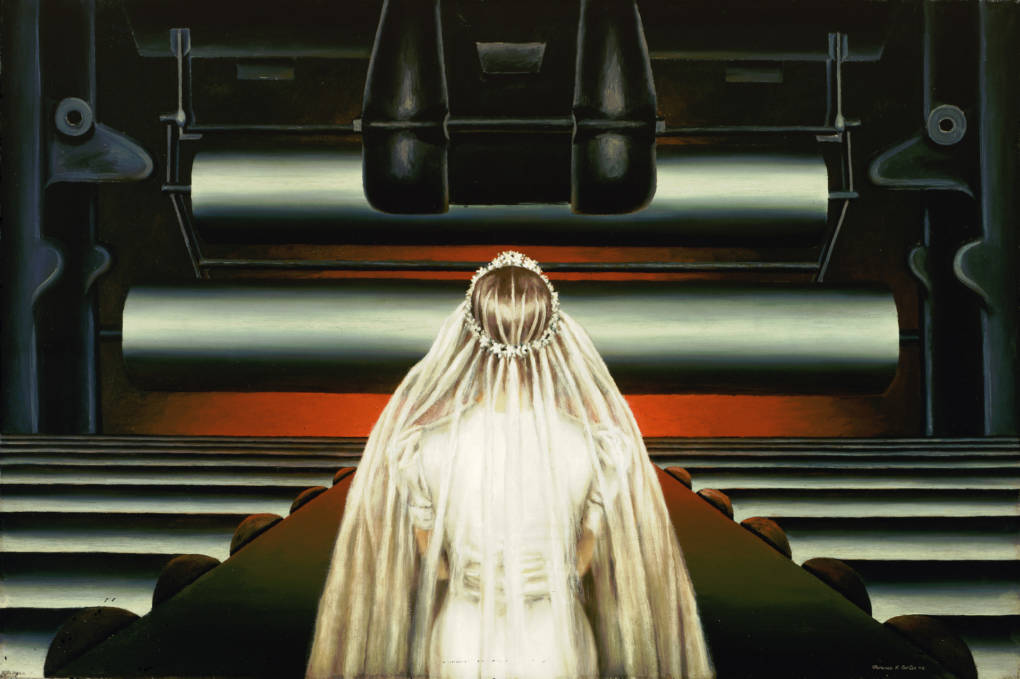
"caption": "Clarence Holbrook Carter's \"War Bride\" (1940) captures a moment in time when American artists began to fear industrialization and its present and future impact on humankind. The painting ends the exhibition \"Cult of the Machine\" at the de Young Museum in San Francisco.",
"description": "Clarence Holbrook Carter's \"War Bride\" (1940) captures a moment in time when American artists began to fear industrialization and its present and future impact on humankind. The painting ends the exhibition \"Cult of the Machine\" at the de Young Museum in San Francisco.",
"title": "Clarence Holbrook Carter (American, 1904–2000)",
"credit": "Photo: Courtesy of the de Young Museum",
"status": "inherit",
"isLoading": false,
"fetchFailed": false
},
"arts_13818948": {
"type": "attachments",
"id": "arts_13818948",
"meta": {
"index": "attachments_1716263798",
"site": "arts",
"id": "13818948",
"found": true
},
"parent": 13818742,
"imgSizes": {
"small": {
"file": "https://ww2.kqed.org/app/uploads/sites/2/2018/01/wizard-apprentice-520x293.jpg",
"width": 520,
"mimeType": "image/jpeg",
"height": 293
},
"twentyfourteen-full-width": {
"file": "https://ww2.kqed.org/app/uploads/sites/2/2018/01/wizard-apprentice-1038x576.jpg",
"width": 1038,
"mimeType": "image/jpeg",
"height": 576
},
"thumbnail": {
"file": "https://ww2.kqed.org/app/uploads/sites/2/2018/01/wizard-apprentice-160x90.jpg",
"width": 160,
"mimeType": "image/jpeg",
"height": 90
},
"fd-sm": {
"file": "https://ww2.kqed.org/app/uploads/sites/2/2018/01/wizard-apprentice-960x540.jpg",
"width": 960,
"mimeType": "image/jpeg",
"height": 540
},
"post-thumbnail": {
"file": "https://ww2.kqed.org/app/uploads/sites/2/2018/01/wizard-apprentice-672x372.jpg",
"width": 672,
"mimeType": "image/jpeg",
"height": 372
},
"xsmall": {
"file": "https://ww2.kqed.org/app/uploads/sites/2/2018/01/wizard-apprentice-375x211.jpg",
"width": 375,
"mimeType": "image/jpeg",
"height": 211
},
"kqedFullSize": {
"file": "https://ww2.kqed.org/app/uploads/sites/2/2018/01/wizard-apprentice.jpg",
"width": 1920,
"height": 1080
},
"large": {
"file": "https://ww2.kqed.org/app/uploads/sites/2/2018/01/wizard-apprentice-1020x574.jpg",
"width": 1020,
"mimeType": "image/jpeg",
"height": 574
},
"xlarge": {
"file": "https://ww2.kqed.org/app/uploads/sites/2/2018/01/wizard-apprentice-1180x664.jpg",
"width": 1180,
"mimeType": "image/jpeg",
"height": 664
},
"guest-author-50": {
"file": "https://ww2.kqed.org/app/uploads/sites/2/2018/01/wizard-apprentice-50x50.jpg",
"width": 50,
"mimeType": "image/jpeg",
"height": 50
},
"guest-author-96": {
"file": "https://ww2.kqed.org/app/uploads/sites/2/2018/01/wizard-apprentice-96x96.jpg",
"width": 96,
"mimeType": "image/jpeg",
"height": 96
},
"medium": {
"file": "https://ww2.kqed.org/app/uploads/sites/2/2018/01/wizard-apprentice-800x450.jpg",
"width": 800,
"mimeType": "image/jpeg",
"height": 450
},
"guest-author-64": {
"file": "https://ww2.kqed.org/app/uploads/sites/2/2018/01/wizard-apprentice-64x64.jpg",
"width": 64,
"mimeType": "image/jpeg",
"height": 64
},
"guest-author-32": {
"file": "https://ww2.kqed.org/app/uploads/sites/2/2018/01/wizard-apprentice-32x32.jpg",
"width": 32,
"mimeType": "image/jpeg",
"height": 32
},
"fd-lrg": {
"file": "https://ww2.kqed.org/app/uploads/sites/2/2018/01/wizard-apprentice-1920x1080.jpg",
"width": 1920,
"mimeType": "image/jpeg",
"height": 1080
},
"fd-med": {
"file": "https://ww2.kqed.org/app/uploads/sites/2/2018/01/wizard-apprentice-1180x664.jpg",
"width": 1180,
"mimeType": "image/jpeg",
"height": 664
},
"full-width": {
"file": "https://ww2.kqed.org/app/uploads/sites/2/2018/01/wizard-apprentice-1920x1080.jpg",
"width": 1920,
"mimeType": "image/jpeg",
"height": 1080
},
"detail": {
"file": "https://ww2.kqed.org/app/uploads/sites/2/2018/01/wizard-apprentice-150x150.jpg",
"width": 150,
"mimeType": "image/jpeg",
"height": 150
},
"medium_large": {
"file": "https://ww2.kqed.org/app/uploads/sites/2/2018/01/wizard-apprentice-768x432.jpg",
"width": 768,
"mimeType": "image/jpeg",
"height": 432
},
"guest-author-128": {
"file": "https://ww2.kqed.org/app/uploads/sites/2/2018/01/wizard-apprentice-128x128.jpg",
"width": 128,
"mimeType": "image/jpeg",
"height": 128
},
"xxsmall": {
"file": "https://ww2.kqed.org/app/uploads/sites/2/2018/01/wizard-apprentice-240x135.jpg",
"width": 240,
"mimeType": "image/jpeg",
"height": 135
}
},
"publishDate": 1515702355,
"modified": 1515702515,
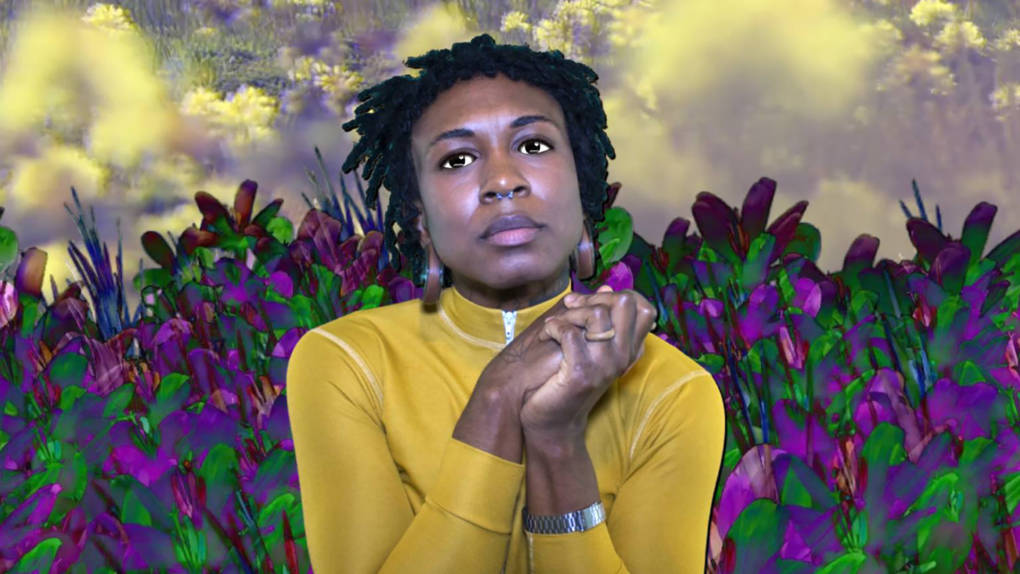
"caption": "Wizard Apprentice uses a digital avatar to reveal painful emotional experiences and hard truths.",
"description": "Wizard Apprentice uses a digital avatar to reveal painful emotional experiences and hard truths.",
"title": "wizard apprentice",
"credit": "Wizard Apprentice",
"status": "inherit",
"isLoading": false,
"fetchFailed": false
}
},
"audioPlayerReducer": {
"postId": "stream_live",
"isPaused": true,
"isPlaying": false,
"pfsActive": false,
"pledgeModalIsOpen": true,
"playerDrawerIsOpen": false,
"liveAudioPlayStartedAt": 0,
"liveAudioPlayContext": ""
},
"authorsReducer": {
"byline_arts_13843080": {
"type": "authors",
"id": "byline_arts_13843080",
"meta": {
"override": true
},
"slug": "byline_arts_13843080",
"name": "Rick Paulas",
"isLoading": false
},
"byline_arts_13837846": {
"type": "authors",
"id": "byline_arts_13837846",
"meta": {
"override": true
},
"slug": "byline_arts_13837846",
"name": "Montse Reyes",
"isLoading": false
},
"byline_arts_13836950": {
"type": "authors",
"id": "byline_arts_13836950",
"meta": {
"override": true
},
"slug": "byline_arts_13836950",
"name": "Ned Raggett",
"isLoading": false
},
"gmeline": {
"type": "authors",
"id": "185",
"meta": {
"index": "authors_1716337520",
"id": "185",
"found": true
},
"name": "Gabe Meline",
"firstName": "Gabe",
"lastName": "Meline",
"slug": "gmeline",
"email": "gmeline@kqed.org",
"display_author_email": true,
"staff_mastheads": [
"arts"
],
"title": "Senior Editor, KQED Arts & Culture",
"bio": "Gabe Meline entered journalism at age 15 making photocopied zines, and has since earned awards from the Edward R. Murrow Awards, the Society for Professional Journalists, the Online Journalism Awards, the Association of Alternative Newsweeklies and the California Newspaper Publishers Association. Prior to KQED, he was the editor of the \u003cem>North Bay Bohemian\u003c/em> and a touring musician. He lives with his wife and daughter in his hometown of Santa Rosa, CA.",
"avatar": "https://secure.gravatar.com/avatar/5bebe57be0d8bc2dd318934feb47299e2d2d10cba28d09d8d7afb389a2ce2bdd?s=600&d=blank&r=g",
"twitter": null,
"bluesky": null,
"facebook": null,
"instagram": null,
"linkedin": null,
"sites": [
{
"site": "",
"roles": [
"editor"
]
},
{
"site": "arts",
"roles": [
"administrator"
]
},
{
"site": "artschool",
"roles": [
"editor"
]
},
{
"site": "news",
"roles": [
"author"
]
},
{
"site": "pop",
"roles": [
"editor"
]
},
{
"site": "bayareabites",
"roles": [
"editor"
]
},
{
"site": "food",
"roles": [
"editor"
]
},
{
"site": "forum",
"roles": [
"administrator"
]
},
{
"site": "liveblog",
"roles": [
"editor"
]
},
{
"site": "hiphop",
"roles": [
"editor"
]
}
],
"headData": {
"title": "Gabe Meline | KQED",
"description": "Senior Editor, KQED Arts & Culture",
"ogImgSrc": "https://secure.gravatar.com/avatar/5bebe57be0d8bc2dd318934feb47299e2d2d10cba28d09d8d7afb389a2ce2bdd?s=600&d=blank&r=g",
"twImgSrc": "https://secure.gravatar.com/avatar/5bebe57be0d8bc2dd318934feb47299e2d2d10cba28d09d8d7afb389a2ce2bdd?s=600&d=blank&r=g"
},
"isLoading": false,
"link": "/author/gmeline"
},
"rachael-myrow": {
"type": "authors",
"id": "251",
"meta": {
"index": "authors_1716337520",
"id": "251",
"found": true
},
"name": "Rachael Myrow",
"firstName": "Rachael",
"lastName": "Myrow",
"slug": "rachael-myrow",
"email": "rmyrow@kqed.org",
"display_author_email": true,
"staff_mastheads": [
"news"
],
"title": "Senior Editor of KQED's Silicon Valley News Desk",
"bio": "• I write and edit stories about how Silicon Valley power and policies shape everyday life in California. I’m also passionate about making Bay Area history and culture more accessible to a broad public. • I’ve been a journalist for most of my life, starting in high school with The Franklin Press in Los Angeles, where I grew up. While earning my first degree in English at UC Berkeley, I got my start in public radio at KALX-FM. After completing a second degree in journalism at Cal, I landed my first professional job at Marketplace, then moved on to KPCC (now LAist), and then KQED, where I hosted The California Report for more than seven years. • My reporting has appeared on NPR, The World, WBUR’s \u003ci>Here & Now\u003c/i>, and the BBC. I also guest host for KQED’s \u003ci>Forum\u003c/i>, as well as the Commonwealth Club in San Francisco. • I speak periodically on media, democracy and technology issues, and do voiceover work for documentaries and educational video projects. • Outside of the studio, you'll find me hiking Bay Area trails and whipping up Insta-ready meals in my kitchen. • I do not accept gifts, money, or favors from anyone connected to my reporting, I don't pay people for information, and I do not support or donate to political causes. • I strive to treat the people I report on with fairness, honesty, and respect. I also recognize there are often multiple sides to a story and work to verify information through multiple sources and documentation. If I get something wrong, I correct it.",
"avatar": "https://secure.gravatar.com/avatar/3ed8a3c5f26025e4a805ba634cda8cd764906b97438a6d9ce216b044e340da4e?s=600&d=blank&r=g",
"twitter": "rachaelmyrow",
"bluesky": null,
"facebook": null,
"instagram": null,
"linkedin": "https://www.linkedin.com/in/rachaelmyrow/",
"sites": [
{
"site": "arts",
"roles": [
"administrator"
]
},
{
"site": "news",
"roles": [
"edit_others_posts",
"editor"
]
},
{
"site": "futureofyou",
"roles": [
"editor"
]
},
{
"site": "bayareabites",
"roles": [
"editor"
]
},
{
"site": "stateofhealth",
"roles": [
"editor"
]
},
{
"site": "science",
"roles": [
"editor"
]
},
{
"site": "food",
"roles": [
"editor"
]
},
{
"site": "forum",
"roles": [
"editor"
]
},
{
"site": "liveblog",
"roles": [
"author"
]
}
],
"headData": {
"title": "Rachael Myrow | KQED",
"description": "Senior Editor of KQED's Silicon Valley News Desk",
"ogImgSrc": "https://secure.gravatar.com/avatar/3ed8a3c5f26025e4a805ba634cda8cd764906b97438a6d9ce216b044e340da4e?s=600&d=blank&r=g",
"twImgSrc": "https://secure.gravatar.com/avatar/3ed8a3c5f26025e4a805ba634cda8cd764906b97438a6d9ce216b044e340da4e?s=600&d=blank&r=g"
},
"isLoading": false,
"link": "/author/rachael-myrow"
},
"slefebvre": {
"type": "authors",
"id": "11091",
"meta": {
"index": "authors_1716337520",
"id": "11091",
"found": true
},
"name": "Sam Lefebvre",
"firstName": "Sam",
"lastName": "Lefebvre",
"slug": "slefebvre",
"email": "sdlefebvre@gmail.com",
"display_author_email": false,
"staff_mastheads": [],
"title": "KQED Contributor",
"bio": "Sam Lefebvre is an award-winning reporter at KQED Arts. He has worked as an editor and columnist at the \u003cem>East Bay Express\u003c/em>, \u003cem>SF Weekly \u003c/em>and Impose Magazine, and his journalism and criticism has appeared in \u003cem>The New York Times\u003c/em>, the Guardian and Pitchfork.",
"avatar": "https://secure.gravatar.com/avatar/49d39b42930b77fb13784ddd9fa63fe780666b71bf289368509dba576b64e69b?s=600&d=blank&r=g",
"twitter": "Lefebvre_Sam",
"bluesky": null,
"facebook": null,
"instagram": null,
"linkedin": null,
"sites": [
{
"site": "arts",
"roles": [
"subscriber"
]
},
{
"site": "news",
"roles": [
"author"
]
}
],
"headData": {
"title": "Sam Lefebvre | KQED",
"description": "KQED Contributor",
"ogImgSrc": "https://secure.gravatar.com/avatar/49d39b42930b77fb13784ddd9fa63fe780666b71bf289368509dba576b64e69b?s=600&d=blank&r=g",
"twImgSrc": "https://secure.gravatar.com/avatar/49d39b42930b77fb13784ddd9fa63fe780666b71bf289368509dba576b64e69b?s=600&d=blank&r=g"
},
"isLoading": false,
"link": "/author/slefebvre"
},
"nvoynovskaya": {
"type": "authors",
"id": "11387",
"meta": {
"index": "authors_1716337520",
"id": "11387",
"found": true
},
"name": "Nastia Voynovskaya",
"firstName": "Nastia",
"lastName": "Voynovskaya",
"slug": "nvoynovskaya",
"email": "nvoynovskaya@kqed.org",
"display_author_email": false,
"staff_mastheads": [
"arts"
],
"title": "Editor and reporter",
"bio": "Nastia Voynovskaya is a reporter, editor and host at KQED Arts & Culture. She's been covering the arts in the Bay Area for over a decade, with a focus on music, queer culture, labor issues and grassroots organizing. She has edited KQED story series such as Trans Bay: A History of San Francisco's Gender-Diverse Community, and co-created KQED's Bay Area hip-hop history project, That's My Word. Nastia's work has been recognized by the Society of Professional Journalists and San Francisco Press Club. She regularly appears on podcasts and radio programs, including NPR's All Songs Considered, and hosts live events where music, culture and conversation meet.",
"avatar": "https://secure.gravatar.com/avatar/5025ee460e5a85d69ca20ea6c6f2f80d7e17795c828f61ea3aecfcd924e9042e?s=600&d=blank&r=g",
"twitter": null,
"bluesky": null,
"facebook": null,
"instagram": "https://www.instagram.com/nananastia/",
"linkedin": null,
"sites": [
{
"site": "",
"roles": [
"editor"
]
},
{
"site": "arts",
"roles": [
"administrator"
]
},
{
"site": "news",
"roles": [
"editor"
]
},
{
"site": "pop",
"roles": [
"administrator"
]
},
{
"site": "bayareabites",
"roles": [
"editor"
]
},
{
"site": "podcasts",
"roles": [
"editor"
]
},
{
"site": "hiphop",
"roles": [
"editor"
]
}
],
"headData": {
"title": "Nastia Voynovskaya | KQED",
"description": "Editor and reporter",
"ogImgSrc": "https://secure.gravatar.com/avatar/5025ee460e5a85d69ca20ea6c6f2f80d7e17795c828f61ea3aecfcd924e9042e?s=600&d=blank&r=g",
"twImgSrc": "https://secure.gravatar.com/avatar/5025ee460e5a85d69ca20ea6c6f2f80d7e17795c828f61ea3aecfcd924e9042e?s=600&d=blank&r=g"
},
"isLoading": false,
"link": "/author/nvoynovskaya"
}
},
"pagesReducer": {
"arts_tag_experimental-music": {
"type": "terms",
"id": "arts_3607",
"meta": {
"index": "terms_1716263798",
"site": "arts",
"id": "3607",
"score": 10.404627
},
"featImg": null,
"name": "experimental music",
"description": null,
"taxonomy": "tag",
"headData": {
"twImgId": null,
"twTitle": null,
"ogTitle": null,
"ogImgId": null,
"twDescription": null,
"description": null,
"title": "experimental music Archives | KQED Arts",
"ogDescription": null
},
"ttid": 3619,
"slug": "experimental-music",
"isLoading": false,
"title": "experimental music",
"pageMeta": {
"site": "arts",
"WpPageTemplate": "page-topic-editorial",
"currentPage": 3
},
"blocks": [
{
"blockName": "kqed/post-list",
"attrs": {
"layout": "cardArticle2",
"query": "posts/arts?tag=experimental-music",
"seeMore": false,
"paginated": true,
"page": 3
}
},
{
"blockName": "kqed/ad"
}
]
}
},
"pfsSessionReducer": {},
"postsReducer": {
"stream_live": {
"type": "live",
"id": "stream_live",
"audioUrl": "https://streams.kqed.org/kqedradio",
"title": "Live Stream",
"excerpt": "Live Stream information currently unavailable.",
"link": "/radio",
"featImg": "",
"label": {
"name": "KQED Live",
"link": "/"
}
},
"stream_kqedNewscast": {
"type": "posts",
"id": "stream_kqedNewscast",
"audioUrl": "https://www.kqed.org/.stream/anon/radio/RDnews/newscast.mp3?_=1",
"title": "KQED Newscast",
"featImg": "",
"label": {
"name": "88.5 FM",
"link": "/"
}
},
"arts_13846432": {
"type": "posts",
"id": "arts_13846432",
"meta": {
"index": "posts_1716263798",
"site": "arts",
"id": "13846432",
"score": null,
"sort": [
1544041540000
]
},
"guestAuthors": [],
"slug": "the-10-best-bay-area-albums-of-2018-voicehandler-light-from-another-light",
"title": "The 10 Best Bay Area Albums of 2018: Voicehandler, 'light from another light'",
"publishDate": 1544041540,
"format": "aside",
"headTitle": "The 10 Best Bay Area Albums of 2018: Voicehandler, ‘light from another light’ | KQED",
"labelTerm": {
"site": "arts"
},
"content": "\u003cfigure id=\"attachment_13846437\" class=\"wp-caption alignright\" style=\"max-width: 800px\">\u003cimg loading=\"lazy\" decoding=\"async\" class=\"size-medium wp-image-13846437\" src=\"https://ww2.kqed.org/arts/wp-content/uploads/sites/2/2018/12/voicehandler-800x800.jpg\" alt=\"Voicehandler, 'light from another light.'\" width=\"800\" height=\"800\" srcset=\"https://cdn.kqed.org/wp-content/uploads/sites/2/2018/12/voicehandler-800x800.jpg 800w, https://cdn.kqed.org/wp-content/uploads/sites/2/2018/12/voicehandler-160x160.jpg 160w, https://cdn.kqed.org/wp-content/uploads/sites/2/2018/12/voicehandler-768x768.jpg 768w, https://cdn.kqed.org/wp-content/uploads/sites/2/2018/12/voicehandler-1020x1020.jpg 1020w, https://cdn.kqed.org/wp-content/uploads/sites/2/2018/12/voicehandler-32x32.jpg 32w, https://cdn.kqed.org/wp-content/uploads/sites/2/2018/12/voicehandler-50x50.jpg 50w, https://cdn.kqed.org/wp-content/uploads/sites/2/2018/12/voicehandler-64x64.jpg 64w, https://cdn.kqed.org/wp-content/uploads/sites/2/2018/12/voicehandler-96x96.jpg 96w, https://cdn.kqed.org/wp-content/uploads/sites/2/2018/12/voicehandler-128x128.jpg 128w, https://cdn.kqed.org/wp-content/uploads/sites/2/2018/12/voicehandler-150x150.jpg 150w, https://cdn.kqed.org/wp-content/uploads/sites/2/2018/12/voicehandler.jpg 1200w\" sizes=\"(max-width: 800px) 100vw, 800px\" />\u003cfigcaption class=\"wp-caption-text\">Voicehandler, ‘light from another light.’\u003c/figcaption>\u003c/figure>\n\u003cp>\u003cem>We’re posting our favorite Bay Area albums of 2018 every weekday through Dec. 14. \u003ca href=\"https://www.kqed.org/arts/tag/best-bay-area-albums-2018\" target=\"_blank\" rel=\"noopener\">Check here\u003c/a> to see who else made the list.\u003c/em>\u003c/p>\n\u003cp>\u003cspan style=\"font-weight: 400\">A wealth of improvised music appeared from Bay Area experimentalists in 2018, often featuring electronic and acoustic instruments nestled together. Zachary Watkins and Marshall Trammell released their final project as Black Spirituals, and \u003ca href=\"https://www.kqed.org/arts/13844696/improviser-bill-orcutts-brace-up-marks-an-incredible-second-act\" target=\"_blank\" rel=\"noopener\">Bill Orcutt\u003c/a> partnered with Chris Corsano on the combustible \u003c/span>\u003ci>\u003cspan style=\"font-weight: 400\">Brace Up! \u003c/span>\u003c/i>\u003cspan style=\"font-weight: 400\">And among the local free music scene’s most inspired dispatches is \u003c/span>\u003ci>\u003cspan style=\"font-weight: 400\">light from another light \u003c/span>\u003c/i>\u003cspan style=\"font-weight: 400\">(Humbler Records)\u003c/span>\u003cspan style=\"font-weight: 400\">, Danishta Rivero and Jacob Heule’s second full-length as \u003ca href=\"https://humbler.bandcamp.com/\" target=\"_blank\" rel=\"noopener\">Voicehandler\u003c/a>.\u003c/span>\u003c/p>\n\u003cp>\u003cspan style=\"font-weight: 400\">The two are fixtures in Oakland’s experimental set: Rivero, working with voice and modular electronics, is also one half of left-field reggaet\u003c/span>\u003cspan style=\"font-weight: 400\">ó\u003c/span>\u003cspan style=\"font-weight: 400\">n duo\u003c/span>\u003cspan style=\"font-weight: 400\"> Las Sucias, while Heule is an active show booker and serially collaborating percussionist. As Voicehandler, who last released \u003c/span>\u003ci>\u003cspan style=\"font-weight: 400\">Song Cycle \u003c/span>\u003c/i>\u003cspan style=\"font-weight: 400\">in 2015, Rivero and Heule have a sensitive, painterly rapport and a seemingly bottomless supply of technique and expressive ingenuity. \u003c/span>\u003ci>\u003cspan style=\"font-weight: 400\">Light from another light\u003c/span>\u003c/i>\u003cspan style=\"font-weight: 400\"> collects loose improvisations, free of easily discernible motifs but suffused with enchantment and otherworldly allure.\u003c/span>\u003c/p>\n\u003cp>\u003c!-- iframe plugin v.4.3 wordpress.org/plugins/iframe/ -->\u003cbr />\n\u003ciframe loading=\"lazy\" style=\"border: 0; width: 100%; height: 120px;\" src=\"https://bandcamp.com/EmbeddedPlayer/album=935253021/size=large/bgcol=ffffff/linkcol=0687f5/tracklist=false/artwork=small/transparent=true/\" 0=\"seamless\" width=\"100%\" height=\"500\" scrolling=\"yes\" class=\"iframe-class\" frameborder=\"0\">\u003c/iframe>\u003c/p>\n\u003cp>\u003cspan style=\"font-weight: 400\">Absent of blustery chaos, \u003c/span>\u003ci>\u003cspan style=\"font-weight: 400\">light from another light \u003c/span>\u003c/i>\u003cspan style=\"font-weight: 400\">feels at once free and focused. The album features three pieces, each recorded a week apart last summer. They’re strikingly divergent from one another in terms of tone and intensity: opener “June 8” is feverishly abuzz with manic scatting; “June 1” builds up a meditative drone with an air of suspense; closer “May 25″ is at first halting and spare, rendering Heule’s percussion with painstaking clarity. [contextly_sidebar id=”sS8gh6XyfkSTixt0FTvIsqE5Ukz1e0l2”]\u003c/span>\u003c/p>\n\u003cp>\u003cspan style=\"font-weight: 400\">The album starts at its busiest point, with a rush of pinball percussion and spiraling cries, but upon repeat listens its softest and steadiest passages emerge as the most captivating: hushed breath and brushwork near the end of “May 25,” for instance, or the buzz-roll bobbing in static on “June 1.” Heule is a bravura drummer with a surgical sense for accents, stressing beats you forgot existed with timbres that might never reappear, but the music isn’t cluttered. Nor is it totally austere; in a quiet moment, Rivero playfully mimics the sound of a broken speaker. [contextly_sidebar id=”09EDgHNEZkYZmakOKRah3Lcd53y93tis”]\u003c/span>\u003c/p>\n\u003cp>\u003cspan style=\"font-weight: 400\">The abstract album cover, a chemically distorted photograph by Brittany Nelson, looks organic but alien. The picture rhymes with the music: Nelson’s image is fibrous from afar and scratchy up close, just as Rivero’s fricative rasp morphs between mesh and daggers. Yet Voicehandler’s music, if it was represented on a canvas, would involve more negative space; Heule and Rivero seize every chance to make the void sing.\u003c/span>\u003cbr />\n[ad fullwidth]\u003cbr />\n[ad floatright]\u003c/p>\n",
"blocks": [],
"excerpt": "Alien and enchanting, Voicehandler's voice and drum improvisations have a seemingly bottomless supply of technique and expressive ingenuity.",
"status": "publish",
"parent": 0,
"modified": 1726703201,
"stats": {
"hasAudio": false,
"hasVideo": false,
"hasChartOrMap": true,
"iframeSrcs": [
"https://bandcamp.com/EmbeddedPlayer/album=935253021/size=large/bgcol=ffffff/linkcol=0687f5/tracklist=false/artwork=small/transparent=true/"
],
"hasGoogleForm": false,
"hasGallery": false,
"hasHearkenModule": false,
"hasPolis": false,
"paragraphCount": 7,
"wordCount": 459
},
"headData": {
"title": "The 10 Best Bay Area Albums of 2018: Voicehandler, 'light from another light' | KQED",
"description": "Alien and enchanting, Voicehandler's voice and drum improvisations have a seemingly bottomless supply of technique and expressive ingenuity.",
"ogTitle": "",
"ogDescription": "",
"ogImgId": "",
"twTitle": "",
"twDescription": "",
"twImgId": "",
"schema": {
"@context": "https://schema.org",
"@type": "Article",
"headline": "The 10 Best Bay Area Albums of 2018: Voicehandler, 'light from another light'",
"datePublished": "2018-12-05T12:25:40-08:00",
"dateModified": "2024-09-18T16:46:41-07:00",
"image": "https://cdn.kqed.org/wp-content/uploads/2020/02/KQED-OG-Image@1x.png"
}
},
"sticky": false,
"path": "/arts/13846432/the-10-best-bay-area-albums-of-2018-voicehandler-light-from-another-light",
"audioTrackLength": null,
"parsedContent": [
{
"type": "contentString",
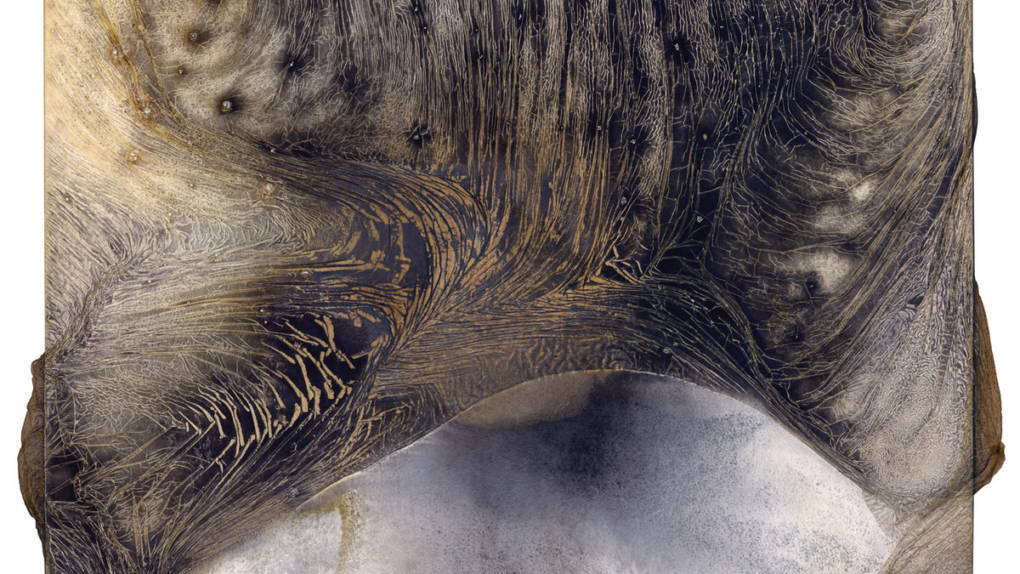
"content": "\u003cdiv class=\"post-body\">\u003cp>\u003cfigure id=\"attachment_13846437\" class=\"wp-caption alignright\" style=\"max-width: 800px\">\u003cimg loading=\"lazy\" decoding=\"async\" class=\"size-medium wp-image-13846437\" src=\"https://ww2.kqed.org/arts/wp-content/uploads/sites/2/2018/12/voicehandler-800x800.jpg\" alt=\"Voicehandler, 'light from another light.'\" width=\"800\" height=\"800\" srcset=\"https://cdn.kqed.org/wp-content/uploads/sites/2/2018/12/voicehandler-800x800.jpg 800w, https://cdn.kqed.org/wp-content/uploads/sites/2/2018/12/voicehandler-160x160.jpg 160w, https://cdn.kqed.org/wp-content/uploads/sites/2/2018/12/voicehandler-768x768.jpg 768w, https://cdn.kqed.org/wp-content/uploads/sites/2/2018/12/voicehandler-1020x1020.jpg 1020w, https://cdn.kqed.org/wp-content/uploads/sites/2/2018/12/voicehandler-32x32.jpg 32w, https://cdn.kqed.org/wp-content/uploads/sites/2/2018/12/voicehandler-50x50.jpg 50w, https://cdn.kqed.org/wp-content/uploads/sites/2/2018/12/voicehandler-64x64.jpg 64w, https://cdn.kqed.org/wp-content/uploads/sites/2/2018/12/voicehandler-96x96.jpg 96w, https://cdn.kqed.org/wp-content/uploads/sites/2/2018/12/voicehandler-128x128.jpg 128w, https://cdn.kqed.org/wp-content/uploads/sites/2/2018/12/voicehandler-150x150.jpg 150w, https://cdn.kqed.org/wp-content/uploads/sites/2/2018/12/voicehandler.jpg 1200w\" sizes=\"(max-width: 800px) 100vw, 800px\" />\u003cfigcaption class=\"wp-caption-text\">Voicehandler, ‘light from another light.’\u003c/figcaption>\u003c/figure>\n\u003cp>\u003cem>We’re posting our favorite Bay Area albums of 2018 every weekday through Dec. 14. \u003ca href=\"https://www.kqed.org/arts/tag/best-bay-area-albums-2018\" target=\"_blank\" rel=\"noopener\">Check here\u003c/a> to see who else made the list.\u003c/em>\u003c/p>\n\u003cp>\u003cspan style=\"font-weight: 400\">A wealth of improvised music appeared from Bay Area experimentalists in 2018, often featuring electronic and acoustic instruments nestled together. Zachary Watkins and Marshall Trammell released their final project as Black Spirituals, and \u003ca href=\"https://www.kqed.org/arts/13844696/improviser-bill-orcutts-brace-up-marks-an-incredible-second-act\" target=\"_blank\" rel=\"noopener\">Bill Orcutt\u003c/a> partnered with Chris Corsano on the combustible \u003c/span>\u003ci>\u003cspan style=\"font-weight: 400\">Brace Up! \u003c/span>\u003c/i>\u003cspan style=\"font-weight: 400\">And among the local free music scene’s most inspired dispatches is \u003c/span>\u003ci>\u003cspan style=\"font-weight: 400\">light from another light \u003c/span>\u003c/i>\u003cspan style=\"font-weight: 400\">(Humbler Records)\u003c/span>\u003cspan style=\"font-weight: 400\">, Danishta Rivero and Jacob Heule’s second full-length as \u003ca href=\"https://humbler.bandcamp.com/\" target=\"_blank\" rel=\"noopener\">Voicehandler\u003c/a>.\u003c/span>\u003c/p>\n\u003cp>\u003cspan style=\"font-weight: 400\">The two are fixtures in Oakland’s experimental set: Rivero, working with voice and modular electronics, is also one half of left-field reggaet\u003c/span>\u003cspan style=\"font-weight: 400\">ó\u003c/span>\u003cspan style=\"font-weight: 400\">n duo\u003c/span>\u003cspan style=\"font-weight: 400\"> Las Sucias, while Heule is an active show booker and serially collaborating percussionist. As Voicehandler, who last released \u003c/span>\u003ci>\u003cspan style=\"font-weight: 400\">Song Cycle \u003c/span>\u003c/i>\u003cspan style=\"font-weight: 400\">in 2015, Rivero and Heule have a sensitive, painterly rapport and a seemingly bottomless supply of technique and expressive ingenuity. \u003c/span>\u003ci>\u003cspan style=\"font-weight: 400\">Light from another light\u003c/span>\u003c/i>\u003cspan style=\"font-weight: 400\"> collects loose improvisations, free of easily discernible motifs but suffused with enchantment and otherworldly allure.\u003c/span>\u003c/p>\n\u003cp>\u003c!-- iframe plugin v.4.3 wordpress.org/plugins/iframe/ -->\u003cbr />\n\u003ciframe loading=\"lazy\" style=\"border: 0; width: 100%; height: 120px;\" src=\"https://bandcamp.com/EmbeddedPlayer/album=935253021/size=large/bgcol=ffffff/linkcol=0687f5/tracklist=false/artwork=small/transparent=true/\" 0=\"seamless\" width=\"100%\" height=\"500\" scrolling=\"yes\" class=\"iframe-class\" frameborder=\"0\">\u003c/iframe>\u003c/p>\n\u003cp>\u003cspan style=\"font-weight: 400\">Absent of blustery chaos, \u003c/span>\u003ci>\u003cspan style=\"font-weight: 400\">light from another light \u003c/span>\u003c/i>\u003cspan style=\"font-weight: 400\">feels at once free and focused. The album features three pieces, each recorded a week apart last summer. They’re strikingly divergent from one another in terms of tone and intensity: opener “June 8” is feverishly abuzz with manic scatting; “June 1” builds up a meditative drone with an air of suspense; closer “May 25″ is at first halting and spare, rendering Heule’s percussion with painstaking clarity. \u003c/p>\u003cp>\u003c/p>\u003cp>\u003c/span>\u003c/p>\n\u003cp>\u003cspan style=\"font-weight: 400\">The album starts at its busiest point, with a rush of pinball percussion and spiraling cries, but upon repeat listens its softest and steadiest passages emerge as the most captivating: hushed breath and brushwork near the end of “May 25,” for instance, or the buzz-roll bobbing in static on “June 1.” Heule is a bravura drummer with a surgical sense for accents, stressing beats you forgot existed with timbres that might never reappear, but the music isn’t cluttered. Nor is it totally austere; in a quiet moment, Rivero playfully mimics the sound of a broken speaker. \u003c/p>\u003cp>\u003c/p>\u003cp>\u003c/span>\u003c/p>\n\u003cp>\u003cspan style=\"font-weight: 400\">The abstract album cover, a chemically distorted photograph by Brittany Nelson, looks organic but alien. The picture rhymes with the music: Nelson’s image is fibrous from afar and scratchy up close, just as Rivero’s fricative rasp morphs between mesh and daggers. Yet Voicehandler’s music, if it was represented on a canvas, would involve more negative space; Heule and Rivero seize every chance to make the void sing.\u003c/span>\u003cbr />\n\u003c/p>\u003c/div>",
"attributes": {
"named": {},
"numeric": []
}
},
{
"type": "component",
"content": "",
"name": "ad",
"attributes": {
"named": {
"label": "fullwidth"
},
"numeric": [
"fullwidth"
]
}
},
{
"type": "contentString",
"content": "\u003cdiv class=\"post-body\">\u003cp>\u003cbr />\n\u003c/p>\u003c/div>",
"attributes": {
"named": {},
"numeric": []
}
},
{
"type": "component",
"content": "",
"name": "ad",
"attributes": {
"named": {
"label": "floatright"
},
"numeric": [
"floatright"
]
}
},
{
"type": "contentString",
"content": "\u003cdiv class=\"post-body\">\u003cp>\u003c/p>\n\u003c/div>\u003c/p>",
"attributes": {
"named": {},
"numeric": []
}
}
],
"link": "/arts/13846432/the-10-best-bay-area-albums-of-2018-voicehandler-light-from-another-light",
"authors": [
"11091"
],
"categories": [
"arts_69"
],
"tags": [
"arts_1501",
"arts_3607",
"arts_1118",
"arts_596",
"arts_6140"
],
"featImg": "arts_13846438",
"label": "arts"
},
"arts_13845374": {
"type": "posts",
"id": "arts_13845374",
"meta": {
"index": "posts_1716263798",
"site": "arts",
"id": "13845374",
"score": null,
"sort": [
1542829051000
]
},
"parent": 0,
"labelTerm": {
"site": "arts",
"term": 140
},
"blocks": [],
"publishDate": 1542829051,
"format": "image",
"title": "Laurie Anderson Brings a Slate of Experimental Concerts to SFJAZZ",
"headTitle": "Laurie Anderson Brings a Slate of Experimental Concerts to SFJAZZ | KQED",
"content": "\u003cp>The fabulously eccentric performance artist and experimental musician Laurie Anderson is SFJAZZ’s resident artistic director this season, and that’s not the only thing she’s been up to in San Francisco this year: she also collaborated with the trendsetting Kronos Quartet on an excellent spoken-word-meets-contemporary-classical album, \u003cem>Landfall\u003c/em>, which came out in February.\u003c/p>\n\u003cp>Anderson has several dates coming up at SFJAZZ, and not all of them are sold out. On Friday, Nov. 30, she’s performing her late husband Lou Reed’s \u003ca href=\"https://www.sfjazz.org/tickets/productions/laurie-anderson-lou-reed-drones-viola-duets/\" target=\"_blank\" rel=\"noopener\">\u003cem>Drone\u003c/em>\u003c/a> piece, a composition that hinges on droning guitar feedback. Anderson and Eyvind Kang will be on viola, with saxophonist Ulrich Krieger and guitar technician Stewart Hurwood accompanying them.\u003c/p>\n\u003cp>Then, on Dec. 1, Anderson has a show called \u003ca href=\"https://www.sfjazz.org/tickets/productions/laurie-anderson-songs-for-men/\" target=\"_blank\" rel=\"noopener\">\u003cem>Song for Men\u003c/em>\u003c/a> (a complement to her sold-out \u003cem>Songs for Women\u003c/em> show on Nov. 29). At both performances, which incorporate jazz, electronic music and storytelling, Anderson performs songs she’s written for specific people in her life. At \u003cem>Songs for Men\u003c/em>, Bay Area experimental composer and percussionist Scott Amendola joins Anderson on drums and electronics for a night of improvisation.\u003c/p>\n\u003cp>On Dec. 2, Anderson collaborates with avant-garde guitarist and Mills College professor Fred Frith for \u003ca href=\"https://www.sfjazz.org/tickets/productions/laurie-anderson-scenes-from-my-radio-play/\" target=\"_blank\" rel=\"noopener\">\u003cem>Scenes From My Radio Play\u003c/em>\u003c/a>, “invoking hypnosis, memory, old juke joints, canoe trips and love.”\u003c/p>\n\u003cp>Details for the entire concert series can be found \u003ca href=\"https://www.sfjazz.org/calendar/?month=11.2018&series=18135\" target=\"_blank\" rel=\"noopener\">here\u003c/a>.\u003c/p>\n\u003cp>[ad fullwidth]\u003c/p>\n\u003cp>\u003c/p>\n\u003cp>https://www.youtube.com/watch?v=Vkfpi2H8tOE\u003c/p>\n\n",
"stats": {
"hasVideo": true,
"hasChartOrMap": false,
"hasAudio": false,
"hasPolis": false,
"wordCount": 245,
"hasGoogleForm": false,
"hasGallery": false,
"hasHearkenModule": false,
"iframeSrcs": [],
"paragraphCount": 7
},
"modified": 1705026984,
"excerpt": "The fabulously eccentric performance artist and experimental musician is SFJAZZ's resident artistic director this season.",
"headData": {
"twImgId": "",
"twTitle": "",
"ogTitle": "",
"ogImgId": "",
"twDescription": "",
"description": "The fabulously eccentric performance artist and experimental musician is SFJAZZ's resident artistic director this season.",
"title": "Laurie Anderson Brings a Slate of Experimental Concerts to SFJAZZ | KQED",
"ogDescription": "",
"schema": {
"@context": "https://schema.org",
"@type": "Article",
"headline": "Laurie Anderson Brings a Slate of Experimental Concerts to SFJAZZ",
"datePublished": "2018-11-21T11:37:31-08:00",
"dateModified": "2024-01-11T18:36:24-08:00",
"image": "https://cdn.kqed.org/wp-content/uploads/2020/02/KQED-OG-Image@1x.png"
}
},
"guestAuthors": [],
"slug": "laurie-anderson-brings-a-slate-of-experimental-concerts-to-sfjazz",
"status": "publish",
"sticky": false,
"path": "/arts/13845374/laurie-anderson-brings-a-slate-of-experimental-concerts-to-sfjazz",
"audioTrackLength": null,
"parsedContent": [
{
"type": "contentString",
"content": "\u003cdiv class=\"post-body\">\u003cp>\u003cp>The fabulously eccentric performance artist and experimental musician Laurie Anderson is SFJAZZ’s resident artistic director this season, and that’s not the only thing she’s been up to in San Francisco this year: she also collaborated with the trendsetting Kronos Quartet on an excellent spoken-word-meets-contemporary-classical album, \u003cem>Landfall\u003c/em>, which came out in February.\u003c/p>\n\u003cp>Anderson has several dates coming up at SFJAZZ, and not all of them are sold out. On Friday, Nov. 30, she’s performing her late husband Lou Reed’s \u003ca href=\"https://www.sfjazz.org/tickets/productions/laurie-anderson-lou-reed-drones-viola-duets/\" target=\"_blank\" rel=\"noopener\">\u003cem>Drone\u003c/em>\u003c/a> piece, a composition that hinges on droning guitar feedback. Anderson and Eyvind Kang will be on viola, with saxophonist Ulrich Krieger and guitar technician Stewart Hurwood accompanying them.\u003c/p>\n\u003cp>Then, on Dec. 1, Anderson has a show called \u003ca href=\"https://www.sfjazz.org/tickets/productions/laurie-anderson-songs-for-men/\" target=\"_blank\" rel=\"noopener\">\u003cem>Song for Men\u003c/em>\u003c/a> (a complement to her sold-out \u003cem>Songs for Women\u003c/em> show on Nov. 29). At both performances, which incorporate jazz, electronic music and storytelling, Anderson performs songs she’s written for specific people in her life. At \u003cem>Songs for Men\u003c/em>, Bay Area experimental composer and percussionist Scott Amendola joins Anderson on drums and electronics for a night of improvisation.\u003c/p>\n\u003cp>On Dec. 2, Anderson collaborates with avant-garde guitarist and Mills College professor Fred Frith for \u003ca href=\"https://www.sfjazz.org/tickets/productions/laurie-anderson-scenes-from-my-radio-play/\" target=\"_blank\" rel=\"noopener\">\u003cem>Scenes From My Radio Play\u003c/em>\u003c/a>, “invoking hypnosis, memory, old juke joints, canoe trips and love.”\u003c/p>\n\u003cp>Details for the entire concert series can be found \u003ca href=\"https://www.sfjazz.org/calendar/?month=11.2018&series=18135\" target=\"_blank\" rel=\"noopener\">here\u003c/a>.\u003c/p>\n\u003cp>\u003c/p>\u003c/div>",
"attributes": {
"named": {},
"numeric": []
}
},
{
"type": "component",
"content": "",
"name": "ad",
"attributes": {
"named": {
"label": "fullwidth"
},
"numeric": [
"fullwidth"
]
}
},
{
"type": "contentString",
"content": "\u003cdiv class=\"post-body\">\u003cp>\u003c/p>\n\u003cp>\u003c/p>\u003c/p>\u003cp>\u003cspan class='utils-parseShortcode-shortcodes-__youtubeShortcode__embedYoutube'>\n \u003cspan class='utils-parseShortcode-shortcodes-__youtubeShortcode__embedYoutubeInside'>\n \u003ciframe\n loading='lazy'\n class='utils-parseShortcode-shortcodes-__youtubeShortcode__youtubePlayer'\n type='text/html'\n src='//www.youtube.com/embed/Vkfpi2H8tOE'\n title='//www.youtube.com/embed/Vkfpi2H8tOE'\n allowfullscreen='true'\n style='border:0;'>\u003c/iframe>\n \u003c/span>\n \u003c/span>\u003c/p>\u003cp>\n\u003c/div>\u003c/p>",
"attributes": {
"named": {},
"numeric": []
}
}
],
"link": "/arts/13845374/laurie-anderson-brings-a-slate-of-experimental-concerts-to-sfjazz",
"authors": [
"11387"
],
"programs": [
"arts_140"
],
"categories": [
"arts_69"
],
"tags": [
"arts_1501",
"arts_3607",
"arts_1118",
"arts_1420",
"arts_596",
"arts_2048"
],
"featImg": "arts_13845456",
"label": "arts_140"
},
"arts_13844696": {
"type": "posts",
"id": "arts_13844696",
"meta": {
"index": "posts_1716263798",
"site": "arts",
"id": "13844696",
"score": null,
"sort": [
1542227287000
]
},
"parent": 0,
"labelTerm": {
"site": "arts"
},
"blocks": [],
"publishDate": 1542227287,
"format": "image",
"title": "Improviser Bill Orcutt's 'Brace Up!' Marks an Incredible Second Act",
"headTitle": "Improviser Bill Orcutt’s ‘Brace Up!’ Marks an Incredible Second Act | KQED",
"content": "\u003cp>Bill Orcutt, the brashly inventive guitarist and improviser, didn’t release a record or perform live for ten years. After the 1998 breakup of Harry Pussy, his combative noise-rock outfit beloved by better-known peers such as Sonic Youth, he moved from Florida to San Francisco to work in software and receded from the music scene, eventually swapping a Mission District apartment for a house in Sunnyside to accommodate his young family.\u003c/p>\n\u003cp>Orcutt made some electronic music at home but didn’t share it. He felt he’d already reached a creative peak. “I didn’t want to be in anyone else’s band,” says Orcutt, 56, over lunch in a Chinatown noodle joint recently. “I’d already had the band where I could do whatever I wanted.”\u003c/p>\n\u003cp>Yet the past decade has marked a renaissance for the soloist and collaborator, whose recent \u003cem>Brace Up!\u003c/em> full-length marks the latest scene in an incredible second act.\u003c/p>\n\u003cp>Orcutt’s hibernation ended in 2008, when he was asked to compile a Harry Pussy collection, prompting him to pick up his battered, four-string acoustic and rediscover the instrument’s physicality—the way gestural subtleties inflect its sound. He also grew inspired by a niche of YouTube users documenting their tics, or involuntary behaviors, which emboldened him creatively and shed light on his own artistic urges and fixations.\u003c/p>\n\u003cp>\u003c!-- iframe plugin v.4.3 wordpress.org/plugins/iframe/ -->\u003cbr>\n\u003ciframe loading=\"lazy\" style=\"border: 0; width: 100%; height: 120px;\" src=\"https://bandcamp.com/EmbeddedPlayer/album=2094112072/size=large/bgcol=ffffff/linkcol=0687f5/tracklist=false/artwork=small/transparent=true/\" width=\"100%\" height=\"500\" scrolling=\"yes\" class=\"iframe-class\" frameborder=\"0\">\u003c/iframe>\u003c/p>\n\u003cp>[ad fullwidth]\u003c/p>\n\u003cp>One woman compulsively touched things, saying it released tension between her and objects, which reminded Orcutt of tonal resolution in music. While improvising on guitar at home, he started vocalizing—or stopped trying not to—and recording the feverish abstractions and elliptical reveries. “I wanted to understand why they’d document and share these strange activities with people on the internet,” he says. “But eventually, I realized I was doing the same thing. I’d really been trying to understand myself.”\u003c/p>\n\u003cp>In the past ten years, Orcutt has developed a style by turns lashing and supple, lustrous and coarse, and recorded and performed with an esteemed cast of experimentalists including Alan Bishop (Sun City Girls), Okkyung Lee and Haley Fohr (Circuit des Yeux). The force and breadth of his work, with some help from his old group’s underground clout, has made him a standout fixture of the free music scene, appearing regularly in dives, far flung festivals and white-walled art spaces alike.\u003c/p>\n\u003cfigure id=\"attachment_13844844\" class=\"wp-caption aligncenter\" style=\"max-width: 800px\">\u003cimg loading=\"lazy\" decoding=\"async\" class=\"size-medium wp-image-13844844\" src=\"https://ww2.kqed.org/arts/wp-content/uploads/sites/2/2018/11/BillOrcut.Backyard-800x533.jpg\" alt=\"Orcutt is inspired by tic videos on YouTube.\" width=\"800\" height=\"533\" srcset=\"https://cdn.kqed.org/wp-content/uploads/sites/2/2018/11/BillOrcut.Backyard-800x533.jpg 800w, https://cdn.kqed.org/wp-content/uploads/sites/2/2018/11/BillOrcut.Backyard-160x107.jpg 160w, https://cdn.kqed.org/wp-content/uploads/sites/2/2018/11/BillOrcut.Backyard-768x512.jpg 768w, https://cdn.kqed.org/wp-content/uploads/sites/2/2018/11/BillOrcut.Backyard-1020x680.jpg 1020w, https://cdn.kqed.org/wp-content/uploads/sites/2/2018/11/BillOrcut.Backyard-1200x800.jpg 1200w, https://cdn.kqed.org/wp-content/uploads/sites/2/2018/11/BillOrcut.Backyard.jpg 1920w, https://cdn.kqed.org/wp-content/uploads/sites/2/2018/11/BillOrcut.Backyard-1180x787.jpg 1180w, https://cdn.kqed.org/wp-content/uploads/sites/2/2018/11/BillOrcut.Backyard-960x640.jpg 960w, https://cdn.kqed.org/wp-content/uploads/sites/2/2018/11/BillOrcut.Backyard-240x160.jpg 240w, https://cdn.kqed.org/wp-content/uploads/sites/2/2018/11/BillOrcut.Backyard-375x250.jpg 375w, https://cdn.kqed.org/wp-content/uploads/sites/2/2018/11/BillOrcut.Backyard-520x347.jpg 520w\" sizes=\"(max-width: 800px) 100vw, 800px\">\u003cfigcaption class=\"wp-caption-text\">Orcutt is inspired by tic videos on YouTube. \u003ccite>(Sam Lefebvre/KQED)\u003c/cite>\u003c/figcaption>\u003c/figure>\n\u003cp>\u003cem>Brace Up!\u003c/em>, an improvisational cauldron recorded with drummer Chris Corsano and out on Orcutt’s own \u003ca href=\"http://palilalia.com/\" target=\"_blank\" rel=\"noopener\">Palilalia Records\u003c/a> (named for an involuntary speech disorder), is \u003ca href=\"https://www.discogs.com/artist/626182-Bill-Orcutt\" target=\"_blank\" rel=\"noopener\">at least\u003c/a> the guitarist’s fifteenth full-length since he returned to the instrument. (The \u003ca href=\"https://www.facebook.com/events/286797338599335/\" target=\"_blank\" rel=\"noopener\">release show\u003c/a> is Thursday at the Center for New Music.) It’s another idiom-defiant entry in a catalog imbued with the thrill of precognitive expression.\u003c/p>\n\u003cp>The album, recorded amid a European tour last year, opens in frenetic fashion, with Orcutt’s undulating triplets colliding with Corsano’s clattering fills. The two merge to approximate a buzz saw attacking foil. They sometimes strike a woozy, ambling gait; occasionally open on to windswept space; and often upend Orcutt’s melodic clusters with frenzied mayhem. Orcutt seems to mew in delight when he lingers on poignant notes.\u003c/p>\n\u003cp>Corsano, another serial collaborator based on the East Coast, says playing with Orcutt leaves deep impressions on his own practice as an improviser. “He plays with conviction—it’s very \u003cem>convincing\u003c/em>,” Corsano emphasizes. “Bill leaves a residue, like when you look at a light and then you can see the outline of it on the inside of your eyelids. There’s always a new way that I relate to my instrument after hearing how he plays his.”\u003c/p>\n\u003cp>Orcutt, who has a salty beard and a closetful of pocketed black t-shirts, prizes spontaneity. Approvingly, he recalls a performance with the guitarist Loren Connors that started while he happened to be in another room. “I thought maybe we’d tune, but no.” He says that he made the collage on the cover of \u003cem>Brace Up!\u003c/em> in ten minutes after throwing away something more polished-looking. “I’ve done that a lot, actually.” (He also at first neglected to get one photographer’s permission, earning a cease-and-desist.)\u003c/p>\n\u003cp>https://youtu.be/puxj1gIZmh4\u003c/p>\n\u003cp>His song and album titles, meanwhile, generally evoke the cackling-straight-to-hell irreverence of Harry Pussy. The name of one full-length fancifully references the industry in which he makes a living: \u003cem>An Account of the Crimes of Peter Thiel and His Subsequent Arrest, Trial and Execution\u003c/em>. On Brace Up! alone, there’s zingers (“Clapton’s Complaint”), self-deprecation (“Bargain Sounds”), and, in one case, a song title befitting the track’s sense of romantic intoxication: “She Punched a Hole in the Moon for Me.”\u003c/p>\n\u003cp>Most of his recordings are fairly low-fidelity, often recorded with one microphone. When I ask about the clearer sound quality of recent titles, he quips, “I reserve the right to go back to making shitty-sounding records.” Part of the emphasis on unfiltered immediacy seems like an aversion to seeming self-serious. He is a wellspring of musical knowledge, but his choice in material to reinterpret (for example, “\u003ca href=\"https://billorcutt.bandcamp.com/album/a-history-of-every-one\" target=\"_blank\" rel=\"noopener\">White Christmas\u003c/a>”) skews towards what he called “middlebrow, core American garbage.” “I tend to be suspicious of good taste,” he says.\u003c/p>\n\u003cp>Orcutt is clearly savoring his privileged position as an artist. He answers to no record label, feels distant from the social aspect of the music scene and doesn’t expect, or need, to make a living from his work. Even though he felt creatively free in Harry Pussy, the music also to be “indecipherably complex or moronically simple,” he says. “Now when I’m playing, I’m going for joy.”\u003c/p>\n\u003cp>\u003cimg loading=\"lazy\" decoding=\"async\" class=\"size-medium wp-image-12127869 aligncenter\" src=\"https://ww2.kqed.org/arts/wp-content/uploads/sites/2/2016/09/Q.Logo_.Break_-800x78.jpg\" alt=\"\" width=\"800\" height=\"78\" srcset=\"https://cdn.kqed.org/wp-content/uploads/sites/2/2016/09/Q.Logo_.Break_.jpg 800w, https://cdn.kqed.org/wp-content/uploads/sites/2/2016/09/Q.Logo_.Break_-400x39.jpg 400w, https://cdn.kqed.org/wp-content/uploads/sites/2/2016/09/Q.Logo_.Break_-768x75.jpg 768w\" sizes=\"(max-width: 800px) 100vw, 800px\">\u003c/p>\n\u003cp>\u003c/p>\n\u003cp>\u003cem>Bill Orcutt performs at Center for New Music with Zachary James Watkins on Nov. 15. Details \u003ca href=\"https://www.facebook.com/events/286797338599335/\" target=\"_blank\" rel=\"noopener\">here\u003c/a>.\u003c/em>\u003c/p>\n\n",
"stats": {
"hasVideo": false,
"hasChartOrMap": true,
"hasAudio": false,
"hasPolis": false,
"wordCount": 1041,
"hasGoogleForm": false,
"hasGallery": false,
"hasHearkenModule": false,
"iframeSrcs": [
"https://bandcamp.com/EmbeddedPlayer/album=2094112072/size=large/bgcol=ffffff/linkcol=0687f5/tracklist=false/artwork=small/transparent=true/"
],
"paragraphCount": 18
},
"modified": 1705027017,
"excerpt": "The brashly inventive composer savors the thrill of precognitive expression on his latest album. ",
"headData": {
"twImgId": "",
"twTitle": "",
"ogTitle": "",
"ogImgId": "",
"twDescription": "",
"description": "The brashly inventive composer savors the thrill of precognitive expression on his latest album. ",
"title": "Improviser Bill Orcutt's 'Brace Up!' Marks an Incredible Second Act | KQED",
"ogDescription": "",
"schema": {
"@context": "https://schema.org",
"@type": "Article",
"headline": "Improviser Bill Orcutt's 'Brace Up!' Marks an Incredible Second Act",
"datePublished": "2018-11-14T12:28:07-08:00",
"dateModified": "2024-01-11T18:36:57-08:00",
"image": "https://cdn.kqed.org/wp-content/uploads/2020/02/KQED-OG-Image@1x.png"
}
},
"guestAuthors": [],
"slug": "improviser-bill-orcutts-brace-up-marks-an-incredible-second-act",
"status": "publish",
"sticky": false,
"WpOldSlug": "improvisor-bill-orcutts-brace-up-marks-an-incredible-second-act",
"path": "/arts/13844696/improviser-bill-orcutts-brace-up-marks-an-incredible-second-act",
"audioTrackLength": null,
"parsedContent": [
{
"type": "contentString",
"content": "\u003cdiv class=\"post-body\">\u003cp>\u003cp>Bill Orcutt, the brashly inventive guitarist and improviser, didn’t release a record or perform live for ten years. After the 1998 breakup of Harry Pussy, his combative noise-rock outfit beloved by better-known peers such as Sonic Youth, he moved from Florida to San Francisco to work in software and receded from the music scene, eventually swapping a Mission District apartment for a house in Sunnyside to accommodate his young family.\u003c/p>\n\u003cp>Orcutt made some electronic music at home but didn’t share it. He felt he’d already reached a creative peak. “I didn’t want to be in anyone else’s band,” says Orcutt, 56, over lunch in a Chinatown noodle joint recently. “I’d already had the band where I could do whatever I wanted.”\u003c/p>\n\u003cp>Yet the past decade has marked a renaissance for the soloist and collaborator, whose recent \u003cem>Brace Up!\u003c/em> full-length marks the latest scene in an incredible second act.\u003c/p>\n\u003cp>Orcutt’s hibernation ended in 2008, when he was asked to compile a Harry Pussy collection, prompting him to pick up his battered, four-string acoustic and rediscover the instrument’s physicality—the way gestural subtleties inflect its sound. He also grew inspired by a niche of YouTube users documenting their tics, or involuntary behaviors, which emboldened him creatively and shed light on his own artistic urges and fixations.\u003c/p>\n\u003cp>\u003c!-- iframe plugin v.4.3 wordpress.org/plugins/iframe/ -->\u003cbr>\n\u003ciframe loading=\"lazy\" style=\"border: 0; width: 100%; height: 120px;\" src=\"https://bandcamp.com/EmbeddedPlayer/album=2094112072/size=large/bgcol=ffffff/linkcol=0687f5/tracklist=false/artwork=small/transparent=true/\" width=\"100%\" height=\"500\" scrolling=\"yes\" class=\"iframe-class\" frameborder=\"0\">\u003c/iframe>\u003c/p>\n\u003cp>\u003c/p>\u003c/div>",
"attributes": {
"named": {},
"numeric": []
}
},
{
"type": "component",
"content": "",
"name": "ad",
"attributes": {
"named": {
"label": "fullwidth"
},
"numeric": [
"fullwidth"
]
}
},
{
"type": "contentString",
"content": "\u003cdiv class=\"post-body\">\u003cp>\u003c/p>\n\u003cp>One woman compulsively touched things, saying it released tension between her and objects, which reminded Orcutt of tonal resolution in music. While improvising on guitar at home, he started vocalizing—or stopped trying not to—and recording the feverish abstractions and elliptical reveries. “I wanted to understand why they’d document and share these strange activities with people on the internet,” he says. “But eventually, I realized I was doing the same thing. I’d really been trying to understand myself.”\u003c/p>\n\u003cp>In the past ten years, Orcutt has developed a style by turns lashing and supple, lustrous and coarse, and recorded and performed with an esteemed cast of experimentalists including Alan Bishop (Sun City Girls), Okkyung Lee and Haley Fohr (Circuit des Yeux). The force and breadth of his work, with some help from his old group’s underground clout, has made him a standout fixture of the free music scene, appearing regularly in dives, far flung festivals and white-walled art spaces alike.\u003c/p>\n\u003cfigure id=\"attachment_13844844\" class=\"wp-caption aligncenter\" style=\"max-width: 800px\">\u003cimg loading=\"lazy\" decoding=\"async\" class=\"size-medium wp-image-13844844\" src=\"https://ww2.kqed.org/arts/wp-content/uploads/sites/2/2018/11/BillOrcut.Backyard-800x533.jpg\" alt=\"Orcutt is inspired by tic videos on YouTube.\" width=\"800\" height=\"533\" srcset=\"https://cdn.kqed.org/wp-content/uploads/sites/2/2018/11/BillOrcut.Backyard-800x533.jpg 800w, https://cdn.kqed.org/wp-content/uploads/sites/2/2018/11/BillOrcut.Backyard-160x107.jpg 160w, https://cdn.kqed.org/wp-content/uploads/sites/2/2018/11/BillOrcut.Backyard-768x512.jpg 768w, https://cdn.kqed.org/wp-content/uploads/sites/2/2018/11/BillOrcut.Backyard-1020x680.jpg 1020w, https://cdn.kqed.org/wp-content/uploads/sites/2/2018/11/BillOrcut.Backyard-1200x800.jpg 1200w, https://cdn.kqed.org/wp-content/uploads/sites/2/2018/11/BillOrcut.Backyard.jpg 1920w, https://cdn.kqed.org/wp-content/uploads/sites/2/2018/11/BillOrcut.Backyard-1180x787.jpg 1180w, https://cdn.kqed.org/wp-content/uploads/sites/2/2018/11/BillOrcut.Backyard-960x640.jpg 960w, https://cdn.kqed.org/wp-content/uploads/sites/2/2018/11/BillOrcut.Backyard-240x160.jpg 240w, https://cdn.kqed.org/wp-content/uploads/sites/2/2018/11/BillOrcut.Backyard-375x250.jpg 375w, https://cdn.kqed.org/wp-content/uploads/sites/2/2018/11/BillOrcut.Backyard-520x347.jpg 520w\" sizes=\"(max-width: 800px) 100vw, 800px\">\u003cfigcaption class=\"wp-caption-text\">Orcutt is inspired by tic videos on YouTube. \u003ccite>(Sam Lefebvre/KQED)\u003c/cite>\u003c/figcaption>\u003c/figure>\n\u003cp>\u003cem>Brace Up!\u003c/em>, an improvisational cauldron recorded with drummer Chris Corsano and out on Orcutt’s own \u003ca href=\"http://palilalia.com/\" target=\"_blank\" rel=\"noopener\">Palilalia Records\u003c/a> (named for an involuntary speech disorder), is \u003ca href=\"https://www.discogs.com/artist/626182-Bill-Orcutt\" target=\"_blank\" rel=\"noopener\">at least\u003c/a> the guitarist’s fifteenth full-length since he returned to the instrument. (The \u003ca href=\"https://www.facebook.com/events/286797338599335/\" target=\"_blank\" rel=\"noopener\">release show\u003c/a> is Thursday at the Center for New Music.) It’s another idiom-defiant entry in a catalog imbued with the thrill of precognitive expression.\u003c/p>\n\u003cp>The album, recorded amid a European tour last year, opens in frenetic fashion, with Orcutt’s undulating triplets colliding with Corsano’s clattering fills. The two merge to approximate a buzz saw attacking foil. They sometimes strike a woozy, ambling gait; occasionally open on to windswept space; and often upend Orcutt’s melodic clusters with frenzied mayhem. Orcutt seems to mew in delight when he lingers on poignant notes.\u003c/p>\n\u003cp>Corsano, another serial collaborator based on the East Coast, says playing with Orcutt leaves deep impressions on his own practice as an improviser. “He plays with conviction—it’s very \u003cem>convincing\u003c/em>,” Corsano emphasizes. “Bill leaves a residue, like when you look at a light and then you can see the outline of it on the inside of your eyelids. There’s always a new way that I relate to my instrument after hearing how he plays his.”\u003c/p>\n\u003cp>Orcutt, who has a salty beard and a closetful of pocketed black t-shirts, prizes spontaneity. Approvingly, he recalls a performance with the guitarist Loren Connors that started while he happened to be in another room. “I thought maybe we’d tune, but no.” He says that he made the collage on the cover of \u003cem>Brace Up!\u003c/em> in ten minutes after throwing away something more polished-looking. “I’ve done that a lot, actually.” (He also at first neglected to get one photographer’s permission, earning a cease-and-desist.)\u003c/p>\u003c/p>\u003cp>\u003cspan class='utils-parseShortcode-shortcodes-__youtubeShortcode__embedYoutube'>\n \u003cspan class='utils-parseShortcode-shortcodes-__youtubeShortcode__embedYoutubeInside'>\n \u003ciframe\n loading='lazy'\n class='utils-parseShortcode-shortcodes-__youtubeShortcode__youtubePlayer'\n type='text/html'\n src='//www.youtube.com/embed/puxj1gIZmh4'\n title='//www.youtube.com/embed/puxj1gIZmh4'\n allowfullscreen='true'\n style='border:0;'>\u003c/iframe>\n \u003c/span>\n \u003c/span>\u003c/p>\u003cp>\u003cp>His song and album titles, meanwhile, generally evoke the cackling-straight-to-hell irreverence of Harry Pussy. The name of one full-length fancifully references the industry in which he makes a living: \u003cem>An Account of the Crimes of Peter Thiel and His Subsequent Arrest, Trial and Execution\u003c/em>. On Brace Up! alone, there’s zingers (“Clapton’s Complaint”), self-deprecation (“Bargain Sounds”), and, in one case, a song title befitting the track’s sense of romantic intoxication: “She Punched a Hole in the Moon for Me.”\u003c/p>\n\u003cp>Most of his recordings are fairly low-fidelity, often recorded with one microphone. When I ask about the clearer sound quality of recent titles, he quips, “I reserve the right to go back to making shitty-sounding records.” Part of the emphasis on unfiltered immediacy seems like an aversion to seeming self-serious. He is a wellspring of musical knowledge, but his choice in material to reinterpret (for example, “\u003ca href=\"https://billorcutt.bandcamp.com/album/a-history-of-every-one\" target=\"_blank\" rel=\"noopener\">White Christmas\u003c/a>”) skews towards what he called “middlebrow, core American garbage.” “I tend to be suspicious of good taste,” he says.\u003c/p>\n\u003cp>Orcutt is clearly savoring his privileged position as an artist. He answers to no record label, feels distant from the social aspect of the music scene and doesn’t expect, or need, to make a living from his work. Even though he felt creatively free in Harry Pussy, the music also to be “indecipherably complex or moronically simple,” he says. “Now when I’m playing, I’m going for joy.”\u003c/p>\n\u003cp>\u003cimg loading=\"lazy\" decoding=\"async\" class=\"size-medium wp-image-12127869 aligncenter\" src=\"https://ww2.kqed.org/arts/wp-content/uploads/sites/2/2016/09/Q.Logo_.Break_-800x78.jpg\" alt=\"\" width=\"800\" height=\"78\" srcset=\"https://cdn.kqed.org/wp-content/uploads/sites/2/2016/09/Q.Logo_.Break_.jpg 800w, https://cdn.kqed.org/wp-content/uploads/sites/2/2016/09/Q.Logo_.Break_-400x39.jpg 400w, https://cdn.kqed.org/wp-content/uploads/sites/2/2016/09/Q.Logo_.Break_-768x75.jpg 768w\" sizes=\"(max-width: 800px) 100vw, 800px\">\u003c/p>\n\u003cp>\u003c/p>\n\u003cp>\u003cem>Bill Orcutt performs at Center for New Music with Zachary James Watkins on Nov. 15. Details \u003ca href=\"https://www.facebook.com/events/286797338599335/\" target=\"_blank\" rel=\"noopener\">here\u003c/a>.\u003c/em>\u003c/p>\n\n\u003c/div>\u003c/p>",
"attributes": {
"named": {},
"numeric": []
}
}
],
"link": "/arts/13844696/improviser-bill-orcutts-brace-up-marks-an-incredible-second-act",
"authors": [
"11091"
],
"categories": [
"arts_69"
],
"tags": [
"arts_3607",
"arts_1118",
"arts_596"
],
"featImg": "arts_13844843",
"label": "arts"
},
"arts_13843080": {
"type": "posts",
"id": "arts_13843080",
"meta": {
"index": "posts_1716263798",
"site": "arts",
"id": "13843080",
"score": null,
"sort": [
1539889205000
]
},
"guestAuthors": [],
"slug": "in-new-oakland-can-you-still-smash-a-piano-and-call-it-art",
"title": "Can You Still Smash a Piano and Call it Art in New Oakland?",
"publishDate": 1539889205,
"format": "standard",
"headTitle": "Can You Still Smash a Piano and Call it Art in New Oakland? | KQED",
"labelTerm": {
"site": "arts"
},
"content": "\u003cp>On a late Saturday night in mid-August, the overhead lights of an Oakland warehouse reflected off \u003ca href=\"http://www.moestaiano.com/\" target=\"_blank\" rel=\"noopener\">Moe Staiano\u003c/a>’s sweaty brow as he waved his hands wildly, using giant cue cards to conduct his 75-piece orchestra of violinists, guitarists, bassists and percussionists. The cacophonous score slowly built into a rhythmic foreboding that pulsated through the room.\u003c/p>\n\u003cp>Then, \u003cem>clang!\u003c/em> Staiano brought down his sledgehammer. Shards of his piano’s white keys splintered off and flew into the crowd. \u003cem>Bang!\u003c/em> He pummeled the side board. It loosened, then split off. \u003cem>Crash!\u003c/em> He shoved the piano’s remaining frame forward, slamming it onto the concrete ground. Staiano pounced on his fallen victim, bashing the few strings that stubbornly hung on. The standing room-only crowd watched in bewilderment and awe as they witnessed something between an anatomical dissection and a spiritual transition.\u003c/p>\n\u003cp>The piece is called \u003cem>Death of a Piano\u003c/em>, and it was the first time Staiano had performed it since May 25, 2007.\u003c/p>\n\u003cp>https://youtu.be/GVkHkn92tm0\u003c/p>\n\u003cp>“You have do a few whacks in the middle, and then hit all the cheap side things so it pushes those parts out,” Staiano tells me of his technique. “Go back to the middle, take the keyboard out, and you have the frame pretty much exposed. Then, you break that.”\u003c/p>\n\u003cp>[ad fullwidth]\u003c/p>\n\u003cp>He clarifies that he can only speak to the destruction of spinet and upright pianos. “I’ve never done a grand,” he says. “That would be a completely new ballgame.”\u003c/p>\n\u003cp>\u003cem>Death of a Piano\u003c/em>, one of Staiano’s best-known works, is the product of another time in Oakland—when cheap rent and abundant warehouse space afforded artists the freedom to create eccentric, experimental work that didn’t make much money but was nonetheless thrilling to watch.\u003c/p>\n\u003cp>Staiano moved to Oakland from the Central Valley town of Manteca in the mid-2000s, but he had already been involved in the Bay Area’s thriving experimental and improvisational music scene since the late ’90s, largely as a drummer and percussionist. He joined a few bands, including Mute Socialite and the influential act \u003ca href=\"https://en.wikipedia.org/wiki/Sleepytime_Gorilla_Museum\" target=\"_blank\" rel=\"noopener\">Sleepytime Gorilla Museum\u003c/a>, before forming his own post-punk “no-wave” outfit \u003ca href=\"https://moestaiano.bandcamp.com/\" target=\"_blank\" rel=\"noopener\">Surplus 1980\u003c/a>. In the downtime between gigs, he wrote compositions for his avant-garde orchestra, then called Moe!kestra, now dubbed the Moe! Staiano Ensemble.\u003c/p>\n\u003cfigure id=\"attachment_13843092\" class=\"wp-caption aligncenter\" style=\"max-width: 800px\">\u003cimg loading=\"lazy\" decoding=\"async\" class=\"size-medium wp-image-13843092\" src=\"https://ww2.kqed.org/arts/wp-content/uploads/sites/2/2018/10/image3-800x450.jpeg\" alt=\"Time and space to create are at a premium in the Bay Area. Can eccentric art like Moe! Staiano's 'Death of a Piano' survive? \" width=\"800\" height=\"450\" srcset=\"https://cdn.kqed.org/wp-content/uploads/sites/2/2018/10/image3-800x450.jpeg 800w, https://cdn.kqed.org/wp-content/uploads/sites/2/2018/10/image3-160x90.jpeg 160w, https://cdn.kqed.org/wp-content/uploads/sites/2/2018/10/image3-768x432.jpeg 768w, https://cdn.kqed.org/wp-content/uploads/sites/2/2018/10/image3-1020x574.jpeg 1020w, https://cdn.kqed.org/wp-content/uploads/sites/2/2018/10/image3-1200x675.jpeg 1200w, https://cdn.kqed.org/wp-content/uploads/sites/2/2018/10/image3.jpeg 1920w, https://cdn.kqed.org/wp-content/uploads/sites/2/2018/10/image3-1180x664.jpeg 1180w, https://cdn.kqed.org/wp-content/uploads/sites/2/2018/10/image3-960x540.jpeg 960w, https://cdn.kqed.org/wp-content/uploads/sites/2/2018/10/image3-240x135.jpeg 240w, https://cdn.kqed.org/wp-content/uploads/sites/2/2018/10/image3-375x211.jpeg 375w, https://cdn.kqed.org/wp-content/uploads/sites/2/2018/10/image3-520x293.jpeg 520w\" sizes=\"(max-width: 800px) 100vw, 800px\">\u003cfigcaption class=\"wp-caption-text\">Time and space to create are at a premium in the Bay Area. Can eccentric art like Moe! Staiano’s ‘Death of a Piano’ survive? \u003ccite>(Feona Lee Jones )\u003c/cite>\u003c/figcaption>\u003c/figure>\n\u003cp>Things have changed since the first time Staiano smashed a piano in front of a live audience. Those earlier performances were a little more reckless, the composer says. There was a lot of anger he was taking out on objects—pianos, TV sets, fireworks. But that was a different life for him, Staiano says, and a different era for Oakland.\u003c/p>\n\u003cp>“There was a lot more freedom back then,” he says. “Now, it’s a lot more strained.”\u003c/p>\n\u003cp>When people talk about the changes Oakland has undergone in recent years, they mention dank dive bars converted to $12 cocktail joints, “dangerous” blocks colonized by rows of boutique shops and low-income families displaced by hipsters. Sky-high rents make it hard for artists to find the space to create, but there are also new bondages placed on time. Often, the choice is to make work that pays the bills, or take on a second or third job.\u003c/p>\n\u003cp>When there’s hardly any time to explore and improvise without a financial end-goal in mind, a creative scene has no room to incubate. It splinters like one of Staiano’s poor pianos.\u003c/p>\n\u003cp>https://youtu.be/NUOuP3oQio4\u003c/p>\n\u003cp>Staiano performed \u003cem>Death of a Piano\u003c/em> 11 years ago, when he was paying $500 a month for a shared place. Now, his rent is nearly double, and even then, that’s only due to a benevolent landlord. He’s performed \u003cem>Death of a Piano\u003c/em> seven or eight times, around the Bay Area and once up in Portland, but Staiano’s never really been satisfied with them.\u003c/p>\n\u003cp>He mentions compromises, subtle to viewers but grating to him, that he’s had to make over the years because he couldn’t find enough musicians. He also changed his priority to safety after an audience member, the author Beth Lisick, was hit in the face with a “pretty big chunk of metal and wood” when she was eight months pregnant. (Lisick even \u003ca href=\"https://www.sfgate.com/music/article/Smallest-Show-in-Town-s-big-night-Moe-Staiano-2783454.php\" target=\"_blank\" rel=\"noopener\">wrote about it\u003c/a> for the \u003cem>San Francisco Chronicle \u003c/em>in 2002. )\u003c/p>\n\u003cp>“These people crowded around me to see if I was okay, if I wanted ice or a towel, but all I wanted to do was keep watching the show with the blood all over my face,” Lisick tells me. “I don’t think I’d ever felt cooler in my entire life.”\u003c/p>\n\u003cp>Staiano was fortunate to find a perfect venue for his August performance—the First Church of the Buzzard in Ghost Town—but there weren’t many to choose from. “Obviously, before Ghost Ship, there were a lot of warehouse spaces,” he says. “But finding spaces after 2013 just became harder to come by. It was one of the reasons I kind of stopped.”\u003c/p>\n\u003cp>Although he doesn’t have any piano-smashing engagements coming up, Staiano’s \u003ca href=\"https://www.facebook.com/events/300366267361863/\" target=\"_blank\" rel=\"noopener\">next performance\u003c/a> is on Oct. 23 at The Uptown, where he’ll conduct his nine-piece electric guitar ensemble in a composition titled \u003cem>Away Towards the Light\u003c/em>. Influenced by the “no-wave” bands of late-’70s New York, \u003cem>Away Towards the Light\u003c/em> uses a minimal, repetitive beat as the backbone for the piece’s three- or four-guitar groupings. “Lots of discordant and tri-tone chords and notes and very intense,” Staiano says, “but also very calm and pretty before moving back to epic walls of guitars once more.”\u003c/p>\n\u003cp>And though Staiano is excited to perform once again, he’s still not sure how long he’ll avoid the looming scythe of the housing crisis.\u003c/p>\n\u003cp>“It is an art I want to keep doing, and it’s the only thing I’m really good at,” he says. “Even if I’m not making money, I’m not going to stop.”\u003c/p>\n\u003cp>\u003cimg loading=\"lazy\" decoding=\"async\" class=\"aligncenter size-medium wp-image-12127869\" src=\"https://ww2.kqed.org/arts/wp-content/uploads/sites/2/2016/09/Q.Logo_.Break_-800x78.jpg\" alt=\"\" width=\"800\" height=\"78\" srcset=\"https://cdn.kqed.org/wp-content/uploads/sites/2/2016/09/Q.Logo_.Break_.jpg 800w, https://cdn.kqed.org/wp-content/uploads/sites/2/2016/09/Q.Logo_.Break_-400x39.jpg 400w, https://cdn.kqed.org/wp-content/uploads/sites/2/2016/09/Q.Logo_.Break_-768x75.jpg 768w\" sizes=\"(max-width: 800px) 100vw, 800px\">\u003c/p>\n\u003cp>[ad floatright]\u003c/p>\n\u003cp>\u003cem>Moe Staiano performs at The Uptown in Oakland on Oct. 23. Details \u003ca href=\"https://www.facebook.com/events/300366267361863/\" target=\"_blank\" rel=\"noopener\">here\u003c/a>. \u003c/em>\u003c/p>\n\n",
"blocks": [],
"excerpt": "Moe Staiano's 'Death of a Piano' is unquestionably of a different era, when artists in Oakland could afford to explore and improvise.",
"status": "publish",
"parent": 0,
"modified": 1726700908,
"stats": {
"hasAudio": false,
"hasVideo": false,
"hasChartOrMap": false,
"iframeSrcs": [],
"hasGoogleForm": false,
"hasGallery": false,
"hasHearkenModule": false,
"hasPolis": false,
"paragraphCount": 22,
"wordCount": 1118
},
"headData": {
"title": "Can You Still Smash a Piano and Call it Art in New Oakland? | KQED",
"description": "Moe Staiano's 'Death of a Piano' is unquestionably of a different era, when artists in Oakland could afford to explore and improvise.",
"ogTitle": "",
"ogDescription": "",
"ogImgId": "",
"twTitle": "",
"twDescription": "",
"twImgId": "",
"schema": {
"@context": "https://schema.org",
"@type": "Article",
"headline": "Can You Still Smash a Piano and Call it Art in New Oakland?",
"datePublished": "2018-10-18T12:00:05-07:00",
"dateModified": "2024-09-18T16:08:28-07:00",
"image": "https://cdn.kqed.org/wp-content/uploads/2020/02/KQED-OG-Image@1x.png"
}
},
"sticky": false,
"nprByline": "Rick Paulas",
"path": "/arts/13843080/in-new-oakland-can-you-still-smash-a-piano-and-call-it-art",
"audioTrackLength": null,
"parsedContent": [
{
"type": "contentString",
"content": "\u003cdiv class=\"post-body\">\u003cp>\u003cp>On a late Saturday night in mid-August, the overhead lights of an Oakland warehouse reflected off \u003ca href=\"http://www.moestaiano.com/\" target=\"_blank\" rel=\"noopener\">Moe Staiano\u003c/a>’s sweaty brow as he waved his hands wildly, using giant cue cards to conduct his 75-piece orchestra of violinists, guitarists, bassists and percussionists. The cacophonous score slowly built into a rhythmic foreboding that pulsated through the room.\u003c/p>\n\u003cp>Then, \u003cem>clang!\u003c/em> Staiano brought down his sledgehammer. Shards of his piano’s white keys splintered off and flew into the crowd. \u003cem>Bang!\u003c/em> He pummeled the side board. It loosened, then split off. \u003cem>Crash!\u003c/em> He shoved the piano’s remaining frame forward, slamming it onto the concrete ground. Staiano pounced on his fallen victim, bashing the few strings that stubbornly hung on. The standing room-only crowd watched in bewilderment and awe as they witnessed something between an anatomical dissection and a spiritual transition.\u003c/p>\n\u003cp>The piece is called \u003cem>Death of a Piano\u003c/em>, and it was the first time Staiano had performed it since May 25, 2007.\u003c/p>\u003c/p>\u003cp>\u003cspan class='utils-parseShortcode-shortcodes-__youtubeShortcode__embedYoutube'>\n \u003cspan class='utils-parseShortcode-shortcodes-__youtubeShortcode__embedYoutubeInside'>\n \u003ciframe\n loading='lazy'\n class='utils-parseShortcode-shortcodes-__youtubeShortcode__youtubePlayer'\n type='text/html'\n src='//www.youtube.com/embed/GVkHkn92tm0'\n title='//www.youtube.com/embed/GVkHkn92tm0'\n allowfullscreen='true'\n style='border:0;'>\u003c/iframe>\n \u003c/span>\n \u003c/span>\u003c/p>\u003cp>\u003cp>“You have do a few whacks in the middle, and then hit all the cheap side things so it pushes those parts out,” Staiano tells me of his technique. “Go back to the middle, take the keyboard out, and you have the frame pretty much exposed. Then, you break that.”\u003c/p>\n\u003cp>\u003c/p>\u003c/div>",
"attributes": {
"named": {},
"numeric": []
}
},
{
"type": "component",
"content": "",
"name": "ad",
"attributes": {
"named": {
"label": "fullwidth"
},
"numeric": [
"fullwidth"
]
}
},
{
"type": "contentString",
"content": "\u003cdiv class=\"post-body\">\u003cp>\u003c/p>\n\u003cp>He clarifies that he can only speak to the destruction of spinet and upright pianos. “I’ve never done a grand,” he says. “That would be a completely new ballgame.”\u003c/p>\n\u003cp>\u003cem>Death of a Piano\u003c/em>, one of Staiano’s best-known works, is the product of another time in Oakland—when cheap rent and abundant warehouse space afforded artists the freedom to create eccentric, experimental work that didn’t make much money but was nonetheless thrilling to watch.\u003c/p>\n\u003cp>Staiano moved to Oakland from the Central Valley town of Manteca in the mid-2000s, but he had already been involved in the Bay Area’s thriving experimental and improvisational music scene since the late ’90s, largely as a drummer and percussionist. He joined a few bands, including Mute Socialite and the influential act \u003ca href=\"https://en.wikipedia.org/wiki/Sleepytime_Gorilla_Museum\" target=\"_blank\" rel=\"noopener\">Sleepytime Gorilla Museum\u003c/a>, before forming his own post-punk “no-wave” outfit \u003ca href=\"https://moestaiano.bandcamp.com/\" target=\"_blank\" rel=\"noopener\">Surplus 1980\u003c/a>. In the downtime between gigs, he wrote compositions for his avant-garde orchestra, then called Moe!kestra, now dubbed the Moe! Staiano Ensemble.\u003c/p>\n\u003cfigure id=\"attachment_13843092\" class=\"wp-caption aligncenter\" style=\"max-width: 800px\">\u003cimg loading=\"lazy\" decoding=\"async\" class=\"size-medium wp-image-13843092\" src=\"https://ww2.kqed.org/arts/wp-content/uploads/sites/2/2018/10/image3-800x450.jpeg\" alt=\"Time and space to create are at a premium in the Bay Area. Can eccentric art like Moe! Staiano's 'Death of a Piano' survive? \" width=\"800\" height=\"450\" srcset=\"https://cdn.kqed.org/wp-content/uploads/sites/2/2018/10/image3-800x450.jpeg 800w, https://cdn.kqed.org/wp-content/uploads/sites/2/2018/10/image3-160x90.jpeg 160w, https://cdn.kqed.org/wp-content/uploads/sites/2/2018/10/image3-768x432.jpeg 768w, https://cdn.kqed.org/wp-content/uploads/sites/2/2018/10/image3-1020x574.jpeg 1020w, https://cdn.kqed.org/wp-content/uploads/sites/2/2018/10/image3-1200x675.jpeg 1200w, https://cdn.kqed.org/wp-content/uploads/sites/2/2018/10/image3.jpeg 1920w, https://cdn.kqed.org/wp-content/uploads/sites/2/2018/10/image3-1180x664.jpeg 1180w, https://cdn.kqed.org/wp-content/uploads/sites/2/2018/10/image3-960x540.jpeg 960w, https://cdn.kqed.org/wp-content/uploads/sites/2/2018/10/image3-240x135.jpeg 240w, https://cdn.kqed.org/wp-content/uploads/sites/2/2018/10/image3-375x211.jpeg 375w, https://cdn.kqed.org/wp-content/uploads/sites/2/2018/10/image3-520x293.jpeg 520w\" sizes=\"(max-width: 800px) 100vw, 800px\">\u003cfigcaption class=\"wp-caption-text\">Time and space to create are at a premium in the Bay Area. Can eccentric art like Moe! Staiano’s ‘Death of a Piano’ survive? \u003ccite>(Feona Lee Jones )\u003c/cite>\u003c/figcaption>\u003c/figure>\n\u003cp>Things have changed since the first time Staiano smashed a piano in front of a live audience. Those earlier performances were a little more reckless, the composer says. There was a lot of anger he was taking out on objects—pianos, TV sets, fireworks. But that was a different life for him, Staiano says, and a different era for Oakland.\u003c/p>\n\u003cp>“There was a lot more freedom back then,” he says. “Now, it’s a lot more strained.”\u003c/p>\n\u003cp>When people talk about the changes Oakland has undergone in recent years, they mention dank dive bars converted to $12 cocktail joints, “dangerous” blocks colonized by rows of boutique shops and low-income families displaced by hipsters. Sky-high rents make it hard for artists to find the space to create, but there are also new bondages placed on time. Often, the choice is to make work that pays the bills, or take on a second or third job.\u003c/p>\n\u003cp>When there’s hardly any time to explore and improvise without a financial end-goal in mind, a creative scene has no room to incubate. It splinters like one of Staiano’s poor pianos.\u003c/p>\u003c/p>\u003cp>\u003cspan class='utils-parseShortcode-shortcodes-__youtubeShortcode__embedYoutube'>\n \u003cspan class='utils-parseShortcode-shortcodes-__youtubeShortcode__embedYoutubeInside'>\n \u003ciframe\n loading='lazy'\n class='utils-parseShortcode-shortcodes-__youtubeShortcode__youtubePlayer'\n type='text/html'\n src='//www.youtube.com/embed/NUOuP3oQio4'\n title='//www.youtube.com/embed/NUOuP3oQio4'\n allowfullscreen='true'\n style='border:0;'>\u003c/iframe>\n \u003c/span>\n \u003c/span>\u003c/p>\u003cp>\u003cp>Staiano performed \u003cem>Death of a Piano\u003c/em> 11 years ago, when he was paying $500 a month for a shared place. Now, his rent is nearly double, and even then, that’s only due to a benevolent landlord. He’s performed \u003cem>Death of a Piano\u003c/em> seven or eight times, around the Bay Area and once up in Portland, but Staiano’s never really been satisfied with them.\u003c/p>\n\u003cp>He mentions compromises, subtle to viewers but grating to him, that he’s had to make over the years because he couldn’t find enough musicians. He also changed his priority to safety after an audience member, the author Beth Lisick, was hit in the face with a “pretty big chunk of metal and wood” when she was eight months pregnant. (Lisick even \u003ca href=\"https://www.sfgate.com/music/article/Smallest-Show-in-Town-s-big-night-Moe-Staiano-2783454.php\" target=\"_blank\" rel=\"noopener\">wrote about it\u003c/a> for the \u003cem>San Francisco Chronicle \u003c/em>in 2002. )\u003c/p>\n\u003cp>“These people crowded around me to see if I was okay, if I wanted ice or a towel, but all I wanted to do was keep watching the show with the blood all over my face,” Lisick tells me. “I don’t think I’d ever felt cooler in my entire life.”\u003c/p>\n\u003cp>Staiano was fortunate to find a perfect venue for his August performance—the First Church of the Buzzard in Ghost Town—but there weren’t many to choose from. “Obviously, before Ghost Ship, there were a lot of warehouse spaces,” he says. “But finding spaces after 2013 just became harder to come by. It was one of the reasons I kind of stopped.”\u003c/p>\n\u003cp>Although he doesn’t have any piano-smashing engagements coming up, Staiano’s \u003ca href=\"https://www.facebook.com/events/300366267361863/\" target=\"_blank\" rel=\"noopener\">next performance\u003c/a> is on Oct. 23 at The Uptown, where he’ll conduct his nine-piece electric guitar ensemble in a composition titled \u003cem>Away Towards the Light\u003c/em>. Influenced by the “no-wave” bands of late-’70s New York, \u003cem>Away Towards the Light\u003c/em> uses a minimal, repetitive beat as the backbone for the piece’s three- or four-guitar groupings. “Lots of discordant and tri-tone chords and notes and very intense,” Staiano says, “but also very calm and pretty before moving back to epic walls of guitars once more.”\u003c/p>\n\u003cp>And though Staiano is excited to perform once again, he’s still not sure how long he’ll avoid the looming scythe of the housing crisis.\u003c/p>\n\u003cp>“It is an art I want to keep doing, and it’s the only thing I’m really good at,” he says. “Even if I’m not making money, I’m not going to stop.”\u003c/p>\n\u003cp>\u003cimg loading=\"lazy\" decoding=\"async\" class=\"aligncenter size-medium wp-image-12127869\" src=\"https://ww2.kqed.org/arts/wp-content/uploads/sites/2/2016/09/Q.Logo_.Break_-800x78.jpg\" alt=\"\" width=\"800\" height=\"78\" srcset=\"https://cdn.kqed.org/wp-content/uploads/sites/2/2016/09/Q.Logo_.Break_.jpg 800w, https://cdn.kqed.org/wp-content/uploads/sites/2/2016/09/Q.Logo_.Break_-400x39.jpg 400w, https://cdn.kqed.org/wp-content/uploads/sites/2/2016/09/Q.Logo_.Break_-768x75.jpg 768w\" sizes=\"(max-width: 800px) 100vw, 800px\">\u003c/p>\n\u003cp>\u003c/p>\u003c/div>",
"attributes": {
"named": {},
"numeric": []
}
},
{
"type": "component",
"content": "",
"name": "ad",
"attributes": {
"named": {
"label": "floatright"
},
"numeric": [
"floatright"
]
}
},
{
"type": "contentString",
"content": "\u003cdiv class=\"post-body\">\u003cp>\u003c/p>\n\u003cp>\u003cem>Moe Staiano performs at The Uptown in Oakland on Oct. 23. Details \u003ca href=\"https://www.facebook.com/events/300366267361863/\" target=\"_blank\" rel=\"noopener\">here\u003c/a>. \u003c/em>\u003c/p>\n\n\u003c/div>\u003c/p>",
"attributes": {
"named": {},
"numeric": []
}
}
],
"link": "/arts/13843080/in-new-oakland-can-you-still-smash-a-piano-and-call-it-art",
"authors": [
"byline_arts_13843080"
],
"categories": [
"arts_69"
],
"tags": [
"arts_3607",
"arts_1118",
"arts_596",
"arts_1143"
],
"featImg": "arts_13843084",
"label": "arts"
},
"arts_13837846": {
"type": "posts",
"id": "arts_13837846",
"meta": {
"index": "posts_1716263798",
"site": "arts",
"id": "13837846",
"score": null,
"sort": [
1532633371000
]
},
"parent": 0,
"labelTerm": {
"site": "arts"
},
"blocks": [],
"publishDate": 1532633371,
"format": "standard",
"title": "Oakland's Experimental Hip-Hop Party Smart Bomb is Blowing Up",
"headTitle": "Oakland’s Experimental Hip-Hop Party Smart Bomb is Blowing Up | KQED",
"content": "\u003cp>It’s just after 11pm on a Saturday night in July, and bodies are spilling out of the second-floor venue of the Legionnaire Saloon in Oakland. It’s crowded. So crowded that finding a spot inside requires patience, fluidity and a string of “excuse me’s.”\u003c/p>\n\u003cp>The DJ, Threesixsashia, drops Deneice Williams’s airy, glittering ’70s R&B single “Free” into her set. There’s not much room to dance, but fervent nods and widely splayed smiles abound at volume 49 of the monthly beat showcase, \u003ca href=\"https://smartbomboakland.bandcamp.com/\" target=\"_blank\" rel=\"noopener\">Smart Bomb\u003c/a>.\u003c/p>\n\u003cp>Saturday nights like these have been a regular occurrence since 2013 for the East Bay music and art collective behind the popular party, which spotlights mostly local producers and DJs with an ear for experimental jazz, hip-hop and electronic sounds.\u003c/p>\n\u003cp>“It’s kind of like church,” says co-founder Jason Garcia, who also performs as \u003ca href=\"https://soundcloud.com/asonic-garcia\" target=\"_blank\" rel=\"noopener\">Asonic\u003c/a>.\u003c/p>\n\u003cp>https://youtu.be/00CRvTo6F-Q\u003c/p>\n\u003cp>[ad fullwidth]\u003c/p>\n\u003cp>Born of the imaginations of avid record collectors and crate diggers, “beat music” is a cross-pollination of R&B, hip-hop, jazz and more obscure, cerebral genres like IDM, or intelligent dance music. This type of experimental beatmaking saw a more mainstream crossover when, picking up the baton from the cult producers like Dabrye and J Dilla, producer and head of \u003ca href=\"https://www.alphapuprecords.com/\" target=\"_blank\" rel=\"noopener\">Alpha Pup Records\u003c/a>, Daddy Kev, launched the party \u003ca href=\"http://www.lowendtheoryclub.com/\" target=\"_blank\" rel=\"noopener\">Low End Theory\u003c/a> in 2006. With Low End, Daddy Kev created a platform for influential artists like Flying Lotus, DJ Nobody, Nosaj Thing, Daedelus and Glitch Mob, and laid the groundwork for creating and fostering a community of artists who spun hip-hop into a patchwork of sputtering drums, psychedelic synthesizers and near-suffocating bass.\u003c/p>\n\u003cp>“Those cats inspired everyone,” says Smart Bomb member Andrew Johnson, who makes music as Drewmin. “Everyone tried to run around and do what they were doing.”\u003c/p>\n\u003cp>While Johnson saw the beauty in Low End, he didn’t want to just reproduce the L.A. party. Instead, he sought to give it a distinctly Bay Area spin. “It’s like when people talk about sampling Dilla: don’t bite that guy, do something crazy and new if you want to honor dude,” says Johnson.\u003c/p>\n\u003cp>\u003c!-- iframe plugin v.4.3 wordpress.org/plugins/iframe/ -->\u003cbr>\n\u003ciframe loading=\"lazy\" style=\"border: 0; width: 100%; height: 120px;\" src=\"https://bandcamp.com/EmbeddedPlayer/album=2573862317/size=large/bgcol=ffffff/linkcol=0687f5/tracklist=false/artwork=small/transparent=true/\" width=\"100%\" height=\"500\" scrolling=\"yes\" class=\"iframe-class\" frameborder=\"0\">\u003c/iframe>\u003c/p>\n\u003cp>“The Bay Area has its own style,” says Garcia. “The headiest people could also be the hyphiest people. There’s a soulfulness that’s in everything, no matter what you do. You come up to the Bay for new ideas, so that’s what we’re trying to be, on the forefront of this type of music.”\u003c/p>\n\u003cp>In the beginning, it was hard to get promoters on board with the nebulous nature of Smart Bomb. “We started it out of sheer lack of any kind of consistent gathering for all the artists we hang around with,” Garcia says.\u003c/p>\n\u003cp>Smart Bomb found a home when Legionnaire owner Zack Turner was on the verge of opening his venue and looking to book local talent. The Irish pub and Smart Bomb volume one both debuted in March 2013.\u003c/p>\n\u003cp>“We were kind of on the fringe of everything,” Garcia says. For the first show, which starred his band Secret Sidewalk, whose music plays like a futurist dispatch of samples, synths and saxophones, he called up friends from different geographic and sonic pockets to assemble his “dream team” line-up: funk-oriented Oakland producer SpaceGhost, San Francisco’s Ruff Draft, Puzzle and Secret Sidewalk member Mike Boo.\u003c/p>\n\u003cp>“There was a wealth of talent in our community that never really had a place to shine before,” Garcia says. In the last five years, Smart Bomb has also booked talent from outside the Bay Area (previous names on the bill include introspective rapper/producer Quelle Chris, Watts-born beatmaker Dibia$e and Ras G, an Afrofuturist, free jazz-inspired producer and DJ out of Los Angeles) but their focus remains on Oakland talent, and people have taken notice.\u003c/p>\n\u003cp>https://youtu.be/PNi_ovN_3CQ\u003c/p>\n\u003cp>The collective is one of six DJ crews picked to play \u003ca href=\"https://www.redbull.com/us-en/music/events/red-bull-music-presents-oakland\" target=\"_blank\" rel=\"noopener\">Red Bull Music’s Oakland showcase\u003c/a> this on July 28. Alongside Club Chai, the B-Side Brujas, Another Party Fam, 45 Sessions and NVR OVR, Smart Bomb will round out a party intended to highlight the underground music scenes that make The Town was it is.\u003c/p>\n\u003cp>“As we [continue to] grow, it’s important to have a balance of shining light on new talent and exposing young people to the legends,” Garcia says. This balance of established local talent and up-and-comers, the crew envisions, is a chance to show greener artists the ropes.\u003c/p>\n\u003cp>“A lot of these young cats, they’re in their bedrooms being creative, they have amazing imaginations but they don’t know nothing about what kind of cables they need or what kind of plugs; they don’t know about how to hold the mic or what kind of mic to use; they don’t show up with anything,” Andrew explains. “It’s our responsibility to game them up.”\u003c/p>\n\u003cp>In that vein, Smart Bomb isn’t another party. It’s a space of discovery, for those on and off stage.\u003c/p>\n\u003cp>“I feel like this place has changed a lot of people’s lives, because it’s such a family oriented place,” says Cinque Mubarak, a photographer in Smart Bomb (the collective has expanded to include other types of artists who share their ethos of standing on the fringes). Before Smart Bomb, Mubarak says he was very reserved, but the monthly event opened up to him a community of artists.\u003c/p>\n\u003cp>“People grow here. They come every month and see familiar faces, especially people who have social anxiety,” Mubarak says. “I’ve seen them grow so much. If you want to be a wallflower, you can be a wallflower.”\u003c/p>\n\u003cp>\u003cimg loading=\"lazy\" decoding=\"async\" class=\"aligncenter size-medium wp-image-12127869\" src=\"https://ww2.kqed.org/arts/wp-content/uploads/sites/2/2016/09/Q.Logo_.Break_-800x78.jpg\" alt=\"\" width=\"800\" height=\"78\" srcset=\"https://cdn.kqed.org/wp-content/uploads/sites/2/2016/09/Q.Logo_.Break_.jpg 800w, https://cdn.kqed.org/wp-content/uploads/sites/2/2016/09/Q.Logo_.Break_-400x39.jpg 400w, https://cdn.kqed.org/wp-content/uploads/sites/2/2016/09/Q.Logo_.Break_-768x75.jpg 768w\" sizes=\"(max-width: 800px) 100vw, 800px\">\u003c/p>\n\u003cp>\u003c/p>\n\u003cp>\u003cem>The Smart Bomb crew performs at Red Bull Music’s Oakland showcase on July 28 at Geoffrey’s Inner Circle. Details \u003ca href=\"https://www.redbull.com/us-en/music/events/red-bull-music-presents-oakland\" target=\"_blank\" rel=\"noopener\">here\u003c/a>. \u003c/em>\u003c/p>\n\n",
"stats": {
"hasVideo": false,
"hasChartOrMap": true,
"hasAudio": false,
"hasPolis": false,
"wordCount": 1042,
"hasGoogleForm": false,
"hasGallery": false,
"hasHearkenModule": false,
"iframeSrcs": [
"https://bandcamp.com/EmbeddedPlayer/album=2573862317/size=large/bgcol=ffffff/linkcol=0687f5/tracklist=false/artwork=small/transparent=true/"
],
"paragraphCount": 23
},
"modified": 1705027447,
"excerpt": "The monthly music showcase has become the go-to destination for beatmakers, jazz heads and underground hip-hop lovers. ",
"headData": {
"twImgId": "",
"twTitle": "",
"ogTitle": "",
"ogImgId": "",
"twDescription": "",
"description": "The monthly music showcase has become the go-to destination for beatmakers, jazz heads and underground hip-hop lovers. ",
"title": "Oakland's Experimental Hip-Hop Party Smart Bomb is Blowing Up | KQED",
"ogDescription": "",
"schema": {
"@context": "https://schema.org",
"@type": "Article",
"headline": "Oakland's Experimental Hip-Hop Party Smart Bomb is Blowing Up",
"datePublished": "2018-07-26T12:29:31-07:00",
"dateModified": "2024-01-11T18:44:07-08:00",
"image": "https://cdn.kqed.org/wp-content/uploads/2020/02/KQED-OG-Image@1x.png"
}
},
"guestAuthors": [],
"slug": "oaklands-experimental-hip-hop-party-smart-bomb-is-blowing-up",
"status": "publish",
"nprByline": "Montse Reyes",
"sticky": false,
"path": "/arts/13837846/oaklands-experimental-hip-hop-party-smart-bomb-is-blowing-up",
"audioTrackLength": null,
"parsedContent": [
{
"type": "contentString",
"content": "\u003cdiv class=\"post-body\">\u003cp>\u003cp>It’s just after 11pm on a Saturday night in July, and bodies are spilling out of the second-floor venue of the Legionnaire Saloon in Oakland. It’s crowded. So crowded that finding a spot inside requires patience, fluidity and a string of “excuse me’s.”\u003c/p>\n\u003cp>The DJ, Threesixsashia, drops Deneice Williams’s airy, glittering ’70s R&B single “Free” into her set. There’s not much room to dance, but fervent nods and widely splayed smiles abound at volume 49 of the monthly beat showcase, \u003ca href=\"https://smartbomboakland.bandcamp.com/\" target=\"_blank\" rel=\"noopener\">Smart Bomb\u003c/a>.\u003c/p>\n\u003cp>Saturday nights like these have been a regular occurrence since 2013 for the East Bay music and art collective behind the popular party, which spotlights mostly local producers and DJs with an ear for experimental jazz, hip-hop and electronic sounds.\u003c/p>\n\u003cp>“It’s kind of like church,” says co-founder Jason Garcia, who also performs as \u003ca href=\"https://soundcloud.com/asonic-garcia\" target=\"_blank\" rel=\"noopener\">Asonic\u003c/a>.\u003c/p>\u003c/p>\u003cp>\u003cspan class='utils-parseShortcode-shortcodes-__youtubeShortcode__embedYoutube'>\n \u003cspan class='utils-parseShortcode-shortcodes-__youtubeShortcode__embedYoutubeInside'>\n \u003ciframe\n loading='lazy'\n class='utils-parseShortcode-shortcodes-__youtubeShortcode__youtubePlayer'\n type='text/html'\n src='//www.youtube.com/embed/00CRvTo6F-Q'\n title='//www.youtube.com/embed/00CRvTo6F-Q'\n allowfullscreen='true'\n style='border:0;'>\u003c/iframe>\n \u003c/span>\n \u003c/span>\u003c/p>\u003cp>\u003cp>\u003c/p>\u003c/div>",
"attributes": {
"named": {},
"numeric": []
}
},
{
"type": "component",
"content": "",
"name": "ad",
"attributes": {
"named": {
"label": "fullwidth"
},
"numeric": [
"fullwidth"
]
}
},
{
"type": "contentString",
"content": "\u003cdiv class=\"post-body\">\u003cp>\u003c/p>\n\u003cp>Born of the imaginations of avid record collectors and crate diggers, “beat music” is a cross-pollination of R&B, hip-hop, jazz and more obscure, cerebral genres like IDM, or intelligent dance music. This type of experimental beatmaking saw a more mainstream crossover when, picking up the baton from the cult producers like Dabrye and J Dilla, producer and head of \u003ca href=\"https://www.alphapuprecords.com/\" target=\"_blank\" rel=\"noopener\">Alpha Pup Records\u003c/a>, Daddy Kev, launched the party \u003ca href=\"http://www.lowendtheoryclub.com/\" target=\"_blank\" rel=\"noopener\">Low End Theory\u003c/a> in 2006. With Low End, Daddy Kev created a platform for influential artists like Flying Lotus, DJ Nobody, Nosaj Thing, Daedelus and Glitch Mob, and laid the groundwork for creating and fostering a community of artists who spun hip-hop into a patchwork of sputtering drums, psychedelic synthesizers and near-suffocating bass.\u003c/p>\n\u003cp>“Those cats inspired everyone,” says Smart Bomb member Andrew Johnson, who makes music as Drewmin. “Everyone tried to run around and do what they were doing.”\u003c/p>\n\u003cp>While Johnson saw the beauty in Low End, he didn’t want to just reproduce the L.A. party. Instead, he sought to give it a distinctly Bay Area spin. “It’s like when people talk about sampling Dilla: don’t bite that guy, do something crazy and new if you want to honor dude,” says Johnson.\u003c/p>\n\u003cp>\u003c!-- iframe plugin v.4.3 wordpress.org/plugins/iframe/ -->\u003cbr>\n\u003ciframe loading=\"lazy\" style=\"border: 0; width: 100%; height: 120px;\" src=\"https://bandcamp.com/EmbeddedPlayer/album=2573862317/size=large/bgcol=ffffff/linkcol=0687f5/tracklist=false/artwork=small/transparent=true/\" width=\"100%\" height=\"500\" scrolling=\"yes\" class=\"iframe-class\" frameborder=\"0\">\u003c/iframe>\u003c/p>\n\u003cp>“The Bay Area has its own style,” says Garcia. “The headiest people could also be the hyphiest people. There’s a soulfulness that’s in everything, no matter what you do. You come up to the Bay for new ideas, so that’s what we’re trying to be, on the forefront of this type of music.”\u003c/p>\n\u003cp>In the beginning, it was hard to get promoters on board with the nebulous nature of Smart Bomb. “We started it out of sheer lack of any kind of consistent gathering for all the artists we hang around with,” Garcia says.\u003c/p>\n\u003cp>Smart Bomb found a home when Legionnaire owner Zack Turner was on the verge of opening his venue and looking to book local talent. The Irish pub and Smart Bomb volume one both debuted in March 2013.\u003c/p>\n\u003cp>“We were kind of on the fringe of everything,” Garcia says. For the first show, which starred his band Secret Sidewalk, whose music plays like a futurist dispatch of samples, synths and saxophones, he called up friends from different geographic and sonic pockets to assemble his “dream team” line-up: funk-oriented Oakland producer SpaceGhost, San Francisco’s Ruff Draft, Puzzle and Secret Sidewalk member Mike Boo.\u003c/p>\n\u003cp>“There was a wealth of talent in our community that never really had a place to shine before,” Garcia says. In the last five years, Smart Bomb has also booked talent from outside the Bay Area (previous names on the bill include introspective rapper/producer Quelle Chris, Watts-born beatmaker Dibia$e and Ras G, an Afrofuturist, free jazz-inspired producer and DJ out of Los Angeles) but their focus remains on Oakland talent, and people have taken notice.\u003c/p>\u003c/p>\u003cp>\u003cspan class='utils-parseShortcode-shortcodes-__youtubeShortcode__embedYoutube'>\n \u003cspan class='utils-parseShortcode-shortcodes-__youtubeShortcode__embedYoutubeInside'>\n \u003ciframe\n loading='lazy'\n class='utils-parseShortcode-shortcodes-__youtubeShortcode__youtubePlayer'\n type='text/html'\n src='//www.youtube.com/embed/PNi_ovN_3CQ'\n title='//www.youtube.com/embed/PNi_ovN_3CQ'\n allowfullscreen='true'\n style='border:0;'>\u003c/iframe>\n \u003c/span>\n \u003c/span>\u003c/p>\u003cp>\u003cp>The collective is one of six DJ crews picked to play \u003ca href=\"https://www.redbull.com/us-en/music/events/red-bull-music-presents-oakland\" target=\"_blank\" rel=\"noopener\">Red Bull Music’s Oakland showcase\u003c/a> this on July 28. Alongside Club Chai, the B-Side Brujas, Another Party Fam, 45 Sessions and NVR OVR, Smart Bomb will round out a party intended to highlight the underground music scenes that make The Town was it is.\u003c/p>\n\u003cp>“As we [continue to] grow, it’s important to have a balance of shining light on new talent and exposing young people to the legends,” Garcia says. This balance of established local talent and up-and-comers, the crew envisions, is a chance to show greener artists the ropes.\u003c/p>\n\u003cp>“A lot of these young cats, they’re in their bedrooms being creative, they have amazing imaginations but they don’t know nothing about what kind of cables they need or what kind of plugs; they don’t know about how to hold the mic or what kind of mic to use; they don’t show up with anything,” Andrew explains. “It’s our responsibility to game them up.”\u003c/p>\n\u003cp>In that vein, Smart Bomb isn’t another party. It’s a space of discovery, for those on and off stage.\u003c/p>\n\u003cp>“I feel like this place has changed a lot of people’s lives, because it’s such a family oriented place,” says Cinque Mubarak, a photographer in Smart Bomb (the collective has expanded to include other types of artists who share their ethos of standing on the fringes). Before Smart Bomb, Mubarak says he was very reserved, but the monthly event opened up to him a community of artists.\u003c/p>\n\u003cp>“People grow here. They come every month and see familiar faces, especially people who have social anxiety,” Mubarak says. “I’ve seen them grow so much. If you want to be a wallflower, you can be a wallflower.”\u003c/p>\n\u003cp>\u003cimg loading=\"lazy\" decoding=\"async\" class=\"aligncenter size-medium wp-image-12127869\" src=\"https://ww2.kqed.org/arts/wp-content/uploads/sites/2/2016/09/Q.Logo_.Break_-800x78.jpg\" alt=\"\" width=\"800\" height=\"78\" srcset=\"https://cdn.kqed.org/wp-content/uploads/sites/2/2016/09/Q.Logo_.Break_.jpg 800w, https://cdn.kqed.org/wp-content/uploads/sites/2/2016/09/Q.Logo_.Break_-400x39.jpg 400w, https://cdn.kqed.org/wp-content/uploads/sites/2/2016/09/Q.Logo_.Break_-768x75.jpg 768w\" sizes=\"(max-width: 800px) 100vw, 800px\">\u003c/p>\n\u003cp>\u003c/p>\n\u003cp>\u003cem>The Smart Bomb crew performs at Red Bull Music’s Oakland showcase on July 28 at Geoffrey’s Inner Circle. Details \u003ca href=\"https://www.redbull.com/us-en/music/events/red-bull-music-presents-oakland\" target=\"_blank\" rel=\"noopener\">here\u003c/a>. \u003c/em>\u003c/p>\n\n\u003c/div>\u003c/p>",
"attributes": {
"named": {},
"numeric": []
}
}
],
"link": "/arts/13837846/oaklands-experimental-hip-hop-party-smart-bomb-is-blowing-up",
"authors": [
"byline_arts_13837846"
],
"categories": [
"arts_69"
],
"tags": [
"arts_1501",
"arts_3607",
"arts_1118",
"arts_831",
"arts_596",
"arts_1143",
"arts_5365"
],
"featImg": "arts_13837856",
"label": "arts"
},
"arts_13836950": {
"type": "posts",
"id": "arts_13836950",
"meta": {
"index": "posts_1716263798",
"site": "arts",
"id": "13836950",
"score": null,
"sort": [
1531433770000
]
},
"parent": 0,
"labelTerm": {
"site": "arts"
},
"blocks": [],
"publishDate": 1531433770,
"format": "standard",
"title": "Archivist-Electronic Musician Cruel Diagonals Embraces Curiosity",
"headTitle": "Archivist-Electronic Musician Cruel Diagonals Embraces Curiosity | KQED",
"content": "\u003cp>In terms of formal job training, Megan Mitchell is a librarian. Specifically, she’s an archivist who got her master’s degree in library and information science from University of Washington last year, with a specific interest in sonic collections and found recordings. But Mitchell is also a singer, composer, DJ and \u003ca href=\"https://medium.com/@immaculatedegenerate/accountability-and-community-in-electronic-music-toward-an-anti-oppression-framework-db7a5fc8b42e\" target=\"_blank\" rel=\"noopener\">essayist\u003c/a>. Her different creative practices combine into a process that informs her projects in many fields at once.\u003c/p>\n\u003cp>“The common thread, it’s always been music,” says Mitchell in an interview at a favored Oakland tea house of hers. “There’s also a common thread of social justice, and my interest in research and representation, and undoing very heteronormative, colonized, white supremacist ideologies that are pervasive in research, in music, industries, communities.”\u003c/p>\n\u003cp>These threads influence how Mitchell approaches her archival work; her previous gig assisting prolific indie and metal producer Randall Dunn in Seattle; and her ongoing curation of \u003ca href=\"https://manymanywomen.com/\" target=\"_blank\" rel=\"noopener\">Many Many Women\u003c/a>, a site dedicated to women and non-binary artists working in experimental music. She also organizes workshops and events featuring noted avant-garde figures like the late Pauline Oliveros.\u003c/p>\n\u003cp>“I think what ends up happening is that all those things end up informing my creative process, as well,” Mitchell observes, “It’s just my brain making different outbursts at various junctures on things that I’m interested in.”\u003c/p>\n\u003cp>\u003c!-- iframe plugin v.4.3 wordpress.org/plugins/iframe/ -->\u003cbr>\n\u003ciframe loading=\"lazy\" style=\"border: 0; width: 100%; height: 120px;\" src=\"https://bandcamp.com/EmbeddedPlayer/album=2876764174/size=large/bgcol=ffffff/linkcol=0687f5/tracklist=false/artwork=small/transparent=true/\" width=\"100%\" height=\"500\" scrolling=\"yes\" class=\"iframe-class\" frameborder=\"0\">\u003c/iframe>\u003cbr>\n\u003c/p>\n\u003cp>[ad fullwidth]\u003c/p>\n\u003cp>Mitchell’s next step on the musical front is the July 13 release of her debut album under the name \u003ca href=\"https://crueldiagonals.bandcamp.com/album/disambiguation\" target=\"_blank\" rel=\"noopener\">Cruel Diagonals\u003c/a>. Titled \u003cem>Disambiguation\u003c/em>—a library term referring to an expansion of a search process for wider overall results—it’s a remarkable first release, easily crossing boundaries between ambient electronic explorations and avant-garde vocal approaches.\u003c/p>\n\u003cp>“I think a lot of what I do vocally is in direct resistance to what I was trained on, because I am always concerned with being too pretty with my voice,” she explains.\u003c/p>\n\u003cp>Yet \u003cem>Disambiguation\u003c/em> never feels daunting—instead, it’s an album that makes one want to lean in and listen more closely to catch every detail. From its quietly tense opener, “Innate Abstraction,” through the slow-burn drama of the concluding “Intent to Vacate,” Mitchell creates an involved 45-minute experience.\u003c/p>\n\u003cfigure id=\"attachment_13837058\" class=\"wp-caption alignright\" style=\"max-width: 800px\">\u003cimg loading=\"lazy\" decoding=\"async\" class=\"size-medium wp-image-13837058\" src=\"https://ww2.kqed.org/arts/wp-content/uploads/sites/2/2018/07/cd4-800x1067.jpg\" alt=\"Cruel Diagonals' debut album, 'Disambiguation,' comes out July 13. \" width=\"800\" height=\"1067\" srcset=\"https://cdn.kqed.org/wp-content/uploads/sites/2/2018/07/cd4.jpg 800w, https://cdn.kqed.org/wp-content/uploads/sites/2/2018/07/cd4-160x213.jpg 160w, https://cdn.kqed.org/wp-content/uploads/sites/2/2018/07/cd4-768x1024.jpg 768w, https://cdn.kqed.org/wp-content/uploads/sites/2/2018/07/cd4-240x320.jpg 240w, https://cdn.kqed.org/wp-content/uploads/sites/2/2018/07/cd4-375x500.jpg 375w, https://cdn.kqed.org/wp-content/uploads/sites/2/2018/07/cd4-520x694.jpg 520w\" sizes=\"(max-width: 800px) 100vw, 800px\">\u003cfigcaption class=\"wp-caption-text\">Cruel Diagonals’ debut album, ‘Disambiguation,’ comes out July 13. \u003ccite>(Ned Raggett)\u003c/cite>\u003c/figcaption>\u003c/figure>\n\u003cp>It’s not goth per se, but \u003cem>Disambiguation\u003c/em> is not that far removed in terms of sonic qualities and emotional impact: Mitchell’s vocals can be coolly keening or warmly entrancing, changing like a series of dramatic roles. Dark, electronic swells of sound, subtle and soft melodies, murmuring beats and glitchy rhythms ebb and flow throughout. To say that it all reflects Mitchell’s research interests isn’t a stretch: \u003cem>Disambiguation\u003c/em> suggests shadowy spaces of secret knowledge brought into the light, a kind of living catalog of sound filtered through an artist’s particular perspective.\u003c/p>\n\u003cp>Mitchell says that her occasional DJ work under the name DJ Degenerate is to thank for \u003cem>Disambiguation\u003c/em>’s sense of flow. “I wanted the album to reflect the tension and release, the quiet moments, and inserting an unexpected element,” she says. “And disrupting that as well—kind of disrupting the flow in a way that is somewhat jarring. You didn’t expect certain elements, but it makes sense once you look at it broadly.”\u003c/p>\n\u003cp>Just as Mitchell’s work traverses different disciplines, the artist herself doesn’t quite feel at home in one particular scene; her upcoming release shows for \u003cem>Disambiguation\u003c/em> take place in a bookstore and an art gallery (Adobe Books and Luggage Store).\u003c/p>\n\u003cp>“I think that’s kind of a good description of me in any community that I partake in: I’m just a weird fit,” she says. And I’m fine with that.”\u003c/p>\n\u003cp>\u003cimg loading=\"lazy\" decoding=\"async\" class=\"aligncenter size-medium wp-image-12127869\" src=\"https://ww2.kqed.org/arts/wp-content/uploads/sites/2/2016/09/Q.Logo_.Break_-800x78.jpg\" alt=\"\" width=\"800\" height=\"78\" srcset=\"https://cdn.kqed.org/wp-content/uploads/sites/2/2016/09/Q.Logo_.Break_.jpg 800w, https://cdn.kqed.org/wp-content/uploads/sites/2/2016/09/Q.Logo_.Break_-400x39.jpg 400w, https://cdn.kqed.org/wp-content/uploads/sites/2/2016/09/Q.Logo_.Break_-768x75.jpg 768w\" sizes=\"(max-width: 800px) 100vw, 800px\">\u003c/p>\n\u003cp>\u003c/p>\n\u003cp>\u003ci>Cruel Diagonals performs July 19 at \u003c/i>\u003ca href=\"http://www.luggagestoregallery.org/\">\u003ci>Luggage Story Gallery\u003c/i>\u003c/a> \u003cem>in San Francisco and July 20 at\u003c/em> \u003ca href=\"http://www.adobebooks.com/events/2018/7/20/live-music-cruel-diagonals-record-release-fyrhtu\">\u003ci>Adobe Books & Arts Cooperative\u003c/i>\u003c/a>\u003cem>, also in San Francisco.\u003c/em>\u003c/p>\n\n",
"stats": {
"hasVideo": false,
"hasChartOrMap": true,
"hasAudio": false,
"hasPolis": false,
"wordCount": 691,
"hasGoogleForm": false,
"hasGallery": false,
"hasHearkenModule": false,
"iframeSrcs": [
"https://bandcamp.com/EmbeddedPlayer/album=2876764174/size=large/bgcol=ffffff/linkcol=0687f5/tracklist=false/artwork=small/transparent=true/"
],
"paragraphCount": 16
},
"modified": 1705027498,
"excerpt": "Her debut album, 'Disambiguation,' suggests shadowy spaces of secret knowledge brought into the light—a kind of living catalog of sound filtered through an artist’s particular perspective.",
"headData": {
"twImgId": "",
"twTitle": "",
"ogTitle": "",
"ogImgId": "",
"twDescription": "",
"description": "Her debut album, 'Disambiguation,' suggests shadowy spaces of secret knowledge brought into the light—a kind of living catalog of sound filtered through an artist’s particular perspective.",
"title": "Archivist-Electronic Musician Cruel Diagonals Embraces Curiosity | KQED",
"ogDescription": "",
"schema": {
"@context": "https://schema.org",
"@type": "Article",
"headline": "Archivist-Electronic Musician Cruel Diagonals Embraces Curiosity",
"datePublished": "2018-07-12T15:16:10-07:00",
"dateModified": "2024-01-11T18:44:58-08:00",
"image": "https://cdn.kqed.org/wp-content/uploads/2020/02/KQED-OG-Image@1x.png"
}
},
"guestAuthors": [],
"slug": "archivist-electronic-musician-cruel-diagonals-embraces-curiosity-on-disambiguation",
"status": "publish",
"nprByline": "Ned Raggett",
"sticky": false,
"path": "/arts/13836950/archivist-electronic-musician-cruel-diagonals-embraces-curiosity-on-disambiguation",
"audioTrackLength": null,
"parsedContent": [
{
"type": "contentString",
"content": "\u003cdiv class=\"post-body\">\u003cp>\u003cp>In terms of formal job training, Megan Mitchell is a librarian. Specifically, she’s an archivist who got her master’s degree in library and information science from University of Washington last year, with a specific interest in sonic collections and found recordings. But Mitchell is also a singer, composer, DJ and \u003ca href=\"https://medium.com/@immaculatedegenerate/accountability-and-community-in-electronic-music-toward-an-anti-oppression-framework-db7a5fc8b42e\" target=\"_blank\" rel=\"noopener\">essayist\u003c/a>. Her different creative practices combine into a process that informs her projects in many fields at once.\u003c/p>\n\u003cp>“The common thread, it’s always been music,” says Mitchell in an interview at a favored Oakland tea house of hers. “There’s also a common thread of social justice, and my interest in research and representation, and undoing very heteronormative, colonized, white supremacist ideologies that are pervasive in research, in music, industries, communities.”\u003c/p>\n\u003cp>These threads influence how Mitchell approaches her archival work; her previous gig assisting prolific indie and metal producer Randall Dunn in Seattle; and her ongoing curation of \u003ca href=\"https://manymanywomen.com/\" target=\"_blank\" rel=\"noopener\">Many Many Women\u003c/a>, a site dedicated to women and non-binary artists working in experimental music. She also organizes workshops and events featuring noted avant-garde figures like the late Pauline Oliveros.\u003c/p>\n\u003cp>“I think what ends up happening is that all those things end up informing my creative process, as well,” Mitchell observes, “It’s just my brain making different outbursts at various junctures on things that I’m interested in.”\u003c/p>\n\u003cp>\u003c!-- iframe plugin v.4.3 wordpress.org/plugins/iframe/ -->\u003cbr>\n\u003ciframe loading=\"lazy\" style=\"border: 0; width: 100%; height: 120px;\" src=\"https://bandcamp.com/EmbeddedPlayer/album=2876764174/size=large/bgcol=ffffff/linkcol=0687f5/tracklist=false/artwork=small/transparent=true/\" width=\"100%\" height=\"500\" scrolling=\"yes\" class=\"iframe-class\" frameborder=\"0\">\u003c/iframe>\u003cbr>\n\u003c/p>\n\u003cp>\u003c/p>\u003c/div>",
"attributes": {
"named": {},
"numeric": []
}
},
{
"type": "component",
"content": "",
"name": "ad",
"attributes": {
"named": {
"label": "fullwidth"
},
"numeric": [
"fullwidth"
]
}
},
{
"type": "contentString",
"content": "\u003cdiv class=\"post-body\">\u003cp>\u003c/p>\n\u003cp>Mitchell’s next step on the musical front is the July 13 release of her debut album under the name \u003ca href=\"https://crueldiagonals.bandcamp.com/album/disambiguation\" target=\"_blank\" rel=\"noopener\">Cruel Diagonals\u003c/a>. Titled \u003cem>Disambiguation\u003c/em>—a library term referring to an expansion of a search process for wider overall results—it’s a remarkable first release, easily crossing boundaries between ambient electronic explorations and avant-garde vocal approaches.\u003c/p>\n\u003cp>“I think a lot of what I do vocally is in direct resistance to what I was trained on, because I am always concerned with being too pretty with my voice,” she explains.\u003c/p>\n\u003cp>Yet \u003cem>Disambiguation\u003c/em> never feels daunting—instead, it’s an album that makes one want to lean in and listen more closely to catch every detail. From its quietly tense opener, “Innate Abstraction,” through the slow-burn drama of the concluding “Intent to Vacate,” Mitchell creates an involved 45-minute experience.\u003c/p>\n\u003cfigure id=\"attachment_13837058\" class=\"wp-caption alignright\" style=\"max-width: 800px\">\u003cimg loading=\"lazy\" decoding=\"async\" class=\"size-medium wp-image-13837058\" src=\"https://ww2.kqed.org/arts/wp-content/uploads/sites/2/2018/07/cd4-800x1067.jpg\" alt=\"Cruel Diagonals' debut album, 'Disambiguation,' comes out July 13. \" width=\"800\" height=\"1067\" srcset=\"https://cdn.kqed.org/wp-content/uploads/sites/2/2018/07/cd4.jpg 800w, https://cdn.kqed.org/wp-content/uploads/sites/2/2018/07/cd4-160x213.jpg 160w, https://cdn.kqed.org/wp-content/uploads/sites/2/2018/07/cd4-768x1024.jpg 768w, https://cdn.kqed.org/wp-content/uploads/sites/2/2018/07/cd4-240x320.jpg 240w, https://cdn.kqed.org/wp-content/uploads/sites/2/2018/07/cd4-375x500.jpg 375w, https://cdn.kqed.org/wp-content/uploads/sites/2/2018/07/cd4-520x694.jpg 520w\" sizes=\"(max-width: 800px) 100vw, 800px\">\u003cfigcaption class=\"wp-caption-text\">Cruel Diagonals’ debut album, ‘Disambiguation,’ comes out July 13. \u003ccite>(Ned Raggett)\u003c/cite>\u003c/figcaption>\u003c/figure>\n\u003cp>It’s not goth per se, but \u003cem>Disambiguation\u003c/em> is not that far removed in terms of sonic qualities and emotional impact: Mitchell’s vocals can be coolly keening or warmly entrancing, changing like a series of dramatic roles. Dark, electronic swells of sound, subtle and soft melodies, murmuring beats and glitchy rhythms ebb and flow throughout. To say that it all reflects Mitchell’s research interests isn’t a stretch: \u003cem>Disambiguation\u003c/em> suggests shadowy spaces of secret knowledge brought into the light, a kind of living catalog of sound filtered through an artist’s particular perspective.\u003c/p>\n\u003cp>Mitchell says that her occasional DJ work under the name DJ Degenerate is to thank for \u003cem>Disambiguation\u003c/em>’s sense of flow. “I wanted the album to reflect the tension and release, the quiet moments, and inserting an unexpected element,” she says. “And disrupting that as well—kind of disrupting the flow in a way that is somewhat jarring. You didn’t expect certain elements, but it makes sense once you look at it broadly.”\u003c/p>\n\u003cp>Just as Mitchell’s work traverses different disciplines, the artist herself doesn’t quite feel at home in one particular scene; her upcoming release shows for \u003cem>Disambiguation\u003c/em> take place in a bookstore and an art gallery (Adobe Books and Luggage Store).\u003c/p>\n\u003cp>“I think that’s kind of a good description of me in any community that I partake in: I’m just a weird fit,” she says. And I’m fine with that.”\u003c/p>\n\u003cp>\u003cimg loading=\"lazy\" decoding=\"async\" class=\"aligncenter size-medium wp-image-12127869\" src=\"https://ww2.kqed.org/arts/wp-content/uploads/sites/2/2016/09/Q.Logo_.Break_-800x78.jpg\" alt=\"\" width=\"800\" height=\"78\" srcset=\"https://cdn.kqed.org/wp-content/uploads/sites/2/2016/09/Q.Logo_.Break_.jpg 800w, https://cdn.kqed.org/wp-content/uploads/sites/2/2016/09/Q.Logo_.Break_-400x39.jpg 400w, https://cdn.kqed.org/wp-content/uploads/sites/2/2016/09/Q.Logo_.Break_-768x75.jpg 768w\" sizes=\"(max-width: 800px) 100vw, 800px\">\u003c/p>\n\u003cp>\u003c/p>\n\u003cp>\u003ci>Cruel Diagonals performs July 19 at \u003c/i>\u003ca href=\"http://www.luggagestoregallery.org/\">\u003ci>Luggage Story Gallery\u003c/i>\u003c/a> \u003cem>in San Francisco and July 20 at\u003c/em> \u003ca href=\"http://www.adobebooks.com/events/2018/7/20/live-music-cruel-diagonals-record-release-fyrhtu\">\u003ci>Adobe Books & Arts Cooperative\u003c/i>\u003c/a>\u003cem>, also in San Francisco.\u003c/em>\u003c/p>\n\n\u003c/div>\u003c/p>",
"attributes": {
"named": {},
"numeric": []
}
}
],
"link": "/arts/13836950/archivist-electronic-musician-cruel-diagonals-embraces-curiosity-on-disambiguation",
"authors": [
"byline_arts_13836950"
],
"categories": [
"arts_69"
],
"tags": [
"arts_1501",
"arts_3607",
"arts_1118",
"arts_596"
],
"featImg": "arts_13837049",
"label": "arts"
},
"arts_13831791": {
"type": "posts",
"id": "arts_13831791",
"meta": {
"index": "posts_1716263798",
"site": "arts",
"id": "13831791",
"score": null,
"sort": [
1525914958000
]
},
"parent": 0,
"labelTerm": {
"site": "arts",
"term": 140
},
"blocks": [],
"publishDate": 1525914958,
"format": "standard",
"title": "Ghost Ensemble and the 'Deep Listening' of Pauline Oliveros",
"headTitle": "Ghost Ensemble and the ‘Deep Listening’ of Pauline Oliveros | KQED",
"content": "\u003cp>The late composer Pauline Oliveros has had a bit of a mini-renaissance lately, with a new generation of electronic and classical musicians embracing her work. Of course, she was a huge figure in composition here in the Bay Area, and New York’s Ghost Ensemble really adheres to her concept of deep listening. Here’s how Ghost Ensemble’s Ben Richter explains the idea.\u003c/p>\n\u003cp>“Deep listening is really about sonic awareness, and listening to everything that’s possible to hear all the time… When I think of experiencing deep listening, my natural imagination goes to sitting in a field and listening to the wind and the birds. It doesn’t necessarily go to standing on a subway platform and listening to the various human conversations and the scurry of the rats, but that’s just as valid.”\u003c/p>\n\u003cp>This is music that really rewards experiencing it in person. Ghost Ensemble plays music by Pauline Oliveros, Ben Richter, Sky Macklay, and others on May 17 at the Center for New Music in San Francisco — which gives 100 percent of the door money to the performers (!). Ghost Ensemble also plays Wind River, a studio in Santa Cruz, on May 19. \u003ca href=\"http://ghostensemble.org/\">Details here\u003c/a>.\u003c/p>\n\u003cp>[ad fullwidth]\u003c/p>\u003cp>\u003c/p>\n",
"stats": {
"hasVideo": false,
"hasChartOrMap": false,
"hasAudio": false,
"hasPolis": false,
"wordCount": 212,
"hasGoogleForm": false,
"hasGallery": false,
"hasHearkenModule": false,
"iframeSrcs": [],
"paragraphCount": 5
},
"modified": 1705027899,
"excerpt": "The late Bay Area composer has had a mini-renaissance lately, with a new generation of musicians embracing her work. ",
"headData": {
"twImgId": "",
"twTitle": "",
"ogTitle": "",
"ogImgId": "",
"twDescription": "",
"description": "The late Bay Area composer has had a mini-renaissance lately, with a new generation of musicians embracing her work. ",
"title": "Ghost Ensemble and the 'Deep Listening' of Pauline Oliveros | KQED",
"ogDescription": "",
"schema": {
"@context": "https://schema.org",
"@type": "Article",
"headline": "Ghost Ensemble and the 'Deep Listening' of Pauline Oliveros",
"datePublished": "2018-05-09T18:15:58-07:00",
"dateModified": "2024-01-11T18:51:39-08:00",
"image": "https://cdn.kqed.org/wp-content/uploads/2020/02/KQED-OG-Image@1x.png"
}
},
"guestAuthors": [],
"slug": "ghost-ensemble-and-the-deep-listening-of-pauline-oliveros",
"status": "publish",
"sticky": false,
"path": "/arts/13831791/ghost-ensemble-and-the-deep-listening-of-pauline-oliveros",
"audioTrackLength": null,
"parsedContent": [
{
"type": "contentString",
"content": "\u003cdiv class=\"post-body\">\u003cp>\u003cp>The late composer Pauline Oliveros has had a bit of a mini-renaissance lately, with a new generation of electronic and classical musicians embracing her work. Of course, she was a huge figure in composition here in the Bay Area, and New York’s Ghost Ensemble really adheres to her concept of deep listening. Here’s how Ghost Ensemble’s Ben Richter explains the idea.\u003c/p>\n\u003cp>“Deep listening is really about sonic awareness, and listening to everything that’s possible to hear all the time… When I think of experiencing deep listening, my natural imagination goes to sitting in a field and listening to the wind and the birds. It doesn’t necessarily go to standing on a subway platform and listening to the various human conversations and the scurry of the rats, but that’s just as valid.”\u003c/p>\n\u003cp>This is music that really rewards experiencing it in person. Ghost Ensemble plays music by Pauline Oliveros, Ben Richter, Sky Macklay, and others on May 17 at the Center for New Music in San Francisco — which gives 100 percent of the door money to the performers (!). Ghost Ensemble also plays Wind River, a studio in Santa Cruz, on May 19. \u003ca href=\"http://ghostensemble.org/\">Details here\u003c/a>.\u003c/p>\n\u003cp>\u003c/p>\u003c/div>",
"attributes": {
"named": {},
"numeric": []
}
},
{
"type": "component",
"content": "",
"name": "ad",
"attributes": {
"named": {
"label": "fullwidth"
},
"numeric": [
"fullwidth"
]
}
},
{
"type": "contentString",
"content": "\u003cdiv class=\"post-body\">\u003cp>\u003c/p>\u003cp>\u003c/p>\n\u003c/div>\u003c/p>",
"attributes": {
"named": {},
"numeric": []
}
}
],
"link": "/arts/13831791/ghost-ensemble-and-the-deep-listening-of-pauline-oliveros",
"authors": [
"185"
],
"programs": [
"arts_140"
],
"categories": [
"arts_69"
],
"tags": [
"arts_15393",
"arts_3607",
"arts_596"
],
"featImg": "arts_13831630",
"label": "arts_140"
},
"arts_13828633": {
"type": "posts",
"id": "arts_13828633",
"meta": {
"index": "posts_1716263798",
"site": "arts",
"id": "13828633",
"score": null,
"sort": [
1522905052000
]
},
"guestAuthors": [],
"slug": "on-the-air-rachael-and-sahbas-do-list-picks-for-apr-7-2018",
"title": "On the Air: Rachael and Sahba's Do List Picks for Apr. 7, 2018",
"publishDate": 1522905052,
"format": "audio",
"headTitle": "On the Air: Rachael and Sahba’s Do List Picks for Apr. 7, 2018 | KQED",
"labelTerm": {
"term": 140,
"site": "arts"
},
"content": "\u003cp>Rachael Myrow here, pinch-hitting for Cy Musiker this week. Naturally, I picked a co-host from Palo Alto — visual artist and salon organizer \u003ca href=\"http://sahbashere.com\" target=\"_blank\" rel=\"noopener\">Sabha Shere\u003c/a> — and we talked about the upcoming concerts and exhibitions we’re most excited about.\u003c/p>\n\u003cp>\u003cstrong>Apr. 6–8\u003c/strong>: \u003ca href=\"https://www.kqed.org/arts/13828634/science-parties-with-pop-culture-at-silicon-valley-comic-con-2018\" target=\"_blank\" rel=\"noopener\">Science Parties With Pop Culture at Silicon Valley Comic Con 2018\u003c/a>.\u003c/p>\n\u003cp>\u003cstrong>Apr. 6:\u003c/strong> \u003ca href=\"https://www.kqed.org/arts/13828637/kronos-quartet-plays-live-to-a-found-footage-homage-to-hitchcock\" target=\"_blank\" rel=\"noopener\">Kronos Quartet Plays Live to Green Fog, a Found Footage Homage to Hitchcock\u003c/a>.\u003c/p>\n\u003cp>\u003cstrong>Apr. 9–14: \u003c/strong>\u003ca href=\"https://www.kqed.org/arts/13828645/other-minds-festival-celebrates-cerebral-and-witty-sound-poetry\" target=\"_blank\" rel=\"noopener\">Other Minds Festival Celebrates Cerebral and Witty Sound Poetry\u003c/a>.\u003c/p>\n\u003cp>\u003cstrong>Mar. 24– Aug. 12\u003c/strong>: \u003ca href=\"https://www.kqed.org/arts/13828651/cult-of-the-machine-explores-the-magnetic-pull-of-industrial-design\" target=\"_blank\" rel=\"noopener\">Cult of the Machine Explores the Magnetic Pull of Industrial Design\u003c/a>.\u003c/p>\n\u003cp>[ad fullwidth]\u003c/p>\n\u003cp>\u003cstrong>Mar. 30– Apr. 29:\u003c/strong> \u003ca href=\"https://www.kqed.org/arts/13828662/in-a-time-of-economic-extremes-shakespeares-timon-recast-as-a-silicon-valley-ceo\" target=\"_blank\" rel=\"noopener\">In a Time of Economic Extremes, Shakespeare’s Timon Recast as a Silicon Valley CEO\u003c/a>.\u003c/p>\n\u003cp>\u003cstrong>Apr. 6: \u003c/strong>\u003ca href=\"https://www.kqed.org/arts/13828695/haim-plays-the-greek-theatre-on-the-road-to-coachella\" target=\"_blank\" rel=\"noopener\">Haim Plays at the Greek Theatre in Berkeley on The Road to Coachella\u003c/a>.\u003c/p>\n\u003cp>\u003cstrong>Apr. 20–22\u003c/strong>: \u003ca href=\"https://www.kqed.org/arts/13828705/the-classic-chicano-novel-reimagined-as-an-opera\" target=\"_blank\" rel=\"noopener\">The Classic Chicano Novel ‘Bless Me, Última’ Reimagined as an Opera\u003c/a>\u003c/p>\n\u003cp>\u003cstrong>Apr. 27-28\u003c/strong>: \u003ca href=\"https://www.kqed.org/arts/13828723/epic-tale-from-the-ancient-indian-ramayan-takes-flight-in-san-francisco\" target=\"_blank\" rel=\"noopener\">Epic Tale From the Ancient Indian Ramayan Takes Flight in San Francisco\u003c/a>\u003c/p>\n\u003cp>\u003c/p>\n\u003cp>\u003cimg loading=\"lazy\" decoding=\"async\" class=\"aligncenter size-full wp-image-12127869\" src=\"https://ww2.kqed.org/arts/wp-content/uploads/sites/2/2016/09/Q.Logo_.Break_.jpg\" alt=\"\" width=\"800\" height=\"78\" srcset=\"https://cdn.kqed.org/wp-content/uploads/sites/2/2016/09/Q.Logo_.Break_.jpg 800w, https://cdn.kqed.org/wp-content/uploads/sites/2/2016/09/Q.Logo_.Break_-400x39.jpg 400w, https://cdn.kqed.org/wp-content/uploads/sites/2/2016/09/Q.Logo_.Break_-768x75.jpg 768w\" sizes=\"(max-width: 800px) 100vw, 800px\">\u003c/p>\n\n",
"blocks": [],
"excerpt": "The Do List highlights what we're most excited about in April, including Silicon Valley Comic Con, Bless Me, Ultima and Green Fog.",
"status": "publish",
"parent": 0,
"modified": 1726771171,
"stats": {
"hasAudio": false,
"hasVideo": false,
"hasChartOrMap": false,
"iframeSrcs": [],
"hasGoogleForm": false,
"hasGallery": false,
"hasHearkenModule": false,
"hasPolis": false,
"paragraphCount": 12,
"wordCount": 175
},
"headData": {
"title": "On the Air: Rachael and Sahba's Do List Picks for Apr. 7, 2018 | KQED",
"description": "The Do List highlights what we're most excited about in April, including Silicon Valley Comic Con, Bless Me, Ultima and Green Fog.",
"ogTitle": "",
"ogDescription": "",
"ogImgId": "",
"twTitle": "",
"twDescription": "",
"twImgId": "",
"schema": {
"@context": "https://schema.org",
"@type": "Article",
"headline": "On the Air: Rachael and Sahba's Do List Picks for Apr. 7, 2018",
"datePublished": "2018-04-04T22:10:52-07:00",
"dateModified": "2024-09-19T11:39:31-07:00",
"image": "https://cdn.kqed.org/wp-content/uploads/2020/02/KQED-OG-Image@1x.png"
}
},
"audioUrl": "https://www.kqed.org/.stream/anon/radio/thedolist/2018/04/TDL20180404.mp3",
"sticky": false,
"path": "/arts/13828633/on-the-air-rachael-and-sahbas-do-list-picks-for-apr-7-2018",
"audioTrackLength": null,
"parsedContent": [
{
"type": "contentString",
"content": "\u003cdiv class=\"post-body\">\u003cp>\u003cp>Rachael Myrow here, pinch-hitting for Cy Musiker this week. Naturally, I picked a co-host from Palo Alto — visual artist and salon organizer \u003ca href=\"http://sahbashere.com\" target=\"_blank\" rel=\"noopener\">Sabha Shere\u003c/a> — and we talked about the upcoming concerts and exhibitions we’re most excited about.\u003c/p>\n\u003cp>\u003cstrong>Apr. 6–8\u003c/strong>: \u003ca href=\"https://www.kqed.org/arts/13828634/science-parties-with-pop-culture-at-silicon-valley-comic-con-2018\" target=\"_blank\" rel=\"noopener\">Science Parties With Pop Culture at Silicon Valley Comic Con 2018\u003c/a>.\u003c/p>\n\u003cp>\u003cstrong>Apr. 6:\u003c/strong> \u003ca href=\"https://www.kqed.org/arts/13828637/kronos-quartet-plays-live-to-a-found-footage-homage-to-hitchcock\" target=\"_blank\" rel=\"noopener\">Kronos Quartet Plays Live to Green Fog, a Found Footage Homage to Hitchcock\u003c/a>.\u003c/p>\n\u003cp>\u003cstrong>Apr. 9–14: \u003c/strong>\u003ca href=\"https://www.kqed.org/arts/13828645/other-minds-festival-celebrates-cerebral-and-witty-sound-poetry\" target=\"_blank\" rel=\"noopener\">Other Minds Festival Celebrates Cerebral and Witty Sound Poetry\u003c/a>.\u003c/p>\n\u003cp>\u003cstrong>Mar. 24– Aug. 12\u003c/strong>: \u003ca href=\"https://www.kqed.org/arts/13828651/cult-of-the-machine-explores-the-magnetic-pull-of-industrial-design\" target=\"_blank\" rel=\"noopener\">Cult of the Machine Explores the Magnetic Pull of Industrial Design\u003c/a>.\u003c/p>\n\u003cp>\u003c/p>\u003c/div>",
"attributes": {
"named": {},
"numeric": []
}
},
{
"type": "component",
"content": "",
"name": "ad",
"attributes": {
"named": {
"label": "fullwidth"
},
"numeric": [
"fullwidth"
]
}
},
{
"type": "contentString",
"content": "\u003cdiv class=\"post-body\">\u003cp>\u003c/p>\n\u003cp>\u003cstrong>Mar. 30– Apr. 29:\u003c/strong> \u003ca href=\"https://www.kqed.org/arts/13828662/in-a-time-of-economic-extremes-shakespeares-timon-recast-as-a-silicon-valley-ceo\" target=\"_blank\" rel=\"noopener\">In a Time of Economic Extremes, Shakespeare’s Timon Recast as a Silicon Valley CEO\u003c/a>.\u003c/p>\n\u003cp>\u003cstrong>Apr. 6: \u003c/strong>\u003ca href=\"https://www.kqed.org/arts/13828695/haim-plays-the-greek-theatre-on-the-road-to-coachella\" target=\"_blank\" rel=\"noopener\">Haim Plays at the Greek Theatre in Berkeley on The Road to Coachella\u003c/a>.\u003c/p>\n\u003cp>\u003cstrong>Apr. 20–22\u003c/strong>: \u003ca href=\"https://www.kqed.org/arts/13828705/the-classic-chicano-novel-reimagined-as-an-opera\" target=\"_blank\" rel=\"noopener\">The Classic Chicano Novel ‘Bless Me, Última’ Reimagined as an Opera\u003c/a>\u003c/p>\n\u003cp>\u003cstrong>Apr. 27-28\u003c/strong>: \u003ca href=\"https://www.kqed.org/arts/13828723/epic-tale-from-the-ancient-indian-ramayan-takes-flight-in-san-francisco\" target=\"_blank\" rel=\"noopener\">Epic Tale From the Ancient Indian Ramayan Takes Flight in San Francisco\u003c/a>\u003c/p>\n\u003cp>\u003c/p>\n\u003cp>\u003cimg loading=\"lazy\" decoding=\"async\" class=\"aligncenter size-full wp-image-12127869\" src=\"https://ww2.kqed.org/arts/wp-content/uploads/sites/2/2016/09/Q.Logo_.Break_.jpg\" alt=\"\" width=\"800\" height=\"78\" srcset=\"https://cdn.kqed.org/wp-content/uploads/sites/2/2016/09/Q.Logo_.Break_.jpg 800w, https://cdn.kqed.org/wp-content/uploads/sites/2/2016/09/Q.Logo_.Break_-400x39.jpg 400w, https://cdn.kqed.org/wp-content/uploads/sites/2/2016/09/Q.Logo_.Break_-768x75.jpg 768w\" sizes=\"(max-width: 800px) 100vw, 800px\">\u003c/p>\n\n\u003c/div>\u003c/p>",
"attributes": {
"named": {},
"numeric": []
}
}
],
"link": "/arts/13828633/on-the-air-rachael-and-sahbas-do-list-picks-for-apr-7-2018",
"authors": [
"251"
],
"programs": [
"arts_140"
],
"categories": [
"arts_1",
"arts_966",
"arts_74",
"arts_69",
"arts_75",
"arts_967",
"arts_70"
],
"tags": [
"arts_3669",
"arts_3419",
"arts_1942",
"arts_1414",
"arts_879",
"arts_1210",
"arts_3607",
"arts_1118",
"arts_2244",
"arts_3772",
"arts_2265",
"arts_626"
],
"featImg": "arts_13828738",
"label": "arts_140"
},
"arts_13818742": {
"type": "posts",
"id": "arts_13818742",
"meta": {
"index": "posts_1716263798",
"site": "arts",
"id": "13818742",
"score": null,
"sort": [
1515714868000
]
},
"guestAuthors": [],
"slug": "wizard-apprentices-music-is-a-crash-course-in-self-reflection",
"title": "Wizard Apprentice's Music is a Crash-Course in Self-Reflection",
"publishDate": 1515714868,
"format": "image",
"headTitle": "Wizard Apprentice’s Music is a Crash-Course in Self-Reflection | KQED",
"labelTerm": {
"site": "arts"
},
"content": "\u003cp>Nearly everyone has identified with a character or celebrity who embodies some part of their personality they’re not proud of. Take\u003ca href=\"https://www.popsugar.com/entertainment/Dro-Really-Open-Marriage-Insecure-44059790\" target=\"_blank\" rel=\"noopener\"> Molly’s self-sabotaging dating choices\u003c/a> in \u003cem>Insecure\u003c/em>, \u003ca href=\"https://twitter.com/sosadtoday?ref_src=twsrc%5Egoogle%7Ctwcamp%5Eserp%7Ctwgr%5Eauthor\" target=\"_blank\" rel=\"noopener\">So Sad Today’s\u003c/a> navel-gazing tweets about depression, or \u003ca href=\"http://www.mtv.com/news/interactive/futures-reign/\" target=\"_blank\" rel=\"noopener\">Future’s\u003c/a> nihilistic lyrics about hedonism and detachment. These aren’t traits or behaviors anyone would want to include in their bio, but seeing them play out in pop culture and the media is a reminder that everyone goes through things that don’t align with their ideal selves.\u003c/p>\n\u003cp>That gratifying feeling, of having darker, less-seen sides of ourselves acknowledged, is one of the key reasons why \u003ca href=\"http://www.url-gurl.com/\" target=\"_blank\" rel=\"noopener\">Wizard Apprentice’s\u003c/a> work is so appealing.\u003c/p>\n\u003cp>The experimental singer and digital artist, whose real name is Tieraney Carter, sings about unflattering feelings that are hard enough for listeners to admit to themselves, let alone to strangers who aren’t their therapists. But as confessional as her music is, the artist seems most comfortable delivering her radically honest message through a digital screen. In her live shows, she sings candidly about self-doubt and jealousy; getting hurt and hurting others. After baring herself in verse, however, she crouches down and disappears from view while an animated projection of herself explains her lyrics in a robotic, text-to-speech voice.\u003c/p>\n\u003cp>https://youtu.be/ISPp4X2qKao\u003c/p>\n\u003cp>“I’m an introvert, but I also am kind of an exhibitionist,” Carter tells me over Skype — which, in the context of her work, seems like the most appropriate medium for our interview. “I think the reason I am so introverted is I’m afraid that there’s not enough space or acceptance for my whole self in public spaces.”\u003c/p>\n\u003cp>[ad fullwidth]\u003c/p>\n\u003cp>Her digital work, however, is where she opens up completely.\u003c/p>\n\u003cp>While other artists tend to present themselves with a sheen of optimism, proclaiming their belief in themselves and their skills, Carter has a song, “I Am Invisible,” about the possibility of creating work that will ultimately go unnoticed by most people and institutions.\u003c/p>\n\u003cp>The track, she says, came out of her own battle with jealousy. “I definitely have challenges with that a lot, in terms of seeing different friends gain more visibility or seeing extremely famous people and feeling jealous or feeling desire for those things.”\u003c/p>\n\u003cp>The lyrics of “I Am Invisible” are an affirmation that helped Carter focus on herself instead of feeling envious of others. “I am free from the pressure of being special / I welcome the potential of being mediocre / I welcome the likeliness of being anonymous,” she sings over atmospheric synths and sporadic blips. Her singing style is unadorned, even a little mumblecore, as if she’s putting her diary entry to melody.\u003c/p>\n\u003cp>https://youtu.be/uhhEJLQ-9Nk\u003c/p>\n\u003cp>“I Am Invisible” is brutally honest, but, ultimately, it flips a potentially depressing statement into something more liberatory. “It is enough to be myself / To have myself as an audience,” Carter sings, as if reciting a prayer to rid herself of the impulse to compare herself to others.\u003c/p>\n\u003cp>“I think it’s hard to make art or music without being hassled by this celebrity or fame narrative that’s so dominant,” she says. “It’s hard to figure out what other pathways there are as an artist.”\u003c/p>\n\u003cp>The Jungian psychological concept of the \u003ca href=\"https://en.wikipedia.org/wiki/Shadow_(psychology)\" target=\"_blank\" rel=\"noopener\">shadow self\u003c/a> is a major guiding principle in Carter’s work. The shadow self is the subconscious, where suppressed emotions and personality traits reign. And “shadow work,” the process of acknowledging, processing, and seeking wisdom from these darker feelings and impulses, has become a popular concept in self-help and spirituality, especially among millennials who are \u003ca href=\"https://openspace.sfmoma.org/2017/03/when-spiritual-meets-digital/\" target=\"_blank\" rel=\"noopener\">likelier to trust Instagram gurus than organized religion\u003c/a>. Carter learned about it from a YouTuber named \u003ca href=\"https://youtu.be/2s8I3yq-Kmo\" target=\"_blank\" rel=\"noopener\">Teal Swan\u003c/a>, whose videos she found when she was going through a period of heartbreak.\u003c/p>\n\u003cp>“I do a lot of highly customized spiritual practices,” she says with a laugh, citing meditation and Yoruba as two major influences. “I feel like a messy, grab-bag spiritual person. I’m a little afraid of organized traditions, so it’s hard for me to try to get deep into a practice with a particular temple or house.”\u003c/p>\n\u003cp>https://youtu.be/t2pozJFWzzc\u003c/p>\n\u003cp>Carter delves into her shadow work practice with “Shadow Sundays,” a YouTube series where she shares her journeys in self-reflection. In one, she candidly talks about how her self-image was throttled by a bad haircut. In others, she openly discusses \u003ca href=\"https://www.youtube.com/watch?v=kcXy2ixQjvg&t=9s\" target=\"_blank\" rel=\"noopener\">her relationship with money\u003c/a> and the \u003ca href=\"https://www.youtube.com/watch?v=cX7407k4KLA&t=184s\" target=\"_blank\" rel=\"noopener\">cognitive dissonance\u003c/a> she feels when her life doesn’t match up with her progressive political ideals. Her candid self-reflection opens up unexpectedly profound lines of inquiry.\u003c/p>\n\u003cp>“I’ve spent a lot of time over the years actively getting to know painful emotional states within myself,” she says in her video for “\u003ca href=\"https://youtu.be/ISPp4X2qKao\" target=\"_blank\" rel=\"noopener\">Keep It Cool\u003c/a>,” a song about concealing her attention-seeking ways. “It seems that if they trust me to listen, they come more gently and leave more quickly.”\u003c/p>\n\u003cp>At this point, Carter is a self-taught expert, and she’s facilitating a \u003ca href=\"http://www.practicalrecords.info/post/169545786326/shadow-self-self-reflection-workshop-with-wizard\" target=\"_blank\" rel=\"noopener\">workshop\u003c/a> on shadow work on Jan. 27 at PAM, an experimental theater in LA. The class is a fundraiser for \u003ca href=\"http://www.practicalrecords.info/\" target=\"_blank\" rel=\"noopener\">Practical Records\u003c/a>, a new tape label Carter is involved with that spotlights queer, experimental artists.\u003c/p>\n\u003cp>Carter, who is loosely based in Oakland but has traveled frequently over the past several years, will be back in the Bay Area for a few weeks for a Practical Records show at El Rio on Jan. 19 before hitting the road again for tour. A lot of the dates haven’t been booked yet, but Carter has faith in her network of underground artists — spanning from Seattle to Gainesville, Florida — whom she’s met through touring and her cult YouTube channel, \u003ca href=\"https://www.youtube.com/channel/UC73O_7DN3eklVoq8gFov2EA\" target=\"_blank\" rel=\"noopener\">U.R.L.G.U.R.L.\u003c/a>, where she also \u003ca href=\"https://www.youtube.com/watch?v=d1pBzcUpARg&list=PLZ7-I0Pa1sELN9X30LV7WU6_D8kppnpEv\" target=\"_blank\" rel=\"noopener\">interviews fellow queer, experimental artists\u003c/a> as a fictional, masculine persona reminiscent of \u003ca href=\"https://www.youtube.com/user/SwaysUniverse\" target=\"_blank\" rel=\"noopener\">Sway\u003c/a> from his MTV days.\u003c/p>\n\u003cp>https://youtu.be/nEyCnvAL-tA\u003c/p>\n\u003cp>For all the emphasis on shadow work in her practice, Carter’s work doesn’t bring about pessimism — quite the opposite, actually. By inspiring listeners to confront their difficult, ugly emotions, she helps them emerge feeling a little wiser and a little lighter.\u003c/p>\n\u003cp>\u003cimg loading=\"lazy\" decoding=\"async\" class=\"alignright size-medium wp-image-12127869\" src=\"https://ww2.kqed.org/arts/wp-content/uploads/sites/2/2016/09/Q.Logo_.Break_-800x78.jpg\" alt=\"\" width=\"800\" height=\"78\" srcset=\"https://cdn.kqed.org/wp-content/uploads/sites/2/2016/09/Q.Logo_.Break_.jpg 800w, https://cdn.kqed.org/wp-content/uploads/sites/2/2016/09/Q.Logo_.Break_-400x39.jpg 400w, https://cdn.kqed.org/wp-content/uploads/sites/2/2016/09/Q.Logo_.Break_-768x75.jpg 768w\" sizes=\"(max-width: 800px) 100vw, 800px\">\u003c/p>\n\u003cp>\u003cem>Wizard Apprentice performs at El Rio in San Francisco on Jan. 19. More info \u003ca href=\"https://www.facebook.com/events/1615235595198862/\" target=\"_blank\" rel=\"noopener\">here\u003c/a>. \u003c/em>\u003c/p>\n\u003cp>[ad floatright]\u003c/p>\n\u003cp>\u003cimg loading=\"lazy\" decoding=\"async\" src=\"https://ww2.kqed.org/arts/wp-content/uploads/sites/2/2018/01/wizard-apprentice-800x450.jpg\" alt=\"Wizard Apprentice uses a digital avatar to reveal painful emotional experiences and hard truths.\" width=\"0\" height=\"0\" class=\"size-medium wp-image-13818948\" srcset=\"https://cdn.kqed.org/wp-content/uploads/sites/2/2018/01/wizard-apprentice-800x450.jpg 800w, https://cdn.kqed.org/wp-content/uploads/sites/2/2018/01/wizard-apprentice-160x90.jpg 160w, https://cdn.kqed.org/wp-content/uploads/sites/2/2018/01/wizard-apprentice-768x432.jpg 768w, https://cdn.kqed.org/wp-content/uploads/sites/2/2018/01/wizard-apprentice-1020x574.jpg 1020w, https://cdn.kqed.org/wp-content/uploads/sites/2/2018/01/wizard-apprentice.jpg 1920w, https://cdn.kqed.org/wp-content/uploads/sites/2/2018/01/wizard-apprentice-1180x664.jpg 1180w, https://cdn.kqed.org/wp-content/uploads/sites/2/2018/01/wizard-apprentice-960x540.jpg 960w, https://cdn.kqed.org/wp-content/uploads/sites/2/2018/01/wizard-apprentice-240x135.jpg 240w, https://cdn.kqed.org/wp-content/uploads/sites/2/2018/01/wizard-apprentice-375x211.jpg 375w, https://cdn.kqed.org/wp-content/uploads/sites/2/2018/01/wizard-apprentice-520x293.jpg 520w\" sizes=\"(max-width: 800px) 100vw, 800px\">\u003c/p>\n\n",
"blocks": [],
"excerpt": "The experimental singer makes music and digital art for introverts, uncovering resonant truths in the process. ",
"status": "publish",
"parent": 0,
"modified": 1726701487,
"stats": {
"hasAudio": false,
"hasVideo": false,
"hasChartOrMap": false,
"iframeSrcs": [],
"hasGoogleForm": false,
"hasGallery": false,
"hasHearkenModule": false,
"hasPolis": false,
"paragraphCount": 22,
"wordCount": 1113
},
"headData": {
"title": "Wizard Apprentice's Music is a Crash-Course in Self-Reflection | KQED",
"description": "The experimental singer makes music and digital art for introverts, uncovering resonant truths in the process. ",
"ogTitle": "",
"ogDescription": "",
"ogImgId": "",
"twTitle": "",
"twDescription": "",
"twImgId": "",
"schema": {
"@context": "https://schema.org",
"@type": "Article",
"headline": "Wizard Apprentice's Music is a Crash-Course in Self-Reflection",
"datePublished": "2018-01-11T15:54:28-08:00",
"dateModified": "2024-09-18T16:18:07-07:00",
"image": "https://cdn.kqed.org/wp-content/uploads/2020/02/KQED-OG-Image@1x.png"
}
},
"sticky": false,
"path": "/arts/13818742/wizard-apprentices-music-is-a-crash-course-in-self-reflection",
"audioTrackLength": null,
"parsedContent": [
{
"type": "contentString",
"content": "\u003cdiv class=\"post-body\">\u003cp>\u003cp>Nearly everyone has identified with a character or celebrity who embodies some part of their personality they’re not proud of. Take\u003ca href=\"https://www.popsugar.com/entertainment/Dro-Really-Open-Marriage-Insecure-44059790\" target=\"_blank\" rel=\"noopener\"> Molly’s self-sabotaging dating choices\u003c/a> in \u003cem>Insecure\u003c/em>, \u003ca href=\"https://twitter.com/sosadtoday?ref_src=twsrc%5Egoogle%7Ctwcamp%5Eserp%7Ctwgr%5Eauthor\" target=\"_blank\" rel=\"noopener\">So Sad Today’s\u003c/a> navel-gazing tweets about depression, or \u003ca href=\"http://www.mtv.com/news/interactive/futures-reign/\" target=\"_blank\" rel=\"noopener\">Future’s\u003c/a> nihilistic lyrics about hedonism and detachment. These aren’t traits or behaviors anyone would want to include in their bio, but seeing them play out in pop culture and the media is a reminder that everyone goes through things that don’t align with their ideal selves.\u003c/p>\n\u003cp>That gratifying feeling, of having darker, less-seen sides of ourselves acknowledged, is one of the key reasons why \u003ca href=\"http://www.url-gurl.com/\" target=\"_blank\" rel=\"noopener\">Wizard Apprentice’s\u003c/a> work is so appealing.\u003c/p>\n\u003cp>The experimental singer and digital artist, whose real name is Tieraney Carter, sings about unflattering feelings that are hard enough for listeners to admit to themselves, let alone to strangers who aren’t their therapists. But as confessional as her music is, the artist seems most comfortable delivering her radically honest message through a digital screen. In her live shows, she sings candidly about self-doubt and jealousy; getting hurt and hurting others. After baring herself in verse, however, she crouches down and disappears from view while an animated projection of herself explains her lyrics in a robotic, text-to-speech voice.\u003c/p>\u003c/p>\u003cp>\u003cspan class='utils-parseShortcode-shortcodes-__youtubeShortcode__embedYoutube'>\n \u003cspan class='utils-parseShortcode-shortcodes-__youtubeShortcode__embedYoutubeInside'>\n \u003ciframe\n loading='lazy'\n class='utils-parseShortcode-shortcodes-__youtubeShortcode__youtubePlayer'\n type='text/html'\n src='//www.youtube.com/embed/ISPp4X2qKao'\n title='//www.youtube.com/embed/ISPp4X2qKao'\n allowfullscreen='true'\n style='border:0;'>\u003c/iframe>\n \u003c/span>\n \u003c/span>\u003c/p>\u003cp>\u003cp>“I’m an introvert, but I also am kind of an exhibitionist,” Carter tells me over Skype — which, in the context of her work, seems like the most appropriate medium for our interview. “I think the reason I am so introverted is I’m afraid that there’s not enough space or acceptance for my whole self in public spaces.”\u003c/p>\n\u003cp>\u003c/p>\u003c/div>",
"attributes": {
"named": {},
"numeric": []
}
},
{
"type": "component",
"content": "",
"name": "ad",
"attributes": {
"named": {
"label": "fullwidth"
},
"numeric": [
"fullwidth"
]
}
},
{
"type": "contentString",
"content": "\u003cdiv class=\"post-body\">\u003cp>\u003c/p>\n\u003cp>Her digital work, however, is where she opens up completely.\u003c/p>\n\u003cp>While other artists tend to present themselves with a sheen of optimism, proclaiming their belief in themselves and their skills, Carter has a song, “I Am Invisible,” about the possibility of creating work that will ultimately go unnoticed by most people and institutions.\u003c/p>\n\u003cp>The track, she says, came out of her own battle with jealousy. “I definitely have challenges with that a lot, in terms of seeing different friends gain more visibility or seeing extremely famous people and feeling jealous or feeling desire for those things.”\u003c/p>\n\u003cp>The lyrics of “I Am Invisible” are an affirmation that helped Carter focus on herself instead of feeling envious of others. “I am free from the pressure of being special / I welcome the potential of being mediocre / I welcome the likeliness of being anonymous,” she sings over atmospheric synths and sporadic blips. Her singing style is unadorned, even a little mumblecore, as if she’s putting her diary entry to melody.\u003c/p>\u003c/p>\u003cp>\u003cspan class='utils-parseShortcode-shortcodes-__youtubeShortcode__embedYoutube'>\n \u003cspan class='utils-parseShortcode-shortcodes-__youtubeShortcode__embedYoutubeInside'>\n \u003ciframe\n loading='lazy'\n class='utils-parseShortcode-shortcodes-__youtubeShortcode__youtubePlayer'\n type='text/html'\n src='//www.youtube.com/embed/uhhEJLQ-9Nk'\n title='//www.youtube.com/embed/uhhEJLQ-9Nk'\n allowfullscreen='true'\n style='border:0;'>\u003c/iframe>\n \u003c/span>\n \u003c/span>\u003c/p>\u003cp>\u003cp>“I Am Invisible” is brutally honest, but, ultimately, it flips a potentially depressing statement into something more liberatory. “It is enough to be myself / To have myself as an audience,” Carter sings, as if reciting a prayer to rid herself of the impulse to compare herself to others.\u003c/p>\n\u003cp>“I think it’s hard to make art or music without being hassled by this celebrity or fame narrative that’s so dominant,” she says. “It’s hard to figure out what other pathways there are as an artist.”\u003c/p>\n\u003cp>The Jungian psychological concept of the \u003ca href=\"https://en.wikipedia.org/wiki/Shadow_(psychology)\" target=\"_blank\" rel=\"noopener\">shadow self\u003c/a> is a major guiding principle in Carter’s work. The shadow self is the subconscious, where suppressed emotions and personality traits reign. And “shadow work,” the process of acknowledging, processing, and seeking wisdom from these darker feelings and impulses, has become a popular concept in self-help and spirituality, especially among millennials who are \u003ca href=\"https://openspace.sfmoma.org/2017/03/when-spiritual-meets-digital/\" target=\"_blank\" rel=\"noopener\">likelier to trust Instagram gurus than organized religion\u003c/a>. Carter learned about it from a YouTuber named \u003ca href=\"https://youtu.be/2s8I3yq-Kmo\" target=\"_blank\" rel=\"noopener\">Teal Swan\u003c/a>, whose videos she found when she was going through a period of heartbreak.\u003c/p>\n\u003cp>“I do a lot of highly customized spiritual practices,” she says with a laugh, citing meditation and Yoruba as two major influences. “I feel like a messy, grab-bag spiritual person. I’m a little afraid of organized traditions, so it’s hard for me to try to get deep into a practice with a particular temple or house.”\u003c/p>\u003c/p>\u003cp>\u003cspan class='utils-parseShortcode-shortcodes-__youtubeShortcode__embedYoutube'>\n \u003cspan class='utils-parseShortcode-shortcodes-__youtubeShortcode__embedYoutubeInside'>\n \u003ciframe\n loading='lazy'\n class='utils-parseShortcode-shortcodes-__youtubeShortcode__youtubePlayer'\n type='text/html'\n src='//www.youtube.com/embed/t2pozJFWzzc'\n title='//www.youtube.com/embed/t2pozJFWzzc'\n allowfullscreen='true'\n style='border:0;'>\u003c/iframe>\n \u003c/span>\n \u003c/span>\u003c/p>\u003cp>\u003cp>Carter delves into her shadow work practice with “Shadow Sundays,” a YouTube series where she shares her journeys in self-reflection. In one, she candidly talks about how her self-image was throttled by a bad haircut. In others, she openly discusses \u003ca href=\"https://www.youtube.com/watch?v=kcXy2ixQjvg&t=9s\" target=\"_blank\" rel=\"noopener\">her relationship with money\u003c/a> and the \u003ca href=\"https://www.youtube.com/watch?v=cX7407k4KLA&t=184s\" target=\"_blank\" rel=\"noopener\">cognitive dissonance\u003c/a> she feels when her life doesn’t match up with her progressive political ideals. Her candid self-reflection opens up unexpectedly profound lines of inquiry.\u003c/p>\n\u003cp>“I’ve spent a lot of time over the years actively getting to know painful emotional states within myself,” she says in her video for “\u003ca href=\"https://youtu.be/ISPp4X2qKao\" target=\"_blank\" rel=\"noopener\">Keep It Cool\u003c/a>,” a song about concealing her attention-seeking ways. “It seems that if they trust me to listen, they come more gently and leave more quickly.”\u003c/p>\n\u003cp>At this point, Carter is a self-taught expert, and she’s facilitating a \u003ca href=\"http://www.practicalrecords.info/post/169545786326/shadow-self-self-reflection-workshop-with-wizard\" target=\"_blank\" rel=\"noopener\">workshop\u003c/a> on shadow work on Jan. 27 at PAM, an experimental theater in LA. The class is a fundraiser for \u003ca href=\"http://www.practicalrecords.info/\" target=\"_blank\" rel=\"noopener\">Practical Records\u003c/a>, a new tape label Carter is involved with that spotlights queer, experimental artists.\u003c/p>\n\u003cp>Carter, who is loosely based in Oakland but has traveled frequently over the past several years, will be back in the Bay Area for a few weeks for a Practical Records show at El Rio on Jan. 19 before hitting the road again for tour. A lot of the dates haven’t been booked yet, but Carter has faith in her network of underground artists — spanning from Seattle to Gainesville, Florida — whom she’s met through touring and her cult YouTube channel, \u003ca href=\"https://www.youtube.com/channel/UC73O_7DN3eklVoq8gFov2EA\" target=\"_blank\" rel=\"noopener\">U.R.L.G.U.R.L.\u003c/a>, where she also \u003ca href=\"https://www.youtube.com/watch?v=d1pBzcUpARg&list=PLZ7-I0Pa1sELN9X30LV7WU6_D8kppnpEv\" target=\"_blank\" rel=\"noopener\">interviews fellow queer, experimental artists\u003c/a> as a fictional, masculine persona reminiscent of \u003ca href=\"https://www.youtube.com/user/SwaysUniverse\" target=\"_blank\" rel=\"noopener\">Sway\u003c/a> from his MTV days.\u003c/p>\u003c/p>\u003cp>\u003cspan class='utils-parseShortcode-shortcodes-__youtubeShortcode__embedYoutube'>\n \u003cspan class='utils-parseShortcode-shortcodes-__youtubeShortcode__embedYoutubeInside'>\n \u003ciframe\n loading='lazy'\n class='utils-parseShortcode-shortcodes-__youtubeShortcode__youtubePlayer'\n type='text/html'\n src='//www.youtube.com/embed/nEyCnvAL-tA'\n title='//www.youtube.com/embed/nEyCnvAL-tA'\n allowfullscreen='true'\n style='border:0;'>\u003c/iframe>\n \u003c/span>\n \u003c/span>\u003c/p>\u003cp>\u003cp>For all the emphasis on shadow work in her practice, Carter’s work doesn’t bring about pessimism — quite the opposite, actually. By inspiring listeners to confront their difficult, ugly emotions, she helps them emerge feeling a little wiser and a little lighter.\u003c/p>\n\u003cp>\u003cimg loading=\"lazy\" decoding=\"async\" class=\"alignright size-medium wp-image-12127869\" src=\"https://ww2.kqed.org/arts/wp-content/uploads/sites/2/2016/09/Q.Logo_.Break_-800x78.jpg\" alt=\"\" width=\"800\" height=\"78\" srcset=\"https://cdn.kqed.org/wp-content/uploads/sites/2/2016/09/Q.Logo_.Break_.jpg 800w, https://cdn.kqed.org/wp-content/uploads/sites/2/2016/09/Q.Logo_.Break_-400x39.jpg 400w, https://cdn.kqed.org/wp-content/uploads/sites/2/2016/09/Q.Logo_.Break_-768x75.jpg 768w\" sizes=\"(max-width: 800px) 100vw, 800px\">\u003c/p>\n\u003cp>\u003cem>Wizard Apprentice performs at El Rio in San Francisco on Jan. 19. More info \u003ca href=\"https://www.facebook.com/events/1615235595198862/\" target=\"_blank\" rel=\"noopener\">here\u003c/a>. \u003c/em>\u003c/p>\n\u003cp>\u003c/p>\u003c/div>",
"attributes": {
"named": {},
"numeric": []
}
},
{
"type": "component",
"content": "",
"name": "ad",
"attributes": {
"named": {
"label": "floatright"
},
"numeric": [
"floatright"
]
}
},
{
"type": "contentString",
"content": "\u003cdiv class=\"post-body\">\u003cp>\u003c/p>\n\u003cp>\u003cimg loading=\"lazy\" decoding=\"async\" src=\"https://ww2.kqed.org/arts/wp-content/uploads/sites/2/2018/01/wizard-apprentice-800x450.jpg\" alt=\"Wizard Apprentice uses a digital avatar to reveal painful emotional experiences and hard truths.\" width=\"0\" height=\"0\" class=\"size-medium wp-image-13818948\" srcset=\"https://cdn.kqed.org/wp-content/uploads/sites/2/2018/01/wizard-apprentice-800x450.jpg 800w, https://cdn.kqed.org/wp-content/uploads/sites/2/2018/01/wizard-apprentice-160x90.jpg 160w, https://cdn.kqed.org/wp-content/uploads/sites/2/2018/01/wizard-apprentice-768x432.jpg 768w, https://cdn.kqed.org/wp-content/uploads/sites/2/2018/01/wizard-apprentice-1020x574.jpg 1020w, https://cdn.kqed.org/wp-content/uploads/sites/2/2018/01/wizard-apprentice.jpg 1920w, https://cdn.kqed.org/wp-content/uploads/sites/2/2018/01/wizard-apprentice-1180x664.jpg 1180w, https://cdn.kqed.org/wp-content/uploads/sites/2/2018/01/wizard-apprentice-960x540.jpg 960w, https://cdn.kqed.org/wp-content/uploads/sites/2/2018/01/wizard-apprentice-240x135.jpg 240w, https://cdn.kqed.org/wp-content/uploads/sites/2/2018/01/wizard-apprentice-375x211.jpg 375w, https://cdn.kqed.org/wp-content/uploads/sites/2/2018/01/wizard-apprentice-520x293.jpg 520w\" sizes=\"(max-width: 800px) 100vw, 800px\">\u003c/p>\n\n\u003c/div>\u003c/p>",
"attributes": {
"named": {},
"numeric": []
}
}
],
"link": "/arts/13818742/wizard-apprentices-music-is-a-crash-course-in-self-reflection",
"authors": [
"11387"
],
"categories": [
"arts_69"
],
"tags": [
"arts_3607",
"arts_1118",
"arts_3608",
"arts_596"
],
"featImg": "arts_13818948",
"label": "arts"
}
},
"podcastsReducer": {
"isFetching": false,
"fetchFailed": false,
"hasFetched": false,
"podcasts": {}
},
"radioProgramsReducer": {
"isFetching": false,
"fetchFailed": false,
"hasFetched": false,
"radioPrograms": {}
},
"radioSearchSegmentsReducer": {},
"programsReducer": {
"all-things-considered": {
"id": "all-things-considered",
"title": "All Things Considered",
"info": "Every weekday, \u003cem>All Things Considered\u003c/em> hosts Robert Siegel, Audie Cornish, Ari Shapiro, and Kelly McEvers present the program's trademark mix of news, interviews, commentaries, reviews, and offbeat features. Michel Martin hosts on the weekends.",
"airtime": "MON-FRI 1pm-2pm, 4:30pm-6:30pm\u003cbr />SAT-SUN 5pm-6pm",
"imageSrc": "https://cdn.kqed.org/wp-content/uploads/2024/04/All-Things-Considered-Podcast-Tile-360x360-1.jpg",
"officialWebsiteLink": "https://www.npr.org/programs/all-things-considered/",
"meta": {
"site": "news",
"source": "npr"
},
"link": "/radio/program/all-things-considered"
},
"american-suburb-podcast": {
"id": "american-suburb-podcast",
"title": "American Suburb: The Podcast",
"tagline": "The flip side of gentrification, told through one town",
"info": "Gentrification is changing cities across America, forcing people from neighborhoods they have long called home. Call them the displaced. Now those priced out of the Bay Area are looking for a better life in an unlikely place. American Suburb follows this migration to one California town along the Delta, 45 miles from San Francisco. But is this once sleepy suburb ready for them?",
"imageSrc": "https://cdn.kqed.org/wp-content/uploads/2024/04/American-Suburb-Podcast-Tile-703x703-1.jpg",
"officialWebsiteLink": "/news/series/american-suburb-podcast",
"meta": {
"site": "news",
"source": "kqed",
"order": 19
},
"link": "/news/series/american-suburb-podcast/",
"subscribe": {
"npr": "https://rpb3r.app.goo.gl/RBrW",
"apple": "https://itunes.apple.com/WebObjects/MZStore.woa/wa/viewPodcast?mt=2&id=1287748328",
"tuneIn": "https://tunein.com/radio/American-Suburb-p1086805/",
"rss": "https://ww2.kqed.org/news/series/american-suburb-podcast/feed/podcast",
"google": "https://podcasts.google.com/feed/aHR0cHM6Ly9mZWVkcy5tZWdhcGhvbmUuZm0vS1FJTkMzMDExODgxNjA5"
}
},
"baycurious": {
"id": "baycurious",
"title": "Bay Curious",
"tagline": "Exploring the Bay Area, one question at a time",
"info": "KQED’s new podcast, Bay Curious, gets to the bottom of the mysteries — both profound and peculiar — that give the Bay Area its unique identity. And we’ll do it with your help! You ask the questions. You decide what Bay Curious investigates. And you join us on the journey to find the answers.",
"imageSrc": "https://cdn.kqed.org/wp-content/uploads/2024/04/Bay-Curious-Podcast-Tile-703x703-1.jpg",
"imageAlt": "KQED Bay Curious",
"officialWebsiteLink": "/news/series/baycurious",
"meta": {
"site": "news",
"source": "kqed",
"order": 3
},
"link": "/podcasts/baycurious",
"subscribe": {
"apple": "https://podcasts.apple.com/us/podcast/bay-curious/id1172473406",
"npr": "https://www.npr.org/podcasts/500557090/bay-curious",
"rss": "https://ww2.kqed.org/news/category/bay-curious-podcast/feed/podcast",
"amazon": "https://music.amazon.com/podcasts/9a90d476-aa04-455d-9a4c-0871ed6216d4/bay-curious",
"stitcher": "https://www.stitcher.com/podcast/kqed/bay-curious",
"spotify": "https://open.spotify.com/show/6O76IdmhixfijmhTZLIJ8k"
}
},
"bbc-world-service": {
"id": "bbc-world-service",
"title": "BBC World Service",
"info": "The day's top stories from BBC News compiled twice daily in the week, once at weekends.",
"airtime": "MON-FRI 9pm-10pm, TUE-FRI 1am-2am",
"imageSrc": "https://cdn.kqed.org/wp-content/uploads/2024/04/BBC-World-Service-Podcast-Tile-360x360-1.jpg",
"officialWebsiteLink": "https://www.bbc.co.uk/sounds/play/live:bbc_world_service",
"meta": {
"site": "news",
"source": "BBC World Service"
},
"link": "/radio/program/bbc-world-service",
"subscribe": {
"apple": "https://itunes.apple.com/us/podcast/global-news-podcast/id135067274?mt=2",
"tuneIn": "https://tunein.com/radio/BBC-World-Service-p455581/",
"rss": "https://podcasts.files.bbci.co.uk/p02nq0gn.rss"
}
},
"californiareport": {
"id": "californiareport",
"title": "The California Report",
"tagline": "California, day by day",
"info": "KQED’s statewide radio news program providing daily coverage of issues, trends and public policy decisions.",
"imageSrc": "https://cdn.kqed.org/wp-content/uploads/2024/04/The-California-Report-Podcast-Tile-703x703-1.jpg",
"imageAlt": "KQED The California Report",
"officialWebsiteLink": "/californiareport",
"meta": {
"site": "news",
"source": "kqed",
"order": 8
},
"link": "/californiareport",
"subscribe": {
"apple": "https://podcasts.apple.com/us/podcast/kqeds-the-california-report/id79681292",
"amazon": "https://music.amazon.com/podcasts/26099305-72af-4542-9dde-ac1807fe36d5/kqed-s-the-california-report",
"npr": "https://www.npr.org/podcasts/432285393/the-california-report",
"stitcher": "https://www.stitcher.com/podcast/kqedfm-kqeds-the-california-report-podcast-8838",
"rss": "https://ww2.kqed.org/news/tag/tcram/feed/podcast"
}
},
"californiareportmagazine": {
"id": "californiareportmagazine",
"title": "The California Report Magazine",
"tagline": "Your state, your stories",
"info": "Every week, The California Report Magazine takes you on a road trip for the ears: to visit the places and meet the people who make California unique. The in-depth storytelling podcast from the California Report.",
"airtime": "FRI 4:30pm-5pm, 6:30pm-7pm, 11pm-11:30pm",
"imageSrc": "https://cdn.kqed.org/wp-content/uploads/2024/04/The-California-Report-Magazine-Podcast-Tile-703x703-1.jpg",
"imageAlt": "KQED The California Report Magazine",
"officialWebsiteLink": "/californiareportmagazine",
"meta": {
"site": "news",
"source": "kqed",
"order": 10
},
"link": "/californiareportmagazine",
"subscribe": {
"apple": "https://podcasts.apple.com/us/podcast/the-california-report-magazine/id1314750545",
"google": "https://podcasts.google.com/feed/aHR0cHM6Ly9mZWVkcy5tZWdhcGhvbmUuZm0vS1FJTkM3NjkwNjk1OTAz",
"npr": "https://www.npr.org/podcasts/564733126/the-california-report-magazine",
"stitcher": "https://www.stitcher.com/podcast/kqed/the-california-report-magazine",
"rss": "https://ww2.kqed.org/news/tag/tcrmag/feed/podcast"
}
},
"city-arts": {
"id": "city-arts",
"title": "City Arts & Lectures",
"info": "A one-hour radio program to hear celebrated writers, artists and thinkers address contemporary ideas and values, often discussing the creative process. Please note: tapes or transcripts are not available",
"imageSrc": "https://ww2.kqed.org/radio/wp-content/uploads/sites/50/2018/05/cityartsandlecture-300x300.jpg",
"officialWebsiteLink": "https://www.cityarts.net/",
"airtime": "SUN 1pm-2pm, TUE 10pm, WED 1am",
"meta": {
"site": "news",
"source": "City Arts & Lectures"
},
"link": "https://www.cityarts.net",
"subscribe": {
"tuneIn": "https://tunein.com/radio/City-Arts-and-Lectures-p692/",
"rss": "https://www.cityarts.net/feed/"
}
},
"closealltabs": {
"id": "closealltabs",
"title": "Close All Tabs",
"tagline": "Your irreverent guide to the trends redefining our world",
"info": "Close All Tabs breaks down how digital culture shapes our world through thoughtful insights and irreverent humor.",
"imageSrc": "https://cdn.kqed.org/wp-content/uploads/2025/02/CAT_2_Tile-scaled.jpg",
"imageAlt": "KQED Close All Tabs",
"officialWebsiteLink": "/podcasts/closealltabs",
"meta": {
"site": "news",
"source": "kqed",
"order": 1
},
"link": "/podcasts/closealltabs",
"subscribe": {
"apple": "https://podcasts.apple.com/us/podcast/close-all-tabs/id214663465",
"rss": "https://feeds.megaphone.fm/KQINC6993880386",
"amazon": "https://music.amazon.com/podcasts/92d9d4ac-67a3-4eed-b10a-fb45d45b1ef2/close-all-tabs",
"spotify": "https://open.spotify.com/show/6LAJFHnGK1pYXYzv6SIol6?si=deb0cae19813417c"
}
},
"code-switch-life-kit": {
"id": "code-switch-life-kit",
"title": "Code Switch / Life Kit",
"info": "\u003cem>Code Switch\u003c/em>, which listeners will hear in the first part of the hour, has fearless and much-needed conversations about race. Hosted by journalists of color, the show tackles the subject of race head-on, exploring how it impacts every part of society — from politics and pop culture to history, sports and more.\u003cbr />\u003cbr />\u003cem>Life Kit\u003c/em>, which will be in the second part of the hour, guides you through spaces and feelings no one prepares you for — from finances to mental health, from workplace microaggressions to imposter syndrome, from relationships to parenting. The show features experts with real world experience and shares their knowledge. Because everyone needs a little help being human.\u003cbr />\u003cbr />\u003ca href=\"https://www.npr.org/podcasts/510312/codeswitch\">\u003cem>Code Switch\u003c/em> offical site and podcast\u003c/a>\u003cbr />\u003ca href=\"https://www.npr.org/lifekit\">\u003cem>Life Kit\u003c/em> offical site and podcast\u003c/a>\u003cbr />",
"airtime": "SUN 9pm-10pm",
"imageSrc": "https://cdn.kqed.org/wp-content/uploads/2024/04/Code-Switch-Life-Kit-Podcast-Tile-360x360-1.jpg",
"meta": {
"site": "radio",
"source": "npr"
},
"link": "/radio/program/code-switch-life-kit",
"subscribe": {
"apple": "https://podcasts.apple.com/podcast/1112190608?mt=2&at=11l79Y&ct=nprdirectory",
"google": "https://podcasts.google.com/feed/aHR0cHM6Ly93d3cubnByLm9yZy9yc3MvcG9kY2FzdC5waHA_aWQ9NTEwMzEy",
"spotify": "https://open.spotify.com/show/3bExJ9JQpkwNhoHvaIIuyV",
"rss": "https://feeds.npr.org/510312/podcast.xml"
}
},
"commonwealth-club": {
"id": "commonwealth-club",
"title": "Commonwealth Club of California Podcast",
"info": "The Commonwealth Club of California is the nation's oldest and largest public affairs forum. As a non-partisan forum, The Club brings to the public airwaves diverse viewpoints on important topics. The Club's weekly radio broadcast - the oldest in the U.S., dating back to 1924 - is carried across the nation on public radio stations and is now podcasting. Our website archive features audio of our recent programs, as well as selected speeches from our long and distinguished history. This podcast feed is usually updated twice a week and is always un-edited.",
"airtime": "THU 10pm, FRI 1am",
"imageSrc": "https://cdn.kqed.org/wp-content/uploads/2024/04/Commonwealth-Club-Podcast-Tile-360x360-1.jpg",
"officialWebsiteLink": "https://www.commonwealthclub.org/podcasts",
"meta": {
"site": "news",
"source": "Commonwealth Club of California"
},
"link": "/radio/program/commonwealth-club",
"subscribe": {
"apple": "https://itunes.apple.com/us/podcast/commonwealth-club-of-california-podcast/id976334034?mt=2",
"google": "https://podcasts.google.com/feed/aHR0cDovL3d3dy5jb21tb253ZWFsdGhjbHViLm9yZy9hdWRpby9wb2RjYXN0L3dlZWtseS54bWw",
"tuneIn": "https://tunein.com/radio/Commonwealth-Club-of-California-p1060/"
}
},
"forum": {
"id": "forum",
"title": "Forum",
"tagline": "The conversation starts here",
"info": "KQED’s live call-in program discussing local, state, national and international issues, as well as in-depth interviews.",
"airtime": "MON-FRI 9am-11am, 10pm-11pm",
"imageSrc": "https://cdn.kqed.org/wp-content/uploads/2024/04/Forum-Podcast-Tile-703x703-1.jpg",
"imageAlt": "KQED Forum with Mina Kim and Alexis Madrigal",
"officialWebsiteLink": "/forum",
"meta": {
"site": "news",
"source": "kqed",
"order": 9
},
"link": "/forum",
"subscribe": {
"apple": "https://podcasts.apple.com/us/podcast/kqeds-forum/id73329719",
"google": "https://podcasts.google.com/feed/aHR0cHM6Ly9mZWVkcy5tZWdhcGhvbmUuZm0vS1FJTkM5NTU3MzgxNjMz",
"npr": "https://www.npr.org/podcasts/432307980/forum",
"stitcher": "https://www.stitcher.com/podcast/kqedfm-kqeds-forum-podcast",
"rss": "https://feeds.megaphone.fm/KQINC9557381633"
}
},
"freakonomics-radio": {
"id": "freakonomics-radio",
"title": "Freakonomics Radio",
"info": "Freakonomics Radio is a one-hour award-winning podcast and public-radio project hosted by Stephen Dubner, with co-author Steve Levitt as a regular guest. It is produced in partnership with WNYC.",
"imageSrc": "https://ww2.kqed.org/news/wp-content/uploads/sites/10/2018/05/freakonomicsRadio.png",
"officialWebsiteLink": "http://freakonomics.com/",
"airtime": "SUN 1am-2am, SAT 3pm-4pm",
"meta": {
"site": "radio",
"source": "WNYC"
},
"link": "/radio/program/freakonomics-radio",
"subscribe": {
"npr": "https://rpb3r.app.goo.gl/4s8b",
"apple": "https://itunes.apple.com/us/podcast/freakonomics-radio/id354668519",
"tuneIn": "https://tunein.com/podcasts/WNYC-Podcasts/Freakonomics-Radio-p272293/",
"rss": "https://feeds.feedburner.com/freakonomicsradio"
}
},
"fresh-air": {
"id": "fresh-air",
"title": "Fresh Air",
"info": "Hosted by Terry Gross, \u003cem>Fresh Air from WHYY\u003c/em> is the Peabody Award-winning weekday magazine of contemporary arts and issues. One of public radio's most popular programs, Fresh Air features intimate conversations with today's biggest luminaries.",
"airtime": "MON-FRI 7pm-8pm",
"imageSrc": "https://cdn.kqed.org/wp-content/uploads/2024/04/Fresh-Air-Podcast-Tile-360x360-1.jpg",
"officialWebsiteLink": "https://www.npr.org/programs/fresh-air/",
"meta": {
"site": "radio",
"source": "npr"
},
"link": "/radio/program/fresh-air",
"subscribe": {
"npr": "https://rpb3r.app.goo.gl/4s8b",
"apple": "https://itunes.apple.com/WebObjects/MZStore.woa/wa/viewPodcast?s=143441&mt=2&id=214089682&at=11l79Y&ct=nprdirectory",
"tuneIn": "https://tunein.com/radio/Fresh-Air-p17/",
"rss": "https://feeds.npr.org/381444908/podcast.xml"
}
},
"here-and-now": {
"id": "here-and-now",
"title": "Here & Now",
"info": "A live production of NPR and WBUR Boston, in collaboration with stations across the country, Here & Now reflects the fluid world of news as it's happening in the middle of the day, with timely, in-depth news, interviews and conversation. Hosted by Robin Young, Jeremy Hobson and Tonya Mosley.",
"airtime": "MON-THU 11am-12pm",
"imageSrc": "https://cdn.kqed.org/wp-content/uploads/2024/04/Here-And-Now-Podcast-Tile-360x360-1.jpg",
"officialWebsiteLink": "http://www.wbur.org/hereandnow",
"meta": {
"site": "news",
"source": "npr"
},
"link": "/radio/program/here-and-now",
"subsdcribe": {
"apple": "https://itunes.apple.com/WebObjects/MZStore.woa/wa/viewPodcast?mt=2&id=426698661",
"tuneIn": "https://tunein.com/radio/Here--Now-p211/",
"rss": "https://feeds.npr.org/510051/podcast.xml"
}
},
"hidden-brain": {
"id": "hidden-brain",
"title": "Hidden Brain",
"info": "Shankar Vedantam uses science and storytelling to reveal the unconscious patterns that drive human behavior, shape our choices and direct our relationships.",
"imageSrc": "https://ww2.kqed.org/radio/wp-content/uploads/sites/50/2018/05/hiddenbrain.jpg",
"officialWebsiteLink": "https://www.npr.org/series/423302056/hidden-brain",
"airtime": "SUN 7pm-8pm",
"meta": {
"site": "news",
"source": "NPR"
},
"link": "/radio/program/hidden-brain",
"subscribe": {
"apple": "https://itunes.apple.com/us/podcast/hidden-brain/id1028908750?mt=2",
"tuneIn": "https://tunein.com/podcasts/Science-Podcasts/Hidden-Brain-p787503/",
"rss": "https://feeds.npr.org/510308/podcast.xml"
}
},
"how-i-built-this": {
"id": "how-i-built-this",
"title": "How I Built This with Guy Raz",
"info": "Guy Raz dives into the stories behind some of the world's best known companies. How I Built This weaves a narrative journey about innovators, entrepreneurs and idealists—and the movements they built.",
"imageSrc": "https://ww2.kqed.org/news/wp-content/uploads/sites/10/2018/05/howIBuiltThis.png",
"officialWebsiteLink": "https://www.npr.org/podcasts/510313/how-i-built-this",
"airtime": "SUN 7:30pm-8pm",
"meta": {
"site": "news",
"source": "npr"
},
"link": "/radio/program/how-i-built-this",
"subscribe": {
"npr": "https://rpb3r.app.goo.gl/3zxy",
"apple": "https://itunes.apple.com/us/podcast/how-i-built-this-with-guy-raz/id1150510297?mt=2",
"tuneIn": "https://tunein.com/podcasts/Arts--Culture-Podcasts/How-I-Built-This-p910896/",
"rss": "https://feeds.npr.org/510313/podcast.xml"
}
},
"hyphenacion": {
"id": "hyphenacion",
"title": "Hyphenación",
"tagline": "Where conversation and cultura meet",
"info": "What kind of no sabo word is Hyphenación? For us, it’s about living within a hyphenation. Like being a third-gen Mexican-American from the Texas border now living that Bay Area Chicano life. Like Xorje! Each week we bring together a couple of hyphenated Latinos to talk all about personal life choices: family, careers, relationships, belonging … everything is on the table. ",
"imageSrc": "https://cdn.kqed.org/wp-content/uploads/2025/03/Hyphenacion_FinalAssets_PodcastTile.png",
"imageAlt": "KQED Hyphenación",
"officialWebsiteLink": "/podcasts/hyphenacion",
"meta": {
"site": "news",
"source": "kqed",
"order": 15
},
"link": "/podcasts/hyphenacion",
"subscribe": {
"apple": "https://podcasts.apple.com/us/podcast/hyphenaci%C3%B3n/id1191591838",
"spotify": "https://open.spotify.com/show/2p3Fifq96nw9BPcmFdIq0o?si=39209f7b25774f38",
"youtube": "https://www.youtube.com/c/kqedarts",
"amazon": "https://music.amazon.com/podcasts/6c3dd23c-93fb-4aab-97ba-1725fa6315f1/hyphenaci%C3%B3n",
"rss": "https://feeds.megaphone.fm/KQINC2275451163"
}
},
"jerrybrown": {
"id": "jerrybrown",
"title": "The Political Mind of Jerry Brown",
"tagline": "Lessons from a lifetime in politics",
"info": "The Political Mind of Jerry Brown brings listeners the wisdom of the former Governor, Mayor, and presidential candidate. Scott Shafer interviewed Brown for more than 40 hours, covering the former governor's life and half-century in the political game – and Brown has some lessons he'd like to share. ",
"imageSrc": "https://cdn.kqed.org/wp-content/uploads/2024/04/The-Political-Mind-of-Jerry-Brown-Podcast-Tile-703x703-1.jpg",
"imageAlt": "KQED The Political Mind of Jerry Brown",
"officialWebsiteLink": "/podcasts/jerrybrown",
"meta": {
"site": "news",
"source": "kqed",
"order": 18
},
"link": "/podcasts/jerrybrown",
"subscribe": {
"npr": "https://www.npr.org/podcasts/790253322/the-political-mind-of-jerry-brown",
"apple": "https://itunes.apple.com/us/podcast/id1492194549",
"rss": "https://ww2.kqed.org/news/series/jerrybrown/feed/podcast/",
"tuneIn": "http://tun.in/pjGcK",
"stitcher": "https://www.stitcher.com/podcast/kqed/the-political-mind-of-jerry-brown",
"spotify": "https://open.spotify.com/show/54C1dmuyFyKMFttY6X2j6r?si=K8SgRCoISNK6ZbjpXrX5-w",
"amazon": "https://music.amazon.com/podcasts/44420f75-3b0e-4301-ab3b-16da6b09e543/the-political-mind-of-jerry-brown"
}
},
"latino-usa": {
"id": "latino-usa",
"title": "Latino USA",
"airtime": "MON 1am-2am, SUN 6pm-7pm",
"info": "Latino USA, the radio journal of news and culture, is the only national, English-language radio program produced from a Latino perspective.",
"imageSrc": "https://ww2.kqed.org/radio/wp-content/uploads/sites/50/2018/04/latinoUsa.jpg",
"officialWebsiteLink": "http://latinousa.org/",
"meta": {
"site": "news",
"source": "npr"
},
"link": "/radio/program/latino-usa",
"subscribe": {
"npr": "https://rpb3r.app.goo.gl/xtTd",
"apple": "https://itunes.apple.com/WebObjects/MZStore.woa/wa/viewPodcast?s=143441&mt=2&id=79681317&at=11l79Y&ct=nprdirectory",
"tuneIn": "https://tunein.com/radio/Latino-USA-p621/",
"rss": "https://feeds.npr.org/510016/podcast.xml"
}
},
"marketplace": {
"id": "marketplace",
"title": "Marketplace",
"info": "Our flagship program, helmed by Kai Ryssdal, examines what the day in money delivered, through stories, conversations, newsworthy numbers and more. Updated Monday through Friday at about 3:30 p.m. PT.",
"airtime": "MON-FRI 4pm-4:30pm, MON-WED 6:30pm-7pm",
"imageSrc": "https://cdn.kqed.org/wp-content/uploads/2024/04/Marketplace-Podcast-Tile-360x360-1.jpg",
"officialWebsiteLink": "https://www.marketplace.org/",
"meta": {
"site": "news",
"source": "American Public Media"
},
"link": "/radio/program/marketplace",
"subscribe": {
"apple": "https://itunes.apple.com/WebObjects/MZStore.woa/wa/viewPodcast?s=143441&mt=2&id=201853034&at=11l79Y&ct=nprdirectory",
"tuneIn": "https://tunein.com/radio/APM-Marketplace-p88/",
"rss": "https://feeds.publicradio.org/public_feeds/marketplace-pm/rss/rss"
}
},
"masters-of-scale": {
"id": "masters-of-scale",
"title": "Masters of Scale",
"info": "Masters of Scale is an original podcast in which LinkedIn co-founder and Greylock Partner Reid Hoffman sets out to describe and prove theories that explain how great entrepreneurs take their companies from zero to a gazillion in ingenious fashion.",
"airtime": "Every other Wednesday June 12 through October 16 at 8pm (repeats Thursdays at 2am)",
"imageSrc": "https://cdn.kqed.org/wp-content/uploads/2024/04/Masters-of-Scale-Podcast-Tile-360x360-1.jpg",
"officialWebsiteLink": "https://mastersofscale.com/",
"meta": {
"site": "radio",
"source": "WaitWhat"
},
"link": "/radio/program/masters-of-scale",
"subscribe": {
"apple": "http://mastersofscale.app.link/",
"rss": "https://rss.art19.com/masters-of-scale"
}
},
"mindshift": {
"id": "mindshift",
"title": "MindShift",
"tagline": "A podcast about the future of learning and how we raise our kids",
"info": "The MindShift podcast explores the innovations in education that are shaping how kids learn. Hosts Ki Sung and Katrina Schwartz introduce listeners to educators, researchers, parents and students who are developing effective ways to improve how kids learn. We cover topics like how fed-up administrators are developing surprising tactics to deal with classroom disruptions; how listening to podcasts are helping kids develop reading skills; the consequences of overparenting; and why interdisciplinary learning can engage students on all ends of the traditional achievement spectrum. This podcast is part of the MindShift education site, a division of KQED News. KQED is an NPR/PBS member station based in San Francisco. You can also visit the MindShift website for episodes and supplemental blog posts or tweet us \u003ca href=\"https://twitter.com/MindShiftKQED\">@MindShiftKQED\u003c/a> or visit us at \u003ca href=\"/mindshift\">MindShift.KQED.org\u003c/a>",
"imageSrc": "https://cdn.kqed.org/wp-content/uploads/2024/04/Mindshift-Podcast-Tile-703x703-1.jpg",
"imageAlt": "KQED MindShift: How We Will Learn",
"officialWebsiteLink": "/mindshift/",
"meta": {
"site": "news",
"source": "kqed",
"order": 12
},
"link": "/podcasts/mindshift",
"subscribe": {
"apple": "https://podcasts.apple.com/us/podcast/mindshift-podcast/id1078765985",
"google": "https://podcasts.google.com/feed/aHR0cHM6Ly9mZWVkcy5tZWdhcGhvbmUuZm0vS1FJTkM1NzY0NjAwNDI5",
"npr": "https://www.npr.org/podcasts/464615685/mind-shift-podcast",
"stitcher": "https://www.stitcher.com/podcast/kqed/stories-teachers-share",
"spotify": "https://open.spotify.com/show/0MxSpNYZKNprFLCl7eEtyx"
}
},
"morning-edition": {
"id": "morning-edition",
"title": "Morning Edition",
"info": "\u003cem>Morning Edition\u003c/em> takes listeners around the country and the world with multi-faceted stories and commentaries every weekday. Hosts Steve Inskeep, David Greene and Rachel Martin bring you the latest breaking news and features to prepare you for the day.",
"airtime": "MON-FRI 3am-9am",
"imageSrc": "https://cdn.kqed.org/wp-content/uploads/2024/04/Morning-Edition-Podcast-Tile-360x360-1.jpg",
"officialWebsiteLink": "https://www.npr.org/programs/morning-edition/",
"meta": {
"site": "news",
"source": "npr"
},
"link": "/radio/program/morning-edition"
},
"onourwatch": {
"id": "onourwatch",
"title": "On Our Watch",
"tagline": "Deeply-reported investigative journalism",
"info": "For decades, the process for how police police themselves has been inconsistent – if not opaque. In some states, like California, these proceedings were completely hidden. After a new police transparency law unsealed scores of internal affairs files, our reporters set out to examine these cases and the shadow world of police discipline. On Our Watch brings listeners into the rooms where officers are questioned and witnesses are interrogated to find out who this system is really protecting. Is it the officers, or the public they've sworn to serve?",
"imageSrc": "https://cdn.kqed.org/wp-content/uploads/2024/04/On-Our-Watch-Podcast-Tile-703x703-1.jpg",
"imageAlt": "On Our Watch from NPR and KQED",
"officialWebsiteLink": "/podcasts/onourwatch",
"meta": {
"site": "news",
"source": "kqed",
"order": 11
},
"link": "/podcasts/onourwatch",
"subscribe": {
"apple": "https://podcasts.apple.com/podcast/id1567098962",
"google": "https://podcasts.google.com/feed/aHR0cHM6Ly9mZWVkcy5ucHIub3JnLzUxMDM2MC9wb2RjYXN0LnhtbD9zYz1nb29nbGVwb2RjYXN0cw",
"npr": "https://rpb3r.app.goo.gl/onourwatch",
"spotify": "https://open.spotify.com/show/0OLWoyizopu6tY1XiuX70x",
"tuneIn": "https://tunein.com/radio/On-Our-Watch-p1436229/",
"stitcher": "https://www.stitcher.com/show/on-our-watch",
"rss": "https://feeds.npr.org/510360/podcast.xml"
}
},
"on-the-media": {
"id": "on-the-media",
"title": "On The Media",
"info": "Our weekly podcast explores how the media 'sausage' is made, casts an incisive eye on fluctuations in the marketplace of ideas, and examines threats to the freedom of information and expression in America and abroad. For one hour a week, the show tries to lift the veil from the process of \"making media,\" especially news media, because it's through that lens that we see the world and the world sees us",
"airtime": "SUN 2pm-3pm, MON 12am-1am",
"imageSrc": "https://ww2.kqed.org/radio/wp-content/uploads/sites/50/2018/04/onTheMedia.png",
"officialWebsiteLink": "https://www.wnycstudios.org/shows/otm",
"meta": {
"site": "news",
"source": "wnyc"
},
"link": "/radio/program/on-the-media",
"subscribe": {
"apple": "https://itunes.apple.com/us/podcast/on-the-media/id73330715?mt=2",
"tuneIn": "https://tunein.com/radio/On-the-Media-p69/",
"rss": "http://feeds.wnyc.org/onthemedia"
}
},
"pbs-newshour": {
"id": "pbs-newshour",
"title": "PBS NewsHour",
"info": "Analysis, background reports and updates from the PBS NewsHour putting today's news in context.",
"airtime": "MON-FRI 3pm-4pm",
"imageSrc": "https://cdn.kqed.org/wp-content/uploads/2024/04/PBS-News-Hour-Podcast-Tile-360x360-1.jpg",
"officialWebsiteLink": "https://www.pbs.org/newshour/",
"meta": {
"site": "news",
"source": "pbs"
},
"link": "/radio/program/pbs-newshour",
"subscribe": {
"apple": "https://itunes.apple.com/us/podcast/pbs-newshour-full-show/id394432287?mt=2",
"tuneIn": "https://tunein.com/radio/PBS-NewsHour---Full-Show-p425698/",
"rss": "https://www.pbs.org/newshour/feeds/rss/podcasts/show"
}
},
"perspectives": {
"id": "perspectives",
"title": "Perspectives",
"tagline": "KQED's series of daily listener commentaries since 1991",
"info": "KQED's series of daily listener commentaries since 1991.",
"imageSrc": "https://cdn.kqed.org/wp-content/uploads/2025/01/Perspectives_Tile_Final.jpg",
"imageAlt": "KQED Perspectives",
"officialWebsiteLink": "/perspectives/",
"meta": {
"site": "radio",
"source": "kqed",
"order": 14
},
"link": "/perspectives",
"subscribe": {
"apple": "https://podcasts.apple.com/us/podcast/id73801135",
"npr": "https://www.npr.org/podcasts/432309616/perspectives",
"rss": "https://ww2.kqed.org/perspectives/category/perspectives/feed/",
"google": "https://podcasts.google.com/feed/aHR0cHM6Ly93dzIua3FlZC5vcmcvcGVyc3BlY3RpdmVzL2NhdGVnb3J5L3BlcnNwZWN0aXZlcy9mZWVkLw"
}
},
"planet-money": {
"id": "planet-money",
"title": "Planet Money",
"info": "The economy explained. Imagine you could call up a friend and say, Meet me at the bar and tell me what's going on with the economy. Now imagine that's actually a fun evening.",
"airtime": "SUN 3pm-4pm",
"imageSrc": "https://ww2.kqed.org/radio/wp-content/uploads/sites/50/2018/04/planetmoney.jpg",
"officialWebsiteLink": "https://www.npr.org/sections/money/",
"meta": {
"site": "news",
"source": "npr"
},
"link": "/radio/program/planet-money",
"subscribe": {
"npr": "https://rpb3r.app.goo.gl/M4f5",
"apple": "https://itunes.apple.com/us/podcast/planet-money/id290783428?mt=2",
"tuneIn": "https://tunein.com/podcasts/Business--Economics-Podcasts/Planet-Money-p164680/",
"rss": "https://feeds.npr.org/510289/podcast.xml"
}
},
"politicalbreakdown": {
"id": "politicalbreakdown",
"title": "Political Breakdown",
"tagline": "Politics from a personal perspective",
"info": "Political Breakdown is a new series that explores the political intersection of California and the nation. Each week hosts Scott Shafer and Marisa Lagos are joined with a new special guest to unpack politics -- with personality — and offer an insider’s glimpse at how politics happens.",
"airtime": "THU 6:30pm-7pm",
"imageSrc": "https://cdn.kqed.org/wp-content/uploads/2024/04/Political-Breakdown-2024-Podcast-Tile-703x703-1.jpg",
"imageAlt": "KQED Political Breakdown",
"officialWebsiteLink": "/podcasts/politicalbreakdown",
"meta": {
"site": "radio",
"source": "kqed",
"order": 5
},
"link": "/podcasts/politicalbreakdown",
"subscribe": {
"apple": "https://podcasts.apple.com/us/podcast/political-breakdown/id1327641087",
"amazon": "https://music.amazon.com/podcasts/e0c2d153-ad36-4c8d-901d-f1da6a724824/political-breakdown",
"npr": "https://www.npr.org/podcasts/572155894/political-breakdown",
"stitcher": "https://www.stitcher.com/podcast/kqed/political-breakdown",
"spotify": "https://open.spotify.com/show/07RVyIjIdk2WDuVehvBMoN",
"rss": "https://ww2.kqed.org/news/tag/political-breakdown/feed/podcast"
}
},
"possible": {
"id": "possible",
"title": "Possible",
"info": "Possible is hosted by entrepreneur Reid Hoffman and writer Aria Finger. Together in Possible, Hoffman and Finger lead enlightening discussions about building a brighter collective future. The show features interviews with visionary guests like Trevor Noah, Sam Altman and Janette Sadik-Khan. Possible paints an optimistic portrait of the world we can create through science, policy, business, art and our shared humanity. It asks: What if everything goes right for once? How can we get there? Each episode also includes a short fiction story generated by advanced AI GPT-4, serving as a thought-provoking springboard to speculate how humanity could leverage technology for good.",
"airtime": "SUN 2pm",
"imageSrc": "https://cdn.kqed.org/wp-content/uploads/2024/04/Possible-Podcast-Tile-360x360-1.jpg",
"officialWebsiteLink": "https://www.possible.fm/",
"meta": {
"site": "news",
"source": "Possible"
},
"link": "/radio/program/possible",
"subscribe": {
"apple": "https://podcasts.apple.com/us/podcast/possible/id1677184070",
"spotify": "https://open.spotify.com/show/730YpdUSNlMyPQwNnyjp4k"
}
},
"pri-the-world": {
"id": "pri-the-world",
"title": "PRI's The World: Latest Edition",
"info": "Each weekday, host Marco Werman and his team of producers bring you the world's most interesting stories in an hour of radio that reminds us just how small our planet really is.",
"airtime": "MON-FRI 2pm-3pm",
"imageSrc": "https://cdn.kqed.org/wp-content/uploads/2024/04/The-World-Podcast-Tile-360x360-1.jpg",
"officialWebsiteLink": "https://www.pri.org/programs/the-world",
"meta": {
"site": "news",
"source": "PRI"
},
"link": "/radio/program/pri-the-world",
"subscribe": {
"apple": "https://itunes.apple.com/us/podcast/pris-the-world-latest-edition/id278196007?mt=2",
"tuneIn": "https://tunein.com/podcasts/News--Politics-Podcasts/PRIs-The-World-p24/",
"rss": "http://feeds.feedburner.com/pri/theworld"
}
},
"radiolab": {
"id": "radiolab",
"title": "Radiolab",
"info": "A two-time Peabody Award-winner, Radiolab is an investigation told through sounds and stories, and centered around one big idea. In the Radiolab world, information sounds like music and science and culture collide. Hosted by Jad Abumrad and Robert Krulwich, the show is designed for listeners who demand skepticism, but appreciate wonder. WNYC Studios is the producer of other leading podcasts including Freakonomics Radio, Death, Sex & Money, On the Media and many more.",
"airtime": "SUN 12am-1am, SAT 2pm-3pm",
"imageSrc": "https://ww2.kqed.org/radio/wp-content/uploads/sites/50/2018/04/radiolab1400.png",
"officialWebsiteLink": "https://www.wnycstudios.org/shows/radiolab/",
"meta": {
"site": "science",
"source": "WNYC"
},
"link": "/radio/program/radiolab",
"subscribe": {
"apple": "https://itunes.apple.com/us/podcast/radiolab/id152249110?mt=2",
"tuneIn": "https://tunein.com/radio/RadioLab-p68032/",
"rss": "https://feeds.wnyc.org/radiolab"
}
},
"reveal": {
"id": "reveal",
"title": "Reveal",
"info": "Created by The Center for Investigative Reporting and PRX, Reveal is public radios first one-hour weekly radio show and podcast dedicated to investigative reporting. Credible, fact based and without a partisan agenda, Reveal combines the power and artistry of driveway moment storytelling with data-rich reporting on critically important issues. The result is stories that inform and inspire, arming our listeners with information to right injustices, hold the powerful accountable and improve lives.Reveal is hosted by Al Letson and showcases the award-winning work of CIR and newsrooms large and small across the nation. In a radio and podcast market crowded with choices, Reveal focuses on important and often surprising stories that illuminate the world for our listeners.",
"airtime": "SAT 4pm-5pm",
"imageSrc": "https://ww2.kqed.org/radio/wp-content/uploads/sites/50/2018/04/reveal300px.png",
"officialWebsiteLink": "https://www.revealnews.org/episodes/",
"meta": {
"site": "news",
"source": "npr"
},
"link": "/radio/program/reveal",
"subscribe": {
"apple": "https://itunes.apple.com/us/podcast/reveal/id886009669",
"tuneIn": "https://tunein.com/radio/Reveal-p679597/",
"rss": "http://feeds.revealradio.org/revealpodcast"
}
},
"rightnowish": {
"id": "rightnowish",
"title": "Rightnowish",
"tagline": "Art is where you find it",
"info": "Rightnowish digs into life in the Bay Area right now… ish. Journalist Pendarvis Harshaw takes us to galleries painted on the sides of liquor stores in West Oakland. We'll dance in warehouses in the Bayview, make smoothies with kids in South Berkeley, and listen to classical music in a 1984 Cutlass Supreme in Richmond. Every week, Pen talks to movers and shakers about how the Bay Area shapes what they create, and how they shape the place we call home.",
"imageSrc": "https://cdn.kqed.org/wp-content/uploads/2024/04/Rightnowish-Podcast-Tile-500x500-1.jpg",
"imageAlt": "KQED Rightnowish with Pendarvis Harshaw",
"officialWebsiteLink": "/podcasts/rightnowish",
"meta": {
"site": "arts",
"source": "kqed",
"order": 16
},
"link": "/podcasts/rightnowish",
"subscribe": {
"npr": "https://www.npr.org/podcasts/721590300/rightnowish",
"rss": "https://ww2.kqed.org/arts/programs/rightnowish/feed/podcast",
"apple": "https://podcasts.apple.com/us/podcast/rightnowish/id1482187648",
"stitcher": "https://www.stitcher.com/podcast/kqed/rightnowish",
"google": "https://podcasts.google.com/feed/aHR0cHM6Ly9mZWVkcy5tZWdhcGhvbmUuZm0vS1FJTkMxMjU5MTY3NDc4",
"spotify": "https://open.spotify.com/show/7kEJuafTzTVan7B78ttz1I"
}
},
"science-friday": {
"id": "science-friday",
"title": "Science Friday",
"info": "Science Friday is a weekly science talk show, broadcast live over public radio stations nationwide. Each week, the show focuses on science topics that are in the news and tries to bring an educated, balanced discussion to bear on the scientific issues at hand. Panels of expert guests join host Ira Flatow, a veteran science journalist, to discuss science and to take questions from listeners during the call-in portion of the program.",
"airtime": "FRI 11am-1pm",
"imageSrc": "https://cdn.kqed.org/wp-content/uploads/2024/04/Science-Friday-Podcast-Tile-360x360-1.jpg",
"officialWebsiteLink": "https://www.wnycstudios.org/shows/science-friday",
"meta": {
"site": "news",
"source": "npr"
},
"link": "/radio/program/science-friday",
"subscribe": {
"apple": "https://itunes.apple.com/WebObjects/MZStore.woa/wa/viewPodcast?s=143441&mt=2&id=73329284&at=11l79Y&ct=nprdirectory",
"tuneIn": "https://tunein.com/radio/Science-Friday-p394/",
"rss": "http://feeds.wnyc.org/science-friday"
}
},
"snap-judgment": {
"id": "snap-judgment",
"title": "Snap Judgment",
"tagline": "Real stories with killer beats",
"info": "The Snap Judgment radio show and podcast mixes real stories with killer beats to produce cinematic, dramatic radio. Snap's musical brand of storytelling dares listeners to see the world through the eyes of another. This is storytelling... with a BEAT!! Snap first aired on public radio stations nationwide in July 2010. Today, Snap Judgment airs on over 450 public radio stations and is brought to the airwaves by KQED & PRX.",
"airtime": "SAT 1pm-2pm, 9pm-10pm",
"imageSrc": "https://cdn.kqed.org/wp-content/uploads/2024/05/Snap-Judgment-Podcast-Tile-703x703-1.jpg",
"imageAlt": "KQED Snap Judgment",
"officialWebsiteLink": "https://snapjudgment.org",
"meta": {
"site": "arts",
"source": "kqed",
"order": 4
},
"link": "https://snapjudgment.org",
"subscribe": {
"apple": "https://podcasts.apple.com/us/podcast/snap-judgment/id283657561",
"npr": "https://www.npr.org/podcasts/449018144/snap-judgment",
"stitcher": "https://www.pandora.com/podcast/snap-judgment/PC:241?source=stitcher-sunset",
"spotify": "https://open.spotify.com/show/3Cct7ZWmxHNAtLgBTqjC5v",
"rss": "https://snap.feed.snapjudgment.org/"
}
},
"soldout": {
"id": "soldout",
"title": "SOLD OUT: Rethinking Housing in America",
"tagline": "A new future for housing",
"info": "Sold Out: Rethinking Housing in America",
"imageSrc": "https://cdn.kqed.org/wp-content/uploads/2024/04/Sold-Out-Podcast-Tile-703x703-1.jpg",
"imageAlt": "KQED Sold Out: Rethinking Housing in America",
"officialWebsiteLink": "/podcasts/soldout",
"meta": {
"site": "news",
"source": "kqed",
"order": 13
},
"link": "/podcasts/soldout",
"subscribe": {
"npr": "https://www.npr.org/podcasts/911586047/s-o-l-d-o-u-t-a-new-future-for-housing",
"apple": "https://podcasts.apple.com/us/podcast/introducing-sold-out-rethinking-housing-in-america/id1531354937",
"rss": "https://feeds.megaphone.fm/soldout",
"spotify": "https://open.spotify.com/show/38dTBSk2ISFoPiyYNoKn1X",
"stitcher": "https://www.stitcher.com/podcast/kqed/sold-out-rethinking-housing-in-america",
"tunein": "https://tunein.com/radio/SOLD-OUT-Rethinking-Housing-in-America-p1365871/"
}
},
"spooked": {
"id": "spooked",
"title": "Spooked",
"tagline": "True-life supernatural stories",
"info": "",
"imageSrc": "https://cdn.kqed.org/wp-content/uploads/2024/10/Spooked-Podcast-Tile-703x703-1.jpg",
"imageAlt": "KQED Spooked",
"officialWebsiteLink": "https://spookedpodcast.org/",
"meta": {
"site": "news",
"source": "kqed",
"order": 7
},
"link": "https://spookedpodcast.org/",
"subscribe": {
"apple": "https://podcasts.apple.com/us/podcast/spooked/id1279361017",
"npr": "https://www.npr.org/podcasts/549547848/snap-judgment-presents-spooked",
"spotify": "https://open.spotify.com/show/76571Rfl3m7PLJQZKQIGCT",
"rss": "https://feeds.simplecast.com/TBotaapn"
}
},
"tech-nation": {
"id": "tech-nation",
"title": "Tech Nation Radio Podcast",
"info": "Tech Nation is a weekly public radio program, hosted by Dr. Moira Gunn. Founded in 1993, it has grown from a simple interview show to a multi-faceted production, featuring conversations with noted technology and science leaders, and a weekly science and technology-related commentary.",
"airtime": "FRI 10pm",
"imageSrc": "https://cdn.kqed.org/wp-content/uploads/2024/04/Tech-Nation-Radio-Podcast-Tile-360x360-1.jpg",
"officialWebsiteLink": "http://technation.podomatic.com/",
"meta": {
"site": "science",
"source": "Tech Nation Media"
},
"link": "/radio/program/tech-nation",
"subscribe": {
"rss": "https://technation.podomatic.com/rss2.xml"
}
},
"ted-radio-hour": {
"id": "ted-radio-hour",
"title": "TED Radio Hour",
"info": "The TED Radio Hour is a journey through fascinating ideas, astonishing inventions, fresh approaches to old problems, and new ways to think and create.",
"airtime": "SUN 3pm-4pm, SAT 10pm-11pm",
"imageSrc": "https://ww2.kqed.org/radio/wp-content/uploads/sites/50/2018/04/tedRadioHour.jpg",
"officialWebsiteLink": "https://www.npr.org/programs/ted-radio-hour/?showDate=2018-06-22",
"meta": {
"site": "news",
"source": "npr"
},
"link": "/radio/program/ted-radio-hour",
"subscribe": {
"npr": "https://rpb3r.app.goo.gl/8vsS",
"apple": "https://itunes.apple.com/WebObjects/MZStore.woa/wa/viewPodcast?s=143441&mt=2&id=523121474&at=11l79Y&ct=nprdirectory",
"tuneIn": "https://tunein.com/radio/TED-Radio-Hour-p418021/",
"rss": "https://feeds.npr.org/510298/podcast.xml"
}
},
"thebay": {
"id": "thebay",
"title": "The Bay",
"tagline": "Local news to keep you rooted",
"info": "Host Devin Katayama walks you through the biggest story of the day with reporters and newsmakers.",
"imageSrc": "https://cdn.kqed.org/wp-content/uploads/2024/04/The-Bay-Podcast-Tile-703x703-1.jpg",
"imageAlt": "KQED The Bay",
"officialWebsiteLink": "/podcasts/thebay",
"meta": {
"site": "radio",
"source": "kqed",
"order": 2
},
"link": "/podcasts/thebay",
"subscribe": {
"apple": "https://podcasts.apple.com/us/podcast/the-bay/id1350043452",
"amazon": "https://music.amazon.com/podcasts/d800ea4c-7a2c-42f2-b861-edaf78a5db0b/the-bay",
"npr": "https://www.npr.org/podcasts/586725995/the-bay",
"stitcher": "https://www.stitcher.com/podcast/kqed/the-bay",
"spotify": "https://open.spotify.com/show/4BIKBKIujizLHlIlBNaAqQ",
"rss": "https://feeds.megaphone.fm/KQINC8259786327"
}
},
"thelatest": {
"id": "thelatest",
"title": "The Latest",
"tagline": "Trusted local news in real time",
"info": "",
"imageSrc": "https://cdn.kqed.org/wp-content/uploads/2025/05/The-Latest-2025-Podcast-Tile-703x703-1.jpg",
"imageAlt": "KQED The Latest",
"officialWebsiteLink": "/thelatest",
"meta": {
"site": "news",
"source": "kqed",
"order": 6
},
"link": "/thelatest",
"subscribe": {
"apple": "https://podcasts.apple.com/us/podcast/the-latest-from-kqed/id1197721799",
"npr": "https://www.npr.org/podcasts/1257949365/the-latest-from-k-q-e-d",
"spotify": "https://open.spotify.com/show/5KIIXMgM9GTi5AepwOYvIZ?si=bd3053fec7244dba",
"rss": "https://feeds.megaphone.fm/KQINC9137121918"
}
},
"theleap": {
"id": "theleap",
"title": "The Leap",
"tagline": "What if you closed your eyes, and jumped?",
"info": "Stories about people making dramatic, risky changes, told by award-winning public radio reporter Judy Campbell.",
"imageSrc": "https://cdn.kqed.org/wp-content/uploads/2024/04/The-Leap-Podcast-Tile-703x703-1.jpg",
"imageAlt": "KQED The Leap",
"officialWebsiteLink": "/podcasts/theleap",
"meta": {
"site": "news",
"source": "kqed",
"order": 17
},
"link": "/podcasts/theleap",
"subscribe": {
"apple": "https://podcasts.apple.com/us/podcast/the-leap/id1046668171",
"npr": "https://www.npr.org/podcasts/447248267/the-leap",
"stitcher": "https://www.stitcher.com/podcast/kqed/the-leap",
"spotify": "https://open.spotify.com/show/3sSlVHHzU0ytLwuGs1SD1U",
"rss": "https://ww2.kqed.org/news/programs/the-leap/feed/podcast"
}
},
"the-moth-radio-hour": {
"id": "the-moth-radio-hour",
"title": "The Moth Radio Hour",
"info": "Since its launch in 1997, The Moth has presented thousands of true stories, told live and without notes, to standing-room-only crowds worldwide. Moth storytellers stand alone, under a spotlight, with only a microphone and a roomful of strangers. The storyteller and the audience embark on a high-wire act of shared experience which is both terrifying and exhilarating. Since 2008, The Moth podcast has featured many of our favorite stories told live on Moth stages around the country. For information on all of our programs and live events, visit themoth.org.",
"airtime": "SAT 8pm-9pm and SUN 11am-12pm",
"imageSrc": "https://ww2.kqed.org/radio/wp-content/uploads/sites/50/2018/04/theMoth.jpg",
"officialWebsiteLink": "https://themoth.org/",
"meta": {
"site": "arts",
"source": "prx"
},
"link": "/radio/program/the-moth-radio-hour",
"subscribe": {
"apple": "https://itunes.apple.com/us/podcast/the-moth-podcast/id275699983?mt=2",
"tuneIn": "https://tunein.com/radio/The-Moth-p273888/",
"rss": "http://feeds.themoth.org/themothpodcast"
}
},
"the-new-yorker-radio-hour": {
"id": "the-new-yorker-radio-hour",
"title": "The New Yorker Radio Hour",
"info": "The New Yorker Radio Hour is a weekly program presented by the magazine's editor, David Remnick, and produced by WNYC Studios and The New Yorker. Each episode features a diverse mix of interviews, profiles, storytelling, and an occasional burst of humor inspired by the magazine, and shaped by its writers, artists, and editors. This isn't a radio version of a magazine, but something all its own, reflecting the rich possibilities of audio storytelling and conversation. Theme music for the show was composed and performed by Merrill Garbus of tUnE-YArDs.",
"airtime": "SAT 10am-11am",
"imageSrc": "https://cdn.kqed.org/wp-content/uploads/2024/04/The-New-Yorker-Podcast-Tile-360x360-1.jpg",
"officialWebsiteLink": "https://www.wnycstudios.org/shows/tnyradiohour",
"meta": {
"site": "arts",
"source": "WNYC"
},
"link": "/radio/program/the-new-yorker-radio-hour",
"subscribe": {
"apple": "https://itunes.apple.com/us/podcast/id1050430296",
"tuneIn": "https://tunein.com/podcasts/WNYC-Podcasts/New-Yorker-Radio-Hour-p803804/",
"rss": "https://feeds.feedburner.com/newyorkerradiohour"
}
},
"the-sam-sanders-show": {
"id": "the-sam-sanders-show",
"title": "The Sam Sanders Show",
"info": "One of public radio's most dynamic voices, Sam Sanders helped launch The NPR Politics Podcast and hosted NPR's hit show It's Been A Minute. Now, the award-winning host returns with something brand new, The Sam Sanders Show. Every week, Sam Sanders and friends dig into the culture that shapes our lives: what's driving the biggest trends, how artists really think, and even the memes you can't stop scrolling past. Sam is beloved for his way of unpacking the world and bringing you up close to fresh currents and engaging conversations. The Sam Sanders Show is smart, funny and always a good time.",
"airtime": "FRI 12-1pm AND SAT 11am-12pm",
"imageSrc": "https://cdn.kqed.org/wp-content/uploads/2025/11/The-Sam-Sanders-Show-Podcast-Tile-400x400-1.jpg",
"officialWebsiteLink": "https://www.kcrw.com/shows/the-sam-sanders-show/latest",
"meta": {
"site": "arts",
"source": "KCRW"
},
"link": "https://www.kcrw.com/shows/the-sam-sanders-show/latest",
"subscribe": {
"rss": "https://feed.cdnstream1.com/zjb/feed/download/ac/28/59/ac28594c-e1d0-4231-8728-61865cdc80e8.xml"
}
},
"the-splendid-table": {
"id": "the-splendid-table",
"title": "The Splendid Table",
"info": "\u003cem>The Splendid Table\u003c/em> hosts our nation's conversations about cooking, sustainability and food culture.",
"imageSrc": "https://cdn.kqed.org/wp-content/uploads/2024/04/The-Splendid-Table-Podcast-Tile-360x360-1.jpg",
"officialWebsiteLink": "https://www.splendidtable.org/",
"airtime": "SUN 10-11 pm",
"meta": {
"site": "radio",
"source": "npr"
},
"link": "/radio/program/the-splendid-table"
},
"this-american-life": {
"id": "this-american-life",
"title": "This American Life",
"info": "This American Life is a weekly public radio show, heard by 2.2 million people on more than 500 stations. Another 2.5 million people download the weekly podcast. It is hosted by Ira Glass, produced in collaboration with Chicago Public Media, delivered to stations by PRX The Public Radio Exchange, and has won all of the major broadcasting awards.",
"airtime": "SAT 12pm-1pm, 7pm-8pm",
"imageSrc": "https://ww2.kqed.org/radio/wp-content/uploads/sites/50/2018/04/thisAmericanLife.png",
"officialWebsiteLink": "https://www.thisamericanlife.org/",
"meta": {
"site": "news",
"source": "wbez"
},
"link": "/radio/program/this-american-life",
"subscribe": {
"apple": "https://itunes.apple.com/WebObjects/MZStore.woa/wa/viewPodcast?s=143441&mt=2&id=201671138&at=11l79Y&ct=nprdirectory",
"rss": "https://www.thisamericanlife.org/podcast/rss.xml"
}
},
"tinydeskradio": {
"id": "tinydeskradio",
"title": "Tiny Desk Radio",
"info": "We're bringing the best of Tiny Desk to the airwaves, only on public radio.",
"airtime": "SUN 8pm and SAT 9pm",
"imageSrc": "https://cdn.kqed.org/wp-content/uploads/2025/04/300x300-For-Member-Station-Logo-Tiny-Desk-Radio-@2x.png",
"officialWebsiteLink": "https://www.npr.org/series/g-s1-52030/tiny-desk-radio",
"meta": {
"site": "news",
"source": "npr"
},
"link": "/radio/program/tinydeskradio",
"subscribe": {
"rss": "https://feeds.npr.org/g-s1-52030/rss.xml"
}
},
"wait-wait-dont-tell-me": {
"id": "wait-wait-dont-tell-me",
"title": "Wait Wait... Don't Tell Me!",
"info": "Peter Sagal and Bill Kurtis host the weekly NPR News quiz show alongside some of the best and brightest news and entertainment personalities.",
"airtime": "SUN 10am-11am, SAT 11am-12pm, SAT 6pm-7pm",
"imageSrc": "https://cdn.kqed.org/wp-content/uploads/2024/04/Wait-Wait-Podcast-Tile-300x300-1.jpg",
"officialWebsiteLink": "https://www.npr.org/programs/wait-wait-dont-tell-me/",
"meta": {
"site": "news",
"source": "npr"
},
"link": "/radio/program/wait-wait-dont-tell-me",
"subscribe": {
"npr": "https://rpb3r.app.goo.gl/Xogv",
"apple": "https://itunes.apple.com/WebObjects/MZStore.woa/wa/viewPodcast?s=143441&mt=2&id=121493804&at=11l79Y&ct=nprdirectory",
"tuneIn": "https://tunein.com/radio/Wait-Wait-Dont-Tell-Me-p46/",
"rss": "https://feeds.npr.org/344098539/podcast.xml"
}
},
"weekend-edition-saturday": {
"id": "weekend-edition-saturday",
"title": "Weekend Edition Saturday",
"info": "Weekend Edition Saturday wraps up the week's news and offers a mix of analysis and features on a wide range of topics, including arts, sports, entertainment, and human interest stories. The two-hour program is hosted by NPR's Peabody Award-winning Scott Simon.",
"airtime": "SAT 5am-10am",
"imageSrc": "https://cdn.kqed.org/wp-content/uploads/2024/04/Weekend-Edition-Podcast-Tile-360x360-1.jpg",
"officialWebsiteLink": "https://www.npr.org/programs/weekend-edition-saturday/",
"meta": {
"site": "news",
"source": "npr"
},
"link": "/radio/program/weekend-edition-saturday"
},
"weekend-edition-sunday": {
"id": "weekend-edition-sunday",
"title": "Weekend Edition Sunday",
"info": "Weekend Edition Sunday features interviews with newsmakers, artists, scientists, politicians, musicians, writers, theologians and historians. The program has covered news events from Nelson Mandela's 1990 release from a South African prison to the capture of Saddam Hussein.",
"airtime": "SUN 5am-10am",
"imageSrc": "https://cdn.kqed.org/wp-content/uploads/2024/04/Weekend-Edition-Podcast-Tile-360x360-1.jpg",
"officialWebsiteLink": "https://www.npr.org/programs/weekend-edition-sunday/",
"meta": {
"site": "news",
"source": "npr"
},
"link": "/radio/program/weekend-edition-sunday"
}
},
"racesReducer": {},
"racesGenElectionReducer": {},
"racesGenElection2026Reducer": {},
"racesGenElection2026PresidentialReducer": {},
"radioSchedulesReducer": {},
"listsReducer": {
"posts/arts?tag=experimental-music": {
"isFetching": false,
"latestQuery": {
"from": 24,
"size": 12
},
"vitalsOnly": false,
"totalRequested": 9,
"isLoading": false,
"isLoadingMore": true,
"total": {
"value": 33,
"relation": "eq"
},
"items": [
"arts_13846432",
"arts_13845374",
"arts_13844696",
"arts_13843080",
"arts_13837846",
"arts_13836950",
"arts_13831791",
"arts_13828633",
"arts_13818742"
],
"complete": true
}
},
"recallGuideReducer": {
"intros": {},
"policy": {},
"candidates": {}
},
"savedArticleReducer": {
"articles": [],
"status": {}
},
"newslettersReducer": {
"isFetching": false,
"fetchFailed": false,
"hasFetched": false,
"newsletters": {},
"isSubscribing": false,
"isUnsubscribing": false,
"subscribedNewsletters": {}
},
"termsReducer": {
"about": {
"name": "About",
"type": "terms",
"id": "about",
"slug": "about",
"link": "/about",
"taxonomy": "site"
},
"arts": {
"name": "Arts & Culture",
"grouping": [
"arts",
"pop",
"trulyca"
],
"description": "KQED Arts provides daily in-depth coverage of the Bay Area's music, art, film, performing arts, literature and arts news, as well as cultural commentary and criticism.",
"type": "terms",
"id": "arts",
"slug": "arts",
"link": "/arts",
"taxonomy": "site"
},
"artschool": {
"name": "Art School",
"parent": "arts",
"type": "terms",
"id": "artschool",
"slug": "artschool",
"link": "/artschool",
"taxonomy": "site"
},
"bayareabites": {
"name": "KQED food",
"grouping": [
"food",
"bayareabites",
"checkplease"
],
"parent": "food",
"type": "terms",
"id": "bayareabites",
"slug": "bayareabites",
"link": "/food",
"taxonomy": "site"
},
"bayareahiphop": {
"name": "Bay Area Hiphop",
"type": "terms",
"id": "bayareahiphop",
"slug": "bayareahiphop",
"link": "/bayareahiphop",
"taxonomy": "site"
},
"campaign21": {
"name": "Campaign 21",
"type": "terms",
"id": "campaign21",
"slug": "campaign21",
"link": "/campaign21",
"taxonomy": "site"
},
"careers": {
"name": "Careers",
"type": "terms",
"id": "careers",
"slug": "careers",
"link": "/careers",
"taxonomy": "site"
},
"checkplease": {
"name": "KQED food",
"grouping": [
"food",
"bayareabites",
"checkplease"
],
"parent": "food",
"type": "terms",
"id": "checkplease",
"slug": "checkplease",
"link": "/food",
"taxonomy": "site"
},
"education": {
"name": "Education",
"grouping": [
"education"
],
"type": "terms",
"id": "education",
"slug": "education",
"link": "/education",
"taxonomy": "site"
},
"elections": {
"name": "Elections",
"type": "terms",
"id": "elections",
"slug": "elections",
"link": "/elections",
"taxonomy": "site"
},
"events": {
"name": "Events",
"type": "terms",
"id": "events",
"slug": "events",
"link": "/events",
"taxonomy": "site"
},
"event": {
"name": "Event",
"alias": "events",
"type": "terms",
"id": "event",
"slug": "event",
"link": "/event",
"taxonomy": "site"
},
"filmschoolshorts": {
"name": "Film School Shorts",
"type": "terms",
"id": "filmschoolshorts",
"slug": "filmschoolshorts",
"link": "/filmschoolshorts",
"taxonomy": "site"
},
"food": {
"name": "KQED food",
"grouping": [
"food",
"bayareabites",
"checkplease"
],
"type": "terms",
"id": "food",
"slug": "food",
"link": "/food",
"taxonomy": "site"
},
"forum": {
"name": "Forum",
"relatedContentQuery": "posts/forum?",
"parent": "news",
"type": "terms",
"id": "forum",
"slug": "forum",
"link": "/forum",
"taxonomy": "site"
},
"futureofyou": {
"name": "Future of You",
"grouping": [
"science",
"futureofyou"
],
"parent": "science",
"type": "terms",
"id": "futureofyou",
"slug": "futureofyou",
"link": "/futureofyou",
"taxonomy": "site"
},
"jpepinheart": {
"name": "KQED food",
"relatedContentQuery": "posts/food,bayareabites,checkplease",
"parent": "food",
"type": "terms",
"id": "jpepinheart",
"slug": "jpepinheart",
"link": "/food",
"taxonomy": "site"
},
"liveblog": {
"name": "Live Blog",
"type": "terms",
"id": "liveblog",
"slug": "liveblog",
"link": "/liveblog",
"taxonomy": "site"
},
"livetv": {
"name": "Live TV",
"parent": "tv",
"type": "terms",
"id": "livetv",
"slug": "livetv",
"link": "/livetv",
"taxonomy": "site"
},
"lowdown": {
"name": "The Lowdown",
"relatedContentQuery": "posts/lowdown?",
"parent": "news",
"type": "terms",
"id": "lowdown",
"slug": "lowdown",
"link": "/lowdown",
"taxonomy": "site"
},
"mindshift": {
"name": "Mindshift",
"parent": "news",
"description": "MindShift explores the future of education by highlighting the innovative – and sometimes counterintuitive – ways educators and parents are helping all children succeed.",
"type": "terms",
"id": "mindshift",
"slug": "mindshift",
"link": "/mindshift",
"taxonomy": "site"
},
"news": {
"name": "News",
"grouping": [
"news",
"forum"
],
"type": "terms",
"id": "news",
"slug": "news",
"link": "/news",
"taxonomy": "site"
},
"newsletters": {
"name": "newsletters",
"type": "terms",
"id": "newsletters",
"slug": "newsletters",
"link": "/newsletters",
"taxonomy": "site"
},
"perspectives": {
"name": "Perspectives",
"parent": "radio",
"type": "terms",
"id": "perspectives",
"slug": "perspectives",
"link": "/perspectives",
"taxonomy": "site"
},
"podcasts": {
"name": "Podcasts",
"type": "terms",
"id": "podcasts",
"slug": "podcasts",
"link": "/podcasts",
"taxonomy": "site"
},
"pop": {
"name": "Pop",
"parent": "arts",
"type": "terms",
"id": "pop",
"slug": "pop",
"link": "/pop",
"taxonomy": "site"
},
"pressroom": {
"name": "Pressroom",
"type": "terms",
"id": "pressroom",
"slug": "pressroom",
"link": "/pressroom",
"taxonomy": "site"
},
"quest": {
"name": "Quest",
"parent": "science",
"type": "terms",
"id": "quest",
"slug": "quest",
"link": "/quest",
"taxonomy": "site"
},
"radio": {
"name": "Radio",
"grouping": [
"forum",
"perspectives"
],
"description": "Listen to KQED Public Radio – home of Forum and The California Report – on 88.5 FM in San Francisco, 89.3 FM in Sacramento, 88.3 FM in Santa Rosa and 88.1 FM in Martinez.",
"type": "terms",
"id": "radio",
"slug": "radio",
"link": "/radio",
"taxonomy": "site"
},
"root": {
"name": "KQED",
"image": "https://ww2.kqed.org/app/uploads/2020/02/KQED-OG-Image@1x.png",
"imageWidth": 1200,
"imageHeight": 630,
"headData": {
"title": "KQED | News, Radio, Podcasts, TV | Public Media for Northern California",
"description": "KQED provides public radio, television, and independent reporting on issues that matter to the Bay Area. We’re the NPR and PBS member station for Northern California."
},
"type": "terms",
"id": "root",
"slug": "root",
"link": "/root",
"taxonomy": "site"
},
"science": {
"name": "Science",
"grouping": [
"science",
"futureofyou"
],
"description": "KQED Science brings you award-winning science and environment coverage from the Bay Area and beyond.",
"type": "terms",
"id": "science",
"slug": "science",
"link": "/science",
"taxonomy": "site"
},
"stateofhealth": {
"name": "State of Health",
"parent": "science",
"type": "terms",
"id": "stateofhealth",
"slug": "stateofhealth",
"link": "/stateofhealth",
"taxonomy": "site"
},
"support": {
"name": "Support",
"type": "terms",
"id": "support",
"slug": "support",
"link": "/support",
"taxonomy": "site"
},
"thedolist": {
"name": "The Do List",
"parent": "arts",
"type": "terms",
"id": "thedolist",
"slug": "thedolist",
"link": "/thedolist",
"taxonomy": "site"
},
"trulyca": {
"name": "Truly CA",
"grouping": [
"arts",
"pop",
"trulyca"
],
"parent": "arts",
"type": "terms",
"id": "trulyca",
"slug": "trulyca",
"link": "/trulyca",
"taxonomy": "site"
},
"tv": {
"name": "TV",
"type": "terms",
"id": "tv",
"slug": "tv",
"link": "/tv",
"taxonomy": "site"
},
"voterguide": {
"name": "Voter Guide",
"parent": "elections",
"alias": "elections",
"type": "terms",
"id": "voterguide",
"slug": "voterguide",
"link": "/voterguide",
"taxonomy": "site"
},
"guiaelectoral": {
"name": "Guia Electoral",
"parent": "elections",
"alias": "elections",
"type": "terms",
"id": "guiaelectoral",
"slug": "guiaelectoral",
"link": "/guiaelectoral",
"taxonomy": "site"
},
"arts_tag_experimental-music": {
"isLoading": true
},
"arts_3607": {
"type": "terms",
"id": "arts_3607",
"meta": {
"index": "terms_1716263798",
"site": "arts",
"id": "3607",
"found": true
},
"relationships": {},
"featImg": null,
"name": "experimental music",
"description": null,
"taxonomy": "tag",
"headData": {
"twImgId": null,
"twTitle": null,
"ogTitle": null,
"ogImgId": null,
"twDescription": null,
"description": null,
"title": "experimental music Archives | KQED Arts",
"ogDescription": null
},
"ttid": 3619,
"slug": "experimental-music",
"isLoading": false,
"link": "/arts/tag/experimental-music"
},
"arts_69": {
"type": "terms",
"id": "arts_69",
"meta": {
"index": "terms_1716263798",
"site": "arts",
"id": "69",
"found": true
},
"relationships": {},
"featImg": null,
"name": "Music",
"description": null,
"taxonomy": "category",
"headData": {
"twImgId": null,
"twTitle": null,
"ogTitle": null,
"ogImgId": null,
"twDescription": null,
"description": null,
"title": "Music Archives | KQED Arts",
"ogDescription": null
},
"ttid": 70,
"slug": "music",
"isLoading": false,
"link": "/arts/category/music"
},
"arts_1501": {
"type": "terms",
"id": "arts_1501",
"meta": {
"index": "terms_1716263798",
"site": "arts",
"id": "1501",
"found": true
},
"relationships": {},
"featImg": null,
"name": "electronic music",
"description": null,
"taxonomy": "tag",
"headData": {
"twImgId": null,
"twTitle": null,
"ogTitle": null,
"ogImgId": null,
"twDescription": null,
"description": null,
"title": "electronic music Archives | KQED Arts",
"ogDescription": null
},
"ttid": 1513,
"slug": "electronic-music",
"isLoading": false,
"link": "/arts/tag/electronic-music"
},
"arts_1118": {
"type": "terms",
"id": "arts_1118",
"meta": {
"index": "terms_1716263798",
"site": "arts",
"id": "1118",
"found": true
},
"relationships": {},
"featImg": null,
"name": "featured",
"description": null,
"taxonomy": "tag",
"headData": {
"twImgId": null,
"twTitle": null,
"ogTitle": null,
"ogImgId": null,
"twDescription": null,
"description": null,
"title": "featured Archives | KQED Arts",
"ogDescription": null
},
"ttid": 1135,
"slug": "featured",
"isLoading": false,
"link": "/arts/tag/featured"
},
"arts_596": {
"type": "terms",
"id": "arts_596",
"meta": {
"index": "terms_1716263798",
"site": "arts",
"id": "596",
"found": true
},
"relationships": {},
"featImg": null,
"name": "ntv",
"description": null,
"taxonomy": "tag",
"headData": {
"twImgId": null,
"twTitle": null,
"ogTitle": null,
"ogImgId": null,
"twDescription": null,
"description": null,
"title": "ntv Archives | KQED Arts",
"ogDescription": null
},
"ttid": 602,
"slug": "ntv",
"isLoading": false,
"link": "/arts/tag/ntv"
},
"arts_6140": {
"type": "terms",
"id": "arts_6140",
"meta": {
"index": "terms_1716263798",
"site": "arts",
"id": "6140",
"found": true
},
"relationships": {},
"featImg": null,
"name": "The Best Bay Area Albums of 2018",
"description": null,
"taxonomy": "tag",
"headData": {
"twImgId": null,
"twTitle": null,
"ogTitle": null,
"ogImgId": null,
"twDescription": null,
"description": null,
"title": "The Best Bay Area Albums of 2018 Archives | KQED Arts",
"ogDescription": null
},
"ttid": 6152,
"slug": "best-bay-area-albums-2018",
"isLoading": false,
"link": "/arts/tag/best-bay-area-albums-2018"
},
"arts_140": {
"type": "terms",
"id": "arts_140",
"meta": {
"index": "terms_1716263798",
"site": "arts",
"id": "140",
"found": true
},
"relationships": {},
"name": "The Do List",
"slug": "the-do-list",
"taxonomy": "program",
"description": null,
"featImg": "https://cdn.kqed.org/wp-content/uploads/sites/2/2015/11/The-Do-LIst-logo-2014-horizontal-015.png",
"headData": {
"title": "The Do List Archives | KQED Arts",
"description": null,
"ogTitle": null,
"ogDescription": null,
"ogImgId": null,
"twTitle": null,
"twDescription": null,
"twImgId": null
},
"ttid": 141,
"isLoading": false,
"link": "/arts/program/the-do-list"
},
"arts_1420": {
"type": "terms",
"id": "arts_1420",
"meta": {
"index": "terms_1716263798",
"site": "arts",
"id": "1420",
"found": true
},
"relationships": {},
"featImg": null,
"name": "jazz",
"description": null,
"taxonomy": "tag",
"headData": {
"twImgId": null,
"twTitle": null,
"ogTitle": null,
"ogImgId": null,
"twDescription": null,
"description": null,
"title": "jazz Archives | KQED Arts",
"ogDescription": null
},
"ttid": 1432,
"slug": "jazz",
"isLoading": false,
"link": "/arts/tag/jazz"
},
"arts_2048": {
"type": "terms",
"id": "arts_2048",
"meta": {
"index": "terms_1716263798",
"site": "arts",
"id": "2048",
"found": true
},
"relationships": {},
"featImg": null,
"name": "SFJAZZ",
"description": null,
"taxonomy": "tag",
"headData": {
"twImgId": null,
"twTitle": null,
"ogTitle": null,
"ogImgId": null,
"twDescription": null,
"description": null,
"title": "SFJAZZ Archives | KQED Arts",
"ogDescription": null
},
"ttid": 2060,
"slug": "sfjazz",
"isLoading": false,
"link": "/arts/tag/sfjazz"
},
"arts_1143": {
"type": "terms",
"id": "arts_1143",
"meta": {
"index": "terms_1716263798",
"site": "arts",
"id": "1143",
"found": true
},
"relationships": {},
"featImg": null,
"name": "Oakland",
"description": null,
"taxonomy": "tag",
"headData": {
"twImgId": null,
"twTitle": null,
"ogTitle": null,
"ogImgId": null,
"twDescription": null,
"description": null,
"title": "Oakland Archives | KQED Arts",
"ogDescription": null
},
"ttid": 692,
"slug": "oakland",
"isLoading": false,
"link": "/arts/tag/oakland"
},
"arts_831": {
"type": "terms",
"id": "arts_831",
"meta": {
"index": "terms_1716263798",
"site": "arts",
"id": "831",
"found": true
},
"relationships": {},
"featImg": null,
"name": "Hip Hop",
"description": null,
"taxonomy": "tag",
"headData": {
"twImgId": null,
"twTitle": null,
"socialTitle": "Fresh Off the Streets: Get Amped by the Bay's Hottest Hip-Hop Stories",
"ogTitle": null,
"ogImgId": null,
"twDescription": null,
"description": "Discover rising stars, hidden gems, and live events that'll keep your head nodding. Find your next favorite local hip hop artist right here.",
"metaRobotsNoIndex": "index",
"title": "Fresh Off the Streets: Get Amped by the Bay's Hottest Hip-Hop Stories",
"ogDescription": null
},
"ttid": 849,
"slug": "hip-hop",
"isLoading": false,
"link": "/arts/tag/hip-hop"
},
"arts_5365": {
"type": "terms",
"id": "arts_5365",
"meta": {
"index": "terms_1716263798",
"site": "arts",
"id": "5365",
"found": true
},
"relationships": {},
"featImg": null,
"name": "red bull music",
"description": null,
"taxonomy": "tag",
"headData": {
"twImgId": null,
"twTitle": null,
"ogTitle": null,
"ogImgId": null,
"twDescription": null,
"description": null,
"title": "red bull music Archives | KQED Arts",
"ogDescription": null
},
"ttid": 5377,
"slug": "red-bull-music",
"isLoading": false,
"link": "/arts/tag/red-bull-music"
},
"arts_15393": {
"type": "terms",
"id": "arts_15393",
"meta": {
"index": "terms_1716263798",
"site": "arts",
"id": "15393",
"found": true
},
"relationships": {},
"featImg": null,
"name": "classical",
"description": null,
"taxonomy": "tag",
"headData": {
"twImgId": null,
"twTitle": null,
"ogTitle": null,
"ogImgId": null,
"twDescription": null,
"description": null,
"title": "classical Archives | KQED Arts",
"ogDescription": null
},
"ttid": 15405,
"slug": "classical",
"isLoading": false,
"link": "/arts/tag/classical"
},
"arts_1": {
"type": "terms",
"id": "arts_1",
"meta": {
"index": "terms_1716263798",
"site": "arts",
"id": "1",
"found": true
},
"relationships": {},
"featImg": null,
"name": "Arts",
"description": null,
"taxonomy": "category",
"headData": {
"twImgId": null,
"twTitle": null,
"ogTitle": null,
"ogImgId": null,
"twDescription": null,
"description": null,
"title": "Arts Archives | KQED Arts",
"ogDescription": null
},
"ttid": 1,
"slug": "arts",
"isLoading": false,
"link": "/arts/category/arts"
},
"arts_966": {
"type": "terms",
"id": "arts_966",
"meta": {
"index": "terms_1716263798",
"site": "arts",
"id": "966",
"found": true
},
"relationships": {},
"featImg": null,
"name": "Dance",
"description": null,
"taxonomy": "category",
"headData": {
"twImgId": null,
"twTitle": null,
"ogTitle": null,
"ogImgId": null,
"twDescription": null,
"description": null,
"title": "Dance Archives | KQED Arts",
"ogDescription": null
},
"ttid": 984,
"slug": "dance",
"isLoading": false,
"link": "/arts/category/dance"
},
"arts_74": {
"type": "terms",
"id": "arts_74",
"meta": {
"index": "terms_1716263798",
"site": "arts",
"id": "74",
"found": true
},
"relationships": {},
"featImg": null,
"name": "Movies",
"description": null,
"taxonomy": "category",
"headData": {
"twImgId": null,
"twTitle": null,
"ogTitle": null,
"ogImgId": null,
"twDescription": null,
"description": null,
"title": "Movies Archives | KQED Arts",
"ogDescription": null
},
"ttid": 75,
"slug": "movies",
"isLoading": false,
"link": "/arts/category/movies"
},
"arts_75": {
"type": "terms",
"id": "arts_75",
"meta": {
"index": "terms_1716263798",
"site": "arts",
"id": "75",
"found": true
},
"relationships": {},
"featImg": null,
"name": "Pop Culture",
"description": null,
"taxonomy": "category",
"headData": {
"twImgId": null,
"twTitle": null,
"ogTitle": null,
"ogImgId": null,
"twDescription": null,
"description": null,
"title": "Pop Culture Archives | KQED Arts",
"ogDescription": null
},
"ttid": 76,
"slug": "popculture",
"isLoading": false,
"link": "/arts/category/popculture"
},
"arts_967": {
"type": "terms",
"id": "arts_967",
"meta": {
"index": "terms_1716263798",
"site": "arts",
"id": "967",
"found": true
},
"relationships": {},
"featImg": null,
"name": "Theater",
"description": null,
"taxonomy": "category",
"headData": {
"twImgId": null,
"twTitle": null,
"ogTitle": null,
"ogImgId": null,
"twDescription": null,
"description": null,
"title": "Theater Archives | KQED Arts",
"ogDescription": null
},
"ttid": 985,
"slug": "theater",
"isLoading": false,
"link": "/arts/category/theater"
},
"arts_70": {
"type": "terms",
"id": "arts_70",
"meta": {
"index": "terms_1716263798",
"site": "arts",
"id": "70",
"found": true
},
"relationships": {},
"featImg": null,
"name": "Visual Arts",
"description": null,
"taxonomy": "category",
"headData": {
"twImgId": null,
"twTitle": null,
"ogTitle": null,
"ogImgId": null,
"twDescription": null,
"description": null,
"title": "Visual Arts Archives | KQED Arts",
"ogDescription": null
},
"ttid": 71,
"slug": "visualarts",
"isLoading": false,
"link": "/arts/category/visualarts"
},
"arts_3669": {
"type": "terms",
"id": "arts_3669",
"meta": {
"index": "terms_1716263798",
"site": "arts",
"id": "3669",
"found": true
},
"relationships": {},
"featImg": null,
"name": "alfred hitchcock",
"description": null,
"taxonomy": "tag",
"headData": {
"twImgId": null,
"twTitle": null,
"ogTitle": null,
"ogImgId": null,
"twDescription": null,
"description": null,
"title": "alfred hitchcock Archives | KQED Arts",
"ogDescription": null
},
"ttid": 3681,
"slug": "alfred-hitchcock",
"isLoading": false,
"link": "/arts/tag/alfred-hitchcock"
},
"arts_3419": {
"type": "terms",
"id": "arts_3419",
"meta": {
"index": "terms_1716263798",
"site": "arts",
"id": "3419",
"found": true
},
"relationships": {},
"featImg": null,
"name": "Chicano",
"description": null,
"taxonomy": "tag",
"headData": {
"twImgId": null,
"twTitle": null,
"ogTitle": null,
"ogImgId": null,
"twDescription": null,
"description": null,
"title": "Chicano Archives | KQED Arts",
"ogDescription": null
},
"ttid": 3431,
"slug": "chicano",
"isLoading": false,
"link": "/arts/tag/chicano"
},
"arts_1942": {
"type": "terms",
"id": "arts_1942",
"meta": {
"index": "terms_1716263798",
"site": "arts",
"id": "1942",
"found": true
},
"relationships": {},
"featImg": null,
"name": "comics",
"description": null,
"taxonomy": "tag",
"headData": {
"twImgId": null,
"twTitle": null,
"ogTitle": null,
"ogImgId": null,
"twDescription": null,
"description": null,
"title": "comics Archives | KQED Arts",
"ogDescription": null
},
"ttid": 1954,
"slug": "comics",
"isLoading": false,
"link": "/arts/tag/comics"
},
"arts_1414": {
"type": "terms",
"id": "arts_1414",
"meta": {
"index": "terms_1716263798",
"site": "arts",
"id": "1414",
"found": true
},
"relationships": {},
"featImg": null,
"name": "Cutting Ball Theater",
"description": null,
"taxonomy": "tag",
"headData": {
"twImgId": null,
"twTitle": null,
"ogTitle": null,
"ogImgId": null,
"twDescription": null,
"description": null,
"title": "Cutting Ball Theater Archives | KQED Arts",
"ogDescription": null
},
"ttid": 1426,
"slug": "cutting-ball-theater",
"isLoading": false,
"link": "/arts/tag/cutting-ball-theater"
},
"arts_879": {
"type": "terms",
"id": "arts_879",
"meta": {
"index": "terms_1716263798",
"site": "arts",
"id": "879",
"found": true
},
"relationships": {},
"featImg": null,
"name": "dance",
"description": "Covering dance events in the Bay Area and more.",
"taxonomy": "tag",
"headData": {
"twImgId": null,
"twTitle": null,
"ogTitle": null,
"ogImgId": null,
"twDescription": null,
"description": "Covering dance events in the Bay Area and more.",
"title": "dance Archives | KQED Arts",
"ogDescription": null
},
"ttid": 897,
"slug": "dance",
"isLoading": false,
"link": "/arts/tag/dance"
},
"arts_1210": {
"type": "terms",
"id": "arts_1210",
"meta": {
"index": "terms_1716263798",
"site": "arts",
"id": "1210",
"found": true
},
"relationships": {},
"featImg": null,
"name": "de Young Museum",
"description": null,
"taxonomy": "tag",
"headData": {
"twImgId": null,
"twTitle": null,
"ogTitle": null,
"ogImgId": null,
"twDescription": null,
"description": null,
"title": "de Young Museum Archives | KQED Arts",
"ogDescription": null
},
"ttid": 1222,
"slug": "de-young-museum",
"isLoading": false,
"link": "/arts/tag/de-young-museum"
},
"arts_2244": {
"type": "terms",
"id": "arts_2244",
"meta": {
"index": "terms_1716263798",
"site": "arts",
"id": "2244",
"found": true
},
"relationships": {},
"featImg": null,
"name": "Kronos Quartet",
"description": null,
"taxonomy": "tag",
"headData": {
"twImgId": null,
"twTitle": null,
"ogTitle": null,
"ogImgId": null,
"twDescription": null,
"description": null,
"title": "Kronos Quartet Archives | KQED Arts",
"ogDescription": null
},
"ttid": 2256,
"slug": "kronos-quartet",
"isLoading": false,
"link": "/arts/tag/kronos-quartet"
},
"arts_3772": {
"type": "terms",
"id": "arts_3772",
"meta": {
"index": "terms_1716263798",
"site": "arts",
"id": "3772",
"found": true
},
"relationships": {},
"name": "SFFILM",
"slug": "sffilm",
"taxonomy": "tag",
"description": null,
"featImg": null,
"headData": {
"title": "SFFILM | KQED Arts",
"description": null,
"ogTitle": null,
"ogDescription": null,
"ogImgId": null,
"twTitle": null,
"twDescription": null,
"twImgId": null
},
"ttid": 3784,
"isLoading": false,
"link": "/arts/tag/sffilm"
},
"arts_2265": {
"type": "terms",
"id": "arts_2265",
"meta": {
"index": "terms_1716263798",
"site": "arts",
"id": "2265",
"found": true
},
"relationships": {},
"featImg": null,
"name": "Stanford Live",
"description": null,
"taxonomy": "tag",
"headData": {
"twImgId": null,
"twTitle": null,
"ogTitle": null,
"ogImgId": null,
"twDescription": null,
"description": null,
"title": "Stanford Live Archives | KQED Arts",
"ogDescription": null
},
"ttid": 2277,
"slug": "stanford-live",
"isLoading": false,
"link": "/arts/tag/stanford-live"
},
"arts_626": {
"type": "terms",
"id": "arts_626",
"meta": {
"index": "terms_1716263798",
"site": "arts",
"id": "626",
"found": true
},
"relationships": {},
"featImg": null,
"name": "the-do-list-featured",
"description": null,
"taxonomy": "tag",
"headData": {
"twImgId": null,
"twTitle": null,
"ogTitle": null,
"ogImgId": null,
"twDescription": null,
"description": null,
"title": "the-do-list-featured Archives | KQED Arts",
"ogDescription": null
},
"ttid": 634,
"slug": "the-do-list-featured",
"isLoading": false,
"link": "/arts/tag/the-do-list-featured"
},
"arts_3608": {
"type": "terms",
"id": "arts_3608",
"meta": {
"index": "terms_1716263798",
"site": "arts",
"id": "3608",
"found": true
},
"relationships": {},
"featImg": null,
"name": "introvert",
"description": null,
"taxonomy": "tag",
"headData": {
"twImgId": null,
"twTitle": null,
"ogTitle": null,
"ogImgId": null,
"twDescription": null,
"description": null,
"title": "introvert Archives | KQED Arts",
"ogDescription": null
},
"ttid": 3620,
"slug": "introvert",
"isLoading": false,
"link": "/arts/tag/introvert"
}
},
"userPermissionsReducer": {
"wpLoggedIn": false
},
"eventsReducer": {},
"fssReducer": {},
"tvDailyScheduleReducer": {},
"tvWeeklyScheduleReducer": {},
"tvPrimetimeScheduleReducer": {},
"tvMonthlyScheduleReducer": {},
"userAccountReducer": {
"user": {
"email": null,
"emailStatus": "EMAIL_UNVALIDATED",
"loggedStatus": "LOGGED_OUT",
"loggingChecked": false,
"articles": [],
"firstName": null,
"lastName": null,
"phoneNumber": null,
"fetchingMembership": false,
"membershipError": false,
"memberships": [
{
"id": null,
"startDate": null,
"firstName": null,
"lastName": null,
"familyNumber": null,
"memberNumber": null,
"memberSince": null,
"expirationDate": null,
"pfsEligible": false,
"isSustaining": false,
"membershipLevel": "Prospect",
"membershipStatus": "Non Member",
"lastGiftDate": null,
"renewalDate": null,
"lastDonationAmount": null
}
]
},
"authModal": {
"isOpen": false,
"view": "LANDING_VIEW"
},
"error": null
},
"youthMediaReducer": {},
"checkPleaseReducer": {
"filterData": {
"region": {
"key": "Restaurant Region",
"filters": [
"Any Region"
]
},
"cuisine": {
"key": "Restaurant Cuisine",
"filters": [
"Any Cuisine"
]
}
},
"restaurantDataById": {},
"restaurantIdsSorted": [],
"error": null
},
"userAgentReducer": {
"userAgent": "Mozilla/5.0 AppleWebKit/537.36 (KHTML, like Gecko; compatible; ClaudeBot/1.0; +claudebot@anthropic.com)",
"isBot": true
},
"requestOutcomesReducer": {
"notFound": []
}
}