window.__IS_SSR__=true
window.__INITIAL_STATE__={
"attachmentsReducer": {
"audio_0": {
"type": "attachments",
"id": "audio_0",
"imgSizes": {
"kqedFullSize": {
"file": "https://ww2.kqed.org/news/wp-content/themes/KQED-unified/img/audio_bgs/background0.jpg"
}
}
},
"audio_1": {
"type": "attachments",
"id": "audio_1",
"imgSizes": {
"kqedFullSize": {
"file": "https://ww2.kqed.org/news/wp-content/themes/KQED-unified/img/audio_bgs/background1.jpg"
}
}
},
"audio_2": {
"type": "attachments",
"id": "audio_2",
"imgSizes": {
"kqedFullSize": {
"file": "https://ww2.kqed.org/news/wp-content/themes/KQED-unified/img/audio_bgs/background2.jpg"
}
}
},
"audio_3": {
"type": "attachments",
"id": "audio_3",
"imgSizes": {
"kqedFullSize": {
"file": "https://ww2.kqed.org/news/wp-content/themes/KQED-unified/img/audio_bgs/background3.jpg"
}
}
},
"audio_4": {
"type": "attachments",
"id": "audio_4",
"imgSizes": {
"kqedFullSize": {
"file": "https://ww2.kqed.org/news/wp-content/themes/KQED-unified/img/audio_bgs/background4.jpg"
}
}
},
"placeholder": {
"type": "attachments",
"id": "placeholder",
"imgSizes": {
"thumbnail": {
"file": "https://cdn.kqed.org/wp-content/uploads/2024/12/KQED-Default-Image-816638274-2000x1333-1-160x107.jpg",
"width": 160,
"height": 107,
"mimeType": "image/jpeg"
},
"medium": {
"file": "https://cdn.kqed.org/wp-content/uploads/2024/12/KQED-Default-Image-816638274-2000x1333-1-800x533.jpg",
"width": 800,
"height": 533,
"mimeType": "image/jpeg"
},
"medium_large": {
"file": "https://cdn.kqed.org/wp-content/uploads/2024/12/KQED-Default-Image-816638274-2000x1333-1-768x512.jpg",
"width": 768,
"height": 512,
"mimeType": "image/jpeg"
},
"large": {
"file": "https://cdn.kqed.org/wp-content/uploads/2024/12/KQED-Default-Image-816638274-2000x1333-1-1020x680.jpg",
"width": 1020,
"height": 680,
"mimeType": "image/jpeg"
},
"1536x1536": {
"file": "https://cdn.kqed.org/wp-content/uploads/2024/12/KQED-Default-Image-816638274-2000x1333-1-1536x1024.jpg",
"width": 1536,
"height": 1024,
"mimeType": "image/jpeg"
},
"fd-lrg": {
"file": "https://cdn.kqed.org/wp-content/uploads/2024/12/KQED-Default-Image-816638274-2000x1333-1-1536x1024.jpg",
"width": 1536,
"height": 1024,
"mimeType": "image/jpeg"
},
"fd-med": {
"file": "https://cdn.kqed.org/wp-content/uploads/2024/12/KQED-Default-Image-816638274-2000x1333-1-1020x680.jpg",
"width": 1020,
"height": 680,
"mimeType": "image/jpeg"
},
"fd-sm": {
"file": "https://cdn.kqed.org/wp-content/uploads/2024/12/KQED-Default-Image-816638274-2000x1333-1-800x533.jpg",
"width": 800,
"height": 533,
"mimeType": "image/jpeg"
},
"post-thumbnail": {
"file": "https://cdn.kqed.org/wp-content/uploads/2024/12/KQED-Default-Image-816638274-2000x1333-1-672x372.jpg",
"width": 672,
"height": 372,
"mimeType": "image/jpeg"
},
"twentyfourteen-full-width": {
"file": "https://cdn.kqed.org/wp-content/uploads/2024/12/KQED-Default-Image-816638274-2000x1333-1-1038x576.jpg",
"width": 1038,
"height": 576,
"mimeType": "image/jpeg"
},
"xxsmall": {
"file": "https://cdn.kqed.org/wp-content/uploads/2024/12/KQED-Default-Image-816638274-2000x1333-1-160x107.jpg",
"width": 160,
"height": 107,
"mimeType": "image/jpeg"
},
"xsmall": {
"file": "https://cdn.kqed.org/wp-content/uploads/2024/12/KQED-Default-Image-816638274-2000x1333-1-672x372.jpg",
"width": 672,
"height": 372,
"mimeType": "image/jpeg"
},
"small": {
"file": "https://cdn.kqed.org/wp-content/uploads/2024/12/KQED-Default-Image-816638274-2000x1333-1-672x372.jpg",
"width": 672,
"height": 372,
"mimeType": "image/jpeg"
},
"xlarge": {
"file": "https://cdn.kqed.org/wp-content/uploads/2024/12/KQED-Default-Image-816638274-2000x1333-1-1020x680.jpg",
"width": 1020,
"height": 680,
"mimeType": "image/jpeg"
},
"full-width": {
"file": "https://cdn.kqed.org/wp-content/uploads/2024/12/KQED-Default-Image-816638274-2000x1333-1-1920x1280.jpg",
"width": 1920,
"height": 1280,
"mimeType": "image/jpeg"
},
"guest-author-32": {
"file": "https://cdn.kqed.org/wp-content/uploads/2025/01/KQED-Default-Image-816638274-1333x1333-1-160x160.jpg",
"width": 32,
"height": 32,
"mimeType": "image/jpeg"
},
"guest-author-50": {
"file": "https://cdn.kqed.org/wp-content/uploads/2025/01/KQED-Default-Image-816638274-1333x1333-1-160x160.jpg",
"width": 50,
"height": 50,
"mimeType": "image/jpeg"
},
"guest-author-64": {
"file": "https://cdn.kqed.org/wp-content/uploads/2025/01/KQED-Default-Image-816638274-1333x1333-1-160x160.jpg",
"width": 64,
"height": 64,
"mimeType": "image/jpeg"
},
"guest-author-96": {
"file": "https://cdn.kqed.org/wp-content/uploads/2025/01/KQED-Default-Image-816638274-1333x1333-1-160x160.jpg",
"width": 96,
"height": 96,
"mimeType": "image/jpeg"
},
"guest-author-128": {
"file": "https://cdn.kqed.org/wp-content/uploads/2025/01/KQED-Default-Image-816638274-1333x1333-1-160x160.jpg",
"width": 128,
"height": 128,
"mimeType": "image/jpeg"
},
"detail": {
"file": "https://cdn.kqed.org/wp-content/uploads/2025/01/KQED-Default-Image-816638274-1333x1333-1-160x160.jpg",
"width": 160,
"height": 160,
"mimeType": "image/jpeg"
},
"kqedFullSize": {
"file": "https://cdn.kqed.org/wp-content/uploads/2024/12/KQED-Default-Image-816638274-2000x1333-1.jpg",
"width": 2000,
"height": 1333
}
}
},
"arts_13900244": {
"type": "attachments",
"id": "arts_13900244",
"meta": {
"index": "attachments_1716263798",
"site": "arts",
"id": "13900244",
"found": true
},
"parent": 13900209,
"imgSizes": {
"twentyfourteen-full-width": {
"file": "https://ww2.kqed.org/app/uploads/sites/2/2021/07/1.PLAN-A_-ANNAGetaway-Pictures-1038x576.jpg",
"width": 1038,
"mimeType": "image/jpeg",
"height": 576
},
"thumbnail": {
"file": "https://ww2.kqed.org/app/uploads/sites/2/2021/07/1.PLAN-A_-ANNAGetaway-Pictures-160x90.jpg",
"width": 160,
"mimeType": "image/jpeg",
"height": 90
},
"post-thumbnail": {
"file": "https://ww2.kqed.org/app/uploads/sites/2/2021/07/1.PLAN-A_-ANNAGetaway-Pictures-672x372.jpg",
"width": 672,
"mimeType": "image/jpeg",
"height": 372
},
"kqedFullSize": {
"file": "https://ww2.kqed.org/app/uploads/sites/2/2021/07/1.PLAN-A_-ANNAGetaway-Pictures.jpg",
"width": 1525,
"height": 858
},
"large": {
"file": "https://ww2.kqed.org/app/uploads/sites/2/2021/07/1.PLAN-A_-ANNAGetaway-Pictures-1020x574.jpg",
"width": 1020,
"mimeType": "image/jpeg",
"height": 574
},
"medium": {
"file": "https://ww2.kqed.org/app/uploads/sites/2/2021/07/1.PLAN-A_-ANNAGetaway-Pictures-800x450.jpg",
"width": 800,
"mimeType": "image/jpeg",
"height": 450
},
"medium_large": {
"file": "https://ww2.kqed.org/app/uploads/sites/2/2021/07/1.PLAN-A_-ANNAGetaway-Pictures-768x432.jpg",
"width": 768,
"mimeType": "image/jpeg",
"height": 432
}
},
"publishDate": 1626998499,
"modified": 1627062357,
"caption": "'Plan A,' screening at this year's San Francisco Jewish Film Festival, is \"an uncomfortable, fact-based interrogation of Jewish revenge in postwar Germany that puts the self-styled king of payback, Quentin Tarantino, to shame.\"",
"description": "'Plan A,' screening at this year's San Francisco Jewish Film Festival, is \"an uncomfortable, fact-based interrogation of Jewish revenge in postwar Germany that puts the self-styled king of payback, Quentin Tarantino, to shame.\"",
"title": "1.PLAN-A_-ANNAGetaway-Pictures",
"credit": "Getaway Pictures/SFJFF",
"status": "inherit",
"altTag": "A scene from 'Plan A'",
"isLoading": false,
"fetchFailed": false
},
"arts_13899766": {
"type": "attachments",
"id": "arts_13899766",
"meta": {
"index": "attachments_1716263798",
"site": "arts",
"id": "13899766",
"found": true
},
"parent": 13899598,
"imgSizes": {
"twentyfourteen-full-width": {
"file": "https://ww2.kqed.org/app/uploads/sites/2/2021/07/RS50208_angela-chan-qut-1038x576.jpg",
"width": 1038,
"mimeType": "image/jpeg",
"height": 576
},
"thumbnail": {
"file": "https://ww2.kqed.org/app/uploads/sites/2/2021/07/RS50208_angela-chan-qut-160x120.jpg",
"width": 160,
"mimeType": "image/jpeg",
"height": 120
},
"post-thumbnail": {
"file": "https://ww2.kqed.org/app/uploads/sites/2/2021/07/RS50208_angela-chan-qut-672x372.jpg",
"width": 672,
"mimeType": "image/jpeg",
"height": 372
},
"kqedFullSize": {
"file": "https://ww2.kqed.org/app/uploads/sites/2/2021/07/RS50208_angela-chan-qut.jpg",
"width": 1920,
"height": 1440
},
"large": {
"file": "https://ww2.kqed.org/app/uploads/sites/2/2021/07/RS50208_angela-chan-qut-1020x765.jpg",
"width": 1020,
"mimeType": "image/jpeg",
"height": 765
},
"1536x1536": {
"file": "https://ww2.kqed.org/app/uploads/sites/2/2021/07/RS50208_angela-chan-qut-1536x1152.jpg",
"width": 1536,
"mimeType": "image/jpeg",
"height": 1152
},
"medium": {
"file": "https://ww2.kqed.org/app/uploads/sites/2/2021/07/RS50208_angela-chan-qut-800x600.jpg",
"width": 800,
"mimeType": "image/jpeg",
"height": 600
},
"medium_large": {
"file": "https://ww2.kqed.org/app/uploads/sites/2/2021/07/RS50208_angela-chan-qut-768x576.jpg",
"width": 768,
"mimeType": "image/jpeg",
"height": 576
}
},
"publishDate": 1625171228,
"modified": 1625171352,
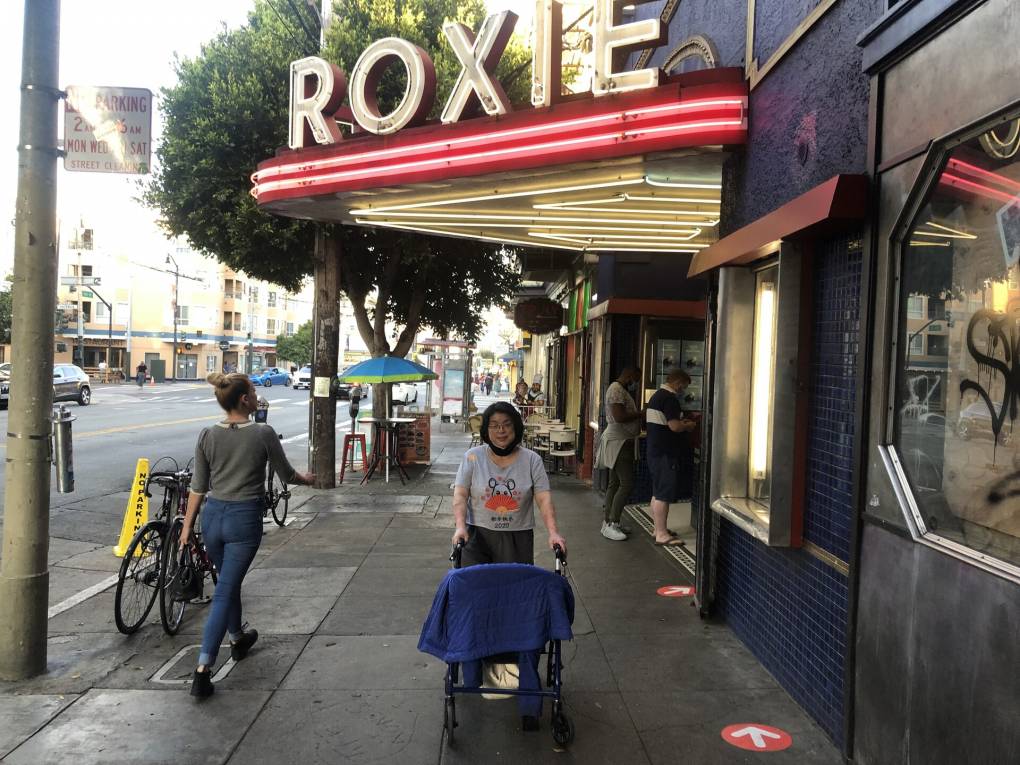
"caption": "Movie fan Angela Chan poses in front of the Roxie Theater before checking out the venue's new ADA upgrades on her way to a screening.",
"description": "Movie fan Angela Chan poses in front of the Roxie Theater before checking out the venue's new ADA upgrades on her way to a screening.",
"title": "RS50208_angela chan-qut",
"credit": "Chloe Veltman/KQED",
"status": "inherit",
"altTag": null,
"isLoading": false,
"fetchFailed": false
},
"arts_13875797": {
"type": "attachments",
"id": "arts_13875797",
"meta": {
"index": "attachments_1716263798",
"site": "arts",
"id": "13875797",
"found": true
},
"parent": 13875796,
"imgSizes": {
"twentyfourteen-full-width": {
"file": "https://ww2.kqed.org/app/uploads/sites/2/2020/03/LaStrada-1038x576.jpg",
"width": 1038,
"mimeType": "image/jpeg",
"height": 576
},
"thumbnail": {
"file": "https://ww2.kqed.org/app/uploads/sites/2/2020/03/LaStrada-160x90.jpg",
"width": 160,
"mimeType": "image/jpeg",
"height": 90
},
"post-thumbnail": {
"file": "https://ww2.kqed.org/app/uploads/sites/2/2020/03/LaStrada-672x372.jpg",
"width": 672,
"mimeType": "image/jpeg",
"height": 372
},
"kqedFullSize": {
"file": "https://ww2.kqed.org/app/uploads/sites/2/2020/03/LaStrada.jpg",
"width": 1600,
"height": 900
},
"large": {
"file": "https://ww2.kqed.org/app/uploads/sites/2/2020/03/LaStrada-1020x574.jpg",
"width": 1020,
"mimeType": "image/jpeg",
"height": 574
},
"medium": {
"file": "https://ww2.kqed.org/app/uploads/sites/2/2020/03/LaStrada-800x450.jpg",
"width": 800,
"mimeType": "image/jpeg",
"height": 450
},
"medium_large": {
"file": "https://ww2.kqed.org/app/uploads/sites/2/2020/03/LaStrada-768x432.jpg",
"width": 768,
"mimeType": "image/jpeg",
"height": 432
}
},
"publishDate": 1583166609,
"modified": 1583166653,
"caption": "Giulietta Masina in 'La Strada.'",
"description": "Giulietta Masina in 'La Strada.'",
"title": "LaStrada",
"credit": "Cinema Italia SF",
"status": "inherit",
"isLoading": false,
"fetchFailed": false
},
"arts_13873541": {
"type": "attachments",
"id": "arts_13873541",
"meta": {
"index": "attachments_1716263798",
"site": "arts",
"id": "13873541",
"found": true
},
"parent": 13873517,
"imgSizes": {
"twentyfourteen-full-width": {
"file": "https://ww2.kqed.org/app/uploads/sites/2/2020/01/HOUSEMAID_NC18_001_COVER-1038x576.jpg",
"width": 1038,
"mimeType": "image/jpeg",
"height": 576
},
"thumbnail": {
"file": "https://ww2.kqed.org/app/uploads/sites/2/2020/01/HOUSEMAID_NC18_001_COVER-160x90.jpg",
"width": 160,
"mimeType": "image/jpeg",
"height": 90
},
"post-thumbnail": {
"file": "https://ww2.kqed.org/app/uploads/sites/2/2020/01/HOUSEMAID_NC18_001_COVER-672x372.jpg",
"width": 672,
"mimeType": "image/jpeg",
"height": 372
},
"kqedFullSize": {
"file": "https://ww2.kqed.org/app/uploads/sites/2/2020/01/HOUSEMAID_NC18_001_COVER.jpg",
"width": 1920,
"height": 1080
},
"large": {
"file": "https://ww2.kqed.org/app/uploads/sites/2/2020/01/HOUSEMAID_NC18_001_COVER-1020x574.jpg",
"width": 1020,
"mimeType": "image/jpeg",
"height": 574
},
"complete_open_graph": {
"file": "https://ww2.kqed.org/app/uploads/sites/2/2020/01/HOUSEMAID_NC18_001_COVER-1200x675.jpg",
"width": 1200,
"mimeType": "image/jpeg",
"height": 675
},
"full-width": {
"file": "https://ww2.kqed.org/app/uploads/sites/2/2020/01/HOUSEMAID_NC18_001_COVER-1920x1080.jpg",
"width": 1920,
"mimeType": "image/jpeg",
"height": 1080
},
"medium": {
"file": "https://ww2.kqed.org/app/uploads/sites/2/2020/01/HOUSEMAID_NC18_001_COVER-800x450.jpg",
"width": 800,
"mimeType": "image/jpeg",
"height": 450
},
"medium_large": {
"file": "https://ww2.kqed.org/app/uploads/sites/2/2020/01/HOUSEMAID_NC18_001_COVER-768x432.jpg",
"width": 768,
"mimeType": "image/jpeg",
"height": 432
}
},
"publishDate": 1579632449,
"modified": 1579632500,
"caption": "Still from 'The Housemaid,' 1960.",
"description": "Still from 'The Housemaid,' 1960.",
"title": "HOUSEMAID_NC18_001_COVER",
"credit": "Courtesy of Film Noir Foundation",
"status": "inherit",
"isLoading": false,
"fetchFailed": false
},
"arts_13871640": {
"type": "attachments",
"id": "arts_13871640",
"meta": {
"index": "attachments_1716263798",
"site": "arts",
"id": "13871640",
"found": true
},
"parent": 13871632,
"imgSizes": {
"twentyfourteen-full-width": {
"file": "https://ww2.kqed.org/app/uploads/sites/2/2019/12/nightmare_before_christmas_COVER-1038x576.jpg",
"width": 1038,
"mimeType": "image/jpeg",
"height": 576
},
"thumbnail": {
"file": "https://ww2.kqed.org/app/uploads/sites/2/2019/12/nightmare_before_christmas_COVER-160x90.jpg",
"width": 160,
"mimeType": "image/jpeg",
"height": 90
},
"post-thumbnail": {
"file": "https://ww2.kqed.org/app/uploads/sites/2/2019/12/nightmare_before_christmas_COVER-672x372.jpg",
"width": 672,
"mimeType": "image/jpeg",
"height": 372
},
"kqedFullSize": {
"file": "https://ww2.kqed.org/app/uploads/sites/2/2019/12/nightmare_before_christmas_COVER.jpg",
"width": 1200,
"height": 675
},
"large": {
"file": "https://ww2.kqed.org/app/uploads/sites/2/2019/12/nightmare_before_christmas_COVER-1020x574.jpg",
"width": 1020,
"mimeType": "image/jpeg",
"height": 574
},
"complete_open_graph": {
"file": "https://ww2.kqed.org/app/uploads/sites/2/2019/12/nightmare_before_christmas_COVER-1200x675.jpg",
"width": 1200,
"mimeType": "image/jpeg",
"height": 675
},
"medium": {
"file": "https://ww2.kqed.org/app/uploads/sites/2/2019/12/nightmare_before_christmas_COVER-800x450.jpg",
"width": 800,
"mimeType": "image/jpeg",
"height": 450
},
"medium_large": {
"file": "https://ww2.kqed.org/app/uploads/sites/2/2019/12/nightmare_before_christmas_COVER-768x432.jpg",
"width": 768,
"mimeType": "image/jpeg",
"height": 432
}
},
"publishDate": 1576538383,
"modified": 1576538468,
"caption": "Still from 'The Nightmare Before Christmas,' 1993.",
"description": "Still from 'The Nightmare Before Christmas,' 1993.",
"title": "nightmare_before_christmas_COVER",
"credit": null,
"status": "inherit",
"isLoading": false,
"fetchFailed": false
},
"arts_13871108": {
"type": "attachments",
"id": "arts_13871108",
"meta": {
"index": "attachments_1716263798",
"site": "arts",
"id": "13871108",
"found": true
},
"parent": 13871102,
"imgSizes": {
"twentyfourteen-full-width": {
"file": "https://ww2.kqed.org/app/uploads/sites/2/2019/12/Richmond_District_Family_1940s_2_COVER-1038x576.jpg",
"width": 1038,
"mimeType": "image/jpeg",
"height": 576
},
"thumbnail": {
"file": "https://ww2.kqed.org/app/uploads/sites/2/2019/12/Richmond_District_Family_1940s_2_COVER-160x90.jpg",
"width": 160,
"mimeType": "image/jpeg",
"height": 90
},
"post-thumbnail": {
"file": "https://ww2.kqed.org/app/uploads/sites/2/2019/12/Richmond_District_Family_1940s_2_COVER-672x372.jpg",
"width": 672,
"mimeType": "image/jpeg",
"height": 372
},
"kqedFullSize": {
"file": "https://ww2.kqed.org/app/uploads/sites/2/2019/12/Richmond_District_Family_1940s_2_COVER.jpg",
"width": 1061,
"height": 597
},
"large": {
"file": "https://ww2.kqed.org/app/uploads/sites/2/2019/12/Richmond_District_Family_1940s_2_COVER-1020x574.jpg",
"width": 1020,
"mimeType": "image/jpeg",
"height": 574
},
"medium": {
"file": "https://ww2.kqed.org/app/uploads/sites/2/2019/12/Richmond_District_Family_1940s_2_COVER-800x450.jpg",
"width": 800,
"mimeType": "image/jpeg",
"height": 450
},
"medium_large": {
"file": "https://ww2.kqed.org/app/uploads/sites/2/2019/12/Richmond_District_Family_1940s_2_COVER-768x432.jpg",
"width": 768,
"mimeType": "image/jpeg",
"height": 432
}
},
"publishDate": 1575915660,
"modified": 1575916216,
"caption": "Still of a Richmond District family in the 1940s.",
"description": "Still of a Richmond District family in the 1940s.",
"title": "Richmond_District_Family_1940s_2_COVER",
"credit": "Courtesy of Rick Prelinger",
"status": "inherit",
"isLoading": false,
"fetchFailed": false
},
"arts_13869373": {
"type": "attachments",
"id": "arts_13869373",
"meta": {
"index": "attachments_1716263798",
"site": "arts",
"id": "13869373",
"found": true
},
"parent": 13869338,
"imgSizes": {
"twentyfourteen-full-width": {
"file": "https://ww2.kqed.org/app/uploads/sites/2/2019/11/Gaadi.MAIN_-1038x576.jpg",
"width": 1038,
"mimeType": "image/jpeg",
"height": 576
},
"thumbnail": {
"file": "https://ww2.kqed.org/app/uploads/sites/2/2019/11/Gaadi.MAIN_-160x90.jpg",
"width": 160,
"mimeType": "image/jpeg",
"height": 90
},
"post-thumbnail": {
"file": "https://ww2.kqed.org/app/uploads/sites/2/2019/11/Gaadi.MAIN_-672x372.jpg",
"width": 672,
"mimeType": "image/jpeg",
"height": 372
},
"kqedFullSize": {
"file": "https://ww2.kqed.org/app/uploads/sites/2/2019/11/Gaadi.MAIN_.jpg",
"width": 1920,
"height": 1080
},
"large": {
"file": "https://ww2.kqed.org/app/uploads/sites/2/2019/11/Gaadi.MAIN_-1020x574.jpg",
"width": 1020,
"mimeType": "image/jpeg",
"height": 574
},
"complete_open_graph": {
"file": "https://ww2.kqed.org/app/uploads/sites/2/2019/11/Gaadi.MAIN_-1200x675.jpg",
"width": 1200,
"mimeType": "image/jpeg",
"height": 675
},
"full-width": {
"file": "https://ww2.kqed.org/app/uploads/sites/2/2019/11/Gaadi.MAIN_-1920x1080.jpg",
"width": 1920,
"mimeType": "image/jpeg",
"height": 1080
},
"medium": {
"file": "https://ww2.kqed.org/app/uploads/sites/2/2019/11/Gaadi.MAIN_-800x450.jpg",
"width": 800,
"mimeType": "image/jpeg",
"height": 450
},
"medium_large": {
"file": "https://ww2.kqed.org/app/uploads/sites/2/2019/11/Gaadi.MAIN_-768x432.jpg",
"width": 768,
"mimeType": "image/jpeg",
"height": 432
}
},
"publishDate": 1572900050,
"modified": 1572900258,
"caption": "Dinara Punchihewa as Tikiri in 'Children of the Sun.'",
"description": "Dinara Punchihewa as Tikiri in 'Children of the Sun.'",
"title": "Gaadi.MAIN",
"credit": "Courtesy SFISAFF",
"status": "inherit",
"isLoading": false,
"fetchFailed": false
},
"arts_13868993": {
"type": "attachments",
"id": "arts_13868993",
"meta": {
"index": "attachments_1716263798",
"site": "arts",
"id": "13868993",
"found": true
},
"parent": 13868968,
"imgSizes": {
"twentyfourteen-full-width": {
"file": "https://ww2.kqed.org/app/uploads/sites/2/2019/10/ApolloTheater-1038x576.jpg",
"width": 1038,
"mimeType": "image/jpeg",
"height": 576
},
"thumbnail": {
"file": "https://ww2.kqed.org/app/uploads/sites/2/2019/10/ApolloTheater-160x90.jpg",
"width": 160,
"mimeType": "image/jpeg",
"height": 90
},
"post-thumbnail": {
"file": "https://ww2.kqed.org/app/uploads/sites/2/2019/10/ApolloTheater-672x372.jpg",
"width": 672,
"mimeType": "image/jpeg",
"height": 372
},
"kqedFullSize": {
"file": "https://ww2.kqed.org/app/uploads/sites/2/2019/10/ApolloTheater.jpg",
"width": 1920,
"height": 1081
},
"large": {
"file": "https://ww2.kqed.org/app/uploads/sites/2/2019/10/ApolloTheater-1020x574.jpg",
"width": 1020,
"mimeType": "image/jpeg",
"height": 574
},
"complete_open_graph": {
"file": "https://ww2.kqed.org/app/uploads/sites/2/2019/10/ApolloTheater-1200x676.jpg",
"width": 1200,
"mimeType": "image/jpeg",
"height": 676
},
"full-width": {
"file": "https://ww2.kqed.org/app/uploads/sites/2/2019/10/ApolloTheater-1920x1081.jpg",
"width": 1920,
"mimeType": "image/jpeg",
"height": 1081
},
"medium": {
"file": "https://ww2.kqed.org/app/uploads/sites/2/2019/10/ApolloTheater-800x450.jpg",
"width": 800,
"mimeType": "image/jpeg",
"height": 450
},
"medium_large": {
"file": "https://ww2.kqed.org/app/uploads/sites/2/2019/10/ApolloTheater-768x432.jpg",
"width": 768,
"mimeType": "image/jpeg",
"height": 432
}
},
"publishDate": 1572289592,
"modified": 1572289662,
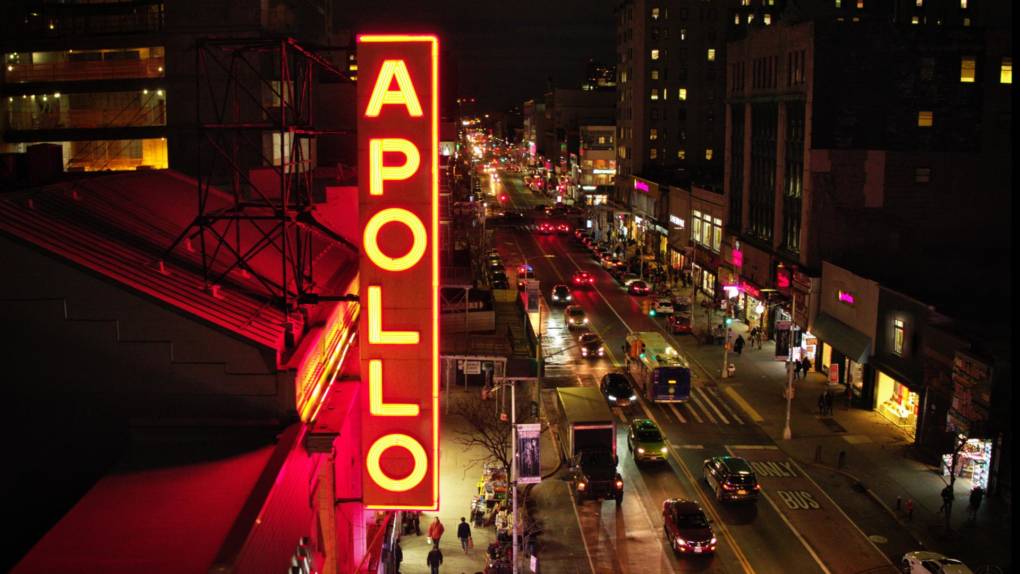
"caption": "'The Apollo' is Roger Ross Williams’ made-for-HBO study of the Harlem landmark of African American culture.",
"description": "'The Apollo' is Roger Ross Williams’ made-for-HBO study of the Harlem landmark of African American culture.",
"title": "ApolloTheater",
"credit": "Courtesy SFFILM",
"status": "inherit",
"isLoading": false,
"fetchFailed": false
},
"arts_13866693": {
"type": "attachments",
"id": "arts_13866693",
"meta": {
"index": "attachments_1716263798",
"site": "arts",
"id": "13866693",
"found": true
},
"parent": 13866690,
"imgSizes": {
"thumbnail": {
"file": "https://ww2.kqed.org/app/uploads/sites/2/2019/09/PeachesChrist.Axe_-160x90.jpg",
"width": 160,
"mimeType": "image/jpeg",
"height": 90
},
"post-thumbnail": {
"file": "https://ww2.kqed.org/app/uploads/sites/2/2019/09/PeachesChrist.Axe_-672x372.jpg",
"width": 672,
"mimeType": "image/jpeg",
"height": 372
},
"kqedFullSize": {
"file": "https://ww2.kqed.org/app/uploads/sites/2/2019/09/PeachesChrist.Axe_.jpg",
"width": 960,
"height": 540
},
"medium": {
"file": "https://ww2.kqed.org/app/uploads/sites/2/2019/09/PeachesChrist.Axe_-800x450.jpg",
"width": 800,
"mimeType": "image/jpeg",
"height": 450
},
"medium_large": {
"file": "https://ww2.kqed.org/app/uploads/sites/2/2019/09/PeachesChrist.Axe_-768x432.jpg",
"width": 768,
"mimeType": "image/jpeg",
"height": 432
}
},
"publishDate": 1568909829,
"modified": 1568909894,
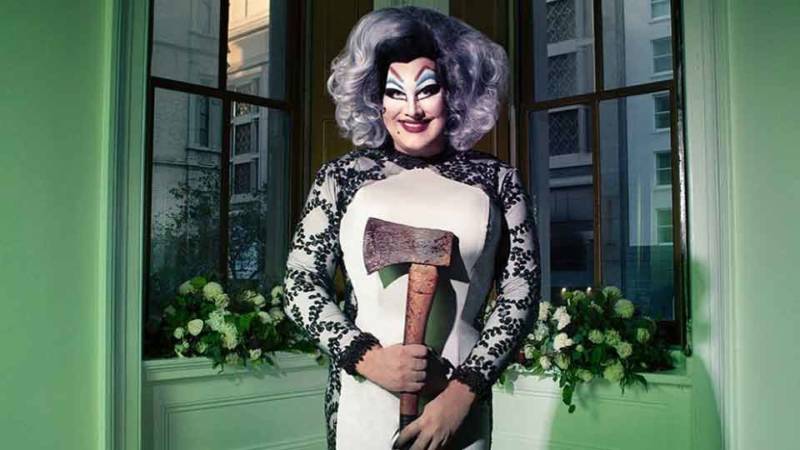
"caption": "Peaches Christ.",
"description": "Peaches Christ.",
"title": "PeachesChrist.Axe",
"credit": "Ash Danielsen",
"status": "inherit",
"isLoading": false,
"fetchFailed": false
},
"arts_13864467": {
"type": "attachments",
"id": "arts_13864467",
"meta": {
"index": "attachments_1716263798",
"site": "arts",
"id": "13864467",
"found": true
},
"parent": 13864462,
"imgSizes": {
"twentyfourteen-full-width": {
"file": "https://ww2.kqed.org/app/uploads/sites/2/2019/08/Boston-Strangler.MAIN_-1038x576.jpg",
"width": 1038,
"mimeType": "image/jpeg",
"height": 576
},
"thumbnail": {
"file": "https://ww2.kqed.org/app/uploads/sites/2/2019/08/Boston-Strangler.MAIN_-160x90.jpg",
"width": 160,
"mimeType": "image/jpeg",
"height": 90
},
"post-thumbnail": {
"file": "https://ww2.kqed.org/app/uploads/sites/2/2019/08/Boston-Strangler.MAIN_-672x372.jpg",
"width": 672,
"mimeType": "image/jpeg",
"height": 372
},
"kqedFullSize": {
"file": "https://ww2.kqed.org/app/uploads/sites/2/2019/08/Boston-Strangler.MAIN_.jpg",
"width": 1777,
"height": 999
},
"large": {
"file": "https://ww2.kqed.org/app/uploads/sites/2/2019/08/Boston-Strangler.MAIN_-1020x573.jpg",
"width": 1020,
"mimeType": "image/jpeg",
"height": 573
},
"complete_open_graph": {
"file": "https://ww2.kqed.org/app/uploads/sites/2/2019/08/Boston-Strangler.MAIN_-1200x675.jpg",
"width": 1200,
"mimeType": "image/jpeg",
"height": 675
},
"medium": {
"file": "https://ww2.kqed.org/app/uploads/sites/2/2019/08/Boston-Strangler.MAIN_-800x450.jpg",
"width": 800,
"mimeType": "image/jpeg",
"height": 450
},
"medium_large": {
"file": "https://ww2.kqed.org/app/uploads/sites/2/2019/08/Boston-Strangler.MAIN_-768x432.jpg",
"width": 768,
"mimeType": "image/jpeg",
"height": 432
}
},
"publishDate": 1566241165,
"modified": 1566241221,
"caption": "'The Boston Strangler,' directed by Richard Fleischer, screens at the Castro Theatre this week.",
"description": "'The Boston Strangler,' directed by Richard Fleischer, screens at the Castro Theatre this week.",
"title": "Boston-Strangler.MAIN",
"credit": "Courtesy Castro Theatre",
"status": "inherit",
"isLoading": false,
"fetchFailed": false
},
"arts_13857737": {
"type": "attachments",
"id": "arts_13857737",
"meta": {
"index": "attachments_1716263798",
"site": "arts",
"id": "13857737",
"found": true
},
"parent": 13857701,
"imgSizes": {
"twentyfourteen-full-width": {
"file": "https://ww2.kqed.org/app/uploads/sites/2/2019/05/WarAndPeace_COVER-1038x576.jpg",
"width": 1038,
"mimeType": "image/jpeg",
"height": 576
},
"thumbnail": {
"file": "https://ww2.kqed.org/app/uploads/sites/2/2019/05/WarAndPeace_COVER-160x90.jpg",
"width": 160,
"mimeType": "image/jpeg",
"height": 90
},
"post-thumbnail": {
"file": "https://ww2.kqed.org/app/uploads/sites/2/2019/05/WarAndPeace_COVER-672x372.jpg",
"width": 672,
"mimeType": "image/jpeg",
"height": 372
},
"kqedFullSize": {
"file": "https://ww2.kqed.org/app/uploads/sites/2/2019/05/WarAndPeace_COVER.jpg",
"width": 1920,
"height": 1080
},
"large": {
"file": "https://ww2.kqed.org/app/uploads/sites/2/2019/05/WarAndPeace_COVER-1020x574.jpg",
"width": 1020,
"mimeType": "image/jpeg",
"height": 574
},
"complete_open_graph": {
"file": "https://ww2.kqed.org/app/uploads/sites/2/2019/05/WarAndPeace_COVER-1200x675.jpg",
"width": 1200,
"mimeType": "image/jpeg",
"height": 675
},
"full-width": {
"file": "https://ww2.kqed.org/app/uploads/sites/2/2019/05/WarAndPeace_COVER-1920x1080.jpg",
"width": 1920,
"mimeType": "image/jpeg",
"height": 1080
},
"medium": {
"file": "https://ww2.kqed.org/app/uploads/sites/2/2019/05/WarAndPeace_COVER-800x450.jpg",
"width": 800,
"mimeType": "image/jpeg",
"height": 450
},
"medium_large": {
"file": "https://ww2.kqed.org/app/uploads/sites/2/2019/05/WarAndPeace_COVER-768x432.jpg",
"width": 768,
"mimeType": "image/jpeg",
"height": 432
}
},
"publishDate": 1558372453,
"modified": 1558372727,
"caption": "Still from Sergei Bondarchuk's 'War and Peace,' 1966. ",
"description": "Still from Sergei Bondarchuk's 'War and Peace,' 1966. ",
"title": "WarAndPeace_COVER",
"credit": "Courtesy of Janus Films",
"status": "inherit",
"isLoading": false,
"fetchFailed": false
},
"arts_13849220": {
"type": "attachments",
"id": "arts_13849220",
"meta": {
"index": "attachments_1716263798",
"site": "arts",
"id": "13849220",
"found": true
},
"parent": 13849202,
"imgSizes": {
"twentyfourteen-full-width": {
"file": "https://ww2.kqed.org/app/uploads/sites/2/2019/01/JAN31-Nightfall_COVER-1038x576.jpg",
"width": 1038,
"mimeType": "image/jpeg",
"height": 576
},
"thumbnail": {
"file": "https://ww2.kqed.org/app/uploads/sites/2/2019/01/JAN31-Nightfall_COVER-160x90.jpg",
"width": 160,
"mimeType": "image/jpeg",
"height": 90
},
"post-thumbnail": {
"file": "https://ww2.kqed.org/app/uploads/sites/2/2019/01/JAN31-Nightfall_COVER-672x372.jpg",
"width": 672,
"mimeType": "image/jpeg",
"height": 372
},
"kqedFullSize": {
"file": "https://ww2.kqed.org/app/uploads/sites/2/2019/01/JAN31-Nightfall_COVER.jpg",
"width": 1920,
"height": 1080
},
"large": {
"file": "https://ww2.kqed.org/app/uploads/sites/2/2019/01/JAN31-Nightfall_COVER-1020x574.jpg",
"width": 1020,
"mimeType": "image/jpeg",
"height": 574
},
"complete_open_graph": {
"file": "https://ww2.kqed.org/app/uploads/sites/2/2019/01/JAN31-Nightfall_COVER-1200x675.jpg",
"width": 1200,
"mimeType": "image/jpeg",
"height": 675
},
"guest-author-50": {
"file": "https://ww2.kqed.org/app/uploads/sites/2/2019/01/JAN31-Nightfall_COVER-50x50.jpg",
"width": 50,
"mimeType": "image/jpeg",
"height": 50
},
"guest-author-96": {
"file": "https://ww2.kqed.org/app/uploads/sites/2/2019/01/JAN31-Nightfall_COVER-96x96.jpg",
"width": 96,
"mimeType": "image/jpeg",
"height": 96
},
"medium": {
"file": "https://ww2.kqed.org/app/uploads/sites/2/2019/01/JAN31-Nightfall_COVER-800x450.jpg",
"width": 800,
"mimeType": "image/jpeg",
"height": 450
},
"guest-author-64": {
"file": "https://ww2.kqed.org/app/uploads/sites/2/2019/01/JAN31-Nightfall_COVER-64x64.jpg",
"width": 64,
"mimeType": "image/jpeg",
"height": 64
},
"guest-author-32": {
"file": "https://ww2.kqed.org/app/uploads/sites/2/2019/01/JAN31-Nightfall_COVER-32x32.jpg",
"width": 32,
"mimeType": "image/jpeg",
"height": 32
},
"full-width": {
"file": "https://ww2.kqed.org/app/uploads/sites/2/2019/01/JAN31-Nightfall_COVER-1920x1080.jpg",
"width": 1920,
"mimeType": "image/jpeg",
"height": 1080
},
"detail": {
"file": "https://ww2.kqed.org/app/uploads/sites/2/2019/01/JAN31-Nightfall_COVER-150x150.jpg",
"width": 150,
"mimeType": "image/jpeg",
"height": 150
},
"medium_large": {
"file": "https://ww2.kqed.org/app/uploads/sites/2/2019/01/JAN31-Nightfall_COVER-768x432.jpg",
"width": 768,
"mimeType": "image/jpeg",
"height": 432
},
"guest-author-128": {
"file": "https://ww2.kqed.org/app/uploads/sites/2/2019/01/JAN31-Nightfall_COVER-128x128.jpg",
"width": 128,
"mimeType": "image/jpeg",
"height": 128
}
},
"publishDate": 1548202969,
"modified": 1548203291,
"caption": "Still from Jacques Tourneur's 'Nightfall,' 1957.",
"description": "Still from Jacques Tourneur's 'Nightfall,' 1957.",
"title": "JAN31-Nightfall_COVER",
"credit": "Courtesy of Noir City",
"status": "inherit",
"isLoading": false,
"fetchFailed": false
}
},
"audioPlayerReducer": {
"postId": "stream_live",
"isPaused": true,
"isPlaying": false,
"pfsActive": false,
"pledgeModalIsOpen": true,
"playerDrawerIsOpen": false,
"liveAudioPlayStartedAt": 0,
"liveAudioPlayContext": ""
},
"authorsReducer": {
"byline_arts_13849202": {
"type": "authors",
"id": "byline_arts_13849202",
"meta": {
"override": true
},
"slug": "byline_arts_13849202",
"name": "Max Goldberg",
"isLoading": false
},
"mfox": {
"type": "authors",
"id": "22",
"meta": {
"index": "authors_1716337520",
"id": "22",
"found": true
},
"name": "Michael Fox",
"firstName": "Michael",
"lastName": "Fox",
"slug": "mfox",
"email": "foxonfilm@yahoo.com",
"display_author_email": false,
"staff_mastheads": [],
"title": "KQED Contributor",
"bio": "Michael Fox has written about film for dozens of publications since 1987. He is a founding member of the San Francisco Bay Area Film Critics Circle.",
"avatar": "https://secure.gravatar.com/avatar/d9849d6c659c41414795c471d907bb97b396e2a32b88e20e6ff66f65fbdd6dcd?s=600&d=blank&r=g",
"twitter": null,
"bluesky": null,
"facebook": null,
"instagram": null,
"linkedin": null,
"sites": [
{
"site": "arts",
"roles": [
"Contributor",
"contributor"
]
}
],
"headData": {
"title": "Michael Fox | KQED",
"description": "KQED Contributor",
"ogImgSrc": "https://secure.gravatar.com/avatar/d9849d6c659c41414795c471d907bb97b396e2a32b88e20e6ff66f65fbdd6dcd?s=600&d=blank&r=g",
"twImgSrc": "https://secure.gravatar.com/avatar/d9849d6c659c41414795c471d907bb97b396e2a32b88e20e6ff66f65fbdd6dcd?s=600&d=blank&r=g"
},
"isLoading": false,
"link": "/author/mfox"
},
"gmeline": {
"type": "authors",
"id": "185",
"meta": {
"index": "authors_1716337520",
"id": "185",
"found": true
},
"name": "Gabe Meline",
"firstName": "Gabe",
"lastName": "Meline",
"slug": "gmeline",
"email": "gmeline@kqed.org",
"display_author_email": true,
"staff_mastheads": [
"arts"
],
"title": "Senior Editor, KQED Arts & Culture",
"bio": "Gabe Meline entered journalism at age 15 making photocopied zines, and has since earned awards from the Edward R. Murrow Awards, the Society for Professional Journalists, the Online Journalism Awards, the Association of Alternative Newsweeklies and the California Newspaper Publishers Association. Prior to KQED, he was the editor of the \u003cem>North Bay Bohemian\u003c/em> and a touring musician. He lives with his wife and daughter in his hometown of Santa Rosa, CA.",
"avatar": "https://secure.gravatar.com/avatar/5bebe57be0d8bc2dd318934feb47299e2d2d10cba28d09d8d7afb389a2ce2bdd?s=600&d=blank&r=g",
"twitter": null,
"bluesky": null,
"facebook": null,
"instagram": null,
"linkedin": null,
"sites": [
{
"site": "",
"roles": [
"editor"
]
},
{
"site": "arts",
"roles": [
"administrator"
]
},
{
"site": "artschool",
"roles": [
"editor"
]
},
{
"site": "news",
"roles": [
"author"
]
},
{
"site": "pop",
"roles": [
"editor"
]
},
{
"site": "bayareabites",
"roles": [
"editor"
]
},
{
"site": "food",
"roles": [
"editor"
]
},
{
"site": "forum",
"roles": [
"administrator"
]
},
{
"site": "liveblog",
"roles": [
"editor"
]
},
{
"site": "hiphop",
"roles": [
"editor"
]
}
],
"headData": {
"title": "Gabe Meline | KQED",
"description": "Senior Editor, KQED Arts & Culture",
"ogImgSrc": "https://secure.gravatar.com/avatar/5bebe57be0d8bc2dd318934feb47299e2d2d10cba28d09d8d7afb389a2ce2bdd?s=600&d=blank&r=g",
"twImgSrc": "https://secure.gravatar.com/avatar/5bebe57be0d8bc2dd318934feb47299e2d2d10cba28d09d8d7afb389a2ce2bdd?s=600&d=blank&r=g"
},
"isLoading": false,
"link": "/author/gmeline"
},
"cveltman": {
"type": "authors",
"id": "8608",
"meta": {
"index": "authors_1716337520",
"id": "8608",
"found": true
},
"name": "Chloe Veltman",
"firstName": "Chloe",
"lastName": "Veltman",
"slug": "cveltman",
"email": "cveltman@kqed.org",
"display_author_email": true,
"staff_mastheads": [],
"title": "Arts and Culture Reporter",
"bio": "Chloe Veltman is a former arts and culture reporter for KQED. Prior to joining the organization, she launched and led the arts bureau at Colorado Public Radio, served as the Bay Area's culture columnist for the New York Times, and was the founder, host and executive producer of VoiceBox, a national award-winning weekly podcast/radio show and live events series all about the human voice. Chloe is the recipient of numerous prizes, grants and fellowships including a Webby Award for her work on interactive storytelling, both the John S Knight Journalism Fellowship and Humanities Center Fellowship at Stanford University, the Sundance Arts Writing Fellowship and a Library of Congress Research Fellowship. She is the author of the book \"On Acting\" and has appeared as a guest lecturer at Yale University and the San Francisco Conservatory of Music among other institutions. She holds a BA in english literature from King's College, Cambridge, and a Masters in Dramaturgy from the Central School of Speech and Drama/Harvard Institute for Advanced Theater Training.\r\n\u003ca href=\"https://www.chloeveltman.com\">www.chloeveltman.com\u003c/a>",
"avatar": "https://secure.gravatar.com/avatar/55403394b00a1ddab683952c2eb2cf85?s=600&d=blank&r=g",
"twitter": "chloeveltman",
"facebook": null,
"instagram": null,
"linkedin": null,
"sites": [
{
"site": "arts",
"roles": []
},
{
"site": "news",
"roles": [
"author"
]
},
{
"site": "pop",
"roles": [
"editor"
]
},
{
"site": "science",
"roles": []
}
],
"headData": {
"title": "Chloe Veltman | KQED",
"description": "Arts and Culture Reporter",
"ogImgSrc": "https://secure.gravatar.com/avatar/55403394b00a1ddab683952c2eb2cf85?s=600&d=blank&r=g",
"twImgSrc": "https://secure.gravatar.com/avatar/55403394b00a1ddab683952c2eb2cf85?s=600&d=blank&r=g"
},
"isLoading": false,
"link": "/author/cveltman"
},
"jhesig": {
"type": "authors",
"id": "11333",
"meta": {
"index": "authors_1716337520",
"id": "11333",
"found": true
},
"name": "Janelle Hessig",
"firstName": "Janelle",
"lastName": "Hessig",
"slug": "jhesig",
"email": "jhessig@kqed.org",
"display_author_email": false,
"staff_mastheads": [],
"title": "KQED Contributor",
"bio": null,
"avatar": "https://secure.gravatar.com/avatar/27dd6e3cd88f82541593bd6d8f2aec4a?s=600&d=mm&r=g",
"twitter": null,
"facebook": null,
"instagram": null,
"linkedin": null,
"sites": [
{
"site": "arts",
"roles": []
},
{
"site": "food",
"roles": []
},
{
"site": "filmschoolshorts",
"roles": [
"editor"
]
}
],
"headData": {
"title": "Janelle Hessig | KQED",
"description": "KQED Contributor",
"ogImgSrc": "https://secure.gravatar.com/avatar/27dd6e3cd88f82541593bd6d8f2aec4a?s=600&d=mm&r=g",
"twImgSrc": "https://secure.gravatar.com/avatar/27dd6e3cd88f82541593bd6d8f2aec4a?s=600&d=mm&r=g"
},
"isLoading": false,
"link": "/author/jhesig"
}
},
"pagesReducer": {
"arts_tag_castro-theatre": {
"type": "terms",
"id": "arts_6476",
"meta": {
"index": "terms_1716263798",
"site": "arts",
"id": "6476",
"score": 9.304576
},
"featImg": null,
"name": "castro theatre",
"description": null,
"taxonomy": "tag",
"headData": {
"twImgId": null,
"twTitle": null,
"ogTitle": null,
"ogImgId": null,
"twDescription": null,
"description": null,
"title": "castro theatre Archives | KQED Arts",
"ogDescription": null
},
"ttid": 6488,
"slug": "castro-theatre",
"isLoading": false,
"title": "castro theatre",
"pageMeta": {
"site": "arts",
"WpPageTemplate": "page-topic-editorial",
"currentPage": 2
},
"blocks": [
{
"blockName": "kqed/post-list",
"attrs": {
"layout": "cardArticle2",
"query": "posts/arts?tag=castro-theatre",
"seeMore": false,
"paginated": true,
"page": 2
}
},
{
"blockName": "kqed/ad"
}
]
}
},
"pfsSessionReducer": {},
"postsReducer": {
"stream_live": {
"type": "live",
"id": "stream_live",
"audioUrl": "https://streams.kqed.org/kqedradio",
"title": "Live Stream",
"excerpt": "Live Stream information currently unavailable.",
"link": "/radio",
"featImg": "",
"label": {
"name": "KQED Live",
"link": "/"
}
},
"stream_kqedNewscast": {
"type": "posts",
"id": "stream_kqedNewscast",
"audioUrl": "https://www.kqed.org/.stream/anon/radio/RDnews/newscast.mp3?_=1",
"title": "KQED Newscast",
"featImg": "",
"label": {
"name": "88.5 FM",
"link": "/"
}
},
"arts_13900209": {
"type": "posts",
"id": "arts_13900209",
"meta": {
"index": "posts_1716263798",
"site": "arts",
"id": "13900209",
"score": null,
"sort": [
1626999221000
]
},
"parent": 0,
"labelTerm": {
"site": "arts",
"term": 140
},
"blocks": [],
"publishDate": 1626999221,
"format": "standard",
"title": "Now Playing! SF Jewish Film Festival Hails Heroines and Villains",
"headTitle": "Now Playing! SF Jewish Film Festival Hails Heroines and Villains | KQED",
"content": "\u003cp>Perhaps it’s my imagination, but the \u003ca href=\"https://jfi.org/sfjff-2021\" target=\"_blank\" rel=\"noopener noreferrer\">San Francisco Jewish Film Festival\u003c/a> (SFJFF) always seems to arrive at a moment of heightened intensity. This year it’s the faux controversy prompted by Ben & Jerry’s \u003ca href=\"https://www.npr.org/2021/07/19/1018039737/ben-jerrys-says-it-will-stop-ice-cream-sales-in-occupied-territories\" target=\"_blank\" rel=\"noopener noreferrer\">decision to cease sales\u003c/a> to settlements in the Israeli-occupied Palestinian territories. Access to ice cream doesn’t rank as high on my list of concerns as, say, global antisemitism, but fake outrage is a helluva drug.\u003c/p>\n\u003cp>Streaming online July 22–Aug. 1 and unspooling on the Castro Theatre’s big screen Saturday and Sunday, July 24 and 25, the festival program skips dessert to load up on serious subjects. If you treat film festivals as travelogues, the SFJFF will drop you in a veritable field of briar patches.\u003c/p>\n\u003cfigure id=\"attachment_13900245\" class=\"wp-caption aligncenter\" style=\"max-width: 800px\">\u003cimg loading=\"lazy\" decoding=\"async\" class=\"size-medium wp-image-13900245\" src=\"https://ww2.kqed.org/app/uploads/sites/2/2021/07/200_METERS_Still01_PhotoCAlaa_Aliabdallah-800x533.jpg\" alt=\"A scene from '200 Meters.'\" width=\"800\" height=\"533\" srcset=\"https://cdn.kqed.org/wp-content/uploads/sites/2/2021/07/200_METERS_Still01_PhotoCAlaa_Aliabdallah-800x533.jpg 800w, https://cdn.kqed.org/wp-content/uploads/sites/2/2021/07/200_METERS_Still01_PhotoCAlaa_Aliabdallah-1020x679.jpg 1020w, https://cdn.kqed.org/wp-content/uploads/sites/2/2021/07/200_METERS_Still01_PhotoCAlaa_Aliabdallah-160x107.jpg 160w, https://cdn.kqed.org/wp-content/uploads/sites/2/2021/07/200_METERS_Still01_PhotoCAlaa_Aliabdallah-768x511.jpg 768w, https://cdn.kqed.org/wp-content/uploads/sites/2/2021/07/200_METERS_Still01_PhotoCAlaa_Aliabdallah-1536x1022.jpg 1536w, https://cdn.kqed.org/wp-content/uploads/sites/2/2021/07/200_METERS_Still01_PhotoCAlaa_Aliabdallah.jpg 1920w\" sizes=\"(max-width: 800px) 100vw, 800px\">\u003cfigcaption class=\"wp-caption-text\">A scene from ‘200 Meters.’ \u003ccite>(Courtesy Alaa Ali Abdallah)\u003c/cite>\u003c/figcaption>\u003c/figure>\n\u003cp>The Castro slate begins Saturday morning with \u003cem>200 Meters\u003c/em>, Jordan’s entry for the International Feature Oscar and the festival’s centerpiece narrative. Ameen Nayfeh’s open-hearted though underwritten debut feature follows a law-abiding Palestinian family man who pays a smuggler to get him into Israel to see his hospitalized son. Another protagonist forced to take drastic action—a concentration camp inmate passing himself off as Persian—drives the opening night drama, \u003cem>Persian Lessons\u003c/em>.\u003c/p>\n\u003cp>The nonfiction lineup at the Castro boasts the revelatory Sundance entry, \u003cem>My Name is Pauli Murray\u003c/em> (opening in September before landing on Amazon Prime), about the extraordinary 20th century Black activist, writer, lawyer and priest(!). Fresh from Frameline, the wrenching \u003cem>Prognosis: Notes on Living\u003c/em> follows San Francisco filmmaker Debra Chasnoff’s journey after her advanced cancer diagnosis. \u003cem>A Kaddish for Bernie Madoff—Song and Dance\u003c/em> swaps verité for a poetic, personal approach, as Alicia Jo Rabins, with director Alicia J. Rose, expands her stage musical about the Ponzi villain through the medium of film.\u003c/p>\n\u003cfigure id=\"attachment_13900246\" class=\"wp-caption aligncenter\" style=\"max-width: 426px\">\u003cimg loading=\"lazy\" decoding=\"async\" class=\"size-full wp-image-13900246\" src=\"https://ww2.kqed.org/app/uploads/sites/2/2021/07/MY-NAME-IS-PAULI-MURRAY.jpg\" alt=\"A still from 'My Name is Pauli Murray.'\" width=\"426\" height=\"303\" srcset=\"https://cdn.kqed.org/wp-content/uploads/sites/2/2021/07/MY-NAME-IS-PAULI-MURRAY.jpg 426w, https://cdn.kqed.org/wp-content/uploads/sites/2/2021/07/MY-NAME-IS-PAULI-MURRAY-160x114.jpg 160w\" sizes=\"(max-width: 426px) 100vw, 426px\">\u003cfigcaption class=\"wp-caption-text\">A still from ‘My Name is Pauli Murray.’ \u003ccite>(SFJFF)\u003c/cite>\u003c/figcaption>\u003c/figure>\n\u003cp>\u003cem>Mischa and the Wolves\u003c/em>, a slick British doc that premiered at Sundance (and comes to Netflix Aug. 11), recounts the bizarre chain of events surrounding the 1997 U.S. publication of a French-set Holocaust memoir. Filmmaker Sam Hobkinson focuses on the stranger-than-truth aspects, maximizing suspense for entertainment’s sake while sidestepping the saga’s moral, real-world implications. Rounding out the SFJFF’s theatrical component is the recent restoration of \u003cem>The Light Ahead\u003c/em>, one of four Yiddish-language films made in the 1930s by Hollywood outsider Edgar Z. Ulmer (\u003cem>Detour\u003c/em>) on the East Coast.\u003c/p>\n\u003cp>[ad fullwidth]\u003c/p>\n\u003cp>Heading online, those seeking the “real movie” comforts of high production values and crisp plotting are directed to \u003cem>Powder Keg\u003c/em>, Danish writer-director Ole Christian Madsen’s (\u003cem>Flame & Citron\u003c/em>) slow-burn dramatization of the days leading up to a 2015 terror attack in Copenhagen. Spiraling around four men (including the shooter) on the cusp of major life changes, Madsen constructs a mournful mosaic of personal morality and individual sacrifice. Israeli brothers Yoav and Doron Paz’s big-budget \u003cem>Plan A\u003c/em> is an uncomfortable, fact-based interrogation of Jewish revenge in postwar Germany that puts the self-styled king of payback, Quentin Tarantino, to shame. Starring August Diehl in a haunted performance with echoes of Willem Dafoe and Klaus Kinski, \u003cem>Plan A\u003c/em> is a feature-length dark night of the soul.\u003c/p>\n\u003cp>Both films should receive theatrical runs in coming months, along with the terrific semi-autobiographical coming-of-age tale \u003cem>Neighbours\u003c/em>. Swiss-based Kurdish filmmaker Mano Khalil revisits his early-’70s childhood in the remote northeastern corner of Syria, where Baathist ultranationalism arrived before electricity. The future isn’t bright for little Sero and his Kurdish family, nor for the Jewish family next door, yet \u003cem>Neighbours\u003c/em> (which received the S.F. Bay Area Film Critics Circle jury prize) affirms the values—and just maybe the triumph—of empathy, dignity and decency.\u003c/p>\n\u003cp>\u003cimg loading=\"lazy\" decoding=\"async\" class=\"aligncenter size-medium wp-image-12127869\" src=\"https://ww2.kqed.org/app/uploads/sites/2/2016/09/Q.Logo_.Break_-800x78.jpg\" alt=\"\" width=\"800\" height=\"78\" srcset=\"https://cdn.kqed.org/wp-content/uploads/sites/2/2016/09/Q.Logo_.Break_.jpg 800w, https://cdn.kqed.org/wp-content/uploads/sites/2/2016/09/Q.Logo_.Break_-400x39.jpg 400w, https://cdn.kqed.org/wp-content/uploads/sites/2/2016/09/Q.Logo_.Break_-768x75.jpg 768w\" sizes=\"(max-width: 800px) 100vw, 800px\">\u003c/p>\n\u003cp>\u003c/p>\n\u003cp>\u003cem>The San Francisco Jewish Film Festival runs July 22–Aug. 1 online and at the Castro Theatre. \u003ca href=\"https://jfi.org/sfjff-2021\" target=\"_blank\" rel=\"noopener noreferrer\">Details here\u003c/a>.\u003c/em>\u003c/p>\n\n",
"stats": {
"hasVideo": false,
"hasChartOrMap": false,
"hasAudio": false,
"hasPolis": false,
"wordCount": 682,
"hasGoogleForm": false,
"hasGallery": false,
"hasHearkenModule": false,
"iframeSrcs": [],
"paragraphCount": 11
},
"modified": 1705008064,
"excerpt": "Oscar contenders and other streaming-bound films address real-world concerns in this year's festival.",
"headData": {
"twImgId": "",
"twTitle": "",
"ogTitle": "",
"ogImgId": "",
"twDescription": "",
"description": "Oscar contenders and other streaming-bound films address real-world concerns in this year's festival.",
"title": "Now Playing! SF Jewish Film Festival Hails Heroines and Villains | KQED",
"ogDescription": "",
"schema": {
"@context": "https://schema.org",
"@type": "Article",
"headline": "Now Playing! SF Jewish Film Festival Hails Heroines and Villains",
"datePublished": "2021-07-22T17:13:41-07:00",
"dateModified": "2024-01-11T13:21:04-08:00",
"image": "https://cdn.kqed.org/wp-content/uploads/2020/02/KQED-OG-Image@1x.png"
}
},
"guestAuthors": [],
"slug": "now-playing-sf-jewish-film-festival-hails-heroines-and-villains",
"status": "publish",
"templateType": "standard",
"featuredImageType": "standard",
"sticky": false,
"path": "/arts/13900209/now-playing-sf-jewish-film-festival-hails-heroines-and-villains",
"audioTrackLength": null,
"parsedContent": [
{
"type": "contentString",
"content": "\u003cdiv class=\"post-body\">\u003cp>\u003cp>Perhaps it’s my imagination, but the \u003ca href=\"https://jfi.org/sfjff-2021\" target=\"_blank\" rel=\"noopener noreferrer\">San Francisco Jewish Film Festival\u003c/a> (SFJFF) always seems to arrive at a moment of heightened intensity. This year it’s the faux controversy prompted by Ben & Jerry’s \u003ca href=\"https://www.npr.org/2021/07/19/1018039737/ben-jerrys-says-it-will-stop-ice-cream-sales-in-occupied-territories\" target=\"_blank\" rel=\"noopener noreferrer\">decision to cease sales\u003c/a> to settlements in the Israeli-occupied Palestinian territories. Access to ice cream doesn’t rank as high on my list of concerns as, say, global antisemitism, but fake outrage is a helluva drug.\u003c/p>\n\u003cp>Streaming online July 22–Aug. 1 and unspooling on the Castro Theatre’s big screen Saturday and Sunday, July 24 and 25, the festival program skips dessert to load up on serious subjects. If you treat film festivals as travelogues, the SFJFF will drop you in a veritable field of briar patches.\u003c/p>\n\u003cfigure id=\"attachment_13900245\" class=\"wp-caption aligncenter\" style=\"max-width: 800px\">\u003cimg loading=\"lazy\" decoding=\"async\" class=\"size-medium wp-image-13900245\" src=\"https://ww2.kqed.org/app/uploads/sites/2/2021/07/200_METERS_Still01_PhotoCAlaa_Aliabdallah-800x533.jpg\" alt=\"A scene from '200 Meters.'\" width=\"800\" height=\"533\" srcset=\"https://cdn.kqed.org/wp-content/uploads/sites/2/2021/07/200_METERS_Still01_PhotoCAlaa_Aliabdallah-800x533.jpg 800w, https://cdn.kqed.org/wp-content/uploads/sites/2/2021/07/200_METERS_Still01_PhotoCAlaa_Aliabdallah-1020x679.jpg 1020w, https://cdn.kqed.org/wp-content/uploads/sites/2/2021/07/200_METERS_Still01_PhotoCAlaa_Aliabdallah-160x107.jpg 160w, https://cdn.kqed.org/wp-content/uploads/sites/2/2021/07/200_METERS_Still01_PhotoCAlaa_Aliabdallah-768x511.jpg 768w, https://cdn.kqed.org/wp-content/uploads/sites/2/2021/07/200_METERS_Still01_PhotoCAlaa_Aliabdallah-1536x1022.jpg 1536w, https://cdn.kqed.org/wp-content/uploads/sites/2/2021/07/200_METERS_Still01_PhotoCAlaa_Aliabdallah.jpg 1920w\" sizes=\"(max-width: 800px) 100vw, 800px\">\u003cfigcaption class=\"wp-caption-text\">A scene from ‘200 Meters.’ \u003ccite>(Courtesy Alaa Ali Abdallah)\u003c/cite>\u003c/figcaption>\u003c/figure>\n\u003cp>The Castro slate begins Saturday morning with \u003cem>200 Meters\u003c/em>, Jordan’s entry for the International Feature Oscar and the festival’s centerpiece narrative. Ameen Nayfeh’s open-hearted though underwritten debut feature follows a law-abiding Palestinian family man who pays a smuggler to get him into Israel to see his hospitalized son. Another protagonist forced to take drastic action—a concentration camp inmate passing himself off as Persian—drives the opening night drama, \u003cem>Persian Lessons\u003c/em>.\u003c/p>\n\u003cp>The nonfiction lineup at the Castro boasts the revelatory Sundance entry, \u003cem>My Name is Pauli Murray\u003c/em> (opening in September before landing on Amazon Prime), about the extraordinary 20th century Black activist, writer, lawyer and priest(!). Fresh from Frameline, the wrenching \u003cem>Prognosis: Notes on Living\u003c/em> follows San Francisco filmmaker Debra Chasnoff’s journey after her advanced cancer diagnosis. \u003cem>A Kaddish for Bernie Madoff—Song and Dance\u003c/em> swaps verité for a poetic, personal approach, as Alicia Jo Rabins, with director Alicia J. Rose, expands her stage musical about the Ponzi villain through the medium of film.\u003c/p>\n\u003cfigure id=\"attachment_13900246\" class=\"wp-caption aligncenter\" style=\"max-width: 426px\">\u003cimg loading=\"lazy\" decoding=\"async\" class=\"size-full wp-image-13900246\" src=\"https://ww2.kqed.org/app/uploads/sites/2/2021/07/MY-NAME-IS-PAULI-MURRAY.jpg\" alt=\"A still from 'My Name is Pauli Murray.'\" width=\"426\" height=\"303\" srcset=\"https://cdn.kqed.org/wp-content/uploads/sites/2/2021/07/MY-NAME-IS-PAULI-MURRAY.jpg 426w, https://cdn.kqed.org/wp-content/uploads/sites/2/2021/07/MY-NAME-IS-PAULI-MURRAY-160x114.jpg 160w\" sizes=\"(max-width: 426px) 100vw, 426px\">\u003cfigcaption class=\"wp-caption-text\">A still from ‘My Name is Pauli Murray.’ \u003ccite>(SFJFF)\u003c/cite>\u003c/figcaption>\u003c/figure>\n\u003cp>\u003cem>Mischa and the Wolves\u003c/em>, a slick British doc that premiered at Sundance (and comes to Netflix Aug. 11), recounts the bizarre chain of events surrounding the 1997 U.S. publication of a French-set Holocaust memoir. Filmmaker Sam Hobkinson focuses on the stranger-than-truth aspects, maximizing suspense for entertainment’s sake while sidestepping the saga’s moral, real-world implications. Rounding out the SFJFF’s theatrical component is the recent restoration of \u003cem>The Light Ahead\u003c/em>, one of four Yiddish-language films made in the 1930s by Hollywood outsider Edgar Z. Ulmer (\u003cem>Detour\u003c/em>) on the East Coast.\u003c/p>\n\u003cp>\u003c/p>\u003c/div>",
"attributes": {
"named": {},
"numeric": []
}
},
{
"type": "component",
"content": "",
"name": "ad",
"attributes": {
"named": {
"label": "fullwidth"
},
"numeric": [
"fullwidth"
]
}
},
{
"type": "contentString",
"content": "\u003cdiv class=\"post-body\">\u003cp>\u003c/p>\n\u003cp>Heading online, those seeking the “real movie” comforts of high production values and crisp plotting are directed to \u003cem>Powder Keg\u003c/em>, Danish writer-director Ole Christian Madsen’s (\u003cem>Flame & Citron\u003c/em>) slow-burn dramatization of the days leading up to a 2015 terror attack in Copenhagen. Spiraling around four men (including the shooter) on the cusp of major life changes, Madsen constructs a mournful mosaic of personal morality and individual sacrifice. Israeli brothers Yoav and Doron Paz’s big-budget \u003cem>Plan A\u003c/em> is an uncomfortable, fact-based interrogation of Jewish revenge in postwar Germany that puts the self-styled king of payback, Quentin Tarantino, to shame. Starring August Diehl in a haunted performance with echoes of Willem Dafoe and Klaus Kinski, \u003cem>Plan A\u003c/em> is a feature-length dark night of the soul.\u003c/p>\n\u003cp>Both films should receive theatrical runs in coming months, along with the terrific semi-autobiographical coming-of-age tale \u003cem>Neighbours\u003c/em>. Swiss-based Kurdish filmmaker Mano Khalil revisits his early-’70s childhood in the remote northeastern corner of Syria, where Baathist ultranationalism arrived before electricity. The future isn’t bright for little Sero and his Kurdish family, nor for the Jewish family next door, yet \u003cem>Neighbours\u003c/em> (which received the S.F. Bay Area Film Critics Circle jury prize) affirms the values—and just maybe the triumph—of empathy, dignity and decency.\u003c/p>\n\u003cp>\u003cimg loading=\"lazy\" decoding=\"async\" class=\"aligncenter size-medium wp-image-12127869\" src=\"https://ww2.kqed.org/app/uploads/sites/2/2016/09/Q.Logo_.Break_-800x78.jpg\" alt=\"\" width=\"800\" height=\"78\" srcset=\"https://cdn.kqed.org/wp-content/uploads/sites/2/2016/09/Q.Logo_.Break_.jpg 800w, https://cdn.kqed.org/wp-content/uploads/sites/2/2016/09/Q.Logo_.Break_-400x39.jpg 400w, https://cdn.kqed.org/wp-content/uploads/sites/2/2016/09/Q.Logo_.Break_-768x75.jpg 768w\" sizes=\"(max-width: 800px) 100vw, 800px\">\u003c/p>\n\u003cp>\u003c/p>\n\u003cp>\u003cem>The San Francisco Jewish Film Festival runs July 22–Aug. 1 online and at the Castro Theatre. \u003ca href=\"https://jfi.org/sfjff-2021\" target=\"_blank\" rel=\"noopener noreferrer\">Details here\u003c/a>.\u003c/em>\u003c/p>\n\n\u003c/div>\u003c/p>",
"attributes": {
"named": {},
"numeric": []
}
}
],
"link": "/arts/13900209/now-playing-sf-jewish-film-festival-hails-heroines-and-villains",
"authors": [
"22"
],
"programs": [
"arts_140"
],
"categories": [
"arts_1",
"arts_74"
],
"tags": [
"arts_6476",
"arts_977",
"arts_1201"
],
"featImg": "arts_13900244",
"label": "arts_140"
},
"arts_13899598": {
"type": "posts",
"id": "arts_13899598",
"meta": {
"index": "posts_1716263798",
"site": "arts",
"id": "13899598",
"score": null,
"sort": [
1625238018000
]
},
"parent": 0,
"labelTerm": {
"site": "arts"
},
"blocks": [],
"publishDate": 1625238018,
"format": "audio",
"title": "Bay Area Historic Movie Theaters Move Towards Greater Accessibility",
"headTitle": "Bay Area Historic Movie Theaters Move Towards Greater Accessibility | KQED",
"content": "\u003cp>\u003cspan style=\"font-weight: 400\">Angela Chan hardly misses a film at the \u003ca href=\"https://www.roxie.com/\" target=\"_blank\" rel=\"noopener noreferrer\">Roxie Theater\u003c/a>, even though she takes public transportation all the way from where she lives in Millbrae to get to the San Francisco Mission District venue.\u003c/span>\u003c/p>\n\u003cp>“When you get a membership, you’re going to want to see more than two movies a month,” the avid moviegoer says, crossing 16th Street on the way to catch a screening of \u003ca href=\"https://www.imdb.com/title/tt14030552/\" target=\"_blank\" rel=\"noopener noreferrer\">\u003cem>Kid Candidate\u003c/em>\u003c/a> as part of the Roxie’s \u003ca href=\"https://sfdocfest2021.eventive.org/welcome\" target=\"_blank\" rel=\"noopener noreferrer\">DocFest\u003c/a> programming. “And patron members get free popcorn.”\u003c/p>\n\u003cp>\u003cspan style=\"font-weight: 400\">Chan is legally blind, and because she has scoliosis, she uses a walker. So she’s thrilled to discover the theater’s shiny new wheelchair-accessible door, which glides open at the push of a big button. She’s also happy the Roxie remodeled its formerly wheelchair-inaccessible bathroom.\u003c/span>\u003c/p>\n\u003cp>“It’s huge,” she says. “And everything’s white, so it’s easy to see.”\u003c/p>\n\u003cp>One of the pandemic’s few silver linings is that it gave some of the Bay Area’s shuttered historic movie theaters, like the Roxie, the time and space to undertake much-needed accessibility upgrades. For these older theaters, built long before current codes, making the moviegoing experience more welcoming for the \u003ca href=\"https://www.cdc.gov/ncbddd/disabilityandhealth/impacts/california.html\" target=\"_blank\" rel=\"noopener noreferrer\">23% of adults in California\u003c/a> who live with a disability has been a long time coming.\u003c/p>\n\u003ch2>Accessibility Nightmare\u003c/h2>\n\u003cp>“There was a time in which myself as a wheelchair user could not get into many theaters at all,” says Oakland-based film director and sound designer \u003ca href=\"https://en.wikipedia.org/wiki/James_LeBrecht\" target=\"_blank\" rel=\"noopener noreferrer\">Jim LeBrecht\u003c/a>, who’s in his mid-60s. “Maybe they would allow me to sit in the aisle, but I was a fire hazard. Or maybe when I was a younger guy I was able to transfer to a seat, and then my wheelchair was stashed somewhere else.”\u003c/p>\n\u003cp>[ad fullwidth]\u003c/p>\n\u003cp>Together with \u003ca href=\"https://en.wikipedia.org/wiki/Nicole_Newnham\" target=\"_blank\" rel=\"noopener noreferrer\">Nicole Newnham\u003c/a>, LeBrecht wrote, directed and co-produced the Oscar-nominated movie \u003ca href=\"http://www.cripcamp.com\" target=\"_blank\" rel=\"noopener noreferrer\">\u003cem>Crip Camp\u003c/em>\u003c/a>, which tells the story of a group of disabled teens—LeBrecht among them—whose memorable experiences at a summer camp in the early 1970s sparked a nationwide surge in disability rights activism.\u003c/p>\n\u003cp>\u003ciframe loading=\"lazy\" title=\"CRIP CAMP: A DISABILITY REVOLUTION | Official Trailer | Netflix | Documentary\" width=\"500\" height=\"281\" src=\"https://www.youtube.com/embed/XRrIs22plz0?feature=oembed\" frameborder=\"0\" allow=\"accelerometer; autoplay; clipboard-write; encrypted-media; gyroscope; picture-in-picture\" allowfullscreen>\u003c/iframe>\u003c/p>\n\u003cp>LeBrecht says his moviegoing experience has steadily improved since the passage of the \u003ca href=\"https://www.ada.gov/pubs/adastatute08.htm\" target=\"_blank\" rel=\"noopener noreferrer\">Americans with Disabilities Act\u003c/a> (ADA) in 1990. \u003cspan style=\"font-weight: 400\">But he sees compliance with the ADA as “a floor, not a ceiling.” \u003c/span>\u003c/p>\n\u003cp>\u003cspan style=\"font-weight: 400\">This poses a challenge for \u003c/span>\u003cspan style=\"font-weight: 400\">historic\u003c/span>\u003cspan style=\"font-weight: 400\"> theaters, built decades before the establishment of ADA codes. Many are in constant need of other more pressing repairs, and, as small local businesses, they’ve traditionally been held less accountable for complying with accessibility laws, \u003cspan style=\"font-weight: 400\">LeBrecht says\u003c/span>.\u003c/span>\u003c/p>\n\u003cp>“Some have really not done much of anything, saying that the cost is so great, they are not obligated under the law,” LeBrecht says. Another common argument from historic theaters is that making accessibility upgrades would destroy their historic architecture.\u003c/p>\n\u003ch2>Historic Theaters Step It Up\u003c/h2>\n\u003cp>But things are changing. More owners and managers of historic theaters are seeing the value of making their spaces more inclusive, and finding the funds to follow through.\u003c/p>\n\u003cp>“There’s a huge audience out there that wants to come to the movies,” says the Roxie’s executive director Lex Sloan, who used the majority of a $150,000 grant from the \u003ca href=\"https://savingplaces.org/\" target=\"_blank\" rel=\"noopener noreferrer\">National Trust for Historic Preservation\u003c/a> to make accessibility upgrades to the 108-year-old venue. “And so let’s make sure that we have what they need to feel comfortable here.”\u003c/p>\n\u003cfigure id=\"attachment_13899767\" class=\"wp-caption alignright\" style=\"max-width: 800px\">\u003cimg loading=\"lazy\" decoding=\"async\" class=\"size-medium wp-image-13899767\" src=\"https://ww2.kqed.org/app/uploads/sites/2/2021/07/RS50210_lex-sloan-roxie-ada-door-copy-qut-800x600.jpg\" alt=\"\" width=\"800\" height=\"600\" srcset=\"https://cdn.kqed.org/wp-content/uploads/sites/2/2021/07/RS50210_lex-sloan-roxie-ada-door-copy-qut-800x600.jpg 800w, https://cdn.kqed.org/wp-content/uploads/sites/2/2021/07/RS50210_lex-sloan-roxie-ada-door-copy-qut-1020x765.jpg 1020w, https://cdn.kqed.org/wp-content/uploads/sites/2/2021/07/RS50210_lex-sloan-roxie-ada-door-copy-qut-160x120.jpg 160w, https://cdn.kqed.org/wp-content/uploads/sites/2/2021/07/RS50210_lex-sloan-roxie-ada-door-copy-qut-768x576.jpg 768w, https://cdn.kqed.org/wp-content/uploads/sites/2/2021/07/RS50210_lex-sloan-roxie-ada-door-copy-qut-1536x1152.jpg 1536w, https://cdn.kqed.org/wp-content/uploads/sites/2/2021/07/RS50210_lex-sloan-roxie-ada-door-copy-qut.jpg 1920w\" sizes=\"(max-width: 800px) 100vw, 800px\">\u003cfigcaption class=\"wp-caption-text\">Lex Sloan, executive director of the Roxie, demonstrates the new ADA door. \u003ccite>(Chloe Veltman/KQED)\u003c/cite>\u003c/figcaption>\u003c/figure>\n\u003cp>“We feel that that’s sort of a social responsibility of a business, and wherever possible needs to be achieved,” says Allen Michaan, owner and operator of Oakland’s 95-year-old \u003ca href=\"http://www.renaissancerialto.com/\" target=\"_blank\" rel=\"noopener noreferrer\">Grand Lake Theatre\u003c/a>. Michaan says he’s used business profits steadily over the years to make upgrades, like adding more seats for wheelchair users in prime spots.\u003c/p>\n\u003cp>Meanwhile, over in Marin County, the \u003ca href=\"https://larktheater.net/\" target=\"_blank\" rel=\"noopener noreferrer\">Lark Theater\u003c/a> in Larkspur, opened in 1940, is making its existing ADA bathrooms and lobby concession counters more wheelchair-friendly with funds from a capital campaign and a private donor. “It’s very important that we do this,” says the Lark’s executive director Ellie Mednick. “We have had people with disabilities come to our theater for a long time, and have always asked how we can improve.” The theater began these renovations a few months ago and plans to reopen in October.\u003c/p>\n\u003ch2>Some Lag Behind\u003c/h2>\n\u003cp>But some historic Bay Area theaters are lagging behind—notably San Francisco’s \u003ca href=\"https://www.castrotheatre.com/\" target=\"_blank\" rel=\"noopener noreferrer\">Castro Theatre\u003c/a>, which was built in 1922.\u003c/p>\n\u003cp>“All sorts of people with disabilities have been saying, ‘Look, we can’t access half the theater. It’s not available to us,'” says Catherine Kudlick, who directs the \u003ca href=\"https://longmoreinstitute.sfsu.edu/\" target=\"_blank\" rel=\"noopener noreferrer\">Paul K. Longmore Institute on Disability\u003c/a> at \u003ca href=\"https://www.sfsu.edu/\" target=\"_blank\" rel=\"noopener noreferrer\">San Francisco State University\u003c/a>, which hosts \u003ca href=\"https://longmoreinstitute.sfsu.edu/superfest\" target=\"_blank\" rel=\"noopener noreferrer\">Superfest\u003c/a>, touted as “the world’s longest running disability film festival.”\u003c/p>\n\u003cp>Kudlick is among several people interviewed for this story who want the famed San Francisco movie palace to make a variety of accessibility upgrades, including providing more desirable seating options for wheelchair users, implementing audio description and closed captioning technology for people who are hearing or sight impaired, and making the stage and mezzanine accessible to people who can’t climb stairs.\u003c/p>\n\u003cp>“If there’s a will, there’s a way,” says Kudlick. “The problem is you’ve got to get people to the point where they need to be willing to do this.”\u003c/p>\n\u003cfigure id=\"attachment_13887089\" class=\"wp-caption alignright\" style=\"max-width: 800px\">\u003cimg loading=\"lazy\" decoding=\"async\" class=\"size-medium wp-image-13887089\" src=\"https://ww2.kqed.org/app/uploads/sites/2/2020/09/CastroTheatre.covid_-800x450.jpg\" alt=\"The Castro Theatre at night. The theatre has been closed since March due to coronavirus restrictions.\" width=\"800\" height=\"450\" srcset=\"https://cdn.kqed.org/wp-content/uploads/sites/2/2020/09/CastroTheatre.covid_-800x450.jpg 800w, https://cdn.kqed.org/wp-content/uploads/sites/2/2020/09/CastroTheatre.covid_-1020x574.jpg 1020w, https://cdn.kqed.org/wp-content/uploads/sites/2/2020/09/CastroTheatre.covid_-160x90.jpg 160w, https://cdn.kqed.org/wp-content/uploads/sites/2/2020/09/CastroTheatre.covid_-768x432.jpg 768w, https://cdn.kqed.org/wp-content/uploads/sites/2/2020/09/CastroTheatre.covid_-1536x864.jpg 1536w, https://cdn.kqed.org/wp-content/uploads/sites/2/2020/09/CastroTheatre.covid_.jpg 1920w\" sizes=\"(max-width: 800px) 100vw, 800px\">\u003cfigcaption class=\"wp-caption-text\">The Castro Theatre. \u003ccite>(Castro Theatre/Facebook)\u003c/cite>\u003c/figcaption>\u003c/figure>\n\u003cp>“The Castro is\u003cb>\u003c/b> a wonderful theater, the absolute centerpiece of our cinematic community, and I appreciate it deeply,” says filmmaker LeBrecht. “But it is a horrible place for me to go see a movie.”\u003c/p>\n\u003ch2>Working Toward Improvements\u003c/h2>\n\u003cp>\u003cspan style=\"font-weight: 400\">LeBrecht and Kudlick are part of a \u003ca href=\"https://sffilm.org/accessibility/\" target=\"_blank\" rel=\"noopener noreferrer\">Disability Advisory Board\u003c/a> set up three years ago by \u003ca href=\"https://sffilm.org/\" target=\"_blank\" rel=\"noopener noreferrer\">SFFILM\u003c/a>, which hosts many \u003ca href=\"https://sffilm.org/sffilm-festival/?gclid=CjwKCAjwz_WGBhA1EiwAUAxIcREwVAJI7xRZUCo3tgUFvBOPr40iHKjTsyq5yk0IH0jfu6UYoZdWuxoCCs8QAvD_BwE\" target=\"_blank\" rel=\"noopener noreferrer\">San Francisco International Film Festival\u003c/a> screenings and other events throughout the year at the Castro, among other local venues. The board’s initiatives, with the help of funding from the \u003ca href=\"https://krfoundation.org/\" target=\"_blank\" rel=\"noopener noreferrer\">Kenneth Rainin Foundation\u003c/a>, include improving accessibility at historic movie theaters, supporting filmmakers with disabilities, and increasing access to closed captioning and audio description both for digital and in-person film events. \u003c/span>\u003c/p>\n\u003cp>\u003cspan style=\"font-weight: 400\">LeBrecht says his group is helping SFFILM work with its partner venues, including the Castro, to address accessibility issues. \u003c/span>\u003c/p>\n\u003cp>The Castro’s general manager, Steve Nasser, says he’s committed to addressing their concerns, though he’s vague on specifics and a timeline at this stage.\u003c/p>\n\u003cp>“You know, we’re looking at a variety of options, is what I would say,” Nasser says. “Our architect and historical consultants have met with the city.”\u003c/p>\n\u003ch2>The Audio Description Challenge\u003c/h2>\n\u003cp>Even theaters that \u003cem>have\u003c/em> embraced accessibility can’t always create the most optimal experience for disabled customers.\u003c/p>\n\u003cp>The Roxie, for example, has a stock of closed captioning and audio description devices. Small \u003ca href=\"https://en.wikipedia.org/wiki/Closed_captioning\" target=\"_blank\" rel=\"noopener noreferrer\">closed captioning\u003c/a> boxes, for people who have trouble hearing, fit in seat cupholders with text captions showing up on the boxes’ screens. \u003ca href=\"https://en.wikipedia.org/wiki/Audio_description\" target=\"_blank\" rel=\"noopener noreferrer\">Audio description\u003c/a>, for patrons who are sight-impaired, is provided through headphones. A voice describes the action unfolding on the movie theater screen.\u003c/p>\n\u003cp>But these devices are mostly only useful to visually and hearing impaired filmgoers if the films on view are outfitted with closed captioning and audio descriptions. And making a film caption- and audio description-ready is the responsibility of the filmmaker or film distributor. (Sloan adds a caveat that audio headsets have a setting which will increase the loudness of any film’s basic audio track, so this can help some people who have trouble hearing, even if the film itself doesn’t come with audio description. But it’s not much help to people who can’t see very well.)\u003c/p>\n\u003cfigure id=\"attachment_13899768\" class=\"wp-caption alignright\" style=\"max-width: 800px\">\u003cimg loading=\"lazy\" decoding=\"async\" class=\"size-medium wp-image-13899768\" src=\"https://ww2.kqed.org/app/uploads/sites/2/2021/07/RS50209_audio-decription-headset-qut-800x600.jpg\" alt=\"\" width=\"800\" height=\"600\" srcset=\"https://cdn.kqed.org/wp-content/uploads/sites/2/2021/07/RS50209_audio-decription-headset-qut-800x600.jpg 800w, https://cdn.kqed.org/wp-content/uploads/sites/2/2021/07/RS50209_audio-decription-headset-qut-1020x765.jpg 1020w, https://cdn.kqed.org/wp-content/uploads/sites/2/2021/07/RS50209_audio-decription-headset-qut-160x120.jpg 160w, https://cdn.kqed.org/wp-content/uploads/sites/2/2021/07/RS50209_audio-decription-headset-qut-768x576.jpg 768w, https://cdn.kqed.org/wp-content/uploads/sites/2/2021/07/RS50209_audio-decription-headset-qut-1536x1152.jpg 1536w, https://cdn.kqed.org/wp-content/uploads/sites/2/2021/07/RS50209_audio-decription-headset-qut.jpg 1920w\" sizes=\"(max-width: 800px) 100vw, 800px\">\u003cfigcaption class=\"wp-caption-text\">An audio description headset. \u003ccite>(Lex Sloan)\u003c/cite>\u003c/figcaption>\u003c/figure>\n\u003cp>The Roxie’s screening of indie documentary \u003cem>Kid Candidate \u003c/em>didn’t come with audio description. So film buff and Roxie member Chan had to sit in the very front row to follow the action on screen and the post-show Q&A with the director.\u003c/p>\n\u003cp>“Big studio films have the money to provide that kind of service,” Chan says. “Independent films and foreign films generally won’t have that available.”\u003c/p>\n\u003cp>Closed captioning is now \u003ca href=\"https://www.ada.gov/regs2016/movie_captioning_qa.html\" target=\"_blank\" rel=\"noopener noreferrer\">legally required\u003c/a> and can be done cheaply, or even for free using automated speech-to-text technology. So films with captioning are fairly ubiquitous these days. Movies with audio description are much less prevalent.\u003c/p>\n\u003cp>The Longmore Institute’s Kudlick, who is vision impaired, says audio description is more hands-on and subjective. “Someone has to decide what to describe, so it’s more complex and pricey to produce. It’s also still more niche and in its infancy as a service, so a lot of folks don’t know about it.”\u003c/p>\n\u003cp>According to data provided to KQED by the Rainin Foundation via email, audio description costs $20-$30 per minute. Captioning costs around $4 per minute.\u003c/p>\n\u003cp>But Kudlick’s colleague, Longmore Institute associate director Emily Beitiks, says indie filmmakers shouldn’t be let off the hook for providing audio description because of budget size. She says more of them are starting to include the service as part of the basic package that goes along with their films. “They write it into grants or get reduced costs from access providers who want to see these titles provided with access,” Beitiks says.\u003c/p>\n\u003ch2>Accessibility For All\u003c/h2>\n\u003cp>\u003cspan style=\"font-weight: 400\">Filmmaker LeBrecht says the movie industry is starting to understand that accessibility isn’t just about meeting the needs of a niche group or fulfilling legal requirements. \u003c/span>\u003c/p>\n\u003cp>“\u003cspan style=\"font-weight: 400\">There is this shift, finally, of support and validation for the disabled community that we have been fighting for for years,” he says.\u003c/span>\u003c/p>\n\u003cp>\u003cspan style=\"font-weight: 400\">Also, LeBrecht points out, the mere act of aging comes with accessibility needs.\u003c/span>\u003c/p>\n\u003cp>“If you are fortunate enough to live long enough, you are going to start experiencing things with your body that are going to make it more difficult for you to access a cinema or just society in general without some kind of accommodation,” LeBrecht says.\u003c/p>\n\u003cp>So the more that movie theaters prioritize accessibility, the more moviegoers they can reach.\u003c/p>\n\u003cp>“There’s an audience out there!” LeBrecht says. “They spend money in your theater!”\u003c/p>\n\u003cp>[ad floatright]\u003c/p>\n\u003cp> \u003c/p>\n\n",
"stats": {
"hasVideo": true,
"hasChartOrMap": false,
"hasAudio": false,
"hasPolis": false,
"wordCount": 1796,
"hasGoogleForm": false,
"hasGallery": false,
"hasHearkenModule": false,
"iframeSrcs": [],
"paragraphCount": 41
},
"modified": 1705008106,
"excerpt": "More owners and managers of older theaters are finding funds to make their venues more inclusive.",
"headData": {
"twImgId": "",
"twTitle": "",
"ogTitle": "",
"ogImgId": "",
"twDescription": "",
"description": "More owners and managers of older theaters are finding funds to make their venues more inclusive.",
"title": "Bay Area Historic Movie Theaters Move Towards Greater Accessibility | KQED",
"ogDescription": "",
"schema": {
"@context": "https://schema.org",
"@type": "Article",
"headline": "Bay Area Historic Movie Theaters Move Towards Greater Accessibility",
"datePublished": "2021-07-02T08:00:18-07:00",
"dateModified": "2024-01-11T13:21:46-08:00",
"image": "https://cdn.kqed.org/wp-content/uploads/2020/02/KQED-OG-Image@1x.png"
}
},
"guestAuthors": [],
"slug": "bay-area-historic-movie-theaters-move-towards-greater-accessibility",
"status": "publish",
"templateType": "standard",
"audioUrl": "https://traffic.omny.fm/d/clips/0af137ef-751e-4b19-a055-aaef00d2d578/ffca7e9f-6831-41c5-bcaf-aaef00f5a073/0094d27e-8ef3-4818-afe8-ad67012b2750/audio.mp3",
"featuredImageType": "standard",
"sticky": false,
"path": "/arts/13899598/bay-area-historic-movie-theaters-move-towards-greater-accessibility",
"audioTrackLength": null,
"parsedContent": [
{
"type": "contentString",
"content": "\u003cdiv class=\"post-body\">\u003cp>\u003cp>\u003cspan style=\"font-weight: 400\">Angela Chan hardly misses a film at the \u003ca href=\"https://www.roxie.com/\" target=\"_blank\" rel=\"noopener noreferrer\">Roxie Theater\u003c/a>, even though she takes public transportation all the way from where she lives in Millbrae to get to the San Francisco Mission District venue.\u003c/span>\u003c/p>\n\u003cp>“When you get a membership, you’re going to want to see more than two movies a month,” the avid moviegoer says, crossing 16th Street on the way to catch a screening of \u003ca href=\"https://www.imdb.com/title/tt14030552/\" target=\"_blank\" rel=\"noopener noreferrer\">\u003cem>Kid Candidate\u003c/em>\u003c/a> as part of the Roxie’s \u003ca href=\"https://sfdocfest2021.eventive.org/welcome\" target=\"_blank\" rel=\"noopener noreferrer\">DocFest\u003c/a> programming. “And patron members get free popcorn.”\u003c/p>\n\u003cp>\u003cspan style=\"font-weight: 400\">Chan is legally blind, and because she has scoliosis, she uses a walker. So she’s thrilled to discover the theater’s shiny new wheelchair-accessible door, which glides open at the push of a big button. She’s also happy the Roxie remodeled its formerly wheelchair-inaccessible bathroom.\u003c/span>\u003c/p>\n\u003cp>“It’s huge,” she says. “And everything’s white, so it’s easy to see.”\u003c/p>\n\u003cp>One of the pandemic’s few silver linings is that it gave some of the Bay Area’s shuttered historic movie theaters, like the Roxie, the time and space to undertake much-needed accessibility upgrades. For these older theaters, built long before current codes, making the moviegoing experience more welcoming for the \u003ca href=\"https://www.cdc.gov/ncbddd/disabilityandhealth/impacts/california.html\" target=\"_blank\" rel=\"noopener noreferrer\">23% of adults in California\u003c/a> who live with a disability has been a long time coming.\u003c/p>\n\u003ch2>Accessibility Nightmare\u003c/h2>\n\u003cp>“There was a time in which myself as a wheelchair user could not get into many theaters at all,” says Oakland-based film director and sound designer \u003ca href=\"https://en.wikipedia.org/wiki/James_LeBrecht\" target=\"_blank\" rel=\"noopener noreferrer\">Jim LeBrecht\u003c/a>, who’s in his mid-60s. “Maybe they would allow me to sit in the aisle, but I was a fire hazard. Or maybe when I was a younger guy I was able to transfer to a seat, and then my wheelchair was stashed somewhere else.”\u003c/p>\n\u003cp>\u003c/p>\u003c/div>",
"attributes": {
"named": {},
"numeric": []
}
},
{
"type": "component",
"content": "",
"name": "ad",
"attributes": {
"named": {
"label": "fullwidth"
},
"numeric": [
"fullwidth"
]
}
},
{
"type": "contentString",
"content": "\u003cdiv class=\"post-body\">\u003cp>\u003c/p>\n\u003cp>Together with \u003ca href=\"https://en.wikipedia.org/wiki/Nicole_Newnham\" target=\"_blank\" rel=\"noopener noreferrer\">Nicole Newnham\u003c/a>, LeBrecht wrote, directed and co-produced the Oscar-nominated movie \u003ca href=\"http://www.cripcamp.com\" target=\"_blank\" rel=\"noopener noreferrer\">\u003cem>Crip Camp\u003c/em>\u003c/a>, which tells the story of a group of disabled teens—LeBrecht among them—whose memorable experiences at a summer camp in the early 1970s sparked a nationwide surge in disability rights activism.\u003c/p>\n\u003cp>\u003ciframe loading=\"lazy\" title=\"CRIP CAMP: A DISABILITY REVOLUTION | Official Trailer | Netflix | Documentary\" width=\"500\" height=\"281\" src=\"https://www.youtube.com/embed/XRrIs22plz0?feature=oembed\" frameborder=\"0\" allow=\"accelerometer; autoplay; clipboard-write; encrypted-media; gyroscope; picture-in-picture\" allowfullscreen>\u003c/iframe>\u003c/p>\n\u003cp>LeBrecht says his moviegoing experience has steadily improved since the passage of the \u003ca href=\"https://www.ada.gov/pubs/adastatute08.htm\" target=\"_blank\" rel=\"noopener noreferrer\">Americans with Disabilities Act\u003c/a> (ADA) in 1990. \u003cspan style=\"font-weight: 400\">But he sees compliance with the ADA as “a floor, not a ceiling.” \u003c/span>\u003c/p>\n\u003cp>\u003cspan style=\"font-weight: 400\">This poses a challenge for \u003c/span>\u003cspan style=\"font-weight: 400\">historic\u003c/span>\u003cspan style=\"font-weight: 400\"> theaters, built decades before the establishment of ADA codes. Many are in constant need of other more pressing repairs, and, as small local businesses, they’ve traditionally been held less accountable for complying with accessibility laws, \u003cspan style=\"font-weight: 400\">LeBrecht says\u003c/span>.\u003c/span>\u003c/p>\n\u003cp>“Some have really not done much of anything, saying that the cost is so great, they are not obligated under the law,” LeBrecht says. Another common argument from historic theaters is that making accessibility upgrades would destroy their historic architecture.\u003c/p>\n\u003ch2>Historic Theaters Step It Up\u003c/h2>\n\u003cp>But things are changing. More owners and managers of historic theaters are seeing the value of making their spaces more inclusive, and finding the funds to follow through.\u003c/p>\n\u003cp>“There’s a huge audience out there that wants to come to the movies,” says the Roxie’s executive director Lex Sloan, who used the majority of a $150,000 grant from the \u003ca href=\"https://savingplaces.org/\" target=\"_blank\" rel=\"noopener noreferrer\">National Trust for Historic Preservation\u003c/a> to make accessibility upgrades to the 108-year-old venue. “And so let’s make sure that we have what they need to feel comfortable here.”\u003c/p>\n\u003cfigure id=\"attachment_13899767\" class=\"wp-caption alignright\" style=\"max-width: 800px\">\u003cimg loading=\"lazy\" decoding=\"async\" class=\"size-medium wp-image-13899767\" src=\"https://ww2.kqed.org/app/uploads/sites/2/2021/07/RS50210_lex-sloan-roxie-ada-door-copy-qut-800x600.jpg\" alt=\"\" width=\"800\" height=\"600\" srcset=\"https://cdn.kqed.org/wp-content/uploads/sites/2/2021/07/RS50210_lex-sloan-roxie-ada-door-copy-qut-800x600.jpg 800w, https://cdn.kqed.org/wp-content/uploads/sites/2/2021/07/RS50210_lex-sloan-roxie-ada-door-copy-qut-1020x765.jpg 1020w, https://cdn.kqed.org/wp-content/uploads/sites/2/2021/07/RS50210_lex-sloan-roxie-ada-door-copy-qut-160x120.jpg 160w, https://cdn.kqed.org/wp-content/uploads/sites/2/2021/07/RS50210_lex-sloan-roxie-ada-door-copy-qut-768x576.jpg 768w, https://cdn.kqed.org/wp-content/uploads/sites/2/2021/07/RS50210_lex-sloan-roxie-ada-door-copy-qut-1536x1152.jpg 1536w, https://cdn.kqed.org/wp-content/uploads/sites/2/2021/07/RS50210_lex-sloan-roxie-ada-door-copy-qut.jpg 1920w\" sizes=\"(max-width: 800px) 100vw, 800px\">\u003cfigcaption class=\"wp-caption-text\">Lex Sloan, executive director of the Roxie, demonstrates the new ADA door. \u003ccite>(Chloe Veltman/KQED)\u003c/cite>\u003c/figcaption>\u003c/figure>\n\u003cp>“We feel that that’s sort of a social responsibility of a business, and wherever possible needs to be achieved,” says Allen Michaan, owner and operator of Oakland’s 95-year-old \u003ca href=\"http://www.renaissancerialto.com/\" target=\"_blank\" rel=\"noopener noreferrer\">Grand Lake Theatre\u003c/a>. Michaan says he’s used business profits steadily over the years to make upgrades, like adding more seats for wheelchair users in prime spots.\u003c/p>\n\u003cp>Meanwhile, over in Marin County, the \u003ca href=\"https://larktheater.net/\" target=\"_blank\" rel=\"noopener noreferrer\">Lark Theater\u003c/a> in Larkspur, opened in 1940, is making its existing ADA bathrooms and lobby concession counters more wheelchair-friendly with funds from a capital campaign and a private donor. “It’s very important that we do this,” says the Lark’s executive director Ellie Mednick. “We have had people with disabilities come to our theater for a long time, and have always asked how we can improve.” The theater began these renovations a few months ago and plans to reopen in October.\u003c/p>\n\u003ch2>Some Lag Behind\u003c/h2>\n\u003cp>But some historic Bay Area theaters are lagging behind—notably San Francisco’s \u003ca href=\"https://www.castrotheatre.com/\" target=\"_blank\" rel=\"noopener noreferrer\">Castro Theatre\u003c/a>, which was built in 1922.\u003c/p>\n\u003cp>“All sorts of people with disabilities have been saying, ‘Look, we can’t access half the theater. It’s not available to us,'” says Catherine Kudlick, who directs the \u003ca href=\"https://longmoreinstitute.sfsu.edu/\" target=\"_blank\" rel=\"noopener noreferrer\">Paul K. Longmore Institute on Disability\u003c/a> at \u003ca href=\"https://www.sfsu.edu/\" target=\"_blank\" rel=\"noopener noreferrer\">San Francisco State University\u003c/a>, which hosts \u003ca href=\"https://longmoreinstitute.sfsu.edu/superfest\" target=\"_blank\" rel=\"noopener noreferrer\">Superfest\u003c/a>, touted as “the world’s longest running disability film festival.”\u003c/p>\n\u003cp>Kudlick is among several people interviewed for this story who want the famed San Francisco movie palace to make a variety of accessibility upgrades, including providing more desirable seating options for wheelchair users, implementing audio description and closed captioning technology for people who are hearing or sight impaired, and making the stage and mezzanine accessible to people who can’t climb stairs.\u003c/p>\n\u003cp>“If there’s a will, there’s a way,” says Kudlick. “The problem is you’ve got to get people to the point where they need to be willing to do this.”\u003c/p>\n\u003cfigure id=\"attachment_13887089\" class=\"wp-caption alignright\" style=\"max-width: 800px\">\u003cimg loading=\"lazy\" decoding=\"async\" class=\"size-medium wp-image-13887089\" src=\"https://ww2.kqed.org/app/uploads/sites/2/2020/09/CastroTheatre.covid_-800x450.jpg\" alt=\"The Castro Theatre at night. The theatre has been closed since March due to coronavirus restrictions.\" width=\"800\" height=\"450\" srcset=\"https://cdn.kqed.org/wp-content/uploads/sites/2/2020/09/CastroTheatre.covid_-800x450.jpg 800w, https://cdn.kqed.org/wp-content/uploads/sites/2/2020/09/CastroTheatre.covid_-1020x574.jpg 1020w, https://cdn.kqed.org/wp-content/uploads/sites/2/2020/09/CastroTheatre.covid_-160x90.jpg 160w, https://cdn.kqed.org/wp-content/uploads/sites/2/2020/09/CastroTheatre.covid_-768x432.jpg 768w, https://cdn.kqed.org/wp-content/uploads/sites/2/2020/09/CastroTheatre.covid_-1536x864.jpg 1536w, https://cdn.kqed.org/wp-content/uploads/sites/2/2020/09/CastroTheatre.covid_.jpg 1920w\" sizes=\"(max-width: 800px) 100vw, 800px\">\u003cfigcaption class=\"wp-caption-text\">The Castro Theatre. \u003ccite>(Castro Theatre/Facebook)\u003c/cite>\u003c/figcaption>\u003c/figure>\n\u003cp>“The Castro is\u003cb>\u003c/b> a wonderful theater, the absolute centerpiece of our cinematic community, and I appreciate it deeply,” says filmmaker LeBrecht. “But it is a horrible place for me to go see a movie.”\u003c/p>\n\u003ch2>Working Toward Improvements\u003c/h2>\n\u003cp>\u003cspan style=\"font-weight: 400\">LeBrecht and Kudlick are part of a \u003ca href=\"https://sffilm.org/accessibility/\" target=\"_blank\" rel=\"noopener noreferrer\">Disability Advisory Board\u003c/a> set up three years ago by \u003ca href=\"https://sffilm.org/\" target=\"_blank\" rel=\"noopener noreferrer\">SFFILM\u003c/a>, which hosts many \u003ca href=\"https://sffilm.org/sffilm-festival/?gclid=CjwKCAjwz_WGBhA1EiwAUAxIcREwVAJI7xRZUCo3tgUFvBOPr40iHKjTsyq5yk0IH0jfu6UYoZdWuxoCCs8QAvD_BwE\" target=\"_blank\" rel=\"noopener noreferrer\">San Francisco International Film Festival\u003c/a> screenings and other events throughout the year at the Castro, among other local venues. The board’s initiatives, with the help of funding from the \u003ca href=\"https://krfoundation.org/\" target=\"_blank\" rel=\"noopener noreferrer\">Kenneth Rainin Foundation\u003c/a>, include improving accessibility at historic movie theaters, supporting filmmakers with disabilities, and increasing access to closed captioning and audio description both for digital and in-person film events. \u003c/span>\u003c/p>\n\u003cp>\u003cspan style=\"font-weight: 400\">LeBrecht says his group is helping SFFILM work with its partner venues, including the Castro, to address accessibility issues. \u003c/span>\u003c/p>\n\u003cp>The Castro’s general manager, Steve Nasser, says he’s committed to addressing their concerns, though he’s vague on specifics and a timeline at this stage.\u003c/p>\n\u003cp>“You know, we’re looking at a variety of options, is what I would say,” Nasser says. “Our architect and historical consultants have met with the city.”\u003c/p>\n\u003ch2>The Audio Description Challenge\u003c/h2>\n\u003cp>Even theaters that \u003cem>have\u003c/em> embraced accessibility can’t always create the most optimal experience for disabled customers.\u003c/p>\n\u003cp>The Roxie, for example, has a stock of closed captioning and audio description devices. Small \u003ca href=\"https://en.wikipedia.org/wiki/Closed_captioning\" target=\"_blank\" rel=\"noopener noreferrer\">closed captioning\u003c/a> boxes, for people who have trouble hearing, fit in seat cupholders with text captions showing up on the boxes’ screens. \u003ca href=\"https://en.wikipedia.org/wiki/Audio_description\" target=\"_blank\" rel=\"noopener noreferrer\">Audio description\u003c/a>, for patrons who are sight-impaired, is provided through headphones. A voice describes the action unfolding on the movie theater screen.\u003c/p>\n\u003cp>But these devices are mostly only useful to visually and hearing impaired filmgoers if the films on view are outfitted with closed captioning and audio descriptions. And making a film caption- and audio description-ready is the responsibility of the filmmaker or film distributor. (Sloan adds a caveat that audio headsets have a setting which will increase the loudness of any film’s basic audio track, so this can help some people who have trouble hearing, even if the film itself doesn’t come with audio description. But it’s not much help to people who can’t see very well.)\u003c/p>\n\u003cfigure id=\"attachment_13899768\" class=\"wp-caption alignright\" style=\"max-width: 800px\">\u003cimg loading=\"lazy\" decoding=\"async\" class=\"size-medium wp-image-13899768\" src=\"https://ww2.kqed.org/app/uploads/sites/2/2021/07/RS50209_audio-decription-headset-qut-800x600.jpg\" alt=\"\" width=\"800\" height=\"600\" srcset=\"https://cdn.kqed.org/wp-content/uploads/sites/2/2021/07/RS50209_audio-decription-headset-qut-800x600.jpg 800w, https://cdn.kqed.org/wp-content/uploads/sites/2/2021/07/RS50209_audio-decription-headset-qut-1020x765.jpg 1020w, https://cdn.kqed.org/wp-content/uploads/sites/2/2021/07/RS50209_audio-decription-headset-qut-160x120.jpg 160w, https://cdn.kqed.org/wp-content/uploads/sites/2/2021/07/RS50209_audio-decription-headset-qut-768x576.jpg 768w, https://cdn.kqed.org/wp-content/uploads/sites/2/2021/07/RS50209_audio-decription-headset-qut-1536x1152.jpg 1536w, https://cdn.kqed.org/wp-content/uploads/sites/2/2021/07/RS50209_audio-decription-headset-qut.jpg 1920w\" sizes=\"(max-width: 800px) 100vw, 800px\">\u003cfigcaption class=\"wp-caption-text\">An audio description headset. \u003ccite>(Lex Sloan)\u003c/cite>\u003c/figcaption>\u003c/figure>\n\u003cp>The Roxie’s screening of indie documentary \u003cem>Kid Candidate \u003c/em>didn’t come with audio description. So film buff and Roxie member Chan had to sit in the very front row to follow the action on screen and the post-show Q&A with the director.\u003c/p>\n\u003cp>“Big studio films have the money to provide that kind of service,” Chan says. “Independent films and foreign films generally won’t have that available.”\u003c/p>\n\u003cp>Closed captioning is now \u003ca href=\"https://www.ada.gov/regs2016/movie_captioning_qa.html\" target=\"_blank\" rel=\"noopener noreferrer\">legally required\u003c/a> and can be done cheaply, or even for free using automated speech-to-text technology. So films with captioning are fairly ubiquitous these days. Movies with audio description are much less prevalent.\u003c/p>\n\u003cp>The Longmore Institute’s Kudlick, who is vision impaired, says audio description is more hands-on and subjective. “Someone has to decide what to describe, so it’s more complex and pricey to produce. It’s also still more niche and in its infancy as a service, so a lot of folks don’t know about it.”\u003c/p>\n\u003cp>According to data provided to KQED by the Rainin Foundation via email, audio description costs $20-$30 per minute. Captioning costs around $4 per minute.\u003c/p>\n\u003cp>But Kudlick’s colleague, Longmore Institute associate director Emily Beitiks, says indie filmmakers shouldn’t be let off the hook for providing audio description because of budget size. She says more of them are starting to include the service as part of the basic package that goes along with their films. “They write it into grants or get reduced costs from access providers who want to see these titles provided with access,” Beitiks says.\u003c/p>\n\u003ch2>Accessibility For All\u003c/h2>\n\u003cp>\u003cspan style=\"font-weight: 400\">Filmmaker LeBrecht says the movie industry is starting to understand that accessibility isn’t just about meeting the needs of a niche group or fulfilling legal requirements. \u003c/span>\u003c/p>\n\u003cp>“\u003cspan style=\"font-weight: 400\">There is this shift, finally, of support and validation for the disabled community that we have been fighting for for years,” he says.\u003c/span>\u003c/p>\n\u003cp>\u003cspan style=\"font-weight: 400\">Also, LeBrecht points out, the mere act of aging comes with accessibility needs.\u003c/span>\u003c/p>\n\u003cp>“If you are fortunate enough to live long enough, you are going to start experiencing things with your body that are going to make it more difficult for you to access a cinema or just society in general without some kind of accommodation,” LeBrecht says.\u003c/p>\n\u003cp>So the more that movie theaters prioritize accessibility, the more moviegoers they can reach.\u003c/p>\n\u003cp>“There’s an audience out there!” LeBrecht says. “They spend money in your theater!”\u003c/p>\n\u003cp>\u003c/p>\u003c/div>",
"attributes": {
"named": {},
"numeric": []
}
},
{
"type": "component",
"content": "",
"name": "ad",
"attributes": {
"named": {
"label": "floatright"
},
"numeric": [
"floatright"
]
}
},
{
"type": "contentString",
"content": "\u003cdiv class=\"post-body\">\u003cp>\u003c/p>\n\u003cp> \u003c/p>\n\n\u003c/div>\u003c/p>",
"attributes": {
"named": {},
"numeric": []
}
}
],
"link": "/arts/13899598/bay-area-historic-movie-theaters-move-towards-greater-accessibility",
"authors": [
"8608"
],
"categories": [
"arts_1"
],
"tags": [
"arts_6476",
"arts_9693",
"arts_977",
"arts_5544",
"arts_3465",
"arts_3163",
"arts_1072"
],
"featImg": "arts_13899766",
"label": "arts"
},
"arts_13875796": {
"type": "posts",
"id": "arts_13875796",
"meta": {
"index": "posts_1716263798",
"site": "arts",
"id": "13875796",
"score": null,
"sort": [
1583185962000
]
},
"parent": 0,
"labelTerm": {
"site": "arts",
"term": 140
},
"blocks": [],
"publishDate": 1583185962,
"format": "standard",
"title": "An All-Day Celebration of Fellini at the Castro",
"headTitle": "An All-Day Celebration of Fellini at the Castro | KQED",
"content": "\u003cp>The film director Frederico Fellini is often thought of as heady, art-film neorealist auteur, dealing in heavy themes. So imagine my surprise when, a Sunday morning a few years ago, my six-year-old daughter noticed my DVD copy of Fellni’s film \u003cem>La Strada\u003c/em>, asked me about the people on the cover, then sat down and watched it with me—and \u003cem>loved\u003c/em> it.\u003c/p>\n\u003cp>The truth is that for all his seriousness, Fellini was frequently funny and childlike in his directing style. Now, to celebrate the centennial of the director’s birth, the Castro Theater hosts \u003ca href=\"http://www.cinemaitaliasf.com/\" rel=\"noopener noreferrer\" target=\"_blank\">Fellini 100\u003c/a>, an all-day celebration with four Fellini films: \u003cem>La Strada, Juliet of the Spirits, Amarcord, and I Vitelloni\u003c/em>. I may be biased, but if you’re a newcomer to Fellini’s work, start with \u003cem>La Strada\u003c/em>—a charming, slightly dark movie about a brutish traveling strongman and his partner, with brilliant star roles for Anthony Quinn and Guilietta Masina. Fellini 100 gets underway on Saturday, March 7, at the Castro Theater in San Francisco. \u003ca href=\"http://www.cinemaitaliasf.com/\" rel=\"noopener noreferrer\" target=\"_blank\">Details here\u003c/a>.—\u003cem>Gabe Meline\u003c/em>\u003c/p>\n\u003cp>[ad fullwidth]\u003c/p>\u003cp>\u003c/p>\n",
"stats": {
"hasVideo": false,
"hasChartOrMap": false,
"hasAudio": false,
"hasPolis": false,
"wordCount": 186,
"hasGoogleForm": false,
"hasGallery": false,
"hasHearkenModule": false,
"iframeSrcs": [],
"paragraphCount": 4
},
"modified": 1705021186,
"excerpt": "Including screenings of 'La Strada,' 'Juliet of the Spirits,' 'Amarcord,' and 'I Vitelloni.'",
"headData": {
"twImgId": "",
"twTitle": "",
"ogTitle": "",
"ogImgId": "",
"twDescription": "",
"description": "Including screenings of 'La Strada,' 'Juliet of the Spirits,' 'Amarcord,' and 'I Vitelloni.'",
"title": "An All-Day Celebration of Fellini at the Castro | KQED",
"ogDescription": "",
"schema": {
"@context": "https://schema.org",
"@type": "Article",
"headline": "An All-Day Celebration of Fellini at the Castro",
"datePublished": "2020-03-02T13:52:42-08:00",
"dateModified": "2024-01-11T16:59:46-08:00",
"image": "https://cdn.kqed.org/wp-content/uploads/2020/02/KQED-OG-Image@1x.png"
}
},
"guestAuthors": [],
"slug": "an-all-day-celebration-of-fellini-at-the-castro",
"status": "publish",
"templateType": "event",
"venueName": "Castro Theatre",
"featuredImageType": "standard",
"sticky": false,
"startTime": 1583568000,
"endTime": 1583654400,
"startTimeString": "March 7, 2020",
"venueAddress": "429 Castro St., San Francisco",
"eventLink": "http://www.cinemaitaliasf.com/",
"path": "/arts/13875796/an-all-day-celebration-of-fellini-at-the-castro",
"audioTrackLength": null,
"parsedContent": [
{
"type": "contentString",
"content": "\u003cdiv class=\"post-body\">\u003cp>\u003cp>The film director Frederico Fellini is often thought of as heady, art-film neorealist auteur, dealing in heavy themes. So imagine my surprise when, a Sunday morning a few years ago, my six-year-old daughter noticed my DVD copy of Fellni’s film \u003cem>La Strada\u003c/em>, asked me about the people on the cover, then sat down and watched it with me—and \u003cem>loved\u003c/em> it.\u003c/p>\n\u003cp>The truth is that for all his seriousness, Fellini was frequently funny and childlike in his directing style. Now, to celebrate the centennial of the director’s birth, the Castro Theater hosts \u003ca href=\"http://www.cinemaitaliasf.com/\" rel=\"noopener noreferrer\" target=\"_blank\">Fellini 100\u003c/a>, an all-day celebration with four Fellini films: \u003cem>La Strada, Juliet of the Spirits, Amarcord, and I Vitelloni\u003c/em>. I may be biased, but if you’re a newcomer to Fellini’s work, start with \u003cem>La Strada\u003c/em>—a charming, slightly dark movie about a brutish traveling strongman and his partner, with brilliant star roles for Anthony Quinn and Guilietta Masina. Fellini 100 gets underway on Saturday, March 7, at the Castro Theater in San Francisco. \u003ca href=\"http://www.cinemaitaliasf.com/\" rel=\"noopener noreferrer\" target=\"_blank\">Details here\u003c/a>.—\u003cem>Gabe Meline\u003c/em>\u003c/p>\n\u003cp>\u003c/p>\u003c/div>",
"attributes": {
"named": {},
"numeric": []
}
},
{
"type": "component",
"content": "",
"name": "ad",
"attributes": {
"named": {
"label": "fullwidth"
},
"numeric": [
"fullwidth"
]
}
},
{
"type": "contentString",
"content": "\u003cdiv class=\"post-body\">\u003cp>\u003c/p>\u003cp>\u003c/p>\n\u003c/div>\u003c/p>",
"attributes": {
"named": {},
"numeric": []
}
}
],
"link": "/arts/13875796/an-all-day-celebration-of-fellini-at-the-castro",
"authors": [
"185"
],
"programs": [
"arts_140"
],
"categories": [
"arts_74"
],
"tags": [
"arts_6476",
"arts_1146"
],
"featImg": "arts_13875797",
"label": "arts_140"
},
"arts_13873517": {
"type": "posts",
"id": "arts_13873517",
"meta": {
"index": "posts_1716263798",
"site": "arts",
"id": "13873517",
"score": null,
"sort": [
1579636827000
]
},
"parent": 0,
"labelTerm": {
"site": "arts"
},
"blocks": [],
"publishDate": 1579636827,
"format": "standard",
"title": "Now Playing! Noir City Visits Illicit Ports of Call at the Castro",
"headTitle": "Now Playing! Noir City Visits Illicit Ports of Call at the Castro | KQED",
"content": "\u003cp>Most film noirs involve a crime; in the best noirs, the crime was inspired, instigated or initiated by a woman. Who—it hardly needs to be said—takes a sap or two for a ride. See, as motives go, lust has a stronger gravitational pull than greed. How’s that for a topic for a master’s thesis, or a rye-soaked afternoon discussion-slash-tryst?\u003c/p>\n\u003cp>One thing we can agree on is that crimes borne of passion are universal. It follows, therefore, that film noir isn’t limited to the boundaries of the continental U.S. Not for the first time, Noir City’s Eddie Muller casts his jaundiced eye overseas for his annual festival of betrayal, amorality and ’50s fashion, unspooling Jan. 24 through Feb. 2 at the Castro.\u003c/p>\n\u003cp>Argentina is the point of departure for the globe-trotting travelogue of the depths of hell known hereabouts as \u003ca href=\"http://www.noircity.com/index.html\" rel=\"noopener noreferrer\" target=\"_blank\">Noir City: International II\u003c/a>. The opening night double feature pairs restored prints of \u003cem>The Beast Must Die\u003c/em>, an inexorably plotted revenge yarn, and \u003cem>The Black Vampire\u003c/em>, a baroquely stylized reimagining of Fritz Lang’s child-murderer drama \u003cem>M\u003c/em>.\u003c/p>\n\u003cfigure id=\"attachment_13873542\" class=\"wp-caption aligncenter\" style=\"max-width: 1200px\">\u003cimg loading=\"lazy\" decoding=\"async\" src=\"https://ww2.kqed.org/app/uploads/sites/2/2020/01/VAMPIRO-NEGRO_NC18_001_1200.jpg\" alt=\"\" width=\"1200\" height=\"873\" class=\"size-full wp-image-13873542\" srcset=\"https://cdn.kqed.org/wp-content/uploads/sites/2/2020/01/VAMPIRO-NEGRO_NC18_001_1200.jpg 1200w, https://cdn.kqed.org/wp-content/uploads/sites/2/2020/01/VAMPIRO-NEGRO_NC18_001_1200-160x116.jpg 160w, https://cdn.kqed.org/wp-content/uploads/sites/2/2020/01/VAMPIRO-NEGRO_NC18_001_1200-800x582.jpg 800w, https://cdn.kqed.org/wp-content/uploads/sites/2/2020/01/VAMPIRO-NEGRO_NC18_001_1200-768x559.jpg 768w, https://cdn.kqed.org/wp-content/uploads/sites/2/2020/01/VAMPIRO-NEGRO_NC18_001_1200-1020x742.jpg 1020w\" sizes=\"(max-width: 1200px) 100vw, 1200px\">\u003cfigcaption class=\"wp-caption-text\">Still from ‘The Black Vampire,’ 1953. \u003ccite>(Courtesy of Film Noir Foundation)\u003c/cite>\u003c/figcaption>\u003c/figure>\n\u003cp>France is often viewed as noir’s second home, thanks to a raft of deliciously bitter and smokily stylish movies. Jean Gabin, stoic, world weary and monumental, is a welcome presence in several of these soft-shelled, hardboiled dramas. The great Gabin graces the Castro screen in a Jan. 25 matinee of \u003cem>Razzia\u003c/em> (1955) and an evening screening of \u003cem>Any Number Can Win\u003c/em> (made eight years later).\u003c/p>\n\u003cp>South Korea has a dark side, too, don’t you know. Kim Ki-young’s astonishing \u003cem>The Housemaid\u003c/em> (1960) takes a solid, stable family of four and pushes it off the rails, down the stairs and into the wood chipper. (Figuratively speaking.) It plays Jan. 26 with \u003cem>Black Hair\u003c/em> (1964), showcasing the prolific Jeong-suk Moon (who married director Lee Man-hui) as a yakuza’s moll who embarks on a dizzying revenge tour of sleazy Seoul after she’s raped by an underling and discarded by her lover.\u003c/p>\n\u003cp>Come to think of it, perhaps there are more powerful drivers than sex and money, after all.\u003c/p>\n\u003cp>[ad fullwidth]\u003c/p>\n\u003cp>\u003c/p>\n",
"stats": {
"hasVideo": false,
"hasChartOrMap": false,
"hasAudio": false,
"hasPolis": false,
"wordCount": 389,
"hasGoogleForm": false,
"hasGallery": false,
"hasHearkenModule": false,
"iframeSrcs": [],
"paragraphCount": 8
},
"modified": 1705021463,
"excerpt": "The whirlwind itinerary includes lust, greed and revenge.",
"headData": {
"twImgId": "",
"twTitle": "",
"ogTitle": "",
"ogImgId": "",
"twDescription": "",
"description": "The whirlwind itinerary includes lust, greed and revenge.",
"title": "Now Playing! Noir City Visits Illicit Ports of Call at the Castro | KQED",
"ogDescription": "",
"schema": {
"@context": "https://schema.org",
"@type": "Article",
"headline": "Now Playing! Noir City Visits Illicit Ports of Call at the Castro",
"datePublished": "2020-01-21T12:00:27-08:00",
"dateModified": "2024-01-11T17:04:23-08:00",
"image": "https://cdn.kqed.org/wp-content/uploads/2020/02/KQED-OG-Image@1x.png"
}
},
"guestAuthors": [],
"slug": "now-playing-noir-city-visits-illicit-ports-of-call-at-the-castro",
"status": "publish",
"templateType": "standard",
"venueName": "Castro Theatre",
"featuredImageType": "standard",
"sticky": false,
"startTime": 1579856400,
"endTime": 1580713200,
"startTimeString": "Jan. 24–Feb. 2",
"venueAddress": "429 Castro St., San Francisco",
"eventLink": "http://www.noircity.com/index.html",
"path": "/arts/13873517/now-playing-noir-city-visits-illicit-ports-of-call-at-the-castro",
"audioTrackLength": null,
"parsedContent": [
{
"type": "contentString",
"content": "\u003cdiv class=\"post-body\">\u003cp>\u003cp>Most film noirs involve a crime; in the best noirs, the crime was inspired, instigated or initiated by a woman. Who—it hardly needs to be said—takes a sap or two for a ride. See, as motives go, lust has a stronger gravitational pull than greed. How’s that for a topic for a master’s thesis, or a rye-soaked afternoon discussion-slash-tryst?\u003c/p>\n\u003cp>One thing we can agree on is that crimes borne of passion are universal. It follows, therefore, that film noir isn’t limited to the boundaries of the continental U.S. Not for the first time, Noir City’s Eddie Muller casts his jaundiced eye overseas for his annual festival of betrayal, amorality and ’50s fashion, unspooling Jan. 24 through Feb. 2 at the Castro.\u003c/p>\n\u003cp>Argentina is the point of departure for the globe-trotting travelogue of the depths of hell known hereabouts as \u003ca href=\"http://www.noircity.com/index.html\" rel=\"noopener noreferrer\" target=\"_blank\">Noir City: International II\u003c/a>. The opening night double feature pairs restored prints of \u003cem>The Beast Must Die\u003c/em>, an inexorably plotted revenge yarn, and \u003cem>The Black Vampire\u003c/em>, a baroquely stylized reimagining of Fritz Lang’s child-murderer drama \u003cem>M\u003c/em>.\u003c/p>\n\u003cfigure id=\"attachment_13873542\" class=\"wp-caption aligncenter\" style=\"max-width: 1200px\">\u003cimg loading=\"lazy\" decoding=\"async\" src=\"https://ww2.kqed.org/app/uploads/sites/2/2020/01/VAMPIRO-NEGRO_NC18_001_1200.jpg\" alt=\"\" width=\"1200\" height=\"873\" class=\"size-full wp-image-13873542\" srcset=\"https://cdn.kqed.org/wp-content/uploads/sites/2/2020/01/VAMPIRO-NEGRO_NC18_001_1200.jpg 1200w, https://cdn.kqed.org/wp-content/uploads/sites/2/2020/01/VAMPIRO-NEGRO_NC18_001_1200-160x116.jpg 160w, https://cdn.kqed.org/wp-content/uploads/sites/2/2020/01/VAMPIRO-NEGRO_NC18_001_1200-800x582.jpg 800w, https://cdn.kqed.org/wp-content/uploads/sites/2/2020/01/VAMPIRO-NEGRO_NC18_001_1200-768x559.jpg 768w, https://cdn.kqed.org/wp-content/uploads/sites/2/2020/01/VAMPIRO-NEGRO_NC18_001_1200-1020x742.jpg 1020w\" sizes=\"(max-width: 1200px) 100vw, 1200px\">\u003cfigcaption class=\"wp-caption-text\">Still from ‘The Black Vampire,’ 1953. \u003ccite>(Courtesy of Film Noir Foundation)\u003c/cite>\u003c/figcaption>\u003c/figure>\n\u003cp>France is often viewed as noir’s second home, thanks to a raft of deliciously bitter and smokily stylish movies. Jean Gabin, stoic, world weary and monumental, is a welcome presence in several of these soft-shelled, hardboiled dramas. The great Gabin graces the Castro screen in a Jan. 25 matinee of \u003cem>Razzia\u003c/em> (1955) and an evening screening of \u003cem>Any Number Can Win\u003c/em> (made eight years later).\u003c/p>\n\u003cp>South Korea has a dark side, too, don’t you know. Kim Ki-young’s astonishing \u003cem>The Housemaid\u003c/em> (1960) takes a solid, stable family of four and pushes it off the rails, down the stairs and into the wood chipper. (Figuratively speaking.) It plays Jan. 26 with \u003cem>Black Hair\u003c/em> (1964), showcasing the prolific Jeong-suk Moon (who married director Lee Man-hui) as a yakuza’s moll who embarks on a dizzying revenge tour of sleazy Seoul after she’s raped by an underling and discarded by her lover.\u003c/p>\n\u003cp>Come to think of it, perhaps there are more powerful drivers than sex and money, after all.\u003c/p>\n\u003cp>\u003c/p>\u003c/div>",
"attributes": {
"named": {},
"numeric": []
}
},
{
"type": "component",
"content": "",
"name": "ad",
"attributes": {
"named": {
"label": "fullwidth"
},
"numeric": [
"fullwidth"
]
}
},
{
"type": "contentString",
"content": "\u003cdiv class=\"post-body\">\u003cp>\u003c/p>\n\u003cp>\u003c/p>\n\u003c/div>\u003c/p>",
"attributes": {
"named": {},
"numeric": []
}
}
],
"link": "/arts/13873517/now-playing-noir-city-visits-illicit-ports-of-call-at-the-castro",
"authors": [
"22"
],
"categories": [
"arts_74"
],
"tags": [
"arts_6476",
"arts_1118",
"arts_977",
"arts_596",
"arts_1334"
],
"featImg": "arts_13873541",
"label": "arts"
},
"arts_13871632": {
"type": "posts",
"id": "arts_13871632",
"meta": {
"index": "posts_1716263798",
"site": "arts",
"id": "13871632",
"score": null,
"sort": [
1576539206000
]
},
"parent": 0,
"labelTerm": {
"site": "arts",
"term": 140
},
"blocks": [],
"publishDate": 1576539206,
"format": "standard",
"title": "Now Playing! A Critic and the Castro Count Down to Holiday Time",
"headTitle": "Now Playing! A Critic and the Castro Count Down to Holiday Time | KQED",
"content": "\u003cp>In the fall of 1993, while I was covering the New York Film Festival and crashing at my cousin’s tiny ground-floor studio apartment, I wrangled an invitation to a press junket. The movie in question had some buzz because a then-hip Tim Burton had written the seasonal story. But I was interested because, in a nondescript studio south of Market, a brilliant animator named Henry Selick had spent many, many months painstakingly directing the stop-motion feature, entitled \u003cem>The Nightmare Before Christmas\u003c/em>.\u003c/p>\n\u003cp>I recollect absolutely nothing about the junket—I have the vaguest recollection of interviewing Selick, but it might have been in San Francisco, at another time—except the swag. A publicist gave me a colorful plastic \u003cem>Nightmare Before Christmas\u003c/em> wristwatch, which I went slightly bonkers over. (Let’s just say I was relatively new to the game, and studio merch was a very big thrill.)\u003c/p>\n\u003cp>That evening, I proudly showed off the rare and precious timepiece to my cousin, exulting in an inevitably, incalculably valuable collectible. Indeed, I cradled the slender box and declared it a family heirloom heading straight to my toddling niece’s safe deposit box.\u003c/p>\n\u003cp>Minutes, perhaps seconds, later, my cousin exploded into laughter. A Burger King TV commercial was hawking \u003cem>Nightmare Before Christmas\u003c/em> watches—the very same plastic thingy I’d been clutching to my breast—for $1.99 with the purchase of a kid’s meal.\u003c/p>\n\u003cp>Chuckle if you will, and my cousin still does, but I got the last laugh: That pristine, beautiful watch (which has resided in the top drawer of my armoire for lo, these many years) sells online for—ah, never mind.\u003c/p>\n\u003cp>\u003cem>The Nightmare Before Christmas\u003c/em>, a twisted, sinister delight for children and grownups alike, screens Saturday, Dec. 21 at 3 and 7pm at the \u003ca href=\"http://www.castrotheatre.com/p-list.html#dec21\" rel=\"noopener noreferrer\" target=\"_blank\">Castro\u003c/a> in a big-screen bonanza of beloved Christmas movies. The mini-roundup wraps Sunday with three screenings of the recently restored Frank Capra gem, \u003cem>It’s a Wonderful Life\u003c/em>. See ’em both with someone you’d give a watch to.\u003c/p>\n\u003cp>[ad fullwidth]\u003c/p>\n\u003cp>\u003c/p>\n",
"stats": {
"hasVideo": false,
"hasChartOrMap": false,
"hasAudio": false,
"hasPolis": false,
"wordCount": 355,
"hasGoogleForm": false,
"hasGallery": false,
"hasHearkenModule": false,
"iframeSrcs": [],
"paragraphCount": 8
},
"modified": 1705021660,
"excerpt": "The Castro hosts a big-screen bonanza of beloved Christmas movies, including 'The Nightmare Before Christmas' and 'It's a Wonderful Life.' ",
"headData": {
"twImgId": "",
"twTitle": "",
"ogTitle": "",
"ogImgId": "",
"twDescription": "",
"description": "The Castro hosts a big-screen bonanza of beloved Christmas movies, including 'The Nightmare Before Christmas' and 'It's a Wonderful Life.' ",
"title": "Now Playing! A Critic and the Castro Count Down to Holiday Time | KQED",
"ogDescription": "",
"schema": {
"@context": "https://schema.org",
"@type": "Article",
"headline": "Now Playing! A Critic and the Castro Count Down to Holiday Time",
"datePublished": "2019-12-16T15:33:26-08:00",
"dateModified": "2024-01-11T17:07:40-08:00",
"image": "https://cdn.kqed.org/wp-content/uploads/2020/02/KQED-OG-Image@1x.png"
}
},
"guestAuthors": [],
"slug": "now-playing-a-critic-and-the-castro-count-down-to-holiday-time",
"status": "publish",
"templateType": "standard",
"venueName": "Castro Theatre",
"featuredImageType": "standard",
"sticky": false,
"startTime": 1576969200,
"endTime": 1577084400,
"startTimeString": "Dec. 21–22, 2019",
"venueAddress": "429 Castro St., San Francisco",
"eventLink": "http://www.castrotheatre.com/p-list.html#dec21",
"path": "/arts/13871632/now-playing-a-critic-and-the-castro-count-down-to-holiday-time",
"audioTrackLength": null,
"parsedContent": [
{
"type": "contentString",
"content": "\u003cdiv class=\"post-body\">\u003cp>\u003cp>In the fall of 1993, while I was covering the New York Film Festival and crashing at my cousin’s tiny ground-floor studio apartment, I wrangled an invitation to a press junket. The movie in question had some buzz because a then-hip Tim Burton had written the seasonal story. But I was interested because, in a nondescript studio south of Market, a brilliant animator named Henry Selick had spent many, many months painstakingly directing the stop-motion feature, entitled \u003cem>The Nightmare Before Christmas\u003c/em>.\u003c/p>\n\u003cp>I recollect absolutely nothing about the junket—I have the vaguest recollection of interviewing Selick, but it might have been in San Francisco, at another time—except the swag. A publicist gave me a colorful plastic \u003cem>Nightmare Before Christmas\u003c/em> wristwatch, which I went slightly bonkers over. (Let’s just say I was relatively new to the game, and studio merch was a very big thrill.)\u003c/p>\n\u003cp>That evening, I proudly showed off the rare and precious timepiece to my cousin, exulting in an inevitably, incalculably valuable collectible. Indeed, I cradled the slender box and declared it a family heirloom heading straight to my toddling niece’s safe deposit box.\u003c/p>\n\u003cp>Minutes, perhaps seconds, later, my cousin exploded into laughter. A Burger King TV commercial was hawking \u003cem>Nightmare Before Christmas\u003c/em> watches—the very same plastic thingy I’d been clutching to my breast—for $1.99 with the purchase of a kid’s meal.\u003c/p>\n\u003cp>Chuckle if you will, and my cousin still does, but I got the last laugh: That pristine, beautiful watch (which has resided in the top drawer of my armoire for lo, these many years) sells online for—ah, never mind.\u003c/p>\n\u003cp>\u003cem>The Nightmare Before Christmas\u003c/em>, a twisted, sinister delight for children and grownups alike, screens Saturday, Dec. 21 at 3 and 7pm at the \u003ca href=\"http://www.castrotheatre.com/p-list.html#dec21\" rel=\"noopener noreferrer\" target=\"_blank\">Castro\u003c/a> in a big-screen bonanza of beloved Christmas movies. The mini-roundup wraps Sunday with three screenings of the recently restored Frank Capra gem, \u003cem>It’s a Wonderful Life\u003c/em>. See ’em both with someone you’d give a watch to.\u003c/p>\n\u003cp>\u003c/p>\u003c/div>",
"attributes": {
"named": {},
"numeric": []
}
},
{
"type": "component",
"content": "",
"name": "ad",
"attributes": {
"named": {
"label": "fullwidth"
},
"numeric": [
"fullwidth"
]
}
},
{
"type": "contentString",
"content": "\u003cdiv class=\"post-body\">\u003cp>\u003c/p>\n\u003cp>\u003c/p>\n\u003c/div>\u003c/p>",
"attributes": {
"named": {},
"numeric": []
}
}
],
"link": "/arts/13871632/now-playing-a-critic-and-the-castro-count-down-to-holiday-time",
"authors": [
"22"
],
"programs": [
"arts_140"
],
"categories": [
"arts_74"
],
"tags": [
"arts_6476",
"arts_1118",
"arts_596",
"arts_1334"
],
"featImg": "arts_13871640",
"label": "arts_140"
},
"arts_13871102": {
"type": "posts",
"id": "arts_13871102",
"meta": {
"index": "posts_1716263798",
"site": "arts",
"id": "13871102",
"score": null,
"sort": [
1575921600000
]
},
"parent": 0,
"labelTerm": {
"site": "arts"
},
"blocks": [],
"publishDate": 1575921600,
"format": "standard",
"title": "Now Playing! 'Lost Landscapes of San Francisco' at the Castro",
"headTitle": "Now Playing! ‘Lost Landscapes of San Francisco’ at the Castro | KQED",
"content": "\u003cp>The expert estimate is that 90 percent of U.S. silent films and 50 percent of the sound films made in the U.S. before 1950 are gone forever. The root cause is (or was) disinterest—nobody could imagine any value (i.e., revenue stream) after a movie’s theatrical run until television came along. So early nitrate prints were destroyed to extract their silver, and most of those that were saved decomposed in their cans.\u003c/p>\n\u003cp>Commercial movies are our cultural heritage. Now consider the other types of moving images created for a particular purpose and which are part of our larger, collective history: All the home movies, educational films and industrials (training and marketing films) that were (and are) chucked into dumpsters and landfills.\u003c/p>\n\u003cfigure id=\"attachment_13871111\" class=\"wp-caption aligncenter\" style=\"max-width: 1010px\">\u003cimg loading=\"lazy\" decoding=\"async\" src=\"https://ww2.kqed.org/app/uploads/sites/2/2019/12/V-J-Day_1945_MarketStreet.jpeg\" alt=\"A man in uniform and a woman smile on Market Street in celebration.\" width=\"1010\" height=\"768\" class=\"size-full wp-image-13871111\" srcset=\"https://cdn.kqed.org/wp-content/uploads/sites/2/2019/12/V-J-Day_1945_MarketStreet.jpeg 1010w, https://cdn.kqed.org/wp-content/uploads/sites/2/2019/12/V-J-Day_1945_MarketStreet-160x122.jpeg 160w, https://cdn.kqed.org/wp-content/uploads/sites/2/2019/12/V-J-Day_1945_MarketStreet-800x608.jpeg 800w, https://cdn.kqed.org/wp-content/uploads/sites/2/2019/12/V-J-Day_1945_MarketStreet-768x584.jpeg 768w\" sizes=\"(max-width: 1010px) 100vw, 1010px\">\u003cfigcaption class=\"wp-caption-text\">V-J Day in 1945 on Market Street. \u003ccite>(Courtesy of Rick Prelinger)\u003c/cite>\u003c/figcaption>\u003c/figure>\n\u003cp>Many years ago, on the other coast, Rick Prelinger began collecting discarded corporate and amateur films. They had outlived their original use, but I like to think that their afterlife—in the Library of Congress, Motion Picture, Broadcasting and Recorded Sound Division and in the \u003ca href=\"https://archive.org/details/prelinger?tab=collection\" rel=\"noopener noreferrer\" target=\"_blank\">Prelinger Archives\u003c/a>—serves a greater purpose. Dip a toe into the digitized collection and see if you agree, when you resurface after three minutes or three hours.\u003c/p>\n\u003cp>For 14 years, Prelinger has compiled and hosted a public screening gleaned from his trove. \u003ca href=\"https://www.eventbrite.com/e/rick-prelingers-lost-landscapes-14-tuesday-wednesday-tickets-80603169249\" rel=\"noopener noreferrer\" target=\"_blank\">Lost Landscapes of San Francisco\u003c/a>, presented in collaboration with the Long Now Foundation and unspooling Dec. 10 and 11 at the Castro, revives and revisits our town as it was for most of the 20th century. (Post-1980s footage is too contemporary. Check back in 10 years.)\u003c/p>\n\u003cfigure id=\"attachment_13871109\" class=\"wp-caption aligncenter\" style=\"max-width: 1062px\">\u003cimg loading=\"lazy\" decoding=\"async\" src=\"https://ww2.kqed.org/app/uploads/sites/2/2019/12/Sky_Tram_Late_1950s.jpeg\" alt=\"A white aerial tram hangs from wires over rocks and surf below.\" width=\"1062\" height=\"762\" class=\"size-full wp-image-13871109\" srcset=\"https://cdn.kqed.org/wp-content/uploads/sites/2/2019/12/Sky_Tram_Late_1950s.jpeg 1062w, https://cdn.kqed.org/wp-content/uploads/sites/2/2019/12/Sky_Tram_Late_1950s-160x115.jpeg 160w, https://cdn.kqed.org/wp-content/uploads/sites/2/2019/12/Sky_Tram_Late_1950s-800x574.jpeg 800w, https://cdn.kqed.org/wp-content/uploads/sites/2/2019/12/Sky_Tram_Late_1950s-768x551.jpeg 768w, https://cdn.kqed.org/wp-content/uploads/sites/2/2019/12/Sky_Tram_Late_1950s-1020x732.jpeg 1020w\" sizes=\"(max-width: 1062px) 100vw, 1062px\">\u003cfigcaption class=\"wp-caption-text\">A late 1950s still of the Sky Tram (a short cable car aerial ride that traveled from the Cliff House to Point Lobos). \u003ccite>(Courtesy of Rick Prelinger)\u003c/cite>\u003c/figcaption>\u003c/figure>\n\u003cp>A benefit in part for the Prelinger Library, which Megan and Rick Prelinger founded in 2003, the Lost Landscapes show aims for more than a nostalgic immersion in—or communal wake for—the San Francisco of one’s youth (for natives) or hallowed arrival (for transplants). Instead of a church-quiet, old-school movie experience, Rick Prelinger encourages viewers to shout out the names of landmarks and locations, long-gone celebrities and local characters.\u003c/p>\n\u003cp>[ad fullwidth]\u003c/p>\n\u003cp>\u003c/p>\n\u003cp>His goal is to share, not show off, and to be the catalyst for an experience in which the audience (re)claims its communal identity and shared history. As 2019 rushes toward its finale, reminding us of the ceaseless passage of time, Lost Landscapes of San Francisco simultaneously turns back the clock and re-awakens us to the present.\u003c/p>\n\n",
"stats": {
"hasVideo": false,
"hasChartOrMap": false,
"hasAudio": false,
"hasPolis": false,
"wordCount": 440,
"hasGoogleForm": false,
"hasGallery": false,
"hasHearkenModule": false,
"iframeSrcs": [],
"paragraphCount": 8
},
"modified": 1705021712,
"excerpt": "Rick Prelinger's annual found-footage traipse turns back the clock and re-awakens us to the present.",
"headData": {
"twImgId": "",
"twTitle": "",
"ogTitle": "",
"ogImgId": "",
"twDescription": "",
"description": "Rick Prelinger's annual found-footage traipse turns back the clock and re-awakens us to the present.",
"title": "Now Playing! 'Lost Landscapes of San Francisco' at the Castro | KQED",
"ogDescription": "",
"schema": {
"@context": "https://schema.org",
"@type": "Article",
"headline": "Now Playing! 'Lost Landscapes of San Francisco' at the Castro",
"datePublished": "2019-12-09T12:00:00-08:00",
"dateModified": "2024-01-11T17:08:32-08:00",
"image": "https://cdn.kqed.org/wp-content/uploads/2020/02/KQED-OG-Image@1x.png"
}
},
"guestAuthors": [],
"slug": "now-playing-lost-landscapes-of-san-francisco-at-the-castro",
"status": "publish",
"templateType": "standard",
"venueName": "Castro Theatre",
"featuredImageType": "standard",
"sticky": false,
"startTime": 1575968400,
"endTime": 1576134000,
"startTimeString": "Dec. 10 and 11",
"venueAddress": "429 Castro St., San Francisco",
"eventLink": "https://www.eventbrite.com/e/rick-prelingers-lost-landscapes-14-tuesday-wednesday-tickets-80603169249",
"path": "/arts/13871102/now-playing-lost-landscapes-of-san-francisco-at-the-castro",
"audioTrackLength": null,
"parsedContent": [
{
"type": "contentString",
"content": "\u003cdiv class=\"post-body\">\u003cp>\u003cp>The expert estimate is that 90 percent of U.S. silent films and 50 percent of the sound films made in the U.S. before 1950 are gone forever. The root cause is (or was) disinterest—nobody could imagine any value (i.e., revenue stream) after a movie’s theatrical run until television came along. So early nitrate prints were destroyed to extract their silver, and most of those that were saved decomposed in their cans.\u003c/p>\n\u003cp>Commercial movies are our cultural heritage. Now consider the other types of moving images created for a particular purpose and which are part of our larger, collective history: All the home movies, educational films and industrials (training and marketing films) that were (and are) chucked into dumpsters and landfills.\u003c/p>\n\u003cfigure id=\"attachment_13871111\" class=\"wp-caption aligncenter\" style=\"max-width: 1010px\">\u003cimg loading=\"lazy\" decoding=\"async\" src=\"https://ww2.kqed.org/app/uploads/sites/2/2019/12/V-J-Day_1945_MarketStreet.jpeg\" alt=\"A man in uniform and a woman smile on Market Street in celebration.\" width=\"1010\" height=\"768\" class=\"size-full wp-image-13871111\" srcset=\"https://cdn.kqed.org/wp-content/uploads/sites/2/2019/12/V-J-Day_1945_MarketStreet.jpeg 1010w, https://cdn.kqed.org/wp-content/uploads/sites/2/2019/12/V-J-Day_1945_MarketStreet-160x122.jpeg 160w, https://cdn.kqed.org/wp-content/uploads/sites/2/2019/12/V-J-Day_1945_MarketStreet-800x608.jpeg 800w, https://cdn.kqed.org/wp-content/uploads/sites/2/2019/12/V-J-Day_1945_MarketStreet-768x584.jpeg 768w\" sizes=\"(max-width: 1010px) 100vw, 1010px\">\u003cfigcaption class=\"wp-caption-text\">V-J Day in 1945 on Market Street. \u003ccite>(Courtesy of Rick Prelinger)\u003c/cite>\u003c/figcaption>\u003c/figure>\n\u003cp>Many years ago, on the other coast, Rick Prelinger began collecting discarded corporate and amateur films. They had outlived their original use, but I like to think that their afterlife—in the Library of Congress, Motion Picture, Broadcasting and Recorded Sound Division and in the \u003ca href=\"https://archive.org/details/prelinger?tab=collection\" rel=\"noopener noreferrer\" target=\"_blank\">Prelinger Archives\u003c/a>—serves a greater purpose. Dip a toe into the digitized collection and see if you agree, when you resurface after three minutes or three hours.\u003c/p>\n\u003cp>For 14 years, Prelinger has compiled and hosted a public screening gleaned from his trove. \u003ca href=\"https://www.eventbrite.com/e/rick-prelingers-lost-landscapes-14-tuesday-wednesday-tickets-80603169249\" rel=\"noopener noreferrer\" target=\"_blank\">Lost Landscapes of San Francisco\u003c/a>, presented in collaboration with the Long Now Foundation and unspooling Dec. 10 and 11 at the Castro, revives and revisits our town as it was for most of the 20th century. (Post-1980s footage is too contemporary. Check back in 10 years.)\u003c/p>\n\u003cfigure id=\"attachment_13871109\" class=\"wp-caption aligncenter\" style=\"max-width: 1062px\">\u003cimg loading=\"lazy\" decoding=\"async\" src=\"https://ww2.kqed.org/app/uploads/sites/2/2019/12/Sky_Tram_Late_1950s.jpeg\" alt=\"A white aerial tram hangs from wires over rocks and surf below.\" width=\"1062\" height=\"762\" class=\"size-full wp-image-13871109\" srcset=\"https://cdn.kqed.org/wp-content/uploads/sites/2/2019/12/Sky_Tram_Late_1950s.jpeg 1062w, https://cdn.kqed.org/wp-content/uploads/sites/2/2019/12/Sky_Tram_Late_1950s-160x115.jpeg 160w, https://cdn.kqed.org/wp-content/uploads/sites/2/2019/12/Sky_Tram_Late_1950s-800x574.jpeg 800w, https://cdn.kqed.org/wp-content/uploads/sites/2/2019/12/Sky_Tram_Late_1950s-768x551.jpeg 768w, https://cdn.kqed.org/wp-content/uploads/sites/2/2019/12/Sky_Tram_Late_1950s-1020x732.jpeg 1020w\" sizes=\"(max-width: 1062px) 100vw, 1062px\">\u003cfigcaption class=\"wp-caption-text\">A late 1950s still of the Sky Tram (a short cable car aerial ride that traveled from the Cliff House to Point Lobos). \u003ccite>(Courtesy of Rick Prelinger)\u003c/cite>\u003c/figcaption>\u003c/figure>\n\u003cp>A benefit in part for the Prelinger Library, which Megan and Rick Prelinger founded in 2003, the Lost Landscapes show aims for more than a nostalgic immersion in—or communal wake for—the San Francisco of one’s youth (for natives) or hallowed arrival (for transplants). Instead of a church-quiet, old-school movie experience, Rick Prelinger encourages viewers to shout out the names of landmarks and locations, long-gone celebrities and local characters.\u003c/p>\n\u003cp>\u003c/p>\u003c/div>",
"attributes": {
"named": {},
"numeric": []
}
},
{
"type": "component",
"content": "",
"name": "ad",
"attributes": {
"named": {
"label": "fullwidth"
},
"numeric": [
"fullwidth"
]
}
},
{
"type": "contentString",
"content": "\u003cdiv class=\"post-body\">\u003cp>\u003c/p>\n\u003cp>\u003c/p>\n\u003cp>His goal is to share, not show off, and to be the catalyst for an experience in which the audience (re)claims its communal identity and shared history. As 2019 rushes toward its finale, reminding us of the ceaseless passage of time, Lost Landscapes of San Francisco simultaneously turns back the clock and re-awakens us to the present.\u003c/p>\n\n\u003c/div>\u003c/p>",
"attributes": {
"named": {},
"numeric": []
}
}
],
"link": "/arts/13871102/now-playing-lost-landscapes-of-san-francisco-at-the-castro",
"authors": [
"22"
],
"categories": [
"arts_74"
],
"tags": [
"arts_6476",
"arts_1118",
"arts_596"
],
"featImg": "arts_13871108",
"label": "arts"
},
"arts_13869338": {
"type": "posts",
"id": "arts_13869338",
"meta": {
"index": "posts_1716263798",
"site": "arts",
"id": "13869338",
"score": null,
"sort": [
1572900725000
]
},
"guestAuthors": [],
"slug": "now-playing-a-sri-lankan-discovery-at-3rd-is-sf-south-asian-film-festival",
"title": "Now Playing! A Sri Lankan Director's Latest Saga at SF South Asian Film Festival",
"publishDate": 1572900725,
"format": "standard",
"headTitle": "Now Playing! A Sri Lankan Director’s Latest Saga at SF South Asian Film Festival | KQED",
"labelTerm": {
"term": 140,
"site": "arts"
},
"content": "\u003cp>Sri Lanka’s most successful independent filmmaker, Prasanna Vithanage, has managed to thrive in an environment where Hollywood and Bollywood claim the lion’s share of his country’s theaters. Remarkably, Vithanage connects with audiences without sacrificing social commentary, artistic integrity or subtle restraint, despite (or because of) chronic budget constraints.\u003c/p>\n\u003cp>Direct from its world premiere in October in Busan, Vithanage’s latest engrossing saga, \u003cem>Children of the Sun\u003c/em> (\u003cem>Gaadi\u003c/em>), screens Saturday, Nov. 9, in \u003ca href=\"https://www.thirdi.org\" rel=\"noopener\" target=\"_blank\">3rd i’s 17th Annual San Francisco International South Asian Film Festival: Bollywood and Beyond\u003c/a>. (Yes, SFISAFF holds the record for Bay Area Film Festival with the Longest Name.). Set in then-Ceylon in 1814, the film portrays how the schemes of the haves (the British army and Sinhala nobles) to oust the Tamil king bring havoc to themselves and the have-nots.\u003c/p>\n\u003cp>The daughter of an aristocrat is punished for her father’s disloyalty; given the impossible choice of honor-saving suicide or marriage to an “outcast,” Tikiri (Dinara Punchihewa) opts for the latter. Claimed by the uncommonly virtuous Vijaya (Sajitha Anuththara), Tikiri and the film itself leave the family manor and fine period costumes for rags and the insecurity of living off the land.\u003c/p>\n\u003cp>Tikiri is understandably slow to warm to Vijaya, although her stubbornness is borne of ingrained prejudice and privilege. “The movie questions identity in a world where people are polarized on various lines, in a time when identity politics has come to the foreground,” Vithanage told an interviewer when \u003cem>Children of the Sun\u003c/em> debuted. “And I thought the period setting was a reflection of the times we live in.”\u003c/p>\n\u003cp>Vithanage, who will be on hand for the Castro Theatre screening, needs only a few scenes to convey the arrogance and barbarism of British colonialism, and even less to evoke the horrific recent Sri Lankan civil war. His big-picture worldview is intertwined with Vijaya and Tikiri’s ground-level realization that they’ll need to trust each other if they are to survive in the forest. \u003cem>Children of the Sun\u003c/em> puts us in mind of Adam and Eve, albeit with a more hopeful ending.\u003c/p>\n\u003cp>[ad fullwidth]\u003c/p>\n\u003cp>\u003c/p>\n\u003cp>\u003cem>The San Francisco International South Asian Film Festival runs Thursday–Sunday, Nov. 7–10, at the New People and Castro Theaters and Nov. 16 at the Palo Alto Art Center. \u003ca href=\"https://www.thirdi.org/\" rel=\"noopener\" target=\"_blank\">Details here\u003c/a>. \u003c/em>\u003c/p>\n\n",
"blocks": [],
"excerpt": "'Children of the Sun' director Prasanna Vithanage thrives in an environment where Hollywood and Bollywood claim the lion’s share of the theaters.",
"status": "publish",
"parent": 0,
"modified": 1726764961,
"stats": {
"hasAudio": false,
"hasVideo": false,
"hasChartOrMap": false,
"iframeSrcs": [],
"hasGoogleForm": false,
"hasGallery": false,
"hasHearkenModule": false,
"hasPolis": false,
"paragraphCount": 8,
"wordCount": 406
},
"headData": {
"title": "Now Playing! A Sri Lankan Director's Latest Saga at SF South Asian Film Festival | KQED",
"description": "'Children of the Sun' director Prasanna Vithanage thrives in an environment where Hollywood and Bollywood claim the lion’s share of the theaters.",
"ogTitle": "",
"ogDescription": "",
"ogImgId": "",
"twTitle": "",
"twDescription": "",
"twImgId": "",
"schema": {
"@context": "https://schema.org",
"@type": "Article",
"headline": "Now Playing! A Sri Lankan Director's Latest Saga at SF South Asian Film Festival",
"datePublished": "2019-11-04T12:52:05-08:00",
"dateModified": "2024-09-19T09:56:01-07:00",
"image": "https://cdn.kqed.org/wp-content/uploads/2020/02/KQED-OG-Image@1x.png"
}
},
"sticky": false,
"templateType": "standard",
"featuredImageType": "standard",
"startTime": 1573113600,
"endTime": 1573459200,
"startTimeString": "Nov. 7–16, 2019",
"venueName": "Various Theaters",
"venueAddress": "San Francisco and Palo Alto",
"eventLink": "https://www.thirdi.org/",
"path": "/arts/13869338/now-playing-a-sri-lankan-discovery-at-3rd-is-sf-south-asian-film-festival",
"audioTrackLength": null,
"parsedContent": [
{
"type": "contentString",
"content": "\u003cdiv class=\"post-body\">\u003cp>\u003cp>Sri Lanka’s most successful independent filmmaker, Prasanna Vithanage, has managed to thrive in an environment where Hollywood and Bollywood claim the lion’s share of his country’s theaters. Remarkably, Vithanage connects with audiences without sacrificing social commentary, artistic integrity or subtle restraint, despite (or because of) chronic budget constraints.\u003c/p>\n\u003cp>Direct from its world premiere in October in Busan, Vithanage’s latest engrossing saga, \u003cem>Children of the Sun\u003c/em> (\u003cem>Gaadi\u003c/em>), screens Saturday, Nov. 9, in \u003ca href=\"https://www.thirdi.org\" rel=\"noopener\" target=\"_blank\">3rd i’s 17th Annual San Francisco International South Asian Film Festival: Bollywood and Beyond\u003c/a>. (Yes, SFISAFF holds the record for Bay Area Film Festival with the Longest Name.). Set in then-Ceylon in 1814, the film portrays how the schemes of the haves (the British army and Sinhala nobles) to oust the Tamil king bring havoc to themselves and the have-nots.\u003c/p>\n\u003cp>The daughter of an aristocrat is punished for her father’s disloyalty; given the impossible choice of honor-saving suicide or marriage to an “outcast,” Tikiri (Dinara Punchihewa) opts for the latter. Claimed by the uncommonly virtuous Vijaya (Sajitha Anuththara), Tikiri and the film itself leave the family manor and fine period costumes for rags and the insecurity of living off the land.\u003c/p>\n\u003cp>Tikiri is understandably slow to warm to Vijaya, although her stubbornness is borne of ingrained prejudice and privilege. “The movie questions identity in a world where people are polarized on various lines, in a time when identity politics has come to the foreground,” Vithanage told an interviewer when \u003cem>Children of the Sun\u003c/em> debuted. “And I thought the period setting was a reflection of the times we live in.”\u003c/p>\n\u003cp>Vithanage, who will be on hand for the Castro Theatre screening, needs only a few scenes to convey the arrogance and barbarism of British colonialism, and even less to evoke the horrific recent Sri Lankan civil war. His big-picture worldview is intertwined with Vijaya and Tikiri’s ground-level realization that they’ll need to trust each other if they are to survive in the forest. \u003cem>Children of the Sun\u003c/em> puts us in mind of Adam and Eve, albeit with a more hopeful ending.\u003c/p>\n\u003cp>\u003c/p>\u003c/div>",
"attributes": {
"named": {},
"numeric": []
}
},
{
"type": "component",
"content": "",
"name": "ad",
"attributes": {
"named": {
"label": "fullwidth"
},
"numeric": [
"fullwidth"
]
}
},
{
"type": "contentString",
"content": "\u003cdiv class=\"post-body\">\u003cp>\u003c/p>\n\u003cp>\u003c/p>\n\u003cp>\u003cem>The San Francisco International South Asian Film Festival runs Thursday–Sunday, Nov. 7–10, at the New People and Castro Theaters and Nov. 16 at the Palo Alto Art Center. \u003ca href=\"https://www.thirdi.org/\" rel=\"noopener\" target=\"_blank\">Details here\u003c/a>. \u003c/em>\u003c/p>\n\n\u003c/div>\u003c/p>",
"attributes": {
"named": {},
"numeric": []
}
}
],
"link": "/arts/13869338/now-playing-a-sri-lankan-discovery-at-3rd-is-sf-south-asian-film-festival",
"authors": [
"22"
],
"programs": [
"arts_140"
],
"categories": [
"arts_74"
],
"tags": [
"arts_6476"
],
"featImg": "arts_13869373",
"label": "arts_140"
},
"arts_13868968": {
"type": "posts",
"id": "arts_13868968",
"meta": {
"index": "posts_1716263798",
"site": "arts",
"id": "13868968",
"score": null,
"sort": [
1572290190000
]
},
"parent": 0,
"labelTerm": {
"site": "arts",
"term": 140
},
"blocks": [],
"publishDate": 1572290190,
"format": "standard",
"title": "Now Playing! Silent Scaries at Grace and Doc Stories at the Vogue and Castro",
"headTitle": "Now Playing! Silent Scaries at Grace and Doc Stories at the Vogue and Castro | KQED",
"content": "\u003cp>\u003ca href=\"https://www.merriam-webster.com/words-at-play/halloween-origin-spelling\" rel=\"noopener\" target=\"_blank\">Hallowe’en\u003c/a> has evolved significantly from its religious and psychological roots to the point where it’s a children’s holiday in danger of being usurped by adults. This year, on Oct. 31, \u003ca href=\"https://www.sfjazz.org/calendar/?month=10.2019&series=25223\" rel=\"noopener\" target=\"_blank\">SFJAZZ\u003c/a> offers a spiked treat for each demographic with back-to-back screenings of silent-era classics at Grace Cathedral. \u003c/p>\n\u003cp>As both \u003cem>Dr. Jekyll and Mr. Hyde\u003c/em> (1920), John Barrymore effectively evokes Robert Louis Stevenson’s chilling cautions about human nature and scientific meddling. (So much for better living through chemistry.) Then Max Schreck—who some believe still stalks the planet after dark—devours the cast and the scenery in F.W. Murnau’s deeply disturbing vampire epic \u003cem>Nosferatu\u003c/em> (1922). Dorothy Papadakos masterfully wrings every iota of dread and soulless destruction from Grace’s massive pipe organ. \u003ca href=\"https://www.sfjazz.org/tickets/productions/dr-jekyll-mr-hyde-dorothy-papadakos/\" rel=\"noopener\" target=\"_blank\">Details here\u003c/a>.\u003c/p>\n\u003cfigure id=\"attachment_13868994\" class=\"wp-caption aligncenter\" style=\"max-width: 800px\">\u003cimg loading=\"lazy\" decoding=\"async\" src=\"https://ww2.kqed.org/arts/wp-content/uploads/sites/2/2019/10/SFJAZZ-Dr.-Jekyll-Mr.-Hyde-800x338.jpg\" alt=\"'Dr. Jekyll & Mr. Hyde' screens at Grace Cathedral with a live organ score. \" width=\"800\" height=\"338\" class=\"size-medium wp-image-13868994\" srcset=\"https://cdn.kqed.org/wp-content/uploads/sites/2/2019/10/SFJAZZ-Dr.-Jekyll-Mr.-Hyde-800x338.jpg 800w, https://cdn.kqed.org/wp-content/uploads/sites/2/2019/10/SFJAZZ-Dr.-Jekyll-Mr.-Hyde-160x68.jpg 160w, https://cdn.kqed.org/wp-content/uploads/sites/2/2019/10/SFJAZZ-Dr.-Jekyll-Mr.-Hyde-768x324.jpg 768w, https://cdn.kqed.org/wp-content/uploads/sites/2/2019/10/SFJAZZ-Dr.-Jekyll-Mr.-Hyde-1020x430.jpg 1020w, https://cdn.kqed.org/wp-content/uploads/sites/2/2019/10/SFJAZZ-Dr.-Jekyll-Mr.-Hyde-1200x506.jpg 1200w, https://cdn.kqed.org/wp-content/uploads/sites/2/2019/10/SFJAZZ-Dr.-Jekyll-Mr.-Hyde.jpg 1920w\" sizes=\"(max-width: 800px) 100vw, 800px\">\u003cfigcaption class=\"wp-caption-text\">‘Dr. Jekyll & Mr. Hyde’ screens at Grace Cathedral with a live organ score. \u003ccite>(Courtesy SFJAZZ)\u003c/cite>\u003c/figcaption>\u003c/figure>\n\u003cp>Reality is plenty scary for many of us, yet SFFILM’s annual \u003ca href=\"https://sffilm.org/year-round-programming/doc-stories/\" rel=\"noopener\" target=\"_blank\">Doc Stories\u003c/a> series (Nov. 1-4 at the Vogue and Castro Theatres) typically steers clear of social-issue documentaries. Artists command the spotlight this year, with the weekend bookended by \u003cem>The Apollo\u003c/em>, Roger Ross Williams’ made-for-HBO study of the Harlem landmark of African American culture, and \u003cem>Rolling Thunder Revue: A Bob Dylan Story by Martin Scorsese\u003c/em> (with the director on hand). \u003c/p>\n\u003cp>Alla Kovgan’s ambitious \u003cem>Cunningham\u003c/em> interweaves the saga of the brilliant dancer and choreographer Merce Cunningham with stunning sequences of his dances performed for the camera. (It returns Jan. 3 for a theatrical engagement in San Francisco and Berkeley, if you miss it this weekend.)\u003c/p>\n\u003cp>Doc Stories also salutes Julia Reichert, the gutsy pioneer of U.S. political nonfiction, with a rare showing of her 1971 debut, \u003cem>Growing Up Female\u003c/em>. Another icon, UK filmmaker Kim Longinotto, turns her camera on Sicilian photojournalist Litizia Battaglia (\u003cem>Shooting the Mafia\u003c/em>), while Lauren Greenfield’s latest expose of conspicuous consumption, \u003cem>The Kingmaker\u003c/em>, focuses on Filipino fashion icon and legend in her own mind Imelda Marcos.\u003c/p>\n\u003cp>[ad fullwidth]\u003c/p>\n\u003cp>\u003c/p>\n\u003cp>Finally, Ric Burns’ \u003cem>Oliver Sacks: His Own Life\u003c/em> is a long-overdue portrait of the influential neurologist and writer who—among his many significant accomplishments—will forever be linked (in my mind, at least) with the late Robin Williams. \u003ca href=\"https://sffilm.org/year-round-programming/doc-stories/\" rel=\"noopener\" target=\"_blank\">Details here\u003c/a>.\u003c/p>\n\n",
"stats": {
"hasVideo": false,
"hasChartOrMap": false,
"hasAudio": false,
"hasPolis": false,
"wordCount": 394,
"hasGoogleForm": false,
"hasGallery": false,
"hasHearkenModule": false,
"iframeSrcs": [],
"paragraphCount": 8
},
"modified": 1705021900,
"excerpt": "On San Francisco screens this week: 'Dr. Jekyll & Mr. Hyde' with a live organ, and documentaries on music and art. ",
"headData": {
"twImgId": "",
"twTitle": "",
"ogTitle": "",
"ogImgId": "",
"twDescription": "",
"description": "On San Francisco screens this week: 'Dr. Jekyll & Mr. Hyde' with a live organ, and documentaries on music and art. ",
"title": "Now Playing! Silent Scaries at Grace and Doc Stories at the Vogue and Castro | KQED",
"ogDescription": "",
"schema": {
"@context": "https://schema.org",
"@type": "Article",
"headline": "Now Playing! Silent Scaries at Grace and Doc Stories at the Vogue and Castro",
"datePublished": "2019-10-28T12:16:30-07:00",
"dateModified": "2024-01-11T17:11:40-08:00",
"image": "https://cdn.kqed.org/wp-content/uploads/2020/02/KQED-OG-Image@1x.png"
}
},
"guestAuthors": [],
"slug": "now-playing-silent-spooks-at-grace-and-doc-stories-at-the-vogue",
"status": "publish",
"templateType": "standard",
"featuredImageType": "standard",
"sticky": false,
"startTime": 1572418800,
"endTime": 1572940800,
"path": "/arts/13868968/now-playing-silent-spooks-at-grace-and-doc-stories-at-the-vogue",
"audioTrackLength": null,
"parsedContent": [
{
"type": "contentString",
"content": "\u003cdiv class=\"post-body\">\u003cp>\u003cp>\u003ca href=\"https://www.merriam-webster.com/words-at-play/halloween-origin-spelling\" rel=\"noopener\" target=\"_blank\">Hallowe’en\u003c/a> has evolved significantly from its religious and psychological roots to the point where it’s a children’s holiday in danger of being usurped by adults. This year, on Oct. 31, \u003ca href=\"https://www.sfjazz.org/calendar/?month=10.2019&series=25223\" rel=\"noopener\" target=\"_blank\">SFJAZZ\u003c/a> offers a spiked treat for each demographic with back-to-back screenings of silent-era classics at Grace Cathedral. \u003c/p>\n\u003cp>As both \u003cem>Dr. Jekyll and Mr. Hyde\u003c/em> (1920), John Barrymore effectively evokes Robert Louis Stevenson’s chilling cautions about human nature and scientific meddling. (So much for better living through chemistry.) Then Max Schreck—who some believe still stalks the planet after dark—devours the cast and the scenery in F.W. Murnau’s deeply disturbing vampire epic \u003cem>Nosferatu\u003c/em> (1922). Dorothy Papadakos masterfully wrings every iota of dread and soulless destruction from Grace’s massive pipe organ. \u003ca href=\"https://www.sfjazz.org/tickets/productions/dr-jekyll-mr-hyde-dorothy-papadakos/\" rel=\"noopener\" target=\"_blank\">Details here\u003c/a>.\u003c/p>\n\u003cfigure id=\"attachment_13868994\" class=\"wp-caption aligncenter\" style=\"max-width: 800px\">\u003cimg loading=\"lazy\" decoding=\"async\" src=\"https://ww2.kqed.org/arts/wp-content/uploads/sites/2/2019/10/SFJAZZ-Dr.-Jekyll-Mr.-Hyde-800x338.jpg\" alt=\"'Dr. Jekyll & Mr. Hyde' screens at Grace Cathedral with a live organ score. \" width=\"800\" height=\"338\" class=\"size-medium wp-image-13868994\" srcset=\"https://cdn.kqed.org/wp-content/uploads/sites/2/2019/10/SFJAZZ-Dr.-Jekyll-Mr.-Hyde-800x338.jpg 800w, https://cdn.kqed.org/wp-content/uploads/sites/2/2019/10/SFJAZZ-Dr.-Jekyll-Mr.-Hyde-160x68.jpg 160w, https://cdn.kqed.org/wp-content/uploads/sites/2/2019/10/SFJAZZ-Dr.-Jekyll-Mr.-Hyde-768x324.jpg 768w, https://cdn.kqed.org/wp-content/uploads/sites/2/2019/10/SFJAZZ-Dr.-Jekyll-Mr.-Hyde-1020x430.jpg 1020w, https://cdn.kqed.org/wp-content/uploads/sites/2/2019/10/SFJAZZ-Dr.-Jekyll-Mr.-Hyde-1200x506.jpg 1200w, https://cdn.kqed.org/wp-content/uploads/sites/2/2019/10/SFJAZZ-Dr.-Jekyll-Mr.-Hyde.jpg 1920w\" sizes=\"(max-width: 800px) 100vw, 800px\">\u003cfigcaption class=\"wp-caption-text\">‘Dr. Jekyll & Mr. Hyde’ screens at Grace Cathedral with a live organ score. \u003ccite>(Courtesy SFJAZZ)\u003c/cite>\u003c/figcaption>\u003c/figure>\n\u003cp>Reality is plenty scary for many of us, yet SFFILM’s annual \u003ca href=\"https://sffilm.org/year-round-programming/doc-stories/\" rel=\"noopener\" target=\"_blank\">Doc Stories\u003c/a> series (Nov. 1-4 at the Vogue and Castro Theatres) typically steers clear of social-issue documentaries. Artists command the spotlight this year, with the weekend bookended by \u003cem>The Apollo\u003c/em>, Roger Ross Williams’ made-for-HBO study of the Harlem landmark of African American culture, and \u003cem>Rolling Thunder Revue: A Bob Dylan Story by Martin Scorsese\u003c/em> (with the director on hand). \u003c/p>\n\u003cp>Alla Kovgan’s ambitious \u003cem>Cunningham\u003c/em> interweaves the saga of the brilliant dancer and choreographer Merce Cunningham with stunning sequences of his dances performed for the camera. (It returns Jan. 3 for a theatrical engagement in San Francisco and Berkeley, if you miss it this weekend.)\u003c/p>\n\u003cp>Doc Stories also salutes Julia Reichert, the gutsy pioneer of U.S. political nonfiction, with a rare showing of her 1971 debut, \u003cem>Growing Up Female\u003c/em>. Another icon, UK filmmaker Kim Longinotto, turns her camera on Sicilian photojournalist Litizia Battaglia (\u003cem>Shooting the Mafia\u003c/em>), while Lauren Greenfield’s latest expose of conspicuous consumption, \u003cem>The Kingmaker\u003c/em>, focuses on Filipino fashion icon and legend in her own mind Imelda Marcos.\u003c/p>\n\u003cp>\u003c/p>\u003c/div>",
"attributes": {
"named": {},
"numeric": []
}
},
{
"type": "component",
"content": "",
"name": "ad",
"attributes": {
"named": {
"label": "fullwidth"
},
"numeric": [
"fullwidth"
]
}
},
{
"type": "contentString",
"content": "\u003cdiv class=\"post-body\">\u003cp>\u003c/p>\n\u003cp>\u003c/p>\n\u003cp>Finally, Ric Burns’ \u003cem>Oliver Sacks: His Own Life\u003c/em> is a long-overdue portrait of the influential neurologist and writer who—among his many significant accomplishments—will forever be linked (in my mind, at least) with the late Robin Williams. \u003ca href=\"https://sffilm.org/year-round-programming/doc-stories/\" rel=\"noopener\" target=\"_blank\">Details here\u003c/a>.\u003c/p>\n\n\u003c/div>\u003c/p>",
"attributes": {
"named": {},
"numeric": []
}
}
],
"link": "/arts/13868968/now-playing-silent-spooks-at-grace-and-doc-stories-at-the-vogue",
"authors": [
"22"
],
"programs": [
"arts_140"
],
"categories": [
"arts_74"
],
"tags": [
"arts_1537",
"arts_6476",
"arts_1118",
"arts_1626",
"arts_9060",
"arts_3772",
"arts_2048",
"arts_4221"
],
"featImg": "arts_13868993",
"label": "arts_140"
},
"arts_13866690": {
"type": "posts",
"id": "arts_13866690",
"meta": {
"index": "posts_1716263798",
"site": "arts",
"id": "13866690",
"score": null,
"sort": [
1568910163000
]
},
"guestAuthors": [],
"slug": "is-there-anything-more-queer-than-classic-horror",
"title": "Is There Anything More Queer Than Classic Horror?",
"publishDate": 1568910163,
"format": "standard",
"headTitle": "Is There Anything More Queer Than Classic Horror? | KQED",
"labelTerm": {
"term": 140,
"site": "arts"
},
"content": "\u003cp>Capes, transformations, amazing entrances—is there anything more queer than classic horror?\u003c/p>\n\u003cp>How about when horror is presented in comics form, a medium with few boundaries and a long history of cultural subversion? Editors William O. Tyler and Justin Hall (\u003cem>No Straight Lines: Four Decades of Queer Comics\u003c/em>) have conjured a rogue’s gallery of queer cartoonists for a brand-new anthology called \u003cem>Theater of Terror: Revenge of the Queers\u003c/em>, celebrated in a launch party Sept. 25.\u003c/p>\n\u003cp>With a cover that recalls ’50s EC Comics like \u003cem>Tales From the Crypt\u003c/em>, the book weighs in at a hefty 272 pages full of gore and glamour. Art imitates life as San Francisco’s favorite midnight movie drag queen impresario Peaches Christ serves as the book’s ghoulish hostess, haunting a post-apocalyptic Castro Theatre where she forces uninvited guests to watch the stories unfold.\u003c/p>\n\u003cp>\u003cimg loading=\"lazy\" decoding=\"async\" src=\"https://ww2.kqed.org/arts/wp-content/uploads/sites/2/2019/09/TheaterofTerror-800x450.jpg\" alt=\"Art from "Sanguine," by Emeric Kennard, from 'Theater of Terror: Revenge of the Queers.'\" width=\"800\" height=\"450\" class=\"aligncenter size-medium wp-image-13866695\" srcset=\"https://cdn.kqed.org/wp-content/uploads/sites/2/2019/09/TheaterofTerror-800x450.jpg 800w, https://cdn.kqed.org/wp-content/uploads/sites/2/2019/09/TheaterofTerror-160x90.jpg 160w, https://cdn.kqed.org/wp-content/uploads/sites/2/2019/09/TheaterofTerror-768x432.jpg 768w, https://cdn.kqed.org/wp-content/uploads/sites/2/2019/09/TheaterofTerror.jpg 960w\" sizes=\"(max-width: 800px) 100vw, 800px\">\u003c/p>\n\u003cp>In \u003cem>Theater of Terror\u003c/em>, true-life LGBTQ horror, be it cultural oppression or just an especially gnarly date, are transformed into over 30 tales of demons, zombies, and monsters in the closet. Puppy play goes awry during the full moon, a transgender ghost haunts a senator’s estate, and a creepy advance is thwarted with assistance from a Lake Merritt mermaid.\u003c/p>\n\u003cp>[ad fullwidth]\u003c/p>\n\u003cp>Established and emerging cartoonists alike lend their talents: Howard Cruse (\u003cem>Gay Comix\u003c/em>) Lee Marrs (\u003cem>Wimmens Comix\u003c/em>), Mariko Tamaki (\u003cem>This One Summer\u003c/em>), Jennifer Camper (\u003cem>Juicy Mother\u003c/em>), Ed Luce (\u003cem>Wuvable Oaf\u003c/em>), Sina Grace (\u003cem>Self-Obsessed\u003c/em>), and dozens more.\u003c/p>\n\u003cp>For the Hump Day leading into Folsom Street Fair weekend, (the real) Peaches Christ hosts a free evening of author readings from \u003cem>Theater of Terror\u003c/em>, with a performance by drag king goth boy band Nine Inch Males.\u003c/p>\n\u003cp>\u003c/p>\n\u003cp>\u003cem>—Janelle Hessig\u003c/em>\u003c/p>\n\n",
"blocks": [],
"excerpt": "The new anthology 'Theater of Terror: Revenge of the Queers' is celebrated in the Castro.",
"status": "publish",
"parent": 0,
"modified": 1726766205,
"stats": {
"hasAudio": false,
"hasVideo": false,
"hasChartOrMap": false,
"iframeSrcs": [],
"hasGoogleForm": false,
"hasGallery": false,
"hasHearkenModule": false,
"hasPolis": false,
"paragraphCount": 10,
"wordCount": 287
},
"headData": {
"title": "Is There Anything More Queer Than Classic Horror? | KQED",
"description": "The new anthology 'Theater of Terror: Revenge of the Queers' is celebrated in the Castro.",
"ogTitle": "",
"ogDescription": "",
"ogImgId": "",
"twTitle": "",
"twDescription": "",
"twImgId": "",
"schema": {
"@context": "https://schema.org",
"@type": "Article",
"headline": "Is There Anything More Queer Than Classic Horror?",
"datePublished": "2019-09-19T09:22:43-07:00",
"dateModified": "2024-09-19T10:16:45-07:00",
"image": "https://cdn.kqed.org/wp-content/uploads/2020/02/KQED-OG-Image@1x.png"
}
},
"sticky": false,
"templateType": "event",
"featuredImageType": "standard",
"startTime": 1569394800,
"endTime": 1569481200,
"startTimeString": "Sept. 25",
"venueName": "The Strut",
"venueAddress": "470 Castro St., San Francisco",
"eventLink": "https://www.facebook.com/events/strut/theater-of-terror-revenge-of-the-queers-launch-party/223105691959182/",
"path": "/arts/13866690/is-there-anything-more-queer-than-classic-horror",
"audioTrackLength": null,
"parsedContent": [
{
"type": "contentString",
"content": "\u003cdiv class=\"post-body\">\u003cp>\u003cp>Capes, transformations, amazing entrances—is there anything more queer than classic horror?\u003c/p>\n\u003cp>How about when horror is presented in comics form, a medium with few boundaries and a long history of cultural subversion? Editors William O. Tyler and Justin Hall (\u003cem>No Straight Lines: Four Decades of Queer Comics\u003c/em>) have conjured a rogue’s gallery of queer cartoonists for a brand-new anthology called \u003cem>Theater of Terror: Revenge of the Queers\u003c/em>, celebrated in a launch party Sept. 25.\u003c/p>\n\u003cp>With a cover that recalls ’50s EC Comics like \u003cem>Tales From the Crypt\u003c/em>, the book weighs in at a hefty 272 pages full of gore and glamour. Art imitates life as San Francisco’s favorite midnight movie drag queen impresario Peaches Christ serves as the book’s ghoulish hostess, haunting a post-apocalyptic Castro Theatre where she forces uninvited guests to watch the stories unfold.\u003c/p>\n\u003cp>\u003cimg loading=\"lazy\" decoding=\"async\" src=\"https://ww2.kqed.org/arts/wp-content/uploads/sites/2/2019/09/TheaterofTerror-800x450.jpg\" alt=\"Art from "Sanguine," by Emeric Kennard, from 'Theater of Terror: Revenge of the Queers.'\" width=\"800\" height=\"450\" class=\"aligncenter size-medium wp-image-13866695\" srcset=\"https://cdn.kqed.org/wp-content/uploads/sites/2/2019/09/TheaterofTerror-800x450.jpg 800w, https://cdn.kqed.org/wp-content/uploads/sites/2/2019/09/TheaterofTerror-160x90.jpg 160w, https://cdn.kqed.org/wp-content/uploads/sites/2/2019/09/TheaterofTerror-768x432.jpg 768w, https://cdn.kqed.org/wp-content/uploads/sites/2/2019/09/TheaterofTerror.jpg 960w\" sizes=\"(max-width: 800px) 100vw, 800px\">\u003c/p>\n\u003cp>In \u003cem>Theater of Terror\u003c/em>, true-life LGBTQ horror, be it cultural oppression or just an especially gnarly date, are transformed into over 30 tales of demons, zombies, and monsters in the closet. Puppy play goes awry during the full moon, a transgender ghost haunts a senator’s estate, and a creepy advance is thwarted with assistance from a Lake Merritt mermaid.\u003c/p>\n\u003cp>\u003c/p>\u003c/div>",
"attributes": {
"named": {},
"numeric": []
}
},
{
"type": "component",
"content": "",
"name": "ad",
"attributes": {
"named": {
"label": "fullwidth"
},
"numeric": [
"fullwidth"
]
}
},
{
"type": "contentString",
"content": "\u003cdiv class=\"post-body\">\u003cp>\u003c/p>\n\u003cp>Established and emerging cartoonists alike lend their talents: Howard Cruse (\u003cem>Gay Comix\u003c/em>) Lee Marrs (\u003cem>Wimmens Comix\u003c/em>), Mariko Tamaki (\u003cem>This One Summer\u003c/em>), Jennifer Camper (\u003cem>Juicy Mother\u003c/em>), Ed Luce (\u003cem>Wuvable Oaf\u003c/em>), Sina Grace (\u003cem>Self-Obsessed\u003c/em>), and dozens more.\u003c/p>\n\u003cp>For the Hump Day leading into Folsom Street Fair weekend, (the real) Peaches Christ hosts a free evening of author readings from \u003cem>Theater of Terror\u003c/em>, with a performance by drag king goth boy band Nine Inch Males.\u003c/p>\n\u003cp>\u003c/p>\n\u003cp>\u003cem>—Janelle Hessig\u003c/em>\u003c/p>\n\n\u003c/div>\u003c/p>",
"attributes": {
"named": {},
"numeric": []
}
}
],
"link": "/arts/13866690/is-there-anything-more-queer-than-classic-horror",
"authors": [
"11333"
],
"programs": [
"arts_140"
],
"categories": [
"arts_73",
"arts_75",
"arts_967"
],
"tags": [
"arts_3547",
"arts_6476",
"arts_1942",
"arts_5087",
"arts_3226"
],
"featImg": "arts_13866693",
"label": "arts_140"
},
"arts_13864462": {
"type": "posts",
"id": "arts_13864462",
"meta": {
"index": "posts_1716263798",
"site": "arts",
"id": "13864462",
"score": null,
"sort": [
1566242024000
]
},
"parent": 0,
"labelTerm": {
"site": "arts",
"term": 140
},
"blocks": [],
"publishDate": 1566242024,
"format": "standard",
"title": "Now Playing! Twin Killings at the Castro",
"headTitle": "Now Playing! Twin Killings at the Castro | KQED",
"content": "\u003cp>Before air conditioning, apartment living in the summer was oppressive, if not downright dangerous. Patricide and fratricide may not have been common half a century ago, but they weren’t unheard of. By the time late August crawled along, anyone and everyone seemed capable of murder.\u003c/p>\n\u003cp>Strangers were the biggest threat, unsurprisingly. The Boston Strangler, as the newspapers dubbed him, murdered his first blameless woman in July of 1962. Richard Speck’s July 14, 1966 killing spree of eight student nurses in a South Chicago townhouse was even more shocking. Ten years later to the month, David Berkowiz began shooting random New Yorkers (and terrorizing the rest, thanks to the tabloids) in a year‐long horror known as the Son of Sam killings. The Zodiac killer has something to say on the subject, too.\u003c/p>\n\u003cp>Filmmakers are naturally attracted to crime stories, especially when they involve the collision of innocence and evil, and the spiraling of trust into paranoia. Richard Fleischer’s 1968 take on Gerold Frank’s sensational (in every sense) bestseller, \u003cem>The Boston Strangler\u003c/em> (\u003ca href=\"https://www.castrotheatre.com/p-list.html#aug21\" rel=\"noopener\" target=\"_blank\">Wednesday, Aug. 21, at the Castro Theatre\u003c/a>), marked one of the first times that a major star (in this case, Tony Curtis) was willing to play an unredeemable killer.\u003c/p>\n\u003cfigure id=\"attachment_13864470\" class=\"wp-caption aligncenter\" style=\"max-width: 800px\">\u003cimg loading=\"lazy\" decoding=\"async\" src=\"https://ww2.kqed.org/arts/wp-content/uploads/sites/2/2019/08/Frenzy.INline-800x492.jpg\" alt=\"A still from Alfred Hitchcock's 'Frenzy.'\" width=\"800\" height=\"492\" class=\"size-medium wp-image-13864470\" srcset=\"https://cdn.kqed.org/wp-content/uploads/sites/2/2019/08/Frenzy.INline.jpg 800w, https://cdn.kqed.org/wp-content/uploads/sites/2/2019/08/Frenzy.INline-160x98.jpg 160w, https://cdn.kqed.org/wp-content/uploads/sites/2/2019/08/Frenzy.INline-768x472.jpg 768w\" sizes=\"(max-width: 800px) 100vw, 800px\">\u003cfigcaption class=\"wp-caption-text\">A still from Alfred Hitchcock’s ‘Frenzy.’ \u003ccite>(Courtesy Castro Theatre)\u003c/cite>\u003c/figcaption>\u003c/figure>\n\u003cp>Alfred Hitchcock got into the game with 1972’s \u003cem>Frenzy\u003c/em> (\u003ca href=\"https://www.castrotheatre.com/p-list.html#aug21\" rel=\"noopener\" target=\"_blank\">also at the Castro on Wednesday, Aug. 21\u003c/a>), and it may seem natural and inevitable that the prime purveyor of daylight frights would cheerfully expose the mass murderer next door. But there was widespread doubt at the time that Hitch had the stomach and chops to confront both the explicit brutality of real‐world serial killers and the new landscape of blood‐soaked movies.\u003c/p>\n\u003cp>Coming after several disappointing films suggesting that Hitchcock’s time and talents had passed, \u003cem>Frenzy\u003c/em> is an unequivocal masterpiece of character, pacing, audience engagement and (in one perfectly succinct and perfectly horrific sequence) sound design. Most memorably, the movie pierces the facade of male charm to reveal the depths of misogyny in a way that still shocks. It taps into that universal dilemma of urban life, namely the dangerous attraction of strangers, and the even more dangerous anonymity of the strangers we don’t see or meet—until it’s too late.\u003c/p>\n\u003cp>[ad fullwidth]\u003c/p>\u003cp>\u003c/p>\n",
"stats": {
"hasVideo": false,
"hasChartOrMap": false,
"hasAudio": false,
"hasPolis": false,
"wordCount": 397,
"hasGoogleForm": false,
"hasGallery": false,
"hasHearkenModule": false,
"iframeSrcs": [],
"paragraphCount": 7
},
"modified": 1705022292,
"excerpt": "Richard Fleischer's 'The Boston Strangler' and Alfred Hitchcock's 'Frenzy' screen at the Castro Theatre.",
"headData": {
"twImgId": "",
"twTitle": "",
"ogTitle": "",
"ogImgId": "",
"twDescription": "",
"description": "Richard Fleischer's 'The Boston Strangler' and Alfred Hitchcock's 'Frenzy' screen at the Castro Theatre.",
"title": "Now Playing! Twin Killings at the Castro | KQED",
"ogDescription": "",
"schema": {
"@context": "https://schema.org",
"@type": "Article",
"headline": "Now Playing! Twin Killings at the Castro",
"datePublished": "2019-08-19T12:13:44-07:00",
"dateModified": "2024-01-11T17:18:12-08:00",
"image": "https://cdn.kqed.org/wp-content/uploads/2020/02/KQED-OG-Image@1x.png"
}
},
"guestAuthors": [],
"slug": "now-playing-twin-killings-at-the-castro",
"status": "publish",
"templateType": "standard",
"featuredImageType": "standard",
"sticky": false,
"path": "/arts/13864462/now-playing-twin-killings-at-the-castro",
"audioTrackLength": null,
"parsedContent": [
{
"type": "contentString",
"content": "\u003cdiv class=\"post-body\">\u003cp>\u003cp>Before air conditioning, apartment living in the summer was oppressive, if not downright dangerous. Patricide and fratricide may not have been common half a century ago, but they weren’t unheard of. By the time late August crawled along, anyone and everyone seemed capable of murder.\u003c/p>\n\u003cp>Strangers were the biggest threat, unsurprisingly. The Boston Strangler, as the newspapers dubbed him, murdered his first blameless woman in July of 1962. Richard Speck’s July 14, 1966 killing spree of eight student nurses in a South Chicago townhouse was even more shocking. Ten years later to the month, David Berkowiz began shooting random New Yorkers (and terrorizing the rest, thanks to the tabloids) in a year‐long horror known as the Son of Sam killings. The Zodiac killer has something to say on the subject, too.\u003c/p>\n\u003cp>Filmmakers are naturally attracted to crime stories, especially when they involve the collision of innocence and evil, and the spiraling of trust into paranoia. Richard Fleischer’s 1968 take on Gerold Frank’s sensational (in every sense) bestseller, \u003cem>The Boston Strangler\u003c/em> (\u003ca href=\"https://www.castrotheatre.com/p-list.html#aug21\" rel=\"noopener\" target=\"_blank\">Wednesday, Aug. 21, at the Castro Theatre\u003c/a>), marked one of the first times that a major star (in this case, Tony Curtis) was willing to play an unredeemable killer.\u003c/p>\n\u003cfigure id=\"attachment_13864470\" class=\"wp-caption aligncenter\" style=\"max-width: 800px\">\u003cimg loading=\"lazy\" decoding=\"async\" src=\"https://ww2.kqed.org/arts/wp-content/uploads/sites/2/2019/08/Frenzy.INline-800x492.jpg\" alt=\"A still from Alfred Hitchcock's 'Frenzy.'\" width=\"800\" height=\"492\" class=\"size-medium wp-image-13864470\" srcset=\"https://cdn.kqed.org/wp-content/uploads/sites/2/2019/08/Frenzy.INline.jpg 800w, https://cdn.kqed.org/wp-content/uploads/sites/2/2019/08/Frenzy.INline-160x98.jpg 160w, https://cdn.kqed.org/wp-content/uploads/sites/2/2019/08/Frenzy.INline-768x472.jpg 768w\" sizes=\"(max-width: 800px) 100vw, 800px\">\u003cfigcaption class=\"wp-caption-text\">A still from Alfred Hitchcock’s ‘Frenzy.’ \u003ccite>(Courtesy Castro Theatre)\u003c/cite>\u003c/figcaption>\u003c/figure>\n\u003cp>Alfred Hitchcock got into the game with 1972’s \u003cem>Frenzy\u003c/em> (\u003ca href=\"https://www.castrotheatre.com/p-list.html#aug21\" rel=\"noopener\" target=\"_blank\">also at the Castro on Wednesday, Aug. 21\u003c/a>), and it may seem natural and inevitable that the prime purveyor of daylight frights would cheerfully expose the mass murderer next door. But there was widespread doubt at the time that Hitch had the stomach and chops to confront both the explicit brutality of real‐world serial killers and the new landscape of blood‐soaked movies.\u003c/p>\n\u003cp>Coming after several disappointing films suggesting that Hitchcock’s time and talents had passed, \u003cem>Frenzy\u003c/em> is an unequivocal masterpiece of character, pacing, audience engagement and (in one perfectly succinct and perfectly horrific sequence) sound design. Most memorably, the movie pierces the facade of male charm to reveal the depths of misogyny in a way that still shocks. It taps into that universal dilemma of urban life, namely the dangerous attraction of strangers, and the even more dangerous anonymity of the strangers we don’t see or meet—until it’s too late.\u003c/p>\n\u003cp>\u003c/p>\u003c/div>",
"attributes": {
"named": {},
"numeric": []
}
},
{
"type": "component",
"content": "",
"name": "ad",
"attributes": {
"named": {
"label": "fullwidth"
},
"numeric": [
"fullwidth"
]
}
},
{
"type": "contentString",
"content": "\u003cdiv class=\"post-body\">\u003cp>\u003c/p>\u003cp>\u003c/p>\n\u003c/div>\u003c/p>",
"attributes": {
"named": {},
"numeric": []
}
}
],
"link": "/arts/13864462/now-playing-twin-killings-at-the-castro",
"authors": [
"22"
],
"programs": [
"arts_140"
],
"categories": [
"arts_74"
],
"tags": [
"arts_3669",
"arts_6476",
"arts_1118",
"arts_1006",
"arts_596",
"arts_1334"
],
"featImg": "arts_13864467",
"label": "arts_140"
},
"arts_13857701": {
"type": "posts",
"id": "arts_13857701",
"meta": {
"index": "posts_1716263798",
"site": "arts",
"id": "13857701",
"score": null,
"sort": [
1558378809000
]
},
"parent": 0,
"labelTerm": {
"site": "arts",
"term": 140
},
"blocks": [],
"publishDate": 1558378809,
"format": "standard",
"title": "Now Playing! Soviet-Era Epic ‘War and Peace’ Lays Siege to the Castro",
"headTitle": "Now Playing! Soviet-Era Epic ‘War and Peace’ Lays Siege to the Castro | KQED",
"content": "\u003cp>If you’ve never found yourself intoning the old-fogey expression, “They don’t make ’em like they used to,” here’s your big (and I mean big) chance. Soviet director Sergei Bondarchuk’s gargantuan late-’60s adaptation of Leo Tolstoy’s monumental \u003ca href=\"https://prod3.agileticketing.net/websales/pages/info.aspx?evtinfo=444386~e5cdb48e-5c15-4ffe-bdf9-177dc932f5bf&epguid=3d7ce4e6-ae5e-4086-902c-4784dd17902c&\" rel=\"noopener\" target=\"_blank\">\u003cem>War and Peace\u003c/em>\u003c/a>, newly restored and spanning seven hours (plus breaks), commandeers the Castro on Saturday, May 25. Don’t fret that you won’t be able to finish the novel by the weekend, comrade. That’s why God gave us the movies.\u003c/p>\n\u003cp>In Bondarchuk’s case, God took the form of a massive budget and a magic wand courtesy of the state’s top brass. The army supplied thousands of extras, while museums were instructed to provide every artifact that the production requested. (Cecil B. DeMille and Erich von Stroheim, those notoriously ambitious architects and purveyors of historical events—and, occasionally, historical accuracy—onscreen, are still spinning with envy in their graves at the resources granted to Bondarchuk.)\u003c/p>\n\u003cfigure id=\"attachment_13857736\" class=\"wp-caption aligncenter\" style=\"max-width: 1200px\">\u003cimg loading=\"lazy\" decoding=\"async\" src=\"https://ww2.kqed.org/arts/wp-content/uploads/sites/2/2019/05/WarAndPeace_1200.jpg\" alt=\"Still from Sergei Bondarchuk's 'War and Peace,' 1966.\" width=\"1200\" height=\"509\" class=\"size-full wp-image-13857736\" srcset=\"https://cdn.kqed.org/wp-content/uploads/sites/2/2019/05/WarAndPeace_1200.jpg 1200w, https://cdn.kqed.org/wp-content/uploads/sites/2/2019/05/WarAndPeace_1200-160x68.jpg 160w, https://cdn.kqed.org/wp-content/uploads/sites/2/2019/05/WarAndPeace_1200-800x339.jpg 800w, https://cdn.kqed.org/wp-content/uploads/sites/2/2019/05/WarAndPeace_1200-768x326.jpg 768w, https://cdn.kqed.org/wp-content/uploads/sites/2/2019/05/WarAndPeace_1200-1020x433.jpg 1020w\" sizes=\"(max-width: 1200px) 100vw, 1200px\">\u003cfigcaption class=\"wp-caption-text\">Still from Sergei Bondarchuk’s ‘War and Peace,’ 1966. \u003ccite>(Courtesy of Janus Films)\u003c/cite>\u003c/figcaption>\u003c/figure>\n\u003cp>Over the course of four-plus years, the director deployed his riches with an imagination that matched his power. Although a veteran actor (he cast himself as Pierre), Bondarchuk had helmed only one feature before he was given the commission in 1961 to make \u003cem>War and Peace\u003c/em>. Yet he refused to play it safe, using every cinematic technique, including eye-of-God helicopter shots, split-screens and handheld camerawork, that thrust the viewer into the maelstrom of war—and the desires and confusion of the heart.\u003c/p>\n\u003cp>Size has always mattered when it comes to epics, and no movie proves the point better than the four-part \u003cem>War and Peace\u003c/em>. Criterion is readying a DVD for June release, but whose TV comes anywhere close to the Castro screen? In this case, bigger \u003cem>is\u003c/em> better.\u003c/p>\n\u003cp>BAMPFA has a slightly smaller screen, but its \u003ca href=\"https://bampfa.org/program/war-and-peace\" rel=\"noopener\" target=\"_blank\">encore presentation\u003c/a> of \u003cem>War and Peace\u003c/em> in early June has a certain attraction. If the marathon experience at the Castro isn’t your cup of vodka-laced tea, the Berkeley venue lets you partake of Bondarchuk’s four-part feast across two (or even three or four) days.\u003c/p>\n\u003cp>[ad fullwidth]\u003c/p>\u003cp>\u003c/p>\n",
"stats": {
"hasVideo": false,
"hasChartOrMap": false,
"hasAudio": false,
"hasPolis": false,
"wordCount": 388,
"hasGoogleForm": false,
"hasGallery": false,
"hasHearkenModule": false,
"iframeSrcs": [],
"paragraphCount": 7
},
"modified": 1705026189,
"excerpt": "This is why God gave us the movies, comrade.",
"headData": {
"twImgId": "",
"twTitle": "",
"ogTitle": "",
"ogImgId": "",
"twDescription": "",
"description": "This is why God gave us the movies, comrade.",
"title": "Now Playing! Soviet-Era Epic ‘War and Peace’ Lays Siege to the Castro | KQED",
"ogDescription": "",
"schema": {
"@context": "https://schema.org",
"@type": "Article",
"headline": "Now Playing! Soviet-Era Epic ‘War and Peace’ Lays Siege to the Castro",
"datePublished": "2019-05-20T12:00:09-07:00",
"dateModified": "2024-01-11T18:23:09-08:00",
"image": "https://cdn.kqed.org/wp-content/uploads/2020/02/KQED-OG-Image@1x.png"
}
},
"guestAuthors": [],
"slug": "now-playing-soviet-era-epic-war-and-peace-lays-siege-to-the-castro",
"status": "publish",
"sticky": false,
"path": "/arts/13857701/now-playing-soviet-era-epic-war-and-peace-lays-siege-to-the-castro",
"audioTrackLength": null,
"parsedContent": [
{
"type": "contentString",
"content": "\u003cdiv class=\"post-body\">\u003cp>\u003cp>If you’ve never found yourself intoning the old-fogey expression, “They don’t make ’em like they used to,” here’s your big (and I mean big) chance. Soviet director Sergei Bondarchuk’s gargantuan late-’60s adaptation of Leo Tolstoy’s monumental \u003ca href=\"https://prod3.agileticketing.net/websales/pages/info.aspx?evtinfo=444386~e5cdb48e-5c15-4ffe-bdf9-177dc932f5bf&epguid=3d7ce4e6-ae5e-4086-902c-4784dd17902c&\" rel=\"noopener\" target=\"_blank\">\u003cem>War and Peace\u003c/em>\u003c/a>, newly restored and spanning seven hours (plus breaks), commandeers the Castro on Saturday, May 25. Don’t fret that you won’t be able to finish the novel by the weekend, comrade. That’s why God gave us the movies.\u003c/p>\n\u003cp>In Bondarchuk’s case, God took the form of a massive budget and a magic wand courtesy of the state’s top brass. The army supplied thousands of extras, while museums were instructed to provide every artifact that the production requested. (Cecil B. DeMille and Erich von Stroheim, those notoriously ambitious architects and purveyors of historical events—and, occasionally, historical accuracy—onscreen, are still spinning with envy in their graves at the resources granted to Bondarchuk.)\u003c/p>\n\u003cfigure id=\"attachment_13857736\" class=\"wp-caption aligncenter\" style=\"max-width: 1200px\">\u003cimg loading=\"lazy\" decoding=\"async\" src=\"https://ww2.kqed.org/arts/wp-content/uploads/sites/2/2019/05/WarAndPeace_1200.jpg\" alt=\"Still from Sergei Bondarchuk's 'War and Peace,' 1966.\" width=\"1200\" height=\"509\" class=\"size-full wp-image-13857736\" srcset=\"https://cdn.kqed.org/wp-content/uploads/sites/2/2019/05/WarAndPeace_1200.jpg 1200w, https://cdn.kqed.org/wp-content/uploads/sites/2/2019/05/WarAndPeace_1200-160x68.jpg 160w, https://cdn.kqed.org/wp-content/uploads/sites/2/2019/05/WarAndPeace_1200-800x339.jpg 800w, https://cdn.kqed.org/wp-content/uploads/sites/2/2019/05/WarAndPeace_1200-768x326.jpg 768w, https://cdn.kqed.org/wp-content/uploads/sites/2/2019/05/WarAndPeace_1200-1020x433.jpg 1020w\" sizes=\"(max-width: 1200px) 100vw, 1200px\">\u003cfigcaption class=\"wp-caption-text\">Still from Sergei Bondarchuk’s ‘War and Peace,’ 1966. \u003ccite>(Courtesy of Janus Films)\u003c/cite>\u003c/figcaption>\u003c/figure>\n\u003cp>Over the course of four-plus years, the director deployed his riches with an imagination that matched his power. Although a veteran actor (he cast himself as Pierre), Bondarchuk had helmed only one feature before he was given the commission in 1961 to make \u003cem>War and Peace\u003c/em>. Yet he refused to play it safe, using every cinematic technique, including eye-of-God helicopter shots, split-screens and handheld camerawork, that thrust the viewer into the maelstrom of war—and the desires and confusion of the heart.\u003c/p>\n\u003cp>Size has always mattered when it comes to epics, and no movie proves the point better than the four-part \u003cem>War and Peace\u003c/em>. Criterion is readying a DVD for June release, but whose TV comes anywhere close to the Castro screen? In this case, bigger \u003cem>is\u003c/em> better.\u003c/p>\n\u003cp>BAMPFA has a slightly smaller screen, but its \u003ca href=\"https://bampfa.org/program/war-and-peace\" rel=\"noopener\" target=\"_blank\">encore presentation\u003c/a> of \u003cem>War and Peace\u003c/em> in early June has a certain attraction. If the marathon experience at the Castro isn’t your cup of vodka-laced tea, the Berkeley venue lets you partake of Bondarchuk’s four-part feast across two (or even three or four) days.\u003c/p>\n\u003cp>\u003c/p>\u003c/div>",
"attributes": {
"named": {},
"numeric": []
}
},
{
"type": "component",
"content": "",
"name": "ad",
"attributes": {
"named": {
"label": "fullwidth"
},
"numeric": [
"fullwidth"
]
}
},
{
"type": "contentString",
"content": "\u003cdiv class=\"post-body\">\u003cp>\u003c/p>\u003cp>\u003c/p>\n\u003c/div>\u003c/p>",
"attributes": {
"named": {},
"numeric": []
}
}
],
"link": "/arts/13857701/now-playing-soviet-era-epic-war-and-peace-lays-siege-to-the-castro",
"authors": [
"22"
],
"programs": [
"arts_140"
],
"categories": [
"arts_74"
],
"tags": [
"arts_6476",
"arts_1118",
"arts_596",
"arts_1334"
],
"featImg": "arts_13857737",
"label": "arts_140"
},
"arts_13849202": {
"type": "posts",
"id": "arts_13849202",
"meta": {
"index": "posts_1716263798",
"site": "arts",
"id": "13849202",
"score": null,
"sort": [
1548273644000
]
},
"guestAuthors": [],
"slug": "noir-city-spotlights-the-dark-side-of-the-fabulous-fifties",
"title": "Noir City Spotlights the Dark Side of the Fabulous Fifties",
"publishDate": 1548273644,
"format": "standard",
"headTitle": "Noir City Spotlights the Dark Side of the Fabulous Fifties | KQED",
"labelTerm": {
"term": 140,
"site": "arts"
},
"content": "\u003cp>\u003ca href=\"http://www.noircity.com/index.html\" rel=\"noopener\" target=\"_blank\">Noir City\u003c/a>, the annual festival of film noir at the Castro Theatre and a heavyweight of the local rep scene, picks up on Jan. 25 where last year’s edition left off—the 1950s. Beginning with \u003cem>Trapped\u003c/em> and \u003cem>The File on Thelma Jordan\u003c/em> (both 1950), the festival advances year-by-year, double-feature-by-double-feature, all the way through to \u003cem>Underworld USA\u003c/em> and \u003cem>Blast of Silence\u003c/em> (both 1961, and playing Feb. 3). \u003c/p>\n\u003cp>While lacking the thematic unity of earlier editions centering on newspaper films or international noir, this chronological approach allows the audience to track noir’s sharp turn towards corrosive social commentary, implacable anxiety, and stylistic fragmentation and flourish. Seen in this light, Jean-Luc Godard’s \u003cem>Breathless\u003c/em> (1960), which plays opposite \u003cem>Psycho\u003c/em> (1960) in the festival’s penultimate program, appears less a radical break than one of a whole cluster of films doing things differently. \u003c/p>\n\u003cp>In spite of the wholesome image of the 1950s peddled on the television programs of the time (and by political reactionaries ever since), the decade was a golden age for deeply neurotic, formally experimental Hollywood fare. Some of the darkest movies of the period were miles from noir—as far as Douglas Sirk’s heaving Technicolor and Jerry Lewis’s manic movements—but this Noir City offers an especially potent sampling of films refuting the myth of the fabulous fifties. \u003c/p>\n\u003cfigure id=\"attachment_13849217\" class=\"wp-caption aligncenter\" style=\"max-width: 1500px\">\u003cimg loading=\"lazy\" decoding=\"async\" src=\"https://ww2.kqed.org/arts/wp-content/uploads/sites/2/2019/01/JAN25-The-File-on-Thelma-Jordon.jpg\" alt=\"Still from 'The File on Thelma Jordon,' 1950.\" width=\"1500\" height=\"1198\" class=\"size-full wp-image-13849217\" srcset=\"https://cdn.kqed.org/wp-content/uploads/sites/2/2019/01/JAN25-The-File-on-Thelma-Jordon.jpg 1500w, https://cdn.kqed.org/wp-content/uploads/sites/2/2019/01/JAN25-The-File-on-Thelma-Jordon-160x128.jpg 160w, https://cdn.kqed.org/wp-content/uploads/sites/2/2019/01/JAN25-The-File-on-Thelma-Jordon-800x639.jpg 800w, https://cdn.kqed.org/wp-content/uploads/sites/2/2019/01/JAN25-The-File-on-Thelma-Jordon-768x613.jpg 768w, https://cdn.kqed.org/wp-content/uploads/sites/2/2019/01/JAN25-The-File-on-Thelma-Jordon-1020x815.jpg 1020w, https://cdn.kqed.org/wp-content/uploads/sites/2/2019/01/JAN25-The-File-on-Thelma-Jordon-1200x958.jpg 1200w\" sizes=\"(max-width: 1500px) 100vw, 1500px\">\u003cfigcaption class=\"wp-caption-text\">Still from ‘The File on Thelma Jordon,’ 1950. \u003ccite>(Courtesy of Noir City)\u003c/cite>\u003c/figcaption>\u003c/figure>\n\u003cp>I was still learning to tell the difference between \u003cem>The Big Heat\u003c/em> (1953) and \u003cem>The Big Combo\u003c/em> (1955)—to say nothing of \u003cem>The Big Steal\u003c/em> (1949) and \u003cem>The Big Knife\u003c/em> (1955)—when I interviewed Noir City founder Eddie Muller in 2007 for a \u003cem>San Francisco Bay Guardian\u003c/em> story. I remember being completely bowled over by his talk: here was a booster who really knew his stuff, with an intimate understanding of how these movies were made and what, precisely, made them good. \u003c/p>\n\u003cp>In the 11 years since—the same interval, I realize with a start, covered in this program’s span—Noir City has spawned a cottage industry of all things noir: books (this year’s \u003cem>\u003ca href=\"https://www.amazon.com/Noir-City-Annual-No-10/dp/0692980687\" rel=\"noopener\" target=\"_blank\">Noir City Annual\u003c/a>\u003c/em> is the tenth), DVD commentary tracks, satellite spinoffs (series are in the works for Seattle, Los Angeles, Austin, Boston, Chicago, Detroit and Washington D.C.), and—perhaps the truest expression of Muller’s ardor—restored 35mm film prints. \u003c/p>\n\u003cp>[ad fullwidth]\u003c/p>\n\u003cp>This year’s prize is \u003cem>Trapped\u003c/em>, a tough B-movie given fresh life by the \u003ca href=\"http://www.filmnoirfoundation.org/\" rel=\"noopener\" target=\"_blank\">Film Noir Foundation\u003c/a> in collaboration with the UCLA Film & Television Archive. It’s directed by Richard Fleischer, an “ingenious fireball” per Manny Farber and exactly the kind of no-nonsense artisan championed at Noir City. \u003c/p>\n\u003cfigure id=\"attachment_13849218\" class=\"wp-caption aligncenter\" style=\"max-width: 2048px\">\u003cimg loading=\"lazy\" decoding=\"async\" src=\"https://ww2.kqed.org/arts/wp-content/uploads/sites/2/2019/01/JAN25-Trapped.jpg\" alt=\"Still from 'Trapped,' 1950.\" width=\"2048\" height=\"1517\" class=\"size-full wp-image-13849218\" srcset=\"https://cdn.kqed.org/wp-content/uploads/sites/2/2019/01/JAN25-Trapped.jpg 2048w, https://cdn.kqed.org/wp-content/uploads/sites/2/2019/01/JAN25-Trapped-160x119.jpg 160w, https://cdn.kqed.org/wp-content/uploads/sites/2/2019/01/JAN25-Trapped-800x593.jpg 800w, https://cdn.kqed.org/wp-content/uploads/sites/2/2019/01/JAN25-Trapped-768x569.jpg 768w, https://cdn.kqed.org/wp-content/uploads/sites/2/2019/01/JAN25-Trapped-1020x756.jpg 1020w, https://cdn.kqed.org/wp-content/uploads/sites/2/2019/01/JAN25-Trapped-1200x889.jpg 1200w, https://cdn.kqed.org/wp-content/uploads/sites/2/2019/01/JAN25-Trapped-1920x1422.jpg 1920w\" sizes=\"(max-width: 2048px) 100vw, 2048px\">\u003cfigcaption class=\"wp-caption-text\">Still from ‘Trapped,’ 1950. \u003ccite>(Courtesy of Noir City)\u003c/cite>\u003c/figcaption>\u003c/figure>\n\u003cp>The festival’s biggest achievement, however, is its audience. Not so much the numbers, impressive as they are, as the mood of convivial connoisseurship. Thinking back to our 2007 conversation, I remember Muller becoming especially animated when talk turned to the auteur theory and his conviction that actors like John Garfield and Joan Crawford deserved that same consideration. \u003c/p>\n\u003cp>At Noir City, he’s gotten his wish and then some. After years of absorbing film introductions loaded with sharp insights and illuminating anecdotes, the Noir City audience knows to look beyond the director credit. There is something heartening and even a little incredible about hearing a packed house at the Castro cheer for screenwriters like William Bowers, cinematographers like Stanley Cortez, and a whole galaxy of underappreciated actors like Evelyn Keyes, Charles McGraw, Gloria Grahame and Dan Duryea. \u003c/p>\n\u003cp>This year’s festival includes more consensus classics than usual, making recommendations a mug’s game. That said, I’m especially partial to the déjà-vu-inducing amour fou of Otto Preminger’s \u003cem>Angel Face\u003c/em> (1951), the telepathic editing of Jacques Tourneur’s \u003cem>Nightfall\u003c/em> (1957), and Samuel Fuller’s characteristically audacious take on the police procedural in \u003cem>The Crimson Kimono\u003c/em> (1958). Presumably the apocalyptic antics of \u003cem>Kiss Me Deadly\u003c/em> (1955) and the border imbroglio driving \u003cem>Touch of Evil\u003c/em> (1958) won’t have aged a day. \u003c/p>\n\u003cp>Really, you can’t miss in 35mm, and those prints also speak to the Film Noir Foundation’s patient cultivation, in this case, of the sometimes recalcitrant studio archives.\u003c/p>\n\u003cfigure id=\"attachment_13849216\" class=\"wp-caption aligncenter\" style=\"max-width: 2048px\">\u003cimg loading=\"lazy\" decoding=\"async\" src=\"https://ww2.kqed.org/arts/wp-content/uploads/sites/2/2019/01/FEB02-The-Crimson-Kimono.jpg\" alt=\"James Shigeta and Glenn Corbett in 'The Crimson Kimono, 1959.\" width=\"2048\" height=\"1514\" class=\"size-full wp-image-13849216\" srcset=\"https://cdn.kqed.org/wp-content/uploads/sites/2/2019/01/FEB02-The-Crimson-Kimono.jpg 2048w, https://cdn.kqed.org/wp-content/uploads/sites/2/2019/01/FEB02-The-Crimson-Kimono-160x118.jpg 160w, https://cdn.kqed.org/wp-content/uploads/sites/2/2019/01/FEB02-The-Crimson-Kimono-800x591.jpg 800w, https://cdn.kqed.org/wp-content/uploads/sites/2/2019/01/FEB02-The-Crimson-Kimono-768x568.jpg 768w, https://cdn.kqed.org/wp-content/uploads/sites/2/2019/01/FEB02-The-Crimson-Kimono-1020x754.jpg 1020w, https://cdn.kqed.org/wp-content/uploads/sites/2/2019/01/FEB02-The-Crimson-Kimono-1200x887.jpg 1200w, https://cdn.kqed.org/wp-content/uploads/sites/2/2019/01/FEB02-The-Crimson-Kimono-1920x1419.jpg 1920w\" sizes=\"(max-width: 2048px) 100vw, 2048px\">\u003cfigcaption class=\"wp-caption-text\">James Shigeta and Glenn Corbett in ‘The Crimson Kimono, 1959. \u003ccite>(Courtesy of Noir City)\u003c/cite>\u003c/figcaption>\u003c/figure>\n\u003cp>Noir City is undoubtedly a \u003cem>festive\u003c/em> film festival, though some of its nostalgic elements—the campy promotional posters and period costuming—give me pause over the particular fantasy implied by noir fandom. At best, these extras fetishize a genre already up to its ears in it. At worst, they seem to blithely celebrate some of noir’s more questionable traits, especially with regards to sexual politics. To be sure, though, it’s a small price to pay (as is the bargain $12.50 admission for a double-feature) for such high-spirited treatment of the movie-going public at a moment when some seem to doubt that such a thing exists. \u003c/p>\n\u003cp>The Castro marquee burns a little brighter with a line out the door, and, this being Noir City, you should probably pack an umbrella. \u003c/p>\n\u003cp>\u003cimg loading=\"lazy\" decoding=\"async\" src=\"https://ww2.kqed.org/arts/wp-content/uploads/sites/2/2016/09/Q.Logo_.Break_.jpg\" alt=\"\" width=\"800\" height=\"78\" class=\"aligncenter size-full wp-image-12127869\" srcset=\"https://cdn.kqed.org/wp-content/uploads/sites/2/2016/09/Q.Logo_.Break_.jpg 800w, https://cdn.kqed.org/wp-content/uploads/sites/2/2016/09/Q.Logo_.Break_-400x39.jpg 400w, https://cdn.kqed.org/wp-content/uploads/sites/2/2016/09/Q.Logo_.Break_-768x75.jpg 768w\" sizes=\"(max-width: 800px) 100vw, 800px\">\u003c/p>\n\u003cp>\u003c/p>\n\u003cp>\u003ci>The 17th Annual San Francisco Film Noir Festival takes place Jan. 25–Feb. 3 at the Castro Theatre in San Francisco. \u003ca href=\"http://www.noircity.com/index.html\" rel=\"noopener\" target=\"_blank\">Details here\u003c/a>.\u003c/i> \u003c/p>\n\n",
"blocks": [],
"excerpt": "In spite of the 1950s' wholesome image, the decade was a golden age for deeply neurotic, formally experimental Hollywood fare.",
"status": "publish",
"parent": 0,
"modified": 1726700715,
"stats": {
"hasAudio": false,
"hasVideo": false,
"hasChartOrMap": false,
"iframeSrcs": [],
"hasGoogleForm": false,
"hasGallery": false,
"hasHearkenModule": false,
"hasPolis": false,
"paragraphCount": 16,
"wordCount": 927
},
"headData": {
"title": "Noir City Spotlights the Dark Side of the Fabulous Fifties | KQED",
"description": "In spite of the 1950s' wholesome image, the decade was a golden age for deeply neurotic, formally experimental Hollywood fare.",
"ogTitle": "",
"ogDescription": "",
"ogImgId": "",
"twTitle": "",
"twDescription": "",
"twImgId": "",
"schema": {
"@context": "https://schema.org",
"@type": "Article",
"headline": "Noir City Spotlights the Dark Side of the Fabulous Fifties",
"datePublished": "2019-01-23T12:00:44-08:00",
"dateModified": "2024-09-18T16:05:15-07:00",
"image": "https://cdn.kqed.org/wp-content/uploads/2020/02/KQED-OG-Image@1x.png"
}
},
"sticky": false,
"nprByline": "Max Goldberg",
"path": "/arts/13849202/noir-city-spotlights-the-dark-side-of-the-fabulous-fifties",
"audioTrackLength": null,
"parsedContent": [
{
"type": "contentString",
"content": "\u003cdiv class=\"post-body\">\u003cp>\u003cp>\u003ca href=\"http://www.noircity.com/index.html\" rel=\"noopener\" target=\"_blank\">Noir City\u003c/a>, the annual festival of film noir at the Castro Theatre and a heavyweight of the local rep scene, picks up on Jan. 25 where last year’s edition left off—the 1950s. Beginning with \u003cem>Trapped\u003c/em> and \u003cem>The File on Thelma Jordan\u003c/em> (both 1950), the festival advances year-by-year, double-feature-by-double-feature, all the way through to \u003cem>Underworld USA\u003c/em> and \u003cem>Blast of Silence\u003c/em> (both 1961, and playing Feb. 3). \u003c/p>\n\u003cp>While lacking the thematic unity of earlier editions centering on newspaper films or international noir, this chronological approach allows the audience to track noir’s sharp turn towards corrosive social commentary, implacable anxiety, and stylistic fragmentation and flourish. Seen in this light, Jean-Luc Godard’s \u003cem>Breathless\u003c/em> (1960), which plays opposite \u003cem>Psycho\u003c/em> (1960) in the festival’s penultimate program, appears less a radical break than one of a whole cluster of films doing things differently. \u003c/p>\n\u003cp>In spite of the wholesome image of the 1950s peddled on the television programs of the time (and by political reactionaries ever since), the decade was a golden age for deeply neurotic, formally experimental Hollywood fare. Some of the darkest movies of the period were miles from noir—as far as Douglas Sirk’s heaving Technicolor and Jerry Lewis’s manic movements—but this Noir City offers an especially potent sampling of films refuting the myth of the fabulous fifties. \u003c/p>\n\u003cfigure id=\"attachment_13849217\" class=\"wp-caption aligncenter\" style=\"max-width: 1500px\">\u003cimg loading=\"lazy\" decoding=\"async\" src=\"https://ww2.kqed.org/arts/wp-content/uploads/sites/2/2019/01/JAN25-The-File-on-Thelma-Jordon.jpg\" alt=\"Still from 'The File on Thelma Jordon,' 1950.\" width=\"1500\" height=\"1198\" class=\"size-full wp-image-13849217\" srcset=\"https://cdn.kqed.org/wp-content/uploads/sites/2/2019/01/JAN25-The-File-on-Thelma-Jordon.jpg 1500w, https://cdn.kqed.org/wp-content/uploads/sites/2/2019/01/JAN25-The-File-on-Thelma-Jordon-160x128.jpg 160w, https://cdn.kqed.org/wp-content/uploads/sites/2/2019/01/JAN25-The-File-on-Thelma-Jordon-800x639.jpg 800w, https://cdn.kqed.org/wp-content/uploads/sites/2/2019/01/JAN25-The-File-on-Thelma-Jordon-768x613.jpg 768w, https://cdn.kqed.org/wp-content/uploads/sites/2/2019/01/JAN25-The-File-on-Thelma-Jordon-1020x815.jpg 1020w, https://cdn.kqed.org/wp-content/uploads/sites/2/2019/01/JAN25-The-File-on-Thelma-Jordon-1200x958.jpg 1200w\" sizes=\"(max-width: 1500px) 100vw, 1500px\">\u003cfigcaption class=\"wp-caption-text\">Still from ‘The File on Thelma Jordon,’ 1950. \u003ccite>(Courtesy of Noir City)\u003c/cite>\u003c/figcaption>\u003c/figure>\n\u003cp>I was still learning to tell the difference between \u003cem>The Big Heat\u003c/em> (1953) and \u003cem>The Big Combo\u003c/em> (1955)—to say nothing of \u003cem>The Big Steal\u003c/em> (1949) and \u003cem>The Big Knife\u003c/em> (1955)—when I interviewed Noir City founder Eddie Muller in 2007 for a \u003cem>San Francisco Bay Guardian\u003c/em> story. I remember being completely bowled over by his talk: here was a booster who really knew his stuff, with an intimate understanding of how these movies were made and what, precisely, made them good. \u003c/p>\n\u003cp>In the 11 years since—the same interval, I realize with a start, covered in this program’s span—Noir City has spawned a cottage industry of all things noir: books (this year’s \u003cem>\u003ca href=\"https://www.amazon.com/Noir-City-Annual-No-10/dp/0692980687\" rel=\"noopener\" target=\"_blank\">Noir City Annual\u003c/a>\u003c/em> is the tenth), DVD commentary tracks, satellite spinoffs (series are in the works for Seattle, Los Angeles, Austin, Boston, Chicago, Detroit and Washington D.C.), and—perhaps the truest expression of Muller’s ardor—restored 35mm film prints. \u003c/p>\n\u003cp>\u003c/p>\u003c/div>",
"attributes": {
"named": {},
"numeric": []
}
},
{
"type": "component",
"content": "",
"name": "ad",
"attributes": {
"named": {
"label": "fullwidth"
},
"numeric": [
"fullwidth"
]
}
},
{
"type": "contentString",
"content": "\u003cdiv class=\"post-body\">\u003cp>\u003c/p>\n\u003cp>This year’s prize is \u003cem>Trapped\u003c/em>, a tough B-movie given fresh life by the \u003ca href=\"http://www.filmnoirfoundation.org/\" rel=\"noopener\" target=\"_blank\">Film Noir Foundation\u003c/a> in collaboration with the UCLA Film & Television Archive. It’s directed by Richard Fleischer, an “ingenious fireball” per Manny Farber and exactly the kind of no-nonsense artisan championed at Noir City. \u003c/p>\n\u003cfigure id=\"attachment_13849218\" class=\"wp-caption aligncenter\" style=\"max-width: 2048px\">\u003cimg loading=\"lazy\" decoding=\"async\" src=\"https://ww2.kqed.org/arts/wp-content/uploads/sites/2/2019/01/JAN25-Trapped.jpg\" alt=\"Still from 'Trapped,' 1950.\" width=\"2048\" height=\"1517\" class=\"size-full wp-image-13849218\" srcset=\"https://cdn.kqed.org/wp-content/uploads/sites/2/2019/01/JAN25-Trapped.jpg 2048w, https://cdn.kqed.org/wp-content/uploads/sites/2/2019/01/JAN25-Trapped-160x119.jpg 160w, https://cdn.kqed.org/wp-content/uploads/sites/2/2019/01/JAN25-Trapped-800x593.jpg 800w, https://cdn.kqed.org/wp-content/uploads/sites/2/2019/01/JAN25-Trapped-768x569.jpg 768w, https://cdn.kqed.org/wp-content/uploads/sites/2/2019/01/JAN25-Trapped-1020x756.jpg 1020w, https://cdn.kqed.org/wp-content/uploads/sites/2/2019/01/JAN25-Trapped-1200x889.jpg 1200w, https://cdn.kqed.org/wp-content/uploads/sites/2/2019/01/JAN25-Trapped-1920x1422.jpg 1920w\" sizes=\"(max-width: 2048px) 100vw, 2048px\">\u003cfigcaption class=\"wp-caption-text\">Still from ‘Trapped,’ 1950. \u003ccite>(Courtesy of Noir City)\u003c/cite>\u003c/figcaption>\u003c/figure>\n\u003cp>The festival’s biggest achievement, however, is its audience. Not so much the numbers, impressive as they are, as the mood of convivial connoisseurship. Thinking back to our 2007 conversation, I remember Muller becoming especially animated when talk turned to the auteur theory and his conviction that actors like John Garfield and Joan Crawford deserved that same consideration. \u003c/p>\n\u003cp>At Noir City, he’s gotten his wish and then some. After years of absorbing film introductions loaded with sharp insights and illuminating anecdotes, the Noir City audience knows to look beyond the director credit. There is something heartening and even a little incredible about hearing a packed house at the Castro cheer for screenwriters like William Bowers, cinematographers like Stanley Cortez, and a whole galaxy of underappreciated actors like Evelyn Keyes, Charles McGraw, Gloria Grahame and Dan Duryea. \u003c/p>\n\u003cp>This year’s festival includes more consensus classics than usual, making recommendations a mug’s game. That said, I’m especially partial to the déjà-vu-inducing amour fou of Otto Preminger’s \u003cem>Angel Face\u003c/em> (1951), the telepathic editing of Jacques Tourneur’s \u003cem>Nightfall\u003c/em> (1957), and Samuel Fuller’s characteristically audacious take on the police procedural in \u003cem>The Crimson Kimono\u003c/em> (1958). Presumably the apocalyptic antics of \u003cem>Kiss Me Deadly\u003c/em> (1955) and the border imbroglio driving \u003cem>Touch of Evil\u003c/em> (1958) won’t have aged a day. \u003c/p>\n\u003cp>Really, you can’t miss in 35mm, and those prints also speak to the Film Noir Foundation’s patient cultivation, in this case, of the sometimes recalcitrant studio archives.\u003c/p>\n\u003cfigure id=\"attachment_13849216\" class=\"wp-caption aligncenter\" style=\"max-width: 2048px\">\u003cimg loading=\"lazy\" decoding=\"async\" src=\"https://ww2.kqed.org/arts/wp-content/uploads/sites/2/2019/01/FEB02-The-Crimson-Kimono.jpg\" alt=\"James Shigeta and Glenn Corbett in 'The Crimson Kimono, 1959.\" width=\"2048\" height=\"1514\" class=\"size-full wp-image-13849216\" srcset=\"https://cdn.kqed.org/wp-content/uploads/sites/2/2019/01/FEB02-The-Crimson-Kimono.jpg 2048w, https://cdn.kqed.org/wp-content/uploads/sites/2/2019/01/FEB02-The-Crimson-Kimono-160x118.jpg 160w, https://cdn.kqed.org/wp-content/uploads/sites/2/2019/01/FEB02-The-Crimson-Kimono-800x591.jpg 800w, https://cdn.kqed.org/wp-content/uploads/sites/2/2019/01/FEB02-The-Crimson-Kimono-768x568.jpg 768w, https://cdn.kqed.org/wp-content/uploads/sites/2/2019/01/FEB02-The-Crimson-Kimono-1020x754.jpg 1020w, https://cdn.kqed.org/wp-content/uploads/sites/2/2019/01/FEB02-The-Crimson-Kimono-1200x887.jpg 1200w, https://cdn.kqed.org/wp-content/uploads/sites/2/2019/01/FEB02-The-Crimson-Kimono-1920x1419.jpg 1920w\" sizes=\"(max-width: 2048px) 100vw, 2048px\">\u003cfigcaption class=\"wp-caption-text\">James Shigeta and Glenn Corbett in ‘The Crimson Kimono, 1959. \u003ccite>(Courtesy of Noir City)\u003c/cite>\u003c/figcaption>\u003c/figure>\n\u003cp>Noir City is undoubtedly a \u003cem>festive\u003c/em> film festival, though some of its nostalgic elements—the campy promotional posters and period costuming—give me pause over the particular fantasy implied by noir fandom. At best, these extras fetishize a genre already up to its ears in it. At worst, they seem to blithely celebrate some of noir’s more questionable traits, especially with regards to sexual politics. To be sure, though, it’s a small price to pay (as is the bargain $12.50 admission for a double-feature) for such high-spirited treatment of the movie-going public at a moment when some seem to doubt that such a thing exists. \u003c/p>\n\u003cp>The Castro marquee burns a little brighter with a line out the door, and, this being Noir City, you should probably pack an umbrella. \u003c/p>\n\u003cp>\u003cimg loading=\"lazy\" decoding=\"async\" src=\"https://ww2.kqed.org/arts/wp-content/uploads/sites/2/2016/09/Q.Logo_.Break_.jpg\" alt=\"\" width=\"800\" height=\"78\" class=\"aligncenter size-full wp-image-12127869\" srcset=\"https://cdn.kqed.org/wp-content/uploads/sites/2/2016/09/Q.Logo_.Break_.jpg 800w, https://cdn.kqed.org/wp-content/uploads/sites/2/2016/09/Q.Logo_.Break_-400x39.jpg 400w, https://cdn.kqed.org/wp-content/uploads/sites/2/2016/09/Q.Logo_.Break_-768x75.jpg 768w\" sizes=\"(max-width: 800px) 100vw, 800px\">\u003c/p>\n\u003cp>\u003c/p>\n\u003cp>\u003ci>The 17th Annual San Francisco Film Noir Festival takes place Jan. 25–Feb. 3 at the Castro Theatre in San Francisco. \u003ca href=\"http://www.noircity.com/index.html\" rel=\"noopener\" target=\"_blank\">Details here\u003c/a>.\u003c/i> \u003c/p>\n\n\u003c/div>\u003c/p>",
"attributes": {
"named": {},
"numeric": []
}
}
],
"link": "/arts/13849202/noir-city-spotlights-the-dark-side-of-the-fabulous-fifties",
"authors": [
"byline_arts_13849202"
],
"programs": [
"arts_140"
],
"categories": [
"arts_1"
],
"tags": [
"arts_6476",
"arts_1118",
"arts_977",
"arts_1006",
"arts_596"
],
"featImg": "arts_13849220",
"label": "arts_140"
}
},
"podcastsReducer": {
"isFetching": false,
"fetchFailed": false,
"hasFetched": false,
"podcasts": {}
},
"radioProgramsReducer": {
"isFetching": false,
"fetchFailed": false,
"hasFetched": false,
"radioPrograms": {}
},
"radioSearchSegmentsReducer": {},
"programsReducer": {
"all-things-considered": {
"id": "all-things-considered",
"title": "All Things Considered",
"info": "Every weekday, \u003cem>All Things Considered\u003c/em> hosts Robert Siegel, Audie Cornish, Ari Shapiro, and Kelly McEvers present the program's trademark mix of news, interviews, commentaries, reviews, and offbeat features. Michel Martin hosts on the weekends.",
"airtime": "MON-FRI 1pm-2pm, 4:30pm-6:30pm\u003cbr />SAT-SUN 5pm-6pm",
"imageSrc": "https://cdn.kqed.org/wp-content/uploads/2024/04/All-Things-Considered-Podcast-Tile-360x360-1.jpg",
"officialWebsiteLink": "https://www.npr.org/programs/all-things-considered/",
"meta": {
"site": "news",
"source": "npr"
},
"link": "/radio/program/all-things-considered"
},
"american-suburb-podcast": {
"id": "american-suburb-podcast",
"title": "American Suburb: The Podcast",
"tagline": "The flip side of gentrification, told through one town",
"info": "Gentrification is changing cities across America, forcing people from neighborhoods they have long called home. Call them the displaced. Now those priced out of the Bay Area are looking for a better life in an unlikely place. American Suburb follows this migration to one California town along the Delta, 45 miles from San Francisco. But is this once sleepy suburb ready for them?",
"imageSrc": "https://cdn.kqed.org/wp-content/uploads/2024/04/American-Suburb-Podcast-Tile-703x703-1.jpg",
"officialWebsiteLink": "/news/series/american-suburb-podcast",
"meta": {
"site": "news",
"source": "kqed",
"order": 19
},
"link": "/news/series/american-suburb-podcast/",
"subscribe": {
"npr": "https://rpb3r.app.goo.gl/RBrW",
"apple": "https://itunes.apple.com/WebObjects/MZStore.woa/wa/viewPodcast?mt=2&id=1287748328",
"tuneIn": "https://tunein.com/radio/American-Suburb-p1086805/",
"rss": "https://ww2.kqed.org/news/series/american-suburb-podcast/feed/podcast",
"google": "https://podcasts.google.com/feed/aHR0cHM6Ly9mZWVkcy5tZWdhcGhvbmUuZm0vS1FJTkMzMDExODgxNjA5"
}
},
"baycurious": {
"id": "baycurious",
"title": "Bay Curious",
"tagline": "Exploring the Bay Area, one question at a time",
"info": "KQED’s new podcast, Bay Curious, gets to the bottom of the mysteries — both profound and peculiar — that give the Bay Area its unique identity. And we’ll do it with your help! You ask the questions. You decide what Bay Curious investigates. And you join us on the journey to find the answers.",
"imageSrc": "https://cdn.kqed.org/wp-content/uploads/2024/04/Bay-Curious-Podcast-Tile-703x703-1.jpg",
"imageAlt": "KQED Bay Curious",
"officialWebsiteLink": "/news/series/baycurious",
"meta": {
"site": "news",
"source": "kqed",
"order": 3
},
"link": "/podcasts/baycurious",
"subscribe": {
"apple": "https://podcasts.apple.com/us/podcast/bay-curious/id1172473406",
"npr": "https://www.npr.org/podcasts/500557090/bay-curious",
"rss": "https://ww2.kqed.org/news/category/bay-curious-podcast/feed/podcast",
"amazon": "https://music.amazon.com/podcasts/9a90d476-aa04-455d-9a4c-0871ed6216d4/bay-curious",
"stitcher": "https://www.stitcher.com/podcast/kqed/bay-curious",
"spotify": "https://open.spotify.com/show/6O76IdmhixfijmhTZLIJ8k"
}
},
"bbc-world-service": {
"id": "bbc-world-service",
"title": "BBC World Service",
"info": "The day's top stories from BBC News compiled twice daily in the week, once at weekends.",
"airtime": "MON-FRI 9pm-10pm, TUE-FRI 1am-2am",
"imageSrc": "https://cdn.kqed.org/wp-content/uploads/2024/04/BBC-World-Service-Podcast-Tile-360x360-1.jpg",
"officialWebsiteLink": "https://www.bbc.co.uk/sounds/play/live:bbc_world_service",
"meta": {
"site": "news",
"source": "BBC World Service"
},
"link": "/radio/program/bbc-world-service",
"subscribe": {
"apple": "https://itunes.apple.com/us/podcast/global-news-podcast/id135067274?mt=2",
"tuneIn": "https://tunein.com/radio/BBC-World-Service-p455581/",
"rss": "https://podcasts.files.bbci.co.uk/p02nq0gn.rss"
}
},
"californiareport": {
"id": "californiareport",
"title": "The California Report",
"tagline": "California, day by day",
"info": "KQED’s statewide radio news program providing daily coverage of issues, trends and public policy decisions.",
"imageSrc": "https://cdn.kqed.org/wp-content/uploads/2024/04/The-California-Report-Podcast-Tile-703x703-1.jpg",
"imageAlt": "KQED The California Report",
"officialWebsiteLink": "/californiareport",
"meta": {
"site": "news",
"source": "kqed",
"order": 8
},
"link": "/californiareport",
"subscribe": {
"apple": "https://podcasts.apple.com/us/podcast/kqeds-the-california-report/id79681292",
"amazon": "https://music.amazon.com/podcasts/26099305-72af-4542-9dde-ac1807fe36d5/kqed-s-the-california-report",
"npr": "https://www.npr.org/podcasts/432285393/the-california-report",
"stitcher": "https://www.stitcher.com/podcast/kqedfm-kqeds-the-california-report-podcast-8838",
"rss": "https://ww2.kqed.org/news/tag/tcram/feed/podcast"
}
},
"californiareportmagazine": {
"id": "californiareportmagazine",
"title": "The California Report Magazine",
"tagline": "Your state, your stories",
"info": "Every week, The California Report Magazine takes you on a road trip for the ears: to visit the places and meet the people who make California unique. The in-depth storytelling podcast from the California Report.",
"airtime": "FRI 4:30pm-5pm, 6:30pm-7pm, 11pm-11:30pm",
"imageSrc": "https://cdn.kqed.org/wp-content/uploads/2024/04/The-California-Report-Magazine-Podcast-Tile-703x703-1.jpg",
"imageAlt": "KQED The California Report Magazine",
"officialWebsiteLink": "/californiareportmagazine",
"meta": {
"site": "news",
"source": "kqed",
"order": 10
},
"link": "/californiareportmagazine",
"subscribe": {
"apple": "https://podcasts.apple.com/us/podcast/the-california-report-magazine/id1314750545",
"google": "https://podcasts.google.com/feed/aHR0cHM6Ly9mZWVkcy5tZWdhcGhvbmUuZm0vS1FJTkM3NjkwNjk1OTAz",
"npr": "https://www.npr.org/podcasts/564733126/the-california-report-magazine",
"stitcher": "https://www.stitcher.com/podcast/kqed/the-california-report-magazine",
"rss": "https://ww2.kqed.org/news/tag/tcrmag/feed/podcast"
}
},
"city-arts": {
"id": "city-arts",
"title": "City Arts & Lectures",
"info": "A one-hour radio program to hear celebrated writers, artists and thinkers address contemporary ideas and values, often discussing the creative process. Please note: tapes or transcripts are not available",
"imageSrc": "https://ww2.kqed.org/radio/wp-content/uploads/sites/50/2018/05/cityartsandlecture-300x300.jpg",
"officialWebsiteLink": "https://www.cityarts.net/",
"airtime": "SUN 1pm-2pm, TUE 10pm, WED 1am",
"meta": {
"site": "news",
"source": "City Arts & Lectures"
},
"link": "https://www.cityarts.net",
"subscribe": {
"tuneIn": "https://tunein.com/radio/City-Arts-and-Lectures-p692/",
"rss": "https://www.cityarts.net/feed/"
}
},
"closealltabs": {
"id": "closealltabs",
"title": "Close All Tabs",
"tagline": "Your irreverent guide to the trends redefining our world",
"info": "Close All Tabs breaks down how digital culture shapes our world through thoughtful insights and irreverent humor.",
"imageSrc": "https://cdn.kqed.org/wp-content/uploads/2025/02/CAT_2_Tile-scaled.jpg",
"imageAlt": "KQED Close All Tabs",
"officialWebsiteLink": "/podcasts/closealltabs",
"meta": {
"site": "news",
"source": "kqed",
"order": 1
},
"link": "/podcasts/closealltabs",
"subscribe": {
"apple": "https://podcasts.apple.com/us/podcast/close-all-tabs/id214663465",
"rss": "https://feeds.megaphone.fm/KQINC6993880386",
"amazon": "https://music.amazon.com/podcasts/92d9d4ac-67a3-4eed-b10a-fb45d45b1ef2/close-all-tabs",
"spotify": "https://open.spotify.com/show/6LAJFHnGK1pYXYzv6SIol6?si=deb0cae19813417c"
}
},
"code-switch-life-kit": {
"id": "code-switch-life-kit",
"title": "Code Switch / Life Kit",
"info": "\u003cem>Code Switch\u003c/em>, which listeners will hear in the first part of the hour, has fearless and much-needed conversations about race. Hosted by journalists of color, the show tackles the subject of race head-on, exploring how it impacts every part of society — from politics and pop culture to history, sports and more.\u003cbr />\u003cbr />\u003cem>Life Kit\u003c/em>, which will be in the second part of the hour, guides you through spaces and feelings no one prepares you for — from finances to mental health, from workplace microaggressions to imposter syndrome, from relationships to parenting. The show features experts with real world experience and shares their knowledge. Because everyone needs a little help being human.\u003cbr />\u003cbr />\u003ca href=\"https://www.npr.org/podcasts/510312/codeswitch\">\u003cem>Code Switch\u003c/em> offical site and podcast\u003c/a>\u003cbr />\u003ca href=\"https://www.npr.org/lifekit\">\u003cem>Life Kit\u003c/em> offical site and podcast\u003c/a>\u003cbr />",
"airtime": "SUN 9pm-10pm",
"imageSrc": "https://cdn.kqed.org/wp-content/uploads/2024/04/Code-Switch-Life-Kit-Podcast-Tile-360x360-1.jpg",
"meta": {
"site": "radio",
"source": "npr"
},
"link": "/radio/program/code-switch-life-kit",
"subscribe": {
"apple": "https://podcasts.apple.com/podcast/1112190608?mt=2&at=11l79Y&ct=nprdirectory",
"google": "https://podcasts.google.com/feed/aHR0cHM6Ly93d3cubnByLm9yZy9yc3MvcG9kY2FzdC5waHA_aWQ9NTEwMzEy",
"spotify": "https://open.spotify.com/show/3bExJ9JQpkwNhoHvaIIuyV",
"rss": "https://feeds.npr.org/510312/podcast.xml"
}
},
"commonwealth-club": {
"id": "commonwealth-club",
"title": "Commonwealth Club of California Podcast",
"info": "The Commonwealth Club of California is the nation's oldest and largest public affairs forum. As a non-partisan forum, The Club brings to the public airwaves diverse viewpoints on important topics. The Club's weekly radio broadcast - the oldest in the U.S., dating back to 1924 - is carried across the nation on public radio stations and is now podcasting. Our website archive features audio of our recent programs, as well as selected speeches from our long and distinguished history. This podcast feed is usually updated twice a week and is always un-edited.",
"airtime": "THU 10pm, FRI 1am",
"imageSrc": "https://cdn.kqed.org/wp-content/uploads/2024/04/Commonwealth-Club-Podcast-Tile-360x360-1.jpg",
"officialWebsiteLink": "https://www.commonwealthclub.org/podcasts",
"meta": {
"site": "news",
"source": "Commonwealth Club of California"
},
"link": "/radio/program/commonwealth-club",
"subscribe": {
"apple": "https://itunes.apple.com/us/podcast/commonwealth-club-of-california-podcast/id976334034?mt=2",
"google": "https://podcasts.google.com/feed/aHR0cDovL3d3dy5jb21tb253ZWFsdGhjbHViLm9yZy9hdWRpby9wb2RjYXN0L3dlZWtseS54bWw",
"tuneIn": "https://tunein.com/radio/Commonwealth-Club-of-California-p1060/"
}
},
"forum": {
"id": "forum",
"title": "Forum",
"tagline": "The conversation starts here",
"info": "KQED’s live call-in program discussing local, state, national and international issues, as well as in-depth interviews.",
"airtime": "MON-FRI 9am-11am, 10pm-11pm",
"imageSrc": "https://cdn.kqed.org/wp-content/uploads/2024/04/Forum-Podcast-Tile-703x703-1.jpg",
"imageAlt": "KQED Forum with Mina Kim and Alexis Madrigal",
"officialWebsiteLink": "/forum",
"meta": {
"site": "news",
"source": "kqed",
"order": 9
},
"link": "/forum",
"subscribe": {
"apple": "https://podcasts.apple.com/us/podcast/kqeds-forum/id73329719",
"google": "https://podcasts.google.com/feed/aHR0cHM6Ly9mZWVkcy5tZWdhcGhvbmUuZm0vS1FJTkM5NTU3MzgxNjMz",
"npr": "https://www.npr.org/podcasts/432307980/forum",
"stitcher": "https://www.stitcher.com/podcast/kqedfm-kqeds-forum-podcast",
"rss": "https://feeds.megaphone.fm/KQINC9557381633"
}
},
"freakonomics-radio": {
"id": "freakonomics-radio",
"title": "Freakonomics Radio",
"info": "Freakonomics Radio is a one-hour award-winning podcast and public-radio project hosted by Stephen Dubner, with co-author Steve Levitt as a regular guest. It is produced in partnership with WNYC.",
"imageSrc": "https://ww2.kqed.org/news/wp-content/uploads/sites/10/2018/05/freakonomicsRadio.png",
"officialWebsiteLink": "http://freakonomics.com/",
"airtime": "SUN 1am-2am, SAT 3pm-4pm",
"meta": {
"site": "radio",
"source": "WNYC"
},
"link": "/radio/program/freakonomics-radio",
"subscribe": {
"npr": "https://rpb3r.app.goo.gl/4s8b",
"apple": "https://itunes.apple.com/us/podcast/freakonomics-radio/id354668519",
"tuneIn": "https://tunein.com/podcasts/WNYC-Podcasts/Freakonomics-Radio-p272293/",
"rss": "https://feeds.feedburner.com/freakonomicsradio"
}
},
"fresh-air": {
"id": "fresh-air",
"title": "Fresh Air",
"info": "Hosted by Terry Gross, \u003cem>Fresh Air from WHYY\u003c/em> is the Peabody Award-winning weekday magazine of contemporary arts and issues. One of public radio's most popular programs, Fresh Air features intimate conversations with today's biggest luminaries.",
"airtime": "MON-FRI 7pm-8pm",
"imageSrc": "https://cdn.kqed.org/wp-content/uploads/2024/04/Fresh-Air-Podcast-Tile-360x360-1.jpg",
"officialWebsiteLink": "https://www.npr.org/programs/fresh-air/",
"meta": {
"site": "radio",
"source": "npr"
},
"link": "/radio/program/fresh-air",
"subscribe": {
"npr": "https://rpb3r.app.goo.gl/4s8b",
"apple": "https://itunes.apple.com/WebObjects/MZStore.woa/wa/viewPodcast?s=143441&mt=2&id=214089682&at=11l79Y&ct=nprdirectory",
"tuneIn": "https://tunein.com/radio/Fresh-Air-p17/",
"rss": "https://feeds.npr.org/381444908/podcast.xml"
}
},
"here-and-now": {
"id": "here-and-now",
"title": "Here & Now",
"info": "A live production of NPR and WBUR Boston, in collaboration with stations across the country, Here & Now reflects the fluid world of news as it's happening in the middle of the day, with timely, in-depth news, interviews and conversation. Hosted by Robin Young, Jeremy Hobson and Tonya Mosley.",
"airtime": "MON-THU 11am-12pm",
"imageSrc": "https://cdn.kqed.org/wp-content/uploads/2024/04/Here-And-Now-Podcast-Tile-360x360-1.jpg",
"officialWebsiteLink": "http://www.wbur.org/hereandnow",
"meta": {
"site": "news",
"source": "npr"
},
"link": "/radio/program/here-and-now",
"subsdcribe": {
"apple": "https://itunes.apple.com/WebObjects/MZStore.woa/wa/viewPodcast?mt=2&id=426698661",
"tuneIn": "https://tunein.com/radio/Here--Now-p211/",
"rss": "https://feeds.npr.org/510051/podcast.xml"
}
},
"hidden-brain": {
"id": "hidden-brain",
"title": "Hidden Brain",
"info": "Shankar Vedantam uses science and storytelling to reveal the unconscious patterns that drive human behavior, shape our choices and direct our relationships.",
"imageSrc": "https://ww2.kqed.org/radio/wp-content/uploads/sites/50/2018/05/hiddenbrain.jpg",
"officialWebsiteLink": "https://www.npr.org/series/423302056/hidden-brain",
"airtime": "SUN 7pm-8pm",
"meta": {
"site": "news",
"source": "NPR"
},
"link": "/radio/program/hidden-brain",
"subscribe": {
"apple": "https://itunes.apple.com/us/podcast/hidden-brain/id1028908750?mt=2",
"tuneIn": "https://tunein.com/podcasts/Science-Podcasts/Hidden-Brain-p787503/",
"rss": "https://feeds.npr.org/510308/podcast.xml"
}
},
"how-i-built-this": {
"id": "how-i-built-this",
"title": "How I Built This with Guy Raz",
"info": "Guy Raz dives into the stories behind some of the world's best known companies. How I Built This weaves a narrative journey about innovators, entrepreneurs and idealists—and the movements they built.",
"imageSrc": "https://ww2.kqed.org/news/wp-content/uploads/sites/10/2018/05/howIBuiltThis.png",
"officialWebsiteLink": "https://www.npr.org/podcasts/510313/how-i-built-this",
"airtime": "SUN 7:30pm-8pm",
"meta": {
"site": "news",
"source": "npr"
},
"link": "/radio/program/how-i-built-this",
"subscribe": {
"npr": "https://rpb3r.app.goo.gl/3zxy",
"apple": "https://itunes.apple.com/us/podcast/how-i-built-this-with-guy-raz/id1150510297?mt=2",
"tuneIn": "https://tunein.com/podcasts/Arts--Culture-Podcasts/How-I-Built-This-p910896/",
"rss": "https://feeds.npr.org/510313/podcast.xml"
}
},
"hyphenacion": {
"id": "hyphenacion",
"title": "Hyphenación",
"tagline": "Where conversation and cultura meet",
"info": "What kind of no sabo word is Hyphenación? For us, it’s about living within a hyphenation. Like being a third-gen Mexican-American from the Texas border now living that Bay Area Chicano life. Like Xorje! Each week we bring together a couple of hyphenated Latinos to talk all about personal life choices: family, careers, relationships, belonging … everything is on the table. ",
"imageSrc": "https://cdn.kqed.org/wp-content/uploads/2025/03/Hyphenacion_FinalAssets_PodcastTile.png",
"imageAlt": "KQED Hyphenación",
"officialWebsiteLink": "/podcasts/hyphenacion",
"meta": {
"site": "news",
"source": "kqed",
"order": 15
},
"link": "/podcasts/hyphenacion",
"subscribe": {
"apple": "https://podcasts.apple.com/us/podcast/hyphenaci%C3%B3n/id1191591838",
"spotify": "https://open.spotify.com/show/2p3Fifq96nw9BPcmFdIq0o?si=39209f7b25774f38",
"youtube": "https://www.youtube.com/c/kqedarts",
"amazon": "https://music.amazon.com/podcasts/6c3dd23c-93fb-4aab-97ba-1725fa6315f1/hyphenaci%C3%B3n",
"rss": "https://feeds.megaphone.fm/KQINC2275451163"
}
},
"jerrybrown": {
"id": "jerrybrown",
"title": "The Political Mind of Jerry Brown",
"tagline": "Lessons from a lifetime in politics",
"info": "The Political Mind of Jerry Brown brings listeners the wisdom of the former Governor, Mayor, and presidential candidate. Scott Shafer interviewed Brown for more than 40 hours, covering the former governor's life and half-century in the political game – and Brown has some lessons he'd like to share. ",
"imageSrc": "https://cdn.kqed.org/wp-content/uploads/2024/04/The-Political-Mind-of-Jerry-Brown-Podcast-Tile-703x703-1.jpg",
"imageAlt": "KQED The Political Mind of Jerry Brown",
"officialWebsiteLink": "/podcasts/jerrybrown",
"meta": {
"site": "news",
"source": "kqed",
"order": 18
},
"link": "/podcasts/jerrybrown",
"subscribe": {
"npr": "https://www.npr.org/podcasts/790253322/the-political-mind-of-jerry-brown",
"apple": "https://itunes.apple.com/us/podcast/id1492194549",
"rss": "https://ww2.kqed.org/news/series/jerrybrown/feed/podcast/",
"tuneIn": "http://tun.in/pjGcK",
"stitcher": "https://www.stitcher.com/podcast/kqed/the-political-mind-of-jerry-brown",
"spotify": "https://open.spotify.com/show/54C1dmuyFyKMFttY6X2j6r?si=K8SgRCoISNK6ZbjpXrX5-w",
"amazon": "https://music.amazon.com/podcasts/44420f75-3b0e-4301-ab3b-16da6b09e543/the-political-mind-of-jerry-brown"
}
},
"latino-usa": {
"id": "latino-usa",
"title": "Latino USA",
"airtime": "MON 1am-2am, SUN 6pm-7pm",
"info": "Latino USA, the radio journal of news and culture, is the only national, English-language radio program produced from a Latino perspective.",
"imageSrc": "https://ww2.kqed.org/radio/wp-content/uploads/sites/50/2018/04/latinoUsa.jpg",
"officialWebsiteLink": "http://latinousa.org/",
"meta": {
"site": "news",
"source": "npr"
},
"link": "/radio/program/latino-usa",
"subscribe": {
"npr": "https://rpb3r.app.goo.gl/xtTd",
"apple": "https://itunes.apple.com/WebObjects/MZStore.woa/wa/viewPodcast?s=143441&mt=2&id=79681317&at=11l79Y&ct=nprdirectory",
"tuneIn": "https://tunein.com/radio/Latino-USA-p621/",
"rss": "https://feeds.npr.org/510016/podcast.xml"
}
},
"marketplace": {
"id": "marketplace",
"title": "Marketplace",
"info": "Our flagship program, helmed by Kai Ryssdal, examines what the day in money delivered, through stories, conversations, newsworthy numbers and more. Updated Monday through Friday at about 3:30 p.m. PT.",
"airtime": "MON-FRI 4pm-4:30pm, MON-WED 6:30pm-7pm",
"imageSrc": "https://cdn.kqed.org/wp-content/uploads/2024/04/Marketplace-Podcast-Tile-360x360-1.jpg",
"officialWebsiteLink": "https://www.marketplace.org/",
"meta": {
"site": "news",
"source": "American Public Media"
},
"link": "/radio/program/marketplace",
"subscribe": {
"apple": "https://itunes.apple.com/WebObjects/MZStore.woa/wa/viewPodcast?s=143441&mt=2&id=201853034&at=11l79Y&ct=nprdirectory",
"tuneIn": "https://tunein.com/radio/APM-Marketplace-p88/",
"rss": "https://feeds.publicradio.org/public_feeds/marketplace-pm/rss/rss"
}
},
"masters-of-scale": {
"id": "masters-of-scale",
"title": "Masters of Scale",
"info": "Masters of Scale is an original podcast in which LinkedIn co-founder and Greylock Partner Reid Hoffman sets out to describe and prove theories that explain how great entrepreneurs take their companies from zero to a gazillion in ingenious fashion.",
"airtime": "Every other Wednesday June 12 through October 16 at 8pm (repeats Thursdays at 2am)",
"imageSrc": "https://cdn.kqed.org/wp-content/uploads/2024/04/Masters-of-Scale-Podcast-Tile-360x360-1.jpg",
"officialWebsiteLink": "https://mastersofscale.com/",
"meta": {
"site": "radio",
"source": "WaitWhat"
},
"link": "/radio/program/masters-of-scale",
"subscribe": {
"apple": "http://mastersofscale.app.link/",
"rss": "https://rss.art19.com/masters-of-scale"
}
},
"mindshift": {
"id": "mindshift",
"title": "MindShift",
"tagline": "A podcast about the future of learning and how we raise our kids",
"info": "The MindShift podcast explores the innovations in education that are shaping how kids learn. Hosts Ki Sung and Katrina Schwartz introduce listeners to educators, researchers, parents and students who are developing effective ways to improve how kids learn. We cover topics like how fed-up administrators are developing surprising tactics to deal with classroom disruptions; how listening to podcasts are helping kids develop reading skills; the consequences of overparenting; and why interdisciplinary learning can engage students on all ends of the traditional achievement spectrum. This podcast is part of the MindShift education site, a division of KQED News. KQED is an NPR/PBS member station based in San Francisco. You can also visit the MindShift website for episodes and supplemental blog posts or tweet us \u003ca href=\"https://twitter.com/MindShiftKQED\">@MindShiftKQED\u003c/a> or visit us at \u003ca href=\"/mindshift\">MindShift.KQED.org\u003c/a>",
"imageSrc": "https://cdn.kqed.org/wp-content/uploads/2024/04/Mindshift-Podcast-Tile-703x703-1.jpg",
"imageAlt": "KQED MindShift: How We Will Learn",
"officialWebsiteLink": "/mindshift/",
"meta": {
"site": "news",
"source": "kqed",
"order": 12
},
"link": "/podcasts/mindshift",
"subscribe": {
"apple": "https://podcasts.apple.com/us/podcast/mindshift-podcast/id1078765985",
"google": "https://podcasts.google.com/feed/aHR0cHM6Ly9mZWVkcy5tZWdhcGhvbmUuZm0vS1FJTkM1NzY0NjAwNDI5",
"npr": "https://www.npr.org/podcasts/464615685/mind-shift-podcast",
"stitcher": "https://www.stitcher.com/podcast/kqed/stories-teachers-share",
"spotify": "https://open.spotify.com/show/0MxSpNYZKNprFLCl7eEtyx"
}
},
"morning-edition": {
"id": "morning-edition",
"title": "Morning Edition",
"info": "\u003cem>Morning Edition\u003c/em> takes listeners around the country and the world with multi-faceted stories and commentaries every weekday. Hosts Steve Inskeep, David Greene and Rachel Martin bring you the latest breaking news and features to prepare you for the day.",
"airtime": "MON-FRI 3am-9am",
"imageSrc": "https://cdn.kqed.org/wp-content/uploads/2024/04/Morning-Edition-Podcast-Tile-360x360-1.jpg",
"officialWebsiteLink": "https://www.npr.org/programs/morning-edition/",
"meta": {
"site": "news",
"source": "npr"
},
"link": "/radio/program/morning-edition"
},
"onourwatch": {
"id": "onourwatch",
"title": "On Our Watch",
"tagline": "Deeply-reported investigative journalism",
"info": "For decades, the process for how police police themselves has been inconsistent – if not opaque. In some states, like California, these proceedings were completely hidden. After a new police transparency law unsealed scores of internal affairs files, our reporters set out to examine these cases and the shadow world of police discipline. On Our Watch brings listeners into the rooms where officers are questioned and witnesses are interrogated to find out who this system is really protecting. Is it the officers, or the public they've sworn to serve?",
"imageSrc": "https://cdn.kqed.org/wp-content/uploads/2024/04/On-Our-Watch-Podcast-Tile-703x703-1.jpg",
"imageAlt": "On Our Watch from NPR and KQED",
"officialWebsiteLink": "/podcasts/onourwatch",
"meta": {
"site": "news",
"source": "kqed",
"order": 11
},
"link": "/podcasts/onourwatch",
"subscribe": {
"apple": "https://podcasts.apple.com/podcast/id1567098962",
"google": "https://podcasts.google.com/feed/aHR0cHM6Ly9mZWVkcy5ucHIub3JnLzUxMDM2MC9wb2RjYXN0LnhtbD9zYz1nb29nbGVwb2RjYXN0cw",
"npr": "https://rpb3r.app.goo.gl/onourwatch",
"spotify": "https://open.spotify.com/show/0OLWoyizopu6tY1XiuX70x",
"tuneIn": "https://tunein.com/radio/On-Our-Watch-p1436229/",
"stitcher": "https://www.stitcher.com/show/on-our-watch",
"rss": "https://feeds.npr.org/510360/podcast.xml"
}
},
"on-the-media": {
"id": "on-the-media",
"title": "On The Media",
"info": "Our weekly podcast explores how the media 'sausage' is made, casts an incisive eye on fluctuations in the marketplace of ideas, and examines threats to the freedom of information and expression in America and abroad. For one hour a week, the show tries to lift the veil from the process of \"making media,\" especially news media, because it's through that lens that we see the world and the world sees us",
"airtime": "SUN 2pm-3pm, MON 12am-1am",
"imageSrc": "https://ww2.kqed.org/radio/wp-content/uploads/sites/50/2018/04/onTheMedia.png",
"officialWebsiteLink": "https://www.wnycstudios.org/shows/otm",
"meta": {
"site": "news",
"source": "wnyc"
},
"link": "/radio/program/on-the-media",
"subscribe": {
"apple": "https://itunes.apple.com/us/podcast/on-the-media/id73330715?mt=2",
"tuneIn": "https://tunein.com/radio/On-the-Media-p69/",
"rss": "http://feeds.wnyc.org/onthemedia"
}
},
"pbs-newshour": {
"id": "pbs-newshour",
"title": "PBS NewsHour",
"info": "Analysis, background reports and updates from the PBS NewsHour putting today's news in context.",
"airtime": "MON-FRI 3pm-4pm",
"imageSrc": "https://cdn.kqed.org/wp-content/uploads/2024/04/PBS-News-Hour-Podcast-Tile-360x360-1.jpg",
"officialWebsiteLink": "https://www.pbs.org/newshour/",
"meta": {
"site": "news",
"source": "pbs"
},
"link": "/radio/program/pbs-newshour",
"subscribe": {
"apple": "https://itunes.apple.com/us/podcast/pbs-newshour-full-show/id394432287?mt=2",
"tuneIn": "https://tunein.com/radio/PBS-NewsHour---Full-Show-p425698/",
"rss": "https://www.pbs.org/newshour/feeds/rss/podcasts/show"
}
},
"perspectives": {
"id": "perspectives",
"title": "Perspectives",
"tagline": "KQED's series of daily listener commentaries since 1991",
"info": "KQED's series of daily listener commentaries since 1991.",
"imageSrc": "https://cdn.kqed.org/wp-content/uploads/2025/01/Perspectives_Tile_Final.jpg",
"imageAlt": "KQED Perspectives",
"officialWebsiteLink": "/perspectives/",
"meta": {
"site": "radio",
"source": "kqed",
"order": 14
},
"link": "/perspectives",
"subscribe": {
"apple": "https://podcasts.apple.com/us/podcast/id73801135",
"npr": "https://www.npr.org/podcasts/432309616/perspectives",
"rss": "https://ww2.kqed.org/perspectives/category/perspectives/feed/",
"google": "https://podcasts.google.com/feed/aHR0cHM6Ly93dzIua3FlZC5vcmcvcGVyc3BlY3RpdmVzL2NhdGVnb3J5L3BlcnNwZWN0aXZlcy9mZWVkLw"
}
},
"planet-money": {
"id": "planet-money",
"title": "Planet Money",
"info": "The economy explained. Imagine you could call up a friend and say, Meet me at the bar and tell me what's going on with the economy. Now imagine that's actually a fun evening.",
"airtime": "SUN 3pm-4pm",
"imageSrc": "https://ww2.kqed.org/radio/wp-content/uploads/sites/50/2018/04/planetmoney.jpg",
"officialWebsiteLink": "https://www.npr.org/sections/money/",
"meta": {
"site": "news",
"source": "npr"
},
"link": "/radio/program/planet-money",
"subscribe": {
"npr": "https://rpb3r.app.goo.gl/M4f5",
"apple": "https://itunes.apple.com/us/podcast/planet-money/id290783428?mt=2",
"tuneIn": "https://tunein.com/podcasts/Business--Economics-Podcasts/Planet-Money-p164680/",
"rss": "https://feeds.npr.org/510289/podcast.xml"
}
},
"politicalbreakdown": {
"id": "politicalbreakdown",
"title": "Political Breakdown",
"tagline": "Politics from a personal perspective",
"info": "Political Breakdown is a new series that explores the political intersection of California and the nation. Each week hosts Scott Shafer and Marisa Lagos are joined with a new special guest to unpack politics -- with personality — and offer an insider’s glimpse at how politics happens.",
"airtime": "THU 6:30pm-7pm",
"imageSrc": "https://cdn.kqed.org/wp-content/uploads/2024/04/Political-Breakdown-2024-Podcast-Tile-703x703-1.jpg",
"imageAlt": "KQED Political Breakdown",
"officialWebsiteLink": "/podcasts/politicalbreakdown",
"meta": {
"site": "radio",
"source": "kqed",
"order": 5
},
"link": "/podcasts/politicalbreakdown",
"subscribe": {
"apple": "https://podcasts.apple.com/us/podcast/political-breakdown/id1327641087",
"amazon": "https://music.amazon.com/podcasts/e0c2d153-ad36-4c8d-901d-f1da6a724824/political-breakdown",
"npr": "https://www.npr.org/podcasts/572155894/political-breakdown",
"stitcher": "https://www.stitcher.com/podcast/kqed/political-breakdown",
"spotify": "https://open.spotify.com/show/07RVyIjIdk2WDuVehvBMoN",
"rss": "https://ww2.kqed.org/news/tag/political-breakdown/feed/podcast"
}
},
"possible": {
"id": "possible",
"title": "Possible",
"info": "Possible is hosted by entrepreneur Reid Hoffman and writer Aria Finger. Together in Possible, Hoffman and Finger lead enlightening discussions about building a brighter collective future. The show features interviews with visionary guests like Trevor Noah, Sam Altman and Janette Sadik-Khan. Possible paints an optimistic portrait of the world we can create through science, policy, business, art and our shared humanity. It asks: What if everything goes right for once? How can we get there? Each episode also includes a short fiction story generated by advanced AI GPT-4, serving as a thought-provoking springboard to speculate how humanity could leverage technology for good.",
"airtime": "SUN 2pm",
"imageSrc": "https://cdn.kqed.org/wp-content/uploads/2024/04/Possible-Podcast-Tile-360x360-1.jpg",
"officialWebsiteLink": "https://www.possible.fm/",
"meta": {
"site": "news",
"source": "Possible"
},
"link": "/radio/program/possible",
"subscribe": {
"apple": "https://podcasts.apple.com/us/podcast/possible/id1677184070",
"spotify": "https://open.spotify.com/show/730YpdUSNlMyPQwNnyjp4k"
}
},
"pri-the-world": {
"id": "pri-the-world",
"title": "PRI's The World: Latest Edition",
"info": "Each weekday, host Marco Werman and his team of producers bring you the world's most interesting stories in an hour of radio that reminds us just how small our planet really is.",
"airtime": "MON-FRI 2pm-3pm",
"imageSrc": "https://cdn.kqed.org/wp-content/uploads/2024/04/The-World-Podcast-Tile-360x360-1.jpg",
"officialWebsiteLink": "https://www.pri.org/programs/the-world",
"meta": {
"site": "news",
"source": "PRI"
},
"link": "/radio/program/pri-the-world",
"subscribe": {
"apple": "https://itunes.apple.com/us/podcast/pris-the-world-latest-edition/id278196007?mt=2",
"tuneIn": "https://tunein.com/podcasts/News--Politics-Podcasts/PRIs-The-World-p24/",
"rss": "http://feeds.feedburner.com/pri/theworld"
}
},
"radiolab": {
"id": "radiolab",
"title": "Radiolab",
"info": "A two-time Peabody Award-winner, Radiolab is an investigation told through sounds and stories, and centered around one big idea. In the Radiolab world, information sounds like music and science and culture collide. Hosted by Jad Abumrad and Robert Krulwich, the show is designed for listeners who demand skepticism, but appreciate wonder. WNYC Studios is the producer of other leading podcasts including Freakonomics Radio, Death, Sex & Money, On the Media and many more.",
"airtime": "SUN 12am-1am, SAT 2pm-3pm",
"imageSrc": "https://ww2.kqed.org/radio/wp-content/uploads/sites/50/2018/04/radiolab1400.png",
"officialWebsiteLink": "https://www.wnycstudios.org/shows/radiolab/",
"meta": {
"site": "science",
"source": "WNYC"
},
"link": "/radio/program/radiolab",
"subscribe": {
"apple": "https://itunes.apple.com/us/podcast/radiolab/id152249110?mt=2",
"tuneIn": "https://tunein.com/radio/RadioLab-p68032/",
"rss": "https://feeds.wnyc.org/radiolab"
}
},
"reveal": {
"id": "reveal",
"title": "Reveal",
"info": "Created by The Center for Investigative Reporting and PRX, Reveal is public radios first one-hour weekly radio show and podcast dedicated to investigative reporting. Credible, fact based and without a partisan agenda, Reveal combines the power and artistry of driveway moment storytelling with data-rich reporting on critically important issues. The result is stories that inform and inspire, arming our listeners with information to right injustices, hold the powerful accountable and improve lives.Reveal is hosted by Al Letson and showcases the award-winning work of CIR and newsrooms large and small across the nation. In a radio and podcast market crowded with choices, Reveal focuses on important and often surprising stories that illuminate the world for our listeners.",
"airtime": "SAT 4pm-5pm",
"imageSrc": "https://ww2.kqed.org/radio/wp-content/uploads/sites/50/2018/04/reveal300px.png",
"officialWebsiteLink": "https://www.revealnews.org/episodes/",
"meta": {
"site": "news",
"source": "npr"
},
"link": "/radio/program/reveal",
"subscribe": {
"apple": "https://itunes.apple.com/us/podcast/reveal/id886009669",
"tuneIn": "https://tunein.com/radio/Reveal-p679597/",
"rss": "http://feeds.revealradio.org/revealpodcast"
}
},
"rightnowish": {
"id": "rightnowish",
"title": "Rightnowish",
"tagline": "Art is where you find it",
"info": "Rightnowish digs into life in the Bay Area right now… ish. Journalist Pendarvis Harshaw takes us to galleries painted on the sides of liquor stores in West Oakland. We'll dance in warehouses in the Bayview, make smoothies with kids in South Berkeley, and listen to classical music in a 1984 Cutlass Supreme in Richmond. Every week, Pen talks to movers and shakers about how the Bay Area shapes what they create, and how they shape the place we call home.",
"imageSrc": "https://cdn.kqed.org/wp-content/uploads/2024/04/Rightnowish-Podcast-Tile-500x500-1.jpg",
"imageAlt": "KQED Rightnowish with Pendarvis Harshaw",
"officialWebsiteLink": "/podcasts/rightnowish",
"meta": {
"site": "arts",
"source": "kqed",
"order": 16
},
"link": "/podcasts/rightnowish",
"subscribe": {
"npr": "https://www.npr.org/podcasts/721590300/rightnowish",
"rss": "https://ww2.kqed.org/arts/programs/rightnowish/feed/podcast",
"apple": "https://podcasts.apple.com/us/podcast/rightnowish/id1482187648",
"stitcher": "https://www.stitcher.com/podcast/kqed/rightnowish",
"google": "https://podcasts.google.com/feed/aHR0cHM6Ly9mZWVkcy5tZWdhcGhvbmUuZm0vS1FJTkMxMjU5MTY3NDc4",
"spotify": "https://open.spotify.com/show/7kEJuafTzTVan7B78ttz1I"
}
},
"science-friday": {
"id": "science-friday",
"title": "Science Friday",
"info": "Science Friday is a weekly science talk show, broadcast live over public radio stations nationwide. Each week, the show focuses on science topics that are in the news and tries to bring an educated, balanced discussion to bear on the scientific issues at hand. Panels of expert guests join host Ira Flatow, a veteran science journalist, to discuss science and to take questions from listeners during the call-in portion of the program.",
"airtime": "FRI 11am-1pm",
"imageSrc": "https://cdn.kqed.org/wp-content/uploads/2024/04/Science-Friday-Podcast-Tile-360x360-1.jpg",
"officialWebsiteLink": "https://www.wnycstudios.org/shows/science-friday",
"meta": {
"site": "news",
"source": "npr"
},
"link": "/radio/program/science-friday",
"subscribe": {
"apple": "https://itunes.apple.com/WebObjects/MZStore.woa/wa/viewPodcast?s=143441&mt=2&id=73329284&at=11l79Y&ct=nprdirectory",
"tuneIn": "https://tunein.com/radio/Science-Friday-p394/",
"rss": "http://feeds.wnyc.org/science-friday"
}
},
"snap-judgment": {
"id": "snap-judgment",
"title": "Snap Judgment",
"tagline": "Real stories with killer beats",
"info": "The Snap Judgment radio show and podcast mixes real stories with killer beats to produce cinematic, dramatic radio. Snap's musical brand of storytelling dares listeners to see the world through the eyes of another. This is storytelling... with a BEAT!! Snap first aired on public radio stations nationwide in July 2010. Today, Snap Judgment airs on over 450 public radio stations and is brought to the airwaves by KQED & PRX.",
"airtime": "SAT 1pm-2pm, 9pm-10pm",
"imageSrc": "https://cdn.kqed.org/wp-content/uploads/2024/05/Snap-Judgment-Podcast-Tile-703x703-1.jpg",
"imageAlt": "KQED Snap Judgment",
"officialWebsiteLink": "https://snapjudgment.org",
"meta": {
"site": "arts",
"source": "kqed",
"order": 4
},
"link": "https://snapjudgment.org",
"subscribe": {
"apple": "https://podcasts.apple.com/us/podcast/snap-judgment/id283657561",
"npr": "https://www.npr.org/podcasts/449018144/snap-judgment",
"stitcher": "https://www.pandora.com/podcast/snap-judgment/PC:241?source=stitcher-sunset",
"spotify": "https://open.spotify.com/show/3Cct7ZWmxHNAtLgBTqjC5v",
"rss": "https://snap.feed.snapjudgment.org/"
}
},
"soldout": {
"id": "soldout",
"title": "SOLD OUT: Rethinking Housing in America",
"tagline": "A new future for housing",
"info": "Sold Out: Rethinking Housing in America",
"imageSrc": "https://cdn.kqed.org/wp-content/uploads/2024/04/Sold-Out-Podcast-Tile-703x703-1.jpg",
"imageAlt": "KQED Sold Out: Rethinking Housing in America",
"officialWebsiteLink": "/podcasts/soldout",
"meta": {
"site": "news",
"source": "kqed",
"order": 13
},
"link": "/podcasts/soldout",
"subscribe": {
"npr": "https://www.npr.org/podcasts/911586047/s-o-l-d-o-u-t-a-new-future-for-housing",
"apple": "https://podcasts.apple.com/us/podcast/introducing-sold-out-rethinking-housing-in-america/id1531354937",
"rss": "https://feeds.megaphone.fm/soldout",
"spotify": "https://open.spotify.com/show/38dTBSk2ISFoPiyYNoKn1X",
"stitcher": "https://www.stitcher.com/podcast/kqed/sold-out-rethinking-housing-in-america",
"tunein": "https://tunein.com/radio/SOLD-OUT-Rethinking-Housing-in-America-p1365871/"
}
},
"spooked": {
"id": "spooked",
"title": "Spooked",
"tagline": "True-life supernatural stories",
"info": "",
"imageSrc": "https://cdn.kqed.org/wp-content/uploads/2024/10/Spooked-Podcast-Tile-703x703-1.jpg",
"imageAlt": "KQED Spooked",
"officialWebsiteLink": "https://spookedpodcast.org/",
"meta": {
"site": "news",
"source": "kqed",
"order": 7
},
"link": "https://spookedpodcast.org/",
"subscribe": {
"apple": "https://podcasts.apple.com/us/podcast/spooked/id1279361017",
"npr": "https://www.npr.org/podcasts/549547848/snap-judgment-presents-spooked",
"spotify": "https://open.spotify.com/show/76571Rfl3m7PLJQZKQIGCT",
"rss": "https://feeds.simplecast.com/TBotaapn"
}
},
"tech-nation": {
"id": "tech-nation",
"title": "Tech Nation Radio Podcast",
"info": "Tech Nation is a weekly public radio program, hosted by Dr. Moira Gunn. Founded in 1993, it has grown from a simple interview show to a multi-faceted production, featuring conversations with noted technology and science leaders, and a weekly science and technology-related commentary.",
"airtime": "FRI 10pm",
"imageSrc": "https://cdn.kqed.org/wp-content/uploads/2024/04/Tech-Nation-Radio-Podcast-Tile-360x360-1.jpg",
"officialWebsiteLink": "http://technation.podomatic.com/",
"meta": {
"site": "science",
"source": "Tech Nation Media"
},
"link": "/radio/program/tech-nation",
"subscribe": {
"rss": "https://technation.podomatic.com/rss2.xml"
}
},
"ted-radio-hour": {
"id": "ted-radio-hour",
"title": "TED Radio Hour",
"info": "The TED Radio Hour is a journey through fascinating ideas, astonishing inventions, fresh approaches to old problems, and new ways to think and create.",
"airtime": "SUN 3pm-4pm, SAT 10pm-11pm",
"imageSrc": "https://ww2.kqed.org/radio/wp-content/uploads/sites/50/2018/04/tedRadioHour.jpg",
"officialWebsiteLink": "https://www.npr.org/programs/ted-radio-hour/?showDate=2018-06-22",
"meta": {
"site": "news",
"source": "npr"
},
"link": "/radio/program/ted-radio-hour",
"subscribe": {
"npr": "https://rpb3r.app.goo.gl/8vsS",
"apple": "https://itunes.apple.com/WebObjects/MZStore.woa/wa/viewPodcast?s=143441&mt=2&id=523121474&at=11l79Y&ct=nprdirectory",
"tuneIn": "https://tunein.com/radio/TED-Radio-Hour-p418021/",
"rss": "https://feeds.npr.org/510298/podcast.xml"
}
},
"thebay": {
"id": "thebay",
"title": "The Bay",
"tagline": "Local news to keep you rooted",
"info": "Host Devin Katayama walks you through the biggest story of the day with reporters and newsmakers.",
"imageSrc": "https://cdn.kqed.org/wp-content/uploads/2024/04/The-Bay-Podcast-Tile-703x703-1.jpg",
"imageAlt": "KQED The Bay",
"officialWebsiteLink": "/podcasts/thebay",
"meta": {
"site": "radio",
"source": "kqed",
"order": 2
},
"link": "/podcasts/thebay",
"subscribe": {
"apple": "https://podcasts.apple.com/us/podcast/the-bay/id1350043452",
"amazon": "https://music.amazon.com/podcasts/d800ea4c-7a2c-42f2-b861-edaf78a5db0b/the-bay",
"npr": "https://www.npr.org/podcasts/586725995/the-bay",
"stitcher": "https://www.stitcher.com/podcast/kqed/the-bay",
"spotify": "https://open.spotify.com/show/4BIKBKIujizLHlIlBNaAqQ",
"rss": "https://feeds.megaphone.fm/KQINC8259786327"
}
},
"thelatest": {
"id": "thelatest",
"title": "The Latest",
"tagline": "Trusted local news in real time",
"info": "",
"imageSrc": "https://cdn.kqed.org/wp-content/uploads/2025/05/The-Latest-2025-Podcast-Tile-703x703-1.jpg",
"imageAlt": "KQED The Latest",
"officialWebsiteLink": "/thelatest",
"meta": {
"site": "news",
"source": "kqed",
"order": 6
},
"link": "/thelatest",
"subscribe": {
"apple": "https://podcasts.apple.com/us/podcast/the-latest-from-kqed/id1197721799",
"npr": "https://www.npr.org/podcasts/1257949365/the-latest-from-k-q-e-d",
"spotify": "https://open.spotify.com/show/5KIIXMgM9GTi5AepwOYvIZ?si=bd3053fec7244dba",
"rss": "https://feeds.megaphone.fm/KQINC9137121918"
}
},
"theleap": {
"id": "theleap",
"title": "The Leap",
"tagline": "What if you closed your eyes, and jumped?",
"info": "Stories about people making dramatic, risky changes, told by award-winning public radio reporter Judy Campbell.",
"imageSrc": "https://cdn.kqed.org/wp-content/uploads/2024/04/The-Leap-Podcast-Tile-703x703-1.jpg",
"imageAlt": "KQED The Leap",
"officialWebsiteLink": "/podcasts/theleap",
"meta": {
"site": "news",
"source": "kqed",
"order": 17
},
"link": "/podcasts/theleap",
"subscribe": {
"apple": "https://podcasts.apple.com/us/podcast/the-leap/id1046668171",
"npr": "https://www.npr.org/podcasts/447248267/the-leap",
"stitcher": "https://www.stitcher.com/podcast/kqed/the-leap",
"spotify": "https://open.spotify.com/show/3sSlVHHzU0ytLwuGs1SD1U",
"rss": "https://ww2.kqed.org/news/programs/the-leap/feed/podcast"
}
},
"the-moth-radio-hour": {
"id": "the-moth-radio-hour",
"title": "The Moth Radio Hour",
"info": "Since its launch in 1997, The Moth has presented thousands of true stories, told live and without notes, to standing-room-only crowds worldwide. Moth storytellers stand alone, under a spotlight, with only a microphone and a roomful of strangers. The storyteller and the audience embark on a high-wire act of shared experience which is both terrifying and exhilarating. Since 2008, The Moth podcast has featured many of our favorite stories told live on Moth stages around the country. For information on all of our programs and live events, visit themoth.org.",
"airtime": "SAT 8pm-9pm and SUN 11am-12pm",
"imageSrc": "https://ww2.kqed.org/radio/wp-content/uploads/sites/50/2018/04/theMoth.jpg",
"officialWebsiteLink": "https://themoth.org/",
"meta": {
"site": "arts",
"source": "prx"
},
"link": "/radio/program/the-moth-radio-hour",
"subscribe": {
"apple": "https://itunes.apple.com/us/podcast/the-moth-podcast/id275699983?mt=2",
"tuneIn": "https://tunein.com/radio/The-Moth-p273888/",
"rss": "http://feeds.themoth.org/themothpodcast"
}
},
"the-new-yorker-radio-hour": {
"id": "the-new-yorker-radio-hour",
"title": "The New Yorker Radio Hour",
"info": "The New Yorker Radio Hour is a weekly program presented by the magazine's editor, David Remnick, and produced by WNYC Studios and The New Yorker. Each episode features a diverse mix of interviews, profiles, storytelling, and an occasional burst of humor inspired by the magazine, and shaped by its writers, artists, and editors. This isn't a radio version of a magazine, but something all its own, reflecting the rich possibilities of audio storytelling and conversation. Theme music for the show was composed and performed by Merrill Garbus of tUnE-YArDs.",
"airtime": "SAT 10am-11am",
"imageSrc": "https://cdn.kqed.org/wp-content/uploads/2024/04/The-New-Yorker-Podcast-Tile-360x360-1.jpg",
"officialWebsiteLink": "https://www.wnycstudios.org/shows/tnyradiohour",
"meta": {
"site": "arts",
"source": "WNYC"
},
"link": "/radio/program/the-new-yorker-radio-hour",
"subscribe": {
"apple": "https://itunes.apple.com/us/podcast/id1050430296",
"tuneIn": "https://tunein.com/podcasts/WNYC-Podcasts/New-Yorker-Radio-Hour-p803804/",
"rss": "https://feeds.feedburner.com/newyorkerradiohour"
}
},
"the-sam-sanders-show": {
"id": "the-sam-sanders-show",
"title": "The Sam Sanders Show",
"info": "One of public radio's most dynamic voices, Sam Sanders helped launch The NPR Politics Podcast and hosted NPR's hit show It's Been A Minute. Now, the award-winning host returns with something brand new, The Sam Sanders Show. Every week, Sam Sanders and friends dig into the culture that shapes our lives: what's driving the biggest trends, how artists really think, and even the memes you can't stop scrolling past. Sam is beloved for his way of unpacking the world and bringing you up close to fresh currents and engaging conversations. The Sam Sanders Show is smart, funny and always a good time.",
"airtime": "FRI 12-1pm AND SAT 11am-12pm",
"imageSrc": "https://cdn.kqed.org/wp-content/uploads/2025/11/The-Sam-Sanders-Show-Podcast-Tile-400x400-1.jpg",
"officialWebsiteLink": "https://www.kcrw.com/shows/the-sam-sanders-show/latest",
"meta": {
"site": "arts",
"source": "KCRW"
},
"link": "https://www.kcrw.com/shows/the-sam-sanders-show/latest",
"subscribe": {
"rss": "https://feed.cdnstream1.com/zjb/feed/download/ac/28/59/ac28594c-e1d0-4231-8728-61865cdc80e8.xml"
}
},
"the-splendid-table": {
"id": "the-splendid-table",
"title": "The Splendid Table",
"info": "\u003cem>The Splendid Table\u003c/em> hosts our nation's conversations about cooking, sustainability and food culture.",
"imageSrc": "https://cdn.kqed.org/wp-content/uploads/2024/04/The-Splendid-Table-Podcast-Tile-360x360-1.jpg",
"officialWebsiteLink": "https://www.splendidtable.org/",
"airtime": "SUN 10-11 pm",
"meta": {
"site": "radio",
"source": "npr"
},
"link": "/radio/program/the-splendid-table"
},
"this-american-life": {
"id": "this-american-life",
"title": "This American Life",
"info": "This American Life is a weekly public radio show, heard by 2.2 million people on more than 500 stations. Another 2.5 million people download the weekly podcast. It is hosted by Ira Glass, produced in collaboration with Chicago Public Media, delivered to stations by PRX The Public Radio Exchange, and has won all of the major broadcasting awards.",
"airtime": "SAT 12pm-1pm, 7pm-8pm",
"imageSrc": "https://ww2.kqed.org/radio/wp-content/uploads/sites/50/2018/04/thisAmericanLife.png",
"officialWebsiteLink": "https://www.thisamericanlife.org/",
"meta": {
"site": "news",
"source": "wbez"
},
"link": "/radio/program/this-american-life",
"subscribe": {
"apple": "https://itunes.apple.com/WebObjects/MZStore.woa/wa/viewPodcast?s=143441&mt=2&id=201671138&at=11l79Y&ct=nprdirectory",
"rss": "https://www.thisamericanlife.org/podcast/rss.xml"
}
},
"tinydeskradio": {
"id": "tinydeskradio",
"title": "Tiny Desk Radio",
"info": "We're bringing the best of Tiny Desk to the airwaves, only on public radio.",
"airtime": "SUN 8pm and SAT 9pm",
"imageSrc": "https://cdn.kqed.org/wp-content/uploads/2025/04/300x300-For-Member-Station-Logo-Tiny-Desk-Radio-@2x.png",
"officialWebsiteLink": "https://www.npr.org/series/g-s1-52030/tiny-desk-radio",
"meta": {
"site": "news",
"source": "npr"
},
"link": "/radio/program/tinydeskradio",
"subscribe": {
"rss": "https://feeds.npr.org/g-s1-52030/rss.xml"
}
},
"wait-wait-dont-tell-me": {
"id": "wait-wait-dont-tell-me",
"title": "Wait Wait... Don't Tell Me!",
"info": "Peter Sagal and Bill Kurtis host the weekly NPR News quiz show alongside some of the best and brightest news and entertainment personalities.",
"airtime": "SUN 10am-11am, SAT 11am-12pm, SAT 6pm-7pm",
"imageSrc": "https://cdn.kqed.org/wp-content/uploads/2024/04/Wait-Wait-Podcast-Tile-300x300-1.jpg",
"officialWebsiteLink": "https://www.npr.org/programs/wait-wait-dont-tell-me/",
"meta": {
"site": "news",
"source": "npr"
},
"link": "/radio/program/wait-wait-dont-tell-me",
"subscribe": {
"npr": "https://rpb3r.app.goo.gl/Xogv",
"apple": "https://itunes.apple.com/WebObjects/MZStore.woa/wa/viewPodcast?s=143441&mt=2&id=121493804&at=11l79Y&ct=nprdirectory",
"tuneIn": "https://tunein.com/radio/Wait-Wait-Dont-Tell-Me-p46/",
"rss": "https://feeds.npr.org/344098539/podcast.xml"
}
},
"weekend-edition-saturday": {
"id": "weekend-edition-saturday",
"title": "Weekend Edition Saturday",
"info": "Weekend Edition Saturday wraps up the week's news and offers a mix of analysis and features on a wide range of topics, including arts, sports, entertainment, and human interest stories. The two-hour program is hosted by NPR's Peabody Award-winning Scott Simon.",
"airtime": "SAT 5am-10am",
"imageSrc": "https://cdn.kqed.org/wp-content/uploads/2024/04/Weekend-Edition-Podcast-Tile-360x360-1.jpg",
"officialWebsiteLink": "https://www.npr.org/programs/weekend-edition-saturday/",
"meta": {
"site": "news",
"source": "npr"
},
"link": "/radio/program/weekend-edition-saturday"
},
"weekend-edition-sunday": {
"id": "weekend-edition-sunday",
"title": "Weekend Edition Sunday",
"info": "Weekend Edition Sunday features interviews with newsmakers, artists, scientists, politicians, musicians, writers, theologians and historians. The program has covered news events from Nelson Mandela's 1990 release from a South African prison to the capture of Saddam Hussein.",
"airtime": "SUN 5am-10am",
"imageSrc": "https://cdn.kqed.org/wp-content/uploads/2024/04/Weekend-Edition-Podcast-Tile-360x360-1.jpg",
"officialWebsiteLink": "https://www.npr.org/programs/weekend-edition-sunday/",
"meta": {
"site": "news",
"source": "npr"
},
"link": "/radio/program/weekend-edition-sunday"
}
},
"racesReducer": {},
"racesGenElectionReducer": {},
"racesGenElection2026Reducer": {},
"radioSchedulesReducer": {},
"listsReducer": {
"posts/arts?tag=castro-theatre": {
"isFetching": false,
"latestQuery": {
"from": 12,
"size": 12
},
"vitalsOnly": false,
"totalRequested": 12,
"isLoading": false,
"isLoadingMore": true,
"total": {
"value": 24,
"relation": "eq"
},
"items": [
"arts_13900209",
"arts_13899598",
"arts_13875796",
"arts_13873517",
"arts_13871632",
"arts_13871102",
"arts_13869338",
"arts_13868968",
"arts_13866690",
"arts_13864462",
"arts_13857701",
"arts_13849202"
],
"complete": true
}
},
"recallGuideReducer": {
"intros": {},
"policy": {},
"candidates": {}
},
"savedArticleReducer": {
"articles": [],
"status": {}
},
"newslettersReducer": {
"isFetching": false,
"fetchFailed": false,
"hasFetched": false,
"newsletters": {},
"isSubscribing": false,
"isUnsubscribing": false,
"subscribedNewsletters": {}
},
"termsReducer": {
"about": {
"name": "About",
"type": "terms",
"id": "about",
"slug": "about",
"link": "/about",
"taxonomy": "site"
},
"arts": {
"name": "Arts & Culture",
"grouping": [
"arts",
"pop",
"trulyca"
],
"description": "KQED Arts provides daily in-depth coverage of the Bay Area's music, art, film, performing arts, literature and arts news, as well as cultural commentary and criticism.",
"type": "terms",
"id": "arts",
"slug": "arts",
"link": "/arts",
"taxonomy": "site"
},
"artschool": {
"name": "Art School",
"parent": "arts",
"type": "terms",
"id": "artschool",
"slug": "artschool",
"link": "/artschool",
"taxonomy": "site"
},
"bayareabites": {
"name": "KQED food",
"grouping": [
"food",
"bayareabites",
"checkplease"
],
"parent": "food",
"type": "terms",
"id": "bayareabites",
"slug": "bayareabites",
"link": "/food",
"taxonomy": "site"
},
"bayareahiphop": {
"name": "Bay Area Hiphop",
"type": "terms",
"id": "bayareahiphop",
"slug": "bayareahiphop",
"link": "/bayareahiphop",
"taxonomy": "site"
},
"campaign21": {
"name": "Campaign 21",
"type": "terms",
"id": "campaign21",
"slug": "campaign21",
"link": "/campaign21",
"taxonomy": "site"
},
"careers": {
"name": "Careers",
"type": "terms",
"id": "careers",
"slug": "careers",
"link": "/careers",
"taxonomy": "site"
},
"checkplease": {
"name": "KQED food",
"grouping": [
"food",
"bayareabites",
"checkplease"
],
"parent": "food",
"type": "terms",
"id": "checkplease",
"slug": "checkplease",
"link": "/food",
"taxonomy": "site"
},
"education": {
"name": "Education",
"grouping": [
"education"
],
"type": "terms",
"id": "education",
"slug": "education",
"link": "/education",
"taxonomy": "site"
},
"elections": {
"name": "Elections",
"type": "terms",
"id": "elections",
"slug": "elections",
"link": "/elections",
"taxonomy": "site"
},
"events": {
"name": "Events",
"type": "terms",
"id": "events",
"slug": "events",
"link": "/events",
"taxonomy": "site"
},
"event": {
"name": "Event",
"alias": "events",
"type": "terms",
"id": "event",
"slug": "event",
"link": "/event",
"taxonomy": "site"
},
"filmschoolshorts": {
"name": "Film School Shorts",
"type": "terms",
"id": "filmschoolshorts",
"slug": "filmschoolshorts",
"link": "/filmschoolshorts",
"taxonomy": "site"
},
"food": {
"name": "KQED food",
"grouping": [
"food",
"bayareabites",
"checkplease"
],
"type": "terms",
"id": "food",
"slug": "food",
"link": "/food",
"taxonomy": "site"
},
"forum": {
"name": "Forum",
"relatedContentQuery": "posts/forum?",
"parent": "news",
"type": "terms",
"id": "forum",
"slug": "forum",
"link": "/forum",
"taxonomy": "site"
},
"futureofyou": {
"name": "Future of You",
"grouping": [
"science",
"futureofyou"
],
"parent": "science",
"type": "terms",
"id": "futureofyou",
"slug": "futureofyou",
"link": "/futureofyou",
"taxonomy": "site"
},
"jpepinheart": {
"name": "KQED food",
"relatedContentQuery": "posts/food,bayareabites,checkplease",
"parent": "food",
"type": "terms",
"id": "jpepinheart",
"slug": "jpepinheart",
"link": "/food",
"taxonomy": "site"
},
"liveblog": {
"name": "Live Blog",
"type": "terms",
"id": "liveblog",
"slug": "liveblog",
"link": "/liveblog",
"taxonomy": "site"
},
"livetv": {
"name": "Live TV",
"parent": "tv",
"type": "terms",
"id": "livetv",
"slug": "livetv",
"link": "/livetv",
"taxonomy": "site"
},
"lowdown": {
"name": "The Lowdown",
"relatedContentQuery": "posts/lowdown?",
"parent": "news",
"type": "terms",
"id": "lowdown",
"slug": "lowdown",
"link": "/lowdown",
"taxonomy": "site"
},
"mindshift": {
"name": "Mindshift",
"parent": "news",
"description": "MindShift explores the future of education by highlighting the innovative – and sometimes counterintuitive – ways educators and parents are helping all children succeed.",
"type": "terms",
"id": "mindshift",
"slug": "mindshift",
"link": "/mindshift",
"taxonomy": "site"
},
"news": {
"name": "News",
"grouping": [
"news",
"forum"
],
"type": "terms",
"id": "news",
"slug": "news",
"link": "/news",
"taxonomy": "site"
},
"newsletters": {
"name": "newsletters",
"type": "terms",
"id": "newsletters",
"slug": "newsletters",
"link": "/newsletters",
"taxonomy": "site"
},
"perspectives": {
"name": "Perspectives",
"parent": "radio",
"type": "terms",
"id": "perspectives",
"slug": "perspectives",
"link": "/perspectives",
"taxonomy": "site"
},
"podcasts": {
"name": "Podcasts",
"type": "terms",
"id": "podcasts",
"slug": "podcasts",
"link": "/podcasts",
"taxonomy": "site"
},
"pop": {
"name": "Pop",
"parent": "arts",
"type": "terms",
"id": "pop",
"slug": "pop",
"link": "/pop",
"taxonomy": "site"
},
"pressroom": {
"name": "Pressroom",
"type": "terms",
"id": "pressroom",
"slug": "pressroom",
"link": "/pressroom",
"taxonomy": "site"
},
"quest": {
"name": "Quest",
"parent": "science",
"type": "terms",
"id": "quest",
"slug": "quest",
"link": "/quest",
"taxonomy": "site"
},
"radio": {
"name": "Radio",
"grouping": [
"forum",
"perspectives"
],
"description": "Listen to KQED Public Radio – home of Forum and The California Report – on 88.5 FM in San Francisco, 89.3 FM in Sacramento, 88.3 FM in Santa Rosa and 88.1 FM in Martinez.",
"type": "terms",
"id": "radio",
"slug": "radio",
"link": "/radio",
"taxonomy": "site"
},
"root": {
"name": "KQED",
"image": "https://ww2.kqed.org/app/uploads/2020/02/KQED-OG-Image@1x.png",
"imageWidth": 1200,
"imageHeight": 630,
"headData": {
"title": "KQED | News, Radio, Podcasts, TV | Public Media for Northern California",
"description": "KQED provides public radio, television, and independent reporting on issues that matter to the Bay Area. We’re the NPR and PBS member station for Northern California."
},
"type": "terms",
"id": "root",
"slug": "root",
"link": "/root",
"taxonomy": "site"
},
"science": {
"name": "Science",
"grouping": [
"science",
"futureofyou"
],
"description": "KQED Science brings you award-winning science and environment coverage from the Bay Area and beyond.",
"type": "terms",
"id": "science",
"slug": "science",
"link": "/science",
"taxonomy": "site"
},
"stateofhealth": {
"name": "State of Health",
"parent": "science",
"type": "terms",
"id": "stateofhealth",
"slug": "stateofhealth",
"link": "/stateofhealth",
"taxonomy": "site"
},
"support": {
"name": "Support",
"type": "terms",
"id": "support",
"slug": "support",
"link": "/support",
"taxonomy": "site"
},
"thedolist": {
"name": "The Do List",
"parent": "arts",
"type": "terms",
"id": "thedolist",
"slug": "thedolist",
"link": "/thedolist",
"taxonomy": "site"
},
"trulyca": {
"name": "Truly CA",
"grouping": [
"arts",
"pop",
"trulyca"
],
"parent": "arts",
"type": "terms",
"id": "trulyca",
"slug": "trulyca",
"link": "/trulyca",
"taxonomy": "site"
},
"tv": {
"name": "TV",
"type": "terms",
"id": "tv",
"slug": "tv",
"link": "/tv",
"taxonomy": "site"
},
"voterguide": {
"name": "Voter Guide",
"parent": "elections",
"alias": "elections",
"type": "terms",
"id": "voterguide",
"slug": "voterguide",
"link": "/voterguide",
"taxonomy": "site"
},
"guiaelectoral": {
"name": "Guia Electoral",
"parent": "elections",
"alias": "elections",
"type": "terms",
"id": "guiaelectoral",
"slug": "guiaelectoral",
"link": "/guiaelectoral",
"taxonomy": "site"
},
"arts_tag_castro-theatre": {
"isLoading": true
},
"arts_6476": {
"type": "terms",
"id": "arts_6476",
"meta": {
"index": "terms_1716263798",
"site": "arts",
"id": "6476",
"found": true
},
"relationships": {},
"featImg": null,
"name": "castro theatre",
"description": null,
"taxonomy": "tag",
"headData": {
"twImgId": null,
"twTitle": null,
"ogTitle": null,
"ogImgId": null,
"twDescription": null,
"description": null,
"title": "castro theatre Archives | KQED Arts",
"ogDescription": null
},
"ttid": 6488,
"slug": "castro-theatre",
"isLoading": false,
"link": "/arts/tag/castro-theatre"
},
"arts_140": {
"type": "terms",
"id": "arts_140",
"meta": {
"index": "terms_1716263798",
"site": "arts",
"id": "140",
"found": true
},
"relationships": {},
"name": "The Do List",
"slug": "the-do-list",
"taxonomy": "program",
"description": null,
"featImg": "https://cdn.kqed.org/wp-content/uploads/sites/2/2015/11/The-Do-LIst-logo-2014-horizontal-015.png",
"headData": {
"title": "The Do List Archives | KQED Arts",
"description": null,
"ogTitle": null,
"ogDescription": null,
"ogImgId": null,
"twTitle": null,
"twDescription": null,
"twImgId": null
},
"ttid": 141,
"isLoading": false,
"link": "/arts/program/the-do-list"
},
"arts_1": {
"type": "terms",
"id": "arts_1",
"meta": {
"index": "terms_1716263798",
"site": "arts",
"id": "1",
"found": true
},
"relationships": {},
"featImg": null,
"name": "Arts",
"description": null,
"taxonomy": "category",
"headData": {
"twImgId": null,
"twTitle": null,
"ogTitle": null,
"ogImgId": null,
"twDescription": null,
"description": null,
"title": "Arts Archives | KQED Arts",
"ogDescription": null
},
"ttid": 1,
"slug": "arts",
"isLoading": false,
"link": "/arts/category/arts"
},
"arts_74": {
"type": "terms",
"id": "arts_74",
"meta": {
"index": "terms_1716263798",
"site": "arts",
"id": "74",
"found": true
},
"relationships": {},
"featImg": null,
"name": "Movies",
"description": null,
"taxonomy": "category",
"headData": {
"twImgId": null,
"twTitle": null,
"ogTitle": null,
"ogImgId": null,
"twDescription": null,
"description": null,
"title": "Movies Archives | KQED Arts",
"ogDescription": null
},
"ttid": 75,
"slug": "movies",
"isLoading": false,
"link": "/arts/category/movies"
},
"arts_977": {
"type": "terms",
"id": "arts_977",
"meta": {
"index": "terms_1716263798",
"site": "arts",
"id": "977",
"found": true
},
"relationships": {},
"name": "Film",
"slug": "film",
"taxonomy": "tag",
"description": null,
"featImg": null,
"headData": {
"title": "Film Archives | KQED Arts",
"description": null,
"ogTitle": null,
"ogDescription": null,
"ogImgId": null,
"twTitle": null,
"twDescription": null,
"twImgId": null
},
"ttid": 995,
"isLoading": false,
"link": "/arts/tag/film"
},
"arts_1201": {
"type": "terms",
"id": "arts_1201",
"meta": {
"index": "terms_1716263798",
"site": "arts",
"id": "1201",
"found": true
},
"relationships": {},
"featImg": null,
"name": "film festivals",
"description": null,
"taxonomy": "tag",
"headData": {
"twImgId": null,
"twTitle": null,
"ogTitle": null,
"ogImgId": null,
"twDescription": null,
"description": null,
"title": "film festivals Archives | KQED Arts",
"ogDescription": null
},
"ttid": 1213,
"slug": "film-festivals",
"isLoading": false,
"link": "/arts/tag/film-festivals"
},
"arts_9693": {
"type": "terms",
"id": "arts_9693",
"meta": {
"index": "terms_1716263798",
"site": "arts",
"id": "9693",
"found": true
},
"relationships": {},
"featImg": null,
"name": "disability",
"description": null,
"taxonomy": "tag",
"headData": {
"twImgId": null,
"twTitle": null,
"ogTitle": null,
"ogImgId": null,
"twDescription": null,
"description": null,
"title": "disability Archives | KQED Arts",
"ogDescription": null
},
"ttid": 9705,
"slug": "disability",
"isLoading": false,
"link": "/arts/tag/disability"
},
"arts_5544": {
"type": "terms",
"id": "arts_5544",
"meta": {
"index": "terms_1716263798",
"site": "arts",
"id": "5544",
"found": true
},
"relationships": {},
"featImg": null,
"name": "movie theaters",
"description": null,
"taxonomy": "tag",
"headData": {
"twImgId": null,
"twTitle": null,
"ogTitle": null,
"ogImgId": null,
"twDescription": null,
"description": null,
"title": "movie theaters Archives | KQED Arts",
"ogDescription": null
},
"ttid": 5556,
"slug": "movie-theaters",
"isLoading": false,
"link": "/arts/tag/movie-theaters"
},
"arts_3465": {
"type": "terms",
"id": "arts_3465",
"meta": {
"index": "terms_1716263798",
"site": "arts",
"id": "3465",
"found": true
},
"relationships": {},
"featImg": null,
"name": "movies",
"description": null,
"taxonomy": "tag",
"headData": {
"twImgId": null,
"twTitle": null,
"ogTitle": null,
"ogImgId": null,
"twDescription": null,
"description": null,
"title": "movies Archives | KQED Arts",
"ogDescription": null
},
"ttid": 3477,
"slug": "movies",
"isLoading": false,
"link": "/arts/tag/movies"
},
"arts_3163": {
"type": "terms",
"id": "arts_3163",
"meta": {
"index": "terms_1716263798",
"site": "arts",
"id": "3163",
"found": true
},
"relationships": {},
"featImg": null,
"name": "Roxie Theater",
"description": null,
"taxonomy": "tag",
"headData": {
"twImgId": null,
"twTitle": null,
"ogTitle": null,
"ogImgId": null,
"twDescription": null,
"description": null,
"title": "Roxie Theater Archives | KQED Arts",
"ogDescription": null
},
"ttid": 3175,
"slug": "roxie-theater",
"isLoading": false,
"link": "/arts/tag/roxie-theater"
},
"arts_1072": {
"type": "terms",
"id": "arts_1072",
"meta": {
"index": "terms_1716263798",
"site": "arts",
"id": "1072",
"found": true
},
"relationships": {},
"featImg": null,
"name": "theater",
"description": null,
"taxonomy": "tag",
"headData": {
"twImgId": null,
"twTitle": null,
"ogTitle": null,
"ogImgId": null,
"twDescription": null,
"description": null,
"title": "theater Archives | KQED Arts",
"ogDescription": null
},
"ttid": 1089,
"slug": "theater",
"isLoading": false,
"link": "/arts/tag/theater"
},
"arts_1146": {
"type": "terms",
"id": "arts_1146",
"meta": {
"index": "terms_1716263798",
"site": "arts",
"id": "1146",
"found": true
},
"relationships": {},
"featImg": null,
"name": "San Francisco",
"description": null,
"taxonomy": "tag",
"headData": {
"twImgId": null,
"twTitle": null,
"ogTitle": null,
"ogImgId": null,
"twDescription": null,
"description": null,
"title": "San Francisco Archives | KQED Arts",
"ogDescription": null
},
"ttid": 701,
"slug": "san-francisco",
"isLoading": false,
"link": "/arts/tag/san-francisco"
},
"arts_1118": {
"type": "terms",
"id": "arts_1118",
"meta": {
"index": "terms_1716263798",
"site": "arts",
"id": "1118",
"found": true
},
"relationships": {},
"featImg": null,
"name": "featured",
"description": null,
"taxonomy": "tag",
"headData": {
"twImgId": null,
"twTitle": null,
"ogTitle": null,
"ogImgId": null,
"twDescription": null,
"description": null,
"title": "featured Archives | KQED Arts",
"ogDescription": null
},
"ttid": 1135,
"slug": "featured",
"isLoading": false,
"link": "/arts/tag/featured"
},
"arts_596": {
"type": "terms",
"id": "arts_596",
"meta": {
"index": "terms_1716263798",
"site": "arts",
"id": "596",
"found": true
},
"relationships": {},
"featImg": null,
"name": "ntv",
"description": null,
"taxonomy": "tag",
"headData": {
"twImgId": null,
"twTitle": null,
"ogTitle": null,
"ogImgId": null,
"twDescription": null,
"description": null,
"title": "ntv Archives | KQED Arts",
"ogDescription": null
},
"ttid": 602,
"slug": "ntv",
"isLoading": false,
"link": "/arts/tag/ntv"
},
"arts_1334": {
"type": "terms",
"id": "arts_1334",
"meta": {
"index": "terms_1716263798",
"site": "arts",
"id": "1334",
"found": true
},
"relationships": {},
"featImg": null,
"name": "the do list",
"description": null,
"taxonomy": "tag",
"headData": {
"twImgId": null,
"twTitle": null,
"ogTitle": null,
"ogImgId": null,
"twDescription": null,
"description": null,
"title": "the do list Archives | KQED Arts",
"ogDescription": null
},
"ttid": 1346,
"slug": "the-do-list",
"isLoading": false,
"link": "/arts/tag/the-do-list"
},
"arts_1537": {
"type": "terms",
"id": "arts_1537",
"meta": {
"index": "terms_1716263798",
"site": "arts",
"id": "1537",
"found": true
},
"relationships": {},
"featImg": null,
"name": "Bob Dylan",
"description": null,
"taxonomy": "tag",
"headData": {
"twImgId": null,
"twTitle": null,
"ogTitle": null,
"ogImgId": null,
"twDescription": null,
"description": null,
"title": "Bob Dylan Archives | KQED Arts",
"ogDescription": null
},
"ttid": 1549,
"slug": "bob-dylan",
"isLoading": false,
"link": "/arts/tag/bob-dylan"
},
"arts_1626": {
"type": "terms",
"id": "arts_1626",
"meta": {
"index": "terms_1716263798",
"site": "arts",
"id": "1626",
"found": true
},
"relationships": {},
"featImg": null,
"name": "Grace Cathedral",
"description": null,
"taxonomy": "tag",
"headData": {
"twImgId": null,
"twTitle": null,
"ogTitle": null,
"ogImgId": null,
"twDescription": null,
"description": null,
"title": "Grace Cathedral Archives | KQED Arts",
"ogDescription": null
},
"ttid": 1638,
"slug": "grace-cathedral",
"isLoading": false,
"link": "/arts/tag/grace-cathedral"
},
"arts_9060": {
"type": "terms",
"id": "arts_9060",
"meta": {
"index": "terms_1716263798",
"site": "arts",
"id": "9060",
"found": true
},
"relationships": {},
"featImg": null,
"name": "martin scorcese",
"description": null,
"taxonomy": "tag",
"headData": {
"twImgId": null,
"twTitle": null,
"ogTitle": null,
"ogImgId": null,
"twDescription": null,
"description": null,
"title": "martin scorcese Archives | KQED Arts",
"ogDescription": null
},
"ttid": 9072,
"slug": "martin-scorcese",
"isLoading": false,
"link": "/arts/tag/martin-scorcese"
},
"arts_3772": {
"type": "terms",
"id": "arts_3772",
"meta": {
"index": "terms_1716263798",
"site": "arts",
"id": "3772",
"found": true
},
"relationships": {},
"name": "SFFILM",
"slug": "sffilm",
"taxonomy": "tag",
"description": null,
"featImg": null,
"headData": {
"title": "SFFILM | KQED Arts",
"description": null,
"ogTitle": null,
"ogDescription": null,
"ogImgId": null,
"twTitle": null,
"twDescription": null,
"twImgId": null
},
"ttid": 3784,
"isLoading": false,
"link": "/arts/tag/sffilm"
},
"arts_2048": {
"type": "terms",
"id": "arts_2048",
"meta": {
"index": "terms_1716263798",
"site": "arts",
"id": "2048",
"found": true
},
"relationships": {},
"featImg": null,
"name": "SFJAZZ",
"description": null,
"taxonomy": "tag",
"headData": {
"twImgId": null,
"twTitle": null,
"ogTitle": null,
"ogImgId": null,
"twDescription": null,
"description": null,
"title": "SFJAZZ Archives | KQED Arts",
"ogDescription": null
},
"ttid": 2060,
"slug": "sfjazz",
"isLoading": false,
"link": "/arts/tag/sfjazz"
},
"arts_4221": {
"type": "terms",
"id": "arts_4221",
"meta": {
"index": "terms_1716263798",
"site": "arts",
"id": "4221",
"found": true
},
"relationships": {},
"featImg": null,
"name": "vogue theatre",
"description": null,
"taxonomy": "tag",
"headData": {
"twImgId": null,
"twTitle": null,
"ogTitle": null,
"ogImgId": null,
"twDescription": null,
"description": null,
"title": "vogue theatre Archives | KQED Arts",
"ogDescription": null
},
"ttid": 4233,
"slug": "vogue-theatre",
"isLoading": false,
"link": "/arts/tag/vogue-theatre"
},
"arts_73": {
"type": "terms",
"id": "arts_73",
"meta": {
"index": "terms_1716263798",
"site": "arts",
"id": "73",
"found": true
},
"relationships": {},
"featImg": null,
"name": "Books",
"description": null,
"taxonomy": "category",
"headData": {
"twImgId": null,
"twTitle": null,
"ogTitle": null,
"ogImgId": null,
"twDescription": null,
"description": null,
"title": "Books Archives | KQED Arts",
"ogDescription": null
},
"ttid": 74,
"slug": "literature",
"isLoading": false,
"link": "/arts/category/literature"
},
"arts_75": {
"type": "terms",
"id": "arts_75",
"meta": {
"index": "terms_1716263798",
"site": "arts",
"id": "75",
"found": true
},
"relationships": {},
"featImg": null,
"name": "Pop Culture",
"description": null,
"taxonomy": "category",
"headData": {
"twImgId": null,
"twTitle": null,
"ogTitle": null,
"ogImgId": null,
"twDescription": null,
"description": null,
"title": "Pop Culture Archives | KQED Arts",
"ogDescription": null
},
"ttid": 76,
"slug": "popculture",
"isLoading": false,
"link": "/arts/category/popculture"
},
"arts_967": {
"type": "terms",
"id": "arts_967",
"meta": {
"index": "terms_1716263798",
"site": "arts",
"id": "967",
"found": true
},
"relationships": {},
"featImg": null,
"name": "Theater",
"description": null,
"taxonomy": "category",
"headData": {
"twImgId": null,
"twTitle": null,
"ogTitle": null,
"ogImgId": null,
"twDescription": null,
"description": null,
"title": "Theater Archives | KQED Arts",
"ogDescription": null
},
"ttid": 985,
"slug": "theater",
"isLoading": false,
"link": "/arts/category/theater"
},
"arts_3547": {
"type": "terms",
"id": "arts_3547",
"meta": {
"index": "terms_1716263798",
"site": "arts",
"id": "3547",
"found": true
},
"relationships": {},
"featImg": null,
"name": "castro",
"description": null,
"taxonomy": "tag",
"headData": {
"twImgId": null,
"twTitle": null,
"ogTitle": null,
"ogImgId": null,
"twDescription": null,
"description": null,
"title": "castro Archives | KQED Arts",
"ogDescription": null
},
"ttid": 3559,
"slug": "castro",
"isLoading": false,
"link": "/arts/tag/castro"
},
"arts_1942": {
"type": "terms",
"id": "arts_1942",
"meta": {
"index": "terms_1716263798",
"site": "arts",
"id": "1942",
"found": true
},
"relationships": {},
"featImg": null,
"name": "comics",
"description": null,
"taxonomy": "tag",
"headData": {
"twImgId": null,
"twTitle": null,
"ogTitle": null,
"ogImgId": null,
"twDescription": null,
"description": null,
"title": "comics Archives | KQED Arts",
"ogDescription": null
},
"ttid": 1954,
"slug": "comics",
"isLoading": false,
"link": "/arts/tag/comics"
},
"arts_5087": {
"type": "terms",
"id": "arts_5087",
"meta": {
"index": "terms_1716263798",
"site": "arts",
"id": "5087",
"found": true
},
"relationships": {},
"featImg": null,
"name": "horror",
"description": null,
"taxonomy": "tag",
"headData": {
"twImgId": null,
"twTitle": null,
"ogTitle": null,
"ogImgId": null,
"twDescription": null,
"description": null,
"title": "horror Archives | KQED Arts",
"ogDescription": null
},
"ttid": 5099,
"slug": "horror",
"isLoading": false,
"link": "/arts/tag/horror"
},
"arts_3226": {
"type": "terms",
"id": "arts_3226",
"meta": {
"index": "terms_1716263798",
"site": "arts",
"id": "3226",
"found": true
},
"relationships": {},
"name": "LGBTQ+",
"slug": "lgbtq",
"taxonomy": "tag",
"description": null,
"featImg": null,
"headData": {
"title": "LGBTQ+ | KQED Arts",
"description": null,
"ogTitle": null,
"ogDescription": null,
"ogImgId": null,
"twTitle": null,
"twDescription": null,
"twImgId": null
},
"ttid": 3238,
"isLoading": false,
"link": "/arts/tag/lgbtq"
},
"arts_3669": {
"type": "terms",
"id": "arts_3669",
"meta": {
"index": "terms_1716263798",
"site": "arts",
"id": "3669",
"found": true
},
"relationships": {},
"featImg": null,
"name": "alfred hitchcock",
"description": null,
"taxonomy": "tag",
"headData": {
"twImgId": null,
"twTitle": null,
"ogTitle": null,
"ogImgId": null,
"twDescription": null,
"description": null,
"title": "alfred hitchcock Archives | KQED Arts",
"ogDescription": null
},
"ttid": 3681,
"slug": "alfred-hitchcock",
"isLoading": false,
"link": "/arts/tag/alfred-hitchcock"
},
"arts_1006": {
"type": "terms",
"id": "arts_1006",
"meta": {
"index": "terms_1716263798",
"site": "arts",
"id": "1006",
"found": true
},
"relationships": {},
"featImg": null,
"name": "guide",
"description": null,
"taxonomy": "tag",
"headData": {
"twImgId": null,
"twTitle": null,
"ogTitle": null,
"ogImgId": null,
"twDescription": null,
"description": null,
"title": "guide Archives | KQED Arts",
"ogDescription": null
},
"ttid": 1023,
"slug": "guide",
"isLoading": false,
"link": "/arts/tag/guide"
}
},
"userPermissionsReducer": {
"wpLoggedIn": false
},
"eventsReducer": {},
"fssReducer": {},
"tvDailyScheduleReducer": {},
"tvWeeklyScheduleReducer": {},
"tvPrimetimeScheduleReducer": {},
"tvMonthlyScheduleReducer": {},
"userAccountReducer": {
"user": {
"email": null,
"emailStatus": "EMAIL_UNVALIDATED",
"loggedStatus": "LOGGED_OUT",
"loggingChecked": false,
"articles": [],
"firstName": null,
"lastName": null,
"phoneNumber": null,
"fetchingMembership": false,
"membershipError": false,
"memberships": [
{
"id": null,
"startDate": null,
"firstName": null,
"lastName": null,
"familyNumber": null,
"memberNumber": null,
"memberSince": null,
"expirationDate": null,
"pfsEligible": false,
"isSustaining": false,
"membershipLevel": "Prospect",
"membershipStatus": "Non Member",
"lastGiftDate": null,
"renewalDate": null,
"lastDonationAmount": null
}
]
},
"authModal": {
"isOpen": false,
"view": "LANDING_VIEW"
},
"error": null
},
"youthMediaReducer": {},
"checkPleaseReducer": {
"filterData": {
"region": {
"key": "Restaurant Region",
"filters": [
"Any Region"
]
},
"cuisine": {
"key": "Restaurant Cuisine",
"filters": [
"Any Cuisine"
]
}
},
"restaurantDataById": {},
"restaurantIdsSorted": [],
"error": null
},
"userAgentReducer": {
"userAgent": "Mozilla/5.0 AppleWebKit/537.36 (KHTML, like Gecko; compatible; ClaudeBot/1.0; +claudebot@anthropic.com)",
"isBot": true
},
"requestOutcomesReducer": {
"notFound": []
}
}