window.__IS_SSR__=true
window.__INITIAL_STATE__={
"attachmentsReducer": {
"audio_0": {
"type": "attachments",
"id": "audio_0",
"imgSizes": {
"kqedFullSize": {
"file": "https://ww2.kqed.org/news/wp-content/themes/KQED-unified/img/audio_bgs/background0.jpg"
}
}
},
"audio_1": {
"type": "attachments",
"id": "audio_1",
"imgSizes": {
"kqedFullSize": {
"file": "https://ww2.kqed.org/news/wp-content/themes/KQED-unified/img/audio_bgs/background1.jpg"
}
}
},
"audio_2": {
"type": "attachments",
"id": "audio_2",
"imgSizes": {
"kqedFullSize": {
"file": "https://ww2.kqed.org/news/wp-content/themes/KQED-unified/img/audio_bgs/background2.jpg"
}
}
},
"audio_3": {
"type": "attachments",
"id": "audio_3",
"imgSizes": {
"kqedFullSize": {
"file": "https://ww2.kqed.org/news/wp-content/themes/KQED-unified/img/audio_bgs/background3.jpg"
}
}
},
"audio_4": {
"type": "attachments",
"id": "audio_4",
"imgSizes": {
"kqedFullSize": {
"file": "https://ww2.kqed.org/news/wp-content/themes/KQED-unified/img/audio_bgs/background4.jpg"
}
}
},
"placeholder": {
"type": "attachments",
"id": "placeholder",
"imgSizes": {
"thumbnail": {
"file": "https://cdn.kqed.org/wp-content/uploads/2024/12/KQED-Default-Image-816638274-2000x1333-1-160x107.jpg",
"width": 160,
"height": 107,
"mimeType": "image/jpeg"
},
"medium": {
"file": "https://cdn.kqed.org/wp-content/uploads/2024/12/KQED-Default-Image-816638274-2000x1333-1-800x533.jpg",
"width": 800,
"height": 533,
"mimeType": "image/jpeg"
},
"medium_large": {
"file": "https://cdn.kqed.org/wp-content/uploads/2024/12/KQED-Default-Image-816638274-2000x1333-1-768x512.jpg",
"width": 768,
"height": 512,
"mimeType": "image/jpeg"
},
"large": {
"file": "https://cdn.kqed.org/wp-content/uploads/2024/12/KQED-Default-Image-816638274-2000x1333-1-1020x680.jpg",
"width": 1020,
"height": 680,
"mimeType": "image/jpeg"
},
"1536x1536": {
"file": "https://cdn.kqed.org/wp-content/uploads/2024/12/KQED-Default-Image-816638274-2000x1333-1-1536x1024.jpg",
"width": 1536,
"height": 1024,
"mimeType": "image/jpeg"
},
"fd-lrg": {
"file": "https://cdn.kqed.org/wp-content/uploads/2024/12/KQED-Default-Image-816638274-2000x1333-1-1536x1024.jpg",
"width": 1536,
"height": 1024,
"mimeType": "image/jpeg"
},
"fd-med": {
"file": "https://cdn.kqed.org/wp-content/uploads/2024/12/KQED-Default-Image-816638274-2000x1333-1-1020x680.jpg",
"width": 1020,
"height": 680,
"mimeType": "image/jpeg"
},
"fd-sm": {
"file": "https://cdn.kqed.org/wp-content/uploads/2024/12/KQED-Default-Image-816638274-2000x1333-1-800x533.jpg",
"width": 800,
"height": 533,
"mimeType": "image/jpeg"
},
"post-thumbnail": {
"file": "https://cdn.kqed.org/wp-content/uploads/2024/12/KQED-Default-Image-816638274-2000x1333-1-672x372.jpg",
"width": 672,
"height": 372,
"mimeType": "image/jpeg"
},
"twentyfourteen-full-width": {
"file": "https://cdn.kqed.org/wp-content/uploads/2024/12/KQED-Default-Image-816638274-2000x1333-1-1038x576.jpg",
"width": 1038,
"height": 576,
"mimeType": "image/jpeg"
},
"xxsmall": {
"file": "https://cdn.kqed.org/wp-content/uploads/2024/12/KQED-Default-Image-816638274-2000x1333-1-160x107.jpg",
"width": 160,
"height": 107,
"mimeType": "image/jpeg"
},
"xsmall": {
"file": "https://cdn.kqed.org/wp-content/uploads/2024/12/KQED-Default-Image-816638274-2000x1333-1-672x372.jpg",
"width": 672,
"height": 372,
"mimeType": "image/jpeg"
},
"small": {
"file": "https://cdn.kqed.org/wp-content/uploads/2024/12/KQED-Default-Image-816638274-2000x1333-1-672x372.jpg",
"width": 672,
"height": 372,
"mimeType": "image/jpeg"
},
"xlarge": {
"file": "https://cdn.kqed.org/wp-content/uploads/2024/12/KQED-Default-Image-816638274-2000x1333-1-1020x680.jpg",
"width": 1020,
"height": 680,
"mimeType": "image/jpeg"
},
"full-width": {
"file": "https://cdn.kqed.org/wp-content/uploads/2024/12/KQED-Default-Image-816638274-2000x1333-1-1920x1280.jpg",
"width": 1920,
"height": 1280,
"mimeType": "image/jpeg"
},
"guest-author-32": {
"file": "https://cdn.kqed.org/wp-content/uploads/2025/01/KQED-Default-Image-816638274-1333x1333-1-160x160.jpg",
"width": 32,
"height": 32,
"mimeType": "image/jpeg"
},
"guest-author-50": {
"file": "https://cdn.kqed.org/wp-content/uploads/2025/01/KQED-Default-Image-816638274-1333x1333-1-160x160.jpg",
"width": 50,
"height": 50,
"mimeType": "image/jpeg"
},
"guest-author-64": {
"file": "https://cdn.kqed.org/wp-content/uploads/2025/01/KQED-Default-Image-816638274-1333x1333-1-160x160.jpg",
"width": 64,
"height": 64,
"mimeType": "image/jpeg"
},
"guest-author-96": {
"file": "https://cdn.kqed.org/wp-content/uploads/2025/01/KQED-Default-Image-816638274-1333x1333-1-160x160.jpg",
"width": 96,
"height": 96,
"mimeType": "image/jpeg"
},
"guest-author-128": {
"file": "https://cdn.kqed.org/wp-content/uploads/2025/01/KQED-Default-Image-816638274-1333x1333-1-160x160.jpg",
"width": 128,
"height": 128,
"mimeType": "image/jpeg"
},
"detail": {
"file": "https://cdn.kqed.org/wp-content/uploads/2025/01/KQED-Default-Image-816638274-1333x1333-1-160x160.jpg",
"width": 160,
"height": 160,
"mimeType": "image/jpeg"
},
"kqedFullSize": {
"file": "https://cdn.kqed.org/wp-content/uploads/2024/12/KQED-Default-Image-816638274-2000x1333-1.jpg",
"width": 2000,
"height": 1333
}
}
},
"arts_13805918": {
"type": "attachments",
"id": "arts_13805918",
"meta": {
"index": "attachments_1716263798",
"site": "arts",
"id": "13805918",
"found": true
},
"parent": 13805914,
"imgSizes": {
"small": {
"file": "https://ww2.kqed.org/app/uploads/sites/2/2017/08/Charlesworth_Astorian_COVER-520x293.jpg",
"width": 520,
"mimeType": "image/jpeg",
"height": 293
},
"twentyfourteen-full-width": {
"file": "https://ww2.kqed.org/app/uploads/sites/2/2017/08/Charlesworth_Astorian_COVER-1038x576.jpg",
"width": 1038,
"mimeType": "image/jpeg",
"height": 576
},
"thumbnail": {
"file": "https://ww2.kqed.org/app/uploads/sites/2/2017/08/Charlesworth_Astorian_COVER-160x90.jpg",
"width": 160,
"mimeType": "image/jpeg",
"height": 90
},
"fd-sm": {
"file": "https://ww2.kqed.org/app/uploads/sites/2/2017/08/Charlesworth_Astorian_COVER-960x540.jpg",
"width": 960,
"mimeType": "image/jpeg",
"height": 540
},
"post-thumbnail": {
"file": "https://ww2.kqed.org/app/uploads/sites/2/2017/08/Charlesworth_Astorian_COVER-672x372.jpg",
"width": 672,
"mimeType": "image/jpeg",
"height": 372
},
"xsmall": {
"file": "https://ww2.kqed.org/app/uploads/sites/2/2017/08/Charlesworth_Astorian_COVER-375x211.jpg",
"width": 375,
"mimeType": "image/jpeg",
"height": 211
},
"kqedFullSize": {
"file": "https://ww2.kqed.org/app/uploads/sites/2/2017/08/Charlesworth_Astorian_COVER.jpg",
"width": 1920,
"height": 1080
},
"large": {
"file": "https://ww2.kqed.org/app/uploads/sites/2/2017/08/Charlesworth_Astorian_COVER-1020x574.jpg",
"width": 1020,
"mimeType": "image/jpeg",
"height": 574
},
"xlarge": {
"file": "https://ww2.kqed.org/app/uploads/sites/2/2017/08/Charlesworth_Astorian_COVER-1180x664.jpg",
"width": 1180,
"mimeType": "image/jpeg",
"height": 664
},
"guest-author-50": {
"file": "https://ww2.kqed.org/app/uploads/sites/2/2017/08/Charlesworth_Astorian_COVER-50x50.jpg",
"width": 50,
"mimeType": "image/jpeg",
"height": 50
},
"guest-author-96": {
"file": "https://ww2.kqed.org/app/uploads/sites/2/2017/08/Charlesworth_Astorian_COVER-96x96.jpg",
"width": 96,
"mimeType": "image/jpeg",
"height": 96
},
"medium": {
"file": "https://ww2.kqed.org/app/uploads/sites/2/2017/08/Charlesworth_Astorian_COVER-800x450.jpg",
"width": 800,
"mimeType": "image/jpeg",
"height": 450
},
"guest-author-64": {
"file": "https://ww2.kqed.org/app/uploads/sites/2/2017/08/Charlesworth_Astorian_COVER-64x64.jpg",
"width": 64,
"mimeType": "image/jpeg",
"height": 64
},
"guest-author-32": {
"file": "https://ww2.kqed.org/app/uploads/sites/2/2017/08/Charlesworth_Astorian_COVER-32x32.jpg",
"width": 32,
"mimeType": "image/jpeg",
"height": 32
},
"fd-lrg": {
"file": "https://ww2.kqed.org/app/uploads/sites/2/2017/08/Charlesworth_Astorian_COVER-1920x1080.jpg",
"width": 1920,
"mimeType": "image/jpeg",
"height": 1080
},
"fd-med": {
"file": "https://ww2.kqed.org/app/uploads/sites/2/2017/08/Charlesworth_Astorian_COVER-1180x664.jpg",
"width": 1180,
"mimeType": "image/jpeg",
"height": 664
},
"full-width": {
"file": "https://ww2.kqed.org/app/uploads/sites/2/2017/08/Charlesworth_Astorian_COVER-1920x1080.jpg",
"width": 1920,
"mimeType": "image/jpeg",
"height": 1080
},
"detail": {
"file": "https://ww2.kqed.org/app/uploads/sites/2/2017/08/Charlesworth_Astorian_COVER-150x150.jpg",
"width": 150,
"mimeType": "image/jpeg",
"height": 150
},
"medium_large": {
"file": "https://ww2.kqed.org/app/uploads/sites/2/2017/08/Charlesworth_Astorian_COVER-768x432.jpg",
"width": 768,
"mimeType": "image/jpeg",
"height": 432
},
"guest-author-128": {
"file": "https://ww2.kqed.org/app/uploads/sites/2/2017/08/Charlesworth_Astorian_COVER-128x128.jpg",
"width": 128,
"mimeType": "image/jpeg",
"height": 128
},
"xxsmall": {
"file": "https://ww2.kqed.org/app/uploads/sites/2/2017/08/Charlesworth_Astorian_COVER-240x135.jpg",
"width": 240,
"mimeType": "image/jpeg",
"height": 135
}
},
"publishDate": 1503020676,
"modified": 1503020707,
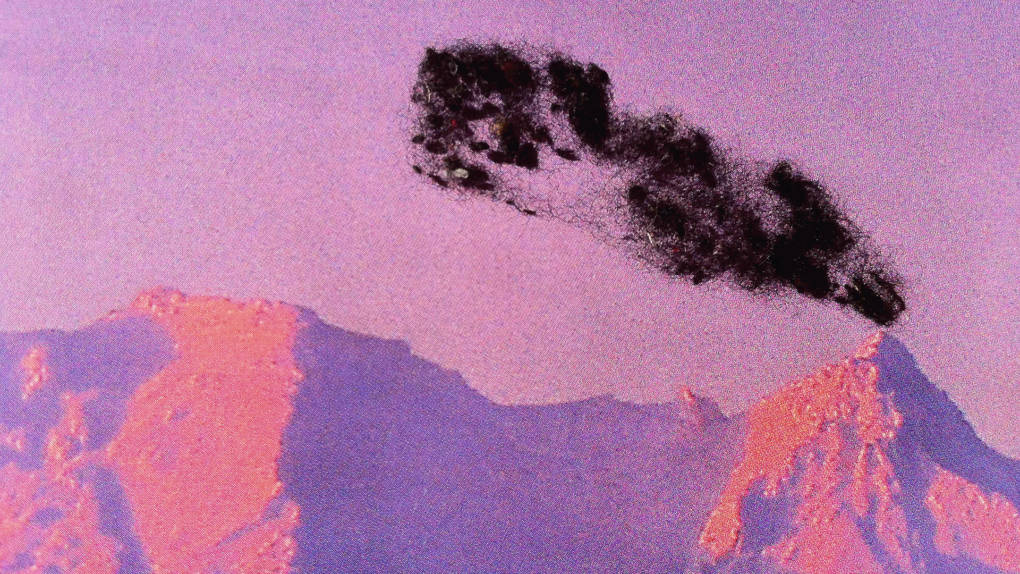
"caption": "Sarah Charlesworth, 'Arc of Total Eclipse, February 26, 1979' (detail), 1979/2010.",
"description": "Sarah Charlesworth, 'Arc of Total Eclipse, February 26, 1979' (detail), 1979/2010.",
"title": "Charlesworth_Astorian_COVER",
"credit": "Courtesy of BAMPFA",
"status": "inherit",
"isLoading": false,
"fetchFailed": false
},
"arts_13805976": {
"type": "attachments",
"id": "arts_13805976",
"meta": {
"index": "attachments_1716263798",
"site": "arts",
"id": "13805976",
"found": true
},
"parent": 13805975,
"imgSizes": {
"small": {
"file": "https://ww2.kqed.org/app/uploads/sites/2/2017/08/plague_custom-52add211fa3187a41c1ca5892706a5d64840eced-520x407.jpe",
"width": 520,
"mimeType": "image/jpeg",
"height": 407
},
"twentyfourteen-full-width": {
"file": "https://ww2.kqed.org/app/uploads/sites/2/2017/08/plague_custom-52add211fa3187a41c1ca5892706a5d64840eced-1038x576.jpe",
"width": 1038,
"mimeType": "image/jpeg",
"height": 576
},
"thumbnail": {
"file": "https://ww2.kqed.org/app/uploads/sites/2/2017/08/plague_custom-52add211fa3187a41c1ca5892706a5d64840eced-160x125.jpe",
"width": 160,
"mimeType": "image/jpeg",
"height": 125
},
"fd-sm": {
"file": "https://ww2.kqed.org/app/uploads/sites/2/2017/08/plague_custom-52add211fa3187a41c1ca5892706a5d64840eced-960x751.jpe",
"width": 960,
"mimeType": "image/jpeg",
"height": 751
},
"post-thumbnail": {
"file": "https://ww2.kqed.org/app/uploads/sites/2/2017/08/plague_custom-52add211fa3187a41c1ca5892706a5d64840eced-672x372.jpe",
"width": 672,
"mimeType": "image/jpeg",
"height": 372
},
"xsmall": {
"file": "https://ww2.kqed.org/app/uploads/sites/2/2017/08/plague_custom-52add211fa3187a41c1ca5892706a5d64840eced-375x293.jpe",
"width": 375,
"mimeType": "image/jpeg",
"height": 293
},
"kqedFullSize": {
"file": "https://ww2.kqed.org/app/uploads/sites/2/2017/08/plague_custom-52add211fa3187a41c1ca5892706a5d64840eced.jpe",
"width": 2000,
"height": 1564
},
"large": {
"file": "https://ww2.kqed.org/app/uploads/sites/2/2017/08/plague_custom-52add211fa3187a41c1ca5892706a5d64840eced-1020x798.jpe",
"width": 1020,
"mimeType": "image/jpeg",
"height": 798
},
"xlarge": {
"file": "https://ww2.kqed.org/app/uploads/sites/2/2017/08/plague_custom-52add211fa3187a41c1ca5892706a5d64840eced-1180x923.jpe",
"width": 1180,
"mimeType": "image/jpeg",
"height": 923
},
"guest-author-50": {
"file": "https://ww2.kqed.org/app/uploads/sites/2/2017/08/plague_custom-52add211fa3187a41c1ca5892706a5d64840eced-50x50.jpe",
"width": 50,
"mimeType": "image/jpeg",
"height": 50
},
"guest-author-96": {
"file": "https://ww2.kqed.org/app/uploads/sites/2/2017/08/plague_custom-52add211fa3187a41c1ca5892706a5d64840eced-96x96.jpe",
"width": 96,
"mimeType": "image/jpeg",
"height": 96
},
"medium": {
"file": "https://ww2.kqed.org/app/uploads/sites/2/2017/08/plague_custom-52add211fa3187a41c1ca5892706a5d64840eced-800x626.jpe",
"width": 800,
"mimeType": "image/jpeg",
"height": 626
},
"guest-author-64": {
"file": "https://ww2.kqed.org/app/uploads/sites/2/2017/08/plague_custom-52add211fa3187a41c1ca5892706a5d64840eced-64x64.jpe",
"width": 64,
"mimeType": "image/jpeg",
"height": 64
},
"guest-author-32": {
"file": "https://ww2.kqed.org/app/uploads/sites/2/2017/08/plague_custom-52add211fa3187a41c1ca5892706a5d64840eced-32x32.jpe",
"width": 32,
"mimeType": "image/jpeg",
"height": 32
},
"fd-lrg": {
"file": "https://ww2.kqed.org/app/uploads/sites/2/2017/08/plague_custom-52add211fa3187a41c1ca5892706a5d64840eced-1920x1501.jpe",
"width": 1920,
"mimeType": "image/jpeg",
"height": 1501
},
"fd-med": {
"file": "https://ww2.kqed.org/app/uploads/sites/2/2017/08/plague_custom-52add211fa3187a41c1ca5892706a5d64840eced-1180x923.jpe",
"width": 1180,
"mimeType": "image/jpeg",
"height": 923
},
"full-width": {
"file": "https://ww2.kqed.org/app/uploads/sites/2/2017/08/plague_custom-52add211fa3187a41c1ca5892706a5d64840eced-1920x1501.jpe",
"width": 1920,
"mimeType": "image/jpeg",
"height": 1501
},
"detail": {
"file": "https://ww2.kqed.org/app/uploads/sites/2/2017/08/plague_custom-52add211fa3187a41c1ca5892706a5d64840eced-150x150.jpe",
"width": 150,
"mimeType": "image/jpeg",
"height": 150
},
"medium_large": {
"file": "https://ww2.kqed.org/app/uploads/sites/2/2017/08/plague_custom-52add211fa3187a41c1ca5892706a5d64840eced-768x601.jpe",
"width": 768,
"mimeType": "image/jpeg",
"height": 601
},
"guest-author-128": {
"file": "https://ww2.kqed.org/app/uploads/sites/2/2017/08/plague_custom-52add211fa3187a41c1ca5892706a5d64840eced-128x128.jpe",
"width": 128,
"mimeType": "image/jpeg",
"height": 128
},
"xxsmall": {
"file": "https://ww2.kqed.org/app/uploads/sites/2/2017/08/plague_custom-52add211fa3187a41c1ca5892706a5d64840eced-240x188.jpe",
"width": 240,
"mimeType": "image/jpeg",
"height": 188
}
},
"publishDate": 1503087595,
"modified": 1503088349,
"caption": "A 15th-century image by Jacopo Oddi from the 'La Franceschina' codex depicts Franciscan monks treating victims of the plague in Italy.",
"description": "A 15th-century image by Jacopo Oddi from the 'La Franceschina' codex depicts Franciscan monks treating victims of the plague in Italy.",
"title": "A 15th-century image by Jacopo Oddi from the La Franceschina codex depicts Franciscan monks treating victims of the plague in Italy.",
"credit": "A. Dagli Orti/Getty Images",
"status": "inherit",
"isLoading": false,
"fetchFailed": false
},
"arts_13805699": {
"type": "attachments",
"id": "arts_13805699",
"meta": {
"index": "attachments_1716263798",
"site": "arts",
"id": "13805699",
"found": true
},
"parent": 13805698,
"imgSizes": {
"small": {
"file": "https://ww2.kqed.org/app/uploads/sites/2/2017/08/Ethos-2-e1502906449385-520x292.jpg",
"width": 520,
"mimeType": "image/jpeg",
"height": 292
},
"twentyfourteen-full-width": {
"file": "https://ww2.kqed.org/app/uploads/sites/2/2017/08/Ethos-2-e1502906449385-1038x576.jpg",
"width": 1038,
"mimeType": "image/jpeg",
"height": 576
},
"thumbnail": {
"file": "https://ww2.kqed.org/app/uploads/sites/2/2017/08/Ethos-2-e1502906449385-160x90.jpg",
"width": 160,
"mimeType": "image/jpeg",
"height": 90
},
"fd-sm": {
"file": "https://ww2.kqed.org/app/uploads/sites/2/2017/08/Ethos-2-e1502906449385-960x540.jpg",
"width": 960,
"mimeType": "image/jpeg",
"height": 540
},
"post-thumbnail": {
"file": "https://ww2.kqed.org/app/uploads/sites/2/2017/08/Ethos-2-e1502906449385-672x372.jpg",
"width": 672,
"mimeType": "image/jpeg",
"height": 372
},
"xsmall": {
"file": "https://ww2.kqed.org/app/uploads/sites/2/2017/08/Ethos-2-e1502906449385-375x211.jpg",
"width": 375,
"mimeType": "image/jpeg",
"height": 211
},
"kqedFullSize": {
"file": "https://ww2.kqed.org/app/uploads/sites/2/2017/08/Ethos-2-e1502906449385.jpg",
"width": 1080,
"height": 607
},
"large": {
"file": "https://ww2.kqed.org/app/uploads/sites/2/2017/08/Ethos-2-e1502906449385-1020x573.jpg",
"width": 1020,
"mimeType": "image/jpeg",
"height": 573
},
"guest-author-50": {
"file": "https://ww2.kqed.org/app/uploads/sites/2/2017/08/Ethos-2-e1502906449385-50x50.jpg",
"width": 50,
"mimeType": "image/jpeg",
"height": 50
},
"guest-author-96": {
"file": "https://ww2.kqed.org/app/uploads/sites/2/2017/08/Ethos-2-e1502906449385-96x96.jpg",
"width": 96,
"mimeType": "image/jpeg",
"height": 96
},
"medium": {
"file": "https://ww2.kqed.org/app/uploads/sites/2/2017/08/Ethos-2-e1502906449385-800x450.jpg",
"width": 800,
"mimeType": "image/jpeg",
"height": 450
},
"guest-author-64": {
"file": "https://ww2.kqed.org/app/uploads/sites/2/2017/08/Ethos-2-e1502906449385-64x64.jpg",
"width": 64,
"mimeType": "image/jpeg",
"height": 64
},
"guest-author-32": {
"file": "https://ww2.kqed.org/app/uploads/sites/2/2017/08/Ethos-2-e1502906449385-32x32.jpg",
"width": 32,
"mimeType": "image/jpeg",
"height": 32
},
"detail": {
"file": "https://ww2.kqed.org/app/uploads/sites/2/2017/08/Ethos-2-e1502906449385-150x150.jpg",
"width": 150,
"mimeType": "image/jpeg",
"height": 150
},
"medium_large": {
"file": "https://ww2.kqed.org/app/uploads/sites/2/2017/08/Ethos-2-e1502906449385-768x432.jpg",
"width": 768,
"mimeType": "image/jpeg",
"height": 432
},
"guest-author-128": {
"file": "https://ww2.kqed.org/app/uploads/sites/2/2017/08/Ethos-2-e1502906449385-128x128.jpg",
"width": 128,
"mimeType": "image/jpeg",
"height": 128
},
"xxsmall": {
"file": "https://ww2.kqed.org/app/uploads/sites/2/2017/08/Ethos-2-e1502906449385-240x135.jpg",
"width": 240,
"mimeType": "image/jpeg",
"height": 135
}
},
"publishDate": 1502906211,
"modified": 1502906402,
"caption": " Brit Frazier, Delina Patrice, Carol Chibueze dance and perform in Campo Santo's new show Ethos de Masquerade Brit Frazier, Delina Patrice, Carol Chibueze dance and perform in Campo Santo's new show Ethos de Masquerade",
"description": " Brit Frazier, Delina Patrice, Carol Chibueze dance and perform in Campo Santo's new show Ethos de Masquerade",
"title": "Brit Frazier, Delina Patrice, Carol Chibueze dance and perform in Campo Santo's new show Ethos de Masquerade",
"credit": "Photo: Joan Osato/Campo Santo",
"status": "inherit",
"isLoading": false,
"fetchFailed": false
},
"arts_13805458": {
"type": "attachments",
"id": "arts_13805458",
"meta": {
"index": "attachments_1716263798",
"site": "arts",
"id": "13805458",
"found": true
},
"parent": 13805449,
"imgSizes": {
"small": {
"file": "https://ww2.kqed.org/app/uploads/sites/2/2017/08/Prince-bw-purple-520x293.jpg",
"width": 520,
"mimeType": "image/jpeg",
"height": 293
},
"twentyfourteen-full-width": {
"file": "https://ww2.kqed.org/app/uploads/sites/2/2017/08/Prince-bw-purple-1038x576.jpg",
"width": 1038,
"mimeType": "image/jpeg",
"height": 576
},
"thumbnail": {
"file": "https://ww2.kqed.org/app/uploads/sites/2/2017/08/Prince-bw-purple-160x90.jpg",
"width": 160,
"mimeType": "image/jpeg",
"height": 90
},
"fd-sm": {
"file": "https://ww2.kqed.org/app/uploads/sites/2/2017/08/Prince-bw-purple-960x540.jpg",
"width": 960,
"mimeType": "image/jpeg",
"height": 540
},
"post-thumbnail": {
"file": "https://ww2.kqed.org/app/uploads/sites/2/2017/08/Prince-bw-purple-672x372.jpg",
"width": 672,
"mimeType": "image/jpeg",
"height": 372
},
"xsmall": {
"file": "https://ww2.kqed.org/app/uploads/sites/2/2017/08/Prince-bw-purple-375x211.jpg",
"width": 375,
"mimeType": "image/jpeg",
"height": 211
},
"kqedFullSize": {
"file": "https://ww2.kqed.org/app/uploads/sites/2/2017/08/Prince-bw-purple.jpg",
"width": 1920,
"height": 1080
},
"large": {
"file": "https://ww2.kqed.org/app/uploads/sites/2/2017/08/Prince-bw-purple-1020x574.jpg",
"width": 1020,
"mimeType": "image/jpeg",
"height": 574
},
"xlarge": {
"file": "https://ww2.kqed.org/app/uploads/sites/2/2017/08/Prince-bw-purple-1180x664.jpg",
"width": 1180,
"mimeType": "image/jpeg",
"height": 664
},
"guest-author-50": {
"file": "https://ww2.kqed.org/app/uploads/sites/2/2017/08/Prince-bw-purple-50x50.jpg",
"width": 50,
"mimeType": "image/jpeg",
"height": 50
},
"guest-author-96": {
"file": "https://ww2.kqed.org/app/uploads/sites/2/2017/08/Prince-bw-purple-96x96.jpg",
"width": 96,
"mimeType": "image/jpeg",
"height": 96
},
"medium": {
"file": "https://ww2.kqed.org/app/uploads/sites/2/2017/08/Prince-bw-purple-800x450.jpg",
"width": 800,
"mimeType": "image/jpeg",
"height": 450
},
"guest-author-64": {
"file": "https://ww2.kqed.org/app/uploads/sites/2/2017/08/Prince-bw-purple-64x64.jpg",
"width": 64,
"mimeType": "image/jpeg",
"height": 64
},
"guest-author-32": {
"file": "https://ww2.kqed.org/app/uploads/sites/2/2017/08/Prince-bw-purple-32x32.jpg",
"width": 32,
"mimeType": "image/jpeg",
"height": 32
},
"fd-lrg": {
"file": "https://ww2.kqed.org/app/uploads/sites/2/2017/08/Prince-bw-purple-1920x1080.jpg",
"width": 1920,
"mimeType": "image/jpeg",
"height": 1080
},
"fd-med": {
"file": "https://ww2.kqed.org/app/uploads/sites/2/2017/08/Prince-bw-purple-1180x664.jpg",
"width": 1180,
"mimeType": "image/jpeg",
"height": 664
},
"full-width": {
"file": "https://ww2.kqed.org/app/uploads/sites/2/2017/08/Prince-bw-purple-1920x1080.jpg",
"width": 1920,
"mimeType": "image/jpeg",
"height": 1080
},
"detail": {
"file": "https://ww2.kqed.org/app/uploads/sites/2/2017/08/Prince-bw-purple-150x150.jpg",
"width": 150,
"mimeType": "image/jpeg",
"height": 150
},
"medium_large": {
"file": "https://ww2.kqed.org/app/uploads/sites/2/2017/08/Prince-bw-purple-768x432.jpg",
"width": 768,
"mimeType": "image/jpeg",
"height": 432
},
"guest-author-128": {
"file": "https://ww2.kqed.org/app/uploads/sites/2/2017/08/Prince-bw-purple-128x128.jpg",
"width": 128,
"mimeType": "image/jpeg",
"height": 128
},
"xxsmall": {
"file": "https://ww2.kqed.org/app/uploads/sites/2/2017/08/Prince-bw-purple-240x135.jpg",
"width": 240,
"mimeType": "image/jpeg",
"height": 135
}
},
"publishDate": 1502748615,
"modified": 1502748798,
"caption": "US singer Prince performs on October 11, 2009 at the Grand Palais in Paris. ",
"description": "US singer Prince performs on October 11, 2009 at the Grand Palais in Paris. ",
"title": "US singer Prince performs on October 11,",
"credit": "Photo: BERTRAND GUAY/AFP/Getty Images",
"status": "inherit",
"isLoading": false,
"fetchFailed": false
},
"arts_13805184": {
"type": "attachments",
"id": "arts_13805184",
"meta": {
"index": "attachments_1716263798",
"site": "arts",
"id": "13805184",
"found": true
},
"parent": 13805183,
"imgSizes": {
"small": {
"file": "https://ww2.kqed.org/app/uploads/sites/2/2017/08/KiloKish.SIlkeLabson-520x345.jpg",
"width": 520,
"mimeType": "image/jpeg",
"height": 345
},
"twentyfourteen-full-width": {
"file": "https://ww2.kqed.org/app/uploads/sites/2/2017/08/KiloKish.SIlkeLabson-1038x576.jpg",
"width": 1038,
"mimeType": "image/jpeg",
"height": 576
},
"thumbnail": {
"file": "https://ww2.kqed.org/app/uploads/sites/2/2017/08/KiloKish.SIlkeLabson-160x106.jpg",
"width": 160,
"mimeType": "image/jpeg",
"height": 106
},
"fd-sm": {
"file": "https://ww2.kqed.org/app/uploads/sites/2/2017/08/KiloKish.SIlkeLabson-960x638.jpg",
"width": 960,
"mimeType": "image/jpeg",
"height": 638
},
"post-thumbnail": {
"file": "https://ww2.kqed.org/app/uploads/sites/2/2017/08/KiloKish.SIlkeLabson-672x372.jpg",
"width": 672,
"mimeType": "image/jpeg",
"height": 372
},
"xsmall": {
"file": "https://ww2.kqed.org/app/uploads/sites/2/2017/08/KiloKish.SIlkeLabson-375x249.jpg",
"width": 375,
"mimeType": "image/jpeg",
"height": 249
},
"kqedFullSize": {
"file": "https://ww2.kqed.org/app/uploads/sites/2/2017/08/KiloKish.SIlkeLabson.jpg",
"width": 1200,
"height": 797
},
"large": {
"file": "https://ww2.kqed.org/app/uploads/sites/2/2017/08/KiloKish.SIlkeLabson-1020x677.jpg",
"width": 1020,
"mimeType": "image/jpeg",
"height": 677
},
"xlarge": {
"file": "https://ww2.kqed.org/app/uploads/sites/2/2017/08/KiloKish.SIlkeLabson-1180x784.jpg",
"width": 1180,
"mimeType": "image/jpeg",
"height": 784
},
"guest-author-50": {
"file": "https://ww2.kqed.org/app/uploads/sites/2/2017/08/KiloKish.SIlkeLabson-50x50.jpg",
"width": 50,
"mimeType": "image/jpeg",
"height": 50
},
"guest-author-96": {
"file": "https://ww2.kqed.org/app/uploads/sites/2/2017/08/KiloKish.SIlkeLabson-96x96.jpg",
"width": 96,
"mimeType": "image/jpeg",
"height": 96
},
"medium": {
"file": "https://ww2.kqed.org/app/uploads/sites/2/2017/08/KiloKish.SIlkeLabson-800x531.jpg",
"width": 800,
"mimeType": "image/jpeg",
"height": 531
},
"guest-author-64": {
"file": "https://ww2.kqed.org/app/uploads/sites/2/2017/08/KiloKish.SIlkeLabson-64x64.jpg",
"width": 64,
"mimeType": "image/jpeg",
"height": 64
},
"guest-author-32": {
"file": "https://ww2.kqed.org/app/uploads/sites/2/2017/08/KiloKish.SIlkeLabson-32x32.jpg",
"width": 32,
"mimeType": "image/jpeg",
"height": 32
},
"fd-med": {
"file": "https://ww2.kqed.org/app/uploads/sites/2/2017/08/KiloKish.SIlkeLabson-1180x784.jpg",
"width": 1180,
"mimeType": "image/jpeg",
"height": 784
},
"detail": {
"file": "https://ww2.kqed.org/app/uploads/sites/2/2017/08/KiloKish.SIlkeLabson-150x150.jpg",
"width": 150,
"mimeType": "image/jpeg",
"height": 150
},
"medium_large": {
"file": "https://ww2.kqed.org/app/uploads/sites/2/2017/08/KiloKish.SIlkeLabson-768x510.jpg",
"width": 768,
"mimeType": "image/jpeg",
"height": 510
},
"guest-author-128": {
"file": "https://ww2.kqed.org/app/uploads/sites/2/2017/08/KiloKish.SIlkeLabson-128x128.jpg",
"width": 128,
"mimeType": "image/jpeg",
"height": 128
},
"xxsmall": {
"file": "https://ww2.kqed.org/app/uploads/sites/2/2017/08/KiloKish.SIlkeLabson-240x159.jpg",
"width": 240,
"mimeType": "image/jpeg",
"height": 159
}
},
"publishDate": 1502493111,
"modified": 1502493159,
"caption": "Kilo Kish plays the 20th Street Block Party on Aug. 19, 2017.",
"description": "Kilo Kish plays the 20th Street Block Party on Aug. 19, 2017.",
"title": "KiloKish.SIlkeLabson",
"credit": "Silke Labson",
"status": "inherit",
"isLoading": false,
"fetchFailed": false
},
"arts_13804826": {
"type": "attachments",
"id": "arts_13804826",
"meta": {
"index": "attachments_1716263798",
"site": "arts",
"id": "13804826",
"found": true
},
"parent": 13804672,
"imgSizes": {
"small": {
"file": "https://ww2.kqed.org/app/uploads/sites/2/2017/08/Tanja-Geis-Reef-Ball_COVER-520x293.jpg",
"width": 520,
"mimeType": "image/jpeg",
"height": 293
},
"twentyfourteen-full-width": {
"file": "https://ww2.kqed.org/app/uploads/sites/2/2017/08/Tanja-Geis-Reef-Ball_COVER-1038x576.jpg",
"width": 1038,
"mimeType": "image/jpeg",
"height": 576
},
"thumbnail": {
"file": "https://ww2.kqed.org/app/uploads/sites/2/2017/08/Tanja-Geis-Reef-Ball_COVER-160x90.jpg",
"width": 160,
"mimeType": "image/jpeg",
"height": 90
},
"fd-sm": {
"file": "https://ww2.kqed.org/app/uploads/sites/2/2017/08/Tanja-Geis-Reef-Ball_COVER-960x540.jpg",
"width": 960,
"mimeType": "image/jpeg",
"height": 540
},
"post-thumbnail": {
"file": "https://ww2.kqed.org/app/uploads/sites/2/2017/08/Tanja-Geis-Reef-Ball_COVER-672x372.jpg",
"width": 672,
"mimeType": "image/jpeg",
"height": 372
},
"xsmall": {
"file": "https://ww2.kqed.org/app/uploads/sites/2/2017/08/Tanja-Geis-Reef-Ball_COVER-375x211.jpg",
"width": 375,
"mimeType": "image/jpeg",
"height": 211
},
"kqedFullSize": {
"file": "https://ww2.kqed.org/app/uploads/sites/2/2017/08/Tanja-Geis-Reef-Ball_COVER.jpg",
"width": 1920,
"height": 1080
},
"large": {
"file": "https://ww2.kqed.org/app/uploads/sites/2/2017/08/Tanja-Geis-Reef-Ball_COVER-1020x574.jpg",
"width": 1020,
"mimeType": "image/jpeg",
"height": 574
},
"xlarge": {
"file": "https://ww2.kqed.org/app/uploads/sites/2/2017/08/Tanja-Geis-Reef-Ball_COVER-1180x664.jpg",
"width": 1180,
"mimeType": "image/jpeg",
"height": 664
},
"guest-author-50": {
"file": "https://ww2.kqed.org/app/uploads/sites/2/2017/08/Tanja-Geis-Reef-Ball_COVER-50x50.jpg",
"width": 50,
"mimeType": "image/jpeg",
"height": 50
},
"guest-author-96": {
"file": "https://ww2.kqed.org/app/uploads/sites/2/2017/08/Tanja-Geis-Reef-Ball_COVER-96x96.jpg",
"width": 96,
"mimeType": "image/jpeg",
"height": 96
},
"medium": {
"file": "https://ww2.kqed.org/app/uploads/sites/2/2017/08/Tanja-Geis-Reef-Ball_COVER-800x450.jpg",
"width": 800,
"mimeType": "image/jpeg",
"height": 450
},
"guest-author-64": {
"file": "https://ww2.kqed.org/app/uploads/sites/2/2017/08/Tanja-Geis-Reef-Ball_COVER-64x64.jpg",
"width": 64,
"mimeType": "image/jpeg",
"height": 64
},
"guest-author-32": {
"file": "https://ww2.kqed.org/app/uploads/sites/2/2017/08/Tanja-Geis-Reef-Ball_COVER-32x32.jpg",
"width": 32,
"mimeType": "image/jpeg",
"height": 32
},
"fd-lrg": {
"file": "https://ww2.kqed.org/app/uploads/sites/2/2017/08/Tanja-Geis-Reef-Ball_COVER-1920x1080.jpg",
"width": 1920,
"mimeType": "image/jpeg",
"height": 1080
},
"fd-med": {
"file": "https://ww2.kqed.org/app/uploads/sites/2/2017/08/Tanja-Geis-Reef-Ball_COVER-1180x664.jpg",
"width": 1180,
"mimeType": "image/jpeg",
"height": 664
},
"full-width": {
"file": "https://ww2.kqed.org/app/uploads/sites/2/2017/08/Tanja-Geis-Reef-Ball_COVER-1920x1080.jpg",
"width": 1920,
"mimeType": "image/jpeg",
"height": 1080
},
"detail": {
"file": "https://ww2.kqed.org/app/uploads/sites/2/2017/08/Tanja-Geis-Reef-Ball_COVER-150x150.jpg",
"width": 150,
"mimeType": "image/jpeg",
"height": 150
},
"medium_large": {
"file": "https://ww2.kqed.org/app/uploads/sites/2/2017/08/Tanja-Geis-Reef-Ball_COVER-768x432.jpg",
"width": 768,
"mimeType": "image/jpeg",
"height": 432
},
"guest-author-128": {
"file": "https://ww2.kqed.org/app/uploads/sites/2/2017/08/Tanja-Geis-Reef-Ball_COVER-128x128.jpg",
"width": 128,
"mimeType": "image/jpeg",
"height": 128
},
"xxsmall": {
"file": "https://ww2.kqed.org/app/uploads/sites/2/2017/08/Tanja-Geis-Reef-Ball_COVER-240x135.jpg",
"width": 240,
"mimeType": "image/jpeg",
"height": 135
}
},
"publishDate": 1502233997,
"modified": 1502234030,
"caption": "Tanja Geis, 'Reef Ball,' 2017.",
"description": "Tanja Geis, 'Reef Ball,' 2017.",
"title": "Tanja-Geis-Reef-Ball_COVER",
"credit": "Courtesy the artist and Embark Gallery, San Francisco",
"status": "inherit",
"isLoading": false,
"fetchFailed": false
},
"arts_13790716": {
"type": "attachments",
"id": "arts_13790716",
"meta": {
"index": "attachments_1716263798",
"site": "arts",
"id": "13790716",
"found": true
},
"parent": 13790714,
"imgSizes": {
"small": {
"file": "https://ww2.kqed.org/app/uploads/sites/2/2017/08/ctrlshft.MAIN_-520x293.jpg",
"width": 520,
"mimeType": "image/jpeg",
"height": 293
},
"twentyfourteen-full-width": {
"file": "https://ww2.kqed.org/app/uploads/sites/2/2017/08/ctrlshft.MAIN_-1038x576.jpg",
"width": 1038,
"mimeType": "image/jpeg",
"height": 576
},
"thumbnail": {
"file": "https://ww2.kqed.org/app/uploads/sites/2/2017/08/ctrlshft.MAIN_-160x90.jpg",
"width": 160,
"mimeType": "image/jpeg",
"height": 90
},
"fd-sm": {
"file": "https://ww2.kqed.org/app/uploads/sites/2/2017/08/ctrlshft.MAIN_-960x540.jpg",
"width": 960,
"mimeType": "image/jpeg",
"height": 540
},
"post-thumbnail": {
"file": "https://ww2.kqed.org/app/uploads/sites/2/2017/08/ctrlshft.MAIN_-672x372.jpg",
"width": 672,
"mimeType": "image/jpeg",
"height": 372
},
"xsmall": {
"file": "https://ww2.kqed.org/app/uploads/sites/2/2017/08/ctrlshft.MAIN_-375x211.jpg",
"width": 375,
"mimeType": "image/jpeg",
"height": 211
},
"kqedFullSize": {
"file": "https://ww2.kqed.org/app/uploads/sites/2/2017/08/ctrlshft.MAIN_.jpg",
"width": 1920,
"height": 1080
},
"large": {
"file": "https://ww2.kqed.org/app/uploads/sites/2/2017/08/ctrlshft.MAIN_-1020x574.jpg",
"width": 1020,
"mimeType": "image/jpeg",
"height": 574
},
"xlarge": {
"file": "https://ww2.kqed.org/app/uploads/sites/2/2017/08/ctrlshft.MAIN_-1180x664.jpg",
"width": 1180,
"mimeType": "image/jpeg",
"height": 664
},
"guest-author-50": {
"file": "https://ww2.kqed.org/app/uploads/sites/2/2017/08/ctrlshft.MAIN_-50x50.jpg",
"width": 50,
"mimeType": "image/jpeg",
"height": 50
},
"guest-author-96": {
"file": "https://ww2.kqed.org/app/uploads/sites/2/2017/08/ctrlshft.MAIN_-96x96.jpg",
"width": 96,
"mimeType": "image/jpeg",
"height": 96
},
"medium": {
"file": "https://ww2.kqed.org/app/uploads/sites/2/2017/08/ctrlshft.MAIN_-800x450.jpg",
"width": 800,
"mimeType": "image/jpeg",
"height": 450
},
"guest-author-64": {
"file": "https://ww2.kqed.org/app/uploads/sites/2/2017/08/ctrlshft.MAIN_-64x64.jpg",
"width": 64,
"mimeType": "image/jpeg",
"height": 64
},
"guest-author-32": {
"file": "https://ww2.kqed.org/app/uploads/sites/2/2017/08/ctrlshft.MAIN_-32x32.jpg",
"width": 32,
"mimeType": "image/jpeg",
"height": 32
},
"fd-lrg": {
"file": "https://ww2.kqed.org/app/uploads/sites/2/2017/08/ctrlshft.MAIN_-1920x1080.jpg",
"width": 1920,
"mimeType": "image/jpeg",
"height": 1080
},
"fd-med": {
"file": "https://ww2.kqed.org/app/uploads/sites/2/2017/08/ctrlshft.MAIN_-1180x664.jpg",
"width": 1180,
"mimeType": "image/jpeg",
"height": 664
},
"full-width": {
"file": "https://ww2.kqed.org/app/uploads/sites/2/2017/08/ctrlshft.MAIN_-1920x1080.jpg",
"width": 1920,
"mimeType": "image/jpeg",
"height": 1080
},
"detail": {
"file": "https://ww2.kqed.org/app/uploads/sites/2/2017/08/ctrlshft.MAIN_-150x150.jpg",
"width": 150,
"mimeType": "image/jpeg",
"height": 150
},
"medium_large": {
"file": "https://ww2.kqed.org/app/uploads/sites/2/2017/08/ctrlshft.MAIN_-768x432.jpg",
"width": 768,
"mimeType": "image/jpeg",
"height": 432
},
"guest-author-128": {
"file": "https://ww2.kqed.org/app/uploads/sites/2/2017/08/ctrlshft.MAIN_-128x128.jpg",
"width": 128,
"mimeType": "image/jpeg",
"height": 128
},
"xxsmall": {
"file": "https://ww2.kqed.org/app/uploads/sites/2/2017/08/ctrlshft.MAIN_-240x135.jpg",
"width": 240,
"mimeType": "image/jpeg",
"height": 135
}
},
"publishDate": 1501638063,
"modified": 1501713061,
"caption": "Members of the CTRL+SHFT Collective.",
"description": "Members of the CTRL+SHFT Collective.",
"title": "ctrlshft.MAIN",
"credit": "Courtesy CTRL+SHFT",
"status": "inherit",
"isLoading": false,
"fetchFailed": false
},
"arts_13741032": {
"type": "attachments",
"id": "arts_13741032",
"meta": {
"index": "attachments_1716263798",
"site": "arts",
"id": "13741032",
"found": true
},
"parent": 13741021,
"imgSizes": {
"small": {
"file": "https://ww2.kqed.org/app/uploads/sites/2/2017/07/Sophie15-e1501024381125-520x294.jpg",
"width": 520,
"mimeType": "image/jpeg",
"height": 294
},
"thumbnail": {
"file": "https://ww2.kqed.org/app/uploads/sites/2/2017/07/Sophie15-e1501024381125-160x90.jpg",
"width": 160,
"mimeType": "image/jpeg",
"height": 90
},
"post-thumbnail": {
"file": "https://ww2.kqed.org/app/uploads/sites/2/2017/07/Sophie15-672x372.jpg",
"width": 672,
"mimeType": "image/jpeg",
"height": 372
},
"xsmall": {
"file": "https://ww2.kqed.org/app/uploads/sites/2/2017/07/Sophie15-e1501024381125-375x212.jpg",
"width": 375,
"mimeType": "image/jpeg",
"height": 212
},
"kqedFullSize": {
"file": "https://ww2.kqed.org/app/uploads/sites/2/2017/07/Sophie15-e1501024381125.jpg",
"width": 650,
"height": 367
},
"guest-author-50": {
"file": "https://ww2.kqed.org/app/uploads/sites/2/2017/07/Sophie15-e1501024381125-50x50.jpg",
"width": 50,
"mimeType": "image/jpeg",
"height": 50
},
"guest-author-96": {
"file": "https://ww2.kqed.org/app/uploads/sites/2/2017/07/Sophie15-e1501024381125-96x96.jpg",
"width": 96,
"mimeType": "image/jpeg",
"height": 96
},
"medium": {
"file": "https://ww2.kqed.org/app/uploads/sites/2/2017/07/Sophie15-800x450.jpg",
"width": 800,
"mimeType": "image/jpeg",
"height": 450
},
"guest-author-64": {
"file": "https://ww2.kqed.org/app/uploads/sites/2/2017/07/Sophie15-e1501024381125-64x64.jpg",
"width": 64,
"mimeType": "image/jpeg",
"height": 64
},
"guest-author-32": {
"file": "https://ww2.kqed.org/app/uploads/sites/2/2017/07/Sophie15-e1501024381125-32x32.jpg",
"width": 32,
"mimeType": "image/jpeg",
"height": 32
},
"detail": {
"file": "https://ww2.kqed.org/app/uploads/sites/2/2017/07/Sophie15-e1501024381125-150x150.jpg",
"width": 150,
"mimeType": "image/jpeg",
"height": 150
},
"medium_large": {
"file": "https://ww2.kqed.org/app/uploads/sites/2/2017/07/Sophie15-768x432.jpg",
"width": 768,
"mimeType": "image/jpeg",
"height": 432
},
"guest-author-128": {
"file": "https://ww2.kqed.org/app/uploads/sites/2/2017/07/Sophie15-e1501024381125-128x128.jpg",
"width": 128,
"mimeType": "image/jpeg",
"height": 128
},
"xxsmall": {
"file": "https://ww2.kqed.org/app/uploads/sites/2/2017/07/Sophie15-e1501024381125-240x136.jpg",
"width": 240,
"mimeType": "image/jpeg",
"height": 136
}
},
"publishDate": 1501024350,
"modified": 1501024447,
"caption": "Sophie Calle poses at Bolinas cemetery. The French conceptual artist bought herself a burial plot there a few years ago.",
"description": "Sophie Calle poses at Bolinas cemetery. The French conceptual artist bought herself a burial plot there a few years ago.",
"title": "Sophie15",
"credit": "Photo: Aaron Drury/KQED",
"status": "inherit",
"isLoading": false,
"fetchFailed": false
},
"arts_13806827": {
"type": "attachments",
"id": "arts_13806827",
"meta": {
"index": "attachments_1716263798",
"site": "arts",
"id": "13806827",
"found": true
},
"parent": 0,
"imgSizes": {
"small": {
"file": "https://ww2.kqed.org/app/uploads/sites/2/2017/08/w2w-header-erin-520x293.jpg",
"width": 520,
"mimeType": "image/jpeg",
"height": 293
},
"twentyfourteen-full-width": {
"file": "https://ww2.kqed.org/app/uploads/sites/2/2017/08/w2w-header-erin-1038x576.jpg",
"width": 1038,
"mimeType": "image/jpeg",
"height": 576
},
"thumbnail": {
"file": "https://ww2.kqed.org/app/uploads/sites/2/2017/08/w2w-header-erin-160x90.jpg",
"width": 160,
"mimeType": "image/jpeg",
"height": 90
},
"fd-sm": {
"file": "https://ww2.kqed.org/app/uploads/sites/2/2017/08/w2w-header-erin-960x540.jpg",
"width": 960,
"mimeType": "image/jpeg",
"height": 540
},
"post-thumbnail": {
"file": "https://ww2.kqed.org/app/uploads/sites/2/2017/08/w2w-header-erin-672x372.jpg",
"width": 672,
"mimeType": "image/jpeg",
"height": 372
},
"xsmall": {
"file": "https://ww2.kqed.org/app/uploads/sites/2/2017/08/w2w-header-erin-375x211.jpg",
"width": 375,
"mimeType": "image/jpeg",
"height": 211
},
"kqedFullSize": {
"file": "https://ww2.kqed.org/app/uploads/sites/2/2017/08/w2w-header-erin.jpg",
"width": 1920,
"height": 1080
},
"large": {
"file": "https://ww2.kqed.org/app/uploads/sites/2/2017/08/w2w-header-erin-1020x574.jpg",
"width": 1020,
"mimeType": "image/jpeg",
"height": 574
},
"xlarge": {
"file": "https://ww2.kqed.org/app/uploads/sites/2/2017/08/w2w-header-erin-1180x664.jpg",
"width": 1180,
"mimeType": "image/jpeg",
"height": 664
},
"guest-author-50": {
"file": "https://ww2.kqed.org/app/uploads/sites/2/2017/08/w2w-header-erin-50x50.jpg",
"width": 50,
"mimeType": "image/jpeg",
"height": 50
},
"guest-author-96": {
"file": "https://ww2.kqed.org/app/uploads/sites/2/2017/08/w2w-header-erin-96x96.jpg",
"width": 96,
"mimeType": "image/jpeg",
"height": 96
},
"medium": {
"file": "https://ww2.kqed.org/app/uploads/sites/2/2017/08/w2w-header-erin-800x450.jpg",
"width": 800,
"mimeType": "image/jpeg",
"height": 450
},
"guest-author-64": {
"file": "https://ww2.kqed.org/app/uploads/sites/2/2017/08/w2w-header-erin-64x64.jpg",
"width": 64,
"mimeType": "image/jpeg",
"height": 64
},
"guest-author-32": {
"file": "https://ww2.kqed.org/app/uploads/sites/2/2017/08/w2w-header-erin-32x32.jpg",
"width": 32,
"mimeType": "image/jpeg",
"height": 32
},
"fd-lrg": {
"file": "https://ww2.kqed.org/app/uploads/sites/2/2017/08/w2w-header-erin-1920x1080.jpg",
"width": 1920,
"mimeType": "image/jpeg",
"height": 1080
},
"fd-med": {
"file": "https://ww2.kqed.org/app/uploads/sites/2/2017/08/w2w-header-erin-1180x664.jpg",
"width": 1180,
"mimeType": "image/jpeg",
"height": 664
},
"full-width": {
"file": "https://ww2.kqed.org/app/uploads/sites/2/2017/08/w2w-header-erin-1920x1080.jpg",
"width": 1920,
"mimeType": "image/jpeg",
"height": 1080
},
"detail": {
"file": "https://ww2.kqed.org/app/uploads/sites/2/2017/08/w2w-header-erin-150x150.jpg",
"width": 150,
"mimeType": "image/jpeg",
"height": 150
},
"medium_large": {
"file": "https://ww2.kqed.org/app/uploads/sites/2/2017/08/w2w-header-erin-768x432.jpg",
"width": 768,
"mimeType": "image/jpeg",
"height": 432
},
"guest-author-128": {
"file": "https://ww2.kqed.org/app/uploads/sites/2/2017/08/w2w-header-erin-128x128.jpg",
"width": 128,
"mimeType": "image/jpeg",
"height": 128
},
"xxsmall": {
"file": "https://ww2.kqed.org/app/uploads/sites/2/2017/08/w2w-header-erin-240x135.jpg",
"width": 240,
"mimeType": "image/jpeg",
"height": 135
}
},
"publishDate": 1504049946,
"modified": 1504050040,
"caption": "Erin Salazar",
"description": "Erin Salazar",
"title": "Erin Salazar",
"credit": "Christina Campbell",
"status": "inherit",
"isLoading": false,
"fetchFailed": false
},
"arts_13741099": {
"type": "attachments",
"id": "arts_13741099",
"meta": {
"index": "attachments_1716263798",
"site": "arts",
"id": "13741099",
"found": true
},
"parent": 0,
"imgSizes": {
"small": {
"file": "https://ww2.kqed.org/app/uploads/sites/2/2017/07/w2w-header-indira-520x293.jpg",
"width": 520,
"mimeType": "image/jpeg",
"height": 293
},
"twentyfourteen-full-width": {
"file": "https://ww2.kqed.org/app/uploads/sites/2/2017/07/w2w-header-indira-1038x576.jpg",
"width": 1038,
"mimeType": "image/jpeg",
"height": 576
},
"thumbnail": {
"file": "https://ww2.kqed.org/app/uploads/sites/2/2017/07/w2w-header-indira-160x90.jpg",
"width": 160,
"mimeType": "image/jpeg",
"height": 90
},
"fd-sm": {
"file": "https://ww2.kqed.org/app/uploads/sites/2/2017/07/w2w-header-indira-960x540.jpg",
"width": 960,
"mimeType": "image/jpeg",
"height": 540
},
"post-thumbnail": {
"file": "https://ww2.kqed.org/app/uploads/sites/2/2017/07/w2w-header-indira-672x372.jpg",
"width": 672,
"mimeType": "image/jpeg",
"height": 372
},
"xsmall": {
"file": "https://ww2.kqed.org/app/uploads/sites/2/2017/07/w2w-header-indira-375x211.jpg",
"width": 375,
"mimeType": "image/jpeg",
"height": 211
},
"kqedFullSize": {
"file": "https://ww2.kqed.org/app/uploads/sites/2/2017/07/w2w-header-indira.jpg",
"width": 1920,
"height": 1080
},
"large": {
"file": "https://ww2.kqed.org/app/uploads/sites/2/2017/07/w2w-header-indira-1020x574.jpg",
"width": 1020,
"mimeType": "image/jpeg",
"height": 574
},
"xlarge": {
"file": "https://ww2.kqed.org/app/uploads/sites/2/2017/07/w2w-header-indira-1180x664.jpg",
"width": 1180,
"mimeType": "image/jpeg",
"height": 664
},
"guest-author-50": {
"file": "https://ww2.kqed.org/app/uploads/sites/2/2017/07/w2w-header-indira-50x50.jpg",
"width": 50,
"mimeType": "image/jpeg",
"height": 50
},
"guest-author-96": {
"file": "https://ww2.kqed.org/app/uploads/sites/2/2017/07/w2w-header-indira-96x96.jpg",
"width": 96,
"mimeType": "image/jpeg",
"height": 96
},
"medium": {
"file": "https://ww2.kqed.org/app/uploads/sites/2/2017/07/w2w-header-indira-800x450.jpg",
"width": 800,
"mimeType": "image/jpeg",
"height": 450
},
"guest-author-64": {
"file": "https://ww2.kqed.org/app/uploads/sites/2/2017/07/w2w-header-indira-64x64.jpg",
"width": 64,
"mimeType": "image/jpeg",
"height": 64
},
"guest-author-32": {
"file": "https://ww2.kqed.org/app/uploads/sites/2/2017/07/w2w-header-indira-32x32.jpg",
"width": 32,
"mimeType": "image/jpeg",
"height": 32
},
"fd-lrg": {
"file": "https://ww2.kqed.org/app/uploads/sites/2/2017/07/w2w-header-indira-1920x1080.jpg",
"width": 1920,
"mimeType": "image/jpeg",
"height": 1080
},
"fd-med": {
"file": "https://ww2.kqed.org/app/uploads/sites/2/2017/07/w2w-header-indira-1180x664.jpg",
"width": 1180,
"mimeType": "image/jpeg",
"height": 664
},
"full-width": {
"file": "https://ww2.kqed.org/app/uploads/sites/2/2017/07/w2w-header-indira-1920x1080.jpg",
"width": 1920,
"mimeType": "image/jpeg",
"height": 1080
},
"detail": {
"file": "https://ww2.kqed.org/app/uploads/sites/2/2017/07/w2w-header-indira-150x150.jpg",
"width": 150,
"mimeType": "image/jpeg",
"height": 150
},
"medium_large": {
"file": "https://ww2.kqed.org/app/uploads/sites/2/2017/07/w2w-header-indira-768x432.jpg",
"width": 768,
"mimeType": "image/jpeg",
"height": 432
},
"guest-author-128": {
"file": "https://ww2.kqed.org/app/uploads/sites/2/2017/07/w2w-header-indira-128x128.jpg",
"width": 128,
"mimeType": "image/jpeg",
"height": 128
},
"xxsmall": {
"file": "https://ww2.kqed.org/app/uploads/sites/2/2017/07/w2w-header-indira-240x135.jpg",
"width": 240,
"mimeType": "image/jpeg",
"height": 135
}
},
"publishDate": 1501025058,
"modified": 1501025402,
"caption": "Indira Allegra",
"description": "Indira Allegra",
"title": "Indira Allegra",
"credit": "Photo: Christina Campbell",
"status": "inherit",
"isLoading": false,
"fetchFailed": false
},
"arts_13749223": {
"type": "attachments",
"id": "arts_13749223",
"meta": {
"index": "attachments_1716263798",
"site": "arts",
"id": "13749223",
"found": true
},
"parent": 13748611,
"imgSizes": {
"small": {
"file": "https://ww2.kqed.org/app/uploads/sites/2/2017/07/Jasdeep.MAIN_.Field_-520x293.jpg",
"width": 520,
"mimeType": "image/jpeg",
"height": 293
},
"twentyfourteen-full-width": {
"file": "https://ww2.kqed.org/app/uploads/sites/2/2017/07/Jasdeep.MAIN_.Field_-1038x576.jpg",
"width": 1038,
"mimeType": "image/jpeg",
"height": 576
},
"thumbnail": {
"file": "https://ww2.kqed.org/app/uploads/sites/2/2017/07/Jasdeep.MAIN_.Field_-160x90.jpg",
"width": 160,
"mimeType": "image/jpeg",
"height": 90
},
"fd-sm": {
"file": "https://ww2.kqed.org/app/uploads/sites/2/2017/07/Jasdeep.MAIN_.Field_-960x540.jpg",
"width": 960,
"mimeType": "image/jpeg",
"height": 540
},
"post-thumbnail": {
"file": "https://ww2.kqed.org/app/uploads/sites/2/2017/07/Jasdeep.MAIN_.Field_-672x372.jpg",
"width": 672,
"mimeType": "image/jpeg",
"height": 372
},
"xsmall": {
"file": "https://ww2.kqed.org/app/uploads/sites/2/2017/07/Jasdeep.MAIN_.Field_-375x211.jpg",
"width": 375,
"mimeType": "image/jpeg",
"height": 211
},
"kqedFullSize": {
"file": "https://ww2.kqed.org/app/uploads/sites/2/2017/07/Jasdeep.MAIN_.Field_.jpg",
"width": 1920,
"height": 1080
},
"large": {
"file": "https://ww2.kqed.org/app/uploads/sites/2/2017/07/Jasdeep.MAIN_.Field_-1020x574.jpg",
"width": 1020,
"mimeType": "image/jpeg",
"height": 574
},
"xlarge": {
"file": "https://ww2.kqed.org/app/uploads/sites/2/2017/07/Jasdeep.MAIN_.Field_-1180x664.jpg",
"width": 1180,
"mimeType": "image/jpeg",
"height": 664
},
"guest-author-50": {
"file": "https://ww2.kqed.org/app/uploads/sites/2/2017/07/Jasdeep.MAIN_.Field_-50x50.jpg",
"width": 50,
"mimeType": "image/jpeg",
"height": 50
},
"guest-author-96": {
"file": "https://ww2.kqed.org/app/uploads/sites/2/2017/07/Jasdeep.MAIN_.Field_-96x96.jpg",
"width": 96,
"mimeType": "image/jpeg",
"height": 96
},
"medium": {
"file": "https://ww2.kqed.org/app/uploads/sites/2/2017/07/Jasdeep.MAIN_.Field_-800x450.jpg",
"width": 800,
"mimeType": "image/jpeg",
"height": 450
},
"guest-author-64": {
"file": "https://ww2.kqed.org/app/uploads/sites/2/2017/07/Jasdeep.MAIN_.Field_-64x64.jpg",
"width": 64,
"mimeType": "image/jpeg",
"height": 64
},
"guest-author-32": {
"file": "https://ww2.kqed.org/app/uploads/sites/2/2017/07/Jasdeep.MAIN_.Field_-32x32.jpg",
"width": 32,
"mimeType": "image/jpeg",
"height": 32
},
"fd-lrg": {
"file": "https://ww2.kqed.org/app/uploads/sites/2/2017/07/Jasdeep.MAIN_.Field_-1920x1080.jpg",
"width": 1920,
"mimeType": "image/jpeg",
"height": 1080
},
"fd-med": {
"file": "https://ww2.kqed.org/app/uploads/sites/2/2017/07/Jasdeep.MAIN_.Field_-1180x664.jpg",
"width": 1180,
"mimeType": "image/jpeg",
"height": 664
},
"full-width": {
"file": "https://ww2.kqed.org/app/uploads/sites/2/2017/07/Jasdeep.MAIN_.Field_-1920x1080.jpg",
"width": 1920,
"mimeType": "image/jpeg",
"height": 1080
},
"detail": {
"file": "https://ww2.kqed.org/app/uploads/sites/2/2017/07/Jasdeep.MAIN_.Field_-150x150.jpg",
"width": 150,
"mimeType": "image/jpeg",
"height": 150
},
"medium_large": {
"file": "https://ww2.kqed.org/app/uploads/sites/2/2017/07/Jasdeep.MAIN_.Field_-768x432.jpg",
"width": 768,
"mimeType": "image/jpeg",
"height": 432
},
"guest-author-128": {
"file": "https://ww2.kqed.org/app/uploads/sites/2/2017/07/Jasdeep.MAIN_.Field_-128x128.jpg",
"width": 128,
"mimeType": "image/jpeg",
"height": 128
},
"xxsmall": {
"file": "https://ww2.kqed.org/app/uploads/sites/2/2017/07/Jasdeep.MAIN_.Field_-240x135.jpg",
"width": 240,
"mimeType": "image/jpeg",
"height": 135
}
},
"publishDate": 1501118832,
"modified": 1501119294,
"caption": "A still from KOHINOORGASM's music video for 'Azaadi Is Freedom Is Fate,' directed by Jasdeep Kang.",
"description": "A still from KOHINOORGASM's music video for 'Azaadi Is Freedom Is Fate,' directed by Jasdeep Kang.",
"title": "Jasdeep.MAIN.Field",
"credit": "Jasdeep Kang",
"status": "inherit",
"isLoading": false,
"fetchFailed": false
},
"arts_13741089": {
"type": "attachments",
"id": "arts_13741089",
"meta": {
"index": "attachments_1716263798",
"site": "arts",
"id": "13741089",
"found": true
},
"parent": 0,
"imgSizes": {
"small": {
"file": "https://ww2.kqed.org/app/uploads/sites/2/2017/07/w2w-header-amy-520x293.jpg",
"width": 520,
"mimeType": "image/jpeg",
"height": 293
},
"twentyfourteen-full-width": {
"file": "https://ww2.kqed.org/app/uploads/sites/2/2017/07/w2w-header-amy-1038x576.jpg",
"width": 1038,
"mimeType": "image/jpeg",
"height": 576
},
"thumbnail": {
"file": "https://ww2.kqed.org/app/uploads/sites/2/2017/07/w2w-header-amy-160x90.jpg",
"width": 160,
"mimeType": "image/jpeg",
"height": 90
},
"fd-sm": {
"file": "https://ww2.kqed.org/app/uploads/sites/2/2017/07/w2w-header-amy-960x540.jpg",
"width": 960,
"mimeType": "image/jpeg",
"height": 540
},
"post-thumbnail": {
"file": "https://ww2.kqed.org/app/uploads/sites/2/2017/07/w2w-header-amy-672x372.jpg",
"width": 672,
"mimeType": "image/jpeg",
"height": 372
},
"xsmall": {
"file": "https://ww2.kqed.org/app/uploads/sites/2/2017/07/w2w-header-amy-375x211.jpg",
"width": 375,
"mimeType": "image/jpeg",
"height": 211
},
"kqedFullSize": {
"file": "https://ww2.kqed.org/app/uploads/sites/2/2017/07/w2w-header-amy.jpg",
"width": 1920,
"height": 1080
},
"large": {
"file": "https://ww2.kqed.org/app/uploads/sites/2/2017/07/w2w-header-amy-1020x574.jpg",
"width": 1020,
"mimeType": "image/jpeg",
"height": 574
},
"xlarge": {
"file": "https://ww2.kqed.org/app/uploads/sites/2/2017/07/w2w-header-amy-1180x664.jpg",
"width": 1180,
"mimeType": "image/jpeg",
"height": 664
},
"guest-author-50": {
"file": "https://ww2.kqed.org/app/uploads/sites/2/2017/07/w2w-header-amy-50x50.jpg",
"width": 50,
"mimeType": "image/jpeg",
"height": 50
},
"guest-author-96": {
"file": "https://ww2.kqed.org/app/uploads/sites/2/2017/07/w2w-header-amy-96x96.jpg",
"width": 96,
"mimeType": "image/jpeg",
"height": 96
},
"medium": {
"file": "https://ww2.kqed.org/app/uploads/sites/2/2017/07/w2w-header-amy-800x450.jpg",
"width": 800,
"mimeType": "image/jpeg",
"height": 450
},
"guest-author-64": {
"file": "https://ww2.kqed.org/app/uploads/sites/2/2017/07/w2w-header-amy-64x64.jpg",
"width": 64,
"mimeType": "image/jpeg",
"height": 64
},
"guest-author-32": {
"file": "https://ww2.kqed.org/app/uploads/sites/2/2017/07/w2w-header-amy-32x32.jpg",
"width": 32,
"mimeType": "image/jpeg",
"height": 32
},
"fd-lrg": {
"file": "https://ww2.kqed.org/app/uploads/sites/2/2017/07/w2w-header-amy-1920x1080.jpg",
"width": 1920,
"mimeType": "image/jpeg",
"height": 1080
},
"fd-med": {
"file": "https://ww2.kqed.org/app/uploads/sites/2/2017/07/w2w-header-amy-1180x664.jpg",
"width": 1180,
"mimeType": "image/jpeg",
"height": 664
},
"full-width": {
"file": "https://ww2.kqed.org/app/uploads/sites/2/2017/07/w2w-header-amy-1920x1080.jpg",
"width": 1920,
"mimeType": "image/jpeg",
"height": 1080
},
"detail": {
"file": "https://ww2.kqed.org/app/uploads/sites/2/2017/07/w2w-header-amy-150x150.jpg",
"width": 150,
"mimeType": "image/jpeg",
"height": 150
},
"medium_large": {
"file": "https://ww2.kqed.org/app/uploads/sites/2/2017/07/w2w-header-amy-768x432.jpg",
"width": 768,
"mimeType": "image/jpeg",
"height": 432
},
"guest-author-128": {
"file": "https://ww2.kqed.org/app/uploads/sites/2/2017/07/w2w-header-amy-128x128.jpg",
"width": 128,
"mimeType": "image/jpeg",
"height": 128
},
"xxsmall": {
"file": "https://ww2.kqed.org/app/uploads/sites/2/2017/07/w2w-header-amy-240x135.jpg",
"width": 240,
"mimeType": "image/jpeg",
"height": 135
}
},
"publishDate": 1501025040,
"modified": 1501026904,
"caption": "Amy M. Ho",
"description": "Amy M. Ho",
"title": "Amy Ho",
"credit": "Photo: Christina Campbell",
"status": "inherit",
"isLoading": false,
"fetchFailed": false
}
},
"audioPlayerReducer": {
"postId": "stream_live",
"isPaused": true,
"isPlaying": false,
"pfsActive": false,
"pledgeModalIsOpen": true,
"playerDrawerIsOpen": false,
"liveAudioPlayStartedAt": 0,
"liveAudioPlayContext": ""
},
"authorsReducer": {
"byline_arts_13805975": {
"type": "authors",
"id": "byline_arts_13805975",
"meta": {
"override": true
},
"slug": "byline_arts_13805975",
"name": "Rae Ellen Bichell",
"isLoading": false
},
"byline_arts_13805449": {
"type": "authors",
"id": "byline_arts_13805449",
"meta": {
"override": true
},
"slug": "byline_arts_13805449",
"name": "Andrew Flanagan",
"isLoading": false
},
"cmusiker": {
"type": "authors",
"id": "32",
"meta": {
"index": "authors_1716337520",
"id": "32",
"found": true
},
"name": "Cy Musiker",
"firstName": "Cy",
"lastName": "Musiker",
"slug": "cmusiker",
"email": "cmusiker@kqed.org",
"display_author_email": false,
"staff_mastheads": [],
"title": "KQED Contributor",
"bio": "Cy Musiker is a former co-host of The Do List and a former reporter covering the arts for KQED News and The California Report. He loves live performance, especially great theater, jazz, roots music, anything by Mahler. Cy has an MJ from UC Berkeley's School of Journalism, and got his BA from Hampshire College. His work has been recognized by the Society for Professional Journalists with their Sigma Delta Chi Award for Public Service in Journalism. When he can, Cy likes to swim in Tomales Bay, run with his dog in the East Bay Hills, and hike the Sierra.",
"avatar": "https://secure.gravatar.com/avatar/05eaba5c5696ce8f062e4ea2df428a43?s=600&d=blank&r=g",
"twitter": null,
"facebook": null,
"instagram": null,
"linkedin": null,
"sites": [
{
"site": "arts",
"roles": [
"Contributor",
"subscriber"
]
},
{
"site": "news",
"roles": [
"author"
]
},
{
"site": "bayareabites",
"roles": [
"contributor"
]
}
],
"headData": {
"title": "Cy Musiker | KQED",
"description": "KQED Contributor",
"ogImgSrc": "https://secure.gravatar.com/avatar/05eaba5c5696ce8f062e4ea2df428a43?s=600&d=blank&r=g",
"twImgSrc": "https://secure.gravatar.com/avatar/05eaba5c5696ce8f062e4ea2df428a43?s=600&d=blank&r=g"
},
"isLoading": false,
"link": "/author/cmusiker"
},
"shotchkiss": {
"type": "authors",
"id": "61",
"meta": {
"index": "authors_1716337520",
"id": "61",
"found": true
},
"name": "Sarah Hotchkiss",
"firstName": "Sarah",
"lastName": "Hotchkiss",
"slug": "shotchkiss",
"email": "shotchkiss@kqed.org",
"display_author_email": true,
"staff_mastheads": [
"arts"
],
"title": "Senior Editor",
"bio": "Sarah Hotchkiss is a San Francisco \u003ca href=\"http://www.sarahhotchkiss.com\">artist\u003c/a> and arts writer. In 2019, she received the Dorothea & Leo Rabkin Foundation grant for visual art journalism and in 2020 she received a Society of Professional Journalists, Northern California award for excellence in arts and culture reporting.",
"avatar": "https://secure.gravatar.com/avatar/bc662df144b3d27fd8b1b6f1c2a420d34e91e53154d411bb7ad353cc8b6cea8d?s=600&d=blank&r=g",
"twitter": null,
"bluesky": null,
"facebook": null,
"instagram": null,
"linkedin": null,
"sites": [
{
"site": "",
"roles": [
"editor"
]
},
{
"site": "arts",
"roles": [
"Contributor",
"administrator"
]
},
{
"site": "artschool",
"roles": [
"administrator"
]
},
{
"site": "news",
"roles": [
"editor"
]
},
{
"site": "pop",
"roles": [
"administrator"
]
},
{
"site": "bayareabites",
"roles": [
"editor"
]
},
{
"site": "spark",
"roles": [
"editor"
]
},
{
"site": "checkplease",
"roles": [
"editor"
]
}
],
"headData": {
"title": "Sarah Hotchkiss | KQED",
"description": "Senior Editor",
"ogImgSrc": "https://secure.gravatar.com/avatar/bc662df144b3d27fd8b1b6f1c2a420d34e91e53154d411bb7ad353cc8b6cea8d?s=600&d=blank&r=g",
"twImgSrc": "https://secure.gravatar.com/avatar/bc662df144b3d27fd8b1b6f1c2a420d34e91e53154d411bb7ad353cc8b6cea8d?s=600&d=blank&r=g"
},
"isLoading": false,
"link": "/author/shotchkiss"
},
"sracho": {
"type": "authors",
"id": "107",
"meta": {
"index": "authors_1716337520",
"id": "107",
"found": true
},
"name": "Suzie Racho",
"firstName": "Suzie",
"lastName": "Racho",
"slug": "sracho",
"email": "SRacho@KQED.org",
"display_author_email": false,
"staff_mastheads": [
"news"
],
"title": "KQED Contributor",
"bio": "Suzie Racho is a correspondent-producer with \u003cem>The California Report Magazine\u003c/em>\u003cem>. S\u003c/em>he has also worked with several other KQED productions, including Bay Curious, Truth Be Told, The Do List and KQED News.\r\n\r\nSuzie came to KQED in 1996 after receiving a BA in journalism from San Francisco State University and spending several years working in the music industry. As part of \u003cem>The California Report\u003c/em> team, her work has been recognized by the Society for Professional Journalists, National Federation of Community Broadcasters and Public Radio News Directors Incorporated, among others. She was recognized with a national Gracie Award in 2019. She spends her free time baking, listening to K-pop and rooting for the Giants and Valkyries.",
"avatar": "https://secure.gravatar.com/avatar/842e457a9830b0f3c1ce3ab70ed3518d616d1e25e315c6292eab8cd611d98601?s=600&d=blank&r=g",
"twitter": null,
"bluesky": null,
"facebook": null,
"instagram": null,
"linkedin": null,
"sites": [
{
"site": "arts",
"roles": [
"editor"
]
},
{
"site": "news",
"roles": [
"editor"
]
}
],
"headData": {
"title": "Suzie Racho | KQED",
"description": "KQED Contributor",
"ogImgSrc": "https://secure.gravatar.com/avatar/842e457a9830b0f3c1ce3ab70ed3518d616d1e25e315c6292eab8cd611d98601?s=600&d=blank&r=g",
"twImgSrc": "https://secure.gravatar.com/avatar/842e457a9830b0f3c1ce3ab70ed3518d616d1e25e315c6292eab8cd611d98601?s=600&d=blank&r=g"
},
"isLoading": false,
"link": "/author/sracho"
},
"gmeline": {
"type": "authors",
"id": "185",
"meta": {
"index": "authors_1716337520",
"id": "185",
"found": true
},
"name": "Gabe Meline",
"firstName": "Gabe",
"lastName": "Meline",
"slug": "gmeline",
"email": "gmeline@kqed.org",
"display_author_email": true,
"staff_mastheads": [
"arts"
],
"title": "Senior Editor, KQED Arts & Culture",
"bio": "Gabe Meline entered journalism at age 15 making photocopied zines, and has since earned awards from the Edward R. Murrow Awards, the Society for Professional Journalists, the Online Journalism Awards, the Association of Alternative Newsweeklies and the California Newspaper Publishers Association. Prior to KQED, he was the editor of the \u003cem>North Bay Bohemian\u003c/em> and a touring musician. He lives with his wife and daughter in his hometown of Santa Rosa, CA.",
"avatar": "https://secure.gravatar.com/avatar/5bebe57be0d8bc2dd318934feb47299e2d2d10cba28d09d8d7afb389a2ce2bdd?s=600&d=blank&r=g",
"twitter": null,
"bluesky": null,
"facebook": null,
"instagram": null,
"linkedin": null,
"sites": [
{
"site": "",
"roles": [
"editor"
]
},
{
"site": "arts",
"roles": [
"administrator"
]
},
{
"site": "artschool",
"roles": [
"editor"
]
},
{
"site": "news",
"roles": [
"author"
]
},
{
"site": "pop",
"roles": [
"editor"
]
},
{
"site": "bayareabites",
"roles": [
"editor"
]
},
{
"site": "food",
"roles": [
"editor"
]
},
{
"site": "liveblog",
"roles": [
"editor"
]
},
{
"site": "hiphop",
"roles": [
"editor"
]
}
],
"headData": {
"title": "Gabe Meline | KQED",
"description": "Senior Editor, KQED Arts & Culture",
"ogImgSrc": "https://secure.gravatar.com/avatar/5bebe57be0d8bc2dd318934feb47299e2d2d10cba28d09d8d7afb389a2ce2bdd?s=600&d=blank&r=g",
"twImgSrc": "https://secure.gravatar.com/avatar/5bebe57be0d8bc2dd318934feb47299e2d2d10cba28d09d8d7afb389a2ce2bdd?s=600&d=blank&r=g"
},
"isLoading": false,
"link": "/author/gmeline"
},
"mtedford": {
"type": "authors",
"id": "187",
"meta": {
"index": "authors_1716337520",
"id": "187",
"found": true
},
"name": "Matthew Harrison Tedford",
"firstName": "Matthew Harrison",
"lastName": "Tedford",
"slug": "mtedford",
"email": "mhtedford@gmail.com",
"display_author_email": false,
"staff_mastheads": [],
"title": null,
"bio": "\u003ca href=\"http://www.mhtedford.com\">Matthew Harrison Tedford\u003c/a> is a writer whose work focuses on contemporary art, film, and California history. His writing has appeared in \u003cem id=\"yui_3_17_2_1_1403197832753_7692\">Art Practical\u003c/em>, \u003cem>Daily Serving\u003c/em>, \u003cem>Glance\u003c/em> (California College of the Arts), the \u003cem>Huffington Post\u003c/em>, \u003cem>Oakland Standard\u003c/em> (Oakland Museum of California), \u003cem>Open Space\u003c/em> (SFMOMA), \u003cem>Poor Taste Magazine\u003c/em>, \u003cem>SF Weekly\u003c/em>, and \u003cem>Wilder Quarterly\u003c/em>.",
"avatar": "https://secure.gravatar.com/avatar/f6ae15e4c10b73a2ee9215e669ca0328?s=600&d=blank&r=g",
"twitter": null,
"facebook": null,
"instagram": null,
"linkedin": null,
"sites": [
{
"site": "arts",
"roles": [
"contributor"
]
}
],
"headData": {
"title": "Matthew Harrison Tedford | KQED",
"description": null,
"ogImgSrc": "https://secure.gravatar.com/avatar/f6ae15e4c10b73a2ee9215e669ca0328?s=600&d=blank&r=g",
"twImgSrc": "https://secure.gravatar.com/avatar/f6ae15e4c10b73a2ee9215e669ca0328?s=600&d=blank&r=g"
},
"isLoading": false,
"link": "/author/mtedford"
},
"rachael-myrow": {
"type": "authors",
"id": "251",
"meta": {
"index": "authors_1716337520",
"id": "251",
"found": true
},
"name": "Rachael Myrow",
"firstName": "Rachael",
"lastName": "Myrow",
"slug": "rachael-myrow",
"email": "rmyrow@kqed.org",
"display_author_email": true,
"staff_mastheads": [
"news"
],
"title": "Senior Editor of KQED's Silicon Valley News Desk",
"bio": "• I write and edit stories about how Silicon Valley power and policies shape everyday life in California. I’m also passionate about making Bay Area history and culture more accessible to a broad public. • I’ve been a journalist for most of my life, starting in high school with The Franklin Press in Los Angeles, where I grew up. While earning my first degree in English at UC Berkeley, I got my start in public radio at KALX-FM. After completing a second degree in journalism at Cal, I landed my first professional job at Marketplace, then moved on to KPCC (now LAist), and then KQED, where I hosted The California Report for more than seven years. • My reporting has appeared on NPR, The World, WBUR’s \u003ci>Here & Now\u003c/i>, and the BBC. I also guest host for KQED’s \u003ci>Forum\u003c/i>, as well as the Commonwealth Club in San Francisco. • I speak periodically on media, democracy and technology issues, and do voiceover work for documentaries and educational video projects. • Outside of the studio, you'll find me hiking Bay Area trails and whipping up Insta-ready meals in my kitchen. • I do not accept gifts, money, or favors from anyone connected to my reporting, I don't pay people for information, and I do not support or donate to political causes. • I strive to treat the people I report on with fairness, honesty, and respect. I also recognize there are often multiple sides to a story and work to verify information through multiple sources and documentation. If I get something wrong, I correct it.",
"avatar": "https://secure.gravatar.com/avatar/3ed8a3c5f26025e4a805ba634cda8cd764906b97438a6d9ce216b044e340da4e?s=600&d=blank&r=g",
"twitter": "rachaelmyrow",
"bluesky": null,
"facebook": null,
"instagram": null,
"linkedin": "https://www.linkedin.com/in/rachaelmyrow/",
"sites": [
{
"site": "arts",
"roles": [
"administrator"
]
},
{
"site": "news",
"roles": [
"edit_others_posts",
"editor"
]
},
{
"site": "futureofyou",
"roles": [
"editor"
]
},
{
"site": "bayareabites",
"roles": [
"editor"
]
},
{
"site": "stateofhealth",
"roles": [
"editor"
]
},
{
"site": "science",
"roles": [
"editor"
]
},
{
"site": "food",
"roles": [
"editor"
]
},
{
"site": "forum",
"roles": [
"editor"
]
},
{
"site": "liveblog",
"roles": [
"author"
]
}
],
"headData": {
"title": "Rachael Myrow | KQED",
"description": "Senior Editor of KQED's Silicon Valley News Desk",
"ogImgSrc": "https://secure.gravatar.com/avatar/3ed8a3c5f26025e4a805ba634cda8cd764906b97438a6d9ce216b044e340da4e?s=600&d=blank&r=g",
"twImgSrc": "https://secure.gravatar.com/avatar/3ed8a3c5f26025e4a805ba634cda8cd764906b97438a6d9ce216b044e340da4e?s=600&d=blank&r=g"
},
"isLoading": false,
"link": "/author/rachael-myrow"
},
"cveltman": {
"type": "authors",
"id": "8608",
"meta": {
"index": "authors_1716337520",
"id": "8608",
"found": true
},
"name": "Chloe Veltman",
"firstName": "Chloe",
"lastName": "Veltman",
"slug": "cveltman",
"email": "cveltman@kqed.org",
"display_author_email": true,
"staff_mastheads": [],
"title": "Arts and Culture Reporter",
"bio": "Chloe Veltman is a former arts and culture reporter for KQED. Prior to joining the organization, she launched and led the arts bureau at Colorado Public Radio, served as the Bay Area's culture columnist for the New York Times, and was the founder, host and executive producer of VoiceBox, a national award-winning weekly podcast/radio show and live events series all about the human voice. Chloe is the recipient of numerous prizes, grants and fellowships including a Webby Award for her work on interactive storytelling, both the John S Knight Journalism Fellowship and Humanities Center Fellowship at Stanford University, the Sundance Arts Writing Fellowship and a Library of Congress Research Fellowship. She is the author of the book \"On Acting\" and has appeared as a guest lecturer at Yale University and the San Francisco Conservatory of Music among other institutions. She holds a BA in english literature from King's College, Cambridge, and a Masters in Dramaturgy from the Central School of Speech and Drama/Harvard Institute for Advanced Theater Training.\r\n\u003ca href=\"https://www.chloeveltman.com\">www.chloeveltman.com\u003c/a>",
"avatar": "https://secure.gravatar.com/avatar/55403394b00a1ddab683952c2eb2cf85?s=600&d=blank&r=g",
"twitter": "chloeveltman",
"facebook": null,
"instagram": null,
"linkedin": null,
"sites": [
{
"site": "arts",
"roles": []
},
{
"site": "news",
"roles": [
"author"
]
},
{
"site": "pop",
"roles": [
"editor"
]
},
{
"site": "science",
"roles": []
}
],
"headData": {
"title": "Chloe Veltman | KQED",
"description": "Arts and Culture Reporter",
"ogImgSrc": "https://secure.gravatar.com/avatar/55403394b00a1ddab683952c2eb2cf85?s=600&d=blank&r=g",
"twImgSrc": "https://secure.gravatar.com/avatar/55403394b00a1ddab683952c2eb2cf85?s=600&d=blank&r=g"
},
"isLoading": false,
"link": "/author/cveltman"
},
"edayu": {
"type": "authors",
"id": "11391",
"meta": {
"index": "authors_1716337520",
"id": "11391",
"found": true
},
"name": "Eda Yu",
"firstName": "Eda",
"lastName": "Yu",
"slug": "edayu",
"email": "eda.cyu@gmail.com",
"display_author_email": false,
"staff_mastheads": [],
"title": "KQED Contributor",
"bio": "Eda Yu is a freelance writer and arts and culture journalist born and raised in Los Angeles, California. Her work centers the intersection of culture and identity, and her writing has appeared on platforms like VICE, Paper Magazine, and Complex. Follow her latest on Instagram and Twitter @edacyu.",
"avatar": "https://secure.gravatar.com/avatar/6dac2abe6c01e7b538d29f9c902136eb?s=600&d=blank&r=g",
"twitter": null,
"facebook": null,
"instagram": "https://www.instagram.com/edacyu/",
"linkedin": null,
"sites": [
{
"site": "arts",
"roles": [
"contributor"
]
}
],
"headData": {
"title": "Eda Yu | KQED",
"description": "KQED Contributor",
"ogImgSrc": "https://secure.gravatar.com/avatar/6dac2abe6c01e7b538d29f9c902136eb?s=600&d=blank&r=g",
"twImgSrc": "https://secure.gravatar.com/avatar/6dac2abe6c01e7b538d29f9c902136eb?s=600&d=blank&r=g"
},
"isLoading": false,
"link": "/author/edayu"
}
},
"pagesReducer": {
"arts_category_visualarts": {
"type": "terms",
"id": "arts_70",
"meta": {
"index": "terms_1716263798",
"site": "arts",
"id": "70",
"score": 14.403156
},
"featImg": null,
"name": "Visual Arts",
"description": null,
"taxonomy": "category",
"headData": {
"twImgId": null,
"twTitle": null,
"ogTitle": null,
"ogImgId": null,
"twDescription": null,
"description": null,
"title": "Visual Arts Archives | KQED Arts",
"ogDescription": null
},
"ttid": 71,
"slug": "visualarts",
"isLoading": false,
"title": "Visual Arts",
"pageMeta": {
"site": "arts",
"WpPageTemplate": "page-topic-editorial",
"currentPage": 95
},
"blocks": [
{
"blockName": "kqed/post-list",
"attrs": {
"layout": "cardArticle2",
"query": "posts/arts?category=visualarts",
"seeMore": false,
"paginated": true,
"page": 95
}
},
{
"blockName": "kqed/ad"
}
]
}
},
"pfsSessionReducer": {},
"postsReducer": {
"stream_live": {
"type": "live",
"id": "stream_live",
"audioUrl": "https://streams.kqed.org/kqedradio",
"title": "Live Stream",
"excerpt": "Live Stream information currently unavailable.",
"link": "/radio",
"featImg": "",
"label": {
"name": "KQED Live",
"link": "/"
}
},
"stream_kqedNewscast": {
"type": "posts",
"id": "stream_kqedNewscast",
"audioUrl": "https://www.kqed.org/.stream/anon/radio/RDnews/newscast.mp3?_=1",
"title": "KQED Newscast",
"featImg": "",
"label": {
"name": "88.5 FM",
"link": "/"
}
},
"arts_13805914": {
"type": "posts",
"id": "arts_13805914",
"meta": {
"index": "posts_1716263798",
"site": "arts",
"id": "13805914",
"score": null,
"sort": [
1503327607000
]
},
"parent": 0,
"labelTerm": {
"site": "arts"
},
"blocks": [],
"publishDate": 1503327607,
"format": "image",
"title": "Looking Back at the 1979 Eclipse Through Sarah Charlesworth's Eyes",
"headTitle": "Looking Back at the 1979 Eclipse Through Sarah Charlesworth’s Eyes | KQED",
"content": "\u003cp>In 1979, when the moon last interrupted North Americans’ view of the sun, newspapers in the path of the eclipse proudly documented the moment. And \u003ca href=\"http://sarahcharlesworth.net/index.php\" target=\"_blank\" rel=\"noopener\">Sarah Charlesworth\u003c/a>, who would go on to have a nearly 40-year career as an influential conceptual artist and member of the Pictures Generation, documented the newspapers.\u003c/p>\n\u003cp>From Portland, Oregon to Ontario, Canada, Charlesworth’s \u003ci>\u003ca href=\"http://sarahcharlesworth.net/series-view.php?album_id=1449341&subalbum_id=1449503\" target=\"_blank\" rel=\"noopener\">Arc of Total Eclipse, February 26, 1979\u003c/a>\u003c/i> follows the solar eclipse across the front pages of 29 local newspapers, most of which no longer exist. (Remember newspapers?) Charlesworth reduces each print to the newspaper’s masthead and images of the obscured sun, crisply excising, as BAMPFA curator emerita Lucinda Barnes says, “all the chatter.”\u003c/p>\n\u003cp>Comparing just these elements, the papers’ unique editorial decisions give each print a bit of local flavor. \u003ci>The Oregonian\u003c/i> went with an impressive five-image spread across the entire width of the paper, showing the slimming crescent of sun shifting to total eclipse and back again. The \u003ci>Lewiston Tribune\u003c/i> ran a special edition “in celebration of the Feb. 26, 1979 total eclipse of the sun (which most of us didn’t see)” — a nearly full-page image of the eclipse suggesting Charlesworth didn’t need to remove any text on this one. \u003c/p>\n\u003cp>Like the best conceptual art, \u003ci>Arc of Total Eclipse\u003c/i> is elegant in its simplicity. But what makes the piece more than just an exercise in restraint, a microcosm in media studies, is Charlesworth’s subtle nod to the impossibility of adequately capturing a moment of celestial alignment on film, in a paper or even through art. Repeated across her prints, the eclipse starts to seem improbable, as if all 29 newspapers documented glimpses of a UFO. \u003c/p>\n\u003cfigure id=\"attachment_13805915\" class=\"wp-caption aligncenter\" style=\"max-width: 1200px\">\u003cimg loading=\"lazy\" decoding=\"async\" src=\"https://ww2.kqed.org/arts/wp-content/uploads/sites/2/2017/08/Charlesworth_Lewiston_1200.jpg\" alt=\"Sarah Charlesworth, 'Arc of Total Eclipse, February 26, 1979' (detail), 1979/2010.\" width=\"1200\" height=\"1766\" class=\"size-full wp-image-13805915\" srcset=\"https://cdn.kqed.org/wp-content/uploads/sites/2/2017/08/Charlesworth_Lewiston_1200.jpg 1200w, https://cdn.kqed.org/wp-content/uploads/sites/2/2017/08/Charlesworth_Lewiston_1200-160x235.jpg 160w, https://cdn.kqed.org/wp-content/uploads/sites/2/2017/08/Charlesworth_Lewiston_1200-800x1177.jpg 800w, https://cdn.kqed.org/wp-content/uploads/sites/2/2017/08/Charlesworth_Lewiston_1200-768x1130.jpg 768w, https://cdn.kqed.org/wp-content/uploads/sites/2/2017/08/Charlesworth_Lewiston_1200-1020x1501.jpg 1020w, https://cdn.kqed.org/wp-content/uploads/sites/2/2017/08/Charlesworth_Lewiston_1200-1180x1737.jpg 1180w, https://cdn.kqed.org/wp-content/uploads/sites/2/2017/08/Charlesworth_Lewiston_1200-960x1413.jpg 960w, https://cdn.kqed.org/wp-content/uploads/sites/2/2017/08/Charlesworth_Lewiston_1200-240x353.jpg 240w, https://cdn.kqed.org/wp-content/uploads/sites/2/2017/08/Charlesworth_Lewiston_1200-375x552.jpg 375w, https://cdn.kqed.org/wp-content/uploads/sites/2/2017/08/Charlesworth_Lewiston_1200-520x765.jpg 520w\" sizes=\"(max-width: 1200px) 100vw, 1200px\">\u003cfigcaption class=\"wp-caption-text\">Sarah Charlesworth, ‘Arc of Total Eclipse, February 26, 1979’ (detail), 1979/2010. \u003ccite>(Courtesy of BAMPFA)\u003c/cite>\u003c/figcaption>\u003c/figure>\n\u003cp>When I first saw \u003ci>Arc of Total Eclipse\u003c/i> installed, in a two-person exhibition at the Berkeley Art Museum in 2011, I didn’t fully appreciate how much it would stick with me. Barnes, then chief curator, paired Charlesworth’s prints with a recent work from Bay Area artist Chris McCaw, who allowed the sun to trace its path across his photographic paper, physically — and often, violently — burning its arc into the print. \u003c/p>\n\u003cp>[ad fullwidth]\u003c/p>\n\u003cp>The show was called \u003ci>Sun Works\u003c/i>. It occupied one of the old Mario Ciampi building’s lovely, semi-isolated terraces, floating, as only a Brutalist building made of hard-edged concrete can, above the museum’s grand atrium.\u003c/p>\n\u003cp>\u003ca href=\"https://ww2.kqed.org/arts/2011/11/28/staring_at_the_sun_charlesworth_and_mccaw_at_the_berkeley_art/\" target=\"_blank\" rel=\"noopener\">I covered the show for KQED\u003c/a>, paying close attention to Charlesworth’s images — reprinted for the exhibition in collaboration with the artist. But I quibbled with the curatorial conceit, which argued that both \u003ci>Arc of Total Eclipse\u003c/i> and McCaw’s \u003ci>Sunburned GSP #488 (Sunset/sunrise, Galbraith Lake, Alaska)\u003c/i> were made in cahoots with the celestial orb they depicted. “The organizing principle of \u003ci>Sun Works\u003c/i> is off-point for these prints,” I wrote of Charlesworth’s work. “The real collaborators are the newspaper editors and photographers who took the original images, not the sun.” \u003c/p>\n\u003cp>I was an absolutist art critic. Shows should do what they claim to do, I thought. Artworks should fit neatly into categories and, if paired, into each other. Productive dissonance didn’t interest me as much as poking a triumphant hole in someone else’s argument. \u003c/p>\n\u003cfigure id=\"attachment_13805916\" class=\"wp-caption aligncenter\" style=\"max-width: 1200px\">\u003cimg loading=\"lazy\" decoding=\"async\" src=\"https://ww2.kqed.org/arts/wp-content/uploads/sites/2/2017/08/Charlesworth_Seattle_1200.jpg\" alt=\"Sarah Charlesworth, 'Arc of Total Eclipse, February 26, 1979' (detail), 1979/2010.\" width=\"1200\" height=\"1944\" class=\"size-full wp-image-13805916\" srcset=\"https://cdn.kqed.org/wp-content/uploads/sites/2/2017/08/Charlesworth_Seattle_1200.jpg 1200w, https://cdn.kqed.org/wp-content/uploads/sites/2/2017/08/Charlesworth_Seattle_1200-160x259.jpg 160w, https://cdn.kqed.org/wp-content/uploads/sites/2/2017/08/Charlesworth_Seattle_1200-800x1296.jpg 800w, https://cdn.kqed.org/wp-content/uploads/sites/2/2017/08/Charlesworth_Seattle_1200-768x1244.jpg 768w, https://cdn.kqed.org/wp-content/uploads/sites/2/2017/08/Charlesworth_Seattle_1200-1020x1652.jpg 1020w, https://cdn.kqed.org/wp-content/uploads/sites/2/2017/08/Charlesworth_Seattle_1200-1180x1912.jpg 1180w, https://cdn.kqed.org/wp-content/uploads/sites/2/2017/08/Charlesworth_Seattle_1200-960x1555.jpg 960w, https://cdn.kqed.org/wp-content/uploads/sites/2/2017/08/Charlesworth_Seattle_1200-240x389.jpg 240w, https://cdn.kqed.org/wp-content/uploads/sites/2/2017/08/Charlesworth_Seattle_1200-375x608.jpg 375w, https://cdn.kqed.org/wp-content/uploads/sites/2/2017/08/Charlesworth_Seattle_1200-520x842.jpg 520w\" sizes=\"(max-width: 1200px) 100vw, 1200px\">\u003cfigcaption class=\"wp-caption-text\">Sarah Charlesworth, ‘Arc of Total Eclipse, February 26, 1979’ (detail), 1979/2010. \u003ccite>(Courtesy of BAMPFA)\u003c/cite>\u003c/figcaption>\u003c/figure>\n\u003cp>Nearly six years later, when I think back on \u003ci>Sun Works\u003c/i>, I don’t see an uneven installation or an arbitrary pairing. I simply feel a sense of profound gratitude for the introduction to Charlesworth’s work — and this piece in particular. \u003c/p>\n\u003cp>\u003ci>Arc of Total Eclipse\u003c/i> is just one of dozen-ish projects in a series Charlesworth titled \u003ci>\u003ca href=\"http://sarahcharlesworth.net/series.php?album_id=1449341\" target=\"_blank\" rel=\"noopener\">Modern History\u003c/a>\u003c/i>, all made between 1977 and 1979, all culled from newspapers reduced to their mastheads and front-page photographs. (She called the process of blanking out blocks of text “unwriting.”) \u003c/p>\n\u003cp>Some in the series chart spans of time (\u003ci>\u003ca href=\"http://sarahcharlesworth.net/series-view.php?album_id=1449341&subalbum_id=1449342\" target=\"_blank\" rel=\"noopener\">Herald Tribune, September 1977\u003c/a>\u003c/i>), others the events of a particular day. In \u003ci>\u003ca href=\"http://sarahcharlesworth.net/series-view.php?album_id=1449341&subalbum_id=1449475\" target=\"_blank\" rel=\"noopener\">Movie-Television-News-History, June 21, 1979\u003c/a>\u003c/i>, 27 papers reproduce stills from the television footage of the death in Nicaragua of ABC newsman Bill Stewart, with Charlesworth’s prints translating the fuzzy image yet one more step away from the real-life incident. \u003c/p>\n\u003cfigure id=\"attachment_13805917\" class=\"wp-caption aligncenter\" style=\"max-width: 1200px\">\u003cimg loading=\"lazy\" decoding=\"async\" src=\"https://ww2.kqed.org/arts/wp-content/uploads/sites/2/2017/08/Charlesworth_The-Forum_1200.jpg\" alt=\"Sarah Charlesworth, 'Arc of Total Eclipse, February 26, 1979' (detail), 1979/2010.\" width=\"1200\" height=\"1938\" class=\"size-full wp-image-13805917\" srcset=\"https://cdn.kqed.org/wp-content/uploads/sites/2/2017/08/Charlesworth_The-Forum_1200.jpg 1200w, https://cdn.kqed.org/wp-content/uploads/sites/2/2017/08/Charlesworth_The-Forum_1200-160x258.jpg 160w, https://cdn.kqed.org/wp-content/uploads/sites/2/2017/08/Charlesworth_The-Forum_1200-800x1292.jpg 800w, https://cdn.kqed.org/wp-content/uploads/sites/2/2017/08/Charlesworth_The-Forum_1200-768x1240.jpg 768w, https://cdn.kqed.org/wp-content/uploads/sites/2/2017/08/Charlesworth_The-Forum_1200-1020x1647.jpg 1020w, https://cdn.kqed.org/wp-content/uploads/sites/2/2017/08/Charlesworth_The-Forum_1200-1180x1906.jpg 1180w, https://cdn.kqed.org/wp-content/uploads/sites/2/2017/08/Charlesworth_The-Forum_1200-960x1550.jpg 960w, https://cdn.kqed.org/wp-content/uploads/sites/2/2017/08/Charlesworth_The-Forum_1200-240x388.jpg 240w, https://cdn.kqed.org/wp-content/uploads/sites/2/2017/08/Charlesworth_The-Forum_1200-375x606.jpg 375w, https://cdn.kqed.org/wp-content/uploads/sites/2/2017/08/Charlesworth_The-Forum_1200-520x840.jpg 520w\" sizes=\"(max-width: 1200px) 100vw, 1200px\">\u003cfigcaption class=\"wp-caption-text\">Sarah Charlesworth, ‘Arc of Total Eclipse, February 26, 1979’ (detail), 1979/2010. \u003ccite>(Courtesy of BAMPFA)\u003c/cite>\u003c/figcaption>\u003c/figure>\n\u003cp>Less than two years later after \u003ci>Sun Works\u003c/i> opened, Charlesworth died suddenly of an aneurysm; she was 66. In a remembrance piece for \u003ci>\u003ca href=\"https://www.artforum.com/passages/id=43982\" target=\"_blank\" rel=\"noopener\">Artforum\u003c/a>\u003c/i>, close friend and fellow artist Cindy Sherman wrote, “We will miss the art that she never got to make.” Barnes wonders what Charlesworth would have made of the current state of mass media, how she would have addressed ideas of truth and documentation in her artwork.\u003c/p>\n\u003cp>“How I’m reading it today is: what matters,” Barnes says of \u003ci>Arc of Total Eclipse\u003c/i> now, as she prepares to catch the moment from her home in Idaho. “Of course current events matter, but what she captured in this was a shared human experience.”\u003c/p>\n\u003cp>\u003cimg loading=\"lazy\" decoding=\"async\" src=\"https://ww2.kqed.org/arts/wp-content/uploads/sites/2/2016/09/Q.Logo_.Break_.jpg\" alt=\"\" width=\"800\" height=\"78\" class=\"aligncenter size-full wp-image-12127869\" srcset=\"https://cdn.kqed.org/wp-content/uploads/sites/2/2016/09/Q.Logo_.Break_.jpg 800w, https://cdn.kqed.org/wp-content/uploads/sites/2/2016/09/Q.Logo_.Break_-400x39.jpg 400w, https://cdn.kqed.org/wp-content/uploads/sites/2/2016/09/Q.Logo_.Break_-768x75.jpg 768w\" sizes=\"(max-width: 800px) 100vw, 800px\">\u003c/p>\n\u003cp>\u003c/p>\n\u003cp>\u003ci>On Monday, Aug. 21, the Berkeley Art Museum and Pacific Film Archive will show selections from Sarah Charlesworth’s ‘Arc of Total Eclipse, February 26, 1979’ on their outdoor screen facing Addison St. for one minute on the hour, 8am-8pm. For more information, \u003ca href=\"http://bampfa.org/\" target=\"_blank\" rel=\"noopener\">click here\u003c/a>.\u003c/i>\u003c/p>\n\n",
"stats": {
"hasVideo": false,
"hasChartOrMap": false,
"hasAudio": false,
"hasPolis": false,
"wordCount": 942,
"hasGoogleForm": false,
"hasGallery": false,
"hasHearkenModule": false,
"iframeSrcs": [],
"paragraphCount": 17
},
"modified": 1705029720,
"excerpt": "For 'Arc of Total Eclipse,' the conceptual artist re-edited front pages of small-town newspapers in a piece that reads very differently today.",
"headData": {
"twImgId": "",
"twTitle": "",
"ogTitle": "",
"ogImgId": "",
"twDescription": "",
"description": "For 'Arc of Total Eclipse,' the conceptual artist re-edited front pages of small-town newspapers in a piece that reads very differently today.",
"title": "Looking Back at the 1979 Eclipse Through Sarah Charlesworth's Eyes | KQED",
"ogDescription": "",
"schema": {
"@context": "https://schema.org",
"@type": "Article",
"headline": "Looking Back at the 1979 Eclipse Through Sarah Charlesworth's Eyes",
"datePublished": "2017-08-21T08:00:07-07:00",
"dateModified": "2024-01-11T19:22:00-08:00",
"image": "https://cdn.kqed.org/wp-content/uploads/2020/02/KQED-OG-Image@1x.png"
}
},
"guestAuthors": [],
"slug": "looking-back-at-the-1979-eclipse-through-sarah-charlesworths-eyes",
"status": "publish",
"sticky": false,
"path": "/arts/13805914/looking-back-at-the-1979-eclipse-through-sarah-charlesworths-eyes",
"audioTrackLength": null,
"parsedContent": [
{
"type": "contentString",
"content": "\u003cdiv class=\"post-body\">\u003cp>\u003cp>In 1979, when the moon last interrupted North Americans’ view of the sun, newspapers in the path of the eclipse proudly documented the moment. And \u003ca href=\"http://sarahcharlesworth.net/index.php\" target=\"_blank\" rel=\"noopener\">Sarah Charlesworth\u003c/a>, who would go on to have a nearly 40-year career as an influential conceptual artist and member of the Pictures Generation, documented the newspapers.\u003c/p>\n\u003cp>From Portland, Oregon to Ontario, Canada, Charlesworth’s \u003ci>\u003ca href=\"http://sarahcharlesworth.net/series-view.php?album_id=1449341&subalbum_id=1449503\" target=\"_blank\" rel=\"noopener\">Arc of Total Eclipse, February 26, 1979\u003c/a>\u003c/i> follows the solar eclipse across the front pages of 29 local newspapers, most of which no longer exist. (Remember newspapers?) Charlesworth reduces each print to the newspaper’s masthead and images of the obscured sun, crisply excising, as BAMPFA curator emerita Lucinda Barnes says, “all the chatter.”\u003c/p>\n\u003cp>Comparing just these elements, the papers’ unique editorial decisions give each print a bit of local flavor. \u003ci>The Oregonian\u003c/i> went with an impressive five-image spread across the entire width of the paper, showing the slimming crescent of sun shifting to total eclipse and back again. The \u003ci>Lewiston Tribune\u003c/i> ran a special edition “in celebration of the Feb. 26, 1979 total eclipse of the sun (which most of us didn’t see)” — a nearly full-page image of the eclipse suggesting Charlesworth didn’t need to remove any text on this one. \u003c/p>\n\u003cp>Like the best conceptual art, \u003ci>Arc of Total Eclipse\u003c/i> is elegant in its simplicity. But what makes the piece more than just an exercise in restraint, a microcosm in media studies, is Charlesworth’s subtle nod to the impossibility of adequately capturing a moment of celestial alignment on film, in a paper or even through art. Repeated across her prints, the eclipse starts to seem improbable, as if all 29 newspapers documented glimpses of a UFO. \u003c/p>\n\u003cfigure id=\"attachment_13805915\" class=\"wp-caption aligncenter\" style=\"max-width: 1200px\">\u003cimg loading=\"lazy\" decoding=\"async\" src=\"https://ww2.kqed.org/arts/wp-content/uploads/sites/2/2017/08/Charlesworth_Lewiston_1200.jpg\" alt=\"Sarah Charlesworth, 'Arc of Total Eclipse, February 26, 1979' (detail), 1979/2010.\" width=\"1200\" height=\"1766\" class=\"size-full wp-image-13805915\" srcset=\"https://cdn.kqed.org/wp-content/uploads/sites/2/2017/08/Charlesworth_Lewiston_1200.jpg 1200w, https://cdn.kqed.org/wp-content/uploads/sites/2/2017/08/Charlesworth_Lewiston_1200-160x235.jpg 160w, https://cdn.kqed.org/wp-content/uploads/sites/2/2017/08/Charlesworth_Lewiston_1200-800x1177.jpg 800w, https://cdn.kqed.org/wp-content/uploads/sites/2/2017/08/Charlesworth_Lewiston_1200-768x1130.jpg 768w, https://cdn.kqed.org/wp-content/uploads/sites/2/2017/08/Charlesworth_Lewiston_1200-1020x1501.jpg 1020w, https://cdn.kqed.org/wp-content/uploads/sites/2/2017/08/Charlesworth_Lewiston_1200-1180x1737.jpg 1180w, https://cdn.kqed.org/wp-content/uploads/sites/2/2017/08/Charlesworth_Lewiston_1200-960x1413.jpg 960w, https://cdn.kqed.org/wp-content/uploads/sites/2/2017/08/Charlesworth_Lewiston_1200-240x353.jpg 240w, https://cdn.kqed.org/wp-content/uploads/sites/2/2017/08/Charlesworth_Lewiston_1200-375x552.jpg 375w, https://cdn.kqed.org/wp-content/uploads/sites/2/2017/08/Charlesworth_Lewiston_1200-520x765.jpg 520w\" sizes=\"(max-width: 1200px) 100vw, 1200px\">\u003cfigcaption class=\"wp-caption-text\">Sarah Charlesworth, ‘Arc of Total Eclipse, February 26, 1979’ (detail), 1979/2010. \u003ccite>(Courtesy of BAMPFA)\u003c/cite>\u003c/figcaption>\u003c/figure>\n\u003cp>When I first saw \u003ci>Arc of Total Eclipse\u003c/i> installed, in a two-person exhibition at the Berkeley Art Museum in 2011, I didn’t fully appreciate how much it would stick with me. Barnes, then chief curator, paired Charlesworth’s prints with a recent work from Bay Area artist Chris McCaw, who allowed the sun to trace its path across his photographic paper, physically — and often, violently — burning its arc into the print. \u003c/p>\n\u003cp>\u003c/p>\u003c/div>",
"attributes": {
"named": {},
"numeric": []
}
},
{
"type": "component",
"content": "",
"name": "ad",
"attributes": {
"named": {
"label": "fullwidth"
},
"numeric": [
"fullwidth"
]
}
},
{
"type": "contentString",
"content": "\u003cdiv class=\"post-body\">\u003cp>\u003c/p>\n\u003cp>The show was called \u003ci>Sun Works\u003c/i>. It occupied one of the old Mario Ciampi building’s lovely, semi-isolated terraces, floating, as only a Brutalist building made of hard-edged concrete can, above the museum’s grand atrium.\u003c/p>\n\u003cp>\u003ca href=\"https://ww2.kqed.org/arts/2011/11/28/staring_at_the_sun_charlesworth_and_mccaw_at_the_berkeley_art/\" target=\"_blank\" rel=\"noopener\">I covered the show for KQED\u003c/a>, paying close attention to Charlesworth’s images — reprinted for the exhibition in collaboration with the artist. But I quibbled with the curatorial conceit, which argued that both \u003ci>Arc of Total Eclipse\u003c/i> and McCaw’s \u003ci>Sunburned GSP #488 (Sunset/sunrise, Galbraith Lake, Alaska)\u003c/i> were made in cahoots with the celestial orb they depicted. “The organizing principle of \u003ci>Sun Works\u003c/i> is off-point for these prints,” I wrote of Charlesworth’s work. “The real collaborators are the newspaper editors and photographers who took the original images, not the sun.” \u003c/p>\n\u003cp>I was an absolutist art critic. Shows should do what they claim to do, I thought. Artworks should fit neatly into categories and, if paired, into each other. Productive dissonance didn’t interest me as much as poking a triumphant hole in someone else’s argument. \u003c/p>\n\u003cfigure id=\"attachment_13805916\" class=\"wp-caption aligncenter\" style=\"max-width: 1200px\">\u003cimg loading=\"lazy\" decoding=\"async\" src=\"https://ww2.kqed.org/arts/wp-content/uploads/sites/2/2017/08/Charlesworth_Seattle_1200.jpg\" alt=\"Sarah Charlesworth, 'Arc of Total Eclipse, February 26, 1979' (detail), 1979/2010.\" width=\"1200\" height=\"1944\" class=\"size-full wp-image-13805916\" srcset=\"https://cdn.kqed.org/wp-content/uploads/sites/2/2017/08/Charlesworth_Seattle_1200.jpg 1200w, https://cdn.kqed.org/wp-content/uploads/sites/2/2017/08/Charlesworth_Seattle_1200-160x259.jpg 160w, https://cdn.kqed.org/wp-content/uploads/sites/2/2017/08/Charlesworth_Seattle_1200-800x1296.jpg 800w, https://cdn.kqed.org/wp-content/uploads/sites/2/2017/08/Charlesworth_Seattle_1200-768x1244.jpg 768w, https://cdn.kqed.org/wp-content/uploads/sites/2/2017/08/Charlesworth_Seattle_1200-1020x1652.jpg 1020w, https://cdn.kqed.org/wp-content/uploads/sites/2/2017/08/Charlesworth_Seattle_1200-1180x1912.jpg 1180w, https://cdn.kqed.org/wp-content/uploads/sites/2/2017/08/Charlesworth_Seattle_1200-960x1555.jpg 960w, https://cdn.kqed.org/wp-content/uploads/sites/2/2017/08/Charlesworth_Seattle_1200-240x389.jpg 240w, https://cdn.kqed.org/wp-content/uploads/sites/2/2017/08/Charlesworth_Seattle_1200-375x608.jpg 375w, https://cdn.kqed.org/wp-content/uploads/sites/2/2017/08/Charlesworth_Seattle_1200-520x842.jpg 520w\" sizes=\"(max-width: 1200px) 100vw, 1200px\">\u003cfigcaption class=\"wp-caption-text\">Sarah Charlesworth, ‘Arc of Total Eclipse, February 26, 1979’ (detail), 1979/2010. \u003ccite>(Courtesy of BAMPFA)\u003c/cite>\u003c/figcaption>\u003c/figure>\n\u003cp>Nearly six years later, when I think back on \u003ci>Sun Works\u003c/i>, I don’t see an uneven installation or an arbitrary pairing. I simply feel a sense of profound gratitude for the introduction to Charlesworth’s work — and this piece in particular. \u003c/p>\n\u003cp>\u003ci>Arc of Total Eclipse\u003c/i> is just one of dozen-ish projects in a series Charlesworth titled \u003ci>\u003ca href=\"http://sarahcharlesworth.net/series.php?album_id=1449341\" target=\"_blank\" rel=\"noopener\">Modern History\u003c/a>\u003c/i>, all made between 1977 and 1979, all culled from newspapers reduced to their mastheads and front-page photographs. (She called the process of blanking out blocks of text “unwriting.”) \u003c/p>\n\u003cp>Some in the series chart spans of time (\u003ci>\u003ca href=\"http://sarahcharlesworth.net/series-view.php?album_id=1449341&subalbum_id=1449342\" target=\"_blank\" rel=\"noopener\">Herald Tribune, September 1977\u003c/a>\u003c/i>), others the events of a particular day. In \u003ci>\u003ca href=\"http://sarahcharlesworth.net/series-view.php?album_id=1449341&subalbum_id=1449475\" target=\"_blank\" rel=\"noopener\">Movie-Television-News-History, June 21, 1979\u003c/a>\u003c/i>, 27 papers reproduce stills from the television footage of the death in Nicaragua of ABC newsman Bill Stewart, with Charlesworth’s prints translating the fuzzy image yet one more step away from the real-life incident. \u003c/p>\n\u003cfigure id=\"attachment_13805917\" class=\"wp-caption aligncenter\" style=\"max-width: 1200px\">\u003cimg loading=\"lazy\" decoding=\"async\" src=\"https://ww2.kqed.org/arts/wp-content/uploads/sites/2/2017/08/Charlesworth_The-Forum_1200.jpg\" alt=\"Sarah Charlesworth, 'Arc of Total Eclipse, February 26, 1979' (detail), 1979/2010.\" width=\"1200\" height=\"1938\" class=\"size-full wp-image-13805917\" srcset=\"https://cdn.kqed.org/wp-content/uploads/sites/2/2017/08/Charlesworth_The-Forum_1200.jpg 1200w, https://cdn.kqed.org/wp-content/uploads/sites/2/2017/08/Charlesworth_The-Forum_1200-160x258.jpg 160w, https://cdn.kqed.org/wp-content/uploads/sites/2/2017/08/Charlesworth_The-Forum_1200-800x1292.jpg 800w, https://cdn.kqed.org/wp-content/uploads/sites/2/2017/08/Charlesworth_The-Forum_1200-768x1240.jpg 768w, https://cdn.kqed.org/wp-content/uploads/sites/2/2017/08/Charlesworth_The-Forum_1200-1020x1647.jpg 1020w, https://cdn.kqed.org/wp-content/uploads/sites/2/2017/08/Charlesworth_The-Forum_1200-1180x1906.jpg 1180w, https://cdn.kqed.org/wp-content/uploads/sites/2/2017/08/Charlesworth_The-Forum_1200-960x1550.jpg 960w, https://cdn.kqed.org/wp-content/uploads/sites/2/2017/08/Charlesworth_The-Forum_1200-240x388.jpg 240w, https://cdn.kqed.org/wp-content/uploads/sites/2/2017/08/Charlesworth_The-Forum_1200-375x606.jpg 375w, https://cdn.kqed.org/wp-content/uploads/sites/2/2017/08/Charlesworth_The-Forum_1200-520x840.jpg 520w\" sizes=\"(max-width: 1200px) 100vw, 1200px\">\u003cfigcaption class=\"wp-caption-text\">Sarah Charlesworth, ‘Arc of Total Eclipse, February 26, 1979’ (detail), 1979/2010. \u003ccite>(Courtesy of BAMPFA)\u003c/cite>\u003c/figcaption>\u003c/figure>\n\u003cp>Less than two years later after \u003ci>Sun Works\u003c/i> opened, Charlesworth died suddenly of an aneurysm; she was 66. In a remembrance piece for \u003ci>\u003ca href=\"https://www.artforum.com/passages/id=43982\" target=\"_blank\" rel=\"noopener\">Artforum\u003c/a>\u003c/i>, close friend and fellow artist Cindy Sherman wrote, “We will miss the art that she never got to make.” Barnes wonders what Charlesworth would have made of the current state of mass media, how she would have addressed ideas of truth and documentation in her artwork.\u003c/p>\n\u003cp>“How I’m reading it today is: what matters,” Barnes says of \u003ci>Arc of Total Eclipse\u003c/i> now, as she prepares to catch the moment from her home in Idaho. “Of course current events matter, but what she captured in this was a shared human experience.”\u003c/p>\n\u003cp>\u003cimg loading=\"lazy\" decoding=\"async\" src=\"https://ww2.kqed.org/arts/wp-content/uploads/sites/2/2016/09/Q.Logo_.Break_.jpg\" alt=\"\" width=\"800\" height=\"78\" class=\"aligncenter size-full wp-image-12127869\" srcset=\"https://cdn.kqed.org/wp-content/uploads/sites/2/2016/09/Q.Logo_.Break_.jpg 800w, https://cdn.kqed.org/wp-content/uploads/sites/2/2016/09/Q.Logo_.Break_-400x39.jpg 400w, https://cdn.kqed.org/wp-content/uploads/sites/2/2016/09/Q.Logo_.Break_-768x75.jpg 768w\" sizes=\"(max-width: 800px) 100vw, 800px\">\u003c/p>\n\u003cp>\u003c/p>\n\u003cp>\u003ci>On Monday, Aug. 21, the Berkeley Art Museum and Pacific Film Archive will show selections from Sarah Charlesworth’s ‘Arc of Total Eclipse, February 26, 1979’ on their outdoor screen facing Addison St. for one minute on the hour, 8am-8pm. For more information, \u003ca href=\"http://bampfa.org/\" target=\"_blank\" rel=\"noopener\">click here\u003c/a>.\u003c/i>\u003c/p>\n\n\u003c/div>\u003c/p>",
"attributes": {
"named": {},
"numeric": []
}
}
],
"link": "/arts/13805914/looking-back-at-the-1979-eclipse-through-sarah-charlesworths-eyes",
"authors": [
"61"
],
"categories": [
"arts_70"
],
"tags": [
"arts_1119",
"arts_1118",
"arts_596",
"arts_973"
],
"featImg": "arts_13805918",
"label": "arts"
},
"arts_13805975": {
"type": "posts",
"id": "arts_13805975",
"meta": {
"index": "posts_1716263798",
"site": "arts",
"id": "13805975",
"score": null,
"sort": [
1503154833000
]
},
"parent": 0,
"labelTerm": {
"site": "arts",
"term": 137
},
"blocks": [],
"publishDate": 1503154833,
"format": "standard",
"title": "Iconic Plague Images Are Often Not What They Seem",
"headTitle": "Iconic Plague Images Are Often Not What They Seem | KQED",
"content": "\u003cp>Many of the images we associate with the plague actually depict leprosy or smallpox. In fact, there are very few images of the Black Death from the time of the scourge.\u003c/p>\n\u003cp>A few weeks ago, I reported \u003ca href=\"http://www.npr.org/sections/goatsandsoda/2017/06/29/534863486/the-bubonic-plague-is-back-this-time-in-new-mexico\">a story\u003c/a> about three cases of the plague in New Mexico. The bacterial illness pops up fairly regularly across the globe and is now easily treatable with antibiotics, if caught in time.\u003c/p>\n\u003cp>The story ran with an iconic image of the plague from a 15th-century Italian document.\u003c/p>\n\u003cfigure id=\"attachment_13805977\" class=\"wp-caption aligncenter\" style=\"max-width: 800px\">\u003cimg loading=\"lazy\" decoding=\"async\" src=\"https://ww2.kqed.org/arts/wp-content/uploads/sites/2/2017/08/42-24063922-25-e928d9481b2569af610bde0d1fee97c7ace752cf-800x600.jpg\" alt=\"A 15th-century Bible depicts a couple suffering from the blisters of bubonic plague. The same bacterium that ravaged medieval Europe, where the disease was known as the Black Death, occasionally re-emerges.\" width=\"800\" height=\"600\" class=\"size-medium wp-image-13805977\" srcset=\"https://cdn.kqed.org/wp-content/uploads/sites/2/2017/08/42-24063922-25-e928d9481b2569af610bde0d1fee97c7ace752cf-800x600.jpg 800w, https://cdn.kqed.org/wp-content/uploads/sites/2/2017/08/42-24063922-25-e928d9481b2569af610bde0d1fee97c7ace752cf-160x120.jpg 160w, https://cdn.kqed.org/wp-content/uploads/sites/2/2017/08/42-24063922-25-e928d9481b2569af610bde0d1fee97c7ace752cf-768x576.jpg 768w, https://cdn.kqed.org/wp-content/uploads/sites/2/2017/08/42-24063922-25-e928d9481b2569af610bde0d1fee97c7ace752cf-1020x765.jpg 1020w, https://cdn.kqed.org/wp-content/uploads/sites/2/2017/08/42-24063922-25-e928d9481b2569af610bde0d1fee97c7ace752cf-1180x885.jpg 1180w, https://cdn.kqed.org/wp-content/uploads/sites/2/2017/08/42-24063922-25-e928d9481b2569af610bde0d1fee97c7ace752cf-960x720.jpg 960w, https://cdn.kqed.org/wp-content/uploads/sites/2/2017/08/42-24063922-25-e928d9481b2569af610bde0d1fee97c7ace752cf-240x180.jpg 240w, https://cdn.kqed.org/wp-content/uploads/sites/2/2017/08/42-24063922-25-e928d9481b2569af610bde0d1fee97c7ace752cf-375x281.jpg 375w, https://cdn.kqed.org/wp-content/uploads/sites/2/2017/08/42-24063922-25-e928d9481b2569af610bde0d1fee97c7ace752cf-520x390.jpg 520w, https://cdn.kqed.org/wp-content/uploads/sites/2/2017/08/42-24063922-25-e928d9481b2569af610bde0d1fee97c7ace752cf.jpg 1901w\" sizes=\"(max-width: 800px) 100vw, 800px\">\u003cfigcaption class=\"wp-caption-text\">A 15th-century Bible depicts a couple suffering from the blisters of bubonic plague. The same bacterium that ravaged medieval Europe, where the disease was known as the Black Death, occasionally re-emerges. \u003ccite>(Corbis)\u003c/cite>\u003c/figcaption>\u003c/figure>\n\u003cp>But, as historian \u003ca href=\"https://isearch.asu.edu/profile/384868\">Monica H. Green\u003c/a> swiftly \u003ca href=\"https://twitter.com/monicaMedHist/status/880851932402798592\">pointed out\u003c/a> on Twitter, the image doesn’t actually depict the plague. The patients shown are suffering from leprosy. So, we took the image down and replaced it with another iconic image of the plague, made about 50 years earlier and published in a Swiss Bible. That one, it turns out, doesn’t show the Black Death, either. The people in it are also lepers.\u003c/p>\n\u003cfigure id=\"attachment_13805976\" class=\"wp-caption aligncenter\" style=\"max-width: 800px\">\u003cimg loading=\"lazy\" decoding=\"async\" src=\"https://ww2.kqed.org/arts/wp-content/uploads/sites/2/2017/08/plague_custom-52add211fa3187a41c1ca5892706a5d64840eced-800x626.jpe\" alt=\"A 15th-century image by Jacopo Oddi from the 'La Franceschina' codex depicts Franciscan monks treating victims of the plague in Italy.\" width=\"800\" height=\"626\" class=\"size-medium wp-image-13805976\" srcset=\"https://cdn.kqed.org/wp-content/uploads/sites/2/2017/08/plague_custom-52add211fa3187a41c1ca5892706a5d64840eced-800x626.jpe 800w, https://cdn.kqed.org/wp-content/uploads/sites/2/2017/08/plague_custom-52add211fa3187a41c1ca5892706a5d64840eced-160x125.jpe 160w, https://cdn.kqed.org/wp-content/uploads/sites/2/2017/08/plague_custom-52add211fa3187a41c1ca5892706a5d64840eced-768x601.jpe 768w, https://cdn.kqed.org/wp-content/uploads/sites/2/2017/08/plague_custom-52add211fa3187a41c1ca5892706a5d64840eced-1020x798.jpe 1020w, https://cdn.kqed.org/wp-content/uploads/sites/2/2017/08/plague_custom-52add211fa3187a41c1ca5892706a5d64840eced-1920x1501.jpe 1920w, https://cdn.kqed.org/wp-content/uploads/sites/2/2017/08/plague_custom-52add211fa3187a41c1ca5892706a5d64840eced-1180x923.jpe 1180w, https://cdn.kqed.org/wp-content/uploads/sites/2/2017/08/plague_custom-52add211fa3187a41c1ca5892706a5d64840eced-960x751.jpe 960w, https://cdn.kqed.org/wp-content/uploads/sites/2/2017/08/plague_custom-52add211fa3187a41c1ca5892706a5d64840eced-240x188.jpe 240w, https://cdn.kqed.org/wp-content/uploads/sites/2/2017/08/plague_custom-52add211fa3187a41c1ca5892706a5d64840eced-375x293.jpe 375w, https://cdn.kqed.org/wp-content/uploads/sites/2/2017/08/plague_custom-52add211fa3187a41c1ca5892706a5d64840eced-520x407.jpe 520w, https://cdn.kqed.org/wp-content/uploads/sites/2/2017/08/plague_custom-52add211fa3187a41c1ca5892706a5d64840eced.jpe 2000w\" sizes=\"(max-width: 800px) 100vw, 800px\">\u003cfigcaption class=\"wp-caption-text\">A 15th-century image by Jacopo Oddi from the ‘La Franceschina’ codex depicts Franciscan monks treating victims of the plague in Italy. \u003ccite>(A. Dagli Orti/Getty Images)\u003c/cite>\u003c/figcaption>\u003c/figure>\n\u003cp>We’d made the same mistake twice. D’oh!\u003c/p>\n\u003cp>[ad fullwidth]\u003c/p>\n\u003cp>“You and a lot of other people,” says Green, a historian with Arizona State University.\u003c/p>\n\u003cp>As her colleague Lori Jones \u003ca href=\"http://www.thelancet.com/journals/laninf/article/PIIS1473-3099(16)30119-0/fulltext\">makes clear in the journal\u003c/a> \u003cem>The Lancet Infectious Diseases, \u003c/em>NPR is far from the first organization to make exactly the same succession of image mistakes.\u003c/p>\n\u003cp>“Most of the images we associate with plague are actually leprosy,” says \u003ca href=\"https://arts.uottawa.ca/history/people/jones-lori\">Jones\u003c/a>, a historian of medieval and early modern medicine at the University of Ottawa.\u003c/p>\n\u003cp>Here’s yet another iconic image from James le Palmer’s \u003cem>Omne Bonum\u003c/em>, a 14th-century encyclopedia. The image has been \u003ca href=\"http://scholarworks.wmich.edu/tmg/vol1/iss1/13/\">commonly mistaken\u003c/a> as depicting the Black Death, including in an exhibit on the epidemic at the Museum of London in 2012.\u003c/p>\n\u003cfigure id=\"attachment_13805993\" class=\"wp-caption aligncenter\" style=\"max-width: 800px\">\u003cimg loading=\"lazy\" decoding=\"async\" src=\"https://ww2.kqed.org/arts/wp-content/uploads/sites/2/2017/08/3_custom-f3ddc5146515095812bec0f297316a90f9fbbf66-s800-c85-800x800.jpg\" alt=\"This image in a 14th-century encyclopedia called the 'Omne Bonum' shows a priest giving instructions to people with leprosy. The British Library mislabeled the image as depicting plague victims.\" width=\"800\" height=\"800\" class=\"size-medium wp-image-13805993\" srcset=\"https://cdn.kqed.org/wp-content/uploads/sites/2/2017/08/3_custom-f3ddc5146515095812bec0f297316a90f9fbbf66-s800-c85.jpg 800w, https://cdn.kqed.org/wp-content/uploads/sites/2/2017/08/3_custom-f3ddc5146515095812bec0f297316a90f9fbbf66-s800-c85-160x160.jpg 160w, https://cdn.kqed.org/wp-content/uploads/sites/2/2017/08/3_custom-f3ddc5146515095812bec0f297316a90f9fbbf66-s800-c85-768x768.jpg 768w, https://cdn.kqed.org/wp-content/uploads/sites/2/2017/08/3_custom-f3ddc5146515095812bec0f297316a90f9fbbf66-s800-c85-240x240.jpg 240w, https://cdn.kqed.org/wp-content/uploads/sites/2/2017/08/3_custom-f3ddc5146515095812bec0f297316a90f9fbbf66-s800-c85-375x375.jpg 375w, https://cdn.kqed.org/wp-content/uploads/sites/2/2017/08/3_custom-f3ddc5146515095812bec0f297316a90f9fbbf66-s800-c85-520x520.jpg 520w, https://cdn.kqed.org/wp-content/uploads/sites/2/2017/08/3_custom-f3ddc5146515095812bec0f297316a90f9fbbf66-s800-c85-32x32.jpg 32w, https://cdn.kqed.org/wp-content/uploads/sites/2/2017/08/3_custom-f3ddc5146515095812bec0f297316a90f9fbbf66-s800-c85-50x50.jpg 50w, https://cdn.kqed.org/wp-content/uploads/sites/2/2017/08/3_custom-f3ddc5146515095812bec0f297316a90f9fbbf66-s800-c85-64x64.jpg 64w, https://cdn.kqed.org/wp-content/uploads/sites/2/2017/08/3_custom-f3ddc5146515095812bec0f297316a90f9fbbf66-s800-c85-96x96.jpg 96w, https://cdn.kqed.org/wp-content/uploads/sites/2/2017/08/3_custom-f3ddc5146515095812bec0f297316a90f9fbbf66-s800-c85-128x128.jpg 128w, https://cdn.kqed.org/wp-content/uploads/sites/2/2017/08/3_custom-f3ddc5146515095812bec0f297316a90f9fbbf66-s800-c85-150x150.jpg 150w\" sizes=\"(max-width: 800px) 100vw, 800px\">\u003cfigcaption class=\"wp-caption-text\">This image in a 14th-century encyclopedia called the ‘Omne Bonum’ shows a priest giving instructions to people with leprosy. The British Library mislabeled the image as depicting plague victims. \u003ccite>(The British Library)\u003c/cite>\u003c/figcaption>\u003c/figure>\n\u003cp>Historians like Jones and Green are trying to correct such mistakes with websites including NPR, the BBC, Wikipedia and, most importantly, in libraries and art resource databases, including The British Library and Getty Images, that distribute the images.\u003c/p>\n\u003cp>“It gives a misrepresentation of what the plague actually looked like and what people’s experience was of it,” says Jones.\u003c/p>\n\u003cp>It’s easy to understand how it happened. A domino effect of misunderstanding, they say, likely originated with incorrect captioning by libraries and subsequently by art resource databases where journalists purchase photos.\u003c/p>\n\u003cp>“In the pictures that have been mislabeled as the plague, we see in them what we want to see of the plague,” says Jones. We see groups of victims mid-demise, covered in lesions, reaching up to the heavens for help that we know won’t come.\u003c/p>\n\u003cp>Almost everything about that is wrong.\u003c/p>\n\u003cp>First off, there were a lot fewer spots involved. People in the mislabeled images tend to be covered from head to toe in red lesions. Some patients probably \u003cem>did\u003c/em> get petechial hemorrhaging — pinpoint dark spots of blood under the skin. But today, as in the past, plague victims would only have had one bump on their bodies — a big swollen lymph node called a “bubo” close to where they were bitten by a flea carrying the infection.\u003c/p>\n\u003cfigure id=\"attachment_13806001\" class=\"wp-caption alignright\" style=\"max-width: 721px\">\u003cimg loading=\"lazy\" decoding=\"async\" src=\"https://ww2.kqed.org/arts/wp-content/uploads/sites/2/2017/08/bubonic-plague-4.jpg\" alt=\"This woodblock print from Germany in the late 15th century is meant to show doctors how to lance a bubo, which was thought to be how to get rid of the plague.\" width=\"721\" height=\"1025\" class=\"size-full wp-image-13806001\" srcset=\"https://cdn.kqed.org/wp-content/uploads/sites/2/2017/08/bubonic-plague-4.jpg 721w, https://cdn.kqed.org/wp-content/uploads/sites/2/2017/08/bubonic-plague-4-160x227.jpg 160w, https://cdn.kqed.org/wp-content/uploads/sites/2/2017/08/bubonic-plague-4-240x341.jpg 240w, https://cdn.kqed.org/wp-content/uploads/sites/2/2017/08/bubonic-plague-4-375x533.jpg 375w, https://cdn.kqed.org/wp-content/uploads/sites/2/2017/08/bubonic-plague-4-520x739.jpg 520w\" sizes=\"(max-width: 721px) 100vw, 721px\">\u003cfigcaption class=\"wp-caption-text\">This woodblock print from Germany in the late 15th century is meant to show doctors how to lance a bubo, which was thought to be how to get rid of the plague. \u003ccite>(Österreichische Nationalbibliothek)\u003c/cite>\u003c/figcaption>\u003c/figure>\n\u003cp>This is not to say they looked good. They were probably sweating and shivering with fevers, and they supposedly smelled terrible, says Jones, “because their bodies were breaking down from the inside.” But those aren’t characteristics that would stand out in an illustration.\u003c/p>\n\u003cp>Second, while they certainly must have done their fair share of praying to the saints for recovery, they also knew much more about infectious disease than we give them credit for. Plague inspired the \u003ca href=\"https://www.cdc.gov/quarantine/historyquarantine.html\">first known use\u003c/a> of the quarantine, a word that comes from the Italian term for “40 days,” the amount of time that ships had to stay offshore before anyone was allowed to set foot on the ground. It also inspired an early version of \u003ca href=\"http://www.npr.org/sections/health-shots/2014/10/27/359323578/new-yorks-disease-detectives-hit-the-street-in-search-of-ebola\">contact tracing\u003c/a>, where medical practitioners would search for neighbors and relatives who’d been in contact with a plague victim and isolate them to prevent further infectious spread.\u003c/p>\n\u003cp>The incorrect images, Green says, scratch our plague itch. “They fulfill our image of infectious disease,” she says, but they’re wrong. “This is the big hoodwinking everyone has participated in.”\u003c/p>\n\u003cp>So, what medieval illustrations actually \u003cem>do \u003c/em>depict the plague?\u003c/p>\n\u003cp>“From what I’ve been able to find, there are no contemporary images of what the plague looks like,” says Jones, the historian.\u003c/p>\n\u003cp>There just aren’t images of what it was like to suffer from the Black Death drawn during the time of the Black Death.\u003c/p>\n\u003cp>Between about 1347 and 1353, the Black Death wiped out an estimated 50 percent of the European population. It was horrendous. “People were terrified,” says Jones.\u003c/p>\n\u003cp>You’d think, Jones says, “that if this was such a major catastrophe, there must be drawings of it. But there aren’t.”\u003c/p>\n\u003cp>Those that do exist are in line with how we show terrible epidemics today — lots of social chaos and death, rather than a detailed focus on the disease and its symptoms.\u003c/p>\n\u003cp>One scene, in book written in the 1340s by a man named Gilles li Muisit, shows a scene of people carrying coffins of those who died during the Black Death.\u003c/p>\n\u003cfigure id=\"attachment_13805979\" class=\"wp-caption aligncenter\" style=\"max-width: 800px\">\u003cimg loading=\"lazy\" decoding=\"async\" src=\"https://ww2.kqed.org/arts/wp-content/uploads/sites/2/2017/08/gettyimages-535795241-50_custom-24857a8478a44a190d409bcd1b48148eb631dff7-800x566.jpg\" alt=\"This is one of the earliest known images of the plague. Drawn in 1349, during the time of the Black Death, it shows people carrying coffins of those who died of the illness in Tournai, a city in what is now Belgium.\" width=\"800\" height=\"566\" class=\"size-medium wp-image-13805979\" srcset=\"https://cdn.kqed.org/wp-content/uploads/sites/2/2017/08/gettyimages-535795241-50_custom-24857a8478a44a190d409bcd1b48148eb631dff7-800x566.jpg 800w, https://cdn.kqed.org/wp-content/uploads/sites/2/2017/08/gettyimages-535795241-50_custom-24857a8478a44a190d409bcd1b48148eb631dff7-160x113.jpg 160w, https://cdn.kqed.org/wp-content/uploads/sites/2/2017/08/gettyimages-535795241-50_custom-24857a8478a44a190d409bcd1b48148eb631dff7-768x543.jpg 768w, https://cdn.kqed.org/wp-content/uploads/sites/2/2017/08/gettyimages-535795241-50_custom-24857a8478a44a190d409bcd1b48148eb631dff7-1020x722.jpg 1020w, https://cdn.kqed.org/wp-content/uploads/sites/2/2017/08/gettyimages-535795241-50_custom-24857a8478a44a190d409bcd1b48148eb631dff7-1920x1358.jpg 1920w, https://cdn.kqed.org/wp-content/uploads/sites/2/2017/08/gettyimages-535795241-50_custom-24857a8478a44a190d409bcd1b48148eb631dff7-1180x835.jpg 1180w, https://cdn.kqed.org/wp-content/uploads/sites/2/2017/08/gettyimages-535795241-50_custom-24857a8478a44a190d409bcd1b48148eb631dff7-960x679.jpg 960w, https://cdn.kqed.org/wp-content/uploads/sites/2/2017/08/gettyimages-535795241-50_custom-24857a8478a44a190d409bcd1b48148eb631dff7-240x170.jpg 240w, https://cdn.kqed.org/wp-content/uploads/sites/2/2017/08/gettyimages-535795241-50_custom-24857a8478a44a190d409bcd1b48148eb631dff7-375x265.jpg 375w, https://cdn.kqed.org/wp-content/uploads/sites/2/2017/08/gettyimages-535795241-50_custom-24857a8478a44a190d409bcd1b48148eb631dff7-520x368.jpg 520w\" sizes=\"(max-width: 800px) 100vw, 800px\">\u003cfigcaption class=\"wp-caption-text\">This is one of the earliest known images of the plague. Drawn in 1349, during the time of the Black Death, it shows people carrying coffins of those who died of the illness in Tournai, a city in what is now Belgium. \u003ccite>(UIG via Getty Images)\u003c/cite>\u003c/figcaption>\u003c/figure>\n\u003cp>“He doesn’t depict the physical symptoms of the plague. He depicts the social devastation — just that social chaos of having to deal with mass death,” says Green.\u003c/p>\n\u003cp>Another image from the 1340s shows Jews, who were blamed for the Black Death, being burned alive in what’s now Switzerland and Germany.\u003c/p>\n\u003cfigure id=\"attachment_13805995\" class=\"wp-caption aligncenter\" style=\"max-width: 800px\">\u003cimg loading=\"lazy\" decoding=\"async\" src=\"https://ww2.kqed.org/arts/wp-content/uploads/sites/2/2017/08/bubonic-plague-2-800x481.jpg\" alt=\"In this history book written in the 1340s by the French chronicler and poet Gilles li Muisis, residents of a town stricken by the plague burn Jews, who were blamed for causing the disease.\" width=\"800\" height=\"481\" class=\"size-medium wp-image-13805995\" srcset=\"https://cdn.kqed.org/wp-content/uploads/sites/2/2017/08/bubonic-plague-2.jpg 800w, https://cdn.kqed.org/wp-content/uploads/sites/2/2017/08/bubonic-plague-2-160x96.jpg 160w, https://cdn.kqed.org/wp-content/uploads/sites/2/2017/08/bubonic-plague-2-768x462.jpg 768w, https://cdn.kqed.org/wp-content/uploads/sites/2/2017/08/bubonic-plague-2-240x144.jpg 240w, https://cdn.kqed.org/wp-content/uploads/sites/2/2017/08/bubonic-plague-2-375x225.jpg 375w, https://cdn.kqed.org/wp-content/uploads/sites/2/2017/08/bubonic-plague-2-520x313.jpg 520w\" sizes=\"(max-width: 800px) 100vw, 800px\">\u003cfigcaption class=\"wp-caption-text\">In this history book written in the 1340s by the French chronicler and poet Gilles li Muisis, residents of a town stricken by the plague burn Jews, who were blamed for causing the disease. \u003ccite>(Royal Library of Belgium)\u003c/cite>\u003c/figcaption>\u003c/figure>\n\u003cp>Why didn’t artists show people suffering from the disease itself?\u003c/p>\n\u003cp>Maybe it was because the artists themselves were too busy dying of the plague to draw other people dying of the plague. Maybe they were fine, and just really scared of picking up the disease from their subjects. Or maybe the plague became so commonplace back then that people didn’t consider it worth depicting — just like how today, doctors and scientists don’t go out of their way to publish images and reports of chicken pox.\u003c/p>\n\u003cp>“It would be like us publishing in the medical literature about a regular case of flu — we don’t waste our time on that in medical literature today. How often are there pictures of measles?” says Jones.\u003c/p>\n\u003cp>Maybe it was because at the time of the Black Death itself, people had no idea what was killing everyone.\u003c/p>\n\u003cp>The \u003ca href=\"https://www.cdc.gov/plague/history/index.html\">first recorded pandemic\u003c/a>, the Plague of Justinian, had ended 700 years earlier. Detailed records existed, but they were mostly written in Syriac or Greek and had remained in the Middle East. The only records available in Western Europe spoke about the plague in vague terms — there was lots of talk about death and demise, but not a lot of specifics on the disease’s progression.\u003c/p>\n\u003cp>“They just had no concept of this disease at all,” says Jones.\u003c/p>\n\u003cp>It wasn’t until about a century after the Black Death ended that people in Western Europe started connecting the dots. When the Ottomans conquered Constantinople in 1453, records of the much earlier scourge made their way to Western Europe with fleeing Christian scholars.\u003c/p>\n\u003cp>And people in Europe, where smaller outbreaks continued to pop up every 10 to 15 years through the 1720s, started connecting the dots.\u003c/p>\n\u003cp>“They started going, ‘Wait a minute, this has happened before,’ ” says Jones.\u003c/p>\n\u003cp>And finally, people started drawing the plague and its symptoms. This one from the 1490s shows St. Sebastian praying on behalf of people suffering from or killed by the plague.\u003c/p>\n\u003cfigure id=\"attachment_13805996\" class=\"wp-caption alignright\" style=\"max-width: 800px\">\u003cimg loading=\"lazy\" decoding=\"async\" src=\"https://ww2.kqed.org/arts/wp-content/uploads/sites/2/2017/08/bubonic-plague-3-800x1194.jpg\" alt=\"St. Sebastian, one of the saints that people prayed to for protection against the plague, kneels before God while a grave attendant is stricken with the plague as he's burying someone else who died of the disease. He has a single bubo on his bent neck. It was painted by French artist Josse Lieferinxe at the end of the 15th century.\" width=\"800\" height=\"1194\" class=\"size-medium wp-image-13805996\" srcset=\"https://cdn.kqed.org/wp-content/uploads/sites/2/2017/08/bubonic-plague-3.jpg 800w, https://cdn.kqed.org/wp-content/uploads/sites/2/2017/08/bubonic-plague-3-160x239.jpg 160w, https://cdn.kqed.org/wp-content/uploads/sites/2/2017/08/bubonic-plague-3-768x1146.jpg 768w, https://cdn.kqed.org/wp-content/uploads/sites/2/2017/08/bubonic-plague-3-240x358.jpg 240w, https://cdn.kqed.org/wp-content/uploads/sites/2/2017/08/bubonic-plague-3-375x560.jpg 375w, https://cdn.kqed.org/wp-content/uploads/sites/2/2017/08/bubonic-plague-3-520x776.jpg 520w\" sizes=\"(max-width: 800px) 100vw, 800px\">\u003cfigcaption class=\"wp-caption-text\">St. Sebastian, one of the saints that people prayed to for protection against the plague, kneels before God while a grave attendant is stricken with the plague as he’s burying someone else who died of the disease. He has a single bubo on his bent neck. It was painted by French artist Josse Lieferinxe at the end of the 15th century. \u003ccite>(The Walters Art Museum)\u003c/cite>\u003c/figcaption>\u003c/figure>\n\u003cp>Note that these people are not at all covered in spots. You have to look closely to notice the swollen red lump — the bubo — on the neck of the man on the ground in green sleeves.\u003c/p>\n\u003cp>In this image from 1500, the plague patient points to a bubo in his armpit.\u003c/p>\n\u003cp>Medical illustrations from the late 1400s, like this one from France, are meant to teach medical practitioners how to lance a bubo to get the infection out of it (something along the lines of “poke it with a sharp stick”).\u003c/p>\n\u003cp>That is what the plague actually looked like to people who were around to experience it. The images don’t show much.\u003c/p>\n\u003cp>But, Jones says, who are we to criticize?\u003c/p>\n\u003cp>“We judge medieval people for not having these images on the Black Death, but where’s our modern image of it?” she says.\u003c/p>\n\u003cp>After all, plague is still around in many parts of the world, including in the U.S. Where are the images of buboes on American plague patients this year? How about \u003ca href=\"https://www.washingtonpost.com/news/in-sight/wp/2016/03/09/the-plague-alive-and-well-in-madagascar/?utm_term=.8f8c9f8524ff\">photos of plague-\u003c/a>suffering in Madagascar, where a recent outbreak killed dozens? And, after all, how many of us could describe what a person suffering from Ebola \u003ca href=\"http://www.npr.org/sections/goatsandsoda/2014/11/28/366790665/test-your-medical-smarts-does-this-patient-have-ebola\">actually looks like\u003c/a>?\u003c/p>\n\u003cp>[ad floatright]\u003c/p>\n\u003cp>“We are always constructing a narrative,” says Green. And often that narrative has much more to do with conveying emotion than medical facts. \u003c/p>\n\u003cdiv class=\"fullattribution\">Copyright 2017 NPR. To see more, visit http://www.npr.org/.\u003cimg decoding=\"async\" src=\"https://www.google-analytics.com/__utm.gif?utmac=UA-5828686-4&utmdt=Iconic+Plague+Images+Are+Often+Not+What+They+Seem&utme=8(APIKey)9(MDAxOTAwOTE4MDEyMTkxMDAzNjczZDljZA004)\">\u003c/div>\n\n",
"stats": {
"hasVideo": false,
"hasChartOrMap": false,
"hasAudio": false,
"hasPolis": false,
"wordCount": 1833,
"hasGoogleForm": false,
"hasGallery": false,
"hasHearkenModule": false,
"iframeSrcs": [],
"paragraphCount": 47
},
"modified": 1705029728,
"excerpt": "Many images that have been used traditionally to depict the Black Death are, in fact, not images of the plague at all. Now, a group of dedicated historians are trying to correct the record.",
"headData": {
"twImgId": "",
"twTitle": "",
"ogTitle": "",
"ogImgId": "",
"twDescription": "",
"description": "Many images that have been used traditionally to depict the Black Death are, in fact, not images of the plague at all. Now, a group of dedicated historians are trying to correct the record.",
"title": "Iconic Plague Images Are Often Not What They Seem | KQED",
"ogDescription": "",
"schema": {
"@context": "https://schema.org",
"@type": "Article",
"headline": "Iconic Plague Images Are Often Not What They Seem",
"datePublished": "2017-08-19T08:00:33-07:00",
"dateModified": "2024-01-11T19:22:08-08:00",
"image": "https://cdn.kqed.org/wp-content/uploads/2020/02/KQED-OG-Image@1x.png"
}
},
"guestAuthors": [],
"slug": "iconic-plague-images-are-often-not-what-they-seem",
"status": "publish",
"nprApiLink": "http://api.npr.org/query?id=542435991&apiKey=MDAxOTAwOTE4MDEyMTkxMDAzNjczZDljZA004",
"nprByline": "Rae Ellen Bichell",
"nprStoryDate": "Fri, 18 Aug 2017 12:14:23 -0400",
"nprLastModifiedDate": "Fri, 18 Aug 2017 12:14:23 -0400",
"sticky": false,
"nprHtmlLink": "http://www.npr.org/sections/goatsandsoda/2017/08/18/542435991/those-iconic-images-of-the-plague-thats-not-the-plague?ft=nprml&f=542435991",
"nprImageAgency": "Getty Images",
"nprImageCredit": "A. Dagli Orti",
"nprStoryId": "542435991",
"nprRetrievedStory": "1",
"nprPubDate": "Fri, 18 Aug 2017 12:14:00 -0400",
"path": "/arts/13805975/iconic-plague-images-are-often-not-what-they-seem",
"audioTrackLength": null,
"parsedContent": [
{
"type": "contentString",
"content": "\u003cdiv class=\"post-body\">\u003cp>\u003cp>Many of the images we associate with the plague actually depict leprosy or smallpox. In fact, there are very few images of the Black Death from the time of the scourge.\u003c/p>\n\u003cp>A few weeks ago, I reported \u003ca href=\"http://www.npr.org/sections/goatsandsoda/2017/06/29/534863486/the-bubonic-plague-is-back-this-time-in-new-mexico\">a story\u003c/a> about three cases of the plague in New Mexico. The bacterial illness pops up fairly regularly across the globe and is now easily treatable with antibiotics, if caught in time.\u003c/p>\n\u003cp>The story ran with an iconic image of the plague from a 15th-century Italian document.\u003c/p>\n\u003cfigure id=\"attachment_13805977\" class=\"wp-caption aligncenter\" style=\"max-width: 800px\">\u003cimg loading=\"lazy\" decoding=\"async\" src=\"https://ww2.kqed.org/arts/wp-content/uploads/sites/2/2017/08/42-24063922-25-e928d9481b2569af610bde0d1fee97c7ace752cf-800x600.jpg\" alt=\"A 15th-century Bible depicts a couple suffering from the blisters of bubonic plague. The same bacterium that ravaged medieval Europe, where the disease was known as the Black Death, occasionally re-emerges.\" width=\"800\" height=\"600\" class=\"size-medium wp-image-13805977\" srcset=\"https://cdn.kqed.org/wp-content/uploads/sites/2/2017/08/42-24063922-25-e928d9481b2569af610bde0d1fee97c7ace752cf-800x600.jpg 800w, https://cdn.kqed.org/wp-content/uploads/sites/2/2017/08/42-24063922-25-e928d9481b2569af610bde0d1fee97c7ace752cf-160x120.jpg 160w, https://cdn.kqed.org/wp-content/uploads/sites/2/2017/08/42-24063922-25-e928d9481b2569af610bde0d1fee97c7ace752cf-768x576.jpg 768w, https://cdn.kqed.org/wp-content/uploads/sites/2/2017/08/42-24063922-25-e928d9481b2569af610bde0d1fee97c7ace752cf-1020x765.jpg 1020w, https://cdn.kqed.org/wp-content/uploads/sites/2/2017/08/42-24063922-25-e928d9481b2569af610bde0d1fee97c7ace752cf-1180x885.jpg 1180w, https://cdn.kqed.org/wp-content/uploads/sites/2/2017/08/42-24063922-25-e928d9481b2569af610bde0d1fee97c7ace752cf-960x720.jpg 960w, https://cdn.kqed.org/wp-content/uploads/sites/2/2017/08/42-24063922-25-e928d9481b2569af610bde0d1fee97c7ace752cf-240x180.jpg 240w, https://cdn.kqed.org/wp-content/uploads/sites/2/2017/08/42-24063922-25-e928d9481b2569af610bde0d1fee97c7ace752cf-375x281.jpg 375w, https://cdn.kqed.org/wp-content/uploads/sites/2/2017/08/42-24063922-25-e928d9481b2569af610bde0d1fee97c7ace752cf-520x390.jpg 520w, https://cdn.kqed.org/wp-content/uploads/sites/2/2017/08/42-24063922-25-e928d9481b2569af610bde0d1fee97c7ace752cf.jpg 1901w\" sizes=\"(max-width: 800px) 100vw, 800px\">\u003cfigcaption class=\"wp-caption-text\">A 15th-century Bible depicts a couple suffering from the blisters of bubonic plague. The same bacterium that ravaged medieval Europe, where the disease was known as the Black Death, occasionally re-emerges. \u003ccite>(Corbis)\u003c/cite>\u003c/figcaption>\u003c/figure>\n\u003cp>But, as historian \u003ca href=\"https://isearch.asu.edu/profile/384868\">Monica H. Green\u003c/a> swiftly \u003ca href=\"https://twitter.com/monicaMedHist/status/880851932402798592\">pointed out\u003c/a> on Twitter, the image doesn’t actually depict the plague. The patients shown are suffering from leprosy. So, we took the image down and replaced it with another iconic image of the plague, made about 50 years earlier and published in a Swiss Bible. That one, it turns out, doesn’t show the Black Death, either. The people in it are also lepers.\u003c/p>\n\u003cfigure id=\"attachment_13805976\" class=\"wp-caption aligncenter\" style=\"max-width: 800px\">\u003cimg loading=\"lazy\" decoding=\"async\" src=\"https://ww2.kqed.org/arts/wp-content/uploads/sites/2/2017/08/plague_custom-52add211fa3187a41c1ca5892706a5d64840eced-800x626.jpe\" alt=\"A 15th-century image by Jacopo Oddi from the 'La Franceschina' codex depicts Franciscan monks treating victims of the plague in Italy.\" width=\"800\" height=\"626\" class=\"size-medium wp-image-13805976\" srcset=\"https://cdn.kqed.org/wp-content/uploads/sites/2/2017/08/plague_custom-52add211fa3187a41c1ca5892706a5d64840eced-800x626.jpe 800w, https://cdn.kqed.org/wp-content/uploads/sites/2/2017/08/plague_custom-52add211fa3187a41c1ca5892706a5d64840eced-160x125.jpe 160w, https://cdn.kqed.org/wp-content/uploads/sites/2/2017/08/plague_custom-52add211fa3187a41c1ca5892706a5d64840eced-768x601.jpe 768w, https://cdn.kqed.org/wp-content/uploads/sites/2/2017/08/plague_custom-52add211fa3187a41c1ca5892706a5d64840eced-1020x798.jpe 1020w, https://cdn.kqed.org/wp-content/uploads/sites/2/2017/08/plague_custom-52add211fa3187a41c1ca5892706a5d64840eced-1920x1501.jpe 1920w, https://cdn.kqed.org/wp-content/uploads/sites/2/2017/08/plague_custom-52add211fa3187a41c1ca5892706a5d64840eced-1180x923.jpe 1180w, https://cdn.kqed.org/wp-content/uploads/sites/2/2017/08/plague_custom-52add211fa3187a41c1ca5892706a5d64840eced-960x751.jpe 960w, https://cdn.kqed.org/wp-content/uploads/sites/2/2017/08/plague_custom-52add211fa3187a41c1ca5892706a5d64840eced-240x188.jpe 240w, https://cdn.kqed.org/wp-content/uploads/sites/2/2017/08/plague_custom-52add211fa3187a41c1ca5892706a5d64840eced-375x293.jpe 375w, https://cdn.kqed.org/wp-content/uploads/sites/2/2017/08/plague_custom-52add211fa3187a41c1ca5892706a5d64840eced-520x407.jpe 520w, https://cdn.kqed.org/wp-content/uploads/sites/2/2017/08/plague_custom-52add211fa3187a41c1ca5892706a5d64840eced.jpe 2000w\" sizes=\"(max-width: 800px) 100vw, 800px\">\u003cfigcaption class=\"wp-caption-text\">A 15th-century image by Jacopo Oddi from the ‘La Franceschina’ codex depicts Franciscan monks treating victims of the plague in Italy. \u003ccite>(A. Dagli Orti/Getty Images)\u003c/cite>\u003c/figcaption>\u003c/figure>\n\u003cp>We’d made the same mistake twice. D’oh!\u003c/p>\n\u003cp>\u003c/p>\u003c/div>",
"attributes": {
"named": {},
"numeric": []
}
},
{
"type": "component",
"content": "",
"name": "ad",
"attributes": {
"named": {
"label": "fullwidth"
},
"numeric": [
"fullwidth"
]
}
},
{
"type": "contentString",
"content": "\u003cdiv class=\"post-body\">\u003cp>\u003c/p>\n\u003cp>“You and a lot of other people,” says Green, a historian with Arizona State University.\u003c/p>\n\u003cp>As her colleague Lori Jones \u003ca href=\"http://www.thelancet.com/journals/laninf/article/PIIS1473-3099(16)30119-0/fulltext\">makes clear in the journal\u003c/a> \u003cem>The Lancet Infectious Diseases, \u003c/em>NPR is far from the first organization to make exactly the same succession of image mistakes.\u003c/p>\n\u003cp>“Most of the images we associate with plague are actually leprosy,” says \u003ca href=\"https://arts.uottawa.ca/history/people/jones-lori\">Jones\u003c/a>, a historian of medieval and early modern medicine at the University of Ottawa.\u003c/p>\n\u003cp>Here’s yet another iconic image from James le Palmer’s \u003cem>Omne Bonum\u003c/em>, a 14th-century encyclopedia. The image has been \u003ca href=\"http://scholarworks.wmich.edu/tmg/vol1/iss1/13/\">commonly mistaken\u003c/a> as depicting the Black Death, including in an exhibit on the epidemic at the Museum of London in 2012.\u003c/p>\n\u003cfigure id=\"attachment_13805993\" class=\"wp-caption aligncenter\" style=\"max-width: 800px\">\u003cimg loading=\"lazy\" decoding=\"async\" src=\"https://ww2.kqed.org/arts/wp-content/uploads/sites/2/2017/08/3_custom-f3ddc5146515095812bec0f297316a90f9fbbf66-s800-c85-800x800.jpg\" alt=\"This image in a 14th-century encyclopedia called the 'Omne Bonum' shows a priest giving instructions to people with leprosy. The British Library mislabeled the image as depicting plague victims.\" width=\"800\" height=\"800\" class=\"size-medium wp-image-13805993\" srcset=\"https://cdn.kqed.org/wp-content/uploads/sites/2/2017/08/3_custom-f3ddc5146515095812bec0f297316a90f9fbbf66-s800-c85.jpg 800w, https://cdn.kqed.org/wp-content/uploads/sites/2/2017/08/3_custom-f3ddc5146515095812bec0f297316a90f9fbbf66-s800-c85-160x160.jpg 160w, https://cdn.kqed.org/wp-content/uploads/sites/2/2017/08/3_custom-f3ddc5146515095812bec0f297316a90f9fbbf66-s800-c85-768x768.jpg 768w, https://cdn.kqed.org/wp-content/uploads/sites/2/2017/08/3_custom-f3ddc5146515095812bec0f297316a90f9fbbf66-s800-c85-240x240.jpg 240w, https://cdn.kqed.org/wp-content/uploads/sites/2/2017/08/3_custom-f3ddc5146515095812bec0f297316a90f9fbbf66-s800-c85-375x375.jpg 375w, https://cdn.kqed.org/wp-content/uploads/sites/2/2017/08/3_custom-f3ddc5146515095812bec0f297316a90f9fbbf66-s800-c85-520x520.jpg 520w, https://cdn.kqed.org/wp-content/uploads/sites/2/2017/08/3_custom-f3ddc5146515095812bec0f297316a90f9fbbf66-s800-c85-32x32.jpg 32w, https://cdn.kqed.org/wp-content/uploads/sites/2/2017/08/3_custom-f3ddc5146515095812bec0f297316a90f9fbbf66-s800-c85-50x50.jpg 50w, https://cdn.kqed.org/wp-content/uploads/sites/2/2017/08/3_custom-f3ddc5146515095812bec0f297316a90f9fbbf66-s800-c85-64x64.jpg 64w, https://cdn.kqed.org/wp-content/uploads/sites/2/2017/08/3_custom-f3ddc5146515095812bec0f297316a90f9fbbf66-s800-c85-96x96.jpg 96w, https://cdn.kqed.org/wp-content/uploads/sites/2/2017/08/3_custom-f3ddc5146515095812bec0f297316a90f9fbbf66-s800-c85-128x128.jpg 128w, https://cdn.kqed.org/wp-content/uploads/sites/2/2017/08/3_custom-f3ddc5146515095812bec0f297316a90f9fbbf66-s800-c85-150x150.jpg 150w\" sizes=\"(max-width: 800px) 100vw, 800px\">\u003cfigcaption class=\"wp-caption-text\">This image in a 14th-century encyclopedia called the ‘Omne Bonum’ shows a priest giving instructions to people with leprosy. The British Library mislabeled the image as depicting plague victims. \u003ccite>(The British Library)\u003c/cite>\u003c/figcaption>\u003c/figure>\n\u003cp>Historians like Jones and Green are trying to correct such mistakes with websites including NPR, the BBC, Wikipedia and, most importantly, in libraries and art resource databases, including The British Library and Getty Images, that distribute the images.\u003c/p>\n\u003cp>“It gives a misrepresentation of what the plague actually looked like and what people’s experience was of it,” says Jones.\u003c/p>\n\u003cp>It’s easy to understand how it happened. A domino effect of misunderstanding, they say, likely originated with incorrect captioning by libraries and subsequently by art resource databases where journalists purchase photos.\u003c/p>\n\u003cp>“In the pictures that have been mislabeled as the plague, we see in them what we want to see of the plague,” says Jones. We see groups of victims mid-demise, covered in lesions, reaching up to the heavens for help that we know won’t come.\u003c/p>\n\u003cp>Almost everything about that is wrong.\u003c/p>\n\u003cp>First off, there were a lot fewer spots involved. People in the mislabeled images tend to be covered from head to toe in red lesions. Some patients probably \u003cem>did\u003c/em> get petechial hemorrhaging — pinpoint dark spots of blood under the skin. But today, as in the past, plague victims would only have had one bump on their bodies — a big swollen lymph node called a “bubo” close to where they were bitten by a flea carrying the infection.\u003c/p>\n\u003cfigure id=\"attachment_13806001\" class=\"wp-caption alignright\" style=\"max-width: 721px\">\u003cimg loading=\"lazy\" decoding=\"async\" src=\"https://ww2.kqed.org/arts/wp-content/uploads/sites/2/2017/08/bubonic-plague-4.jpg\" alt=\"This woodblock print from Germany in the late 15th century is meant to show doctors how to lance a bubo, which was thought to be how to get rid of the plague.\" width=\"721\" height=\"1025\" class=\"size-full wp-image-13806001\" srcset=\"https://cdn.kqed.org/wp-content/uploads/sites/2/2017/08/bubonic-plague-4.jpg 721w, https://cdn.kqed.org/wp-content/uploads/sites/2/2017/08/bubonic-plague-4-160x227.jpg 160w, https://cdn.kqed.org/wp-content/uploads/sites/2/2017/08/bubonic-plague-4-240x341.jpg 240w, https://cdn.kqed.org/wp-content/uploads/sites/2/2017/08/bubonic-plague-4-375x533.jpg 375w, https://cdn.kqed.org/wp-content/uploads/sites/2/2017/08/bubonic-plague-4-520x739.jpg 520w\" sizes=\"(max-width: 721px) 100vw, 721px\">\u003cfigcaption class=\"wp-caption-text\">This woodblock print from Germany in the late 15th century is meant to show doctors how to lance a bubo, which was thought to be how to get rid of the plague. \u003ccite>(Österreichische Nationalbibliothek)\u003c/cite>\u003c/figcaption>\u003c/figure>\n\u003cp>This is not to say they looked good. They were probably sweating and shivering with fevers, and they supposedly smelled terrible, says Jones, “because their bodies were breaking down from the inside.” But those aren’t characteristics that would stand out in an illustration.\u003c/p>\n\u003cp>Second, while they certainly must have done their fair share of praying to the saints for recovery, they also knew much more about infectious disease than we give them credit for. Plague inspired the \u003ca href=\"https://www.cdc.gov/quarantine/historyquarantine.html\">first known use\u003c/a> of the quarantine, a word that comes from the Italian term for “40 days,” the amount of time that ships had to stay offshore before anyone was allowed to set foot on the ground. It also inspired an early version of \u003ca href=\"http://www.npr.org/sections/health-shots/2014/10/27/359323578/new-yorks-disease-detectives-hit-the-street-in-search-of-ebola\">contact tracing\u003c/a>, where medical practitioners would search for neighbors and relatives who’d been in contact with a plague victim and isolate them to prevent further infectious spread.\u003c/p>\n\u003cp>The incorrect images, Green says, scratch our plague itch. “They fulfill our image of infectious disease,” she says, but they’re wrong. “This is the big hoodwinking everyone has participated in.”\u003c/p>\n\u003cp>So, what medieval illustrations actually \u003cem>do \u003c/em>depict the plague?\u003c/p>\n\u003cp>“From what I’ve been able to find, there are no contemporary images of what the plague looks like,” says Jones, the historian.\u003c/p>\n\u003cp>There just aren’t images of what it was like to suffer from the Black Death drawn during the time of the Black Death.\u003c/p>\n\u003cp>Between about 1347 and 1353, the Black Death wiped out an estimated 50 percent of the European population. It was horrendous. “People were terrified,” says Jones.\u003c/p>\n\u003cp>You’d think, Jones says, “that if this was such a major catastrophe, there must be drawings of it. But there aren’t.”\u003c/p>\n\u003cp>Those that do exist are in line with how we show terrible epidemics today — lots of social chaos and death, rather than a detailed focus on the disease and its symptoms.\u003c/p>\n\u003cp>One scene, in book written in the 1340s by a man named Gilles li Muisit, shows a scene of people carrying coffins of those who died during the Black Death.\u003c/p>\n\u003cfigure id=\"attachment_13805979\" class=\"wp-caption aligncenter\" style=\"max-width: 800px\">\u003cimg loading=\"lazy\" decoding=\"async\" src=\"https://ww2.kqed.org/arts/wp-content/uploads/sites/2/2017/08/gettyimages-535795241-50_custom-24857a8478a44a190d409bcd1b48148eb631dff7-800x566.jpg\" alt=\"This is one of the earliest known images of the plague. Drawn in 1349, during the time of the Black Death, it shows people carrying coffins of those who died of the illness in Tournai, a city in what is now Belgium.\" width=\"800\" height=\"566\" class=\"size-medium wp-image-13805979\" srcset=\"https://cdn.kqed.org/wp-content/uploads/sites/2/2017/08/gettyimages-535795241-50_custom-24857a8478a44a190d409bcd1b48148eb631dff7-800x566.jpg 800w, https://cdn.kqed.org/wp-content/uploads/sites/2/2017/08/gettyimages-535795241-50_custom-24857a8478a44a190d409bcd1b48148eb631dff7-160x113.jpg 160w, https://cdn.kqed.org/wp-content/uploads/sites/2/2017/08/gettyimages-535795241-50_custom-24857a8478a44a190d409bcd1b48148eb631dff7-768x543.jpg 768w, https://cdn.kqed.org/wp-content/uploads/sites/2/2017/08/gettyimages-535795241-50_custom-24857a8478a44a190d409bcd1b48148eb631dff7-1020x722.jpg 1020w, https://cdn.kqed.org/wp-content/uploads/sites/2/2017/08/gettyimages-535795241-50_custom-24857a8478a44a190d409bcd1b48148eb631dff7-1920x1358.jpg 1920w, https://cdn.kqed.org/wp-content/uploads/sites/2/2017/08/gettyimages-535795241-50_custom-24857a8478a44a190d409bcd1b48148eb631dff7-1180x835.jpg 1180w, https://cdn.kqed.org/wp-content/uploads/sites/2/2017/08/gettyimages-535795241-50_custom-24857a8478a44a190d409bcd1b48148eb631dff7-960x679.jpg 960w, https://cdn.kqed.org/wp-content/uploads/sites/2/2017/08/gettyimages-535795241-50_custom-24857a8478a44a190d409bcd1b48148eb631dff7-240x170.jpg 240w, https://cdn.kqed.org/wp-content/uploads/sites/2/2017/08/gettyimages-535795241-50_custom-24857a8478a44a190d409bcd1b48148eb631dff7-375x265.jpg 375w, https://cdn.kqed.org/wp-content/uploads/sites/2/2017/08/gettyimages-535795241-50_custom-24857a8478a44a190d409bcd1b48148eb631dff7-520x368.jpg 520w\" sizes=\"(max-width: 800px) 100vw, 800px\">\u003cfigcaption class=\"wp-caption-text\">This is one of the earliest known images of the plague. Drawn in 1349, during the time of the Black Death, it shows people carrying coffins of those who died of the illness in Tournai, a city in what is now Belgium. \u003ccite>(UIG via Getty Images)\u003c/cite>\u003c/figcaption>\u003c/figure>\n\u003cp>“He doesn’t depict the physical symptoms of the plague. He depicts the social devastation — just that social chaos of having to deal with mass death,” says Green.\u003c/p>\n\u003cp>Another image from the 1340s shows Jews, who were blamed for the Black Death, being burned alive in what’s now Switzerland and Germany.\u003c/p>\n\u003cfigure id=\"attachment_13805995\" class=\"wp-caption aligncenter\" style=\"max-width: 800px\">\u003cimg loading=\"lazy\" decoding=\"async\" src=\"https://ww2.kqed.org/arts/wp-content/uploads/sites/2/2017/08/bubonic-plague-2-800x481.jpg\" alt=\"In this history book written in the 1340s by the French chronicler and poet Gilles li Muisis, residents of a town stricken by the plague burn Jews, who were blamed for causing the disease.\" width=\"800\" height=\"481\" class=\"size-medium wp-image-13805995\" srcset=\"https://cdn.kqed.org/wp-content/uploads/sites/2/2017/08/bubonic-plague-2.jpg 800w, https://cdn.kqed.org/wp-content/uploads/sites/2/2017/08/bubonic-plague-2-160x96.jpg 160w, https://cdn.kqed.org/wp-content/uploads/sites/2/2017/08/bubonic-plague-2-768x462.jpg 768w, https://cdn.kqed.org/wp-content/uploads/sites/2/2017/08/bubonic-plague-2-240x144.jpg 240w, https://cdn.kqed.org/wp-content/uploads/sites/2/2017/08/bubonic-plague-2-375x225.jpg 375w, https://cdn.kqed.org/wp-content/uploads/sites/2/2017/08/bubonic-plague-2-520x313.jpg 520w\" sizes=\"(max-width: 800px) 100vw, 800px\">\u003cfigcaption class=\"wp-caption-text\">In this history book written in the 1340s by the French chronicler and poet Gilles li Muisis, residents of a town stricken by the plague burn Jews, who were blamed for causing the disease. \u003ccite>(Royal Library of Belgium)\u003c/cite>\u003c/figcaption>\u003c/figure>\n\u003cp>Why didn’t artists show people suffering from the disease itself?\u003c/p>\n\u003cp>Maybe it was because the artists themselves were too busy dying of the plague to draw other people dying of the plague. Maybe they were fine, and just really scared of picking up the disease from their subjects. Or maybe the plague became so commonplace back then that people didn’t consider it worth depicting — just like how today, doctors and scientists don’t go out of their way to publish images and reports of chicken pox.\u003c/p>\n\u003cp>“It would be like us publishing in the medical literature about a regular case of flu — we don’t waste our time on that in medical literature today. How often are there pictures of measles?” says Jones.\u003c/p>\n\u003cp>Maybe it was because at the time of the Black Death itself, people had no idea what was killing everyone.\u003c/p>\n\u003cp>The \u003ca href=\"https://www.cdc.gov/plague/history/index.html\">first recorded pandemic\u003c/a>, the Plague of Justinian, had ended 700 years earlier. Detailed records existed, but they were mostly written in Syriac or Greek and had remained in the Middle East. The only records available in Western Europe spoke about the plague in vague terms — there was lots of talk about death and demise, but not a lot of specifics on the disease’s progression.\u003c/p>\n\u003cp>“They just had no concept of this disease at all,” says Jones.\u003c/p>\n\u003cp>It wasn’t until about a century after the Black Death ended that people in Western Europe started connecting the dots. When the Ottomans conquered Constantinople in 1453, records of the much earlier scourge made their way to Western Europe with fleeing Christian scholars.\u003c/p>\n\u003cp>And people in Europe, where smaller outbreaks continued to pop up every 10 to 15 years through the 1720s, started connecting the dots.\u003c/p>\n\u003cp>“They started going, ‘Wait a minute, this has happened before,’ ” says Jones.\u003c/p>\n\u003cp>And finally, people started drawing the plague and its symptoms. This one from the 1490s shows St. Sebastian praying on behalf of people suffering from or killed by the plague.\u003c/p>\n\u003cfigure id=\"attachment_13805996\" class=\"wp-caption alignright\" style=\"max-width: 800px\">\u003cimg loading=\"lazy\" decoding=\"async\" src=\"https://ww2.kqed.org/arts/wp-content/uploads/sites/2/2017/08/bubonic-plague-3-800x1194.jpg\" alt=\"St. Sebastian, one of the saints that people prayed to for protection against the plague, kneels before God while a grave attendant is stricken with the plague as he's burying someone else who died of the disease. He has a single bubo on his bent neck. It was painted by French artist Josse Lieferinxe at the end of the 15th century.\" width=\"800\" height=\"1194\" class=\"size-medium wp-image-13805996\" srcset=\"https://cdn.kqed.org/wp-content/uploads/sites/2/2017/08/bubonic-plague-3.jpg 800w, https://cdn.kqed.org/wp-content/uploads/sites/2/2017/08/bubonic-plague-3-160x239.jpg 160w, https://cdn.kqed.org/wp-content/uploads/sites/2/2017/08/bubonic-plague-3-768x1146.jpg 768w, https://cdn.kqed.org/wp-content/uploads/sites/2/2017/08/bubonic-plague-3-240x358.jpg 240w, https://cdn.kqed.org/wp-content/uploads/sites/2/2017/08/bubonic-plague-3-375x560.jpg 375w, https://cdn.kqed.org/wp-content/uploads/sites/2/2017/08/bubonic-plague-3-520x776.jpg 520w\" sizes=\"(max-width: 800px) 100vw, 800px\">\u003cfigcaption class=\"wp-caption-text\">St. Sebastian, one of the saints that people prayed to for protection against the plague, kneels before God while a grave attendant is stricken with the plague as he’s burying someone else who died of the disease. He has a single bubo on his bent neck. It was painted by French artist Josse Lieferinxe at the end of the 15th century. \u003ccite>(The Walters Art Museum)\u003c/cite>\u003c/figcaption>\u003c/figure>\n\u003cp>Note that these people are not at all covered in spots. You have to look closely to notice the swollen red lump — the bubo — on the neck of the man on the ground in green sleeves.\u003c/p>\n\u003cp>In this image from 1500, the plague patient points to a bubo in his armpit.\u003c/p>\n\u003cp>Medical illustrations from the late 1400s, like this one from France, are meant to teach medical practitioners how to lance a bubo to get the infection out of it (something along the lines of “poke it with a sharp stick”).\u003c/p>\n\u003cp>That is what the plague actually looked like to people who were around to experience it. The images don’t show much.\u003c/p>\n\u003cp>But, Jones says, who are we to criticize?\u003c/p>\n\u003cp>“We judge medieval people for not having these images on the Black Death, but where’s our modern image of it?” she says.\u003c/p>\n\u003cp>After all, plague is still around in many parts of the world, including in the U.S. Where are the images of buboes on American plague patients this year? How about \u003ca href=\"https://www.washingtonpost.com/news/in-sight/wp/2016/03/09/the-plague-alive-and-well-in-madagascar/?utm_term=.8f8c9f8524ff\">photos of plague-\u003c/a>suffering in Madagascar, where a recent outbreak killed dozens? And, after all, how many of us could describe what a person suffering from Ebola \u003ca href=\"http://www.npr.org/sections/goatsandsoda/2014/11/28/366790665/test-your-medical-smarts-does-this-patient-have-ebola\">actually looks like\u003c/a>?\u003c/p>\n\u003cp>\u003c/p>\u003c/div>",
"attributes": {
"named": {},
"numeric": []
}
},
{
"type": "component",
"content": "",
"name": "ad",
"attributes": {
"named": {
"label": "floatright"
},
"numeric": [
"floatright"
]
}
},
{
"type": "contentString",
"content": "\u003cdiv class=\"post-body\">\u003cp>\u003c/p>\n\u003cp>“We are always constructing a narrative,” says Green. And often that narrative has much more to do with conveying emotion than medical facts. \u003c/p>\n\u003cdiv class=\"fullattribution\">Copyright 2017 NPR. To see more, visit http://www.npr.org/.\u003cimg decoding=\"async\" src=\"https://www.google-analytics.com/__utm.gif?utmac=UA-5828686-4&utmdt=Iconic+Plague+Images+Are+Often+Not+What+They+Seem&utme=8(APIKey)9(MDAxOTAwOTE4MDEyMTkxMDAzNjczZDljZA004)\">\u003c/div>\n\n\u003c/div>\u003c/p>",
"attributes": {
"named": {},
"numeric": []
}
}
],
"link": "/arts/13805975/iconic-plague-images-are-often-not-what-they-seem",
"authors": [
"byline_arts_13805975"
],
"categories": [
"arts_70"
],
"tags": [
"arts_991",
"arts_1118",
"arts_596"
],
"affiliates": [
"arts_137"
],
"featImg": "arts_13805976",
"label": "arts_137"
},
"arts_13805698": {
"type": "posts",
"id": "arts_13805698",
"meta": {
"index": "posts_1716263798",
"site": "arts",
"id": "13805698",
"score": null,
"sort": [
1502953015000
]
},
"guestAuthors": [],
"slug": "on-the-air-cy-and-marcs-do-list-picks-for-august-18-2017",
"title": "On the Air: Cy and Marc's Do List Picks for Aug. 18, 2017",
"publishDate": 1502953015,
"format": "audio",
"headTitle": "On the Air: Cy and Marc’s Do List Picks for Aug. 18, 2017 | KQED",
"labelTerm": {
"term": 140,
"site": "arts"
},
"content": "\u003cp>This week, KQED’s Cy Musiker welcomes Marc Bamuthi Joseph, an artist and curator of performing arts at the Yerba Buena Center for the Arts. The two talk about an ancient masquerade tradition, the art and spirit of Oakland, and a joyous juke joint sound. The podcast also features a visit with Chef Joey Altman, and exposes his secret musical life. Listen to the show above, and click through the links below for details.\u003c/p>\n\u003cul>\n\u003cli>\u003cstrong>July 26-Aug. 26: \u003c/strong>\u003ca href=\"https://ww2.kqed.org/arts/2017/08/16/everyone-deserves-a-great-moment/\" target=\"_blank\" rel=\"noopener noreferrer\">\u003cem>The Making of a Great Moment,\u003c/em> a new play, at Z Space in San Francisco\u003c/a>\u003c/li>\n\u003cli>\u003cstrong>Aug. 9-Sept. 3\u003c/strong>: \u003ca href=\"https://ww2.kqed.org/arts/2017/08/16/african-american-history-as-a-homeric-odyssey/\" target=\"_blank\" rel=\"noopener noreferrer\">\u003cem>Black Odyssey\u003c/em> at California Shakespeare Theater\u003c/a>\u003c/li>\n\u003cli>\u003cstrong>Aug. 16-27:\u003c/strong>\u003ca href=\"https://ww2.kqed.org/arts/2017/08/16/dressing-up-to-honor-ancestors-and-the-black-lives-matter-movement/\" target=\"_blank\" rel=\"noopener noreferrer\">\u003cem> Ethos de Masquerade \u003c/em>at the Strand Theater in San Francisco\u003c/a>\u003c/li>\n\u003cli>\u003cstrong>Aug. 16 & 17\u003c/strong>:\u003ca href=\"https://ww2.kqed.org/arts/2017/08/16/the-art-soul-and-spirit-of-oakland/\" target=\"_blank\" rel=\"noopener noreferrer\"> The Art and Soul Festival fills downtown Oakland with big crowds and a joyful spirit\u003c/a>\u003c/li>\n\u003cli>\u003cstrong>Aug. 17-20:\u003c/strong> \u003ca href=\"https://ww2.kqed.org/arts/2017/08/16/uncovering-great-jazz-and-rb-of-the-past/\" target=\"_blank\" rel=\"noopener noreferrer\">The Genius of Ray Charles, Nina Simone, Miles Davis and Muscle Shoals at SFJAZZ in San Francisco\u003c/a>\u003c/li>\n\u003cli>\u003cstrong>Aug. 18:\u003c/strong> \u003ca href=\"http://www.theindependentsf.com/event/1495109-matthew-sweet-san-francisco/\" target=\"_blank\" rel=\"noopener noreferrer\">Matthew Sweet at the Independent \u003c/a>\u003c/li>\n\u003cli>\u003cstrong>Aug. 18, 24, 25:\u003c/strong>\u003ca href=\"https://ww2.kqed.org/arts/2017/08/16/soulful-jook-joint-music-from-quinn-deveaux/%E2%80%8E\" target=\"_blank\" rel=\"noopener noreferrer\"> Bluesman Quinn DeVeaux at the New Parish, Armando’s and the David Brower Center\u003c/a>\u003c/li>\n\u003c/ul>\n\u003cp>\u003cimg loading=\"lazy\" decoding=\"async\" src=\"https://ww2.kqed.org/arts/wp-content/uploads/sites/2/2016/09/Q.Logo_.Break_-800x78.jpg\" alt=\"\" width=\"800\" height=\"78\" class=\"aligncenter size-medium wp-image-12127869\" srcset=\"https://cdn.kqed.org/wp-content/uploads/sites/2/2016/09/Q.Logo_.Break_.jpg 800w, https://cdn.kqed.org/wp-content/uploads/sites/2/2016/09/Q.Logo_.Break_-400x39.jpg 400w, https://cdn.kqed.org/wp-content/uploads/sites/2/2016/09/Q.Logo_.Break_-768x75.jpg 768w\" sizes=\"(max-width: 800px) 100vw, 800px\">\u003c/p>\n\u003cp>[ad fullwidth]\u003c/p>\u003cp>\u003c/p>\n",
"blocks": [],
"excerpt": "YBCA's Marc Bamuthi Joseph joins KQED's Cy Musiker to preview great shows this week, including 'Black Odyssey,' Quinn DeVeaux, Art and Soul in Oakland, and more.",
"status": "publish",
"parent": 0,
"modified": 1726792540,
"stats": {
"hasAudio": false,
"hasVideo": false,
"hasChartOrMap": false,
"iframeSrcs": [],
"hasGoogleForm": false,
"hasGallery": false,
"hasHearkenModule": false,
"hasPolis": false,
"paragraphCount": 4,
"wordCount": 186
},
"headData": {
"title": "On the Air: Cy and Marc's Do List Picks for Aug. 18, 2017 | KQED",
"description": "YBCA's Marc Bamuthi Joseph joins KQED's Cy Musiker to preview great shows this week, including 'Black Odyssey,' Quinn DeVeaux, Art and Soul in Oakland, and more.",
"ogTitle": "",
"ogDescription": "",
"ogImgId": "",
"twTitle": "",
"twDescription": "",
"twImgId": "",
"schema": {
"@context": "https://schema.org",
"@type": "Article",
"headline": "On the Air: Cy and Marc's Do List Picks for Aug. 18, 2017",
"datePublished": "2017-08-16T23:56:55-07:00",
"dateModified": "2024-09-19T17:35:40-07:00",
"image": "https://cdn.kqed.org/wp-content/uploads/2020/02/KQED-OG-Image@1x.png"
}
},
"audioUrl": "https://www.kqed.org/.stream/anon/radio//2017/08/TheDoListforAugust182017.mp3",
"guestFields": "0",
"sticky": false,
"path": "/arts/13805698/on-the-air-cy-and-marcs-do-list-picks-for-august-18-2017",
"audioTrackLength": null,
"parsedContent": [
{
"type": "contentString",
"content": "\u003cdiv class=\"post-body\">\u003cp>\u003cp>This week, KQED’s Cy Musiker welcomes Marc Bamuthi Joseph, an artist and curator of performing arts at the Yerba Buena Center for the Arts. The two talk about an ancient masquerade tradition, the art and spirit of Oakland, and a joyous juke joint sound. The podcast also features a visit with Chef Joey Altman, and exposes his secret musical life. Listen to the show above, and click through the links below for details.\u003c/p>\n\u003cul>\n\u003cli>\u003cstrong>July 26-Aug. 26: \u003c/strong>\u003ca href=\"https://ww2.kqed.org/arts/2017/08/16/everyone-deserves-a-great-moment/\" target=\"_blank\" rel=\"noopener noreferrer\">\u003cem>The Making of a Great Moment,\u003c/em> a new play, at Z Space in San Francisco\u003c/a>\u003c/li>\n\u003cli>\u003cstrong>Aug. 9-Sept. 3\u003c/strong>: \u003ca href=\"https://ww2.kqed.org/arts/2017/08/16/african-american-history-as-a-homeric-odyssey/\" target=\"_blank\" rel=\"noopener noreferrer\">\u003cem>Black Odyssey\u003c/em> at California Shakespeare Theater\u003c/a>\u003c/li>\n\u003cli>\u003cstrong>Aug. 16-27:\u003c/strong>\u003ca href=\"https://ww2.kqed.org/arts/2017/08/16/dressing-up-to-honor-ancestors-and-the-black-lives-matter-movement/\" target=\"_blank\" rel=\"noopener noreferrer\">\u003cem> Ethos de Masquerade \u003c/em>at the Strand Theater in San Francisco\u003c/a>\u003c/li>\n\u003cli>\u003cstrong>Aug. 16 & 17\u003c/strong>:\u003ca href=\"https://ww2.kqed.org/arts/2017/08/16/the-art-soul-and-spirit-of-oakland/\" target=\"_blank\" rel=\"noopener noreferrer\"> The Art and Soul Festival fills downtown Oakland with big crowds and a joyful spirit\u003c/a>\u003c/li>\n\u003cli>\u003cstrong>Aug. 17-20:\u003c/strong> \u003ca href=\"https://ww2.kqed.org/arts/2017/08/16/uncovering-great-jazz-and-rb-of-the-past/\" target=\"_blank\" rel=\"noopener noreferrer\">The Genius of Ray Charles, Nina Simone, Miles Davis and Muscle Shoals at SFJAZZ in San Francisco\u003c/a>\u003c/li>\n\u003cli>\u003cstrong>Aug. 18:\u003c/strong> \u003ca href=\"http://www.theindependentsf.com/event/1495109-matthew-sweet-san-francisco/\" target=\"_blank\" rel=\"noopener noreferrer\">Matthew Sweet at the Independent \u003c/a>\u003c/li>\n\u003cli>\u003cstrong>Aug. 18, 24, 25:\u003c/strong>\u003ca href=\"https://ww2.kqed.org/arts/2017/08/16/soulful-jook-joint-music-from-quinn-deveaux/%E2%80%8E\" target=\"_blank\" rel=\"noopener noreferrer\"> Bluesman Quinn DeVeaux at the New Parish, Armando’s and the David Brower Center\u003c/a>\u003c/li>\n\u003c/ul>\n\u003cp>\u003cimg loading=\"lazy\" decoding=\"async\" src=\"https://ww2.kqed.org/arts/wp-content/uploads/sites/2/2016/09/Q.Logo_.Break_-800x78.jpg\" alt=\"\" width=\"800\" height=\"78\" class=\"aligncenter size-medium wp-image-12127869\" srcset=\"https://cdn.kqed.org/wp-content/uploads/sites/2/2016/09/Q.Logo_.Break_.jpg 800w, https://cdn.kqed.org/wp-content/uploads/sites/2/2016/09/Q.Logo_.Break_-400x39.jpg 400w, https://cdn.kqed.org/wp-content/uploads/sites/2/2016/09/Q.Logo_.Break_-768x75.jpg 768w\" sizes=\"(max-width: 800px) 100vw, 800px\">\u003c/p>\n\u003cp>\u003c/p>\u003c/div>",
"attributes": {
"named": {},
"numeric": []
}
},
{
"type": "component",
"content": "",
"name": "ad",
"attributes": {
"named": {
"label": "fullwidth"
},
"numeric": [
"fullwidth"
]
}
},
{
"type": "contentString",
"content": "\u003cdiv class=\"post-body\">\u003cp>\u003c/p>\u003cp>\u003c/p>\n\u003c/div>\u003c/p>",
"attributes": {
"named": {},
"numeric": []
}
}
],
"link": "/arts/13805698/on-the-air-cy-and-marcs-do-list-picks-for-august-18-2017",
"authors": [
"32"
],
"programs": [
"arts_140"
],
"categories": [
"arts_966",
"arts_76",
"arts_235",
"arts_75",
"arts_967",
"arts_70"
],
"tags": [
"arts_1118",
"arts_1006",
"arts_2151",
"arts_596",
"arts_1143",
"arts_2048",
"arts_626",
"arts_1072",
"arts_1240"
],
"featImg": "arts_13805699",
"label": "arts_140"
},
"arts_13805449": {
"type": "posts",
"id": "arts_13805449",
"meta": {
"index": "posts_1716263798",
"site": "arts",
"id": "13805449",
"score": null,
"sort": [
1502748243000
]
},
"parent": 0,
"labelTerm": {
"site": "arts",
"term": 137
},
"blocks": [],
"publishDate": 1502748243,
"format": "standard",
"title": "Prince Gets His Own Purple",
"headTitle": "Prince Gets His Own Purple | KQED",
"content": "\u003cp>Prince was multi-chromatic; a comedian who said as few words as possible, an androgynous sex symbol, a devout mischief-maker, an artist who fused disparate styles — soul and rhythm and blues and rock solos and reedy electronics — into one squarely his own, painted with a palette no one had even noticed.\u003c/p>\n\u003cp>Regardless, we call him The Purple One for good reason. And now, thanks to a deal between his increasingly license-happy estate and the Pantone Color Institute, he has his own, specific, kingly shade.\u003c/p>\n\u003cfigure id=\"attachment_13805451\" class=\"wp-caption alignright\" style=\"max-width: 200px\">\u003cimg loading=\"lazy\" decoding=\"async\" src=\"https://ww2.kqed.org/arts/wp-content/uploads/sites/2/2017/08/prince-purple-pantone_custom-2516d901de430e78d04c68ee4128068bbb907ea1.jpg\" alt=\"Love Symbol #2, a color developed by Pantone in collaboration with the estate of Prince Rogers Nelson.\" width=\"200\" height=\"291\" class=\"size-full wp-image-13805451\" srcset=\"https://cdn.kqed.org/wp-content/uploads/sites/2/2017/08/prince-purple-pantone_custom-2516d901de430e78d04c68ee4128068bbb907ea1.jpg 200w, https://cdn.kqed.org/wp-content/uploads/sites/2/2017/08/prince-purple-pantone_custom-2516d901de430e78d04c68ee4128068bbb907ea1-160x233.jpg 160w\" sizes=\"(max-width: 200px) 100vw, 200px\">\u003cfigcaption class=\"wp-caption-text\">Love Symbol #2, a color developed by Pantone in collaboration with the estate of Prince Rogers Nelson. \u003ccite>(Courtesy of Pantone)\u003c/cite>\u003c/figcaption>\u003c/figure>\n\u003cp>“While the spectrum of the color purple will still be used in respect to the ‘Purple One,’ Love Symbol #2 will be the official color across the brand he left behind,” a statement reads. The color was inspired by the hue of a piano he’d planned to take on tour, before passing away on April 21, 2016.\u003c/p>\n\u003cp>Love Symbol #2 was the name Prince gave to his copyrighted symbol, which made its first appearance on 1992’s \u003cem>Love Symbol Album\u003c/em>. One year later, after reaching peak frustration with Warner Bros., his label home for many, many years, Prince changed his name to the graphic portmanteau.\u003c/p>\n\u003cp>Not wanting to leave the press out in the lurch with regard to covering him, Prince sent around \u003ca href=\"http://anildash.com/2014/06/my-favorite-floppy-of-all-time.html\">floppy disks\u003c/a> containing\u003cstrong> \u003c/strong>a font that had just one character: his own. They eventually settled, for the most part, on the far-less elegant “Artist Formerly Known As Prince.” \u003c/p>\n\u003cdiv class=\"fullattribution\">Copyright 2017 NPR. To see more, visit http://www.npr.org/.\u003cimg decoding=\"async\" src=\"https://www.google-analytics.com/__utm.gif?utmac=UA-5828686-4&utmdt=Prince+Gets+His+Own+Purple&utme=8(APIKey)9(MDAxOTAwOTE4MDEyMTkxMDAzNjczZDljZA004)\">\u003c/div>\n\u003cp>[ad fullwidth]\u003c/p>\u003cp>\u003c/p>\n",
"stats": {
"hasVideo": false,
"hasChartOrMap": false,
"hasAudio": false,
"hasPolis": false,
"wordCount": 282,
"hasGoogleForm": false,
"hasGallery": false,
"hasHearkenModule": false,
"iframeSrcs": [],
"paragraphCount": 7
},
"modified": 1705029774,
"excerpt": "Handlers for the estate of Prince have struck their newest deal.",
"headData": {
"twImgId": "",
"twTitle": "",
"ogTitle": "",
"ogImgId": "",
"twDescription": "",
"description": "Handlers for the estate of Prince have struck their newest deal.",
"title": "Prince Gets His Own Purple | KQED",
"ogDescription": "",
"schema": {
"@context": "https://schema.org",
"@type": "Article",
"headline": "Prince Gets His Own Purple",
"datePublished": "2017-08-14T15:04:03-07:00",
"dateModified": "2024-01-11T19:22:54-08:00",
"image": "https://cdn.kqed.org/wp-content/uploads/2020/02/KQED-OG-Image@1x.png"
}
},
"guestAuthors": [],
"slug": "prince-gets-his-own-purple",
"status": "publish",
"nprApiLink": "http://api.npr.org/query?id=543454206&apiKey=MDAxOTAwOTE4MDEyMTkxMDAzNjczZDljZA004",
"nprByline": "Andrew Flanagan",
"nprStoryDate": "Mon, 14 Aug 2017 15:48:00 -0400",
"nprLastModifiedDate": "Mon, 14 Aug 2017 15:48:59 -0400",
"sticky": false,
"nprHtmlLink": "http://www.npr.org/sections/therecord/2017/08/14/543454206/prince-gets-his-own-purple?ft=nprml&f=543454206",
"nprImageAgency": "Redferns",
"nprImageCredit": "Ebet Roberts",
"nprStoryId": "543454206",
"nprRetrievedStory": "1",
"nprPubDate": "Mon, 14 Aug 2017 15:48:00 -0400",
"path": "/arts/13805449/prince-gets-his-own-purple",
"audioTrackLength": null,
"parsedContent": [
{
"type": "contentString",
"content": "\u003cdiv class=\"post-body\">\u003cp>\u003cp>Prince was multi-chromatic; a comedian who said as few words as possible, an androgynous sex symbol, a devout mischief-maker, an artist who fused disparate styles — soul and rhythm and blues and rock solos and reedy electronics — into one squarely his own, painted with a palette no one had even noticed.\u003c/p>\n\u003cp>Regardless, we call him The Purple One for good reason. And now, thanks to a deal between his increasingly license-happy estate and the Pantone Color Institute, he has his own, specific, kingly shade.\u003c/p>\n\u003cfigure id=\"attachment_13805451\" class=\"wp-caption alignright\" style=\"max-width: 200px\">\u003cimg loading=\"lazy\" decoding=\"async\" src=\"https://ww2.kqed.org/arts/wp-content/uploads/sites/2/2017/08/prince-purple-pantone_custom-2516d901de430e78d04c68ee4128068bbb907ea1.jpg\" alt=\"Love Symbol #2, a color developed by Pantone in collaboration with the estate of Prince Rogers Nelson.\" width=\"200\" height=\"291\" class=\"size-full wp-image-13805451\" srcset=\"https://cdn.kqed.org/wp-content/uploads/sites/2/2017/08/prince-purple-pantone_custom-2516d901de430e78d04c68ee4128068bbb907ea1.jpg 200w, https://cdn.kqed.org/wp-content/uploads/sites/2/2017/08/prince-purple-pantone_custom-2516d901de430e78d04c68ee4128068bbb907ea1-160x233.jpg 160w\" sizes=\"(max-width: 200px) 100vw, 200px\">\u003cfigcaption class=\"wp-caption-text\">Love Symbol #2, a color developed by Pantone in collaboration with the estate of Prince Rogers Nelson. \u003ccite>(Courtesy of Pantone)\u003c/cite>\u003c/figcaption>\u003c/figure>\n\u003cp>“While the spectrum of the color purple will still be used in respect to the ‘Purple One,’ Love Symbol #2 will be the official color across the brand he left behind,” a statement reads. The color was inspired by the hue of a piano he’d planned to take on tour, before passing away on April 21, 2016.\u003c/p>\n\u003cp>Love Symbol #2 was the name Prince gave to his copyrighted symbol, which made its first appearance on 1992’s \u003cem>Love Symbol Album\u003c/em>. One year later, after reaching peak frustration with Warner Bros., his label home for many, many years, Prince changed his name to the graphic portmanteau.\u003c/p>\n\u003cp>Not wanting to leave the press out in the lurch with regard to covering him, Prince sent around \u003ca href=\"http://anildash.com/2014/06/my-favorite-floppy-of-all-time.html\">floppy disks\u003c/a> containing\u003cstrong> \u003c/strong>a font that had just one character: his own. They eventually settled, for the most part, on the far-less elegant “Artist Formerly Known As Prince.” \u003c/p>\n\u003cdiv class=\"fullattribution\">Copyright 2017 NPR. To see more, visit http://www.npr.org/.\u003cimg decoding=\"async\" src=\"https://www.google-analytics.com/__utm.gif?utmac=UA-5828686-4&utmdt=Prince+Gets+His+Own+Purple&utme=8(APIKey)9(MDAxOTAwOTE4MDEyMTkxMDAzNjczZDljZA004)\">\u003c/div>\n\u003cp>\u003c/p>\u003c/div>",
"attributes": {
"named": {},
"numeric": []
}
},
{
"type": "component",
"content": "",
"name": "ad",
"attributes": {
"named": {
"label": "fullwidth"
},
"numeric": [
"fullwidth"
]
}
},
{
"type": "contentString",
"content": "\u003cdiv class=\"post-body\">\u003cp>\u003c/p>\u003cp>\u003c/p>\n\u003c/div>\u003c/p>",
"attributes": {
"named": {},
"numeric": []
}
}
],
"link": "/arts/13805449/prince-gets-his-own-purple",
"authors": [
"byline_arts_13805449"
],
"categories": [
"arts_69",
"arts_235",
"arts_70"
],
"tags": [
"arts_1448",
"arts_596"
],
"affiliates": [
"arts_137"
],
"featImg": "arts_13805458",
"label": "arts_137"
},
"arts_13805183": {
"type": "posts",
"id": "arts_13805183",
"meta": {
"index": "posts_1716263798",
"site": "arts",
"id": "13805183",
"score": null,
"sort": [
1502523100000
]
},
"parent": 0,
"labelTerm": {
"site": "arts",
"term": 140
},
"blocks": [],
"publishDate": 1502523100,
"format": "audio",
"title": "On the Air: Gabe and Suzie's Do List Picks for Aug. 11, 2017",
"headTitle": "On the Air: Gabe and Suzie’s Do List Picks for Aug. 11, 2017 | KQED",
"content": "\u003cp>This week, we’re talking about a Syrian wedding singer, the return of a beloved comedian, a NSFW art show, an Ethiopian jazz master, a 20th Street block party and more. Listen to the show above, or click through the links below for details.\u003c/p>\n\u003cul>\n\u003cli>\u003cstrong>Aug. 12 and 13\u003c/strong>: \u003ca href=\"https://ww2.kqed.org/arts/2017/08/09/a-double-dose-of-filipino-culture-at-yerba-buena/\" target=\"_blank\" rel=\"noopener\">The Pistahan Filipino Festival at Yerba Buena Gardens\u003c/a>\u003c/li>\n\u003cli>\u003cstrong>Aug. 16\u003c/strong>: \u003ca href=\"https://ww2.kqed.org/arts/2017/08/09/a-giant-of-ethiopian-jazz-meets-a-local-musical-ambassador/\" target=\"_blank\" rel=\"noopener\">Mulatu Astatke at the UC Theatre in Berkeley\u003c/a>\u003c/li>\n\u003cli>\u003cstrong>Aug. 17–Sept. 3\u003c/strong>: \u003ca href=\"https://ww2.kqed.org/arts/2017/08/09/a-double-dose-of-filipino-culture-at-yerba-buena/\" target=\"_blank\" rel=\"noopener\">The Festval of New Filipino Cinema at YBCA\u003c/a>\u003c/li>\n\u003cli>\u003cstrong>Aug. 19\u003c/strong>: \u003ca href=\"http://www.20thstreetblockparty.com/\" target=\"_blank\" rel=\"noopener\">The 20th Street Block Party in San Francisco\u003c/a>\u003c/li>\n\u003cli>\u003cstrong>Aug. 23–26\u003c/strong>: \u003ca href=\"https://ww2.kqed.org/arts/2017/08/09/ahem-bonsoir-so-loooovely-to-see-you-dahhhling/\" target=\"_blank\" rel=\"noopener\">Scott Thompson at The Punchline in San Francisco\u003c/a>\u003c/li>\n\u003cli>\u003cstrong>Ending Aug. 26\u003c/strong>: \u003ca href=\"https://spoke-art.com/collections/nsfw-art-show\" target=\"_blank\" rel=\"noopener\">The NSFW Art Show at Spoke Art in San Francisco\u003c/a>\u003c/li>\n\u003cli>\u003cstrong>Sept. 5\u003c/strong>: \u003ca href=\"https://ww2.kqed.org/arts/2017/08/09/and-now-our-favorite-syrian-wedding-singer/\" target=\"_blank\" rel=\"noopener\">Omar Souleyman at The Ritz in San Jose\u003c/a>\u003c/li>\n\u003c/ul>\n\u003cp>\u003cimg loading=\"lazy\" decoding=\"async\" src=\"https://ww2.kqed.org/arts/wp-content/uploads/sites/2/2016/09/Q.Logo_.Break_.jpg\" alt=\"\" width=\"800\" height=\"78\" class=\"aligncenter size-full wp-image-12127869\" srcset=\"https://cdn.kqed.org/wp-content/uploads/sites/2/2016/09/Q.Logo_.Break_.jpg 800w, https://cdn.kqed.org/wp-content/uploads/sites/2/2016/09/Q.Logo_.Break_-400x39.jpg 400w, https://cdn.kqed.org/wp-content/uploads/sites/2/2016/09/Q.Logo_.Break_-768x75.jpg 768w\" sizes=\"(max-width: 800px) 100vw, 800px\">\u003c/p>\n\u003cp>[ad fullwidth]\u003c/p>\u003cp>\u003c/p>\n",
"stats": {
"hasVideo": false,
"hasChartOrMap": false,
"hasAudio": false,
"hasPolis": false,
"wordCount": 127,
"hasGoogleForm": false,
"hasGallery": false,
"hasHearkenModule": false,
"iframeSrcs": [],
"paragraphCount": 4
},
"modified": 1705029792,
"excerpt": "Listen to this week's Do List picks, including Mulatu Astatke, a NSFW Art Show, Omar Souleyman, Scott Thompson, the 20th Street Block Party and more.",
"headData": {
"twImgId": "",
"twTitle": "",
"ogTitle": "",
"ogImgId": "",
"twDescription": "",
"description": "Listen to this week's Do List picks, including Mulatu Astatke, a NSFW Art Show, Omar Souleyman, Scott Thompson, the 20th Street Block Party and more.",
"title": "On the Air: Gabe and Suzie's Do List Picks for Aug. 11, 2017 | KQED",
"ogDescription": "",
"schema": {
"@context": "https://schema.org",
"@type": "Article",
"headline": "On the Air: Gabe and Suzie's Do List Picks for Aug. 11, 2017",
"datePublished": "2017-08-12T00:31:40-07:00",
"dateModified": "2024-01-11T19:23:12-08:00",
"image": "https://cdn.kqed.org/wp-content/uploads/2020/02/KQED-OG-Image@1x.png"
}
},
"guestAuthors": [],
"slug": "on-the-air-gabe-and-suzies-do-list-picks-for-aug-11-2017",
"status": "publish",
"audioUrl": "https://www.kqed.org/.stream/anon/radio/thedolist/2017/08/TDL20170811.mp3",
"sticky": false,
"guestFields": "0",
"path": "/arts/13805183/on-the-air-gabe-and-suzies-do-list-picks-for-aug-11-2017",
"audioTrackLength": null,
"parsedContent": [
{
"type": "contentString",
"content": "\u003cdiv class=\"post-body\">\u003cp>\u003cp>This week, we’re talking about a Syrian wedding singer, the return of a beloved comedian, a NSFW art show, an Ethiopian jazz master, a 20th Street block party and more. Listen to the show above, or click through the links below for details.\u003c/p>\n\u003cul>\n\u003cli>\u003cstrong>Aug. 12 and 13\u003c/strong>: \u003ca href=\"https://ww2.kqed.org/arts/2017/08/09/a-double-dose-of-filipino-culture-at-yerba-buena/\" target=\"_blank\" rel=\"noopener\">The Pistahan Filipino Festival at Yerba Buena Gardens\u003c/a>\u003c/li>\n\u003cli>\u003cstrong>Aug. 16\u003c/strong>: \u003ca href=\"https://ww2.kqed.org/arts/2017/08/09/a-giant-of-ethiopian-jazz-meets-a-local-musical-ambassador/\" target=\"_blank\" rel=\"noopener\">Mulatu Astatke at the UC Theatre in Berkeley\u003c/a>\u003c/li>\n\u003cli>\u003cstrong>Aug. 17–Sept. 3\u003c/strong>: \u003ca href=\"https://ww2.kqed.org/arts/2017/08/09/a-double-dose-of-filipino-culture-at-yerba-buena/\" target=\"_blank\" rel=\"noopener\">The Festval of New Filipino Cinema at YBCA\u003c/a>\u003c/li>\n\u003cli>\u003cstrong>Aug. 19\u003c/strong>: \u003ca href=\"http://www.20thstreetblockparty.com/\" target=\"_blank\" rel=\"noopener\">The 20th Street Block Party in San Francisco\u003c/a>\u003c/li>\n\u003cli>\u003cstrong>Aug. 23–26\u003c/strong>: \u003ca href=\"https://ww2.kqed.org/arts/2017/08/09/ahem-bonsoir-so-loooovely-to-see-you-dahhhling/\" target=\"_blank\" rel=\"noopener\">Scott Thompson at The Punchline in San Francisco\u003c/a>\u003c/li>\n\u003cli>\u003cstrong>Ending Aug. 26\u003c/strong>: \u003ca href=\"https://spoke-art.com/collections/nsfw-art-show\" target=\"_blank\" rel=\"noopener\">The NSFW Art Show at Spoke Art in San Francisco\u003c/a>\u003c/li>\n\u003cli>\u003cstrong>Sept. 5\u003c/strong>: \u003ca href=\"https://ww2.kqed.org/arts/2017/08/09/and-now-our-favorite-syrian-wedding-singer/\" target=\"_blank\" rel=\"noopener\">Omar Souleyman at The Ritz in San Jose\u003c/a>\u003c/li>\n\u003c/ul>\n\u003cp>\u003cimg loading=\"lazy\" decoding=\"async\" src=\"https://ww2.kqed.org/arts/wp-content/uploads/sites/2/2016/09/Q.Logo_.Break_.jpg\" alt=\"\" width=\"800\" height=\"78\" class=\"aligncenter size-full wp-image-12127869\" srcset=\"https://cdn.kqed.org/wp-content/uploads/sites/2/2016/09/Q.Logo_.Break_.jpg 800w, https://cdn.kqed.org/wp-content/uploads/sites/2/2016/09/Q.Logo_.Break_-400x39.jpg 400w, https://cdn.kqed.org/wp-content/uploads/sites/2/2016/09/Q.Logo_.Break_-768x75.jpg 768w\" sizes=\"(max-width: 800px) 100vw, 800px\">\u003c/p>\n\u003cp>\u003c/p>\u003c/div>",
"attributes": {
"named": {},
"numeric": []
}
},
{
"type": "component",
"content": "",
"name": "ad",
"attributes": {
"named": {
"label": "fullwidth"
},
"numeric": [
"fullwidth"
]
}
},
{
"type": "contentString",
"content": "\u003cdiv class=\"post-body\">\u003cp>\u003c/p>\u003cp>\u003c/p>\n\u003c/div>\u003c/p>",
"attributes": {
"named": {},
"numeric": []
}
}
],
"link": "/arts/13805183/on-the-air-gabe-and-suzies-do-list-picks-for-aug-11-2017",
"authors": [
"185",
"107"
],
"programs": [
"arts_140"
],
"categories": [
"arts_968",
"arts_74",
"arts_69",
"arts_70"
],
"tags": [
"arts_1420",
"arts_1022",
"arts_596",
"arts_626",
"arts_20228"
],
"featImg": "arts_13805184",
"label": "arts_140"
},
"arts_13804672": {
"type": "posts",
"id": "arts_13804672",
"meta": {
"index": "posts_1716263798",
"site": "arts",
"id": "13804672",
"score": null,
"sort": [
1502290803000
]
},
"guestAuthors": [],
"slug": "two-artists-one-oyster-filled-future-and-the-vast-internet-archive",
"title": "Two Artists, One Oyster-Filled Future, and the Vast Internet Archive",
"publishDate": 1502290803,
"format": "standard",
"headTitle": "Two Artists, One Oyster-Filled Future, and the Vast Internet Archive | KQED",
"labelTerm": {
"site": "arts"
},
"content": "\u003cp>Oysters and the internet. \u003ca href=\"http://www.tanjageis.com/\" target=\"_blank\" rel=\"noopener noreferrer\">Tanja Geis\u003c/a> and Christopher Nickel, the inaugural artists of \u003ca href=\"http://www.embarkgallery.com/\" target=\"_blank\" rel=\"noopener noreferrer\">Embark Gallery\u003c/a>’s new R&D Projects series, chose vastly different tracks in their research-based partnerships with local nonprofits, the culminations of which are now on view in two concurrent solo exhibitions.\u003c/p>\n\u003cp>For \u003ci>Lurid Ecologies: Ways of Seeing the Bay\u003c/i>, Oakland-based Geis speculates about a re-colonization of the San Francisco Bay by \u003ci>Ostrea lurida\u003c/i>. A bit of background: \u003ci>Ostrea lurida\u003c/i>, also known as the Olympia oyster, was a common food source in the Bay Area for thousands of years. Today, local populations are critically low. The culprits? Take your pick: over-harvesting, pollution, hydraulic mining runoff, and invasive species have all been blamed for wreaking havoc on the oyster, which filters nitrogen from water and creates important habitats for other aquatic life.\u003c/p>\n\u003cp>Geis’ imagined future may not be far off — several state and federal organizations are piloting \u003ci>Ostrea lurida\u003c/i> restoration, which has the potential to contribute to sea level resiliency and pollution mitigation. In fact, Geis collaborated with one of these organizations, the Smithsonian Environmental Research Center (SERC), to produce the work in \u003ci>Lurid Ecologies\u003c/i>.\u003c/p>\n\u003cp>On view are a series of large paintings of imagined \u003ci>Ostrea lurida\u003c/i> colonies. Painted on paper with mud from the San Francisco Bay, these works create a referential loop: material taken from the Bay creates a vision of a more sustainable Bay. The intricate paintings act like aquatic Rorschach tests — many seem almost anthropomorphic, with faces emerging from the varied substrates. The complexity of the paintings evidences Geis’ commitment to both fine art and the welfare of the marine environment (she holds both an MFA and a graduate degree in coastal and marine management).\u003c/p>\n\u003cfigure id=\"attachment_13804676\" class=\"wp-caption aligncenter\" style=\"max-width: 1920px\">\u003cimg loading=\"lazy\" decoding=\"async\" class=\"size-full wp-image-13804676\" src=\"https://ww2.kqed.org/arts/wp-content/uploads/sites/2/2017/08/Tanja-Geis-Life-in-the-Greenhouse.jpg\" alt=\"Tanja Geis, 'Life in the Greenhouse,' 2017.\" width=\"1920\" height=\"360\" srcset=\"https://cdn.kqed.org/wp-content/uploads/sites/2/2017/08/Tanja-Geis-Life-in-the-Greenhouse.jpg 1920w, https://cdn.kqed.org/wp-content/uploads/sites/2/2017/08/Tanja-Geis-Life-in-the-Greenhouse-160x30.jpg 160w, https://cdn.kqed.org/wp-content/uploads/sites/2/2017/08/Tanja-Geis-Life-in-the-Greenhouse-800x150.jpg 800w, https://cdn.kqed.org/wp-content/uploads/sites/2/2017/08/Tanja-Geis-Life-in-the-Greenhouse-768x144.jpg 768w, https://cdn.kqed.org/wp-content/uploads/sites/2/2017/08/Tanja-Geis-Life-in-the-Greenhouse-1020x191.jpg 1020w, https://cdn.kqed.org/wp-content/uploads/sites/2/2017/08/Tanja-Geis-Life-in-the-Greenhouse-1180x221.jpg 1180w, https://cdn.kqed.org/wp-content/uploads/sites/2/2017/08/Tanja-Geis-Life-in-the-Greenhouse-960x180.jpg 960w, https://cdn.kqed.org/wp-content/uploads/sites/2/2017/08/Tanja-Geis-Life-in-the-Greenhouse-240x45.jpg 240w, https://cdn.kqed.org/wp-content/uploads/sites/2/2017/08/Tanja-Geis-Life-in-the-Greenhouse-375x70.jpg 375w, https://cdn.kqed.org/wp-content/uploads/sites/2/2017/08/Tanja-Geis-Life-in-the-Greenhouse-520x98.jpg 520w\" sizes=\"(max-width: 1920px) 100vw, 1920px\">\u003cfigcaption class=\"wp-caption-text\">Tanja Geis, ‘Life in the Greenhouse,’ 2017. \u003ccite>(Courtesy the artist and Embark Gallery, San Francisco)\u003c/cite>\u003c/figcaption>\u003c/figure>\n\u003cp>The centerpiece of the exhibition is \u003ci>Life in the Greenhouse\u003c/i>, a three-channel video filmed in the research tanks at the \u003ca href=\"http://rtc.sfsu.edu/\" target=\"_blank\" rel=\"noopener noreferrer\">Romberg Tiburon Center for Environmental Studies\u003c/a>. The video’s connection to \u003ci>Ostrea lurida\u003c/i> is less apparent, but unlike some of Geis’ other, more ethereal videos, this one is more straightforward, maybe even scientific.\u003c/p>\n\u003cp>[ad fullwidth]\u003c/p>\n\u003cp>On one channel, the camera lingers on lace-like organisms or materials. On another, tiny creatures seem to battle or mate with one another. And the third channel spends eight minutes exploring brilliant, chlorophyll-filled plants. The result is almost a narrative — just poetic enough to evade easy categorization.\u003c/p>\n\u003cp>Sharing the gallery with \u003ci>Lurid Ecologies\u003c/i> is \u003ca href=\"http://www.christopher-nickel.com/\" target=\"_blank\" rel=\"noopener noreferrer\">Christopher Nickel\u003c/a>’s \u003ci>A Few Select Bits of Knowledge: A Visual Archive\u003c/i>, another R&D Projects enterprise. Nickel’s work draws from his exploration of the \u003ca href=\"https://archive.org/index.php\" target=\"_blank\" rel=\"noopener noreferrer\">Internet Archive\u003c/a>, an online collection of free books, audio, video, software, websites and more. On display at Embark Gallery are five large collages, each made from dozens of images culled from the archive’s wide-ranging database.\u003c/p>\n\u003cfigure id=\"attachment_13804678\" class=\"wp-caption aligncenter\" style=\"max-width: 800px\">\u003cimg loading=\"lazy\" decoding=\"async\" class=\"size-medium wp-image-13804678\" src=\"https://ww2.kqed.org/arts/wp-content/uploads/sites/2/2017/08/Christopher-Nickel-Understanding-Whole-Systems-800x534.jpg\" alt=\"\" width=\"800\" height=\"534\" srcset=\"https://cdn.kqed.org/wp-content/uploads/sites/2/2017/08/Christopher-Nickel-Understanding-Whole-Systems-800x534.jpg 800w, https://cdn.kqed.org/wp-content/uploads/sites/2/2017/08/Christopher-Nickel-Understanding-Whole-Systems-160x107.jpg 160w, https://cdn.kqed.org/wp-content/uploads/sites/2/2017/08/Christopher-Nickel-Understanding-Whole-Systems-768x513.jpg 768w, https://cdn.kqed.org/wp-content/uploads/sites/2/2017/08/Christopher-Nickel-Understanding-Whole-Systems-1020x681.jpg 1020w, https://cdn.kqed.org/wp-content/uploads/sites/2/2017/08/Christopher-Nickel-Understanding-Whole-Systems-1920x1282.jpg 1920w, https://cdn.kqed.org/wp-content/uploads/sites/2/2017/08/Christopher-Nickel-Understanding-Whole-Systems-1180x788.jpg 1180w, https://cdn.kqed.org/wp-content/uploads/sites/2/2017/08/Christopher-Nickel-Understanding-Whole-Systems-960x641.jpg 960w, https://cdn.kqed.org/wp-content/uploads/sites/2/2017/08/Christopher-Nickel-Understanding-Whole-Systems-240x160.jpg 240w, https://cdn.kqed.org/wp-content/uploads/sites/2/2017/08/Christopher-Nickel-Understanding-Whole-Systems-375x250.jpg 375w, https://cdn.kqed.org/wp-content/uploads/sites/2/2017/08/Christopher-Nickel-Understanding-Whole-Systems-520x347.jpg 520w, https://cdn.kqed.org/wp-content/uploads/sites/2/2017/08/Christopher-Nickel-Understanding-Whole-Systems.jpg 2000w\" sizes=\"(max-width: 800px) 100vw, 800px\">\u003cfigcaption class=\"wp-caption-text\">Christopher Nickel, ‘Understanding Whole Systems,’ 2017. \u003cem>(\u003c/em>\u003ci>Courtesy the artist and Embark Gallery, San Francisco)\u003c/i>\u003c/figcaption>\u003c/figure>\n\u003cp>Nickel’s images at first appear randomly grouped: David Bowie as Ziggy Stardust, a Swiss Army knife, a handheld vacuum. But his work engages with systems, particularly in regards to communication, and this becomes evident when reviewing the works’ titles. Bowie, the knife, and vacuum appear in \u003ci>Nomadics\u003c/i>. \u003ci>Communications\u003c/i> includes images of the Jackson 5, a woman wearing a virtual reality headset, a MIDI keyboard, and Voyager’s Golden Record.\u003c/p>\n\u003cp>These constellations of images conjure connections between the different objects and concepts — and, most importantly — across time. Like Geis’ \u003ci>Life in the Greenhouse\u003c/i>, this work doesn’t lead to direct conclusions, only vague suggestions.\u003c/p>\n\u003cp>If Nickel’s collages are inventories of visual representations of specific systems or concepts, I’m left wondering, “Why these images?” Is this how the Internet Archive best represents these specific systems? Are Nickel’s collages microcosms of the Voyager records, picturing how we picture ourselves?\u003c/p>\n\u003cp>For both Geis and Nickel, the results of their research-intensive projects hint at their processes while avoiding an overly didactic approach. At times this left me wanting more — I craved a deeper window into the artists’ research. But unburdened by explanatory text, the works are afforded the freedom to guide viewers down numerous paths.\u003c/p>\n\u003cp>\u003cimg loading=\"lazy\" decoding=\"async\" class=\"aligncenter size-full wp-image-12127869\" src=\"https://ww2.kqed.org/arts/wp-content/uploads/sites/2/2016/09/Q.Logo_.Break_.jpg\" alt=\"\" width=\"800\" height=\"78\" srcset=\"https://cdn.kqed.org/wp-content/uploads/sites/2/2016/09/Q.Logo_.Break_.jpg 800w, https://cdn.kqed.org/wp-content/uploads/sites/2/2016/09/Q.Logo_.Break_-400x39.jpg 400w, https://cdn.kqed.org/wp-content/uploads/sites/2/2016/09/Q.Logo_.Break_-768x75.jpg 768w\" sizes=\"(max-width: 800px) 100vw, 800px\">\u003c/p>\n\u003cp>\u003c/p>\n\u003cp>\u003ci>‘Lurid Ecologies: Ways of Seeing the Bay’ and ‘A Few Select Bits of Knowledge: A Visual Archive’ are on view at San Francisco’s Embark Gallery through Aug. 18, 2017. For more information, \u003ca href=\"http://www.embarkgallery.com/\" target=\"_blank\" rel=\"noopener noreferrer\">click here\u003c/a>.\u003c/i>\u003c/p>\n\n",
"blocks": [],
"excerpt": "Artists Tanja Geis and Christopher Nickel create research-intensive collaborations with local nonprofits at Embark Gallery.",
"status": "publish",
"parent": 0,
"modified": 1726704243,
"stats": {
"hasAudio": false,
"hasVideo": false,
"hasChartOrMap": false,
"iframeSrcs": [],
"hasGoogleForm": false,
"hasGallery": false,
"hasHearkenModule": false,
"hasPolis": false,
"paragraphCount": 15,
"wordCount": 766
},
"headData": {
"title": "Two Artists, One Oyster-Filled Future, and the Vast Internet Archive | KQED",
"description": "Artists Tanja Geis and Christopher Nickel create research-intensive collaborations with local nonprofits at Embark Gallery.",
"ogTitle": "",
"ogDescription": "",
"ogImgId": "",
"twTitle": "",
"twDescription": "",
"twImgId": "",
"schema": {
"@context": "https://schema.org",
"@type": "Article",
"headline": "Two Artists, One Oyster-Filled Future, and the Vast Internet Archive",
"datePublished": "2017-08-09T08:00:03-07:00",
"dateModified": "2024-09-18T17:04:03-07:00",
"image": "https://cdn.kqed.org/wp-content/uploads/2020/02/KQED-OG-Image@1x.png"
}
},
"sticky": false,
"path": "/arts/13804672/two-artists-one-oyster-filled-future-and-the-vast-internet-archive",
"audioTrackLength": null,
"parsedContent": [
{
"type": "contentString",
"content": "\u003cdiv class=\"post-body\">\u003cp>\u003cp>Oysters and the internet. \u003ca href=\"http://www.tanjageis.com/\" target=\"_blank\" rel=\"noopener noreferrer\">Tanja Geis\u003c/a> and Christopher Nickel, the inaugural artists of \u003ca href=\"http://www.embarkgallery.com/\" target=\"_blank\" rel=\"noopener noreferrer\">Embark Gallery\u003c/a>’s new R&D Projects series, chose vastly different tracks in their research-based partnerships with local nonprofits, the culminations of which are now on view in two concurrent solo exhibitions.\u003c/p>\n\u003cp>For \u003ci>Lurid Ecologies: Ways of Seeing the Bay\u003c/i>, Oakland-based Geis speculates about a re-colonization of the San Francisco Bay by \u003ci>Ostrea lurida\u003c/i>. A bit of background: \u003ci>Ostrea lurida\u003c/i>, also known as the Olympia oyster, was a common food source in the Bay Area for thousands of years. Today, local populations are critically low. The culprits? Take your pick: over-harvesting, pollution, hydraulic mining runoff, and invasive species have all been blamed for wreaking havoc on the oyster, which filters nitrogen from water and creates important habitats for other aquatic life.\u003c/p>\n\u003cp>Geis’ imagined future may not be far off — several state and federal organizations are piloting \u003ci>Ostrea lurida\u003c/i> restoration, which has the potential to contribute to sea level resiliency and pollution mitigation. In fact, Geis collaborated with one of these organizations, the Smithsonian Environmental Research Center (SERC), to produce the work in \u003ci>Lurid Ecologies\u003c/i>.\u003c/p>\n\u003cp>On view are a series of large paintings of imagined \u003ci>Ostrea lurida\u003c/i> colonies. Painted on paper with mud from the San Francisco Bay, these works create a referential loop: material taken from the Bay creates a vision of a more sustainable Bay. The intricate paintings act like aquatic Rorschach tests — many seem almost anthropomorphic, with faces emerging from the varied substrates. The complexity of the paintings evidences Geis’ commitment to both fine art and the welfare of the marine environment (she holds both an MFA and a graduate degree in coastal and marine management).\u003c/p>\n\u003cfigure id=\"attachment_13804676\" class=\"wp-caption aligncenter\" style=\"max-width: 1920px\">\u003cimg loading=\"lazy\" decoding=\"async\" class=\"size-full wp-image-13804676\" src=\"https://ww2.kqed.org/arts/wp-content/uploads/sites/2/2017/08/Tanja-Geis-Life-in-the-Greenhouse.jpg\" alt=\"Tanja Geis, 'Life in the Greenhouse,' 2017.\" width=\"1920\" height=\"360\" srcset=\"https://cdn.kqed.org/wp-content/uploads/sites/2/2017/08/Tanja-Geis-Life-in-the-Greenhouse.jpg 1920w, https://cdn.kqed.org/wp-content/uploads/sites/2/2017/08/Tanja-Geis-Life-in-the-Greenhouse-160x30.jpg 160w, https://cdn.kqed.org/wp-content/uploads/sites/2/2017/08/Tanja-Geis-Life-in-the-Greenhouse-800x150.jpg 800w, https://cdn.kqed.org/wp-content/uploads/sites/2/2017/08/Tanja-Geis-Life-in-the-Greenhouse-768x144.jpg 768w, https://cdn.kqed.org/wp-content/uploads/sites/2/2017/08/Tanja-Geis-Life-in-the-Greenhouse-1020x191.jpg 1020w, https://cdn.kqed.org/wp-content/uploads/sites/2/2017/08/Tanja-Geis-Life-in-the-Greenhouse-1180x221.jpg 1180w, https://cdn.kqed.org/wp-content/uploads/sites/2/2017/08/Tanja-Geis-Life-in-the-Greenhouse-960x180.jpg 960w, https://cdn.kqed.org/wp-content/uploads/sites/2/2017/08/Tanja-Geis-Life-in-the-Greenhouse-240x45.jpg 240w, https://cdn.kqed.org/wp-content/uploads/sites/2/2017/08/Tanja-Geis-Life-in-the-Greenhouse-375x70.jpg 375w, https://cdn.kqed.org/wp-content/uploads/sites/2/2017/08/Tanja-Geis-Life-in-the-Greenhouse-520x98.jpg 520w\" sizes=\"(max-width: 1920px) 100vw, 1920px\">\u003cfigcaption class=\"wp-caption-text\">Tanja Geis, ‘Life in the Greenhouse,’ 2017. \u003ccite>(Courtesy the artist and Embark Gallery, San Francisco)\u003c/cite>\u003c/figcaption>\u003c/figure>\n\u003cp>The centerpiece of the exhibition is \u003ci>Life in the Greenhouse\u003c/i>, a three-channel video filmed in the research tanks at the \u003ca href=\"http://rtc.sfsu.edu/\" target=\"_blank\" rel=\"noopener noreferrer\">Romberg Tiburon Center for Environmental Studies\u003c/a>. The video’s connection to \u003ci>Ostrea lurida\u003c/i> is less apparent, but unlike some of Geis’ other, more ethereal videos, this one is more straightforward, maybe even scientific.\u003c/p>\n\u003cp>\u003c/p>\u003c/div>",
"attributes": {
"named": {},
"numeric": []
}
},
{
"type": "component",
"content": "",
"name": "ad",
"attributes": {
"named": {
"label": "fullwidth"
},
"numeric": [
"fullwidth"
]
}
},
{
"type": "contentString",
"content": "\u003cdiv class=\"post-body\">\u003cp>\u003c/p>\n\u003cp>On one channel, the camera lingers on lace-like organisms or materials. On another, tiny creatures seem to battle or mate with one another. And the third channel spends eight minutes exploring brilliant, chlorophyll-filled plants. The result is almost a narrative — just poetic enough to evade easy categorization.\u003c/p>\n\u003cp>Sharing the gallery with \u003ci>Lurid Ecologies\u003c/i> is \u003ca href=\"http://www.christopher-nickel.com/\" target=\"_blank\" rel=\"noopener noreferrer\">Christopher Nickel\u003c/a>’s \u003ci>A Few Select Bits of Knowledge: A Visual Archive\u003c/i>, another R&D Projects enterprise. Nickel’s work draws from his exploration of the \u003ca href=\"https://archive.org/index.php\" target=\"_blank\" rel=\"noopener noreferrer\">Internet Archive\u003c/a>, an online collection of free books, audio, video, software, websites and more. On display at Embark Gallery are five large collages, each made from dozens of images culled from the archive’s wide-ranging database.\u003c/p>\n\u003cfigure id=\"attachment_13804678\" class=\"wp-caption aligncenter\" style=\"max-width: 800px\">\u003cimg loading=\"lazy\" decoding=\"async\" class=\"size-medium wp-image-13804678\" src=\"https://ww2.kqed.org/arts/wp-content/uploads/sites/2/2017/08/Christopher-Nickel-Understanding-Whole-Systems-800x534.jpg\" alt=\"\" width=\"800\" height=\"534\" srcset=\"https://cdn.kqed.org/wp-content/uploads/sites/2/2017/08/Christopher-Nickel-Understanding-Whole-Systems-800x534.jpg 800w, https://cdn.kqed.org/wp-content/uploads/sites/2/2017/08/Christopher-Nickel-Understanding-Whole-Systems-160x107.jpg 160w, https://cdn.kqed.org/wp-content/uploads/sites/2/2017/08/Christopher-Nickel-Understanding-Whole-Systems-768x513.jpg 768w, https://cdn.kqed.org/wp-content/uploads/sites/2/2017/08/Christopher-Nickel-Understanding-Whole-Systems-1020x681.jpg 1020w, https://cdn.kqed.org/wp-content/uploads/sites/2/2017/08/Christopher-Nickel-Understanding-Whole-Systems-1920x1282.jpg 1920w, https://cdn.kqed.org/wp-content/uploads/sites/2/2017/08/Christopher-Nickel-Understanding-Whole-Systems-1180x788.jpg 1180w, https://cdn.kqed.org/wp-content/uploads/sites/2/2017/08/Christopher-Nickel-Understanding-Whole-Systems-960x641.jpg 960w, https://cdn.kqed.org/wp-content/uploads/sites/2/2017/08/Christopher-Nickel-Understanding-Whole-Systems-240x160.jpg 240w, https://cdn.kqed.org/wp-content/uploads/sites/2/2017/08/Christopher-Nickel-Understanding-Whole-Systems-375x250.jpg 375w, https://cdn.kqed.org/wp-content/uploads/sites/2/2017/08/Christopher-Nickel-Understanding-Whole-Systems-520x347.jpg 520w, https://cdn.kqed.org/wp-content/uploads/sites/2/2017/08/Christopher-Nickel-Understanding-Whole-Systems.jpg 2000w\" sizes=\"(max-width: 800px) 100vw, 800px\">\u003cfigcaption class=\"wp-caption-text\">Christopher Nickel, ‘Understanding Whole Systems,’ 2017. \u003cem>(\u003c/em>\u003ci>Courtesy the artist and Embark Gallery, San Francisco)\u003c/i>\u003c/figcaption>\u003c/figure>\n\u003cp>Nickel’s images at first appear randomly grouped: David Bowie as Ziggy Stardust, a Swiss Army knife, a handheld vacuum. But his work engages with systems, particularly in regards to communication, and this becomes evident when reviewing the works’ titles. Bowie, the knife, and vacuum appear in \u003ci>Nomadics\u003c/i>. \u003ci>Communications\u003c/i> includes images of the Jackson 5, a woman wearing a virtual reality headset, a MIDI keyboard, and Voyager’s Golden Record.\u003c/p>\n\u003cp>These constellations of images conjure connections between the different objects and concepts — and, most importantly — across time. Like Geis’ \u003ci>Life in the Greenhouse\u003c/i>, this work doesn’t lead to direct conclusions, only vague suggestions.\u003c/p>\n\u003cp>If Nickel’s collages are inventories of visual representations of specific systems or concepts, I’m left wondering, “Why these images?” Is this how the Internet Archive best represents these specific systems? Are Nickel’s collages microcosms of the Voyager records, picturing how we picture ourselves?\u003c/p>\n\u003cp>For both Geis and Nickel, the results of their research-intensive projects hint at their processes while avoiding an overly didactic approach. At times this left me wanting more — I craved a deeper window into the artists’ research. But unburdened by explanatory text, the works are afforded the freedom to guide viewers down numerous paths.\u003c/p>\n\u003cp>\u003cimg loading=\"lazy\" decoding=\"async\" class=\"aligncenter size-full wp-image-12127869\" src=\"https://ww2.kqed.org/arts/wp-content/uploads/sites/2/2016/09/Q.Logo_.Break_.jpg\" alt=\"\" width=\"800\" height=\"78\" srcset=\"https://cdn.kqed.org/wp-content/uploads/sites/2/2016/09/Q.Logo_.Break_.jpg 800w, https://cdn.kqed.org/wp-content/uploads/sites/2/2016/09/Q.Logo_.Break_-400x39.jpg 400w, https://cdn.kqed.org/wp-content/uploads/sites/2/2016/09/Q.Logo_.Break_-768x75.jpg 768w\" sizes=\"(max-width: 800px) 100vw, 800px\">\u003c/p>\n\u003cp>\u003c/p>\n\u003cp>\u003ci>‘Lurid Ecologies: Ways of Seeing the Bay’ and ‘A Few Select Bits of Knowledge: A Visual Archive’ are on view at San Francisco’s Embark Gallery through Aug. 18, 2017. For more information, \u003ca href=\"http://www.embarkgallery.com/\" target=\"_blank\" rel=\"noopener noreferrer\">click here\u003c/a>.\u003c/i>\u003c/p>\n\n\u003c/div>\u003c/p>",
"attributes": {
"named": {},
"numeric": []
}
}
],
"link": "/arts/13804672/two-artists-one-oyster-filled-future-and-the-vast-internet-archive",
"authors": [
"187"
],
"categories": [
"arts_70"
],
"tags": [
"arts_820",
"arts_1118",
"arts_596",
"arts_769",
"arts_973"
],
"featImg": "arts_13804826",
"label": "arts"
},
"arts_13790714": {
"type": "posts",
"id": "arts_13790714",
"meta": {
"index": "posts_1716263798",
"site": "arts",
"id": "13790714",
"score": null,
"sort": [
1501797642000
]
},
"guestAuthors": [],
"slug": "west-oakland-collective-ctrlshft-carves-out-space-for-underrepresented-artists",
"title": "West Oakland Collective CTRL+SHFT Carves Out Space for Underrepresented Artists",
"publishDate": 1501797642,
"format": "image",
"headTitle": "West Oakland Collective CTRL+SHFT Carves Out Space for Underrepresented Artists | KQED",
"labelTerm": {
"site": "arts"
},
"content": "\u003cp>Visitors to CTRL+SHFT’s gallery space in West Oakland immediately notice a massive, vibrantly colored painting by Oakland-based artist Lukaza Branfman-Verissimo. Childlike confetti decorates the bottom half of the work — a stark rebuke to the heavy dark brown tones and urgent all-caps phrase on the top half of the piece: “IT IS IMPORTANT TO REMEMBER ALL THE RESISTANCE WORK FOLKS ARE DOING ALL OVER THE WORLD RIGHT NOW.”\u003c/p>\n\u003cp>The painting serves as a thematic centerpiece to “Double Dip,” CTRL+SHFT’s annual, members-only pop-up show and two-year anniversary celebration. Founded in 2015, the collective of women-identifying and nonbinary artists have spent the past two years providing space for underrepresented identities in the art world — namely, artists who identify as women, queer and trans folks, gender nonconforming folks, and people of color.\u003c/p>\n\u003cfigure id=\"attachment_13790720\" class=\"wp-caption aligncenter\" style=\"max-width: 800px\">\u003cimg loading=\"lazy\" decoding=\"async\" src=\"https://ww2.kqed.org/arts/wp-content/uploads/sites/2/2017/08/kenyatta-800x450.jpg\" alt=\"Kenyatta A.C. Hinkle of CTRL+SHFT.\" width=\"800\" height=\"450\" class=\"size-medium wp-image-13790720\" srcset=\"https://cdn.kqed.org/wp-content/uploads/sites/2/2017/08/kenyatta-800x450.jpg 800w, https://cdn.kqed.org/wp-content/uploads/sites/2/2017/08/kenyatta-160x90.jpg 160w, https://cdn.kqed.org/wp-content/uploads/sites/2/2017/08/kenyatta-768x432.jpg 768w, https://cdn.kqed.org/wp-content/uploads/sites/2/2017/08/kenyatta-1020x574.jpg 1020w, https://cdn.kqed.org/wp-content/uploads/sites/2/2017/08/kenyatta.jpg 1920w, https://cdn.kqed.org/wp-content/uploads/sites/2/2017/08/kenyatta-1180x664.jpg 1180w, https://cdn.kqed.org/wp-content/uploads/sites/2/2017/08/kenyatta-960x540.jpg 960w, https://cdn.kqed.org/wp-content/uploads/sites/2/2017/08/kenyatta-240x135.jpg 240w, https://cdn.kqed.org/wp-content/uploads/sites/2/2017/08/kenyatta-375x211.jpg 375w, https://cdn.kqed.org/wp-content/uploads/sites/2/2017/08/kenyatta-520x293.jpg 520w\" sizes=\"(max-width: 800px) 100vw, 800px\">\u003cfigcaption class=\"wp-caption-text\">Kenyatta A.C. Hinkle of CTRL+SHFT. \u003ccite>(Courtesy CTRL+SHFT)\u003c/cite>\u003c/figcaption>\u003c/figure>\n\u003cp>“There were a lot of members who felt that there were conversations around race, gender, and other political things that people wanted to explore as a group,” says Erica Molesworth, a founding member of the collective. “It came down to that: providing a space, providing a platform [that looked] at gender and racial inequalities in the art world and wanting to do something to remedy that.”\u003c/p>\n\u003cp>And so CTRL+SHFT’s founding members opened a space combining technical aspects of contemporary art — most of the group had just graduated with MFAs from CCA — with socially relevant dialogue and experimental elements that weren’t receiving representation elsewhere. Most recently, the gallery welcomed Oakland artist \u003ca href=\"https://yetundeolagbaju.com/give-it-to-her/\" target=\"_blank\" rel=\"noopener\">Yetunde Olagbaju\u003c/a> for her solo show, \u003cem>give it to her when she’s decided she knew herself…\u003c/em>, an multimedia installation that explored Olagbaju’s relationship with her Gullah/Geechee and Yoruba ancestry.\u003c/p>\n\u003cp>“The goal is to give people the space, and to let them do what they can’t do elsewhere — whether that is highlighting certain aspects of their identity or certain aspects of their practice,” shares Addy Rabinovitch, another longtime member. “We really want to hand the space over to people. We try not to take too heavy a curatorial hand, and try not to filter what people want to do while they’re here.”\u003c/p>\n\u003cp>[ad fullwidth]\u003c/p>\n\u003cp>\u003cimg loading=\"lazy\" decoding=\"async\" src=\"https://ww2.kqed.org/arts/wp-content/uploads/sites/2/2017/08/staging-800x569.jpg\" alt=\"\" width=\"800\" height=\"569\" class=\"aligncenter size-medium wp-image-13790718\" srcset=\"https://cdn.kqed.org/wp-content/uploads/sites/2/2017/08/staging-800x569.jpg 800w, https://cdn.kqed.org/wp-content/uploads/sites/2/2017/08/staging-160x114.jpg 160w, https://cdn.kqed.org/wp-content/uploads/sites/2/2017/08/staging-768x546.jpg 768w, https://cdn.kqed.org/wp-content/uploads/sites/2/2017/08/staging-960x683.jpg 960w, https://cdn.kqed.org/wp-content/uploads/sites/2/2017/08/staging-240x171.jpg 240w, https://cdn.kqed.org/wp-content/uploads/sites/2/2017/08/staging-375x267.jpg 375w, https://cdn.kqed.org/wp-content/uploads/sites/2/2017/08/staging-520x370.jpg 520w, https://cdn.kqed.org/wp-content/uploads/sites/2/2017/08/staging.jpg 1000w\" sizes=\"(max-width: 800px) 100vw, 800px\">\u003c/p>\n\u003cp>In the last couple months, CTRL+SHFT appeared in danger of losing its space due to a substantial rent increase in the rapidly developing neighborhood. The group even launched a Kickstarter in mid-June in an effort to raise $15,000 to combat the rent increase and remain in their current space — a goal the members were ecstatic to see realized just last week. Being based in Oakland, the group has experienced firsthand how often members come and go — something Rabinovitch chalks up primarily to the financial difficulties of simply living in the Bay.\u003c/p>\n\u003cp>“I think being in Oakland… [there’s] this sense of urgency [of] being able to be a part of the community [and] seeing the changes that are happening,” Allison Chalco expresses. “I feel like CTRL+SHFT is a vital place when you’re removing yourself [from the outside world] and coming in here, while thinking about everything that’s happening right outside. There’s so much happening right now in Oakland, in San Francisco, the Bay Area. And being here for so long already, just seeing the women who are in the space now — it’s constantly changing.”\u003c/p>\n\u003cfigure id=\"attachment_13790719\" class=\"wp-caption aligncenter\" style=\"max-width: 800px\">\u003cimg loading=\"lazy\" decoding=\"async\" src=\"https://ww2.kqed.org/arts/wp-content/uploads/sites/2/2017/08/talkbacktalkoutlukaza-800x599.jpg\" alt=\"Lukaza Branfman-Verissimo at 'Women Talk Back, Talk Out' at CTRL+SHFT in March.\" width=\"800\" height=\"599\" class=\"size-medium wp-image-13790719\" srcset=\"https://cdn.kqed.org/wp-content/uploads/sites/2/2017/08/talkbacktalkoutlukaza-800x599.jpg 800w, https://cdn.kqed.org/wp-content/uploads/sites/2/2017/08/talkbacktalkoutlukaza-160x120.jpg 160w, https://cdn.kqed.org/wp-content/uploads/sites/2/2017/08/talkbacktalkoutlukaza-768x575.jpg 768w, https://cdn.kqed.org/wp-content/uploads/sites/2/2017/08/talkbacktalkoutlukaza-1020x764.jpg 1020w, https://cdn.kqed.org/wp-content/uploads/sites/2/2017/08/talkbacktalkoutlukaza-960x719.jpg 960w, https://cdn.kqed.org/wp-content/uploads/sites/2/2017/08/talkbacktalkoutlukaza-240x180.jpg 240w, https://cdn.kqed.org/wp-content/uploads/sites/2/2017/08/talkbacktalkoutlukaza-375x281.jpg 375w, https://cdn.kqed.org/wp-content/uploads/sites/2/2017/08/talkbacktalkoutlukaza-520x390.jpg 520w, https://cdn.kqed.org/wp-content/uploads/sites/2/2017/08/talkbacktalkoutlukaza.jpg 1080w\" sizes=\"(max-width: 800px) 100vw, 800px\">\u003cfigcaption class=\"wp-caption-text\">Lukaza Branfman-Verissimo at ‘Women Talk Back, Talk Out’ at CTRL+SHFT in March. \u003ccite>(Courtesy CTRL+SHFT)\u003c/cite>\u003c/figcaption>\u003c/figure>\n\u003cp>While a number of factors set the collective apart from others in the area (its broad range of critical practice and DIY style, its commitment to using the space as a platform for other artists rather than the members’ own work, and its non-hierarchal system, to name a few), what’s most noticeable about CTRL+SHFT is its supportive, feminine energy and environment — a rarity in the male-dominated field even today.\u003c/p>\n\u003cp>“There’s something that’s different about being around all women-identifying folks and making work, I think,” Jay Katelansky says. “Women in the arts don’t get the same recognition as men in the arts [to begin with], so we’re kind of [already] at this platform together. And because this collective focuses on work for queer [folks] and people of color, that adds another step that allows a welcoming space to make work.”\u003c/p>\n\u003cp>To Katelansky’s words, Maryam Yousif adds, “Maybe I’m generalizing, but… from my professional experience so far, it’s only been women helping me. There hasn’t been a manly situation where they’re offering me space, or they offer me shows.”\u003c/p>\n\u003cp>The artist pauses for a moment, glancing around the pink-accented gallery and flashing a smile at the CTRL+SHFT members present.\u003c/p>\n\u003cp>“It’s literally just been women,” she laughs. “That should be pretty telling.”\u003c/p>\n\u003cp>\u003cimg loading=\"lazy\" decoding=\"async\" src=\"https://ww2.kqed.org/arts/wp-content/uploads/sites/2/2016/09/Q.Logo_.Break_.jpg\" alt=\"\" width=\"800\" height=\"78\" class=\"aligncenter size-full wp-image-12127869\" srcset=\"https://cdn.kqed.org/wp-content/uploads/sites/2/2016/09/Q.Logo_.Break_.jpg 800w, https://cdn.kqed.org/wp-content/uploads/sites/2/2016/09/Q.Logo_.Break_-400x39.jpg 400w, https://cdn.kqed.org/wp-content/uploads/sites/2/2016/09/Q.Logo_.Break_-768x75.jpg 768w\" sizes=\"(max-width: 800px) 100vw, 800px\">\u003c/p>\n\u003cp>\u003cem>The CTRL+SHFT collective currently consists of Lukaza Branfman-Verissimo, Allison Chalco, Caroline Charuk, Kenyatta A.C. Hinkle, Jessica Hubbard, Jay Katelansky, Em Meine, Erica Molesworth, Addy Rabinovitch, Megan Reed, Lindsay Tunkl, and Maryam Yousif.\u003c/em>\u003c/p>\n\u003cp>\u003c/p>\n\u003cp>\u003cem>For more, see \u003ca href=\"http://ctrlshftcollective.com/\" target=\"_blank\" rel=\"noopener\">CTRL+SHFT’s site\u003c/a>.\u003c/em>\u003c/p>\n\n",
"blocks": [],
"excerpt": "In talking with the collective members, one thing is clear: if you see it at CTRL+SHFT gallery, you likely won't see it anywhere else. ",
"status": "publish",
"parent": 0,
"modified": 1726704488,
"stats": {
"hasAudio": false,
"hasVideo": false,
"hasChartOrMap": false,
"iframeSrcs": [],
"hasGoogleForm": false,
"hasGallery": false,
"hasHearkenModule": false,
"hasPolis": false,
"paragraphCount": 18,
"wordCount": 913
},
"headData": {
"title": "West Oakland Collective CTRL+SHFT Carves Out Space for Underrepresented Artists | KQED",
"description": "In talking with the collective members, one thing is clear: if you see it at CTRL+SHFT gallery, you likely won't see it anywhere else. ",
"ogTitle": "",
"ogDescription": "",
"ogImgId": "",
"twTitle": "",
"twDescription": "",
"twImgId": "",
"schema": {
"@context": "https://schema.org",
"@type": "Article",
"headline": "West Oakland Collective CTRL+SHFT Carves Out Space for Underrepresented Artists",
"datePublished": "2017-08-03T15:00:42-07:00",
"dateModified": "2024-09-18T17:08:08-07:00",
"image": "https://cdn.kqed.org/wp-content/uploads/2020/02/KQED-OG-Image@1x.png"
}
},
"sticky": false,
"path": "/arts/13790714/west-oakland-collective-ctrlshft-carves-out-space-for-underrepresented-artists",
"audioTrackLength": null,
"parsedContent": [
{
"type": "contentString",
"content": "\u003cdiv class=\"post-body\">\u003cp>\u003cp>Visitors to CTRL+SHFT’s gallery space in West Oakland immediately notice a massive, vibrantly colored painting by Oakland-based artist Lukaza Branfman-Verissimo. Childlike confetti decorates the bottom half of the work — a stark rebuke to the heavy dark brown tones and urgent all-caps phrase on the top half of the piece: “IT IS IMPORTANT TO REMEMBER ALL THE RESISTANCE WORK FOLKS ARE DOING ALL OVER THE WORLD RIGHT NOW.”\u003c/p>\n\u003cp>The painting serves as a thematic centerpiece to “Double Dip,” CTRL+SHFT’s annual, members-only pop-up show and two-year anniversary celebration. Founded in 2015, the collective of women-identifying and nonbinary artists have spent the past two years providing space for underrepresented identities in the art world — namely, artists who identify as women, queer and trans folks, gender nonconforming folks, and people of color.\u003c/p>\n\u003cfigure id=\"attachment_13790720\" class=\"wp-caption aligncenter\" style=\"max-width: 800px\">\u003cimg loading=\"lazy\" decoding=\"async\" src=\"https://ww2.kqed.org/arts/wp-content/uploads/sites/2/2017/08/kenyatta-800x450.jpg\" alt=\"Kenyatta A.C. Hinkle of CTRL+SHFT.\" width=\"800\" height=\"450\" class=\"size-medium wp-image-13790720\" srcset=\"https://cdn.kqed.org/wp-content/uploads/sites/2/2017/08/kenyatta-800x450.jpg 800w, https://cdn.kqed.org/wp-content/uploads/sites/2/2017/08/kenyatta-160x90.jpg 160w, https://cdn.kqed.org/wp-content/uploads/sites/2/2017/08/kenyatta-768x432.jpg 768w, https://cdn.kqed.org/wp-content/uploads/sites/2/2017/08/kenyatta-1020x574.jpg 1020w, https://cdn.kqed.org/wp-content/uploads/sites/2/2017/08/kenyatta.jpg 1920w, https://cdn.kqed.org/wp-content/uploads/sites/2/2017/08/kenyatta-1180x664.jpg 1180w, https://cdn.kqed.org/wp-content/uploads/sites/2/2017/08/kenyatta-960x540.jpg 960w, https://cdn.kqed.org/wp-content/uploads/sites/2/2017/08/kenyatta-240x135.jpg 240w, https://cdn.kqed.org/wp-content/uploads/sites/2/2017/08/kenyatta-375x211.jpg 375w, https://cdn.kqed.org/wp-content/uploads/sites/2/2017/08/kenyatta-520x293.jpg 520w\" sizes=\"(max-width: 800px) 100vw, 800px\">\u003cfigcaption class=\"wp-caption-text\">Kenyatta A.C. Hinkle of CTRL+SHFT. \u003ccite>(Courtesy CTRL+SHFT)\u003c/cite>\u003c/figcaption>\u003c/figure>\n\u003cp>“There were a lot of members who felt that there were conversations around race, gender, and other political things that people wanted to explore as a group,” says Erica Molesworth, a founding member of the collective. “It came down to that: providing a space, providing a platform [that looked] at gender and racial inequalities in the art world and wanting to do something to remedy that.”\u003c/p>\n\u003cp>And so CTRL+SHFT’s founding members opened a space combining technical aspects of contemporary art — most of the group had just graduated with MFAs from CCA — with socially relevant dialogue and experimental elements that weren’t receiving representation elsewhere. Most recently, the gallery welcomed Oakland artist \u003ca href=\"https://yetundeolagbaju.com/give-it-to-her/\" target=\"_blank\" rel=\"noopener\">Yetunde Olagbaju\u003c/a> for her solo show, \u003cem>give it to her when she’s decided she knew herself…\u003c/em>, an multimedia installation that explored Olagbaju’s relationship with her Gullah/Geechee and Yoruba ancestry.\u003c/p>\n\u003cp>“The goal is to give people the space, and to let them do what they can’t do elsewhere — whether that is highlighting certain aspects of their identity or certain aspects of their practice,” shares Addy Rabinovitch, another longtime member. “We really want to hand the space over to people. We try not to take too heavy a curatorial hand, and try not to filter what people want to do while they’re here.”\u003c/p>\n\u003cp>\u003c/p>\u003c/div>",
"attributes": {
"named": {},
"numeric": []
}
},
{
"type": "component",
"content": "",
"name": "ad",
"attributes": {
"named": {
"label": "fullwidth"
},
"numeric": [
"fullwidth"
]
}
},
{
"type": "contentString",
"content": "\u003cdiv class=\"post-body\">\u003cp>\u003c/p>\n\u003cp>\u003cimg loading=\"lazy\" decoding=\"async\" src=\"https://ww2.kqed.org/arts/wp-content/uploads/sites/2/2017/08/staging-800x569.jpg\" alt=\"\" width=\"800\" height=\"569\" class=\"aligncenter size-medium wp-image-13790718\" srcset=\"https://cdn.kqed.org/wp-content/uploads/sites/2/2017/08/staging-800x569.jpg 800w, https://cdn.kqed.org/wp-content/uploads/sites/2/2017/08/staging-160x114.jpg 160w, https://cdn.kqed.org/wp-content/uploads/sites/2/2017/08/staging-768x546.jpg 768w, https://cdn.kqed.org/wp-content/uploads/sites/2/2017/08/staging-960x683.jpg 960w, https://cdn.kqed.org/wp-content/uploads/sites/2/2017/08/staging-240x171.jpg 240w, https://cdn.kqed.org/wp-content/uploads/sites/2/2017/08/staging-375x267.jpg 375w, https://cdn.kqed.org/wp-content/uploads/sites/2/2017/08/staging-520x370.jpg 520w, https://cdn.kqed.org/wp-content/uploads/sites/2/2017/08/staging.jpg 1000w\" sizes=\"(max-width: 800px) 100vw, 800px\">\u003c/p>\n\u003cp>In the last couple months, CTRL+SHFT appeared in danger of losing its space due to a substantial rent increase in the rapidly developing neighborhood. The group even launched a Kickstarter in mid-June in an effort to raise $15,000 to combat the rent increase and remain in their current space — a goal the members were ecstatic to see realized just last week. Being based in Oakland, the group has experienced firsthand how often members come and go — something Rabinovitch chalks up primarily to the financial difficulties of simply living in the Bay.\u003c/p>\n\u003cp>“I think being in Oakland… [there’s] this sense of urgency [of] being able to be a part of the community [and] seeing the changes that are happening,” Allison Chalco expresses. “I feel like CTRL+SHFT is a vital place when you’re removing yourself [from the outside world] and coming in here, while thinking about everything that’s happening right outside. There’s so much happening right now in Oakland, in San Francisco, the Bay Area. And being here for so long already, just seeing the women who are in the space now — it’s constantly changing.”\u003c/p>\n\u003cfigure id=\"attachment_13790719\" class=\"wp-caption aligncenter\" style=\"max-width: 800px\">\u003cimg loading=\"lazy\" decoding=\"async\" src=\"https://ww2.kqed.org/arts/wp-content/uploads/sites/2/2017/08/talkbacktalkoutlukaza-800x599.jpg\" alt=\"Lukaza Branfman-Verissimo at 'Women Talk Back, Talk Out' at CTRL+SHFT in March.\" width=\"800\" height=\"599\" class=\"size-medium wp-image-13790719\" srcset=\"https://cdn.kqed.org/wp-content/uploads/sites/2/2017/08/talkbacktalkoutlukaza-800x599.jpg 800w, https://cdn.kqed.org/wp-content/uploads/sites/2/2017/08/talkbacktalkoutlukaza-160x120.jpg 160w, https://cdn.kqed.org/wp-content/uploads/sites/2/2017/08/talkbacktalkoutlukaza-768x575.jpg 768w, https://cdn.kqed.org/wp-content/uploads/sites/2/2017/08/talkbacktalkoutlukaza-1020x764.jpg 1020w, https://cdn.kqed.org/wp-content/uploads/sites/2/2017/08/talkbacktalkoutlukaza-960x719.jpg 960w, https://cdn.kqed.org/wp-content/uploads/sites/2/2017/08/talkbacktalkoutlukaza-240x180.jpg 240w, https://cdn.kqed.org/wp-content/uploads/sites/2/2017/08/talkbacktalkoutlukaza-375x281.jpg 375w, https://cdn.kqed.org/wp-content/uploads/sites/2/2017/08/talkbacktalkoutlukaza-520x390.jpg 520w, https://cdn.kqed.org/wp-content/uploads/sites/2/2017/08/talkbacktalkoutlukaza.jpg 1080w\" sizes=\"(max-width: 800px) 100vw, 800px\">\u003cfigcaption class=\"wp-caption-text\">Lukaza Branfman-Verissimo at ‘Women Talk Back, Talk Out’ at CTRL+SHFT in March. \u003ccite>(Courtesy CTRL+SHFT)\u003c/cite>\u003c/figcaption>\u003c/figure>\n\u003cp>While a number of factors set the collective apart from others in the area (its broad range of critical practice and DIY style, its commitment to using the space as a platform for other artists rather than the members’ own work, and its non-hierarchal system, to name a few), what’s most noticeable about CTRL+SHFT is its supportive, feminine energy and environment — a rarity in the male-dominated field even today.\u003c/p>\n\u003cp>“There’s something that’s different about being around all women-identifying folks and making work, I think,” Jay Katelansky says. “Women in the arts don’t get the same recognition as men in the arts [to begin with], so we’re kind of [already] at this platform together. And because this collective focuses on work for queer [folks] and people of color, that adds another step that allows a welcoming space to make work.”\u003c/p>\n\u003cp>To Katelansky’s words, Maryam Yousif adds, “Maybe I’m generalizing, but… from my professional experience so far, it’s only been women helping me. There hasn’t been a manly situation where they’re offering me space, or they offer me shows.”\u003c/p>\n\u003cp>The artist pauses for a moment, glancing around the pink-accented gallery and flashing a smile at the CTRL+SHFT members present.\u003c/p>\n\u003cp>“It’s literally just been women,” she laughs. “That should be pretty telling.”\u003c/p>\n\u003cp>\u003cimg loading=\"lazy\" decoding=\"async\" src=\"https://ww2.kqed.org/arts/wp-content/uploads/sites/2/2016/09/Q.Logo_.Break_.jpg\" alt=\"\" width=\"800\" height=\"78\" class=\"aligncenter size-full wp-image-12127869\" srcset=\"https://cdn.kqed.org/wp-content/uploads/sites/2/2016/09/Q.Logo_.Break_.jpg 800w, https://cdn.kqed.org/wp-content/uploads/sites/2/2016/09/Q.Logo_.Break_-400x39.jpg 400w, https://cdn.kqed.org/wp-content/uploads/sites/2/2016/09/Q.Logo_.Break_-768x75.jpg 768w\" sizes=\"(max-width: 800px) 100vw, 800px\">\u003c/p>\n\u003cp>\u003cem>The CTRL+SHFT collective currently consists of Lukaza Branfman-Verissimo, Allison Chalco, Caroline Charuk, Kenyatta A.C. Hinkle, Jessica Hubbard, Jay Katelansky, Em Meine, Erica Molesworth, Addy Rabinovitch, Megan Reed, Lindsay Tunkl, and Maryam Yousif.\u003c/em>\u003c/p>\n\u003cp>\u003c/p>\n\u003cp>\u003cem>For more, see \u003ca href=\"http://ctrlshftcollective.com/\" target=\"_blank\" rel=\"noopener\">CTRL+SHFT’s site\u003c/a>.\u003c/em>\u003c/p>\n\n\u003c/div>\u003c/p>",
"attributes": {
"named": {},
"numeric": []
}
}
],
"link": "/arts/13790714/west-oakland-collective-ctrlshft-carves-out-space-for-underrepresented-artists",
"authors": [
"11391"
],
"categories": [
"arts_70"
],
"tags": [
"arts_1522",
"arts_1118",
"arts_596",
"arts_901"
],
"featImg": "arts_13790716",
"label": "arts"
},
"arts_13741021": {
"type": "posts",
"id": "arts_13741021",
"meta": {
"index": "posts_1716263798",
"site": "arts",
"id": "13741021",
"score": null,
"sort": [
1501438076000
]
},
"parent": 0,
"labelTerm": {
"site": "arts"
},
"blocks": [],
"publishDate": 1501438076,
"format": "standard",
"title": "VIDEO: Why French Artist Sophie Calle Bought a Burial Plot in Bolinas",
"headTitle": "VIDEO: Why French Artist Sophie Calle Bought a Burial Plot in Bolinas | KQED",
"content": "\u003cp>Sophie Calle has been a regular visitor to in the sleepy coastal town of Bolinas ever since she launched her professional career there, producing a series of photographs of gravestones in the late 1970s.\u003c/p>\n\u003cp>Recently, the famous French conceptual artist made the unusual move of buying herself a grave plot in Bolinas cemetery. KQED’s senior arts editor Chloe Veltman caught up with Calle among the gravestones while the 63-year-old artist was in the Bay Area for the opening of a major exhibition of her work at the Fort Mason Center for Arts and Culture in San Francisco.\u003c/p>\n\u003cp>Watch the report for \u003cem>KQED Newsroom\u003c/em> here:\u003c/p>\n\u003cp>\u003ciframe loading=\"lazy\" title=\"Why French Artist Sophie Calle Bought a Burial Plot in Bolinas\" width=\"500\" height=\"281\" src=\"https://www.youtube.com/embed/5UMUb04U_0g?feature=oembed\" frameborder=\"0\" allow=\"accelerometer; autoplay; clipboard-write; encrypted-media; gyroscope; picture-in-picture; web-share\" allowfullscreen>\u003c/iframe>\u003c/p>\n\u003cp>\u003cimg loading=\"lazy\" decoding=\"async\" class=\"aligncenter size-medium wp-image-12127869\" src=\"https://ww2.kqed.org/arts/wp-content/uploads/sites/2/2016/09/Q.Logo_.Break_-800x78.jpg\" alt=\"\" width=\"800\" height=\"78\" srcset=\"https://cdn.kqed.org/wp-content/uploads/sites/2/2016/09/Q.Logo_.Break_.jpg 800w, https://cdn.kqed.org/wp-content/uploads/sites/2/2016/09/Q.Logo_.Break_-400x39.jpg 400w, https://cdn.kqed.org/wp-content/uploads/sites/2/2016/09/Q.Logo_.Break_-768x75.jpg 768w\" sizes=\"(max-width: 800px) 100vw, 800px\">\u003c/p>\n\u003cp>[ad fullwidth]\u003c/p>\n\u003cp>\u003cem>Curated by \u003ca href=\"http://arscitizen.org/\">Ars Citizen\u003c/a>, Sophie Calle’s exhibition, \u003ca href=\"https://fortmason.org/event/missing/\" target=\"_blank\" rel=\"noopener noreferrer\">\u003cem>Missing\u003c/em>\u003c/a>, is on view at the Fort Mason Center for Arts and Culture in San Francisco through Sunday, Aug. 20. Entry is free.\u003c/em>\u003c/p>\n\u003cp>\u003c/p>\n\u003cp>\u003cem>This segment originally aired on Friday, Jul. 28 on KQED Newsroom. To watch the full show, click \u003ca href=\"https://ww2.kqed.org/news/2017/07/28/turmoil-in-the-trump-administration-david-chiu-interview-artist-sophie-calle/\" target=\"_blank\" rel=\"noopener noreferrer\">here\u003c/a>. \u003c/em>\u003c/p>\n\n",
"stats": {
"hasVideo": true,
"hasChartOrMap": false,
"hasAudio": false,
"hasPolis": false,
"wordCount": 167,
"hasGoogleForm": false,
"hasGallery": false,
"hasHearkenModule": false,
"iframeSrcs": [],
"paragraphCount": 9
},
"modified": 1705029906,
"excerpt": null,
"headData": {
"twImgId": "",
"twTitle": "",
"ogTitle": "",
"ogImgId": "",
"twDescription": "",
"description": "Sophie Calle has been a regular visitor to in the sleepy coastal town of Bolinas ever since she launched her professional career there, producing a series of photographs of gravestones in the late 1970s. Recently, the famous French conceptual artist made the unusual move of buying herself a grave plot in Bolinas cemetery. KQED’s senior arts editor Chloe Veltman",
"title": "VIDEO: Why French Artist Sophie Calle Bought a Burial Plot in Bolinas | KQED",
"ogDescription": "",
"schema": {
"@context": "https://schema.org",
"@type": "Article",
"headline": "VIDEO: Why French Artist Sophie Calle Bought a Burial Plot in Bolinas",
"datePublished": "2017-07-30T11:07:56-07:00",
"dateModified": "2024-01-11T19:25:06-08:00",
"image": "https://cdn.kqed.org/wp-content/uploads/2020/02/KQED-OG-Image@1x.png"
}
},
"guestAuthors": [],
"slug": "video-why-french-artist-sophie-calle-bought-a-burial-plot-in-bolinas",
"status": "publish",
"sticky": false,
"path": "/arts/13741021/video-why-french-artist-sophie-calle-bought-a-burial-plot-in-bolinas",
"audioTrackLength": null,
"parsedContent": [
{
"type": "contentString",
"content": "\u003cdiv class=\"post-body\">\u003cp>\u003cp>Sophie Calle has been a regular visitor to in the sleepy coastal town of Bolinas ever since she launched her professional career there, producing a series of photographs of gravestones in the late 1970s.\u003c/p>\n\u003cp>Recently, the famous French conceptual artist made the unusual move of buying herself a grave plot in Bolinas cemetery. KQED’s senior arts editor Chloe Veltman caught up with Calle among the gravestones while the 63-year-old artist was in the Bay Area for the opening of a major exhibition of her work at the Fort Mason Center for Arts and Culture in San Francisco.\u003c/p>\n\u003cp>Watch the report for \u003cem>KQED Newsroom\u003c/em> here:\u003c/p>\n\u003cp>\u003ciframe loading=\"lazy\" title=\"Why French Artist Sophie Calle Bought a Burial Plot in Bolinas\" width=\"500\" height=\"281\" src=\"https://www.youtube.com/embed/5UMUb04U_0g?feature=oembed\" frameborder=\"0\" allow=\"accelerometer; autoplay; clipboard-write; encrypted-media; gyroscope; picture-in-picture; web-share\" allowfullscreen>\u003c/iframe>\u003c/p>\n\u003cp>\u003cimg loading=\"lazy\" decoding=\"async\" class=\"aligncenter size-medium wp-image-12127869\" src=\"https://ww2.kqed.org/arts/wp-content/uploads/sites/2/2016/09/Q.Logo_.Break_-800x78.jpg\" alt=\"\" width=\"800\" height=\"78\" srcset=\"https://cdn.kqed.org/wp-content/uploads/sites/2/2016/09/Q.Logo_.Break_.jpg 800w, https://cdn.kqed.org/wp-content/uploads/sites/2/2016/09/Q.Logo_.Break_-400x39.jpg 400w, https://cdn.kqed.org/wp-content/uploads/sites/2/2016/09/Q.Logo_.Break_-768x75.jpg 768w\" sizes=\"(max-width: 800px) 100vw, 800px\">\u003c/p>\n\u003cp>\u003c/p>\u003c/div>",
"attributes": {
"named": {},
"numeric": []
}
},
{
"type": "component",
"content": "",
"name": "ad",
"attributes": {
"named": {
"label": "fullwidth"
},
"numeric": [
"fullwidth"
]
}
},
{
"type": "contentString",
"content": "\u003cdiv class=\"post-body\">\u003cp>\u003c/p>\n\u003cp>\u003cem>Curated by \u003ca href=\"http://arscitizen.org/\">Ars Citizen\u003c/a>, Sophie Calle’s exhibition, \u003ca href=\"https://fortmason.org/event/missing/\" target=\"_blank\" rel=\"noopener noreferrer\">\u003cem>Missing\u003c/em>\u003c/a>, is on view at the Fort Mason Center for Arts and Culture in San Francisco through Sunday, Aug. 20. Entry is free.\u003c/em>\u003c/p>\n\u003cp>\u003c/p>\n\u003cp>\u003cem>This segment originally aired on Friday, Jul. 28 on KQED Newsroom. To watch the full show, click \u003ca href=\"https://ww2.kqed.org/news/2017/07/28/turmoil-in-the-trump-administration-david-chiu-interview-artist-sophie-calle/\" target=\"_blank\" rel=\"noopener noreferrer\">here\u003c/a>. \u003c/em>\u003c/p>\n\n\u003c/div>\u003c/p>",
"attributes": {
"named": {},
"numeric": []
}
}
],
"link": "/arts/13741021/video-why-french-artist-sophie-calle-bought-a-burial-plot-in-bolinas",
"authors": [
"8608"
],
"categories": [
"arts_235",
"arts_70"
],
"tags": [
"arts_1119",
"arts_2013",
"arts_596",
"arts_1007"
],
"featImg": "arts_13741032",
"label": "arts"
},
"arts_13659526": {
"type": "posts",
"id": "arts_13659526",
"meta": {
"index": "posts_1716263798",
"site": "arts",
"id": "13659526",
"score": null,
"sort": [
1501333218000
]
},
"guestAuthors": [],
"slug": "women-to-watch-erin-salazar",
"title": "Women to Watch: Erin Salazar",
"publishDate": 1501333218,
"format": "image",
"headTitle": "Women to Watch: Erin Salazar | KQED",
"labelTerm": {
"site": "arts"
},
"content": "\u003cp>\u003ci>Welcome to KQED Arts’ \u003c/i>\u003ca href=\"https://ww2.kqed.org/arts/series/women-to-watch/\">\u003ci>Women to Watch\u003c/i>\u003c/a>\u003ci>, a series celebrating 20 local women artists, creatives and makers who are pushing boundaries in 2017. Driven by passion for their own disciplines, from photography to comedy and every other medium in between, these women are true vanguards paving the way in their respective communities.\u003c/i>\u003c/p>\n\u003cp>Erin Salazar grew up in the Mojave Desert, the daughter of a teacher’s aide for high risk youth. When she left Southern California at 17 to pursue an arts degree at San Jose State, “I’d heard that it had a good arts program and it was far enough away from Hesperia so I didn’t have to go home for minor holidays. It was just the right distance away,” Salazar says. “At the time, I thought San Jose was a beautiful, cosmopolitan city.”\u003c/p>\n\u003cp>Today, her passionate affection for San Jose takes the form of her work beautifying its neighborhoods with murals. As the founder and executive director of the \u003ca href=\"https://www.exhibitiondistrict.com\" target=\"_blank\" rel=\"noopener noreferrer\">Exhibition District\u003c/a>, Salazar is on a mission to fill 40,000 square feet of blank space in downtown San Jose with art, receiving support from both the San Jose Downtown Association and the Knight Foundation.\u003c/p>\n\u003cp>Salazar started as a muralist herself, taking on commissions so modest she was sometimes paid with free beer and food. Then, in 2011 and 2012, both of her parents died, and Salazar began thinking of her own mortality. “I thought I could be more impactful working for other people,” she says, “than just working for myself.”\u003c/p>\n\u003cp>https://youtu.be/EiPZUEUzsds\u003c/p>\n\u003cp>[ad fullwidth]\u003c/p>\n\u003cp>\u003cb>Did you have a mission statement in mind when you started the Exhibition District?\u003c/b>\u003c/p>\n\u003cp>I started building this concept around creating economic opportunities for artists. City beautification was secondary to that. Artists are so quick to devalue the work they do, and so I wanted to make sure that artists were getting paid.\u003c/p>\n\u003cp>\u003cb>What’s the hardest part of this work?\u003c/b>\u003c/p>\n\u003cp>For me personally, it’s definitely the paperwork. I’m a creative person, and so I have to force myself to read about tax law and all this other stuff. Also, it’s tough finding the time to beat the street and get more work up.\u003c/p>\n\u003cp>\u003cb>Where do you see yourself in 10 years?\u003c/b>\u003c/p>\n\u003cp>The Exhibition District has two different arms now. One of them is outside, and then there’s this secondary one that we just started. It’s called \u003ca href=\"https://www.exhibitiondistrict.com/localcolor\" target=\"_blank\" rel=\"noopener noreferrer\">Local Color\u003c/a>, and it’s about the reactivation of buildings that are going to be torn down. The owners let us have the keys [before then]. We’re just trying to create a beautiful prototype for a larger community. My hope is to get a semi-permanent space, so artists have a place to practice. I call it “asset-based community development.” I was in a fellowship with National Art Strategies. I was really inspired by the idea that we need to define communities according to their assets, rather than their deficits. So in 10 years, I want to run an art space.\u003c/p>\n\u003cfigure id=\"attachment_13741657\" class=\"wp-caption alignright\" style=\"max-width: 1920px\">\u003cimg loading=\"lazy\" decoding=\"async\" class=\"size-full wp-image-13741657\" src=\"https://ww2.kqed.org/arts/wp-content/uploads/sites/2/2017/07/w2w-edited-erin-2.jpg\" alt=\"Erin Salazar.\" width=\"1920\" height=\"1080\" srcset=\"https://cdn.kqed.org/wp-content/uploads/sites/2/2017/07/w2w-edited-erin-2.jpg 1920w, https://cdn.kqed.org/wp-content/uploads/sites/2/2017/07/w2w-edited-erin-2-160x90.jpg 160w, https://cdn.kqed.org/wp-content/uploads/sites/2/2017/07/w2w-edited-erin-2-800x450.jpg 800w, https://cdn.kqed.org/wp-content/uploads/sites/2/2017/07/w2w-edited-erin-2-768x432.jpg 768w, https://cdn.kqed.org/wp-content/uploads/sites/2/2017/07/w2w-edited-erin-2-1020x574.jpg 1020w, https://cdn.kqed.org/wp-content/uploads/sites/2/2017/07/w2w-edited-erin-2-1180x664.jpg 1180w, https://cdn.kqed.org/wp-content/uploads/sites/2/2017/07/w2w-edited-erin-2-960x540.jpg 960w, https://cdn.kqed.org/wp-content/uploads/sites/2/2017/07/w2w-edited-erin-2-240x135.jpg 240w, https://cdn.kqed.org/wp-content/uploads/sites/2/2017/07/w2w-edited-erin-2-375x211.jpg 375w, https://cdn.kqed.org/wp-content/uploads/sites/2/2017/07/w2w-edited-erin-2-520x293.jpg 520w\" sizes=\"(max-width: 1920px) 100vw, 1920px\">\u003cfigcaption class=\"wp-caption-text\">Erin Salazar. \u003ccite>(Christina Campbell)\u003c/cite>\u003c/figcaption>\u003c/figure>\n\u003cp>\u003cb>What do you find most challenging about being an artist in the South Bay?\u003c/b>\u003c/p>\n\u003cp>You have to fake it ’til you make it. There’s so much money flowing about here, but it’s so far above what we’re able to access as artists. So it’s about trying to get people to value art. That comes with more exposure to what goes in to the craft, so people see the work that goes into this, the value. We have to work a lot harder because that value isn’t there yet. We lack exposure, because the region has been dubbed a wasteland. We have to get away from that. We have to re-brand.\u003c/p>\n\u003cp>\u003cb>What does your ideal future look like for women artists in the Bay Area?\u003c/b>\u003c/p>\n\u003cp>Definitely more opportunities in public art. Getting more women to think big, and work big, and get paid. I want to be woman-centric in building my company. I want to help women get out of the sketchbook and onto the wall.\u003c/p>\n\u003cp>\u003cimg loading=\"lazy\" decoding=\"async\" class=\"aligncenter size-medium wp-image-12127869\" src=\"https://ww2.kqed.org/arts/wp-content/uploads/sites/2/2016/09/Q.Logo_.Break_-800x78.jpg\" alt=\"\" width=\"800\" height=\"78\" srcset=\"https://cdn.kqed.org/wp-content/uploads/sites/2/2016/09/Q.Logo_.Break_.jpg 800w, https://cdn.kqed.org/wp-content/uploads/sites/2/2016/09/Q.Logo_.Break_-400x39.jpg 400w, https://cdn.kqed.org/wp-content/uploads/sites/2/2016/09/Q.Logo_.Break_-768x75.jpg 768w\" sizes=\"(max-width: 800px) 100vw, 800px\">\u003c/p>\n\u003cp>\u003c/p>\n\u003cp>\u003cem>Curious about who else made the list? Check out the \u003ca href=\"https://ww2.kqed.org/arts/series/women-to-watch/\" target=\"_blank\" rel=\"noopener noreferrer\">Women to Watch series page\u003c/a>, including photo galleries, interviews and videos. Do you know a Bay Area artist who is doing amazing things? We want to hear from you! \u003c/em>\u003ci>Highlight her efforts using \u003c/i>\u003ca href=\"https://www.instagram.com/explore/tags/baybrilliant/\">\u003ci>#BayBrilliant\u003c/i>\u003c/a>\u003ci>.\u003c/i>\u003c/p>\n\n",
"blocks": [],
"excerpt": "In her efforts in San Jose and beyond, Erin Salazar wants help women artists \"get out of the sketchbook and onto the wall.\" ",
"status": "publish",
"parent": 0,
"modified": 1726704237,
"stats": {
"hasAudio": false,
"hasVideo": false,
"hasChartOrMap": false,
"iframeSrcs": [],
"hasGoogleForm": false,
"hasGallery": false,
"hasHearkenModule": false,
"hasPolis": false,
"paragraphCount": 18,
"wordCount": 754
},
"headData": {
"title": "Women to Watch: Erin Salazar | KQED",
"description": "In her efforts in San Jose and beyond, Erin Salazar wants help women artists "get out of the sketchbook and onto the wall." ",
"ogTitle": "",
"ogDescription": "",
"ogImgId": "",
"twTitle": "",
"twDescription": "",
"twImgId": "",
"schema": {
"@context": "https://schema.org",
"@type": "Article",
"headline": "Women to Watch: Erin Salazar",
"datePublished": "2017-07-29T06:00:18-07:00",
"dateModified": "2024-09-18T17:03:57-07:00",
"image": "https://cdn.kqed.org/wp-content/uploads/2020/02/KQED-OG-Image@1x.png"
}
},
"sticky": false,
"path": "/arts/13659526/women-to-watch-erin-salazar",
"audioTrackLength": null,
"parsedContent": [
{
"type": "contentString",
"content": "\u003cdiv class=\"post-body\">\u003cp>\u003cp>\u003ci>Welcome to KQED Arts’ \u003c/i>\u003ca href=\"https://ww2.kqed.org/arts/series/women-to-watch/\">\u003ci>Women to Watch\u003c/i>\u003c/a>\u003ci>, a series celebrating 20 local women artists, creatives and makers who are pushing boundaries in 2017. Driven by passion for their own disciplines, from photography to comedy and every other medium in between, these women are true vanguards paving the way in their respective communities.\u003c/i>\u003c/p>\n\u003cp>Erin Salazar grew up in the Mojave Desert, the daughter of a teacher’s aide for high risk youth. When she left Southern California at 17 to pursue an arts degree at San Jose State, “I’d heard that it had a good arts program and it was far enough away from Hesperia so I didn’t have to go home for minor holidays. It was just the right distance away,” Salazar says. “At the time, I thought San Jose was a beautiful, cosmopolitan city.”\u003c/p>\n\u003cp>Today, her passionate affection for San Jose takes the form of her work beautifying its neighborhoods with murals. As the founder and executive director of the \u003ca href=\"https://www.exhibitiondistrict.com\" target=\"_blank\" rel=\"noopener noreferrer\">Exhibition District\u003c/a>, Salazar is on a mission to fill 40,000 square feet of blank space in downtown San Jose with art, receiving support from both the San Jose Downtown Association and the Knight Foundation.\u003c/p>\n\u003cp>Salazar started as a muralist herself, taking on commissions so modest she was sometimes paid with free beer and food. Then, in 2011 and 2012, both of her parents died, and Salazar began thinking of her own mortality. “I thought I could be more impactful working for other people,” she says, “than just working for myself.”\u003c/p>\u003c/p>\u003cp>\u003cspan class='utils-parseShortcode-shortcodes-__youtubeShortcode__embedYoutube'>\n \u003cspan class='utils-parseShortcode-shortcodes-__youtubeShortcode__embedYoutubeInside'>\n \u003ciframe\n loading='lazy'\n class='utils-parseShortcode-shortcodes-__youtubeShortcode__youtubePlayer'\n type='text/html'\n src='//www.youtube.com/embed/EiPZUEUzsds'\n title='//www.youtube.com/embed/EiPZUEUzsds'\n allowfullscreen='true'\n style='border:0;'>\u003c/iframe>\n \u003c/span>\n \u003c/span>\u003c/p>\u003cp>\u003cp>\u003c/p>\u003c/div>",
"attributes": {
"named": {},
"numeric": []
}
},
{
"type": "component",
"content": "",
"name": "ad",
"attributes": {
"named": {
"label": "fullwidth"
},
"numeric": [
"fullwidth"
]
}
},
{
"type": "contentString",
"content": "\u003cdiv class=\"post-body\">\u003cp>\u003c/p>\n\u003cp>\u003cb>Did you have a mission statement in mind when you started the Exhibition District?\u003c/b>\u003c/p>\n\u003cp>I started building this concept around creating economic opportunities for artists. City beautification was secondary to that. Artists are so quick to devalue the work they do, and so I wanted to make sure that artists were getting paid.\u003c/p>\n\u003cp>\u003cb>What’s the hardest part of this work?\u003c/b>\u003c/p>\n\u003cp>For me personally, it’s definitely the paperwork. I’m a creative person, and so I have to force myself to read about tax law and all this other stuff. Also, it’s tough finding the time to beat the street and get more work up.\u003c/p>\n\u003cp>\u003cb>Where do you see yourself in 10 years?\u003c/b>\u003c/p>\n\u003cp>The Exhibition District has two different arms now. One of them is outside, and then there’s this secondary one that we just started. It’s called \u003ca href=\"https://www.exhibitiondistrict.com/localcolor\" target=\"_blank\" rel=\"noopener noreferrer\">Local Color\u003c/a>, and it’s about the reactivation of buildings that are going to be torn down. The owners let us have the keys [before then]. We’re just trying to create a beautiful prototype for a larger community. My hope is to get a semi-permanent space, so artists have a place to practice. I call it “asset-based community development.” I was in a fellowship with National Art Strategies. I was really inspired by the idea that we need to define communities according to their assets, rather than their deficits. So in 10 years, I want to run an art space.\u003c/p>\n\u003cfigure id=\"attachment_13741657\" class=\"wp-caption alignright\" style=\"max-width: 1920px\">\u003cimg loading=\"lazy\" decoding=\"async\" class=\"size-full wp-image-13741657\" src=\"https://ww2.kqed.org/arts/wp-content/uploads/sites/2/2017/07/w2w-edited-erin-2.jpg\" alt=\"Erin Salazar.\" width=\"1920\" height=\"1080\" srcset=\"https://cdn.kqed.org/wp-content/uploads/sites/2/2017/07/w2w-edited-erin-2.jpg 1920w, https://cdn.kqed.org/wp-content/uploads/sites/2/2017/07/w2w-edited-erin-2-160x90.jpg 160w, https://cdn.kqed.org/wp-content/uploads/sites/2/2017/07/w2w-edited-erin-2-800x450.jpg 800w, https://cdn.kqed.org/wp-content/uploads/sites/2/2017/07/w2w-edited-erin-2-768x432.jpg 768w, https://cdn.kqed.org/wp-content/uploads/sites/2/2017/07/w2w-edited-erin-2-1020x574.jpg 1020w, https://cdn.kqed.org/wp-content/uploads/sites/2/2017/07/w2w-edited-erin-2-1180x664.jpg 1180w, https://cdn.kqed.org/wp-content/uploads/sites/2/2017/07/w2w-edited-erin-2-960x540.jpg 960w, https://cdn.kqed.org/wp-content/uploads/sites/2/2017/07/w2w-edited-erin-2-240x135.jpg 240w, https://cdn.kqed.org/wp-content/uploads/sites/2/2017/07/w2w-edited-erin-2-375x211.jpg 375w, https://cdn.kqed.org/wp-content/uploads/sites/2/2017/07/w2w-edited-erin-2-520x293.jpg 520w\" sizes=\"(max-width: 1920px) 100vw, 1920px\">\u003cfigcaption class=\"wp-caption-text\">Erin Salazar. \u003ccite>(Christina Campbell)\u003c/cite>\u003c/figcaption>\u003c/figure>\n\u003cp>\u003cb>What do you find most challenging about being an artist in the South Bay?\u003c/b>\u003c/p>\n\u003cp>You have to fake it ’til you make it. There’s so much money flowing about here, but it’s so far above what we’re able to access as artists. So it’s about trying to get people to value art. That comes with more exposure to what goes in to the craft, so people see the work that goes into this, the value. We have to work a lot harder because that value isn’t there yet. We lack exposure, because the region has been dubbed a wasteland. We have to get away from that. We have to re-brand.\u003c/p>\n\u003cp>\u003cb>What does your ideal future look like for women artists in the Bay Area?\u003c/b>\u003c/p>\n\u003cp>Definitely more opportunities in public art. Getting more women to think big, and work big, and get paid. I want to be woman-centric in building my company. I want to help women get out of the sketchbook and onto the wall.\u003c/p>\n\u003cp>\u003cimg loading=\"lazy\" decoding=\"async\" class=\"aligncenter size-medium wp-image-12127869\" src=\"https://ww2.kqed.org/arts/wp-content/uploads/sites/2/2016/09/Q.Logo_.Break_-800x78.jpg\" alt=\"\" width=\"800\" height=\"78\" srcset=\"https://cdn.kqed.org/wp-content/uploads/sites/2/2016/09/Q.Logo_.Break_.jpg 800w, https://cdn.kqed.org/wp-content/uploads/sites/2/2016/09/Q.Logo_.Break_-400x39.jpg 400w, https://cdn.kqed.org/wp-content/uploads/sites/2/2016/09/Q.Logo_.Break_-768x75.jpg 768w\" sizes=\"(max-width: 800px) 100vw, 800px\">\u003c/p>\n\u003cp>\u003c/p>\n\u003cp>\u003cem>Curious about who else made the list? Check out the \u003ca href=\"https://ww2.kqed.org/arts/series/women-to-watch/\" target=\"_blank\" rel=\"noopener noreferrer\">Women to Watch series page\u003c/a>, including photo galleries, interviews and videos. Do you know a Bay Area artist who is doing amazing things? We want to hear from you! \u003c/em>\u003ci>Highlight her efforts using \u003c/i>\u003ca href=\"https://www.instagram.com/explore/tags/baybrilliant/\">\u003ci>#BayBrilliant\u003c/i>\u003c/a>\u003ci>.\u003c/i>\u003c/p>\n\n\u003c/div>\u003c/p>",
"attributes": {
"named": {},
"numeric": []
}
}
],
"link": "/arts/13659526/women-to-watch-erin-salazar",
"authors": [
"251"
],
"categories": [
"arts_1",
"arts_70"
],
"tags": [
"arts_1118",
"arts_596",
"arts_4337",
"arts_1950"
],
"featImg": "arts_13806827",
"label": "arts"
},
"arts_13747035": {
"type": "posts",
"id": "arts_13747035",
"meta": {
"index": "posts_1716263798",
"site": "arts",
"id": "13747035",
"score": null,
"sort": [
1501254059000
]
},
"guestAuthors": [],
"slug": "women-to-watch-indira-allegra",
"title": "Women to Watch: Indira Allegra",
"publishDate": 1501254059,
"format": "image",
"headTitle": "Women to Watch: Indira Allegra | KQED",
"labelTerm": {
"site": "arts"
},
"content": "\u003cp>\u003cem>Welcome to KQED Arts’ \u003ca href=\"https://ww2.kqed.org/arts/series/women-to-watch/\" target=\"_blank\" rel=\"noopener noreferrer\">Women to Watch\u003c/a>, a series celebrating 20 local women artists, creatives and makers who are pushing boundaries in 2017. Driven by passion for their own disciplines, from photography to comedy and every other medium in between, these women are true vanguards paving the way in their respective communities.\u003c/em>\u003c/p>\n\u003cp>Artist and writer \u003ca href=\"http://indiraallegra.com/home.html\" target=\"_blank\" rel=\"noopener noreferrer\">Indira Allegra\u003c/a> weaves words, videos and performance into tapestries both physical and metaphorical. It’s almost impossible to succinctly describe Allegra’s practice, but in this and many other arenas, she’s the best one for the job: “I explore themes of tension and intimacy through text/ile performance,” she says.\u003c/p>\n\u003cp>https://youtu.be/IpYsEosN8DU\u003c/p>\n\u003cp>The slash in “text/ile” is important for Allegra — texts are built upon layers of words, textiles are built upon layers of thread. The loom is, for her, a writing tool. In Allegra’s \u003ci>Blackout\u003c/i>, a digital weaving installation featured in the 2016 YBCA exhibition \u003ci>\u003ca href=\"http://ww2.kqed.org/arts/2016/03/22/take-this-hammer-reveals-power-of-art-and-activism-at-ybca/\" target=\"_blank\" rel=\"noopener noreferrer\">Take This Hammer: Art + Media Activism from the Bay Area\u003c/a>\u003c/i>, she investigated the material of twill — commonly used in police uniforms — and its inherent ability to censor other narratives. In the projected videos, the twill pattern physically obscures text she gathered from family members who have lost loved ones to police violence.\u003c/p>\n\u003cp>For Allegra, tension is a material she doesn’t shy away from, whether that’s the tension of the loom, the tension in a body, or the unspoken social tensions that surround us daily. I talked to her about her work, her new \u003cem>Open Casket\u003c/em> series, and her inspirations.\u003c/p>\n\u003cp>[ad fullwidth]\u003c/p>\n\u003cp>https://youtu.be/YwHS1hI6crQ\u003c/p>\n\u003cp>\u003cstrong>Had you done any textile work before you came to California College of the Arts for your BFA in 2009?\u003c/strong>\u003c/p>\n\u003cp>I came to CCA as a writer and as a performance artist. One of the things that occurred to me when I encountered the loom for the first time — well, first I felt panicked — but then I immediately understood that it was a writing device. There’s not a lot of difference in my mind between laying down pieces of thread and laying down stanzas or stacking video and audio information into Adobe Premiere.\u003c/p>\n\u003cp>I think that we borrow from the architecture of weaving to know how to tell story — when scrolling and scanning on our computers, we’re always following the weft line or the warp line. When we use the word “text” we’re invoking the Latin verb “texere” which means to weave.\u003c/p>\n\u003cp>Part of textile work is also thinking about how things are made in a hypercapitalist environment where few people understand how many things are even produced anymore. That labor is outsourced to marginalized communities worldwide. Similarly, as a writer, thinking about etymology — or word origins — is also about understanding how things are made, understanding the underlying structure of the world we live in.\u003c/p>\n\u003cfigure id=\"attachment_13741111\" class=\"wp-caption aligncenter\" style=\"max-width: 1920px\">\u003cimg loading=\"lazy\" decoding=\"async\" class=\"size-full wp-image-13741111\" src=\"https://ww2.kqed.org/arts/wp-content/uploads/sites/2/2017/07/w2w-edited-indira-1.jpg\" alt=\"Indira Allegra\" width=\"1920\" height=\"1080\" srcset=\"https://cdn.kqed.org/wp-content/uploads/sites/2/2017/07/w2w-edited-indira-1.jpg 1920w, https://cdn.kqed.org/wp-content/uploads/sites/2/2017/07/w2w-edited-indira-1-160x90.jpg 160w, https://cdn.kqed.org/wp-content/uploads/sites/2/2017/07/w2w-edited-indira-1-800x450.jpg 800w, https://cdn.kqed.org/wp-content/uploads/sites/2/2017/07/w2w-edited-indira-1-768x432.jpg 768w, https://cdn.kqed.org/wp-content/uploads/sites/2/2017/07/w2w-edited-indira-1-1020x574.jpg 1020w, https://cdn.kqed.org/wp-content/uploads/sites/2/2017/07/w2w-edited-indira-1-1180x664.jpg 1180w, https://cdn.kqed.org/wp-content/uploads/sites/2/2017/07/w2w-edited-indira-1-960x540.jpg 960w, https://cdn.kqed.org/wp-content/uploads/sites/2/2017/07/w2w-edited-indira-1-240x135.jpg 240w, https://cdn.kqed.org/wp-content/uploads/sites/2/2017/07/w2w-edited-indira-1-375x211.jpg 375w, https://cdn.kqed.org/wp-content/uploads/sites/2/2017/07/w2w-edited-indira-1-520x293.jpg 520w\" sizes=\"(max-width: 1920px) 100vw, 1920px\">\u003cfigcaption class=\"wp-caption-text\">Indira Allegra \u003ccite>(Photo: Christina Campbell)\u003c/cite>\u003c/figcaption>\u003c/figure>\n\u003cp>\u003cstrong>What are you currently working or have you been involved with recently that you’re excited about?\u003c/strong>\u003c/p>\n\u003cp>A couple different things. One is the \u003ci>Open Casket\u003c/i> series. This is an outgrowth from the \u003ci>Blackout\u003c/i> series. In this case I’m looking at crepe, a material used to line the interior of caskets. Each pixel is someone actually speaking about a loved one that they’ve lost to police violence. I focused on crepe not only because of its longstanding relationship to mourning, but because it’s a cheaper alternative for casket lining. If you weren’t prepared to cover funeral expenses for someone who was unexpectedly gunned down, you would use crepe. Velvet would be the more expensive material.\u003c/p>\n\u003cp>And then I’m working on a \u003ci>Body Warp\u003c/i> series which I’m showing teasers of on social media. And that’s going to be the work exhibited at \u003ca href=\"http://www.thealicegallery.com/the-alice.html\" target=\"_blank\" rel=\"noopener noreferrer\">The Alice\u003c/a> gallery in Seattle in January. It explores my body as weaving material — or warp — and the tools and accoutrements associated with weaving.\u003c/p>\n\u003cp>I’m embodying all sort of marginalized identities, so how can I use that tension on the loom? Instead of putting thread on the loom, what if I put my body on the loom? What kind of fabric results?\u003c/p>\n\u003cfigure id=\"attachment_13755185\" class=\"wp-caption aligncenter\" style=\"max-width: 2550px\">\u003cimg loading=\"lazy\" decoding=\"async\" class=\"size-full wp-image-13755185\" src=\"https://ww2.kqed.org/arts/wp-content/uploads/sites/2/2017/07/BodyWarp.jpg\" alt=\"An image from Indira Allegra's 'Body Warp' series, produced while in residence at Headlands Center for the Arts.\" width=\"2550\" height=\"1720\" srcset=\"https://cdn.kqed.org/wp-content/uploads/sites/2/2017/07/BodyWarp.jpg 2550w, https://cdn.kqed.org/wp-content/uploads/sites/2/2017/07/BodyWarp-160x108.jpg 160w, https://cdn.kqed.org/wp-content/uploads/sites/2/2017/07/BodyWarp-800x540.jpg 800w, https://cdn.kqed.org/wp-content/uploads/sites/2/2017/07/BodyWarp-768x518.jpg 768w, https://cdn.kqed.org/wp-content/uploads/sites/2/2017/07/BodyWarp-1020x688.jpg 1020w, https://cdn.kqed.org/wp-content/uploads/sites/2/2017/07/BodyWarp-1920x1295.jpg 1920w, https://cdn.kqed.org/wp-content/uploads/sites/2/2017/07/BodyWarp-1180x796.jpg 1180w, https://cdn.kqed.org/wp-content/uploads/sites/2/2017/07/BodyWarp-960x648.jpg 960w, https://cdn.kqed.org/wp-content/uploads/sites/2/2017/07/BodyWarp-240x162.jpg 240w, https://cdn.kqed.org/wp-content/uploads/sites/2/2017/07/BodyWarp-375x253.jpg 375w, https://cdn.kqed.org/wp-content/uploads/sites/2/2017/07/BodyWarp-520x351.jpg 520w\" sizes=\"(max-width: 2550px) 100vw, 2550px\">\u003cfigcaption class=\"wp-caption-text\">An image from Indira Allegra’s ‘Body Warp’ series, produced while in residence at Headlands Center for the Arts. \u003ccite>(Photo by @kimstar510; Via Instagram)\u003c/cite>\u003c/figcaption>\u003c/figure>\n\u003cp>\u003cstrong>What sustains you and your practice?\u003c/strong>\u003c/p>\n\u003cp>That morning time where I get a chance to take time out to read and listen to the news, which for me starts at 9am. And I think the relationships that I have in my very inner circle are also really important because I’m constantly staring into the unknown. It’s not like I know what a project is going to look like in the end. I don’t have that kind of certainty, it’s not actually mapped out. And living with that uncertainty actually requires a lot of emotional support from people who have a lot of empathy around how demanding this work is. There’s no way I could do this work alone emotionally.\u003c/p>\n\u003cfigure id=\"attachment_13762940\" class=\"wp-caption alignright\" style=\"max-width: 630px\">\u003cimg loading=\"lazy\" decoding=\"async\" class=\"size-full wp-image-13762940\" src=\"https://ww2.kqed.org/arts/wp-content/uploads/sites/2/2017/07/W2W-Indira-in-text_1.jpg\" alt=\"Indira Allegra\" width=\"630\" height=\"965\" srcset=\"https://cdn.kqed.org/wp-content/uploads/sites/2/2017/07/W2W-Indira-in-text_1.jpg 630w, https://cdn.kqed.org/wp-content/uploads/sites/2/2017/07/W2W-Indira-in-text_1-160x245.jpg 160w, https://cdn.kqed.org/wp-content/uploads/sites/2/2017/07/W2W-Indira-in-text_1-240x368.jpg 240w, https://cdn.kqed.org/wp-content/uploads/sites/2/2017/07/W2W-Indira-in-text_1-375x574.jpg 375w, https://cdn.kqed.org/wp-content/uploads/sites/2/2017/07/W2W-Indira-in-text_1-520x797.jpg 520w\" sizes=\"(max-width: 630px) 100vw, 630px\">\u003cfigcaption class=\"wp-caption-text\">Indira Allegra \u003ccite>(Photo: Christina Campbell)\u003c/cite>\u003c/figcaption>\u003c/figure>\n\u003cp>\u003cstrong>Do you have any “women you watch”?\u003c/strong>\u003c/p>\n\u003cp>\u003ca href=\"https://ww2.kqed.org/arts/2017/07/20/women-to-watch-black-salt-collective/\" target=\"_blank\" rel=\"noopener noreferrer\">The Black Salt Collective\u003c/a>. I don’t know how you could not be watching them, if you’re in the Bay Area and you’re breathing!\u003c/p>\n\u003cp>The work they’re doing as a collective and individually is really important, and not only in terms of the strategies they’re using to make work. It’s very difficult to survive as an artist here working solo. It’s definitely something I know I have contended with in my own practice. I appreciate the way that they get to each have their distinct individual practice, but they can work in support of each other, which I think is a really good model if artists are going to continue to work in big metropolitan areas, where the engine of gentrification continues to be in play.\u003c/p>\n\u003cp>\u003cstrong>What does your ideal future look like for women artists in the Bay Area?\u003c/strong>\u003c/p>\n\u003cp>My ideal future for women artists in the Bay Area is that our objects, our writings our performances are actually understood as scholarship. That we be conceived as thinkers with the ability to contribute a lot to solving social problems that exist here and nationally. As an artist you have to have a comfort with the unknown, being able to solve problems in a non-linear way. There’s a certain literacy you have to have about what cloth can say, how poetry can speak to the elusiveness of memory and how trauma is inherited. There’s a power in images, composition or performance — they can move people to experience things they might not be able to access on a daily basis.\u003c/p>\n\u003cp>All of that in my mind is scholarship. It’s not just something cool to buy to put on my wall. All these works are actually something the public can learn from and continue to be in dialogue with the artists about. It’s really about understanding the intellectual brilliance of women and also that scholarship can look really broad. It doesn’t have to be a 50-page thesis on something, a three minute dance can actually act as a dissertation as well.\u003c/p>\n\u003cp>I actually want to live in a society that recognizes that.\u003c/p>\n\u003cp>\u003cimg loading=\"lazy\" decoding=\"async\" class=\"aligncenter size-medium wp-image-12127869\" src=\"https://ww2.kqed.org/arts/wp-content/uploads/sites/2/2016/09/Q.Logo_.Break_-800x78.jpg\" alt=\"\" width=\"800\" height=\"78\" srcset=\"https://cdn.kqed.org/wp-content/uploads/sites/2/2016/09/Q.Logo_.Break_.jpg 800w, https://cdn.kqed.org/wp-content/uploads/sites/2/2016/09/Q.Logo_.Break_-400x39.jpg 400w, https://cdn.kqed.org/wp-content/uploads/sites/2/2016/09/Q.Logo_.Break_-768x75.jpg 768w\" sizes=\"(max-width: 800px) 100vw, 800px\">\u003c/p>\n\u003cp>\u003cem>Curious about who else made the list? Check out the \u003ca href=\"https://ww2.kqed.org/arts/series/women-to-watch/\" target=\"_blank\" rel=\"noopener noreferrer\">Women to Watch \u003c/a>series page, including photo galleries, interviews, and videos.\u003c/em>\u003c/p>\n\u003cp>[ad floatright]\u003c/p>\n\u003cp>\u003cem>Do you know a Bay Area artist who is doing amazing things? \u003ca href=\"https://www.instagram.com/kqed_arts/\" target=\"_blank\" rel=\"noopener noreferrer\">We want to hear from you!\u003c/a> Highlight her efforts using \u003ca href=\"https://www.instagram.com/explore/tags/baybrilliant/\" target=\"_blank\" rel=\"noopener noreferrer\">#BayBrilliant\u003c/a>.\u003c/em>\u003c/p>\n\n",
"blocks": [],
"excerpt": "The artist and writer uses tension — in a textile loom, in a body, in social interactions — to confront the material elements of police violence, black grief and marginalized people.",
"status": "publish",
"parent": 0,
"modified": 1726704245,
"stats": {
"hasAudio": false,
"hasVideo": false,
"hasChartOrMap": false,
"iframeSrcs": [],
"hasGoogleForm": false,
"hasGallery": false,
"hasHearkenModule": false,
"hasPolis": false,
"paragraphCount": 26,
"wordCount": 1316
},
"headData": {
"title": "Women to Watch: Indira Allegra | KQED",
"description": "The artist and writer uses tension — in a textile loom, in a body, in social interactions — to confront the material elements of police violence, black grief and marginalized people.",
"ogTitle": "",
"ogDescription": "",
"ogImgId": "",
"twTitle": "",
"twDescription": "",
"twImgId": "",
"schema": {
"@context": "https://schema.org",
"@type": "Article",
"headline": "Women to Watch: Indira Allegra",
"datePublished": "2017-07-28T08:00:59-07:00",
"dateModified": "2024-09-18T17:04:05-07:00",
"image": "https://cdn.kqed.org/wp-content/uploads/2020/02/KQED-OG-Image@1x.png"
}
},
"sticky": false,
"path": "/arts/13747035/women-to-watch-indira-allegra",
"audioTrackLength": null,
"parsedContent": [
{
"type": "contentString",
"content": "\u003cdiv class=\"post-body\">\u003cp>\u003cp>\u003cem>Welcome to KQED Arts’ \u003ca href=\"https://ww2.kqed.org/arts/series/women-to-watch/\" target=\"_blank\" rel=\"noopener noreferrer\">Women to Watch\u003c/a>, a series celebrating 20 local women artists, creatives and makers who are pushing boundaries in 2017. Driven by passion for their own disciplines, from photography to comedy and every other medium in between, these women are true vanguards paving the way in their respective communities.\u003c/em>\u003c/p>\n\u003cp>Artist and writer \u003ca href=\"http://indiraallegra.com/home.html\" target=\"_blank\" rel=\"noopener noreferrer\">Indira Allegra\u003c/a> weaves words, videos and performance into tapestries both physical and metaphorical. It’s almost impossible to succinctly describe Allegra’s practice, but in this and many other arenas, she’s the best one for the job: “I explore themes of tension and intimacy through text/ile performance,” she says.\u003c/p>\u003c/p>\u003cp>\u003cspan class='utils-parseShortcode-shortcodes-__youtubeShortcode__embedYoutube'>\n \u003cspan class='utils-parseShortcode-shortcodes-__youtubeShortcode__embedYoutubeInside'>\n \u003ciframe\n loading='lazy'\n class='utils-parseShortcode-shortcodes-__youtubeShortcode__youtubePlayer'\n type='text/html'\n src='//www.youtube.com/embed/IpYsEosN8DU'\n title='//www.youtube.com/embed/IpYsEosN8DU'\n allowfullscreen='true'\n style='border:0;'>\u003c/iframe>\n \u003c/span>\n \u003c/span>\u003c/p>\u003cp>\u003cp>The slash in “text/ile” is important for Allegra — texts are built upon layers of words, textiles are built upon layers of thread. The loom is, for her, a writing tool. In Allegra’s \u003ci>Blackout\u003c/i>, a digital weaving installation featured in the 2016 YBCA exhibition \u003ci>\u003ca href=\"http://ww2.kqed.org/arts/2016/03/22/take-this-hammer-reveals-power-of-art-and-activism-at-ybca/\" target=\"_blank\" rel=\"noopener noreferrer\">Take This Hammer: Art + Media Activism from the Bay Area\u003c/a>\u003c/i>, she investigated the material of twill — commonly used in police uniforms — and its inherent ability to censor other narratives. In the projected videos, the twill pattern physically obscures text she gathered from family members who have lost loved ones to police violence.\u003c/p>\n\u003cp>For Allegra, tension is a material she doesn’t shy away from, whether that’s the tension of the loom, the tension in a body, or the unspoken social tensions that surround us daily. I talked to her about her work, her new \u003cem>Open Casket\u003c/em> series, and her inspirations.\u003c/p>\n\u003cp>\u003c/p>\u003c/div>",
"attributes": {
"named": {},
"numeric": []
}
},
{
"type": "component",
"content": "",
"name": "ad",
"attributes": {
"named": {
"label": "fullwidth"
},
"numeric": [
"fullwidth"
]
}
},
{
"type": "contentString",
"content": "\u003cdiv class=\"post-body\">\u003cp>\u003c/p>\u003c/p>\u003cp>\u003cspan class='utils-parseShortcode-shortcodes-__youtubeShortcode__embedYoutube'>\n \u003cspan class='utils-parseShortcode-shortcodes-__youtubeShortcode__embedYoutubeInside'>\n \u003ciframe\n loading='lazy'\n class='utils-parseShortcode-shortcodes-__youtubeShortcode__youtubePlayer'\n type='text/html'\n src='//www.youtube.com/embed/YwHS1hI6crQ'\n title='//www.youtube.com/embed/YwHS1hI6crQ'\n allowfullscreen='true'\n style='border:0;'>\u003c/iframe>\n \u003c/span>\n \u003c/span>\u003c/p>\u003cp>\u003cp>\u003cstrong>Had you done any textile work before you came to California College of the Arts for your BFA in 2009?\u003c/strong>\u003c/p>\n\u003cp>I came to CCA as a writer and as a performance artist. One of the things that occurred to me when I encountered the loom for the first time — well, first I felt panicked — but then I immediately understood that it was a writing device. There’s not a lot of difference in my mind between laying down pieces of thread and laying down stanzas or stacking video and audio information into Adobe Premiere.\u003c/p>\n\u003cp>I think that we borrow from the architecture of weaving to know how to tell story — when scrolling and scanning on our computers, we’re always following the weft line or the warp line. When we use the word “text” we’re invoking the Latin verb “texere” which means to weave.\u003c/p>\n\u003cp>Part of textile work is also thinking about how things are made in a hypercapitalist environment where few people understand how many things are even produced anymore. That labor is outsourced to marginalized communities worldwide. Similarly, as a writer, thinking about etymology — or word origins — is also about understanding how things are made, understanding the underlying structure of the world we live in.\u003c/p>\n\u003cfigure id=\"attachment_13741111\" class=\"wp-caption aligncenter\" style=\"max-width: 1920px\">\u003cimg loading=\"lazy\" decoding=\"async\" class=\"size-full wp-image-13741111\" src=\"https://ww2.kqed.org/arts/wp-content/uploads/sites/2/2017/07/w2w-edited-indira-1.jpg\" alt=\"Indira Allegra\" width=\"1920\" height=\"1080\" srcset=\"https://cdn.kqed.org/wp-content/uploads/sites/2/2017/07/w2w-edited-indira-1.jpg 1920w, https://cdn.kqed.org/wp-content/uploads/sites/2/2017/07/w2w-edited-indira-1-160x90.jpg 160w, https://cdn.kqed.org/wp-content/uploads/sites/2/2017/07/w2w-edited-indira-1-800x450.jpg 800w, https://cdn.kqed.org/wp-content/uploads/sites/2/2017/07/w2w-edited-indira-1-768x432.jpg 768w, https://cdn.kqed.org/wp-content/uploads/sites/2/2017/07/w2w-edited-indira-1-1020x574.jpg 1020w, https://cdn.kqed.org/wp-content/uploads/sites/2/2017/07/w2w-edited-indira-1-1180x664.jpg 1180w, https://cdn.kqed.org/wp-content/uploads/sites/2/2017/07/w2w-edited-indira-1-960x540.jpg 960w, https://cdn.kqed.org/wp-content/uploads/sites/2/2017/07/w2w-edited-indira-1-240x135.jpg 240w, https://cdn.kqed.org/wp-content/uploads/sites/2/2017/07/w2w-edited-indira-1-375x211.jpg 375w, https://cdn.kqed.org/wp-content/uploads/sites/2/2017/07/w2w-edited-indira-1-520x293.jpg 520w\" sizes=\"(max-width: 1920px) 100vw, 1920px\">\u003cfigcaption class=\"wp-caption-text\">Indira Allegra \u003ccite>(Photo: Christina Campbell)\u003c/cite>\u003c/figcaption>\u003c/figure>\n\u003cp>\u003cstrong>What are you currently working or have you been involved with recently that you’re excited about?\u003c/strong>\u003c/p>\n\u003cp>A couple different things. One is the \u003ci>Open Casket\u003c/i> series. This is an outgrowth from the \u003ci>Blackout\u003c/i> series. In this case I’m looking at crepe, a material used to line the interior of caskets. Each pixel is someone actually speaking about a loved one that they’ve lost to police violence. I focused on crepe not only because of its longstanding relationship to mourning, but because it’s a cheaper alternative for casket lining. If you weren’t prepared to cover funeral expenses for someone who was unexpectedly gunned down, you would use crepe. Velvet would be the more expensive material.\u003c/p>\n\u003cp>And then I’m working on a \u003ci>Body Warp\u003c/i> series which I’m showing teasers of on social media. And that’s going to be the work exhibited at \u003ca href=\"http://www.thealicegallery.com/the-alice.html\" target=\"_blank\" rel=\"noopener noreferrer\">The Alice\u003c/a> gallery in Seattle in January. It explores my body as weaving material — or warp — and the tools and accoutrements associated with weaving.\u003c/p>\n\u003cp>I’m embodying all sort of marginalized identities, so how can I use that tension on the loom? Instead of putting thread on the loom, what if I put my body on the loom? What kind of fabric results?\u003c/p>\n\u003cfigure id=\"attachment_13755185\" class=\"wp-caption aligncenter\" style=\"max-width: 2550px\">\u003cimg loading=\"lazy\" decoding=\"async\" class=\"size-full wp-image-13755185\" src=\"https://ww2.kqed.org/arts/wp-content/uploads/sites/2/2017/07/BodyWarp.jpg\" alt=\"An image from Indira Allegra's 'Body Warp' series, produced while in residence at Headlands Center for the Arts.\" width=\"2550\" height=\"1720\" srcset=\"https://cdn.kqed.org/wp-content/uploads/sites/2/2017/07/BodyWarp.jpg 2550w, https://cdn.kqed.org/wp-content/uploads/sites/2/2017/07/BodyWarp-160x108.jpg 160w, https://cdn.kqed.org/wp-content/uploads/sites/2/2017/07/BodyWarp-800x540.jpg 800w, https://cdn.kqed.org/wp-content/uploads/sites/2/2017/07/BodyWarp-768x518.jpg 768w, https://cdn.kqed.org/wp-content/uploads/sites/2/2017/07/BodyWarp-1020x688.jpg 1020w, https://cdn.kqed.org/wp-content/uploads/sites/2/2017/07/BodyWarp-1920x1295.jpg 1920w, https://cdn.kqed.org/wp-content/uploads/sites/2/2017/07/BodyWarp-1180x796.jpg 1180w, https://cdn.kqed.org/wp-content/uploads/sites/2/2017/07/BodyWarp-960x648.jpg 960w, https://cdn.kqed.org/wp-content/uploads/sites/2/2017/07/BodyWarp-240x162.jpg 240w, https://cdn.kqed.org/wp-content/uploads/sites/2/2017/07/BodyWarp-375x253.jpg 375w, https://cdn.kqed.org/wp-content/uploads/sites/2/2017/07/BodyWarp-520x351.jpg 520w\" sizes=\"(max-width: 2550px) 100vw, 2550px\">\u003cfigcaption class=\"wp-caption-text\">An image from Indira Allegra’s ‘Body Warp’ series, produced while in residence at Headlands Center for the Arts. \u003ccite>(Photo by @kimstar510; Via Instagram)\u003c/cite>\u003c/figcaption>\u003c/figure>\n\u003cp>\u003cstrong>What sustains you and your practice?\u003c/strong>\u003c/p>\n\u003cp>That morning time where I get a chance to take time out to read and listen to the news, which for me starts at 9am. And I think the relationships that I have in my very inner circle are also really important because I’m constantly staring into the unknown. It’s not like I know what a project is going to look like in the end. I don’t have that kind of certainty, it’s not actually mapped out. And living with that uncertainty actually requires a lot of emotional support from people who have a lot of empathy around how demanding this work is. There’s no way I could do this work alone emotionally.\u003c/p>\n\u003cfigure id=\"attachment_13762940\" class=\"wp-caption alignright\" style=\"max-width: 630px\">\u003cimg loading=\"lazy\" decoding=\"async\" class=\"size-full wp-image-13762940\" src=\"https://ww2.kqed.org/arts/wp-content/uploads/sites/2/2017/07/W2W-Indira-in-text_1.jpg\" alt=\"Indira Allegra\" width=\"630\" height=\"965\" srcset=\"https://cdn.kqed.org/wp-content/uploads/sites/2/2017/07/W2W-Indira-in-text_1.jpg 630w, https://cdn.kqed.org/wp-content/uploads/sites/2/2017/07/W2W-Indira-in-text_1-160x245.jpg 160w, https://cdn.kqed.org/wp-content/uploads/sites/2/2017/07/W2W-Indira-in-text_1-240x368.jpg 240w, https://cdn.kqed.org/wp-content/uploads/sites/2/2017/07/W2W-Indira-in-text_1-375x574.jpg 375w, https://cdn.kqed.org/wp-content/uploads/sites/2/2017/07/W2W-Indira-in-text_1-520x797.jpg 520w\" sizes=\"(max-width: 630px) 100vw, 630px\">\u003cfigcaption class=\"wp-caption-text\">Indira Allegra \u003ccite>(Photo: Christina Campbell)\u003c/cite>\u003c/figcaption>\u003c/figure>\n\u003cp>\u003cstrong>Do you have any “women you watch”?\u003c/strong>\u003c/p>\n\u003cp>\u003ca href=\"https://ww2.kqed.org/arts/2017/07/20/women-to-watch-black-salt-collective/\" target=\"_blank\" rel=\"noopener noreferrer\">The Black Salt Collective\u003c/a>. I don’t know how you could not be watching them, if you’re in the Bay Area and you’re breathing!\u003c/p>\n\u003cp>The work they’re doing as a collective and individually is really important, and not only in terms of the strategies they’re using to make work. It’s very difficult to survive as an artist here working solo. It’s definitely something I know I have contended with in my own practice. I appreciate the way that they get to each have their distinct individual practice, but they can work in support of each other, which I think is a really good model if artists are going to continue to work in big metropolitan areas, where the engine of gentrification continues to be in play.\u003c/p>\n\u003cp>\u003cstrong>What does your ideal future look like for women artists in the Bay Area?\u003c/strong>\u003c/p>\n\u003cp>My ideal future for women artists in the Bay Area is that our objects, our writings our performances are actually understood as scholarship. That we be conceived as thinkers with the ability to contribute a lot to solving social problems that exist here and nationally. As an artist you have to have a comfort with the unknown, being able to solve problems in a non-linear way. There’s a certain literacy you have to have about what cloth can say, how poetry can speak to the elusiveness of memory and how trauma is inherited. There’s a power in images, composition or performance — they can move people to experience things they might not be able to access on a daily basis.\u003c/p>\n\u003cp>All of that in my mind is scholarship. It’s not just something cool to buy to put on my wall. All these works are actually something the public can learn from and continue to be in dialogue with the artists about. It’s really about understanding the intellectual brilliance of women and also that scholarship can look really broad. It doesn’t have to be a 50-page thesis on something, a three minute dance can actually act as a dissertation as well.\u003c/p>\n\u003cp>I actually want to live in a society that recognizes that.\u003c/p>\n\u003cp>\u003cimg loading=\"lazy\" decoding=\"async\" class=\"aligncenter size-medium wp-image-12127869\" src=\"https://ww2.kqed.org/arts/wp-content/uploads/sites/2/2016/09/Q.Logo_.Break_-800x78.jpg\" alt=\"\" width=\"800\" height=\"78\" srcset=\"https://cdn.kqed.org/wp-content/uploads/sites/2/2016/09/Q.Logo_.Break_.jpg 800w, https://cdn.kqed.org/wp-content/uploads/sites/2/2016/09/Q.Logo_.Break_-400x39.jpg 400w, https://cdn.kqed.org/wp-content/uploads/sites/2/2016/09/Q.Logo_.Break_-768x75.jpg 768w\" sizes=\"(max-width: 800px) 100vw, 800px\">\u003c/p>\n\u003cp>\u003cem>Curious about who else made the list? Check out the \u003ca href=\"https://ww2.kqed.org/arts/series/women-to-watch/\" target=\"_blank\" rel=\"noopener noreferrer\">Women to Watch \u003c/a>series page, including photo galleries, interviews, and videos.\u003c/em>\u003c/p>\n\u003cp>\u003c/p>\u003c/div>",
"attributes": {
"named": {},
"numeric": []
}
},
{
"type": "component",
"content": "",
"name": "ad",
"attributes": {
"named": {
"label": "floatright"
},
"numeric": [
"floatright"
]
}
},
{
"type": "contentString",
"content": "\u003cdiv class=\"post-body\">\u003cp>\u003c/p>\n\u003cp>\u003cem>Do you know a Bay Area artist who is doing amazing things? \u003ca href=\"https://www.instagram.com/kqed_arts/\" target=\"_blank\" rel=\"noopener noreferrer\">We want to hear from you!\u003c/a> Highlight her efforts using \u003ca href=\"https://www.instagram.com/explore/tags/baybrilliant/\" target=\"_blank\" rel=\"noopener noreferrer\">#BayBrilliant\u003c/a>.\u003c/em>\u003c/p>\n\n\u003c/div>\u003c/p>",
"attributes": {
"named": {},
"numeric": []
}
}
],
"link": "/arts/13747035/women-to-watch-indira-allegra",
"authors": [
"61"
],
"categories": [
"arts_70"
],
"tags": [
"arts_1118",
"arts_596",
"arts_989",
"arts_901",
"arts_4337",
"arts_1950"
],
"featImg": "arts_13741099",
"label": "arts"
},
"arts_13748611": {
"type": "posts",
"id": "arts_13748611",
"meta": {
"index": "posts_1716263798",
"site": "arts",
"id": "13748611",
"score": null,
"sort": [
1501182020000
]
},
"guestAuthors": [],
"slug": "inside-jasdeep-kangs-meticulous-interrogative-filmmaking",
"title": "Inside Jasdeep Kang's Meticulous, Interrogative Filmmaking",
"publishDate": 1501182020,
"format": "image",
"headTitle": "Inside Jasdeep Kang’s Meticulous, Interrogative Filmmaking | KQED",
"labelTerm": {
"site": "arts"
},
"content": "\u003cp>“Blue (American Dream),” a \u003ca href=\"https://www.youtube.com/watch?v=pEw-RpqPxuY\" target=\"_blank\" rel=\"noopener\">music video\u003c/a> directed by filmmaker Jasdeep Kang, opens with a woman (Tia Cabral, better known by her stage name, \u003ca href=\"https://www.eastbayexpress.com/oakland/pantheon-of-me-by-berkeleys-spellling-is-the-most-striking-local-debut-this-year/Content?oid=7855644\" target=\"_blank\" rel=\"noopener\">SPELLLING\u003c/a>) leaning on the back of a dancer, eyes closed and neck extended to catch the last waning wisps of afternoon light. The characters remain motionless as the camera’s slow, leftward pan highlights the faint glimmer of an Oakland warehouse’s corrugated steel wall — a shine outdone by the sharp sparkle of Cabral’s metallic gold dress further down the frame. Transforming the drab industrial setting into an ethereal, dream-like space is an iridescent lens flare, instantly setting the tone for the remainder of the surreal video in its first two seconds.\u003c/p>\n\u003cp>Released in late June, the four-minute long collaboration with up-and-coming Berkeley songwriter Cabral is the most recent installment of Kang’s visual work. The music video addresses and criticizes the notion of the American Dream achievable by the immigrant body. It brims with dramatic cinematography, meticulous attention to detail, and a profound interrogation of cultural identity — facets of Kang’s style that have grown to characterize her films with collaborators in the Bay Area.\u003c/p>\n\u003cp>https://www.youtube.com/watch?v=pEw-RpqPxuY\u003c/p>\n\u003cp>“One of the biggest things that inspires my work is the concept of identity,” Kang shares. “I look for people who speak truth, [regardless of] whether it’s about identity, spirituality, or decolonization. The people that I’ve worked with so far — I think that they address their identity in a very present way. They’re very open about their ancestral roots… but want to redefine identity in the space that we live in now [while] also addressing how they’re represented in various degrees.”\u003c/p>\n\u003cp>Kang’s collaborations are few but mighty, perhaps due to the care with which the filmmaker decides her projects. In the last year, she’s collaborated extensively with \u003ca href=\"https://ww2.kqed.org/arts/2017/05/11/onx-the-collective-redefining-black-grief-and-creative-allyship/\" target=\"_blank\" rel=\"noopener\">ONX\u003c/a>, an artistic collective that \u003ca href=\"https://ww2.kqed.org/arts/2017/05/11/onx-the-collective-redefining-black-grief-and-creative-allyship/\" target=\"_blank\" rel=\"noopener\">focuses on the black experience\u003c/a>. Kang shot \u003cem>Copper\u003c/em>, the gorgeous, 14-minute long film on the topic of black death, which acted as the focal point of ONX’s third major release this spring. Previously, she also filmed “Azaadi: Is Freedom Is Fate,” a music video for Berkeley-based musician \u003ca href=\"https://soundcloud.com/kohinoorgasm\" target=\"_blank\" rel=\"noopener\">Kohinoorgasm\u003c/a> which explores the intersections of hair, expression, and freedom.\u003c/p>\n\u003cp>[ad fullwidth]\u003c/p>\n\u003cp>https://www.youtube.com/watch?v=vuZNAjvhK7Q\u003c/p>\n\u003cp>For Kang, a Punjabi-Sikh American, the inclusive and celebratory energy of the East Bay played an enormous role in shaping her current cinematic style. Although Kang recalls being behind the camera for as long as she can remember, it wasn’t until she moved back to the Bay — Kang originally hails from north of Sacramento — after graduating from UC Irvine in 2014 that she truly understood her position as a woman of color behind the lens.\u003c/p>\n\u003cp>“I’ve been on sets where I was the only brown person, or I was the only woman — [with] no one knowing how to pronounce my name. I felt so belittled by that… [It wasn’t] until I graduated college and started working with people in the Bay that I realized how powerful of a community I could be a part of behind the camera,” she explains. “I wanted to [do] work about race, addressing my identity and spaces [I occupy] with people that didn’t understand it or didn’t understand the importance of it.” Until she came back to the Bay Area, she says, “I wasn’t able to find that.”\u003c/p>\n\u003cfigure id=\"attachment_13748818\" class=\"wp-caption aligncenter\" style=\"max-width: 800px\">\u003cimg loading=\"lazy\" decoding=\"async\" src=\"https://ww2.kqed.org/arts/wp-content/uploads/sites/2/2017/07/Jasdeep-800x450.jpg\" alt=\"Jasdeep Kang's filmmaking is simultaneously exploratory and hazy.\" width=\"800\" height=\"450\" class=\"size-medium wp-image-13748818\" srcset=\"https://cdn.kqed.org/wp-content/uploads/sites/2/2017/07/Jasdeep-800x450.jpg 800w, https://cdn.kqed.org/wp-content/uploads/sites/2/2017/07/Jasdeep-160x90.jpg 160w, https://cdn.kqed.org/wp-content/uploads/sites/2/2017/07/Jasdeep-768x432.jpg 768w, https://cdn.kqed.org/wp-content/uploads/sites/2/2017/07/Jasdeep-1020x574.jpg 1020w, https://cdn.kqed.org/wp-content/uploads/sites/2/2017/07/Jasdeep.jpg 1920w, https://cdn.kqed.org/wp-content/uploads/sites/2/2017/07/Jasdeep-1180x664.jpg 1180w, https://cdn.kqed.org/wp-content/uploads/sites/2/2017/07/Jasdeep-960x540.jpg 960w, https://cdn.kqed.org/wp-content/uploads/sites/2/2017/07/Jasdeep-240x135.jpg 240w, https://cdn.kqed.org/wp-content/uploads/sites/2/2017/07/Jasdeep-375x211.jpg 375w, https://cdn.kqed.org/wp-content/uploads/sites/2/2017/07/Jasdeep-520x293.jpg 520w\" sizes=\"(max-width: 800px) 100vw, 800px\">\u003cfigcaption class=\"wp-caption-text\">Jasdeep Kang’s filmmaking is simultaneously exploratory and veiled. \u003ccite>(Artist photo)\u003c/cite>\u003c/figcaption>\u003c/figure>\n\u003cp>Since coming into her own in the local art community, Kang has grown particularly passionate about ensuring that she and her creative collaborators remain dedicated to exploring the nuances of her actual and stereotyped identity — and continuing to work in redefining those nuances through their art. She cites her own family’s history and immigration story as primary sources of inspiration in her work. \u003c/p>\n\u003cp>“I’ve seen my parents reclaim their identity, and I’ve seen my grandparents reclaim theirs, because both generations have gone through their own genocides and have been displaced. The history of [my family] even being in this country alone has always made them challenge their identities. And, therefore, it’s forced me to challenge my own and every single space that I’ve been in.”\u003c/p>\n\u003cfigure id=\"attachment_13749234\" class=\"wp-caption aligncenter\" style=\"max-width: 800px\">\u003cimg loading=\"lazy\" decoding=\"async\" src=\"https://ww2.kqed.org/arts/wp-content/uploads/sites/2/2017/07/Jasdeep.Copper-800x450.jpg\" alt=\"A still from 'Copper,' a short film by Jasdeep Kang.\" width=\"800\" height=\"450\" class=\"size-medium wp-image-13749234\" srcset=\"https://cdn.kqed.org/wp-content/uploads/sites/2/2017/07/Jasdeep.Copper-800x450.jpg 800w, https://cdn.kqed.org/wp-content/uploads/sites/2/2017/07/Jasdeep.Copper-160x90.jpg 160w, https://cdn.kqed.org/wp-content/uploads/sites/2/2017/07/Jasdeep.Copper-768x432.jpg 768w, https://cdn.kqed.org/wp-content/uploads/sites/2/2017/07/Jasdeep.Copper-1020x574.jpg 1020w, https://cdn.kqed.org/wp-content/uploads/sites/2/2017/07/Jasdeep.Copper-1180x664.jpg 1180w, https://cdn.kqed.org/wp-content/uploads/sites/2/2017/07/Jasdeep.Copper-960x540.jpg 960w, https://cdn.kqed.org/wp-content/uploads/sites/2/2017/07/Jasdeep.Copper-240x135.jpg 240w, https://cdn.kqed.org/wp-content/uploads/sites/2/2017/07/Jasdeep.Copper-375x211.jpg 375w, https://cdn.kqed.org/wp-content/uploads/sites/2/2017/07/Jasdeep.Copper-520x293.jpg 520w, https://cdn.kqed.org/wp-content/uploads/sites/2/2017/07/Jasdeep.Copper.jpg 1280w\" sizes=\"(max-width: 800px) 100vw, 800px\">\u003cfigcaption class=\"wp-caption-text\">A still from ‘Copper,’ a short film shot by Jasdeep Kang. \u003ccite>(Jasdeep Kang)\u003c/cite>\u003c/figcaption>\u003c/figure>\n\u003cp>The solution to some of that cultural displacement, as it appears in Kang’s films, is the creation of an imaginary dream space — one that Kang has ultimately found possible to construct through the support of her diverse collaborators in the Bay. Although the filmmaker has recently moved to New York to pursue various freelancing opportunities, she has numerous long-term projects — like video and film installations — she’ll return to complete in the coming months. \u003c/p>\n\u003cp>Regardless of where Kang might be, however, she hopes to continue encouraging artists, no matter how established or how fledging, to take up space in areas they feel they aren’t allowed to.\u003c/p>\n\u003cp>“I’m trying to dream up spaces so people can fill them in, in real life,” she says. “That’s it honestly. That’s what really inspires the motion and my work.”\u003c/p>\n\u003cp>\u003cimg loading=\"lazy\" decoding=\"async\" src=\"https://ww2.kqed.org/arts/wp-content/uploads/sites/2/2016/09/Q.Logo_.Break_-800x78.jpg\" alt=\"\" width=\"800\" height=\"78\" class=\"aligncenter size-medium wp-image-12127869\" srcset=\"https://cdn.kqed.org/wp-content/uploads/sites/2/2016/09/Q.Logo_.Break_.jpg 800w, https://cdn.kqed.org/wp-content/uploads/sites/2/2016/09/Q.Logo_.Break_-400x39.jpg 400w, https://cdn.kqed.org/wp-content/uploads/sites/2/2016/09/Q.Logo_.Break_-768x75.jpg 768w\" sizes=\"(max-width: 800px) 100vw, 800px\">\u003c/p>\n\u003cp>\u003c/p>\n\u003cp>\u003cem>For more from Jasdeep Kang, see the \u003ca href=\"http://www.jasdeepkang.com/\" target=\"_blank\" rel=\"noopener\">artist’s site\u003c/a>.\u003c/em>\u003c/p>\n\n",
"blocks": [],
"excerpt": "In the East Bay, the Punjabi-Sikh American filmmaker upends expectation with her work examining identity, spirituality, and decolonization.",
"status": "publish",
"parent": 0,
"modified": 1726785580,
"stats": {
"hasAudio": false,
"hasVideo": true,
"hasChartOrMap": false,
"iframeSrcs": [],
"hasGoogleForm": false,
"hasGallery": false,
"hasHearkenModule": false,
"hasPolis": false,
"paragraphCount": 15,
"wordCount": 950
},
"headData": {
"title": "Inside Jasdeep Kang's Meticulous, Interrogative Filmmaking | KQED",
"description": "In the East Bay, the Punjabi-Sikh American filmmaker upends expectation with her work examining identity, spirituality, and decolonization.",
"ogTitle": "",
"ogDescription": "",
"ogImgId": "",
"twTitle": "",
"twDescription": "",
"twImgId": "",
"schema": {
"@context": "https://schema.org",
"@type": "Article",
"headline": "Inside Jasdeep Kang's Meticulous, Interrogative Filmmaking",
"datePublished": "2017-07-27T12:00:20-07:00",
"dateModified": "2024-09-19T15:39:40-07:00",
"image": "https://cdn.kqed.org/wp-content/uploads/2020/02/KQED-OG-Image@1x.png"
}
},
"sticky": false,
"path": "/arts/13748611/inside-jasdeep-kangs-meticulous-interrogative-filmmaking",
"audioTrackLength": null,
"parsedContent": [
{
"type": "contentString",
"content": "\u003cdiv class=\"post-body\">\u003cp>\u003cp>“Blue (American Dream),” a \u003ca href=\"https://www.youtube.com/watch?v=pEw-RpqPxuY\" target=\"_blank\" rel=\"noopener\">music video\u003c/a> directed by filmmaker Jasdeep Kang, opens with a woman (Tia Cabral, better known by her stage name, \u003ca href=\"https://www.eastbayexpress.com/oakland/pantheon-of-me-by-berkeleys-spellling-is-the-most-striking-local-debut-this-year/Content?oid=7855644\" target=\"_blank\" rel=\"noopener\">SPELLLING\u003c/a>) leaning on the back of a dancer, eyes closed and neck extended to catch the last waning wisps of afternoon light. The characters remain motionless as the camera’s slow, leftward pan highlights the faint glimmer of an Oakland warehouse’s corrugated steel wall — a shine outdone by the sharp sparkle of Cabral’s metallic gold dress further down the frame. Transforming the drab industrial setting into an ethereal, dream-like space is an iridescent lens flare, instantly setting the tone for the remainder of the surreal video in its first two seconds.\u003c/p>\n\u003cp>Released in late June, the four-minute long collaboration with up-and-coming Berkeley songwriter Cabral is the most recent installment of Kang’s visual work. The music video addresses and criticizes the notion of the American Dream achievable by the immigrant body. It brims with dramatic cinematography, meticulous attention to detail, and a profound interrogation of cultural identity — facets of Kang’s style that have grown to characterize her films with collaborators in the Bay Area.\u003c/p>\u003c/p>\u003cp>\u003cspan class='utils-parseShortcode-shortcodes-__youtubeShortcode__embedYoutube'>\n \u003cspan class='utils-parseShortcode-shortcodes-__youtubeShortcode__embedYoutubeInside'>\n \u003ciframe\n loading='lazy'\n class='utils-parseShortcode-shortcodes-__youtubeShortcode__youtubePlayer'\n type='text/html'\n src='//www.youtube.com/embed/pEw-RpqPxuY'\n title='//www.youtube.com/embed/pEw-RpqPxuY'\n allowfullscreen='true'\n style='border:0;'>\u003c/iframe>\n \u003c/span>\n \u003c/span>\u003c/p>\u003cp>\u003cp>“One of the biggest things that inspires my work is the concept of identity,” Kang shares. “I look for people who speak truth, [regardless of] whether it’s about identity, spirituality, or decolonization. The people that I’ve worked with so far — I think that they address their identity in a very present way. They’re very open about their ancestral roots… but want to redefine identity in the space that we live in now [while] also addressing how they’re represented in various degrees.”\u003c/p>\n\u003cp>Kang’s collaborations are few but mighty, perhaps due to the care with which the filmmaker decides her projects. In the last year, she’s collaborated extensively with \u003ca href=\"https://ww2.kqed.org/arts/2017/05/11/onx-the-collective-redefining-black-grief-and-creative-allyship/\" target=\"_blank\" rel=\"noopener\">ONX\u003c/a>, an artistic collective that \u003ca href=\"https://ww2.kqed.org/arts/2017/05/11/onx-the-collective-redefining-black-grief-and-creative-allyship/\" target=\"_blank\" rel=\"noopener\">focuses on the black experience\u003c/a>. Kang shot \u003cem>Copper\u003c/em>, the gorgeous, 14-minute long film on the topic of black death, which acted as the focal point of ONX’s third major release this spring. Previously, she also filmed “Azaadi: Is Freedom Is Fate,” a music video for Berkeley-based musician \u003ca href=\"https://soundcloud.com/kohinoorgasm\" target=\"_blank\" rel=\"noopener\">Kohinoorgasm\u003c/a> which explores the intersections of hair, expression, and freedom.\u003c/p>\n\u003cp>\u003c/p>\u003c/div>",
"attributes": {
"named": {},
"numeric": []
}
},
{
"type": "component",
"content": "",
"name": "ad",
"attributes": {
"named": {
"label": "fullwidth"
},
"numeric": [
"fullwidth"
]
}
},
{
"type": "contentString",
"content": "\u003cdiv class=\"post-body\">\u003cp>\u003c/p>\u003c/p>\u003cp>\u003cspan class='utils-parseShortcode-shortcodes-__youtubeShortcode__embedYoutube'>\n \u003cspan class='utils-parseShortcode-shortcodes-__youtubeShortcode__embedYoutubeInside'>\n \u003ciframe\n loading='lazy'\n class='utils-parseShortcode-shortcodes-__youtubeShortcode__youtubePlayer'\n type='text/html'\n src='//www.youtube.com/embed/vuZNAjvhK7Q'\n title='//www.youtube.com/embed/vuZNAjvhK7Q'\n allowfullscreen='true'\n style='border:0;'>\u003c/iframe>\n \u003c/span>\n \u003c/span>\u003c/p>\u003cp>\u003cp>For Kang, a Punjabi-Sikh American, the inclusive and celebratory energy of the East Bay played an enormous role in shaping her current cinematic style. Although Kang recalls being behind the camera for as long as she can remember, it wasn’t until she moved back to the Bay — Kang originally hails from north of Sacramento — after graduating from UC Irvine in 2014 that she truly understood her position as a woman of color behind the lens.\u003c/p>\n\u003cp>“I’ve been on sets where I was the only brown person, or I was the only woman — [with] no one knowing how to pronounce my name. I felt so belittled by that… [It wasn’t] until I graduated college and started working with people in the Bay that I realized how powerful of a community I could be a part of behind the camera,” she explains. “I wanted to [do] work about race, addressing my identity and spaces [I occupy] with people that didn’t understand it or didn’t understand the importance of it.” Until she came back to the Bay Area, she says, “I wasn’t able to find that.”\u003c/p>\n\u003cfigure id=\"attachment_13748818\" class=\"wp-caption aligncenter\" style=\"max-width: 800px\">\u003cimg loading=\"lazy\" decoding=\"async\" src=\"https://ww2.kqed.org/arts/wp-content/uploads/sites/2/2017/07/Jasdeep-800x450.jpg\" alt=\"Jasdeep Kang's filmmaking is simultaneously exploratory and hazy.\" width=\"800\" height=\"450\" class=\"size-medium wp-image-13748818\" srcset=\"https://cdn.kqed.org/wp-content/uploads/sites/2/2017/07/Jasdeep-800x450.jpg 800w, https://cdn.kqed.org/wp-content/uploads/sites/2/2017/07/Jasdeep-160x90.jpg 160w, https://cdn.kqed.org/wp-content/uploads/sites/2/2017/07/Jasdeep-768x432.jpg 768w, https://cdn.kqed.org/wp-content/uploads/sites/2/2017/07/Jasdeep-1020x574.jpg 1020w, https://cdn.kqed.org/wp-content/uploads/sites/2/2017/07/Jasdeep.jpg 1920w, https://cdn.kqed.org/wp-content/uploads/sites/2/2017/07/Jasdeep-1180x664.jpg 1180w, https://cdn.kqed.org/wp-content/uploads/sites/2/2017/07/Jasdeep-960x540.jpg 960w, https://cdn.kqed.org/wp-content/uploads/sites/2/2017/07/Jasdeep-240x135.jpg 240w, https://cdn.kqed.org/wp-content/uploads/sites/2/2017/07/Jasdeep-375x211.jpg 375w, https://cdn.kqed.org/wp-content/uploads/sites/2/2017/07/Jasdeep-520x293.jpg 520w\" sizes=\"(max-width: 800px) 100vw, 800px\">\u003cfigcaption class=\"wp-caption-text\">Jasdeep Kang’s filmmaking is simultaneously exploratory and veiled. \u003ccite>(Artist photo)\u003c/cite>\u003c/figcaption>\u003c/figure>\n\u003cp>Since coming into her own in the local art community, Kang has grown particularly passionate about ensuring that she and her creative collaborators remain dedicated to exploring the nuances of her actual and stereotyped identity — and continuing to work in redefining those nuances through their art. She cites her own family’s history and immigration story as primary sources of inspiration in her work. \u003c/p>\n\u003cp>“I’ve seen my parents reclaim their identity, and I’ve seen my grandparents reclaim theirs, because both generations have gone through their own genocides and have been displaced. The history of [my family] even being in this country alone has always made them challenge their identities. And, therefore, it’s forced me to challenge my own and every single space that I’ve been in.”\u003c/p>\n\u003cfigure id=\"attachment_13749234\" class=\"wp-caption aligncenter\" style=\"max-width: 800px\">\u003cimg loading=\"lazy\" decoding=\"async\" src=\"https://ww2.kqed.org/arts/wp-content/uploads/sites/2/2017/07/Jasdeep.Copper-800x450.jpg\" alt=\"A still from 'Copper,' a short film by Jasdeep Kang.\" width=\"800\" height=\"450\" class=\"size-medium wp-image-13749234\" srcset=\"https://cdn.kqed.org/wp-content/uploads/sites/2/2017/07/Jasdeep.Copper-800x450.jpg 800w, https://cdn.kqed.org/wp-content/uploads/sites/2/2017/07/Jasdeep.Copper-160x90.jpg 160w, https://cdn.kqed.org/wp-content/uploads/sites/2/2017/07/Jasdeep.Copper-768x432.jpg 768w, https://cdn.kqed.org/wp-content/uploads/sites/2/2017/07/Jasdeep.Copper-1020x574.jpg 1020w, https://cdn.kqed.org/wp-content/uploads/sites/2/2017/07/Jasdeep.Copper-1180x664.jpg 1180w, https://cdn.kqed.org/wp-content/uploads/sites/2/2017/07/Jasdeep.Copper-960x540.jpg 960w, https://cdn.kqed.org/wp-content/uploads/sites/2/2017/07/Jasdeep.Copper-240x135.jpg 240w, https://cdn.kqed.org/wp-content/uploads/sites/2/2017/07/Jasdeep.Copper-375x211.jpg 375w, https://cdn.kqed.org/wp-content/uploads/sites/2/2017/07/Jasdeep.Copper-520x293.jpg 520w, https://cdn.kqed.org/wp-content/uploads/sites/2/2017/07/Jasdeep.Copper.jpg 1280w\" sizes=\"(max-width: 800px) 100vw, 800px\">\u003cfigcaption class=\"wp-caption-text\">A still from ‘Copper,’ a short film shot by Jasdeep Kang. \u003ccite>(Jasdeep Kang)\u003c/cite>\u003c/figcaption>\u003c/figure>\n\u003cp>The solution to some of that cultural displacement, as it appears in Kang’s films, is the creation of an imaginary dream space — one that Kang has ultimately found possible to construct through the support of her diverse collaborators in the Bay. Although the filmmaker has recently moved to New York to pursue various freelancing opportunities, she has numerous long-term projects — like video and film installations — she’ll return to complete in the coming months. \u003c/p>\n\u003cp>Regardless of where Kang might be, however, she hopes to continue encouraging artists, no matter how established or how fledging, to take up space in areas they feel they aren’t allowed to.\u003c/p>\n\u003cp>“I’m trying to dream up spaces so people can fill them in, in real life,” she says. “That’s it honestly. That’s what really inspires the motion and my work.”\u003c/p>\n\u003cp>\u003cimg loading=\"lazy\" decoding=\"async\" src=\"https://ww2.kqed.org/arts/wp-content/uploads/sites/2/2016/09/Q.Logo_.Break_-800x78.jpg\" alt=\"\" width=\"800\" height=\"78\" class=\"aligncenter size-medium wp-image-12127869\" srcset=\"https://cdn.kqed.org/wp-content/uploads/sites/2/2016/09/Q.Logo_.Break_.jpg 800w, https://cdn.kqed.org/wp-content/uploads/sites/2/2016/09/Q.Logo_.Break_-400x39.jpg 400w, https://cdn.kqed.org/wp-content/uploads/sites/2/2016/09/Q.Logo_.Break_-768x75.jpg 768w\" sizes=\"(max-width: 800px) 100vw, 800px\">\u003c/p>\n\u003cp>\u003c/p>\n\u003cp>\u003cem>For more from Jasdeep Kang, see the \u003ca href=\"http://www.jasdeepkang.com/\" target=\"_blank\" rel=\"noopener\">artist’s site\u003c/a>.\u003c/em>\u003c/p>\n\n\u003c/div>\u003c/p>",
"attributes": {
"named": {},
"numeric": []
}
}
],
"link": "/arts/13748611/inside-jasdeep-kangs-meticulous-interrogative-filmmaking",
"authors": [
"11391"
],
"categories": [
"arts_74",
"arts_69",
"arts_70"
],
"tags": [
"arts_1118",
"arts_596"
],
"featImg": "arts_13749223",
"label": "arts"
},
"arts_13740494": {
"type": "posts",
"id": "arts_13740494",
"meta": {
"index": "posts_1716263798",
"site": "arts",
"id": "13740494",
"score": null,
"sort": [
1501167613000
]
},
"guestAuthors": [],
"slug": "women-to-watch-amy-m-ho",
"title": "Women to Watch: Amy M. Ho",
"publishDate": 1501167613,
"format": "image",
"headTitle": "Women to Watch: Amy M. Ho | KQED",
"labelTerm": {
"site": "arts"
},
"content": "\u003cp>\u003cem>Welcome to KQED Arts’ \u003ca href=\"https://ww2.kqed.org/arts/series/women-to-watch/\" target=\"_blank\" rel=\"noopener noreferrer\">Women to Watch\u003c/a>, a series celebrating 20 local women artists, creatives and makers who are pushing boundaries in 2017. Driven by passion for their own disciplines, from photography to comedy and every other medium in between, these women are true vanguards paving the way in their respective communities.\u003c/em>\u003c/p>\n\u003cp>San Francisco-based visual artist \u003ca href=\"http://www.amymho.com/\" target=\"_blank\" rel=\"noopener noreferrer\">Amy M. Ho\u003c/a> builds installations that explore the psychology of space. Her work asks: How does a built environment make a person feel, both physically and emotionally?\u003c/p>\n\u003cp>The installations often start as models of real or imagined spaces. Rendered in white paper, rooms, tables and chairs become ghostly. Light slants through open doorways, but also through the doors themselves, revealing their material nature. Ho photographs the models and projects those images into existing or specially made architectural spaces, rendering the once small-scale paper constructions eerily life-sized (or larger).\u003c/p>\n\u003cfigure id=\"attachment_13741261\" class=\"wp-caption aligncenter\" style=\"max-width: 1200px\">\u003cimg loading=\"lazy\" decoding=\"async\" class=\"size-full wp-image-13741261\" src=\"https://ww2.kqed.org/arts/wp-content/uploads/sites/2/2017/07/Ho.SpacesFromYesterdayTheGarage.2016.SingleChannelProjectionWoodFabric.96x84x144_2-e1501027736506.jpg\" alt=\"Installation view of 'Spaces from Yesterday: The Garage,' created with Bobby Dean Evans Jr.\" width=\"1200\" height=\"838\">\u003cfigcaption class=\"wp-caption-text\">Installation view of ‘Spaces from Yesterday: The Garage,’ created with Bobby Dean Evans Jr. \u003ccite>(Courtesy of Chandra Cerrito Contemporary; Photo by Chris Fraser)\u003c/cite>\u003c/figcaption>\u003c/figure>\n\u003cp>In her ongoing series \u003ci>Spaces From Yesterday\u003c/i>, Ho collaborates with incarcerated artists from San Quentin State Prison — where she has worked with the \u003ca href=\"http://williamjamesassociation.org/\" target=\"_blank\" rel=\"noopener noreferrer\">William James Association\u003c/a> since 2012 — to recreate inmates’ memories of specific places. In each iteration of the project, which Ho purposefully identifies as a two-person show, her collaborator’s illustration of the same space hangs alongside Ho’s installation.\u003c/p>\n\u003cp>In this and all of her work, uncanny projections of psychologically significant spaces coexist with carefully constructed physical structures, blending real and imagined spaces, image and object, and personal memory with the artist’s abstractions.\u003c/p>\n\u003cp>[ad fullwidth]\u003c/p>\n\u003cp>https://youtu.be/q32-E_P-i_g\u003c/p>\n\u003cp>\u003cstrong>How did you start working with incarcerated artists at San Quentin?\u003c/strong>\u003c/p>\n\u003cp>At one point when I was in college I thought I would be a human rights activist. But the activist lifestyle seems really stressful to me — you’re always fighting and you won’t necessarily see any immediate change. I really believe in expanding human rights but I wasn’t sure I could live that lifestyle.\u003c/p>\n\u003cp>Some time after grad school, I still cared about these issues and I wondered how I could participate in prison reform. [Oakland-based curator, artist and writer] \u003ca href=\"http://kevinbchen.com/home.html\" target=\"_blank\" rel=\"noopener noreferrer\">Kevin Chen\u003c/a> put me in touch with the William James Association. When I started, the program had no money and people were volunteering at San Quentin for free. In the last three years \u003ca href=\"http://arts.ca.gov/initiatives/aic.php\" target=\"_blank\" rel=\"noopener noreferrer\">the California Arts Council slowly started refunding the “Arts in Corrections” program\u003c/a> — now it’s up to $8 million a year.\u003c/p>\n\u003cfigure id=\"attachment_13741260\" class=\"wp-caption alignright\" style=\"max-width: 640px\">\u003cimg loading=\"lazy\" decoding=\"async\" class=\"size-large wp-image-13741260\" src=\"https://ww2.kqed.org/arts/wp-content/uploads/sites/2/2017/07/Collaborators1-1020x1387.jpg\" alt=\"Amy M. Ho with collaborator Dennis Crookes standing inside installation for 'Spaces From Yesterday: The Hallway' at Oakland's Royal NoneSuch Gallery.\" width=\"640\" height=\"870\" srcset=\"https://cdn.kqed.org/wp-content/uploads/sites/2/2017/07/Collaborators1-1020x1387.jpg 1020w, https://cdn.kqed.org/wp-content/uploads/sites/2/2017/07/Collaborators1-160x218.jpg 160w, https://cdn.kqed.org/wp-content/uploads/sites/2/2017/07/Collaborators1-800x1088.jpg 800w, https://cdn.kqed.org/wp-content/uploads/sites/2/2017/07/Collaborators1-768x1044.jpg 768w, https://cdn.kqed.org/wp-content/uploads/sites/2/2017/07/Collaborators1-1920x2611.jpg 1920w, https://cdn.kqed.org/wp-content/uploads/sites/2/2017/07/Collaborators1-1180x1605.jpg 1180w, https://cdn.kqed.org/wp-content/uploads/sites/2/2017/07/Collaborators1-960x1305.jpg 960w, https://cdn.kqed.org/wp-content/uploads/sites/2/2017/07/Collaborators1-240x326.jpg 240w, https://cdn.kqed.org/wp-content/uploads/sites/2/2017/07/Collaborators1-375x510.jpg 375w, https://cdn.kqed.org/wp-content/uploads/sites/2/2017/07/Collaborators1-520x707.jpg 520w\" sizes=\"(max-width: 640px) 100vw, 640px\">\u003cfigcaption class=\"wp-caption-text\">Amy M. Ho with collaborator Dennis Crookes standing inside installation for ‘Spaces From Yesterday: The Hallway’ at Oakland’s Royal NoneSuch Gallery. \u003ccite>(Courtesy of the artist)\u003c/cite>\u003c/figcaption>\u003c/figure>\n\u003cp>\u003cstrong>How has your work at San Quentin influenced your own art practice?\u003c/strong>\u003c/p>\n\u003cp>A big part of going inside for me has been interacting with the people that I meet there; a big part of the art program in general is treating people like human beings.\u003c/p>\n\u003cp>In that way I really got to know a lot of people that I work with and hear their stories of their lives before prison. It became obvious that these memories were really special to them. As an artist I was interested in capturing or preserving their stories in a way.\u003c/p>\n\u003cp>I started writing them down, but I’m not a writer. It was easier for me to think in a visual way. I decided to build installations around these stories.\u003c/p>\n\u003cp>There are a lot of projects that exist where artists work with incarcerated people as a group, but I can only think of a couple where artists work with incarcerated people on a personal and individual level. I really wanted \u003cem>Spaces From Yesterday\u003c/em> to be about these very specific people that I had met. Instead of making work \u003cem>about\u003c/em> them, the whole premise of the project is individual collaborations.\u003c/p>\n\u003cp>It’s important for me to have their work represented in each show. I use the word collaboration to describe it, but it’s more like an exchange — we’re inspiring each other to make work. The process — the storytelling and conversational part of it — is really important to me, not just the final work.\u003c/p>\n\u003cfigure id=\"attachment_13741080\" class=\"wp-caption aligncenter\" style=\"max-width: 1920px\">\u003cimg loading=\"lazy\" decoding=\"async\" class=\"size-full wp-image-13741080\" src=\"https://ww2.kqed.org/arts/wp-content/uploads/sites/2/2017/07/w2w-edited-amy.jpg\" alt=\"Amy M. Ho at the Real Time & Space studios.\" width=\"1920\" height=\"1080\" srcset=\"https://cdn.kqed.org/wp-content/uploads/sites/2/2017/07/w2w-edited-amy.jpg 1920w, https://cdn.kqed.org/wp-content/uploads/sites/2/2017/07/w2w-edited-amy-160x90.jpg 160w, https://cdn.kqed.org/wp-content/uploads/sites/2/2017/07/w2w-edited-amy-800x450.jpg 800w, https://cdn.kqed.org/wp-content/uploads/sites/2/2017/07/w2w-edited-amy-768x432.jpg 768w, https://cdn.kqed.org/wp-content/uploads/sites/2/2017/07/w2w-edited-amy-1020x574.jpg 1020w, https://cdn.kqed.org/wp-content/uploads/sites/2/2017/07/w2w-edited-amy-1180x664.jpg 1180w, https://cdn.kqed.org/wp-content/uploads/sites/2/2017/07/w2w-edited-amy-960x540.jpg 960w, https://cdn.kqed.org/wp-content/uploads/sites/2/2017/07/w2w-edited-amy-240x135.jpg 240w, https://cdn.kqed.org/wp-content/uploads/sites/2/2017/07/w2w-edited-amy-375x211.jpg 375w, https://cdn.kqed.org/wp-content/uploads/sites/2/2017/07/w2w-edited-amy-520x293.jpg 520w\" sizes=\"(max-width: 1920px) 100vw, 1920px\">\u003cfigcaption class=\"wp-caption-text\">Amy M. Ho at the Real Time & Space studios. \u003ccite>(Photo: Christina Campbell)\u003c/cite>\u003c/figcaption>\u003c/figure>\n\u003cp>\u003cstrong>You’re the studio director of \u003ca href=\"http://www.realtimeandspace.org/\" target=\"_blank\" rel=\"noopener noreferrer\">Real Time & Space\u003c/a> (RTS), a former print shop in Oakland’s Chinatown that’s home to 15 artists’ studios (yours included) and a residency program. What does it mean for you to be part of a studio community and manage a space like RTS?\u003c/strong>\u003c/p>\n\u003cp>I kind of see RTS as my home now; it’s a place to go back to where I know for sure that I’m going to have friends and people who care about me. I feel incredibly lucky that I’ve met so many people who have worked in or done residencies at RTS. Those are the people I look to for inspiration or advice.\u003c/p>\n\u003cp>It’s also a huge contrast to San Quentin. It’s a super supportive and really strong community. At San Quentin we kind of have that in the art classroom, but it’s a prison — it’s not supportive, the atmosphere is inherently negative. To have something else in my life that’s so positive is a good balance.\u003c/p>\n\u003cfigure id=\"attachment_13747032\" class=\"wp-caption aligncenter\" style=\"max-width: 1080px\">\u003cimg loading=\"lazy\" decoding=\"async\" class=\"size-full wp-image-13747032\" src=\"https://ww2.kqed.org/arts/wp-content/uploads/sites/2/2017/07/VoicesSQ.jpg\" alt=\"An anonymous quote from 'Voices from San Quentin,' April 2017.\" width=\"1080\" height=\"1080\" srcset=\"https://cdn.kqed.org/wp-content/uploads/sites/2/2017/07/VoicesSQ.jpg 1080w, https://cdn.kqed.org/wp-content/uploads/sites/2/2017/07/VoicesSQ-160x160.jpg 160w, https://cdn.kqed.org/wp-content/uploads/sites/2/2017/07/VoicesSQ-800x800.jpg 800w, https://cdn.kqed.org/wp-content/uploads/sites/2/2017/07/VoicesSQ-768x768.jpg 768w, https://cdn.kqed.org/wp-content/uploads/sites/2/2017/07/VoicesSQ-1020x1020.jpg 1020w, https://cdn.kqed.org/wp-content/uploads/sites/2/2017/07/VoicesSQ-960x960.jpg 960w, https://cdn.kqed.org/wp-content/uploads/sites/2/2017/07/VoicesSQ-240x240.jpg 240w, https://cdn.kqed.org/wp-content/uploads/sites/2/2017/07/VoicesSQ-375x375.jpg 375w, https://cdn.kqed.org/wp-content/uploads/sites/2/2017/07/VoicesSQ-520x520.jpg 520w, https://cdn.kqed.org/wp-content/uploads/sites/2/2017/07/VoicesSQ-32x32.jpg 32w, https://cdn.kqed.org/wp-content/uploads/sites/2/2017/07/VoicesSQ-50x50.jpg 50w, https://cdn.kqed.org/wp-content/uploads/sites/2/2017/07/VoicesSQ-64x64.jpg 64w, https://cdn.kqed.org/wp-content/uploads/sites/2/2017/07/VoicesSQ-96x96.jpg 96w, https://cdn.kqed.org/wp-content/uploads/sites/2/2017/07/VoicesSQ-128x128.jpg 128w, https://cdn.kqed.org/wp-content/uploads/sites/2/2017/07/VoicesSQ-150x150.jpg 150w\" sizes=\"(max-width: 1080px) 100vw, 1080px\">\u003cfigcaption class=\"wp-caption-text\">An anonymous quote from ‘Voices from San Quentin,’ April 2017. \u003ccite>(Via Instagram)\u003c/cite>\u003c/figcaption>\u003c/figure>\n\u003cp>\u003cstrong>What else are you working on that you’re excited about?\u003c/strong>\u003c/p>\n\u003cp>I have this Instagram project happening right now in collaboration with Ronell “Rauch” Draper called \u003ca href=\"https://www.instagram.com/voices_from_san_quentin/\" target=\"_blank\" rel=\"noopener noreferrer\">\u003cem>Voices from San Quentin\u003c/em>\u003c/a>.\u003c/p>\n\u003cp>Right around Trump’s election when a lot of people were protesting, \u003ca href=\"https://ww2.kqed.org/arts/2017/01/20/local-artists-organize-100-day-calendar-of-creative-resistance/\" target=\"_blank\" rel=\"noopener noreferrer\">100 Days Action\u003c/a> started and I asked the guys [in San Quentin] if there was anything they’d like to do to participate. Rauch said he wished there was a forum for them to speak freely. We came up with the idea to do it via Instagram. There’s a bit of censorship — the prison gave us a few guidelines about what they can and can’t say. But Rauch collects all the quotes from people inside and he gives it me and I post it online.\u003c/p>\n\u003cp>\u003cstrong>Do you have any “women you watch”?\u003c/strong>\u003c/p>\n\u003cp>I really admire the work that Nigel Poor’s doing inside San Quentin. In the radio programs she’s done inside, she works with the men as peers and not as someone who’s superior.\u003c/p>\n\u003cp>\u003ci>[Editor’s note: The \u003ca href=\"https://www.earhustlesq.com/episodes/2017/7/12/looking-out\" target=\"_blank\" rel=\"noopener noreferrer\">third episode of Poor’s current San Quentin project\u003c/a>, the podcast ‘\u003ci>Earhustle\u003c/i>,’ features Ho’s ‘Voices from San Quentin’ collaborator, Ronell “Rauch” Draper.]\u003c/i>\u003c/p>\n\u003cp>\u003cstrong>What does your ideal future look like for women artists in the Bay Area?\u003c/strong>\u003c/p>\n\u003cp>This is something I’ve been thinking about lately, but I’m not sure what the answer is exactly. I think my gut reaction is to say that women would be treated as equals to men. But I want the world to change to be more accommodating to women and the way that they approach the world. If you’re aggressive and put yourself out there and are pushing your own agenda, the art world responds to that. I don’t know what the opposite of that looks like. But in my ideal future the world doesn’t hold those expectations for artists.\u003c/p>\n\u003cp>\u003cimg loading=\"lazy\" decoding=\"async\" class=\"aligncenter size-medium wp-image-12127869\" src=\"https://ww2.kqed.org/arts/wp-content/uploads/sites/2/2016/09/Q.Logo_.Break_-800x78.jpg\" alt=\"\" width=\"800\" height=\"78\" srcset=\"https://cdn.kqed.org/wp-content/uploads/sites/2/2016/09/Q.Logo_.Break_.jpg 800w, https://cdn.kqed.org/wp-content/uploads/sites/2/2016/09/Q.Logo_.Break_-400x39.jpg 400w, https://cdn.kqed.org/wp-content/uploads/sites/2/2016/09/Q.Logo_.Break_-768x75.jpg 768w\" sizes=\"(max-width: 800px) 100vw, 800px\">\u003c/p>\n\u003cp>\u003cem>Curious about who else made the list? Check out the \u003ca href=\"https://ww2.kqed.org/arts/series/women-to-watch/\" target=\"_blank\" rel=\"noopener noreferrer\">Women to Watch \u003c/a>series page, including photo galleries, interviews, and videos.\u003c/em>\u003c/p>\n\u003cp>[ad floatright]\u003c/p>\n\u003cp>\u003cem>Do you know a Bay Area artist who is doing amazing things? \u003ca href=\"https://www.instagram.com/kqed_arts/\" target=\"_blank\" rel=\"noopener noreferrer\">We want to hear from you!\u003c/a> Highlight her efforts using \u003ca href=\"https://www.instagram.com/explore/tags/baybrilliant/\" target=\"_blank\" rel=\"noopener noreferrer\">#BayBrilliant\u003c/a>.\u003c/em>\u003c/p>\n\n",
"blocks": [],
"excerpt": "In her collaborations with incarcerated artists at San Quentin, Amy M. Ho turns inmates' memories of specific places into carefully constructed multimedia installations.",
"status": "publish",
"parent": 0,
"modified": 1726704253,
"stats": {
"hasAudio": false,
"hasVideo": false,
"hasChartOrMap": false,
"iframeSrcs": [],
"hasGoogleForm": false,
"hasGallery": false,
"hasHearkenModule": false,
"hasPolis": false,
"paragraphCount": 30,
"wordCount": 1341
},
"headData": {
"title": "Women to Watch: Amy M. Ho | KQED",
"description": "In her collaborations with incarcerated artists at San Quentin, Amy M. Ho turns inmates' memories of specific places into carefully constructed multimedia installations.",
"ogTitle": "",
"ogDescription": "",
"ogImgId": "",
"twTitle": "",
"twDescription": "",
"twImgId": "",
"schema": {
"@context": "https://schema.org",
"@type": "Article",
"headline": "Women to Watch: Amy M. Ho",
"datePublished": "2017-07-27T08:00:13-07:00",
"dateModified": "2024-09-18T17:04:13-07:00",
"image": "https://cdn.kqed.org/wp-content/uploads/2020/02/KQED-OG-Image@1x.png"
}
},
"sticky": false,
"path": "/arts/13740494/women-to-watch-amy-m-ho",
"audioTrackLength": null,
"parsedContent": [
{
"type": "contentString",
"content": "\u003cdiv class=\"post-body\">\u003cp>\u003cp>\u003cem>Welcome to KQED Arts’ \u003ca href=\"https://ww2.kqed.org/arts/series/women-to-watch/\" target=\"_blank\" rel=\"noopener noreferrer\">Women to Watch\u003c/a>, a series celebrating 20 local women artists, creatives and makers who are pushing boundaries in 2017. Driven by passion for their own disciplines, from photography to comedy and every other medium in between, these women are true vanguards paving the way in their respective communities.\u003c/em>\u003c/p>\n\u003cp>San Francisco-based visual artist \u003ca href=\"http://www.amymho.com/\" target=\"_blank\" rel=\"noopener noreferrer\">Amy M. Ho\u003c/a> builds installations that explore the psychology of space. Her work asks: How does a built environment make a person feel, both physically and emotionally?\u003c/p>\n\u003cp>The installations often start as models of real or imagined spaces. Rendered in white paper, rooms, tables and chairs become ghostly. Light slants through open doorways, but also through the doors themselves, revealing their material nature. Ho photographs the models and projects those images into existing or specially made architectural spaces, rendering the once small-scale paper constructions eerily life-sized (or larger).\u003c/p>\n\u003cfigure id=\"attachment_13741261\" class=\"wp-caption aligncenter\" style=\"max-width: 1200px\">\u003cimg loading=\"lazy\" decoding=\"async\" class=\"size-full wp-image-13741261\" src=\"https://ww2.kqed.org/arts/wp-content/uploads/sites/2/2017/07/Ho.SpacesFromYesterdayTheGarage.2016.SingleChannelProjectionWoodFabric.96x84x144_2-e1501027736506.jpg\" alt=\"Installation view of 'Spaces from Yesterday: The Garage,' created with Bobby Dean Evans Jr.\" width=\"1200\" height=\"838\">\u003cfigcaption class=\"wp-caption-text\">Installation view of ‘Spaces from Yesterday: The Garage,’ created with Bobby Dean Evans Jr. \u003ccite>(Courtesy of Chandra Cerrito Contemporary; Photo by Chris Fraser)\u003c/cite>\u003c/figcaption>\u003c/figure>\n\u003cp>In her ongoing series \u003ci>Spaces From Yesterday\u003c/i>, Ho collaborates with incarcerated artists from San Quentin State Prison — where she has worked with the \u003ca href=\"http://williamjamesassociation.org/\" target=\"_blank\" rel=\"noopener noreferrer\">William James Association\u003c/a> since 2012 — to recreate inmates’ memories of specific places. In each iteration of the project, which Ho purposefully identifies as a two-person show, her collaborator’s illustration of the same space hangs alongside Ho’s installation.\u003c/p>\n\u003cp>In this and all of her work, uncanny projections of psychologically significant spaces coexist with carefully constructed physical structures, blending real and imagined spaces, image and object, and personal memory with the artist’s abstractions.\u003c/p>\n\u003cp>\u003c/p>\u003c/div>",
"attributes": {
"named": {},
"numeric": []
}
},
{
"type": "component",
"content": "",
"name": "ad",
"attributes": {
"named": {
"label": "fullwidth"
},
"numeric": [
"fullwidth"
]
}
},
{
"type": "contentString",
"content": "\u003cdiv class=\"post-body\">\u003cp>\u003c/p>\u003c/p>\u003cp>\u003cspan class='utils-parseShortcode-shortcodes-__youtubeShortcode__embedYoutube'>\n \u003cspan class='utils-parseShortcode-shortcodes-__youtubeShortcode__embedYoutubeInside'>\n \u003ciframe\n loading='lazy'\n class='utils-parseShortcode-shortcodes-__youtubeShortcode__youtubePlayer'\n type='text/html'\n src='//www.youtube.com/embed/q32-E_P-i_g'\n title='//www.youtube.com/embed/q32-E_P-i_g'\n allowfullscreen='true'\n style='border:0;'>\u003c/iframe>\n \u003c/span>\n \u003c/span>\u003c/p>\u003cp>\u003cp>\u003cstrong>How did you start working with incarcerated artists at San Quentin?\u003c/strong>\u003c/p>\n\u003cp>At one point when I was in college I thought I would be a human rights activist. But the activist lifestyle seems really stressful to me — you’re always fighting and you won’t necessarily see any immediate change. I really believe in expanding human rights but I wasn’t sure I could live that lifestyle.\u003c/p>\n\u003cp>Some time after grad school, I still cared about these issues and I wondered how I could participate in prison reform. [Oakland-based curator, artist and writer] \u003ca href=\"http://kevinbchen.com/home.html\" target=\"_blank\" rel=\"noopener noreferrer\">Kevin Chen\u003c/a> put me in touch with the William James Association. When I started, the program had no money and people were volunteering at San Quentin for free. In the last three years \u003ca href=\"http://arts.ca.gov/initiatives/aic.php\" target=\"_blank\" rel=\"noopener noreferrer\">the California Arts Council slowly started refunding the “Arts in Corrections” program\u003c/a> — now it’s up to $8 million a year.\u003c/p>\n\u003cfigure id=\"attachment_13741260\" class=\"wp-caption alignright\" style=\"max-width: 640px\">\u003cimg loading=\"lazy\" decoding=\"async\" class=\"size-large wp-image-13741260\" src=\"https://ww2.kqed.org/arts/wp-content/uploads/sites/2/2017/07/Collaborators1-1020x1387.jpg\" alt=\"Amy M. Ho with collaborator Dennis Crookes standing inside installation for 'Spaces From Yesterday: The Hallway' at Oakland's Royal NoneSuch Gallery.\" width=\"640\" height=\"870\" srcset=\"https://cdn.kqed.org/wp-content/uploads/sites/2/2017/07/Collaborators1-1020x1387.jpg 1020w, https://cdn.kqed.org/wp-content/uploads/sites/2/2017/07/Collaborators1-160x218.jpg 160w, https://cdn.kqed.org/wp-content/uploads/sites/2/2017/07/Collaborators1-800x1088.jpg 800w, https://cdn.kqed.org/wp-content/uploads/sites/2/2017/07/Collaborators1-768x1044.jpg 768w, https://cdn.kqed.org/wp-content/uploads/sites/2/2017/07/Collaborators1-1920x2611.jpg 1920w, https://cdn.kqed.org/wp-content/uploads/sites/2/2017/07/Collaborators1-1180x1605.jpg 1180w, https://cdn.kqed.org/wp-content/uploads/sites/2/2017/07/Collaborators1-960x1305.jpg 960w, https://cdn.kqed.org/wp-content/uploads/sites/2/2017/07/Collaborators1-240x326.jpg 240w, https://cdn.kqed.org/wp-content/uploads/sites/2/2017/07/Collaborators1-375x510.jpg 375w, https://cdn.kqed.org/wp-content/uploads/sites/2/2017/07/Collaborators1-520x707.jpg 520w\" sizes=\"(max-width: 640px) 100vw, 640px\">\u003cfigcaption class=\"wp-caption-text\">Amy M. Ho with collaborator Dennis Crookes standing inside installation for ‘Spaces From Yesterday: The Hallway’ at Oakland’s Royal NoneSuch Gallery. \u003ccite>(Courtesy of the artist)\u003c/cite>\u003c/figcaption>\u003c/figure>\n\u003cp>\u003cstrong>How has your work at San Quentin influenced your own art practice?\u003c/strong>\u003c/p>\n\u003cp>A big part of going inside for me has been interacting with the people that I meet there; a big part of the art program in general is treating people like human beings.\u003c/p>\n\u003cp>In that way I really got to know a lot of people that I work with and hear their stories of their lives before prison. It became obvious that these memories were really special to them. As an artist I was interested in capturing or preserving their stories in a way.\u003c/p>\n\u003cp>I started writing them down, but I’m not a writer. It was easier for me to think in a visual way. I decided to build installations around these stories.\u003c/p>\n\u003cp>There are a lot of projects that exist where artists work with incarcerated people as a group, but I can only think of a couple where artists work with incarcerated people on a personal and individual level. I really wanted \u003cem>Spaces From Yesterday\u003c/em> to be about these very specific people that I had met. Instead of making work \u003cem>about\u003c/em> them, the whole premise of the project is individual collaborations.\u003c/p>\n\u003cp>It’s important for me to have their work represented in each show. I use the word collaboration to describe it, but it’s more like an exchange — we’re inspiring each other to make work. The process — the storytelling and conversational part of it — is really important to me, not just the final work.\u003c/p>\n\u003cfigure id=\"attachment_13741080\" class=\"wp-caption aligncenter\" style=\"max-width: 1920px\">\u003cimg loading=\"lazy\" decoding=\"async\" class=\"size-full wp-image-13741080\" src=\"https://ww2.kqed.org/arts/wp-content/uploads/sites/2/2017/07/w2w-edited-amy.jpg\" alt=\"Amy M. Ho at the Real Time & Space studios.\" width=\"1920\" height=\"1080\" srcset=\"https://cdn.kqed.org/wp-content/uploads/sites/2/2017/07/w2w-edited-amy.jpg 1920w, https://cdn.kqed.org/wp-content/uploads/sites/2/2017/07/w2w-edited-amy-160x90.jpg 160w, https://cdn.kqed.org/wp-content/uploads/sites/2/2017/07/w2w-edited-amy-800x450.jpg 800w, https://cdn.kqed.org/wp-content/uploads/sites/2/2017/07/w2w-edited-amy-768x432.jpg 768w, https://cdn.kqed.org/wp-content/uploads/sites/2/2017/07/w2w-edited-amy-1020x574.jpg 1020w, https://cdn.kqed.org/wp-content/uploads/sites/2/2017/07/w2w-edited-amy-1180x664.jpg 1180w, https://cdn.kqed.org/wp-content/uploads/sites/2/2017/07/w2w-edited-amy-960x540.jpg 960w, https://cdn.kqed.org/wp-content/uploads/sites/2/2017/07/w2w-edited-amy-240x135.jpg 240w, https://cdn.kqed.org/wp-content/uploads/sites/2/2017/07/w2w-edited-amy-375x211.jpg 375w, https://cdn.kqed.org/wp-content/uploads/sites/2/2017/07/w2w-edited-amy-520x293.jpg 520w\" sizes=\"(max-width: 1920px) 100vw, 1920px\">\u003cfigcaption class=\"wp-caption-text\">Amy M. Ho at the Real Time & Space studios. \u003ccite>(Photo: Christina Campbell)\u003c/cite>\u003c/figcaption>\u003c/figure>\n\u003cp>\u003cstrong>You’re the studio director of \u003ca href=\"http://www.realtimeandspace.org/\" target=\"_blank\" rel=\"noopener noreferrer\">Real Time & Space\u003c/a> (RTS), a former print shop in Oakland’s Chinatown that’s home to 15 artists’ studios (yours included) and a residency program. What does it mean for you to be part of a studio community and manage a space like RTS?\u003c/strong>\u003c/p>\n\u003cp>I kind of see RTS as my home now; it’s a place to go back to where I know for sure that I’m going to have friends and people who care about me. I feel incredibly lucky that I’ve met so many people who have worked in or done residencies at RTS. Those are the people I look to for inspiration or advice.\u003c/p>\n\u003cp>It’s also a huge contrast to San Quentin. It’s a super supportive and really strong community. At San Quentin we kind of have that in the art classroom, but it’s a prison — it’s not supportive, the atmosphere is inherently negative. To have something else in my life that’s so positive is a good balance.\u003c/p>\n\u003cfigure id=\"attachment_13747032\" class=\"wp-caption aligncenter\" style=\"max-width: 1080px\">\u003cimg loading=\"lazy\" decoding=\"async\" class=\"size-full wp-image-13747032\" src=\"https://ww2.kqed.org/arts/wp-content/uploads/sites/2/2017/07/VoicesSQ.jpg\" alt=\"An anonymous quote from 'Voices from San Quentin,' April 2017.\" width=\"1080\" height=\"1080\" srcset=\"https://cdn.kqed.org/wp-content/uploads/sites/2/2017/07/VoicesSQ.jpg 1080w, https://cdn.kqed.org/wp-content/uploads/sites/2/2017/07/VoicesSQ-160x160.jpg 160w, https://cdn.kqed.org/wp-content/uploads/sites/2/2017/07/VoicesSQ-800x800.jpg 800w, https://cdn.kqed.org/wp-content/uploads/sites/2/2017/07/VoicesSQ-768x768.jpg 768w, https://cdn.kqed.org/wp-content/uploads/sites/2/2017/07/VoicesSQ-1020x1020.jpg 1020w, https://cdn.kqed.org/wp-content/uploads/sites/2/2017/07/VoicesSQ-960x960.jpg 960w, https://cdn.kqed.org/wp-content/uploads/sites/2/2017/07/VoicesSQ-240x240.jpg 240w, https://cdn.kqed.org/wp-content/uploads/sites/2/2017/07/VoicesSQ-375x375.jpg 375w, https://cdn.kqed.org/wp-content/uploads/sites/2/2017/07/VoicesSQ-520x520.jpg 520w, https://cdn.kqed.org/wp-content/uploads/sites/2/2017/07/VoicesSQ-32x32.jpg 32w, https://cdn.kqed.org/wp-content/uploads/sites/2/2017/07/VoicesSQ-50x50.jpg 50w, https://cdn.kqed.org/wp-content/uploads/sites/2/2017/07/VoicesSQ-64x64.jpg 64w, https://cdn.kqed.org/wp-content/uploads/sites/2/2017/07/VoicesSQ-96x96.jpg 96w, https://cdn.kqed.org/wp-content/uploads/sites/2/2017/07/VoicesSQ-128x128.jpg 128w, https://cdn.kqed.org/wp-content/uploads/sites/2/2017/07/VoicesSQ-150x150.jpg 150w\" sizes=\"(max-width: 1080px) 100vw, 1080px\">\u003cfigcaption class=\"wp-caption-text\">An anonymous quote from ‘Voices from San Quentin,’ April 2017. \u003ccite>(Via Instagram)\u003c/cite>\u003c/figcaption>\u003c/figure>\n\u003cp>\u003cstrong>What else are you working on that you’re excited about?\u003c/strong>\u003c/p>\n\u003cp>I have this Instagram project happening right now in collaboration with Ronell “Rauch” Draper called \u003ca href=\"https://www.instagram.com/voices_from_san_quentin/\" target=\"_blank\" rel=\"noopener noreferrer\">\u003cem>Voices from San Quentin\u003c/em>\u003c/a>.\u003c/p>\n\u003cp>Right around Trump’s election when a lot of people were protesting, \u003ca href=\"https://ww2.kqed.org/arts/2017/01/20/local-artists-organize-100-day-calendar-of-creative-resistance/\" target=\"_blank\" rel=\"noopener noreferrer\">100 Days Action\u003c/a> started and I asked the guys [in San Quentin] if there was anything they’d like to do to participate. Rauch said he wished there was a forum for them to speak freely. We came up with the idea to do it via Instagram. There’s a bit of censorship — the prison gave us a few guidelines about what they can and can’t say. But Rauch collects all the quotes from people inside and he gives it me and I post it online.\u003c/p>\n\u003cp>\u003cstrong>Do you have any “women you watch”?\u003c/strong>\u003c/p>\n\u003cp>I really admire the work that Nigel Poor’s doing inside San Quentin. In the radio programs she’s done inside, she works with the men as peers and not as someone who’s superior.\u003c/p>\n\u003cp>\u003ci>[Editor’s note: The \u003ca href=\"https://www.earhustlesq.com/episodes/2017/7/12/looking-out\" target=\"_blank\" rel=\"noopener noreferrer\">third episode of Poor’s current San Quentin project\u003c/a>, the podcast ‘\u003ci>Earhustle\u003c/i>,’ features Ho’s ‘Voices from San Quentin’ collaborator, Ronell “Rauch” Draper.]\u003c/i>\u003c/p>\n\u003cp>\u003cstrong>What does your ideal future look like for women artists in the Bay Area?\u003c/strong>\u003c/p>\n\u003cp>This is something I’ve been thinking about lately, but I’m not sure what the answer is exactly. I think my gut reaction is to say that women would be treated as equals to men. But I want the world to change to be more accommodating to women and the way that they approach the world. If you’re aggressive and put yourself out there and are pushing your own agenda, the art world responds to that. I don’t know what the opposite of that looks like. But in my ideal future the world doesn’t hold those expectations for artists.\u003c/p>\n\u003cp>\u003cimg loading=\"lazy\" decoding=\"async\" class=\"aligncenter size-medium wp-image-12127869\" src=\"https://ww2.kqed.org/arts/wp-content/uploads/sites/2/2016/09/Q.Logo_.Break_-800x78.jpg\" alt=\"\" width=\"800\" height=\"78\" srcset=\"https://cdn.kqed.org/wp-content/uploads/sites/2/2016/09/Q.Logo_.Break_.jpg 800w, https://cdn.kqed.org/wp-content/uploads/sites/2/2016/09/Q.Logo_.Break_-400x39.jpg 400w, https://cdn.kqed.org/wp-content/uploads/sites/2/2016/09/Q.Logo_.Break_-768x75.jpg 768w\" sizes=\"(max-width: 800px) 100vw, 800px\">\u003c/p>\n\u003cp>\u003cem>Curious about who else made the list? Check out the \u003ca href=\"https://ww2.kqed.org/arts/series/women-to-watch/\" target=\"_blank\" rel=\"noopener noreferrer\">Women to Watch \u003c/a>series page, including photo galleries, interviews, and videos.\u003c/em>\u003c/p>\n\u003cp>\u003c/p>\u003c/div>",
"attributes": {
"named": {},
"numeric": []
}
},
{
"type": "component",
"content": "",
"name": "ad",
"attributes": {
"named": {
"label": "floatright"
},
"numeric": [
"floatright"
]
}
},
{
"type": "contentString",
"content": "\u003cdiv class=\"post-body\">\u003cp>\u003c/p>\n\u003cp>\u003cem>Do you know a Bay Area artist who is doing amazing things? \u003ca href=\"https://www.instagram.com/kqed_arts/\" target=\"_blank\" rel=\"noopener noreferrer\">We want to hear from you!\u003c/a> Highlight her efforts using \u003ca href=\"https://www.instagram.com/explore/tags/baybrilliant/\" target=\"_blank\" rel=\"noopener noreferrer\">#BayBrilliant\u003c/a>.\u003c/em>\u003c/p>\n\n\u003c/div>\u003c/p>",
"attributes": {
"named": {},
"numeric": []
}
}
],
"link": "/arts/13740494/women-to-watch-amy-m-ho",
"authors": [
"61"
],
"categories": [
"arts_70"
],
"tags": [
"arts_1118",
"arts_596",
"arts_989",
"arts_1985",
"arts_4337",
"arts_1950"
],
"featImg": "arts_13741089",
"label": "arts"
}
},
"podcastsReducer": {
"isFetching": false,
"fetchFailed": false,
"hasFetched": false,
"podcasts": {}
},
"radioProgramsReducer": {
"isFetching": false,
"fetchFailed": false,
"hasFetched": false,
"radioPrograms": {}
},
"radioSearchSegmentsReducer": {},
"programsReducer": {
"all-things-considered": {
"id": "all-things-considered",
"title": "All Things Considered",
"info": "Every weekday, \u003cem>All Things Considered\u003c/em> hosts Robert Siegel, Audie Cornish, Ari Shapiro, and Kelly McEvers present the program's trademark mix of news, interviews, commentaries, reviews, and offbeat features. Michel Martin hosts on the weekends.",
"airtime": "MON-FRI 1pm-2pm, 4:30pm-6:30pm\u003cbr />SAT-SUN 5pm-6pm",
"imageSrc": "https://cdn.kqed.org/wp-content/uploads/2024/04/All-Things-Considered-Podcast-Tile-360x360-1.jpg",
"officialWebsiteLink": "https://www.npr.org/programs/all-things-considered/",
"meta": {
"site": "news",
"source": "npr"
},
"link": "/radio/program/all-things-considered"
},
"american-suburb-podcast": {
"id": "american-suburb-podcast",
"title": "American Suburb: The Podcast",
"tagline": "The flip side of gentrification, told through one town",
"info": "Gentrification is changing cities across America, forcing people from neighborhoods they have long called home. Call them the displaced. Now those priced out of the Bay Area are looking for a better life in an unlikely place. American Suburb follows this migration to one California town along the Delta, 45 miles from San Francisco. But is this once sleepy suburb ready for them?",
"imageSrc": "https://cdn.kqed.org/wp-content/uploads/2024/04/American-Suburb-Podcast-Tile-703x703-1.jpg",
"officialWebsiteLink": "/news/series/american-suburb-podcast",
"meta": {
"site": "news",
"source": "kqed",
"order": 19
},
"link": "/news/series/american-suburb-podcast/",
"subscribe": {
"npr": "https://rpb3r.app.goo.gl/RBrW",
"apple": "https://itunes.apple.com/WebObjects/MZStore.woa/wa/viewPodcast?mt=2&id=1287748328",
"tuneIn": "https://tunein.com/radio/American-Suburb-p1086805/",
"rss": "https://ww2.kqed.org/news/series/american-suburb-podcast/feed/podcast",
"google": "https://podcasts.google.com/feed/aHR0cHM6Ly9mZWVkcy5tZWdhcGhvbmUuZm0vS1FJTkMzMDExODgxNjA5"
}
},
"baycurious": {
"id": "baycurious",
"title": "Bay Curious",
"tagline": "Exploring the Bay Area, one question at a time",
"info": "KQED’s new podcast, Bay Curious, gets to the bottom of the mysteries — both profound and peculiar — that give the Bay Area its unique identity. And we’ll do it with your help! You ask the questions. You decide what Bay Curious investigates. And you join us on the journey to find the answers.",
"imageSrc": "https://cdn.kqed.org/wp-content/uploads/2024/04/Bay-Curious-Podcast-Tile-703x703-1.jpg",
"imageAlt": "KQED Bay Curious",
"officialWebsiteLink": "/news/series/baycurious",
"meta": {
"site": "news",
"source": "kqed",
"order": 3
},
"link": "/podcasts/baycurious",
"subscribe": {
"apple": "https://podcasts.apple.com/us/podcast/bay-curious/id1172473406",
"npr": "https://www.npr.org/podcasts/500557090/bay-curious",
"rss": "https://ww2.kqed.org/news/category/bay-curious-podcast/feed/podcast",
"amazon": "https://music.amazon.com/podcasts/9a90d476-aa04-455d-9a4c-0871ed6216d4/bay-curious",
"stitcher": "https://www.stitcher.com/podcast/kqed/bay-curious",
"spotify": "https://open.spotify.com/show/6O76IdmhixfijmhTZLIJ8k"
}
},
"bbc-world-service": {
"id": "bbc-world-service",
"title": "BBC World Service",
"info": "The day's top stories from BBC News compiled twice daily in the week, once at weekends.",
"airtime": "MON-FRI 9pm-10pm, TUE-FRI 1am-2am",
"imageSrc": "https://cdn.kqed.org/wp-content/uploads/2024/04/BBC-World-Service-Podcast-Tile-360x360-1.jpg",
"officialWebsiteLink": "https://www.bbc.co.uk/sounds/play/live:bbc_world_service",
"meta": {
"site": "news",
"source": "BBC World Service"
},
"link": "/radio/program/bbc-world-service",
"subscribe": {
"apple": "https://itunes.apple.com/us/podcast/global-news-podcast/id135067274?mt=2",
"tuneIn": "https://tunein.com/radio/BBC-World-Service-p455581/",
"rss": "https://podcasts.files.bbci.co.uk/p02nq0gn.rss"
}
},
"californiareport": {
"id": "californiareport",
"title": "The California Report",
"tagline": "California, day by day",
"info": "KQED’s statewide radio news program providing daily coverage of issues, trends and public policy decisions.",
"imageSrc": "https://cdn.kqed.org/wp-content/uploads/2024/04/The-California-Report-Podcast-Tile-703x703-1.jpg",
"imageAlt": "KQED The California Report",
"officialWebsiteLink": "/californiareport",
"meta": {
"site": "news",
"source": "kqed",
"order": 8
},
"link": "/californiareport",
"subscribe": {
"apple": "https://podcasts.apple.com/us/podcast/kqeds-the-california-report/id79681292",
"amazon": "https://music.amazon.com/podcasts/26099305-72af-4542-9dde-ac1807fe36d5/kqed-s-the-california-report",
"npr": "https://www.npr.org/podcasts/432285393/the-california-report",
"stitcher": "https://www.stitcher.com/podcast/kqedfm-kqeds-the-california-report-podcast-8838",
"rss": "https://ww2.kqed.org/news/tag/tcram/feed/podcast"
}
},
"californiareportmagazine": {
"id": "californiareportmagazine",
"title": "The California Report Magazine",
"tagline": "Your state, your stories",
"info": "Every week, The California Report Magazine takes you on a road trip for the ears: to visit the places and meet the people who make California unique. The in-depth storytelling podcast from the California Report.",
"airtime": "FRI 4:30pm-5pm, 6:30pm-7pm, 11pm-11:30pm",
"imageSrc": "https://cdn.kqed.org/wp-content/uploads/2024/04/The-California-Report-Magazine-Podcast-Tile-703x703-1.jpg",
"imageAlt": "KQED The California Report Magazine",
"officialWebsiteLink": "/californiareportmagazine",
"meta": {
"site": "news",
"source": "kqed",
"order": 10
},
"link": "/californiareportmagazine",
"subscribe": {
"apple": "https://podcasts.apple.com/us/podcast/the-california-report-magazine/id1314750545",
"google": "https://podcasts.google.com/feed/aHR0cHM6Ly9mZWVkcy5tZWdhcGhvbmUuZm0vS1FJTkM3NjkwNjk1OTAz",
"npr": "https://www.npr.org/podcasts/564733126/the-california-report-magazine",
"stitcher": "https://www.stitcher.com/podcast/kqed/the-california-report-magazine",
"rss": "https://ww2.kqed.org/news/tag/tcrmag/feed/podcast"
}
},
"city-arts": {
"id": "city-arts",
"title": "City Arts & Lectures",
"info": "A one-hour radio program to hear celebrated writers, artists and thinkers address contemporary ideas and values, often discussing the creative process. Please note: tapes or transcripts are not available",
"imageSrc": "https://ww2.kqed.org/radio/wp-content/uploads/sites/50/2018/05/cityartsandlecture-300x300.jpg",
"officialWebsiteLink": "https://www.cityarts.net/",
"airtime": "SUN 1pm-2pm, TUE 10pm, WED 1am",
"meta": {
"site": "news",
"source": "City Arts & Lectures"
},
"link": "https://www.cityarts.net",
"subscribe": {
"tuneIn": "https://tunein.com/radio/City-Arts-and-Lectures-p692/",
"rss": "https://www.cityarts.net/feed/"
}
},
"closealltabs": {
"id": "closealltabs",
"title": "Close All Tabs",
"tagline": "Your irreverent guide to the trends redefining our world",
"info": "Close All Tabs breaks down how digital culture shapes our world through thoughtful insights and irreverent humor.",
"imageSrc": "https://cdn.kqed.org/wp-content/uploads/2025/02/CAT_2_Tile-scaled.jpg",
"imageAlt": "KQED Close All Tabs",
"officialWebsiteLink": "/podcasts/closealltabs",
"meta": {
"site": "news",
"source": "kqed",
"order": 1
},
"link": "/podcasts/closealltabs",
"subscribe": {
"apple": "https://podcasts.apple.com/us/podcast/close-all-tabs/id214663465",
"rss": "https://feeds.megaphone.fm/KQINC6993880386",
"amazon": "https://music.amazon.com/podcasts/92d9d4ac-67a3-4eed-b10a-fb45d45b1ef2/close-all-tabs",
"spotify": "https://open.spotify.com/show/6LAJFHnGK1pYXYzv6SIol6?si=deb0cae19813417c"
}
},
"code-switch-life-kit": {
"id": "code-switch-life-kit",
"title": "Code Switch / Life Kit",
"info": "\u003cem>Code Switch\u003c/em>, which listeners will hear in the first part of the hour, has fearless and much-needed conversations about race. Hosted by journalists of color, the show tackles the subject of race head-on, exploring how it impacts every part of society — from politics and pop culture to history, sports and more.\u003cbr />\u003cbr />\u003cem>Life Kit\u003c/em>, which will be in the second part of the hour, guides you through spaces and feelings no one prepares you for — from finances to mental health, from workplace microaggressions to imposter syndrome, from relationships to parenting. The show features experts with real world experience and shares their knowledge. Because everyone needs a little help being human.\u003cbr />\u003cbr />\u003ca href=\"https://www.npr.org/podcasts/510312/codeswitch\">\u003cem>Code Switch\u003c/em> offical site and podcast\u003c/a>\u003cbr />\u003ca href=\"https://www.npr.org/lifekit\">\u003cem>Life Kit\u003c/em> offical site and podcast\u003c/a>\u003cbr />",
"airtime": "SUN 9pm-10pm",
"imageSrc": "https://cdn.kqed.org/wp-content/uploads/2024/04/Code-Switch-Life-Kit-Podcast-Tile-360x360-1.jpg",
"meta": {
"site": "radio",
"source": "npr"
},
"link": "/radio/program/code-switch-life-kit",
"subscribe": {
"apple": "https://podcasts.apple.com/podcast/1112190608?mt=2&at=11l79Y&ct=nprdirectory",
"google": "https://podcasts.google.com/feed/aHR0cHM6Ly93d3cubnByLm9yZy9yc3MvcG9kY2FzdC5waHA_aWQ9NTEwMzEy",
"spotify": "https://open.spotify.com/show/3bExJ9JQpkwNhoHvaIIuyV",
"rss": "https://feeds.npr.org/510312/podcast.xml"
}
},
"commonwealth-club": {
"id": "commonwealth-club",
"title": "Commonwealth Club of California Podcast",
"info": "The Commonwealth Club of California is the nation's oldest and largest public affairs forum. As a non-partisan forum, The Club brings to the public airwaves diverse viewpoints on important topics. The Club's weekly radio broadcast - the oldest in the U.S., dating back to 1924 - is carried across the nation on public radio stations and is now podcasting. Our website archive features audio of our recent programs, as well as selected speeches from our long and distinguished history. This podcast feed is usually updated twice a week and is always un-edited.",
"airtime": "THU 10pm, FRI 1am",
"imageSrc": "https://cdn.kqed.org/wp-content/uploads/2024/04/Commonwealth-Club-Podcast-Tile-360x360-1.jpg",
"officialWebsiteLink": "https://www.commonwealthclub.org/podcasts",
"meta": {
"site": "news",
"source": "Commonwealth Club of California"
},
"link": "/radio/program/commonwealth-club",
"subscribe": {
"apple": "https://itunes.apple.com/us/podcast/commonwealth-club-of-california-podcast/id976334034?mt=2",
"google": "https://podcasts.google.com/feed/aHR0cDovL3d3dy5jb21tb253ZWFsdGhjbHViLm9yZy9hdWRpby9wb2RjYXN0L3dlZWtseS54bWw",
"tuneIn": "https://tunein.com/radio/Commonwealth-Club-of-California-p1060/"
}
},
"forum": {
"id": "forum",
"title": "Forum",
"tagline": "The conversation starts here",
"info": "KQED’s live call-in program discussing local, state, national and international issues, as well as in-depth interviews.",
"airtime": "MON-FRI 9am-11am, 10pm-11pm",
"imageSrc": "https://cdn.kqed.org/wp-content/uploads/2024/04/Forum-Podcast-Tile-703x703-1.jpg",
"imageAlt": "KQED Forum with Mina Kim and Alexis Madrigal",
"officialWebsiteLink": "/forum",
"meta": {
"site": "news",
"source": "kqed",
"order": 9
},
"link": "/forum",
"subscribe": {
"apple": "https://podcasts.apple.com/us/podcast/kqeds-forum/id73329719",
"google": "https://podcasts.google.com/feed/aHR0cHM6Ly9mZWVkcy5tZWdhcGhvbmUuZm0vS1FJTkM5NTU3MzgxNjMz",
"npr": "https://www.npr.org/podcasts/432307980/forum",
"stitcher": "https://www.stitcher.com/podcast/kqedfm-kqeds-forum-podcast",
"rss": "https://feeds.megaphone.fm/KQINC9557381633"
}
},
"freakonomics-radio": {
"id": "freakonomics-radio",
"title": "Freakonomics Radio",
"info": "Freakonomics Radio is a one-hour award-winning podcast and public-radio project hosted by Stephen Dubner, with co-author Steve Levitt as a regular guest. It is produced in partnership with WNYC.",
"imageSrc": "https://ww2.kqed.org/news/wp-content/uploads/sites/10/2018/05/freakonomicsRadio.png",
"officialWebsiteLink": "http://freakonomics.com/",
"airtime": "SUN 1am-2am, SAT 3pm-4pm",
"meta": {
"site": "radio",
"source": "WNYC"
},
"link": "/radio/program/freakonomics-radio",
"subscribe": {
"npr": "https://rpb3r.app.goo.gl/4s8b",
"apple": "https://itunes.apple.com/us/podcast/freakonomics-radio/id354668519",
"tuneIn": "https://tunein.com/podcasts/WNYC-Podcasts/Freakonomics-Radio-p272293/",
"rss": "https://feeds.feedburner.com/freakonomicsradio"
}
},
"fresh-air": {
"id": "fresh-air",
"title": "Fresh Air",
"info": "Hosted by Terry Gross, \u003cem>Fresh Air from WHYY\u003c/em> is the Peabody Award-winning weekday magazine of contemporary arts and issues. One of public radio's most popular programs, Fresh Air features intimate conversations with today's biggest luminaries.",
"airtime": "MON-FRI 7pm-8pm",
"imageSrc": "https://cdn.kqed.org/wp-content/uploads/2024/04/Fresh-Air-Podcast-Tile-360x360-1.jpg",
"officialWebsiteLink": "https://www.npr.org/programs/fresh-air/",
"meta": {
"site": "radio",
"source": "npr"
},
"link": "/radio/program/fresh-air",
"subscribe": {
"npr": "https://rpb3r.app.goo.gl/4s8b",
"apple": "https://itunes.apple.com/WebObjects/MZStore.woa/wa/viewPodcast?s=143441&mt=2&id=214089682&at=11l79Y&ct=nprdirectory",
"tuneIn": "https://tunein.com/radio/Fresh-Air-p17/",
"rss": "https://feeds.npr.org/381444908/podcast.xml"
}
},
"here-and-now": {
"id": "here-and-now",
"title": "Here & Now",
"info": "A live production of NPR and WBUR Boston, in collaboration with stations across the country, Here & Now reflects the fluid world of news as it's happening in the middle of the day, with timely, in-depth news, interviews and conversation. Hosted by Robin Young, Jeremy Hobson and Tonya Mosley.",
"airtime": "MON-THU 11am-12pm",
"imageSrc": "https://cdn.kqed.org/wp-content/uploads/2024/04/Here-And-Now-Podcast-Tile-360x360-1.jpg",
"officialWebsiteLink": "http://www.wbur.org/hereandnow",
"meta": {
"site": "news",
"source": "npr"
},
"link": "/radio/program/here-and-now",
"subsdcribe": {
"apple": "https://itunes.apple.com/WebObjects/MZStore.woa/wa/viewPodcast?mt=2&id=426698661",
"tuneIn": "https://tunein.com/radio/Here--Now-p211/",
"rss": "https://feeds.npr.org/510051/podcast.xml"
}
},
"hidden-brain": {
"id": "hidden-brain",
"title": "Hidden Brain",
"info": "Shankar Vedantam uses science and storytelling to reveal the unconscious patterns that drive human behavior, shape our choices and direct our relationships.",
"imageSrc": "https://ww2.kqed.org/radio/wp-content/uploads/sites/50/2018/05/hiddenbrain.jpg",
"officialWebsiteLink": "https://www.npr.org/series/423302056/hidden-brain",
"airtime": "SUN 7pm-8pm",
"meta": {
"site": "news",
"source": "NPR"
},
"link": "/radio/program/hidden-brain",
"subscribe": {
"apple": "https://itunes.apple.com/us/podcast/hidden-brain/id1028908750?mt=2",
"tuneIn": "https://tunein.com/podcasts/Science-Podcasts/Hidden-Brain-p787503/",
"rss": "https://feeds.npr.org/510308/podcast.xml"
}
},
"how-i-built-this": {
"id": "how-i-built-this",
"title": "How I Built This with Guy Raz",
"info": "Guy Raz dives into the stories behind some of the world's best known companies. How I Built This weaves a narrative journey about innovators, entrepreneurs and idealists—and the movements they built.",
"imageSrc": "https://ww2.kqed.org/news/wp-content/uploads/sites/10/2018/05/howIBuiltThis.png",
"officialWebsiteLink": "https://www.npr.org/podcasts/510313/how-i-built-this",
"airtime": "SUN 7:30pm-8pm",
"meta": {
"site": "news",
"source": "npr"
},
"link": "/radio/program/how-i-built-this",
"subscribe": {
"npr": "https://rpb3r.app.goo.gl/3zxy",
"apple": "https://itunes.apple.com/us/podcast/how-i-built-this-with-guy-raz/id1150510297?mt=2",
"tuneIn": "https://tunein.com/podcasts/Arts--Culture-Podcasts/How-I-Built-This-p910896/",
"rss": "https://feeds.npr.org/510313/podcast.xml"
}
},
"hyphenacion": {
"id": "hyphenacion",
"title": "Hyphenación",
"tagline": "Where conversation and cultura meet",
"info": "What kind of no sabo word is Hyphenación? For us, it’s about living within a hyphenation. Like being a third-gen Mexican-American from the Texas border now living that Bay Area Chicano life. Like Xorje! Each week we bring together a couple of hyphenated Latinos to talk all about personal life choices: family, careers, relationships, belonging … everything is on the table. ",
"imageSrc": "https://cdn.kqed.org/wp-content/uploads/2025/03/Hyphenacion_FinalAssets_PodcastTile.png",
"imageAlt": "KQED Hyphenación",
"officialWebsiteLink": "/podcasts/hyphenacion",
"meta": {
"site": "news",
"source": "kqed",
"order": 15
},
"link": "/podcasts/hyphenacion",
"subscribe": {
"apple": "https://podcasts.apple.com/us/podcast/hyphenaci%C3%B3n/id1191591838",
"spotify": "https://open.spotify.com/show/2p3Fifq96nw9BPcmFdIq0o?si=39209f7b25774f38",
"youtube": "https://www.youtube.com/c/kqedarts",
"amazon": "https://music.amazon.com/podcasts/6c3dd23c-93fb-4aab-97ba-1725fa6315f1/hyphenaci%C3%B3n",
"rss": "https://feeds.megaphone.fm/KQINC2275451163"
}
},
"jerrybrown": {
"id": "jerrybrown",
"title": "The Political Mind of Jerry Brown",
"tagline": "Lessons from a lifetime in politics",
"info": "The Political Mind of Jerry Brown brings listeners the wisdom of the former Governor, Mayor, and presidential candidate. Scott Shafer interviewed Brown for more than 40 hours, covering the former governor's life and half-century in the political game and Brown has some lessons he'd like to share. ",
"imageSrc": "https://cdn.kqed.org/wp-content/uploads/2024/04/The-Political-Mind-of-Jerry-Brown-Podcast-Tile-703x703-1.jpg",
"imageAlt": "KQED The Political Mind of Jerry Brown",
"officialWebsiteLink": "/podcasts/jerrybrown",
"meta": {
"site": "news",
"source": "kqed",
"order": 18
},
"link": "/podcasts/jerrybrown",
"subscribe": {
"npr": "https://www.npr.org/podcasts/790253322/the-political-mind-of-jerry-brown",
"apple": "https://itunes.apple.com/us/podcast/id1492194549",
"rss": "https://ww2.kqed.org/news/series/jerrybrown/feed/podcast/",
"tuneIn": "http://tun.in/pjGcK",
"stitcher": "https://www.stitcher.com/podcast/kqed/the-political-mind-of-jerry-brown",
"spotify": "https://open.spotify.com/show/54C1dmuyFyKMFttY6X2j6r?si=K8SgRCoISNK6ZbjpXrX5-w",
"amazon": "https://music.amazon.com/podcasts/44420f75-3b0e-4301-ab3b-16da6b09e543/the-political-mind-of-jerry-brown"
}
},
"latino-usa": {
"id": "latino-usa",
"title": "Latino USA",
"airtime": "MON 1am-2am, SUN 6pm-7pm",
"info": "Latino USA, the radio journal of news and culture, is the only national, English-language radio program produced from a Latino perspective.",
"imageSrc": "https://ww2.kqed.org/radio/wp-content/uploads/sites/50/2018/04/latinoUsa.jpg",
"officialWebsiteLink": "http://latinousa.org/",
"meta": {
"site": "news",
"source": "npr"
},
"link": "/radio/program/latino-usa",
"subscribe": {
"npr": "https://rpb3r.app.goo.gl/xtTd",
"apple": "https://itunes.apple.com/WebObjects/MZStore.woa/wa/viewPodcast?s=143441&mt=2&id=79681317&at=11l79Y&ct=nprdirectory",
"tuneIn": "https://tunein.com/radio/Latino-USA-p621/",
"rss": "https://feeds.npr.org/510016/podcast.xml"
}
},
"marketplace": {
"id": "marketplace",
"title": "Marketplace",
"info": "Our flagship program, helmed by Kai Ryssdal, examines what the day in money delivered, through stories, conversations, newsworthy numbers and more. Updated Monday through Friday at about 3:30 p.m. PT.",
"airtime": "MON-FRI 4pm-4:30pm, MON-WED 6:30pm-7pm",
"imageSrc": "https://cdn.kqed.org/wp-content/uploads/2024/04/Marketplace-Podcast-Tile-360x360-1.jpg",
"officialWebsiteLink": "https://www.marketplace.org/",
"meta": {
"site": "news",
"source": "American Public Media"
},
"link": "/radio/program/marketplace",
"subscribe": {
"apple": "https://itunes.apple.com/WebObjects/MZStore.woa/wa/viewPodcast?s=143441&mt=2&id=201853034&at=11l79Y&ct=nprdirectory",
"tuneIn": "https://tunein.com/radio/APM-Marketplace-p88/",
"rss": "https://feeds.publicradio.org/public_feeds/marketplace-pm/rss/rss"
}
},
"masters-of-scale": {
"id": "masters-of-scale",
"title": "Masters of Scale",
"info": "Masters of Scale is an original podcast in which LinkedIn co-founder and Greylock Partner Reid Hoffman sets out to describe and prove theories that explain how great entrepreneurs take their companies from zero to a gazillion in ingenious fashion.",
"airtime": "Every other Wednesday June 12 through October 16 at 8pm (repeats Thursdays at 2am)",
"imageSrc": "https://cdn.kqed.org/wp-content/uploads/2024/04/Masters-of-Scale-Podcast-Tile-360x360-1.jpg",
"officialWebsiteLink": "https://mastersofscale.com/",
"meta": {
"site": "radio",
"source": "WaitWhat"
},
"link": "/radio/program/masters-of-scale",
"subscribe": {
"apple": "http://mastersofscale.app.link/",
"rss": "https://rss.art19.com/masters-of-scale"
}
},
"mindshift": {
"id": "mindshift",
"title": "MindShift",
"tagline": "A podcast about the future of learning and how we raise our kids",
"info": "The MindShift podcast explores the innovations in education that are shaping how kids learn. Hosts Ki Sung and Katrina Schwartz introduce listeners to educators, researchers, parents and students who are developing effective ways to improve how kids learn. We cover topics like how fed-up administrators are developing surprising tactics to deal with classroom disruptions; how listening to podcasts are helping kids develop reading skills; the consequences of overparenting; and why interdisciplinary learning can engage students on all ends of the traditional achievement spectrum. This podcast is part of the MindShift education site, a division of KQED News. KQED is an NPR/PBS member station based in San Francisco. You can also visit the MindShift website for episodes and supplemental blog posts or tweet us \u003ca href=\"https://twitter.com/MindShiftKQED\">@MindShiftKQED\u003c/a> or visit us at \u003ca href=\"/mindshift\">MindShift.KQED.org\u003c/a>",
"imageSrc": "https://cdn.kqed.org/wp-content/uploads/2024/04/Mindshift-Podcast-Tile-703x703-1.jpg",
"imageAlt": "KQED MindShift: How We Will Learn",
"officialWebsiteLink": "/mindshift/",
"meta": {
"site": "news",
"source": "kqed",
"order": 12
},
"link": "/podcasts/mindshift",
"subscribe": {
"apple": "https://podcasts.apple.com/us/podcast/mindshift-podcast/id1078765985",
"google": "https://podcasts.google.com/feed/aHR0cHM6Ly9mZWVkcy5tZWdhcGhvbmUuZm0vS1FJTkM1NzY0NjAwNDI5",
"npr": "https://www.npr.org/podcasts/464615685/mind-shift-podcast",
"stitcher": "https://www.stitcher.com/podcast/kqed/stories-teachers-share",
"spotify": "https://open.spotify.com/show/0MxSpNYZKNprFLCl7eEtyx"
}
},
"morning-edition": {
"id": "morning-edition",
"title": "Morning Edition",
"info": "\u003cem>Morning Edition\u003c/em> takes listeners around the country and the world with multi-faceted stories and commentaries every weekday. Hosts Steve Inskeep, David Greene and Rachel Martin bring you the latest breaking news and features to prepare you for the day.",
"airtime": "MON-FRI 3am-9am",
"imageSrc": "https://cdn.kqed.org/wp-content/uploads/2024/04/Morning-Edition-Podcast-Tile-360x360-1.jpg",
"officialWebsiteLink": "https://www.npr.org/programs/morning-edition/",
"meta": {
"site": "news",
"source": "npr"
},
"link": "/radio/program/morning-edition"
},
"onourwatch": {
"id": "onourwatch",
"title": "On Our Watch",
"tagline": "Deeply-reported investigative journalism",
"info": "For decades, the process for how police police themselves has been inconsistent – if not opaque. In some states, like California, these proceedings were completely hidden. After a new police transparency law unsealed scores of internal affairs files, our reporters set out to examine these cases and the shadow world of police discipline. On Our Watch brings listeners into the rooms where officers are questioned and witnesses are interrogated to find out who this system is really protecting. Is it the officers, or the public they've sworn to serve?",
"imageSrc": "https://cdn.kqed.org/wp-content/uploads/2024/04/On-Our-Watch-Podcast-Tile-703x703-1.jpg",
"imageAlt": "On Our Watch from NPR and KQED",
"officialWebsiteLink": "/podcasts/onourwatch",
"meta": {
"site": "news",
"source": "kqed",
"order": 11
},
"link": "/podcasts/onourwatch",
"subscribe": {
"apple": "https://podcasts.apple.com/podcast/id1567098962",
"google": "https://podcasts.google.com/feed/aHR0cHM6Ly9mZWVkcy5ucHIub3JnLzUxMDM2MC9wb2RjYXN0LnhtbD9zYz1nb29nbGVwb2RjYXN0cw",
"npr": "https://rpb3r.app.goo.gl/onourwatch",
"spotify": "https://open.spotify.com/show/0OLWoyizopu6tY1XiuX70x",
"tuneIn": "https://tunein.com/radio/On-Our-Watch-p1436229/",
"stitcher": "https://www.stitcher.com/show/on-our-watch",
"rss": "https://feeds.npr.org/510360/podcast.xml"
}
},
"on-the-media": {
"id": "on-the-media",
"title": "On The Media",
"info": "Our weekly podcast explores how the media 'sausage' is made, casts an incisive eye on fluctuations in the marketplace of ideas, and examines threats to the freedom of information and expression in America and abroad. For one hour a week, the show tries to lift the veil from the process of \"making media,\" especially news media, because it's through that lens that we see the world and the world sees us",
"airtime": "SUN 2pm-3pm, MON 12am-1am",
"imageSrc": "https://ww2.kqed.org/radio/wp-content/uploads/sites/50/2018/04/onTheMedia.png",
"officialWebsiteLink": "https://www.wnycstudios.org/shows/otm",
"meta": {
"site": "news",
"source": "wnyc"
},
"link": "/radio/program/on-the-media",
"subscribe": {
"apple": "https://itunes.apple.com/us/podcast/on-the-media/id73330715?mt=2",
"tuneIn": "https://tunein.com/radio/On-the-Media-p69/",
"rss": "http://feeds.wnyc.org/onthemedia"
}
},
"pbs-newshour": {
"id": "pbs-newshour",
"title": "PBS NewsHour",
"info": "Analysis, background reports and updates from the PBS NewsHour putting today's news in context.",
"airtime": "MON-FRI 3pm-4pm",
"imageSrc": "https://cdn.kqed.org/wp-content/uploads/2024/04/PBS-News-Hour-Podcast-Tile-360x360-1.jpg",
"officialWebsiteLink": "https://www.pbs.org/newshour/",
"meta": {
"site": "news",
"source": "pbs"
},
"link": "/radio/program/pbs-newshour",
"subscribe": {
"apple": "https://itunes.apple.com/us/podcast/pbs-newshour-full-show/id394432287?mt=2",
"tuneIn": "https://tunein.com/radio/PBS-NewsHour---Full-Show-p425698/",
"rss": "https://www.pbs.org/newshour/feeds/rss/podcasts/show"
}
},
"perspectives": {
"id": "perspectives",
"title": "Perspectives",
"tagline": "KQED's series of daily listener commentaries since 1991",
"info": "KQED's series of daily listener commentaries since 1991.",
"imageSrc": "https://cdn.kqed.org/wp-content/uploads/2025/01/Perspectives_Tile_Final.jpg",
"imageAlt": "KQED Perspectives",
"officialWebsiteLink": "/perspectives/",
"meta": {
"site": "radio",
"source": "kqed",
"order": 14
},
"link": "/perspectives",
"subscribe": {
"apple": "https://podcasts.apple.com/us/podcast/id73801135",
"npr": "https://www.npr.org/podcasts/432309616/perspectives",
"rss": "https://ww2.kqed.org/perspectives/category/perspectives/feed/",
"google": "https://podcasts.google.com/feed/aHR0cHM6Ly93dzIua3FlZC5vcmcvcGVyc3BlY3RpdmVzL2NhdGVnb3J5L3BlcnNwZWN0aXZlcy9mZWVkLw"
}
},
"planet-money": {
"id": "planet-money",
"title": "Planet Money",
"info": "The economy explained. Imagine you could call up a friend and say, Meet me at the bar and tell me what's going on with the economy. Now imagine that's actually a fun evening.",
"airtime": "SUN 3pm-4pm",
"imageSrc": "https://ww2.kqed.org/radio/wp-content/uploads/sites/50/2018/04/planetmoney.jpg",
"officialWebsiteLink": "https://www.npr.org/sections/money/",
"meta": {
"site": "news",
"source": "npr"
},
"link": "/radio/program/planet-money",
"subscribe": {
"npr": "https://rpb3r.app.goo.gl/M4f5",
"apple": "https://itunes.apple.com/us/podcast/planet-money/id290783428?mt=2",
"tuneIn": "https://tunein.com/podcasts/Business--Economics-Podcasts/Planet-Money-p164680/",
"rss": "https://feeds.npr.org/510289/podcast.xml"
}
},
"politicalbreakdown": {
"id": "politicalbreakdown",
"title": "Political Breakdown",
"tagline": "Politics from a personal perspective",
"info": "Political Breakdown is a new series that explores the political intersection of California and the nation. Each week hosts Scott Shafer and Marisa Lagos are joined with a new special guest to unpack politics -- with personality — and offer an insider’s glimpse at how politics happens.",
"airtime": "THU 6:30pm-7pm",
"imageSrc": "https://cdn.kqed.org/wp-content/uploads/2024/04/Political-Breakdown-2024-Podcast-Tile-703x703-1.jpg",
"imageAlt": "KQED Political Breakdown",
"officialWebsiteLink": "/podcasts/politicalbreakdown",
"meta": {
"site": "radio",
"source": "kqed",
"order": 5
},
"link": "/podcasts/politicalbreakdown",
"subscribe": {
"apple": "https://podcasts.apple.com/us/podcast/political-breakdown/id1327641087",
"amazon": "https://music.amazon.com/podcasts/e0c2d153-ad36-4c8d-901d-f1da6a724824/political-breakdown",
"npr": "https://www.npr.org/podcasts/572155894/political-breakdown",
"stitcher": "https://www.stitcher.com/podcast/kqed/political-breakdown",
"spotify": "https://open.spotify.com/show/07RVyIjIdk2WDuVehvBMoN",
"rss": "https://ww2.kqed.org/news/tag/political-breakdown/feed/podcast"
}
},
"possible": {
"id": "possible",
"title": "Possible",
"info": "Possible is hosted by entrepreneur Reid Hoffman and writer Aria Finger. Together in Possible, Hoffman and Finger lead enlightening discussions about building a brighter collective future. The show features interviews with visionary guests like Trevor Noah, Sam Altman and Janette Sadik-Khan. Possible paints an optimistic portrait of the world we can create through science, policy, business, art and our shared humanity. It asks: What if everything goes right for once? How can we get there? Each episode also includes a short fiction story generated by advanced AI GPT-4, serving as a thought-provoking springboard to speculate how humanity could leverage technology for good.",
"airtime": "SUN 2pm",
"imageSrc": "https://cdn.kqed.org/wp-content/uploads/2024/04/Possible-Podcast-Tile-360x360-1.jpg",
"officialWebsiteLink": "https://www.possible.fm/",
"meta": {
"site": "news",
"source": "Possible"
},
"link": "/radio/program/possible",
"subscribe": {
"apple": "https://podcasts.apple.com/us/podcast/possible/id1677184070",
"spotify": "https://open.spotify.com/show/730YpdUSNlMyPQwNnyjp4k"
}
},
"pri-the-world": {
"id": "pri-the-world",
"title": "PRI's The World: Latest Edition",
"info": "Each weekday, host Marco Werman and his team of producers bring you the world's most interesting stories in an hour of radio that reminds us just how small our planet really is.",
"airtime": "MON-FRI 2pm-3pm",
"imageSrc": "https://cdn.kqed.org/wp-content/uploads/2024/04/The-World-Podcast-Tile-360x360-1.jpg",
"officialWebsiteLink": "https://www.pri.org/programs/the-world",
"meta": {
"site": "news",
"source": "PRI"
},
"link": "/radio/program/pri-the-world",
"subscribe": {
"apple": "https://itunes.apple.com/us/podcast/pris-the-world-latest-edition/id278196007?mt=2",
"tuneIn": "https://tunein.com/podcasts/News--Politics-Podcasts/PRIs-The-World-p24/",
"rss": "http://feeds.feedburner.com/pri/theworld"
}
},
"radiolab": {
"id": "radiolab",
"title": "Radiolab",
"info": "A two-time Peabody Award-winner, Radiolab is an investigation told through sounds and stories, and centered around one big idea. In the Radiolab world, information sounds like music and science and culture collide. Hosted by Jad Abumrad and Robert Krulwich, the show is designed for listeners who demand skepticism, but appreciate wonder. WNYC Studios is the producer of other leading podcasts including Freakonomics Radio, Death, Sex & Money, On the Media and many more.",
"airtime": "SUN 12am-1am, SAT 2pm-3pm",
"imageSrc": "https://ww2.kqed.org/radio/wp-content/uploads/sites/50/2018/04/radiolab1400.png",
"officialWebsiteLink": "https://www.wnycstudios.org/shows/radiolab/",
"meta": {
"site": "science",
"source": "WNYC"
},
"link": "/radio/program/radiolab",
"subscribe": {
"apple": "https://itunes.apple.com/us/podcast/radiolab/id152249110?mt=2",
"tuneIn": "https://tunein.com/radio/RadioLab-p68032/",
"rss": "https://feeds.wnyc.org/radiolab"
}
},
"reveal": {
"id": "reveal",
"title": "Reveal",
"info": "Created by The Center for Investigative Reporting and PRX, Reveal is public radios first one-hour weekly radio show and podcast dedicated to investigative reporting. Credible, fact based and without a partisan agenda, Reveal combines the power and artistry of driveway moment storytelling with data-rich reporting on critically important issues. The result is stories that inform and inspire, arming our listeners with information to right injustices, hold the powerful accountable and improve lives.Reveal is hosted by Al Letson and showcases the award-winning work of CIR and newsrooms large and small across the nation. In a radio and podcast market crowded with choices, Reveal focuses on important and often surprising stories that illuminate the world for our listeners.",
"airtime": "SAT 4pm-5pm",
"imageSrc": "https://ww2.kqed.org/radio/wp-content/uploads/sites/50/2018/04/reveal300px.png",
"officialWebsiteLink": "https://www.revealnews.org/episodes/",
"meta": {
"site": "news",
"source": "npr"
},
"link": "/radio/program/reveal",
"subscribe": {
"apple": "https://itunes.apple.com/us/podcast/reveal/id886009669",
"tuneIn": "https://tunein.com/radio/Reveal-p679597/",
"rss": "http://feeds.revealradio.org/revealpodcast"
}
},
"rightnowish": {
"id": "rightnowish",
"title": "Rightnowish",
"tagline": "Art is where you find it",
"info": "Rightnowish digs into life in the Bay Area right now… ish. Journalist Pendarvis Harshaw takes us to galleries painted on the sides of liquor stores in West Oakland. We'll dance in warehouses in the Bayview, make smoothies with kids in South Berkeley, and listen to classical music in a 1984 Cutlass Supreme in Richmond. Every week, Pen talks to movers and shakers about how the Bay Area shapes what they create, and how they shape the place we call home.",
"imageSrc": "https://cdn.kqed.org/wp-content/uploads/2024/04/Rightnowish-Podcast-Tile-500x500-1.jpg",
"imageAlt": "KQED Rightnowish with Pendarvis Harshaw",
"officialWebsiteLink": "/podcasts/rightnowish",
"meta": {
"site": "arts",
"source": "kqed",
"order": 16
},
"link": "/podcasts/rightnowish",
"subscribe": {
"npr": "https://www.npr.org/podcasts/721590300/rightnowish",
"rss": "https://ww2.kqed.org/arts/programs/rightnowish/feed/podcast",
"apple": "https://podcasts.apple.com/us/podcast/rightnowish/id1482187648",
"stitcher": "https://www.stitcher.com/podcast/kqed/rightnowish",
"google": "https://podcasts.google.com/feed/aHR0cHM6Ly9mZWVkcy5tZWdhcGhvbmUuZm0vS1FJTkMxMjU5MTY3NDc4",
"spotify": "https://open.spotify.com/show/7kEJuafTzTVan7B78ttz1I"
}
},
"science-friday": {
"id": "science-friday",
"title": "Science Friday",
"info": "Science Friday is a weekly science talk show, broadcast live over public radio stations nationwide. Each week, the show focuses on science topics that are in the news and tries to bring an educated, balanced discussion to bear on the scientific issues at hand. Panels of expert guests join host Ira Flatow, a veteran science journalist, to discuss science and to take questions from listeners during the call-in portion of the program.",
"airtime": "FRI 11am-1pm",
"imageSrc": "https://cdn.kqed.org/wp-content/uploads/2024/04/Science-Friday-Podcast-Tile-360x360-1.jpg",
"officialWebsiteLink": "https://www.wnycstudios.org/shows/science-friday",
"meta": {
"site": "news",
"source": "npr"
},
"link": "/radio/program/science-friday",
"subscribe": {
"apple": "https://itunes.apple.com/WebObjects/MZStore.woa/wa/viewPodcast?s=143441&mt=2&id=73329284&at=11l79Y&ct=nprdirectory",
"tuneIn": "https://tunein.com/radio/Science-Friday-p394/",
"rss": "http://feeds.wnyc.org/science-friday"
}
},
"snap-judgment": {
"id": "snap-judgment",
"title": "Snap Judgment",
"tagline": "Real stories with killer beats",
"info": "The Snap Judgment radio show and podcast mixes real stories with killer beats to produce cinematic, dramatic radio. Snap's musical brand of storytelling dares listeners to see the world through the eyes of another. This is storytelling... with a BEAT!! Snap first aired on public radio stations nationwide in July 2010. Today, Snap Judgment airs on over 450 public radio stations and is brought to the airwaves by KQED & PRX.",
"airtime": "SAT 1pm-2pm, 9pm-10pm",
"imageSrc": "https://cdn.kqed.org/wp-content/uploads/2024/05/Snap-Judgment-Podcast-Tile-703x703-1.jpg",
"imageAlt": "KQED Snap Judgment",
"officialWebsiteLink": "https://snapjudgment.org",
"meta": {
"site": "arts",
"source": "kqed",
"order": 4
},
"link": "https://snapjudgment.org",
"subscribe": {
"apple": "https://podcasts.apple.com/us/podcast/snap-judgment/id283657561",
"npr": "https://www.npr.org/podcasts/449018144/snap-judgment",
"stitcher": "https://www.pandora.com/podcast/snap-judgment/PC:241?source=stitcher-sunset",
"spotify": "https://open.spotify.com/show/3Cct7ZWmxHNAtLgBTqjC5v",
"rss": "https://snap.feed.snapjudgment.org/"
}
},
"soldout": {
"id": "soldout",
"title": "SOLD OUT: Rethinking Housing in America",
"tagline": "A new future for housing",
"info": "Sold Out: Rethinking Housing in America",
"imageSrc": "https://cdn.kqed.org/wp-content/uploads/2024/04/Sold-Out-Podcast-Tile-703x703-1.jpg",
"imageAlt": "KQED Sold Out: Rethinking Housing in America",
"officialWebsiteLink": "/podcasts/soldout",
"meta": {
"site": "news",
"source": "kqed",
"order": 13
},
"link": "/podcasts/soldout",
"subscribe": {
"npr": "https://www.npr.org/podcasts/911586047/s-o-l-d-o-u-t-a-new-future-for-housing",
"apple": "https://podcasts.apple.com/us/podcast/introducing-sold-out-rethinking-housing-in-america/id1531354937",
"rss": "https://feeds.megaphone.fm/soldout",
"spotify": "https://open.spotify.com/show/38dTBSk2ISFoPiyYNoKn1X",
"stitcher": "https://www.stitcher.com/podcast/kqed/sold-out-rethinking-housing-in-america",
"tunein": "https://tunein.com/radio/SOLD-OUT-Rethinking-Housing-in-America-p1365871/"
}
},
"spooked": {
"id": "spooked",
"title": "Spooked",
"tagline": "True-life supernatural stories",
"info": "",
"imageSrc": "https://cdn.kqed.org/wp-content/uploads/2024/10/Spooked-Podcast-Tile-703x703-1.jpg",
"imageAlt": "KQED Spooked",
"officialWebsiteLink": "https://spookedpodcast.org/",
"meta": {
"site": "news",
"source": "kqed",
"order": 7
},
"link": "https://spookedpodcast.org/",
"subscribe": {
"apple": "https://podcasts.apple.com/us/podcast/spooked/id1279361017",
"npr": "https://www.npr.org/podcasts/549547848/snap-judgment-presents-spooked",
"spotify": "https://open.spotify.com/show/76571Rfl3m7PLJQZKQIGCT",
"rss": "https://feeds.simplecast.com/TBotaapn"
}
},
"tech-nation": {
"id": "tech-nation",
"title": "Tech Nation Radio Podcast",
"info": "Tech Nation is a weekly public radio program, hosted by Dr. Moira Gunn. Founded in 1993, it has grown from a simple interview show to a multi-faceted production, featuring conversations with noted technology and science leaders, and a weekly science and technology-related commentary.",
"airtime": "FRI 10pm",
"imageSrc": "https://cdn.kqed.org/wp-content/uploads/2024/04/Tech-Nation-Radio-Podcast-Tile-360x360-1.jpg",
"officialWebsiteLink": "http://technation.podomatic.com/",
"meta": {
"site": "science",
"source": "Tech Nation Media"
},
"link": "/radio/program/tech-nation",
"subscribe": {
"rss": "https://technation.podomatic.com/rss2.xml"
}
},
"ted-radio-hour": {
"id": "ted-radio-hour",
"title": "TED Radio Hour",
"info": "The TED Radio Hour is a journey through fascinating ideas, astonishing inventions, fresh approaches to old problems, and new ways to think and create.",
"airtime": "SUN 3pm-4pm, SAT 10pm-11pm",
"imageSrc": "https://ww2.kqed.org/radio/wp-content/uploads/sites/50/2018/04/tedRadioHour.jpg",
"officialWebsiteLink": "https://www.npr.org/programs/ted-radio-hour/?showDate=2018-06-22",
"meta": {
"site": "news",
"source": "npr"
},
"link": "/radio/program/ted-radio-hour",
"subscribe": {
"npr": "https://rpb3r.app.goo.gl/8vsS",
"apple": "https://itunes.apple.com/WebObjects/MZStore.woa/wa/viewPodcast?s=143441&mt=2&id=523121474&at=11l79Y&ct=nprdirectory",
"tuneIn": "https://tunein.com/radio/TED-Radio-Hour-p418021/",
"rss": "https://feeds.npr.org/510298/podcast.xml"
}
},
"thebay": {
"id": "thebay",
"title": "The Bay",
"tagline": "Local news to keep you rooted",
"info": "Host Devin Katayama walks you through the biggest story of the day with reporters and newsmakers.",
"imageSrc": "https://cdn.kqed.org/wp-content/uploads/2024/04/The-Bay-Podcast-Tile-703x703-1.jpg",
"imageAlt": "KQED The Bay",
"officialWebsiteLink": "/podcasts/thebay",
"meta": {
"site": "radio",
"source": "kqed",
"order": 2
},
"link": "/podcasts/thebay",
"subscribe": {
"apple": "https://podcasts.apple.com/us/podcast/the-bay/id1350043452",
"amazon": "https://music.amazon.com/podcasts/d800ea4c-7a2c-42f2-b861-edaf78a5db0b/the-bay",
"npr": "https://www.npr.org/podcasts/586725995/the-bay",
"stitcher": "https://www.stitcher.com/podcast/kqed/the-bay",
"spotify": "https://open.spotify.com/show/4BIKBKIujizLHlIlBNaAqQ",
"rss": "https://feeds.megaphone.fm/KQINC8259786327"
}
},
"thelatest": {
"id": "thelatest",
"title": "The Latest",
"tagline": "Trusted local news in real time",
"info": "",
"imageSrc": "https://cdn.kqed.org/wp-content/uploads/2025/05/The-Latest-2025-Podcast-Tile-703x703-1.jpg",
"imageAlt": "KQED The Latest",
"officialWebsiteLink": "/thelatest",
"meta": {
"site": "news",
"source": "kqed",
"order": 6
},
"link": "/thelatest",
"subscribe": {
"apple": "https://podcasts.apple.com/us/podcast/the-latest-from-kqed/id1197721799",
"npr": "https://www.npr.org/podcasts/1257949365/the-latest-from-k-q-e-d",
"spotify": "https://open.spotify.com/show/5KIIXMgM9GTi5AepwOYvIZ?si=bd3053fec7244dba",
"rss": "https://feeds.megaphone.fm/KQINC9137121918"
}
},
"theleap": {
"id": "theleap",
"title": "The Leap",
"tagline": "What if you closed your eyes, and jumped?",
"info": "Stories about people making dramatic, risky changes, told by award-winning public radio reporter Judy Campbell.",
"imageSrc": "https://cdn.kqed.org/wp-content/uploads/2024/04/The-Leap-Podcast-Tile-703x703-1.jpg",
"imageAlt": "KQED The Leap",
"officialWebsiteLink": "/podcasts/theleap",
"meta": {
"site": "news",
"source": "kqed",
"order": 17
},
"link": "/podcasts/theleap",
"subscribe": {
"apple": "https://podcasts.apple.com/us/podcast/the-leap/id1046668171",
"npr": "https://www.npr.org/podcasts/447248267/the-leap",
"stitcher": "https://www.stitcher.com/podcast/kqed/the-leap",
"spotify": "https://open.spotify.com/show/3sSlVHHzU0ytLwuGs1SD1U",
"rss": "https://ww2.kqed.org/news/programs/the-leap/feed/podcast"
}
},
"the-moth-radio-hour": {
"id": "the-moth-radio-hour",
"title": "The Moth Radio Hour",
"info": "Since its launch in 1997, The Moth has presented thousands of true stories, told live and without notes, to standing-room-only crowds worldwide. Moth storytellers stand alone, under a spotlight, with only a microphone and a roomful of strangers. The storyteller and the audience embark on a high-wire act of shared experience which is both terrifying and exhilarating. Since 2008, The Moth podcast has featured many of our favorite stories told live on Moth stages around the country. For information on all of our programs and live events, visit themoth.org.",
"airtime": "SAT 8pm-9pm and SUN 11am-12pm",
"imageSrc": "https://ww2.kqed.org/radio/wp-content/uploads/sites/50/2018/04/theMoth.jpg",
"officialWebsiteLink": "https://themoth.org/",
"meta": {
"site": "arts",
"source": "prx"
},
"link": "/radio/program/the-moth-radio-hour",
"subscribe": {
"apple": "https://itunes.apple.com/us/podcast/the-moth-podcast/id275699983?mt=2",
"tuneIn": "https://tunein.com/radio/The-Moth-p273888/",
"rss": "http://feeds.themoth.org/themothpodcast"
}
},
"the-new-yorker-radio-hour": {
"id": "the-new-yorker-radio-hour",
"title": "The New Yorker Radio Hour",
"info": "The New Yorker Radio Hour is a weekly program presented by the magazine's editor, David Remnick, and produced by WNYC Studios and The New Yorker. Each episode features a diverse mix of interviews, profiles, storytelling, and an occasional burst of humor inspired by the magazine, and shaped by its writers, artists, and editors. This isn't a radio version of a magazine, but something all its own, reflecting the rich possibilities of audio storytelling and conversation. Theme music for the show was composed and performed by Merrill Garbus of tUnE-YArDs.",
"airtime": "SAT 10am-11am",
"imageSrc": "https://cdn.kqed.org/wp-content/uploads/2024/04/The-New-Yorker-Podcast-Tile-360x360-1.jpg",
"officialWebsiteLink": "https://www.wnycstudios.org/shows/tnyradiohour",
"meta": {
"site": "arts",
"source": "WNYC"
},
"link": "/radio/program/the-new-yorker-radio-hour",
"subscribe": {
"apple": "https://itunes.apple.com/us/podcast/id1050430296",
"tuneIn": "https://tunein.com/podcasts/WNYC-Podcasts/New-Yorker-Radio-Hour-p803804/",
"rss": "https://feeds.feedburner.com/newyorkerradiohour"
}
},
"the-sam-sanders-show": {
"id": "the-sam-sanders-show",
"title": "The Sam Sanders Show",
"info": "One of public radio's most dynamic voices, Sam Sanders helped launch The NPR Politics Podcast and hosted NPR's hit show It's Been A Minute. Now, the award-winning host returns with something brand new, The Sam Sanders Show. Every week, Sam Sanders and friends dig into the culture that shapes our lives: what's driving the biggest trends, how artists really think, and even the memes you can't stop scrolling past. Sam is beloved for his way of unpacking the world and bringing you up close to fresh currents and engaging conversations. The Sam Sanders Show is smart, funny and always a good time.",
"airtime": "FRI 12-1pm AND SAT 11am-12pm",
"imageSrc": "https://cdn.kqed.org/wp-content/uploads/2025/11/The-Sam-Sanders-Show-Podcast-Tile-400x400-1.jpg",
"officialWebsiteLink": "https://www.kcrw.com/shows/the-sam-sanders-show/latest",
"meta": {
"site": "arts",
"source": "KCRW"
},
"link": "https://www.kcrw.com/shows/the-sam-sanders-show/latest",
"subscribe": {
"rss": "https://feed.cdnstream1.com/zjb/feed/download/ac/28/59/ac28594c-e1d0-4231-8728-61865cdc80e8.xml"
}
},
"the-splendid-table": {
"id": "the-splendid-table",
"title": "The Splendid Table",
"info": "\u003cem>The Splendid Table\u003c/em> hosts our nation's conversations about cooking, sustainability and food culture.",
"imageSrc": "https://cdn.kqed.org/wp-content/uploads/2024/04/The-Splendid-Table-Podcast-Tile-360x360-1.jpg",
"officialWebsiteLink": "https://www.splendidtable.org/",
"airtime": "SUN 10-11 pm",
"meta": {
"site": "radio",
"source": "npr"
},
"link": "/radio/program/the-splendid-table"
},
"this-american-life": {
"id": "this-american-life",
"title": "This American Life",
"info": "This American Life is a weekly public radio show, heard by 2.2 million people on more than 500 stations. Another 2.5 million people download the weekly podcast. It is hosted by Ira Glass, produced in collaboration with Chicago Public Media, delivered to stations by PRX The Public Radio Exchange, and has won all of the major broadcasting awards.",
"airtime": "SAT 12pm-1pm, 7pm-8pm",
"imageSrc": "https://ww2.kqed.org/radio/wp-content/uploads/sites/50/2018/04/thisAmericanLife.png",
"officialWebsiteLink": "https://www.thisamericanlife.org/",
"meta": {
"site": "news",
"source": "wbez"
},
"link": "/radio/program/this-american-life",
"subscribe": {
"apple": "https://itunes.apple.com/WebObjects/MZStore.woa/wa/viewPodcast?s=143441&mt=2&id=201671138&at=11l79Y&ct=nprdirectory",
"rss": "https://www.thisamericanlife.org/podcast/rss.xml"
}
},
"tinydeskradio": {
"id": "tinydeskradio",
"title": "Tiny Desk Radio",
"info": "We're bringing the best of Tiny Desk to the airwaves, only on public radio.",
"airtime": "SUN 8pm and SAT 9pm",
"imageSrc": "https://cdn.kqed.org/wp-content/uploads/2025/04/300x300-For-Member-Station-Logo-Tiny-Desk-Radio-@2x.png",
"officialWebsiteLink": "https://www.npr.org/series/g-s1-52030/tiny-desk-radio",
"meta": {
"site": "news",
"source": "npr"
},
"link": "/radio/program/tinydeskradio",
"subscribe": {
"rss": "https://feeds.npr.org/g-s1-52030/rss.xml"
}
},
"wait-wait-dont-tell-me": {
"id": "wait-wait-dont-tell-me",
"title": "Wait Wait... Don't Tell Me!",
"info": "Peter Sagal and Bill Kurtis host the weekly NPR News quiz show alongside some of the best and brightest news and entertainment personalities.",
"airtime": "SUN 10am-11am, SAT 11am-12pm, SAT 6pm-7pm",
"imageSrc": "https://cdn.kqed.org/wp-content/uploads/2024/04/Wait-Wait-Podcast-Tile-300x300-1.jpg",
"officialWebsiteLink": "https://www.npr.org/programs/wait-wait-dont-tell-me/",
"meta": {
"site": "news",
"source": "npr"
},
"link": "/radio/program/wait-wait-dont-tell-me",
"subscribe": {
"npr": "https://rpb3r.app.goo.gl/Xogv",
"apple": "https://itunes.apple.com/WebObjects/MZStore.woa/wa/viewPodcast?s=143441&mt=2&id=121493804&at=11l79Y&ct=nprdirectory",
"tuneIn": "https://tunein.com/radio/Wait-Wait-Dont-Tell-Me-p46/",
"rss": "https://feeds.npr.org/344098539/podcast.xml"
}
},
"weekend-edition-saturday": {
"id": "weekend-edition-saturday",
"title": "Weekend Edition Saturday",
"info": "Weekend Edition Saturday wraps up the week's news and offers a mix of analysis and features on a wide range of topics, including arts, sports, entertainment, and human interest stories. The two-hour program is hosted by NPR's Peabody Award-winning Scott Simon.",
"airtime": "SAT 5am-10am",
"imageSrc": "https://cdn.kqed.org/wp-content/uploads/2024/04/Weekend-Edition-Podcast-Tile-360x360-1.jpg",
"officialWebsiteLink": "https://www.npr.org/programs/weekend-edition-saturday/",
"meta": {
"site": "news",
"source": "npr"
},
"link": "/radio/program/weekend-edition-saturday"
},
"weekend-edition-sunday": {
"id": "weekend-edition-sunday",
"title": "Weekend Edition Sunday",
"info": "Weekend Edition Sunday features interviews with newsmakers, artists, scientists, politicians, musicians, writers, theologians and historians. The program has covered news events from Nelson Mandela's 1990 release from a South African prison to the capture of Saddam Hussein.",
"airtime": "SUN 5am-10am",
"imageSrc": "https://cdn.kqed.org/wp-content/uploads/2024/04/Weekend-Edition-Podcast-Tile-360x360-1.jpg",
"officialWebsiteLink": "https://www.npr.org/programs/weekend-edition-sunday/",
"meta": {
"site": "news",
"source": "npr"
},
"link": "/radio/program/weekend-edition-sunday"
}
},
"racesReducer": {},
"racesGenElectionReducer": {},
"racesGenElection2026Reducer": {},
"radioSchedulesReducer": {},
"listsReducer": {
"posts/arts?category=visualarts": {
"isFetching": false,
"latestQuery": {
"from": 1128,
"size": 12
},
"vitalsOnly": false,
"totalRequested": 12,
"isLoading": false,
"isLoadingMore": true,
"total": {
"value": 2479,
"relation": "eq"
},
"items": [
"arts_13805914",
"arts_13805975",
"arts_13805698",
"arts_13805449",
"arts_13805183",
"arts_13804672",
"arts_13790714",
"arts_13741021",
"arts_13659526",
"arts_13747035",
"arts_13748611",
"arts_13740494"
],
"complete": true
}
},
"recallGuideReducer": {
"intros": {},
"policy": {},
"candidates": {}
},
"savedArticleReducer": {
"articles": [],
"status": {}
},
"newslettersReducer": {
"isFetching": false,
"fetchFailed": false,
"hasFetched": false,
"newsletters": {},
"isSubscribing": false,
"isUnsubscribing": false,
"subscribedNewsletters": {}
},
"termsReducer": {
"about": {
"name": "About",
"type": "terms",
"id": "about",
"slug": "about",
"link": "/about",
"taxonomy": "site"
},
"arts": {
"name": "Arts & Culture",
"grouping": [
"arts",
"pop",
"trulyca"
],
"description": "KQED Arts provides daily in-depth coverage of the Bay Area's music, art, film, performing arts, literature and arts news, as well as cultural commentary and criticism.",
"type": "terms",
"id": "arts",
"slug": "arts",
"link": "/arts",
"taxonomy": "site"
},
"artschool": {
"name": "Art School",
"parent": "arts",
"type": "terms",
"id": "artschool",
"slug": "artschool",
"link": "/artschool",
"taxonomy": "site"
},
"bayareabites": {
"name": "KQED food",
"grouping": [
"food",
"bayareabites",
"checkplease"
],
"parent": "food",
"type": "terms",
"id": "bayareabites",
"slug": "bayareabites",
"link": "/food",
"taxonomy": "site"
},
"bayareahiphop": {
"name": "Bay Area Hiphop",
"type": "terms",
"id": "bayareahiphop",
"slug": "bayareahiphop",
"link": "/bayareahiphop",
"taxonomy": "site"
},
"campaign21": {
"name": "Campaign 21",
"type": "terms",
"id": "campaign21",
"slug": "campaign21",
"link": "/campaign21",
"taxonomy": "site"
},
"careers": {
"name": "Careers",
"type": "terms",
"id": "careers",
"slug": "careers",
"link": "/careers",
"taxonomy": "site"
},
"checkplease": {
"name": "KQED food",
"grouping": [
"food",
"bayareabites",
"checkplease"
],
"parent": "food",
"type": "terms",
"id": "checkplease",
"slug": "checkplease",
"link": "/food",
"taxonomy": "site"
},
"education": {
"name": "Education",
"grouping": [
"education"
],
"type": "terms",
"id": "education",
"slug": "education",
"link": "/education",
"taxonomy": "site"
},
"elections": {
"name": "Elections",
"type": "terms",
"id": "elections",
"slug": "elections",
"link": "/elections",
"taxonomy": "site"
},
"events": {
"name": "Events",
"type": "terms",
"id": "events",
"slug": "events",
"link": "/events",
"taxonomy": "site"
},
"event": {
"name": "Event",
"alias": "events",
"type": "terms",
"id": "event",
"slug": "event",
"link": "/event",
"taxonomy": "site"
},
"filmschoolshorts": {
"name": "Film School Shorts",
"type": "terms",
"id": "filmschoolshorts",
"slug": "filmschoolshorts",
"link": "/filmschoolshorts",
"taxonomy": "site"
},
"food": {
"name": "KQED food",
"grouping": [
"food",
"bayareabites",
"checkplease"
],
"type": "terms",
"id": "food",
"slug": "food",
"link": "/food",
"taxonomy": "site"
},
"forum": {
"name": "Forum",
"relatedContentQuery": "posts/forum?",
"parent": "news",
"type": "terms",
"id": "forum",
"slug": "forum",
"link": "/forum",
"taxonomy": "site"
},
"futureofyou": {
"name": "Future of You",
"grouping": [
"science",
"futureofyou"
],
"parent": "science",
"type": "terms",
"id": "futureofyou",
"slug": "futureofyou",
"link": "/futureofyou",
"taxonomy": "site"
},
"jpepinheart": {
"name": "KQED food",
"relatedContentQuery": "posts/food,bayareabites,checkplease",
"parent": "food",
"type": "terms",
"id": "jpepinheart",
"slug": "jpepinheart",
"link": "/food",
"taxonomy": "site"
},
"liveblog": {
"name": "Live Blog",
"type": "terms",
"id": "liveblog",
"slug": "liveblog",
"link": "/liveblog",
"taxonomy": "site"
},
"livetv": {
"name": "Live TV",
"parent": "tv",
"type": "terms",
"id": "livetv",
"slug": "livetv",
"link": "/livetv",
"taxonomy": "site"
},
"lowdown": {
"name": "The Lowdown",
"relatedContentQuery": "posts/lowdown?",
"parent": "news",
"type": "terms",
"id": "lowdown",
"slug": "lowdown",
"link": "/lowdown",
"taxonomy": "site"
},
"mindshift": {
"name": "Mindshift",
"parent": "news",
"description": "MindShift explores the future of education by highlighting the innovative – and sometimes counterintuitive – ways educators and parents are helping all children succeed.",
"type": "terms",
"id": "mindshift",
"slug": "mindshift",
"link": "/mindshift",
"taxonomy": "site"
},
"news": {
"name": "News",
"grouping": [
"news",
"forum"
],
"type": "terms",
"id": "news",
"slug": "news",
"link": "/news",
"taxonomy": "site"
},
"newsletters": {
"name": "newsletters",
"type": "terms",
"id": "newsletters",
"slug": "newsletters",
"link": "/newsletters",
"taxonomy": "site"
},
"perspectives": {
"name": "Perspectives",
"parent": "radio",
"type": "terms",
"id": "perspectives",
"slug": "perspectives",
"link": "/perspectives",
"taxonomy": "site"
},
"podcasts": {
"name": "Podcasts",
"type": "terms",
"id": "podcasts",
"slug": "podcasts",
"link": "/podcasts",
"taxonomy": "site"
},
"pop": {
"name": "Pop",
"parent": "arts",
"type": "terms",
"id": "pop",
"slug": "pop",
"link": "/pop",
"taxonomy": "site"
},
"pressroom": {
"name": "Pressroom",
"type": "terms",
"id": "pressroom",
"slug": "pressroom",
"link": "/pressroom",
"taxonomy": "site"
},
"quest": {
"name": "Quest",
"parent": "science",
"type": "terms",
"id": "quest",
"slug": "quest",
"link": "/quest",
"taxonomy": "site"
},
"radio": {
"name": "Radio",
"grouping": [
"forum",
"perspectives"
],
"description": "Listen to KQED Public Radio – home of Forum and The California Report – on 88.5 FM in San Francisco, 89.3 FM in Sacramento, 88.3 FM in Santa Rosa and 88.1 FM in Martinez.",
"type": "terms",
"id": "radio",
"slug": "radio",
"link": "/radio",
"taxonomy": "site"
},
"root": {
"name": "KQED",
"image": "https://ww2.kqed.org/app/uploads/2020/02/KQED-OG-Image@1x.png",
"imageWidth": 1200,
"imageHeight": 630,
"headData": {
"title": "KQED | News, Radio, Podcasts, TV | Public Media for Northern California",
"description": "KQED provides public radio, television, and independent reporting on issues that matter to the Bay Area. We’re the NPR and PBS member station for Northern California."
},
"type": "terms",
"id": "root",
"slug": "root",
"link": "/root",
"taxonomy": "site"
},
"science": {
"name": "Science",
"grouping": [
"science",
"futureofyou"
],
"description": "KQED Science brings you award-winning science and environment coverage from the Bay Area and beyond.",
"type": "terms",
"id": "science",
"slug": "science",
"link": "/science",
"taxonomy": "site"
},
"stateofhealth": {
"name": "State of Health",
"parent": "science",
"type": "terms",
"id": "stateofhealth",
"slug": "stateofhealth",
"link": "/stateofhealth",
"taxonomy": "site"
},
"support": {
"name": "Support",
"type": "terms",
"id": "support",
"slug": "support",
"link": "/support",
"taxonomy": "site"
},
"thedolist": {
"name": "The Do List",
"parent": "arts",
"type": "terms",
"id": "thedolist",
"slug": "thedolist",
"link": "/thedolist",
"taxonomy": "site"
},
"trulyca": {
"name": "Truly CA",
"grouping": [
"arts",
"pop",
"trulyca"
],
"parent": "arts",
"type": "terms",
"id": "trulyca",
"slug": "trulyca",
"link": "/trulyca",
"taxonomy": "site"
},
"tv": {
"name": "TV",
"type": "terms",
"id": "tv",
"slug": "tv",
"link": "/tv",
"taxonomy": "site"
},
"voterguide": {
"name": "Voter Guide",
"parent": "elections",
"alias": "elections",
"type": "terms",
"id": "voterguide",
"slug": "voterguide",
"link": "/voterguide",
"taxonomy": "site"
},
"guiaelectoral": {
"name": "Guia Electoral",
"parent": "elections",
"alias": "elections",
"type": "terms",
"id": "guiaelectoral",
"slug": "guiaelectoral",
"link": "/guiaelectoral",
"taxonomy": "site"
},
"arts_category_visualarts": {
"isLoading": true
},
"arts_70": {
"type": "terms",
"id": "arts_70",
"meta": {
"index": "terms_1716263798",
"site": "arts",
"id": "70",
"found": true
},
"relationships": {},
"featImg": null,
"name": "Visual Arts",
"description": null,
"taxonomy": "category",
"headData": {
"twImgId": null,
"twTitle": null,
"ogTitle": null,
"ogImgId": null,
"twDescription": null,
"description": null,
"title": "Visual Arts Archives | KQED Arts",
"ogDescription": null
},
"ttid": 71,
"slug": "visualarts",
"isLoading": false,
"link": "/arts/category/visualarts"
},
"arts_1119": {
"type": "terms",
"id": "arts_1119",
"meta": {
"index": "terms_1716263798",
"site": "arts",
"id": "1119",
"found": true
},
"relationships": {},
"featImg": null,
"name": "feature",
"description": null,
"taxonomy": "tag",
"headData": {
"twImgId": null,
"twTitle": null,
"ogTitle": null,
"ogImgId": null,
"twDescription": null,
"description": null,
"title": "feature Archives | KQED Arts",
"ogDescription": null
},
"ttid": 1136,
"slug": "feature",
"isLoading": false,
"link": "/arts/tag/feature"
},
"arts_1118": {
"type": "terms",
"id": "arts_1118",
"meta": {
"index": "terms_1716263798",
"site": "arts",
"id": "1118",
"found": true
},
"relationships": {},
"featImg": null,
"name": "featured",
"description": null,
"taxonomy": "tag",
"headData": {
"twImgId": null,
"twTitle": null,
"ogTitle": null,
"ogImgId": null,
"twDescription": null,
"description": null,
"title": "featured Archives | KQED Arts",
"ogDescription": null
},
"ttid": 1135,
"slug": "featured",
"isLoading": false,
"link": "/arts/tag/featured"
},
"arts_596": {
"type": "terms",
"id": "arts_596",
"meta": {
"index": "terms_1716263798",
"site": "arts",
"id": "596",
"found": true
},
"relationships": {},
"featImg": null,
"name": "ntv",
"description": null,
"taxonomy": "tag",
"headData": {
"twImgId": null,
"twTitle": null,
"ogTitle": null,
"ogImgId": null,
"twDescription": null,
"description": null,
"title": "ntv Archives | KQED Arts",
"ogDescription": null
},
"ttid": 602,
"slug": "ntv",
"isLoading": false,
"link": "/arts/tag/ntv"
},
"arts_973": {
"type": "terms",
"id": "arts_973",
"meta": {
"index": "terms_1716263798",
"site": "arts",
"id": "973",
"found": true
},
"relationships": {},
"featImg": null,
"name": "science",
"description": null,
"taxonomy": "tag",
"headData": {
"twImgId": null,
"twTitle": null,
"ogTitle": null,
"ogImgId": null,
"twDescription": null,
"description": null,
"title": "science Archives | KQED Arts",
"ogDescription": null
},
"ttid": 991,
"slug": "science",
"isLoading": false,
"link": "/arts/tag/science"
},
"arts_991": {
"type": "terms",
"id": "arts_991",
"meta": {
"index": "terms_1716263798",
"site": "arts",
"id": "991",
"found": true
},
"relationships": {},
"featImg": null,
"name": "Essay",
"description": null,
"taxonomy": "tag",
"headData": {
"twImgId": null,
"twTitle": null,
"ogTitle": null,
"ogImgId": null,
"twDescription": null,
"description": null,
"title": "Essay Archives | KQED Arts",
"ogDescription": null
},
"ttid": 1009,
"slug": "essay",
"isLoading": false,
"link": "/arts/tag/essay"
},
"arts_137": {
"type": "terms",
"id": "arts_137",
"meta": {
"index": "terms_1716263798",
"site": "arts",
"id": "137",
"found": true
},
"relationships": {},
"featImg": "https://ww2.kqed.org/app/uploads/sites/2/2014/04/logo-npr-lg1.png",
"name": "NPR",
"description": null,
"taxonomy": "affiliate",
"headData": {
"twImgId": null,
"twTitle": null,
"ogTitle": null,
"ogImgId": null,
"twDescription": null,
"description": null,
"title": "NPR Archives | KQED Arts",
"ogDescription": null
},
"ttid": 138,
"slug": "npr",
"isLoading": false,
"link": "/arts/affiliate/npr"
},
"arts_140": {
"type": "terms",
"id": "arts_140",
"meta": {
"index": "terms_1716263798",
"site": "arts",
"id": "140",
"found": true
},
"relationships": {},
"name": "The Do List",
"slug": "the-do-list",
"taxonomy": "program",
"description": null,
"featImg": "https://cdn.kqed.org/wp-content/uploads/sites/2/2015/11/The-Do-LIst-logo-2014-horizontal-015.png",
"headData": {
"title": "The Do List Archives | KQED Arts",
"description": null,
"ogTitle": null,
"ogDescription": null,
"ogImgId": null,
"twTitle": null,
"twDescription": null,
"twImgId": null
},
"ttid": 141,
"isLoading": false,
"link": "/arts/program/the-do-list"
},
"arts_966": {
"type": "terms",
"id": "arts_966",
"meta": {
"index": "terms_1716263798",
"site": "arts",
"id": "966",
"found": true
},
"relationships": {},
"featImg": null,
"name": "Dance",
"description": null,
"taxonomy": "category",
"headData": {
"twImgId": null,
"twTitle": null,
"ogTitle": null,
"ogImgId": null,
"twDescription": null,
"description": null,
"title": "Dance Archives | KQED Arts",
"ogDescription": null
},
"ttid": 984,
"slug": "dance",
"isLoading": false,
"link": "/arts/category/dance"
},
"arts_76": {
"type": "terms",
"id": "arts_76",
"meta": {
"index": "terms_1716263798",
"site": "arts",
"id": "76",
"found": true
},
"relationships": {},
"featImg": null,
"name": "Fashion/Design",
"description": null,
"taxonomy": "category",
"headData": {
"twImgId": null,
"twTitle": null,
"ogTitle": null,
"ogImgId": null,
"twDescription": null,
"description": null,
"title": "Fashion/Design Archives | KQED Arts",
"ogDescription": null
},
"ttid": 77,
"slug": "design",
"isLoading": false,
"link": "/arts/category/design"
},
"arts_235": {
"type": "terms",
"id": "arts_235",
"meta": {
"index": "terms_1716263798",
"site": "arts",
"id": "235",
"found": true
},
"relationships": {},
"featImg": null,
"name": "News",
"description": null,
"taxonomy": "category",
"headData": {
"twImgId": null,
"twTitle": null,
"ogTitle": null,
"ogImgId": null,
"twDescription": null,
"description": null,
"title": "News Archives | KQED Arts",
"ogDescription": null
},
"ttid": 236,
"slug": "news",
"isLoading": false,
"link": "/arts/category/news"
},
"arts_75": {
"type": "terms",
"id": "arts_75",
"meta": {
"index": "terms_1716263798",
"site": "arts",
"id": "75",
"found": true
},
"relationships": {},
"featImg": null,
"name": "Pop Culture",
"description": null,
"taxonomy": "category",
"headData": {
"twImgId": null,
"twTitle": null,
"ogTitle": null,
"ogImgId": null,
"twDescription": null,
"description": null,
"title": "Pop Culture Archives | KQED Arts",
"ogDescription": null
},
"ttid": 76,
"slug": "popculture",
"isLoading": false,
"link": "/arts/category/popculture"
},
"arts_967": {
"type": "terms",
"id": "arts_967",
"meta": {
"index": "terms_1716263798",
"site": "arts",
"id": "967",
"found": true
},
"relationships": {},
"featImg": null,
"name": "Theater",
"description": null,
"taxonomy": "category",
"headData": {
"twImgId": null,
"twTitle": null,
"ogTitle": null,
"ogImgId": null,
"twDescription": null,
"description": null,
"title": "Theater Archives | KQED Arts",
"ogDescription": null
},
"ttid": 985,
"slug": "theater",
"isLoading": false,
"link": "/arts/category/theater"
},
"arts_1006": {
"type": "terms",
"id": "arts_1006",
"meta": {
"index": "terms_1716263798",
"site": "arts",
"id": "1006",
"found": true
},
"relationships": {},
"featImg": null,
"name": "guide",
"description": null,
"taxonomy": "tag",
"headData": {
"twImgId": null,
"twTitle": null,
"ogTitle": null,
"ogImgId": null,
"twDescription": null,
"description": null,
"title": "guide Archives | KQED Arts",
"ogDescription": null
},
"ttid": 1023,
"slug": "guide",
"isLoading": false,
"link": "/arts/tag/guide"
},
"arts_2151": {
"type": "terms",
"id": "arts_2151",
"meta": {
"index": "terms_1716263798",
"site": "arts",
"id": "2151",
"found": true
},
"relationships": {},
"featImg": null,
"name": "Los Rakas",
"description": null,
"taxonomy": "tag",
"headData": {
"twImgId": null,
"twTitle": null,
"ogTitle": null,
"ogImgId": null,
"twDescription": null,
"description": null,
"title": "Los Rakas Archives | KQED Arts",
"ogDescription": null
},
"ttid": 2163,
"slug": "los-rakas",
"isLoading": false,
"link": "/arts/tag/los-rakas"
},
"arts_1143": {
"type": "terms",
"id": "arts_1143",
"meta": {
"index": "terms_1716263798",
"site": "arts",
"id": "1143",
"found": true
},
"relationships": {},
"featImg": null,
"name": "Oakland",
"description": null,
"taxonomy": "tag",
"headData": {
"twImgId": null,
"twTitle": null,
"ogTitle": null,
"ogImgId": null,
"twDescription": null,
"description": null,
"title": "Oakland Archives | KQED Arts",
"ogDescription": null
},
"ttid": 692,
"slug": "oakland",
"isLoading": false,
"link": "/arts/tag/oakland"
},
"arts_2048": {
"type": "terms",
"id": "arts_2048",
"meta": {
"index": "terms_1716263798",
"site": "arts",
"id": "2048",
"found": true
},
"relationships": {},
"featImg": null,
"name": "SFJAZZ",
"description": null,
"taxonomy": "tag",
"headData": {
"twImgId": null,
"twTitle": null,
"ogTitle": null,
"ogImgId": null,
"twDescription": null,
"description": null,
"title": "SFJAZZ Archives | KQED Arts",
"ogDescription": null
},
"ttid": 2060,
"slug": "sfjazz",
"isLoading": false,
"link": "/arts/tag/sfjazz"
},
"arts_626": {
"type": "terms",
"id": "arts_626",
"meta": {
"index": "terms_1716263798",
"site": "arts",
"id": "626",
"found": true
},
"relationships": {},
"featImg": null,
"name": "the-do-list-featured",
"description": null,
"taxonomy": "tag",
"headData": {
"twImgId": null,
"twTitle": null,
"ogTitle": null,
"ogImgId": null,
"twDescription": null,
"description": null,
"title": "the-do-list-featured Archives | KQED Arts",
"ogDescription": null
},
"ttid": 634,
"slug": "the-do-list-featured",
"isLoading": false,
"link": "/arts/tag/the-do-list-featured"
},
"arts_1072": {
"type": "terms",
"id": "arts_1072",
"meta": {
"index": "terms_1716263798",
"site": "arts",
"id": "1072",
"found": true
},
"relationships": {},
"featImg": null,
"name": "theater",
"description": null,
"taxonomy": "tag",
"headData": {
"twImgId": null,
"twTitle": null,
"ogTitle": null,
"ogImgId": null,
"twDescription": null,
"description": null,
"title": "theater Archives | KQED Arts",
"ogDescription": null
},
"ttid": 1089,
"slug": "theater",
"isLoading": false,
"link": "/arts/tag/theater"
},
"arts_1240": {
"type": "terms",
"id": "arts_1240",
"meta": {
"index": "terms_1716263798",
"site": "arts",
"id": "1240",
"found": true
},
"relationships": {},
"featImg": null,
"name": "Z Space",
"description": null,
"taxonomy": "tag",
"headData": {
"twImgId": null,
"twTitle": null,
"ogTitle": null,
"ogImgId": null,
"twDescription": null,
"description": null,
"title": "Z Space Archives | KQED Arts",
"ogDescription": null
},
"ttid": 1252,
"slug": "z-space",
"isLoading": false,
"link": "/arts/tag/z-space"
},
"arts_69": {
"type": "terms",
"id": "arts_69",
"meta": {
"index": "terms_1716263798",
"site": "arts",
"id": "69",
"found": true
},
"relationships": {},
"featImg": null,
"name": "Music",
"description": null,
"taxonomy": "category",
"headData": {
"twImgId": null,
"twTitle": null,
"ogTitle": null,
"ogImgId": null,
"twDescription": null,
"description": null,
"title": "Music Archives | KQED Arts",
"ogDescription": null
},
"ttid": 70,
"slug": "music",
"isLoading": false,
"link": "/arts/category/music"
},
"arts_1448": {
"type": "terms",
"id": "arts_1448",
"meta": {
"index": "terms_1716263798",
"site": "arts",
"id": "1448",
"found": true
},
"relationships": {},
"featImg": null,
"name": "art wire",
"description": null,
"taxonomy": "tag",
"headData": {
"twImgId": null,
"twTitle": null,
"ogTitle": null,
"ogImgId": null,
"twDescription": null,
"description": null,
"title": "art wire Archives | KQED Arts",
"ogDescription": null
},
"ttid": 1460,
"slug": "art-wire",
"isLoading": false,
"link": "/arts/tag/art-wire"
},
"arts_968": {
"type": "terms",
"id": "arts_968",
"meta": {
"index": "terms_1716263798",
"site": "arts",
"id": "968",
"found": true
},
"relationships": {},
"featImg": null,
"name": "Comedy",
"description": null,
"taxonomy": "category",
"headData": {
"twImgId": null,
"twTitle": null,
"ogTitle": null,
"ogImgId": null,
"twDescription": null,
"description": null,
"title": "Comedy Archives | KQED Arts",
"ogDescription": null
},
"ttid": 986,
"slug": "comedy",
"isLoading": false,
"link": "/arts/category/comedy"
},
"arts_74": {
"type": "terms",
"id": "arts_74",
"meta": {
"index": "terms_1716263798",
"site": "arts",
"id": "74",
"found": true
},
"relationships": {},
"featImg": null,
"name": "Movies",
"description": null,
"taxonomy": "category",
"headData": {
"twImgId": null,
"twTitle": null,
"ogTitle": null,
"ogImgId": null,
"twDescription": null,
"description": null,
"title": "Movies Archives | KQED Arts",
"ogDescription": null
},
"ttid": 75,
"slug": "movies",
"isLoading": false,
"link": "/arts/category/movies"
},
"arts_1420": {
"type": "terms",
"id": "arts_1420",
"meta": {
"index": "terms_1716263798",
"site": "arts",
"id": "1420",
"found": true
},
"relationships": {},
"featImg": null,
"name": "jazz",
"description": null,
"taxonomy": "tag",
"headData": {
"twImgId": null,
"twTitle": null,
"ogTitle": null,
"ogImgId": null,
"twDescription": null,
"description": null,
"title": "jazz Archives | KQED Arts",
"ogDescription": null
},
"ttid": 1432,
"slug": "jazz",
"isLoading": false,
"link": "/arts/tag/jazz"
},
"arts_1022": {
"type": "terms",
"id": "arts_1022",
"meta": {
"index": "terms_1716263798",
"site": "arts",
"id": "1022",
"found": true
},
"relationships": {},
"featImg": null,
"name": "noise pop",
"description": null,
"taxonomy": "tag",
"headData": {
"twImgId": null,
"twTitle": null,
"ogTitle": null,
"ogImgId": null,
"twDescription": null,
"description": null,
"title": "noise pop Archives | KQED Arts",
"ogDescription": null
},
"ttid": 1039,
"slug": "noise-pop",
"isLoading": false,
"link": "/arts/tag/noise-pop"
},
"arts_20228": {
"type": "terms",
"id": "arts_20228",
"meta": {
"index": "terms_1716263798",
"site": "arts",
"id": "20228",
"found": true
},
"relationships": {},
"featImg": null,
"name": "world music",
"description": null,
"taxonomy": "tag",
"headData": {
"twImgId": null,
"twTitle": null,
"ogTitle": null,
"ogImgId": null,
"twDescription": null,
"description": null,
"title": "world music Archives | KQED Arts",
"ogDescription": null
},
"ttid": 20240,
"slug": "world-music",
"isLoading": false,
"link": "/arts/tag/world-music"
},
"arts_820": {
"type": "terms",
"id": "arts_820",
"meta": {
"index": "terms_1716263798",
"site": "arts",
"id": "820",
"found": true
},
"relationships": {},
"featImg": null,
"name": "art",
"description": null,
"taxonomy": "tag",
"headData": {
"twImgId": null,
"twTitle": null,
"ogTitle": null,
"ogImgId": null,
"twDescription": null,
"description": null,
"title": "art Archives | KQED Arts",
"ogDescription": null
},
"ttid": 838,
"slug": "art",
"isLoading": false,
"link": "/arts/tag/art"
},
"arts_769": {
"type": "terms",
"id": "arts_769",
"meta": {
"index": "terms_1716263798",
"site": "arts",
"id": "769",
"found": true
},
"relationships": {},
"featImg": null,
"name": "review",
"description": null,
"taxonomy": "tag",
"headData": {
"twImgId": null,
"twTitle": null,
"ogTitle": null,
"ogImgId": null,
"twDescription": null,
"description": null,
"title": "review Archives | KQED Arts",
"ogDescription": null
},
"ttid": 787,
"slug": "review",
"isLoading": false,
"link": "/arts/tag/review"
},
"arts_1522": {
"type": "terms",
"id": "arts_1522",
"meta": {
"index": "terms_1716263798",
"site": "arts",
"id": "1522",
"found": true
},
"relationships": {},
"featImg": null,
"name": "culture cue",
"description": null,
"taxonomy": "tag",
"headData": {
"twImgId": null,
"twTitle": null,
"ogTitle": null,
"ogImgId": null,
"twDescription": null,
"description": null,
"title": "culture cue Archives | KQED Arts",
"ogDescription": null
},
"ttid": 1534,
"slug": "culture-cue",
"isLoading": false,
"link": "/arts/tag/culture-cue"
},
"arts_901": {
"type": "terms",
"id": "arts_901",
"meta": {
"index": "terms_1716263798",
"site": "arts",
"id": "901",
"found": true
},
"relationships": {},
"featImg": null,
"name": "visual art",
"description": null,
"taxonomy": "tag",
"headData": {
"twImgId": null,
"twTitle": null,
"ogTitle": null,
"ogImgId": null,
"twDescription": null,
"description": null,
"title": "visual art Archives | KQED Arts",
"ogDescription": null
},
"ttid": 919,
"slug": "visual-art",
"isLoading": false,
"link": "/arts/tag/visual-art"
},
"arts_2013": {
"type": "terms",
"id": "arts_2013",
"meta": {
"index": "terms_1716263798",
"site": "arts",
"id": "2013",
"found": true
},
"relationships": {},
"featImg": null,
"name": "fort mason center for arts and culture",
"description": null,
"taxonomy": "tag",
"headData": {
"twImgId": null,
"twTitle": null,
"ogTitle": null,
"ogImgId": null,
"twDescription": null,
"description": null,
"title": "fort mason center for arts and culture Archives | KQED Arts",
"ogDescription": null
},
"ttid": 2025,
"slug": "fort-mason-center-for-arts-and-culture",
"isLoading": false,
"link": "/arts/tag/fort-mason-center-for-arts-and-culture"
},
"arts_1007": {
"type": "terms",
"id": "arts_1007",
"meta": {
"index": "terms_1716263798",
"site": "arts",
"id": "1007",
"found": true
},
"relationships": {},
"featImg": null,
"name": "video",
"description": null,
"taxonomy": "tag",
"headData": {
"twImgId": null,
"twTitle": null,
"ogTitle": null,
"ogImgId": null,
"twDescription": null,
"description": null,
"title": "video Archives | KQED Arts",
"ogDescription": null
},
"ttid": 1024,
"slug": "video",
"isLoading": false,
"link": "/arts/tag/video"
},
"arts_1": {
"type": "terms",
"id": "arts_1",
"meta": {
"index": "terms_1716263798",
"site": "arts",
"id": "1",
"found": true
},
"relationships": {},
"featImg": null,
"name": "Arts",
"description": null,
"taxonomy": "category",
"headData": {
"twImgId": null,
"twTitle": null,
"ogTitle": null,
"ogImgId": null,
"twDescription": null,
"description": null,
"title": "Arts Archives | KQED Arts",
"ogDescription": null
},
"ttid": 1,
"slug": "arts",
"isLoading": false,
"link": "/arts/category/arts"
},
"arts_4337": {
"type": "terms",
"id": "arts_4337",
"meta": {
"index": "terms_1716263798",
"site": "arts",
"id": "4337",
"found": true
},
"relationships": {},
"featImg": null,
"name": "women-to-watch-2017",
"description": null,
"taxonomy": "tag",
"headData": {
"twImgId": null,
"twTitle": null,
"ogTitle": null,
"ogImgId": null,
"twDescription": null,
"description": null,
"title": "women-to-watch-2017 Archives | KQED Arts",
"ogDescription": null
},
"ttid": 4349,
"slug": "women-to-watch-2017",
"isLoading": false,
"link": "/arts/tag/women-to-watch-2017"
},
"arts_1950": {
"type": "terms",
"id": "arts_1950",
"meta": {
"index": "terms_1716263798",
"site": "arts",
"id": "1950",
"found": true
},
"relationships": {},
"featImg": null,
"name": "women-to-watch-featured",
"description": null,
"taxonomy": "tag",
"headData": {
"twImgId": null,
"twTitle": null,
"ogTitle": null,
"ogImgId": null,
"twDescription": null,
"description": null,
"title": "women-to-watch-featured Archives | KQED Arts",
"ogDescription": null
},
"ttid": 1962,
"slug": "women-to-watch-featured",
"isLoading": false,
"link": "/arts/tag/women-to-watch-featured"
},
"arts_989": {
"type": "terms",
"id": "arts_989",
"meta": {
"index": "terms_1716263798",
"site": "arts",
"id": "989",
"found": true
},
"relationships": {},
"featImg": null,
"name": "Q&A",
"description": null,
"taxonomy": "tag",
"headData": {
"twImgId": null,
"twTitle": null,
"ogTitle": null,
"ogImgId": null,
"twDescription": null,
"description": null,
"title": "Q&A Archives | KQED Arts",
"ogDescription": null
},
"ttid": 1007,
"slug": "qa",
"isLoading": false,
"link": "/arts/tag/qa"
},
"arts_1985": {
"type": "terms",
"id": "arts_1985",
"meta": {
"index": "terms_1716263798",
"site": "arts",
"id": "1985",
"found": true
},
"relationships": {},
"featImg": null,
"name": "San Quentin",
"description": null,
"taxonomy": "tag",
"headData": {
"twImgId": null,
"twTitle": null,
"ogTitle": null,
"ogImgId": null,
"twDescription": null,
"description": null,
"title": "San Quentin Archives | KQED Arts",
"ogDescription": null
},
"ttid": 1997,
"slug": "san-quentin",
"isLoading": false,
"link": "/arts/tag/san-quentin"
}
},
"userPermissionsReducer": {
"wpLoggedIn": false
},
"eventsReducer": {},
"fssReducer": {},
"tvDailyScheduleReducer": {},
"tvWeeklyScheduleReducer": {},
"tvPrimetimeScheduleReducer": {},
"tvMonthlyScheduleReducer": {},
"userAccountReducer": {
"user": {
"email": null,
"emailStatus": "EMAIL_UNVALIDATED",
"loggedStatus": "LOGGED_OUT",
"loggingChecked": false,
"articles": [],
"firstName": null,
"lastName": null,
"phoneNumber": null,
"fetchingMembership": false,
"membershipError": false,
"memberships": [
{
"id": null,
"startDate": null,
"firstName": null,
"lastName": null,
"familyNumber": null,
"memberNumber": null,
"memberSince": null,
"expirationDate": null,
"pfsEligible": false,
"isSustaining": false,
"membershipLevel": "Prospect",
"membershipStatus": "Non Member",
"lastGiftDate": null,
"renewalDate": null,
"lastDonationAmount": null
}
]
},
"authModal": {
"isOpen": false,
"view": "LANDING_VIEW"
},
"error": null
},
"youthMediaReducer": {},
"checkPleaseReducer": {
"filterData": {
"region": {
"key": "Restaurant Region",
"filters": [
"Any Region"
]
},
"cuisine": {
"key": "Restaurant Cuisine",
"filters": [
"Any Cuisine"
]
}
},
"restaurantDataById": {},
"restaurantIdsSorted": [],
"error": null
},
"userAgentReducer": {
"userAgent": "Mozilla/5.0 AppleWebKit/537.36 (KHTML, like Gecko; compatible; ClaudeBot/1.0; +claudebot@anthropic.com)",
"isBot": true
}
}