window.__IS_SSR__=true
window.__INITIAL_STATE__={
"attachmentsReducer": {
"audio_0": {
"type": "attachments",
"id": "audio_0",
"imgSizes": {
"kqedFullSize": {
"file": "https://ww2.kqed.org/news/wp-content/themes/KQED-unified/img/audio_bgs/background0.jpg"
}
}
},
"audio_1": {
"type": "attachments",
"id": "audio_1",
"imgSizes": {
"kqedFullSize": {
"file": "https://ww2.kqed.org/news/wp-content/themes/KQED-unified/img/audio_bgs/background1.jpg"
}
}
},
"audio_2": {
"type": "attachments",
"id": "audio_2",
"imgSizes": {
"kqedFullSize": {
"file": "https://ww2.kqed.org/news/wp-content/themes/KQED-unified/img/audio_bgs/background2.jpg"
}
}
},
"audio_3": {
"type": "attachments",
"id": "audio_3",
"imgSizes": {
"kqedFullSize": {
"file": "https://ww2.kqed.org/news/wp-content/themes/KQED-unified/img/audio_bgs/background3.jpg"
}
}
},
"audio_4": {
"type": "attachments",
"id": "audio_4",
"imgSizes": {
"kqedFullSize": {
"file": "https://ww2.kqed.org/news/wp-content/themes/KQED-unified/img/audio_bgs/background4.jpg"
}
}
},
"placeholder": {
"type": "attachments",
"id": "placeholder",
"imgSizes": {
"thumbnail": {
"file": "https://cdn.kqed.org/wp-content/uploads/2024/12/KQED-Default-Image-816638274-2000x1333-1-160x107.jpg",
"width": 160,
"height": 107,
"mimeType": "image/jpeg"
},
"medium": {
"file": "https://cdn.kqed.org/wp-content/uploads/2024/12/KQED-Default-Image-816638274-2000x1333-1-800x533.jpg",
"width": 800,
"height": 533,
"mimeType": "image/jpeg"
},
"medium_large": {
"file": "https://cdn.kqed.org/wp-content/uploads/2024/12/KQED-Default-Image-816638274-2000x1333-1-768x512.jpg",
"width": 768,
"height": 512,
"mimeType": "image/jpeg"
},
"large": {
"file": "https://cdn.kqed.org/wp-content/uploads/2024/12/KQED-Default-Image-816638274-2000x1333-1-1020x680.jpg",
"width": 1020,
"height": 680,
"mimeType": "image/jpeg"
},
"1536x1536": {
"file": "https://cdn.kqed.org/wp-content/uploads/2024/12/KQED-Default-Image-816638274-2000x1333-1-1536x1024.jpg",
"width": 1536,
"height": 1024,
"mimeType": "image/jpeg"
},
"fd-lrg": {
"file": "https://cdn.kqed.org/wp-content/uploads/2024/12/KQED-Default-Image-816638274-2000x1333-1-1536x1024.jpg",
"width": 1536,
"height": 1024,
"mimeType": "image/jpeg"
},
"fd-med": {
"file": "https://cdn.kqed.org/wp-content/uploads/2024/12/KQED-Default-Image-816638274-2000x1333-1-1020x680.jpg",
"width": 1020,
"height": 680,
"mimeType": "image/jpeg"
},
"fd-sm": {
"file": "https://cdn.kqed.org/wp-content/uploads/2024/12/KQED-Default-Image-816638274-2000x1333-1-800x533.jpg",
"width": 800,
"height": 533,
"mimeType": "image/jpeg"
},
"post-thumbnail": {
"file": "https://cdn.kqed.org/wp-content/uploads/2024/12/KQED-Default-Image-816638274-2000x1333-1-672x372.jpg",
"width": 672,
"height": 372,
"mimeType": "image/jpeg"
},
"twentyfourteen-full-width": {
"file": "https://cdn.kqed.org/wp-content/uploads/2024/12/KQED-Default-Image-816638274-2000x1333-1-1038x576.jpg",
"width": 1038,
"height": 576,
"mimeType": "image/jpeg"
},
"xxsmall": {
"file": "https://cdn.kqed.org/wp-content/uploads/2024/12/KQED-Default-Image-816638274-2000x1333-1-160x107.jpg",
"width": 160,
"height": 107,
"mimeType": "image/jpeg"
},
"xsmall": {
"file": "https://cdn.kqed.org/wp-content/uploads/2024/12/KQED-Default-Image-816638274-2000x1333-1-672x372.jpg",
"width": 672,
"height": 372,
"mimeType": "image/jpeg"
},
"small": {
"file": "https://cdn.kqed.org/wp-content/uploads/2024/12/KQED-Default-Image-816638274-2000x1333-1-672x372.jpg",
"width": 672,
"height": 372,
"mimeType": "image/jpeg"
},
"xlarge": {
"file": "https://cdn.kqed.org/wp-content/uploads/2024/12/KQED-Default-Image-816638274-2000x1333-1-1020x680.jpg",
"width": 1020,
"height": 680,
"mimeType": "image/jpeg"
},
"full-width": {
"file": "https://cdn.kqed.org/wp-content/uploads/2024/12/KQED-Default-Image-816638274-2000x1333-1-1920x1280.jpg",
"width": 1920,
"height": 1280,
"mimeType": "image/jpeg"
},
"guest-author-32": {
"file": "https://cdn.kqed.org/wp-content/uploads/2025/01/KQED-Default-Image-816638274-1333x1333-1-160x160.jpg",
"width": 32,
"height": 32,
"mimeType": "image/jpeg"
},
"guest-author-50": {
"file": "https://cdn.kqed.org/wp-content/uploads/2025/01/KQED-Default-Image-816638274-1333x1333-1-160x160.jpg",
"width": 50,
"height": 50,
"mimeType": "image/jpeg"
},
"guest-author-64": {
"file": "https://cdn.kqed.org/wp-content/uploads/2025/01/KQED-Default-Image-816638274-1333x1333-1-160x160.jpg",
"width": 64,
"height": 64,
"mimeType": "image/jpeg"
},
"guest-author-96": {
"file": "https://cdn.kqed.org/wp-content/uploads/2025/01/KQED-Default-Image-816638274-1333x1333-1-160x160.jpg",
"width": 96,
"height": 96,
"mimeType": "image/jpeg"
},
"guest-author-128": {
"file": "https://cdn.kqed.org/wp-content/uploads/2025/01/KQED-Default-Image-816638274-1333x1333-1-160x160.jpg",
"width": 128,
"height": 128,
"mimeType": "image/jpeg"
},
"detail": {
"file": "https://cdn.kqed.org/wp-content/uploads/2025/01/KQED-Default-Image-816638274-1333x1333-1-160x160.jpg",
"width": 160,
"height": 160,
"mimeType": "image/jpeg"
},
"kqedFullSize": {
"file": "https://cdn.kqed.org/wp-content/uploads/2024/12/KQED-Default-Image-816638274-2000x1333-1.jpg",
"width": 2000,
"height": 1333
}
}
},
"arts_13814562": {
"type": "attachments",
"id": "arts_13814562",
"meta": {
"index": "attachments_1716263798",
"site": "arts",
"id": "13814562",
"found": true
},
"parent": 13814550,
"imgSizes": {
"small": {
"file": "https://ww2.kqed.org/app/uploads/sites/2/2017/11/DSC_6117-520x347.jpg",
"width": 520,
"mimeType": "image/jpeg",
"height": 347
},
"twentyfourteen-full-width": {
"file": "https://ww2.kqed.org/app/uploads/sites/2/2017/11/DSC_6117-1038x576.jpg",
"width": 1038,
"mimeType": "image/jpeg",
"height": 576
},
"thumbnail": {
"file": "https://ww2.kqed.org/app/uploads/sites/2/2017/11/DSC_6117-160x107.jpg",
"width": 160,
"mimeType": "image/jpeg",
"height": 107
},
"fd-sm": {
"file": "https://ww2.kqed.org/app/uploads/sites/2/2017/11/DSC_6117-960x641.jpg",
"width": 960,
"mimeType": "image/jpeg",
"height": 641
},
"post-thumbnail": {
"file": "https://ww2.kqed.org/app/uploads/sites/2/2017/11/DSC_6117-672x372.jpg",
"width": 672,
"mimeType": "image/jpeg",
"height": 372
},
"xsmall": {
"file": "https://ww2.kqed.org/app/uploads/sites/2/2017/11/DSC_6117-375x250.jpg",
"width": 375,
"mimeType": "image/jpeg",
"height": 250
},
"kqedFullSize": {
"file": "https://ww2.kqed.org/app/uploads/sites/2/2017/11/DSC_6117.jpg",
"width": 3008,
"height": 2008
},
"large": {
"file": "https://ww2.kqed.org/app/uploads/sites/2/2017/11/DSC_6117-1020x681.jpg",
"width": 1020,
"mimeType": "image/jpeg",
"height": 681
},
"xlarge": {
"file": "https://ww2.kqed.org/app/uploads/sites/2/2017/11/DSC_6117-1180x788.jpg",
"width": 1180,
"mimeType": "image/jpeg",
"height": 788
},
"guest-author-50": {
"file": "https://ww2.kqed.org/app/uploads/sites/2/2017/11/DSC_6117-50x50.jpg",
"width": 50,
"mimeType": "image/jpeg",
"height": 50
},
"guest-author-96": {
"file": "https://ww2.kqed.org/app/uploads/sites/2/2017/11/DSC_6117-96x96.jpg",
"width": 96,
"mimeType": "image/jpeg",
"height": 96
},
"medium": {
"file": "https://ww2.kqed.org/app/uploads/sites/2/2017/11/DSC_6117-800x534.jpg",
"width": 800,
"mimeType": "image/jpeg",
"height": 534
},
"guest-author-64": {
"file": "https://ww2.kqed.org/app/uploads/sites/2/2017/11/DSC_6117-64x64.jpg",
"width": 64,
"mimeType": "image/jpeg",
"height": 64
},
"guest-author-32": {
"file": "https://ww2.kqed.org/app/uploads/sites/2/2017/11/DSC_6117-32x32.jpg",
"width": 32,
"mimeType": "image/jpeg",
"height": 32
},
"fd-lrg": {
"file": "https://ww2.kqed.org/app/uploads/sites/2/2017/11/DSC_6117-1920x1282.jpg",
"width": 1920,
"mimeType": "image/jpeg",
"height": 1282
},
"fd-med": {
"file": "https://ww2.kqed.org/app/uploads/sites/2/2017/11/DSC_6117-1180x788.jpg",
"width": 1180,
"mimeType": "image/jpeg",
"height": 788
},
"full-width": {
"file": "https://ww2.kqed.org/app/uploads/sites/2/2017/11/DSC_6117-1920x1282.jpg",
"width": 1920,
"mimeType": "image/jpeg",
"height": 1282
},
"detail": {
"file": "https://ww2.kqed.org/app/uploads/sites/2/2017/11/DSC_6117-150x150.jpg",
"width": 150,
"mimeType": "image/jpeg",
"height": 150
},
"medium_large": {
"file": "https://ww2.kqed.org/app/uploads/sites/2/2017/11/DSC_6117-768x513.jpg",
"width": 768,
"mimeType": "image/jpeg",
"height": 513
},
"guest-author-128": {
"file": "https://ww2.kqed.org/app/uploads/sites/2/2017/11/DSC_6117-128x128.jpg",
"width": 128,
"mimeType": "image/jpeg",
"height": 128
},
"xxsmall": {
"file": "https://ww2.kqed.org/app/uploads/sites/2/2017/11/DSC_6117-240x160.jpg",
"width": 240,
"mimeType": "image/jpeg",
"height": 160
}
},
"publishDate": 1510278516,
"modified": 1510278622,
"caption": "The crowd at the ceremony unveiling the two new light installations in the Castro",
"description": "The crowd at the ceremony unveiling the two new light installations in the Castro",
"title": "Harvey's Halo Unveiled - Castro, SF, 8th Nov 2017.",
"credit": "Photos by Gooch/Courtesy",
"status": "inherit",
"isLoading": false,
"fetchFailed": false
},
"arts_13814087": {
"type": "attachments",
"id": "arts_13814087",
"meta": {
"index": "attachments_1716263798",
"site": "arts",
"id": "13814087",
"found": true
},
"parent": 13814086,
"imgSizes": {
"small": {
"file": "https://ww2.kqed.org/app/uploads/sites/2/2017/11/03_JFR_DinaGoldstein_Golem-e1510159675364-520x293.jpg",
"width": 520,
"mimeType": "image/jpeg",
"height": 293
},
"twentyfourteen-full-width": {
"file": "https://ww2.kqed.org/app/uploads/sites/2/2017/11/03_JFR_DinaGoldstein_Golem-e1510159675364-1038x576.jpg",
"width": 1038,
"mimeType": "image/jpeg",
"height": 576
},
"thumbnail": {
"file": "https://ww2.kqed.org/app/uploads/sites/2/2017/11/03_JFR_DinaGoldstein_Golem-e1510159675364-160x90.jpg",
"width": 160,
"mimeType": "image/jpeg",
"height": 90
},
"fd-sm": {
"file": "https://ww2.kqed.org/app/uploads/sites/2/2017/11/03_JFR_DinaGoldstein_Golem-e1510159675364-960x541.jpg",
"width": 960,
"mimeType": "image/jpeg",
"height": 541
},
"post-thumbnail": {
"file": "https://ww2.kqed.org/app/uploads/sites/2/2017/11/03_JFR_DinaGoldstein_Golem-e1510159675364-672x372.jpg",
"width": 672,
"mimeType": "image/jpeg",
"height": 372
},
"xsmall": {
"file": "https://ww2.kqed.org/app/uploads/sites/2/2017/11/03_JFR_DinaGoldstein_Golem-e1510159675364-375x211.jpg",
"width": 375,
"mimeType": "image/jpeg",
"height": 211
},
"kqedFullSize": {
"file": "https://ww2.kqed.org/app/uploads/sites/2/2017/11/03_JFR_DinaGoldstein_Golem-e1510159675364.jpg",
"width": 1442,
"height": 812
},
"large": {
"file": "https://ww2.kqed.org/app/uploads/sites/2/2017/11/03_JFR_DinaGoldstein_Golem-e1510159675364-1020x574.jpg",
"width": 1020,
"mimeType": "image/jpeg",
"height": 574
},
"xlarge": {
"file": "https://ww2.kqed.org/app/uploads/sites/2/2017/11/03_JFR_DinaGoldstein_Golem-e1510159675364-1180x664.jpg",
"width": 1180,
"mimeType": "image/jpeg",
"height": 664
},
"guest-author-50": {
"file": "https://ww2.kqed.org/app/uploads/sites/2/2017/11/03_JFR_DinaGoldstein_Golem-e1510159675364-50x50.jpg",
"width": 50,
"mimeType": "image/jpeg",
"height": 50
},
"guest-author-96": {
"file": "https://ww2.kqed.org/app/uploads/sites/2/2017/11/03_JFR_DinaGoldstein_Golem-e1510159675364-96x96.jpg",
"width": 96,
"mimeType": "image/jpeg",
"height": 96
},
"medium": {
"file": "https://ww2.kqed.org/app/uploads/sites/2/2017/11/03_JFR_DinaGoldstein_Golem-e1510159675364-800x450.jpg",
"width": 800,
"mimeType": "image/jpeg",
"height": 450
},
"guest-author-64": {
"file": "https://ww2.kqed.org/app/uploads/sites/2/2017/11/03_JFR_DinaGoldstein_Golem-e1510159675364-64x64.jpg",
"width": 64,
"mimeType": "image/jpeg",
"height": 64
},
"guest-author-32": {
"file": "https://ww2.kqed.org/app/uploads/sites/2/2017/11/03_JFR_DinaGoldstein_Golem-e1510159675364-32x32.jpg",
"width": 32,
"mimeType": "image/jpeg",
"height": 32
},
"fd-med": {
"file": "https://ww2.kqed.org/app/uploads/sites/2/2017/11/03_JFR_DinaGoldstein_Golem-e1510159675364-1180x664.jpg",
"width": 1180,
"mimeType": "image/jpeg",
"height": 664
},
"detail": {
"file": "https://ww2.kqed.org/app/uploads/sites/2/2017/11/03_JFR_DinaGoldstein_Golem-e1510159675364-150x150.jpg",
"width": 150,
"mimeType": "image/jpeg",
"height": 150
},
"medium_large": {
"file": "https://ww2.kqed.org/app/uploads/sites/2/2017/11/03_JFR_DinaGoldstein_Golem-e1510159675364-768x432.jpg",
"width": 768,
"mimeType": "image/jpeg",
"height": 432
},
"guest-author-128": {
"file": "https://ww2.kqed.org/app/uploads/sites/2/2017/11/03_JFR_DinaGoldstein_Golem-e1510159675364-128x128.jpg",
"width": 128,
"mimeType": "image/jpeg",
"height": 128
},
"xxsmall": {
"file": "https://ww2.kqed.org/app/uploads/sites/2/2017/11/03_JFR_DinaGoldstein_Golem-e1510159675364-240x135.jpg",
"width": 240,
"mimeType": "image/jpeg",
"height": 135
}
},
"publishDate": 1510159472,
"modified": 1510159788,
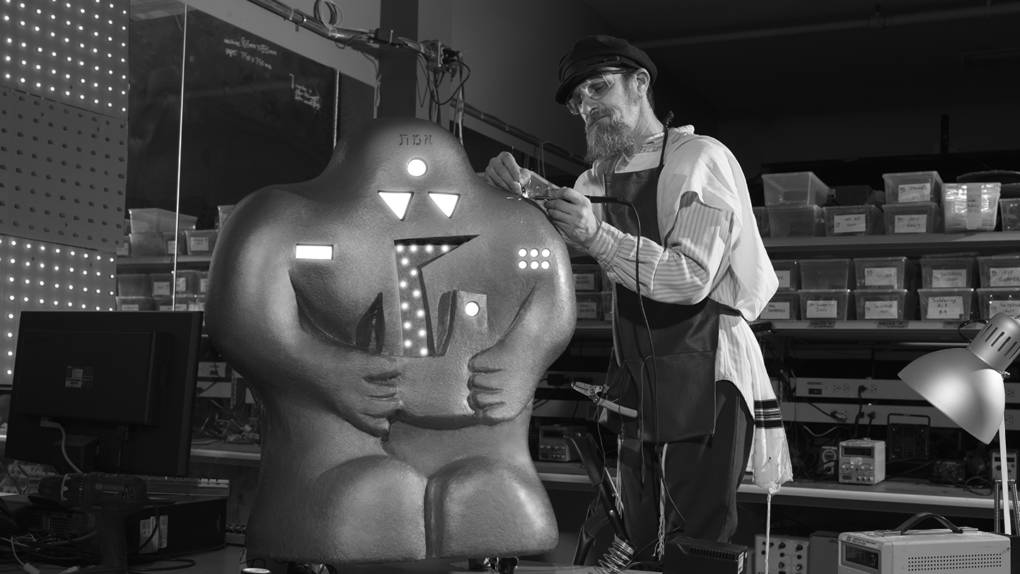
"caption": "Dina Goldsteins Photograph ’Golem’ is part of the ’Jewish Folktales Retold’ show at the Contemporary Jewish Museum",
"description": "Dina Goldsteins Photograph ’Golem’ is part of the ’Jewish Folktales Retold’ show at the Contemporary Jewish Museum",
"title": "Dina Goldsteins Photograph ’Golem’ is part of the ’Jewish Folktales Retold’ show at the Contemporary Jewish Museum",
"credit": "Photo: Courtesy of the CJM",
"status": "inherit",
"isLoading": false,
"fetchFailed": false
},
"arts_13814036": {
"type": "attachments",
"id": "arts_13814036",
"meta": {
"index": "attachments_1716263798",
"site": "arts",
"id": "13814036",
"found": true
},
"parent": 0,
"imgSizes": {
"small": {
"file": "https://ww2.kqed.org/app/uploads/sites/2/2017/11/Rainey.MAIN_-520x309.jpg",
"width": 520,
"mimeType": "image/jpeg",
"height": 309
},
"twentyfourteen-full-width": {
"file": "https://ww2.kqed.org/app/uploads/sites/2/2017/11/Rainey.MAIN_-1038x576.jpg",
"width": 1038,
"mimeType": "image/jpeg",
"height": 576
},
"thumbnail": {
"file": "https://ww2.kqed.org/app/uploads/sites/2/2017/11/Rainey.MAIN_-160x95.jpg",
"width": 160,
"mimeType": "image/jpeg",
"height": 95
},
"fd-sm": {
"file": "https://ww2.kqed.org/app/uploads/sites/2/2017/11/Rainey.MAIN_-960x570.jpg",
"width": 960,
"mimeType": "image/jpeg",
"height": 570
},
"post-thumbnail": {
"file": "https://ww2.kqed.org/app/uploads/sites/2/2017/11/Rainey.MAIN_-672x372.jpg",
"width": 672,
"mimeType": "image/jpeg",
"height": 372
},
"xsmall": {
"file": "https://ww2.kqed.org/app/uploads/sites/2/2017/11/Rainey.MAIN_-375x223.jpg",
"width": 375,
"mimeType": "image/jpeg",
"height": 223
},
"kqedFullSize": {
"file": "https://ww2.kqed.org/app/uploads/sites/2/2017/11/Rainey.MAIN_.jpg",
"width": 1920,
"height": 1140
},
"large": {
"file": "https://ww2.kqed.org/app/uploads/sites/2/2017/11/Rainey.MAIN_-1020x606.jpg",
"width": 1020,
"mimeType": "image/jpeg",
"height": 606
},
"xlarge": {
"file": "https://ww2.kqed.org/app/uploads/sites/2/2017/11/Rainey.MAIN_-1180x701.jpg",
"width": 1180,
"mimeType": "image/jpeg",
"height": 701
},
"guest-author-50": {
"file": "https://ww2.kqed.org/app/uploads/sites/2/2017/11/Rainey.MAIN_-50x50.jpg",
"width": 50,
"mimeType": "image/jpeg",
"height": 50
},
"guest-author-96": {
"file": "https://ww2.kqed.org/app/uploads/sites/2/2017/11/Rainey.MAIN_-96x96.jpg",
"width": 96,
"mimeType": "image/jpeg",
"height": 96
},
"medium": {
"file": "https://ww2.kqed.org/app/uploads/sites/2/2017/11/Rainey.MAIN_-800x475.jpg",
"width": 800,
"mimeType": "image/jpeg",
"height": 475
},
"guest-author-64": {
"file": "https://ww2.kqed.org/app/uploads/sites/2/2017/11/Rainey.MAIN_-64x64.jpg",
"width": 64,
"mimeType": "image/jpeg",
"height": 64
},
"guest-author-32": {
"file": "https://ww2.kqed.org/app/uploads/sites/2/2017/11/Rainey.MAIN_-32x32.jpg",
"width": 32,
"mimeType": "image/jpeg",
"height": 32
},
"fd-lrg": {
"file": "https://ww2.kqed.org/app/uploads/sites/2/2017/11/Rainey.MAIN_-1920x1140.jpg",
"width": 1920,
"mimeType": "image/jpeg",
"height": 1140
},
"fd-med": {
"file": "https://ww2.kqed.org/app/uploads/sites/2/2017/11/Rainey.MAIN_-1180x701.jpg",
"width": 1180,
"mimeType": "image/jpeg",
"height": 701
},
"full-width": {
"file": "https://ww2.kqed.org/app/uploads/sites/2/2017/11/Rainey.MAIN_-1920x1140.jpg",
"width": 1920,
"mimeType": "image/jpeg",
"height": 1140
},
"detail": {
"file": "https://ww2.kqed.org/app/uploads/sites/2/2017/11/Rainey.MAIN_-150x150.jpg",
"width": 150,
"mimeType": "image/jpeg",
"height": 150
},
"medium_large": {
"file": "https://ww2.kqed.org/app/uploads/sites/2/2017/11/Rainey.MAIN_-768x456.jpg",
"width": 768,
"mimeType": "image/jpeg",
"height": 456
},
"guest-author-128": {
"file": "https://ww2.kqed.org/app/uploads/sites/2/2017/11/Rainey.MAIN_-128x128.jpg",
"width": 128,
"mimeType": "image/jpeg",
"height": 128
},
"xxsmall": {
"file": "https://ww2.kqed.org/app/uploads/sites/2/2017/11/Rainey.MAIN_-240x143.jpg",
"width": 240,
"mimeType": "image/jpeg",
"height": 143
}
},
"publishDate": 1510099540,
"modified": 1510185830,
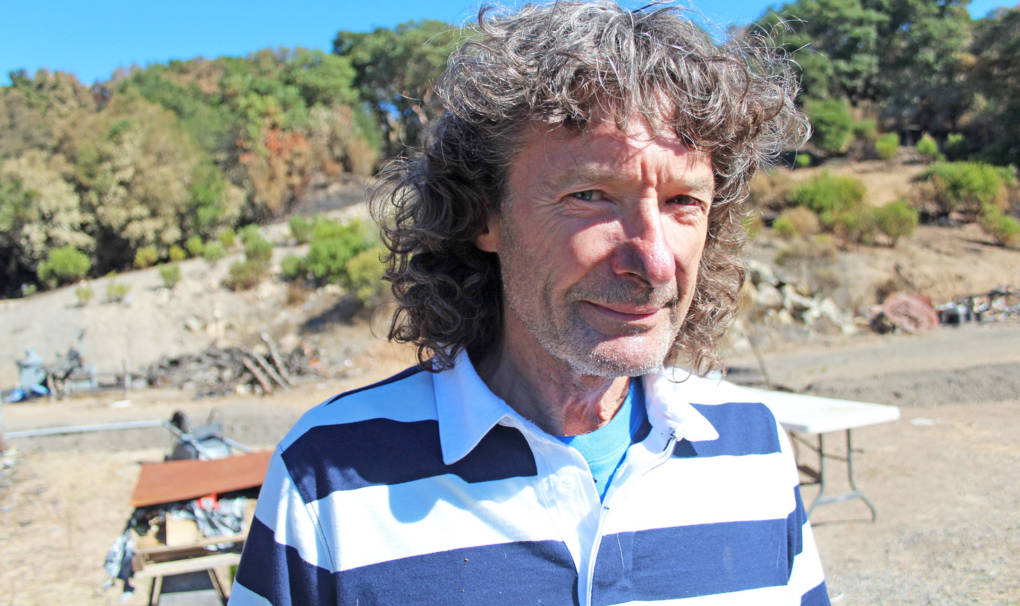
"caption": "Glass sculptor Clifford Rainey at his Napa property, where he lost his studio and his nearby home in the Atlas fire.",
"description": "Glass sculptor Clifford Rainey at his Napa property, where he lost his studio and his nearby home in the Atlas fire.",
"title": "Rainey.MAIN",
"credit": "India Markus",
"status": "inherit",
"isLoading": false,
"fetchFailed": false
},
"arts_13814020": {
"type": "attachments",
"id": "arts_13814020",
"meta": {
"index": "attachments_1716263798",
"site": "arts",
"id": "13814020",
"found": true
},
"title": "snoopy Charles M Schulz Museum",
"publishDate": 1510095356,
"status": "inherit",
"parent": 13814018,
"modified": 1746829958,
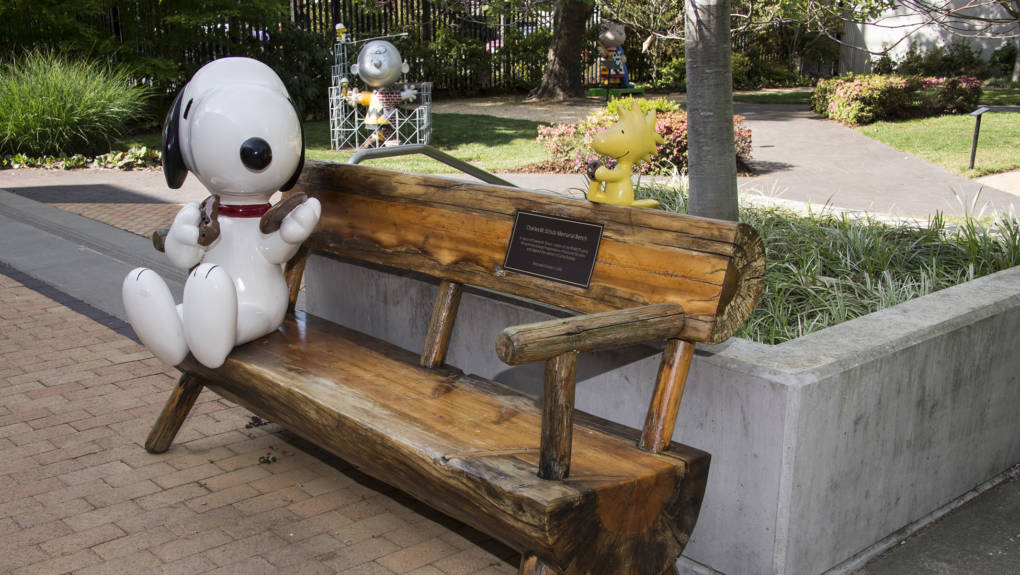
"caption": "The courtyard at the Charles M Schulz Museum in Santa Rosa.",
"credit": "DJ Ashton",
"altTag": "The courtyard at the Charles M Schulz Museum in Santa Rosa.",
"description": "The courtyard at the Charles M Schulz Museum in Santa Rosa.",
"imgSizes": {
"thumbnail": {
"file": "https://cdn.kqed.org/wp-content/uploads/sites/2/2017/11/0168-e1510095578367-160x90.jpg",
"width": 160,
"height": 90,
"mimeType": "image/jpeg"
},
"medium": {
"file": "https://cdn.kqed.org/wp-content/uploads/sites/2/2017/11/0168-e1510095578367-800x451.jpg",
"width": 800,
"height": 451,
"mimeType": "image/jpeg"
},
"medium_large": {
"file": "https://cdn.kqed.org/wp-content/uploads/sites/2/2017/11/0168-e1510095578367-768x433.jpg",
"width": 768,
"height": 433,
"mimeType": "image/jpeg"
},
"large": {
"file": "https://cdn.kqed.org/wp-content/uploads/sites/2/2017/11/0168-e1510095578367-1020x575.jpg",
"width": 1020,
"height": 575,
"mimeType": "image/jpeg"
},
"fd-lrg": {
"file": "https://cdn.kqed.org/wp-content/uploads/sites/2/2017/11/0168-e1510095578367-1920x1082.jpg",
"width": 1920,
"height": 1082,
"mimeType": "image/jpeg"
},
"fd-med": {
"file": "https://cdn.kqed.org/wp-content/uploads/sites/2/2017/11/0168-e1510095578367-1180x665.jpg",
"width": 1180,
"height": 665,
"mimeType": "image/jpeg"
},
"fd-sm": {
"file": "https://cdn.kqed.org/wp-content/uploads/sites/2/2017/11/0168-e1510095578367-960x541.jpg",
"width": 960,
"height": 541,
"mimeType": "image/jpeg"
},
"post-thumbnail": {
"file": "https://cdn.kqed.org/wp-content/uploads/sites/2/2017/11/0168-e1510095578367-672x372.jpg",
"width": 672,
"height": 372,
"mimeType": "image/jpeg"
},
"twentyfourteen-full-width": {
"file": "https://cdn.kqed.org/wp-content/uploads/sites/2/2017/11/0168-e1510095578367-1038x576.jpg",
"width": 1038,
"height": 576,
"mimeType": "image/jpeg"
},
"xxsmall": {
"file": "https://cdn.kqed.org/wp-content/uploads/sites/2/2017/11/0168-e1510095578367-240x135.jpg",
"width": 240,
"height": 135,
"mimeType": "image/jpeg"
},
"xsmall": {
"file": "https://cdn.kqed.org/wp-content/uploads/sites/2/2017/11/0168-e1510095578367-375x211.jpg",
"width": 375,
"height": 211,
"mimeType": "image/jpeg"
},
"small": {
"file": "https://cdn.kqed.org/wp-content/uploads/sites/2/2017/11/0168-e1510095578367-520x293.jpg",
"width": 520,
"height": 293,
"mimeType": "image/jpeg"
},
"xlarge": {
"file": "https://cdn.kqed.org/wp-content/uploads/sites/2/2017/11/0168-e1510095578367-1180x665.jpg",
"width": 1180,
"height": 665,
"mimeType": "image/jpeg"
},
"full-width": {
"file": "https://cdn.kqed.org/wp-content/uploads/sites/2/2017/11/0168-e1510095578367-1920x1082.jpg",
"width": 1920,
"height": 1082,
"mimeType": "image/jpeg"
},
"guest-author-32": {
"file": "https://cdn.kqed.org/wp-content/uploads/sites/2/2017/11/0168-e1510095578367-32x32.jpg",
"width": 32,
"height": 32,
"mimeType": "image/jpeg"
},
"guest-author-50": {
"file": "https://cdn.kqed.org/wp-content/uploads/sites/2/2017/11/0168-e1510095578367-50x50.jpg",
"width": 50,
"height": 50,
"mimeType": "image/jpeg"
},
"guest-author-64": {
"file": "https://cdn.kqed.org/wp-content/uploads/sites/2/2017/11/0168-e1510095578367-64x64.jpg",
"width": 64,
"height": 64,
"mimeType": "image/jpeg"
},
"guest-author-96": {
"file": "https://cdn.kqed.org/wp-content/uploads/sites/2/2017/11/0168-e1510095578367-96x96.jpg",
"width": 96,
"height": 96,
"mimeType": "image/jpeg"
},
"guest-author-128": {
"file": "https://cdn.kqed.org/wp-content/uploads/sites/2/2017/11/0168-e1510095578367-128x128.jpg",
"width": 128,
"height": 128,
"mimeType": "image/jpeg"
},
"detail": {
"file": "https://cdn.kqed.org/wp-content/uploads/sites/2/2017/11/0168-e1510095578367-150x150.jpg",
"width": 150,
"height": 150,
"mimeType": "image/jpeg"
},
"kqedFullSize": {
"file": "https://cdn.kqed.org/wp-content/uploads/sites/2/2017/11/0168-e1510095578367.jpg",
"width": 2130,
"height": 1200
}
},
"isLoading": false,
"fetchFailed": false
},
"arts_13814016": {
"type": "attachments",
"id": "arts_13814016",
"meta": {
"index": "attachments_1716263798",
"site": "arts",
"id": "13814016",
"found": true
},
"parent": 13813960,
"imgSizes": {
"small": {
"file": "https://ww2.kqed.org/app/uploads/sites/2/2017/11/brianposter3-520x292.jpg",
"width": 520,
"mimeType": "image/jpeg",
"height": 292
},
"twentyfourteen-full-width": {
"file": "https://ww2.kqed.org/app/uploads/sites/2/2017/11/brianposter3-1038x576.jpg",
"width": 1038,
"mimeType": "image/jpeg",
"height": 576
},
"thumbnail": {
"file": "https://ww2.kqed.org/app/uploads/sites/2/2017/11/brianposter3-160x90.jpg",
"width": 160,
"mimeType": "image/jpeg",
"height": 90
},
"fd-sm": {
"file": "https://ww2.kqed.org/app/uploads/sites/2/2017/11/brianposter3-960x540.jpg",
"width": 960,
"mimeType": "image/jpeg",
"height": 540
},
"post-thumbnail": {
"file": "https://ww2.kqed.org/app/uploads/sites/2/2017/11/brianposter3-672x372.jpg",
"width": 672,
"mimeType": "image/jpeg",
"height": 372
},
"xsmall": {
"file": "https://ww2.kqed.org/app/uploads/sites/2/2017/11/brianposter3-375x211.jpg",
"width": 375,
"mimeType": "image/jpeg",
"height": 211
},
"kqedFullSize": {
"file": "https://ww2.kqed.org/app/uploads/sites/2/2017/11/brianposter3.jpg",
"width": 2026,
"height": 1139
},
"large": {
"file": "https://ww2.kqed.org/app/uploads/sites/2/2017/11/brianposter3-1020x573.jpg",
"width": 1020,
"mimeType": "image/jpeg",
"height": 573
},
"xlarge": {
"file": "https://ww2.kqed.org/app/uploads/sites/2/2017/11/brianposter3-1180x663.jpg",
"width": 1180,
"mimeType": "image/jpeg",
"height": 663
},
"guest-author-50": {
"file": "https://ww2.kqed.org/app/uploads/sites/2/2017/11/brianposter3-50x50.jpg",
"width": 50,
"mimeType": "image/jpeg",
"height": 50
},
"guest-author-96": {
"file": "https://ww2.kqed.org/app/uploads/sites/2/2017/11/brianposter3-96x96.jpg",
"width": 96,
"mimeType": "image/jpeg",
"height": 96
},
"medium": {
"file": "https://ww2.kqed.org/app/uploads/sites/2/2017/11/brianposter3-800x450.jpg",
"width": 800,
"mimeType": "image/jpeg",
"height": 450
},
"guest-author-64": {
"file": "https://ww2.kqed.org/app/uploads/sites/2/2017/11/brianposter3-64x64.jpg",
"width": 64,
"mimeType": "image/jpeg",
"height": 64
},
"guest-author-32": {
"file": "https://ww2.kqed.org/app/uploads/sites/2/2017/11/brianposter3-32x32.jpg",
"width": 32,
"mimeType": "image/jpeg",
"height": 32
},
"fd-lrg": {
"file": "https://ww2.kqed.org/app/uploads/sites/2/2017/11/brianposter3-1920x1079.jpg",
"width": 1920,
"mimeType": "image/jpeg",
"height": 1079
},
"fd-med": {
"file": "https://ww2.kqed.org/app/uploads/sites/2/2017/11/brianposter3-1180x663.jpg",
"width": 1180,
"mimeType": "image/jpeg",
"height": 663
},
"full-width": {
"file": "https://ww2.kqed.org/app/uploads/sites/2/2017/11/brianposter3-1920x1079.jpg",
"width": 1920,
"mimeType": "image/jpeg",
"height": 1079
},
"detail": {
"file": "https://ww2.kqed.org/app/uploads/sites/2/2017/11/brianposter3-150x150.jpg",
"width": 150,
"mimeType": "image/jpeg",
"height": 150
},
"medium_large": {
"file": "https://ww2.kqed.org/app/uploads/sites/2/2017/11/brianposter3-768x432.jpg",
"width": 768,
"mimeType": "image/jpeg",
"height": 432
},
"guest-author-128": {
"file": "https://ww2.kqed.org/app/uploads/sites/2/2017/11/brianposter3-128x128.jpg",
"width": 128,
"mimeType": "image/jpeg",
"height": 128
},
"xxsmall": {
"file": "https://ww2.kqed.org/app/uploads/sites/2/2017/11/brianposter3-240x135.jpg",
"width": 240,
"mimeType": "image/jpeg",
"height": 135
}
},
"publishDate": 1510093135,
"modified": 1512607467,
"caption": null,
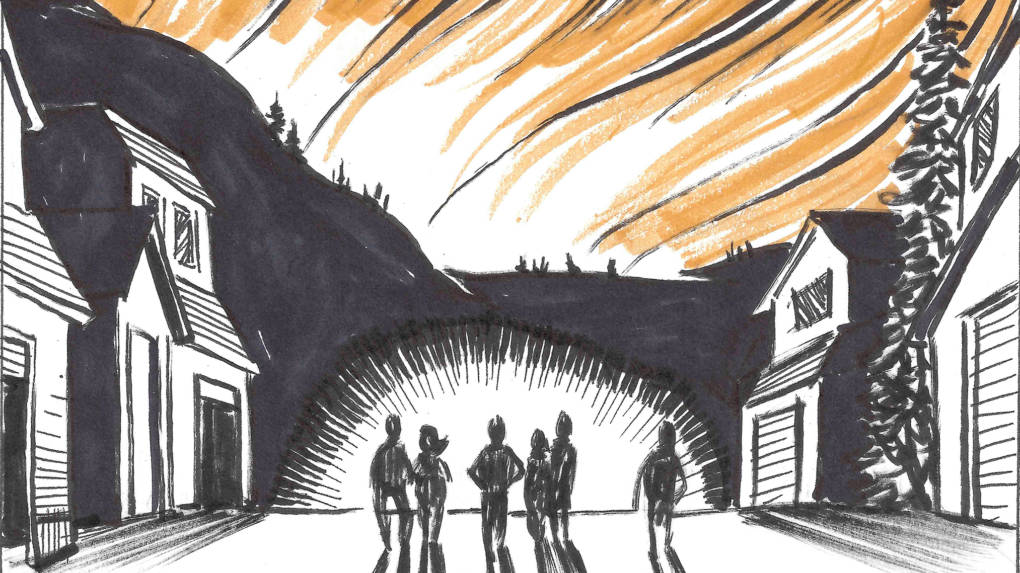
"description": "An illustration of comic book writer Brian Fies' neighborhood before it was ravaged in the Northern California fires. ",
"title": "brianposter3",
"credit": "Photo: Courtesy of Brian Fies",
"status": "inherit",
"isLoading": false,
"fetchFailed": false
},
"arts_13813907": {
"type": "attachments",
"id": "arts_13813907",
"meta": {
"index": "attachments_1716263798",
"site": "arts",
"id": "13813907",
"found": true
},
"parent": 13813872,
"imgSizes": {
"small": {
"file": "https://ww2.kqed.org/app/uploads/sites/2/2017/11/Henry.MAIN_.rev_-520x293.jpg",
"width": 520,
"mimeType": "image/jpeg",
"height": 293
},
"twentyfourteen-full-width": {
"file": "https://ww2.kqed.org/app/uploads/sites/2/2017/11/Henry.MAIN_.rev_-1038x576.jpg",
"width": 1038,
"mimeType": "image/jpeg",
"height": 576
},
"thumbnail": {
"file": "https://ww2.kqed.org/app/uploads/sites/2/2017/11/Henry.MAIN_.rev_-160x90.jpg",
"width": 160,
"mimeType": "image/jpeg",
"height": 90
},
"fd-sm": {
"file": "https://ww2.kqed.org/app/uploads/sites/2/2017/11/Henry.MAIN_.rev_-960x540.jpg",
"width": 960,
"mimeType": "image/jpeg",
"height": 540
},
"post-thumbnail": {
"file": "https://ww2.kqed.org/app/uploads/sites/2/2017/11/Henry.MAIN_.rev_-672x372.jpg",
"width": 672,
"mimeType": "image/jpeg",
"height": 372
},
"xsmall": {
"file": "https://ww2.kqed.org/app/uploads/sites/2/2017/11/Henry.MAIN_.rev_-375x211.jpg",
"width": 375,
"mimeType": "image/jpeg",
"height": 211
},
"kqedFullSize": {
"file": "https://ww2.kqed.org/app/uploads/sites/2/2017/11/Henry.MAIN_.rev_.jpg",
"width": 1920,
"height": 1080
},
"large": {
"file": "https://ww2.kqed.org/app/uploads/sites/2/2017/11/Henry.MAIN_.rev_-1020x574.jpg",
"width": 1020,
"mimeType": "image/jpeg",
"height": 574
},
"xlarge": {
"file": "https://ww2.kqed.org/app/uploads/sites/2/2017/11/Henry.MAIN_.rev_-1180x664.jpg",
"width": 1180,
"mimeType": "image/jpeg",
"height": 664
},
"guest-author-50": {
"file": "https://ww2.kqed.org/app/uploads/sites/2/2017/11/Henry.MAIN_.rev_-50x50.jpg",
"width": 50,
"mimeType": "image/jpeg",
"height": 50
},
"guest-author-96": {
"file": "https://ww2.kqed.org/app/uploads/sites/2/2017/11/Henry.MAIN_.rev_-96x96.jpg",
"width": 96,
"mimeType": "image/jpeg",
"height": 96
},
"medium": {
"file": "https://ww2.kqed.org/app/uploads/sites/2/2017/11/Henry.MAIN_.rev_-800x450.jpg",
"width": 800,
"mimeType": "image/jpeg",
"height": 450
},
"guest-author-64": {
"file": "https://ww2.kqed.org/app/uploads/sites/2/2017/11/Henry.MAIN_.rev_-64x64.jpg",
"width": 64,
"mimeType": "image/jpeg",
"height": 64
},
"guest-author-32": {
"file": "https://ww2.kqed.org/app/uploads/sites/2/2017/11/Henry.MAIN_.rev_-32x32.jpg",
"width": 32,
"mimeType": "image/jpeg",
"height": 32
},
"fd-lrg": {
"file": "https://ww2.kqed.org/app/uploads/sites/2/2017/11/Henry.MAIN_.rev_-1920x1080.jpg",
"width": 1920,
"mimeType": "image/jpeg",
"height": 1080
},
"fd-med": {
"file": "https://ww2.kqed.org/app/uploads/sites/2/2017/11/Henry.MAIN_.rev_-1180x664.jpg",
"width": 1180,
"mimeType": "image/jpeg",
"height": 664
},
"full-width": {
"file": "https://ww2.kqed.org/app/uploads/sites/2/2017/11/Henry.MAIN_.rev_-1920x1080.jpg",
"width": 1920,
"mimeType": "image/jpeg",
"height": 1080
},
"detail": {
"file": "https://ww2.kqed.org/app/uploads/sites/2/2017/11/Henry.MAIN_.rev_-150x150.jpg",
"width": 150,
"mimeType": "image/jpeg",
"height": 150
},
"medium_large": {
"file": "https://ww2.kqed.org/app/uploads/sites/2/2017/11/Henry.MAIN_.rev_-768x432.jpg",
"width": 768,
"mimeType": "image/jpeg",
"height": 432
},
"guest-author-128": {
"file": "https://ww2.kqed.org/app/uploads/sites/2/2017/11/Henry.MAIN_.rev_-128x128.jpg",
"width": 128,
"mimeType": "image/jpeg",
"height": 128
},
"xxsmall": {
"file": "https://ww2.kqed.org/app/uploads/sites/2/2017/11/Henry.MAIN_.rev_-240x135.jpg",
"width": 240,
"mimeType": "image/jpeg",
"height": 135
}
},
"publishDate": 1510014739,
"modified": 1510014770,
"caption": "Artist Chris Henry lost the Santa Rosa home he'd lived in for 14 years in the Tubbs fire.",
"description": "Artist Chris Henry lost the Santa Rosa home he'd lived in for 14 years in the Tubbs fire.",
"title": "Henry.MAIN.rev",
"credit": "Nastia Voynovskaya/KQED",
"status": "inherit",
"isLoading": false,
"fetchFailed": false
},
"arts_13813824": {
"type": "attachments",
"id": "arts_13813824",
"meta": {
"index": "attachments_1716263798",
"site": "arts",
"id": "13813824",
"found": true
},
"parent": 13813818,
"imgSizes": {
"small": {
"file": "https://ww2.kqed.org/app/uploads/sites/2/2017/11/Stable_COVER-520x293.jpg",
"width": 520,
"mimeType": "image/jpeg",
"height": 293
},
"twentyfourteen-full-width": {
"file": "https://ww2.kqed.org/app/uploads/sites/2/2017/11/Stable_COVER-1038x576.jpg",
"width": 1038,
"mimeType": "image/jpeg",
"height": 576
},
"thumbnail": {
"file": "https://ww2.kqed.org/app/uploads/sites/2/2017/11/Stable_COVER-160x90.jpg",
"width": 160,
"mimeType": "image/jpeg",
"height": 90
},
"fd-sm": {
"file": "https://ww2.kqed.org/app/uploads/sites/2/2017/11/Stable_COVER-960x540.jpg",
"width": 960,
"mimeType": "image/jpeg",
"height": 540
},
"post-thumbnail": {
"file": "https://ww2.kqed.org/app/uploads/sites/2/2017/11/Stable_COVER-672x372.jpg",
"width": 672,
"mimeType": "image/jpeg",
"height": 372
},
"xsmall": {
"file": "https://ww2.kqed.org/app/uploads/sites/2/2017/11/Stable_COVER-375x211.jpg",
"width": 375,
"mimeType": "image/jpeg",
"height": 211
},
"kqedFullSize": {
"file": "https://ww2.kqed.org/app/uploads/sites/2/2017/11/Stable_COVER.jpg",
"width": 1246,
"height": 701
},
"large": {
"file": "https://ww2.kqed.org/app/uploads/sites/2/2017/11/Stable_COVER-1020x574.jpg",
"width": 1020,
"mimeType": "image/jpeg",
"height": 574
},
"xlarge": {
"file": "https://ww2.kqed.org/app/uploads/sites/2/2017/11/Stable_COVER-1180x664.jpg",
"width": 1180,
"mimeType": "image/jpeg",
"height": 664
},
"guest-author-50": {
"file": "https://ww2.kqed.org/app/uploads/sites/2/2017/11/Stable_COVER-50x50.jpg",
"width": 50,
"mimeType": "image/jpeg",
"height": 50
},
"guest-author-96": {
"file": "https://ww2.kqed.org/app/uploads/sites/2/2017/11/Stable_COVER-96x96.jpg",
"width": 96,
"mimeType": "image/jpeg",
"height": 96
},
"medium": {
"file": "https://ww2.kqed.org/app/uploads/sites/2/2017/11/Stable_COVER-800x450.jpg",
"width": 800,
"mimeType": "image/jpeg",
"height": 450
},
"guest-author-64": {
"file": "https://ww2.kqed.org/app/uploads/sites/2/2017/11/Stable_COVER-64x64.jpg",
"width": 64,
"mimeType": "image/jpeg",
"height": 64
},
"guest-author-32": {
"file": "https://ww2.kqed.org/app/uploads/sites/2/2017/11/Stable_COVER-32x32.jpg",
"width": 32,
"mimeType": "image/jpeg",
"height": 32
},
"fd-med": {
"file": "https://ww2.kqed.org/app/uploads/sites/2/2017/11/Stable_COVER-1180x664.jpg",
"width": 1180,
"mimeType": "image/jpeg",
"height": 664
},
"detail": {
"file": "https://ww2.kqed.org/app/uploads/sites/2/2017/11/Stable_COVER-150x150.jpg",
"width": 150,
"mimeType": "image/jpeg",
"height": 150
},
"medium_large": {
"file": "https://ww2.kqed.org/app/uploads/sites/2/2017/11/Stable_COVER-768x432.jpg",
"width": 768,
"mimeType": "image/jpeg",
"height": 432
},
"guest-author-128": {
"file": "https://ww2.kqed.org/app/uploads/sites/2/2017/11/Stable_COVER-128x128.jpg",
"width": 128,
"mimeType": "image/jpeg",
"height": 128
},
"xxsmall": {
"file": "https://ww2.kqed.org/app/uploads/sites/2/2017/11/Stable_COVER-240x135.jpg",
"width": 240,
"mimeType": "image/jpeg",
"height": 135
}
},
"publishDate": 1509954798,
"modified": 1509955047,
"caption": "Ohlsson/Dit-Cilinn, 'Terratrope,' 2015 at STABLE.",
"description": "Ohlsson/Dit-Cilinn, 'Terratrope,' 2015 at STABLE.",
"title": "Stable_COVER",
"credit": "Courtesy of the artists and STABLE",
"status": "inherit",
"isLoading": false,
"fetchFailed": false
},
"arts_13813565": {
"type": "attachments",
"id": "arts_13813565",
"meta": {
"index": "attachments_1716263798",
"site": "arts",
"id": "13813565",
"found": true
},
"parent": 13813518,
"imgSizes": {
"small": {
"file": "https://ww2.kqed.org/app/uploads/sites/2/2017/11/SOMA_COVER-520x293.jpg",
"width": 520,
"mimeType": "image/jpeg",
"height": 293
},
"twentyfourteen-full-width": {
"file": "https://ww2.kqed.org/app/uploads/sites/2/2017/11/SOMA_COVER-1038x576.jpg",
"width": 1038,
"mimeType": "image/jpeg",
"height": 576
},
"thumbnail": {
"file": "https://ww2.kqed.org/app/uploads/sites/2/2017/11/SOMA_COVER-160x90.jpg",
"width": 160,
"mimeType": "image/jpeg",
"height": 90
},
"fd-sm": {
"file": "https://ww2.kqed.org/app/uploads/sites/2/2017/11/SOMA_COVER-960x540.jpg",
"width": 960,
"mimeType": "image/jpeg",
"height": 540
},
"post-thumbnail": {
"file": "https://ww2.kqed.org/app/uploads/sites/2/2017/11/SOMA_COVER-672x372.jpg",
"width": 672,
"mimeType": "image/jpeg",
"height": 372
},
"xsmall": {
"file": "https://ww2.kqed.org/app/uploads/sites/2/2017/11/SOMA_COVER-375x211.jpg",
"width": 375,
"mimeType": "image/jpeg",
"height": 211
},
"kqedFullSize": {
"file": "https://ww2.kqed.org/app/uploads/sites/2/2017/11/SOMA_COVER.jpg",
"width": 1920,
"height": 1080
},
"large": {
"file": "https://ww2.kqed.org/app/uploads/sites/2/2017/11/SOMA_COVER-1020x574.jpg",
"width": 1020,
"mimeType": "image/jpeg",
"height": 574
},
"xlarge": {
"file": "https://ww2.kqed.org/app/uploads/sites/2/2017/11/SOMA_COVER-1180x664.jpg",
"width": 1180,
"mimeType": "image/jpeg",
"height": 664
},
"guest-author-50": {
"file": "https://ww2.kqed.org/app/uploads/sites/2/2017/11/SOMA_COVER-50x50.jpg",
"width": 50,
"mimeType": "image/jpeg",
"height": 50
},
"guest-author-96": {
"file": "https://ww2.kqed.org/app/uploads/sites/2/2017/11/SOMA_COVER-96x96.jpg",
"width": 96,
"mimeType": "image/jpeg",
"height": 96
},
"medium": {
"file": "https://ww2.kqed.org/app/uploads/sites/2/2017/11/SOMA_COVER-800x450.jpg",
"width": 800,
"mimeType": "image/jpeg",
"height": 450
},
"guest-author-64": {
"file": "https://ww2.kqed.org/app/uploads/sites/2/2017/11/SOMA_COVER-64x64.jpg",
"width": 64,
"mimeType": "image/jpeg",
"height": 64
},
"guest-author-32": {
"file": "https://ww2.kqed.org/app/uploads/sites/2/2017/11/SOMA_COVER-32x32.jpg",
"width": 32,
"mimeType": "image/jpeg",
"height": 32
},
"fd-lrg": {
"file": "https://ww2.kqed.org/app/uploads/sites/2/2017/11/SOMA_COVER-1920x1080.jpg",
"width": 1920,
"mimeType": "image/jpeg",
"height": 1080
},
"fd-med": {
"file": "https://ww2.kqed.org/app/uploads/sites/2/2017/11/SOMA_COVER-1180x664.jpg",
"width": 1180,
"mimeType": "image/jpeg",
"height": 664
},
"full-width": {
"file": "https://ww2.kqed.org/app/uploads/sites/2/2017/11/SOMA_COVER-1920x1080.jpg",
"width": 1920,
"mimeType": "image/jpeg",
"height": 1080
},
"detail": {
"file": "https://ww2.kqed.org/app/uploads/sites/2/2017/11/SOMA_COVER-150x150.jpg",
"width": 150,
"mimeType": "image/jpeg",
"height": 150
},
"medium_large": {
"file": "https://ww2.kqed.org/app/uploads/sites/2/2017/11/SOMA_COVER-768x432.jpg",
"width": 768,
"mimeType": "image/jpeg",
"height": 432
},
"guest-author-128": {
"file": "https://ww2.kqed.org/app/uploads/sites/2/2017/11/SOMA_COVER-128x128.jpg",
"width": 128,
"mimeType": "image/jpeg",
"height": 128
},
"xxsmall": {
"file": "https://ww2.kqed.org/app/uploads/sites/2/2017/11/SOMA_COVER-240x135.jpg",
"width": 240,
"mimeType": "image/jpeg",
"height": 135
}
},
"publishDate": 1509655108,
"modified": 1509656775,
"caption": "Detail of Susan Matthew's 'Ghost Ship Memorial' installation at SOMArts' 'Remembrance and Resistance' exhibition.",
"description": "Detail of Susan Matthew's ' Ghost Ship Memorial' installation at SOMArts' 'Remembrance and Resistance' exhibition.",
"title": "SOMA_COVER",
"credit": "Sarah Hotchkiss/KQED",
"status": "inherit",
"isLoading": false,
"fetchFailed": false
},
"arts_13813337": {
"type": "attachments",
"id": "arts_13813337",
"meta": {
"index": "attachments_1716263798",
"site": "arts",
"id": "13813337",
"found": true
},
"parent": 13813336,
"imgSizes": {
"small": {
"file": "https://ww2.kqed.org/app/uploads/sites/2/2017/11/Imperial-Silence-Una-Opera-Muerta-e1509562787670-520x293.jpg",
"width": 520,
"mimeType": "image/jpeg",
"height": 293
},
"twentyfourteen-full-width": {
"file": "https://ww2.kqed.org/app/uploads/sites/2/2017/11/Imperial-Silence-Una-Opera-Muerta-e1509562787670-1038x576.jpg",
"width": 1038,
"mimeType": "image/jpeg",
"height": 576
},
"thumbnail": {
"file": "https://ww2.kqed.org/app/uploads/sites/2/2017/11/Imperial-Silence-Una-Opera-Muerta-e1509562787670-160x90.jpg",
"width": 160,
"mimeType": "image/jpeg",
"height": 90
},
"fd-sm": {
"file": "https://ww2.kqed.org/app/uploads/sites/2/2017/11/Imperial-Silence-Una-Opera-Muerta-e1509562787670-960x541.jpg",
"width": 960,
"mimeType": "image/jpeg",
"height": 541
},
"post-thumbnail": {
"file": "https://ww2.kqed.org/app/uploads/sites/2/2017/11/Imperial-Silence-Una-Opera-Muerta-e1509562787670-672x372.jpg",
"width": 672,
"mimeType": "image/jpeg",
"height": 372
},
"xsmall": {
"file": "https://ww2.kqed.org/app/uploads/sites/2/2017/11/Imperial-Silence-Una-Opera-Muerta-e1509562787670-375x211.jpg",
"width": 375,
"mimeType": "image/jpeg",
"height": 211
},
"kqedFullSize": {
"file": "https://ww2.kqed.org/app/uploads/sites/2/2017/11/Imperial-Silence-Una-Opera-Muerta-e1509562787670.jpg",
"width": 2745,
"height": 1546
},
"large": {
"file": "https://ww2.kqed.org/app/uploads/sites/2/2017/11/Imperial-Silence-Una-Opera-Muerta-e1509562787670-1020x574.jpg",
"width": 1020,
"mimeType": "image/jpeg",
"height": 574
},
"xlarge": {
"file": "https://ww2.kqed.org/app/uploads/sites/2/2017/11/Imperial-Silence-Una-Opera-Muerta-e1509562787670-1180x665.jpg",
"width": 1180,
"mimeType": "image/jpeg",
"height": 665
},
"guest-author-50": {
"file": "https://ww2.kqed.org/app/uploads/sites/2/2017/11/Imperial-Silence-Una-Opera-Muerta-e1509562787670-50x50.jpg",
"width": 50,
"mimeType": "image/jpeg",
"height": 50
},
"guest-author-96": {
"file": "https://ww2.kqed.org/app/uploads/sites/2/2017/11/Imperial-Silence-Una-Opera-Muerta-e1509562787670-96x96.jpg",
"width": 96,
"mimeType": "image/jpeg",
"height": 96
},
"medium": {
"file": "https://ww2.kqed.org/app/uploads/sites/2/2017/11/Imperial-Silence-Una-Opera-Muerta-e1509562787670-800x451.jpg",
"width": 800,
"mimeType": "image/jpeg",
"height": 451
},
"guest-author-64": {
"file": "https://ww2.kqed.org/app/uploads/sites/2/2017/11/Imperial-Silence-Una-Opera-Muerta-e1509562787670-64x64.jpg",
"width": 64,
"mimeType": "image/jpeg",
"height": 64
},
"guest-author-32": {
"file": "https://ww2.kqed.org/app/uploads/sites/2/2017/11/Imperial-Silence-Una-Opera-Muerta-e1509562787670-32x32.jpg",
"width": 32,
"mimeType": "image/jpeg",
"height": 32
},
"fd-lrg": {
"file": "https://ww2.kqed.org/app/uploads/sites/2/2017/11/Imperial-Silence-Una-Opera-Muerta-e1509562787670-1920x1081.jpg",
"width": 1920,
"mimeType": "image/jpeg",
"height": 1081
},
"fd-med": {
"file": "https://ww2.kqed.org/app/uploads/sites/2/2017/11/Imperial-Silence-Una-Opera-Muerta-e1509562787670-1180x665.jpg",
"width": 1180,
"mimeType": "image/jpeg",
"height": 665
},
"full-width": {
"file": "https://ww2.kqed.org/app/uploads/sites/2/2017/11/Imperial-Silence-Una-Opera-Muerta-e1509562787670-1920x1081.jpg",
"width": 1920,
"mimeType": "image/jpeg",
"height": 1081
},
"detail": {
"file": "https://ww2.kqed.org/app/uploads/sites/2/2017/11/Imperial-Silence-Una-Opera-Muerta-e1509562787670-150x150.jpg",
"width": 150,
"mimeType": "image/jpeg",
"height": 150
},
"medium_large": {
"file": "https://ww2.kqed.org/app/uploads/sites/2/2017/11/Imperial-Silence-Una-Opera-Muerta-e1509562787670-768x433.jpg",
"width": 768,
"mimeType": "image/jpeg",
"height": 433
},
"guest-author-128": {
"file": "https://ww2.kqed.org/app/uploads/sites/2/2017/11/Imperial-Silence-Una-Opera-Muerta-e1509562787670-128x128.jpg",
"width": 128,
"mimeType": "image/jpeg",
"height": 128
},
"xxsmall": {
"file": "https://ww2.kqed.org/app/uploads/sites/2/2017/11/Imperial-Silence-Una-Opera-Muerta-e1509562787670-240x135.jpg",
"width": 240,
"mimeType": "image/jpeg",
"height": 135
}
},
"publishDate": 1509562649,
"modified": 1509562752,
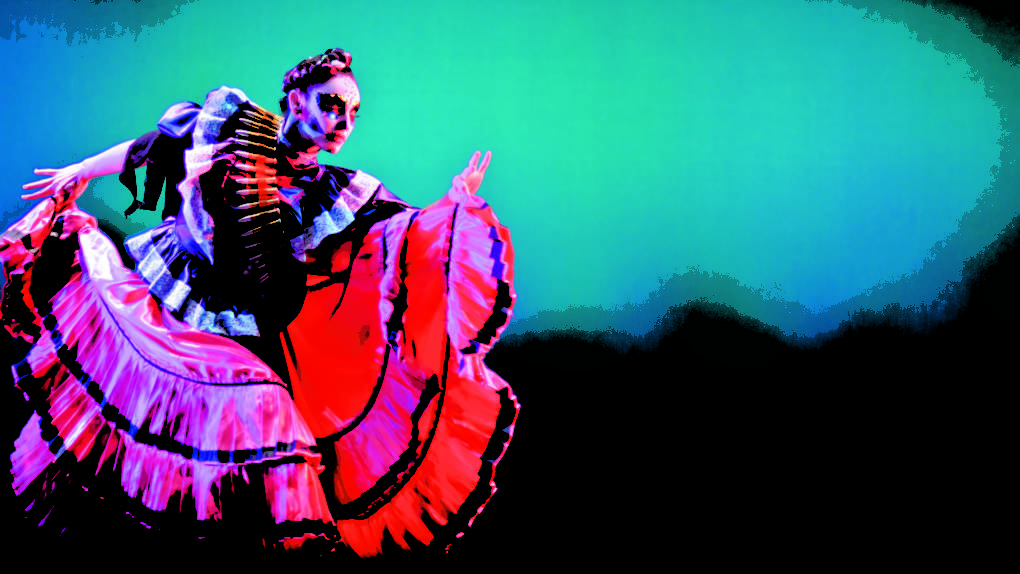
"caption": "The dancer Mayra Enriquez in the work 'Imperial Silence: Una Opera Muerta'",
"description": "The dancer Mayra Enriquez in the work 'Imperial Silence: Una Opera Muerta'",
"title": "The dancer Mayra Enriquez in the work 'Imperial Silence: Una Opera Muerta'",
"credit": "Photo: Gordon Huang",
"status": "inherit",
"isLoading": false,
"fetchFailed": false
},
"arts_13813396": {
"type": "attachments",
"id": "arts_13813396",
"meta": {
"index": "attachments_1716263798",
"site": "arts",
"id": "13813396",
"found": true
},
"parent": 0,
"imgSizes": {
"small": {
"file": "https://ww2.kqed.org/app/uploads/sites/2/2017/11/Gittins.MAIN_-e1510013739614-520x293.jpg",
"width": 520,
"mimeType": "image/jpeg",
"height": 293
},
"twentyfourteen-full-width": {
"file": "https://ww2.kqed.org/app/uploads/sites/2/2017/11/Gittins.MAIN_-e1510013739614-1038x576.jpg",
"width": 1038,
"mimeType": "image/jpeg",
"height": 576
},
"thumbnail": {
"file": "https://ww2.kqed.org/app/uploads/sites/2/2017/11/Gittins.MAIN_-e1510013739614-160x90.jpg",
"width": 160,
"mimeType": "image/jpeg",
"height": 90
},
"fd-sm": {
"file": "https://ww2.kqed.org/app/uploads/sites/2/2017/11/Gittins.MAIN_-e1510013739614-960x540.jpg",
"width": 960,
"mimeType": "image/jpeg",
"height": 540
},
"post-thumbnail": {
"file": "https://ww2.kqed.org/app/uploads/sites/2/2017/11/Gittins.MAIN_-e1510013739614-672x372.jpg",
"width": 672,
"mimeType": "image/jpeg",
"height": 372
},
"xsmall": {
"file": "https://ww2.kqed.org/app/uploads/sites/2/2017/11/Gittins.MAIN_-e1510013739614-375x211.jpg",
"width": 375,
"mimeType": "image/jpeg",
"height": 211
},
"kqedFullSize": {
"file": "https://ww2.kqed.org/app/uploads/sites/2/2017/11/Gittins.MAIN_-e1510013739614.jpg",
"width": 1920,
"height": 1080
},
"large": {
"file": "https://ww2.kqed.org/app/uploads/sites/2/2017/11/Gittins.MAIN_-e1510013739614-1020x574.jpg",
"width": 1020,
"mimeType": "image/jpeg",
"height": 574
},
"xlarge": {
"file": "https://ww2.kqed.org/app/uploads/sites/2/2017/11/Gittins.MAIN_-e1510013739614-1180x664.jpg",
"width": 1180,
"mimeType": "image/jpeg",
"height": 664
},
"guest-author-50": {
"file": "https://ww2.kqed.org/app/uploads/sites/2/2017/11/Gittins.MAIN_-e1510013739614-50x50.jpg",
"width": 50,
"mimeType": "image/jpeg",
"height": 50
},
"guest-author-96": {
"file": "https://ww2.kqed.org/app/uploads/sites/2/2017/11/Gittins.MAIN_-e1510013739614-96x96.jpg",
"width": 96,
"mimeType": "image/jpeg",
"height": 96
},
"medium": {
"file": "https://ww2.kqed.org/app/uploads/sites/2/2017/11/Gittins.MAIN_-e1510013739614-800x450.jpg",
"width": 800,
"mimeType": "image/jpeg",
"height": 450
},
"guest-author-64": {
"file": "https://ww2.kqed.org/app/uploads/sites/2/2017/11/Gittins.MAIN_-e1510013739614-64x64.jpg",
"width": 64,
"mimeType": "image/jpeg",
"height": 64
},
"guest-author-32": {
"file": "https://ww2.kqed.org/app/uploads/sites/2/2017/11/Gittins.MAIN_-e1510013739614-32x32.jpg",
"width": 32,
"mimeType": "image/jpeg",
"height": 32
},
"fd-lrg": {
"file": "https://ww2.kqed.org/app/uploads/sites/2/2017/11/Gittins.MAIN_-e1510013739614-1920x1080.jpg",
"width": 1920,
"mimeType": "image/jpeg",
"height": 1080
},
"fd-med": {
"file": "https://ww2.kqed.org/app/uploads/sites/2/2017/11/Gittins.MAIN_-e1510013739614-1180x664.jpg",
"width": 1180,
"mimeType": "image/jpeg",
"height": 664
},
"full-width": {
"file": "https://ww2.kqed.org/app/uploads/sites/2/2017/11/Gittins.MAIN_-e1510013739614-1920x1080.jpg",
"width": 1920,
"mimeType": "image/jpeg",
"height": 1080
},
"detail": {
"file": "https://ww2.kqed.org/app/uploads/sites/2/2017/11/Gittins.MAIN_-e1510013739614-150x150.jpg",
"width": 150,
"mimeType": "image/jpeg",
"height": 150
},
"medium_large": {
"file": "https://ww2.kqed.org/app/uploads/sites/2/2017/11/Gittins.MAIN_-e1510013739614-768x432.jpg",
"width": 768,
"mimeType": "image/jpeg",
"height": 432
},
"guest-author-128": {
"file": "https://ww2.kqed.org/app/uploads/sites/2/2017/11/Gittins.MAIN_-e1510013739614-128x128.jpg",
"width": 128,
"mimeType": "image/jpeg",
"height": 128
},
"xxsmall": {
"file": "https://ww2.kqed.org/app/uploads/sites/2/2017/11/Gittins.MAIN_-e1510013739614-240x135.jpg",
"width": 240,
"mimeType": "image/jpeg",
"height": 135
}
},
"publishDate": 1509571838,
"modified": 1509572153,
"caption": "Bill Gittins had been gearing up for the annual open-studios tour ArtTrails when he lost his home and all his paintings in the fire.",
"description": "Bill Gittins had been gearing up for the annual open-studios tour ArtTrails when he lost his home and all his paintings in the fire.",
"title": "Gittins.MAIN",
"credit": "Jeff Kan Lee",
"status": "inherit",
"isLoading": false,
"fetchFailed": false
},
"arts_13813286": {
"type": "attachments",
"id": "arts_13813286",
"meta": {
"index": "attachments_1716263798",
"site": "arts",
"id": "13813286",
"found": true
},
"parent": 13813279,
"imgSizes": {
"small": {
"file": "https://ww2.kqed.org/app/uploads/sites/2/2017/10/Cover-520x293.jpg",
"width": 520,
"mimeType": "image/jpeg",
"height": 293
},
"twentyfourteen-full-width": {
"file": "https://ww2.kqed.org/app/uploads/sites/2/2017/10/Cover-1038x576.jpg",
"width": 1038,
"mimeType": "image/jpeg",
"height": 576
},
"thumbnail": {
"file": "https://ww2.kqed.org/app/uploads/sites/2/2017/10/Cover-160x90.jpg",
"width": 160,
"mimeType": "image/jpeg",
"height": 90
},
"fd-sm": {
"file": "https://ww2.kqed.org/app/uploads/sites/2/2017/10/Cover-960x540.jpg",
"width": 960,
"mimeType": "image/jpeg",
"height": 540
},
"post-thumbnail": {
"file": "https://ww2.kqed.org/app/uploads/sites/2/2017/10/Cover-672x372.jpg",
"width": 672,
"mimeType": "image/jpeg",
"height": 372
},
"xsmall": {
"file": "https://ww2.kqed.org/app/uploads/sites/2/2017/10/Cover-375x211.jpg",
"width": 375,
"mimeType": "image/jpeg",
"height": 211
},
"kqedFullSize": {
"file": "https://ww2.kqed.org/app/uploads/sites/2/2017/10/Cover.jpg",
"width": 1920,
"height": 1080
},
"large": {
"file": "https://ww2.kqed.org/app/uploads/sites/2/2017/10/Cover-1020x574.jpg",
"width": 1020,
"mimeType": "image/jpeg",
"height": 574
},
"xlarge": {
"file": "https://ww2.kqed.org/app/uploads/sites/2/2017/10/Cover-1180x664.jpg",
"width": 1180,
"mimeType": "image/jpeg",
"height": 664
},
"guest-author-50": {
"file": "https://ww2.kqed.org/app/uploads/sites/2/2017/10/Cover-50x50.jpg",
"width": 50,
"mimeType": "image/jpeg",
"height": 50
},
"guest-author-96": {
"file": "https://ww2.kqed.org/app/uploads/sites/2/2017/10/Cover-96x96.jpg",
"width": 96,
"mimeType": "image/jpeg",
"height": 96
},
"medium": {
"file": "https://ww2.kqed.org/app/uploads/sites/2/2017/10/Cover-800x450.jpg",
"width": 800,
"mimeType": "image/jpeg",
"height": 450
},
"guest-author-64": {
"file": "https://ww2.kqed.org/app/uploads/sites/2/2017/10/Cover-64x64.jpg",
"width": 64,
"mimeType": "image/jpeg",
"height": 64
},
"guest-author-32": {
"file": "https://ww2.kqed.org/app/uploads/sites/2/2017/10/Cover-32x32.jpg",
"width": 32,
"mimeType": "image/jpeg",
"height": 32
},
"fd-lrg": {
"file": "https://ww2.kqed.org/app/uploads/sites/2/2017/10/Cover-1920x1080.jpg",
"width": 1920,
"mimeType": "image/jpeg",
"height": 1080
},
"fd-med": {
"file": "https://ww2.kqed.org/app/uploads/sites/2/2017/10/Cover-1180x664.jpg",
"width": 1180,
"mimeType": "image/jpeg",
"height": 664
},
"full-width": {
"file": "https://ww2.kqed.org/app/uploads/sites/2/2017/10/Cover-1920x1080.jpg",
"width": 1920,
"mimeType": "image/jpeg",
"height": 1080
},
"detail": {
"file": "https://ww2.kqed.org/app/uploads/sites/2/2017/10/Cover-150x150.jpg",
"width": 150,
"mimeType": "image/jpeg",
"height": 150
},
"medium_large": {
"file": "https://ww2.kqed.org/app/uploads/sites/2/2017/10/Cover-768x432.jpg",
"width": 768,
"mimeType": "image/jpeg",
"height": 432
},
"guest-author-128": {
"file": "https://ww2.kqed.org/app/uploads/sites/2/2017/10/Cover-128x128.jpg",
"width": 128,
"mimeType": "image/jpeg",
"height": 128
},
"xxsmall": {
"file": "https://ww2.kqed.org/app/uploads/sites/2/2017/10/Cover-240x135.jpg",
"width": 240,
"mimeType": "image/jpeg",
"height": 135
}
},
"publishDate": 1509486237,
"modified": 1509486294,
"caption": "Illustrator Mikayla Butchart wearing one of her 'Rose-ilience' t-shirts in her Santa Rosa home studio.",
"description": "Illustrator Mikayla Butchart wearing one of her 'Rose-ilience' t-shirts in her Santa Rosa home studio.",
"title": "Cover",
"credit": "Gabe Meline/KQED",
"status": "inherit",
"isLoading": false,
"fetchFailed": false
}
},
"audioPlayerReducer": {
"postId": "stream_live",
"isPaused": true,
"isPlaying": false,
"pfsActive": false,
"pledgeModalIsOpen": true,
"playerDrawerIsOpen": false,
"liveAudioPlayStartedAt": 0,
"liveAudioPlayContext": ""
},
"authorsReducer": {
"byline_arts_13813960": {
"type": "authors",
"id": "byline_arts_13813960",
"meta": {
"override": true
},
"slug": "byline_arts_13813960",
"name": "Farrin Abbott and Kelly Whalen",
"isLoading": false
},
"cmusiker": {
"type": "authors",
"id": "32",
"meta": {
"index": "authors_1716337520",
"id": "32",
"found": true
},
"name": "Cy Musiker",
"firstName": "Cy",
"lastName": "Musiker",
"slug": "cmusiker",
"email": "cmusiker@kqed.org",
"display_author_email": false,
"staff_mastheads": [],
"title": "KQED Contributor",
"bio": "Cy Musiker is a former co-host of The Do List and a former reporter covering the arts for KQED News and The California Report. He loves live performance, especially great theater, jazz, roots music, anything by Mahler. Cy has an MJ from UC Berkeley's School of Journalism, and got his BA from Hampshire College. His work has been recognized by the Society for Professional Journalists with their Sigma Delta Chi Award for Public Service in Journalism. When he can, Cy likes to swim in Tomales Bay, run with his dog in the East Bay Hills, and hike the Sierra.",
"avatar": "https://secure.gravatar.com/avatar/05eaba5c5696ce8f062e4ea2df428a43?s=600&d=blank&r=g",
"twitter": null,
"facebook": null,
"instagram": null,
"linkedin": null,
"sites": [
{
"site": "arts",
"roles": [
"Contributor",
"subscriber"
]
},
{
"site": "news",
"roles": [
"author"
]
},
{
"site": "bayareabites",
"roles": [
"contributor"
]
}
],
"headData": {
"title": "Cy Musiker | KQED",
"description": "KQED Contributor",
"ogImgSrc": "https://secure.gravatar.com/avatar/05eaba5c5696ce8f062e4ea2df428a43?s=600&d=blank&r=g",
"twImgSrc": "https://secure.gravatar.com/avatar/05eaba5c5696ce8f062e4ea2df428a43?s=600&d=blank&r=g"
},
"isLoading": false,
"link": "/author/cmusiker"
},
"shotchkiss": {
"type": "authors",
"id": "61",
"meta": {
"index": "authors_1716337520",
"id": "61",
"found": true
},
"name": "Sarah Hotchkiss",
"firstName": "Sarah",
"lastName": "Hotchkiss",
"slug": "shotchkiss",
"email": "shotchkiss@kqed.org",
"display_author_email": true,
"staff_mastheads": [
"arts"
],
"title": "Senior Editor",
"bio": "Sarah Hotchkiss is a San Francisco \u003ca href=\"http://www.sarahhotchkiss.com\">artist\u003c/a> and arts writer. In 2019, she received the Dorothea & Leo Rabkin Foundation grant for visual art journalism and in 2020 she received a Society of Professional Journalists, Northern California award for excellence in arts and culture reporting.",
"avatar": "https://secure.gravatar.com/avatar/bc662df144b3d27fd8b1b6f1c2a420d34e91e53154d411bb7ad353cc8b6cea8d?s=600&d=blank&r=g",
"twitter": null,
"bluesky": null,
"facebook": null,
"instagram": null,
"linkedin": null,
"sites": [
{
"site": "",
"roles": [
"editor"
]
},
{
"site": "arts",
"roles": [
"Contributor",
"administrator"
]
},
{
"site": "artschool",
"roles": [
"administrator"
]
},
{
"site": "news",
"roles": [
"editor"
]
},
{
"site": "pop",
"roles": [
"administrator"
]
},
{
"site": "bayareabites",
"roles": [
"editor"
]
},
{
"site": "spark",
"roles": [
"editor"
]
},
{
"site": "checkplease",
"roles": [
"editor"
]
}
],
"headData": {
"title": "Sarah Hotchkiss | KQED",
"description": "Senior Editor",
"ogImgSrc": "https://secure.gravatar.com/avatar/bc662df144b3d27fd8b1b6f1c2a420d34e91e53154d411bb7ad353cc8b6cea8d?s=600&d=blank&r=g",
"twImgSrc": "https://secure.gravatar.com/avatar/bc662df144b3d27fd8b1b6f1c2a420d34e91e53154d411bb7ad353cc8b6cea8d?s=600&d=blank&r=g"
},
"isLoading": false,
"link": "/author/shotchkiss"
},
"dmarcus": {
"type": "authors",
"id": "181",
"meta": {
"index": "authors_1716337520",
"id": "181",
"found": true
},
"name": "David Markus",
"firstName": "David",
"lastName": "Marcus",
"slug": "dmarcus",
"email": "dmarkus@kqed.org",
"display_author_email": false,
"staff_mastheads": [
"arts"
],
"title": "Arts Executive",
"bio": null,
"avatar": "https://secure.gravatar.com/avatar/d54a3e2a64c4c70d0781a6095e8b37fb?s=600&d=blank&r=g",
"twitter": null,
"facebook": null,
"instagram": null,
"linkedin": null,
"sites": [
{
"site": "arts",
"roles": []
},
{
"site": "bayareabites",
"roles": [
"contributor"
]
}
],
"headData": {
"title": "David Markus | KQED",
"description": "Arts Executive",
"ogImgSrc": "https://secure.gravatar.com/avatar/d54a3e2a64c4c70d0781a6095e8b37fb?s=600&d=blank&r=g",
"twImgSrc": "https://secure.gravatar.com/avatar/d54a3e2a64c4c70d0781a6095e8b37fb?s=600&d=blank&r=g"
},
"isLoading": false,
"link": "/author/dmarcus"
},
"cveltman": {
"type": "authors",
"id": "8608",
"meta": {
"index": "authors_1716337520",
"id": "8608",
"found": true
},
"name": "Chloe Veltman",
"firstName": "Chloe",
"lastName": "Veltman",
"slug": "cveltman",
"email": "cveltman@kqed.org",
"display_author_email": true,
"staff_mastheads": [],
"title": "Arts and Culture Reporter",
"bio": "Chloe Veltman is a former arts and culture reporter for KQED. Prior to joining the organization, she launched and led the arts bureau at Colorado Public Radio, served as the Bay Area's culture columnist for the New York Times, and was the founder, host and executive producer of VoiceBox, a national award-winning weekly podcast/radio show and live events series all about the human voice. Chloe is the recipient of numerous prizes, grants and fellowships including a Webby Award for her work on interactive storytelling, both the John S Knight Journalism Fellowship and Humanities Center Fellowship at Stanford University, the Sundance Arts Writing Fellowship and a Library of Congress Research Fellowship. She is the author of the book \"On Acting\" and has appeared as a guest lecturer at Yale University and the San Francisco Conservatory of Music among other institutions. She holds a BA in english literature from King's College, Cambridge, and a Masters in Dramaturgy from the Central School of Speech and Drama/Harvard Institute for Advanced Theater Training.\r\n\u003ca href=\"https://www.chloeveltman.com\">www.chloeveltman.com\u003c/a>",
"avatar": "https://secure.gravatar.com/avatar/55403394b00a1ddab683952c2eb2cf85?s=600&d=blank&r=g",
"twitter": "chloeveltman",
"facebook": null,
"instagram": null,
"linkedin": null,
"sites": [
{
"site": "arts",
"roles": []
},
{
"site": "news",
"roles": [
"author"
]
},
{
"site": "pop",
"roles": [
"editor"
]
},
{
"site": "science",
"roles": []
}
],
"headData": {
"title": "Chloe Veltman | KQED",
"description": "Arts and Culture Reporter",
"ogImgSrc": "https://secure.gravatar.com/avatar/55403394b00a1ddab683952c2eb2cf85?s=600&d=blank&r=g",
"twImgSrc": "https://secure.gravatar.com/avatar/55403394b00a1ddab683952c2eb2cf85?s=600&d=blank&r=g"
},
"isLoading": false,
"link": "/author/cveltman"
},
"jbote": {
"type": "authors",
"id": "11371",
"meta": {
"index": "authors_1716337520",
"id": "11371",
"found": true
},
"name": "Joshua Bote",
"firstName": "Joshua",
"lastName": "Bote",
"slug": "jbote",
"email": "jbote@kqed.org",
"display_author_email": false,
"staff_mastheads": [],
"title": null,
"bio": "\u003cp class=\"p1\">Joshua Bote is an intern for KQED Arts. A senior at UC Berkeley, Joshua previously served as the Arts & Entertainment Editor at \u003ci>The Daily Californian\u003c/i>, UC Berkeley’s independently-run student newspaper. His work has been published in the \u003cem>East Bay Express.\u003c/em>\u003c/p>\r\n\u003cp class=\"p1\">He’s deeply enamored with Twitter culture, Carly Rae Jepsen, and love-oriented podcasts. He's also slowly learning to appreciate bad award shows. Follow him on Twitter \u003ca href=\"http://twitter.com/joshuaboat\">@joshuaboat\u003c/a>.\u003c/p>",
"avatar": "https://secure.gravatar.com/avatar/f060759cb27bc8b191022334ab99fc5a?s=600&d=blank&r=g",
"twitter": null,
"facebook": null,
"instagram": null,
"linkedin": null,
"sites": [
{
"site": "arts",
"roles": [
"author"
]
}
],
"headData": {
"title": "Joshua Bote | KQED",
"description": null,
"ogImgSrc": "https://secure.gravatar.com/avatar/f060759cb27bc8b191022334ab99fc5a?s=600&d=blank&r=g",
"twImgSrc": "https://secure.gravatar.com/avatar/f060759cb27bc8b191022334ab99fc5a?s=600&d=blank&r=g"
},
"isLoading": false,
"link": "/author/jbote"
},
"nvoynovskaya": {
"type": "authors",
"id": "11387",
"meta": {
"index": "authors_1716337520",
"id": "11387",
"found": true
},
"name": "Nastia Voynovskaya",
"firstName": "Nastia",
"lastName": "Voynovskaya",
"slug": "nvoynovskaya",
"email": "nvoynovskaya@kqed.org",
"display_author_email": false,
"staff_mastheads": [
"arts"
],
"title": "Editor and reporter",
"bio": "Nastia Voynovskaya is a reporter, editor and host at KQED Arts & Culture. She's been covering the arts in the Bay Area for over a decade, with a focus on music, queer culture, labor issues and grassroots organizing. She has edited KQED story series such as Trans Bay: A History of San Francisco's Gender-Diverse Community, and co-created KQED's Bay Area hip-hop history project, That's My Word. Nastia's work has been recognized by the Society of Professional Journalists and San Francisco Press Club. She regularly appears on podcasts and radio programs, including NPR's All Songs Considered, and hosts live events where music, culture and conversation meet.",
"avatar": "https://secure.gravatar.com/avatar/5025ee460e5a85d69ca20ea6c6f2f80d7e17795c828f61ea3aecfcd924e9042e?s=600&d=blank&r=g",
"twitter": null,
"bluesky": null,
"facebook": null,
"instagram": "https://www.instagram.com/nananastia/",
"linkedin": null,
"sites": [
{
"site": "",
"roles": [
"editor"
]
},
{
"site": "arts",
"roles": [
"administrator"
]
},
{
"site": "news",
"roles": [
"editor"
]
},
{
"site": "pop",
"roles": [
"administrator"
]
},
{
"site": "bayareabites",
"roles": [
"editor"
]
},
{
"site": "podcasts",
"roles": [
"editor"
]
},
{
"site": "hiphop",
"roles": [
"editor"
]
}
],
"headData": {
"title": "Nastia Voynovskaya | KQED",
"description": "Editor and reporter",
"ogImgSrc": "https://secure.gravatar.com/avatar/5025ee460e5a85d69ca20ea6c6f2f80d7e17795c828f61ea3aecfcd924e9042e?s=600&d=blank&r=g",
"twImgSrc": "https://secure.gravatar.com/avatar/5025ee460e5a85d69ca20ea6c6f2f80d7e17795c828f61ea3aecfcd924e9042e?s=600&d=blank&r=g"
},
"isLoading": false,
"link": "/author/nvoynovskaya"
}
},
"pagesReducer": {
"arts_category_visualarts": {
"type": "terms",
"id": "arts_70",
"meta": {
"index": "terms_1716263798",
"site": "arts",
"id": "70",
"score": 14.4071665
},
"featImg": null,
"name": "Visual Arts",
"description": null,
"taxonomy": "category",
"headData": {
"twImgId": null,
"twTitle": null,
"ogTitle": null,
"ogImgId": null,
"twDescription": null,
"description": null,
"title": "Visual Arts Archives | KQED Arts",
"ogDescription": null
},
"ttid": 71,
"slug": "visualarts",
"isLoading": false,
"title": "Visual Arts",
"pageMeta": {
"site": "arts",
"WpPageTemplate": "page-topic-editorial",
"currentPage": 91
},
"blocks": [
{
"blockName": "kqed/post-list",
"attrs": {
"layout": "cardArticle2",
"query": "posts/arts?category=visualarts",
"seeMore": false,
"paginated": true,
"page": 91
}
},
{
"blockName": "kqed/ad"
}
]
}
},
"pfsSessionReducer": {},
"postsReducer": {
"stream_live": {
"type": "live",
"id": "stream_live",
"audioUrl": "https://streams.kqed.org/kqedradio",
"title": "Live Stream",
"excerpt": "Live Stream information currently unavailable.",
"link": "/radio",
"featImg": "",
"label": {
"name": "KQED Live",
"link": "/"
}
},
"stream_kqedNewscast": {
"type": "posts",
"id": "stream_kqedNewscast",
"audioUrl": "https://www.kqed.org/.stream/anon/radio/RDnews/newscast.mp3?_=1",
"title": "KQED Newscast",
"featImg": "",
"label": {
"name": "88.5 FM",
"link": "/"
}
},
"arts_13814550": {
"type": "posts",
"id": "arts_13814550",
"meta": {
"index": "posts_1716263798",
"site": "arts",
"id": "13814550",
"score": null,
"sort": [
1510353525000
]
},
"guestAuthors": [],
"slug": "castro-celebrates-milks-legacy-with-rainbow-light-installation",
"title": "Castro Celebrates Milk's Legacy with Rainbow Light Installation",
"publishDate": 1510353525,
"format": "standard",
"headTitle": "Castro Celebrates Milk’s Legacy with Rainbow Light Installation | KQED",
"labelTerm": {
"site": "arts"
},
"content": "\u003cp>A ceremonial unveiling in San Francisco’s Castro District of two neon-bright art installations honoring Harvey Milk’s legacy Wednesday night saw a mix of celebration and solemnity.\u003c/p>\n\u003cp>Barring a few whoops and hollers — and a small dance party set to Sylvester’s “You Make Me Feel” — the unveiling of \u003cem>Harvey’s Halo\u003c/em> and \u003cem>Hope Will Not Be Silent\u003c/em> near Harvey Milk Plaza affirmed the Castro as a landmark for queer and trans communities.\u003c/p>\n\u003cp>The hundreds in attendance were treated to an operatic rendition of a \u003cem>West Side Story\u003c/em> number from trans singer Breanna Sinclairé and a slam poet missive by Janice Mirikitani and Ramona Webb confronting the intersections of injustices in the Trump era.\u003c/p>\n\u003cp>\u003cem>Harvey’s Halo\u003c/em> and \u003cem>Hope Will Not Be Silent \u003c/em>both\u003cem> \u003c/em>commemorate the 40th anniversary of Milk’s storied election to the San Francisco Board of Supervisors.\u003c/p>\n\u003cp>Ben Davis, the founder of local public art collective \u003ca href=\"http://www.illuminate.org/\">Illuminate\u003c/a> and the mastermind behind the two luminary artworks, recognized that this commemoration of Harvey Milk doubled as a reminder of San Francisco’s role in rallying against social inequality.\u003c/p>\n\u003cp>[ad fullwidth]\u003c/p>\n\u003cp>“Everything Illuminate does tries to find that transcendent space, that space that crosses all borders and really becomes about being a human and being alive,” Davis said.\u003c/p>\n\u003cp>\u003cem>Harvey’s Halo\u003c/em> consists of 17 beams of multi-colored light projecting upward, illuminating the sky with rainbow formations. The exhibition will be lit up until Nov. 11, and again, on Nov. 17 and 18.\u003c/p>\n\u003cp>The installation is an overt dedication to Milk, but its ties to Gilbert Baker, the gay artist who envisioned the original rainbow flag, did not go unstated. District Supervisor Jeff Sheehy, the sole queer person to currently serve on the Board of Supervisors, recounted event attendees of his efforts with Baker in 1987 to convince then-Mayor Jerry Brown to erect the flag in Harvey Milk Plaza.\u003c/p>\n\u003cp>Fittingly, the evening also commemorated the 20th anniversary of Baker’s flag being raised on the Harvey Milk Plaza. Baker passed away earlier this year.\u003c/p>\n\u003cp>\u003cem>Harvey’s Halo\u003c/em> was not envisioned as a permanent installation, but Davis says he’s weighing the possibility of it once Illuminate can measure Halo’s impact on its natural surroundings. After all, the organization’s grand flagship in San Francisco — Leo Villareal’s Bay Bridge light sculpture \u003cem>The Bay Lights\u003c/em> — was approved for permanent installation and gifted to the state of California in 2016 after a two-year trial period.\u003c/p>\n\u003cp>“If it ever becomes a permanent work, I could see it lit up in moments when San Francisco does come together and reflect on the values that the rest of the world looks to us for,” says Davis.\u003c/p>\n\u003cp>The second installation, \u003cem>Hope Will Not Be Silent\u003c/em>, was envisioned as a permanent fixture, with Milk’s famous saying adorned on the facade of the SoulCycle building in stark white neon.\u003c/p>\n\u003cp>Davis noted that both projects, from their conception to the unveiling ceremony, took about three months.\u003c/p>\n\u003cp>A crowdfunding campaign was established in September to raise $60,000 for the two pieces to be installed. Illuminate handily met the $60,000 goal with a principal $15,000 sponsorship from Salesforce, announced only days before the unveiling of the Milk light exhibitions. Other organizations, like Levi’s, the Giants and the 49ers, chipped in alongside donations from nonprofits and the general public to reach the funding goal.\u003c/p>\n\u003cp>The light installation wasn’t the only new technology debuting in the Castro. Dr. Betty Sullivan, publisher the long-running LGBT publication \u003cem>San Francisco Bay Times\u003c/em>, launched the Castro Street Cam — a 24/7 livestream of the Castro’s 400 block. She devised the project nearly 10 years ago as a means for LGBTQ+ individuals like herself to find virtual camaraderie where a local equivalent may not exist.\u003c/p>\n\u003cp>Taking cues from the live recording of the Pete’s Pond watering hole in Botswana and the webcams installed on Times Square — both of which have accumulated millions of views since their inception — she imagines the camera to not only unify but to celebrate the historic neighborhood.\u003c/p>\n\u003cp>\u003c/p>\n\u003cp>“We should use technology in all the ways we can,” Sullivan said. “Humans need connection and support, and it’s been a goal of my life to help people find each other.”\u003c/p>\n\n",
"blocks": [],
"excerpt": "Local organizations celebrate Milk's historic election amid a changing San Francisco",
"status": "publish",
"parent": 0,
"modified": 1726706891,
"stats": {
"hasAudio": false,
"hasVideo": false,
"hasChartOrMap": false,
"iframeSrcs": [],
"hasGoogleForm": false,
"hasGallery": false,
"hasHearkenModule": false,
"hasPolis": false,
"paragraphCount": 19,
"wordCount": 754
},
"headData": {
"title": "Castro Celebrates Milk's Legacy with Rainbow Light Installation | KQED",
"description": "Local organizations celebrate Milk's historic election amid a changing San Francisco",
"ogTitle": "",
"ogDescription": "",
"ogImgId": "",
"twTitle": "",
"twDescription": "",
"twImgId": "",
"schema": {
"@context": "https://schema.org",
"@type": "Article",
"headline": "Castro Celebrates Milk's Legacy with Rainbow Light Installation",
"datePublished": "2017-11-10T14:38:45-08:00",
"dateModified": "2024-09-18T17:48:11-07:00",
"image": "https://cdn.kqed.org/wp-content/uploads/2020/02/KQED-OG-Image@1x.png"
}
},
"sticky": false,
"path": "/arts/13814550/castro-celebrates-milks-legacy-with-rainbow-light-installation",
"audioTrackLength": null,
"parsedContent": [
{
"type": "contentString",
"content": "\u003cdiv class=\"post-body\">\u003cp>\u003cp>A ceremonial unveiling in San Francisco’s Castro District of two neon-bright art installations honoring Harvey Milk’s legacy Wednesday night saw a mix of celebration and solemnity.\u003c/p>\n\u003cp>Barring a few whoops and hollers — and a small dance party set to Sylvester’s “You Make Me Feel” — the unveiling of \u003cem>Harvey’s Halo\u003c/em> and \u003cem>Hope Will Not Be Silent\u003c/em> near Harvey Milk Plaza affirmed the Castro as a landmark for queer and trans communities.\u003c/p>\n\u003cp>The hundreds in attendance were treated to an operatic rendition of a \u003cem>West Side Story\u003c/em> number from trans singer Breanna Sinclairé and a slam poet missive by Janice Mirikitani and Ramona Webb confronting the intersections of injustices in the Trump era.\u003c/p>\n\u003cp>\u003cem>Harvey’s Halo\u003c/em> and \u003cem>Hope Will Not Be Silent \u003c/em>both\u003cem> \u003c/em>commemorate the 40th anniversary of Milk’s storied election to the San Francisco Board of Supervisors.\u003c/p>\n\u003cp>Ben Davis, the founder of local public art collective \u003ca href=\"http://www.illuminate.org/\">Illuminate\u003c/a> and the mastermind behind the two luminary artworks, recognized that this commemoration of Harvey Milk doubled as a reminder of San Francisco’s role in rallying against social inequality.\u003c/p>\n\u003cp>\u003c/p>\u003c/div>",
"attributes": {
"named": {},
"numeric": []
}
},
{
"type": "component",
"content": "",
"name": "ad",
"attributes": {
"named": {
"label": "fullwidth"
},
"numeric": [
"fullwidth"
]
}
},
{
"type": "contentString",
"content": "\u003cdiv class=\"post-body\">\u003cp>\u003c/p>\n\u003cp>“Everything Illuminate does tries to find that transcendent space, that space that crosses all borders and really becomes about being a human and being alive,” Davis said.\u003c/p>\n\u003cp>\u003cem>Harvey’s Halo\u003c/em> consists of 17 beams of multi-colored light projecting upward, illuminating the sky with rainbow formations. The exhibition will be lit up until Nov. 11, and again, on Nov. 17 and 18.\u003c/p>\n\u003cp>The installation is an overt dedication to Milk, but its ties to Gilbert Baker, the gay artist who envisioned the original rainbow flag, did not go unstated. District Supervisor Jeff Sheehy, the sole queer person to currently serve on the Board of Supervisors, recounted event attendees of his efforts with Baker in 1987 to convince then-Mayor Jerry Brown to erect the flag in Harvey Milk Plaza.\u003c/p>\n\u003cp>Fittingly, the evening also commemorated the 20th anniversary of Baker’s flag being raised on the Harvey Milk Plaza. Baker passed away earlier this year.\u003c/p>\n\u003cp>\u003cem>Harvey’s Halo\u003c/em> was not envisioned as a permanent installation, but Davis says he’s weighing the possibility of it once Illuminate can measure Halo’s impact on its natural surroundings. After all, the organization’s grand flagship in San Francisco — Leo Villareal’s Bay Bridge light sculpture \u003cem>The Bay Lights\u003c/em> — was approved for permanent installation and gifted to the state of California in 2016 after a two-year trial period.\u003c/p>\n\u003cp>“If it ever becomes a permanent work, I could see it lit up in moments when San Francisco does come together and reflect on the values that the rest of the world looks to us for,” says Davis.\u003c/p>\n\u003cp>The second installation, \u003cem>Hope Will Not Be Silent\u003c/em>, was envisioned as a permanent fixture, with Milk’s famous saying adorned on the facade of the SoulCycle building in stark white neon.\u003c/p>\n\u003cp>Davis noted that both projects, from their conception to the unveiling ceremony, took about three months.\u003c/p>\n\u003cp>A crowdfunding campaign was established in September to raise $60,000 for the two pieces to be installed. Illuminate handily met the $60,000 goal with a principal $15,000 sponsorship from Salesforce, announced only days before the unveiling of the Milk light exhibitions. Other organizations, like Levi’s, the Giants and the 49ers, chipped in alongside donations from nonprofits and the general public to reach the funding goal.\u003c/p>\n\u003cp>The light installation wasn’t the only new technology debuting in the Castro. Dr. Betty Sullivan, publisher the long-running LGBT publication \u003cem>San Francisco Bay Times\u003c/em>, launched the Castro Street Cam — a 24/7 livestream of the Castro’s 400 block. She devised the project nearly 10 years ago as a means for LGBTQ+ individuals like herself to find virtual camaraderie where a local equivalent may not exist.\u003c/p>\n\u003cp>Taking cues from the live recording of the Pete’s Pond watering hole in Botswana and the webcams installed on Times Square — both of which have accumulated millions of views since their inception — she imagines the camera to not only unify but to celebrate the historic neighborhood.\u003c/p>\n\u003cp>\u003c/p>\n\u003cp>“We should use technology in all the ways we can,” Sullivan said. “Humans need connection and support, and it’s been a goal of my life to help people find each other.”\u003c/p>\n\n\u003c/div>\u003c/p>",
"attributes": {
"named": {},
"numeric": []
}
}
],
"link": "/arts/13814550/castro-celebrates-milks-legacy-with-rainbow-light-installation",
"authors": [
"11371"
],
"categories": [
"arts_1",
"arts_235",
"arts_70"
],
"tags": [
"arts_1448",
"arts_596"
],
"featImg": "arts_13814562",
"label": "arts"
},
"arts_13814086": {
"type": "posts",
"id": "arts_13814086",
"meta": {
"index": "posts_1716263798",
"site": "arts",
"id": "13814086",
"score": null,
"sort": [
1510214417000
]
},
"guestAuthors": [],
"slug": "on-the-air-cy-and-sarahs-do-list-picks-for-nov-10-2017",
"title": "On the Air: Cy and Sarah's Do List Picks for Nov. 10, 2017",
"publishDate": 1510214417,
"format": "audio",
"headTitle": "On the Air: Cy and Sarah’s Do List Picks for Nov. 10, 2017 | KQED",
"labelTerm": {
"term": 140,
"site": "arts"
},
"content": "\u003cp>This week we’re featuring a number of museum and gallery shows worth taking in now or during the holidays, when we all have a bit more time to get out and possibly need to escape our families. My co-host KQED Arts Editor Sarah Hotchkiss is the perfect guide for this endeavor, as she frequently escapes to local art exhibits.\u003c/p>\n\u003cp>Plus we talk about a country music ballet, an anniversary music festival and North Bay fire benefits.\u003c/p>\n\u003cp>\u003cstrong>Ongoing:\u003c/strong>\u003ca href=\"https://wp.me/p4oi3Y-VXGh\" target=\"_blank\" rel=\"noopener\"> Our favorite museum shows for the holidays\u003c/a>\u003c/p>\n\u003cp>\u003cstrong>Nov. 16-18:\u003c/strong> \u003ca href=\"https://wp.me/p4oi3Y-VXGb\" target=\"_blank\" rel=\"noopener\">The Del Sol Quartet celebrates 25 years with world premieres and an audience ukulele choir\u003c/a>\u003c/p>\n\u003cp>Nov. 17-18: \u003ca href=\"https://wp.me/p4oi3Y-VXGW\" target=\"_blank\" rel=\"noopener\">Post:Ballet sets a dance to music by America’s first gay country band, Lavender Country\u003c/a>\u003c/p>\n\u003cp>[ad fullwidth]\u003c/p>\n\u003cp>Nov. 12: \u003ca href=\"https://wp.me/p4oi3Y-VXGA\" target=\"_blank\" rel=\"noopener\">Signs of normalcy at Sonoma’s Gundlach Bundschu, a winery touched by the North Bay Fires\u003c/a>\u003c/p>\n\u003cp>\u003cstrong>Nov. 19:\u003c/strong> \u003ca href=\"http://www.slimspresents.com/event/fire-relief-benefit-show-featuring-rupa-and-the-april-fishes-slims-w-the-sam-chase-down-dirty-shake-presented-by-seaweed-sway-friends/\" target=\"_blank\" rel=\"noopener\">Rupa and the April Fishes andThe Sam Chase in a benefit for North Bay Fire relief\u003c/a>\u003c/p>\n\u003cp>\u003cstrong>Nov. 19:\u003c/strong> \u003ca href=\"https://www.youtube.com/watch?time_continue=2&v=R4zu3TegSFI\" target=\"_blank\" rel=\"noopener\">The San Francisco Symphony schedules a special benefit concert for North Bay Fire Relief\u003c/a>\u003c/p>\n\u003cp>\u003c/p>\n\u003cp>https://www.youtube.com/watch?time_continue=2&v=R4zu3TegSFI\u003c/p>\n\n",
"blocks": [],
"excerpt": "On the Do LIst this week, our favorite museum shows for the holidays, a lavender ballet, and fire relief",
"status": "publish",
"parent": 0,
"modified": 1753208810,
"stats": {
"hasAudio": false,
"hasVideo": true,
"hasChartOrMap": false,
"iframeSrcs": [],
"hasGoogleForm": false,
"hasGallery": false,
"hasHearkenModule": false,
"hasPolis": false,
"paragraphCount": 10,
"wordCount": 191
},
"headData": {
"title": "On the Air: Cy and Sarah's Do List Picks for Nov. 10, 2017 | KQED",
"description": "On the Do LIst this week, our favorite museum shows for the holidays, a lavender ballet, and fire relief",
"ogTitle": "",
"ogDescription": "",
"ogImgId": "",
"twTitle": "",
"twDescription": "",
"twImgId": "",
"schema": {
"@context": "https://schema.org",
"@type": "Article",
"headline": "On the Air: Cy and Sarah's Do List Picks for Nov. 10, 2017",
"datePublished": "2017-11-09T00:00:17-08:00",
"dateModified": "2025-07-22T11:26:50-07:00",
"image": "https://cdn.kqed.org/wp-content/uploads/2020/02/KQED-OG-Image@1x.png"
}
},
"audioUrl": "https://www.kqed.org/.stream/anon/radio/thedolist/2017/11/TheDoListPodcastFINALNov102017.mp3",
"sticky": false,
"path": "/arts/13814086/on-the-air-cy-and-sarahs-do-list-picks-for-nov-10-2017",
"audioTrackLength": null,
"parsedContent": [
{
"type": "contentString",
"content": "\u003cdiv class=\"post-body\">\u003cp>\u003cp>This week we’re featuring a number of museum and gallery shows worth taking in now or during the holidays, when we all have a bit more time to get out and possibly need to escape our families. My co-host KQED Arts Editor Sarah Hotchkiss is the perfect guide for this endeavor, as she frequently escapes to local art exhibits.\u003c/p>\n\u003cp>Plus we talk about a country music ballet, an anniversary music festival and North Bay fire benefits.\u003c/p>\n\u003cp>\u003cstrong>Ongoing:\u003c/strong>\u003ca href=\"https://wp.me/p4oi3Y-VXGh\" target=\"_blank\" rel=\"noopener\"> Our favorite museum shows for the holidays\u003c/a>\u003c/p>\n\u003cp>\u003cstrong>Nov. 16-18:\u003c/strong> \u003ca href=\"https://wp.me/p4oi3Y-VXGb\" target=\"_blank\" rel=\"noopener\">The Del Sol Quartet celebrates 25 years with world premieres and an audience ukulele choir\u003c/a>\u003c/p>\n\u003cp>Nov. 17-18: \u003ca href=\"https://wp.me/p4oi3Y-VXGW\" target=\"_blank\" rel=\"noopener\">Post:Ballet sets a dance to music by America’s first gay country band, Lavender Country\u003c/a>\u003c/p>\n\u003cp>\u003c/p>\u003c/div>",
"attributes": {
"named": {},
"numeric": []
}
},
{
"type": "component",
"content": "",
"name": "ad",
"attributes": {
"named": {
"label": "fullwidth"
},
"numeric": [
"fullwidth"
]
}
},
{
"type": "contentString",
"content": "\u003cdiv class=\"post-body\">\u003cp>\u003c/p>\n\u003cp>Nov. 12: \u003ca href=\"https://wp.me/p4oi3Y-VXGA\" target=\"_blank\" rel=\"noopener\">Signs of normalcy at Sonoma’s Gundlach Bundschu, a winery touched by the North Bay Fires\u003c/a>\u003c/p>\n\u003cp>\u003cstrong>Nov. 19:\u003c/strong> \u003ca href=\"http://www.slimspresents.com/event/fire-relief-benefit-show-featuring-rupa-and-the-april-fishes-slims-w-the-sam-chase-down-dirty-shake-presented-by-seaweed-sway-friends/\" target=\"_blank\" rel=\"noopener\">Rupa and the April Fishes andThe Sam Chase in a benefit for North Bay Fire relief\u003c/a>\u003c/p>\n\u003cp>\u003cstrong>Nov. 19:\u003c/strong> \u003ca href=\"https://www.youtube.com/watch?time_continue=2&v=R4zu3TegSFI\" target=\"_blank\" rel=\"noopener\">The San Francisco Symphony schedules a special benefit concert for North Bay Fire Relief\u003c/a>\u003c/p>\n\u003cp>\u003c/p>\u003c/p>\u003cp>\u003cspan class='utils-parseShortcode-shortcodes-__youtubeShortcode__embedYoutube'>\n \u003cspan class='utils-parseShortcode-shortcodes-__youtubeShortcode__embedYoutubeInside'>\n \u003ciframe\n loading='lazy'\n class='utils-parseShortcode-shortcodes-__youtubeShortcode__youtubePlayer'\n type='text/html'\n src='//www.youtube.com/embed/R4zu3TegSFI'\n title='//www.youtube.com/embed/R4zu3TegSFI'\n allowfullscreen='true'\n style='border:0;'>\u003c/iframe>\n \u003c/span>\n \u003c/span>\u003c/p>\u003cp>\n\u003c/div>\u003c/p>",
"attributes": {
"named": {},
"numeric": []
}
}
],
"link": "/arts/13814086/on-the-air-cy-and-sarahs-do-list-picks-for-nov-10-2017",
"authors": [
"32"
],
"programs": [
"arts_140"
],
"categories": [
"arts_1",
"arts_968",
"arts_966",
"arts_69",
"arts_235",
"arts_75",
"arts_967",
"arts_70"
],
"tags": [
"arts_2227",
"arts_15393",
"arts_1118",
"arts_3649",
"arts_1006",
"arts_1956",
"arts_3050",
"arts_3648",
"arts_596",
"arts_1367",
"arts_1187",
"arts_626",
"arts_901"
],
"label": "arts_140"
},
"arts_13814113": {
"type": "posts",
"id": "arts_13814113",
"meta": {
"index": "posts_1716263798",
"site": "arts",
"id": "13814113",
"score": null,
"sort": [
1510190703000
]
},
"guestAuthors": [],
"slug": "the-do-lists-favorite-museum-shows-during-the-holidays",
"title": "The Do List's Favorite Museum Shows During the Holidays",
"publishDate": 1510190703,
"format": "standard",
"headTitle": "The Do List’s Favorite Museum Shows During the Holidays | KQED",
"labelTerm": {
"term": 140,
"site": "arts"
},
"content": "\u003cp>My co-host Sarah Hotchkiss and I have picked our favorite shows at local museums (and one gallery) for the holiday season. We focused on places you can go with the family, or as a means of escape from them. The exhibitions share one quality: a sense of humor, which is a trait we find too rare in the art world.\u003c/p>\n\u003cp>\u003cstrong>Sept. 20–Dec. 10:\u003c/strong> Both Sarah and I love the work of the late painter Martin Wong, which can be seen in the show \u003cem>Martin Wong: Human Instamatic \u003c/em>at the Berkeley Art Museum. We love the way he exposes his obsessions (with brick and streetscapes), for the tender portraits of his lovers, and for the fact that he once gave away canvases meant for a big gallery show that were worth thousands of dollars. \u003ca href=\"https://bampfa.org/program/martin-wong-human-instamatic\" target=\"_blank\" rel=\"noopener\">Details here.\u003c/a>\u003c/p>\n\u003cp>\u003cstrong>Oct. 28-Dec. 9:\u003c/strong> \u003cem>Martin Wong — California Years\u003c/em>. A small show, at the Anglim Gilbert Gallery, of Wong’s early work before he moved to New York City. A worthy supplement to the Berkeley Art Museum’s exhibit. \u003ca href=\"http://anglimgilbertgallery.com/martin-wong-california-years/#ms-4915\" target=\"_blank\" rel=\"noopener\">Details here.\u003c/a>\u003c/p>\n\u003cp>\u003cstrong>Sept. 28–Jan. 28, 2018: \u003c/strong>\u003cem>Jewish Folktales Retold: Artist as Maggid\u003c/em> at The Contemporary Jewish Museum is remarkable in so many ways. From the fresh takes on ancient stories that you can listen to online to the diversity of the artwork, which ranges from a science fiction portal to photos set in the Garden of Eden to a video of a goat (is that you Zlateh?) wandering through San Francisco. \u003ca href=\"https://www.thecjm.org/exhibitions/68\" target=\"_blank\" rel=\"noopener\">Details here.\u003c/a>\u003c/p>\n\u003cfigure id=\"attachment_13814122\" class=\"wp-caption aligncenter\" style=\"max-width: 800px\">\u003cimg loading=\"lazy\" decoding=\"async\" class=\"size-medium wp-image-13814122\" src=\"https://ww2.kqed.org/arts/wp-content/uploads/sites/2/2017/11/Reconstruction-C-of-a-Crouching-Lion-from-Loutraki-800x506.jpg\" alt=\"Reconstruction of a Crouching Lion from the show Gods in Color at the Legion of Honor in San Francisco\" width=\"800\" height=\"506\" srcset=\"https://cdn.kqed.org/wp-content/uploads/sites/2/2017/11/Reconstruction-C-of-a-Crouching-Lion-from-Loutraki-800x506.jpg 800w, https://cdn.kqed.org/wp-content/uploads/sites/2/2017/11/Reconstruction-C-of-a-Crouching-Lion-from-Loutraki-160x101.jpg 160w, https://cdn.kqed.org/wp-content/uploads/sites/2/2017/11/Reconstruction-C-of-a-Crouching-Lion-from-Loutraki-768x486.jpg 768w, https://cdn.kqed.org/wp-content/uploads/sites/2/2017/11/Reconstruction-C-of-a-Crouching-Lion-from-Loutraki-1020x645.jpg 1020w, https://cdn.kqed.org/wp-content/uploads/sites/2/2017/11/Reconstruction-C-of-a-Crouching-Lion-from-Loutraki-1920x1214.jpg 1920w, https://cdn.kqed.org/wp-content/uploads/sites/2/2017/11/Reconstruction-C-of-a-Crouching-Lion-from-Loutraki-1180x746.jpg 1180w, https://cdn.kqed.org/wp-content/uploads/sites/2/2017/11/Reconstruction-C-of-a-Crouching-Lion-from-Loutraki-960x607.jpg 960w, https://cdn.kqed.org/wp-content/uploads/sites/2/2017/11/Reconstruction-C-of-a-Crouching-Lion-from-Loutraki-240x152.jpg 240w, https://cdn.kqed.org/wp-content/uploads/sites/2/2017/11/Reconstruction-C-of-a-Crouching-Lion-from-Loutraki-375x237.jpg 375w, https://cdn.kqed.org/wp-content/uploads/sites/2/2017/11/Reconstruction-C-of-a-Crouching-Lion-from-Loutraki-520x329.jpg 520w\" sizes=\"auto, (max-width: 800px) 100vw, 800px\">\u003cfigcaption class=\"wp-caption-text\">Reconstruction of a Crouching Lion from the show Gods in Color at the Legion of Honor in San Francisco \u003ccite>(Photo: Courtesy of Fine Arts Museum of San Francisco)\u003c/cite>\u003c/figcaption>\u003c/figure>\n\u003cp>\u003cstrong>Oct. 28, 2017–Jan. 7, 2018: \u003c/strong>\u003cem>Gods in Color: Polychromy in the Ancient World \u003c/em>at the Legion of Honor Museum shows how Greek and Roman statues weren’t just plain marble. The statues were brightly painted in ancient times, upending a notion of classical beauty that has been defined by white statues that never actually were… white. \u003ca href=\"https://legionofhonor.famsf.org/exhibitions/gods-color-polychromy-ancient-world\" target=\"_blank\" rel=\"noopener\">Details here.\u003c/a>\u003c/p>\n\u003cp>[ad fullwidth]\u003c/p>\n\u003cp>\u003cstrong>Aug. 25–Jan. 14, 2018:\u003c/strong> \u003cem>This is Not a Selfie\u003c/em> at the San Jose Museum of Art. \u003ca href=\"https://ww2.kqed.org/arts/2017/09/13/a-museum-show-that-welcomes-selfies/\" target=\"_blank\" rel=\"noopener\">Details here.\u003c/a>\u003c/p>\n\u003cp>\u003c/p>\n\u003cp>\u003cstrong>Through Jan. 7, 2018:\u003c/strong> Nina Katchadourian’s show \u003cem>Curiouser\u003c/em> at the Cantor Museum of Art at Stanford. \u003ca href=\"https://ww2.kqed.org/arts/2017/09/21/when-an-artist-chuckles-the-audience-follows-in-nina-katchadourians-curiouser/\" target=\"_blank\" rel=\"noopener\">Details here.\u003c/a>\u003c/p>\n\u003cfigure id=\"attachment_13809195\" class=\"wp-caption aligncenter\" style=\"max-width: 640px\">\u003cimg loading=\"lazy\" decoding=\"async\" class=\"size-full wp-image-13809195\" src=\"https://ww2.kqed.org/arts/wp-content/uploads/sites/2/2017/09/Katchadourian_Flemish12_640.jpg\" alt=\"Nina Katchadourian, 'Lavatory Self-Portrait in the Flemish Style #12.' From 'Seat Assignment,' 2010–ongoing.\" width=\"640\" height=\"758\" srcset=\"https://cdn.kqed.org/wp-content/uploads/sites/2/2017/09/Katchadourian_Flemish12_640.jpg 640w, https://cdn.kqed.org/wp-content/uploads/sites/2/2017/09/Katchadourian_Flemish12_640-160x190.jpg 160w, https://cdn.kqed.org/wp-content/uploads/sites/2/2017/09/Katchadourian_Flemish12_640-240x284.jpg 240w, https://cdn.kqed.org/wp-content/uploads/sites/2/2017/09/Katchadourian_Flemish12_640-375x444.jpg 375w, https://cdn.kqed.org/wp-content/uploads/sites/2/2017/09/Katchadourian_Flemish12_640-520x616.jpg 520w\" sizes=\"auto, (max-width: 640px) 100vw, 640px\">\u003cfigcaption class=\"wp-caption-text\">Nina Katchadourian, ‘Lavatory Self-Portrait in the Flemish Style #12.’ From ‘Seat Assignment,’ 2010–ongoing. \u003ccite>(Courtesy of the artist and Catharine Clark Gallery)\u003c/cite>\u003c/figcaption>\u003c/figure>\n\n",
"blocks": [],
"excerpt": "A few of The Do List's favorite art exhibitions and museum shows during the holidays",
"status": "publish",
"parent": 0,
"modified": 1753208812,
"stats": {
"hasAudio": false,
"hasVideo": false,
"hasChartOrMap": false,
"iframeSrcs": [],
"hasGoogleForm": false,
"hasGallery": false,
"hasHearkenModule": false,
"hasPolis": false,
"paragraphCount": 9,
"wordCount": 419
},
"headData": {
"title": "The Do List's Favorite Museum Shows During the Holidays | KQED",
"description": "A few of The Do List's favorite art exhibitions and museum shows during the holidays",
"ogTitle": "",
"ogDescription": "",
"ogImgId": "",
"twTitle": "",
"twDescription": "",
"twImgId": "",
"schema": {
"@context": "https://schema.org",
"@type": "Article",
"headline": "The Do List's Favorite Museum Shows During the Holidays",
"datePublished": "2017-11-08T17:25:03-08:00",
"dateModified": "2025-07-22T11:26:52-07:00",
"image": "https://cdn.kqed.org/wp-content/uploads/2020/02/KQED-OG-Image@1x.png"
}
},
"sticky": false,
"path": "/arts/13814113/the-do-lists-favorite-museum-shows-during-the-holidays",
"audioTrackLength": null,
"parsedContent": [
{
"type": "contentString",
"content": "\u003cdiv class=\"post-body\">\u003cp>\u003cp>My co-host Sarah Hotchkiss and I have picked our favorite shows at local museums (and one gallery) for the holiday season. We focused on places you can go with the family, or as a means of escape from them. The exhibitions share one quality: a sense of humor, which is a trait we find too rare in the art world.\u003c/p>\n\u003cp>\u003cstrong>Sept. 20–Dec. 10:\u003c/strong> Both Sarah and I love the work of the late painter Martin Wong, which can be seen in the show \u003cem>Martin Wong: Human Instamatic \u003c/em>at the Berkeley Art Museum. We love the way he exposes his obsessions (with brick and streetscapes), for the tender portraits of his lovers, and for the fact that he once gave away canvases meant for a big gallery show that were worth thousands of dollars. \u003ca href=\"https://bampfa.org/program/martin-wong-human-instamatic\" target=\"_blank\" rel=\"noopener\">Details here.\u003c/a>\u003c/p>\n\u003cp>\u003cstrong>Oct. 28-Dec. 9:\u003c/strong> \u003cem>Martin Wong — California Years\u003c/em>. A small show, at the Anglim Gilbert Gallery, of Wong’s early work before he moved to New York City. A worthy supplement to the Berkeley Art Museum’s exhibit. \u003ca href=\"http://anglimgilbertgallery.com/martin-wong-california-years/#ms-4915\" target=\"_blank\" rel=\"noopener\">Details here.\u003c/a>\u003c/p>\n\u003cp>\u003cstrong>Sept. 28–Jan. 28, 2018: \u003c/strong>\u003cem>Jewish Folktales Retold: Artist as Maggid\u003c/em> at The Contemporary Jewish Museum is remarkable in so many ways. From the fresh takes on ancient stories that you can listen to online to the diversity of the artwork, which ranges from a science fiction portal to photos set in the Garden of Eden to a video of a goat (is that you Zlateh?) wandering through San Francisco. \u003ca href=\"https://www.thecjm.org/exhibitions/68\" target=\"_blank\" rel=\"noopener\">Details here.\u003c/a>\u003c/p>\n\u003cfigure id=\"attachment_13814122\" class=\"wp-caption aligncenter\" style=\"max-width: 800px\">\u003cimg loading=\"lazy\" decoding=\"async\" class=\"size-medium wp-image-13814122\" src=\"https://ww2.kqed.org/arts/wp-content/uploads/sites/2/2017/11/Reconstruction-C-of-a-Crouching-Lion-from-Loutraki-800x506.jpg\" alt=\"Reconstruction of a Crouching Lion from the show Gods in Color at the Legion of Honor in San Francisco\" width=\"800\" height=\"506\" srcset=\"https://cdn.kqed.org/wp-content/uploads/sites/2/2017/11/Reconstruction-C-of-a-Crouching-Lion-from-Loutraki-800x506.jpg 800w, https://cdn.kqed.org/wp-content/uploads/sites/2/2017/11/Reconstruction-C-of-a-Crouching-Lion-from-Loutraki-160x101.jpg 160w, https://cdn.kqed.org/wp-content/uploads/sites/2/2017/11/Reconstruction-C-of-a-Crouching-Lion-from-Loutraki-768x486.jpg 768w, https://cdn.kqed.org/wp-content/uploads/sites/2/2017/11/Reconstruction-C-of-a-Crouching-Lion-from-Loutraki-1020x645.jpg 1020w, https://cdn.kqed.org/wp-content/uploads/sites/2/2017/11/Reconstruction-C-of-a-Crouching-Lion-from-Loutraki-1920x1214.jpg 1920w, https://cdn.kqed.org/wp-content/uploads/sites/2/2017/11/Reconstruction-C-of-a-Crouching-Lion-from-Loutraki-1180x746.jpg 1180w, https://cdn.kqed.org/wp-content/uploads/sites/2/2017/11/Reconstruction-C-of-a-Crouching-Lion-from-Loutraki-960x607.jpg 960w, https://cdn.kqed.org/wp-content/uploads/sites/2/2017/11/Reconstruction-C-of-a-Crouching-Lion-from-Loutraki-240x152.jpg 240w, https://cdn.kqed.org/wp-content/uploads/sites/2/2017/11/Reconstruction-C-of-a-Crouching-Lion-from-Loutraki-375x237.jpg 375w, https://cdn.kqed.org/wp-content/uploads/sites/2/2017/11/Reconstruction-C-of-a-Crouching-Lion-from-Loutraki-520x329.jpg 520w\" sizes=\"auto, (max-width: 800px) 100vw, 800px\">\u003cfigcaption class=\"wp-caption-text\">Reconstruction of a Crouching Lion from the show Gods in Color at the Legion of Honor in San Francisco \u003ccite>(Photo: Courtesy of Fine Arts Museum of San Francisco)\u003c/cite>\u003c/figcaption>\u003c/figure>\n\u003cp>\u003cstrong>Oct. 28, 2017–Jan. 7, 2018: \u003c/strong>\u003cem>Gods in Color: Polychromy in the Ancient World \u003c/em>at the Legion of Honor Museum shows how Greek and Roman statues weren’t just plain marble. The statues were brightly painted in ancient times, upending a notion of classical beauty that has been defined by white statues that never actually were… white. \u003ca href=\"https://legionofhonor.famsf.org/exhibitions/gods-color-polychromy-ancient-world\" target=\"_blank\" rel=\"noopener\">Details here.\u003c/a>\u003c/p>\n\u003cp>\u003c/p>\u003c/div>",
"attributes": {
"named": {},
"numeric": []
}
},
{
"type": "component",
"content": "",
"name": "ad",
"attributes": {
"named": {
"label": "fullwidth"
},
"numeric": [
"fullwidth"
]
}
},
{
"type": "contentString",
"content": "\u003cdiv class=\"post-body\">\u003cp>\u003c/p>\n\u003cp>\u003cstrong>Aug. 25–Jan. 14, 2018:\u003c/strong> \u003cem>This is Not a Selfie\u003c/em> at the San Jose Museum of Art. \u003ca href=\"https://ww2.kqed.org/arts/2017/09/13/a-museum-show-that-welcomes-selfies/\" target=\"_blank\" rel=\"noopener\">Details here.\u003c/a>\u003c/p>\n\u003cp>\u003c/p>\n\u003cp>\u003cstrong>Through Jan. 7, 2018:\u003c/strong> Nina Katchadourian’s show \u003cem>Curiouser\u003c/em> at the Cantor Museum of Art at Stanford. \u003ca href=\"https://ww2.kqed.org/arts/2017/09/21/when-an-artist-chuckles-the-audience-follows-in-nina-katchadourians-curiouser/\" target=\"_blank\" rel=\"noopener\">Details here.\u003c/a>\u003c/p>\n\u003cfigure id=\"attachment_13809195\" class=\"wp-caption aligncenter\" style=\"max-width: 640px\">\u003cimg loading=\"lazy\" decoding=\"async\" class=\"size-full wp-image-13809195\" src=\"https://ww2.kqed.org/arts/wp-content/uploads/sites/2/2017/09/Katchadourian_Flemish12_640.jpg\" alt=\"Nina Katchadourian, 'Lavatory Self-Portrait in the Flemish Style #12.' From 'Seat Assignment,' 2010–ongoing.\" width=\"640\" height=\"758\" srcset=\"https://cdn.kqed.org/wp-content/uploads/sites/2/2017/09/Katchadourian_Flemish12_640.jpg 640w, https://cdn.kqed.org/wp-content/uploads/sites/2/2017/09/Katchadourian_Flemish12_640-160x190.jpg 160w, https://cdn.kqed.org/wp-content/uploads/sites/2/2017/09/Katchadourian_Flemish12_640-240x284.jpg 240w, https://cdn.kqed.org/wp-content/uploads/sites/2/2017/09/Katchadourian_Flemish12_640-375x444.jpg 375w, https://cdn.kqed.org/wp-content/uploads/sites/2/2017/09/Katchadourian_Flemish12_640-520x616.jpg 520w\" sizes=\"auto, (max-width: 640px) 100vw, 640px\">\u003cfigcaption class=\"wp-caption-text\">Nina Katchadourian, ‘Lavatory Self-Portrait in the Flemish Style #12.’ From ‘Seat Assignment,’ 2010–ongoing. \u003ccite>(Courtesy of the artist and Catharine Clark Gallery)\u003c/cite>\u003c/figcaption>\u003c/figure>\n\n\u003c/div>\u003c/p>",
"attributes": {
"named": {},
"numeric": []
}
}
],
"link": "/arts/13814113/the-do-lists-favorite-museum-shows-during-the-holidays",
"authors": [
"32"
],
"programs": [
"arts_140"
],
"categories": [
"arts_70"
],
"tags": [
"arts_1787",
"arts_1118",
"arts_3649",
"arts_1006",
"arts_1956",
"arts_3648",
"arts_596",
"arts_1187",
"arts_1334",
"arts_901"
],
"featImg": "arts_13814087",
"label": "arts_140"
},
"arts_13813711": {
"type": "posts",
"id": "arts_13813711",
"meta": {
"index": "posts_1716263798",
"site": "arts",
"id": "13813711",
"score": null,
"sort": [
1510182235000
]
},
"guestAuthors": [],
"slug": "ashes-mixed-with-molten-glass-a-napa-sculptors-future-takes-shape",
"title": "Ashes Mixed with Molten Glass: A Napa Sculptor's Future Takes Shape",
"publishDate": 1510182235,
"format": "image",
"headTitle": "Ashes Mixed with Molten Glass: A Napa Sculptor’s Future Takes Shape | KQED",
"labelTerm": {
"term": 2934,
"site": "arts"
},
"content": "\u003cp>\u003cspan style=\"font-size: 4.6875em;float: left;line-height: 0.733em;padding: 0.05em 0.1em 0 0;font-family: times, serif, georgia\">I\u003c/span> have never seen Clifford Rainey’s sculptures in the “flesh.” Nor have I seen the thousands of works of art he created in the 47 years since he entered art school in his native Northern Ireland.\u003c/p>\n\u003cp>But I have seen in his eyes, and in the creases that line his still relatively youthful face, the weariness of a man struggling to come back from devastating loss. “The fire took all the works that I have made and collected for myself,” he explains. “The sculptures, the molds, the drawings, the paintings, all of it. I am 69 years old, and what’s troubling me most is there just isn’t enough time left in my life to replace or recapture what’s gone.”\u003c/p>\n\u003cp>Standing in the wreckage of his studio, by a small pond nestled in a hilltop basin not far from his home in Napa, CA, Rainey points to a melted mass of green glass. “That was one 12-inch cubic pedestal that was going to be the base for a sculpture evoking the Statue of Liberty, holding a Molotov cocktail in her outstretched hand, all cast from old Coke bottles.”\u003c/p>\n\u003cfigure id=\"attachment_13814032\" class=\"wp-caption aligncenter\" style=\"max-width: 800px\">\u003cimg loading=\"lazy\" decoding=\"async\" class=\"size-medium wp-image-13814032\" src=\"https://ww2.kqed.org/arts/wp-content/uploads/sites/2/2017/11/GlassPedestalRemains1920-800x533.jpg\" alt=\"The remains of a glass pedestal in Clifford Rainey's studio in Napa.\" width=\"800\" height=\"533\" srcset=\"https://cdn.kqed.org/wp-content/uploads/sites/2/2017/11/GlassPedestalRemains1920-800x533.jpg 800w, https://cdn.kqed.org/wp-content/uploads/sites/2/2017/11/GlassPedestalRemains1920-160x107.jpg 160w, https://cdn.kqed.org/wp-content/uploads/sites/2/2017/11/GlassPedestalRemains1920-768x512.jpg 768w, https://cdn.kqed.org/wp-content/uploads/sites/2/2017/11/GlassPedestalRemains1920-1020x680.jpg 1020w, https://cdn.kqed.org/wp-content/uploads/sites/2/2017/11/GlassPedestalRemains1920.jpg 1920w, https://cdn.kqed.org/wp-content/uploads/sites/2/2017/11/GlassPedestalRemains1920-1180x787.jpg 1180w, https://cdn.kqed.org/wp-content/uploads/sites/2/2017/11/GlassPedestalRemains1920-960x640.jpg 960w, https://cdn.kqed.org/wp-content/uploads/sites/2/2017/11/GlassPedestalRemains1920-240x160.jpg 240w, https://cdn.kqed.org/wp-content/uploads/sites/2/2017/11/GlassPedestalRemains1920-375x250.jpg 375w, https://cdn.kqed.org/wp-content/uploads/sites/2/2017/11/GlassPedestalRemains1920-520x347.jpg 520w\" sizes=\"(max-width: 800px) 100vw, 800px\">\u003cfigcaption class=\"wp-caption-text\">The remains of a glass pedestal in Clifford Rainey’s studio in Napa. \u003ccite>(India Markus)\u003c/cite>\u003c/figcaption>\u003c/figure>\n\u003cp>Each pedestal, he explains, required two days to heat and shape, two months to cool and four weeks to grind and polish.\u003c/p>\n\u003cp>“And that’s just the pedestal. If am going to continue working like this,” he adds with a wry smile, “I am going to have to speed things up.”\u003c/p>\n\u003cp>[ad fullwidth]\u003c/p>\n\u003cp>\u003cspan style=\"font-size: 4.6875em;float: left;line-height: 0.733em;padding: 0.05em 0.1em 0 0;font-family: times, serif, georgia\">L\u003c/span>ike so many others whose homes and livelihoods were consumed by Napa’s Atlas Peak fire last month, Rainey and his partner, the artist and floral designer Rachel Riser, were sound asleep when the blaze began to roar down the ridge above their home.\u003c/p>\n\u003cp>“A neighbor buzzed us on our cell phones,” he recalls. “I ignored mine but Rachel answered. The man said, ‘You have to get the hell out immediately.’ I ran to the window and saw the wall of fire. I scooped up the cat and a small safe with our passports and documents, and jumped in my truck. Rachel did the same, filling her van with flowers for an event she had later that day, and we each drove down the hill to an elementary school we thought would be safe.”\u003c/p>\n\u003cfigure id=\"attachment_13814033\" class=\"wp-caption aligncenter\" style=\"max-width: 800px\">\u003cimg loading=\"lazy\" decoding=\"async\" class=\"size-medium wp-image-13814033\" src=\"https://ww2.kqed.org/arts/wp-content/uploads/sites/2/2017/11/RaineySmile1920-800x533.jpg\" alt=\"Clifford Rainey, his face marked with soot, after searching through the ashes at his Napa property.\" width=\"800\" height=\"533\" srcset=\"https://cdn.kqed.org/wp-content/uploads/sites/2/2017/11/RaineySmile1920-800x533.jpg 800w, https://cdn.kqed.org/wp-content/uploads/sites/2/2017/11/RaineySmile1920-160x107.jpg 160w, https://cdn.kqed.org/wp-content/uploads/sites/2/2017/11/RaineySmile1920-768x512.jpg 768w, https://cdn.kqed.org/wp-content/uploads/sites/2/2017/11/RaineySmile1920-1020x679.jpg 1020w, https://cdn.kqed.org/wp-content/uploads/sites/2/2017/11/RaineySmile1920.jpg 1920w, https://cdn.kqed.org/wp-content/uploads/sites/2/2017/11/RaineySmile1920-1180x786.jpg 1180w, https://cdn.kqed.org/wp-content/uploads/sites/2/2017/11/RaineySmile1920-960x640.jpg 960w, https://cdn.kqed.org/wp-content/uploads/sites/2/2017/11/RaineySmile1920-240x160.jpg 240w, https://cdn.kqed.org/wp-content/uploads/sites/2/2017/11/RaineySmile1920-375x250.jpg 375w, https://cdn.kqed.org/wp-content/uploads/sites/2/2017/11/RaineySmile1920-520x346.jpg 520w\" sizes=\"(max-width: 800px) 100vw, 800px\">\u003cfigcaption class=\"wp-caption-text\">Clifford Rainey, his face marked with soot, after searching through the ashes at his Napa property. \u003ccite>(India Markus)\u003c/cite>\u003c/figcaption>\u003c/figure>\n\u003cp>Rachel then drove on to San Francisco for her early-morning pickup at the regional flower market. And Rainey, concerned that he had left too many things behind, drove back up to the hill, dashed into the house and grabbed some drawings from his college days in Northern Ireland, two books from his more than one-thousand volume library (a 17th century tome about witches in England and an in-depth primer about bronze casting), two pillows upholstered from pieces of a prized Turkish rug he’d purchased at a souk in Istanbul, and his laptop.\u003c/p>\n\u003cp>On the way down the hill he stopped to unlock the gate to his studio. The fire was now dangerously close. Through the trees leading to the pond, he could see flames. He looked up at the surrounding ridges as they burned. “It was actually quite beautiful,” he remembers. “The night sky all bathed in red.”\u003c/p>\n\u003cp>\u003cimg loading=\"lazy\" decoding=\"async\" class=\"alignright size-full wp-image-13813910\" src=\"https://ww2.kqed.org/arts/wp-content/uploads/sites/2/2017/11/Ashes2-400x400px-2.jpg\" alt=\"\" width=\"400\" height=\"400\" srcset=\"https://cdn.kqed.org/wp-content/uploads/sites/2/2017/11/Ashes2-400x400px-2.jpg 400w, https://cdn.kqed.org/wp-content/uploads/sites/2/2017/11/Ashes2-400x400px-2-160x160.jpg 160w, https://cdn.kqed.org/wp-content/uploads/sites/2/2017/11/Ashes2-400x400px-2-240x240.jpg 240w, https://cdn.kqed.org/wp-content/uploads/sites/2/2017/11/Ashes2-400x400px-2-375x375.jpg 375w, https://cdn.kqed.org/wp-content/uploads/sites/2/2017/11/Ashes2-400x400px-2-32x32.jpg 32w, https://cdn.kqed.org/wp-content/uploads/sites/2/2017/11/Ashes2-400x400px-2-50x50.jpg 50w, https://cdn.kqed.org/wp-content/uploads/sites/2/2017/11/Ashes2-400x400px-2-64x64.jpg 64w, https://cdn.kqed.org/wp-content/uploads/sites/2/2017/11/Ashes2-400x400px-2-96x96.jpg 96w, https://cdn.kqed.org/wp-content/uploads/sites/2/2017/11/Ashes2-400x400px-2-128x128.jpg 128w, https://cdn.kqed.org/wp-content/uploads/sites/2/2017/11/Ashes2-400x400px-2-150x150.jpg 150w\" sizes=\"(max-width: 400px) 100vw, 400px\">\u003c/p>\n\u003cp>Minutes later, back down in the elementary school parking lot, he pushed the seat back in his truck and fell fast asleep. Until police rapped on his window and told him move along. The fire was making its way down the hill. He drove to a friend’s house, pulled over, and went back to sleep, reasonably certain his home and studio had been destroyed.\u003c/p>\n\u003cp>\u003cspan style=\"font-size: 4.6875em;float: left;line-height: 0.733em;padding: 0.05em 0.1em 0 0;font-family: times, serif, georgia\">F\u003c/span>rom the time he was little boy making wood carvings in his grandfather’s cabinet-making shop in Belfast, Rainey absorbed the lessons and inspirations that came with living an inquisitive, creative life. After attending several art schools in the United Kingdom, he went on to a prolific career as a sculptor (his works have been collected in 22 museums and public venues in Ireland, the United Kingdom, Switzerland, France, Germany, Saudi Arabia, Canada and the United States), and he has taught art and sculpture at nine art schools and colleges in Britain and the U.S. He is currently Glass Program Chair and Professor of Fine Art at the California College of Art in Oakland.\u003c/p>\n\u003cp>Through the years, he’s also managed to travel the world, from Scandinavia to the eastern Mediterranean, from Africa to the Caribbean, with multiple stints across North America before landing on his hilltop in Napa County. The son of a working-class Belfast family, who came of age during the terrible sectarian troubles in his homeland, he embraced art as an alternative path forward — not least because it was a powerful argument for a better, more equitable, more empathetic world.\u003c/p>\n\u003cfigure id=\"attachment_13814043\" class=\"wp-caption aligncenter\" style=\"max-width: 800px\">\u003cimg loading=\"lazy\" decoding=\"async\" class=\"size-medium wp-image-13814043\" src=\"https://ww2.kqed.org/arts/wp-content/uploads/sites/2/2017/11/Rainey.Trip_-800x373.jpg\" alt=\"Clifford Rainey, War Boy (2004); Gaia (from 'Cycles of Life' Series, Torso No. 6, 2001); and Indigo No. 1 detail (2012).\" width=\"800\" height=\"373\" srcset=\"https://cdn.kqed.org/wp-content/uploads/sites/2/2017/11/Rainey.Trip_-800x373.jpg 800w, https://cdn.kqed.org/wp-content/uploads/sites/2/2017/11/Rainey.Trip_-160x75.jpg 160w, https://cdn.kqed.org/wp-content/uploads/sites/2/2017/11/Rainey.Trip_-768x358.jpg 768w, https://cdn.kqed.org/wp-content/uploads/sites/2/2017/11/Rainey.Trip_-1020x475.jpg 1020w, https://cdn.kqed.org/wp-content/uploads/sites/2/2017/11/Rainey.Trip_.jpg 1920w, https://cdn.kqed.org/wp-content/uploads/sites/2/2017/11/Rainey.Trip_-1180x549.jpg 1180w, https://cdn.kqed.org/wp-content/uploads/sites/2/2017/11/Rainey.Trip_-960x447.jpg 960w, https://cdn.kqed.org/wp-content/uploads/sites/2/2017/11/Rainey.Trip_-240x112.jpg 240w, https://cdn.kqed.org/wp-content/uploads/sites/2/2017/11/Rainey.Trip_-375x175.jpg 375w, https://cdn.kqed.org/wp-content/uploads/sites/2/2017/11/Rainey.Trip_-520x242.jpg 520w\" sizes=\"(max-width: 800px) 100vw, 800px\">\u003cfigcaption class=\"wp-caption-text\">Clifford Rainey, War Boy (2004); Gaia (from ‘Cycles of Life’ Series, Torso No. 6, 2001); and Indigo No. 1 detail (2012). \u003ccite>(Courtesy Clifford Rainey)\u003c/cite>\u003c/figcaption>\u003c/figure>\n\u003cp>In Greece and Turkey as well as in eastern and southern Africa, he discovered aesthetic values and humanistic themes that have colored his works ever since: the structure, design and organizing principles of classic Greek columns, the dignity and elegance of traditional African sculpture, and the themes of freedom, justice and democracy present then and now in those cultures.\u003c/p>\n\u003cp>All of which helps explain why the loss of Rainey’s work is so staggering. And, alternately, why its presence in so many collections around the globe is such an immense, if partial, relief. And yet today, in the here and now, the magnitude of what has been taken away has imposed some unforgiving truths.\u003c/p>\n\u003cp>‘I don’t have a pension,” he confesses bluntly. “I didn’t save money for retirement. Instead, I put aside at least one piece from each of each of my most important collections to sell to help cover my needs later in life. That’s all gone now.”\u003c/p>\n\u003cfigure id=\"attachment_13814037\" class=\"wp-caption aligncenter\" style=\"max-width: 800px\">\u003cimg loading=\"lazy\" decoding=\"async\" class=\"size-medium wp-image-13814037\" src=\"https://ww2.kqed.org/arts/wp-content/uploads/sites/2/2017/11/StudioRuins1920-800x533.jpg\" alt=\"The remains of Clifford Rainey's studio in Napa.\" width=\"800\" height=\"533\" srcset=\"https://cdn.kqed.org/wp-content/uploads/sites/2/2017/11/StudioRuins1920-800x533.jpg 800w, https://cdn.kqed.org/wp-content/uploads/sites/2/2017/11/StudioRuins1920-160x107.jpg 160w, https://cdn.kqed.org/wp-content/uploads/sites/2/2017/11/StudioRuins1920-768x512.jpg 768w, https://cdn.kqed.org/wp-content/uploads/sites/2/2017/11/StudioRuins1920-1020x680.jpg 1020w, https://cdn.kqed.org/wp-content/uploads/sites/2/2017/11/StudioRuins1920-1920x1280.jpg 1920w, https://cdn.kqed.org/wp-content/uploads/sites/2/2017/11/StudioRuins1920-1180x787.jpg 1180w, https://cdn.kqed.org/wp-content/uploads/sites/2/2017/11/StudioRuins1920-960x640.jpg 960w, https://cdn.kqed.org/wp-content/uploads/sites/2/2017/11/StudioRuins1920-240x160.jpg 240w, https://cdn.kqed.org/wp-content/uploads/sites/2/2017/11/StudioRuins1920-375x250.jpg 375w, https://cdn.kqed.org/wp-content/uploads/sites/2/2017/11/StudioRuins1920-520x347.jpg 520w\" sizes=\"(max-width: 800px) 100vw, 800px\">\u003cfigcaption class=\"wp-caption-text\">The remains of Clifford Rainey’s studio in Napa. \u003ccite>(India Markus)\u003c/cite>\u003c/figcaption>\u003c/figure>\n\u003cp>\u003cspan style=\"font-size: 4.6875em;float: left;line-height: 0.733em;padding: 0.05em 0.1em 0 0;font-family: times, serif, georgia\">E\u003c/span>verything he and Rachel kept in their house is also gone — their clothes, their books, keepsakes and mementos from their travels, including all their personal photographs. The home, at least, was insured, but the studio was not. Presently, they are staying in a small hotel in Napa as they piece together a plan for what’s next.\u003c/p>\n\u003cp>There is one project Rainey embarked on before the fire that has moved front and center in his plans, a kind of emblem for both the predicament and the promise of his situation. He calls it the \u003ca href=\"http://www.cliffordrainey.com/the-sarco-creek-project\" target=\"_blank\" rel=\"noopener\">Sarco Creek Project\u003c/a>, a personal, environmental, artistic commitment to return the 13-acre plot of land that surrounds the pond and the site of his studio to its natural state.\u003c/p>\n\u003cp>For decades in the 1900s, the land was a pumice quarry, where the earth was laid bare to access the rock. After the quarry was abandoned (approximately 50 years ago, Rainey guesses), it became overgrown with invasive plants as the pond formed.\u003c/p>\n\u003cfigure id=\"attachment_13814035\" class=\"wp-caption aligncenter\" style=\"max-width: 800px\">\u003cimg loading=\"lazy\" decoding=\"async\" class=\"size-medium wp-image-13814035\" src=\"https://ww2.kqed.org/arts/wp-content/uploads/sites/2/2017/11/PondHabitatInMaking1920-800x450.jpg\" alt=\"The pond in the old pumice quarry at Rainey's property.\" width=\"800\" height=\"450\" srcset=\"https://cdn.kqed.org/wp-content/uploads/sites/2/2017/11/PondHabitatInMaking1920-800x450.jpg 800w, https://cdn.kqed.org/wp-content/uploads/sites/2/2017/11/PondHabitatInMaking1920-160x90.jpg 160w, https://cdn.kqed.org/wp-content/uploads/sites/2/2017/11/PondHabitatInMaking1920-768x432.jpg 768w, https://cdn.kqed.org/wp-content/uploads/sites/2/2017/11/PondHabitatInMaking1920-1020x574.jpg 1020w, https://cdn.kqed.org/wp-content/uploads/sites/2/2017/11/PondHabitatInMaking1920.jpg 1920w, https://cdn.kqed.org/wp-content/uploads/sites/2/2017/11/PondHabitatInMaking1920-1180x664.jpg 1180w, https://cdn.kqed.org/wp-content/uploads/sites/2/2017/11/PondHabitatInMaking1920-960x540.jpg 960w, https://cdn.kqed.org/wp-content/uploads/sites/2/2017/11/PondHabitatInMaking1920-240x135.jpg 240w, https://cdn.kqed.org/wp-content/uploads/sites/2/2017/11/PondHabitatInMaking1920-375x211.jpg 375w, https://cdn.kqed.org/wp-content/uploads/sites/2/2017/11/PondHabitatInMaking1920-520x293.jpg 520w\" sizes=\"(max-width: 800px) 100vw, 800px\">\u003cfigcaption class=\"wp-caption-text\">The pond in the old pumice quarry at Rainey’s property. \u003ccite>(India Markus)\u003c/cite>\u003c/figcaption>\u003c/figure>\n\u003cp>“My dream is to sculpt that earth back into line with the curve of the land, replant native California plants, and nurture the pond to where it becomes a habitat for wild breeding ducks and geese, reptiles and other amphibians. I want indigenous birds and mammals to come back, and for Rachel and I to build a home some day.”\u003c/p>\n\u003cp>Job one on this long road was the arduous, multi-year task of eradicating the thickets of non-native plants. “That,” he says with a smile, “is done now. Thank you, fire.”\u003c/p>\n\u003cp>\u003cspan style=\"font-size: 4.6875em;float: left;line-height: 0.733em;padding: 0.05em 0.1em 0 0;font-family: times, serif, georgia\">T\u003c/span>he world weariness in Rainey’s eyes seems to recede when he explains how, in just a few weeks, artists and friends from around the Bay Area will gather on the property in a large-scale effort to sift through the studio ruins searching for materials Rainey can use for future sculptures and other projects. His grandfather’s cabinetry tools from Belfast, for instance; Rainey had collected them in the studio in hopes of making casts of each in an homage to his grandfather’s craftsmanship. “We’ll find whatever is left of them and from that I will make something. I just don’t know what that something is yet.”\u003c/p>\n\u003cfigure id=\"attachment_13814034\" class=\"wp-caption aligncenter\" style=\"max-width: 800px\">\u003cimg loading=\"lazy\" decoding=\"async\" class=\"size-medium wp-image-13814034\" src=\"https://ww2.kqed.org/arts/wp-content/uploads/sites/2/2017/11/WrenchinRuins1920-800x475.jpg\" alt=\"One of Clifford Rainey's grandfather's tools found in the ashes.\" width=\"800\" height=\"475\" srcset=\"https://cdn.kqed.org/wp-content/uploads/sites/2/2017/11/WrenchinRuins1920-800x475.jpg 800w, https://cdn.kqed.org/wp-content/uploads/sites/2/2017/11/WrenchinRuins1920-160x95.jpg 160w, https://cdn.kqed.org/wp-content/uploads/sites/2/2017/11/WrenchinRuins1920-768x456.jpg 768w, https://cdn.kqed.org/wp-content/uploads/sites/2/2017/11/WrenchinRuins1920-1020x606.jpg 1020w, https://cdn.kqed.org/wp-content/uploads/sites/2/2017/11/WrenchinRuins1920.jpg 1920w, https://cdn.kqed.org/wp-content/uploads/sites/2/2017/11/WrenchinRuins1920-1180x701.jpg 1180w, https://cdn.kqed.org/wp-content/uploads/sites/2/2017/11/WrenchinRuins1920-960x570.jpg 960w, https://cdn.kqed.org/wp-content/uploads/sites/2/2017/11/WrenchinRuins1920-240x143.jpg 240w, https://cdn.kqed.org/wp-content/uploads/sites/2/2017/11/WrenchinRuins1920-375x223.jpg 375w, https://cdn.kqed.org/wp-content/uploads/sites/2/2017/11/WrenchinRuins1920-520x309.jpg 520w\" sizes=\"(max-width: 800px) 100vw, 800px\">\u003cfigcaption class=\"wp-caption-text\">One of Clifford Rainey’s grandfather’s tools found in the ashes. \u003ccite>(India Markus)\u003c/cite>\u003c/figcaption>\u003c/figure>\n\u003cp>It’s clear that the inspiration Rainey needs is already lodged within him, his lifelong artistic commitment to exploration and discovery, and his growing belief that from the ashes he will find a newly honed creative direction. Time and money will no doubt create twists and detours in the path ahead. But it seems safe to say that the instincts and abilities honed over a long career are not only intact, but beginning to bubble anew.\u003c/p>\n\u003cp>That’s good news for Clifford Rainey — and for all of us who want to see what this man can still do.\u003c/p>\n\u003cp>[ad floatright]\u003c/p>\n\u003cp>\u003cimg loading=\"lazy\" decoding=\"async\" class=\"aligncenter size-full wp-image-12127869\" src=\"https://ww2.kqed.org/arts/wp-content/uploads/sites/2/2016/09/Q.Logo_.Break_.jpg\" alt=\"\" width=\"800\" height=\"78\" srcset=\"https://cdn.kqed.org/wp-content/uploads/sites/2/2016/09/Q.Logo_.Break_.jpg 800w, https://cdn.kqed.org/wp-content/uploads/sites/2/2016/09/Q.Logo_.Break_-400x39.jpg 400w, https://cdn.kqed.org/wp-content/uploads/sites/2/2016/09/Q.Logo_.Break_-768x75.jpg 768w\" sizes=\"(max-width: 800px) 100vw, 800px\">\u003c/p>\n\n",
"blocks": [],
"excerpt": "Clifford Rainey's house and studio were both destroyed in the Atlas Fire. Now, at 69, the glass sculptor charts a new path forward. ",
"status": "publish",
"parent": 0,
"modified": 1722555354,
"stats": {
"hasAudio": false,
"hasVideo": false,
"hasChartOrMap": false,
"iframeSrcs": [],
"hasGoogleForm": false,
"hasGallery": false,
"hasHearkenModule": false,
"hasPolis": false,
"paragraphCount": 27,
"wordCount": 1584
},
"headData": {
"title": "Ashes Mixed with Molten Glass: A Napa Sculptor's Future Takes Shape | KQED",
"description": "Clifford Rainey's house and studio were both destroyed in the Atlas Fire. Now, at 69, the glass sculptor charts a new path forward. ",
"ogTitle": "",
"ogDescription": "",
"ogImgId": "",
"twTitle": "",
"twDescription": "",
"twImgId": "",
"schema": {
"@context": "https://schema.org",
"@type": "Article",
"headline": "Ashes Mixed with Molten Glass: A Napa Sculptor's Future Takes Shape",
"datePublished": "2017-11-08T15:03:55-08:00",
"dateModified": "2024-08-01T16:35:54-07:00",
"image": "https://cdn.kqed.org/wp-content/uploads/2020/02/KQED-OG-Image@1x.png"
}
},
"sticky": false,
"path": "/arts/13813711/ashes-mixed-with-molten-glass-a-napa-sculptors-future-takes-shape",
"audioTrackLength": null,
"parsedContent": [
{
"type": "contentString",
"content": "\u003cdiv class=\"post-body\">\u003cp>\u003cp>\u003cspan style=\"font-size: 4.6875em;float: left;line-height: 0.733em;padding: 0.05em 0.1em 0 0;font-family: times, serif, georgia\">I\u003c/span> have never seen Clifford Rainey’s sculptures in the “flesh.” Nor have I seen the thousands of works of art he created in the 47 years since he entered art school in his native Northern Ireland.\u003c/p>\n\u003cp>But I have seen in his eyes, and in the creases that line his still relatively youthful face, the weariness of a man struggling to come back from devastating loss. “The fire took all the works that I have made and collected for myself,” he explains. “The sculptures, the molds, the drawings, the paintings, all of it. I am 69 years old, and what’s troubling me most is there just isn’t enough time left in my life to replace or recapture what’s gone.”\u003c/p>\n\u003cp>Standing in the wreckage of his studio, by a small pond nestled in a hilltop basin not far from his home in Napa, CA, Rainey points to a melted mass of green glass. “That was one 12-inch cubic pedestal that was going to be the base for a sculpture evoking the Statue of Liberty, holding a Molotov cocktail in her outstretched hand, all cast from old Coke bottles.”\u003c/p>\n\u003cfigure id=\"attachment_13814032\" class=\"wp-caption aligncenter\" style=\"max-width: 800px\">\u003cimg loading=\"lazy\" decoding=\"async\" class=\"size-medium wp-image-13814032\" src=\"https://ww2.kqed.org/arts/wp-content/uploads/sites/2/2017/11/GlassPedestalRemains1920-800x533.jpg\" alt=\"The remains of a glass pedestal in Clifford Rainey's studio in Napa.\" width=\"800\" height=\"533\" srcset=\"https://cdn.kqed.org/wp-content/uploads/sites/2/2017/11/GlassPedestalRemains1920-800x533.jpg 800w, https://cdn.kqed.org/wp-content/uploads/sites/2/2017/11/GlassPedestalRemains1920-160x107.jpg 160w, https://cdn.kqed.org/wp-content/uploads/sites/2/2017/11/GlassPedestalRemains1920-768x512.jpg 768w, https://cdn.kqed.org/wp-content/uploads/sites/2/2017/11/GlassPedestalRemains1920-1020x680.jpg 1020w, https://cdn.kqed.org/wp-content/uploads/sites/2/2017/11/GlassPedestalRemains1920.jpg 1920w, https://cdn.kqed.org/wp-content/uploads/sites/2/2017/11/GlassPedestalRemains1920-1180x787.jpg 1180w, https://cdn.kqed.org/wp-content/uploads/sites/2/2017/11/GlassPedestalRemains1920-960x640.jpg 960w, https://cdn.kqed.org/wp-content/uploads/sites/2/2017/11/GlassPedestalRemains1920-240x160.jpg 240w, https://cdn.kqed.org/wp-content/uploads/sites/2/2017/11/GlassPedestalRemains1920-375x250.jpg 375w, https://cdn.kqed.org/wp-content/uploads/sites/2/2017/11/GlassPedestalRemains1920-520x347.jpg 520w\" sizes=\"(max-width: 800px) 100vw, 800px\">\u003cfigcaption class=\"wp-caption-text\">The remains of a glass pedestal in Clifford Rainey’s studio in Napa. \u003ccite>(India Markus)\u003c/cite>\u003c/figcaption>\u003c/figure>\n\u003cp>Each pedestal, he explains, required two days to heat and shape, two months to cool and four weeks to grind and polish.\u003c/p>\n\u003cp>“And that’s just the pedestal. If am going to continue working like this,” he adds with a wry smile, “I am going to have to speed things up.”\u003c/p>\n\u003cp>\u003c/p>\u003c/div>",
"attributes": {
"named": {},
"numeric": []
}
},
{
"type": "component",
"content": "",
"name": "ad",
"attributes": {
"named": {
"label": "fullwidth"
},
"numeric": [
"fullwidth"
]
}
},
{
"type": "contentString",
"content": "\u003cdiv class=\"post-body\">\u003cp>\u003c/p>\n\u003cp>\u003cspan style=\"font-size: 4.6875em;float: left;line-height: 0.733em;padding: 0.05em 0.1em 0 0;font-family: times, serif, georgia\">L\u003c/span>ike so many others whose homes and livelihoods were consumed by Napa’s Atlas Peak fire last month, Rainey and his partner, the artist and floral designer Rachel Riser, were sound asleep when the blaze began to roar down the ridge above their home.\u003c/p>\n\u003cp>“A neighbor buzzed us on our cell phones,” he recalls. “I ignored mine but Rachel answered. The man said, ‘You have to get the hell out immediately.’ I ran to the window and saw the wall of fire. I scooped up the cat and a small safe with our passports and documents, and jumped in my truck. Rachel did the same, filling her van with flowers for an event she had later that day, and we each drove down the hill to an elementary school we thought would be safe.”\u003c/p>\n\u003cfigure id=\"attachment_13814033\" class=\"wp-caption aligncenter\" style=\"max-width: 800px\">\u003cimg loading=\"lazy\" decoding=\"async\" class=\"size-medium wp-image-13814033\" src=\"https://ww2.kqed.org/arts/wp-content/uploads/sites/2/2017/11/RaineySmile1920-800x533.jpg\" alt=\"Clifford Rainey, his face marked with soot, after searching through the ashes at his Napa property.\" width=\"800\" height=\"533\" srcset=\"https://cdn.kqed.org/wp-content/uploads/sites/2/2017/11/RaineySmile1920-800x533.jpg 800w, https://cdn.kqed.org/wp-content/uploads/sites/2/2017/11/RaineySmile1920-160x107.jpg 160w, https://cdn.kqed.org/wp-content/uploads/sites/2/2017/11/RaineySmile1920-768x512.jpg 768w, https://cdn.kqed.org/wp-content/uploads/sites/2/2017/11/RaineySmile1920-1020x679.jpg 1020w, https://cdn.kqed.org/wp-content/uploads/sites/2/2017/11/RaineySmile1920.jpg 1920w, https://cdn.kqed.org/wp-content/uploads/sites/2/2017/11/RaineySmile1920-1180x786.jpg 1180w, https://cdn.kqed.org/wp-content/uploads/sites/2/2017/11/RaineySmile1920-960x640.jpg 960w, https://cdn.kqed.org/wp-content/uploads/sites/2/2017/11/RaineySmile1920-240x160.jpg 240w, https://cdn.kqed.org/wp-content/uploads/sites/2/2017/11/RaineySmile1920-375x250.jpg 375w, https://cdn.kqed.org/wp-content/uploads/sites/2/2017/11/RaineySmile1920-520x346.jpg 520w\" sizes=\"(max-width: 800px) 100vw, 800px\">\u003cfigcaption class=\"wp-caption-text\">Clifford Rainey, his face marked with soot, after searching through the ashes at his Napa property. \u003ccite>(India Markus)\u003c/cite>\u003c/figcaption>\u003c/figure>\n\u003cp>Rachel then drove on to San Francisco for her early-morning pickup at the regional flower market. And Rainey, concerned that he had left too many things behind, drove back up to the hill, dashed into the house and grabbed some drawings from his college days in Northern Ireland, two books from his more than one-thousand volume library (a 17th century tome about witches in England and an in-depth primer about bronze casting), two pillows upholstered from pieces of a prized Turkish rug he’d purchased at a souk in Istanbul, and his laptop.\u003c/p>\n\u003cp>On the way down the hill he stopped to unlock the gate to his studio. The fire was now dangerously close. Through the trees leading to the pond, he could see flames. He looked up at the surrounding ridges as they burned. “It was actually quite beautiful,” he remembers. “The night sky all bathed in red.”\u003c/p>\n\u003cp>\u003cimg loading=\"lazy\" decoding=\"async\" class=\"alignright size-full wp-image-13813910\" src=\"https://ww2.kqed.org/arts/wp-content/uploads/sites/2/2017/11/Ashes2-400x400px-2.jpg\" alt=\"\" width=\"400\" height=\"400\" srcset=\"https://cdn.kqed.org/wp-content/uploads/sites/2/2017/11/Ashes2-400x400px-2.jpg 400w, https://cdn.kqed.org/wp-content/uploads/sites/2/2017/11/Ashes2-400x400px-2-160x160.jpg 160w, https://cdn.kqed.org/wp-content/uploads/sites/2/2017/11/Ashes2-400x400px-2-240x240.jpg 240w, https://cdn.kqed.org/wp-content/uploads/sites/2/2017/11/Ashes2-400x400px-2-375x375.jpg 375w, https://cdn.kqed.org/wp-content/uploads/sites/2/2017/11/Ashes2-400x400px-2-32x32.jpg 32w, https://cdn.kqed.org/wp-content/uploads/sites/2/2017/11/Ashes2-400x400px-2-50x50.jpg 50w, https://cdn.kqed.org/wp-content/uploads/sites/2/2017/11/Ashes2-400x400px-2-64x64.jpg 64w, https://cdn.kqed.org/wp-content/uploads/sites/2/2017/11/Ashes2-400x400px-2-96x96.jpg 96w, https://cdn.kqed.org/wp-content/uploads/sites/2/2017/11/Ashes2-400x400px-2-128x128.jpg 128w, https://cdn.kqed.org/wp-content/uploads/sites/2/2017/11/Ashes2-400x400px-2-150x150.jpg 150w\" sizes=\"(max-width: 400px) 100vw, 400px\">\u003c/p>\n\u003cp>Minutes later, back down in the elementary school parking lot, he pushed the seat back in his truck and fell fast asleep. Until police rapped on his window and told him move along. The fire was making its way down the hill. He drove to a friend’s house, pulled over, and went back to sleep, reasonably certain his home and studio had been destroyed.\u003c/p>\n\u003cp>\u003cspan style=\"font-size: 4.6875em;float: left;line-height: 0.733em;padding: 0.05em 0.1em 0 0;font-family: times, serif, georgia\">F\u003c/span>rom the time he was little boy making wood carvings in his grandfather’s cabinet-making shop in Belfast, Rainey absorbed the lessons and inspirations that came with living an inquisitive, creative life. After attending several art schools in the United Kingdom, he went on to a prolific career as a sculptor (his works have been collected in 22 museums and public venues in Ireland, the United Kingdom, Switzerland, France, Germany, Saudi Arabia, Canada and the United States), and he has taught art and sculpture at nine art schools and colleges in Britain and the U.S. He is currently Glass Program Chair and Professor of Fine Art at the California College of Art in Oakland.\u003c/p>\n\u003cp>Through the years, he’s also managed to travel the world, from Scandinavia to the eastern Mediterranean, from Africa to the Caribbean, with multiple stints across North America before landing on his hilltop in Napa County. The son of a working-class Belfast family, who came of age during the terrible sectarian troubles in his homeland, he embraced art as an alternative path forward — not least because it was a powerful argument for a better, more equitable, more empathetic world.\u003c/p>\n\u003cfigure id=\"attachment_13814043\" class=\"wp-caption aligncenter\" style=\"max-width: 800px\">\u003cimg loading=\"lazy\" decoding=\"async\" class=\"size-medium wp-image-13814043\" src=\"https://ww2.kqed.org/arts/wp-content/uploads/sites/2/2017/11/Rainey.Trip_-800x373.jpg\" alt=\"Clifford Rainey, War Boy (2004); Gaia (from 'Cycles of Life' Series, Torso No. 6, 2001); and Indigo No. 1 detail (2012).\" width=\"800\" height=\"373\" srcset=\"https://cdn.kqed.org/wp-content/uploads/sites/2/2017/11/Rainey.Trip_-800x373.jpg 800w, https://cdn.kqed.org/wp-content/uploads/sites/2/2017/11/Rainey.Trip_-160x75.jpg 160w, https://cdn.kqed.org/wp-content/uploads/sites/2/2017/11/Rainey.Trip_-768x358.jpg 768w, https://cdn.kqed.org/wp-content/uploads/sites/2/2017/11/Rainey.Trip_-1020x475.jpg 1020w, https://cdn.kqed.org/wp-content/uploads/sites/2/2017/11/Rainey.Trip_.jpg 1920w, https://cdn.kqed.org/wp-content/uploads/sites/2/2017/11/Rainey.Trip_-1180x549.jpg 1180w, https://cdn.kqed.org/wp-content/uploads/sites/2/2017/11/Rainey.Trip_-960x447.jpg 960w, https://cdn.kqed.org/wp-content/uploads/sites/2/2017/11/Rainey.Trip_-240x112.jpg 240w, https://cdn.kqed.org/wp-content/uploads/sites/2/2017/11/Rainey.Trip_-375x175.jpg 375w, https://cdn.kqed.org/wp-content/uploads/sites/2/2017/11/Rainey.Trip_-520x242.jpg 520w\" sizes=\"(max-width: 800px) 100vw, 800px\">\u003cfigcaption class=\"wp-caption-text\">Clifford Rainey, War Boy (2004); Gaia (from ‘Cycles of Life’ Series, Torso No. 6, 2001); and Indigo No. 1 detail (2012). \u003ccite>(Courtesy Clifford Rainey)\u003c/cite>\u003c/figcaption>\u003c/figure>\n\u003cp>In Greece and Turkey as well as in eastern and southern Africa, he discovered aesthetic values and humanistic themes that have colored his works ever since: the structure, design and organizing principles of classic Greek columns, the dignity and elegance of traditional African sculpture, and the themes of freedom, justice and democracy present then and now in those cultures.\u003c/p>\n\u003cp>All of which helps explain why the loss of Rainey’s work is so staggering. And, alternately, why its presence in so many collections around the globe is such an immense, if partial, relief. And yet today, in the here and now, the magnitude of what has been taken away has imposed some unforgiving truths.\u003c/p>\n\u003cp>‘I don’t have a pension,” he confesses bluntly. “I didn’t save money for retirement. Instead, I put aside at least one piece from each of each of my most important collections to sell to help cover my needs later in life. That’s all gone now.”\u003c/p>\n\u003cfigure id=\"attachment_13814037\" class=\"wp-caption aligncenter\" style=\"max-width: 800px\">\u003cimg loading=\"lazy\" decoding=\"async\" class=\"size-medium wp-image-13814037\" src=\"https://ww2.kqed.org/arts/wp-content/uploads/sites/2/2017/11/StudioRuins1920-800x533.jpg\" alt=\"The remains of Clifford Rainey's studio in Napa.\" width=\"800\" height=\"533\" srcset=\"https://cdn.kqed.org/wp-content/uploads/sites/2/2017/11/StudioRuins1920-800x533.jpg 800w, https://cdn.kqed.org/wp-content/uploads/sites/2/2017/11/StudioRuins1920-160x107.jpg 160w, https://cdn.kqed.org/wp-content/uploads/sites/2/2017/11/StudioRuins1920-768x512.jpg 768w, https://cdn.kqed.org/wp-content/uploads/sites/2/2017/11/StudioRuins1920-1020x680.jpg 1020w, https://cdn.kqed.org/wp-content/uploads/sites/2/2017/11/StudioRuins1920-1920x1280.jpg 1920w, https://cdn.kqed.org/wp-content/uploads/sites/2/2017/11/StudioRuins1920-1180x787.jpg 1180w, https://cdn.kqed.org/wp-content/uploads/sites/2/2017/11/StudioRuins1920-960x640.jpg 960w, https://cdn.kqed.org/wp-content/uploads/sites/2/2017/11/StudioRuins1920-240x160.jpg 240w, https://cdn.kqed.org/wp-content/uploads/sites/2/2017/11/StudioRuins1920-375x250.jpg 375w, https://cdn.kqed.org/wp-content/uploads/sites/2/2017/11/StudioRuins1920-520x347.jpg 520w\" sizes=\"(max-width: 800px) 100vw, 800px\">\u003cfigcaption class=\"wp-caption-text\">The remains of Clifford Rainey’s studio in Napa. \u003ccite>(India Markus)\u003c/cite>\u003c/figcaption>\u003c/figure>\n\u003cp>\u003cspan style=\"font-size: 4.6875em;float: left;line-height: 0.733em;padding: 0.05em 0.1em 0 0;font-family: times, serif, georgia\">E\u003c/span>verything he and Rachel kept in their house is also gone — their clothes, their books, keepsakes and mementos from their travels, including all their personal photographs. The home, at least, was insured, but the studio was not. Presently, they are staying in a small hotel in Napa as they piece together a plan for what’s next.\u003c/p>\n\u003cp>There is one project Rainey embarked on before the fire that has moved front and center in his plans, a kind of emblem for both the predicament and the promise of his situation. He calls it the \u003ca href=\"http://www.cliffordrainey.com/the-sarco-creek-project\" target=\"_blank\" rel=\"noopener\">Sarco Creek Project\u003c/a>, a personal, environmental, artistic commitment to return the 13-acre plot of land that surrounds the pond and the site of his studio to its natural state.\u003c/p>\n\u003cp>For decades in the 1900s, the land was a pumice quarry, where the earth was laid bare to access the rock. After the quarry was abandoned (approximately 50 years ago, Rainey guesses), it became overgrown with invasive plants as the pond formed.\u003c/p>\n\u003cfigure id=\"attachment_13814035\" class=\"wp-caption aligncenter\" style=\"max-width: 800px\">\u003cimg loading=\"lazy\" decoding=\"async\" class=\"size-medium wp-image-13814035\" src=\"https://ww2.kqed.org/arts/wp-content/uploads/sites/2/2017/11/PondHabitatInMaking1920-800x450.jpg\" alt=\"The pond in the old pumice quarry at Rainey's property.\" width=\"800\" height=\"450\" srcset=\"https://cdn.kqed.org/wp-content/uploads/sites/2/2017/11/PondHabitatInMaking1920-800x450.jpg 800w, https://cdn.kqed.org/wp-content/uploads/sites/2/2017/11/PondHabitatInMaking1920-160x90.jpg 160w, https://cdn.kqed.org/wp-content/uploads/sites/2/2017/11/PondHabitatInMaking1920-768x432.jpg 768w, https://cdn.kqed.org/wp-content/uploads/sites/2/2017/11/PondHabitatInMaking1920-1020x574.jpg 1020w, https://cdn.kqed.org/wp-content/uploads/sites/2/2017/11/PondHabitatInMaking1920.jpg 1920w, https://cdn.kqed.org/wp-content/uploads/sites/2/2017/11/PondHabitatInMaking1920-1180x664.jpg 1180w, https://cdn.kqed.org/wp-content/uploads/sites/2/2017/11/PondHabitatInMaking1920-960x540.jpg 960w, https://cdn.kqed.org/wp-content/uploads/sites/2/2017/11/PondHabitatInMaking1920-240x135.jpg 240w, https://cdn.kqed.org/wp-content/uploads/sites/2/2017/11/PondHabitatInMaking1920-375x211.jpg 375w, https://cdn.kqed.org/wp-content/uploads/sites/2/2017/11/PondHabitatInMaking1920-520x293.jpg 520w\" sizes=\"(max-width: 800px) 100vw, 800px\">\u003cfigcaption class=\"wp-caption-text\">The pond in the old pumice quarry at Rainey’s property. \u003ccite>(India Markus)\u003c/cite>\u003c/figcaption>\u003c/figure>\n\u003cp>“My dream is to sculpt that earth back into line with the curve of the land, replant native California plants, and nurture the pond to where it becomes a habitat for wild breeding ducks and geese, reptiles and other amphibians. I want indigenous birds and mammals to come back, and for Rachel and I to build a home some day.”\u003c/p>\n\u003cp>Job one on this long road was the arduous, multi-year task of eradicating the thickets of non-native plants. “That,” he says with a smile, “is done now. Thank you, fire.”\u003c/p>\n\u003cp>\u003cspan style=\"font-size: 4.6875em;float: left;line-height: 0.733em;padding: 0.05em 0.1em 0 0;font-family: times, serif, georgia\">T\u003c/span>he world weariness in Rainey’s eyes seems to recede when he explains how, in just a few weeks, artists and friends from around the Bay Area will gather on the property in a large-scale effort to sift through the studio ruins searching for materials Rainey can use for future sculptures and other projects. His grandfather’s cabinetry tools from Belfast, for instance; Rainey had collected them in the studio in hopes of making casts of each in an homage to his grandfather’s craftsmanship. “We’ll find whatever is left of them and from that I will make something. I just don’t know what that something is yet.”\u003c/p>\n\u003cfigure id=\"attachment_13814034\" class=\"wp-caption aligncenter\" style=\"max-width: 800px\">\u003cimg loading=\"lazy\" decoding=\"async\" class=\"size-medium wp-image-13814034\" src=\"https://ww2.kqed.org/arts/wp-content/uploads/sites/2/2017/11/WrenchinRuins1920-800x475.jpg\" alt=\"One of Clifford Rainey's grandfather's tools found in the ashes.\" width=\"800\" height=\"475\" srcset=\"https://cdn.kqed.org/wp-content/uploads/sites/2/2017/11/WrenchinRuins1920-800x475.jpg 800w, https://cdn.kqed.org/wp-content/uploads/sites/2/2017/11/WrenchinRuins1920-160x95.jpg 160w, https://cdn.kqed.org/wp-content/uploads/sites/2/2017/11/WrenchinRuins1920-768x456.jpg 768w, https://cdn.kqed.org/wp-content/uploads/sites/2/2017/11/WrenchinRuins1920-1020x606.jpg 1020w, https://cdn.kqed.org/wp-content/uploads/sites/2/2017/11/WrenchinRuins1920.jpg 1920w, https://cdn.kqed.org/wp-content/uploads/sites/2/2017/11/WrenchinRuins1920-1180x701.jpg 1180w, https://cdn.kqed.org/wp-content/uploads/sites/2/2017/11/WrenchinRuins1920-960x570.jpg 960w, https://cdn.kqed.org/wp-content/uploads/sites/2/2017/11/WrenchinRuins1920-240x143.jpg 240w, https://cdn.kqed.org/wp-content/uploads/sites/2/2017/11/WrenchinRuins1920-375x223.jpg 375w, https://cdn.kqed.org/wp-content/uploads/sites/2/2017/11/WrenchinRuins1920-520x309.jpg 520w\" sizes=\"(max-width: 800px) 100vw, 800px\">\u003cfigcaption class=\"wp-caption-text\">One of Clifford Rainey’s grandfather’s tools found in the ashes. \u003ccite>(India Markus)\u003c/cite>\u003c/figcaption>\u003c/figure>\n\u003cp>It’s clear that the inspiration Rainey needs is already lodged within him, his lifelong artistic commitment to exploration and discovery, and his growing belief that from the ashes he will find a newly honed creative direction. Time and money will no doubt create twists and detours in the path ahead. But it seems safe to say that the instincts and abilities honed over a long career are not only intact, but beginning to bubble anew.\u003c/p>\n\u003cp>That’s good news for Clifford Rainey — and for all of us who want to see what this man can still do.\u003c/p>\n\u003cp>\u003c/p>\u003c/div>",
"attributes": {
"named": {},
"numeric": []
}
},
{
"type": "component",
"content": "",
"name": "ad",
"attributes": {
"named": {
"label": "floatright"
},
"numeric": [
"floatright"
]
}
},
{
"type": "contentString",
"content": "\u003cdiv class=\"post-body\">\u003cp>\u003c/p>\n\u003cp>\u003cimg loading=\"lazy\" decoding=\"async\" class=\"aligncenter size-full wp-image-12127869\" src=\"https://ww2.kqed.org/arts/wp-content/uploads/sites/2/2016/09/Q.Logo_.Break_.jpg\" alt=\"\" width=\"800\" height=\"78\" srcset=\"https://cdn.kqed.org/wp-content/uploads/sites/2/2016/09/Q.Logo_.Break_.jpg 800w, https://cdn.kqed.org/wp-content/uploads/sites/2/2016/09/Q.Logo_.Break_-400x39.jpg 400w, https://cdn.kqed.org/wp-content/uploads/sites/2/2016/09/Q.Logo_.Break_-768x75.jpg 768w\" sizes=\"(max-width: 800px) 100vw, 800px\">\u003c/p>\n\n\u003c/div>\u003c/p>",
"attributes": {
"named": {},
"numeric": []
}
}
],
"link": "/arts/13813711/ashes-mixed-with-molten-glass-a-napa-sculptors-future-takes-shape",
"authors": [
"181"
],
"series": [
"arts_2934"
],
"categories": [
"arts_70"
],
"tags": [
"arts_1118",
"arts_1855",
"arts_596"
],
"featImg": "arts_13814036",
"label": "arts_2934"
},
"arts_13814018": {
"type": "posts",
"id": "arts_13814018",
"meta": {
"index": "posts_1716263798",
"site": "arts",
"id": "13814018",
"score": null,
"sort": [
1510100086000
]
},
"guestAuthors": [],
"slug": "major-north-bay-cultural-institutions-reopen-this-week-after-wildfire",
"title": "Major North Bay Cultural Institutions Reopen This Week After Wildfire",
"publishDate": 1510100086,
"format": "standard",
"headTitle": "Major North Bay Cultural Institutions Reopen This Week After Wildfire | KQED",
"labelTerm": {
"term": 2934,
"site": "arts"
},
"content": "\u003cp>The Tubbs fire completely destroyed the home of the Peanuts cartoon strip creator. But while the flames came close to the \u003ca href=\"https://schulzmuseum.org\" target=\"_blank\" rel=\"noopener\">Charles M. Schulz Museum\u003c/a>, they did not damage it.\u003c/p>\n\u003cp>The gallery and education space dedicated to the famous cartoonist’s work was able to reopen its doors on Sunday. \u003c/p>\n\u003cp>“We were evacuated and lost power, but otherwise the building was OK,” says museum marketing director Tracey Pugh. \u003c/p>\n\u003cp>Pugh says more than 160 people visited the museum opening day and that she and her colleagues are now focusing on their first major post-fire event, happening next Sunday, Nov. 12. “It’ll feature Snoopy and Peanuts,” Pugh says.\u003c/p>\n\u003cp>Also in Santa Rosa, \u003ca href=\"https://lutherburbankcenter.org\" target=\"_blank\" rel=\"noopener\">the Luther Burbank Center for the Arts\u003c/a> is returning to programming this Thursday, with \u003cem>\u003ca href=\"http://www.shopkinslive.com/\" target=\"_blank\" rel=\"noopener\">Shopkins Live\u003c/a>!\u003c/em> — a family-friendly musical based on the popular children’s toy.\u003c/p>\n\u003cp>[ad fullwidth]\u003c/p>\n\u003cp>https://www.youtube.com/watch?v=k2rWs7TWhlI\u003c/p>\n\u003cp>\u003c/p>\n\u003cp>And elsewhere in wine country, the \u003ca href=\"http://www.nvff.org/\" target=\"_blank\" rel=\"noopener\">Napa Valley Film Festival\u003c/a> is going ahead. The annual cultural event happening this week is one of the region’s biggest, as well as one of the first of its size to occur since the fire. The nonprofit festival plans to donate 10 percent of past sales to the \u003ca href=\"http://www.napavalleycf.org/supporting-napa-county-fire-relief-efforts/\" target=\"_blank\" rel=\"noopener\">Napa Valley Community Foundation Disaster Relief Fund.\u003c/a> And a festival sponsor is planning to donate 1,000 free movie tickets to fire victims.\u003c/p>\n\n",
"blocks": [],
"excerpt": "The Schulz Museum, the Luther Burbank Center for the Arts and other Wine Country venues have opened for business.",
"status": "publish",
"parent": 0,
"modified": 1726781977,
"stats": {
"hasAudio": false,
"hasVideo": true,
"hasChartOrMap": false,
"iframeSrcs": [],
"hasGoogleForm": false,
"hasGallery": false,
"hasHearkenModule": false,
"hasPolis": false,
"paragraphCount": 8,
"wordCount": 238
},
"headData": {
"title": "Major North Bay Cultural Institutions Reopen This Week After Wildfire | KQED",
"description": "The Schulz Museum, the Luther Burbank Center for the Arts and other Wine Country venues have opened for business.",
"ogTitle": "",
"ogDescription": "",
"ogImgId": "",
"twTitle": "",
"twDescription": "",
"twImgId": "",
"schema": {
"@context": "https://schema.org",
"@type": "Article",
"headline": "Major North Bay Cultural Institutions Reopen This Week After Wildfire",
"datePublished": "2017-11-07T16:14:46-08:00",
"dateModified": "2024-09-19T14:39:37-07:00",
"image": "https://cdn.kqed.org/wp-content/uploads/2020/02/KQED-OG-Image@1x.png"
}
},
"sticky": false,
"path": "/arts/13814018/major-north-bay-cultural-institutions-reopen-this-week-after-wildfire",
"audioTrackLength": null,
"parsedContent": [
{
"type": "contentString",
"content": "\u003cdiv class=\"post-body\">\u003cp>\u003cp>The Tubbs fire completely destroyed the home of the Peanuts cartoon strip creator. But while the flames came close to the \u003ca href=\"https://schulzmuseum.org\" target=\"_blank\" rel=\"noopener\">Charles M. Schulz Museum\u003c/a>, they did not damage it.\u003c/p>\n\u003cp>The gallery and education space dedicated to the famous cartoonist’s work was able to reopen its doors on Sunday. \u003c/p>\n\u003cp>“We were evacuated and lost power, but otherwise the building was OK,” says museum marketing director Tracey Pugh. \u003c/p>\n\u003cp>Pugh says more than 160 people visited the museum opening day and that she and her colleagues are now focusing on their first major post-fire event, happening next Sunday, Nov. 12. “It’ll feature Snoopy and Peanuts,” Pugh says.\u003c/p>\n\u003cp>Also in Santa Rosa, \u003ca href=\"https://lutherburbankcenter.org\" target=\"_blank\" rel=\"noopener\">the Luther Burbank Center for the Arts\u003c/a> is returning to programming this Thursday, with \u003cem>\u003ca href=\"http://www.shopkinslive.com/\" target=\"_blank\" rel=\"noopener\">Shopkins Live\u003c/a>!\u003c/em> — a family-friendly musical based on the popular children’s toy.\u003c/p>\n\u003cp>\u003c/p>\u003c/div>",
"attributes": {
"named": {},
"numeric": []
}
},
{
"type": "component",
"content": "",
"name": "ad",
"attributes": {
"named": {
"label": "fullwidth"
},
"numeric": [
"fullwidth"
]
}
},
{
"type": "contentString",
"content": "\u003cdiv class=\"post-body\">\u003cp>\u003c/p>\u003c/p>\u003cp>\u003cspan class='utils-parseShortcode-shortcodes-__youtubeShortcode__embedYoutube'>\n \u003cspan class='utils-parseShortcode-shortcodes-__youtubeShortcode__embedYoutubeInside'>\n \u003ciframe\n loading='lazy'\n class='utils-parseShortcode-shortcodes-__youtubeShortcode__youtubePlayer'\n type='text/html'\n src='//www.youtube.com/embed/k2rWs7TWhlI'\n title='//www.youtube.com/embed/k2rWs7TWhlI'\n allowfullscreen='true'\n style='border:0;'>\u003c/iframe>\n \u003c/span>\n \u003c/span>\u003c/p>\u003cp>\u003cp>\u003c/p>\n\u003cp>And elsewhere in wine country, the \u003ca href=\"http://www.nvff.org/\" target=\"_blank\" rel=\"noopener\">Napa Valley Film Festival\u003c/a> is going ahead. The annual cultural event happening this week is one of the region’s biggest, as well as one of the first of its size to occur since the fire. The nonprofit festival plans to donate 10 percent of past sales to the \u003ca href=\"http://www.napavalleycf.org/supporting-napa-county-fire-relief-efforts/\" target=\"_blank\" rel=\"noopener\">Napa Valley Community Foundation Disaster Relief Fund.\u003c/a> And a festival sponsor is planning to donate 1,000 free movie tickets to fire victims.\u003c/p>\n\n\u003c/div>\u003c/p>",
"attributes": {
"named": {},
"numeric": []
}
}
],
"link": "/arts/13814018/major-north-bay-cultural-institutions-reopen-this-week-after-wildfire",
"authors": [
"8608"
],
"series": [
"arts_2934"
],
"categories": [
"arts_235",
"arts_70"
],
"tags": [
"arts_977",
"arts_3648",
"arts_6387",
"arts_746",
"arts_596"
],
"featImg": "arts_13814020",
"label": "arts_2934"
},
"arts_13813960": {
"type": "posts",
"id": "arts_13813960",
"meta": {
"index": "posts_1716263798",
"site": "arts",
"id": "13813960",
"score": null,
"sort": [
1510099252000
]
},
"parent": 0,
"labelTerm": {
"site": "arts",
"term": 2934
},
"blocks": [],
"publishDate": 1510099252,
"format": "video",
"title": "Watch a Santa Rosa Cartoonist's 'Fire Story' Come to Life",
"headTitle": "Watch a Santa Rosa Cartoonist’s ‘Fire Story’ Come to Life | KQED",
"content": "\u003cp>\u003cem>Note: This video contains some profanity.\u003c/em>\u003c/p>\n\u003cp>Just one day after his house and everything in it burned to the ground, Santa Rosa cartoonist Brian Fies bought some cheap paper, Sharpies, and highlighters, and got to work reporting what he and his wife had seen the night of the fires.\u003c/p>\n\u003cp>The resulting cartoon came quickly, with more raw edges than Fies’ usual standards, but it was undeniably, unflinchingly honest.\u003c/p>\n\u003cp>“I still have that newspaper reporter bug — that I’ve got to tell the story,” Fies says of the comic’s urgency, which included Fies returning the next morning to find his house in Larkfield destroyed. “I was an eyewitness to something very unusual, and I felt like I just had to report it.”\u003c/p>\n\u003cp>The response was massive. In the week after the fire, an \u003ca href=\"http://brianfies.blogspot.com/2017/10/a-fire-story-complete.html\" target=\"_blank\" rel=\"noopener\">online version\u003c/a> of Fies’ comic, \u003cem>A Fire Story\u003c/em>, was viewed by over half a million people.\u003c/p>\n\u003cp>[ad fullwidth]\u003c/p>\n\u003cp>Now, we at KQED Arts bring his story to life in the video above. With moving animation, and with narration straight from Fies and his wife, Karen, \u003cem>A Fire Story\u003c/em> also includes a special epilogue from the artist about the long process of recovery, and the stability of home.\u003c/p>\n\u003cp>Most meaningful for Fies is the comfort and understanding \u003cem>A Fire Story\u003c/em> has brought to others — people like his neighbor, whose house was also lost to the fire, and who reads it to her grandchildren every night at their request.\u003c/p>\n\u003cp>\u003c/p>\n\u003cp>“It really helps the kids process some of that trauma of what happened to this house and place they loved. And kind of reassures them, not now, but someday… we are going to be okay.” —\u003cem>Gabe Meline\u003c/em>\u003c/p>\n\n",
"stats": {
"hasVideo": false,
"hasChartOrMap": false,
"hasAudio": false,
"hasPolis": false,
"wordCount": 292,
"hasGoogleForm": false,
"hasGallery": false,
"hasHearkenModule": false,
"iframeSrcs": [],
"paragraphCount": 10
},
"modified": 1705029166,
"excerpt": "Brian Fies lost everything in the fire — and the next day, he put his experience into comics form, now turned into an animated short.\r\n",
"headData": {
"twImgId": "",
"twTitle": "",
"ogTitle": "",
"ogImgId": "",
"twDescription": "",
"description": "Brian Fies lost everything in the fire — and the next day, he put his experience into comics form, now turned into an animated short.\r\n",
"title": "Watch a Santa Rosa Cartoonist's 'Fire Story' Come to Life | KQED",
"ogDescription": "",
"schema": {
"@context": "https://schema.org",
"@type": "Article",
"headline": "Watch a Santa Rosa Cartoonist's 'Fire Story' Come to Life",
"datePublished": "2017-11-07T16:00:52-08:00",
"dateModified": "2024-01-11T19:12:46-08:00",
"image": "https://cdn.kqed.org/wp-content/uploads/2020/02/KQED-OG-Image@1x.png"
}
},
"guestAuthors": [],
"slug": "watch-a-santa-rosa-cartoonists-a-fire-story-come-to-life",
"status": "publish",
"videoEmbed": "https://vimeo.com/241621786",
"nprByline": "Farrin Abbott and Kelly Whalen",
"sticky": false,
"path": "/arts/13813960/watch-a-santa-rosa-cartoonists-a-fire-story-come-to-life",
"audioTrackLength": null,
"parsedContent": [
{
"type": "contentString",
"content": "\u003cdiv class=\"post-body\">\u003cp>\u003cp>\u003cem>Note: This video contains some profanity.\u003c/em>\u003c/p>\n\u003cp>Just one day after his house and everything in it burned to the ground, Santa Rosa cartoonist Brian Fies bought some cheap paper, Sharpies, and highlighters, and got to work reporting what he and his wife had seen the night of the fires.\u003c/p>\n\u003cp>The resulting cartoon came quickly, with more raw edges than Fies’ usual standards, but it was undeniably, unflinchingly honest.\u003c/p>\n\u003cp>“I still have that newspaper reporter bug — that I’ve got to tell the story,” Fies says of the comic’s urgency, which included Fies returning the next morning to find his house in Larkfield destroyed. “I was an eyewitness to something very unusual, and I felt like I just had to report it.”\u003c/p>\n\u003cp>The response was massive. In the week after the fire, an \u003ca href=\"http://brianfies.blogspot.com/2017/10/a-fire-story-complete.html\" target=\"_blank\" rel=\"noopener\">online version\u003c/a> of Fies’ comic, \u003cem>A Fire Story\u003c/em>, was viewed by over half a million people.\u003c/p>\n\u003cp>\u003c/p>\u003c/div>",
"attributes": {
"named": {},
"numeric": []
}
},
{
"type": "component",
"content": "",
"name": "ad",
"attributes": {
"named": {
"label": "fullwidth"
},
"numeric": [
"fullwidth"
]
}
},
{
"type": "contentString",
"content": "\u003cdiv class=\"post-body\">\u003cp>\u003c/p>\n\u003cp>Now, we at KQED Arts bring his story to life in the video above. With moving animation, and with narration straight from Fies and his wife, Karen, \u003cem>A Fire Story\u003c/em> also includes a special epilogue from the artist about the long process of recovery, and the stability of home.\u003c/p>\n\u003cp>Most meaningful for Fies is the comfort and understanding \u003cem>A Fire Story\u003c/em> has brought to others — people like his neighbor, whose house was also lost to the fire, and who reads it to her grandchildren every night at their request.\u003c/p>\n\u003cp>\u003c/p>\n\u003cp>“It really helps the kids process some of that trauma of what happened to this house and place they loved. And kind of reassures them, not now, but someday… we are going to be okay.” —\u003cem>Gabe Meline\u003c/em>\u003c/p>\n\n\u003c/div>\u003c/p>",
"attributes": {
"named": {},
"numeric": []
}
}
],
"link": "/arts/13813960/watch-a-santa-rosa-cartoonists-a-fire-story-come-to-life",
"authors": [
"byline_arts_13813960"
],
"series": [
"arts_2934"
],
"categories": [
"arts_235",
"arts_70"
],
"tags": [
"arts_3022",
"arts_1942",
"arts_1118",
"arts_2843",
"arts_596"
],
"featImg": "arts_13814016",
"label": "arts_2934"
},
"arts_13813872": {
"type": "posts",
"id": "arts_13813872",
"meta": {
"index": "posts_1716263798",
"site": "arts",
"id": "13813872",
"score": null,
"sort": [
1510070414000
]
},
"parent": 0,
"labelTerm": {
"site": "arts",
"term": 2934
},
"blocks": [],
"publishDate": 1510070414,
"format": "image",
"title": "After Losing 30 Years of Artwork in Fire, a Painter Looks Ahead",
"headTitle": "After Losing 30 Years of Artwork in Fire, a Painter Looks Ahead | KQED",
"content": "\u003cp>Even as he saw flames encroaching on the hills behind his home in Santa Rosa’s Coffey Park neighborhood, Chris Henry didn’t think he was about to lose the house he’d lived in for the past 14 years. \u003c/p>\n\u003cfigure id=\"attachment_13813874\" class=\"wp-caption alignright\" style=\"max-width: 800px\">\u003cimg loading=\"lazy\" decoding=\"async\" src=\"https://ww2.kqed.org/arts/wp-content/uploads/sites/2/2017/11/IMG_7321-800x1063.png\" alt=\"Chris Henry's house before the fire.\" width=\"800\" height=\"1063\" class=\"size-medium wp-image-13813874\" srcset=\"https://cdn.kqed.org/wp-content/uploads/sites/2/2017/11/IMG_7321.png 800w, https://cdn.kqed.org/wp-content/uploads/sites/2/2017/11/IMG_7321-160x213.png 160w, https://cdn.kqed.org/wp-content/uploads/sites/2/2017/11/IMG_7321-768x1020.png 768w, https://cdn.kqed.org/wp-content/uploads/sites/2/2017/11/IMG_7321-240x319.png 240w, https://cdn.kqed.org/wp-content/uploads/sites/2/2017/11/IMG_7321-375x498.png 375w, https://cdn.kqed.org/wp-content/uploads/sites/2/2017/11/IMG_7321-520x691.png 520w\" sizes=\"(max-width: 800px) 100vw, 800px\">\u003cfigcaption class=\"wp-caption-text\">Chris Henry’s house before the fire. \u003ccite>(Chris Henry)\u003c/cite>\u003c/figcaption>\u003c/figure>\n\u003cp>“I had no idea what these fires could do,” says the 56-year-old artist when we meet at a downtown Santa Rosa coffee shop. As we talk, he often glances at his phone to make sure he doesn’t miss a call from a family member or insurance agent. Since the flames took his home several weeks ago, his life has been filled with constant phone calls as he tries to put the pieces back together — so much so that he hasn’t had a chance to think about painting, even though he has clients expecting commissions. \u003c/p>\n\u003cp>“No, my focus isn’t there, partly because I have a new career: It’s being on the phone with insurance people,” he says with a half smile.\u003c/p>\n\u003cp>Henry is an abstract expressionist painter whose work is well-known around Sonoma County. He exhibits at \u003ca href=\"https://www.facebook.com/tfsonoma/\" rel=\"noopener\" target=\"_blank\">Terra Firma Gallery\u003c/a> in Sonoma and, for the past dozen years, he’s opened his studio to the public for the annual \u003ca href=\"http://sonomacountyarttrails.org/\" rel=\"noopener\" target=\"_blank\">ArtTrails\u003c/a>, a county-wide art crawl that takes place each year in October. \u003c/p>\n\u003cfigure id=\"attachment_13813876\" class=\"wp-caption alignright\" style=\"max-width: 800px\">\u003cimg loading=\"lazy\" decoding=\"async\" src=\"https://ww2.kqed.org/arts/wp-content/uploads/sites/2/2017/11/IMG_7322-800x586.png\" alt=\"When Chris Henry returned early the next morning, his house was gone. \" width=\"800\" height=\"586\" class=\"size-medium wp-image-13813876\" srcset=\"https://cdn.kqed.org/wp-content/uploads/sites/2/2017/11/IMG_7322-800x586.png 800w, https://cdn.kqed.org/wp-content/uploads/sites/2/2017/11/IMG_7322-160x117.png 160w, https://cdn.kqed.org/wp-content/uploads/sites/2/2017/11/IMG_7322-768x563.png 768w, https://cdn.kqed.org/wp-content/uploads/sites/2/2017/11/IMG_7322-1020x747.png 1020w, https://cdn.kqed.org/wp-content/uploads/sites/2/2017/11/IMG_7322-1180x865.png 1180w, https://cdn.kqed.org/wp-content/uploads/sites/2/2017/11/IMG_7322-960x703.png 960w, https://cdn.kqed.org/wp-content/uploads/sites/2/2017/11/IMG_7322-240x176.png 240w, https://cdn.kqed.org/wp-content/uploads/sites/2/2017/11/IMG_7322-375x275.png 375w, https://cdn.kqed.org/wp-content/uploads/sites/2/2017/11/IMG_7322-520x381.png 520w, https://cdn.kqed.org/wp-content/uploads/sites/2/2017/11/IMG_7322.png 1242w\" sizes=\"(max-width: 800px) 100vw, 800px\">\u003cfigcaption class=\"wp-caption-text\">When Chris Henry returned early the next morning, his house was gone. \u003ccite>(Chris Henry )\u003c/cite>\u003c/figcaption>\u003c/figure>\n\u003cp>ArtTrails coincided with this year’s disastrous wildfires, and Henry had been looking forward to showing local art lovers his new studio, which he spent the summer building out in his garage. He estimates there were between 25 and 30 paintings in the studio, including a self-portrait he painted over 30 years ago. In a backyard shed were more expensive art supplies, including bronze sheeting and glass for mixed-media works. \u003c/p>\n\u003cp>[ad fullwidth]\u003c/p>\n\u003cp>Calculating the value of the losses, Henry says, has been overwhelming. “I haven’t gotten to that part yet. It’s too much.”\u003c/p>\n\u003cp>In many respects, though, Henry considers himself lucky. After he saw flames approaching and neighbors evacuating, he fled to his brother’s house in another part of Santa Rosa with his wife, stepson, daughter-in-law, and four-year-old granddaughter. They’d had to leave behind their two cats, and when Henry and his brother returned for them at around 4am the next morning, he saw his house was completely gone.\u003c/p>\n\u003cp>Two weeks after the fire, while scrolling through lost pets at animal shelters on Facebook, his daughter-in-law found their two cats; the white one had turned dark grey from the ash. “I almost didn’t recognize him,” Henry says. \u003c/p>\n\u003cfigure id=\"attachment_13813877\" class=\"wp-caption aligncenter\" style=\"max-width: 800px\">\u003cimg loading=\"lazy\" decoding=\"async\" src=\"https://ww2.kqed.org/arts/wp-content/uploads/sites/2/2017/11/IMG_7320-800x272.png\" alt=\"Chris Henry's art studio before the fire. \" width=\"800\" height=\"272\" class=\"size-medium wp-image-13813877\" srcset=\"https://cdn.kqed.org/wp-content/uploads/sites/2/2017/11/IMG_7320.png 800w, https://cdn.kqed.org/wp-content/uploads/sites/2/2017/11/IMG_7320-160x54.png 160w, https://cdn.kqed.org/wp-content/uploads/sites/2/2017/11/IMG_7320-768x261.png 768w, https://cdn.kqed.org/wp-content/uploads/sites/2/2017/11/IMG_7320-240x82.png 240w, https://cdn.kqed.org/wp-content/uploads/sites/2/2017/11/IMG_7320-375x128.png 375w, https://cdn.kqed.org/wp-content/uploads/sites/2/2017/11/IMG_7320-520x177.png 520w\" sizes=\"(max-width: 800px) 100vw, 800px\">\u003cfigcaption class=\"wp-caption-text\">Chris Henry’s art studio before the fire. \u003ccite>(Chris Henry)\u003c/cite>\u003c/figcaption>\u003c/figure>\n\u003cp>Fortunately for the family, they found a rental near Henry’s brother’s house, and the insurance on their home will help their plans to rebuild. \u003c/p>\n\u003cp>But for now, Henry and his family are trying to return to their routines and regain a sense of normalcy. His wife is back at work at her hair salon, and he’s looking for a new studio and already itching to get started on his commissions. Fortunately, Terra Firma Gallery has a good portion of his work, so not everything was lost. \u003c/p>\n\u003cp>Despite the experience, Henry is thankful that his family survived; not everyone in his neighborhood did. An estimated \u003ca href=\"https://ww2.kqed.org/forum/2017/10/26/remembering-those-who-died-in-the-north-bay-wildfires/\" rel=\"noopener\" target=\"_blank\">17 of the identified fire victims\u003c/a> were from Santa Rosa. \u003c/p>\n\u003cp>“I tend to look forward more than back, so I want to get up and going as soon as possible,” he says. “And listen, if you saw me the day after the fire, I was a mess. But I’ve come to a place where it really is, to me, just stuff.”\u003c/p>\n\u003cp>\u003c/p>\n\u003cp>\u003cimg loading=\"lazy\" decoding=\"async\" src=\"https://ww2.kqed.org/arts/wp-content/uploads/sites/2/2016/09/Q.Logo_.Break_-800x78.jpg\" alt=\"\" width=\"800\" height=\"78\" class=\"aligncenter size-medium wp-image-12127869\" srcset=\"https://cdn.kqed.org/wp-content/uploads/sites/2/2016/09/Q.Logo_.Break_.jpg 800w, https://cdn.kqed.org/wp-content/uploads/sites/2/2016/09/Q.Logo_.Break_-400x39.jpg 400w, https://cdn.kqed.org/wp-content/uploads/sites/2/2016/09/Q.Logo_.Break_-768x75.jpg 768w\" sizes=\"(max-width: 800px) 100vw, 800px\">\u003c/p>\n\n",
"stats": {
"hasVideo": false,
"hasChartOrMap": false,
"hasAudio": false,
"hasPolis": false,
"wordCount": 663,
"hasGoogleForm": false,
"hasGallery": false,
"hasHearkenModule": false,
"iframeSrcs": [],
"paragraphCount": 15
},
"modified": 1705029170,
"excerpt": "Even though the Tubbs fire claimed his home, his studio, and 30 years of art in Coffey Park, abstract expressionist Chris Henry remains grateful for surviving.",
"headData": {
"twImgId": "",
"twTitle": "",
"ogTitle": "",
"ogImgId": "",
"twDescription": "",
"description": "Even though the Tubbs fire claimed his home, his studio, and 30 years of art in Coffey Park, abstract expressionist Chris Henry remains grateful for surviving.",
"title": "After Losing 30 Years of Artwork in Fire, a Painter Looks Ahead | KQED",
"ogDescription": "",
"schema": {
"@context": "https://schema.org",
"@type": "Article",
"headline": "After Losing 30 Years of Artwork in Fire, a Painter Looks Ahead",
"datePublished": "2017-11-07T08:00:14-08:00",
"dateModified": "2024-01-11T19:12:50-08:00",
"image": "https://cdn.kqed.org/wp-content/uploads/2020/02/KQED-OG-Image@1x.png"
}
},
"guestAuthors": [],
"slug": "after-losing-30-years-of-artwork-in-fire-a-painter-looks-ahead",
"status": "publish",
"sticky": false,
"path": "/arts/13813872/after-losing-30-years-of-artwork-in-fire-a-painter-looks-ahead",
"audioTrackLength": null,
"parsedContent": [
{
"type": "contentString",
"content": "\u003cdiv class=\"post-body\">\u003cp>\u003cp>Even as he saw flames encroaching on the hills behind his home in Santa Rosa’s Coffey Park neighborhood, Chris Henry didn’t think he was about to lose the house he’d lived in for the past 14 years. \u003c/p>\n\u003cfigure id=\"attachment_13813874\" class=\"wp-caption alignright\" style=\"max-width: 800px\">\u003cimg loading=\"lazy\" decoding=\"async\" src=\"https://ww2.kqed.org/arts/wp-content/uploads/sites/2/2017/11/IMG_7321-800x1063.png\" alt=\"Chris Henry's house before the fire.\" width=\"800\" height=\"1063\" class=\"size-medium wp-image-13813874\" srcset=\"https://cdn.kqed.org/wp-content/uploads/sites/2/2017/11/IMG_7321.png 800w, https://cdn.kqed.org/wp-content/uploads/sites/2/2017/11/IMG_7321-160x213.png 160w, https://cdn.kqed.org/wp-content/uploads/sites/2/2017/11/IMG_7321-768x1020.png 768w, https://cdn.kqed.org/wp-content/uploads/sites/2/2017/11/IMG_7321-240x319.png 240w, https://cdn.kqed.org/wp-content/uploads/sites/2/2017/11/IMG_7321-375x498.png 375w, https://cdn.kqed.org/wp-content/uploads/sites/2/2017/11/IMG_7321-520x691.png 520w\" sizes=\"(max-width: 800px) 100vw, 800px\">\u003cfigcaption class=\"wp-caption-text\">Chris Henry’s house before the fire. \u003ccite>(Chris Henry)\u003c/cite>\u003c/figcaption>\u003c/figure>\n\u003cp>“I had no idea what these fires could do,” says the 56-year-old artist when we meet at a downtown Santa Rosa coffee shop. As we talk, he often glances at his phone to make sure he doesn’t miss a call from a family member or insurance agent. Since the flames took his home several weeks ago, his life has been filled with constant phone calls as he tries to put the pieces back together — so much so that he hasn’t had a chance to think about painting, even though he has clients expecting commissions. \u003c/p>\n\u003cp>“No, my focus isn’t there, partly because I have a new career: It’s being on the phone with insurance people,” he says with a half smile.\u003c/p>\n\u003cp>Henry is an abstract expressionist painter whose work is well-known around Sonoma County. He exhibits at \u003ca href=\"https://www.facebook.com/tfsonoma/\" rel=\"noopener\" target=\"_blank\">Terra Firma Gallery\u003c/a> in Sonoma and, for the past dozen years, he’s opened his studio to the public for the annual \u003ca href=\"http://sonomacountyarttrails.org/\" rel=\"noopener\" target=\"_blank\">ArtTrails\u003c/a>, a county-wide art crawl that takes place each year in October. \u003c/p>\n\u003cfigure id=\"attachment_13813876\" class=\"wp-caption alignright\" style=\"max-width: 800px\">\u003cimg loading=\"lazy\" decoding=\"async\" src=\"https://ww2.kqed.org/arts/wp-content/uploads/sites/2/2017/11/IMG_7322-800x586.png\" alt=\"When Chris Henry returned early the next morning, his house was gone. \" width=\"800\" height=\"586\" class=\"size-medium wp-image-13813876\" srcset=\"https://cdn.kqed.org/wp-content/uploads/sites/2/2017/11/IMG_7322-800x586.png 800w, https://cdn.kqed.org/wp-content/uploads/sites/2/2017/11/IMG_7322-160x117.png 160w, https://cdn.kqed.org/wp-content/uploads/sites/2/2017/11/IMG_7322-768x563.png 768w, https://cdn.kqed.org/wp-content/uploads/sites/2/2017/11/IMG_7322-1020x747.png 1020w, https://cdn.kqed.org/wp-content/uploads/sites/2/2017/11/IMG_7322-1180x865.png 1180w, https://cdn.kqed.org/wp-content/uploads/sites/2/2017/11/IMG_7322-960x703.png 960w, https://cdn.kqed.org/wp-content/uploads/sites/2/2017/11/IMG_7322-240x176.png 240w, https://cdn.kqed.org/wp-content/uploads/sites/2/2017/11/IMG_7322-375x275.png 375w, https://cdn.kqed.org/wp-content/uploads/sites/2/2017/11/IMG_7322-520x381.png 520w, https://cdn.kqed.org/wp-content/uploads/sites/2/2017/11/IMG_7322.png 1242w\" sizes=\"(max-width: 800px) 100vw, 800px\">\u003cfigcaption class=\"wp-caption-text\">When Chris Henry returned early the next morning, his house was gone. \u003ccite>(Chris Henry )\u003c/cite>\u003c/figcaption>\u003c/figure>\n\u003cp>ArtTrails coincided with this year’s disastrous wildfires, and Henry had been looking forward to showing local art lovers his new studio, which he spent the summer building out in his garage. He estimates there were between 25 and 30 paintings in the studio, including a self-portrait he painted over 30 years ago. In a backyard shed were more expensive art supplies, including bronze sheeting and glass for mixed-media works. \u003c/p>\n\u003cp>\u003c/p>\u003c/div>",
"attributes": {
"named": {},
"numeric": []
}
},
{
"type": "component",
"content": "",
"name": "ad",
"attributes": {
"named": {
"label": "fullwidth"
},
"numeric": [
"fullwidth"
]
}
},
{
"type": "contentString",
"content": "\u003cdiv class=\"post-body\">\u003cp>\u003c/p>\n\u003cp>Calculating the value of the losses, Henry says, has been overwhelming. “I haven’t gotten to that part yet. It’s too much.”\u003c/p>\n\u003cp>In many respects, though, Henry considers himself lucky. After he saw flames approaching and neighbors evacuating, he fled to his brother’s house in another part of Santa Rosa with his wife, stepson, daughter-in-law, and four-year-old granddaughter. They’d had to leave behind their two cats, and when Henry and his brother returned for them at around 4am the next morning, he saw his house was completely gone.\u003c/p>\n\u003cp>Two weeks after the fire, while scrolling through lost pets at animal shelters on Facebook, his daughter-in-law found their two cats; the white one had turned dark grey from the ash. “I almost didn’t recognize him,” Henry says. \u003c/p>\n\u003cfigure id=\"attachment_13813877\" class=\"wp-caption aligncenter\" style=\"max-width: 800px\">\u003cimg loading=\"lazy\" decoding=\"async\" src=\"https://ww2.kqed.org/arts/wp-content/uploads/sites/2/2017/11/IMG_7320-800x272.png\" alt=\"Chris Henry's art studio before the fire. \" width=\"800\" height=\"272\" class=\"size-medium wp-image-13813877\" srcset=\"https://cdn.kqed.org/wp-content/uploads/sites/2/2017/11/IMG_7320.png 800w, https://cdn.kqed.org/wp-content/uploads/sites/2/2017/11/IMG_7320-160x54.png 160w, https://cdn.kqed.org/wp-content/uploads/sites/2/2017/11/IMG_7320-768x261.png 768w, https://cdn.kqed.org/wp-content/uploads/sites/2/2017/11/IMG_7320-240x82.png 240w, https://cdn.kqed.org/wp-content/uploads/sites/2/2017/11/IMG_7320-375x128.png 375w, https://cdn.kqed.org/wp-content/uploads/sites/2/2017/11/IMG_7320-520x177.png 520w\" sizes=\"(max-width: 800px) 100vw, 800px\">\u003cfigcaption class=\"wp-caption-text\">Chris Henry’s art studio before the fire. \u003ccite>(Chris Henry)\u003c/cite>\u003c/figcaption>\u003c/figure>\n\u003cp>Fortunately for the family, they found a rental near Henry’s brother’s house, and the insurance on their home will help their plans to rebuild. \u003c/p>\n\u003cp>But for now, Henry and his family are trying to return to their routines and regain a sense of normalcy. His wife is back at work at her hair salon, and he’s looking for a new studio and already itching to get started on his commissions. Fortunately, Terra Firma Gallery has a good portion of his work, so not everything was lost. \u003c/p>\n\u003cp>Despite the experience, Henry is thankful that his family survived; not everyone in his neighborhood did. An estimated \u003ca href=\"https://ww2.kqed.org/forum/2017/10/26/remembering-those-who-died-in-the-north-bay-wildfires/\" rel=\"noopener\" target=\"_blank\">17 of the identified fire victims\u003c/a> were from Santa Rosa. \u003c/p>\n\u003cp>“I tend to look forward more than back, so I want to get up and going as soon as possible,” he says. “And listen, if you saw me the day after the fire, I was a mess. But I’ve come to a place where it really is, to me, just stuff.”\u003c/p>\n\u003cp>\u003c/p>\n\u003cp>\u003cimg loading=\"lazy\" decoding=\"async\" src=\"https://ww2.kqed.org/arts/wp-content/uploads/sites/2/2016/09/Q.Logo_.Break_-800x78.jpg\" alt=\"\" width=\"800\" height=\"78\" class=\"aligncenter size-medium wp-image-12127869\" srcset=\"https://cdn.kqed.org/wp-content/uploads/sites/2/2016/09/Q.Logo_.Break_.jpg 800w, https://cdn.kqed.org/wp-content/uploads/sites/2/2016/09/Q.Logo_.Break_-400x39.jpg 400w, https://cdn.kqed.org/wp-content/uploads/sites/2/2016/09/Q.Logo_.Break_-768x75.jpg 768w\" sizes=\"(max-width: 800px) 100vw, 800px\">\u003c/p>\n\n\u003c/div>\u003c/p>",
"attributes": {
"named": {},
"numeric": []
}
}
],
"link": "/arts/13813872/after-losing-30-years-of-artwork-in-fire-a-painter-looks-ahead",
"authors": [
"11387"
],
"series": [
"arts_2934"
],
"categories": [
"arts_70"
],
"tags": [
"arts_1118",
"arts_2757",
"arts_596",
"arts_2721",
"arts_3018"
],
"featImg": "arts_13813907",
"label": "arts_2934"
},
"arts_13813818": {
"type": "posts",
"id": "arts_13813818",
"meta": {
"index": "posts_1716263798",
"site": "arts",
"id": "13813818",
"score": null,
"sort": [
1510009204000
]
},
"parent": 0,
"labelTerm": {
"site": "arts",
"term": 2934
},
"blocks": [],
"publishDate": 1510009204,
"format": "standard",
"title": "Fire Claimed Artist's Home, Studio and Experimental Exhibition Space",
"headTitle": "Fire Claimed Artist’s Home, Studio and Experimental Exhibition Space | KQED",
"content": "\u003cp>\u003ca href=\"http://stableinvocation.info/\" target=\"_blank\" rel=\"noopener noreferrer\">STABLE\u003c/a>, a horse stable-turned-exhibition space adjacent to artist \u003ca href=\"http://jeremyehling.com/\" target=\"_blank\" rel=\"noopener noreferrer\">Jeremy Ehling\u003c/a>’s Bennett Ridge home in east Santa Rosa, had what he calls “an occasional exhibition program.” Shows were up for one day only—usually installed the morning of—and came down the same night.\u003c/p>\n\u003cp>Founded in September 2015, Ehling had plans for STABLE well into the spring of 2018. “Unfortunately,” he says of the space, “it won’t be there.”\u003c/p>\n\u003cfigure id=\"attachment_13813825\" class=\"wp-caption aligncenter\" style=\"max-width: 676px\">\u003cimg loading=\"lazy\" decoding=\"async\" class=\"size-full wp-image-13813825\" src=\"https://ww2.kqed.org/arts/wp-content/uploads/sites/2/2017/11/21980210_220763638457189_8455632665461129216_n.jpg\" alt=\"STABLE during Ben Peterson's 'Chevalier,' Sep. 17, 2017. \" width=\"676\" height=\"525\" srcset=\"https://cdn.kqed.org/wp-content/uploads/sites/2/2017/11/21980210_220763638457189_8455632665461129216_n.jpg 676w, https://cdn.kqed.org/wp-content/uploads/sites/2/2017/11/21980210_220763638457189_8455632665461129216_n-160x124.jpg 160w, https://cdn.kqed.org/wp-content/uploads/sites/2/2017/11/21980210_220763638457189_8455632665461129216_n-240x186.jpg 240w, https://cdn.kqed.org/wp-content/uploads/sites/2/2017/11/21980210_220763638457189_8455632665461129216_n-375x291.jpg 375w, https://cdn.kqed.org/wp-content/uploads/sites/2/2017/11/21980210_220763638457189_8455632665461129216_n-520x404.jpg 520w\" sizes=\"(max-width: 676px) 100vw, 676px\">\u003cfigcaption class=\"wp-caption-text\">STABLE during Ben Peterson’s ‘Chevalier,’ Sept. 17, 2017. \u003ccite>(Courtesy of STABLE)\u003c/cite>\u003c/figcaption>\u003c/figure>\n\u003cp>At 2:30am the morning of Oct. 9, Ehling and his partner Jillian Jirik woke to popping sounds they would later discover were neighbors’ exploding propane tanks. Ehling remembers looking out from their deck and seeing the approaching Nuns fire. “I could just see a huge wall of flames, the whole sky was red,” he says. The couple had only enough time to pull on clothes, grab their cat and jump in the car. As they drove out of their small neighborhood of about 100 homes, sparks and embers fell across their windshield.\u003c/p>\n\u003cp>“The crazy thing was there was no one there,” Ehling says, “no firefighters, no police.” Neighbors warned each other up by honking their car horns on their way out. One resident told the \u003ci>\u003ca href=\"http://www.pressdemocrat.com/news/7512321-181/resident-tally-bennett-ridge-neighborhood?artslide=1\" target=\"_blank\" rel=\"noopener noreferrer\">Press Democrat\u003c/a>\u003c/i> he woke up only because his neighbor wouldn’t stop pounding on his door.\u003c/p>\n\u003cfigure id=\"attachment_13813823\" class=\"wp-caption aligncenter\" style=\"max-width: 1080px\">\u003cimg loading=\"lazy\" decoding=\"async\" class=\"size-full wp-image-13813823\" src=\"https://ww2.kqed.org/arts/wp-content/uploads/sites/2/2017/11/22794148_1571066452982344_8415914379865751552_n.jpg\" alt=\"The remains of STABLE.\" width=\"1080\" height=\"1080\" srcset=\"https://cdn.kqed.org/wp-content/uploads/sites/2/2017/11/22794148_1571066452982344_8415914379865751552_n.jpg 1080w, https://cdn.kqed.org/wp-content/uploads/sites/2/2017/11/22794148_1571066452982344_8415914379865751552_n-160x160.jpg 160w, https://cdn.kqed.org/wp-content/uploads/sites/2/2017/11/22794148_1571066452982344_8415914379865751552_n-800x800.jpg 800w, https://cdn.kqed.org/wp-content/uploads/sites/2/2017/11/22794148_1571066452982344_8415914379865751552_n-768x768.jpg 768w, https://cdn.kqed.org/wp-content/uploads/sites/2/2017/11/22794148_1571066452982344_8415914379865751552_n-1020x1020.jpg 1020w, https://cdn.kqed.org/wp-content/uploads/sites/2/2017/11/22794148_1571066452982344_8415914379865751552_n-960x960.jpg 960w, https://cdn.kqed.org/wp-content/uploads/sites/2/2017/11/22794148_1571066452982344_8415914379865751552_n-240x240.jpg 240w, https://cdn.kqed.org/wp-content/uploads/sites/2/2017/11/22794148_1571066452982344_8415914379865751552_n-375x375.jpg 375w, https://cdn.kqed.org/wp-content/uploads/sites/2/2017/11/22794148_1571066452982344_8415914379865751552_n-520x520.jpg 520w, https://cdn.kqed.org/wp-content/uploads/sites/2/2017/11/22794148_1571066452982344_8415914379865751552_n-32x32.jpg 32w, https://cdn.kqed.org/wp-content/uploads/sites/2/2017/11/22794148_1571066452982344_8415914379865751552_n-50x50.jpg 50w, https://cdn.kqed.org/wp-content/uploads/sites/2/2017/11/22794148_1571066452982344_8415914379865751552_n-64x64.jpg 64w, https://cdn.kqed.org/wp-content/uploads/sites/2/2017/11/22794148_1571066452982344_8415914379865751552_n-96x96.jpg 96w, https://cdn.kqed.org/wp-content/uploads/sites/2/2017/11/22794148_1571066452982344_8415914379865751552_n-128x128.jpg 128w, https://cdn.kqed.org/wp-content/uploads/sites/2/2017/11/22794148_1571066452982344_8415914379865751552_n-150x150.jpg 150w\" sizes=\"(max-width: 1080px) 100vw, 1080px\">\u003cfigcaption class=\"wp-caption-text\">The remains of STABLE. \u003ccite>(Courtesy of STABLE)\u003c/cite>\u003c/figcaption>\u003c/figure>\n\u003cp>Ehling and Jirik’s rented house and over 75 of their neighbors’ homes were completely lost to the fire. Ehling’s home studio, and all of his paintings, are gone. The empty STABLE, fresh off \u003ci>Chevalier\u003c/i>, Bay Area artist Ben Peterson’s one-day sculpture show, is gone.\u003c/p>\n\u003cp>[ad fullwidth]\u003c/p>\n\u003cp>For artist Jaimie Healy, whose show of paintings and neon took place at STABLE in May 2017, the exhibition space’s raw surfaces presented an opportunity to experiment with her installation. STABLE pushed her to think about keeping things simple. “The architecture was already so much,” Healy says. “I brought lot of stuff up and then I spent 24 hours leveling out the floor.”\u003c/p>\n\u003cfigure id=\"attachment_13813826\" class=\"wp-caption aligncenter\" style=\"max-width: 500px\">\u003cimg loading=\"lazy\" decoding=\"async\" class=\"size-full wp-image-13813826\" src=\"https://ww2.kqed.org/arts/wp-content/uploads/sites/2/2017/11/Healy1.jpg\" alt=\"Installation view of Jaimie Healy's 'The Sunset Will be Televised,' May 14, 2017.\" width=\"500\" height=\"375\" srcset=\"https://cdn.kqed.org/wp-content/uploads/sites/2/2017/11/Healy1.jpg 500w, https://cdn.kqed.org/wp-content/uploads/sites/2/2017/11/Healy1-160x120.jpg 160w, https://cdn.kqed.org/wp-content/uploads/sites/2/2017/11/Healy1-240x180.jpg 240w, https://cdn.kqed.org/wp-content/uploads/sites/2/2017/11/Healy1-375x281.jpg 375w\" sizes=\"(max-width: 500px) 100vw, 500px\">\u003cfigcaption class=\"wp-caption-text\">Installation view of Jaimie Healy’s ‘The Sunset Will be Televised,’ May 14, 2017. \u003ccite>(Courtesy of STABLE)\u003c/cite>\u003c/figcaption>\u003c/figure>\n\u003cp>Healy ended up installing her neon piece, a little twist of glowing red, in a hole she dug in the STABLE’s newly level dirt floor. “It’s rare you get to dig a hole in a gallery floor,” she says. “It was nice to go down and not just display art on a surface. The freedom was being able to think about a space that wasn’t so precious.”\u003c/p>\n\u003cp>Ehling’s first show in the space almost didn’t happen. His then-landlord was reluctant to let visitors onto the property to view art, but she eventually capitulated when Ehling timed the one-day show to Bennett Ridge’s open studios.\u003c/p>\n\u003cfigure id=\"attachment_13813827\" class=\"wp-caption aligncenter\" style=\"max-width: 500px\">\u003cimg loading=\"lazy\" decoding=\"async\" class=\"size-full wp-image-13813827\" src=\"https://ww2.kqed.org/arts/wp-content/uploads/sites/2/2017/11/OhlssonDit-Cilinn.jpg\" alt=\"Ohlsson/Dit-Cilinn, 'Wet Sample,' 2015. \" width=\"500\" height=\"375\" srcset=\"https://cdn.kqed.org/wp-content/uploads/sites/2/2017/11/OhlssonDit-Cilinn.jpg 500w, https://cdn.kqed.org/wp-content/uploads/sites/2/2017/11/OhlssonDit-Cilinn-160x120.jpg 160w, https://cdn.kqed.org/wp-content/uploads/sites/2/2017/11/OhlssonDit-Cilinn-240x180.jpg 240w, https://cdn.kqed.org/wp-content/uploads/sites/2/2017/11/OhlssonDit-Cilinn-375x281.jpg 375w\" sizes=\"(max-width: 500px) 100vw, 500px\">\u003cfigcaption class=\"wp-caption-text\">Ohlsson/Dit-Cilinn, ‘Wet Sample,’ 2015. \u003ccite>(Courtesy of STABLE)\u003c/cite>\u003c/figcaption>\u003c/figure>\n\u003cp>That show, Ohlsson/Dit-Cilinn’s \u003ci>Wet Sample\u003c/i> was installed by Ehling via Skype, the artists directing the arrangement from their home base in Amsterdam. “The impulse was to have a conversation between what’s going on in various cities or even internationally with the North Bay community,” Ehling says. “Because there’s not really much crossover in that. It’s one of the things I had in mind since I had the idea to move out here.”\u003c/p>\n\u003cp>Luckily, Ehling’s new landlords were “totally supportive” of the unused stable turning, occasionally, into an exhibition space. Openings brought people from as far away as San Francisco and Oakland, but also from up the road. The social scene of the neighborhood was a two-mile loop up and down the ridge’s hills, a gorgeous hike surrounded by trees. “Everybody in the neighborhood knew each other,” Healy remembers.\u003c/p>\n\u003cfigure id=\"attachment_13813828\" class=\"wp-caption aligncenter\" style=\"max-width: 1080px\">\u003cimg loading=\"lazy\" decoding=\"async\" class=\"size-full wp-image-13813828\" src=\"https://ww2.kqed.org/arts/wp-content/uploads/sites/2/2017/11/18512872_1242406015869354_1281024947229032448_n.jpg\" alt=\"Installation view of Jaimie Healy's 'The Sunset Will be Televised,' May 14, 2017.\" width=\"1080\" height=\"1080\" srcset=\"https://cdn.kqed.org/wp-content/uploads/sites/2/2017/11/18512872_1242406015869354_1281024947229032448_n.jpg 1080w, https://cdn.kqed.org/wp-content/uploads/sites/2/2017/11/18512872_1242406015869354_1281024947229032448_n-160x160.jpg 160w, https://cdn.kqed.org/wp-content/uploads/sites/2/2017/11/18512872_1242406015869354_1281024947229032448_n-800x800.jpg 800w, https://cdn.kqed.org/wp-content/uploads/sites/2/2017/11/18512872_1242406015869354_1281024947229032448_n-768x768.jpg 768w, https://cdn.kqed.org/wp-content/uploads/sites/2/2017/11/18512872_1242406015869354_1281024947229032448_n-1020x1020.jpg 1020w, https://cdn.kqed.org/wp-content/uploads/sites/2/2017/11/18512872_1242406015869354_1281024947229032448_n-960x960.jpg 960w, https://cdn.kqed.org/wp-content/uploads/sites/2/2017/11/18512872_1242406015869354_1281024947229032448_n-240x240.jpg 240w, https://cdn.kqed.org/wp-content/uploads/sites/2/2017/11/18512872_1242406015869354_1281024947229032448_n-375x375.jpg 375w, https://cdn.kqed.org/wp-content/uploads/sites/2/2017/11/18512872_1242406015869354_1281024947229032448_n-520x520.jpg 520w, https://cdn.kqed.org/wp-content/uploads/sites/2/2017/11/18512872_1242406015869354_1281024947229032448_n-32x32.jpg 32w, https://cdn.kqed.org/wp-content/uploads/sites/2/2017/11/18512872_1242406015869354_1281024947229032448_n-50x50.jpg 50w, https://cdn.kqed.org/wp-content/uploads/sites/2/2017/11/18512872_1242406015869354_1281024947229032448_n-64x64.jpg 64w, https://cdn.kqed.org/wp-content/uploads/sites/2/2017/11/18512872_1242406015869354_1281024947229032448_n-96x96.jpg 96w, https://cdn.kqed.org/wp-content/uploads/sites/2/2017/11/18512872_1242406015869354_1281024947229032448_n-128x128.jpg 128w, https://cdn.kqed.org/wp-content/uploads/sites/2/2017/11/18512872_1242406015869354_1281024947229032448_n-150x150.jpg 150w\" sizes=\"(max-width: 1080px) 100vw, 1080px\">\u003cfigcaption class=\"wp-caption-text\">Installation view of Jaimie Healy’s ‘The Sunset Will be Televised,’ May 14, 2017. \u003ccite>(Courtesy of STABLE)\u003c/cite>\u003c/figcaption>\u003c/figure>\n\u003cp>Now Ehling and Jirik are meeting new neighbors in a new city. “It’s not as beautiful as our last neighborhood,” Ehling says, “but it’s still kind of country feeling.” They started looking for a new place the day after the fire, finding one (“We were really lucky,” Ehling says) in Petaluma. Even more miraculous: It has a three-wall carport.\u003c/p>\n\u003cp>“We had it in the back of our minds as we were looking at apartments to rent,” Ehling says of replacing STABLE. “It was almost like it was meant to be.”\u003c/p>\n\u003cp>Fittingly, the next show, slated for 2018, will feature work by McIntyre Parker, whose own “off-space” \u003ca href=\"https://ww2.kqed.org/arts/2013/11/26/viewing_one_piece_at_a_time_at_piedagraveterre/\" target=\"_blank\" rel=\"noopener noreferrer\">Pied-à-terre\u003c/a>, run out of his Richmond neighborhood garage, helped inspire Ehling to start STABLE.\u003c/p>\n\u003cp>\u003cimg loading=\"lazy\" decoding=\"async\" class=\"aligncenter size-full wp-image-12127869\" src=\"https://ww2.kqed.org/arts/wp-content/uploads/sites/2/2016/09/Q.Logo_.Break_.jpg\" alt=\"\" width=\"800\" height=\"78\" srcset=\"https://cdn.kqed.org/wp-content/uploads/sites/2/2016/09/Q.Logo_.Break_.jpg 800w, https://cdn.kqed.org/wp-content/uploads/sites/2/2016/09/Q.Logo_.Break_-400x39.jpg 400w, https://cdn.kqed.org/wp-content/uploads/sites/2/2016/09/Q.Logo_.Break_-768x75.jpg 768w\" sizes=\"(max-width: 800px) 100vw, 800px\">\u003c/p>\n\u003cp>\u003c/p>\n\u003cp>\u003cem>For more on STABLE, see \u003ca href=\"https://www.instagram.com/_stable___/?hl=en\" target=\"_blank\" rel=\"noopener noreferrer\">here\u003c/a>. \u003c/em>\u003c/p>\n\n",
"stats": {
"hasVideo": false,
"hasChartOrMap": false,
"hasAudio": false,
"hasPolis": false,
"wordCount": 857,
"hasGoogleForm": false,
"hasGallery": false,
"hasHearkenModule": false,
"iframeSrcs": [],
"paragraphCount": 17
},
"modified": 1705029172,
"excerpt": "STABLE's one-day shows brought local and international artists into conversation with a woodsy Santa Rosa neighborhood. ",
"headData": {
"twImgId": "",
"twTitle": "",
"ogTitle": "",
"ogImgId": "",
"twDescription": "",
"description": "STABLE's one-day shows brought local and international artists into conversation with a woodsy Santa Rosa neighborhood. ",
"title": "Fire Claimed Artist's Home, Studio and Experimental Exhibition Space | KQED",
"ogDescription": "",
"schema": {
"@context": "https://schema.org",
"@type": "Article",
"headline": "Fire Claimed Artist's Home, Studio and Experimental Exhibition Space",
"datePublished": "2017-11-06T15:00:04-08:00",
"dateModified": "2024-01-11T19:12:52-08:00",
"image": "https://cdn.kqed.org/wp-content/uploads/2020/02/KQED-OG-Image@1x.png"
}
},
"guestAuthors": [],
"slug": "jeremy-ehling-stable-santa-rosa",
"status": "publish",
"templateType": "standard",
"featuredImageType": "standard",
"sticky": false,
"path": "/arts/13813818/jeremy-ehling-stable-santa-rosa",
"audioTrackLength": null,
"parsedContent": [
{
"type": "contentString",
"content": "\u003cdiv class=\"post-body\">\u003cp>\u003cp>\u003ca href=\"http://stableinvocation.info/\" target=\"_blank\" rel=\"noopener noreferrer\">STABLE\u003c/a>, a horse stable-turned-exhibition space adjacent to artist \u003ca href=\"http://jeremyehling.com/\" target=\"_blank\" rel=\"noopener noreferrer\">Jeremy Ehling\u003c/a>’s Bennett Ridge home in east Santa Rosa, had what he calls “an occasional exhibition program.” Shows were up for one day only—usually installed the morning of—and came down the same night.\u003c/p>\n\u003cp>Founded in September 2015, Ehling had plans for STABLE well into the spring of 2018. “Unfortunately,” he says of the space, “it won’t be there.”\u003c/p>\n\u003cfigure id=\"attachment_13813825\" class=\"wp-caption aligncenter\" style=\"max-width: 676px\">\u003cimg loading=\"lazy\" decoding=\"async\" class=\"size-full wp-image-13813825\" src=\"https://ww2.kqed.org/arts/wp-content/uploads/sites/2/2017/11/21980210_220763638457189_8455632665461129216_n.jpg\" alt=\"STABLE during Ben Peterson's 'Chevalier,' Sep. 17, 2017. \" width=\"676\" height=\"525\" srcset=\"https://cdn.kqed.org/wp-content/uploads/sites/2/2017/11/21980210_220763638457189_8455632665461129216_n.jpg 676w, https://cdn.kqed.org/wp-content/uploads/sites/2/2017/11/21980210_220763638457189_8455632665461129216_n-160x124.jpg 160w, https://cdn.kqed.org/wp-content/uploads/sites/2/2017/11/21980210_220763638457189_8455632665461129216_n-240x186.jpg 240w, https://cdn.kqed.org/wp-content/uploads/sites/2/2017/11/21980210_220763638457189_8455632665461129216_n-375x291.jpg 375w, https://cdn.kqed.org/wp-content/uploads/sites/2/2017/11/21980210_220763638457189_8455632665461129216_n-520x404.jpg 520w\" sizes=\"(max-width: 676px) 100vw, 676px\">\u003cfigcaption class=\"wp-caption-text\">STABLE during Ben Peterson’s ‘Chevalier,’ Sept. 17, 2017. \u003ccite>(Courtesy of STABLE)\u003c/cite>\u003c/figcaption>\u003c/figure>\n\u003cp>At 2:30am the morning of Oct. 9, Ehling and his partner Jillian Jirik woke to popping sounds they would later discover were neighbors’ exploding propane tanks. Ehling remembers looking out from their deck and seeing the approaching Nuns fire. “I could just see a huge wall of flames, the whole sky was red,” he says. The couple had only enough time to pull on clothes, grab their cat and jump in the car. As they drove out of their small neighborhood of about 100 homes, sparks and embers fell across their windshield.\u003c/p>\n\u003cp>“The crazy thing was there was no one there,” Ehling says, “no firefighters, no police.” Neighbors warned each other up by honking their car horns on their way out. One resident told the \u003ci>\u003ca href=\"http://www.pressdemocrat.com/news/7512321-181/resident-tally-bennett-ridge-neighborhood?artslide=1\" target=\"_blank\" rel=\"noopener noreferrer\">Press Democrat\u003c/a>\u003c/i> he woke up only because his neighbor wouldn’t stop pounding on his door.\u003c/p>\n\u003cfigure id=\"attachment_13813823\" class=\"wp-caption aligncenter\" style=\"max-width: 1080px\">\u003cimg loading=\"lazy\" decoding=\"async\" class=\"size-full wp-image-13813823\" src=\"https://ww2.kqed.org/arts/wp-content/uploads/sites/2/2017/11/22794148_1571066452982344_8415914379865751552_n.jpg\" alt=\"The remains of STABLE.\" width=\"1080\" height=\"1080\" srcset=\"https://cdn.kqed.org/wp-content/uploads/sites/2/2017/11/22794148_1571066452982344_8415914379865751552_n.jpg 1080w, https://cdn.kqed.org/wp-content/uploads/sites/2/2017/11/22794148_1571066452982344_8415914379865751552_n-160x160.jpg 160w, https://cdn.kqed.org/wp-content/uploads/sites/2/2017/11/22794148_1571066452982344_8415914379865751552_n-800x800.jpg 800w, https://cdn.kqed.org/wp-content/uploads/sites/2/2017/11/22794148_1571066452982344_8415914379865751552_n-768x768.jpg 768w, https://cdn.kqed.org/wp-content/uploads/sites/2/2017/11/22794148_1571066452982344_8415914379865751552_n-1020x1020.jpg 1020w, https://cdn.kqed.org/wp-content/uploads/sites/2/2017/11/22794148_1571066452982344_8415914379865751552_n-960x960.jpg 960w, https://cdn.kqed.org/wp-content/uploads/sites/2/2017/11/22794148_1571066452982344_8415914379865751552_n-240x240.jpg 240w, https://cdn.kqed.org/wp-content/uploads/sites/2/2017/11/22794148_1571066452982344_8415914379865751552_n-375x375.jpg 375w, https://cdn.kqed.org/wp-content/uploads/sites/2/2017/11/22794148_1571066452982344_8415914379865751552_n-520x520.jpg 520w, https://cdn.kqed.org/wp-content/uploads/sites/2/2017/11/22794148_1571066452982344_8415914379865751552_n-32x32.jpg 32w, https://cdn.kqed.org/wp-content/uploads/sites/2/2017/11/22794148_1571066452982344_8415914379865751552_n-50x50.jpg 50w, https://cdn.kqed.org/wp-content/uploads/sites/2/2017/11/22794148_1571066452982344_8415914379865751552_n-64x64.jpg 64w, https://cdn.kqed.org/wp-content/uploads/sites/2/2017/11/22794148_1571066452982344_8415914379865751552_n-96x96.jpg 96w, https://cdn.kqed.org/wp-content/uploads/sites/2/2017/11/22794148_1571066452982344_8415914379865751552_n-128x128.jpg 128w, https://cdn.kqed.org/wp-content/uploads/sites/2/2017/11/22794148_1571066452982344_8415914379865751552_n-150x150.jpg 150w\" sizes=\"(max-width: 1080px) 100vw, 1080px\">\u003cfigcaption class=\"wp-caption-text\">The remains of STABLE. \u003ccite>(Courtesy of STABLE)\u003c/cite>\u003c/figcaption>\u003c/figure>\n\u003cp>Ehling and Jirik’s rented house and over 75 of their neighbors’ homes were completely lost to the fire. Ehling’s home studio, and all of his paintings, are gone. The empty STABLE, fresh off \u003ci>Chevalier\u003c/i>, Bay Area artist Ben Peterson’s one-day sculpture show, is gone.\u003c/p>\n\u003cp>\u003c/p>\u003c/div>",
"attributes": {
"named": {},
"numeric": []
}
},
{
"type": "component",
"content": "",
"name": "ad",
"attributes": {
"named": {
"label": "fullwidth"
},
"numeric": [
"fullwidth"
]
}
},
{
"type": "contentString",
"content": "\u003cdiv class=\"post-body\">\u003cp>\u003c/p>\n\u003cp>For artist Jaimie Healy, whose show of paintings and neon took place at STABLE in May 2017, the exhibition space’s raw surfaces presented an opportunity to experiment with her installation. STABLE pushed her to think about keeping things simple. “The architecture was already so much,” Healy says. “I brought lot of stuff up and then I spent 24 hours leveling out the floor.”\u003c/p>\n\u003cfigure id=\"attachment_13813826\" class=\"wp-caption aligncenter\" style=\"max-width: 500px\">\u003cimg loading=\"lazy\" decoding=\"async\" class=\"size-full wp-image-13813826\" src=\"https://ww2.kqed.org/arts/wp-content/uploads/sites/2/2017/11/Healy1.jpg\" alt=\"Installation view of Jaimie Healy's 'The Sunset Will be Televised,' May 14, 2017.\" width=\"500\" height=\"375\" srcset=\"https://cdn.kqed.org/wp-content/uploads/sites/2/2017/11/Healy1.jpg 500w, https://cdn.kqed.org/wp-content/uploads/sites/2/2017/11/Healy1-160x120.jpg 160w, https://cdn.kqed.org/wp-content/uploads/sites/2/2017/11/Healy1-240x180.jpg 240w, https://cdn.kqed.org/wp-content/uploads/sites/2/2017/11/Healy1-375x281.jpg 375w\" sizes=\"(max-width: 500px) 100vw, 500px\">\u003cfigcaption class=\"wp-caption-text\">Installation view of Jaimie Healy’s ‘The Sunset Will be Televised,’ May 14, 2017. \u003ccite>(Courtesy of STABLE)\u003c/cite>\u003c/figcaption>\u003c/figure>\n\u003cp>Healy ended up installing her neon piece, a little twist of glowing red, in a hole she dug in the STABLE’s newly level dirt floor. “It’s rare you get to dig a hole in a gallery floor,” she says. “It was nice to go down and not just display art on a surface. The freedom was being able to think about a space that wasn’t so precious.”\u003c/p>\n\u003cp>Ehling’s first show in the space almost didn’t happen. His then-landlord was reluctant to let visitors onto the property to view art, but she eventually capitulated when Ehling timed the one-day show to Bennett Ridge’s open studios.\u003c/p>\n\u003cfigure id=\"attachment_13813827\" class=\"wp-caption aligncenter\" style=\"max-width: 500px\">\u003cimg loading=\"lazy\" decoding=\"async\" class=\"size-full wp-image-13813827\" src=\"https://ww2.kqed.org/arts/wp-content/uploads/sites/2/2017/11/OhlssonDit-Cilinn.jpg\" alt=\"Ohlsson/Dit-Cilinn, 'Wet Sample,' 2015. \" width=\"500\" height=\"375\" srcset=\"https://cdn.kqed.org/wp-content/uploads/sites/2/2017/11/OhlssonDit-Cilinn.jpg 500w, https://cdn.kqed.org/wp-content/uploads/sites/2/2017/11/OhlssonDit-Cilinn-160x120.jpg 160w, https://cdn.kqed.org/wp-content/uploads/sites/2/2017/11/OhlssonDit-Cilinn-240x180.jpg 240w, https://cdn.kqed.org/wp-content/uploads/sites/2/2017/11/OhlssonDit-Cilinn-375x281.jpg 375w\" sizes=\"(max-width: 500px) 100vw, 500px\">\u003cfigcaption class=\"wp-caption-text\">Ohlsson/Dit-Cilinn, ‘Wet Sample,’ 2015. \u003ccite>(Courtesy of STABLE)\u003c/cite>\u003c/figcaption>\u003c/figure>\n\u003cp>That show, Ohlsson/Dit-Cilinn’s \u003ci>Wet Sample\u003c/i> was installed by Ehling via Skype, the artists directing the arrangement from their home base in Amsterdam. “The impulse was to have a conversation between what’s going on in various cities or even internationally with the North Bay community,” Ehling says. “Because there’s not really much crossover in that. It’s one of the things I had in mind since I had the idea to move out here.”\u003c/p>\n\u003cp>Luckily, Ehling’s new landlords were “totally supportive” of the unused stable turning, occasionally, into an exhibition space. Openings brought people from as far away as San Francisco and Oakland, but also from up the road. The social scene of the neighborhood was a two-mile loop up and down the ridge’s hills, a gorgeous hike surrounded by trees. “Everybody in the neighborhood knew each other,” Healy remembers.\u003c/p>\n\u003cfigure id=\"attachment_13813828\" class=\"wp-caption aligncenter\" style=\"max-width: 1080px\">\u003cimg loading=\"lazy\" decoding=\"async\" class=\"size-full wp-image-13813828\" src=\"https://ww2.kqed.org/arts/wp-content/uploads/sites/2/2017/11/18512872_1242406015869354_1281024947229032448_n.jpg\" alt=\"Installation view of Jaimie Healy's 'The Sunset Will be Televised,' May 14, 2017.\" width=\"1080\" height=\"1080\" srcset=\"https://cdn.kqed.org/wp-content/uploads/sites/2/2017/11/18512872_1242406015869354_1281024947229032448_n.jpg 1080w, https://cdn.kqed.org/wp-content/uploads/sites/2/2017/11/18512872_1242406015869354_1281024947229032448_n-160x160.jpg 160w, https://cdn.kqed.org/wp-content/uploads/sites/2/2017/11/18512872_1242406015869354_1281024947229032448_n-800x800.jpg 800w, https://cdn.kqed.org/wp-content/uploads/sites/2/2017/11/18512872_1242406015869354_1281024947229032448_n-768x768.jpg 768w, https://cdn.kqed.org/wp-content/uploads/sites/2/2017/11/18512872_1242406015869354_1281024947229032448_n-1020x1020.jpg 1020w, https://cdn.kqed.org/wp-content/uploads/sites/2/2017/11/18512872_1242406015869354_1281024947229032448_n-960x960.jpg 960w, https://cdn.kqed.org/wp-content/uploads/sites/2/2017/11/18512872_1242406015869354_1281024947229032448_n-240x240.jpg 240w, https://cdn.kqed.org/wp-content/uploads/sites/2/2017/11/18512872_1242406015869354_1281024947229032448_n-375x375.jpg 375w, https://cdn.kqed.org/wp-content/uploads/sites/2/2017/11/18512872_1242406015869354_1281024947229032448_n-520x520.jpg 520w, https://cdn.kqed.org/wp-content/uploads/sites/2/2017/11/18512872_1242406015869354_1281024947229032448_n-32x32.jpg 32w, https://cdn.kqed.org/wp-content/uploads/sites/2/2017/11/18512872_1242406015869354_1281024947229032448_n-50x50.jpg 50w, https://cdn.kqed.org/wp-content/uploads/sites/2/2017/11/18512872_1242406015869354_1281024947229032448_n-64x64.jpg 64w, https://cdn.kqed.org/wp-content/uploads/sites/2/2017/11/18512872_1242406015869354_1281024947229032448_n-96x96.jpg 96w, https://cdn.kqed.org/wp-content/uploads/sites/2/2017/11/18512872_1242406015869354_1281024947229032448_n-128x128.jpg 128w, https://cdn.kqed.org/wp-content/uploads/sites/2/2017/11/18512872_1242406015869354_1281024947229032448_n-150x150.jpg 150w\" sizes=\"(max-width: 1080px) 100vw, 1080px\">\u003cfigcaption class=\"wp-caption-text\">Installation view of Jaimie Healy’s ‘The Sunset Will be Televised,’ May 14, 2017. \u003ccite>(Courtesy of STABLE)\u003c/cite>\u003c/figcaption>\u003c/figure>\n\u003cp>Now Ehling and Jirik are meeting new neighbors in a new city. “It’s not as beautiful as our last neighborhood,” Ehling says, “but it’s still kind of country feeling.” They started looking for a new place the day after the fire, finding one (“We were really lucky,” Ehling says) in Petaluma. Even more miraculous: It has a three-wall carport.\u003c/p>\n\u003cp>“We had it in the back of our minds as we were looking at apartments to rent,” Ehling says of replacing STABLE. “It was almost like it was meant to be.”\u003c/p>\n\u003cp>Fittingly, the next show, slated for 2018, will feature work by McIntyre Parker, whose own “off-space” \u003ca href=\"https://ww2.kqed.org/arts/2013/11/26/viewing_one_piece_at_a_time_at_piedagraveterre/\" target=\"_blank\" rel=\"noopener noreferrer\">Pied-à-terre\u003c/a>, run out of his Richmond neighborhood garage, helped inspire Ehling to start STABLE.\u003c/p>\n\u003cp>\u003cimg loading=\"lazy\" decoding=\"async\" class=\"aligncenter size-full wp-image-12127869\" src=\"https://ww2.kqed.org/arts/wp-content/uploads/sites/2/2016/09/Q.Logo_.Break_.jpg\" alt=\"\" width=\"800\" height=\"78\" srcset=\"https://cdn.kqed.org/wp-content/uploads/sites/2/2016/09/Q.Logo_.Break_.jpg 800w, https://cdn.kqed.org/wp-content/uploads/sites/2/2016/09/Q.Logo_.Break_-400x39.jpg 400w, https://cdn.kqed.org/wp-content/uploads/sites/2/2016/09/Q.Logo_.Break_-768x75.jpg 768w\" sizes=\"(max-width: 800px) 100vw, 800px\">\u003c/p>\n\u003cp>\u003c/p>\n\u003cp>\u003cem>For more on STABLE, see \u003ca href=\"https://www.instagram.com/_stable___/?hl=en\" target=\"_blank\" rel=\"noopener noreferrer\">here\u003c/a>. \u003c/em>\u003c/p>\n\n\u003c/div>\u003c/p>",
"attributes": {
"named": {},
"numeric": []
}
}
],
"link": "/arts/13813818/jeremy-ehling-stable-santa-rosa",
"authors": [
"61"
],
"series": [
"arts_2934"
],
"categories": [
"arts_235",
"arts_70"
],
"tags": [
"arts_1118",
"arts_3649",
"arts_3015",
"arts_596",
"arts_2721"
],
"featImg": "arts_13813824",
"label": "arts_2934"
},
"arts_13813518": {
"type": "posts",
"id": "arts_13813518",
"meta": {
"index": "posts_1716263798",
"site": "arts",
"id": "13813518",
"score": null,
"sort": [
1509667218000
]
},
"parent": 0,
"labelTerm": {
"site": "arts"
},
"blocks": [],
"publishDate": 1509667218,
"format": "standard",
"title": "Día de los Muertos Altars Honor Victims of the Ghost Ship Fire",
"headTitle": "Día de los Muertos Altars Honor Victims of the Ghost Ship Fire | KQED",
"content": "\u003cp>As the Bay Area prepares for the painful one-year anniversary of the Dec. 2 \u003ca href=\"https://ww2.kqed.org/arts/programs/oakland-warehouse-memorial/\" rel=\"noopener\" target=\"_blank\">Ghost Ship warehouse fire\u003c/a>, many have taken to existing local traditions for rituals of remembrance. \u003c/p>\n\u003cp>At San Francisco’s SOMArts, two of the altars in the institution’s 18th annual Día de los Muertos exhibition, \u003ci>\u003ca href=\"http://www.somarts.org/remembrance/\" rel=\"noopener\" target=\"_blank\">Remembrance and Resistance\u003c/a>\u003c/i>, are dedicated to victims of the fire. And at the Oakland Museum of California, an altar made by Peter Foucault and Chris Treggiari for the museum’s \u003ca href=\"http://museumca.org/exhibit/days-of-the-dead-2017\" rel=\"noopener\" target=\"_blank\">Days of the Dead biennial\u003c/a> bears the names of the 36 Ghost Ship victims, along with four names of those who lost their lives in the West Oakland apartment fire on March 27. \u003c/p>\n\u003cfigure id=\"attachment_13813562\" class=\"wp-caption aligncenter\" style=\"max-width: 1200px\">\u003cimg loading=\"lazy\" decoding=\"async\" src=\"https://ww2.kqed.org/arts/wp-content/uploads/sites/2/2017/11/OMCA_1200.jpg\" alt=\"Chris Treggiari and Peter Foucault's Ghost Ship altar at OMCA's 'Metamorphosis & Migration: Days of the Dead.'\" width=\"1200\" height=\"800\" class=\"size-full wp-image-13813562\" srcset=\"https://cdn.kqed.org/wp-content/uploads/sites/2/2017/11/OMCA_1200.jpg 1200w, https://cdn.kqed.org/wp-content/uploads/sites/2/2017/11/OMCA_1200-160x107.jpg 160w, https://cdn.kqed.org/wp-content/uploads/sites/2/2017/11/OMCA_1200-800x533.jpg 800w, https://cdn.kqed.org/wp-content/uploads/sites/2/2017/11/OMCA_1200-768x512.jpg 768w, https://cdn.kqed.org/wp-content/uploads/sites/2/2017/11/OMCA_1200-1020x680.jpg 1020w, https://cdn.kqed.org/wp-content/uploads/sites/2/2017/11/OMCA_1200-1180x787.jpg 1180w, https://cdn.kqed.org/wp-content/uploads/sites/2/2017/11/OMCA_1200-960x640.jpg 960w, https://cdn.kqed.org/wp-content/uploads/sites/2/2017/11/OMCA_1200-240x160.jpg 240w, https://cdn.kqed.org/wp-content/uploads/sites/2/2017/11/OMCA_1200-375x250.jpg 375w, https://cdn.kqed.org/wp-content/uploads/sites/2/2017/11/OMCA_1200-520x347.jpg 520w\" sizes=\"(max-width: 1200px) 100vw, 1200px\">\u003cfigcaption class=\"wp-caption-text\">Chris Treggiari and Peter Foucault’s Ghost Ship altar at OMCA’s ‘Metamorphosis & Migration: Days of the Dead.’ \u003ccite>(Courtesy of the Oakland Museum of California; photo by Odell Hussey Photography)\u003c/cite>\u003c/figcaption>\u003c/figure>\n\u003cp>Foucault and Treggiari’s altar started taking shape soon after Dec. 2, 2016, at one of OMCA’s Friday Nights. They’d lost a collaborator in the fire: \u003ca href=\"https://ww2.kqed.org/arts/2016/12/06/alex-ghassan/\" rel=\"noopener\" target=\"_blank\">Alex Ghassan\u003c/a>, a filmmaker who produced three videos for Treggiari’s \u003ci>\u003ca href=\"http://museumca.org/exhibit/oakland-i-want-you-to-know\" rel=\"noopener\" target=\"_blank\">Oakland, I want you to know…\u003c/a>\u003c/i> exhibition (and also worked frequently as an on-call producer for KQED Arts). As Oakland reeled in the wake of the event, OMCA invited visitors to fill out a cards “in memory of those lost.” \u003c/p>\n\u003cp>“A lot of that was just real, raw emotion,” says Evelyn Orantes, who curated \u003ci>\u003ca href=\"http://museumca.org/exhibit/oakland-i-want-you-to-know\" rel=\"noopener\" target=\"_blank\">Oakland, I want you to know…\u003c/a>\u003c/i> and the museum’s current Days of the Dead exhibition, \u003ci>Metamorphosis & Migration\u003c/i>. “It was a week after the fire happened, and it was a rough period.”\u003c/p>\n\u003cfigure id=\"attachment_13813563\" class=\"wp-caption aligncenter\" style=\"max-width: 1200px\">\u003cimg loading=\"lazy\" decoding=\"async\" src=\"https://ww2.kqed.org/arts/wp-content/uploads/sites/2/2017/11/OMCA_FridayNights_1200.jpg\" alt=\"First installation of Chris Treggiari and Peter Foucault's Ghost Ship altar, at OMCA's Friday Nights.\" width=\"1200\" height=\"800\" class=\"size-full wp-image-13813563\" srcset=\"https://cdn.kqed.org/wp-content/uploads/sites/2/2017/11/OMCA_FridayNights_1200.jpg 1200w, https://cdn.kqed.org/wp-content/uploads/sites/2/2017/11/OMCA_FridayNights_1200-160x107.jpg 160w, https://cdn.kqed.org/wp-content/uploads/sites/2/2017/11/OMCA_FridayNights_1200-800x533.jpg 800w, https://cdn.kqed.org/wp-content/uploads/sites/2/2017/11/OMCA_FridayNights_1200-768x512.jpg 768w, https://cdn.kqed.org/wp-content/uploads/sites/2/2017/11/OMCA_FridayNights_1200-1020x680.jpg 1020w, https://cdn.kqed.org/wp-content/uploads/sites/2/2017/11/OMCA_FridayNights_1200-1180x787.jpg 1180w, https://cdn.kqed.org/wp-content/uploads/sites/2/2017/11/OMCA_FridayNights_1200-960x640.jpg 960w, https://cdn.kqed.org/wp-content/uploads/sites/2/2017/11/OMCA_FridayNights_1200-240x160.jpg 240w, https://cdn.kqed.org/wp-content/uploads/sites/2/2017/11/OMCA_FridayNights_1200-375x250.jpg 375w, https://cdn.kqed.org/wp-content/uploads/sites/2/2017/11/OMCA_FridayNights_1200-520x347.jpg 520w\" sizes=\"(max-width: 1200px) 100vw, 1200px\">\u003cfigcaption class=\"wp-caption-text\">First installation of Chris Treggiari and Peter Foucault’s Ghost Ship altar, at OMCA’s Friday Nights. \u003ccite>(Courtesy of the Oakland Museum of California)\u003c/cite>\u003c/figcaption>\u003c/figure>\n\u003cp>Nearly a year later, the altar now on view in the museum bears the names of the 40 victims of both fires in stitched thread — a painstaking undertaking completed in over 200 hours by Shannon Foucault, Peter’s wife. Notes written since the show opened on Oct. 18 are now joining last year’s messages. \u003c/p>\n\u003cfigure id=\"attachment_13813566\" class=\"wp-caption alignright\" style=\"max-width: 640px\">\u003cimg loading=\"lazy\" decoding=\"async\" src=\"https://ww2.kqed.org/arts/wp-content/uploads/sites/2/2017/11/SOMA_GhostShip_640.jpg\" alt=\"Susan Matthews, 'Ghost Ship Memorial,' 2017.\" width=\"640\" height=\"960\" class=\"size-full wp-image-13813566\" srcset=\"https://cdn.kqed.org/wp-content/uploads/sites/2/2017/11/SOMA_GhostShip_640.jpg 640w, https://cdn.kqed.org/wp-content/uploads/sites/2/2017/11/SOMA_GhostShip_640-160x240.jpg 160w, https://cdn.kqed.org/wp-content/uploads/sites/2/2017/11/SOMA_GhostShip_640-240x360.jpg 240w, https://cdn.kqed.org/wp-content/uploads/sites/2/2017/11/SOMA_GhostShip_640-375x563.jpg 375w, https://cdn.kqed.org/wp-content/uploads/sites/2/2017/11/SOMA_GhostShip_640-520x780.jpg 520w\" sizes=\"(max-width: 640px) 100vw, 640px\">\u003cfigcaption class=\"wp-caption-text\">Susan Matthews, ‘Ghost Ship Memorial,’ 2017. \u003ccite>(Courtesy of SOMArts; photo by Danial Aziz)\u003c/cite>\u003c/figcaption>\u003c/figure>\n\u003cp>“People are contributing, but they’re also reading,” Orantes says. “There’s a dialogue that’s going in through the spoken, the written, and the visual, and we want to be able to have a site where that exchange can happen. We hope this expands the dialogue in a meaningful way.”\u003c/p>\n\u003cp>[ad fullwidth]\u003c/p>\n\u003cp>At SOMArts, Susan Matthew’s installation \u003ci>Ghost Ship Memorial\u003c/i> is also punctuated by notes of remembrance and mourning. A replica of the painting that once adorned the Ghost Ship warehouse’s exterior — a skull with windswept hair — hovers over hand-painted hearts bearing the names of each victim of the fire. Beneath Cash Askew’s name, someone has written “Love you Cash.” Post-it notes with personal messages surround the altar.\u003c/p>\n\u003cp>Nearby, \u003ci>Likeness\u003c/i>, an altar dedicated to Ghost Ship fire victim \u003ca href=\"https://ww2.kqed.org/arts/2016/12/13/jason-jsun-mccarty-boundary-pushing-sound-artist-and-illustrator/\" rel=\"noopener\" target=\"_blank\">Jason “JSUN” McCarty\u003c/a>, includes McCarty’s own art and work by six of his friends. At the top of the pink foil-covered space is a painted portrait of McCarty, with colorful images — including some of McCarty’s signature plaid jacket — lining the walls below.\u003c/p>\n\u003cfigure id=\"attachment_13813567\" class=\"wp-caption aligncenter\" style=\"max-width: 1200px\">\u003cimg loading=\"lazy\" decoding=\"async\" src=\"https://ww2.kqed.org/arts/wp-content/uploads/sites/2/2017/11/SOMA_Jsun.jpg\" alt=\"Jsun Adrian McCarty, Linda Trunzo, Rosario Sotelo, Gera Lozano, Werc Alvarez, Michael Daddona and Jeremiah Jenkins, 'Likeness,' 2017.\" width=\"1200\" height=\"928\" class=\"size-full wp-image-13813567\" srcset=\"https://cdn.kqed.org/wp-content/uploads/sites/2/2017/11/SOMA_Jsun.jpg 1200w, https://cdn.kqed.org/wp-content/uploads/sites/2/2017/11/SOMA_Jsun-160x124.jpg 160w, https://cdn.kqed.org/wp-content/uploads/sites/2/2017/11/SOMA_Jsun-800x619.jpg 800w, https://cdn.kqed.org/wp-content/uploads/sites/2/2017/11/SOMA_Jsun-768x594.jpg 768w, https://cdn.kqed.org/wp-content/uploads/sites/2/2017/11/SOMA_Jsun-1020x789.jpg 1020w, https://cdn.kqed.org/wp-content/uploads/sites/2/2017/11/SOMA_Jsun-1180x913.jpg 1180w, https://cdn.kqed.org/wp-content/uploads/sites/2/2017/11/SOMA_Jsun-960x742.jpg 960w, https://cdn.kqed.org/wp-content/uploads/sites/2/2017/11/SOMA_Jsun-240x186.jpg 240w, https://cdn.kqed.org/wp-content/uploads/sites/2/2017/11/SOMA_Jsun-375x290.jpg 375w, https://cdn.kqed.org/wp-content/uploads/sites/2/2017/11/SOMA_Jsun-520x402.jpg 520w\" sizes=\"(max-width: 1200px) 100vw, 1200px\">\u003cfigcaption class=\"wp-caption-text\">Jsun Adrian McCarty, Linda Trunzo, Rosario Sotelo, Gera Lozano, Werc Alvarez, Michael Daddona and Jeremiah Jenkins, ‘Likeness,’ 2017. \u003ccite>(Sarah Hotchkiss/KQED)\u003c/cite>\u003c/figcaption>\u003c/figure>\n\u003cp>Traditional celebrations recognize Día de los Muertos as a day for the dead to visit the living, and for the living to celebrate and remember the dead. For Angelica Rodriguez, gallery coordinator at the Mission Cultural Center (which this year hosts its 30th annual Día de los Muertos exhibition, titled \u003ci>\u003ca href=\"http://www.missionculturalcenter.org/day-of-the-dead.html\" rel=\"noopener\" target=\"_blank\">En El Cielo Como En La Tierra\u003c/a>\u003c/i>), getting comfortable with talking about death is part of the event. Leading 60 to 80 tours each year through the MCC’s exhibition, she talks about death on near-daily basis. \u003c/p>\n\u003cp>“Having to remember and having to grieve about death puts you in the space where you see your own life reflected,” she says. “I think that’s one of the most powerful things; to use that time and space to contemplate death is very healthy. Death is very much part of American culture, but we don’t allow ourselves to feel and express that.” \u003c/p>\n\u003cp>That’s why, she says, there’s such an appeal to Día de los Muertos as a celebration — and not just for the Latinx community. “If it wasn’t healthy, people wouldn’t gravitate towards it,” she says.\u003c/p>\n\u003cp>\u003cimg loading=\"lazy\" decoding=\"async\" src=\"https://ww2.kqed.org/arts/wp-content/uploads/sites/2/2016/09/Q.Logo_.Break_.jpg\" alt=\"\" width=\"800\" height=\"78\" class=\"aligncenter size-full wp-image-12127869\" srcset=\"https://cdn.kqed.org/wp-content/uploads/sites/2/2016/09/Q.Logo_.Break_.jpg 800w, https://cdn.kqed.org/wp-content/uploads/sites/2/2016/09/Q.Logo_.Break_-400x39.jpg 400w, https://cdn.kqed.org/wp-content/uploads/sites/2/2016/09/Q.Logo_.Break_-768x75.jpg 768w\" sizes=\"(max-width: 800px) 100vw, 800px\">\u003c/p>\n\u003cp>\u003ci>‘Metamorphosis & Migration: Days of the Dead’ is on view at the Oakland Museum of California through Jan. 14, 2018. For more information, \u003ca href=\"http://museumca.org/exhibit/days-of-the-dead-2017\" rel=\"noopener\" target=\"_blank\">click here\u003c/a>.\u003c/i>\u003c/p>\n\u003cp>\u003ci>‘Remembrance and Resistance’ is on view at SOMArts through Nov. 9, 2017. For more information, \u003ca href=\"http://www.somarts.org/remembrance/\" rel=\"noopener\" target=\"_blank\">click here\u003c/a>.\u003c/i>\u003c/p>\n\u003cp>\u003ci>‘En El Cielo Como En La Tierra’ is on view at the Mission Cultural Center through Nov. 17, 2017. For more information, \u003ca href=\"http://www.missionculturalcenter.org/day-of-the-dead.html\" rel=\"noopener\" target=\"_blank\">click here\u003c/a>.\u003c/i>\u003c/p>\n\u003cp>\u003ci>The Marigold Project’s annual Festival of Altars takes place in San Francisco’s Garfield Park on Thursday, Nov. 2, 2017, 4-11pm with a procession beginning at 7pm at 22nd and Bryant Streets. For more information, \u003ca href=\"https://dayofthedeadsf.org/informacion-general-general-information/\" rel=\"noopener\" target=\"_blank\">click here\u003c/a>.\u003c/i>\u003c/p>\n\u003cp>\u003c/p>\n\u003cp>\u003cem>Joshua Bote contributed research to this story.\u003c/em>\u003c/p>\n\n",
"stats": {
"hasVideo": false,
"hasChartOrMap": false,
"hasAudio": false,
"hasPolis": false,
"wordCount": 944,
"hasGoogleForm": false,
"hasGallery": false,
"hasHearkenModule": false,
"iframeSrcs": [],
"paragraphCount": 19
},
"modified": 1705029185,
"excerpt": "As the one-year anniversary of the Ghost Ship warehouse fire nears, many look to existing local traditions for rituals of remembrance. ",
"headData": {
"twImgId": "",
"twTitle": "",
"ogTitle": "",
"ogImgId": "",
"twDescription": "",
"description": "As the one-year anniversary of the Ghost Ship warehouse fire nears, many look to existing local traditions for rituals of remembrance. ",
"title": "Día de los Muertos Altars Honor Victims of the Ghost Ship Fire | KQED",
"ogDescription": "",
"schema": {
"@context": "https://schema.org",
"@type": "Article",
"headline": "Día de los Muertos Altars Honor Victims of the Ghost Ship Fire",
"datePublished": "2017-11-02T17:00:18-07:00",
"dateModified": "2024-01-11T19:13:05-08:00",
"image": "https://cdn.kqed.org/wp-content/uploads/2020/02/KQED-OG-Image@1x.png"
}
},
"guestAuthors": [],
"slug": "dia-de-los-muertos-altars-honor-victims-of-the-ghost-ship-fire",
"status": "publish",
"sticky": false,
"path": "/arts/13813518/dia-de-los-muertos-altars-honor-victims-of-the-ghost-ship-fire",
"audioTrackLength": null,
"parsedContent": [
{
"type": "contentString",
"content": "\u003cdiv class=\"post-body\">\u003cp>\u003cp>As the Bay Area prepares for the painful one-year anniversary of the Dec. 2 \u003ca href=\"https://ww2.kqed.org/arts/programs/oakland-warehouse-memorial/\" rel=\"noopener\" target=\"_blank\">Ghost Ship warehouse fire\u003c/a>, many have taken to existing local traditions for rituals of remembrance. \u003c/p>\n\u003cp>At San Francisco’s SOMArts, two of the altars in the institution’s 18th annual Día de los Muertos exhibition, \u003ci>\u003ca href=\"http://www.somarts.org/remembrance/\" rel=\"noopener\" target=\"_blank\">Remembrance and Resistance\u003c/a>\u003c/i>, are dedicated to victims of the fire. And at the Oakland Museum of California, an altar made by Peter Foucault and Chris Treggiari for the museum’s \u003ca href=\"http://museumca.org/exhibit/days-of-the-dead-2017\" rel=\"noopener\" target=\"_blank\">Days of the Dead biennial\u003c/a> bears the names of the 36 Ghost Ship victims, along with four names of those who lost their lives in the West Oakland apartment fire on March 27. \u003c/p>\n\u003cfigure id=\"attachment_13813562\" class=\"wp-caption aligncenter\" style=\"max-width: 1200px\">\u003cimg loading=\"lazy\" decoding=\"async\" src=\"https://ww2.kqed.org/arts/wp-content/uploads/sites/2/2017/11/OMCA_1200.jpg\" alt=\"Chris Treggiari and Peter Foucault's Ghost Ship altar at OMCA's 'Metamorphosis & Migration: Days of the Dead.'\" width=\"1200\" height=\"800\" class=\"size-full wp-image-13813562\" srcset=\"https://cdn.kqed.org/wp-content/uploads/sites/2/2017/11/OMCA_1200.jpg 1200w, https://cdn.kqed.org/wp-content/uploads/sites/2/2017/11/OMCA_1200-160x107.jpg 160w, https://cdn.kqed.org/wp-content/uploads/sites/2/2017/11/OMCA_1200-800x533.jpg 800w, https://cdn.kqed.org/wp-content/uploads/sites/2/2017/11/OMCA_1200-768x512.jpg 768w, https://cdn.kqed.org/wp-content/uploads/sites/2/2017/11/OMCA_1200-1020x680.jpg 1020w, https://cdn.kqed.org/wp-content/uploads/sites/2/2017/11/OMCA_1200-1180x787.jpg 1180w, https://cdn.kqed.org/wp-content/uploads/sites/2/2017/11/OMCA_1200-960x640.jpg 960w, https://cdn.kqed.org/wp-content/uploads/sites/2/2017/11/OMCA_1200-240x160.jpg 240w, https://cdn.kqed.org/wp-content/uploads/sites/2/2017/11/OMCA_1200-375x250.jpg 375w, https://cdn.kqed.org/wp-content/uploads/sites/2/2017/11/OMCA_1200-520x347.jpg 520w\" sizes=\"(max-width: 1200px) 100vw, 1200px\">\u003cfigcaption class=\"wp-caption-text\">Chris Treggiari and Peter Foucault’s Ghost Ship altar at OMCA’s ‘Metamorphosis & Migration: Days of the Dead.’ \u003ccite>(Courtesy of the Oakland Museum of California; photo by Odell Hussey Photography)\u003c/cite>\u003c/figcaption>\u003c/figure>\n\u003cp>Foucault and Treggiari’s altar started taking shape soon after Dec. 2, 2016, at one of OMCA’s Friday Nights. They’d lost a collaborator in the fire: \u003ca href=\"https://ww2.kqed.org/arts/2016/12/06/alex-ghassan/\" rel=\"noopener\" target=\"_blank\">Alex Ghassan\u003c/a>, a filmmaker who produced three videos for Treggiari’s \u003ci>\u003ca href=\"http://museumca.org/exhibit/oakland-i-want-you-to-know\" rel=\"noopener\" target=\"_blank\">Oakland, I want you to know…\u003c/a>\u003c/i> exhibition (and also worked frequently as an on-call producer for KQED Arts). As Oakland reeled in the wake of the event, OMCA invited visitors to fill out a cards “in memory of those lost.” \u003c/p>\n\u003cp>“A lot of that was just real, raw emotion,” says Evelyn Orantes, who curated \u003ci>\u003ca href=\"http://museumca.org/exhibit/oakland-i-want-you-to-know\" rel=\"noopener\" target=\"_blank\">Oakland, I want you to know…\u003c/a>\u003c/i> and the museum’s current Days of the Dead exhibition, \u003ci>Metamorphosis & Migration\u003c/i>. “It was a week after the fire happened, and it was a rough period.”\u003c/p>\n\u003cfigure id=\"attachment_13813563\" class=\"wp-caption aligncenter\" style=\"max-width: 1200px\">\u003cimg loading=\"lazy\" decoding=\"async\" src=\"https://ww2.kqed.org/arts/wp-content/uploads/sites/2/2017/11/OMCA_FridayNights_1200.jpg\" alt=\"First installation of Chris Treggiari and Peter Foucault's Ghost Ship altar, at OMCA's Friday Nights.\" width=\"1200\" height=\"800\" class=\"size-full wp-image-13813563\" srcset=\"https://cdn.kqed.org/wp-content/uploads/sites/2/2017/11/OMCA_FridayNights_1200.jpg 1200w, https://cdn.kqed.org/wp-content/uploads/sites/2/2017/11/OMCA_FridayNights_1200-160x107.jpg 160w, https://cdn.kqed.org/wp-content/uploads/sites/2/2017/11/OMCA_FridayNights_1200-800x533.jpg 800w, https://cdn.kqed.org/wp-content/uploads/sites/2/2017/11/OMCA_FridayNights_1200-768x512.jpg 768w, https://cdn.kqed.org/wp-content/uploads/sites/2/2017/11/OMCA_FridayNights_1200-1020x680.jpg 1020w, https://cdn.kqed.org/wp-content/uploads/sites/2/2017/11/OMCA_FridayNights_1200-1180x787.jpg 1180w, https://cdn.kqed.org/wp-content/uploads/sites/2/2017/11/OMCA_FridayNights_1200-960x640.jpg 960w, https://cdn.kqed.org/wp-content/uploads/sites/2/2017/11/OMCA_FridayNights_1200-240x160.jpg 240w, https://cdn.kqed.org/wp-content/uploads/sites/2/2017/11/OMCA_FridayNights_1200-375x250.jpg 375w, https://cdn.kqed.org/wp-content/uploads/sites/2/2017/11/OMCA_FridayNights_1200-520x347.jpg 520w\" sizes=\"(max-width: 1200px) 100vw, 1200px\">\u003cfigcaption class=\"wp-caption-text\">First installation of Chris Treggiari and Peter Foucault’s Ghost Ship altar, at OMCA’s Friday Nights. \u003ccite>(Courtesy of the Oakland Museum of California)\u003c/cite>\u003c/figcaption>\u003c/figure>\n\u003cp>Nearly a year later, the altar now on view in the museum bears the names of the 40 victims of both fires in stitched thread — a painstaking undertaking completed in over 200 hours by Shannon Foucault, Peter’s wife. Notes written since the show opened on Oct. 18 are now joining last year’s messages. \u003c/p>\n\u003cfigure id=\"attachment_13813566\" class=\"wp-caption alignright\" style=\"max-width: 640px\">\u003cimg loading=\"lazy\" decoding=\"async\" src=\"https://ww2.kqed.org/arts/wp-content/uploads/sites/2/2017/11/SOMA_GhostShip_640.jpg\" alt=\"Susan Matthews, 'Ghost Ship Memorial,' 2017.\" width=\"640\" height=\"960\" class=\"size-full wp-image-13813566\" srcset=\"https://cdn.kqed.org/wp-content/uploads/sites/2/2017/11/SOMA_GhostShip_640.jpg 640w, https://cdn.kqed.org/wp-content/uploads/sites/2/2017/11/SOMA_GhostShip_640-160x240.jpg 160w, https://cdn.kqed.org/wp-content/uploads/sites/2/2017/11/SOMA_GhostShip_640-240x360.jpg 240w, https://cdn.kqed.org/wp-content/uploads/sites/2/2017/11/SOMA_GhostShip_640-375x563.jpg 375w, https://cdn.kqed.org/wp-content/uploads/sites/2/2017/11/SOMA_GhostShip_640-520x780.jpg 520w\" sizes=\"(max-width: 640px) 100vw, 640px\">\u003cfigcaption class=\"wp-caption-text\">Susan Matthews, ‘Ghost Ship Memorial,’ 2017. \u003ccite>(Courtesy of SOMArts; photo by Danial Aziz)\u003c/cite>\u003c/figcaption>\u003c/figure>\n\u003cp>“People are contributing, but they’re also reading,” Orantes says. “There’s a dialogue that’s going in through the spoken, the written, and the visual, and we want to be able to have a site where that exchange can happen. We hope this expands the dialogue in a meaningful way.”\u003c/p>\n\u003cp>\u003c/p>\u003c/div>",
"attributes": {
"named": {},
"numeric": []
}
},
{
"type": "component",
"content": "",
"name": "ad",
"attributes": {
"named": {
"label": "fullwidth"
},
"numeric": [
"fullwidth"
]
}
},
{
"type": "contentString",
"content": "\u003cdiv class=\"post-body\">\u003cp>\u003c/p>\n\u003cp>At SOMArts, Susan Matthew’s installation \u003ci>Ghost Ship Memorial\u003c/i> is also punctuated by notes of remembrance and mourning. A replica of the painting that once adorned the Ghost Ship warehouse’s exterior — a skull with windswept hair — hovers over hand-painted hearts bearing the names of each victim of the fire. Beneath Cash Askew’s name, someone has written “Love you Cash.” Post-it notes with personal messages surround the altar.\u003c/p>\n\u003cp>Nearby, \u003ci>Likeness\u003c/i>, an altar dedicated to Ghost Ship fire victim \u003ca href=\"https://ww2.kqed.org/arts/2016/12/13/jason-jsun-mccarty-boundary-pushing-sound-artist-and-illustrator/\" rel=\"noopener\" target=\"_blank\">Jason “JSUN” McCarty\u003c/a>, includes McCarty’s own art and work by six of his friends. At the top of the pink foil-covered space is a painted portrait of McCarty, with colorful images — including some of McCarty’s signature plaid jacket — lining the walls below.\u003c/p>\n\u003cfigure id=\"attachment_13813567\" class=\"wp-caption aligncenter\" style=\"max-width: 1200px\">\u003cimg loading=\"lazy\" decoding=\"async\" src=\"https://ww2.kqed.org/arts/wp-content/uploads/sites/2/2017/11/SOMA_Jsun.jpg\" alt=\"Jsun Adrian McCarty, Linda Trunzo, Rosario Sotelo, Gera Lozano, Werc Alvarez, Michael Daddona and Jeremiah Jenkins, 'Likeness,' 2017.\" width=\"1200\" height=\"928\" class=\"size-full wp-image-13813567\" srcset=\"https://cdn.kqed.org/wp-content/uploads/sites/2/2017/11/SOMA_Jsun.jpg 1200w, https://cdn.kqed.org/wp-content/uploads/sites/2/2017/11/SOMA_Jsun-160x124.jpg 160w, https://cdn.kqed.org/wp-content/uploads/sites/2/2017/11/SOMA_Jsun-800x619.jpg 800w, https://cdn.kqed.org/wp-content/uploads/sites/2/2017/11/SOMA_Jsun-768x594.jpg 768w, https://cdn.kqed.org/wp-content/uploads/sites/2/2017/11/SOMA_Jsun-1020x789.jpg 1020w, https://cdn.kqed.org/wp-content/uploads/sites/2/2017/11/SOMA_Jsun-1180x913.jpg 1180w, https://cdn.kqed.org/wp-content/uploads/sites/2/2017/11/SOMA_Jsun-960x742.jpg 960w, https://cdn.kqed.org/wp-content/uploads/sites/2/2017/11/SOMA_Jsun-240x186.jpg 240w, https://cdn.kqed.org/wp-content/uploads/sites/2/2017/11/SOMA_Jsun-375x290.jpg 375w, https://cdn.kqed.org/wp-content/uploads/sites/2/2017/11/SOMA_Jsun-520x402.jpg 520w\" sizes=\"(max-width: 1200px) 100vw, 1200px\">\u003cfigcaption class=\"wp-caption-text\">Jsun Adrian McCarty, Linda Trunzo, Rosario Sotelo, Gera Lozano, Werc Alvarez, Michael Daddona and Jeremiah Jenkins, ‘Likeness,’ 2017. \u003ccite>(Sarah Hotchkiss/KQED)\u003c/cite>\u003c/figcaption>\u003c/figure>\n\u003cp>Traditional celebrations recognize Día de los Muertos as a day for the dead to visit the living, and for the living to celebrate and remember the dead. For Angelica Rodriguez, gallery coordinator at the Mission Cultural Center (which this year hosts its 30th annual Día de los Muertos exhibition, titled \u003ci>\u003ca href=\"http://www.missionculturalcenter.org/day-of-the-dead.html\" rel=\"noopener\" target=\"_blank\">En El Cielo Como En La Tierra\u003c/a>\u003c/i>), getting comfortable with talking about death is part of the event. Leading 60 to 80 tours each year through the MCC’s exhibition, she talks about death on near-daily basis. \u003c/p>\n\u003cp>“Having to remember and having to grieve about death puts you in the space where you see your own life reflected,” she says. “I think that’s one of the most powerful things; to use that time and space to contemplate death is very healthy. Death is very much part of American culture, but we don’t allow ourselves to feel and express that.” \u003c/p>\n\u003cp>That’s why, she says, there’s such an appeal to Día de los Muertos as a celebration — and not just for the Latinx community. “If it wasn’t healthy, people wouldn’t gravitate towards it,” she says.\u003c/p>\n\u003cp>\u003cimg loading=\"lazy\" decoding=\"async\" src=\"https://ww2.kqed.org/arts/wp-content/uploads/sites/2/2016/09/Q.Logo_.Break_.jpg\" alt=\"\" width=\"800\" height=\"78\" class=\"aligncenter size-full wp-image-12127869\" srcset=\"https://cdn.kqed.org/wp-content/uploads/sites/2/2016/09/Q.Logo_.Break_.jpg 800w, https://cdn.kqed.org/wp-content/uploads/sites/2/2016/09/Q.Logo_.Break_-400x39.jpg 400w, https://cdn.kqed.org/wp-content/uploads/sites/2/2016/09/Q.Logo_.Break_-768x75.jpg 768w\" sizes=\"(max-width: 800px) 100vw, 800px\">\u003c/p>\n\u003cp>\u003ci>‘Metamorphosis & Migration: Days of the Dead’ is on view at the Oakland Museum of California through Jan. 14, 2018. For more information, \u003ca href=\"http://museumca.org/exhibit/days-of-the-dead-2017\" rel=\"noopener\" target=\"_blank\">click here\u003c/a>.\u003c/i>\u003c/p>\n\u003cp>\u003ci>‘Remembrance and Resistance’ is on view at SOMArts through Nov. 9, 2017. For more information, \u003ca href=\"http://www.somarts.org/remembrance/\" rel=\"noopener\" target=\"_blank\">click here\u003c/a>.\u003c/i>\u003c/p>\n\u003cp>\u003ci>‘En El Cielo Como En La Tierra’ is on view at the Mission Cultural Center through Nov. 17, 2017. For more information, \u003ca href=\"http://www.missionculturalcenter.org/day-of-the-dead.html\" rel=\"noopener\" target=\"_blank\">click here\u003c/a>.\u003c/i>\u003c/p>\n\u003cp>\u003ci>The Marigold Project’s annual Festival of Altars takes place in San Francisco’s Garfield Park on Thursday, Nov. 2, 2017, 4-11pm with a procession beginning at 7pm at 22nd and Bryant Streets. For more information, \u003ca href=\"https://dayofthedeadsf.org/informacion-general-general-information/\" rel=\"noopener\" target=\"_blank\">click here\u003c/a>.\u003c/i>\u003c/p>\n\u003cp>\u003c/p>\n\u003cp>\u003cem>Joshua Bote contributed research to this story.\u003c/em>\u003c/p>\n\n\u003c/div>\u003c/p>",
"attributes": {
"named": {},
"numeric": []
}
}
],
"link": "/arts/13813518/dia-de-los-muertos-altars-honor-victims-of-the-ghost-ship-fire",
"authors": [
"61"
],
"categories": [
"arts_235",
"arts_70"
],
"tags": [
"arts_2839",
"arts_1118",
"arts_1559",
"arts_596",
"arts_2755",
"arts_2207"
],
"featImg": "arts_13813565",
"label": "arts"
},
"arts_13813336": {
"type": "posts",
"id": "arts_13813336",
"meta": {
"index": "posts_1716263798",
"site": "arts",
"id": "13813336",
"score": null,
"sort": [
1509586784000
]
},
"guestAuthors": [],
"slug": "on-the-air-cy-and-a-lans-do-list-picks-for-nov-3-2017",
"title": "On the Air: Cy and A-lan's Do List Picks for Nov. 3, 2017",
"publishDate": 1509586784,
"format": "audio",
"headTitle": "On the Air: Cy and A-lan’s Do List Picks for Nov. 3, 2017 | KQED",
"labelTerm": {
"term": 140,
"site": "arts"
},
"content": "\u003cp>The recovery is just beginning for residents in Napa, Sonoma and Mendocino counties, and once again we’re highlighting ways to support the arts and raise funds for the North Bay. As my co-host A-lan Holt, a playwright and associate director at Stanford’s Institute for Diversity in the Arts, says, “We support you. We support you. We support you.”\u003c/p>\n\u003cp>On the Do List this week, we had fun, too, talking about a Day of the Dead opera at Brava in San Francisco, a jazz salute to Japanese American veterans at the Presidio, and two hot singers: Son Little and Lizzo.\u003c/p>\n\u003cp>\u003cstrong>Nov. 3: \u003c/strong>\u003ca href=\"https://wp.me/p4oi3Y-VXtx\" target=\"_blank\" rel=\"noopener\">An army of skeletons fights colonialism in a Day of the Dead opera\u003c/a>.\u003c/p>\n\u003cp>\u003cstrong>Nov. 3:\u003c/strong> \u003ca href=\"http://www.jamcellarsballroom.com/event/tw-eventinfo/Fire+Relief+Fundraiser+%28unplugged%29%3ALeann+Rimes%2CZZ+Ward%2CAll+American+Rejects%2BMORE/7816595/\" target=\"_blank\" rel=\"noopener\">A Napa fundraiser for fire relief featuring LeAnn Rimes at the Margrit Mondavi Theater in the JaM Cellars Ballroom\u003c/a>.\u003c/p>\n\u003cp>\u003cstrong>Nov. 4–6: \u003c/strong>\u003ca href=\"https://wp.me/p4oi3Y-VXun\" target=\"_blank\" rel=\"noopener\">The Santa Rosa Symphony explores the power of music to heal and transform, with free tickets for those who’ve lost their homes\u003c/a>.\u003c/p>\n\u003cp>[ad fullwidth]\u003c/p>\n\u003cp>\u003cstrong>Nov. 8–12: \u003c/strong>\u003ca href=\"https://wp.me/p4oi3Y-VXtO\" target=\"_blank\" rel=\"noopener\">The Napa Film Festival goes on, also with free tickets for those who’ve lost their homes\u003c/a>.\u003c/p>\n\u003cp>\u003cstrong>Nov. 11: \u003c/strong>\u003ca href=\"http://www.zspace.org/how-a-mountain-was-made\" target=\"_blank\" rel=\"noopener\">Theater company Word for Word presents a show for kids, \u003cem>How a Mountain Was Made\u003c/em>, a performance of California Indian tales written by Sonoma County resident and tribal leader Greg Sarris at Z Space in a benefit for North Bay fire relief\u003c/a>.\u003c/p>\n\u003cp>\u003cstrong>Nov. 18:\u003c/strong> \u003ca href=\"https://www.facebook.com/events/2114999345402113/\" target=\"_blank\" rel=\"noopener\">The folks at BottleRock present \u003cem>For the Love of Sonoma: A Benefit Concert to Support the North Bay Fire Relief Efforts\u003c/em> featuring Counting Crows\u003c/a>.\u003c/p>\n\u003cp>\u003cstrong>Nov. 4 and 11\u003c/strong>: \u003ca href=\"https://ww2.kqed.org/arts/2017/11/01/a-salute-to-the-go-for-broke-regiment/\" target=\"_blank\" rel=\"noopener\">Anthony Brown’s Asian American Orchestra presents a salute to Japanese American vets\u003c/a>.\u003c/p>\n\u003cp>\u003cstrong>Nov. 10–Dec. 16:\u003c/strong> \u003ca href=\"https://wp.me/p4oi3Y-VXuK\" target=\"_blank\" rel=\"noopener\">A festival of ideas and performance in Oakland\u003c/a>.\u003c/p>\n\u003cp>\u003cstrong>Nov. 8:\u003c/strong> \u003ca href=\"https://wp.me/p4oi3Y-VXvf\" target=\"_blank\" rel=\"noopener\">Son Little communes with a gospel singer from the past\u003c/a>.\u003c/p>\n\u003cp>\u003cstrong>Nov. 9:\u003c/strong> \u003ca href=\"https://wp.me/p4oi3Y-VXvj\" target=\"_blank\" rel=\"noopener\">Lizzo, a voice for female empowerment, performs at the Fillmore\u003c/a>.\u003c/p>\n\u003cp>\u003c/p>\n\u003cp>\u003cimg loading=\"lazy\" decoding=\"async\" class=\"aligncenter size-medium wp-image-12127869\" src=\"https://ww2.kqed.org/arts/wp-content/uploads/sites/2/2016/09/Q.Logo_.Break_-800x78.jpg\" alt=\"\" width=\"800\" height=\"78\" srcset=\"https://cdn.kqed.org/wp-content/uploads/sites/2/2016/09/Q.Logo_.Break_.jpg 800w, https://cdn.kqed.org/wp-content/uploads/sites/2/2016/09/Q.Logo_.Break_-400x39.jpg 400w, https://cdn.kqed.org/wp-content/uploads/sites/2/2016/09/Q.Logo_.Break_-768x75.jpg 768w\" sizes=\"(max-width: 800px) 100vw, 800px\">\u003c/p>\n\n",
"blocks": [],
"excerpt": "Cy Musiker and A-lan Holt feature benefits for North Bay fire relief, with a festival of big ideas, a jazz band, Tchaikovsky, and two hot new singers.",
"status": "publish",
"parent": 0,
"modified": 1726781980,
"stats": {
"hasAudio": false,
"hasVideo": false,
"hasChartOrMap": false,
"iframeSrcs": [],
"hasGoogleForm": false,
"hasGallery": false,
"hasHearkenModule": false,
"hasPolis": false,
"paragraphCount": 15,
"wordCount": 326
},
"headData": {
"title": "On the Air: Cy and A-lan's Do List Picks for Nov. 3, 2017 | KQED",
"description": "Cy Musiker and A-lan Holt feature benefits for North Bay fire relief, with a festival of big ideas, a jazz band, Tchaikovsky, and two hot new singers.",
"ogTitle": "",
"ogDescription": "",
"ogImgId": "",
"twTitle": "",
"twDescription": "",
"twImgId": "",
"schema": {
"@context": "https://schema.org",
"@type": "Article",
"headline": "On the Air: Cy and A-lan's Do List Picks for Nov. 3, 2017",
"datePublished": "2017-11-01T18:39:44-07:00",
"dateModified": "2024-09-19T14:39:40-07:00",
"image": "https://cdn.kqed.org/wp-content/uploads/2020/02/KQED-OG-Image@1x.png"
}
},
"audioUrl": "https://www.kqed.org/.stream/anon/radio/thedolist/2017/11/TDL20171103PodcastVersion.mp3",
"sticky": false,
"path": "/arts/13813336/on-the-air-cy-and-a-lans-do-list-picks-for-nov-3-2017",
"audioTrackLength": null,
"parsedContent": [
{
"type": "contentString",
"content": "\u003cdiv class=\"post-body\">\u003cp>\u003cp>The recovery is just beginning for residents in Napa, Sonoma and Mendocino counties, and once again we’re highlighting ways to support the arts and raise funds for the North Bay. As my co-host A-lan Holt, a playwright and associate director at Stanford’s Institute for Diversity in the Arts, says, “We support you. We support you. We support you.”\u003c/p>\n\u003cp>On the Do List this week, we had fun, too, talking about a Day of the Dead opera at Brava in San Francisco, a jazz salute to Japanese American veterans at the Presidio, and two hot singers: Son Little and Lizzo.\u003c/p>\n\u003cp>\u003cstrong>Nov. 3: \u003c/strong>\u003ca href=\"https://wp.me/p4oi3Y-VXtx\" target=\"_blank\" rel=\"noopener\">An army of skeletons fights colonialism in a Day of the Dead opera\u003c/a>.\u003c/p>\n\u003cp>\u003cstrong>Nov. 3:\u003c/strong> \u003ca href=\"http://www.jamcellarsballroom.com/event/tw-eventinfo/Fire+Relief+Fundraiser+%28unplugged%29%3ALeann+Rimes%2CZZ+Ward%2CAll+American+Rejects%2BMORE/7816595/\" target=\"_blank\" rel=\"noopener\">A Napa fundraiser for fire relief featuring LeAnn Rimes at the Margrit Mondavi Theater in the JaM Cellars Ballroom\u003c/a>.\u003c/p>\n\u003cp>\u003cstrong>Nov. 4–6: \u003c/strong>\u003ca href=\"https://wp.me/p4oi3Y-VXun\" target=\"_blank\" rel=\"noopener\">The Santa Rosa Symphony explores the power of music to heal and transform, with free tickets for those who’ve lost their homes\u003c/a>.\u003c/p>\n\u003cp>\u003c/p>\u003c/div>",
"attributes": {
"named": {},
"numeric": []
}
},
{
"type": "component",
"content": "",
"name": "ad",
"attributes": {
"named": {
"label": "fullwidth"
},
"numeric": [
"fullwidth"
]
}
},
{
"type": "contentString",
"content": "\u003cdiv class=\"post-body\">\u003cp>\u003c/p>\n\u003cp>\u003cstrong>Nov. 8–12: \u003c/strong>\u003ca href=\"https://wp.me/p4oi3Y-VXtO\" target=\"_blank\" rel=\"noopener\">The Napa Film Festival goes on, also with free tickets for those who’ve lost their homes\u003c/a>.\u003c/p>\n\u003cp>\u003cstrong>Nov. 11: \u003c/strong>\u003ca href=\"http://www.zspace.org/how-a-mountain-was-made\" target=\"_blank\" rel=\"noopener\">Theater company Word for Word presents a show for kids, \u003cem>How a Mountain Was Made\u003c/em>, a performance of California Indian tales written by Sonoma County resident and tribal leader Greg Sarris at Z Space in a benefit for North Bay fire relief\u003c/a>.\u003c/p>\n\u003cp>\u003cstrong>Nov. 18:\u003c/strong> \u003ca href=\"https://www.facebook.com/events/2114999345402113/\" target=\"_blank\" rel=\"noopener\">The folks at BottleRock present \u003cem>For the Love of Sonoma: A Benefit Concert to Support the North Bay Fire Relief Efforts\u003c/em> featuring Counting Crows\u003c/a>.\u003c/p>\n\u003cp>\u003cstrong>Nov. 4 and 11\u003c/strong>: \u003ca href=\"https://ww2.kqed.org/arts/2017/11/01/a-salute-to-the-go-for-broke-regiment/\" target=\"_blank\" rel=\"noopener\">Anthony Brown’s Asian American Orchestra presents a salute to Japanese American vets\u003c/a>.\u003c/p>\n\u003cp>\u003cstrong>Nov. 10–Dec. 16:\u003c/strong> \u003ca href=\"https://wp.me/p4oi3Y-VXuK\" target=\"_blank\" rel=\"noopener\">A festival of ideas and performance in Oakland\u003c/a>.\u003c/p>\n\u003cp>\u003cstrong>Nov. 8:\u003c/strong> \u003ca href=\"https://wp.me/p4oi3Y-VXvf\" target=\"_blank\" rel=\"noopener\">Son Little communes with a gospel singer from the past\u003c/a>.\u003c/p>\n\u003cp>\u003cstrong>Nov. 9:\u003c/strong> \u003ca href=\"https://wp.me/p4oi3Y-VXvj\" target=\"_blank\" rel=\"noopener\">Lizzo, a voice for female empowerment, performs at the Fillmore\u003c/a>.\u003c/p>\n\u003cp>\u003c/p>\n\u003cp>\u003cimg loading=\"lazy\" decoding=\"async\" class=\"aligncenter size-medium wp-image-12127869\" src=\"https://ww2.kqed.org/arts/wp-content/uploads/sites/2/2016/09/Q.Logo_.Break_-800x78.jpg\" alt=\"\" width=\"800\" height=\"78\" srcset=\"https://cdn.kqed.org/wp-content/uploads/sites/2/2016/09/Q.Logo_.Break_.jpg 800w, https://cdn.kqed.org/wp-content/uploads/sites/2/2016/09/Q.Logo_.Break_-400x39.jpg 400w, https://cdn.kqed.org/wp-content/uploads/sites/2/2016/09/Q.Logo_.Break_-768x75.jpg 768w\" sizes=\"(max-width: 800px) 100vw, 800px\">\u003c/p>\n\n\u003c/div>\u003c/p>",
"attributes": {
"named": {},
"numeric": []
}
}
],
"link": "/arts/13813336/on-the-air-cy-and-a-lans-do-list-picks-for-nov-3-2017",
"authors": [
"32"
],
"programs": [
"arts_140"
],
"categories": [
"arts_966",
"arts_74",
"arts_69",
"arts_967",
"arts_70"
],
"tags": [
"arts_2839",
"arts_1118",
"arts_977",
"arts_2520",
"arts_2968",
"arts_1694",
"arts_596",
"arts_2960",
"arts_626"
],
"featImg": "arts_13813337",
"label": "arts_140"
},
"arts_13813316": {
"type": "posts",
"id": "arts_13813316",
"meta": {
"index": "posts_1716263798",
"site": "arts",
"id": "13813316",
"score": null,
"sort": [
1509576365000
]
},
"guestAuthors": [],
"slug": "bill-gittins-fountaingrove-santa-rosa-fire",
"title": "A Lifetime of Paintings, Lost to the Flames",
"publishDate": 1509576365,
"format": "image",
"headTitle": "A Lifetime of Paintings, Lost to the Flames | KQED",
"labelTerm": {
"term": 2934,
"site": "arts"
},
"content": "\u003cp>\u003cspan style=\"font-size: 4.6875em;float: left;line-height: 0.733em;padding: 0.05em 0.1em 0 0;font-family: times, serif, georgia\">S\u003c/span>anta Rosa painter Bill Gittins sees the world in living color.\u003c/p>\n\u003cp>A Fountaingrove-based plein air painter for the past 35 years of his life, Gittins’ painting took the form of stress relief at first — a weekends-and-evenings hobby away from his career in human relations. Considering himself a “colorist,” Gittins’ works are luscious and bucolic, with broad flourishes of polychroma reflecting the idylls of Fountaingrove in oil and watercolor.\u003c/p>\n\u003cp>But as the Tubbs fire ravaged homes in his neighborhood and throughout Sonoma County, he saw a whole lot of red. As he recalls it, it was a throbbing, dirty red coming over the hill; a red that gave way to the eventual grays and browns left in the wake of the fires.\u003c/p>\n\u003cfigure id=\"attachment_13813395\" class=\"wp-caption aligncenter\" style=\"max-width: 800px\">\u003cimg loading=\"lazy\" decoding=\"async\" src=\"https://ww2.kqed.org/arts/wp-content/uploads/sites/2/2017/11/Gittins.brook_-800x605.jpg\" alt=\"One of Bill Gittins' paintings lost in the fire, of Hot Creek on Hot Creek Ranch, southeast of Mammoth Mountain in the Eastern Sierra.\" width=\"800\" height=\"605\" class=\"size-medium wp-image-13813395\" srcset=\"https://cdn.kqed.org/wp-content/uploads/sites/2/2017/11/Gittins.brook_-800x605.jpg 800w, https://cdn.kqed.org/wp-content/uploads/sites/2/2017/11/Gittins.brook_-160x121.jpg 160w, https://cdn.kqed.org/wp-content/uploads/sites/2/2017/11/Gittins.brook_-768x581.jpg 768w, https://cdn.kqed.org/wp-content/uploads/sites/2/2017/11/Gittins.brook_-1020x771.jpg 1020w, https://cdn.kqed.org/wp-content/uploads/sites/2/2017/11/Gittins.brook_-960x726.jpg 960w, https://cdn.kqed.org/wp-content/uploads/sites/2/2017/11/Gittins.brook_-240x182.jpg 240w, https://cdn.kqed.org/wp-content/uploads/sites/2/2017/11/Gittins.brook_-375x284.jpg 375w, https://cdn.kqed.org/wp-content/uploads/sites/2/2017/11/Gittins.brook_-520x393.jpg 520w, https://cdn.kqed.org/wp-content/uploads/sites/2/2017/11/Gittins.brook_.jpg 1100w\" sizes=\"(max-width: 800px) 100vw, 800px\">\u003cfigcaption class=\"wp-caption-text\">One of Bill Gittins’ paintings lost in the fire, of Hot Creek on Hot Creek Ranch, southeast of Mammoth Mountain in the Eastern Sierra. \u003ccite>(Courtesy Bill Gittins)\u003c/cite>\u003c/figcaption>\u003c/figure>\n\u003cp>He and his wife of 51 years, Pat, left their home on Kilarney Circle at 1am with only their cell phones and the clothes on their back.\u003c/p>\n\u003cp>“It was very surreal,” Gittins says. “We look back now and, in retrospect, we didn’t know whether we had much time or not. We had no idea how fast that fire was moving.”\u003c/p>\n\u003cp>[ad fullwidth]\u003c/p>\n\u003cp>By the time Gittins and his wife drove away, the fire had already reached the driveway of Paradise Ridge Winery, just across the street from their home. “It was almost like you didn’t have time to think,” he says. “We didn’t grab any real valuables.”\u003c/p>\n\u003cp>By the morning, Gittins had lost his home, his studio, and all of his paintings.\u003c/p>\n\u003cp> \u003c/p>\n\u003cp>\u003cspan style=\"font-size: 4.6875em;float: left;line-height: 0.733em;padding: 0.05em 0.1em 0 0;font-family: times, serif, georgia\">T\u003c/span>he day before talking to KQED on the phone, Gittins and his wife had driven back to Fountaingrove. The scene, he says, was straight out of a surrealist painting. A single home in his neighborhood still stood, unharmed, amidst 46 homes that burned, and lamp posts bent from the heat evoked Salvador Dalí’s \u003cem>\u003ca href=\"https://en.wikipedia.org/wiki/The_Persistence_of_Memory\">The Persistence of Memory\u003c/a>\u003c/em>.\u003c/p>\n\u003cp>[contextly_sidebar id=”qZOEV40LcoByEfIelhV1J7oOQs7rBM18″]\u003c/p>\n\u003cp>“It was just surreal. I cannot describe it in any other way,” Gittins says. “Our neighbors directly across from us, their home was totally destroyed except for maybe a three-foot wide corner on their garage that went straight up, just standing there like an obelisk. Totally untouched, and their garden hose was hanging by the spigot, leaning on the hook… I just couldn’t believe it.”\u003c/p>\n\u003cp>When the fire hit, Gittins had just cleaned out his studio and garage for \u003ca href=\"http://sonomacountyarttrails.org/\" rel=\"noopener\" target=\"_blank\">ArtTrails\u003c/a>, the popular open-studio tour in Sonoma County that he’s participated in for the past five years. \u003c/p>\n\u003cfigure id=\"attachment_13813394\" class=\"wp-caption aligncenter\" style=\"max-width: 800px\">\u003cimg loading=\"lazy\" decoding=\"async\" src=\"https://ww2.kqed.org/arts/wp-content/uploads/sites/2/2017/11/Gittins.Garage-800x600.jpg\" alt=\"Artist Bill Gittins' garage, which he'd been preparing for the annual open-studios tour ArtTrails when the fires hit.\" width=\"800\" height=\"600\" class=\"size-medium wp-image-13813394\" srcset=\"https://cdn.kqed.org/wp-content/uploads/sites/2/2017/11/Gittins.Garage-800x600.jpg 800w, https://cdn.kqed.org/wp-content/uploads/sites/2/2017/11/Gittins.Garage-160x120.jpg 160w, https://cdn.kqed.org/wp-content/uploads/sites/2/2017/11/Gittins.Garage-768x576.jpg 768w, https://cdn.kqed.org/wp-content/uploads/sites/2/2017/11/Gittins.Garage-1020x765.jpg 1020w, https://cdn.kqed.org/wp-content/uploads/sites/2/2017/11/Gittins.Garage-960x720.jpg 960w, https://cdn.kqed.org/wp-content/uploads/sites/2/2017/11/Gittins.Garage-240x180.jpg 240w, https://cdn.kqed.org/wp-content/uploads/sites/2/2017/11/Gittins.Garage-375x281.jpg 375w, https://cdn.kqed.org/wp-content/uploads/sites/2/2017/11/Gittins.Garage-520x390.jpg 520w, https://cdn.kqed.org/wp-content/uploads/sites/2/2017/11/Gittins.Garage.jpg 1100w\" sizes=\"(max-width: 800px) 100vw, 800px\">\u003cfigcaption class=\"wp-caption-text\">Artist Bill Gittins’ garage, which he’d been preparing for the annual open-studios tour ArtTrails when the fires hit. \u003ccite>(Courtesy Bill Gittins)\u003c/cite>\u003c/figcaption>\u003c/figure>\n\u003cp>“I had completed about 35 new paintings for ArtTrails over the last several months, and that was while I was doing some commission pieces at the same time,” he says.\u003cbr>\nGittins has had such a history with the open-studios tour that one of his paintings — the serene \u003cem>\u003ca href=\"http://billgittins.com/project/dusk-along-poppy-creek/\" rel=\"noopener\" target=\"_blank\">Sunset Along Poppy Creek\u003c/a>\u003c/em> — was featured on the cover of ArtTrails’ collector guide last year. He was planning to display 60 paintings this year.\u003c/p>\n\u003cp>“And then,” he says, “they’re gone.”\u003c/p>\n\u003cp> \u003c/p>\n\u003cp>\u003cspan style=\"font-size: 4.6875em;float: left;line-height: 0.733em;padding: 0.05em 0.1em 0 0;font-family: times, serif, georgia\">G\u003c/span>ittins and his wife consider themselves lucky. Three houses down, one of their neighbors died in the fire. Many others in the city have lost jobs, or haven’t found stable housing. Gittins and his wife are renting a small apartment behind a friend’s house in west Santa Rosa, and he’s setting up a new studio in the space.\u003c/p>\n\u003cp>The couple has spent much of their time filing insurance claims and change-of-address forms. Tragedy coupled with bureaucracy has made for a tough transition. But the influx of support Gittins has received from the larger Santa Rosa arts community, he says, has been humbling. \u003c/p>\n\u003cp>In addition to local store Riley Street Art Supply offering discounts for artists impacted by the fire, two artists have reached out to the Gittins to donate art for their new home.\u003c/p>\n\u003cp>“There’ve been moments where you definitely give somebody a big hug and you choke up when somebody is willing to do that kind of thing,” he says, “trying to help you feel like you’re getting back to normal.”\u003c/p>\n\u003cfigure id=\"attachment_13813393\" class=\"wp-caption aligncenter\" style=\"max-width: 800px\">\u003cimg loading=\"lazy\" decoding=\"async\" src=\"https://ww2.kqed.org/arts/wp-content/uploads/sites/2/2017/11/Gittins.Wall_-800x690.jpg\" alt=\"Bill Gittins with his only surviving painting at 2017 ArtTrails.\" width=\"800\" height=\"690\" class=\"size-medium wp-image-13813393\" srcset=\"https://cdn.kqed.org/wp-content/uploads/sites/2/2017/11/Gittins.Wall_-800x690.jpg 800w, https://cdn.kqed.org/wp-content/uploads/sites/2/2017/11/Gittins.Wall_-160x138.jpg 160w, https://cdn.kqed.org/wp-content/uploads/sites/2/2017/11/Gittins.Wall_-768x663.jpg 768w, https://cdn.kqed.org/wp-content/uploads/sites/2/2017/11/Gittins.Wall_-1020x880.jpg 1020w, https://cdn.kqed.org/wp-content/uploads/sites/2/2017/11/Gittins.Wall_-960x828.jpg 960w, https://cdn.kqed.org/wp-content/uploads/sites/2/2017/11/Gittins.Wall_-240x207.jpg 240w, https://cdn.kqed.org/wp-content/uploads/sites/2/2017/11/Gittins.Wall_-375x324.jpg 375w, https://cdn.kqed.org/wp-content/uploads/sites/2/2017/11/Gittins.Wall_-520x449.jpg 520w, https://cdn.kqed.org/wp-content/uploads/sites/2/2017/11/Gittins.Wall_.jpg 1100w\" sizes=\"(max-width: 800px) 100vw, 800px\">\u003cfigcaption class=\"wp-caption-text\">Bill Gittins with his only surviving painting — offsite when the fire struck — at 2017 ArtTrails. \u003ccite>(Courtesy Bill Gittins)\u003c/cite>\u003c/figcaption>\u003c/figure>\n\u003cp>At this year’s ArtTrails in October, organizers accepted donations at every open studio, the proceeds of which will be distributed to artists who need assistance after the fire. Even the act of strolling through others’ studios at ArtTrails has been cathartic for the Gittins. He knows it will take some time, but he sees a glint of rebirth amid his own loss.\u003c/p>\n\u003cp>At the moment, Gittins is working with community members to rebuild the 46 homes lost in his neighborhood. He plans on painting once he’s settled in, and will repaint the commissioned artworks that were destroyed by the blaze. (He even has a sense of humor about it: “Doing a commission piece twice for the same price; that’s just the way life is,” he quips.)\u003c/p>\n\u003cp>When I ask Gittins if witnessing the fire’s destruction would affect his art in any way, he rebuffs the thought. “It’s all gonna come back,” he says. “I will paint Santa Rosa as it needs to be, and that is with fall leaves at this point, greens and yellows and oranges, oak trees that still have 60 shades of green.”\u003c/p>\n\u003cp>With thoughts of the future, Gittins remains resolute. “I want to make my paintings represent Sonoma County as I remember it,” he says, “and as I know it will become.”\u003c/p>\n\u003cp>\u003cimg loading=\"lazy\" decoding=\"async\" src=\"https://ww2.kqed.org/arts/wp-content/uploads/sites/2/2016/09/Q.Logo_.Break_-800x78.jpg\" alt=\"\" width=\"800\" height=\"78\" class=\"aligncenter size-medium wp-image-12127869\" srcset=\"https://cdn.kqed.org/wp-content/uploads/sites/2/2016/09/Q.Logo_.Break_.jpg 800w, https://cdn.kqed.org/wp-content/uploads/sites/2/2016/09/Q.Logo_.Break_-400x39.jpg 400w, https://cdn.kqed.org/wp-content/uploads/sites/2/2016/09/Q.Logo_.Break_-768x75.jpg 768w\" sizes=\"(max-width: 800px) 100vw, 800px\">\u003c/p>\n\u003cp>\u003c/p>\n\u003cp>\u003cem>Find more about Bill Gittins’ art \u003ca href=\"http://billgittins.com/\" rel=\"noopener\" target=\"_blank\">here\u003c/a>.\u003c/em>\u003c/p>\n\n",
"blocks": [],
"excerpt": "Santa Rosa artist Bill Gittins narrowly escaped the fire that consumed his home, and now looks forward to returning to painting the area's natural beauty.",
"status": "publish",
"parent": 0,
"modified": 1722555374,
"stats": {
"hasAudio": false,
"hasVideo": false,
"hasChartOrMap": false,
"iframeSrcs": [],
"hasGoogleForm": false,
"hasGallery": false,
"hasHearkenModule": false,
"hasPolis": false,
"paragraphCount": 25,
"wordCount": 1034
},
"headData": {
"title": "A Lifetime of Paintings, Lost to the Flames | KQED",
"description": "Santa Rosa artist Bill Gittins narrowly escaped the fire that consumed his home, and now looks forward to returning to painting the area's natural beauty.",
"ogTitle": "",
"ogDescription": "",
"ogImgId": "",
"twTitle": "",
"twDescription": "",
"twImgId": "",
"schema": {
"@context": "https://schema.org",
"@type": "Article",
"headline": "A Lifetime of Paintings, Lost to the Flames",
"datePublished": "2017-11-01T15:46:05-07:00",
"dateModified": "2024-08-01T16:36:14-07:00",
"image": "https://cdn.kqed.org/wp-content/uploads/2020/02/KQED-OG-Image@1x.png"
}
},
"sticky": false,
"path": "/arts/13813316/bill-gittins-fountaingrove-santa-rosa-fire",
"audioTrackLength": null,
"parsedContent": [
{
"type": "contentString",
"content": "\u003cdiv class=\"post-body\">\u003cp>\u003cp>\u003cspan style=\"font-size: 4.6875em;float: left;line-height: 0.733em;padding: 0.05em 0.1em 0 0;font-family: times, serif, georgia\">S\u003c/span>anta Rosa painter Bill Gittins sees the world in living color.\u003c/p>\n\u003cp>A Fountaingrove-based plein air painter for the past 35 years of his life, Gittins’ painting took the form of stress relief at first — a weekends-and-evenings hobby away from his career in human relations. Considering himself a “colorist,” Gittins’ works are luscious and bucolic, with broad flourishes of polychroma reflecting the idylls of Fountaingrove in oil and watercolor.\u003c/p>\n\u003cp>But as the Tubbs fire ravaged homes in his neighborhood and throughout Sonoma County, he saw a whole lot of red. As he recalls it, it was a throbbing, dirty red coming over the hill; a red that gave way to the eventual grays and browns left in the wake of the fires.\u003c/p>\n\u003cfigure id=\"attachment_13813395\" class=\"wp-caption aligncenter\" style=\"max-width: 800px\">\u003cimg loading=\"lazy\" decoding=\"async\" src=\"https://ww2.kqed.org/arts/wp-content/uploads/sites/2/2017/11/Gittins.brook_-800x605.jpg\" alt=\"One of Bill Gittins' paintings lost in the fire, of Hot Creek on Hot Creek Ranch, southeast of Mammoth Mountain in the Eastern Sierra.\" width=\"800\" height=\"605\" class=\"size-medium wp-image-13813395\" srcset=\"https://cdn.kqed.org/wp-content/uploads/sites/2/2017/11/Gittins.brook_-800x605.jpg 800w, https://cdn.kqed.org/wp-content/uploads/sites/2/2017/11/Gittins.brook_-160x121.jpg 160w, https://cdn.kqed.org/wp-content/uploads/sites/2/2017/11/Gittins.brook_-768x581.jpg 768w, https://cdn.kqed.org/wp-content/uploads/sites/2/2017/11/Gittins.brook_-1020x771.jpg 1020w, https://cdn.kqed.org/wp-content/uploads/sites/2/2017/11/Gittins.brook_-960x726.jpg 960w, https://cdn.kqed.org/wp-content/uploads/sites/2/2017/11/Gittins.brook_-240x182.jpg 240w, https://cdn.kqed.org/wp-content/uploads/sites/2/2017/11/Gittins.brook_-375x284.jpg 375w, https://cdn.kqed.org/wp-content/uploads/sites/2/2017/11/Gittins.brook_-520x393.jpg 520w, https://cdn.kqed.org/wp-content/uploads/sites/2/2017/11/Gittins.brook_.jpg 1100w\" sizes=\"(max-width: 800px) 100vw, 800px\">\u003cfigcaption class=\"wp-caption-text\">One of Bill Gittins’ paintings lost in the fire, of Hot Creek on Hot Creek Ranch, southeast of Mammoth Mountain in the Eastern Sierra. \u003ccite>(Courtesy Bill Gittins)\u003c/cite>\u003c/figcaption>\u003c/figure>\n\u003cp>He and his wife of 51 years, Pat, left their home on Kilarney Circle at 1am with only their cell phones and the clothes on their back.\u003c/p>\n\u003cp>“It was very surreal,” Gittins says. “We look back now and, in retrospect, we didn’t know whether we had much time or not. We had no idea how fast that fire was moving.”\u003c/p>\n\u003cp>\u003c/p>\u003c/div>",
"attributes": {
"named": {},
"numeric": []
}
},
{
"type": "component",
"content": "",
"name": "ad",
"attributes": {
"named": {
"label": "fullwidth"
},
"numeric": [
"fullwidth"
]
}
},
{
"type": "contentString",
"content": "\u003cdiv class=\"post-body\">\u003cp>\u003c/p>\n\u003cp>By the time Gittins and his wife drove away, the fire had already reached the driveway of Paradise Ridge Winery, just across the street from their home. “It was almost like you didn’t have time to think,” he says. “We didn’t grab any real valuables.”\u003c/p>\n\u003cp>By the morning, Gittins had lost his home, his studio, and all of his paintings.\u003c/p>\n\u003cp> \u003c/p>\n\u003cp>\u003cspan style=\"font-size: 4.6875em;float: left;line-height: 0.733em;padding: 0.05em 0.1em 0 0;font-family: times, serif, georgia\">T\u003c/span>he day before talking to KQED on the phone, Gittins and his wife had driven back to Fountaingrove. The scene, he says, was straight out of a surrealist painting. A single home in his neighborhood still stood, unharmed, amidst 46 homes that burned, and lamp posts bent from the heat evoked Salvador Dalí’s \u003cem>\u003ca href=\"https://en.wikipedia.org/wiki/The_Persistence_of_Memory\">The Persistence of Memory\u003c/a>\u003c/em>.\u003c/p>\n\u003cp>\u003c/p>\u003cp>\u003c/p>\u003cp>\u003c/p>\n\u003cp>“It was just surreal. I cannot describe it in any other way,” Gittins says. “Our neighbors directly across from us, their home was totally destroyed except for maybe a three-foot wide corner on their garage that went straight up, just standing there like an obelisk. Totally untouched, and their garden hose was hanging by the spigot, leaning on the hook… I just couldn’t believe it.”\u003c/p>\n\u003cp>When the fire hit, Gittins had just cleaned out his studio and garage for \u003ca href=\"http://sonomacountyarttrails.org/\" rel=\"noopener\" target=\"_blank\">ArtTrails\u003c/a>, the popular open-studio tour in Sonoma County that he’s participated in for the past five years. \u003c/p>\n\u003cfigure id=\"attachment_13813394\" class=\"wp-caption aligncenter\" style=\"max-width: 800px\">\u003cimg loading=\"lazy\" decoding=\"async\" src=\"https://ww2.kqed.org/arts/wp-content/uploads/sites/2/2017/11/Gittins.Garage-800x600.jpg\" alt=\"Artist Bill Gittins' garage, which he'd been preparing for the annual open-studios tour ArtTrails when the fires hit.\" width=\"800\" height=\"600\" class=\"size-medium wp-image-13813394\" srcset=\"https://cdn.kqed.org/wp-content/uploads/sites/2/2017/11/Gittins.Garage-800x600.jpg 800w, https://cdn.kqed.org/wp-content/uploads/sites/2/2017/11/Gittins.Garage-160x120.jpg 160w, https://cdn.kqed.org/wp-content/uploads/sites/2/2017/11/Gittins.Garage-768x576.jpg 768w, https://cdn.kqed.org/wp-content/uploads/sites/2/2017/11/Gittins.Garage-1020x765.jpg 1020w, https://cdn.kqed.org/wp-content/uploads/sites/2/2017/11/Gittins.Garage-960x720.jpg 960w, https://cdn.kqed.org/wp-content/uploads/sites/2/2017/11/Gittins.Garage-240x180.jpg 240w, https://cdn.kqed.org/wp-content/uploads/sites/2/2017/11/Gittins.Garage-375x281.jpg 375w, https://cdn.kqed.org/wp-content/uploads/sites/2/2017/11/Gittins.Garage-520x390.jpg 520w, https://cdn.kqed.org/wp-content/uploads/sites/2/2017/11/Gittins.Garage.jpg 1100w\" sizes=\"(max-width: 800px) 100vw, 800px\">\u003cfigcaption class=\"wp-caption-text\">Artist Bill Gittins’ garage, which he’d been preparing for the annual open-studios tour ArtTrails when the fires hit. \u003ccite>(Courtesy Bill Gittins)\u003c/cite>\u003c/figcaption>\u003c/figure>\n\u003cp>“I had completed about 35 new paintings for ArtTrails over the last several months, and that was while I was doing some commission pieces at the same time,” he says.\u003cbr>\nGittins has had such a history with the open-studios tour that one of his paintings — the serene \u003cem>\u003ca href=\"http://billgittins.com/project/dusk-along-poppy-creek/\" rel=\"noopener\" target=\"_blank\">Sunset Along Poppy Creek\u003c/a>\u003c/em> — was featured on the cover of ArtTrails’ collector guide last year. He was planning to display 60 paintings this year.\u003c/p>\n\u003cp>“And then,” he says, “they’re gone.”\u003c/p>\n\u003cp> \u003c/p>\n\u003cp>\u003cspan style=\"font-size: 4.6875em;float: left;line-height: 0.733em;padding: 0.05em 0.1em 0 0;font-family: times, serif, georgia\">G\u003c/span>ittins and his wife consider themselves lucky. Three houses down, one of their neighbors died in the fire. Many others in the city have lost jobs, or haven’t found stable housing. Gittins and his wife are renting a small apartment behind a friend’s house in west Santa Rosa, and he’s setting up a new studio in the space.\u003c/p>\n\u003cp>The couple has spent much of their time filing insurance claims and change-of-address forms. Tragedy coupled with bureaucracy has made for a tough transition. But the influx of support Gittins has received from the larger Santa Rosa arts community, he says, has been humbling. \u003c/p>\n\u003cp>In addition to local store Riley Street Art Supply offering discounts for artists impacted by the fire, two artists have reached out to the Gittins to donate art for their new home.\u003c/p>\n\u003cp>“There’ve been moments where you definitely give somebody a big hug and you choke up when somebody is willing to do that kind of thing,” he says, “trying to help you feel like you’re getting back to normal.”\u003c/p>\n\u003cfigure id=\"attachment_13813393\" class=\"wp-caption aligncenter\" style=\"max-width: 800px\">\u003cimg loading=\"lazy\" decoding=\"async\" src=\"https://ww2.kqed.org/arts/wp-content/uploads/sites/2/2017/11/Gittins.Wall_-800x690.jpg\" alt=\"Bill Gittins with his only surviving painting at 2017 ArtTrails.\" width=\"800\" height=\"690\" class=\"size-medium wp-image-13813393\" srcset=\"https://cdn.kqed.org/wp-content/uploads/sites/2/2017/11/Gittins.Wall_-800x690.jpg 800w, https://cdn.kqed.org/wp-content/uploads/sites/2/2017/11/Gittins.Wall_-160x138.jpg 160w, https://cdn.kqed.org/wp-content/uploads/sites/2/2017/11/Gittins.Wall_-768x663.jpg 768w, https://cdn.kqed.org/wp-content/uploads/sites/2/2017/11/Gittins.Wall_-1020x880.jpg 1020w, https://cdn.kqed.org/wp-content/uploads/sites/2/2017/11/Gittins.Wall_-960x828.jpg 960w, https://cdn.kqed.org/wp-content/uploads/sites/2/2017/11/Gittins.Wall_-240x207.jpg 240w, https://cdn.kqed.org/wp-content/uploads/sites/2/2017/11/Gittins.Wall_-375x324.jpg 375w, https://cdn.kqed.org/wp-content/uploads/sites/2/2017/11/Gittins.Wall_-520x449.jpg 520w, https://cdn.kqed.org/wp-content/uploads/sites/2/2017/11/Gittins.Wall_.jpg 1100w\" sizes=\"(max-width: 800px) 100vw, 800px\">\u003cfigcaption class=\"wp-caption-text\">Bill Gittins with his only surviving painting — offsite when the fire struck — at 2017 ArtTrails. \u003ccite>(Courtesy Bill Gittins)\u003c/cite>\u003c/figcaption>\u003c/figure>\n\u003cp>At this year’s ArtTrails in October, organizers accepted donations at every open studio, the proceeds of which will be distributed to artists who need assistance after the fire. Even the act of strolling through others’ studios at ArtTrails has been cathartic for the Gittins. He knows it will take some time, but he sees a glint of rebirth amid his own loss.\u003c/p>\n\u003cp>At the moment, Gittins is working with community members to rebuild the 46 homes lost in his neighborhood. He plans on painting once he’s settled in, and will repaint the commissioned artworks that were destroyed by the blaze. (He even has a sense of humor about it: “Doing a commission piece twice for the same price; that’s just the way life is,” he quips.)\u003c/p>\n\u003cp>When I ask Gittins if witnessing the fire’s destruction would affect his art in any way, he rebuffs the thought. “It’s all gonna come back,” he says. “I will paint Santa Rosa as it needs to be, and that is with fall leaves at this point, greens and yellows and oranges, oak trees that still have 60 shades of green.”\u003c/p>\n\u003cp>With thoughts of the future, Gittins remains resolute. “I want to make my paintings represent Sonoma County as I remember it,” he says, “and as I know it will become.”\u003c/p>\n\u003cp>\u003cimg loading=\"lazy\" decoding=\"async\" src=\"https://ww2.kqed.org/arts/wp-content/uploads/sites/2/2016/09/Q.Logo_.Break_-800x78.jpg\" alt=\"\" width=\"800\" height=\"78\" class=\"aligncenter size-medium wp-image-12127869\" srcset=\"https://cdn.kqed.org/wp-content/uploads/sites/2/2016/09/Q.Logo_.Break_.jpg 800w, https://cdn.kqed.org/wp-content/uploads/sites/2/2016/09/Q.Logo_.Break_-400x39.jpg 400w, https://cdn.kqed.org/wp-content/uploads/sites/2/2016/09/Q.Logo_.Break_-768x75.jpg 768w\" sizes=\"(max-width: 800px) 100vw, 800px\">\u003c/p>\n\u003cp>\u003c/p>\n\u003cp>\u003cem>Find more about Bill Gittins’ art \u003ca href=\"http://billgittins.com/\" rel=\"noopener\" target=\"_blank\">here\u003c/a>.\u003c/em>\u003c/p>\n\n\u003c/div>\u003c/p>",
"attributes": {
"named": {},
"numeric": []
}
}
],
"link": "/arts/13813316/bill-gittins-fountaingrove-santa-rosa-fire",
"authors": [
"11371"
],
"series": [
"arts_2934"
],
"categories": [
"arts_235",
"arts_70"
],
"tags": [
"arts_1118",
"arts_596",
"arts_2721",
"arts_2726"
],
"featImg": "arts_13813396",
"label": "arts_2934"
},
"arts_13813279": {
"type": "posts",
"id": "arts_13813279",
"meta": {
"index": "posts_1716263798",
"site": "arts",
"id": "13813279",
"score": null,
"sort": [
1509548422000
]
},
"parent": 0,
"labelTerm": {
"site": "arts",
"term": 2934
},
"blocks": [],
"publishDate": 1509548422,
"format": "image",
"title": "After the Fire, a Simple Rose Speaks a Thousand Words",
"headTitle": "After the Fire, a Simple Rose Speaks a Thousand Words | KQED",
"content": "\u003cp>While the smoke was still thick in the air of her hometown, after working in her home studio for days, Santa Rosa-based illustrator \u003ca href=\"http://www.mikaylabutchart.com/\" rel=\"noopener\" target=\"_blank\">Mikayla Butchart\u003c/a> finally had it — a visual representation of the community support she witnessed in the wake of the Oct. 8 fire. \u003c/p>\n\u003cp>Butchart’s design is simple: two hands gripping each other to form a single red rose, as a thorny stem extending below. She put it up for sale as an inch-tall accessory called the “Rose-ilience” pin; the link instantly circulated on social media throughout Santa Rosa, getting hundreds of shares. They sold like hot cakes: Butchart estimates she’s raised about $20,000 in North Bay fire relief funds, all through the sale of enamel pins. \u003c/p>\n\u003cfigure id=\"attachment_13813309\" class=\"wp-caption alignright\" style=\"max-width: 690px\">\u003cimg loading=\"lazy\" decoding=\"async\" src=\"https://ww2.kqed.org/arts/wp-content/uploads/sites/2/2017/10/roseilience.pin_.jpg\" alt=\"Mikayla Butchart's 'ROSE-ilience' design.\" width=\"690\" height=\"690\" class=\"size-full wp-image-13813309\" srcset=\"https://cdn.kqed.org/wp-content/uploads/sites/2/2017/10/roseilience.pin_.jpg 690w, https://cdn.kqed.org/wp-content/uploads/sites/2/2017/10/roseilience.pin_-160x160.jpg 160w, https://cdn.kqed.org/wp-content/uploads/sites/2/2017/10/roseilience.pin_-240x240.jpg 240w, https://cdn.kqed.org/wp-content/uploads/sites/2/2017/10/roseilience.pin_-375x375.jpg 375w, https://cdn.kqed.org/wp-content/uploads/sites/2/2017/10/roseilience.pin_-520x520.jpg 520w, https://cdn.kqed.org/wp-content/uploads/sites/2/2017/10/roseilience.pin_-32x32.jpg 32w, https://cdn.kqed.org/wp-content/uploads/sites/2/2017/10/roseilience.pin_-50x50.jpg 50w, https://cdn.kqed.org/wp-content/uploads/sites/2/2017/10/roseilience.pin_-64x64.jpg 64w, https://cdn.kqed.org/wp-content/uploads/sites/2/2017/10/roseilience.pin_-96x96.jpg 96w, https://cdn.kqed.org/wp-content/uploads/sites/2/2017/10/roseilience.pin_-128x128.jpg 128w, https://cdn.kqed.org/wp-content/uploads/sites/2/2017/10/roseilience.pin_-150x150.jpg 150w\" sizes=\"(max-width: 690px) 100vw, 690px\">\u003cfigcaption class=\"wp-caption-text\">Mikayla Butchart’s ‘Rose-ilience’ design. \u003ccite>(Mikayla Butchart)\u003c/cite>\u003c/figcaption>\u003c/figure>\n\u003cp>When the Tubbs Fire forced thousands of Santa Rosans to evacuate their houses, not knowing when or to what they would return, Butchart’s downtown home became a de facto gathering spot. She was the only one in her immediate family outside of the evacuation zone. Her house was filled with unpacked boxes — she’d just moved back to Santa Rosa after a stint in graduate school and New York City — and suddenly, relatives. \u003c/p>\n\u003cp>Trapped indoors by the smoke and the desire to stay close to her parents and siblings, she felt useless, chained to her computer, constantly seeking out updates and more information. \u003c/p>\n\u003cp>“What I was really noticing was how much emotional support people were seeking and offering on Facebook,” she says. “That was what really inspired me, beyond the desire to contribute financially. I wanted to capture that sense of community outreach.”\u003c/p>\n\u003cp>[ad fullwidth]\u003c/p>\n\u003cp>Over the course of four days, Butchart photographed her houseguests’ hands clasped in different poses, refining her design. It felt good to do something, however small, to stay busy and feel productive. \u003c/p>\n\u003cp>“I’m not really a logo designer or a graphic designer per se, but I knew I wanted to be focused on the rose as a symbol of tenacity, regrowth and beauty,” she says.\u003c/p>\n\u003cfigure id=\"attachment_13813287\" class=\"wp-caption aligncenter\" style=\"max-width: 1920px\">\u003cimg loading=\"lazy\" decoding=\"async\" src=\"https://ww2.kqed.org/arts/wp-content/uploads/sites/2/2017/10/RoseDecals.jpg\" alt=\"'Rose-ilience' decals getting ready to ship.\" width=\"1920\" height=\"1280\" class=\"size-full wp-image-13813287\" srcset=\"https://cdn.kqed.org/wp-content/uploads/sites/2/2017/10/RoseDecals.jpg 1920w, https://cdn.kqed.org/wp-content/uploads/sites/2/2017/10/RoseDecals-160x107.jpg 160w, https://cdn.kqed.org/wp-content/uploads/sites/2/2017/10/RoseDecals-800x533.jpg 800w, https://cdn.kqed.org/wp-content/uploads/sites/2/2017/10/RoseDecals-768x512.jpg 768w, https://cdn.kqed.org/wp-content/uploads/sites/2/2017/10/RoseDecals-1020x680.jpg 1020w, https://cdn.kqed.org/wp-content/uploads/sites/2/2017/10/RoseDecals-1180x787.jpg 1180w, https://cdn.kqed.org/wp-content/uploads/sites/2/2017/10/RoseDecals-960x640.jpg 960w, https://cdn.kqed.org/wp-content/uploads/sites/2/2017/10/RoseDecals-240x160.jpg 240w, https://cdn.kqed.org/wp-content/uploads/sites/2/2017/10/RoseDecals-375x250.jpg 375w, https://cdn.kqed.org/wp-content/uploads/sites/2/2017/10/RoseDecals-520x347.jpg 520w\" sizes=\"(max-width: 1920px) 100vw, 1920px\">\u003cfigcaption class=\"wp-caption-text\">‘Rose-ilience’ decals getting ready to ship. \u003ccite>(Gabe Meline/KQED)\u003c/cite>\u003c/figcaption>\u003c/figure>\n\u003cp>The city of Santa Rosa’s \u003ca href=\"http://static1.squarespace.com/static/53e2932de4b04d687f7b60bb/53e68be8e4b065351cdf23c7/57315e11d51cd4ace3f07530/1462933810555/City%2Bof%2BSanta%2BRosa%2Blogo.jpg?format=1000w\" rel=\"noopener\" target=\"_blank\">official logo\u003c/a> is an abstract swirl of a rose, with three perky leaves beneath the flower. Butchart’s rose is darker, thornier. The hands grip each other sturdily, in a gesture of friendship, without formality. \u003c/p>\n\u003cp>“I didn’t want it to look too much like praying or a business deal,” Butchart says, “and all of a sudden it was ready.”\u003c/p>\n\u003cp>[contextly_sidebar id=”70E3JrAiqsUbAs1Nfn3WA8TysGQ8fa7b”]\u003c/p>\n\u003cp>Butchart posted the design on Facebook with a link to her \u003ca href=\"https://www.etsy.com/shop/mikaylabutchart?ref=l2-shopheader-name\" rel=\"noopener\" target=\"_blank\">Etsy store\u003c/a>, writing, “My heart is breaking for my hometown but I’ve been so proud of and anchored by the community outreach and collective support I’ve witnessed… Together we’ll bloom again.”\u003c/p>\n\u003cp>For Butchart, the positive response has been both heartwarming and overwhelming. “I really only expected to sell like 50 to my mother,” she admits. In total, she’s sold approximately 1,000 pins at $15 a piece; in response to requests, she also has T-shirts, decals and tote bags for sale, all bearing the “Rose-ilience” design. All profits from the sales will be split between \u003ca href=\"https://www.redwoodcu.org/northbayfirerelief\" rel=\"noopener\" target=\"_blank\">Redwood Credit Union’s North Bay Fire Relief Fund\u003c/a>, and the \u003ca href=\"https://www.youcaring.com/tubbsfirevictimssantarosacommunity-976726\" rel=\"noopener\" target=\"_blank\">Tubbs Fire Victims Fund\u003c/a> (managed by the city of Santa Rosa) and the \u003ca href=\"http://refb.org/\" rel=\"noopener\" target=\"_blank\">Redwood Empire Food Bank\u003c/a>.\u003c/p>\n\u003cfigure id=\"attachment_13813288\" class=\"wp-caption aligncenter\" style=\"max-width: 1920px\">\u003cimg loading=\"lazy\" decoding=\"async\" src=\"https://ww2.kqed.org/arts/wp-content/uploads/sites/2/2017/10/Studio.jpg\" alt=\"Butchart with stacks of t-shirts bearing her 'Rose-ilience' design.\" width=\"1920\" height=\"1280\" class=\"size-full wp-image-13813288\" srcset=\"https://cdn.kqed.org/wp-content/uploads/sites/2/2017/10/Studio.jpg 1920w, https://cdn.kqed.org/wp-content/uploads/sites/2/2017/10/Studio-160x107.jpg 160w, https://cdn.kqed.org/wp-content/uploads/sites/2/2017/10/Studio-800x533.jpg 800w, https://cdn.kqed.org/wp-content/uploads/sites/2/2017/10/Studio-768x512.jpg 768w, https://cdn.kqed.org/wp-content/uploads/sites/2/2017/10/Studio-1020x680.jpg 1020w, https://cdn.kqed.org/wp-content/uploads/sites/2/2017/10/Studio-1180x787.jpg 1180w, https://cdn.kqed.org/wp-content/uploads/sites/2/2017/10/Studio-960x640.jpg 960w, https://cdn.kqed.org/wp-content/uploads/sites/2/2017/10/Studio-240x160.jpg 240w, https://cdn.kqed.org/wp-content/uploads/sites/2/2017/10/Studio-375x250.jpg 375w, https://cdn.kqed.org/wp-content/uploads/sites/2/2017/10/Studio-520x347.jpg 520w\" sizes=\"(max-width: 1920px) 100vw, 1920px\">\u003cfigcaption class=\"wp-caption-text\">Butchart with stacks of T-shirts bearing her ‘Rose-ilience’ design. \u003ccite>(Gabe Meline/KQED)\u003c/cite>\u003c/figcaption>\u003c/figure>\n\u003cp>Some Santa Rosans opted for a more permanent version. On Oct. 13, \u003ca href=\"https://www.facebook.com/Faith-Tattoo-345126755601410/\" rel=\"noopener\" target=\"_blank\">Faith Tattoo\u003c/a> in Santa Rosa \u003ca href=\"http://www.pressdemocrat.com/entertainment/7531594-181/faith-tattoo-in-santa-rosa?artslide=0\" rel=\"noopener\" target=\"_blank\">donated their entire day’s earnings\u003c/a> to fire relief — with Butchart’s rose available as flash art. They raised just under $11,000 in one day. Also in Santa Rosa, \u003ca href=\"http://www.glassbeetle.com/\" rel=\"noopener\" target=\"_blank\">Glass Beetle Tattoo\u003c/a> is inking people with the rose on an ongoing basis and donating those net proceeds as well. \u003c/p>\n\u003cp>Jared Powell, a tattoo artist at Glass Beetle, estimates that he’s already tattooed Butchart’s design on 10 people, with more appointments booked. While he’s offered other options as part of the fundraiser, 80 percent of clients ask for the rose.\u003c/p>\n\u003cp>“It’s a really solid image that captures the idea of helping everybody out,” says Powell, adding that it works as a refreshing alternative to “convoluted, stupid slogans” popular on social media like “Sonoma Strong.”\u003c/p>\n\u003cp>“That rose — it’s a little bit of that you’re-in-the-secret-club kind of thing,” Powell says. “It’s recognizable from across the room, it’s strong, and if you know what it is, you’re gonna connect with it and identify with it.”\u003c/p>\n\u003cfigure id=\"attachment_13813310\" class=\"wp-caption aligncenter\" style=\"max-width: 800px\">\u003cimg loading=\"lazy\" decoding=\"async\" src=\"https://ww2.kqed.org/arts/wp-content/uploads/sites/2/2017/10/JP.Butchart-800x600.jpg\" alt=\"Santa Rosa tattoo artist Jared Powell has inked Butchart's design on 10 people and counting for fire relief.\" width=\"800\" height=\"600\" class=\"size-medium wp-image-13813310\" srcset=\"https://cdn.kqed.org/wp-content/uploads/sites/2/2017/10/JP.Butchart-800x600.jpg 800w, https://cdn.kqed.org/wp-content/uploads/sites/2/2017/10/JP.Butchart-160x120.jpg 160w, https://cdn.kqed.org/wp-content/uploads/sites/2/2017/10/JP.Butchart-768x576.jpg 768w, https://cdn.kqed.org/wp-content/uploads/sites/2/2017/10/JP.Butchart-1020x765.jpg 1020w, https://cdn.kqed.org/wp-content/uploads/sites/2/2017/10/JP.Butchart.jpg 1920w, https://cdn.kqed.org/wp-content/uploads/sites/2/2017/10/JP.Butchart-1180x885.jpg 1180w, https://cdn.kqed.org/wp-content/uploads/sites/2/2017/10/JP.Butchart-960x720.jpg 960w, https://cdn.kqed.org/wp-content/uploads/sites/2/2017/10/JP.Butchart-240x180.jpg 240w, https://cdn.kqed.org/wp-content/uploads/sites/2/2017/10/JP.Butchart-375x281.jpg 375w, https://cdn.kqed.org/wp-content/uploads/sites/2/2017/10/JP.Butchart-520x390.jpg 520w\" sizes=\"(max-width: 800px) 100vw, 800px\">\u003cfigcaption class=\"wp-caption-text\">Santa Rosa tattoo artist Jared Powell has tattooed Butchart’s design on 10 people and counting for fire relief. \u003ccite>(Gabe Meline/KQED)\u003c/cite>\u003c/figcaption>\u003c/figure>\n\u003cp>In addition to funds, Butchart’s been flooded with personal messages from strangers — over 2,000 so far. “I got a lot of really touching messages from people who felt like it was what they needed, some sense of hope and empowerment and solidarity. They put it better than I could put it myself, they articulated back to me what it was doing.”\u003c/p>\n\u003cp>Significantly, there’s no text attached to Butchart’s design. “Tons of suggestions came from the community to add a hashtag,” she says, “but those don’t serve a tangible purpose in the real world… If I have to explain it, it’s not doing its job.”\u003c/p>\n\u003cp>Based on the rose’s popularity, it’s been doing that job with flying colors. Beyond the thousands it’s raised, it signifies not just recovery efforts in the wake of the fires, but the spirit of the people who built Santa Rosa once — and ideally, those who will build it again. \u003c/p>\n\u003cp>\u003cimg loading=\"lazy\" decoding=\"async\" src=\"https://ww2.kqed.org/arts/wp-content/uploads/sites/2/2016/09/Q.Logo_.Break_.jpg\" alt=\"\" width=\"800\" height=\"78\" class=\"aligncenter size-full wp-image-12127869\" srcset=\"https://cdn.kqed.org/wp-content/uploads/sites/2/2016/09/Q.Logo_.Break_.jpg 800w, https://cdn.kqed.org/wp-content/uploads/sites/2/2016/09/Q.Logo_.Break_-400x39.jpg 400w, https://cdn.kqed.org/wp-content/uploads/sites/2/2016/09/Q.Logo_.Break_-768x75.jpg 768w\" sizes=\"(max-width: 800px) 100vw, 800px\">\u003c/p>\n\u003cp>\u003c/p>\n\u003cp>\u003cem>Find Butchart’s Rose-ilience design for sale \u003ca href=\"https://www.etsy.com/shop/mikaylabutchart?ref=l2-shopheader-name\" rel=\"noopener\" target=\"_blank\">here\u003c/a>.\u003c/em>\u003c/p>\n\n",
"stats": {
"hasVideo": false,
"hasChartOrMap": false,
"hasAudio": false,
"hasPolis": false,
"wordCount": 1049,
"hasGoogleForm": false,
"hasGallery": false,
"hasHearkenModule": false,
"iframeSrcs": [],
"paragraphCount": 23
},
"modified": 1705029214,
"excerpt": "Illustrator Mikayla Butchart captured a community's strength and resilience with a new symbol for Santa Rosa.",
"headData": {
"twImgId": "",
"twTitle": "",
"ogTitle": "",
"ogImgId": "",
"twDescription": "",
"description": "Illustrator Mikayla Butchart captured a community's strength and resilience with a new symbol for Santa Rosa.",
"title": "After the Fire, a Simple Rose Speaks a Thousand Words | KQED",
"ogDescription": "",
"schema": {
"@context": "https://schema.org",
"@type": "Article",
"headline": "After the Fire, a Simple Rose Speaks a Thousand Words",
"datePublished": "2017-11-01T08:00:22-07:00",
"dateModified": "2024-01-11T19:13:34-08:00",
"image": "https://cdn.kqed.org/wp-content/uploads/2020/02/KQED-OG-Image@1x.png"
}
},
"guestAuthors": [],
"slug": "after-the-fire-a-simple-rose-speaks-a-thousand-words",
"status": "publish",
"sticky": false,
"path": "/arts/13813279/after-the-fire-a-simple-rose-speaks-a-thousand-words",
"audioTrackLength": null,
"parsedContent": [
{
"type": "contentString",
"content": "\u003cdiv class=\"post-body\">\u003cp>\u003cp>While the smoke was still thick in the air of her hometown, after working in her home studio for days, Santa Rosa-based illustrator \u003ca href=\"http://www.mikaylabutchart.com/\" rel=\"noopener\" target=\"_blank\">Mikayla Butchart\u003c/a> finally had it — a visual representation of the community support she witnessed in the wake of the Oct. 8 fire. \u003c/p>\n\u003cp>Butchart’s design is simple: two hands gripping each other to form a single red rose, as a thorny stem extending below. She put it up for sale as an inch-tall accessory called the “Rose-ilience” pin; the link instantly circulated on social media throughout Santa Rosa, getting hundreds of shares. They sold like hot cakes: Butchart estimates she’s raised about $20,000 in North Bay fire relief funds, all through the sale of enamel pins. \u003c/p>\n\u003cfigure id=\"attachment_13813309\" class=\"wp-caption alignright\" style=\"max-width: 690px\">\u003cimg loading=\"lazy\" decoding=\"async\" src=\"https://ww2.kqed.org/arts/wp-content/uploads/sites/2/2017/10/roseilience.pin_.jpg\" alt=\"Mikayla Butchart's 'ROSE-ilience' design.\" width=\"690\" height=\"690\" class=\"size-full wp-image-13813309\" srcset=\"https://cdn.kqed.org/wp-content/uploads/sites/2/2017/10/roseilience.pin_.jpg 690w, https://cdn.kqed.org/wp-content/uploads/sites/2/2017/10/roseilience.pin_-160x160.jpg 160w, https://cdn.kqed.org/wp-content/uploads/sites/2/2017/10/roseilience.pin_-240x240.jpg 240w, https://cdn.kqed.org/wp-content/uploads/sites/2/2017/10/roseilience.pin_-375x375.jpg 375w, https://cdn.kqed.org/wp-content/uploads/sites/2/2017/10/roseilience.pin_-520x520.jpg 520w, https://cdn.kqed.org/wp-content/uploads/sites/2/2017/10/roseilience.pin_-32x32.jpg 32w, https://cdn.kqed.org/wp-content/uploads/sites/2/2017/10/roseilience.pin_-50x50.jpg 50w, https://cdn.kqed.org/wp-content/uploads/sites/2/2017/10/roseilience.pin_-64x64.jpg 64w, https://cdn.kqed.org/wp-content/uploads/sites/2/2017/10/roseilience.pin_-96x96.jpg 96w, https://cdn.kqed.org/wp-content/uploads/sites/2/2017/10/roseilience.pin_-128x128.jpg 128w, https://cdn.kqed.org/wp-content/uploads/sites/2/2017/10/roseilience.pin_-150x150.jpg 150w\" sizes=\"(max-width: 690px) 100vw, 690px\">\u003cfigcaption class=\"wp-caption-text\">Mikayla Butchart’s ‘Rose-ilience’ design. \u003ccite>(Mikayla Butchart)\u003c/cite>\u003c/figcaption>\u003c/figure>\n\u003cp>When the Tubbs Fire forced thousands of Santa Rosans to evacuate their houses, not knowing when or to what they would return, Butchart’s downtown home became a de facto gathering spot. She was the only one in her immediate family outside of the evacuation zone. Her house was filled with unpacked boxes — she’d just moved back to Santa Rosa after a stint in graduate school and New York City — and suddenly, relatives. \u003c/p>\n\u003cp>Trapped indoors by the smoke and the desire to stay close to her parents and siblings, she felt useless, chained to her computer, constantly seeking out updates and more information. \u003c/p>\n\u003cp>“What I was really noticing was how much emotional support people were seeking and offering on Facebook,” she says. “That was what really inspired me, beyond the desire to contribute financially. I wanted to capture that sense of community outreach.”\u003c/p>\n\u003cp>\u003c/p>\u003c/div>",
"attributes": {
"named": {},
"numeric": []
}
},
{
"type": "component",
"content": "",
"name": "ad",
"attributes": {
"named": {
"label": "fullwidth"
},
"numeric": [
"fullwidth"
]
}
},
{
"type": "contentString",
"content": "\u003cdiv class=\"post-body\">\u003cp>\u003c/p>\n\u003cp>Over the course of four days, Butchart photographed her houseguests’ hands clasped in different poses, refining her design. It felt good to do something, however small, to stay busy and feel productive. \u003c/p>\n\u003cp>“I’m not really a logo designer or a graphic designer per se, but I knew I wanted to be focused on the rose as a symbol of tenacity, regrowth and beauty,” she says.\u003c/p>\n\u003cfigure id=\"attachment_13813287\" class=\"wp-caption aligncenter\" style=\"max-width: 1920px\">\u003cimg loading=\"lazy\" decoding=\"async\" src=\"https://ww2.kqed.org/arts/wp-content/uploads/sites/2/2017/10/RoseDecals.jpg\" alt=\"'Rose-ilience' decals getting ready to ship.\" width=\"1920\" height=\"1280\" class=\"size-full wp-image-13813287\" srcset=\"https://cdn.kqed.org/wp-content/uploads/sites/2/2017/10/RoseDecals.jpg 1920w, https://cdn.kqed.org/wp-content/uploads/sites/2/2017/10/RoseDecals-160x107.jpg 160w, https://cdn.kqed.org/wp-content/uploads/sites/2/2017/10/RoseDecals-800x533.jpg 800w, https://cdn.kqed.org/wp-content/uploads/sites/2/2017/10/RoseDecals-768x512.jpg 768w, https://cdn.kqed.org/wp-content/uploads/sites/2/2017/10/RoseDecals-1020x680.jpg 1020w, https://cdn.kqed.org/wp-content/uploads/sites/2/2017/10/RoseDecals-1180x787.jpg 1180w, https://cdn.kqed.org/wp-content/uploads/sites/2/2017/10/RoseDecals-960x640.jpg 960w, https://cdn.kqed.org/wp-content/uploads/sites/2/2017/10/RoseDecals-240x160.jpg 240w, https://cdn.kqed.org/wp-content/uploads/sites/2/2017/10/RoseDecals-375x250.jpg 375w, https://cdn.kqed.org/wp-content/uploads/sites/2/2017/10/RoseDecals-520x347.jpg 520w\" sizes=\"(max-width: 1920px) 100vw, 1920px\">\u003cfigcaption class=\"wp-caption-text\">‘Rose-ilience’ decals getting ready to ship. \u003ccite>(Gabe Meline/KQED)\u003c/cite>\u003c/figcaption>\u003c/figure>\n\u003cp>The city of Santa Rosa’s \u003ca href=\"http://static1.squarespace.com/static/53e2932de4b04d687f7b60bb/53e68be8e4b065351cdf23c7/57315e11d51cd4ace3f07530/1462933810555/City%2Bof%2BSanta%2BRosa%2Blogo.jpg?format=1000w\" rel=\"noopener\" target=\"_blank\">official logo\u003c/a> is an abstract swirl of a rose, with three perky leaves beneath the flower. Butchart’s rose is darker, thornier. The hands grip each other sturdily, in a gesture of friendship, without formality. \u003c/p>\n\u003cp>“I didn’t want it to look too much like praying or a business deal,” Butchart says, “and all of a sudden it was ready.”\u003c/p>\n\u003cp>\u003c/p>\u003cp>\u003c/p>\u003cp>\u003c/p>\n\u003cp>Butchart posted the design on Facebook with a link to her \u003ca href=\"https://www.etsy.com/shop/mikaylabutchart?ref=l2-shopheader-name\" rel=\"noopener\" target=\"_blank\">Etsy store\u003c/a>, writing, “My heart is breaking for my hometown but I’ve been so proud of and anchored by the community outreach and collective support I’ve witnessed… Together we’ll bloom again.”\u003c/p>\n\u003cp>For Butchart, the positive response has been both heartwarming and overwhelming. “I really only expected to sell like 50 to my mother,” she admits. In total, she’s sold approximately 1,000 pins at $15 a piece; in response to requests, she also has T-shirts, decals and tote bags for sale, all bearing the “Rose-ilience” design. All profits from the sales will be split between \u003ca href=\"https://www.redwoodcu.org/northbayfirerelief\" rel=\"noopener\" target=\"_blank\">Redwood Credit Union’s North Bay Fire Relief Fund\u003c/a>, and the \u003ca href=\"https://www.youcaring.com/tubbsfirevictimssantarosacommunity-976726\" rel=\"noopener\" target=\"_blank\">Tubbs Fire Victims Fund\u003c/a> (managed by the city of Santa Rosa) and the \u003ca href=\"http://refb.org/\" rel=\"noopener\" target=\"_blank\">Redwood Empire Food Bank\u003c/a>.\u003c/p>\n\u003cfigure id=\"attachment_13813288\" class=\"wp-caption aligncenter\" style=\"max-width: 1920px\">\u003cimg loading=\"lazy\" decoding=\"async\" src=\"https://ww2.kqed.org/arts/wp-content/uploads/sites/2/2017/10/Studio.jpg\" alt=\"Butchart with stacks of t-shirts bearing her 'Rose-ilience' design.\" width=\"1920\" height=\"1280\" class=\"size-full wp-image-13813288\" srcset=\"https://cdn.kqed.org/wp-content/uploads/sites/2/2017/10/Studio.jpg 1920w, https://cdn.kqed.org/wp-content/uploads/sites/2/2017/10/Studio-160x107.jpg 160w, https://cdn.kqed.org/wp-content/uploads/sites/2/2017/10/Studio-800x533.jpg 800w, https://cdn.kqed.org/wp-content/uploads/sites/2/2017/10/Studio-768x512.jpg 768w, https://cdn.kqed.org/wp-content/uploads/sites/2/2017/10/Studio-1020x680.jpg 1020w, https://cdn.kqed.org/wp-content/uploads/sites/2/2017/10/Studio-1180x787.jpg 1180w, https://cdn.kqed.org/wp-content/uploads/sites/2/2017/10/Studio-960x640.jpg 960w, https://cdn.kqed.org/wp-content/uploads/sites/2/2017/10/Studio-240x160.jpg 240w, https://cdn.kqed.org/wp-content/uploads/sites/2/2017/10/Studio-375x250.jpg 375w, https://cdn.kqed.org/wp-content/uploads/sites/2/2017/10/Studio-520x347.jpg 520w\" sizes=\"(max-width: 1920px) 100vw, 1920px\">\u003cfigcaption class=\"wp-caption-text\">Butchart with stacks of T-shirts bearing her ‘Rose-ilience’ design. \u003ccite>(Gabe Meline/KQED)\u003c/cite>\u003c/figcaption>\u003c/figure>\n\u003cp>Some Santa Rosans opted for a more permanent version. On Oct. 13, \u003ca href=\"https://www.facebook.com/Faith-Tattoo-345126755601410/\" rel=\"noopener\" target=\"_blank\">Faith Tattoo\u003c/a> in Santa Rosa \u003ca href=\"http://www.pressdemocrat.com/entertainment/7531594-181/faith-tattoo-in-santa-rosa?artslide=0\" rel=\"noopener\" target=\"_blank\">donated their entire day’s earnings\u003c/a> to fire relief — with Butchart’s rose available as flash art. They raised just under $11,000 in one day. Also in Santa Rosa, \u003ca href=\"http://www.glassbeetle.com/\" rel=\"noopener\" target=\"_blank\">Glass Beetle Tattoo\u003c/a> is inking people with the rose on an ongoing basis and donating those net proceeds as well. \u003c/p>\n\u003cp>Jared Powell, a tattoo artist at Glass Beetle, estimates that he’s already tattooed Butchart’s design on 10 people, with more appointments booked. While he’s offered other options as part of the fundraiser, 80 percent of clients ask for the rose.\u003c/p>\n\u003cp>“It’s a really solid image that captures the idea of helping everybody out,” says Powell, adding that it works as a refreshing alternative to “convoluted, stupid slogans” popular on social media like “Sonoma Strong.”\u003c/p>\n\u003cp>“That rose — it’s a little bit of that you’re-in-the-secret-club kind of thing,” Powell says. “It’s recognizable from across the room, it’s strong, and if you know what it is, you’re gonna connect with it and identify with it.”\u003c/p>\n\u003cfigure id=\"attachment_13813310\" class=\"wp-caption aligncenter\" style=\"max-width: 800px\">\u003cimg loading=\"lazy\" decoding=\"async\" src=\"https://ww2.kqed.org/arts/wp-content/uploads/sites/2/2017/10/JP.Butchart-800x600.jpg\" alt=\"Santa Rosa tattoo artist Jared Powell has inked Butchart's design on 10 people and counting for fire relief.\" width=\"800\" height=\"600\" class=\"size-medium wp-image-13813310\" srcset=\"https://cdn.kqed.org/wp-content/uploads/sites/2/2017/10/JP.Butchart-800x600.jpg 800w, https://cdn.kqed.org/wp-content/uploads/sites/2/2017/10/JP.Butchart-160x120.jpg 160w, https://cdn.kqed.org/wp-content/uploads/sites/2/2017/10/JP.Butchart-768x576.jpg 768w, https://cdn.kqed.org/wp-content/uploads/sites/2/2017/10/JP.Butchart-1020x765.jpg 1020w, https://cdn.kqed.org/wp-content/uploads/sites/2/2017/10/JP.Butchart.jpg 1920w, https://cdn.kqed.org/wp-content/uploads/sites/2/2017/10/JP.Butchart-1180x885.jpg 1180w, https://cdn.kqed.org/wp-content/uploads/sites/2/2017/10/JP.Butchart-960x720.jpg 960w, https://cdn.kqed.org/wp-content/uploads/sites/2/2017/10/JP.Butchart-240x180.jpg 240w, https://cdn.kqed.org/wp-content/uploads/sites/2/2017/10/JP.Butchart-375x281.jpg 375w, https://cdn.kqed.org/wp-content/uploads/sites/2/2017/10/JP.Butchart-520x390.jpg 520w\" sizes=\"(max-width: 800px) 100vw, 800px\">\u003cfigcaption class=\"wp-caption-text\">Santa Rosa tattoo artist Jared Powell has tattooed Butchart’s design on 10 people and counting for fire relief. \u003ccite>(Gabe Meline/KQED)\u003c/cite>\u003c/figcaption>\u003c/figure>\n\u003cp>In addition to funds, Butchart’s been flooded with personal messages from strangers — over 2,000 so far. “I got a lot of really touching messages from people who felt like it was what they needed, some sense of hope and empowerment and solidarity. They put it better than I could put it myself, they articulated back to me what it was doing.”\u003c/p>\n\u003cp>Significantly, there’s no text attached to Butchart’s design. “Tons of suggestions came from the community to add a hashtag,” she says, “but those don’t serve a tangible purpose in the real world… If I have to explain it, it’s not doing its job.”\u003c/p>\n\u003cp>Based on the rose’s popularity, it’s been doing that job with flying colors. Beyond the thousands it’s raised, it signifies not just recovery efforts in the wake of the fires, but the spirit of the people who built Santa Rosa once — and ideally, those who will build it again. \u003c/p>\n\u003cp>\u003cimg loading=\"lazy\" decoding=\"async\" src=\"https://ww2.kqed.org/arts/wp-content/uploads/sites/2/2016/09/Q.Logo_.Break_.jpg\" alt=\"\" width=\"800\" height=\"78\" class=\"aligncenter size-full wp-image-12127869\" srcset=\"https://cdn.kqed.org/wp-content/uploads/sites/2/2016/09/Q.Logo_.Break_.jpg 800w, https://cdn.kqed.org/wp-content/uploads/sites/2/2016/09/Q.Logo_.Break_-400x39.jpg 400w, https://cdn.kqed.org/wp-content/uploads/sites/2/2016/09/Q.Logo_.Break_-768x75.jpg 768w\" sizes=\"(max-width: 800px) 100vw, 800px\">\u003c/p>\n\u003cp>\u003c/p>\n\u003cp>\u003cem>Find Butchart’s Rose-ilience design for sale \u003ca href=\"https://www.etsy.com/shop/mikaylabutchart?ref=l2-shopheader-name\" rel=\"noopener\" target=\"_blank\">here\u003c/a>.\u003c/em>\u003c/p>\n\n\u003c/div>\u003c/p>",
"attributes": {
"named": {},
"numeric": []
}
}
],
"link": "/arts/13813279/after-the-fire-a-simple-rose-speaks-a-thousand-words",
"authors": [
"61"
],
"series": [
"arts_2934"
],
"categories": [
"arts_235",
"arts_70"
],
"tags": [
"arts_1118",
"arts_596",
"arts_2721"
],
"featImg": "arts_13813286",
"label": "arts_2934"
}
},
"podcastsReducer": {
"isFetching": false,
"fetchFailed": false,
"hasFetched": false,
"podcasts": {}
},
"radioProgramsReducer": {
"isFetching": false,
"fetchFailed": false,
"hasFetched": false,
"radioPrograms": {}
},
"radioSearchSegmentsReducer": {},
"programsReducer": {
"all-things-considered": {
"id": "all-things-considered",
"title": "All Things Considered",
"info": "Every weekday, \u003cem>All Things Considered\u003c/em> hosts Robert Siegel, Audie Cornish, Ari Shapiro, and Kelly McEvers present the program's trademark mix of news, interviews, commentaries, reviews, and offbeat features. Michel Martin hosts on the weekends.",
"airtime": "MON-FRI 1pm-2pm, 4:30pm-6:30pm\u003cbr />SAT-SUN 5pm-6pm",
"imageSrc": "https://cdn.kqed.org/wp-content/uploads/2024/04/All-Things-Considered-Podcast-Tile-360x360-1.jpg",
"officialWebsiteLink": "https://www.npr.org/programs/all-things-considered/",
"meta": {
"site": "news",
"source": "npr"
},
"link": "/radio/program/all-things-considered"
},
"american-suburb-podcast": {
"id": "american-suburb-podcast",
"title": "American Suburb: The Podcast",
"tagline": "The flip side of gentrification, told through one town",
"info": "Gentrification is changing cities across America, forcing people from neighborhoods they have long called home. Call them the displaced. Now those priced out of the Bay Area are looking for a better life in an unlikely place. American Suburb follows this migration to one California town along the Delta, 45 miles from San Francisco. But is this once sleepy suburb ready for them?",
"imageSrc": "https://cdn.kqed.org/wp-content/uploads/2024/04/American-Suburb-Podcast-Tile-703x703-1.jpg",
"officialWebsiteLink": "/news/series/american-suburb-podcast",
"meta": {
"site": "news",
"source": "kqed",
"order": 19
},
"link": "/news/series/american-suburb-podcast/",
"subscribe": {
"npr": "https://rpb3r.app.goo.gl/RBrW",
"apple": "https://itunes.apple.com/WebObjects/MZStore.woa/wa/viewPodcast?mt=2&id=1287748328",
"tuneIn": "https://tunein.com/radio/American-Suburb-p1086805/",
"rss": "https://ww2.kqed.org/news/series/american-suburb-podcast/feed/podcast",
"google": "https://podcasts.google.com/feed/aHR0cHM6Ly9mZWVkcy5tZWdhcGhvbmUuZm0vS1FJTkMzMDExODgxNjA5"
}
},
"baycurious": {
"id": "baycurious",
"title": "Bay Curious",
"tagline": "Exploring the Bay Area, one question at a time",
"info": "KQED’s new podcast, Bay Curious, gets to the bottom of the mysteries — both profound and peculiar — that give the Bay Area its unique identity. And we’ll do it with your help! You ask the questions. You decide what Bay Curious investigates. And you join us on the journey to find the answers.",
"imageSrc": "https://cdn.kqed.org/wp-content/uploads/2024/04/Bay-Curious-Podcast-Tile-703x703-1.jpg",
"imageAlt": "KQED Bay Curious",
"officialWebsiteLink": "/news/series/baycurious",
"meta": {
"site": "news",
"source": "kqed",
"order": 3
},
"link": "/podcasts/baycurious",
"subscribe": {
"apple": "https://podcasts.apple.com/us/podcast/bay-curious/id1172473406",
"npr": "https://www.npr.org/podcasts/500557090/bay-curious",
"rss": "https://ww2.kqed.org/news/category/bay-curious-podcast/feed/podcast",
"amazon": "https://music.amazon.com/podcasts/9a90d476-aa04-455d-9a4c-0871ed6216d4/bay-curious",
"stitcher": "https://www.stitcher.com/podcast/kqed/bay-curious",
"spotify": "https://open.spotify.com/show/6O76IdmhixfijmhTZLIJ8k"
}
},
"bbc-world-service": {
"id": "bbc-world-service",
"title": "BBC World Service",
"info": "The day's top stories from BBC News compiled twice daily in the week, once at weekends.",
"airtime": "MON-FRI 9pm-10pm, TUE-FRI 1am-2am",
"imageSrc": "https://cdn.kqed.org/wp-content/uploads/2024/04/BBC-World-Service-Podcast-Tile-360x360-1.jpg",
"officialWebsiteLink": "https://www.bbc.co.uk/sounds/play/live:bbc_world_service",
"meta": {
"site": "news",
"source": "BBC World Service"
},
"link": "/radio/program/bbc-world-service",
"subscribe": {
"apple": "https://itunes.apple.com/us/podcast/global-news-podcast/id135067274?mt=2",
"tuneIn": "https://tunein.com/radio/BBC-World-Service-p455581/",
"rss": "https://podcasts.files.bbci.co.uk/p02nq0gn.rss"
}
},
"californiareport": {
"id": "californiareport",
"title": "The California Report",
"tagline": "California, day by day",
"info": "KQED’s statewide radio news program providing daily coverage of issues, trends and public policy decisions.",
"imageSrc": "https://cdn.kqed.org/wp-content/uploads/2024/04/The-California-Report-Podcast-Tile-703x703-1.jpg",
"imageAlt": "KQED The California Report",
"officialWebsiteLink": "/californiareport",
"meta": {
"site": "news",
"source": "kqed",
"order": 8
},
"link": "/californiareport",
"subscribe": {
"apple": "https://podcasts.apple.com/us/podcast/kqeds-the-california-report/id79681292",
"amazon": "https://music.amazon.com/podcasts/26099305-72af-4542-9dde-ac1807fe36d5/kqed-s-the-california-report",
"npr": "https://www.npr.org/podcasts/432285393/the-california-report",
"stitcher": "https://www.stitcher.com/podcast/kqedfm-kqeds-the-california-report-podcast-8838",
"rss": "https://ww2.kqed.org/news/tag/tcram/feed/podcast"
}
},
"californiareportmagazine": {
"id": "californiareportmagazine",
"title": "The California Report Magazine",
"tagline": "Your state, your stories",
"info": "Every week, The California Report Magazine takes you on a road trip for the ears: to visit the places and meet the people who make California unique. The in-depth storytelling podcast from the California Report.",
"airtime": "FRI 4:30pm-5pm, 6:30pm-7pm, 11pm-11:30pm",
"imageSrc": "https://cdn.kqed.org/wp-content/uploads/2024/04/The-California-Report-Magazine-Podcast-Tile-703x703-1.jpg",
"imageAlt": "KQED The California Report Magazine",
"officialWebsiteLink": "/californiareportmagazine",
"meta": {
"site": "news",
"source": "kqed",
"order": 10
},
"link": "/californiareportmagazine",
"subscribe": {
"apple": "https://podcasts.apple.com/us/podcast/the-california-report-magazine/id1314750545",
"google": "https://podcasts.google.com/feed/aHR0cHM6Ly9mZWVkcy5tZWdhcGhvbmUuZm0vS1FJTkM3NjkwNjk1OTAz",
"npr": "https://www.npr.org/podcasts/564733126/the-california-report-magazine",
"stitcher": "https://www.stitcher.com/podcast/kqed/the-california-report-magazine",
"rss": "https://ww2.kqed.org/news/tag/tcrmag/feed/podcast"
}
},
"city-arts": {
"id": "city-arts",
"title": "City Arts & Lectures",
"info": "A one-hour radio program to hear celebrated writers, artists and thinkers address contemporary ideas and values, often discussing the creative process. Please note: tapes or transcripts are not available",
"imageSrc": "https://ww2.kqed.org/radio/wp-content/uploads/sites/50/2018/05/cityartsandlecture-300x300.jpg",
"officialWebsiteLink": "https://www.cityarts.net/",
"airtime": "SUN 1pm-2pm, TUE 10pm, WED 1am",
"meta": {
"site": "news",
"source": "City Arts & Lectures"
},
"link": "https://www.cityarts.net",
"subscribe": {
"tuneIn": "https://tunein.com/radio/City-Arts-and-Lectures-p692/",
"rss": "https://www.cityarts.net/feed/"
}
},
"closealltabs": {
"id": "closealltabs",
"title": "Close All Tabs",
"tagline": "Your irreverent guide to the trends redefining our world",
"info": "Close All Tabs breaks down how digital culture shapes our world through thoughtful insights and irreverent humor.",
"imageSrc": "https://cdn.kqed.org/wp-content/uploads/2025/02/CAT_2_Tile-scaled.jpg",
"imageAlt": "KQED Close All Tabs",
"officialWebsiteLink": "/podcasts/closealltabs",
"meta": {
"site": "news",
"source": "kqed",
"order": 1
},
"link": "/podcasts/closealltabs",
"subscribe": {
"apple": "https://podcasts.apple.com/us/podcast/close-all-tabs/id214663465",
"rss": "https://feeds.megaphone.fm/KQINC6993880386",
"amazon": "https://music.amazon.com/podcasts/92d9d4ac-67a3-4eed-b10a-fb45d45b1ef2/close-all-tabs",
"spotify": "https://open.spotify.com/show/6LAJFHnGK1pYXYzv6SIol6?si=deb0cae19813417c"
}
},
"code-switch-life-kit": {
"id": "code-switch-life-kit",
"title": "Code Switch / Life Kit",
"info": "\u003cem>Code Switch\u003c/em>, which listeners will hear in the first part of the hour, has fearless and much-needed conversations about race. Hosted by journalists of color, the show tackles the subject of race head-on, exploring how it impacts every part of society — from politics and pop culture to history, sports and more.\u003cbr />\u003cbr />\u003cem>Life Kit\u003c/em>, which will be in the second part of the hour, guides you through spaces and feelings no one prepares you for — from finances to mental health, from workplace microaggressions to imposter syndrome, from relationships to parenting. The show features experts with real world experience and shares their knowledge. Because everyone needs a little help being human.\u003cbr />\u003cbr />\u003ca href=\"https://www.npr.org/podcasts/510312/codeswitch\">\u003cem>Code Switch\u003c/em> offical site and podcast\u003c/a>\u003cbr />\u003ca href=\"https://www.npr.org/lifekit\">\u003cem>Life Kit\u003c/em> offical site and podcast\u003c/a>\u003cbr />",
"airtime": "SUN 9pm-10pm",
"imageSrc": "https://cdn.kqed.org/wp-content/uploads/2024/04/Code-Switch-Life-Kit-Podcast-Tile-360x360-1.jpg",
"meta": {
"site": "radio",
"source": "npr"
},
"link": "/radio/program/code-switch-life-kit",
"subscribe": {
"apple": "https://podcasts.apple.com/podcast/1112190608?mt=2&at=11l79Y&ct=nprdirectory",
"google": "https://podcasts.google.com/feed/aHR0cHM6Ly93d3cubnByLm9yZy9yc3MvcG9kY2FzdC5waHA_aWQ9NTEwMzEy",
"spotify": "https://open.spotify.com/show/3bExJ9JQpkwNhoHvaIIuyV",
"rss": "https://feeds.npr.org/510312/podcast.xml"
}
},
"commonwealth-club": {
"id": "commonwealth-club",
"title": "Commonwealth Club of California Podcast",
"info": "The Commonwealth Club of California is the nation's oldest and largest public affairs forum. As a non-partisan forum, The Club brings to the public airwaves diverse viewpoints on important topics. The Club's weekly radio broadcast - the oldest in the U.S., dating back to 1924 - is carried across the nation on public radio stations and is now podcasting. Our website archive features audio of our recent programs, as well as selected speeches from our long and distinguished history. This podcast feed is usually updated twice a week and is always un-edited.",
"airtime": "THU 10pm, FRI 1am",
"imageSrc": "https://cdn.kqed.org/wp-content/uploads/2024/04/Commonwealth-Club-Podcast-Tile-360x360-1.jpg",
"officialWebsiteLink": "https://www.commonwealthclub.org/podcasts",
"meta": {
"site": "news",
"source": "Commonwealth Club of California"
},
"link": "/radio/program/commonwealth-club",
"subscribe": {
"apple": "https://itunes.apple.com/us/podcast/commonwealth-club-of-california-podcast/id976334034?mt=2",
"google": "https://podcasts.google.com/feed/aHR0cDovL3d3dy5jb21tb253ZWFsdGhjbHViLm9yZy9hdWRpby9wb2RjYXN0L3dlZWtseS54bWw",
"tuneIn": "https://tunein.com/radio/Commonwealth-Club-of-California-p1060/"
}
},
"forum": {
"id": "forum",
"title": "Forum",
"tagline": "The conversation starts here",
"info": "KQED’s live call-in program discussing local, state, national and international issues, as well as in-depth interviews.",
"airtime": "MON-FRI 9am-11am, 10pm-11pm",
"imageSrc": "https://cdn.kqed.org/wp-content/uploads/2024/04/Forum-Podcast-Tile-703x703-1.jpg",
"imageAlt": "KQED Forum with Mina Kim and Alexis Madrigal",
"officialWebsiteLink": "/forum",
"meta": {
"site": "news",
"source": "kqed",
"order": 9
},
"link": "/forum",
"subscribe": {
"apple": "https://podcasts.apple.com/us/podcast/kqeds-forum/id73329719",
"google": "https://podcasts.google.com/feed/aHR0cHM6Ly9mZWVkcy5tZWdhcGhvbmUuZm0vS1FJTkM5NTU3MzgxNjMz",
"npr": "https://www.npr.org/podcasts/432307980/forum",
"stitcher": "https://www.stitcher.com/podcast/kqedfm-kqeds-forum-podcast",
"rss": "https://feeds.megaphone.fm/KQINC9557381633"
}
},
"freakonomics-radio": {
"id": "freakonomics-radio",
"title": "Freakonomics Radio",
"info": "Freakonomics Radio is a one-hour award-winning podcast and public-radio project hosted by Stephen Dubner, with co-author Steve Levitt as a regular guest. It is produced in partnership with WNYC.",
"imageSrc": "https://ww2.kqed.org/news/wp-content/uploads/sites/10/2018/05/freakonomicsRadio.png",
"officialWebsiteLink": "http://freakonomics.com/",
"airtime": "SUN 1am-2am, SAT 3pm-4pm",
"meta": {
"site": "radio",
"source": "WNYC"
},
"link": "/radio/program/freakonomics-radio",
"subscribe": {
"npr": "https://rpb3r.app.goo.gl/4s8b",
"apple": "https://itunes.apple.com/us/podcast/freakonomics-radio/id354668519",
"tuneIn": "https://tunein.com/podcasts/WNYC-Podcasts/Freakonomics-Radio-p272293/",
"rss": "https://feeds.feedburner.com/freakonomicsradio"
}
},
"fresh-air": {
"id": "fresh-air",
"title": "Fresh Air",
"info": "Hosted by Terry Gross, \u003cem>Fresh Air from WHYY\u003c/em> is the Peabody Award-winning weekday magazine of contemporary arts and issues. One of public radio's most popular programs, Fresh Air features intimate conversations with today's biggest luminaries.",
"airtime": "MON-FRI 7pm-8pm",
"imageSrc": "https://cdn.kqed.org/wp-content/uploads/2024/04/Fresh-Air-Podcast-Tile-360x360-1.jpg",
"officialWebsiteLink": "https://www.npr.org/programs/fresh-air/",
"meta": {
"site": "radio",
"source": "npr"
},
"link": "/radio/program/fresh-air",
"subscribe": {
"npr": "https://rpb3r.app.goo.gl/4s8b",
"apple": "https://itunes.apple.com/WebObjects/MZStore.woa/wa/viewPodcast?s=143441&mt=2&id=214089682&at=11l79Y&ct=nprdirectory",
"tuneIn": "https://tunein.com/radio/Fresh-Air-p17/",
"rss": "https://feeds.npr.org/381444908/podcast.xml"
}
},
"here-and-now": {
"id": "here-and-now",
"title": "Here & Now",
"info": "A live production of NPR and WBUR Boston, in collaboration with stations across the country, Here & Now reflects the fluid world of news as it's happening in the middle of the day, with timely, in-depth news, interviews and conversation. Hosted by Robin Young, Jeremy Hobson and Tonya Mosley.",
"airtime": "MON-THU 11am-12pm",
"imageSrc": "https://cdn.kqed.org/wp-content/uploads/2024/04/Here-And-Now-Podcast-Tile-360x360-1.jpg",
"officialWebsiteLink": "http://www.wbur.org/hereandnow",
"meta": {
"site": "news",
"source": "npr"
},
"link": "/radio/program/here-and-now",
"subsdcribe": {
"apple": "https://itunes.apple.com/WebObjects/MZStore.woa/wa/viewPodcast?mt=2&id=426698661",
"tuneIn": "https://tunein.com/radio/Here--Now-p211/",
"rss": "https://feeds.npr.org/510051/podcast.xml"
}
},
"hidden-brain": {
"id": "hidden-brain",
"title": "Hidden Brain",
"info": "Shankar Vedantam uses science and storytelling to reveal the unconscious patterns that drive human behavior, shape our choices and direct our relationships.",
"imageSrc": "https://ww2.kqed.org/radio/wp-content/uploads/sites/50/2018/05/hiddenbrain.jpg",
"officialWebsiteLink": "https://www.npr.org/series/423302056/hidden-brain",
"airtime": "SUN 7pm-8pm",
"meta": {
"site": "news",
"source": "NPR"
},
"link": "/radio/program/hidden-brain",
"subscribe": {
"apple": "https://itunes.apple.com/us/podcast/hidden-brain/id1028908750?mt=2",
"tuneIn": "https://tunein.com/podcasts/Science-Podcasts/Hidden-Brain-p787503/",
"rss": "https://feeds.npr.org/510308/podcast.xml"
}
},
"how-i-built-this": {
"id": "how-i-built-this",
"title": "How I Built This with Guy Raz",
"info": "Guy Raz dives into the stories behind some of the world's best known companies. How I Built This weaves a narrative journey about innovators, entrepreneurs and idealists—and the movements they built.",
"imageSrc": "https://ww2.kqed.org/news/wp-content/uploads/sites/10/2018/05/howIBuiltThis.png",
"officialWebsiteLink": "https://www.npr.org/podcasts/510313/how-i-built-this",
"airtime": "SUN 7:30pm-8pm",
"meta": {
"site": "news",
"source": "npr"
},
"link": "/radio/program/how-i-built-this",
"subscribe": {
"npr": "https://rpb3r.app.goo.gl/3zxy",
"apple": "https://itunes.apple.com/us/podcast/how-i-built-this-with-guy-raz/id1150510297?mt=2",
"tuneIn": "https://tunein.com/podcasts/Arts--Culture-Podcasts/How-I-Built-This-p910896/",
"rss": "https://feeds.npr.org/510313/podcast.xml"
}
},
"hyphenacion": {
"id": "hyphenacion",
"title": "Hyphenación",
"tagline": "Where conversation and cultura meet",
"info": "What kind of no sabo word is Hyphenación? For us, it’s about living within a hyphenation. Like being a third-gen Mexican-American from the Texas border now living that Bay Area Chicano life. Like Xorje! Each week we bring together a couple of hyphenated Latinos to talk all about personal life choices: family, careers, relationships, belonging … everything is on the table. ",
"imageSrc": "https://cdn.kqed.org/wp-content/uploads/2025/03/Hyphenacion_FinalAssets_PodcastTile.png",
"imageAlt": "KQED Hyphenación",
"officialWebsiteLink": "/podcasts/hyphenacion",
"meta": {
"site": "news",
"source": "kqed",
"order": 15
},
"link": "/podcasts/hyphenacion",
"subscribe": {
"apple": "https://podcasts.apple.com/us/podcast/hyphenaci%C3%B3n/id1191591838",
"spotify": "https://open.spotify.com/show/2p3Fifq96nw9BPcmFdIq0o?si=39209f7b25774f38",
"youtube": "https://www.youtube.com/c/kqedarts",
"amazon": "https://music.amazon.com/podcasts/6c3dd23c-93fb-4aab-97ba-1725fa6315f1/hyphenaci%C3%B3n",
"rss": "https://feeds.megaphone.fm/KQINC2275451163"
}
},
"jerrybrown": {
"id": "jerrybrown",
"title": "The Political Mind of Jerry Brown",
"tagline": "Lessons from a lifetime in politics",
"info": "The Political Mind of Jerry Brown brings listeners the wisdom of the former Governor, Mayor, and presidential candidate. Scott Shafer interviewed Brown for more than 40 hours, covering the former governor's life and half-century in the political game – and Brown has some lessons he'd like to share. ",
"imageSrc": "https://cdn.kqed.org/wp-content/uploads/2024/04/The-Political-Mind-of-Jerry-Brown-Podcast-Tile-703x703-1.jpg",
"imageAlt": "KQED The Political Mind of Jerry Brown",
"officialWebsiteLink": "/podcasts/jerrybrown",
"meta": {
"site": "news",
"source": "kqed",
"order": 18
},
"link": "/podcasts/jerrybrown",
"subscribe": {
"npr": "https://www.npr.org/podcasts/790253322/the-political-mind-of-jerry-brown",
"apple": "https://itunes.apple.com/us/podcast/id1492194549",
"rss": "https://ww2.kqed.org/news/series/jerrybrown/feed/podcast/",
"tuneIn": "http://tun.in/pjGcK",
"stitcher": "https://www.stitcher.com/podcast/kqed/the-political-mind-of-jerry-brown",
"spotify": "https://open.spotify.com/show/54C1dmuyFyKMFttY6X2j6r?si=K8SgRCoISNK6ZbjpXrX5-w",
"amazon": "https://music.amazon.com/podcasts/44420f75-3b0e-4301-ab3b-16da6b09e543/the-political-mind-of-jerry-brown"
}
},
"latino-usa": {
"id": "latino-usa",
"title": "Latino USA",
"airtime": "MON 1am-2am, SUN 6pm-7pm",
"info": "Latino USA, the radio journal of news and culture, is the only national, English-language radio program produced from a Latino perspective.",
"imageSrc": "https://ww2.kqed.org/radio/wp-content/uploads/sites/50/2018/04/latinoUsa.jpg",
"officialWebsiteLink": "http://latinousa.org/",
"meta": {
"site": "news",
"source": "npr"
},
"link": "/radio/program/latino-usa",
"subscribe": {
"npr": "https://rpb3r.app.goo.gl/xtTd",
"apple": "https://itunes.apple.com/WebObjects/MZStore.woa/wa/viewPodcast?s=143441&mt=2&id=79681317&at=11l79Y&ct=nprdirectory",
"tuneIn": "https://tunein.com/radio/Latino-USA-p621/",
"rss": "https://feeds.npr.org/510016/podcast.xml"
}
},
"marketplace": {
"id": "marketplace",
"title": "Marketplace",
"info": "Our flagship program, helmed by Kai Ryssdal, examines what the day in money delivered, through stories, conversations, newsworthy numbers and more. Updated Monday through Friday at about 3:30 p.m. PT.",
"airtime": "MON-FRI 4pm-4:30pm, MON-WED 6:30pm-7pm",
"imageSrc": "https://cdn.kqed.org/wp-content/uploads/2024/04/Marketplace-Podcast-Tile-360x360-1.jpg",
"officialWebsiteLink": "https://www.marketplace.org/",
"meta": {
"site": "news",
"source": "American Public Media"
},
"link": "/radio/program/marketplace",
"subscribe": {
"apple": "https://itunes.apple.com/WebObjects/MZStore.woa/wa/viewPodcast?s=143441&mt=2&id=201853034&at=11l79Y&ct=nprdirectory",
"tuneIn": "https://tunein.com/radio/APM-Marketplace-p88/",
"rss": "https://feeds.publicradio.org/public_feeds/marketplace-pm/rss/rss"
}
},
"masters-of-scale": {
"id": "masters-of-scale",
"title": "Masters of Scale",
"info": "Masters of Scale is an original podcast in which LinkedIn co-founder and Greylock Partner Reid Hoffman sets out to describe and prove theories that explain how great entrepreneurs take their companies from zero to a gazillion in ingenious fashion.",
"airtime": "Every other Wednesday June 12 through October 16 at 8pm (repeats Thursdays at 2am)",
"imageSrc": "https://cdn.kqed.org/wp-content/uploads/2024/04/Masters-of-Scale-Podcast-Tile-360x360-1.jpg",
"officialWebsiteLink": "https://mastersofscale.com/",
"meta": {
"site": "radio",
"source": "WaitWhat"
},
"link": "/radio/program/masters-of-scale",
"subscribe": {
"apple": "http://mastersofscale.app.link/",
"rss": "https://rss.art19.com/masters-of-scale"
}
},
"mindshift": {
"id": "mindshift",
"title": "MindShift",
"tagline": "A podcast about the future of learning and how we raise our kids",
"info": "The MindShift podcast explores the innovations in education that are shaping how kids learn. Hosts Ki Sung and Katrina Schwartz introduce listeners to educators, researchers, parents and students who are developing effective ways to improve how kids learn. We cover topics like how fed-up administrators are developing surprising tactics to deal with classroom disruptions; how listening to podcasts are helping kids develop reading skills; the consequences of overparenting; and why interdisciplinary learning can engage students on all ends of the traditional achievement spectrum. This podcast is part of the MindShift education site, a division of KQED News. KQED is an NPR/PBS member station based in San Francisco. You can also visit the MindShift website for episodes and supplemental blog posts or tweet us \u003ca href=\"https://twitter.com/MindShiftKQED\">@MindShiftKQED\u003c/a> or visit us at \u003ca href=\"/mindshift\">MindShift.KQED.org\u003c/a>",
"imageSrc": "https://cdn.kqed.org/wp-content/uploads/2024/04/Mindshift-Podcast-Tile-703x703-1.jpg",
"imageAlt": "KQED MindShift: How We Will Learn",
"officialWebsiteLink": "/mindshift/",
"meta": {
"site": "news",
"source": "kqed",
"order": 12
},
"link": "/podcasts/mindshift",
"subscribe": {
"apple": "https://podcasts.apple.com/us/podcast/mindshift-podcast/id1078765985",
"google": "https://podcasts.google.com/feed/aHR0cHM6Ly9mZWVkcy5tZWdhcGhvbmUuZm0vS1FJTkM1NzY0NjAwNDI5",
"npr": "https://www.npr.org/podcasts/464615685/mind-shift-podcast",
"stitcher": "https://www.stitcher.com/podcast/kqed/stories-teachers-share",
"spotify": "https://open.spotify.com/show/0MxSpNYZKNprFLCl7eEtyx"
}
},
"morning-edition": {
"id": "morning-edition",
"title": "Morning Edition",
"info": "\u003cem>Morning Edition\u003c/em> takes listeners around the country and the world with multi-faceted stories and commentaries every weekday. Hosts Steve Inskeep, David Greene and Rachel Martin bring you the latest breaking news and features to prepare you for the day.",
"airtime": "MON-FRI 3am-9am",
"imageSrc": "https://cdn.kqed.org/wp-content/uploads/2024/04/Morning-Edition-Podcast-Tile-360x360-1.jpg",
"officialWebsiteLink": "https://www.npr.org/programs/morning-edition/",
"meta": {
"site": "news",
"source": "npr"
},
"link": "/radio/program/morning-edition"
},
"onourwatch": {
"id": "onourwatch",
"title": "On Our Watch",
"tagline": "Deeply-reported investigative journalism",
"info": "For decades, the process for how police police themselves has been inconsistent – if not opaque. In some states, like California, these proceedings were completely hidden. After a new police transparency law unsealed scores of internal affairs files, our reporters set out to examine these cases and the shadow world of police discipline. On Our Watch brings listeners into the rooms where officers are questioned and witnesses are interrogated to find out who this system is really protecting. Is it the officers, or the public they've sworn to serve?",
"imageSrc": "https://cdn.kqed.org/wp-content/uploads/2024/04/On-Our-Watch-Podcast-Tile-703x703-1.jpg",
"imageAlt": "On Our Watch from NPR and KQED",
"officialWebsiteLink": "/podcasts/onourwatch",
"meta": {
"site": "news",
"source": "kqed",
"order": 11
},
"link": "/podcasts/onourwatch",
"subscribe": {
"apple": "https://podcasts.apple.com/podcast/id1567098962",
"google": "https://podcasts.google.com/feed/aHR0cHM6Ly9mZWVkcy5ucHIub3JnLzUxMDM2MC9wb2RjYXN0LnhtbD9zYz1nb29nbGVwb2RjYXN0cw",
"npr": "https://rpb3r.app.goo.gl/onourwatch",
"spotify": "https://open.spotify.com/show/0OLWoyizopu6tY1XiuX70x",
"tuneIn": "https://tunein.com/radio/On-Our-Watch-p1436229/",
"stitcher": "https://www.stitcher.com/show/on-our-watch",
"rss": "https://feeds.npr.org/510360/podcast.xml"
}
},
"on-the-media": {
"id": "on-the-media",
"title": "On The Media",
"info": "Our weekly podcast explores how the media 'sausage' is made, casts an incisive eye on fluctuations in the marketplace of ideas, and examines threats to the freedom of information and expression in America and abroad. For one hour a week, the show tries to lift the veil from the process of \"making media,\" especially news media, because it's through that lens that we see the world and the world sees us",
"airtime": "SUN 2pm-3pm, MON 12am-1am",
"imageSrc": "https://ww2.kqed.org/radio/wp-content/uploads/sites/50/2018/04/onTheMedia.png",
"officialWebsiteLink": "https://www.wnycstudios.org/shows/otm",
"meta": {
"site": "news",
"source": "wnyc"
},
"link": "/radio/program/on-the-media",
"subscribe": {
"apple": "https://itunes.apple.com/us/podcast/on-the-media/id73330715?mt=2",
"tuneIn": "https://tunein.com/radio/On-the-Media-p69/",
"rss": "http://feeds.wnyc.org/onthemedia"
}
},
"pbs-newshour": {
"id": "pbs-newshour",
"title": "PBS NewsHour",
"info": "Analysis, background reports and updates from the PBS NewsHour putting today's news in context.",
"airtime": "MON-FRI 3pm-4pm",
"imageSrc": "https://cdn.kqed.org/wp-content/uploads/2024/04/PBS-News-Hour-Podcast-Tile-360x360-1.jpg",
"officialWebsiteLink": "https://www.pbs.org/newshour/",
"meta": {
"site": "news",
"source": "pbs"
},
"link": "/radio/program/pbs-newshour",
"subscribe": {
"apple": "https://itunes.apple.com/us/podcast/pbs-newshour-full-show/id394432287?mt=2",
"tuneIn": "https://tunein.com/radio/PBS-NewsHour---Full-Show-p425698/",
"rss": "https://www.pbs.org/newshour/feeds/rss/podcasts/show"
}
},
"perspectives": {
"id": "perspectives",
"title": "Perspectives",
"tagline": "KQED's series of daily listener commentaries since 1991",
"info": "KQED's series of daily listener commentaries since 1991.",
"imageSrc": "https://cdn.kqed.org/wp-content/uploads/2025/01/Perspectives_Tile_Final.jpg",
"imageAlt": "KQED Perspectives",
"officialWebsiteLink": "/perspectives/",
"meta": {
"site": "radio",
"source": "kqed",
"order": 14
},
"link": "/perspectives",
"subscribe": {
"apple": "https://podcasts.apple.com/us/podcast/id73801135",
"npr": "https://www.npr.org/podcasts/432309616/perspectives",
"rss": "https://ww2.kqed.org/perspectives/category/perspectives/feed/",
"google": "https://podcasts.google.com/feed/aHR0cHM6Ly93dzIua3FlZC5vcmcvcGVyc3BlY3RpdmVzL2NhdGVnb3J5L3BlcnNwZWN0aXZlcy9mZWVkLw"
}
},
"planet-money": {
"id": "planet-money",
"title": "Planet Money",
"info": "The economy explained. Imagine you could call up a friend and say, Meet me at the bar and tell me what's going on with the economy. Now imagine that's actually a fun evening.",
"airtime": "SUN 3pm-4pm",
"imageSrc": "https://ww2.kqed.org/radio/wp-content/uploads/sites/50/2018/04/planetmoney.jpg",
"officialWebsiteLink": "https://www.npr.org/sections/money/",
"meta": {
"site": "news",
"source": "npr"
},
"link": "/radio/program/planet-money",
"subscribe": {
"npr": "https://rpb3r.app.goo.gl/M4f5",
"apple": "https://itunes.apple.com/us/podcast/planet-money/id290783428?mt=2",
"tuneIn": "https://tunein.com/podcasts/Business--Economics-Podcasts/Planet-Money-p164680/",
"rss": "https://feeds.npr.org/510289/podcast.xml"
}
},
"politicalbreakdown": {
"id": "politicalbreakdown",
"title": "Political Breakdown",
"tagline": "Politics from a personal perspective",
"info": "Political Breakdown is a new series that explores the political intersection of California and the nation. Each week hosts Scott Shafer and Marisa Lagos are joined with a new special guest to unpack politics -- with personality — and offer an insider’s glimpse at how politics happens.",
"airtime": "THU 6:30pm-7pm",
"imageSrc": "https://cdn.kqed.org/wp-content/uploads/2024/04/Political-Breakdown-2024-Podcast-Tile-703x703-1.jpg",
"imageAlt": "KQED Political Breakdown",
"officialWebsiteLink": "/podcasts/politicalbreakdown",
"meta": {
"site": "radio",
"source": "kqed",
"order": 5
},
"link": "/podcasts/politicalbreakdown",
"subscribe": {
"apple": "https://podcasts.apple.com/us/podcast/political-breakdown/id1327641087",
"amazon": "https://music.amazon.com/podcasts/e0c2d153-ad36-4c8d-901d-f1da6a724824/political-breakdown",
"npr": "https://www.npr.org/podcasts/572155894/political-breakdown",
"stitcher": "https://www.stitcher.com/podcast/kqed/political-breakdown",
"spotify": "https://open.spotify.com/show/07RVyIjIdk2WDuVehvBMoN",
"rss": "https://ww2.kqed.org/news/tag/political-breakdown/feed/podcast"
}
},
"possible": {
"id": "possible",
"title": "Possible",
"info": "Possible is hosted by entrepreneur Reid Hoffman and writer Aria Finger. Together in Possible, Hoffman and Finger lead enlightening discussions about building a brighter collective future. The show features interviews with visionary guests like Trevor Noah, Sam Altman and Janette Sadik-Khan. Possible paints an optimistic portrait of the world we can create through science, policy, business, art and our shared humanity. It asks: What if everything goes right for once? How can we get there? Each episode also includes a short fiction story generated by advanced AI GPT-4, serving as a thought-provoking springboard to speculate how humanity could leverage technology for good.",
"airtime": "SUN 2pm",
"imageSrc": "https://cdn.kqed.org/wp-content/uploads/2024/04/Possible-Podcast-Tile-360x360-1.jpg",
"officialWebsiteLink": "https://www.possible.fm/",
"meta": {
"site": "news",
"source": "Possible"
},
"link": "/radio/program/possible",
"subscribe": {
"apple": "https://podcasts.apple.com/us/podcast/possible/id1677184070",
"spotify": "https://open.spotify.com/show/730YpdUSNlMyPQwNnyjp4k"
}
},
"pri-the-world": {
"id": "pri-the-world",
"title": "PRI's The World: Latest Edition",
"info": "Each weekday, host Marco Werman and his team of producers bring you the world's most interesting stories in an hour of radio that reminds us just how small our planet really is.",
"airtime": "MON-FRI 2pm-3pm",
"imageSrc": "https://cdn.kqed.org/wp-content/uploads/2024/04/The-World-Podcast-Tile-360x360-1.jpg",
"officialWebsiteLink": "https://www.pri.org/programs/the-world",
"meta": {
"site": "news",
"source": "PRI"
},
"link": "/radio/program/pri-the-world",
"subscribe": {
"apple": "https://itunes.apple.com/us/podcast/pris-the-world-latest-edition/id278196007?mt=2",
"tuneIn": "https://tunein.com/podcasts/News--Politics-Podcasts/PRIs-The-World-p24/",
"rss": "http://feeds.feedburner.com/pri/theworld"
}
},
"radiolab": {
"id": "radiolab",
"title": "Radiolab",
"info": "A two-time Peabody Award-winner, Radiolab is an investigation told through sounds and stories, and centered around one big idea. In the Radiolab world, information sounds like music and science and culture collide. Hosted by Jad Abumrad and Robert Krulwich, the show is designed for listeners who demand skepticism, but appreciate wonder. WNYC Studios is the producer of other leading podcasts including Freakonomics Radio, Death, Sex & Money, On the Media and many more.",
"airtime": "SUN 12am-1am, SAT 2pm-3pm",
"imageSrc": "https://ww2.kqed.org/radio/wp-content/uploads/sites/50/2018/04/radiolab1400.png",
"officialWebsiteLink": "https://www.wnycstudios.org/shows/radiolab/",
"meta": {
"site": "science",
"source": "WNYC"
},
"link": "/radio/program/radiolab",
"subscribe": {
"apple": "https://itunes.apple.com/us/podcast/radiolab/id152249110?mt=2",
"tuneIn": "https://tunein.com/radio/RadioLab-p68032/",
"rss": "https://feeds.wnyc.org/radiolab"
}
},
"reveal": {
"id": "reveal",
"title": "Reveal",
"info": "Created by The Center for Investigative Reporting and PRX, Reveal is public radios first one-hour weekly radio show and podcast dedicated to investigative reporting. Credible, fact based and without a partisan agenda, Reveal combines the power and artistry of driveway moment storytelling with data-rich reporting on critically important issues. The result is stories that inform and inspire, arming our listeners with information to right injustices, hold the powerful accountable and improve lives.Reveal is hosted by Al Letson and showcases the award-winning work of CIR and newsrooms large and small across the nation. In a radio and podcast market crowded with choices, Reveal focuses on important and often surprising stories that illuminate the world for our listeners.",
"airtime": "SAT 4pm-5pm",
"imageSrc": "https://ww2.kqed.org/radio/wp-content/uploads/sites/50/2018/04/reveal300px.png",
"officialWebsiteLink": "https://www.revealnews.org/episodes/",
"meta": {
"site": "news",
"source": "npr"
},
"link": "/radio/program/reveal",
"subscribe": {
"apple": "https://itunes.apple.com/us/podcast/reveal/id886009669",
"tuneIn": "https://tunein.com/radio/Reveal-p679597/",
"rss": "http://feeds.revealradio.org/revealpodcast"
}
},
"rightnowish": {
"id": "rightnowish",
"title": "Rightnowish",
"tagline": "Art is where you find it",
"info": "Rightnowish digs into life in the Bay Area right now… ish. Journalist Pendarvis Harshaw takes us to galleries painted on the sides of liquor stores in West Oakland. We'll dance in warehouses in the Bayview, make smoothies with kids in South Berkeley, and listen to classical music in a 1984 Cutlass Supreme in Richmond. Every week, Pen talks to movers and shakers about how the Bay Area shapes what they create, and how they shape the place we call home.",
"imageSrc": "https://cdn.kqed.org/wp-content/uploads/2024/04/Rightnowish-Podcast-Tile-500x500-1.jpg",
"imageAlt": "KQED Rightnowish with Pendarvis Harshaw",
"officialWebsiteLink": "/podcasts/rightnowish",
"meta": {
"site": "arts",
"source": "kqed",
"order": 16
},
"link": "/podcasts/rightnowish",
"subscribe": {
"npr": "https://www.npr.org/podcasts/721590300/rightnowish",
"rss": "https://ww2.kqed.org/arts/programs/rightnowish/feed/podcast",
"apple": "https://podcasts.apple.com/us/podcast/rightnowish/id1482187648",
"stitcher": "https://www.stitcher.com/podcast/kqed/rightnowish",
"google": "https://podcasts.google.com/feed/aHR0cHM6Ly9mZWVkcy5tZWdhcGhvbmUuZm0vS1FJTkMxMjU5MTY3NDc4",
"spotify": "https://open.spotify.com/show/7kEJuafTzTVan7B78ttz1I"
}
},
"science-friday": {
"id": "science-friday",
"title": "Science Friday",
"info": "Science Friday is a weekly science talk show, broadcast live over public radio stations nationwide. Each week, the show focuses on science topics that are in the news and tries to bring an educated, balanced discussion to bear on the scientific issues at hand. Panels of expert guests join host Ira Flatow, a veteran science journalist, to discuss science and to take questions from listeners during the call-in portion of the program.",
"airtime": "FRI 11am-1pm",
"imageSrc": "https://cdn.kqed.org/wp-content/uploads/2024/04/Science-Friday-Podcast-Tile-360x360-1.jpg",
"officialWebsiteLink": "https://www.wnycstudios.org/shows/science-friday",
"meta": {
"site": "news",
"source": "npr"
},
"link": "/radio/program/science-friday",
"subscribe": {
"apple": "https://itunes.apple.com/WebObjects/MZStore.woa/wa/viewPodcast?s=143441&mt=2&id=73329284&at=11l79Y&ct=nprdirectory",
"tuneIn": "https://tunein.com/radio/Science-Friday-p394/",
"rss": "http://feeds.wnyc.org/science-friday"
}
},
"snap-judgment": {
"id": "snap-judgment",
"title": "Snap Judgment",
"tagline": "Real stories with killer beats",
"info": "The Snap Judgment radio show and podcast mixes real stories with killer beats to produce cinematic, dramatic radio. Snap's musical brand of storytelling dares listeners to see the world through the eyes of another. This is storytelling... with a BEAT!! Snap first aired on public radio stations nationwide in July 2010. Today, Snap Judgment airs on over 450 public radio stations and is brought to the airwaves by KQED & PRX.",
"airtime": "SAT 1pm-2pm, 9pm-10pm",
"imageSrc": "https://cdn.kqed.org/wp-content/uploads/2024/05/Snap-Judgment-Podcast-Tile-703x703-1.jpg",
"imageAlt": "KQED Snap Judgment",
"officialWebsiteLink": "https://snapjudgment.org",
"meta": {
"site": "arts",
"source": "kqed",
"order": 4
},
"link": "https://snapjudgment.org",
"subscribe": {
"apple": "https://podcasts.apple.com/us/podcast/snap-judgment/id283657561",
"npr": "https://www.npr.org/podcasts/449018144/snap-judgment",
"stitcher": "https://www.pandora.com/podcast/snap-judgment/PC:241?source=stitcher-sunset",
"spotify": "https://open.spotify.com/show/3Cct7ZWmxHNAtLgBTqjC5v",
"rss": "https://snap.feed.snapjudgment.org/"
}
},
"soldout": {
"id": "soldout",
"title": "SOLD OUT: Rethinking Housing in America",
"tagline": "A new future for housing",
"info": "Sold Out: Rethinking Housing in America",
"imageSrc": "https://cdn.kqed.org/wp-content/uploads/2024/04/Sold-Out-Podcast-Tile-703x703-1.jpg",
"imageAlt": "KQED Sold Out: Rethinking Housing in America",
"officialWebsiteLink": "/podcasts/soldout",
"meta": {
"site": "news",
"source": "kqed",
"order": 13
},
"link": "/podcasts/soldout",
"subscribe": {
"npr": "https://www.npr.org/podcasts/911586047/s-o-l-d-o-u-t-a-new-future-for-housing",
"apple": "https://podcasts.apple.com/us/podcast/introducing-sold-out-rethinking-housing-in-america/id1531354937",
"rss": "https://feeds.megaphone.fm/soldout",
"spotify": "https://open.spotify.com/show/38dTBSk2ISFoPiyYNoKn1X",
"stitcher": "https://www.stitcher.com/podcast/kqed/sold-out-rethinking-housing-in-america",
"tunein": "https://tunein.com/radio/SOLD-OUT-Rethinking-Housing-in-America-p1365871/"
}
},
"spooked": {
"id": "spooked",
"title": "Spooked",
"tagline": "True-life supernatural stories",
"info": "",
"imageSrc": "https://cdn.kqed.org/wp-content/uploads/2024/10/Spooked-Podcast-Tile-703x703-1.jpg",
"imageAlt": "KQED Spooked",
"officialWebsiteLink": "https://spookedpodcast.org/",
"meta": {
"site": "news",
"source": "kqed",
"order": 7
},
"link": "https://spookedpodcast.org/",
"subscribe": {
"apple": "https://podcasts.apple.com/us/podcast/spooked/id1279361017",
"npr": "https://www.npr.org/podcasts/549547848/snap-judgment-presents-spooked",
"spotify": "https://open.spotify.com/show/76571Rfl3m7PLJQZKQIGCT",
"rss": "https://feeds.simplecast.com/TBotaapn"
}
},
"tech-nation": {
"id": "tech-nation",
"title": "Tech Nation Radio Podcast",
"info": "Tech Nation is a weekly public radio program, hosted by Dr. Moira Gunn. Founded in 1993, it has grown from a simple interview show to a multi-faceted production, featuring conversations with noted technology and science leaders, and a weekly science and technology-related commentary.",
"airtime": "FRI 10pm",
"imageSrc": "https://cdn.kqed.org/wp-content/uploads/2024/04/Tech-Nation-Radio-Podcast-Tile-360x360-1.jpg",
"officialWebsiteLink": "http://technation.podomatic.com/",
"meta": {
"site": "science",
"source": "Tech Nation Media"
},
"link": "/radio/program/tech-nation",
"subscribe": {
"rss": "https://technation.podomatic.com/rss2.xml"
}
},
"ted-radio-hour": {
"id": "ted-radio-hour",
"title": "TED Radio Hour",
"info": "The TED Radio Hour is a journey through fascinating ideas, astonishing inventions, fresh approaches to old problems, and new ways to think and create.",
"airtime": "SUN 3pm-4pm, SAT 10pm-11pm",
"imageSrc": "https://ww2.kqed.org/radio/wp-content/uploads/sites/50/2018/04/tedRadioHour.jpg",
"officialWebsiteLink": "https://www.npr.org/programs/ted-radio-hour/?showDate=2018-06-22",
"meta": {
"site": "news",
"source": "npr"
},
"link": "/radio/program/ted-radio-hour",
"subscribe": {
"npr": "https://rpb3r.app.goo.gl/8vsS",
"apple": "https://itunes.apple.com/WebObjects/MZStore.woa/wa/viewPodcast?s=143441&mt=2&id=523121474&at=11l79Y&ct=nprdirectory",
"tuneIn": "https://tunein.com/radio/TED-Radio-Hour-p418021/",
"rss": "https://feeds.npr.org/510298/podcast.xml"
}
},
"thebay": {
"id": "thebay",
"title": "The Bay",
"tagline": "Local news to keep you rooted",
"info": "Host Devin Katayama walks you through the biggest story of the day with reporters and newsmakers.",
"imageSrc": "https://cdn.kqed.org/wp-content/uploads/2024/04/The-Bay-Podcast-Tile-703x703-1.jpg",
"imageAlt": "KQED The Bay",
"officialWebsiteLink": "/podcasts/thebay",
"meta": {
"site": "radio",
"source": "kqed",
"order": 2
},
"link": "/podcasts/thebay",
"subscribe": {
"apple": "https://podcasts.apple.com/us/podcast/the-bay/id1350043452",
"amazon": "https://music.amazon.com/podcasts/d800ea4c-7a2c-42f2-b861-edaf78a5db0b/the-bay",
"npr": "https://www.npr.org/podcasts/586725995/the-bay",
"stitcher": "https://www.stitcher.com/podcast/kqed/the-bay",
"spotify": "https://open.spotify.com/show/4BIKBKIujizLHlIlBNaAqQ",
"rss": "https://feeds.megaphone.fm/KQINC8259786327"
}
},
"thelatest": {
"id": "thelatest",
"title": "The Latest",
"tagline": "Trusted local news in real time",
"info": "",
"imageSrc": "https://cdn.kqed.org/wp-content/uploads/2025/05/The-Latest-2025-Podcast-Tile-703x703-1.jpg",
"imageAlt": "KQED The Latest",
"officialWebsiteLink": "/thelatest",
"meta": {
"site": "news",
"source": "kqed",
"order": 6
},
"link": "/thelatest",
"subscribe": {
"apple": "https://podcasts.apple.com/us/podcast/the-latest-from-kqed/id1197721799",
"npr": "https://www.npr.org/podcasts/1257949365/the-latest-from-k-q-e-d",
"spotify": "https://open.spotify.com/show/5KIIXMgM9GTi5AepwOYvIZ?si=bd3053fec7244dba",
"rss": "https://feeds.megaphone.fm/KQINC9137121918"
}
},
"theleap": {
"id": "theleap",
"title": "The Leap",
"tagline": "What if you closed your eyes, and jumped?",
"info": "Stories about people making dramatic, risky changes, told by award-winning public radio reporter Judy Campbell.",
"imageSrc": "https://cdn.kqed.org/wp-content/uploads/2024/04/The-Leap-Podcast-Tile-703x703-1.jpg",
"imageAlt": "KQED The Leap",
"officialWebsiteLink": "/podcasts/theleap",
"meta": {
"site": "news",
"source": "kqed",
"order": 17
},
"link": "/podcasts/theleap",
"subscribe": {
"apple": "https://podcasts.apple.com/us/podcast/the-leap/id1046668171",
"npr": "https://www.npr.org/podcasts/447248267/the-leap",
"stitcher": "https://www.stitcher.com/podcast/kqed/the-leap",
"spotify": "https://open.spotify.com/show/3sSlVHHzU0ytLwuGs1SD1U",
"rss": "https://ww2.kqed.org/news/programs/the-leap/feed/podcast"
}
},
"the-moth-radio-hour": {
"id": "the-moth-radio-hour",
"title": "The Moth Radio Hour",
"info": "Since its launch in 1997, The Moth has presented thousands of true stories, told live and without notes, to standing-room-only crowds worldwide. Moth storytellers stand alone, under a spotlight, with only a microphone and a roomful of strangers. The storyteller and the audience embark on a high-wire act of shared experience which is both terrifying and exhilarating. Since 2008, The Moth podcast has featured many of our favorite stories told live on Moth stages around the country. For information on all of our programs and live events, visit themoth.org.",
"airtime": "SAT 8pm-9pm and SUN 11am-12pm",
"imageSrc": "https://ww2.kqed.org/radio/wp-content/uploads/sites/50/2018/04/theMoth.jpg",
"officialWebsiteLink": "https://themoth.org/",
"meta": {
"site": "arts",
"source": "prx"
},
"link": "/radio/program/the-moth-radio-hour",
"subscribe": {
"apple": "https://itunes.apple.com/us/podcast/the-moth-podcast/id275699983?mt=2",
"tuneIn": "https://tunein.com/radio/The-Moth-p273888/",
"rss": "http://feeds.themoth.org/themothpodcast"
}
},
"the-new-yorker-radio-hour": {
"id": "the-new-yorker-radio-hour",
"title": "The New Yorker Radio Hour",
"info": "The New Yorker Radio Hour is a weekly program presented by the magazine's editor, David Remnick, and produced by WNYC Studios and The New Yorker. Each episode features a diverse mix of interviews, profiles, storytelling, and an occasional burst of humor inspired by the magazine, and shaped by its writers, artists, and editors. This isn't a radio version of a magazine, but something all its own, reflecting the rich possibilities of audio storytelling and conversation. Theme music for the show was composed and performed by Merrill Garbus of tUnE-YArDs.",
"airtime": "SAT 10am-11am",
"imageSrc": "https://cdn.kqed.org/wp-content/uploads/2024/04/The-New-Yorker-Podcast-Tile-360x360-1.jpg",
"officialWebsiteLink": "https://www.wnycstudios.org/shows/tnyradiohour",
"meta": {
"site": "arts",
"source": "WNYC"
},
"link": "/radio/program/the-new-yorker-radio-hour",
"subscribe": {
"apple": "https://itunes.apple.com/us/podcast/id1050430296",
"tuneIn": "https://tunein.com/podcasts/WNYC-Podcasts/New-Yorker-Radio-Hour-p803804/",
"rss": "https://feeds.feedburner.com/newyorkerradiohour"
}
},
"the-sam-sanders-show": {
"id": "the-sam-sanders-show",
"title": "The Sam Sanders Show",
"info": "One of public radio's most dynamic voices, Sam Sanders helped launch The NPR Politics Podcast and hosted NPR's hit show It's Been A Minute. Now, the award-winning host returns with something brand new, The Sam Sanders Show. Every week, Sam Sanders and friends dig into the culture that shapes our lives: what's driving the biggest trends, how artists really think, and even the memes you can't stop scrolling past. Sam is beloved for his way of unpacking the world and bringing you up close to fresh currents and engaging conversations. The Sam Sanders Show is smart, funny and always a good time.",
"airtime": "FRI 12-1pm AND SAT 11am-12pm",
"imageSrc": "https://cdn.kqed.org/wp-content/uploads/2025/11/The-Sam-Sanders-Show-Podcast-Tile-400x400-1.jpg",
"officialWebsiteLink": "https://www.kcrw.com/shows/the-sam-sanders-show/latest",
"meta": {
"site": "arts",
"source": "KCRW"
},
"link": "https://www.kcrw.com/shows/the-sam-sanders-show/latest",
"subscribe": {
"rss": "https://feed.cdnstream1.com/zjb/feed/download/ac/28/59/ac28594c-e1d0-4231-8728-61865cdc80e8.xml"
}
},
"the-splendid-table": {
"id": "the-splendid-table",
"title": "The Splendid Table",
"info": "\u003cem>The Splendid Table\u003c/em> hosts our nation's conversations about cooking, sustainability and food culture.",
"imageSrc": "https://cdn.kqed.org/wp-content/uploads/2024/04/The-Splendid-Table-Podcast-Tile-360x360-1.jpg",
"officialWebsiteLink": "https://www.splendidtable.org/",
"airtime": "SUN 10-11 pm",
"meta": {
"site": "radio",
"source": "npr"
},
"link": "/radio/program/the-splendid-table"
},
"this-american-life": {
"id": "this-american-life",
"title": "This American Life",
"info": "This American Life is a weekly public radio show, heard by 2.2 million people on more than 500 stations. Another 2.5 million people download the weekly podcast. It is hosted by Ira Glass, produced in collaboration with Chicago Public Media, delivered to stations by PRX The Public Radio Exchange, and has won all of the major broadcasting awards.",
"airtime": "SAT 12pm-1pm, 7pm-8pm",
"imageSrc": "https://ww2.kqed.org/radio/wp-content/uploads/sites/50/2018/04/thisAmericanLife.png",
"officialWebsiteLink": "https://www.thisamericanlife.org/",
"meta": {
"site": "news",
"source": "wbez"
},
"link": "/radio/program/this-american-life",
"subscribe": {
"apple": "https://itunes.apple.com/WebObjects/MZStore.woa/wa/viewPodcast?s=143441&mt=2&id=201671138&at=11l79Y&ct=nprdirectory",
"rss": "https://www.thisamericanlife.org/podcast/rss.xml"
}
},
"tinydeskradio": {
"id": "tinydeskradio",
"title": "Tiny Desk Radio",
"info": "We're bringing the best of Tiny Desk to the airwaves, only on public radio.",
"airtime": "SUN 8pm and SAT 9pm",
"imageSrc": "https://cdn.kqed.org/wp-content/uploads/2025/04/300x300-For-Member-Station-Logo-Tiny-Desk-Radio-@2x.png",
"officialWebsiteLink": "https://www.npr.org/series/g-s1-52030/tiny-desk-radio",
"meta": {
"site": "news",
"source": "npr"
},
"link": "/radio/program/tinydeskradio",
"subscribe": {
"rss": "https://feeds.npr.org/g-s1-52030/rss.xml"
}
},
"wait-wait-dont-tell-me": {
"id": "wait-wait-dont-tell-me",
"title": "Wait Wait... Don't Tell Me!",
"info": "Peter Sagal and Bill Kurtis host the weekly NPR News quiz show alongside some of the best and brightest news and entertainment personalities.",
"airtime": "SUN 10am-11am, SAT 11am-12pm, SAT 6pm-7pm",
"imageSrc": "https://cdn.kqed.org/wp-content/uploads/2024/04/Wait-Wait-Podcast-Tile-300x300-1.jpg",
"officialWebsiteLink": "https://www.npr.org/programs/wait-wait-dont-tell-me/",
"meta": {
"site": "news",
"source": "npr"
},
"link": "/radio/program/wait-wait-dont-tell-me",
"subscribe": {
"npr": "https://rpb3r.app.goo.gl/Xogv",
"apple": "https://itunes.apple.com/WebObjects/MZStore.woa/wa/viewPodcast?s=143441&mt=2&id=121493804&at=11l79Y&ct=nprdirectory",
"tuneIn": "https://tunein.com/radio/Wait-Wait-Dont-Tell-Me-p46/",
"rss": "https://feeds.npr.org/344098539/podcast.xml"
}
},
"weekend-edition-saturday": {
"id": "weekend-edition-saturday",
"title": "Weekend Edition Saturday",
"info": "Weekend Edition Saturday wraps up the week's news and offers a mix of analysis and features on a wide range of topics, including arts, sports, entertainment, and human interest stories. The two-hour program is hosted by NPR's Peabody Award-winning Scott Simon.",
"airtime": "SAT 5am-10am",
"imageSrc": "https://cdn.kqed.org/wp-content/uploads/2024/04/Weekend-Edition-Podcast-Tile-360x360-1.jpg",
"officialWebsiteLink": "https://www.npr.org/programs/weekend-edition-saturday/",
"meta": {
"site": "news",
"source": "npr"
},
"link": "/radio/program/weekend-edition-saturday"
},
"weekend-edition-sunday": {
"id": "weekend-edition-sunday",
"title": "Weekend Edition Sunday",
"info": "Weekend Edition Sunday features interviews with newsmakers, artists, scientists, politicians, musicians, writers, theologians and historians. The program has covered news events from Nelson Mandela's 1990 release from a South African prison to the capture of Saddam Hussein.",
"airtime": "SUN 5am-10am",
"imageSrc": "https://cdn.kqed.org/wp-content/uploads/2024/04/Weekend-Edition-Podcast-Tile-360x360-1.jpg",
"officialWebsiteLink": "https://www.npr.org/programs/weekend-edition-sunday/",
"meta": {
"site": "news",
"source": "npr"
},
"link": "/radio/program/weekend-edition-sunday"
}
},
"racesReducer": {},
"racesGenElectionReducer": {},
"racesGenElection2026Reducer": {},
"racesGenElection2026PresidentialReducer": {},
"radioSchedulesReducer": {},
"listsReducer": {
"posts/arts?category=visualarts": {
"isFetching": false,
"latestQuery": {
"from": 1080,
"size": 12
},
"vitalsOnly": false,
"totalRequested": 12,
"isLoading": false,
"isLoadingMore": true,
"total": {
"value": 2494,
"relation": "eq"
},
"items": [
"arts_13814550",
"arts_13814086",
"arts_13814113",
"arts_13813711",
"arts_13814018",
"arts_13813960",
"arts_13813872",
"arts_13813818",
"arts_13813518",
"arts_13813336",
"arts_13813316",
"arts_13813279"
],
"complete": true
}
},
"recallGuideReducer": {
"intros": {},
"policy": {},
"candidates": {}
},
"savedArticleReducer": {
"articles": [],
"status": {}
},
"newslettersReducer": {
"isFetching": false,
"fetchFailed": false,
"hasFetched": false,
"newsletters": {},
"isSubscribing": false,
"isUnsubscribing": false,
"subscribedNewsletters": {}
},
"termsReducer": {
"about": {
"name": "About",
"type": "terms",
"id": "about",
"slug": "about",
"link": "/about",
"taxonomy": "site"
},
"arts": {
"name": "Arts & Culture",
"grouping": [
"arts",
"pop",
"trulyca"
],
"description": "KQED Arts provides daily in-depth coverage of the Bay Area's music, art, film, performing arts, literature and arts news, as well as cultural commentary and criticism.",
"type": "terms",
"id": "arts",
"slug": "arts",
"link": "/arts",
"taxonomy": "site"
},
"artschool": {
"name": "Art School",
"parent": "arts",
"type": "terms",
"id": "artschool",
"slug": "artschool",
"link": "/artschool",
"taxonomy": "site"
},
"bayareabites": {
"name": "KQED food",
"grouping": [
"food",
"bayareabites",
"checkplease"
],
"parent": "food",
"type": "terms",
"id": "bayareabites",
"slug": "bayareabites",
"link": "/food",
"taxonomy": "site"
},
"bayareahiphop": {
"name": "Bay Area Hiphop",
"type": "terms",
"id": "bayareahiphop",
"slug": "bayareahiphop",
"link": "/bayareahiphop",
"taxonomy": "site"
},
"campaign21": {
"name": "Campaign 21",
"type": "terms",
"id": "campaign21",
"slug": "campaign21",
"link": "/campaign21",
"taxonomy": "site"
},
"careers": {
"name": "Careers",
"type": "terms",
"id": "careers",
"slug": "careers",
"link": "/careers",
"taxonomy": "site"
},
"checkplease": {
"name": "KQED food",
"grouping": [
"food",
"bayareabites",
"checkplease"
],
"parent": "food",
"type": "terms",
"id": "checkplease",
"slug": "checkplease",
"link": "/food",
"taxonomy": "site"
},
"education": {
"name": "Education",
"grouping": [
"education"
],
"type": "terms",
"id": "education",
"slug": "education",
"link": "/education",
"taxonomy": "site"
},
"elections": {
"name": "Elections",
"type": "terms",
"id": "elections",
"slug": "elections",
"link": "/elections",
"taxonomy": "site"
},
"events": {
"name": "Events",
"type": "terms",
"id": "events",
"slug": "events",
"link": "/events",
"taxonomy": "site"
},
"event": {
"name": "Event",
"alias": "events",
"type": "terms",
"id": "event",
"slug": "event",
"link": "/event",
"taxonomy": "site"
},
"filmschoolshorts": {
"name": "Film School Shorts",
"type": "terms",
"id": "filmschoolshorts",
"slug": "filmschoolshorts",
"link": "/filmschoolshorts",
"taxonomy": "site"
},
"food": {
"name": "KQED food",
"grouping": [
"food",
"bayareabites",
"checkplease"
],
"type": "terms",
"id": "food",
"slug": "food",
"link": "/food",
"taxonomy": "site"
},
"forum": {
"name": "Forum",
"relatedContentQuery": "posts/forum?",
"parent": "news",
"type": "terms",
"id": "forum",
"slug": "forum",
"link": "/forum",
"taxonomy": "site"
},
"futureofyou": {
"name": "Future of You",
"grouping": [
"science",
"futureofyou"
],
"parent": "science",
"type": "terms",
"id": "futureofyou",
"slug": "futureofyou",
"link": "/futureofyou",
"taxonomy": "site"
},
"jpepinheart": {
"name": "KQED food",
"relatedContentQuery": "posts/food,bayareabites,checkplease",
"parent": "food",
"type": "terms",
"id": "jpepinheart",
"slug": "jpepinheart",
"link": "/food",
"taxonomy": "site"
},
"liveblog": {
"name": "Live Blog",
"type": "terms",
"id": "liveblog",
"slug": "liveblog",
"link": "/liveblog",
"taxonomy": "site"
},
"livetv": {
"name": "Live TV",
"parent": "tv",
"type": "terms",
"id": "livetv",
"slug": "livetv",
"link": "/livetv",
"taxonomy": "site"
},
"lowdown": {
"name": "The Lowdown",
"relatedContentQuery": "posts/lowdown?",
"parent": "news",
"type": "terms",
"id": "lowdown",
"slug": "lowdown",
"link": "/lowdown",
"taxonomy": "site"
},
"mindshift": {
"name": "Mindshift",
"parent": "news",
"description": "MindShift explores the future of education by highlighting the innovative – and sometimes counterintuitive – ways educators and parents are helping all children succeed.",
"type": "terms",
"id": "mindshift",
"slug": "mindshift",
"link": "/mindshift",
"taxonomy": "site"
},
"news": {
"name": "News",
"grouping": [
"news",
"forum"
],
"type": "terms",
"id": "news",
"slug": "news",
"link": "/news",
"taxonomy": "site"
},
"newsletters": {
"name": "newsletters",
"type": "terms",
"id": "newsletters",
"slug": "newsletters",
"link": "/newsletters",
"taxonomy": "site"
},
"perspectives": {
"name": "Perspectives",
"parent": "radio",
"type": "terms",
"id": "perspectives",
"slug": "perspectives",
"link": "/perspectives",
"taxonomy": "site"
},
"podcasts": {
"name": "Podcasts",
"type": "terms",
"id": "podcasts",
"slug": "podcasts",
"link": "/podcasts",
"taxonomy": "site"
},
"pop": {
"name": "Pop",
"parent": "arts",
"type": "terms",
"id": "pop",
"slug": "pop",
"link": "/pop",
"taxonomy": "site"
},
"pressroom": {
"name": "Pressroom",
"type": "terms",
"id": "pressroom",
"slug": "pressroom",
"link": "/pressroom",
"taxonomy": "site"
},
"quest": {
"name": "Quest",
"parent": "science",
"type": "terms",
"id": "quest",
"slug": "quest",
"link": "/quest",
"taxonomy": "site"
},
"radio": {
"name": "Radio",
"grouping": [
"forum",
"perspectives"
],
"description": "Listen to KQED Public Radio – home of Forum and The California Report – on 88.5 FM in San Francisco, 89.3 FM in Sacramento, 88.3 FM in Santa Rosa and 88.1 FM in Martinez.",
"type": "terms",
"id": "radio",
"slug": "radio",
"link": "/radio",
"taxonomy": "site"
},
"root": {
"name": "KQED",
"image": "https://ww2.kqed.org/app/uploads/2020/02/KQED-OG-Image@1x.png",
"imageWidth": 1200,
"imageHeight": 630,
"headData": {
"title": "KQED | News, Radio, Podcasts, TV | Public Media for Northern California",
"description": "KQED provides public radio, television, and independent reporting on issues that matter to the Bay Area. We’re the NPR and PBS member station for Northern California."
},
"type": "terms",
"id": "root",
"slug": "root",
"link": "/root",
"taxonomy": "site"
},
"science": {
"name": "Science",
"grouping": [
"science",
"futureofyou"
],
"description": "KQED Science brings you award-winning science and environment coverage from the Bay Area and beyond.",
"type": "terms",
"id": "science",
"slug": "science",
"link": "/science",
"taxonomy": "site"
},
"stateofhealth": {
"name": "State of Health",
"parent": "science",
"type": "terms",
"id": "stateofhealth",
"slug": "stateofhealth",
"link": "/stateofhealth",
"taxonomy": "site"
},
"support": {
"name": "Support",
"type": "terms",
"id": "support",
"slug": "support",
"link": "/support",
"taxonomy": "site"
},
"thedolist": {
"name": "The Do List",
"parent": "arts",
"type": "terms",
"id": "thedolist",
"slug": "thedolist",
"link": "/thedolist",
"taxonomy": "site"
},
"trulyca": {
"name": "Truly CA",
"grouping": [
"arts",
"pop",
"trulyca"
],
"parent": "arts",
"type": "terms",
"id": "trulyca",
"slug": "trulyca",
"link": "/trulyca",
"taxonomy": "site"
},
"tv": {
"name": "TV",
"type": "terms",
"id": "tv",
"slug": "tv",
"link": "/tv",
"taxonomy": "site"
},
"voterguide": {
"name": "Voter Guide",
"parent": "elections",
"alias": "elections",
"type": "terms",
"id": "voterguide",
"slug": "voterguide",
"link": "/voterguide",
"taxonomy": "site"
},
"guiaelectoral": {
"name": "Guia Electoral",
"parent": "elections",
"alias": "elections",
"type": "terms",
"id": "guiaelectoral",
"slug": "guiaelectoral",
"link": "/guiaelectoral",
"taxonomy": "site"
},
"arts_category_visualarts": {
"isLoading": true
},
"arts_70": {
"type": "terms",
"id": "arts_70",
"meta": {
"index": "terms_1716263798",
"site": "arts",
"id": "70",
"found": true
},
"relationships": {},
"featImg": null,
"name": "Visual Arts",
"description": null,
"taxonomy": "category",
"headData": {
"twImgId": null,
"twTitle": null,
"ogTitle": null,
"ogImgId": null,
"twDescription": null,
"description": null,
"title": "Visual Arts Archives | KQED Arts",
"ogDescription": null
},
"ttid": 71,
"slug": "visualarts",
"isLoading": false,
"link": "/arts/category/visualarts"
},
"arts_1": {
"type": "terms",
"id": "arts_1",
"meta": {
"index": "terms_1716263798",
"site": "arts",
"id": "1",
"found": true
},
"relationships": {},
"featImg": null,
"name": "Arts",
"description": null,
"taxonomy": "category",
"headData": {
"twImgId": null,
"twTitle": null,
"ogTitle": null,
"ogImgId": null,
"twDescription": null,
"description": null,
"title": "Arts Archives | KQED Arts",
"ogDescription": null
},
"ttid": 1,
"slug": "arts",
"isLoading": false,
"link": "/arts/category/arts"
},
"arts_235": {
"type": "terms",
"id": "arts_235",
"meta": {
"index": "terms_1716263798",
"site": "arts",
"id": "235",
"found": true
},
"relationships": {},
"featImg": null,
"name": "News",
"description": null,
"taxonomy": "category",
"headData": {
"twImgId": null,
"twTitle": null,
"ogTitle": null,
"ogImgId": null,
"twDescription": null,
"description": null,
"title": "News Archives | KQED Arts",
"ogDescription": null
},
"ttid": 236,
"slug": "news",
"isLoading": false,
"link": "/arts/category/news"
},
"arts_1448": {
"type": "terms",
"id": "arts_1448",
"meta": {
"index": "terms_1716263798",
"site": "arts",
"id": "1448",
"found": true
},
"relationships": {},
"featImg": null,
"name": "art wire",
"description": null,
"taxonomy": "tag",
"headData": {
"twImgId": null,
"twTitle": null,
"ogTitle": null,
"ogImgId": null,
"twDescription": null,
"description": null,
"title": "art wire Archives | KQED Arts",
"ogDescription": null
},
"ttid": 1460,
"slug": "art-wire",
"isLoading": false,
"link": "/arts/tag/art-wire"
},
"arts_596": {
"type": "terms",
"id": "arts_596",
"meta": {
"index": "terms_1716263798",
"site": "arts",
"id": "596",
"found": true
},
"relationships": {},
"featImg": null,
"name": "ntv",
"description": null,
"taxonomy": "tag",
"headData": {
"twImgId": null,
"twTitle": null,
"ogTitle": null,
"ogImgId": null,
"twDescription": null,
"description": null,
"title": "ntv Archives | KQED Arts",
"ogDescription": null
},
"ttid": 602,
"slug": "ntv",
"isLoading": false,
"link": "/arts/tag/ntv"
},
"arts_140": {
"type": "terms",
"id": "arts_140",
"meta": {
"index": "terms_1716263798",
"site": "arts",
"id": "140",
"found": true
},
"relationships": {},
"name": "The Do List",
"slug": "the-do-list",
"taxonomy": "program",
"description": null,
"featImg": "https://cdn.kqed.org/wp-content/uploads/sites/2/2015/11/The-Do-LIst-logo-2014-horizontal-015.png",
"headData": {
"title": "The Do List Archives | KQED Arts",
"description": null,
"ogTitle": null,
"ogDescription": null,
"ogImgId": null,
"twTitle": null,
"twDescription": null,
"twImgId": null
},
"ttid": 141,
"isLoading": false,
"link": "/arts/program/the-do-list"
},
"arts_968": {
"type": "terms",
"id": "arts_968",
"meta": {
"index": "terms_1716263798",
"site": "arts",
"id": "968",
"found": true
},
"relationships": {},
"featImg": null,
"name": "Comedy",
"description": null,
"taxonomy": "category",
"headData": {
"twImgId": null,
"twTitle": null,
"ogTitle": null,
"ogImgId": null,
"twDescription": null,
"description": null,
"title": "Comedy Archives | KQED Arts",
"ogDescription": null
},
"ttid": 986,
"slug": "comedy",
"isLoading": false,
"link": "/arts/category/comedy"
},
"arts_966": {
"type": "terms",
"id": "arts_966",
"meta": {
"index": "terms_1716263798",
"site": "arts",
"id": "966",
"found": true
},
"relationships": {},
"featImg": null,
"name": "Dance",
"description": null,
"taxonomy": "category",
"headData": {
"twImgId": null,
"twTitle": null,
"ogTitle": null,
"ogImgId": null,
"twDescription": null,
"description": null,
"title": "Dance Archives | KQED Arts",
"ogDescription": null
},
"ttid": 984,
"slug": "dance",
"isLoading": false,
"link": "/arts/category/dance"
},
"arts_69": {
"type": "terms",
"id": "arts_69",
"meta": {
"index": "terms_1716263798",
"site": "arts",
"id": "69",
"found": true
},
"relationships": {},
"featImg": null,
"name": "Music",
"description": null,
"taxonomy": "category",
"headData": {
"twImgId": null,
"twTitle": null,
"ogTitle": null,
"ogImgId": null,
"twDescription": null,
"description": null,
"title": "Music Archives | KQED Arts",
"ogDescription": null
},
"ttid": 70,
"slug": "music",
"isLoading": false,
"link": "/arts/category/music"
},
"arts_75": {
"type": "terms",
"id": "arts_75",
"meta": {
"index": "terms_1716263798",
"site": "arts",
"id": "75",
"found": true
},
"relationships": {},
"featImg": null,
"name": "Pop Culture",
"description": null,
"taxonomy": "category",
"headData": {
"twImgId": null,
"twTitle": null,
"ogTitle": null,
"ogImgId": null,
"twDescription": null,
"description": null,
"title": "Pop Culture Archives | KQED Arts",
"ogDescription": null
},
"ttid": 76,
"slug": "popculture",
"isLoading": false,
"link": "/arts/category/popculture"
},
"arts_967": {
"type": "terms",
"id": "arts_967",
"meta": {
"index": "terms_1716263798",
"site": "arts",
"id": "967",
"found": true
},
"relationships": {},
"featImg": null,
"name": "Theater",
"description": null,
"taxonomy": "category",
"headData": {
"twImgId": null,
"twTitle": null,
"ogTitle": null,
"ogImgId": null,
"twDescription": null,
"description": null,
"title": "Theater Archives | KQED Arts",
"ogDescription": null
},
"ttid": 985,
"slug": "theater",
"isLoading": false,
"link": "/arts/category/theater"
},
"arts_2227": {
"type": "terms",
"id": "arts_2227",
"meta": {
"index": "terms_1716263798",
"site": "arts",
"id": "2227",
"found": true
},
"relationships": {},
"featImg": null,
"name": "BAMPFA",
"description": null,
"taxonomy": "tag",
"headData": {
"twImgId": null,
"twTitle": null,
"ogTitle": null,
"ogImgId": null,
"twDescription": null,
"description": null,
"title": "BAMPFA Archives | KQED Arts",
"ogDescription": null
},
"ttid": 2239,
"slug": "bampfa",
"isLoading": false,
"link": "/arts/tag/bampfa"
},
"arts_15393": {
"type": "terms",
"id": "arts_15393",
"meta": {
"index": "terms_1716263798",
"site": "arts",
"id": "15393",
"found": true
},
"relationships": {},
"featImg": null,
"name": "classical",
"description": null,
"taxonomy": "tag",
"headData": {
"twImgId": null,
"twTitle": null,
"ogTitle": null,
"ogImgId": null,
"twDescription": null,
"description": null,
"title": "classical Archives | KQED Arts",
"ogDescription": null
},
"ttid": 15405,
"slug": "classical",
"isLoading": false,
"link": "/arts/tag/classical"
},
"arts_1118": {
"type": "terms",
"id": "arts_1118",
"meta": {
"index": "terms_1716263798",
"site": "arts",
"id": "1118",
"found": true
},
"relationships": {},
"featImg": null,
"name": "featured",
"description": null,
"taxonomy": "tag",
"headData": {
"twImgId": null,
"twTitle": null,
"ogTitle": null,
"ogImgId": null,
"twDescription": null,
"description": null,
"title": "featured Archives | KQED Arts",
"ogDescription": null
},
"ttid": 1135,
"slug": "featured",
"isLoading": false,
"link": "/arts/tag/featured"
},
"arts_3649": {
"type": "terms",
"id": "arts_3649",
"meta": {
"index": "terms_1716263798",
"site": "arts",
"id": "3649",
"found": true
},
"relationships": {},
"featImg": null,
"name": "galleries",
"description": null,
"taxonomy": "tag",
"headData": {
"twImgId": null,
"twTitle": null,
"ogTitle": null,
"ogImgId": null,
"twDescription": null,
"description": null,
"title": "galleries Archives | KQED Arts",
"ogDescription": null
},
"ttid": 3661,
"slug": "galleries",
"isLoading": false,
"link": "/arts/tag/galleries"
},
"arts_1006": {
"type": "terms",
"id": "arts_1006",
"meta": {
"index": "terms_1716263798",
"site": "arts",
"id": "1006",
"found": true
},
"relationships": {},
"featImg": null,
"name": "guide",
"description": null,
"taxonomy": "tag",
"headData": {
"twImgId": null,
"twTitle": null,
"ogTitle": null,
"ogImgId": null,
"twDescription": null,
"description": null,
"title": "guide Archives | KQED Arts",
"ogDescription": null
},
"ttid": 1023,
"slug": "guide",
"isLoading": false,
"link": "/arts/tag/guide"
},
"arts_1956": {
"type": "terms",
"id": "arts_1956",
"meta": {
"index": "terms_1716263798",
"site": "arts",
"id": "1956",
"found": true
},
"relationships": {},
"name": "Legion of Honor",
"slug": "legion-of-honor",
"taxonomy": "tag",
"description": null,
"featImg": null,
"headData": {
"title": "Legion of Honor | KQED Arts",
"description": null,
"ogTitle": null,
"ogDescription": null,
"ogImgId": null,
"twTitle": null,
"twDescription": null,
"twImgId": null
},
"ttid": 1968,
"isLoading": false,
"link": "/arts/tag/legion-of-honor"
},
"arts_3050": {
"type": "terms",
"id": "arts_3050",
"meta": {
"index": "terms_1716263798",
"site": "arts",
"id": "3050",
"found": true
},
"relationships": {},
"featImg": null,
"name": "Mandolin Orange",
"description": null,
"taxonomy": "tag",
"headData": {
"twImgId": null,
"twTitle": null,
"ogTitle": null,
"ogImgId": null,
"twDescription": null,
"description": null,
"title": "Mandolin Orange Archives | KQED Arts",
"ogDescription": null
},
"ttid": 3062,
"slug": "mandolin-orange",
"isLoading": false,
"link": "/arts/tag/mandolin-orange"
},
"arts_3648": {
"type": "terms",
"id": "arts_3648",
"meta": {
"index": "terms_1716263798",
"site": "arts",
"id": "3648",
"found": true
},
"relationships": {},
"featImg": null,
"name": "museums",
"description": null,
"taxonomy": "tag",
"headData": {
"twImgId": null,
"twTitle": null,
"ogTitle": null,
"ogImgId": null,
"twDescription": null,
"description": null,
"title": "museums Archives | KQED Arts",
"ogDescription": null
},
"ttid": 3660,
"slug": "museums",
"isLoading": false,
"link": "/arts/tag/museums"
},
"arts_1367": {
"type": "terms",
"id": "arts_1367",
"meta": {
"index": "terms_1716263798",
"site": "arts",
"id": "1367",
"found": true
},
"relationships": {},
"featImg": null,
"name": "San Francisco Symphony",
"description": null,
"taxonomy": "tag",
"headData": {
"twImgId": null,
"twTitle": null,
"ogTitle": null,
"ogImgId": null,
"twDescription": null,
"description": null,
"title": "San Francisco Symphony Archives | KQED Arts",
"ogDescription": null
},
"ttid": 1379,
"slug": "san-francisco-symphony",
"isLoading": false,
"link": "/arts/tag/san-francisco-symphony"
},
"arts_1187": {
"type": "terms",
"id": "arts_1187",
"meta": {
"index": "terms_1716263798",
"site": "arts",
"id": "1187",
"found": true
},
"relationships": {},
"name": "San José Museum of Art",
"slug": "san-jose-museum-of-art",
"taxonomy": "tag",
"description": null,
"featImg": null,
"headData": {
"title": "San José Museum of Art | KQED Arts",
"description": null,
"ogTitle": null,
"ogDescription": null,
"ogImgId": null,
"twTitle": null,
"twDescription": null,
"twImgId": null
},
"ttid": 1199,
"isLoading": false,
"link": "/arts/tag/san-jose-museum-of-art"
},
"arts_626": {
"type": "terms",
"id": "arts_626",
"meta": {
"index": "terms_1716263798",
"site": "arts",
"id": "626",
"found": true
},
"relationships": {},
"featImg": null,
"name": "the-do-list-featured",
"description": null,
"taxonomy": "tag",
"headData": {
"twImgId": null,
"twTitle": null,
"ogTitle": null,
"ogImgId": null,
"twDescription": null,
"description": null,
"title": "the-do-list-featured Archives | KQED Arts",
"ogDescription": null
},
"ttid": 634,
"slug": "the-do-list-featured",
"isLoading": false,
"link": "/arts/tag/the-do-list-featured"
},
"arts_901": {
"type": "terms",
"id": "arts_901",
"meta": {
"index": "terms_1716263798",
"site": "arts",
"id": "901",
"found": true
},
"relationships": {},
"featImg": null,
"name": "visual art",
"description": null,
"taxonomy": "tag",
"headData": {
"twImgId": null,
"twTitle": null,
"ogTitle": null,
"ogImgId": null,
"twDescription": null,
"description": null,
"title": "visual art Archives | KQED Arts",
"ogDescription": null
},
"ttid": 919,
"slug": "visual-art",
"isLoading": false,
"link": "/arts/tag/visual-art"
},
"arts_1787": {
"type": "terms",
"id": "arts_1787",
"meta": {
"index": "terms_1716263798",
"site": "arts",
"id": "1787",
"found": true
},
"relationships": {},
"featImg": null,
"name": "Contemporary Jewish Museum",
"description": null,
"taxonomy": "tag",
"headData": {
"twImgId": null,
"twTitle": null,
"ogTitle": null,
"ogImgId": null,
"twDescription": null,
"description": null,
"title": "Contemporary Jewish Museum Archives | KQED Arts",
"ogDescription": null
},
"ttid": 1799,
"slug": "contemporary-jewish-museum",
"isLoading": false,
"link": "/arts/tag/contemporary-jewish-museum"
},
"arts_1334": {
"type": "terms",
"id": "arts_1334",
"meta": {
"index": "terms_1716263798",
"site": "arts",
"id": "1334",
"found": true
},
"relationships": {},
"featImg": null,
"name": "the do list",
"description": null,
"taxonomy": "tag",
"headData": {
"twImgId": null,
"twTitle": null,
"ogTitle": null,
"ogImgId": null,
"twDescription": null,
"description": null,
"title": "the do list Archives | KQED Arts",
"ogDescription": null
},
"ttid": 1346,
"slug": "the-do-list",
"isLoading": false,
"link": "/arts/tag/the-do-list"
},
"arts_2934": {
"type": "terms",
"id": "arts_2934",
"meta": {
"index": "terms_1716263798",
"site": "arts",
"id": "2934",
"found": true
},
"relationships": {},
"featImg": "https://ww2.kqed.org/app/uploads/sites/2/2017/11/Ashes2-800x200px-2.jpg",
"name": "Up From the Ashes: North Bay Fires",
"description": "The North Bay fires of October 2017 ravaged Sonoma, Napa and Mendocino Counties, leaving entire neighborhoods destroyed and the community reeling with loss and uncertainty. KQED Arts tells the stories of the many artists, chefs and other creatives who are, or aren't, rebounding from the damage after their loss — and of those lending their talents to the resilience effort for healing and recovery.",
"taxonomy": "series",
"headData": {
"twImgId": null,
"twTitle": null,
"ogTitle": null,
"ogImgId": null,
"twDescription": null,
"description": "Discover stories of rebirth and community support in the aftermath of the North Bay fires. Experience resilience and unity through KQED's captivating narratives.",
"title": "Up From the Ashes: North Bay Fires Archives| KQED",
"ogDescription": null
},
"ttid": 2946,
"slug": "up-from-the-ashes",
"isLoading": false,
"link": "/arts/series/up-from-the-ashes"
},
"arts_1855": {
"type": "terms",
"id": "arts_1855",
"meta": {
"index": "terms_1716263798",
"site": "arts",
"id": "1855",
"found": true
},
"relationships": {},
"featImg": null,
"name": "napa",
"description": null,
"taxonomy": "tag",
"headData": {
"twImgId": null,
"twTitle": null,
"ogTitle": null,
"ogImgId": null,
"twDescription": null,
"description": null,
"title": "napa Archives | KQED Arts",
"ogDescription": null
},
"ttid": 1867,
"slug": "napa",
"isLoading": false,
"link": "/arts/tag/napa"
},
"arts_977": {
"type": "terms",
"id": "arts_977",
"meta": {
"index": "terms_1716263798",
"site": "arts",
"id": "977",
"found": true
},
"relationships": {},
"name": "Film",
"slug": "film",
"taxonomy": "tag",
"description": null,
"featImg": null,
"headData": {
"title": "Film Archives | KQED Arts",
"description": null,
"ogTitle": null,
"ogDescription": null,
"ogImgId": null,
"twTitle": null,
"twDescription": null,
"twImgId": null
},
"ttid": 995,
"isLoading": false,
"link": "/arts/tag/film"
},
"arts_6387": {
"type": "terms",
"id": "arts_6387",
"meta": {
"index": "terms_1716263798",
"site": "arts",
"id": "6387",
"found": true
},
"relationships": {},
"featImg": null,
"name": "music venues",
"description": null,
"taxonomy": "tag",
"headData": {
"twImgId": null,
"twTitle": null,
"ogTitle": null,
"ogImgId": null,
"twDescription": null,
"description": null,
"title": "music venues Archives | KQED Arts",
"ogDescription": null
},
"ttid": 6399,
"slug": "music-venues",
"isLoading": false,
"link": "/arts/tag/music-venues"
},
"arts_746": {
"type": "terms",
"id": "arts_746",
"meta": {
"index": "terms_1716263798",
"site": "arts",
"id": "746",
"found": true
},
"relationships": {},
"featImg": null,
"name": "news",
"description": null,
"taxonomy": "tag",
"headData": {
"twImgId": null,
"twTitle": null,
"ogTitle": null,
"ogImgId": null,
"twDescription": null,
"description": null,
"title": "news Archives | KQED Arts",
"ogDescription": null
},
"ttid": 764,
"slug": "news-2",
"isLoading": false,
"link": "/arts/tag/news-2"
},
"arts_3022": {
"type": "terms",
"id": "arts_3022",
"meta": {
"index": "terms_1716263798",
"site": "arts",
"id": "3022",
"found": true
},
"relationships": {},
"featImg": null,
"name": "a fire story",
"description": null,
"taxonomy": "tag",
"headData": {
"twImgId": null,
"twTitle": null,
"ogTitle": null,
"ogImgId": null,
"twDescription": null,
"description": null,
"title": "a fire story Archives | KQED Arts",
"ogDescription": null
},
"ttid": 3034,
"slug": "a-fire-story",
"isLoading": false,
"link": "/arts/tag/a-fire-story"
},
"arts_1942": {
"type": "terms",
"id": "arts_1942",
"meta": {
"index": "terms_1716263798",
"site": "arts",
"id": "1942",
"found": true
},
"relationships": {},
"featImg": null,
"name": "comics",
"description": null,
"taxonomy": "tag",
"headData": {
"twImgId": null,
"twTitle": null,
"ogTitle": null,
"ogImgId": null,
"twDescription": null,
"description": null,
"title": "comics Archives | KQED Arts",
"ogDescription": null
},
"ttid": 1954,
"slug": "comics",
"isLoading": false,
"link": "/arts/tag/comics"
},
"arts_2843": {
"type": "terms",
"id": "arts_2843",
"meta": {
"index": "terms_1716263798",
"site": "arts",
"id": "2843",
"found": true
},
"relationships": {},
"featImg": null,
"name": "north bay fires information",
"description": null,
"taxonomy": "tag",
"headData": {
"twImgId": null,
"twTitle": null,
"ogTitle": null,
"ogImgId": null,
"twDescription": null,
"description": null,
"title": "north bay fires information Archives | KQED Arts",
"ogDescription": null
},
"ttid": 2855,
"slug": "north-bay-fires-information",
"isLoading": false,
"link": "/arts/tag/north-bay-fires-information"
},
"arts_2757": {
"type": "terms",
"id": "arts_2757",
"meta": {
"index": "terms_1716263798",
"site": "arts",
"id": "2757",
"found": true
},
"relationships": {},
"featImg": null,
"name": "North Bay Fires",
"description": null,
"taxonomy": "tag",
"headData": {
"twImgId": null,
"twTitle": null,
"ogTitle": null,
"ogImgId": null,
"twDescription": null,
"description": null,
"title": "North Bay Fires Archives | KQED Arts",
"ogDescription": null
},
"ttid": 2769,
"slug": "north-bay-fires",
"isLoading": false,
"link": "/arts/tag/north-bay-fires"
},
"arts_2721": {
"type": "terms",
"id": "arts_2721",
"meta": {
"index": "terms_1716263798",
"site": "arts",
"id": "2721",
"found": true
},
"relationships": {},
"featImg": null,
"name": "Santa Rosa",
"description": null,
"taxonomy": "tag",
"headData": {
"twImgId": null,
"twTitle": null,
"ogTitle": null,
"ogImgId": null,
"twDescription": null,
"description": null,
"title": "Santa Rosa Archives | KQED Arts",
"ogDescription": null
},
"ttid": 2733,
"slug": "santa-rosa",
"isLoading": false,
"link": "/arts/tag/santa-rosa"
},
"arts_3018": {
"type": "terms",
"id": "arts_3018",
"meta": {
"index": "terms_1716263798",
"site": "arts",
"id": "3018",
"found": true
},
"relationships": {},
"featImg": null,
"name": "up from the ashes",
"description": null,
"taxonomy": "tag",
"headData": {
"twImgId": null,
"twTitle": null,
"ogTitle": null,
"ogImgId": null,
"twDescription": null,
"description": null,
"title": "up from the ashes Archives | KQED Arts",
"ogDescription": null
},
"ttid": 3030,
"slug": "up-from-the-ashes",
"isLoading": false,
"link": "/arts/tag/up-from-the-ashes"
},
"arts_3015": {
"type": "terms",
"id": "arts_3015",
"meta": {
"index": "terms_1716263798",
"site": "arts",
"id": "3015",
"found": true
},
"relationships": {},
"featImg": null,
"name": "jeremy ehling",
"description": null,
"taxonomy": "tag",
"headData": {
"twImgId": null,
"twTitle": null,
"ogTitle": null,
"ogImgId": null,
"twDescription": null,
"description": null,
"title": "jeremy ehling Archives | KQED Arts",
"ogDescription": null
},
"ttid": 3027,
"slug": "jeremy-ehling",
"isLoading": false,
"link": "/arts/tag/jeremy-ehling"
},
"arts_2839": {
"type": "terms",
"id": "arts_2839",
"meta": {
"index": "terms_1716263798",
"site": "arts",
"id": "2839",
"found": true
},
"relationships": {},
"featImg": null,
"name": "dia de los muertos",
"description": null,
"taxonomy": "tag",
"headData": {
"twImgId": null,
"twTitle": null,
"ogTitle": null,
"ogImgId": null,
"twDescription": null,
"description": null,
"title": "dia de los muertos Archives | KQED Arts",
"ogDescription": null
},
"ttid": 2851,
"slug": "dia-de-los-muertos",
"isLoading": false,
"link": "/arts/tag/dia-de-los-muertos"
},
"arts_1559": {
"type": "terms",
"id": "arts_1559",
"meta": {
"index": "terms_1716263798",
"site": "arts",
"id": "1559",
"found": true
},
"relationships": {},
"featImg": null,
"name": "ghost ship",
"description": null,
"taxonomy": "tag",
"headData": {
"twImgId": null,
"twTitle": null,
"ogTitle": null,
"ogImgId": null,
"twDescription": null,
"description": null,
"title": "ghost ship Archives | KQED Arts",
"ogDescription": null
},
"ttid": 1571,
"slug": "ghost-ship",
"isLoading": false,
"link": "/arts/tag/ghost-ship"
},
"arts_2755": {
"type": "terms",
"id": "arts_2755",
"meta": {
"index": "terms_1716263798",
"site": "arts",
"id": "2755",
"found": true
},
"relationships": {},
"featImg": null,
"name": "Oakland Museum of California",
"description": null,
"taxonomy": "tag",
"headData": {
"twImgId": null,
"twTitle": null,
"ogTitle": null,
"ogImgId": null,
"twDescription": null,
"description": null,
"title": "Oakland Museum of California Archives | KQED Arts",
"ogDescription": null
},
"ttid": 2767,
"slug": "oakland-museum-of-california",
"isLoading": false,
"link": "/arts/tag/oakland-museum-of-california"
},
"arts_2207": {
"type": "terms",
"id": "arts_2207",
"meta": {
"index": "terms_1716263798",
"site": "arts",
"id": "2207",
"found": true
},
"relationships": {},
"featImg": null,
"name": "SOMArts",
"description": null,
"taxonomy": "tag",
"headData": {
"twImgId": null,
"twTitle": null,
"ogTitle": null,
"ogImgId": null,
"twDescription": null,
"description": null,
"title": "SOMArts Archives | KQED Arts",
"ogDescription": null
},
"ttid": 2219,
"slug": "somarts",
"isLoading": false,
"link": "/arts/tag/somarts"
},
"arts_74": {
"type": "terms",
"id": "arts_74",
"meta": {
"index": "terms_1716263798",
"site": "arts",
"id": "74",
"found": true
},
"relationships": {},
"featImg": null,
"name": "Movies",
"description": null,
"taxonomy": "category",
"headData": {
"twImgId": null,
"twTitle": null,
"ogTitle": null,
"ogImgId": null,
"twDescription": null,
"description": null,
"title": "Movies Archives | KQED Arts",
"ogDescription": null
},
"ttid": 75,
"slug": "movies",
"isLoading": false,
"link": "/arts/category/movies"
},
"arts_2520": {
"type": "terms",
"id": "arts_2520",
"meta": {
"index": "terms_1716263798",
"site": "arts",
"id": "2520",
"found": true
},
"relationships": {},
"featImg": null,
"name": "green music center",
"description": null,
"taxonomy": "tag",
"headData": {
"twImgId": null,
"twTitle": null,
"ogTitle": null,
"ogImgId": null,
"twDescription": null,
"description": null,
"title": "green music center Archives | KQED Arts",
"ogDescription": null
},
"ttid": 2532,
"slug": "green-music-center",
"isLoading": false,
"link": "/arts/tag/green-music-center"
},
"arts_2968": {
"type": "terms",
"id": "arts_2968",
"meta": {
"index": "terms_1716263798",
"site": "arts",
"id": "2968",
"found": true
},
"relationships": {},
"featImg": null,
"name": "Lizzo",
"description": null,
"taxonomy": "tag",
"headData": {
"twImgId": null,
"twTitle": null,
"ogTitle": null,
"ogImgId": null,
"twDescription": null,
"description": null,
"title": "Lizzo Archives | KQED Arts",
"ogDescription": null
},
"ttid": 2980,
"slug": "lizzo",
"isLoading": false,
"link": "/arts/tag/lizzo"
},
"arts_1694": {
"type": "terms",
"id": "arts_1694",
"meta": {
"index": "terms_1716263798",
"site": "arts",
"id": "1694",
"found": true
},
"relationships": {},
"featImg": null,
"name": "music festivals",
"description": null,
"taxonomy": "tag",
"headData": {
"twImgId": null,
"twTitle": null,
"ogTitle": null,
"ogImgId": null,
"twDescription": null,
"description": null,
"title": "music festivals Archives | KQED Arts",
"ogDescription": null
},
"ttid": 1706,
"slug": "music-festivals",
"isLoading": false,
"link": "/arts/tag/music-festivals"
},
"arts_2960": {
"type": "terms",
"id": "arts_2960",
"meta": {
"index": "terms_1716263798",
"site": "arts",
"id": "2960",
"found": true
},
"relationships": {},
"featImg": null,
"name": "Santa Rosa Symphony",
"description": null,
"taxonomy": "tag",
"headData": {
"twImgId": null,
"twTitle": null,
"ogTitle": null,
"ogImgId": null,
"twDescription": null,
"description": null,
"title": "Santa Rosa Symphony Archives | KQED Arts",
"ogDescription": null
},
"ttid": 2972,
"slug": "santa-rosa-symphony",
"isLoading": false,
"link": "/arts/tag/santa-rosa-symphony"
},
"arts_2726": {
"type": "terms",
"id": "arts_2726",
"meta": {
"index": "terms_1716263798",
"site": "arts",
"id": "2726",
"found": true
},
"relationships": {},
"featImg": null,
"name": "Tubbs Fire",
"description": null,
"taxonomy": "tag",
"headData": {
"twImgId": null,
"twTitle": null,
"ogTitle": null,
"ogImgId": null,
"twDescription": null,
"description": null,
"title": "Tubbs Fire Archives | KQED Arts",
"ogDescription": null
},
"ttid": 2738,
"slug": "tubbs-fire",
"isLoading": false,
"link": "/arts/tag/tubbs-fire"
}
},
"userPermissionsReducer": {
"wpLoggedIn": false
},
"eventsReducer": {},
"fssReducer": {},
"tvDailyScheduleReducer": {},
"tvWeeklyScheduleReducer": {},
"tvPrimetimeScheduleReducer": {},
"tvMonthlyScheduleReducer": {},
"userAccountReducer": {
"user": {
"email": null,
"emailStatus": "EMAIL_UNVALIDATED",
"loggedStatus": "LOGGED_OUT",
"loggingChecked": false,
"articles": [],
"firstName": null,
"lastName": null,
"phoneNumber": null,
"fetchingMembership": false,
"membershipError": false,
"memberships": [
{
"id": null,
"startDate": null,
"firstName": null,
"lastName": null,
"familyNumber": null,
"memberNumber": null,
"memberSince": null,
"expirationDate": null,
"pfsEligible": false,
"isSustaining": false,
"membershipLevel": "Prospect",
"membershipStatus": "Non Member",
"lastGiftDate": null,
"renewalDate": null,
"lastDonationAmount": null
}
]
},
"authModal": {
"isOpen": false,
"view": "LANDING_VIEW"
},
"error": null
},
"youthMediaReducer": {},
"checkPleaseReducer": {
"filterData": {
"region": {
"key": "Restaurant Region",
"filters": [
"Any Region"
]
},
"cuisine": {
"key": "Restaurant Cuisine",
"filters": [
"Any Cuisine"
]
}
},
"restaurantDataById": {},
"restaurantIdsSorted": [],
"error": null
},
"userAgentReducer": {
"userAgent": "Mozilla/5.0 AppleWebKit/537.36 (KHTML, like Gecko; compatible; ClaudeBot/1.0; +claudebot@anthropic.com)",
"isBot": true
},
"requestOutcomesReducer": {
"notFound": []
}
}