window.__IS_SSR__=true
window.__INITIAL_STATE__={
"attachmentsReducer": {
"audio_0": {
"type": "attachments",
"id": "audio_0",
"imgSizes": {
"kqedFullSize": {
"file": "https://ww2.kqed.org/news/wp-content/themes/KQED-unified/img/audio_bgs/background0.jpg"
}
}
},
"audio_1": {
"type": "attachments",
"id": "audio_1",
"imgSizes": {
"kqedFullSize": {
"file": "https://ww2.kqed.org/news/wp-content/themes/KQED-unified/img/audio_bgs/background1.jpg"
}
}
},
"audio_2": {
"type": "attachments",
"id": "audio_2",
"imgSizes": {
"kqedFullSize": {
"file": "https://ww2.kqed.org/news/wp-content/themes/KQED-unified/img/audio_bgs/background2.jpg"
}
}
},
"audio_3": {
"type": "attachments",
"id": "audio_3",
"imgSizes": {
"kqedFullSize": {
"file": "https://ww2.kqed.org/news/wp-content/themes/KQED-unified/img/audio_bgs/background3.jpg"
}
}
},
"audio_4": {
"type": "attachments",
"id": "audio_4",
"imgSizes": {
"kqedFullSize": {
"file": "https://ww2.kqed.org/news/wp-content/themes/KQED-unified/img/audio_bgs/background4.jpg"
}
}
},
"placeholder": {
"type": "attachments",
"id": "placeholder",
"imgSizes": {
"thumbnail": {
"file": "https://cdn.kqed.org/wp-content/uploads/2024/12/KQED-Default-Image-816638274-2000x1333-1-160x107.jpg",
"width": 160,
"height": 107,
"mimeType": "image/jpeg"
},
"medium": {
"file": "https://cdn.kqed.org/wp-content/uploads/2024/12/KQED-Default-Image-816638274-2000x1333-1-800x533.jpg",
"width": 800,
"height": 533,
"mimeType": "image/jpeg"
},
"medium_large": {
"file": "https://cdn.kqed.org/wp-content/uploads/2024/12/KQED-Default-Image-816638274-2000x1333-1-768x512.jpg",
"width": 768,
"height": 512,
"mimeType": "image/jpeg"
},
"large": {
"file": "https://cdn.kqed.org/wp-content/uploads/2024/12/KQED-Default-Image-816638274-2000x1333-1-1020x680.jpg",
"width": 1020,
"height": 680,
"mimeType": "image/jpeg"
},
"1536x1536": {
"file": "https://cdn.kqed.org/wp-content/uploads/2024/12/KQED-Default-Image-816638274-2000x1333-1-1536x1024.jpg",
"width": 1536,
"height": 1024,
"mimeType": "image/jpeg"
},
"fd-lrg": {
"file": "https://cdn.kqed.org/wp-content/uploads/2024/12/KQED-Default-Image-816638274-2000x1333-1-1536x1024.jpg",
"width": 1536,
"height": 1024,
"mimeType": "image/jpeg"
},
"fd-med": {
"file": "https://cdn.kqed.org/wp-content/uploads/2024/12/KQED-Default-Image-816638274-2000x1333-1-1020x680.jpg",
"width": 1020,
"height": 680,
"mimeType": "image/jpeg"
},
"fd-sm": {
"file": "https://cdn.kqed.org/wp-content/uploads/2024/12/KQED-Default-Image-816638274-2000x1333-1-800x533.jpg",
"width": 800,
"height": 533,
"mimeType": "image/jpeg"
},
"post-thumbnail": {
"file": "https://cdn.kqed.org/wp-content/uploads/2024/12/KQED-Default-Image-816638274-2000x1333-1-672x372.jpg",
"width": 672,
"height": 372,
"mimeType": "image/jpeg"
},
"twentyfourteen-full-width": {
"file": "https://cdn.kqed.org/wp-content/uploads/2024/12/KQED-Default-Image-816638274-2000x1333-1-1038x576.jpg",
"width": 1038,
"height": 576,
"mimeType": "image/jpeg"
},
"xxsmall": {
"file": "https://cdn.kqed.org/wp-content/uploads/2024/12/KQED-Default-Image-816638274-2000x1333-1-160x107.jpg",
"width": 160,
"height": 107,
"mimeType": "image/jpeg"
},
"xsmall": {
"file": "https://cdn.kqed.org/wp-content/uploads/2024/12/KQED-Default-Image-816638274-2000x1333-1-672x372.jpg",
"width": 672,
"height": 372,
"mimeType": "image/jpeg"
},
"small": {
"file": "https://cdn.kqed.org/wp-content/uploads/2024/12/KQED-Default-Image-816638274-2000x1333-1-672x372.jpg",
"width": 672,
"height": 372,
"mimeType": "image/jpeg"
},
"xlarge": {
"file": "https://cdn.kqed.org/wp-content/uploads/2024/12/KQED-Default-Image-816638274-2000x1333-1-1020x680.jpg",
"width": 1020,
"height": 680,
"mimeType": "image/jpeg"
},
"full-width": {
"file": "https://cdn.kqed.org/wp-content/uploads/2024/12/KQED-Default-Image-816638274-2000x1333-1-1920x1280.jpg",
"width": 1920,
"height": 1280,
"mimeType": "image/jpeg"
},
"guest-author-32": {
"file": "https://cdn.kqed.org/wp-content/uploads/2025/01/KQED-Default-Image-816638274-1333x1333-1-160x160.jpg",
"width": 32,
"height": 32,
"mimeType": "image/jpeg"
},
"guest-author-50": {
"file": "https://cdn.kqed.org/wp-content/uploads/2025/01/KQED-Default-Image-816638274-1333x1333-1-160x160.jpg",
"width": 50,
"height": 50,
"mimeType": "image/jpeg"
},
"guest-author-64": {
"file": "https://cdn.kqed.org/wp-content/uploads/2025/01/KQED-Default-Image-816638274-1333x1333-1-160x160.jpg",
"width": 64,
"height": 64,
"mimeType": "image/jpeg"
},
"guest-author-96": {
"file": "https://cdn.kqed.org/wp-content/uploads/2025/01/KQED-Default-Image-816638274-1333x1333-1-160x160.jpg",
"width": 96,
"height": 96,
"mimeType": "image/jpeg"
},
"guest-author-128": {
"file": "https://cdn.kqed.org/wp-content/uploads/2025/01/KQED-Default-Image-816638274-1333x1333-1-160x160.jpg",
"width": 128,
"height": 128,
"mimeType": "image/jpeg"
},
"detail": {
"file": "https://cdn.kqed.org/wp-content/uploads/2025/01/KQED-Default-Image-816638274-1333x1333-1-160x160.jpg",
"width": 160,
"height": 160,
"mimeType": "image/jpeg"
},
"kqedFullSize": {
"file": "https://cdn.kqed.org/wp-content/uploads/2024/12/KQED-Default-Image-816638274-2000x1333-1.jpg",
"width": 2000,
"height": 1333
}
}
},
"arts_13838544": {
"type": "attachments",
"id": "arts_13838544",
"meta": {
"index": "attachments_1716263798",
"site": "arts",
"id": "13838544",
"found": true
},
"parent": 13838501,
"imgSizes": {
"small": {
"file": "https://ww2.kqed.org/app/uploads/sites/2/2018/08/SFTRANSIT-1821_MOD_COVERB-520x293.jpg",
"width": 520,
"mimeType": "image/jpeg",
"height": 293
},
"twentyfourteen-full-width": {
"file": "https://ww2.kqed.org/app/uploads/sites/2/2018/08/SFTRANSIT-1821_MOD_COVERB-1038x576.jpg",
"width": 1038,
"mimeType": "image/jpeg",
"height": 576
},
"thumbnail": {
"file": "https://ww2.kqed.org/app/uploads/sites/2/2018/08/SFTRANSIT-1821_MOD_COVERB-160x90.jpg",
"width": 160,
"mimeType": "image/jpeg",
"height": 90
},
"fd-sm": {
"file": "https://ww2.kqed.org/app/uploads/sites/2/2018/08/SFTRANSIT-1821_MOD_COVERB-960x540.jpg",
"width": 960,
"mimeType": "image/jpeg",
"height": 540
},
"post-thumbnail": {
"file": "https://ww2.kqed.org/app/uploads/sites/2/2018/08/SFTRANSIT-1821_MOD_COVERB-672x372.jpg",
"width": 672,
"mimeType": "image/jpeg",
"height": 372
},
"xsmall": {
"file": "https://ww2.kqed.org/app/uploads/sites/2/2018/08/SFTRANSIT-1821_MOD_COVERB-375x211.jpg",
"width": 375,
"mimeType": "image/jpeg",
"height": 211
},
"kqedFullSize": {
"file": "https://ww2.kqed.org/app/uploads/sites/2/2018/08/SFTRANSIT-1821_MOD_COVERB.jpg",
"width": 1920,
"height": 1080
},
"large": {
"file": "https://ww2.kqed.org/app/uploads/sites/2/2018/08/SFTRANSIT-1821_MOD_COVERB-1020x574.jpg",
"width": 1020,
"mimeType": "image/jpeg",
"height": 574
},
"xlarge": {
"file": "https://ww2.kqed.org/app/uploads/sites/2/2018/08/SFTRANSIT-1821_MOD_COVERB-1180x664.jpg",
"width": 1180,
"mimeType": "image/jpeg",
"height": 664
},
"complete_open_graph": {
"file": "https://ww2.kqed.org/app/uploads/sites/2/2018/08/SFTRANSIT-1821_MOD_COVERB-1200x675.jpg",
"width": 1200,
"mimeType": "image/jpeg",
"height": 675
},
"guest-author-50": {
"file": "https://ww2.kqed.org/app/uploads/sites/2/2018/08/SFTRANSIT-1821_MOD_COVERB-50x50.jpg",
"width": 50,
"mimeType": "image/jpeg",
"height": 50
},
"guest-author-96": {
"file": "https://ww2.kqed.org/app/uploads/sites/2/2018/08/SFTRANSIT-1821_MOD_COVERB-96x96.jpg",
"width": 96,
"mimeType": "image/jpeg",
"height": 96
},
"medium": {
"file": "https://ww2.kqed.org/app/uploads/sites/2/2018/08/SFTRANSIT-1821_MOD_COVERB-800x450.jpg",
"width": 800,
"mimeType": "image/jpeg",
"height": 450
},
"guest-author-64": {
"file": "https://ww2.kqed.org/app/uploads/sites/2/2018/08/SFTRANSIT-1821_MOD_COVERB-64x64.jpg",
"width": 64,
"mimeType": "image/jpeg",
"height": 64
},
"guest-author-32": {
"file": "https://ww2.kqed.org/app/uploads/sites/2/2018/08/SFTRANSIT-1821_MOD_COVERB-32x32.jpg",
"width": 32,
"mimeType": "image/jpeg",
"height": 32
},
"fd-lrg": {
"file": "https://ww2.kqed.org/app/uploads/sites/2/2018/08/SFTRANSIT-1821_MOD_COVERB-1920x1080.jpg",
"width": 1920,
"mimeType": "image/jpeg",
"height": 1080
},
"fd-med": {
"file": "https://ww2.kqed.org/app/uploads/sites/2/2018/08/SFTRANSIT-1821_MOD_COVERB-1180x664.jpg",
"width": 1180,
"mimeType": "image/jpeg",
"height": 664
},
"full-width": {
"file": "https://ww2.kqed.org/app/uploads/sites/2/2018/08/SFTRANSIT-1821_MOD_COVERB-1920x1080.jpg",
"width": 1920,
"mimeType": "image/jpeg",
"height": 1080
},
"detail": {
"file": "https://ww2.kqed.org/app/uploads/sites/2/2018/08/SFTRANSIT-1821_MOD_COVERB-150x150.jpg",
"width": 150,
"mimeType": "image/jpeg",
"height": 150
},
"medium_large": {
"file": "https://ww2.kqed.org/app/uploads/sites/2/2018/08/SFTRANSIT-1821_MOD_COVERB-768x432.jpg",
"width": 768,
"mimeType": "image/jpeg",
"height": 432
},
"guest-author-128": {
"file": "https://ww2.kqed.org/app/uploads/sites/2/2018/08/SFTRANSIT-1821_MOD_COVERB-128x128.jpg",
"width": 128,
"mimeType": "image/jpeg",
"height": 128
},
"xxsmall": {
"file": "https://ww2.kqed.org/app/uploads/sites/2/2018/08/SFTRANSIT-1821_MOD_COVERB-240x135.jpg",
"width": 240,
"mimeType": "image/jpeg",
"height": 135
}
},
"publishDate": 1533777574,
"modified": 1533777627,
"caption": "The Grand Hall of the new Transbay Transit Center featuring Julie Chang’s floor installation, 'Secret Garden.'",
"description": "The Grand Hall of the new Transbay Transit Center featuring Julie Chang’s floor installation, 'Secret Garden.'",
"title": "Transbay Transit Center, San Francisco",
"credit": "Tim Griffith",
"status": "inherit",
"isLoading": false,
"fetchFailed": false
},
"arts_13838390": {
"type": "attachments",
"id": "arts_13838390",
"meta": {
"index": "attachments_1716263798",
"site": "arts",
"id": "13838390",
"found": true
},
"parent": 13838389,
"imgSizes": {
"small": {
"file": "https://ww2.kqed.org/app/uploads/sites/2/2018/08/pollock-install-17_custom-74abaa38dd48ce88d744a1530ea4afc64787a7d8-520x346.jpg",
"width": 520,
"mimeType": "image/jpeg",
"height": 346
},
"twentyfourteen-full-width": {
"file": "https://ww2.kqed.org/app/uploads/sites/2/2018/08/pollock-install-17_custom-74abaa38dd48ce88d744a1530ea4afc64787a7d8-1038x576.jpg",
"width": 1038,
"mimeType": "image/jpeg",
"height": 576
},
"thumbnail": {
"file": "https://ww2.kqed.org/app/uploads/sites/2/2018/08/pollock-install-17_custom-74abaa38dd48ce88d744a1530ea4afc64787a7d8-160x107.jpg",
"width": 160,
"mimeType": "image/jpeg",
"height": 107
},
"fd-sm": {
"file": "https://ww2.kqed.org/app/uploads/sites/2/2018/08/pollock-install-17_custom-74abaa38dd48ce88d744a1530ea4afc64787a7d8-960x639.jpg",
"width": 960,
"mimeType": "image/jpeg",
"height": 639
},
"post-thumbnail": {
"file": "https://ww2.kqed.org/app/uploads/sites/2/2018/08/pollock-install-17_custom-74abaa38dd48ce88d744a1530ea4afc64787a7d8-672x372.jpg",
"width": 672,
"mimeType": "image/jpeg",
"height": 372
},
"xsmall": {
"file": "https://ww2.kqed.org/app/uploads/sites/2/2018/08/pollock-install-17_custom-74abaa38dd48ce88d744a1530ea4afc64787a7d8-375x250.jpg",
"width": 375,
"mimeType": "image/jpeg",
"height": 250
},
"kqedFullSize": {
"file": "https://ww2.kqed.org/app/uploads/sites/2/2018/08/pollock-install-17_custom-74abaa38dd48ce88d744a1530ea4afc64787a7d8-e1533588346852.jpg",
"width": 1920,
"height": 1279
},
"large": {
"file": "https://ww2.kqed.org/app/uploads/sites/2/2018/08/pollock-install-17_custom-74abaa38dd48ce88d744a1530ea4afc64787a7d8-1020x679.jpg",
"width": 1020,
"mimeType": "image/jpeg",
"height": 679
},
"xlarge": {
"file": "https://ww2.kqed.org/app/uploads/sites/2/2018/08/pollock-install-17_custom-74abaa38dd48ce88d744a1530ea4afc64787a7d8-1180x786.jpg",
"width": 1180,
"mimeType": "image/jpeg",
"height": 786
},
"complete_open_graph": {
"file": "https://ww2.kqed.org/app/uploads/sites/2/2018/08/pollock-install-17_custom-74abaa38dd48ce88d744a1530ea4afc64787a7d8-1200x799.jpg",
"width": 1200,
"mimeType": "image/jpeg",
"height": 799
},
"guest-author-50": {
"file": "https://ww2.kqed.org/app/uploads/sites/2/2018/08/pollock-install-17_custom-74abaa38dd48ce88d744a1530ea4afc64787a7d8-50x50.jpg",
"width": 50,
"mimeType": "image/jpeg",
"height": 50
},
"guest-author-96": {
"file": "https://ww2.kqed.org/app/uploads/sites/2/2018/08/pollock-install-17_custom-74abaa38dd48ce88d744a1530ea4afc64787a7d8-96x96.jpg",
"width": 96,
"mimeType": "image/jpeg",
"height": 96
},
"medium": {
"file": "https://ww2.kqed.org/app/uploads/sites/2/2018/08/pollock-install-17_custom-74abaa38dd48ce88d744a1530ea4afc64787a7d8-800x533.jpg",
"width": 800,
"mimeType": "image/jpeg",
"height": 533
},
"guest-author-64": {
"file": "https://ww2.kqed.org/app/uploads/sites/2/2018/08/pollock-install-17_custom-74abaa38dd48ce88d744a1530ea4afc64787a7d8-64x64.jpg",
"width": 64,
"mimeType": "image/jpeg",
"height": 64
},
"guest-author-32": {
"file": "https://ww2.kqed.org/app/uploads/sites/2/2018/08/pollock-install-17_custom-74abaa38dd48ce88d744a1530ea4afc64787a7d8-32x32.jpg",
"width": 32,
"mimeType": "image/jpeg",
"height": 32
},
"fd-lrg": {
"file": "https://ww2.kqed.org/app/uploads/sites/2/2018/08/pollock-install-17_custom-74abaa38dd48ce88d744a1530ea4afc64787a7d8-1920x1279.jpg",
"width": 1920,
"mimeType": "image/jpeg",
"height": 1279
},
"fd-med": {
"file": "https://ww2.kqed.org/app/uploads/sites/2/2018/08/pollock-install-17_custom-74abaa38dd48ce88d744a1530ea4afc64787a7d8-1180x786.jpg",
"width": 1180,
"mimeType": "image/jpeg",
"height": 786
},
"full-width": {
"file": "https://ww2.kqed.org/app/uploads/sites/2/2018/08/pollock-install-17_custom-74abaa38dd48ce88d744a1530ea4afc64787a7d8-1920x1279.jpg",
"width": 1920,
"mimeType": "image/jpeg",
"height": 1279
},
"detail": {
"file": "https://ww2.kqed.org/app/uploads/sites/2/2018/08/pollock-install-17_custom-74abaa38dd48ce88d744a1530ea4afc64787a7d8-150x150.jpg",
"width": 150,
"mimeType": "image/jpeg",
"height": 150
},
"medium_large": {
"file": "https://ww2.kqed.org/app/uploads/sites/2/2018/08/pollock-install-17_custom-74abaa38dd48ce88d744a1530ea4afc64787a7d8-768x511.jpg",
"width": 768,
"mimeType": "image/jpeg",
"height": 511
},
"guest-author-128": {
"file": "https://ww2.kqed.org/app/uploads/sites/2/2018/08/pollock-install-17_custom-74abaa38dd48ce88d744a1530ea4afc64787a7d8-128x128.jpg",
"width": 128,
"mimeType": "image/jpeg",
"height": 128
},
"xxsmall": {
"file": "https://ww2.kqed.org/app/uploads/sites/2/2018/08/pollock-install-17_custom-74abaa38dd48ce88d744a1530ea4afc64787a7d8-240x160.jpg",
"width": 240,
"mimeType": "image/jpeg",
"height": 160
}
},
"publishDate": 1533588147,
"modified": 1533588377,
"caption": "From March 4 to September 3, conservator Chris Stavroudis is part of the exhibition Jackson Pollock's Number 1, 1949: A Conservation Treatment at The Museum of Contemporary Art, Los Angeles.",
"description": "From March 4 to September 3, conservator Chris Stavroudis is part of the exhibition \u003cem>Jackson Pollock's Number 1, 1949: A Conservation Treatment\u003c/em> at The Museum of Contemporary Art, Los Angeles.",
"title": "From March 4 to September 3, conservator Chris Stavroudis is part of the exhibition Jackson Pollock's Number 1, 1949: A Conservation Treatment at The Museum of Contemporary Art, Los Angeles.",
"credit": "Brian Forrest/The Museum of Contemporary Art, Los Angeles",
"status": "inherit",
"isLoading": false,
"fetchFailed": false
},
"arts_13838212": {
"type": "attachments",
"id": "arts_13838212",
"meta": {
"index": "attachments_1716263798",
"site": "arts",
"id": "13838212",
"found": true
},
"parent": 13838208,
"imgSizes": {
"small": {
"file": "https://ww2.kqed.org/app/uploads/sites/2/2018/08/BAMPFA_Vicuna_7-2018_047_COVER-520x293.jpg",
"width": 520,
"mimeType": "image/jpeg",
"height": 293
},
"twentyfourteen-full-width": {
"file": "https://ww2.kqed.org/app/uploads/sites/2/2018/08/BAMPFA_Vicuna_7-2018_047_COVER-1038x576.jpg",
"width": 1038,
"mimeType": "image/jpeg",
"height": 576
},
"thumbnail": {
"file": "https://ww2.kqed.org/app/uploads/sites/2/2018/08/BAMPFA_Vicuna_7-2018_047_COVER-160x90.jpg",
"width": 160,
"mimeType": "image/jpeg",
"height": 90
},
"fd-sm": {
"file": "https://ww2.kqed.org/app/uploads/sites/2/2018/08/BAMPFA_Vicuna_7-2018_047_COVER-960x540.jpg",
"width": 960,
"mimeType": "image/jpeg",
"height": 540
},
"post-thumbnail": {
"file": "https://ww2.kqed.org/app/uploads/sites/2/2018/08/BAMPFA_Vicuna_7-2018_047_COVER-672x372.jpg",
"width": 672,
"mimeType": "image/jpeg",
"height": 372
},
"xsmall": {
"file": "https://ww2.kqed.org/app/uploads/sites/2/2018/08/BAMPFA_Vicuna_7-2018_047_COVER-375x211.jpg",
"width": 375,
"mimeType": "image/jpeg",
"height": 211
},
"kqedFullSize": {
"file": "https://ww2.kqed.org/app/uploads/sites/2/2018/08/BAMPFA_Vicuna_7-2018_047_COVER.jpg",
"width": 1920,
"height": 1080
},
"large": {
"file": "https://ww2.kqed.org/app/uploads/sites/2/2018/08/BAMPFA_Vicuna_7-2018_047_COVER-1020x574.jpg",
"width": 1020,
"mimeType": "image/jpeg",
"height": 574
},
"xlarge": {
"file": "https://ww2.kqed.org/app/uploads/sites/2/2018/08/BAMPFA_Vicuna_7-2018_047_COVER-1180x664.jpg",
"width": 1180,
"mimeType": "image/jpeg",
"height": 664
},
"complete_open_graph": {
"file": "https://ww2.kqed.org/app/uploads/sites/2/2018/08/BAMPFA_Vicuna_7-2018_047_COVER-1200x675.jpg",
"width": 1200,
"mimeType": "image/jpeg",
"height": 675
},
"guest-author-50": {
"file": "https://ww2.kqed.org/app/uploads/sites/2/2018/08/BAMPFA_Vicuna_7-2018_047_COVER-50x50.jpg",
"width": 50,
"mimeType": "image/jpeg",
"height": 50
},
"guest-author-96": {
"file": "https://ww2.kqed.org/app/uploads/sites/2/2018/08/BAMPFA_Vicuna_7-2018_047_COVER-96x96.jpg",
"width": 96,
"mimeType": "image/jpeg",
"height": 96
},
"medium": {
"file": "https://ww2.kqed.org/app/uploads/sites/2/2018/08/BAMPFA_Vicuna_7-2018_047_COVER-800x450.jpg",
"width": 800,
"mimeType": "image/jpeg",
"height": 450
},
"guest-author-64": {
"file": "https://ww2.kqed.org/app/uploads/sites/2/2018/08/BAMPFA_Vicuna_7-2018_047_COVER-64x64.jpg",
"width": 64,
"mimeType": "image/jpeg",
"height": 64
},
"guest-author-32": {
"file": "https://ww2.kqed.org/app/uploads/sites/2/2018/08/BAMPFA_Vicuna_7-2018_047_COVER-32x32.jpg",
"width": 32,
"mimeType": "image/jpeg",
"height": 32
},
"fd-lrg": {
"file": "https://ww2.kqed.org/app/uploads/sites/2/2018/08/BAMPFA_Vicuna_7-2018_047_COVER-1920x1080.jpg",
"width": 1920,
"mimeType": "image/jpeg",
"height": 1080
},
"fd-med": {
"file": "https://ww2.kqed.org/app/uploads/sites/2/2018/08/BAMPFA_Vicuna_7-2018_047_COVER-1180x664.jpg",
"width": 1180,
"mimeType": "image/jpeg",
"height": 664
},
"full-width": {
"file": "https://ww2.kqed.org/app/uploads/sites/2/2018/08/BAMPFA_Vicuna_7-2018_047_COVER-1920x1080.jpg",
"width": 1920,
"mimeType": "image/jpeg",
"height": 1080
},
"detail": {
"file": "https://ww2.kqed.org/app/uploads/sites/2/2018/08/BAMPFA_Vicuna_7-2018_047_COVER-150x150.jpg",
"width": 150,
"mimeType": "image/jpeg",
"height": 150
},
"medium_large": {
"file": "https://ww2.kqed.org/app/uploads/sites/2/2018/08/BAMPFA_Vicuna_7-2018_047_COVER-768x432.jpg",
"width": 768,
"mimeType": "image/jpeg",
"height": 432
},
"guest-author-128": {
"file": "https://ww2.kqed.org/app/uploads/sites/2/2018/08/BAMPFA_Vicuna_7-2018_047_COVER-128x128.jpg",
"width": 128,
"mimeType": "image/jpeg",
"height": 128
},
"xxsmall": {
"file": "https://ww2.kqed.org/app/uploads/sites/2/2018/08/BAMPFA_Vicuna_7-2018_047_COVER-240x135.jpg",
"width": 240,
"mimeType": "image/jpeg",
"height": 135
}
},
"publishDate": 1533251969,
"modified": 1533277516,
"caption": "Installation view of 'Cecilia Vicuña: About to Happen' with 'Balsa Snake Raft to Escape the Flood,' 2017 at left.",
"description": "Installation view of 'Cecilia Vicuña: About to Happen' with 'Balsa Snake Raft to Escape the Flood,' 2017 at left.",
"title": "BAMPFA_Vicuna_7-2018_047_COVER",
"credit": "Photo by Johnna Arnold; Courtesy of BAMPFA",
"status": "inherit",
"isLoading": false,
"fetchFailed": false
},
"arts_13838128": {
"type": "attachments",
"id": "arts_13838128",
"meta": {
"index": "attachments_1716263798",
"site": "arts",
"id": "13838128",
"found": true
},
"parent": 0,
"imgSizes": {
"small": {
"file": "https://ww2.kqed.org/app/uploads/sites/2/2018/07/Install_COVER-520x293.jpg",
"width": 520,
"mimeType": "image/jpeg",
"height": 293
},
"twentyfourteen-full-width": {
"file": "https://ww2.kqed.org/app/uploads/sites/2/2018/07/Install_COVER-1038x576.jpg",
"width": 1038,
"mimeType": "image/jpeg",
"height": 576
},
"thumbnail": {
"file": "https://ww2.kqed.org/app/uploads/sites/2/2018/07/Install_COVER-160x90.jpg",
"width": 160,
"mimeType": "image/jpeg",
"height": 90
},
"fd-sm": {
"file": "https://ww2.kqed.org/app/uploads/sites/2/2018/07/Install_COVER-960x540.jpg",
"width": 960,
"mimeType": "image/jpeg",
"height": 540
},
"post-thumbnail": {
"file": "https://ww2.kqed.org/app/uploads/sites/2/2018/07/Install_COVER-672x372.jpg",
"width": 672,
"mimeType": "image/jpeg",
"height": 372
},
"xsmall": {
"file": "https://ww2.kqed.org/app/uploads/sites/2/2018/07/Install_COVER-375x211.jpg",
"width": 375,
"mimeType": "image/jpeg",
"height": 211
},
"kqedFullSize": {
"file": "https://ww2.kqed.org/app/uploads/sites/2/2018/07/Install_COVER.jpg",
"width": 1920,
"height": 1080
},
"large": {
"file": "https://ww2.kqed.org/app/uploads/sites/2/2018/07/Install_COVER-1020x574.jpg",
"width": 1020,
"mimeType": "image/jpeg",
"height": 574
},
"xlarge": {
"file": "https://ww2.kqed.org/app/uploads/sites/2/2018/07/Install_COVER-1180x664.jpg",
"width": 1180,
"mimeType": "image/jpeg",
"height": 664
},
"complete_open_graph": {
"file": "https://ww2.kqed.org/app/uploads/sites/2/2018/07/Install_COVER-1200x675.jpg",
"width": 1200,
"mimeType": "image/jpeg",
"height": 675
},
"guest-author-50": {
"file": "https://ww2.kqed.org/app/uploads/sites/2/2018/07/Install_COVER-50x50.jpg",
"width": 50,
"mimeType": "image/jpeg",
"height": 50
},
"guest-author-96": {
"file": "https://ww2.kqed.org/app/uploads/sites/2/2018/07/Install_COVER-96x96.jpg",
"width": 96,
"mimeType": "image/jpeg",
"height": 96
},
"medium": {
"file": "https://ww2.kqed.org/app/uploads/sites/2/2018/07/Install_COVER-800x450.jpg",
"width": 800,
"mimeType": "image/jpeg",
"height": 450
},
"guest-author-64": {
"file": "https://ww2.kqed.org/app/uploads/sites/2/2018/07/Install_COVER-64x64.jpg",
"width": 64,
"mimeType": "image/jpeg",
"height": 64
},
"guest-author-32": {
"file": "https://ww2.kqed.org/app/uploads/sites/2/2018/07/Install_COVER-32x32.jpg",
"width": 32,
"mimeType": "image/jpeg",
"height": 32
},
"fd-lrg": {
"file": "https://ww2.kqed.org/app/uploads/sites/2/2018/07/Install_COVER-1920x1080.jpg",
"width": 1920,
"mimeType": "image/jpeg",
"height": 1080
},
"fd-med": {
"file": "https://ww2.kqed.org/app/uploads/sites/2/2018/07/Install_COVER-1180x664.jpg",
"width": 1180,
"mimeType": "image/jpeg",
"height": 664
},
"full-width": {
"file": "https://ww2.kqed.org/app/uploads/sites/2/2018/07/Install_COVER-1920x1080.jpg",
"width": 1920,
"mimeType": "image/jpeg",
"height": 1080
},
"detail": {
"file": "https://ww2.kqed.org/app/uploads/sites/2/2018/07/Install_COVER-150x150.jpg",
"width": 150,
"mimeType": "image/jpeg",
"height": 150
},
"medium_large": {
"file": "https://ww2.kqed.org/app/uploads/sites/2/2018/07/Install_COVER-768x432.jpg",
"width": 768,
"mimeType": "image/jpeg",
"height": 432
},
"guest-author-128": {
"file": "https://ww2.kqed.org/app/uploads/sites/2/2018/07/Install_COVER-128x128.jpg",
"width": 128,
"mimeType": "image/jpeg",
"height": 128
},
"xxsmall": {
"file": "https://ww2.kqed.org/app/uploads/sites/2/2018/07/Install_COVER-240x135.jpg",
"width": 240,
"mimeType": "image/jpeg",
"height": 135
}
},
"publishDate": 1533080765,
"modified": 1533081156,
"caption": "Installation view of 'Something (you can’t see, on the other side, of a wall from this side) casts a shadow' with David Wojnarowicz's 'What is this little guy's job in the world,' 1990 at left.",
"description": "Installation view of 'Something (you can’t see, on the other side, of a wall from this side) casts a shadow' with David Wojnarowicz's 'What is this little guy's job in the world,' 1990 at left.",
"title": "Install_COVER",
"credit": "Courtesy of the Estate of David Wojnarowicz and P•P•O•W, New York; Photo by Kevan Jenson",
"status": "inherit",
"isLoading": false,
"fetchFailed": false
},
"arts_13838062": {
"type": "attachments",
"id": "arts_13838062",
"meta": {
"index": "attachments_1716263798",
"site": "arts",
"id": "13838062",
"found": true
},
"parent": 13837892,
"imgSizes": {
"small": {
"file": "https://ww2.kqed.org/app/uploads/sites/2/2018/07/ICE_AFTER_COVER-520x292.jpg",
"width": 520,
"mimeType": "image/jpeg",
"height": 292
},
"twentyfourteen-full-width": {
"file": "https://ww2.kqed.org/app/uploads/sites/2/2018/07/ICE_AFTER_COVER-1038x576.jpg",
"width": 1038,
"mimeType": "image/jpeg",
"height": 576
},
"thumbnail": {
"file": "https://ww2.kqed.org/app/uploads/sites/2/2018/07/ICE_AFTER_COVER-160x90.jpg",
"width": 160,
"mimeType": "image/jpeg",
"height": 90
},
"fd-sm": {
"file": "https://ww2.kqed.org/app/uploads/sites/2/2018/07/ICE_AFTER_COVER-960x540.jpg",
"width": 960,
"mimeType": "image/jpeg",
"height": 540
},
"post-thumbnail": {
"file": "https://ww2.kqed.org/app/uploads/sites/2/2018/07/ICE_AFTER_COVER-672x372.jpg",
"width": 672,
"mimeType": "image/jpeg",
"height": 372
},
"xsmall": {
"file": "https://ww2.kqed.org/app/uploads/sites/2/2018/07/ICE_AFTER_COVER-375x211.jpg",
"width": 375,
"mimeType": "image/jpeg",
"height": 211
},
"kqedFullSize": {
"file": "https://ww2.kqed.org/app/uploads/sites/2/2018/07/ICE_AFTER_COVER.jpg",
"width": 1099,
"height": 618
},
"large": {
"file": "https://ww2.kqed.org/app/uploads/sites/2/2018/07/ICE_AFTER_COVER-1020x574.jpg",
"width": 1020,
"mimeType": "image/jpeg",
"height": 574
},
"guest-author-50": {
"file": "https://ww2.kqed.org/app/uploads/sites/2/2018/07/ICE_AFTER_COVER-50x50.jpg",
"width": 50,
"mimeType": "image/jpeg",
"height": 50
},
"guest-author-96": {
"file": "https://ww2.kqed.org/app/uploads/sites/2/2018/07/ICE_AFTER_COVER-96x96.jpg",
"width": 96,
"mimeType": "image/jpeg",
"height": 96
},
"medium": {
"file": "https://ww2.kqed.org/app/uploads/sites/2/2018/07/ICE_AFTER_COVER-800x450.jpg",
"width": 800,
"mimeType": "image/jpeg",
"height": 450
},
"guest-author-64": {
"file": "https://ww2.kqed.org/app/uploads/sites/2/2018/07/ICE_AFTER_COVER-64x64.jpg",
"width": 64,
"mimeType": "image/jpeg",
"height": 64
},
"guest-author-32": {
"file": "https://ww2.kqed.org/app/uploads/sites/2/2018/07/ICE_AFTER_COVER-32x32.jpg",
"width": 32,
"mimeType": "image/jpeg",
"height": 32
},
"detail": {
"file": "https://ww2.kqed.org/app/uploads/sites/2/2018/07/ICE_AFTER_COVER-150x150.jpg",
"width": 150,
"mimeType": "image/jpeg",
"height": 150
},
"medium_large": {
"file": "https://ww2.kqed.org/app/uploads/sites/2/2018/07/ICE_AFTER_COVER-768x432.jpg",
"width": 768,
"mimeType": "image/jpeg",
"height": 432
},
"guest-author-128": {
"file": "https://ww2.kqed.org/app/uploads/sites/2/2018/07/ICE_AFTER_COVER-128x128.jpg",
"width": 128,
"mimeType": "image/jpeg",
"height": 128
},
"xxsmall": {
"file": "https://ww2.kqed.org/app/uploads/sites/2/2018/07/ICE_AFTER_COVER-240x135.jpg",
"width": 240,
"mimeType": "image/jpeg",
"height": 135
}
},
"publishDate": 1532990410,
"modified": 1532990632,
"caption": "INDECLINE's altered billboard in Emeryville, 'We Make Kids Disappear,' June 2018.",
"description": "INDECLINE's altered billboard in Emeryville, 'We Make Kids Disappear,' June 2018.",
"title": "ICE_AFTER_COVER",
"credit": "Courtesy of the artists",
"status": "inherit",
"isLoading": false,
"fetchFailed": false
},
"arts_13837861": {
"type": "attachments",
"id": "arts_13837861",
"meta": {
"index": "attachments_1716263798",
"site": "arts",
"id": "13837861",
"found": true
},
"parent": 13837740,
"imgSizes": {
"small": {
"file": "https://ww2.kqed.org/app/uploads/sites/2/2018/07/NiaWilson_1920_Collage_3-520x293.jpg",
"width": 520,
"mimeType": "image/jpeg",
"height": 293
},
"twentyfourteen-full-width": {
"file": "https://ww2.kqed.org/app/uploads/sites/2/2018/07/NiaWilson_1920_Collage_3-1038x576.jpg",
"width": 1038,
"mimeType": "image/jpeg",
"height": 576
},
"thumbnail": {
"file": "https://ww2.kqed.org/app/uploads/sites/2/2018/07/NiaWilson_1920_Collage_3-160x90.jpg",
"width": 160,
"mimeType": "image/jpeg",
"height": 90
},
"fd-sm": {
"file": "https://ww2.kqed.org/app/uploads/sites/2/2018/07/NiaWilson_1920_Collage_3-960x540.jpg",
"width": 960,
"mimeType": "image/jpeg",
"height": 540
},
"post-thumbnail": {
"file": "https://ww2.kqed.org/app/uploads/sites/2/2018/07/NiaWilson_1920_Collage_3-672x372.jpg",
"width": 672,
"mimeType": "image/jpeg",
"height": 372
},
"xsmall": {
"file": "https://ww2.kqed.org/app/uploads/sites/2/2018/07/NiaWilson_1920_Collage_3-375x211.jpg",
"width": 375,
"mimeType": "image/jpeg",
"height": 211
},
"kqedFullSize": {
"file": "https://ww2.kqed.org/app/uploads/sites/2/2018/07/NiaWilson_1920_Collage_3.jpg",
"width": 1920,
"height": 1080
},
"large": {
"file": "https://ww2.kqed.org/app/uploads/sites/2/2018/07/NiaWilson_1920_Collage_3-1020x574.jpg",
"width": 1020,
"mimeType": "image/jpeg",
"height": 574
},
"xlarge": {
"file": "https://ww2.kqed.org/app/uploads/sites/2/2018/07/NiaWilson_1920_Collage_3-1180x664.jpg",
"width": 1180,
"mimeType": "image/jpeg",
"height": 664
},
"complete_open_graph": {
"file": "https://ww2.kqed.org/app/uploads/sites/2/2018/07/NiaWilson_1920_Collage_3-1200x675.jpg",
"width": 1200,
"mimeType": "image/jpeg",
"height": 675
},
"guest-author-50": {
"file": "https://ww2.kqed.org/app/uploads/sites/2/2018/07/NiaWilson_1920_Collage_3-50x50.jpg",
"width": 50,
"mimeType": "image/jpeg",
"height": 50
},
"guest-author-96": {
"file": "https://ww2.kqed.org/app/uploads/sites/2/2018/07/NiaWilson_1920_Collage_3-96x96.jpg",
"width": 96,
"mimeType": "image/jpeg",
"height": 96
},
"medium": {
"file": "https://ww2.kqed.org/app/uploads/sites/2/2018/07/NiaWilson_1920_Collage_3-800x450.jpg",
"width": 800,
"mimeType": "image/jpeg",
"height": 450
},
"guest-author-64": {
"file": "https://ww2.kqed.org/app/uploads/sites/2/2018/07/NiaWilson_1920_Collage_3-64x64.jpg",
"width": 64,
"mimeType": "image/jpeg",
"height": 64
},
"guest-author-32": {
"file": "https://ww2.kqed.org/app/uploads/sites/2/2018/07/NiaWilson_1920_Collage_3-32x32.jpg",
"width": 32,
"mimeType": "image/jpeg",
"height": 32
},
"fd-lrg": {
"file": "https://ww2.kqed.org/app/uploads/sites/2/2018/07/NiaWilson_1920_Collage_3-1920x1080.jpg",
"width": 1920,
"mimeType": "image/jpeg",
"height": 1080
},
"fd-med": {
"file": "https://ww2.kqed.org/app/uploads/sites/2/2018/07/NiaWilson_1920_Collage_3-1180x664.jpg",
"width": 1180,
"mimeType": "image/jpeg",
"height": 664
},
"full-width": {
"file": "https://ww2.kqed.org/app/uploads/sites/2/2018/07/NiaWilson_1920_Collage_3-1920x1080.jpg",
"width": 1920,
"mimeType": "image/jpeg",
"height": 1080
},
"detail": {
"file": "https://ww2.kqed.org/app/uploads/sites/2/2018/07/NiaWilson_1920_Collage_3-150x150.jpg",
"width": 150,
"mimeType": "image/jpeg",
"height": 150
},
"medium_large": {
"file": "https://ww2.kqed.org/app/uploads/sites/2/2018/07/NiaWilson_1920_Collage_3-768x432.jpg",
"width": 768,
"mimeType": "image/jpeg",
"height": 432
},
"guest-author-128": {
"file": "https://ww2.kqed.org/app/uploads/sites/2/2018/07/NiaWilson_1920_Collage_3-128x128.jpg",
"width": 128,
"mimeType": "image/jpeg",
"height": 128
},
"xxsmall": {
"file": "https://ww2.kqed.org/app/uploads/sites/2/2018/07/NiaWilson_1920_Collage_3-240x135.jpg",
"width": 240,
"mimeType": "image/jpeg",
"height": 135
}
},
"publishDate": 1532629973,
"modified": 1532630005,
"caption": "\"Part of my anger is always libation for my fallen sisters.\" — Audre Lorde",
"description": "\"Part of my anger is always libation for my fallen sisters.\" — Audre Lorde",
"title": "NiaWilson_1920_Collage_3",
"credit": "Artwork by Francis (@girasoulll)",
"status": "inherit",
"isLoading": false,
"fetchFailed": false
},
"arts_13837368": {
"type": "attachments",
"id": "arts_13837368",
"meta": {
"index": "attachments_1716263798",
"site": "arts",
"id": "13837368",
"found": true
},
"parent": 0,
"imgSizes": {
"small": {
"file": "https://ww2.kqed.org/app/uploads/sites/2/2018/07/Funk-Ain_t-Dead-Installation-1_COVER-520x293.jpg",
"width": 520,
"mimeType": "image/jpeg",
"height": 293
},
"twentyfourteen-full-width": {
"file": "https://ww2.kqed.org/app/uploads/sites/2/2018/07/Funk-Ain_t-Dead-Installation-1_COVER-1038x576.jpg",
"width": 1038,
"mimeType": "image/jpeg",
"height": 576
},
"thumbnail": {
"file": "https://ww2.kqed.org/app/uploads/sites/2/2018/07/Funk-Ain_t-Dead-Installation-1_COVER-160x90.jpg",
"width": 160,
"mimeType": "image/jpeg",
"height": 90
},
"fd-sm": {
"file": "https://ww2.kqed.org/app/uploads/sites/2/2018/07/Funk-Ain_t-Dead-Installation-1_COVER-960x540.jpg",
"width": 960,
"mimeType": "image/jpeg",
"height": 540
},
"post-thumbnail": {
"file": "https://ww2.kqed.org/app/uploads/sites/2/2018/07/Funk-Ain_t-Dead-Installation-1_COVER-672x372.jpg",
"width": 672,
"mimeType": "image/jpeg",
"height": 372
},
"xsmall": {
"file": "https://ww2.kqed.org/app/uploads/sites/2/2018/07/Funk-Ain_t-Dead-Installation-1_COVER-375x211.jpg",
"width": 375,
"mimeType": "image/jpeg",
"height": 211
},
"kqedFullSize": {
"file": "https://ww2.kqed.org/app/uploads/sites/2/2018/07/Funk-Ain_t-Dead-Installation-1_COVER.jpg",
"width": 1920,
"height": 1080
},
"large": {
"file": "https://ww2.kqed.org/app/uploads/sites/2/2018/07/Funk-Ain_t-Dead-Installation-1_COVER-1020x574.jpg",
"width": 1020,
"mimeType": "image/jpeg",
"height": 574
},
"xlarge": {
"file": "https://ww2.kqed.org/app/uploads/sites/2/2018/07/Funk-Ain_t-Dead-Installation-1_COVER-1180x664.jpg",
"width": 1180,
"mimeType": "image/jpeg",
"height": 664
},
"complete_open_graph": {
"file": "https://ww2.kqed.org/app/uploads/sites/2/2018/07/Funk-Ain_t-Dead-Installation-1_COVER-1200x675.jpg",
"width": 1200,
"mimeType": "image/jpeg",
"height": 675
},
"guest-author-50": {
"file": "https://ww2.kqed.org/app/uploads/sites/2/2018/07/Funk-Ain_t-Dead-Installation-1_COVER-50x50.jpg",
"width": 50,
"mimeType": "image/jpeg",
"height": 50
},
"guest-author-96": {
"file": "https://ww2.kqed.org/app/uploads/sites/2/2018/07/Funk-Ain_t-Dead-Installation-1_COVER-96x96.jpg",
"width": 96,
"mimeType": "image/jpeg",
"height": 96
},
"medium": {
"file": "https://ww2.kqed.org/app/uploads/sites/2/2018/07/Funk-Ain_t-Dead-Installation-1_COVER-800x450.jpg",
"width": 800,
"mimeType": "image/jpeg",
"height": 450
},
"guest-author-64": {
"file": "https://ww2.kqed.org/app/uploads/sites/2/2018/07/Funk-Ain_t-Dead-Installation-1_COVER-64x64.jpg",
"width": 64,
"mimeType": "image/jpeg",
"height": 64
},
"guest-author-32": {
"file": "https://ww2.kqed.org/app/uploads/sites/2/2018/07/Funk-Ain_t-Dead-Installation-1_COVER-32x32.jpg",
"width": 32,
"mimeType": "image/jpeg",
"height": 32
},
"fd-lrg": {
"file": "https://ww2.kqed.org/app/uploads/sites/2/2018/07/Funk-Ain_t-Dead-Installation-1_COVER-1920x1080.jpg",
"width": 1920,
"mimeType": "image/jpeg",
"height": 1080
},
"fd-med": {
"file": "https://ww2.kqed.org/app/uploads/sites/2/2018/07/Funk-Ain_t-Dead-Installation-1_COVER-1180x664.jpg",
"width": 1180,
"mimeType": "image/jpeg",
"height": 664
},
"full-width": {
"file": "https://ww2.kqed.org/app/uploads/sites/2/2018/07/Funk-Ain_t-Dead-Installation-1_COVER-1920x1080.jpg",
"width": 1920,
"mimeType": "image/jpeg",
"height": 1080
},
"detail": {
"file": "https://ww2.kqed.org/app/uploads/sites/2/2018/07/Funk-Ain_t-Dead-Installation-1_COVER-150x150.jpg",
"width": 150,
"mimeType": "image/jpeg",
"height": 150
},
"medium_large": {
"file": "https://ww2.kqed.org/app/uploads/sites/2/2018/07/Funk-Ain_t-Dead-Installation-1_COVER-768x432.jpg",
"width": 768,
"mimeType": "image/jpeg",
"height": 432
},
"guest-author-128": {
"file": "https://ww2.kqed.org/app/uploads/sites/2/2018/07/Funk-Ain_t-Dead-Installation-1_COVER-128x128.jpg",
"width": 128,
"mimeType": "image/jpeg",
"height": 128
},
"xxsmall": {
"file": "https://ww2.kqed.org/app/uploads/sites/2/2018/07/Funk-Ain_t-Dead-Installation-1_COVER-240x135.jpg",
"width": 240,
"mimeType": "image/jpeg",
"height": 135
}
},
"publishDate": 1532023573,
"modified": 1532841603,
"caption": "Installation view of 'Funk Ain't Dead,' with work by Hadar Kleiman in the foreground.",
"description": "Installation view of 'Funk Ain't Dead,' with work by Hadar Kleiman in the foreground.",
"title": "Funk Ain_t Dead Installation 1_COVER",
"credit": "Courtesy of Root Division",
"status": "inherit",
"isLoading": false,
"fetchFailed": false
},
"arts_13837274": {
"type": "attachments",
"id": "arts_13837274",
"meta": {
"index": "attachments_1716263798",
"site": "arts",
"id": "13837274",
"found": true
},
"parent": 13837219,
"imgSizes": {
"small": {
"file": "https://ww2.kqed.org/app/uploads/sites/2/2018/07/3_Candy-Darling-on-her-Deathbed_COVER-520x293.jpg",
"width": 520,
"mimeType": "image/jpeg",
"height": 293
},
"twentyfourteen-full-width": {
"file": "https://ww2.kqed.org/app/uploads/sites/2/2018/07/3_Candy-Darling-on-her-Deathbed_COVER-1038x576.jpg",
"width": 1038,
"mimeType": "image/jpeg",
"height": 576
},
"thumbnail": {
"file": "https://ww2.kqed.org/app/uploads/sites/2/2018/07/3_Candy-Darling-on-her-Deathbed_COVER-160x90.jpg",
"width": 160,
"mimeType": "image/jpeg",
"height": 90
},
"fd-sm": {
"file": "https://ww2.kqed.org/app/uploads/sites/2/2018/07/3_Candy-Darling-on-her-Deathbed_COVER-960x540.jpg",
"width": 960,
"mimeType": "image/jpeg",
"height": 540
},
"post-thumbnail": {
"file": "https://ww2.kqed.org/app/uploads/sites/2/2018/07/3_Candy-Darling-on-her-Deathbed_COVER-672x372.jpg",
"width": 672,
"mimeType": "image/jpeg",
"height": 372
},
"xsmall": {
"file": "https://ww2.kqed.org/app/uploads/sites/2/2018/07/3_Candy-Darling-on-her-Deathbed_COVER-375x211.jpg",
"width": 375,
"mimeType": "image/jpeg",
"height": 211
},
"kqedFullSize": {
"file": "https://ww2.kqed.org/app/uploads/sites/2/2018/07/3_Candy-Darling-on-her-Deathbed_COVER.jpg",
"width": 1920,
"height": 1080
},
"large": {
"file": "https://ww2.kqed.org/app/uploads/sites/2/2018/07/3_Candy-Darling-on-her-Deathbed_COVER-1020x574.jpg",
"width": 1020,
"mimeType": "image/jpeg",
"height": 574
},
"xlarge": {
"file": "https://ww2.kqed.org/app/uploads/sites/2/2018/07/3_Candy-Darling-on-her-Deathbed_COVER-1180x664.jpg",
"width": 1180,
"mimeType": "image/jpeg",
"height": 664
},
"complete_open_graph": {
"file": "https://ww2.kqed.org/app/uploads/sites/2/2018/07/3_Candy-Darling-on-her-Deathbed_COVER-1200x675.jpg",
"width": 1200,
"mimeType": "image/jpeg",
"height": 675
},
"guest-author-50": {
"file": "https://ww2.kqed.org/app/uploads/sites/2/2018/07/3_Candy-Darling-on-her-Deathbed_COVER-50x50.jpg",
"width": 50,
"mimeType": "image/jpeg",
"height": 50
},
"guest-author-96": {
"file": "https://ww2.kqed.org/app/uploads/sites/2/2018/07/3_Candy-Darling-on-her-Deathbed_COVER-96x96.jpg",
"width": 96,
"mimeType": "image/jpeg",
"height": 96
},
"medium": {
"file": "https://ww2.kqed.org/app/uploads/sites/2/2018/07/3_Candy-Darling-on-her-Deathbed_COVER-800x450.jpg",
"width": 800,
"mimeType": "image/jpeg",
"height": 450
},
"guest-author-64": {
"file": "https://ww2.kqed.org/app/uploads/sites/2/2018/07/3_Candy-Darling-on-her-Deathbed_COVER-64x64.jpg",
"width": 64,
"mimeType": "image/jpeg",
"height": 64
},
"guest-author-32": {
"file": "https://ww2.kqed.org/app/uploads/sites/2/2018/07/3_Candy-Darling-on-her-Deathbed_COVER-32x32.jpg",
"width": 32,
"mimeType": "image/jpeg",
"height": 32
},
"fd-lrg": {
"file": "https://ww2.kqed.org/app/uploads/sites/2/2018/07/3_Candy-Darling-on-her-Deathbed_COVER-1920x1080.jpg",
"width": 1920,
"mimeType": "image/jpeg",
"height": 1080
},
"fd-med": {
"file": "https://ww2.kqed.org/app/uploads/sites/2/2018/07/3_Candy-Darling-on-her-Deathbed_COVER-1180x664.jpg",
"width": 1180,
"mimeType": "image/jpeg",
"height": 664
},
"full-width": {
"file": "https://ww2.kqed.org/app/uploads/sites/2/2018/07/3_Candy-Darling-on-her-Deathbed_COVER-1920x1080.jpg",
"width": 1920,
"mimeType": "image/jpeg",
"height": 1080
},
"detail": {
"file": "https://ww2.kqed.org/app/uploads/sites/2/2018/07/3_Candy-Darling-on-her-Deathbed_COVER-150x150.jpg",
"width": 150,
"mimeType": "image/jpeg",
"height": 150
},
"medium_large": {
"file": "https://ww2.kqed.org/app/uploads/sites/2/2018/07/3_Candy-Darling-on-her-Deathbed_COVER-768x432.jpg",
"width": 768,
"mimeType": "image/jpeg",
"height": 432
},
"guest-author-128": {
"file": "https://ww2.kqed.org/app/uploads/sites/2/2018/07/3_Candy-Darling-on-her-Deathbed_COVER-128x128.jpg",
"width": 128,
"mimeType": "image/jpeg",
"height": 128
},
"xxsmall": {
"file": "https://ww2.kqed.org/app/uploads/sites/2/2018/07/3_Candy-Darling-on-her-Deathbed_COVER-240x135.jpg",
"width": 240,
"mimeType": "image/jpeg",
"height": 135
}
},
"publishDate": 1531871843,
"modified": 1531871924,
"caption": "Peter Hujar, 'Candy Darling on Her Deathbed,' 1973.",
"description": "Peter Hujar, 'Candy Darling on Her Deathbed,' 1973.",
"title": "3_Candy-Darling-on-her-Deathbed_COVER",
"credit": "Courtesy of Pace/MacGill Gallery, New York, and Fraenkel Gallery, San Francisco",
"status": "inherit",
"isLoading": false,
"fetchFailed": false
},
"arts_13837211": {
"type": "attachments",
"id": "arts_13837211",
"meta": {
"index": "attachments_1716263798",
"site": "arts",
"id": "13837211",
"found": true
},
"parent": 13837204,
"imgSizes": {
"small": {
"file": "https://ww2.kqed.org/app/uploads/sites/2/2018/07/Puerto-Alegre_COVER-520x293.jpg",
"width": 520,
"mimeType": "image/jpeg",
"height": 293
},
"twentyfourteen-full-width": {
"file": "https://ww2.kqed.org/app/uploads/sites/2/2018/07/Puerto-Alegre_COVER-1038x576.jpg",
"width": 1038,
"mimeType": "image/jpeg",
"height": 576
},
"thumbnail": {
"file": "https://ww2.kqed.org/app/uploads/sites/2/2018/07/Puerto-Alegre_COVER-160x90.jpg",
"width": 160,
"mimeType": "image/jpeg",
"height": 90
},
"fd-sm": {
"file": "https://ww2.kqed.org/app/uploads/sites/2/2018/07/Puerto-Alegre_COVER-960x540.jpg",
"width": 960,
"mimeType": "image/jpeg",
"height": 540
},
"post-thumbnail": {
"file": "https://ww2.kqed.org/app/uploads/sites/2/2018/07/Puerto-Alegre_COVER-672x372.jpg",
"width": 672,
"mimeType": "image/jpeg",
"height": 372
},
"xsmall": {
"file": "https://ww2.kqed.org/app/uploads/sites/2/2018/07/Puerto-Alegre_COVER-375x211.jpg",
"width": 375,
"mimeType": "image/jpeg",
"height": 211
},
"kqedFullSize": {
"file": "https://ww2.kqed.org/app/uploads/sites/2/2018/07/Puerto-Alegre_COVER.jpg",
"width": 1920,
"height": 1080
},
"large": {
"file": "https://ww2.kqed.org/app/uploads/sites/2/2018/07/Puerto-Alegre_COVER-1020x574.jpg",
"width": 1020,
"mimeType": "image/jpeg",
"height": 574
},
"xlarge": {
"file": "https://ww2.kqed.org/app/uploads/sites/2/2018/07/Puerto-Alegre_COVER-1180x664.jpg",
"width": 1180,
"mimeType": "image/jpeg",
"height": 664
},
"complete_open_graph": {
"file": "https://ww2.kqed.org/app/uploads/sites/2/2018/07/Puerto-Alegre_COVER-1200x675.jpg",
"width": 1200,
"mimeType": "image/jpeg",
"height": 675
},
"guest-author-50": {
"file": "https://ww2.kqed.org/app/uploads/sites/2/2018/07/Puerto-Alegre_COVER-50x50.jpg",
"width": 50,
"mimeType": "image/jpeg",
"height": 50
},
"guest-author-96": {
"file": "https://ww2.kqed.org/app/uploads/sites/2/2018/07/Puerto-Alegre_COVER-96x96.jpg",
"width": 96,
"mimeType": "image/jpeg",
"height": 96
},
"medium": {
"file": "https://ww2.kqed.org/app/uploads/sites/2/2018/07/Puerto-Alegre_COVER-800x450.jpg",
"width": 800,
"mimeType": "image/jpeg",
"height": 450
},
"guest-author-64": {
"file": "https://ww2.kqed.org/app/uploads/sites/2/2018/07/Puerto-Alegre_COVER-64x64.jpg",
"width": 64,
"mimeType": "image/jpeg",
"height": 64
},
"guest-author-32": {
"file": "https://ww2.kqed.org/app/uploads/sites/2/2018/07/Puerto-Alegre_COVER-32x32.jpg",
"width": 32,
"mimeType": "image/jpeg",
"height": 32
},
"fd-lrg": {
"file": "https://ww2.kqed.org/app/uploads/sites/2/2018/07/Puerto-Alegre_COVER-1920x1080.jpg",
"width": 1920,
"mimeType": "image/jpeg",
"height": 1080
},
"fd-med": {
"file": "https://ww2.kqed.org/app/uploads/sites/2/2018/07/Puerto-Alegre_COVER-1180x664.jpg",
"width": 1180,
"mimeType": "image/jpeg",
"height": 664
},
"full-width": {
"file": "https://ww2.kqed.org/app/uploads/sites/2/2018/07/Puerto-Alegre_COVER-1920x1080.jpg",
"width": 1920,
"mimeType": "image/jpeg",
"height": 1080
},
"detail": {
"file": "https://ww2.kqed.org/app/uploads/sites/2/2018/07/Puerto-Alegre_COVER-150x150.jpg",
"width": 150,
"mimeType": "image/jpeg",
"height": 150
},
"medium_large": {
"file": "https://ww2.kqed.org/app/uploads/sites/2/2018/07/Puerto-Alegre_COVER-768x432.jpg",
"width": 768,
"mimeType": "image/jpeg",
"height": 432
},
"guest-author-128": {
"file": "https://ww2.kqed.org/app/uploads/sites/2/2018/07/Puerto-Alegre_COVER-128x128.jpg",
"width": 128,
"mimeType": "image/jpeg",
"height": 128
},
"xxsmall": {
"file": "https://ww2.kqed.org/app/uploads/sites/2/2018/07/Puerto-Alegre_COVER-240x135.jpg",
"width": 240,
"mimeType": "image/jpeg",
"height": 135
}
},
"publishDate": 1531785269,
"modified": 1531788338,
"caption": "A view of Puerto Alegre's 'El Color y El Dolor: A Frida Inspired Art Show,' which opened at the restaurant on July 10.",
"description": "A view of Puerto Alegre's 'El Color y El Dolor: A Frida Inspired Art Show,' which opened at the restaurant on July 10.",
"title": "Puerto Alegre_COVER",
"credit": "Azucena Rasilla/KQED",
"status": "inherit",
"isLoading": false,
"fetchFailed": false
},
"arts_13837075": {
"type": "attachments",
"id": "arts_13837075",
"meta": {
"index": "attachments_1716263798",
"site": "arts",
"id": "13837075",
"found": true
},
"parent": 13837071,
"imgSizes": {
"small": {
"file": "https://ww2.kqed.org/app/uploads/sites/2/2018/07/1MNapping_COVER-520x293.jpg",
"width": 520,
"mimeType": "image/jpeg",
"height": 293
},
"twentyfourteen-full-width": {
"file": "https://ww2.kqed.org/app/uploads/sites/2/2018/07/1MNapping_COVER-1038x576.jpg",
"width": 1038,
"mimeType": "image/jpeg",
"height": 576
},
"thumbnail": {
"file": "https://ww2.kqed.org/app/uploads/sites/2/2018/07/1MNapping_COVER-160x90.jpg",
"width": 160,
"mimeType": "image/jpeg",
"height": 90
},
"fd-sm": {
"file": "https://ww2.kqed.org/app/uploads/sites/2/2018/07/1MNapping_COVER-960x540.jpg",
"width": 960,
"mimeType": "image/jpeg",
"height": 540
},
"post-thumbnail": {
"file": "https://ww2.kqed.org/app/uploads/sites/2/2018/07/1MNapping_COVER-672x372.jpg",
"width": 672,
"mimeType": "image/jpeg",
"height": 372
},
"xsmall": {
"file": "https://ww2.kqed.org/app/uploads/sites/2/2018/07/1MNapping_COVER-375x211.jpg",
"width": 375,
"mimeType": "image/jpeg",
"height": 211
},
"kqedFullSize": {
"file": "https://ww2.kqed.org/app/uploads/sites/2/2018/07/1MNapping_COVER.jpg",
"width": 1920,
"height": 1080
},
"large": {
"file": "https://ww2.kqed.org/app/uploads/sites/2/2018/07/1MNapping_COVER-1020x574.jpg",
"width": 1020,
"mimeType": "image/jpeg",
"height": 574
},
"xlarge": {
"file": "https://ww2.kqed.org/app/uploads/sites/2/2018/07/1MNapping_COVER-1180x664.jpg",
"width": 1180,
"mimeType": "image/jpeg",
"height": 664
},
"complete_open_graph": {
"file": "https://ww2.kqed.org/app/uploads/sites/2/2018/07/1MNapping_COVER-1200x675.jpg",
"width": 1200,
"mimeType": "image/jpeg",
"height": 675
},
"guest-author-50": {
"file": "https://ww2.kqed.org/app/uploads/sites/2/2018/07/1MNapping_COVER-50x50.jpg",
"width": 50,
"mimeType": "image/jpeg",
"height": 50
},
"guest-author-96": {
"file": "https://ww2.kqed.org/app/uploads/sites/2/2018/07/1MNapping_COVER-96x96.jpg",
"width": 96,
"mimeType": "image/jpeg",
"height": 96
},
"medium": {
"file": "https://ww2.kqed.org/app/uploads/sites/2/2018/07/1MNapping_COVER-800x450.jpg",
"width": 800,
"mimeType": "image/jpeg",
"height": 450
},
"guest-author-64": {
"file": "https://ww2.kqed.org/app/uploads/sites/2/2018/07/1MNapping_COVER-64x64.jpg",
"width": 64,
"mimeType": "image/jpeg",
"height": 64
},
"guest-author-32": {
"file": "https://ww2.kqed.org/app/uploads/sites/2/2018/07/1MNapping_COVER-32x32.jpg",
"width": 32,
"mimeType": "image/jpeg",
"height": 32
},
"fd-lrg": {
"file": "https://ww2.kqed.org/app/uploads/sites/2/2018/07/1MNapping_COVER-1920x1080.jpg",
"width": 1920,
"mimeType": "image/jpeg",
"height": 1080
},
"fd-med": {
"file": "https://ww2.kqed.org/app/uploads/sites/2/2018/07/1MNapping_COVER-1180x664.jpg",
"width": 1180,
"mimeType": "image/jpeg",
"height": 664
},
"full-width": {
"file": "https://ww2.kqed.org/app/uploads/sites/2/2018/07/1MNapping_COVER-1920x1080.jpg",
"width": 1920,
"mimeType": "image/jpeg",
"height": 1080
},
"detail": {
"file": "https://ww2.kqed.org/app/uploads/sites/2/2018/07/1MNapping_COVER-150x150.jpg",
"width": 150,
"mimeType": "image/jpeg",
"height": 150
},
"medium_large": {
"file": "https://ww2.kqed.org/app/uploads/sites/2/2018/07/1MNapping_COVER-768x432.jpg",
"width": 768,
"mimeType": "image/jpeg",
"height": 432
},
"guest-author-128": {
"file": "https://ww2.kqed.org/app/uploads/sites/2/2018/07/1MNapping_COVER-128x128.jpg",
"width": 128,
"mimeType": "image/jpeg",
"height": 128
},
"xxsmall": {
"file": "https://ww2.kqed.org/app/uploads/sites/2/2018/07/1MNapping_COVER-240x135.jpg",
"width": 240,
"mimeType": "image/jpeg",
"height": 135
}
},
"publishDate": 1531439808,
"modified": 1531439887,
"caption": "Farah Al Qasimi, 'M Napping on Carpet' (detail), 2016.",
"description": "Farah Al Qasimi, 'M Napping on Carpet' (detail), 2016.",
"title": "1MNapping_COVER",
"credit": "Courtesy of the Artist, Helena Anrather (New York), and The Third Line (Dubai)",
"status": "inherit",
"isLoading": false,
"fetchFailed": false
},
"arts_13837029": {
"type": "attachments",
"id": "arts_13837029",
"meta": {
"index": "attachments_1716263798",
"site": "arts",
"id": "13837029",
"found": true
},
"parent": 13836948,
"imgSizes": {
"small": {
"file": "https://ww2.kqed.org/app/uploads/sites/2/2018/07/Gala.MAIN_.1-520x293.jpg",
"width": 520,
"mimeType": "image/jpeg",
"height": 293
},
"twentyfourteen-full-width": {
"file": "https://ww2.kqed.org/app/uploads/sites/2/2018/07/Gala.MAIN_.1-1038x576.jpg",
"width": 1038,
"mimeType": "image/jpeg",
"height": 576
},
"thumbnail": {
"file": "https://ww2.kqed.org/app/uploads/sites/2/2018/07/Gala.MAIN_.1-160x90.jpg",
"width": 160,
"mimeType": "image/jpeg",
"height": 90
},
"fd-sm": {
"file": "https://ww2.kqed.org/app/uploads/sites/2/2018/07/Gala.MAIN_.1-960x540.jpg",
"width": 960,
"mimeType": "image/jpeg",
"height": 540
},
"post-thumbnail": {
"file": "https://ww2.kqed.org/app/uploads/sites/2/2018/07/Gala.MAIN_.1-672x372.jpg",
"width": 672,
"mimeType": "image/jpeg",
"height": 372
},
"xsmall": {
"file": "https://ww2.kqed.org/app/uploads/sites/2/2018/07/Gala.MAIN_.1-375x211.jpg",
"width": 375,
"mimeType": "image/jpeg",
"height": 211
},
"kqedFullSize": {
"file": "https://ww2.kqed.org/app/uploads/sites/2/2018/07/Gala.MAIN_.1.jpg",
"width": 1920,
"height": 1080
},
"large": {
"file": "https://ww2.kqed.org/app/uploads/sites/2/2018/07/Gala.MAIN_.1-1020x574.jpg",
"width": 1020,
"mimeType": "image/jpeg",
"height": 574
},
"xlarge": {
"file": "https://ww2.kqed.org/app/uploads/sites/2/2018/07/Gala.MAIN_.1-1180x664.jpg",
"width": 1180,
"mimeType": "image/jpeg",
"height": 664
},
"complete_open_graph": {
"file": "https://ww2.kqed.org/app/uploads/sites/2/2018/07/Gala.MAIN_.1-1200x675.jpg",
"width": 1200,
"mimeType": "image/jpeg",
"height": 675
},
"guest-author-50": {
"file": "https://ww2.kqed.org/app/uploads/sites/2/2018/07/Gala.MAIN_.1-50x50.jpg",
"width": 50,
"mimeType": "image/jpeg",
"height": 50
},
"guest-author-96": {
"file": "https://ww2.kqed.org/app/uploads/sites/2/2018/07/Gala.MAIN_.1-96x96.jpg",
"width": 96,
"mimeType": "image/jpeg",
"height": 96
},
"medium": {
"file": "https://ww2.kqed.org/app/uploads/sites/2/2018/07/Gala.MAIN_.1-800x450.jpg",
"width": 800,
"mimeType": "image/jpeg",
"height": 450
},
"guest-author-64": {
"file": "https://ww2.kqed.org/app/uploads/sites/2/2018/07/Gala.MAIN_.1-64x64.jpg",
"width": 64,
"mimeType": "image/jpeg",
"height": 64
},
"guest-author-32": {
"file": "https://ww2.kqed.org/app/uploads/sites/2/2018/07/Gala.MAIN_.1-32x32.jpg",
"width": 32,
"mimeType": "image/jpeg",
"height": 32
},
"fd-lrg": {
"file": "https://ww2.kqed.org/app/uploads/sites/2/2018/07/Gala.MAIN_.1-1920x1080.jpg",
"width": 1920,
"mimeType": "image/jpeg",
"height": 1080
},
"fd-med": {
"file": "https://ww2.kqed.org/app/uploads/sites/2/2018/07/Gala.MAIN_.1-1180x664.jpg",
"width": 1180,
"mimeType": "image/jpeg",
"height": 664
},
"full-width": {
"file": "https://ww2.kqed.org/app/uploads/sites/2/2018/07/Gala.MAIN_.1-1920x1080.jpg",
"width": 1920,
"mimeType": "image/jpeg",
"height": 1080
},
"detail": {
"file": "https://ww2.kqed.org/app/uploads/sites/2/2018/07/Gala.MAIN_.1-150x150.jpg",
"width": 150,
"mimeType": "image/jpeg",
"height": 150
},
"medium_large": {
"file": "https://ww2.kqed.org/app/uploads/sites/2/2018/07/Gala.MAIN_.1-768x432.jpg",
"width": 768,
"mimeType": "image/jpeg",
"height": 432
},
"guest-author-128": {
"file": "https://ww2.kqed.org/app/uploads/sites/2/2018/07/Gala.MAIN_.1-128x128.jpg",
"width": 128,
"mimeType": "image/jpeg",
"height": 128
},
"xxsmall": {
"file": "https://ww2.kqed.org/app/uploads/sites/2/2018/07/Gala.MAIN_.1-240x135.jpg",
"width": 240,
"mimeType": "image/jpeg",
"height": 135
}
},
"publishDate": 1531420868,
"modified": 1531421213,
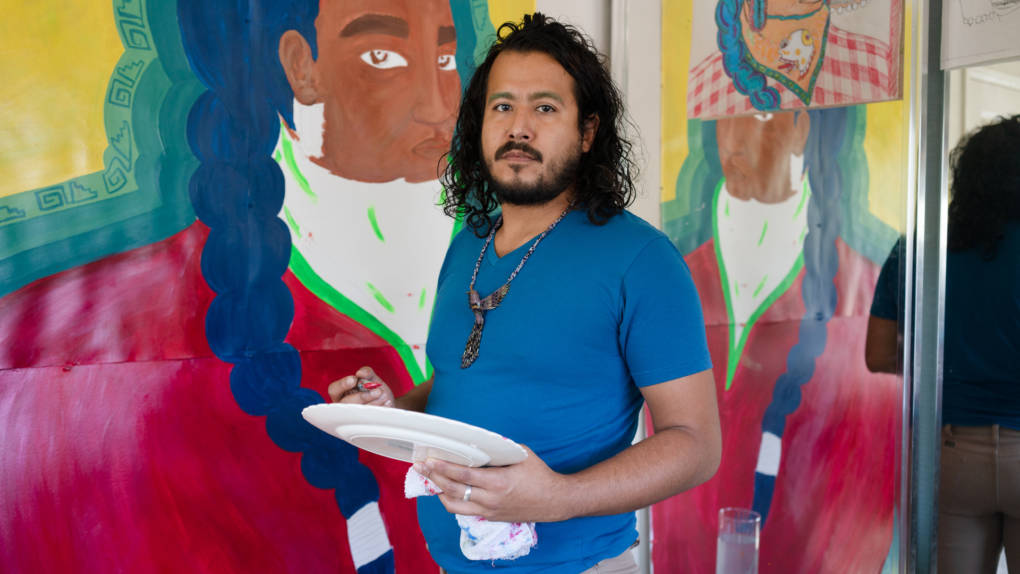
"caption": "Gala Porras-Kim at work during her current residency at Headlands Center for the Arts. ",
"description": "Gala Porras-Kim at work during her current residency at Headlands Center for the Arts. ",
"title": "Gala.MAIN.1",
"credit": "Marina Weiner",
"status": "inherit",
"isLoading": false,
"fetchFailed": false
},
"arts_13836844": {
"type": "attachments",
"id": "arts_13836844",
"meta": {
"index": "attachments_1716263798",
"site": "arts",
"id": "13836844",
"found": true
},
"parent": 13836842,
"imgSizes": {
"small": {
"file": "https://ww2.kqed.org/app/uploads/sites/2/2018/07/ASG_COVER-520x293.jpg",
"width": 520,
"mimeType": "image/jpeg",
"height": 293
},
"twentyfourteen-full-width": {
"file": "https://ww2.kqed.org/app/uploads/sites/2/2018/07/ASG_COVER-1038x576.jpg",
"width": 1038,
"mimeType": "image/jpeg",
"height": 576
},
"thumbnail": {
"file": "https://ww2.kqed.org/app/uploads/sites/2/2018/07/ASG_COVER-160x90.jpg",
"width": 160,
"mimeType": "image/jpeg",
"height": 90
},
"fd-sm": {
"file": "https://ww2.kqed.org/app/uploads/sites/2/2018/07/ASG_COVER-960x540.jpg",
"width": 960,
"mimeType": "image/jpeg",
"height": 540
},
"post-thumbnail": {
"file": "https://ww2.kqed.org/app/uploads/sites/2/2018/07/ASG_COVER-672x372.jpg",
"width": 672,
"mimeType": "image/jpeg",
"height": 372
},
"xsmall": {
"file": "https://ww2.kqed.org/app/uploads/sites/2/2018/07/ASG_COVER-375x211.jpg",
"width": 375,
"mimeType": "image/jpeg",
"height": 211
},
"kqedFullSize": {
"file": "https://ww2.kqed.org/app/uploads/sites/2/2018/07/ASG_COVER.jpg",
"width": 1920,
"height": 1080
},
"large": {
"file": "https://ww2.kqed.org/app/uploads/sites/2/2018/07/ASG_COVER-1020x574.jpg",
"width": 1020,
"mimeType": "image/jpeg",
"height": 574
},
"xlarge": {
"file": "https://ww2.kqed.org/app/uploads/sites/2/2018/07/ASG_COVER-1180x664.jpg",
"width": 1180,
"mimeType": "image/jpeg",
"height": 664
},
"complete_open_graph": {
"file": "https://ww2.kqed.org/app/uploads/sites/2/2018/07/ASG_COVER-1200x675.jpg",
"width": 1200,
"mimeType": "image/jpeg",
"height": 675
},
"guest-author-50": {
"file": "https://ww2.kqed.org/app/uploads/sites/2/2018/07/ASG_COVER-50x50.jpg",
"width": 50,
"mimeType": "image/jpeg",
"height": 50
},
"guest-author-96": {
"file": "https://ww2.kqed.org/app/uploads/sites/2/2018/07/ASG_COVER-96x96.jpg",
"width": 96,
"mimeType": "image/jpeg",
"height": 96
},
"medium": {
"file": "https://ww2.kqed.org/app/uploads/sites/2/2018/07/ASG_COVER-800x450.jpg",
"width": 800,
"mimeType": "image/jpeg",
"height": 450
},
"guest-author-64": {
"file": "https://ww2.kqed.org/app/uploads/sites/2/2018/07/ASG_COVER-64x64.jpg",
"width": 64,
"mimeType": "image/jpeg",
"height": 64
},
"guest-author-32": {
"file": "https://ww2.kqed.org/app/uploads/sites/2/2018/07/ASG_COVER-32x32.jpg",
"width": 32,
"mimeType": "image/jpeg",
"height": 32
},
"fd-lrg": {
"file": "https://ww2.kqed.org/app/uploads/sites/2/2018/07/ASG_COVER-1920x1080.jpg",
"width": 1920,
"mimeType": "image/jpeg",
"height": 1080
},
"fd-med": {
"file": "https://ww2.kqed.org/app/uploads/sites/2/2018/07/ASG_COVER-1180x664.jpg",
"width": 1180,
"mimeType": "image/jpeg",
"height": 664
},
"full-width": {
"file": "https://ww2.kqed.org/app/uploads/sites/2/2018/07/ASG_COVER-1920x1080.jpg",
"width": 1920,
"mimeType": "image/jpeg",
"height": 1080
},
"detail": {
"file": "https://ww2.kqed.org/app/uploads/sites/2/2018/07/ASG_COVER-150x150.jpg",
"width": 150,
"mimeType": "image/jpeg",
"height": 150
},
"medium_large": {
"file": "https://ww2.kqed.org/app/uploads/sites/2/2018/07/ASG_COVER-768x432.jpg",
"width": 768,
"mimeType": "image/jpeg",
"height": 432
},
"guest-author-128": {
"file": "https://ww2.kqed.org/app/uploads/sites/2/2018/07/ASG_COVER-128x128.jpg",
"width": 128,
"mimeType": "image/jpeg",
"height": 128
},
"xxsmall": {
"file": "https://ww2.kqed.org/app/uploads/sites/2/2018/07/ASG_COVER-240x135.jpg",
"width": 240,
"mimeType": "image/jpeg",
"height": 135
}
},
"publishDate": 1531262188,
"modified": 1531262225,
"caption": "Maurya Kerr performing within Richard-Jonathan Nelson's exhibition, 'Anastatica,' February, 2018.",
"description": "Maurya Kerr performing within Richard-Jonathan Nelson's exhibition, 'Anastatica,' February, 2018.",
"title": "ASG_COVER",
"credit": "Courtesy of Aggregate Space Gallery",
"status": "inherit",
"isLoading": false,
"fetchFailed": false
}
},
"audioPlayerReducer": {
"postId": "stream_live",
"isPaused": true,
"isPlaying": false,
"pfsActive": false,
"pledgeModalIsOpen": true,
"playerDrawerIsOpen": false,
"liveAudioPlayStartedAt": 0,
"liveAudioPlayContext": ""
},
"authorsReducer": {
"byline_arts_13838389": {
"type": "authors",
"id": "byline_arts_13838389",
"meta": {
"override": true
},
"slug": "byline_arts_13838389",
"name": "Susan Stamberg",
"isLoading": false
},
"byline_arts_13836948": {
"type": "authors",
"id": "byline_arts_13836948",
"meta": {
"override": true
},
"slug": "byline_arts_13836948",
"name": "Gretchen Giles",
"isLoading": false
},
"shotchkiss": {
"type": "authors",
"id": "61",
"meta": {
"index": "authors_1716337520",
"id": "61",
"found": true
},
"name": "Sarah Hotchkiss",
"firstName": "Sarah",
"lastName": "Hotchkiss",
"slug": "shotchkiss",
"email": "shotchkiss@kqed.org",
"display_author_email": true,
"staff_mastheads": [
"arts"
],
"title": "Senior Editor",
"bio": "Sarah Hotchkiss is a San Francisco \u003ca href=\"http://www.sarahhotchkiss.com\">artist\u003c/a> and arts writer. In 2019, she received the Dorothea & Leo Rabkin Foundation grant for visual art journalism and in 2020 she received a Society of Professional Journalists, Northern California award for excellence in arts and culture reporting.",
"avatar": "https://secure.gravatar.com/avatar/bc662df144b3d27fd8b1b6f1c2a420d34e91e53154d411bb7ad353cc8b6cea8d?s=600&d=blank&r=g",
"twitter": null,
"bluesky": null,
"facebook": null,
"instagram": null,
"linkedin": null,
"sites": [
{
"site": "",
"roles": [
"editor"
]
},
{
"site": "arts",
"roles": [
"Contributor",
"administrator"
]
},
{
"site": "artschool",
"roles": [
"administrator"
]
},
{
"site": "news",
"roles": [
"editor"
]
},
{
"site": "pop",
"roles": [
"administrator"
]
},
{
"site": "bayareabites",
"roles": [
"editor"
]
},
{
"site": "spark",
"roles": [
"editor"
]
},
{
"site": "checkplease",
"roles": [
"editor"
]
}
],
"headData": {
"title": "Sarah Hotchkiss | KQED",
"description": "Senior Editor",
"ogImgSrc": "https://secure.gravatar.com/avatar/bc662df144b3d27fd8b1b6f1c2a420d34e91e53154d411bb7ad353cc8b6cea8d?s=600&d=blank&r=g",
"twImgSrc": "https://secure.gravatar.com/avatar/bc662df144b3d27fd8b1b6f1c2a420d34e91e53154d411bb7ad353cc8b6cea8d?s=600&d=blank&r=g"
},
"isLoading": false,
"link": "/author/shotchkiss"
},
"rseikaly": {
"type": "authors",
"id": "77",
"meta": {
"index": "authors_1716337520",
"id": "77",
"found": true
},
"name": "Roula Seikaly",
"firstName": "Roula",
"lastName": "Seikaly",
"slug": "rseikaly",
"email": "roula@roulaseikaly.com",
"display_author_email": false,
"staff_mastheads": [],
"title": "KQED Contributor",
"bio": "Roula Seikaly in an independent writer and curator based in Berkeley, California, and Senior Editor at \u003ca href=\"http://hafny.org/\">Humble Arts Foundation\u003c/a>. She has curated exhibitions at Colorado Photographic Arts Center, Filter Photo Festival, Blue Sky Gallery, SF Camerawork, SOMArts, and the Utah Museum of Arts. She is a regular contributor to Photograph, Hyerallergic, BOMB Magazine, and KQED Arts.",
"avatar": "https://secure.gravatar.com/avatar/771cde409896af1326a07050f2e4e489?s=600&d=blank&r=g",
"twitter": null,
"facebook": null,
"instagram": null,
"linkedin": null,
"sites": [
{
"site": "arts",
"roles": [
"Contributor",
"contributor"
]
}
],
"headData": {
"title": "Roula Seikaly | KQED",
"description": "KQED Contributor",
"ogImgSrc": "https://secure.gravatar.com/avatar/771cde409896af1326a07050f2e4e489?s=600&d=blank&r=g",
"twImgSrc": "https://secure.gravatar.com/avatar/771cde409896af1326a07050f2e4e489?s=600&d=blank&r=g"
},
"isLoading": false,
"link": "/author/rseikaly"
},
"lblanco": {
"type": "authors",
"id": "11357",
"meta": {
"index": "authors_1716337520",
"id": "11357",
"found": true
},
"name": "Lina Blanco",
"firstName": "Lina",
"lastName": "Blanco",
"slug": "lblanco",
"email": "lblanco@kqed.org",
"display_author_email": false,
"staff_mastheads": [],
"title": null,
"bio": "Lina was a Senior Engagement Platforms Manager for KQED News, producing engagement strategies on social media at \u003ca href=\"https://twitter.com/KQEDnews\">@KQEDNews, \u003c/a>via \u003ca href=\"https://www.kqed.org/about/newsletters/\">KQED's daily newsletter\u003c/a> as well as texting campaigns with KQED readers and listeners. She also co-produces for KQED's bilingual news hub \u003ca href=\"https://www.instagram.com/kqedenespanol/\">KQED en Español\u003c/a>.\r\n\r\nLina previously worked for \u003ca href=\"https://kqed.org/arts\">KQED Arts\u003c/a> — supporting audience engagement efforts on the weekly \u003ca href=\"https://www.kqed.org/podcasts/rightnowish\">\u003cem>Rightnowish\u003c/em> \u003c/a>podcast, Webby-winning video series \u003ca href=\"https://www.kqed.org/if-cities-could-dance\">\u003cem>If Cities Could Dance\u003c/em>\u003c/a>, and daily Arts & Culture reporting. She won a \u003ca href=\"https://www.kqed.org/pressroom/10884/murrow\">National 2019 Edward R. Murrow Award for Excellence in Social Media\u003c/a> for KQED's series \u003cem>The Hustle\u003c/em>.\r\n\r\nBefore KQED, Lina worked as a graphic designer and digital storytelling facilitator at the \u003ca href=\"https://www.nativehealth.org/\">Native American Health Center\u003c/a>.\r\n\r\nShe's mom to a senior Chihuahua (plus one black cat) and lives in West Sonoma County on a small farmstead.",
"avatar": "https://secure.gravatar.com/avatar/77ec326d67223c38a436b87bcfd2a2e8?s=600&d=mm&r=g",
"twitter": "LinaBlanco",
"facebook": null,
"instagram": null,
"linkedin": null,
"sites": [
{
"site": "arts",
"roles": [
"subscriber"
]
},
{
"site": "news",
"roles": [
"subscriber"
]
},
{
"site": "pop",
"roles": [
"administrator"
]
},
{
"site": "about",
"roles": [
"administrator"
]
},
{
"site": "bayareabites",
"roles": [
"editor"
]
},
{
"site": "science",
"roles": [
"editor"
]
},
{
"site": "checkplease",
"roles": [
"editor"
]
},
{
"site": "food",
"roles": []
},
{
"site": "perspectives",
"roles": [
"editor"
]
}
],
"headData": {
"title": "Lina Blanco | KQED",
"description": null,
"ogImgSrc": "https://secure.gravatar.com/avatar/77ec326d67223c38a436b87bcfd2a2e8?s=600&d=mm&r=g",
"twImgSrc": "https://secure.gravatar.com/avatar/77ec326d67223c38a436b87bcfd2a2e8?s=600&d=mm&r=g"
},
"isLoading": false,
"link": "/author/lblanco"
},
"azucenarasilla": {
"type": "authors",
"id": "11624",
"meta": {
"index": "authors_1716337520",
"id": "11624",
"found": true
},
"name": "Azucena Rasilla",
"firstName": "Azucena",
"lastName": "Rasilla",
"slug": "azucenarasilla",
"email": "azucena.rasilla@gmail.com",
"display_author_email": false,
"staff_mastheads": [],
"title": null,
"bio": "Freelance Journalist I former East Bay Express I DM/email music/arts/culture tips that I can turn into stories I azucena.rasilla@gmail.com",
"avatar": "https://secure.gravatar.com/avatar/451ecba09a36b5e0f6fbb13210621eea?s=600&d=blank&r=g",
"twitter": "chroniclesofazu",
"facebook": null,
"instagram": null,
"linkedin": null,
"sites": [
{
"site": "arts",
"roles": [
"contributor"
]
},
{
"site": "bayareabites",
"roles": [
"contributor"
]
}
],
"headData": {
"title": "Azucena Rasilla | KQED",
"description": null,
"ogImgSrc": "https://secure.gravatar.com/avatar/451ecba09a36b5e0f6fbb13210621eea?s=600&d=blank&r=g",
"twImgSrc": "https://secure.gravatar.com/avatar/451ecba09a36b5e0f6fbb13210621eea?s=600&d=blank&r=g"
},
"isLoading": false,
"link": "/author/azucenarasilla"
}
},
"pagesReducer": {
"arts_category_visualarts": {
"type": "terms",
"id": "arts_70",
"meta": {
"index": "terms_1716263798",
"site": "arts",
"id": "70",
"score": 14.402988
},
"featImg": null,
"name": "Visual Arts",
"description": null,
"taxonomy": "category",
"headData": {
"twImgId": null,
"twTitle": null,
"ogTitle": null,
"ogImgId": null,
"twDescription": null,
"description": null,
"title": "Visual Arts Archives | KQED Arts",
"ogDescription": null
},
"ttid": 71,
"slug": "visualarts",
"isLoading": false,
"title": "Visual Arts",
"pageMeta": {
"site": "arts",
"WpPageTemplate": "page-topic-editorial",
"currentPage": 75
},
"blocks": [
{
"blockName": "kqed/post-list",
"attrs": {
"layout": "cardArticle2",
"query": "posts/arts?category=visualarts",
"seeMore": false,
"paginated": true,
"page": 75
}
},
{
"blockName": "kqed/ad"
}
]
}
},
"pfsSessionReducer": {},
"postsReducer": {
"stream_live": {
"type": "live",
"id": "stream_live",
"audioUrl": "https://streams.kqed.org/kqedradio",
"title": "Live Stream",
"excerpt": "Live Stream information currently unavailable.",
"link": "/radio",
"featImg": "",
"label": {
"name": "KQED Live",
"link": "/"
}
},
"stream_kqedNewscast": {
"type": "posts",
"id": "stream_kqedNewscast",
"audioUrl": "https://www.kqed.org/.stream/anon/radio/RDnews/newscast.mp3?_=1",
"title": "KQED Newscast",
"featImg": "",
"label": {
"name": "88.5 FM",
"link": "/"
}
},
"arts_13838501": {
"type": "posts",
"id": "arts_13838501",
"meta": {
"index": "posts_1716263798",
"site": "arts",
"id": "13838501",
"score": null,
"sort": [
1533777169000
]
},
"parent": 0,
"labelTerm": {
"site": "arts"
},
"blocks": [],
"publishDate": 1533777169,
"format": "image",
"title": "Let's Talk about the Public Art at the New Transbay Transit Center",
"headTitle": "Let’s Talk about the Public Art at the New Transbay Transit Center | KQED",
"content": "\u003cp>Part park, part bus station and aspirational future high-speed rail terminus, the new \u003ca href=\"https://salesforcetransitcenter.com/\" target=\"_blank\" rel=\"noopener noreferrer\">Transbay Transit Center\u003c/a> opens with literal fanfare (courtesy of the \u003ca href=\"https://www.westgrandbrassband.com/\" target=\"_blank\" rel=\"noopener noreferrer\">West Grand Bass Band\u003c/a>) on Aug. 11, followed by a number of exceedingly family friendly events, including an instrument “petting zoo” for kids, drumming and dance performances, a redwoods “talk & touch” and a yoga class. Bus service begins the following day.\u003c/p>\n\u003cp>Missing from that \u003ca href=\"https://salesforcetransitcenter.com/about/\" target=\"_blank\" rel=\"noopener noreferrer\">list of events\u003c/a> is any mention of the building’s four public art pieces, facilitated by the San Francisco Arts Commission, which punctuate a hovering white structure designed by Pelli Clarke Pelli Architects, the “day” to the old bus depot’s dark, cold, concrete-bunker-like “night.”\u003c/p>\n\u003cp>For some of the artists involved, the Aug. 11 opening is the culmination of upwards of 10 years of planning, proposing, altering, testing and overseeing their public art projects.\u003c/p>\n\u003cfigure id=\"attachment_13838519\" class=\"wp-caption aligncenter\" style=\"max-width: 1596px\">\u003cimg loading=\"lazy\" decoding=\"async\" class=\"size-full wp-image-13838519\" src=\"https://ww2.kqed.org/arts/wp-content/uploads/sites/2/2018/08/JulieFloor1200.jpg\" alt=\"A rendering of Julie Chang's 'Secret Garden' terrazzo floor, as seen from above.\" width=\"1596\" height=\"898\" srcset=\"https://cdn.kqed.org/wp-content/uploads/sites/2/2018/08/JulieFloor1200.jpg 1596w, https://cdn.kqed.org/wp-content/uploads/sites/2/2018/08/JulieFloor1200-160x90.jpg 160w, https://cdn.kqed.org/wp-content/uploads/sites/2/2018/08/JulieFloor1200-800x450.jpg 800w, https://cdn.kqed.org/wp-content/uploads/sites/2/2018/08/JulieFloor1200-768x432.jpg 768w, https://cdn.kqed.org/wp-content/uploads/sites/2/2018/08/JulieFloor1200-1020x574.jpg 1020w, https://cdn.kqed.org/wp-content/uploads/sites/2/2018/08/JulieFloor1200-1200x675.jpg 1200w, https://cdn.kqed.org/wp-content/uploads/sites/2/2018/08/JulieFloor1200-1180x664.jpg 1180w, https://cdn.kqed.org/wp-content/uploads/sites/2/2018/08/JulieFloor1200-960x540.jpg 960w, https://cdn.kqed.org/wp-content/uploads/sites/2/2018/08/JulieFloor1200-240x135.jpg 240w, https://cdn.kqed.org/wp-content/uploads/sites/2/2018/08/JulieFloor1200-375x211.jpg 375w, https://cdn.kqed.org/wp-content/uploads/sites/2/2018/08/JulieFloor1200-520x293.jpg 520w\" sizes=\"(max-width: 1596px) 100vw, 1596px\">\u003cfigcaption class=\"wp-caption-text\">A rendering of Julie Chang’s ‘Secret Garden’ terrazzo floor, as seen from above. \u003ccite>(Courtesy of the SFAC)\u003c/cite>\u003c/figcaption>\u003c/figure>\n\u003cp>On the ground floor, Bay Area-based artist \u003ca href=\"https://juliewchang.com/\" target=\"_blank\" rel=\"noopener noreferrer\">Julie Chang\u003c/a> designed the grand hall’s 20,000-square-foot terrazzo floor, a swirling design of native flora and fauna punctuated by geometric patterns representing a smorgasbord of source material, including African textiles, Chinese calligraphy, pottery design, genetic mutations, Islamic tile and wallpaper.\u003c/p>\n\u003cp>It’s a pleasant thing to look at, which isn’t something that can be said for all public art. (\u003ca href=\"https://www.kqed.org/arts/13830017/san-francisco-board-votes-to-keep-controversial-statue\" target=\"_blank\" rel=\"noopener noreferrer\">Cough\u003c/a>, \u003ca href=\"https://www.sfartscommission.org/our-role-impact/press-room/press-release/art-beautifies-gateway-bayview\" target=\"_blank\" rel=\"noopener noreferrer\">cough\u003c/a>.) Children will race along Chang’s white curves and stationary travelers may enjoy the inlaid bronze and zinc icons dotting the terrazzo. But for the most part, people will walk and roll across it without a second thought.\u003c/p>\n\u003cp>[ad fullwidth]\u003c/p>\n\u003cp>The same will likely be true for \u003ca href=\"http://www.jcdainc.com/\" target=\"_blank\" rel=\"noopener noreferrer\">James Carpenter\u003c/a>’s \u003ci>Parallel Light Fields\u003c/i>, a currently unfinished light sculpture installed in the ceiling and walking surface of Shaw Alley, a pedestrian passage lined with retail shops.\u003c/p>\n\u003cfigure id=\"attachment_13838514\" class=\"wp-caption aligncenter\" style=\"max-width: 1200px\">\u003cimg loading=\"lazy\" decoding=\"async\" class=\"size-full wp-image-13838514\" src=\"https://ww2.kqed.org/arts/wp-content/uploads/sites/2/2018/08/Carpenter1200.jpg\" alt=\"A rendering of James Carpenter's 'Parallel Light Fields' in Shaw Alley.\" width=\"1200\" height=\"675\" srcset=\"https://cdn.kqed.org/wp-content/uploads/sites/2/2018/08/Carpenter1200.jpg 1200w, https://cdn.kqed.org/wp-content/uploads/sites/2/2018/08/Carpenter1200-160x90.jpg 160w, https://cdn.kqed.org/wp-content/uploads/sites/2/2018/08/Carpenter1200-800x450.jpg 800w, https://cdn.kqed.org/wp-content/uploads/sites/2/2018/08/Carpenter1200-768x432.jpg 768w, https://cdn.kqed.org/wp-content/uploads/sites/2/2018/08/Carpenter1200-1020x574.jpg 1020w, https://cdn.kqed.org/wp-content/uploads/sites/2/2018/08/Carpenter1200-1180x664.jpg 1180w, https://cdn.kqed.org/wp-content/uploads/sites/2/2018/08/Carpenter1200-960x540.jpg 960w, https://cdn.kqed.org/wp-content/uploads/sites/2/2018/08/Carpenter1200-240x135.jpg 240w, https://cdn.kqed.org/wp-content/uploads/sites/2/2018/08/Carpenter1200-375x211.jpg 375w, https://cdn.kqed.org/wp-content/uploads/sites/2/2018/08/Carpenter1200-520x293.jpg 520w\" sizes=\"(max-width: 1200px) 100vw, 1200px\">\u003cfigcaption class=\"wp-caption-text\">A rendering of James Carpenter’s ‘Parallel Light Fields’ in Shaw Alley. \u003ccite>(Courtesy of the SFAC)\u003c/cite>\u003c/figcaption>\u003c/figure>\n\u003cp>Which raises the question, what is the point of public art in a bus station? Should it blend into the building itself, providing inoffensive adornment? Should it amuse the weary traveler? Or should it function as time-killing reading material for those waiting to board their rides?\u003c/p>\n\u003cp>Enter \u003ca href=\"http://projects.jennyholzer.com/\" target=\"_blank\" rel=\"noopener noreferrer\">Jenny Holzer\u003c/a>, artist of \u003ca href=\"http://projects.jennyholzer.com/LEDs/for-7-world-trade-2006\" target=\"_blank\" rel=\"noopener noreferrer\">all-caps scrolling text fame\u003c/a>. \u003ci>White Light\u003c/i>, the New York-based artist’s Transit Center piece, is 16 feet tall and 182 feet long, but it contracts that length into an oval shape decreed by the building’s central atrium, making it hard to see the band of LEDs in their entirety. The texts come from 42 authors and rolls by at lengths of 45 seconds to two hours. (Though I’m not sure who’ll be able to hold two hours of scrolling text in their minds in order to achieve some sort of narrative entertainment.)\u003c/p>\n\u003cp>The piece promises to deliver snippets of text specific to the Bay Area and California from writers like Maya Angelou, Richard Brautigan and Harvey Milk. But word’s still out on whether or not Holzer’s pointed \u003ca href=\"https://en.wikipedia.org/wiki/Truisms_(Jenny_Holzer)\" target=\"_blank\" rel=\"noopener noreferrer\">truisms\u003c/a> like “Abuse of power comes as no surprise” will populate the LED feed in the future. Currently, none of the texts come from Holzer herself.\u003c/p>\n\u003cfigure id=\"attachment_13838530\" class=\"wp-caption aligncenter\" style=\"max-width: 1951px\">\u003cimg loading=\"lazy\" decoding=\"async\" class=\"size-full wp-image-13838530\" src=\"https://ww2.kqed.org/arts/wp-content/uploads/sites/2/2018/08/holzer.jpg\" alt=\"Jenny Holzer's 'White Light,' viewed from the bus deck of the Transit Center.\" width=\"1951\" height=\"1339\" srcset=\"https://cdn.kqed.org/wp-content/uploads/sites/2/2018/08/holzer.jpg 1951w, https://cdn.kqed.org/wp-content/uploads/sites/2/2018/08/holzer-160x110.jpg 160w, https://cdn.kqed.org/wp-content/uploads/sites/2/2018/08/holzer-800x549.jpg 800w, https://cdn.kqed.org/wp-content/uploads/sites/2/2018/08/holzer-768x527.jpg 768w, https://cdn.kqed.org/wp-content/uploads/sites/2/2018/08/holzer-1020x700.jpg 1020w, https://cdn.kqed.org/wp-content/uploads/sites/2/2018/08/holzer-1200x824.jpg 1200w, https://cdn.kqed.org/wp-content/uploads/sites/2/2018/08/holzer-1920x1318.jpg 1920w, https://cdn.kqed.org/wp-content/uploads/sites/2/2018/08/holzer-1180x810.jpg 1180w, https://cdn.kqed.org/wp-content/uploads/sites/2/2018/08/holzer-960x659.jpg 960w, https://cdn.kqed.org/wp-content/uploads/sites/2/2018/08/holzer-240x165.jpg 240w, https://cdn.kqed.org/wp-content/uploads/sites/2/2018/08/holzer-375x257.jpg 375w, https://cdn.kqed.org/wp-content/uploads/sites/2/2018/08/holzer-520x357.jpg 520w\" sizes=\"(max-width: 1951px) 100vw, 1951px\">\u003cfigcaption class=\"wp-caption-text\">Jenny Holzer’s ‘White Light,’ viewed from the bus deck of the Transit Center. \u003ccite>(Tim Griffith)\u003c/cite>\u003c/figcaption>\u003c/figure>\n\u003cp>And what of amusement? The Transit Center’s rooftop will serve more than those making use of the various bus lines circling through the third level. Six stories up from the street, the building boasts a 5.4-acre park with wending pathways, lush grass, 12 thematic gardens annotated with didactic text—and the most delightful of the Transit Center’s public art, \u003ca href=\"http://nedkahn.com/\" target=\"_blank\" rel=\"noopener noreferrer\">Ned Kahn\u003c/a>’s \u003ci>Bus Jet Fountain\u003c/i>.\u003c/p>\n\u003cp>Connected to sensors mounted in the bus deck ceilings, the fountain echoes the movement of buses with vertical jets of water, creating a visual representation of the transit activity taking place directly below the bucolic pleasure garden that some people paid to name Salesforce Park.\u003c/p>\n\u003cp>A perverse part of me \u003ci>cannot wait\u003c/i> for the angry tweets that will surely result from some unsuspecting and fancily dressed person getting soaked when they mistake Kahn’s fountain bed for a wending pathway.\u003c/p>\n\u003cfigure id=\"attachment_13838516\" class=\"wp-caption aligncenter\" style=\"max-width: 1200px\">\u003cimg loading=\"lazy\" decoding=\"async\" class=\"size-full wp-image-13838516\" src=\"https://ww2.kqed.org/arts/wp-content/uploads/sites/2/2018/08/Bus-Fountain2_1200.jpg\" alt=\"Ned Kahn's 'Bus Jet Fountain' in action, representing the movement of an AC Transit bus on the floor below the park.\" width=\"1200\" height=\"732\" srcset=\"https://cdn.kqed.org/wp-content/uploads/sites/2/2018/08/Bus-Fountain2_1200.jpg 1200w, https://cdn.kqed.org/wp-content/uploads/sites/2/2018/08/Bus-Fountain2_1200-160x98.jpg 160w, https://cdn.kqed.org/wp-content/uploads/sites/2/2018/08/Bus-Fountain2_1200-800x488.jpg 800w, https://cdn.kqed.org/wp-content/uploads/sites/2/2018/08/Bus-Fountain2_1200-768x468.jpg 768w, https://cdn.kqed.org/wp-content/uploads/sites/2/2018/08/Bus-Fountain2_1200-1020x622.jpg 1020w, https://cdn.kqed.org/wp-content/uploads/sites/2/2018/08/Bus-Fountain2_1200-1180x720.jpg 1180w, https://cdn.kqed.org/wp-content/uploads/sites/2/2018/08/Bus-Fountain2_1200-960x586.jpg 960w, https://cdn.kqed.org/wp-content/uploads/sites/2/2018/08/Bus-Fountain2_1200-240x146.jpg 240w, https://cdn.kqed.org/wp-content/uploads/sites/2/2018/08/Bus-Fountain2_1200-375x229.jpg 375w, https://cdn.kqed.org/wp-content/uploads/sites/2/2018/08/Bus-Fountain2_1200-520x317.jpg 520w\" sizes=\"(max-width: 1200px) 100vw, 1200px\">\u003cfigcaption class=\"wp-caption-text\">Ned Kahn’s ‘Bus Jet Fountain’ in action, representing the movement of an AC Transit bus on the floor below the park. \u003ccite>(Courtesy of the artist)\u003c/cite>\u003c/figcaption>\u003c/figure>\n\u003cp>Here’s why I’m sure that will happen: Three pedestrian bridges connect surrounding skyscrapers directly to the park, all of which bear opportunistically placed building signage to remind park-goers who built this neighborhood. (Note to self, find out what “iShares by Black Rock” is/does.)\u003c/p>\n\u003cp>And about that neighborhood: the transit hub sits squarely in an area \u003ca href=\"https://www.nytimes.com/2018/08/02/technology/google-maps-neighborhood-names.html\" target=\"_blank\" rel=\"noopener noreferrer\">recently christened\u003c/a>—by the local community benefit association and Google Maps—the East Cut. After my Transit Center tour, I sat outside one of San Francisco’s 13 Philz Coffee shops (the company’s dedication to the mid-’90s z-as-possessive is beyond reproach) and watched a woman with an “East Cut” tote bag and clipboard monitor the sidewalk activity of Beale Street.\u003c/p>\n\u003cp>According to Jill Manton, director of the SFAC’s public art program, the new Transit Center aims to be the “Grand Central Station of the West.” (Ignore the fact that there is no train service in the terminal, high-speed or otherwise, and might not be any \u003ca href=\"https://www.sfchronicle.com/bayarea/article/San-Francisco-s-new-transit-center-finally-13129993.php\" target=\"_blank\" rel=\"noopener noreferrer\">until 2029\u003c/a>.) It was Manton’s idea, in 2006, to approach the \u003ca href=\"http://tjpa.org/tjpa/about-the-tjpa\" target=\"_blank\" rel=\"noopener noreferrer\">Transbay Joint Powers Authority\u003c/a> (TJPA) proposing they incorporate public art into the future building’s design.\u003c/p>\n\u003cfigure id=\"attachment_13838515\" class=\"wp-caption aligncenter\" style=\"max-width: 1200px\">\u003cimg loading=\"lazy\" decoding=\"async\" class=\"size-full wp-image-13838515\" src=\"https://ww2.kqed.org/arts/wp-content/uploads/sites/2/2018/08/park1200.jpg\" alt=\"A rendering of the Transit Center's rooftop park, with Ned Kahn's 'Bus Jet Fountain' in the background.\" width=\"1200\" height=\"675\" srcset=\"https://cdn.kqed.org/wp-content/uploads/sites/2/2018/08/park1200.jpg 1200w, https://cdn.kqed.org/wp-content/uploads/sites/2/2018/08/park1200-160x90.jpg 160w, https://cdn.kqed.org/wp-content/uploads/sites/2/2018/08/park1200-800x450.jpg 800w, https://cdn.kqed.org/wp-content/uploads/sites/2/2018/08/park1200-768x432.jpg 768w, https://cdn.kqed.org/wp-content/uploads/sites/2/2018/08/park1200-1020x574.jpg 1020w, https://cdn.kqed.org/wp-content/uploads/sites/2/2018/08/park1200-1180x664.jpg 1180w, https://cdn.kqed.org/wp-content/uploads/sites/2/2018/08/park1200-960x540.jpg 960w, https://cdn.kqed.org/wp-content/uploads/sites/2/2018/08/park1200-240x135.jpg 240w, https://cdn.kqed.org/wp-content/uploads/sites/2/2018/08/park1200-375x211.jpg 375w, https://cdn.kqed.org/wp-content/uploads/sites/2/2018/08/park1200-520x293.jpg 520w\" sizes=\"(max-width: 1200px) 100vw, 1200px\">\u003cfigcaption class=\"wp-caption-text\">A rendering of the Transit Center’s rooftop park, with Ned Kahn’s ‘Bus Jet Fountain’ in the background. \u003ccite>(Courtesy of the SFAC)\u003c/cite>\u003c/figcaption>\u003c/figure>\n\u003cp>The TJPA, agreeing with Manton’s vision, voluntarily committed $4.75 million to the art.\u003c/p>\n\u003cp>But even with that art, which provides some color, movement and surprise in an otherwise sterile space, the Transit Center can appear like an AutoCAD version of the city.\u003c/p>\n\u003cp>The cross-section view of the structure is perfect representation of contemporary San Francisco’s \u003ca href=\"https://www.wired.com/story/how-silicon-valley-fuels-an-informal-caste-system/\" target=\"_blank\" rel=\"noopener noreferrer\">social stratification\u003c/a>. Above, a place for lunch, a midday walk or a Zumba® class with corporate logos looming above—all space programmed and designed to prevent the unwanted kind of loitering (benches are too short to lay upon, or else separated by armrests).\u003c/p>\n\u003cp>[ad floatright]\u003c/p>\n\u003cp>In the middle, the commuters, the bus travelers, the people who still use public transit to get from point A to point B and make this city run. And below, the planned subterranean train station for commuter trains and high-speed rail—the speculative future so often overheard in public spaces these days. What could be more San Francisco?\u003c/p>\n\n",
"stats": {
"hasVideo": false,
"hasChartOrMap": false,
"hasAudio": false,
"hasPolis": false,
"wordCount": 1180,
"hasGoogleForm": false,
"hasGallery": false,
"hasHearkenModule": false,
"iframeSrcs": [],
"paragraphCount": 21
},
"modified": 1705027400,
"excerpt": "Who is it for?",
"headData": {
"twImgId": "",
"twTitle": "",
"ogTitle": "",
"ogImgId": "",
"twDescription": "",
"description": "Who is it for?",
"title": "Let's Talk about the Public Art at the New Transbay Transit Center | KQED",
"ogDescription": "",
"schema": {
"@context": "https://schema.org",
"@type": "Article",
"headline": "Let's Talk about the Public Art at the New Transbay Transit Center",
"datePublished": "2018-08-08T18:12:49-07:00",
"dateModified": "2024-01-11T18:43:20-08:00",
"image": "https://cdn.kqed.org/wp-content/uploads/2020/02/KQED-OG-Image@1x.png"
}
},
"guestAuthors": [],
"slug": "lets-talk-about-the-public-art-at-the-new-transbay-transit-center",
"status": "publish",
"templateType": "standard",
"featuredImageType": "standard",
"sticky": false,
"path": "/arts/13838501/lets-talk-about-the-public-art-at-the-new-transbay-transit-center",
"audioTrackLength": null,
"parsedContent": [
{
"type": "contentString",
"content": "\u003cdiv class=\"post-body\">\u003cp>\u003cp>Part park, part bus station and aspirational future high-speed rail terminus, the new \u003ca href=\"https://salesforcetransitcenter.com/\" target=\"_blank\" rel=\"noopener noreferrer\">Transbay Transit Center\u003c/a> opens with literal fanfare (courtesy of the \u003ca href=\"https://www.westgrandbrassband.com/\" target=\"_blank\" rel=\"noopener noreferrer\">West Grand Bass Band\u003c/a>) on Aug. 11, followed by a number of exceedingly family friendly events, including an instrument “petting zoo” for kids, drumming and dance performances, a redwoods “talk & touch” and a yoga class. Bus service begins the following day.\u003c/p>\n\u003cp>Missing from that \u003ca href=\"https://salesforcetransitcenter.com/about/\" target=\"_blank\" rel=\"noopener noreferrer\">list of events\u003c/a> is any mention of the building’s four public art pieces, facilitated by the San Francisco Arts Commission, which punctuate a hovering white structure designed by Pelli Clarke Pelli Architects, the “day” to the old bus depot’s dark, cold, concrete-bunker-like “night.”\u003c/p>\n\u003cp>For some of the artists involved, the Aug. 11 opening is the culmination of upwards of 10 years of planning, proposing, altering, testing and overseeing their public art projects.\u003c/p>\n\u003cfigure id=\"attachment_13838519\" class=\"wp-caption aligncenter\" style=\"max-width: 1596px\">\u003cimg loading=\"lazy\" decoding=\"async\" class=\"size-full wp-image-13838519\" src=\"https://ww2.kqed.org/arts/wp-content/uploads/sites/2/2018/08/JulieFloor1200.jpg\" alt=\"A rendering of Julie Chang's 'Secret Garden' terrazzo floor, as seen from above.\" width=\"1596\" height=\"898\" srcset=\"https://cdn.kqed.org/wp-content/uploads/sites/2/2018/08/JulieFloor1200.jpg 1596w, https://cdn.kqed.org/wp-content/uploads/sites/2/2018/08/JulieFloor1200-160x90.jpg 160w, https://cdn.kqed.org/wp-content/uploads/sites/2/2018/08/JulieFloor1200-800x450.jpg 800w, https://cdn.kqed.org/wp-content/uploads/sites/2/2018/08/JulieFloor1200-768x432.jpg 768w, https://cdn.kqed.org/wp-content/uploads/sites/2/2018/08/JulieFloor1200-1020x574.jpg 1020w, https://cdn.kqed.org/wp-content/uploads/sites/2/2018/08/JulieFloor1200-1200x675.jpg 1200w, https://cdn.kqed.org/wp-content/uploads/sites/2/2018/08/JulieFloor1200-1180x664.jpg 1180w, https://cdn.kqed.org/wp-content/uploads/sites/2/2018/08/JulieFloor1200-960x540.jpg 960w, https://cdn.kqed.org/wp-content/uploads/sites/2/2018/08/JulieFloor1200-240x135.jpg 240w, https://cdn.kqed.org/wp-content/uploads/sites/2/2018/08/JulieFloor1200-375x211.jpg 375w, https://cdn.kqed.org/wp-content/uploads/sites/2/2018/08/JulieFloor1200-520x293.jpg 520w\" sizes=\"(max-width: 1596px) 100vw, 1596px\">\u003cfigcaption class=\"wp-caption-text\">A rendering of Julie Chang’s ‘Secret Garden’ terrazzo floor, as seen from above. \u003ccite>(Courtesy of the SFAC)\u003c/cite>\u003c/figcaption>\u003c/figure>\n\u003cp>On the ground floor, Bay Area-based artist \u003ca href=\"https://juliewchang.com/\" target=\"_blank\" rel=\"noopener noreferrer\">Julie Chang\u003c/a> designed the grand hall’s 20,000-square-foot terrazzo floor, a swirling design of native flora and fauna punctuated by geometric patterns representing a smorgasbord of source material, including African textiles, Chinese calligraphy, pottery design, genetic mutations, Islamic tile and wallpaper.\u003c/p>\n\u003cp>It’s a pleasant thing to look at, which isn’t something that can be said for all public art. (\u003ca href=\"https://www.kqed.org/arts/13830017/san-francisco-board-votes-to-keep-controversial-statue\" target=\"_blank\" rel=\"noopener noreferrer\">Cough\u003c/a>, \u003ca href=\"https://www.sfartscommission.org/our-role-impact/press-room/press-release/art-beautifies-gateway-bayview\" target=\"_blank\" rel=\"noopener noreferrer\">cough\u003c/a>.) Children will race along Chang’s white curves and stationary travelers may enjoy the inlaid bronze and zinc icons dotting the terrazzo. But for the most part, people will walk and roll across it without a second thought.\u003c/p>\n\u003cp>\u003c/p>\u003c/div>",
"attributes": {
"named": {},
"numeric": []
}
},
{
"type": "component",
"content": "",
"name": "ad",
"attributes": {
"named": {
"label": "fullwidth"
},
"numeric": [
"fullwidth"
]
}
},
{
"type": "contentString",
"content": "\u003cdiv class=\"post-body\">\u003cp>\u003c/p>\n\u003cp>The same will likely be true for \u003ca href=\"http://www.jcdainc.com/\" target=\"_blank\" rel=\"noopener noreferrer\">James Carpenter\u003c/a>’s \u003ci>Parallel Light Fields\u003c/i>, a currently unfinished light sculpture installed in the ceiling and walking surface of Shaw Alley, a pedestrian passage lined with retail shops.\u003c/p>\n\u003cfigure id=\"attachment_13838514\" class=\"wp-caption aligncenter\" style=\"max-width: 1200px\">\u003cimg loading=\"lazy\" decoding=\"async\" class=\"size-full wp-image-13838514\" src=\"https://ww2.kqed.org/arts/wp-content/uploads/sites/2/2018/08/Carpenter1200.jpg\" alt=\"A rendering of James Carpenter's 'Parallel Light Fields' in Shaw Alley.\" width=\"1200\" height=\"675\" srcset=\"https://cdn.kqed.org/wp-content/uploads/sites/2/2018/08/Carpenter1200.jpg 1200w, https://cdn.kqed.org/wp-content/uploads/sites/2/2018/08/Carpenter1200-160x90.jpg 160w, https://cdn.kqed.org/wp-content/uploads/sites/2/2018/08/Carpenter1200-800x450.jpg 800w, https://cdn.kqed.org/wp-content/uploads/sites/2/2018/08/Carpenter1200-768x432.jpg 768w, https://cdn.kqed.org/wp-content/uploads/sites/2/2018/08/Carpenter1200-1020x574.jpg 1020w, https://cdn.kqed.org/wp-content/uploads/sites/2/2018/08/Carpenter1200-1180x664.jpg 1180w, https://cdn.kqed.org/wp-content/uploads/sites/2/2018/08/Carpenter1200-960x540.jpg 960w, https://cdn.kqed.org/wp-content/uploads/sites/2/2018/08/Carpenter1200-240x135.jpg 240w, https://cdn.kqed.org/wp-content/uploads/sites/2/2018/08/Carpenter1200-375x211.jpg 375w, https://cdn.kqed.org/wp-content/uploads/sites/2/2018/08/Carpenter1200-520x293.jpg 520w\" sizes=\"(max-width: 1200px) 100vw, 1200px\">\u003cfigcaption class=\"wp-caption-text\">A rendering of James Carpenter’s ‘Parallel Light Fields’ in Shaw Alley. \u003ccite>(Courtesy of the SFAC)\u003c/cite>\u003c/figcaption>\u003c/figure>\n\u003cp>Which raises the question, what is the point of public art in a bus station? Should it blend into the building itself, providing inoffensive adornment? Should it amuse the weary traveler? Or should it function as time-killing reading material for those waiting to board their rides?\u003c/p>\n\u003cp>Enter \u003ca href=\"http://projects.jennyholzer.com/\" target=\"_blank\" rel=\"noopener noreferrer\">Jenny Holzer\u003c/a>, artist of \u003ca href=\"http://projects.jennyholzer.com/LEDs/for-7-world-trade-2006\" target=\"_blank\" rel=\"noopener noreferrer\">all-caps scrolling text fame\u003c/a>. \u003ci>White Light\u003c/i>, the New York-based artist’s Transit Center piece, is 16 feet tall and 182 feet long, but it contracts that length into an oval shape decreed by the building’s central atrium, making it hard to see the band of LEDs in their entirety. The texts come from 42 authors and rolls by at lengths of 45 seconds to two hours. (Though I’m not sure who’ll be able to hold two hours of scrolling text in their minds in order to achieve some sort of narrative entertainment.)\u003c/p>\n\u003cp>The piece promises to deliver snippets of text specific to the Bay Area and California from writers like Maya Angelou, Richard Brautigan and Harvey Milk. But word’s still out on whether or not Holzer’s pointed \u003ca href=\"https://en.wikipedia.org/wiki/Truisms_(Jenny_Holzer)\" target=\"_blank\" rel=\"noopener noreferrer\">truisms\u003c/a> like “Abuse of power comes as no surprise” will populate the LED feed in the future. Currently, none of the texts come from Holzer herself.\u003c/p>\n\u003cfigure id=\"attachment_13838530\" class=\"wp-caption aligncenter\" style=\"max-width: 1951px\">\u003cimg loading=\"lazy\" decoding=\"async\" class=\"size-full wp-image-13838530\" src=\"https://ww2.kqed.org/arts/wp-content/uploads/sites/2/2018/08/holzer.jpg\" alt=\"Jenny Holzer's 'White Light,' viewed from the bus deck of the Transit Center.\" width=\"1951\" height=\"1339\" srcset=\"https://cdn.kqed.org/wp-content/uploads/sites/2/2018/08/holzer.jpg 1951w, https://cdn.kqed.org/wp-content/uploads/sites/2/2018/08/holzer-160x110.jpg 160w, https://cdn.kqed.org/wp-content/uploads/sites/2/2018/08/holzer-800x549.jpg 800w, https://cdn.kqed.org/wp-content/uploads/sites/2/2018/08/holzer-768x527.jpg 768w, https://cdn.kqed.org/wp-content/uploads/sites/2/2018/08/holzer-1020x700.jpg 1020w, https://cdn.kqed.org/wp-content/uploads/sites/2/2018/08/holzer-1200x824.jpg 1200w, https://cdn.kqed.org/wp-content/uploads/sites/2/2018/08/holzer-1920x1318.jpg 1920w, https://cdn.kqed.org/wp-content/uploads/sites/2/2018/08/holzer-1180x810.jpg 1180w, https://cdn.kqed.org/wp-content/uploads/sites/2/2018/08/holzer-960x659.jpg 960w, https://cdn.kqed.org/wp-content/uploads/sites/2/2018/08/holzer-240x165.jpg 240w, https://cdn.kqed.org/wp-content/uploads/sites/2/2018/08/holzer-375x257.jpg 375w, https://cdn.kqed.org/wp-content/uploads/sites/2/2018/08/holzer-520x357.jpg 520w\" sizes=\"(max-width: 1951px) 100vw, 1951px\">\u003cfigcaption class=\"wp-caption-text\">Jenny Holzer’s ‘White Light,’ viewed from the bus deck of the Transit Center. \u003ccite>(Tim Griffith)\u003c/cite>\u003c/figcaption>\u003c/figure>\n\u003cp>And what of amusement? The Transit Center’s rooftop will serve more than those making use of the various bus lines circling through the third level. Six stories up from the street, the building boasts a 5.4-acre park with wending pathways, lush grass, 12 thematic gardens annotated with didactic text—and the most delightful of the Transit Center’s public art, \u003ca href=\"http://nedkahn.com/\" target=\"_blank\" rel=\"noopener noreferrer\">Ned Kahn\u003c/a>’s \u003ci>Bus Jet Fountain\u003c/i>.\u003c/p>\n\u003cp>Connected to sensors mounted in the bus deck ceilings, the fountain echoes the movement of buses with vertical jets of water, creating a visual representation of the transit activity taking place directly below the bucolic pleasure garden that some people paid to name Salesforce Park.\u003c/p>\n\u003cp>A perverse part of me \u003ci>cannot wait\u003c/i> for the angry tweets that will surely result from some unsuspecting and fancily dressed person getting soaked when they mistake Kahn’s fountain bed for a wending pathway.\u003c/p>\n\u003cfigure id=\"attachment_13838516\" class=\"wp-caption aligncenter\" style=\"max-width: 1200px\">\u003cimg loading=\"lazy\" decoding=\"async\" class=\"size-full wp-image-13838516\" src=\"https://ww2.kqed.org/arts/wp-content/uploads/sites/2/2018/08/Bus-Fountain2_1200.jpg\" alt=\"Ned Kahn's 'Bus Jet Fountain' in action, representing the movement of an AC Transit bus on the floor below the park.\" width=\"1200\" height=\"732\" srcset=\"https://cdn.kqed.org/wp-content/uploads/sites/2/2018/08/Bus-Fountain2_1200.jpg 1200w, https://cdn.kqed.org/wp-content/uploads/sites/2/2018/08/Bus-Fountain2_1200-160x98.jpg 160w, https://cdn.kqed.org/wp-content/uploads/sites/2/2018/08/Bus-Fountain2_1200-800x488.jpg 800w, https://cdn.kqed.org/wp-content/uploads/sites/2/2018/08/Bus-Fountain2_1200-768x468.jpg 768w, https://cdn.kqed.org/wp-content/uploads/sites/2/2018/08/Bus-Fountain2_1200-1020x622.jpg 1020w, https://cdn.kqed.org/wp-content/uploads/sites/2/2018/08/Bus-Fountain2_1200-1180x720.jpg 1180w, https://cdn.kqed.org/wp-content/uploads/sites/2/2018/08/Bus-Fountain2_1200-960x586.jpg 960w, https://cdn.kqed.org/wp-content/uploads/sites/2/2018/08/Bus-Fountain2_1200-240x146.jpg 240w, https://cdn.kqed.org/wp-content/uploads/sites/2/2018/08/Bus-Fountain2_1200-375x229.jpg 375w, https://cdn.kqed.org/wp-content/uploads/sites/2/2018/08/Bus-Fountain2_1200-520x317.jpg 520w\" sizes=\"(max-width: 1200px) 100vw, 1200px\">\u003cfigcaption class=\"wp-caption-text\">Ned Kahn’s ‘Bus Jet Fountain’ in action, representing the movement of an AC Transit bus on the floor below the park. \u003ccite>(Courtesy of the artist)\u003c/cite>\u003c/figcaption>\u003c/figure>\n\u003cp>Here’s why I’m sure that will happen: Three pedestrian bridges connect surrounding skyscrapers directly to the park, all of which bear opportunistically placed building signage to remind park-goers who built this neighborhood. (Note to self, find out what “iShares by Black Rock” is/does.)\u003c/p>\n\u003cp>And about that neighborhood: the transit hub sits squarely in an area \u003ca href=\"https://www.nytimes.com/2018/08/02/technology/google-maps-neighborhood-names.html\" target=\"_blank\" rel=\"noopener noreferrer\">recently christened\u003c/a>—by the local community benefit association and Google Maps—the East Cut. After my Transit Center tour, I sat outside one of San Francisco’s 13 Philz Coffee shops (the company’s dedication to the mid-’90s z-as-possessive is beyond reproach) and watched a woman with an “East Cut” tote bag and clipboard monitor the sidewalk activity of Beale Street.\u003c/p>\n\u003cp>According to Jill Manton, director of the SFAC’s public art program, the new Transit Center aims to be the “Grand Central Station of the West.” (Ignore the fact that there is no train service in the terminal, high-speed or otherwise, and might not be any \u003ca href=\"https://www.sfchronicle.com/bayarea/article/San-Francisco-s-new-transit-center-finally-13129993.php\" target=\"_blank\" rel=\"noopener noreferrer\">until 2029\u003c/a>.) It was Manton’s idea, in 2006, to approach the \u003ca href=\"http://tjpa.org/tjpa/about-the-tjpa\" target=\"_blank\" rel=\"noopener noreferrer\">Transbay Joint Powers Authority\u003c/a> (TJPA) proposing they incorporate public art into the future building’s design.\u003c/p>\n\u003cfigure id=\"attachment_13838515\" class=\"wp-caption aligncenter\" style=\"max-width: 1200px\">\u003cimg loading=\"lazy\" decoding=\"async\" class=\"size-full wp-image-13838515\" src=\"https://ww2.kqed.org/arts/wp-content/uploads/sites/2/2018/08/park1200.jpg\" alt=\"A rendering of the Transit Center's rooftop park, with Ned Kahn's 'Bus Jet Fountain' in the background.\" width=\"1200\" height=\"675\" srcset=\"https://cdn.kqed.org/wp-content/uploads/sites/2/2018/08/park1200.jpg 1200w, https://cdn.kqed.org/wp-content/uploads/sites/2/2018/08/park1200-160x90.jpg 160w, https://cdn.kqed.org/wp-content/uploads/sites/2/2018/08/park1200-800x450.jpg 800w, https://cdn.kqed.org/wp-content/uploads/sites/2/2018/08/park1200-768x432.jpg 768w, https://cdn.kqed.org/wp-content/uploads/sites/2/2018/08/park1200-1020x574.jpg 1020w, https://cdn.kqed.org/wp-content/uploads/sites/2/2018/08/park1200-1180x664.jpg 1180w, https://cdn.kqed.org/wp-content/uploads/sites/2/2018/08/park1200-960x540.jpg 960w, https://cdn.kqed.org/wp-content/uploads/sites/2/2018/08/park1200-240x135.jpg 240w, https://cdn.kqed.org/wp-content/uploads/sites/2/2018/08/park1200-375x211.jpg 375w, https://cdn.kqed.org/wp-content/uploads/sites/2/2018/08/park1200-520x293.jpg 520w\" sizes=\"(max-width: 1200px) 100vw, 1200px\">\u003cfigcaption class=\"wp-caption-text\">A rendering of the Transit Center’s rooftop park, with Ned Kahn’s ‘Bus Jet Fountain’ in the background. \u003ccite>(Courtesy of the SFAC)\u003c/cite>\u003c/figcaption>\u003c/figure>\n\u003cp>The TJPA, agreeing with Manton’s vision, voluntarily committed $4.75 million to the art.\u003c/p>\n\u003cp>But even with that art, which provides some color, movement and surprise in an otherwise sterile space, the Transit Center can appear like an AutoCAD version of the city.\u003c/p>\n\u003cp>The cross-section view of the structure is perfect representation of contemporary San Francisco’s \u003ca href=\"https://www.wired.com/story/how-silicon-valley-fuels-an-informal-caste-system/\" target=\"_blank\" rel=\"noopener noreferrer\">social stratification\u003c/a>. Above, a place for lunch, a midday walk or a Zumba® class with corporate logos looming above—all space programmed and designed to prevent the unwanted kind of loitering (benches are too short to lay upon, or else separated by armrests).\u003c/p>\n\u003cp>\u003c/p>\u003c/div>",
"attributes": {
"named": {},
"numeric": []
}
},
{
"type": "component",
"content": "",
"name": "ad",
"attributes": {
"named": {
"label": "floatright"
},
"numeric": [
"floatright"
]
}
},
{
"type": "contentString",
"content": "\u003cdiv class=\"post-body\">\u003cp>\u003c/p>\n\u003cp>In the middle, the commuters, the bus travelers, the people who still use public transit to get from point A to point B and make this city run. And below, the planned subterranean train station for commuter trains and high-speed rail—the speculative future so often overheard in public spaces these days. What could be more San Francisco?\u003c/p>\n\n\u003c/div>\u003c/p>",
"attributes": {
"named": {},
"numeric": []
}
}
],
"link": "/arts/13838501/lets-talk-about-the-public-art-at-the-new-transbay-transit-center",
"authors": [
"61"
],
"categories": [
"arts_235",
"arts_70"
],
"tags": [
"arts_1118",
"arts_5849",
"arts_596",
"arts_769"
],
"featImg": "arts_13838544",
"label": "arts"
},
"arts_13838389": {
"type": "posts",
"id": "arts_13838389",
"meta": {
"index": "posts_1716263798",
"site": "arts",
"id": "13838389",
"score": null,
"sort": [
1533588623000
]
},
"parent": 0,
"labelTerm": {
"site": "arts",
"term": 137
},
"blocks": [],
"publishDate": 1533588623,
"format": "standard",
"title": "A Jackson Pollock Painting Gets A Touch-Up — And The Public's Invited To Watch",
"headTitle": "A Jackson Pollock Painting Gets A Touch-Up — And The Public’s Invited To Watch | KQED",
"content": "\u003cp>\u003c!-- iframe plugin v.4.3 wordpress.org/plugins/iframe/ -->\u003cbr>\n\u003ciframe loading=\"lazy\" src=\"https://www.npr.org/player/embed/634309516/635908005\" width=\"100%\" height=\"290\" frameborder=\"0\" scrolling=\"no\" title=\"NPR embedded audio player\" class=\"iframe-class\">\u003c/iframe>\u003c/p>\n\u003cp>Jackson Pollock’s painting \u003cem>Number 1, 1949, \u003c/em>is a swirl of multi-colored, spaghettied paint, dripped, flung and slung across a 5-by-8-foot canvas. It’s a textured work — including nails and a bee (we’ll get to that later) — and in the nearly 70 years since its creation, it’s attracted a fair bit of dust, dirt and grime.\u003c/p>\n\u003cp>That’s where conservator Chris Stavroudis comes in: His job is to clean the painting using swabs, solvents, and tiny brushes. For the last several months, he’s been hard at work, once a week, \u003ca href=\"https://www.moca.org/exhibition/jackson-pollocks-number-1-1949-a-conservation-treatment\">in full view of the public\u003c/a>, in a gallery at The Museum of Contemporary Art, Los Angeles.\u003c/p>\n\u003cp>Pollock used all sorts of paints — oil paint, house paint, car paint, radiator paint — and they all aged and got dirty in different ways. Working with the Getty Conservation Institute, Stavroudis did tests to see what kind of cleaning was needed.\u003c/p>\n\u003cp>Stavroudis suspects the bee was unintentional (it probably just flew into the wet canvas as Pollock painted), but the nails weren’t. Pollock added them for texture. Art conservation is as much detective work as aesthetic exercise — and a nail that fell out of the painting gave clues to Pollock’s thinking. In the tiny indentation where a nail had been, Stavroudis saw a hairline of bright orange, under many dribbles of white.\u003c/p>\n\u003cp>[ad fullwidth]\u003c/p>\n\u003cp>“Everyone always thinks of him as just slopping paint around,” Stavroudis says, “but he looked at it, decided the orange was too bright, and took it down.”\u003c/p>\n\u003cp>Some high school students watch Stavroudis wield his swabs — they have to make their own Pollocks for school, and want to know how he painted.\u003c/p>\n\u003cp>“The canvas was put on the floor and dribbled on,” Stavroudis explains. “He used sticks and dipped them into house paint, enamel paint, and then dribbled the paint off the stick and onto the canvas.”\u003c/p>\n\u003cp>\u003ciframe loading=\"lazy\" title=\"Anna Katz in Conversation with Chris Stavroudis\" width=\"500\" height=\"281\" src=\"https://www.youtube.com/embed/uoFhYcqZk1Y?feature=oembed\" frameborder=\"0\" allow=\"accelerometer; autoplay; clipboard-write; encrypted-media; gyroscope; picture-in-picture; web-share\" allowfullscreen>\u003c/iframe>\u003c/p>\n\u003cp>Rather than the floor, Stavroudis has mounted the painting on a vertical track attached to the wall. He can slide it up and down to get to different sections. This is the first time any conservation work has been done on \u003cem>Number 1, 1949,\u003c/em> and because it’s a 20th century work, it’s harder to conserve than, say, a Rembrandt.\u003c/p>\n\u003cp>“People have been working on oil paintings, traditional paintings, for a long time,” Stavroudis says.\u003c/p>\n\u003cp>So there’s lots of accumulated information. With new, 20th century materials, however, there’s much less conservation scholarship; they’re still in the process of learning what happens when the swab meets the paint.\u003c/p>\n\u003cp>When I checked in with Stavroudis the other day to see how it was going he said he recently learned about yet another material Pollock had used — tempera — what children use for finger painting.\u003c/p>\n\u003cp>It’s just one more challenge on Stavroudis’ sixth-month quest to restore Pollock’s work to its original condition, dead bee and all.\u003c/p>\n\u003cp>“I’m nearly finished,” he says. “I have to kind of slow down a little bit because I don’t want to run out of painting to clean before the exhibition ends.” But, he says, he’s “right on schedule” to complete his work by the time the museum closes the exhibition on September 3.\u003c/p>\n\u003cp>\u003c/p>\n\u003cp>By then, Stavroudis will have spent more time working on the painting than Pollock did — “by an order of magnitude.”\u003c/p>\n\u003cfigure id=\"attachment_13838391\" class=\"wp-caption aligncenter\" style=\"max-width: 640px\">\u003cimg loading=\"lazy\" decoding=\"async\" class=\"wp-image-13838391 size-large\" src=\"https://ww2.kqed.org/arts/wp-content/uploads/sites/2/2018/08/pollock-install-10_enl-9425f40bb30e09ea24f348cfefbb31e572e6c101-1020x491.jpg\" alt=\"Stavroudis says he's "right on schedule" to finish his work by the end of the exhibition on September 3.\" width=\"640\" height=\"308\" srcset=\"https://cdn.kqed.org/wp-content/uploads/sites/2/2018/08/pollock-install-10_enl-9425f40bb30e09ea24f348cfefbb31e572e6c101-1020x491.jpg 1020w, https://cdn.kqed.org/wp-content/uploads/sites/2/2018/08/pollock-install-10_enl-9425f40bb30e09ea24f348cfefbb31e572e6c101-160x77.jpg 160w, https://cdn.kqed.org/wp-content/uploads/sites/2/2018/08/pollock-install-10_enl-9425f40bb30e09ea24f348cfefbb31e572e6c101-800x385.jpg 800w, https://cdn.kqed.org/wp-content/uploads/sites/2/2018/08/pollock-install-10_enl-9425f40bb30e09ea24f348cfefbb31e572e6c101-768x370.jpg 768w, https://cdn.kqed.org/wp-content/uploads/sites/2/2018/08/pollock-install-10_enl-9425f40bb30e09ea24f348cfefbb31e572e6c101-1200x577.jpg 1200w, https://cdn.kqed.org/wp-content/uploads/sites/2/2018/08/pollock-install-10_enl-9425f40bb30e09ea24f348cfefbb31e572e6c101-1920x924.jpg 1920w, https://cdn.kqed.org/wp-content/uploads/sites/2/2018/08/pollock-install-10_enl-9425f40bb30e09ea24f348cfefbb31e572e6c101-1180x568.jpg 1180w, https://cdn.kqed.org/wp-content/uploads/sites/2/2018/08/pollock-install-10_enl-9425f40bb30e09ea24f348cfefbb31e572e6c101-960x462.jpg 960w, https://cdn.kqed.org/wp-content/uploads/sites/2/2018/08/pollock-install-10_enl-9425f40bb30e09ea24f348cfefbb31e572e6c101-240x115.jpg 240w, https://cdn.kqed.org/wp-content/uploads/sites/2/2018/08/pollock-install-10_enl-9425f40bb30e09ea24f348cfefbb31e572e6c101-375x180.jpg 375w, https://cdn.kqed.org/wp-content/uploads/sites/2/2018/08/pollock-install-10_enl-9425f40bb30e09ea24f348cfefbb31e572e6c101-520x250.jpg 520w, https://cdn.kqed.org/wp-content/uploads/sites/2/2018/08/pollock-install-10_enl-9425f40bb30e09ea24f348cfefbb31e572e6c101.jpg 2048w\" sizes=\"(max-width: 640px) 100vw, 640px\">\u003cfigcaption class=\"wp-caption-text\">Stavroudis says he’s “right on schedule” to finish his work by the end of the exhibition on September 3. \u003ccite>(Brian Forrest/The Museum of Contemporary Art, Los Angeles)\u003c/cite>\u003c/figcaption>\u003c/figure>\n\u003cdiv class=\"fullattribution\">Copyright 2018 NPR. To see more, visit http://www.npr.org/.\u003cimg decoding=\"async\" src=\"https://www.google-analytics.com/__utm.gif?utmac=UA-5828686-4&utmdt=A+Jackson+Pollock+Painting+Gets+A+Touch-Up+%E2%80%94+And+The+Public%27s+Invited+To+Watch&utme=8(APIKey)9(MDAxOTAwOTE4MDEyMTkxMDAzNjczZDljZA004)\">\u003c/div>\n\n",
"stats": {
"hasVideo": true,
"hasChartOrMap": false,
"hasAudio": false,
"hasPolis": false,
"wordCount": 650,
"hasGoogleForm": false,
"hasGallery": false,
"hasHearkenModule": false,
"iframeSrcs": [],
"paragraphCount": 18
},
"modified": 1705027411,
"excerpt": "Those drips and dribbles collect a lot of dust, so conservator Chris Stavroudis is cleaning decades of accumulated grime off Pollock's \u003cem>Number 1, 1949\u003c/em> at The Museum of Contemporary Art, Los Angeles.",
"headData": {
"twImgId": "",
"twTitle": "",
"ogTitle": "",
"ogImgId": "",
"twDescription": "",
"description": "Those drips and dribbles collect a lot of dust, so conservator Chris Stavroudis is cleaning decades of accumulated grime off Pollock's Number 1, 1949 at The Museum of Contemporary Art, Los Angeles.",
"title": "A Jackson Pollock Painting Gets A Touch-Up — And The Public's Invited To Watch | KQED",
"ogDescription": "",
"schema": {
"@context": "https://schema.org",
"@type": "Article",
"headline": "A Jackson Pollock Painting Gets A Touch-Up — And The Public's Invited To Watch",
"datePublished": "2018-08-06T13:50:23-07:00",
"dateModified": "2024-01-11T18:43:31-08:00",
"image": "https://cdn.kqed.org/wp-content/uploads/2020/02/KQED-OG-Image@1x.png"
}
},
"guestAuthors": [],
"slug": "a-jackson-pollock-painting-gets-a-touch-up-and-the-publics-invited-to-watch",
"status": "publish",
"nprApiLink": "http://api.npr.org/query?id=634309516&apiKey=MDAxOTAwOTE4MDEyMTkxMDAzNjczZDljZA004",
"nprStoryDate": "Mon, 06 Aug 2018 04:59:00 -0400",
"nprLastModifiedDate": "Mon, 06 Aug 2018 16:31:19 -0400",
"nprHtmlLink": "https://www.npr.org/2018/08/06/634309516/a-jackson-pollock-painting-gets-a-touch-up-and-the-publics-invited-to-watch?ft=nprml&f=634309516",
"nprAudio": "https://ondemand.npr.org/anon.npr-mp3/npr/me/2018/08/20180806_me_a_jackson_pollock_painting_gets_a_touch-up_and_the_publics_invited_to_watch.mp3?orgId=1&topicId=1141&d=300&p=3&story=634309516&ft=nprml&f=634309516",
"nprImageAgency": "The Museum of Contemporary Art, Los Angeles",
"nprAudioM3u": "http://api.npr.org/m3u/1635908005-3b11f6.m3u?orgId=1&topicId=1141&d=300&p=3&story=634309516&ft=nprml&f=634309516",
"nprStoryId": "634309516",
"nprByline": "Susan Stamberg",
"sticky": false,
"audioTrackLength": 301,
"nprImageCredit": "Brian Forrest",
"nprRetrievedStory": "1",
"nprPubDate": "Mon, 06 Aug 2018 08:06:00 -0400",
"path": "/arts/13838389/a-jackson-pollock-painting-gets-a-touch-up-and-the-publics-invited-to-watch",
"audioUrl": "https://ondemand.npr.org/anon.npr-mp3/npr/me/2018/08/20180806_me_a_jackson_pollock_painting_gets_a_touch-up_and_the_publics_invited_to_watch.mp3?orgId=1&topicId=1141&d=300&p=3&story=634309516&ft=nprml&f=634309516",
"parsedContent": [
{
"type": "contentString",
"content": "\u003cdiv class=\"post-body\">\u003cp>\u003cp>\u003c!-- iframe plugin v.4.3 wordpress.org/plugins/iframe/ -->\u003cbr>\n\u003ciframe loading=\"lazy\" src=\"https://www.npr.org/player/embed/634309516/635908005\" width=\"100%\" height=\"290\" frameborder=\"0\" scrolling=\"no\" title=\"NPR embedded audio player\" class=\"iframe-class\">\u003c/iframe>\u003c/p>\n\u003cp>Jackson Pollock’s painting \u003cem>Number 1, 1949, \u003c/em>is a swirl of multi-colored, spaghettied paint, dripped, flung and slung across a 5-by-8-foot canvas. It’s a textured work — including nails and a bee (we’ll get to that later) — and in the nearly 70 years since its creation, it’s attracted a fair bit of dust, dirt and grime.\u003c/p>\n\u003cp>That’s where conservator Chris Stavroudis comes in: His job is to clean the painting using swabs, solvents, and tiny brushes. For the last several months, he’s been hard at work, once a week, \u003ca href=\"https://www.moca.org/exhibition/jackson-pollocks-number-1-1949-a-conservation-treatment\">in full view of the public\u003c/a>, in a gallery at The Museum of Contemporary Art, Los Angeles.\u003c/p>\n\u003cp>Pollock used all sorts of paints — oil paint, house paint, car paint, radiator paint — and they all aged and got dirty in different ways. Working with the Getty Conservation Institute, Stavroudis did tests to see what kind of cleaning was needed.\u003c/p>\n\u003cp>Stavroudis suspects the bee was unintentional (it probably just flew into the wet canvas as Pollock painted), but the nails weren’t. Pollock added them for texture. Art conservation is as much detective work as aesthetic exercise — and a nail that fell out of the painting gave clues to Pollock’s thinking. In the tiny indentation where a nail had been, Stavroudis saw a hairline of bright orange, under many dribbles of white.\u003c/p>\n\u003cp>\u003c/p>\u003c/div>",
"attributes": {
"named": {},
"numeric": []
}
},
{
"type": "component",
"content": "",
"name": "ad",
"attributes": {
"named": {
"label": "fullwidth"
},
"numeric": [
"fullwidth"
]
}
},
{
"type": "contentString",
"content": "\u003cdiv class=\"post-body\">\u003cp>\u003c/p>\n\u003cp>“Everyone always thinks of him as just slopping paint around,” Stavroudis says, “but he looked at it, decided the orange was too bright, and took it down.”\u003c/p>\n\u003cp>Some high school students watch Stavroudis wield his swabs — they have to make their own Pollocks for school, and want to know how he painted.\u003c/p>\n\u003cp>“The canvas was put on the floor and dribbled on,” Stavroudis explains. “He used sticks and dipped them into house paint, enamel paint, and then dribbled the paint off the stick and onto the canvas.”\u003c/p>\n\u003cp>\u003ciframe loading=\"lazy\" title=\"Anna Katz in Conversation with Chris Stavroudis\" width=\"500\" height=\"281\" src=\"https://www.youtube.com/embed/uoFhYcqZk1Y?feature=oembed\" frameborder=\"0\" allow=\"accelerometer; autoplay; clipboard-write; encrypted-media; gyroscope; picture-in-picture; web-share\" allowfullscreen>\u003c/iframe>\u003c/p>\n\u003cp>Rather than the floor, Stavroudis has mounted the painting on a vertical track attached to the wall. He can slide it up and down to get to different sections. This is the first time any conservation work has been done on \u003cem>Number 1, 1949,\u003c/em> and because it’s a 20th century work, it’s harder to conserve than, say, a Rembrandt.\u003c/p>\n\u003cp>“People have been working on oil paintings, traditional paintings, for a long time,” Stavroudis says.\u003c/p>\n\u003cp>So there’s lots of accumulated information. With new, 20th century materials, however, there’s much less conservation scholarship; they’re still in the process of learning what happens when the swab meets the paint.\u003c/p>\n\u003cp>When I checked in with Stavroudis the other day to see how it was going he said he recently learned about yet another material Pollock had used — tempera — what children use for finger painting.\u003c/p>\n\u003cp>It’s just one more challenge on Stavroudis’ sixth-month quest to restore Pollock’s work to its original condition, dead bee and all.\u003c/p>\n\u003cp>“I’m nearly finished,” he says. “I have to kind of slow down a little bit because I don’t want to run out of painting to clean before the exhibition ends.” But, he says, he’s “right on schedule” to complete his work by the time the museum closes the exhibition on September 3.\u003c/p>\n\u003cp>\u003c/p>\n\u003cp>By then, Stavroudis will have spent more time working on the painting than Pollock did — “by an order of magnitude.”\u003c/p>\n\u003cfigure id=\"attachment_13838391\" class=\"wp-caption aligncenter\" style=\"max-width: 640px\">\u003cimg loading=\"lazy\" decoding=\"async\" class=\"wp-image-13838391 size-large\" src=\"https://ww2.kqed.org/arts/wp-content/uploads/sites/2/2018/08/pollock-install-10_enl-9425f40bb30e09ea24f348cfefbb31e572e6c101-1020x491.jpg\" alt=\"Stavroudis says he's "right on schedule" to finish his work by the end of the exhibition on September 3.\" width=\"640\" height=\"308\" srcset=\"https://cdn.kqed.org/wp-content/uploads/sites/2/2018/08/pollock-install-10_enl-9425f40bb30e09ea24f348cfefbb31e572e6c101-1020x491.jpg 1020w, https://cdn.kqed.org/wp-content/uploads/sites/2/2018/08/pollock-install-10_enl-9425f40bb30e09ea24f348cfefbb31e572e6c101-160x77.jpg 160w, https://cdn.kqed.org/wp-content/uploads/sites/2/2018/08/pollock-install-10_enl-9425f40bb30e09ea24f348cfefbb31e572e6c101-800x385.jpg 800w, https://cdn.kqed.org/wp-content/uploads/sites/2/2018/08/pollock-install-10_enl-9425f40bb30e09ea24f348cfefbb31e572e6c101-768x370.jpg 768w, https://cdn.kqed.org/wp-content/uploads/sites/2/2018/08/pollock-install-10_enl-9425f40bb30e09ea24f348cfefbb31e572e6c101-1200x577.jpg 1200w, https://cdn.kqed.org/wp-content/uploads/sites/2/2018/08/pollock-install-10_enl-9425f40bb30e09ea24f348cfefbb31e572e6c101-1920x924.jpg 1920w, https://cdn.kqed.org/wp-content/uploads/sites/2/2018/08/pollock-install-10_enl-9425f40bb30e09ea24f348cfefbb31e572e6c101-1180x568.jpg 1180w, https://cdn.kqed.org/wp-content/uploads/sites/2/2018/08/pollock-install-10_enl-9425f40bb30e09ea24f348cfefbb31e572e6c101-960x462.jpg 960w, https://cdn.kqed.org/wp-content/uploads/sites/2/2018/08/pollock-install-10_enl-9425f40bb30e09ea24f348cfefbb31e572e6c101-240x115.jpg 240w, https://cdn.kqed.org/wp-content/uploads/sites/2/2018/08/pollock-install-10_enl-9425f40bb30e09ea24f348cfefbb31e572e6c101-375x180.jpg 375w, https://cdn.kqed.org/wp-content/uploads/sites/2/2018/08/pollock-install-10_enl-9425f40bb30e09ea24f348cfefbb31e572e6c101-520x250.jpg 520w, https://cdn.kqed.org/wp-content/uploads/sites/2/2018/08/pollock-install-10_enl-9425f40bb30e09ea24f348cfefbb31e572e6c101.jpg 2048w\" sizes=\"(max-width: 640px) 100vw, 640px\">\u003cfigcaption class=\"wp-caption-text\">Stavroudis says he’s “right on schedule” to finish his work by the end of the exhibition on September 3. \u003ccite>(Brian Forrest/The Museum of Contemporary Art, Los Angeles)\u003c/cite>\u003c/figcaption>\u003c/figure>\n\u003cdiv class=\"fullattribution\">Copyright 2018 NPR. To see more, visit http://www.npr.org/.\u003cimg decoding=\"async\" src=\"https://www.google-analytics.com/__utm.gif?utmac=UA-5828686-4&utmdt=A+Jackson+Pollock+Painting+Gets+A+Touch-Up+%E2%80%94+And+The+Public%27s+Invited+To+Watch&utme=8(APIKey)9(MDAxOTAwOTE4MDEyMTkxMDAzNjczZDljZA004)\">\u003c/div>\n\n\u003c/div>\u003c/p>",
"attributes": {
"named": {},
"numeric": []
}
}
],
"link": "/arts/13838389/a-jackson-pollock-painting-gets-a-touch-up-and-the-publics-invited-to-watch",
"authors": [
"byline_arts_13838389"
],
"categories": [
"arts_70"
],
"tags": [
"arts_3648",
"arts_596"
],
"affiliates": [
"arts_137"
],
"featImg": "arts_13838390",
"label": "arts_137"
},
"arts_13838208": {
"type": "posts",
"id": "arts_13838208",
"meta": {
"index": "posts_1716263798",
"site": "arts",
"id": "13838208",
"score": null,
"sort": [
1533322807000
]
},
"parent": 0,
"labelTerm": {
"site": "arts"
},
"blocks": [],
"publishDate": 1533322807,
"format": "standard",
"title": "At BAMPFA, the Discarded and Forgotten Become Prayers for the Future",
"headTitle": "At BAMPFA, the Discarded and Forgotten Become Prayers for the Future | KQED",
"content": "\u003cp>As I walked away from \u003ca href=\"http://www.ceciliavicuna.com/\" target=\"_blank\" rel=\"noopener\">Cecilia Vicuña\u003c/a>’s survey exhibition at the Berkeley Art Museum and Pacific Film Archive, I thought about accumulation.\u003c/p>\n\u003cp>Representing a career spanning four decades, from her childhood in Chile to an adult life spent across multiple continents, \u003ci>\u003ca href=\"https://bampfa.org/program/cecilia-vicu%C3%B1a-about-happen\" target=\"_blank\" rel=\"noopener\">About to Happen\u003c/a>\u003c/i> demonstrates an accumulation of objects and time, but also an accumulation of knowledge—often ancestral, ancient knowledge. At a time when newness is privileged (especially here, in the land of real-life beta testing) and objects are discarded in favor of cloud-based, intangible systems, this exhibition comes as a refreshing reminder that things carry meaning.\u003c/p>\n\u003cfigure id=\"attachment_13838216\" class=\"wp-caption aligncenter\" style=\"max-width: 1200px\">\u003cimg loading=\"lazy\" decoding=\"async\" class=\"size-full wp-image-13838216\" src=\"https://ww2.kqed.org/arts/wp-content/uploads/sites/2/2018/08/BAMPFA_Vicuna_7-2018_003_1200.jpg\" alt=\"Installation view of ‘About to Happen.’\" width=\"1200\" height=\"768\" srcset=\"https://cdn.kqed.org/wp-content/uploads/sites/2/2018/08/BAMPFA_Vicuna_7-2018_003_1200.jpg 1200w, https://cdn.kqed.org/wp-content/uploads/sites/2/2018/08/BAMPFA_Vicuna_7-2018_003_1200-160x102.jpg 160w, https://cdn.kqed.org/wp-content/uploads/sites/2/2018/08/BAMPFA_Vicuna_7-2018_003_1200-800x512.jpg 800w, https://cdn.kqed.org/wp-content/uploads/sites/2/2018/08/BAMPFA_Vicuna_7-2018_003_1200-768x492.jpg 768w, https://cdn.kqed.org/wp-content/uploads/sites/2/2018/08/BAMPFA_Vicuna_7-2018_003_1200-1020x653.jpg 1020w, https://cdn.kqed.org/wp-content/uploads/sites/2/2018/08/BAMPFA_Vicuna_7-2018_003_1200-1180x755.jpg 1180w, https://cdn.kqed.org/wp-content/uploads/sites/2/2018/08/BAMPFA_Vicuna_7-2018_003_1200-960x614.jpg 960w, https://cdn.kqed.org/wp-content/uploads/sites/2/2018/08/BAMPFA_Vicuna_7-2018_003_1200-240x154.jpg 240w, https://cdn.kqed.org/wp-content/uploads/sites/2/2018/08/BAMPFA_Vicuna_7-2018_003_1200-375x240.jpg 375w, https://cdn.kqed.org/wp-content/uploads/sites/2/2018/08/BAMPFA_Vicuna_7-2018_003_1200-520x333.jpg 520w\" sizes=\"(max-width: 1200px) 100vw, 1200px\">\u003cfigcaption class=\"wp-caption-text\">Installation view of ‘About to Happen.’ \u003ccite>(Photo by Johnna Arnold; Courtesy of BAMPFA)\u003c/cite>\u003c/figcaption>\u003c/figure>\n\u003cp>The show, co-curated by Andrea Andersson of the Contemporary Arts Center, New Orleans and UC Berkeley professor Julia Bryan-Wilson (and organized at BAMPFA by curator of modern and contemporary art, Apsara DiQuinzio), occupies just three rooms in the museum’s downstairs space, but it’s filled with well over a hundred objects. Most of those are Vicuña’s \u003ci>Precarios\u003c/i>, small sculptures made from driftwood, bits of plastic, electrical wire, fishing line, rocks and feathers. They cover two walls of the exhibition’s largest gallery and scatter across a large, low pedestal like tiny ships on calm sea of white paint. They’re impossibly delicate, made not just of ephemeral, discarded materials, but held together impermanently by bits of string, or simply by gravity.\u003c/p>\n\u003cp>Vicuña began the series in 1966, when she was still a teenager, making (actually) impermanent sculptures along a Chilean beach called Con cón, where the Aconcagua River meets the Pacific Ocean. During the military coup that brought Augusto Pinochet to power, Vicuña was studying art in London and she found herself involuntarily exiled from her home country.\u003c/p>\n\u003cfigure id=\"attachment_13838214\" class=\"wp-caption aligncenter\" style=\"max-width: 1200px\">\u003cimg loading=\"lazy\" decoding=\"async\" class=\"size-full wp-image-13838214\" src=\"https://ww2.kqed.org/arts/wp-content/uploads/sites/2/2018/08/BAMPFA_Vicuna_7-2018_058_1200.jpg\" alt=\"A Precario in About to Happen,\" width=\"1200\" height=\"800\" srcset=\"https://cdn.kqed.org/wp-content/uploads/sites/2/2018/08/BAMPFA_Vicuna_7-2018_058_1200.jpg 1200w, https://cdn.kqed.org/wp-content/uploads/sites/2/2018/08/BAMPFA_Vicuna_7-2018_058_1200-160x107.jpg 160w, https://cdn.kqed.org/wp-content/uploads/sites/2/2018/08/BAMPFA_Vicuna_7-2018_058_1200-800x533.jpg 800w, https://cdn.kqed.org/wp-content/uploads/sites/2/2018/08/BAMPFA_Vicuna_7-2018_058_1200-768x512.jpg 768w, https://cdn.kqed.org/wp-content/uploads/sites/2/2018/08/BAMPFA_Vicuna_7-2018_058_1200-1020x680.jpg 1020w, https://cdn.kqed.org/wp-content/uploads/sites/2/2018/08/BAMPFA_Vicuna_7-2018_058_1200-1180x787.jpg 1180w, https://cdn.kqed.org/wp-content/uploads/sites/2/2018/08/BAMPFA_Vicuna_7-2018_058_1200-960x640.jpg 960w, https://cdn.kqed.org/wp-content/uploads/sites/2/2018/08/BAMPFA_Vicuna_7-2018_058_1200-240x160.jpg 240w, https://cdn.kqed.org/wp-content/uploads/sites/2/2018/08/BAMPFA_Vicuna_7-2018_058_1200-375x250.jpg 375w, https://cdn.kqed.org/wp-content/uploads/sites/2/2018/08/BAMPFA_Vicuna_7-2018_058_1200-520x347.jpg 520w\" sizes=\"(max-width: 1200px) 100vw, 1200px\">\u003cfigcaption class=\"wp-caption-text\">A \u003ci>Precario\u003c/i> in About to Happen, \u003ccite>(Photo by Johnna Arnold; Courtesy of BAMPFA)\u003c/cite>\u003c/figcaption>\u003c/figure>\n\u003cp>Made, exhibited and transported over 40 years spent across Europe and the Americas, the \u003ci>Precarios\u003c/i> (which Vicuña also calls \u003ci>basuritas\u003c/i>, or “little garbages”) become stand-ins for the people and things discarded by society—Pinochet’s victims, the world’s indigenous populations, the natural resources that would sustain us. The playful placement of the small sculptures hints at the resilience of marginalized communities and species, with two pieces installed low to the ground on the ramp leading down to the exhibition, bits of grass and sticks I didn’t even notice until I received installation images from the museum.\u003c/p>\n\u003cp>[ad fullwidth]\u003c/p>\n\u003cp>That interest in flexibility and adaptability takes another form in Vicuña’s \u003ci>quipus\u003c/i>, inspired by the knotted textile record-keeping devices used by the Incas and other, older Andean cultures to record taxes, census data, calendar information, music, poems and historical narratives—all of which was encoded by knots in a yet-to-be-deciphered base ten positional system.\u003c/p>\n\u003cfigure id=\"attachment_13838213\" class=\"wp-caption aligncenter\" style=\"max-width: 1200px\">\u003cimg loading=\"lazy\" decoding=\"async\" class=\"size-full wp-image-13838213\" src=\"https://ww2.kqed.org/arts/wp-content/uploads/sites/2/2018/08/BAMPFA_Vicuna_7-2018_054_1200.jpg\" alt=\"Cecilia Vicuña, 'Burnt Quipu,' 2018. \" width=\"1200\" height=\"1163\" srcset=\"https://cdn.kqed.org/wp-content/uploads/sites/2/2018/08/BAMPFA_Vicuna_7-2018_054_1200.jpg 1200w, https://cdn.kqed.org/wp-content/uploads/sites/2/2018/08/BAMPFA_Vicuna_7-2018_054_1200-160x155.jpg 160w, https://cdn.kqed.org/wp-content/uploads/sites/2/2018/08/BAMPFA_Vicuna_7-2018_054_1200-800x775.jpg 800w, https://cdn.kqed.org/wp-content/uploads/sites/2/2018/08/BAMPFA_Vicuna_7-2018_054_1200-768x744.jpg 768w, https://cdn.kqed.org/wp-content/uploads/sites/2/2018/08/BAMPFA_Vicuna_7-2018_054_1200-1020x989.jpg 1020w, https://cdn.kqed.org/wp-content/uploads/sites/2/2018/08/BAMPFA_Vicuna_7-2018_054_1200-1180x1144.jpg 1180w, https://cdn.kqed.org/wp-content/uploads/sites/2/2018/08/BAMPFA_Vicuna_7-2018_054_1200-960x930.jpg 960w, https://cdn.kqed.org/wp-content/uploads/sites/2/2018/08/BAMPFA_Vicuna_7-2018_054_1200-240x233.jpg 240w, https://cdn.kqed.org/wp-content/uploads/sites/2/2018/08/BAMPFA_Vicuna_7-2018_054_1200-375x363.jpg 375w, https://cdn.kqed.org/wp-content/uploads/sites/2/2018/08/BAMPFA_Vicuna_7-2018_054_1200-520x504.jpg 520w, https://cdn.kqed.org/wp-content/uploads/sites/2/2018/08/BAMPFA_Vicuna_7-2018_054_1200-32x32.jpg 32w\" sizes=\"(max-width: 1200px) 100vw, 1200px\">\u003cfigcaption class=\"wp-caption-text\">Cecilia Vicuña, ‘Burnt Quipu,’ 2018. \u003ccite>(Photo by Johnna Arnold; Courtesy of BAMPFA)\u003c/cite>\u003c/figcaption>\u003c/figure>\n\u003cp>The quipu is both text and textile, a tactile record that can be revised and rewritten. It is a form of documentation, Andersson writes in the exhibition catalog, “that refuses fixity.” \u003ci>Burnt Quipu\u003c/i>, a site-specific piece made especially for the BAMPFA leg of this exhibition, commemorates the losses of the North Bay fires with hanging strips of wool dyed in the colors of fire, ash and charred wood. For Vicuña, this is a monument to not just local recent events, but to all places where human activity and resulting climate change have brought about destruction.\u003c/p>\n\u003cp>The material accumulation in Vicuña’s work doesn’t just flow one way—there’s a sense of contraction and dispersal in the objects, texts and moving images, like the movement of tides, or the inhale and exhale of breathing. In her artist’s books and scrolls, loose (usually red) thread forms words, then dissolves once again into a tangle.\u003c/p>\n\u003cfigure id=\"attachment_13838215\" class=\"wp-caption aligncenter\" style=\"max-width: 1200px\">\u003cimg loading=\"lazy\" decoding=\"async\" class=\"size-full wp-image-13838215\" src=\"https://ww2.kqed.org/arts/wp-content/uploads/sites/2/2018/08/BAMPFA_Vicuna_7-2018_038_1200.jpg\" alt=\"Artist's books and scrolls, with 'We the People,' 2016 in the upper right.\" width=\"1200\" height=\"800\" srcset=\"https://cdn.kqed.org/wp-content/uploads/sites/2/2018/08/BAMPFA_Vicuna_7-2018_038_1200.jpg 1200w, https://cdn.kqed.org/wp-content/uploads/sites/2/2018/08/BAMPFA_Vicuna_7-2018_038_1200-160x107.jpg 160w, https://cdn.kqed.org/wp-content/uploads/sites/2/2018/08/BAMPFA_Vicuna_7-2018_038_1200-800x533.jpg 800w, https://cdn.kqed.org/wp-content/uploads/sites/2/2018/08/BAMPFA_Vicuna_7-2018_038_1200-768x512.jpg 768w, https://cdn.kqed.org/wp-content/uploads/sites/2/2018/08/BAMPFA_Vicuna_7-2018_038_1200-1020x680.jpg 1020w, https://cdn.kqed.org/wp-content/uploads/sites/2/2018/08/BAMPFA_Vicuna_7-2018_038_1200-1180x787.jpg 1180w, https://cdn.kqed.org/wp-content/uploads/sites/2/2018/08/BAMPFA_Vicuna_7-2018_038_1200-960x640.jpg 960w, https://cdn.kqed.org/wp-content/uploads/sites/2/2018/08/BAMPFA_Vicuna_7-2018_038_1200-240x160.jpg 240w, https://cdn.kqed.org/wp-content/uploads/sites/2/2018/08/BAMPFA_Vicuna_7-2018_038_1200-375x250.jpg 375w, https://cdn.kqed.org/wp-content/uploads/sites/2/2018/08/BAMPFA_Vicuna_7-2018_038_1200-520x347.jpg 520w\" sizes=\"(max-width: 1200px) 100vw, 1200px\">\u003cfigcaption class=\"wp-caption-text\">Artist’s books and scrolls, with ‘We the People,’ 2016 in the upper right. \u003ccite>(Photo by Johnna Arnold; Courtesy of BAMPFA)\u003c/cite>\u003c/figcaption>\u003c/figure>\n\u003cp>In an interview with Bryan-Wilson also included in the exhibition catalog, Vicuña talks about the uniquely human capacity to be “boundless and completely of-the-moment” at the same time. She calls it an experience of “double reality,” a description that might also capture what it feels like to be bilingual, or from one place, but living in another. Two of Vicuña’s poems appear on the gallery walls, rendered in red vinyl for Spanish, and in parallel, an almost-invisible white for the English translation.\u003c/p>\n\u003cp>Ultimately, the accumulation that most impacted my slow walk back to BART happened in my own head: a swirl of ideas and references, sparked by Vicuña’s deep engagement with the environment (whether that’s Louisiana’s disappearing coastline or the plastic washed ashore at Con cón), the deceptively simple arrangements of her \u003ci>Precarios\u003c/i> and the hope present throughout her work that ancient methods of caring for the land and its people could still be “about to happen.”\u003c/p>\n\u003cp>\u003cimg loading=\"lazy\" decoding=\"async\" class=\"aligncenter size-full wp-image-12127869\" src=\"https://ww2.kqed.org/arts/wp-content/uploads/sites/2/2016/09/Q.Logo_.Break_.jpg\" alt=\"\" width=\"800\" height=\"78\" srcset=\"https://cdn.kqed.org/wp-content/uploads/sites/2/2016/09/Q.Logo_.Break_.jpg 800w, https://cdn.kqed.org/wp-content/uploads/sites/2/2016/09/Q.Logo_.Break_-400x39.jpg 400w, https://cdn.kqed.org/wp-content/uploads/sites/2/2016/09/Q.Logo_.Break_-768x75.jpg 768w\" sizes=\"(max-width: 800px) 100vw, 800px\">\u003c/p>\n\u003cp>\u003c/p>\n\u003cp>\u003ci>‘Cecilia Vicuña: About to Happen’ is on view at the Berkeley Art Museum and Pacific Film Archive through Oct. 14, 2018. \u003ca href=\"https://bampfa.org/program/cecilia-vicu%C3%B1a-about-happen\" target=\"_blank\" rel=\"noopener\">Details here\u003c/a>.\u003c/i>\u003c/p>\n\n",
"stats": {
"hasVideo": false,
"hasChartOrMap": false,
"hasAudio": false,
"hasPolis": false,
"wordCount": 917,
"hasGoogleForm": false,
"hasGallery": false,
"hasHearkenModule": false,
"iframeSrcs": [],
"paragraphCount": 14
},
"modified": 1705027419,
"excerpt": "In Chilean artist Cecilia Vicuña's survey exhibition, small, delicate gestures speak volumes.\r\n",
"headData": {
"twImgId": "",
"twTitle": "",
"ogTitle": "",
"ogImgId": "",
"twDescription": "",
"description": "In Chilean artist Cecilia Vicuña's survey exhibition, small, delicate gestures speak volumes.\r\n",
"title": "At BAMPFA, the Discarded and Forgotten Become Prayers for the Future | KQED",
"ogDescription": "",
"schema": {
"@context": "https://schema.org",
"@type": "Article",
"headline": "At BAMPFA, the Discarded and Forgotten Become Prayers for the Future",
"datePublished": "2018-08-03T12:00:07-07:00",
"dateModified": "2024-01-11T18:43:39-08:00",
"image": "https://cdn.kqed.org/wp-content/uploads/2020/02/KQED-OG-Image@1x.png"
}
},
"guestAuthors": [],
"slug": "at-bampfa-the-discarded-and-forgotten-become-prayers-for-the-future",
"status": "publish",
"sticky": false,
"path": "/arts/13838208/at-bampfa-the-discarded-and-forgotten-become-prayers-for-the-future",
"audioTrackLength": null,
"parsedContent": [
{
"type": "contentString",
"content": "\u003cdiv class=\"post-body\">\u003cp>\u003cp>As I walked away from \u003ca href=\"http://www.ceciliavicuna.com/\" target=\"_blank\" rel=\"noopener\">Cecilia Vicuña\u003c/a>’s survey exhibition at the Berkeley Art Museum and Pacific Film Archive, I thought about accumulation.\u003c/p>\n\u003cp>Representing a career spanning four decades, from her childhood in Chile to an adult life spent across multiple continents, \u003ci>\u003ca href=\"https://bampfa.org/program/cecilia-vicu%C3%B1a-about-happen\" target=\"_blank\" rel=\"noopener\">About to Happen\u003c/a>\u003c/i> demonstrates an accumulation of objects and time, but also an accumulation of knowledge—often ancestral, ancient knowledge. At a time when newness is privileged (especially here, in the land of real-life beta testing) and objects are discarded in favor of cloud-based, intangible systems, this exhibition comes as a refreshing reminder that things carry meaning.\u003c/p>\n\u003cfigure id=\"attachment_13838216\" class=\"wp-caption aligncenter\" style=\"max-width: 1200px\">\u003cimg loading=\"lazy\" decoding=\"async\" class=\"size-full wp-image-13838216\" src=\"https://ww2.kqed.org/arts/wp-content/uploads/sites/2/2018/08/BAMPFA_Vicuna_7-2018_003_1200.jpg\" alt=\"Installation view of ‘About to Happen.’\" width=\"1200\" height=\"768\" srcset=\"https://cdn.kqed.org/wp-content/uploads/sites/2/2018/08/BAMPFA_Vicuna_7-2018_003_1200.jpg 1200w, https://cdn.kqed.org/wp-content/uploads/sites/2/2018/08/BAMPFA_Vicuna_7-2018_003_1200-160x102.jpg 160w, https://cdn.kqed.org/wp-content/uploads/sites/2/2018/08/BAMPFA_Vicuna_7-2018_003_1200-800x512.jpg 800w, https://cdn.kqed.org/wp-content/uploads/sites/2/2018/08/BAMPFA_Vicuna_7-2018_003_1200-768x492.jpg 768w, https://cdn.kqed.org/wp-content/uploads/sites/2/2018/08/BAMPFA_Vicuna_7-2018_003_1200-1020x653.jpg 1020w, https://cdn.kqed.org/wp-content/uploads/sites/2/2018/08/BAMPFA_Vicuna_7-2018_003_1200-1180x755.jpg 1180w, https://cdn.kqed.org/wp-content/uploads/sites/2/2018/08/BAMPFA_Vicuna_7-2018_003_1200-960x614.jpg 960w, https://cdn.kqed.org/wp-content/uploads/sites/2/2018/08/BAMPFA_Vicuna_7-2018_003_1200-240x154.jpg 240w, https://cdn.kqed.org/wp-content/uploads/sites/2/2018/08/BAMPFA_Vicuna_7-2018_003_1200-375x240.jpg 375w, https://cdn.kqed.org/wp-content/uploads/sites/2/2018/08/BAMPFA_Vicuna_7-2018_003_1200-520x333.jpg 520w\" sizes=\"(max-width: 1200px) 100vw, 1200px\">\u003cfigcaption class=\"wp-caption-text\">Installation view of ‘About to Happen.’ \u003ccite>(Photo by Johnna Arnold; Courtesy of BAMPFA)\u003c/cite>\u003c/figcaption>\u003c/figure>\n\u003cp>The show, co-curated by Andrea Andersson of the Contemporary Arts Center, New Orleans and UC Berkeley professor Julia Bryan-Wilson (and organized at BAMPFA by curator of modern and contemporary art, Apsara DiQuinzio), occupies just three rooms in the museum’s downstairs space, but it’s filled with well over a hundred objects. Most of those are Vicuña’s \u003ci>Precarios\u003c/i>, small sculptures made from driftwood, bits of plastic, electrical wire, fishing line, rocks and feathers. They cover two walls of the exhibition’s largest gallery and scatter across a large, low pedestal like tiny ships on calm sea of white paint. They’re impossibly delicate, made not just of ephemeral, discarded materials, but held together impermanently by bits of string, or simply by gravity.\u003c/p>\n\u003cp>Vicuña began the series in 1966, when she was still a teenager, making (actually) impermanent sculptures along a Chilean beach called Con cón, where the Aconcagua River meets the Pacific Ocean. During the military coup that brought Augusto Pinochet to power, Vicuña was studying art in London and she found herself involuntarily exiled from her home country.\u003c/p>\n\u003cfigure id=\"attachment_13838214\" class=\"wp-caption aligncenter\" style=\"max-width: 1200px\">\u003cimg loading=\"lazy\" decoding=\"async\" class=\"size-full wp-image-13838214\" src=\"https://ww2.kqed.org/arts/wp-content/uploads/sites/2/2018/08/BAMPFA_Vicuna_7-2018_058_1200.jpg\" alt=\"A Precario in About to Happen,\" width=\"1200\" height=\"800\" srcset=\"https://cdn.kqed.org/wp-content/uploads/sites/2/2018/08/BAMPFA_Vicuna_7-2018_058_1200.jpg 1200w, https://cdn.kqed.org/wp-content/uploads/sites/2/2018/08/BAMPFA_Vicuna_7-2018_058_1200-160x107.jpg 160w, https://cdn.kqed.org/wp-content/uploads/sites/2/2018/08/BAMPFA_Vicuna_7-2018_058_1200-800x533.jpg 800w, https://cdn.kqed.org/wp-content/uploads/sites/2/2018/08/BAMPFA_Vicuna_7-2018_058_1200-768x512.jpg 768w, https://cdn.kqed.org/wp-content/uploads/sites/2/2018/08/BAMPFA_Vicuna_7-2018_058_1200-1020x680.jpg 1020w, https://cdn.kqed.org/wp-content/uploads/sites/2/2018/08/BAMPFA_Vicuna_7-2018_058_1200-1180x787.jpg 1180w, https://cdn.kqed.org/wp-content/uploads/sites/2/2018/08/BAMPFA_Vicuna_7-2018_058_1200-960x640.jpg 960w, https://cdn.kqed.org/wp-content/uploads/sites/2/2018/08/BAMPFA_Vicuna_7-2018_058_1200-240x160.jpg 240w, https://cdn.kqed.org/wp-content/uploads/sites/2/2018/08/BAMPFA_Vicuna_7-2018_058_1200-375x250.jpg 375w, https://cdn.kqed.org/wp-content/uploads/sites/2/2018/08/BAMPFA_Vicuna_7-2018_058_1200-520x347.jpg 520w\" sizes=\"(max-width: 1200px) 100vw, 1200px\">\u003cfigcaption class=\"wp-caption-text\">A \u003ci>Precario\u003c/i> in About to Happen, \u003ccite>(Photo by Johnna Arnold; Courtesy of BAMPFA)\u003c/cite>\u003c/figcaption>\u003c/figure>\n\u003cp>Made, exhibited and transported over 40 years spent across Europe and the Americas, the \u003ci>Precarios\u003c/i> (which Vicuña also calls \u003ci>basuritas\u003c/i>, or “little garbages”) become stand-ins for the people and things discarded by society—Pinochet’s victims, the world’s indigenous populations, the natural resources that would sustain us. The playful placement of the small sculptures hints at the resilience of marginalized communities and species, with two pieces installed low to the ground on the ramp leading down to the exhibition, bits of grass and sticks I didn’t even notice until I received installation images from the museum.\u003c/p>\n\u003cp>\u003c/p>\u003c/div>",
"attributes": {
"named": {},
"numeric": []
}
},
{
"type": "component",
"content": "",
"name": "ad",
"attributes": {
"named": {
"label": "fullwidth"
},
"numeric": [
"fullwidth"
]
}
},
{
"type": "contentString",
"content": "\u003cdiv class=\"post-body\">\u003cp>\u003c/p>\n\u003cp>That interest in flexibility and adaptability takes another form in Vicuña’s \u003ci>quipus\u003c/i>, inspired by the knotted textile record-keeping devices used by the Incas and other, older Andean cultures to record taxes, census data, calendar information, music, poems and historical narratives—all of which was encoded by knots in a yet-to-be-deciphered base ten positional system.\u003c/p>\n\u003cfigure id=\"attachment_13838213\" class=\"wp-caption aligncenter\" style=\"max-width: 1200px\">\u003cimg loading=\"lazy\" decoding=\"async\" class=\"size-full wp-image-13838213\" src=\"https://ww2.kqed.org/arts/wp-content/uploads/sites/2/2018/08/BAMPFA_Vicuna_7-2018_054_1200.jpg\" alt=\"Cecilia Vicuña, 'Burnt Quipu,' 2018. \" width=\"1200\" height=\"1163\" srcset=\"https://cdn.kqed.org/wp-content/uploads/sites/2/2018/08/BAMPFA_Vicuna_7-2018_054_1200.jpg 1200w, https://cdn.kqed.org/wp-content/uploads/sites/2/2018/08/BAMPFA_Vicuna_7-2018_054_1200-160x155.jpg 160w, https://cdn.kqed.org/wp-content/uploads/sites/2/2018/08/BAMPFA_Vicuna_7-2018_054_1200-800x775.jpg 800w, https://cdn.kqed.org/wp-content/uploads/sites/2/2018/08/BAMPFA_Vicuna_7-2018_054_1200-768x744.jpg 768w, https://cdn.kqed.org/wp-content/uploads/sites/2/2018/08/BAMPFA_Vicuna_7-2018_054_1200-1020x989.jpg 1020w, https://cdn.kqed.org/wp-content/uploads/sites/2/2018/08/BAMPFA_Vicuna_7-2018_054_1200-1180x1144.jpg 1180w, https://cdn.kqed.org/wp-content/uploads/sites/2/2018/08/BAMPFA_Vicuna_7-2018_054_1200-960x930.jpg 960w, https://cdn.kqed.org/wp-content/uploads/sites/2/2018/08/BAMPFA_Vicuna_7-2018_054_1200-240x233.jpg 240w, https://cdn.kqed.org/wp-content/uploads/sites/2/2018/08/BAMPFA_Vicuna_7-2018_054_1200-375x363.jpg 375w, https://cdn.kqed.org/wp-content/uploads/sites/2/2018/08/BAMPFA_Vicuna_7-2018_054_1200-520x504.jpg 520w, https://cdn.kqed.org/wp-content/uploads/sites/2/2018/08/BAMPFA_Vicuna_7-2018_054_1200-32x32.jpg 32w\" sizes=\"(max-width: 1200px) 100vw, 1200px\">\u003cfigcaption class=\"wp-caption-text\">Cecilia Vicuña, ‘Burnt Quipu,’ 2018. \u003ccite>(Photo by Johnna Arnold; Courtesy of BAMPFA)\u003c/cite>\u003c/figcaption>\u003c/figure>\n\u003cp>The quipu is both text and textile, a tactile record that can be revised and rewritten. It is a form of documentation, Andersson writes in the exhibition catalog, “that refuses fixity.” \u003ci>Burnt Quipu\u003c/i>, a site-specific piece made especially for the BAMPFA leg of this exhibition, commemorates the losses of the North Bay fires with hanging strips of wool dyed in the colors of fire, ash and charred wood. For Vicuña, this is a monument to not just local recent events, but to all places where human activity and resulting climate change have brought about destruction.\u003c/p>\n\u003cp>The material accumulation in Vicuña’s work doesn’t just flow one way—there’s a sense of contraction and dispersal in the objects, texts and moving images, like the movement of tides, or the inhale and exhale of breathing. In her artist’s books and scrolls, loose (usually red) thread forms words, then dissolves once again into a tangle.\u003c/p>\n\u003cfigure id=\"attachment_13838215\" class=\"wp-caption aligncenter\" style=\"max-width: 1200px\">\u003cimg loading=\"lazy\" decoding=\"async\" class=\"size-full wp-image-13838215\" src=\"https://ww2.kqed.org/arts/wp-content/uploads/sites/2/2018/08/BAMPFA_Vicuna_7-2018_038_1200.jpg\" alt=\"Artist's books and scrolls, with 'We the People,' 2016 in the upper right.\" width=\"1200\" height=\"800\" srcset=\"https://cdn.kqed.org/wp-content/uploads/sites/2/2018/08/BAMPFA_Vicuna_7-2018_038_1200.jpg 1200w, https://cdn.kqed.org/wp-content/uploads/sites/2/2018/08/BAMPFA_Vicuna_7-2018_038_1200-160x107.jpg 160w, https://cdn.kqed.org/wp-content/uploads/sites/2/2018/08/BAMPFA_Vicuna_7-2018_038_1200-800x533.jpg 800w, https://cdn.kqed.org/wp-content/uploads/sites/2/2018/08/BAMPFA_Vicuna_7-2018_038_1200-768x512.jpg 768w, https://cdn.kqed.org/wp-content/uploads/sites/2/2018/08/BAMPFA_Vicuna_7-2018_038_1200-1020x680.jpg 1020w, https://cdn.kqed.org/wp-content/uploads/sites/2/2018/08/BAMPFA_Vicuna_7-2018_038_1200-1180x787.jpg 1180w, https://cdn.kqed.org/wp-content/uploads/sites/2/2018/08/BAMPFA_Vicuna_7-2018_038_1200-960x640.jpg 960w, https://cdn.kqed.org/wp-content/uploads/sites/2/2018/08/BAMPFA_Vicuna_7-2018_038_1200-240x160.jpg 240w, https://cdn.kqed.org/wp-content/uploads/sites/2/2018/08/BAMPFA_Vicuna_7-2018_038_1200-375x250.jpg 375w, https://cdn.kqed.org/wp-content/uploads/sites/2/2018/08/BAMPFA_Vicuna_7-2018_038_1200-520x347.jpg 520w\" sizes=\"(max-width: 1200px) 100vw, 1200px\">\u003cfigcaption class=\"wp-caption-text\">Artist’s books and scrolls, with ‘We the People,’ 2016 in the upper right. \u003ccite>(Photo by Johnna Arnold; Courtesy of BAMPFA)\u003c/cite>\u003c/figcaption>\u003c/figure>\n\u003cp>In an interview with Bryan-Wilson also included in the exhibition catalog, Vicuña talks about the uniquely human capacity to be “boundless and completely of-the-moment” at the same time. She calls it an experience of “double reality,” a description that might also capture what it feels like to be bilingual, or from one place, but living in another. Two of Vicuña’s poems appear on the gallery walls, rendered in red vinyl for Spanish, and in parallel, an almost-invisible white for the English translation.\u003c/p>\n\u003cp>Ultimately, the accumulation that most impacted my slow walk back to BART happened in my own head: a swirl of ideas and references, sparked by Vicuña’s deep engagement with the environment (whether that’s Louisiana’s disappearing coastline or the plastic washed ashore at Con cón), the deceptively simple arrangements of her \u003ci>Precarios\u003c/i> and the hope present throughout her work that ancient methods of caring for the land and its people could still be “about to happen.”\u003c/p>\n\u003cp>\u003cimg loading=\"lazy\" decoding=\"async\" class=\"aligncenter size-full wp-image-12127869\" src=\"https://ww2.kqed.org/arts/wp-content/uploads/sites/2/2016/09/Q.Logo_.Break_.jpg\" alt=\"\" width=\"800\" height=\"78\" srcset=\"https://cdn.kqed.org/wp-content/uploads/sites/2/2016/09/Q.Logo_.Break_.jpg 800w, https://cdn.kqed.org/wp-content/uploads/sites/2/2016/09/Q.Logo_.Break_-400x39.jpg 400w, https://cdn.kqed.org/wp-content/uploads/sites/2/2016/09/Q.Logo_.Break_-768x75.jpg 768w\" sizes=\"(max-width: 800px) 100vw, 800px\">\u003c/p>\n\u003cp>\u003c/p>\n\u003cp>\u003ci>‘Cecilia Vicuña: About to Happen’ is on view at the Berkeley Art Museum and Pacific Film Archive through Oct. 14, 2018. \u003ca href=\"https://bampfa.org/program/cecilia-vicu%C3%B1a-about-happen\" target=\"_blank\" rel=\"noopener\">Details here\u003c/a>.\u003c/i>\u003c/p>\n\n\u003c/div>\u003c/p>",
"attributes": {
"named": {},
"numeric": []
}
}
],
"link": "/arts/13838208/at-bampfa-the-discarded-and-forgotten-become-prayers-for-the-future",
"authors": [
"61"
],
"categories": [
"arts_70"
],
"tags": [
"arts_2227",
"arts_1118",
"arts_596",
"arts_769"
],
"featImg": "arts_13838212",
"label": "arts"
},
"arts_13838121": {
"type": "posts",
"id": "arts_13838121",
"meta": {
"index": "posts_1716263798",
"site": "arts",
"id": "13838121",
"score": null,
"sort": [
1533081959000
]
},
"parent": 0,
"labelTerm": {
"site": "arts"
},
"blocks": [],
"publishDate": 1533081959,
"format": "standard",
"title": "A Sparse Exhibition for a Crowded City at SOMArts",
"headTitle": "A Sparse Exhibition for a Crowded City at SOMArts | KQED",
"content": "\u003cp>\u003ci>Is the floor of SOMArts always this glossy gray?\u003c/i> I asked as I stepped into the cavernous cultural center’s main gallery. Yes, the gallery attendant confirmed, it’s always this glossy gray. There’s just less stuff in the gallery, she explained, and the lighting (spotlights instead of overhead fluorescents) makes the space feel different.\u003c/p>\n\u003cp>\u003ci>Something (you can’t see, on the other side, of a wall from this side) casts a shadow\u003c/i> not only contains less work than your everyday SOMArts show (clocking in at just 17 artists), the art itself isn’t your ordinary fare. And by ordinary fare, I mean work by local, living practitioners. Only three of the 17 fall into that category.\u003c/p>\n\u003cp>Instead of sampling the current work of Bay Area artists, \u003ci>Something\u003c/i> is an exhibition that plucks its ingredients—carefully, purposefully—from different times and places to reflect on a very immediate and local question: How do bodies in a changing urban landscape challenge the forces that seek to erase them?\u003c/p>\n\u003cfigure id=\"attachment_13838129\" class=\"wp-caption aligncenter\" style=\"max-width: 1200px\">\u003cimg loading=\"lazy\" decoding=\"async\" src=\"https://ww2.kqed.org/arts/wp-content/uploads/sites/2/2018/07/Nengudi_1200.jpg\" alt=\"Senga Nengudi, 'R.S.V.P. Reverie-0,' 2015.\" width=\"1200\" height=\"795\" class=\"size-full wp-image-13838129\" srcset=\"https://cdn.kqed.org/wp-content/uploads/sites/2/2018/07/Nengudi_1200.jpg 1200w, https://cdn.kqed.org/wp-content/uploads/sites/2/2018/07/Nengudi_1200-160x106.jpg 160w, https://cdn.kqed.org/wp-content/uploads/sites/2/2018/07/Nengudi_1200-800x530.jpg 800w, https://cdn.kqed.org/wp-content/uploads/sites/2/2018/07/Nengudi_1200-768x509.jpg 768w, https://cdn.kqed.org/wp-content/uploads/sites/2/2018/07/Nengudi_1200-1020x676.jpg 1020w, https://cdn.kqed.org/wp-content/uploads/sites/2/2018/07/Nengudi_1200-1180x782.jpg 1180w, https://cdn.kqed.org/wp-content/uploads/sites/2/2018/07/Nengudi_1200-960x636.jpg 960w, https://cdn.kqed.org/wp-content/uploads/sites/2/2018/07/Nengudi_1200-240x159.jpg 240w, https://cdn.kqed.org/wp-content/uploads/sites/2/2018/07/Nengudi_1200-375x248.jpg 375w, https://cdn.kqed.org/wp-content/uploads/sites/2/2018/07/Nengudi_1200-520x345.jpg 520w\" sizes=\"(max-width: 1200px) 100vw, 1200px\">\u003cfigcaption class=\"wp-caption-text\">Senga Nengudi, ‘R.S.V.P. Reverie-0,’ 2015. \u003ccite>(Courtesy of Lévy Gorvy, New York and Thomas Erben Gallery, New York; Photo by Kevan Jenson)\u003c/cite>\u003c/figcaption>\u003c/figure>\n\u003cp>In an elegant and uncrowded installation, curator Juana Berrío (former artistic director of \u003ca href=\"https://www.kqed.org/arts/10475222/frames-felt-and-speculative-fiction-at-kiria-koula\" rel=\"noopener\" target=\"_blank\">Kiria Koula\u003c/a>, a now-closed gallery and bookstore in San Francisco’s Mission District) brings together photography, video, sculpture, conceptual art, graphic scores of improvised music and an artist-made walk to demonstrate the very different ways artists might respond to that question. \u003c/p>\n\u003cp>Gordon Parks’ 1952 silver gelatin print, a composite image of the New York skyline and the subterranean lightbulb-covered dwelling of Ralph Ellison’s \u003ci>Invisible Man\u003c/i>, provides the most literal illustration of the above, but for the most part \u003ci>Something\u003c/i> takes an oblique look at the Bay Area’s housing crisis, one that doesn’t presume to offer solutions, but rather introduces artistic tactics for humanizing the way we look at, move through and use urban space.\u003c/p>\n\u003cp>[ad fullwidth]\u003c/p>\n\u003cp>The show opens with an deeply empathetic consideration of all living things, courtesy of David Wojnarowicz’s \u003ci>What is this little guy’s job in the world\u003c/i>, a black-and-white photograph of a hand cradling a tiny frog. “Does the world feel this?” reads a block of text in the corner of the image. “If this little guy dies does the world get a little lighter?” \u003c/p>\n\u003cp>The print hangs on narrow monolith-like wall that supports, on its opposite side, a very small platinum print by Catherine Opie, a photographer better known for colorful portraits of queer communities. Bookending Wojnarowicz’s consideration of bodies large and small is Opie’s image of a freeway under construction, a structure that conveys bodies, but also destroys them, divides them and, in the case of the neighborhood around SOMArts, often shelters them.\u003c/p>\n\u003cfigure id=\"attachment_13838125\" class=\"wp-caption aligncenter\" style=\"max-width: 1200px\">\u003cimg loading=\"lazy\" decoding=\"async\" src=\"https://ww2.kqed.org/arts/wp-content/uploads/sites/2/2018/07/Cruzvillegas_1200.jpg\" alt=\"Abraham Cruzvillegas, 'Wright Imperial Hotel,' 2004.\" width=\"1200\" height=\"805\" class=\"size-full wp-image-13838125\" srcset=\"https://cdn.kqed.org/wp-content/uploads/sites/2/2018/07/Cruzvillegas_1200.jpg 1200w, https://cdn.kqed.org/wp-content/uploads/sites/2/2018/07/Cruzvillegas_1200-160x107.jpg 160w, https://cdn.kqed.org/wp-content/uploads/sites/2/2018/07/Cruzvillegas_1200-800x537.jpg 800w, https://cdn.kqed.org/wp-content/uploads/sites/2/2018/07/Cruzvillegas_1200-768x515.jpg 768w, https://cdn.kqed.org/wp-content/uploads/sites/2/2018/07/Cruzvillegas_1200-1020x684.jpg 1020w, https://cdn.kqed.org/wp-content/uploads/sites/2/2018/07/Cruzvillegas_1200-1180x792.jpg 1180w, https://cdn.kqed.org/wp-content/uploads/sites/2/2018/07/Cruzvillegas_1200-960x644.jpg 960w, https://cdn.kqed.org/wp-content/uploads/sites/2/2018/07/Cruzvillegas_1200-240x161.jpg 240w, https://cdn.kqed.org/wp-content/uploads/sites/2/2018/07/Cruzvillegas_1200-375x252.jpg 375w, https://cdn.kqed.org/wp-content/uploads/sites/2/2018/07/Cruzvillegas_1200-520x349.jpg 520w\" sizes=\"(max-width: 1200px) 100vw, 1200px\">\u003cfigcaption class=\"wp-caption-text\">Abraham Cruzvillegas, ‘Wright Imperial Hotel,’ 2004. \u003ccite>(Courtesy of Abraham Cruzvillegas and KADIST; Photo by Kevan Jenson)\u003c/cite>\u003c/figcaption>\u003c/figure>\n\u003cp>This push and pull between human-scale concerns and the larger forces that attempt to exert control over humans continues throughout the exhibition. Abraham Cruzvillegas’ \u003ci>Wright Imperial Hotel\u003c/i> impales a São Paulo phone book—a futile attempt at representing an entire population—with wooden arrows, a nod to Brazil’s indigenous communities and all who might not have official addresses or phone numbers. In Zoe Leonard’s photograph \u003ci>Two trees\u003c/i>, she captures two tree trunks in New York that have grown through and around the chain-link fence meant to demarcate a human boundary.\u003c/p>\n\u003cp>Sculptures made from discarded or repurposed materials signal another kind of resistance against societal norms. Carl Hendrickson’s untitled wooden constructions look like they might have multiple, fanciful uses (hat rack or minimalist Christmas tree?), and Davina Semo’s wall piece of corrugated metal, titled \u003ci>MAYBE SHE FELT THE SAME, OR MAYBE HER HEAD WAS SOMEWHERE ELSE\u003c/i>, lends personality and agency to rough industrial materials. \u003c/p>\n\u003cfigure id=\"attachment_13838126\" class=\"wp-caption aligncenter\" style=\"max-width: 1200px\">\u003cimg loading=\"lazy\" decoding=\"async\" src=\"https://ww2.kqed.org/arts/wp-content/uploads/sites/2/2018/07/Hendrickson_1200.jpg\" alt=\"Installation view of 'Something (you can’t see, on the other side, of a wall from this side) casts a shadow,' with work by Carl Hendrickson in the foreground.\" width=\"1200\" height=\"776\" class=\"size-full wp-image-13838126\" srcset=\"https://cdn.kqed.org/wp-content/uploads/sites/2/2018/07/Hendrickson_1200.jpg 1200w, https://cdn.kqed.org/wp-content/uploads/sites/2/2018/07/Hendrickson_1200-160x103.jpg 160w, https://cdn.kqed.org/wp-content/uploads/sites/2/2018/07/Hendrickson_1200-800x517.jpg 800w, https://cdn.kqed.org/wp-content/uploads/sites/2/2018/07/Hendrickson_1200-768x497.jpg 768w, https://cdn.kqed.org/wp-content/uploads/sites/2/2018/07/Hendrickson_1200-1020x660.jpg 1020w, https://cdn.kqed.org/wp-content/uploads/sites/2/2018/07/Hendrickson_1200-1180x763.jpg 1180w, https://cdn.kqed.org/wp-content/uploads/sites/2/2018/07/Hendrickson_1200-960x621.jpg 960w, https://cdn.kqed.org/wp-content/uploads/sites/2/2018/07/Hendrickson_1200-240x155.jpg 240w, https://cdn.kqed.org/wp-content/uploads/sites/2/2018/07/Hendrickson_1200-375x243.jpg 375w, https://cdn.kqed.org/wp-content/uploads/sites/2/2018/07/Hendrickson_1200-520x336.jpg 520w\" sizes=\"(max-width: 1200px) 100vw, 1200px\">\u003cfigcaption class=\"wp-caption-text\">Installation view of ‘Something (you can’t see, on the other side, of a wall from this side) casts a shadow,’ with work by Carl Hendrickson in the foreground. \u003ccite>(Courtesy of Creative Growth; Photo by Kevan Jenson)\u003c/cite>\u003c/figcaption>\u003c/figure>\n\u003cp>\u003ci>Something\u003c/i>’s palette is full of somber browns and grays, but that doesn’t mean the show itself if uniformly solemn. Stuart Sherman’s looping videos of the artist performing thematic “spectacles” with everyday objects are equal parts experimental theater and absurdist ritual. And David Wilson’s \u003ci>Walk to a Place\u003c/i>, a folded takeaway that charts the artist’s route from SOMArts to a Potrero Hill vista to the Dogpatch print shop where he made the photocopies for the show, is annotated with cheerful conversational text and breezy sketches. \u003c/p>\n\u003cp>Despite these more lighthearted interventions into everyday city life, it’s David Hammons’ \u003ci>Phat Free\u003c/i>, which provides the exhibition’s soundtrack and perhaps best captures the conflict at the center of \u003ci>Something\u003c/i>’s operating question. Feathery video shows the artist kicking a pail, with a grinding scrape and rattle, through the empty streets of nighttime New York City. He loudly, even confrontationally, claims the sidewalk and everything within earshot of his racket.\u003c/p>\n\u003cfigure id=\"attachment_13838127\" class=\"wp-caption aligncenter\" style=\"max-width: 1200px\">\u003cimg loading=\"lazy\" decoding=\"async\" src=\"https://ww2.kqed.org/arts/wp-content/uploads/sites/2/2018/07/Install_1200.jpg\" alt=\"Installation view of 'Something (you can’t see, on the other side, of a wall from this side) casts a shadow,' with video by Stuart Sherman in the center.\" width=\"1200\" height=\"723\" class=\"size-full wp-image-13838127\" srcset=\"https://cdn.kqed.org/wp-content/uploads/sites/2/2018/07/Install_1200.jpg 1200w, https://cdn.kqed.org/wp-content/uploads/sites/2/2018/07/Install_1200-160x96.jpg 160w, https://cdn.kqed.org/wp-content/uploads/sites/2/2018/07/Install_1200-800x482.jpg 800w, https://cdn.kqed.org/wp-content/uploads/sites/2/2018/07/Install_1200-768x463.jpg 768w, https://cdn.kqed.org/wp-content/uploads/sites/2/2018/07/Install_1200-1020x615.jpg 1020w, https://cdn.kqed.org/wp-content/uploads/sites/2/2018/07/Install_1200-1180x711.jpg 1180w, https://cdn.kqed.org/wp-content/uploads/sites/2/2018/07/Install_1200-960x578.jpg 960w, https://cdn.kqed.org/wp-content/uploads/sites/2/2018/07/Install_1200-240x145.jpg 240w, https://cdn.kqed.org/wp-content/uploads/sites/2/2018/07/Install_1200-375x226.jpg 375w, https://cdn.kqed.org/wp-content/uploads/sites/2/2018/07/Install_1200-520x313.jpg 520w\" sizes=\"(max-width: 1200px) 100vw, 1200px\">\u003cfigcaption class=\"wp-caption-text\">Installation view of ‘Something (you can’t see, on the other side, of a wall from this side) casts a shadow,’ with video by Stuart Sherman in the center. \u003ccite>(Photo by Kevan Jenson)\u003c/cite>\u003c/figcaption>\u003c/figure>\n\u003cp>There are few bodies represented in \u003ci>Something\u003c/i>, but maybe that’s because there are so many bodies outside of the gallery, across SoMA, San Francisco and the Bay Area, who exist where the city would rather they not. In Dodie Bellamy’s essay “In the Shadow of the Twitter Towers,” included in her collection \u003ci>When the Sick Rule the World\u003c/i> and part of the exhibition’s reading room, she writes about confronting the daily dissonance of observing San Francisco’s homeless population outside of luxury condos and Twitter HQ. \u003c/p>\n\u003cp>She describes each person she sees—on public transit, on Market Street, from her apartment window—as an individual (even the three men in oversized white shirts who might be the same man), refusing to let them become completely invisible. She quotes Brett McLeod, a man kicked out of the homeless encampment on Corona Heights, “What do they want us to do? Float in the air? Everybody’s got to be somewhere.”\u003c/p>\n\u003cp>Something you can’t see still casts a shadow.\u003c/p>\n\u003cp>\u003cimg loading=\"lazy\" decoding=\"async\" src=\"https://ww2.kqed.org/arts/wp-content/uploads/sites/2/2016/09/Q.Logo_.Break_.jpg\" alt=\"\" width=\"800\" height=\"78\" class=\"aligncenter size-full wp-image-12127869\" srcset=\"https://cdn.kqed.org/wp-content/uploads/sites/2/2016/09/Q.Logo_.Break_.jpg 800w, https://cdn.kqed.org/wp-content/uploads/sites/2/2016/09/Q.Logo_.Break_-400x39.jpg 400w, https://cdn.kqed.org/wp-content/uploads/sites/2/2016/09/Q.Logo_.Break_-768x75.jpg 768w\" sizes=\"(max-width: 800px) 100vw, 800px\">\u003c/p>\n\u003cp>[ad floatright]\u003c/p>\n\u003cp>\u003ci>‘Something (you can’t see, on the other side, of a wall from this side) casts a shadow’ is on view at SOMArts Cultural Center through Aug. 14, 2018. \u003ca href=\"http://www.somarts.org/something/\" rel=\"noopener\" target=\"_blank\">Details here\u003c/a>.\u003c/i>\u003c/p>\n\n",
"stats": {
"hasVideo": false,
"hasChartOrMap": false,
"hasAudio": false,
"hasPolis": false,
"wordCount": 1145,
"hasGoogleForm": false,
"hasGallery": false,
"hasHearkenModule": false,
"iframeSrcs": [],
"paragraphCount": 18
},
"modified": 1705027423,
"excerpt": "An elegant and uncluttered group show frames artwork under a question: How do bodies in a changing urban landscape challenge the forces that seek to erase them?",
"headData": {
"twImgId": "",
"twTitle": "",
"ogTitle": "",
"ogImgId": "",
"twDescription": "",
"description": "An elegant and uncluttered group show frames artwork under a question: How do bodies in a changing urban landscape challenge the forces that seek to erase them?",
"title": "A Sparse Exhibition for a Crowded City at SOMArts | KQED",
"ogDescription": "",
"schema": {
"@context": "https://schema.org",
"@type": "Article",
"headline": "A Sparse Exhibition for a Crowded City at SOMArts",
"datePublished": "2018-07-31T17:05:59-07:00",
"dateModified": "2024-01-11T18:43:43-08:00",
"image": "https://cdn.kqed.org/wp-content/uploads/2020/02/KQED-OG-Image@1x.png"
}
},
"guestAuthors": [],
"slug": "a-sparse-exhibition-for-a-crowded-city-at-somarts",
"status": "publish",
"sticky": false,
"path": "/arts/13838121/a-sparse-exhibition-for-a-crowded-city-at-somarts",
"audioTrackLength": null,
"parsedContent": [
{
"type": "contentString",
"content": "\u003cdiv class=\"post-body\">\u003cp>\u003cp>\u003ci>Is the floor of SOMArts always this glossy gray?\u003c/i> I asked as I stepped into the cavernous cultural center’s main gallery. Yes, the gallery attendant confirmed, it’s always this glossy gray. There’s just less stuff in the gallery, she explained, and the lighting (spotlights instead of overhead fluorescents) makes the space feel different.\u003c/p>\n\u003cp>\u003ci>Something (you can’t see, on the other side, of a wall from this side) casts a shadow\u003c/i> not only contains less work than your everyday SOMArts show (clocking in at just 17 artists), the art itself isn’t your ordinary fare. And by ordinary fare, I mean work by local, living practitioners. Only three of the 17 fall into that category.\u003c/p>\n\u003cp>Instead of sampling the current work of Bay Area artists, \u003ci>Something\u003c/i> is an exhibition that plucks its ingredients—carefully, purposefully—from different times and places to reflect on a very immediate and local question: How do bodies in a changing urban landscape challenge the forces that seek to erase them?\u003c/p>\n\u003cfigure id=\"attachment_13838129\" class=\"wp-caption aligncenter\" style=\"max-width: 1200px\">\u003cimg loading=\"lazy\" decoding=\"async\" src=\"https://ww2.kqed.org/arts/wp-content/uploads/sites/2/2018/07/Nengudi_1200.jpg\" alt=\"Senga Nengudi, 'R.S.V.P. Reverie-0,' 2015.\" width=\"1200\" height=\"795\" class=\"size-full wp-image-13838129\" srcset=\"https://cdn.kqed.org/wp-content/uploads/sites/2/2018/07/Nengudi_1200.jpg 1200w, https://cdn.kqed.org/wp-content/uploads/sites/2/2018/07/Nengudi_1200-160x106.jpg 160w, https://cdn.kqed.org/wp-content/uploads/sites/2/2018/07/Nengudi_1200-800x530.jpg 800w, https://cdn.kqed.org/wp-content/uploads/sites/2/2018/07/Nengudi_1200-768x509.jpg 768w, https://cdn.kqed.org/wp-content/uploads/sites/2/2018/07/Nengudi_1200-1020x676.jpg 1020w, https://cdn.kqed.org/wp-content/uploads/sites/2/2018/07/Nengudi_1200-1180x782.jpg 1180w, https://cdn.kqed.org/wp-content/uploads/sites/2/2018/07/Nengudi_1200-960x636.jpg 960w, https://cdn.kqed.org/wp-content/uploads/sites/2/2018/07/Nengudi_1200-240x159.jpg 240w, https://cdn.kqed.org/wp-content/uploads/sites/2/2018/07/Nengudi_1200-375x248.jpg 375w, https://cdn.kqed.org/wp-content/uploads/sites/2/2018/07/Nengudi_1200-520x345.jpg 520w\" sizes=\"(max-width: 1200px) 100vw, 1200px\">\u003cfigcaption class=\"wp-caption-text\">Senga Nengudi, ‘R.S.V.P. Reverie-0,’ 2015. \u003ccite>(Courtesy of Lévy Gorvy, New York and Thomas Erben Gallery, New York; Photo by Kevan Jenson)\u003c/cite>\u003c/figcaption>\u003c/figure>\n\u003cp>In an elegant and uncrowded installation, curator Juana Berrío (former artistic director of \u003ca href=\"https://www.kqed.org/arts/10475222/frames-felt-and-speculative-fiction-at-kiria-koula\" rel=\"noopener\" target=\"_blank\">Kiria Koula\u003c/a>, a now-closed gallery and bookstore in San Francisco’s Mission District) brings together photography, video, sculpture, conceptual art, graphic scores of improvised music and an artist-made walk to demonstrate the very different ways artists might respond to that question. \u003c/p>\n\u003cp>Gordon Parks’ 1952 silver gelatin print, a composite image of the New York skyline and the subterranean lightbulb-covered dwelling of Ralph Ellison’s \u003ci>Invisible Man\u003c/i>, provides the most literal illustration of the above, but for the most part \u003ci>Something\u003c/i> takes an oblique look at the Bay Area’s housing crisis, one that doesn’t presume to offer solutions, but rather introduces artistic tactics for humanizing the way we look at, move through and use urban space.\u003c/p>\n\u003cp>\u003c/p>\u003c/div>",
"attributes": {
"named": {},
"numeric": []
}
},
{
"type": "component",
"content": "",
"name": "ad",
"attributes": {
"named": {
"label": "fullwidth"
},
"numeric": [
"fullwidth"
]
}
},
{
"type": "contentString",
"content": "\u003cdiv class=\"post-body\">\u003cp>\u003c/p>\n\u003cp>The show opens with an deeply empathetic consideration of all living things, courtesy of David Wojnarowicz’s \u003ci>What is this little guy’s job in the world\u003c/i>, a black-and-white photograph of a hand cradling a tiny frog. “Does the world feel this?” reads a block of text in the corner of the image. “If this little guy dies does the world get a little lighter?” \u003c/p>\n\u003cp>The print hangs on narrow monolith-like wall that supports, on its opposite side, a very small platinum print by Catherine Opie, a photographer better known for colorful portraits of queer communities. Bookending Wojnarowicz’s consideration of bodies large and small is Opie’s image of a freeway under construction, a structure that conveys bodies, but also destroys them, divides them and, in the case of the neighborhood around SOMArts, often shelters them.\u003c/p>\n\u003cfigure id=\"attachment_13838125\" class=\"wp-caption aligncenter\" style=\"max-width: 1200px\">\u003cimg loading=\"lazy\" decoding=\"async\" src=\"https://ww2.kqed.org/arts/wp-content/uploads/sites/2/2018/07/Cruzvillegas_1200.jpg\" alt=\"Abraham Cruzvillegas, 'Wright Imperial Hotel,' 2004.\" width=\"1200\" height=\"805\" class=\"size-full wp-image-13838125\" srcset=\"https://cdn.kqed.org/wp-content/uploads/sites/2/2018/07/Cruzvillegas_1200.jpg 1200w, https://cdn.kqed.org/wp-content/uploads/sites/2/2018/07/Cruzvillegas_1200-160x107.jpg 160w, https://cdn.kqed.org/wp-content/uploads/sites/2/2018/07/Cruzvillegas_1200-800x537.jpg 800w, https://cdn.kqed.org/wp-content/uploads/sites/2/2018/07/Cruzvillegas_1200-768x515.jpg 768w, https://cdn.kqed.org/wp-content/uploads/sites/2/2018/07/Cruzvillegas_1200-1020x684.jpg 1020w, https://cdn.kqed.org/wp-content/uploads/sites/2/2018/07/Cruzvillegas_1200-1180x792.jpg 1180w, https://cdn.kqed.org/wp-content/uploads/sites/2/2018/07/Cruzvillegas_1200-960x644.jpg 960w, https://cdn.kqed.org/wp-content/uploads/sites/2/2018/07/Cruzvillegas_1200-240x161.jpg 240w, https://cdn.kqed.org/wp-content/uploads/sites/2/2018/07/Cruzvillegas_1200-375x252.jpg 375w, https://cdn.kqed.org/wp-content/uploads/sites/2/2018/07/Cruzvillegas_1200-520x349.jpg 520w\" sizes=\"(max-width: 1200px) 100vw, 1200px\">\u003cfigcaption class=\"wp-caption-text\">Abraham Cruzvillegas, ‘Wright Imperial Hotel,’ 2004. \u003ccite>(Courtesy of Abraham Cruzvillegas and KADIST; Photo by Kevan Jenson)\u003c/cite>\u003c/figcaption>\u003c/figure>\n\u003cp>This push and pull between human-scale concerns and the larger forces that attempt to exert control over humans continues throughout the exhibition. Abraham Cruzvillegas’ \u003ci>Wright Imperial Hotel\u003c/i> impales a São Paulo phone book—a futile attempt at representing an entire population—with wooden arrows, a nod to Brazil’s indigenous communities and all who might not have official addresses or phone numbers. In Zoe Leonard’s photograph \u003ci>Two trees\u003c/i>, she captures two tree trunks in New York that have grown through and around the chain-link fence meant to demarcate a human boundary.\u003c/p>\n\u003cp>Sculptures made from discarded or repurposed materials signal another kind of resistance against societal norms. Carl Hendrickson’s untitled wooden constructions look like they might have multiple, fanciful uses (hat rack or minimalist Christmas tree?), and Davina Semo’s wall piece of corrugated metal, titled \u003ci>MAYBE SHE FELT THE SAME, OR MAYBE HER HEAD WAS SOMEWHERE ELSE\u003c/i>, lends personality and agency to rough industrial materials. \u003c/p>\n\u003cfigure id=\"attachment_13838126\" class=\"wp-caption aligncenter\" style=\"max-width: 1200px\">\u003cimg loading=\"lazy\" decoding=\"async\" src=\"https://ww2.kqed.org/arts/wp-content/uploads/sites/2/2018/07/Hendrickson_1200.jpg\" alt=\"Installation view of 'Something (you can’t see, on the other side, of a wall from this side) casts a shadow,' with work by Carl Hendrickson in the foreground.\" width=\"1200\" height=\"776\" class=\"size-full wp-image-13838126\" srcset=\"https://cdn.kqed.org/wp-content/uploads/sites/2/2018/07/Hendrickson_1200.jpg 1200w, https://cdn.kqed.org/wp-content/uploads/sites/2/2018/07/Hendrickson_1200-160x103.jpg 160w, https://cdn.kqed.org/wp-content/uploads/sites/2/2018/07/Hendrickson_1200-800x517.jpg 800w, https://cdn.kqed.org/wp-content/uploads/sites/2/2018/07/Hendrickson_1200-768x497.jpg 768w, https://cdn.kqed.org/wp-content/uploads/sites/2/2018/07/Hendrickson_1200-1020x660.jpg 1020w, https://cdn.kqed.org/wp-content/uploads/sites/2/2018/07/Hendrickson_1200-1180x763.jpg 1180w, https://cdn.kqed.org/wp-content/uploads/sites/2/2018/07/Hendrickson_1200-960x621.jpg 960w, https://cdn.kqed.org/wp-content/uploads/sites/2/2018/07/Hendrickson_1200-240x155.jpg 240w, https://cdn.kqed.org/wp-content/uploads/sites/2/2018/07/Hendrickson_1200-375x243.jpg 375w, https://cdn.kqed.org/wp-content/uploads/sites/2/2018/07/Hendrickson_1200-520x336.jpg 520w\" sizes=\"(max-width: 1200px) 100vw, 1200px\">\u003cfigcaption class=\"wp-caption-text\">Installation view of ‘Something (you can’t see, on the other side, of a wall from this side) casts a shadow,’ with work by Carl Hendrickson in the foreground. \u003ccite>(Courtesy of Creative Growth; Photo by Kevan Jenson)\u003c/cite>\u003c/figcaption>\u003c/figure>\n\u003cp>\u003ci>Something\u003c/i>’s palette is full of somber browns and grays, but that doesn’t mean the show itself if uniformly solemn. Stuart Sherman’s looping videos of the artist performing thematic “spectacles” with everyday objects are equal parts experimental theater and absurdist ritual. And David Wilson’s \u003ci>Walk to a Place\u003c/i>, a folded takeaway that charts the artist’s route from SOMArts to a Potrero Hill vista to the Dogpatch print shop where he made the photocopies for the show, is annotated with cheerful conversational text and breezy sketches. \u003c/p>\n\u003cp>Despite these more lighthearted interventions into everyday city life, it’s David Hammons’ \u003ci>Phat Free\u003c/i>, which provides the exhibition’s soundtrack and perhaps best captures the conflict at the center of \u003ci>Something\u003c/i>’s operating question. Feathery video shows the artist kicking a pail, with a grinding scrape and rattle, through the empty streets of nighttime New York City. He loudly, even confrontationally, claims the sidewalk and everything within earshot of his racket.\u003c/p>\n\u003cfigure id=\"attachment_13838127\" class=\"wp-caption aligncenter\" style=\"max-width: 1200px\">\u003cimg loading=\"lazy\" decoding=\"async\" src=\"https://ww2.kqed.org/arts/wp-content/uploads/sites/2/2018/07/Install_1200.jpg\" alt=\"Installation view of 'Something (you can’t see, on the other side, of a wall from this side) casts a shadow,' with video by Stuart Sherman in the center.\" width=\"1200\" height=\"723\" class=\"size-full wp-image-13838127\" srcset=\"https://cdn.kqed.org/wp-content/uploads/sites/2/2018/07/Install_1200.jpg 1200w, https://cdn.kqed.org/wp-content/uploads/sites/2/2018/07/Install_1200-160x96.jpg 160w, https://cdn.kqed.org/wp-content/uploads/sites/2/2018/07/Install_1200-800x482.jpg 800w, https://cdn.kqed.org/wp-content/uploads/sites/2/2018/07/Install_1200-768x463.jpg 768w, https://cdn.kqed.org/wp-content/uploads/sites/2/2018/07/Install_1200-1020x615.jpg 1020w, https://cdn.kqed.org/wp-content/uploads/sites/2/2018/07/Install_1200-1180x711.jpg 1180w, https://cdn.kqed.org/wp-content/uploads/sites/2/2018/07/Install_1200-960x578.jpg 960w, https://cdn.kqed.org/wp-content/uploads/sites/2/2018/07/Install_1200-240x145.jpg 240w, https://cdn.kqed.org/wp-content/uploads/sites/2/2018/07/Install_1200-375x226.jpg 375w, https://cdn.kqed.org/wp-content/uploads/sites/2/2018/07/Install_1200-520x313.jpg 520w\" sizes=\"(max-width: 1200px) 100vw, 1200px\">\u003cfigcaption class=\"wp-caption-text\">Installation view of ‘Something (you can’t see, on the other side, of a wall from this side) casts a shadow,’ with video by Stuart Sherman in the center. \u003ccite>(Photo by Kevan Jenson)\u003c/cite>\u003c/figcaption>\u003c/figure>\n\u003cp>There are few bodies represented in \u003ci>Something\u003c/i>, but maybe that’s because there are so many bodies outside of the gallery, across SoMA, San Francisco and the Bay Area, who exist where the city would rather they not. In Dodie Bellamy’s essay “In the Shadow of the Twitter Towers,” included in her collection \u003ci>When the Sick Rule the World\u003c/i> and part of the exhibition’s reading room, she writes about confronting the daily dissonance of observing San Francisco’s homeless population outside of luxury condos and Twitter HQ. \u003c/p>\n\u003cp>She describes each person she sees—on public transit, on Market Street, from her apartment window—as an individual (even the three men in oversized white shirts who might be the same man), refusing to let them become completely invisible. She quotes Brett McLeod, a man kicked out of the homeless encampment on Corona Heights, “What do they want us to do? Float in the air? Everybody’s got to be somewhere.”\u003c/p>\n\u003cp>Something you can’t see still casts a shadow.\u003c/p>\n\u003cp>\u003cimg loading=\"lazy\" decoding=\"async\" src=\"https://ww2.kqed.org/arts/wp-content/uploads/sites/2/2016/09/Q.Logo_.Break_.jpg\" alt=\"\" width=\"800\" height=\"78\" class=\"aligncenter size-full wp-image-12127869\" srcset=\"https://cdn.kqed.org/wp-content/uploads/sites/2/2016/09/Q.Logo_.Break_.jpg 800w, https://cdn.kqed.org/wp-content/uploads/sites/2/2016/09/Q.Logo_.Break_-400x39.jpg 400w, https://cdn.kqed.org/wp-content/uploads/sites/2/2016/09/Q.Logo_.Break_-768x75.jpg 768w\" sizes=\"(max-width: 800px) 100vw, 800px\">\u003c/p>\n\u003cp>\u003c/p>\u003c/div>",
"attributes": {
"named": {},
"numeric": []
}
},
{
"type": "component",
"content": "",
"name": "ad",
"attributes": {
"named": {
"label": "floatright"
},
"numeric": [
"floatright"
]
}
},
{
"type": "contentString",
"content": "\u003cdiv class=\"post-body\">\u003cp>\u003c/p>\n\u003cp>\u003ci>‘Something (you can’t see, on the other side, of a wall from this side) casts a shadow’ is on view at SOMArts Cultural Center through Aug. 14, 2018. \u003ca href=\"http://www.somarts.org/something/\" rel=\"noopener\" target=\"_blank\">Details here\u003c/a>.\u003c/i>\u003c/p>\n\n\u003c/div>\u003c/p>",
"attributes": {
"named": {},
"numeric": []
}
}
],
"link": "/arts/13838121/a-sparse-exhibition-for-a-crowded-city-at-somarts",
"authors": [
"61"
],
"categories": [
"arts_70"
],
"tags": [
"arts_1118",
"arts_596",
"arts_769",
"arts_2207"
],
"featImg": "arts_13838128",
"label": "arts"
},
"arts_13837892": {
"type": "posts",
"id": "arts_13837892",
"meta": {
"index": "posts_1716263798",
"site": "arts",
"id": "13837892",
"score": null,
"sort": [
1533063627000
]
},
"guestAuthors": [],
"slug": "fast-crass-and-in-your-face-indecline-redefines-activist-art-in-the-trump-era",
"title": "Fast, Crass and In Your Face: INDECLINE Redefines Activist Art in the Trump Era",
"publishDate": 1533063627,
"format": "standard",
"headTitle": "Fast, Crass and In Your Face: INDECLINE Redefines Activist Art in the Trump Era | KQED",
"labelTerm": {
"site": "arts"
},
"content": "\u003cp>Early in the morning of June 21, commuters on Interstate 80 were greeted by an unusual sight. “We make kids disappear,” read an altered billboard over Shellmound Street in Emeryville. The message was signed, “—I.C.E.”\u003c/p>\n\u003cp>The billboard responded to President Trump’s “zero-tolerance” immigration policy, and U.S. Immigration and Customs Enforcement’s (ICE) enactment of that policy, which separated 2,800 or more children from their parents along the U.S.-Mexico border since last summer. Trump later reversed the mandate of family separations, and as of July 27, the federal government \u003ca href=\"https://www.nytimes.com/2018/07/26/us/migrant-families-reunifications-deadline.html\" target=\"_blank\" rel=\"noopener noreferrer\">says it has met the court-ordered deadline\u003c/a> for reuniting “eligible” parents and children. But \u003ca href=\"https://www.nytimes.com/2018/07/27/us/migrant-families-deportations.html\" target=\"_blank\" rel=\"noopener noreferrer\">711 children deemed ineligible\u003c/a> to reunify with their parents—the parents of 431 of those children were seemingly deported without them—remain in federal custody.\u003c/p>\n\u003cp>The message, which was removed by midday, struck a chord in the Bay Area, where many people are part of mixed immigration-status households and have personally witnessed or gone through the trauma of separation and deportation.31\u003c/p>\n\u003cp>The American activist collective \u003ca href=\"https://thisisindecline.com/\" target=\"_blank\" rel=\"noopener noreferrer\">INDECLINE\u003c/a> claimed responsibility for the billboard, which originally read “We make junk disappear,” next to the face of a shocked blond-haired child, an ad for 1-800-GOT-JUNK.\u003c/p>\n\u003cp>The collective, a group of filmmakers, graffiti artists and photographers, worked on the billboard overnight, and by the following day, it made the \u003ca href=\"https://www.nbcbayarea.com/news/local/We-Make-Kids-Disappear---ICE-Activists-Vandalize-Billboard-in-Emeryville-With-Immigration-Message-486201131.html\" target=\"_blank\" rel=\"noopener noreferrer\">local media rounds\u003c/a>. Even the mayor of Emeryville, John J. Bauters, tweeted about the billboard. Unsurprisingly, he didn’t condemn it, instead saying the message “reflects our community’s belief that #FamilesBelongTogether.” (Mayor Bauters often uses his Twitter platform to support prison reform, and the need to protect the most vulnerable members of our community.)\u003c/p>\n\u003cp>[ad fullwidth]\u003c/p>\n\u003cp>https://twitter.com/JohnBauters/status/1009847307376848896\u003c/p>\n\u003cp>Clear Channel Outdoor, the billboard’s owner, sent INDECLINE a letter, asking the collective to “cease and desist from taking any further and future action to interfere with CCO property.” An INDECLINE spokesperson (the collective maintains anonymity) says the billboard was their way of asking, “Where’s your moral compass? How can Clear Channel care more about a billboard that can be easily painted over, rather than the countless families that have been separated.” The letter was a first for INDECLINE.\u003c/p>\n\u003cp>Why did INDECLINE pick the Bay Area, and specifically Emeryville for their action? “We were in town working on a video for [the band] Rise Against,” the spokesperson says, “and we saw this as an opportunity.”\u003c/p>\n\u003cp>It wasn’t the first Bay Area project for the collective. Last year, INDECLINE teamed up with graffiti writer PEMEX and writer NEKO of Madrid to work on \u003ci>\u003ca href=\"https://thisisindecline.com/flicks/a-house-in-oakland\" target=\"_blank\" rel=\"noopener noreferrer\">A House in Oakland\u003c/a>\u003c/i>, a joint effort to bring awareness to the Bay Area’s homeless crisis.\u003c/p>\n\u003cp>https://vimeo.com/204100424\u003c/p>\n\u003cp>While the collective often uses existing billboards for their work (as they did last month in Emeryville), they took a different approach with this project. The team went on a dangerous and illegal hunt for plastic billboards that they cut down and stretched over PVC frames to create shelters. The collective then delivered the newly made tents to homeless encampments around Oakland.\u003c/p>\n\u003cp>INDECLINE might be best known for one of their most ambitious projects, unveiled on August 18, 2016 across five U.S. cities. Naked statues of then-Republican-presidential candidate Donald Trump appeared in public spaces in Seattle, New York, San Francisco, Cleveland and Los Angeles. The statues drew mixed reactions: some blissfully took selfies with the naked Trump, others were horrified, and many heavily criticized the project for the implicit body-shaming in Trump’s sculptural physique.\u003c/p>\n\u003cp>\u003cem>The Emperor Has No Balls\u003c/em>, as INDECLINE named the stunt, was a project six months in the making, and one that required the help and resources of not only the collective’s core group of 12, but of fans and supporters of the protest work INDECLINE does. “You don’t have to be working with the founding members in order to participate,” the INDECLINE spokesperson says, “we work with all sorts of creatives.”\u003c/p>\n\u003cp>https://vimeo.com/179665091\u003c/p>\n\u003cp>The founding members of INDECLINE met as young adults in 2001. They were, the spokesperson says, “teenagers not entirely politically developed struggling to express their feelings.”\u003c/p>\n\u003cp>Those feelings stemmed from the turbulent events of 2001: 9/11, President George W. Bush’s refusal to sign the Kyoto Agreement on Climate Change, Enron’s bankruptcy and a series of anthrax attacks across the United States.\u003c/p>\n\u003cp>The group gained notoriety for their 2002 video \u003ci>Bumfights: A Cause for Concern\u003c/i>, depicting footage of high school fights and homeless men performing stunts and skits. The backlash was immediate. The U.S.-based National Coalition for the Homeless argued that the video dehumanized the homeless population. The video was banned in the U.K., Canada and New Zealand, the producers faced felony charges and jail time, and they were required to pay settlements to the homeless men depicted in the video. Indecline Films ceased to exist, and the group rebranded as INDECLINE, protest art collective.\u003c/p>\n\u003cp>Their self-admittedly misguided early work doesn’t prevent INDECLINE from courting controversy nearly two decades later. As political turmoil increases under Trump’s presidency, their protest art gets more and more confrontational. As if naked statues of Trump weren’t enough to raise eyebrows, last year the collective put together an installation in Richmond, Virginia—a month after the white nationalist rally in Charlottesville left 32-year-old counterprotester Heather Heyer dead.\u003c/p>\n\u003cp>https://vimeo.com/232818473\u003c/p>\n\u003cp>For this particular installation, the collective took over Joseph Bryan Park, where they hung dummies dressed as clowns wearing Ku Klux Klan robes from the branches of a large tree. One of the dummies carried a sign that read, “If attacked by a mob of clowns, go for the juggler.”\u003c/p>\n\u003cp>But INDECLINE’s projects can also involve heartfelt messages of support—particularly for the undocumented community. While the collective was still in the Bay Area last month, they worked on a mural in Downtown Oakland called \u003cem>Dear Immigrants\u003c/em>, located off 15th Street and Franklin. Made by INDECLINE and ten other artists, the colorful piece simply reads, “Dear Immigrants: Without U there is no U.S.” Monarch butterflies, a symbol often used to depict migration, decorate the mural.\u003c/p>\n\u003cp>“As we were working on the mural, Mexican construction workers who were working close by came by wanting to help,” the spokesperson says. While the artists were hard at work, curious bystanders, local business owners and residents gathered around the mural until it turned into a block party-like gathering of people who shared the mural’s sentiment.\u003c/p>\n\u003cfigure id=\"attachment_13838061\" class=\"wp-caption aligncenter\" style=\"max-width: 1200px\">\u003cimg loading=\"lazy\" decoding=\"async\" class=\"size-full wp-image-13838061\" src=\"https://ww2.kqed.org/arts/wp-content/uploads/sites/2/2018/07/DearImmigrants_1200.jpg\" alt=\"INDECLINE's 'Dear Immigrants' mural, June 2018.\" width=\"1200\" height=\"675\" srcset=\"https://cdn.kqed.org/wp-content/uploads/sites/2/2018/07/DearImmigrants_1200.jpg 1200w, https://cdn.kqed.org/wp-content/uploads/sites/2/2018/07/DearImmigrants_1200-160x90.jpg 160w, https://cdn.kqed.org/wp-content/uploads/sites/2/2018/07/DearImmigrants_1200-800x450.jpg 800w, https://cdn.kqed.org/wp-content/uploads/sites/2/2018/07/DearImmigrants_1200-768x432.jpg 768w, https://cdn.kqed.org/wp-content/uploads/sites/2/2018/07/DearImmigrants_1200-1020x574.jpg 1020w, https://cdn.kqed.org/wp-content/uploads/sites/2/2018/07/DearImmigrants_1200-1180x664.jpg 1180w, https://cdn.kqed.org/wp-content/uploads/sites/2/2018/07/DearImmigrants_1200-960x540.jpg 960w, https://cdn.kqed.org/wp-content/uploads/sites/2/2018/07/DearImmigrants_1200-240x135.jpg 240w, https://cdn.kqed.org/wp-content/uploads/sites/2/2018/07/DearImmigrants_1200-375x211.jpg 375w, https://cdn.kqed.org/wp-content/uploads/sites/2/2018/07/DearImmigrants_1200-520x293.jpg 520w\" sizes=\"(max-width: 1200px) 100vw, 1200px\">\u003cfigcaption class=\"wp-caption-text\">INDECLINE’s ‘Dear Immigrants’ mural, June 2018. \u003ccite>(Courtesy of the artists)\u003c/cite>\u003c/figcaption>\u003c/figure>\n\u003cp>INDECLINE isn’t a non-profit collective; they aren’t eligible for tax-deductible donations or grants. So in order to fund their projects, which often involve flying the group’s members across the country, renting hotel rooms, paying fabrication costs and buying hundreds of gallons of paint, they rely heavily on merchandise sales (including “emperor” figurines).\u003c/p>\n\u003cp>Their notoriety, fed by controversial, high-profile stunts like \u003cem>The Emperor Has No Balls\u003c/em>, also helps pay for their projects. And those projects, in turn, show a surprising amount of range—confronting governmental entities one week and offering up messages of support to those suffering at the hands of that government the next.\u003c/p>\n\u003cp>INDECLINE’s focus isn’t just political, they also care about bringing awareness to the social, economical and ecological injustices brought by corrupt government institutions, the damage done by greedy corporations and the abuse of power by law enforcement agencies.\u003c/p>\n\u003cp>[ad floatright]\u003c/p>\n\u003cp>“Being older, we’ve seen so much politically, it has helped to solidify our beliefs,” the spokesperson says.\u003c/p>\n\n",
"blocks": [],
"excerpt": "The anonymous collective behind last month's anti-ICE billboard message in Emeryville nimbly balance controversial stunts with messages of support.",
"status": "publish",
"parent": 0,
"modified": 1726771017,
"stats": {
"hasAudio": false,
"hasVideo": false,
"hasChartOrMap": false,
"iframeSrcs": [],
"hasGoogleForm": false,
"hasGallery": false,
"hasHearkenModule": false,
"hasPolis": false,
"paragraphCount": 24,
"wordCount": 1350
},
"headData": {
"title": "Fast, Crass and In Your Face: INDECLINE Redefines Activist Art in the Trump Era | KQED",
"description": "The anonymous collective behind last month's anti-ICE billboard message in Emeryville nimbly balance controversial stunts with messages of support.",
"ogTitle": "",
"ogDescription": "",
"ogImgId": "",
"twTitle": "",
"twDescription": "",
"twImgId": "",
"schema": {
"@context": "https://schema.org",
"@type": "Article",
"headline": "Fast, Crass and In Your Face: INDECLINE Redefines Activist Art in the Trump Era",
"datePublished": "2018-07-31T12:00:27-07:00",
"dateModified": "2024-09-19T11:36:57-07:00",
"image": "https://cdn.kqed.org/wp-content/uploads/2020/02/KQED-OG-Image@1x.png"
}
},
"sticky": false,
"path": "/arts/13837892/fast-crass-and-in-your-face-indecline-redefines-activist-art-in-the-trump-era",
"audioTrackLength": null,
"parsedContent": [
{
"type": "contentString",
"content": "\u003cdiv class=\"post-body\">\u003cp>\u003cp>Early in the morning of June 21, commuters on Interstate 80 were greeted by an unusual sight. “We make kids disappear,” read an altered billboard over Shellmound Street in Emeryville. The message was signed, “—I.C.E.”\u003c/p>\n\u003cp>The billboard responded to President Trump’s “zero-tolerance” immigration policy, and U.S. Immigration and Customs Enforcement’s (ICE) enactment of that policy, which separated 2,800 or more children from their parents along the U.S.-Mexico border since last summer. Trump later reversed the mandate of family separations, and as of July 27, the federal government \u003ca href=\"https://www.nytimes.com/2018/07/26/us/migrant-families-reunifications-deadline.html\" target=\"_blank\" rel=\"noopener noreferrer\">says it has met the court-ordered deadline\u003c/a> for reuniting “eligible” parents and children. But \u003ca href=\"https://www.nytimes.com/2018/07/27/us/migrant-families-deportations.html\" target=\"_blank\" rel=\"noopener noreferrer\">711 children deemed ineligible\u003c/a> to reunify with their parents—the parents of 431 of those children were seemingly deported without them—remain in federal custody.\u003c/p>\n\u003cp>The message, which was removed by midday, struck a chord in the Bay Area, where many people are part of mixed immigration-status households and have personally witnessed or gone through the trauma of separation and deportation.31\u003c/p>\n\u003cp>The American activist collective \u003ca href=\"https://thisisindecline.com/\" target=\"_blank\" rel=\"noopener noreferrer\">INDECLINE\u003c/a> claimed responsibility for the billboard, which originally read “We make junk disappear,” next to the face of a shocked blond-haired child, an ad for 1-800-GOT-JUNK.\u003c/p>\n\u003cp>The collective, a group of filmmakers, graffiti artists and photographers, worked on the billboard overnight, and by the following day, it made the \u003ca href=\"https://www.nbcbayarea.com/news/local/We-Make-Kids-Disappear---ICE-Activists-Vandalize-Billboard-in-Emeryville-With-Immigration-Message-486201131.html\" target=\"_blank\" rel=\"noopener noreferrer\">local media rounds\u003c/a>. Even the mayor of Emeryville, John J. Bauters, tweeted about the billboard. Unsurprisingly, he didn’t condemn it, instead saying the message “reflects our community’s belief that #FamilesBelongTogether.” (Mayor Bauters often uses his Twitter platform to support prison reform, and the need to protect the most vulnerable members of our community.)\u003c/p>\n\u003cp>\u003c/p>\u003c/div>",
"attributes": {
"named": {},
"numeric": []
}
},
{
"type": "component",
"content": "",
"name": "ad",
"attributes": {
"named": {
"label": "fullwidth"
},
"numeric": [
"fullwidth"
]
}
},
{
"type": "contentString",
"content": "\u003cdiv class=\"post-body\">\u003cp>\u003c/p>\u003c/p>\u003c/div>",
"attributes": {
"named": {},
"numeric": []
}
},
{
"type": "component",
"content": "",
"name": "singleTwitterStatus",
"attributes": {
"named": {
"id": "1009847307376848896"
},
"numeric": []
}
},
{
"type": "contentString",
"content": "\u003cdiv class=\"post-body\">\u003cp>\n\u003cp>Clear Channel Outdoor, the billboard’s owner, sent INDECLINE a letter, asking the collective to “cease and desist from taking any further and future action to interfere with CCO property.” An INDECLINE spokesperson (the collective maintains anonymity) says the billboard was their way of asking, “Where’s your moral compass? How can Clear Channel care more about a billboard that can be easily painted over, rather than the countless families that have been separated.” The letter was a first for INDECLINE.\u003c/p>\n\u003cp>Why did INDECLINE pick the Bay Area, and specifically Emeryville for their action? “We were in town working on a video for [the band] Rise Against,” the spokesperson says, “and we saw this as an opportunity.”\u003c/p>\n\u003cp>It wasn’t the first Bay Area project for the collective. Last year, INDECLINE teamed up with graffiti writer PEMEX and writer NEKO of Madrid to work on \u003ci>\u003ca href=\"https://thisisindecline.com/flicks/a-house-in-oakland\" target=\"_blank\" rel=\"noopener noreferrer\">A House in Oakland\u003c/a>\u003c/i>, a joint effort to bring awareness to the Bay Area’s homeless crisis.\u003c/p>\u003c/p>\u003c/div>",
"attributes": {
"named": {},
"numeric": []
}
},
{
"type": "component",
"content": "",
"name": "vimeoLink",
"attributes": {
"named": {
"vimeoId": "204100424"
},
"numeric": []
}
},
{
"type": "contentString",
"content": "\u003cdiv class=\"post-body\">\u003cp>\u003cp>While the collective often uses existing billboards for their work (as they did last month in Emeryville), they took a different approach with this project. The team went on a dangerous and illegal hunt for plastic billboards that they cut down and stretched over PVC frames to create shelters. The collective then delivered the newly made tents to homeless encampments around Oakland.\u003c/p>\n\u003cp>INDECLINE might be best known for one of their most ambitious projects, unveiled on August 18, 2016 across five U.S. cities. Naked statues of then-Republican-presidential candidate Donald Trump appeared in public spaces in Seattle, New York, San Francisco, Cleveland and Los Angeles. The statues drew mixed reactions: some blissfully took selfies with the naked Trump, others were horrified, and many heavily criticized the project for the implicit body-shaming in Trump’s sculptural physique.\u003c/p>\n\u003cp>\u003cem>The Emperor Has No Balls\u003c/em>, as INDECLINE named the stunt, was a project six months in the making, and one that required the help and resources of not only the collective’s core group of 12, but of fans and supporters of the protest work INDECLINE does. “You don’t have to be working with the founding members in order to participate,” the INDECLINE spokesperson says, “we work with all sorts of creatives.”\u003c/p>\u003c/p>\u003c/div>",
"attributes": {
"named": {},
"numeric": []
}
},
{
"type": "component",
"content": "",
"name": "vimeoLink",
"attributes": {
"named": {
"vimeoId": "179665091"
},
"numeric": []
}
},
{
"type": "contentString",
"content": "\u003cdiv class=\"post-body\">\u003cp>\u003cp>The founding members of INDECLINE met as young adults in 2001. They were, the spokesperson says, “teenagers not entirely politically developed struggling to express their feelings.”\u003c/p>\n\u003cp>Those feelings stemmed from the turbulent events of 2001: 9/11, President George W. Bush’s refusal to sign the Kyoto Agreement on Climate Change, Enron’s bankruptcy and a series of anthrax attacks across the United States.\u003c/p>\n\u003cp>The group gained notoriety for their 2002 video \u003ci>Bumfights: A Cause for Concern\u003c/i>, depicting footage of high school fights and homeless men performing stunts and skits. The backlash was immediate. The U.S.-based National Coalition for the Homeless argued that the video dehumanized the homeless population. The video was banned in the U.K., Canada and New Zealand, the producers faced felony charges and jail time, and they were required to pay settlements to the homeless men depicted in the video. Indecline Films ceased to exist, and the group rebranded as INDECLINE, protest art collective.\u003c/p>\n\u003cp>Their self-admittedly misguided early work doesn’t prevent INDECLINE from courting controversy nearly two decades later. As political turmoil increases under Trump’s presidency, their protest art gets more and more confrontational. As if naked statues of Trump weren’t enough to raise eyebrows, last year the collective put together an installation in Richmond, Virginia—a month after the white nationalist rally in Charlottesville left 32-year-old counterprotester Heather Heyer dead.\u003c/p>\u003c/p>\u003c/div>",
"attributes": {
"named": {},
"numeric": []
}
},
{
"type": "component",
"content": "",
"name": "vimeoLink",
"attributes": {
"named": {
"vimeoId": "232818473"
},
"numeric": []
}
},
{
"type": "contentString",
"content": "\u003cdiv class=\"post-body\">\u003cp>\u003cp>For this particular installation, the collective took over Joseph Bryan Park, where they hung dummies dressed as clowns wearing Ku Klux Klan robes from the branches of a large tree. One of the dummies carried a sign that read, “If attacked by a mob of clowns, go for the juggler.”\u003c/p>\n\u003cp>But INDECLINE’s projects can also involve heartfelt messages of support—particularly for the undocumented community. While the collective was still in the Bay Area last month, they worked on a mural in Downtown Oakland called \u003cem>Dear Immigrants\u003c/em>, located off 15th Street and Franklin. Made by INDECLINE and ten other artists, the colorful piece simply reads, “Dear Immigrants: Without U there is no U.S.” Monarch butterflies, a symbol often used to depict migration, decorate the mural.\u003c/p>\n\u003cp>“As we were working on the mural, Mexican construction workers who were working close by came by wanting to help,” the spokesperson says. While the artists were hard at work, curious bystanders, local business owners and residents gathered around the mural until it turned into a block party-like gathering of people who shared the mural’s sentiment.\u003c/p>\n\u003cfigure id=\"attachment_13838061\" class=\"wp-caption aligncenter\" style=\"max-width: 1200px\">\u003cimg loading=\"lazy\" decoding=\"async\" class=\"size-full wp-image-13838061\" src=\"https://ww2.kqed.org/arts/wp-content/uploads/sites/2/2018/07/DearImmigrants_1200.jpg\" alt=\"INDECLINE's 'Dear Immigrants' mural, June 2018.\" width=\"1200\" height=\"675\" srcset=\"https://cdn.kqed.org/wp-content/uploads/sites/2/2018/07/DearImmigrants_1200.jpg 1200w, https://cdn.kqed.org/wp-content/uploads/sites/2/2018/07/DearImmigrants_1200-160x90.jpg 160w, https://cdn.kqed.org/wp-content/uploads/sites/2/2018/07/DearImmigrants_1200-800x450.jpg 800w, https://cdn.kqed.org/wp-content/uploads/sites/2/2018/07/DearImmigrants_1200-768x432.jpg 768w, https://cdn.kqed.org/wp-content/uploads/sites/2/2018/07/DearImmigrants_1200-1020x574.jpg 1020w, https://cdn.kqed.org/wp-content/uploads/sites/2/2018/07/DearImmigrants_1200-1180x664.jpg 1180w, https://cdn.kqed.org/wp-content/uploads/sites/2/2018/07/DearImmigrants_1200-960x540.jpg 960w, https://cdn.kqed.org/wp-content/uploads/sites/2/2018/07/DearImmigrants_1200-240x135.jpg 240w, https://cdn.kqed.org/wp-content/uploads/sites/2/2018/07/DearImmigrants_1200-375x211.jpg 375w, https://cdn.kqed.org/wp-content/uploads/sites/2/2018/07/DearImmigrants_1200-520x293.jpg 520w\" sizes=\"(max-width: 1200px) 100vw, 1200px\">\u003cfigcaption class=\"wp-caption-text\">INDECLINE’s ‘Dear Immigrants’ mural, June 2018. \u003ccite>(Courtesy of the artists)\u003c/cite>\u003c/figcaption>\u003c/figure>\n\u003cp>INDECLINE isn’t a non-profit collective; they aren’t eligible for tax-deductible donations or grants. So in order to fund their projects, which often involve flying the group’s members across the country, renting hotel rooms, paying fabrication costs and buying hundreds of gallons of paint, they rely heavily on merchandise sales (including “emperor” figurines).\u003c/p>\n\u003cp>Their notoriety, fed by controversial, high-profile stunts like \u003cem>The Emperor Has No Balls\u003c/em>, also helps pay for their projects. And those projects, in turn, show a surprising amount of range—confronting governmental entities one week and offering up messages of support to those suffering at the hands of that government the next.\u003c/p>\n\u003cp>INDECLINE’s focus isn’t just political, they also care about bringing awareness to the social, economical and ecological injustices brought by corrupt government institutions, the damage done by greedy corporations and the abuse of power by law enforcement agencies.\u003c/p>\n\u003cp>\u003c/p>\u003c/div>",
"attributes": {
"named": {},
"numeric": []
}
},
{
"type": "component",
"content": "",
"name": "ad",
"attributes": {
"named": {
"label": "floatright"
},
"numeric": [
"floatright"
]
}
},
{
"type": "contentString",
"content": "\u003cdiv class=\"post-body\">\u003cp>\u003c/p>\n\u003cp>“Being older, we’ve seen so much politically, it has helped to solidify our beliefs,” the spokesperson says.\u003c/p>\n\n\u003c/div>\u003c/p>",
"attributes": {
"named": {},
"numeric": []
}
}
],
"link": "/arts/13837892/fast-crass-and-in-your-face-indecline-redefines-activist-art-in-the-trump-era",
"authors": [
"11624"
],
"categories": [
"arts_70"
],
"tags": [
"arts_1119",
"arts_1118",
"arts_3914",
"arts_5849",
"arts_596",
"arts_5375"
],
"featImg": "arts_13838062",
"label": "arts"
},
"arts_13837740": {
"type": "posts",
"id": "arts_13837740",
"meta": {
"index": "posts_1716263798",
"site": "arts",
"id": "13837740",
"score": null,
"sort": [
1532629139000
]
},
"guestAuthors": [],
"slug": "sayhername-10-illustrated-tributes-to-nia-wilson-lighting-up-social-media",
"title": "#SayHerName: 10 Illustrated Tributes to Nia Wilson Lighting Up Social Media",
"publishDate": 1532629139,
"format": "image",
"headTitle": "#SayHerName: 10 Illustrated Tributes to Nia Wilson Lighting Up Social Media | KQED",
"labelTerm": {
"site": "arts"
},
"content": "\u003cp>In the days since 18-year-old Nia Wilson was slain in Oakland, Bay Area artists have taken up their pens to honor her memory. With hand-drawn illustrations, digital collages and mixed media works, artists from Oakland and San Francisco have demanded justice and called to #SayHerName.\u003c/p>\n\u003cp>“Hearts are destroyed here in Oakland and all over,” write Victoria Emanuela and Caitie Metz, co-founders of feminist press \u003ca href=\"https://www.onbeinginyourbody.com/\">On Being In Your Body\u003c/a>. “Show up. Listen. Speak up. Don’t let your privilege sit on the sidelines and watch. Rest in power, Nia.”\u003c/p>\n\u003cp>Some have spoken up through their art, while others have taken to the streets. What unites them is an enduring need to honor Wilson, the teenage girl from Oakland \u003ca href=\"https://www.nytimes.com/2018/07/25/us/nia-wilson-bart-stabbing.html\" target=\"_blank\" rel=\"noopener\">with big dreams\u003c/a> who died while helping a stranger on the BART train.\u003c/p>\n\u003cp>Below, find 10 tributes to Nia Wilson by Bay Area artists.\u003c/p>\n\u003ch3>\u003ca href=\"https://www.instagram.com/broobs.psd/\" target=\"_blank\" rel=\"noopener\">@broobs.psd\u003c/a>:\u003c/h3>\n\u003cfigure id=\"attachment_13837811\" class=\"wp-caption aligncenter\" style=\"max-width: 800px\">\u003cimg loading=\"lazy\" decoding=\"async\" class=\"wp-image-13837811 size-full\" src=\"https://ww2.kqed.org/arts/wp-content/uploads/sites/2/2018/07/broobs-800.jpg\" alt=\"'Nia Wilson' by Ruben Guadalupe Marquez (@broobs.psd)\" width=\"800\" height=\"914\" srcset=\"https://cdn.kqed.org/wp-content/uploads/sites/2/2018/07/broobs-800.jpg 800w, https://cdn.kqed.org/wp-content/uploads/sites/2/2018/07/broobs-800-160x183.jpg 160w, https://cdn.kqed.org/wp-content/uploads/sites/2/2018/07/broobs-800-768x877.jpg 768w, https://cdn.kqed.org/wp-content/uploads/sites/2/2018/07/broobs-800-240x274.jpg 240w, https://cdn.kqed.org/wp-content/uploads/sites/2/2018/07/broobs-800-375x428.jpg 375w, https://cdn.kqed.org/wp-content/uploads/sites/2/2018/07/broobs-800-520x594.jpg 520w\" sizes=\"(max-width: 800px) 100vw, 800px\">\u003cfigcaption class=\"wp-caption-text\">‘Nia Wilson’ by Ruben Guadalupe Marquez (@broobs.psd)\u003c/figcaption>\u003c/figure>\n\u003cp> \u003c/p>\n\u003ch3>\u003ca href=\"https://www.instagram.com/girasoulll/\" target=\"_blank\" rel=\"noopener\">@girasoull\u003c/a>:\u003c/h3>\n\u003cfigure id=\"attachment_13837812\" class=\"wp-caption aligncenter\" style=\"max-width: 800px\">\u003ca href=\"https://www.instagram.com/p/Blqd77jBZ4q/?taken-by=girasoulll\" target=\"_blank\" rel=\"noopener\">\u003cimg loading=\"lazy\" decoding=\"async\" class=\"wp-image-13837812 size-full\" src=\"https://ww2.kqed.org/arts/wp-content/uploads/sites/2/2018/07/girasoul-800.jpg\" alt='\"Love, protect and honor Black womxn because we far too beautiful for this world. Rest easy young #angel 🙏🏽 I pray your assassination and the continual violence our peoples endure all over the diaspora be met with stronger and deeper rebellion and love🌻\" — Francis (@girasoulll)' width=\"800\" height=\"684\" srcset=\"https://cdn.kqed.org/wp-content/uploads/sites/2/2018/07/girasoul-800.jpg 800w, https://cdn.kqed.org/wp-content/uploads/sites/2/2018/07/girasoul-800-160x137.jpg 160w, https://cdn.kqed.org/wp-content/uploads/sites/2/2018/07/girasoul-800-768x657.jpg 768w, https://cdn.kqed.org/wp-content/uploads/sites/2/2018/07/girasoul-800-240x205.jpg 240w, https://cdn.kqed.org/wp-content/uploads/sites/2/2018/07/girasoul-800-375x321.jpg 375w, https://cdn.kqed.org/wp-content/uploads/sites/2/2018/07/girasoul-800-520x445.jpg 520w\" sizes=\"(max-width: 800px) 100vw, 800px\">\u003c/a>\u003cfigcaption class=\"wp-caption-text\">“Love, protect and honor Black womxn because we far too beautiful for this world. Rest easy young #angel I pray your assassination and the continual violence our peoples endure all over the diaspora be met with stronger and deeper rebellion and love.” — Francis (@girasoulll)\u003c/figcaption>\u003c/figure>\n\u003cp> \u003c/p>\n\u003ch3>\u003ca href=\"https://www.instagram.com/onbeinginyourbody/\" target=\"_blank\" rel=\"noopener\">@onbeinginyourbody\u003c/a>:\u003c/h3>\n\u003cfigure id=\"attachment_13837810\" class=\"wp-caption aligncenter\" style=\"max-width: 800px\">\u003ca href=\"https://www.instagram.com/p/Bln_qQNnVHC/?taken-by=onbeinginyourbody\" target=\"_blank\" rel=\"noopener\">\u003cimg loading=\"lazy\" decoding=\"async\" class=\"wp-image-13837810 size-full\" src=\"https://ww2.kqed.org/arts/wp-content/uploads/sites/2/2018/07/onbeinginyourbody-800.jpg\" alt='\"Hearts are destroyed here in Oakland and all over. Show up. Listen. Speak up. Don’t let your privilege sit on the sidelines and watch. Rest in power, Nia. #justicefornia\" — @onbeinginyourbody feminist press' width=\"800\" height=\"800\" srcset=\"https://cdn.kqed.org/wp-content/uploads/sites/2/2018/07/onbeinginyourbody-800.jpg 800w, https://cdn.kqed.org/wp-content/uploads/sites/2/2018/07/onbeinginyourbody-800-160x160.jpg 160w, https://cdn.kqed.org/wp-content/uploads/sites/2/2018/07/onbeinginyourbody-800-768x768.jpg 768w, https://cdn.kqed.org/wp-content/uploads/sites/2/2018/07/onbeinginyourbody-800-240x240.jpg 240w, https://cdn.kqed.org/wp-content/uploads/sites/2/2018/07/onbeinginyourbody-800-375x375.jpg 375w, https://cdn.kqed.org/wp-content/uploads/sites/2/2018/07/onbeinginyourbody-800-520x520.jpg 520w, https://cdn.kqed.org/wp-content/uploads/sites/2/2018/07/onbeinginyourbody-800-32x32.jpg 32w, https://cdn.kqed.org/wp-content/uploads/sites/2/2018/07/onbeinginyourbody-800-50x50.jpg 50w, https://cdn.kqed.org/wp-content/uploads/sites/2/2018/07/onbeinginyourbody-800-64x64.jpg 64w, https://cdn.kqed.org/wp-content/uploads/sites/2/2018/07/onbeinginyourbody-800-96x96.jpg 96w, https://cdn.kqed.org/wp-content/uploads/sites/2/2018/07/onbeinginyourbody-800-128x128.jpg 128w, https://cdn.kqed.org/wp-content/uploads/sites/2/2018/07/onbeinginyourbody-800-150x150.jpg 150w\" sizes=\"(max-width: 800px) 100vw, 800px\">\u003c/a>\u003cfigcaption class=\"wp-caption-text\">“Hearts are destroyed here in Oakland and all over. Show up. Listen. Speak up. Don’t let your privilege sit on the sidelines and watch. Rest in power, Nia. #justicefornia” — @onbeinginyourbody feminist press\u003c/figcaption>\u003c/figure>\n\u003cp> \u003c/p>\n\u003ch3>\u003ca href=\"https://www.instagram.com/lady_luuz/\" target=\"_blank\" rel=\"noopener\">@lady_luuz\u003c/a>:\u003c/h3>\n\u003cfigure id=\"attachment_13837817\" class=\"wp-caption aligncenter\" style=\"max-width: 800px\">\u003ca href=\"https://www.instagram.com/p/BlrInvOAEEQ/?taken-by=alenamuseum\" target=\"_blank\" rel=\"noopener\">\u003cimg loading=\"lazy\" decoding=\"async\" class=\"wp-image-13837817 size-full\" src=\"https://ww2.kqed.org/arts/wp-content/uploads/sites/2/2018/07/lady_luuz-800.jpg\" alt='\"Mainstream media’s continued dehumanization of Black Lives by criminalizing them is White Supremacy!\" — Alena Museum Artwork by @lady_luuz' width=\"800\" height=\"999\" srcset=\"https://cdn.kqed.org/wp-content/uploads/sites/2/2018/07/lady_luuz-800.jpg 800w, https://cdn.kqed.org/wp-content/uploads/sites/2/2018/07/lady_luuz-800-160x200.jpg 160w, https://cdn.kqed.org/wp-content/uploads/sites/2/2018/07/lady_luuz-800-768x959.jpg 768w, https://cdn.kqed.org/wp-content/uploads/sites/2/2018/07/lady_luuz-800-240x300.jpg 240w, https://cdn.kqed.org/wp-content/uploads/sites/2/2018/07/lady_luuz-800-375x468.jpg 375w, https://cdn.kqed.org/wp-content/uploads/sites/2/2018/07/lady_luuz-800-520x649.jpg 520w\" sizes=\"(max-width: 800px) 100vw, 800px\">\u003c/a>\u003cfigcaption class=\"wp-caption-text\">“Mainstream media’s continued dehumanization of Black Lives by criminalizing them is White Supremacy!” — Ale\u003cem>ń\u003c/em>a Culture Collective (Artwork by @lady_luuz)\u003c/figcaption>\u003c/figure>\n\u003cp> \u003c/p>\n\u003ch3>\u003ca href=\"https://www.instagram.com/dimebagdarla/\" target=\"_blank\" rel=\"noopener\">@dimebagdarla\u003c/a>:\u003c/h3>\n\u003cfigure id=\"attachment_13837822\" class=\"wp-caption aligncenter\" style=\"max-width: 800px\">\u003ca href=\"https://www.instagram.com/p/BllvEzPHkscht-FDEmPIPILIBzDZmTZ1Nbw5qM0/?taken-by=dimebagdarla\" target=\"_blank\" rel=\"noopener\">\u003cimg loading=\"lazy\" decoding=\"async\" class=\"size-full wp-image-13837822\" src=\"https://ww2.kqed.org/arts/wp-content/uploads/sites/2/2018/07/dimebagdarla-800.jpg\" alt='\"Made this for u nia.\" — @dimebagdarla' width=\"800\" height=\"804\" srcset=\"https://cdn.kqed.org/wp-content/uploads/sites/2/2018/07/dimebagdarla-800.jpg 800w, https://cdn.kqed.org/wp-content/uploads/sites/2/2018/07/dimebagdarla-800-160x161.jpg 160w, https://cdn.kqed.org/wp-content/uploads/sites/2/2018/07/dimebagdarla-800-768x772.jpg 768w, https://cdn.kqed.org/wp-content/uploads/sites/2/2018/07/dimebagdarla-800-240x241.jpg 240w, https://cdn.kqed.org/wp-content/uploads/sites/2/2018/07/dimebagdarla-800-375x377.jpg 375w, https://cdn.kqed.org/wp-content/uploads/sites/2/2018/07/dimebagdarla-800-520x523.jpg 520w, https://cdn.kqed.org/wp-content/uploads/sites/2/2018/07/dimebagdarla-800-32x32.jpg 32w, https://cdn.kqed.org/wp-content/uploads/sites/2/2018/07/dimebagdarla-800-50x50.jpg 50w, https://cdn.kqed.org/wp-content/uploads/sites/2/2018/07/dimebagdarla-800-64x64.jpg 64w, https://cdn.kqed.org/wp-content/uploads/sites/2/2018/07/dimebagdarla-800-96x96.jpg 96w, https://cdn.kqed.org/wp-content/uploads/sites/2/2018/07/dimebagdarla-800-128x128.jpg 128w, https://cdn.kqed.org/wp-content/uploads/sites/2/2018/07/dimebagdarla-800-150x150.jpg 150w\" sizes=\"(max-width: 800px) 100vw, 800px\">\u003c/a>\u003cfigcaption class=\"wp-caption-text\">“Made this for u nia.” — @dimebagdarla\u003c/figcaption>\u003c/figure>\n\u003cp> \u003c/p>\n\u003ch3>\u003ca href=\"https://www.instagram.com/paintpimp215/\" target=\"_blank\" rel=\"noopener\">@paintpimp215\u003c/a>:\u003c/h3>\n\u003cfigure id=\"attachment_13837808\" class=\"wp-caption aligncenter\" style=\"max-width: 800px\">\u003ca href=\"https://www.instagram.com/p/BlnFyGpAvNU/?taken-by=paintpimp215\" target=\"_blank\" rel=\"noopener\">\u003cimg loading=\"lazy\" decoding=\"async\" class=\"wp-image-13837808 size-full\" src=\"https://ww2.kqed.org/arts/wp-content/uploads/sites/2/2018/07/paintpimp215-800.jpg\" alt=\"'Nia Wilson' by Jay Pee (@paintpimp215)\" width=\"800\" height=\"1000\" srcset=\"https://cdn.kqed.org/wp-content/uploads/sites/2/2018/07/paintpimp215-800.jpg 800w, https://cdn.kqed.org/wp-content/uploads/sites/2/2018/07/paintpimp215-800-160x200.jpg 160w, https://cdn.kqed.org/wp-content/uploads/sites/2/2018/07/paintpimp215-800-768x960.jpg 768w, https://cdn.kqed.org/wp-content/uploads/sites/2/2018/07/paintpimp215-800-240x300.jpg 240w, https://cdn.kqed.org/wp-content/uploads/sites/2/2018/07/paintpimp215-800-375x469.jpg 375w, https://cdn.kqed.org/wp-content/uploads/sites/2/2018/07/paintpimp215-800-520x650.jpg 520w\" sizes=\"(max-width: 800px) 100vw, 800px\">\u003c/a>\u003cfigcaption class=\"wp-caption-text\">#niawilson #bart #bayarea #oakland #thisisamerica #artlife #copic #pen #blackgirlsmatter ‘Nia Wilson’ by Jay Pee (@paintpimp215)\u003c/figcaption>\u003c/figure>\n\u003cp> \u003c/p>\n\u003ch3>\u003ca href=\"https://www.instagram.com/sarahgreenstudio/\" target=\"_blank\" rel=\"noopener\">@sarahgreenstudio\u003c/a>:\u003c/h3>\n\u003cfigure id=\"attachment_13837813\" class=\"wp-caption aligncenter\" style=\"max-width: 800px\">\u003ca href=\"https://www.instagram.com/p/BlmZDibAMpB/?taken-by=sarahgreenstudio\" target=\"_blank\" rel=\"noopener\">\u003cimg loading=\"lazy\" decoding=\"async\" class=\"wp-image-13837813 size-full\" src=\"https://ww2.kqed.org/arts/wp-content/uploads/sites/2/2018/07/sarahgreenstudio-800.jpg\" alt=\""A caption doesn't really do it, but trying to help spread visibility for Nia, who was killed in a brutal racial hate crime Sunday night on the bay area's public transportation." — Sarah Green Studio \" width=\"800\" height=\"899\" srcset=\"https://cdn.kqed.org/wp-content/uploads/sites/2/2018/07/sarahgreenstudio-800.jpg 800w, https://cdn.kqed.org/wp-content/uploads/sites/2/2018/07/sarahgreenstudio-800-160x180.jpg 160w, https://cdn.kqed.org/wp-content/uploads/sites/2/2018/07/sarahgreenstudio-800-768x863.jpg 768w, https://cdn.kqed.org/wp-content/uploads/sites/2/2018/07/sarahgreenstudio-800-240x270.jpg 240w, https://cdn.kqed.org/wp-content/uploads/sites/2/2018/07/sarahgreenstudio-800-375x421.jpg 375w, https://cdn.kqed.org/wp-content/uploads/sites/2/2018/07/sarahgreenstudio-800-520x584.jpg 520w\" sizes=\"(max-width: 800px) 100vw, 800px\">\u003c/a>\u003cfigcaption class=\"wp-caption-text\">“A caption doesn’t really do it, but trying to help spread visibility for Nia, who was killed in a brutal racial hate crime Sunday night on the bay area’s public transportation.” — Sarah Green Studio\u003c/figcaption>\u003c/figure>\n\u003cp> \u003c/p>\n\u003ch3>\u003ca href=\"https://www.instagram.com/shespeakseasy/\" target=\"_blank\" rel=\"noopener\">@shespeakseasy\u003c/a>:\u003c/h3>\n\u003cfigure id=\"attachment_13837814\" class=\"wp-caption aligncenter\" style=\"max-width: 800px\">\u003ca href=\"https://www.instagram.com/p/BlqX2DblN1q/?taken-by=shespeakseasy\" target=\"_blank\" rel=\"noopener\">\u003cimg loading=\"lazy\" decoding=\"async\" class=\"wp-image-13837814 size-full\" src=\"https://ww2.kqed.org/arts/wp-content/uploads/sites/2/2018/07/shespeakeasy-800.jpg\" alt='\"The news of Nia Wilson’s death has been on my mind all week—it hit particularly close to home as MacArthur used to be my stop. This beautiful girl deserved to grow up and live a full life without the threat of white supremacy or hatred lurking over her shoulder. As her sister Letifah said, black women deserve to live freely, always.\" — Rachel Frankel (@shespeakeasy)' width=\"800\" height=\"800\" srcset=\"https://cdn.kqed.org/wp-content/uploads/sites/2/2018/07/shespeakeasy-800.jpg 800w, https://cdn.kqed.org/wp-content/uploads/sites/2/2018/07/shespeakeasy-800-160x160.jpg 160w, https://cdn.kqed.org/wp-content/uploads/sites/2/2018/07/shespeakeasy-800-768x768.jpg 768w, https://cdn.kqed.org/wp-content/uploads/sites/2/2018/07/shespeakeasy-800-240x240.jpg 240w, https://cdn.kqed.org/wp-content/uploads/sites/2/2018/07/shespeakeasy-800-375x375.jpg 375w, https://cdn.kqed.org/wp-content/uploads/sites/2/2018/07/shespeakeasy-800-520x520.jpg 520w, https://cdn.kqed.org/wp-content/uploads/sites/2/2018/07/shespeakeasy-800-32x32.jpg 32w, https://cdn.kqed.org/wp-content/uploads/sites/2/2018/07/shespeakeasy-800-50x50.jpg 50w, https://cdn.kqed.org/wp-content/uploads/sites/2/2018/07/shespeakeasy-800-64x64.jpg 64w, https://cdn.kqed.org/wp-content/uploads/sites/2/2018/07/shespeakeasy-800-96x96.jpg 96w, https://cdn.kqed.org/wp-content/uploads/sites/2/2018/07/shespeakeasy-800-128x128.jpg 128w, https://cdn.kqed.org/wp-content/uploads/sites/2/2018/07/shespeakeasy-800-150x150.jpg 150w\" sizes=\"(max-width: 800px) 100vw, 800px\">\u003c/a>\u003cfigcaption class=\"wp-caption-text\">“The news of Nia Wilson’s death has been on my mind all week—it hit particularly close to home as MacArthur used to be my stop. This beautiful girl deserved to grow up and live a full life without the threat of white supremacy or hatred lurking over her shoulder. As her sister Letifah said, black women deserve to live freely, always.” — Rachel Frankel (@shespeakseasy)\u003c/figcaption>\u003c/figure>\n\u003cp> \u003c/p>\n\u003ch3>\u003ca href=\"https://www.instagram.com/lostboyillustrations/\" target=\"_blank\" rel=\"noopener\">@lostboyillustrations\u003c/a>:\u003c/h3>\n\u003cfigure id=\"attachment_13837809\" class=\"wp-caption aligncenter\" style=\"max-width: 800px\">\u003ca href=\"https://www.instagram.com/p/BlmGkDnFE-f/?taken-by=lostboyillustrations\" target=\"_blank\" rel=\"noopener\">\u003cimg loading=\"lazy\" decoding=\"async\" class=\"wp-image-13837809 size-full\" src=\"https://ww2.kqed.org/arts/wp-content/uploads/sites/2/2018/07/lostboyillustrations-800.jpg\" alt='\"No fucking words... #niawilson #SAYHERNAME #blacklivesmatter #oaklandlove\" — Fin Lee (@lostboyillustrations)' width=\"800\" height=\"1000\" srcset=\"https://cdn.kqed.org/wp-content/uploads/sites/2/2018/07/lostboyillustrations-800.jpg 800w, https://cdn.kqed.org/wp-content/uploads/sites/2/2018/07/lostboyillustrations-800-160x200.jpg 160w, https://cdn.kqed.org/wp-content/uploads/sites/2/2018/07/lostboyillustrations-800-768x960.jpg 768w, https://cdn.kqed.org/wp-content/uploads/sites/2/2018/07/lostboyillustrations-800-240x300.jpg 240w, https://cdn.kqed.org/wp-content/uploads/sites/2/2018/07/lostboyillustrations-800-375x469.jpg 375w, https://cdn.kqed.org/wp-content/uploads/sites/2/2018/07/lostboyillustrations-800-520x650.jpg 520w\" sizes=\"(max-width: 800px) 100vw, 800px\">\u003c/a>\u003cfigcaption class=\"wp-caption-text\">“No fucking words… #niawilson #SAYHERNAME #blacklivesmatter #oaklandlove” — Fin Lee (@lostboyillustrations)\u003c/figcaption>\u003c/figure>\n\u003cp> \u003c/p>\n\u003ch3>\u003ca href=\"https://www.instagram.com/kaylanijuanita/\" target=\"_blank\" rel=\"noopener\">@kaylanijuanita\u003c/a>:\u003c/h3>\n\u003cfigure id=\"attachment_13837807\" class=\"wp-caption aligncenter\" style=\"max-width: 800px\">\u003ca href=\"https://www.instagram.com/p/Blm0PGagZyh/?taken-by=kaylanijuanita\" target=\"_blank\" rel=\"noopener\">\u003cimg loading=\"lazy\" decoding=\"async\" class=\"wp-image-13837807 size-full\" src=\"https://ww2.kqed.org/arts/wp-content/uploads/sites/2/2018/07/kaylanijuanita-800.jpg\" alt=\""I'm not sure how I feel about everything. I want to know why he did it, but I know there's nothing he can say that will justify any of it. I'm just angry. And I know that we won't know his motives for sure until after the interrogation and investigation, but I really deep in my soul KNOW it was a hate crime. Artwork by Kaylani Juanita (@kaylanijuanita)\" width=\"800\" height=\"800\" srcset=\"https://cdn.kqed.org/wp-content/uploads/sites/2/2018/07/kaylanijuanita-800.jpg 800w, https://cdn.kqed.org/wp-content/uploads/sites/2/2018/07/kaylanijuanita-800-160x160.jpg 160w, https://cdn.kqed.org/wp-content/uploads/sites/2/2018/07/kaylanijuanita-800-768x768.jpg 768w, https://cdn.kqed.org/wp-content/uploads/sites/2/2018/07/kaylanijuanita-800-240x240.jpg 240w, https://cdn.kqed.org/wp-content/uploads/sites/2/2018/07/kaylanijuanita-800-375x375.jpg 375w, https://cdn.kqed.org/wp-content/uploads/sites/2/2018/07/kaylanijuanita-800-520x520.jpg 520w, https://cdn.kqed.org/wp-content/uploads/sites/2/2018/07/kaylanijuanita-800-32x32.jpg 32w, https://cdn.kqed.org/wp-content/uploads/sites/2/2018/07/kaylanijuanita-800-50x50.jpg 50w, https://cdn.kqed.org/wp-content/uploads/sites/2/2018/07/kaylanijuanita-800-64x64.jpg 64w, https://cdn.kqed.org/wp-content/uploads/sites/2/2018/07/kaylanijuanita-800-96x96.jpg 96w, https://cdn.kqed.org/wp-content/uploads/sites/2/2018/07/kaylanijuanita-800-128x128.jpg 128w, https://cdn.kqed.org/wp-content/uploads/sites/2/2018/07/kaylanijuanita-800-150x150.jpg 150w\" sizes=\"(max-width: 800px) 100vw, 800px\">\u003c/a>\u003cfigcaption class=\"wp-caption-text\">“I’m not sure how I feel about everything. I want to know why he did it, but I know there’s nothing he can say that will justify any of it. I’m just angry. And I know that we won’t know his motives for sure until after the interrogation and investigation, but I really deep in my soul KNOW it was a hate crime.” — Kaylani Juanita (@kaylanijuanita)\u003c/figcaption>\u003c/figure>\n\u003cp>[ad fullwidth]\u003c/p>\u003cp>\u003c/p>\n",
"blocks": [],
"excerpt": "Bay Area artists have taken up their pens to honor Nia Wilson in these 10 tributes.",
"status": "publish",
"parent": 0,
"modified": 1726700877,
"stats": {
"hasAudio": false,
"hasVideo": false,
"hasChartOrMap": false,
"iframeSrcs": [],
"hasGoogleForm": false,
"hasGallery": false,
"hasHearkenModule": false,
"hasPolis": false,
"paragraphCount": 6,
"wordCount": 522
},
"headData": {
"title": "#SayHerName: 10 Illustrated Tributes to Nia Wilson Lighting Up Social Media | KQED",
"description": "Bay Area artists have taken up their pens to honor Nia Wilson in these 10 tributes.",
"ogTitle": "",
"ogDescription": "",
"ogImgId": "",
"twTitle": "",
"twDescription": "",
"twImgId": "",
"schema": {
"@context": "https://schema.org",
"@type": "Article",
"headline": "#SayHerName: 10 Illustrated Tributes to Nia Wilson Lighting Up Social Media",
"datePublished": "2018-07-26T11:18:59-07:00",
"dateModified": "2024-09-18T16:07:57-07:00",
"image": "https://cdn.kqed.org/wp-content/uploads/2020/02/KQED-OG-Image@1x.png"
}
},
"sticky": false,
"path": "/arts/13837740/sayhername-10-illustrated-tributes-to-nia-wilson-lighting-up-social-media",
"audioTrackLength": null,
"parsedContent": [
{
"type": "contentString",
"content": "\u003cdiv class=\"post-body\">\u003cp>\u003cp>In the days since 18-year-old Nia Wilson was slain in Oakland, Bay Area artists have taken up their pens to honor her memory. With hand-drawn illustrations, digital collages and mixed media works, artists from Oakland and San Francisco have demanded justice and called to #SayHerName.\u003c/p>\n\u003cp>“Hearts are destroyed here in Oakland and all over,” write Victoria Emanuela and Caitie Metz, co-founders of feminist press \u003ca href=\"https://www.onbeinginyourbody.com/\">On Being In Your Body\u003c/a>. “Show up. Listen. Speak up. Don’t let your privilege sit on the sidelines and watch. Rest in power, Nia.”\u003c/p>\n\u003cp>Some have spoken up through their art, while others have taken to the streets. What unites them is an enduring need to honor Wilson, the teenage girl from Oakland \u003ca href=\"https://www.nytimes.com/2018/07/25/us/nia-wilson-bart-stabbing.html\" target=\"_blank\" rel=\"noopener\">with big dreams\u003c/a> who died while helping a stranger on the BART train.\u003c/p>\n\u003cp>Below, find 10 tributes to Nia Wilson by Bay Area artists.\u003c/p>\n\u003ch3>\u003ca href=\"https://www.instagram.com/broobs.psd/\" target=\"_blank\" rel=\"noopener\">@broobs.psd\u003c/a>:\u003c/h3>\n\u003cfigure id=\"attachment_13837811\" class=\"wp-caption aligncenter\" style=\"max-width: 800px\">\u003cimg loading=\"lazy\" decoding=\"async\" class=\"wp-image-13837811 size-full\" src=\"https://ww2.kqed.org/arts/wp-content/uploads/sites/2/2018/07/broobs-800.jpg\" alt=\"'Nia Wilson' by Ruben Guadalupe Marquez (@broobs.psd)\" width=\"800\" height=\"914\" srcset=\"https://cdn.kqed.org/wp-content/uploads/sites/2/2018/07/broobs-800.jpg 800w, https://cdn.kqed.org/wp-content/uploads/sites/2/2018/07/broobs-800-160x183.jpg 160w, https://cdn.kqed.org/wp-content/uploads/sites/2/2018/07/broobs-800-768x877.jpg 768w, https://cdn.kqed.org/wp-content/uploads/sites/2/2018/07/broobs-800-240x274.jpg 240w, https://cdn.kqed.org/wp-content/uploads/sites/2/2018/07/broobs-800-375x428.jpg 375w, https://cdn.kqed.org/wp-content/uploads/sites/2/2018/07/broobs-800-520x594.jpg 520w\" sizes=\"(max-width: 800px) 100vw, 800px\">\u003cfigcaption class=\"wp-caption-text\">‘Nia Wilson’ by Ruben Guadalupe Marquez (@broobs.psd)\u003c/figcaption>\u003c/figure>\n\u003cp> \u003c/p>\n\u003ch3>\u003ca href=\"https://www.instagram.com/girasoulll/\" target=\"_blank\" rel=\"noopener\">@girasoull\u003c/a>:\u003c/h3>\n\u003cfigure id=\"attachment_13837812\" class=\"wp-caption aligncenter\" style=\"max-width: 800px\">\u003ca href=\"https://www.instagram.com/p/Blqd77jBZ4q/?taken-by=girasoulll\" target=\"_blank\" rel=\"noopener\">\u003cimg loading=\"lazy\" decoding=\"async\" class=\"wp-image-13837812 size-full\" src=\"https://ww2.kqed.org/arts/wp-content/uploads/sites/2/2018/07/girasoul-800.jpg\" alt='\"Love, protect and honor Black womxn because we far too beautiful for this world. Rest easy young #angel 🙏🏽 I pray your assassination and the continual violence our peoples endure all over the diaspora be met with stronger and deeper rebellion and love🌻\" — Francis (@girasoulll)' width=\"800\" height=\"684\" srcset=\"https://cdn.kqed.org/wp-content/uploads/sites/2/2018/07/girasoul-800.jpg 800w, https://cdn.kqed.org/wp-content/uploads/sites/2/2018/07/girasoul-800-160x137.jpg 160w, https://cdn.kqed.org/wp-content/uploads/sites/2/2018/07/girasoul-800-768x657.jpg 768w, https://cdn.kqed.org/wp-content/uploads/sites/2/2018/07/girasoul-800-240x205.jpg 240w, https://cdn.kqed.org/wp-content/uploads/sites/2/2018/07/girasoul-800-375x321.jpg 375w, https://cdn.kqed.org/wp-content/uploads/sites/2/2018/07/girasoul-800-520x445.jpg 520w\" sizes=\"(max-width: 800px) 100vw, 800px\">\u003c/a>\u003cfigcaption class=\"wp-caption-text\">“Love, protect and honor Black womxn because we far too beautiful for this world. Rest easy young #angel I pray your assassination and the continual violence our peoples endure all over the diaspora be met with stronger and deeper rebellion and love.” — Francis (@girasoulll)\u003c/figcaption>\u003c/figure>\n\u003cp> \u003c/p>\n\u003ch3>\u003ca href=\"https://www.instagram.com/onbeinginyourbody/\" target=\"_blank\" rel=\"noopener\">@onbeinginyourbody\u003c/a>:\u003c/h3>\n\u003cfigure id=\"attachment_13837810\" class=\"wp-caption aligncenter\" style=\"max-width: 800px\">\u003ca href=\"https://www.instagram.com/p/Bln_qQNnVHC/?taken-by=onbeinginyourbody\" target=\"_blank\" rel=\"noopener\">\u003cimg loading=\"lazy\" decoding=\"async\" class=\"wp-image-13837810 size-full\" src=\"https://ww2.kqed.org/arts/wp-content/uploads/sites/2/2018/07/onbeinginyourbody-800.jpg\" alt='\"Hearts are destroyed here in Oakland and all over. Show up. Listen. Speak up. Don’t let your privilege sit on the sidelines and watch. Rest in power, Nia. #justicefornia\" — @onbeinginyourbody feminist press' width=\"800\" height=\"800\" srcset=\"https://cdn.kqed.org/wp-content/uploads/sites/2/2018/07/onbeinginyourbody-800.jpg 800w, https://cdn.kqed.org/wp-content/uploads/sites/2/2018/07/onbeinginyourbody-800-160x160.jpg 160w, https://cdn.kqed.org/wp-content/uploads/sites/2/2018/07/onbeinginyourbody-800-768x768.jpg 768w, https://cdn.kqed.org/wp-content/uploads/sites/2/2018/07/onbeinginyourbody-800-240x240.jpg 240w, https://cdn.kqed.org/wp-content/uploads/sites/2/2018/07/onbeinginyourbody-800-375x375.jpg 375w, https://cdn.kqed.org/wp-content/uploads/sites/2/2018/07/onbeinginyourbody-800-520x520.jpg 520w, https://cdn.kqed.org/wp-content/uploads/sites/2/2018/07/onbeinginyourbody-800-32x32.jpg 32w, https://cdn.kqed.org/wp-content/uploads/sites/2/2018/07/onbeinginyourbody-800-50x50.jpg 50w, https://cdn.kqed.org/wp-content/uploads/sites/2/2018/07/onbeinginyourbody-800-64x64.jpg 64w, https://cdn.kqed.org/wp-content/uploads/sites/2/2018/07/onbeinginyourbody-800-96x96.jpg 96w, https://cdn.kqed.org/wp-content/uploads/sites/2/2018/07/onbeinginyourbody-800-128x128.jpg 128w, https://cdn.kqed.org/wp-content/uploads/sites/2/2018/07/onbeinginyourbody-800-150x150.jpg 150w\" sizes=\"(max-width: 800px) 100vw, 800px\">\u003c/a>\u003cfigcaption class=\"wp-caption-text\">“Hearts are destroyed here in Oakland and all over. Show up. Listen. Speak up. Don’t let your privilege sit on the sidelines and watch. Rest in power, Nia. #justicefornia” — @onbeinginyourbody feminist press\u003c/figcaption>\u003c/figure>\n\u003cp> \u003c/p>\n\u003ch3>\u003ca href=\"https://www.instagram.com/lady_luuz/\" target=\"_blank\" rel=\"noopener\">@lady_luuz\u003c/a>:\u003c/h3>\n\u003cfigure id=\"attachment_13837817\" class=\"wp-caption aligncenter\" style=\"max-width: 800px\">\u003ca href=\"https://www.instagram.com/p/BlrInvOAEEQ/?taken-by=alenamuseum\" target=\"_blank\" rel=\"noopener\">\u003cimg loading=\"lazy\" decoding=\"async\" class=\"wp-image-13837817 size-full\" src=\"https://ww2.kqed.org/arts/wp-content/uploads/sites/2/2018/07/lady_luuz-800.jpg\" alt='\"Mainstream media’s continued dehumanization of Black Lives by criminalizing them is White Supremacy!\" — Alena Museum Artwork by @lady_luuz' width=\"800\" height=\"999\" srcset=\"https://cdn.kqed.org/wp-content/uploads/sites/2/2018/07/lady_luuz-800.jpg 800w, https://cdn.kqed.org/wp-content/uploads/sites/2/2018/07/lady_luuz-800-160x200.jpg 160w, https://cdn.kqed.org/wp-content/uploads/sites/2/2018/07/lady_luuz-800-768x959.jpg 768w, https://cdn.kqed.org/wp-content/uploads/sites/2/2018/07/lady_luuz-800-240x300.jpg 240w, https://cdn.kqed.org/wp-content/uploads/sites/2/2018/07/lady_luuz-800-375x468.jpg 375w, https://cdn.kqed.org/wp-content/uploads/sites/2/2018/07/lady_luuz-800-520x649.jpg 520w\" sizes=\"(max-width: 800px) 100vw, 800px\">\u003c/a>\u003cfigcaption class=\"wp-caption-text\">“Mainstream media’s continued dehumanization of Black Lives by criminalizing them is White Supremacy!” — Ale\u003cem>ń\u003c/em>a Culture Collective (Artwork by @lady_luuz)\u003c/figcaption>\u003c/figure>\n\u003cp> \u003c/p>\n\u003ch3>\u003ca href=\"https://www.instagram.com/dimebagdarla/\" target=\"_blank\" rel=\"noopener\">@dimebagdarla\u003c/a>:\u003c/h3>\n\u003cfigure id=\"attachment_13837822\" class=\"wp-caption aligncenter\" style=\"max-width: 800px\">\u003ca href=\"https://www.instagram.com/p/BllvEzPHkscht-FDEmPIPILIBzDZmTZ1Nbw5qM0/?taken-by=dimebagdarla\" target=\"_blank\" rel=\"noopener\">\u003cimg loading=\"lazy\" decoding=\"async\" class=\"size-full wp-image-13837822\" src=\"https://ww2.kqed.org/arts/wp-content/uploads/sites/2/2018/07/dimebagdarla-800.jpg\" alt='\"Made this for u nia.\" — @dimebagdarla' width=\"800\" height=\"804\" srcset=\"https://cdn.kqed.org/wp-content/uploads/sites/2/2018/07/dimebagdarla-800.jpg 800w, https://cdn.kqed.org/wp-content/uploads/sites/2/2018/07/dimebagdarla-800-160x161.jpg 160w, https://cdn.kqed.org/wp-content/uploads/sites/2/2018/07/dimebagdarla-800-768x772.jpg 768w, https://cdn.kqed.org/wp-content/uploads/sites/2/2018/07/dimebagdarla-800-240x241.jpg 240w, https://cdn.kqed.org/wp-content/uploads/sites/2/2018/07/dimebagdarla-800-375x377.jpg 375w, https://cdn.kqed.org/wp-content/uploads/sites/2/2018/07/dimebagdarla-800-520x523.jpg 520w, https://cdn.kqed.org/wp-content/uploads/sites/2/2018/07/dimebagdarla-800-32x32.jpg 32w, https://cdn.kqed.org/wp-content/uploads/sites/2/2018/07/dimebagdarla-800-50x50.jpg 50w, https://cdn.kqed.org/wp-content/uploads/sites/2/2018/07/dimebagdarla-800-64x64.jpg 64w, https://cdn.kqed.org/wp-content/uploads/sites/2/2018/07/dimebagdarla-800-96x96.jpg 96w, https://cdn.kqed.org/wp-content/uploads/sites/2/2018/07/dimebagdarla-800-128x128.jpg 128w, https://cdn.kqed.org/wp-content/uploads/sites/2/2018/07/dimebagdarla-800-150x150.jpg 150w\" sizes=\"(max-width: 800px) 100vw, 800px\">\u003c/a>\u003cfigcaption class=\"wp-caption-text\">“Made this for u nia.” — @dimebagdarla\u003c/figcaption>\u003c/figure>\n\u003cp> \u003c/p>\n\u003ch3>\u003ca href=\"https://www.instagram.com/paintpimp215/\" target=\"_blank\" rel=\"noopener\">@paintpimp215\u003c/a>:\u003c/h3>\n\u003cfigure id=\"attachment_13837808\" class=\"wp-caption aligncenter\" style=\"max-width: 800px\">\u003ca href=\"https://www.instagram.com/p/BlnFyGpAvNU/?taken-by=paintpimp215\" target=\"_blank\" rel=\"noopener\">\u003cimg loading=\"lazy\" decoding=\"async\" class=\"wp-image-13837808 size-full\" src=\"https://ww2.kqed.org/arts/wp-content/uploads/sites/2/2018/07/paintpimp215-800.jpg\" alt=\"'Nia Wilson' by Jay Pee (@paintpimp215)\" width=\"800\" height=\"1000\" srcset=\"https://cdn.kqed.org/wp-content/uploads/sites/2/2018/07/paintpimp215-800.jpg 800w, https://cdn.kqed.org/wp-content/uploads/sites/2/2018/07/paintpimp215-800-160x200.jpg 160w, https://cdn.kqed.org/wp-content/uploads/sites/2/2018/07/paintpimp215-800-768x960.jpg 768w, https://cdn.kqed.org/wp-content/uploads/sites/2/2018/07/paintpimp215-800-240x300.jpg 240w, https://cdn.kqed.org/wp-content/uploads/sites/2/2018/07/paintpimp215-800-375x469.jpg 375w, https://cdn.kqed.org/wp-content/uploads/sites/2/2018/07/paintpimp215-800-520x650.jpg 520w\" sizes=\"(max-width: 800px) 100vw, 800px\">\u003c/a>\u003cfigcaption class=\"wp-caption-text\">#niawilson #bart #bayarea #oakland #thisisamerica #artlife #copic #pen #blackgirlsmatter ‘Nia Wilson’ by Jay Pee (@paintpimp215)\u003c/figcaption>\u003c/figure>\n\u003cp> \u003c/p>\n\u003ch3>\u003ca href=\"https://www.instagram.com/sarahgreenstudio/\" target=\"_blank\" rel=\"noopener\">@sarahgreenstudio\u003c/a>:\u003c/h3>\n\u003cfigure id=\"attachment_13837813\" class=\"wp-caption aligncenter\" style=\"max-width: 800px\">\u003ca href=\"https://www.instagram.com/p/BlmZDibAMpB/?taken-by=sarahgreenstudio\" target=\"_blank\" rel=\"noopener\">\u003cimg loading=\"lazy\" decoding=\"async\" class=\"wp-image-13837813 size-full\" src=\"https://ww2.kqed.org/arts/wp-content/uploads/sites/2/2018/07/sarahgreenstudio-800.jpg\" alt=\""A caption doesn't really do it, but trying to help spread visibility for Nia, who was killed in a brutal racial hate crime Sunday night on the bay area's public transportation." — Sarah Green Studio \" width=\"800\" height=\"899\" srcset=\"https://cdn.kqed.org/wp-content/uploads/sites/2/2018/07/sarahgreenstudio-800.jpg 800w, https://cdn.kqed.org/wp-content/uploads/sites/2/2018/07/sarahgreenstudio-800-160x180.jpg 160w, https://cdn.kqed.org/wp-content/uploads/sites/2/2018/07/sarahgreenstudio-800-768x863.jpg 768w, https://cdn.kqed.org/wp-content/uploads/sites/2/2018/07/sarahgreenstudio-800-240x270.jpg 240w, https://cdn.kqed.org/wp-content/uploads/sites/2/2018/07/sarahgreenstudio-800-375x421.jpg 375w, https://cdn.kqed.org/wp-content/uploads/sites/2/2018/07/sarahgreenstudio-800-520x584.jpg 520w\" sizes=\"(max-width: 800px) 100vw, 800px\">\u003c/a>\u003cfigcaption class=\"wp-caption-text\">“A caption doesn’t really do it, but trying to help spread visibility for Nia, who was killed in a brutal racial hate crime Sunday night on the bay area’s public transportation.” — Sarah Green Studio\u003c/figcaption>\u003c/figure>\n\u003cp> \u003c/p>\n\u003ch3>\u003ca href=\"https://www.instagram.com/shespeakseasy/\" target=\"_blank\" rel=\"noopener\">@shespeakseasy\u003c/a>:\u003c/h3>\n\u003cfigure id=\"attachment_13837814\" class=\"wp-caption aligncenter\" style=\"max-width: 800px\">\u003ca href=\"https://www.instagram.com/p/BlqX2DblN1q/?taken-by=shespeakseasy\" target=\"_blank\" rel=\"noopener\">\u003cimg loading=\"lazy\" decoding=\"async\" class=\"wp-image-13837814 size-full\" src=\"https://ww2.kqed.org/arts/wp-content/uploads/sites/2/2018/07/shespeakeasy-800.jpg\" alt='\"The news of Nia Wilson’s death has been on my mind all week—it hit particularly close to home as MacArthur used to be my stop. This beautiful girl deserved to grow up and live a full life without the threat of white supremacy or hatred lurking over her shoulder. As her sister Letifah said, black women deserve to live freely, always.\" — Rachel Frankel (@shespeakeasy)' width=\"800\" height=\"800\" srcset=\"https://cdn.kqed.org/wp-content/uploads/sites/2/2018/07/shespeakeasy-800.jpg 800w, https://cdn.kqed.org/wp-content/uploads/sites/2/2018/07/shespeakeasy-800-160x160.jpg 160w, https://cdn.kqed.org/wp-content/uploads/sites/2/2018/07/shespeakeasy-800-768x768.jpg 768w, https://cdn.kqed.org/wp-content/uploads/sites/2/2018/07/shespeakeasy-800-240x240.jpg 240w, https://cdn.kqed.org/wp-content/uploads/sites/2/2018/07/shespeakeasy-800-375x375.jpg 375w, https://cdn.kqed.org/wp-content/uploads/sites/2/2018/07/shespeakeasy-800-520x520.jpg 520w, https://cdn.kqed.org/wp-content/uploads/sites/2/2018/07/shespeakeasy-800-32x32.jpg 32w, https://cdn.kqed.org/wp-content/uploads/sites/2/2018/07/shespeakeasy-800-50x50.jpg 50w, https://cdn.kqed.org/wp-content/uploads/sites/2/2018/07/shespeakeasy-800-64x64.jpg 64w, https://cdn.kqed.org/wp-content/uploads/sites/2/2018/07/shespeakeasy-800-96x96.jpg 96w, https://cdn.kqed.org/wp-content/uploads/sites/2/2018/07/shespeakeasy-800-128x128.jpg 128w, https://cdn.kqed.org/wp-content/uploads/sites/2/2018/07/shespeakeasy-800-150x150.jpg 150w\" sizes=\"(max-width: 800px) 100vw, 800px\">\u003c/a>\u003cfigcaption class=\"wp-caption-text\">“The news of Nia Wilson’s death has been on my mind all week—it hit particularly close to home as MacArthur used to be my stop. This beautiful girl deserved to grow up and live a full life without the threat of white supremacy or hatred lurking over her shoulder. As her sister Letifah said, black women deserve to live freely, always.” — Rachel Frankel (@shespeakseasy)\u003c/figcaption>\u003c/figure>\n\u003cp> \u003c/p>\n\u003ch3>\u003ca href=\"https://www.instagram.com/lostboyillustrations/\" target=\"_blank\" rel=\"noopener\">@lostboyillustrations\u003c/a>:\u003c/h3>\n\u003cfigure id=\"attachment_13837809\" class=\"wp-caption aligncenter\" style=\"max-width: 800px\">\u003ca href=\"https://www.instagram.com/p/BlmGkDnFE-f/?taken-by=lostboyillustrations\" target=\"_blank\" rel=\"noopener\">\u003cimg loading=\"lazy\" decoding=\"async\" class=\"wp-image-13837809 size-full\" src=\"https://ww2.kqed.org/arts/wp-content/uploads/sites/2/2018/07/lostboyillustrations-800.jpg\" alt='\"No fucking words... #niawilson #SAYHERNAME #blacklivesmatter #oaklandlove\" — Fin Lee (@lostboyillustrations)' width=\"800\" height=\"1000\" srcset=\"https://cdn.kqed.org/wp-content/uploads/sites/2/2018/07/lostboyillustrations-800.jpg 800w, https://cdn.kqed.org/wp-content/uploads/sites/2/2018/07/lostboyillustrations-800-160x200.jpg 160w, https://cdn.kqed.org/wp-content/uploads/sites/2/2018/07/lostboyillustrations-800-768x960.jpg 768w, https://cdn.kqed.org/wp-content/uploads/sites/2/2018/07/lostboyillustrations-800-240x300.jpg 240w, https://cdn.kqed.org/wp-content/uploads/sites/2/2018/07/lostboyillustrations-800-375x469.jpg 375w, https://cdn.kqed.org/wp-content/uploads/sites/2/2018/07/lostboyillustrations-800-520x650.jpg 520w\" sizes=\"(max-width: 800px) 100vw, 800px\">\u003c/a>\u003cfigcaption class=\"wp-caption-text\">“No fucking words… #niawilson #SAYHERNAME #blacklivesmatter #oaklandlove” — Fin Lee (@lostboyillustrations)\u003c/figcaption>\u003c/figure>\n\u003cp> \u003c/p>\n\u003ch3>\u003ca href=\"https://www.instagram.com/kaylanijuanita/\" target=\"_blank\" rel=\"noopener\">@kaylanijuanita\u003c/a>:\u003c/h3>\n\u003cfigure id=\"attachment_13837807\" class=\"wp-caption aligncenter\" style=\"max-width: 800px\">\u003ca href=\"https://www.instagram.com/p/Blm0PGagZyh/?taken-by=kaylanijuanita\" target=\"_blank\" rel=\"noopener\">\u003cimg loading=\"lazy\" decoding=\"async\" class=\"wp-image-13837807 size-full\" src=\"https://ww2.kqed.org/arts/wp-content/uploads/sites/2/2018/07/kaylanijuanita-800.jpg\" alt=\""I'm not sure how I feel about everything. I want to know why he did it, but I know there's nothing he can say that will justify any of it. I'm just angry. And I know that we won't know his motives for sure until after the interrogation and investigation, but I really deep in my soul KNOW it was a hate crime. Artwork by Kaylani Juanita (@kaylanijuanita)\" width=\"800\" height=\"800\" srcset=\"https://cdn.kqed.org/wp-content/uploads/sites/2/2018/07/kaylanijuanita-800.jpg 800w, https://cdn.kqed.org/wp-content/uploads/sites/2/2018/07/kaylanijuanita-800-160x160.jpg 160w, https://cdn.kqed.org/wp-content/uploads/sites/2/2018/07/kaylanijuanita-800-768x768.jpg 768w, https://cdn.kqed.org/wp-content/uploads/sites/2/2018/07/kaylanijuanita-800-240x240.jpg 240w, https://cdn.kqed.org/wp-content/uploads/sites/2/2018/07/kaylanijuanita-800-375x375.jpg 375w, https://cdn.kqed.org/wp-content/uploads/sites/2/2018/07/kaylanijuanita-800-520x520.jpg 520w, https://cdn.kqed.org/wp-content/uploads/sites/2/2018/07/kaylanijuanita-800-32x32.jpg 32w, https://cdn.kqed.org/wp-content/uploads/sites/2/2018/07/kaylanijuanita-800-50x50.jpg 50w, https://cdn.kqed.org/wp-content/uploads/sites/2/2018/07/kaylanijuanita-800-64x64.jpg 64w, https://cdn.kqed.org/wp-content/uploads/sites/2/2018/07/kaylanijuanita-800-96x96.jpg 96w, https://cdn.kqed.org/wp-content/uploads/sites/2/2018/07/kaylanijuanita-800-128x128.jpg 128w, https://cdn.kqed.org/wp-content/uploads/sites/2/2018/07/kaylanijuanita-800-150x150.jpg 150w\" sizes=\"(max-width: 800px) 100vw, 800px\">\u003c/a>\u003cfigcaption class=\"wp-caption-text\">“I’m not sure how I feel about everything. I want to know why he did it, but I know there’s nothing he can say that will justify any of it. I’m just angry. And I know that we won’t know his motives for sure until after the interrogation and investigation, but I really deep in my soul KNOW it was a hate crime.” — Kaylani Juanita (@kaylanijuanita)\u003c/figcaption>\u003c/figure>\n\u003cp>\u003c/p>\u003c/div>",
"attributes": {
"named": {},
"numeric": []
}
},
{
"type": "component",
"content": "",
"name": "ad",
"attributes": {
"named": {
"label": "fullwidth"
},
"numeric": [
"fullwidth"
]
}
},
{
"type": "contentString",
"content": "\u003cdiv class=\"post-body\">\u003cp>\u003c/p>\u003cp>\u003c/p>\n\u003c/div>\u003c/p>",
"attributes": {
"named": {},
"numeric": []
}
}
],
"link": "/arts/13837740/sayhername-10-illustrated-tributes-to-nia-wilson-lighting-up-social-media",
"authors": [
"11357"
],
"categories": [
"arts_1564",
"arts_70"
],
"tags": [
"arts_2098",
"arts_5355",
"arts_596",
"arts_1091"
],
"featImg": "arts_13837861",
"label": "arts"
},
"arts_13837340": {
"type": "posts",
"id": "arts_13837340",
"meta": {
"index": "posts_1716263798",
"site": "arts",
"id": "13837340",
"score": null,
"sort": [
1532026839000
]
},
"parent": 0,
"labelTerm": {
"site": "arts"
},
"blocks": [],
"publishDate": 1532026839,
"format": "standard",
"title": "'Funk Ain't Dead,' Long Live Funk Art!",
"headTitle": "‘Funk Ain’t Dead,’ Long Live Funk Art! | KQED",
"content": "\u003cp>Fifty-one years ago, the definition of Funk art was fairly synonymous with “hot mess.” \u003c/p>\n\u003cp>Peter Selz, director at the time of UC Berkeley’s University Art Museum, organized a 1967 show simply titled \u003ci>Funk\u003c/i>, gathering artworks he described as irreverent in attitude, committed, bizarre, sensuous and “frequently quite ugly.” As if this “definition” wasn’t nebulous enough, the term Funk itself was borrowed from jazz, which necessitates an extra layer of explication to differentiate the visual art from the musical genre.\u003c/p>\n\u003cp>But Selz’s definitions of Funk, often positioned against the minimalist and \u003ca href=\"https://en.wikipedia.org/wiki/Finish_Fetish\" rel=\"noopener\" target=\"_blank\">finish-fetish\u003c/a> work popular in New York and Los Angeles in the late ’60s, still hold true—at least for the collection of messy, weird, gooey and colorful artwork gathered at San Francisco’s Root Division for \u003ci>\u003ca href=\"https://rootdivision.org/exhibition-rd-gallery/funk-aint-dead\" rel=\"noopener\" target=\"_blank\">Funk Ain’t Dead\u003c/a>\u003c/i>, a group show curated by local ceramics artist \u003ca href=\"https://mathyougoldberg.carbonmade.com/\" rel=\"noopener\" target=\"_blank\">Matt Goldberg\u003c/a>. \u003c/p>\n\u003cp>Five decades after \u003ci>Funk\u003c/i>, Goldberg finds the spiritual descendants of the movement-that-never-really-was in 21 Bay Area practitioners, demonstrating how contemporary work can exist under a moniker used so long ago—and why we still need that art.\u003c/p>\n\u003cp>While 21 artists sounds like a lot of work (it is), Root Division’s high-ceilinged Mission Street space accommodates the paintings, sculptures and videos of \u003ci>Funk Ain’t Dead\u003c/i> without feeling overcrowded—a feat considering their aforementioned weirdness and gooey-ness.\u003c/p>\n\u003cfigure id=\"attachment_13837366\" class=\"wp-caption aligncenter\" style=\"max-width: 2048px\">\u003cimg loading=\"lazy\" decoding=\"async\" src=\"https://ww2.kqed.org/arts/wp-content/uploads/sites/2/2018/07/Santiago-Insignares.Tender-Cage-3.2018.Polyurethane-Foam-armature-wire-chain-link-fence-and-wood.108-x-48-x-48-in.jpg\" alt=\"Santiago Insignares, 'Tender Cage #3,' 2018.\" width=\"2048\" height=\"1536\" class=\"size-full wp-image-13837366\" srcset=\"https://cdn.kqed.org/wp-content/uploads/sites/2/2018/07/Santiago-Insignares.Tender-Cage-3.2018.Polyurethane-Foam-armature-wire-chain-link-fence-and-wood.108-x-48-x-48-in.jpg 2048w, https://cdn.kqed.org/wp-content/uploads/sites/2/2018/07/Santiago-Insignares.Tender-Cage-3.2018.Polyurethane-Foam-armature-wire-chain-link-fence-and-wood.108-x-48-x-48-in-160x120.jpg 160w, https://cdn.kqed.org/wp-content/uploads/sites/2/2018/07/Santiago-Insignares.Tender-Cage-3.2018.Polyurethane-Foam-armature-wire-chain-link-fence-and-wood.108-x-48-x-48-in-800x600.jpg 800w, https://cdn.kqed.org/wp-content/uploads/sites/2/2018/07/Santiago-Insignares.Tender-Cage-3.2018.Polyurethane-Foam-armature-wire-chain-link-fence-and-wood.108-x-48-x-48-in-768x576.jpg 768w, https://cdn.kqed.org/wp-content/uploads/sites/2/2018/07/Santiago-Insignares.Tender-Cage-3.2018.Polyurethane-Foam-armature-wire-chain-link-fence-and-wood.108-x-48-x-48-in-1020x765.jpg 1020w, https://cdn.kqed.org/wp-content/uploads/sites/2/2018/07/Santiago-Insignares.Tender-Cage-3.2018.Polyurethane-Foam-armature-wire-chain-link-fence-and-wood.108-x-48-x-48-in-1200x900.jpg 1200w, https://cdn.kqed.org/wp-content/uploads/sites/2/2018/07/Santiago-Insignares.Tender-Cage-3.2018.Polyurethane-Foam-armature-wire-chain-link-fence-and-wood.108-x-48-x-48-in-1920x1440.jpg 1920w, https://cdn.kqed.org/wp-content/uploads/sites/2/2018/07/Santiago-Insignares.Tender-Cage-3.2018.Polyurethane-Foam-armature-wire-chain-link-fence-and-wood.108-x-48-x-48-in-1180x885.jpg 1180w, https://cdn.kqed.org/wp-content/uploads/sites/2/2018/07/Santiago-Insignares.Tender-Cage-3.2018.Polyurethane-Foam-armature-wire-chain-link-fence-and-wood.108-x-48-x-48-in-960x720.jpg 960w, https://cdn.kqed.org/wp-content/uploads/sites/2/2018/07/Santiago-Insignares.Tender-Cage-3.2018.Polyurethane-Foam-armature-wire-chain-link-fence-and-wood.108-x-48-x-48-in-240x180.jpg 240w, https://cdn.kqed.org/wp-content/uploads/sites/2/2018/07/Santiago-Insignares.Tender-Cage-3.2018.Polyurethane-Foam-armature-wire-chain-link-fence-and-wood.108-x-48-x-48-in-375x281.jpg 375w, https://cdn.kqed.org/wp-content/uploads/sites/2/2018/07/Santiago-Insignares.Tender-Cage-3.2018.Polyurethane-Foam-armature-wire-chain-link-fence-and-wood.108-x-48-x-48-in-520x390.jpg 520w\" sizes=\"(max-width: 2048px) 100vw, 2048px\">\u003cfigcaption class=\"wp-caption-text\">Santiago Insignares, ‘Tender Cage #3,’ 2018. \u003ccite>(Courtesy of Root Division)\u003c/cite>\u003c/figcaption>\u003c/figure>\n\u003cp>The show opens with \u003ca href=\"http://www.santiagoinsignares.com/\" rel=\"noopener\" target=\"_blank\">Santiago Insignares\u003c/a>’ \u003ci>Tender Cage #3\u003c/i>, a wall sculpture made out of foam tubes ending in cast hands and chain-link fencing boxed in by thick wooden frames. In his original exhibition essay, “\u003ca href=\"https://www.csus.edu/indiv/o/obriene/art116/readings/peter%20selz%20notes%20on%20funk%201967.pdf\" rel=\"noopener\" target=\"_blank\">Notes on Funk\u003c/a>,” Selz wrote, “Funk art looks at things which traditionally were not meant to be looked at.” And sometimes those “things” are political. It’s impossible to see Insignares’ work without thinking of family detention centers; the one “cage” on the gallery’s floor holds a child’s toy truck.\u003c/p>\n\u003cp>[ad fullwidth]\u003c/p>\n\u003cp>Other works directly or suggestively touch on the anxiety of our current times, living up to Selz’s determination that “Funk is visual double-talk, it makes fun of itself, although often it is dead serious.” \u003ca href=\"http://www.elisabethkohnke.com/\" rel=\"noopener\" target=\"_blank\">Elisabeth Kohnke\u003c/a>’s video \u003ci>Crisis Flag\u003c/i> shows an inflated tube (the kind that frequently adorn car lots, also known as “skydancers”) flopping violently about with the Stars and Stripes at its top. \u003ca href=\"https://www.hi-bred.net/about/\" rel=\"noopener\" target=\"_blank\">Ian Mackay\u003c/a>’s animation \u003ci>Nail Biter\u003c/i> is a simple, yet extremely relatable 10-second loop of a pink-headed person forever chomping on their own fingernails. In 2018, we are all \u003ci>Nail Biter\u003c/i>.\u003c/p>\n\u003cp>In the back gallery, the things “not meant to be looked at,” are of a more corporeal nature. \u003ca href=\"https://leemlavy.com/\" rel=\"noopener\" target=\"_blank\">Lee Lavy\u003c/a>’s \u003ci>Body Without Organs\u003c/i> sits on the gallery floor like a collection of dismembered cartoon body parts, each gloopy cast of a hand, leg or foot painted brightly and oozing out a contrasting color.\u003c/p>\n\u003cfigure id=\"attachment_13837367\" class=\"wp-caption aligncenter\" style=\"max-width: 2016px\">\u003cimg loading=\"lazy\" decoding=\"async\" src=\"https://ww2.kqed.org/arts/wp-content/uploads/sites/2/2018/07/Lee-Lavy.Body-Without-Organs.2018.Paint-FGR-concrete-and-dirt.Dimensions-variable.jpg\" alt=\"Lee Lavy, 'Body Without Organs,' 2018.\" width=\"2016\" height=\"1512\" class=\"size-full wp-image-13837367\" srcset=\"https://cdn.kqed.org/wp-content/uploads/sites/2/2018/07/Lee-Lavy.Body-Without-Organs.2018.Paint-FGR-concrete-and-dirt.Dimensions-variable.jpg 2016w, https://cdn.kqed.org/wp-content/uploads/sites/2/2018/07/Lee-Lavy.Body-Without-Organs.2018.Paint-FGR-concrete-and-dirt.Dimensions-variable-160x120.jpg 160w, https://cdn.kqed.org/wp-content/uploads/sites/2/2018/07/Lee-Lavy.Body-Without-Organs.2018.Paint-FGR-concrete-and-dirt.Dimensions-variable-800x600.jpg 800w, https://cdn.kqed.org/wp-content/uploads/sites/2/2018/07/Lee-Lavy.Body-Without-Organs.2018.Paint-FGR-concrete-and-dirt.Dimensions-variable-768x576.jpg 768w, https://cdn.kqed.org/wp-content/uploads/sites/2/2018/07/Lee-Lavy.Body-Without-Organs.2018.Paint-FGR-concrete-and-dirt.Dimensions-variable-1020x765.jpg 1020w, https://cdn.kqed.org/wp-content/uploads/sites/2/2018/07/Lee-Lavy.Body-Without-Organs.2018.Paint-FGR-concrete-and-dirt.Dimensions-variable-1200x900.jpg 1200w, https://cdn.kqed.org/wp-content/uploads/sites/2/2018/07/Lee-Lavy.Body-Without-Organs.2018.Paint-FGR-concrete-and-dirt.Dimensions-variable-1920x1440.jpg 1920w, https://cdn.kqed.org/wp-content/uploads/sites/2/2018/07/Lee-Lavy.Body-Without-Organs.2018.Paint-FGR-concrete-and-dirt.Dimensions-variable-1180x885.jpg 1180w, https://cdn.kqed.org/wp-content/uploads/sites/2/2018/07/Lee-Lavy.Body-Without-Organs.2018.Paint-FGR-concrete-and-dirt.Dimensions-variable-960x720.jpg 960w, https://cdn.kqed.org/wp-content/uploads/sites/2/2018/07/Lee-Lavy.Body-Without-Organs.2018.Paint-FGR-concrete-and-dirt.Dimensions-variable-240x180.jpg 240w, https://cdn.kqed.org/wp-content/uploads/sites/2/2018/07/Lee-Lavy.Body-Without-Organs.2018.Paint-FGR-concrete-and-dirt.Dimensions-variable-375x281.jpg 375w, https://cdn.kqed.org/wp-content/uploads/sites/2/2018/07/Lee-Lavy.Body-Without-Organs.2018.Paint-FGR-concrete-and-dirt.Dimensions-variable-520x390.jpg 520w\" sizes=\"(max-width: 2016px) 100vw, 2016px\">\u003cfigcaption class=\"wp-caption-text\">Lee Lavy, ‘Body Without Organs,’ 2018. \u003ccite>(Courtesy of Root Division)\u003c/cite>\u003c/figcaption>\u003c/figure>\n\u003cp>Nearby, \u003ca href=\"http://www.davidlasley.org/\" rel=\"noopener\" target=\"_blank\">David Lasley\u003c/a>’s series of oil on paper paintings show squeezed and distorted images of men’s bodies in lurid “feminine” tones, abstracting human forms that are already highly unreal (pictures of male models sourced from the internet).\u003c/p>\n\u003cp>\u003ca href=\"https://www.katiechin.com/\" rel=\"noopener\" target=\"_blank\">Katie Chin\u003c/a>’s \u003ci>Cash Flow\u003c/i> speaks to the detritus bodies produce, with scaled-up cotton swabs made to look like they’re used (of course) mounted on the gallery wall and in a pile below. “Funk objects,” Selz wrote, “are loud, unashamed and free.”\u003c/p>\n\u003cp>The loudest and free-est of the bunch are \u003ca href=\"https://www.josejoaquinfigueroa.com/\" rel=\"noopener\" target=\"_blank\">José Figueroa\u003c/a>’s \u003ci>Totems\u003c/i>, four 17-foot-tall sculptures that hang from the ceiling or extend upwards from the floor and make use of so many materials they’re simply listed as “mixed media.”\u003c/p>\n\u003cfigure id=\"attachment_13837369\" class=\"wp-caption aligncenter\" style=\"max-width: 1200px\">\u003cimg loading=\"lazy\" decoding=\"async\" src=\"https://ww2.kqed.org/arts/wp-content/uploads/sites/2/2018/07/Funk-Ain_t-Dead-Installation-3_1200.jpg\" alt=\"Installation view of 'Funk Ain't Dead,' with Katie Chin's 'Cash Flow' at left, Keesoo Kwon's 'Genesis' at center and Jose Figueroa's 'Totems' at right.\" width=\"1200\" height=\"900\" class=\"size-full wp-image-13837369\" srcset=\"https://cdn.kqed.org/wp-content/uploads/sites/2/2018/07/Funk-Ain_t-Dead-Installation-3_1200.jpg 1200w, https://cdn.kqed.org/wp-content/uploads/sites/2/2018/07/Funk-Ain_t-Dead-Installation-3_1200-160x120.jpg 160w, https://cdn.kqed.org/wp-content/uploads/sites/2/2018/07/Funk-Ain_t-Dead-Installation-3_1200-800x600.jpg 800w, https://cdn.kqed.org/wp-content/uploads/sites/2/2018/07/Funk-Ain_t-Dead-Installation-3_1200-768x576.jpg 768w, https://cdn.kqed.org/wp-content/uploads/sites/2/2018/07/Funk-Ain_t-Dead-Installation-3_1200-1020x765.jpg 1020w, https://cdn.kqed.org/wp-content/uploads/sites/2/2018/07/Funk-Ain_t-Dead-Installation-3_1200-1180x885.jpg 1180w, https://cdn.kqed.org/wp-content/uploads/sites/2/2018/07/Funk-Ain_t-Dead-Installation-3_1200-960x720.jpg 960w, https://cdn.kqed.org/wp-content/uploads/sites/2/2018/07/Funk-Ain_t-Dead-Installation-3_1200-240x180.jpg 240w, https://cdn.kqed.org/wp-content/uploads/sites/2/2018/07/Funk-Ain_t-Dead-Installation-3_1200-375x281.jpg 375w, https://cdn.kqed.org/wp-content/uploads/sites/2/2018/07/Funk-Ain_t-Dead-Installation-3_1200-520x390.jpg 520w\" sizes=\"(max-width: 1200px) 100vw, 1200px\">\u003cfigcaption class=\"wp-caption-text\">Installation view of ‘Funk Ain’t Dead,’ with Katie Chin’s ‘Cash Flow’ at left, Keesoo Kwon’s ‘Genesis’ at center and José Figueroa’s ‘Totems’ at right. \u003ccite>(Courtesy of Root Division)\u003c/cite>\u003c/figcaption>\u003c/figure>\n\u003cp>Many of the original \u003ci>Funk\u003c/i> artists \u003ca href=\"https://www.artpractical.com/feature/funk/\" rel=\"noopener\" target=\"_blank\">rebelled against Selz’s classification\u003c/a>, arguing that a “school” of Funk, if it ever existed, had come and gone by 1967. Their refusal within their own practices to be limited to one medium, tone or form also meant they refused to be grouped under one name. They were, as Selz wrote, “a new generation which is confident, potent, and often defiant.”\u003c/p>\n\u003cp>But the artists of \u003ci>Funk Ain’t Dead\u003c/i> prove that, despite these long-ago protestations, Funk is an attitude that lives on, bringing us new, confident, potent and defiant ways of looking obliquely at an already-ridiculous world, one gloopy object at a time.\u003c/p>\n\u003cp>\u003cimg loading=\"lazy\" decoding=\"async\" class=\"aligncenter size-full wp-image-12127869\" src=\"https://ww2.kqed.org/arts/wp-content/uploads/sites/2/2016/09/Q.Logo_.Break_.jpg\" alt=\"\" width=\"800\" height=\"78\" srcset=\"https://cdn.kqed.org/wp-content/uploads/sites/2/2016/09/Q.Logo_.Break_.jpg 800w, https://cdn.kqed.org/wp-content/uploads/sites/2/2016/09/Q.Logo_.Break_-400x39.jpg 400w, https://cdn.kqed.org/wp-content/uploads/sites/2/2016/09/Q.Logo_.Break_-768x75.jpg 768w\" sizes=\"(max-width: 800px) 100vw, 800px\">\u003c/p>\n\u003cp>\u003c/p>\n\u003cp>\u003ci>‘Funk Ain’t Dead’ is on view at Root Division in San Francisco through Aug. 11, 2018. \u003ca href=\"https://rootdivision.org/exhibition-rd-gallery/funk-aint-dead\" target=\"_blank\" rel=\"noopener\">Details here\u003c/a>.\u003c/i>\u003c/p>\n\n",
"stats": {
"hasVideo": false,
"hasChartOrMap": false,
"hasAudio": false,
"hasPolis": false,
"wordCount": 862,
"hasGoogleForm": false,
"hasGallery": false,
"hasHearkenModule": false,
"iframeSrcs": [],
"paragraphCount": 17
},
"modified": 1705027471,
"excerpt": "What does Funk art look like 51 years after the original 'Funk' show?",
"headData": {
"twImgId": "",
"twTitle": "",
"ogTitle": "",
"ogImgId": "",
"twDescription": "",
"description": "What does Funk art look like 51 years after the original 'Funk' show?",
"title": "'Funk Ain't Dead,' Long Live Funk Art! | KQED",
"ogDescription": "",
"schema": {
"@context": "https://schema.org",
"@type": "Article",
"headline": "'Funk Ain't Dead,' Long Live Funk Art!",
"datePublished": "2018-07-19T12:00:39-07:00",
"dateModified": "2024-01-11T18:44:31-08:00",
"image": "https://cdn.kqed.org/wp-content/uploads/2020/02/KQED-OG-Image@1x.png"
}
},
"guestAuthors": [],
"slug": "funk-aint-dead-long-live-funk-art",
"status": "publish",
"sticky": false,
"path": "/arts/13837340/funk-aint-dead-long-live-funk-art",
"audioTrackLength": null,
"parsedContent": [
{
"type": "contentString",
"content": "\u003cdiv class=\"post-body\">\u003cp>\u003cp>Fifty-one years ago, the definition of Funk art was fairly synonymous with “hot mess.” \u003c/p>\n\u003cp>Peter Selz, director at the time of UC Berkeley’s University Art Museum, organized a 1967 show simply titled \u003ci>Funk\u003c/i>, gathering artworks he described as irreverent in attitude, committed, bizarre, sensuous and “frequently quite ugly.” As if this “definition” wasn’t nebulous enough, the term Funk itself was borrowed from jazz, which necessitates an extra layer of explication to differentiate the visual art from the musical genre.\u003c/p>\n\u003cp>But Selz’s definitions of Funk, often positioned against the minimalist and \u003ca href=\"https://en.wikipedia.org/wiki/Finish_Fetish\" rel=\"noopener\" target=\"_blank\">finish-fetish\u003c/a> work popular in New York and Los Angeles in the late ’60s, still hold true—at least for the collection of messy, weird, gooey and colorful artwork gathered at San Francisco’s Root Division for \u003ci>\u003ca href=\"https://rootdivision.org/exhibition-rd-gallery/funk-aint-dead\" rel=\"noopener\" target=\"_blank\">Funk Ain’t Dead\u003c/a>\u003c/i>, a group show curated by local ceramics artist \u003ca href=\"https://mathyougoldberg.carbonmade.com/\" rel=\"noopener\" target=\"_blank\">Matt Goldberg\u003c/a>. \u003c/p>\n\u003cp>Five decades after \u003ci>Funk\u003c/i>, Goldberg finds the spiritual descendants of the movement-that-never-really-was in 21 Bay Area practitioners, demonstrating how contemporary work can exist under a moniker used so long ago—and why we still need that art.\u003c/p>\n\u003cp>While 21 artists sounds like a lot of work (it is), Root Division’s high-ceilinged Mission Street space accommodates the paintings, sculptures and videos of \u003ci>Funk Ain’t Dead\u003c/i> without feeling overcrowded—a feat considering their aforementioned weirdness and gooey-ness.\u003c/p>\n\u003cfigure id=\"attachment_13837366\" class=\"wp-caption aligncenter\" style=\"max-width: 2048px\">\u003cimg loading=\"lazy\" decoding=\"async\" src=\"https://ww2.kqed.org/arts/wp-content/uploads/sites/2/2018/07/Santiago-Insignares.Tender-Cage-3.2018.Polyurethane-Foam-armature-wire-chain-link-fence-and-wood.108-x-48-x-48-in.jpg\" alt=\"Santiago Insignares, 'Tender Cage #3,' 2018.\" width=\"2048\" height=\"1536\" class=\"size-full wp-image-13837366\" srcset=\"https://cdn.kqed.org/wp-content/uploads/sites/2/2018/07/Santiago-Insignares.Tender-Cage-3.2018.Polyurethane-Foam-armature-wire-chain-link-fence-and-wood.108-x-48-x-48-in.jpg 2048w, https://cdn.kqed.org/wp-content/uploads/sites/2/2018/07/Santiago-Insignares.Tender-Cage-3.2018.Polyurethane-Foam-armature-wire-chain-link-fence-and-wood.108-x-48-x-48-in-160x120.jpg 160w, https://cdn.kqed.org/wp-content/uploads/sites/2/2018/07/Santiago-Insignares.Tender-Cage-3.2018.Polyurethane-Foam-armature-wire-chain-link-fence-and-wood.108-x-48-x-48-in-800x600.jpg 800w, https://cdn.kqed.org/wp-content/uploads/sites/2/2018/07/Santiago-Insignares.Tender-Cage-3.2018.Polyurethane-Foam-armature-wire-chain-link-fence-and-wood.108-x-48-x-48-in-768x576.jpg 768w, https://cdn.kqed.org/wp-content/uploads/sites/2/2018/07/Santiago-Insignares.Tender-Cage-3.2018.Polyurethane-Foam-armature-wire-chain-link-fence-and-wood.108-x-48-x-48-in-1020x765.jpg 1020w, https://cdn.kqed.org/wp-content/uploads/sites/2/2018/07/Santiago-Insignares.Tender-Cage-3.2018.Polyurethane-Foam-armature-wire-chain-link-fence-and-wood.108-x-48-x-48-in-1200x900.jpg 1200w, https://cdn.kqed.org/wp-content/uploads/sites/2/2018/07/Santiago-Insignares.Tender-Cage-3.2018.Polyurethane-Foam-armature-wire-chain-link-fence-and-wood.108-x-48-x-48-in-1920x1440.jpg 1920w, https://cdn.kqed.org/wp-content/uploads/sites/2/2018/07/Santiago-Insignares.Tender-Cage-3.2018.Polyurethane-Foam-armature-wire-chain-link-fence-and-wood.108-x-48-x-48-in-1180x885.jpg 1180w, https://cdn.kqed.org/wp-content/uploads/sites/2/2018/07/Santiago-Insignares.Tender-Cage-3.2018.Polyurethane-Foam-armature-wire-chain-link-fence-and-wood.108-x-48-x-48-in-960x720.jpg 960w, https://cdn.kqed.org/wp-content/uploads/sites/2/2018/07/Santiago-Insignares.Tender-Cage-3.2018.Polyurethane-Foam-armature-wire-chain-link-fence-and-wood.108-x-48-x-48-in-240x180.jpg 240w, https://cdn.kqed.org/wp-content/uploads/sites/2/2018/07/Santiago-Insignares.Tender-Cage-3.2018.Polyurethane-Foam-armature-wire-chain-link-fence-and-wood.108-x-48-x-48-in-375x281.jpg 375w, https://cdn.kqed.org/wp-content/uploads/sites/2/2018/07/Santiago-Insignares.Tender-Cage-3.2018.Polyurethane-Foam-armature-wire-chain-link-fence-and-wood.108-x-48-x-48-in-520x390.jpg 520w\" sizes=\"(max-width: 2048px) 100vw, 2048px\">\u003cfigcaption class=\"wp-caption-text\">Santiago Insignares, ‘Tender Cage #3,’ 2018. \u003ccite>(Courtesy of Root Division)\u003c/cite>\u003c/figcaption>\u003c/figure>\n\u003cp>The show opens with \u003ca href=\"http://www.santiagoinsignares.com/\" rel=\"noopener\" target=\"_blank\">Santiago Insignares\u003c/a>’ \u003ci>Tender Cage #3\u003c/i>, a wall sculpture made out of foam tubes ending in cast hands and chain-link fencing boxed in by thick wooden frames. In his original exhibition essay, “\u003ca href=\"https://www.csus.edu/indiv/o/obriene/art116/readings/peter%20selz%20notes%20on%20funk%201967.pdf\" rel=\"noopener\" target=\"_blank\">Notes on Funk\u003c/a>,” Selz wrote, “Funk art looks at things which traditionally were not meant to be looked at.” And sometimes those “things” are political. It’s impossible to see Insignares’ work without thinking of family detention centers; the one “cage” on the gallery’s floor holds a child’s toy truck.\u003c/p>\n\u003cp>\u003c/p>\u003c/div>",
"attributes": {
"named": {},
"numeric": []
}
},
{
"type": "component",
"content": "",
"name": "ad",
"attributes": {
"named": {
"label": "fullwidth"
},
"numeric": [
"fullwidth"
]
}
},
{
"type": "contentString",
"content": "\u003cdiv class=\"post-body\">\u003cp>\u003c/p>\n\u003cp>Other works directly or suggestively touch on the anxiety of our current times, living up to Selz’s determination that “Funk is visual double-talk, it makes fun of itself, although often it is dead serious.” \u003ca href=\"http://www.elisabethkohnke.com/\" rel=\"noopener\" target=\"_blank\">Elisabeth Kohnke\u003c/a>’s video \u003ci>Crisis Flag\u003c/i> shows an inflated tube (the kind that frequently adorn car lots, also known as “skydancers”) flopping violently about with the Stars and Stripes at its top. \u003ca href=\"https://www.hi-bred.net/about/\" rel=\"noopener\" target=\"_blank\">Ian Mackay\u003c/a>’s animation \u003ci>Nail Biter\u003c/i> is a simple, yet extremely relatable 10-second loop of a pink-headed person forever chomping on their own fingernails. In 2018, we are all \u003ci>Nail Biter\u003c/i>.\u003c/p>\n\u003cp>In the back gallery, the things “not meant to be looked at,” are of a more corporeal nature. \u003ca href=\"https://leemlavy.com/\" rel=\"noopener\" target=\"_blank\">Lee Lavy\u003c/a>’s \u003ci>Body Without Organs\u003c/i> sits on the gallery floor like a collection of dismembered cartoon body parts, each gloopy cast of a hand, leg or foot painted brightly and oozing out a contrasting color.\u003c/p>\n\u003cfigure id=\"attachment_13837367\" class=\"wp-caption aligncenter\" style=\"max-width: 2016px\">\u003cimg loading=\"lazy\" decoding=\"async\" src=\"https://ww2.kqed.org/arts/wp-content/uploads/sites/2/2018/07/Lee-Lavy.Body-Without-Organs.2018.Paint-FGR-concrete-and-dirt.Dimensions-variable.jpg\" alt=\"Lee Lavy, 'Body Without Organs,' 2018.\" width=\"2016\" height=\"1512\" class=\"size-full wp-image-13837367\" srcset=\"https://cdn.kqed.org/wp-content/uploads/sites/2/2018/07/Lee-Lavy.Body-Without-Organs.2018.Paint-FGR-concrete-and-dirt.Dimensions-variable.jpg 2016w, https://cdn.kqed.org/wp-content/uploads/sites/2/2018/07/Lee-Lavy.Body-Without-Organs.2018.Paint-FGR-concrete-and-dirt.Dimensions-variable-160x120.jpg 160w, https://cdn.kqed.org/wp-content/uploads/sites/2/2018/07/Lee-Lavy.Body-Without-Organs.2018.Paint-FGR-concrete-and-dirt.Dimensions-variable-800x600.jpg 800w, https://cdn.kqed.org/wp-content/uploads/sites/2/2018/07/Lee-Lavy.Body-Without-Organs.2018.Paint-FGR-concrete-and-dirt.Dimensions-variable-768x576.jpg 768w, https://cdn.kqed.org/wp-content/uploads/sites/2/2018/07/Lee-Lavy.Body-Without-Organs.2018.Paint-FGR-concrete-and-dirt.Dimensions-variable-1020x765.jpg 1020w, https://cdn.kqed.org/wp-content/uploads/sites/2/2018/07/Lee-Lavy.Body-Without-Organs.2018.Paint-FGR-concrete-and-dirt.Dimensions-variable-1200x900.jpg 1200w, https://cdn.kqed.org/wp-content/uploads/sites/2/2018/07/Lee-Lavy.Body-Without-Organs.2018.Paint-FGR-concrete-and-dirt.Dimensions-variable-1920x1440.jpg 1920w, https://cdn.kqed.org/wp-content/uploads/sites/2/2018/07/Lee-Lavy.Body-Without-Organs.2018.Paint-FGR-concrete-and-dirt.Dimensions-variable-1180x885.jpg 1180w, https://cdn.kqed.org/wp-content/uploads/sites/2/2018/07/Lee-Lavy.Body-Without-Organs.2018.Paint-FGR-concrete-and-dirt.Dimensions-variable-960x720.jpg 960w, https://cdn.kqed.org/wp-content/uploads/sites/2/2018/07/Lee-Lavy.Body-Without-Organs.2018.Paint-FGR-concrete-and-dirt.Dimensions-variable-240x180.jpg 240w, https://cdn.kqed.org/wp-content/uploads/sites/2/2018/07/Lee-Lavy.Body-Without-Organs.2018.Paint-FGR-concrete-and-dirt.Dimensions-variable-375x281.jpg 375w, https://cdn.kqed.org/wp-content/uploads/sites/2/2018/07/Lee-Lavy.Body-Without-Organs.2018.Paint-FGR-concrete-and-dirt.Dimensions-variable-520x390.jpg 520w\" sizes=\"(max-width: 2016px) 100vw, 2016px\">\u003cfigcaption class=\"wp-caption-text\">Lee Lavy, ‘Body Without Organs,’ 2018. \u003ccite>(Courtesy of Root Division)\u003c/cite>\u003c/figcaption>\u003c/figure>\n\u003cp>Nearby, \u003ca href=\"http://www.davidlasley.org/\" rel=\"noopener\" target=\"_blank\">David Lasley\u003c/a>’s series of oil on paper paintings show squeezed and distorted images of men’s bodies in lurid “feminine” tones, abstracting human forms that are already highly unreal (pictures of male models sourced from the internet).\u003c/p>\n\u003cp>\u003ca href=\"https://www.katiechin.com/\" rel=\"noopener\" target=\"_blank\">Katie Chin\u003c/a>’s \u003ci>Cash Flow\u003c/i> speaks to the detritus bodies produce, with scaled-up cotton swabs made to look like they’re used (of course) mounted on the gallery wall and in a pile below. “Funk objects,” Selz wrote, “are loud, unashamed and free.”\u003c/p>\n\u003cp>The loudest and free-est of the bunch are \u003ca href=\"https://www.josejoaquinfigueroa.com/\" rel=\"noopener\" target=\"_blank\">José Figueroa\u003c/a>’s \u003ci>Totems\u003c/i>, four 17-foot-tall sculptures that hang from the ceiling or extend upwards from the floor and make use of so many materials they’re simply listed as “mixed media.”\u003c/p>\n\u003cfigure id=\"attachment_13837369\" class=\"wp-caption aligncenter\" style=\"max-width: 1200px\">\u003cimg loading=\"lazy\" decoding=\"async\" src=\"https://ww2.kqed.org/arts/wp-content/uploads/sites/2/2018/07/Funk-Ain_t-Dead-Installation-3_1200.jpg\" alt=\"Installation view of 'Funk Ain't Dead,' with Katie Chin's 'Cash Flow' at left, Keesoo Kwon's 'Genesis' at center and Jose Figueroa's 'Totems' at right.\" width=\"1200\" height=\"900\" class=\"size-full wp-image-13837369\" srcset=\"https://cdn.kqed.org/wp-content/uploads/sites/2/2018/07/Funk-Ain_t-Dead-Installation-3_1200.jpg 1200w, https://cdn.kqed.org/wp-content/uploads/sites/2/2018/07/Funk-Ain_t-Dead-Installation-3_1200-160x120.jpg 160w, https://cdn.kqed.org/wp-content/uploads/sites/2/2018/07/Funk-Ain_t-Dead-Installation-3_1200-800x600.jpg 800w, https://cdn.kqed.org/wp-content/uploads/sites/2/2018/07/Funk-Ain_t-Dead-Installation-3_1200-768x576.jpg 768w, https://cdn.kqed.org/wp-content/uploads/sites/2/2018/07/Funk-Ain_t-Dead-Installation-3_1200-1020x765.jpg 1020w, https://cdn.kqed.org/wp-content/uploads/sites/2/2018/07/Funk-Ain_t-Dead-Installation-3_1200-1180x885.jpg 1180w, https://cdn.kqed.org/wp-content/uploads/sites/2/2018/07/Funk-Ain_t-Dead-Installation-3_1200-960x720.jpg 960w, https://cdn.kqed.org/wp-content/uploads/sites/2/2018/07/Funk-Ain_t-Dead-Installation-3_1200-240x180.jpg 240w, https://cdn.kqed.org/wp-content/uploads/sites/2/2018/07/Funk-Ain_t-Dead-Installation-3_1200-375x281.jpg 375w, https://cdn.kqed.org/wp-content/uploads/sites/2/2018/07/Funk-Ain_t-Dead-Installation-3_1200-520x390.jpg 520w\" sizes=\"(max-width: 1200px) 100vw, 1200px\">\u003cfigcaption class=\"wp-caption-text\">Installation view of ‘Funk Ain’t Dead,’ with Katie Chin’s ‘Cash Flow’ at left, Keesoo Kwon’s ‘Genesis’ at center and José Figueroa’s ‘Totems’ at right. \u003ccite>(Courtesy of Root Division)\u003c/cite>\u003c/figcaption>\u003c/figure>\n\u003cp>Many of the original \u003ci>Funk\u003c/i> artists \u003ca href=\"https://www.artpractical.com/feature/funk/\" rel=\"noopener\" target=\"_blank\">rebelled against Selz’s classification\u003c/a>, arguing that a “school” of Funk, if it ever existed, had come and gone by 1967. Their refusal within their own practices to be limited to one medium, tone or form also meant they refused to be grouped under one name. They were, as Selz wrote, “a new generation which is confident, potent, and often defiant.”\u003c/p>\n\u003cp>But the artists of \u003ci>Funk Ain’t Dead\u003c/i> prove that, despite these long-ago protestations, Funk is an attitude that lives on, bringing us new, confident, potent and defiant ways of looking obliquely at an already-ridiculous world, one gloopy object at a time.\u003c/p>\n\u003cp>\u003cimg loading=\"lazy\" decoding=\"async\" class=\"aligncenter size-full wp-image-12127869\" src=\"https://ww2.kqed.org/arts/wp-content/uploads/sites/2/2016/09/Q.Logo_.Break_.jpg\" alt=\"\" width=\"800\" height=\"78\" srcset=\"https://cdn.kqed.org/wp-content/uploads/sites/2/2016/09/Q.Logo_.Break_.jpg 800w, https://cdn.kqed.org/wp-content/uploads/sites/2/2016/09/Q.Logo_.Break_-400x39.jpg 400w, https://cdn.kqed.org/wp-content/uploads/sites/2/2016/09/Q.Logo_.Break_-768x75.jpg 768w\" sizes=\"(max-width: 800px) 100vw, 800px\">\u003c/p>\n\u003cp>\u003c/p>\n\u003cp>\u003ci>‘Funk Ain’t Dead’ is on view at Root Division in San Francisco through Aug. 11, 2018. \u003ca href=\"https://rootdivision.org/exhibition-rd-gallery/funk-aint-dead\" target=\"_blank\" rel=\"noopener\">Details here\u003c/a>.\u003c/i>\u003c/p>\n\n\u003c/div>\u003c/p>",
"attributes": {
"named": {},
"numeric": []
}
}
],
"link": "/arts/13837340/funk-aint-dead-long-live-funk-art",
"authors": [
"61"
],
"categories": [
"arts_70"
],
"tags": [
"arts_1118",
"arts_596",
"arts_769"
],
"featImg": "arts_13837368",
"label": "arts"
},
"arts_13837219": {
"type": "posts",
"id": "arts_13837219",
"meta": {
"index": "posts_1716263798",
"site": "arts",
"id": "13837219",
"score": null,
"sort": [
1531872130000
]
},
"parent": 0,
"labelTerm": {
"site": "arts"
},
"blocks": [],
"publishDate": 1531872130,
"format": "standard",
"title": "Peter Hujar Slows Down the 'Speed of Life' at BAMPFA",
"headTitle": "Peter Hujar Slows Down the ‘Speed of Life’ at BAMPFA | KQED",
"content": "\u003cp>\u003ca href=\"https://bampfa.org/program/peter-hujar-speed-life\">\u003ci>Peter Hujar: Speed of Life\u003c/i>\u003c/a>, the elegantly staged photography retrospective recently landed in Berkeley, bears a poignant misnomer. For Hujar (1934-1987), portraying landscapes, animal studies and the personalities that lit up his professional and personal galaxy as they approached stardom was a way to slow, not accelerate, life’s heady pace amidst radical change in 1970s and ’80s New York. On view through mid-November at its only West Coast venue, the exhibition speaks to the singularity of artistic vision and the power of institutional influence to make, or break, a career.\u003c/p>\n\u003cp>Descending the museum’s wooden platform steps, viewers encounter the first suite of Hujar’s black-and-white photographs. Two rows of 12 images each feature the subjects that shaped the artist’s body of work—landscapes and cityscapes, portraiture, nudes, animal studies and still lifes—and recreate Hujar’s 1986 installation at Gracie Mansion Gallery in New York, the last presented in his lifetime. \u003c/p>\n\u003cp>Dividing an exhibition in this way, especially on the museum’s lower level, is a risk. As audiences wander through the museum’s rabbit-warren galleries, it’s possible to lose the visual thread that is first introduced. Curator Apsara DiQuinzio’s choice to isolate the first 24 photographs, however, is strategic: It presents the work as the artist preferred it to be seen, and introduces sequence as the force that guides the exhibition throughout. \u003c/p>\n\u003cfigure id=\"attachment_13837225\" class=\"wp-caption aligncenter\" style=\"max-width: 1022px\">\u003cimg loading=\"lazy\" decoding=\"async\" src=\"https://ww2.kqed.org/arts/wp-content/uploads/sites/2/2018/07/4_Cockette-John-Rothermel-in-Fashion-Pose.jpg\" alt=\"Peter Hujar, 'Cockette John Rothermel in a Fashion Pose,' 1971.\" width=\"1022\" height=\"1024\" class=\"size-full wp-image-13837225\" srcset=\"https://cdn.kqed.org/wp-content/uploads/sites/2/2018/07/4_Cockette-John-Rothermel-in-Fashion-Pose.jpg 1022w, https://cdn.kqed.org/wp-content/uploads/sites/2/2018/07/4_Cockette-John-Rothermel-in-Fashion-Pose-160x160.jpg 160w, https://cdn.kqed.org/wp-content/uploads/sites/2/2018/07/4_Cockette-John-Rothermel-in-Fashion-Pose-800x802.jpg 800w, https://cdn.kqed.org/wp-content/uploads/sites/2/2018/07/4_Cockette-John-Rothermel-in-Fashion-Pose-768x770.jpg 768w, https://cdn.kqed.org/wp-content/uploads/sites/2/2018/07/4_Cockette-John-Rothermel-in-Fashion-Pose-1020x1022.jpg 1020w, https://cdn.kqed.org/wp-content/uploads/sites/2/2018/07/4_Cockette-John-Rothermel-in-Fashion-Pose-960x962.jpg 960w, https://cdn.kqed.org/wp-content/uploads/sites/2/2018/07/4_Cockette-John-Rothermel-in-Fashion-Pose-240x240.jpg 240w, https://cdn.kqed.org/wp-content/uploads/sites/2/2018/07/4_Cockette-John-Rothermel-in-Fashion-Pose-375x376.jpg 375w, https://cdn.kqed.org/wp-content/uploads/sites/2/2018/07/4_Cockette-John-Rothermel-in-Fashion-Pose-520x521.jpg 520w, https://cdn.kqed.org/wp-content/uploads/sites/2/2018/07/4_Cockette-John-Rothermel-in-Fashion-Pose-32x32.jpg 32w, https://cdn.kqed.org/wp-content/uploads/sites/2/2018/07/4_Cockette-John-Rothermel-in-Fashion-Pose-50x50.jpg 50w, https://cdn.kqed.org/wp-content/uploads/sites/2/2018/07/4_Cockette-John-Rothermel-in-Fashion-Pose-64x64.jpg 64w, https://cdn.kqed.org/wp-content/uploads/sites/2/2018/07/4_Cockette-John-Rothermel-in-Fashion-Pose-96x96.jpg 96w, https://cdn.kqed.org/wp-content/uploads/sites/2/2018/07/4_Cockette-John-Rothermel-in-Fashion-Pose-128x128.jpg 128w, https://cdn.kqed.org/wp-content/uploads/sites/2/2018/07/4_Cockette-John-Rothermel-in-Fashion-Pose-150x150.jpg 150w\" sizes=\"(max-width: 1022px) 100vw, 1022px\">\u003cfigcaption class=\"wp-caption-text\">Peter Hujar, ‘Cockette John Rothermel in a Fashion Pose,’ 1971. \u003ccite>(Courtesy of Pace/MacGill Gallery, New York, and Fraenkel Gallery, San Francisco)\u003c/cite>\u003c/figcaption>\u003c/figure>\n\u003cp>The span is engaging and daunting. What are we to make of a West Virginia draft horse paired with a portrait of photographer \u003ca href=\"https://www.themorgan.org/photographs/374587\" target=\"_blank\" rel=\"noopener\">Lynn Davis\u003c/a>, or an image of a severed bovine head coupled with an portrait of the late singer \u003ca href=\"http://peterhujararchive.com/images/epson-scanner-image-2/\" target=\"_blank\" rel=\"noopener\">Peggy Lee\u003c/a>? No discernible rhythm is evident, but a powerful sense of potential energy is.\u003c/p>\n\u003cp>Stepping into the primary installation, alternating grids and rows of images pick up the presentation scheme introduced in the museum’s atrium. Other than the labels that report basic information about each piece (title, date, dimensions, lending institution), there is little text provided. When it is present, often in the form of extended didactic labels, the text reveals important notes about Hujar’s practice. \u003c/p>\n\u003cfigure id=\"attachment_13837226\" class=\"wp-caption aligncenter\" style=\"max-width: 1024px\">\u003cimg loading=\"lazy\" decoding=\"async\" src=\"https://ww2.kqed.org/arts/wp-content/uploads/sites/2/2018/07/5_From-Rockefeller-Center-The-Equitable-Building.jpg\" alt=\"Peter Hujar, 'From Rockefeller Center: The Equitable Building,' 1976.\" width=\"1024\" height=\"1010\" class=\"size-full wp-image-13837226\" srcset=\"https://cdn.kqed.org/wp-content/uploads/sites/2/2018/07/5_From-Rockefeller-Center-The-Equitable-Building.jpg 1024w, https://cdn.kqed.org/wp-content/uploads/sites/2/2018/07/5_From-Rockefeller-Center-The-Equitable-Building-160x158.jpg 160w, https://cdn.kqed.org/wp-content/uploads/sites/2/2018/07/5_From-Rockefeller-Center-The-Equitable-Building-800x789.jpg 800w, https://cdn.kqed.org/wp-content/uploads/sites/2/2018/07/5_From-Rockefeller-Center-The-Equitable-Building-768x758.jpg 768w, https://cdn.kqed.org/wp-content/uploads/sites/2/2018/07/5_From-Rockefeller-Center-The-Equitable-Building-1020x1006.jpg 1020w, https://cdn.kqed.org/wp-content/uploads/sites/2/2018/07/5_From-Rockefeller-Center-The-Equitable-Building-960x947.jpg 960w, https://cdn.kqed.org/wp-content/uploads/sites/2/2018/07/5_From-Rockefeller-Center-The-Equitable-Building-240x237.jpg 240w, https://cdn.kqed.org/wp-content/uploads/sites/2/2018/07/5_From-Rockefeller-Center-The-Equitable-Building-375x370.jpg 375w, https://cdn.kqed.org/wp-content/uploads/sites/2/2018/07/5_From-Rockefeller-Center-The-Equitable-Building-520x513.jpg 520w, https://cdn.kqed.org/wp-content/uploads/sites/2/2018/07/5_From-Rockefeller-Center-The-Equitable-Building-32x32.jpg 32w, https://cdn.kqed.org/wp-content/uploads/sites/2/2018/07/5_From-Rockefeller-Center-The-Equitable-Building-50x50.jpg 50w, https://cdn.kqed.org/wp-content/uploads/sites/2/2018/07/5_From-Rockefeller-Center-The-Equitable-Building-64x64.jpg 64w, https://cdn.kqed.org/wp-content/uploads/sites/2/2018/07/5_From-Rockefeller-Center-The-Equitable-Building-96x96.jpg 96w\" sizes=\"(max-width: 1024px) 100vw, 1024px\">\u003cfigcaption class=\"wp-caption-text\">Peter Hujar, ‘From Rockefeller Center: The Equitable Building,’ 1976. \u003ccite>(Courtesy of Pace/MacGill Gallery, New York, and Fraenkel Gallery, San Francisco)\u003c/cite>\u003c/figcaption>\u003c/figure>\n\u003cp>In one example, DiQuinzio draws our attention to the artist’s appreciation for diagonal (top left to bottom right corner) compositions in a four-image arrangement at the center of the gallery’s long left wall. Dancer \u003ca href=\"https://www.themorgan.org/photographs/374591\" target=\"_blank\" rel=\"noopener\">Sheryl Sutton\u003c/a>’s powerful forward pose resonates with an intimate portrait of \u003ca href=\"https://www.themorgan.org/photographs/374625\" target=\"_blank\" rel=\"noopener\">David Levithan\u003c/a> in bed and a \u003ca href=\"http://peterhujararchive.com/images/eph_0752-2/\" target=\"_blank\" rel=\"noopener\">mountainous landscape\u003c/a> scene captured during his travels throughout Italy.\u003c/p>\n\u003cp>[ad fullwidth]\u003c/p>\n\u003cp>Along the gallery’s anterior wall, a group of six photographs convey Hujar’s attention to what is hidden, and what is revealed. Portraits of artists Gary Indiana and \u003ca href=\"http://peterhujararchive.com/images/eph_1488-1/\" target=\"_blank\" rel=\"noopener\">Stephen Varble\u003c/a>, adorned respectively with a sheer sequined scarf and chicken wire laden with money, imperfectly obscure their identities. Simultaneously, these adornments expose the repressive cultural biases relating to gender and sexual identity that Hujar and fellow artists openly challenged in their work. \u003c/p>\n\u003cfigure id=\"attachment_13837227\" class=\"wp-caption aligncenter\" style=\"max-width: 2048px\">\u003cimg loading=\"lazy\" decoding=\"async\" src=\"https://ww2.kqed.org/arts/wp-content/uploads/sites/2/2018/07/6_Gary-Indiana-Veiled.jpg\" alt=\"Peter Hujar, 'Gary Indiana Veiled,' 1981.\" width=\"2048\" height=\"2036\" class=\"size-full wp-image-13837227\" srcset=\"https://cdn.kqed.org/wp-content/uploads/sites/2/2018/07/6_Gary-Indiana-Veiled.jpg 2048w, https://cdn.kqed.org/wp-content/uploads/sites/2/2018/07/6_Gary-Indiana-Veiled-160x159.jpg 160w, https://cdn.kqed.org/wp-content/uploads/sites/2/2018/07/6_Gary-Indiana-Veiled-800x795.jpg 800w, https://cdn.kqed.org/wp-content/uploads/sites/2/2018/07/6_Gary-Indiana-Veiled-768x764.jpg 768w, https://cdn.kqed.org/wp-content/uploads/sites/2/2018/07/6_Gary-Indiana-Veiled-1020x1014.jpg 1020w, https://cdn.kqed.org/wp-content/uploads/sites/2/2018/07/6_Gary-Indiana-Veiled-1200x1193.jpg 1200w, https://cdn.kqed.org/wp-content/uploads/sites/2/2018/07/6_Gary-Indiana-Veiled-1920x1909.jpg 1920w, https://cdn.kqed.org/wp-content/uploads/sites/2/2018/07/6_Gary-Indiana-Veiled-1180x1173.jpg 1180w, https://cdn.kqed.org/wp-content/uploads/sites/2/2018/07/6_Gary-Indiana-Veiled-960x954.jpg 960w, https://cdn.kqed.org/wp-content/uploads/sites/2/2018/07/6_Gary-Indiana-Veiled-240x239.jpg 240w, https://cdn.kqed.org/wp-content/uploads/sites/2/2018/07/6_Gary-Indiana-Veiled-375x373.jpg 375w, https://cdn.kqed.org/wp-content/uploads/sites/2/2018/07/6_Gary-Indiana-Veiled-520x517.jpg 520w, https://cdn.kqed.org/wp-content/uploads/sites/2/2018/07/6_Gary-Indiana-Veiled-32x32.jpg 32w, https://cdn.kqed.org/wp-content/uploads/sites/2/2018/07/6_Gary-Indiana-Veiled-50x50.jpg 50w, https://cdn.kqed.org/wp-content/uploads/sites/2/2018/07/6_Gary-Indiana-Veiled-64x64.jpg 64w, https://cdn.kqed.org/wp-content/uploads/sites/2/2018/07/6_Gary-Indiana-Veiled-96x96.jpg 96w, https://cdn.kqed.org/wp-content/uploads/sites/2/2018/07/6_Gary-Indiana-Veiled-128x128.jpg 128w, https://cdn.kqed.org/wp-content/uploads/sites/2/2018/07/6_Gary-Indiana-Veiled-150x150.jpg 150w\" sizes=\"(max-width: 2048px) 100vw, 2048px\">\u003cfigcaption class=\"wp-caption-text\">Peter Hujar, ‘Gary Indiana Veiled,’ 1981. \u003ccite>(Courtesy of Pace/MacGill Gallery, New York, and Fraenkel Gallery, San Francisco)\u003c/cite>\u003c/figcaption>\u003c/figure>\n\u003cp>Encountered individually, each photograph in a respective groups stands on its own aesthetic merit. Seen in groupings, however, the images offer greater insight to Hujar’s compositional methodology and interests. If groupings and the attendant didactic labels were offered throughout the exhibition, there would be little for viewers to discover on their own in Hujar’s work. DiQuinzio’s economic use of supplemental text opens a door just wide enough for curious viewers to step into Hujar’s creative realm.\u003c/p>\n\u003cp>If you’re wondering why you don’t know more about Peter Hujar, you’re on the right track. Hujar came of age professionally at a pivotal point in his chosen medium’s 20-century history. More than a century after the first photographic processes were invented, photography in the 1970s languished in the commercial art market as inferior to painting and sculpture. That status shifted just as Hujar hit his creative stride, when influential curators, art dealers and collectors advanced the medium’s cause through now-historic exhibitions and notable private and public sales.\u003c/p>\n\u003cfigure id=\"attachment_13837223\" class=\"wp-caption aligncenter\" style=\"max-width: 2005px\">\u003cimg loading=\"lazy\" decoding=\"async\" src=\"https://ww2.kqed.org/arts/wp-content/uploads/sites/2/2018/07/1_Fran-Lebowitz-at-Home-in-Morristown-New-Jersey.jpg\" alt=\"Peter Hujar, 'Fran Lebowitz at Home in Morristown, New Jersey,' 1974.\" width=\"2005\" height=\"2048\" class=\"size-full wp-image-13837223\" srcset=\"https://cdn.kqed.org/wp-content/uploads/sites/2/2018/07/1_Fran-Lebowitz-at-Home-in-Morristown-New-Jersey.jpg 2005w, https://cdn.kqed.org/wp-content/uploads/sites/2/2018/07/1_Fran-Lebowitz-at-Home-in-Morristown-New-Jersey-160x163.jpg 160w, https://cdn.kqed.org/wp-content/uploads/sites/2/2018/07/1_Fran-Lebowitz-at-Home-in-Morristown-New-Jersey-800x817.jpg 800w, https://cdn.kqed.org/wp-content/uploads/sites/2/2018/07/1_Fran-Lebowitz-at-Home-in-Morristown-New-Jersey-768x785.jpg 768w, https://cdn.kqed.org/wp-content/uploads/sites/2/2018/07/1_Fran-Lebowitz-at-Home-in-Morristown-New-Jersey-1020x1042.jpg 1020w, https://cdn.kqed.org/wp-content/uploads/sites/2/2018/07/1_Fran-Lebowitz-at-Home-in-Morristown-New-Jersey-1175x1200.jpg 1175w, https://cdn.kqed.org/wp-content/uploads/sites/2/2018/07/1_Fran-Lebowitz-at-Home-in-Morristown-New-Jersey-1920x1962.jpg 1920w, https://cdn.kqed.org/wp-content/uploads/sites/2/2018/07/1_Fran-Lebowitz-at-Home-in-Morristown-New-Jersey-1180x1206.jpg 1180w, https://cdn.kqed.org/wp-content/uploads/sites/2/2018/07/1_Fran-Lebowitz-at-Home-in-Morristown-New-Jersey-960x981.jpg 960w, https://cdn.kqed.org/wp-content/uploads/sites/2/2018/07/1_Fran-Lebowitz-at-Home-in-Morristown-New-Jersey-240x245.jpg 240w, https://cdn.kqed.org/wp-content/uploads/sites/2/2018/07/1_Fran-Lebowitz-at-Home-in-Morristown-New-Jersey-375x383.jpg 375w, https://cdn.kqed.org/wp-content/uploads/sites/2/2018/07/1_Fran-Lebowitz-at-Home-in-Morristown-New-Jersey-520x531.jpg 520w, https://cdn.kqed.org/wp-content/uploads/sites/2/2018/07/1_Fran-Lebowitz-at-Home-in-Morristown-New-Jersey-32x32.jpg 32w, https://cdn.kqed.org/wp-content/uploads/sites/2/2018/07/1_Fran-Lebowitz-at-Home-in-Morristown-New-Jersey-50x50.jpg 50w, https://cdn.kqed.org/wp-content/uploads/sites/2/2018/07/1_Fran-Lebowitz-at-Home-in-Morristown-New-Jersey-64x64.jpg 64w\" sizes=\"(max-width: 2005px) 100vw, 2005px\">\u003cfigcaption class=\"wp-caption-text\">Peter Hujar, ‘Fran Lebowitz at Home in Morristown, New Jersey,’ 1974. \u003ccite>(Courtesy of Pace/MacGill Gallery, New York, and Fraenkel Gallery, San Francisco)\u003c/cite>\u003c/figcaption>\u003c/figure>\n\u003cp>This sea change ultimately elevated the work of Hujar’s contemporaries—Nan Goldin and Robert Mapplethorpe most notably—as \u003cem>the\u003c/em> visual statements about life on the gritty and glorious edges of American society. During our interview, Apsara DiQuinzio noted that Hujar was notoriously combative, and shared writer Fran Lebowitz’s quote that the artist had “hung up on every important photography dealer in the western world.” Though the allure of institutional support and fame, not to mention financial stability, was potent, Hujar preferred to nurture on his own terms the creative fire that sustained him from the late 1950s on.\u003c/p>\n\u003cp>Rigorously researched and organized by the Morgan Library & Museum, \u003cem>Peter Hujar: The Speed of Life\u003c/em> is a welcome and long overdue account of a life dedicated to the perfection of personal vision. Once appreciated only by photography devotees, this exhibition situates Hujar and his singular work in the creative milieu that left him behind four decades ago.\u003c/p>\n\u003cp>\u003cimg loading=\"lazy\" decoding=\"async\" src=\"https://ww2.kqed.org/arts/wp-content/uploads/sites/2/2016/09/Q.Logo_.Break_.jpg\" alt=\"\" width=\"800\" height=\"78\" class=\"aligncenter size-full wp-image-12127869\" srcset=\"https://cdn.kqed.org/wp-content/uploads/sites/2/2016/09/Q.Logo_.Break_.jpg 800w, https://cdn.kqed.org/wp-content/uploads/sites/2/2016/09/Q.Logo_.Break_-400x39.jpg 400w, https://cdn.kqed.org/wp-content/uploads/sites/2/2016/09/Q.Logo_.Break_-768x75.jpg 768w\" sizes=\"(max-width: 800px) 100vw, 800px\">\u003c/p>\n\u003cp>\u003c/p>\n\u003cp>\u003cem>‘Peter Hujar: The Speed of Life’\u003c/em> is on view at the Berkeley Art Museum and Pacific Film Archive through Nov. 18, 2018. \u003ca href=\"https://bampfa.org/program/peter-hujar-speed-life\" target=\"_blank\" rel=\"noopener\">Details here\u003c/a>.\u003c/p>\n\n",
"stats": {
"hasVideo": false,
"hasChartOrMap": false,
"hasAudio": false,
"hasPolis": false,
"wordCount": 976,
"hasGoogleForm": false,
"hasGallery": false,
"hasHearkenModule": false,
"iframeSrcs": [],
"paragraphCount": 15
},
"modified": 1705027481,
"excerpt": "A welcome and long overdue retrospective of the late artist situates Hujar and his singular work in the creative milieu that left him behind four decades ago.",
"headData": {
"twImgId": "",
"twTitle": "",
"ogTitle": "",
"ogImgId": "",
"twDescription": "",
"description": "A welcome and long overdue retrospective of the late artist situates Hujar and his singular work in the creative milieu that left him behind four decades ago.",
"title": "Peter Hujar Slows Down the 'Speed of Life' at BAMPFA | KQED",
"ogDescription": "",
"schema": {
"@context": "https://schema.org",
"@type": "Article",
"headline": "Peter Hujar Slows Down the 'Speed of Life' at BAMPFA",
"datePublished": "2018-07-17T17:02:10-07:00",
"dateModified": "2024-01-11T18:44:41-08:00",
"image": "https://cdn.kqed.org/wp-content/uploads/2020/02/KQED-OG-Image@1x.png"
}
},
"guestAuthors": [],
"slug": "peter-hujar-slows-down-the-speed-of-life-at-bampfa",
"status": "publish",
"sticky": false,
"path": "/arts/13837219/peter-hujar-slows-down-the-speed-of-life-at-bampfa",
"audioTrackLength": null,
"parsedContent": [
{
"type": "contentString",
"content": "\u003cdiv class=\"post-body\">\u003cp>\u003cp>\u003ca href=\"https://bampfa.org/program/peter-hujar-speed-life\">\u003ci>Peter Hujar: Speed of Life\u003c/i>\u003c/a>, the elegantly staged photography retrospective recently landed in Berkeley, bears a poignant misnomer. For Hujar (1934-1987), portraying landscapes, animal studies and the personalities that lit up his professional and personal galaxy as they approached stardom was a way to slow, not accelerate, life’s heady pace amidst radical change in 1970s and ’80s New York. On view through mid-November at its only West Coast venue, the exhibition speaks to the singularity of artistic vision and the power of institutional influence to make, or break, a career.\u003c/p>\n\u003cp>Descending the museum’s wooden platform steps, viewers encounter the first suite of Hujar’s black-and-white photographs. Two rows of 12 images each feature the subjects that shaped the artist’s body of work—landscapes and cityscapes, portraiture, nudes, animal studies and still lifes—and recreate Hujar’s 1986 installation at Gracie Mansion Gallery in New York, the last presented in his lifetime. \u003c/p>\n\u003cp>Dividing an exhibition in this way, especially on the museum’s lower level, is a risk. As audiences wander through the museum’s rabbit-warren galleries, it’s possible to lose the visual thread that is first introduced. Curator Apsara DiQuinzio’s choice to isolate the first 24 photographs, however, is strategic: It presents the work as the artist preferred it to be seen, and introduces sequence as the force that guides the exhibition throughout. \u003c/p>\n\u003cfigure id=\"attachment_13837225\" class=\"wp-caption aligncenter\" style=\"max-width: 1022px\">\u003cimg loading=\"lazy\" decoding=\"async\" src=\"https://ww2.kqed.org/arts/wp-content/uploads/sites/2/2018/07/4_Cockette-John-Rothermel-in-Fashion-Pose.jpg\" alt=\"Peter Hujar, 'Cockette John Rothermel in a Fashion Pose,' 1971.\" width=\"1022\" height=\"1024\" class=\"size-full wp-image-13837225\" srcset=\"https://cdn.kqed.org/wp-content/uploads/sites/2/2018/07/4_Cockette-John-Rothermel-in-Fashion-Pose.jpg 1022w, https://cdn.kqed.org/wp-content/uploads/sites/2/2018/07/4_Cockette-John-Rothermel-in-Fashion-Pose-160x160.jpg 160w, https://cdn.kqed.org/wp-content/uploads/sites/2/2018/07/4_Cockette-John-Rothermel-in-Fashion-Pose-800x802.jpg 800w, https://cdn.kqed.org/wp-content/uploads/sites/2/2018/07/4_Cockette-John-Rothermel-in-Fashion-Pose-768x770.jpg 768w, https://cdn.kqed.org/wp-content/uploads/sites/2/2018/07/4_Cockette-John-Rothermel-in-Fashion-Pose-1020x1022.jpg 1020w, https://cdn.kqed.org/wp-content/uploads/sites/2/2018/07/4_Cockette-John-Rothermel-in-Fashion-Pose-960x962.jpg 960w, https://cdn.kqed.org/wp-content/uploads/sites/2/2018/07/4_Cockette-John-Rothermel-in-Fashion-Pose-240x240.jpg 240w, https://cdn.kqed.org/wp-content/uploads/sites/2/2018/07/4_Cockette-John-Rothermel-in-Fashion-Pose-375x376.jpg 375w, https://cdn.kqed.org/wp-content/uploads/sites/2/2018/07/4_Cockette-John-Rothermel-in-Fashion-Pose-520x521.jpg 520w, https://cdn.kqed.org/wp-content/uploads/sites/2/2018/07/4_Cockette-John-Rothermel-in-Fashion-Pose-32x32.jpg 32w, https://cdn.kqed.org/wp-content/uploads/sites/2/2018/07/4_Cockette-John-Rothermel-in-Fashion-Pose-50x50.jpg 50w, https://cdn.kqed.org/wp-content/uploads/sites/2/2018/07/4_Cockette-John-Rothermel-in-Fashion-Pose-64x64.jpg 64w, https://cdn.kqed.org/wp-content/uploads/sites/2/2018/07/4_Cockette-John-Rothermel-in-Fashion-Pose-96x96.jpg 96w, https://cdn.kqed.org/wp-content/uploads/sites/2/2018/07/4_Cockette-John-Rothermel-in-Fashion-Pose-128x128.jpg 128w, https://cdn.kqed.org/wp-content/uploads/sites/2/2018/07/4_Cockette-John-Rothermel-in-Fashion-Pose-150x150.jpg 150w\" sizes=\"(max-width: 1022px) 100vw, 1022px\">\u003cfigcaption class=\"wp-caption-text\">Peter Hujar, ‘Cockette John Rothermel in a Fashion Pose,’ 1971. \u003ccite>(Courtesy of Pace/MacGill Gallery, New York, and Fraenkel Gallery, San Francisco)\u003c/cite>\u003c/figcaption>\u003c/figure>\n\u003cp>The span is engaging and daunting. What are we to make of a West Virginia draft horse paired with a portrait of photographer \u003ca href=\"https://www.themorgan.org/photographs/374587\" target=\"_blank\" rel=\"noopener\">Lynn Davis\u003c/a>, or an image of a severed bovine head coupled with an portrait of the late singer \u003ca href=\"http://peterhujararchive.com/images/epson-scanner-image-2/\" target=\"_blank\" rel=\"noopener\">Peggy Lee\u003c/a>? No discernible rhythm is evident, but a powerful sense of potential energy is.\u003c/p>\n\u003cp>Stepping into the primary installation, alternating grids and rows of images pick up the presentation scheme introduced in the museum’s atrium. Other than the labels that report basic information about each piece (title, date, dimensions, lending institution), there is little text provided. When it is present, often in the form of extended didactic labels, the text reveals important notes about Hujar’s practice. \u003c/p>\n\u003cfigure id=\"attachment_13837226\" class=\"wp-caption aligncenter\" style=\"max-width: 1024px\">\u003cimg loading=\"lazy\" decoding=\"async\" src=\"https://ww2.kqed.org/arts/wp-content/uploads/sites/2/2018/07/5_From-Rockefeller-Center-The-Equitable-Building.jpg\" alt=\"Peter Hujar, 'From Rockefeller Center: The Equitable Building,' 1976.\" width=\"1024\" height=\"1010\" class=\"size-full wp-image-13837226\" srcset=\"https://cdn.kqed.org/wp-content/uploads/sites/2/2018/07/5_From-Rockefeller-Center-The-Equitable-Building.jpg 1024w, https://cdn.kqed.org/wp-content/uploads/sites/2/2018/07/5_From-Rockefeller-Center-The-Equitable-Building-160x158.jpg 160w, https://cdn.kqed.org/wp-content/uploads/sites/2/2018/07/5_From-Rockefeller-Center-The-Equitable-Building-800x789.jpg 800w, https://cdn.kqed.org/wp-content/uploads/sites/2/2018/07/5_From-Rockefeller-Center-The-Equitable-Building-768x758.jpg 768w, https://cdn.kqed.org/wp-content/uploads/sites/2/2018/07/5_From-Rockefeller-Center-The-Equitable-Building-1020x1006.jpg 1020w, https://cdn.kqed.org/wp-content/uploads/sites/2/2018/07/5_From-Rockefeller-Center-The-Equitable-Building-960x947.jpg 960w, https://cdn.kqed.org/wp-content/uploads/sites/2/2018/07/5_From-Rockefeller-Center-The-Equitable-Building-240x237.jpg 240w, https://cdn.kqed.org/wp-content/uploads/sites/2/2018/07/5_From-Rockefeller-Center-The-Equitable-Building-375x370.jpg 375w, https://cdn.kqed.org/wp-content/uploads/sites/2/2018/07/5_From-Rockefeller-Center-The-Equitable-Building-520x513.jpg 520w, https://cdn.kqed.org/wp-content/uploads/sites/2/2018/07/5_From-Rockefeller-Center-The-Equitable-Building-32x32.jpg 32w, https://cdn.kqed.org/wp-content/uploads/sites/2/2018/07/5_From-Rockefeller-Center-The-Equitable-Building-50x50.jpg 50w, https://cdn.kqed.org/wp-content/uploads/sites/2/2018/07/5_From-Rockefeller-Center-The-Equitable-Building-64x64.jpg 64w, https://cdn.kqed.org/wp-content/uploads/sites/2/2018/07/5_From-Rockefeller-Center-The-Equitable-Building-96x96.jpg 96w\" sizes=\"(max-width: 1024px) 100vw, 1024px\">\u003cfigcaption class=\"wp-caption-text\">Peter Hujar, ‘From Rockefeller Center: The Equitable Building,’ 1976. \u003ccite>(Courtesy of Pace/MacGill Gallery, New York, and Fraenkel Gallery, San Francisco)\u003c/cite>\u003c/figcaption>\u003c/figure>\n\u003cp>In one example, DiQuinzio draws our attention to the artist’s appreciation for diagonal (top left to bottom right corner) compositions in a four-image arrangement at the center of the gallery’s long left wall. Dancer \u003ca href=\"https://www.themorgan.org/photographs/374591\" target=\"_blank\" rel=\"noopener\">Sheryl Sutton\u003c/a>’s powerful forward pose resonates with an intimate portrait of \u003ca href=\"https://www.themorgan.org/photographs/374625\" target=\"_blank\" rel=\"noopener\">David Levithan\u003c/a> in bed and a \u003ca href=\"http://peterhujararchive.com/images/eph_0752-2/\" target=\"_blank\" rel=\"noopener\">mountainous landscape\u003c/a> scene captured during his travels throughout Italy.\u003c/p>\n\u003cp>\u003c/p>\u003c/div>",
"attributes": {
"named": {},
"numeric": []
}
},
{
"type": "component",
"content": "",
"name": "ad",
"attributes": {
"named": {
"label": "fullwidth"
},
"numeric": [
"fullwidth"
]
}
},
{
"type": "contentString",
"content": "\u003cdiv class=\"post-body\">\u003cp>\u003c/p>\n\u003cp>Along the gallery’s anterior wall, a group of six photographs convey Hujar’s attention to what is hidden, and what is revealed. Portraits of artists Gary Indiana and \u003ca href=\"http://peterhujararchive.com/images/eph_1488-1/\" target=\"_blank\" rel=\"noopener\">Stephen Varble\u003c/a>, adorned respectively with a sheer sequined scarf and chicken wire laden with money, imperfectly obscure their identities. Simultaneously, these adornments expose the repressive cultural biases relating to gender and sexual identity that Hujar and fellow artists openly challenged in their work. \u003c/p>\n\u003cfigure id=\"attachment_13837227\" class=\"wp-caption aligncenter\" style=\"max-width: 2048px\">\u003cimg loading=\"lazy\" decoding=\"async\" src=\"https://ww2.kqed.org/arts/wp-content/uploads/sites/2/2018/07/6_Gary-Indiana-Veiled.jpg\" alt=\"Peter Hujar, 'Gary Indiana Veiled,' 1981.\" width=\"2048\" height=\"2036\" class=\"size-full wp-image-13837227\" srcset=\"https://cdn.kqed.org/wp-content/uploads/sites/2/2018/07/6_Gary-Indiana-Veiled.jpg 2048w, https://cdn.kqed.org/wp-content/uploads/sites/2/2018/07/6_Gary-Indiana-Veiled-160x159.jpg 160w, https://cdn.kqed.org/wp-content/uploads/sites/2/2018/07/6_Gary-Indiana-Veiled-800x795.jpg 800w, https://cdn.kqed.org/wp-content/uploads/sites/2/2018/07/6_Gary-Indiana-Veiled-768x764.jpg 768w, https://cdn.kqed.org/wp-content/uploads/sites/2/2018/07/6_Gary-Indiana-Veiled-1020x1014.jpg 1020w, https://cdn.kqed.org/wp-content/uploads/sites/2/2018/07/6_Gary-Indiana-Veiled-1200x1193.jpg 1200w, https://cdn.kqed.org/wp-content/uploads/sites/2/2018/07/6_Gary-Indiana-Veiled-1920x1909.jpg 1920w, https://cdn.kqed.org/wp-content/uploads/sites/2/2018/07/6_Gary-Indiana-Veiled-1180x1173.jpg 1180w, https://cdn.kqed.org/wp-content/uploads/sites/2/2018/07/6_Gary-Indiana-Veiled-960x954.jpg 960w, https://cdn.kqed.org/wp-content/uploads/sites/2/2018/07/6_Gary-Indiana-Veiled-240x239.jpg 240w, https://cdn.kqed.org/wp-content/uploads/sites/2/2018/07/6_Gary-Indiana-Veiled-375x373.jpg 375w, https://cdn.kqed.org/wp-content/uploads/sites/2/2018/07/6_Gary-Indiana-Veiled-520x517.jpg 520w, https://cdn.kqed.org/wp-content/uploads/sites/2/2018/07/6_Gary-Indiana-Veiled-32x32.jpg 32w, https://cdn.kqed.org/wp-content/uploads/sites/2/2018/07/6_Gary-Indiana-Veiled-50x50.jpg 50w, https://cdn.kqed.org/wp-content/uploads/sites/2/2018/07/6_Gary-Indiana-Veiled-64x64.jpg 64w, https://cdn.kqed.org/wp-content/uploads/sites/2/2018/07/6_Gary-Indiana-Veiled-96x96.jpg 96w, https://cdn.kqed.org/wp-content/uploads/sites/2/2018/07/6_Gary-Indiana-Veiled-128x128.jpg 128w, https://cdn.kqed.org/wp-content/uploads/sites/2/2018/07/6_Gary-Indiana-Veiled-150x150.jpg 150w\" sizes=\"(max-width: 2048px) 100vw, 2048px\">\u003cfigcaption class=\"wp-caption-text\">Peter Hujar, ‘Gary Indiana Veiled,’ 1981. \u003ccite>(Courtesy of Pace/MacGill Gallery, New York, and Fraenkel Gallery, San Francisco)\u003c/cite>\u003c/figcaption>\u003c/figure>\n\u003cp>Encountered individually, each photograph in a respective groups stands on its own aesthetic merit. Seen in groupings, however, the images offer greater insight to Hujar’s compositional methodology and interests. If groupings and the attendant didactic labels were offered throughout the exhibition, there would be little for viewers to discover on their own in Hujar’s work. DiQuinzio’s economic use of supplemental text opens a door just wide enough for curious viewers to step into Hujar’s creative realm.\u003c/p>\n\u003cp>If you’re wondering why you don’t know more about Peter Hujar, you’re on the right track. Hujar came of age professionally at a pivotal point in his chosen medium’s 20-century history. More than a century after the first photographic processes were invented, photography in the 1970s languished in the commercial art market as inferior to painting and sculpture. That status shifted just as Hujar hit his creative stride, when influential curators, art dealers and collectors advanced the medium’s cause through now-historic exhibitions and notable private and public sales.\u003c/p>\n\u003cfigure id=\"attachment_13837223\" class=\"wp-caption aligncenter\" style=\"max-width: 2005px\">\u003cimg loading=\"lazy\" decoding=\"async\" src=\"https://ww2.kqed.org/arts/wp-content/uploads/sites/2/2018/07/1_Fran-Lebowitz-at-Home-in-Morristown-New-Jersey.jpg\" alt=\"Peter Hujar, 'Fran Lebowitz at Home in Morristown, New Jersey,' 1974.\" width=\"2005\" height=\"2048\" class=\"size-full wp-image-13837223\" srcset=\"https://cdn.kqed.org/wp-content/uploads/sites/2/2018/07/1_Fran-Lebowitz-at-Home-in-Morristown-New-Jersey.jpg 2005w, https://cdn.kqed.org/wp-content/uploads/sites/2/2018/07/1_Fran-Lebowitz-at-Home-in-Morristown-New-Jersey-160x163.jpg 160w, https://cdn.kqed.org/wp-content/uploads/sites/2/2018/07/1_Fran-Lebowitz-at-Home-in-Morristown-New-Jersey-800x817.jpg 800w, https://cdn.kqed.org/wp-content/uploads/sites/2/2018/07/1_Fran-Lebowitz-at-Home-in-Morristown-New-Jersey-768x785.jpg 768w, https://cdn.kqed.org/wp-content/uploads/sites/2/2018/07/1_Fran-Lebowitz-at-Home-in-Morristown-New-Jersey-1020x1042.jpg 1020w, https://cdn.kqed.org/wp-content/uploads/sites/2/2018/07/1_Fran-Lebowitz-at-Home-in-Morristown-New-Jersey-1175x1200.jpg 1175w, https://cdn.kqed.org/wp-content/uploads/sites/2/2018/07/1_Fran-Lebowitz-at-Home-in-Morristown-New-Jersey-1920x1962.jpg 1920w, https://cdn.kqed.org/wp-content/uploads/sites/2/2018/07/1_Fran-Lebowitz-at-Home-in-Morristown-New-Jersey-1180x1206.jpg 1180w, https://cdn.kqed.org/wp-content/uploads/sites/2/2018/07/1_Fran-Lebowitz-at-Home-in-Morristown-New-Jersey-960x981.jpg 960w, https://cdn.kqed.org/wp-content/uploads/sites/2/2018/07/1_Fran-Lebowitz-at-Home-in-Morristown-New-Jersey-240x245.jpg 240w, https://cdn.kqed.org/wp-content/uploads/sites/2/2018/07/1_Fran-Lebowitz-at-Home-in-Morristown-New-Jersey-375x383.jpg 375w, https://cdn.kqed.org/wp-content/uploads/sites/2/2018/07/1_Fran-Lebowitz-at-Home-in-Morristown-New-Jersey-520x531.jpg 520w, https://cdn.kqed.org/wp-content/uploads/sites/2/2018/07/1_Fran-Lebowitz-at-Home-in-Morristown-New-Jersey-32x32.jpg 32w, https://cdn.kqed.org/wp-content/uploads/sites/2/2018/07/1_Fran-Lebowitz-at-Home-in-Morristown-New-Jersey-50x50.jpg 50w, https://cdn.kqed.org/wp-content/uploads/sites/2/2018/07/1_Fran-Lebowitz-at-Home-in-Morristown-New-Jersey-64x64.jpg 64w\" sizes=\"(max-width: 2005px) 100vw, 2005px\">\u003cfigcaption class=\"wp-caption-text\">Peter Hujar, ‘Fran Lebowitz at Home in Morristown, New Jersey,’ 1974. \u003ccite>(Courtesy of Pace/MacGill Gallery, New York, and Fraenkel Gallery, San Francisco)\u003c/cite>\u003c/figcaption>\u003c/figure>\n\u003cp>This sea change ultimately elevated the work of Hujar’s contemporaries—Nan Goldin and Robert Mapplethorpe most notably—as \u003cem>the\u003c/em> visual statements about life on the gritty and glorious edges of American society. During our interview, Apsara DiQuinzio noted that Hujar was notoriously combative, and shared writer Fran Lebowitz’s quote that the artist had “hung up on every important photography dealer in the western world.” Though the allure of institutional support and fame, not to mention financial stability, was potent, Hujar preferred to nurture on his own terms the creative fire that sustained him from the late 1950s on.\u003c/p>\n\u003cp>Rigorously researched and organized by the Morgan Library & Museum, \u003cem>Peter Hujar: The Speed of Life\u003c/em> is a welcome and long overdue account of a life dedicated to the perfection of personal vision. Once appreciated only by photography devotees, this exhibition situates Hujar and his singular work in the creative milieu that left him behind four decades ago.\u003c/p>\n\u003cp>\u003cimg loading=\"lazy\" decoding=\"async\" src=\"https://ww2.kqed.org/arts/wp-content/uploads/sites/2/2016/09/Q.Logo_.Break_.jpg\" alt=\"\" width=\"800\" height=\"78\" class=\"aligncenter size-full wp-image-12127869\" srcset=\"https://cdn.kqed.org/wp-content/uploads/sites/2/2016/09/Q.Logo_.Break_.jpg 800w, https://cdn.kqed.org/wp-content/uploads/sites/2/2016/09/Q.Logo_.Break_-400x39.jpg 400w, https://cdn.kqed.org/wp-content/uploads/sites/2/2016/09/Q.Logo_.Break_-768x75.jpg 768w\" sizes=\"(max-width: 800px) 100vw, 800px\">\u003c/p>\n\u003cp>\u003c/p>\n\u003cp>\u003cem>‘Peter Hujar: The Speed of Life’\u003c/em> is on view at the Berkeley Art Museum and Pacific Film Archive through Nov. 18, 2018. \u003ca href=\"https://bampfa.org/program/peter-hujar-speed-life\" target=\"_blank\" rel=\"noopener\">Details here\u003c/a>.\u003c/p>\n\n\u003c/div>\u003c/p>",
"attributes": {
"named": {},
"numeric": []
}
}
],
"link": "/arts/13837219/peter-hujar-slows-down-the-speed-of-life-at-bampfa",
"authors": [
"77"
],
"categories": [
"arts_70"
],
"tags": [
"arts_2227",
"arts_1118",
"arts_596",
"arts_822",
"arts_769"
],
"featImg": "arts_13837274",
"label": "arts"
},
"arts_13837204": {
"type": "posts",
"id": "arts_13837204",
"meta": {
"index": "posts_1716263798",
"site": "arts",
"id": "13837204",
"score": null,
"sort": [
1531864806000
]
},
"guestAuthors": [],
"slug": "at-puerto-alegre-a-feast-for-the-stomach-and-the-eyes",
"title": "At Puerto Alegre, a Feast for the Stomach—and the Eyes",
"publishDate": 1531864806,
"format": "standard",
"headTitle": "At Puerto Alegre, a Feast for the Stomach—and the Eyes | KQED",
"labelTerm": {
"site": "arts"
},
"content": "\u003cp>The Bay Area houses countless unconventional art spaces, and one of them just happens to be a Mexican restaurant.\u003c/p>\n\u003cp>If you’ve ever eaten at \u003ca href=\"https://www.puertoalegresf.net/\" target=\"_blank\" rel=\"noopener noreferrer\">Puerto Alegre\u003c/a>, a Mission District institution going strong since 1970, you’re probably familiar with its delicious dishes, refreshing margaritas and friendly staff. Less well-known, however, is the restaurant’s decade-old exhibition program, organized by Amparo Vigil, one of the restaurant’s sibling co-owners, alongside a group of guest curators.\u003c/p>\n\u003cp>The idea to utilize the restaurant’s wall space for exhibitions came from Carnaval, the two-day festival that takes place every year in San Francisco at the end of May. “\u003cspan style=\"font-weight: 400\">We’re here, our customers are part of Carnaval,\u003c/span>” Vigil recalls. “I sort of wanted to blend it, and bring it in here.”\u003c/p>\n\u003cfigure id=\"attachment_13837210\" class=\"wp-caption aligncenter\" style=\"max-width: 1200px\">\u003cimg loading=\"lazy\" decoding=\"async\" class=\"size-full wp-image-13837210\" src=\"https://ww2.kqed.org/arts/wp-content/uploads/sites/2/2018/07/Puerto-Alegre-Amparo-Vigil_1200.jpg\" alt=\"Amparo Vigil, one of Puerto Alegre's co-owners, in front of the Frida Kahlo tribute show she organized.\" width=\"1200\" height=\"797\" srcset=\"https://cdn.kqed.org/wp-content/uploads/sites/2/2018/07/Puerto-Alegre-Amparo-Vigil_1200.jpg 1200w, https://cdn.kqed.org/wp-content/uploads/sites/2/2018/07/Puerto-Alegre-Amparo-Vigil_1200-160x106.jpg 160w, https://cdn.kqed.org/wp-content/uploads/sites/2/2018/07/Puerto-Alegre-Amparo-Vigil_1200-800x531.jpg 800w, https://cdn.kqed.org/wp-content/uploads/sites/2/2018/07/Puerto-Alegre-Amparo-Vigil_1200-768x510.jpg 768w, https://cdn.kqed.org/wp-content/uploads/sites/2/2018/07/Puerto-Alegre-Amparo-Vigil_1200-1020x677.jpg 1020w, https://cdn.kqed.org/wp-content/uploads/sites/2/2018/07/Puerto-Alegre-Amparo-Vigil_1200-1180x784.jpg 1180w, https://cdn.kqed.org/wp-content/uploads/sites/2/2018/07/Puerto-Alegre-Amparo-Vigil_1200-960x638.jpg 960w, https://cdn.kqed.org/wp-content/uploads/sites/2/2018/07/Puerto-Alegre-Amparo-Vigil_1200-240x159.jpg 240w, https://cdn.kqed.org/wp-content/uploads/sites/2/2018/07/Puerto-Alegre-Amparo-Vigil_1200-375x249.jpg 375w, https://cdn.kqed.org/wp-content/uploads/sites/2/2018/07/Puerto-Alegre-Amparo-Vigil_1200-520x345.jpg 520w\" sizes=\"(max-width: 1200px) 100vw, 1200px\">\u003cfigcaption class=\"wp-caption-text\">Amparo Vigil, one of Puerto Alegre’s co-owners, in front of the Frida Kahlo tribute show she organized. \u003ccite>(Azucena Rasilla)\u003c/cite>\u003c/figcaption>\u003c/figure>\n\u003cp>She connected with one of her customers, Daniel Chimowitz, a photographer who also happened to be shooting the festival. Chimowitz brought in a series of shots from past years and hung them along the walls of the restaurant. It turned into the first of many exhibitions.\u003c/p>\n\u003cp>Inspired by the Carnaval exhibition, friends and customers inquired about the possibility of doing other shows. One of them was Calixto Robles, who is now one of the leading curators of the restaurant’s yearly Día de los Muertos shows.\u003c/p>\n\u003cp>[ad fullwidth]\u003c/p>\n\u003cp>Developing exhibition concepts is time consuming, and Vigil has a restaurant to run, so Puerto Alegre doesn’t adhere to month-long shows like a fast-paced commercial art gallery. Instead, Vigil focuses her efforts on two main projects: the Día de los Muertos exhibit, and a Frida Kahlo show, which opens yearly around the time of the late artist’s birthday, July 6.\u003c/p>\n\u003cfigure id=\"attachment_13837209\" class=\"wp-caption aligncenter\" style=\"max-width: 1200px\">\u003cimg loading=\"lazy\" decoding=\"async\" class=\"size-full wp-image-13837209\" src=\"https://ww2.kqed.org/arts/wp-content/uploads/sites/2/2018/07/Puerto-Alegre-5-Mi-Dulce-Frida_1200.jpg\" alt=\"A view of Ruben Dario Villa's 'Mi Dulce Frida' at Puerto Alegre.\" width=\"1200\" height=\"797\" srcset=\"https://cdn.kqed.org/wp-content/uploads/sites/2/2018/07/Puerto-Alegre-5-Mi-Dulce-Frida_1200.jpg 1200w, https://cdn.kqed.org/wp-content/uploads/sites/2/2018/07/Puerto-Alegre-5-Mi-Dulce-Frida_1200-160x106.jpg 160w, https://cdn.kqed.org/wp-content/uploads/sites/2/2018/07/Puerto-Alegre-5-Mi-Dulce-Frida_1200-800x531.jpg 800w, https://cdn.kqed.org/wp-content/uploads/sites/2/2018/07/Puerto-Alegre-5-Mi-Dulce-Frida_1200-768x510.jpg 768w, https://cdn.kqed.org/wp-content/uploads/sites/2/2018/07/Puerto-Alegre-5-Mi-Dulce-Frida_1200-1020x677.jpg 1020w, https://cdn.kqed.org/wp-content/uploads/sites/2/2018/07/Puerto-Alegre-5-Mi-Dulce-Frida_1200-1180x784.jpg 1180w, https://cdn.kqed.org/wp-content/uploads/sites/2/2018/07/Puerto-Alegre-5-Mi-Dulce-Frida_1200-960x638.jpg 960w, https://cdn.kqed.org/wp-content/uploads/sites/2/2018/07/Puerto-Alegre-5-Mi-Dulce-Frida_1200-240x159.jpg 240w, https://cdn.kqed.org/wp-content/uploads/sites/2/2018/07/Puerto-Alegre-5-Mi-Dulce-Frida_1200-375x249.jpg 375w, https://cdn.kqed.org/wp-content/uploads/sites/2/2018/07/Puerto-Alegre-5-Mi-Dulce-Frida_1200-520x345.jpg 520w\" sizes=\"(max-width: 1200px) 100vw, 1200px\">\u003cfigcaption class=\"wp-caption-text\">A view of Ruben Dario Villa’s ‘Mi Dulce Frida’ at Puerto Alegre. \u003ccite>(Azucena Rasilla)\u003c/cite>\u003c/figcaption>\u003c/figure>\n\u003cp>The Kahlo shows coincide with \u003ca href=\"https://www.fiestasfridas.com/\" target=\"_blank\" rel=\"noopener noreferrer\">Fiestas Fridas\u003c/a>, a multi-day event that takes place in San Francisco and other Bay Area cities. This year’s group exhibition, \u003ci>El Color y El Dolor: A Frida Inspired Art Show,\u003c/i> opened at the restaurant on July 10.\u003c/p>\n\u003cp>Each Puerto Alegre exhibit typically remains up for at least two months, and gallery hours are the restaurant’s dining hours. No matter where you sit in the space, you get a glimpse of a colorful piece of art.\u003c/p>\n\u003cp>In this year’s Frida exhibit, one of the most striking pieces is \u003cem>Mi Dulce Frida\u003c/em> by Ruben Dario Villa, a portrait of Kahlo made entirely out of Mexican candy. Villa documented the six-day process of creating the piece on his Instagram.\u003c/p>\n\u003cp>\u003ca href=\"https://www.instagram.com/p/BkzFXBOBokM/?taken-by=elchicanodesigner\">https://www.instagram.com/p/BkzFXBOBokM/?taken-by=elchicanodesigner\u003c/a>\u003c/p>\n\u003cp>Vigil enjoys ceding her walls to other curators with their own varied exhibition ideas. This past May, Bird Levy curated \u003cem>\u003ca href=\"https://www.facebook.com/PuertoAlegreSF/photos/?tab=album&album_id=10155619879108129\" target=\"_blank\" rel=\"noopener noreferrer\">Mujeres de Valor\u003c/a>\u003c/em> (Women of Value), a tribute show to women as mothers, caregivers, nurturers, sisters, daughters and grandmothers. Calixto Robles curated a \u003ca href=\"https://www.facebook.com/pg/PuertoAlegreSF/photos/?tab=album&album_id=10155303712463129\" target=\"_blank\" rel=\"noopener noreferrer\">winter show\u003c/a> at the beginning of 2018, and \u003cem>\u003ca href=\"https://www.facebook.com/pg/PuertoAlegreSF/photos/?tab=album&album_id=10154626494903129\" target=\"_blank\" rel=\"noopener noreferrer\">Arte en Resistencia\u003c/a>\u003c/em> (Art in Resistance), a spring 2017 show that demonstrated how Puerto Alegre’s community unifies in the face of oppression and racism.\u003c/p>\n\u003cp>While summer’s only a month over, Vigil is already contemplating a new exhibit for the end of the year. She’s thinking, this time, of a religious theme revolving around La Virgen de Guadalupe, a venerated Catholic symbol highly representative of Mexican culture.\u003c/p>\n\u003cp>Puerto Alegre is known as one of the last remaining local family-owned businesses in San Francisco, but over the past ten years, thanks to its exhibitions of Bay Area artists, and the celebrations of those exhibitions, it’s become a space for Latinx artists to showcase their work in the midst of a supportive community.\u003c/p>\n\u003cp>\u003c/p>\n\u003cp>“We’re a table service restaurant, and we’re all about service,” Vigil says. “We’re all about Mexican hospitality, and bringing you into our home. We want to show you what our home looks like.”\u003c/p>\n\n",
"blocks": [],
"excerpt": "The Mission District institution is known for delicious food and refreshing margaritas, but it's also carved out a supportive space for local Latinx artists to exhibit their work.",
"status": "publish",
"parent": 0,
"modified": 1726771031,
"stats": {
"hasAudio": false,
"hasVideo": false,
"hasChartOrMap": false,
"iframeSrcs": [],
"hasGoogleForm": false,
"hasGallery": false,
"hasHearkenModule": false,
"hasPolis": false,
"paragraphCount": 15,
"wordCount": 703
},
"headData": {
"title": "At Puerto Alegre, a Feast for the Stomach—and the Eyes | KQED",
"description": "The Mission District institution is known for delicious food and refreshing margaritas, but it's also carved out a supportive space for local Latinx artists to exhibit their work.",
"ogTitle": "",
"ogDescription": "",
"ogImgId": "",
"twTitle": "",
"twDescription": "",
"twImgId": "",
"schema": {
"@context": "https://schema.org",
"@type": "Article",
"headline": "At Puerto Alegre, a Feast for the Stomach—and the Eyes",
"datePublished": "2018-07-17T15:00:06-07:00",
"dateModified": "2024-09-19T11:37:11-07:00",
"image": "https://cdn.kqed.org/wp-content/uploads/2020/02/KQED-OG-Image@1x.png"
}
},
"sticky": false,
"path": "/arts/13837204/at-puerto-alegre-a-feast-for-the-stomach-and-the-eyes",
"audioTrackLength": null,
"parsedContent": [
{
"type": "contentString",
"content": "\u003cdiv class=\"post-body\">\u003cp>\u003cp>The Bay Area houses countless unconventional art spaces, and one of them just happens to be a Mexican restaurant.\u003c/p>\n\u003cp>If you’ve ever eaten at \u003ca href=\"https://www.puertoalegresf.net/\" target=\"_blank\" rel=\"noopener noreferrer\">Puerto Alegre\u003c/a>, a Mission District institution going strong since 1970, you’re probably familiar with its delicious dishes, refreshing margaritas and friendly staff. Less well-known, however, is the restaurant’s decade-old exhibition program, organized by Amparo Vigil, one of the restaurant’s sibling co-owners, alongside a group of guest curators.\u003c/p>\n\u003cp>The idea to utilize the restaurant’s wall space for exhibitions came from Carnaval, the two-day festival that takes place every year in San Francisco at the end of May. “\u003cspan style=\"font-weight: 400\">We’re here, our customers are part of Carnaval,\u003c/span>” Vigil recalls. “I sort of wanted to blend it, and bring it in here.”\u003c/p>\n\u003cfigure id=\"attachment_13837210\" class=\"wp-caption aligncenter\" style=\"max-width: 1200px\">\u003cimg loading=\"lazy\" decoding=\"async\" class=\"size-full wp-image-13837210\" src=\"https://ww2.kqed.org/arts/wp-content/uploads/sites/2/2018/07/Puerto-Alegre-Amparo-Vigil_1200.jpg\" alt=\"Amparo Vigil, one of Puerto Alegre's co-owners, in front of the Frida Kahlo tribute show she organized.\" width=\"1200\" height=\"797\" srcset=\"https://cdn.kqed.org/wp-content/uploads/sites/2/2018/07/Puerto-Alegre-Amparo-Vigil_1200.jpg 1200w, https://cdn.kqed.org/wp-content/uploads/sites/2/2018/07/Puerto-Alegre-Amparo-Vigil_1200-160x106.jpg 160w, https://cdn.kqed.org/wp-content/uploads/sites/2/2018/07/Puerto-Alegre-Amparo-Vigil_1200-800x531.jpg 800w, https://cdn.kqed.org/wp-content/uploads/sites/2/2018/07/Puerto-Alegre-Amparo-Vigil_1200-768x510.jpg 768w, https://cdn.kqed.org/wp-content/uploads/sites/2/2018/07/Puerto-Alegre-Amparo-Vigil_1200-1020x677.jpg 1020w, https://cdn.kqed.org/wp-content/uploads/sites/2/2018/07/Puerto-Alegre-Amparo-Vigil_1200-1180x784.jpg 1180w, https://cdn.kqed.org/wp-content/uploads/sites/2/2018/07/Puerto-Alegre-Amparo-Vigil_1200-960x638.jpg 960w, https://cdn.kqed.org/wp-content/uploads/sites/2/2018/07/Puerto-Alegre-Amparo-Vigil_1200-240x159.jpg 240w, https://cdn.kqed.org/wp-content/uploads/sites/2/2018/07/Puerto-Alegre-Amparo-Vigil_1200-375x249.jpg 375w, https://cdn.kqed.org/wp-content/uploads/sites/2/2018/07/Puerto-Alegre-Amparo-Vigil_1200-520x345.jpg 520w\" sizes=\"(max-width: 1200px) 100vw, 1200px\">\u003cfigcaption class=\"wp-caption-text\">Amparo Vigil, one of Puerto Alegre’s co-owners, in front of the Frida Kahlo tribute show she organized. \u003ccite>(Azucena Rasilla)\u003c/cite>\u003c/figcaption>\u003c/figure>\n\u003cp>She connected with one of her customers, Daniel Chimowitz, a photographer who also happened to be shooting the festival. Chimowitz brought in a series of shots from past years and hung them along the walls of the restaurant. It turned into the first of many exhibitions.\u003c/p>\n\u003cp>Inspired by the Carnaval exhibition, friends and customers inquired about the possibility of doing other shows. One of them was Calixto Robles, who is now one of the leading curators of the restaurant’s yearly Día de los Muertos shows.\u003c/p>\n\u003cp>\u003c/p>\u003c/div>",
"attributes": {
"named": {},
"numeric": []
}
},
{
"type": "component",
"content": "",
"name": "ad",
"attributes": {
"named": {
"label": "fullwidth"
},
"numeric": [
"fullwidth"
]
}
},
{
"type": "contentString",
"content": "\u003cdiv class=\"post-body\">\u003cp>\u003c/p>\n\u003cp>Developing exhibition concepts is time consuming, and Vigil has a restaurant to run, so Puerto Alegre doesn’t adhere to month-long shows like a fast-paced commercial art gallery. Instead, Vigil focuses her efforts on two main projects: the Día de los Muertos exhibit, and a Frida Kahlo show, which opens yearly around the time of the late artist’s birthday, July 6.\u003c/p>\n\u003cfigure id=\"attachment_13837209\" class=\"wp-caption aligncenter\" style=\"max-width: 1200px\">\u003cimg loading=\"lazy\" decoding=\"async\" class=\"size-full wp-image-13837209\" src=\"https://ww2.kqed.org/arts/wp-content/uploads/sites/2/2018/07/Puerto-Alegre-5-Mi-Dulce-Frida_1200.jpg\" alt=\"A view of Ruben Dario Villa's 'Mi Dulce Frida' at Puerto Alegre.\" width=\"1200\" height=\"797\" srcset=\"https://cdn.kqed.org/wp-content/uploads/sites/2/2018/07/Puerto-Alegre-5-Mi-Dulce-Frida_1200.jpg 1200w, https://cdn.kqed.org/wp-content/uploads/sites/2/2018/07/Puerto-Alegre-5-Mi-Dulce-Frida_1200-160x106.jpg 160w, https://cdn.kqed.org/wp-content/uploads/sites/2/2018/07/Puerto-Alegre-5-Mi-Dulce-Frida_1200-800x531.jpg 800w, https://cdn.kqed.org/wp-content/uploads/sites/2/2018/07/Puerto-Alegre-5-Mi-Dulce-Frida_1200-768x510.jpg 768w, https://cdn.kqed.org/wp-content/uploads/sites/2/2018/07/Puerto-Alegre-5-Mi-Dulce-Frida_1200-1020x677.jpg 1020w, https://cdn.kqed.org/wp-content/uploads/sites/2/2018/07/Puerto-Alegre-5-Mi-Dulce-Frida_1200-1180x784.jpg 1180w, https://cdn.kqed.org/wp-content/uploads/sites/2/2018/07/Puerto-Alegre-5-Mi-Dulce-Frida_1200-960x638.jpg 960w, https://cdn.kqed.org/wp-content/uploads/sites/2/2018/07/Puerto-Alegre-5-Mi-Dulce-Frida_1200-240x159.jpg 240w, https://cdn.kqed.org/wp-content/uploads/sites/2/2018/07/Puerto-Alegre-5-Mi-Dulce-Frida_1200-375x249.jpg 375w, https://cdn.kqed.org/wp-content/uploads/sites/2/2018/07/Puerto-Alegre-5-Mi-Dulce-Frida_1200-520x345.jpg 520w\" sizes=\"(max-width: 1200px) 100vw, 1200px\">\u003cfigcaption class=\"wp-caption-text\">A view of Ruben Dario Villa’s ‘Mi Dulce Frida’ at Puerto Alegre. \u003ccite>(Azucena Rasilla)\u003c/cite>\u003c/figcaption>\u003c/figure>\n\u003cp>The Kahlo shows coincide with \u003ca href=\"https://www.fiestasfridas.com/\" target=\"_blank\" rel=\"noopener noreferrer\">Fiestas Fridas\u003c/a>, a multi-day event that takes place in San Francisco and other Bay Area cities. This year’s group exhibition, \u003ci>El Color y El Dolor: A Frida Inspired Art Show,\u003c/i> opened at the restaurant on July 10.\u003c/p>\n\u003cp>Each Puerto Alegre exhibit typically remains up for at least two months, and gallery hours are the restaurant’s dining hours. No matter where you sit in the space, you get a glimpse of a colorful piece of art.\u003c/p>\n\u003cp>In this year’s Frida exhibit, one of the most striking pieces is \u003cem>Mi Dulce Frida\u003c/em> by Ruben Dario Villa, a portrait of Kahlo made entirely out of Mexican candy. Villa documented the six-day process of creating the piece on his Instagram.\u003c/p>\n\u003cp>\u003ca href=\"https://www.instagram.com/p/BkzFXBOBokM/?taken-by=elchicanodesigner\">https://www.instagram.com/p/BkzFXBOBokM/?taken-by=elchicanodesigner\u003c/a>\u003c/p>\n\u003cp>Vigil enjoys ceding her walls to other curators with their own varied exhibition ideas. This past May, Bird Levy curated \u003cem>\u003ca href=\"https://www.facebook.com/PuertoAlegreSF/photos/?tab=album&album_id=10155619879108129\" target=\"_blank\" rel=\"noopener noreferrer\">Mujeres de Valor\u003c/a>\u003c/em> (Women of Value), a tribute show to women as mothers, caregivers, nurturers, sisters, daughters and grandmothers. Calixto Robles curated a \u003ca href=\"https://www.facebook.com/pg/PuertoAlegreSF/photos/?tab=album&album_id=10155303712463129\" target=\"_blank\" rel=\"noopener noreferrer\">winter show\u003c/a> at the beginning of 2018, and \u003cem>\u003ca href=\"https://www.facebook.com/pg/PuertoAlegreSF/photos/?tab=album&album_id=10154626494903129\" target=\"_blank\" rel=\"noopener noreferrer\">Arte en Resistencia\u003c/a>\u003c/em> (Art in Resistance), a spring 2017 show that demonstrated how Puerto Alegre’s community unifies in the face of oppression and racism.\u003c/p>\n\u003cp>While summer’s only a month over, Vigil is already contemplating a new exhibit for the end of the year. She’s thinking, this time, of a religious theme revolving around La Virgen de Guadalupe, a venerated Catholic symbol highly representative of Mexican culture.\u003c/p>\n\u003cp>Puerto Alegre is known as one of the last remaining local family-owned businesses in San Francisco, but over the past ten years, thanks to its exhibitions of Bay Area artists, and the celebrations of those exhibitions, it’s become a space for Latinx artists to showcase their work in the midst of a supportive community.\u003c/p>\n\u003cp>\u003c/p>\n\u003cp>“We’re a table service restaurant, and we’re all about service,” Vigil says. “We’re all about Mexican hospitality, and bringing you into our home. We want to show you what our home looks like.”\u003c/p>\n\n\u003c/div>\u003c/p>",
"attributes": {
"named": {},
"numeric": []
}
}
],
"link": "/arts/13837204/at-puerto-alegre-a-feast-for-the-stomach-and-the-eyes",
"authors": [
"11624"
],
"categories": [
"arts_70"
],
"tags": [
"arts_1118",
"arts_3649",
"arts_1257",
"arts_596"
],
"featImg": "arts_13837211",
"label": "arts"
},
"arts_13837071": {
"type": "posts",
"id": "arts_13837071",
"meta": {
"index": "posts_1716263798",
"site": "arts",
"id": "13837071",
"score": null,
"sort": [
1531771214000
]
},
"parent": 0,
"labelTerm": {
"site": "arts"
},
"blocks": [],
"publishDate": 1531771214,
"format": "image",
"title": "Photographers Reveal Through Concealment in SFAC's 'Conversation 7'",
"headTitle": "Photographers Reveal Through Concealment in SFAC’s ‘Conversation 7’ | KQED",
"content": "\u003cp>It’s been five years since \u003ca href=\"https://www.kqed.org/arts/116932/the_work_of_jason_hanasik_and_berndnaut_smilde_in_conversation_at_san_francisco_arts_commission_gallery\" target=\"_blank\" rel=\"noopener\">the last \u003ci>Conversation\u003c/i> show\u003c/a> at the San Francisco Arts Commission, but it was worth the wait.\u003c/p>\n\u003cp>The series pairs a Bay Area artist with someone from “another point on the globe,” connecting the local art scene to the art world at large and creating new points of comparison for both practices.\u003c/p>\n\u003cp>\u003cem>\u003ca href=\"https://www.sfartscommission.org/experience-art/exhibitions/conversation-7\" target=\"_blank\" rel=\"noopener\">Conversation 7\u003c/a>\u003c/em> brings Bay Area-based artist \u003ca href=\"https://www.marcelapardo.com/\" target=\"_blank\" rel=\"noopener\">Marcela Pardo Ariza\u003c/a> and New York and Dubai-based artist \u003ca href=\"http://www.farahalqasimi.com/\" target=\"_blank\" rel=\"noopener\">Farah Al Qasimi\u003c/a> together for an exhibition of recent photographic works, many made expressly for this show. And while plenty of photography exhibitions welcome viewers into lush, often-private worlds, it’s less common to see, as we do here, works in which the subjects retain their agency.\u003c/p>\n\u003cfigure id=\"attachment_13837076\" class=\"wp-caption aligncenter\" style=\"max-width: 1922px\">\u003cimg loading=\"lazy\" decoding=\"async\" class=\"size-full wp-image-13837076\" src=\"https://ww2.kqed.org/arts/wp-content/uploads/sites/2/2018/07/BlanketCombo_1200.jpg\" alt=\"Left: Farah Al Qasimi, 'S Folding Blanket,' 2016; Right: Marcela Pardo Ariza, 'Julie II' (from the 'VOIDS' series), 2018.\" width=\"1922\" height=\"1262\" srcset=\"https://cdn.kqed.org/wp-content/uploads/sites/2/2018/07/BlanketCombo_1200.jpg 1922w, https://cdn.kqed.org/wp-content/uploads/sites/2/2018/07/BlanketCombo_1200-160x105.jpg 160w, https://cdn.kqed.org/wp-content/uploads/sites/2/2018/07/BlanketCombo_1200-800x525.jpg 800w, https://cdn.kqed.org/wp-content/uploads/sites/2/2018/07/BlanketCombo_1200-768x504.jpg 768w, https://cdn.kqed.org/wp-content/uploads/sites/2/2018/07/BlanketCombo_1200-1020x670.jpg 1020w, https://cdn.kqed.org/wp-content/uploads/sites/2/2018/07/BlanketCombo_1200-1200x788.jpg 1200w, https://cdn.kqed.org/wp-content/uploads/sites/2/2018/07/BlanketCombo_1200-1920x1261.jpg 1920w, https://cdn.kqed.org/wp-content/uploads/sites/2/2018/07/BlanketCombo_1200-1180x775.jpg 1180w, https://cdn.kqed.org/wp-content/uploads/sites/2/2018/07/BlanketCombo_1200-960x630.jpg 960w, https://cdn.kqed.org/wp-content/uploads/sites/2/2018/07/BlanketCombo_1200-240x158.jpg 240w, https://cdn.kqed.org/wp-content/uploads/sites/2/2018/07/BlanketCombo_1200-375x246.jpg 375w, https://cdn.kqed.org/wp-content/uploads/sites/2/2018/07/BlanketCombo_1200-520x341.jpg 520w\" sizes=\"(max-width: 1922px) 100vw, 1922px\">\u003cfigcaption class=\"wp-caption-text\">Left: Farah Al Qasimi, ‘S Folding Blanket,’ 2016; Right: Marcela Pardo Ariza, ‘Julie II’ (from the ‘VOIDS’ series), 2018. \u003ccite>(Courtesy of the Artist, Helena Anrather (New York), and The Third Line (Dubai))\u003c/cite>\u003c/figcaption>\u003c/figure>\n\u003cp>Though Al Qasimi and Ariza’s work divide the gallery roughly in half, commonalities between the two artists’ photographs—and exhibition tactics—make for a cohesive viewing experience. Al Qasimi positions smaller works atop large pieces of printed vinyl, Ariza hangs framed portraits on brightly painted color-coordinated walls. Both artists use blankets or draped fabrics to make bodies strange. Clothing, textures and patterns alternately individualize their subjects and render them anonymous—or sometimes, camouflaged.\u003c/p>\n\u003cfigure id=\"attachment_13837078\" class=\"wp-caption alignright\" style=\"max-width: 640px\">\u003cimg loading=\"lazy\" decoding=\"async\" class=\"size-full wp-image-13837078\" src=\"https://ww2.kqed.org/arts/wp-content/uploads/sites/2/2018/07/2.-Gaith-At-Home_640.jpg\" alt=\"Farah Al Qasimi, 'Gaith at Home,' 2016.\" width=\"640\" height=\"829\" srcset=\"https://cdn.kqed.org/wp-content/uploads/sites/2/2018/07/2.-Gaith-At-Home_640.jpg 640w, https://cdn.kqed.org/wp-content/uploads/sites/2/2018/07/2.-Gaith-At-Home_640-160x207.jpg 160w, https://cdn.kqed.org/wp-content/uploads/sites/2/2018/07/2.-Gaith-At-Home_640-240x311.jpg 240w, https://cdn.kqed.org/wp-content/uploads/sites/2/2018/07/2.-Gaith-At-Home_640-375x486.jpg 375w, https://cdn.kqed.org/wp-content/uploads/sites/2/2018/07/2.-Gaith-At-Home_640-520x674.jpg 520w\" sizes=\"(max-width: 640px) 100vw, 640px\">\u003cfigcaption class=\"wp-caption-text\">Farah Al Qasimi, ‘Gaith at Home,’ 2016. \u003ccite>(Courtesy of the Artist, Helena Anrather (New York), and The Third Line (Dubai))\u003c/cite>\u003c/figcaption>\u003c/figure>\n\u003cp>Al Qasimi, born in Abu Dhabi, photographs friends and family members in the everyday environments of her communities both in the United Arab Emirates and the United States. The vinyl wall pieces nod to the illusionistic interior spaces in many of her photographs—a jungle mural on an office wall, a floor-to-ceiling landscape photo in \u003ci>China Mall Office\u003c/i> or the mirrored ceiling of \u003ci>Barber Shop (Gold)\u003c/i>.\u003c/p>\n\u003cp>[ad fullwidth]\u003c/p>\n\u003cp>Punctuating these larger images are smaller, often intimate moments, like close-ups on bars of soap, or the quiet portrait of a man, eyes closed, dressed in white on a white bed in a white room. Only his hands, feet and face stand out against his surroundings—more than enough, it turns out, to convey a relaxed, contemplative mood.\u003c/p>\n\u003cp>\u003ci>M Napping on Carpet\u003c/i> similarly erases a subject’s body, this time with the help of swirling patterns. Al Qasimi’s subject lays with a hand thrown across her face, her clothing blending into the carpet below. Here, the thrilling moment of individuality comes from M’s iridescent vinyl lace-up stilettos, a pop of psychedelic and unexpected color against the carpet’s beige tones.\u003c/p>\n\u003cp>The shoes surprise partly because they’re shiny and vertiginous, but mostly because they don’t fit Western assumptions about the footwear of Arab and Southeast Asian women. Letting us into private spaces filled with thick carpets, patterned vases and ornate furniture, Al Qasimi also confronts the viewer with the distance between those quotidian settings and our own preconceived notions about the people and places she photographs.\u003c/p>\n\u003cfigure id=\"attachment_13837077\" class=\"wp-caption alignright\" style=\"max-width: 640px\">\u003cimg loading=\"lazy\" decoding=\"async\" class=\"size-full wp-image-13837077\" src=\"https://ww2.kqed.org/arts/wp-content/uploads/sites/2/2018/07/4.-FieraI_620.jpg\" alt=\"Marcela Pardo Ariza, 'Fiera I,' 2018.\" width=\"640\" height=\"960\" srcset=\"https://cdn.kqed.org/wp-content/uploads/sites/2/2018/07/4.-FieraI_620.jpg 640w, https://cdn.kqed.org/wp-content/uploads/sites/2/2018/07/4.-FieraI_620-160x240.jpg 160w, https://cdn.kqed.org/wp-content/uploads/sites/2/2018/07/4.-FieraI_620-240x360.jpg 240w, https://cdn.kqed.org/wp-content/uploads/sites/2/2018/07/4.-FieraI_620-375x563.jpg 375w, https://cdn.kqed.org/wp-content/uploads/sites/2/2018/07/4.-FieraI_620-520x780.jpg 520w\" sizes=\"(max-width: 640px) 100vw, 640px\">\u003cfigcaption class=\"wp-caption-text\">Marcela Pardo Ariza, ‘Fiera I,’ 2018. \u003ccite>(Courtesy of the artist and SFAC Galleries)\u003c/cite>\u003c/figcaption>\u003c/figure>\n\u003cp>Where Al Qasimi captures both subject and setting, Ariza’s work more forcefully zooms in on bodies, framing local queer performers in tight crops of faces, torsos and legs. The ongoing series, called \u003ci>Entre nos\u003c/i> (among us), presents portraits of Julie Tolentino, Xandra Ibarra, Grace Towers, Faluda Islam, Fíera and Juliana Delgado in glamorous makeup and costumes.\u003c/p>\n\u003cp>Another difference: Ariza’s subjects show much, much more skin. One of my notes in the exhibition brochure reads simply, “nipples and nails!” And because of these close-up views on inches of bare flesh, the small glitzy details of fashion—and each performer’s decision to don sequins, peacock feathers, platform shoes or colored contacts—take on greater significance.\u003c/p>\n\u003cp>Here the challenge is to represent the performers—bodies meant to be seen in motion—without the benefit of a moving image. Sequences of a single performer in different poses, cropped to different body parts, hint at their personas.\u003c/p>\n\u003cp>Ariza plays with this fragmentation, in a nice parallel to the prismatic effects in some of Al Qasimi’s work, in the two frames of \u003ci>Grace III\u003c/i>. Grace Towers’ lower half, seen from the back and front, meet each other in the middle, creating a diptych that is all legs, leather jock strap and patent leather platform heels.\u003c/p>\n\u003cp>And while segmented views of bodies can make those bodies seem less whole or less real, many of Ariza’s backdrops match the painted walls they’re hung upon, cannily pulling the performers out of a nebulous studio space and into the real world.\u003c/p>\n\u003cp>Ultimately, it’s what we don’t see in Al Qasimi and Ariza’s images that makes them so alluring. By skillfully obscuring faces, identities, body movements and larger narratives, the photographers point to the impossibility of depicting an entire community, a geographic region or even a particular performer’s signature style through their chosen medium. What is revealed—by the artists and their subjects—becomes all the more powerful for its vulnerability.\u003c/p>\n\u003cp>\u003cimg loading=\"lazy\" decoding=\"async\" class=\"aligncenter size-full wp-image-12127869\" src=\"https://ww2.kqed.org/arts/wp-content/uploads/sites/2/2016/09/Q.Logo_.Break_.jpg\" alt=\"\" width=\"800\" height=\"78\" srcset=\"https://cdn.kqed.org/wp-content/uploads/sites/2/2016/09/Q.Logo_.Break_.jpg 800w, https://cdn.kqed.org/wp-content/uploads/sites/2/2016/09/Q.Logo_.Break_-400x39.jpg 400w, https://cdn.kqed.org/wp-content/uploads/sites/2/2016/09/Q.Logo_.Break_-768x75.jpg 768w\" sizes=\"(max-width: 800px) 100vw, 800px\">\u003c/p>\n\u003cp>\u003c/p>\n\u003cp>\u003ci>‘Conversation 7’ is on view at the San Francisco Arts Commission Galleries (401 Van Ness, Suite 126) through Aug. 26, 2018. \u003ca href=\"https://www.sfartscommission.org/experience-art/exhibitions/conversation-7\" target=\"_blank\" rel=\"noopener\">Details here\u003c/a>.\u003c/i>\u003c/p>\n\n",
"stats": {
"hasVideo": false,
"hasChartOrMap": false,
"hasAudio": false,
"hasPolis": false,
"wordCount": 932,
"hasGoogleForm": false,
"hasGallery": false,
"hasHearkenModule": false,
"iframeSrcs": [],
"paragraphCount": 18
},
"modified": 1705027487,
"excerpt": "Marcela Paro Ariza portraits of queer performers and Farah Al Qasimi's images of Arab life form an unlikely but well-matched two-person show. ",
"headData": {
"twImgId": "",
"twTitle": "",
"ogTitle": "",
"ogImgId": "",
"twDescription": "",
"description": "Marcela Paro Ariza portraits of queer performers and Farah Al Qasimi's images of Arab life form an unlikely but well-matched two-person show. ",
"title": "Photographers Reveal Through Concealment in SFAC's 'Conversation 7' | KQED",
"ogDescription": "",
"schema": {
"@context": "https://schema.org",
"@type": "Article",
"headline": "Photographers Reveal Through Concealment in SFAC's 'Conversation 7'",
"datePublished": "2018-07-16T13:00:14-07:00",
"dateModified": "2024-01-11T18:44:47-08:00",
"image": "https://cdn.kqed.org/wp-content/uploads/2020/02/KQED-OG-Image@1x.png"
}
},
"guestAuthors": [],
"slug": "conversation-7-sfac-galleries",
"status": "publish",
"sticky": false,
"path": "/arts/13837071/conversation-7-sfac-galleries",
"audioTrackLength": null,
"parsedContent": [
{
"type": "contentString",
"content": "\u003cdiv class=\"post-body\">\u003cp>\u003cp>It’s been five years since \u003ca href=\"https://www.kqed.org/arts/116932/the_work_of_jason_hanasik_and_berndnaut_smilde_in_conversation_at_san_francisco_arts_commission_gallery\" target=\"_blank\" rel=\"noopener\">the last \u003ci>Conversation\u003c/i> show\u003c/a> at the San Francisco Arts Commission, but it was worth the wait.\u003c/p>\n\u003cp>The series pairs a Bay Area artist with someone from “another point on the globe,” connecting the local art scene to the art world at large and creating new points of comparison for both practices.\u003c/p>\n\u003cp>\u003cem>\u003ca href=\"https://www.sfartscommission.org/experience-art/exhibitions/conversation-7\" target=\"_blank\" rel=\"noopener\">Conversation 7\u003c/a>\u003c/em> brings Bay Area-based artist \u003ca href=\"https://www.marcelapardo.com/\" target=\"_blank\" rel=\"noopener\">Marcela Pardo Ariza\u003c/a> and New York and Dubai-based artist \u003ca href=\"http://www.farahalqasimi.com/\" target=\"_blank\" rel=\"noopener\">Farah Al Qasimi\u003c/a> together for an exhibition of recent photographic works, many made expressly for this show. And while plenty of photography exhibitions welcome viewers into lush, often-private worlds, it’s less common to see, as we do here, works in which the subjects retain their agency.\u003c/p>\n\u003cfigure id=\"attachment_13837076\" class=\"wp-caption aligncenter\" style=\"max-width: 1922px\">\u003cimg loading=\"lazy\" decoding=\"async\" class=\"size-full wp-image-13837076\" src=\"https://ww2.kqed.org/arts/wp-content/uploads/sites/2/2018/07/BlanketCombo_1200.jpg\" alt=\"Left: Farah Al Qasimi, 'S Folding Blanket,' 2016; Right: Marcela Pardo Ariza, 'Julie II' (from the 'VOIDS' series), 2018.\" width=\"1922\" height=\"1262\" srcset=\"https://cdn.kqed.org/wp-content/uploads/sites/2/2018/07/BlanketCombo_1200.jpg 1922w, https://cdn.kqed.org/wp-content/uploads/sites/2/2018/07/BlanketCombo_1200-160x105.jpg 160w, https://cdn.kqed.org/wp-content/uploads/sites/2/2018/07/BlanketCombo_1200-800x525.jpg 800w, https://cdn.kqed.org/wp-content/uploads/sites/2/2018/07/BlanketCombo_1200-768x504.jpg 768w, https://cdn.kqed.org/wp-content/uploads/sites/2/2018/07/BlanketCombo_1200-1020x670.jpg 1020w, https://cdn.kqed.org/wp-content/uploads/sites/2/2018/07/BlanketCombo_1200-1200x788.jpg 1200w, https://cdn.kqed.org/wp-content/uploads/sites/2/2018/07/BlanketCombo_1200-1920x1261.jpg 1920w, https://cdn.kqed.org/wp-content/uploads/sites/2/2018/07/BlanketCombo_1200-1180x775.jpg 1180w, https://cdn.kqed.org/wp-content/uploads/sites/2/2018/07/BlanketCombo_1200-960x630.jpg 960w, https://cdn.kqed.org/wp-content/uploads/sites/2/2018/07/BlanketCombo_1200-240x158.jpg 240w, https://cdn.kqed.org/wp-content/uploads/sites/2/2018/07/BlanketCombo_1200-375x246.jpg 375w, https://cdn.kqed.org/wp-content/uploads/sites/2/2018/07/BlanketCombo_1200-520x341.jpg 520w\" sizes=\"(max-width: 1922px) 100vw, 1922px\">\u003cfigcaption class=\"wp-caption-text\">Left: Farah Al Qasimi, ‘S Folding Blanket,’ 2016; Right: Marcela Pardo Ariza, ‘Julie II’ (from the ‘VOIDS’ series), 2018. \u003ccite>(Courtesy of the Artist, Helena Anrather (New York), and The Third Line (Dubai))\u003c/cite>\u003c/figcaption>\u003c/figure>\n\u003cp>Though Al Qasimi and Ariza’s work divide the gallery roughly in half, commonalities between the two artists’ photographs—and exhibition tactics—make for a cohesive viewing experience. Al Qasimi positions smaller works atop large pieces of printed vinyl, Ariza hangs framed portraits on brightly painted color-coordinated walls. Both artists use blankets or draped fabrics to make bodies strange. Clothing, textures and patterns alternately individualize their subjects and render them anonymous—or sometimes, camouflaged.\u003c/p>\n\u003cfigure id=\"attachment_13837078\" class=\"wp-caption alignright\" style=\"max-width: 640px\">\u003cimg loading=\"lazy\" decoding=\"async\" class=\"size-full wp-image-13837078\" src=\"https://ww2.kqed.org/arts/wp-content/uploads/sites/2/2018/07/2.-Gaith-At-Home_640.jpg\" alt=\"Farah Al Qasimi, 'Gaith at Home,' 2016.\" width=\"640\" height=\"829\" srcset=\"https://cdn.kqed.org/wp-content/uploads/sites/2/2018/07/2.-Gaith-At-Home_640.jpg 640w, https://cdn.kqed.org/wp-content/uploads/sites/2/2018/07/2.-Gaith-At-Home_640-160x207.jpg 160w, https://cdn.kqed.org/wp-content/uploads/sites/2/2018/07/2.-Gaith-At-Home_640-240x311.jpg 240w, https://cdn.kqed.org/wp-content/uploads/sites/2/2018/07/2.-Gaith-At-Home_640-375x486.jpg 375w, https://cdn.kqed.org/wp-content/uploads/sites/2/2018/07/2.-Gaith-At-Home_640-520x674.jpg 520w\" sizes=\"(max-width: 640px) 100vw, 640px\">\u003cfigcaption class=\"wp-caption-text\">Farah Al Qasimi, ‘Gaith at Home,’ 2016. \u003ccite>(Courtesy of the Artist, Helena Anrather (New York), and The Third Line (Dubai))\u003c/cite>\u003c/figcaption>\u003c/figure>\n\u003cp>Al Qasimi, born in Abu Dhabi, photographs friends and family members in the everyday environments of her communities both in the United Arab Emirates and the United States. The vinyl wall pieces nod to the illusionistic interior spaces in many of her photographs—a jungle mural on an office wall, a floor-to-ceiling landscape photo in \u003ci>China Mall Office\u003c/i> or the mirrored ceiling of \u003ci>Barber Shop (Gold)\u003c/i>.\u003c/p>\n\u003cp>\u003c/p>\u003c/div>",
"attributes": {
"named": {},
"numeric": []
}
},
{
"type": "component",
"content": "",
"name": "ad",
"attributes": {
"named": {
"label": "fullwidth"
},
"numeric": [
"fullwidth"
]
}
},
{
"type": "contentString",
"content": "\u003cdiv class=\"post-body\">\u003cp>\u003c/p>\n\u003cp>Punctuating these larger images are smaller, often intimate moments, like close-ups on bars of soap, or the quiet portrait of a man, eyes closed, dressed in white on a white bed in a white room. Only his hands, feet and face stand out against his surroundings—more than enough, it turns out, to convey a relaxed, contemplative mood.\u003c/p>\n\u003cp>\u003ci>M Napping on Carpet\u003c/i> similarly erases a subject’s body, this time with the help of swirling patterns. Al Qasimi’s subject lays with a hand thrown across her face, her clothing blending into the carpet below. Here, the thrilling moment of individuality comes from M’s iridescent vinyl lace-up stilettos, a pop of psychedelic and unexpected color against the carpet’s beige tones.\u003c/p>\n\u003cp>The shoes surprise partly because they’re shiny and vertiginous, but mostly because they don’t fit Western assumptions about the footwear of Arab and Southeast Asian women. Letting us into private spaces filled with thick carpets, patterned vases and ornate furniture, Al Qasimi also confronts the viewer with the distance between those quotidian settings and our own preconceived notions about the people and places she photographs.\u003c/p>\n\u003cfigure id=\"attachment_13837077\" class=\"wp-caption alignright\" style=\"max-width: 640px\">\u003cimg loading=\"lazy\" decoding=\"async\" class=\"size-full wp-image-13837077\" src=\"https://ww2.kqed.org/arts/wp-content/uploads/sites/2/2018/07/4.-FieraI_620.jpg\" alt=\"Marcela Pardo Ariza, 'Fiera I,' 2018.\" width=\"640\" height=\"960\" srcset=\"https://cdn.kqed.org/wp-content/uploads/sites/2/2018/07/4.-FieraI_620.jpg 640w, https://cdn.kqed.org/wp-content/uploads/sites/2/2018/07/4.-FieraI_620-160x240.jpg 160w, https://cdn.kqed.org/wp-content/uploads/sites/2/2018/07/4.-FieraI_620-240x360.jpg 240w, https://cdn.kqed.org/wp-content/uploads/sites/2/2018/07/4.-FieraI_620-375x563.jpg 375w, https://cdn.kqed.org/wp-content/uploads/sites/2/2018/07/4.-FieraI_620-520x780.jpg 520w\" sizes=\"(max-width: 640px) 100vw, 640px\">\u003cfigcaption class=\"wp-caption-text\">Marcela Pardo Ariza, ‘Fiera I,’ 2018. \u003ccite>(Courtesy of the artist and SFAC Galleries)\u003c/cite>\u003c/figcaption>\u003c/figure>\n\u003cp>Where Al Qasimi captures both subject and setting, Ariza’s work more forcefully zooms in on bodies, framing local queer performers in tight crops of faces, torsos and legs. The ongoing series, called \u003ci>Entre nos\u003c/i> (among us), presents portraits of Julie Tolentino, Xandra Ibarra, Grace Towers, Faluda Islam, Fíera and Juliana Delgado in glamorous makeup and costumes.\u003c/p>\n\u003cp>Another difference: Ariza’s subjects show much, much more skin. One of my notes in the exhibition brochure reads simply, “nipples and nails!” And because of these close-up views on inches of bare flesh, the small glitzy details of fashion—and each performer’s decision to don sequins, peacock feathers, platform shoes or colored contacts—take on greater significance.\u003c/p>\n\u003cp>Here the challenge is to represent the performers—bodies meant to be seen in motion—without the benefit of a moving image. Sequences of a single performer in different poses, cropped to different body parts, hint at their personas.\u003c/p>\n\u003cp>Ariza plays with this fragmentation, in a nice parallel to the prismatic effects in some of Al Qasimi’s work, in the two frames of \u003ci>Grace III\u003c/i>. Grace Towers’ lower half, seen from the back and front, meet each other in the middle, creating a diptych that is all legs, leather jock strap and patent leather platform heels.\u003c/p>\n\u003cp>And while segmented views of bodies can make those bodies seem less whole or less real, many of Ariza’s backdrops match the painted walls they’re hung upon, cannily pulling the performers out of a nebulous studio space and into the real world.\u003c/p>\n\u003cp>Ultimately, it’s what we don’t see in Al Qasimi and Ariza’s images that makes them so alluring. By skillfully obscuring faces, identities, body movements and larger narratives, the photographers point to the impossibility of depicting an entire community, a geographic region or even a particular performer’s signature style through their chosen medium. What is revealed—by the artists and their subjects—becomes all the more powerful for its vulnerability.\u003c/p>\n\u003cp>\u003cimg loading=\"lazy\" decoding=\"async\" class=\"aligncenter size-full wp-image-12127869\" src=\"https://ww2.kqed.org/arts/wp-content/uploads/sites/2/2016/09/Q.Logo_.Break_.jpg\" alt=\"\" width=\"800\" height=\"78\" srcset=\"https://cdn.kqed.org/wp-content/uploads/sites/2/2016/09/Q.Logo_.Break_.jpg 800w, https://cdn.kqed.org/wp-content/uploads/sites/2/2016/09/Q.Logo_.Break_-400x39.jpg 400w, https://cdn.kqed.org/wp-content/uploads/sites/2/2016/09/Q.Logo_.Break_-768x75.jpg 768w\" sizes=\"(max-width: 800px) 100vw, 800px\">\u003c/p>\n\u003cp>\u003c/p>\n\u003cp>\u003ci>‘Conversation 7’ is on view at the San Francisco Arts Commission Galleries (401 Van Ness, Suite 126) through Aug. 26, 2018. \u003ca href=\"https://www.sfartscommission.org/experience-art/exhibitions/conversation-7\" target=\"_blank\" rel=\"noopener\">Details here\u003c/a>.\u003c/i>\u003c/p>\n\n\u003c/div>\u003c/p>",
"attributes": {
"named": {},
"numeric": []
}
}
],
"link": "/arts/13837071/conversation-7-sfac-galleries",
"authors": [
"61"
],
"categories": [
"arts_70"
],
"tags": [
"arts_1118",
"arts_596",
"arts_769",
"arts_1879"
],
"featImg": "arts_13837075",
"label": "arts"
},
"arts_13836948": {
"type": "posts",
"id": "arts_13836948",
"meta": {
"index": "posts_1716263798",
"site": "arts",
"id": "13836948",
"score": null,
"sort": [
1531422004000
]
},
"parent": 0,
"labelTerm": {
"site": "arts"
},
"blocks": [],
"publishDate": 1531422004,
"format": "standard",
"title": "Gala Porras-Kim’s ‘Ancient Technologies’ Wants to See What Happens",
"headTitle": "Gala Porras-Kim’s ‘Ancient Technologies’ Wants to See What Happens | KQED",
"content": "\u003cp>If everything goes as planned, the rosy piece of alabaster currently propped up on wooden pegs at the Headlands Center for the Arts will have a nice big hole in its middle by 2064.\u003c/p>\n\u003cp>Gala Porras-Kim, the artist who placed it there, will be 80 that year, and she’s looking forward to seeing the hole. She’s creating it herself, positioning a water drip just above the soft rock’s center that releases one small drop about every three minutes, just when the previous drop has dried. \u003c/p>\n\u003cp>Now age 34, Porras-Kim is experimenting for the long term during a Headlands residency that she’s titled \u003cem>Trials in Ancient Technologies\u003c/em>, which culminates in a reception for the public this Sunday, July 15. In addition to the alabaster time clock (officially named \u003cem>Untitled (Water Erosion)\u003c/em>), four other pieces have resulted from her tenure in the Headlands’ Project Space, a time she says has been a welcome respite from her rigorous studio practice at home in Los Angeles.\u003c/p>\n\u003cfigure id=\"attachment_13837028\" class=\"wp-caption aligncenter\" style=\"max-width: 800px\">\u003cimg loading=\"lazy\" decoding=\"async\" src=\"https://ww2.kqed.org/arts/wp-content/uploads/sites/2/2018/07/Gala.Erosion-800x1000.jpg\" alt=\"Gala Porras-Kim, 'Untitled Water Erosion,' 2018. \" width=\"800\" height=\"1000\" class=\"size-medium wp-image-13837028\" srcset=\"https://cdn.kqed.org/wp-content/uploads/sites/2/2018/07/Gala.Erosion.jpg 800w, https://cdn.kqed.org/wp-content/uploads/sites/2/2018/07/Gala.Erosion-160x200.jpg 160w, https://cdn.kqed.org/wp-content/uploads/sites/2/2018/07/Gala.Erosion-768x960.jpg 768w, https://cdn.kqed.org/wp-content/uploads/sites/2/2018/07/Gala.Erosion-240x300.jpg 240w, https://cdn.kqed.org/wp-content/uploads/sites/2/2018/07/Gala.Erosion-375x469.jpg 375w, https://cdn.kqed.org/wp-content/uploads/sites/2/2018/07/Gala.Erosion-520x650.jpg 520w\" sizes=\"(max-width: 800px) 100vw, 800px\">\u003cfigcaption class=\"wp-caption-text\">Gala Porras-Kim, ‘Untitled (Water Erosion),’ 2018. \u003ccite>(Courtesy Headlands Center for the Arts)\u003c/cite>\u003c/figcaption>\u003c/figure>\n\u003cp>Born in Colombia in 1984, Porras-Kim has an MFA from the California Institute of the Arts and an MA from UCLA. An emerging artist whose career is off with a bullet, her work has been shown at the Whitney, LACMA, and Hammer Museum and she has won a growing list of awards and grants. Interested in the lives of indigenous peoples—those of Mexico in particular—as well as the concepts of canonization, erasure, and appropriation, Porras-Kim’s work is cerebral to the extreme. Her objects, drawings, and relational constructs consider how to carve pathways of understanding towards long-gone peoples that perhaps exceed the ability of mere language to parse.\u003c/p>\n\u003cp>In the past, she has curated the unidentified potsherds and fabric scraps that institutions regularly store. Recently, she worked with the archives at UCLA’s Fowler Museum in an attempt to trace something of the lives of the anonymous artisans who made the vessels and the citizens who used them. By usurping conservators, she questioned the right of a museum to own such detritus in the first place, the canonization of some objects above others, and the value of loss.\u003c/p>\n\u003cp>[ad fullwidth]\u003c/p>\n\u003cp>“Why do we have to know everything?” she says rhetorically. “It’s not like, when we form narratives around historical artifacts, that we can get to some kind of truth. Because no one was there is alive today. No one really knows.”\u003c/p>\n\u003cp>For her Headlands residency, Porras-Kim has embraced the opportunity to explore ideas that she calls “cousins” of her larger, more complete exhibitions. The residency doesn’t require a completed suite, which frees her up to wander around ideas that have previously intrigued her but don’t necessarily fill a full show. Turns out, what interests her most right now is the beauty of erasure.\u003c/p>\n\u003cfigure id=\"attachment_13837027\" class=\"wp-caption aligncenter\" style=\"max-width: 800px\">\u003cimg loading=\"lazy\" decoding=\"async\" src=\"https://ww2.kqed.org/arts/wp-content/uploads/sites/2/2018/07/Gala.Untitled.Efflorescence-800x600.jpg\" alt=\"Gala Porras-Kim, 'Untitled Efflorescence' (detail), 2018.\" width=\"800\" height=\"600\" class=\"size-medium wp-image-13837027\" srcset=\"https://cdn.kqed.org/wp-content/uploads/sites/2/2018/07/Gala.Untitled.Efflorescence-800x600.jpg 800w, https://cdn.kqed.org/wp-content/uploads/sites/2/2018/07/Gala.Untitled.Efflorescence-160x120.jpg 160w, https://cdn.kqed.org/wp-content/uploads/sites/2/2018/07/Gala.Untitled.Efflorescence-768x576.jpg 768w, https://cdn.kqed.org/wp-content/uploads/sites/2/2018/07/Gala.Untitled.Efflorescence-1020x765.jpg 1020w, https://cdn.kqed.org/wp-content/uploads/sites/2/2018/07/Gala.Untitled.Efflorescence-1200x900.jpg 1200w, https://cdn.kqed.org/wp-content/uploads/sites/2/2018/07/Gala.Untitled.Efflorescence.jpg 1920w, https://cdn.kqed.org/wp-content/uploads/sites/2/2018/07/Gala.Untitled.Efflorescence-1180x885.jpg 1180w, https://cdn.kqed.org/wp-content/uploads/sites/2/2018/07/Gala.Untitled.Efflorescence-960x720.jpg 960w, https://cdn.kqed.org/wp-content/uploads/sites/2/2018/07/Gala.Untitled.Efflorescence-240x180.jpg 240w, https://cdn.kqed.org/wp-content/uploads/sites/2/2018/07/Gala.Untitled.Efflorescence-375x281.jpg 375w, https://cdn.kqed.org/wp-content/uploads/sites/2/2018/07/Gala.Untitled.Efflorescence-520x390.jpg 520w\" sizes=\"(max-width: 800px) 100vw, 800px\">\u003cfigcaption class=\"wp-caption-text\">Gala Porras-Kim, ‘Untitled (Efflorescence)’ (detail), 2018. \u003ccite>(Courtesy Headlands Center for the Arts)\u003c/cite>\u003c/figcaption>\u003c/figure>\n\u003cp>Made to break, \u003cem>Untitled (Efflorescence)\u003c/em> is a large, slim slab of cement cured with extraordinary amounts of salt that “bloom,” she says, to the surface as the work dries. Pouring salt into old cement is a trick modern Mexicans might use to help an older building crumble away so that they can build something new. Like \u003cem>Untitled (Water Erosion)\u003c/em>, \u003cem>Efflorescence\u003c/em> is a living object, what Porras-Kim calls a “very slow motion sculpture.” It gains new salt blotches and endures new cracks as each day elapses. She can start and imagine the process, but she can’t quite control it.\u003c/p>\n\u003cp>Against the west wall sits a still-untitled drawing that recreates the petroglyphs etched on rocks atop Marin’s Ring Mountain. Porras-Kim is fascinated by the “flattening” effect that the marks of both ancient and modern-day peoples have on the stone, further smoothed by time and wind and water into a marriage of marks.\u003c/p>\n\u003cp>Considering the petroglyphs to be a document prompts Porras-Kim to inquire after the real. Drawing was once considered the supreme form of documenting the truth, she says. Photography replaced that. Photography could always lie but never as well as it does today. Reality is so wiggly. How to grab it? Might we soon be able to capture a full three-dimension snapshot? \u003c/p>\n\u003cp>“The amount of information that’s been accumulated and the technology to do that has gone so fast, maybe in 80 or 100 years it will be possible to completely capture a moment in its entirety,” she says.\u003c/p>\n\u003cfigure id=\"attachment_13837030\" class=\"wp-caption aligncenter\" style=\"max-width: 800px\">\u003cimg loading=\"lazy\" decoding=\"async\" src=\"https://ww2.kqed.org/arts/wp-content/uploads/sites/2/2018/07/Gala.Sink_-800x800.jpg\" alt=\"Gala Porras-Kim at work during her current residency at Headlands Center for the Arts. \" width=\"800\" height=\"800\" class=\"size-medium wp-image-13837030\" srcset=\"https://cdn.kqed.org/wp-content/uploads/sites/2/2018/07/Gala.Sink_.jpg 800w, https://cdn.kqed.org/wp-content/uploads/sites/2/2018/07/Gala.Sink_-160x160.jpg 160w, https://cdn.kqed.org/wp-content/uploads/sites/2/2018/07/Gala.Sink_-768x768.jpg 768w, https://cdn.kqed.org/wp-content/uploads/sites/2/2018/07/Gala.Sink_-240x240.jpg 240w, https://cdn.kqed.org/wp-content/uploads/sites/2/2018/07/Gala.Sink_-375x375.jpg 375w, https://cdn.kqed.org/wp-content/uploads/sites/2/2018/07/Gala.Sink_-520x520.jpg 520w, https://cdn.kqed.org/wp-content/uploads/sites/2/2018/07/Gala.Sink_-32x32.jpg 32w, https://cdn.kqed.org/wp-content/uploads/sites/2/2018/07/Gala.Sink_-50x50.jpg 50w, https://cdn.kqed.org/wp-content/uploads/sites/2/2018/07/Gala.Sink_-64x64.jpg 64w, https://cdn.kqed.org/wp-content/uploads/sites/2/2018/07/Gala.Sink_-96x96.jpg 96w, https://cdn.kqed.org/wp-content/uploads/sites/2/2018/07/Gala.Sink_-128x128.jpg 128w, https://cdn.kqed.org/wp-content/uploads/sites/2/2018/07/Gala.Sink_-150x150.jpg 150w\" sizes=\"(max-width: 800px) 100vw, 800px\">\u003cfigcaption class=\"wp-caption-text\">Gala Porras-Kim at work during her current residency at Headlands Center for the Arts. \u003ccite>(Marina Weiner)\u003c/cite>\u003c/figcaption>\u003c/figure>\n\u003cp>The idea excites Porras-Kim, but what’s always percolating behind her work is the performative imperative that requires activation in order to be complete. The final piece of her residency show is a graphite drawing that harkens an ancient onyx mirror when approached: it reflects a visitor’s presence in ghostly form but shows nothing before then.\u003c/p>\n\u003cp>Recalling the myth of Archimedes’ shield, able to direct a light so intense it burned Roman ships in harbor, Porras-Kim activates a shiny piece of metal from the local Home Depot each afternoon around 4pm when a reliable ray of sunshine comes in through a western window. When the light dies around 6pm, so too does the sculpture subside for the day.\u003c/p>\n\u003cp>“These are science experiments in a sense,” Porras-Kim says, looking around the Project Space. “I just want to know what happens.” \u003c/p>\n\u003cp>\u003cimg loading=\"lazy\" decoding=\"async\" src=\"https://ww2.kqed.org/arts/wp-content/uploads/sites/2/2016/09/Q.Logo_.Break_-800x78.jpg\" alt=\"\" width=\"800\" height=\"78\" class=\"aligncenter size-medium wp-image-12127869\" srcset=\"https://cdn.kqed.org/wp-content/uploads/sites/2/2016/09/Q.Logo_.Break_.jpg 800w, https://cdn.kqed.org/wp-content/uploads/sites/2/2016/09/Q.Logo_.Break_-400x39.jpg 400w, https://cdn.kqed.org/wp-content/uploads/sites/2/2016/09/Q.Logo_.Break_-768x75.jpg 768w\" sizes=\"(max-width: 800px) 100vw, 800px\">\u003c/p>\n\u003cp>\u003c/p>\n\u003cp>\u003cem>A free public reception for ‘Trials in Ancient Technologies’ is slated for Sunday, July 15, from 4pm–6pm. Dinner follows at 6:30pm. \u003ca href=\"http://www.headlands.org/event/summer-project-space-reception/\" rel=\"noopener\" target=\"_blank\">Details here\u003c/a>.\u003c/em>\u003c/p>\n\n",
"stats": {
"hasVideo": false,
"hasChartOrMap": false,
"hasAudio": false,
"hasPolis": false,
"wordCount": 981,
"hasGoogleForm": false,
"hasGallery": false,
"hasHearkenModule": false,
"iframeSrcs": [],
"paragraphCount": 18
},
"modified": 1705027501,
"excerpt": "Have you ever waited 46 years for a work of art to complete itself? ",
"headData": {
"twImgId": "",
"twTitle": "",
"ogTitle": "",
"ogImgId": "",
"twDescription": "",
"description": "Have you ever waited 46 years for a work of art to complete itself? ",
"title": "Gala Porras-Kim’s ‘Ancient Technologies’ Wants to See What Happens | KQED",
"ogDescription": "",
"schema": {
"@context": "https://schema.org",
"@type": "Article",
"headline": "Gala Porras-Kim’s ‘Ancient Technologies’ Wants to See What Happens",
"datePublished": "2018-07-12T12:00:04-07:00",
"dateModified": "2024-01-11T18:45:01-08:00",
"image": "https://cdn.kqed.org/wp-content/uploads/2020/02/KQED-OG-Image@1x.png"
}
},
"guestAuthors": [],
"slug": "gala-porras-kims-ancient-technologies-at-headlands-wants-to-see-what-happens",
"status": "publish",
"nprByline": "Gretchen Giles",
"sticky": false,
"path": "/arts/13836948/gala-porras-kims-ancient-technologies-at-headlands-wants-to-see-what-happens",
"audioTrackLength": null,
"parsedContent": [
{
"type": "contentString",
"content": "\u003cdiv class=\"post-body\">\u003cp>\u003cp>If everything goes as planned, the rosy piece of alabaster currently propped up on wooden pegs at the Headlands Center for the Arts will have a nice big hole in its middle by 2064.\u003c/p>\n\u003cp>Gala Porras-Kim, the artist who placed it there, will be 80 that year, and she’s looking forward to seeing the hole. She’s creating it herself, positioning a water drip just above the soft rock’s center that releases one small drop about every three minutes, just when the previous drop has dried. \u003c/p>\n\u003cp>Now age 34, Porras-Kim is experimenting for the long term during a Headlands residency that she’s titled \u003cem>Trials in Ancient Technologies\u003c/em>, which culminates in a reception for the public this Sunday, July 15. In addition to the alabaster time clock (officially named \u003cem>Untitled (Water Erosion)\u003c/em>), four other pieces have resulted from her tenure in the Headlands’ Project Space, a time she says has been a welcome respite from her rigorous studio practice at home in Los Angeles.\u003c/p>\n\u003cfigure id=\"attachment_13837028\" class=\"wp-caption aligncenter\" style=\"max-width: 800px\">\u003cimg loading=\"lazy\" decoding=\"async\" src=\"https://ww2.kqed.org/arts/wp-content/uploads/sites/2/2018/07/Gala.Erosion-800x1000.jpg\" alt=\"Gala Porras-Kim, 'Untitled Water Erosion,' 2018. \" width=\"800\" height=\"1000\" class=\"size-medium wp-image-13837028\" srcset=\"https://cdn.kqed.org/wp-content/uploads/sites/2/2018/07/Gala.Erosion.jpg 800w, https://cdn.kqed.org/wp-content/uploads/sites/2/2018/07/Gala.Erosion-160x200.jpg 160w, https://cdn.kqed.org/wp-content/uploads/sites/2/2018/07/Gala.Erosion-768x960.jpg 768w, https://cdn.kqed.org/wp-content/uploads/sites/2/2018/07/Gala.Erosion-240x300.jpg 240w, https://cdn.kqed.org/wp-content/uploads/sites/2/2018/07/Gala.Erosion-375x469.jpg 375w, https://cdn.kqed.org/wp-content/uploads/sites/2/2018/07/Gala.Erosion-520x650.jpg 520w\" sizes=\"(max-width: 800px) 100vw, 800px\">\u003cfigcaption class=\"wp-caption-text\">Gala Porras-Kim, ‘Untitled (Water Erosion),’ 2018. \u003ccite>(Courtesy Headlands Center for the Arts)\u003c/cite>\u003c/figcaption>\u003c/figure>\n\u003cp>Born in Colombia in 1984, Porras-Kim has an MFA from the California Institute of the Arts and an MA from UCLA. An emerging artist whose career is off with a bullet, her work has been shown at the Whitney, LACMA, and Hammer Museum and she has won a growing list of awards and grants. Interested in the lives of indigenous peoples—those of Mexico in particular—as well as the concepts of canonization, erasure, and appropriation, Porras-Kim’s work is cerebral to the extreme. Her objects, drawings, and relational constructs consider how to carve pathways of understanding towards long-gone peoples that perhaps exceed the ability of mere language to parse.\u003c/p>\n\u003cp>In the past, she has curated the unidentified potsherds and fabric scraps that institutions regularly store. Recently, she worked with the archives at UCLA’s Fowler Museum in an attempt to trace something of the lives of the anonymous artisans who made the vessels and the citizens who used them. By usurping conservators, she questioned the right of a museum to own such detritus in the first place, the canonization of some objects above others, and the value of loss.\u003c/p>\n\u003cp>\u003c/p>\u003c/div>",
"attributes": {
"named": {},
"numeric": []
}
},
{
"type": "component",
"content": "",
"name": "ad",
"attributes": {
"named": {
"label": "fullwidth"
},
"numeric": [
"fullwidth"
]
}
},
{
"type": "contentString",
"content": "\u003cdiv class=\"post-body\">\u003cp>\u003c/p>\n\u003cp>“Why do we have to know everything?” she says rhetorically. “It’s not like, when we form narratives around historical artifacts, that we can get to some kind of truth. Because no one was there is alive today. No one really knows.”\u003c/p>\n\u003cp>For her Headlands residency, Porras-Kim has embraced the opportunity to explore ideas that she calls “cousins” of her larger, more complete exhibitions. The residency doesn’t require a completed suite, which frees her up to wander around ideas that have previously intrigued her but don’t necessarily fill a full show. Turns out, what interests her most right now is the beauty of erasure.\u003c/p>\n\u003cfigure id=\"attachment_13837027\" class=\"wp-caption aligncenter\" style=\"max-width: 800px\">\u003cimg loading=\"lazy\" decoding=\"async\" src=\"https://ww2.kqed.org/arts/wp-content/uploads/sites/2/2018/07/Gala.Untitled.Efflorescence-800x600.jpg\" alt=\"Gala Porras-Kim, 'Untitled Efflorescence' (detail), 2018.\" width=\"800\" height=\"600\" class=\"size-medium wp-image-13837027\" srcset=\"https://cdn.kqed.org/wp-content/uploads/sites/2/2018/07/Gala.Untitled.Efflorescence-800x600.jpg 800w, https://cdn.kqed.org/wp-content/uploads/sites/2/2018/07/Gala.Untitled.Efflorescence-160x120.jpg 160w, https://cdn.kqed.org/wp-content/uploads/sites/2/2018/07/Gala.Untitled.Efflorescence-768x576.jpg 768w, https://cdn.kqed.org/wp-content/uploads/sites/2/2018/07/Gala.Untitled.Efflorescence-1020x765.jpg 1020w, https://cdn.kqed.org/wp-content/uploads/sites/2/2018/07/Gala.Untitled.Efflorescence-1200x900.jpg 1200w, https://cdn.kqed.org/wp-content/uploads/sites/2/2018/07/Gala.Untitled.Efflorescence.jpg 1920w, https://cdn.kqed.org/wp-content/uploads/sites/2/2018/07/Gala.Untitled.Efflorescence-1180x885.jpg 1180w, https://cdn.kqed.org/wp-content/uploads/sites/2/2018/07/Gala.Untitled.Efflorescence-960x720.jpg 960w, https://cdn.kqed.org/wp-content/uploads/sites/2/2018/07/Gala.Untitled.Efflorescence-240x180.jpg 240w, https://cdn.kqed.org/wp-content/uploads/sites/2/2018/07/Gala.Untitled.Efflorescence-375x281.jpg 375w, https://cdn.kqed.org/wp-content/uploads/sites/2/2018/07/Gala.Untitled.Efflorescence-520x390.jpg 520w\" sizes=\"(max-width: 800px) 100vw, 800px\">\u003cfigcaption class=\"wp-caption-text\">Gala Porras-Kim, ‘Untitled (Efflorescence)’ (detail), 2018. \u003ccite>(Courtesy Headlands Center for the Arts)\u003c/cite>\u003c/figcaption>\u003c/figure>\n\u003cp>Made to break, \u003cem>Untitled (Efflorescence)\u003c/em> is a large, slim slab of cement cured with extraordinary amounts of salt that “bloom,” she says, to the surface as the work dries. Pouring salt into old cement is a trick modern Mexicans might use to help an older building crumble away so that they can build something new. Like \u003cem>Untitled (Water Erosion)\u003c/em>, \u003cem>Efflorescence\u003c/em> is a living object, what Porras-Kim calls a “very slow motion sculpture.” It gains new salt blotches and endures new cracks as each day elapses. She can start and imagine the process, but she can’t quite control it.\u003c/p>\n\u003cp>Against the west wall sits a still-untitled drawing that recreates the petroglyphs etched on rocks atop Marin’s Ring Mountain. Porras-Kim is fascinated by the “flattening” effect that the marks of both ancient and modern-day peoples have on the stone, further smoothed by time and wind and water into a marriage of marks.\u003c/p>\n\u003cp>Considering the petroglyphs to be a document prompts Porras-Kim to inquire after the real. Drawing was once considered the supreme form of documenting the truth, she says. Photography replaced that. Photography could always lie but never as well as it does today. Reality is so wiggly. How to grab it? Might we soon be able to capture a full three-dimension snapshot? \u003c/p>\n\u003cp>“The amount of information that’s been accumulated and the technology to do that has gone so fast, maybe in 80 or 100 years it will be possible to completely capture a moment in its entirety,” she says.\u003c/p>\n\u003cfigure id=\"attachment_13837030\" class=\"wp-caption aligncenter\" style=\"max-width: 800px\">\u003cimg loading=\"lazy\" decoding=\"async\" src=\"https://ww2.kqed.org/arts/wp-content/uploads/sites/2/2018/07/Gala.Sink_-800x800.jpg\" alt=\"Gala Porras-Kim at work during her current residency at Headlands Center for the Arts. \" width=\"800\" height=\"800\" class=\"size-medium wp-image-13837030\" srcset=\"https://cdn.kqed.org/wp-content/uploads/sites/2/2018/07/Gala.Sink_.jpg 800w, https://cdn.kqed.org/wp-content/uploads/sites/2/2018/07/Gala.Sink_-160x160.jpg 160w, https://cdn.kqed.org/wp-content/uploads/sites/2/2018/07/Gala.Sink_-768x768.jpg 768w, https://cdn.kqed.org/wp-content/uploads/sites/2/2018/07/Gala.Sink_-240x240.jpg 240w, https://cdn.kqed.org/wp-content/uploads/sites/2/2018/07/Gala.Sink_-375x375.jpg 375w, https://cdn.kqed.org/wp-content/uploads/sites/2/2018/07/Gala.Sink_-520x520.jpg 520w, https://cdn.kqed.org/wp-content/uploads/sites/2/2018/07/Gala.Sink_-32x32.jpg 32w, https://cdn.kqed.org/wp-content/uploads/sites/2/2018/07/Gala.Sink_-50x50.jpg 50w, https://cdn.kqed.org/wp-content/uploads/sites/2/2018/07/Gala.Sink_-64x64.jpg 64w, https://cdn.kqed.org/wp-content/uploads/sites/2/2018/07/Gala.Sink_-96x96.jpg 96w, https://cdn.kqed.org/wp-content/uploads/sites/2/2018/07/Gala.Sink_-128x128.jpg 128w, https://cdn.kqed.org/wp-content/uploads/sites/2/2018/07/Gala.Sink_-150x150.jpg 150w\" sizes=\"(max-width: 800px) 100vw, 800px\">\u003cfigcaption class=\"wp-caption-text\">Gala Porras-Kim at work during her current residency at Headlands Center for the Arts. \u003ccite>(Marina Weiner)\u003c/cite>\u003c/figcaption>\u003c/figure>\n\u003cp>The idea excites Porras-Kim, but what’s always percolating behind her work is the performative imperative that requires activation in order to be complete. The final piece of her residency show is a graphite drawing that harkens an ancient onyx mirror when approached: it reflects a visitor’s presence in ghostly form but shows nothing before then.\u003c/p>\n\u003cp>Recalling the myth of Archimedes’ shield, able to direct a light so intense it burned Roman ships in harbor, Porras-Kim activates a shiny piece of metal from the local Home Depot each afternoon around 4pm when a reliable ray of sunshine comes in through a western window. When the light dies around 6pm, so too does the sculpture subside for the day.\u003c/p>\n\u003cp>“These are science experiments in a sense,” Porras-Kim says, looking around the Project Space. “I just want to know what happens.” \u003c/p>\n\u003cp>\u003cimg loading=\"lazy\" decoding=\"async\" src=\"https://ww2.kqed.org/arts/wp-content/uploads/sites/2/2016/09/Q.Logo_.Break_-800x78.jpg\" alt=\"\" width=\"800\" height=\"78\" class=\"aligncenter size-medium wp-image-12127869\" srcset=\"https://cdn.kqed.org/wp-content/uploads/sites/2/2016/09/Q.Logo_.Break_.jpg 800w, https://cdn.kqed.org/wp-content/uploads/sites/2/2016/09/Q.Logo_.Break_-400x39.jpg 400w, https://cdn.kqed.org/wp-content/uploads/sites/2/2016/09/Q.Logo_.Break_-768x75.jpg 768w\" sizes=\"(max-width: 800px) 100vw, 800px\">\u003c/p>\n\u003cp>\u003c/p>\n\u003cp>\u003cem>A free public reception for ‘Trials in Ancient Technologies’ is slated for Sunday, July 15, from 4pm–6pm. Dinner follows at 6:30pm. \u003ca href=\"http://www.headlands.org/event/summer-project-space-reception/\" rel=\"noopener\" target=\"_blank\">Details here\u003c/a>.\u003c/em>\u003c/p>\n\n\u003c/div>\u003c/p>",
"attributes": {
"named": {},
"numeric": []
}
}
],
"link": "/arts/13836948/gala-porras-kims-ancient-technologies-at-headlands-wants-to-see-what-happens",
"authors": [
"byline_arts_13836948"
],
"categories": [
"arts_70"
],
"tags": [
"arts_1118",
"arts_2463",
"arts_596"
],
"featImg": "arts_13837029",
"label": "arts"
},
"arts_13836842": {
"type": "posts",
"id": "arts_13836842",
"meta": {
"index": "posts_1716263798",
"site": "arts",
"id": "13836842",
"score": null,
"sort": [
1531268430000
]
},
"guestAuthors": [],
"slug": "west-oaklands-aggregate-space-gallery-receives-prestigious-warhol-grant",
"title": "West Oakland's Aggregate Space Gallery Receives Prestigious Warhol Grant",
"publishDate": 1531268430,
"format": "standard",
"headTitle": "West Oakland’s Aggregate Space Gallery Receives Prestigious Warhol Grant | KQED",
"labelTerm": {
"site": "arts"
},
"content": "\u003cp>The West Oakland nonprofit gallery \u003ca href=\"https://aggregatespacegallery.org/\" rel=\"noopener\" target=\"_blank\">Aggregate Space\u003c/a> announced Tuesday the receipt of a $90,000 grant from the \u003ca href=\"https://warholfoundation.org/\" rel=\"noopener\" target=\"_blank\">Andy Warhol Foundation for the Visual Arts\u003c/a>. It is one of five Bay Area arts organizations to receive funds from the New York-based nonprofit in this round of grantmaking—but also the newest, and by far the smallest, with a staff of one.\u003c/p>\n\u003cp>Other recipients include the \u003ca href=\"https://www.cccsf.us/\" rel=\"noopener\" target=\"_blank\">Chinese Culture Foundation of San Francisco\u003c/a>, the \u003ca href=\"https://www.moadsf.org/\" rel=\"noopener\" target=\"_blank\">Museum of the African Diaspora\u003c/a>, the \u003ca href=\"https://www.sfmoma.org/\" rel=\"noopener\" target=\"_blank\">San Francisco Museum of Modern Art\u003c/a> and the \u003ca href=\"http://ias.ucsc.edu/\" rel=\"noopener\" target=\"_blank\">Institute of the Arts and Sciences at UC Santa Cruz\u003c/a>.\u003c/p>\n\u003cp>Aggregate Space Gallery (ASG), located on an industrial stretch of West Grand and founded in 2011, shows the work of emerging and mid-career artists, focusing on large-scale installation, video and performance—genres often unsupported in the commercial gallery world. The nonprofit is also rare in that they provide on-site fabrication and installation assistance to help artists realize “unimaginable” projects and museum-quality exhibitions.\u003c/p>\n\u003cp>“From the beginning, we have relied solely on volunteer labor to develop our community and build the space,” says Conrad Meyers, ASG’s co-founder and executive director. “This funding helps us on our journey of growth from an artist-run space to a reliable long-term resource for emerging artists.”\u003c/p>\n\u003cp>Meyers is technically ASG’s sole full-time employee, though he says he and Willis Meyers (co-founder and board president) both dedicate about 30 hours a week to the nonprofit. In addition to volunteer labor, ASG runs its programming with the help of part-time contract workers and grant-funded positions. The Warhol Foundation grant, which cannot be used for general operating costs, will fund 16 exhibitions, 40 artists and 64 public events over the next two years. The funds will also allow ASG to pay artists substantial stipends (upwards of $2,000 for a solo project, Meyers says) for the first time in the gallery’s seven-year history. \u003c/p>\n\u003cp>[ad fullwidth]\u003c/p>\n\u003cp>“That’s still less than what people put into a show at Aggregate Space,” he says, “but I’m looking forward to using it as a bargaining chip to work with people who have said no in the past. It’s tough to do things for free in the Bay Area.”\u003c/p>\n\u003cp>In the Spring 2018 grant round, the Warhol Foundation awarded 42 recipients from an applicant pool of 224 nonprofit arts organizations, giving out a total of $3.6 million to organizations across the country. Individual grants range from $35,000 to $120,000. ASG and the Chinese Culture Foundation’s grants will go towards visual arts programming over the next two years, while MoAD, SFMOMA and UCSF received funding for specific exhibitions, all scheduled for 2019. \u003c/p>\n\u003cp>\u003c/p>\n\u003cp>For ASG, this kind of national recognition is vindicating. “It feels like a lot of hard work paid off,” Meyers says. “It feels like it’s actually possible to do what a lot of people told us was impossible to do. Which was start a nonprofit with nothing and build toward something.”\u003c/p>\n\n",
"blocks": [],
"excerpt": "The nonprofit art space is one of five Bay Area grant recipients—but also the smallest, with a staff of one.",
"status": "publish",
"parent": 0,
"modified": 1726704956,
"stats": {
"hasAudio": false,
"hasVideo": false,
"hasChartOrMap": false,
"iframeSrcs": [],
"hasGoogleForm": false,
"hasGallery": false,
"hasHearkenModule": false,
"hasPolis": false,
"paragraphCount": 10,
"wordCount": 530
},
"headData": {
"title": "West Oakland's Aggregate Space Gallery Receives Prestigious Warhol Grant | KQED",
"description": "The nonprofit art space is one of five Bay Area grant recipients—but also the smallest, with a staff of one.",
"ogTitle": "",
"ogDescription": "",
"ogImgId": "",
"twTitle": "",
"twDescription": "",
"twImgId": "",
"schema": {
"@context": "https://schema.org",
"@type": "Article",
"headline": "West Oakland's Aggregate Space Gallery Receives Prestigious Warhol Grant",
"datePublished": "2018-07-10T17:20:30-07:00",
"dateModified": "2024-09-18T17:15:56-07:00",
"image": "https://cdn.kqed.org/wp-content/uploads/2020/02/KQED-OG-Image@1x.png"
}
},
"sticky": false,
"path": "/arts/13836842/west-oaklands-aggregate-space-gallery-receives-prestigious-warhol-grant",
"audioTrackLength": null,
"parsedContent": [
{
"type": "contentString",
"content": "\u003cdiv class=\"post-body\">\u003cp>\u003cp>The West Oakland nonprofit gallery \u003ca href=\"https://aggregatespacegallery.org/\" rel=\"noopener\" target=\"_blank\">Aggregate Space\u003c/a> announced Tuesday the receipt of a $90,000 grant from the \u003ca href=\"https://warholfoundation.org/\" rel=\"noopener\" target=\"_blank\">Andy Warhol Foundation for the Visual Arts\u003c/a>. It is one of five Bay Area arts organizations to receive funds from the New York-based nonprofit in this round of grantmaking—but also the newest, and by far the smallest, with a staff of one.\u003c/p>\n\u003cp>Other recipients include the \u003ca href=\"https://www.cccsf.us/\" rel=\"noopener\" target=\"_blank\">Chinese Culture Foundation of San Francisco\u003c/a>, the \u003ca href=\"https://www.moadsf.org/\" rel=\"noopener\" target=\"_blank\">Museum of the African Diaspora\u003c/a>, the \u003ca href=\"https://www.sfmoma.org/\" rel=\"noopener\" target=\"_blank\">San Francisco Museum of Modern Art\u003c/a> and the \u003ca href=\"http://ias.ucsc.edu/\" rel=\"noopener\" target=\"_blank\">Institute of the Arts and Sciences at UC Santa Cruz\u003c/a>.\u003c/p>\n\u003cp>Aggregate Space Gallery (ASG), located on an industrial stretch of West Grand and founded in 2011, shows the work of emerging and mid-career artists, focusing on large-scale installation, video and performance—genres often unsupported in the commercial gallery world. The nonprofit is also rare in that they provide on-site fabrication and installation assistance to help artists realize “unimaginable” projects and museum-quality exhibitions.\u003c/p>\n\u003cp>“From the beginning, we have relied solely on volunteer labor to develop our community and build the space,” says Conrad Meyers, ASG’s co-founder and executive director. “This funding helps us on our journey of growth from an artist-run space to a reliable long-term resource for emerging artists.”\u003c/p>\n\u003cp>Meyers is technically ASG’s sole full-time employee, though he says he and Willis Meyers (co-founder and board president) both dedicate about 30 hours a week to the nonprofit. In addition to volunteer labor, ASG runs its programming with the help of part-time contract workers and grant-funded positions. The Warhol Foundation grant, which cannot be used for general operating costs, will fund 16 exhibitions, 40 artists and 64 public events over the next two years. The funds will also allow ASG to pay artists substantial stipends (upwards of $2,000 for a solo project, Meyers says) for the first time in the gallery’s seven-year history. \u003c/p>\n\u003cp>\u003c/p>\u003c/div>",
"attributes": {
"named": {},
"numeric": []
}
},
{
"type": "component",
"content": "",
"name": "ad",
"attributes": {
"named": {
"label": "fullwidth"
},
"numeric": [
"fullwidth"
]
}
},
{
"type": "contentString",
"content": "\u003cdiv class=\"post-body\">\u003cp>\u003c/p>\n\u003cp>“That’s still less than what people put into a show at Aggregate Space,” he says, “but I’m looking forward to using it as a bargaining chip to work with people who have said no in the past. It’s tough to do things for free in the Bay Area.”\u003c/p>\n\u003cp>In the Spring 2018 grant round, the Warhol Foundation awarded 42 recipients from an applicant pool of 224 nonprofit arts organizations, giving out a total of $3.6 million to organizations across the country. Individual grants range from $35,000 to $120,000. ASG and the Chinese Culture Foundation’s grants will go towards visual arts programming over the next two years, while MoAD, SFMOMA and UCSF received funding for specific exhibitions, all scheduled for 2019. \u003c/p>\n\u003cp>\u003c/p>\n\u003cp>For ASG, this kind of national recognition is vindicating. “It feels like a lot of hard work paid off,” Meyers says. “It feels like it’s actually possible to do what a lot of people told us was impossible to do. Which was start a nonprofit with nothing and build toward something.”\u003c/p>\n\n\u003c/div>\u003c/p>",
"attributes": {
"named": {},
"numeric": []
}
}
],
"link": "/arts/13836842/west-oaklands-aggregate-space-gallery-receives-prestigious-warhol-grant",
"authors": [
"61"
],
"categories": [
"arts_235",
"arts_70"
],
"tags": [
"arts_2402",
"arts_1448",
"arts_1118",
"arts_1987",
"arts_1381"
],
"featImg": "arts_13836844",
"label": "arts"
}
},
"podcastsReducer": {
"isFetching": false,
"fetchFailed": false,
"hasFetched": false,
"podcasts": {}
},
"radioProgramsReducer": {
"isFetching": false,
"fetchFailed": false,
"hasFetched": false,
"radioPrograms": {}
},
"radioSearchSegmentsReducer": {},
"programsReducer": {
"all-things-considered": {
"id": "all-things-considered",
"title": "All Things Considered",
"info": "Every weekday, \u003cem>All Things Considered\u003c/em> hosts Robert Siegel, Audie Cornish, Ari Shapiro, and Kelly McEvers present the program's trademark mix of news, interviews, commentaries, reviews, and offbeat features. Michel Martin hosts on the weekends.",
"airtime": "MON-FRI 1pm-2pm, 4:30pm-6:30pm\u003cbr />SAT-SUN 5pm-6pm",
"imageSrc": "https://cdn.kqed.org/wp-content/uploads/2024/04/All-Things-Considered-Podcast-Tile-360x360-1.jpg",
"officialWebsiteLink": "https://www.npr.org/programs/all-things-considered/",
"meta": {
"site": "news",
"source": "npr"
},
"link": "/radio/program/all-things-considered"
},
"american-suburb-podcast": {
"id": "american-suburb-podcast",
"title": "American Suburb: The Podcast",
"tagline": "The flip side of gentrification, told through one town",
"info": "Gentrification is changing cities across America, forcing people from neighborhoods they have long called home. Call them the displaced. Now those priced out of the Bay Area are looking for a better life in an unlikely place. American Suburb follows this migration to one California town along the Delta, 45 miles from San Francisco. But is this once sleepy suburb ready for them?",
"imageSrc": "https://cdn.kqed.org/wp-content/uploads/2024/04/American-Suburb-Podcast-Tile-703x703-1.jpg",
"officialWebsiteLink": "/news/series/american-suburb-podcast",
"meta": {
"site": "news",
"source": "kqed",
"order": 19
},
"link": "/news/series/american-suburb-podcast/",
"subscribe": {
"npr": "https://rpb3r.app.goo.gl/RBrW",
"apple": "https://itunes.apple.com/WebObjects/MZStore.woa/wa/viewPodcast?mt=2&id=1287748328",
"tuneIn": "https://tunein.com/radio/American-Suburb-p1086805/",
"rss": "https://ww2.kqed.org/news/series/american-suburb-podcast/feed/podcast",
"google": "https://podcasts.google.com/feed/aHR0cHM6Ly9mZWVkcy5tZWdhcGhvbmUuZm0vS1FJTkMzMDExODgxNjA5"
}
},
"baycurious": {
"id": "baycurious",
"title": "Bay Curious",
"tagline": "Exploring the Bay Area, one question at a time",
"info": "KQED’s new podcast, Bay Curious, gets to the bottom of the mysteries — both profound and peculiar — that give the Bay Area its unique identity. And we’ll do it with your help! You ask the questions. You decide what Bay Curious investigates. And you join us on the journey to find the answers.",
"imageSrc": "https://cdn.kqed.org/wp-content/uploads/2024/04/Bay-Curious-Podcast-Tile-703x703-1.jpg",
"imageAlt": "KQED Bay Curious",
"officialWebsiteLink": "/news/series/baycurious",
"meta": {
"site": "news",
"source": "kqed",
"order": 3
},
"link": "/podcasts/baycurious",
"subscribe": {
"apple": "https://podcasts.apple.com/us/podcast/bay-curious/id1172473406",
"npr": "https://www.npr.org/podcasts/500557090/bay-curious",
"rss": "https://ww2.kqed.org/news/category/bay-curious-podcast/feed/podcast",
"amazon": "https://music.amazon.com/podcasts/9a90d476-aa04-455d-9a4c-0871ed6216d4/bay-curious",
"stitcher": "https://www.stitcher.com/podcast/kqed/bay-curious",
"spotify": "https://open.spotify.com/show/6O76IdmhixfijmhTZLIJ8k"
}
},
"bbc-world-service": {
"id": "bbc-world-service",
"title": "BBC World Service",
"info": "The day's top stories from BBC News compiled twice daily in the week, once at weekends.",
"airtime": "MON-FRI 9pm-10pm, TUE-FRI 1am-2am",
"imageSrc": "https://cdn.kqed.org/wp-content/uploads/2024/04/BBC-World-Service-Podcast-Tile-360x360-1.jpg",
"officialWebsiteLink": "https://www.bbc.co.uk/sounds/play/live:bbc_world_service",
"meta": {
"site": "news",
"source": "BBC World Service"
},
"link": "/radio/program/bbc-world-service",
"subscribe": {
"apple": "https://itunes.apple.com/us/podcast/global-news-podcast/id135067274?mt=2",
"tuneIn": "https://tunein.com/radio/BBC-World-Service-p455581/",
"rss": "https://podcasts.files.bbci.co.uk/p02nq0gn.rss"
}
},
"californiareport": {
"id": "californiareport",
"title": "The California Report",
"tagline": "California, day by day",
"info": "KQED’s statewide radio news program providing daily coverage of issues, trends and public policy decisions.",
"imageSrc": "https://cdn.kqed.org/wp-content/uploads/2024/04/The-California-Report-Podcast-Tile-703x703-1.jpg",
"imageAlt": "KQED The California Report",
"officialWebsiteLink": "/californiareport",
"meta": {
"site": "news",
"source": "kqed",
"order": 8
},
"link": "/californiareport",
"subscribe": {
"apple": "https://podcasts.apple.com/us/podcast/kqeds-the-california-report/id79681292",
"amazon": "https://music.amazon.com/podcasts/26099305-72af-4542-9dde-ac1807fe36d5/kqed-s-the-california-report",
"npr": "https://www.npr.org/podcasts/432285393/the-california-report",
"stitcher": "https://www.stitcher.com/podcast/kqedfm-kqeds-the-california-report-podcast-8838",
"rss": "https://ww2.kqed.org/news/tag/tcram/feed/podcast"
}
},
"californiareportmagazine": {
"id": "californiareportmagazine",
"title": "The California Report Magazine",
"tagline": "Your state, your stories",
"info": "Every week, The California Report Magazine takes you on a road trip for the ears: to visit the places and meet the people who make California unique. The in-depth storytelling podcast from the California Report.",
"airtime": "FRI 4:30pm-5pm, 6:30pm-7pm, 11pm-11:30pm",
"imageSrc": "https://cdn.kqed.org/wp-content/uploads/2024/04/The-California-Report-Magazine-Podcast-Tile-703x703-1.jpg",
"imageAlt": "KQED The California Report Magazine",
"officialWebsiteLink": "/californiareportmagazine",
"meta": {
"site": "news",
"source": "kqed",
"order": 10
},
"link": "/californiareportmagazine",
"subscribe": {
"apple": "https://podcasts.apple.com/us/podcast/the-california-report-magazine/id1314750545",
"google": "https://podcasts.google.com/feed/aHR0cHM6Ly9mZWVkcy5tZWdhcGhvbmUuZm0vS1FJTkM3NjkwNjk1OTAz",
"npr": "https://www.npr.org/podcasts/564733126/the-california-report-magazine",
"stitcher": "https://www.stitcher.com/podcast/kqed/the-california-report-magazine",
"rss": "https://ww2.kqed.org/news/tag/tcrmag/feed/podcast"
}
},
"city-arts": {
"id": "city-arts",
"title": "City Arts & Lectures",
"info": "A one-hour radio program to hear celebrated writers, artists and thinkers address contemporary ideas and values, often discussing the creative process. Please note: tapes or transcripts are not available",
"imageSrc": "https://ww2.kqed.org/radio/wp-content/uploads/sites/50/2018/05/cityartsandlecture-300x300.jpg",
"officialWebsiteLink": "https://www.cityarts.net/",
"airtime": "SUN 1pm-2pm, TUE 10pm, WED 1am",
"meta": {
"site": "news",
"source": "City Arts & Lectures"
},
"link": "https://www.cityarts.net",
"subscribe": {
"tuneIn": "https://tunein.com/radio/City-Arts-and-Lectures-p692/",
"rss": "https://www.cityarts.net/feed/"
}
},
"closealltabs": {
"id": "closealltabs",
"title": "Close All Tabs",
"tagline": "Your irreverent guide to the trends redefining our world",
"info": "Close All Tabs breaks down how digital culture shapes our world through thoughtful insights and irreverent humor.",
"imageSrc": "https://cdn.kqed.org/wp-content/uploads/2025/02/CAT_2_Tile-scaled.jpg",
"imageAlt": "KQED Close All Tabs",
"officialWebsiteLink": "/podcasts/closealltabs",
"meta": {
"site": "news",
"source": "kqed",
"order": 1
},
"link": "/podcasts/closealltabs",
"subscribe": {
"apple": "https://podcasts.apple.com/us/podcast/close-all-tabs/id214663465",
"rss": "https://feeds.megaphone.fm/KQINC6993880386",
"amazon": "https://music.amazon.com/podcasts/92d9d4ac-67a3-4eed-b10a-fb45d45b1ef2/close-all-tabs",
"spotify": "https://open.spotify.com/show/6LAJFHnGK1pYXYzv6SIol6?si=deb0cae19813417c"
}
},
"code-switch-life-kit": {
"id": "code-switch-life-kit",
"title": "Code Switch / Life Kit",
"info": "\u003cem>Code Switch\u003c/em>, which listeners will hear in the first part of the hour, has fearless and much-needed conversations about race. Hosted by journalists of color, the show tackles the subject of race head-on, exploring how it impacts every part of society — from politics and pop culture to history, sports and more.\u003cbr />\u003cbr />\u003cem>Life Kit\u003c/em>, which will be in the second part of the hour, guides you through spaces and feelings no one prepares you for — from finances to mental health, from workplace microaggressions to imposter syndrome, from relationships to parenting. The show features experts with real world experience and shares their knowledge. Because everyone needs a little help being human.\u003cbr />\u003cbr />\u003ca href=\"https://www.npr.org/podcasts/510312/codeswitch\">\u003cem>Code Switch\u003c/em> offical site and podcast\u003c/a>\u003cbr />\u003ca href=\"https://www.npr.org/lifekit\">\u003cem>Life Kit\u003c/em> offical site and podcast\u003c/a>\u003cbr />",
"airtime": "SUN 9pm-10pm",
"imageSrc": "https://cdn.kqed.org/wp-content/uploads/2024/04/Code-Switch-Life-Kit-Podcast-Tile-360x360-1.jpg",
"meta": {
"site": "radio",
"source": "npr"
},
"link": "/radio/program/code-switch-life-kit",
"subscribe": {
"apple": "https://podcasts.apple.com/podcast/1112190608?mt=2&at=11l79Y&ct=nprdirectory",
"google": "https://podcasts.google.com/feed/aHR0cHM6Ly93d3cubnByLm9yZy9yc3MvcG9kY2FzdC5waHA_aWQ9NTEwMzEy",
"spotify": "https://open.spotify.com/show/3bExJ9JQpkwNhoHvaIIuyV",
"rss": "https://feeds.npr.org/510312/podcast.xml"
}
},
"commonwealth-club": {
"id": "commonwealth-club",
"title": "Commonwealth Club of California Podcast",
"info": "The Commonwealth Club of California is the nation's oldest and largest public affairs forum. As a non-partisan forum, The Club brings to the public airwaves diverse viewpoints on important topics. The Club's weekly radio broadcast - the oldest in the U.S., dating back to 1924 - is carried across the nation on public radio stations and is now podcasting. Our website archive features audio of our recent programs, as well as selected speeches from our long and distinguished history. This podcast feed is usually updated twice a week and is always un-edited.",
"airtime": "THU 10pm, FRI 1am",
"imageSrc": "https://cdn.kqed.org/wp-content/uploads/2024/04/Commonwealth-Club-Podcast-Tile-360x360-1.jpg",
"officialWebsiteLink": "https://www.commonwealthclub.org/podcasts",
"meta": {
"site": "news",
"source": "Commonwealth Club of California"
},
"link": "/radio/program/commonwealth-club",
"subscribe": {
"apple": "https://itunes.apple.com/us/podcast/commonwealth-club-of-california-podcast/id976334034?mt=2",
"google": "https://podcasts.google.com/feed/aHR0cDovL3d3dy5jb21tb253ZWFsdGhjbHViLm9yZy9hdWRpby9wb2RjYXN0L3dlZWtseS54bWw",
"tuneIn": "https://tunein.com/radio/Commonwealth-Club-of-California-p1060/"
}
},
"forum": {
"id": "forum",
"title": "Forum",
"tagline": "The conversation starts here",
"info": "KQED’s live call-in program discussing local, state, national and international issues, as well as in-depth interviews.",
"airtime": "MON-FRI 9am-11am, 10pm-11pm",
"imageSrc": "https://cdn.kqed.org/wp-content/uploads/2024/04/Forum-Podcast-Tile-703x703-1.jpg",
"imageAlt": "KQED Forum with Mina Kim and Alexis Madrigal",
"officialWebsiteLink": "/forum",
"meta": {
"site": "news",
"source": "kqed",
"order": 9
},
"link": "/forum",
"subscribe": {
"apple": "https://podcasts.apple.com/us/podcast/kqeds-forum/id73329719",
"google": "https://podcasts.google.com/feed/aHR0cHM6Ly9mZWVkcy5tZWdhcGhvbmUuZm0vS1FJTkM5NTU3MzgxNjMz",
"npr": "https://www.npr.org/podcasts/432307980/forum",
"stitcher": "https://www.stitcher.com/podcast/kqedfm-kqeds-forum-podcast",
"rss": "https://feeds.megaphone.fm/KQINC9557381633"
}
},
"freakonomics-radio": {
"id": "freakonomics-radio",
"title": "Freakonomics Radio",
"info": "Freakonomics Radio is a one-hour award-winning podcast and public-radio project hosted by Stephen Dubner, with co-author Steve Levitt as a regular guest. It is produced in partnership with WNYC.",
"imageSrc": "https://ww2.kqed.org/news/wp-content/uploads/sites/10/2018/05/freakonomicsRadio.png",
"officialWebsiteLink": "http://freakonomics.com/",
"airtime": "SUN 1am-2am, SAT 3pm-4pm",
"meta": {
"site": "radio",
"source": "WNYC"
},
"link": "/radio/program/freakonomics-radio",
"subscribe": {
"npr": "https://rpb3r.app.goo.gl/4s8b",
"apple": "https://itunes.apple.com/us/podcast/freakonomics-radio/id354668519",
"tuneIn": "https://tunein.com/podcasts/WNYC-Podcasts/Freakonomics-Radio-p272293/",
"rss": "https://feeds.feedburner.com/freakonomicsradio"
}
},
"fresh-air": {
"id": "fresh-air",
"title": "Fresh Air",
"info": "Hosted by Terry Gross, \u003cem>Fresh Air from WHYY\u003c/em> is the Peabody Award-winning weekday magazine of contemporary arts and issues. One of public radio's most popular programs, Fresh Air features intimate conversations with today's biggest luminaries.",
"airtime": "MON-FRI 7pm-8pm",
"imageSrc": "https://cdn.kqed.org/wp-content/uploads/2024/04/Fresh-Air-Podcast-Tile-360x360-1.jpg",
"officialWebsiteLink": "https://www.npr.org/programs/fresh-air/",
"meta": {
"site": "radio",
"source": "npr"
},
"link": "/radio/program/fresh-air",
"subscribe": {
"npr": "https://rpb3r.app.goo.gl/4s8b",
"apple": "https://itunes.apple.com/WebObjects/MZStore.woa/wa/viewPodcast?s=143441&mt=2&id=214089682&at=11l79Y&ct=nprdirectory",
"tuneIn": "https://tunein.com/radio/Fresh-Air-p17/",
"rss": "https://feeds.npr.org/381444908/podcast.xml"
}
},
"here-and-now": {
"id": "here-and-now",
"title": "Here & Now",
"info": "A live production of NPR and WBUR Boston, in collaboration with stations across the country, Here & Now reflects the fluid world of news as it's happening in the middle of the day, with timely, in-depth news, interviews and conversation. Hosted by Robin Young, Jeremy Hobson and Tonya Mosley.",
"airtime": "MON-THU 11am-12pm",
"imageSrc": "https://cdn.kqed.org/wp-content/uploads/2024/04/Here-And-Now-Podcast-Tile-360x360-1.jpg",
"officialWebsiteLink": "http://www.wbur.org/hereandnow",
"meta": {
"site": "news",
"source": "npr"
},
"link": "/radio/program/here-and-now",
"subsdcribe": {
"apple": "https://itunes.apple.com/WebObjects/MZStore.woa/wa/viewPodcast?mt=2&id=426698661",
"tuneIn": "https://tunein.com/radio/Here--Now-p211/",
"rss": "https://feeds.npr.org/510051/podcast.xml"
}
},
"hidden-brain": {
"id": "hidden-brain",
"title": "Hidden Brain",
"info": "Shankar Vedantam uses science and storytelling to reveal the unconscious patterns that drive human behavior, shape our choices and direct our relationships.",
"imageSrc": "https://ww2.kqed.org/radio/wp-content/uploads/sites/50/2018/05/hiddenbrain.jpg",
"officialWebsiteLink": "https://www.npr.org/series/423302056/hidden-brain",
"airtime": "SUN 7pm-8pm",
"meta": {
"site": "news",
"source": "NPR"
},
"link": "/radio/program/hidden-brain",
"subscribe": {
"apple": "https://itunes.apple.com/us/podcast/hidden-brain/id1028908750?mt=2",
"tuneIn": "https://tunein.com/podcasts/Science-Podcasts/Hidden-Brain-p787503/",
"rss": "https://feeds.npr.org/510308/podcast.xml"
}
},
"how-i-built-this": {
"id": "how-i-built-this",
"title": "How I Built This with Guy Raz",
"info": "Guy Raz dives into the stories behind some of the world's best known companies. How I Built This weaves a narrative journey about innovators, entrepreneurs and idealists—and the movements they built.",
"imageSrc": "https://ww2.kqed.org/news/wp-content/uploads/sites/10/2018/05/howIBuiltThis.png",
"officialWebsiteLink": "https://www.npr.org/podcasts/510313/how-i-built-this",
"airtime": "SUN 7:30pm-8pm",
"meta": {
"site": "news",
"source": "npr"
},
"link": "/radio/program/how-i-built-this",
"subscribe": {
"npr": "https://rpb3r.app.goo.gl/3zxy",
"apple": "https://itunes.apple.com/us/podcast/how-i-built-this-with-guy-raz/id1150510297?mt=2",
"tuneIn": "https://tunein.com/podcasts/Arts--Culture-Podcasts/How-I-Built-This-p910896/",
"rss": "https://feeds.npr.org/510313/podcast.xml"
}
},
"hyphenacion": {
"id": "hyphenacion",
"title": "Hyphenación",
"tagline": "Where conversation and cultura meet",
"info": "What kind of no sabo word is Hyphenación? For us, it’s about living within a hyphenation. Like being a third-gen Mexican-American from the Texas border now living that Bay Area Chicano life. Like Xorje! Each week we bring together a couple of hyphenated Latinos to talk all about personal life choices: family, careers, relationships, belonging … everything is on the table. ",
"imageSrc": "https://cdn.kqed.org/wp-content/uploads/2025/03/Hyphenacion_FinalAssets_PodcastTile.png",
"imageAlt": "KQED Hyphenación",
"officialWebsiteLink": "/podcasts/hyphenacion",
"meta": {
"site": "news",
"source": "kqed",
"order": 15
},
"link": "/podcasts/hyphenacion",
"subscribe": {
"apple": "https://podcasts.apple.com/us/podcast/hyphenaci%C3%B3n/id1191591838",
"spotify": "https://open.spotify.com/show/2p3Fifq96nw9BPcmFdIq0o?si=39209f7b25774f38",
"youtube": "https://www.youtube.com/c/kqedarts",
"amazon": "https://music.amazon.com/podcasts/6c3dd23c-93fb-4aab-97ba-1725fa6315f1/hyphenaci%C3%B3n",
"rss": "https://feeds.megaphone.fm/KQINC2275451163"
}
},
"jerrybrown": {
"id": "jerrybrown",
"title": "The Political Mind of Jerry Brown",
"tagline": "Lessons from a lifetime in politics",
"info": "The Political Mind of Jerry Brown brings listeners the wisdom of the former Governor, Mayor, and presidential candidate. Scott Shafer interviewed Brown for more than 40 hours, covering the former governor's life and half-century in the political game and Brown has some lessons he'd like to share. ",
"imageSrc": "https://cdn.kqed.org/wp-content/uploads/2024/04/The-Political-Mind-of-Jerry-Brown-Podcast-Tile-703x703-1.jpg",
"imageAlt": "KQED The Political Mind of Jerry Brown",
"officialWebsiteLink": "/podcasts/jerrybrown",
"meta": {
"site": "news",
"source": "kqed",
"order": 18
},
"link": "/podcasts/jerrybrown",
"subscribe": {
"npr": "https://www.npr.org/podcasts/790253322/the-political-mind-of-jerry-brown",
"apple": "https://itunes.apple.com/us/podcast/id1492194549",
"rss": "https://ww2.kqed.org/news/series/jerrybrown/feed/podcast/",
"tuneIn": "http://tun.in/pjGcK",
"stitcher": "https://www.stitcher.com/podcast/kqed/the-political-mind-of-jerry-brown",
"spotify": "https://open.spotify.com/show/54C1dmuyFyKMFttY6X2j6r?si=K8SgRCoISNK6ZbjpXrX5-w",
"amazon": "https://music.amazon.com/podcasts/44420f75-3b0e-4301-ab3b-16da6b09e543/the-political-mind-of-jerry-brown"
}
},
"latino-usa": {
"id": "latino-usa",
"title": "Latino USA",
"airtime": "MON 1am-2am, SUN 6pm-7pm",
"info": "Latino USA, the radio journal of news and culture, is the only national, English-language radio program produced from a Latino perspective.",
"imageSrc": "https://ww2.kqed.org/radio/wp-content/uploads/sites/50/2018/04/latinoUsa.jpg",
"officialWebsiteLink": "http://latinousa.org/",
"meta": {
"site": "news",
"source": "npr"
},
"link": "/radio/program/latino-usa",
"subscribe": {
"npr": "https://rpb3r.app.goo.gl/xtTd",
"apple": "https://itunes.apple.com/WebObjects/MZStore.woa/wa/viewPodcast?s=143441&mt=2&id=79681317&at=11l79Y&ct=nprdirectory",
"tuneIn": "https://tunein.com/radio/Latino-USA-p621/",
"rss": "https://feeds.npr.org/510016/podcast.xml"
}
},
"marketplace": {
"id": "marketplace",
"title": "Marketplace",
"info": "Our flagship program, helmed by Kai Ryssdal, examines what the day in money delivered, through stories, conversations, newsworthy numbers and more. Updated Monday through Friday at about 3:30 p.m. PT.",
"airtime": "MON-FRI 4pm-4:30pm, MON-WED 6:30pm-7pm",
"imageSrc": "https://cdn.kqed.org/wp-content/uploads/2024/04/Marketplace-Podcast-Tile-360x360-1.jpg",
"officialWebsiteLink": "https://www.marketplace.org/",
"meta": {
"site": "news",
"source": "American Public Media"
},
"link": "/radio/program/marketplace",
"subscribe": {
"apple": "https://itunes.apple.com/WebObjects/MZStore.woa/wa/viewPodcast?s=143441&mt=2&id=201853034&at=11l79Y&ct=nprdirectory",
"tuneIn": "https://tunein.com/radio/APM-Marketplace-p88/",
"rss": "https://feeds.publicradio.org/public_feeds/marketplace-pm/rss/rss"
}
},
"masters-of-scale": {
"id": "masters-of-scale",
"title": "Masters of Scale",
"info": "Masters of Scale is an original podcast in which LinkedIn co-founder and Greylock Partner Reid Hoffman sets out to describe and prove theories that explain how great entrepreneurs take their companies from zero to a gazillion in ingenious fashion.",
"airtime": "Every other Wednesday June 12 through October 16 at 8pm (repeats Thursdays at 2am)",
"imageSrc": "https://cdn.kqed.org/wp-content/uploads/2024/04/Masters-of-Scale-Podcast-Tile-360x360-1.jpg",
"officialWebsiteLink": "https://mastersofscale.com/",
"meta": {
"site": "radio",
"source": "WaitWhat"
},
"link": "/radio/program/masters-of-scale",
"subscribe": {
"apple": "http://mastersofscale.app.link/",
"rss": "https://rss.art19.com/masters-of-scale"
}
},
"mindshift": {
"id": "mindshift",
"title": "MindShift",
"tagline": "A podcast about the future of learning and how we raise our kids",
"info": "The MindShift podcast explores the innovations in education that are shaping how kids learn. Hosts Ki Sung and Katrina Schwartz introduce listeners to educators, researchers, parents and students who are developing effective ways to improve how kids learn. We cover topics like how fed-up administrators are developing surprising tactics to deal with classroom disruptions; how listening to podcasts are helping kids develop reading skills; the consequences of overparenting; and why interdisciplinary learning can engage students on all ends of the traditional achievement spectrum. This podcast is part of the MindShift education site, a division of KQED News. KQED is an NPR/PBS member station based in San Francisco. You can also visit the MindShift website for episodes and supplemental blog posts or tweet us \u003ca href=\"https://twitter.com/MindShiftKQED\">@MindShiftKQED\u003c/a> or visit us at \u003ca href=\"/mindshift\">MindShift.KQED.org\u003c/a>",
"imageSrc": "https://cdn.kqed.org/wp-content/uploads/2024/04/Mindshift-Podcast-Tile-703x703-1.jpg",
"imageAlt": "KQED MindShift: How We Will Learn",
"officialWebsiteLink": "/mindshift/",
"meta": {
"site": "news",
"source": "kqed",
"order": 12
},
"link": "/podcasts/mindshift",
"subscribe": {
"apple": "https://podcasts.apple.com/us/podcast/mindshift-podcast/id1078765985",
"google": "https://podcasts.google.com/feed/aHR0cHM6Ly9mZWVkcy5tZWdhcGhvbmUuZm0vS1FJTkM1NzY0NjAwNDI5",
"npr": "https://www.npr.org/podcasts/464615685/mind-shift-podcast",
"stitcher": "https://www.stitcher.com/podcast/kqed/stories-teachers-share",
"spotify": "https://open.spotify.com/show/0MxSpNYZKNprFLCl7eEtyx"
}
},
"morning-edition": {
"id": "morning-edition",
"title": "Morning Edition",
"info": "\u003cem>Morning Edition\u003c/em> takes listeners around the country and the world with multi-faceted stories and commentaries every weekday. Hosts Steve Inskeep, David Greene and Rachel Martin bring you the latest breaking news and features to prepare you for the day.",
"airtime": "MON-FRI 3am-9am",
"imageSrc": "https://cdn.kqed.org/wp-content/uploads/2024/04/Morning-Edition-Podcast-Tile-360x360-1.jpg",
"officialWebsiteLink": "https://www.npr.org/programs/morning-edition/",
"meta": {
"site": "news",
"source": "npr"
},
"link": "/radio/program/morning-edition"
},
"onourwatch": {
"id": "onourwatch",
"title": "On Our Watch",
"tagline": "Deeply-reported investigative journalism",
"info": "For decades, the process for how police police themselves has been inconsistent – if not opaque. In some states, like California, these proceedings were completely hidden. After a new police transparency law unsealed scores of internal affairs files, our reporters set out to examine these cases and the shadow world of police discipline. On Our Watch brings listeners into the rooms where officers are questioned and witnesses are interrogated to find out who this system is really protecting. Is it the officers, or the public they've sworn to serve?",
"imageSrc": "https://cdn.kqed.org/wp-content/uploads/2024/04/On-Our-Watch-Podcast-Tile-703x703-1.jpg",
"imageAlt": "On Our Watch from NPR and KQED",
"officialWebsiteLink": "/podcasts/onourwatch",
"meta": {
"site": "news",
"source": "kqed",
"order": 11
},
"link": "/podcasts/onourwatch",
"subscribe": {
"apple": "https://podcasts.apple.com/podcast/id1567098962",
"google": "https://podcasts.google.com/feed/aHR0cHM6Ly9mZWVkcy5ucHIub3JnLzUxMDM2MC9wb2RjYXN0LnhtbD9zYz1nb29nbGVwb2RjYXN0cw",
"npr": "https://rpb3r.app.goo.gl/onourwatch",
"spotify": "https://open.spotify.com/show/0OLWoyizopu6tY1XiuX70x",
"tuneIn": "https://tunein.com/radio/On-Our-Watch-p1436229/",
"stitcher": "https://www.stitcher.com/show/on-our-watch",
"rss": "https://feeds.npr.org/510360/podcast.xml"
}
},
"on-the-media": {
"id": "on-the-media",
"title": "On The Media",
"info": "Our weekly podcast explores how the media 'sausage' is made, casts an incisive eye on fluctuations in the marketplace of ideas, and examines threats to the freedom of information and expression in America and abroad. For one hour a week, the show tries to lift the veil from the process of \"making media,\" especially news media, because it's through that lens that we see the world and the world sees us",
"airtime": "SUN 2pm-3pm, MON 12am-1am",
"imageSrc": "https://ww2.kqed.org/radio/wp-content/uploads/sites/50/2018/04/onTheMedia.png",
"officialWebsiteLink": "https://www.wnycstudios.org/shows/otm",
"meta": {
"site": "news",
"source": "wnyc"
},
"link": "/radio/program/on-the-media",
"subscribe": {
"apple": "https://itunes.apple.com/us/podcast/on-the-media/id73330715?mt=2",
"tuneIn": "https://tunein.com/radio/On-the-Media-p69/",
"rss": "http://feeds.wnyc.org/onthemedia"
}
},
"pbs-newshour": {
"id": "pbs-newshour",
"title": "PBS NewsHour",
"info": "Analysis, background reports and updates from the PBS NewsHour putting today's news in context.",
"airtime": "MON-FRI 3pm-4pm",
"imageSrc": "https://cdn.kqed.org/wp-content/uploads/2024/04/PBS-News-Hour-Podcast-Tile-360x360-1.jpg",
"officialWebsiteLink": "https://www.pbs.org/newshour/",
"meta": {
"site": "news",
"source": "pbs"
},
"link": "/radio/program/pbs-newshour",
"subscribe": {
"apple": "https://itunes.apple.com/us/podcast/pbs-newshour-full-show/id394432287?mt=2",
"tuneIn": "https://tunein.com/radio/PBS-NewsHour---Full-Show-p425698/",
"rss": "https://www.pbs.org/newshour/feeds/rss/podcasts/show"
}
},
"perspectives": {
"id": "perspectives",
"title": "Perspectives",
"tagline": "KQED's series of daily listener commentaries since 1991",
"info": "KQED's series of daily listener commentaries since 1991.",
"imageSrc": "https://cdn.kqed.org/wp-content/uploads/2025/01/Perspectives_Tile_Final.jpg",
"imageAlt": "KQED Perspectives",
"officialWebsiteLink": "/perspectives/",
"meta": {
"site": "radio",
"source": "kqed",
"order": 14
},
"link": "/perspectives",
"subscribe": {
"apple": "https://podcasts.apple.com/us/podcast/id73801135",
"npr": "https://www.npr.org/podcasts/432309616/perspectives",
"rss": "https://ww2.kqed.org/perspectives/category/perspectives/feed/",
"google": "https://podcasts.google.com/feed/aHR0cHM6Ly93dzIua3FlZC5vcmcvcGVyc3BlY3RpdmVzL2NhdGVnb3J5L3BlcnNwZWN0aXZlcy9mZWVkLw"
}
},
"planet-money": {
"id": "planet-money",
"title": "Planet Money",
"info": "The economy explained. Imagine you could call up a friend and say, Meet me at the bar and tell me what's going on with the economy. Now imagine that's actually a fun evening.",
"airtime": "SUN 3pm-4pm",
"imageSrc": "https://ww2.kqed.org/radio/wp-content/uploads/sites/50/2018/04/planetmoney.jpg",
"officialWebsiteLink": "https://www.npr.org/sections/money/",
"meta": {
"site": "news",
"source": "npr"
},
"link": "/radio/program/planet-money",
"subscribe": {
"npr": "https://rpb3r.app.goo.gl/M4f5",
"apple": "https://itunes.apple.com/us/podcast/planet-money/id290783428?mt=2",
"tuneIn": "https://tunein.com/podcasts/Business--Economics-Podcasts/Planet-Money-p164680/",
"rss": "https://feeds.npr.org/510289/podcast.xml"
}
},
"politicalbreakdown": {
"id": "politicalbreakdown",
"title": "Political Breakdown",
"tagline": "Politics from a personal perspective",
"info": "Political Breakdown is a new series that explores the political intersection of California and the nation. Each week hosts Scott Shafer and Marisa Lagos are joined with a new special guest to unpack politics -- with personality — and offer an insider’s glimpse at how politics happens.",
"airtime": "THU 6:30pm-7pm",
"imageSrc": "https://cdn.kqed.org/wp-content/uploads/2024/04/Political-Breakdown-2024-Podcast-Tile-703x703-1.jpg",
"imageAlt": "KQED Political Breakdown",
"officialWebsiteLink": "/podcasts/politicalbreakdown",
"meta": {
"site": "radio",
"source": "kqed",
"order": 5
},
"link": "/podcasts/politicalbreakdown",
"subscribe": {
"apple": "https://podcasts.apple.com/us/podcast/political-breakdown/id1327641087",
"amazon": "https://music.amazon.com/podcasts/e0c2d153-ad36-4c8d-901d-f1da6a724824/political-breakdown",
"npr": "https://www.npr.org/podcasts/572155894/political-breakdown",
"stitcher": "https://www.stitcher.com/podcast/kqed/political-breakdown",
"spotify": "https://open.spotify.com/show/07RVyIjIdk2WDuVehvBMoN",
"rss": "https://ww2.kqed.org/news/tag/political-breakdown/feed/podcast"
}
},
"possible": {
"id": "possible",
"title": "Possible",
"info": "Possible is hosted by entrepreneur Reid Hoffman and writer Aria Finger. Together in Possible, Hoffman and Finger lead enlightening discussions about building a brighter collective future. The show features interviews with visionary guests like Trevor Noah, Sam Altman and Janette Sadik-Khan. Possible paints an optimistic portrait of the world we can create through science, policy, business, art and our shared humanity. It asks: What if everything goes right for once? How can we get there? Each episode also includes a short fiction story generated by advanced AI GPT-4, serving as a thought-provoking springboard to speculate how humanity could leverage technology for good.",
"airtime": "SUN 2pm",
"imageSrc": "https://cdn.kqed.org/wp-content/uploads/2024/04/Possible-Podcast-Tile-360x360-1.jpg",
"officialWebsiteLink": "https://www.possible.fm/",
"meta": {
"site": "news",
"source": "Possible"
},
"link": "/radio/program/possible",
"subscribe": {
"apple": "https://podcasts.apple.com/us/podcast/possible/id1677184070",
"spotify": "https://open.spotify.com/show/730YpdUSNlMyPQwNnyjp4k"
}
},
"pri-the-world": {
"id": "pri-the-world",
"title": "PRI's The World: Latest Edition",
"info": "Each weekday, host Marco Werman and his team of producers bring you the world's most interesting stories in an hour of radio that reminds us just how small our planet really is.",
"airtime": "MON-FRI 2pm-3pm",
"imageSrc": "https://cdn.kqed.org/wp-content/uploads/2024/04/The-World-Podcast-Tile-360x360-1.jpg",
"officialWebsiteLink": "https://www.pri.org/programs/the-world",
"meta": {
"site": "news",
"source": "PRI"
},
"link": "/radio/program/pri-the-world",
"subscribe": {
"apple": "https://itunes.apple.com/us/podcast/pris-the-world-latest-edition/id278196007?mt=2",
"tuneIn": "https://tunein.com/podcasts/News--Politics-Podcasts/PRIs-The-World-p24/",
"rss": "http://feeds.feedburner.com/pri/theworld"
}
},
"radiolab": {
"id": "radiolab",
"title": "Radiolab",
"info": "A two-time Peabody Award-winner, Radiolab is an investigation told through sounds and stories, and centered around one big idea. In the Radiolab world, information sounds like music and science and culture collide. Hosted by Jad Abumrad and Robert Krulwich, the show is designed for listeners who demand skepticism, but appreciate wonder. WNYC Studios is the producer of other leading podcasts including Freakonomics Radio, Death, Sex & Money, On the Media and many more.",
"airtime": "SUN 12am-1am, SAT 2pm-3pm",
"imageSrc": "https://ww2.kqed.org/radio/wp-content/uploads/sites/50/2018/04/radiolab1400.png",
"officialWebsiteLink": "https://www.wnycstudios.org/shows/radiolab/",
"meta": {
"site": "science",
"source": "WNYC"
},
"link": "/radio/program/radiolab",
"subscribe": {
"apple": "https://itunes.apple.com/us/podcast/radiolab/id152249110?mt=2",
"tuneIn": "https://tunein.com/radio/RadioLab-p68032/",
"rss": "https://feeds.wnyc.org/radiolab"
}
},
"reveal": {
"id": "reveal",
"title": "Reveal",
"info": "Created by The Center for Investigative Reporting and PRX, Reveal is public radios first one-hour weekly radio show and podcast dedicated to investigative reporting. Credible, fact based and without a partisan agenda, Reveal combines the power and artistry of driveway moment storytelling with data-rich reporting on critically important issues. The result is stories that inform and inspire, arming our listeners with information to right injustices, hold the powerful accountable and improve lives.Reveal is hosted by Al Letson and showcases the award-winning work of CIR and newsrooms large and small across the nation. In a radio and podcast market crowded with choices, Reveal focuses on important and often surprising stories that illuminate the world for our listeners.",
"airtime": "SAT 4pm-5pm",
"imageSrc": "https://ww2.kqed.org/radio/wp-content/uploads/sites/50/2018/04/reveal300px.png",
"officialWebsiteLink": "https://www.revealnews.org/episodes/",
"meta": {
"site": "news",
"source": "npr"
},
"link": "/radio/program/reveal",
"subscribe": {
"apple": "https://itunes.apple.com/us/podcast/reveal/id886009669",
"tuneIn": "https://tunein.com/radio/Reveal-p679597/",
"rss": "http://feeds.revealradio.org/revealpodcast"
}
},
"rightnowish": {
"id": "rightnowish",
"title": "Rightnowish",
"tagline": "Art is where you find it",
"info": "Rightnowish digs into life in the Bay Area right now… ish. Journalist Pendarvis Harshaw takes us to galleries painted on the sides of liquor stores in West Oakland. We'll dance in warehouses in the Bayview, make smoothies with kids in South Berkeley, and listen to classical music in a 1984 Cutlass Supreme in Richmond. Every week, Pen talks to movers and shakers about how the Bay Area shapes what they create, and how they shape the place we call home.",
"imageSrc": "https://cdn.kqed.org/wp-content/uploads/2024/04/Rightnowish-Podcast-Tile-500x500-1.jpg",
"imageAlt": "KQED Rightnowish with Pendarvis Harshaw",
"officialWebsiteLink": "/podcasts/rightnowish",
"meta": {
"site": "arts",
"source": "kqed",
"order": 16
},
"link": "/podcasts/rightnowish",
"subscribe": {
"npr": "https://www.npr.org/podcasts/721590300/rightnowish",
"rss": "https://ww2.kqed.org/arts/programs/rightnowish/feed/podcast",
"apple": "https://podcasts.apple.com/us/podcast/rightnowish/id1482187648",
"stitcher": "https://www.stitcher.com/podcast/kqed/rightnowish",
"google": "https://podcasts.google.com/feed/aHR0cHM6Ly9mZWVkcy5tZWdhcGhvbmUuZm0vS1FJTkMxMjU5MTY3NDc4",
"spotify": "https://open.spotify.com/show/7kEJuafTzTVan7B78ttz1I"
}
},
"science-friday": {
"id": "science-friday",
"title": "Science Friday",
"info": "Science Friday is a weekly science talk show, broadcast live over public radio stations nationwide. Each week, the show focuses on science topics that are in the news and tries to bring an educated, balanced discussion to bear on the scientific issues at hand. Panels of expert guests join host Ira Flatow, a veteran science journalist, to discuss science and to take questions from listeners during the call-in portion of the program.",
"airtime": "FRI 11am-1pm",
"imageSrc": "https://cdn.kqed.org/wp-content/uploads/2024/04/Science-Friday-Podcast-Tile-360x360-1.jpg",
"officialWebsiteLink": "https://www.wnycstudios.org/shows/science-friday",
"meta": {
"site": "news",
"source": "npr"
},
"link": "/radio/program/science-friday",
"subscribe": {
"apple": "https://itunes.apple.com/WebObjects/MZStore.woa/wa/viewPodcast?s=143441&mt=2&id=73329284&at=11l79Y&ct=nprdirectory",
"tuneIn": "https://tunein.com/radio/Science-Friday-p394/",
"rss": "http://feeds.wnyc.org/science-friday"
}
},
"snap-judgment": {
"id": "snap-judgment",
"title": "Snap Judgment",
"tagline": "Real stories with killer beats",
"info": "The Snap Judgment radio show and podcast mixes real stories with killer beats to produce cinematic, dramatic radio. Snap's musical brand of storytelling dares listeners to see the world through the eyes of another. This is storytelling... with a BEAT!! Snap first aired on public radio stations nationwide in July 2010. Today, Snap Judgment airs on over 450 public radio stations and is brought to the airwaves by KQED & PRX.",
"airtime": "SAT 1pm-2pm, 9pm-10pm",
"imageSrc": "https://cdn.kqed.org/wp-content/uploads/2024/05/Snap-Judgment-Podcast-Tile-703x703-1.jpg",
"imageAlt": "KQED Snap Judgment",
"officialWebsiteLink": "https://snapjudgment.org",
"meta": {
"site": "arts",
"source": "kqed",
"order": 4
},
"link": "https://snapjudgment.org",
"subscribe": {
"apple": "https://podcasts.apple.com/us/podcast/snap-judgment/id283657561",
"npr": "https://www.npr.org/podcasts/449018144/snap-judgment",
"stitcher": "https://www.pandora.com/podcast/snap-judgment/PC:241?source=stitcher-sunset",
"spotify": "https://open.spotify.com/show/3Cct7ZWmxHNAtLgBTqjC5v",
"rss": "https://snap.feed.snapjudgment.org/"
}
},
"soldout": {
"id": "soldout",
"title": "SOLD OUT: Rethinking Housing in America",
"tagline": "A new future for housing",
"info": "Sold Out: Rethinking Housing in America",
"imageSrc": "https://cdn.kqed.org/wp-content/uploads/2024/04/Sold-Out-Podcast-Tile-703x703-1.jpg",
"imageAlt": "KQED Sold Out: Rethinking Housing in America",
"officialWebsiteLink": "/podcasts/soldout",
"meta": {
"site": "news",
"source": "kqed",
"order": 13
},
"link": "/podcasts/soldout",
"subscribe": {
"npr": "https://www.npr.org/podcasts/911586047/s-o-l-d-o-u-t-a-new-future-for-housing",
"apple": "https://podcasts.apple.com/us/podcast/introducing-sold-out-rethinking-housing-in-america/id1531354937",
"rss": "https://feeds.megaphone.fm/soldout",
"spotify": "https://open.spotify.com/show/38dTBSk2ISFoPiyYNoKn1X",
"stitcher": "https://www.stitcher.com/podcast/kqed/sold-out-rethinking-housing-in-america",
"tunein": "https://tunein.com/radio/SOLD-OUT-Rethinking-Housing-in-America-p1365871/"
}
},
"spooked": {
"id": "spooked",
"title": "Spooked",
"tagline": "True-life supernatural stories",
"info": "",
"imageSrc": "https://cdn.kqed.org/wp-content/uploads/2024/10/Spooked-Podcast-Tile-703x703-1.jpg",
"imageAlt": "KQED Spooked",
"officialWebsiteLink": "https://spookedpodcast.org/",
"meta": {
"site": "news",
"source": "kqed",
"order": 7
},
"link": "https://spookedpodcast.org/",
"subscribe": {
"apple": "https://podcasts.apple.com/us/podcast/spooked/id1279361017",
"npr": "https://www.npr.org/podcasts/549547848/snap-judgment-presents-spooked",
"spotify": "https://open.spotify.com/show/76571Rfl3m7PLJQZKQIGCT",
"rss": "https://feeds.simplecast.com/TBotaapn"
}
},
"tech-nation": {
"id": "tech-nation",
"title": "Tech Nation Radio Podcast",
"info": "Tech Nation is a weekly public radio program, hosted by Dr. Moira Gunn. Founded in 1993, it has grown from a simple interview show to a multi-faceted production, featuring conversations with noted technology and science leaders, and a weekly science and technology-related commentary.",
"airtime": "FRI 10pm",
"imageSrc": "https://cdn.kqed.org/wp-content/uploads/2024/04/Tech-Nation-Radio-Podcast-Tile-360x360-1.jpg",
"officialWebsiteLink": "http://technation.podomatic.com/",
"meta": {
"site": "science",
"source": "Tech Nation Media"
},
"link": "/radio/program/tech-nation",
"subscribe": {
"rss": "https://technation.podomatic.com/rss2.xml"
}
},
"ted-radio-hour": {
"id": "ted-radio-hour",
"title": "TED Radio Hour",
"info": "The TED Radio Hour is a journey through fascinating ideas, astonishing inventions, fresh approaches to old problems, and new ways to think and create.",
"airtime": "SUN 3pm-4pm, SAT 10pm-11pm",
"imageSrc": "https://ww2.kqed.org/radio/wp-content/uploads/sites/50/2018/04/tedRadioHour.jpg",
"officialWebsiteLink": "https://www.npr.org/programs/ted-radio-hour/?showDate=2018-06-22",
"meta": {
"site": "news",
"source": "npr"
},
"link": "/radio/program/ted-radio-hour",
"subscribe": {
"npr": "https://rpb3r.app.goo.gl/8vsS",
"apple": "https://itunes.apple.com/WebObjects/MZStore.woa/wa/viewPodcast?s=143441&mt=2&id=523121474&at=11l79Y&ct=nprdirectory",
"tuneIn": "https://tunein.com/radio/TED-Radio-Hour-p418021/",
"rss": "https://feeds.npr.org/510298/podcast.xml"
}
},
"thebay": {
"id": "thebay",
"title": "The Bay",
"tagline": "Local news to keep you rooted",
"info": "Host Devin Katayama walks you through the biggest story of the day with reporters and newsmakers.",
"imageSrc": "https://cdn.kqed.org/wp-content/uploads/2024/04/The-Bay-Podcast-Tile-703x703-1.jpg",
"imageAlt": "KQED The Bay",
"officialWebsiteLink": "/podcasts/thebay",
"meta": {
"site": "radio",
"source": "kqed",
"order": 2
},
"link": "/podcasts/thebay",
"subscribe": {
"apple": "https://podcasts.apple.com/us/podcast/the-bay/id1350043452",
"amazon": "https://music.amazon.com/podcasts/d800ea4c-7a2c-42f2-b861-edaf78a5db0b/the-bay",
"npr": "https://www.npr.org/podcasts/586725995/the-bay",
"stitcher": "https://www.stitcher.com/podcast/kqed/the-bay",
"spotify": "https://open.spotify.com/show/4BIKBKIujizLHlIlBNaAqQ",
"rss": "https://feeds.megaphone.fm/KQINC8259786327"
}
},
"thelatest": {
"id": "thelatest",
"title": "The Latest",
"tagline": "Trusted local news in real time",
"info": "",
"imageSrc": "https://cdn.kqed.org/wp-content/uploads/2025/05/The-Latest-2025-Podcast-Tile-703x703-1.jpg",
"imageAlt": "KQED The Latest",
"officialWebsiteLink": "/thelatest",
"meta": {
"site": "news",
"source": "kqed",
"order": 6
},
"link": "/thelatest",
"subscribe": {
"apple": "https://podcasts.apple.com/us/podcast/the-latest-from-kqed/id1197721799",
"npr": "https://www.npr.org/podcasts/1257949365/the-latest-from-k-q-e-d",
"spotify": "https://open.spotify.com/show/5KIIXMgM9GTi5AepwOYvIZ?si=bd3053fec7244dba",
"rss": "https://feeds.megaphone.fm/KQINC9137121918"
}
},
"theleap": {
"id": "theleap",
"title": "The Leap",
"tagline": "What if you closed your eyes, and jumped?",
"info": "Stories about people making dramatic, risky changes, told by award-winning public radio reporter Judy Campbell.",
"imageSrc": "https://cdn.kqed.org/wp-content/uploads/2024/04/The-Leap-Podcast-Tile-703x703-1.jpg",
"imageAlt": "KQED The Leap",
"officialWebsiteLink": "/podcasts/theleap",
"meta": {
"site": "news",
"source": "kqed",
"order": 17
},
"link": "/podcasts/theleap",
"subscribe": {
"apple": "https://podcasts.apple.com/us/podcast/the-leap/id1046668171",
"npr": "https://www.npr.org/podcasts/447248267/the-leap",
"stitcher": "https://www.stitcher.com/podcast/kqed/the-leap",
"spotify": "https://open.spotify.com/show/3sSlVHHzU0ytLwuGs1SD1U",
"rss": "https://ww2.kqed.org/news/programs/the-leap/feed/podcast"
}
},
"the-moth-radio-hour": {
"id": "the-moth-radio-hour",
"title": "The Moth Radio Hour",
"info": "Since its launch in 1997, The Moth has presented thousands of true stories, told live and without notes, to standing-room-only crowds worldwide. Moth storytellers stand alone, under a spotlight, with only a microphone and a roomful of strangers. The storyteller and the audience embark on a high-wire act of shared experience which is both terrifying and exhilarating. Since 2008, The Moth podcast has featured many of our favorite stories told live on Moth stages around the country. For information on all of our programs and live events, visit themoth.org.",
"airtime": "SAT 8pm-9pm and SUN 11am-12pm",
"imageSrc": "https://ww2.kqed.org/radio/wp-content/uploads/sites/50/2018/04/theMoth.jpg",
"officialWebsiteLink": "https://themoth.org/",
"meta": {
"site": "arts",
"source": "prx"
},
"link": "/radio/program/the-moth-radio-hour",
"subscribe": {
"apple": "https://itunes.apple.com/us/podcast/the-moth-podcast/id275699983?mt=2",
"tuneIn": "https://tunein.com/radio/The-Moth-p273888/",
"rss": "http://feeds.themoth.org/themothpodcast"
}
},
"the-new-yorker-radio-hour": {
"id": "the-new-yorker-radio-hour",
"title": "The New Yorker Radio Hour",
"info": "The New Yorker Radio Hour is a weekly program presented by the magazine's editor, David Remnick, and produced by WNYC Studios and The New Yorker. Each episode features a diverse mix of interviews, profiles, storytelling, and an occasional burst of humor inspired by the magazine, and shaped by its writers, artists, and editors. This isn't a radio version of a magazine, but something all its own, reflecting the rich possibilities of audio storytelling and conversation. Theme music for the show was composed and performed by Merrill Garbus of tUnE-YArDs.",
"airtime": "SAT 10am-11am",
"imageSrc": "https://cdn.kqed.org/wp-content/uploads/2024/04/The-New-Yorker-Podcast-Tile-360x360-1.jpg",
"officialWebsiteLink": "https://www.wnycstudios.org/shows/tnyradiohour",
"meta": {
"site": "arts",
"source": "WNYC"
},
"link": "/radio/program/the-new-yorker-radio-hour",
"subscribe": {
"apple": "https://itunes.apple.com/us/podcast/id1050430296",
"tuneIn": "https://tunein.com/podcasts/WNYC-Podcasts/New-Yorker-Radio-Hour-p803804/",
"rss": "https://feeds.feedburner.com/newyorkerradiohour"
}
},
"the-sam-sanders-show": {
"id": "the-sam-sanders-show",
"title": "The Sam Sanders Show",
"info": "One of public radio's most dynamic voices, Sam Sanders helped launch The NPR Politics Podcast and hosted NPR's hit show It's Been A Minute. Now, the award-winning host returns with something brand new, The Sam Sanders Show. Every week, Sam Sanders and friends dig into the culture that shapes our lives: what's driving the biggest trends, how artists really think, and even the memes you can't stop scrolling past. Sam is beloved for his way of unpacking the world and bringing you up close to fresh currents and engaging conversations. The Sam Sanders Show is smart, funny and always a good time.",
"airtime": "FRI 12-1pm AND SAT 11am-12pm",
"imageSrc": "https://cdn.kqed.org/wp-content/uploads/2025/11/The-Sam-Sanders-Show-Podcast-Tile-400x400-1.jpg",
"officialWebsiteLink": "https://www.kcrw.com/shows/the-sam-sanders-show/latest",
"meta": {
"site": "arts",
"source": "KCRW"
},
"link": "https://www.kcrw.com/shows/the-sam-sanders-show/latest",
"subscribe": {
"rss": "https://feed.cdnstream1.com/zjb/feed/download/ac/28/59/ac28594c-e1d0-4231-8728-61865cdc80e8.xml"
}
},
"the-splendid-table": {
"id": "the-splendid-table",
"title": "The Splendid Table",
"info": "\u003cem>The Splendid Table\u003c/em> hosts our nation's conversations about cooking, sustainability and food culture.",
"imageSrc": "https://cdn.kqed.org/wp-content/uploads/2024/04/The-Splendid-Table-Podcast-Tile-360x360-1.jpg",
"officialWebsiteLink": "https://www.splendidtable.org/",
"airtime": "SUN 10-11 pm",
"meta": {
"site": "radio",
"source": "npr"
},
"link": "/radio/program/the-splendid-table"
},
"this-american-life": {
"id": "this-american-life",
"title": "This American Life",
"info": "This American Life is a weekly public radio show, heard by 2.2 million people on more than 500 stations. Another 2.5 million people download the weekly podcast. It is hosted by Ira Glass, produced in collaboration with Chicago Public Media, delivered to stations by PRX The Public Radio Exchange, and has won all of the major broadcasting awards.",
"airtime": "SAT 12pm-1pm, 7pm-8pm",
"imageSrc": "https://ww2.kqed.org/radio/wp-content/uploads/sites/50/2018/04/thisAmericanLife.png",
"officialWebsiteLink": "https://www.thisamericanlife.org/",
"meta": {
"site": "news",
"source": "wbez"
},
"link": "/radio/program/this-american-life",
"subscribe": {
"apple": "https://itunes.apple.com/WebObjects/MZStore.woa/wa/viewPodcast?s=143441&mt=2&id=201671138&at=11l79Y&ct=nprdirectory",
"rss": "https://www.thisamericanlife.org/podcast/rss.xml"
}
},
"tinydeskradio": {
"id": "tinydeskradio",
"title": "Tiny Desk Radio",
"info": "We're bringing the best of Tiny Desk to the airwaves, only on public radio.",
"airtime": "SUN 8pm and SAT 9pm",
"imageSrc": "https://cdn.kqed.org/wp-content/uploads/2025/04/300x300-For-Member-Station-Logo-Tiny-Desk-Radio-@2x.png",
"officialWebsiteLink": "https://www.npr.org/series/g-s1-52030/tiny-desk-radio",
"meta": {
"site": "news",
"source": "npr"
},
"link": "/radio/program/tinydeskradio",
"subscribe": {
"rss": "https://feeds.npr.org/g-s1-52030/rss.xml"
}
},
"wait-wait-dont-tell-me": {
"id": "wait-wait-dont-tell-me",
"title": "Wait Wait... Don't Tell Me!",
"info": "Peter Sagal and Bill Kurtis host the weekly NPR News quiz show alongside some of the best and brightest news and entertainment personalities.",
"airtime": "SUN 10am-11am, SAT 11am-12pm, SAT 6pm-7pm",
"imageSrc": "https://cdn.kqed.org/wp-content/uploads/2024/04/Wait-Wait-Podcast-Tile-300x300-1.jpg",
"officialWebsiteLink": "https://www.npr.org/programs/wait-wait-dont-tell-me/",
"meta": {
"site": "news",
"source": "npr"
},
"link": "/radio/program/wait-wait-dont-tell-me",
"subscribe": {
"npr": "https://rpb3r.app.goo.gl/Xogv",
"apple": "https://itunes.apple.com/WebObjects/MZStore.woa/wa/viewPodcast?s=143441&mt=2&id=121493804&at=11l79Y&ct=nprdirectory",
"tuneIn": "https://tunein.com/radio/Wait-Wait-Dont-Tell-Me-p46/",
"rss": "https://feeds.npr.org/344098539/podcast.xml"
}
},
"weekend-edition-saturday": {
"id": "weekend-edition-saturday",
"title": "Weekend Edition Saturday",
"info": "Weekend Edition Saturday wraps up the week's news and offers a mix of analysis and features on a wide range of topics, including arts, sports, entertainment, and human interest stories. The two-hour program is hosted by NPR's Peabody Award-winning Scott Simon.",
"airtime": "SAT 5am-10am",
"imageSrc": "https://cdn.kqed.org/wp-content/uploads/2024/04/Weekend-Edition-Podcast-Tile-360x360-1.jpg",
"officialWebsiteLink": "https://www.npr.org/programs/weekend-edition-saturday/",
"meta": {
"site": "news",
"source": "npr"
},
"link": "/radio/program/weekend-edition-saturday"
},
"weekend-edition-sunday": {
"id": "weekend-edition-sunday",
"title": "Weekend Edition Sunday",
"info": "Weekend Edition Sunday features interviews with newsmakers, artists, scientists, politicians, musicians, writers, theologians and historians. The program has covered news events from Nelson Mandela's 1990 release from a South African prison to the capture of Saddam Hussein.",
"airtime": "SUN 5am-10am",
"imageSrc": "https://cdn.kqed.org/wp-content/uploads/2024/04/Weekend-Edition-Podcast-Tile-360x360-1.jpg",
"officialWebsiteLink": "https://www.npr.org/programs/weekend-edition-sunday/",
"meta": {
"site": "news",
"source": "npr"
},
"link": "/radio/program/weekend-edition-sunday"
}
},
"racesReducer": {},
"racesGenElectionReducer": {},
"racesGenElection2026Reducer": {},
"radioSchedulesReducer": {},
"listsReducer": {
"posts/arts?category=visualarts": {
"isFetching": false,
"latestQuery": {
"from": 888,
"size": 12
},
"vitalsOnly": false,
"totalRequested": 12,
"isLoading": false,
"isLoadingMore": true,
"total": {
"value": 2478,
"relation": "eq"
},
"items": [
"arts_13838501",
"arts_13838389",
"arts_13838208",
"arts_13838121",
"arts_13837892",
"arts_13837740",
"arts_13837340",
"arts_13837219",
"arts_13837204",
"arts_13837071",
"arts_13836948",
"arts_13836842"
],
"complete": true
}
},
"recallGuideReducer": {
"intros": {},
"policy": {},
"candidates": {}
},
"savedArticleReducer": {
"articles": [],
"status": {}
},
"newslettersReducer": {
"isFetching": false,
"fetchFailed": false,
"hasFetched": false,
"newsletters": {},
"isSubscribing": false,
"isUnsubscribing": false,
"subscribedNewsletters": {}
},
"termsReducer": {
"about": {
"name": "About",
"type": "terms",
"id": "about",
"slug": "about",
"link": "/about",
"taxonomy": "site"
},
"arts": {
"name": "Arts & Culture",
"grouping": [
"arts",
"pop",
"trulyca"
],
"description": "KQED Arts provides daily in-depth coverage of the Bay Area's music, art, film, performing arts, literature and arts news, as well as cultural commentary and criticism.",
"type": "terms",
"id": "arts",
"slug": "arts",
"link": "/arts",
"taxonomy": "site"
},
"artschool": {
"name": "Art School",
"parent": "arts",
"type": "terms",
"id": "artschool",
"slug": "artschool",
"link": "/artschool",
"taxonomy": "site"
},
"bayareabites": {
"name": "KQED food",
"grouping": [
"food",
"bayareabites",
"checkplease"
],
"parent": "food",
"type": "terms",
"id": "bayareabites",
"slug": "bayareabites",
"link": "/food",
"taxonomy": "site"
},
"bayareahiphop": {
"name": "Bay Area Hiphop",
"type": "terms",
"id": "bayareahiphop",
"slug": "bayareahiphop",
"link": "/bayareahiphop",
"taxonomy": "site"
},
"campaign21": {
"name": "Campaign 21",
"type": "terms",
"id": "campaign21",
"slug": "campaign21",
"link": "/campaign21",
"taxonomy": "site"
},
"careers": {
"name": "Careers",
"type": "terms",
"id": "careers",
"slug": "careers",
"link": "/careers",
"taxonomy": "site"
},
"checkplease": {
"name": "KQED food",
"grouping": [
"food",
"bayareabites",
"checkplease"
],
"parent": "food",
"type": "terms",
"id": "checkplease",
"slug": "checkplease",
"link": "/food",
"taxonomy": "site"
},
"education": {
"name": "Education",
"grouping": [
"education"
],
"type": "terms",
"id": "education",
"slug": "education",
"link": "/education",
"taxonomy": "site"
},
"elections": {
"name": "Elections",
"type": "terms",
"id": "elections",
"slug": "elections",
"link": "/elections",
"taxonomy": "site"
},
"events": {
"name": "Events",
"type": "terms",
"id": "events",
"slug": "events",
"link": "/events",
"taxonomy": "site"
},
"event": {
"name": "Event",
"alias": "events",
"type": "terms",
"id": "event",
"slug": "event",
"link": "/event",
"taxonomy": "site"
},
"filmschoolshorts": {
"name": "Film School Shorts",
"type": "terms",
"id": "filmschoolshorts",
"slug": "filmschoolshorts",
"link": "/filmschoolshorts",
"taxonomy": "site"
},
"food": {
"name": "KQED food",
"grouping": [
"food",
"bayareabites",
"checkplease"
],
"type": "terms",
"id": "food",
"slug": "food",
"link": "/food",
"taxonomy": "site"
},
"forum": {
"name": "Forum",
"relatedContentQuery": "posts/forum?",
"parent": "news",
"type": "terms",
"id": "forum",
"slug": "forum",
"link": "/forum",
"taxonomy": "site"
},
"futureofyou": {
"name": "Future of You",
"grouping": [
"science",
"futureofyou"
],
"parent": "science",
"type": "terms",
"id": "futureofyou",
"slug": "futureofyou",
"link": "/futureofyou",
"taxonomy": "site"
},
"jpepinheart": {
"name": "KQED food",
"relatedContentQuery": "posts/food,bayareabites,checkplease",
"parent": "food",
"type": "terms",
"id": "jpepinheart",
"slug": "jpepinheart",
"link": "/food",
"taxonomy": "site"
},
"liveblog": {
"name": "Live Blog",
"type": "terms",
"id": "liveblog",
"slug": "liveblog",
"link": "/liveblog",
"taxonomy": "site"
},
"livetv": {
"name": "Live TV",
"parent": "tv",
"type": "terms",
"id": "livetv",
"slug": "livetv",
"link": "/livetv",
"taxonomy": "site"
},
"lowdown": {
"name": "The Lowdown",
"relatedContentQuery": "posts/lowdown?",
"parent": "news",
"type": "terms",
"id": "lowdown",
"slug": "lowdown",
"link": "/lowdown",
"taxonomy": "site"
},
"mindshift": {
"name": "Mindshift",
"parent": "news",
"description": "MindShift explores the future of education by highlighting the innovative – and sometimes counterintuitive – ways educators and parents are helping all children succeed.",
"type": "terms",
"id": "mindshift",
"slug": "mindshift",
"link": "/mindshift",
"taxonomy": "site"
},
"news": {
"name": "News",
"grouping": [
"news",
"forum"
],
"type": "terms",
"id": "news",
"slug": "news",
"link": "/news",
"taxonomy": "site"
},
"newsletters": {
"name": "newsletters",
"type": "terms",
"id": "newsletters",
"slug": "newsletters",
"link": "/newsletters",
"taxonomy": "site"
},
"perspectives": {
"name": "Perspectives",
"parent": "radio",
"type": "terms",
"id": "perspectives",
"slug": "perspectives",
"link": "/perspectives",
"taxonomy": "site"
},
"podcasts": {
"name": "Podcasts",
"type": "terms",
"id": "podcasts",
"slug": "podcasts",
"link": "/podcasts",
"taxonomy": "site"
},
"pop": {
"name": "Pop",
"parent": "arts",
"type": "terms",
"id": "pop",
"slug": "pop",
"link": "/pop",
"taxonomy": "site"
},
"pressroom": {
"name": "Pressroom",
"type": "terms",
"id": "pressroom",
"slug": "pressroom",
"link": "/pressroom",
"taxonomy": "site"
},
"quest": {
"name": "Quest",
"parent": "science",
"type": "terms",
"id": "quest",
"slug": "quest",
"link": "/quest",
"taxonomy": "site"
},
"radio": {
"name": "Radio",
"grouping": [
"forum",
"perspectives"
],
"description": "Listen to KQED Public Radio – home of Forum and The California Report – on 88.5 FM in San Francisco, 89.3 FM in Sacramento, 88.3 FM in Santa Rosa and 88.1 FM in Martinez.",
"type": "terms",
"id": "radio",
"slug": "radio",
"link": "/radio",
"taxonomy": "site"
},
"root": {
"name": "KQED",
"image": "https://ww2.kqed.org/app/uploads/2020/02/KQED-OG-Image@1x.png",
"imageWidth": 1200,
"imageHeight": 630,
"headData": {
"title": "KQED | News, Radio, Podcasts, TV | Public Media for Northern California",
"description": "KQED provides public radio, television, and independent reporting on issues that matter to the Bay Area. We’re the NPR and PBS member station for Northern California."
},
"type": "terms",
"id": "root",
"slug": "root",
"link": "/root",
"taxonomy": "site"
},
"science": {
"name": "Science",
"grouping": [
"science",
"futureofyou"
],
"description": "KQED Science brings you award-winning science and environment coverage from the Bay Area and beyond.",
"type": "terms",
"id": "science",
"slug": "science",
"link": "/science",
"taxonomy": "site"
},
"stateofhealth": {
"name": "State of Health",
"parent": "science",
"type": "terms",
"id": "stateofhealth",
"slug": "stateofhealth",
"link": "/stateofhealth",
"taxonomy": "site"
},
"support": {
"name": "Support",
"type": "terms",
"id": "support",
"slug": "support",
"link": "/support",
"taxonomy": "site"
},
"thedolist": {
"name": "The Do List",
"parent": "arts",
"type": "terms",
"id": "thedolist",
"slug": "thedolist",
"link": "/thedolist",
"taxonomy": "site"
},
"trulyca": {
"name": "Truly CA",
"grouping": [
"arts",
"pop",
"trulyca"
],
"parent": "arts",
"type": "terms",
"id": "trulyca",
"slug": "trulyca",
"link": "/trulyca",
"taxonomy": "site"
},
"tv": {
"name": "TV",
"type": "terms",
"id": "tv",
"slug": "tv",
"link": "/tv",
"taxonomy": "site"
},
"voterguide": {
"name": "Voter Guide",
"parent": "elections",
"alias": "elections",
"type": "terms",
"id": "voterguide",
"slug": "voterguide",
"link": "/voterguide",
"taxonomy": "site"
},
"guiaelectoral": {
"name": "Guia Electoral",
"parent": "elections",
"alias": "elections",
"type": "terms",
"id": "guiaelectoral",
"slug": "guiaelectoral",
"link": "/guiaelectoral",
"taxonomy": "site"
},
"arts_category_visualarts": {
"isLoading": true
},
"arts_70": {
"type": "terms",
"id": "arts_70",
"meta": {
"index": "terms_1716263798",
"site": "arts",
"id": "70",
"found": true
},
"relationships": {},
"featImg": null,
"name": "Visual Arts",
"description": null,
"taxonomy": "category",
"headData": {
"twImgId": null,
"twTitle": null,
"ogTitle": null,
"ogImgId": null,
"twDescription": null,
"description": null,
"title": "Visual Arts Archives | KQED Arts",
"ogDescription": null
},
"ttid": 71,
"slug": "visualarts",
"isLoading": false,
"link": "/arts/category/visualarts"
},
"arts_235": {
"type": "terms",
"id": "arts_235",
"meta": {
"index": "terms_1716263798",
"site": "arts",
"id": "235",
"found": true
},
"relationships": {},
"featImg": null,
"name": "News",
"description": null,
"taxonomy": "category",
"headData": {
"twImgId": null,
"twTitle": null,
"ogTitle": null,
"ogImgId": null,
"twDescription": null,
"description": null,
"title": "News Archives | KQED Arts",
"ogDescription": null
},
"ttid": 236,
"slug": "news",
"isLoading": false,
"link": "/arts/category/news"
},
"arts_1118": {
"type": "terms",
"id": "arts_1118",
"meta": {
"index": "terms_1716263798",
"site": "arts",
"id": "1118",
"found": true
},
"relationships": {},
"featImg": null,
"name": "featured",
"description": null,
"taxonomy": "tag",
"headData": {
"twImgId": null,
"twTitle": null,
"ogTitle": null,
"ogImgId": null,
"twDescription": null,
"description": null,
"title": "featured Archives | KQED Arts",
"ogDescription": null
},
"ttid": 1135,
"slug": "featured",
"isLoading": false,
"link": "/arts/tag/featured"
},
"arts_5849": {
"type": "terms",
"id": "arts_5849",
"meta": {
"index": "terms_1716263798",
"site": "arts",
"id": "5849",
"found": true
},
"relationships": {},
"featImg": null,
"name": "long",
"description": null,
"taxonomy": "tag",
"headData": {
"twImgId": null,
"twTitle": null,
"ogTitle": null,
"ogImgId": null,
"twDescription": null,
"description": null,
"title": "long Archives | KQED Arts",
"ogDescription": null
},
"ttid": 5861,
"slug": "long",
"isLoading": false,
"link": "/arts/tag/long"
},
"arts_596": {
"type": "terms",
"id": "arts_596",
"meta": {
"index": "terms_1716263798",
"site": "arts",
"id": "596",
"found": true
},
"relationships": {},
"featImg": null,
"name": "ntv",
"description": null,
"taxonomy": "tag",
"headData": {
"twImgId": null,
"twTitle": null,
"ogTitle": null,
"ogImgId": null,
"twDescription": null,
"description": null,
"title": "ntv Archives | KQED Arts",
"ogDescription": null
},
"ttid": 602,
"slug": "ntv",
"isLoading": false,
"link": "/arts/tag/ntv"
},
"arts_769": {
"type": "terms",
"id": "arts_769",
"meta": {
"index": "terms_1716263798",
"site": "arts",
"id": "769",
"found": true
},
"relationships": {},
"featImg": null,
"name": "review",
"description": null,
"taxonomy": "tag",
"headData": {
"twImgId": null,
"twTitle": null,
"ogTitle": null,
"ogImgId": null,
"twDescription": null,
"description": null,
"title": "review Archives | KQED Arts",
"ogDescription": null
},
"ttid": 787,
"slug": "review",
"isLoading": false,
"link": "/arts/tag/review"
},
"arts_3648": {
"type": "terms",
"id": "arts_3648",
"meta": {
"index": "terms_1716263798",
"site": "arts",
"id": "3648",
"found": true
},
"relationships": {},
"featImg": null,
"name": "museums",
"description": null,
"taxonomy": "tag",
"headData": {
"twImgId": null,
"twTitle": null,
"ogTitle": null,
"ogImgId": null,
"twDescription": null,
"description": null,
"title": "museums Archives | KQED Arts",
"ogDescription": null
},
"ttid": 3660,
"slug": "museums",
"isLoading": false,
"link": "/arts/tag/museums"
},
"arts_137": {
"type": "terms",
"id": "arts_137",
"meta": {
"index": "terms_1716263798",
"site": "arts",
"id": "137",
"found": true
},
"relationships": {},
"featImg": "https://ww2.kqed.org/app/uploads/sites/2/2014/04/logo-npr-lg1.png",
"name": "NPR",
"description": null,
"taxonomy": "affiliate",
"headData": {
"twImgId": null,
"twTitle": null,
"ogTitle": null,
"ogImgId": null,
"twDescription": null,
"description": null,
"title": "NPR Archives | KQED Arts",
"ogDescription": null
},
"ttid": 138,
"slug": "npr",
"isLoading": false,
"link": "/arts/affiliate/npr"
},
"arts_2227": {
"type": "terms",
"id": "arts_2227",
"meta": {
"index": "terms_1716263798",
"site": "arts",
"id": "2227",
"found": true
},
"relationships": {},
"featImg": null,
"name": "BAMPFA",
"description": null,
"taxonomy": "tag",
"headData": {
"twImgId": null,
"twTitle": null,
"ogTitle": null,
"ogImgId": null,
"twDescription": null,
"description": null,
"title": "BAMPFA Archives | KQED Arts",
"ogDescription": null
},
"ttid": 2239,
"slug": "bampfa",
"isLoading": false,
"link": "/arts/tag/bampfa"
},
"arts_2207": {
"type": "terms",
"id": "arts_2207",
"meta": {
"index": "terms_1716263798",
"site": "arts",
"id": "2207",
"found": true
},
"relationships": {},
"featImg": null,
"name": "SOMArts",
"description": null,
"taxonomy": "tag",
"headData": {
"twImgId": null,
"twTitle": null,
"ogTitle": null,
"ogImgId": null,
"twDescription": null,
"description": null,
"title": "SOMArts Archives | KQED Arts",
"ogDescription": null
},
"ttid": 2219,
"slug": "somarts",
"isLoading": false,
"link": "/arts/tag/somarts"
},
"arts_1119": {
"type": "terms",
"id": "arts_1119",
"meta": {
"index": "terms_1716263798",
"site": "arts",
"id": "1119",
"found": true
},
"relationships": {},
"featImg": null,
"name": "feature",
"description": null,
"taxonomy": "tag",
"headData": {
"twImgId": null,
"twTitle": null,
"ogTitle": null,
"ogImgId": null,
"twDescription": null,
"description": null,
"title": "feature Archives | KQED Arts",
"ogDescription": null
},
"ttid": 1136,
"slug": "feature",
"isLoading": false,
"link": "/arts/tag/feature"
},
"arts_3914": {
"type": "terms",
"id": "arts_3914",
"meta": {
"index": "terms_1716263798",
"site": "arts",
"id": "3914",
"found": true
},
"relationships": {},
"featImg": null,
"name": "ICE",
"description": null,
"taxonomy": "tag",
"headData": {
"twImgId": null,
"twTitle": null,
"ogTitle": null,
"ogImgId": null,
"twDescription": null,
"description": null,
"title": "ICE Archives | KQED Arts",
"ogDescription": null
},
"ttid": 3926,
"slug": "ice",
"isLoading": false,
"link": "/arts/tag/ice"
},
"arts_5375": {
"type": "terms",
"id": "arts_5375",
"meta": {
"index": "terms_1716263798",
"site": "arts",
"id": "5375",
"found": true
},
"relationships": {},
"featImg": null,
"name": "protest art",
"description": null,
"taxonomy": "tag",
"headData": {
"twImgId": null,
"twTitle": null,
"ogTitle": null,
"ogImgId": null,
"twDescription": null,
"description": null,
"title": "protest art Archives | KQED Arts",
"ogDescription": null
},
"ttid": 5387,
"slug": "protest-art",
"isLoading": false,
"link": "/arts/tag/protest-art"
},
"arts_1564": {
"type": "terms",
"id": "arts_1564",
"meta": {
"index": "terms_1716263798",
"site": "arts",
"id": "1564",
"found": true
},
"relationships": {},
"featImg": null,
"name": "Remembrance",
"description": null,
"taxonomy": "category",
"headData": {
"twImgId": null,
"twTitle": null,
"ogTitle": null,
"ogImgId": null,
"twDescription": null,
"description": null,
"title": "Remembrance Archives | KQED Arts",
"ogDescription": null
},
"ttid": 1576,
"slug": "remembrance",
"isLoading": false,
"link": "/arts/category/remembrance"
},
"arts_2098": {
"type": "terms",
"id": "arts_2098",
"meta": {
"index": "terms_1716263798",
"site": "arts",
"id": "2098",
"found": true
},
"relationships": {},
"featImg": null,
"name": "instagram",
"description": null,
"taxonomy": "tag",
"headData": {
"twImgId": null,
"twTitle": null,
"ogTitle": null,
"ogImgId": null,
"twDescription": null,
"description": null,
"title": "instagram Archives | KQED Arts",
"ogDescription": null
},
"ttid": 2110,
"slug": "instagram",
"isLoading": false,
"link": "/arts/tag/instagram"
},
"arts_5355": {
"type": "terms",
"id": "arts_5355",
"meta": {
"index": "terms_1716263798",
"site": "arts",
"id": "5355",
"found": true
},
"relationships": {},
"featImg": null,
"name": "nia wilson",
"description": null,
"taxonomy": "tag",
"headData": {
"twImgId": null,
"twTitle": null,
"ogTitle": null,
"ogImgId": null,
"twDescription": null,
"description": null,
"title": "nia wilson Archives | KQED Arts",
"ogDescription": null
},
"ttid": 5367,
"slug": "nia-wilson",
"isLoading": false,
"link": "/arts/tag/nia-wilson"
},
"arts_1091": {
"type": "terms",
"id": "arts_1091",
"meta": {
"index": "terms_1716263798",
"site": "arts",
"id": "1091",
"found": true
},
"relationships": {},
"featImg": null,
"name": "obit",
"description": null,
"taxonomy": "tag",
"headData": {
"twImgId": null,
"twTitle": null,
"ogTitle": null,
"ogImgId": null,
"twDescription": null,
"description": null,
"title": "obit Archives | KQED Arts",
"ogDescription": null
},
"ttid": 1108,
"slug": "obit",
"isLoading": false,
"link": "/arts/tag/obit"
},
"arts_822": {
"type": "terms",
"id": "arts_822",
"meta": {
"index": "terms_1716263798",
"site": "arts",
"id": "822",
"found": true
},
"relationships": {},
"featImg": null,
"name": "photography",
"description": null,
"taxonomy": "tag",
"headData": {
"twImgId": null,
"twTitle": null,
"ogTitle": null,
"ogImgId": null,
"twDescription": null,
"description": null,
"title": "photography Archives | KQED Arts",
"ogDescription": null
},
"ttid": 840,
"slug": "photography",
"isLoading": false,
"link": "/arts/tag/photography"
},
"arts_3649": {
"type": "terms",
"id": "arts_3649",
"meta": {
"index": "terms_1716263798",
"site": "arts",
"id": "3649",
"found": true
},
"relationships": {},
"featImg": null,
"name": "galleries",
"description": null,
"taxonomy": "tag",
"headData": {
"twImgId": null,
"twTitle": null,
"ogTitle": null,
"ogImgId": null,
"twDescription": null,
"description": null,
"title": "galleries Archives | KQED Arts",
"ogDescription": null
},
"ttid": 3661,
"slug": "galleries",
"isLoading": false,
"link": "/arts/tag/galleries"
},
"arts_1257": {
"type": "terms",
"id": "arts_1257",
"meta": {
"index": "terms_1716263798",
"site": "arts",
"id": "1257",
"found": true
},
"relationships": {},
"featImg": null,
"name": "Mission District",
"description": null,
"taxonomy": "tag",
"headData": {
"twImgId": null,
"twTitle": null,
"ogTitle": null,
"ogImgId": null,
"twDescription": null,
"description": null,
"title": "Mission District Archives | KQED Arts",
"ogDescription": null
},
"ttid": 1269,
"slug": "mission-district",
"isLoading": false,
"link": "/arts/tag/mission-district"
},
"arts_1879": {
"type": "terms",
"id": "arts_1879",
"meta": {
"index": "terms_1716263798",
"site": "arts",
"id": "1879",
"found": true
},
"relationships": {},
"featImg": null,
"name": "sfac",
"description": null,
"taxonomy": "tag",
"headData": {
"twImgId": null,
"twTitle": null,
"ogTitle": null,
"ogImgId": null,
"twDescription": null,
"description": null,
"title": "sfac Archives | KQED Arts",
"ogDescription": null
},
"ttid": 1891,
"slug": "sfac",
"isLoading": false,
"link": "/arts/tag/sfac"
},
"arts_2463": {
"type": "terms",
"id": "arts_2463",
"meta": {
"index": "terms_1716263798",
"site": "arts",
"id": "2463",
"found": true
},
"relationships": {},
"name": "headlands center for the arts",
"slug": "headlands-center-for-the-arts",
"taxonomy": "tag",
"description": null,
"featImg": null,
"headData": {
"title": "headlands center for the arts | KQED Arts",
"description": null,
"ogTitle": null,
"ogDescription": null,
"ogImgId": null,
"twTitle": null,
"twDescription": null,
"twImgId": null
},
"ttid": 2475,
"isLoading": false,
"link": "/arts/tag/headlands-center-for-the-arts"
},
"arts_2402": {
"type": "terms",
"id": "arts_2402",
"meta": {
"index": "terms_1716263798",
"site": "arts",
"id": "2402",
"found": true
},
"relationships": {},
"featImg": null,
"name": "aggregate space gallery",
"description": null,
"taxonomy": "tag",
"headData": {
"twImgId": null,
"twTitle": null,
"ogTitle": null,
"ogImgId": null,
"twDescription": null,
"description": null,
"title": "aggregate space gallery Archives | KQED Arts",
"ogDescription": null
},
"ttid": 2414,
"slug": "aggregate-space-gallery",
"isLoading": false,
"link": "/arts/tag/aggregate-space-gallery"
},
"arts_1448": {
"type": "terms",
"id": "arts_1448",
"meta": {
"index": "terms_1716263798",
"site": "arts",
"id": "1448",
"found": true
},
"relationships": {},
"featImg": null,
"name": "art wire",
"description": null,
"taxonomy": "tag",
"headData": {
"twImgId": null,
"twTitle": null,
"ogTitle": null,
"ogImgId": null,
"twDescription": null,
"description": null,
"title": "art wire Archives | KQED Arts",
"ogDescription": null
},
"ttid": 1460,
"slug": "art-wire",
"isLoading": false,
"link": "/arts/tag/art-wire"
},
"arts_1987": {
"type": "terms",
"id": "arts_1987",
"meta": {
"index": "terms_1716263798",
"site": "arts",
"id": "1987",
"found": true
},
"relationships": {},
"featImg": null,
"name": "Museum of the African Diaspora",
"description": null,
"taxonomy": "tag",
"headData": {
"twImgId": null,
"twTitle": null,
"ogTitle": null,
"ogImgId": null,
"twDescription": null,
"description": null,
"title": "Museum of the African Diaspora Archives | KQED Arts",
"ogDescription": null
},
"ttid": 1999,
"slug": "museum-of-the-african-diaspora",
"isLoading": false,
"link": "/arts/tag/museum-of-the-african-diaspora"
},
"arts_1381": {
"type": "terms",
"id": "arts_1381",
"meta": {
"index": "terms_1716263798",
"site": "arts",
"id": "1381",
"found": true
},
"relationships": {},
"featImg": null,
"name": "SFMOMA",
"description": null,
"taxonomy": "tag",
"headData": {
"twImgId": null,
"twTitle": null,
"ogTitle": null,
"ogImgId": null,
"twDescription": null,
"description": null,
"title": "SFMOMA Archives | KQED Arts",
"ogDescription": null
},
"ttid": 1393,
"slug": "sfmoma",
"isLoading": false,
"link": "/arts/tag/sfmoma"
}
},
"userPermissionsReducer": {
"wpLoggedIn": false
},
"eventsReducer": {},
"fssReducer": {},
"tvDailyScheduleReducer": {},
"tvWeeklyScheduleReducer": {},
"tvPrimetimeScheduleReducer": {},
"tvMonthlyScheduleReducer": {},
"userAccountReducer": {
"user": {
"email": null,
"emailStatus": "EMAIL_UNVALIDATED",
"loggedStatus": "LOGGED_OUT",
"loggingChecked": false,
"articles": [],
"firstName": null,
"lastName": null,
"phoneNumber": null,
"fetchingMembership": false,
"membershipError": false,
"memberships": [
{
"id": null,
"startDate": null,
"firstName": null,
"lastName": null,
"familyNumber": null,
"memberNumber": null,
"memberSince": null,
"expirationDate": null,
"pfsEligible": false,
"isSustaining": false,
"membershipLevel": "Prospect",
"membershipStatus": "Non Member",
"lastGiftDate": null,
"renewalDate": null,
"lastDonationAmount": null
}
]
},
"authModal": {
"isOpen": false,
"view": "LANDING_VIEW"
},
"error": null
},
"youthMediaReducer": {},
"checkPleaseReducer": {
"filterData": {
"region": {
"key": "Restaurant Region",
"filters": [
"Any Region"
]
},
"cuisine": {
"key": "Restaurant Cuisine",
"filters": [
"Any Cuisine"
]
}
},
"restaurantDataById": {},
"restaurantIdsSorted": [],
"error": null
},
"userAgentReducer": {
"userAgent": "Mozilla/5.0 AppleWebKit/537.36 (KHTML, like Gecko; compatible; ClaudeBot/1.0; +claudebot@anthropic.com)",
"isBot": true
}
}