window.__IS_SSR__=true
window.__INITIAL_STATE__={
"attachmentsReducer": {
"audio_0": {
"type": "attachments",
"id": "audio_0",
"imgSizes": {
"kqedFullSize": {
"file": "https://ww2.kqed.org/news/wp-content/themes/KQED-unified/img/audio_bgs/background0.jpg"
}
}
},
"audio_1": {
"type": "attachments",
"id": "audio_1",
"imgSizes": {
"kqedFullSize": {
"file": "https://ww2.kqed.org/news/wp-content/themes/KQED-unified/img/audio_bgs/background1.jpg"
}
}
},
"audio_2": {
"type": "attachments",
"id": "audio_2",
"imgSizes": {
"kqedFullSize": {
"file": "https://ww2.kqed.org/news/wp-content/themes/KQED-unified/img/audio_bgs/background2.jpg"
}
}
},
"audio_3": {
"type": "attachments",
"id": "audio_3",
"imgSizes": {
"kqedFullSize": {
"file": "https://ww2.kqed.org/news/wp-content/themes/KQED-unified/img/audio_bgs/background3.jpg"
}
}
},
"audio_4": {
"type": "attachments",
"id": "audio_4",
"imgSizes": {
"kqedFullSize": {
"file": "https://ww2.kqed.org/news/wp-content/themes/KQED-unified/img/audio_bgs/background4.jpg"
}
}
},
"placeholder": {
"type": "attachments",
"id": "placeholder",
"imgSizes": {
"thumbnail": {
"file": "https://cdn.kqed.org/wp-content/uploads/2024/12/KQED-Default-Image-816638274-2000x1333-1-160x107.jpg",
"width": 160,
"height": 107,
"mimeType": "image/jpeg"
},
"medium": {
"file": "https://cdn.kqed.org/wp-content/uploads/2024/12/KQED-Default-Image-816638274-2000x1333-1-800x533.jpg",
"width": 800,
"height": 533,
"mimeType": "image/jpeg"
},
"medium_large": {
"file": "https://cdn.kqed.org/wp-content/uploads/2024/12/KQED-Default-Image-816638274-2000x1333-1-768x512.jpg",
"width": 768,
"height": 512,
"mimeType": "image/jpeg"
},
"large": {
"file": "https://cdn.kqed.org/wp-content/uploads/2024/12/KQED-Default-Image-816638274-2000x1333-1-1020x680.jpg",
"width": 1020,
"height": 680,
"mimeType": "image/jpeg"
},
"1536x1536": {
"file": "https://cdn.kqed.org/wp-content/uploads/2024/12/KQED-Default-Image-816638274-2000x1333-1-1536x1024.jpg",
"width": 1536,
"height": 1024,
"mimeType": "image/jpeg"
},
"fd-lrg": {
"file": "https://cdn.kqed.org/wp-content/uploads/2024/12/KQED-Default-Image-816638274-2000x1333-1-1536x1024.jpg",
"width": 1536,
"height": 1024,
"mimeType": "image/jpeg"
},
"fd-med": {
"file": "https://cdn.kqed.org/wp-content/uploads/2024/12/KQED-Default-Image-816638274-2000x1333-1-1020x680.jpg",
"width": 1020,
"height": 680,
"mimeType": "image/jpeg"
},
"fd-sm": {
"file": "https://cdn.kqed.org/wp-content/uploads/2024/12/KQED-Default-Image-816638274-2000x1333-1-800x533.jpg",
"width": 800,
"height": 533,
"mimeType": "image/jpeg"
},
"post-thumbnail": {
"file": "https://cdn.kqed.org/wp-content/uploads/2024/12/KQED-Default-Image-816638274-2000x1333-1-672x372.jpg",
"width": 672,
"height": 372,
"mimeType": "image/jpeg"
},
"twentyfourteen-full-width": {
"file": "https://cdn.kqed.org/wp-content/uploads/2024/12/KQED-Default-Image-816638274-2000x1333-1-1038x576.jpg",
"width": 1038,
"height": 576,
"mimeType": "image/jpeg"
},
"xxsmall": {
"file": "https://cdn.kqed.org/wp-content/uploads/2024/12/KQED-Default-Image-816638274-2000x1333-1-160x107.jpg",
"width": 160,
"height": 107,
"mimeType": "image/jpeg"
},
"xsmall": {
"file": "https://cdn.kqed.org/wp-content/uploads/2024/12/KQED-Default-Image-816638274-2000x1333-1-672x372.jpg",
"width": 672,
"height": 372,
"mimeType": "image/jpeg"
},
"small": {
"file": "https://cdn.kqed.org/wp-content/uploads/2024/12/KQED-Default-Image-816638274-2000x1333-1-672x372.jpg",
"width": 672,
"height": 372,
"mimeType": "image/jpeg"
},
"xlarge": {
"file": "https://cdn.kqed.org/wp-content/uploads/2024/12/KQED-Default-Image-816638274-2000x1333-1-1020x680.jpg",
"width": 1020,
"height": 680,
"mimeType": "image/jpeg"
},
"full-width": {
"file": "https://cdn.kqed.org/wp-content/uploads/2024/12/KQED-Default-Image-816638274-2000x1333-1-1920x1280.jpg",
"width": 1920,
"height": 1280,
"mimeType": "image/jpeg"
},
"guest-author-32": {
"file": "https://cdn.kqed.org/wp-content/uploads/2025/01/KQED-Default-Image-816638274-1333x1333-1-160x160.jpg",
"width": 32,
"height": 32,
"mimeType": "image/jpeg"
},
"guest-author-50": {
"file": "https://cdn.kqed.org/wp-content/uploads/2025/01/KQED-Default-Image-816638274-1333x1333-1-160x160.jpg",
"width": 50,
"height": 50,
"mimeType": "image/jpeg"
},
"guest-author-64": {
"file": "https://cdn.kqed.org/wp-content/uploads/2025/01/KQED-Default-Image-816638274-1333x1333-1-160x160.jpg",
"width": 64,
"height": 64,
"mimeType": "image/jpeg"
},
"guest-author-96": {
"file": "https://cdn.kqed.org/wp-content/uploads/2025/01/KQED-Default-Image-816638274-1333x1333-1-160x160.jpg",
"width": 96,
"height": 96,
"mimeType": "image/jpeg"
},
"guest-author-128": {
"file": "https://cdn.kqed.org/wp-content/uploads/2025/01/KQED-Default-Image-816638274-1333x1333-1-160x160.jpg",
"width": 128,
"height": 128,
"mimeType": "image/jpeg"
},
"detail": {
"file": "https://cdn.kqed.org/wp-content/uploads/2025/01/KQED-Default-Image-816638274-1333x1333-1-160x160.jpg",
"width": 160,
"height": 160,
"mimeType": "image/jpeg"
},
"kqedFullSize": {
"file": "https://cdn.kqed.org/wp-content/uploads/2024/12/KQED-Default-Image-816638274-2000x1333-1.jpg",
"width": 2000,
"height": 1333
}
}
},
"arts_13853940": {
"type": "attachments",
"id": "arts_13853940",
"meta": {
"index": "attachments_1716263798",
"site": "arts",
"id": "13853940",
"found": true
},
"parent": 13853919,
"imgSizes": {
"twentyfourteen-full-width": {
"file": "https://ww2.kqed.org/app/uploads/sites/2/2019/03/ChrisFraser.MAIN_-1038x576.jpg",
"width": 1038,
"mimeType": "image/jpeg",
"height": 576
},
"thumbnail": {
"file": "https://ww2.kqed.org/app/uploads/sites/2/2019/03/ChrisFraser.MAIN_-160x90.jpg",
"width": 160,
"mimeType": "image/jpeg",
"height": 90
},
"post-thumbnail": {
"file": "https://ww2.kqed.org/app/uploads/sites/2/2019/03/ChrisFraser.MAIN_-672x372.jpg",
"width": 672,
"mimeType": "image/jpeg",
"height": 372
},
"kqedFullSize": {
"file": "https://ww2.kqed.org/app/uploads/sites/2/2019/03/ChrisFraser.MAIN_.jpg",
"width": 1600,
"height": 900
},
"large": {
"file": "https://ww2.kqed.org/app/uploads/sites/2/2019/03/ChrisFraser.MAIN_-1020x574.jpg",
"width": 1020,
"mimeType": "image/jpeg",
"height": 574
},
"complete_open_graph": {
"file": "https://ww2.kqed.org/app/uploads/sites/2/2019/03/ChrisFraser.MAIN_-1200x675.jpg",
"width": 1200,
"mimeType": "image/jpeg",
"height": 675
},
"guest-author-50": {
"file": "https://ww2.kqed.org/app/uploads/sites/2/2019/03/ChrisFraser.MAIN_-50x50.jpg",
"width": 50,
"mimeType": "image/jpeg",
"height": 50
},
"guest-author-96": {
"file": "https://ww2.kqed.org/app/uploads/sites/2/2019/03/ChrisFraser.MAIN_-96x96.jpg",
"width": 96,
"mimeType": "image/jpeg",
"height": 96
},
"medium": {
"file": "https://ww2.kqed.org/app/uploads/sites/2/2019/03/ChrisFraser.MAIN_-800x450.jpg",
"width": 800,
"mimeType": "image/jpeg",
"height": 450
},
"guest-author-64": {
"file": "https://ww2.kqed.org/app/uploads/sites/2/2019/03/ChrisFraser.MAIN_-64x64.jpg",
"width": 64,
"mimeType": "image/jpeg",
"height": 64
},
"guest-author-32": {
"file": "https://ww2.kqed.org/app/uploads/sites/2/2019/03/ChrisFraser.MAIN_-32x32.jpg",
"width": 32,
"mimeType": "image/jpeg",
"height": 32
},
"medium_large": {
"file": "https://ww2.kqed.org/app/uploads/sites/2/2019/03/ChrisFraser.MAIN_-768x432.jpg",
"width": 768,
"mimeType": "image/jpeg",
"height": 432
},
"guest-author-128": {
"file": "https://ww2.kqed.org/app/uploads/sites/2/2019/03/ChrisFraser.MAIN_-128x128.jpg",
"width": 128,
"mimeType": "image/jpeg",
"height": 128
}
},
"publishDate": 1553885346,
"modified": 1553885389,
"caption": "Chris Fraser explains how his installation works.",
"description": "Chris Fraser explains how his installation works.",
"title": "ChrisFraser.MAIN",
"credit": "Pendarvis Harshaw/KQED",
"status": "inherit",
"isLoading": false,
"fetchFailed": false
},
"arts_13853778": {
"type": "attachments",
"id": "arts_13853778",
"meta": {
"index": "attachments_1716263798",
"site": "arts",
"id": "13853778",
"found": true
},
"parent": 13853775,
"imgSizes": {
"twentyfourteen-full-width": {
"file": "https://ww2.kqed.org/app/uploads/sites/2/2019/03/Maya_Stovall_COVER-1038x576.jpg",
"width": 1038,
"mimeType": "image/jpeg",
"height": 576
},
"thumbnail": {
"file": "https://ww2.kqed.org/app/uploads/sites/2/2019/03/Maya_Stovall_COVER-160x90.jpg",
"width": 160,
"mimeType": "image/jpeg",
"height": 90
},
"post-thumbnail": {
"file": "https://ww2.kqed.org/app/uploads/sites/2/2019/03/Maya_Stovall_COVER-672x372.jpg",
"width": 672,
"mimeType": "image/jpeg",
"height": 372
},
"kqedFullSize": {
"file": "https://ww2.kqed.org/app/uploads/sites/2/2019/03/Maya_Stovall_COVER.jpg",
"width": 1389,
"height": 781
},
"large": {
"file": "https://ww2.kqed.org/app/uploads/sites/2/2019/03/Maya_Stovall_COVER-1020x574.jpg",
"width": 1020,
"mimeType": "image/jpeg",
"height": 574
},
"complete_open_graph": {
"file": "https://ww2.kqed.org/app/uploads/sites/2/2019/03/Maya_Stovall_COVER-1200x675.jpg",
"width": 1200,
"mimeType": "image/jpeg",
"height": 675
},
"guest-author-50": {
"file": "https://ww2.kqed.org/app/uploads/sites/2/2019/03/Maya_Stovall_COVER-50x50.jpg",
"width": 50,
"mimeType": "image/jpeg",
"height": 50
},
"guest-author-96": {
"file": "https://ww2.kqed.org/app/uploads/sites/2/2019/03/Maya_Stovall_COVER-96x96.jpg",
"width": 96,
"mimeType": "image/jpeg",
"height": 96
},
"medium": {
"file": "https://ww2.kqed.org/app/uploads/sites/2/2019/03/Maya_Stovall_COVER-800x450.jpg",
"width": 800,
"mimeType": "image/jpeg",
"height": 450
},
"guest-author-64": {
"file": "https://ww2.kqed.org/app/uploads/sites/2/2019/03/Maya_Stovall_COVER-64x64.jpg",
"width": 64,
"mimeType": "image/jpeg",
"height": 64
},
"guest-author-32": {
"file": "https://ww2.kqed.org/app/uploads/sites/2/2019/03/Maya_Stovall_COVER-32x32.jpg",
"width": 32,
"mimeType": "image/jpeg",
"height": 32
},
"medium_large": {
"file": "https://ww2.kqed.org/app/uploads/sites/2/2019/03/Maya_Stovall_COVER-768x432.jpg",
"width": 768,
"mimeType": "image/jpeg",
"height": 432
},
"guest-author-128": {
"file": "https://ww2.kqed.org/app/uploads/sites/2/2019/03/Maya_Stovall_COVER-128x128.jpg",
"width": 128,
"mimeType": "image/jpeg",
"height": 128
}
},
"publishDate": 1553642152,
"modified": 1553642209,
"caption": "Still from Maya Stovall, 'The Public Library, vol.1, no.4,' 2018.",
"description": "Still from Maya Stovall, 'The Public Library, vol.1, no.4,' 2018.",
"title": "Maya_Stovall_COVER",
"credit": "Courtesy of Fort Mason Center for Arts & Culture",
"status": "inherit",
"isLoading": false,
"fetchFailed": false
},
"arts_13853281": {
"type": "attachments",
"id": "arts_13853281",
"meta": {
"index": "attachments_1716263798",
"site": "arts",
"id": "13853281",
"found": true
},
"parent": 0,
"imgSizes": {
"twentyfourteen-full-width": {
"file": "https://ww2.kqed.org/app/uploads/sites/2/2019/03/Fries-Install-View_COVER-1038x576.jpg",
"width": 1038,
"mimeType": "image/jpeg",
"height": 576
},
"thumbnail": {
"file": "https://ww2.kqed.org/app/uploads/sites/2/2019/03/Fries-Install-View_COVER-160x90.jpg",
"width": 160,
"mimeType": "image/jpeg",
"height": 90
},
"post-thumbnail": {
"file": "https://ww2.kqed.org/app/uploads/sites/2/2019/03/Fries-Install-View_COVER-672x372.jpg",
"width": 672,
"mimeType": "image/jpeg",
"height": 372
},
"kqedFullSize": {
"file": "https://ww2.kqed.org/app/uploads/sites/2/2019/03/Fries-Install-View_COVER.jpg",
"width": 2000,
"height": 1125
},
"large": {
"file": "https://ww2.kqed.org/app/uploads/sites/2/2019/03/Fries-Install-View_COVER-1020x574.jpg",
"width": 1020,
"mimeType": "image/jpeg",
"height": 574
},
"complete_open_graph": {
"file": "https://ww2.kqed.org/app/uploads/sites/2/2019/03/Fries-Install-View_COVER-1200x675.jpg",
"width": 1200,
"mimeType": "image/jpeg",
"height": 675
},
"guest-author-50": {
"file": "https://ww2.kqed.org/app/uploads/sites/2/2019/03/Fries-Install-View_COVER-50x50.jpg",
"width": 50,
"mimeType": "image/jpeg",
"height": 50
},
"guest-author-96": {
"file": "https://ww2.kqed.org/app/uploads/sites/2/2019/03/Fries-Install-View_COVER-96x96.jpg",
"width": 96,
"mimeType": "image/jpeg",
"height": 96
},
"medium": {
"file": "https://ww2.kqed.org/app/uploads/sites/2/2019/03/Fries-Install-View_COVER-800x450.jpg",
"width": 800,
"mimeType": "image/jpeg",
"height": 450
},
"guest-author-64": {
"file": "https://ww2.kqed.org/app/uploads/sites/2/2019/03/Fries-Install-View_COVER-64x64.jpg",
"width": 64,
"mimeType": "image/jpeg",
"height": 64
},
"guest-author-32": {
"file": "https://ww2.kqed.org/app/uploads/sites/2/2019/03/Fries-Install-View_COVER-32x32.jpg",
"width": 32,
"mimeType": "image/jpeg",
"height": 32
},
"full-width": {
"file": "https://ww2.kqed.org/app/uploads/sites/2/2019/03/Fries-Install-View_COVER-1920x1080.jpg",
"width": 1920,
"mimeType": "image/jpeg",
"height": 1080
},
"medium_large": {
"file": "https://ww2.kqed.org/app/uploads/sites/2/2019/03/Fries-Install-View_COVER-768x432.jpg",
"width": 768,
"mimeType": "image/jpeg",
"height": 432
},
"guest-author-128": {
"file": "https://ww2.kqed.org/app/uploads/sites/2/2019/03/Fries-Install-View_COVER-128x128.jpg",
"width": 128,
"mimeType": "image/jpeg",
"height": 128
}
},
"publishDate": 1553032927,
"modified": 1553033262,
"caption": "Installation view of 'Fries With That...?' at 3320 18th Street.",
"description": "Installation view of 'Fries With That...?' at 3320 18th Street.",
"title": "Fries-Install-View_COVER",
"credit": "Courtesy 3320 18th Street",
"status": "inherit",
"isLoading": false,
"fetchFailed": false
},
"arts_13853236": {
"type": "attachments",
"id": "arts_13853236",
"meta": {
"index": "attachments_1716263798",
"site": "arts",
"id": "13853236",
"found": true
},
"parent": 13853224,
"imgSizes": {
"twentyfourteen-full-width": {
"file": "https://ww2.kqed.org/app/uploads/sites/2/2019/03/SFMOMA-1038x576.jpg",
"width": 1038,
"mimeType": "image/jpeg",
"height": 576
},
"thumbnail": {
"file": "https://ww2.kqed.org/app/uploads/sites/2/2019/03/SFMOMA-160x90.jpg",
"width": 160,
"mimeType": "image/jpeg",
"height": 90
},
"post-thumbnail": {
"file": "https://ww2.kqed.org/app/uploads/sites/2/2019/03/SFMOMA-672x372.jpg",
"width": 672,
"mimeType": "image/jpeg",
"height": 372
},
"kqedFullSize": {
"file": "https://ww2.kqed.org/app/uploads/sites/2/2019/03/SFMOMA.jpg",
"width": 1920,
"height": 1080
},
"large": {
"file": "https://ww2.kqed.org/app/uploads/sites/2/2019/03/SFMOMA-1020x574.jpg",
"width": 1020,
"mimeType": "image/jpeg",
"height": 574
},
"complete_open_graph": {
"file": "https://ww2.kqed.org/app/uploads/sites/2/2019/03/SFMOMA-1200x675.jpg",
"width": 1200,
"mimeType": "image/jpeg",
"height": 675
},
"guest-author-50": {
"file": "https://ww2.kqed.org/app/uploads/sites/2/2019/03/SFMOMA-50x50.jpg",
"width": 50,
"mimeType": "image/jpeg",
"height": 50
},
"guest-author-96": {
"file": "https://ww2.kqed.org/app/uploads/sites/2/2019/03/SFMOMA-96x96.jpg",
"width": 96,
"mimeType": "image/jpeg",
"height": 96
},
"medium": {
"file": "https://ww2.kqed.org/app/uploads/sites/2/2019/03/SFMOMA-800x450.jpg",
"width": 800,
"mimeType": "image/jpeg",
"height": 450
},
"guest-author-64": {
"file": "https://ww2.kqed.org/app/uploads/sites/2/2019/03/SFMOMA-64x64.jpg",
"width": 64,
"mimeType": "image/jpeg",
"height": 64
},
"guest-author-32": {
"file": "https://ww2.kqed.org/app/uploads/sites/2/2019/03/SFMOMA-32x32.jpg",
"width": 32,
"mimeType": "image/jpeg",
"height": 32
},
"full-width": {
"file": "https://ww2.kqed.org/app/uploads/sites/2/2019/03/SFMOMA-1920x1080.jpg",
"width": 1920,
"mimeType": "image/jpeg",
"height": 1080
},
"medium_large": {
"file": "https://ww2.kqed.org/app/uploads/sites/2/2019/03/SFMOMA-768x432.jpg",
"width": 768,
"mimeType": "image/jpeg",
"height": 432
},
"guest-author-128": {
"file": "https://ww2.kqed.org/app/uploads/sites/2/2019/03/SFMOMA-128x128.jpg",
"width": 128,
"mimeType": "image/jpeg",
"height": 128
}
},
"publishDate": 1552950158,
"modified": 1552950211,
"caption": "The San Francisco Museum of Modern Art.",
"description": "The San Francisco Museum of Modern Art.",
"title": "US-TECH-SFMOMA-ART",
"credit": "Josh Edelson/AFP/Getty Images",
"status": "inherit",
"isLoading": false,
"fetchFailed": false
},
"arts_13829861": {
"type": "attachments",
"id": "arts_13829861",
"meta": {
"index": "attachments_1716263798",
"site": "arts",
"id": "13829861",
"found": true
},
"parent": 13829679,
"imgSizes": {
"small": {
"file": "https://ww2.kqed.org/app/uploads/sites/2/2018/04/Apple-Park-3-520x293.jpg",
"width": 520,
"mimeType": "image/jpeg",
"height": 293
},
"twentyfourteen-full-width": {
"file": "https://ww2.kqed.org/app/uploads/sites/2/2018/04/Apple-Park-3-1038x576.jpg",
"width": 1038,
"mimeType": "image/jpeg",
"height": 576
},
"thumbnail": {
"file": "https://ww2.kqed.org/app/uploads/sites/2/2018/04/Apple-Park-3-160x90.jpg",
"width": 160,
"mimeType": "image/jpeg",
"height": 90
},
"fd-sm": {
"file": "https://ww2.kqed.org/app/uploads/sites/2/2018/04/Apple-Park-3-960x540.jpg",
"width": 960,
"mimeType": "image/jpeg",
"height": 540
},
"post-thumbnail": {
"file": "https://ww2.kqed.org/app/uploads/sites/2/2018/04/Apple-Park-3-672x372.jpg",
"width": 672,
"mimeType": "image/jpeg",
"height": 372
},
"xsmall": {
"file": "https://ww2.kqed.org/app/uploads/sites/2/2018/04/Apple-Park-3-375x211.jpg",
"width": 375,
"mimeType": "image/jpeg",
"height": 211
},
"kqedFullSize": {
"file": "https://ww2.kqed.org/app/uploads/sites/2/2018/04/Apple-Park-3.jpg",
"width": 1920,
"height": 1080
},
"large": {
"file": "https://ww2.kqed.org/app/uploads/sites/2/2018/04/Apple-Park-3-1020x574.jpg",
"width": 1020,
"mimeType": "image/jpeg",
"height": 574
},
"xlarge": {
"file": "https://ww2.kqed.org/app/uploads/sites/2/2018/04/Apple-Park-3-1180x664.jpg",
"width": 1180,
"mimeType": "image/jpeg",
"height": 664
},
"complete_open_graph": {
"file": "https://ww2.kqed.org/app/uploads/sites/2/2018/04/Apple-Park-3-1200x675.jpg",
"width": 1200,
"mimeType": "image/jpeg",
"height": 675
},
"guest-author-50": {
"file": "https://ww2.kqed.org/app/uploads/sites/2/2018/04/Apple-Park-3-50x50.jpg",
"width": 50,
"mimeType": "image/jpeg",
"height": 50
},
"guest-author-96": {
"file": "https://ww2.kqed.org/app/uploads/sites/2/2018/04/Apple-Park-3-96x96.jpg",
"width": 96,
"mimeType": "image/jpeg",
"height": 96
},
"medium": {
"file": "https://ww2.kqed.org/app/uploads/sites/2/2018/04/Apple-Park-3-800x450.jpg",
"width": 800,
"mimeType": "image/jpeg",
"height": 450
},
"guest-author-64": {
"file": "https://ww2.kqed.org/app/uploads/sites/2/2018/04/Apple-Park-3-64x64.jpg",
"width": 64,
"mimeType": "image/jpeg",
"height": 64
},
"guest-author-32": {
"file": "https://ww2.kqed.org/app/uploads/sites/2/2018/04/Apple-Park-3-32x32.jpg",
"width": 32,
"mimeType": "image/jpeg",
"height": 32
},
"fd-lrg": {
"file": "https://ww2.kqed.org/app/uploads/sites/2/2018/04/Apple-Park-3-1920x1080.jpg",
"width": 1920,
"mimeType": "image/jpeg",
"height": 1080
},
"fd-med": {
"file": "https://ww2.kqed.org/app/uploads/sites/2/2018/04/Apple-Park-3-1180x664.jpg",
"width": 1180,
"mimeType": "image/jpeg",
"height": 664
},
"full-width": {
"file": "https://ww2.kqed.org/app/uploads/sites/2/2018/04/Apple-Park-3-1920x1080.jpg",
"width": 1920,
"mimeType": "image/jpeg",
"height": 1080
},
"detail": {
"file": "https://ww2.kqed.org/app/uploads/sites/2/2018/04/Apple-Park-3-150x150.jpg",
"width": 150,
"mimeType": "image/jpeg",
"height": 150
},
"medium_large": {
"file": "https://ww2.kqed.org/app/uploads/sites/2/2018/04/Apple-Park-3-768x432.jpg",
"width": 768,
"mimeType": "image/jpeg",
"height": 432
},
"guest-author-128": {
"file": "https://ww2.kqed.org/app/uploads/sites/2/2018/04/Apple-Park-3-128x128.jpg",
"width": 128,
"mimeType": "image/jpeg",
"height": 128
},
"xxsmall": {
"file": "https://ww2.kqed.org/app/uploads/sites/2/2018/04/Apple-Park-3-240x135.jpg",
"width": 240,
"mimeType": "image/jpeg",
"height": 135
}
},
"publishDate": 1524097678,
"modified": 1552613863,
"caption": "Apple Park viewed from the air. Is this the best visual symbol of Silicon Valley? Or the South Bay?",
"description": "Apple Park viewed from the air. Is this the best visual symbol of Silicon Valley? Or the South Bay?",
"title": "Apple Park",
"credit": "Photo: Courtesy of Duncan Sinfield",
"status": "inherit",
"isLoading": false,
"fetchFailed": false
},
"arts_13852732": {
"type": "attachments",
"id": "arts_13852732",
"meta": {
"index": "attachments_1716263798",
"site": "arts",
"id": "13852732",
"found": true
},
"parent": 13852729,
"imgSizes": {
"twentyfourteen-full-width": {
"file": "https://ww2.kqed.org/app/uploads/sites/2/2019/03/JoelLipton.SchulzLetter.MAI_-1038x576.jpg",
"width": 1038,
"mimeType": "image/jpeg",
"height": 576
},
"thumbnail": {
"file": "https://ww2.kqed.org/app/uploads/sites/2/2019/03/JoelLipton.SchulzLetter.MAI_-160x100.jpg",
"width": 160,
"mimeType": "image/jpeg",
"height": 100
},
"post-thumbnail": {
"file": "https://ww2.kqed.org/app/uploads/sites/2/2019/03/JoelLipton.SchulzLetter.MAI_-672x372.jpg",
"width": 672,
"mimeType": "image/jpeg",
"height": 372
},
"kqedFullSize": {
"file": "https://ww2.kqed.org/app/uploads/sites/2/2019/03/JoelLipton.SchulzLetter.MAI_.jpg",
"width": 1920,
"height": 1200
},
"large": {
"file": "https://ww2.kqed.org/app/uploads/sites/2/2019/03/JoelLipton.SchulzLetter.MAI_-1020x638.jpg",
"width": 1020,
"mimeType": "image/jpeg",
"height": 638
},
"complete_open_graph": {
"file": "https://ww2.kqed.org/app/uploads/sites/2/2019/03/JoelLipton.SchulzLetter.MAI_-1200x750.jpg",
"width": 1200,
"mimeType": "image/jpeg",
"height": 750
},
"guest-author-50": {
"file": "https://ww2.kqed.org/app/uploads/sites/2/2019/03/JoelLipton.SchulzLetter.MAI_-50x50.jpg",
"width": 50,
"mimeType": "image/jpeg",
"height": 50
},
"guest-author-96": {
"file": "https://ww2.kqed.org/app/uploads/sites/2/2019/03/JoelLipton.SchulzLetter.MAI_-96x96.jpg",
"width": 96,
"mimeType": "image/jpeg",
"height": 96
},
"medium": {
"file": "https://ww2.kqed.org/app/uploads/sites/2/2019/03/JoelLipton.SchulzLetter.MAI_-800x500.jpg",
"width": 800,
"mimeType": "image/jpeg",
"height": 500
},
"guest-author-64": {
"file": "https://ww2.kqed.org/app/uploads/sites/2/2019/03/JoelLipton.SchulzLetter.MAI_-64x64.jpg",
"width": 64,
"mimeType": "image/jpeg",
"height": 64
},
"guest-author-32": {
"file": "https://ww2.kqed.org/app/uploads/sites/2/2019/03/JoelLipton.SchulzLetter.MAI_-32x32.jpg",
"width": 32,
"mimeType": "image/jpeg",
"height": 32
},
"full-width": {
"file": "https://ww2.kqed.org/app/uploads/sites/2/2019/03/JoelLipton.SchulzLetter.MAI_-1920x1200.jpg",
"width": 1920,
"mimeType": "image/jpeg",
"height": 1200
},
"medium_large": {
"file": "https://ww2.kqed.org/app/uploads/sites/2/2019/03/JoelLipton.SchulzLetter.MAI_-768x480.jpg",
"width": 768,
"mimeType": "image/jpeg",
"height": 480
},
"guest-author-128": {
"file": "https://ww2.kqed.org/app/uploads/sites/2/2019/03/JoelLipton.SchulzLetter.MAI_-128x128.jpg",
"width": 128,
"mimeType": "image/jpeg",
"height": 128
}
},
"publishDate": 1552370282,
"modified": 1552370374,
"caption": "Joel Lipton with the letter that he recently rediscovered, sent to him by 'Peanuts' creator Charles Schulz.",
"description": "Joel Lipton with the letter that he recently rediscovered, sent to him by 'Peanuts' creator Charles Schulz.",
"title": "JoelLipton.SchulzLetter.MAI",
"credit": "Sharon Lipton",
"status": "inherit",
"isLoading": false,
"fetchFailed": false
},
"arts_13852809": {
"type": "attachments",
"id": "arts_13852809",
"meta": {
"index": "attachments_1716263798",
"site": "arts",
"id": "13852809",
"found": true
},
"parent": 13852803,
"imgSizes": {
"twentyfourteen-full-width": {
"file": "https://ww2.kqed.org/app/uploads/sites/2/2019/03/joseph-kosuth-wft-san-francisco_COVER-1038x576.jpg",
"width": 1038,
"mimeType": "image/jpeg",
"height": 576
},
"thumbnail": {
"file": "https://ww2.kqed.org/app/uploads/sites/2/2019/03/joseph-kosuth-wft-san-francisco_COVER-160x90.jpg",
"width": 160,
"mimeType": "image/jpeg",
"height": 90
},
"post-thumbnail": {
"file": "https://ww2.kqed.org/app/uploads/sites/2/2019/03/joseph-kosuth-wft-san-francisco_COVER-672x372.jpg",
"width": 672,
"mimeType": "image/jpeg",
"height": 372
},
"kqedFullSize": {
"file": "https://ww2.kqed.org/app/uploads/sites/2/2019/03/joseph-kosuth-wft-san-francisco_COVER.jpg",
"width": 1920,
"height": 1080
},
"large": {
"file": "https://ww2.kqed.org/app/uploads/sites/2/2019/03/joseph-kosuth-wft-san-francisco_COVER-1020x574.jpg",
"width": 1020,
"mimeType": "image/jpeg",
"height": 574
},
"complete_open_graph": {
"file": "https://ww2.kqed.org/app/uploads/sites/2/2019/03/joseph-kosuth-wft-san-francisco_COVER-1200x675.jpg",
"width": 1200,
"mimeType": "image/jpeg",
"height": 675
},
"guest-author-50": {
"file": "https://ww2.kqed.org/app/uploads/sites/2/2019/03/joseph-kosuth-wft-san-francisco_COVER-50x50.jpg",
"width": 50,
"mimeType": "image/jpeg",
"height": 50
},
"guest-author-96": {
"file": "https://ww2.kqed.org/app/uploads/sites/2/2019/03/joseph-kosuth-wft-san-francisco_COVER-96x96.jpg",
"width": 96,
"mimeType": "image/jpeg",
"height": 96
},
"medium": {
"file": "https://ww2.kqed.org/app/uploads/sites/2/2019/03/joseph-kosuth-wft-san-francisco_COVER-800x450.jpg",
"width": 800,
"mimeType": "image/jpeg",
"height": 450
},
"guest-author-64": {
"file": "https://ww2.kqed.org/app/uploads/sites/2/2019/03/joseph-kosuth-wft-san-francisco_COVER-64x64.jpg",
"width": 64,
"mimeType": "image/jpeg",
"height": 64
},
"guest-author-32": {
"file": "https://ww2.kqed.org/app/uploads/sites/2/2019/03/joseph-kosuth-wft-san-francisco_COVER-32x32.jpg",
"width": 32,
"mimeType": "image/jpeg",
"height": 32
},
"full-width": {
"file": "https://ww2.kqed.org/app/uploads/sites/2/2019/03/joseph-kosuth-wft-san-francisco_COVER-1920x1080.jpg",
"width": 1920,
"mimeType": "image/jpeg",
"height": 1080
},
"medium_large": {
"file": "https://ww2.kqed.org/app/uploads/sites/2/2019/03/joseph-kosuth-wft-san-francisco_COVER-768x432.jpg",
"width": 768,
"mimeType": "image/jpeg",
"height": 432
},
"guest-author-128": {
"file": "https://ww2.kqed.org/app/uploads/sites/2/2019/03/joseph-kosuth-wft-san-francisco_COVER-128x128.jpg",
"width": 128,
"mimeType": "image/jpeg",
"height": 128
}
},
"publishDate": 1552440155,
"modified": 1552440322,
"caption": "Nighttime view of Joseph Kosuth's 'W.F.T. (San Francisco)' on the side of the Bill Graham Civic Auditorium.",
"description": "Nighttime view of Joseph Kosuth's 'W.F.T. (San Francisco)' on the side of the Bill Graham Civic Auditorium.",
"title": "joseph-kosuth-wft-san-francisco_COVER",
"credit": "Ethan Kaplan Photography",
"status": "inherit",
"isLoading": false,
"fetchFailed": false
},
"arts_13852631": {
"type": "attachments",
"id": "arts_13852631",
"meta": {
"index": "attachments_1716263798",
"site": "arts",
"id": "13852631",
"found": true
},
"parent": 0,
"imgSizes": {
"twentyfourteen-full-width": {
"file": "https://ww2.kqed.org/app/uploads/sites/2/2019/03/BrianLFrank002-1038x576.jpg",
"width": 1038,
"mimeType": "image/jpeg",
"height": 576
},
"thumbnail": {
"file": "https://ww2.kqed.org/app/uploads/sites/2/2019/03/BrianLFrank002-160x107.jpg",
"width": 160,
"mimeType": "image/jpeg",
"height": 107
},
"post-thumbnail": {
"file": "https://ww2.kqed.org/app/uploads/sites/2/2019/03/BrianLFrank002-672x372.jpg",
"width": 672,
"mimeType": "image/jpeg",
"height": 372
},
"kqedFullSize": {
"file": "https://ww2.kqed.org/app/uploads/sites/2/2019/03/BrianLFrank002.jpg",
"width": 1920,
"height": 1278
},
"large": {
"file": "https://ww2.kqed.org/app/uploads/sites/2/2019/03/BrianLFrank002-1020x679.jpg",
"width": 1020,
"mimeType": "image/jpeg",
"height": 679
},
"complete_open_graph": {
"file": "https://ww2.kqed.org/app/uploads/sites/2/2019/03/BrianLFrank002-1200x799.jpg",
"width": 1200,
"mimeType": "image/jpeg",
"height": 799
},
"guest-author-50": {
"file": "https://ww2.kqed.org/app/uploads/sites/2/2019/03/BrianLFrank002-50x50.jpg",
"width": 50,
"mimeType": "image/jpeg",
"height": 50
},
"guest-author-96": {
"file": "https://ww2.kqed.org/app/uploads/sites/2/2019/03/BrianLFrank002-96x96.jpg",
"width": 96,
"mimeType": "image/jpeg",
"height": 96
},
"medium": {
"file": "https://ww2.kqed.org/app/uploads/sites/2/2019/03/BrianLFrank002-800x533.jpg",
"width": 800,
"mimeType": "image/jpeg",
"height": 533
},
"guest-author-64": {
"file": "https://ww2.kqed.org/app/uploads/sites/2/2019/03/BrianLFrank002-64x64.jpg",
"width": 64,
"mimeType": "image/jpeg",
"height": 64
},
"guest-author-32": {
"file": "https://ww2.kqed.org/app/uploads/sites/2/2019/03/BrianLFrank002-32x32.jpg",
"width": 32,
"mimeType": "image/jpeg",
"height": 32
},
"full-width": {
"file": "https://ww2.kqed.org/app/uploads/sites/2/2019/03/BrianLFrank002-1920x1278.jpg",
"width": 1920,
"mimeType": "image/jpeg",
"height": 1278
},
"medium_large": {
"file": "https://ww2.kqed.org/app/uploads/sites/2/2019/03/BrianLFrank002-768x511.jpg",
"width": 768,
"mimeType": "image/jpeg",
"height": 511
},
"guest-author-128": {
"file": "https://ww2.kqed.org/app/uploads/sites/2/2019/03/BrianLFrank002-128x128.jpg",
"width": 128,
"mimeType": "image/jpeg",
"height": 128
}
},
"publishDate": 1552089612,
"modified": 1552333422,
"caption": "Pine Grove, a rehabilitation camp in the foothills of California's Sierra Nevada mountains, is the last prison of its kind in the state, for juvenile offenders. During 'count,' when guards make a headcount every hour, Inmates Tello, Kermit and Tapia (L to R) work out at their bunks to stay fit for their physical work schedule. ",
"description": "NOT FOR USE ON OTHER STORIES OR SOCIAL MEDIA",
"title": "BrianLFrank002",
"credit": "Brian L. Frank/Catchlight Fellow/The Marshall Project",
"status": "inherit",
"isLoading": false,
"fetchFailed": false
},
"arts_13852639": {
"type": "attachments",
"id": "arts_13852639",
"meta": {
"index": "attachments_1716263798",
"site": "arts",
"id": "13852639",
"found": true
},
"parent": 13852622,
"imgSizes": {
"thumbnail": {
"file": "https://ww2.kqed.org/app/uploads/sites/2/2019/03/defeo_p1284_COVER-160x90.jpg",
"width": 160,
"mimeType": "image/jpeg",
"height": 90
},
"post-thumbnail": {
"file": "https://ww2.kqed.org/app/uploads/sites/2/2019/03/defeo_p1284_COVER-672x372.jpg",
"width": 672,
"mimeType": "image/jpeg",
"height": 372
},
"kqedFullSize": {
"file": "https://ww2.kqed.org/app/uploads/sites/2/2019/03/defeo_p1284_COVER.jpg",
"width": 1006,
"height": 566
},
"guest-author-50": {
"file": "https://ww2.kqed.org/app/uploads/sites/2/2019/03/defeo_p1284_COVER-50x50.jpg",
"width": 50,
"mimeType": "image/jpeg",
"height": 50
},
"guest-author-96": {
"file": "https://ww2.kqed.org/app/uploads/sites/2/2019/03/defeo_p1284_COVER-96x96.jpg",
"width": 96,
"mimeType": "image/jpeg",
"height": 96
},
"medium": {
"file": "https://ww2.kqed.org/app/uploads/sites/2/2019/03/defeo_p1284_COVER-800x450.jpg",
"width": 800,
"mimeType": "image/jpeg",
"height": 450
},
"guest-author-64": {
"file": "https://ww2.kqed.org/app/uploads/sites/2/2019/03/defeo_p1284_COVER-64x64.jpg",
"width": 64,
"mimeType": "image/jpeg",
"height": 64
},
"guest-author-32": {
"file": "https://ww2.kqed.org/app/uploads/sites/2/2019/03/defeo_p1284_COVER-32x32.jpg",
"width": 32,
"mimeType": "image/jpeg",
"height": 32
},
"medium_large": {
"file": "https://ww2.kqed.org/app/uploads/sites/2/2019/03/defeo_p1284_COVER-768x432.jpg",
"width": 768,
"mimeType": "image/jpeg",
"height": 432
},
"guest-author-128": {
"file": "https://ww2.kqed.org/app/uploads/sites/2/2019/03/defeo_p1284_COVER-128x128.jpg",
"width": 128,
"mimeType": "image/jpeg",
"height": 128
}
},
"publishDate": 1552094251,
"modified": 1552094371,
"caption": "Jay DeFeo, 'Untitled,' 1971.",
"description": null,
"title": "defeo_p1284_COVER",
"credit": "Courtesy of The Jay DeFeo Foundation; Marc Selwyn Fine Art, Los Angeles; Mitchell-Innes & Nash, New York; Galerie Frank Elbaz, Paris & Dallas",
"status": "inherit",
"isLoading": false,
"fetchFailed": false
},
"arts_13852351": {
"type": "attachments",
"id": "arts_13852351",
"meta": {
"index": "attachments_1716263798",
"site": "arts",
"id": "13852351",
"found": true
},
"parent": 13852184,
"imgSizes": {
"thumbnail": {
"file": "https://ww2.kqed.org/app/uploads/sites/2/2019/03/FlagYarn-160x90.jpg",
"width": 160,
"mimeType": "image/jpeg",
"height": 90
},
"post-thumbnail": {
"file": "https://ww2.kqed.org/app/uploads/sites/2/2019/03/FlagYarn-672x372.jpg",
"width": 672,
"mimeType": "image/jpeg",
"height": 372
},
"kqedFullSize": {
"file": "https://ww2.kqed.org/app/uploads/sites/2/2019/03/FlagYarn.jpg",
"width": 1020,
"height": 574
},
"large": {
"file": "https://ww2.kqed.org/app/uploads/sites/2/2019/03/FlagYarn-1020x574.jpg",
"width": 1020,
"mimeType": "image/jpeg",
"height": 574
},
"guest-author-50": {
"file": "https://ww2.kqed.org/app/uploads/sites/2/2019/03/FlagYarn-50x50.jpg",
"width": 50,
"mimeType": "image/jpeg",
"height": 50
},
"guest-author-96": {
"file": "https://ww2.kqed.org/app/uploads/sites/2/2019/03/FlagYarn-96x96.jpg",
"width": 96,
"mimeType": "image/jpeg",
"height": 96
},
"medium": {
"file": "https://ww2.kqed.org/app/uploads/sites/2/2019/03/FlagYarn-800x450.jpg",
"width": 800,
"mimeType": "image/jpeg",
"height": 450
},
"guest-author-64": {
"file": "https://ww2.kqed.org/app/uploads/sites/2/2019/03/FlagYarn-64x64.jpg",
"width": 64,
"mimeType": "image/jpeg",
"height": 64
},
"guest-author-32": {
"file": "https://ww2.kqed.org/app/uploads/sites/2/2019/03/FlagYarn-32x32.jpg",
"width": 32,
"mimeType": "image/jpeg",
"height": 32
},
"medium_large": {
"file": "https://ww2.kqed.org/app/uploads/sites/2/2019/03/FlagYarn-768x432.jpg",
"width": 768,
"mimeType": "image/jpeg",
"height": 432
},
"guest-author-128": {
"file": "https://ww2.kqed.org/app/uploads/sites/2/2019/03/FlagYarn-128x128.jpg",
"width": 128,
"mimeType": "image/jpeg",
"height": 128
}
},
"publishDate": 1551833413,
"modified": 1551833445,
"caption": "Former Secretary of State Madeleine Albright's contribution to the Immigrant Yarn Project. The installation, consisting of hundreds of contributions, opens at Fort Point in San Francisco on March 8.",
"description": "Former Secretary of State Madeleine Albright's contribution to the Immigrant Yarn Project. The installation, consisting of hundreds of contributions, opens at Fort Point in San Francisco on March 8.",
"title": "FlagYarn",
"credit": "Courtesy Enactivist",
"status": "inherit",
"isLoading": false,
"fetchFailed": false
},
"arts_13852470": {
"type": "attachments",
"id": "arts_13852470",
"meta": {
"index": "attachments_1716263798",
"site": "arts",
"id": "13852470",
"found": true
},
"parent": 13852459,
"imgSizes": {
"twentyfourteen-full-width": {
"file": "https://ww2.kqed.org/app/uploads/sites/2/2019/03/BettiOno_COVER-1038x576.jpg",
"width": 1038,
"mimeType": "image/jpeg",
"height": 576
},
"thumbnail": {
"file": "https://ww2.kqed.org/app/uploads/sites/2/2019/03/BettiOno_COVER-160x90.jpg",
"width": 160,
"mimeType": "image/jpeg",
"height": 90
},
"post-thumbnail": {
"file": "https://ww2.kqed.org/app/uploads/sites/2/2019/03/BettiOno_COVER-672x372.jpg",
"width": 672,
"mimeType": "image/jpeg",
"height": 372
},
"kqedFullSize": {
"file": "https://ww2.kqed.org/app/uploads/sites/2/2019/03/BettiOno_COVER.jpg",
"width": 1920,
"height": 1080
},
"large": {
"file": "https://ww2.kqed.org/app/uploads/sites/2/2019/03/BettiOno_COVER-1020x574.jpg",
"width": 1020,
"mimeType": "image/jpeg",
"height": 574
},
"complete_open_graph": {
"file": "https://ww2.kqed.org/app/uploads/sites/2/2019/03/BettiOno_COVER-1200x675.jpg",
"width": 1200,
"mimeType": "image/jpeg",
"height": 675
},
"guest-author-50": {
"file": "https://ww2.kqed.org/app/uploads/sites/2/2019/03/BettiOno_COVER-50x50.jpg",
"width": 50,
"mimeType": "image/jpeg",
"height": 50
},
"guest-author-96": {
"file": "https://ww2.kqed.org/app/uploads/sites/2/2019/03/BettiOno_COVER-96x96.jpg",
"width": 96,
"mimeType": "image/jpeg",
"height": 96
},
"medium": {
"file": "https://ww2.kqed.org/app/uploads/sites/2/2019/03/BettiOno_COVER-800x450.jpg",
"width": 800,
"mimeType": "image/jpeg",
"height": 450
},
"guest-author-64": {
"file": "https://ww2.kqed.org/app/uploads/sites/2/2019/03/BettiOno_COVER-64x64.jpg",
"width": 64,
"mimeType": "image/jpeg",
"height": 64
},
"guest-author-32": {
"file": "https://ww2.kqed.org/app/uploads/sites/2/2019/03/BettiOno_COVER-32x32.jpg",
"width": 32,
"mimeType": "image/jpeg",
"height": 32
},
"full-width": {
"file": "https://ww2.kqed.org/app/uploads/sites/2/2019/03/BettiOno_COVER-1920x1080.jpg",
"width": 1920,
"mimeType": "image/jpeg",
"height": 1080
},
"medium_large": {
"file": "https://ww2.kqed.org/app/uploads/sites/2/2019/03/BettiOno_COVER-768x432.jpg",
"width": 768,
"mimeType": "image/jpeg",
"height": 432
},
"guest-author-128": {
"file": "https://ww2.kqed.org/app/uploads/sites/2/2019/03/BettiOno_COVER-128x128.jpg",
"width": 128,
"mimeType": "image/jpeg",
"height": 128
}
},
"publishDate": 1551988268,
"modified": 1551988339,
"caption": "Betti Ono founder and director Anyka Barber outside of her downtown Oakland gallery space. ",
"description": "Betti Ono founder and director Anyka Barber outside of her downtown Oakland gallery space.",
"title": "BettiOno_COVER",
"credit": "Jean Melesaine",
"status": "inherit",
"isLoading": false,
"fetchFailed": false
},
"arts_13852337": {
"type": "attachments",
"id": "arts_13852337",
"meta": {
"index": "attachments_1716263798",
"site": "arts",
"id": "13852337",
"found": true
},
"parent": 13852335,
"imgSizes": {
"thumbnail": {
"file": "https://ww2.kqed.org/app/uploads/sites/2/2019/03/gwn_022019_005_prs_v1_current_COVER-160x90.jpg",
"width": 160,
"mimeType": "image/jpeg",
"height": 90
},
"post-thumbnail": {
"file": "https://ww2.kqed.org/app/uploads/sites/2/2019/03/gwn_022019_005_prs_v1_current_COVER-672x372.jpg",
"width": 672,
"mimeType": "image/jpeg",
"height": 372
},
"kqedFullSize": {
"file": "https://ww2.kqed.org/app/uploads/sites/2/2019/03/gwn_022019_005_prs_v1_current_COVER.jpg",
"width": 1000,
"height": 563
},
"guest-author-50": {
"file": "https://ww2.kqed.org/app/uploads/sites/2/2019/03/gwn_022019_005_prs_v1_current_COVER-50x50.jpg",
"width": 50,
"mimeType": "image/jpeg",
"height": 50
},
"guest-author-96": {
"file": "https://ww2.kqed.org/app/uploads/sites/2/2019/03/gwn_022019_005_prs_v1_current_COVER-96x96.jpg",
"width": 96,
"mimeType": "image/jpeg",
"height": 96
},
"medium": {
"file": "https://ww2.kqed.org/app/uploads/sites/2/2019/03/gwn_022019_005_prs_v1_current_COVER-800x450.jpg",
"width": 800,
"mimeType": "image/jpeg",
"height": 450
},
"guest-author-64": {
"file": "https://ww2.kqed.org/app/uploads/sites/2/2019/03/gwn_022019_005_prs_v1_current_COVER-64x64.jpg",
"width": 64,
"mimeType": "image/jpeg",
"height": 64
},
"guest-author-32": {
"file": "https://ww2.kqed.org/app/uploads/sites/2/2019/03/gwn_022019_005_prs_v1_current_COVER-32x32.jpg",
"width": 32,
"mimeType": "image/jpeg",
"height": 32
},
"medium_large": {
"file": "https://ww2.kqed.org/app/uploads/sites/2/2019/03/gwn_022019_005_prs_v1_current_COVER-768x432.jpg",
"width": 768,
"mimeType": "image/jpeg",
"height": 432
},
"guest-author-128": {
"file": "https://ww2.kqed.org/app/uploads/sites/2/2019/03/gwn_022019_005_prs_v1_current_COVER-128x128.jpg",
"width": 128,
"mimeType": "image/jpeg",
"height": 128
}
},
"publishDate": 1551828606,
"modified": 1551828730,
"caption": "Yamini Nayar, 'If stone could give,' installation view, Gallery Wendi Norris Offsite, 3344 24th Street, San Francisco.",
"description": "Yamini Nayar, 'If stone could give,' installation view, Gallery Wendi Norris Offsite, 3344 24th Street, San Francisco.",
"title": "gwn_022019_005_prs_v1_current_COVER",
"credit": "Photo: John Wilson White / Studio Phocasso",
"status": "inherit",
"isLoading": false,
"fetchFailed": false
}
},
"audioPlayerReducer": {
"postId": "stream_live",
"isPaused": true,
"isPlaying": false,
"pfsActive": false,
"pledgeModalIsOpen": true,
"playerDrawerIsOpen": false,
"liveAudioPlayStartedAt": 0,
"liveAudioPlayContext": ""
},
"authorsReducer": {
"shotchkiss": {
"type": "authors",
"id": "61",
"meta": {
"index": "authors_1716337520",
"id": "61",
"found": true
},
"name": "Sarah Hotchkiss",
"firstName": "Sarah",
"lastName": "Hotchkiss",
"slug": "shotchkiss",
"email": "shotchkiss@kqed.org",
"display_author_email": true,
"staff_mastheads": [
"arts"
],
"title": "Senior Editor",
"bio": "Sarah Hotchkiss is a San Francisco \u003ca href=\"http://www.sarahhotchkiss.com\">artist\u003c/a> and arts writer. In 2019, she received the Dorothea & Leo Rabkin Foundation grant for visual art journalism and in 2020 she received a Society of Professional Journalists, Northern California award for excellence in arts and culture reporting.",
"avatar": "https://secure.gravatar.com/avatar/bc662df144b3d27fd8b1b6f1c2a420d34e91e53154d411bb7ad353cc8b6cea8d?s=600&d=blank&r=g",
"twitter": null,
"bluesky": null,
"facebook": null,
"instagram": null,
"linkedin": null,
"sites": [
{
"site": "",
"roles": [
"editor"
]
},
{
"site": "arts",
"roles": [
"Contributor",
"administrator"
]
},
{
"site": "artschool",
"roles": [
"administrator"
]
},
{
"site": "news",
"roles": [
"editor"
]
},
{
"site": "pop",
"roles": [
"administrator"
]
},
{
"site": "bayareabites",
"roles": [
"editor"
]
},
{
"site": "spark",
"roles": [
"editor"
]
},
{
"site": "checkplease",
"roles": [
"editor"
]
}
],
"headData": {
"title": "Sarah Hotchkiss | KQED",
"description": "Senior Editor",
"ogImgSrc": "https://secure.gravatar.com/avatar/bc662df144b3d27fd8b1b6f1c2a420d34e91e53154d411bb7ad353cc8b6cea8d?s=600&d=blank&r=g",
"twImgSrc": "https://secure.gravatar.com/avatar/bc662df144b3d27fd8b1b6f1c2a420d34e91e53154d411bb7ad353cc8b6cea8d?s=600&d=blank&r=g"
},
"isLoading": false,
"link": "/author/shotchkiss"
},
"gmeline": {
"type": "authors",
"id": "185",
"meta": {
"index": "authors_1716337520",
"id": "185",
"found": true
},
"name": "Gabe Meline",
"firstName": "Gabe",
"lastName": "Meline",
"slug": "gmeline",
"email": "gmeline@kqed.org",
"display_author_email": true,
"staff_mastheads": [
"arts"
],
"title": "Senior Editor, KQED Arts & Culture",
"bio": "Gabe Meline entered journalism at age 15 making photocopied zines, and has since earned awards from the Edward R. Murrow Awards, the Society for Professional Journalists, the Online Journalism Awards, the Association of Alternative Newsweeklies and the California Newspaper Publishers Association. Prior to KQED, he was the editor of the \u003cem>North Bay Bohemian\u003c/em> and a touring musician. He lives with his wife and daughter in his hometown of Santa Rosa, CA.",
"avatar": "https://secure.gravatar.com/avatar/5bebe57be0d8bc2dd318934feb47299e2d2d10cba28d09d8d7afb389a2ce2bdd?s=600&d=blank&r=g",
"twitter": null,
"bluesky": null,
"facebook": null,
"instagram": null,
"linkedin": null,
"sites": [
{
"site": "",
"roles": [
"editor"
]
},
{
"site": "arts",
"roles": [
"administrator"
]
},
{
"site": "artschool",
"roles": [
"editor"
]
},
{
"site": "news",
"roles": [
"author"
]
},
{
"site": "pop",
"roles": [
"editor"
]
},
{
"site": "bayareabites",
"roles": [
"editor"
]
},
{
"site": "food",
"roles": [
"editor"
]
},
{
"site": "forum",
"roles": [
"administrator"
]
},
{
"site": "liveblog",
"roles": [
"editor"
]
},
{
"site": "hiphop",
"roles": [
"editor"
]
}
],
"headData": {
"title": "Gabe Meline | KQED",
"description": "Senior Editor, KQED Arts & Culture",
"ogImgSrc": "https://secure.gravatar.com/avatar/5bebe57be0d8bc2dd318934feb47299e2d2d10cba28d09d8d7afb389a2ce2bdd?s=600&d=blank&r=g",
"twImgSrc": "https://secure.gravatar.com/avatar/5bebe57be0d8bc2dd318934feb47299e2d2d10cba28d09d8d7afb389a2ce2bdd?s=600&d=blank&r=g"
},
"isLoading": false,
"link": "/author/gmeline"
},
"rachael-myrow": {
"type": "authors",
"id": "251",
"meta": {
"index": "authors_1716337520",
"id": "251",
"found": true
},
"name": "Rachael Myrow",
"firstName": "Rachael",
"lastName": "Myrow",
"slug": "rachael-myrow",
"email": "rmyrow@kqed.org",
"display_author_email": true,
"staff_mastheads": [
"news"
],
"title": "Senior Editor of KQED's Silicon Valley News Desk",
"bio": "• I write and edit stories about how Silicon Valley power and policies shape everyday life in California. I’m also passionate about making Bay Area history and culture more accessible to a broad public. • I’ve been a journalist for most of my life, starting in high school with The Franklin Press in Los Angeles, where I grew up. While earning my first degree in English at UC Berkeley, I got my start in public radio at KALX-FM. After completing a second degree in journalism at Cal, I landed my first professional job at Marketplace, then moved on to KPCC (now LAist), and then KQED, where I hosted The California Report for more than seven years. • My reporting has appeared on NPR, The World, WBUR’s \u003ci>Here & Now\u003c/i>, and the BBC. I also guest host for KQED’s \u003ci>Forum\u003c/i>, as well as the Commonwealth Club in San Francisco. • I speak periodically on media, democracy and technology issues, and do voiceover work for documentaries and educational video projects. • Outside of the studio, you'll find me hiking Bay Area trails and whipping up Insta-ready meals in my kitchen. • I do not accept gifts, money, or favors from anyone connected to my reporting, I don't pay people for information, and I do not support or donate to political causes. • I strive to treat the people I report on with fairness, honesty, and respect. I also recognize there are often multiple sides to a story and work to verify information through multiple sources and documentation. If I get something wrong, I correct it.",
"avatar": "https://secure.gravatar.com/avatar/3ed8a3c5f26025e4a805ba634cda8cd764906b97438a6d9ce216b044e340da4e?s=600&d=blank&r=g",
"twitter": "rachaelmyrow",
"bluesky": null,
"facebook": null,
"instagram": null,
"linkedin": "https://www.linkedin.com/in/rachaelmyrow/",
"sites": [
{
"site": "arts",
"roles": [
"administrator"
]
},
{
"site": "news",
"roles": [
"edit_others_posts",
"editor"
]
},
{
"site": "futureofyou",
"roles": [
"editor"
]
},
{
"site": "bayareabites",
"roles": [
"editor"
]
},
{
"site": "stateofhealth",
"roles": [
"editor"
]
},
{
"site": "science",
"roles": [
"editor"
]
},
{
"site": "food",
"roles": [
"editor"
]
},
{
"site": "forum",
"roles": [
"editor"
]
},
{
"site": "liveblog",
"roles": [
"author"
]
}
],
"headData": {
"title": "Rachael Myrow | KQED",
"description": "Senior Editor of KQED's Silicon Valley News Desk",
"ogImgSrc": "https://secure.gravatar.com/avatar/3ed8a3c5f26025e4a805ba634cda8cd764906b97438a6d9ce216b044e340da4e?s=600&d=blank&r=g",
"twImgSrc": "https://secure.gravatar.com/avatar/3ed8a3c5f26025e4a805ba634cda8cd764906b97438a6d9ce216b044e340da4e?s=600&d=blank&r=g"
},
"isLoading": false,
"link": "/author/rachael-myrow"
},
"cveltman": {
"type": "authors",
"id": "8608",
"meta": {
"index": "authors_1716337520",
"id": "8608",
"found": true
},
"name": "Chloe Veltman",
"firstName": "Chloe",
"lastName": "Veltman",
"slug": "cveltman",
"email": "cveltman@kqed.org",
"display_author_email": true,
"staff_mastheads": [],
"title": "Arts and Culture Reporter",
"bio": "Chloe Veltman is a former arts and culture reporter for KQED. Prior to joining the organization, she launched and led the arts bureau at Colorado Public Radio, served as the Bay Area's culture columnist for the New York Times, and was the founder, host and executive producer of VoiceBox, a national award-winning weekly podcast/radio show and live events series all about the human voice. Chloe is the recipient of numerous prizes, grants and fellowships including a Webby Award for her work on interactive storytelling, both the John S Knight Journalism Fellowship and Humanities Center Fellowship at Stanford University, the Sundance Arts Writing Fellowship and a Library of Congress Research Fellowship. She is the author of the book \"On Acting\" and has appeared as a guest lecturer at Yale University and the San Francisco Conservatory of Music among other institutions. She holds a BA in english literature from King's College, Cambridge, and a Masters in Dramaturgy from the Central School of Speech and Drama/Harvard Institute for Advanced Theater Training.\r\n\u003ca href=\"https://www.chloeveltman.com\">www.chloeveltman.com\u003c/a>",
"avatar": "https://secure.gravatar.com/avatar/55403394b00a1ddab683952c2eb2cf85?s=600&d=blank&r=g",
"twitter": "chloeveltman",
"facebook": null,
"instagram": null,
"linkedin": null,
"sites": [
{
"site": "arts",
"roles": []
},
{
"site": "news",
"roles": [
"author"
]
},
{
"site": "pop",
"roles": [
"editor"
]
},
{
"site": "science",
"roles": []
}
],
"headData": {
"title": "Chloe Veltman | KQED",
"description": "Arts and Culture Reporter",
"ogImgSrc": "https://secure.gravatar.com/avatar/55403394b00a1ddab683952c2eb2cf85?s=600&d=blank&r=g",
"twImgSrc": "https://secure.gravatar.com/avatar/55403394b00a1ddab683952c2eb2cf85?s=600&d=blank&r=g"
},
"isLoading": false,
"link": "/author/cveltman"
},
"ogpenn": {
"type": "authors",
"id": "11491",
"meta": {
"index": "authors_1716337520",
"id": "11491",
"found": true
},
"name": "Pendarvis Harshaw",
"firstName": "Pendarvis",
"lastName": "Harshaw",
"slug": "ogpenn",
"email": "ogpenn@gmail.com",
"display_author_email": false,
"staff_mastheads": [
"arts"
],
"title": "Community Engagement Reporter",
"bio": "Pendarvis Harshaw is an educator, host and writer with KQED Arts.",
"avatar": "https://secure.gravatar.com/avatar/972b77ee8e3f346ae2b00622661187fbfabd059b5693bbdc1475ea7a722fd4cd?s=600&d=blank&r=g",
"twitter": null,
"bluesky": null,
"facebook": null,
"instagram": "ogpenn",
"linkedin": null,
"sites": [
{
"site": "arts",
"roles": [
"administrator"
]
},
{
"site": "news",
"roles": [
"editor"
]
},
{
"site": "bayareabites",
"roles": [
"author"
]
},
{
"site": "hiphop",
"roles": [
"editor"
]
}
],
"headData": {
"title": "Pendarvis Harshaw | KQED",
"description": "Community Engagement Reporter",
"ogImgSrc": "https://secure.gravatar.com/avatar/972b77ee8e3f346ae2b00622661187fbfabd059b5693bbdc1475ea7a722fd4cd?s=600&d=blank&r=g",
"twImgSrc": "https://secure.gravatar.com/avatar/972b77ee8e3f346ae2b00622661187fbfabd059b5693bbdc1475ea7a722fd4cd?s=600&d=blank&r=g"
},
"isLoading": false,
"link": "/author/ogpenn"
},
"azucenarasilla": {
"type": "authors",
"id": "11624",
"meta": {
"index": "authors_1716337520",
"id": "11624",
"found": true
},
"name": "Azucena Rasilla",
"firstName": "Azucena",
"lastName": "Rasilla",
"slug": "azucenarasilla",
"email": "azucena.rasilla@gmail.com",
"display_author_email": false,
"staff_mastheads": [],
"title": null,
"bio": "Freelance Journalist I former East Bay Express I DM/email music/arts/culture tips that I can turn into stories I azucena.rasilla@gmail.com",
"avatar": "https://secure.gravatar.com/avatar/451ecba09a36b5e0f6fbb13210621eea?s=600&d=blank&r=g",
"twitter": "chroniclesofazu",
"facebook": null,
"instagram": null,
"linkedin": null,
"sites": [
{
"site": "arts",
"roles": [
"contributor"
]
},
{
"site": "bayareabites",
"roles": [
"contributor"
]
}
],
"headData": {
"title": "Azucena Rasilla | KQED",
"description": null,
"ogImgSrc": "https://secure.gravatar.com/avatar/451ecba09a36b5e0f6fbb13210621eea?s=600&d=blank&r=g",
"twImgSrc": "https://secure.gravatar.com/avatar/451ecba09a36b5e0f6fbb13210621eea?s=600&d=blank&r=g"
},
"isLoading": false,
"link": "/author/azucenarasilla"
}
},
"pagesReducer": {
"arts_category_visualarts": {
"type": "terms",
"id": "arts_70",
"meta": {
"index": "terms_1716263798",
"site": "arts",
"id": "70",
"score": 14.4071665
},
"featImg": null,
"name": "Visual Arts",
"description": null,
"taxonomy": "category",
"headData": {
"twImgId": null,
"twTitle": null,
"ogTitle": null,
"ogImgId": null,
"twDescription": null,
"description": null,
"title": "Visual Arts Archives | KQED Arts",
"ogDescription": null
},
"ttid": 71,
"slug": "visualarts",
"isLoading": false,
"title": "Visual Arts",
"pageMeta": {
"site": "arts",
"WpPageTemplate": "page-topic-editorial",
"currentPage": 66
},
"blocks": [
{
"blockName": "kqed/post-list",
"attrs": {
"layout": "cardArticle2",
"query": "posts/arts?category=visualarts",
"seeMore": false,
"paginated": true,
"page": 66
}
},
{
"blockName": "kqed/ad"
}
]
}
},
"pfsSessionReducer": {},
"postsReducer": {
"stream_live": {
"type": "live",
"id": "stream_live",
"audioUrl": "https://streams.kqed.org/kqedradio",
"title": "Live Stream",
"excerpt": "Live Stream information currently unavailable.",
"link": "/radio",
"featImg": "",
"label": {
"name": "KQED Live",
"link": "/"
}
},
"stream_kqedNewscast": {
"type": "posts",
"id": "stream_kqedNewscast",
"audioUrl": "https://www.kqed.org/.stream/anon/radio/RDnews/newscast.mp3?_=1",
"title": "KQED Newscast",
"featImg": "",
"label": {
"name": "88.5 FM",
"link": "/"
}
},
"arts_13853919": {
"type": "posts",
"id": "arts_13853919",
"meta": {
"index": "posts_1716263798",
"site": "arts",
"id": "13853919",
"score": null,
"sort": [
1553886464000
]
},
"parent": 0,
"labelTerm": {
"site": "arts",
"term": 8720
},
"blocks": [],
"publishDate": 1553886464,
"format": "audio",
"title": "Rightnowish: Stepping Inside Chris Fraser's Pinhole Camera",
"headTitle": "Rightnowish: Stepping Inside Chris Fraser’s Pinhole Camera | KQED",
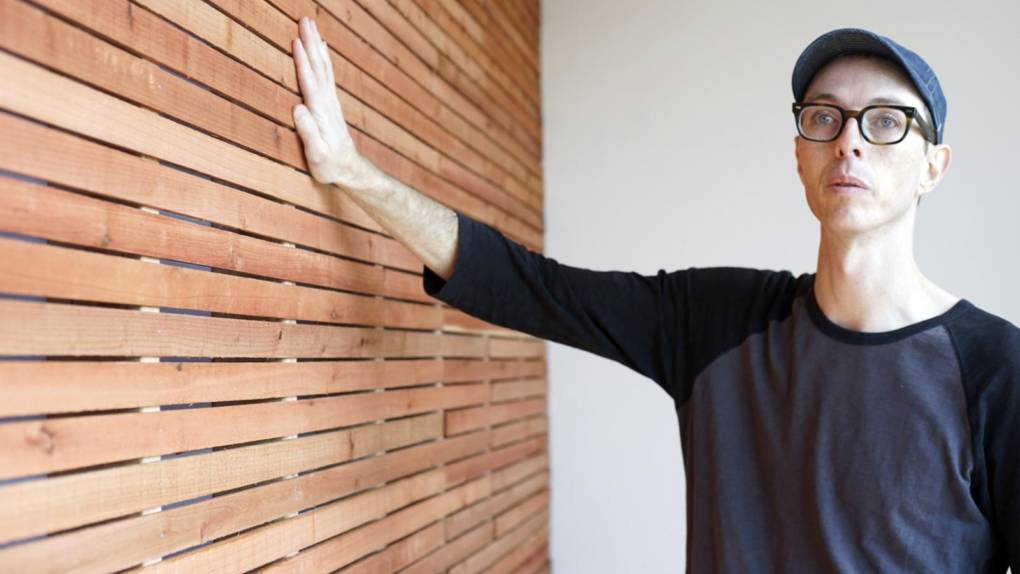
"content": "\u003cp>Chris Fraser is a trained photographer who’s taken his craft to another dimension: for his current exhibition \u003cem>Windows\u003c/em>, he invites attendees to step inside of a pinhole camera.\u003c/p>\n\u003cp>I first met \u003ca href=\"http://www.chrisfraserstudio.com/\">Chris\u003c/a> at a birthday party where most of the attendees were African American. Chris, a tall white guy with glasses, stood out from the crowd. After being introduced, we talked a bit about his artwork, and he attempted to explain his creation as best he could. (I say “attempted” because you can imagine how hard it is to explain an immersive pinhole camera while a bunch of toddlers run circles around your conversation.)\u003c/p>\n\u003cfigure id=\"attachment_13853924\" class=\"wp-caption alignnone\" style=\"max-width: 800px\">\u003cimg loading=\"lazy\" decoding=\"async\" class=\"size-medium wp-image-13853924\" src=\"https://ww2.kqed.org/arts/wp-content/uploads/sites/2/2019/03/Image-from-iOS-800x535.jpg\" alt=\"Chris Fraser in the shadows\" width=\"800\" height=\"535\" srcset=\"https://cdn.kqed.org/wp-content/uploads/sites/2/2019/03/Image-from-iOS-800x535.jpg 800w, https://cdn.kqed.org/wp-content/uploads/sites/2/2019/03/Image-from-iOS-160x107.jpg 160w, https://cdn.kqed.org/wp-content/uploads/sites/2/2019/03/Image-from-iOS-768x513.jpg 768w, https://cdn.kqed.org/wp-content/uploads/sites/2/2019/03/Image-from-iOS-1020x682.jpg 1020w, https://cdn.kqed.org/wp-content/uploads/sites/2/2019/03/Image-from-iOS-1200x802.jpg 1200w, https://cdn.kqed.org/wp-content/uploads/sites/2/2019/03/Image-from-iOS.jpg 1616w\" sizes=\"(max-width: 800px) 100vw, 800px\">\u003cfigcaption class=\"wp-caption-text\">Chris Fraser, in the shadows. \u003ccite>(Pendarvis Harshaw)\u003c/cite>\u003c/figcaption>\u003c/figure>\n\u003cp>Days later, Chris, who’s also a father of a young child, found time to talk over the phone. He told me how he spent time in nearly every part of California before settling in Oakland, where he works as a part-time teacher at Mills College. In addition to being an educator, he practices photography, but his latest expression of the craft is more about constructing contraptions than creating photos.\u003c/p>\n\u003cp>Chris uses natural light beamed through the wooden slats found inside the plaster walls of old houses—a material called lath. As the earth moves, the sun’s beams shine through the crevices of the lath, creating small circular images on the ground of the gallery that look almost like the sun itself.\u003c/p>\n\u003cfigure id=\"attachment_13853921\" class=\"wp-caption alignnone\" style=\"max-width: 800px\">\u003cimg loading=\"lazy\" decoding=\"async\" class=\"size-medium wp-image-13853921\" src=\"https://ww2.kqed.org/arts/wp-content/uploads/sites/2/2019/03/LRG__DSC3379-800x535.jpg\" alt=\"Chris Fraser's latest installation\" width=\"800\" height=\"535\" srcset=\"https://cdn.kqed.org/wp-content/uploads/sites/2/2019/03/LRG__DSC3379-800x535.jpg 800w, https://cdn.kqed.org/wp-content/uploads/sites/2/2019/03/LRG__DSC3379-160x107.jpg 160w, https://cdn.kqed.org/wp-content/uploads/sites/2/2019/03/LRG__DSC3379-768x513.jpg 768w, https://cdn.kqed.org/wp-content/uploads/sites/2/2019/03/LRG__DSC3379-1020x682.jpg 1020w, https://cdn.kqed.org/wp-content/uploads/sites/2/2019/03/LRG__DSC3379-1200x802.jpg 1200w, https://cdn.kqed.org/wp-content/uploads/sites/2/2019/03/LRG__DSC3379.jpg 1616w\" sizes=\"(max-width: 800px) 100vw, 800px\">\u003cfigcaption class=\"wp-caption-text\">Chris Fraser’s latest installation. \u003ccite>(Pendarvis Harshaw)\u003c/cite>\u003c/figcaption>\u003c/figure>\n\u003cp>Chris explained how this act of art toes the line of science and spirituality. To hear our full conversation, check out the audio link above—or, better yet, see it for yourself. \u003cem>Windows\u003c/em> runs through April 21 at the Royal Nonesuch Gallery in Oakland. \u003ca href=\"http://www.royalnonesuchgallery.com/\" target=\"_blank\" rel=\"noopener\">Details here\u003c/a>.\u003c/p>\n\u003cp>[ad fullwidth]\u003c/p>\u003cp>\u003c/p>\n",
"stats": {
"hasVideo": false,
"hasChartOrMap": false,
"hasAudio": false,
"hasPolis": false,
"wordCount": 299,
"hasGoogleForm": false,
"hasGallery": false,
"hasHearkenModule": false,
"iframeSrcs": [],
"paragraphCount": 7
},
"modified": 1705026410,
"excerpt": "Listen to the Oakland photographer explain his work with wooden lath from the walls of old houses.",
"headData": {
"twImgId": "",
"twTitle": "",
"ogTitle": "",
"ogImgId": "",
"twDescription": "",
"description": "Listen to the Oakland photographer explain his work with wooden lath from the walls of old houses.",
"title": "Rightnowish: Stepping Inside Chris Fraser's Pinhole Camera | KQED",
"ogDescription": "",
"schema": {
"@context": "https://schema.org",
"@type": "Article",
"headline": "Rightnowish: Stepping Inside Chris Fraser's Pinhole Camera",
"datePublished": "2019-03-29T12:07:44-07:00",
"dateModified": "2024-01-11T18:26:50-08:00",
"image": "https://cdn.kqed.org/wp-content/uploads/2020/02/KQED-OG-Image@1x.png"
}
},
"guestAuthors": [],
"slug": "rightnowish-stepping-inside-chris-frasers-pinhole-camera",
"status": "publish",
"audioUrl": "https://www.kqed.org/.stream/anon/radio/rightnowish/2019/06/RightnowishEp6ChrisFraserWeb.mp3",
"sticky": false,
"audioTrackLength": 254,
"path": "/arts/13853919/rightnowish-stepping-inside-chris-frasers-pinhole-camera",
"audioDuration": 254000,
"parsedContent": [
{
"type": "contentString",
"content": "\u003cdiv class=\"post-body\">\u003cp>\u003cp>Chris Fraser is a trained photographer who’s taken his craft to another dimension: for his current exhibition \u003cem>Windows\u003c/em>, he invites attendees to step inside of a pinhole camera.\u003c/p>\n\u003cp>I first met \u003ca href=\"http://www.chrisfraserstudio.com/\">Chris\u003c/a> at a birthday party where most of the attendees were African American. Chris, a tall white guy with glasses, stood out from the crowd. After being introduced, we talked a bit about his artwork, and he attempted to explain his creation as best he could. (I say “attempted” because you can imagine how hard it is to explain an immersive pinhole camera while a bunch of toddlers run circles around your conversation.)\u003c/p>\n\u003cfigure id=\"attachment_13853924\" class=\"wp-caption alignnone\" style=\"max-width: 800px\">\u003cimg loading=\"lazy\" decoding=\"async\" class=\"size-medium wp-image-13853924\" src=\"https://ww2.kqed.org/arts/wp-content/uploads/sites/2/2019/03/Image-from-iOS-800x535.jpg\" alt=\"Chris Fraser in the shadows\" width=\"800\" height=\"535\" srcset=\"https://cdn.kqed.org/wp-content/uploads/sites/2/2019/03/Image-from-iOS-800x535.jpg 800w, https://cdn.kqed.org/wp-content/uploads/sites/2/2019/03/Image-from-iOS-160x107.jpg 160w, https://cdn.kqed.org/wp-content/uploads/sites/2/2019/03/Image-from-iOS-768x513.jpg 768w, https://cdn.kqed.org/wp-content/uploads/sites/2/2019/03/Image-from-iOS-1020x682.jpg 1020w, https://cdn.kqed.org/wp-content/uploads/sites/2/2019/03/Image-from-iOS-1200x802.jpg 1200w, https://cdn.kqed.org/wp-content/uploads/sites/2/2019/03/Image-from-iOS.jpg 1616w\" sizes=\"(max-width: 800px) 100vw, 800px\">\u003cfigcaption class=\"wp-caption-text\">Chris Fraser, in the shadows. \u003ccite>(Pendarvis Harshaw)\u003c/cite>\u003c/figcaption>\u003c/figure>\n\u003cp>Days later, Chris, who’s also a father of a young child, found time to talk over the phone. He told me how he spent time in nearly every part of California before settling in Oakland, where he works as a part-time teacher at Mills College. In addition to being an educator, he practices photography, but his latest expression of the craft is more about constructing contraptions than creating photos.\u003c/p>\n\u003cp>Chris uses natural light beamed through the wooden slats found inside the plaster walls of old houses—a material called lath. As the earth moves, the sun’s beams shine through the crevices of the lath, creating small circular images on the ground of the gallery that look almost like the sun itself.\u003c/p>\n\u003cfigure id=\"attachment_13853921\" class=\"wp-caption alignnone\" style=\"max-width: 800px\">\u003cimg loading=\"lazy\" decoding=\"async\" class=\"size-medium wp-image-13853921\" src=\"https://ww2.kqed.org/arts/wp-content/uploads/sites/2/2019/03/LRG__DSC3379-800x535.jpg\" alt=\"Chris Fraser's latest installation\" width=\"800\" height=\"535\" srcset=\"https://cdn.kqed.org/wp-content/uploads/sites/2/2019/03/LRG__DSC3379-800x535.jpg 800w, https://cdn.kqed.org/wp-content/uploads/sites/2/2019/03/LRG__DSC3379-160x107.jpg 160w, https://cdn.kqed.org/wp-content/uploads/sites/2/2019/03/LRG__DSC3379-768x513.jpg 768w, https://cdn.kqed.org/wp-content/uploads/sites/2/2019/03/LRG__DSC3379-1020x682.jpg 1020w, https://cdn.kqed.org/wp-content/uploads/sites/2/2019/03/LRG__DSC3379-1200x802.jpg 1200w, https://cdn.kqed.org/wp-content/uploads/sites/2/2019/03/LRG__DSC3379.jpg 1616w\" sizes=\"(max-width: 800px) 100vw, 800px\">\u003cfigcaption class=\"wp-caption-text\">Chris Fraser’s latest installation. \u003ccite>(Pendarvis Harshaw)\u003c/cite>\u003c/figcaption>\u003c/figure>\n\u003cp>Chris explained how this act of art toes the line of science and spirituality. To hear our full conversation, check out the audio link above—or, better yet, see it for yourself. \u003cem>Windows\u003c/em> runs through April 21 at the Royal Nonesuch Gallery in Oakland. \u003ca href=\"http://www.royalnonesuchgallery.com/\" target=\"_blank\" rel=\"noopener\">Details here\u003c/a>.\u003c/p>\n\u003cp>\u003c/p>\u003c/div>",
"attributes": {
"named": {},
"numeric": []
}
},
{
"type": "component",
"content": "",
"name": "ad",
"attributes": {
"named": {
"label": "fullwidth"
},
"numeric": [
"fullwidth"
]
}
},
{
"type": "contentString",
"content": "\u003cdiv class=\"post-body\">\u003cp>\u003c/p>\u003cp>\u003c/p>\n\u003c/div>\u003c/p>",
"attributes": {
"named": {},
"numeric": []
}
}
],
"link": "/arts/13853919/rightnowish-stepping-inside-chris-frasers-pinhole-camera",
"authors": [
"11491"
],
"programs": [
"arts_8720"
],
"categories": [
"arts_21759",
"arts_70"
],
"tags": [
"arts_820",
"arts_1118",
"arts_2299",
"arts_596",
"arts_1143",
"arts_822",
"arts_6764",
"arts_973"
],
"featImg": "arts_13853940",
"label": "arts_8720"
},
"arts_13853775": {
"type": "posts",
"id": "arts_13853775",
"meta": {
"index": "posts_1716263798",
"site": "arts",
"id": "13853775",
"score": null,
"sort": [
1553648184000
]
},
"parent": 0,
"labelTerm": {
"site": "arts",
"term": 140
},
"blocks": [],
"publishDate": 1553648184,
"format": "standard",
"title": "Radical Ballerina Maya Stovall’s Urban Performances Come to Fort Mason Center",
"headTitle": "Radical Ballerina Maya Stovall’s Urban Performances Come to Fort Mason Center | KQED",
"content": "\u003cp>The KQED Arts team has been thinking about the choreography of city life a lot lately (the second season of our video series \u003ci>\u003ca href=\"https://www.kqed.org/arts/13853759/if-cities-could-dance-minneapolis\" rel=\"noopener\" target=\"_blank\">If Cities Could Dance\u003c/a>\u003c/i> launches today). But Detroit-born artist \u003ca href=\"https://mayastovall.com/home.html\" rel=\"noopener\" target=\"_blank\">Maya Stovall\u003c/a> has actually written an entire anthropology dissertation on the topic. \u003c/p>\n\u003cp>Her practice, which often manifests as unannounced dance performances in public spaces, considers those spaces—and the people who use them—through movement, in face-to-face interactions and over spans of time. For Stovall, these performances are a spatiotemporal way of getting to know a place, which is then documented in video, soundtracked with electronic music and presented to audiences like you. \u003c/p>\n\u003cp>\u003ci>\u003ca href=\"https://fortmason.org/event/maya-stovall/\" rel=\"noopener\" target=\"_blank\">Under New Ownership\u003c/a>\u003c/i>, running March 29–May 5 at the San Francisco Art Institute’s Fort Mason Center campus, exhibits performance videos from Stovall’s ongoing \u003ci>Liquor Store Theatre\u003c/i> series: dances and interviews filmed at liquor stores in the McDougall-Hunt neighborhood of Detroit. Also on view is her similarly formatted video series \u003ci>The Public Library\u003c/i>, created in 2018 while at a residency in Saskatoon, Canada. (Stovall describes the project as “a meditation on city life and crystal methamphetamine markets.”)\u003c/p>\n\u003cp>The show, a co-presentation by SFAI and the Fort Mason Center for Arts & Culture, culminates with a May 3 performance of a newly commissioned piece called \u003ci>Theorem, no.2\u003c/i>. The exhibition’s press release promises a group of artists will “spin a bizarre world within a world that’s already there,” which is a different and welcome way of describing how art can insert itself into the ritual movements of everyday life.\u003c/p>\n\u003cp>[ad fullwidth]\u003c/p>\u003cp>\u003c/p>\n",
"stats": {
"hasVideo": false,
"hasChartOrMap": false,
"hasAudio": false,
"hasPolis": false,
"wordCount": 275,
"hasGoogleForm": false,
"hasGallery": false,
"hasHearkenModule": false,
"iframeSrcs": [],
"paragraphCount": 6
},
"modified": 1705026425,
"excerpt": "A video exhibition of the artist and anthropologist's performances (and a few sculptures) opens March 29 and culminates in a live event on May 3. ",
"headData": {
"twImgId": "",
"twTitle": "",
"ogTitle": "",
"ogImgId": "",
"twDescription": "",
"description": "A video exhibition of the artist and anthropologist's performances (and a few sculptures) opens March 29 and culminates in a live event on May 3. ",
"title": "Radical Ballerina Maya Stovall’s Urban Performances Come to Fort Mason Center | KQED",
"ogDescription": "",
"schema": {
"@context": "https://schema.org",
"@type": "Article",
"headline": "Radical Ballerina Maya Stovall’s Urban Performances Come to Fort Mason Center",
"datePublished": "2019-03-26T17:56:24-07:00",
"dateModified": "2024-01-11T18:27:05-08:00",
"image": "https://cdn.kqed.org/wp-content/uploads/2020/02/KQED-OG-Image@1x.png"
}
},
"guestAuthors": [],
"slug": "radical-ballerina-maya-stovalls-urban-performances-come-to-fort-mason-center",
"status": "publish",
"sticky": false,
"path": "/arts/13853775/radical-ballerina-maya-stovalls-urban-performances-come-to-fort-mason-center",
"audioTrackLength": null,
"parsedContent": [
{
"type": "contentString",
"content": "\u003cdiv class=\"post-body\">\u003cp>\u003cp>The KQED Arts team has been thinking about the choreography of city life a lot lately (the second season of our video series \u003ci>\u003ca href=\"https://www.kqed.org/arts/13853759/if-cities-could-dance-minneapolis\" rel=\"noopener\" target=\"_blank\">If Cities Could Dance\u003c/a>\u003c/i> launches today). But Detroit-born artist \u003ca href=\"https://mayastovall.com/home.html\" rel=\"noopener\" target=\"_blank\">Maya Stovall\u003c/a> has actually written an entire anthropology dissertation on the topic. \u003c/p>\n\u003cp>Her practice, which often manifests as unannounced dance performances in public spaces, considers those spaces—and the people who use them—through movement, in face-to-face interactions and over spans of time. For Stovall, these performances are a spatiotemporal way of getting to know a place, which is then documented in video, soundtracked with electronic music and presented to audiences like you. \u003c/p>\n\u003cp>\u003ci>\u003ca href=\"https://fortmason.org/event/maya-stovall/\" rel=\"noopener\" target=\"_blank\">Under New Ownership\u003c/a>\u003c/i>, running March 29–May 5 at the San Francisco Art Institute’s Fort Mason Center campus, exhibits performance videos from Stovall’s ongoing \u003ci>Liquor Store Theatre\u003c/i> series: dances and interviews filmed at liquor stores in the McDougall-Hunt neighborhood of Detroit. Also on view is her similarly formatted video series \u003ci>The Public Library\u003c/i>, created in 2018 while at a residency in Saskatoon, Canada. (Stovall describes the project as “a meditation on city life and crystal methamphetamine markets.”)\u003c/p>\n\u003cp>The show, a co-presentation by SFAI and the Fort Mason Center for Arts & Culture, culminates with a May 3 performance of a newly commissioned piece called \u003ci>Theorem, no.2\u003c/i>. The exhibition’s press release promises a group of artists will “spin a bizarre world within a world that’s already there,” which is a different and welcome way of describing how art can insert itself into the ritual movements of everyday life.\u003c/p>\n\u003cp>\u003c/p>\u003c/div>",
"attributes": {
"named": {},
"numeric": []
}
},
{
"type": "component",
"content": "",
"name": "ad",
"attributes": {
"named": {
"label": "fullwidth"
},
"numeric": [
"fullwidth"
]
}
},
{
"type": "contentString",
"content": "\u003cdiv class=\"post-body\">\u003cp>\u003c/p>\u003cp>\u003c/p>\n\u003c/div>\u003c/p>",
"attributes": {
"named": {},
"numeric": []
}
}
],
"link": "/arts/13853775/radical-ballerina-maya-stovalls-urban-performances-come-to-fort-mason-center",
"authors": [
"61"
],
"programs": [
"arts_140"
],
"categories": [
"arts_966",
"arts_70"
],
"tags": [
"arts_2013",
"arts_1006",
"arts_596",
"arts_3992",
"arts_1334"
],
"featImg": "arts_13853778",
"label": "arts_140"
},
"arts_13853272": {
"type": "posts",
"id": "arts_13853272",
"meta": {
"index": "posts_1716263798",
"site": "arts",
"id": "13853272",
"score": null,
"sort": [
1553034649000
]
},
"parent": 0,
"labelTerm": {
"site": "arts",
"term": 140
},
"blocks": [],
"publishDate": 1553034649,
"format": "standard",
"title": "‘Fries With That’ Serves Up Darkly Humorous Photo Show, And a Side of Ketchup",
"headTitle": "‘Fries With That’ Serves Up Darkly Humorous Photo Show, And a Side of Ketchup | KQED",
"content": "\u003cp>Jordan Stein’s been working on a joke. “You might not like it,” he says. “It’s a Jewish joke.”\u003c/p>\n\u003cp>The build-up is full of anxiety and hand-wringing: a miserable man experiencing the brunt of life’s woes details his misfortunes to a waitress along with an order for a hamburger, rare. “What a day, what a day,” he says, head in his hands.\u003c/p>\n\u003cp>She barely looks up. “Fries with that?” she asks.\u003c/p>\n\u003cp>\u003ci>Ba-dum tss!\u003c/i>\u003c/p>\n\u003cp>It’s not what I’d call a great joke, but a chuckle escapes me nonetheless. Even though I saw it coming from a hundred miles away, it’s still a nice lesson in how little other people care about your problems. And it’s fundamentally funny (maybe not ha-ha funny, but definitely odd funny) to see a show title reverse-engineered into a joke.\u003c/p>\n\u003cfigure id=\"attachment_13853282\" class=\"wp-caption aligncenter\" style=\"max-width: 1964px\">\u003cimg loading=\"lazy\" decoding=\"async\" src=\"https://ww2.kqed.org/arts/wp-content/uploads/sites/2/2019/03/Fries-Install-View_COVERb.jpg\" alt=\"Installation view of 'Fries With That...?' L: Photographer unknown, [Men in swim trunks], ca. 1950; R: Photographer unknown, 'Untitled,' ca. 1960.\" width=\"1964\" height=\"1105\" class=\"size-full wp-image-13853282\" srcset=\"https://cdn.kqed.org/wp-content/uploads/sites/2/2019/03/Fries-Install-View_COVERb.jpg 1964w, https://cdn.kqed.org/wp-content/uploads/sites/2/2019/03/Fries-Install-View_COVERb-160x90.jpg 160w, https://cdn.kqed.org/wp-content/uploads/sites/2/2019/03/Fries-Install-View_COVERb-800x450.jpg 800w, https://cdn.kqed.org/wp-content/uploads/sites/2/2019/03/Fries-Install-View_COVERb-768x432.jpg 768w, https://cdn.kqed.org/wp-content/uploads/sites/2/2019/03/Fries-Install-View_COVERb-1020x574.jpg 1020w, https://cdn.kqed.org/wp-content/uploads/sites/2/2019/03/Fries-Install-View_COVERb-1200x675.jpg 1200w, https://cdn.kqed.org/wp-content/uploads/sites/2/2019/03/Fries-Install-View_COVERb-1920x1080.jpg 1920w\" sizes=\"(max-width: 1964px) 100vw, 1964px\">\u003cfigcaption class=\"wp-caption-text\">Installation view of ‘Fries With That…?’ L: Photographer unknown, [Men in swim trunks], ca. 1950; R: Photographer unknown, ‘Untitled,’ ca. 1960. \u003ccite>(Courtesy 3320 18th Street)\u003c/cite>\u003c/figcaption>\u003c/figure>\n\u003cp>We’re standing in the midst of \u003ci>Fries With That…?\u003c/i> at 3320 18th Street, a photography exhibition curated by Jeffrey Fraenkel (of the \u003ca href=\"https://fraenkelgallery.com/\" rel=\"noopener\" target=\"_blank\">eponymous 49 Geary gallery\u003c/a>) from the “more unorthodox depths” of the gallery’s holdings. The selected works, the exhibition description continues, are there because they “would not fit comfortably in any exhibition not titled \u003ci>Fries With That…?\u003c/i>”\u003c/p>\n\u003cp>[ad fullwidth]\u003c/p>\n\u003cp>(You can see a bit of circular logic forming.) \u003c/p>\n\u003cp>The exhibition itself is no joke. I’d describe it instead as a strange and satisfying viewing experience. The show is full of rare prints by established artists (an early Diane Arbus, a pristine Carleton E. Watkins) hung side-by-side with images taken by unknown, possibly amateur photographers. There’s a simple pleasure in this curatorial democracy—but even without the help of the image list to put names, dates or the lack thereof to each picture, the sequencing provides the real thrill of \u003ci>Fries With That…?\u003c/i>\u003c/p>\n\u003cfigure id=\"attachment_13853278\" class=\"wp-caption aligncenter\" style=\"max-width: 1200px\">\u003cimg loading=\"lazy\" decoding=\"async\" src=\"https://ww2.kqed.org/arts/wp-content/uploads/sites/2/2019/03/03_Fries-With-That_Gas-Explosion-at-home-on-the-corner-of-Buchanan-and-Grove_1200.jpg\" alt=\"Photographer unknown, 'Gas Explosion at home on the corner of Buchanan and Grove, San Francisco,' June 6, 1938.\" width=\"1200\" height=\"836\" class=\"size-full wp-image-13853278\" srcset=\"https://cdn.kqed.org/wp-content/uploads/sites/2/2019/03/03_Fries-With-That_Gas-Explosion-at-home-on-the-corner-of-Buchanan-and-Grove_1200.jpg 1200w, https://cdn.kqed.org/wp-content/uploads/sites/2/2019/03/03_Fries-With-That_Gas-Explosion-at-home-on-the-corner-of-Buchanan-and-Grove_1200-160x111.jpg 160w, https://cdn.kqed.org/wp-content/uploads/sites/2/2019/03/03_Fries-With-That_Gas-Explosion-at-home-on-the-corner-of-Buchanan-and-Grove_1200-800x557.jpg 800w, https://cdn.kqed.org/wp-content/uploads/sites/2/2019/03/03_Fries-With-That_Gas-Explosion-at-home-on-the-corner-of-Buchanan-and-Grove_1200-768x535.jpg 768w, https://cdn.kqed.org/wp-content/uploads/sites/2/2019/03/03_Fries-With-That_Gas-Explosion-at-home-on-the-corner-of-Buchanan-and-Grove_1200-1020x711.jpg 1020w\" sizes=\"(max-width: 1200px) 100vw, 1200px\">\u003cfigcaption class=\"wp-caption-text\">Photographer unknown, ‘Gas Explosion at home on the corner of Buchanan and Grove, San Francisco,’ June 6, 1938.\u003cbr> \u003ccite>(Courtesy Fraenkel Gallery, San Francisco)\u003c/cite>\u003c/figcaption>\u003c/figure>\n\u003cp>It’s more than just shared subject matter (young woman in a vampy pose on a bed next to a giant \u003ci>Psycho\u003c/i> poster featuring Janet Leigh on a bed), or formal similarities (Edouard Baldus’ train tracks beside an indecipherable lump of approximately the same triangular shape). \u003c/p>\n\u003cp>Fraenkel’s juxtapositions establish a rhythm or a status quo (say, banality) and then undermine that concept completely, a process most clearly demonstrated by a particularly hard-hitting five-image sequence. It begins with an aerial view of the French countryside before and after American bombs drop. Then, an image of a San Francisco home destroyed by a gas explosion, annotated to show where a body was found blown out of bed. Next, an Eadweard Muybridge collotype of a nude woman cheerfully getting under the covers. And finally: a Las Vegas neon sign reading “RELAX IN COMFORT.”\u003c/p>\n\u003cfigure id=\"attachment_13853280\" class=\"wp-caption alignright\" style=\"max-width: 640px\">\u003cimg loading=\"lazy\" decoding=\"async\" src=\"https://ww2.kqed.org/arts/wp-content/uploads/sites/2/2019/03/Fries-With-That_Woman-in-Fries-Costume_640.jpg\" alt=\"Photographer unknown, [Woman in Fries Costume], date unknown.\" width=\"640\" height=\"945\" class=\"size-full wp-image-13853280\" srcset=\"https://cdn.kqed.org/wp-content/uploads/sites/2/2019/03/Fries-With-That_Woman-in-Fries-Costume_640.jpg 640w, https://cdn.kqed.org/wp-content/uploads/sites/2/2019/03/Fries-With-That_Woman-in-Fries-Costume_640-160x236.jpg 160w\" sizes=\"(max-width: 640px) 100vw, 640px\">\u003cfigcaption class=\"wp-caption-text\">Photographer unknown, [Woman in Fries Costume], date unknown. \u003ccite>(Courtesy Fraenkel Gallery, San Francisco)\u003c/cite>\u003c/figcaption>\u003c/figure>\n\u003cp>The humor of \u003ci>Fries With That…?\u003c/i> is dark. (It’s also punny: A framed photograph in a central vitrine displays two humerus bones—one human, one animal.)\u003c/p>\n\u003cp>The show came about as a result of Stein’s own guest curatorial gig at Fraenkel Gallery in July of last year. Fraenkel (the person) gave Stein free reign, even letting him title the show \u003ci>\u003ca href=\"https://fraenkelgallery.com/exhibitions/earache-jordan-stein\" rel=\"noopener\" target=\"_blank\">Earache\u003c/a>\u003c/i>, despite the fact the gallerist much preferred what was to Stein the nonsensical title of \u003ci>Fries With That…?\u003c/i> So Stein thought he’d repay the favor: white walls, full curatorial powers and the liberty to name the show after a particularly American turn of phrase meant to push more fried objects onto fast food trays. \u003c/p>\n\u003cp>It helps there is a site-specificity to it all: 3320 18th is directly across the street from the venerable Mission district joint Whiz Burger. For the opening, the gallery secured 14 large orders of fries and a seven-pound bag of ketchup. \u003c/p>\n\u003cp>Throughout, Fraenkel equates cut-and-fried potatoes with prone bodies, the insides of bodies and the spiritual yearnings of bodies (spend as much time as you can with E.O. Goldbeck’s panorama of a San Antonio baptism). The result is a circular journey well worth taking—a journey that ends with a woman in a fries costume, her arms pinned inside, preventing her from waving goodbye. It’s a macabre, nihilistic and ultimately reassuring show—the waitress doesn’t care about your sob story, but you can rely on her to ask you if you want fries with that.\u003c/p>\n\u003cp>\u003cimg loading=\"lazy\" decoding=\"async\" src=\"https://ww2.kqed.org/arts/wp-content/uploads/sites/2/2016/09/Q.Logo_.Break_.jpg\" alt=\"\" width=\"800\" height=\"78\" class=\"aligncenter size-full wp-image-12127869\" srcset=\"https://cdn.kqed.org/wp-content/uploads/sites/2/2016/09/Q.Logo_.Break_.jpg 800w, https://cdn.kqed.org/wp-content/uploads/sites/2/2016/09/Q.Logo_.Break_-400x39.jpg 400w, https://cdn.kqed.org/wp-content/uploads/sites/2/2016/09/Q.Logo_.Break_-768x75.jpg 768w\" sizes=\"(max-width: 800px) 100vw, 800px\">\u003c/p>\n\u003cp>\u003c/p>\n\u003cp>\u003ci>‘Fries With That…?’ is on view at 3320 18th Street, San Francisco on Thursdays and Saturdays through March 30, and by appointment. \u003ca href=\"http://cushionworks.info/\" rel=\"noopener\" target=\"_blank\">Details here\u003c/a>.\u003c/i> \u003c/p>\n\n",
"stats": {
"hasVideo": false,
"hasChartOrMap": false,
"hasAudio": false,
"hasPolis": false,
"wordCount": 845,
"hasGoogleForm": false,
"hasGallery": false,
"hasHearkenModule": false,
"iframeSrcs": [],
"paragraphCount": 18
},
"modified": 1705026462,
"excerpt": "An exhibition at 3320 18th Street, curated by Jeffrey Fraenkel, illustrates a macabre spin on a very American turn of phrase. ",
"headData": {
"twImgId": "",
"twTitle": "",
"ogTitle": "",
"ogImgId": "",
"twDescription": "",
"description": "An exhibition at 3320 18th Street, curated by Jeffrey Fraenkel, illustrates a macabre spin on a very American turn of phrase. ",
"title": "‘Fries With That’ Serves Up Darkly Humorous Photo Show, And a Side of Ketchup | KQED",
"ogDescription": "",
"schema": {
"@context": "https://schema.org",
"@type": "Article",
"headline": "‘Fries With That’ Serves Up Darkly Humorous Photo Show, And a Side of Ketchup",
"datePublished": "2019-03-19T15:30:49-07:00",
"dateModified": "2024-01-11T18:27:42-08:00",
"image": "https://cdn.kqed.org/wp-content/uploads/2020/02/KQED-OG-Image@1x.png"
}
},
"guestAuthors": [],
"slug": "fries-with-that-serves-up-darkly-humorous-photo-show-with-a-side-of-ketchup",
"status": "publish",
"sticky": false,
"path": "/arts/13853272/fries-with-that-serves-up-darkly-humorous-photo-show-with-a-side-of-ketchup",
"audioTrackLength": null,
"parsedContent": [
{
"type": "contentString",
"content": "\u003cdiv class=\"post-body\">\u003cp>\u003cp>Jordan Stein’s been working on a joke. “You might not like it,” he says. “It’s a Jewish joke.”\u003c/p>\n\u003cp>The build-up is full of anxiety and hand-wringing: a miserable man experiencing the brunt of life’s woes details his misfortunes to a waitress along with an order for a hamburger, rare. “What a day, what a day,” he says, head in his hands.\u003c/p>\n\u003cp>She barely looks up. “Fries with that?” she asks.\u003c/p>\n\u003cp>\u003ci>Ba-dum tss!\u003c/i>\u003c/p>\n\u003cp>It’s not what I’d call a great joke, but a chuckle escapes me nonetheless. Even though I saw it coming from a hundred miles away, it’s still a nice lesson in how little other people care about your problems. And it’s fundamentally funny (maybe not ha-ha funny, but definitely odd funny) to see a show title reverse-engineered into a joke.\u003c/p>\n\u003cfigure id=\"attachment_13853282\" class=\"wp-caption aligncenter\" style=\"max-width: 1964px\">\u003cimg loading=\"lazy\" decoding=\"async\" src=\"https://ww2.kqed.org/arts/wp-content/uploads/sites/2/2019/03/Fries-Install-View_COVERb.jpg\" alt=\"Installation view of 'Fries With That...?' L: Photographer unknown, [Men in swim trunks], ca. 1950; R: Photographer unknown, 'Untitled,' ca. 1960.\" width=\"1964\" height=\"1105\" class=\"size-full wp-image-13853282\" srcset=\"https://cdn.kqed.org/wp-content/uploads/sites/2/2019/03/Fries-Install-View_COVERb.jpg 1964w, https://cdn.kqed.org/wp-content/uploads/sites/2/2019/03/Fries-Install-View_COVERb-160x90.jpg 160w, https://cdn.kqed.org/wp-content/uploads/sites/2/2019/03/Fries-Install-View_COVERb-800x450.jpg 800w, https://cdn.kqed.org/wp-content/uploads/sites/2/2019/03/Fries-Install-View_COVERb-768x432.jpg 768w, https://cdn.kqed.org/wp-content/uploads/sites/2/2019/03/Fries-Install-View_COVERb-1020x574.jpg 1020w, https://cdn.kqed.org/wp-content/uploads/sites/2/2019/03/Fries-Install-View_COVERb-1200x675.jpg 1200w, https://cdn.kqed.org/wp-content/uploads/sites/2/2019/03/Fries-Install-View_COVERb-1920x1080.jpg 1920w\" sizes=\"(max-width: 1964px) 100vw, 1964px\">\u003cfigcaption class=\"wp-caption-text\">Installation view of ‘Fries With That…?’ L: Photographer unknown, [Men in swim trunks], ca. 1950; R: Photographer unknown, ‘Untitled,’ ca. 1960. \u003ccite>(Courtesy 3320 18th Street)\u003c/cite>\u003c/figcaption>\u003c/figure>\n\u003cp>We’re standing in the midst of \u003ci>Fries With That…?\u003c/i> at 3320 18th Street, a photography exhibition curated by Jeffrey Fraenkel (of the \u003ca href=\"https://fraenkelgallery.com/\" rel=\"noopener\" target=\"_blank\">eponymous 49 Geary gallery\u003c/a>) from the “more unorthodox depths” of the gallery’s holdings. The selected works, the exhibition description continues, are there because they “would not fit comfortably in any exhibition not titled \u003ci>Fries With That…?\u003c/i>”\u003c/p>\n\u003cp>\u003c/p>\u003c/div>",
"attributes": {
"named": {},
"numeric": []
}
},
{
"type": "component",
"content": "",
"name": "ad",
"attributes": {
"named": {
"label": "fullwidth"
},
"numeric": [
"fullwidth"
]
}
},
{
"type": "contentString",
"content": "\u003cdiv class=\"post-body\">\u003cp>\u003c/p>\n\u003cp>(You can see a bit of circular logic forming.) \u003c/p>\n\u003cp>The exhibition itself is no joke. I’d describe it instead as a strange and satisfying viewing experience. The show is full of rare prints by established artists (an early Diane Arbus, a pristine Carleton E. Watkins) hung side-by-side with images taken by unknown, possibly amateur photographers. There’s a simple pleasure in this curatorial democracy—but even without the help of the image list to put names, dates or the lack thereof to each picture, the sequencing provides the real thrill of \u003ci>Fries With That…?\u003c/i>\u003c/p>\n\u003cfigure id=\"attachment_13853278\" class=\"wp-caption aligncenter\" style=\"max-width: 1200px\">\u003cimg loading=\"lazy\" decoding=\"async\" src=\"https://ww2.kqed.org/arts/wp-content/uploads/sites/2/2019/03/03_Fries-With-That_Gas-Explosion-at-home-on-the-corner-of-Buchanan-and-Grove_1200.jpg\" alt=\"Photographer unknown, 'Gas Explosion at home on the corner of Buchanan and Grove, San Francisco,' June 6, 1938.\" width=\"1200\" height=\"836\" class=\"size-full wp-image-13853278\" srcset=\"https://cdn.kqed.org/wp-content/uploads/sites/2/2019/03/03_Fries-With-That_Gas-Explosion-at-home-on-the-corner-of-Buchanan-and-Grove_1200.jpg 1200w, https://cdn.kqed.org/wp-content/uploads/sites/2/2019/03/03_Fries-With-That_Gas-Explosion-at-home-on-the-corner-of-Buchanan-and-Grove_1200-160x111.jpg 160w, https://cdn.kqed.org/wp-content/uploads/sites/2/2019/03/03_Fries-With-That_Gas-Explosion-at-home-on-the-corner-of-Buchanan-and-Grove_1200-800x557.jpg 800w, https://cdn.kqed.org/wp-content/uploads/sites/2/2019/03/03_Fries-With-That_Gas-Explosion-at-home-on-the-corner-of-Buchanan-and-Grove_1200-768x535.jpg 768w, https://cdn.kqed.org/wp-content/uploads/sites/2/2019/03/03_Fries-With-That_Gas-Explosion-at-home-on-the-corner-of-Buchanan-and-Grove_1200-1020x711.jpg 1020w\" sizes=\"(max-width: 1200px) 100vw, 1200px\">\u003cfigcaption class=\"wp-caption-text\">Photographer unknown, ‘Gas Explosion at home on the corner of Buchanan and Grove, San Francisco,’ June 6, 1938.\u003cbr> \u003ccite>(Courtesy Fraenkel Gallery, San Francisco)\u003c/cite>\u003c/figcaption>\u003c/figure>\n\u003cp>It’s more than just shared subject matter (young woman in a vampy pose on a bed next to a giant \u003ci>Psycho\u003c/i> poster featuring Janet Leigh on a bed), or formal similarities (Edouard Baldus’ train tracks beside an indecipherable lump of approximately the same triangular shape). \u003c/p>\n\u003cp>Fraenkel’s juxtapositions establish a rhythm or a status quo (say, banality) and then undermine that concept completely, a process most clearly demonstrated by a particularly hard-hitting five-image sequence. It begins with an aerial view of the French countryside before and after American bombs drop. Then, an image of a San Francisco home destroyed by a gas explosion, annotated to show where a body was found blown out of bed. Next, an Eadweard Muybridge collotype of a nude woman cheerfully getting under the covers. And finally: a Las Vegas neon sign reading “RELAX IN COMFORT.”\u003c/p>\n\u003cfigure id=\"attachment_13853280\" class=\"wp-caption alignright\" style=\"max-width: 640px\">\u003cimg loading=\"lazy\" decoding=\"async\" src=\"https://ww2.kqed.org/arts/wp-content/uploads/sites/2/2019/03/Fries-With-That_Woman-in-Fries-Costume_640.jpg\" alt=\"Photographer unknown, [Woman in Fries Costume], date unknown.\" width=\"640\" height=\"945\" class=\"size-full wp-image-13853280\" srcset=\"https://cdn.kqed.org/wp-content/uploads/sites/2/2019/03/Fries-With-That_Woman-in-Fries-Costume_640.jpg 640w, https://cdn.kqed.org/wp-content/uploads/sites/2/2019/03/Fries-With-That_Woman-in-Fries-Costume_640-160x236.jpg 160w\" sizes=\"(max-width: 640px) 100vw, 640px\">\u003cfigcaption class=\"wp-caption-text\">Photographer unknown, [Woman in Fries Costume], date unknown. \u003ccite>(Courtesy Fraenkel Gallery, San Francisco)\u003c/cite>\u003c/figcaption>\u003c/figure>\n\u003cp>The humor of \u003ci>Fries With That…?\u003c/i> is dark. (It’s also punny: A framed photograph in a central vitrine displays two humerus bones—one human, one animal.)\u003c/p>\n\u003cp>The show came about as a result of Stein’s own guest curatorial gig at Fraenkel Gallery in July of last year. Fraenkel (the person) gave Stein free reign, even letting him title the show \u003ci>\u003ca href=\"https://fraenkelgallery.com/exhibitions/earache-jordan-stein\" rel=\"noopener\" target=\"_blank\">Earache\u003c/a>\u003c/i>, despite the fact the gallerist much preferred what was to Stein the nonsensical title of \u003ci>Fries With That…?\u003c/i> So Stein thought he’d repay the favor: white walls, full curatorial powers and the liberty to name the show after a particularly American turn of phrase meant to push more fried objects onto fast food trays. \u003c/p>\n\u003cp>It helps there is a site-specificity to it all: 3320 18th is directly across the street from the venerable Mission district joint Whiz Burger. For the opening, the gallery secured 14 large orders of fries and a seven-pound bag of ketchup. \u003c/p>\n\u003cp>Throughout, Fraenkel equates cut-and-fried potatoes with prone bodies, the insides of bodies and the spiritual yearnings of bodies (spend as much time as you can with E.O. Goldbeck’s panorama of a San Antonio baptism). The result is a circular journey well worth taking—a journey that ends with a woman in a fries costume, her arms pinned inside, preventing her from waving goodbye. It’s a macabre, nihilistic and ultimately reassuring show—the waitress doesn’t care about your sob story, but you can rely on her to ask you if you want fries with that.\u003c/p>\n\u003cp>\u003cimg loading=\"lazy\" decoding=\"async\" src=\"https://ww2.kqed.org/arts/wp-content/uploads/sites/2/2016/09/Q.Logo_.Break_.jpg\" alt=\"\" width=\"800\" height=\"78\" class=\"aligncenter size-full wp-image-12127869\" srcset=\"https://cdn.kqed.org/wp-content/uploads/sites/2/2016/09/Q.Logo_.Break_.jpg 800w, https://cdn.kqed.org/wp-content/uploads/sites/2/2016/09/Q.Logo_.Break_-400x39.jpg 400w, https://cdn.kqed.org/wp-content/uploads/sites/2/2016/09/Q.Logo_.Break_-768x75.jpg 768w\" sizes=\"(max-width: 800px) 100vw, 800px\">\u003c/p>\n\u003cp>\u003c/p>\n\u003cp>\u003ci>‘Fries With That…?’ is on view at 3320 18th Street, San Francisco on Thursdays and Saturdays through March 30, and by appointment. \u003ca href=\"http://cushionworks.info/\" rel=\"noopener\" target=\"_blank\">Details here\u003c/a>.\u003c/i> \u003c/p>\n\n\u003c/div>\u003c/p>",
"attributes": {
"named": {},
"numeric": []
}
}
],
"link": "/arts/13853272/fries-with-that-serves-up-darkly-humorous-photo-show-with-a-side-of-ketchup",
"authors": [
"61"
],
"programs": [
"arts_140"
],
"categories": [
"arts_70"
],
"tags": [
"arts_1118",
"arts_1297",
"arts_3740",
"arts_596",
"arts_822"
],
"featImg": "arts_13853281",
"label": "arts_140"
},
"arts_13853224": {
"type": "posts",
"id": "arts_13853224",
"meta": {
"index": "posts_1716263798",
"site": "arts",
"id": "13853224",
"score": null,
"sort": [
1553007640000
]
},
"guestAuthors": [],
"slug": "sfmoma-moad-yerba-buena-museums-free-march-21",
"title": "SFMOMA, MoAD, Other Yerba Buena Museums Offer Free Entry for 3rd Thursday",
"publishDate": 1553007640,
"format": "standard",
"headTitle": "SFMOMA, MoAD, Other Yerba Buena Museums Offer Free Entry for 3rd Thursday | KQED",
"labelTerm": {
"term": 140,
"site": "arts"
},
"content": "\u003cp>If you’re the kind of person who can spend your entire Thursday cruising the arts and cultural institutions of the Yerba Buena district, have I got a deal for you! (And for those of us with a 9-to-5, start thinking of ways you can ditch work early and head to downtown San Francisco in a few days.)\u003c/p>\n\u003cp>On Thursday, March 21, for an event that’s being called “\u003ca href=\"https://www.yb3tsf.org/\" target=\"_blank\" rel=\"noopener\">Culture for Community,\u003c/a>” 11 Yerba Buena arts and culture institutions, including the Museum of the African Diaspora, the California Historical Society, the Contemporary Jewish Museum, Yerba Buena Center for the Arts and (drum roll please) SFMOMA are offering free admission all day (some with extended hours) and special programming in honor of Women’s History Month.\u003c/p>\n\u003cp>[aside postID='arts_13848852,arts_13840458,arts_13850595,arts_13848287' label='What to See']\u003c/p>\n\u003cp>Mark Sabb, MoAD’s senior director for innovation and engagement says the coordinated theme (and SFMOMA’s participation, they usually sit out 3rd Thursdays) came out of the institutions’ collaboration during the Global Climate Action Summit last September. There was a desire in the wake of that gathering, he says, to reboot the 3rd Thursdays initiative with a more cohesive set of events. A second Culture for Community day is planned (theme TBA) for Sept. 19.\u003c/p>\n\u003cp>This time around, the thematic programs range from opportune to a stretch to not really there. MoAD, which Sabb says is interpreting “women’s history” more along the lines of “women’s empowerment,” hosts its regular 3rd Thursday \u003ca href=\"http://%5Bhttps://www.moadsf.org/event/moad-open-mic/?instance_id=15086\" target=\"_blank\" rel=\"noopener\">open mic night\u003c/a> (6–8pm) with special poet guests \u003ca href=\"https://www.kqed.org/arts/13838466/asha-san-jose-artist-educator-and-revolutionary-wants-you-to-speak-up\" target=\"_blank\" rel=\"noopener\">ASHA\u003c/a> and Nazelah Jamison.\u003c/p>\n\u003cp>[ad fullwidth]\u003c/p>\n\u003cp>Meanwhile, the CJM puts on a \u003ca href=\"https://www.thecjm.org/programs/469?utm_source=CforC_PressRelease&utm_medium=Feb12\" target=\"_blank\" rel=\"noopener\">Purim Cabaret\u003c/a> with San Francisco drag queen Miss Shugana (5–8pm); SFMOMA leads \u003ca href=\"https://www.sfmoma.org/event/special-exhibition-vija-celmins/\" rel=\"noopener\" target=\"_blank\">a tour of Vija Celmins\u003c/a>’ current retrospective (1:30pm); and the California Historical Society opens two shows about railroads—with curator and historian Natalie Pellolio \u003ca href=\"https://my.californiahistoricalsociety.org/single/EventDetail.aspx?p=1501\" target=\"_blank\" rel=\"noopener\">speaking\u003c/a> in the galleries at 5pm.\u003c/p>\n\u003cp>More details on some of the larger participating institutions and when they’re \u003ci>actually\u003c/i> free (because let’s face it, I know what you’re here for):\u003c/p>\n\u003cul>\n\u003cli>\u003cstrong>California Historical Society\u003c/strong>: Free 11am–8pm\u003c/li>\n\u003cli>\u003cstrong>Contemporary Jewish Museum\u003c/strong>: Free 11am–8pm\u003c/li>\n\u003cli>\u003cstrong>MoAD\u003c/strong>: Free 11am–8pm\u003c/li>\n\u003cli>\u003cstrong>SFMOMA\u003c/strong>: Free 10am–9pm (\u003ca href=\"https://tickets.sfmoma.org/tickets/3035/109/\" target=\"_blank\" rel=\"noopener\">reserve your tickets\u003c/a>)\u003c/li>\n\u003cli>\u003cstrong>YBCA\u003c/strong>: Free 11am–8pm\u003c/li>\n\u003c/ul>\n\u003cp>\u003c/p>\n\u003cp>See the full list of spaces participating in the March 21 Culture for Community events \u003ca href=\"https://www.yb3tsf.org/locations\" target=\"_blank\" rel=\"noopener\">here\u003c/a>.\u003c/p>\n\n",
"blocks": [],
"excerpt": "An expansion on the neighborhood's 3rd Thursday programming opens doors and commissions special programming for Women's History Month. ",
"status": "publish",
"parent": 0,
"modified": 1726767186,
"stats": {
"hasAudio": false,
"hasVideo": false,
"hasChartOrMap": false,
"iframeSrcs": [],
"hasGoogleForm": false,
"hasGallery": false,
"hasHearkenModule": false,
"hasPolis": false,
"paragraphCount": 10,
"wordCount": 414
},
"headData": {
"title": "SFMOMA, MoAD, Other Yerba Buena Museums Offer Free Entry for 3rd Thursday | KQED",
"description": "An expansion on the neighborhood's 3rd Thursday programming opens doors and commissions special programming for Women's History Month. ",
"ogTitle": "",
"ogDescription": "",
"ogImgId": "",
"twTitle": "",
"twDescription": "",
"twImgId": "",
"schema": {
"@context": "https://schema.org",
"@type": "Article",
"headline": "SFMOMA, MoAD, Other Yerba Buena Museums Offer Free Entry for 3rd Thursday",
"datePublished": "2019-03-19T08:00:40-07:00",
"dateModified": "2024-09-19T10:33:06-07:00",
"image": "https://cdn.kqed.org/wp-content/uploads/2020/02/KQED-OG-Image@1x.png"
}
},
"sticky": false,
"path": "/arts/13853224/sfmoma-moad-yerba-buena-museums-free-march-21",
"audioTrackLength": null,
"parsedContent": [
{
"type": "contentString",
"content": "\u003cdiv class=\"post-body\">\u003cp>\u003cp>If you’re the kind of person who can spend your entire Thursday cruising the arts and cultural institutions of the Yerba Buena district, have I got a deal for you! (And for those of us with a 9-to-5, start thinking of ways you can ditch work early and head to downtown San Francisco in a few days.)\u003c/p>\n\u003cp>On Thursday, March 21, for an event that’s being called “\u003ca href=\"https://www.yb3tsf.org/\" target=\"_blank\" rel=\"noopener\">Culture for Community,\u003c/a>” 11 Yerba Buena arts and culture institutions, including the Museum of the African Diaspora, the California Historical Society, the Contemporary Jewish Museum, Yerba Buena Center for the Arts and (drum roll please) SFMOMA are offering free admission all day (some with extended hours) and special programming in honor of Women’s History Month.\u003c/p>\n\u003cp>\u003c/p>\u003c/div>",
"attributes": {
"named": {},
"numeric": []
}
},
{
"type": "component",
"content": "",
"name": "aside",
"attributes": {
"named": {
"postid": "arts_13848852,arts_13840458,arts_13850595,arts_13848287",
"label": "What to See "
},
"numeric": []
}
},
{
"type": "contentString",
"content": "\u003cdiv class=\"post-body\">\u003cp>\u003c/p>\n\u003cp>Mark Sabb, MoAD’s senior director for innovation and engagement says the coordinated theme (and SFMOMA’s participation, they usually sit out 3rd Thursdays) came out of the institutions’ collaboration during the Global Climate Action Summit last September. There was a desire in the wake of that gathering, he says, to reboot the 3rd Thursdays initiative with a more cohesive set of events. A second Culture for Community day is planned (theme TBA) for Sept. 19.\u003c/p>\n\u003cp>This time around, the thematic programs range from opportune to a stretch to not really there. MoAD, which Sabb says is interpreting “women’s history” more along the lines of “women’s empowerment,” hosts its regular 3rd Thursday \u003ca href=\"http://%5Bhttps://www.moadsf.org/event/moad-open-mic/?instance_id=15086\" target=\"_blank\" rel=\"noopener\">open mic night\u003c/a> (6–8pm) with special poet guests \u003ca href=\"https://www.kqed.org/arts/13838466/asha-san-jose-artist-educator-and-revolutionary-wants-you-to-speak-up\" target=\"_blank\" rel=\"noopener\">ASHA\u003c/a> and Nazelah Jamison.\u003c/p>\n\u003cp>\u003c/p>\u003c/div>",
"attributes": {
"named": {},
"numeric": []
}
},
{
"type": "component",
"content": "",
"name": "ad",
"attributes": {
"named": {
"label": "fullwidth"
},
"numeric": [
"fullwidth"
]
}
},
{
"type": "contentString",
"content": "\u003cdiv class=\"post-body\">\u003cp>\u003c/p>\n\u003cp>Meanwhile, the CJM puts on a \u003ca href=\"https://www.thecjm.org/programs/469?utm_source=CforC_PressRelease&utm_medium=Feb12\" target=\"_blank\" rel=\"noopener\">Purim Cabaret\u003c/a> with San Francisco drag queen Miss Shugana (5–8pm); SFMOMA leads \u003ca href=\"https://www.sfmoma.org/event/special-exhibition-vija-celmins/\" rel=\"noopener\" target=\"_blank\">a tour of Vija Celmins\u003c/a>’ current retrospective (1:30pm); and the California Historical Society opens two shows about railroads—with curator and historian Natalie Pellolio \u003ca href=\"https://my.californiahistoricalsociety.org/single/EventDetail.aspx?p=1501\" target=\"_blank\" rel=\"noopener\">speaking\u003c/a> in the galleries at 5pm.\u003c/p>\n\u003cp>More details on some of the larger participating institutions and when they’re \u003ci>actually\u003c/i> free (because let’s face it, I know what you’re here for):\u003c/p>\n\u003cul>\n\u003cli>\u003cstrong>California Historical Society\u003c/strong>: Free 11am–8pm\u003c/li>\n\u003cli>\u003cstrong>Contemporary Jewish Museum\u003c/strong>: Free 11am–8pm\u003c/li>\n\u003cli>\u003cstrong>MoAD\u003c/strong>: Free 11am–8pm\u003c/li>\n\u003cli>\u003cstrong>SFMOMA\u003c/strong>: Free 10am–9pm (\u003ca href=\"https://tickets.sfmoma.org/tickets/3035/109/\" target=\"_blank\" rel=\"noopener\">reserve your tickets\u003c/a>)\u003c/li>\n\u003cli>\u003cstrong>YBCA\u003c/strong>: Free 11am–8pm\u003c/li>\n\u003c/ul>\n\u003cp>\u003c/p>\n\u003cp>See the full list of spaces participating in the March 21 Culture for Community events \u003ca href=\"https://www.yb3tsf.org/locations\" target=\"_blank\" rel=\"noopener\">here\u003c/a>.\u003c/p>\n\n\u003c/div>\u003c/p>",
"attributes": {
"named": {},
"numeric": []
}
}
],
"link": "/arts/13853224/sfmoma-moad-yerba-buena-museums-free-march-21",
"authors": [
"61"
],
"programs": [
"arts_140"
],
"categories": [
"arts_235",
"arts_70"
],
"tags": [
"arts_4686",
"arts_1787",
"arts_1118",
"arts_1006",
"arts_1987",
"arts_596",
"arts_1381",
"arts_1040"
],
"featImg": "arts_13853236",
"label": "arts_140"
},
"arts_13852981": {
"type": "posts",
"id": "arts_13852981",
"meta": {
"index": "posts_1716263798",
"site": "arts",
"id": "13852981",
"score": null,
"sort": [
1552741217000
]
},
"guestAuthors": [],
"slug": "does-silicon-valley-need-an-instagramable-icon",
"title": "Does Silicon Valley Need an Instagramable Icon?",
"publishDate": 1552741217,
"format": "audio",
"headTitle": "Does Silicon Valley Need an Instagramable Icon? | KQED",
"labelTerm": {
"site": "arts"
},
"content": "\u003cp>Hollywood has the Hollywood Sign. San Francisco has the Golden Gate Bridge.\u003cspan class=\"Apple-converted-space\"> \u003c/span>But there’s no one iconic visual the world recognizes as embodying Silicon Valley. \u003ci>\u003c/i>\u003c/p>\n\u003cp>The garage in Palo Alto where Hewlett Packard began? Too humble, visually speaking.\u003c/p>\n\u003cp>How about Apple’s snazzy new\u003cspan class=\"Apple-converted-space\"> corporate headquarters\u003c/span> in Cupertino? Too corporate, and frankly, a little chilling in this dystopian era of Big Tech choking the San Francisco Bay Area with traffic and rising real estate prices.\u003c/p>\n\u003cp>The Electric Light Tower, a commanding if spindly precursor to the Eiffel Tower championed by the \u003ca href=\"http://www.sanjoselighttower.org\" target=\"_blank\" rel=\"noopener\">San Jose Light Tower Corporation\u003c/a> was inspiring in its day, but a modern version would likely prove more of a nostalgic nod to times past than a cohesive symbol of what we are today.\u003c/p>\n\u003cp>There’s really no one visual that says “Silicon Valley.” Or “South Bay.”\u003cspan class=\"Apple-converted-space\"> \u003c/span>\u003c/p>\n\u003cp>[ad fullwidth]\u003c/p>\n\u003cp>“What are people going to Instagram when they come to San Jose and Silicon Valley?” asks \u003ca href=\"https://www.mercurynews.com/author/sal-pizarro/\" target=\"_blank\" rel=\"noopener\">Sal Pizarro\u003c/a>, Around Town columnist with the \u003ci>Mercury News\u003c/i>. One might argue the region doesn’t need an icon if one hasn’t organically emerged by now.\u003c/p>\n\u003cp>But Pizarro says a \u003ca href=\"https://sanjose.legistar.com/LegislationDetail.aspx?ID=3871636&GUID=6E11BF0F-5D33-4866-80BE-0811F12A3BEC&Options=&Search=\" target=\"_blank\" rel=\"noopener\">new design competition\u003c/a> in San Jose — and the patronizing coverage that followed from various publications led by the \u003ca href=\"https://www.nytimes.com/2019/03/09/technology/silicon-valley-monument-landmark.html\" target=\"_blank\" rel=\"noopener\">\u003cem>New York Times\u003c/em>\u003c/a> this past week — indicates that, perhaps, we do.\u003c/p>\n\u003cfigure id=\"attachment_13853000\" class=\"wp-caption aligncenter\" style=\"max-width: 800px\">\u003cimg loading=\"lazy\" decoding=\"async\" class=\"size-medium wp-image-13853000\" src=\"https://ww2.kqed.org/arts/wp-content/uploads/sites/2/2019/03/5b218a82a2fa13a462b50dbe_Screen-Shot-2018-06-13-at-5.18.57-PM-800x646.png\" alt=\"The Electric Light Tower was proposed by the publisher of the San Jose Mercury, the precursor of the Mercury News. In 1881, the tower was a pioneering use of electricity for municipal purposes. \" width=\"800\" height=\"646\" srcset=\"https://cdn.kqed.org/wp-content/uploads/sites/2/2019/03/5b218a82a2fa13a462b50dbe_Screen-Shot-2018-06-13-at-5.18.57-PM-800x646.png 800w, https://cdn.kqed.org/wp-content/uploads/sites/2/2019/03/5b218a82a2fa13a462b50dbe_Screen-Shot-2018-06-13-at-5.18.57-PM-160x129.png 160w, https://cdn.kqed.org/wp-content/uploads/sites/2/2019/03/5b218a82a2fa13a462b50dbe_Screen-Shot-2018-06-13-at-5.18.57-PM-768x620.png 768w, https://cdn.kqed.org/wp-content/uploads/sites/2/2019/03/5b218a82a2fa13a462b50dbe_Screen-Shot-2018-06-13-at-5.18.57-PM-1020x824.png 1020w, https://cdn.kqed.org/wp-content/uploads/sites/2/2019/03/5b218a82a2fa13a462b50dbe_Screen-Shot-2018-06-13-at-5.18.57-PM-1200x970.png 1200w, https://cdn.kqed.org/wp-content/uploads/sites/2/2019/03/5b218a82a2fa13a462b50dbe_Screen-Shot-2018-06-13-at-5.18.57-PM.png 1260w\" sizes=\"(max-width: 800px) 100vw, 800px\">\u003cfigcaption class=\"wp-caption-text\">The Electric Light Tower was proposed by the publisher of the San Jose Mercury, the precursor of the Mercury News. In 1881, the tower was a pioneering use of electricity for municipal purposes. \u003ccite>(Photo: Courtesy of San Jose State University)\u003c/cite>\u003c/figcaption>\u003c/figure>\n\u003cp>“We do have a problem identifying who we are,” Pizarro acknowledges. “I think we’ve got a great culture, and a great arts scene here, and we have some really wonderful things to do. But when someone comes from out of town, it’s hard to say, ‘We have great Vietnamese restaurants. Take a picture in front of them.’”\u003c/p>\n\u003cp>That works for me. How \u003ci>about\u003c/i> a giant bowl of pho?\u003cspan class=\"Apple-converted-space\"> \u003c/span>\u003c/p>\n\u003cp>Why is it so hard to come up with one idea everyone can get behind?\u003c/p>\n\u003cp>For one thing, there’s a problem conflating San Jose with Silicon Valley. The two aren’t the same thing. Also, there is no disputing in matters of taste.\u003c/p>\n\u003cdiv class=\"page\" title=\"Page 18\">\n\u003cdiv class=\"section\">\n\u003cdiv class=\"layoutArea\">\n\u003cdiv class=\"column\">\n\u003cp>The San Jose Light Tower Corporation’s plan is to hold an international competition to solicit concepts for a “world-class iconic landmark” tentatively intended for Guadalupe River Park at Arena Green.\u003c/p>\n\u003cdiv class=\"page\" title=\"Page 2\">\n\u003cdiv class=\"layoutArea\">\n\u003cdiv class=\"column\">\n\u003cp>Three finalists chosen by a seven-member jury will be awarded a monetary stipend to develop their ideas for further review and selection of the final design. Sometime in early 2020, the nonprofit will return to the San Jose City Council with a recommendation and seek authorization to proceed with design and development.\u003c/p>\n\u003c/div>\n\u003c/div>\n\u003c/div>\n\u003c/div>\n\u003c/div>\n\u003c/div>\n\u003c/div>\n\u003cfigure id=\"attachment_13853002\" class=\"wp-caption aligncenter\" style=\"max-width: 747px\">\u003cimg loading=\"lazy\" decoding=\"async\" class=\"size-full wp-image-13853002\" src=\"https://ww2.kqed.org/arts/wp-content/uploads/sites/2/2019/03/giphy.gif\" alt='How HBO cracked the nut for its \"Silicon Valley\" show open.' width=\"747\" height=\"419\">\u003cfigcaption class=\"wp-caption-text\">How HBO cracked the nut for its “Silicon Valley” show open. \u003ccite>(Photo: Courtesy of HBO)\u003c/cite>\u003c/figcaption>\u003c/figure>\n\u003cp>“I’m confident that no matter how good the design, it will not work for everyone,” says San Jose Mayor Sam Liccardo. “There will be someone who has a reason to object. But that’s OK. We don’t need unanimity to move forward with something that is compelling, and hopefully inspiring.”\u003c/p>\n\u003cp>Yes, he has an idea to submit for the contest, and no, he’s not going to share it with us at this time. “Hell, no! I want it to win!”\u003c/p>\n\u003cp>\u003c/p>\n\u003cp>\u003cimg loading=\"lazy\" decoding=\"async\" class=\"aligncenter size-full wp-image-12127869\" src=\"https://ww2.kqed.org/arts/wp-content/uploads/sites/2/2016/09/Q.Logo_.Break_.jpg\" alt=\"\" width=\"800\" height=\"78\" srcset=\"https://cdn.kqed.org/wp-content/uploads/sites/2/2016/09/Q.Logo_.Break_.jpg 800w, https://cdn.kqed.org/wp-content/uploads/sites/2/2016/09/Q.Logo_.Break_-400x39.jpg 400w, https://cdn.kqed.org/wp-content/uploads/sites/2/2016/09/Q.Logo_.Break_-768x75.jpg 768w\" sizes=\"(max-width: 800px) 100vw, 800px\">\u003c/p>\n\n",
"blocks": [],
"excerpt": "There’s really no single visual that says 'Silicon Valley.' Or 'South Bay.' Is that a problem? Yes, to some.",
"status": "publish",
"parent": 0,
"modified": 1726767193,
"stats": {
"hasAudio": false,
"hasVideo": false,
"hasChartOrMap": false,
"iframeSrcs": [],
"hasGoogleForm": false,
"hasGallery": false,
"hasHearkenModule": false,
"hasPolis": false,
"paragraphCount": 18,
"wordCount": 601
},
"headData": {
"title": "Does Silicon Valley Need an Instagramable Icon? | KQED",
"description": "There’s really no single visual that says 'Silicon Valley.' Or 'South Bay.' Is that a problem? Yes, to some.",
"ogTitle": "",
"ogDescription": "",
"ogImgId": "",
"twTitle": "",
"twDescription": "",
"twImgId": "",
"schema": {
"@context": "https://schema.org",
"@type": "Article",
"headline": "Does Silicon Valley Need an Instagramable Icon?",
"datePublished": "2019-03-16T06:00:17-07:00",
"dateModified": "2024-09-19T10:33:13-07:00",
"image": "https://cdn.kqed.org/wp-content/uploads/2020/02/KQED-OG-Image@1x.png"
}
},
"audioUrl": "https://www.kqed.org/.stream/anon/radio/RDnews/2019/03/SiliconValleySymbol.mp3",
"sticky": false,
"audioTrackLength": 116,
"path": "/arts/13852981/does-silicon-valley-need-an-instagramable-icon",
"parsedContent": [
{
"type": "contentString",
"content": "\u003cdiv class=\"post-body\">\u003cp>\u003cp>Hollywood has the Hollywood Sign. San Francisco has the Golden Gate Bridge.\u003cspan class=\"Apple-converted-space\"> \u003c/span>But there’s no one iconic visual the world recognizes as embodying Silicon Valley. \u003ci>\u003c/i>\u003c/p>\n\u003cp>The garage in Palo Alto where Hewlett Packard began? Too humble, visually speaking.\u003c/p>\n\u003cp>How about Apple’s snazzy new\u003cspan class=\"Apple-converted-space\"> corporate headquarters\u003c/span> in Cupertino? Too corporate, and frankly, a little chilling in this dystopian era of Big Tech choking the San Francisco Bay Area with traffic and rising real estate prices.\u003c/p>\n\u003cp>The Electric Light Tower, a commanding if spindly precursor to the Eiffel Tower championed by the \u003ca href=\"http://www.sanjoselighttower.org\" target=\"_blank\" rel=\"noopener\">San Jose Light Tower Corporation\u003c/a> was inspiring in its day, but a modern version would likely prove more of a nostalgic nod to times past than a cohesive symbol of what we are today.\u003c/p>\n\u003cp>There’s really no one visual that says “Silicon Valley.” Or “South Bay.”\u003cspan class=\"Apple-converted-space\"> \u003c/span>\u003c/p>\n\u003cp>\u003c/p>\u003c/div>",
"attributes": {
"named": {},
"numeric": []
}
},
{
"type": "component",
"content": "",
"name": "ad",
"attributes": {
"named": {
"label": "fullwidth"
},
"numeric": [
"fullwidth"
]
}
},
{
"type": "contentString",
"content": "\u003cdiv class=\"post-body\">\u003cp>\u003c/p>\n\u003cp>“What are people going to Instagram when they come to San Jose and Silicon Valley?” asks \u003ca href=\"https://www.mercurynews.com/author/sal-pizarro/\" target=\"_blank\" rel=\"noopener\">Sal Pizarro\u003c/a>, Around Town columnist with the \u003ci>Mercury News\u003c/i>. One might argue the region doesn’t need an icon if one hasn’t organically emerged by now.\u003c/p>\n\u003cp>But Pizarro says a \u003ca href=\"https://sanjose.legistar.com/LegislationDetail.aspx?ID=3871636&GUID=6E11BF0F-5D33-4866-80BE-0811F12A3BEC&Options=&Search=\" target=\"_blank\" rel=\"noopener\">new design competition\u003c/a> in San Jose — and the patronizing coverage that followed from various publications led by the \u003ca href=\"https://www.nytimes.com/2019/03/09/technology/silicon-valley-monument-landmark.html\" target=\"_blank\" rel=\"noopener\">\u003cem>New York Times\u003c/em>\u003c/a> this past week — indicates that, perhaps, we do.\u003c/p>\n\u003cfigure id=\"attachment_13853000\" class=\"wp-caption aligncenter\" style=\"max-width: 800px\">\u003cimg loading=\"lazy\" decoding=\"async\" class=\"size-medium wp-image-13853000\" src=\"https://ww2.kqed.org/arts/wp-content/uploads/sites/2/2019/03/5b218a82a2fa13a462b50dbe_Screen-Shot-2018-06-13-at-5.18.57-PM-800x646.png\" alt=\"The Electric Light Tower was proposed by the publisher of the San Jose Mercury, the precursor of the Mercury News. In 1881, the tower was a pioneering use of electricity for municipal purposes. \" width=\"800\" height=\"646\" srcset=\"https://cdn.kqed.org/wp-content/uploads/sites/2/2019/03/5b218a82a2fa13a462b50dbe_Screen-Shot-2018-06-13-at-5.18.57-PM-800x646.png 800w, https://cdn.kqed.org/wp-content/uploads/sites/2/2019/03/5b218a82a2fa13a462b50dbe_Screen-Shot-2018-06-13-at-5.18.57-PM-160x129.png 160w, https://cdn.kqed.org/wp-content/uploads/sites/2/2019/03/5b218a82a2fa13a462b50dbe_Screen-Shot-2018-06-13-at-5.18.57-PM-768x620.png 768w, https://cdn.kqed.org/wp-content/uploads/sites/2/2019/03/5b218a82a2fa13a462b50dbe_Screen-Shot-2018-06-13-at-5.18.57-PM-1020x824.png 1020w, https://cdn.kqed.org/wp-content/uploads/sites/2/2019/03/5b218a82a2fa13a462b50dbe_Screen-Shot-2018-06-13-at-5.18.57-PM-1200x970.png 1200w, https://cdn.kqed.org/wp-content/uploads/sites/2/2019/03/5b218a82a2fa13a462b50dbe_Screen-Shot-2018-06-13-at-5.18.57-PM.png 1260w\" sizes=\"(max-width: 800px) 100vw, 800px\">\u003cfigcaption class=\"wp-caption-text\">The Electric Light Tower was proposed by the publisher of the San Jose Mercury, the precursor of the Mercury News. In 1881, the tower was a pioneering use of electricity for municipal purposes. \u003ccite>(Photo: Courtesy of San Jose State University)\u003c/cite>\u003c/figcaption>\u003c/figure>\n\u003cp>“We do have a problem identifying who we are,” Pizarro acknowledges. “I think we’ve got a great culture, and a great arts scene here, and we have some really wonderful things to do. But when someone comes from out of town, it’s hard to say, ‘We have great Vietnamese restaurants. Take a picture in front of them.’”\u003c/p>\n\u003cp>That works for me. How \u003ci>about\u003c/i> a giant bowl of pho?\u003cspan class=\"Apple-converted-space\"> \u003c/span>\u003c/p>\n\u003cp>Why is it so hard to come up with one idea everyone can get behind?\u003c/p>\n\u003cp>For one thing, there’s a problem conflating San Jose with Silicon Valley. The two aren’t the same thing. Also, there is no disputing in matters of taste.\u003c/p>\n\u003cdiv class=\"page\" title=\"Page 18\">\n\u003cdiv class=\"section\">\n\u003cdiv class=\"layoutArea\">\n\u003cdiv class=\"column\">\n\u003cp>The San Jose Light Tower Corporation’s plan is to hold an international competition to solicit concepts for a “world-class iconic landmark” tentatively intended for Guadalupe River Park at Arena Green.\u003c/p>\n\u003cdiv class=\"page\" title=\"Page 2\">\n\u003cdiv class=\"layoutArea\">\n\u003cdiv class=\"column\">\n\u003cp>Three finalists chosen by a seven-member jury will be awarded a monetary stipend to develop their ideas for further review and selection of the final design. Sometime in early 2020, the nonprofit will return to the San Jose City Council with a recommendation and seek authorization to proceed with design and development.\u003c/p>\n\u003c/div>\n\u003c/div>\n\u003c/div>\n\u003c/div>\n\u003c/div>\n\u003c/div>\n\u003c/div>\n\u003cfigure id=\"attachment_13853002\" class=\"wp-caption aligncenter\" style=\"max-width: 747px\">\u003cimg loading=\"lazy\" decoding=\"async\" class=\"size-full wp-image-13853002\" src=\"https://ww2.kqed.org/arts/wp-content/uploads/sites/2/2019/03/giphy.gif\" alt='How HBO cracked the nut for its \"Silicon Valley\" show open.' width=\"747\" height=\"419\">\u003cfigcaption class=\"wp-caption-text\">How HBO cracked the nut for its “Silicon Valley” show open. \u003ccite>(Photo: Courtesy of HBO)\u003c/cite>\u003c/figcaption>\u003c/figure>\n\u003cp>“I’m confident that no matter how good the design, it will not work for everyone,” says San Jose Mayor Sam Liccardo. “There will be someone who has a reason to object. But that’s OK. We don’t need unanimity to move forward with something that is compelling, and hopefully inspiring.”\u003c/p>\n\u003cp>Yes, he has an idea to submit for the contest, and no, he’s not going to share it with us at this time. “Hell, no! I want it to win!”\u003c/p>\n\u003cp>\u003c/p>\n\u003cp>\u003cimg loading=\"lazy\" decoding=\"async\" class=\"aligncenter size-full wp-image-12127869\" src=\"https://ww2.kqed.org/arts/wp-content/uploads/sites/2/2016/09/Q.Logo_.Break_.jpg\" alt=\"\" width=\"800\" height=\"78\" srcset=\"https://cdn.kqed.org/wp-content/uploads/sites/2/2016/09/Q.Logo_.Break_.jpg 800w, https://cdn.kqed.org/wp-content/uploads/sites/2/2016/09/Q.Logo_.Break_-400x39.jpg 400w, https://cdn.kqed.org/wp-content/uploads/sites/2/2016/09/Q.Logo_.Break_-768x75.jpg 768w\" sizes=\"(max-width: 800px) 100vw, 800px\">\u003c/p>\n\n\u003c/div>\u003c/p>",
"attributes": {
"named": {},
"numeric": []
}
}
],
"link": "/arts/13852981/does-silicon-valley-need-an-instagramable-icon",
"authors": [
"251"
],
"categories": [
"arts_235",
"arts_70"
],
"tags": [
"arts_6902",
"arts_1118",
"arts_596",
"arts_1315",
"arts_1084",
"arts_3001"
],
"featImg": "arts_13829861",
"label": "arts"
},
"arts_13852729": {
"type": "posts",
"id": "arts_13852729",
"meta": {
"index": "posts_1716263798",
"site": "arts",
"id": "13852729",
"score": null,
"sort": [
1552608042000
]
},
"guestAuthors": [],
"slug": "charles-schulzs-letter-about-democracy-discovered-50-years-later",
"title": "Charles Schulz's Letter About Democracy, Discovered 50 Years Later",
"publishDate": 1552608042,
"format": "audio",
"headTitle": "Charles Schulz’s Letter About Democracy, Discovered 50 Years Later | KQED",
"labelTerm": {
"site": "arts"
},
"content": "\u003cp>In 1970, students in a fifth-grade class at Hawthorne School in Beverly Hills were assigned to write a letter to someone they admired, asking them “What makes a good citizen?”\u003c/p>\n\u003cp>Joel Lipton, 10 years old at the time, wrote to \u003cem>Peanuts\u003c/em> cartoonist Charles Schulz.\u003c/p>\n\u003cp>Fast-forward to this past February, when Lipton and his wife were cleaning out their closet. “And she pulled out a box and started going through some photos,” Lipton says today. “And between some old photos was this letter. I said, ‘Oh, wow, there’s the Charles Schulz letter!'”\u003c/p>\n\u003cp>Lipton remembers getting a response from the famed cartoonist, typed on official stationery from his Sebastopol studio, and hanging it on his bedroom wall with thumbtacks. But he was amazed when he re-read Schulz’s letter almost 50 years later, and realized how prescient it was.\u003c/p>\n\u003cp>\u003cimg loading=\"lazy\" decoding=\"async\" src=\"https://ww2.kqed.org/arts/wp-content/uploads/sites/2/2019/03/Charles-Schulz-Letter1-800x894.jpg\" alt=\"\" width=\"800\" height=\"894\" class=\"aligncenter size-medium wp-image-13852282\" srcset=\"https://cdn.kqed.org/wp-content/uploads/sites/2/2019/03/Charles-Schulz-Letter1-800x894.jpg 800w, https://cdn.kqed.org/wp-content/uploads/sites/2/2019/03/Charles-Schulz-Letter1-160x179.jpg 160w, https://cdn.kqed.org/wp-content/uploads/sites/2/2019/03/Charles-Schulz-Letter1-768x858.jpg 768w, https://cdn.kqed.org/wp-content/uploads/sites/2/2019/03/Charles-Schulz-Letter1-1020x1140.jpg 1020w, https://cdn.kqed.org/wp-content/uploads/sites/2/2019/03/Charles-Schulz-Letter1-1074x1200.jpg 1074w, https://cdn.kqed.org/wp-content/uploads/sites/2/2019/03/Charles-Schulz-Letter1-1920x2145.jpg 1920w, https://cdn.kqed.org/wp-content/uploads/sites/2/2019/03/Charles-Schulz-Letter1.jpg 1833w\" sizes=\"auto, (max-width: 800px) 100vw, 800px\">\u003c/p>\n\u003cp>[ad fullwidth]\u003c/p>\n\u003cp>“Dear Joel,” the letter reads. “I think it is more difficult these days to define what makes a good citizen then it has ever been before. Certainly all any of us can do is follow our own conscience and retain faith in our democracy. Sometimes it is the very people who cry out the loudest in favor of getting back to what they call ‘American Virtues’ who lack this faith in our country. I believe that our greatest strength lies always in the protection of our smallest minorities. Sincerely yours, Charles M. Schulz.”\u003c/p>\n\u003cp>“I’m sure it went way over my head as a kid, what he said in the letter,” Lipton tells me. “But I think now, in the time we’re living in politically, in this country… what he said about the people who hide behind American virtues, and about protecting our smallest minorities, I knew that could speak to a lot of people. To see that this came from this man, 50 years ago, and how important those words are today.”\u003c/p>\n\u003cp>[aside label=\"More Charles Schulz\" link1=\"https://www.kqed.org/pop/104864/happy-birthday-franklin-peanuts-first-black-character-turns-50,'Peanuts' First Black Character Turns 50\" link2=\"https://www.kqed.org/arts/11123074/a-charlie-brown-christmas-turns-50-network-celebrates,'A Charlie Brown Christmas' Turns 50\"]\u003c/p>\n\u003cp>Lipton posted the letter on Facebook, and before he knew it, it spread widely. At press time, it’s been shared over 12,000 times. \u003c/p>\n\u003cp>One of the many people who came across the letter is Jean Schulz, widow of Charles “Sparky” Schulz. “I continually find comic strips that could have been written for today’s audience,” Jean \u003ca href=\"https://schulzmuseum.org/the-circle-continues/\" rel=\"noopener noreferrer\" target=\"_blank\">wrote\u003c/a> upon learning of the letter. \u003c/p>\n\u003cp>But a letter to a fan about the complexity of democracy—was that normal? While talking to me on the phone, Jean Schulz acknowledges that it is, in fact, relatively special.\u003c/p>\n\u003cp>“I couldn’t believe it,” she says. “We get a lot of people who will tell us that they wrote to Sparky and Sparky answered. But this one… the answer, it could have been written today.”\u003c/p>\n\u003cp>Jean adds that it’s rare to find Schulz answering a fan so thoroughly. Most letters were routine, cordial responses. “This says what needs to be said now,” she adds.\u003c/p>\n\u003cp>As for Lipton, he’s donated hi-res scans to the \u003ca href=\"https://schulzmuseum.org/\" rel=\"noopener noreferrer\" target=\"_blank\">Schulz Museum and Research Center\u003c/a> in Santa Rosa, and is glad that a piece of paper he kept for so long has resonated so widely.\u003c/p>\n\u003cp>\u003c/p>\n\u003cp>“I’m kind of shocked at what’s happened with this letter,” Lipton says. “I’m amazed, and surprised, and thrilled that it’s gotten this kind of attention.”\u003c/p>\n\n",
"blocks": [],
"excerpt": "\"I believe that our greatest strength lies always in the protection of our smallest minorities,\" wrote the 'Peanuts' creator in 1970.",
"status": "publish",
"parent": 0,
"modified": 1755012516,
"stats": {
"hasAudio": false,
"hasVideo": false,
"hasChartOrMap": false,
"iframeSrcs": [],
"hasGoogleForm": false,
"hasGallery": false,
"hasHearkenModule": false,
"hasPolis": false,
"paragraphCount": 17,
"wordCount": 638
},
"headData": {
"title": "Charles Schulz's Letter About Democracy, Discovered 50 Years Later | KQED",
"description": ""I believe that our greatest strength lies always in the protection of our smallest minorities," wrote the 'Peanuts' creator in 1970.",
"ogTitle": "",
"ogDescription": "",
"ogImgId": "",
"twTitle": "",
"twDescription": "",
"twImgId": "",
"schema": {
"@context": "https://schema.org",
"@type": "Article",
"headline": "Charles Schulz's Letter About Democracy, Discovered 50 Years Later",
"datePublished": "2019-03-14T17:00:42-07:00",
"dateModified": "2025-08-12T08:28:36-07:00",
"image": "https://cdn.kqed.org/wp-content/uploads/2020/02/KQED-OG-Image@1x.png"
}
},
"audioUrl": "https://www.kqed.org/.stream/anon/radio/tcrmag/2019/03/PeanutsLetterMeline.mp3",
"sticky": false,
"audioTrackLength": 280,
"templateType": "standard",
"featuredImageType": "standard",
"excludeFromSiteSearch": "Include",
"articleAge": "0",
"path": "/arts/13852729/charles-schulzs-letter-about-democracy-discovered-50-years-later",
"parsedContent": [
{
"type": "contentString",
"content": "\u003cdiv class=\"post-body\">\u003cp>\u003cp>In 1970, students in a fifth-grade class at Hawthorne School in Beverly Hills were assigned to write a letter to someone they admired, asking them “What makes a good citizen?”\u003c/p>\n\u003cp>Joel Lipton, 10 years old at the time, wrote to \u003cem>Peanuts\u003c/em> cartoonist Charles Schulz.\u003c/p>\n\u003cp>Fast-forward to this past February, when Lipton and his wife were cleaning out their closet. “And she pulled out a box and started going through some photos,” Lipton says today. “And between some old photos was this letter. I said, ‘Oh, wow, there’s the Charles Schulz letter!'”\u003c/p>\n\u003cp>Lipton remembers getting a response from the famed cartoonist, typed on official stationery from his Sebastopol studio, and hanging it on his bedroom wall with thumbtacks. But he was amazed when he re-read Schulz’s letter almost 50 years later, and realized how prescient it was.\u003c/p>\n\u003cp>\u003cimg loading=\"lazy\" decoding=\"async\" src=\"https://ww2.kqed.org/arts/wp-content/uploads/sites/2/2019/03/Charles-Schulz-Letter1-800x894.jpg\" alt=\"\" width=\"800\" height=\"894\" class=\"aligncenter size-medium wp-image-13852282\" srcset=\"https://cdn.kqed.org/wp-content/uploads/sites/2/2019/03/Charles-Schulz-Letter1-800x894.jpg 800w, https://cdn.kqed.org/wp-content/uploads/sites/2/2019/03/Charles-Schulz-Letter1-160x179.jpg 160w, https://cdn.kqed.org/wp-content/uploads/sites/2/2019/03/Charles-Schulz-Letter1-768x858.jpg 768w, https://cdn.kqed.org/wp-content/uploads/sites/2/2019/03/Charles-Schulz-Letter1-1020x1140.jpg 1020w, https://cdn.kqed.org/wp-content/uploads/sites/2/2019/03/Charles-Schulz-Letter1-1074x1200.jpg 1074w, https://cdn.kqed.org/wp-content/uploads/sites/2/2019/03/Charles-Schulz-Letter1-1920x2145.jpg 1920w, https://cdn.kqed.org/wp-content/uploads/sites/2/2019/03/Charles-Schulz-Letter1.jpg 1833w\" sizes=\"auto, (max-width: 800px) 100vw, 800px\">\u003c/p>\n\u003cp>\u003c/p>\u003c/div>",
"attributes": {
"named": {},
"numeric": []
}
},
{
"type": "component",
"content": "",
"name": "ad",
"attributes": {
"named": {
"label": "fullwidth"
},
"numeric": [
"fullwidth"
]
}
},
{
"type": "contentString",
"content": "\u003cdiv class=\"post-body\">\u003cp>\u003c/p>\n\u003cp>“Dear Joel,” the letter reads. “I think it is more difficult these days to define what makes a good citizen then it has ever been before. Certainly all any of us can do is follow our own conscience and retain faith in our democracy. Sometimes it is the very people who cry out the loudest in favor of getting back to what they call ‘American Virtues’ who lack this faith in our country. I believe that our greatest strength lies always in the protection of our smallest minorities. Sincerely yours, Charles M. Schulz.”\u003c/p>\n\u003cp>“I’m sure it went way over my head as a kid, what he said in the letter,” Lipton tells me. “But I think now, in the time we’re living in politically, in this country… what he said about the people who hide behind American virtues, and about protecting our smallest minorities, I knew that could speak to a lot of people. To see that this came from this man, 50 years ago, and how important those words are today.”\u003c/p>\n\u003cp>\u003c/p>\u003c/div>",
"attributes": {
"named": {},
"numeric": []
}
},
{
"type": "component",
"content": "",
"name": "aside",
"attributes": {
"named": {
"label": "More Charles Schulz ",
"link1": "https://www.kqed.org/pop/104864/happy-birthday-franklin-peanuts-first-black-character-turns-50,'Peanuts' First Black Character Turns 50",
"link2": "https://www.kqed.org/arts/11123074/a-charlie-brown-christmas-turns-50-network-celebrates,'A Charlie Brown Christmas' Turns 50"
},
"numeric": []
}
},
{
"type": "contentString",
"content": "\u003cdiv class=\"post-body\">\u003cp>\u003c/p>\n\u003cp>Lipton posted the letter on Facebook, and before he knew it, it spread widely. At press time, it’s been shared over 12,000 times. \u003c/p>\n\u003cp>One of the many people who came across the letter is Jean Schulz, widow of Charles “Sparky” Schulz. “I continually find comic strips that could have been written for today’s audience,” Jean \u003ca href=\"https://schulzmuseum.org/the-circle-continues/\" rel=\"noopener noreferrer\" target=\"_blank\">wrote\u003c/a> upon learning of the letter. \u003c/p>\n\u003cp>But a letter to a fan about the complexity of democracy—was that normal? While talking to me on the phone, Jean Schulz acknowledges that it is, in fact, relatively special.\u003c/p>\n\u003cp>“I couldn’t believe it,” she says. “We get a lot of people who will tell us that they wrote to Sparky and Sparky answered. But this one… the answer, it could have been written today.”\u003c/p>\n\u003cp>Jean adds that it’s rare to find Schulz answering a fan so thoroughly. Most letters were routine, cordial responses. “This says what needs to be said now,” she adds.\u003c/p>\n\u003cp>As for Lipton, he’s donated hi-res scans to the \u003ca href=\"https://schulzmuseum.org/\" rel=\"noopener noreferrer\" target=\"_blank\">Schulz Museum and Research Center\u003c/a> in Santa Rosa, and is glad that a piece of paper he kept for so long has resonated so widely.\u003c/p>\n\u003cp>\u003c/p>\n\u003cp>“I’m kind of shocked at what’s happened with this letter,” Lipton says. “I’m amazed, and surprised, and thrilled that it’s gotten this kind of attention.”\u003c/p>\n\n\u003c/div>\u003c/p>",
"attributes": {
"named": {},
"numeric": []
}
}
],
"link": "/arts/13852729/charles-schulzs-letter-about-democracy-discovered-50-years-later",
"authors": [
"185"
],
"categories": [
"arts_235",
"arts_70"
],
"tags": [
"arts_22253",
"arts_1942",
"arts_1118",
"arts_3648",
"arts_596",
"arts_22254"
],
"featImg": "arts_13852732",
"label": "arts"
},
"arts_13852803": {
"type": "posts",
"id": "arts_13852803",
"meta": {
"index": "posts_1716263798",
"site": "arts",
"id": "13852803",
"score": null,
"sort": [
1552489234000
]
},
"parent": 0,
"labelTerm": {
"site": "arts"
},
"blocks": [],
"publishDate": 1552489234,
"format": "standard",
"title": "What’s the Deal With That Neon on the Side of the Bill Graham Civic Auditorium?",
"headTitle": "What’s the Deal With That Neon on the Side of the Bill Graham Civic Auditorium? | KQED",
"content": "\u003cp>Tonight, the San Francisco Arts Commission will \u003ca href=\"https://www.sfartscommission.org/calendar/dedication-and-lighting-ceremony\" rel=\"noopener\" target=\"_blank\">flip the switch\u003c/a> on a large-scale neon artwork covering the western side of the Bill Graham Civic Auditorium. For anyone passing by Polk Street between Hayes and Grove, what was once a blank brick facade (interrupted by two utilitarian exterior stairways) now features Joseph Kosuth’s \u003ci>W.F.T. (San Francisco)\u003c/i>, a glowing map of the words “civic,” “auditorium,” and their etymological origins.\u003c/p>\n\u003cp>Ever at your service, let me answer some of your basic burning questions about this new bit of public art.\u003c/p>\n\u003cp>\u003cb>Who is this Joseph Kosuth guy?\u003c/b>\u003c/p>\n\u003cp>\u003ca href=\"http://origin.www.skny.com/artists/joseph-kosuth\" rel=\"noopener\" target=\"_blank\">Joseph Kosuth\u003c/a> is an American-born conceptual artist who currently splits his time between Rome and New York City. He rose to prominence in the New York scene of the 1960s, first as a student at the School of Visual Arts, then as a faculty member at the age of 22. And while his career has only grown since then (he’s participated in four different \u003ci>\u003ca href=\"https://en.wikipedia.org/wiki/Documenta\" rel=\"noopener\" target=\"_blank\">documenta\u003c/a>\u003c/i> exhibitions and three different Venice Biennales), he is perhaps best known for his early forays into the relationship between language and meaning. \u003c/p>\n\u003cp>[aside postID=\"arts_13832983,arts_13843006,news_11638989\" label=\"Related Coverage\"]\u003c/p>\n\u003cp>The Kosuth piece everyone and their cousin learns about in Contemporary Art History 101 is called \u003ci>\u003ca href=\"https://www.moma.org/collection/works/81435\" rel=\"noopener\" target=\"_blank\">One and Three Chairs\u003c/a>\u003c/i>, a presentation of one chair three different ways: actual chair, a photograph of the chair and a copy of the dictionary entry for the word “chair.” Object, image and language. \u003c/p>\n\u003cp>Trust me, when you’re a 20-year-old art student (the same age Kosuth was when he put this piece together), \u003ci>One and Three Chairs\u003c/i> blows your mind. \u003c/p>\n\u003cp>Fast forward to 2019 and Kosuth is 74, still producing work—including plenty of public art—that addresses the basic concerns he raised in his college years. How does art create meaning? And how does language shape the world?\u003c/p>\n\u003cp>\u003cb>Cool, but what does it \u003ci>mean\u003c/i>?\u003c/b>\u003c/p>\n\u003cp>First off, \u003ci>W.F.T.\u003c/i> is not, as my brain keeps telling me, a typo of \u003ci>W.T.F.\u003c/i> \u003c/p>\n\u003cp>It stands for “Word Family Tree,” a style of mapping words and their etymologies that Kosuth has used for a number of years. Tracing the word “civic” back to its roots, we learn it comes from \u003ci>civicus\u003c/i>, Latin for “of the community.” But it is also related to an Old English word for “family” and an Old High German word for “married couple.”\u003c/p>\n\u003cfigure id=\"attachment_13852810\" class=\"wp-caption alignright\" style=\"max-width: 640px\">\u003cimg loading=\"lazy\" decoding=\"async\" src=\"https://ww2.kqed.org/arts/wp-content/uploads/sites/2/2019/03/joseph-kosuth-wft-san-francisco_640.jpg\" alt=\"Detail of Joseph Kosuth's 'W.F.T. (San Francisco).'\" width=\"640\" height=\"960\" class=\"size-full wp-image-13852810\" srcset=\"https://cdn.kqed.org/wp-content/uploads/sites/2/2019/03/joseph-kosuth-wft-san-francisco_640.jpg 640w, https://cdn.kqed.org/wp-content/uploads/sites/2/2019/03/joseph-kosuth-wft-san-francisco_640-160x240.jpg 160w\" sizes=\"(max-width: 640px) 100vw, 640px\">\u003cfigcaption class=\"wp-caption-text\">Detail of Joseph Kosuth’s ‘W.F.T. (San Francisco).’ \u003ccite>(Ethan Kaplan Photography)\u003c/cite>\u003c/figcaption>\u003c/figure>\n\u003cp>Here, the SFAC would like to point to Civic Center (specifically City Hall) as a site pivotal to the history of same-sex marriage. Also: a Latin word for “civil” is another another “civic” precursor.\u003c/p>\n\u003cp>Whether or not audiences take the extra leap to connect \u003ci>W.F.T.\u003c/i> to San Francisco’s LGBT and Civil Rights movements is debatable, but Kosuth isn’t averse to a historical reading. “The basis of this project is language itself,” he says. “It is a work that is both a reflection on its own construction as well as on the history and culture of its own location.”\u003c/p>\n\u003cp>On the “auditorium” side of things, there’s a Latin word for that: \u003ci>auditorium\u003c/i>. It means, “place for hearing,” but it’s also linked to a Greek word for “perceive” and a Proto-Indo-European word for “make clear.”\u003c/p>\n\u003cp>But don’t take my word for it, all of this is spelled out, literally, in white neon. \u003c/p>\n\u003cp>\u003cb>Why is this art here, now?\u003c/b>\u003c/p>\n\u003cp>The installation is a product of the \u003ca href=\"https://www.sfartscommission.org/our-role-impact/about-commission/policies-guidelines/public-art-trust-guidelines\" rel=\"noopener\" target=\"_blank\">Public Art Trust\u003c/a>, an initiative launched by the SFAC in 2012 that provides an alternative destination for downtown developers’ 1%-for-art funds. Developers can either \u003ca href=\"https://www.kqed.org/arts/11671203/new-92-foot-statue-tallest-in-the-city-unveiled-in-downtown-san-francisco\" rel=\"noopener\" target=\"_blank\">place artwork on-site\u003c/a> (provided it’s publicly accessible), or they can deposit their requirement into the Public Art Trust, where it can be used to commission temporary art projects, fund capital improvements for nonprofit arts organizations, pay for restorations within the Civic Art Collection, or, in the case of Kosuth’s neon, pay for a new piece of permanent public art on a city-owned site.\u003c/p>\n\u003cp>This is the very first piece of public art to come out of the Public Art Trust endeavor. \u003c/p>\n\u003cp>[ad fullwidth]\u003c/p>\n\u003cp>\u003cb>So who paid for it?\u003c/b>\u003c/p>\n\u003cp>The developer footing the bill is Emerald Fund, a San Francisco-based company. Emerald Fund is responsible for two nearby residential buildings, \u003ca href=\"http://thecivicsf.com/\" rel=\"noopener\" target=\"_blank\">The Civic\u003c/a> (tagline: “The City at Your Doorstep”) and \u003ca href=\"https://150vanness.com/\" rel=\"noopener\" target=\"_blank\">150 Van Ness\u003c/a> (“Experience it all”), both of which contain units with views of Bill Graham Civic Auditorium’s western side.\u003c/p>\n\u003cp>And before you ask, the total project budget was $1,200,000.\u003c/p>\n\u003cfigure id=\"attachment_13852811\" class=\"wp-caption aligncenter\" style=\"max-width: 1200px\">\u003cimg loading=\"lazy\" decoding=\"async\" src=\"https://ww2.kqed.org/arts/wp-content/uploads/sites/2/2019/03/joseph-kosuth-wft-san-francisco_1200.jpg\" alt=\"Daytime view of Joseph Kosuth's 'W.F.T. (San Francisco).'\" width=\"1200\" height=\"800\" class=\"size-full wp-image-13852811\" srcset=\"https://cdn.kqed.org/wp-content/uploads/sites/2/2019/03/joseph-kosuth-wft-san-francisco_1200.jpg 1200w, https://cdn.kqed.org/wp-content/uploads/sites/2/2019/03/joseph-kosuth-wft-san-francisco_1200-160x107.jpg 160w, https://cdn.kqed.org/wp-content/uploads/sites/2/2019/03/joseph-kosuth-wft-san-francisco_1200-800x533.jpg 800w, https://cdn.kqed.org/wp-content/uploads/sites/2/2019/03/joseph-kosuth-wft-san-francisco_1200-768x512.jpg 768w, https://cdn.kqed.org/wp-content/uploads/sites/2/2019/03/joseph-kosuth-wft-san-francisco_1200-1020x680.jpg 1020w\" sizes=\"(max-width: 1200px) 100vw, 1200px\">\u003cfigcaption class=\"wp-caption-text\">Daytime view of Joseph Kosuth’s ‘W.F.T. (San Francisco).’ \u003ccite>(Ethan Kaplan Photography)\u003c/cite>\u003c/figcaption>\u003c/figure>\n\u003cp>\u003cb>Whoa. Neon!\u003c/b>\u003c/p>\n\u003cp>Right? We’re all in the wrong business. The tubes were fabricated by a venerable company named \u003ca href=\"http://www.neonlauro.it/\" rel=\"noopener\" target=\"_blank\">Neonlauro\u003c/a> just outside of Venice, Italy. Kosuth has worked with them before on a number of gallery and public art projects. \u003c/p>\n\u003cp>And this sucker is big—bigger actually, than the whole block. The SFAC says as far as they know, this is largest public display of neon in the city (someone might be hoarding a huge private cache of neon somewhere, but I’m feeling good about our chances on this one). \u003c/p>\n\u003cp>Bonus info, for those who (rightfully) care about this kind of thing: The tubes are attached through the mortar to prevent damage to the auditorium’s historic brick cladding. (The Historic Preservation Commission signed off on the project, never fear.)\u003c/p>\n\u003cp>\u003cb>When can I see it?\u003c/b> \u003c/p>\n\u003cp>After the \u003ca href=\"https://www.sfartscommission.org/calendar/dedication-and-lighting-ceremony\" rel=\"noopener\" target=\"_blank\">March 13, 6pm lighting ceremony\u003c/a>, the neon will be on from 6am to 11pm every day of the gosh darn week.\u003c/p>\n\u003cp>\u003c/p>\n",
"stats": {
"hasVideo": false,
"hasChartOrMap": false,
"hasAudio": false,
"hasPolis": false,
"wordCount": 1001,
"hasGoogleForm": false,
"hasGallery": false,
"hasHearkenModule": false,
"iframeSrcs": [],
"paragraphCount": 29
},
"modified": 1705026488,
"excerpt": "A new piece of privately funded public art lights up the Civic Center neighborhood with work by Joseph Kosuth.",
"headData": {
"twImgId": "",
"twTitle": "",
"ogTitle": "",
"ogImgId": "",
"twDescription": "",
"description": "A new piece of privately funded public art lights up the Civic Center neighborhood with work by Joseph Kosuth.",
"title": "What’s the Deal With That Neon on the Side of the Bill Graham Civic Auditorium? | KQED",
"ogDescription": "",
"schema": {
"@context": "https://schema.org",
"@type": "Article",
"headline": "What’s the Deal With That Neon on the Side of the Bill Graham Civic Auditorium?",
"datePublished": "2019-03-13T08:00:34-07:00",
"dateModified": "2024-01-11T18:28:08-08:00",
"image": "https://cdn.kqed.org/wp-content/uploads/2020/02/KQED-OG-Image@1x.png"
}
},
"guestAuthors": [],
"slug": "whats-the-deal-with-that-neon-on-the-side-of-the-bill-graham-civic-auditorium",
"status": "publish",
"sticky": false,
"path": "/arts/13852803/whats-the-deal-with-that-neon-on-the-side-of-the-bill-graham-civic-auditorium",
"audioTrackLength": null,
"parsedContent": [
{
"type": "contentString",
"content": "\u003cdiv class=\"post-body\">\u003cp>\u003cp>Tonight, the San Francisco Arts Commission will \u003ca href=\"https://www.sfartscommission.org/calendar/dedication-and-lighting-ceremony\" rel=\"noopener\" target=\"_blank\">flip the switch\u003c/a> on a large-scale neon artwork covering the western side of the Bill Graham Civic Auditorium. For anyone passing by Polk Street between Hayes and Grove, what was once a blank brick facade (interrupted by two utilitarian exterior stairways) now features Joseph Kosuth’s \u003ci>W.F.T. (San Francisco)\u003c/i>, a glowing map of the words “civic,” “auditorium,” and their etymological origins.\u003c/p>\n\u003cp>Ever at your service, let me answer some of your basic burning questions about this new bit of public art.\u003c/p>\n\u003cp>\u003cb>Who is this Joseph Kosuth guy?\u003c/b>\u003c/p>\n\u003cp>\u003ca href=\"http://origin.www.skny.com/artists/joseph-kosuth\" rel=\"noopener\" target=\"_blank\">Joseph Kosuth\u003c/a> is an American-born conceptual artist who currently splits his time between Rome and New York City. He rose to prominence in the New York scene of the 1960s, first as a student at the School of Visual Arts, then as a faculty member at the age of 22. And while his career has only grown since then (he’s participated in four different \u003ci>\u003ca href=\"https://en.wikipedia.org/wiki/Documenta\" rel=\"noopener\" target=\"_blank\">documenta\u003c/a>\u003c/i> exhibitions and three different Venice Biennales), he is perhaps best known for his early forays into the relationship between language and meaning. \u003c/p>\n\u003cp>\u003c/p>\u003c/div>",
"attributes": {
"named": {},
"numeric": []
}
},
{
"type": "component",
"content": "",
"name": "aside",
"attributes": {
"named": {
"postid": "arts_13832983,arts_13843006,news_11638989",
"label": "Related Coverage "
},
"numeric": []
}
},
{
"type": "contentString",
"content": "\u003cdiv class=\"post-body\">\u003cp>\u003c/p>\n\u003cp>The Kosuth piece everyone and their cousin learns about in Contemporary Art History 101 is called \u003ci>\u003ca href=\"https://www.moma.org/collection/works/81435\" rel=\"noopener\" target=\"_blank\">One and Three Chairs\u003c/a>\u003c/i>, a presentation of one chair three different ways: actual chair, a photograph of the chair and a copy of the dictionary entry for the word “chair.” Object, image and language. \u003c/p>\n\u003cp>Trust me, when you’re a 20-year-old art student (the same age Kosuth was when he put this piece together), \u003ci>One and Three Chairs\u003c/i> blows your mind. \u003c/p>\n\u003cp>Fast forward to 2019 and Kosuth is 74, still producing work—including plenty of public art—that addresses the basic concerns he raised in his college years. How does art create meaning? And how does language shape the world?\u003c/p>\n\u003cp>\u003cb>Cool, but what does it \u003ci>mean\u003c/i>?\u003c/b>\u003c/p>\n\u003cp>First off, \u003ci>W.F.T.\u003c/i> is not, as my brain keeps telling me, a typo of \u003ci>W.T.F.\u003c/i> \u003c/p>\n\u003cp>It stands for “Word Family Tree,” a style of mapping words and their etymologies that Kosuth has used for a number of years. Tracing the word “civic” back to its roots, we learn it comes from \u003ci>civicus\u003c/i>, Latin for “of the community.” But it is also related to an Old English word for “family” and an Old High German word for “married couple.”\u003c/p>\n\u003cfigure id=\"attachment_13852810\" class=\"wp-caption alignright\" style=\"max-width: 640px\">\u003cimg loading=\"lazy\" decoding=\"async\" src=\"https://ww2.kqed.org/arts/wp-content/uploads/sites/2/2019/03/joseph-kosuth-wft-san-francisco_640.jpg\" alt=\"Detail of Joseph Kosuth's 'W.F.T. (San Francisco).'\" width=\"640\" height=\"960\" class=\"size-full wp-image-13852810\" srcset=\"https://cdn.kqed.org/wp-content/uploads/sites/2/2019/03/joseph-kosuth-wft-san-francisco_640.jpg 640w, https://cdn.kqed.org/wp-content/uploads/sites/2/2019/03/joseph-kosuth-wft-san-francisco_640-160x240.jpg 160w\" sizes=\"(max-width: 640px) 100vw, 640px\">\u003cfigcaption class=\"wp-caption-text\">Detail of Joseph Kosuth’s ‘W.F.T. (San Francisco).’ \u003ccite>(Ethan Kaplan Photography)\u003c/cite>\u003c/figcaption>\u003c/figure>\n\u003cp>Here, the SFAC would like to point to Civic Center (specifically City Hall) as a site pivotal to the history of same-sex marriage. Also: a Latin word for “civil” is another another “civic” precursor.\u003c/p>\n\u003cp>Whether or not audiences take the extra leap to connect \u003ci>W.F.T.\u003c/i> to San Francisco’s LGBT and Civil Rights movements is debatable, but Kosuth isn’t averse to a historical reading. “The basis of this project is language itself,” he says. “It is a work that is both a reflection on its own construction as well as on the history and culture of its own location.”\u003c/p>\n\u003cp>On the “auditorium” side of things, there’s a Latin word for that: \u003ci>auditorium\u003c/i>. It means, “place for hearing,” but it’s also linked to a Greek word for “perceive” and a Proto-Indo-European word for “make clear.”\u003c/p>\n\u003cp>But don’t take my word for it, all of this is spelled out, literally, in white neon. \u003c/p>\n\u003cp>\u003cb>Why is this art here, now?\u003c/b>\u003c/p>\n\u003cp>The installation is a product of the \u003ca href=\"https://www.sfartscommission.org/our-role-impact/about-commission/policies-guidelines/public-art-trust-guidelines\" rel=\"noopener\" target=\"_blank\">Public Art Trust\u003c/a>, an initiative launched by the SFAC in 2012 that provides an alternative destination for downtown developers’ 1%-for-art funds. Developers can either \u003ca href=\"https://www.kqed.org/arts/11671203/new-92-foot-statue-tallest-in-the-city-unveiled-in-downtown-san-francisco\" rel=\"noopener\" target=\"_blank\">place artwork on-site\u003c/a> (provided it’s publicly accessible), or they can deposit their requirement into the Public Art Trust, where it can be used to commission temporary art projects, fund capital improvements for nonprofit arts organizations, pay for restorations within the Civic Art Collection, or, in the case of Kosuth’s neon, pay for a new piece of permanent public art on a city-owned site.\u003c/p>\n\u003cp>This is the very first piece of public art to come out of the Public Art Trust endeavor. \u003c/p>\n\u003cp>\u003c/p>\u003c/div>",
"attributes": {
"named": {},
"numeric": []
}
},
{
"type": "component",
"content": "",
"name": "ad",
"attributes": {
"named": {
"label": "fullwidth"
},
"numeric": [
"fullwidth"
]
}
},
{
"type": "contentString",
"content": "\u003cdiv class=\"post-body\">\u003cp>\u003c/p>\n\u003cp>\u003cb>So who paid for it?\u003c/b>\u003c/p>\n\u003cp>The developer footing the bill is Emerald Fund, a San Francisco-based company. Emerald Fund is responsible for two nearby residential buildings, \u003ca href=\"http://thecivicsf.com/\" rel=\"noopener\" target=\"_blank\">The Civic\u003c/a> (tagline: “The City at Your Doorstep”) and \u003ca href=\"https://150vanness.com/\" rel=\"noopener\" target=\"_blank\">150 Van Ness\u003c/a> (“Experience it all”), both of which contain units with views of Bill Graham Civic Auditorium’s western side.\u003c/p>\n\u003cp>And before you ask, the total project budget was $1,200,000.\u003c/p>\n\u003cfigure id=\"attachment_13852811\" class=\"wp-caption aligncenter\" style=\"max-width: 1200px\">\u003cimg loading=\"lazy\" decoding=\"async\" src=\"https://ww2.kqed.org/arts/wp-content/uploads/sites/2/2019/03/joseph-kosuth-wft-san-francisco_1200.jpg\" alt=\"Daytime view of Joseph Kosuth's 'W.F.T. (San Francisco).'\" width=\"1200\" height=\"800\" class=\"size-full wp-image-13852811\" srcset=\"https://cdn.kqed.org/wp-content/uploads/sites/2/2019/03/joseph-kosuth-wft-san-francisco_1200.jpg 1200w, https://cdn.kqed.org/wp-content/uploads/sites/2/2019/03/joseph-kosuth-wft-san-francisco_1200-160x107.jpg 160w, https://cdn.kqed.org/wp-content/uploads/sites/2/2019/03/joseph-kosuth-wft-san-francisco_1200-800x533.jpg 800w, https://cdn.kqed.org/wp-content/uploads/sites/2/2019/03/joseph-kosuth-wft-san-francisco_1200-768x512.jpg 768w, https://cdn.kqed.org/wp-content/uploads/sites/2/2019/03/joseph-kosuth-wft-san-francisco_1200-1020x680.jpg 1020w\" sizes=\"(max-width: 1200px) 100vw, 1200px\">\u003cfigcaption class=\"wp-caption-text\">Daytime view of Joseph Kosuth’s ‘W.F.T. (San Francisco).’ \u003ccite>(Ethan Kaplan Photography)\u003c/cite>\u003c/figcaption>\u003c/figure>\n\u003cp>\u003cb>Whoa. Neon!\u003c/b>\u003c/p>\n\u003cp>Right? We’re all in the wrong business. The tubes were fabricated by a venerable company named \u003ca href=\"http://www.neonlauro.it/\" rel=\"noopener\" target=\"_blank\">Neonlauro\u003c/a> just outside of Venice, Italy. Kosuth has worked with them before on a number of gallery and public art projects. \u003c/p>\n\u003cp>And this sucker is big—bigger actually, than the whole block. The SFAC says as far as they know, this is largest public display of neon in the city (someone might be hoarding a huge private cache of neon somewhere, but I’m feeling good about our chances on this one). \u003c/p>\n\u003cp>Bonus info, for those who (rightfully) care about this kind of thing: The tubes are attached through the mortar to prevent damage to the auditorium’s historic brick cladding. (The Historic Preservation Commission signed off on the project, never fear.)\u003c/p>\n\u003cp>\u003cb>When can I see it?\u003c/b> \u003c/p>\n\u003cp>After the \u003ca href=\"https://www.sfartscommission.org/calendar/dedication-and-lighting-ceremony\" rel=\"noopener\" target=\"_blank\">March 13, 6pm lighting ceremony\u003c/a>, the neon will be on from 6am to 11pm every day of the gosh darn week.\u003c/p>\n\u003cp>\u003c/p>\n\u003c/div>\u003c/p>",
"attributes": {
"named": {},
"numeric": []
}
}
],
"link": "/arts/13852803/whats-the-deal-with-that-neon-on-the-side-of-the-bill-graham-civic-auditorium",
"authors": [
"61"
],
"categories": [
"arts_235",
"arts_70"
],
"tags": [
"arts_1118",
"arts_6387",
"arts_596",
"arts_2628",
"arts_1879"
],
"featImg": "arts_13852809",
"label": "arts"
},
"arts_13852623": {
"type": "posts",
"id": "arts_13852623",
"meta": {
"index": "posts_1716263798",
"site": "arts",
"id": "13852623",
"score": null,
"sort": [
1552341629000
]
},
"parent": 0,
"labelTerm": {
"site": "arts"
},
"blocks": [],
"publishDate": 1552341629,
"format": "standard",
"title": "Once Behind Bars, Now Behind the Camera Lens",
"headTitle": "Once Behind Bars, Now Behind the Camera Lens | KQED",
"content": "\u003cp>There’s an uneasy feeling that invades your body the second you walk up the steps and through the metal detectors of the gray concrete edifice that is 850 Bryant Street.\u003c/p>\n\u003cp>Even if you know you haven’t committed a crime—perhaps you’re there to fight a parking violation, or report for jury duty—if you’re a person of color, there’s always an innate fear while visiting government agencies. Often, the ones who work inside those walls hold a position of power over your livelihood, with the ability to arrest, sentence or jail you at their discretion.\u003c/p>\n\u003cp>The most unimaginable reason to be inside this building: to visit the art exhibit currently housed on the walls of the third floor. \u003cem>Visions of Justice\u003c/em> is a story in photographs told by those who’ve been put behind bars, in some cases by the very people who walk these cold, eerie hallways of the Hall of Justice. Introduced with the question “What Does Justice Mean to You?,” the exhibit gives the formerly incarcerated the chance, if only for a brief period, to flip the cards and hold the upper hand in the form of breathtaking photography.\u003c/p>\n\u003cfigure id=\"attachment_13852630\" class=\"wp-caption aligncenter\" style=\"max-width: 800px\">\u003cimg loading=\"lazy\" decoding=\"async\" class=\"size-medium wp-image-13852630\" src=\"https://ww2.kqed.org/arts/wp-content/uploads/sites/2/2019/03/Justice.Hall_-800x522.jpg\" alt=\"The entrance to 'Visions of Justice' at 850 Bryant in San Francisco.\" width=\"800\" height=\"522\" srcset=\"https://cdn.kqed.org/wp-content/uploads/sites/2/2019/03/Justice.Hall_-800x522.jpg 800w, https://cdn.kqed.org/wp-content/uploads/sites/2/2019/03/Justice.Hall_-160x104.jpg 160w, https://cdn.kqed.org/wp-content/uploads/sites/2/2019/03/Justice.Hall_-768x501.jpg 768w, https://cdn.kqed.org/wp-content/uploads/sites/2/2019/03/Justice.Hall_-1020x666.jpg 1020w, https://cdn.kqed.org/wp-content/uploads/sites/2/2019/03/Justice.Hall_-1200x783.jpg 1200w, https://cdn.kqed.org/wp-content/uploads/sites/2/2019/03/Justice.Hall_.jpg 1920w\" sizes=\"(max-width: 800px) 100vw, 800px\">\u003cfigcaption class=\"wp-caption-text\">The entrance to ‘Visions of Justice’ at 850 Bryant in San Francisco. \u003ccite>(Azucena Rasilla)\u003c/cite>\u003c/figcaption>\u003c/figure>\n\u003cp>“[The exhibit] puts you back in a position of power,” photojournalist Brian L. Frank says of the work hung on the hallway walls. Frank, who had his own share of run-ins with the law before turning his life around, served as an instrumental part of \u003cem>Visions of Justice\u003c/em>. As \u003ca href=\"https://www.catchlight.io/catchlight-fellows\" target=\"_blank\" rel=\"noopener noreferrer\">a 2017 CatchLight Fellow\u003c/a>, he visited Pine Grove Youth Conservation Camp, California’s first and last remaining rehabilitative prison camp for offenders who were sentenced as teens. With his camera, he followed a group of them from their incarceration at the facility to their release and journey back home.\u003c/p>\n\u003cp>It was his own past experience with the law that helped him gain their trust.\u003c/p>\n\u003cp>[ad fullwidth]\u003c/p>\n\u003cp>“I saw all these guys who were in this slice of time from my own adolescence, and it was staring me back in the face,” Frank says of his time spent getting to know the inmates at Pine Grove. “Having that similar background, I instantly connected with them on a very personal level.” For Frank, it was important that the guys were not solely the subject of his storytelling; he keeps in touch with many of them. “I want to be there as a mentor,” he says. “A lot of them don’t have good male role models. Just being there, they can call me for advice.”\u003c/p>\n\u003cp>The result is an intimacy in Frank’s photos, hung all alongside the left wall inside the Hall of Justice. (On the day we visit, three of the framed photos have been removed from the walls; the perpetrator remains unknown. “Someone has some serious huevos stealing stuff there, standing on the jail, basically,” an unfazed Frank says.)\u003c/p>\n\u003cfigure id=\"attachment_13852634\" class=\"wp-caption aligncenter\" style=\"max-width: 800px\">\u003cimg loading=\"lazy\" decoding=\"async\" class=\"size-medium wp-image-13852634\" src=\"https://ww2.kqed.org/arts/wp-content/uploads/sites/2/2019/03/Eugene001-800x533.jpg\" alt=\"A homeless man lays wrapped in an American flag in front of the gleaming San Francisco Bay Bridge. \" width=\"800\" height=\"533\" srcset=\"https://cdn.kqed.org/wp-content/uploads/sites/2/2019/03/Eugene001-800x533.jpg 800w, https://cdn.kqed.org/wp-content/uploads/sites/2/2019/03/Eugene001-160x107.jpg 160w, https://cdn.kqed.org/wp-content/uploads/sites/2/2019/03/Eugene001-768x512.jpg 768w, https://cdn.kqed.org/wp-content/uploads/sites/2/2019/03/Eugene001-1020x680.jpg 1020w, https://cdn.kqed.org/wp-content/uploads/sites/2/2019/03/Eugene001-1200x800.jpg 1200w, https://cdn.kqed.org/wp-content/uploads/sites/2/2019/03/Eugene001.jpg 1920w\" sizes=\"(max-width: 800px) 100vw, 800px\">\u003cfigcaption class=\"wp-caption-text\">A homeless man lays wrapped in an American flag in front of the gleaming San Francisco Bay Bridge. \u003ccite>(Eugene Riley/Visions of Justice)\u003c/cite>\u003c/figcaption>\u003c/figure>\n\u003cp>Opposite Frank’s work is a wall of photos taken by formerly incarcerated folks, a collaboration between CatchLight, Project Rebound, and the Pulitzer Center on Crisis Reporting. Together, the three entities facilitated a photojournalism workshop at San Francisco State, Frank’s alma mater, where he served as a mentor for the participants of the workshop.\u003c/p>\n\u003cp>“The big deal to me isn’t that my work was going to be there, but it was that the work of my students was going to be seen in this place where people come who affect public policy,” Frank says of their photos. “The fact that my students were going to be empowered in that way and feel like what they have to say can be heard. That to me is a powerful moment.”\u003c/p>\n\u003cp>The student photos—including portraits, candid shots of people going about their day, even a police officer—were taken in the streets where they’re from. All representative of the world they live in, both pre- and post-incarceration.\u003c/p>\n\u003cfigure id=\"attachment_13852633\" class=\"wp-caption aligncenter\" style=\"max-width: 800px\">\u003cimg loading=\"lazy\" decoding=\"async\" class=\"size-medium wp-image-13852633\" src=\"https://ww2.kqed.org/arts/wp-content/uploads/sites/2/2019/03/ChrisShurn_001-800x533.jpg\" alt=\"\" width=\"800\" height=\"533\" srcset=\"https://cdn.kqed.org/wp-content/uploads/sites/2/2019/03/ChrisShurn_001-800x533.jpg 800w, https://cdn.kqed.org/wp-content/uploads/sites/2/2019/03/ChrisShurn_001-160x107.jpg 160w, https://cdn.kqed.org/wp-content/uploads/sites/2/2019/03/ChrisShurn_001-768x512.jpg 768w, https://cdn.kqed.org/wp-content/uploads/sites/2/2019/03/ChrisShurn_001-1020x680.jpg 1020w, https://cdn.kqed.org/wp-content/uploads/sites/2/2019/03/ChrisShurn_001-1200x800.jpg 1200w, https://cdn.kqed.org/wp-content/uploads/sites/2/2019/03/ChrisShurn_001.jpg 1920w\" sizes=\"(max-width: 800px) 100vw, 800px\">\u003cfigcaption class=\"wp-caption-text\">After serving nine years behind bars and under surveillance, photographing the police was a difficult and empowering experience for Chris Shurn in San Francisco’s Tenderloin district. \u003ccite>(Chris Shurn/Visions of Justice)\u003c/cite>\u003c/figcaption>\u003c/figure>\n\u003cp>One of Frank’s students with a natural ability for photography was Christopher Shurn. “One of the things he did when I was teaching him [about photography] was go out and photograph a cop,” Frank says. For Shurn, it was the opportunity to use something he learned while doing time.\u003c/p>\n\u003cp>“I knew not to come from certain angles, or do certain things,” Shurn says of approaching the officer. He ended up striking up a conversation about the officer’s cell phone, and how Shurn had served time. That conversation served as a bridge to make the photo happen.\u003c/p>\n\u003cp>Shurn hopes that those who walk by the exhibit, whether purposely or casually, see the photos beyond an artistic eye and think, “these are the people I’m putting away or people I’m hoping to set free,” he says. “Jail is not about crime and punishment. It’s about money. It’s all about numbers.”\u003c/p>\n\u003cfigure id=\"attachment_13852632\" class=\"wp-caption aligncenter\" style=\"max-width: 800px\">\u003cimg loading=\"lazy\" decoding=\"async\" class=\"size-medium wp-image-13852632\" src=\"https://ww2.kqed.org/arts/wp-content/uploads/sites/2/2019/03/Justice.Photos-800x532.jpg\" alt=\"'Visions of Justice' at 850 Bryant in San Francisco.\" width=\"800\" height=\"532\" srcset=\"https://cdn.kqed.org/wp-content/uploads/sites/2/2019/03/Justice.Photos-800x532.jpg 800w, https://cdn.kqed.org/wp-content/uploads/sites/2/2019/03/Justice.Photos-160x106.jpg 160w, https://cdn.kqed.org/wp-content/uploads/sites/2/2019/03/Justice.Photos-768x510.jpg 768w, https://cdn.kqed.org/wp-content/uploads/sites/2/2019/03/Justice.Photos-1020x678.jpg 1020w, https://cdn.kqed.org/wp-content/uploads/sites/2/2019/03/Justice.Photos-1200x798.jpg 1200w, https://cdn.kqed.org/wp-content/uploads/sites/2/2019/03/Justice.Photos.jpg 1920w\" sizes=\"(max-width: 800px) 100vw, 800px\">\u003cfigcaption class=\"wp-caption-text\">‘Visions of Justice’ at 850 Bryant in San Francisco. \u003ccite>(Azucena Rasilla)\u003c/cite>\u003c/figcaption>\u003c/figure>\n\u003cp>Frank knows this exhibit wouldn’t have been as effective in a typical gallery, where wealthy donors would be likely to view the photos primarily as artistic expression instead of a tool for conversation about the need for reform in the criminal justice system. More than anything, Frank wants people to see his students as more than just a statistic. As people with the desire to turn their lives around, but who are working with a limited support system.\u003c/p>\n\u003cp>\u003c/p>\n\u003cp>“It’s important to take our work to places where it can have a direct impact on the issues that the work addresses,” he says. “It feels revolutionary.”\u003c/p>\n\n",
"stats": {
"hasVideo": false,
"hasChartOrMap": false,
"hasAudio": false,
"hasPolis": false,
"wordCount": 1047,
"hasGoogleForm": false,
"hasGallery": false,
"hasHearkenModule": false,
"iframeSrcs": [],
"paragraphCount": 17
},
"modified": 1705026495,
"excerpt": "At the Hall of Justice, photos by former inmates offer judges, wardens and the public an intimate view of the formerly incarcerated.",
"headData": {
"twImgId": "",
"twTitle": "",
"ogTitle": "",
"ogImgId": "",
"twDescription": "",
"description": "At the Hall of Justice, photos by former inmates offer judges, wardens and the public an intimate view of the formerly incarcerated.",
"title": "Once Behind Bars, Now Behind the Camera Lens | KQED",
"ogDescription": "",
"schema": {
"@context": "https://schema.org",
"@type": "Article",
"headline": "Once Behind Bars, Now Behind the Camera Lens",
"datePublished": "2019-03-11T15:00:29-07:00",
"dateModified": "2024-01-11T18:28:15-08:00",
"image": "https://cdn.kqed.org/wp-content/uploads/2020/02/KQED-OG-Image@1x.png"
}
},
"guestAuthors": [],
"slug": "once-behind-bars-now-behind-a-camera-lens",
"status": "publish",
"sticky": false,
"path": "/arts/13852623/once-behind-bars-now-behind-a-camera-lens",
"audioTrackLength": null,
"parsedContent": [
{
"type": "contentString",
"content": "\u003cdiv class=\"post-body\">\u003cp>\u003cp>There’s an uneasy feeling that invades your body the second you walk up the steps and through the metal detectors of the gray concrete edifice that is 850 Bryant Street.\u003c/p>\n\u003cp>Even if you know you haven’t committed a crime—perhaps you’re there to fight a parking violation, or report for jury duty—if you’re a person of color, there’s always an innate fear while visiting government agencies. Often, the ones who work inside those walls hold a position of power over your livelihood, with the ability to arrest, sentence or jail you at their discretion.\u003c/p>\n\u003cp>The most unimaginable reason to be inside this building: to visit the art exhibit currently housed on the walls of the third floor. \u003cem>Visions of Justice\u003c/em> is a story in photographs told by those who’ve been put behind bars, in some cases by the very people who walk these cold, eerie hallways of the Hall of Justice. Introduced with the question “What Does Justice Mean to You?,” the exhibit gives the formerly incarcerated the chance, if only for a brief period, to flip the cards and hold the upper hand in the form of breathtaking photography.\u003c/p>\n\u003cfigure id=\"attachment_13852630\" class=\"wp-caption aligncenter\" style=\"max-width: 800px\">\u003cimg loading=\"lazy\" decoding=\"async\" class=\"size-medium wp-image-13852630\" src=\"https://ww2.kqed.org/arts/wp-content/uploads/sites/2/2019/03/Justice.Hall_-800x522.jpg\" alt=\"The entrance to 'Visions of Justice' at 850 Bryant in San Francisco.\" width=\"800\" height=\"522\" srcset=\"https://cdn.kqed.org/wp-content/uploads/sites/2/2019/03/Justice.Hall_-800x522.jpg 800w, https://cdn.kqed.org/wp-content/uploads/sites/2/2019/03/Justice.Hall_-160x104.jpg 160w, https://cdn.kqed.org/wp-content/uploads/sites/2/2019/03/Justice.Hall_-768x501.jpg 768w, https://cdn.kqed.org/wp-content/uploads/sites/2/2019/03/Justice.Hall_-1020x666.jpg 1020w, https://cdn.kqed.org/wp-content/uploads/sites/2/2019/03/Justice.Hall_-1200x783.jpg 1200w, https://cdn.kqed.org/wp-content/uploads/sites/2/2019/03/Justice.Hall_.jpg 1920w\" sizes=\"(max-width: 800px) 100vw, 800px\">\u003cfigcaption class=\"wp-caption-text\">The entrance to ‘Visions of Justice’ at 850 Bryant in San Francisco. \u003ccite>(Azucena Rasilla)\u003c/cite>\u003c/figcaption>\u003c/figure>\n\u003cp>“[The exhibit] puts you back in a position of power,” photojournalist Brian L. Frank says of the work hung on the hallway walls. Frank, who had his own share of run-ins with the law before turning his life around, served as an instrumental part of \u003cem>Visions of Justice\u003c/em>. As \u003ca href=\"https://www.catchlight.io/catchlight-fellows\" target=\"_blank\" rel=\"noopener noreferrer\">a 2017 CatchLight Fellow\u003c/a>, he visited Pine Grove Youth Conservation Camp, California’s first and last remaining rehabilitative prison camp for offenders who were sentenced as teens. With his camera, he followed a group of them from their incarceration at the facility to their release and journey back home.\u003c/p>\n\u003cp>It was his own past experience with the law that helped him gain their trust.\u003c/p>\n\u003cp>\u003c/p>\u003c/div>",
"attributes": {
"named": {},
"numeric": []
}
},
{
"type": "component",
"content": "",
"name": "ad",
"attributes": {
"named": {
"label": "fullwidth"
},
"numeric": [
"fullwidth"
]
}
},
{
"type": "contentString",
"content": "\u003cdiv class=\"post-body\">\u003cp>\u003c/p>\n\u003cp>“I saw all these guys who were in this slice of time from my own adolescence, and it was staring me back in the face,” Frank says of his time spent getting to know the inmates at Pine Grove. “Having that similar background, I instantly connected with them on a very personal level.” For Frank, it was important that the guys were not solely the subject of his storytelling; he keeps in touch with many of them. “I want to be there as a mentor,” he says. “A lot of them don’t have good male role models. Just being there, they can call me for advice.”\u003c/p>\n\u003cp>The result is an intimacy in Frank’s photos, hung all alongside the left wall inside the Hall of Justice. (On the day we visit, three of the framed photos have been removed from the walls; the perpetrator remains unknown. “Someone has some serious huevos stealing stuff there, standing on the jail, basically,” an unfazed Frank says.)\u003c/p>\n\u003cfigure id=\"attachment_13852634\" class=\"wp-caption aligncenter\" style=\"max-width: 800px\">\u003cimg loading=\"lazy\" decoding=\"async\" class=\"size-medium wp-image-13852634\" src=\"https://ww2.kqed.org/arts/wp-content/uploads/sites/2/2019/03/Eugene001-800x533.jpg\" alt=\"A homeless man lays wrapped in an American flag in front of the gleaming San Francisco Bay Bridge. \" width=\"800\" height=\"533\" srcset=\"https://cdn.kqed.org/wp-content/uploads/sites/2/2019/03/Eugene001-800x533.jpg 800w, https://cdn.kqed.org/wp-content/uploads/sites/2/2019/03/Eugene001-160x107.jpg 160w, https://cdn.kqed.org/wp-content/uploads/sites/2/2019/03/Eugene001-768x512.jpg 768w, https://cdn.kqed.org/wp-content/uploads/sites/2/2019/03/Eugene001-1020x680.jpg 1020w, https://cdn.kqed.org/wp-content/uploads/sites/2/2019/03/Eugene001-1200x800.jpg 1200w, https://cdn.kqed.org/wp-content/uploads/sites/2/2019/03/Eugene001.jpg 1920w\" sizes=\"(max-width: 800px) 100vw, 800px\">\u003cfigcaption class=\"wp-caption-text\">A homeless man lays wrapped in an American flag in front of the gleaming San Francisco Bay Bridge. \u003ccite>(Eugene Riley/Visions of Justice)\u003c/cite>\u003c/figcaption>\u003c/figure>\n\u003cp>Opposite Frank’s work is a wall of photos taken by formerly incarcerated folks, a collaboration between CatchLight, Project Rebound, and the Pulitzer Center on Crisis Reporting. Together, the three entities facilitated a photojournalism workshop at San Francisco State, Frank’s alma mater, where he served as a mentor for the participants of the workshop.\u003c/p>\n\u003cp>“The big deal to me isn’t that my work was going to be there, but it was that the work of my students was going to be seen in this place where people come who affect public policy,” Frank says of their photos. “The fact that my students were going to be empowered in that way and feel like what they have to say can be heard. That to me is a powerful moment.”\u003c/p>\n\u003cp>The student photos—including portraits, candid shots of people going about their day, even a police officer—were taken in the streets where they’re from. All representative of the world they live in, both pre- and post-incarceration.\u003c/p>\n\u003cfigure id=\"attachment_13852633\" class=\"wp-caption aligncenter\" style=\"max-width: 800px\">\u003cimg loading=\"lazy\" decoding=\"async\" class=\"size-medium wp-image-13852633\" src=\"https://ww2.kqed.org/arts/wp-content/uploads/sites/2/2019/03/ChrisShurn_001-800x533.jpg\" alt=\"\" width=\"800\" height=\"533\" srcset=\"https://cdn.kqed.org/wp-content/uploads/sites/2/2019/03/ChrisShurn_001-800x533.jpg 800w, https://cdn.kqed.org/wp-content/uploads/sites/2/2019/03/ChrisShurn_001-160x107.jpg 160w, https://cdn.kqed.org/wp-content/uploads/sites/2/2019/03/ChrisShurn_001-768x512.jpg 768w, https://cdn.kqed.org/wp-content/uploads/sites/2/2019/03/ChrisShurn_001-1020x680.jpg 1020w, https://cdn.kqed.org/wp-content/uploads/sites/2/2019/03/ChrisShurn_001-1200x800.jpg 1200w, https://cdn.kqed.org/wp-content/uploads/sites/2/2019/03/ChrisShurn_001.jpg 1920w\" sizes=\"(max-width: 800px) 100vw, 800px\">\u003cfigcaption class=\"wp-caption-text\">After serving nine years behind bars and under surveillance, photographing the police was a difficult and empowering experience for Chris Shurn in San Francisco’s Tenderloin district. \u003ccite>(Chris Shurn/Visions of Justice)\u003c/cite>\u003c/figcaption>\u003c/figure>\n\u003cp>One of Frank’s students with a natural ability for photography was Christopher Shurn. “One of the things he did when I was teaching him [about photography] was go out and photograph a cop,” Frank says. For Shurn, it was the opportunity to use something he learned while doing time.\u003c/p>\n\u003cp>“I knew not to come from certain angles, or do certain things,” Shurn says of approaching the officer. He ended up striking up a conversation about the officer’s cell phone, and how Shurn had served time. That conversation served as a bridge to make the photo happen.\u003c/p>\n\u003cp>Shurn hopes that those who walk by the exhibit, whether purposely or casually, see the photos beyond an artistic eye and think, “these are the people I’m putting away or people I’m hoping to set free,” he says. “Jail is not about crime and punishment. It’s about money. It’s all about numbers.”\u003c/p>\n\u003cfigure id=\"attachment_13852632\" class=\"wp-caption aligncenter\" style=\"max-width: 800px\">\u003cimg loading=\"lazy\" decoding=\"async\" class=\"size-medium wp-image-13852632\" src=\"https://ww2.kqed.org/arts/wp-content/uploads/sites/2/2019/03/Justice.Photos-800x532.jpg\" alt=\"'Visions of Justice' at 850 Bryant in San Francisco.\" width=\"800\" height=\"532\" srcset=\"https://cdn.kqed.org/wp-content/uploads/sites/2/2019/03/Justice.Photos-800x532.jpg 800w, https://cdn.kqed.org/wp-content/uploads/sites/2/2019/03/Justice.Photos-160x106.jpg 160w, https://cdn.kqed.org/wp-content/uploads/sites/2/2019/03/Justice.Photos-768x510.jpg 768w, https://cdn.kqed.org/wp-content/uploads/sites/2/2019/03/Justice.Photos-1020x678.jpg 1020w, https://cdn.kqed.org/wp-content/uploads/sites/2/2019/03/Justice.Photos-1200x798.jpg 1200w, https://cdn.kqed.org/wp-content/uploads/sites/2/2019/03/Justice.Photos.jpg 1920w\" sizes=\"(max-width: 800px) 100vw, 800px\">\u003cfigcaption class=\"wp-caption-text\">‘Visions of Justice’ at 850 Bryant in San Francisco. \u003ccite>(Azucena Rasilla)\u003c/cite>\u003c/figcaption>\u003c/figure>\n\u003cp>Frank knows this exhibit wouldn’t have been as effective in a typical gallery, where wealthy donors would be likely to view the photos primarily as artistic expression instead of a tool for conversation about the need for reform in the criminal justice system. More than anything, Frank wants people to see his students as more than just a statistic. As people with the desire to turn their lives around, but who are working with a limited support system.\u003c/p>\n\u003cp>\u003c/p>\n\u003cp>“It’s important to take our work to places where it can have a direct impact on the issues that the work addresses,” he says. “It feels revolutionary.”\u003c/p>\n\n\u003c/div>\u003c/p>",
"attributes": {
"named": {},
"numeric": []
}
}
],
"link": "/arts/13852623/once-behind-bars-now-behind-a-camera-lens",
"authors": [
"11624"
],
"categories": [
"arts_235",
"arts_70"
],
"tags": [
"arts_1118",
"arts_6864",
"arts_596",
"arts_822"
],
"featImg": "arts_13852631",
"label": "arts"
},
"arts_13852622": {
"type": "posts",
"id": "arts_13852622",
"meta": {
"index": "posts_1716263798",
"site": "arts",
"id": "13852622",
"score": null,
"sort": [
1552140052000
]
},
"parent": 0,
"labelTerm": {
"site": "arts",
"term": 140
},
"blocks": [],
"publishDate": 1552140052,
"format": "audio",
"title": "There Was So Much More to Jay DeFeo Than ‘The Rose’",
"headTitle": "There Was So Much More to Jay DeFeo Than ‘The Rose’ | KQED",
"content": "\u003cp>For those with a bit of Bay Area art history under their belts, any mention of Jay DeFeo’s name invariably conjures looming visions of \u003ci>\u003ca href=\"https://whitney.org/collection/works/10075\" target=\"_blank\" rel=\"noopener noreferrer\">The Rose\u003c/a>\u003c/i>, a painting of such monumental and mythic proportions it’s often misunderstood as the artist’s entire life’s work.\u003c/p>\n\u003cp>Granted, \u003ci>The Rose\u003c/i> is a very big deal, and not just because of the amount of physical space the thing takes up. (Layered with almost 2,000 pounds of paint, the geometric starburst design is nearly 11 feet tall, 8 feet wide and 11 inches deep.) DeFeo spent eight years working on \u003ci>The Rose\u003c/i> (1958–1966), building up the surface with oil paint, wooden dowels and mica flakes. To see it in person is to stand in awe.\u003c/p>\n\u003cp>And yes, \u003ci>The Rose\u003c/i> temporarily wrecked DeFeo—physically, emotionally and creatively. But her story—and her art—didn’t stop there.\u003c/p>\n\u003cfigure id=\"attachment_13852640\" class=\"wp-caption aligncenter\" style=\"max-width: 1200px\">\u003cimg loading=\"lazy\" decoding=\"async\" class=\"size-full wp-image-13852640\" src=\"https://ww2.kqed.org/arts/wp-content/uploads/sites/2/2019/03/01_JDF_SJMA_FLiang_1200.jpg\" alt=\"Installation view of 'Undersoul: Jay DeFeo' on view at San Jose Museum of Art, March 8-July 7, 2019.\" width=\"1200\" height=\"800\" srcset=\"https://cdn.kqed.org/wp-content/uploads/sites/2/2019/03/01_JDF_SJMA_FLiang_1200.jpg 1200w, https://cdn.kqed.org/wp-content/uploads/sites/2/2019/03/01_JDF_SJMA_FLiang_1200-160x107.jpg 160w, https://cdn.kqed.org/wp-content/uploads/sites/2/2019/03/01_JDF_SJMA_FLiang_1200-800x533.jpg 800w, https://cdn.kqed.org/wp-content/uploads/sites/2/2019/03/01_JDF_SJMA_FLiang_1200-768x512.jpg 768w, https://cdn.kqed.org/wp-content/uploads/sites/2/2019/03/01_JDF_SJMA_FLiang_1200-1020x680.jpg 1020w\" sizes=\"(max-width: 1200px) 100vw, 1200px\">\u003cfigcaption class=\"wp-caption-text\">Installation view of ‘Undersoul: Jay DeFeo’ on view at San Jose Museum of Art, March 8-July 7, 2019. \u003ccite>(Photo by Frederick Liang)\u003c/cite>\u003c/figcaption>\u003c/figure>\n\u003cp>\u003ci>\u003ca href=\"https://sjmusart.org/exhibition/undersoul-jay-defeo\" target=\"_blank\" rel=\"noopener noreferrer\">Undersoul\u003c/a>\u003c/i>, a new exhibition at the San Jose Museum of Art, co-curated by Lauren Schell Dickens and Kathryn Wade, picks up after \u003ci>The Rose\u003c/i> was walled into a conference room at the San Francisco Art Institute (not to be seen again for 16 years, when the Whitney Museum of Art organized its excavation, conservation and exhibition in 1995).\u003c/p>\n\u003cp>“What do you do with yourself—as an artist, as a person—after an undertaking like \u003ci>The Rose\u003c/i>?” the exhibition asks. The answer comes in the form of DeFeo’s previously unseen photographic works.\u003c/p>\n\u003cp>[ad fullwidth]\u003c/p>\n\u003cp>After a three-year break from art-making, photography was DeFeo’s way back in. And instead of large-scale time-consuming projects, we see her taking photographs of her immediate surroundings—the small porch studio in her Larkspur home, still life arrangements of glassware and vegetables, and eventually, process shots of ongoing paintings and drawings. While DeFeo never exhibited her photographs as artworks during her own lifetime (she died at age 60 in 1989), they were integral to her practice.\u003c/p>\n\u003cfigure id=\"attachment_13852641\" class=\"wp-caption aligncenter\" style=\"max-width: 1024px\">\u003cimg loading=\"lazy\" decoding=\"async\" class=\"size-full wp-image-13852641\" src=\"https://ww2.kqed.org/arts/wp-content/uploads/sites/2/2019/03/defeo_p1042.jpg\" alt=\"Jay DeFeo, 'Untitled,' 1971.\" width=\"1024\" height=\"1046\" srcset=\"https://cdn.kqed.org/wp-content/uploads/sites/2/2019/03/defeo_p1042.jpg 1024w, https://cdn.kqed.org/wp-content/uploads/sites/2/2019/03/defeo_p1042-160x163.jpg 160w, https://cdn.kqed.org/wp-content/uploads/sites/2/2019/03/defeo_p1042-800x817.jpg 800w, https://cdn.kqed.org/wp-content/uploads/sites/2/2019/03/defeo_p1042-768x785.jpg 768w, https://cdn.kqed.org/wp-content/uploads/sites/2/2019/03/defeo_p1042-1020x1042.jpg 1020w, https://cdn.kqed.org/wp-content/uploads/sites/2/2019/03/defeo_p1042-32x32.jpg 32w, https://cdn.kqed.org/wp-content/uploads/sites/2/2019/03/defeo_p1042-50x50.jpg 50w, https://cdn.kqed.org/wp-content/uploads/sites/2/2019/03/defeo_p1042-64x64.jpg 64w\" sizes=\"(max-width: 1024px) 100vw, 1024px\">\u003cfigcaption class=\"wp-caption-text\">Jay DeFeo, ‘Untitled,’ 1971. \u003ccite>(Courtesy of The Jay DeFeo Foundation; Marc Selwyn Fine Art, Los Angeles; Mitchell-Innes & Nash, New York; Galerie Frank Elbaz, Paris & Dallas)\u003c/cite>\u003c/figcaption>\u003c/figure>\n\u003cp>The scale of these high-contrast silver gelatin prints—the smallest of which is just over 2-by-4 inches—necessitates a lean-in approach to viewing the exhibition. Nothing in the SJMA’s gallery will overwhelm you physically, but many of the images puzzle. DeFeo plays with light and texture, cropping and camera angles to render ordinary objects strange. (The exhibition’s title comes from DeFeo’s friend, poet Michael McClure, who used it to describe the spiritual and aesthetic qualities of everyday things.)\u003c/p>\n\u003cp>Through DeFeo’s lens, a serving dish holding a head of cauliflower, reflected in two small mirrors, becomes a surrealist meal. Photocopies, likely made semi-illicitly at Mills College, capture bones, drawing compasses and the gummy shapes of kneaded erasers pressed against the glass. In the mixed media on paper piece \u003ci>Three Mile Island No. 2\u003c/i> from her \u003ci>One O’clock Jump\u003c/i> series, these “undersoul” tactics render a broken tape dispenser as a giant gray-hued eyeball. She further abstracts the same tape dispense in \u003ci>Blind Spot\u003c/i>, a simplified circle on a creamy expanse of paper.\u003c/p>\n\u003cfigure id=\"attachment_13852642\" class=\"wp-caption aligncenter\" style=\"max-width: 1200px\">\u003cimg loading=\"lazy\" decoding=\"async\" class=\"size-full wp-image-13852642\" src=\"https://ww2.kqed.org/arts/wp-content/uploads/sites/2/2019/03/03_JDF_SJMA_FLiang_1200.jpg\" alt=\"Installation view of 'Undersoul: Jay DeFeo' on view at San Jose Museum of Art, March 8-July 7, 2019.\" width=\"1200\" height=\"800\" srcset=\"https://cdn.kqed.org/wp-content/uploads/sites/2/2019/03/03_JDF_SJMA_FLiang_1200.jpg 1200w, https://cdn.kqed.org/wp-content/uploads/sites/2/2019/03/03_JDF_SJMA_FLiang_1200-160x107.jpg 160w, https://cdn.kqed.org/wp-content/uploads/sites/2/2019/03/03_JDF_SJMA_FLiang_1200-800x533.jpg 800w, https://cdn.kqed.org/wp-content/uploads/sites/2/2019/03/03_JDF_SJMA_FLiang_1200-768x512.jpg 768w, https://cdn.kqed.org/wp-content/uploads/sites/2/2019/03/03_JDF_SJMA_FLiang_1200-1020x680.jpg 1020w\" sizes=\"(max-width: 1200px) 100vw, 1200px\">\u003cfigcaption class=\"wp-caption-text\">Installation view of ‘Undersoul: Jay DeFeo’ on view at San Jose Museum of Art, March 8-July 7, 2019. \u003ccite>(Photo by Frederick Liang)\u003c/cite>\u003c/figcaption>\u003c/figure>\n\u003cp>Throughout \u003ci>Undersoul\u003c/i>, details speak to the precariousness of DeFeo’s life and work. A close-up photograph of the artist’s dental bridge opens the show; Schell Dickens’ essay posits that DeFeo’s use of oil paint may have made her teeth fall out. \u003ci>\u003ca href=\"https://collections.lacma.org/node/186631\" target=\"_blank\" rel=\"noopener noreferrer\">The Jewel\u003c/a>\u003c/i>, a painting she began at the same time as \u003ci>The Rose\u003c/i> as a colorful complement to it, lived under a porch for two decades before it reemerged. (DeFeo’s work has a habit of hiding from sight.)\u003c/p>\n\u003cp>But what also emerges in this small yet focused exhibition is the artist’s incredible facility with her chosen materials. Photography, collage, drawing, painting; all demonstrate her ability to transcend a subject’s inherent form (whether that was a leaf, a shoe tree, broken glass or her own work), unhinge it from reality, and open up another dimension through art.\u003c/p>\n\u003cp>\u003cimg loading=\"lazy\" decoding=\"async\" class=\"size-full wp-image-12127869 aligncenter\" src=\"https://ww2.kqed.org/arts/wp-content/uploads/sites/2/2016/09/Q.Logo_.Break_.jpg\" alt=\"\" width=\"800\" height=\"78\" srcset=\"https://cdn.kqed.org/wp-content/uploads/sites/2/2016/09/Q.Logo_.Break_.jpg 800w, https://cdn.kqed.org/wp-content/uploads/sites/2/2016/09/Q.Logo_.Break_-400x39.jpg 400w, https://cdn.kqed.org/wp-content/uploads/sites/2/2016/09/Q.Logo_.Break_-768x75.jpg 768w\" sizes=\"(max-width: 800px) 100vw, 800px\">\u003c/p>\n\u003cp>\u003c/p>\n\u003cp>\u003ci>‘Undersoul: Jay DeFeo’ is on view at the San Jose Museum of Art through July 7, 2019. \u003ca href=\"https://sjmusart.org/exhibition/undersoul-jay-defeo\" target=\"_blank\" rel=\"noopener noreferrer\">Details here\u003c/a>.\u003c/i>\u003c/p>\n\n",
"stats": {
"hasVideo": false,
"hasChartOrMap": false,
"hasAudio": false,
"hasPolis": false,
"wordCount": 779,
"hasGoogleForm": false,
"hasGallery": false,
"hasHearkenModule": false,
"iframeSrcs": [],
"paragraphCount": 14
},
"modified": 1705026502,
"excerpt": "A small but focused show of Bay Area legend Jay DeFeo's little-seen photographic work reminds she was more than a one-hit wonder.",
"headData": {
"twImgId": "",
"twTitle": "",
"ogTitle": "",
"ogImgId": "",
"twDescription": "",
"description": "A small but focused show of Bay Area legend Jay DeFeo's little-seen photographic work reminds she was more than a one-hit wonder.",
"title": "There Was So Much More to Jay DeFeo Than ‘The Rose’ | KQED",
"ogDescription": "",
"schema": {
"@context": "https://schema.org",
"@type": "Article",
"headline": "There Was So Much More to Jay DeFeo Than ‘The Rose’",
"datePublished": "2019-03-09T06:00:52-08:00",
"dateModified": "2024-01-11T18:28:22-08:00",
"image": "https://cdn.kqed.org/wp-content/uploads/2020/02/KQED-OG-Image@1x.png"
}
},
"guestAuthors": [],
"slug": "jay-defeo-san-jose-museum-of-art-undersoul",
"status": "publish",
"sourceUrl": "https://www.kqed.org/.stream/anon/radio/RDnews/2019/03/JayDeFeo.mp3",
"templateType": "standard",
"excludeFromSiteSearch": "Include",
"featuredImageType": "standard",
"sticky": false,
"audioTrackLength": 116,
"path": "/arts/13852622/jay-defeo-san-jose-museum-of-art-undersoul",
"audioUrl": "https://www.kqed.org/.stream/anon/radio/RDnews/2019/03/JayDeFeo.mp3",
"audioDuration": 116000,
"parsedContent": [
{
"type": "contentString",
"content": "\u003cdiv class=\"post-body\">\u003cp>\u003cp>For those with a bit of Bay Area art history under their belts, any mention of Jay DeFeo’s name invariably conjures looming visions of \u003ci>\u003ca href=\"https://whitney.org/collection/works/10075\" target=\"_blank\" rel=\"noopener noreferrer\">The Rose\u003c/a>\u003c/i>, a painting of such monumental and mythic proportions it’s often misunderstood as the artist’s entire life’s work.\u003c/p>\n\u003cp>Granted, \u003ci>The Rose\u003c/i> is a very big deal, and not just because of the amount of physical space the thing takes up. (Layered with almost 2,000 pounds of paint, the geometric starburst design is nearly 11 feet tall, 8 feet wide and 11 inches deep.) DeFeo spent eight years working on \u003ci>The Rose\u003c/i> (1958–1966), building up the surface with oil paint, wooden dowels and mica flakes. To see it in person is to stand in awe.\u003c/p>\n\u003cp>And yes, \u003ci>The Rose\u003c/i> temporarily wrecked DeFeo—physically, emotionally and creatively. But her story—and her art—didn’t stop there.\u003c/p>\n\u003cfigure id=\"attachment_13852640\" class=\"wp-caption aligncenter\" style=\"max-width: 1200px\">\u003cimg loading=\"lazy\" decoding=\"async\" class=\"size-full wp-image-13852640\" src=\"https://ww2.kqed.org/arts/wp-content/uploads/sites/2/2019/03/01_JDF_SJMA_FLiang_1200.jpg\" alt=\"Installation view of 'Undersoul: Jay DeFeo' on view at San Jose Museum of Art, March 8-July 7, 2019.\" width=\"1200\" height=\"800\" srcset=\"https://cdn.kqed.org/wp-content/uploads/sites/2/2019/03/01_JDF_SJMA_FLiang_1200.jpg 1200w, https://cdn.kqed.org/wp-content/uploads/sites/2/2019/03/01_JDF_SJMA_FLiang_1200-160x107.jpg 160w, https://cdn.kqed.org/wp-content/uploads/sites/2/2019/03/01_JDF_SJMA_FLiang_1200-800x533.jpg 800w, https://cdn.kqed.org/wp-content/uploads/sites/2/2019/03/01_JDF_SJMA_FLiang_1200-768x512.jpg 768w, https://cdn.kqed.org/wp-content/uploads/sites/2/2019/03/01_JDF_SJMA_FLiang_1200-1020x680.jpg 1020w\" sizes=\"(max-width: 1200px) 100vw, 1200px\">\u003cfigcaption class=\"wp-caption-text\">Installation view of ‘Undersoul: Jay DeFeo’ on view at San Jose Museum of Art, March 8-July 7, 2019. \u003ccite>(Photo by Frederick Liang)\u003c/cite>\u003c/figcaption>\u003c/figure>\n\u003cp>\u003ci>\u003ca href=\"https://sjmusart.org/exhibition/undersoul-jay-defeo\" target=\"_blank\" rel=\"noopener noreferrer\">Undersoul\u003c/a>\u003c/i>, a new exhibition at the San Jose Museum of Art, co-curated by Lauren Schell Dickens and Kathryn Wade, picks up after \u003ci>The Rose\u003c/i> was walled into a conference room at the San Francisco Art Institute (not to be seen again for 16 years, when the Whitney Museum of Art organized its excavation, conservation and exhibition in 1995).\u003c/p>\n\u003cp>“What do you do with yourself—as an artist, as a person—after an undertaking like \u003ci>The Rose\u003c/i>?” the exhibition asks. The answer comes in the form of DeFeo’s previously unseen photographic works.\u003c/p>\n\u003cp>\u003c/p>\u003c/div>",
"attributes": {
"named": {},
"numeric": []
}
},
{
"type": "component",
"content": "",
"name": "ad",
"attributes": {
"named": {
"label": "fullwidth"
},
"numeric": [
"fullwidth"
]
}
},
{
"type": "contentString",
"content": "\u003cdiv class=\"post-body\">\u003cp>\u003c/p>\n\u003cp>After a three-year break from art-making, photography was DeFeo’s way back in. And instead of large-scale time-consuming projects, we see her taking photographs of her immediate surroundings—the small porch studio in her Larkspur home, still life arrangements of glassware and vegetables, and eventually, process shots of ongoing paintings and drawings. While DeFeo never exhibited her photographs as artworks during her own lifetime (she died at age 60 in 1989), they were integral to her practice.\u003c/p>\n\u003cfigure id=\"attachment_13852641\" class=\"wp-caption aligncenter\" style=\"max-width: 1024px\">\u003cimg loading=\"lazy\" decoding=\"async\" class=\"size-full wp-image-13852641\" src=\"https://ww2.kqed.org/arts/wp-content/uploads/sites/2/2019/03/defeo_p1042.jpg\" alt=\"Jay DeFeo, 'Untitled,' 1971.\" width=\"1024\" height=\"1046\" srcset=\"https://cdn.kqed.org/wp-content/uploads/sites/2/2019/03/defeo_p1042.jpg 1024w, https://cdn.kqed.org/wp-content/uploads/sites/2/2019/03/defeo_p1042-160x163.jpg 160w, https://cdn.kqed.org/wp-content/uploads/sites/2/2019/03/defeo_p1042-800x817.jpg 800w, https://cdn.kqed.org/wp-content/uploads/sites/2/2019/03/defeo_p1042-768x785.jpg 768w, https://cdn.kqed.org/wp-content/uploads/sites/2/2019/03/defeo_p1042-1020x1042.jpg 1020w, https://cdn.kqed.org/wp-content/uploads/sites/2/2019/03/defeo_p1042-32x32.jpg 32w, https://cdn.kqed.org/wp-content/uploads/sites/2/2019/03/defeo_p1042-50x50.jpg 50w, https://cdn.kqed.org/wp-content/uploads/sites/2/2019/03/defeo_p1042-64x64.jpg 64w\" sizes=\"(max-width: 1024px) 100vw, 1024px\">\u003cfigcaption class=\"wp-caption-text\">Jay DeFeo, ‘Untitled,’ 1971. \u003ccite>(Courtesy of The Jay DeFeo Foundation; Marc Selwyn Fine Art, Los Angeles; Mitchell-Innes & Nash, New York; Galerie Frank Elbaz, Paris & Dallas)\u003c/cite>\u003c/figcaption>\u003c/figure>\n\u003cp>The scale of these high-contrast silver gelatin prints—the smallest of which is just over 2-by-4 inches—necessitates a lean-in approach to viewing the exhibition. Nothing in the SJMA’s gallery will overwhelm you physically, but many of the images puzzle. DeFeo plays with light and texture, cropping and camera angles to render ordinary objects strange. (The exhibition’s title comes from DeFeo’s friend, poet Michael McClure, who used it to describe the spiritual and aesthetic qualities of everyday things.)\u003c/p>\n\u003cp>Through DeFeo’s lens, a serving dish holding a head of cauliflower, reflected in two small mirrors, becomes a surrealist meal. Photocopies, likely made semi-illicitly at Mills College, capture bones, drawing compasses and the gummy shapes of kneaded erasers pressed against the glass. In the mixed media on paper piece \u003ci>Three Mile Island No. 2\u003c/i> from her \u003ci>One O’clock Jump\u003c/i> series, these “undersoul” tactics render a broken tape dispenser as a giant gray-hued eyeball. She further abstracts the same tape dispense in \u003ci>Blind Spot\u003c/i>, a simplified circle on a creamy expanse of paper.\u003c/p>\n\u003cfigure id=\"attachment_13852642\" class=\"wp-caption aligncenter\" style=\"max-width: 1200px\">\u003cimg loading=\"lazy\" decoding=\"async\" class=\"size-full wp-image-13852642\" src=\"https://ww2.kqed.org/arts/wp-content/uploads/sites/2/2019/03/03_JDF_SJMA_FLiang_1200.jpg\" alt=\"Installation view of 'Undersoul: Jay DeFeo' on view at San Jose Museum of Art, March 8-July 7, 2019.\" width=\"1200\" height=\"800\" srcset=\"https://cdn.kqed.org/wp-content/uploads/sites/2/2019/03/03_JDF_SJMA_FLiang_1200.jpg 1200w, https://cdn.kqed.org/wp-content/uploads/sites/2/2019/03/03_JDF_SJMA_FLiang_1200-160x107.jpg 160w, https://cdn.kqed.org/wp-content/uploads/sites/2/2019/03/03_JDF_SJMA_FLiang_1200-800x533.jpg 800w, https://cdn.kqed.org/wp-content/uploads/sites/2/2019/03/03_JDF_SJMA_FLiang_1200-768x512.jpg 768w, https://cdn.kqed.org/wp-content/uploads/sites/2/2019/03/03_JDF_SJMA_FLiang_1200-1020x680.jpg 1020w\" sizes=\"(max-width: 1200px) 100vw, 1200px\">\u003cfigcaption class=\"wp-caption-text\">Installation view of ‘Undersoul: Jay DeFeo’ on view at San Jose Museum of Art, March 8-July 7, 2019. \u003ccite>(Photo by Frederick Liang)\u003c/cite>\u003c/figcaption>\u003c/figure>\n\u003cp>Throughout \u003ci>Undersoul\u003c/i>, details speak to the precariousness of DeFeo’s life and work. A close-up photograph of the artist’s dental bridge opens the show; Schell Dickens’ essay posits that DeFeo’s use of oil paint may have made her teeth fall out. \u003ci>\u003ca href=\"https://collections.lacma.org/node/186631\" target=\"_blank\" rel=\"noopener noreferrer\">The Jewel\u003c/a>\u003c/i>, a painting she began at the same time as \u003ci>The Rose\u003c/i> as a colorful complement to it, lived under a porch for two decades before it reemerged. (DeFeo’s work has a habit of hiding from sight.)\u003c/p>\n\u003cp>But what also emerges in this small yet focused exhibition is the artist’s incredible facility with her chosen materials. Photography, collage, drawing, painting; all demonstrate her ability to transcend a subject’s inherent form (whether that was a leaf, a shoe tree, broken glass or her own work), unhinge it from reality, and open up another dimension through art.\u003c/p>\n\u003cp>\u003cimg loading=\"lazy\" decoding=\"async\" class=\"size-full wp-image-12127869 aligncenter\" src=\"https://ww2.kqed.org/arts/wp-content/uploads/sites/2/2016/09/Q.Logo_.Break_.jpg\" alt=\"\" width=\"800\" height=\"78\" srcset=\"https://cdn.kqed.org/wp-content/uploads/sites/2/2016/09/Q.Logo_.Break_.jpg 800w, https://cdn.kqed.org/wp-content/uploads/sites/2/2016/09/Q.Logo_.Break_-400x39.jpg 400w, https://cdn.kqed.org/wp-content/uploads/sites/2/2016/09/Q.Logo_.Break_-768x75.jpg 768w\" sizes=\"(max-width: 800px) 100vw, 800px\">\u003c/p>\n\u003cp>\u003c/p>\n\u003cp>\u003ci>‘Undersoul: Jay DeFeo’ is on view at the San Jose Museum of Art through July 7, 2019. \u003ca href=\"https://sjmusart.org/exhibition/undersoul-jay-defeo\" target=\"_blank\" rel=\"noopener noreferrer\">Details here\u003c/a>.\u003c/i>\u003c/p>\n\n\u003c/div>\u003c/p>",
"attributes": {
"named": {},
"numeric": []
}
}
],
"link": "/arts/13852622/jay-defeo-san-jose-museum-of-art-undersoul",
"authors": [
"61"
],
"programs": [
"arts_140"
],
"categories": [
"arts_235",
"arts_70"
],
"tags": [
"arts_1118",
"arts_596",
"arts_2636",
"arts_822",
"arts_769",
"arts_1187"
],
"featImg": "arts_13852639",
"label": "arts_140"
},
"arts_13852184": {
"type": "posts",
"id": "arts_13852184",
"meta": {
"index": "posts_1716263798",
"site": "arts",
"id": "13852184",
"score": null,
"sort": [
1552060830000
]
},
"parent": 0,
"labelTerm": {
"site": "arts",
"term": 140
},
"blocks": [],
"publishDate": 1552060830,
"format": "audio",
"title": "Madeleine Albright's Knitting Featured in Massive SF Yarn Art Project",
"headTitle": "Madeleine Albright’s Knitting Featured in Massive SF Yarn Art Project | KQED",
"content": "\u003cp>The original purpose of \u003ca href=\"https://www.nps.gov/fopo/index.htm\" target=\"_blank\" rel=\"noopener\">Fort Point\u003c/a> was to defend the San Francisco Bay against hostile warships.\u003c/p>\n\u003cp>These days, the imposing, nineteenth-century brick-and-mortar edifice overlooking the Golden Gate Bridge is a federal historic site. And from March 8–May 18, it hosts a massive yarn art installation to remind people how deeply immigration is woven into American society.\u003c/p>\n\u003cfigure id=\"attachment_13852188\" class=\"wp-caption alignright\" style=\"max-width: 800px\">\u003cimg loading=\"lazy\" decoding=\"async\" class=\"size-medium wp-image-13852188\" src=\"https://ww2.kqed.org/arts/wp-content/uploads/sites/2/2019/03/fort-point-800x516.jpg\" alt=\"\" width=\"800\" height=\"516\" srcset=\"https://cdn.kqed.org/wp-content/uploads/sites/2/2019/03/fort-point-800x516.jpg 800w, https://cdn.kqed.org/wp-content/uploads/sites/2/2019/03/fort-point-160x103.jpg 160w, https://cdn.kqed.org/wp-content/uploads/sites/2/2019/03/fort-point-768x495.jpg 768w, https://cdn.kqed.org/wp-content/uploads/sites/2/2019/03/fort-point-1020x657.jpg 1020w, https://cdn.kqed.org/wp-content/uploads/sites/2/2019/03/fort-point-1200x773.jpg 1200w, https://cdn.kqed.org/wp-content/uploads/sites/2/2019/03/fort-point-1920x1237.jpg 1920w, https://cdn.kqed.org/wp-content/uploads/sites/2/2019/03/fort-point.jpg 2048w\" sizes=\"(max-width: 800px) 100vw, 800px\">\u003cfigcaption class=\"wp-caption-text\">Fort Point, the site of the Immigrant Yarn Project. \u003ccite>(Courtesy Enactivist)\u003c/cite>\u003c/figcaption>\u003c/figure>\n\u003cp>The\u003ca href=\"https://immigrantyarnproject.org\" target=\"_blank\" rel=\"noopener\"> Immigrant Yarn Project\u003c/a> features around 75 columns (or totems) covered in thousands of brightly-colored, knitted rectangles and pompoms. Some of the patchwork pieces have writing on them, like the phrase “came here by boat.” Others depict flags, bridges and other symbols associated with the immigration experience. Others are more abstract in feel.\u003c/p>\n\u003cp>Think the AIDS Quilt or \u003ca href=\"https://www.kqed.org/arts/12646135/oakland-yarn-shop-becomes-ground-zero-for-pussy-hat-protest-effort\" target=\"_blank\" rel=\"noopener\">pussy hats\u003c/a>, but with a focus on immigration.\u003c/p>\n\u003cp>“The project was inspired by the increasingly divisive rhetoric around immigration,” says project founder Cindy Weil.\u003c/p>\n\u003cp>[ad fullwidth]\u003c/p>\n\u003cp>Weil says around 600 immigrants and descendants of immigrants contributed patches for the Fort Point installation over the past couple of years. Contributors include knitters from senior citizen groups, public school schoolchildren, and even former Secretary of State Madeleine Albright (who was born in Prague in then-Czechoslovakia in 1937 and emigrated to the U.S. by way of Ellis Island in 1948).\u003c/p>\n\u003cfigure id=\"attachment_13852187\" class=\"wp-caption alignright\" style=\"max-width: 800px\">\u003cimg loading=\"lazy\" decoding=\"async\" class=\"size-medium wp-image-13852187\" src=\"https://ww2.kqed.org/arts/wp-content/uploads/sites/2/2019/03/IMG_1207-800x819.jpg\" alt=\"A small piece of the Immigrant Yarn installation.\" width=\"800\" height=\"819\" srcset=\"https://cdn.kqed.org/wp-content/uploads/sites/2/2019/03/IMG_1207-800x819.jpg 800w, https://cdn.kqed.org/wp-content/uploads/sites/2/2019/03/IMG_1207-160x164.jpg 160w, https://cdn.kqed.org/wp-content/uploads/sites/2/2019/03/IMG_1207-768x787.jpg 768w, https://cdn.kqed.org/wp-content/uploads/sites/2/2019/03/IMG_1207-1020x1045.jpg 1020w, https://cdn.kqed.org/wp-content/uploads/sites/2/2019/03/IMG_1207-1172x1200.jpg 1172w, https://cdn.kqed.org/wp-content/uploads/sites/2/2019/03/IMG_1207-32x32.jpg 32w, https://cdn.kqed.org/wp-content/uploads/sites/2/2019/03/IMG_1207-50x50.jpg 50w, https://cdn.kqed.org/wp-content/uploads/sites/2/2019/03/IMG_1207.jpg 1242w\" sizes=\"(max-width: 800px) 100vw, 800px\">\u003cfigcaption class=\"wp-caption-text\">A small piece of the Immigrant Yarn installation. \u003ccite>(Courtesy Enactivist)\u003c/cite>\u003c/figcaption>\u003c/figure>\n\u003cp>“It’s a massive, crowdsourced statement around immigration,” says Weil. “The work represents the crazy-patchwork-layered, bold-and-beautiful nature of our country, made by the very people who have made it so. In other words, the project reflects the beautiful diversity of the country made by the beautifully diverse people in the country.”\u003c/p>\n\u003cp>\u003c/p>\n\u003cp>\u003cem>The Immigrant Yarn Project runs Friday, Mar. 8–Sunday, May 19 at Fort Point in San Francisco. \u003ca href=\"https://immigrantyarnproject.org/visiting-the-iyp\" target=\"_blank\" rel=\"noopener\">Details here\u003c/a>.\u003c/em>\u003c/p>\n\n",
"stats": {
"hasVideo": false,
"hasChartOrMap": false,
"hasAudio": false,
"hasPolis": false,
"wordCount": 315,
"hasGoogleForm": false,
"hasGallery": false,
"hasHearkenModule": false,
"iframeSrcs": [],
"paragraphCount": 10
},
"modified": 1705026504,
"excerpt": "The Immigrant Yarn Project features columns covered in thousands of brightly-colored, knitted rectangles and pompoms. ",
"headData": {
"twImgId": "",
"twTitle": "",
"ogTitle": "",
"ogImgId": "",
"twDescription": "",
"description": "The Immigrant Yarn Project features columns covered in thousands of brightly-colored, knitted rectangles and pompoms. ",
"title": "Madeleine Albright's Knitting Featured in Massive SF Yarn Art Project | KQED",
"ogDescription": "",
"schema": {
"@context": "https://schema.org",
"@type": "Article",
"headline": "Madeleine Albright's Knitting Featured in Massive SF Yarn Art Project",
"datePublished": "2019-03-08T08:00:30-08:00",
"dateModified": "2024-01-11T18:28:24-08:00",
"image": "https://cdn.kqed.org/wp-content/uploads/2020/02/KQED-OG-Image@1x.png"
}
},
"guestAuthors": [],
"slug": "madeleine-albrights-knitting-featured-in-massive-sf-yarn-art-project",
"status": "publish",
"templateType": "standard",
"audioUrl": "https://www.kqed.org/.stream/anon/radio/RDnews/2019/03/VeltmanImmigrantYarnProject.mp3",
"featuredImageType": "standard",
"sticky": false,
"audioTrackLength": 134,
"path": "/arts/13852184/madeleine-albrights-knitting-featured-in-massive-sf-yarn-art-project",
"audioDuration": 134000,
"parsedContent": [
{
"type": "contentString",
"content": "\u003cdiv class=\"post-body\">\u003cp>\u003cp>The original purpose of \u003ca href=\"https://www.nps.gov/fopo/index.htm\" target=\"_blank\" rel=\"noopener\">Fort Point\u003c/a> was to defend the San Francisco Bay against hostile warships.\u003c/p>\n\u003cp>These days, the imposing, nineteenth-century brick-and-mortar edifice overlooking the Golden Gate Bridge is a federal historic site. And from March 8–May 18, it hosts a massive yarn art installation to remind people how deeply immigration is woven into American society.\u003c/p>\n\u003cfigure id=\"attachment_13852188\" class=\"wp-caption alignright\" style=\"max-width: 800px\">\u003cimg loading=\"lazy\" decoding=\"async\" class=\"size-medium wp-image-13852188\" src=\"https://ww2.kqed.org/arts/wp-content/uploads/sites/2/2019/03/fort-point-800x516.jpg\" alt=\"\" width=\"800\" height=\"516\" srcset=\"https://cdn.kqed.org/wp-content/uploads/sites/2/2019/03/fort-point-800x516.jpg 800w, https://cdn.kqed.org/wp-content/uploads/sites/2/2019/03/fort-point-160x103.jpg 160w, https://cdn.kqed.org/wp-content/uploads/sites/2/2019/03/fort-point-768x495.jpg 768w, https://cdn.kqed.org/wp-content/uploads/sites/2/2019/03/fort-point-1020x657.jpg 1020w, https://cdn.kqed.org/wp-content/uploads/sites/2/2019/03/fort-point-1200x773.jpg 1200w, https://cdn.kqed.org/wp-content/uploads/sites/2/2019/03/fort-point-1920x1237.jpg 1920w, https://cdn.kqed.org/wp-content/uploads/sites/2/2019/03/fort-point.jpg 2048w\" sizes=\"(max-width: 800px) 100vw, 800px\">\u003cfigcaption class=\"wp-caption-text\">Fort Point, the site of the Immigrant Yarn Project. \u003ccite>(Courtesy Enactivist)\u003c/cite>\u003c/figcaption>\u003c/figure>\n\u003cp>The\u003ca href=\"https://immigrantyarnproject.org\" target=\"_blank\" rel=\"noopener\"> Immigrant Yarn Project\u003c/a> features around 75 columns (or totems) covered in thousands of brightly-colored, knitted rectangles and pompoms. Some of the patchwork pieces have writing on them, like the phrase “came here by boat.” Others depict flags, bridges and other symbols associated with the immigration experience. Others are more abstract in feel.\u003c/p>\n\u003cp>Think the AIDS Quilt or \u003ca href=\"https://www.kqed.org/arts/12646135/oakland-yarn-shop-becomes-ground-zero-for-pussy-hat-protest-effort\" target=\"_blank\" rel=\"noopener\">pussy hats\u003c/a>, but with a focus on immigration.\u003c/p>\n\u003cp>“The project was inspired by the increasingly divisive rhetoric around immigration,” says project founder Cindy Weil.\u003c/p>\n\u003cp>\u003c/p>\u003c/div>",
"attributes": {
"named": {},
"numeric": []
}
},
{
"type": "component",
"content": "",
"name": "ad",
"attributes": {
"named": {
"label": "fullwidth"
},
"numeric": [
"fullwidth"
]
}
},
{
"type": "contentString",
"content": "\u003cdiv class=\"post-body\">\u003cp>\u003c/p>\n\u003cp>Weil says around 600 immigrants and descendants of immigrants contributed patches for the Fort Point installation over the past couple of years. Contributors include knitters from senior citizen groups, public school schoolchildren, and even former Secretary of State Madeleine Albright (who was born in Prague in then-Czechoslovakia in 1937 and emigrated to the U.S. by way of Ellis Island in 1948).\u003c/p>\n\u003cfigure id=\"attachment_13852187\" class=\"wp-caption alignright\" style=\"max-width: 800px\">\u003cimg loading=\"lazy\" decoding=\"async\" class=\"size-medium wp-image-13852187\" src=\"https://ww2.kqed.org/arts/wp-content/uploads/sites/2/2019/03/IMG_1207-800x819.jpg\" alt=\"A small piece of the Immigrant Yarn installation.\" width=\"800\" height=\"819\" srcset=\"https://cdn.kqed.org/wp-content/uploads/sites/2/2019/03/IMG_1207-800x819.jpg 800w, https://cdn.kqed.org/wp-content/uploads/sites/2/2019/03/IMG_1207-160x164.jpg 160w, https://cdn.kqed.org/wp-content/uploads/sites/2/2019/03/IMG_1207-768x787.jpg 768w, https://cdn.kqed.org/wp-content/uploads/sites/2/2019/03/IMG_1207-1020x1045.jpg 1020w, https://cdn.kqed.org/wp-content/uploads/sites/2/2019/03/IMG_1207-1172x1200.jpg 1172w, https://cdn.kqed.org/wp-content/uploads/sites/2/2019/03/IMG_1207-32x32.jpg 32w, https://cdn.kqed.org/wp-content/uploads/sites/2/2019/03/IMG_1207-50x50.jpg 50w, https://cdn.kqed.org/wp-content/uploads/sites/2/2019/03/IMG_1207.jpg 1242w\" sizes=\"(max-width: 800px) 100vw, 800px\">\u003cfigcaption class=\"wp-caption-text\">A small piece of the Immigrant Yarn installation. \u003ccite>(Courtesy Enactivist)\u003c/cite>\u003c/figcaption>\u003c/figure>\n\u003cp>“It’s a massive, crowdsourced statement around immigration,” says Weil. “The work represents the crazy-patchwork-layered, bold-and-beautiful nature of our country, made by the very people who have made it so. In other words, the project reflects the beautiful diversity of the country made by the beautifully diverse people in the country.”\u003c/p>\n\u003cp>\u003c/p>\n\u003cp>\u003cem>The Immigrant Yarn Project runs Friday, Mar. 8–Sunday, May 19 at Fort Point in San Francisco. \u003ca href=\"https://immigrantyarnproject.org/visiting-the-iyp\" target=\"_blank\" rel=\"noopener\">Details here\u003c/a>.\u003c/em>\u003c/p>\n\n\u003c/div>\u003c/p>",
"attributes": {
"named": {},
"numeric": []
}
}
],
"link": "/arts/13852184/madeleine-albrights-knitting-featured-in-massive-sf-yarn-art-project",
"authors": [
"8608"
],
"programs": [
"arts_140"
],
"categories": [
"arts_1",
"arts_70"
],
"tags": [
"arts_5684",
"arts_596"
],
"featImg": "arts_13852351",
"label": "arts_140"
},
"arts_13852459": {
"type": "posts",
"id": "arts_13852459",
"meta": {
"index": "posts_1716263798",
"site": "arts",
"id": "13852459",
"score": null,
"sort": [
1551988462000
]
},
"guestAuthors": [],
"slug": "betti-ono-gallery-secures-long-term-lease-with-city-of-oakland",
"title": "Betti Ono Gallery Secures Long-Term Lease With City of Oakland",
"publishDate": 1551988462,
"format": "standard",
"headTitle": "Betti Ono Gallery Secures Long-Term Lease With City of Oakland | KQED",
"labelTerm": {
"site": "arts"
},
"content": "\u003cp>Oakland’s Betti Ono gallery, an eight-year-old mainstay of the downtown art scene, has secured a long-term lease for their nearly 2,600-square-foot gallery space in a property owned by the City of Oakland.\u003c/p>\n\u003cp>“We WON!” the gallery’s Instagram account \u003ca href=\"https://www.instagram.com/p/Bur4udcBhCk/?utm_source=ig_web_copy_link\" rel=\"noopener\" target=\"_blank\">proclaimed on Wednesday\u003c/a>. “After 7+ years of operations and advocacy we finally got our long-term lease signed today. Betti Ono is here to stay!!!!”\u003c/p>\n\u003cp>https://www.instagram.com/p/Bur4udcBhCk/\u003c/p>\n\u003cp>The seven-year lease, which stabilizes the gallery’s rent with incremental increases, gives Betti Ono the security to make both immediate changes and long-term plans. \u003c/p>\n\u003cp>Being month-to-month affected every decision made, says gallery director and founder \u003ca href=\"https://www.kqed.org/arts/13839089/bay-brilliant-anyka-barber\" rel=\"noopener\" target=\"_blank\">Anyka Barber\u003c/a>. That included how often Betti Ono presented exhibitions and programs, and which funders it was eligible to partner with. (Many granting organizations view long-term leases as a sign of fiscal health and \u003ca href=\"https://openspace.sfmoma.org/2018/06/culture-cash-part-2-oaklands-struggle-to-support-the-arts/\" rel=\"noopener\" target=\"_blank\">won’t provide support without one\u003c/a>.) Even planning an operating budget a few years ahead was impossible, Barber says, since she never knew when the city might \u003ca href=\"https://www.eastbaytimes.com/2016/03/30/drummond-soaring-rents-put-chill-on-oakland-arts/\" rel=\"noopener\" target=\"_blank\">increase their rent\u003c/a>.\u003c/p>\n\u003cp>[ad fullwidth]\u003c/p>\n\u003cp>Now, Barber says, they can “grow in the space and dig deep” without “clouds of uncertainty” plaguing future plans. The gallery plans to apply for nonprofit status; they currently have fiscal sponsorship through fellow City of Oakland tenant Pro Arts.\u003c/p>\n\u003cp>The announcement comes as a welcome and rare bit of good news at a time when nonprofit arts spaces on both sides of the Bay struggle with landlord rent increases. San Francisco’s 48-year-old \u003ca href=\"https://datebook.sfchronicle.com/art-exhibits/galeria-de-la-raza-a-birthplace-of-chicano-art-embraces-its-exile\" rel=\"noopener\" target=\"_blank\">Galería de la Raza\u003c/a> moved out of their 24th Street gallery space and into an interim spot on Valencia Street at the end of 2018. And \u003ca href=\"https://www.kqed.org/arts/13851268/despite-doubling-budget-aggregate-space-gallery-faces-displacement\" rel=\"noopener\" target=\"_blank\">Aggregate Space Gallery\u003c/a> expects to have to leave their Oakland warehouse space at the beginning of August.\u003c/p>\n\u003cp>Barber hopes her successful lease negotiation will help Oakland forge real estate partnerships with other arts and culture organizations. “To be here now means that this should create more opportunity,” she says. “We recognized that a precedent had to be set. I’m hopeful we can help advance this as a model and even refine it.” \u003c/p>\n\u003cp>But for now, Barber and her team are simply thrilled.\u003c/p>\n\u003cp>\u003c/p>\n\u003cp>“We are ecstatic!” she says. “I can’t even say it’s surreal because we worked so hard for it, but it feels like we really accomplished something—and that we did it arm-in-arm with our public… This is a win for the whole town, for Oakland and for black women in leadership in the arts.” \u003c/p>\n\n",
"blocks": [],
"excerpt": "After seven years of lease negotiations, the downtown Oakland mainstay can start planning for the future. ",
"status": "publish",
"parent": 0,
"modified": 1726767233,
"stats": {
"hasAudio": false,
"hasVideo": false,
"hasChartOrMap": false,
"iframeSrcs": [],
"hasGoogleForm": false,
"hasGallery": false,
"hasHearkenModule": false,
"hasPolis": false,
"paragraphCount": 11,
"wordCount": 455
},
"headData": {
"title": "Betti Ono Gallery Secures Long-Term Lease With City of Oakland | KQED",
"description": "After seven years of lease negotiations, the downtown Oakland mainstay can start planning for the future. ",
"ogTitle": "",
"ogDescription": "",
"ogImgId": "",
"twTitle": "",
"twDescription": "",
"twImgId": "",
"schema": {
"@context": "https://schema.org",
"@type": "Article",
"headline": "Betti Ono Gallery Secures Long-Term Lease With City of Oakland",
"datePublished": "2019-03-07T11:54:22-08:00",
"dateModified": "2024-09-19T10:33:53-07:00",
"image": "https://cdn.kqed.org/wp-content/uploads/2020/02/KQED-OG-Image@1x.png"
}
},
"sticky": false,
"path": "/arts/13852459/betti-ono-gallery-secures-long-term-lease-with-city-of-oakland",
"audioTrackLength": null,
"parsedContent": [
{
"type": "contentString",
"content": "\u003cdiv class=\"post-body\">\u003cp>\u003cp>Oakland’s Betti Ono gallery, an eight-year-old mainstay of the downtown art scene, has secured a long-term lease for their nearly 2,600-square-foot gallery space in a property owned by the City of Oakland.\u003c/p>\n\u003cp>“We WON!” the gallery’s Instagram account \u003ca href=\"https://www.instagram.com/p/Bur4udcBhCk/?utm_source=ig_web_copy_link\" rel=\"noopener\" target=\"_blank\">proclaimed on Wednesday\u003c/a>. “After 7+ years of operations and advocacy we finally got our long-term lease signed today. Betti Ono is here to stay!!!!”\u003c/p>\u003c/p>\u003c/div>",
"attributes": {
"named": {},
"numeric": []
}
},
{
"type": "component",
"content": "",
"name": "instagramLink",
"attributes": {
"named": {
"instagramUrl": "https://www.instagram.com/p/Bur4udcBhCk/"
},
"numeric": []
}
},
{
"type": "contentString",
"content": "\u003cdiv class=\"post-body\">\u003cp>\u003cp>The seven-year lease, which stabilizes the gallery’s rent with incremental increases, gives Betti Ono the security to make both immediate changes and long-term plans. \u003c/p>\n\u003cp>Being month-to-month affected every decision made, says gallery director and founder \u003ca href=\"https://www.kqed.org/arts/13839089/bay-brilliant-anyka-barber\" rel=\"noopener\" target=\"_blank\">Anyka Barber\u003c/a>. That included how often Betti Ono presented exhibitions and programs, and which funders it was eligible to partner with. (Many granting organizations view long-term leases as a sign of fiscal health and \u003ca href=\"https://openspace.sfmoma.org/2018/06/culture-cash-part-2-oaklands-struggle-to-support-the-arts/\" rel=\"noopener\" target=\"_blank\">won’t provide support without one\u003c/a>.) Even planning an operating budget a few years ahead was impossible, Barber says, since she never knew when the city might \u003ca href=\"https://www.eastbaytimes.com/2016/03/30/drummond-soaring-rents-put-chill-on-oakland-arts/\" rel=\"noopener\" target=\"_blank\">increase their rent\u003c/a>.\u003c/p>\n\u003cp>\u003c/p>\u003c/div>",
"attributes": {
"named": {},
"numeric": []
}
},
{
"type": "component",
"content": "",
"name": "ad",
"attributes": {
"named": {
"label": "fullwidth"
},
"numeric": [
"fullwidth"
]
}
},
{
"type": "contentString",
"content": "\u003cdiv class=\"post-body\">\u003cp>\u003c/p>\n\u003cp>Now, Barber says, they can “grow in the space and dig deep” without “clouds of uncertainty” plaguing future plans. The gallery plans to apply for nonprofit status; they currently have fiscal sponsorship through fellow City of Oakland tenant Pro Arts.\u003c/p>\n\u003cp>The announcement comes as a welcome and rare bit of good news at a time when nonprofit arts spaces on both sides of the Bay struggle with landlord rent increases. San Francisco’s 48-year-old \u003ca href=\"https://datebook.sfchronicle.com/art-exhibits/galeria-de-la-raza-a-birthplace-of-chicano-art-embraces-its-exile\" rel=\"noopener\" target=\"_blank\">Galería de la Raza\u003c/a> moved out of their 24th Street gallery space and into an interim spot on Valencia Street at the end of 2018. And \u003ca href=\"https://www.kqed.org/arts/13851268/despite-doubling-budget-aggregate-space-gallery-faces-displacement\" rel=\"noopener\" target=\"_blank\">Aggregate Space Gallery\u003c/a> expects to have to leave their Oakland warehouse space at the beginning of August.\u003c/p>\n\u003cp>Barber hopes her successful lease negotiation will help Oakland forge real estate partnerships with other arts and culture organizations. “To be here now means that this should create more opportunity,” she says. “We recognized that a precedent had to be set. I’m hopeful we can help advance this as a model and even refine it.” \u003c/p>\n\u003cp>But for now, Barber and her team are simply thrilled.\u003c/p>\n\u003cp>\u003c/p>\n\u003cp>“We are ecstatic!” she says. “I can’t even say it’s surreal because we worked so hard for it, but it feels like we really accomplished something—and that we did it arm-in-arm with our public… This is a win for the whole town, for Oakland and for black women in leadership in the arts.” \u003c/p>\n\n\u003c/div>\u003c/p>",
"attributes": {
"named": {},
"numeric": []
}
}
],
"link": "/arts/13852459/betti-ono-gallery-secures-long-term-lease-with-city-of-oakland",
"authors": [
"61"
],
"categories": [
"arts_235",
"arts_70"
],
"tags": [
"arts_2402",
"arts_3649",
"arts_596",
"arts_1143"
],
"featImg": "arts_13852470",
"label": "arts"
},
"arts_13852335": {
"type": "posts",
"id": "arts_13852335",
"meta": {
"index": "posts_1716263798",
"site": "arts",
"id": "13852335",
"score": null,
"sort": [
1551902407000
]
},
"parent": 0,
"labelTerm": {
"site": "arts",
"term": 140
},
"blocks": [],
"publishDate": 1551902407,
"format": "standard",
"title": "Whatever You Do, Definitely Do Go in the Basement of This Art Show",
"headTitle": "Whatever You Do, Definitely Do Go in the Basement of This Art Show | KQED",
"content": "\u003cp>In October of 2017, San Francisco gallerist \u003ca href=\"https://www.artsy.net/article/artsy-editorial-uprooting-gallery-space-best-thing-artists\" rel=\"noopener\" target=\"_blank\">Wendi Norris announced\u003c/a> she’d be giving up her eponymous downtown gallery space of eight years to “activate underutilized spaces around the world by using them to present audacious art shows.” The premise being: Why continue to host exhibitions on a near-monthly basis in the same white cube when sales weren’t coming from those exhibitions—and when a particular artist’s work might be best suited to an entirely different physical space or audience?\u003c/p>\n\u003cp>[aside postID=\"arts_13829150\" label=\"rethinking traditional models\"]\u003c/p>\n\u003cp>It’s a bit like site-specificity, but the other way around. Instead of an artist making work for a specific “underutilized space,” Gallery Wendi Norris now finds a venue for an artist’s body of work, which is what brings a show by Brooklyn-based photographer \u003ca href=\"https://yamininayar.com/home.html\" rel=\"noopener\" target=\"_blank\">Yamini Nayar\u003c/a> to the Mission district corner of 24th Street and Bartlett.\u003c/p>\n\u003cp>\u003ci>If stone could give\u003c/i>, the artist’s first exhibition with the gallery, occupies the street level and basement of 3344 24th Street, formerly home to Campfire Gallery, which closed in January 2017 after four years in the space. Since then, the storefront has remained empty. Underutilized, check. But is it truly “audacious” to install an exhibition in a former gallery space, on a corner where passersby are already used to glimpsing art? \u003c/p>\n\u003cfigure id=\"attachment_13852339\" class=\"wp-caption alignright\" style=\"max-width: 640px\">\u003cimg loading=\"lazy\" decoding=\"async\" src=\"https://ww2.kqed.org/arts/wp-content/uploads/sites/2/2019/03/YN0021Silhouett_sf_640.jpg\" alt=\"Yamini Nayar, 'Silhouette,' 2018.\" width=\"640\" height=\"797\" class=\"size-full wp-image-13852339\" srcset=\"https://cdn.kqed.org/wp-content/uploads/sites/2/2019/03/YN0021Silhouett_sf_640.jpg 640w, https://cdn.kqed.org/wp-content/uploads/sites/2/2019/03/YN0021Silhouett_sf_640-160x199.jpg 160w\" sizes=\"(max-width: 640px) 100vw, 640px\">\u003cfigcaption class=\"wp-caption-text\">Yamini Nayar, ‘Silhouette,’ 2018. \u003ccite>(Courtesy of the artist and Gallery Wendi Norris)\u003c/cite>\u003c/figcaption>\u003c/figure>\n\u003cp>Nayar’s works are unframed medium-to-large pigment prints, jewel-toned images made by photographing sculptural arrangements of wood, cardboard, string, cut paper and photographs assembled in the artist’s studio. Once captured, the sculptures are disassembled and the elements repurposed, calling to mind \u003ca href=\"https://www.matthewmarks.com/new-york/artists/thomas-demand/selected-works/\" rel=\"noopener\" target=\"_blank\">Thomas Demand’s paper constructions\u003c/a>, tableaux made to be seen only through a camera’s lens. \u003c/p>\n\u003cp>[ad fullwidth]\u003c/p>\n\u003cp>But unlike Demand’s precise, often uncannily realistic constructions, Nayar’s photographs play with dimension via a rough-edged, DIY modernism. In \u003ci>Modular Projection\u003c/i>, a pattern of red-and-blue pointed ovals from Le Corbusier’s “\u003ca href=\"https://www.iconeye.com/opinion/icon-of-the-month/item/3815-modulor-man-by-le-corbusier\" rel=\"noopener\" target=\"_blank\">Modulor Man\u003c/a>,” the modernist architect’s proportional system, appears projected over Nayar’s stair-like assemblage (hung, with a wink, over the stairs).\u003c/p>\n\u003cp>This is the closest the upstairs space gets to reflecting back on specific images in Nayar’s prints. There’s nothing inherently different about 3344 24th from any other Mission gallery (though those are increasingly few)—two bay windows, white walls, a painted gray floor—making the staging of Nayar’s work nonspecific as well. But down that narrow flight of stairs into what would traditionally be a storage basement, the architectural elements of the site reveal themselves a fitting backdrop to Nayar’s own ad hoc arrangements. \u003c/p>\n\u003cp>Added to as needed over the years (the building dates back to 1924), the basement of 3344 24th has all the hallmarks of older San Francisco structures: mismatched wood scraps, remnants of old businesses and services clinging to those wood scraps, low ceilings, stairs to nowhere, a slight chill emanating from the concrete floor. (I spent four years living in what was essentially a Bernal Heights garage; the basement of 3344 24th is eerily familiar.)\u003c/p>\n\u003cfigure id=\"attachment_13852338\" class=\"wp-caption aligncenter\" style=\"max-width: 1000px\">\u003cimg loading=\"lazy\" decoding=\"async\" src=\"https://ww2.kqed.org/arts/wp-content/uploads/sites/2/2019/03/gwn_022019_009_prs_v1_current_1000.jpg\" alt=\"Yamini Nayar, 'If stone could give,' installation view, Gallery Wendi Norris Offsite, 3344 24th Street, San Francisco.\" width=\"1000\" height=\"667\" class=\"size-full wp-image-13852338\" srcset=\"https://cdn.kqed.org/wp-content/uploads/sites/2/2019/03/gwn_022019_009_prs_v1_current_1000.jpg 1000w, https://cdn.kqed.org/wp-content/uploads/sites/2/2019/03/gwn_022019_009_prs_v1_current_1000-160x107.jpg 160w, https://cdn.kqed.org/wp-content/uploads/sites/2/2019/03/gwn_022019_009_prs_v1_current_1000-800x534.jpg 800w, https://cdn.kqed.org/wp-content/uploads/sites/2/2019/03/gwn_022019_009_prs_v1_current_1000-768x512.jpg 768w\" sizes=\"(max-width: 1000px) 100vw, 1000px\">\u003cfigcaption class=\"wp-caption-text\">Yamini Nayar, ‘If stone could give,’ installation view, Gallery Wendi Norris Offsite, 3344 24th Street, San Francisco. \u003ccite>(Photo: John Wilson White / Studio Phocasso)\u003c/cite>\u003c/figcaption>\u003c/figure>\n\u003cp>Downstairs, Nayar’s photographs are in their element. \u003ci>Build as if Stone\u003c/i>, the largest print in the down below, hangs from the ceiling courtesy of a pair of two-by-fours, the entire support apparatus visible from the back. To the left, on a bare concrete wall, hangs \u003ci>Machine Living\u003c/i> (another probable Corbusier reference—he wrote, “A house is a machine for living in”), a cinematic ratio-ed print full of wood and metal. The basement is not a sleek gallery space. Photographs are lit by utilitarian clamp lights, mimicking some of the Nayar’s own lighting techniques. \u003c/p>\n\u003cp>But even if Wendi Norris has left behind the comfort of Jessie Street for the (temporary) rawness of subterranean 24th, there’s still a pair of cushy chairs and a design-y lamp downstairs to remind viewers this is, after all, an art show. \u003ci>If stone could give\u003c/i> presents Nayar’s work in what amounts to two different settings—white-walled gallery and funky project space—as if to say there’s a gritty authenticity here, but this work will still look darn good in your living room.\u003c/p>\n\u003cp>\u003cimg loading=\"lazy\" decoding=\"async\" src=\"https://ww2.kqed.org/arts/wp-content/uploads/sites/2/2016/09/Q.Logo_.Break_.jpg\" alt=\"\" width=\"800\" height=\"78\" class=\"aligncenter size-full wp-image-12127869\" srcset=\"https://cdn.kqed.org/wp-content/uploads/sites/2/2016/09/Q.Logo_.Break_.jpg 800w, https://cdn.kqed.org/wp-content/uploads/sites/2/2016/09/Q.Logo_.Break_-400x39.jpg 400w, https://cdn.kqed.org/wp-content/uploads/sites/2/2016/09/Q.Logo_.Break_-768x75.jpg 768w\" sizes=\"(max-width: 800px) 100vw, 800px\">\u003c/p>\n\u003cp>\u003c/p>\n\u003cp>\u003ci>‘If stone could give’ is on view at 3344 24th Street through March 30, 2019. \u003ca href=\"https://www.gallerywendinorris.com/exhibitions-collection/yamini-nayar-solo-exhibition-2019\" rel=\"noopener\" target=\"_blank\">Details here\u003c/a>.\u003c/i> \u003c/p>\n\n",
"stats": {
"hasVideo": false,
"hasChartOrMap": false,
"hasAudio": false,
"hasPolis": false,
"wordCount": 790,
"hasGoogleForm": false,
"hasGallery": false,
"hasHearkenModule": false,
"iframeSrcs": [],
"paragraphCount": 14
},
"modified": 1705026514,
"excerpt": "Yamini Nayar's first solo exhibition with Gallery Wendi Norris spreads her photographic assemblages through the upstairs and downstairs of San Francisco's 3344 24th Street. ",
"headData": {
"twImgId": "",
"twTitle": "",
"ogTitle": "",
"ogImgId": "",
"twDescription": "",
"description": "Yamini Nayar's first solo exhibition with Gallery Wendi Norris spreads her photographic assemblages through the upstairs and downstairs of San Francisco's 3344 24th Street. ",
"title": "Whatever You Do, Definitely Do Go in the Basement of This Art Show | KQED",
"ogDescription": "",
"schema": {
"@context": "https://schema.org",
"@type": "Article",
"headline": "Whatever You Do, Definitely Do Go in the Basement of This Art Show",
"datePublished": "2019-03-06T12:00:07-08:00",
"dateModified": "2024-01-11T18:28:34-08:00",
"image": "https://cdn.kqed.org/wp-content/uploads/2020/02/KQED-OG-Image@1x.png"
}
},
"guestAuthors": [],
"slug": "gallery-wendi-norris-yamini-nayar-if-stone-could-give",
"status": "publish",
"sticky": false,
"path": "/arts/13852335/gallery-wendi-norris-yamini-nayar-if-stone-could-give",
"audioTrackLength": null,
"parsedContent": [
{
"type": "contentString",
"content": "\u003cdiv class=\"post-body\">\u003cp>\u003cp>In October of 2017, San Francisco gallerist \u003ca href=\"https://www.artsy.net/article/artsy-editorial-uprooting-gallery-space-best-thing-artists\" rel=\"noopener\" target=\"_blank\">Wendi Norris announced\u003c/a> she’d be giving up her eponymous downtown gallery space of eight years to “activate underutilized spaces around the world by using them to present audacious art shows.” The premise being: Why continue to host exhibitions on a near-monthly basis in the same white cube when sales weren’t coming from those exhibitions—and when a particular artist’s work might be best suited to an entirely different physical space or audience?\u003c/p>\n\u003cp>\u003c/p>\u003c/div>",
"attributes": {
"named": {},
"numeric": []
}
},
{
"type": "component",
"content": "",
"name": "aside",
"attributes": {
"named": {
"postid": "arts_13829150",
"label": "rethinking traditional models "
},
"numeric": []
}
},
{
"type": "contentString",
"content": "\u003cdiv class=\"post-body\">\u003cp>\u003c/p>\n\u003cp>It’s a bit like site-specificity, but the other way around. Instead of an artist making work for a specific “underutilized space,” Gallery Wendi Norris now finds a venue for an artist’s body of work, which is what brings a show by Brooklyn-based photographer \u003ca href=\"https://yamininayar.com/home.html\" rel=\"noopener\" target=\"_blank\">Yamini Nayar\u003c/a> to the Mission district corner of 24th Street and Bartlett.\u003c/p>\n\u003cp>\u003ci>If stone could give\u003c/i>, the artist’s first exhibition with the gallery, occupies the street level and basement of 3344 24th Street, formerly home to Campfire Gallery, which closed in January 2017 after four years in the space. Since then, the storefront has remained empty. Underutilized, check. But is it truly “audacious” to install an exhibition in a former gallery space, on a corner where passersby are already used to glimpsing art? \u003c/p>\n\u003cfigure id=\"attachment_13852339\" class=\"wp-caption alignright\" style=\"max-width: 640px\">\u003cimg loading=\"lazy\" decoding=\"async\" src=\"https://ww2.kqed.org/arts/wp-content/uploads/sites/2/2019/03/YN0021Silhouett_sf_640.jpg\" alt=\"Yamini Nayar, 'Silhouette,' 2018.\" width=\"640\" height=\"797\" class=\"size-full wp-image-13852339\" srcset=\"https://cdn.kqed.org/wp-content/uploads/sites/2/2019/03/YN0021Silhouett_sf_640.jpg 640w, https://cdn.kqed.org/wp-content/uploads/sites/2/2019/03/YN0021Silhouett_sf_640-160x199.jpg 160w\" sizes=\"(max-width: 640px) 100vw, 640px\">\u003cfigcaption class=\"wp-caption-text\">Yamini Nayar, ‘Silhouette,’ 2018. \u003ccite>(Courtesy of the artist and Gallery Wendi Norris)\u003c/cite>\u003c/figcaption>\u003c/figure>\n\u003cp>Nayar’s works are unframed medium-to-large pigment prints, jewel-toned images made by photographing sculptural arrangements of wood, cardboard, string, cut paper and photographs assembled in the artist’s studio. Once captured, the sculptures are disassembled and the elements repurposed, calling to mind \u003ca href=\"https://www.matthewmarks.com/new-york/artists/thomas-demand/selected-works/\" rel=\"noopener\" target=\"_blank\">Thomas Demand’s paper constructions\u003c/a>, tableaux made to be seen only through a camera’s lens. \u003c/p>\n\u003cp>\u003c/p>\u003c/div>",
"attributes": {
"named": {},
"numeric": []
}
},
{
"type": "component",
"content": "",
"name": "ad",
"attributes": {
"named": {
"label": "fullwidth"
},
"numeric": [
"fullwidth"
]
}
},
{
"type": "contentString",
"content": "\u003cdiv class=\"post-body\">\u003cp>\u003c/p>\n\u003cp>But unlike Demand’s precise, often uncannily realistic constructions, Nayar’s photographs play with dimension via a rough-edged, DIY modernism. In \u003ci>Modular Projection\u003c/i>, a pattern of red-and-blue pointed ovals from Le Corbusier’s “\u003ca href=\"https://www.iconeye.com/opinion/icon-of-the-month/item/3815-modulor-man-by-le-corbusier\" rel=\"noopener\" target=\"_blank\">Modulor Man\u003c/a>,” the modernist architect’s proportional system, appears projected over Nayar’s stair-like assemblage (hung, with a wink, over the stairs).\u003c/p>\n\u003cp>This is the closest the upstairs space gets to reflecting back on specific images in Nayar’s prints. There’s nothing inherently different about 3344 24th from any other Mission gallery (though those are increasingly few)—two bay windows, white walls, a painted gray floor—making the staging of Nayar’s work nonspecific as well. But down that narrow flight of stairs into what would traditionally be a storage basement, the architectural elements of the site reveal themselves a fitting backdrop to Nayar’s own ad hoc arrangements. \u003c/p>\n\u003cp>Added to as needed over the years (the building dates back to 1924), the basement of 3344 24th has all the hallmarks of older San Francisco structures: mismatched wood scraps, remnants of old businesses and services clinging to those wood scraps, low ceilings, stairs to nowhere, a slight chill emanating from the concrete floor. (I spent four years living in what was essentially a Bernal Heights garage; the basement of 3344 24th is eerily familiar.)\u003c/p>\n\u003cfigure id=\"attachment_13852338\" class=\"wp-caption aligncenter\" style=\"max-width: 1000px\">\u003cimg loading=\"lazy\" decoding=\"async\" src=\"https://ww2.kqed.org/arts/wp-content/uploads/sites/2/2019/03/gwn_022019_009_prs_v1_current_1000.jpg\" alt=\"Yamini Nayar, 'If stone could give,' installation view, Gallery Wendi Norris Offsite, 3344 24th Street, San Francisco.\" width=\"1000\" height=\"667\" class=\"size-full wp-image-13852338\" srcset=\"https://cdn.kqed.org/wp-content/uploads/sites/2/2019/03/gwn_022019_009_prs_v1_current_1000.jpg 1000w, https://cdn.kqed.org/wp-content/uploads/sites/2/2019/03/gwn_022019_009_prs_v1_current_1000-160x107.jpg 160w, https://cdn.kqed.org/wp-content/uploads/sites/2/2019/03/gwn_022019_009_prs_v1_current_1000-800x534.jpg 800w, https://cdn.kqed.org/wp-content/uploads/sites/2/2019/03/gwn_022019_009_prs_v1_current_1000-768x512.jpg 768w\" sizes=\"(max-width: 1000px) 100vw, 1000px\">\u003cfigcaption class=\"wp-caption-text\">Yamini Nayar, ‘If stone could give,’ installation view, Gallery Wendi Norris Offsite, 3344 24th Street, San Francisco. \u003ccite>(Photo: John Wilson White / Studio Phocasso)\u003c/cite>\u003c/figcaption>\u003c/figure>\n\u003cp>Downstairs, Nayar’s photographs are in their element. \u003ci>Build as if Stone\u003c/i>, the largest print in the down below, hangs from the ceiling courtesy of a pair of two-by-fours, the entire support apparatus visible from the back. To the left, on a bare concrete wall, hangs \u003ci>Machine Living\u003c/i> (another probable Corbusier reference—he wrote, “A house is a machine for living in”), a cinematic ratio-ed print full of wood and metal. The basement is not a sleek gallery space. Photographs are lit by utilitarian clamp lights, mimicking some of the Nayar’s own lighting techniques. \u003c/p>\n\u003cp>But even if Wendi Norris has left behind the comfort of Jessie Street for the (temporary) rawness of subterranean 24th, there’s still a pair of cushy chairs and a design-y lamp downstairs to remind viewers this is, after all, an art show. \u003ci>If stone could give\u003c/i> presents Nayar’s work in what amounts to two different settings—white-walled gallery and funky project space—as if to say there’s a gritty authenticity here, but this work will still look darn good in your living room.\u003c/p>\n\u003cp>\u003cimg loading=\"lazy\" decoding=\"async\" src=\"https://ww2.kqed.org/arts/wp-content/uploads/sites/2/2016/09/Q.Logo_.Break_.jpg\" alt=\"\" width=\"800\" height=\"78\" class=\"aligncenter size-full wp-image-12127869\" srcset=\"https://cdn.kqed.org/wp-content/uploads/sites/2/2016/09/Q.Logo_.Break_.jpg 800w, https://cdn.kqed.org/wp-content/uploads/sites/2/2016/09/Q.Logo_.Break_-400x39.jpg 400w, https://cdn.kqed.org/wp-content/uploads/sites/2/2016/09/Q.Logo_.Break_-768x75.jpg 768w\" sizes=\"(max-width: 800px) 100vw, 800px\">\u003c/p>\n\u003cp>\u003c/p>\n\u003cp>\u003ci>‘If stone could give’ is on view at 3344 24th Street through March 30, 2019. \u003ca href=\"https://www.gallerywendinorris.com/exhibitions-collection/yamini-nayar-solo-exhibition-2019\" rel=\"noopener\" target=\"_blank\">Details here\u003c/a>.\u003c/i> \u003c/p>\n\n\u003c/div>\u003c/p>",
"attributes": {
"named": {},
"numeric": []
}
}
],
"link": "/arts/13852335/gallery-wendi-norris-yamini-nayar-if-stone-could-give",
"authors": [
"61"
],
"programs": [
"arts_140"
],
"categories": [
"arts_70"
],
"tags": [
"arts_1118",
"arts_3649",
"arts_596",
"arts_822",
"arts_769"
],
"featImg": "arts_13852337",
"label": "arts_140"
}
},
"podcastsReducer": {
"isFetching": false,
"fetchFailed": false,
"hasFetched": false,
"podcasts": {}
},
"radioProgramsReducer": {
"isFetching": false,
"fetchFailed": false,
"hasFetched": false,
"radioPrograms": {}
},
"radioSearchSegmentsReducer": {},
"programsReducer": {
"all-things-considered": {
"id": "all-things-considered",
"title": "All Things Considered",
"info": "Every weekday, \u003cem>All Things Considered\u003c/em> hosts Robert Siegel, Audie Cornish, Ari Shapiro, and Kelly McEvers present the program's trademark mix of news, interviews, commentaries, reviews, and offbeat features. Michel Martin hosts on the weekends.",
"airtime": "MON-FRI 1pm-2pm, 4:30pm-6:30pm\u003cbr />SAT-SUN 5pm-6pm",
"imageSrc": "https://cdn.kqed.org/wp-content/uploads/2024/04/All-Things-Considered-Podcast-Tile-360x360-1.jpg",
"officialWebsiteLink": "https://www.npr.org/programs/all-things-considered/",
"meta": {
"site": "news",
"source": "npr"
},
"link": "/radio/program/all-things-considered"
},
"american-suburb-podcast": {
"id": "american-suburb-podcast",
"title": "American Suburb: The Podcast",
"tagline": "The flip side of gentrification, told through one town",
"info": "Gentrification is changing cities across America, forcing people from neighborhoods they have long called home. Call them the displaced. Now those priced out of the Bay Area are looking for a better life in an unlikely place. American Suburb follows this migration to one California town along the Delta, 45 miles from San Francisco. But is this once sleepy suburb ready for them?",
"imageSrc": "https://cdn.kqed.org/wp-content/uploads/2024/04/American-Suburb-Podcast-Tile-703x703-1.jpg",
"officialWebsiteLink": "/news/series/american-suburb-podcast",
"meta": {
"site": "news",
"source": "kqed",
"order": 19
},
"link": "/news/series/american-suburb-podcast/",
"subscribe": {
"npr": "https://rpb3r.app.goo.gl/RBrW",
"apple": "https://itunes.apple.com/WebObjects/MZStore.woa/wa/viewPodcast?mt=2&id=1287748328",
"tuneIn": "https://tunein.com/radio/American-Suburb-p1086805/",
"rss": "https://ww2.kqed.org/news/series/american-suburb-podcast/feed/podcast",
"google": "https://podcasts.google.com/feed/aHR0cHM6Ly9mZWVkcy5tZWdhcGhvbmUuZm0vS1FJTkMzMDExODgxNjA5"
}
},
"baycurious": {
"id": "baycurious",
"title": "Bay Curious",
"tagline": "Exploring the Bay Area, one question at a time",
"info": "KQED’s new podcast, Bay Curious, gets to the bottom of the mysteries — both profound and peculiar — that give the Bay Area its unique identity. And we’ll do it with your help! You ask the questions. You decide what Bay Curious investigates. And you join us on the journey to find the answers.",
"imageSrc": "https://cdn.kqed.org/wp-content/uploads/2024/04/Bay-Curious-Podcast-Tile-703x703-1.jpg",
"imageAlt": "KQED Bay Curious",
"officialWebsiteLink": "/news/series/baycurious",
"meta": {
"site": "news",
"source": "kqed",
"order": 3
},
"link": "/podcasts/baycurious",
"subscribe": {
"apple": "https://podcasts.apple.com/us/podcast/bay-curious/id1172473406",
"npr": "https://www.npr.org/podcasts/500557090/bay-curious",
"rss": "https://ww2.kqed.org/news/category/bay-curious-podcast/feed/podcast",
"amazon": "https://music.amazon.com/podcasts/9a90d476-aa04-455d-9a4c-0871ed6216d4/bay-curious",
"stitcher": "https://www.stitcher.com/podcast/kqed/bay-curious",
"spotify": "https://open.spotify.com/show/6O76IdmhixfijmhTZLIJ8k"
}
},
"bbc-world-service": {
"id": "bbc-world-service",
"title": "BBC World Service",
"info": "The day's top stories from BBC News compiled twice daily in the week, once at weekends.",
"airtime": "MON-FRI 9pm-10pm, TUE-FRI 1am-2am",
"imageSrc": "https://cdn.kqed.org/wp-content/uploads/2024/04/BBC-World-Service-Podcast-Tile-360x360-1.jpg",
"officialWebsiteLink": "https://www.bbc.co.uk/sounds/play/live:bbc_world_service",
"meta": {
"site": "news",
"source": "BBC World Service"
},
"link": "/radio/program/bbc-world-service",
"subscribe": {
"apple": "https://itunes.apple.com/us/podcast/global-news-podcast/id135067274?mt=2",
"tuneIn": "https://tunein.com/radio/BBC-World-Service-p455581/",
"rss": "https://podcasts.files.bbci.co.uk/p02nq0gn.rss"
}
},
"californiareport": {
"id": "californiareport",
"title": "The California Report",
"tagline": "California, day by day",
"info": "KQED’s statewide radio news program providing daily coverage of issues, trends and public policy decisions.",
"imageSrc": "https://cdn.kqed.org/wp-content/uploads/2024/04/The-California-Report-Podcast-Tile-703x703-1.jpg",
"imageAlt": "KQED The California Report",
"officialWebsiteLink": "/californiareport",
"meta": {
"site": "news",
"source": "kqed",
"order": 8
},
"link": "/californiareport",
"subscribe": {
"apple": "https://podcasts.apple.com/us/podcast/kqeds-the-california-report/id79681292",
"amazon": "https://music.amazon.com/podcasts/26099305-72af-4542-9dde-ac1807fe36d5/kqed-s-the-california-report",
"npr": "https://www.npr.org/podcasts/432285393/the-california-report",
"stitcher": "https://www.stitcher.com/podcast/kqedfm-kqeds-the-california-report-podcast-8838",
"rss": "https://ww2.kqed.org/news/tag/tcram/feed/podcast"
}
},
"californiareportmagazine": {
"id": "californiareportmagazine",
"title": "The California Report Magazine",
"tagline": "Your state, your stories",
"info": "Every week, The California Report Magazine takes you on a road trip for the ears: to visit the places and meet the people who make California unique. The in-depth storytelling podcast from the California Report.",
"airtime": "FRI 4:30pm-5pm, 6:30pm-7pm, 11pm-11:30pm",
"imageSrc": "https://cdn.kqed.org/wp-content/uploads/2024/04/The-California-Report-Magazine-Podcast-Tile-703x703-1.jpg",
"imageAlt": "KQED The California Report Magazine",
"officialWebsiteLink": "/californiareportmagazine",
"meta": {
"site": "news",
"source": "kqed",
"order": 10
},
"link": "/californiareportmagazine",
"subscribe": {
"apple": "https://podcasts.apple.com/us/podcast/the-california-report-magazine/id1314750545",
"google": "https://podcasts.google.com/feed/aHR0cHM6Ly9mZWVkcy5tZWdhcGhvbmUuZm0vS1FJTkM3NjkwNjk1OTAz",
"npr": "https://www.npr.org/podcasts/564733126/the-california-report-magazine",
"stitcher": "https://www.stitcher.com/podcast/kqed/the-california-report-magazine",
"rss": "https://ww2.kqed.org/news/tag/tcrmag/feed/podcast"
}
},
"city-arts": {
"id": "city-arts",
"title": "City Arts & Lectures",
"info": "A one-hour radio program to hear celebrated writers, artists and thinkers address contemporary ideas and values, often discussing the creative process. Please note: tapes or transcripts are not available",
"imageSrc": "https://ww2.kqed.org/radio/wp-content/uploads/sites/50/2018/05/cityartsandlecture-300x300.jpg",
"officialWebsiteLink": "https://www.cityarts.net/",
"airtime": "SUN 1pm-2pm, TUE 10pm, WED 1am",
"meta": {
"site": "news",
"source": "City Arts & Lectures"
},
"link": "https://www.cityarts.net",
"subscribe": {
"tuneIn": "https://tunein.com/radio/City-Arts-and-Lectures-p692/",
"rss": "https://www.cityarts.net/feed/"
}
},
"closealltabs": {
"id": "closealltabs",
"title": "Close All Tabs",
"tagline": "Your irreverent guide to the trends redefining our world",
"info": "Close All Tabs breaks down how digital culture shapes our world through thoughtful insights and irreverent humor.",
"imageSrc": "https://cdn.kqed.org/wp-content/uploads/2025/02/CAT_2_Tile-scaled.jpg",
"imageAlt": "KQED Close All Tabs",
"officialWebsiteLink": "/podcasts/closealltabs",
"meta": {
"site": "news",
"source": "kqed",
"order": 1
},
"link": "/podcasts/closealltabs",
"subscribe": {
"apple": "https://podcasts.apple.com/us/podcast/close-all-tabs/id214663465",
"rss": "https://feeds.megaphone.fm/KQINC6993880386",
"amazon": "https://music.amazon.com/podcasts/92d9d4ac-67a3-4eed-b10a-fb45d45b1ef2/close-all-tabs",
"spotify": "https://open.spotify.com/show/6LAJFHnGK1pYXYzv6SIol6?si=deb0cae19813417c"
}
},
"code-switch-life-kit": {
"id": "code-switch-life-kit",
"title": "Code Switch / Life Kit",
"info": "\u003cem>Code Switch\u003c/em>, which listeners will hear in the first part of the hour, has fearless and much-needed conversations about race. Hosted by journalists of color, the show tackles the subject of race head-on, exploring how it impacts every part of society — from politics and pop culture to history, sports and more.\u003cbr />\u003cbr />\u003cem>Life Kit\u003c/em>, which will be in the second part of the hour, guides you through spaces and feelings no one prepares you for — from finances to mental health, from workplace microaggressions to imposter syndrome, from relationships to parenting. The show features experts with real world experience and shares their knowledge. Because everyone needs a little help being human.\u003cbr />\u003cbr />\u003ca href=\"https://www.npr.org/podcasts/510312/codeswitch\">\u003cem>Code Switch\u003c/em> offical site and podcast\u003c/a>\u003cbr />\u003ca href=\"https://www.npr.org/lifekit\">\u003cem>Life Kit\u003c/em> offical site and podcast\u003c/a>\u003cbr />",
"airtime": "SUN 9pm-10pm",
"imageSrc": "https://cdn.kqed.org/wp-content/uploads/2024/04/Code-Switch-Life-Kit-Podcast-Tile-360x360-1.jpg",
"meta": {
"site": "radio",
"source": "npr"
},
"link": "/radio/program/code-switch-life-kit",
"subscribe": {
"apple": "https://podcasts.apple.com/podcast/1112190608?mt=2&at=11l79Y&ct=nprdirectory",
"google": "https://podcasts.google.com/feed/aHR0cHM6Ly93d3cubnByLm9yZy9yc3MvcG9kY2FzdC5waHA_aWQ9NTEwMzEy",
"spotify": "https://open.spotify.com/show/3bExJ9JQpkwNhoHvaIIuyV",
"rss": "https://feeds.npr.org/510312/podcast.xml"
}
},
"commonwealth-club": {
"id": "commonwealth-club",
"title": "Commonwealth Club of California Podcast",
"info": "The Commonwealth Club of California is the nation's oldest and largest public affairs forum. As a non-partisan forum, The Club brings to the public airwaves diverse viewpoints on important topics. The Club's weekly radio broadcast - the oldest in the U.S., dating back to 1924 - is carried across the nation on public radio stations and is now podcasting. Our website archive features audio of our recent programs, as well as selected speeches from our long and distinguished history. This podcast feed is usually updated twice a week and is always un-edited.",
"airtime": "THU 10pm, FRI 1am",
"imageSrc": "https://cdn.kqed.org/wp-content/uploads/2024/04/Commonwealth-Club-Podcast-Tile-360x360-1.jpg",
"officialWebsiteLink": "https://www.commonwealthclub.org/podcasts",
"meta": {
"site": "news",
"source": "Commonwealth Club of California"
},
"link": "/radio/program/commonwealth-club",
"subscribe": {
"apple": "https://itunes.apple.com/us/podcast/commonwealth-club-of-california-podcast/id976334034?mt=2",
"google": "https://podcasts.google.com/feed/aHR0cDovL3d3dy5jb21tb253ZWFsdGhjbHViLm9yZy9hdWRpby9wb2RjYXN0L3dlZWtseS54bWw",
"tuneIn": "https://tunein.com/radio/Commonwealth-Club-of-California-p1060/"
}
},
"forum": {
"id": "forum",
"title": "Forum",
"tagline": "The conversation starts here",
"info": "KQED’s live call-in program discussing local, state, national and international issues, as well as in-depth interviews.",
"airtime": "MON-FRI 9am-11am, 10pm-11pm",
"imageSrc": "https://cdn.kqed.org/wp-content/uploads/2024/04/Forum-Podcast-Tile-703x703-1.jpg",
"imageAlt": "KQED Forum with Mina Kim and Alexis Madrigal",
"officialWebsiteLink": "/forum",
"meta": {
"site": "news",
"source": "kqed",
"order": 9
},
"link": "/forum",
"subscribe": {
"apple": "https://podcasts.apple.com/us/podcast/kqeds-forum/id73329719",
"google": "https://podcasts.google.com/feed/aHR0cHM6Ly9mZWVkcy5tZWdhcGhvbmUuZm0vS1FJTkM5NTU3MzgxNjMz",
"npr": "https://www.npr.org/podcasts/432307980/forum",
"stitcher": "https://www.stitcher.com/podcast/kqedfm-kqeds-forum-podcast",
"rss": "https://feeds.megaphone.fm/KQINC9557381633"
}
},
"freakonomics-radio": {
"id": "freakonomics-radio",
"title": "Freakonomics Radio",
"info": "Freakonomics Radio is a one-hour award-winning podcast and public-radio project hosted by Stephen Dubner, with co-author Steve Levitt as a regular guest. It is produced in partnership with WNYC.",
"imageSrc": "https://ww2.kqed.org/news/wp-content/uploads/sites/10/2018/05/freakonomicsRadio.png",
"officialWebsiteLink": "http://freakonomics.com/",
"airtime": "SUN 1am-2am, SAT 3pm-4pm",
"meta": {
"site": "radio",
"source": "WNYC"
},
"link": "/radio/program/freakonomics-radio",
"subscribe": {
"npr": "https://rpb3r.app.goo.gl/4s8b",
"apple": "https://itunes.apple.com/us/podcast/freakonomics-radio/id354668519",
"tuneIn": "https://tunein.com/podcasts/WNYC-Podcasts/Freakonomics-Radio-p272293/",
"rss": "https://feeds.feedburner.com/freakonomicsradio"
}
},
"fresh-air": {
"id": "fresh-air",
"title": "Fresh Air",
"info": "Hosted by Terry Gross, \u003cem>Fresh Air from WHYY\u003c/em> is the Peabody Award-winning weekday magazine of contemporary arts and issues. One of public radio's most popular programs, Fresh Air features intimate conversations with today's biggest luminaries.",
"airtime": "MON-FRI 7pm-8pm",
"imageSrc": "https://cdn.kqed.org/wp-content/uploads/2024/04/Fresh-Air-Podcast-Tile-360x360-1.jpg",
"officialWebsiteLink": "https://www.npr.org/programs/fresh-air/",
"meta": {
"site": "radio",
"source": "npr"
},
"link": "/radio/program/fresh-air",
"subscribe": {
"npr": "https://rpb3r.app.goo.gl/4s8b",
"apple": "https://itunes.apple.com/WebObjects/MZStore.woa/wa/viewPodcast?s=143441&mt=2&id=214089682&at=11l79Y&ct=nprdirectory",
"tuneIn": "https://tunein.com/radio/Fresh-Air-p17/",
"rss": "https://feeds.npr.org/381444908/podcast.xml"
}
},
"here-and-now": {
"id": "here-and-now",
"title": "Here & Now",
"info": "A live production of NPR and WBUR Boston, in collaboration with stations across the country, Here & Now reflects the fluid world of news as it's happening in the middle of the day, with timely, in-depth news, interviews and conversation. Hosted by Robin Young, Jeremy Hobson and Tonya Mosley.",
"airtime": "MON-THU 11am-12pm",
"imageSrc": "https://cdn.kqed.org/wp-content/uploads/2024/04/Here-And-Now-Podcast-Tile-360x360-1.jpg",
"officialWebsiteLink": "http://www.wbur.org/hereandnow",
"meta": {
"site": "news",
"source": "npr"
},
"link": "/radio/program/here-and-now",
"subsdcribe": {
"apple": "https://itunes.apple.com/WebObjects/MZStore.woa/wa/viewPodcast?mt=2&id=426698661",
"tuneIn": "https://tunein.com/radio/Here--Now-p211/",
"rss": "https://feeds.npr.org/510051/podcast.xml"
}
},
"hidden-brain": {
"id": "hidden-brain",
"title": "Hidden Brain",
"info": "Shankar Vedantam uses science and storytelling to reveal the unconscious patterns that drive human behavior, shape our choices and direct our relationships.",
"imageSrc": "https://ww2.kqed.org/radio/wp-content/uploads/sites/50/2018/05/hiddenbrain.jpg",
"officialWebsiteLink": "https://www.npr.org/series/423302056/hidden-brain",
"airtime": "SUN 7pm-8pm",
"meta": {
"site": "news",
"source": "NPR"
},
"link": "/radio/program/hidden-brain",
"subscribe": {
"apple": "https://itunes.apple.com/us/podcast/hidden-brain/id1028908750?mt=2",
"tuneIn": "https://tunein.com/podcasts/Science-Podcasts/Hidden-Brain-p787503/",
"rss": "https://feeds.npr.org/510308/podcast.xml"
}
},
"how-i-built-this": {
"id": "how-i-built-this",
"title": "How I Built This with Guy Raz",
"info": "Guy Raz dives into the stories behind some of the world's best known companies. How I Built This weaves a narrative journey about innovators, entrepreneurs and idealists—and the movements they built.",
"imageSrc": "https://ww2.kqed.org/news/wp-content/uploads/sites/10/2018/05/howIBuiltThis.png",
"officialWebsiteLink": "https://www.npr.org/podcasts/510313/how-i-built-this",
"airtime": "SUN 7:30pm-8pm",
"meta": {
"site": "news",
"source": "npr"
},
"link": "/radio/program/how-i-built-this",
"subscribe": {
"npr": "https://rpb3r.app.goo.gl/3zxy",
"apple": "https://itunes.apple.com/us/podcast/how-i-built-this-with-guy-raz/id1150510297?mt=2",
"tuneIn": "https://tunein.com/podcasts/Arts--Culture-Podcasts/How-I-Built-This-p910896/",
"rss": "https://feeds.npr.org/510313/podcast.xml"
}
},
"hyphenacion": {
"id": "hyphenacion",
"title": "Hyphenación",
"tagline": "Where conversation and cultura meet",
"info": "What kind of no sabo word is Hyphenación? For us, it’s about living within a hyphenation. Like being a third-gen Mexican-American from the Texas border now living that Bay Area Chicano life. Like Xorje! Each week we bring together a couple of hyphenated Latinos to talk all about personal life choices: family, careers, relationships, belonging … everything is on the table. ",
"imageSrc": "https://cdn.kqed.org/wp-content/uploads/2025/03/Hyphenacion_FinalAssets_PodcastTile.png",
"imageAlt": "KQED Hyphenación",
"officialWebsiteLink": "/podcasts/hyphenacion",
"meta": {
"site": "news",
"source": "kqed",
"order": 15
},
"link": "/podcasts/hyphenacion",
"subscribe": {
"apple": "https://podcasts.apple.com/us/podcast/hyphenaci%C3%B3n/id1191591838",
"spotify": "https://open.spotify.com/show/2p3Fifq96nw9BPcmFdIq0o?si=39209f7b25774f38",
"youtube": "https://www.youtube.com/c/kqedarts",
"amazon": "https://music.amazon.com/podcasts/6c3dd23c-93fb-4aab-97ba-1725fa6315f1/hyphenaci%C3%B3n",
"rss": "https://feeds.megaphone.fm/KQINC2275451163"
}
},
"jerrybrown": {
"id": "jerrybrown",
"title": "The Political Mind of Jerry Brown",
"tagline": "Lessons from a lifetime in politics",
"info": "The Political Mind of Jerry Brown brings listeners the wisdom of the former Governor, Mayor, and presidential candidate. Scott Shafer interviewed Brown for more than 40 hours, covering the former governor's life and half-century in the political game – and Brown has some lessons he'd like to share. ",
"imageSrc": "https://cdn.kqed.org/wp-content/uploads/2024/04/The-Political-Mind-of-Jerry-Brown-Podcast-Tile-703x703-1.jpg",
"imageAlt": "KQED The Political Mind of Jerry Brown",
"officialWebsiteLink": "/podcasts/jerrybrown",
"meta": {
"site": "news",
"source": "kqed",
"order": 18
},
"link": "/podcasts/jerrybrown",
"subscribe": {
"npr": "https://www.npr.org/podcasts/790253322/the-political-mind-of-jerry-brown",
"apple": "https://itunes.apple.com/us/podcast/id1492194549",
"rss": "https://ww2.kqed.org/news/series/jerrybrown/feed/podcast/",
"tuneIn": "http://tun.in/pjGcK",
"stitcher": "https://www.stitcher.com/podcast/kqed/the-political-mind-of-jerry-brown",
"spotify": "https://open.spotify.com/show/54C1dmuyFyKMFttY6X2j6r?si=K8SgRCoISNK6ZbjpXrX5-w",
"amazon": "https://music.amazon.com/podcasts/44420f75-3b0e-4301-ab3b-16da6b09e543/the-political-mind-of-jerry-brown"
}
},
"latino-usa": {
"id": "latino-usa",
"title": "Latino USA",
"airtime": "MON 1am-2am, SUN 6pm-7pm",
"info": "Latino USA, the radio journal of news and culture, is the only national, English-language radio program produced from a Latino perspective.",
"imageSrc": "https://ww2.kqed.org/radio/wp-content/uploads/sites/50/2018/04/latinoUsa.jpg",
"officialWebsiteLink": "http://latinousa.org/",
"meta": {
"site": "news",
"source": "npr"
},
"link": "/radio/program/latino-usa",
"subscribe": {
"npr": "https://rpb3r.app.goo.gl/xtTd",
"apple": "https://itunes.apple.com/WebObjects/MZStore.woa/wa/viewPodcast?s=143441&mt=2&id=79681317&at=11l79Y&ct=nprdirectory",
"tuneIn": "https://tunein.com/radio/Latino-USA-p621/",
"rss": "https://feeds.npr.org/510016/podcast.xml"
}
},
"marketplace": {
"id": "marketplace",
"title": "Marketplace",
"info": "Our flagship program, helmed by Kai Ryssdal, examines what the day in money delivered, through stories, conversations, newsworthy numbers and more. Updated Monday through Friday at about 3:30 p.m. PT.",
"airtime": "MON-FRI 4pm-4:30pm, MON-WED 6:30pm-7pm",
"imageSrc": "https://cdn.kqed.org/wp-content/uploads/2024/04/Marketplace-Podcast-Tile-360x360-1.jpg",
"officialWebsiteLink": "https://www.marketplace.org/",
"meta": {
"site": "news",
"source": "American Public Media"
},
"link": "/radio/program/marketplace",
"subscribe": {
"apple": "https://itunes.apple.com/WebObjects/MZStore.woa/wa/viewPodcast?s=143441&mt=2&id=201853034&at=11l79Y&ct=nprdirectory",
"tuneIn": "https://tunein.com/radio/APM-Marketplace-p88/",
"rss": "https://feeds.publicradio.org/public_feeds/marketplace-pm/rss/rss"
}
},
"masters-of-scale": {
"id": "masters-of-scale",
"title": "Masters of Scale",
"info": "Masters of Scale is an original podcast in which LinkedIn co-founder and Greylock Partner Reid Hoffman sets out to describe and prove theories that explain how great entrepreneurs take their companies from zero to a gazillion in ingenious fashion.",
"airtime": "Every other Wednesday June 12 through October 16 at 8pm (repeats Thursdays at 2am)",
"imageSrc": "https://cdn.kqed.org/wp-content/uploads/2024/04/Masters-of-Scale-Podcast-Tile-360x360-1.jpg",
"officialWebsiteLink": "https://mastersofscale.com/",
"meta": {
"site": "radio",
"source": "WaitWhat"
},
"link": "/radio/program/masters-of-scale",
"subscribe": {
"apple": "http://mastersofscale.app.link/",
"rss": "https://rss.art19.com/masters-of-scale"
}
},
"mindshift": {
"id": "mindshift",
"title": "MindShift",
"tagline": "A podcast about the future of learning and how we raise our kids",
"info": "The MindShift podcast explores the innovations in education that are shaping how kids learn. Hosts Ki Sung and Katrina Schwartz introduce listeners to educators, researchers, parents and students who are developing effective ways to improve how kids learn. We cover topics like how fed-up administrators are developing surprising tactics to deal with classroom disruptions; how listening to podcasts are helping kids develop reading skills; the consequences of overparenting; and why interdisciplinary learning can engage students on all ends of the traditional achievement spectrum. This podcast is part of the MindShift education site, a division of KQED News. KQED is an NPR/PBS member station based in San Francisco. You can also visit the MindShift website for episodes and supplemental blog posts or tweet us \u003ca href=\"https://twitter.com/MindShiftKQED\">@MindShiftKQED\u003c/a> or visit us at \u003ca href=\"/mindshift\">MindShift.KQED.org\u003c/a>",
"imageSrc": "https://cdn.kqed.org/wp-content/uploads/2024/04/Mindshift-Podcast-Tile-703x703-1.jpg",
"imageAlt": "KQED MindShift: How We Will Learn",
"officialWebsiteLink": "/mindshift/",
"meta": {
"site": "news",
"source": "kqed",
"order": 12
},
"link": "/podcasts/mindshift",
"subscribe": {
"apple": "https://podcasts.apple.com/us/podcast/mindshift-podcast/id1078765985",
"google": "https://podcasts.google.com/feed/aHR0cHM6Ly9mZWVkcy5tZWdhcGhvbmUuZm0vS1FJTkM1NzY0NjAwNDI5",
"npr": "https://www.npr.org/podcasts/464615685/mind-shift-podcast",
"stitcher": "https://www.stitcher.com/podcast/kqed/stories-teachers-share",
"spotify": "https://open.spotify.com/show/0MxSpNYZKNprFLCl7eEtyx"
}
},
"morning-edition": {
"id": "morning-edition",
"title": "Morning Edition",
"info": "\u003cem>Morning Edition\u003c/em> takes listeners around the country and the world with multi-faceted stories and commentaries every weekday. Hosts Steve Inskeep, David Greene and Rachel Martin bring you the latest breaking news and features to prepare you for the day.",
"airtime": "MON-FRI 3am-9am",
"imageSrc": "https://cdn.kqed.org/wp-content/uploads/2024/04/Morning-Edition-Podcast-Tile-360x360-1.jpg",
"officialWebsiteLink": "https://www.npr.org/programs/morning-edition/",
"meta": {
"site": "news",
"source": "npr"
},
"link": "/radio/program/morning-edition"
},
"onourwatch": {
"id": "onourwatch",
"title": "On Our Watch",
"tagline": "Deeply-reported investigative journalism",
"info": "For decades, the process for how police police themselves has been inconsistent – if not opaque. In some states, like California, these proceedings were completely hidden. After a new police transparency law unsealed scores of internal affairs files, our reporters set out to examine these cases and the shadow world of police discipline. On Our Watch brings listeners into the rooms where officers are questioned and witnesses are interrogated to find out who this system is really protecting. Is it the officers, or the public they've sworn to serve?",
"imageSrc": "https://cdn.kqed.org/wp-content/uploads/2024/04/On-Our-Watch-Podcast-Tile-703x703-1.jpg",
"imageAlt": "On Our Watch from NPR and KQED",
"officialWebsiteLink": "/podcasts/onourwatch",
"meta": {
"site": "news",
"source": "kqed",
"order": 11
},
"link": "/podcasts/onourwatch",
"subscribe": {
"apple": "https://podcasts.apple.com/podcast/id1567098962",
"google": "https://podcasts.google.com/feed/aHR0cHM6Ly9mZWVkcy5ucHIub3JnLzUxMDM2MC9wb2RjYXN0LnhtbD9zYz1nb29nbGVwb2RjYXN0cw",
"npr": "https://rpb3r.app.goo.gl/onourwatch",
"spotify": "https://open.spotify.com/show/0OLWoyizopu6tY1XiuX70x",
"tuneIn": "https://tunein.com/radio/On-Our-Watch-p1436229/",
"stitcher": "https://www.stitcher.com/show/on-our-watch",
"rss": "https://feeds.npr.org/510360/podcast.xml"
}
},
"on-the-media": {
"id": "on-the-media",
"title": "On The Media",
"info": "Our weekly podcast explores how the media 'sausage' is made, casts an incisive eye on fluctuations in the marketplace of ideas, and examines threats to the freedom of information and expression in America and abroad. For one hour a week, the show tries to lift the veil from the process of \"making media,\" especially news media, because it's through that lens that we see the world and the world sees us",
"airtime": "SUN 2pm-3pm, MON 12am-1am",
"imageSrc": "https://ww2.kqed.org/radio/wp-content/uploads/sites/50/2018/04/onTheMedia.png",
"officialWebsiteLink": "https://www.wnycstudios.org/shows/otm",
"meta": {
"site": "news",
"source": "wnyc"
},
"link": "/radio/program/on-the-media",
"subscribe": {
"apple": "https://itunes.apple.com/us/podcast/on-the-media/id73330715?mt=2",
"tuneIn": "https://tunein.com/radio/On-the-Media-p69/",
"rss": "http://feeds.wnyc.org/onthemedia"
}
},
"pbs-newshour": {
"id": "pbs-newshour",
"title": "PBS NewsHour",
"info": "Analysis, background reports and updates from the PBS NewsHour putting today's news in context.",
"airtime": "MON-FRI 3pm-4pm",
"imageSrc": "https://cdn.kqed.org/wp-content/uploads/2024/04/PBS-News-Hour-Podcast-Tile-360x360-1.jpg",
"officialWebsiteLink": "https://www.pbs.org/newshour/",
"meta": {
"site": "news",
"source": "pbs"
},
"link": "/radio/program/pbs-newshour",
"subscribe": {
"apple": "https://itunes.apple.com/us/podcast/pbs-newshour-full-show/id394432287?mt=2",
"tuneIn": "https://tunein.com/radio/PBS-NewsHour---Full-Show-p425698/",
"rss": "https://www.pbs.org/newshour/feeds/rss/podcasts/show"
}
},
"perspectives": {
"id": "perspectives",
"title": "Perspectives",
"tagline": "KQED's series of daily listener commentaries since 1991",
"info": "KQED's series of daily listener commentaries since 1991.",
"imageSrc": "https://cdn.kqed.org/wp-content/uploads/2025/01/Perspectives_Tile_Final.jpg",
"imageAlt": "KQED Perspectives",
"officialWebsiteLink": "/perspectives/",
"meta": {
"site": "radio",
"source": "kqed",
"order": 14
},
"link": "/perspectives",
"subscribe": {
"apple": "https://podcasts.apple.com/us/podcast/id73801135",
"npr": "https://www.npr.org/podcasts/432309616/perspectives",
"rss": "https://ww2.kqed.org/perspectives/category/perspectives/feed/",
"google": "https://podcasts.google.com/feed/aHR0cHM6Ly93dzIua3FlZC5vcmcvcGVyc3BlY3RpdmVzL2NhdGVnb3J5L3BlcnNwZWN0aXZlcy9mZWVkLw"
}
},
"planet-money": {
"id": "planet-money",
"title": "Planet Money",
"info": "The economy explained. Imagine you could call up a friend and say, Meet me at the bar and tell me what's going on with the economy. Now imagine that's actually a fun evening.",
"airtime": "SUN 3pm-4pm",
"imageSrc": "https://ww2.kqed.org/radio/wp-content/uploads/sites/50/2018/04/planetmoney.jpg",
"officialWebsiteLink": "https://www.npr.org/sections/money/",
"meta": {
"site": "news",
"source": "npr"
},
"link": "/radio/program/planet-money",
"subscribe": {
"npr": "https://rpb3r.app.goo.gl/M4f5",
"apple": "https://itunes.apple.com/us/podcast/planet-money/id290783428?mt=2",
"tuneIn": "https://tunein.com/podcasts/Business--Economics-Podcasts/Planet-Money-p164680/",
"rss": "https://feeds.npr.org/510289/podcast.xml"
}
},
"politicalbreakdown": {
"id": "politicalbreakdown",
"title": "Political Breakdown",
"tagline": "Politics from a personal perspective",
"info": "Political Breakdown is a new series that explores the political intersection of California and the nation. Each week hosts Scott Shafer and Marisa Lagos are joined with a new special guest to unpack politics -- with personality — and offer an insider’s glimpse at how politics happens.",
"airtime": "THU 6:30pm-7pm",
"imageSrc": "https://cdn.kqed.org/wp-content/uploads/2024/04/Political-Breakdown-2024-Podcast-Tile-703x703-1.jpg",
"imageAlt": "KQED Political Breakdown",
"officialWebsiteLink": "/podcasts/politicalbreakdown",
"meta": {
"site": "radio",
"source": "kqed",
"order": 5
},
"link": "/podcasts/politicalbreakdown",
"subscribe": {
"apple": "https://podcasts.apple.com/us/podcast/political-breakdown/id1327641087",
"amazon": "https://music.amazon.com/podcasts/e0c2d153-ad36-4c8d-901d-f1da6a724824/political-breakdown",
"npr": "https://www.npr.org/podcasts/572155894/political-breakdown",
"stitcher": "https://www.stitcher.com/podcast/kqed/political-breakdown",
"spotify": "https://open.spotify.com/show/07RVyIjIdk2WDuVehvBMoN",
"rss": "https://ww2.kqed.org/news/tag/political-breakdown/feed/podcast"
}
},
"possible": {
"id": "possible",
"title": "Possible",
"info": "Possible is hosted by entrepreneur Reid Hoffman and writer Aria Finger. Together in Possible, Hoffman and Finger lead enlightening discussions about building a brighter collective future. The show features interviews with visionary guests like Trevor Noah, Sam Altman and Janette Sadik-Khan. Possible paints an optimistic portrait of the world we can create through science, policy, business, art and our shared humanity. It asks: What if everything goes right for once? How can we get there? Each episode also includes a short fiction story generated by advanced AI GPT-4, serving as a thought-provoking springboard to speculate how humanity could leverage technology for good.",
"airtime": "SUN 2pm",
"imageSrc": "https://cdn.kqed.org/wp-content/uploads/2024/04/Possible-Podcast-Tile-360x360-1.jpg",
"officialWebsiteLink": "https://www.possible.fm/",
"meta": {
"site": "news",
"source": "Possible"
},
"link": "/radio/program/possible",
"subscribe": {
"apple": "https://podcasts.apple.com/us/podcast/possible/id1677184070",
"spotify": "https://open.spotify.com/show/730YpdUSNlMyPQwNnyjp4k"
}
},
"pri-the-world": {
"id": "pri-the-world",
"title": "PRI's The World: Latest Edition",
"info": "Each weekday, host Marco Werman and his team of producers bring you the world's most interesting stories in an hour of radio that reminds us just how small our planet really is.",
"airtime": "MON-FRI 2pm-3pm",
"imageSrc": "https://cdn.kqed.org/wp-content/uploads/2024/04/The-World-Podcast-Tile-360x360-1.jpg",
"officialWebsiteLink": "https://www.pri.org/programs/the-world",
"meta": {
"site": "news",
"source": "PRI"
},
"link": "/radio/program/pri-the-world",
"subscribe": {
"apple": "https://itunes.apple.com/us/podcast/pris-the-world-latest-edition/id278196007?mt=2",
"tuneIn": "https://tunein.com/podcasts/News--Politics-Podcasts/PRIs-The-World-p24/",
"rss": "http://feeds.feedburner.com/pri/theworld"
}
},
"radiolab": {
"id": "radiolab",
"title": "Radiolab",
"info": "A two-time Peabody Award-winner, Radiolab is an investigation told through sounds and stories, and centered around one big idea. In the Radiolab world, information sounds like music and science and culture collide. Hosted by Jad Abumrad and Robert Krulwich, the show is designed for listeners who demand skepticism, but appreciate wonder. WNYC Studios is the producer of other leading podcasts including Freakonomics Radio, Death, Sex & Money, On the Media and many more.",
"airtime": "SUN 12am-1am, SAT 2pm-3pm",
"imageSrc": "https://ww2.kqed.org/radio/wp-content/uploads/sites/50/2018/04/radiolab1400.png",
"officialWebsiteLink": "https://www.wnycstudios.org/shows/radiolab/",
"meta": {
"site": "science",
"source": "WNYC"
},
"link": "/radio/program/radiolab",
"subscribe": {
"apple": "https://itunes.apple.com/us/podcast/radiolab/id152249110?mt=2",
"tuneIn": "https://tunein.com/radio/RadioLab-p68032/",
"rss": "https://feeds.wnyc.org/radiolab"
}
},
"reveal": {
"id": "reveal",
"title": "Reveal",
"info": "Created by The Center for Investigative Reporting and PRX, Reveal is public radios first one-hour weekly radio show and podcast dedicated to investigative reporting. Credible, fact based and without a partisan agenda, Reveal combines the power and artistry of driveway moment storytelling with data-rich reporting on critically important issues. The result is stories that inform and inspire, arming our listeners with information to right injustices, hold the powerful accountable and improve lives.Reveal is hosted by Al Letson and showcases the award-winning work of CIR and newsrooms large and small across the nation. In a radio and podcast market crowded with choices, Reveal focuses on important and often surprising stories that illuminate the world for our listeners.",
"airtime": "SAT 4pm-5pm",
"imageSrc": "https://ww2.kqed.org/radio/wp-content/uploads/sites/50/2018/04/reveal300px.png",
"officialWebsiteLink": "https://www.revealnews.org/episodes/",
"meta": {
"site": "news",
"source": "npr"
},
"link": "/radio/program/reveal",
"subscribe": {
"apple": "https://itunes.apple.com/us/podcast/reveal/id886009669",
"tuneIn": "https://tunein.com/radio/Reveal-p679597/",
"rss": "http://feeds.revealradio.org/revealpodcast"
}
},
"rightnowish": {
"id": "rightnowish",
"title": "Rightnowish",
"tagline": "Art is where you find it",
"info": "Rightnowish digs into life in the Bay Area right now… ish. Journalist Pendarvis Harshaw takes us to galleries painted on the sides of liquor stores in West Oakland. We'll dance in warehouses in the Bayview, make smoothies with kids in South Berkeley, and listen to classical music in a 1984 Cutlass Supreme in Richmond. Every week, Pen talks to movers and shakers about how the Bay Area shapes what they create, and how they shape the place we call home.",
"imageSrc": "https://cdn.kqed.org/wp-content/uploads/2024/04/Rightnowish-Podcast-Tile-500x500-1.jpg",
"imageAlt": "KQED Rightnowish with Pendarvis Harshaw",
"officialWebsiteLink": "/podcasts/rightnowish",
"meta": {
"site": "arts",
"source": "kqed",
"order": 16
},
"link": "/podcasts/rightnowish",
"subscribe": {
"npr": "https://www.npr.org/podcasts/721590300/rightnowish",
"rss": "https://ww2.kqed.org/arts/programs/rightnowish/feed/podcast",
"apple": "https://podcasts.apple.com/us/podcast/rightnowish/id1482187648",
"stitcher": "https://www.stitcher.com/podcast/kqed/rightnowish",
"google": "https://podcasts.google.com/feed/aHR0cHM6Ly9mZWVkcy5tZWdhcGhvbmUuZm0vS1FJTkMxMjU5MTY3NDc4",
"spotify": "https://open.spotify.com/show/7kEJuafTzTVan7B78ttz1I"
}
},
"science-friday": {
"id": "science-friday",
"title": "Science Friday",
"info": "Science Friday is a weekly science talk show, broadcast live over public radio stations nationwide. Each week, the show focuses on science topics that are in the news and tries to bring an educated, balanced discussion to bear on the scientific issues at hand. Panels of expert guests join host Ira Flatow, a veteran science journalist, to discuss science and to take questions from listeners during the call-in portion of the program.",
"airtime": "FRI 11am-1pm",
"imageSrc": "https://cdn.kqed.org/wp-content/uploads/2024/04/Science-Friday-Podcast-Tile-360x360-1.jpg",
"officialWebsiteLink": "https://www.wnycstudios.org/shows/science-friday",
"meta": {
"site": "news",
"source": "npr"
},
"link": "/radio/program/science-friday",
"subscribe": {
"apple": "https://itunes.apple.com/WebObjects/MZStore.woa/wa/viewPodcast?s=143441&mt=2&id=73329284&at=11l79Y&ct=nprdirectory",
"tuneIn": "https://tunein.com/radio/Science-Friday-p394/",
"rss": "http://feeds.wnyc.org/science-friday"
}
},
"snap-judgment": {
"id": "snap-judgment",
"title": "Snap Judgment",
"tagline": "Real stories with killer beats",
"info": "The Snap Judgment radio show and podcast mixes real stories with killer beats to produce cinematic, dramatic radio. Snap's musical brand of storytelling dares listeners to see the world through the eyes of another. This is storytelling... with a BEAT!! Snap first aired on public radio stations nationwide in July 2010. Today, Snap Judgment airs on over 450 public radio stations and is brought to the airwaves by KQED & PRX.",
"airtime": "SAT 1pm-2pm, 9pm-10pm",
"imageSrc": "https://cdn.kqed.org/wp-content/uploads/2024/05/Snap-Judgment-Podcast-Tile-703x703-1.jpg",
"imageAlt": "KQED Snap Judgment",
"officialWebsiteLink": "https://snapjudgment.org",
"meta": {
"site": "arts",
"source": "kqed",
"order": 4
},
"link": "https://snapjudgment.org",
"subscribe": {
"apple": "https://podcasts.apple.com/us/podcast/snap-judgment/id283657561",
"npr": "https://www.npr.org/podcasts/449018144/snap-judgment",
"stitcher": "https://www.pandora.com/podcast/snap-judgment/PC:241?source=stitcher-sunset",
"spotify": "https://open.spotify.com/show/3Cct7ZWmxHNAtLgBTqjC5v",
"rss": "https://snap.feed.snapjudgment.org/"
}
},
"soldout": {
"id": "soldout",
"title": "SOLD OUT: Rethinking Housing in America",
"tagline": "A new future for housing",
"info": "Sold Out: Rethinking Housing in America",
"imageSrc": "https://cdn.kqed.org/wp-content/uploads/2024/04/Sold-Out-Podcast-Tile-703x703-1.jpg",
"imageAlt": "KQED Sold Out: Rethinking Housing in America",
"officialWebsiteLink": "/podcasts/soldout",
"meta": {
"site": "news",
"source": "kqed",
"order": 13
},
"link": "/podcasts/soldout",
"subscribe": {
"npr": "https://www.npr.org/podcasts/911586047/s-o-l-d-o-u-t-a-new-future-for-housing",
"apple": "https://podcasts.apple.com/us/podcast/introducing-sold-out-rethinking-housing-in-america/id1531354937",
"rss": "https://feeds.megaphone.fm/soldout",
"spotify": "https://open.spotify.com/show/38dTBSk2ISFoPiyYNoKn1X",
"stitcher": "https://www.stitcher.com/podcast/kqed/sold-out-rethinking-housing-in-america",
"tunein": "https://tunein.com/radio/SOLD-OUT-Rethinking-Housing-in-America-p1365871/"
}
},
"spooked": {
"id": "spooked",
"title": "Spooked",
"tagline": "True-life supernatural stories",
"info": "",
"imageSrc": "https://cdn.kqed.org/wp-content/uploads/2024/10/Spooked-Podcast-Tile-703x703-1.jpg",
"imageAlt": "KQED Spooked",
"officialWebsiteLink": "https://spookedpodcast.org/",
"meta": {
"site": "news",
"source": "kqed",
"order": 7
},
"link": "https://spookedpodcast.org/",
"subscribe": {
"apple": "https://podcasts.apple.com/us/podcast/spooked/id1279361017",
"npr": "https://www.npr.org/podcasts/549547848/snap-judgment-presents-spooked",
"spotify": "https://open.spotify.com/show/76571Rfl3m7PLJQZKQIGCT",
"rss": "https://feeds.simplecast.com/TBotaapn"
}
},
"tech-nation": {
"id": "tech-nation",
"title": "Tech Nation Radio Podcast",
"info": "Tech Nation is a weekly public radio program, hosted by Dr. Moira Gunn. Founded in 1993, it has grown from a simple interview show to a multi-faceted production, featuring conversations with noted technology and science leaders, and a weekly science and technology-related commentary.",
"airtime": "FRI 10pm",
"imageSrc": "https://cdn.kqed.org/wp-content/uploads/2024/04/Tech-Nation-Radio-Podcast-Tile-360x360-1.jpg",
"officialWebsiteLink": "http://technation.podomatic.com/",
"meta": {
"site": "science",
"source": "Tech Nation Media"
},
"link": "/radio/program/tech-nation",
"subscribe": {
"rss": "https://technation.podomatic.com/rss2.xml"
}
},
"ted-radio-hour": {
"id": "ted-radio-hour",
"title": "TED Radio Hour",
"info": "The TED Radio Hour is a journey through fascinating ideas, astonishing inventions, fresh approaches to old problems, and new ways to think and create.",
"airtime": "SUN 3pm-4pm, SAT 10pm-11pm",
"imageSrc": "https://ww2.kqed.org/radio/wp-content/uploads/sites/50/2018/04/tedRadioHour.jpg",
"officialWebsiteLink": "https://www.npr.org/programs/ted-radio-hour/?showDate=2018-06-22",
"meta": {
"site": "news",
"source": "npr"
},
"link": "/radio/program/ted-radio-hour",
"subscribe": {
"npr": "https://rpb3r.app.goo.gl/8vsS",
"apple": "https://itunes.apple.com/WebObjects/MZStore.woa/wa/viewPodcast?s=143441&mt=2&id=523121474&at=11l79Y&ct=nprdirectory",
"tuneIn": "https://tunein.com/radio/TED-Radio-Hour-p418021/",
"rss": "https://feeds.npr.org/510298/podcast.xml"
}
},
"thebay": {
"id": "thebay",
"title": "The Bay",
"tagline": "Local news to keep you rooted",
"info": "Host Devin Katayama walks you through the biggest story of the day with reporters and newsmakers.",
"imageSrc": "https://cdn.kqed.org/wp-content/uploads/2024/04/The-Bay-Podcast-Tile-703x703-1.jpg",
"imageAlt": "KQED The Bay",
"officialWebsiteLink": "/podcasts/thebay",
"meta": {
"site": "radio",
"source": "kqed",
"order": 2
},
"link": "/podcasts/thebay",
"subscribe": {
"apple": "https://podcasts.apple.com/us/podcast/the-bay/id1350043452",
"amazon": "https://music.amazon.com/podcasts/d800ea4c-7a2c-42f2-b861-edaf78a5db0b/the-bay",
"npr": "https://www.npr.org/podcasts/586725995/the-bay",
"stitcher": "https://www.stitcher.com/podcast/kqed/the-bay",
"spotify": "https://open.spotify.com/show/4BIKBKIujizLHlIlBNaAqQ",
"rss": "https://feeds.megaphone.fm/KQINC8259786327"
}
},
"thelatest": {
"id": "thelatest",
"title": "The Latest",
"tagline": "Trusted local news in real time",
"info": "",
"imageSrc": "https://cdn.kqed.org/wp-content/uploads/2025/05/The-Latest-2025-Podcast-Tile-703x703-1.jpg",
"imageAlt": "KQED The Latest",
"officialWebsiteLink": "/thelatest",
"meta": {
"site": "news",
"source": "kqed",
"order": 6
},
"link": "/thelatest",
"subscribe": {
"apple": "https://podcasts.apple.com/us/podcast/the-latest-from-kqed/id1197721799",
"npr": "https://www.npr.org/podcasts/1257949365/the-latest-from-k-q-e-d",
"spotify": "https://open.spotify.com/show/5KIIXMgM9GTi5AepwOYvIZ?si=bd3053fec7244dba",
"rss": "https://feeds.megaphone.fm/KQINC9137121918"
}
},
"theleap": {
"id": "theleap",
"title": "The Leap",
"tagline": "What if you closed your eyes, and jumped?",
"info": "Stories about people making dramatic, risky changes, told by award-winning public radio reporter Judy Campbell.",
"imageSrc": "https://cdn.kqed.org/wp-content/uploads/2024/04/The-Leap-Podcast-Tile-703x703-1.jpg",
"imageAlt": "KQED The Leap",
"officialWebsiteLink": "/podcasts/theleap",
"meta": {
"site": "news",
"source": "kqed",
"order": 17
},
"link": "/podcasts/theleap",
"subscribe": {
"apple": "https://podcasts.apple.com/us/podcast/the-leap/id1046668171",
"npr": "https://www.npr.org/podcasts/447248267/the-leap",
"stitcher": "https://www.stitcher.com/podcast/kqed/the-leap",
"spotify": "https://open.spotify.com/show/3sSlVHHzU0ytLwuGs1SD1U",
"rss": "https://ww2.kqed.org/news/programs/the-leap/feed/podcast"
}
},
"the-moth-radio-hour": {
"id": "the-moth-radio-hour",
"title": "The Moth Radio Hour",
"info": "Since its launch in 1997, The Moth has presented thousands of true stories, told live and without notes, to standing-room-only crowds worldwide. Moth storytellers stand alone, under a spotlight, with only a microphone and a roomful of strangers. The storyteller and the audience embark on a high-wire act of shared experience which is both terrifying and exhilarating. Since 2008, The Moth podcast has featured many of our favorite stories told live on Moth stages around the country. For information on all of our programs and live events, visit themoth.org.",
"airtime": "SAT 8pm-9pm and SUN 11am-12pm",
"imageSrc": "https://ww2.kqed.org/radio/wp-content/uploads/sites/50/2018/04/theMoth.jpg",
"officialWebsiteLink": "https://themoth.org/",
"meta": {
"site": "arts",
"source": "prx"
},
"link": "/radio/program/the-moth-radio-hour",
"subscribe": {
"apple": "https://itunes.apple.com/us/podcast/the-moth-podcast/id275699983?mt=2",
"tuneIn": "https://tunein.com/radio/The-Moth-p273888/",
"rss": "http://feeds.themoth.org/themothpodcast"
}
},
"the-new-yorker-radio-hour": {
"id": "the-new-yorker-radio-hour",
"title": "The New Yorker Radio Hour",
"info": "The New Yorker Radio Hour is a weekly program presented by the magazine's editor, David Remnick, and produced by WNYC Studios and The New Yorker. Each episode features a diverse mix of interviews, profiles, storytelling, and an occasional burst of humor inspired by the magazine, and shaped by its writers, artists, and editors. This isn't a radio version of a magazine, but something all its own, reflecting the rich possibilities of audio storytelling and conversation. Theme music for the show was composed and performed by Merrill Garbus of tUnE-YArDs.",
"airtime": "SAT 10am-11am",
"imageSrc": "https://cdn.kqed.org/wp-content/uploads/2024/04/The-New-Yorker-Podcast-Tile-360x360-1.jpg",
"officialWebsiteLink": "https://www.wnycstudios.org/shows/tnyradiohour",
"meta": {
"site": "arts",
"source": "WNYC"
},
"link": "/radio/program/the-new-yorker-radio-hour",
"subscribe": {
"apple": "https://itunes.apple.com/us/podcast/id1050430296",
"tuneIn": "https://tunein.com/podcasts/WNYC-Podcasts/New-Yorker-Radio-Hour-p803804/",
"rss": "https://feeds.feedburner.com/newyorkerradiohour"
}
},
"the-sam-sanders-show": {
"id": "the-sam-sanders-show",
"title": "The Sam Sanders Show",
"info": "One of public radio's most dynamic voices, Sam Sanders helped launch The NPR Politics Podcast and hosted NPR's hit show It's Been A Minute. Now, the award-winning host returns with something brand new, The Sam Sanders Show. Every week, Sam Sanders and friends dig into the culture that shapes our lives: what's driving the biggest trends, how artists really think, and even the memes you can't stop scrolling past. Sam is beloved for his way of unpacking the world and bringing you up close to fresh currents and engaging conversations. The Sam Sanders Show is smart, funny and always a good time.",
"airtime": "FRI 12-1pm AND SAT 11am-12pm",
"imageSrc": "https://cdn.kqed.org/wp-content/uploads/2025/11/The-Sam-Sanders-Show-Podcast-Tile-400x400-1.jpg",
"officialWebsiteLink": "https://www.kcrw.com/shows/the-sam-sanders-show/latest",
"meta": {
"site": "arts",
"source": "KCRW"
},
"link": "https://www.kcrw.com/shows/the-sam-sanders-show/latest",
"subscribe": {
"rss": "https://feed.cdnstream1.com/zjb/feed/download/ac/28/59/ac28594c-e1d0-4231-8728-61865cdc80e8.xml"
}
},
"the-splendid-table": {
"id": "the-splendid-table",
"title": "The Splendid Table",
"info": "\u003cem>The Splendid Table\u003c/em> hosts our nation's conversations about cooking, sustainability and food culture.",
"imageSrc": "https://cdn.kqed.org/wp-content/uploads/2024/04/The-Splendid-Table-Podcast-Tile-360x360-1.jpg",
"officialWebsiteLink": "https://www.splendidtable.org/",
"airtime": "SUN 10-11 pm",
"meta": {
"site": "radio",
"source": "npr"
},
"link": "/radio/program/the-splendid-table"
},
"this-american-life": {
"id": "this-american-life",
"title": "This American Life",
"info": "This American Life is a weekly public radio show, heard by 2.2 million people on more than 500 stations. Another 2.5 million people download the weekly podcast. It is hosted by Ira Glass, produced in collaboration with Chicago Public Media, delivered to stations by PRX The Public Radio Exchange, and has won all of the major broadcasting awards.",
"airtime": "SAT 12pm-1pm, 7pm-8pm",
"imageSrc": "https://ww2.kqed.org/radio/wp-content/uploads/sites/50/2018/04/thisAmericanLife.png",
"officialWebsiteLink": "https://www.thisamericanlife.org/",
"meta": {
"site": "news",
"source": "wbez"
},
"link": "/radio/program/this-american-life",
"subscribe": {
"apple": "https://itunes.apple.com/WebObjects/MZStore.woa/wa/viewPodcast?s=143441&mt=2&id=201671138&at=11l79Y&ct=nprdirectory",
"rss": "https://www.thisamericanlife.org/podcast/rss.xml"
}
},
"tinydeskradio": {
"id": "tinydeskradio",
"title": "Tiny Desk Radio",
"info": "We're bringing the best of Tiny Desk to the airwaves, only on public radio.",
"airtime": "SUN 8pm and SAT 9pm",
"imageSrc": "https://cdn.kqed.org/wp-content/uploads/2025/04/300x300-For-Member-Station-Logo-Tiny-Desk-Radio-@2x.png",
"officialWebsiteLink": "https://www.npr.org/series/g-s1-52030/tiny-desk-radio",
"meta": {
"site": "news",
"source": "npr"
},
"link": "/radio/program/tinydeskradio",
"subscribe": {
"rss": "https://feeds.npr.org/g-s1-52030/rss.xml"
}
},
"wait-wait-dont-tell-me": {
"id": "wait-wait-dont-tell-me",
"title": "Wait Wait... Don't Tell Me!",
"info": "Peter Sagal and Bill Kurtis host the weekly NPR News quiz show alongside some of the best and brightest news and entertainment personalities.",
"airtime": "SUN 10am-11am, SAT 11am-12pm, SAT 6pm-7pm",
"imageSrc": "https://cdn.kqed.org/wp-content/uploads/2024/04/Wait-Wait-Podcast-Tile-300x300-1.jpg",
"officialWebsiteLink": "https://www.npr.org/programs/wait-wait-dont-tell-me/",
"meta": {
"site": "news",
"source": "npr"
},
"link": "/radio/program/wait-wait-dont-tell-me",
"subscribe": {
"npr": "https://rpb3r.app.goo.gl/Xogv",
"apple": "https://itunes.apple.com/WebObjects/MZStore.woa/wa/viewPodcast?s=143441&mt=2&id=121493804&at=11l79Y&ct=nprdirectory",
"tuneIn": "https://tunein.com/radio/Wait-Wait-Dont-Tell-Me-p46/",
"rss": "https://feeds.npr.org/344098539/podcast.xml"
}
},
"weekend-edition-saturday": {
"id": "weekend-edition-saturday",
"title": "Weekend Edition Saturday",
"info": "Weekend Edition Saturday wraps up the week's news and offers a mix of analysis and features on a wide range of topics, including arts, sports, entertainment, and human interest stories. The two-hour program is hosted by NPR's Peabody Award-winning Scott Simon.",
"airtime": "SAT 5am-10am",
"imageSrc": "https://cdn.kqed.org/wp-content/uploads/2024/04/Weekend-Edition-Podcast-Tile-360x360-1.jpg",
"officialWebsiteLink": "https://www.npr.org/programs/weekend-edition-saturday/",
"meta": {
"site": "news",
"source": "npr"
},
"link": "/radio/program/weekend-edition-saturday"
},
"weekend-edition-sunday": {
"id": "weekend-edition-sunday",
"title": "Weekend Edition Sunday",
"info": "Weekend Edition Sunday features interviews with newsmakers, artists, scientists, politicians, musicians, writers, theologians and historians. The program has covered news events from Nelson Mandela's 1990 release from a South African prison to the capture of Saddam Hussein.",
"airtime": "SUN 5am-10am",
"imageSrc": "https://cdn.kqed.org/wp-content/uploads/2024/04/Weekend-Edition-Podcast-Tile-360x360-1.jpg",
"officialWebsiteLink": "https://www.npr.org/programs/weekend-edition-sunday/",
"meta": {
"site": "news",
"source": "npr"
},
"link": "/radio/program/weekend-edition-sunday"
}
},
"racesReducer": {},
"racesGenElectionReducer": {},
"racesGenElection2026Reducer": {},
"racesGenElection2026PresidentialReducer": {},
"radioSchedulesReducer": {},
"listsReducer": {
"posts/arts?category=visualarts": {
"isFetching": false,
"latestQuery": {
"from": 780,
"size": 12
},
"vitalsOnly": false,
"totalRequested": 12,
"isLoading": false,
"isLoadingMore": true,
"total": {
"value": 2494,
"relation": "eq"
},
"items": [
"arts_13853919",
"arts_13853775",
"arts_13853272",
"arts_13853224",
"arts_13852981",
"arts_13852729",
"arts_13852803",
"arts_13852623",
"arts_13852622",
"arts_13852184",
"arts_13852459",
"arts_13852335"
],
"complete": true
}
},
"recallGuideReducer": {
"intros": {},
"policy": {},
"candidates": {}
},
"savedArticleReducer": {
"articles": [],
"status": {}
},
"newslettersReducer": {
"isFetching": false,
"fetchFailed": false,
"hasFetched": false,
"newsletters": {},
"isSubscribing": false,
"isUnsubscribing": false,
"subscribedNewsletters": {}
},
"termsReducer": {
"about": {
"name": "About",
"type": "terms",
"id": "about",
"slug": "about",
"link": "/about",
"taxonomy": "site"
},
"arts": {
"name": "Arts & Culture",
"grouping": [
"arts",
"pop",
"trulyca"
],
"description": "KQED Arts provides daily in-depth coverage of the Bay Area's music, art, film, performing arts, literature and arts news, as well as cultural commentary and criticism.",
"type": "terms",
"id": "arts",
"slug": "arts",
"link": "/arts",
"taxonomy": "site"
},
"artschool": {
"name": "Art School",
"parent": "arts",
"type": "terms",
"id": "artschool",
"slug": "artschool",
"link": "/artschool",
"taxonomy": "site"
},
"bayareabites": {
"name": "KQED food",
"grouping": [
"food",
"bayareabites",
"checkplease"
],
"parent": "food",
"type": "terms",
"id": "bayareabites",
"slug": "bayareabites",
"link": "/food",
"taxonomy": "site"
},
"bayareahiphop": {
"name": "Bay Area Hiphop",
"type": "terms",
"id": "bayareahiphop",
"slug": "bayareahiphop",
"link": "/bayareahiphop",
"taxonomy": "site"
},
"campaign21": {
"name": "Campaign 21",
"type": "terms",
"id": "campaign21",
"slug": "campaign21",
"link": "/campaign21",
"taxonomy": "site"
},
"careers": {
"name": "Careers",
"type": "terms",
"id": "careers",
"slug": "careers",
"link": "/careers",
"taxonomy": "site"
},
"checkplease": {
"name": "KQED food",
"grouping": [
"food",
"bayareabites",
"checkplease"
],
"parent": "food",
"type": "terms",
"id": "checkplease",
"slug": "checkplease",
"link": "/food",
"taxonomy": "site"
},
"education": {
"name": "Education",
"grouping": [
"education"
],
"type": "terms",
"id": "education",
"slug": "education",
"link": "/education",
"taxonomy": "site"
},
"elections": {
"name": "Elections",
"type": "terms",
"id": "elections",
"slug": "elections",
"link": "/elections",
"taxonomy": "site"
},
"events": {
"name": "Events",
"type": "terms",
"id": "events",
"slug": "events",
"link": "/events",
"taxonomy": "site"
},
"event": {
"name": "Event",
"alias": "events",
"type": "terms",
"id": "event",
"slug": "event",
"link": "/event",
"taxonomy": "site"
},
"filmschoolshorts": {
"name": "Film School Shorts",
"type": "terms",
"id": "filmschoolshorts",
"slug": "filmschoolshorts",
"link": "/filmschoolshorts",
"taxonomy": "site"
},
"food": {
"name": "KQED food",
"grouping": [
"food",
"bayareabites",
"checkplease"
],
"type": "terms",
"id": "food",
"slug": "food",
"link": "/food",
"taxonomy": "site"
},
"forum": {
"name": "Forum",
"relatedContentQuery": "posts/forum?",
"parent": "news",
"type": "terms",
"id": "forum",
"slug": "forum",
"link": "/forum",
"taxonomy": "site"
},
"futureofyou": {
"name": "Future of You",
"grouping": [
"science",
"futureofyou"
],
"parent": "science",
"type": "terms",
"id": "futureofyou",
"slug": "futureofyou",
"link": "/futureofyou",
"taxonomy": "site"
},
"jpepinheart": {
"name": "KQED food",
"relatedContentQuery": "posts/food,bayareabites,checkplease",
"parent": "food",
"type": "terms",
"id": "jpepinheart",
"slug": "jpepinheart",
"link": "/food",
"taxonomy": "site"
},
"liveblog": {
"name": "Live Blog",
"type": "terms",
"id": "liveblog",
"slug": "liveblog",
"link": "/liveblog",
"taxonomy": "site"
},
"livetv": {
"name": "Live TV",
"parent": "tv",
"type": "terms",
"id": "livetv",
"slug": "livetv",
"link": "/livetv",
"taxonomy": "site"
},
"lowdown": {
"name": "The Lowdown",
"relatedContentQuery": "posts/lowdown?",
"parent": "news",
"type": "terms",
"id": "lowdown",
"slug": "lowdown",
"link": "/lowdown",
"taxonomy": "site"
},
"mindshift": {
"name": "Mindshift",
"parent": "news",
"description": "MindShift explores the future of education by highlighting the innovative – and sometimes counterintuitive – ways educators and parents are helping all children succeed.",
"type": "terms",
"id": "mindshift",
"slug": "mindshift",
"link": "/mindshift",
"taxonomy": "site"
},
"news": {
"name": "News",
"grouping": [
"news",
"forum"
],
"type": "terms",
"id": "news",
"slug": "news",
"link": "/news",
"taxonomy": "site"
},
"newsletters": {
"name": "newsletters",
"type": "terms",
"id": "newsletters",
"slug": "newsletters",
"link": "/newsletters",
"taxonomy": "site"
},
"perspectives": {
"name": "Perspectives",
"parent": "radio",
"type": "terms",
"id": "perspectives",
"slug": "perspectives",
"link": "/perspectives",
"taxonomy": "site"
},
"podcasts": {
"name": "Podcasts",
"type": "terms",
"id": "podcasts",
"slug": "podcasts",
"link": "/podcasts",
"taxonomy": "site"
},
"pop": {
"name": "Pop",
"parent": "arts",
"type": "terms",
"id": "pop",
"slug": "pop",
"link": "/pop",
"taxonomy": "site"
},
"pressroom": {
"name": "Pressroom",
"type": "terms",
"id": "pressroom",
"slug": "pressroom",
"link": "/pressroom",
"taxonomy": "site"
},
"quest": {
"name": "Quest",
"parent": "science",
"type": "terms",
"id": "quest",
"slug": "quest",
"link": "/quest",
"taxonomy": "site"
},
"radio": {
"name": "Radio",
"grouping": [
"forum",
"perspectives"
],
"description": "Listen to KQED Public Radio – home of Forum and The California Report – on 88.5 FM in San Francisco, 89.3 FM in Sacramento, 88.3 FM in Santa Rosa and 88.1 FM in Martinez.",
"type": "terms",
"id": "radio",
"slug": "radio",
"link": "/radio",
"taxonomy": "site"
},
"root": {
"name": "KQED",
"image": "https://ww2.kqed.org/app/uploads/2020/02/KQED-OG-Image@1x.png",
"imageWidth": 1200,
"imageHeight": 630,
"headData": {
"title": "KQED | News, Radio, Podcasts, TV | Public Media for Northern California",
"description": "KQED provides public radio, television, and independent reporting on issues that matter to the Bay Area. We’re the NPR and PBS member station for Northern California."
},
"type": "terms",
"id": "root",
"slug": "root",
"link": "/root",
"taxonomy": "site"
},
"science": {
"name": "Science",
"grouping": [
"science",
"futureofyou"
],
"description": "KQED Science brings you award-winning science and environment coverage from the Bay Area and beyond.",
"type": "terms",
"id": "science",
"slug": "science",
"link": "/science",
"taxonomy": "site"
},
"stateofhealth": {
"name": "State of Health",
"parent": "science",
"type": "terms",
"id": "stateofhealth",
"slug": "stateofhealth",
"link": "/stateofhealth",
"taxonomy": "site"
},
"support": {
"name": "Support",
"type": "terms",
"id": "support",
"slug": "support",
"link": "/support",
"taxonomy": "site"
},
"thedolist": {
"name": "The Do List",
"parent": "arts",
"type": "terms",
"id": "thedolist",
"slug": "thedolist",
"link": "/thedolist",
"taxonomy": "site"
},
"trulyca": {
"name": "Truly CA",
"grouping": [
"arts",
"pop",
"trulyca"
],
"parent": "arts",
"type": "terms",
"id": "trulyca",
"slug": "trulyca",
"link": "/trulyca",
"taxonomy": "site"
},
"tv": {
"name": "TV",
"type": "terms",
"id": "tv",
"slug": "tv",
"link": "/tv",
"taxonomy": "site"
},
"voterguide": {
"name": "Voter Guide",
"parent": "elections",
"alias": "elections",
"type": "terms",
"id": "voterguide",
"slug": "voterguide",
"link": "/voterguide",
"taxonomy": "site"
},
"guiaelectoral": {
"name": "Guia Electoral",
"parent": "elections",
"alias": "elections",
"type": "terms",
"id": "guiaelectoral",
"slug": "guiaelectoral",
"link": "/guiaelectoral",
"taxonomy": "site"
},
"arts_category_visualarts": {
"isLoading": true
},
"arts_70": {
"type": "terms",
"id": "arts_70",
"meta": {
"index": "terms_1716263798",
"site": "arts",
"id": "70",
"found": true
},
"relationships": {},
"featImg": null,
"name": "Visual Arts",
"description": null,
"taxonomy": "category",
"headData": {
"twImgId": null,
"twTitle": null,
"ogTitle": null,
"ogImgId": null,
"twDescription": null,
"description": null,
"title": "Visual Arts Archives | KQED Arts",
"ogDescription": null
},
"ttid": 71,
"slug": "visualarts",
"isLoading": false,
"link": "/arts/category/visualarts"
},
"arts_8720": {
"type": "terms",
"id": "arts_8720",
"meta": {
"index": "terms_1716263798",
"site": "arts",
"id": "8720",
"found": true
},
"relationships": {},
"featImg": null,
"name": "Rightnowish",
"description": null,
"taxonomy": "program",
"headData": {
"twImgId": null,
"twTitle": null,
"ogTitle": null,
"ogImgId": null,
"twDescription": null,
"description": null,
"title": "Rightnowish Archives | KQED Arts",
"ogDescription": null
},
"ttid": 8732,
"slug": "rightnowish",
"isLoading": false,
"link": "/arts/program/rightnowish"
},
"arts_21759": {
"type": "terms",
"id": "arts_21759",
"meta": {
"index": "terms_1716263798",
"site": "arts",
"id": "21759",
"found": true
},
"relationships": {},
"featImg": null,
"name": "Podcast",
"description": null,
"taxonomy": "category",
"headData": {
"twImgId": null,
"twTitle": null,
"ogTitle": null,
"ogImgId": null,
"twDescription": null,
"description": null,
"title": "Podcast Archives | KQED Arts",
"ogDescription": null
},
"ttid": 21771,
"slug": "podcast",
"isLoading": false,
"link": "/arts/category/podcast"
},
"arts_820": {
"type": "terms",
"id": "arts_820",
"meta": {
"index": "terms_1716263798",
"site": "arts",
"id": "820",
"found": true
},
"relationships": {},
"featImg": null,
"name": "art",
"description": null,
"taxonomy": "tag",
"headData": {
"twImgId": null,
"twTitle": null,
"ogTitle": null,
"ogImgId": null,
"twDescription": null,
"description": null,
"title": "art Archives | KQED Arts",
"ogDescription": null
},
"ttid": 838,
"slug": "art",
"isLoading": false,
"link": "/arts/tag/art"
},
"arts_1118": {
"type": "terms",
"id": "arts_1118",
"meta": {
"index": "terms_1716263798",
"site": "arts",
"id": "1118",
"found": true
},
"relationships": {},
"featImg": null,
"name": "featured",
"description": null,
"taxonomy": "tag",
"headData": {
"twImgId": null,
"twTitle": null,
"ogTitle": null,
"ogImgId": null,
"twDescription": null,
"description": null,
"title": "featured Archives | KQED Arts",
"ogDescription": null
},
"ttid": 1135,
"slug": "featured",
"isLoading": false,
"link": "/arts/tag/featured"
},
"arts_2299": {
"type": "terms",
"id": "arts_2299",
"meta": {
"index": "terms_1716263798",
"site": "arts",
"id": "2299",
"found": true
},
"relationships": {},
"featImg": null,
"name": "Mills College",
"description": null,
"taxonomy": "tag",
"headData": {
"twImgId": null,
"twTitle": null,
"ogTitle": null,
"ogImgId": null,
"twDescription": null,
"description": null,
"title": "Mills College Archives | KQED Arts",
"ogDescription": null
},
"ttid": 2311,
"slug": "mills-college",
"isLoading": false,
"link": "/arts/tag/mills-college"
},
"arts_596": {
"type": "terms",
"id": "arts_596",
"meta": {
"index": "terms_1716263798",
"site": "arts",
"id": "596",
"found": true
},
"relationships": {},
"featImg": null,
"name": "ntv",
"description": null,
"taxonomy": "tag",
"headData": {
"twImgId": null,
"twTitle": null,
"ogTitle": null,
"ogImgId": null,
"twDescription": null,
"description": null,
"title": "ntv Archives | KQED Arts",
"ogDescription": null
},
"ttid": 602,
"slug": "ntv",
"isLoading": false,
"link": "/arts/tag/ntv"
},
"arts_1143": {
"type": "terms",
"id": "arts_1143",
"meta": {
"index": "terms_1716263798",
"site": "arts",
"id": "1143",
"found": true
},
"relationships": {},
"featImg": null,
"name": "Oakland",
"description": null,
"taxonomy": "tag",
"headData": {
"twImgId": null,
"twTitle": null,
"ogTitle": null,
"ogImgId": null,
"twDescription": null,
"description": null,
"title": "Oakland Archives | KQED Arts",
"ogDescription": null
},
"ttid": 692,
"slug": "oakland",
"isLoading": false,
"link": "/arts/tag/oakland"
},
"arts_822": {
"type": "terms",
"id": "arts_822",
"meta": {
"index": "terms_1716263798",
"site": "arts",
"id": "822",
"found": true
},
"relationships": {},
"featImg": null,
"name": "photography",
"description": null,
"taxonomy": "tag",
"headData": {
"twImgId": null,
"twTitle": null,
"ogTitle": null,
"ogImgId": null,
"twDescription": null,
"description": null,
"title": "photography Archives | KQED Arts",
"ogDescription": null
},
"ttid": 840,
"slug": "photography",
"isLoading": false,
"link": "/arts/tag/photography"
},
"arts_6764": {
"type": "terms",
"id": "arts_6764",
"meta": {
"index": "terms_1716263798",
"site": "arts",
"id": "6764",
"found": true
},
"relationships": {},
"featImg": "https://ww2.kqed.org/app/uploads/sites/2/2019/02/Rightnowish-Link-for-Social.jpg",
"name": "Rightnowish",
"description": "Art is where you find it. Each week, follow lifelong Oaklander, Pendarvis Harshaw, on a brief but memorable trip through the Bay Area’s creative hubs. ",
"taxonomy": "tag",
"headData": {
"twImgId": null,
"twTitle": null,
"ogTitle": null,
"ogImgId": null,
"twDescription": null,
"description": "Art is where you find it. Each week, follow lifelong Oaklander, Pendarvis Harshaw, on a brief but memorable trip through the Bay Area’s creative hubs.",
"title": "Rightnowish Archives | KQED Arts",
"ogDescription": null
},
"ttid": 6776,
"slug": "rightnowish",
"isLoading": false,
"link": "/arts/tag/rightnowish"
},
"arts_973": {
"type": "terms",
"id": "arts_973",
"meta": {
"index": "terms_1716263798",
"site": "arts",
"id": "973",
"found": true
},
"relationships": {},
"featImg": null,
"name": "science",
"description": null,
"taxonomy": "tag",
"headData": {
"twImgId": null,
"twTitle": null,
"ogTitle": null,
"ogImgId": null,
"twDescription": null,
"description": null,
"title": "science Archives | KQED Arts",
"ogDescription": null
},
"ttid": 991,
"slug": "science",
"isLoading": false,
"link": "/arts/tag/science"
},
"arts_140": {
"type": "terms",
"id": "arts_140",
"meta": {
"index": "terms_1716263798",
"site": "arts",
"id": "140",
"found": true
},
"relationships": {},
"name": "The Do List",
"slug": "the-do-list",
"taxonomy": "program",
"description": null,
"featImg": "https://cdn.kqed.org/wp-content/uploads/sites/2/2015/11/The-Do-LIst-logo-2014-horizontal-015.png",
"headData": {
"title": "The Do List Archives | KQED Arts",
"description": null,
"ogTitle": null,
"ogDescription": null,
"ogImgId": null,
"twTitle": null,
"twDescription": null,
"twImgId": null
},
"ttid": 141,
"isLoading": false,
"link": "/arts/program/the-do-list"
},
"arts_966": {
"type": "terms",
"id": "arts_966",
"meta": {
"index": "terms_1716263798",
"site": "arts",
"id": "966",
"found": true
},
"relationships": {},
"featImg": null,
"name": "Dance",
"description": null,
"taxonomy": "category",
"headData": {
"twImgId": null,
"twTitle": null,
"ogTitle": null,
"ogImgId": null,
"twDescription": null,
"description": null,
"title": "Dance Archives | KQED Arts",
"ogDescription": null
},
"ttid": 984,
"slug": "dance",
"isLoading": false,
"link": "/arts/category/dance"
},
"arts_2013": {
"type": "terms",
"id": "arts_2013",
"meta": {
"index": "terms_1716263798",
"site": "arts",
"id": "2013",
"found": true
},
"relationships": {},
"featImg": null,
"name": "fort mason center for arts and culture",
"description": null,
"taxonomy": "tag",
"headData": {
"twImgId": null,
"twTitle": null,
"ogTitle": null,
"ogImgId": null,
"twDescription": null,
"description": null,
"title": "fort mason center for arts and culture Archives | KQED Arts",
"ogDescription": null
},
"ttid": 2025,
"slug": "fort-mason-center-for-arts-and-culture",
"isLoading": false,
"link": "/arts/tag/fort-mason-center-for-arts-and-culture"
},
"arts_1006": {
"type": "terms",
"id": "arts_1006",
"meta": {
"index": "terms_1716263798",
"site": "arts",
"id": "1006",
"found": true
},
"relationships": {},
"featImg": null,
"name": "guide",
"description": null,
"taxonomy": "tag",
"headData": {
"twImgId": null,
"twTitle": null,
"ogTitle": null,
"ogImgId": null,
"twDescription": null,
"description": null,
"title": "guide Archives | KQED Arts",
"ogDescription": null
},
"ttid": 1023,
"slug": "guide",
"isLoading": false,
"link": "/arts/tag/guide"
},
"arts_3992": {
"type": "terms",
"id": "arts_3992",
"meta": {
"index": "terms_1716263798",
"site": "arts",
"id": "3992",
"found": true
},
"relationships": {},
"featImg": null,
"name": "SFAI",
"description": null,
"taxonomy": "tag",
"headData": {
"twImgId": null,
"twTitle": null,
"ogTitle": null,
"ogImgId": null,
"twDescription": null,
"description": null,
"title": "SFAI Archives | KQED Arts",
"ogDescription": null
},
"ttid": 4004,
"slug": "sfai",
"isLoading": false,
"link": "/arts/tag/sfai"
},
"arts_1334": {
"type": "terms",
"id": "arts_1334",
"meta": {
"index": "terms_1716263798",
"site": "arts",
"id": "1334",
"found": true
},
"relationships": {},
"featImg": null,
"name": "the do list",
"description": null,
"taxonomy": "tag",
"headData": {
"twImgId": null,
"twTitle": null,
"ogTitle": null,
"ogImgId": null,
"twDescription": null,
"description": null,
"title": "the do list Archives | KQED Arts",
"ogDescription": null
},
"ttid": 1346,
"slug": "the-do-list",
"isLoading": false,
"link": "/arts/tag/the-do-list"
},
"arts_1297": {
"type": "terms",
"id": "arts_1297",
"meta": {
"index": "terms_1716263798",
"site": "arts",
"id": "1297",
"found": true
},
"relationships": {},
"featImg": null,
"name": "food",
"description": null,
"taxonomy": "tag",
"headData": {
"twImgId": null,
"twTitle": null,
"ogTitle": null,
"ogImgId": null,
"twDescription": null,
"description": null,
"title": "food Archives | KQED Arts",
"ogDescription": null
},
"ttid": 1309,
"slug": "food",
"isLoading": false,
"link": "/arts/tag/food"
},
"arts_3740": {
"type": "terms",
"id": "arts_3740",
"meta": {
"index": "terms_1716263798",
"site": "arts",
"id": "3740",
"found": true
},
"relationships": {},
"featImg": null,
"name": "Fraenkel Gallery",
"description": null,
"taxonomy": "tag",
"headData": {
"twImgId": null,
"twTitle": null,
"ogTitle": null,
"ogImgId": null,
"twDescription": null,
"description": null,
"title": "Fraenkel Gallery Archives | KQED Arts",
"ogDescription": null
},
"ttid": 3752,
"slug": "fraenkel-gallery",
"isLoading": false,
"link": "/arts/tag/fraenkel-gallery"
},
"arts_235": {
"type": "terms",
"id": "arts_235",
"meta": {
"index": "terms_1716263798",
"site": "arts",
"id": "235",
"found": true
},
"relationships": {},
"featImg": null,
"name": "News",
"description": null,
"taxonomy": "category",
"headData": {
"twImgId": null,
"twTitle": null,
"ogTitle": null,
"ogImgId": null,
"twDescription": null,
"description": null,
"title": "News Archives | KQED Arts",
"ogDescription": null
},
"ttid": 236,
"slug": "news",
"isLoading": false,
"link": "/arts/category/news"
},
"arts_4686": {
"type": "terms",
"id": "arts_4686",
"meta": {
"index": "terms_1716263798",
"site": "arts",
"id": "4686",
"found": true
},
"relationships": {},
"featImg": null,
"name": "california historical society",
"description": null,
"taxonomy": "tag",
"headData": {
"twImgId": null,
"twTitle": null,
"ogTitle": null,
"ogImgId": null,
"twDescription": null,
"description": null,
"title": "california historical society Archives | KQED Arts",
"ogDescription": null
},
"ttid": 4698,
"slug": "california-historical-society",
"isLoading": false,
"link": "/arts/tag/california-historical-society"
},
"arts_1787": {
"type": "terms",
"id": "arts_1787",
"meta": {
"index": "terms_1716263798",
"site": "arts",
"id": "1787",
"found": true
},
"relationships": {},
"featImg": null,
"name": "Contemporary Jewish Museum",
"description": null,
"taxonomy": "tag",
"headData": {
"twImgId": null,
"twTitle": null,
"ogTitle": null,
"ogImgId": null,
"twDescription": null,
"description": null,
"title": "Contemporary Jewish Museum Archives | KQED Arts",
"ogDescription": null
},
"ttid": 1799,
"slug": "contemporary-jewish-museum",
"isLoading": false,
"link": "/arts/tag/contemporary-jewish-museum"
},
"arts_1987": {
"type": "terms",
"id": "arts_1987",
"meta": {
"index": "terms_1716263798",
"site": "arts",
"id": "1987",
"found": true
},
"relationships": {},
"featImg": null,
"name": "Museum of the African Diaspora",
"description": null,
"taxonomy": "tag",
"headData": {
"twImgId": null,
"twTitle": null,
"ogTitle": null,
"ogImgId": null,
"twDescription": null,
"description": null,
"title": "Museum of the African Diaspora Archives | KQED Arts",
"ogDescription": null
},
"ttid": 1999,
"slug": "museum-of-the-african-diaspora",
"isLoading": false,
"link": "/arts/tag/museum-of-the-african-diaspora"
},
"arts_1381": {
"type": "terms",
"id": "arts_1381",
"meta": {
"index": "terms_1716263798",
"site": "arts",
"id": "1381",
"found": true
},
"relationships": {},
"featImg": null,
"name": "SFMOMA",
"description": null,
"taxonomy": "tag",
"headData": {
"twImgId": null,
"twTitle": null,
"ogTitle": null,
"ogImgId": null,
"twDescription": null,
"description": null,
"title": "SFMOMA Archives | KQED Arts",
"ogDescription": null
},
"ttid": 1393,
"slug": "sfmoma",
"isLoading": false,
"link": "/arts/tag/sfmoma"
},
"arts_1040": {
"type": "terms",
"id": "arts_1040",
"meta": {
"index": "terms_1716263798",
"site": "arts",
"id": "1040",
"found": true
},
"relationships": {},
"featImg": null,
"name": "YBCA",
"description": null,
"taxonomy": "tag",
"headData": {
"twImgId": null,
"twTitle": null,
"ogTitle": null,
"ogImgId": null,
"twDescription": null,
"description": null,
"title": "YBCA Archives | KQED Arts",
"ogDescription": null
},
"ttid": 1057,
"slug": "ybca",
"isLoading": false,
"link": "/arts/tag/ybca"
},
"arts_6902": {
"type": "terms",
"id": "arts_6902",
"meta": {
"index": "terms_1716263798",
"site": "arts",
"id": "6902",
"found": true
},
"relationships": {},
"featImg": null,
"name": "Cupertino",
"description": null,
"taxonomy": "tag",
"headData": {
"twImgId": null,
"twTitle": null,
"ogTitle": null,
"ogImgId": null,
"twDescription": null,
"description": null,
"title": "Cupertino Archives | KQED Arts",
"ogDescription": null
},
"ttid": 6914,
"slug": "cupertino",
"isLoading": false,
"link": "/arts/tag/cupertino"
},
"arts_1315": {
"type": "terms",
"id": "arts_1315",
"meta": {
"index": "terms_1716263798",
"site": "arts",
"id": "1315",
"found": true
},
"relationships": {},
"featImg": null,
"name": "Palo Alto",
"description": null,
"taxonomy": "tag",
"headData": {
"twImgId": null,
"twTitle": null,
"ogTitle": null,
"ogImgId": null,
"twDescription": null,
"description": null,
"title": "Palo Alto Archives | KQED Arts",
"ogDescription": null
},
"ttid": 1327,
"slug": "palo-alto",
"isLoading": false,
"link": "/arts/tag/palo-alto"
},
"arts_1084": {
"type": "terms",
"id": "arts_1084",
"meta": {
"index": "terms_1716263798",
"site": "arts",
"id": "1084",
"found": true
},
"relationships": {},
"featImg": null,
"name": "San Jose",
"description": null,
"taxonomy": "tag",
"headData": {
"twImgId": null,
"twTitle": null,
"ogTitle": null,
"ogImgId": null,
"twDescription": null,
"description": null,
"title": "San Jose Archives | KQED Arts",
"ogDescription": null
},
"ttid": 1101,
"slug": "san-jose",
"isLoading": false,
"link": "/arts/tag/san-jose"
},
"arts_3001": {
"type": "terms",
"id": "arts_3001",
"meta": {
"index": "terms_1716263798",
"site": "arts",
"id": "3001",
"found": true
},
"relationships": {},
"featImg": null,
"name": "silicon valley",
"description": null,
"taxonomy": "tag",
"headData": {
"twImgId": null,
"twTitle": null,
"ogTitle": null,
"ogImgId": null,
"twDescription": null,
"description": null,
"title": "silicon valley Archives | KQED Arts",
"ogDescription": null
},
"ttid": 3013,
"slug": "silicon-valley",
"isLoading": false,
"link": "/arts/tag/silicon-valley"
},
"arts_22253": {
"type": "terms",
"id": "arts_22253",
"meta": {
"index": "terms_1716263798",
"site": "arts",
"id": "22253",
"found": true
},
"relationships": {},
"name": "charles schulz",
"slug": "charles-schulz",
"taxonomy": "tag",
"description": null,
"featImg": null,
"headData": {
"title": "charles schulz Archives | KQED Arts",
"description": null,
"ogTitle": null,
"ogDescription": null,
"ogImgId": null,
"twTitle": null,
"twDescription": null,
"twImgId": null
},
"ttid": 22265,
"isLoading": false,
"link": "/arts/tag/charles-schulz"
},
"arts_1942": {
"type": "terms",
"id": "arts_1942",
"meta": {
"index": "terms_1716263798",
"site": "arts",
"id": "1942",
"found": true
},
"relationships": {},
"featImg": null,
"name": "comics",
"description": null,
"taxonomy": "tag",
"headData": {
"twImgId": null,
"twTitle": null,
"ogTitle": null,
"ogImgId": null,
"twDescription": null,
"description": null,
"title": "comics Archives | KQED Arts",
"ogDescription": null
},
"ttid": 1954,
"slug": "comics",
"isLoading": false,
"link": "/arts/tag/comics"
},
"arts_3648": {
"type": "terms",
"id": "arts_3648",
"meta": {
"index": "terms_1716263798",
"site": "arts",
"id": "3648",
"found": true
},
"relationships": {},
"featImg": null,
"name": "museums",
"description": null,
"taxonomy": "tag",
"headData": {
"twImgId": null,
"twTitle": null,
"ogTitle": null,
"ogImgId": null,
"twDescription": null,
"description": null,
"title": "museums Archives | KQED Arts",
"ogDescription": null
},
"ttid": 3660,
"slug": "museums",
"isLoading": false,
"link": "/arts/tag/museums"
},
"arts_22254": {
"type": "terms",
"id": "arts_22254",
"meta": {
"index": "terms_1716263798",
"site": "arts",
"id": "22254",
"found": true
},
"relationships": {},
"name": "peanuts",
"slug": "peanuts",
"taxonomy": "tag",
"description": null,
"featImg": null,
"headData": {
"title": "peanuts Archives | KQED Arts",
"description": null,
"ogTitle": null,
"ogDescription": null,
"ogImgId": null,
"twTitle": null,
"twDescription": null,
"twImgId": null
},
"ttid": 22266,
"isLoading": false,
"link": "/arts/tag/peanuts"
},
"arts_6387": {
"type": "terms",
"id": "arts_6387",
"meta": {
"index": "terms_1716263798",
"site": "arts",
"id": "6387",
"found": true
},
"relationships": {},
"featImg": null,
"name": "music venues",
"description": null,
"taxonomy": "tag",
"headData": {
"twImgId": null,
"twTitle": null,
"ogTitle": null,
"ogImgId": null,
"twDescription": null,
"description": null,
"title": "music venues Archives | KQED Arts",
"ogDescription": null
},
"ttid": 6399,
"slug": "music-venues",
"isLoading": false,
"link": "/arts/tag/music-venues"
},
"arts_2628": {
"type": "terms",
"id": "arts_2628",
"meta": {
"index": "terms_1716263798",
"site": "arts",
"id": "2628",
"found": true
},
"relationships": {},
"name": "Public Art",
"slug": "public-art",
"taxonomy": "tag",
"description": null,
"featImg": null,
"headData": {
"title": "Public Art | KQED Arts",
"description": null,
"ogTitle": null,
"ogDescription": null,
"ogImgId": null,
"twTitle": null,
"twDescription": null,
"twImgId": null
},
"ttid": 2640,
"isLoading": false,
"link": "/arts/tag/public-art"
},
"arts_1879": {
"type": "terms",
"id": "arts_1879",
"meta": {
"index": "terms_1716263798",
"site": "arts",
"id": "1879",
"found": true
},
"relationships": {},
"featImg": null,
"name": "sfac",
"description": null,
"taxonomy": "tag",
"headData": {
"twImgId": null,
"twTitle": null,
"ogTitle": null,
"ogImgId": null,
"twDescription": null,
"description": null,
"title": "sfac Archives | KQED Arts",
"ogDescription": null
},
"ttid": 1891,
"slug": "sfac",
"isLoading": false,
"link": "/arts/tag/sfac"
},
"arts_6864": {
"type": "terms",
"id": "arts_6864",
"meta": {
"index": "terms_1716263798",
"site": "arts",
"id": "6864",
"found": true
},
"relationships": {},
"featImg": null,
"name": "hall of justice",
"description": null,
"taxonomy": "tag",
"headData": {
"twImgId": null,
"twTitle": null,
"ogTitle": null,
"ogImgId": null,
"twDescription": null,
"description": null,
"title": "hall of justice Archives | KQED Arts",
"ogDescription": null
},
"ttid": 6876,
"slug": "hall-of-justice",
"isLoading": false,
"link": "/arts/tag/hall-of-justice"
},
"arts_2636": {
"type": "terms",
"id": "arts_2636",
"meta": {
"index": "terms_1716263798",
"site": "arts",
"id": "2636",
"found": true
},
"relationships": {},
"featImg": null,
"name": "painting",
"description": null,
"taxonomy": "tag",
"headData": {
"twImgId": null,
"twTitle": null,
"ogTitle": null,
"ogImgId": null,
"twDescription": null,
"description": null,
"title": "painting Archives | KQED Arts",
"ogDescription": null
},
"ttid": 2648,
"slug": "painting",
"isLoading": false,
"link": "/arts/tag/painting"
},
"arts_769": {
"type": "terms",
"id": "arts_769",
"meta": {
"index": "terms_1716263798",
"site": "arts",
"id": "769",
"found": true
},
"relationships": {},
"featImg": null,
"name": "review",
"description": null,
"taxonomy": "tag",
"headData": {
"twImgId": null,
"twTitle": null,
"ogTitle": null,
"ogImgId": null,
"twDescription": null,
"description": null,
"title": "review Archives | KQED Arts",
"ogDescription": null
},
"ttid": 787,
"slug": "review",
"isLoading": false,
"link": "/arts/tag/review"
},
"arts_1187": {
"type": "terms",
"id": "arts_1187",
"meta": {
"index": "terms_1716263798",
"site": "arts",
"id": "1187",
"found": true
},
"relationships": {},
"name": "San José Museum of Art",
"slug": "san-jose-museum-of-art",
"taxonomy": "tag",
"description": null,
"featImg": null,
"headData": {
"title": "San José Museum of Art | KQED Arts",
"description": null,
"ogTitle": null,
"ogDescription": null,
"ogImgId": null,
"twTitle": null,
"twDescription": null,
"twImgId": null
},
"ttid": 1199,
"isLoading": false,
"link": "/arts/tag/san-jose-museum-of-art"
},
"arts_1": {
"type": "terms",
"id": "arts_1",
"meta": {
"index": "terms_1716263798",
"site": "arts",
"id": "1",
"found": true
},
"relationships": {},
"featImg": null,
"name": "Arts",
"description": null,
"taxonomy": "category",
"headData": {
"twImgId": null,
"twTitle": null,
"ogTitle": null,
"ogImgId": null,
"twDescription": null,
"description": null,
"title": "Arts Archives | KQED Arts",
"ogDescription": null
},
"ttid": 1,
"slug": "arts",
"isLoading": false,
"link": "/arts/category/arts"
},
"arts_5684": {
"type": "terms",
"id": "arts_5684",
"meta": {
"index": "terms_1716263798",
"site": "arts",
"id": "5684",
"found": true
},
"relationships": {},
"featImg": null,
"name": "craft",
"description": null,
"taxonomy": "tag",
"headData": {
"twImgId": null,
"twTitle": null,
"ogTitle": null,
"ogImgId": null,
"twDescription": null,
"description": null,
"title": "craft Archives | KQED Arts",
"ogDescription": null
},
"ttid": 5696,
"slug": "craft",
"isLoading": false,
"link": "/arts/tag/craft"
},
"arts_2402": {
"type": "terms",
"id": "arts_2402",
"meta": {
"index": "terms_1716263798",
"site": "arts",
"id": "2402",
"found": true
},
"relationships": {},
"featImg": null,
"name": "aggregate space gallery",
"description": null,
"taxonomy": "tag",
"headData": {
"twImgId": null,
"twTitle": null,
"ogTitle": null,
"ogImgId": null,
"twDescription": null,
"description": null,
"title": "aggregate space gallery Archives | KQED Arts",
"ogDescription": null
},
"ttid": 2414,
"slug": "aggregate-space-gallery",
"isLoading": false,
"link": "/arts/tag/aggregate-space-gallery"
},
"arts_3649": {
"type": "terms",
"id": "arts_3649",
"meta": {
"index": "terms_1716263798",
"site": "arts",
"id": "3649",
"found": true
},
"relationships": {},
"featImg": null,
"name": "galleries",
"description": null,
"taxonomy": "tag",
"headData": {
"twImgId": null,
"twTitle": null,
"ogTitle": null,
"ogImgId": null,
"twDescription": null,
"description": null,
"title": "galleries Archives | KQED Arts",
"ogDescription": null
},
"ttid": 3661,
"slug": "galleries",
"isLoading": false,
"link": "/arts/tag/galleries"
}
},
"userPermissionsReducer": {
"wpLoggedIn": false
},
"eventsReducer": {},
"fssReducer": {},
"tvDailyScheduleReducer": {},
"tvWeeklyScheduleReducer": {},
"tvPrimetimeScheduleReducer": {},
"tvMonthlyScheduleReducer": {},
"userAccountReducer": {
"user": {
"email": null,
"emailStatus": "EMAIL_UNVALIDATED",
"loggedStatus": "LOGGED_OUT",
"loggingChecked": false,
"articles": [],
"firstName": null,
"lastName": null,
"phoneNumber": null,
"fetchingMembership": false,
"membershipError": false,
"memberships": [
{
"id": null,
"startDate": null,
"firstName": null,
"lastName": null,
"familyNumber": null,
"memberNumber": null,
"memberSince": null,
"expirationDate": null,
"pfsEligible": false,
"isSustaining": false,
"membershipLevel": "Prospect",
"membershipStatus": "Non Member",
"lastGiftDate": null,
"renewalDate": null,
"lastDonationAmount": null
}
]
},
"authModal": {
"isOpen": false,
"view": "LANDING_VIEW"
},
"error": null
},
"youthMediaReducer": {},
"checkPleaseReducer": {
"filterData": {
"region": {
"key": "Restaurant Region",
"filters": [
"Any Region"
]
},
"cuisine": {
"key": "Restaurant Cuisine",
"filters": [
"Any Cuisine"
]
}
},
"restaurantDataById": {},
"restaurantIdsSorted": [],
"error": null
},
"userAgentReducer": {
"userAgent": "Mozilla/5.0 AppleWebKit/537.36 (KHTML, like Gecko; compatible; ClaudeBot/1.0; +claudebot@anthropic.com)",
"isBot": true
},
"requestOutcomesReducer": {
"notFound": []
}
}