window.__IS_SSR__=true
window.__INITIAL_STATE__={
"attachmentsReducer": {
"audio_0": {
"type": "attachments",
"id": "audio_0",
"imgSizes": {
"kqedFullSize": {
"file": "https://ww2.kqed.org/news/wp-content/themes/KQED-unified/img/audio_bgs/background0.jpg"
}
}
},
"audio_1": {
"type": "attachments",
"id": "audio_1",
"imgSizes": {
"kqedFullSize": {
"file": "https://ww2.kqed.org/news/wp-content/themes/KQED-unified/img/audio_bgs/background1.jpg"
}
}
},
"audio_2": {
"type": "attachments",
"id": "audio_2",
"imgSizes": {
"kqedFullSize": {
"file": "https://ww2.kqed.org/news/wp-content/themes/KQED-unified/img/audio_bgs/background2.jpg"
}
}
},
"audio_3": {
"type": "attachments",
"id": "audio_3",
"imgSizes": {
"kqedFullSize": {
"file": "https://ww2.kqed.org/news/wp-content/themes/KQED-unified/img/audio_bgs/background3.jpg"
}
}
},
"audio_4": {
"type": "attachments",
"id": "audio_4",
"imgSizes": {
"kqedFullSize": {
"file": "https://ww2.kqed.org/news/wp-content/themes/KQED-unified/img/audio_bgs/background4.jpg"
}
}
},
"placeholder": {
"type": "attachments",
"id": "placeholder",
"imgSizes": {
"thumbnail": {
"file": "https://cdn.kqed.org/wp-content/uploads/2024/12/KQED-Default-Image-816638274-2000x1333-1-160x107.jpg",
"width": 160,
"height": 107,
"mimeType": "image/jpeg"
},
"medium": {
"file": "https://cdn.kqed.org/wp-content/uploads/2024/12/KQED-Default-Image-816638274-2000x1333-1-800x533.jpg",
"width": 800,
"height": 533,
"mimeType": "image/jpeg"
},
"medium_large": {
"file": "https://cdn.kqed.org/wp-content/uploads/2024/12/KQED-Default-Image-816638274-2000x1333-1-768x512.jpg",
"width": 768,
"height": 512,
"mimeType": "image/jpeg"
},
"large": {
"file": "https://cdn.kqed.org/wp-content/uploads/2024/12/KQED-Default-Image-816638274-2000x1333-1-1020x680.jpg",
"width": 1020,
"height": 680,
"mimeType": "image/jpeg"
},
"1536x1536": {
"file": "https://cdn.kqed.org/wp-content/uploads/2024/12/KQED-Default-Image-816638274-2000x1333-1-1536x1024.jpg",
"width": 1536,
"height": 1024,
"mimeType": "image/jpeg"
},
"fd-lrg": {
"file": "https://cdn.kqed.org/wp-content/uploads/2024/12/KQED-Default-Image-816638274-2000x1333-1-1536x1024.jpg",
"width": 1536,
"height": 1024,
"mimeType": "image/jpeg"
},
"fd-med": {
"file": "https://cdn.kqed.org/wp-content/uploads/2024/12/KQED-Default-Image-816638274-2000x1333-1-1020x680.jpg",
"width": 1020,
"height": 680,
"mimeType": "image/jpeg"
},
"fd-sm": {
"file": "https://cdn.kqed.org/wp-content/uploads/2024/12/KQED-Default-Image-816638274-2000x1333-1-800x533.jpg",
"width": 800,
"height": 533,
"mimeType": "image/jpeg"
},
"post-thumbnail": {
"file": "https://cdn.kqed.org/wp-content/uploads/2024/12/KQED-Default-Image-816638274-2000x1333-1-672x372.jpg",
"width": 672,
"height": 372,
"mimeType": "image/jpeg"
},
"twentyfourteen-full-width": {
"file": "https://cdn.kqed.org/wp-content/uploads/2024/12/KQED-Default-Image-816638274-2000x1333-1-1038x576.jpg",
"width": 1038,
"height": 576,
"mimeType": "image/jpeg"
},
"xxsmall": {
"file": "https://cdn.kqed.org/wp-content/uploads/2024/12/KQED-Default-Image-816638274-2000x1333-1-160x107.jpg",
"width": 160,
"height": 107,
"mimeType": "image/jpeg"
},
"xsmall": {
"file": "https://cdn.kqed.org/wp-content/uploads/2024/12/KQED-Default-Image-816638274-2000x1333-1-672x372.jpg",
"width": 672,
"height": 372,
"mimeType": "image/jpeg"
},
"small": {
"file": "https://cdn.kqed.org/wp-content/uploads/2024/12/KQED-Default-Image-816638274-2000x1333-1-672x372.jpg",
"width": 672,
"height": 372,
"mimeType": "image/jpeg"
},
"xlarge": {
"file": "https://cdn.kqed.org/wp-content/uploads/2024/12/KQED-Default-Image-816638274-2000x1333-1-1020x680.jpg",
"width": 1020,
"height": 680,
"mimeType": "image/jpeg"
},
"full-width": {
"file": "https://cdn.kqed.org/wp-content/uploads/2024/12/KQED-Default-Image-816638274-2000x1333-1-1920x1280.jpg",
"width": 1920,
"height": 1280,
"mimeType": "image/jpeg"
},
"guest-author-32": {
"file": "https://cdn.kqed.org/wp-content/uploads/2025/01/KQED-Default-Image-816638274-1333x1333-1-160x160.jpg",
"width": 32,
"height": 32,
"mimeType": "image/jpeg"
},
"guest-author-50": {
"file": "https://cdn.kqed.org/wp-content/uploads/2025/01/KQED-Default-Image-816638274-1333x1333-1-160x160.jpg",
"width": 50,
"height": 50,
"mimeType": "image/jpeg"
},
"guest-author-64": {
"file": "https://cdn.kqed.org/wp-content/uploads/2025/01/KQED-Default-Image-816638274-1333x1333-1-160x160.jpg",
"width": 64,
"height": 64,
"mimeType": "image/jpeg"
},
"guest-author-96": {
"file": "https://cdn.kqed.org/wp-content/uploads/2025/01/KQED-Default-Image-816638274-1333x1333-1-160x160.jpg",
"width": 96,
"height": 96,
"mimeType": "image/jpeg"
},
"guest-author-128": {
"file": "https://cdn.kqed.org/wp-content/uploads/2025/01/KQED-Default-Image-816638274-1333x1333-1-160x160.jpg",
"width": 128,
"height": 128,
"mimeType": "image/jpeg"
},
"detail": {
"file": "https://cdn.kqed.org/wp-content/uploads/2025/01/KQED-Default-Image-816638274-1333x1333-1-160x160.jpg",
"width": 160,
"height": 160,
"mimeType": "image/jpeg"
},
"kqedFullSize": {
"file": "https://cdn.kqed.org/wp-content/uploads/2024/12/KQED-Default-Image-816638274-2000x1333-1.jpg",
"width": 2000,
"height": 1333
}
}
},
"arts_10997943": {
"type": "attachments",
"id": "arts_10997943",
"meta": {
"index": "attachments_1716263798",
"site": "arts",
"id": "10997943",
"found": true
},
"parent": 10997863,
"imgSizes": {
"twentyfourteen-full-width": {
"file": "https://ww2.kqed.org/app/uploads/sites/2/2015/10/MarketStreet-1038x576.jpg",
"width": 1038,
"mimeType": "image/jpeg",
"height": 576
},
"thumbnail": {
"file": "https://ww2.kqed.org/app/uploads/sites/2/2015/10/MarketStreet-400x225.jpg",
"width": 400,
"mimeType": "image/jpeg",
"height": 225
},
"fd-sm": {
"file": "https://ww2.kqed.org/app/uploads/sites/2/2015/10/MarketStreet-960x540.jpg",
"width": 960,
"mimeType": "image/jpeg",
"height": 540
},
"post-thumbnail": {
"file": "https://ww2.kqed.org/app/uploads/sites/2/2015/10/MarketStreet-672x372.jpg",
"width": 672,
"mimeType": "image/jpeg",
"height": 372
},
"kqedFullSize": {
"file": "https://ww2.kqed.org/app/uploads/sites/2/2015/10/MarketStreet.jpg",
"width": 1920,
"height": 1080
},
"large": {
"file": "https://ww2.kqed.org/app/uploads/sites/2/2015/10/MarketStreet-1180x664.jpg",
"width": 1180,
"mimeType": "image/jpeg",
"height": 664
},
"guest-author-96": {
"file": "https://ww2.kqed.org/app/uploads/sites/2/2015/10/MarketStreet-96x96.jpg",
"width": 96,
"mimeType": "image/jpeg",
"height": 96
},
"medium": {
"file": "https://ww2.kqed.org/app/uploads/sites/2/2015/10/MarketStreet-800x450.jpg",
"width": 800,
"mimeType": "image/jpeg",
"height": 450
},
"guest-author-64": {
"file": "https://ww2.kqed.org/app/uploads/sites/2/2015/10/MarketStreet-64x64.jpg",
"width": 64,
"mimeType": "image/jpeg",
"height": 64
},
"guest-author-32": {
"file": "https://ww2.kqed.org/app/uploads/sites/2/2015/10/MarketStreet-32x32.jpg",
"width": 32,
"mimeType": "image/jpeg",
"height": 32
},
"fd-lrg": {
"file": "https://ww2.kqed.org/app/uploads/sites/2/2015/10/MarketStreet-1920x1080.jpg",
"width": 1920,
"mimeType": "image/jpeg",
"height": 1080
},
"fd-med": {
"file": "https://ww2.kqed.org/app/uploads/sites/2/2015/10/MarketStreet-1180x664.jpg",
"width": 1180,
"mimeType": "image/jpeg",
"height": 664
},
"detail": {
"file": "https://ww2.kqed.org/app/uploads/sites/2/2015/10/MarketStreet-75x75.jpg",
"width": 75,
"mimeType": "image/jpeg",
"height": 75
},
"guest-author-128": {
"file": "https://ww2.kqed.org/app/uploads/sites/2/2015/10/MarketStreet-128x128.jpg",
"width": 128,
"mimeType": "image/jpeg",
"height": 128
}
},
"publishDate": 1444085023,
"modified": 1444085075,
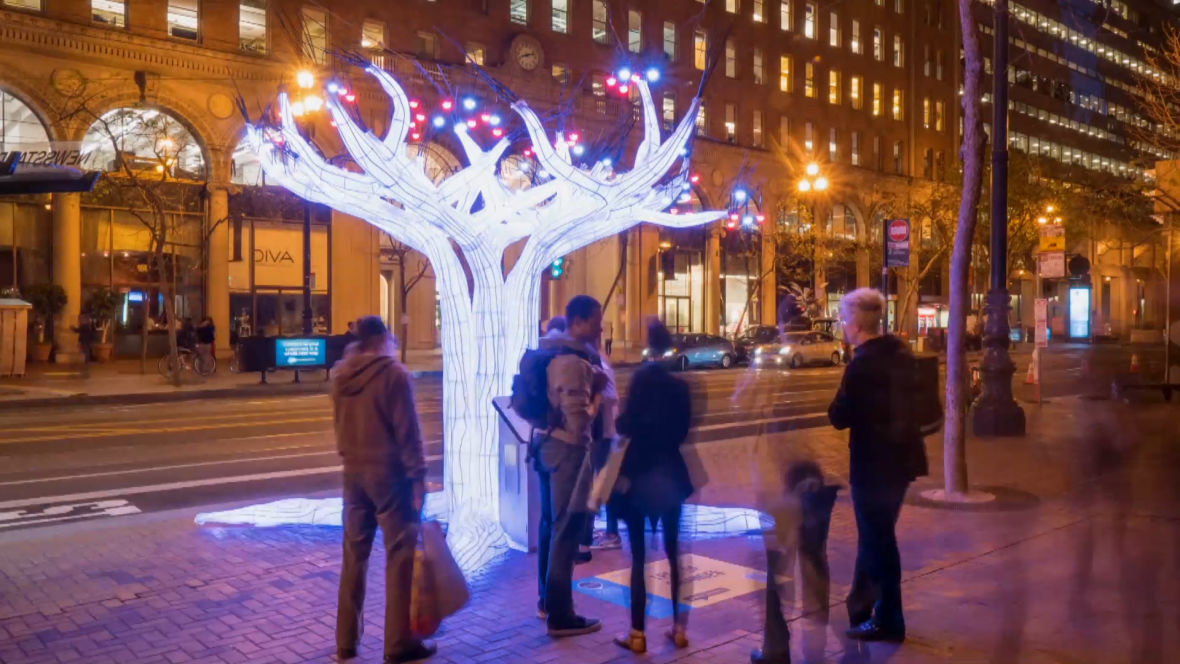
"caption": "Crowd examines light sculpture on Market St.",
"description": "Crowd examines light sculpture on Market St.",
"title": "MarketStreet",
"credit": "Courtesy: Cynthia Stone",
"status": "inherit",
"isLoading": false,
"fetchFailed": false
},
"arts_10997549": {
"type": "attachments",
"id": "arts_10997549",
"meta": {
"index": "attachments_1716263798",
"site": "arts",
"id": "10997549",
"found": true
},
"parent": 10983057,
"imgSizes": {
"thumbnail": {
"file": "https://ww2.kqed.org/app/uploads/sites/2/2015/10/From-The-War-Room-9-15-11-20-1999-War-and-Peace-TV-1987.-Artist-John-Wehrle.-Photo-by-Tom-Ontiveros.-copy-400x263.jpg",
"width": 400,
"mimeType": "image/jpeg",
"height": 263
},
"post-thumbnail": {
"file": "https://ww2.kqed.org/app/uploads/sites/2/2015/10/From-The-War-Room-9-15-11-20-1999-War-and-Peace-TV-1987.-Artist-John-Wehrle.-Photo-by-Tom-Ontiveros.-copy-672x372.jpg",
"width": 672,
"mimeType": "image/jpeg",
"height": 372
},
"kqedFullSize": {
"file": "https://ww2.kqed.org/app/uploads/sites/2/2015/10/From-The-War-Room-9-15-11-20-1999-War-and-Peace-TV-1987.-Artist-John-Wehrle.-Photo-by-Tom-Ontiveros.-copy.jpg",
"width": 823,
"height": 542
},
"guest-author-96": {
"file": "https://ww2.kqed.org/app/uploads/sites/2/2015/10/From-The-War-Room-9-15-11-20-1999-War-and-Peace-TV-1987.-Artist-John-Wehrle.-Photo-by-Tom-Ontiveros.-copy-96x96.jpg",
"width": 96,
"mimeType": "image/jpeg",
"height": 96
},
"medium": {
"file": "https://ww2.kqed.org/app/uploads/sites/2/2015/10/From-The-War-Room-9-15-11-20-1999-War-and-Peace-TV-1987.-Artist-John-Wehrle.-Photo-by-Tom-Ontiveros.-copy-800x527.jpg",
"width": 800,
"mimeType": "image/jpeg",
"height": 527
},
"guest-author-64": {
"file": "https://ww2.kqed.org/app/uploads/sites/2/2015/10/From-The-War-Room-9-15-11-20-1999-War-and-Peace-TV-1987.-Artist-John-Wehrle.-Photo-by-Tom-Ontiveros.-copy-64x64.jpg",
"width": 64,
"mimeType": "image/jpeg",
"height": 64
},
"detail": {
"file": "https://ww2.kqed.org/app/uploads/sites/2/2015/10/From-The-War-Room-9-15-11-20-1999-War-and-Peace-TV-1987.-Artist-John-Wehrle.-Photo-by-Tom-Ontiveros.-copy-75x75.jpg",
"width": 75,
"mimeType": "image/jpeg",
"height": 75
},
"guest-author-32": {
"file": "https://ww2.kqed.org/app/uploads/sites/2/2015/10/From-The-War-Room-9-15-11-20-1999-War-and-Peace-TV-1987.-Artist-John-Wehrle.-Photo-by-Tom-Ontiveros.-copy-32x32.jpg",
"width": 32,
"mimeType": "image/jpeg",
"height": 32
},
"guest-author-128": {
"file": "https://ww2.kqed.org/app/uploads/sites/2/2015/10/From-The-War-Room-9-15-11-20-1999-War-and-Peace-TV-1987.-Artist-John-Wehrle.-Photo-by-Tom-Ontiveros.-copy-128x128.jpg",
"width": 128,
"mimeType": "image/jpeg",
"height": 128
}
},
"publishDate": 1444068983,
"modified": 1444069060,
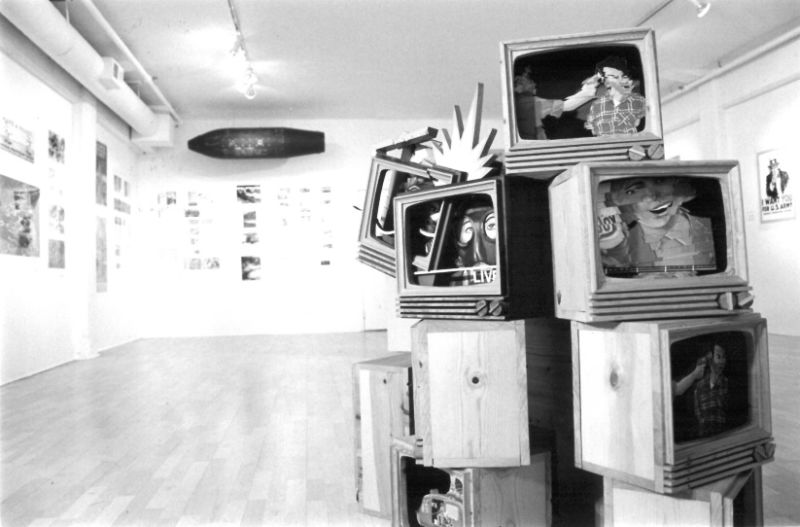
"caption": "From The War Room: War and Peace TV (1987). Artist John Wehrle. Photo by Tom Ontiveros. ",
"description": "From The War Room: War and Peace TV (1987). Artist John Wehrle. Photo by Tom Ontiveros. ",
"title": "From The War Room (9-15-11-20 1999) War and Peace TV (1987). Artist John Wehrle. Photo by Tom Ontiveros. copy",
"credit": null,
"status": "inherit",
"isLoading": false,
"fetchFailed": false
},
"pop_18370": {
"type": "attachments",
"id": "pop_18370",
"meta": {
"index": "attachments_1716263798",
"site": "pop",
"id": "18370",
"found": true
},
"parent": 18368,
"imgSizes": {
"twentyfourteen-full-width": {
"file": "https://ww2.kqed.org/app/uploads/sites/12/2015/10/notechzone-e1444085714171-957x576.jpg",
"width": 957,
"mimeType": "image/jpeg",
"height": 576
},
"thumbnail": {
"file": "https://ww2.kqed.org/app/uploads/sites/12/2015/10/notechzone-e1444085714171-400x257.jpg",
"width": 400,
"mimeType": "image/jpeg",
"height": 257
},
"fd-sm": {
"file": "https://ww2.kqed.org/app/uploads/sites/12/2015/10/notechzone-960x720.jpg",
"width": 960,
"mimeType": "image/jpeg",
"height": 720
},
"post-thumbnail": {
"file": "https://ww2.kqed.org/app/uploads/sites/12/2015/10/notechzone-e1444085714171-672x372.jpg",
"width": 672,
"mimeType": "image/jpeg",
"height": 372
},
"kqedFullSize": {
"file": "https://ww2.kqed.org/app/uploads/sites/12/2015/10/notechzone-e1444085714171.jpg",
"width": 957,
"height": 614
},
"guest-author-96": {
"file": "https://ww2.kqed.org/app/uploads/sites/12/2015/10/notechzone-e1444085714171-96x96.jpg",
"width": 96,
"mimeType": "image/jpeg",
"height": 96
},
"medium": {
"file": "https://ww2.kqed.org/app/uploads/sites/12/2015/10/notechzone-e1444085714171-800x513.jpg",
"width": 800,
"mimeType": "image/jpeg",
"height": 513
},
"guest-author-64": {
"file": "https://ww2.kqed.org/app/uploads/sites/12/2015/10/notechzone-e1444085714171-64x64.jpg",
"width": 64,
"mimeType": "image/jpeg",
"height": 64
},
"detail": {
"file": "https://ww2.kqed.org/app/uploads/sites/12/2015/10/notechzone-e1444085714171-75x75.jpg",
"width": 75,
"mimeType": "image/jpeg",
"height": 75
},
"guest-author-32": {
"file": "https://ww2.kqed.org/app/uploads/sites/12/2015/10/notechzone-e1444085714171-32x32.jpg",
"width": 32,
"mimeType": "image/jpeg",
"height": 32
},
"guest-author-128": {
"file": "https://ww2.kqed.org/app/uploads/sites/12/2015/10/notechzone-e1444085714171-128x128.jpg",
"width": 128,
"mimeType": "image/jpeg",
"height": 128
}
},
"publishDate": 1444085656,
"modified": 1444085687,
"caption": "The signs were first spotted in Alamo Square last month. Photo / Hoodline",
"description": "The signs were first spotted in Alamo Square last month. Photo / Hoodline",
"title": "notechzone",
"credit": null,
"status": "inherit",
"isLoading": false,
"fetchFailed": false
},
"pop_18364": {
"type": "attachments",
"id": "pop_18364",
"meta": {
"index": "attachments_1716263798",
"site": "pop",
"id": "18364",
"found": true
},
"parent": 18313,
"imgSizes": {
"thumbnail": {
"file": "https://ww2.kqed.org/app/uploads/sites/12/2015/10/patriarchy-400x225.jpg",
"width": 400,
"mimeType": "image/jpeg",
"height": 225
},
"post-thumbnail": {
"file": "https://ww2.kqed.org/app/uploads/sites/12/2015/10/patriarchy-672x372.jpg",
"width": 672,
"mimeType": "image/jpeg",
"height": 372
},
"kqedFullSize": {
"file": "https://ww2.kqed.org/app/uploads/sites/12/2015/10/patriarchy.jpg",
"width": 800,
"height": 450
},
"guest-author-96": {
"file": "https://ww2.kqed.org/app/uploads/sites/12/2015/10/patriarchy-96x96.jpg",
"width": 96,
"mimeType": "image/jpeg",
"height": 96
},
"medium": {
"file": "https://ww2.kqed.org/app/uploads/sites/12/2015/10/patriarchy-800x450.jpg",
"width": 800,
"mimeType": "image/jpeg",
"height": 450
},
"guest-author-64": {
"file": "https://ww2.kqed.org/app/uploads/sites/12/2015/10/patriarchy-64x64.jpg",
"width": 64,
"mimeType": "image/jpeg",
"height": 64
},
"detail": {
"file": "https://ww2.kqed.org/app/uploads/sites/12/2015/10/patriarchy-75x75.jpg",
"width": 75,
"mimeType": "image/jpeg",
"height": 75
},
"guest-author-32": {
"file": "https://ww2.kqed.org/app/uploads/sites/12/2015/10/patriarchy-32x32.jpg",
"width": 32,
"mimeType": "image/jpeg",
"height": 32
},
"guest-author-128": {
"file": "https://ww2.kqed.org/app/uploads/sites/12/2015/10/patriarchy-128x128.jpg",
"width": 128,
"mimeType": "image/jpeg",
"height": 128
}
},
"publishDate": 1444075462,
"modified": 1444075480,
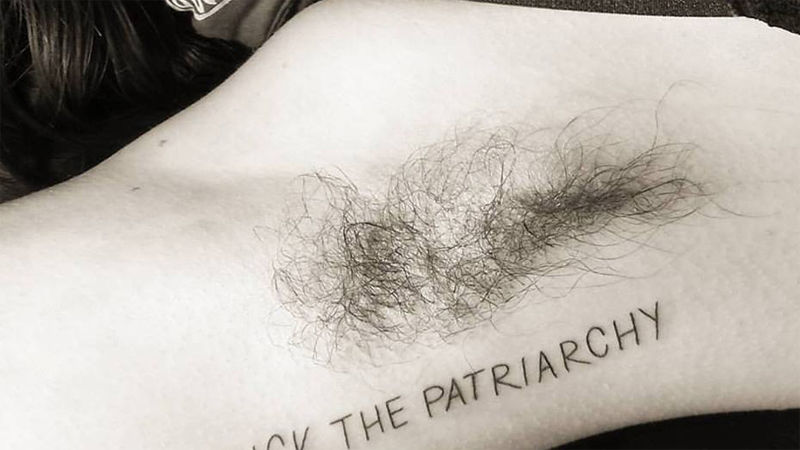
"caption": "Cropped version of the original photo used to represent #ShoutYourAbortion",
"description": null,
"title": "patriarchy",
"credit": "Photo: Shannon Perry",
"status": "inherit",
"isLoading": false,
"fetchFailed": false
},
"arts_10995679": {
"type": "attachments",
"id": "arts_10995679",
"meta": {
"index": "attachments_1716263798",
"site": "arts",
"id": "10995679",
"found": true
},
"parent": 10995678,
"imgSizes": {
"twentyfourteen-full-width": {
"file": "https://ww2.kqed.org/app/uploads/sites/2/2015/10/gettyimages-458687958_custom-7affb21876685eb915fed4d9c3db95063ed9a5f6-1038x576.jpg",
"width": 1038,
"mimeType": "image/jpeg",
"height": 576
},
"thumbnail": {
"file": "https://ww2.kqed.org/app/uploads/sites/2/2015/10/gettyimages-458687958_custom-7affb21876685eb915fed4d9c3db95063ed9a5f6-400x262.jpg",
"width": 400,
"mimeType": "image/jpeg",
"height": 262
},
"fd-sm": {
"file": "https://ww2.kqed.org/app/uploads/sites/2/2015/10/gettyimages-458687958_custom-7affb21876685eb915fed4d9c3db95063ed9a5f6-960x629.jpg",
"width": 960,
"mimeType": "image/jpeg",
"height": 629
},
"post-thumbnail": {
"file": "https://ww2.kqed.org/app/uploads/sites/2/2015/10/gettyimages-458687958_custom-7affb21876685eb915fed4d9c3db95063ed9a5f6-672x372.jpg",
"width": 672,
"mimeType": "image/jpeg",
"height": 372
},
"kqedFullSize": {
"file": "https://ww2.kqed.org/app/uploads/sites/2/2015/10/gettyimages-458687958_custom-7affb21876685eb915fed4d9c3db95063ed9a5f6.jpg",
"width": 5193,
"height": 3404
},
"large": {
"file": "https://ww2.kqed.org/app/uploads/sites/2/2015/10/gettyimages-458687958_custom-7affb21876685eb915fed4d9c3db95063ed9a5f6-1180x773.jpg",
"width": 1180,
"mimeType": "image/jpeg",
"height": 773
},
"guest-author-96": {
"file": "https://ww2.kqed.org/app/uploads/sites/2/2015/10/gettyimages-458687958_custom-7affb21876685eb915fed4d9c3db95063ed9a5f6-96x96.jpg",
"width": 96,
"mimeType": "image/jpeg",
"height": 96
},
"medium": {
"file": "https://ww2.kqed.org/app/uploads/sites/2/2015/10/gettyimages-458687958_custom-7affb21876685eb915fed4d9c3db95063ed9a5f6-800x524.jpg",
"width": 800,
"mimeType": "image/jpeg",
"height": 524
},
"guest-author-64": {
"file": "https://ww2.kqed.org/app/uploads/sites/2/2015/10/gettyimages-458687958_custom-7affb21876685eb915fed4d9c3db95063ed9a5f6-64x64.jpg",
"width": 64,
"mimeType": "image/jpeg",
"height": 64
},
"guest-author-32": {
"file": "https://ww2.kqed.org/app/uploads/sites/2/2015/10/gettyimages-458687958_custom-7affb21876685eb915fed4d9c3db95063ed9a5f6-32x32.jpg",
"width": 32,
"mimeType": "image/jpeg",
"height": 32
},
"fd-lrg": {
"file": "https://ww2.kqed.org/app/uploads/sites/2/2015/10/gettyimages-458687958_custom-7affb21876685eb915fed4d9c3db95063ed9a5f6-1920x1259.jpg",
"width": 1920,
"mimeType": "image/jpeg",
"height": 1259
},
"fd-med": {
"file": "https://ww2.kqed.org/app/uploads/sites/2/2015/10/gettyimages-458687958_custom-7affb21876685eb915fed4d9c3db95063ed9a5f6-1180x773.jpg",
"width": 1180,
"mimeType": "image/jpeg",
"height": 773
},
"detail": {
"file": "https://ww2.kqed.org/app/uploads/sites/2/2015/10/gettyimages-458687958_custom-7affb21876685eb915fed4d9c3db95063ed9a5f6-75x75.jpg",
"width": 75,
"mimeType": "image/jpeg",
"height": 75
},
"guest-author-128": {
"file": "https://ww2.kqed.org/app/uploads/sites/2/2015/10/gettyimages-458687958_custom-7affb21876685eb915fed4d9c3db95063ed9a5f6-128x128.jpg",
"width": 128,
"mimeType": "image/jpeg",
"height": 128
}
},
"publishDate": 1443981362,
"modified": 1443981362,
"caption": null,
"description": "Dmitri Vrubel's painting of the Soviet Union's Leonid Brezhnev and East Germany's Erich Honecker kissing — under a Russian phrase that reads, \"My God, Help Me to Survive This Deadly Love\" — is a popular part of the East Side Gall",
"title": "Dmitri Vrubel's painting of the Soviet Union's Leonid Brezhnev and East Germany's Erich Honecker kissing — under a Russian phrase that reads, \"My God, Help Me to Survive This Deadly Love\" — is a popular part of the East Side Gallery.",
"credit": null,
"status": "inherit",
"isLoading": false,
"fetchFailed": false
},
"arts_10702829": {
"type": "attachments",
"id": "arts_10702829",
"meta": {
"index": "attachments_1716263798",
"site": "arts",
"id": "10702829",
"found": true
},
"parent": 10702680,
"imgSizes": {
"twentyfourteen-full-width": {
"file": "https://ww2.kqed.org/app/uploads/sites/2/2015/05/EbbFlow_1-1038x576.jpg",
"width": 1038,
"mimeType": "image/jpeg",
"height": 576
},
"thumbnail": {
"file": "https://ww2.kqed.org/app/uploads/sites/2/2015/05/EbbFlow_1-400x209.jpg",
"width": 400,
"mimeType": "image/jpeg",
"height": 209
},
"fd-sm": {
"file": "https://ww2.kqed.org/app/uploads/sites/2/2015/05/EbbFlow_1-960x501.jpg",
"width": 960,
"mimeType": "image/jpeg",
"height": 501
},
"post-thumbnail": {
"file": "https://ww2.kqed.org/app/uploads/sites/2/2015/05/EbbFlow_1-672x372.jpg",
"width": 672,
"mimeType": "image/jpeg",
"height": 372
},
"kqedFullSize": {
"file": "https://ww2.kqed.org/app/uploads/sites/2/2015/05/EbbFlow_1-e1443832156528.jpg",
"width": 1200,
"height": 626
},
"large": {
"file": "https://ww2.kqed.org/app/uploads/sites/2/2015/05/EbbFlow_1-1180x616.jpg",
"width": 1180,
"mimeType": "image/jpeg",
"height": 616
},
"guest-author-96": {
"file": "https://ww2.kqed.org/app/uploads/sites/2/2015/05/EbbFlow_1-96x96.jpg",
"width": 96,
"mimeType": "image/jpeg",
"height": 96
},
"medium": {
"file": "https://ww2.kqed.org/app/uploads/sites/2/2015/05/EbbFlow_1-800x417.jpg",
"width": 800,
"mimeType": "image/jpeg",
"height": 417
},
"guest-author-64": {
"file": "https://ww2.kqed.org/app/uploads/sites/2/2015/05/EbbFlow_1-64x64.jpg",
"width": 64,
"mimeType": "image/jpeg",
"height": 64
},
"guest-author-32": {
"file": "https://ww2.kqed.org/app/uploads/sites/2/2015/05/EbbFlow_1-32x32.jpg",
"width": 32,
"mimeType": "image/jpeg",
"height": 32
},
"fd-med": {
"file": "https://ww2.kqed.org/app/uploads/sites/2/2015/05/EbbFlow_1-1180x616.jpg",
"width": 1180,
"mimeType": "image/jpeg",
"height": 616
},
"detail": {
"file": "https://ww2.kqed.org/app/uploads/sites/2/2015/05/EbbFlow_1-75x75.jpg",
"width": 75,
"mimeType": "image/jpeg",
"height": 75
},
"guest-author-128": {
"file": "https://ww2.kqed.org/app/uploads/sites/2/2015/05/EbbFlow_1-128x128.jpg",
"width": 128,
"mimeType": "image/jpeg",
"height": 128
}
},
"publishDate": 1432778733,
"modified": 1432778823,
"caption": "Installation view of \u003ci>Ebb / Flow, Selections by Cesar Garcia and Naima J. Keith\u003c/i>, 2015. (Courtesy of Pro Arts)",
"description": null,
"title": "EbbFlow_1",
"credit": null,
"status": "inherit",
"isLoading": false,
"fetchFailed": false
},
"arts_10983367": {
"type": "attachments",
"id": "arts_10983367",
"meta": {
"index": "attachments_1716263798",
"site": "arts",
"id": "10983367",
"found": true
},
"parent": 10983212,
"imgSizes": {
"thumbnail": {
"file": "https://ww2.kqed.org/app/uploads/sites/2/2015/09/Furoshiki1-400x225.jpg",
"width": 400,
"mimeType": "image/jpeg",
"height": 225
},
"post-thumbnail": {
"file": "https://ww2.kqed.org/app/uploads/sites/2/2015/09/Furoshiki1-672x372.jpg",
"width": 672,
"mimeType": "image/jpeg",
"height": 372
},
"kqedFullSize": {
"file": "https://ww2.kqed.org/app/uploads/sites/2/2015/09/Furoshiki1.jpg",
"width": 800,
"height": 450
},
"guest-author-96": {
"file": "https://ww2.kqed.org/app/uploads/sites/2/2015/09/Furoshiki1-96x96.jpg",
"width": 96,
"mimeType": "image/jpeg",
"height": 96
},
"medium": {
"file": "https://ww2.kqed.org/app/uploads/sites/2/2015/09/Furoshiki1-800x450.jpg",
"width": 800,
"mimeType": "image/jpeg",
"height": 450
},
"guest-author-64": {
"file": "https://ww2.kqed.org/app/uploads/sites/2/2015/09/Furoshiki1-64x64.jpg",
"width": 64,
"mimeType": "image/jpeg",
"height": 64
},
"detail": {
"file": "https://ww2.kqed.org/app/uploads/sites/2/2015/09/Furoshiki1-75x75.jpg",
"width": 75,
"mimeType": "image/jpeg",
"height": 75
},
"guest-author-32": {
"file": "https://ww2.kqed.org/app/uploads/sites/2/2015/09/Furoshiki1-32x32.jpg",
"width": 32,
"mimeType": "image/jpeg",
"height": 32
},
"guest-author-128": {
"file": "https://ww2.kqed.org/app/uploads/sites/2/2015/09/Furoshiki1-128x128.jpg",
"width": 128,
"mimeType": "image/jpeg",
"height": 128
}
},
"publishDate": 1443429905,
"modified": 1443644507,
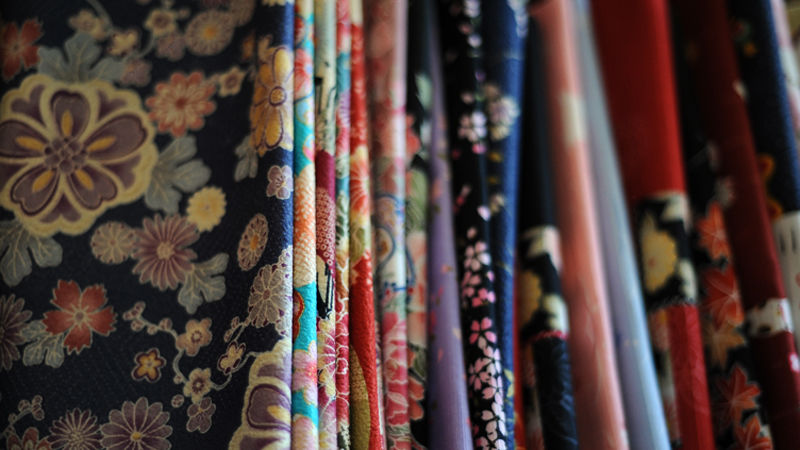
"caption": "Furoshiki at Thousand Cranes in Berkeley.",
"description": null,
"title": "Furoshiki",
"credit": "Photo: Adrienne Blaine",
"status": "inherit",
"isLoading": false,
"fetchFailed": false
},
"arts_10988654": {
"type": "attachments",
"id": "arts_10988654",
"meta": {
"index": "attachments_1716263798",
"site": "arts",
"id": "10988654",
"found": true
},
"parent": 10988652,
"imgSizes": {
"twentyfourteen-full-width": {
"file": "https://ww2.kqed.org/app/uploads/sites/2/2015/09/hands-up-better-1038x576.jpg",
"width": 1038,
"mimeType": "image/jpeg",
"height": 576
},
"thumbnail": {
"file": "https://ww2.kqed.org/app/uploads/sites/2/2015/09/hands-up-better-400x225.jpg",
"width": 400,
"mimeType": "image/jpeg",
"height": 225
},
"fd-sm": {
"file": "https://ww2.kqed.org/app/uploads/sites/2/2015/09/hands-up-better-960x541.jpg",
"width": 960,
"mimeType": "image/jpeg",
"height": 541
},
"post-thumbnail": {
"file": "https://ww2.kqed.org/app/uploads/sites/2/2015/09/hands-up-better-672x372.jpg",
"width": 672,
"mimeType": "image/jpeg",
"height": 372
},
"kqedFullSize": {
"file": "https://ww2.kqed.org/app/uploads/sites/2/2015/09/hands-up-better.jpg",
"width": 1920,
"height": 1081
},
"large": {
"file": "https://ww2.kqed.org/app/uploads/sites/2/2015/09/hands-up-better-1180x664.jpg",
"width": 1180,
"mimeType": "image/jpeg",
"height": 664
},
"guest-author-96": {
"file": "https://ww2.kqed.org/app/uploads/sites/2/2015/09/hands-up-better-96x96.jpg",
"width": 96,
"mimeType": "image/jpeg",
"height": 96
},
"medium": {
"file": "https://ww2.kqed.org/app/uploads/sites/2/2015/09/hands-up-better-800x450.jpg",
"width": 800,
"mimeType": "image/jpeg",
"height": 450
},
"guest-author-64": {
"file": "https://ww2.kqed.org/app/uploads/sites/2/2015/09/hands-up-better-64x64.jpg",
"width": 64,
"mimeType": "image/jpeg",
"height": 64
},
"guest-author-32": {
"file": "https://ww2.kqed.org/app/uploads/sites/2/2015/09/hands-up-better-32x32.jpg",
"width": 32,
"mimeType": "image/jpeg",
"height": 32
},
"fd-lrg": {
"file": "https://ww2.kqed.org/app/uploads/sites/2/2015/09/hands-up-better-1920x1081.jpg",
"width": 1920,
"mimeType": "image/jpeg",
"height": 1081
},
"fd-med": {
"file": "https://ww2.kqed.org/app/uploads/sites/2/2015/09/hands-up-better-1180x664.jpg",
"width": 1180,
"mimeType": "image/jpeg",
"height": 664
},
"detail": {
"file": "https://ww2.kqed.org/app/uploads/sites/2/2015/09/hands-up-better-75x75.jpg",
"width": 75,
"mimeType": "image/jpeg",
"height": 75
},
"guest-author-128": {
"file": "https://ww2.kqed.org/app/uploads/sites/2/2015/09/hands-up-better-128x128.jpg",
"width": 128,
"mimeType": "image/jpeg",
"height": 128
}
},
"publishDate": 1443656230,
"modified": 1443656251,
"caption": "Mourners at a vigil for Antonio Ramos",
"description": "Mourners at a vigil for Antonio Ramos",
"title": "hands-up-better",
"credit": "Photo: Andrew Stelzer",
"status": "inherit",
"isLoading": false,
"fetchFailed": false
},
"arts_10986851": {
"type": "attachments",
"id": "arts_10986851",
"meta": {
"index": "attachments_1716263798",
"site": "arts",
"id": "10986851",
"found": true
},
"parent": 10977022,
"imgSizes": {
"twentyfourteen-full-width": {
"file": "https://ww2.kqed.org/app/uploads/sites/2/2015/09/APE_Expo-1038x576.jpg",
"width": 1038,
"mimeType": "image/jpeg",
"height": 576
},
"thumbnail": {
"file": "https://ww2.kqed.org/app/uploads/sites/2/2015/09/APE_Expo-400x225.jpg",
"width": 400,
"mimeType": "image/jpeg",
"height": 225
},
"fd-sm": {
"file": "https://ww2.kqed.org/app/uploads/sites/2/2015/09/APE_Expo-960x540.jpg",
"width": 960,
"mimeType": "image/jpeg",
"height": 540
},
"post-thumbnail": {
"file": "https://ww2.kqed.org/app/uploads/sites/2/2015/09/APE_Expo-672x372.jpg",
"width": 672,
"mimeType": "image/jpeg",
"height": 372
},
"kqedFullSize": {
"file": "https://ww2.kqed.org/app/uploads/sites/2/2015/09/APE_Expo.jpg",
"width": 1400,
"height": 788
},
"large": {
"file": "https://ww2.kqed.org/app/uploads/sites/2/2015/09/APE_Expo-1180x664.jpg",
"width": 1180,
"mimeType": "image/jpeg",
"height": 664
},
"guest-author-96": {
"file": "https://ww2.kqed.org/app/uploads/sites/2/2015/09/APE_Expo-96x96.jpg",
"width": 96,
"mimeType": "image/jpeg",
"height": 96
},
"medium": {
"file": "https://ww2.kqed.org/app/uploads/sites/2/2015/09/APE_Expo-800x450.jpg",
"width": 800,
"mimeType": "image/jpeg",
"height": 450
},
"guest-author-64": {
"file": "https://ww2.kqed.org/app/uploads/sites/2/2015/09/APE_Expo-64x64.jpg",
"width": 64,
"mimeType": "image/jpeg",
"height": 64
},
"guest-author-32": {
"file": "https://ww2.kqed.org/app/uploads/sites/2/2015/09/APE_Expo-32x32.jpg",
"width": 32,
"mimeType": "image/jpeg",
"height": 32
},
"fd-med": {
"file": "https://ww2.kqed.org/app/uploads/sites/2/2015/09/APE_Expo-1180x664.jpg",
"width": 1180,
"mimeType": "image/jpeg",
"height": 664
},
"detail": {
"file": "https://ww2.kqed.org/app/uploads/sites/2/2015/09/APE_Expo-75x75.jpg",
"width": 75,
"mimeType": "image/jpeg",
"height": 75
},
"guest-author-128": {
"file": "https://ww2.kqed.org/app/uploads/sites/2/2015/09/APE_Expo-128x128.jpg",
"width": 128,
"mimeType": "image/jpeg",
"height": 128
}
},
"publishDate": 1443575677,
"modified": 1443575876,
"caption": "Illustration by Andrew Yang.",
"description": null,
"title": "APE_Expo",
"credit": "Courtesy of Alternative Press Expo",
"status": "inherit",
"isLoading": false,
"fetchFailed": false
},
"artschool_793": {
"type": "attachments",
"id": "artschool_793",
"meta": {
"index": "attachments_1716263798",
"site": "artschool",
"id": "793",
"found": true
},
"parent": 791,
"imgSizes": {
"thumbnail": {
"file": "https://ww2.kqed.org/app/uploads/sites/4/2015/09/EHOC-Feature-Image-400x225.jpg",
"width": 400,
"mimeType": "image/jpeg",
"height": 225
},
"post-thumbnail": {
"file": "https://ww2.kqed.org/app/uploads/sites/4/2015/09/EHOC-Feature-Image-672x372.jpg",
"width": 672,
"mimeType": "image/jpeg",
"height": 372
},
"kqedFullSize": {
"file": "https://ww2.kqed.org/app/uploads/sites/4/2015/09/EHOC-Feature-Image.jpg",
"width": 800,
"height": 450
},
"guest-author-96": {
"file": "https://ww2.kqed.org/app/uploads/sites/4/2015/09/EHOC-Feature-Image-96x96.jpg",
"width": 96,
"mimeType": "image/jpeg",
"height": 96
},
"medium": {
"file": "https://ww2.kqed.org/app/uploads/sites/4/2015/09/EHOC-Feature-Image-800x450.jpg",
"width": 800,
"mimeType": "image/jpeg",
"height": 450
},
"guest-author-64": {
"file": "https://ww2.kqed.org/app/uploads/sites/4/2015/09/EHOC-Feature-Image-64x64.jpg",
"width": 64,
"mimeType": "image/jpeg",
"height": 64
},
"detail": {
"file": "https://ww2.kqed.org/app/uploads/sites/4/2015/09/EHOC-Feature-Image-75x75.jpg",
"width": 75,
"mimeType": "image/jpeg",
"height": 75
},
"guest-author-32": {
"file": "https://ww2.kqed.org/app/uploads/sites/4/2015/09/EHOC-Feature-Image-32x32.jpg",
"width": 32,
"mimeType": "image/jpeg",
"height": 32
},
"guest-author-128": {
"file": "https://ww2.kqed.org/app/uploads/sites/4/2015/09/EHOC-Feature-Image-128x128.jpg",
"width": 128,
"mimeType": "image/jpeg",
"height": 128
}
},
"publishDate": 1443462484,
"modified": 1443462484,
"caption": null,
"description": null,
"title": "EHOC Feature Image",
"credit": null,
"status": "inherit",
"isLoading": false,
"fetchFailed": false
},
"arts_10986524": {
"type": "attachments",
"id": "arts_10986524",
"meta": {
"index": "attachments_1716263798",
"site": "arts",
"id": "10986524",
"found": true
},
"parent": 10986505,
"imgSizes": {
"thumbnail": {
"file": "https://ww2.kqed.org/app/uploads/sites/2/2015/09/Ramos-vertical-400x225.jpg",
"width": 400,
"mimeType": "image/jpeg",
"height": 225
},
"post-thumbnail": {
"file": "https://ww2.kqed.org/app/uploads/sites/2/2015/09/Ramos-vertical-672x372.jpg",
"width": 672,
"mimeType": "image/jpeg",
"height": 372
},
"kqedFullSize": {
"file": "https://ww2.kqed.org/app/uploads/sites/2/2015/09/Ramos-vertical.jpg",
"width": 800,
"height": 450
},
"guest-author-96": {
"file": "https://ww2.kqed.org/app/uploads/sites/2/2015/09/Ramos-vertical-96x96.jpg",
"width": 96,
"mimeType": "image/jpeg",
"height": 96
},
"medium": {
"file": "https://ww2.kqed.org/app/uploads/sites/2/2015/09/Ramos-vertical-800x450.jpg",
"width": 800,
"mimeType": "image/jpeg",
"height": 450
},
"guest-author-64": {
"file": "https://ww2.kqed.org/app/uploads/sites/2/2015/09/Ramos-vertical-64x64.jpg",
"width": 64,
"mimeType": "image/jpeg",
"height": 64
},
"detail": {
"file": "https://ww2.kqed.org/app/uploads/sites/2/2015/09/Ramos-vertical-75x75.jpg",
"width": 75,
"mimeType": "image/jpeg",
"height": 75
},
"guest-author-32": {
"file": "https://ww2.kqed.org/app/uploads/sites/2/2015/09/Ramos-vertical-32x32.jpg",
"width": 32,
"mimeType": "image/jpeg",
"height": 32
},
"guest-author-128": {
"file": "https://ww2.kqed.org/app/uploads/sites/2/2015/09/Ramos-vertical-128x128.jpg",
"width": 128,
"mimeType": "image/jpeg",
"height": 128
}
},
"publishDate": 1443564951,
"modified": 1443569291,
"caption": "Antonio Ramos working on the West Street Mural in Oakland",
"description": "Antonio Ramos working on the West Street Mural in Oakland",
"title": "Ramos vertical",
"credit": "Courtesy: Attitudinal Healing Connection of Oakland",
"status": "inherit",
"isLoading": false,
"fetchFailed": false
},
"arts_10983052": {
"type": "attachments",
"id": "arts_10983052",
"meta": {
"index": "attachments_1716263798",
"site": "arts",
"id": "10983052",
"found": true
},
"parent": 10982977,
"imgSizes": {
"twentyfourteen-full-width": {
"file": "https://ww2.kqed.org/app/uploads/sites/2/2015/09/QuiltCover-1038x576.jpg",
"width": 1038,
"mimeType": "image/jpeg",
"height": 576
},
"thumbnail": {
"file": "https://ww2.kqed.org/app/uploads/sites/2/2015/09/QuiltCover-400x225.jpg",
"width": 400,
"mimeType": "image/jpeg",
"height": 225
},
"fd-sm": {
"file": "https://ww2.kqed.org/app/uploads/sites/2/2015/09/QuiltCover-960x540.jpg",
"width": 960,
"mimeType": "image/jpeg",
"height": 540
},
"post-thumbnail": {
"file": "https://ww2.kqed.org/app/uploads/sites/2/2015/09/QuiltCover-672x372.jpg",
"width": 672,
"mimeType": "image/jpeg",
"height": 372
},
"kqedFullSize": {
"file": "https://ww2.kqed.org/app/uploads/sites/2/2015/09/QuiltCover.jpg",
"width": 1920,
"height": 1080
},
"large": {
"file": "https://ww2.kqed.org/app/uploads/sites/2/2015/09/QuiltCover-1180x664.jpg",
"width": 1180,
"mimeType": "image/jpeg",
"height": 664
},
"guest-author-96": {
"file": "https://ww2.kqed.org/app/uploads/sites/2/2015/09/QuiltCover-96x96.jpg",
"width": 96,
"mimeType": "image/jpeg",
"height": 96
},
"medium": {
"file": "https://ww2.kqed.org/app/uploads/sites/2/2015/09/QuiltCover-800x450.jpg",
"width": 800,
"mimeType": "image/jpeg",
"height": 450
},
"guest-author-64": {
"file": "https://ww2.kqed.org/app/uploads/sites/2/2015/09/QuiltCover-64x64.jpg",
"width": 64,
"mimeType": "image/jpeg",
"height": 64
},
"guest-author-32": {
"file": "https://ww2.kqed.org/app/uploads/sites/2/2015/09/QuiltCover-32x32.jpg",
"width": 32,
"mimeType": "image/jpeg",
"height": 32
},
"fd-lrg": {
"file": "https://ww2.kqed.org/app/uploads/sites/2/2015/09/QuiltCover-1920x1080.jpg",
"width": 1920,
"mimeType": "image/jpeg",
"height": 1080
},
"fd-med": {
"file": "https://ww2.kqed.org/app/uploads/sites/2/2015/09/QuiltCover-1180x664.jpg",
"width": 1180,
"mimeType": "image/jpeg",
"height": 664
},
"detail": {
"file": "https://ww2.kqed.org/app/uploads/sites/2/2015/09/QuiltCover-75x75.jpg",
"width": 75,
"mimeType": "image/jpeg",
"height": 75
},
"guest-author-128": {
"file": "https://ww2.kqed.org/app/uploads/sites/2/2015/09/QuiltCover-128x128.jpg",
"width": 128,
"mimeType": "image/jpeg",
"height": 128
}
},
"publishDate": 1443414083,
"modified": 1443545906,
"caption": "Pieced by Rosie Lee Tompkins, quilted by Irene Bankhead, 'Black yo-yos on green hanging (Stevie).'\n(Courtesy of collection of Eli Leon and OMCA; Photo: Terry Lorant)",
"description": null,
"title": "QuiltCover",
"credit": null,
"status": "inherit",
"isLoading": false,
"fetchFailed": false
}
},
"audioPlayerReducer": {
"postId": "stream_live",
"isPaused": true,
"isPlaying": false,
"pfsActive": false,
"pledgeModalIsOpen": true,
"playerDrawerIsOpen": false,
"liveAudioPlayStartedAt": 0,
"liveAudioPlayContext": ""
},
"authorsReducer": {
"byline_arts_10995678": {
"type": "authors",
"id": "byline_arts_10995678",
"meta": {
"override": true
},
"slug": "byline_arts_10995678",
"name": "Irene Noguchi",
"isLoading": false
},
"shotchkiss": {
"type": "authors",
"id": "61",
"meta": {
"index": "authors_1716337520",
"id": "61",
"found": true
},
"name": "Sarah Hotchkiss",
"firstName": "Sarah",
"lastName": "Hotchkiss",
"slug": "shotchkiss",
"email": "shotchkiss@kqed.org",
"display_author_email": true,
"staff_mastheads": [
"arts"
],
"title": "Senior Editor",
"bio": "Sarah Hotchkiss is a San Francisco \u003ca href=\"http://www.sarahhotchkiss.com\">artist\u003c/a> and arts writer. In 2019, she received the Dorothea & Leo Rabkin Foundation grant for visual art journalism and in 2020 she received a Society of Professional Journalists, Northern California award for excellence in arts and culture reporting.",
"avatar": "https://secure.gravatar.com/avatar/bc662df144b3d27fd8b1b6f1c2a420d34e91e53154d411bb7ad353cc8b6cea8d?s=600&d=blank&r=g",
"twitter": null,
"bluesky": null,
"facebook": null,
"instagram": null,
"linkedin": null,
"sites": [
{
"site": "",
"roles": [
"editor"
]
},
{
"site": "arts",
"roles": [
"Contributor",
"administrator"
]
},
{
"site": "artschool",
"roles": [
"administrator"
]
},
{
"site": "news",
"roles": [
"editor"
]
},
{
"site": "pop",
"roles": [
"administrator"
]
},
{
"site": "bayareabites",
"roles": [
"editor"
]
},
{
"site": "spark",
"roles": [
"editor"
]
},
{
"site": "checkplease",
"roles": [
"editor"
]
}
],
"headData": {
"title": "Sarah Hotchkiss | KQED",
"description": "Senior Editor",
"ogImgSrc": "https://secure.gravatar.com/avatar/bc662df144b3d27fd8b1b6f1c2a420d34e91e53154d411bb7ad353cc8b6cea8d?s=600&d=blank&r=g",
"twImgSrc": "https://secure.gravatar.com/avatar/bc662df144b3d27fd8b1b6f1c2a420d34e91e53154d411bb7ad353cc8b6cea8d?s=600&d=blank&r=g"
},
"isLoading": false,
"link": "/author/shotchkiss"
},
"ablaine": {
"type": "authors",
"id": "72",
"meta": {
"index": "authors_1716337520",
"id": "72",
"found": true
},
"name": "Adrienne Blaine",
"firstName": "Adrienne",
"lastName": "Blaine",
"slug": "ablaine",
"email": "adrienneblaine@hotmail.com",
"display_author_email": false,
"staff_mastheads": [],
"title": null,
"bio": "Adrienne Blaine is a Millennial writer from the South Bay. She has a BA in Comparative Literary and Cultural Studies combined with Communications and Media Studies from Franklin University Switzerland. Living in Switzerland for four years and traveling from Morocco to Iceland introduced her to diverse art, culture and food. She currently lives in San Francisco and writes about these topics.",
"avatar": "https://secure.gravatar.com/avatar/10d0a10a2189067e5e3f6fc9fc4ebdf2?s=600&d=blank&r=g",
"twitter": null,
"facebook": null,
"instagram": null,
"linkedin": null,
"sites": [
{
"site": "arts",
"roles": [
"Contributor",
"contributor"
]
},
{
"site": "bayareabites",
"roles": [
"contributor"
]
},
{
"site": "food",
"roles": [
"contributor"
]
}
],
"headData": {
"title": "Adrienne Blaine | KQED",
"description": null,
"ogImgSrc": "https://secure.gravatar.com/avatar/10d0a10a2189067e5e3f6fc9fc4ebdf2?s=600&d=blank&r=g",
"twImgSrc": "https://secure.gravatar.com/avatar/10d0a10a2189067e5e3f6fc9fc4ebdf2?s=600&d=blank&r=g"
},
"isLoading": false,
"link": "/author/ablaine"
},
"cstone": {
"type": "authors",
"id": "90",
"meta": {
"index": "authors_1716337520",
"id": "90",
"found": true
},
"name": "Cynthia Stone",
"firstName": "Cynthia",
"lastName": "Stone",
"slug": "cstone",
"email": "cynthiamstone@hotmail.com",
"display_author_email": false,
"staff_mastheads": [],
"title": null,
"bio": "Cynthia Stone is an Emmy Award winning writer and producer dedicated to telling the stories of people and programs making a difference. Her television and radio documentary and feature work has focused on a variety of issues including education, the environment, trafficking, transformative programs that help children at risk, science and the arts. In addition to here at KQED, her work has appeared on Discovery, PBS, CNBC, Public Radio International/BBC among others.",
"avatar": "https://secure.gravatar.com/avatar/c0481a3d0e38bbaf8851acf123a78f38?s=600&d=blank&r=g",
"twitter": null,
"facebook": null,
"instagram": null,
"linkedin": null,
"sites": [
{
"site": "arts",
"roles": [
"Contributor",
"contributor"
]
}
],
"headData": {
"title": "Cynthia Stone | KQED",
"description": null,
"ogImgSrc": "https://secure.gravatar.com/avatar/c0481a3d0e38bbaf8851acf123a78f38?s=600&d=blank&r=g",
"twImgSrc": "https://secure.gravatar.com/avatar/c0481a3d0e38bbaf8851acf123a78f38?s=600&d=blank&r=g"
},
"isLoading": false,
"link": "/author/cstone"
},
"kjones": {
"type": "authors",
"id": "93",
"meta": {
"index": "authors_1716337520",
"id": "93",
"found": true
},
"name": "Kevin L. Jones",
"firstName": "Kevin",
"lastName": "Jones",
"slug": "kjones",
"email": "kjones@kqed.org",
"display_author_email": false,
"staff_mastheads": [],
"title": null,
"bio": null,
"avatar": "https://secure.gravatar.com/avatar/12c65b5633ed39d0a59bb7f497eff645?s=600&d=blank&r=g",
"twitter": null,
"facebook": null,
"instagram": null,
"linkedin": null,
"sites": [
{
"site": "arts",
"roles": [
"subscriber"
]
},
{
"site": "styleguide",
"roles": [
"contributor"
]
},
{
"site": "artschool",
"roles": [
"subscriber"
]
},
{
"site": "news",
"roles": [
"subscriber"
]
},
{
"site": "pop",
"roles": [
"subscriber"
]
}
],
"headData": {
"title": "Kevin L. Jones | KQED",
"description": null,
"ogImgSrc": "https://secure.gravatar.com/avatar/12c65b5633ed39d0a59bb7f497eff645?s=600&d=blank&r=g",
"twImgSrc": "https://secure.gravatar.com/avatar/12c65b5633ed39d0a59bb7f497eff645?s=600&d=blank&r=g"
},
"isLoading": false,
"link": "/author/kjones"
},
"clakey": {
"type": "authors",
"id": "191",
"meta": {
"index": "authors_1716337520",
"id": "191",
"found": true
},
"name": "Cherri Lakey",
"firstName": "Cherri",
"lastName": "Lakey",
"slug": "clakey",
"email": "cherri@galleryad.com",
"display_author_email": false,
"staff_mastheads": [],
"title": "KQED Contributor",
"bio": "Co-owner/curator of urban contemporary art and culture gallery \u003ca href=\"http://www.galleryAD.com\">ANNO DOMINI\u003c/a> // the second coming of Art & Design and producer of a bunch of other cool projects with partner \u003ca href=\"http://ww2.kqed.org/arts/author/beder/\" target=\"_blank\">Brian Eder.\u003c/a> \u003ca href=\"https://twitter.com/astrogirl\">Follow @astrogirl\u003c/a>\r\n// ",
"avatar": "https://secure.gravatar.com/avatar/29642fbd8e9eef623a3f07213c5b739fbbfe7e1efe98571b1093fabcaade6f08?s=600&d=blank&r=g",
"twitter": null,
"bluesky": null,
"facebook": null,
"instagram": null,
"linkedin": null,
"sites": [
{
"site": "arts",
"roles": [
"subscriber"
]
}
],
"headData": {
"title": "Cherri Lakey | KQED",
"description": "KQED Contributor",
"ogImgSrc": "https://secure.gravatar.com/avatar/29642fbd8e9eef623a3f07213c5b739fbbfe7e1efe98571b1093fabcaade6f08?s=600&d=blank&r=g",
"twImgSrc": "https://secure.gravatar.com/avatar/29642fbd8e9eef623a3f07213c5b739fbbfe7e1efe98571b1093fabcaade6f08?s=600&d=blank&r=g"
},
"isLoading": false,
"link": "/author/clakey"
},
"andrewstelzer": {
"type": "authors",
"id": "213",
"meta": {
"index": "authors_1716337520",
"id": "213",
"found": true
},
"name": "Andrew Stelzer",
"firstName": "Andrew",
"lastName": "Stelzer",
"slug": "andrewstelzer",
"email": "andrewstelzer@gmail.com",
"display_author_email": false,
"staff_mastheads": [],
"title": null,
"bio": "Andrew Stelzer has been reporting for KQED since 2010, and is a producer at \u003ca href=\"http://www.radioproject.org\" target=\"_blank\">Making Contact\u003c/a> in Oakland.. His work has been featured on programs including \u003ca href=\"http://www.npr.org/templates/story/story.php?storyId=5010\" target=\"_blank\">NPR’s Weekend Edition\u003c/a>, \u003ca href=\"http://www.theworld.org/\" target=\"_blank\">PRI’s The World\u003c/a>, \u003ca href=\"http://www.studio360.org/\" target=\"_blank\">Studio 360\u003c/a>, \u003ca href=\"http://marketplace.publicradio.org/\" target=\"_blank\">Marketplace\u003c/a>,\u003ca href=\"http://www.loe.org/\" target=\"_blank\">Living on Earth\u003c/a>, \u003ca href=\"http://www.onthemedia.org/\" target=\"_blank\">On the Media\u003c/a>, \u003ca href=\"http://www.latinousa.org/index.html\" target=\"_blank\">Latino USA,\u003c/a> \u003ca href=\"http://www.onlyagame.org/\" rel=\"tag\">Only a Game,\u003c/a> \u003ca href=\"http://www.tswi.org/\" target=\"_blank\">Radio Netherlands,\u003c/a> \u003ca href=\"http://worldradio.ch/index.shtml\" target=\"_blank\">World Radio Switzerland,\u003c/a> and \u003ca href=\"http://www.rfi.fr/langues/statiques/rfi_anglais.asp\" target=\"_blank\">Radio France International\u003c/a>. Andrew has written for publications including \u003ca href=\"http://www.inthesetimes.com/site/about/author/2369\" target=\"_blank\">In These Times\u003c/a>, \u003ca href=\"http://www.progressive.org/\" target=\"_blank\">The Progressive\u003c/a>, \u003ca href=\"http://ipsnews.net/\" target=\"_blank\">Interpress Service\u003c/a>, \u003ca href=\"http://www.tampabay.com/\" target=\"_blank\">The St. Petersburg Times\u003c/a>, and \u003ca href=\"http://www.eastbayexpress.com/ebx/Home\" target=\"_blank\">The East Bay Express\u003c/a>.\r\n\r\nAndrew’s work has received numerous awards from the Society of Professional Journalists, the National Lesbian and Gay Journalists Association, and the National Council on Crime and Delinquency.\r\n\r\nHe previously was a reporter at \u003ca href=\"http://www.wmnf.org/\" target=\"_blank\">WMNF\u003c/a> radio in Tampa, FL, and reporter and youth advocate st \u003ca href=\"http://www.kboo.org/\" target=\"_blank\">KBOO \u003c/a> in Portland, Oregon. Andrew has conducted radio production trainings around the world, from Algeria, to New Orleans, to the desert of Southern Jordan.",
"avatar": "https://secure.gravatar.com/avatar/14c7e75469395cb2468d45c9f6896ca9?s=600&d=blank&r=g",
"twitter": null,
"facebook": null,
"instagram": null,
"linkedin": null,
"sites": [
{
"site": "arts",
"roles": [
"contributor"
]
},
{
"site": "news",
"roles": [
"author"
]
},
{
"site": "stateofhealth",
"roles": [
"author"
]
}
],
"headData": {
"title": "Andrew Stelzer | KQED",
"description": null,
"ogImgSrc": "https://secure.gravatar.com/avatar/14c7e75469395cb2468d45c9f6896ca9?s=600&d=blank&r=g",
"twImgSrc": "https://secure.gravatar.com/avatar/14c7e75469395cb2468d45c9f6896ca9?s=600&d=blank&r=g"
},
"isLoading": false,
"link": "/author/andrewstelzer"
},
"esilvers": {
"type": "authors",
"id": "7237",
"meta": {
"index": "authors_1716337520",
"id": "7237",
"found": true
},
"name": "Emma Silvers",
"firstName": "Emma",
"lastName": "Silvers",
"slug": "esilvers",
"email": "esilvers@kqed.org",
"display_author_email": false,
"staff_mastheads": [],
"title": "KQED Contributor",
"bio": "Emma Silvers is an editor at KQED Arts and a former digital producer at KQED News. Born and raised in the Bay Area, she has previously been an arts and entertainment editor at the \u003cem>San Francisco Chronicle\u003c/em>, \u003cem>SF Weekly\u003c/em> and the \u003cem>San Francisco Bay Guardian.\u003c/em> \u003ca href=\"https://www.emmasilvers.com\">Her work\u003c/a> has also appeared in \u003cem>Rolling Stone\u003c/em>, Pitchfork and \u003cem>Mother Jones\u003c/em>. In 2017 she was the recipient of the Society of Professional Journalists-Northern California's award for arts and culture reporting. In 1993 she \u003ca href=\"https://www.kqed.org/pop/16759/wait-what-my-coworker-was-a-voice-over-hyperventilator-for-jurassic-park\">hyperventilated in \u003cem>Jurassic Park\u003c/em>\u003c/a>.",
"avatar": "https://secure.gravatar.com/avatar/247beada39b88ea5759db1f51dba05cf?s=600&d=blank&r=g",
"twitter": "emmaruthless",
"facebook": null,
"instagram": null,
"linkedin": null,
"sites": [
{
"site": "arts",
"roles": [
"editor"
]
},
{
"site": "news",
"roles": [
"editor"
]
},
{
"site": "pop",
"roles": [
"contributor"
]
},
{
"site": "bayareabites",
"roles": [
"editor"
]
},
{
"site": "food",
"roles": [
"contributor"
]
},
{
"site": "liveblog",
"roles": [
"editor"
]
}
],
"headData": {
"title": "Emma Silvers | KQED",
"description": "KQED Contributor",
"ogImgSrc": "https://secure.gravatar.com/avatar/247beada39b88ea5759db1f51dba05cf?s=600&d=blank&r=g",
"twImgSrc": "https://secure.gravatar.com/avatar/247beada39b88ea5759db1f51dba05cf?s=600&d=blank&r=g"
},
"isLoading": false,
"link": "/author/esilvers"
},
"eholmes": {
"type": "authors",
"id": "8623",
"meta": {
"index": "authors_1716337520",
"id": "8623",
"found": true
},
"name": "Emily Holmes",
"firstName": "Emily",
"lastName": "Holmes",
"slug": "eholmes",
"email": "emily@artpractical.com",
"display_author_email": false,
"staff_mastheads": [],
"title": null,
"bio": "\u003ca href=\"http://www.emilykholmes.com/\" target=\"_blank\" rel=\"noopener\">Emily Holmes \u003c/a>is a Sacramento-based writer and editor.",
"avatar": "https://secure.gravatar.com/avatar/3415140cdd1ccd2cb8e99eb21568553a?s=600&d=blank&r=g",
"twitter": null,
"facebook": null,
"instagram": null,
"linkedin": null,
"sites": [
{
"site": "arts",
"roles": [
"contributor"
]
}
],
"headData": {
"title": "Emily Holmes | KQED",
"description": null,
"ogImgSrc": "https://secure.gravatar.com/avatar/3415140cdd1ccd2cb8e99eb21568553a?s=600&d=blank&r=g",
"twImgSrc": "https://secure.gravatar.com/avatar/3415140cdd1ccd2cb8e99eb21568553a?s=600&d=blank&r=g"
},
"isLoading": false,
"link": "/author/eholmes"
},
"jdbrown": {
"type": "authors",
"id": "8643",
"meta": {
"index": "authors_1716337520",
"id": "8643",
"found": true
},
"name": "Jon Brown",
"firstName": "Jon",
"lastName": "Brown",
"slug": "jdbrown",
"email": "jdbrown@kqed.org",
"display_author_email": false,
"staff_mastheads": [],
"title": null,
"bio": "Jon Brown makes videos for KQED's \u003cem>Art School! \u003c/em>",
"avatar": "https://secure.gravatar.com/avatar/171d6e49f41177668ece88b6924a239f?s=600&d=blank&r=g",
"twitter": null,
"facebook": null,
"instagram": null,
"linkedin": null,
"sites": [
{
"site": "arts",
"roles": [
"contributor"
]
},
{
"site": "artschool",
"roles": [
"administrator"
]
},
{
"site": "quest",
"roles": [
"administrator"
]
}
],
"headData": {
"title": "Jon Brown | KQED",
"description": null,
"ogImgSrc": "https://secure.gravatar.com/avatar/171d6e49f41177668ece88b6924a239f?s=600&d=blank&r=g",
"twImgSrc": "https://secure.gravatar.com/avatar/171d6e49f41177668ece88b6924a239f?s=600&d=blank&r=g"
},
"isLoading": false,
"link": "/author/jdbrown"
}
},
"pagesReducer": {
"arts_category_visualarts": {
"type": "terms",
"id": "arts_70",
"meta": {
"index": "terms_1716263798",
"site": "arts",
"id": "70",
"score": 14.40763
},
"featImg": null,
"name": "Visual Arts",
"description": null,
"taxonomy": "category",
"headData": {
"twImgId": null,
"twTitle": null,
"ogTitle": null,
"ogImgId": null,
"twDescription": null,
"description": null,
"title": "Visual Arts Archives | KQED Arts",
"ogDescription": null
},
"ttid": 71,
"slug": "visualarts",
"isLoading": false,
"title": "Visual Arts",
"pageMeta": {
"site": "arts",
"WpPageTemplate": "page-topic-editorial",
"currentPage": 148
},
"blocks": [
{
"blockName": "kqed/post-list",
"attrs": {
"layout": "cardArticle2",
"query": "posts/arts?category=visualarts",
"seeMore": false,
"paginated": true,
"page": 148
}
},
{
"blockName": "kqed/ad"
}
]
}
},
"pfsSessionReducer": {},
"postsReducer": {
"stream_live": {
"type": "live",
"id": "stream_live",
"audioUrl": "https://streams.kqed.org/kqedradio",
"title": "Live Stream",
"excerpt": "Live Stream information currently unavailable.",
"link": "/radio",
"featImg": "",
"label": {
"name": "KQED Live",
"link": "/"
}
},
"stream_kqedNewscast": {
"type": "posts",
"id": "stream_kqedNewscast",
"audioUrl": "https://www.kqed.org/.stream/anon/radio/RDnews/newscast.mp3?_=1",
"title": "KQED Newscast",
"featImg": "",
"label": {
"name": "88.5 FM",
"link": "/"
}
},
"arts_10997863": {
"type": "posts",
"id": "arts_10997863",
"meta": {
"index": "posts_1716263798",
"site": "arts",
"id": "10997863",
"score": null,
"sort": [
1444150073000
]
},
"guestAuthors": [],
"slug": "market-street-makeover-prototyping-festival-breaths-new-life-into-sfs-urban-corridor",
"title": "Market Street Makeover: Prototyping Festival Breathes New Life into SF’s Urban Corridor",
"publishDate": 1444150073,
"format": "video",
"headTitle": "Market Street Makeover: Prototyping Festival Breathes New Life into SF’s Urban Corridor | KQED",
"labelTerm": {
"site": "arts"
},
"content": "\u003cp>This video brings you inside the Market Street Prototyping Festival where even the most troubled areas of Market Street buzzed with energy day and night.\u003c/p>\n\u003cp>During the festival Market Street’s sidewalks — from the waterfront to Hayes Valley — transformed into a great civic promenade with pick-up games of ping pong, giant chalk boards, massive musical instruments, revolving benches, pop-up gardens, and sound, light-and-motion-activated art installations. These are just a few of the prototypes created by Bay Area artists and makers aimed at getting people to play, explore and engage.\u003c/p>\n\u003cp>“This festival is absolutely unique“ says Deborah Cullinan, executive director of Yerba Buena Center for the Arts. “San Francisco is unique. We’re like the R and D capital for innovation. Wild things happen here.”\u003c/p>\n\u003cp>Neil Hrushowy, manager of the City Design Group at San Francisco Planning, says, “These prototypes that are most successful according to the community are going to be the ones that are brought forward and incubated through a prototyping 2.0 process where they’ll get access to greater resources to become more substantial and materially sound.”\u003c/p>\n\u003cp>The end goal is for the most popular prototypes to become part of the upcoming capital rebuild of Market Street in 2018. “I can imagine some permanent installations and some that come out and then go back in and new ones come out,” says Hrushowy. “I think one of the important things we’ve learned through this festival is that constant rejuvenation is something that is attracting people to the space. We always want there to be something new waiting for people.”\u003c/p>\n\u003cp>[ad fullwidth]\u003c/p>\u003cp>\u003c/p>\n",
"blocks": [],
"excerpt": "Bay Area artists show off their creativity on Market Street.",
"status": "publish",
"parent": 0,
"modified": 1726771380,
"stats": {
"hasAudio": false,
"hasVideo": false,
"hasChartOrMap": false,
"iframeSrcs": [],
"hasGoogleForm": false,
"hasGallery": false,
"hasHearkenModule": false,
"hasPolis": false,
"paragraphCount": 7,
"wordCount": 284
},
"headData": {
"title": "Market Street Makeover: Prototyping Festival Breathes New Life into SF’s Urban Corridor | KQED",
"description": "Bay Area artists show off their creativity on Market Street.",
"ogTitle": "",
"ogDescription": "",
"ogImgId": "",
"twTitle": "",
"twDescription": "",
"twImgId": "",
"schema": {
"@context": "https://schema.org",
"@type": "Article",
"headline": "Market Street Makeover: Prototyping Festival Breathes New Life into SF’s Urban Corridor",
"datePublished": "2015-10-06T09:47:53-07:00",
"dateModified": "2024-09-19T11:43:00-07:00",
"image": "https://cdn.kqed.org/wp-content/uploads/2020/02/KQED-OG-Image@1x.png"
}
},
"videoEmbed": "https://www.youtube.com/watch?v=_p5fJXauCw0",
"sticky": false,
"path": "/arts/10997863/market-street-makeover-prototyping-festival-breaths-new-life-into-sfs-urban-corridor",
"audioTrackLength": null,
"parsedContent": [
{
"type": "contentString",
"content": "\u003cdiv class=\"post-body\">\u003cp>\u003cp>This video brings you inside the Market Street Prototyping Festival where even the most troubled areas of Market Street buzzed with energy day and night.\u003c/p>\n\u003cp>During the festival Market Street’s sidewalks — from the waterfront to Hayes Valley — transformed into a great civic promenade with pick-up games of ping pong, giant chalk boards, massive musical instruments, revolving benches, pop-up gardens, and sound, light-and-motion-activated art installations. These are just a few of the prototypes created by Bay Area artists and makers aimed at getting people to play, explore and engage.\u003c/p>\n\u003cp>“This festival is absolutely unique“ says Deborah Cullinan, executive director of Yerba Buena Center for the Arts. “San Francisco is unique. We’re like the R and D capital for innovation. Wild things happen here.”\u003c/p>\n\u003cp>Neil Hrushowy, manager of the City Design Group at San Francisco Planning, says, “These prototypes that are most successful according to the community are going to be the ones that are brought forward and incubated through a prototyping 2.0 process where they’ll get access to greater resources to become more substantial and materially sound.”\u003c/p>\n\u003cp>The end goal is for the most popular prototypes to become part of the upcoming capital rebuild of Market Street in 2018. “I can imagine some permanent installations and some that come out and then go back in and new ones come out,” says Hrushowy. “I think one of the important things we’ve learned through this festival is that constant rejuvenation is something that is attracting people to the space. We always want there to be something new waiting for people.”\u003c/p>\n\u003cp>\u003c/p>\u003c/div>",
"attributes": {
"named": {},
"numeric": []
}
},
{
"type": "component",
"content": "",
"name": "ad",
"attributes": {
"named": {
"label": "fullwidth"
},
"numeric": [
"fullwidth"
]
}
},
{
"type": "contentString",
"content": "\u003cdiv class=\"post-body\">\u003cp>\u003c/p>\u003cp>\u003c/p>\n\u003c/div>\u003c/p>",
"attributes": {
"named": {},
"numeric": []
}
}
],
"link": "/arts/10997863/market-street-makeover-prototyping-festival-breaths-new-life-into-sfs-urban-corridor",
"authors": [
"90"
],
"categories": [
"arts_70"
],
"tags": [
"arts_1310",
"arts_1118",
"arts_596",
"arts_1007"
],
"featImg": "arts_10997943",
"label": "arts"
},
"arts_10983057": {
"type": "posts",
"id": "arts_10983057",
"meta": {
"index": "posts_1716263798",
"site": "arts",
"id": "10983057",
"score": null,
"sort": [
1444071608000
]
},
"parent": 0,
"labelTerm": {
"site": "arts"
},
"blocks": [],
"publishDate": 1444071608,
"format": "standard",
"title": "A Truthful Story: Archive Show Reveals Decades of Resilience at Intersection for the Arts",
"headTitle": "A Truthful Story: Archive Show Reveals Decades of Resilience at Intersection for the Arts | KQED",
"content": "\u003caside class=\"event-info alignright\">\n\u003cfigure>\u003ca href=\"http://ww2.kqed.org/arts/programs/the-do-list/\">\u003cimg decoding=\"async\" src=\"http://ww2.kqed.org/wp-content/themes/KQED-unified/img/thedolist_icon.png\" alt=\"\" width=\"100\">\u003c/a>\u003c/figure>\n\u003ch3>\u003ca href=\"http://ww2.kqed.org/arts/the-do-list/the-intersection-archive-show/\" target=\"_blank\" rel=\"noopener\">Event Information\u003c/a>\u003c/h3>\n\u003ch2>‘The Intersection Archive Show’\u003c/h2>\n\u003cdiv class=\"event-desc\">Lexa Walsha delves into five decades of Intersection’s archives to curate a multi-media exhibition.\u003c/div>\n\u003cdiv class=\"event-dates\">\n\u003ch4>Oct. 7 – Nov. 22, 2015\u003c/h4>\n\u003c/div>\n\u003cdiv class=\"event-venue\">Intersection for the Arts\u003c/div>\n\u003cul>\n\u003cli>\u003ca href=\"http://ww2.kqed.org/arts/the-do-list/the-intersection-archive-show/\" target=\"_blank\" rel=\"noopener\">Details and tickets\u003c/a>\u003c/li>\n\u003c/ul>\n\u003c/aside>\n\u003cp>“Like time travelers, archivists don’t mess with what they find,” \u003ca href=\"http://lexawalsh.tumblr.com/\" target=\"_blank\" rel=\"noopener\">Lexa Walsh\u003c/a> tells me.\u003c/p>\n\u003cp>We stand in a room, unremarkable except that it’s filled with archival boxes, stacks of papers and piles of outdated posters. Interdisciplinary Oakland-based artist Walsh has been invited to curate \u003cem>The Archive Show\u003c/em> for the 50th anniversary of the nonprofit \u003ca href=\"http://www.theintersection.org/\" target=\"_blank\" rel=\"noopener\">Intersection for the Arts\u003c/a>. “When I agreed to do this, my condition was, ‘As long as I can tell a truthful story.’”\u003c/p>\n\u003cp>Intersection, which began in 1965 as a church-sponsored, conscientious objector-staffed, alternative arts center, offers visual and performative art programming as well as a robust fiscal-sponsorship program for artists. The task of encompassing 50 years of a prolific multidisciplinary arts organization is an unruly one — even when the records are meticulously labeled. Truthfully, each discipline (literature, visual arts and performative arts) has enough material to host its own archive show. The theater troupe \u003ca href=\"http://camposantosf.tumblr.com/\" target=\"_blank\" rel=\"noopener\">Campo Santo\u003c/a> alone has 17 years’ worth of posters and ephemera in the archives.\u003c/p>\n\u003cfigure id=\"attachment_10983060\" class=\"wp-caption alignright\" style=\"max-width: 427px\">\u003cimg loading=\"lazy\" decoding=\"async\" class=\"wp-image-10983060\" src=\"http://ww2.kqed.org/arts/wp-content/uploads/sites/2/2015/09/Lexa-Walsh-headshot-400x600.jpg\" alt=\"Artist and curator Lexa Walsh. \" width=\"427\" height=\"640\" srcset=\"https://cdn.kqed.org/wp-content/uploads/sites/2/2015/09/Lexa-Walsh-headshot-400x600.jpg 400w, https://cdn.kqed.org/wp-content/uploads/sites/2/2015/09/Lexa-Walsh-headshot-786x1180.jpg 786w, https://cdn.kqed.org/wp-content/uploads/sites/2/2015/09/Lexa-Walsh-headshot-1180x1770.jpg 1180w, https://cdn.kqed.org/wp-content/uploads/sites/2/2015/09/Lexa-Walsh-headshot-960x1440.jpg 960w, https://cdn.kqed.org/wp-content/uploads/sites/2/2015/09/Lexa-Walsh-headshot.jpg 1293w\" sizes=\"(max-width: 427px) 100vw, 427px\">\u003cfigcaption class=\"wp-caption-text\">Artist and curator Lexa Walsh. \u003ccite>(Eliza Gregory)\u003c/cite>\u003c/figcaption>\u003c/figure>\n\u003cp>Inside over 200 boxes, Walsh scrounged for treasures buried in newsletters, board meeting memos and long-obsolete analog media.\u003c/p>\n\u003cp>“The point of the show is to show the volume of content, both physical and ephemeral,” Walsh comments, noting that the past 10 years at Intersection demonstrate a marked decline in paper material. “I’m a real proponent for all of us in our daily lives to make material culture. You don’t know if that JPEG will be readable in 10 years.”\u003c/p>\n\u003cp>[ad fullwidth]\u003c/p>\n\u003cp>Walsh strategized to feature the material presence of the archives themselves as part of the exhibition. The boxes will be featured as a sculptural element, and Walsh made wallpaper from the archival database text. The exhibition will have displays for each different discipline, and sections for reading, watching, and listening to archival material and media. Functioning as an active, participatory archival tool, the exhibition will include recording stations provided by \u003ca href=\"https://storycorps.org/\" target=\"_blank\" rel=\"noopener\">StoryCorps\u003c/a>, and a Walsh-designed postcard for written documentation, so that members of the community can contribute their own memories of Intersection over the years.\u003c/p>\n\u003cfigure id=\"attachment_10983061\" class=\"wp-caption alignright\" style=\"max-width: 640px\">\u003cimg loading=\"lazy\" decoding=\"async\" class=\"wp-image-10983061 size-large\" src=\"http://ww2.kqed.org/arts/wp-content/uploads/sites/2/2015/09/Intersection-people-1180x772.jpg\" alt=\"Unidentified people at Intersection for the Arts, year unknown. (Photo: Intersection for the Arts)\" width=\"640\" height=\"419\" srcset=\"https://cdn.kqed.org/wp-content/uploads/sites/2/2015/09/Intersection-people-1180x772.jpg 1180w, https://cdn.kqed.org/wp-content/uploads/sites/2/2015/09/Intersection-people-400x262.jpg 400w, https://cdn.kqed.org/wp-content/uploads/sites/2/2015/09/Intersection-people-800x524.jpg 800w, https://cdn.kqed.org/wp-content/uploads/sites/2/2015/09/Intersection-people-1920x1257.jpg 1920w, https://cdn.kqed.org/wp-content/uploads/sites/2/2015/09/Intersection-people-960x628.jpg 960w\" sizes=\"(max-width: 640px) 100vw, 640px\">\u003cfigcaption class=\"wp-caption-text\">Unidentified people at Intersection for the Arts, year unknown. (Photo: Intersection for the Arts) \u003ccite>(Unknown)\u003c/cite>\u003c/figcaption>\u003c/figure>\n\u003cp>One of the more recent and highly publicized events for Intersection was \u003ca href=\"http://ww2.kqed.org/arts/2014/05/22/san-franciscos-intersection-for-the-arts-suspends-programs-lays-off-curators/\" target=\"_blank\" rel=\"noopener\">last year’s fiscal crisis\u003c/a>. The organization restructured drastically, including staff lay-offs and programming cutbacks. Yet when Walsh dug through decades-old memos from board meetings and newsletters, she stumbled upon a surprising fact: Last year’s fiscal crisis was not the first. Four others occurred in the past.\u003c/p>\n\u003cp>[gallery type=\"square\" ids=\"10988407,10988414,10988409,10988410,10988411,10988412,10988413\"]\u003c/p>\n\u003cp>“In the exhibition, I have a timeline of the fiscal crises of Intersection, and that’s the only timeline included,” says Walsh. “[Facing closure] is almost a fact of life for most non-profits. It’s important to share that this has happened before, practically every 10 years.”\u003c/p>\n\u003cp>Presenting this somber side of an institution’s story isn’t a sensationalist gesture, but rather a way of acknowledging the people who have struggled — and succeeded — to keep Intersection afloat. And that’s something that an archive reveals in a unique way.\u003c/p>\n\u003cp>“The humanity of an organization is revealed in the archives. All that labor becomes invisible when you only get to look at a marketing piece, or even in an artwork or performance. I want to show the labor that went into generating all that artistic content over the years and to showcase the duration of this organization, despite all of these crises.”\u003c/p>\n\u003cp>Delving so deeply into the history of Intersection, which is inevitably a history of the Bay Area arts community, Walsh is also thinking critically of the present and future.\u003c/p>\n\u003cp>\u003c/p>\n\u003cp>“I’m fearful for the future,” she admits. “San Francisco used to be a special place where you could be inventive and make anything happen. That has changed. I really worry about the small institutions.”\u003c/p>\n\n",
"stats": {
"hasVideo": false,
"hasChartOrMap": false,
"hasAudio": false,
"hasPolis": false,
"wordCount": 740,
"hasGoogleForm": false,
"hasGallery": true,
"hasHearkenModule": false,
"iframeSrcs": [],
"paragraphCount": 15
},
"modified": 1705046233,
"excerpt": "In a sprawling retrospective, curator Lexa Walsh looks back at the alternative art center's 50-year history -- triumphs, troubles and all. ",
"headData": {
"twImgId": "",
"twTitle": "",
"ogTitle": "",
"ogImgId": "",
"twDescription": "",
"description": "In a sprawling retrospective, curator Lexa Walsh looks back at the alternative art center's 50-year history -- triumphs, troubles and all. ",
"title": "A Truthful Story: Archive Show Reveals Decades of Resilience at Intersection for the Arts | KQED",
"ogDescription": "",
"schema": {
"@context": "https://schema.org",
"@type": "Article",
"headline": "A Truthful Story: Archive Show Reveals Decades of Resilience at Intersection for the Arts",
"datePublished": "2015-10-05T12:00:08-07:00",
"dateModified": "2024-01-11T23:57:13-08:00",
"image": "https://cdn.kqed.org/wp-content/uploads/2020/02/KQED-OG-Image@1x.png"
}
},
"guestAuthors": [],
"slug": "a-truthful-story-archive-show-reveals-decades-of-resilience-at-intersection-for-the-arts",
"status": "publish",
"sticky": false,
"path": "/arts/10983057/a-truthful-story-archive-show-reveals-decades-of-resilience-at-intersection-for-the-arts",
"audioTrackLength": null,
"parsedContent": [
{
"type": "contentString",
"content": "\u003cdiv class=\"post-body\">\u003cp>\u003caside class=\"event-info alignright\">\n\u003cfigure>\u003ca href=\"http://ww2.kqed.org/arts/programs/the-do-list/\">\u003cimg decoding=\"async\" src=\"http://ww2.kqed.org/wp-content/themes/KQED-unified/img/thedolist_icon.png\" alt=\"\" width=\"100\">\u003c/a>\u003c/figure>\n\u003ch3>\u003ca href=\"http://ww2.kqed.org/arts/the-do-list/the-intersection-archive-show/\" target=\"_blank\" rel=\"noopener\">Event Information\u003c/a>\u003c/h3>\n\u003ch2>‘The Intersection Archive Show’\u003c/h2>\n\u003cdiv class=\"event-desc\">Lexa Walsha delves into five decades of Intersection’s archives to curate a multi-media exhibition.\u003c/div>\n\u003cdiv class=\"event-dates\">\n\u003ch4>Oct. 7 – Nov. 22, 2015\u003c/h4>\n\u003c/div>\n\u003cdiv class=\"event-venue\">Intersection for the Arts\u003c/div>\n\u003cul>\n\u003cli>\u003ca href=\"http://ww2.kqed.org/arts/the-do-list/the-intersection-archive-show/\" target=\"_blank\" rel=\"noopener\">Details and tickets\u003c/a>\u003c/li>\n\u003c/ul>\n\u003c/aside>\n\u003cp>“Like time travelers, archivists don’t mess with what they find,” \u003ca href=\"http://lexawalsh.tumblr.com/\" target=\"_blank\" rel=\"noopener\">Lexa Walsh\u003c/a> tells me.\u003c/p>\n\u003cp>We stand in a room, unremarkable except that it’s filled with archival boxes, stacks of papers and piles of outdated posters. Interdisciplinary Oakland-based artist Walsh has been invited to curate \u003cem>The Archive Show\u003c/em> for the 50th anniversary of the nonprofit \u003ca href=\"http://www.theintersection.org/\" target=\"_blank\" rel=\"noopener\">Intersection for the Arts\u003c/a>. “When I agreed to do this, my condition was, ‘As long as I can tell a truthful story.’”\u003c/p>\n\u003cp>Intersection, which began in 1965 as a church-sponsored, conscientious objector-staffed, alternative arts center, offers visual and performative art programming as well as a robust fiscal-sponsorship program for artists. The task of encompassing 50 years of a prolific multidisciplinary arts organization is an unruly one — even when the records are meticulously labeled. Truthfully, each discipline (literature, visual arts and performative arts) has enough material to host its own archive show. The theater troupe \u003ca href=\"http://camposantosf.tumblr.com/\" target=\"_blank\" rel=\"noopener\">Campo Santo\u003c/a> alone has 17 years’ worth of posters and ephemera in the archives.\u003c/p>\n\u003cfigure id=\"attachment_10983060\" class=\"wp-caption alignright\" style=\"max-width: 427px\">\u003cimg loading=\"lazy\" decoding=\"async\" class=\"wp-image-10983060\" src=\"http://ww2.kqed.org/arts/wp-content/uploads/sites/2/2015/09/Lexa-Walsh-headshot-400x600.jpg\" alt=\"Artist and curator Lexa Walsh. \" width=\"427\" height=\"640\" srcset=\"https://cdn.kqed.org/wp-content/uploads/sites/2/2015/09/Lexa-Walsh-headshot-400x600.jpg 400w, https://cdn.kqed.org/wp-content/uploads/sites/2/2015/09/Lexa-Walsh-headshot-786x1180.jpg 786w, https://cdn.kqed.org/wp-content/uploads/sites/2/2015/09/Lexa-Walsh-headshot-1180x1770.jpg 1180w, https://cdn.kqed.org/wp-content/uploads/sites/2/2015/09/Lexa-Walsh-headshot-960x1440.jpg 960w, https://cdn.kqed.org/wp-content/uploads/sites/2/2015/09/Lexa-Walsh-headshot.jpg 1293w\" sizes=\"(max-width: 427px) 100vw, 427px\">\u003cfigcaption class=\"wp-caption-text\">Artist and curator Lexa Walsh. \u003ccite>(Eliza Gregory)\u003c/cite>\u003c/figcaption>\u003c/figure>\n\u003cp>Inside over 200 boxes, Walsh scrounged for treasures buried in newsletters, board meeting memos and long-obsolete analog media.\u003c/p>\n\u003cp>“The point of the show is to show the volume of content, both physical and ephemeral,” Walsh comments, noting that the past 10 years at Intersection demonstrate a marked decline in paper material. “I’m a real proponent for all of us in our daily lives to make material culture. You don’t know if that JPEG will be readable in 10 years.”\u003c/p>\n\u003cp>\u003c/p>\u003c/div>",
"attributes": {
"named": {},
"numeric": []
}
},
{
"type": "component",
"content": "",
"name": "ad",
"attributes": {
"named": {
"label": "fullwidth"
},
"numeric": [
"fullwidth"
]
}
},
{
"type": "contentString",
"content": "\u003cdiv class=\"post-body\">\u003cp>\u003c/p>\n\u003cp>Walsh strategized to feature the material presence of the archives themselves as part of the exhibition. The boxes will be featured as a sculptural element, and Walsh made wallpaper from the archival database text. The exhibition will have displays for each different discipline, and sections for reading, watching, and listening to archival material and media. Functioning as an active, participatory archival tool, the exhibition will include recording stations provided by \u003ca href=\"https://storycorps.org/\" target=\"_blank\" rel=\"noopener\">StoryCorps\u003c/a>, and a Walsh-designed postcard for written documentation, so that members of the community can contribute their own memories of Intersection over the years.\u003c/p>\n\u003cfigure id=\"attachment_10983061\" class=\"wp-caption alignright\" style=\"max-width: 640px\">\u003cimg loading=\"lazy\" decoding=\"async\" class=\"wp-image-10983061 size-large\" src=\"http://ww2.kqed.org/arts/wp-content/uploads/sites/2/2015/09/Intersection-people-1180x772.jpg\" alt=\"Unidentified people at Intersection for the Arts, year unknown. (Photo: Intersection for the Arts)\" width=\"640\" height=\"419\" srcset=\"https://cdn.kqed.org/wp-content/uploads/sites/2/2015/09/Intersection-people-1180x772.jpg 1180w, https://cdn.kqed.org/wp-content/uploads/sites/2/2015/09/Intersection-people-400x262.jpg 400w, https://cdn.kqed.org/wp-content/uploads/sites/2/2015/09/Intersection-people-800x524.jpg 800w, https://cdn.kqed.org/wp-content/uploads/sites/2/2015/09/Intersection-people-1920x1257.jpg 1920w, https://cdn.kqed.org/wp-content/uploads/sites/2/2015/09/Intersection-people-960x628.jpg 960w\" sizes=\"(max-width: 640px) 100vw, 640px\">\u003cfigcaption class=\"wp-caption-text\">Unidentified people at Intersection for the Arts, year unknown. (Photo: Intersection for the Arts) \u003ccite>(Unknown)\u003c/cite>\u003c/figcaption>\u003c/figure>\n\u003cp>One of the more recent and highly publicized events for Intersection was \u003ca href=\"http://ww2.kqed.org/arts/2014/05/22/san-franciscos-intersection-for-the-arts-suspends-programs-lays-off-curators/\" target=\"_blank\" rel=\"noopener\">last year’s fiscal crisis\u003c/a>. The organization restructured drastically, including staff lay-offs and programming cutbacks. Yet when Walsh dug through decades-old memos from board meetings and newsletters, she stumbled upon a surprising fact: Last year’s fiscal crisis was not the first. Four others occurred in the past.\u003c/p>\n\u003cp>\u003c/p>\u003c/div>",
"attributes": {
"named": {},
"numeric": []
}
},
{
"type": "component",
"content": "",
"name": "gallery",
"attributes": {
"named": {
"type": "square",
"ids": "10988407,10988414,10988409,10988410,10988411,10988412,10988413",
"label": ""
},
"numeric": []
}
},
{
"type": "contentString",
"content": "\u003cdiv class=\"post-body\">\u003cp>\u003c/p>\n\u003cp>“In the exhibition, I have a timeline of the fiscal crises of Intersection, and that’s the only timeline included,” says Walsh. “[Facing closure] is almost a fact of life for most non-profits. It’s important to share that this has happened before, practically every 10 years.”\u003c/p>\n\u003cp>Presenting this somber side of an institution’s story isn’t a sensationalist gesture, but rather a way of acknowledging the people who have struggled — and succeeded — to keep Intersection afloat. And that’s something that an archive reveals in a unique way.\u003c/p>\n\u003cp>“The humanity of an organization is revealed in the archives. All that labor becomes invisible when you only get to look at a marketing piece, or even in an artwork or performance. I want to show the labor that went into generating all that artistic content over the years and to showcase the duration of this organization, despite all of these crises.”\u003c/p>\n\u003cp>Delving so deeply into the history of Intersection, which is inevitably a history of the Bay Area arts community, Walsh is also thinking critically of the present and future.\u003c/p>\n\u003cp>\u003c/p>\n\u003cp>“I’m fearful for the future,” she admits. “San Francisco used to be a special place where you could be inventive and make anything happen. That has changed. I really worry about the small institutions.”\u003c/p>\n\n\u003c/div>\u003c/p>",
"attributes": {
"named": {},
"numeric": []
}
}
],
"link": "/arts/10983057/a-truthful-story-archive-show-reveals-decades-of-resilience-at-intersection-for-the-arts",
"authors": [
"8623"
],
"categories": [
"arts_70"
],
"tags": [
"arts_1118",
"arts_596"
],
"featImg": "arts_10997549",
"label": "arts"
},
"pop_18368": {
"type": "posts",
"id": "pop_18368",
"meta": {
"index": "posts_1716263798",
"site": "pop",
"id": "18368",
"score": null,
"sort": [
1444086994000
]
},
"parent": 0,
"labelTerm": {
"site": "pop"
},
"blocks": [],
"publishDate": 1444086994,
"format": "standard",
"disqusTitle": "Artist to San Francisco: Get Off Your F*cking Phone",
"title": "Artist to San Francisco: Get Off Your F*cking Phone",
"headTitle": "KQED Pop | KQED Arts",
"content": "\u003cp>Almost everyone I know is guilty of it: You're enjoying a beautiful day off, perhaps on a blanket in a park with a book and a beer while friends toss a Frisbee nearby, feeling happy and fulfilled with the sounds of being outdoors on a Saturday -- when all of a sudden you think, \"Maaayyybe I'll just check Instagram real quick and see what everyone else I know is up to.\"\u003c/p>\n\u003cp>To describe it as a thought, even, ascribes too much consciousness, too much intent to the act. No, for most of us, checking our phones is reflexive at this point -- a sort of modern day touch-of-the-rosary-beads, only in this case you're counting on Facebook, Twitter or Tinder for a sense of security, as opposed to any religious deity.\u003c/p>\n\u003cp>Well, artist Ivan Cash has a message for you: Cut it out.\u003c/p>\n\u003cp>https://vimeo.com/141369561\u003c/p>\n\u003cp>Cash, a New York native, \u003ca href=\"http://www.theguardian.com/us-news/2015/oct/05/san-francisco-no-tech-zone-signs-artist-revealed-ivan-cash\" target=\"_blank\">revealed himself today as the person behind the mysterious \"No Tech Zone\" signs\u003c/a> that have been popping up in San Francisco parks in recent weeks, threatening a $300 fine if the decree was violated.\u003c/p>\n\u003cp>[ad fullwidth]\u003c/p>\n\u003cp>The artist -- who seems far from anti-tech-boom in general, having \u003ca href=\"https://www.linkedin.com/profile/view?id=AAkAAADRKO8BZAP29s7WJxWbsJ89E-7cFg813dI&authType=NAME_SEARCH&authToken=ZdNr&locale=en_US&trk=tyah&trkInfo=clickedVertical%3Amynetwork%2CclickedEntityId%3A13707503%2CauthType%3ANAME_SEARCH%2Cidx%3A1-1-1%2CtarId%3A1444084910892%2Ctas%3Aivan%20cash\" target=\"_blank\">worked for Facebook and Airbnb\u003c/a> -- posted the signs as an \"effort to spark a conversation about the role of technology and mobile devices, and the amount of time individuals spend with their eyes looking at a screen,\" \u003ca href=\"http://www.theguardian.com/us-news/2015/oct/05/san-francisco-no-tech-zone-signs-artist-revealed-ivan-cash\" target=\"_blank\">according to an interview published today in \u003cem>The Guardian\u003c/em>. \u003c/a>\u003c/p>\n\u003cp>Cash is careful, in said interview, to not come off as \"hating\" on the tech industry. He is also selling 100 special edition versions of his signs at $100 a pop, in order \"to help recoup time and costs associated with this project.\"\u003c/p>\n\u003cp>Would you buy one? Does instantly monetizing a work of art allegedly designed to spark social commentary weaken its message? Do the signs actually spark thought or conversation in the first place? Who's bullsh*tting whom, San Francisco??\u003c/p>\n\u003cp>\u003c/p>\n\u003cp>Be sure to comment on our\u003ca href=\"https://www.facebook.com/KQED-Pop-336039936485067/timeline/\" target=\"_blank\"> Facebook\u003c/a> or reply to \u003ca href=\"https://twitter.com/KQEDPop\" target=\"_blank\">KQED Pop on Twitter\u003c/a>, preferably via mobile app, to weigh in.\u003c/p>\n\n",
"disqusIdentifier": "18368 http://ww2.kqed.org/pop/?p=18368",
"disqusUrl": "https://ww2.kqed.org/pop/2015/10/05/artist-to-san-francisco-get-off-your-fcking-phone/",
"stats": {
"hasVideo": false,
"hasChartOrMap": false,
"hasAudio": false,
"hasPolis": false,
"wordCount": 362,
"hasGoogleForm": false,
"hasGallery": false,
"hasHearkenModule": false,
"iframeSrcs": [],
"paragraphCount": 10
},
"modified": 1444086994,
"excerpt": "The artist behind San Francisco's mysterious \"No tech-zone\" signs speaks up. ",
"headData": {
"twImgId": "",
"twTitle": "",
"ogTitle": "",
"ogImgId": "",
"twDescription": "",
"description": "The artist behind San Francisco's mysterious "No tech-zone" signs speaks up. ",
"title": "Artist to San Francisco: Get Off Your F*cking Phone | KQED",
"ogDescription": "",
"schema": {
"@context": "https://schema.org",
"@type": "Article",
"headline": "Artist to San Francisco: Get Off Your F*cking Phone",
"datePublished": "2015-10-05T16:16:34-07:00",
"dateModified": "2015-10-05T16:16:34-07:00",
"image": "https://cdn.kqed.org/wp-content/uploads/2020/02/KQED-OG-Image@1x.png"
}
},
"guestAuthors": [],
"slug": "artist-to-san-francisco-get-off-your-fcking-phone",
"status": "publish",
"path": "/pop/18368/artist-to-san-francisco-get-off-your-fcking-phone",
"audioTrackLength": null,
"parsedContent": [
{
"type": "contentString",
"content": "\u003cdiv class=\"post-body\">\u003cp>\u003cp>Almost everyone I know is guilty of it: You're enjoying a beautiful day off, perhaps on a blanket in a park with a book and a beer while friends toss a Frisbee nearby, feeling happy and fulfilled with the sounds of being outdoors on a Saturday -- when all of a sudden you think, \"Maaayyybe I'll just check Instagram real quick and see what everyone else I know is up to.\"\u003c/p>\n\u003cp>To describe it as a thought, even, ascribes too much consciousness, too much intent to the act. No, for most of us, checking our phones is reflexive at this point -- a sort of modern day touch-of-the-rosary-beads, only in this case you're counting on Facebook, Twitter or Tinder for a sense of security, as opposed to any religious deity.\u003c/p>\n\u003cp>Well, artist Ivan Cash has a message for you: Cut it out.\u003c/p>\u003c/p>\u003c/div>",
"attributes": {
"named": {},
"numeric": []
}
},
{
"type": "component",
"content": "",
"name": "vimeoLink",
"attributes": {
"named": {
"vimeoId": "141369561"
},
"numeric": []
}
},
{
"type": "contentString",
"content": "\u003cdiv class=\"post-body\">\u003cp>\u003cp>Cash, a New York native, \u003ca href=\"http://www.theguardian.com/us-news/2015/oct/05/san-francisco-no-tech-zone-signs-artist-revealed-ivan-cash\" target=\"_blank\">revealed himself today as the person behind the mysterious \"No Tech Zone\" signs\u003c/a> that have been popping up in San Francisco parks in recent weeks, threatening a $300 fine if the decree was violated.\u003c/p>\n\u003cp>\u003c/p>\u003c/div>",
"attributes": {
"named": {},
"numeric": []
}
},
{
"type": "component",
"content": "",
"name": "ad",
"attributes": {
"named": {
"label": "fullwidth"
},
"numeric": [
"fullwidth"
]
}
},
{
"type": "contentString",
"content": "\u003cdiv class=\"post-body\">\u003cp>\u003c/p>\n\u003cp>The artist -- who seems far from anti-tech-boom in general, having \u003ca href=\"https://www.linkedin.com/profile/view?id=AAkAAADRKO8BZAP29s7WJxWbsJ89E-7cFg813dI&authType=NAME_SEARCH&authToken=ZdNr&locale=en_US&trk=tyah&trkInfo=clickedVertical%3Amynetwork%2CclickedEntityId%3A13707503%2CauthType%3ANAME_SEARCH%2Cidx%3A1-1-1%2CtarId%3A1444084910892%2Ctas%3Aivan%20cash\" target=\"_blank\">worked for Facebook and Airbnb\u003c/a> -- posted the signs as an \"effort to spark a conversation about the role of technology and mobile devices, and the amount of time individuals spend with their eyes looking at a screen,\" \u003ca href=\"http://www.theguardian.com/us-news/2015/oct/05/san-francisco-no-tech-zone-signs-artist-revealed-ivan-cash\" target=\"_blank\">according to an interview published today in \u003cem>The Guardian\u003c/em>. \u003c/a>\u003c/p>\n\u003cp>Cash is careful, in said interview, to not come off as \"hating\" on the tech industry. He is also selling 100 special edition versions of his signs at $100 a pop, in order \"to help recoup time and costs associated with this project.\"\u003c/p>\n\u003cp>Would you buy one? Does instantly monetizing a work of art allegedly designed to spark social commentary weaken its message? Do the signs actually spark thought or conversation in the first place? Who's bullsh*tting whom, San Francisco??\u003c/p>\n\u003cp>\u003c/p>\n\u003cp>Be sure to comment on our\u003ca href=\"https://www.facebook.com/KQED-Pop-336039936485067/timeline/\" target=\"_blank\"> Facebook\u003c/a> or reply to \u003ca href=\"https://twitter.com/KQEDPop\" target=\"_blank\">KQED Pop on Twitter\u003c/a>, preferably via mobile app, to weigh in.\u003c/p>\n\n\u003c/div>\u003c/p>",
"attributes": {
"named": {},
"numeric": []
}
}
],
"link": "/pop/18368/artist-to-san-francisco-get-off-your-fcking-phone",
"authors": [
"7237"
],
"categories": [
"pop_131"
],
"featImg": "pop_18370",
"label": "pop"
},
"pop_18313": {
"type": "posts",
"id": "pop_18313",
"meta": {
"index": "posts_1716263798",
"site": "pop",
"id": "18313",
"score": null,
"sort": [
1444076590000
]
},
"parent": 0,
"labelTerm": {
"site": "pop"
},
"blocks": [],
"publishDate": 1444076590,
"format": "standard",
"disqusTitle": "#ShoutYourAbortion Co-Founder Discusses Hairy Armpits and Fighting Stigma",
"title": "#ShoutYourAbortion Co-Founder Discusses Hairy Armpits and Fighting Stigma",
"headTitle": "KQED Pop | KQED Arts",
"content": "\u003cp>Until just a few days go, Kimberly Morrison wasn’t really a political activist. For years, she’s been known more for playing in several popular Seattle bands, including The Intelligence, the Fallouts, and The Dutchess and The Duke, whose songs appeared on shows like \u003ci>Entourage. \u003c/i>\u003c/p>\n\u003cp>Morrison is also a person who once had an abortion, and she has no regrets about it. She's never shied away from stating that her decision to have an abortion was the right one, which is why she had long planned on starting an \"abortion zine\" with her friend Amelia Bonow that would collect reflections from other women who underwent the procedure.\u003c/p>\n\u003cp>But after Congress attempted to cut off funding to Planned Parenthood earlier this month, there was a change in plans: Morrison and Bonow launched #ShoutYourAbortion as a Facebook page, after Bonow wrote her \u003ca href=\"http://jezebel.com/amelia-bonow-explains-how-shoutyourabortion-just-kicke-1732379155\" target=\"_blank\">now famous #ShoutYourAbortion post\u003c/a>. They also posted an equally powerful photo as the page's profile pic: Morrison's hairy armpit, accompanied by her tattoo, which reads \"F*ck the Patriarchy.\"\u003c/p>\n\u003cfigure id=\"attachment_18321\" class=\"wp-caption alignright\" style=\"max-width: 800px\">\u003cimg class=\"size-medium wp-image-18321\" src=\"http://ww2.kqed.org/pop/wp-content/uploads/sites/12/2015/10/Kimberly-Playing-Bass-800x534.jpg\" alt=\"Morrison playing bass\" width=\"800\" height=\"534\" srcset=\"https://ww2.kqed.org/app/uploads/sites/12/2015/10/Kimberly-Playing-Bass-800x534.jpg 800w, https://ww2.kqed.org/app/uploads/sites/12/2015/10/Kimberly-Playing-Bass-400x267.jpg 400w, https://ww2.kqed.org/app/uploads/sites/12/2015/10/Kimberly-Playing-Bass-1440x960.jpg 1440w, https://ww2.kqed.org/app/uploads/sites/12/2015/10/Kimberly-Playing-Bass-1920x1281.jpg 1920w, https://ww2.kqed.org/app/uploads/sites/12/2015/10/Kimberly-Playing-Bass-1180x787.jpg 1180w, https://ww2.kqed.org/app/uploads/sites/12/2015/10/Kimberly-Playing-Bass-960x640.jpg 960w, https://ww2.kqed.org/app/uploads/sites/12/2015/10/Kimberly-Playing-Bass.jpg 2048w\" sizes=\"(max-width: 800px) 100vw, 800px\">\u003cfigcaption class=\"wp-caption-text\">Morrison playing bass \u003ccite>(Photo: Keith Johnson)\u003c/cite>\u003c/figcaption>\u003c/figure>\n\u003cp>Due to overwhelming harassment from abortion opponents, the page has since been taken down. And the armpit photo garnered a startling amount of negative comments, some even from supporters who believed such imagery was \"disgusting and would turn people off from the cause,\" says Morrison.\u003c/p>\n\u003cp>I found the image so powerful that I had to talk to Morrison about it, and, since we've known each other a long time, she obliged -- despite the fact that she's been trying to keep under the radar, due to the fact that Bonow has had her safety threatened and her personal information posted online multiple times. Here are Morrison's thoughts on the ordeal:\u003c/p>\n\u003cp>[ad fullwidth]\u003c/p>\n\u003cp>\u003cb>How are you doing?\u003c/b>\u003c/p>\n\u003cp>It's hard to say.\u003c/p>\n\u003cp>\u003cb>Why is that? It seems that you've been able to avoid the harassment that Amelia has been experiencing.\u003c/b>\u003c/p>\n\u003cp>So far, but I also believe it's just a matter of time.\u003c/p>\n\u003cp>\u003cb>How did #ShoutYourAbortion come together?\u003c/b>\u003c/p>\n\u003cfigure id=\"attachment_18323\" class=\"wp-caption alignleft\" style=\"max-width: 800px\">\u003cimg class=\"size-medium wp-image-18323\" src=\"http://ww2.kqed.org/pop/wp-content/uploads/sites/12/2015/10/Morrison-Amelia-800x600.jpg\" alt=\"Morrison and Amelia Benow\" width=\"800\" height=\"600\" srcset=\"https://ww2.kqed.org/app/uploads/sites/12/2015/10/Morrison-Amelia-800x600.jpg 800w, https://ww2.kqed.org/app/uploads/sites/12/2015/10/Morrison-Amelia-400x300.jpg 400w, https://ww2.kqed.org/app/uploads/sites/12/2015/10/Morrison-Amelia-1440x1080.jpg 1440w, https://ww2.kqed.org/app/uploads/sites/12/2015/10/Morrison-Amelia-1920x1440.jpg 1920w, https://ww2.kqed.org/app/uploads/sites/12/2015/10/Morrison-Amelia-1180x885.jpg 1180w, https://ww2.kqed.org/app/uploads/sites/12/2015/10/Morrison-Amelia-960x720.jpg 960w, https://ww2.kqed.org/app/uploads/sites/12/2015/10/Morrison-Amelia.jpg 2048w\" sizes=\"(max-width: 800px) 100vw, 800px\">\u003cfigcaption class=\"wp-caption-text\">Morrison and Amelia Benow \u003ccite>(Courtesy: Morrison)\u003c/cite>\u003c/figcaption>\u003c/figure>\n\u003cp>Amelia and I had been talking about starting a zine for quite a while now where we were going to talk to a bunch of our friends and have them tell their stories about having abortions. This came after Amelia and I realized, while talking about abortion, that we had both had positive experiences with them. There's this stigma that we're supposed to hide it and feel bad about it...to mourn and feel ashamed, and neither of us felt that way at all.\u003c/p>\n\u003cp>It was meant to be a paper 'zine until Congress was working to defund Planned Parenthood, and that's when Amelia posted her statement, which was shared on social media by \u003ca href=\"http://lindywest.net/\" target=\"_blank\">Lindy West\u003c/a> (former \u003cem>Jezebel\u003c/em> writer and \u003cem>Guardian\u003c/em> contributor). A bunch of her followers reposted it, and it just blew the f*ck up.\u003c/p>\n\u003cp>Shannon Perry, a local tattoo artist and friend, does these \"\u003ca href=\"https://en.wikipedia.org/wiki/Flash_(tattoo)\" target=\"_blank\">flash days\u003c/a>\" where she'll draw tattoos that fall under a certain theme. One day the theme was \"womyn\" and she had written on a sheet, \"F*ck the Patriarchy.\" It wasn't even intended to be a piece of art that someone would get as a tattoo but I just thought it was hilarious.\u003c/p>\n\u003cp>I told her I wanted to do it around my armpit and she said, \"Why don't we shave your armpit so we can see how we can get it on there,\" and I said, \"No no no, we're not going to shave my armpit. That's the whole point of the tattoo. We're going to put it around my hairy armpit. I haven't shaved my armpits in over 10 years!\"\u003c/p>\n\u003cp>\u003cb>How did the picture of your armpit come about?\"\u003c/b>\u003cbr>\n \u003c/p>\n\u003caside class=\"pullquote alignright\">\"There are so many more important things you could be caring about right now than my body and what I choose to do with the hair on it.\u003c/aside>\n\u003cp>Then she took a picture after the tattoo was done, posted it on Instagram and we were laughing about it; we just thought the whole thing was funny. Flash forward to Lindy sharing Amelia's post with the hashtag #ShoutYourAbortion and I'm talking with Amelia, and though we didn't want to use Facebook initially, we just felt time was of the essence. After we were done, I literally ran home, grabbed my computer and made a Facebook page, making Amelia and Lindy admins. Amelia and I were talking about what the main image would be and I joked that we should use my armpit picture. And she ended up using it.\u003c/p>\n\u003cp>\u003cb>It's such a powerful image, challenging so many taboos in such a simple way. But it's also received a lot of harsh criticism.\u003c/b>\u003c/p>\n\u003cp>There were so many comments on that image that were like, \"OH MY GOD, you could braid that sh*t!\" and \"This is revolting -- how could a woman have such long armpit hair?\" There are so many more important things you could be caring about right now than my body and what I choose to do with the hair on it.\u003c/p>\n\u003cp>\u003cb>Can you tell me about your abortion experience?\u003c/b>\u003c/p>\n\u003cp>I never planned on getting an abortion, but I also never planned on getting pregnant. The idea of something living and growing inside of me elicited more internal comparisons to the movie \u003cem>Alien\u003c/em> than thoughts of the Cleavers or the \u003cem>Brady Bunch\u003c/em>. Having kids seemed to me like something other people did. I was, much to my annoyance, told over and over again that I’d change my mind, or had sentences directed at me that began “Well, when you have kids...” These instances baffled me. I could not believe that because I possessed the parts to do so, it was assumed I would eventually procreate.\u003c/p>\n\u003caside class=\"pullquote alignleft\">\"I thought this was something that happened to teenagers. I thought I was too smart to get pregnant. I thought I had a deal with my uterus.\"\u003c/aside>\n\u003cp>[When I got pregnant,] I was younger and dumber and partying too much. I had a relationship with someone young and dumb who also partied too much. I didn’t have the wherewithal then to identify how profoundly dysfunctional our relationship was. By the time I noticed how unhappy I was, I’d been conditioned to believe that it was all my fault. I wanted to leave, but didn’t know how. He was possessive, controlling, angry, unstable.\u003c/p>\n\u003cp>He was mad at me and wanted to have sex, so we did. I told him I was ovulating, and not to come inside me. So he did. I expressed my disbelief. He smirked and pulled himself off of me.\u003c/p>\n\u003cp>Somehow I managed to put the incident out of my mind for a bit. It’s hard to explain, but things were so truly f*cked between us that I was just trying my hardest to act normal; to survive. In my head, I repeated “Sh*t happens every day” like a mantra, the way some would recite positive affirmations in front of a mirror. I thought about how much worse it could be and tried to be happy that it wasn’t “that bad,” even though I was miserable and dreaded going home.\u003c/p>\n\u003cp>Staying at a friend’s place after yet another blowout fight, I was at Walgreen’s and for some reason purchased a pregnancy test for the first time in my life. On some level I guess I already knew, but the evidence in front of me didn’t make the pill any less bitter. I called Planned Parenthood and scheduled an abortion before letting him know.\u003c/p>\n\u003cp>I felt so stuck and so stupid. I thought this was something that happened to teenagers. I thought I was too smart to get pregnant. I thought I had a deal with my uterus. I felt, overwhelmingly, that my body had betrayed me.\u003c/p>\n\u003caside class=\"pullquote alignright\">\"I was supposed to feel guilty, ashamed. But I didn’t. For me, there was nothing to grieve. I knew then and know now that I absolutely made the right choice, and I am so thankful the choice was mine to make.\"\u003c/aside>\n\u003cp>If I had to do it over again, I wouldn’t have told him at all. Of course he tried to get me to keep it and he tried to make me feel awful about the situation. He demanded I share the few pills I’d been given for pain, and was predictably outraged when I opted to have an IUD inserted during the same visit.\u003c/p>\n\u003cp>Because of the stigma associated, I didn’t really know who to turn to for support. The few people I talked to, I told with trepidation, the words hanging awkwardly in the air while I waited with my breath suspended, hoping I hadn’t entrusted my secret with the wrong person. No one was outwardly hostile, but it seemed understood that I was not to express my happiness or relief that I’d had an abortion. Abortion was a dirty word, and not a cause for celebration. I was supposed to feel guilty, ashamed. But I didn’t. For me, there was nothing to grieve. I was so grateful to not have to be tethered for the rest of my life to a person who acted as though they owned me. I knew then and know now that I absolutely made the right choice, and I am so thankful the choice was mine to make.\u003c/p>\n\u003cp>And to be clear, I don’t hate children -- just the idea of having my own. In fact, I worked as a nanny for 10 years. I coo at the occasional baby on the street, and love my niece and nephew in a way I wasn’t sure was possible. Parenthood just isn’t a hat I need to try on.\u003c/p>\n\u003cp>\u003cb>Critics have accused the movement of \"bragging\" about your abortion, but from your story I don't hear that.\u003c/b>\u003c/p>\n\u003cfigure id=\"attachment_18350\" class=\"wp-caption alignright\" style=\"max-width: 800px\">\u003cimg class=\"size-medium wp-image-18350\" src=\"http://ww2.kqed.org/pop/wp-content/uploads/sites/12/2015/10/Jo-and-Kimberly-800x450.jpg\" alt=\"Jo Claxton and Kimberly Morrison enjoying life\" width=\"800\" height=\"450\" srcset=\"https://ww2.kqed.org/app/uploads/sites/12/2015/10/Jo-and-Kimberly-800x450.jpg 800w, https://ww2.kqed.org/app/uploads/sites/12/2015/10/Jo-and-Kimberly-400x225.jpg 400w, https://ww2.kqed.org/app/uploads/sites/12/2015/10/Jo-and-Kimberly.jpg 960w\" sizes=\"(max-width: 800px) 100vw, 800px\">\u003cfigcaption class=\"wp-caption-text\">Jo Claxton and Kimberly Morrison enjoying life \u003ccite>(Courtesy: Jo Claxton)\u003c/cite>\u003c/figcaption>\u003c/figure>\n\u003cp>It's not like, \"I had a bigger abortion than you.\" It's not a competition. We're saying that it happens and let's talk about it so the stigma can go away. One in three woman will have an abortion.\u003c/p>\n\u003cp>Listen to how many times I've said the word \"abortion.\" You don't hear that word because people don't want to talk about it. It's considered a dirty word. And, in these past few days, I've heard that word said more than in all my years on this planet.\u003c/p>\n\u003cp>I'm getting so many messages from people saying, \"I'm so in awe of what you're doing and I would want to be a part of it but my family would disown me.\" Women have said, \"I really want to join your cause and I really want to help you but I'm looking for a new job, and I can't have that attached to my name right now.\" It's 2015!\u003c/p>\n\u003cp>I'm not naive enough to think that we just de-stigmatized abortion. There will always be people who think it's wrong. But if we can even have a conversation about it, that's the first step to getting somewhere. And before we shut down our Facebook page, those conversations were happening, with both sides involved.\u003c/p>\n\u003cp>\u003cb>Well, I'm really glad you're doing this. If my daughter had to have an abortion for any reason, I wouldn't want her to feel horrible or guilty about it.\u003c/b>\u003c/p>\n\u003cp>[ad floatright]\u003c/p>\n\u003cp>[Crying] That's such a huge part of this. I've heard from so many fathers saying \"Thank you for fighting for the rights of my 5-year-old daughter.\" I don't want anyone to feel sad about it.\u003c/p>\n\n",
"disqusIdentifier": "18313 http://ww2.kqed.org/pop/?p=18313",
"disqusUrl": "https://ww2.kqed.org/pop/2015/10/05/shoutyourabortion-co-founder-discusses-hairy-armpits-and-fighting-stigma/",
"stats": {
"hasVideo": false,
"hasChartOrMap": false,
"hasAudio": false,
"hasPolis": false,
"wordCount": 2017,
"hasGoogleForm": false,
"hasGallery": false,
"hasHearkenModule": false,
"iframeSrcs": [],
"paragraphCount": 37
},
"modified": 1444076590,
"excerpt": "Kimberly Morrison, the woman whose tattooed armpit went viral recently, talks with us about what led to #ShoutYourAbortion and what came after.",
"headData": {
"twImgId": "",
"twTitle": "",
"ogTitle": "",
"ogImgId": "",
"twDescription": "",
"description": "Kimberly Morrison, the woman whose tattooed armpit went viral recently, talks with us about what led to #ShoutYourAbortion and what came after.",
"title": "#ShoutYourAbortion Co-Founder Discusses Hairy Armpits and Fighting Stigma | KQED",
"ogDescription": "",
"schema": {
"@context": "https://schema.org",
"@type": "Article",
"headline": "#ShoutYourAbortion Co-Founder Discusses Hairy Armpits and Fighting Stigma",
"datePublished": "2015-10-05T13:23:10-07:00",
"dateModified": "2015-10-05T13:23:10-07:00",
"image": "https://cdn.kqed.org/wp-content/uploads/2020/02/KQED-OG-Image@1x.png"
}
},
"guestAuthors": [],
"slug": "shoutyourabortion-co-founder-discusses-hairy-armpits-and-fighting-stigma",
"status": "publish",
"path": "/pop/18313/shoutyourabortion-co-founder-discusses-hairy-armpits-and-fighting-stigma",
"audioTrackLength": null,
"parsedContent": [
{
"type": "contentString",
"content": "\u003cdiv class=\"post-body\">\u003cp>\u003cp>Until just a few days go, Kimberly Morrison wasn’t really a political activist. For years, she’s been known more for playing in several popular Seattle bands, including The Intelligence, the Fallouts, and The Dutchess and The Duke, whose songs appeared on shows like \u003ci>Entourage. \u003c/i>\u003c/p>\n\u003cp>Morrison is also a person who once had an abortion, and she has no regrets about it. She's never shied away from stating that her decision to have an abortion was the right one, which is why she had long planned on starting an \"abortion zine\" with her friend Amelia Bonow that would collect reflections from other women who underwent the procedure.\u003c/p>\n\u003cp>But after Congress attempted to cut off funding to Planned Parenthood earlier this month, there was a change in plans: Morrison and Bonow launched #ShoutYourAbortion as a Facebook page, after Bonow wrote her \u003ca href=\"http://jezebel.com/amelia-bonow-explains-how-shoutyourabortion-just-kicke-1732379155\" target=\"_blank\">now famous #ShoutYourAbortion post\u003c/a>. They also posted an equally powerful photo as the page's profile pic: Morrison's hairy armpit, accompanied by her tattoo, which reads \"F*ck the Patriarchy.\"\u003c/p>\n\u003cfigure id=\"attachment_18321\" class=\"wp-caption alignright\" style=\"max-width: 800px\">\u003cimg class=\"size-medium wp-image-18321\" src=\"http://ww2.kqed.org/pop/wp-content/uploads/sites/12/2015/10/Kimberly-Playing-Bass-800x534.jpg\" alt=\"Morrison playing bass\" width=\"800\" height=\"534\" srcset=\"https://ww2.kqed.org/app/uploads/sites/12/2015/10/Kimberly-Playing-Bass-800x534.jpg 800w, https://ww2.kqed.org/app/uploads/sites/12/2015/10/Kimberly-Playing-Bass-400x267.jpg 400w, https://ww2.kqed.org/app/uploads/sites/12/2015/10/Kimberly-Playing-Bass-1440x960.jpg 1440w, https://ww2.kqed.org/app/uploads/sites/12/2015/10/Kimberly-Playing-Bass-1920x1281.jpg 1920w, https://ww2.kqed.org/app/uploads/sites/12/2015/10/Kimberly-Playing-Bass-1180x787.jpg 1180w, https://ww2.kqed.org/app/uploads/sites/12/2015/10/Kimberly-Playing-Bass-960x640.jpg 960w, https://ww2.kqed.org/app/uploads/sites/12/2015/10/Kimberly-Playing-Bass.jpg 2048w\" sizes=\"(max-width: 800px) 100vw, 800px\">\u003cfigcaption class=\"wp-caption-text\">Morrison playing bass \u003ccite>(Photo: Keith Johnson)\u003c/cite>\u003c/figcaption>\u003c/figure>\n\u003cp>Due to overwhelming harassment from abortion opponents, the page has since been taken down. And the armpit photo garnered a startling amount of negative comments, some even from supporters who believed such imagery was \"disgusting and would turn people off from the cause,\" says Morrison.\u003c/p>\n\u003cp>I found the image so powerful that I had to talk to Morrison about it, and, since we've known each other a long time, she obliged -- despite the fact that she's been trying to keep under the radar, due to the fact that Bonow has had her safety threatened and her personal information posted online multiple times. Here are Morrison's thoughts on the ordeal:\u003c/p>\n\u003cp>\u003c/p>\u003c/div>",
"attributes": {
"named": {},
"numeric": []
}
},
{
"type": "component",
"content": "",
"name": "ad",
"attributes": {
"named": {
"label": "fullwidth"
},
"numeric": [
"fullwidth"
]
}
},
{
"type": "contentString",
"content": "\u003cdiv class=\"post-body\">\u003cp>\u003c/p>\n\u003cp>\u003cb>How are you doing?\u003c/b>\u003c/p>\n\u003cp>It's hard to say.\u003c/p>\n\u003cp>\u003cb>Why is that? It seems that you've been able to avoid the harassment that Amelia has been experiencing.\u003c/b>\u003c/p>\n\u003cp>So far, but I also believe it's just a matter of time.\u003c/p>\n\u003cp>\u003cb>How did #ShoutYourAbortion come together?\u003c/b>\u003c/p>\n\u003cfigure id=\"attachment_18323\" class=\"wp-caption alignleft\" style=\"max-width: 800px\">\u003cimg class=\"size-medium wp-image-18323\" src=\"http://ww2.kqed.org/pop/wp-content/uploads/sites/12/2015/10/Morrison-Amelia-800x600.jpg\" alt=\"Morrison and Amelia Benow\" width=\"800\" height=\"600\" srcset=\"https://ww2.kqed.org/app/uploads/sites/12/2015/10/Morrison-Amelia-800x600.jpg 800w, https://ww2.kqed.org/app/uploads/sites/12/2015/10/Morrison-Amelia-400x300.jpg 400w, https://ww2.kqed.org/app/uploads/sites/12/2015/10/Morrison-Amelia-1440x1080.jpg 1440w, https://ww2.kqed.org/app/uploads/sites/12/2015/10/Morrison-Amelia-1920x1440.jpg 1920w, https://ww2.kqed.org/app/uploads/sites/12/2015/10/Morrison-Amelia-1180x885.jpg 1180w, https://ww2.kqed.org/app/uploads/sites/12/2015/10/Morrison-Amelia-960x720.jpg 960w, https://ww2.kqed.org/app/uploads/sites/12/2015/10/Morrison-Amelia.jpg 2048w\" sizes=\"(max-width: 800px) 100vw, 800px\">\u003cfigcaption class=\"wp-caption-text\">Morrison and Amelia Benow \u003ccite>(Courtesy: Morrison)\u003c/cite>\u003c/figcaption>\u003c/figure>\n\u003cp>Amelia and I had been talking about starting a zine for quite a while now where we were going to talk to a bunch of our friends and have them tell their stories about having abortions. This came after Amelia and I realized, while talking about abortion, that we had both had positive experiences with them. There's this stigma that we're supposed to hide it and feel bad about it...to mourn and feel ashamed, and neither of us felt that way at all.\u003c/p>\n\u003cp>It was meant to be a paper 'zine until Congress was working to defund Planned Parenthood, and that's when Amelia posted her statement, which was shared on social media by \u003ca href=\"http://lindywest.net/\" target=\"_blank\">Lindy West\u003c/a> (former \u003cem>Jezebel\u003c/em> writer and \u003cem>Guardian\u003c/em> contributor). A bunch of her followers reposted it, and it just blew the f*ck up.\u003c/p>\n\u003cp>Shannon Perry, a local tattoo artist and friend, does these \"\u003ca href=\"https://en.wikipedia.org/wiki/Flash_(tattoo)\" target=\"_blank\">flash days\u003c/a>\" where she'll draw tattoos that fall under a certain theme. One day the theme was \"womyn\" and she had written on a sheet, \"F*ck the Patriarchy.\" It wasn't even intended to be a piece of art that someone would get as a tattoo but I just thought it was hilarious.\u003c/p>\n\u003cp>I told her I wanted to do it around my armpit and she said, \"Why don't we shave your armpit so we can see how we can get it on there,\" and I said, \"No no no, we're not going to shave my armpit. That's the whole point of the tattoo. We're going to put it around my hairy armpit. I haven't shaved my armpits in over 10 years!\"\u003c/p>\n\u003cp>\u003cb>How did the picture of your armpit come about?\"\u003c/b>\u003cbr>\n \u003c/p>\n\u003caside class=\"pullquote alignright\">\"There are so many more important things you could be caring about right now than my body and what I choose to do with the hair on it.\u003c/aside>\n\u003cp>Then she took a picture after the tattoo was done, posted it on Instagram and we were laughing about it; we just thought the whole thing was funny. Flash forward to Lindy sharing Amelia's post with the hashtag #ShoutYourAbortion and I'm talking with Amelia, and though we didn't want to use Facebook initially, we just felt time was of the essence. After we were done, I literally ran home, grabbed my computer and made a Facebook page, making Amelia and Lindy admins. Amelia and I were talking about what the main image would be and I joked that we should use my armpit picture. And she ended up using it.\u003c/p>\n\u003cp>\u003cb>It's such a powerful image, challenging so many taboos in such a simple way. But it's also received a lot of harsh criticism.\u003c/b>\u003c/p>\n\u003cp>There were so many comments on that image that were like, \"OH MY GOD, you could braid that sh*t!\" and \"This is revolting -- how could a woman have such long armpit hair?\" There are so many more important things you could be caring about right now than my body and what I choose to do with the hair on it.\u003c/p>\n\u003cp>\u003cb>Can you tell me about your abortion experience?\u003c/b>\u003c/p>\n\u003cp>I never planned on getting an abortion, but I also never planned on getting pregnant. The idea of something living and growing inside of me elicited more internal comparisons to the movie \u003cem>Alien\u003c/em> than thoughts of the Cleavers or the \u003cem>Brady Bunch\u003c/em>. Having kids seemed to me like something other people did. I was, much to my annoyance, told over and over again that I’d change my mind, or had sentences directed at me that began “Well, when you have kids...” These instances baffled me. I could not believe that because I possessed the parts to do so, it was assumed I would eventually procreate.\u003c/p>\n\u003caside class=\"pullquote alignleft\">\"I thought this was something that happened to teenagers. I thought I was too smart to get pregnant. I thought I had a deal with my uterus.\"\u003c/aside>\n\u003cp>[When I got pregnant,] I was younger and dumber and partying too much. I had a relationship with someone young and dumb who also partied too much. I didn’t have the wherewithal then to identify how profoundly dysfunctional our relationship was. By the time I noticed how unhappy I was, I’d been conditioned to believe that it was all my fault. I wanted to leave, but didn’t know how. He was possessive, controlling, angry, unstable.\u003c/p>\n\u003cp>He was mad at me and wanted to have sex, so we did. I told him I was ovulating, and not to come inside me. So he did. I expressed my disbelief. He smirked and pulled himself off of me.\u003c/p>\n\u003cp>Somehow I managed to put the incident out of my mind for a bit. It’s hard to explain, but things were so truly f*cked between us that I was just trying my hardest to act normal; to survive. In my head, I repeated “Sh*t happens every day” like a mantra, the way some would recite positive affirmations in front of a mirror. I thought about how much worse it could be and tried to be happy that it wasn’t “that bad,” even though I was miserable and dreaded going home.\u003c/p>\n\u003cp>Staying at a friend’s place after yet another blowout fight, I was at Walgreen’s and for some reason purchased a pregnancy test for the first time in my life. On some level I guess I already knew, but the evidence in front of me didn’t make the pill any less bitter. I called Planned Parenthood and scheduled an abortion before letting him know.\u003c/p>\n\u003cp>I felt so stuck and so stupid. I thought this was something that happened to teenagers. I thought I was too smart to get pregnant. I thought I had a deal with my uterus. I felt, overwhelmingly, that my body had betrayed me.\u003c/p>\n\u003caside class=\"pullquote alignright\">\"I was supposed to feel guilty, ashamed. But I didn’t. For me, there was nothing to grieve. I knew then and know now that I absolutely made the right choice, and I am so thankful the choice was mine to make.\"\u003c/aside>\n\u003cp>If I had to do it over again, I wouldn’t have told him at all. Of course he tried to get me to keep it and he tried to make me feel awful about the situation. He demanded I share the few pills I’d been given for pain, and was predictably outraged when I opted to have an IUD inserted during the same visit.\u003c/p>\n\u003cp>Because of the stigma associated, I didn’t really know who to turn to for support. The few people I talked to, I told with trepidation, the words hanging awkwardly in the air while I waited with my breath suspended, hoping I hadn’t entrusted my secret with the wrong person. No one was outwardly hostile, but it seemed understood that I was not to express my happiness or relief that I’d had an abortion. Abortion was a dirty word, and not a cause for celebration. I was supposed to feel guilty, ashamed. But I didn’t. For me, there was nothing to grieve. I was so grateful to not have to be tethered for the rest of my life to a person who acted as though they owned me. I knew then and know now that I absolutely made the right choice, and I am so thankful the choice was mine to make.\u003c/p>\n\u003cp>And to be clear, I don’t hate children -- just the idea of having my own. In fact, I worked as a nanny for 10 years. I coo at the occasional baby on the street, and love my niece and nephew in a way I wasn’t sure was possible. Parenthood just isn’t a hat I need to try on.\u003c/p>\n\u003cp>\u003cb>Critics have accused the movement of \"bragging\" about your abortion, but from your story I don't hear that.\u003c/b>\u003c/p>\n\u003cfigure id=\"attachment_18350\" class=\"wp-caption alignright\" style=\"max-width: 800px\">\u003cimg class=\"size-medium wp-image-18350\" src=\"http://ww2.kqed.org/pop/wp-content/uploads/sites/12/2015/10/Jo-and-Kimberly-800x450.jpg\" alt=\"Jo Claxton and Kimberly Morrison enjoying life\" width=\"800\" height=\"450\" srcset=\"https://ww2.kqed.org/app/uploads/sites/12/2015/10/Jo-and-Kimberly-800x450.jpg 800w, https://ww2.kqed.org/app/uploads/sites/12/2015/10/Jo-and-Kimberly-400x225.jpg 400w, https://ww2.kqed.org/app/uploads/sites/12/2015/10/Jo-and-Kimberly.jpg 960w\" sizes=\"(max-width: 800px) 100vw, 800px\">\u003cfigcaption class=\"wp-caption-text\">Jo Claxton and Kimberly Morrison enjoying life \u003ccite>(Courtesy: Jo Claxton)\u003c/cite>\u003c/figcaption>\u003c/figure>\n\u003cp>It's not like, \"I had a bigger abortion than you.\" It's not a competition. We're saying that it happens and let's talk about it so the stigma can go away. One in three woman will have an abortion.\u003c/p>\n\u003cp>Listen to how many times I've said the word \"abortion.\" You don't hear that word because people don't want to talk about it. It's considered a dirty word. And, in these past few days, I've heard that word said more than in all my years on this planet.\u003c/p>\n\u003cp>I'm getting so many messages from people saying, \"I'm so in awe of what you're doing and I would want to be a part of it but my family would disown me.\" Women have said, \"I really want to join your cause and I really want to help you but I'm looking for a new job, and I can't have that attached to my name right now.\" It's 2015!\u003c/p>\n\u003cp>I'm not naive enough to think that we just de-stigmatized abortion. There will always be people who think it's wrong. But if we can even have a conversation about it, that's the first step to getting somewhere. And before we shut down our Facebook page, those conversations were happening, with both sides involved.\u003c/p>\n\u003cp>\u003cb>Well, I'm really glad you're doing this. If my daughter had to have an abortion for any reason, I wouldn't want her to feel horrible or guilty about it.\u003c/b>\u003c/p>\n\u003cp>\u003c/p>\u003c/div>",
"attributes": {
"named": {},
"numeric": []
}
},
{
"type": "component",
"content": "",
"name": "ad",
"attributes": {
"named": {
"label": "floatright"
},
"numeric": [
"floatright"
]
}
},
{
"type": "contentString",
"content": "\u003cdiv class=\"post-body\">\u003cp>\u003c/p>\n\u003cp>[Crying] That's such a huge part of this. I've heard from so many fathers saying \"Thank you for fighting for the rights of my 5-year-old daughter.\" I don't want anyone to feel sad about it.\u003c/p>\n\n\u003c/div>\u003c/p>",
"attributes": {
"named": {},
"numeric": []
}
}
],
"link": "/pop/18313/shoutyourabortion-co-founder-discusses-hairy-armpits-and-fighting-stigma",
"authors": [
"93"
],
"categories": [
"pop_1537",
"pop_1536",
"pop_1041"
],
"tags": [
"pop_197",
"pop_2808"
],
"featImg": "pop_18364",
"label": "pop"
},
"arts_10995678": {
"type": "posts",
"id": "arts_10995678",
"meta": {
"index": "posts_1716263798",
"site": "arts",
"id": "10995678",
"score": null,
"sort": [
1443981686000
]
},
"parent": 0,
"labelTerm": {
"site": "arts",
"term": 137
},
"blocks": [],
"publishDate": 1443981686,
"format": "standard",
"title": "Historic Art, Luxury Apartments Battle Over Berlin's Famous Wall",
"headTitle": "Historic Art, Luxury Apartments Battle Over Berlin’s Famous Wall | KQED",
"content": "\u003cp>When the Berlin Wall fell in November 1989, Kani Alavi was a young artist living in an apartment overlooking the border between East and West Berlin. He remembers seeing East Berliners streaming through “like a wave of water,” he said through an interpreter. “Some were joyful, some were doubtful, some were afraid they might not [have the chance to] cross again.”\u003c/p>\n\u003cp>Alavi painted that moment: a flowing river of faces he calls “Es geschah im November,” or “It happened in November.”\u003c/p>\n\u003cp>Today, tourists can see that painting, alongside more than 100 others, covering a nearly mile-long stretch of the original cement Berlin Wall. It’s called the East Side Gallery.\u003c/p>\n\u003cp>Alavi and a group of artists created it in 1990, soon after the wall fell. They wanted to preserve part of history, and felt it was symbolic to paint on the East side — which was blank during the East-West division, since East German soldiers patrolled the area dubbed the “death strip.”\u003c/p>\n\u003cfigure id=\"attachment_10995680\" class=\"wp-caption alignright\" style=\"max-width: 640px\">\u003cimg loading=\"lazy\" decoding=\"async\" src=\"http://ww2.kqed.org/arts/wp-content/uploads/sites/2/2015/10/img_3850_custom-6a5436633ff0f437fb9d831a48ebe8ac6b63f2a3-1180x885.jpg\" alt=\"Kani Alavi stands before his painting It Happened in November, part of the open-air East Side Gallery built on fragments of the old Berlin Wall. He's fighting proposed development that would overshadow, relocate or remove segments of the gallery. "The fight to keep this wall intact, to preserve it, has become [my] life," he says.\" width=\"640\" height=\"480\" class=\"size-large wp-image-10995680\" srcset=\"https://cdn.kqed.org/wp-content/uploads/sites/2/2015/10/img_3850_custom-6a5436633ff0f437fb9d831a48ebe8ac6b63f2a3-1180x885.jpg 1180w, https://cdn.kqed.org/wp-content/uploads/sites/2/2015/10/img_3850_custom-6a5436633ff0f437fb9d831a48ebe8ac6b63f2a3-400x300.jpg 400w, https://cdn.kqed.org/wp-content/uploads/sites/2/2015/10/img_3850_custom-6a5436633ff0f437fb9d831a48ebe8ac6b63f2a3-800x600.jpg 800w, https://cdn.kqed.org/wp-content/uploads/sites/2/2015/10/img_3850_custom-6a5436633ff0f437fb9d831a48ebe8ac6b63f2a3-1920x1439.jpg 1920w, https://cdn.kqed.org/wp-content/uploads/sites/2/2015/10/img_3850_custom-6a5436633ff0f437fb9d831a48ebe8ac6b63f2a3-960x720.jpg 960w\" sizes=\"(max-width: 640px) 100vw, 640px\">\u003cfigcaption class=\"wp-caption-text\">Kani Alavi stands before his painting It Happened in November, part of the open-air East Side Gallery built on fragments of the old Berlin Wall. He’s fighting proposed development that would overshadow, relocate or remove segments of the gallery. “The fight to keep this wall intact, to preserve it, has become [my] life,” he says. \u003ccite>(Irene Noguchi for NPR)\u003c/cite>\u003c/figcaption>\u003c/figure>\n\u003cp>Today, it’s covered in colorful paintings, including one depicting the famous “kiss” between former Soviet head Leonid Brezhnev and East German leader Erich Honecker. The open-air gallery gets an estimated 800,000 visitors each year, including graffiti artists and vandals who scribble across the colorful paintings.\u003c/p>\n\u003cp>[ad fullwidth]\u003c/p>\n\u003cp>But for Alavi, the wall’s biggest threat isn’t vandalism. It’s developers.\u003c/p>\n\u003cp>Alavi and his supporters have spent the past few years fighting developers from building alongside the gallery wall. While he has taken some to court and won, one developer managed to get building permits off Alavi’s radar and recently constructed a luxury tower. The 14-story building with aquamarine windows overlooks the nearby Spree River, and as of this spring, had reportedly sold 80 percent of its units.\u003c/p>\n\u003cp>When construction started two years ago, 6,000 protesters showed up — including former \u003cem>Baywatch\u003c/em> actor David Hasselhoff, who happens to be a popular singer in Germany. (He sang “Looking for Freedom,” which he originally performed at the Berlin Wall in 1989 before a pro-reunification crowd.)\u003c/p>\n\u003cfigure id=\"attachment_10995681\" class=\"wp-caption alignright\" style=\"max-width: 640px\">\u003cimg loading=\"lazy\" decoding=\"async\" src=\"http://ww2.kqed.org/arts/wp-content/uploads/sites/2/2015/10/img_3839_custom-54d149728768884185182c90d04765d2f786edd0-934x1180.jpg\" alt=\"A luxury apartment building towers over the East Side Gallery, despite the objections of artists like Kani Alavi.\" width=\"640\" height=\"809\" class=\"size-large wp-image-10995681\" srcset=\"https://cdn.kqed.org/wp-content/uploads/sites/2/2015/10/img_3839_custom-54d149728768884185182c90d04765d2f786edd0-934x1180.jpg 934w, https://cdn.kqed.org/wp-content/uploads/sites/2/2015/10/img_3839_custom-54d149728768884185182c90d04765d2f786edd0-400x506.jpg 400w, https://cdn.kqed.org/wp-content/uploads/sites/2/2015/10/img_3839_custom-54d149728768884185182c90d04765d2f786edd0-475x600.jpg 475w, https://cdn.kqed.org/wp-content/uploads/sites/2/2015/10/img_3839_custom-54d149728768884185182c90d04765d2f786edd0-1920x2427.jpg 1920w, https://cdn.kqed.org/wp-content/uploads/sites/2/2015/10/img_3839_custom-54d149728768884185182c90d04765d2f786edd0-1180x1491.jpg 1180w, https://cdn.kqed.org/wp-content/uploads/sites/2/2015/10/img_3839_custom-54d149728768884185182c90d04765d2f786edd0-960x1213.jpg 960w\" sizes=\"(max-width: 640px) 100vw, 640px\">\u003cfigcaption class=\"wp-caption-text\">A luxury apartment building towers over the East Side Gallery, despite the objections of artists like Kani Alavi. \u003ccite>(Irene Noguchi for NPR)\u003c/cite>\u003c/figcaption>\u003c/figure>\n\u003cp>But 10 days later, construction workers removed a 6-meter portion of the wall under heavy police protection, so they could start building. A hotel was also granted a building permit right next to the luxury tower, though no construction date is set.\u003c/p>\n\u003cp>Standing in front of his painting on the wall, Kani says he hopes the East Side Gallery will one day become a UNESCO World Heritage site and be protected from further development. But the shiny new apartments tower behind him, and tourists strain to hear him above the rush of traffic.\u003c/p>\n\u003cp>It might seem like a losing battle (the Mercedes-Benz Arena sits right across the street, and already had part of the wall sliced out and relocated for an unobstructed view of the water). But Alavi feels it’s crucial to preserve the Berlin Wall so people remember the struggle for reunification, and how borders are treated as barriers — especially in light of Germany’s migrant crisis today.\u003c/p>\n\u003cp>German Chancellor Angela Merkel made the controversial announcement earlier this summer that the country would take in 800,000 refugees — far more than any European Union nation. The media photos of Syrians streaming across the border look eerily similar to Alavi’s own painting of East Berliners crossing the Berlin Wall.\u003c/p>\n\u003cp>“This painting has determined my future for 25 years,” says Alavi, who migrated from Iran himself in 1980. “The fight to keep this wall intact, to preserve it, has become [my] life.”\u003c/p>\n\u003cp>In 2011, Germany awarded him the prestigious Federal Cross of Merit for his efforts. Then in March 2014, he gave the South Korean president Park Geun-hye a tour of the East Side Gallery. She invited him to build a similar version along the DMZ border between North and South Korea, which he says will begin construction next year.\u003c/p>\n\u003cp>As Germany celebrates 25 years of reunification this Saturday, Alavi says, “We should get rid of psychological walls in our minds and our heads … to get rid of the physical walls around the world.”\u003c/p>\n\u003cp>\u003c/p>\n\u003cp>Ironically, the man who was inspired by the fall of a wall is now determined to keep this one standing. It’s a physical reminder of the borders people once crossed, and the change that is possible. \u003c/p>\n\u003cdiv class=\"fullattribution\">Copyright 2015 NPR. To see more, visit http://www.npr.org/.\u003cimg decoding=\"async\" src=\"http://www.google-analytics.com/__utm.gif?utmac=UA-5828686-4&utmdt=Historic+Art%2C+Luxury+Apartments+Battle+Over+Berlin%27s+Famous+Wall&utme=8(APIKey)9(MDAxOTAwOTE4MDEyMTkxMDAzNjczZDljZA004)\">\u003c/div>\n\n",
"stats": {
"hasVideo": false,
"hasChartOrMap": false,
"hasAudio": false,
"hasPolis": false,
"wordCount": 849,
"hasGoogleForm": false,
"hasGallery": false,
"hasHearkenModule": false,
"iframeSrcs": [],
"paragraphCount": 18
},
"modified": 1705046240,
"excerpt": "A stretch of the old Berlin Wall has stood for decades as an open-air gallery, covered in fine art and graffiti. Bids for luxury developments in the area have artists hitting the streets in protest.",
"headData": {
"twImgId": "",
"twTitle": "",
"ogTitle": "",
"ogImgId": "",
"twDescription": "",
"description": "A stretch of the old Berlin Wall has stood for decades as an open-air gallery, covered in fine art and graffiti. Bids for luxury developments in the area have artists hitting the streets in protest.",
"title": "Historic Art, Luxury Apartments Battle Over Berlin's Famous Wall | KQED",
"ogDescription": "",
"schema": {
"@context": "https://schema.org",
"@type": "Article",
"headline": "Historic Art, Luxury Apartments Battle Over Berlin's Famous Wall",
"datePublished": "2015-10-04T11:01:26-07:00",
"dateModified": "2024-01-11T23:57:20-08:00",
"image": "https://cdn.kqed.org/wp-content/uploads/2020/02/KQED-OG-Image@1x.png"
}
},
"guestAuthors": [],
"slug": "historic-art-luxury-apartments-battle-over-berlins-famous-wall",
"status": "publish",
"nprApiLink": "http://api.npr.org/query?id=445583612&apiKey=MDAxOTAwOTE4MDEyMTkxMDAzNjczZDljZA004",
"nprByline": "Irene Noguchi",
"nprStoryDate": "Sat, 03 Oct 2015 19:20:00 -0400",
"nprLastModifiedDate": "Sat, 03 Oct 2015 20:59:15 -0400",
"sticky": false,
"nprHtmlLink": "http://www.npr.org/sections/parallels/2015/10/03/445583612/historic-art-luxury-apartments-battle-over-berlins-famous-wall?ft=nprml&f=445583612",
"nprStoryId": "445583612",
"nprRetrievedStory": "1",
"nprPubDate": "Sat, 03 Oct 2015 20:59:00 -0400",
"path": "/arts/10995678/historic-art-luxury-apartments-battle-over-berlins-famous-wall",
"audioTrackLength": null,
"parsedContent": [
{
"type": "contentString",
"content": "\u003cdiv class=\"post-body\">\u003cp>\u003cp>When the Berlin Wall fell in November 1989, Kani Alavi was a young artist living in an apartment overlooking the border between East and West Berlin. He remembers seeing East Berliners streaming through “like a wave of water,” he said through an interpreter. “Some were joyful, some were doubtful, some were afraid they might not [have the chance to] cross again.”\u003c/p>\n\u003cp>Alavi painted that moment: a flowing river of faces he calls “Es geschah im November,” or “It happened in November.”\u003c/p>\n\u003cp>Today, tourists can see that painting, alongside more than 100 others, covering a nearly mile-long stretch of the original cement Berlin Wall. It’s called the East Side Gallery.\u003c/p>\n\u003cp>Alavi and a group of artists created it in 1990, soon after the wall fell. They wanted to preserve part of history, and felt it was symbolic to paint on the East side — which was blank during the East-West division, since East German soldiers patrolled the area dubbed the “death strip.”\u003c/p>\n\u003cfigure id=\"attachment_10995680\" class=\"wp-caption alignright\" style=\"max-width: 640px\">\u003cimg loading=\"lazy\" decoding=\"async\" src=\"http://ww2.kqed.org/arts/wp-content/uploads/sites/2/2015/10/img_3850_custom-6a5436633ff0f437fb9d831a48ebe8ac6b63f2a3-1180x885.jpg\" alt=\"Kani Alavi stands before his painting It Happened in November, part of the open-air East Side Gallery built on fragments of the old Berlin Wall. He's fighting proposed development that would overshadow, relocate or remove segments of the gallery. "The fight to keep this wall intact, to preserve it, has become [my] life," he says.\" width=\"640\" height=\"480\" class=\"size-large wp-image-10995680\" srcset=\"https://cdn.kqed.org/wp-content/uploads/sites/2/2015/10/img_3850_custom-6a5436633ff0f437fb9d831a48ebe8ac6b63f2a3-1180x885.jpg 1180w, https://cdn.kqed.org/wp-content/uploads/sites/2/2015/10/img_3850_custom-6a5436633ff0f437fb9d831a48ebe8ac6b63f2a3-400x300.jpg 400w, https://cdn.kqed.org/wp-content/uploads/sites/2/2015/10/img_3850_custom-6a5436633ff0f437fb9d831a48ebe8ac6b63f2a3-800x600.jpg 800w, https://cdn.kqed.org/wp-content/uploads/sites/2/2015/10/img_3850_custom-6a5436633ff0f437fb9d831a48ebe8ac6b63f2a3-1920x1439.jpg 1920w, https://cdn.kqed.org/wp-content/uploads/sites/2/2015/10/img_3850_custom-6a5436633ff0f437fb9d831a48ebe8ac6b63f2a3-960x720.jpg 960w\" sizes=\"(max-width: 640px) 100vw, 640px\">\u003cfigcaption class=\"wp-caption-text\">Kani Alavi stands before his painting It Happened in November, part of the open-air East Side Gallery built on fragments of the old Berlin Wall. He’s fighting proposed development that would overshadow, relocate or remove segments of the gallery. “The fight to keep this wall intact, to preserve it, has become [my] life,” he says. \u003ccite>(Irene Noguchi for NPR)\u003c/cite>\u003c/figcaption>\u003c/figure>\n\u003cp>Today, it’s covered in colorful paintings, including one depicting the famous “kiss” between former Soviet head Leonid Brezhnev and East German leader Erich Honecker. The open-air gallery gets an estimated 800,000 visitors each year, including graffiti artists and vandals who scribble across the colorful paintings.\u003c/p>\n\u003cp>\u003c/p>\u003c/div>",
"attributes": {
"named": {},
"numeric": []
}
},
{
"type": "component",
"content": "",
"name": "ad",
"attributes": {
"named": {
"label": "fullwidth"
},
"numeric": [
"fullwidth"
]
}
},
{
"type": "contentString",
"content": "\u003cdiv class=\"post-body\">\u003cp>\u003c/p>\n\u003cp>But for Alavi, the wall’s biggest threat isn’t vandalism. It’s developers.\u003c/p>\n\u003cp>Alavi and his supporters have spent the past few years fighting developers from building alongside the gallery wall. While he has taken some to court and won, one developer managed to get building permits off Alavi’s radar and recently constructed a luxury tower. The 14-story building with aquamarine windows overlooks the nearby Spree River, and as of this spring, had reportedly sold 80 percent of its units.\u003c/p>\n\u003cp>When construction started two years ago, 6,000 protesters showed up — including former \u003cem>Baywatch\u003c/em> actor David Hasselhoff, who happens to be a popular singer in Germany. (He sang “Looking for Freedom,” which he originally performed at the Berlin Wall in 1989 before a pro-reunification crowd.)\u003c/p>\n\u003cfigure id=\"attachment_10995681\" class=\"wp-caption alignright\" style=\"max-width: 640px\">\u003cimg loading=\"lazy\" decoding=\"async\" src=\"http://ww2.kqed.org/arts/wp-content/uploads/sites/2/2015/10/img_3839_custom-54d149728768884185182c90d04765d2f786edd0-934x1180.jpg\" alt=\"A luxury apartment building towers over the East Side Gallery, despite the objections of artists like Kani Alavi.\" width=\"640\" height=\"809\" class=\"size-large wp-image-10995681\" srcset=\"https://cdn.kqed.org/wp-content/uploads/sites/2/2015/10/img_3839_custom-54d149728768884185182c90d04765d2f786edd0-934x1180.jpg 934w, https://cdn.kqed.org/wp-content/uploads/sites/2/2015/10/img_3839_custom-54d149728768884185182c90d04765d2f786edd0-400x506.jpg 400w, https://cdn.kqed.org/wp-content/uploads/sites/2/2015/10/img_3839_custom-54d149728768884185182c90d04765d2f786edd0-475x600.jpg 475w, https://cdn.kqed.org/wp-content/uploads/sites/2/2015/10/img_3839_custom-54d149728768884185182c90d04765d2f786edd0-1920x2427.jpg 1920w, https://cdn.kqed.org/wp-content/uploads/sites/2/2015/10/img_3839_custom-54d149728768884185182c90d04765d2f786edd0-1180x1491.jpg 1180w, https://cdn.kqed.org/wp-content/uploads/sites/2/2015/10/img_3839_custom-54d149728768884185182c90d04765d2f786edd0-960x1213.jpg 960w\" sizes=\"(max-width: 640px) 100vw, 640px\">\u003cfigcaption class=\"wp-caption-text\">A luxury apartment building towers over the East Side Gallery, despite the objections of artists like Kani Alavi. \u003ccite>(Irene Noguchi for NPR)\u003c/cite>\u003c/figcaption>\u003c/figure>\n\u003cp>But 10 days later, construction workers removed a 6-meter portion of the wall under heavy police protection, so they could start building. A hotel was also granted a building permit right next to the luxury tower, though no construction date is set.\u003c/p>\n\u003cp>Standing in front of his painting on the wall, Kani says he hopes the East Side Gallery will one day become a UNESCO World Heritage site and be protected from further development. But the shiny new apartments tower behind him, and tourists strain to hear him above the rush of traffic.\u003c/p>\n\u003cp>It might seem like a losing battle (the Mercedes-Benz Arena sits right across the street, and already had part of the wall sliced out and relocated for an unobstructed view of the water). But Alavi feels it’s crucial to preserve the Berlin Wall so people remember the struggle for reunification, and how borders are treated as barriers — especially in light of Germany’s migrant crisis today.\u003c/p>\n\u003cp>German Chancellor Angela Merkel made the controversial announcement earlier this summer that the country would take in 800,000 refugees — far more than any European Union nation. The media photos of Syrians streaming across the border look eerily similar to Alavi’s own painting of East Berliners crossing the Berlin Wall.\u003c/p>\n\u003cp>“This painting has determined my future for 25 years,” says Alavi, who migrated from Iran himself in 1980. “The fight to keep this wall intact, to preserve it, has become [my] life.”\u003c/p>\n\u003cp>In 2011, Germany awarded him the prestigious Federal Cross of Merit for his efforts. Then in March 2014, he gave the South Korean president Park Geun-hye a tour of the East Side Gallery. She invited him to build a similar version along the DMZ border between North and South Korea, which he says will begin construction next year.\u003c/p>\n\u003cp>As Germany celebrates 25 years of reunification this Saturday, Alavi says, “We should get rid of psychological walls in our minds and our heads … to get rid of the physical walls around the world.”\u003c/p>\n\u003cp>\u003c/p>\n\u003cp>Ironically, the man who was inspired by the fall of a wall is now determined to keep this one standing. It’s a physical reminder of the borders people once crossed, and the change that is possible. \u003c/p>\n\u003cdiv class=\"fullattribution\">Copyright 2015 NPR. To see more, visit http://www.npr.org/.\u003cimg decoding=\"async\" src=\"http://www.google-analytics.com/__utm.gif?utmac=UA-5828686-4&utmdt=Historic+Art%2C+Luxury+Apartments+Battle+Over+Berlin%27s+Famous+Wall&utme=8(APIKey)9(MDAxOTAwOTE4MDEyMTkxMDAzNjczZDljZA004)\">\u003c/div>\n\n\u003c/div>\u003c/p>",
"attributes": {
"named": {},
"numeric": []
}
}
],
"link": "/arts/10995678/historic-art-luxury-apartments-battle-over-berlins-famous-wall",
"authors": [
"byline_arts_10995678"
],
"categories": [
"arts_70"
],
"tags": [
"arts_1119",
"arts_1118",
"arts_596"
],
"affiliates": [
"arts_137"
],
"featImg": "arts_10995679",
"label": "arts_137"
},
"arts_10992447": {
"type": "posts",
"id": "arts_10992447",
"meta": {
"index": "posts_1716263798",
"site": "arts",
"id": "10992447",
"score": null,
"sort": [
1443831589000
]
},
"parent": 0,
"labelTerm": {
"site": "arts"
},
"blocks": [],
"publishDate": 1443831589,
"format": "standard",
"title": "Pro Arts Names Natalia Mount New Executive Director",
"headTitle": "Pro Arts Names Natalia Mount New Executive Director | KQED",
"content": "\u003cp>Several months after the announcement of \u003ca href=\"http://ww2.kqed.org/arts/2015/05/27/pro-arts-executive-director-steps-down-latest-in-wave-of-recent-art-world-departures/\">Margo Dunlap’s departure from the Oakland arts nonprofit\u003c/a> Pro Arts, the organization named Natalia L. Mount as its new executive director.\u003c/p>\n\u003cp>Dunlap left Pro Arts in late May after 11 years. Mount will begin her position on Oct. 7. Recently moved from New York to Oakland, Mount served as executive director of Redhouse Arts Center in Syracuse, NY and of the New York-based arts nonprofit FLUX Digital Art Space, which she also co-founded.\u003c/p>\n\u003cp>In an email announcement addressed to the “Bay Area arts community,” Pro Arts’ board chair Rae Holzman writes, “We are confident that Mount will provide a fresh, new and exciting perspective and visionary leadership for Pro Arts. And we look forward to introducing Natalia to the Oakland community, and the arts of the greater region.”\u003c/p>\n\u003cp>Pro Arts is the first of the four local visual arts nonprofits that lost their executive directors this year to appoint a successor. SOMArts and \u003ca href=\"http://ww2.kqed.org/arts/2015/07/15/arts-shake-up-longtime-executive-director-leaves-southern-exposure/\">Southern Exposure\u003c/a> in San Francisco, and the di Rosa Preserve in the Napa Valley, are still at various stages of their searches, as leadership in the Bay Area nonprofit sector undergoes a massive changing of the guard.\u003c/p>\n\u003cdiv>\u003c/div>\n\u003cp>[ad fullwidth]\u003c/p>\u003cp>\u003c/p>\n",
"stats": {
"hasVideo": false,
"hasChartOrMap": false,
"hasAudio": false,
"hasPolis": false,
"wordCount": 219,
"hasGoogleForm": false,
"hasGallery": false,
"hasHearkenModule": false,
"iframeSrcs": [],
"paragraphCount": 6
},
"modified": 1705046243,
"excerpt": "Oakland arts nonprofit names a successor four months after former executive director Margo Dunlap's departure.",
"headData": {
"twImgId": "",
"twTitle": "",
"ogTitle": "",
"ogImgId": "",
"twDescription": "",
"description": "Oakland arts nonprofit names a successor four months after former executive director Margo Dunlap's departure.",
"title": "Pro Arts Names Natalia Mount New Executive Director | KQED",
"ogDescription": "",
"schema": {
"@context": "https://schema.org",
"@type": "Article",
"headline": "Pro Arts Names Natalia Mount New Executive Director",
"datePublished": "2015-10-02T17:19:49-07:00",
"dateModified": "2024-01-11T23:57:23-08:00",
"image": "https://cdn.kqed.org/wp-content/uploads/2020/02/KQED-OG-Image@1x.png"
}
},
"guestAuthors": [],
"slug": "pro-arts-names-natalia-mount-new-executive-director",
"status": "publish",
"sticky": false,
"path": "/arts/10992447/pro-arts-names-natalia-mount-new-executive-director",
"audioTrackLength": null,
"parsedContent": [
{
"type": "contentString",
"content": "\u003cdiv class=\"post-body\">\u003cp>\u003cp>Several months after the announcement of \u003ca href=\"http://ww2.kqed.org/arts/2015/05/27/pro-arts-executive-director-steps-down-latest-in-wave-of-recent-art-world-departures/\">Margo Dunlap’s departure from the Oakland arts nonprofit\u003c/a> Pro Arts, the organization named Natalia L. Mount as its new executive director.\u003c/p>\n\u003cp>Dunlap left Pro Arts in late May after 11 years. Mount will begin her position on Oct. 7. Recently moved from New York to Oakland, Mount served as executive director of Redhouse Arts Center in Syracuse, NY and of the New York-based arts nonprofit FLUX Digital Art Space, which she also co-founded.\u003c/p>\n\u003cp>In an email announcement addressed to the “Bay Area arts community,” Pro Arts’ board chair Rae Holzman writes, “We are confident that Mount will provide a fresh, new and exciting perspective and visionary leadership for Pro Arts. And we look forward to introducing Natalia to the Oakland community, and the arts of the greater region.”\u003c/p>\n\u003cp>Pro Arts is the first of the four local visual arts nonprofits that lost their executive directors this year to appoint a successor. SOMArts and \u003ca href=\"http://ww2.kqed.org/arts/2015/07/15/arts-shake-up-longtime-executive-director-leaves-southern-exposure/\">Southern Exposure\u003c/a> in San Francisco, and the di Rosa Preserve in the Napa Valley, are still at various stages of their searches, as leadership in the Bay Area nonprofit sector undergoes a massive changing of the guard.\u003c/p>\n\u003cdiv>\u003c/div>\n\u003cp>\u003c/p>\u003c/div>",
"attributes": {
"named": {},
"numeric": []
}
},
{
"type": "component",
"content": "",
"name": "ad",
"attributes": {
"named": {
"label": "fullwidth"
},
"numeric": [
"fullwidth"
]
}
},
{
"type": "contentString",
"content": "\u003cdiv class=\"post-body\">\u003cp>\u003c/p>\u003cp>\u003c/p>\n\u003c/div>\u003c/p>",
"attributes": {
"named": {},
"numeric": []
}
}
],
"link": "/arts/10992447/pro-arts-names-natalia-mount-new-executive-director",
"authors": [
"61"
],
"categories": [
"arts_235",
"arts_70"
],
"tags": [
"arts_1119",
"arts_596"
],
"featImg": "arts_10702829",
"label": "arts"
},
"arts_10983212": {
"type": "posts",
"id": "arts_10983212",
"meta": {
"index": "posts_1716263798",
"site": "arts",
"id": "10983212",
"score": null,
"sort": [
1443711622000
]
},
"guestAuthors": [],
"slug": "eco-conscious-and-good-looking-to-boot-the-art-of-furoshiki",
"title": "Eco-Conscious and Good Looking to Boot, the Art of Furoshiki",
"publishDate": 1443711622,
"format": "standard",
"headTitle": "Eco-Conscious and Good Looking to Boot, the Art of Furoshiki | KQED",
"labelTerm": {
"site": "arts"
},
"content": "\u003cp>In Japan, before mass-produced plastic bags took over, a square of cloth served to wrap purchases of varying shapes and sizes. What the Western world may have derided as a “hobo bundle,” was elevated to a visual art, using traditional Japanese cloths called furoshiki.\u003c/p>\n\u003cp>Pronounced \u003cem>fu-ro-shkee\u003c/em>, this cloth and its historical uses can be traced through the word’s etymology: “furo” means bath and “shiki” means mat. In communal Japanese bath houses, many people brought a cloth with them to wrap up their items while bathing and to use as a mat while getting dressed again.\u003c/p>\n\u003cp>Throughout the years, folding and tying furoshiki has become an art form in itself that demonstrates the utility and elegance of Japanese design. A traditional furoshiki represents thousands of different ways to wrap almost any object, with different colors and designs conveying unique meanings.\u003c/p>\n\u003cp>A red furoshiki is considered ideal for happy events, while cooler colors like blue are traditionally used for sad occasions. Muted earth tones are chic.\u003c/p>\n\u003cfigure id=\"attachment_10983370\" class=\"wp-caption aligncenter\" style=\"max-width: 1100px\">\u003cimg loading=\"lazy\" decoding=\"async\" class=\"wp-image-10983370 size-full\" src=\"http://ww2.kqed.org/arts/wp-content/uploads/sites/2/2015/09/Furoshiki2.jpg\" alt='How to use \"Furoshiki\"' width=\"1100\" height=\"1100\" srcset=\"https://cdn.kqed.org/wp-content/uploads/sites/2/2015/09/Furoshiki2.jpg 1100w, https://cdn.kqed.org/wp-content/uploads/sites/2/2015/09/Furoshiki2-400x400.jpg 400w, https://cdn.kqed.org/wp-content/uploads/sites/2/2015/09/Furoshiki2-600x600.jpg 600w, https://cdn.kqed.org/wp-content/uploads/sites/2/2015/09/Furoshiki2-960x960.jpg 960w, https://cdn.kqed.org/wp-content/uploads/sites/2/2015/09/Furoshiki2-32x32.jpg 32w, https://cdn.kqed.org/wp-content/uploads/sites/2/2015/09/Furoshiki2-64x64.jpg 64w, https://cdn.kqed.org/wp-content/uploads/sites/2/2015/09/Furoshiki2-96x96.jpg 96w, https://cdn.kqed.org/wp-content/uploads/sites/2/2015/09/Furoshiki2-128x128.jpg 128w, https://cdn.kqed.org/wp-content/uploads/sites/2/2015/09/Furoshiki2-75x75.jpg 75w\" sizes=\"(max-width: 1100px) 100vw, 1100px\">\u003cfigcaption class=\"wp-caption-text\">How to use “Furoshiki” \u003ccite>(Courtesy: Government of Japan)\u003c/cite>\u003c/figcaption>\u003c/figure>\n\u003cp>In Japan’s post-World War II economic boom, furoshiki came to be seen as troublesome and old fashioned. Plastic bags were invented in 1965, eclipsing paper bags \u003ca href=\"http://www.theatlantic.com/technology/archive/2014/10/how-the-plastic-bag-became-so-popular/381065/\" target='_blank\"' rel=\"noopener\">in the 1990s\u003c/a>. And due to its wrapping culture, Japan has been \u003ca href=\"http://www.nbcnews.com/id/13266062/ns/world_news-world_environment/t/japan-its-bag-thats-problem/\" target=\"_blank\" rel=\"noopener\">singled out over the years\u003c/a> as disproportionately contributing to plastic bag waste by individually wrapping items.\u003c/p>\n\u003cp>[ad fullwidth]\u003c/p>\n\u003cp>Today, \u003ca href=\"https://www.env.go.jp/en/focus/attach/060403-5.html\" target=\"_blank\" rel=\"noopener\">Japan’s Ministry of the Environment\u003c/a> hopes to bring this resourceful practice back as a way to reduce plastic bag waste. Beyond being eco-friendly, these stylishly tied cloths represent a different way of thinking.\u003c/p>\n\u003cp>Vipada Wongpatansin, a San Francisco jewelry designer at \u003ca href=\"http://www.cinqworkshop.com/\" target=\"_blank\" rel=\"noopener\">CinqWorkshop\u003c/a>, sees parallels between the aesthetic qualities of furoshiki and her life as an artist. “I personally relate to furoshiki for its simplicity and function,” Wongpatansin says. “Beyond efficiency, the aesthetic is both organic and modern all at once.”\u003c/p>\n\u003cfigure id=\"attachment_10989902\" class=\"wp-caption alignright\" style=\"max-width: 640px\">\u003cimg loading=\"lazy\" decoding=\"async\" class=\"size-large wp-image-10989902\" src=\"http://ww2.kqed.org/arts/wp-content/uploads/sites/2/2015/10/Screen-Shot-2015-10-01-at-9.07.58-AM-1180x1176.png\" alt=\"Image from Vipada Wongpatansin's Instagram.\" width=\"640\" height=\"638\" srcset=\"https://cdn.kqed.org/wp-content/uploads/sites/2/2015/10/Screen-Shot-2015-10-01-at-9.07.58-AM-1180x1176.png 1180w, https://cdn.kqed.org/wp-content/uploads/sites/2/2015/10/Screen-Shot-2015-10-01-at-9.07.58-AM-400x399.png 400w, https://cdn.kqed.org/wp-content/uploads/sites/2/2015/10/Screen-Shot-2015-10-01-at-9.07.58-AM-602x600.png 602w, https://cdn.kqed.org/wp-content/uploads/sites/2/2015/10/Screen-Shot-2015-10-01-at-9.07.58-AM-960x957.png 960w, https://cdn.kqed.org/wp-content/uploads/sites/2/2015/10/Screen-Shot-2015-10-01-at-9.07.58-AM-32x32.png 32w, https://cdn.kqed.org/wp-content/uploads/sites/2/2015/10/Screen-Shot-2015-10-01-at-9.07.58-AM-64x64.png 64w, https://cdn.kqed.org/wp-content/uploads/sites/2/2015/10/Screen-Shot-2015-10-01-at-9.07.58-AM-96x96.png 96w, https://cdn.kqed.org/wp-content/uploads/sites/2/2015/10/Screen-Shot-2015-10-01-at-9.07.58-AM-128x128.png 128w, https://cdn.kqed.org/wp-content/uploads/sites/2/2015/10/Screen-Shot-2015-10-01-at-9.07.58-AM-75x75.png 75w, https://cdn.kqed.org/wp-content/uploads/sites/2/2015/10/Screen-Shot-2015-10-01-at-9.07.58-AM.png 1196w\" sizes=\"(max-width: 640px) 100vw, 640px\">\u003cfigcaption class=\"wp-caption-text\">Image from Vipada Wongpatansin’s Instagram. \u003ccite>((Photo: @cinqworkshop))\u003c/cite>\u003c/figcaption>\u003c/figure>\n\u003cp>Vicky Mihara Avery, who demonstrated furoshiki techniques on Martha Stewart’s self-titled television show, explains, “Just the simplicity of having a square cloth and learning how to use that square in many different ways is a very useful tool.” But she admits, “Sometimes simple is difficult to do.”\u003c/p>\n\u003cp>As a third generation Japanese-American, Mihara Avery understands the differences between the two cultures. “In the United States we like ‘more,’ we like a lot of embellishments, we like a lot of ribbon, and that’s fine too, but the Japanese aesthetic is a little more elegant and simple,” she says.\u003c/p>\n\u003cp>Much like her grandfather, who published one of the first origami books written in English, Mihara Avery hopes the next generation will learn from Japanese traditions. She carries on this legacy with her sister, Linda Mihara, as Japanese stationary store owners at \u003ca href=\"http://paper-tree.com/\" target=\"_blank\" rel=\"noopener\">Paper Tree\u003c/a> in San Francisco’s Japantown and \u003ca href=\"http://mikispaper.com/\" target=\"_blank\" rel=\"noopener\">Miki’s Paper\u003c/a> in Berkeley.\u003c/p>\n\u003cp>[gallery type=\"square\" ids=\"10992289,10992290,10992291,10992292,10992293,10989986\"]\u003c/p>\n\u003cp>Learn how to tie furoshiki into a simple bag for groceries, a nifty two-pack for beer cans and countless other wrapping styles, from a selection of books available at \u003ca href=\"http://www.kinokuniya.com/us/\" target=\"_blank\" rel=\"noopener\">Kinokuniya bookstore\u003c/a> in San Francisco’s Japantown. After learning the basic knots, you may even be inspired to create your own design.\u003c/p>\n\u003cp>\u003c/p>\n\u003cp>Soko Hardware in San Francisco’s Japantown features furoshiki designed by Clifton Karhu, the notable Japanese-American artist. And although traditional furoshiki can range anywhere from $10 to $100, depending on the size and fabric, any square of cloth can do — because the true spirit of furoshiki is functionality.\u003c/p>\n\n",
"blocks": [],
"excerpt": "Forget plastic bags! Japan's environmentally friendly tradition of wrapping objects in cloth is making a comeback.",
"status": "publish",
"parent": 0,
"modified": 1726788385,
"stats": {
"hasAudio": false,
"hasVideo": false,
"hasChartOrMap": false,
"iframeSrcs": [],
"hasGoogleForm": false,
"hasGallery": true,
"hasHearkenModule": false,
"hasPolis": false,
"paragraphCount": 15,
"wordCount": 638
},
"headData": {
"title": "Eco-Conscious and Good Looking to Boot, the Art of Furoshiki | KQED",
"description": "Forget plastic bags! Japan's environmentally friendly tradition of wrapping objects in cloth is making a comeback.",
"ogTitle": "",
"ogDescription": "",
"ogImgId": "",
"twTitle": "",
"twDescription": "",
"twImgId": "",
"schema": {
"@context": "https://schema.org",
"@type": "Article",
"headline": "Eco-Conscious and Good Looking to Boot, the Art of Furoshiki",
"datePublished": "2015-10-01T08:00:22-07:00",
"dateModified": "2024-09-19T16:26:25-07:00",
"image": "https://cdn.kqed.org/wp-content/uploads/2020/02/KQED-OG-Image@1x.png"
}
},
"sticky": false,
"path": "/arts/10983212/eco-conscious-and-good-looking-to-boot-the-art-of-furoshiki",
"audioTrackLength": null,
"parsedContent": [
{
"type": "contentString",
"content": "\u003cdiv class=\"post-body\">\u003cp>\u003cp>In Japan, before mass-produced plastic bags took over, a square of cloth served to wrap purchases of varying shapes and sizes. What the Western world may have derided as a “hobo bundle,” was elevated to a visual art, using traditional Japanese cloths called furoshiki.\u003c/p>\n\u003cp>Pronounced \u003cem>fu-ro-shkee\u003c/em>, this cloth and its historical uses can be traced through the word’s etymology: “furo” means bath and “shiki” means mat. In communal Japanese bath houses, many people brought a cloth with them to wrap up their items while bathing and to use as a mat while getting dressed again.\u003c/p>\n\u003cp>Throughout the years, folding and tying furoshiki has become an art form in itself that demonstrates the utility and elegance of Japanese design. A traditional furoshiki represents thousands of different ways to wrap almost any object, with different colors and designs conveying unique meanings.\u003c/p>\n\u003cp>A red furoshiki is considered ideal for happy events, while cooler colors like blue are traditionally used for sad occasions. Muted earth tones are chic.\u003c/p>\n\u003cfigure id=\"attachment_10983370\" class=\"wp-caption aligncenter\" style=\"max-width: 1100px\">\u003cimg loading=\"lazy\" decoding=\"async\" class=\"wp-image-10983370 size-full\" src=\"http://ww2.kqed.org/arts/wp-content/uploads/sites/2/2015/09/Furoshiki2.jpg\" alt='How to use \"Furoshiki\"' width=\"1100\" height=\"1100\" srcset=\"https://cdn.kqed.org/wp-content/uploads/sites/2/2015/09/Furoshiki2.jpg 1100w, https://cdn.kqed.org/wp-content/uploads/sites/2/2015/09/Furoshiki2-400x400.jpg 400w, https://cdn.kqed.org/wp-content/uploads/sites/2/2015/09/Furoshiki2-600x600.jpg 600w, https://cdn.kqed.org/wp-content/uploads/sites/2/2015/09/Furoshiki2-960x960.jpg 960w, https://cdn.kqed.org/wp-content/uploads/sites/2/2015/09/Furoshiki2-32x32.jpg 32w, https://cdn.kqed.org/wp-content/uploads/sites/2/2015/09/Furoshiki2-64x64.jpg 64w, https://cdn.kqed.org/wp-content/uploads/sites/2/2015/09/Furoshiki2-96x96.jpg 96w, https://cdn.kqed.org/wp-content/uploads/sites/2/2015/09/Furoshiki2-128x128.jpg 128w, https://cdn.kqed.org/wp-content/uploads/sites/2/2015/09/Furoshiki2-75x75.jpg 75w\" sizes=\"(max-width: 1100px) 100vw, 1100px\">\u003cfigcaption class=\"wp-caption-text\">How to use “Furoshiki” \u003ccite>(Courtesy: Government of Japan)\u003c/cite>\u003c/figcaption>\u003c/figure>\n\u003cp>In Japan’s post-World War II economic boom, furoshiki came to be seen as troublesome and old fashioned. Plastic bags were invented in 1965, eclipsing paper bags \u003ca href=\"http://www.theatlantic.com/technology/archive/2014/10/how-the-plastic-bag-became-so-popular/381065/\" target='_blank\"' rel=\"noopener\">in the 1990s\u003c/a>. And due to its wrapping culture, Japan has been \u003ca href=\"http://www.nbcnews.com/id/13266062/ns/world_news-world_environment/t/japan-its-bag-thats-problem/\" target=\"_blank\" rel=\"noopener\">singled out over the years\u003c/a> as disproportionately contributing to plastic bag waste by individually wrapping items.\u003c/p>\n\u003cp>\u003c/p>\u003c/div>",
"attributes": {
"named": {},
"numeric": []
}
},
{
"type": "component",
"content": "",
"name": "ad",
"attributes": {
"named": {
"label": "fullwidth"
},
"numeric": [
"fullwidth"
]
}
},
{
"type": "contentString",
"content": "\u003cdiv class=\"post-body\">\u003cp>\u003c/p>\n\u003cp>Today, \u003ca href=\"https://www.env.go.jp/en/focus/attach/060403-5.html\" target=\"_blank\" rel=\"noopener\">Japan’s Ministry of the Environment\u003c/a> hopes to bring this resourceful practice back as a way to reduce plastic bag waste. Beyond being eco-friendly, these stylishly tied cloths represent a different way of thinking.\u003c/p>\n\u003cp>Vipada Wongpatansin, a San Francisco jewelry designer at \u003ca href=\"http://www.cinqworkshop.com/\" target=\"_blank\" rel=\"noopener\">CinqWorkshop\u003c/a>, sees parallels between the aesthetic qualities of furoshiki and her life as an artist. “I personally relate to furoshiki for its simplicity and function,” Wongpatansin says. “Beyond efficiency, the aesthetic is both organic and modern all at once.”\u003c/p>\n\u003cfigure id=\"attachment_10989902\" class=\"wp-caption alignright\" style=\"max-width: 640px\">\u003cimg loading=\"lazy\" decoding=\"async\" class=\"size-large wp-image-10989902\" src=\"http://ww2.kqed.org/arts/wp-content/uploads/sites/2/2015/10/Screen-Shot-2015-10-01-at-9.07.58-AM-1180x1176.png\" alt=\"Image from Vipada Wongpatansin's Instagram.\" width=\"640\" height=\"638\" srcset=\"https://cdn.kqed.org/wp-content/uploads/sites/2/2015/10/Screen-Shot-2015-10-01-at-9.07.58-AM-1180x1176.png 1180w, https://cdn.kqed.org/wp-content/uploads/sites/2/2015/10/Screen-Shot-2015-10-01-at-9.07.58-AM-400x399.png 400w, https://cdn.kqed.org/wp-content/uploads/sites/2/2015/10/Screen-Shot-2015-10-01-at-9.07.58-AM-602x600.png 602w, https://cdn.kqed.org/wp-content/uploads/sites/2/2015/10/Screen-Shot-2015-10-01-at-9.07.58-AM-960x957.png 960w, https://cdn.kqed.org/wp-content/uploads/sites/2/2015/10/Screen-Shot-2015-10-01-at-9.07.58-AM-32x32.png 32w, https://cdn.kqed.org/wp-content/uploads/sites/2/2015/10/Screen-Shot-2015-10-01-at-9.07.58-AM-64x64.png 64w, https://cdn.kqed.org/wp-content/uploads/sites/2/2015/10/Screen-Shot-2015-10-01-at-9.07.58-AM-96x96.png 96w, https://cdn.kqed.org/wp-content/uploads/sites/2/2015/10/Screen-Shot-2015-10-01-at-9.07.58-AM-128x128.png 128w, https://cdn.kqed.org/wp-content/uploads/sites/2/2015/10/Screen-Shot-2015-10-01-at-9.07.58-AM-75x75.png 75w, https://cdn.kqed.org/wp-content/uploads/sites/2/2015/10/Screen-Shot-2015-10-01-at-9.07.58-AM.png 1196w\" sizes=\"(max-width: 640px) 100vw, 640px\">\u003cfigcaption class=\"wp-caption-text\">Image from Vipada Wongpatansin’s Instagram. \u003ccite>((Photo: @cinqworkshop))\u003c/cite>\u003c/figcaption>\u003c/figure>\n\u003cp>Vicky Mihara Avery, who demonstrated furoshiki techniques on Martha Stewart’s self-titled television show, explains, “Just the simplicity of having a square cloth and learning how to use that square in many different ways is a very useful tool.” But she admits, “Sometimes simple is difficult to do.”\u003c/p>\n\u003cp>As a third generation Japanese-American, Mihara Avery understands the differences between the two cultures. “In the United States we like ‘more,’ we like a lot of embellishments, we like a lot of ribbon, and that’s fine too, but the Japanese aesthetic is a little more elegant and simple,” she says.\u003c/p>\n\u003cp>Much like her grandfather, who published one of the first origami books written in English, Mihara Avery hopes the next generation will learn from Japanese traditions. She carries on this legacy with her sister, Linda Mihara, as Japanese stationary store owners at \u003ca href=\"http://paper-tree.com/\" target=\"_blank\" rel=\"noopener\">Paper Tree\u003c/a> in San Francisco’s Japantown and \u003ca href=\"http://mikispaper.com/\" target=\"_blank\" rel=\"noopener\">Miki’s Paper\u003c/a> in Berkeley.\u003c/p>\n\u003cp>\u003c/p>\u003c/div>",
"attributes": {
"named": {},
"numeric": []
}
},
{
"type": "component",
"content": "",
"name": "gallery",
"attributes": {
"named": {
"type": "square",
"ids": "10992289,10992290,10992291,10992292,10992293,10989986",
"label": ""
},
"numeric": []
}
},
{
"type": "contentString",
"content": "\u003cdiv class=\"post-body\">\u003cp>\u003c/p>\n\u003cp>Learn how to tie furoshiki into a simple bag for groceries, a nifty two-pack for beer cans and countless other wrapping styles, from a selection of books available at \u003ca href=\"http://www.kinokuniya.com/us/\" target=\"_blank\" rel=\"noopener\">Kinokuniya bookstore\u003c/a> in San Francisco’s Japantown. After learning the basic knots, you may even be inspired to create your own design.\u003c/p>\n\u003cp>\u003c/p>\n\u003cp>Soko Hardware in San Francisco’s Japantown features furoshiki designed by Clifton Karhu, the notable Japanese-American artist. And although traditional furoshiki can range anywhere from $10 to $100, depending on the size and fabric, any square of cloth can do — because the true spirit of furoshiki is functionality.\u003c/p>\n\n\u003c/div>\u003c/p>",
"attributes": {
"named": {},
"numeric": []
}
}
],
"link": "/arts/10983212/eco-conscious-and-good-looking-to-boot-the-art-of-furoshiki",
"authors": [
"72"
],
"categories": [
"arts_70"
],
"tags": [
"arts_1119",
"arts_1118",
"arts_596"
],
"featImg": "arts_10983367",
"label": "arts"
},
"arts_10988652": {
"type": "posts",
"id": "arts_10988652",
"meta": {
"index": "posts_1716263798",
"site": "arts",
"id": "10988652",
"score": null,
"sort": [
1443656871000
]
},
"parent": 0,
"labelTerm": {
"site": "arts"
},
"blocks": [],
"publishDate": 1443656871,
"format": "standard",
"title": "Dozens Mourn Slain Oakland Artist During Vigil at Mural",
"headTitle": "Dozens Mourn Slain Oakland Artist During Vigil at Mural | KQED",
"content": "\u003cp>Over a hundred mourners held candles and prayed under a west Oakland freeway underpass Wednesday morning, where Antonio Ramos was shot and killed while painting a mural the day before.\u003c/p>\n\u003cp>“It’s a shocking moment. It’s disbelief,” said Javier Rocabado, who designed the mural. “I saw my friend standing up and getting shot and next thing he’s on the floor dying for nothing.”\u003c/p>\n\u003cp>[contextly_sidebar id=”bNutdr7CJXa0ZPWUNiVyJjjocTqDcxpE”]\u003c/p>\n\u003cp>Before the shooting around 10:30am Tuesday, there were unconfirmed reports of an argument, after which an unknown assailant shot 27-year-old Ramos. The Emeryville resident later died at the hospital.\u003c/p>\n\u003cp>The mural’s project director David Burke was present at the time of the shooting, but says he saw nothing and only heard a gunshot.\u003c/p>\n\u003cp>[ad fullwidth]\u003c/p>\n\u003cp>“As muralists, when you go out in the community, you are totally exposed, your backs are to the street and you are about 3 or 4 inches from the wall. And it’s difficult to keep track of who’s around and you know to always be scanning and looking. But we were all working, and it happened in a moment. There was no time to react,” said Burke.\u003c/p>\n\u003cfigure id=\"attachment_10702681\" class=\"wp-caption alignright\" style=\"max-width: 400px\">\u003ca href=\"http://ww2.kqed.org/news/wp-content/uploads/sites/10/2015/09/mural-vigil-wide.jpg\">\u003cimg loading=\"lazy\" decoding=\"async\" class=\"size-thumbnail wp-image-10702681\" src=\"http://ww2.kqed.org/news/wp-content/uploads/sites/10/2015/09/mural-vigil-wide-400x225.jpg\" alt=\"The mural in progress on West between 35th and 36th streets\" width=\"400\" height=\"225\">\u003c/a>\u003cfigcaption class=\"wp-caption-text\">The mural in progress on West between 35th and 36th streets\u003c/figcaption>\u003c/figure>\n\u003cp>One ironic aspect of the incident is that the \u003ca href=\"http://oaklandmuralproject.com/\" target=\"_blank\" rel=\"noopener\">Oakland Superheroes Mural Project\u003c/a> was itself a means to mitigate violence in the neighborhood, in this case working with students at West Oakland Middle School.\u003c/p>\n\u003cp>“The students go through a process where they learn about themselves, their strengths their weaknesses and think about what issues there are in the community that they want change,” said Justin Metoyer Mullon, who primed the wall two weeks ago to begin the painting process.\u003c/p>\n\u003cp>“They recreate themselves as a superhero character who addresses these issues in a non-traditional superhero way, in a non-violent way.”\u003c/p>\n\u003cfigure id=\"attachment_10702682\" class=\"wp-caption alignright\" style=\"max-width: 400px\">\u003ca href=\"http://ww2.kqed.org/news/wp-content/uploads/sites/10/2015/09/body-part-of-mural.jpg\">\u003cimg loading=\"lazy\" decoding=\"async\" class=\"wp-image-10702682 size-thumbnail\" src=\"http://ww2.kqed.org/news/wp-content/uploads/sites/10/2015/09/body-part-of-mural-400x711.jpg\" alt=\"One of the superheros envisioned by West Oakland Middle School students\" width=\"400\" height=\"711\">\u003c/a>\u003cfigcaption class=\"wp-caption-text\">One of the superheros envisioned by West Oakland Middle School Students\u003c/figcaption>\u003c/figure>\n\u003cp>“The premise of these projects is to promote peace and live in our communities. To actually break the cycle of violence that we witnessed first-hand yesterday morning. That is why we are out here in the first place doing this work,” explained Burke.\u003c/p>\n\u003cp>Bridget Chavis, who previously lived in the same Emeryville building as the Ramos family, called Antonio “a very young talented man at a young age,” who “loved skateboarding and artwork.”\u003c/p>\n\u003cp>“He had a heart and he helped out and he just was there for people. If you needed help, Tony was there,” said Chavis.\u003c/p>\n\u003cp>Chavis’ son David Burch called Ramos “a little brother.”\u003c/p>\n\u003cp>“I remember there was a time I was actually going to do a paper for one of my classes on him, as an artist…another great young man was taken yesterday,” said Burch.\u003c/p>\n\u003cp>“The value of life has gone down” said Marcus Norris, who has known Ramos since childhood. “People are ignorant. Instead of being able to conversate or talk like adults, or duke it out like men, they have to grab a gun like a child and not know what the f–k they’re doing with it.”\u003c/p>\n\u003cfigure id=\"attachment_10702729\" class=\"wp-caption alignright\" style=\"max-width: 400px\">\u003ca href=\"http://ww2.kqed.org/news/wp-content/uploads/sites/10/2015/09/family-member-on-ground.jpg\">\u003cimg loading=\"lazy\" decoding=\"async\" class=\"size-thumbnail wp-image-10702729\" src=\"http://ww2.kqed.org/news/wp-content/uploads/sites/10/2015/09/family-member-on-ground-400x711.jpg\" alt=\"Ramos' sister mourns during the vigil\" width=\"400\" height=\"711\">\u003c/a>\u003cfigcaption class=\"wp-caption-text\">Ramos’ sister mourns during the vigil\u003c/figcaption>\u003c/figure>\n\u003cp>Oakland police said that as of Wednesday, the investigation was still ongoing and no arrests had been made.\u003c/p>\n\u003cp>City councilman Dan Kalb, whose district abuts the freeway underpass where the shooting took place, attended the vigil.\u003c/p>\n\u003cp>While Kalb said “There’s no magic solution to 100 percent eliminate violent crime in any city,” he added that there are ways to “dramatically reduce it.”\u003c/p>\n\u003cp>“We need more police officers, more investments in crime prevention programs, more after school programs, re-entry programs, job training. Those all have to be part of the solution.”\u003c/p>\n\u003cp>Chavis has since moved to Berkeley and says she believes “gangs are coming on the rise again” in the West Oakland neighborhood where the shooting took place. Her son has lost five friends in the last couple of years — four to gun violence.\u003c/p>\n\u003cp>“Only thing I can tell him is just be aware, and if someone wants to be confrontational just walk away,” said Chavis. “Run in fact and don’t engage into it.”\u003c/p>\n\u003cp>This mural was the third in a series of six that are planned. Burke said Ramos started out as a volunteer when they were painting the first one back in 2012.\u003c/p>\n\u003cp>“We were out there working on the first day and Antonio just walked up and said ‘Hey, I love what you guys are doing, I want to be a part of it.’ And he just started volunteering his time. And he just showed up every day and that was the beginning.”\u003c/p>\n\u003cp>This time around, the \u003ca href=\"http://ahc-oakland.org/\" target=\"_blank\" rel=\"noopener\">Attitudinal Healing Connection\u003c/a> (ACH) hired Ramos as an assistant to help paint the mural. Ramos last contribution was a purple house, one of several local homes recreated for the mural.\u003c/p>\n\u003cfigure id=\"attachment_10702683\" class=\"wp-caption alignright\" style=\"max-width: 400px\">\u003ca href=\"http://ww2.kqed.org/news/wp-content/uploads/sites/10/2015/09/purple-house.jpg\">\u003cimg loading=\"lazy\" decoding=\"async\" class=\"size-thumbnail wp-image-10702683\" src=\"http://ww2.kqed.org/news/wp-content/uploads/sites/10/2015/09/purple-house-400x225.jpg\" alt=\"This purple house was Ramos' last work\" width=\"400\" height=\"225\">\u003c/a>\u003cfigcaption class=\"wp-caption-text\">This purple house was Ramos’ last work\u003c/figcaption>\u003c/figure>\n\u003cp>“He was special,” said ACH Executive Director Amana Harris. “We don’t take on every volunteer that shows up… He showed up 100 percent and he had the skills and the talent and he lived in the community. He was a team player, he had a lot of love in his heart, he loved to paint. There’s a million and one reasons why he was a good fit.”\u003c/p>\n\u003cp>“He had a future. He was doing a community service in his own community, in his own neighborhood,” said Rocabado.\u003c/p>\n\u003cp>Project staff say the mural will be completed with Ramos’ image incorporated into it, and it will be dedicated to the fallen artist.\u003c/p>\n\u003cp>\u003c/p>\n\u003cp>“It’s personal now,” said Harris. “This is such a tragedy that we are committed to turn into fuel that will progress this project immensely and spread a message of intolerance for these types of incidents for anyone.”\u003c/p>\n\n",
"stats": {
"hasVideo": false,
"hasChartOrMap": false,
"hasAudio": false,
"hasPolis": false,
"wordCount": 1034,
"hasGoogleForm": false,
"hasGallery": false,
"hasHearkenModule": false,
"iframeSrcs": [],
"paragraphCount": 30
},
"modified": 1705046259,
"excerpt": "Antonio Ramos is remembered as an artist, skateboarder, and local \"superhero.\"",
"headData": {
"twImgId": "",
"twTitle": "",
"ogTitle": "",
"ogImgId": "",
"twDescription": "",
"description": "Antonio Ramos is remembered as an artist, skateboarder, and local "superhero."",
"title": "Dozens Mourn Slain Oakland Artist During Vigil at Mural | KQED",
"ogDescription": "",
"schema": {
"@context": "https://schema.org",
"@type": "Article",
"headline": "Dozens Mourn Slain Oakland Artist During Vigil at Mural",
"datePublished": "2015-09-30T16:47:51-07:00",
"dateModified": "2024-01-11T23:57:39-08:00",
"image": "https://cdn.kqed.org/wp-content/uploads/2020/02/KQED-OG-Image@1x.png"
}
},
"guestAuthors": [],
"slug": "hundreds-mourn-slain-oakland-artist-during-vigil-at-mural",
"status": "publish",
"sticky": false,
"path": "/arts/10988652/hundreds-mourn-slain-oakland-artist-during-vigil-at-mural",
"audioTrackLength": null,
"parsedContent": [
{
"type": "contentString",
"content": "\u003cdiv class=\"post-body\">\u003cp>\u003cp>Over a hundred mourners held candles and prayed under a west Oakland freeway underpass Wednesday morning, where Antonio Ramos was shot and killed while painting a mural the day before.\u003c/p>\n\u003cp>“It’s a shocking moment. It’s disbelief,” said Javier Rocabado, who designed the mural. “I saw my friend standing up and getting shot and next thing he’s on the floor dying for nothing.”\u003c/p>\n\u003cp>\u003c/p>\u003cp>\u003c/p>\u003cp>\u003c/p>\n\u003cp>Before the shooting around 10:30am Tuesday, there were unconfirmed reports of an argument, after which an unknown assailant shot 27-year-old Ramos. The Emeryville resident later died at the hospital.\u003c/p>\n\u003cp>The mural’s project director David Burke was present at the time of the shooting, but says he saw nothing and only heard a gunshot.\u003c/p>\n\u003cp>\u003c/p>\u003c/div>",
"attributes": {
"named": {},
"numeric": []
}
},
{
"type": "component",
"content": "",
"name": "ad",
"attributes": {
"named": {
"label": "fullwidth"
},
"numeric": [
"fullwidth"
]
}
},
{
"type": "contentString",
"content": "\u003cdiv class=\"post-body\">\u003cp>\u003c/p>\n\u003cp>“As muralists, when you go out in the community, you are totally exposed, your backs are to the street and you are about 3 or 4 inches from the wall. And it’s difficult to keep track of who’s around and you know to always be scanning and looking. But we were all working, and it happened in a moment. There was no time to react,” said Burke.\u003c/p>\n\u003cfigure id=\"attachment_10702681\" class=\"wp-caption alignright\" style=\"max-width: 400px\">\u003ca href=\"http://ww2.kqed.org/news/wp-content/uploads/sites/10/2015/09/mural-vigil-wide.jpg\">\u003cimg loading=\"lazy\" decoding=\"async\" class=\"size-thumbnail wp-image-10702681\" src=\"http://ww2.kqed.org/news/wp-content/uploads/sites/10/2015/09/mural-vigil-wide-400x225.jpg\" alt=\"The mural in progress on West between 35th and 36th streets\" width=\"400\" height=\"225\">\u003c/a>\u003cfigcaption class=\"wp-caption-text\">The mural in progress on West between 35th and 36th streets\u003c/figcaption>\u003c/figure>\n\u003cp>One ironic aspect of the incident is that the \u003ca href=\"http://oaklandmuralproject.com/\" target=\"_blank\" rel=\"noopener\">Oakland Superheroes Mural Project\u003c/a> was itself a means to mitigate violence in the neighborhood, in this case working with students at West Oakland Middle School.\u003c/p>\n\u003cp>“The students go through a process where they learn about themselves, their strengths their weaknesses and think about what issues there are in the community that they want change,” said Justin Metoyer Mullon, who primed the wall two weeks ago to begin the painting process.\u003c/p>\n\u003cp>“They recreate themselves as a superhero character who addresses these issues in a non-traditional superhero way, in a non-violent way.”\u003c/p>\n\u003cfigure id=\"attachment_10702682\" class=\"wp-caption alignright\" style=\"max-width: 400px\">\u003ca href=\"http://ww2.kqed.org/news/wp-content/uploads/sites/10/2015/09/body-part-of-mural.jpg\">\u003cimg loading=\"lazy\" decoding=\"async\" class=\"wp-image-10702682 size-thumbnail\" src=\"http://ww2.kqed.org/news/wp-content/uploads/sites/10/2015/09/body-part-of-mural-400x711.jpg\" alt=\"One of the superheros envisioned by West Oakland Middle School students\" width=\"400\" height=\"711\">\u003c/a>\u003cfigcaption class=\"wp-caption-text\">One of the superheros envisioned by West Oakland Middle School Students\u003c/figcaption>\u003c/figure>\n\u003cp>“The premise of these projects is to promote peace and live in our communities. To actually break the cycle of violence that we witnessed first-hand yesterday morning. That is why we are out here in the first place doing this work,” explained Burke.\u003c/p>\n\u003cp>Bridget Chavis, who previously lived in the same Emeryville building as the Ramos family, called Antonio “a very young talented man at a young age,” who “loved skateboarding and artwork.”\u003c/p>\n\u003cp>“He had a heart and he helped out and he just was there for people. If you needed help, Tony was there,” said Chavis.\u003c/p>\n\u003cp>Chavis’ son David Burch called Ramos “a little brother.”\u003c/p>\n\u003cp>“I remember there was a time I was actually going to do a paper for one of my classes on him, as an artist…another great young man was taken yesterday,” said Burch.\u003c/p>\n\u003cp>“The value of life has gone down” said Marcus Norris, who has known Ramos since childhood. “People are ignorant. Instead of being able to conversate or talk like adults, or duke it out like men, they have to grab a gun like a child and not know what the f–k they’re doing with it.”\u003c/p>\n\u003cfigure id=\"attachment_10702729\" class=\"wp-caption alignright\" style=\"max-width: 400px\">\u003ca href=\"http://ww2.kqed.org/news/wp-content/uploads/sites/10/2015/09/family-member-on-ground.jpg\">\u003cimg loading=\"lazy\" decoding=\"async\" class=\"size-thumbnail wp-image-10702729\" src=\"http://ww2.kqed.org/news/wp-content/uploads/sites/10/2015/09/family-member-on-ground-400x711.jpg\" alt=\"Ramos' sister mourns during the vigil\" width=\"400\" height=\"711\">\u003c/a>\u003cfigcaption class=\"wp-caption-text\">Ramos’ sister mourns during the vigil\u003c/figcaption>\u003c/figure>\n\u003cp>Oakland police said that as of Wednesday, the investigation was still ongoing and no arrests had been made.\u003c/p>\n\u003cp>City councilman Dan Kalb, whose district abuts the freeway underpass where the shooting took place, attended the vigil.\u003c/p>\n\u003cp>While Kalb said “There’s no magic solution to 100 percent eliminate violent crime in any city,” he added that there are ways to “dramatically reduce it.”\u003c/p>\n\u003cp>“We need more police officers, more investments in crime prevention programs, more after school programs, re-entry programs, job training. Those all have to be part of the solution.”\u003c/p>\n\u003cp>Chavis has since moved to Berkeley and says she believes “gangs are coming on the rise again” in the West Oakland neighborhood where the shooting took place. Her son has lost five friends in the last couple of years — four to gun violence.\u003c/p>\n\u003cp>“Only thing I can tell him is just be aware, and if someone wants to be confrontational just walk away,” said Chavis. “Run in fact and don’t engage into it.”\u003c/p>\n\u003cp>This mural was the third in a series of six that are planned. Burke said Ramos started out as a volunteer when they were painting the first one back in 2012.\u003c/p>\n\u003cp>“We were out there working on the first day and Antonio just walked up and said ‘Hey, I love what you guys are doing, I want to be a part of it.’ And he just started volunteering his time. And he just showed up every day and that was the beginning.”\u003c/p>\n\u003cp>This time around, the \u003ca href=\"http://ahc-oakland.org/\" target=\"_blank\" rel=\"noopener\">Attitudinal Healing Connection\u003c/a> (ACH) hired Ramos as an assistant to help paint the mural. Ramos last contribution was a purple house, one of several local homes recreated for the mural.\u003c/p>\n\u003cfigure id=\"attachment_10702683\" class=\"wp-caption alignright\" style=\"max-width: 400px\">\u003ca href=\"http://ww2.kqed.org/news/wp-content/uploads/sites/10/2015/09/purple-house.jpg\">\u003cimg loading=\"lazy\" decoding=\"async\" class=\"size-thumbnail wp-image-10702683\" src=\"http://ww2.kqed.org/news/wp-content/uploads/sites/10/2015/09/purple-house-400x225.jpg\" alt=\"This purple house was Ramos' last work\" width=\"400\" height=\"225\">\u003c/a>\u003cfigcaption class=\"wp-caption-text\">This purple house was Ramos’ last work\u003c/figcaption>\u003c/figure>\n\u003cp>“He was special,” said ACH Executive Director Amana Harris. “We don’t take on every volunteer that shows up… He showed up 100 percent and he had the skills and the talent and he lived in the community. He was a team player, he had a lot of love in his heart, he loved to paint. There’s a million and one reasons why he was a good fit.”\u003c/p>\n\u003cp>“He had a future. He was doing a community service in his own community, in his own neighborhood,” said Rocabado.\u003c/p>\n\u003cp>Project staff say the mural will be completed with Ramos’ image incorporated into it, and it will be dedicated to the fallen artist.\u003c/p>\n\u003cp>\u003c/p>\n\u003cp>“It’s personal now,” said Harris. “This is such a tragedy that we are committed to turn into fuel that will progress this project immensely and spread a message of intolerance for these types of incidents for anyone.”\u003c/p>\n\n\u003c/div>\u003c/p>",
"attributes": {
"named": {},
"numeric": []
}
}
],
"link": "/arts/10988652/hundreds-mourn-slain-oakland-artist-during-vigil-at-mural",
"authors": [
"213"
],
"categories": [
"arts_235",
"arts_70"
],
"tags": [
"arts_1119",
"arts_596"
],
"featImg": "arts_10988654",
"label": "arts"
},
"arts_10977022": {
"type": "posts",
"id": "arts_10977022",
"meta": {
"index": "posts_1716263798",
"site": "arts",
"id": "10977022",
"score": null,
"sort": [
1443650459000
]
},
"parent": 0,
"labelTerm": {
"site": "arts",
"term": 140
},
"blocks": [],
"publishDate": 1443650459,
"format": "standard",
"title": "Alternative Press Expo Returns Triumphantly to San Jose",
"headTitle": "Alternative Press Expo Returns Triumphantly to San Jose | KQED",
"content": "\u003caside class=\"event-info alignright\">\n\u003cfigure>\u003ca href=\"http://ww2.kqed.org/arts/programs/the-do-list/\">\u003cimg decoding=\"async\" src=\"http://ww2.kqed.org/wp-content/themes/KQED-unified/img/thedolist_icon.png\" alt=\"\" width=\"100\">\u003c/a>\u003c/figure>\n\u003ch3>\u003ca href=\"http://ww2.kqed.org/arts/the-do-list/alternative-press-expo/\" target=\"_blank\" rel=\"noopener\">Event Information\u003c/a>\u003c/h3>\n\u003ch2>Alternative Press Expo\u003c/h2>\n\u003cdiv class=\"event-desc\">Comics, zines, graphic novels galore!\u003c/div>\n\u003cdiv class=\"event-dates\">\n\u003ch4>Oct. 3-4, 2015\u003c/h4>\n\u003c/div>\n\u003cdiv class=\"event-venue\">San Jose Convention Center\u003c/div>\n\u003cul>\n\u003cli>\u003ca href=\"http://ww2.kqed.org/arts/the-do-list/alternative-press-expo/\" target=\"_blank\" rel=\"noopener\">Details and tickets\u003c/a>\u003c/li>\n\u003c/ul>\n\u003c/aside>\n\u003cp>In 1994, Dan Vado, owner of the comics and graphic novel publishing house \u003ca href=\"http://www.slgcomic.com/\" target=\"_blank\" rel=\"noopener\">Slave Labor Graphics\u003c/a>, set out to do something heroic for the little guy. He founded the \u003ca href=\"http://www.alternativepressexpo.com/\" target=\"_blank\" rel=\"noopener\">Alternative Press Expo\u003c/a> (APE) in San Jose, a comic art fair connecting the indie publishers of comics, graphic novels and zines with the people who appreciate them.\u003c/p>\n\u003cp>“I wanted to send a message that just because you may be a small publisher without a lot of funding doesn’t mean you aren’t serious about your business,” says Vado.\u003c/p>\n\u003cp>During that pre-internet time, self-produced comics were rarely seen at the large-scale comics conventions that came with hefty exhibitors fees. Vado wanted to provided a different kind of platform for these artist storytellers; he envisioned a fair without curatorial limitations .\u003c/p>\n\u003cfigure id=\"attachment_10977034\" class=\"wp-caption alignright\" style=\"max-width: 510px\">\u003cimg loading=\"lazy\" decoding=\"async\" class=\"wp-image-10977034\" src=\"http://ww2.kqed.org/arts/wp-content/uploads/sites/2/2015/09/JhonenVasquezJHM.jpg\" alt=\"Johnny the Homicidal Maniac.\" width=\"510\" height=\"640\" srcset=\"https://cdn.kqed.org/wp-content/uploads/sites/2/2015/09/JhonenVasquezJHM.jpg 574w, https://cdn.kqed.org/wp-content/uploads/sites/2/2015/09/JhonenVasquezJHM-400x502.jpg 400w, https://cdn.kqed.org/wp-content/uploads/sites/2/2015/09/JhonenVasquezJHM-478x600.jpg 478w\" sizes=\"(max-width: 510px) 100vw, 510px\">\u003cfigcaption class=\"wp-caption-text\">Johnny the Homicidal Maniac. \u003ccite>(Courtesy: Jhonen Vasquez and SLG Publishing)\u003c/cite>\u003c/figcaption>\u003c/figure>\n\u003cp>Immediately after APE began, Vado realized the expo would require financial support to grow. Vado’s personal funds were already allocated towards his own publishing company, so he amicably handed the event (and corresponding financial liability) over to \u003ca href=\"http://www.comic-con.org/\" target=\"_blank\" rel=\"noopener\">Comic-Con\u003c/a>.\u003c/p>\n\u003cp>Vado continued to help produce the expo for the next four years, until Comic-Con moved it to San Francisco. Fifteen years of successful growth later, when given the opportunity to “take APE back,” Vado agreed to grab the reins once more.\u003c/p>\n\u003cp>[ad fullwidth]\u003c/p>\n\u003cp>This weekend, APE returns to the South Bay, where Vado hopes to make the event self-sustainable and increasingly relevant for the digital age.\u003c/p>\n\u003cp>“APE has an opportunity to be a bigger deal here in San Jose than it ever was in San Francisco because there’s so much happening all at once up there and it’s too expensive,” says Vado. “APE coming to San Jose is almost a parable for what’s going on in San Francisco with the artists being pushed out.”\u003c/p>\n\u003cfigure id=\"attachment_10977036\" class=\"wp-caption alignright\" style=\"max-width: 416px\">\u003cimg loading=\"lazy\" decoding=\"async\" class=\"wp-image-10977036\" src=\"http://ww2.kqed.org/arts/wp-content/uploads/sites/2/2015/09/Jason-Shiga_demon.jpg\" alt=\"Demon by Jason Shiga\" width=\"416\" height=\"640\" srcset=\"https://cdn.kqed.org/wp-content/uploads/sites/2/2015/09/Jason-Shiga_demon.jpg 468w, https://cdn.kqed.org/wp-content/uploads/sites/2/2015/09/Jason-Shiga_demon-400x615.jpg 400w, https://cdn.kqed.org/wp-content/uploads/sites/2/2015/09/Jason-Shiga_demon-390x600.jpg 390w\" sizes=\"(max-width: 416px) 100vw, 416px\">\u003cfigcaption class=\"wp-caption-text\">Demon by Jason Shiga \u003ccite>(Courtesy of Alternative Press Expo)\u003c/cite>\u003c/figcaption>\u003c/figure>\n\u003cp>The question now is: \u003cem>What is APE an alternative to?\u003c/em>\u003c/p>\n\u003cp>Vado is quick to respond: “Perhaps it’s an alternative to \u003cem>insincerity\u003c/em>. I like to think that everyone that’s there is committed to their work on a personal level, regardless of where it’s coming from or if they’re being published by someone bigger… If you’re into working with us, we’re here to back you.”\u003c/p>\n\u003cp>His philosophy pays off. Over \u003ca href=\"http://www.alternativepressexpo.com/#!exhibitors/c1icp\" target=\"_blank\" rel=\"noopener\">250 vendors\u003c/a> have booked space at the expo, making this year’s event a full house.\u003c/p>\n\u003cp>Vado has already made some subtle but significant changes to the event. Each vendor will have a 10 by 10-foot booth rather than the typical 6-foot table, allowing them to be more creative with the space.\u003c/p>\n\u003cp>For the first time ever, educators, librarians and retailers can sign up for free entry and attend professional development workshops on how comics and graphic novels can be utilized in the classroom. Vado also set up \u003ca href=\"http://www.alternativepressexpo.com/?gclid=COT5tffTkMgCFQaNaQodm34E8w#!guests/cee5\" target=\"_blank\" rel=\"noopener\">panel discussions\u003c/a> at local businesses outside the San Jose Convention Center so people can explore local arts and culture.\u003c/p>\n\u003cfigure id=\"attachment_10977038\" class=\"wp-caption alignright\" style=\"max-width: 427px\">\u003cimg loading=\"lazy\" decoding=\"async\" class=\"wp-image-10977038\" src=\"http://ww2.kqed.org/arts/wp-content/uploads/sites/2/2015/09/ShoMurase_RedRiding_Sho.jpg\" alt=\"\" width=\"427\" height=\"640\" srcset=\"https://cdn.kqed.org/wp-content/uploads/sites/2/2015/09/ShoMurase_RedRiding_Sho.jpg 480w, https://cdn.kqed.org/wp-content/uploads/sites/2/2015/09/ShoMurase_RedRiding_Sho-400x600.jpg 400w\" sizes=\"(max-width: 427px) 100vw, 427px\">\u003cfigcaption class=\"wp-caption-text\">Illustration by Sho Murase \u003ccite>(Courtesy of Alternative Press Expo)\u003c/cite>\u003c/figcaption>\u003c/figure>\n\u003cp>APE’s continued existence may be due in part to our craving for the tangible in a digital age. A web comic scrolling across a screen doesn’t provide the same satisfaction as a cliffhanger at the bottom of a page — and the split second of anticipation you experience as you turn that page to find out what happens next.\u003c/p>\n\u003cp>APE also allows people to get together in real spaces around shared interests. Watching an artist talk at you on YouTube is far less memorable than speaking with an artist in person about their story inspirations while they autograph your book.\u003c/p>\n\u003cp>Vado aims for APE to be a platform for people who want a physical representation of their work, and an immersive experience for the audience. “When you put people in a group environment, you put civility back into the experience. You put thought and discourse into what you’re going to say because it has immediate consequences,” Vado says.\u003c/p>\n\u003cp>\u003c/p>\n\u003cp>So long as comics provide the reassurances and hope so often lacking in the real world, the need for APE will continue. “In comics there’s still a sense of fairness and a sense of good versus evil,” he says. “If you live by a certain code and ethics, the good guy wins.” APE will supply plenty of that and more in San Jose this weekend.\u003c/p>\n\n",
"stats": {
"hasVideo": false,
"hasChartOrMap": false,
"hasAudio": false,
"hasPolis": false,
"wordCount": 832,
"hasGoogleForm": false,
"hasGallery": false,
"hasHearkenModule": false,
"iframeSrcs": [],
"paragraphCount": 18
},
"modified": 1705046261,
"excerpt": "Dan Vado brings APE back to San Jose two decades after he founded the expo for indie publishers of comics, graphic novels and zines.",
"headData": {
"twImgId": "",
"twTitle": "",
"ogTitle": "",
"ogImgId": "",
"twDescription": "",
"description": "Dan Vado brings APE back to San Jose two decades after he founded the expo for indie publishers of comics, graphic novels and zines.",
"title": "Alternative Press Expo Returns Triumphantly to San Jose | KQED",
"ogDescription": "",
"schema": {
"@context": "https://schema.org",
"@type": "Article",
"headline": "Alternative Press Expo Returns Triumphantly to San Jose",
"datePublished": "2015-09-30T15:00:59-07:00",
"dateModified": "2024-01-11T23:57:41-08:00",
"image": "https://cdn.kqed.org/wp-content/uploads/2020/02/KQED-OG-Image@1x.png"
}
},
"guestAuthors": [],
"slug": "alternative-press-expo-returns-triumphantly-to-san-jose",
"status": "publish",
"sticky": false,
"path": "/arts/10977022/alternative-press-expo-returns-triumphantly-to-san-jose",
"audioTrackLength": null,
"parsedContent": [
{
"type": "contentString",
"content": "\u003cdiv class=\"post-body\">\u003cp>\u003caside class=\"event-info alignright\">\n\u003cfigure>\u003ca href=\"http://ww2.kqed.org/arts/programs/the-do-list/\">\u003cimg decoding=\"async\" src=\"http://ww2.kqed.org/wp-content/themes/KQED-unified/img/thedolist_icon.png\" alt=\"\" width=\"100\">\u003c/a>\u003c/figure>\n\u003ch3>\u003ca href=\"http://ww2.kqed.org/arts/the-do-list/alternative-press-expo/\" target=\"_blank\" rel=\"noopener\">Event Information\u003c/a>\u003c/h3>\n\u003ch2>Alternative Press Expo\u003c/h2>\n\u003cdiv class=\"event-desc\">Comics, zines, graphic novels galore!\u003c/div>\n\u003cdiv class=\"event-dates\">\n\u003ch4>Oct. 3-4, 2015\u003c/h4>\n\u003c/div>\n\u003cdiv class=\"event-venue\">San Jose Convention Center\u003c/div>\n\u003cul>\n\u003cli>\u003ca href=\"http://ww2.kqed.org/arts/the-do-list/alternative-press-expo/\" target=\"_blank\" rel=\"noopener\">Details and tickets\u003c/a>\u003c/li>\n\u003c/ul>\n\u003c/aside>\n\u003cp>In 1994, Dan Vado, owner of the comics and graphic novel publishing house \u003ca href=\"http://www.slgcomic.com/\" target=\"_blank\" rel=\"noopener\">Slave Labor Graphics\u003c/a>, set out to do something heroic for the little guy. He founded the \u003ca href=\"http://www.alternativepressexpo.com/\" target=\"_blank\" rel=\"noopener\">Alternative Press Expo\u003c/a> (APE) in San Jose, a comic art fair connecting the indie publishers of comics, graphic novels and zines with the people who appreciate them.\u003c/p>\n\u003cp>“I wanted to send a message that just because you may be a small publisher without a lot of funding doesn’t mean you aren’t serious about your business,” says Vado.\u003c/p>\n\u003cp>During that pre-internet time, self-produced comics were rarely seen at the large-scale comics conventions that came with hefty exhibitors fees. Vado wanted to provided a different kind of platform for these artist storytellers; he envisioned a fair without curatorial limitations .\u003c/p>\n\u003cfigure id=\"attachment_10977034\" class=\"wp-caption alignright\" style=\"max-width: 510px\">\u003cimg loading=\"lazy\" decoding=\"async\" class=\"wp-image-10977034\" src=\"http://ww2.kqed.org/arts/wp-content/uploads/sites/2/2015/09/JhonenVasquezJHM.jpg\" alt=\"Johnny the Homicidal Maniac.\" width=\"510\" height=\"640\" srcset=\"https://cdn.kqed.org/wp-content/uploads/sites/2/2015/09/JhonenVasquezJHM.jpg 574w, https://cdn.kqed.org/wp-content/uploads/sites/2/2015/09/JhonenVasquezJHM-400x502.jpg 400w, https://cdn.kqed.org/wp-content/uploads/sites/2/2015/09/JhonenVasquezJHM-478x600.jpg 478w\" sizes=\"(max-width: 510px) 100vw, 510px\">\u003cfigcaption class=\"wp-caption-text\">Johnny the Homicidal Maniac. \u003ccite>(Courtesy: Jhonen Vasquez and SLG Publishing)\u003c/cite>\u003c/figcaption>\u003c/figure>\n\u003cp>Immediately after APE began, Vado realized the expo would require financial support to grow. Vado’s personal funds were already allocated towards his own publishing company, so he amicably handed the event (and corresponding financial liability) over to \u003ca href=\"http://www.comic-con.org/\" target=\"_blank\" rel=\"noopener\">Comic-Con\u003c/a>.\u003c/p>\n\u003cp>Vado continued to help produce the expo for the next four years, until Comic-Con moved it to San Francisco. Fifteen years of successful growth later, when given the opportunity to “take APE back,” Vado agreed to grab the reins once more.\u003c/p>\n\u003cp>\u003c/p>\u003c/div>",
"attributes": {
"named": {},
"numeric": []
}
},
{
"type": "component",
"content": "",
"name": "ad",
"attributes": {
"named": {
"label": "fullwidth"
},
"numeric": [
"fullwidth"
]
}
},
{
"type": "contentString",
"content": "\u003cdiv class=\"post-body\">\u003cp>\u003c/p>\n\u003cp>This weekend, APE returns to the South Bay, where Vado hopes to make the event self-sustainable and increasingly relevant for the digital age.\u003c/p>\n\u003cp>“APE has an opportunity to be a bigger deal here in San Jose than it ever was in San Francisco because there’s so much happening all at once up there and it’s too expensive,” says Vado. “APE coming to San Jose is almost a parable for what’s going on in San Francisco with the artists being pushed out.”\u003c/p>\n\u003cfigure id=\"attachment_10977036\" class=\"wp-caption alignright\" style=\"max-width: 416px\">\u003cimg loading=\"lazy\" decoding=\"async\" class=\"wp-image-10977036\" src=\"http://ww2.kqed.org/arts/wp-content/uploads/sites/2/2015/09/Jason-Shiga_demon.jpg\" alt=\"Demon by Jason Shiga\" width=\"416\" height=\"640\" srcset=\"https://cdn.kqed.org/wp-content/uploads/sites/2/2015/09/Jason-Shiga_demon.jpg 468w, https://cdn.kqed.org/wp-content/uploads/sites/2/2015/09/Jason-Shiga_demon-400x615.jpg 400w, https://cdn.kqed.org/wp-content/uploads/sites/2/2015/09/Jason-Shiga_demon-390x600.jpg 390w\" sizes=\"(max-width: 416px) 100vw, 416px\">\u003cfigcaption class=\"wp-caption-text\">Demon by Jason Shiga \u003ccite>(Courtesy of Alternative Press Expo)\u003c/cite>\u003c/figcaption>\u003c/figure>\n\u003cp>The question now is: \u003cem>What is APE an alternative to?\u003c/em>\u003c/p>\n\u003cp>Vado is quick to respond: “Perhaps it’s an alternative to \u003cem>insincerity\u003c/em>. I like to think that everyone that’s there is committed to their work on a personal level, regardless of where it’s coming from or if they’re being published by someone bigger… If you’re into working with us, we’re here to back you.”\u003c/p>\n\u003cp>His philosophy pays off. Over \u003ca href=\"http://www.alternativepressexpo.com/#!exhibitors/c1icp\" target=\"_blank\" rel=\"noopener\">250 vendors\u003c/a> have booked space at the expo, making this year’s event a full house.\u003c/p>\n\u003cp>Vado has already made some subtle but significant changes to the event. Each vendor will have a 10 by 10-foot booth rather than the typical 6-foot table, allowing them to be more creative with the space.\u003c/p>\n\u003cp>For the first time ever, educators, librarians and retailers can sign up for free entry and attend professional development workshops on how comics and graphic novels can be utilized in the classroom. Vado also set up \u003ca href=\"http://www.alternativepressexpo.com/?gclid=COT5tffTkMgCFQaNaQodm34E8w#!guests/cee5\" target=\"_blank\" rel=\"noopener\">panel discussions\u003c/a> at local businesses outside the San Jose Convention Center so people can explore local arts and culture.\u003c/p>\n\u003cfigure id=\"attachment_10977038\" class=\"wp-caption alignright\" style=\"max-width: 427px\">\u003cimg loading=\"lazy\" decoding=\"async\" class=\"wp-image-10977038\" src=\"http://ww2.kqed.org/arts/wp-content/uploads/sites/2/2015/09/ShoMurase_RedRiding_Sho.jpg\" alt=\"\" width=\"427\" height=\"640\" srcset=\"https://cdn.kqed.org/wp-content/uploads/sites/2/2015/09/ShoMurase_RedRiding_Sho.jpg 480w, https://cdn.kqed.org/wp-content/uploads/sites/2/2015/09/ShoMurase_RedRiding_Sho-400x600.jpg 400w\" sizes=\"(max-width: 427px) 100vw, 427px\">\u003cfigcaption class=\"wp-caption-text\">Illustration by Sho Murase \u003ccite>(Courtesy of Alternative Press Expo)\u003c/cite>\u003c/figcaption>\u003c/figure>\n\u003cp>APE’s continued existence may be due in part to our craving for the tangible in a digital age. A web comic scrolling across a screen doesn’t provide the same satisfaction as a cliffhanger at the bottom of a page — and the split second of anticipation you experience as you turn that page to find out what happens next.\u003c/p>\n\u003cp>APE also allows people to get together in real spaces around shared interests. Watching an artist talk at you on YouTube is far less memorable than speaking with an artist in person about their story inspirations while they autograph your book.\u003c/p>\n\u003cp>Vado aims for APE to be a platform for people who want a physical representation of their work, and an immersive experience for the audience. “When you put people in a group environment, you put civility back into the experience. You put thought and discourse into what you’re going to say because it has immediate consequences,” Vado says.\u003c/p>\n\u003cp>\u003c/p>\n\u003cp>So long as comics provide the reassurances and hope so often lacking in the real world, the need for APE will continue. “In comics there’s still a sense of fairness and a sense of good versus evil,” he says. “If you live by a certain code and ethics, the good guy wins.” APE will supply plenty of that and more in San Jose this weekend.\u003c/p>\n\n\u003c/div>\u003c/p>",
"attributes": {
"named": {},
"numeric": []
}
}
],
"link": "/arts/10977022/alternative-press-expo-returns-triumphantly-to-san-jose",
"authors": [
"191"
],
"programs": [
"arts_140"
],
"categories": [
"arts_73",
"arts_70"
],
"tags": [
"arts_1119",
"arts_1118",
"arts_596"
],
"featImg": "arts_10986851",
"label": "arts_140"
},
"artschool_791": {
"type": "posts",
"id": "artschool_791",
"meta": {
"index": "posts_1716263798",
"site": "artschool",
"id": "791",
"score": null,
"sort": [
1443555935000
]
},
"parent": 0,
"labelTerm": {
"site": "artschool"
},
"blocks": [],
"publishDate": 1443555935,
"format": "video",
"disqusTitle": "Elisabeth Higgins O’Connor, Shantytown Fairytale Sculptor: What’s your Style?",
"title": "Elisabeth Higgins O’Connor, Shantytown Fairytale Sculptor: What’s your Style?",
"headTitle": "KQED Art School | KQED Arts",
"content": "\u003cp>\u003cspan style=\"font-weight: 400\">KQED Art School is on a mission to find out how artists develop their signature style, and we’re asking some prolific Bay Area artists to tackle this compelling question in order to figure out how one goes about developing an artistic approach that is recognizable and unique. Elisabeth Higgins O'Connor creates poignant, larger-than-life figures that are seemingly cobbled together with reused scrap materials including wood, textiles and newspaper. Like marginalized creatures who are attempting to overcome adversity, her sculptures evoke empathy with their perceived resiliency, towering stature and patchwork bodies. While these figures are utterly unusual, the use everyday materials can make them feel familiar and domestic.\u003c/span>\u003c/p>\n\u003cp>\u003cspan style=\"font-weight: 400\">As Higgins O'Connor explains in the latest episode of Art School, her style has been significantly influenced by the work of 18th/19th-century Spanish printmaker and romantic painter, Francisco Goya, particularly his \u003c/span>\u003ci style=\"line-height: 1.5\">Los Caprichos\u003c/i>\u003cspan style=\"font-weight: 400\"> series of etchings that commented on Spain's societal shortcomings. Higgins O'Connor is also influenced by the ingenuity and creativity of shanty towns, such as the favelas in Brazil. She has exhibited her sculptures and drawings throughout California and the United States and has been a professor of figurative and ceramic sculpture at UC Davis and Sierra College, where she currently teaches. Find out more about how Elisabeth Higgins O'Connor's style developed as she offers ideas for discovering your own unique artistic style.\u003c/span>\u003c/p>\n\u003cp>See more of Elisabeth Higgins O’connor’s work on her \u003ca href=\"http://www.elisabethhigginsoconnor.net\">website\u003c/a>.\u003c/p>\n\u003cp>This episode of Art School was filmed at the \u003ca href=\"http://www.sfartscommission.org/gallery/about/\">San Francisco Arts Commission \u003c/a>Grove Street Gallery.\u003c/p>\n\u003cp> \u003c/p>\n\u003cp>[ad fullwidth]\u003c/p>\u003cp>\u003c/p>\n",
"disqusIdentifier": "791 http://ww2.kqed.org/artschool/?p=791",
"disqusUrl": "https://ww2.kqed.org/artschool/2015/09/29/elisabeth-higgins-oconnor-shantytown-fairytale-sculptor-whats-your-style/",
"stats": {
"hasVideo": false,
"hasChartOrMap": false,
"hasAudio": false,
"hasPolis": false,
"wordCount": 267,
"hasGoogleForm": false,
"hasGallery": false,
"hasHearkenModule": false,
"iframeSrcs": [],
"paragraphCount": 6
},
"modified": 1444060571,
"excerpt": null,
"headData": {
"twImgId": "",
"twTitle": "",
"ogTitle": "",
"ogImgId": "",
"twDescription": "",
"description": "KQED Art School is on a mission to find out how artists develop their signature style, and we’re asking some prolific Bay Area artists to tackle this compelling question in order to figure out how one goes about developing an artistic approach that is recognizable and unique. Elisabeth Higgins O'Connor creates poignant, larger-than-life figures that",
"title": "Elisabeth Higgins O’Connor, Shantytown Fairytale Sculptor: What’s your Style? | KQED",
"ogDescription": "",
"schema": {
"@context": "https://schema.org",
"@type": "Article",
"headline": "Elisabeth Higgins O’Connor, Shantytown Fairytale Sculptor: What’s your Style?",
"datePublished": "2015-09-29T12:45:35-07:00",
"dateModified": "2015-10-05T08:56:11-07:00",
"image": "https://cdn.kqed.org/wp-content/uploads/2020/02/KQED-OG-Image@1x.png"
}
},
"guestAuthors": [],
"slug": "elisabeth-higgins-oconnor-shantytown-fairytale-sculptor-whats-your-style",
"status": "publish",
"videoEmbed": "https://youtu.be/11jeAum8vQo",
"path": "/artschool/791/elisabeth-higgins-oconnor-shantytown-fairytale-sculptor-whats-your-style",
"audioTrackLength": null,
"parsedContent": [
{
"type": "contentString",
"content": "\u003cdiv class=\"post-body\">\u003cp>\u003cp>\u003cspan style=\"font-weight: 400\">KQED Art School is on a mission to find out how artists develop their signature style, and we’re asking some prolific Bay Area artists to tackle this compelling question in order to figure out how one goes about developing an artistic approach that is recognizable and unique. Elisabeth Higgins O'Connor creates poignant, larger-than-life figures that are seemingly cobbled together with reused scrap materials including wood, textiles and newspaper. Like marginalized creatures who are attempting to overcome adversity, her sculptures evoke empathy with their perceived resiliency, towering stature and patchwork bodies. While these figures are utterly unusual, the use everyday materials can make them feel familiar and domestic.\u003c/span>\u003c/p>\n\u003cp>\u003cspan style=\"font-weight: 400\">As Higgins O'Connor explains in the latest episode of Art School, her style has been significantly influenced by the work of 18th/19th-century Spanish printmaker and romantic painter, Francisco Goya, particularly his \u003c/span>\u003ci style=\"line-height: 1.5\">Los Caprichos\u003c/i>\u003cspan style=\"font-weight: 400\"> series of etchings that commented on Spain's societal shortcomings. Higgins O'Connor is also influenced by the ingenuity and creativity of shanty towns, such as the favelas in Brazil. She has exhibited her sculptures and drawings throughout California and the United States and has been a professor of figurative and ceramic sculpture at UC Davis and Sierra College, where she currently teaches. Find out more about how Elisabeth Higgins O'Connor's style developed as she offers ideas for discovering your own unique artistic style.\u003c/span>\u003c/p>\n\u003cp>See more of Elisabeth Higgins O’connor’s work on her \u003ca href=\"http://www.elisabethhigginsoconnor.net\">website\u003c/a>.\u003c/p>\n\u003cp>This episode of Art School was filmed at the \u003ca href=\"http://www.sfartscommission.org/gallery/about/\">San Francisco Arts Commission \u003c/a>Grove Street Gallery.\u003c/p>\n\u003cp> \u003c/p>\n\u003cp>\u003c/p>\u003c/div>",
"attributes": {
"named": {},
"numeric": []
}
},
{
"type": "component",
"content": "",
"name": "ad",
"attributes": {
"named": {
"label": "fullwidth"
},
"numeric": [
"fullwidth"
]
}
},
{
"type": "contentString",
"content": "\u003cdiv class=\"post-body\">\u003cp>\u003c/p>\u003cp>\u003c/p>\n\u003c/div>\u003c/p>",
"attributes": {
"named": {},
"numeric": []
}
}
],
"link": "/artschool/791/elisabeth-higgins-oconnor-shantytown-fairytale-sculptor-whats-your-style",
"authors": [
"8643"
],
"categories": [
"artschool_5",
"artschool_21"
],
"tags": [
"artschool_11",
"artschool_40"
],
"featImg": "artschool_793",
"label": "artschool"
},
"arts_10986505": {
"type": "posts",
"id": "arts_10986505",
"meta": {
"index": "posts_1716263798",
"site": "arts",
"id": "10986505",
"score": null,
"sort": [
1443564105000
]
},
"parent": 0,
"labelTerm": {
"site": "arts"
},
"blocks": [],
"publishDate": 1443564105,
"format": "standard",
"title": "Artist Shot, Killed While Working on West Oakland Community Mural",
"headTitle": "Artist Shot, Killed While Working on West Oakland Community Mural | KQED",
"content": "\u003cp>\u003cstrong>Updated:\u003c/strong> Sept. 30, 2015, 12:33pm\u003c/p>\n\u003cp>Emeryville artist Antonio Ramos, 27, was shot and killed Tuesday morning while working on a community mural under the 580 freeway in West Oakland, according to sources close to the victim.\u003c/p>\n\u003cp>Police responded to reports of gunshots near the underpass on West St. around 10:30am and found Ramos suffering from a gunshot wound.\u003c/p>\n\u003cfigure id=\"attachment_10986510\" class=\"wp-caption alignright\" style=\"max-width: 800px\">\u003cimg loading=\"lazy\" decoding=\"async\" class=\"size-medium wp-image-10986510\" src=\"http://ww2.kqed.org/arts/wp-content/uploads/sites/2/2015/09/Antonio-RamosCover-800x450.jpg\" alt=\"Antonio Ramos (Photo: Facebook)\" width=\"800\" height=\"450\" srcset=\"https://cdn.kqed.org/wp-content/uploads/sites/2/2015/09/Antonio-RamosCover-800x450.jpg 800w, https://cdn.kqed.org/wp-content/uploads/sites/2/2015/09/Antonio-RamosCover-400x225.jpg 400w, https://cdn.kqed.org/wp-content/uploads/sites/2/2015/09/Antonio-RamosCover-1180x664.jpg 1180w, https://cdn.kqed.org/wp-content/uploads/sites/2/2015/09/Antonio-RamosCover.jpg 1920w, https://cdn.kqed.org/wp-content/uploads/sites/2/2015/09/Antonio-RamosCover-960x540.jpg 960w\" sizes=\"(max-width: 800px) 100vw, 800px\">\u003cfigcaption class=\"wp-caption-text\">Antonio Ramos \u003ccite>(Courtesy: Facebook)\u003c/cite>\u003c/figcaption>\u003c/figure>\n\u003cp>The artist was working with a group of other muralists when he reportedly had an exchange of words with an unidentified man. At some point, the man shot Ramos and walked away. Ramos was taken to the hospital and later pronounced dead, according to Oakland police. As of Tuesday afternoon, police were still seeking information on the shooter.\u003c/p>\n\u003cp>Ramos was painting a mural sponsored by the \u003ca href=\"http://ahc-oakland.org/\" target=\"_blank\" rel=\"noopener\">Attitudinal Healing Connection of Oakland\u003c/a> (AHC), a nonprofit dedicated to building healthy communities by breaking cycles of violence through arts, creativity and education. Through their \u003ca href=\"http://oaklandmuralproject.com/sponsors/\" target=\"_blank\" rel=\"noopener\">Oakland Superheroes Mural Project\u003c/a>, AHC pairs professional muralists with local middle school students to design and execute murals inspired by envisioning the students as superheroes.\u003c/p>\n\u003cfigure id=\"attachment_10986513\" class=\"wp-caption alignright\" style=\"max-width: 620px\">\u003cimg loading=\"lazy\" decoding=\"async\" class=\"wp-image-10986513 size-full\" src=\"http://ww2.kqed.org/arts/wp-content/uploads/sites/2/2015/09/s9ic8thibhpxjivppoee.jpg\" alt=\"Sketch for a portion of the West St. mural. (Photo: AHC)\" width=\"620\" height=\"219\" srcset=\"https://cdn.kqed.org/wp-content/uploads/sites/2/2015/09/s9ic8thibhpxjivppoee.jpg 620w, https://cdn.kqed.org/wp-content/uploads/sites/2/2015/09/s9ic8thibhpxjivppoee-400x141.jpg 400w\" sizes=\"(max-width: 620px) 100vw, 620px\">\u003cfigcaption class=\"wp-caption-text\">Sketch for a portion of the West St. mural. \u003ccite>(Courtesy: Attitudinal Healing Connection of Oakland)\u003c/cite>\u003c/figcaption>\u003c/figure>\n\u003cp>According to AHC Executive Director Amana Harris, Ramos was “a really good kid who loved art” and was a victim of the violence he sought to end through his work.\u003c/p>\n\u003cp>[ad fullwidth]\u003c/p>\n\u003cp>Fellow muralist Frederick Alvarado, who worked with Ramos on the first Oakland Superheroes Mural Project, remembers him as a “good fellow” who loved skateboarding and crabbing at night.\u003c/p>\n\u003cfigure id=\"attachment_10986693\" class=\"wp-caption alignright\" style=\"max-width: 338px\">\u003cimg loading=\"lazy\" decoding=\"async\" class=\"size-medium wp-image-10986693\" src=\"http://ww2.kqed.org/arts/wp-content/uploads/sites/2/2015/09/Ramos-memorial-338x600.jpg\" alt=\"An impromptu memorial at the shooting site.\" width=\"338\" height=\"600\" srcset=\"https://cdn.kqed.org/wp-content/uploads/sites/2/2015/09/Ramos-memorial-338x600.jpg 338w, https://cdn.kqed.org/wp-content/uploads/sites/2/2015/09/Ramos-memorial-400x711.jpg 400w, https://cdn.kqed.org/wp-content/uploads/sites/2/2015/09/Ramos-memorial.jpg 540w\" sizes=\"(max-width: 338px) 100vw, 338px\">\u003cfigcaption class=\"wp-caption-text\">An impromptu memorial at the shooting site. \u003ccite>(Courtesy: Facebook)\u003c/cite>\u003c/figcaption>\u003c/figure>\n\u003cp>Work on \u003ca href=\"http://ahc-oakland.org/2015/09/22/the-west-street-mural-is-going-up-now/\" target=\"_blank\" rel=\"noopener\">the mural\u003c/a> is just one week underway. The design, spread across 4,000 sq. feet of underpass wall, depicts children as gigantic figures overseeing and caring for their community. Students from West Oakland Middle School planned to help paint the mural along with professional muralists at an event scheduled for Wednesday, according to project organizers.\u003c/p>\n\u003cp>“We will be dedicating this wall to Antonio Ramos,” Harris said. “And we will not stop. We will not be intimidated to bring light and love and hope into our communities.”\u003c/p>\n\u003cp>Friends have created a \u003ca href=\"https://www.youcaring.com/antonio-s-parents-442193\" target=\"_blank\" rel=\"noopener\">crowdfunding campaign\u003c/a> to help the Ramos family with funeral costs.\u003c/p>\n\u003cp>\u003cem>We will update this story as more information becomes available. \u003c/em>\u003c/p>\n\u003cp>\u003c/p>\n\u003cp>\u003cem>The Bay City News contributed to this report.\u003c/em>\u003c/p>\n\n",
"stats": {
"hasVideo": false,
"hasChartOrMap": false,
"hasAudio": false,
"hasPolis": false,
"wordCount": 392,
"hasGoogleForm": false,
"hasGallery": false,
"hasHearkenModule": false,
"iframeSrcs": [],
"paragraphCount": 14
},
"modified": 1705046270,
"excerpt": "Oakland-based artist Antonio Ramos was killed while working on a community mural designed by West Oakland students.",
"headData": {
"twImgId": "",
"twTitle": "",
"ogTitle": "",
"ogImgId": "",
"twDescription": "",
"description": "Oakland-based artist Antonio Ramos was killed while working on a community mural designed by West Oakland students.",
"title": "Artist Shot, Killed While Working on West Oakland Community Mural | KQED",
"ogDescription": "",
"schema": {
"@context": "https://schema.org",
"@type": "Article",
"headline": "Artist Shot, Killed While Working on West Oakland Community Mural",
"datePublished": "2015-09-29T15:01:45-07:00",
"dateModified": "2024-01-11T23:57:50-08:00",
"image": "https://cdn.kqed.org/wp-content/uploads/2020/02/KQED-OG-Image@1x.png"
}
},
"guestAuthors": [],
"slug": "artist-shot-killed-while-working-on-west-oakland-community-mural",
"status": "publish",
"sticky": false,
"path": "/arts/10986505/artist-shot-killed-while-working-on-west-oakland-community-mural",
"audioTrackLength": null,
"parsedContent": [
{
"type": "contentString",
"content": "\u003cdiv class=\"post-body\">\u003cp>\u003cp>\u003cstrong>Updated:\u003c/strong> Sept. 30, 2015, 12:33pm\u003c/p>\n\u003cp>Emeryville artist Antonio Ramos, 27, was shot and killed Tuesday morning while working on a community mural under the 580 freeway in West Oakland, according to sources close to the victim.\u003c/p>\n\u003cp>Police responded to reports of gunshots near the underpass on West St. around 10:30am and found Ramos suffering from a gunshot wound.\u003c/p>\n\u003cfigure id=\"attachment_10986510\" class=\"wp-caption alignright\" style=\"max-width: 800px\">\u003cimg loading=\"lazy\" decoding=\"async\" class=\"size-medium wp-image-10986510\" src=\"http://ww2.kqed.org/arts/wp-content/uploads/sites/2/2015/09/Antonio-RamosCover-800x450.jpg\" alt=\"Antonio Ramos (Photo: Facebook)\" width=\"800\" height=\"450\" srcset=\"https://cdn.kqed.org/wp-content/uploads/sites/2/2015/09/Antonio-RamosCover-800x450.jpg 800w, https://cdn.kqed.org/wp-content/uploads/sites/2/2015/09/Antonio-RamosCover-400x225.jpg 400w, https://cdn.kqed.org/wp-content/uploads/sites/2/2015/09/Antonio-RamosCover-1180x664.jpg 1180w, https://cdn.kqed.org/wp-content/uploads/sites/2/2015/09/Antonio-RamosCover.jpg 1920w, https://cdn.kqed.org/wp-content/uploads/sites/2/2015/09/Antonio-RamosCover-960x540.jpg 960w\" sizes=\"(max-width: 800px) 100vw, 800px\">\u003cfigcaption class=\"wp-caption-text\">Antonio Ramos \u003ccite>(Courtesy: Facebook)\u003c/cite>\u003c/figcaption>\u003c/figure>\n\u003cp>The artist was working with a group of other muralists when he reportedly had an exchange of words with an unidentified man. At some point, the man shot Ramos and walked away. Ramos was taken to the hospital and later pronounced dead, according to Oakland police. As of Tuesday afternoon, police were still seeking information on the shooter.\u003c/p>\n\u003cp>Ramos was painting a mural sponsored by the \u003ca href=\"http://ahc-oakland.org/\" target=\"_blank\" rel=\"noopener\">Attitudinal Healing Connection of Oakland\u003c/a> (AHC), a nonprofit dedicated to building healthy communities by breaking cycles of violence through arts, creativity and education. Through their \u003ca href=\"http://oaklandmuralproject.com/sponsors/\" target=\"_blank\" rel=\"noopener\">Oakland Superheroes Mural Project\u003c/a>, AHC pairs professional muralists with local middle school students to design and execute murals inspired by envisioning the students as superheroes.\u003c/p>\n\u003cfigure id=\"attachment_10986513\" class=\"wp-caption alignright\" style=\"max-width: 620px\">\u003cimg loading=\"lazy\" decoding=\"async\" class=\"wp-image-10986513 size-full\" src=\"http://ww2.kqed.org/arts/wp-content/uploads/sites/2/2015/09/s9ic8thibhpxjivppoee.jpg\" alt=\"Sketch for a portion of the West St. mural. (Photo: AHC)\" width=\"620\" height=\"219\" srcset=\"https://cdn.kqed.org/wp-content/uploads/sites/2/2015/09/s9ic8thibhpxjivppoee.jpg 620w, https://cdn.kqed.org/wp-content/uploads/sites/2/2015/09/s9ic8thibhpxjivppoee-400x141.jpg 400w\" sizes=\"(max-width: 620px) 100vw, 620px\">\u003cfigcaption class=\"wp-caption-text\">Sketch for a portion of the West St. mural. \u003ccite>(Courtesy: Attitudinal Healing Connection of Oakland)\u003c/cite>\u003c/figcaption>\u003c/figure>\n\u003cp>According to AHC Executive Director Amana Harris, Ramos was “a really good kid who loved art” and was a victim of the violence he sought to end through his work.\u003c/p>\n\u003cp>\u003c/p>\u003c/div>",
"attributes": {
"named": {},
"numeric": []
}
},
{
"type": "component",
"content": "",
"name": "ad",
"attributes": {
"named": {
"label": "fullwidth"
},
"numeric": [
"fullwidth"
]
}
},
{
"type": "contentString",
"content": "\u003cdiv class=\"post-body\">\u003cp>\u003c/p>\n\u003cp>Fellow muralist Frederick Alvarado, who worked with Ramos on the first Oakland Superheroes Mural Project, remembers him as a “good fellow” who loved skateboarding and crabbing at night.\u003c/p>\n\u003cfigure id=\"attachment_10986693\" class=\"wp-caption alignright\" style=\"max-width: 338px\">\u003cimg loading=\"lazy\" decoding=\"async\" class=\"size-medium wp-image-10986693\" src=\"http://ww2.kqed.org/arts/wp-content/uploads/sites/2/2015/09/Ramos-memorial-338x600.jpg\" alt=\"An impromptu memorial at the shooting site.\" width=\"338\" height=\"600\" srcset=\"https://cdn.kqed.org/wp-content/uploads/sites/2/2015/09/Ramos-memorial-338x600.jpg 338w, https://cdn.kqed.org/wp-content/uploads/sites/2/2015/09/Ramos-memorial-400x711.jpg 400w, https://cdn.kqed.org/wp-content/uploads/sites/2/2015/09/Ramos-memorial.jpg 540w\" sizes=\"(max-width: 338px) 100vw, 338px\">\u003cfigcaption class=\"wp-caption-text\">An impromptu memorial at the shooting site. \u003ccite>(Courtesy: Facebook)\u003c/cite>\u003c/figcaption>\u003c/figure>\n\u003cp>Work on \u003ca href=\"http://ahc-oakland.org/2015/09/22/the-west-street-mural-is-going-up-now/\" target=\"_blank\" rel=\"noopener\">the mural\u003c/a> is just one week underway. The design, spread across 4,000 sq. feet of underpass wall, depicts children as gigantic figures overseeing and caring for their community. Students from West Oakland Middle School planned to help paint the mural along with professional muralists at an event scheduled for Wednesday, according to project organizers.\u003c/p>\n\u003cp>“We will be dedicating this wall to Antonio Ramos,” Harris said. “And we will not stop. We will not be intimidated to bring light and love and hope into our communities.”\u003c/p>\n\u003cp>Friends have created a \u003ca href=\"https://www.youcaring.com/antonio-s-parents-442193\" target=\"_blank\" rel=\"noopener\">crowdfunding campaign\u003c/a> to help the Ramos family with funeral costs.\u003c/p>\n\u003cp>\u003cem>We will update this story as more information becomes available. \u003c/em>\u003c/p>\n\u003cp>\u003c/p>\n\u003cp>\u003cem>The Bay City News contributed to this report.\u003c/em>\u003c/p>\n\n\u003c/div>\u003c/p>",
"attributes": {
"named": {},
"numeric": []
}
}
],
"link": "/arts/10986505/artist-shot-killed-while-working-on-west-oakland-community-mural",
"authors": [
"61"
],
"categories": [
"arts_235",
"arts_70"
],
"tags": [
"arts_1119",
"arts_1118",
"arts_596"
],
"featImg": "arts_10986524",
"label": "arts"
},
"arts_10982977": {
"type": "posts",
"id": "arts_10982977",
"meta": {
"index": "posts_1716263798",
"site": "arts",
"id": "10982977",
"score": null,
"sort": [
1443553259000
]
},
"parent": 0,
"labelTerm": {
"site": "arts"
},
"blocks": [],
"publishDate": 1443553259,
"format": "standard",
"title": "Quilts Abandon Rigid Patterns for Crushed-Velvet Chaos",
"headTitle": "Quilts Abandon Rigid Patterns for Crushed-Velvet Chaos | KQED",
"content": "\u003cp>A quilt at its most basic is three layers (quilt top, backing and batting—that’s the layer of insulation between the top and bottom layers) connected by the process of stitching a pattern through all three. Within that structure, a quilt can be many things—a functional necessity, a memorial, an heirloom or a work of art. \u003ci>Yo-Yos and Half Squares: Contemporary California Quilts\u003c/i>, an exhibition of improvisational quilts from the collection of Eli Leon, proves those categories are not exclusive.\u003c/p>\n\u003cfigure id=\"attachment_10983054\" class=\"wp-caption alignright\" style=\"max-width: 640px\">\u003cimg loading=\"lazy\" decoding=\"async\" class=\"size-full wp-image-10983054\" src=\"http://ww2.kqed.org/arts/wp-content/uploads/sites/2/2015/09/RomanStripe640.jpg\" alt=\"Pieced by Sherry Byrd, quilted by Willia Ette Graham and Johnnie Wade, 'Roman Stripe Variations,' 1989. (Courtesy of the collection of Eli Leon and OMCA)\" width=\"640\" height=\"717\" srcset=\"https://cdn.kqed.org/wp-content/uploads/sites/2/2015/09/RomanStripe640.jpg 640w, https://cdn.kqed.org/wp-content/uploads/sites/2/2015/09/RomanStripe640-400x448.jpg 400w, https://cdn.kqed.org/wp-content/uploads/sites/2/2015/09/RomanStripe640-536x600.jpg 536w\" sizes=\"(max-width: 640px) 100vw, 640px\">\u003cfigcaption class=\"wp-caption-text\">Pieced by Sherry Byrd, quilted by Willia Ette Graham and Johnnie Wade, ‘Roman Stripe Variations,’ 1989. (Courtesy of the collection of Eli Leon and OMCA)\u003c/figcaption>\u003c/figure>\n\u003cp>The artists behind this Oakland Museum of California (OMCA) exhibition—Angie Tobias, Arbie Williams, Mattie Pickett, Rosie Lee Tompkins and Sherry Byrd—are all African-American women who at one time resided in the Bay Area. Their quilts are vivid, free-form and anything but soporific. They incorporate nontraditional materials like crushed velvet, denim and beaded belts, and make wild departures from traditional patterns.\u003c/p>\n\u003cp>Unlike many art forms, where a sketch or an underpainting allows the artist to imagine their work in its finished state long before that moment of completion, an improvised quilt unfolds as it is made, each piece changing the balance and shape of the composition as a whole. In painting terms, quilting is like stitching together a canvas, piece by pre-painted piece.\u003c/p>\n\u003cp>While some quilts play with color, material and print, the works on view at OMCA abandon tradition almost entirely. Instead of time-honored arrangements of geometric shapes, quilts like \u003ci>Texas Star\u003c/i> (pieced by Mattie Pickett, quilted by Willia Ette Graham) reference the familiar without succumbing to it. The result is thrilling: the tight starburst arrangement gradually crumbles into diamonds of pulsating color as it moves to the outer edges of the fabric.\u003c/p>\n\u003cfigure id=\"attachment_10983053\" class=\"wp-caption alignright\" style=\"max-width: 640px\">\u003cimg loading=\"lazy\" decoding=\"async\" class=\"size-full wp-image-10983053\" src=\"http://ww2.kqed.org/arts/wp-content/uploads/sites/2/2015/09/TexasStar640.jpg\" alt=\"Pieced by Mattie Pickett, quilted by Willia Ette Graham, 'Texas Star,' 1987. (Courtesy of the collection of Eli Leon and OMCA)\" width=\"640\" height=\"624\" srcset=\"https://cdn.kqed.org/wp-content/uploads/sites/2/2015/09/TexasStar640.jpg 640w, https://cdn.kqed.org/wp-content/uploads/sites/2/2015/09/TexasStar640-400x390.jpg 400w, https://cdn.kqed.org/wp-content/uploads/sites/2/2015/09/TexasStar640-615x600.jpg 615w, https://cdn.kqed.org/wp-content/uploads/sites/2/2015/09/TexasStar640-32x32.jpg 32w\" sizes=\"(max-width: 640px) 100vw, 640px\">\u003cfigcaption class=\"wp-caption-text\">Pieced by Mattie Pickett, quilted by Willia Ette Graham, ‘Texas Star,’ 1987. (Courtesy of the collection of Eli Leon and OMCA)\u003c/figcaption>\u003c/figure>\n\u003cp>Collector Eli Leon’s particular passion for quilts began while he was pursuing another passion: collecting green things. The entry to \u003ci>Yo-Yos and Half Squares\u003c/i> is a portal of shiny green plastic. Inside the exhibition a green-painted space showcases a quilt of Leon’s own making, along with what I presume to be a very small sampling from his stockpile of green objects.\u003c/p>\n\u003cp>[ad fullwidth]\u003c/p>\n\u003cp>The quirkiness of the collector seeps through again and again in the exhibition’s wall text. Most of the works were pieced by one woman and quilted by another, sometimes in the same year, sometimes over a span of decades. Leon was the conduit from one quilter to another. At times he requested changes to a quilt top design. Once he even cut off the edge of quilt that he thought was uneven.\u003c/p>\n\u003cp>In the fine art world, altering a quilt top seems akin to an unasked-for “improvement” on someone else’s artwork. But in the world of textiles, it’s not rare for piecers to outsource their quilting. Intention is secondary, in this context, to a communal understanding of how quilts should be finished. In \u003ci>Mamaloo\u003c/i>, a work featuring whole pant legs and sleeves stitched on a bed of black and yellow gingham, quilter Willia Ette Graham left the pockets of Arbie Williams’ original composition open, should anyone wish to stash some spare change in the quilt later down the line.\u003c/p>\n\u003cfigure id=\"attachment_10983055\" class=\"wp-caption alignright\" style=\"max-width: 640px\">\u003cimg loading=\"lazy\" decoding=\"async\" class=\"size-full wp-image-10983055\" src=\"http://ww2.kqed.org/arts/wp-content/uploads/sites/2/2015/09/Pocket640.jpg\" alt=\"Pieced by Arbie Williams, quilted by Willia Ette Graham, 'Mamaloo' (detail). (Courtesy of collection of Eli Leon; Photo: Terry Lorant)\" width=\"640\" height=\"426\" srcset=\"https://cdn.kqed.org/wp-content/uploads/sites/2/2015/09/Pocket640.jpg 640w, https://cdn.kqed.org/wp-content/uploads/sites/2/2015/09/Pocket640-400x266.jpg 400w\" sizes=\"(max-width: 640px) 100vw, 640px\">\u003cfigcaption class=\"wp-caption-text\">Pieced by Arbie Williams, quilted by Willia Ette Graham, ‘Mamaloo’\u003cbr>(detail). (Courtesy of collection of Eli Leon; Photo: Terry Lorant)\u003c/figcaption>\u003c/figure>\n\u003cp>While Leon’s very active hand in these quilters’ processes clashes with my understanding of fine art, viewing this work in a place like OMCA is a pleasurable learning experience.\u003c/p>\n\u003cp>This incredible showcase of talent—informed by generations of instruction—transcends the realms of craft, folk art or whatever sub-category one might assign to work not usually seen on the walls of a museum. It is then simply inspiring—a little bit of chaos in a well-ordered world.\u003c/p>\n\u003cp>\u003c/p>\n\u003cp>And as my quilter friend remarked as we emerged from \u003ci>Yo-Yos and Half Squares\u003c/i>, it felt weird to look at straight lines again.\u003c/p>\n\n",
"stats": {
"hasVideo": false,
"hasChartOrMap": false,
"hasAudio": false,
"hasPolis": false,
"wordCount": 724,
"hasGoogleForm": false,
"hasGallery": false,
"hasHearkenModule": false,
"iframeSrcs": [],
"paragraphCount": 12
},
"modified": 1705046273,
"excerpt": "A riotous exhibition of quilts at the Oakland Museum of California shows the myriad possibiilties of this time-honored folk art form. ",
"headData": {
"twImgId": "",
"twTitle": "",
"ogTitle": "",
"ogImgId": "",
"twDescription": "",
"description": "A riotous exhibition of quilts at the Oakland Museum of California shows the myriad possibiilties of this time-honored folk art form. ",
"title": "Quilts Abandon Rigid Patterns for Crushed-Velvet Chaos | KQED",
"ogDescription": "",
"schema": {
"@context": "https://schema.org",
"@type": "Article",
"headline": "Quilts Abandon Rigid Patterns for Crushed-Velvet Chaos",
"datePublished": "2015-09-29T12:00:59-07:00",
"dateModified": "2024-01-11T23:57:53-08:00",
"image": "https://cdn.kqed.org/wp-content/uploads/2020/02/KQED-OG-Image@1x.png"
}
},
"guestAuthors": [],
"slug": "quilts-abandon-rigid-patterns-for-crushed-velvet-chaos",
"status": "publish",
"templateType": "standard",
"featuredImageType": "standard",
"sticky": false,
"path": "/arts/10982977/quilts-abandon-rigid-patterns-for-crushed-velvet-chaos",
"audioTrackLength": null,
"parsedContent": [
{
"type": "contentString",
"content": "\u003cdiv class=\"post-body\">\u003cp>\u003cp>A quilt at its most basic is three layers (quilt top, backing and batting—that’s the layer of insulation between the top and bottom layers) connected by the process of stitching a pattern through all three. Within that structure, a quilt can be many things—a functional necessity, a memorial, an heirloom or a work of art. \u003ci>Yo-Yos and Half Squares: Contemporary California Quilts\u003c/i>, an exhibition of improvisational quilts from the collection of Eli Leon, proves those categories are not exclusive.\u003c/p>\n\u003cfigure id=\"attachment_10983054\" class=\"wp-caption alignright\" style=\"max-width: 640px\">\u003cimg loading=\"lazy\" decoding=\"async\" class=\"size-full wp-image-10983054\" src=\"http://ww2.kqed.org/arts/wp-content/uploads/sites/2/2015/09/RomanStripe640.jpg\" alt=\"Pieced by Sherry Byrd, quilted by Willia Ette Graham and Johnnie Wade, 'Roman Stripe Variations,' 1989. (Courtesy of the collection of Eli Leon and OMCA)\" width=\"640\" height=\"717\" srcset=\"https://cdn.kqed.org/wp-content/uploads/sites/2/2015/09/RomanStripe640.jpg 640w, https://cdn.kqed.org/wp-content/uploads/sites/2/2015/09/RomanStripe640-400x448.jpg 400w, https://cdn.kqed.org/wp-content/uploads/sites/2/2015/09/RomanStripe640-536x600.jpg 536w\" sizes=\"(max-width: 640px) 100vw, 640px\">\u003cfigcaption class=\"wp-caption-text\">Pieced by Sherry Byrd, quilted by Willia Ette Graham and Johnnie Wade, ‘Roman Stripe Variations,’ 1989. (Courtesy of the collection of Eli Leon and OMCA)\u003c/figcaption>\u003c/figure>\n\u003cp>The artists behind this Oakland Museum of California (OMCA) exhibition—Angie Tobias, Arbie Williams, Mattie Pickett, Rosie Lee Tompkins and Sherry Byrd—are all African-American women who at one time resided in the Bay Area. Their quilts are vivid, free-form and anything but soporific. They incorporate nontraditional materials like crushed velvet, denim and beaded belts, and make wild departures from traditional patterns.\u003c/p>\n\u003cp>Unlike many art forms, where a sketch or an underpainting allows the artist to imagine their work in its finished state long before that moment of completion, an improvised quilt unfolds as it is made, each piece changing the balance and shape of the composition as a whole. In painting terms, quilting is like stitching together a canvas, piece by pre-painted piece.\u003c/p>\n\u003cp>While some quilts play with color, material and print, the works on view at OMCA abandon tradition almost entirely. Instead of time-honored arrangements of geometric shapes, quilts like \u003ci>Texas Star\u003c/i> (pieced by Mattie Pickett, quilted by Willia Ette Graham) reference the familiar without succumbing to it. The result is thrilling: the tight starburst arrangement gradually crumbles into diamonds of pulsating color as it moves to the outer edges of the fabric.\u003c/p>\n\u003cfigure id=\"attachment_10983053\" class=\"wp-caption alignright\" style=\"max-width: 640px\">\u003cimg loading=\"lazy\" decoding=\"async\" class=\"size-full wp-image-10983053\" src=\"http://ww2.kqed.org/arts/wp-content/uploads/sites/2/2015/09/TexasStar640.jpg\" alt=\"Pieced by Mattie Pickett, quilted by Willia Ette Graham, 'Texas Star,' 1987. (Courtesy of the collection of Eli Leon and OMCA)\" width=\"640\" height=\"624\" srcset=\"https://cdn.kqed.org/wp-content/uploads/sites/2/2015/09/TexasStar640.jpg 640w, https://cdn.kqed.org/wp-content/uploads/sites/2/2015/09/TexasStar640-400x390.jpg 400w, https://cdn.kqed.org/wp-content/uploads/sites/2/2015/09/TexasStar640-615x600.jpg 615w, https://cdn.kqed.org/wp-content/uploads/sites/2/2015/09/TexasStar640-32x32.jpg 32w\" sizes=\"(max-width: 640px) 100vw, 640px\">\u003cfigcaption class=\"wp-caption-text\">Pieced by Mattie Pickett, quilted by Willia Ette Graham, ‘Texas Star,’ 1987. (Courtesy of the collection of Eli Leon and OMCA)\u003c/figcaption>\u003c/figure>\n\u003cp>Collector Eli Leon’s particular passion for quilts began while he was pursuing another passion: collecting green things. The entry to \u003ci>Yo-Yos and Half Squares\u003c/i> is a portal of shiny green plastic. Inside the exhibition a green-painted space showcases a quilt of Leon’s own making, along with what I presume to be a very small sampling from his stockpile of green objects.\u003c/p>\n\u003cp>\u003c/p>\u003c/div>",
"attributes": {
"named": {},
"numeric": []
}
},
{
"type": "component",
"content": "",
"name": "ad",
"attributes": {
"named": {
"label": "fullwidth"
},
"numeric": [
"fullwidth"
]
}
},
{
"type": "contentString",
"content": "\u003cdiv class=\"post-body\">\u003cp>\u003c/p>\n\u003cp>The quirkiness of the collector seeps through again and again in the exhibition’s wall text. Most of the works were pieced by one woman and quilted by another, sometimes in the same year, sometimes over a span of decades. Leon was the conduit from one quilter to another. At times he requested changes to a quilt top design. Once he even cut off the edge of quilt that he thought was uneven.\u003c/p>\n\u003cp>In the fine art world, altering a quilt top seems akin to an unasked-for “improvement” on someone else’s artwork. But in the world of textiles, it’s not rare for piecers to outsource their quilting. Intention is secondary, in this context, to a communal understanding of how quilts should be finished. In \u003ci>Mamaloo\u003c/i>, a work featuring whole pant legs and sleeves stitched on a bed of black and yellow gingham, quilter Willia Ette Graham left the pockets of Arbie Williams’ original composition open, should anyone wish to stash some spare change in the quilt later down the line.\u003c/p>\n\u003cfigure id=\"attachment_10983055\" class=\"wp-caption alignright\" style=\"max-width: 640px\">\u003cimg loading=\"lazy\" decoding=\"async\" class=\"size-full wp-image-10983055\" src=\"http://ww2.kqed.org/arts/wp-content/uploads/sites/2/2015/09/Pocket640.jpg\" alt=\"Pieced by Arbie Williams, quilted by Willia Ette Graham, 'Mamaloo' (detail). (Courtesy of collection of Eli Leon; Photo: Terry Lorant)\" width=\"640\" height=\"426\" srcset=\"https://cdn.kqed.org/wp-content/uploads/sites/2/2015/09/Pocket640.jpg 640w, https://cdn.kqed.org/wp-content/uploads/sites/2/2015/09/Pocket640-400x266.jpg 400w\" sizes=\"(max-width: 640px) 100vw, 640px\">\u003cfigcaption class=\"wp-caption-text\">Pieced by Arbie Williams, quilted by Willia Ette Graham, ‘Mamaloo’\u003cbr>(detail). (Courtesy of collection of Eli Leon; Photo: Terry Lorant)\u003c/figcaption>\u003c/figure>\n\u003cp>While Leon’s very active hand in these quilters’ processes clashes with my understanding of fine art, viewing this work in a place like OMCA is a pleasurable learning experience.\u003c/p>\n\u003cp>This incredible showcase of talent—informed by generations of instruction—transcends the realms of craft, folk art or whatever sub-category one might assign to work not usually seen on the walls of a museum. It is then simply inspiring—a little bit of chaos in a well-ordered world.\u003c/p>\n\u003cp>\u003c/p>\n\u003cp>And as my quilter friend remarked as we emerged from \u003ci>Yo-Yos and Half Squares\u003c/i>, it felt weird to look at straight lines again.\u003c/p>\n\n\u003c/div>\u003c/p>",
"attributes": {
"named": {},
"numeric": []
}
}
],
"link": "/arts/10982977/quilts-abandon-rigid-patterns-for-crushed-velvet-chaos",
"authors": [
"61"
],
"categories": [
"arts_70"
],
"tags": [
"arts_1118",
"arts_596",
"arts_769"
],
"featImg": "arts_10983052",
"label": "arts"
}
},
"podcastsReducer": {
"isFetching": false,
"fetchFailed": false,
"hasFetched": false,
"podcasts": {}
},
"radioProgramsReducer": {
"isFetching": false,
"fetchFailed": false,
"hasFetched": false,
"radioPrograms": {}
},
"radioSearchSegmentsReducer": {},
"programsReducer": {
"all-things-considered": {
"id": "all-things-considered",
"title": "All Things Considered",
"info": "Every weekday, \u003cem>All Things Considered\u003c/em> hosts Robert Siegel, Audie Cornish, Ari Shapiro, and Kelly McEvers present the program's trademark mix of news, interviews, commentaries, reviews, and offbeat features. Michel Martin hosts on the weekends.",
"airtime": "MON-FRI 1pm-2pm, 4:30pm-6:30pm\u003cbr />SAT-SUN 5pm-6pm",
"imageSrc": "https://cdn.kqed.org/wp-content/uploads/2024/04/All-Things-Considered-Podcast-Tile-360x360-1.jpg",
"officialWebsiteLink": "https://www.npr.org/programs/all-things-considered/",
"meta": {
"site": "news",
"source": "npr"
},
"link": "/radio/program/all-things-considered"
},
"american-suburb-podcast": {
"id": "american-suburb-podcast",
"title": "American Suburb: The Podcast",
"tagline": "The flip side of gentrification, told through one town",
"info": "Gentrification is changing cities across America, forcing people from neighborhoods they have long called home. Call them the displaced. Now those priced out of the Bay Area are looking for a better life in an unlikely place. American Suburb follows this migration to one California town along the Delta, 45 miles from San Francisco. But is this once sleepy suburb ready for them?",
"imageSrc": "https://cdn.kqed.org/wp-content/uploads/2024/04/American-Suburb-Podcast-Tile-703x703-1.jpg",
"officialWebsiteLink": "/news/series/american-suburb-podcast",
"meta": {
"site": "news",
"source": "kqed",
"order": 19
},
"link": "/news/series/american-suburb-podcast/",
"subscribe": {
"npr": "https://rpb3r.app.goo.gl/RBrW",
"apple": "https://itunes.apple.com/WebObjects/MZStore.woa/wa/viewPodcast?mt=2&id=1287748328",
"tuneIn": "https://tunein.com/radio/American-Suburb-p1086805/",
"rss": "https://ww2.kqed.org/news/series/american-suburb-podcast/feed/podcast",
"google": "https://podcasts.google.com/feed/aHR0cHM6Ly9mZWVkcy5tZWdhcGhvbmUuZm0vS1FJTkMzMDExODgxNjA5"
}
},
"baycurious": {
"id": "baycurious",
"title": "Bay Curious",
"tagline": "Exploring the Bay Area, one question at a time",
"info": "KQED’s new podcast, Bay Curious, gets to the bottom of the mysteries — both profound and peculiar — that give the Bay Area its unique identity. And we’ll do it with your help! You ask the questions. You decide what Bay Curious investigates. And you join us on the journey to find the answers.",
"imageSrc": "https://cdn.kqed.org/wp-content/uploads/2024/04/Bay-Curious-Podcast-Tile-703x703-1.jpg",
"imageAlt": "KQED Bay Curious",
"officialWebsiteLink": "/news/series/baycurious",
"meta": {
"site": "news",
"source": "kqed",
"order": 3
},
"link": "/podcasts/baycurious",
"subscribe": {
"apple": "https://podcasts.apple.com/us/podcast/bay-curious/id1172473406",
"npr": "https://www.npr.org/podcasts/500557090/bay-curious",
"rss": "https://ww2.kqed.org/news/category/bay-curious-podcast/feed/podcast",
"amazon": "https://music.amazon.com/podcasts/9a90d476-aa04-455d-9a4c-0871ed6216d4/bay-curious",
"stitcher": "https://www.stitcher.com/podcast/kqed/bay-curious",
"spotify": "https://open.spotify.com/show/6O76IdmhixfijmhTZLIJ8k"
}
},
"bbc-world-service": {
"id": "bbc-world-service",
"title": "BBC World Service",
"info": "The day's top stories from BBC News compiled twice daily in the week, once at weekends.",
"airtime": "MON-FRI 9pm-10pm, TUE-FRI 1am-2am",
"imageSrc": "https://cdn.kqed.org/wp-content/uploads/2024/04/BBC-World-Service-Podcast-Tile-360x360-1.jpg",
"officialWebsiteLink": "https://www.bbc.co.uk/sounds/play/live:bbc_world_service",
"meta": {
"site": "news",
"source": "BBC World Service"
},
"link": "/radio/program/bbc-world-service",
"subscribe": {
"apple": "https://itunes.apple.com/us/podcast/global-news-podcast/id135067274?mt=2",
"tuneIn": "https://tunein.com/radio/BBC-World-Service-p455581/",
"rss": "https://podcasts.files.bbci.co.uk/p02nq0gn.rss"
}
},
"californiareport": {
"id": "californiareport",
"title": "The California Report",
"tagline": "California, day by day",
"info": "KQED’s statewide radio news program providing daily coverage of issues, trends and public policy decisions.",
"imageSrc": "https://cdn.kqed.org/wp-content/uploads/2024/04/The-California-Report-Podcast-Tile-703x703-1.jpg",
"imageAlt": "KQED The California Report",
"officialWebsiteLink": "/californiareport",
"meta": {
"site": "news",
"source": "kqed",
"order": 8
},
"link": "/californiareport",
"subscribe": {
"apple": "https://podcasts.apple.com/us/podcast/kqeds-the-california-report/id79681292",
"amazon": "https://music.amazon.com/podcasts/26099305-72af-4542-9dde-ac1807fe36d5/kqed-s-the-california-report",
"npr": "https://www.npr.org/podcasts/432285393/the-california-report",
"stitcher": "https://www.stitcher.com/podcast/kqedfm-kqeds-the-california-report-podcast-8838",
"rss": "https://ww2.kqed.org/news/tag/tcram/feed/podcast"
}
},
"californiareportmagazine": {
"id": "californiareportmagazine",
"title": "The California Report Magazine",
"tagline": "Your state, your stories",
"info": "Every week, The California Report Magazine takes you on a road trip for the ears: to visit the places and meet the people who make California unique. The in-depth storytelling podcast from the California Report.",
"airtime": "FRI 4:30pm-5pm, 6:30pm-7pm, 11pm-11:30pm",
"imageSrc": "https://cdn.kqed.org/wp-content/uploads/2024/04/The-California-Report-Magazine-Podcast-Tile-703x703-1.jpg",
"imageAlt": "KQED The California Report Magazine",
"officialWebsiteLink": "/californiareportmagazine",
"meta": {
"site": "news",
"source": "kqed",
"order": 10
},
"link": "/californiareportmagazine",
"subscribe": {
"apple": "https://podcasts.apple.com/us/podcast/the-california-report-magazine/id1314750545",
"google": "https://podcasts.google.com/feed/aHR0cHM6Ly9mZWVkcy5tZWdhcGhvbmUuZm0vS1FJTkM3NjkwNjk1OTAz",
"npr": "https://www.npr.org/podcasts/564733126/the-california-report-magazine",
"stitcher": "https://www.stitcher.com/podcast/kqed/the-california-report-magazine",
"rss": "https://ww2.kqed.org/news/tag/tcrmag/feed/podcast"
}
},
"city-arts": {
"id": "city-arts",
"title": "City Arts & Lectures",
"info": "A one-hour radio program to hear celebrated writers, artists and thinkers address contemporary ideas and values, often discussing the creative process. Please note: tapes or transcripts are not available",
"imageSrc": "https://ww2.kqed.org/radio/wp-content/uploads/sites/50/2018/05/cityartsandlecture-300x300.jpg",
"officialWebsiteLink": "https://www.cityarts.net/",
"airtime": "SUN 1pm-2pm, TUE 10pm, WED 1am",
"meta": {
"site": "news",
"source": "City Arts & Lectures"
},
"link": "https://www.cityarts.net",
"subscribe": {
"tuneIn": "https://tunein.com/radio/City-Arts-and-Lectures-p692/",
"rss": "https://www.cityarts.net/feed/"
}
},
"closealltabs": {
"id": "closealltabs",
"title": "Close All Tabs",
"tagline": "Your irreverent guide to the trends redefining our world",
"info": "Close All Tabs breaks down how digital culture shapes our world through thoughtful insights and irreverent humor.",
"imageSrc": "https://cdn.kqed.org/wp-content/uploads/2025/02/CAT_2_Tile-scaled.jpg",
"imageAlt": "KQED Close All Tabs",
"officialWebsiteLink": "/podcasts/closealltabs",
"meta": {
"site": "news",
"source": "kqed",
"order": 1
},
"link": "/podcasts/closealltabs",
"subscribe": {
"apple": "https://podcasts.apple.com/us/podcast/close-all-tabs/id214663465",
"rss": "https://feeds.megaphone.fm/KQINC6993880386",
"amazon": "https://music.amazon.com/podcasts/92d9d4ac-67a3-4eed-b10a-fb45d45b1ef2/close-all-tabs",
"spotify": "https://open.spotify.com/show/6LAJFHnGK1pYXYzv6SIol6?si=deb0cae19813417c"
}
},
"code-switch-life-kit": {
"id": "code-switch-life-kit",
"title": "Code Switch / Life Kit",
"info": "\u003cem>Code Switch\u003c/em>, which listeners will hear in the first part of the hour, has fearless and much-needed conversations about race. Hosted by journalists of color, the show tackles the subject of race head-on, exploring how it impacts every part of society — from politics and pop culture to history, sports and more.\u003cbr />\u003cbr />\u003cem>Life Kit\u003c/em>, which will be in the second part of the hour, guides you through spaces and feelings no one prepares you for — from finances to mental health, from workplace microaggressions to imposter syndrome, from relationships to parenting. The show features experts with real world experience and shares their knowledge. Because everyone needs a little help being human.\u003cbr />\u003cbr />\u003ca href=\"https://www.npr.org/podcasts/510312/codeswitch\">\u003cem>Code Switch\u003c/em> offical site and podcast\u003c/a>\u003cbr />\u003ca href=\"https://www.npr.org/lifekit\">\u003cem>Life Kit\u003c/em> offical site and podcast\u003c/a>\u003cbr />",
"airtime": "SUN 9pm-10pm",
"imageSrc": "https://cdn.kqed.org/wp-content/uploads/2024/04/Code-Switch-Life-Kit-Podcast-Tile-360x360-1.jpg",
"meta": {
"site": "radio",
"source": "npr"
},
"link": "/radio/program/code-switch-life-kit",
"subscribe": {
"apple": "https://podcasts.apple.com/podcast/1112190608?mt=2&at=11l79Y&ct=nprdirectory",
"google": "https://podcasts.google.com/feed/aHR0cHM6Ly93d3cubnByLm9yZy9yc3MvcG9kY2FzdC5waHA_aWQ9NTEwMzEy",
"spotify": "https://open.spotify.com/show/3bExJ9JQpkwNhoHvaIIuyV",
"rss": "https://feeds.npr.org/510312/podcast.xml"
}
},
"commonwealth-club": {
"id": "commonwealth-club",
"title": "Commonwealth Club of California Podcast",
"info": "The Commonwealth Club of California is the nation's oldest and largest public affairs forum. As a non-partisan forum, The Club brings to the public airwaves diverse viewpoints on important topics. The Club's weekly radio broadcast - the oldest in the U.S., dating back to 1924 - is carried across the nation on public radio stations and is now podcasting. Our website archive features audio of our recent programs, as well as selected speeches from our long and distinguished history. This podcast feed is usually updated twice a week and is always un-edited.",
"airtime": "THU 10pm, FRI 1am",
"imageSrc": "https://cdn.kqed.org/wp-content/uploads/2024/04/Commonwealth-Club-Podcast-Tile-360x360-1.jpg",
"officialWebsiteLink": "https://www.commonwealthclub.org/podcasts",
"meta": {
"site": "news",
"source": "Commonwealth Club of California"
},
"link": "/radio/program/commonwealth-club",
"subscribe": {
"apple": "https://itunes.apple.com/us/podcast/commonwealth-club-of-california-podcast/id976334034?mt=2",
"google": "https://podcasts.google.com/feed/aHR0cDovL3d3dy5jb21tb253ZWFsdGhjbHViLm9yZy9hdWRpby9wb2RjYXN0L3dlZWtseS54bWw",
"tuneIn": "https://tunein.com/radio/Commonwealth-Club-of-California-p1060/"
}
},
"forum": {
"id": "forum",
"title": "Forum",
"tagline": "The conversation starts here",
"info": "KQED’s live call-in program discussing local, state, national and international issues, as well as in-depth interviews.",
"airtime": "MON-FRI 9am-11am, 10pm-11pm",
"imageSrc": "https://cdn.kqed.org/wp-content/uploads/2024/04/Forum-Podcast-Tile-703x703-1.jpg",
"imageAlt": "KQED Forum with Mina Kim and Alexis Madrigal",
"officialWebsiteLink": "/forum",
"meta": {
"site": "news",
"source": "kqed",
"order": 9
},
"link": "/forum",
"subscribe": {
"apple": "https://podcasts.apple.com/us/podcast/kqeds-forum/id73329719",
"google": "https://podcasts.google.com/feed/aHR0cHM6Ly9mZWVkcy5tZWdhcGhvbmUuZm0vS1FJTkM5NTU3MzgxNjMz",
"npr": "https://www.npr.org/podcasts/432307980/forum",
"stitcher": "https://www.stitcher.com/podcast/kqedfm-kqeds-forum-podcast",
"rss": "https://feeds.megaphone.fm/KQINC9557381633"
}
},
"freakonomics-radio": {
"id": "freakonomics-radio",
"title": "Freakonomics Radio",
"info": "Freakonomics Radio is a one-hour award-winning podcast and public-radio project hosted by Stephen Dubner, with co-author Steve Levitt as a regular guest. It is produced in partnership with WNYC.",
"imageSrc": "https://ww2.kqed.org/news/wp-content/uploads/sites/10/2018/05/freakonomicsRadio.png",
"officialWebsiteLink": "http://freakonomics.com/",
"airtime": "SUN 1am-2am, SAT 3pm-4pm",
"meta": {
"site": "radio",
"source": "WNYC"
},
"link": "/radio/program/freakonomics-radio",
"subscribe": {
"npr": "https://rpb3r.app.goo.gl/4s8b",
"apple": "https://itunes.apple.com/us/podcast/freakonomics-radio/id354668519",
"tuneIn": "https://tunein.com/podcasts/WNYC-Podcasts/Freakonomics-Radio-p272293/",
"rss": "https://feeds.feedburner.com/freakonomicsradio"
}
},
"fresh-air": {
"id": "fresh-air",
"title": "Fresh Air",
"info": "Hosted by Terry Gross, \u003cem>Fresh Air from WHYY\u003c/em> is the Peabody Award-winning weekday magazine of contemporary arts and issues. One of public radio's most popular programs, Fresh Air features intimate conversations with today's biggest luminaries.",
"airtime": "MON-FRI 7pm-8pm",
"imageSrc": "https://cdn.kqed.org/wp-content/uploads/2024/04/Fresh-Air-Podcast-Tile-360x360-1.jpg",
"officialWebsiteLink": "https://www.npr.org/programs/fresh-air/",
"meta": {
"site": "radio",
"source": "npr"
},
"link": "/radio/program/fresh-air",
"subscribe": {
"npr": "https://rpb3r.app.goo.gl/4s8b",
"apple": "https://itunes.apple.com/WebObjects/MZStore.woa/wa/viewPodcast?s=143441&mt=2&id=214089682&at=11l79Y&ct=nprdirectory",
"tuneIn": "https://tunein.com/radio/Fresh-Air-p17/",
"rss": "https://feeds.npr.org/381444908/podcast.xml"
}
},
"here-and-now": {
"id": "here-and-now",
"title": "Here & Now",
"info": "A live production of NPR and WBUR Boston, in collaboration with stations across the country, Here & Now reflects the fluid world of news as it's happening in the middle of the day, with timely, in-depth news, interviews and conversation. Hosted by Robin Young, Jeremy Hobson and Tonya Mosley.",
"airtime": "MON-THU 11am-12pm",
"imageSrc": "https://cdn.kqed.org/wp-content/uploads/2024/04/Here-And-Now-Podcast-Tile-360x360-1.jpg",
"officialWebsiteLink": "http://www.wbur.org/hereandnow",
"meta": {
"site": "news",
"source": "npr"
},
"link": "/radio/program/here-and-now",
"subsdcribe": {
"apple": "https://itunes.apple.com/WebObjects/MZStore.woa/wa/viewPodcast?mt=2&id=426698661",
"tuneIn": "https://tunein.com/radio/Here--Now-p211/",
"rss": "https://feeds.npr.org/510051/podcast.xml"
}
},
"hidden-brain": {
"id": "hidden-brain",
"title": "Hidden Brain",
"info": "Shankar Vedantam uses science and storytelling to reveal the unconscious patterns that drive human behavior, shape our choices and direct our relationships.",
"imageSrc": "https://ww2.kqed.org/radio/wp-content/uploads/sites/50/2018/05/hiddenbrain.jpg",
"officialWebsiteLink": "https://www.npr.org/series/423302056/hidden-brain",
"airtime": "SUN 7pm-8pm",
"meta": {
"site": "news",
"source": "NPR"
},
"link": "/radio/program/hidden-brain",
"subscribe": {
"apple": "https://itunes.apple.com/us/podcast/hidden-brain/id1028908750?mt=2",
"tuneIn": "https://tunein.com/podcasts/Science-Podcasts/Hidden-Brain-p787503/",
"rss": "https://feeds.npr.org/510308/podcast.xml"
}
},
"how-i-built-this": {
"id": "how-i-built-this",
"title": "How I Built This with Guy Raz",
"info": "Guy Raz dives into the stories behind some of the world's best known companies. How I Built This weaves a narrative journey about innovators, entrepreneurs and idealists—and the movements they built.",
"imageSrc": "https://ww2.kqed.org/news/wp-content/uploads/sites/10/2018/05/howIBuiltThis.png",
"officialWebsiteLink": "https://www.npr.org/podcasts/510313/how-i-built-this",
"airtime": "SUN 7:30pm-8pm",
"meta": {
"site": "news",
"source": "npr"
},
"link": "/radio/program/how-i-built-this",
"subscribe": {
"npr": "https://rpb3r.app.goo.gl/3zxy",
"apple": "https://itunes.apple.com/us/podcast/how-i-built-this-with-guy-raz/id1150510297?mt=2",
"tuneIn": "https://tunein.com/podcasts/Arts--Culture-Podcasts/How-I-Built-This-p910896/",
"rss": "https://feeds.npr.org/510313/podcast.xml"
}
},
"hyphenacion": {
"id": "hyphenacion",
"title": "Hyphenación",
"tagline": "Where conversation and cultura meet",
"info": "What kind of no sabo word is Hyphenación? For us, it’s about living within a hyphenation. Like being a third-gen Mexican-American from the Texas border now living that Bay Area Chicano life. Like Xorje! Each week we bring together a couple of hyphenated Latinos to talk all about personal life choices: family, careers, relationships, belonging … everything is on the table. ",
"imageSrc": "https://cdn.kqed.org/wp-content/uploads/2025/03/Hyphenacion_FinalAssets_PodcastTile.png",
"imageAlt": "KQED Hyphenación",
"officialWebsiteLink": "/podcasts/hyphenacion",
"meta": {
"site": "news",
"source": "kqed",
"order": 15
},
"link": "/podcasts/hyphenacion",
"subscribe": {
"apple": "https://podcasts.apple.com/us/podcast/hyphenaci%C3%B3n/id1191591838",
"spotify": "https://open.spotify.com/show/2p3Fifq96nw9BPcmFdIq0o?si=39209f7b25774f38",
"youtube": "https://www.youtube.com/c/kqedarts",
"amazon": "https://music.amazon.com/podcasts/6c3dd23c-93fb-4aab-97ba-1725fa6315f1/hyphenaci%C3%B3n",
"rss": "https://feeds.megaphone.fm/KQINC2275451163"
}
},
"jerrybrown": {
"id": "jerrybrown",
"title": "The Political Mind of Jerry Brown",
"tagline": "Lessons from a lifetime in politics",
"info": "The Political Mind of Jerry Brown brings listeners the wisdom of the former Governor, Mayor, and presidential candidate. Scott Shafer interviewed Brown for more than 40 hours, covering the former governor's life and half-century in the political game – and Brown has some lessons he'd like to share. ",
"imageSrc": "https://cdn.kqed.org/wp-content/uploads/2024/04/The-Political-Mind-of-Jerry-Brown-Podcast-Tile-703x703-1.jpg",
"imageAlt": "KQED The Political Mind of Jerry Brown",
"officialWebsiteLink": "/podcasts/jerrybrown",
"meta": {
"site": "news",
"source": "kqed",
"order": 18
},
"link": "/podcasts/jerrybrown",
"subscribe": {
"npr": "https://www.npr.org/podcasts/790253322/the-political-mind-of-jerry-brown",
"apple": "https://itunes.apple.com/us/podcast/id1492194549",
"rss": "https://ww2.kqed.org/news/series/jerrybrown/feed/podcast/",
"tuneIn": "http://tun.in/pjGcK",
"stitcher": "https://www.stitcher.com/podcast/kqed/the-political-mind-of-jerry-brown",
"spotify": "https://open.spotify.com/show/54C1dmuyFyKMFttY6X2j6r?si=K8SgRCoISNK6ZbjpXrX5-w",
"amazon": "https://music.amazon.com/podcasts/44420f75-3b0e-4301-ab3b-16da6b09e543/the-political-mind-of-jerry-brown"
}
},
"latino-usa": {
"id": "latino-usa",
"title": "Latino USA",
"airtime": "MON 1am-2am, SUN 6pm-7pm",
"info": "Latino USA, the radio journal of news and culture, is the only national, English-language radio program produced from a Latino perspective.",
"imageSrc": "https://ww2.kqed.org/radio/wp-content/uploads/sites/50/2018/04/latinoUsa.jpg",
"officialWebsiteLink": "http://latinousa.org/",
"meta": {
"site": "news",
"source": "npr"
},
"link": "/radio/program/latino-usa",
"subscribe": {
"npr": "https://rpb3r.app.goo.gl/xtTd",
"apple": "https://itunes.apple.com/WebObjects/MZStore.woa/wa/viewPodcast?s=143441&mt=2&id=79681317&at=11l79Y&ct=nprdirectory",
"tuneIn": "https://tunein.com/radio/Latino-USA-p621/",
"rss": "https://feeds.npr.org/510016/podcast.xml"
}
},
"marketplace": {
"id": "marketplace",
"title": "Marketplace",
"info": "Our flagship program, helmed by Kai Ryssdal, examines what the day in money delivered, through stories, conversations, newsworthy numbers and more. Updated Monday through Friday at about 3:30 p.m. PT.",
"airtime": "MON-FRI 4pm-4:30pm, MON-WED 6:30pm-7pm",
"imageSrc": "https://cdn.kqed.org/wp-content/uploads/2024/04/Marketplace-Podcast-Tile-360x360-1.jpg",
"officialWebsiteLink": "https://www.marketplace.org/",
"meta": {
"site": "news",
"source": "American Public Media"
},
"link": "/radio/program/marketplace",
"subscribe": {
"apple": "https://itunes.apple.com/WebObjects/MZStore.woa/wa/viewPodcast?s=143441&mt=2&id=201853034&at=11l79Y&ct=nprdirectory",
"tuneIn": "https://tunein.com/radio/APM-Marketplace-p88/",
"rss": "https://feeds.publicradio.org/public_feeds/marketplace-pm/rss/rss"
}
},
"masters-of-scale": {
"id": "masters-of-scale",
"title": "Masters of Scale",
"info": "Masters of Scale is an original podcast in which LinkedIn co-founder and Greylock Partner Reid Hoffman sets out to describe and prove theories that explain how great entrepreneurs take their companies from zero to a gazillion in ingenious fashion.",
"airtime": "Every other Wednesday June 12 through October 16 at 8pm (repeats Thursdays at 2am)",
"imageSrc": "https://cdn.kqed.org/wp-content/uploads/2024/04/Masters-of-Scale-Podcast-Tile-360x360-1.jpg",
"officialWebsiteLink": "https://mastersofscale.com/",
"meta": {
"site": "radio",
"source": "WaitWhat"
},
"link": "/radio/program/masters-of-scale",
"subscribe": {
"apple": "http://mastersofscale.app.link/",
"rss": "https://rss.art19.com/masters-of-scale"
}
},
"mindshift": {
"id": "mindshift",
"title": "MindShift",
"tagline": "A podcast about the future of learning and how we raise our kids",
"info": "The MindShift podcast explores the innovations in education that are shaping how kids learn. Hosts Ki Sung and Katrina Schwartz introduce listeners to educators, researchers, parents and students who are developing effective ways to improve how kids learn. We cover topics like how fed-up administrators are developing surprising tactics to deal with classroom disruptions; how listening to podcasts are helping kids develop reading skills; the consequences of overparenting; and why interdisciplinary learning can engage students on all ends of the traditional achievement spectrum. This podcast is part of the MindShift education site, a division of KQED News. KQED is an NPR/PBS member station based in San Francisco. You can also visit the MindShift website for episodes and supplemental blog posts or tweet us \u003ca href=\"https://twitter.com/MindShiftKQED\">@MindShiftKQED\u003c/a> or visit us at \u003ca href=\"/mindshift\">MindShift.KQED.org\u003c/a>",
"imageSrc": "https://cdn.kqed.org/wp-content/uploads/2024/04/Mindshift-Podcast-Tile-703x703-1.jpg",
"imageAlt": "KQED MindShift: How We Will Learn",
"officialWebsiteLink": "/mindshift/",
"meta": {
"site": "news",
"source": "kqed",
"order": 12
},
"link": "/podcasts/mindshift",
"subscribe": {
"apple": "https://podcasts.apple.com/us/podcast/mindshift-podcast/id1078765985",
"google": "https://podcasts.google.com/feed/aHR0cHM6Ly9mZWVkcy5tZWdhcGhvbmUuZm0vS1FJTkM1NzY0NjAwNDI5",
"npr": "https://www.npr.org/podcasts/464615685/mind-shift-podcast",
"stitcher": "https://www.stitcher.com/podcast/kqed/stories-teachers-share",
"spotify": "https://open.spotify.com/show/0MxSpNYZKNprFLCl7eEtyx"
}
},
"morning-edition": {
"id": "morning-edition",
"title": "Morning Edition",
"info": "\u003cem>Morning Edition\u003c/em> takes listeners around the country and the world with multi-faceted stories and commentaries every weekday. Hosts Steve Inskeep, David Greene and Rachel Martin bring you the latest breaking news and features to prepare you for the day.",
"airtime": "MON-FRI 3am-9am",
"imageSrc": "https://cdn.kqed.org/wp-content/uploads/2024/04/Morning-Edition-Podcast-Tile-360x360-1.jpg",
"officialWebsiteLink": "https://www.npr.org/programs/morning-edition/",
"meta": {
"site": "news",
"source": "npr"
},
"link": "/radio/program/morning-edition"
},
"onourwatch": {
"id": "onourwatch",
"title": "On Our Watch",
"tagline": "Deeply-reported investigative journalism",
"info": "For decades, the process for how police police themselves has been inconsistent – if not opaque. In some states, like California, these proceedings were completely hidden. After a new police transparency law unsealed scores of internal affairs files, our reporters set out to examine these cases and the shadow world of police discipline. On Our Watch brings listeners into the rooms where officers are questioned and witnesses are interrogated to find out who this system is really protecting. Is it the officers, or the public they've sworn to serve?",
"imageSrc": "https://cdn.kqed.org/wp-content/uploads/2024/04/On-Our-Watch-Podcast-Tile-703x703-1.jpg",
"imageAlt": "On Our Watch from NPR and KQED",
"officialWebsiteLink": "/podcasts/onourwatch",
"meta": {
"site": "news",
"source": "kqed",
"order": 11
},
"link": "/podcasts/onourwatch",
"subscribe": {
"apple": "https://podcasts.apple.com/podcast/id1567098962",
"google": "https://podcasts.google.com/feed/aHR0cHM6Ly9mZWVkcy5ucHIub3JnLzUxMDM2MC9wb2RjYXN0LnhtbD9zYz1nb29nbGVwb2RjYXN0cw",
"npr": "https://rpb3r.app.goo.gl/onourwatch",
"spotify": "https://open.spotify.com/show/0OLWoyizopu6tY1XiuX70x",
"tuneIn": "https://tunein.com/radio/On-Our-Watch-p1436229/",
"stitcher": "https://www.stitcher.com/show/on-our-watch",
"rss": "https://feeds.npr.org/510360/podcast.xml"
}
},
"on-the-media": {
"id": "on-the-media",
"title": "On The Media",
"info": "Our weekly podcast explores how the media 'sausage' is made, casts an incisive eye on fluctuations in the marketplace of ideas, and examines threats to the freedom of information and expression in America and abroad. For one hour a week, the show tries to lift the veil from the process of \"making media,\" especially news media, because it's through that lens that we see the world and the world sees us",
"airtime": "SUN 2pm-3pm, MON 12am-1am",
"imageSrc": "https://ww2.kqed.org/radio/wp-content/uploads/sites/50/2018/04/onTheMedia.png",
"officialWebsiteLink": "https://www.wnycstudios.org/shows/otm",
"meta": {
"site": "news",
"source": "wnyc"
},
"link": "/radio/program/on-the-media",
"subscribe": {
"apple": "https://itunes.apple.com/us/podcast/on-the-media/id73330715?mt=2",
"tuneIn": "https://tunein.com/radio/On-the-Media-p69/",
"rss": "http://feeds.wnyc.org/onthemedia"
}
},
"pbs-newshour": {
"id": "pbs-newshour",
"title": "PBS NewsHour",
"info": "Analysis, background reports and updates from the PBS NewsHour putting today's news in context.",
"airtime": "MON-FRI 3pm-4pm",
"imageSrc": "https://cdn.kqed.org/wp-content/uploads/2024/04/PBS-News-Hour-Podcast-Tile-360x360-1.jpg",
"officialWebsiteLink": "https://www.pbs.org/newshour/",
"meta": {
"site": "news",
"source": "pbs"
},
"link": "/radio/program/pbs-newshour",
"subscribe": {
"apple": "https://itunes.apple.com/us/podcast/pbs-newshour-full-show/id394432287?mt=2",
"tuneIn": "https://tunein.com/radio/PBS-NewsHour---Full-Show-p425698/",
"rss": "https://www.pbs.org/newshour/feeds/rss/podcasts/show"
}
},
"perspectives": {
"id": "perspectives",
"title": "Perspectives",
"tagline": "KQED's series of daily listener commentaries since 1991",
"info": "KQED's series of daily listener commentaries since 1991.",
"imageSrc": "https://cdn.kqed.org/wp-content/uploads/2025/01/Perspectives_Tile_Final.jpg",
"imageAlt": "KQED Perspectives",
"officialWebsiteLink": "/perspectives/",
"meta": {
"site": "radio",
"source": "kqed",
"order": 14
},
"link": "/perspectives",
"subscribe": {
"apple": "https://podcasts.apple.com/us/podcast/id73801135",
"npr": "https://www.npr.org/podcasts/432309616/perspectives",
"rss": "https://ww2.kqed.org/perspectives/category/perspectives/feed/",
"google": "https://podcasts.google.com/feed/aHR0cHM6Ly93dzIua3FlZC5vcmcvcGVyc3BlY3RpdmVzL2NhdGVnb3J5L3BlcnNwZWN0aXZlcy9mZWVkLw"
}
},
"planet-money": {
"id": "planet-money",
"title": "Planet Money",
"info": "The economy explained. Imagine you could call up a friend and say, Meet me at the bar and tell me what's going on with the economy. Now imagine that's actually a fun evening.",
"airtime": "SUN 3pm-4pm",
"imageSrc": "https://ww2.kqed.org/radio/wp-content/uploads/sites/50/2018/04/planetmoney.jpg",
"officialWebsiteLink": "https://www.npr.org/sections/money/",
"meta": {
"site": "news",
"source": "npr"
},
"link": "/radio/program/planet-money",
"subscribe": {
"npr": "https://rpb3r.app.goo.gl/M4f5",
"apple": "https://itunes.apple.com/us/podcast/planet-money/id290783428?mt=2",
"tuneIn": "https://tunein.com/podcasts/Business--Economics-Podcasts/Planet-Money-p164680/",
"rss": "https://feeds.npr.org/510289/podcast.xml"
}
},
"politicalbreakdown": {
"id": "politicalbreakdown",
"title": "Political Breakdown",
"tagline": "Politics from a personal perspective",
"info": "Political Breakdown is a new series that explores the political intersection of California and the nation. Each week hosts Scott Shafer and Marisa Lagos are joined with a new special guest to unpack politics -- with personality — and offer an insider’s glimpse at how politics happens.",
"airtime": "THU 6:30pm-7pm",
"imageSrc": "https://cdn.kqed.org/wp-content/uploads/2024/04/Political-Breakdown-2024-Podcast-Tile-703x703-1.jpg",
"imageAlt": "KQED Political Breakdown",
"officialWebsiteLink": "/podcasts/politicalbreakdown",
"meta": {
"site": "radio",
"source": "kqed",
"order": 5
},
"link": "/podcasts/politicalbreakdown",
"subscribe": {
"apple": "https://podcasts.apple.com/us/podcast/political-breakdown/id1327641087",
"amazon": "https://music.amazon.com/podcasts/e0c2d153-ad36-4c8d-901d-f1da6a724824/political-breakdown",
"npr": "https://www.npr.org/podcasts/572155894/political-breakdown",
"stitcher": "https://www.stitcher.com/podcast/kqed/political-breakdown",
"spotify": "https://open.spotify.com/show/07RVyIjIdk2WDuVehvBMoN",
"rss": "https://ww2.kqed.org/news/tag/political-breakdown/feed/podcast"
}
},
"possible": {
"id": "possible",
"title": "Possible",
"info": "Possible is hosted by entrepreneur Reid Hoffman and writer Aria Finger. Together in Possible, Hoffman and Finger lead enlightening discussions about building a brighter collective future. The show features interviews with visionary guests like Trevor Noah, Sam Altman and Janette Sadik-Khan. Possible paints an optimistic portrait of the world we can create through science, policy, business, art and our shared humanity. It asks: What if everything goes right for once? How can we get there? Each episode also includes a short fiction story generated by advanced AI GPT-4, serving as a thought-provoking springboard to speculate how humanity could leverage technology for good.",
"airtime": "SUN 2pm",
"imageSrc": "https://cdn.kqed.org/wp-content/uploads/2024/04/Possible-Podcast-Tile-360x360-1.jpg",
"officialWebsiteLink": "https://www.possible.fm/",
"meta": {
"site": "news",
"source": "Possible"
},
"link": "/radio/program/possible",
"subscribe": {
"apple": "https://podcasts.apple.com/us/podcast/possible/id1677184070",
"spotify": "https://open.spotify.com/show/730YpdUSNlMyPQwNnyjp4k"
}
},
"pri-the-world": {
"id": "pri-the-world",
"title": "PRI's The World: Latest Edition",
"info": "Each weekday, host Marco Werman and his team of producers bring you the world's most interesting stories in an hour of radio that reminds us just how small our planet really is.",
"airtime": "MON-FRI 2pm-3pm",
"imageSrc": "https://cdn.kqed.org/wp-content/uploads/2024/04/The-World-Podcast-Tile-360x360-1.jpg",
"officialWebsiteLink": "https://www.pri.org/programs/the-world",
"meta": {
"site": "news",
"source": "PRI"
},
"link": "/radio/program/pri-the-world",
"subscribe": {
"apple": "https://itunes.apple.com/us/podcast/pris-the-world-latest-edition/id278196007?mt=2",
"tuneIn": "https://tunein.com/podcasts/News--Politics-Podcasts/PRIs-The-World-p24/",
"rss": "http://feeds.feedburner.com/pri/theworld"
}
},
"radiolab": {
"id": "radiolab",
"title": "Radiolab",
"info": "A two-time Peabody Award-winner, Radiolab is an investigation told through sounds and stories, and centered around one big idea. In the Radiolab world, information sounds like music and science and culture collide. Hosted by Jad Abumrad and Robert Krulwich, the show is designed for listeners who demand skepticism, but appreciate wonder. WNYC Studios is the producer of other leading podcasts including Freakonomics Radio, Death, Sex & Money, On the Media and many more.",
"airtime": "SUN 12am-1am, SAT 2pm-3pm",
"imageSrc": "https://ww2.kqed.org/radio/wp-content/uploads/sites/50/2018/04/radiolab1400.png",
"officialWebsiteLink": "https://www.wnycstudios.org/shows/radiolab/",
"meta": {
"site": "science",
"source": "WNYC"
},
"link": "/radio/program/radiolab",
"subscribe": {
"apple": "https://itunes.apple.com/us/podcast/radiolab/id152249110?mt=2",
"tuneIn": "https://tunein.com/radio/RadioLab-p68032/",
"rss": "https://feeds.wnyc.org/radiolab"
}
},
"reveal": {
"id": "reveal",
"title": "Reveal",
"info": "Created by The Center for Investigative Reporting and PRX, Reveal is public radios first one-hour weekly radio show and podcast dedicated to investigative reporting. Credible, fact based and without a partisan agenda, Reveal combines the power and artistry of driveway moment storytelling with data-rich reporting on critically important issues. The result is stories that inform and inspire, arming our listeners with information to right injustices, hold the powerful accountable and improve lives.Reveal is hosted by Al Letson and showcases the award-winning work of CIR and newsrooms large and small across the nation. In a radio and podcast market crowded with choices, Reveal focuses on important and often surprising stories that illuminate the world for our listeners.",
"airtime": "SAT 4pm-5pm",
"imageSrc": "https://ww2.kqed.org/radio/wp-content/uploads/sites/50/2018/04/reveal300px.png",
"officialWebsiteLink": "https://www.revealnews.org/episodes/",
"meta": {
"site": "news",
"source": "npr"
},
"link": "/radio/program/reveal",
"subscribe": {
"apple": "https://itunes.apple.com/us/podcast/reveal/id886009669",
"tuneIn": "https://tunein.com/radio/Reveal-p679597/",
"rss": "http://feeds.revealradio.org/revealpodcast"
}
},
"rightnowish": {
"id": "rightnowish",
"title": "Rightnowish",
"tagline": "Art is where you find it",
"info": "Rightnowish digs into life in the Bay Area right now… ish. Journalist Pendarvis Harshaw takes us to galleries painted on the sides of liquor stores in West Oakland. We'll dance in warehouses in the Bayview, make smoothies with kids in South Berkeley, and listen to classical music in a 1984 Cutlass Supreme in Richmond. Every week, Pen talks to movers and shakers about how the Bay Area shapes what they create, and how they shape the place we call home.",
"imageSrc": "https://cdn.kqed.org/wp-content/uploads/2024/04/Rightnowish-Podcast-Tile-500x500-1.jpg",
"imageAlt": "KQED Rightnowish with Pendarvis Harshaw",
"officialWebsiteLink": "/podcasts/rightnowish",
"meta": {
"site": "arts",
"source": "kqed",
"order": 16
},
"link": "/podcasts/rightnowish",
"subscribe": {
"npr": "https://www.npr.org/podcasts/721590300/rightnowish",
"rss": "https://ww2.kqed.org/arts/programs/rightnowish/feed/podcast",
"apple": "https://podcasts.apple.com/us/podcast/rightnowish/id1482187648",
"stitcher": "https://www.stitcher.com/podcast/kqed/rightnowish",
"google": "https://podcasts.google.com/feed/aHR0cHM6Ly9mZWVkcy5tZWdhcGhvbmUuZm0vS1FJTkMxMjU5MTY3NDc4",
"spotify": "https://open.spotify.com/show/7kEJuafTzTVan7B78ttz1I"
}
},
"science-friday": {
"id": "science-friday",
"title": "Science Friday",
"info": "Science Friday is a weekly science talk show, broadcast live over public radio stations nationwide. Each week, the show focuses on science topics that are in the news and tries to bring an educated, balanced discussion to bear on the scientific issues at hand. Panels of expert guests join host Ira Flatow, a veteran science journalist, to discuss science and to take questions from listeners during the call-in portion of the program.",
"airtime": "FRI 11am-1pm",
"imageSrc": "https://cdn.kqed.org/wp-content/uploads/2024/04/Science-Friday-Podcast-Tile-360x360-1.jpg",
"officialWebsiteLink": "https://www.wnycstudios.org/shows/science-friday",
"meta": {
"site": "news",
"source": "npr"
},
"link": "/radio/program/science-friday",
"subscribe": {
"apple": "https://itunes.apple.com/WebObjects/MZStore.woa/wa/viewPodcast?s=143441&mt=2&id=73329284&at=11l79Y&ct=nprdirectory",
"tuneIn": "https://tunein.com/radio/Science-Friday-p394/",
"rss": "http://feeds.wnyc.org/science-friday"
}
},
"snap-judgment": {
"id": "snap-judgment",
"title": "Snap Judgment",
"tagline": "Real stories with killer beats",
"info": "The Snap Judgment radio show and podcast mixes real stories with killer beats to produce cinematic, dramatic radio. Snap's musical brand of storytelling dares listeners to see the world through the eyes of another. This is storytelling... with a BEAT!! Snap first aired on public radio stations nationwide in July 2010. Today, Snap Judgment airs on over 450 public radio stations and is brought to the airwaves by KQED & PRX.",
"airtime": "SAT 1pm-2pm, 9pm-10pm",
"imageSrc": "https://cdn.kqed.org/wp-content/uploads/2024/05/Snap-Judgment-Podcast-Tile-703x703-1.jpg",
"imageAlt": "KQED Snap Judgment",
"officialWebsiteLink": "https://snapjudgment.org",
"meta": {
"site": "arts",
"source": "kqed",
"order": 4
},
"link": "https://snapjudgment.org",
"subscribe": {
"apple": "https://podcasts.apple.com/us/podcast/snap-judgment/id283657561",
"npr": "https://www.npr.org/podcasts/449018144/snap-judgment",
"stitcher": "https://www.pandora.com/podcast/snap-judgment/PC:241?source=stitcher-sunset",
"spotify": "https://open.spotify.com/show/3Cct7ZWmxHNAtLgBTqjC5v",
"rss": "https://snap.feed.snapjudgment.org/"
}
},
"soldout": {
"id": "soldout",
"title": "SOLD OUT: Rethinking Housing in America",
"tagline": "A new future for housing",
"info": "Sold Out: Rethinking Housing in America",
"imageSrc": "https://cdn.kqed.org/wp-content/uploads/2024/04/Sold-Out-Podcast-Tile-703x703-1.jpg",
"imageAlt": "KQED Sold Out: Rethinking Housing in America",
"officialWebsiteLink": "/podcasts/soldout",
"meta": {
"site": "news",
"source": "kqed",
"order": 13
},
"link": "/podcasts/soldout",
"subscribe": {
"npr": "https://www.npr.org/podcasts/911586047/s-o-l-d-o-u-t-a-new-future-for-housing",
"apple": "https://podcasts.apple.com/us/podcast/introducing-sold-out-rethinking-housing-in-america/id1531354937",
"rss": "https://feeds.megaphone.fm/soldout",
"spotify": "https://open.spotify.com/show/38dTBSk2ISFoPiyYNoKn1X",
"stitcher": "https://www.stitcher.com/podcast/kqed/sold-out-rethinking-housing-in-america",
"tunein": "https://tunein.com/radio/SOLD-OUT-Rethinking-Housing-in-America-p1365871/"
}
},
"spooked": {
"id": "spooked",
"title": "Spooked",
"tagline": "True-life supernatural stories",
"info": "",
"imageSrc": "https://cdn.kqed.org/wp-content/uploads/2024/10/Spooked-Podcast-Tile-703x703-1.jpg",
"imageAlt": "KQED Spooked",
"officialWebsiteLink": "https://spookedpodcast.org/",
"meta": {
"site": "news",
"source": "kqed",
"order": 7
},
"link": "https://spookedpodcast.org/",
"subscribe": {
"apple": "https://podcasts.apple.com/us/podcast/spooked/id1279361017",
"npr": "https://www.npr.org/podcasts/549547848/snap-judgment-presents-spooked",
"spotify": "https://open.spotify.com/show/76571Rfl3m7PLJQZKQIGCT",
"rss": "https://feeds.simplecast.com/TBotaapn"
}
},
"tech-nation": {
"id": "tech-nation",
"title": "Tech Nation Radio Podcast",
"info": "Tech Nation is a weekly public radio program, hosted by Dr. Moira Gunn. Founded in 1993, it has grown from a simple interview show to a multi-faceted production, featuring conversations with noted technology and science leaders, and a weekly science and technology-related commentary.",
"airtime": "FRI 10pm",
"imageSrc": "https://cdn.kqed.org/wp-content/uploads/2024/04/Tech-Nation-Radio-Podcast-Tile-360x360-1.jpg",
"officialWebsiteLink": "http://technation.podomatic.com/",
"meta": {
"site": "science",
"source": "Tech Nation Media"
},
"link": "/radio/program/tech-nation",
"subscribe": {
"rss": "https://technation.podomatic.com/rss2.xml"
}
},
"ted-radio-hour": {
"id": "ted-radio-hour",
"title": "TED Radio Hour",
"info": "The TED Radio Hour is a journey through fascinating ideas, astonishing inventions, fresh approaches to old problems, and new ways to think and create.",
"airtime": "SUN 3pm-4pm, SAT 10pm-11pm",
"imageSrc": "https://ww2.kqed.org/radio/wp-content/uploads/sites/50/2018/04/tedRadioHour.jpg",
"officialWebsiteLink": "https://www.npr.org/programs/ted-radio-hour/?showDate=2018-06-22",
"meta": {
"site": "news",
"source": "npr"
},
"link": "/radio/program/ted-radio-hour",
"subscribe": {
"npr": "https://rpb3r.app.goo.gl/8vsS",
"apple": "https://itunes.apple.com/WebObjects/MZStore.woa/wa/viewPodcast?s=143441&mt=2&id=523121474&at=11l79Y&ct=nprdirectory",
"tuneIn": "https://tunein.com/radio/TED-Radio-Hour-p418021/",
"rss": "https://feeds.npr.org/510298/podcast.xml"
}
},
"thebay": {
"id": "thebay",
"title": "The Bay",
"tagline": "Local news to keep you rooted",
"info": "Host Devin Katayama walks you through the biggest story of the day with reporters and newsmakers.",
"imageSrc": "https://cdn.kqed.org/wp-content/uploads/2024/04/The-Bay-Podcast-Tile-703x703-1.jpg",
"imageAlt": "KQED The Bay",
"officialWebsiteLink": "/podcasts/thebay",
"meta": {
"site": "radio",
"source": "kqed",
"order": 2
},
"link": "/podcasts/thebay",
"subscribe": {
"apple": "https://podcasts.apple.com/us/podcast/the-bay/id1350043452",
"amazon": "https://music.amazon.com/podcasts/d800ea4c-7a2c-42f2-b861-edaf78a5db0b/the-bay",
"npr": "https://www.npr.org/podcasts/586725995/the-bay",
"stitcher": "https://www.stitcher.com/podcast/kqed/the-bay",
"spotify": "https://open.spotify.com/show/4BIKBKIujizLHlIlBNaAqQ",
"rss": "https://feeds.megaphone.fm/KQINC8259786327"
}
},
"thelatest": {
"id": "thelatest",
"title": "The Latest",
"tagline": "Trusted local news in real time",
"info": "",
"imageSrc": "https://cdn.kqed.org/wp-content/uploads/2025/05/The-Latest-2025-Podcast-Tile-703x703-1.jpg",
"imageAlt": "KQED The Latest",
"officialWebsiteLink": "/thelatest",
"meta": {
"site": "news",
"source": "kqed",
"order": 6
},
"link": "/thelatest",
"subscribe": {
"apple": "https://podcasts.apple.com/us/podcast/the-latest-from-kqed/id1197721799",
"npr": "https://www.npr.org/podcasts/1257949365/the-latest-from-k-q-e-d",
"spotify": "https://open.spotify.com/show/5KIIXMgM9GTi5AepwOYvIZ?si=bd3053fec7244dba",
"rss": "https://feeds.megaphone.fm/KQINC9137121918"
}
},
"theleap": {
"id": "theleap",
"title": "The Leap",
"tagline": "What if you closed your eyes, and jumped?",
"info": "Stories about people making dramatic, risky changes, told by award-winning public radio reporter Judy Campbell.",
"imageSrc": "https://cdn.kqed.org/wp-content/uploads/2024/04/The-Leap-Podcast-Tile-703x703-1.jpg",
"imageAlt": "KQED The Leap",
"officialWebsiteLink": "/podcasts/theleap",
"meta": {
"site": "news",
"source": "kqed",
"order": 17
},
"link": "/podcasts/theleap",
"subscribe": {
"apple": "https://podcasts.apple.com/us/podcast/the-leap/id1046668171",
"npr": "https://www.npr.org/podcasts/447248267/the-leap",
"stitcher": "https://www.stitcher.com/podcast/kqed/the-leap",
"spotify": "https://open.spotify.com/show/3sSlVHHzU0ytLwuGs1SD1U",
"rss": "https://ww2.kqed.org/news/programs/the-leap/feed/podcast"
}
},
"the-moth-radio-hour": {
"id": "the-moth-radio-hour",
"title": "The Moth Radio Hour",
"info": "Since its launch in 1997, The Moth has presented thousands of true stories, told live and without notes, to standing-room-only crowds worldwide. Moth storytellers stand alone, under a spotlight, with only a microphone and a roomful of strangers. The storyteller and the audience embark on a high-wire act of shared experience which is both terrifying and exhilarating. Since 2008, The Moth podcast has featured many of our favorite stories told live on Moth stages around the country. For information on all of our programs and live events, visit themoth.org.",
"airtime": "SAT 8pm-9pm and SUN 11am-12pm",
"imageSrc": "https://ww2.kqed.org/radio/wp-content/uploads/sites/50/2018/04/theMoth.jpg",
"officialWebsiteLink": "https://themoth.org/",
"meta": {
"site": "arts",
"source": "prx"
},
"link": "/radio/program/the-moth-radio-hour",
"subscribe": {
"apple": "https://itunes.apple.com/us/podcast/the-moth-podcast/id275699983?mt=2",
"tuneIn": "https://tunein.com/radio/The-Moth-p273888/",
"rss": "http://feeds.themoth.org/themothpodcast"
}
},
"the-new-yorker-radio-hour": {
"id": "the-new-yorker-radio-hour",
"title": "The New Yorker Radio Hour",
"info": "The New Yorker Radio Hour is a weekly program presented by the magazine's editor, David Remnick, and produced by WNYC Studios and The New Yorker. Each episode features a diverse mix of interviews, profiles, storytelling, and an occasional burst of humor inspired by the magazine, and shaped by its writers, artists, and editors. This isn't a radio version of a magazine, but something all its own, reflecting the rich possibilities of audio storytelling and conversation. Theme music for the show was composed and performed by Merrill Garbus of tUnE-YArDs.",
"airtime": "SAT 10am-11am",
"imageSrc": "https://cdn.kqed.org/wp-content/uploads/2024/04/The-New-Yorker-Podcast-Tile-360x360-1.jpg",
"officialWebsiteLink": "https://www.wnycstudios.org/shows/tnyradiohour",
"meta": {
"site": "arts",
"source": "WNYC"
},
"link": "/radio/program/the-new-yorker-radio-hour",
"subscribe": {
"apple": "https://itunes.apple.com/us/podcast/id1050430296",
"tuneIn": "https://tunein.com/podcasts/WNYC-Podcasts/New-Yorker-Radio-Hour-p803804/",
"rss": "https://feeds.feedburner.com/newyorkerradiohour"
}
},
"the-sam-sanders-show": {
"id": "the-sam-sanders-show",
"title": "The Sam Sanders Show",
"info": "One of public radio's most dynamic voices, Sam Sanders helped launch The NPR Politics Podcast and hosted NPR's hit show It's Been A Minute. Now, the award-winning host returns with something brand new, The Sam Sanders Show. Every week, Sam Sanders and friends dig into the culture that shapes our lives: what's driving the biggest trends, how artists really think, and even the memes you can't stop scrolling past. Sam is beloved for his way of unpacking the world and bringing you up close to fresh currents and engaging conversations. The Sam Sanders Show is smart, funny and always a good time.",
"airtime": "FRI 12-1pm AND SAT 11am-12pm",
"imageSrc": "https://cdn.kqed.org/wp-content/uploads/2025/11/The-Sam-Sanders-Show-Podcast-Tile-400x400-1.jpg",
"officialWebsiteLink": "https://www.kcrw.com/shows/the-sam-sanders-show/latest",
"meta": {
"site": "arts",
"source": "KCRW"
},
"link": "https://www.kcrw.com/shows/the-sam-sanders-show/latest",
"subscribe": {
"rss": "https://feed.cdnstream1.com/zjb/feed/download/ac/28/59/ac28594c-e1d0-4231-8728-61865cdc80e8.xml"
}
},
"the-splendid-table": {
"id": "the-splendid-table",
"title": "The Splendid Table",
"info": "\u003cem>The Splendid Table\u003c/em> hosts our nation's conversations about cooking, sustainability and food culture.",
"imageSrc": "https://cdn.kqed.org/wp-content/uploads/2024/04/The-Splendid-Table-Podcast-Tile-360x360-1.jpg",
"officialWebsiteLink": "https://www.splendidtable.org/",
"airtime": "SUN 10-11 pm",
"meta": {
"site": "radio",
"source": "npr"
},
"link": "/radio/program/the-splendid-table"
},
"this-american-life": {
"id": "this-american-life",
"title": "This American Life",
"info": "This American Life is a weekly public radio show, heard by 2.2 million people on more than 500 stations. Another 2.5 million people download the weekly podcast. It is hosted by Ira Glass, produced in collaboration with Chicago Public Media, delivered to stations by PRX The Public Radio Exchange, and has won all of the major broadcasting awards.",
"airtime": "SAT 12pm-1pm, 7pm-8pm",
"imageSrc": "https://ww2.kqed.org/radio/wp-content/uploads/sites/50/2018/04/thisAmericanLife.png",
"officialWebsiteLink": "https://www.thisamericanlife.org/",
"meta": {
"site": "news",
"source": "wbez"
},
"link": "/radio/program/this-american-life",
"subscribe": {
"apple": "https://itunes.apple.com/WebObjects/MZStore.woa/wa/viewPodcast?s=143441&mt=2&id=201671138&at=11l79Y&ct=nprdirectory",
"rss": "https://www.thisamericanlife.org/podcast/rss.xml"
}
},
"tinydeskradio": {
"id": "tinydeskradio",
"title": "Tiny Desk Radio",
"info": "We're bringing the best of Tiny Desk to the airwaves, only on public radio.",
"airtime": "SUN 8pm and SAT 9pm",
"imageSrc": "https://cdn.kqed.org/wp-content/uploads/2025/04/300x300-For-Member-Station-Logo-Tiny-Desk-Radio-@2x.png",
"officialWebsiteLink": "https://www.npr.org/series/g-s1-52030/tiny-desk-radio",
"meta": {
"site": "news",
"source": "npr"
},
"link": "/radio/program/tinydeskradio",
"subscribe": {
"rss": "https://feeds.npr.org/g-s1-52030/rss.xml"
}
},
"wait-wait-dont-tell-me": {
"id": "wait-wait-dont-tell-me",
"title": "Wait Wait... Don't Tell Me!",
"info": "Peter Sagal and Bill Kurtis host the weekly NPR News quiz show alongside some of the best and brightest news and entertainment personalities.",
"airtime": "SUN 10am-11am, SAT 11am-12pm, SAT 6pm-7pm",
"imageSrc": "https://cdn.kqed.org/wp-content/uploads/2024/04/Wait-Wait-Podcast-Tile-300x300-1.jpg",
"officialWebsiteLink": "https://www.npr.org/programs/wait-wait-dont-tell-me/",
"meta": {
"site": "news",
"source": "npr"
},
"link": "/radio/program/wait-wait-dont-tell-me",
"subscribe": {
"npr": "https://rpb3r.app.goo.gl/Xogv",
"apple": "https://itunes.apple.com/WebObjects/MZStore.woa/wa/viewPodcast?s=143441&mt=2&id=121493804&at=11l79Y&ct=nprdirectory",
"tuneIn": "https://tunein.com/radio/Wait-Wait-Dont-Tell-Me-p46/",
"rss": "https://feeds.npr.org/344098539/podcast.xml"
}
},
"weekend-edition-saturday": {
"id": "weekend-edition-saturday",
"title": "Weekend Edition Saturday",
"info": "Weekend Edition Saturday wraps up the week's news and offers a mix of analysis and features on a wide range of topics, including arts, sports, entertainment, and human interest stories. The two-hour program is hosted by NPR's Peabody Award-winning Scott Simon.",
"airtime": "SAT 5am-10am",
"imageSrc": "https://cdn.kqed.org/wp-content/uploads/2024/04/Weekend-Edition-Podcast-Tile-360x360-1.jpg",
"officialWebsiteLink": "https://www.npr.org/programs/weekend-edition-saturday/",
"meta": {
"site": "news",
"source": "npr"
},
"link": "/radio/program/weekend-edition-saturday"
},
"weekend-edition-sunday": {
"id": "weekend-edition-sunday",
"title": "Weekend Edition Sunday",
"info": "Weekend Edition Sunday features interviews with newsmakers, artists, scientists, politicians, musicians, writers, theologians and historians. The program has covered news events from Nelson Mandela's 1990 release from a South African prison to the capture of Saddam Hussein.",
"airtime": "SUN 5am-10am",
"imageSrc": "https://cdn.kqed.org/wp-content/uploads/2024/04/Weekend-Edition-Podcast-Tile-360x360-1.jpg",
"officialWebsiteLink": "https://www.npr.org/programs/weekend-edition-sunday/",
"meta": {
"site": "news",
"source": "npr"
},
"link": "/radio/program/weekend-edition-sunday"
}
},
"racesReducer": {},
"racesGenElectionReducer": {},
"racesGenElection2026Reducer": {},
"racesGenElection2026PresidentialReducer": {},
"radioSchedulesReducer": {},
"listsReducer": {
"posts/arts?category=visualarts": {
"isFetching": false,
"latestQuery": {
"from": 1764,
"size": 12
},
"vitalsOnly": false,
"totalRequested": 12,
"isLoading": false,
"isLoadingMore": true,
"total": {
"value": 2494,
"relation": "eq"
},
"items": [
"arts_10997863",
"arts_10983057",
"pop_18368",
"pop_18313",
"arts_10995678",
"arts_10992447",
"arts_10983212",
"arts_10988652",
"arts_10977022",
"artschool_791",
"arts_10986505",
"arts_10982977"
],
"complete": true
}
},
"recallGuideReducer": {
"intros": {},
"policy": {},
"candidates": {}
},
"savedArticleReducer": {
"articles": [],
"status": {}
},
"newslettersReducer": {
"isFetching": false,
"fetchFailed": false,
"hasFetched": false,
"newsletters": {},
"isSubscribing": false,
"isUnsubscribing": false,
"subscribedNewsletters": {}
},
"termsReducer": {
"about": {
"name": "About",
"type": "terms",
"id": "about",
"slug": "about",
"link": "/about",
"taxonomy": "site"
},
"arts": {
"name": "Arts & Culture",
"grouping": [
"arts",
"pop",
"trulyca"
],
"description": "KQED Arts provides daily in-depth coverage of the Bay Area's music, art, film, performing arts, literature and arts news, as well as cultural commentary and criticism.",
"type": "terms",
"id": "arts",
"slug": "arts",
"link": "/arts",
"taxonomy": "site"
},
"artschool": {
"name": "Art School",
"parent": "arts",
"type": "terms",
"id": "artschool",
"slug": "artschool",
"link": "/artschool",
"taxonomy": "site"
},
"bayareabites": {
"name": "KQED food",
"grouping": [
"food",
"bayareabites",
"checkplease"
],
"parent": "food",
"type": "terms",
"id": "bayareabites",
"slug": "bayareabites",
"link": "/food",
"taxonomy": "site"
},
"bayareahiphop": {
"name": "Bay Area Hiphop",
"type": "terms",
"id": "bayareahiphop",
"slug": "bayareahiphop",
"link": "/bayareahiphop",
"taxonomy": "site"
},
"campaign21": {
"name": "Campaign 21",
"type": "terms",
"id": "campaign21",
"slug": "campaign21",
"link": "/campaign21",
"taxonomy": "site"
},
"careers": {
"name": "Careers",
"type": "terms",
"id": "careers",
"slug": "careers",
"link": "/careers",
"taxonomy": "site"
},
"checkplease": {
"name": "KQED food",
"grouping": [
"food",
"bayareabites",
"checkplease"
],
"parent": "food",
"type": "terms",
"id": "checkplease",
"slug": "checkplease",
"link": "/food",
"taxonomy": "site"
},
"education": {
"name": "Education",
"grouping": [
"education"
],
"type": "terms",
"id": "education",
"slug": "education",
"link": "/education",
"taxonomy": "site"
},
"elections": {
"name": "Elections",
"type": "terms",
"id": "elections",
"slug": "elections",
"link": "/elections",
"taxonomy": "site"
},
"events": {
"name": "Events",
"type": "terms",
"id": "events",
"slug": "events",
"link": "/events",
"taxonomy": "site"
},
"event": {
"name": "Event",
"alias": "events",
"type": "terms",
"id": "event",
"slug": "event",
"link": "/event",
"taxonomy": "site"
},
"filmschoolshorts": {
"name": "Film School Shorts",
"type": "terms",
"id": "filmschoolshorts",
"slug": "filmschoolshorts",
"link": "/filmschoolshorts",
"taxonomy": "site"
},
"food": {
"name": "KQED food",
"grouping": [
"food",
"bayareabites",
"checkplease"
],
"type": "terms",
"id": "food",
"slug": "food",
"link": "/food",
"taxonomy": "site"
},
"forum": {
"name": "Forum",
"relatedContentQuery": "posts/forum?",
"parent": "news",
"type": "terms",
"id": "forum",
"slug": "forum",
"link": "/forum",
"taxonomy": "site"
},
"futureofyou": {
"name": "Future of You",
"grouping": [
"science",
"futureofyou"
],
"parent": "science",
"type": "terms",
"id": "futureofyou",
"slug": "futureofyou",
"link": "/futureofyou",
"taxonomy": "site"
},
"jpepinheart": {
"name": "KQED food",
"relatedContentQuery": "posts/food,bayareabites,checkplease",
"parent": "food",
"type": "terms",
"id": "jpepinheart",
"slug": "jpepinheart",
"link": "/food",
"taxonomy": "site"
},
"liveblog": {
"name": "Live Blog",
"type": "terms",
"id": "liveblog",
"slug": "liveblog",
"link": "/liveblog",
"taxonomy": "site"
},
"livetv": {
"name": "Live TV",
"parent": "tv",
"type": "terms",
"id": "livetv",
"slug": "livetv",
"link": "/livetv",
"taxonomy": "site"
},
"lowdown": {
"name": "The Lowdown",
"relatedContentQuery": "posts/lowdown?",
"parent": "news",
"type": "terms",
"id": "lowdown",
"slug": "lowdown",
"link": "/lowdown",
"taxonomy": "site"
},
"mindshift": {
"name": "Mindshift",
"parent": "news",
"description": "MindShift explores the future of education by highlighting the innovative – and sometimes counterintuitive – ways educators and parents are helping all children succeed.",
"type": "terms",
"id": "mindshift",
"slug": "mindshift",
"link": "/mindshift",
"taxonomy": "site"
},
"news": {
"name": "News",
"grouping": [
"news",
"forum"
],
"type": "terms",
"id": "news",
"slug": "news",
"link": "/news",
"taxonomy": "site"
},
"newsletters": {
"name": "newsletters",
"type": "terms",
"id": "newsletters",
"slug": "newsletters",
"link": "/newsletters",
"taxonomy": "site"
},
"perspectives": {
"name": "Perspectives",
"parent": "radio",
"type": "terms",
"id": "perspectives",
"slug": "perspectives",
"link": "/perspectives",
"taxonomy": "site"
},
"podcasts": {
"name": "Podcasts",
"type": "terms",
"id": "podcasts",
"slug": "podcasts",
"link": "/podcasts",
"taxonomy": "site"
},
"pop": {
"name": "Pop",
"parent": "arts",
"type": "terms",
"id": "pop",
"slug": "pop",
"link": "/pop",
"taxonomy": "site"
},
"pressroom": {
"name": "Pressroom",
"type": "terms",
"id": "pressroom",
"slug": "pressroom",
"link": "/pressroom",
"taxonomy": "site"
},
"quest": {
"name": "Quest",
"parent": "science",
"type": "terms",
"id": "quest",
"slug": "quest",
"link": "/quest",
"taxonomy": "site"
},
"radio": {
"name": "Radio",
"grouping": [
"forum",
"perspectives"
],
"description": "Listen to KQED Public Radio – home of Forum and The California Report – on 88.5 FM in San Francisco, 89.3 FM in Sacramento, 88.3 FM in Santa Rosa and 88.1 FM in Martinez.",
"type": "terms",
"id": "radio",
"slug": "radio",
"link": "/radio",
"taxonomy": "site"
},
"root": {
"name": "KQED",
"image": "https://ww2.kqed.org/app/uploads/2020/02/KQED-OG-Image@1x.png",
"imageWidth": 1200,
"imageHeight": 630,
"headData": {
"title": "KQED | News, Radio, Podcasts, TV | Public Media for Northern California",
"description": "KQED provides public radio, television, and independent reporting on issues that matter to the Bay Area. We’re the NPR and PBS member station for Northern California."
},
"type": "terms",
"id": "root",
"slug": "root",
"link": "/root",
"taxonomy": "site"
},
"science": {
"name": "Science",
"grouping": [
"science",
"futureofyou"
],
"description": "KQED Science brings you award-winning science and environment coverage from the Bay Area and beyond.",
"type": "terms",
"id": "science",
"slug": "science",
"link": "/science",
"taxonomy": "site"
},
"stateofhealth": {
"name": "State of Health",
"parent": "science",
"type": "terms",
"id": "stateofhealth",
"slug": "stateofhealth",
"link": "/stateofhealth",
"taxonomy": "site"
},
"support": {
"name": "Support",
"type": "terms",
"id": "support",
"slug": "support",
"link": "/support",
"taxonomy": "site"
},
"thedolist": {
"name": "The Do List",
"parent": "arts",
"type": "terms",
"id": "thedolist",
"slug": "thedolist",
"link": "/thedolist",
"taxonomy": "site"
},
"trulyca": {
"name": "Truly CA",
"grouping": [
"arts",
"pop",
"trulyca"
],
"parent": "arts",
"type": "terms",
"id": "trulyca",
"slug": "trulyca",
"link": "/trulyca",
"taxonomy": "site"
},
"tv": {
"name": "TV",
"type": "terms",
"id": "tv",
"slug": "tv",
"link": "/tv",
"taxonomy": "site"
},
"voterguide": {
"name": "Voter Guide",
"parent": "elections",
"alias": "elections",
"type": "terms",
"id": "voterguide",
"slug": "voterguide",
"link": "/voterguide",
"taxonomy": "site"
},
"guiaelectoral": {
"name": "Guia Electoral",
"parent": "elections",
"alias": "elections",
"type": "terms",
"id": "guiaelectoral",
"slug": "guiaelectoral",
"link": "/guiaelectoral",
"taxonomy": "site"
},
"arts_category_visualarts": {
"isLoading": true
},
"arts_70": {
"type": "terms",
"id": "arts_70",
"meta": {
"index": "terms_1716263798",
"site": "arts",
"id": "70",
"found": true
},
"relationships": {},
"featImg": null,
"name": "Visual Arts",
"description": null,
"taxonomy": "category",
"headData": {
"twImgId": null,
"twTitle": null,
"ogTitle": null,
"ogImgId": null,
"twDescription": null,
"description": null,
"title": "Visual Arts Archives | KQED Arts",
"ogDescription": null
},
"ttid": 71,
"slug": "visualarts",
"isLoading": false,
"link": "/arts/category/visualarts"
},
"arts_1310": {
"type": "terms",
"id": "arts_1310",
"meta": {
"index": "terms_1716263798",
"site": "arts",
"id": "1310",
"found": true
},
"relationships": {},
"featImg": null,
"name": "Art in the Open",
"description": null,
"taxonomy": "tag",
"headData": {
"twImgId": null,
"twTitle": null,
"ogTitle": null,
"ogImgId": null,
"twDescription": null,
"description": null,
"title": "Art in the Open Archives | KQED Arts",
"ogDescription": null
},
"ttid": 1322,
"slug": "art-in-the-open",
"isLoading": false,
"link": "/arts/tag/art-in-the-open"
},
"arts_1118": {
"type": "terms",
"id": "arts_1118",
"meta": {
"index": "terms_1716263798",
"site": "arts",
"id": "1118",
"found": true
},
"relationships": {},
"featImg": null,
"name": "featured",
"description": null,
"taxonomy": "tag",
"headData": {
"twImgId": null,
"twTitle": null,
"ogTitle": null,
"ogImgId": null,
"twDescription": null,
"description": null,
"title": "featured Archives | KQED Arts",
"ogDescription": null
},
"ttid": 1135,
"slug": "featured",
"isLoading": false,
"link": "/arts/tag/featured"
},
"arts_596": {
"type": "terms",
"id": "arts_596",
"meta": {
"index": "terms_1716263798",
"site": "arts",
"id": "596",
"found": true
},
"relationships": {},
"featImg": null,
"name": "ntv",
"description": null,
"taxonomy": "tag",
"headData": {
"twImgId": null,
"twTitle": null,
"ogTitle": null,
"ogImgId": null,
"twDescription": null,
"description": null,
"title": "ntv Archives | KQED Arts",
"ogDescription": null
},
"ttid": 602,
"slug": "ntv",
"isLoading": false,
"link": "/arts/tag/ntv"
},
"arts_1007": {
"type": "terms",
"id": "arts_1007",
"meta": {
"index": "terms_1716263798",
"site": "arts",
"id": "1007",
"found": true
},
"relationships": {},
"featImg": null,
"name": "video",
"description": null,
"taxonomy": "tag",
"headData": {
"twImgId": null,
"twTitle": null,
"ogTitle": null,
"ogImgId": null,
"twDescription": null,
"description": null,
"title": "video Archives | KQED Arts",
"ogDescription": null
},
"ttid": 1024,
"slug": "video",
"isLoading": false,
"link": "/arts/tag/video"
},
"pop_131": {
"type": "terms",
"id": "pop_131",
"meta": {
"index": "terms_1716263798",
"site": "pop",
"id": "131",
"found": true
},
"relationships": {},
"featImg": null,
"name": "Bay Area",
"description": null,
"taxonomy": "category",
"headData": {
"twImgId": null,
"twTitle": null,
"ogTitle": null,
"ogImgId": null,
"twDescription": null,
"description": null,
"title": "Bay Area Archives | KQED Arts",
"ogDescription": null
},
"ttid": 2698,
"slug": "bay-area",
"isLoading": false,
"link": "/pop/category/bay-area"
},
"pop_1537": {
"type": "terms",
"id": "pop_1537",
"meta": {
"index": "terms_1716263798",
"site": "pop",
"id": "1537",
"found": true
},
"relationships": {},
"featImg": null,
"name": "Art",
"description": null,
"taxonomy": "category",
"headData": {
"twImgId": null,
"twTitle": null,
"ogTitle": null,
"ogImgId": null,
"twDescription": null,
"description": null,
"title": "Art Archives | KQED Arts",
"ogDescription": null
},
"ttid": 1540,
"slug": "art-2",
"isLoading": false,
"link": "/pop/category/art-2"
},
"pop_1536": {
"type": "terms",
"id": "pop_1536",
"meta": {
"index": "terms_1716263798",
"site": "pop",
"id": "1536",
"found": true
},
"relationships": {},
"featImg": null,
"name": "News",
"description": null,
"taxonomy": "category",
"headData": {
"twImgId": null,
"twTitle": null,
"ogTitle": null,
"ogImgId": null,
"twDescription": null,
"description": null,
"title": "News Archives | KQED Arts",
"ogDescription": null
},
"ttid": 1539,
"slug": "news-2",
"isLoading": false,
"link": "/pop/category/news-2"
},
"pop_1041": {
"type": "terms",
"id": "pop_1041",
"meta": {
"index": "terms_1716263798",
"site": "pop",
"id": "1041",
"found": true
},
"relationships": {},
"featImg": null,
"name": "Zeitgeist",
"description": null,
"taxonomy": "category",
"headData": {
"twImgId": null,
"twTitle": null,
"ogTitle": null,
"ogImgId": null,
"twDescription": null,
"description": null,
"title": "Zeitgeist Archives | KQED Arts",
"ogDescription": null
},
"ttid": 1042,
"slug": "zeitgeist",
"isLoading": false,
"link": "/pop/category/zeitgeist"
},
"pop_197": {
"type": "terms",
"id": "pop_197",
"meta": {
"index": "terms_1716263798",
"site": "pop",
"id": "197",
"found": true
},
"relationships": {},
"featImg": null,
"name": "feminism",
"description": null,
"taxonomy": "tag",
"headData": {
"twImgId": null,
"twTitle": null,
"ogTitle": null,
"ogImgId": null,
"twDescription": null,
"description": null,
"title": "feminism Archives | KQED Arts",
"ogDescription": null
},
"ttid": 197,
"slug": "feminism",
"isLoading": false,
"link": "/pop/tag/feminism"
},
"pop_2808": {
"type": "terms",
"id": "pop_2808",
"meta": {
"index": "terms_1716263798",
"site": "pop",
"id": "2808",
"found": true
},
"relationships": {},
"featImg": null,
"name": "Q&A",
"description": null,
"taxonomy": "tag",
"headData": {
"twImgId": null,
"twTitle": null,
"ogTitle": null,
"ogImgId": null,
"twDescription": null,
"description": null,
"title": "Q&A Archives | KQED Arts",
"ogDescription": null
},
"ttid": 2808,
"slug": "qa",
"isLoading": false,
"link": "/pop/tag/qa"
},
"arts_1119": {
"type": "terms",
"id": "arts_1119",
"meta": {
"index": "terms_1716263798",
"site": "arts",
"id": "1119",
"found": true
},
"relationships": {},
"featImg": null,
"name": "feature",
"description": null,
"taxonomy": "tag",
"headData": {
"twImgId": null,
"twTitle": null,
"ogTitle": null,
"ogImgId": null,
"twDescription": null,
"description": null,
"title": "feature Archives | KQED Arts",
"ogDescription": null
},
"ttid": 1136,
"slug": "feature",
"isLoading": false,
"link": "/arts/tag/feature"
},
"arts_137": {
"type": "terms",
"id": "arts_137",
"meta": {
"index": "terms_1716263798",
"site": "arts",
"id": "137",
"found": true
},
"relationships": {},
"featImg": "https://ww2.kqed.org/app/uploads/sites/2/2014/04/logo-npr-lg1.png",
"name": "NPR",
"description": null,
"taxonomy": "affiliate",
"headData": {
"twImgId": null,
"twTitle": null,
"ogTitle": null,
"ogImgId": null,
"twDescription": null,
"description": null,
"title": "NPR Archives | KQED Arts",
"ogDescription": null
},
"ttid": 138,
"slug": "npr",
"isLoading": false,
"link": "/arts/affiliate/npr"
},
"arts_235": {
"type": "terms",
"id": "arts_235",
"meta": {
"index": "terms_1716263798",
"site": "arts",
"id": "235",
"found": true
},
"relationships": {},
"featImg": null,
"name": "News",
"description": null,
"taxonomy": "category",
"headData": {
"twImgId": null,
"twTitle": null,
"ogTitle": null,
"ogImgId": null,
"twDescription": null,
"description": null,
"title": "News Archives | KQED Arts",
"ogDescription": null
},
"ttid": 236,
"slug": "news",
"isLoading": false,
"link": "/arts/category/news"
},
"arts_140": {
"type": "terms",
"id": "arts_140",
"meta": {
"index": "terms_1716263798",
"site": "arts",
"id": "140",
"found": true
},
"relationships": {},
"name": "The Do List",
"slug": "the-do-list",
"taxonomy": "program",
"description": null,
"featImg": "https://cdn.kqed.org/wp-content/uploads/sites/2/2015/11/The-Do-LIst-logo-2014-horizontal-015.png",
"headData": {
"title": "The Do List Archives | KQED Arts",
"description": null,
"ogTitle": null,
"ogDescription": null,
"ogImgId": null,
"twTitle": null,
"twDescription": null,
"twImgId": null
},
"ttid": 141,
"isLoading": false,
"link": "/arts/program/the-do-list"
},
"arts_73": {
"type": "terms",
"id": "arts_73",
"meta": {
"index": "terms_1716263798",
"site": "arts",
"id": "73",
"found": true
},
"relationships": {},
"featImg": null,
"name": "Books",
"description": null,
"taxonomy": "category",
"headData": {
"twImgId": null,
"twTitle": null,
"ogTitle": null,
"ogImgId": null,
"twDescription": null,
"description": null,
"title": "Books Archives | KQED Arts",
"ogDescription": null
},
"ttid": 74,
"slug": "literature",
"isLoading": false,
"link": "/arts/category/literature"
},
"artschool_5": {
"type": "terms",
"id": "artschool_5",
"meta": {
"index": "terms_1716263798",
"site": "artschool",
"id": "5",
"found": true
},
"relationships": {},
"featImg": null,
"name": "Sculpture",
"description": null,
"taxonomy": "category",
"headData": {
"twImgId": null,
"twTitle": null,
"ogTitle": null,
"ogImgId": null,
"twDescription": null,
"description": null,
"title": "Sculpture Archives | KQED Arts",
"ogDescription": null
},
"ttid": 5,
"slug": "sculpture",
"isLoading": false,
"link": "/artschool/category/sculpture"
},
"artschool_21": {
"type": "terms",
"id": "artschool_21",
"meta": {
"index": "terms_1716263798",
"site": "artschool",
"id": "21",
"found": true
},
"relationships": {},
"featImg": null,
"name": "Visual Arts",
"description": null,
"taxonomy": "category",
"headData": {
"twImgId": null,
"twTitle": null,
"ogTitle": null,
"ogImgId": null,
"twDescription": null,
"description": null,
"title": "Visual Arts Archives | KQED Arts",
"ogDescription": null
},
"ttid": 21,
"slug": "visual-arts",
"isLoading": false,
"link": "/artschool/category/visual-arts"
},
"artschool_11": {
"type": "terms",
"id": "artschool_11",
"meta": {
"index": "terms_1716263798",
"site": "artschool",
"id": "11",
"found": true
},
"relationships": {},
"featImg": null,
"name": "featured",
"description": null,
"taxonomy": "tag",
"headData": {
"twImgId": null,
"twTitle": null,
"ogTitle": null,
"ogImgId": null,
"twDescription": null,
"description": null,
"title": "featured Archives | KQED Arts",
"ogDescription": null
},
"ttid": 11,
"slug": "featured",
"isLoading": false,
"link": "/artschool/tag/featured"
},
"artschool_40": {
"type": "terms",
"id": "artschool_40",
"meta": {
"index": "terms_1716263798",
"site": "artschool",
"id": "40",
"found": true
},
"relationships": {},
"featImg": null,
"name": "ntv",
"description": null,
"taxonomy": "tag",
"headData": {
"twImgId": null,
"twTitle": null,
"ogTitle": null,
"ogImgId": null,
"twDescription": null,
"description": null,
"title": "ntv Archives | KQED Arts",
"ogDescription": null
},
"ttid": 40,
"slug": "ntv",
"isLoading": false,
"link": "/artschool/tag/ntv"
},
"arts_769": {
"type": "terms",
"id": "arts_769",
"meta": {
"index": "terms_1716263798",
"site": "arts",
"id": "769",
"found": true
},
"relationships": {},
"featImg": null,
"name": "review",
"description": null,
"taxonomy": "tag",
"headData": {
"twImgId": null,
"twTitle": null,
"ogTitle": null,
"ogImgId": null,
"twDescription": null,
"description": null,
"title": "review Archives | KQED Arts",
"ogDescription": null
},
"ttid": 787,
"slug": "review",
"isLoading": false,
"link": "/arts/tag/review"
}
},
"userPermissionsReducer": {
"wpLoggedIn": false
},
"eventsReducer": {},
"fssReducer": {},
"tvDailyScheduleReducer": {},
"tvWeeklyScheduleReducer": {},
"tvPrimetimeScheduleReducer": {},
"tvMonthlyScheduleReducer": {},
"userAccountReducer": {
"user": {
"email": null,
"emailStatus": "EMAIL_UNVALIDATED",
"loggedStatus": "LOGGED_OUT",
"loggingChecked": false,
"articles": [],
"firstName": null,
"lastName": null,
"phoneNumber": null,
"fetchingMembership": false,
"membershipError": false,
"memberships": [
{
"id": null,
"startDate": null,
"firstName": null,
"lastName": null,
"familyNumber": null,
"memberNumber": null,
"memberSince": null,
"expirationDate": null,
"pfsEligible": false,
"isSustaining": false,
"membershipLevel": "Prospect",
"membershipStatus": "Non Member",
"lastGiftDate": null,
"renewalDate": null,
"lastDonationAmount": null
}
]
},
"authModal": {
"isOpen": false,
"view": "LANDING_VIEW"
},
"error": null
},
"youthMediaReducer": {},
"checkPleaseReducer": {
"filterData": {
"region": {
"key": "Restaurant Region",
"filters": [
"Any Region"
]
},
"cuisine": {
"key": "Restaurant Cuisine",
"filters": [
"Any Cuisine"
]
}
},
"restaurantDataById": {},
"restaurantIdsSorted": [],
"error": null
},
"userAgentReducer": {
"userAgent": "Mozilla/5.0 AppleWebKit/537.36 (KHTML, like Gecko; compatible; ClaudeBot/1.0; +claudebot@anthropic.com)",
"isBot": true
},
"requestOutcomesReducer": {
"notFound": []
}
}