window.__IS_SSR__=true
window.__INITIAL_STATE__={
"attachmentsReducer": {
"audio_0": {
"type": "attachments",
"id": "audio_0",
"imgSizes": {
"kqedFullSize": {
"file": "https://ww2.kqed.org/news/wp-content/themes/KQED-unified/img/audio_bgs/background0.jpg"
}
}
},
"audio_1": {
"type": "attachments",
"id": "audio_1",
"imgSizes": {
"kqedFullSize": {
"file": "https://ww2.kqed.org/news/wp-content/themes/KQED-unified/img/audio_bgs/background1.jpg"
}
}
},
"audio_2": {
"type": "attachments",
"id": "audio_2",
"imgSizes": {
"kqedFullSize": {
"file": "https://ww2.kqed.org/news/wp-content/themes/KQED-unified/img/audio_bgs/background2.jpg"
}
}
},
"audio_3": {
"type": "attachments",
"id": "audio_3",
"imgSizes": {
"kqedFullSize": {
"file": "https://ww2.kqed.org/news/wp-content/themes/KQED-unified/img/audio_bgs/background3.jpg"
}
}
},
"audio_4": {
"type": "attachments",
"id": "audio_4",
"imgSizes": {
"kqedFullSize": {
"file": "https://ww2.kqed.org/news/wp-content/themes/KQED-unified/img/audio_bgs/background4.jpg"
}
}
},
"placeholder": {
"type": "attachments",
"id": "placeholder",
"imgSizes": {
"thumbnail": {
"file": "https://cdn.kqed.org/wp-content/uploads/2024/12/KQED-Default-Image-816638274-2000x1333-1-160x107.jpg",
"width": 160,
"height": 107,
"mimeType": "image/jpeg"
},
"medium": {
"file": "https://cdn.kqed.org/wp-content/uploads/2024/12/KQED-Default-Image-816638274-2000x1333-1-800x533.jpg",
"width": 800,
"height": 533,
"mimeType": "image/jpeg"
},
"medium_large": {
"file": "https://cdn.kqed.org/wp-content/uploads/2024/12/KQED-Default-Image-816638274-2000x1333-1-768x512.jpg",
"width": 768,
"height": 512,
"mimeType": "image/jpeg"
},
"large": {
"file": "https://cdn.kqed.org/wp-content/uploads/2024/12/KQED-Default-Image-816638274-2000x1333-1-1020x680.jpg",
"width": 1020,
"height": 680,
"mimeType": "image/jpeg"
},
"1536x1536": {
"file": "https://cdn.kqed.org/wp-content/uploads/2024/12/KQED-Default-Image-816638274-2000x1333-1-1536x1024.jpg",
"width": 1536,
"height": 1024,
"mimeType": "image/jpeg"
},
"fd-lrg": {
"file": "https://cdn.kqed.org/wp-content/uploads/2024/12/KQED-Default-Image-816638274-2000x1333-1-1536x1024.jpg",
"width": 1536,
"height": 1024,
"mimeType": "image/jpeg"
},
"fd-med": {
"file": "https://cdn.kqed.org/wp-content/uploads/2024/12/KQED-Default-Image-816638274-2000x1333-1-1020x680.jpg",
"width": 1020,
"height": 680,
"mimeType": "image/jpeg"
},
"fd-sm": {
"file": "https://cdn.kqed.org/wp-content/uploads/2024/12/KQED-Default-Image-816638274-2000x1333-1-800x533.jpg",
"width": 800,
"height": 533,
"mimeType": "image/jpeg"
},
"post-thumbnail": {
"file": "https://cdn.kqed.org/wp-content/uploads/2024/12/KQED-Default-Image-816638274-2000x1333-1-672x372.jpg",
"width": 672,
"height": 372,
"mimeType": "image/jpeg"
},
"twentyfourteen-full-width": {
"file": "https://cdn.kqed.org/wp-content/uploads/2024/12/KQED-Default-Image-816638274-2000x1333-1-1038x576.jpg",
"width": 1038,
"height": 576,
"mimeType": "image/jpeg"
},
"xxsmall": {
"file": "https://cdn.kqed.org/wp-content/uploads/2024/12/KQED-Default-Image-816638274-2000x1333-1-160x107.jpg",
"width": 160,
"height": 107,
"mimeType": "image/jpeg"
},
"xsmall": {
"file": "https://cdn.kqed.org/wp-content/uploads/2024/12/KQED-Default-Image-816638274-2000x1333-1-672x372.jpg",
"width": 672,
"height": 372,
"mimeType": "image/jpeg"
},
"small": {
"file": "https://cdn.kqed.org/wp-content/uploads/2024/12/KQED-Default-Image-816638274-2000x1333-1-672x372.jpg",
"width": 672,
"height": 372,
"mimeType": "image/jpeg"
},
"xlarge": {
"file": "https://cdn.kqed.org/wp-content/uploads/2024/12/KQED-Default-Image-816638274-2000x1333-1-1020x680.jpg",
"width": 1020,
"height": 680,
"mimeType": "image/jpeg"
},
"full-width": {
"file": "https://cdn.kqed.org/wp-content/uploads/2024/12/KQED-Default-Image-816638274-2000x1333-1-1920x1280.jpg",
"width": 1920,
"height": 1280,
"mimeType": "image/jpeg"
},
"guest-author-32": {
"file": "https://cdn.kqed.org/wp-content/uploads/2025/01/KQED-Default-Image-816638274-1333x1333-1-160x160.jpg",
"width": 32,
"height": 32,
"mimeType": "image/jpeg"
},
"guest-author-50": {
"file": "https://cdn.kqed.org/wp-content/uploads/2025/01/KQED-Default-Image-816638274-1333x1333-1-160x160.jpg",
"width": 50,
"height": 50,
"mimeType": "image/jpeg"
},
"guest-author-64": {
"file": "https://cdn.kqed.org/wp-content/uploads/2025/01/KQED-Default-Image-816638274-1333x1333-1-160x160.jpg",
"width": 64,
"height": 64,
"mimeType": "image/jpeg"
},
"guest-author-96": {
"file": "https://cdn.kqed.org/wp-content/uploads/2025/01/KQED-Default-Image-816638274-1333x1333-1-160x160.jpg",
"width": 96,
"height": 96,
"mimeType": "image/jpeg"
},
"guest-author-128": {
"file": "https://cdn.kqed.org/wp-content/uploads/2025/01/KQED-Default-Image-816638274-1333x1333-1-160x160.jpg",
"width": 128,
"height": 128,
"mimeType": "image/jpeg"
},
"detail": {
"file": "https://cdn.kqed.org/wp-content/uploads/2025/01/KQED-Default-Image-816638274-1333x1333-1-160x160.jpg",
"width": 160,
"height": 160,
"mimeType": "image/jpeg"
},
"kqedFullSize": {
"file": "https://cdn.kqed.org/wp-content/uploads/2024/12/KQED-Default-Image-816638274-2000x1333-1.jpg",
"width": 2000,
"height": 1333
}
}
},
"arts_11209659": {
"type": "attachments",
"id": "arts_11209659",
"meta": {
"index": "attachments_1716263798",
"site": "arts",
"id": "11209659",
"found": true
},
"parent": 11209646,
"imgSizes": {
"twentyfourteen-full-width": {
"file": "https://ww2.kqed.org/app/uploads/sites/2/2015/12/JanArtCover-1038x576.jpg",
"width": 1038,
"mimeType": "image/jpeg",
"height": 576
},
"thumbnail": {
"file": "https://ww2.kqed.org/app/uploads/sites/2/2015/12/JanArtCover-400x225.jpg",
"width": 400,
"mimeType": "image/jpeg",
"height": 225
},
"fd-sm": {
"file": "https://ww2.kqed.org/app/uploads/sites/2/2015/12/JanArtCover-960x540.jpg",
"width": 960,
"mimeType": "image/jpeg",
"height": 540
},
"post-thumbnail": {
"file": "https://ww2.kqed.org/app/uploads/sites/2/2015/12/JanArtCover-672x372.jpg",
"width": 672,
"mimeType": "image/jpeg",
"height": 372
},
"kqedFullSize": {
"file": "https://ww2.kqed.org/app/uploads/sites/2/2015/12/JanArtCover.jpg",
"width": 1920,
"height": 1080
},
"large": {
"file": "https://ww2.kqed.org/app/uploads/sites/2/2015/12/JanArtCover-1180x664.jpg",
"width": 1180,
"mimeType": "image/jpeg",
"height": 664
},
"guest-author-96": {
"file": "https://ww2.kqed.org/app/uploads/sites/2/2015/12/JanArtCover-96x96.jpg",
"width": 96,
"mimeType": "image/jpeg",
"height": 96
},
"medium": {
"file": "https://ww2.kqed.org/app/uploads/sites/2/2015/12/JanArtCover-800x450.jpg",
"width": 800,
"mimeType": "image/jpeg",
"height": 450
},
"guest-author-64": {
"file": "https://ww2.kqed.org/app/uploads/sites/2/2015/12/JanArtCover-64x64.jpg",
"width": 64,
"mimeType": "image/jpeg",
"height": 64
},
"guest-author-32": {
"file": "https://ww2.kqed.org/app/uploads/sites/2/2015/12/JanArtCover-32x32.jpg",
"width": 32,
"mimeType": "image/jpeg",
"height": 32
},
"fd-lrg": {
"file": "https://ww2.kqed.org/app/uploads/sites/2/2015/12/JanArtCover-1920x1080.jpg",
"width": 1920,
"mimeType": "image/jpeg",
"height": 1080
},
"fd-med": {
"file": "https://ww2.kqed.org/app/uploads/sites/2/2015/12/JanArtCover-1180x664.jpg",
"width": 1180,
"mimeType": "image/jpeg",
"height": 664
},
"detail": {
"file": "https://ww2.kqed.org/app/uploads/sites/2/2015/12/JanArtCover-75x75.jpg",
"width": 75,
"mimeType": "image/jpeg",
"height": 75
},
"medium_large": {
"file": "https://ww2.kqed.org/app/uploads/sites/2/2015/12/JanArtCover-768x432.jpg",
"width": 768,
"mimeType": "image/jpeg",
"height": 432
},
"guest-author-128": {
"file": "https://ww2.kqed.org/app/uploads/sites/2/2015/12/JanArtCover-128x128.jpg",
"width": 128,
"mimeType": "image/jpeg",
"height": 128
}
},
"publishDate": 1451599643,
"modified": 1451599702,
"caption": "Black Salt Collective, video still from 'The Initiation,' 2013-2014.",
"description": null,
"title": "JanArtCover",
"credit": "Courtesy: SOMArts",
"status": "inherit",
"isLoading": false,
"fetchFailed": false
},
"arts_10917592": {
"type": "attachments",
"id": "arts_10917592",
"meta": {
"index": "attachments_1716263798",
"site": "arts",
"id": "10917592",
"found": true
},
"parent": 10917587,
"imgSizes": {
"twentyfourteen-full-width": {
"file": "https://ww2.kqed.org/app/uploads/sites/2/2015/08/PECover-1038x576.jpg",
"width": 1038,
"mimeType": "image/jpeg",
"height": 576
},
"thumbnail": {
"file": "https://ww2.kqed.org/app/uploads/sites/2/2015/08/PECover-400x225.jpg",
"width": 400,
"mimeType": "image/jpeg",
"height": 225
},
"fd-sm": {
"file": "https://ww2.kqed.org/app/uploads/sites/2/2015/08/PECover-960x540.jpg",
"width": 960,
"mimeType": "image/jpeg",
"height": 540
},
"post-thumbnail": {
"file": "https://ww2.kqed.org/app/uploads/sites/2/2015/08/PECover-672x372.jpg",
"width": 672,
"mimeType": "image/jpeg",
"height": 372
},
"kqedFullSize": {
"file": "https://ww2.kqed.org/app/uploads/sites/2/2015/08/PECover.jpg",
"width": 1920,
"height": 1080
},
"large": {
"file": "https://ww2.kqed.org/app/uploads/sites/2/2015/08/PECover-1180x664.jpg",
"width": 1180,
"mimeType": "image/jpeg",
"height": 664
},
"guest-author-96": {
"file": "https://ww2.kqed.org/app/uploads/sites/2/2015/08/PECover-96x96.jpg",
"width": 96,
"mimeType": "image/jpeg",
"height": 96
},
"medium": {
"file": "https://ww2.kqed.org/app/uploads/sites/2/2015/08/PECover-800x450.jpg",
"width": 800,
"mimeType": "image/jpeg",
"height": 450
},
"guest-author-64": {
"file": "https://ww2.kqed.org/app/uploads/sites/2/2015/08/PECover-64x64.jpg",
"width": 64,
"mimeType": "image/jpeg",
"height": 64
},
"guest-author-32": {
"file": "https://ww2.kqed.org/app/uploads/sites/2/2015/08/PECover-32x32.jpg",
"width": 32,
"mimeType": "image/jpeg",
"height": 32
},
"fd-lrg": {
"file": "https://ww2.kqed.org/app/uploads/sites/2/2015/08/PECover-1920x1080.jpg",
"width": 1920,
"mimeType": "image/jpeg",
"height": 1080
},
"fd-med": {
"file": "https://ww2.kqed.org/app/uploads/sites/2/2015/08/PECover-1180x664.jpg",
"width": 1180,
"mimeType": "image/jpeg",
"height": 664
},
"detail": {
"file": "https://ww2.kqed.org/app/uploads/sites/2/2015/08/PECover-75x75.jpg",
"width": 75,
"mimeType": "image/jpeg",
"height": 75
},
"guest-author-128": {
"file": "https://ww2.kqed.org/app/uploads/sites/2/2015/08/PECover-128x128.jpg",
"width": 128,
"mimeType": "image/jpeg",
"height": 128
}
},
"publishDate": 1440550902,
"modified": 1598396432,
"caption": "Precita Eyes Murals received a slight grant increase from the City of San Francisco this year.",
"description": "Precita Eyes Murals received a slight grant increase from the City of San Francisco this year.",
"title": "PECover",
"credit": "Photo: Sarah Hotchkiss/KQED",
"status": "inherit",
"isLoading": false,
"fetchFailed": false
},
"arts_11203652": {
"type": "attachments",
"id": "arts_11203652",
"meta": {
"index": "attachments_1716263798",
"site": "arts",
"id": "11203652",
"found": true
},
"parent": 11201303,
"imgSizes": {
"twentyfourteen-full-width": {
"file": "https://ww2.kqed.org/app/uploads/sites/2/2015/12/Red-Horse-Battle-1024x576.jpg",
"width": 1024,
"mimeType": "image/jpeg",
"height": 576
},
"thumbnail": {
"file": "https://ww2.kqed.org/app/uploads/sites/2/2015/12/Red-Horse-Battle-400x263.jpg",
"width": 400,
"mimeType": "image/jpeg",
"height": 263
},
"fd-sm": {
"file": "https://ww2.kqed.org/app/uploads/sites/2/2015/12/Red-Horse-Battle-960x630.jpg",
"width": 960,
"mimeType": "image/jpeg",
"height": 630
},
"post-thumbnail": {
"file": "https://ww2.kqed.org/app/uploads/sites/2/2015/12/Red-Horse-Battle-672x372.jpg",
"width": 672,
"mimeType": "image/jpeg",
"height": 372
},
"kqedFullSize": {
"file": "https://ww2.kqed.org/app/uploads/sites/2/2015/12/Red-Horse-Battle.jpg",
"width": 1024,
"height": 672
},
"guest-author-96": {
"file": "https://ww2.kqed.org/app/uploads/sites/2/2015/12/Red-Horse-Battle-96x96.jpg",
"width": 96,
"mimeType": "image/jpeg",
"height": 96
},
"medium": {
"file": "https://ww2.kqed.org/app/uploads/sites/2/2015/12/Red-Horse-Battle-800x525.jpg",
"width": 800,
"mimeType": "image/jpeg",
"height": 525
},
"guest-author-64": {
"file": "https://ww2.kqed.org/app/uploads/sites/2/2015/12/Red-Horse-Battle-64x64.jpg",
"width": 64,
"mimeType": "image/jpeg",
"height": 64
},
"detail": {
"file": "https://ww2.kqed.org/app/uploads/sites/2/2015/12/Red-Horse-Battle-75x75.jpg",
"width": 75,
"mimeType": "image/jpeg",
"height": 75
},
"guest-author-32": {
"file": "https://ww2.kqed.org/app/uploads/sites/2/2015/12/Red-Horse-Battle-32x32.jpg",
"width": 32,
"mimeType": "image/jpeg",
"height": 32
},
"medium_large": {
"file": "https://ww2.kqed.org/app/uploads/sites/2/2015/12/Red-Horse-Battle-768x504.jpg",
"width": 768,
"mimeType": "image/jpeg",
"height": 504
},
"guest-author-128": {
"file": "https://ww2.kqed.org/app/uploads/sites/2/2015/12/Red-Horse-Battle-128x128.jpg",
"width": 128,
"mimeType": "image/jpeg",
"height": 128
}
},
"publishDate": 1451417110,
"modified": 1451417236,
"caption": "Red Horse: Drawing of the Battle of the Little Bighorn",
"description": "Red Horse: Drawing of the Battle of the Little Bighorn",
"title": "Red Horse: Drawing of the Battle of the Little Bighorn",
"credit": "National Anthropological Archives, Smithsonian Institution",
"status": "inherit",
"isLoading": false,
"fetchFailed": false
},
"arts_11201306": {
"type": "attachments",
"id": "arts_11201306",
"meta": {
"index": "attachments_1716263798",
"site": "arts",
"id": "11201306",
"found": true
},
"parent": 11201305,
"imgSizes": {
"twentyfourteen-full-width": {
"file": "https://ww2.kqed.org/app/uploads/sites/2/2015/12/east_of_salinas-press-01_wide-3ee972636ce1e8a9193a63c081095590b1f41381-1038x576.jpg",
"width": 1038,
"mimeType": "image/jpeg",
"height": 576
},
"thumbnail": {
"file": "https://ww2.kqed.org/app/uploads/sites/2/2015/12/east_of_salinas-press-01_wide-3ee972636ce1e8a9193a63c081095590b1f41381-400x225.jpg",
"width": 400,
"mimeType": "image/jpeg",
"height": 225
},
"fd-sm": {
"file": "https://ww2.kqed.org/app/uploads/sites/2/2015/12/east_of_salinas-press-01_wide-3ee972636ce1e8a9193a63c081095590b1f41381-960x540.jpg",
"width": 960,
"mimeType": "image/jpeg",
"height": 540
},
"post-thumbnail": {
"file": "https://ww2.kqed.org/app/uploads/sites/2/2015/12/east_of_salinas-press-01_wide-3ee972636ce1e8a9193a63c081095590b1f41381-672x372.jpg",
"width": 672,
"mimeType": "image/jpeg",
"height": 372
},
"kqedFullSize": {
"file": "https://ww2.kqed.org/app/uploads/sites/2/2015/12/east_of_salinas-press-01_wide-3ee972636ce1e8a9193a63c081095590b1f41381.jpg",
"width": 2500,
"height": 1406
},
"large": {
"file": "https://ww2.kqed.org/app/uploads/sites/2/2015/12/east_of_salinas-press-01_wide-3ee972636ce1e8a9193a63c081095590b1f41381-1180x664.jpg",
"width": 1180,
"mimeType": "image/jpeg",
"height": 664
},
"guest-author-96": {
"file": "https://ww2.kqed.org/app/uploads/sites/2/2015/12/east_of_salinas-press-01_wide-3ee972636ce1e8a9193a63c081095590b1f41381-96x96.jpg",
"width": 96,
"mimeType": "image/jpeg",
"height": 96
},
"medium": {
"file": "https://ww2.kqed.org/app/uploads/sites/2/2015/12/east_of_salinas-press-01_wide-3ee972636ce1e8a9193a63c081095590b1f41381-800x450.jpg",
"width": 800,
"mimeType": "image/jpeg",
"height": 450
},
"guest-author-64": {
"file": "https://ww2.kqed.org/app/uploads/sites/2/2015/12/east_of_salinas-press-01_wide-3ee972636ce1e8a9193a63c081095590b1f41381-64x64.jpg",
"width": 64,
"mimeType": "image/jpeg",
"height": 64
},
"guest-author-32": {
"file": "https://ww2.kqed.org/app/uploads/sites/2/2015/12/east_of_salinas-press-01_wide-3ee972636ce1e8a9193a63c081095590b1f41381-32x32.jpg",
"width": 32,
"mimeType": "image/jpeg",
"height": 32
},
"fd-lrg": {
"file": "https://ww2.kqed.org/app/uploads/sites/2/2015/12/east_of_salinas-press-01_wide-3ee972636ce1e8a9193a63c081095590b1f41381-1920x1080.jpg",
"width": 1920,
"mimeType": "image/jpeg",
"height": 1080
},
"fd-med": {
"file": "https://ww2.kqed.org/app/uploads/sites/2/2015/12/east_of_salinas-press-01_wide-3ee972636ce1e8a9193a63c081095590b1f41381-1180x664.jpg",
"width": 1180,
"mimeType": "image/jpeg",
"height": 664
},
"detail": {
"file": "https://ww2.kqed.org/app/uploads/sites/2/2015/12/east_of_salinas-press-01_wide-3ee972636ce1e8a9193a63c081095590b1f41381-75x75.jpg",
"width": 75,
"mimeType": "image/jpeg",
"height": 75
},
"medium_large": {
"file": "https://ww2.kqed.org/app/uploads/sites/2/2015/12/east_of_salinas-press-01_wide-3ee972636ce1e8a9193a63c081095590b1f41381-768x432.jpg",
"width": 768,
"mimeType": "image/jpeg",
"height": 432
},
"guest-author-128": {
"file": "https://ww2.kqed.org/app/uploads/sites/2/2015/12/east_of_salinas-press-01_wide-3ee972636ce1e8a9193a63c081095590b1f41381-128x128.jpg",
"width": 128,
"mimeType": "image/jpeg",
"height": 128
}
},
"publishDate": 1451348460,
"modified": 1451348460,
"caption": null,
"description": "José Anzaldo, the son of migrant farmworkers, has been to seven schools in three years. He's the subject of a documentary premiering Dec. 28 on PBS",
"title": "José Anzaldo, the son of migrant farmworkers, has been to seven schools in three years. He's the subject of a documentary premiering Dec. 28 on PBS.",
"credit": null,
"status": "inherit",
"isLoading": false,
"fetchFailed": false
},
"arts_11184959": {
"type": "attachments",
"id": "arts_11184959",
"meta": {
"index": "attachments_1716263798",
"site": "arts",
"id": "11184959",
"found": true
},
"parent": 11184597,
"imgSizes": {
"thumbnail": {
"file": "https://ww2.kqed.org/app/uploads/sites/2/2015/12/PLAFCoverCover-400x225.jpg",
"width": 400,
"mimeType": "image/jpeg",
"height": 225
},
"post-thumbnail": {
"file": "https://ww2.kqed.org/app/uploads/sites/2/2015/12/PLAFCoverCover-672x372.jpg",
"width": 672,
"mimeType": "image/jpeg",
"height": 372
},
"kqedFullSize": {
"file": "https://ww2.kqed.org/app/uploads/sites/2/2015/12/PLAFCoverCover.jpg",
"width": 850,
"height": 479
},
"guest-author-96": {
"file": "https://ww2.kqed.org/app/uploads/sites/2/2015/12/PLAFCoverCover-96x96.jpg",
"width": 96,
"mimeType": "image/jpeg",
"height": 96
},
"medium": {
"file": "https://ww2.kqed.org/app/uploads/sites/2/2015/12/PLAFCoverCover-800x451.jpg",
"width": 800,
"mimeType": "image/jpeg",
"height": 451
},
"guest-author-64": {
"file": "https://ww2.kqed.org/app/uploads/sites/2/2015/12/PLAFCoverCover-64x64.jpg",
"width": 64,
"mimeType": "image/jpeg",
"height": 64
},
"detail": {
"file": "https://ww2.kqed.org/app/uploads/sites/2/2015/12/PLAFCoverCover-75x75.jpg",
"width": 75,
"mimeType": "image/jpeg",
"height": 75
},
"guest-author-32": {
"file": "https://ww2.kqed.org/app/uploads/sites/2/2015/12/PLAFCoverCover-32x32.jpg",
"width": 32,
"mimeType": "image/jpeg",
"height": 32
},
"medium_large": {
"file": "https://ww2.kqed.org/app/uploads/sites/2/2015/12/PLAFCoverCover-768x433.jpg",
"width": 768,
"mimeType": "image/jpeg",
"height": 433
},
"guest-author-128": {
"file": "https://ww2.kqed.org/app/uploads/sites/2/2015/12/PLAFCoverCover-128x128.jpg",
"width": 128,
"mimeType": "image/jpeg",
"height": 128
}
},
"publishDate": 1450837327,
"modified": 1451454787,
"caption": "Sculpture by Joey Enos at the Parking Lot Art Fair.",
"description": null,
"title": "PLAFCoverCover",
"credit": "Courtesy: Parking Lot Art Fair",
"status": "inherit",
"isLoading": false,
"fetchFailed": false
},
"arts_11193676": {
"type": "attachments",
"id": "arts_11193676",
"meta": {
"index": "attachments_1716263798",
"site": "arts",
"id": "11193676",
"found": true
},
"parent": 11193675,
"imgSizes": {
"twentyfourteen-full-width": {
"file": "https://ww2.kqed.org/app/uploads/sites/2/2015/12/magic-circle-variant_enl-01ba441de5372b03a4c6106adb7102bf3ae95193-e1451149633317-1038x576.jpg",
"width": 1038,
"mimeType": "image/jpeg",
"height": 576
},
"thumbnail": {
"file": "https://ww2.kqed.org/app/uploads/sites/2/2015/12/magic-circle-variant_enl-01ba441de5372b03a4c6106adb7102bf3ae95193-e1451149633317-400x225.jpg",
"width": 400,
"mimeType": "image/jpeg",
"height": 225
},
"fd-sm": {
"file": "https://ww2.kqed.org/app/uploads/sites/2/2015/12/magic-circle-variant_enl-01ba441de5372b03a4c6106adb7102bf3ae95193-e1451149633317-960x540.jpg",
"width": 960,
"mimeType": "image/jpeg",
"height": 540
},
"post-thumbnail": {
"file": "https://ww2.kqed.org/app/uploads/sites/2/2015/12/magic-circle-variant_enl-01ba441de5372b03a4c6106adb7102bf3ae95193-e1451149633317-672x372.jpg",
"width": 672,
"mimeType": "image/jpeg",
"height": 372
},
"kqedFullSize": {
"file": "https://ww2.kqed.org/app/uploads/sites/2/2015/12/magic-circle-variant_enl-01ba441de5372b03a4c6106adb7102bf3ae95193-e1451149633317.jpg",
"width": 1830,
"height": 1029
},
"large": {
"file": "https://ww2.kqed.org/app/uploads/sites/2/2015/12/magic-circle-variant_enl-01ba441de5372b03a4c6106adb7102bf3ae95193-e1451149633317-1180x664.jpg",
"width": 1180,
"mimeType": "image/jpeg",
"height": 664
},
"guest-author-96": {
"file": "https://ww2.kqed.org/app/uploads/sites/2/2015/12/magic-circle-variant_enl-01ba441de5372b03a4c6106adb7102bf3ae95193-e1451149633317-96x96.jpg",
"width": 96,
"mimeType": "image/jpeg",
"height": 96
},
"medium": {
"file": "https://ww2.kqed.org/app/uploads/sites/2/2015/12/magic-circle-variant_enl-01ba441de5372b03a4c6106adb7102bf3ae95193-e1451149633317-800x450.jpg",
"width": 800,
"mimeType": "image/jpeg",
"height": 450
},
"guest-author-64": {
"file": "https://ww2.kqed.org/app/uploads/sites/2/2015/12/magic-circle-variant_enl-01ba441de5372b03a4c6106adb7102bf3ae95193-e1451149633317-64x64.jpg",
"width": 64,
"mimeType": "image/jpeg",
"height": 64
},
"guest-author-32": {
"file": "https://ww2.kqed.org/app/uploads/sites/2/2015/12/magic-circle-variant_enl-01ba441de5372b03a4c6106adb7102bf3ae95193-e1451149633317-32x32.jpg",
"width": 32,
"mimeType": "image/jpeg",
"height": 32
},
"fd-med": {
"file": "https://ww2.kqed.org/app/uploads/sites/2/2015/12/magic-circle-variant_enl-01ba441de5372b03a4c6106adb7102bf3ae95193-e1451149633317-1180x664.jpg",
"width": 1180,
"mimeType": "image/jpeg",
"height": 664
},
"detail": {
"file": "https://ww2.kqed.org/app/uploads/sites/2/2015/12/magic-circle-variant_enl-01ba441de5372b03a4c6106adb7102bf3ae95193-e1451149633317-75x75.jpg",
"width": 75,
"mimeType": "image/jpeg",
"height": 75
},
"medium_large": {
"file": "https://ww2.kqed.org/app/uploads/sites/2/2015/12/magic-circle-variant_enl-01ba441de5372b03a4c6106adb7102bf3ae95193-e1451149633317-768x432.jpg",
"width": 768,
"mimeType": "image/jpeg",
"height": 432
},
"guest-author-128": {
"file": "https://ww2.kqed.org/app/uploads/sites/2/2015/12/magic-circle-variant_enl-01ba441de5372b03a4c6106adb7102bf3ae95193-e1451149633317-128x128.jpg",
"width": 128,
"mimeType": "image/jpeg",
"height": 128
}
},
"publishDate": 1451117756,
"modified": 1451117756,
"caption": null,
"description": "Artist Rogan Brown's paper sculptures are many times larger than the organisms that inspire them. \u003cem>Magic Circle Variation 5\u003c/em> is approximately 39 inches wide by 39 inches tall in its entirety. Brown has created multiple versions of \u003cem>Magic Circle\u003c/em>, the shape of which alludes to a petri dish and a microscope len",
"title": "Artist Rogan Brown's paper sculptures are many times larger than the organisms that inspire them. Magic Circle Variation 5 is approximately 39 inches wide by 39 inches tall in its entirety. Brown has created multiple versions of Magic Circle, the shape of which alludes to a petri dish and a microscope lens.",
"credit": null,
"status": "inherit",
"isLoading": false,
"fetchFailed": false
},
"arts_11187016": {
"type": "attachments",
"id": "arts_11187016",
"meta": {
"index": "attachments_1716263798",
"site": "arts",
"id": "11187016",
"found": true
},
"parent": 11184717,
"imgSizes": {
"twentyfourteen-full-width": {
"file": "https://ww2.kqed.org/app/uploads/sites/2/2015/12/Bulletproof-Stockings2-969x576.jpg",
"width": 969,
"mimeType": "image/jpeg",
"height": 576
},
"thumbnail": {
"file": "https://ww2.kqed.org/app/uploads/sites/2/2015/12/Bulletproof-Stockings2-e1450908174295-400x225.jpg",
"width": 400,
"mimeType": "image/jpeg",
"height": 225
},
"fd-sm": {
"file": "https://ww2.kqed.org/app/uploads/sites/2/2015/12/Bulletproof-Stockings2-e1450908174295-960x540.jpg",
"width": 960,
"mimeType": "image/jpeg",
"height": 540
},
"post-thumbnail": {
"file": "https://ww2.kqed.org/app/uploads/sites/2/2015/12/Bulletproof-Stockings2-e1450908174295-672x372.jpg",
"width": 672,
"mimeType": "image/jpeg",
"height": 372
},
"kqedFullSize": {
"file": "https://ww2.kqed.org/app/uploads/sites/2/2015/12/Bulletproof-Stockings2-e1450908174295.jpg",
"width": 969,
"height": 545
},
"guest-author-96": {
"file": "https://ww2.kqed.org/app/uploads/sites/2/2015/12/Bulletproof-Stockings2-e1450908174295-96x96.jpg",
"width": 96,
"mimeType": "image/jpeg",
"height": 96
},
"medium": {
"file": "https://ww2.kqed.org/app/uploads/sites/2/2015/12/Bulletproof-Stockings2-e1450908174295-800x450.jpg",
"width": 800,
"mimeType": "image/jpeg",
"height": 450
},
"guest-author-64": {
"file": "https://ww2.kqed.org/app/uploads/sites/2/2015/12/Bulletproof-Stockings2-e1450908174295-64x64.jpg",
"width": 64,
"mimeType": "image/jpeg",
"height": 64
},
"detail": {
"file": "https://ww2.kqed.org/app/uploads/sites/2/2015/12/Bulletproof-Stockings2-e1450908174295-75x75.jpg",
"width": 75,
"mimeType": "image/jpeg",
"height": 75
},
"guest-author-32": {
"file": "https://ww2.kqed.org/app/uploads/sites/2/2015/12/Bulletproof-Stockings2-e1450908174295-32x32.jpg",
"width": 32,
"mimeType": "image/jpeg",
"height": 32
},
"medium_large": {
"file": "https://ww2.kqed.org/app/uploads/sites/2/2015/12/Bulletproof-Stockings2-e1450908174295-768x432.jpg",
"width": 768,
"mimeType": "image/jpeg",
"height": 432
},
"guest-author-128": {
"file": "https://ww2.kqed.org/app/uploads/sites/2/2015/12/Bulletproof-Stockings2-e1450908174295-128x128.jpg",
"width": 128,
"mimeType": "image/jpeg",
"height": 128
}
},
"publishDate": 1450908040,
"modified": 1450908070,
"caption": "Bulletproof Stockings",
"description": "Bulletproof Stockings",
"title": "Bulletproof Stockings",
"credit": "Photo courtesy: Bulletproof Stockings",
"status": "inherit",
"isLoading": false,
"fetchFailed": false
},
"news_10805541": {
"type": "attachments",
"id": "news_10805541",
"meta": {
"index": "attachments_1716263798",
"site": "news",
"id": "10805541",
"found": true
},
"parent": 10798238,
"imgSizes": {
"twentyfourteen-full-width": {
"file": "https://ww2.kqed.org/app/uploads/sites/10/2015/12/main-house-1038x576.jpg",
"width": 1038,
"mimeType": "image/jpeg",
"height": 576
},
"thumbnail": {
"file": "https://ww2.kqed.org/app/uploads/sites/10/2015/12/main-house-400x267.jpg",
"width": 400,
"mimeType": "image/jpeg",
"height": 267
},
"fd-sm": {
"file": "https://ww2.kqed.org/app/uploads/sites/10/2015/12/main-house-960x640.jpg",
"width": 960,
"mimeType": "image/jpeg",
"height": 640
},
"post-thumbnail": {
"file": "https://ww2.kqed.org/app/uploads/sites/10/2015/12/main-house-672x372.jpg",
"width": 672,
"mimeType": "image/jpeg",
"height": 372
},
"kqedFullSize": {
"file": "https://ww2.kqed.org/app/uploads/sites/10/2015/12/main-house.jpg",
"width": 3000,
"height": 2000
},
"large": {
"file": "https://ww2.kqed.org/app/uploads/sites/10/2015/12/main-house-1440x960.jpg",
"width": 1440,
"mimeType": "image/jpeg",
"height": 960
},
"guest-author-96": {
"file": "https://ww2.kqed.org/app/uploads/sites/10/2015/12/main-house-96x96.jpg",
"width": 96,
"mimeType": "image/jpeg",
"height": 96
},
"medium": {
"file": "https://ww2.kqed.org/app/uploads/sites/10/2015/12/main-house-800x533.jpg",
"width": 800,
"mimeType": "image/jpeg",
"height": 533
},
"guest-author-64": {
"file": "https://ww2.kqed.org/app/uploads/sites/10/2015/12/main-house-64x64.jpg",
"width": 64,
"mimeType": "image/jpeg",
"height": 64
},
"guest-author-32": {
"file": "https://ww2.kqed.org/app/uploads/sites/10/2015/12/main-house-32x32.jpg",
"width": 32,
"mimeType": "image/jpeg",
"height": 32
},
"jmtc-small-thumb": {
"file": "https://ww2.kqed.org/app/uploads/sites/10/2015/12/main-house-280x150.jpg",
"width": 280,
"mimeType": "image/jpeg",
"height": 150
},
"fd-lrg": {
"file": "https://ww2.kqed.org/app/uploads/sites/10/2015/12/main-house-1920x1280.jpg",
"width": 1920,
"mimeType": "image/jpeg",
"height": 1280
},
"fd-med": {
"file": "https://ww2.kqed.org/app/uploads/sites/10/2015/12/main-house-1180x787.jpg",
"width": 1180,
"mimeType": "image/jpeg",
"height": 787
},
"detail": {
"file": "https://ww2.kqed.org/app/uploads/sites/10/2015/12/main-house-75x75.jpg",
"width": 75,
"mimeType": "image/jpeg",
"height": 75
},
"medium_large": {
"file": "https://ww2.kqed.org/app/uploads/sites/10/2015/12/main-house-768x512.jpg",
"width": 768,
"mimeType": "image/jpeg",
"height": 512
},
"guest-author-128": {
"file": "https://ww2.kqed.org/app/uploads/sites/10/2015/12/main-house-128x128.jpg",
"width": 128,
"mimeType": "image/jpeg",
"height": 128
}
},
"publishDate": 1450902498,
"modified": 1450902631,
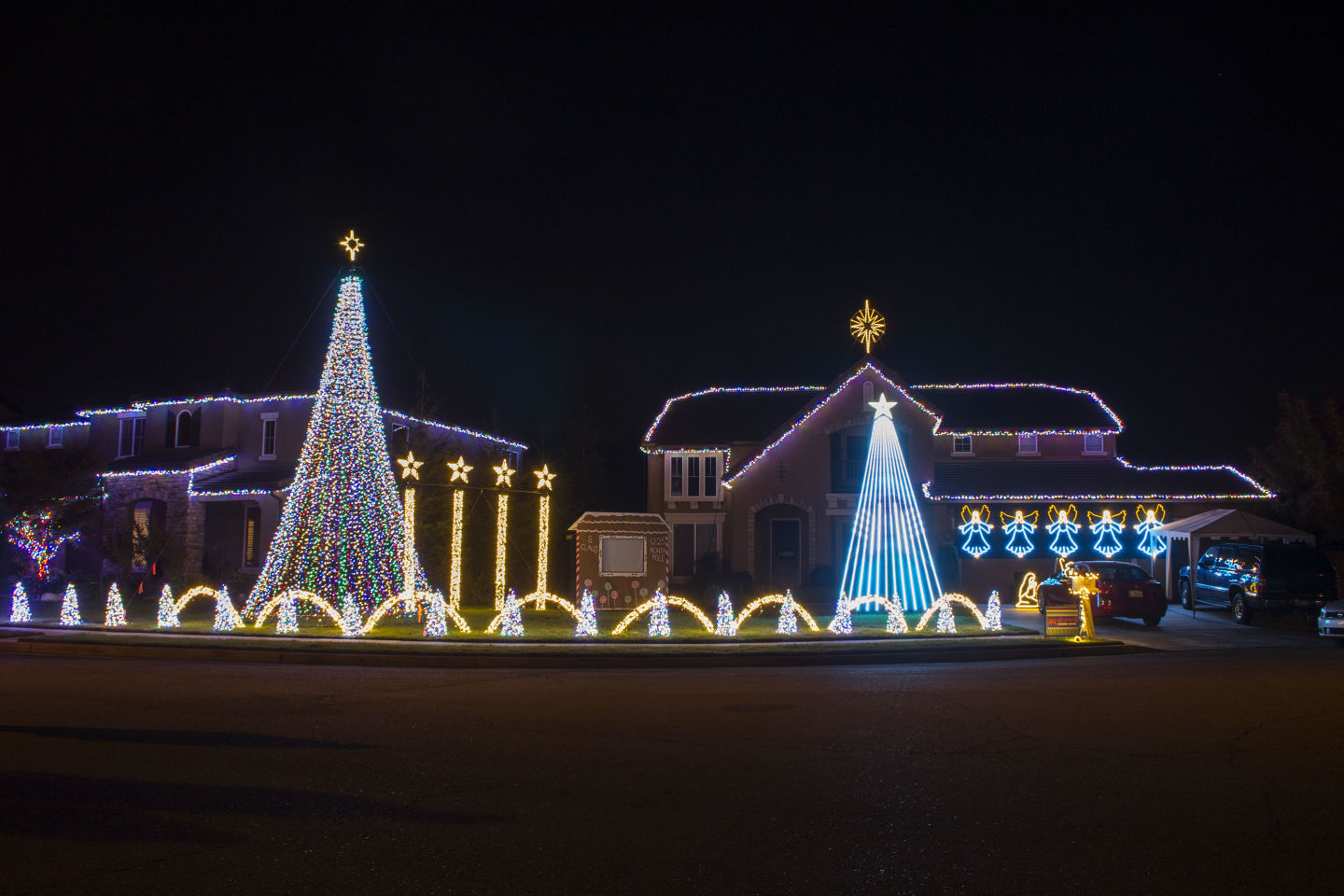
"caption": "Deb and Terry Toews' house has 50,000 holiday lights synchronized to music.",
"description": null,
"title": "main-house",
"credit": "Courtesy Scott Davis",
"status": "inherit",
"isLoading": false,
"fetchFailed": false
},
"news_10798064": {
"type": "attachments",
"id": "news_10798064",
"meta": {
"index": "attachments_1716263798",
"site": "news",
"id": "10798064",
"found": true
},
"parent": 10757787,
"imgSizes": {
"twentyfourteen-full-width": {
"file": "https://ww2.kqed.org/app/uploads/sites/10/2015/12/RS17837_22168566355_93f2905ed5_o-qut-1038x576.jpg",
"width": 1038,
"mimeType": "image/jpeg",
"height": 576
},
"thumbnail": {
"file": "https://ww2.kqed.org/app/uploads/sites/10/2015/12/RS17837_22168566355_93f2905ed5_o-qut-400x290.jpg",
"width": 400,
"mimeType": "image/jpeg",
"height": 290
},
"fd-sm": {
"file": "https://ww2.kqed.org/app/uploads/sites/10/2015/12/RS17837_22168566355_93f2905ed5_o-qut-960x696.jpg",
"width": 960,
"mimeType": "image/jpeg",
"height": 696
},
"post-thumbnail": {
"file": "https://ww2.kqed.org/app/uploads/sites/10/2015/12/RS17837_22168566355_93f2905ed5_o-qut-672x372.jpg",
"width": 672,
"mimeType": "image/jpeg",
"height": 372
},
"kqedFullSize": {
"file": "https://ww2.kqed.org/app/uploads/sites/10/2015/12/RS17837_22168566355_93f2905ed5_o-qut.jpg",
"width": 1920,
"height": 1392
},
"large": {
"file": "https://ww2.kqed.org/app/uploads/sites/10/2015/12/RS17837_22168566355_93f2905ed5_o-qut-1440x1044.jpg",
"width": 1440,
"mimeType": "image/jpeg",
"height": 1044
},
"guest-author-96": {
"file": "https://ww2.kqed.org/app/uploads/sites/10/2015/12/RS17837_22168566355_93f2905ed5_o-qut-96x96.jpg",
"width": 96,
"mimeType": "image/jpeg",
"height": 96
},
"medium": {
"file": "https://ww2.kqed.org/app/uploads/sites/10/2015/12/RS17837_22168566355_93f2905ed5_o-qut-800x580.jpg",
"width": 800,
"mimeType": "image/jpeg",
"height": 580
},
"guest-author-64": {
"file": "https://ww2.kqed.org/app/uploads/sites/10/2015/12/RS17837_22168566355_93f2905ed5_o-qut-64x64.jpg",
"width": 64,
"mimeType": "image/jpeg",
"height": 64
},
"guest-author-32": {
"file": "https://ww2.kqed.org/app/uploads/sites/10/2015/12/RS17837_22168566355_93f2905ed5_o-qut-32x32.jpg",
"width": 32,
"mimeType": "image/jpeg",
"height": 32
},
"jmtc-small-thumb": {
"file": "https://ww2.kqed.org/app/uploads/sites/10/2015/12/RS17837_22168566355_93f2905ed5_o-qut-280x150.jpg",
"width": 280,
"mimeType": "image/jpeg",
"height": 150
},
"fd-lrg": {
"file": "https://ww2.kqed.org/app/uploads/sites/10/2015/12/RS17837_22168566355_93f2905ed5_o-qut-1920x1392.jpg",
"width": 1920,
"mimeType": "image/jpeg",
"height": 1392
},
"fd-med": {
"file": "https://ww2.kqed.org/app/uploads/sites/10/2015/12/RS17837_22168566355_93f2905ed5_o-qut-1180x856.jpg",
"width": 1180,
"mimeType": "image/jpeg",
"height": 856
},
"detail": {
"file": "https://ww2.kqed.org/app/uploads/sites/10/2015/12/RS17837_22168566355_93f2905ed5_o-qut-75x75.jpg",
"width": 75,
"mimeType": "image/jpeg",
"height": 75
},
"medium_large": {
"file": "https://ww2.kqed.org/app/uploads/sites/10/2015/12/RS17837_22168566355_93f2905ed5_o-qut-768x557.jpg",
"width": 768,
"mimeType": "image/jpeg",
"height": 557
},
"guest-author-128": {
"file": "https://ww2.kqed.org/app/uploads/sites/10/2015/12/RS17837_22168566355_93f2905ed5_o-qut-128x128.jpg",
"width": 128,
"mimeType": "image/jpeg",
"height": 128
}
},
"publishDate": 1450376116,
"modified": 1450376154,
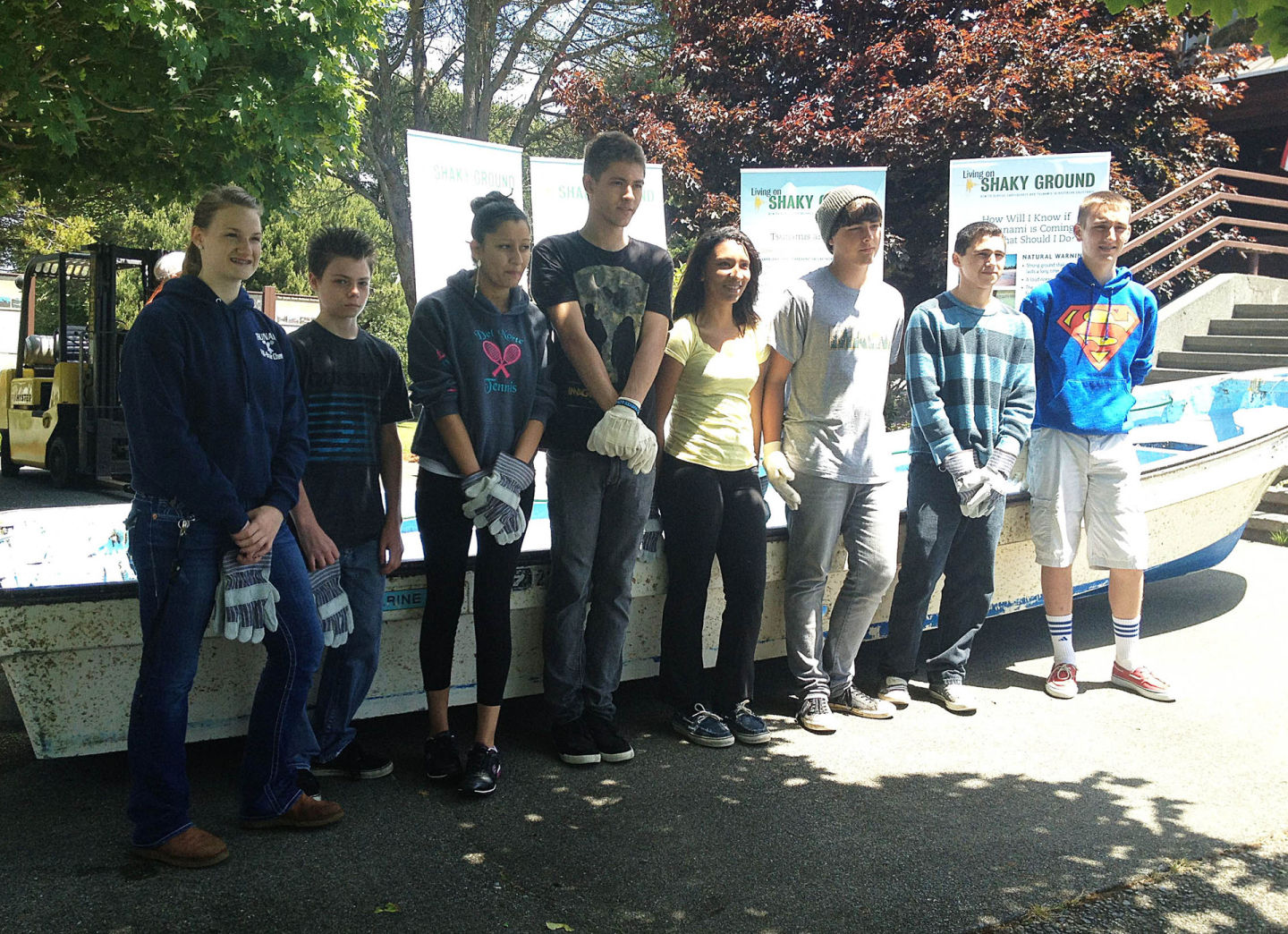
"caption": "Del Norte High students stand in front of Kamome.",
"description": "Del Norte High students stand in front of Kamome.",
"title": "RS17837_22168566355_93f2905ed5_o-qut",
"credit": "Humboldt State Kamome Gallery",
"status": "inherit",
"isLoading": false,
"fetchFailed": false
},
"arts_11168562": {
"type": "attachments",
"id": "arts_11168562",
"meta": {
"index": "attachments_1716263798",
"site": "arts",
"id": "11168562",
"found": true
},
"parent": 11163488,
"imgSizes": {
"twentyfourteen-full-width": {
"file": "https://ww2.kqed.org/app/uploads/sites/2/2015/12/CameraworkCover-1038x576.jpg",
"width": 1038,
"mimeType": "image/jpeg",
"height": 576
},
"thumbnail": {
"file": "https://ww2.kqed.org/app/uploads/sites/2/2015/12/CameraworkCover-400x225.jpg",
"width": 400,
"mimeType": "image/jpeg",
"height": 225
},
"fd-sm": {
"file": "https://ww2.kqed.org/app/uploads/sites/2/2015/12/CameraworkCover-960x540.jpg",
"width": 960,
"mimeType": "image/jpeg",
"height": 540
},
"post-thumbnail": {
"file": "https://ww2.kqed.org/app/uploads/sites/2/2015/12/CameraworkCover-672x372.jpg",
"width": 672,
"mimeType": "image/jpeg",
"height": 372
},
"kqedFullSize": {
"file": "https://ww2.kqed.org/app/uploads/sites/2/2015/12/CameraworkCover.jpg",
"width": 1920,
"height": 1080
},
"large": {
"file": "https://ww2.kqed.org/app/uploads/sites/2/2015/12/CameraworkCover-1180x664.jpg",
"width": 1180,
"mimeType": "image/jpeg",
"height": 664
},
"guest-author-96": {
"file": "https://ww2.kqed.org/app/uploads/sites/2/2015/12/CameraworkCover-96x96.jpg",
"width": 96,
"mimeType": "image/jpeg",
"height": 96
},
"medium": {
"file": "https://ww2.kqed.org/app/uploads/sites/2/2015/12/CameraworkCover-800x450.jpg",
"width": 800,
"mimeType": "image/jpeg",
"height": 450
},
"guest-author-64": {
"file": "https://ww2.kqed.org/app/uploads/sites/2/2015/12/CameraworkCover-64x64.jpg",
"width": 64,
"mimeType": "image/jpeg",
"height": 64
},
"guest-author-32": {
"file": "https://ww2.kqed.org/app/uploads/sites/2/2015/12/CameraworkCover-32x32.jpg",
"width": 32,
"mimeType": "image/jpeg",
"height": 32
},
"fd-lrg": {
"file": "https://ww2.kqed.org/app/uploads/sites/2/2015/12/CameraworkCover-1920x1080.jpg",
"width": 1920,
"mimeType": "image/jpeg",
"height": 1080
},
"fd-med": {
"file": "https://ww2.kqed.org/app/uploads/sites/2/2015/12/CameraworkCover-1180x664.jpg",
"width": 1180,
"mimeType": "image/jpeg",
"height": 664
},
"detail": {
"file": "https://ww2.kqed.org/app/uploads/sites/2/2015/12/CameraworkCover-75x75.jpg",
"width": 75,
"mimeType": "image/jpeg",
"height": 75
},
"medium_large": {
"file": "https://ww2.kqed.org/app/uploads/sites/2/2015/12/CameraworkCover-768x432.jpg",
"width": 768,
"mimeType": "image/jpeg",
"height": 432
},
"guest-author-128": {
"file": "https://ww2.kqed.org/app/uploads/sites/2/2015/12/CameraworkCover-128x128.jpg",
"width": 128,
"mimeType": "image/jpeg",
"height": 128
}
},
"publishDate": 1450302519,
"modified": 1450302785,
"caption": "Installation view of 'Meghann Riepenhoff, Littoral Drift,' at SF Camerawork, San Francisco.",
"description": null,
"title": "CameraworkCover",
"credit": "Photo courtesy of the artist and EUQINOMprojects, San Francisco",
"status": "inherit",
"isLoading": false,
"fetchFailed": false
},
"arts_11166461": {
"type": "attachments",
"id": "arts_11166461",
"meta": {
"index": "attachments_1716263798",
"site": "arts",
"id": "11166461",
"found": true
},
"parent": 11166460,
"imgSizes": {
"twentyfourteen-full-width": {
"file": "https://ww2.kqed.org/app/uploads/sites/2/2015/12/Jedediah-Caesar_XXCover-1038x576.jpg",
"width": 1038,
"mimeType": "image/jpeg",
"height": 576
},
"thumbnail": {
"file": "https://ww2.kqed.org/app/uploads/sites/2/2015/12/Jedediah-Caesar_XXCover-400x225.jpg",
"width": 400,
"mimeType": "image/jpeg",
"height": 225
},
"fd-sm": {
"file": "https://ww2.kqed.org/app/uploads/sites/2/2015/12/Jedediah-Caesar_XXCover-960x540.jpg",
"width": 960,
"mimeType": "image/jpeg",
"height": 540
},
"post-thumbnail": {
"file": "https://ww2.kqed.org/app/uploads/sites/2/2015/12/Jedediah-Caesar_XXCover-672x372.jpg",
"width": 672,
"mimeType": "image/jpeg",
"height": 372
},
"kqedFullSize": {
"file": "https://ww2.kqed.org/app/uploads/sites/2/2015/12/Jedediah-Caesar_XXCover.jpg",
"width": 1920,
"height": 1080
},
"large": {
"file": "https://ww2.kqed.org/app/uploads/sites/2/2015/12/Jedediah-Caesar_XXCover-1180x664.jpg",
"width": 1180,
"mimeType": "image/jpeg",
"height": 664
},
"guest-author-96": {
"file": "https://ww2.kqed.org/app/uploads/sites/2/2015/12/Jedediah-Caesar_XXCover-96x96.jpg",
"width": 96,
"mimeType": "image/jpeg",
"height": 96
},
"medium": {
"file": "https://ww2.kqed.org/app/uploads/sites/2/2015/12/Jedediah-Caesar_XXCover-800x450.jpg",
"width": 800,
"mimeType": "image/jpeg",
"height": 450
},
"guest-author-64": {
"file": "https://ww2.kqed.org/app/uploads/sites/2/2015/12/Jedediah-Caesar_XXCover-64x64.jpg",
"width": 64,
"mimeType": "image/jpeg",
"height": 64
},
"guest-author-32": {
"file": "https://ww2.kqed.org/app/uploads/sites/2/2015/12/Jedediah-Caesar_XXCover-32x32.jpg",
"width": 32,
"mimeType": "image/jpeg",
"height": 32
},
"fd-lrg": {
"file": "https://ww2.kqed.org/app/uploads/sites/2/2015/12/Jedediah-Caesar_XXCover-1920x1080.jpg",
"width": 1920,
"mimeType": "image/jpeg",
"height": 1080
},
"fd-med": {
"file": "https://ww2.kqed.org/app/uploads/sites/2/2015/12/Jedediah-Caesar_XXCover-1180x664.jpg",
"width": 1180,
"mimeType": "image/jpeg",
"height": 664
},
"detail": {
"file": "https://ww2.kqed.org/app/uploads/sites/2/2015/12/Jedediah-Caesar_XXCover-75x75.jpg",
"width": 75,
"mimeType": "image/jpeg",
"height": 75
},
"medium_large": {
"file": "https://ww2.kqed.org/app/uploads/sites/2/2015/12/Jedediah-Caesar_XXCover-768x432.jpg",
"width": 768,
"mimeType": "image/jpeg",
"height": 432
},
"guest-author-128": {
"file": "https://ww2.kqed.org/app/uploads/sites/2/2015/12/Jedediah-Caesar_XXCover-128x128.jpg",
"width": 128,
"mimeType": "image/jpeg",
"height": 128
}
},
"publishDate": 1450232913,
"modified": 1450232993,
"caption": "Jedediah Caesar, 'XX,' 2011.",
"description": null,
"title": "Jedediah Caesar_XXCover",
"credit": "Courtesy of the artist and Susanne Vielmetter Los Angeles Projects",
"status": "inherit",
"isLoading": false,
"fetchFailed": false
},
"arts_11152445": {
"type": "attachments",
"id": "arts_11152445",
"meta": {
"index": "attachments_1716263798",
"site": "arts",
"id": "11152445",
"found": true
},
"parent": 11149633,
"imgSizes": {
"twentyfourteen-full-width": {
"file": "https://ww2.kqed.org/app/uploads/sites/2/2015/12/CoverB-1038x576.jpg",
"width": 1038,
"mimeType": "image/jpeg",
"height": 576
},
"thumbnail": {
"file": "https://ww2.kqed.org/app/uploads/sites/2/2015/12/CoverB-400x225.jpg",
"width": 400,
"mimeType": "image/jpeg",
"height": 225
},
"fd-sm": {
"file": "https://ww2.kqed.org/app/uploads/sites/2/2015/12/CoverB-960x540.jpg",
"width": 960,
"mimeType": "image/jpeg",
"height": 540
},
"post-thumbnail": {
"file": "https://ww2.kqed.org/app/uploads/sites/2/2015/12/CoverB-672x372.jpg",
"width": 672,
"mimeType": "image/jpeg",
"height": 372
},
"kqedFullSize": {
"file": "https://ww2.kqed.org/app/uploads/sites/2/2015/12/CoverB.jpg",
"width": 1920,
"height": 1080
},
"large": {
"file": "https://ww2.kqed.org/app/uploads/sites/2/2015/12/CoverB-1180x664.jpg",
"width": 1180,
"mimeType": "image/jpeg",
"height": 664
},
"guest-author-96": {
"file": "https://ww2.kqed.org/app/uploads/sites/2/2015/12/CoverB-96x96.jpg",
"width": 96,
"mimeType": "image/jpeg",
"height": 96
},
"medium": {
"file": "https://ww2.kqed.org/app/uploads/sites/2/2015/12/CoverB-800x450.jpg",
"width": 800,
"mimeType": "image/jpeg",
"height": 450
},
"guest-author-64": {
"file": "https://ww2.kqed.org/app/uploads/sites/2/2015/12/CoverB-64x64.jpg",
"width": 64,
"mimeType": "image/jpeg",
"height": 64
},
"guest-author-32": {
"file": "https://ww2.kqed.org/app/uploads/sites/2/2015/12/CoverB-32x32.jpg",
"width": 32,
"mimeType": "image/jpeg",
"height": 32
},
"fd-lrg": {
"file": "https://ww2.kqed.org/app/uploads/sites/2/2015/12/CoverB-1920x1080.jpg",
"width": 1920,
"mimeType": "image/jpeg",
"height": 1080
},
"fd-med": {
"file": "https://ww2.kqed.org/app/uploads/sites/2/2015/12/CoverB-1180x664.jpg",
"width": 1180,
"mimeType": "image/jpeg",
"height": 664
},
"detail": {
"file": "https://ww2.kqed.org/app/uploads/sites/2/2015/12/CoverB-75x75.jpg",
"width": 75,
"mimeType": "image/jpeg",
"height": 75
},
"medium_large": {
"file": "https://ww2.kqed.org/app/uploads/sites/2/2015/12/CoverB-768x432.jpg",
"width": 768,
"mimeType": "image/jpeg",
"height": 432
},
"guest-author-128": {
"file": "https://ww2.kqed.org/app/uploads/sites/2/2015/12/CoverB-128x128.jpg",
"width": 128,
"mimeType": "image/jpeg",
"height": 128
}
},
"publishDate": 1449791659,
"modified": 1449791831,
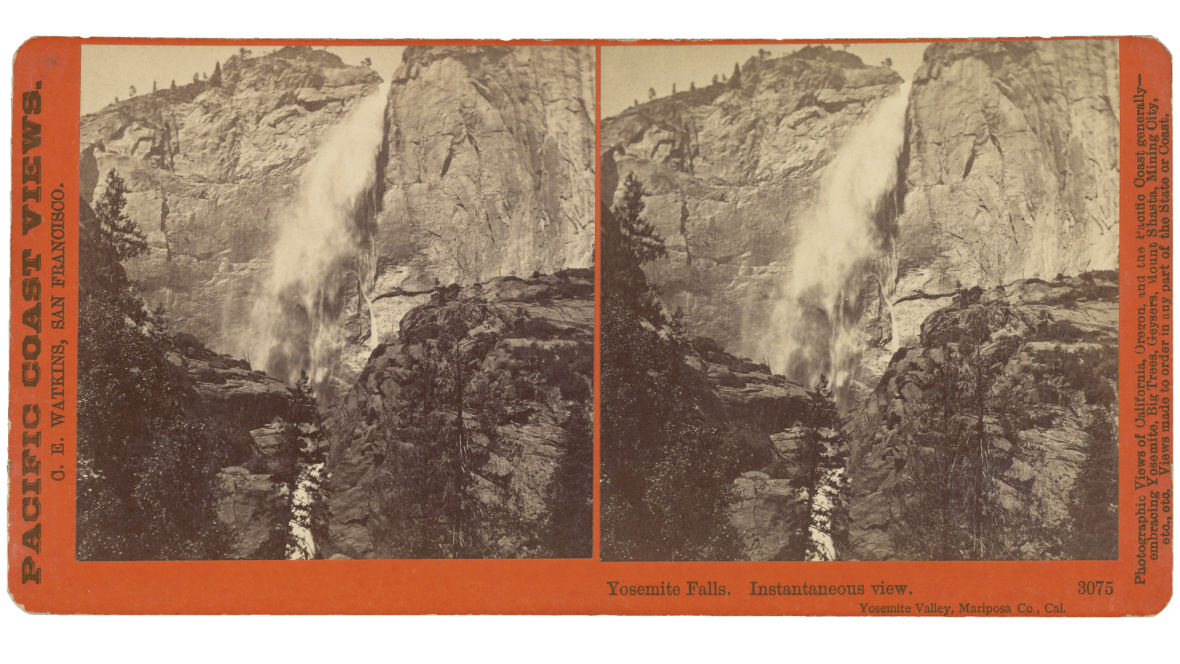
"caption": "Carleton Watkins, 'Yosemite Falls. Instantaneous view. Yosemite Valley, Mariposa Co., Cal.,' about 1874.\n",
"description": null,
"title": "CoverB",
"credit": "Courtesy: The J. Paul Getty Museum, Los Angeles, Gift of Weston J. and Mary M. Naef",
"status": "inherit",
"isLoading": false,
"fetchFailed": false
}
},
"audioPlayerReducer": {
"postId": "stream_live",
"isPaused": true,
"isPlaying": false,
"pfsActive": false,
"pledgeModalIsOpen": true,
"playerDrawerIsOpen": false,
"liveAudioPlayStartedAt": 0,
"liveAudioPlayContext": ""
},
"authorsReducer": {
"byline_arts_11201305": {
"type": "authors",
"id": "byline_arts_11201305",
"meta": {
"override": true
},
"slug": "byline_arts_11201305",
"name": "Maria Godoy",
"isLoading": false
},
"byline_arts_11193675": {
"type": "authors",
"id": "byline_arts_11193675",
"meta": {
"override": true
},
"slug": "byline_arts_11193675",
"name": "Meredith Rizzo",
"isLoading": false
},
"byline_news_10757787": {
"type": "authors",
"id": "byline_news_10757787",
"meta": {
"override": true
},
"slug": "byline_news_10757787",
"name": "Natalya Estrada",
"isLoading": false
},
"cmusiker": {
"type": "authors",
"id": "32",
"meta": {
"index": "authors_1716337520",
"id": "32",
"found": true
},
"name": "Cy Musiker",
"firstName": "Cy",
"lastName": "Musiker",
"slug": "cmusiker",
"email": "cmusiker@kqed.org",
"display_author_email": false,
"staff_mastheads": [],
"title": "KQED Contributor",
"bio": "Cy Musiker is a former co-host of The Do List and a former reporter covering the arts for KQED News and The California Report. He loves live performance, especially great theater, jazz, roots music, anything by Mahler. Cy has an MJ from UC Berkeley's School of Journalism, and got his BA from Hampshire College. His work has been recognized by the Society for Professional Journalists with their Sigma Delta Chi Award for Public Service in Journalism. When he can, Cy likes to swim in Tomales Bay, run with his dog in the East Bay Hills, and hike the Sierra.",
"avatar": "https://secure.gravatar.com/avatar/05eaba5c5696ce8f062e4ea2df428a43?s=600&d=blank&r=g",
"twitter": null,
"facebook": null,
"instagram": null,
"linkedin": null,
"sites": [
{
"site": "arts",
"roles": [
"Contributor",
"subscriber"
]
},
{
"site": "news",
"roles": [
"author"
]
},
{
"site": "bayareabites",
"roles": [
"contributor"
]
}
],
"headData": {
"title": "Cy Musiker | KQED",
"description": "KQED Contributor",
"ogImgSrc": "https://secure.gravatar.com/avatar/05eaba5c5696ce8f062e4ea2df428a43?s=600&d=blank&r=g",
"twImgSrc": "https://secure.gravatar.com/avatar/05eaba5c5696ce8f062e4ea2df428a43?s=600&d=blank&r=g"
},
"isLoading": false,
"link": "/author/cmusiker"
},
"shotchkiss": {
"type": "authors",
"id": "61",
"meta": {
"index": "authors_1716337520",
"id": "61",
"found": true
},
"name": "Sarah Hotchkiss",
"firstName": "Sarah",
"lastName": "Hotchkiss",
"slug": "shotchkiss",
"email": "shotchkiss@kqed.org",
"display_author_email": true,
"staff_mastheads": [
"arts"
],
"title": "Senior Editor",
"bio": "Sarah Hotchkiss is a San Francisco \u003ca href=\"http://www.sarahhotchkiss.com\">artist\u003c/a> and arts writer. In 2019, she received the Dorothea & Leo Rabkin Foundation grant for visual art journalism and in 2020 she received a Society of Professional Journalists, Northern California award for excellence in arts and culture reporting.",
"avatar": "https://secure.gravatar.com/avatar/bc662df144b3d27fd8b1b6f1c2a420d34e91e53154d411bb7ad353cc8b6cea8d?s=600&d=blank&r=g",
"twitter": null,
"bluesky": null,
"facebook": null,
"instagram": null,
"linkedin": null,
"sites": [
{
"site": "",
"roles": [
"editor"
]
},
{
"site": "arts",
"roles": [
"Contributor",
"administrator"
]
},
{
"site": "artschool",
"roles": [
"administrator"
]
},
{
"site": "news",
"roles": [
"editor"
]
},
{
"site": "pop",
"roles": [
"administrator"
]
},
{
"site": "bayareabites",
"roles": [
"editor"
]
},
{
"site": "spark",
"roles": [
"editor"
]
},
{
"site": "checkplease",
"roles": [
"editor"
]
}
],
"headData": {
"title": "Sarah Hotchkiss | KQED",
"description": "Senior Editor",
"ogImgSrc": "https://secure.gravatar.com/avatar/bc662df144b3d27fd8b1b6f1c2a420d34e91e53154d411bb7ad353cc8b6cea8d?s=600&d=blank&r=g",
"twImgSrc": "https://secure.gravatar.com/avatar/bc662df144b3d27fd8b1b6f1c2a420d34e91e53154d411bb7ad353cc8b6cea8d?s=600&d=blank&r=g"
},
"isLoading": false,
"link": "/author/shotchkiss"
},
"rseikaly": {
"type": "authors",
"id": "77",
"meta": {
"index": "authors_1716337520",
"id": "77",
"found": true
},
"name": "Roula Seikaly",
"firstName": "Roula",
"lastName": "Seikaly",
"slug": "rseikaly",
"email": "roula@roulaseikaly.com",
"display_author_email": false,
"staff_mastheads": [],
"title": "KQED Contributor",
"bio": "Roula Seikaly in an independent writer and curator based in Berkeley, California, and Senior Editor at \u003ca href=\"http://hafny.org/\">Humble Arts Foundation\u003c/a>. She has curated exhibitions at Colorado Photographic Arts Center, Filter Photo Festival, Blue Sky Gallery, SF Camerawork, SOMArts, and the Utah Museum of Arts. She is a regular contributor to Photograph, Hyerallergic, BOMB Magazine, and KQED Arts.",
"avatar": "https://secure.gravatar.com/avatar/771cde409896af1326a07050f2e4e489?s=600&d=blank&r=g",
"twitter": null,
"facebook": null,
"instagram": null,
"linkedin": null,
"sites": [
{
"site": "arts",
"roles": [
"Contributor",
"contributor"
]
}
],
"headData": {
"title": "Roula Seikaly | KQED",
"description": "KQED Contributor",
"ogImgSrc": "https://secure.gravatar.com/avatar/771cde409896af1326a07050f2e4e489?s=600&d=blank&r=g",
"twImgSrc": "https://secure.gravatar.com/avatar/771cde409896af1326a07050f2e4e489?s=600&d=blank&r=g"
},
"isLoading": false,
"link": "/author/rseikaly"
},
"smartin": {
"type": "authors",
"id": "89",
"meta": {
"index": "authors_1716337520",
"id": "89",
"found": true
},
"name": "Stephanie Martin Taylor",
"firstName": "Stephanie Martin",
"lastName": "Taylor",
"slug": "smartin",
"email": "smartin@kqed.org",
"display_author_email": false,
"staff_mastheads": [],
"title": null,
"bio": "Stephanie Martin is a radio news reporter and anchor, and an occasional host of the \u003cem>KQED Newsroom \u003c/em>television program. While she currently focuses on housing and development issues, she has also reported on topics ranging from state and local politics to religion to arts and culture.\r\n\r\nPrior to joining KQED in 2005, Stephanie was an anchor and reporter for WFDD, the NPR affiliate in Winston-Salem, NC. She also spent several years as a television anchor, reporter and producer at various stations around the country.\r\n\r\nStephanie has received numerous awards for her reporting, including two National Headliner Awards, the Religion Newswriters Association's Best Radio Reporting Award and honors from the Associated Press and the Radio and Television Digital News Association. A series she produced from Iraq in 2005 earned a Best of Radio Award from the Society of Professional Journalists.\r\n\r\nStephanie received a graduate degree in Journalism from Columbia University. As an undergraduate at Colgate University, she worked and studied in Paris and Dijon, France, and spent a summer interning in the White House Press Office.\r\n\r\nStephanie grew up in Dallas, TX, and now lives with her husband in San Francisco.",
"avatar": "https://secure.gravatar.com/avatar/9fd3f8e9af01e14afde39822c19646e0?s=600&d=blank&r=g",
"twitter": "SMartinTaylor",
"facebook": null,
"instagram": null,
"linkedin": null,
"sites": [
{
"site": "arts",
"roles": [
"Contributor",
"subscriber"
]
},
{
"site": "news",
"roles": [
"subscriber"
]
},
{
"site": "stateofhealth",
"roles": [
"subscriber"
]
}
],
"headData": {
"title": "Stephanie Martin Taylor | KQED",
"description": null,
"ogImgSrc": "https://secure.gravatar.com/avatar/9fd3f8e9af01e14afde39822c19646e0?s=600&d=blank&r=g",
"twImgSrc": "https://secure.gravatar.com/avatar/9fd3f8e9af01e14afde39822c19646e0?s=600&d=blank&r=g"
},
"isLoading": false,
"link": "/author/smartin"
},
"aliceldaniel": {
"type": "authors",
"id": "208",
"meta": {
"index": "authors_1716337520",
"id": "208",
"found": true
},
"name": "Alice Daniel",
"firstName": "Alice",
"lastName": "Daniel",
"slug": "aliceldaniel",
"email": "adaniel@kqed.org",
"display_author_email": false,
"staff_mastheads": [],
"title": null,
"bio": "Alice Daniel loves the listening aspect of reporting because she gets to briefly walk in other people’s shoes. She has rappelled down into caves and gone up in helicopters for KQED’s The California Report but her favorite place to pursue a story is the High Sierra or any family-run bakery, of course. Alice has a masters in journalism from Columbia University and teaches at Fresno State. She is a California Healthline Regional Correspondent and a frequent contributor to Success magazine. In her free time, she skis and hikes, throws pottery, practices piano and looks out the window.",
"avatar": "https://secure.gravatar.com/avatar/e611aa06593b114a67f9f123a8e875ad?s=600&d=blank&r=g",
"twitter": null,
"facebook": null,
"instagram": null,
"linkedin": null,
"sites": [
{
"site": "news",
"roles": [
"author"
]
},
{
"site": "stateofhealth",
"roles": [
"author"
]
}
],
"headData": {
"title": "Alice Daniel | KQED",
"description": null,
"ogImgSrc": "https://secure.gravatar.com/avatar/e611aa06593b114a67f9f123a8e875ad?s=600&d=blank&r=g",
"twImgSrc": "https://secure.gravatar.com/avatar/e611aa06593b114a67f9f123a8e875ad?s=600&d=blank&r=g"
},
"isLoading": false,
"link": "/author/aliceldaniel"
}
},
"pagesReducer": {
"arts_category_visualarts": {
"type": "terms",
"id": "arts_70",
"meta": {
"index": "terms_1716263798",
"site": "arts",
"id": "70",
"score": 14.40763
},
"featImg": null,
"name": "Visual Arts",
"description": null,
"taxonomy": "category",
"headData": {
"twImgId": null,
"twTitle": null,
"ogTitle": null,
"ogImgId": null,
"twDescription": null,
"description": null,
"title": "Visual Arts Archives | KQED Arts",
"ogDescription": null
},
"ttid": 71,
"slug": "visualarts",
"isLoading": false,
"title": "Visual Arts",
"pageMeta": {
"site": "arts",
"WpPageTemplate": "page-topic-editorial",
"currentPage": 142
},
"blocks": [
{
"blockName": "kqed/post-list",
"attrs": {
"layout": "cardArticle2",
"query": "posts/arts?category=visualarts",
"seeMore": false,
"paginated": true,
"page": 142
}
},
{
"blockName": "kqed/ad"
}
]
}
},
"pfsSessionReducer": {},
"postsReducer": {
"stream_live": {
"type": "live",
"id": "stream_live",
"audioUrl": "https://streams.kqed.org/kqedradio",
"title": "Live Stream",
"excerpt": "Live Stream information currently unavailable.",
"link": "/radio",
"featImg": "",
"label": {
"name": "KQED Live",
"link": "/"
}
},
"stream_kqedNewscast": {
"type": "posts",
"id": "stream_kqedNewscast",
"audioUrl": "https://www.kqed.org/.stream/anon/radio/RDnews/newscast.mp3?_=1",
"title": "KQED Newscast",
"featImg": "",
"label": {
"name": "88.5 FM",
"link": "/"
}
},
"arts_11209646": {
"type": "posts",
"id": "arts_11209646",
"meta": {
"index": "posts_1716263798",
"site": "arts",
"id": "11209646",
"score": null,
"sort": [
1451923215000
]
},
"guestAuthors": [],
"slug": "artful-dodger-visual-art-happenings-for-a-new-year",
"title": "Artful Dodger: Visual Art Happenings for a New Year",
"publishDate": 1451923215,
"format": "standard",
"headTitle": "Artful Dodger: Visual Art Happenings for a New Year | KQED",
"labelTerm": {
"site": "arts"
},
"content": "\u003cp>It might be the lingering effects of champagne, but it has been extra difficult culling January’s visual arts offerings down into a tidy list of five.\u003c/p>\n\u003cp>The end of the month is particularly packed. First, you have \u003ca href=\"http://experiments.californiahistoricalsociety.org/\" target=\"_blank\" rel=\"noopener\">an exhibition at the California Historical Society\u003c/a> focused on Anna and Lawrence Halprin’s experimental workshops of the late 1960s. Then you have \u003ca href=\"http://www.thecjm.org/on-view/upcoming/in-that-case-havruta-in-contemporary-art-jenny-odell-and-philip-buscemi/about\" target=\"_blank\" rel=\"noopener\">a new addition\u003c/a> to the Contemporary Jewish Museum’s inventive \u003ci>Havruta\u003c/i> series. Following up that is \u003ca href=\"http://www.sfrecycling.com/index.php/next-art-exhibition\" target=\"_blank\" rel=\"noopener\">a culminating exhibition\u003c/a> from the latest round of residencies at Recology. And it all ends with \u003ca href=\"http://bampfa.org/program/grand-opening-week\" target=\"_blank\" rel=\"noopener\">the opening\u003c/a> of the reunited Berkeley Art Museum and Pacific Film Archive on Jan. 31.\u003c/p>\n\u003cp>There’s no better way to embrace the promise of a new year by filling your eyes, ears and minds with art. So shake off that holiday lethargy, mark up your brand new calendars and make good on your resolutions.\u003c/p>\n\u003cfigure id=\"attachment_11209658\" class=\"wp-caption alignright\" style=\"max-width: 640px\">\u003cimg loading=\"lazy\" decoding=\"async\" class=\"size-full wp-image-11209658\" src=\"http://ww2.kqed.org/arts/wp-content/uploads/sites/2/2015/12/Ireland.gif\" alt='David Ireland making one of his \"dumbballs.\"' width=\"640\" height=\"359\">\u003cfigcaption class=\"wp-caption-text\">David Ireland making one of his “dumbballs.” \u003ccite>(Courtesy: 500 Capp Street)\u003c/cite>\u003c/figcaption>\u003c/figure>\n\u003ch3>David Ireland Bonanza\u003c/h3>\n\u003ch5>500 Capp Street, Southern Exposure, San Francisco Art Institute and Anglim Gilbert Gallery\u003cbr>\nStarts Jan. 14\u003c/h5>\n\u003cp>\u003ca href=\"http://500cappstreet.org/\" target=\"_blank\" rel=\"noopener\">500 Capp Street\u003c/a> isn’t just the house where conceptual artist David Ireland lived for 30 years — it’s a piece of art. The home, its walls, ceilings, floors, contents (and even support beams) were fair game for Ireland’s practice. Starting Jan. 15 the house opens its doors as a private museum, providing ticketed tours of the two-story Victorian, rotating exhibitions, public events, a study center and residency program. \u003ca href=\"https://64181.blackbaudhosting.com/64181/page.aspx?pid=196&tab=2&txobjid=bac54c61-457b-492d-8ec2-ba4543c58974\" target=\"_blank\" rel=\"noopener\">Tickets $15-$20 and going fast!\u003c/a>\u003c/p>\n\u003cp>And if that’s not exciting enough, this month institutions across the city join in celebrating all things David Ireland. Coinciding with 500 Capp Street’s opening events, Southern Exposure commissions three new works by a younger generation of artists for \u003ci>\u003ca href=\"http://soex.org/events/6-block-scores\" target=\"_blank\" rel=\"noopener\">6 Block Scores\u003c/a>\u003c/i>, 12-6pm on Jan. 16. Inspired by Ireland’s repetitive processes and humble materials, Haegen Crosby, Kari Marboe and Minji Sohn’s performances connect the past and present between the physical space of the two institutions. FREE!\u003c/p>\n\u003cp>[ad fullwidth]\u003c/p>\n\u003cp>Jan 14 to March 26, SFAI hosts an \u003ca href=\"http://www.sfai.edu/exhibitions-public-events/detail/david-ireland\" target=\"_blank\" rel=\"noopener\">eponymous exhibition of Ireland’s works\u003c/a> that includes a reenactment of \u003ci>Smithsonian Falls, Descending a Staircase for P.K.\u003c/i>, a cascade of concrete down the galleries’ brutalist stairs. Anglim Gilbert Gallery widens the scope to include Ireland’s contemporaries for \u003ci>\u003ca href=\"http://www.gallerypauleanglim.com/Exhibitions.html\" target=\"_blank\" rel=\"noopener\">Dumbball: David Ireland and his Circle\u003c/a>\u003c/i>, on view Jan. 20 to Feb. 28. BOTH FREE!\u003c/p>\n\u003cfigure id=\"attachment_11209654\" class=\"wp-caption alignright\" style=\"max-width: 640px\">\u003cimg loading=\"lazy\" decoding=\"async\" class=\"size-full wp-image-11209654\" src=\"http://ww2.kqed.org/arts/wp-content/uploads/sites/2/2015/12/21851929561_8ca9308903_z.jpg\" alt=\"Jeepneys + some times, 'Let Me Be The One: A history of a decolonized service.'\" width=\"640\" height=\"427\" srcset=\"https://cdn.kqed.org/wp-content/uploads/sites/2/2015/12/21851929561_8ca9308903_z.jpg 640w, https://cdn.kqed.org/wp-content/uploads/sites/2/2015/12/21851929561_8ca9308903_z-400x267.jpg 400w\" sizes=\"(max-width: 640px) 100vw, 640px\">\u003cfigcaption class=\"wp-caption-text\">Jeepneys + some times, ‘Let Me Be The One: A history of a decolonized service.’ \u003ccite>(Photo: Nastya Valentine / Courtesy: SOMArts)\u003c/cite>\u003c/figcaption>\u003c/figure>\n\u003ch3>\u003ci>Visions Into Infinite Archives\u003c/i>\u003c/h3>\n\u003ch5>SOMArts, San Francisco\u003cbr>\nJan. 14 – Feb. 10\u003c/h5>\n\u003cp>Curated by the Oakland and L.A.-based Black Salt Collective as part of SOMArts’ Commons Curatorial Residency, \u003ci>\u003ca href=\"http://www.somarts.org/infinitearchives/\" target=\"_blank\" rel=\"noopener\">Visions Into Infinite Archives\u003c/a>\u003c/i> features 30 artists of color “honoring the non-linearity of time.” What exactly does that look like? Murals, light and textile installations, film screenings and performances that seek to break cycles of oppression. The Black Salt Collective’s version of an archive isn’t a static collection of information, but a mutable and moving thing rooted in physical bodies. I’m especially looking forward to an opening night performance by Jeepneys (and their hand-painted bodysuits). FREE!\u003c/p>\n\u003cfigure id=\"attachment_11209668\" class=\"wp-caption alignright\" style=\"max-width: 350px\">\u003cimg loading=\"lazy\" decoding=\"async\" src=\"http://ww2.kqed.org/arts/wp-content/uploads/sites/2/2015/12/Hikawa350.gif\" alt=\"Teaser for 'The Empty Temple' at City Limits.\" width=\"350\" height=\"450\" class=\"size-full wp-image-11209668\">\u003cfigcaption class=\"wp-caption-text\">Teaser for ‘The Empty Temple’ at City Limits. \u003ccite>(Courtesy: City Limits)\u003c/cite>\u003c/figcaption>\u003c/figure>\n\u003ch3>\u003ci>The Empty Temple\u003c/i>, Bailey Hikawa\u003c/h3>\n\u003ch5>City Limits, Oakland\u003cbr>\nJan. 22 – Feb. 20\u003c/h5>\n\u003cp>L.A.-based painter Bailey Hikawa returns to the Bay Area with a solo show at City Limits inspired by labyrinths. Transforming the gallery itself into a maze-like space, Hikawa creates secluded areas for meditation, chuckles or — for the claustrophobic — possibly panic. With Hikawa’s ability to fabricate seemingly anything (she has a background in scenic design), \u003ci>\u003ca href=\"http://www.citylimitsgallery.com/exhibitions/baileyhikawa/\" target=\"_blank\" rel=\"noopener\">The Empty Temple\u003c/a>\u003c/i> promises to transform City Limits’ otherwise-nondescript space into a surreal and otherworldly environment. FREE!\u003c/p>\n\u003ch3>San Francisco Arts Commission Galleries Grand Opening Celebration\u003c/h3>\n\u003ch5>War Memorial Veterans Building, San Francisco\u003cbr>\nFriday, Jan. 22, 6-9pm\u003c/h5>\n\u003cp>The SFAC’s main gallery is now a whopping 4400 sq. feet of exhibition space in the War Memorial Veterans Building. They start the year off with \u003ca href=\"http://www.sfartscommission.org/gallery/2015/we-are-on-the-move/\" target=\"_blank\" rel=\"noopener\">three concurrent exhibitions\u003c/a>: the group show \u003ci>Bring it Home: (Re)Locating Cultural Legacy Through the Body\u003c/i>, a small retrospective of the late Bay Area artist Susan O’Malley’s work, and \u003ci>ENTER: 126\u003c/i>, a new annual site-specific commission for the gallery’s entryway. FREE!\u003c/p>\n\u003cfigure id=\"attachment_11209657\" class=\"wp-caption alignright\" style=\"max-width: 640px\">\u003cimg loading=\"lazy\" decoding=\"async\" class=\"size-full wp-image-11209657\" src=\"http://ww2.kqed.org/arts/wp-content/uploads/sites/2/2015/12/CTRLSHFT640.jpg\" alt=\"Some CTRL+SHFT members during studio build-out.\" width=\"640\" height=\"480\" srcset=\"https://cdn.kqed.org/wp-content/uploads/sites/2/2015/12/CTRLSHFT640.jpg 640w, https://cdn.kqed.org/wp-content/uploads/sites/2/2015/12/CTRLSHFT640-400x300.jpg 400w\" sizes=\"(max-width: 640px) 100vw, 640px\">\u003cfigcaption class=\"wp-caption-text\">Some CTRL+SHFT members during studio build-out. \u003ccite>(Courtesy: CTRL+SHFT)\u003c/cite>\u003c/figcaption>\u003c/figure>\n\u003ch3>CTRL+SHFT Inaugural Show\u003c/h3>\n\u003ch5>Jan. 29 – Feb. 19, Oakland\u003c/h5>\n\u003cp>\u003c/p>\n\u003cp>Looking for DIY energy and a scrappy success story? In a warehouse in West Oakland, a group of female artists working across disciplines have joined forces to carve out space for “collusion”: private studios and a public gallery. \u003ca href=\"http://ctrlshftcollective.com/\" target=\"_blank\" rel=\"noopener\">CTRL+SHFT\u003c/a>’s first exhibition presents the work of the 12 studio members (all recent CCA MFA grads) in a “get to know us” showcase. Future programming will focus on providing exhibition opportunities to artists “who might have a hard time finding wall space elsewhere.” FREE!\u003c/p>\n\n",
"blocks": [],
"excerpt": "Jump into the new year with a hearty dose of visual art happenings for your eyes, ears and mind.",
"status": "publish",
"parent": 0,
"modified": 1726771108,
"stats": {
"hasAudio": false,
"hasVideo": false,
"hasChartOrMap": false,
"iframeSrcs": [],
"hasGoogleForm": false,
"hasGallery": false,
"hasHearkenModule": false,
"hasPolis": false,
"paragraphCount": 12,
"wordCount": 869
},
"headData": {
"title": "Artful Dodger: Visual Art Happenings for a New Year | KQED",
"description": "Jump into the new year with a hearty dose of visual art happenings for your eyes, ears and mind.",
"ogTitle": "",
"ogDescription": "",
"ogImgId": "",
"twTitle": "",
"twDescription": "",
"twImgId": "",
"schema": {
"@context": "https://schema.org",
"@type": "Article",
"headline": "Artful Dodger: Visual Art Happenings for a New Year",
"datePublished": "2016-01-04T08:00:15-08:00",
"dateModified": "2024-09-19T11:38:28-07:00",
"image": "https://cdn.kqed.org/wp-content/uploads/2020/02/KQED-OG-Image@1x.png"
}
},
"sticky": false,
"path": "/arts/11209646/artful-dodger-visual-art-happenings-for-a-new-year",
"audioTrackLength": null,
"parsedContent": [
{
"type": "contentString",
"content": "\u003cdiv class=\"post-body\">\u003cp>\u003cp>It might be the lingering effects of champagne, but it has been extra difficult culling January’s visual arts offerings down into a tidy list of five.\u003c/p>\n\u003cp>The end of the month is particularly packed. First, you have \u003ca href=\"http://experiments.californiahistoricalsociety.org/\" target=\"_blank\" rel=\"noopener\">an exhibition at the California Historical Society\u003c/a> focused on Anna and Lawrence Halprin’s experimental workshops of the late 1960s. Then you have \u003ca href=\"http://www.thecjm.org/on-view/upcoming/in-that-case-havruta-in-contemporary-art-jenny-odell-and-philip-buscemi/about\" target=\"_blank\" rel=\"noopener\">a new addition\u003c/a> to the Contemporary Jewish Museum’s inventive \u003ci>Havruta\u003c/i> series. Following up that is \u003ca href=\"http://www.sfrecycling.com/index.php/next-art-exhibition\" target=\"_blank\" rel=\"noopener\">a culminating exhibition\u003c/a> from the latest round of residencies at Recology. And it all ends with \u003ca href=\"http://bampfa.org/program/grand-opening-week\" target=\"_blank\" rel=\"noopener\">the opening\u003c/a> of the reunited Berkeley Art Museum and Pacific Film Archive on Jan. 31.\u003c/p>\n\u003cp>There’s no better way to embrace the promise of a new year by filling your eyes, ears and minds with art. So shake off that holiday lethargy, mark up your brand new calendars and make good on your resolutions.\u003c/p>\n\u003cfigure id=\"attachment_11209658\" class=\"wp-caption alignright\" style=\"max-width: 640px\">\u003cimg loading=\"lazy\" decoding=\"async\" class=\"size-full wp-image-11209658\" src=\"http://ww2.kqed.org/arts/wp-content/uploads/sites/2/2015/12/Ireland.gif\" alt='David Ireland making one of his \"dumbballs.\"' width=\"640\" height=\"359\">\u003cfigcaption class=\"wp-caption-text\">David Ireland making one of his “dumbballs.” \u003ccite>(Courtesy: 500 Capp Street)\u003c/cite>\u003c/figcaption>\u003c/figure>\n\u003ch3>David Ireland Bonanza\u003c/h3>\n\u003ch5>500 Capp Street, Southern Exposure, San Francisco Art Institute and Anglim Gilbert Gallery\u003cbr>\nStarts Jan. 14\u003c/h5>\n\u003cp>\u003ca href=\"http://500cappstreet.org/\" target=\"_blank\" rel=\"noopener\">500 Capp Street\u003c/a> isn’t just the house where conceptual artist David Ireland lived for 30 years — it’s a piece of art. The home, its walls, ceilings, floors, contents (and even support beams) were fair game for Ireland’s practice. Starting Jan. 15 the house opens its doors as a private museum, providing ticketed tours of the two-story Victorian, rotating exhibitions, public events, a study center and residency program. \u003ca href=\"https://64181.blackbaudhosting.com/64181/page.aspx?pid=196&tab=2&txobjid=bac54c61-457b-492d-8ec2-ba4543c58974\" target=\"_blank\" rel=\"noopener\">Tickets $15-$20 and going fast!\u003c/a>\u003c/p>\n\u003cp>And if that’s not exciting enough, this month institutions across the city join in celebrating all things David Ireland. Coinciding with 500 Capp Street’s opening events, Southern Exposure commissions three new works by a younger generation of artists for \u003ci>\u003ca href=\"http://soex.org/events/6-block-scores\" target=\"_blank\" rel=\"noopener\">6 Block Scores\u003c/a>\u003c/i>, 12-6pm on Jan. 16. Inspired by Ireland’s repetitive processes and humble materials, Haegen Crosby, Kari Marboe and Minji Sohn’s performances connect the past and present between the physical space of the two institutions. FREE!\u003c/p>\n\u003cp>\u003c/p>\u003c/div>",
"attributes": {
"named": {},
"numeric": []
}
},
{
"type": "component",
"content": "",
"name": "ad",
"attributes": {
"named": {
"label": "fullwidth"
},
"numeric": [
"fullwidth"
]
}
},
{
"type": "contentString",
"content": "\u003cdiv class=\"post-body\">\u003cp>\u003c/p>\n\u003cp>Jan 14 to March 26, SFAI hosts an \u003ca href=\"http://www.sfai.edu/exhibitions-public-events/detail/david-ireland\" target=\"_blank\" rel=\"noopener\">eponymous exhibition of Ireland’s works\u003c/a> that includes a reenactment of \u003ci>Smithsonian Falls, Descending a Staircase for P.K.\u003c/i>, a cascade of concrete down the galleries’ brutalist stairs. Anglim Gilbert Gallery widens the scope to include Ireland’s contemporaries for \u003ci>\u003ca href=\"http://www.gallerypauleanglim.com/Exhibitions.html\" target=\"_blank\" rel=\"noopener\">Dumbball: David Ireland and his Circle\u003c/a>\u003c/i>, on view Jan. 20 to Feb. 28. BOTH FREE!\u003c/p>\n\u003cfigure id=\"attachment_11209654\" class=\"wp-caption alignright\" style=\"max-width: 640px\">\u003cimg loading=\"lazy\" decoding=\"async\" class=\"size-full wp-image-11209654\" src=\"http://ww2.kqed.org/arts/wp-content/uploads/sites/2/2015/12/21851929561_8ca9308903_z.jpg\" alt=\"Jeepneys + some times, 'Let Me Be The One: A history of a decolonized service.'\" width=\"640\" height=\"427\" srcset=\"https://cdn.kqed.org/wp-content/uploads/sites/2/2015/12/21851929561_8ca9308903_z.jpg 640w, https://cdn.kqed.org/wp-content/uploads/sites/2/2015/12/21851929561_8ca9308903_z-400x267.jpg 400w\" sizes=\"(max-width: 640px) 100vw, 640px\">\u003cfigcaption class=\"wp-caption-text\">Jeepneys + some times, ‘Let Me Be The One: A history of a decolonized service.’ \u003ccite>(Photo: Nastya Valentine / Courtesy: SOMArts)\u003c/cite>\u003c/figcaption>\u003c/figure>\n\u003ch3>\u003ci>Visions Into Infinite Archives\u003c/i>\u003c/h3>\n\u003ch5>SOMArts, San Francisco\u003cbr>\nJan. 14 – Feb. 10\u003c/h5>\n\u003cp>Curated by the Oakland and L.A.-based Black Salt Collective as part of SOMArts’ Commons Curatorial Residency, \u003ci>\u003ca href=\"http://www.somarts.org/infinitearchives/\" target=\"_blank\" rel=\"noopener\">Visions Into Infinite Archives\u003c/a>\u003c/i> features 30 artists of color “honoring the non-linearity of time.” What exactly does that look like? Murals, light and textile installations, film screenings and performances that seek to break cycles of oppression. The Black Salt Collective’s version of an archive isn’t a static collection of information, but a mutable and moving thing rooted in physical bodies. I’m especially looking forward to an opening night performance by Jeepneys (and their hand-painted bodysuits). FREE!\u003c/p>\n\u003cfigure id=\"attachment_11209668\" class=\"wp-caption alignright\" style=\"max-width: 350px\">\u003cimg loading=\"lazy\" decoding=\"async\" src=\"http://ww2.kqed.org/arts/wp-content/uploads/sites/2/2015/12/Hikawa350.gif\" alt=\"Teaser for 'The Empty Temple' at City Limits.\" width=\"350\" height=\"450\" class=\"size-full wp-image-11209668\">\u003cfigcaption class=\"wp-caption-text\">Teaser for ‘The Empty Temple’ at City Limits. \u003ccite>(Courtesy: City Limits)\u003c/cite>\u003c/figcaption>\u003c/figure>\n\u003ch3>\u003ci>The Empty Temple\u003c/i>, Bailey Hikawa\u003c/h3>\n\u003ch5>City Limits, Oakland\u003cbr>\nJan. 22 – Feb. 20\u003c/h5>\n\u003cp>L.A.-based painter Bailey Hikawa returns to the Bay Area with a solo show at City Limits inspired by labyrinths. Transforming the gallery itself into a maze-like space, Hikawa creates secluded areas for meditation, chuckles or — for the claustrophobic — possibly panic. With Hikawa’s ability to fabricate seemingly anything (she has a background in scenic design), \u003ci>\u003ca href=\"http://www.citylimitsgallery.com/exhibitions/baileyhikawa/\" target=\"_blank\" rel=\"noopener\">The Empty Temple\u003c/a>\u003c/i> promises to transform City Limits’ otherwise-nondescript space into a surreal and otherworldly environment. FREE!\u003c/p>\n\u003ch3>San Francisco Arts Commission Galleries Grand Opening Celebration\u003c/h3>\n\u003ch5>War Memorial Veterans Building, San Francisco\u003cbr>\nFriday, Jan. 22, 6-9pm\u003c/h5>\n\u003cp>The SFAC’s main gallery is now a whopping 4400 sq. feet of exhibition space in the War Memorial Veterans Building. They start the year off with \u003ca href=\"http://www.sfartscommission.org/gallery/2015/we-are-on-the-move/\" target=\"_blank\" rel=\"noopener\">three concurrent exhibitions\u003c/a>: the group show \u003ci>Bring it Home: (Re)Locating Cultural Legacy Through the Body\u003c/i>, a small retrospective of the late Bay Area artist Susan O’Malley’s work, and \u003ci>ENTER: 126\u003c/i>, a new annual site-specific commission for the gallery’s entryway. FREE!\u003c/p>\n\u003cfigure id=\"attachment_11209657\" class=\"wp-caption alignright\" style=\"max-width: 640px\">\u003cimg loading=\"lazy\" decoding=\"async\" class=\"size-full wp-image-11209657\" src=\"http://ww2.kqed.org/arts/wp-content/uploads/sites/2/2015/12/CTRLSHFT640.jpg\" alt=\"Some CTRL+SHFT members during studio build-out.\" width=\"640\" height=\"480\" srcset=\"https://cdn.kqed.org/wp-content/uploads/sites/2/2015/12/CTRLSHFT640.jpg 640w, https://cdn.kqed.org/wp-content/uploads/sites/2/2015/12/CTRLSHFT640-400x300.jpg 400w\" sizes=\"(max-width: 640px) 100vw, 640px\">\u003cfigcaption class=\"wp-caption-text\">Some CTRL+SHFT members during studio build-out. \u003ccite>(Courtesy: CTRL+SHFT)\u003c/cite>\u003c/figcaption>\u003c/figure>\n\u003ch3>CTRL+SHFT Inaugural Show\u003c/h3>\n\u003ch5>Jan. 29 – Feb. 19, Oakland\u003c/h5>\n\u003cp>\u003c/p>\n\u003cp>Looking for DIY energy and a scrappy success story? In a warehouse in West Oakland, a group of female artists working across disciplines have joined forces to carve out space for “collusion”: private studios and a public gallery. \u003ca href=\"http://ctrlshftcollective.com/\" target=\"_blank\" rel=\"noopener\">CTRL+SHFT\u003c/a>’s first exhibition presents the work of the 12 studio members (all recent CCA MFA grads) in a “get to know us” showcase. Future programming will focus on providing exhibition opportunities to artists “who might have a hard time finding wall space elsewhere.” FREE!\u003c/p>\n\n\u003c/div>\u003c/p>",
"attributes": {
"named": {},
"numeric": []
}
}
],
"link": "/arts/11209646/artful-dodger-visual-art-happenings-for-a-new-year",
"authors": [
"61"
],
"categories": [
"arts_70"
],
"tags": [
"arts_1118",
"arts_1006",
"arts_596"
],
"featImg": "arts_11209659",
"label": "arts"
},
"arts_11210038": {
"type": "posts",
"id": "arts_11210038",
"meta": {
"index": "posts_1716263798",
"site": "arts",
"id": "11210038",
"score": null,
"sort": [
1451750406000
]
},
"guestAuthors": [],
"slug": "community-goodwill-city-funding-may-save-sf-mural-arts-space",
"title": "Community Goodwill, City Funding May Save SF Mural Arts Space",
"publishDate": 1451750406,
"format": "standard",
"headTitle": "Community Goodwill, City Funding May Save SF Mural Arts Space | KQED",
"labelTerm": {
"site": "arts"
},
"content": "\u003cp>The longtime tenants of 344-348 Precita Avenue in the Mission District have reached a tentative deal to purchase their building, thereby preventing their impending displacement.\u003c/p>\n\u003cp>The building houses \u003ca href=\"http://www.precitaeyes.org/\" target=\"_blank\" rel=\"noopener\">Precita Eyes Muralists\u003c/a>, a group that creates and maintains many of the famous murals scattered throughout the neighborhood. They have rented their space since 1977. It’s also home to five residents who also fear \u003ca href=\"http://ww2.kqed.org/arts/2015/08/25/fearing-loss-of-space-precita-eyes-tries-to-dissuade-prospective-buyers/\" target=\"_blank\" rel=\"noopener\">eviction\u003c/a> if their landlords sell the building to outsiders.\u003c/p>\n\u003cp>This week, the \u003ca href=\"http://medasf.org/\" target=\"_blank\" rel=\"noopener\">Mission Economic Development Agency\u003c/a> (MEDA) announced it had helped broker an agreement with the building’s owner, who has been trying to sell the property for upwards of $995,000. MEDA Director of Community Real Estate Karoleen Feng would not disclose the agreed-upon purchase price, but she said that, if all goes as planned, the tenants will eventually turn the building into a co-op.\u003c/p>\n\u003cp>“The sellers are accepting the deal on the condition that we will purchase it within a month. So we have a month to pull together all the financing,” Feng said. The immediate need is to raise $200,000 for a down payment by January 22. The deal will fall through if the funds fall short, she added.\u003c/p>\n\u003cp>The future of the agreement hinges largely on the goodwill of friends, neighbors and supporters. MEDA has launched a \u003ca href=\"https://www.crowdrise.com/helpusbuyandstayinou\" target=\"_blank\" rel=\"noopener\">crowdfunding \u003c/a>campaign and it is also soliciting donations through its webpage. It is also seeking larger investments ($10,000 or more for a 12-month loan), with the promise of a five-percent return.\u003c/p>\n\u003cp>[ad fullwidth]\u003c/p>\n\u003cp>Once the deal is finalized, MEDA says it plans to refinance the building and pay back the loans using \u003ca href=\"https://ballotpedia.org/City_of_San_Francisco_Housing_Bond_Issue,_Proposition_A_(November_2015)\" target=\"_blank\" rel=\"noopener\">Proposition A \u003c/a>bond money, which is earmarked for affordable housing.\u003c/p>\n\u003cp>\u003c/p>\n\u003cp>“You know, a lot of folks are sort of wringing their hands — ‘How can we help my neighbor who I know is being threatened by the possible sale of their building?'” Feng said. “This is one way that you can actually help your neighbor.”\u003c/p>\n\n",
"blocks": [],
"excerpt": "A group of artists and residents in San Francisco's Mission District may be saved from displacement, thanks to a deal struck with their building's owner. The agreement relies largely on the goodwill of the tenants' friends and neighbors.",
"status": "publish",
"parent": 0,
"modified": 1726763700,
"stats": {
"hasAudio": false,
"hasVideo": false,
"hasChartOrMap": false,
"iframeSrcs": [],
"hasGoogleForm": false,
"hasGallery": false,
"hasHearkenModule": false,
"hasPolis": false,
"paragraphCount": 9,
"wordCount": 344
},
"headData": {
"title": "Community Goodwill, City Funding May Save SF Mural Arts Space | KQED",
"description": "A group of artists and residents in San Francisco's Mission District may be saved from displacement, thanks to a deal struck with their building's owner. The agreement relies largely on the goodwill of the tenants' friends and neighbors.",
"ogTitle": "",
"ogDescription": "",
"ogImgId": "",
"twTitle": "",
"twDescription": "",
"twImgId": "",
"schema": {
"@context": "https://schema.org",
"@type": "Article",
"headline": "Community Goodwill, City Funding May Save SF Mural Arts Space",
"datePublished": "2016-01-02T08:00:06-08:00",
"dateModified": "2024-09-19T09:35:00-07:00",
"image": "https://cdn.kqed.org/wp-content/uploads/2020/02/KQED-OG-Image@1x.png"
}
},
"sticky": false,
"nprStoryId": "464733504",
"path": "/arts/11210038/community-goodwill-city-funding-may-save-sf-mural-arts-space",
"audioTrackLength": null,
"parsedContent": [
{
"type": "contentString",
"content": "\u003cdiv class=\"post-body\">\u003cp>\u003cp>The longtime tenants of 344-348 Precita Avenue in the Mission District have reached a tentative deal to purchase their building, thereby preventing their impending displacement.\u003c/p>\n\u003cp>The building houses \u003ca href=\"http://www.precitaeyes.org/\" target=\"_blank\" rel=\"noopener\">Precita Eyes Muralists\u003c/a>, a group that creates and maintains many of the famous murals scattered throughout the neighborhood. They have rented their space since 1977. It’s also home to five residents who also fear \u003ca href=\"http://ww2.kqed.org/arts/2015/08/25/fearing-loss-of-space-precita-eyes-tries-to-dissuade-prospective-buyers/\" target=\"_blank\" rel=\"noopener\">eviction\u003c/a> if their landlords sell the building to outsiders.\u003c/p>\n\u003cp>This week, the \u003ca href=\"http://medasf.org/\" target=\"_blank\" rel=\"noopener\">Mission Economic Development Agency\u003c/a> (MEDA) announced it had helped broker an agreement with the building’s owner, who has been trying to sell the property for upwards of $995,000. MEDA Director of Community Real Estate Karoleen Feng would not disclose the agreed-upon purchase price, but she said that, if all goes as planned, the tenants will eventually turn the building into a co-op.\u003c/p>\n\u003cp>“The sellers are accepting the deal on the condition that we will purchase it within a month. So we have a month to pull together all the financing,” Feng said. The immediate need is to raise $200,000 for a down payment by January 22. The deal will fall through if the funds fall short, she added.\u003c/p>\n\u003cp>The future of the agreement hinges largely on the goodwill of friends, neighbors and supporters. MEDA has launched a \u003ca href=\"https://www.crowdrise.com/helpusbuyandstayinou\" target=\"_blank\" rel=\"noopener\">crowdfunding \u003c/a>campaign and it is also soliciting donations through its webpage. It is also seeking larger investments ($10,000 or more for a 12-month loan), with the promise of a five-percent return.\u003c/p>\n\u003cp>\u003c/p>\u003c/div>",
"attributes": {
"named": {},
"numeric": []
}
},
{
"type": "component",
"content": "",
"name": "ad",
"attributes": {
"named": {
"label": "fullwidth"
},
"numeric": [
"fullwidth"
]
}
},
{
"type": "contentString",
"content": "\u003cdiv class=\"post-body\">\u003cp>\u003c/p>\n\u003cp>Once the deal is finalized, MEDA says it plans to refinance the building and pay back the loans using \u003ca href=\"https://ballotpedia.org/City_of_San_Francisco_Housing_Bond_Issue,_Proposition_A_(November_2015)\" target=\"_blank\" rel=\"noopener\">Proposition A \u003c/a>bond money, which is earmarked for affordable housing.\u003c/p>\n\u003cp>\u003c/p>\n\u003cp>“You know, a lot of folks are sort of wringing their hands — ‘How can we help my neighbor who I know is being threatened by the possible sale of their building?'” Feng said. “This is one way that you can actually help your neighbor.”\u003c/p>\n\n\u003c/div>\u003c/p>",
"attributes": {
"named": {},
"numeric": []
}
}
],
"link": "/arts/11210038/community-goodwill-city-funding-may-save-sf-mural-arts-space",
"authors": [
"89"
],
"categories": [
"arts_1",
"arts_235",
"arts_70"
],
"tags": [
"arts_1310",
"arts_1119",
"arts_1118",
"arts_596"
],
"featImg": "arts_10917592",
"label": "arts"
},
"arts_11201303": {
"type": "posts",
"id": "arts_11201303",
"meta": {
"index": "posts_1716263798",
"site": "arts",
"id": "11201303",
"score": null,
"sort": [
1451606453000
]
},
"guestAuthors": [],
"slug": "cy-and-davids-picks-red-horse-at-the-little-big-horn-and-a-jazz-voyager",
"title": "Cy and David’s Picks: Red Horse at the Little Big Horn and a Jazz Voyager",
"publishDate": 1451606453,
"format": "standard",
"headTitle": "Cy and David’s Picks: Red Horse at the Little Big Horn and a Jazz Voyager | KQED",
"labelTerm": {
"term": 140,
"site": "arts"
},
"content": "\u003caside class=\"aligncenter\">\n\u003ch4>Cy Musiker and David Wiegand share their picks for great events around the Bay Area this week.\u003c/h4>\n\u003cp>http://www.kqed.org/.stream/anon/radio/thedolist/2015/12/TDL010116.mp3\u003c/p>\n\u003c/aside>\n\u003cp>https://www.youtube.com/watch?v=cm7YF3gxZy4\u003c/p>\n\u003cp>\u003cstrong>Jan. 5 & 6: \u003c/strong>\u003ca href=\"http://www.thestylistics.org/1.html\" target=\"_blank\" rel=\"noopener\">The Stylistics \u003c/a>personified the ultra-smooth sound of Philly soul in the early 1970s, with tight harmonies floating over big, big string sections. The lyrics weren’t deep: “Betcha by Golly, Wow,” and “I’m Stone in Love with You” are good examples of their lyrical laziness, but the band scored 12 consecutive R&B top ten hits with that formula. And they continue to sing about breaking up to make up as Airrion Love and Herb Murrell, two members of the original band, still tour with the group. Details for their show at \u003ca href=\"http://www.yoshis.com/\" target=\"_blank\" rel=\"noopener\">Yoshi’s \u003c/a>in Oakland \u003ca href=\"http://www.yoshis.com/event/952245-stylistics-oakland/\" target=\"_blank\" rel=\"noopener\">here.\u003c/a>\u003c/p>\n\u003cfigure id=\"attachment_11206944\" class=\"wp-caption aligncenter\" style=\"max-width: 640px\">\u003cimg loading=\"lazy\" decoding=\"async\" class=\"size-large wp-image-11206944\" src=\"http://ww2.kqed.org/arts/wp-content/uploads/sites/2/2015/12/Red-Horse-Battle-2-1180x775.jpg\" alt=\"Red Horse (Minneconjou Lakota Sioux, 1822-1907), Untitled from the Red Horse Pictographic Account of the Battle of the Little Bighorn, 1881. Graphite, colored pencil, and ink. NAA MS 2367A, 08569200\" width=\"640\" height=\"420\" srcset=\"https://cdn.kqed.org/wp-content/uploads/sites/2/2015/12/Red-Horse-Battle-2-1180x775.jpg 1180w, https://cdn.kqed.org/wp-content/uploads/sites/2/2015/12/Red-Horse-Battle-2-400x263.jpg 400w, https://cdn.kqed.org/wp-content/uploads/sites/2/2015/12/Red-Horse-Battle-2-800x525.jpg 800w, https://cdn.kqed.org/wp-content/uploads/sites/2/2015/12/Red-Horse-Battle-2-768x504.jpg 768w, https://cdn.kqed.org/wp-content/uploads/sites/2/2015/12/Red-Horse-Battle-2-1920x1261.jpg 1920w, https://cdn.kqed.org/wp-content/uploads/sites/2/2015/12/Red-Horse-Battle-2-960x630.jpg 960w\" sizes=\"(max-width: 640px) 100vw, 640px\">\u003cfigcaption class=\"wp-caption-text\">Red Horse (Minneconjou Lakota Sioux, 1822-1907), Untitled from the Red Horse Pictographic Account of the Battle of the Little Bighorn, 1881. Graphite, colored pencil, and ink. NAA MS 2367A, 08569200 \u003ccite>(Credit: National Anthropological Archives, Smithsonian Institution)\u003c/cite>\u003c/figcaption>\u003c/figure>\n\u003cp>\u003cstrong>Jan. 16 – May 9:\u003c/strong> \u003cem>\u003ca href=\"http://museum.stanford.edu/news_room/red-horse.htm\" target=\"_blank\" rel=\"noopener\">Red Horse: Drawings of the Battle of the Little Bighorn\u003c/a>\u003c/em>. Red Horse was a Minneconjou Lakota Sioux warrior who fought alongside Crazy Horse and Sitting Bull at the Battle of the Little Big Horn, where a force of Sioux, Cheyenne, and Arapahoe Indians wiped out five companies of the US 7th Cavalry under the command of General George Armstrong Custer. Red Horse made these 12 drawings of the battle as a commission for Army doctor Charles E. McChesney at the Cheyenne River Agency in 1881. Their \u003ca href=\"http://museum.stanford.edu/news_room/red-horse.htm\" target=\"_blank\" rel=\"noopener\">exhibition at Stanford’s Cantor Art Center\u003c/a> is the first time they’ve been displayed together since the battle’s 100th anniversary in 1976. \u003cstrong>And that’s our CHEAP THRILL this week\u003c/strong> as admission to the Cantor is free.\u003c/p>\n\u003cp>https://www.youtube.com/watch?v=zX1MwaHP-CQ\u003c/p>\n\u003cp>\u003cstrong>Jan 7 – 10: \u003c/strong>Eric Harland is a musical adventurer, exploring different modes diverse bands, including \u003ca href=\"http://www.jamesfarmmusic.com/\" target=\"_blank\" rel=\"noopener\">James Farm\u003c/a> and the \u003ca href=\"https://www.facebook.com/CharlesLloydSax/\" target=\"_blank\" rel=\"noopener\">Charles Lloyd\u003c/a>\u003ca href=\"https://www.facebook.com/CharlesLloydSax/\" target=\"_blank\" rel=\"noopener\"> Quartet\u003c/a>. Now he’s exploring four exciting aspects of modern jazz with new guests over four nights. First he delves into South Carolina gospel and funk with \u003ca href=\"http://www.leefieldsandtheexpressions.com/\" target=\"_blank\" rel=\"noopener\">Lee Fields\u003c/a>, then afrobeat with \u003ca href=\"http://www.antibalas.com/\" target=\"_blank\" rel=\"noopener\">Antibalas\u003c/a>, the music of Gil Scott Heron with \u003ca href=\"http://brianjackson.net/\" target=\"_blank\" rel=\"noopener\">Brian Jackson\u003c/a>, and then he ends the run accompanying a spoken word performance by Oakland’s own\u003ca href=\"http://ishmaelreed.org/\" target=\"_blank\" rel=\"noopener\"> Ishmael Reed\u003c/a>. Details\u003ca href=\"https://www.sfjazz.org/events/2015-16/0107/eric-harland\" target=\"_blank\" rel=\"noopener\"> here.\u003c/a>\u003c/p>\n\u003cp>[ad fullwidth]\u003c/p>\n\u003cp>https://www.youtube.com/watch?v=4gK1yo1-Aug\u003c/p>\n\u003cp>\u003cstrong>Jan 7 – 24: \u003c/strong>\u003ca href=\"http://www.sfsketchfest.com\" target=\"_blank\" rel=\"noopener\">SF Sketchfest \u003c/a> is back for its fifteenth year, gathering some of the funniest comic actors, writers, and podcast makers in San Francisco and environs for more than three weeks. David and I are excited about \u003ca href=\"http://www.cc.com/shows/drunk-history\" target=\"_blank\" rel=\"noopener\">\u003cem>Drunk History\u003c/em>\u003c/a> (just like it sounds), tributes to Sally Field, Patton Oswalt, and Jeff Goldblum, plus a panel featuring NPR’s \u003cem>Ask Me Another\u003c/em>, and a performance by Princess, Maya Rudolph and Gretchen Lieberum’s Prince cover band. And don’t miss writer/producer Alan Spencer and actor David Rasche, celebrating the 30th anniversary of ABC’s short-lived \u003cem>\u003ca href=\"http://www.imdb.com/title/tt0090525/\" target=\"_blank\" rel=\"noopener\">Sledge Hammer\u003c/a>\u003c/em>, which spoofed Clint Eastwood’s Dirty Harry character with a maniacal cop who talks to his gun.\u003c/p>\n\u003cfigure id=\"attachment_11203914\" class=\"wp-caption aligncenter\" style=\"max-width: 350px\">\u003cimg loading=\"lazy\" decoding=\"async\" class=\"size-full wp-image-11203914\" src=\"http://ww2.kqed.org/arts/wp-content/uploads/sites/2/2015/12/John-Douglas-Thompson.jpg\" alt=\"John Douglas Thompson\" width=\"350\" height=\"263\">\u003cfigcaption class=\"wp-caption-text\">John Douglas Thompson\u003c/figcaption>\u003c/figure>\n\u003cp>\u003cstrong>Jan. 13-Feb. 7 \u003c/strong>: \u003cem>Satchmo at the Waldorf \u003c/em>: Louis Armstrong may be best remembered now for his pop hits and movie appearances (Hello Dolly and High Society), but he was pioneer in jazz, developing the idea of the individual solo. \u003ca href=\"http://www.act-sf.org/home/box_office/1516_season/satchmo.html?gclid=CPTg2dj5gcoCFcVffgodMakEGw&gclsrc=aw.ds\" target=\"_blank\" rel=\"noopener\">\u003cem>Satchmo at the Waldorf \u003c/em>\u003c/a>at the \u003ca href=\"http://www.act-sf.org/\" target=\"_blank\" rel=\"noopener\">American Conservatory Theater\u003c/a> is by Terry Teachout, the Wall Street Journal’s drama critic, who also wrote a \u003ca href=\"http://www.amazon.com/Pops-A-Life-Louis-Armstrong/dp/0547386370\" target=\"_blank\" rel=\"noopener\">biography \u003c/a>of Armstrong. Obie winner \u003ca href=\"http://www.nytimes.com/video/theater/100000002798506/in-performance-john-douglas-thompson.html\" target=\"_blank\" rel=\"noopener\">John Douglas Thompson \u003c/a>stars, and we learn a lot about race, Armstrong’s mob-connected agent Joe Glaser, and Satchmo’s relation with his polar opposite, Miles Davis, his successor as the world’s greatest jazz trumpeter. Should be an entertaining slice of American history.\u003c/p>\n\u003cp>https://www.youtube.com/watch?v=0of1Z-Db7iw\u003c/p>\n\u003cp>\u003c/p>\n\u003cp>\u003cstrong>Jan. 5\u003c/strong>: \u003ca href=\"http://thenationalparksmusic.com/\" target=\"_blank\" rel=\"noopener\">The National Parks \u003c/a>are still so fresh they don’t have a Wikipedia page yet. But this 7-member, Provo, Utah-based band sounds great on songs ranging from folk to indie-rock on their two CD’s. Vocalists Sydney McFarlane and Brady Park sing beautifully together, and they write smart lyrics like this one: “Do you ever think about the stars? / To see them clear, you have to step into the dark.” Catch them before they hit big at the \u003ca href=\"http://www.hotelutah.com/event/988215-national-parks-brumby-wild-san-francisco/\" target=\"_blank\" rel=\"noopener\">Hotel Utah.\u003c/a>\u003c/p>\n\n",
"blocks": [],
"excerpt": "Cy Musiker and David Wiegand share their picks for great events around the Bay Area this week.",
"status": "publish",
"parent": 0,
"modified": 1726788270,
"stats": {
"hasAudio": true,
"hasVideo": true,
"hasChartOrMap": false,
"iframeSrcs": [],
"hasGoogleForm": false,
"hasGallery": false,
"hasHearkenModule": false,
"hasPolis": false,
"paragraphCount": 8,
"wordCount": 797
},
"headData": {
"title": "Cy and David’s Picks: Red Horse at the Little Big Horn and a Jazz Voyager | KQED",
"description": "Cy Musiker and David Wiegand share their picks for great events around the Bay Area this week.",
"ogTitle": "",
"ogDescription": "",
"ogImgId": "",
"twTitle": "",
"twDescription": "",
"twImgId": "",
"schema": {
"@context": "https://schema.org",
"@type": "Article",
"headline": "Cy and David’s Picks: Red Horse at the Little Big Horn and a Jazz Voyager",
"datePublished": "2015-12-31T16:00:53-08:00",
"dateModified": "2024-09-19T16:24:30-07:00",
"image": "https://cdn.kqed.org/wp-content/uploads/2020/02/KQED-OG-Image@1x.png"
}
},
"sticky": false,
"path": "/arts/11201303/cy-and-davids-picks-red-horse-at-the-little-big-horn-and-a-jazz-voyager",
"audioUrl": "http://www.kqed.org/.stream/anon/radio/thedolist/2015/12/TDL010116.mp3",
"audioDuration": null,
"audioTrackLength": null,
"parsedContent": [
{
"type": "contentString",
"content": "\u003cdiv class=\"post-body\">\u003cp>\u003caside class=\"aligncenter\">\n\u003ch4>Cy Musiker and David Wiegand share their picks for great events around the Bay Area this week.\u003c/h4>\u003c/p>\u003c/div>",
"attributes": {
"named": {},
"numeric": []
}
},
{
"type": "component",
"content": "",
"name": "audioLink",
"attributes": {
"named": {
"src": "http://www.kqed.org/.stream/anon/radio/thedolist/2015/12/TDL010116.mp3"
},
"numeric": []
}
},
{
"type": "contentString",
"content": "\u003cdiv class=\"post-body\">\u003cp>\u003c/aside>\u003c/p>\u003cp>\u003cspan class='utils-parseShortcode-shortcodes-__youtubeShortcode__embedYoutube'>\n \u003cspan class='utils-parseShortcode-shortcodes-__youtubeShortcode__embedYoutubeInside'>\n \u003ciframe\n loading='lazy'\n class='utils-parseShortcode-shortcodes-__youtubeShortcode__youtubePlayer'\n type='text/html'\n src='//www.youtube.com/embed/cm7YF3gxZy4'\n title='//www.youtube.com/embed/cm7YF3gxZy4'\n allowfullscreen='true'\n style='border:0;'>\u003c/iframe>\n \u003c/span>\n \u003c/span>\u003c/p>\u003cp>\u003cp>\u003cstrong>Jan. 5 & 6: \u003c/strong>\u003ca href=\"http://www.thestylistics.org/1.html\" target=\"_blank\" rel=\"noopener\">The Stylistics \u003c/a>personified the ultra-smooth sound of Philly soul in the early 1970s, with tight harmonies floating over big, big string sections. The lyrics weren’t deep: “Betcha by Golly, Wow,” and “I’m Stone in Love with You” are good examples of their lyrical laziness, but the band scored 12 consecutive R&B top ten hits with that formula. And they continue to sing about breaking up to make up as Airrion Love and Herb Murrell, two members of the original band, still tour with the group. Details for their show at \u003ca href=\"http://www.yoshis.com/\" target=\"_blank\" rel=\"noopener\">Yoshi’s \u003c/a>in Oakland \u003ca href=\"http://www.yoshis.com/event/952245-stylistics-oakland/\" target=\"_blank\" rel=\"noopener\">here.\u003c/a>\u003c/p>\n\u003cfigure id=\"attachment_11206944\" class=\"wp-caption aligncenter\" style=\"max-width: 640px\">\u003cimg loading=\"lazy\" decoding=\"async\" class=\"size-large wp-image-11206944\" src=\"http://ww2.kqed.org/arts/wp-content/uploads/sites/2/2015/12/Red-Horse-Battle-2-1180x775.jpg\" alt=\"Red Horse (Minneconjou Lakota Sioux, 1822-1907), Untitled from the Red Horse Pictographic Account of the Battle of the Little Bighorn, 1881. Graphite, colored pencil, and ink. NAA MS 2367A, 08569200\" width=\"640\" height=\"420\" srcset=\"https://cdn.kqed.org/wp-content/uploads/sites/2/2015/12/Red-Horse-Battle-2-1180x775.jpg 1180w, https://cdn.kqed.org/wp-content/uploads/sites/2/2015/12/Red-Horse-Battle-2-400x263.jpg 400w, https://cdn.kqed.org/wp-content/uploads/sites/2/2015/12/Red-Horse-Battle-2-800x525.jpg 800w, https://cdn.kqed.org/wp-content/uploads/sites/2/2015/12/Red-Horse-Battle-2-768x504.jpg 768w, https://cdn.kqed.org/wp-content/uploads/sites/2/2015/12/Red-Horse-Battle-2-1920x1261.jpg 1920w, https://cdn.kqed.org/wp-content/uploads/sites/2/2015/12/Red-Horse-Battle-2-960x630.jpg 960w\" sizes=\"(max-width: 640px) 100vw, 640px\">\u003cfigcaption class=\"wp-caption-text\">Red Horse (Minneconjou Lakota Sioux, 1822-1907), Untitled from the Red Horse Pictographic Account of the Battle of the Little Bighorn, 1881. Graphite, colored pencil, and ink. NAA MS 2367A, 08569200 \u003ccite>(Credit: National Anthropological Archives, Smithsonian Institution)\u003c/cite>\u003c/figcaption>\u003c/figure>\n\u003cp>\u003cstrong>Jan. 16 – May 9:\u003c/strong> \u003cem>\u003ca href=\"http://museum.stanford.edu/news_room/red-horse.htm\" target=\"_blank\" rel=\"noopener\">Red Horse: Drawings of the Battle of the Little Bighorn\u003c/a>\u003c/em>. Red Horse was a Minneconjou Lakota Sioux warrior who fought alongside Crazy Horse and Sitting Bull at the Battle of the Little Big Horn, where a force of Sioux, Cheyenne, and Arapahoe Indians wiped out five companies of the US 7th Cavalry under the command of General George Armstrong Custer. Red Horse made these 12 drawings of the battle as a commission for Army doctor Charles E. McChesney at the Cheyenne River Agency in 1881. Their \u003ca href=\"http://museum.stanford.edu/news_room/red-horse.htm\" target=\"_blank\" rel=\"noopener\">exhibition at Stanford’s Cantor Art Center\u003c/a> is the first time they’ve been displayed together since the battle’s 100th anniversary in 1976. \u003cstrong>And that’s our CHEAP THRILL this week\u003c/strong> as admission to the Cantor is free.\u003c/p>\u003c/p>\u003cp>\u003cspan class='utils-parseShortcode-shortcodes-__youtubeShortcode__embedYoutube'>\n \u003cspan class='utils-parseShortcode-shortcodes-__youtubeShortcode__embedYoutubeInside'>\n \u003ciframe\n loading='lazy'\n class='utils-parseShortcode-shortcodes-__youtubeShortcode__youtubePlayer'\n type='text/html'\n src='//www.youtube.com/embed/zX1MwaHP-CQ'\n title='//www.youtube.com/embed/zX1MwaHP-CQ'\n allowfullscreen='true'\n style='border:0;'>\u003c/iframe>\n \u003c/span>\n \u003c/span>\u003c/p>\u003cp>\u003cp>\u003cstrong>Jan 7 – 10: \u003c/strong>Eric Harland is a musical adventurer, exploring different modes diverse bands, including \u003ca href=\"http://www.jamesfarmmusic.com/\" target=\"_blank\" rel=\"noopener\">James Farm\u003c/a> and the \u003ca href=\"https://www.facebook.com/CharlesLloydSax/\" target=\"_blank\" rel=\"noopener\">Charles Lloyd\u003c/a>\u003ca href=\"https://www.facebook.com/CharlesLloydSax/\" target=\"_blank\" rel=\"noopener\"> Quartet\u003c/a>. Now he’s exploring four exciting aspects of modern jazz with new guests over four nights. First he delves into South Carolina gospel and funk with \u003ca href=\"http://www.leefieldsandtheexpressions.com/\" target=\"_blank\" rel=\"noopener\">Lee Fields\u003c/a>, then afrobeat with \u003ca href=\"http://www.antibalas.com/\" target=\"_blank\" rel=\"noopener\">Antibalas\u003c/a>, the music of Gil Scott Heron with \u003ca href=\"http://brianjackson.net/\" target=\"_blank\" rel=\"noopener\">Brian Jackson\u003c/a>, and then he ends the run accompanying a spoken word performance by Oakland’s own\u003ca href=\"http://ishmaelreed.org/\" target=\"_blank\" rel=\"noopener\"> Ishmael Reed\u003c/a>. Details\u003ca href=\"https://www.sfjazz.org/events/2015-16/0107/eric-harland\" target=\"_blank\" rel=\"noopener\"> here.\u003c/a>\u003c/p>\n\u003cp>\u003c/p>\u003c/div>",
"attributes": {
"named": {},
"numeric": []
}
},
{
"type": "component",
"content": "",
"name": "ad",
"attributes": {
"named": {
"label": "fullwidth"
},
"numeric": [
"fullwidth"
]
}
},
{
"type": "contentString",
"content": "\u003cdiv class=\"post-body\">\u003cp>\u003c/p>\u003c/p>\u003cp>\u003cspan class='utils-parseShortcode-shortcodes-__youtubeShortcode__embedYoutube'>\n \u003cspan class='utils-parseShortcode-shortcodes-__youtubeShortcode__embedYoutubeInside'>\n \u003ciframe\n loading='lazy'\n class='utils-parseShortcode-shortcodes-__youtubeShortcode__youtubePlayer'\n type='text/html'\n src='//www.youtube.com/embed/4gK1yo1-Aug'\n title='//www.youtube.com/embed/4gK1yo1-Aug'\n allowfullscreen='true'\n style='border:0;'>\u003c/iframe>\n \u003c/span>\n \u003c/span>\u003c/p>\u003cp>\u003cp>\u003cstrong>Jan 7 – 24: \u003c/strong>\u003ca href=\"http://www.sfsketchfest.com\" target=\"_blank\" rel=\"noopener\">SF Sketchfest \u003c/a> is back for its fifteenth year, gathering some of the funniest comic actors, writers, and podcast makers in San Francisco and environs for more than three weeks. David and I are excited about \u003ca href=\"http://www.cc.com/shows/drunk-history\" target=\"_blank\" rel=\"noopener\">\u003cem>Drunk History\u003c/em>\u003c/a> (just like it sounds), tributes to Sally Field, Patton Oswalt, and Jeff Goldblum, plus a panel featuring NPR’s \u003cem>Ask Me Another\u003c/em>, and a performance by Princess, Maya Rudolph and Gretchen Lieberum’s Prince cover band. And don’t miss writer/producer Alan Spencer and actor David Rasche, celebrating the 30th anniversary of ABC’s short-lived \u003cem>\u003ca href=\"http://www.imdb.com/title/tt0090525/\" target=\"_blank\" rel=\"noopener\">Sledge Hammer\u003c/a>\u003c/em>, which spoofed Clint Eastwood’s Dirty Harry character with a maniacal cop who talks to his gun.\u003c/p>\n\u003cfigure id=\"attachment_11203914\" class=\"wp-caption aligncenter\" style=\"max-width: 350px\">\u003cimg loading=\"lazy\" decoding=\"async\" class=\"size-full wp-image-11203914\" src=\"http://ww2.kqed.org/arts/wp-content/uploads/sites/2/2015/12/John-Douglas-Thompson.jpg\" alt=\"John Douglas Thompson\" width=\"350\" height=\"263\">\u003cfigcaption class=\"wp-caption-text\">John Douglas Thompson\u003c/figcaption>\u003c/figure>\n\u003cp>\u003cstrong>Jan. 13-Feb. 7 \u003c/strong>: \u003cem>Satchmo at the Waldorf \u003c/em>: Louis Armstrong may be best remembered now for his pop hits and movie appearances (Hello Dolly and High Society), but he was pioneer in jazz, developing the idea of the individual solo. \u003ca href=\"http://www.act-sf.org/home/box_office/1516_season/satchmo.html?gclid=CPTg2dj5gcoCFcVffgodMakEGw&gclsrc=aw.ds\" target=\"_blank\" rel=\"noopener\">\u003cem>Satchmo at the Waldorf \u003c/em>\u003c/a>at the \u003ca href=\"http://www.act-sf.org/\" target=\"_blank\" rel=\"noopener\">American Conservatory Theater\u003c/a> is by Terry Teachout, the Wall Street Journal’s drama critic, who also wrote a \u003ca href=\"http://www.amazon.com/Pops-A-Life-Louis-Armstrong/dp/0547386370\" target=\"_blank\" rel=\"noopener\">biography \u003c/a>of Armstrong. Obie winner \u003ca href=\"http://www.nytimes.com/video/theater/100000002798506/in-performance-john-douglas-thompson.html\" target=\"_blank\" rel=\"noopener\">John Douglas Thompson \u003c/a>stars, and we learn a lot about race, Armstrong’s mob-connected agent Joe Glaser, and Satchmo’s relation with his polar opposite, Miles Davis, his successor as the world’s greatest jazz trumpeter. Should be an entertaining slice of American history.\u003c/p>\u003c/p>\u003cp>\u003cspan class='utils-parseShortcode-shortcodes-__youtubeShortcode__embedYoutube'>\n \u003cspan class='utils-parseShortcode-shortcodes-__youtubeShortcode__embedYoutubeInside'>\n \u003ciframe\n loading='lazy'\n class='utils-parseShortcode-shortcodes-__youtubeShortcode__youtubePlayer'\n type='text/html'\n src='//www.youtube.com/embed/0of1Z-Db7iw'\n title='//www.youtube.com/embed/0of1Z-Db7iw'\n allowfullscreen='true'\n style='border:0;'>\u003c/iframe>\n \u003c/span>\n \u003c/span>\u003c/p>\u003cp>\u003cp>\u003c/p>\n\u003cp>\u003cstrong>Jan. 5\u003c/strong>: \u003ca href=\"http://thenationalparksmusic.com/\" target=\"_blank\" rel=\"noopener\">The National Parks \u003c/a>are still so fresh they don’t have a Wikipedia page yet. But this 7-member, Provo, Utah-based band sounds great on songs ranging from folk to indie-rock on their two CD’s. Vocalists Sydney McFarlane and Brady Park sing beautifully together, and they write smart lyrics like this one: “Do you ever think about the stars? / To see them clear, you have to step into the dark.” Catch them before they hit big at the \u003ca href=\"http://www.hotelutah.com/event/988215-national-parks-brumby-wild-san-francisco/\" target=\"_blank\" rel=\"noopener\">Hotel Utah.\u003c/a>\u003c/p>\n\n\u003c/div>\u003c/p>",
"attributes": {
"named": {},
"numeric": []
}
}
],
"link": "/arts/11201303/cy-and-davids-picks-red-horse-at-the-little-big-horn-and-a-jazz-voyager",
"authors": [
"32"
],
"programs": [
"arts_140"
],
"categories": [
"arts_1",
"arts_69",
"arts_235",
"arts_70"
],
"tags": [
"arts_1118",
"arts_1006",
"arts_596",
"arts_626"
],
"featImg": "arts_11203652",
"label": "arts_140"
},
"arts_11201305": {
"type": "posts",
"id": "arts_11201305",
"meta": {
"index": "posts_1716263798",
"site": "arts",
"id": "11201305",
"score": null,
"sort": [
1451404808000
]
},
"guestAuthors": [],
"slug": "bright-young-in-limbo-film-sees-migrant-farm-life-through-a-childs-eyes",
"title": "Bright, Young, in Limbo: Film Sees Migrant Farm Life Through a Child's Eyes",
"publishDate": 1451404808,
"format": "video",
"headTitle": "Bright, Young, in Limbo: Film Sees Migrant Farm Life Through a Child’s Eyes | KQED",
"labelTerm": {
"term": 137,
"site": "arts"
},
"content": "\u003cp>José Anzaldo is a bright, cheerful third-grader in Salinas, Calif. He loves school, he’s a whiz at math, and, like lots of little boys his age, he wants to be a firefighter when he grows up. He also entered the country illegally, and his parents are migrant farmworkers who harvest lettuce.\u003c/p>\n\u003cp>What will become of this promising young boy? That question drives \u003ca href=\"http://www.pbs.org/independentlens/films/east-of-salinas/\" target=\"_blank\" rel=\"noopener\">East of Salinas\u003c/a>\u003cem>,\u003c/em> a documentary premiering Monday on PBS’s \u003cem>Independent Lens\u003c/em>. It’s a story we rarely hear about the families who are helping to put vegetables on our dinner plates.\u003c/p>\n\u003cp>“Farmworkers are also parents, and they’re also struggling with all the issues all parents are struggling with, on top of backbreaking labor: worrying about the grades their kids are getting, and are they doing their homework, and unpacking backpacks and all of those things,” says Laura Pacheco, who co-directed and produced the film with another filmmaker, \u003ca href=\"http://www.imdb.com/name/nm1848208/\" target=\"_blank\" rel=\"noopener\">Jackie Mow\u003c/a>.\u003c/p>\n\u003cp>Pacheco and Mow spent three years following José and his family — through seven schools and several moves from one cramped living space to another (sometimes in neighborhoods plagued by gang violence).\u003c/p>\n\u003cp>For half the year, José’s stepfather heads off to toil in the fields of Yuma, Ariz., while José and his mother and two siblings stay in Salinas. The family struggles to maintain these two households — in Salinas and in Yuma — on a single income; José sometimes goes to bed hungry.\u003c/p>\n\u003cp>[ad fullwidth]\u003c/p>\n\u003cp>But \u003cem>East of Salinas\u003c/em> is also a story of hope. There’s José’s teacher, Oscar Ramos, who also grew up working in the lettuce fields, then went on to attend college at the University of California, Berkeley. He and his fellow teachers at Salinas’ Sherwood Elementary School go to extraordinary lengths to give their students a support network: They hold clothing drives, deliver Christmas gifts and conduct seminars for parents on how to help their kids with homework. When José’s family moves outside the school’s area, Ramos volunteers to pick the child up every morning, so he can finish up the year in the same school.\u003c/p>\n\u003cfigure id=\"attachment_11201307\" class=\"wp-caption aligncenter\" style=\"max-width: 640px\">\u003cimg loading=\"lazy\" decoding=\"async\" src=\"http://ww2.kqed.org/arts/wp-content/uploads/sites/2/2015/12/east_of_salinas-press-02_custom-148586b3bd90dadaa06137147c3fc584028a5c82-1180x786.jpg\" alt=\"José Anzaldo starts fifth grade at a new school. He went to seven schools during the three years of filming East Of Salinas.</em\" width=\"640\" height=\"426\" class=\"size-large wp-image-11201307\" srcset=\"https://cdn.kqed.org/wp-content/uploads/sites/2/2015/12/east_of_salinas-press-02_custom-148586b3bd90dadaa06137147c3fc584028a5c82-1180x786.jpg 1180w, https://cdn.kqed.org/wp-content/uploads/sites/2/2015/12/east_of_salinas-press-02_custom-148586b3bd90dadaa06137147c3fc584028a5c82-400x266.jpg 400w, https://cdn.kqed.org/wp-content/uploads/sites/2/2015/12/east_of_salinas-press-02_custom-148586b3bd90dadaa06137147c3fc584028a5c82-800x533.jpg 800w, https://cdn.kqed.org/wp-content/uploads/sites/2/2015/12/east_of_salinas-press-02_custom-148586b3bd90dadaa06137147c3fc584028a5c82-768x511.jpg 768w, https://cdn.kqed.org/wp-content/uploads/sites/2/2015/12/east_of_salinas-press-02_custom-148586b3bd90dadaa06137147c3fc584028a5c82-1920x1279.jpg 1920w, https://cdn.kqed.org/wp-content/uploads/sites/2/2015/12/east_of_salinas-press-02_custom-148586b3bd90dadaa06137147c3fc584028a5c82-960x639.jpg 960w\" sizes=\"(max-width: 640px) 100vw, 640px\">\u003cfigcaption class=\"wp-caption-text\">José Anzaldo starts fifth grade at a new school. He went to seven schools during the three years of filming ‘East Of Salinas.’ \u003ccite>(Photo: Jackie Mow/Courtesy of ITVS)\u003c/cite>\u003c/figcaption>\u003c/figure>\n\u003cp>And the kids give back, too, says Ramos. “These kids don’t have much, but they want to give us something [at Christmastime]. So we get lettuce, we get strawberries, we get fruits, and vegetables — fresh from the fields. And I love it. That’s our gift, and I wouldn’t trade that for a Starbucks gift card.”\u003c/p>\n\u003cp>I recently spoke with Mow, Pacheco and Ramos. Highlights from our conversation follow, edited for clarity and brevity.\u003c/p>\n\u003cp>\u003cstrong>José is clearly a bright kid. And despite incredibly hard circumstances — often moving house, exposure to gang violence, food insecurity, predawn drop-offs at the baby sitter so his mother can go work in the lettuce fields — he does very well in school. That’s a lot for a little guy to overcome. Does that make him an exception among the migrant kids you teach, Oscar?\u003c/strong>\u003c/p>\n\u003cp>\u003cstrong>Oscar Ramos:\u003c/strong> It should. But he’s like a lot of our kids. They see what’s going on. They’re very aware of everything, and they don’t want that life. So a lot of them, just like José, they persevere. The do need a lot of help at home, though, because most of our parents have a third-, fourth-, fifth-grade education. So they have to rely on what they get at our school, with a lot of caring teachers. I’m one of many who do the same thing. That’s the school we chose to be at for that particular reason — because we know we can influence these students in a positive way. We can be role models for them because of who we are and where we came from. A lot of the teachers went to Sherwood school as children. Our current principal went to Sherwood school, then came back as a teacher, and now he’s our principal.\u003c/p>\n\u003cp>\u003cstrong>Oscar, most of your students’ parents are migrant farm laborers of Mexican origin who follow the agricultural harvest and take their families with them. How many students do you keep up with after they leave your classroom?\u003c/strong>\u003c/p>\n\u003cp>I keep up with a lot of them. These kids come back after Christmas vacation. They come back for summer school. … They want to come visit their teachers; they want to say hello. Now with Twitter and Facebook and other social media, it’s a lot easier to keep up with students and see what they’re doing. They find us. Just two days ago, I got a friend request on Facebook. The name sounded familiar — he was one of my students in third grade. He’s currently at [the University of California] Berkeley.\u003c/p>\n\u003cp>\u003cstrong>What becomes of most of these students? You mention a student that ended up at Berkeley — that’s impressive. Do you think that’s a result of the efforts that you and your fellow teachers are making, Oscar? \u003c/strong>\u003c/p>\n\u003cfigure id=\"attachment_11201308\" class=\"wp-caption aligncenter\" style=\"max-width: 640px\">\u003cimg loading=\"lazy\" decoding=\"async\" src=\"http://ww2.kqed.org/arts/wp-content/uploads/sites/2/2015/12/east_of_salinas-press-04_custom-ec27719af2a2bc59c3250c8b6b46088f738d27e1-1180x786.jpg\" alt=\"Oscar Ramos (right) took fifth- and sixth-graders, including José Anzaldo (left), to visit the University of California, Berkeley\" width=\"640\" height=\"426\" class=\"size-large wp-image-11201308\" srcset=\"https://cdn.kqed.org/wp-content/uploads/sites/2/2015/12/east_of_salinas-press-04_custom-ec27719af2a2bc59c3250c8b6b46088f738d27e1-1180x786.jpg 1180w, https://cdn.kqed.org/wp-content/uploads/sites/2/2015/12/east_of_salinas-press-04_custom-ec27719af2a2bc59c3250c8b6b46088f738d27e1-400x266.jpg 400w, https://cdn.kqed.org/wp-content/uploads/sites/2/2015/12/east_of_salinas-press-04_custom-ec27719af2a2bc59c3250c8b6b46088f738d27e1-800x533.jpg 800w, https://cdn.kqed.org/wp-content/uploads/sites/2/2015/12/east_of_salinas-press-04_custom-ec27719af2a2bc59c3250c8b6b46088f738d27e1-768x511.jpg 768w, https://cdn.kqed.org/wp-content/uploads/sites/2/2015/12/east_of_salinas-press-04_custom-ec27719af2a2bc59c3250c8b6b46088f738d27e1-1920x1279.jpg 1920w, https://cdn.kqed.org/wp-content/uploads/sites/2/2015/12/east_of_salinas-press-04_custom-ec27719af2a2bc59c3250c8b6b46088f738d27e1-960x639.jpg 960w\" sizes=\"(max-width: 640px) 100vw, 640px\">\u003cfigcaption class=\"wp-caption-text\">Oscar Ramos (right) took fifth- and sixth-graders, including José Anzaldo (left), to visit the University of California, Berkeley \u003ccite>(Photo: Jackie Mow/Courtesy of ITVS)\u003c/cite>\u003c/figcaption>\u003c/figure>\n\u003cp>Oh, I definitely believe that. Every teacher has a dedicated space in the classroom where they put up banners and photos and postcards of the college they attended. So mine is a UC Berkeley college wall. And we talk about the experience of college and what it’s like. Every teacher has that, and every teacher emphasizes higher education.\u003c/p>\n\u003cp>\u003cstrong>What do you hope viewers take away from this film?\u003c/strong>\u003c/p>\n\u003cp>\u003cstrong>Jackie Mow:\u003c/strong> For me, making the [film] about one child brings the issue of migrant families and undocumented kids in focus. You hear a lot of political rhetoric. But when you walk into that class of third-graders, they’re so full of hope. What we want people to see is who those people … really are.\u003c/p>\n\u003cp>\u003cstrong>Laura Pacheco:\u003c/strong> We really wanted to break down the stereotypes of undocumented kids, of migrant kids and migrant families. We’ve done a lot of [documentaries] around the world, and I don’t think we’ve ever met anyone who tries as hard, who works as hard as José’s family. The only thing they want is for José and his siblings to have a better life than they had. And you see that in José — he wants to give back — he wants to be part of that school, part of that community. He wants to belong.\u003c/p>\n\u003cp>\u003cstrong>Mow:\u003c/strong> You know, he’s not unique in that class. There are a lot of kids like José.\u003c/p>\n\u003cp>\u003cstrong>Ramos:\u003c/strong> I wasn’t going to do this [film] but my wife convinced me. I told Jackie and Laura I’ll do it but I’m kind of tired — everything [in the media] that has to do with migrant families is so negative. You know, how many end up dropping out, that sort of thing. That’s not who we are, but that’s what they show the public. But there’s something bigger and better and amazing going on [with these kids]. … These kids want to be in school. They want to learn. They want to contribute to society and the community.\u003c/p>\n\u003cp>\u003cstrong>How old is José today?\u003c/strong>\u003c/p>\n\u003cp>\u003cstrong>Ramos:\u003c/strong> He’s a seventh-grader; he’s in middle school. So he’s 12.\u003c/p>\n\u003cp>\u003cstrong>Mow:\u003c/strong> We just went back to shoot him — just a little snippet. I think our plan is to [continue to] go back and shoot him until he goes to college. … It’s going to be the \u003cem>Boyhood \u003c/em>of Salinas.\u003c/p>\n\u003cp>\u003cstrong>Does he still want to be a police officer or firefighter?\u003c/strong>\u003c/p>\n\u003cp>\u003cstrong>Mow:\u003c/strong> No, an engineer.\u003c/p>\n\u003cp>[ad floatright]\u003c/p>\n\u003cp>\u003cstrong>Ramos:\u003c/strong> You know, when we went on that field trip to UC Berkeley, José did meet other people from Salinas, from the same area … that were attending college at the time. To see his eyes go — whoa, more people from Salinas here [at Berkeley]. I think that was very inspirational for him. \u003c/p>\n\u003cdiv class=\"fullattribution\">Copyright 2015 NPR. To see more, visit http://www.npr.org/.\u003cimg decoding=\"async\" src=\"http://www.google-analytics.com/__utm.gif?utmac=UA-5828686-4&utmdt=Bright%2C+Young%2C+In+Limbo%3A+Film+Sees+Migrant+Farm+Life+Through+A+Child%27s+Eyes&utme=8(APIKey)9(MDAxOTAwOTE4MDEyMTkxMDAzNjczZDljZA004)\">\u003c/div>\n\n",
"blocks": [],
"excerpt": "José Anzaldo is a third-grader who is a math whiz. He's also the son of itinerant lettuce pickers. A new documentary explores what might become of this promising boy.",
"status": "publish",
"parent": 0,
"modified": 1726788273,
"stats": {
"hasAudio": false,
"hasVideo": false,
"hasChartOrMap": false,
"iframeSrcs": [],
"hasGoogleForm": false,
"hasGallery": false,
"hasHearkenModule": false,
"hasPolis": false,
"paragraphCount": 27,
"wordCount": 1446
},
"headData": {
"title": "Bright, Young, in Limbo: Film Sees Migrant Farm Life Through a Child's Eyes | KQED",
"description": "José Anzaldo is a third-grader who is a math whiz. He's also the son of itinerant lettuce pickers. A new documentary explores what might become of this promising boy.",
"ogTitle": "",
"ogDescription": "",
"ogImgId": "",
"twTitle": "",
"twDescription": "",
"twImgId": "",
"schema": {
"@context": "https://schema.org",
"@type": "Article",
"headline": "Bright, Young, in Limbo: Film Sees Migrant Farm Life Through a Child's Eyes",
"datePublished": "2015-12-29T08:00:08-08:00",
"dateModified": "2024-09-19T16:24:33-07:00",
"image": "https://cdn.kqed.org/wp-content/uploads/2020/02/KQED-OG-Image@1x.png"
}
},
"videoEmbed": "https://www.youtube.com/watch?v=10nkxL1Hy50",
"sticky": false,
"nprImageCredit": "Kate Schermerhorn",
"nprByline": "Maria Godoy",
"nprImageAgency": "Courtesy of ITVS",
"nprStoryId": "459821142",
"nprApiLink": "http://api.npr.org/query?id=459821142&apiKey=MDAxOTAwOTE4MDEyMTkxMDAzNjczZDljZA004",
"nprHtmlLink": "http://www.npr.org/sections/thesalt/2015/12/28/459821142/bright-young-undocumented-migrant-farm-life-through-a-childs-eyes?ft=nprml&f=459821142",
"nprRetrievedStory": "1",
"nprPubDate": "Mon, 28 Dec 2015 16:48:00 -0500",
"nprStoryDate": "Mon, 28 Dec 2015 14:57:00 -0500",
"nprLastModifiedDate": "Mon, 28 Dec 2015 16:48:45 -0500",
"path": "/arts/11201305/bright-young-in-limbo-film-sees-migrant-farm-life-through-a-childs-eyes",
"audioTrackLength": null,
"parsedContent": [
{
"type": "contentString",
"content": "\u003cdiv class=\"post-body\">\u003cp>\u003cp>José Anzaldo is a bright, cheerful third-grader in Salinas, Calif. He loves school, he’s a whiz at math, and, like lots of little boys his age, he wants to be a firefighter when he grows up. He also entered the country illegally, and his parents are migrant farmworkers who harvest lettuce.\u003c/p>\n\u003cp>What will become of this promising young boy? That question drives \u003ca href=\"http://www.pbs.org/independentlens/films/east-of-salinas/\" target=\"_blank\" rel=\"noopener\">East of Salinas\u003c/a>\u003cem>,\u003c/em> a documentary premiering Monday on PBS’s \u003cem>Independent Lens\u003c/em>. It’s a story we rarely hear about the families who are helping to put vegetables on our dinner plates.\u003c/p>\n\u003cp>“Farmworkers are also parents, and they’re also struggling with all the issues all parents are struggling with, on top of backbreaking labor: worrying about the grades their kids are getting, and are they doing their homework, and unpacking backpacks and all of those things,” says Laura Pacheco, who co-directed and produced the film with another filmmaker, \u003ca href=\"http://www.imdb.com/name/nm1848208/\" target=\"_blank\" rel=\"noopener\">Jackie Mow\u003c/a>.\u003c/p>\n\u003cp>Pacheco and Mow spent three years following José and his family — through seven schools and several moves from one cramped living space to another (sometimes in neighborhoods plagued by gang violence).\u003c/p>\n\u003cp>For half the year, José’s stepfather heads off to toil in the fields of Yuma, Ariz., while José and his mother and two siblings stay in Salinas. The family struggles to maintain these two households — in Salinas and in Yuma — on a single income; José sometimes goes to bed hungry.\u003c/p>\n\u003cp>\u003c/p>\u003c/div>",
"attributes": {
"named": {},
"numeric": []
}
},
{
"type": "component",
"content": "",
"name": "ad",
"attributes": {
"named": {
"label": "fullwidth"
},
"numeric": [
"fullwidth"
]
}
},
{
"type": "contentString",
"content": "\u003cdiv class=\"post-body\">\u003cp>\u003c/p>\n\u003cp>But \u003cem>East of Salinas\u003c/em> is also a story of hope. There’s José’s teacher, Oscar Ramos, who also grew up working in the lettuce fields, then went on to attend college at the University of California, Berkeley. He and his fellow teachers at Salinas’ Sherwood Elementary School go to extraordinary lengths to give their students a support network: They hold clothing drives, deliver Christmas gifts and conduct seminars for parents on how to help their kids with homework. When José’s family moves outside the school’s area, Ramos volunteers to pick the child up every morning, so he can finish up the year in the same school.\u003c/p>\n\u003cfigure id=\"attachment_11201307\" class=\"wp-caption aligncenter\" style=\"max-width: 640px\">\u003cimg loading=\"lazy\" decoding=\"async\" src=\"http://ww2.kqed.org/arts/wp-content/uploads/sites/2/2015/12/east_of_salinas-press-02_custom-148586b3bd90dadaa06137147c3fc584028a5c82-1180x786.jpg\" alt=\"José Anzaldo starts fifth grade at a new school. He went to seven schools during the three years of filming East Of Salinas.</em\" width=\"640\" height=\"426\" class=\"size-large wp-image-11201307\" srcset=\"https://cdn.kqed.org/wp-content/uploads/sites/2/2015/12/east_of_salinas-press-02_custom-148586b3bd90dadaa06137147c3fc584028a5c82-1180x786.jpg 1180w, https://cdn.kqed.org/wp-content/uploads/sites/2/2015/12/east_of_salinas-press-02_custom-148586b3bd90dadaa06137147c3fc584028a5c82-400x266.jpg 400w, https://cdn.kqed.org/wp-content/uploads/sites/2/2015/12/east_of_salinas-press-02_custom-148586b3bd90dadaa06137147c3fc584028a5c82-800x533.jpg 800w, https://cdn.kqed.org/wp-content/uploads/sites/2/2015/12/east_of_salinas-press-02_custom-148586b3bd90dadaa06137147c3fc584028a5c82-768x511.jpg 768w, https://cdn.kqed.org/wp-content/uploads/sites/2/2015/12/east_of_salinas-press-02_custom-148586b3bd90dadaa06137147c3fc584028a5c82-1920x1279.jpg 1920w, https://cdn.kqed.org/wp-content/uploads/sites/2/2015/12/east_of_salinas-press-02_custom-148586b3bd90dadaa06137147c3fc584028a5c82-960x639.jpg 960w\" sizes=\"(max-width: 640px) 100vw, 640px\">\u003cfigcaption class=\"wp-caption-text\">José Anzaldo starts fifth grade at a new school. He went to seven schools during the three years of filming ‘East Of Salinas.’ \u003ccite>(Photo: Jackie Mow/Courtesy of ITVS)\u003c/cite>\u003c/figcaption>\u003c/figure>\n\u003cp>And the kids give back, too, says Ramos. “These kids don’t have much, but they want to give us something [at Christmastime]. So we get lettuce, we get strawberries, we get fruits, and vegetables — fresh from the fields. And I love it. That’s our gift, and I wouldn’t trade that for a Starbucks gift card.”\u003c/p>\n\u003cp>I recently spoke with Mow, Pacheco and Ramos. Highlights from our conversation follow, edited for clarity and brevity.\u003c/p>\n\u003cp>\u003cstrong>José is clearly a bright kid. And despite incredibly hard circumstances — often moving house, exposure to gang violence, food insecurity, predawn drop-offs at the baby sitter so his mother can go work in the lettuce fields — he does very well in school. That’s a lot for a little guy to overcome. Does that make him an exception among the migrant kids you teach, Oscar?\u003c/strong>\u003c/p>\n\u003cp>\u003cstrong>Oscar Ramos:\u003c/strong> It should. But he’s like a lot of our kids. They see what’s going on. They’re very aware of everything, and they don’t want that life. So a lot of them, just like José, they persevere. The do need a lot of help at home, though, because most of our parents have a third-, fourth-, fifth-grade education. So they have to rely on what they get at our school, with a lot of caring teachers. I’m one of many who do the same thing. That’s the school we chose to be at for that particular reason — because we know we can influence these students in a positive way. We can be role models for them because of who we are and where we came from. A lot of the teachers went to Sherwood school as children. Our current principal went to Sherwood school, then came back as a teacher, and now he’s our principal.\u003c/p>\n\u003cp>\u003cstrong>Oscar, most of your students’ parents are migrant farm laborers of Mexican origin who follow the agricultural harvest and take their families with them. How many students do you keep up with after they leave your classroom?\u003c/strong>\u003c/p>\n\u003cp>I keep up with a lot of them. These kids come back after Christmas vacation. They come back for summer school. … They want to come visit their teachers; they want to say hello. Now with Twitter and Facebook and other social media, it’s a lot easier to keep up with students and see what they’re doing. They find us. Just two days ago, I got a friend request on Facebook. The name sounded familiar — he was one of my students in third grade. He’s currently at [the University of California] Berkeley.\u003c/p>\n\u003cp>\u003cstrong>What becomes of most of these students? You mention a student that ended up at Berkeley — that’s impressive. Do you think that’s a result of the efforts that you and your fellow teachers are making, Oscar? \u003c/strong>\u003c/p>\n\u003cfigure id=\"attachment_11201308\" class=\"wp-caption aligncenter\" style=\"max-width: 640px\">\u003cimg loading=\"lazy\" decoding=\"async\" src=\"http://ww2.kqed.org/arts/wp-content/uploads/sites/2/2015/12/east_of_salinas-press-04_custom-ec27719af2a2bc59c3250c8b6b46088f738d27e1-1180x786.jpg\" alt=\"Oscar Ramos (right) took fifth- and sixth-graders, including José Anzaldo (left), to visit the University of California, Berkeley\" width=\"640\" height=\"426\" class=\"size-large wp-image-11201308\" srcset=\"https://cdn.kqed.org/wp-content/uploads/sites/2/2015/12/east_of_salinas-press-04_custom-ec27719af2a2bc59c3250c8b6b46088f738d27e1-1180x786.jpg 1180w, https://cdn.kqed.org/wp-content/uploads/sites/2/2015/12/east_of_salinas-press-04_custom-ec27719af2a2bc59c3250c8b6b46088f738d27e1-400x266.jpg 400w, https://cdn.kqed.org/wp-content/uploads/sites/2/2015/12/east_of_salinas-press-04_custom-ec27719af2a2bc59c3250c8b6b46088f738d27e1-800x533.jpg 800w, https://cdn.kqed.org/wp-content/uploads/sites/2/2015/12/east_of_salinas-press-04_custom-ec27719af2a2bc59c3250c8b6b46088f738d27e1-768x511.jpg 768w, https://cdn.kqed.org/wp-content/uploads/sites/2/2015/12/east_of_salinas-press-04_custom-ec27719af2a2bc59c3250c8b6b46088f738d27e1-1920x1279.jpg 1920w, https://cdn.kqed.org/wp-content/uploads/sites/2/2015/12/east_of_salinas-press-04_custom-ec27719af2a2bc59c3250c8b6b46088f738d27e1-960x639.jpg 960w\" sizes=\"(max-width: 640px) 100vw, 640px\">\u003cfigcaption class=\"wp-caption-text\">Oscar Ramos (right) took fifth- and sixth-graders, including José Anzaldo (left), to visit the University of California, Berkeley \u003ccite>(Photo: Jackie Mow/Courtesy of ITVS)\u003c/cite>\u003c/figcaption>\u003c/figure>\n\u003cp>Oh, I definitely believe that. Every teacher has a dedicated space in the classroom where they put up banners and photos and postcards of the college they attended. So mine is a UC Berkeley college wall. And we talk about the experience of college and what it’s like. Every teacher has that, and every teacher emphasizes higher education.\u003c/p>\n\u003cp>\u003cstrong>What do you hope viewers take away from this film?\u003c/strong>\u003c/p>\n\u003cp>\u003cstrong>Jackie Mow:\u003c/strong> For me, making the [film] about one child brings the issue of migrant families and undocumented kids in focus. You hear a lot of political rhetoric. But when you walk into that class of third-graders, they’re so full of hope. What we want people to see is who those people … really are.\u003c/p>\n\u003cp>\u003cstrong>Laura Pacheco:\u003c/strong> We really wanted to break down the stereotypes of undocumented kids, of migrant kids and migrant families. We’ve done a lot of [documentaries] around the world, and I don’t think we’ve ever met anyone who tries as hard, who works as hard as José’s family. The only thing they want is for José and his siblings to have a better life than they had. And you see that in José — he wants to give back — he wants to be part of that school, part of that community. He wants to belong.\u003c/p>\n\u003cp>\u003cstrong>Mow:\u003c/strong> You know, he’s not unique in that class. There are a lot of kids like José.\u003c/p>\n\u003cp>\u003cstrong>Ramos:\u003c/strong> I wasn’t going to do this [film] but my wife convinced me. I told Jackie and Laura I’ll do it but I’m kind of tired — everything [in the media] that has to do with migrant families is so negative. You know, how many end up dropping out, that sort of thing. That’s not who we are, but that’s what they show the public. But there’s something bigger and better and amazing going on [with these kids]. … These kids want to be in school. They want to learn. They want to contribute to society and the community.\u003c/p>\n\u003cp>\u003cstrong>How old is José today?\u003c/strong>\u003c/p>\n\u003cp>\u003cstrong>Ramos:\u003c/strong> He’s a seventh-grader; he’s in middle school. So he’s 12.\u003c/p>\n\u003cp>\u003cstrong>Mow:\u003c/strong> We just went back to shoot him — just a little snippet. I think our plan is to [continue to] go back and shoot him until he goes to college. … It’s going to be the \u003cem>Boyhood \u003c/em>of Salinas.\u003c/p>\n\u003cp>\u003cstrong>Does he still want to be a police officer or firefighter?\u003c/strong>\u003c/p>\n\u003cp>\u003cstrong>Mow:\u003c/strong> No, an engineer.\u003c/p>\n\u003cp>\u003c/p>\u003c/div>",
"attributes": {
"named": {},
"numeric": []
}
},
{
"type": "component",
"content": "",
"name": "ad",
"attributes": {
"named": {
"label": "floatright"
},
"numeric": [
"floatright"
]
}
},
{
"type": "contentString",
"content": "\u003cdiv class=\"post-body\">\u003cp>\u003c/p>\n\u003cp>\u003cstrong>Ramos:\u003c/strong> You know, when we went on that field trip to UC Berkeley, José did meet other people from Salinas, from the same area … that were attending college at the time. To see his eyes go — whoa, more people from Salinas here [at Berkeley]. I think that was very inspirational for him. \u003c/p>\n\u003cdiv class=\"fullattribution\">Copyright 2015 NPR. To see more, visit http://www.npr.org/.\u003cimg decoding=\"async\" src=\"http://www.google-analytics.com/__utm.gif?utmac=UA-5828686-4&utmdt=Bright%2C+Young%2C+In+Limbo%3A+Film+Sees+Migrant+Farm+Life+Through+A+Child%27s+Eyes&utme=8(APIKey)9(MDAxOTAwOTE4MDEyMTkxMDAzNjczZDljZA004)\">\u003c/div>\n\n\u003c/div>\u003c/p>",
"attributes": {
"named": {},
"numeric": []
}
}
],
"link": "/arts/11201305/bright-young-in-limbo-film-sees-migrant-farm-life-through-a-childs-eyes",
"authors": [
"byline_arts_11201305"
],
"categories": [
"arts_235",
"arts_70"
],
"tags": [
"arts_1118",
"arts_1007"
],
"affiliates": [
"arts_137"
],
"featImg": "arts_11201306",
"label": "arts_137"
},
"arts_11184597": {
"type": "posts",
"id": "arts_11184597",
"meta": {
"index": "posts_1716263798",
"site": "arts",
"id": "11184597",
"score": null,
"sort": [
1451318407000
]
},
"guestAuthors": [],
"slug": "the-8-best-things-i-saw-in-2015",
"title": "Reflecting on Art: The Eight Best Things I Saw in 2015",
"publishDate": 1451318407,
"format": "standard",
"headTitle": "Reflecting on Art: The Eight Best Things I Saw in 2015 | KQED",
"labelTerm": {
"site": "arts"
},
"content": "\u003cp>\u003ca href=\"http://ww2.kqed.org/arts/series/art-nerd-holiday-guide-2015/\" rel=\"attachment wp-att-11126413\">\u003cimg loading=\"lazy\" decoding=\"async\" src=\"http://ww2.kqed.org/arts/wp-content/uploads/sites/2/2015/12/Art_Nerd-HolidayGuide-2015-300px.png\" alt=\"Art_Nerd-HolidayGuide-2015-300px\" width=\"300\" height=\"300\" class=\"alignright size-full wp-image-11126413\" srcset=\"https://cdn.kqed.org/wp-content/uploads/sites/2/2015/12/Art_Nerd-HolidayGuide-2015-300px.png 300w, https://cdn.kqed.org/wp-content/uploads/sites/2/2015/12/Art_Nerd-HolidayGuide-2015-300px-32x32.png 32w, https://cdn.kqed.org/wp-content/uploads/sites/2/2015/12/Art_Nerd-HolidayGuide-2015-300px-64x64.png 64w, https://cdn.kqed.org/wp-content/uploads/sites/2/2015/12/Art_Nerd-HolidayGuide-2015-300px-96x96.png 96w, https://cdn.kqed.org/wp-content/uploads/sites/2/2015/12/Art_Nerd-HolidayGuide-2015-300px-128x128.png 128w, https://cdn.kqed.org/wp-content/uploads/sites/2/2015/12/Art_Nerd-HolidayGuide-2015-300px-75x75.png 75w\" sizes=\"(max-width: 300px) 100vw, 300px\">\u003c/a>\u003c/p>\n\u003cp>For the Bay Area visual arts community, 2016 can’t come fast enough. There’s so much to look forward to — and thankfully, that long period of deprivation is almost over. For example, \u003ca href=\"http://500cappstreet.org/\" target=\"_blank\" rel=\"noopener\">500 Capp Street\u003c/a>, otherwise known as conceptual artist David Ireland’s house, reopens to the public on Jan. 16. The \u003ca href=\"http://www.sfartscommission.org/gallery/2015/we-are-on-the-move/\" target=\"_blank\" rel=\"noopener\">San Francisco Arts Commission Gallery\u003c/a> celebrates its new, much larger, space with an opening on Jan. 22. The \u003ca href=\"http://press.bampfa.berkeley.edu/building/\" target=\"_blank\" rel=\"noopener\">Berkeley Art Museum and Pacific Film Archive\u003c/a> opens in its brand new — and more conveniently located — home on Jan. 31. Jump ahead to March, when the much-anticipated \u003ca href=\"http://minnesotastreetproject.com/\" target=\"_blank\" rel=\"noopener\">Minnesota Street Project\u003c/a> opens its doors. And \u003ca href=\"http://ww2.kqed.org/arts/2015/10/22/sfmoma-makes-it-official-date-for-reopening-set-for-next-year/\">then something’s happening in May\u003c/a>, but I can’t remember quite what.\u003c/p>\n\u003cp>In the vacuum created by these temporary (and other, more permanent) closures, certain local institutions, alternative arts spaces, galleries and independent curators stepped up to the proverbial plate. To put it bluntly, 2015 had some remarkable moments. My favorites, in no particular order:\u003c/p>\n\u003cdiv class=\"callout noborder\">\n\u003cfigure id=\"attachment_11184600\" class=\"wp-caption alignleft\" style=\"max-width: 400px\">\u003cimg loading=\"lazy\" decoding=\"async\" src=\"http://ww2.kqed.org/arts/wp-content/uploads/sites/2/2015/12/RootDivision400-400x267.jpg\" alt=\"Root Division's new home at 1131 Mission Street.\" width=\"400\" height=\"267\" class=\"size-thumbnail wp-image-11184600\">\u003cfigcaption class=\"wp-caption-text\">Root Division’s new home at 1131 Mission Street. \u003ccite>(Photo: Mido Lee Productions)\u003c/cite>\u003c/figcaption>\u003c/figure>\n\u003ch3>Best Comeback Story: Root Division\u003c/h3>\n\u003cp>In 2014, when Root Division announced they’d be unable to stay in their 17th Street location (their home for the past 10 years), things didn’t look good; they were just one of too many arts spaces ousted by costly rent hikes. But thanks to the help of the Nonprofit Displacement Mitigation Fund, a city grant, a benevolent new landlord and the tenacity of the Root Division staff, they now have 13,000 square feet on Mission Street all to themselves. The best part of the move is that it expands Root Division’s work on all fronts: they now have subsidized studio space for 25 artists, an expanded roster of class offerings and even more gallery space for their ever-ambitious exhibition program. \u003ca href=\"https://www.rootdivision.org/\" target=\"_blank\" rel=\"noopener\">More on Root Division\u003c/a>.\u003c/p>\u003c/div>\n\u003cdiv class=\"callout noborder\">\n\u003cfigure id=\"attachment_11077357\" class=\"wp-caption alignleft\" style=\"max-width: 400px\">\u003cimg loading=\"lazy\" decoding=\"async\" src=\"http://ww2.kqed.org/arts/wp-content/uploads/sites/2/2015/11/Cardiff640-400x267.jpg\" alt=\"Janet Cardiff, 'The Forty Part Motet' (installation view, Gallery 308, Fort Mason Center for Arts & Culture), 2015.\" width=\"400\" height=\"267\" class=\"size-thumbnail wp-image-11077357\" srcset=\"https://cdn.kqed.org/wp-content/uploads/sites/2/2015/11/Cardiff640-400x267.jpg 400w, https://cdn.kqed.org/wp-content/uploads/sites/2/2015/11/Cardiff640.jpg 640w\" sizes=\"(max-width: 400px) 100vw, 400px\">\u003cfigcaption class=\"wp-caption-text\">Janet Cardiff, ‘The Forty Part Motet’ (installation view, Gallery 308, Fort Mason Center for Arts & Culture), 2015. \u003ccite>(Photo: JKA Photography)\u003c/cite>\u003c/figcaption>\u003c/figure>\n\u003ch3>Best Exhibition that Made Me Feel Real Feelings: Janet Cardiff’s \u003ci>Forty Part Motet\u003c/i> at Fort Mason Center\u003c/h3>\n\u003cp>Janet Cardiff’s sound piece might be the most recommended Bay Area art experience of the year — and not just by me. A spare arrangement of 40 black speakers plays the soaring sounds of English Renaissance composer Thomas Tallis’ 1573 choral work \u003ci>Spem in alium nunquam habui\u003c/i>. I’m now verging on nagging territory, but I’m doubling down: Please, for the sake of your ears, mind and heart, \u003ca href=\"http://motettickets.org/#tickets\" target=\"_blank\" rel=\"noopener\">visit this free installation\u003c/a>. Don’t be discouraged by the “Sold Out” blocks on the calendar: same-day walkup tickets are often available. \u003ca href=\"http://ww2.kqed.org/arts/2015/11/13/janet-cardiffs-forty-part-motet-almost-made-me-cry/\" target=\"_blank\" rel=\"noopener\">Read my full review\u003c/a>.\n\u003c/p>\u003c/div>\n\u003cdiv class=\"callout noborder\">\n\u003cfigure id=\"attachment_11184721\" class=\"wp-caption alignleft\" style=\"max-width: 400px\">\u003cimg loading=\"lazy\" decoding=\"async\" src=\"http://ww2.kqed.org/arts/wp-content/uploads/sites/2/2015/12/DawsonB400-400x267.jpg\" alt=\"Rachel Dawson, interior view of 'Between Here and There,' 2015.\" width=\"400\" height=\"267\" class=\"size-thumbnail wp-image-11184721\">\u003cfigcaption class=\"wp-caption-text\">Rachel Dawson, interior view of ‘Between Here and There,’ 2015. \u003ccite>(Photo: Phillip Maisel)\u003c/cite>\u003c/figcaption>\u003c/figure>\n\u003ch3>Best Installation You Didn’t See: Rachel Dawson, \u003ci>Between Here and There\u003c/i> at Alter Space\u003c/h3>\n\u003cp>Chances are you missed the 15-day run of Oakland-based artist Rachel Dawson’s subterranean sculptural installation. The project was the culmination of a three-month residency in Alter Space’s wooden jail cell (left over from the building’s former leatherwear tenant). Inside a mirrored, five-sided structure, phosphorescent porcelain sculptures resembling ghostly ectoplasm covered the walls, ceiling and floor. Their greenish glow was the only illumination, reflected infinitely as a series of hovering, gooey manifestations from the world beyond. I really hope this piece gets a second life so more people can step inside a vertigo-inducing chamber with booties over their shoes. \u003ca href=\"http://alterspace.co/exhibitions/rachel-dawson-between-here-and-there/\" target=\"_blank\" rel=\"noopener\">More on \u003ci>Between Here and There\u003c/i>\u003c/a>.\n\u003c/p>\u003c/div>\n\u003cdiv class=\"callout noborder\">\n\u003cfigure id=\"attachment_11184602\" class=\"wp-caption alignleft\" style=\"max-width: 400px\">\u003cimg loading=\"lazy\" decoding=\"async\" src=\"http://ww2.kqed.org/arts/wp-content/uploads/sites/2/2015/12/Moulton400-400x267.jpg\" alt=\"Shana Moulton performing at YBCA's ConVerge.\" width=\"400\" height=\"267\" class=\"size-thumbnail wp-image-11184602\">\u003cfigcaption class=\"wp-caption-text\">Shana Moulton performing at YBCA’s ConVerge. \u003ccite>(Photo: Tommy Lau)\u003c/cite>\u003c/figcaption>\u003c/figure>\n\u003ch3>Best Live Performance: Shana Moulton at YBCA\u003c/h3>\n\u003cp>At April’s ConVerge, Yerba Buena Center for the Arts’ monthly live event, artist Shana Moulton (and collaborator Nick Hallett) performed in conjunction with the opening of her solo show, \u003ci>Picture Puzzle Pattern Door\u003c/i>. Dressed as her alter ego “Cynthia,” Moulton cannily and wordlessly interacted with projected video and sound in a hilarious sendup of women’s wellness products and New Age questing. Wearing a bowl-cut wig and something the internet wants me to call either a “magic bubble shirt” or a “popcorn blouse,” Moulton’s emotive facial expressions were possibly the greatest part of the entire night. \u003ca href=\"http://ybca.org/shana-moulton\" target=\"_blank\" rel=\"noopener\">More on \u003ci>Picture Puzzle Pattern Door\u003c/i>\u003c/a>.\u003c/p>\u003c/div>\n\u003cdiv class=\"callout noborder\">\n\u003cfigure id=\"attachment_11184603\" class=\"wp-caption alignleft\" style=\"max-width: 400px\">\u003cimg loading=\"lazy\" decoding=\"async\" src=\"http://ww2.kqed.org/arts/wp-content/uploads/sites/2/2015/12/Capital400-400x300.jpg\" alt=\"View from Sacramento Street of CAPITAL.\" width=\"400\" height=\"300\" class=\"size-thumbnail wp-image-11184603\">\u003cfigcaption class=\"wp-caption-text\">View from Sacramento Street of CAPITAL. \u003ccite>(Courtesy: CAPITAL)\u003c/cite>\u003c/figcaption>\u003c/figure>\n\u003ch3>Best New Gallery: CAPITAL\u003c/h3>\n\u003cp>It seems like ages since CAPITAL \u003ca href=\"http://ww2.kqed.org/arts/2015/02/11/fall-under-the-spell-at-capital/\" target=\"_blank\" rel=\"noopener\">opened with their first show\u003c/a>. But no, it was less than a year ago. Eight exhibitions, one art fair and two editioned objects later, the year ahead looks equally bright. Visiting shows at CAPITAL is often more like hanging out on the sidewalk of Sacramento Street with co-directors Jonathan Runcio and Bob Linder. The space itself is so small, I have to focus intensely on the art just to prevent myself from wreaking havoc with my long arms. But focusing intensely on art is never, ever a bad thing. \u003ca href=\"http://capital.gallery/index.html\" target=\"_blank\" rel=\"noopener\">More on CAPITAL\u003c/a>.\u003c/p>\u003c/div>\n\u003cdiv class=\"callout noborder\">\n\u003cfigure id=\"attachment_10881977\" class=\"wp-caption alignleft\" style=\"max-width: 400px\">\u003cimg loading=\"lazy\" decoding=\"async\" src=\"http://ww2.kqed.org/arts/wp-content/uploads/sites/2/2015/08/SkyBridge1-400x267.jpg\" alt=\"The artist and volunteers laying out 'Sky Bridge,' 2015.\" width=\"400\" height=\"267\" class=\"size-thumbnail wp-image-10881977\" srcset=\"https://cdn.kqed.org/wp-content/uploads/sites/2/2015/08/SkyBridge1-400x267.jpg 400w, https://cdn.kqed.org/wp-content/uploads/sites/2/2015/08/SkyBridge1.jpg 640w\" sizes=\"(max-width: 400px) 100vw, 400px\">\u003cfigcaption class=\"wp-caption-text\">The artist and volunteers laying out ‘Sky Bridge,’ 2015. \u003ccite>(Photo: Lydia Han/CCC)\u003c/cite>\u003c/figcaption>\u003c/figure>\n\u003ch3>Best Public Art Installation: \u003ci>Sky Bridge\u003c/i> at the Chinese Culture Center\u003c/h3>\n\u003cp>For the month of August, Chinatown’s Portsmouth Square pedestrian bridge transformed into a gleaming causeway between the increasingly outward-facing CCC and the neighborhood’s most active public space. Austin-based artist Beili Liu adhered 50,000 brick-sized pieces of mirrored Mylar to the bridge with the help of a small army of volunteers. The result was dazzling. Just a few weeks ago, the CCC announced its next project on the bridge: a mini-park with landscape design by Jennifer Ng and Chris Hardy, and \u003ci>Sunrise\u003c/i>, a tile installation by local artist Mik Gaspay. \u003ca href=\"http://ww2.kqed.org/arts/2015/08/11/dazzling-sky-bridge-transforms-chinatown-pedestrian-bridge/\" target=\"_blank\" rel=\"noopener\">Read my full review of \u003ci>Sky Bridge\u003c/i>\u003c/a>.\u003c/p>\u003c/div>\n\u003cdiv class=\"callout noborder\">\n\u003cfigure id=\"attachment_11184604\" class=\"wp-caption alignleft\" style=\"max-width: 400px\">\u003cimg loading=\"lazy\" decoding=\"async\" src=\"http://ww2.kqed.org/arts/wp-content/uploads/sites/2/2015/12/PLAF400-400x286.jpg\" alt=\"Announcing the location of the Parking Lot Art Fair.\" width=\"400\" height=\"286\" class=\"size-thumbnail wp-image-11184604\">\u003cfigcaption class=\"wp-caption-text\">Announcing the location of the Parking Lot Art Fair. \u003ccite>(Courtesy: Parking Lot Art Fair)\u003c/cite>\u003c/figcaption>\u003c/figure>\n\u003ch3>Best Unsanctioned Art Event: Parking Lot Art Fair, outside Fort Mason Center\u003c/h3>\n\u003cp>Timed to coincide with artMRKT and the stARTup Art Fair, the Parking Lot Art Fair clung to conventional capitalization, but little else. Early on the morning of May 2, artists, art spaces and MFA students commandeered the prime parking spaces outside Fort Mason Center with vehicles tricked-out as galleries, blankets displaying wares, or an entire boat-turned-installation, complete with live fish. I’m not one to talk about energy, but the energy was great. Organizers Jenny Sharaf and Emily Reynolds pulled together an event that was equal parts rogue happening, zany flea market and a big middle finger to the neighboring art fairs, with their entrance fees and hefty booth costs. \u003ca href=\"http://parkinglotartfair.tumblr.com/\" target=\"_blank\" rel=\"noopener\">More on the Parking Lot Art Fair\u003c/a>.\u003c/p>\u003c/div>\n\u003cdiv class=\"callout noborder\">\n\u003cfigure id=\"attachment_11184605\" class=\"wp-caption alignleft\" style=\"max-width: 400px\">\u003cimg loading=\"lazy\" decoding=\"async\" src=\"http://ww2.kqed.org/arts/wp-content/uploads/sites/2/2015/12/Fusco400-400x267.jpg\" alt=\"Coco Fusco, still from 'The Empty Plaza/La Plaza Vaca,' 2012.\" width=\"400\" height=\"267\" class=\"size-thumbnail wp-image-11184605\">\u003cfigcaption class=\"wp-caption-text\">Coco Fusco, still from ‘The Empty Plaza/La Plaza Vaca,’ 2012. \u003ccite>(Courtesy: Alexander Gray Associates)\u003c/cite>\u003c/figcaption>\u003c/figure>\n\u003ch3>Best Video I’m Glad I Watched All the Way Through: Coco Fusco, \u003ci>The Empty Plaza/La Plaza Vaca\u003c/i>\u003c/h3>\n\u003cp>Tucked into a screening space in the back corner of \u003ci>Public Works: Artists’ Interventions 1970s-Now\u003c/i> at the Mills College Art Museum, I almost didn’t have the patience for \u003ci>The Empty Plaza/La Plaza Vaca\u003c/i>. The video is a 12-minute rumination on Havana’s Plaza de la Revolución, a site of legendary gatherings in Cuban history. Today the treeless expanse is an obligatory stop for tourists, while locals hurry through it if they must be there at all. Narration by Cuban journalist Yoani Sanchez overlays long, still shots of the darkening plaza interspersed with historical footage. This piece reminded me of the power of text combined with image, and of the equal importance of what is \u003ci>not\u003c/i> said and \u003ci>not\u003c/i> shown. \u003ca href=\"http://mcam.mills.edu/exhibitions/current5.php\" target=\"_blank\" rel=\"noopener\">More on \u003ci>Public Works\u003c/i>\u003c/a>.\u003c/p>\n\u003c/div>\u003cp>[ad fullwidth]\u003c/p>\u003cp>[ad floatright]\u003c/p>\n",
"blocks": [],
"excerpt": "KQED Arts' Sarah Hotchkiss shares the Bay Area artworks that were the most moving mentally, physically and emotionally in 2015.",
"status": "publish",
"parent": 0,
"modified": 1726701817,
"stats": {
"hasAudio": false,
"hasVideo": false,
"hasChartOrMap": false,
"iframeSrcs": [],
"hasGoogleForm": false,
"hasGallery": false,
"hasHearkenModule": false,
"hasPolis": false,
"paragraphCount": 13,
"wordCount": 1308
},
"headData": {
"title": "Reflecting on Art: The Eight Best Things I Saw in 2015 | KQED",
"description": "KQED Arts' Sarah Hotchkiss shares the Bay Area artworks that were the most moving mentally, physically and emotionally in 2015.",
"ogTitle": "",
"ogDescription": "",
"ogImgId": "",
"twTitle": "",
"twDescription": "",
"twImgId": "",
"schema": {
"@context": "https://schema.org",
"@type": "Article",
"headline": "Reflecting on Art: The Eight Best Things I Saw in 2015",
"datePublished": "2015-12-28T08:00:07-08:00",
"dateModified": "2024-09-18T16:23:37-07:00",
"image": "https://cdn.kqed.org/wp-content/uploads/2020/02/KQED-OG-Image@1x.png"
}
},
"sticky": false,
"path": "/arts/11184597/the-8-best-things-i-saw-in-2015",
"audioTrackLength": null,
"parsedContent": [
{
"type": "contentString",
"content": "\u003cdiv class=\"post-body\">\u003cp>\u003cp>\u003ca href=\"http://ww2.kqed.org/arts/series/art-nerd-holiday-guide-2015/\" rel=\"attachment wp-att-11126413\">\u003cimg loading=\"lazy\" decoding=\"async\" src=\"http://ww2.kqed.org/arts/wp-content/uploads/sites/2/2015/12/Art_Nerd-HolidayGuide-2015-300px.png\" alt=\"Art_Nerd-HolidayGuide-2015-300px\" width=\"300\" height=\"300\" class=\"alignright size-full wp-image-11126413\" srcset=\"https://cdn.kqed.org/wp-content/uploads/sites/2/2015/12/Art_Nerd-HolidayGuide-2015-300px.png 300w, https://cdn.kqed.org/wp-content/uploads/sites/2/2015/12/Art_Nerd-HolidayGuide-2015-300px-32x32.png 32w, https://cdn.kqed.org/wp-content/uploads/sites/2/2015/12/Art_Nerd-HolidayGuide-2015-300px-64x64.png 64w, https://cdn.kqed.org/wp-content/uploads/sites/2/2015/12/Art_Nerd-HolidayGuide-2015-300px-96x96.png 96w, https://cdn.kqed.org/wp-content/uploads/sites/2/2015/12/Art_Nerd-HolidayGuide-2015-300px-128x128.png 128w, https://cdn.kqed.org/wp-content/uploads/sites/2/2015/12/Art_Nerd-HolidayGuide-2015-300px-75x75.png 75w\" sizes=\"(max-width: 300px) 100vw, 300px\">\u003c/a>\u003c/p>\n\u003cp>For the Bay Area visual arts community, 2016 can’t come fast enough. There’s so much to look forward to — and thankfully, that long period of deprivation is almost over. For example, \u003ca href=\"http://500cappstreet.org/\" target=\"_blank\" rel=\"noopener\">500 Capp Street\u003c/a>, otherwise known as conceptual artist David Ireland’s house, reopens to the public on Jan. 16. The \u003ca href=\"http://www.sfartscommission.org/gallery/2015/we-are-on-the-move/\" target=\"_blank\" rel=\"noopener\">San Francisco Arts Commission Gallery\u003c/a> celebrates its new, much larger, space with an opening on Jan. 22. The \u003ca href=\"http://press.bampfa.berkeley.edu/building/\" target=\"_blank\" rel=\"noopener\">Berkeley Art Museum and Pacific Film Archive\u003c/a> opens in its brand new — and more conveniently located — home on Jan. 31. Jump ahead to March, when the much-anticipated \u003ca href=\"http://minnesotastreetproject.com/\" target=\"_blank\" rel=\"noopener\">Minnesota Street Project\u003c/a> opens its doors. And \u003ca href=\"http://ww2.kqed.org/arts/2015/10/22/sfmoma-makes-it-official-date-for-reopening-set-for-next-year/\">then something’s happening in May\u003c/a>, but I can’t remember quite what.\u003c/p>\n\u003cp>In the vacuum created by these temporary (and other, more permanent) closures, certain local institutions, alternative arts spaces, galleries and independent curators stepped up to the proverbial plate. To put it bluntly, 2015 had some remarkable moments. My favorites, in no particular order:\u003c/p>\n\u003cdiv class=\"callout noborder\">\n\u003cfigure id=\"attachment_11184600\" class=\"wp-caption alignleft\" style=\"max-width: 400px\">\u003cimg loading=\"lazy\" decoding=\"async\" src=\"http://ww2.kqed.org/arts/wp-content/uploads/sites/2/2015/12/RootDivision400-400x267.jpg\" alt=\"Root Division's new home at 1131 Mission Street.\" width=\"400\" height=\"267\" class=\"size-thumbnail wp-image-11184600\">\u003cfigcaption class=\"wp-caption-text\">Root Division’s new home at 1131 Mission Street. \u003ccite>(Photo: Mido Lee Productions)\u003c/cite>\u003c/figcaption>\u003c/figure>\n\u003ch3>Best Comeback Story: Root Division\u003c/h3>\n\u003cp>In 2014, when Root Division announced they’d be unable to stay in their 17th Street location (their home for the past 10 years), things didn’t look good; they were just one of too many arts spaces ousted by costly rent hikes. But thanks to the help of the Nonprofit Displacement Mitigation Fund, a city grant, a benevolent new landlord and the tenacity of the Root Division staff, they now have 13,000 square feet on Mission Street all to themselves. The best part of the move is that it expands Root Division’s work on all fronts: they now have subsidized studio space for 25 artists, an expanded roster of class offerings and even more gallery space for their ever-ambitious exhibition program. \u003ca href=\"https://www.rootdivision.org/\" target=\"_blank\" rel=\"noopener\">More on Root Division\u003c/a>.\u003c/p>\u003c/div>\n\u003cdiv class=\"callout noborder\">\n\u003cfigure id=\"attachment_11077357\" class=\"wp-caption alignleft\" style=\"max-width: 400px\">\u003cimg loading=\"lazy\" decoding=\"async\" src=\"http://ww2.kqed.org/arts/wp-content/uploads/sites/2/2015/11/Cardiff640-400x267.jpg\" alt=\"Janet Cardiff, 'The Forty Part Motet' (installation view, Gallery 308, Fort Mason Center for Arts & Culture), 2015.\" width=\"400\" height=\"267\" class=\"size-thumbnail wp-image-11077357\" srcset=\"https://cdn.kqed.org/wp-content/uploads/sites/2/2015/11/Cardiff640-400x267.jpg 400w, https://cdn.kqed.org/wp-content/uploads/sites/2/2015/11/Cardiff640.jpg 640w\" sizes=\"(max-width: 400px) 100vw, 400px\">\u003cfigcaption class=\"wp-caption-text\">Janet Cardiff, ‘The Forty Part Motet’ (installation view, Gallery 308, Fort Mason Center for Arts & Culture), 2015. \u003ccite>(Photo: JKA Photography)\u003c/cite>\u003c/figcaption>\u003c/figure>\n\u003ch3>Best Exhibition that Made Me Feel Real Feelings: Janet Cardiff’s \u003ci>Forty Part Motet\u003c/i> at Fort Mason Center\u003c/h3>\n\u003cp>Janet Cardiff’s sound piece might be the most recommended Bay Area art experience of the year — and not just by me. A spare arrangement of 40 black speakers plays the soaring sounds of English Renaissance composer Thomas Tallis’ 1573 choral work \u003ci>Spem in alium nunquam habui\u003c/i>. I’m now verging on nagging territory, but I’m doubling down: Please, for the sake of your ears, mind and heart, \u003ca href=\"http://motettickets.org/#tickets\" target=\"_blank\" rel=\"noopener\">visit this free installation\u003c/a>. Don’t be discouraged by the “Sold Out” blocks on the calendar: same-day walkup tickets are often available. \u003ca href=\"http://ww2.kqed.org/arts/2015/11/13/janet-cardiffs-forty-part-motet-almost-made-me-cry/\" target=\"_blank\" rel=\"noopener\">Read my full review\u003c/a>.\n\u003c/p>\u003c/div>\n\u003cdiv class=\"callout noborder\">\n\u003cfigure id=\"attachment_11184721\" class=\"wp-caption alignleft\" style=\"max-width: 400px\">\u003cimg loading=\"lazy\" decoding=\"async\" src=\"http://ww2.kqed.org/arts/wp-content/uploads/sites/2/2015/12/DawsonB400-400x267.jpg\" alt=\"Rachel Dawson, interior view of 'Between Here and There,' 2015.\" width=\"400\" height=\"267\" class=\"size-thumbnail wp-image-11184721\">\u003cfigcaption class=\"wp-caption-text\">Rachel Dawson, interior view of ‘Between Here and There,’ 2015. \u003ccite>(Photo: Phillip Maisel)\u003c/cite>\u003c/figcaption>\u003c/figure>\n\u003ch3>Best Installation You Didn’t See: Rachel Dawson, \u003ci>Between Here and There\u003c/i> at Alter Space\u003c/h3>\n\u003cp>Chances are you missed the 15-day run of Oakland-based artist Rachel Dawson’s subterranean sculptural installation. The project was the culmination of a three-month residency in Alter Space’s wooden jail cell (left over from the building’s former leatherwear tenant). Inside a mirrored, five-sided structure, phosphorescent porcelain sculptures resembling ghostly ectoplasm covered the walls, ceiling and floor. Their greenish glow was the only illumination, reflected infinitely as a series of hovering, gooey manifestations from the world beyond. I really hope this piece gets a second life so more people can step inside a vertigo-inducing chamber with booties over their shoes. \u003ca href=\"http://alterspace.co/exhibitions/rachel-dawson-between-here-and-there/\" target=\"_blank\" rel=\"noopener\">More on \u003ci>Between Here and There\u003c/i>\u003c/a>.\n\u003c/p>\u003c/div>\n\u003cdiv class=\"callout noborder\">\n\u003cfigure id=\"attachment_11184602\" class=\"wp-caption alignleft\" style=\"max-width: 400px\">\u003cimg loading=\"lazy\" decoding=\"async\" src=\"http://ww2.kqed.org/arts/wp-content/uploads/sites/2/2015/12/Moulton400-400x267.jpg\" alt=\"Shana Moulton performing at YBCA's ConVerge.\" width=\"400\" height=\"267\" class=\"size-thumbnail wp-image-11184602\">\u003cfigcaption class=\"wp-caption-text\">Shana Moulton performing at YBCA’s ConVerge. \u003ccite>(Photo: Tommy Lau)\u003c/cite>\u003c/figcaption>\u003c/figure>\n\u003ch3>Best Live Performance: Shana Moulton at YBCA\u003c/h3>\n\u003cp>At April’s ConVerge, Yerba Buena Center for the Arts’ monthly live event, artist Shana Moulton (and collaborator Nick Hallett) performed in conjunction with the opening of her solo show, \u003ci>Picture Puzzle Pattern Door\u003c/i>. Dressed as her alter ego “Cynthia,” Moulton cannily and wordlessly interacted with projected video and sound in a hilarious sendup of women’s wellness products and New Age questing. Wearing a bowl-cut wig and something the internet wants me to call either a “magic bubble shirt” or a “popcorn blouse,” Moulton’s emotive facial expressions were possibly the greatest part of the entire night. \u003ca href=\"http://ybca.org/shana-moulton\" target=\"_blank\" rel=\"noopener\">More on \u003ci>Picture Puzzle Pattern Door\u003c/i>\u003c/a>.\u003c/p>\u003c/div>\n\u003cdiv class=\"callout noborder\">\n\u003cfigure id=\"attachment_11184603\" class=\"wp-caption alignleft\" style=\"max-width: 400px\">\u003cimg loading=\"lazy\" decoding=\"async\" src=\"http://ww2.kqed.org/arts/wp-content/uploads/sites/2/2015/12/Capital400-400x300.jpg\" alt=\"View from Sacramento Street of CAPITAL.\" width=\"400\" height=\"300\" class=\"size-thumbnail wp-image-11184603\">\u003cfigcaption class=\"wp-caption-text\">View from Sacramento Street of CAPITAL. \u003ccite>(Courtesy: CAPITAL)\u003c/cite>\u003c/figcaption>\u003c/figure>\n\u003ch3>Best New Gallery: CAPITAL\u003c/h3>\n\u003cp>It seems like ages since CAPITAL \u003ca href=\"http://ww2.kqed.org/arts/2015/02/11/fall-under-the-spell-at-capital/\" target=\"_blank\" rel=\"noopener\">opened with their first show\u003c/a>. But no, it was less than a year ago. Eight exhibitions, one art fair and two editioned objects later, the year ahead looks equally bright. Visiting shows at CAPITAL is often more like hanging out on the sidewalk of Sacramento Street with co-directors Jonathan Runcio and Bob Linder. The space itself is so small, I have to focus intensely on the art just to prevent myself from wreaking havoc with my long arms. But focusing intensely on art is never, ever a bad thing. \u003ca href=\"http://capital.gallery/index.html\" target=\"_blank\" rel=\"noopener\">More on CAPITAL\u003c/a>.\u003c/p>\u003c/div>\n\u003cdiv class=\"callout noborder\">\n\u003cfigure id=\"attachment_10881977\" class=\"wp-caption alignleft\" style=\"max-width: 400px\">\u003cimg loading=\"lazy\" decoding=\"async\" src=\"http://ww2.kqed.org/arts/wp-content/uploads/sites/2/2015/08/SkyBridge1-400x267.jpg\" alt=\"The artist and volunteers laying out 'Sky Bridge,' 2015.\" width=\"400\" height=\"267\" class=\"size-thumbnail wp-image-10881977\" srcset=\"https://cdn.kqed.org/wp-content/uploads/sites/2/2015/08/SkyBridge1-400x267.jpg 400w, https://cdn.kqed.org/wp-content/uploads/sites/2/2015/08/SkyBridge1.jpg 640w\" sizes=\"(max-width: 400px) 100vw, 400px\">\u003cfigcaption class=\"wp-caption-text\">The artist and volunteers laying out ‘Sky Bridge,’ 2015. \u003ccite>(Photo: Lydia Han/CCC)\u003c/cite>\u003c/figcaption>\u003c/figure>\n\u003ch3>Best Public Art Installation: \u003ci>Sky Bridge\u003c/i> at the Chinese Culture Center\u003c/h3>\n\u003cp>For the month of August, Chinatown’s Portsmouth Square pedestrian bridge transformed into a gleaming causeway between the increasingly outward-facing CCC and the neighborhood’s most active public space. Austin-based artist Beili Liu adhered 50,000 brick-sized pieces of mirrored Mylar to the bridge with the help of a small army of volunteers. The result was dazzling. Just a few weeks ago, the CCC announced its next project on the bridge: a mini-park with landscape design by Jennifer Ng and Chris Hardy, and \u003ci>Sunrise\u003c/i>, a tile installation by local artist Mik Gaspay. \u003ca href=\"http://ww2.kqed.org/arts/2015/08/11/dazzling-sky-bridge-transforms-chinatown-pedestrian-bridge/\" target=\"_blank\" rel=\"noopener\">Read my full review of \u003ci>Sky Bridge\u003c/i>\u003c/a>.\u003c/p>\u003c/div>\n\u003cdiv class=\"callout noborder\">\n\u003cfigure id=\"attachment_11184604\" class=\"wp-caption alignleft\" style=\"max-width: 400px\">\u003cimg loading=\"lazy\" decoding=\"async\" src=\"http://ww2.kqed.org/arts/wp-content/uploads/sites/2/2015/12/PLAF400-400x286.jpg\" alt=\"Announcing the location of the Parking Lot Art Fair.\" width=\"400\" height=\"286\" class=\"size-thumbnail wp-image-11184604\">\u003cfigcaption class=\"wp-caption-text\">Announcing the location of the Parking Lot Art Fair. \u003ccite>(Courtesy: Parking Lot Art Fair)\u003c/cite>\u003c/figcaption>\u003c/figure>\n\u003ch3>Best Unsanctioned Art Event: Parking Lot Art Fair, outside Fort Mason Center\u003c/h3>\n\u003cp>Timed to coincide with artMRKT and the stARTup Art Fair, the Parking Lot Art Fair clung to conventional capitalization, but little else. Early on the morning of May 2, artists, art spaces and MFA students commandeered the prime parking spaces outside Fort Mason Center with vehicles tricked-out as galleries, blankets displaying wares, or an entire boat-turned-installation, complete with live fish. I’m not one to talk about energy, but the energy was great. Organizers Jenny Sharaf and Emily Reynolds pulled together an event that was equal parts rogue happening, zany flea market and a big middle finger to the neighboring art fairs, with their entrance fees and hefty booth costs. \u003ca href=\"http://parkinglotartfair.tumblr.com/\" target=\"_blank\" rel=\"noopener\">More on the Parking Lot Art Fair\u003c/a>.\u003c/p>\u003c/div>\n\u003cdiv class=\"callout noborder\">\n\u003cfigure id=\"attachment_11184605\" class=\"wp-caption alignleft\" style=\"max-width: 400px\">\u003cimg loading=\"lazy\" decoding=\"async\" src=\"http://ww2.kqed.org/arts/wp-content/uploads/sites/2/2015/12/Fusco400-400x267.jpg\" alt=\"Coco Fusco, still from 'The Empty Plaza/La Plaza Vaca,' 2012.\" width=\"400\" height=\"267\" class=\"size-thumbnail wp-image-11184605\">\u003cfigcaption class=\"wp-caption-text\">Coco Fusco, still from ‘The Empty Plaza/La Plaza Vaca,’ 2012. \u003ccite>(Courtesy: Alexander Gray Associates)\u003c/cite>\u003c/figcaption>\u003c/figure>\n\u003ch3>Best Video I’m Glad I Watched All the Way Through: Coco Fusco, \u003ci>The Empty Plaza/La Plaza Vaca\u003c/i>\u003c/h3>\n\u003cp>Tucked into a screening space in the back corner of \u003ci>Public Works: Artists’ Interventions 1970s-Now\u003c/i> at the Mills College Art Museum, I almost didn’t have the patience for \u003ci>The Empty Plaza/La Plaza Vaca\u003c/i>. The video is a 12-minute rumination on Havana’s Plaza de la Revolución, a site of legendary gatherings in Cuban history. Today the treeless expanse is an obligatory stop for tourists, while locals hurry through it if they must be there at all. Narration by Cuban journalist Yoani Sanchez overlays long, still shots of the darkening plaza interspersed with historical footage. This piece reminded me of the power of text combined with image, and of the equal importance of what is \u003ci>not\u003c/i> said and \u003ci>not\u003c/i> shown. \u003ca href=\"http://mcam.mills.edu/exhibitions/current5.php\" target=\"_blank\" rel=\"noopener\">More on \u003ci>Public Works\u003c/i>\u003c/a>.\u003c/p>\n\u003c/div>\u003cp>\u003c/p>\u003c/div>",
"attributes": {
"named": {},
"numeric": []
}
},
{
"type": "component",
"content": "",
"name": "ad",
"attributes": {
"named": {
"label": "fullwidth"
},
"numeric": [
"fullwidth"
]
}
},
{
"type": "contentString",
"content": "\u003cdiv class=\"post-body\">\u003cp>\u003c/p>\u003cp>\u003c/p>\u003c/div>",
"attributes": {
"named": {},
"numeric": []
}
},
{
"type": "component",
"content": "",
"name": "ad",
"attributes": {
"named": {
"label": "floatright"
},
"numeric": [
"floatright"
]
}
},
{
"type": "contentString",
"content": "\u003cdiv class=\"post-body\">\u003cp>\u003c/p>\n\u003c/div>\u003c/p>",
"attributes": {
"named": {},
"numeric": []
}
}
],
"link": "/arts/11184597/the-8-best-things-i-saw-in-2015",
"authors": [
"61"
],
"categories": [
"arts_70"
],
"tags": [
"arts_1119",
"arts_1118",
"arts_596"
],
"featImg": "arts_11184959",
"label": "arts"
},
"arts_11193675": {
"type": "posts",
"id": "arts_11193675",
"meta": {
"index": "posts_1716263798",
"site": "arts",
"id": "11193675",
"score": null,
"sort": [
1451149549000
]
},
"parent": 0,
"labelTerm": {
"site": "arts",
"term": 137
},
"blocks": [],
"publishDate": 1451149549,
"format": "standard",
"title": "Is this Snowy Wonderland or the World Inside a Petri Dish?",
"headTitle": "Is this Snowy Wonderland or the World Inside a Petri Dish? | KQED",
"content": "\u003cp>Do you remember cutting paper snowflakes in school? Artist Rogan Brown has elevated that simple seasonal art form and taken it to science class.\u003c/p>\n\u003cp>These large-scale paper sculptures may evoke snow, but actually trade on the forms of bacteria and other organisms. The patterns may feel familiar, but also a bit alien. You’re not looking at a replica of a microbe, but an interpretation of one. And that distinction, Brown says, is important.\u003c/p>\n\u003cp>“Both art and science seek to represent truth but in different ways,” the 49-year-old artist, who lives in France, tells Shots. “It’s the difference between understanding a landscape by looking at a detailed relief map and understanding it by looking at a painting by Cezanne or Van Gogh.”\u003c/p>\n\u003cp>Brown wants to you to \u003cem>feel\u003c/em> something looking at these sculptures.\u003c/p>\n\u003cp>Last year, he met with a group of microbiologists to plan an exhibition on the human microbiome. He became fascinated by the hidden world of microbes and the strange shapes of pathogens. He was particularly interested in humans’ fear of the invisible microbiological world. That meeting led him to spend four months creating \u003cem>Outbreak\u003c/em> entirely by hand. \u003c/p>\n\u003cfigure id=\"attachment_11193677\" class=\"wp-caption aligncenter\" style=\"max-width: 640px\">\u003cimg loading=\"lazy\" decoding=\"async\" src=\"http://ww2.kqed.org/arts/wp-content/uploads/sites/2/2015/12/outbreak-1_enl-c1bcc8951fb8ef9388974ddfc479dc3426f5f42e-1180x603.jpg\" alt=\"Outbreak, which is approximately 58 inches long by 31 inches tall, was exhibited in London in 2014.\" width=\"640\" height=\"327\" class=\"size-large wp-image-11193677\" srcset=\"https://cdn.kqed.org/wp-content/uploads/sites/2/2015/12/outbreak-1_enl-c1bcc8951fb8ef9388974ddfc479dc3426f5f42e-1180x603.jpg 1180w, https://cdn.kqed.org/wp-content/uploads/sites/2/2015/12/outbreak-1_enl-c1bcc8951fb8ef9388974ddfc479dc3426f5f42e-400x204.jpg 400w, https://cdn.kqed.org/wp-content/uploads/sites/2/2015/12/outbreak-1_enl-c1bcc8951fb8ef9388974ddfc479dc3426f5f42e-800x409.jpg 800w, https://cdn.kqed.org/wp-content/uploads/sites/2/2015/12/outbreak-1_enl-c1bcc8951fb8ef9388974ddfc479dc3426f5f42e-768x393.jpg 768w, https://cdn.kqed.org/wp-content/uploads/sites/2/2015/12/outbreak-1_enl-c1bcc8951fb8ef9388974ddfc479dc3426f5f42e-1920x981.jpg 1920w, https://cdn.kqed.org/wp-content/uploads/sites/2/2015/12/outbreak-1_enl-c1bcc8951fb8ef9388974ddfc479dc3426f5f42e-960x491.jpg 960w\" sizes=\"(max-width: 640px) 100vw, 640px\">\u003cfigcaption class=\"wp-caption-text\">Outbreak, which is approximately 58 inches long by 31 inches tall, was exhibited in London in 2014. \u003ccite>(Courtesy: Rogan Brown)\u003c/cite>\u003c/figcaption>\u003c/figure>\n\u003cfigure id=\"attachment_11193678\" class=\"wp-caption aligncenter\" style=\"max-width: 640px\">\u003cimg loading=\"lazy\" decoding=\"async\" src=\"http://ww2.kqed.org/arts/wp-content/uploads/sites/2/2015/12/outbreak-detailx_enl-dbf0fb491a5a45f61d57e5206591ff56b9c96850-1177x1180.jpg\" alt='Outbreak took four months to cut and build. Brown writes on his website that the slow process of cutting mimics the \"long time-based processes that dominate nature: growth and decay.\"' width=\"640\" height=\"642\" class=\"size-large wp-image-11193678\" srcset=\"https://cdn.kqed.org/wp-content/uploads/sites/2/2015/12/outbreak-detailx_enl-dbf0fb491a5a45f61d57e5206591ff56b9c96850-1177x1180.jpg 1177w, https://cdn.kqed.org/wp-content/uploads/sites/2/2015/12/outbreak-detailx_enl-dbf0fb491a5a45f61d57e5206591ff56b9c96850-400x401.jpg 400w, https://cdn.kqed.org/wp-content/uploads/sites/2/2015/12/outbreak-detailx_enl-dbf0fb491a5a45f61d57e5206591ff56b9c96850-599x600.jpg 599w, https://cdn.kqed.org/wp-content/uploads/sites/2/2015/12/outbreak-detailx_enl-dbf0fb491a5a45f61d57e5206591ff56b9c96850-768x770.jpg 768w, https://cdn.kqed.org/wp-content/uploads/sites/2/2015/12/outbreak-detailx_enl-dbf0fb491a5a45f61d57e5206591ff56b9c96850-1180x1183.jpg 1180w, https://cdn.kqed.org/wp-content/uploads/sites/2/2015/12/outbreak-detailx_enl-dbf0fb491a5a45f61d57e5206591ff56b9c96850-960x962.jpg 960w, https://cdn.kqed.org/wp-content/uploads/sites/2/2015/12/outbreak-detailx_enl-dbf0fb491a5a45f61d57e5206591ff56b9c96850-32x32.jpg 32w, https://cdn.kqed.org/wp-content/uploads/sites/2/2015/12/outbreak-detailx_enl-dbf0fb491a5a45f61d57e5206591ff56b9c96850-64x64.jpg 64w, https://cdn.kqed.org/wp-content/uploads/sites/2/2015/12/outbreak-detailx_enl-dbf0fb491a5a45f61d57e5206591ff56b9c96850-96x96.jpg 96w, https://cdn.kqed.org/wp-content/uploads/sites/2/2015/12/outbreak-detailx_enl-dbf0fb491a5a45f61d57e5206591ff56b9c96850-128x128.jpg 128w, https://cdn.kqed.org/wp-content/uploads/sites/2/2015/12/outbreak-detailx_enl-dbf0fb491a5a45f61d57e5206591ff56b9c96850-75x75.jpg 75w, https://cdn.kqed.org/wp-content/uploads/sites/2/2015/12/outbreak-detailx_enl-dbf0fb491a5a45f61d57e5206591ff56b9c96850.jpg 1217w\" sizes=\"(max-width: 640px) 100vw, 640px\">\u003cfigcaption class=\"wp-caption-text\">\u003cem>Outbreak\u003c/em> took four months to cut and build\u003cem>.\u003c/em> Brown writes on his website that the slow process of cutting mimics the “long time-based processes that dominate nature: growth and decay.” \u003ccite>(Courtesy: Rogan Brown)\u003c/cite>\u003c/figcaption>\u003c/figure>\n\u003cfigure id=\"attachment_11193679\" class=\"wp-caption aligncenter\" style=\"max-width: 640px\">\u003cimg loading=\"lazy\" decoding=\"async\" src=\"http://ww2.kqed.org/arts/wp-content/uploads/sites/2/2015/12/outbreak-detail-2x-617f26b80d442995884e434c76b26d12e7ab1f2b-1180x885.jpg\" alt='A detailed view of <em>Outbreak</em> shows the delicate forms Brown cut by hand. He says he works with paper because it \"embodies the paradoxical qualities that we see in nature: its fragility and durability, its strength and delicacy' width=\"640\" height=\"480\" class=\"size-large wp-image-11193679\" srcset=\"https://cdn.kqed.org/wp-content/uploads/sites/2/2015/12/outbreak-detail-2x-617f26b80d442995884e434c76b26d12e7ab1f2b-1180x885.jpg 1180w, https://cdn.kqed.org/wp-content/uploads/sites/2/2015/12/outbreak-detail-2x-617f26b80d442995884e434c76b26d12e7ab1f2b-400x300.jpg 400w, https://cdn.kqed.org/wp-content/uploads/sites/2/2015/12/outbreak-detail-2x-617f26b80d442995884e434c76b26d12e7ab1f2b-800x600.jpg 800w, https://cdn.kqed.org/wp-content/uploads/sites/2/2015/12/outbreak-detail-2x-617f26b80d442995884e434c76b26d12e7ab1f2b-768x576.jpg 768w, https://cdn.kqed.org/wp-content/uploads/sites/2/2015/12/outbreak-detail-2x-617f26b80d442995884e434c76b26d12e7ab1f2b-960x720.jpg 960w, https://cdn.kqed.org/wp-content/uploads/sites/2/2015/12/outbreak-detail-2x-617f26b80d442995884e434c76b26d12e7ab1f2b.jpg 1626w\" sizes=\"(max-width: 640px) 100vw, 640px\">\u003cfigcaption class=\"wp-caption-text\">A detailed view of \u003cem>Outbreak\u003c/em> shows the delicate forms Brown cut by hand. He says he works with paper because it “embodies the paradoxical qualities that we see in nature: its fragility and durability, its strength and delicacy \u003ccite>(Courtesy: Rogan Brown)\u003c/cite>\u003c/figcaption>\u003c/figure>\n\u003cp>He starts each construction by sketching detailed designs and then mocking them up in larger pen and ink drawings. Then he begins to think in 3-D. Each structure is composed of layers of paper, which are stacked using foam board spacers. This floating effect allows him to build a complex colony of organisms that appear to grow beyond the confines of their housing.\u003c/p>\n\u003cp>[ad fullwidth]\u003c/p>\n\u003cp>In “Cut Microbe”, that growth is chaotic. The whip-like appendages of the creature branch outward in an invasive way. Those legs, Brown writes on his website, were inspired by the flagella of Salmonella and E. coli, tiny appendages that help the bacteria move.\u003c/p>\n\u003cfigure id=\"attachment_11193680\" class=\"wp-caption aligncenter\" style=\"max-width: 640px\">\u003cimg loading=\"lazy\" decoding=\"async\" src=\"http://ww2.kqed.org/arts/wp-content/uploads/sites/2/2015/12/microbe-duo_enl-7635b9e43d640c21352a36b73e86ccf3dd1c8e37-1180x798.jpg\" alt='\"Cut Microbe\" left, was cut entirely by hand. The entire sculpture, right, measures approximately 44 inches tall by 35 inches wide. Brown says it was inspired by Salmonella and E. coli' width=\"640\" height=\"433\" class=\"size-large wp-image-11193680\" srcset=\"https://cdn.kqed.org/wp-content/uploads/sites/2/2015/12/microbe-duo_enl-7635b9e43d640c21352a36b73e86ccf3dd1c8e37-1180x798.jpg 1180w, https://cdn.kqed.org/wp-content/uploads/sites/2/2015/12/microbe-duo_enl-7635b9e43d640c21352a36b73e86ccf3dd1c8e37-400x270.jpg 400w, https://cdn.kqed.org/wp-content/uploads/sites/2/2015/12/microbe-duo_enl-7635b9e43d640c21352a36b73e86ccf3dd1c8e37-800x541.jpg 800w, https://cdn.kqed.org/wp-content/uploads/sites/2/2015/12/microbe-duo_enl-7635b9e43d640c21352a36b73e86ccf3dd1c8e37-768x519.jpg 768w, https://cdn.kqed.org/wp-content/uploads/sites/2/2015/12/microbe-duo_enl-7635b9e43d640c21352a36b73e86ccf3dd1c8e37-960x649.jpg 960w, https://cdn.kqed.org/wp-content/uploads/sites/2/2015/12/microbe-duo_enl-7635b9e43d640c21352a36b73e86ccf3dd1c8e37.jpg 1805w\" sizes=\"(max-width: 640px) 100vw, 640px\">\u003cfigcaption class=\"wp-caption-text\">“Cut Microbe” left, was cut entirely by hand. The entire sculpture, right, measures approximately 44 inches tall by 35 inches wide. Brown says it was inspired by Salmonella and E. coli \u003ccite>(Courtesy: Rogan Brown)\u003c/cite>\u003c/figcaption>\u003c/figure>\n\u003cp>In “Magic Circle”, the architecture is more constructive, ordered — there are colonies of intricately shaped forms that evoke the collaborative, constructive network of a coral reef. It also evokes microbes and diatoms.\u003c/p>\n\u003cfigure id=\"attachment_11193681\" class=\"wp-caption aligncenter\" style=\"max-width: 640px\">\u003cimg loading=\"lazy\" decoding=\"async\" src=\"http://ww2.kqed.org/arts/wp-content/uploads/sites/2/2015/12/magic-circle_enl-640fcafe1d50dcbdedf0795ae5cc637e5aa6bacd-1180x1161.jpg\" alt='\"Magic Circle\" borrows from the forms of bacteria, microbes, diatoms and coral. Brown needed a laser to cut some of the more intricately designed shapes.' width=\"640\" height=\"630\" class=\"size-large wp-image-11193681\" srcset=\"https://cdn.kqed.org/wp-content/uploads/sites/2/2015/12/magic-circle_enl-640fcafe1d50dcbdedf0795ae5cc637e5aa6bacd-1180x1161.jpg 1180w, https://cdn.kqed.org/wp-content/uploads/sites/2/2015/12/magic-circle_enl-640fcafe1d50dcbdedf0795ae5cc637e5aa6bacd-400x394.jpg 400w, https://cdn.kqed.org/wp-content/uploads/sites/2/2015/12/magic-circle_enl-640fcafe1d50dcbdedf0795ae5cc637e5aa6bacd-610x600.jpg 610w, https://cdn.kqed.org/wp-content/uploads/sites/2/2015/12/magic-circle_enl-640fcafe1d50dcbdedf0795ae5cc637e5aa6bacd-768x756.jpg 768w, https://cdn.kqed.org/wp-content/uploads/sites/2/2015/12/magic-circle_enl-640fcafe1d50dcbdedf0795ae5cc637e5aa6bacd-960x945.jpg 960w, https://cdn.kqed.org/wp-content/uploads/sites/2/2015/12/magic-circle_enl-640fcafe1d50dcbdedf0795ae5cc637e5aa6bacd-32x32.jpg 32w, https://cdn.kqed.org/wp-content/uploads/sites/2/2015/12/magic-circle_enl-640fcafe1d50dcbdedf0795ae5cc637e5aa6bacd-64x64.jpg 64w, https://cdn.kqed.org/wp-content/uploads/sites/2/2015/12/magic-circle_enl-640fcafe1d50dcbdedf0795ae5cc637e5aa6bacd-96x96.jpg 96w, https://cdn.kqed.org/wp-content/uploads/sites/2/2015/12/magic-circle_enl-640fcafe1d50dcbdedf0795ae5cc637e5aa6bacd-75x75.jpg 75w, https://cdn.kqed.org/wp-content/uploads/sites/2/2015/12/magic-circle_enl-640fcafe1d50dcbdedf0795ae5cc637e5aa6bacd.jpg 1185w\" sizes=\"(max-width: 640px) 100vw, 640px\">\u003cfigcaption class=\"wp-caption-text\">“Magic Circle” borrows from the forms of bacteria, microbes, diatoms and coral. Brown needed a laser to cut some of the more intricately designed shapes. \u003ccite>(Courtesy: Rogan Brown)\u003c/cite>\u003c/figcaption>\u003c/figure>\n\u003cp>Some of Brown’s work is sliced meticulously by hand using a scalpel. Others, like the one above, are also cut using a laser. The end result is a fragile paper sculpture that borrows from what we can see as well as the artistic imagination.\u003c/p>\n\u003cp>\u003c/p>\n\u003cp>“We live in a world dominated by science,” Brown says. “Art needs to work hard to keep up or use the language and imagery of science for its own ends.” \u003c/p>\n\u003cdiv class=\"fullattribution\">Copyright 2015 NPR. To see more, visit http://www.npr.org/.\u003cimg decoding=\"async\" src=\"http://www.google-analytics.com/__utm.gif?utmac=UA-5828686-4&utmdt=Is+This+Snowy+Wonderland+Or+The+World+Inside+A+Petri+Dish%3F&utme=8(APIKey)9(MDAxOTAwOTE4MDEyMTkxMDAzNjczZDljZA004)\">\u003c/div>\n\n",
"stats": {
"hasVideo": false,
"hasChartOrMap": false,
"hasAudio": false,
"hasPolis": false,
"wordCount": 606,
"hasGoogleForm": false,
"hasGallery": false,
"hasHearkenModule": false,
"iframeSrcs": [],
"paragraphCount": 12
},
"modified": 1705045601,
"excerpt": "Artist Rogan Brown peers into the invisible worlds of microbes, then uses their forms as the inspiration for large paper sculptures that seem at once familiar and profoundly alien.",
"headData": {
"twImgId": "",
"twTitle": "",
"ogTitle": "",
"ogImgId": "",
"twDescription": "",
"description": "Artist Rogan Brown peers into the invisible worlds of microbes, then uses their forms as the inspiration for large paper sculptures that seem at once familiar and profoundly alien.",
"title": "Is this Snowy Wonderland or the World Inside a Petri Dish? | KQED",
"ogDescription": "",
"schema": {
"@context": "https://schema.org",
"@type": "Article",
"headline": "Is this Snowy Wonderland or the World Inside a Petri Dish?",
"datePublished": "2015-12-26T09:05:49-08:00",
"dateModified": "2024-01-11T23:46:41-08:00",
"image": "https://cdn.kqed.org/wp-content/uploads/2020/02/KQED-OG-Image@1x.png"
}
},
"guestAuthors": [],
"slug": "is-this-snowy-wonderland-or-the-world-inside-a-petri-dish",
"status": "publish",
"nprApiLink": "http://api.npr.org/query?id=460869684&apiKey=MDAxOTAwOTE4MDEyMTkxMDAzNjczZDljZA004",
"nprByline": "Meredith Rizzo",
"nprStoryDate": "Fri, 25 Dec 2015 05:26:01 -0500",
"nprLastModifiedDate": "Fri, 25 Dec 2015 05:26:01 -0500",
"sticky": false,
"nprHtmlLink": "http://www.npr.org/sections/health-shots/2015/12/25/460869684/is-this-snowy-wonderland-or-the-world-inside-a-petri-dish?ft=nprml&f=460869684",
"nprImageAgency": "Courtesy of Rogan Brown",
"nprStoryId": "460869684",
"nprRetrievedStory": "1",
"nprPubDate": "Fri, 25 Dec 2015 05:26:00 -0500",
"path": "/arts/11193675/is-this-snowy-wonderland-or-the-world-inside-a-petri-dish",
"audioTrackLength": null,
"parsedContent": [
{
"type": "contentString",
"content": "\u003cdiv class=\"post-body\">\u003cp>\u003cp>Do you remember cutting paper snowflakes in school? Artist Rogan Brown has elevated that simple seasonal art form and taken it to science class.\u003c/p>\n\u003cp>These large-scale paper sculptures may evoke snow, but actually trade on the forms of bacteria and other organisms. The patterns may feel familiar, but also a bit alien. You’re not looking at a replica of a microbe, but an interpretation of one. And that distinction, Brown says, is important.\u003c/p>\n\u003cp>“Both art and science seek to represent truth but in different ways,” the 49-year-old artist, who lives in France, tells Shots. “It’s the difference between understanding a landscape by looking at a detailed relief map and understanding it by looking at a painting by Cezanne or Van Gogh.”\u003c/p>\n\u003cp>Brown wants to you to \u003cem>feel\u003c/em> something looking at these sculptures.\u003c/p>\n\u003cp>Last year, he met with a group of microbiologists to plan an exhibition on the human microbiome. He became fascinated by the hidden world of microbes and the strange shapes of pathogens. He was particularly interested in humans’ fear of the invisible microbiological world. That meeting led him to spend four months creating \u003cem>Outbreak\u003c/em> entirely by hand. \u003c/p>\n\u003cfigure id=\"attachment_11193677\" class=\"wp-caption aligncenter\" style=\"max-width: 640px\">\u003cimg loading=\"lazy\" decoding=\"async\" src=\"http://ww2.kqed.org/arts/wp-content/uploads/sites/2/2015/12/outbreak-1_enl-c1bcc8951fb8ef9388974ddfc479dc3426f5f42e-1180x603.jpg\" alt=\"Outbreak, which is approximately 58 inches long by 31 inches tall, was exhibited in London in 2014.\" width=\"640\" height=\"327\" class=\"size-large wp-image-11193677\" srcset=\"https://cdn.kqed.org/wp-content/uploads/sites/2/2015/12/outbreak-1_enl-c1bcc8951fb8ef9388974ddfc479dc3426f5f42e-1180x603.jpg 1180w, https://cdn.kqed.org/wp-content/uploads/sites/2/2015/12/outbreak-1_enl-c1bcc8951fb8ef9388974ddfc479dc3426f5f42e-400x204.jpg 400w, https://cdn.kqed.org/wp-content/uploads/sites/2/2015/12/outbreak-1_enl-c1bcc8951fb8ef9388974ddfc479dc3426f5f42e-800x409.jpg 800w, https://cdn.kqed.org/wp-content/uploads/sites/2/2015/12/outbreak-1_enl-c1bcc8951fb8ef9388974ddfc479dc3426f5f42e-768x393.jpg 768w, https://cdn.kqed.org/wp-content/uploads/sites/2/2015/12/outbreak-1_enl-c1bcc8951fb8ef9388974ddfc479dc3426f5f42e-1920x981.jpg 1920w, https://cdn.kqed.org/wp-content/uploads/sites/2/2015/12/outbreak-1_enl-c1bcc8951fb8ef9388974ddfc479dc3426f5f42e-960x491.jpg 960w\" sizes=\"(max-width: 640px) 100vw, 640px\">\u003cfigcaption class=\"wp-caption-text\">Outbreak, which is approximately 58 inches long by 31 inches tall, was exhibited in London in 2014. \u003ccite>(Courtesy: Rogan Brown)\u003c/cite>\u003c/figcaption>\u003c/figure>\n\u003cfigure id=\"attachment_11193678\" class=\"wp-caption aligncenter\" style=\"max-width: 640px\">\u003cimg loading=\"lazy\" decoding=\"async\" src=\"http://ww2.kqed.org/arts/wp-content/uploads/sites/2/2015/12/outbreak-detailx_enl-dbf0fb491a5a45f61d57e5206591ff56b9c96850-1177x1180.jpg\" alt='Outbreak took four months to cut and build. Brown writes on his website that the slow process of cutting mimics the \"long time-based processes that dominate nature: growth and decay.\"' width=\"640\" height=\"642\" class=\"size-large wp-image-11193678\" srcset=\"https://cdn.kqed.org/wp-content/uploads/sites/2/2015/12/outbreak-detailx_enl-dbf0fb491a5a45f61d57e5206591ff56b9c96850-1177x1180.jpg 1177w, https://cdn.kqed.org/wp-content/uploads/sites/2/2015/12/outbreak-detailx_enl-dbf0fb491a5a45f61d57e5206591ff56b9c96850-400x401.jpg 400w, https://cdn.kqed.org/wp-content/uploads/sites/2/2015/12/outbreak-detailx_enl-dbf0fb491a5a45f61d57e5206591ff56b9c96850-599x600.jpg 599w, https://cdn.kqed.org/wp-content/uploads/sites/2/2015/12/outbreak-detailx_enl-dbf0fb491a5a45f61d57e5206591ff56b9c96850-768x770.jpg 768w, https://cdn.kqed.org/wp-content/uploads/sites/2/2015/12/outbreak-detailx_enl-dbf0fb491a5a45f61d57e5206591ff56b9c96850-1180x1183.jpg 1180w, https://cdn.kqed.org/wp-content/uploads/sites/2/2015/12/outbreak-detailx_enl-dbf0fb491a5a45f61d57e5206591ff56b9c96850-960x962.jpg 960w, https://cdn.kqed.org/wp-content/uploads/sites/2/2015/12/outbreak-detailx_enl-dbf0fb491a5a45f61d57e5206591ff56b9c96850-32x32.jpg 32w, https://cdn.kqed.org/wp-content/uploads/sites/2/2015/12/outbreak-detailx_enl-dbf0fb491a5a45f61d57e5206591ff56b9c96850-64x64.jpg 64w, https://cdn.kqed.org/wp-content/uploads/sites/2/2015/12/outbreak-detailx_enl-dbf0fb491a5a45f61d57e5206591ff56b9c96850-96x96.jpg 96w, https://cdn.kqed.org/wp-content/uploads/sites/2/2015/12/outbreak-detailx_enl-dbf0fb491a5a45f61d57e5206591ff56b9c96850-128x128.jpg 128w, https://cdn.kqed.org/wp-content/uploads/sites/2/2015/12/outbreak-detailx_enl-dbf0fb491a5a45f61d57e5206591ff56b9c96850-75x75.jpg 75w, https://cdn.kqed.org/wp-content/uploads/sites/2/2015/12/outbreak-detailx_enl-dbf0fb491a5a45f61d57e5206591ff56b9c96850.jpg 1217w\" sizes=\"(max-width: 640px) 100vw, 640px\">\u003cfigcaption class=\"wp-caption-text\">\u003cem>Outbreak\u003c/em> took four months to cut and build\u003cem>.\u003c/em> Brown writes on his website that the slow process of cutting mimics the “long time-based processes that dominate nature: growth and decay.” \u003ccite>(Courtesy: Rogan Brown)\u003c/cite>\u003c/figcaption>\u003c/figure>\n\u003cfigure id=\"attachment_11193679\" class=\"wp-caption aligncenter\" style=\"max-width: 640px\">\u003cimg loading=\"lazy\" decoding=\"async\" src=\"http://ww2.kqed.org/arts/wp-content/uploads/sites/2/2015/12/outbreak-detail-2x-617f26b80d442995884e434c76b26d12e7ab1f2b-1180x885.jpg\" alt='A detailed view of <em>Outbreak</em> shows the delicate forms Brown cut by hand. He says he works with paper because it \"embodies the paradoxical qualities that we see in nature: its fragility and durability, its strength and delicacy' width=\"640\" height=\"480\" class=\"size-large wp-image-11193679\" srcset=\"https://cdn.kqed.org/wp-content/uploads/sites/2/2015/12/outbreak-detail-2x-617f26b80d442995884e434c76b26d12e7ab1f2b-1180x885.jpg 1180w, https://cdn.kqed.org/wp-content/uploads/sites/2/2015/12/outbreak-detail-2x-617f26b80d442995884e434c76b26d12e7ab1f2b-400x300.jpg 400w, https://cdn.kqed.org/wp-content/uploads/sites/2/2015/12/outbreak-detail-2x-617f26b80d442995884e434c76b26d12e7ab1f2b-800x600.jpg 800w, https://cdn.kqed.org/wp-content/uploads/sites/2/2015/12/outbreak-detail-2x-617f26b80d442995884e434c76b26d12e7ab1f2b-768x576.jpg 768w, https://cdn.kqed.org/wp-content/uploads/sites/2/2015/12/outbreak-detail-2x-617f26b80d442995884e434c76b26d12e7ab1f2b-960x720.jpg 960w, https://cdn.kqed.org/wp-content/uploads/sites/2/2015/12/outbreak-detail-2x-617f26b80d442995884e434c76b26d12e7ab1f2b.jpg 1626w\" sizes=\"(max-width: 640px) 100vw, 640px\">\u003cfigcaption class=\"wp-caption-text\">A detailed view of \u003cem>Outbreak\u003c/em> shows the delicate forms Brown cut by hand. He says he works with paper because it “embodies the paradoxical qualities that we see in nature: its fragility and durability, its strength and delicacy \u003ccite>(Courtesy: Rogan Brown)\u003c/cite>\u003c/figcaption>\u003c/figure>\n\u003cp>He starts each construction by sketching detailed designs and then mocking them up in larger pen and ink drawings. Then he begins to think in 3-D. Each structure is composed of layers of paper, which are stacked using foam board spacers. This floating effect allows him to build a complex colony of organisms that appear to grow beyond the confines of their housing.\u003c/p>\n\u003cp>\u003c/p>\u003c/div>",
"attributes": {
"named": {},
"numeric": []
}
},
{
"type": "component",
"content": "",
"name": "ad",
"attributes": {
"named": {
"label": "fullwidth"
},
"numeric": [
"fullwidth"
]
}
},
{
"type": "contentString",
"content": "\u003cdiv class=\"post-body\">\u003cp>\u003c/p>\n\u003cp>In “Cut Microbe”, that growth is chaotic. The whip-like appendages of the creature branch outward in an invasive way. Those legs, Brown writes on his website, were inspired by the flagella of Salmonella and E. coli, tiny appendages that help the bacteria move.\u003c/p>\n\u003cfigure id=\"attachment_11193680\" class=\"wp-caption aligncenter\" style=\"max-width: 640px\">\u003cimg loading=\"lazy\" decoding=\"async\" src=\"http://ww2.kqed.org/arts/wp-content/uploads/sites/2/2015/12/microbe-duo_enl-7635b9e43d640c21352a36b73e86ccf3dd1c8e37-1180x798.jpg\" alt='\"Cut Microbe\" left, was cut entirely by hand. The entire sculpture, right, measures approximately 44 inches tall by 35 inches wide. Brown says it was inspired by Salmonella and E. coli' width=\"640\" height=\"433\" class=\"size-large wp-image-11193680\" srcset=\"https://cdn.kqed.org/wp-content/uploads/sites/2/2015/12/microbe-duo_enl-7635b9e43d640c21352a36b73e86ccf3dd1c8e37-1180x798.jpg 1180w, https://cdn.kqed.org/wp-content/uploads/sites/2/2015/12/microbe-duo_enl-7635b9e43d640c21352a36b73e86ccf3dd1c8e37-400x270.jpg 400w, https://cdn.kqed.org/wp-content/uploads/sites/2/2015/12/microbe-duo_enl-7635b9e43d640c21352a36b73e86ccf3dd1c8e37-800x541.jpg 800w, https://cdn.kqed.org/wp-content/uploads/sites/2/2015/12/microbe-duo_enl-7635b9e43d640c21352a36b73e86ccf3dd1c8e37-768x519.jpg 768w, https://cdn.kqed.org/wp-content/uploads/sites/2/2015/12/microbe-duo_enl-7635b9e43d640c21352a36b73e86ccf3dd1c8e37-960x649.jpg 960w, https://cdn.kqed.org/wp-content/uploads/sites/2/2015/12/microbe-duo_enl-7635b9e43d640c21352a36b73e86ccf3dd1c8e37.jpg 1805w\" sizes=\"(max-width: 640px) 100vw, 640px\">\u003cfigcaption class=\"wp-caption-text\">“Cut Microbe” left, was cut entirely by hand. The entire sculpture, right, measures approximately 44 inches tall by 35 inches wide. Brown says it was inspired by Salmonella and E. coli \u003ccite>(Courtesy: Rogan Brown)\u003c/cite>\u003c/figcaption>\u003c/figure>\n\u003cp>In “Magic Circle”, the architecture is more constructive, ordered — there are colonies of intricately shaped forms that evoke the collaborative, constructive network of a coral reef. It also evokes microbes and diatoms.\u003c/p>\n\u003cfigure id=\"attachment_11193681\" class=\"wp-caption aligncenter\" style=\"max-width: 640px\">\u003cimg loading=\"lazy\" decoding=\"async\" src=\"http://ww2.kqed.org/arts/wp-content/uploads/sites/2/2015/12/magic-circle_enl-640fcafe1d50dcbdedf0795ae5cc637e5aa6bacd-1180x1161.jpg\" alt='\"Magic Circle\" borrows from the forms of bacteria, microbes, diatoms and coral. Brown needed a laser to cut some of the more intricately designed shapes.' width=\"640\" height=\"630\" class=\"size-large wp-image-11193681\" srcset=\"https://cdn.kqed.org/wp-content/uploads/sites/2/2015/12/magic-circle_enl-640fcafe1d50dcbdedf0795ae5cc637e5aa6bacd-1180x1161.jpg 1180w, https://cdn.kqed.org/wp-content/uploads/sites/2/2015/12/magic-circle_enl-640fcafe1d50dcbdedf0795ae5cc637e5aa6bacd-400x394.jpg 400w, https://cdn.kqed.org/wp-content/uploads/sites/2/2015/12/magic-circle_enl-640fcafe1d50dcbdedf0795ae5cc637e5aa6bacd-610x600.jpg 610w, https://cdn.kqed.org/wp-content/uploads/sites/2/2015/12/magic-circle_enl-640fcafe1d50dcbdedf0795ae5cc637e5aa6bacd-768x756.jpg 768w, https://cdn.kqed.org/wp-content/uploads/sites/2/2015/12/magic-circle_enl-640fcafe1d50dcbdedf0795ae5cc637e5aa6bacd-960x945.jpg 960w, https://cdn.kqed.org/wp-content/uploads/sites/2/2015/12/magic-circle_enl-640fcafe1d50dcbdedf0795ae5cc637e5aa6bacd-32x32.jpg 32w, https://cdn.kqed.org/wp-content/uploads/sites/2/2015/12/magic-circle_enl-640fcafe1d50dcbdedf0795ae5cc637e5aa6bacd-64x64.jpg 64w, https://cdn.kqed.org/wp-content/uploads/sites/2/2015/12/magic-circle_enl-640fcafe1d50dcbdedf0795ae5cc637e5aa6bacd-96x96.jpg 96w, https://cdn.kqed.org/wp-content/uploads/sites/2/2015/12/magic-circle_enl-640fcafe1d50dcbdedf0795ae5cc637e5aa6bacd-75x75.jpg 75w, https://cdn.kqed.org/wp-content/uploads/sites/2/2015/12/magic-circle_enl-640fcafe1d50dcbdedf0795ae5cc637e5aa6bacd.jpg 1185w\" sizes=\"(max-width: 640px) 100vw, 640px\">\u003cfigcaption class=\"wp-caption-text\">“Magic Circle” borrows from the forms of bacteria, microbes, diatoms and coral. Brown needed a laser to cut some of the more intricately designed shapes. \u003ccite>(Courtesy: Rogan Brown)\u003c/cite>\u003c/figcaption>\u003c/figure>\n\u003cp>Some of Brown’s work is sliced meticulously by hand using a scalpel. Others, like the one above, are also cut using a laser. The end result is a fragile paper sculpture that borrows from what we can see as well as the artistic imagination.\u003c/p>\n\u003cp>\u003c/p>\n\u003cp>“We live in a world dominated by science,” Brown says. “Art needs to work hard to keep up or use the language and imagery of science for its own ends.” \u003c/p>\n\u003cdiv class=\"fullattribution\">Copyright 2015 NPR. To see more, visit http://www.npr.org/.\u003cimg decoding=\"async\" src=\"http://www.google-analytics.com/__utm.gif?utmac=UA-5828686-4&utmdt=Is+This+Snowy+Wonderland+Or+The+World+Inside+A+Petri+Dish%3F&utme=8(APIKey)9(MDAxOTAwOTE4MDEyMTkxMDAzNjczZDljZA004)\">\u003c/div>\n\n\u003c/div>\u003c/p>",
"attributes": {
"named": {},
"numeric": []
}
}
],
"link": "/arts/11193675/is-this-snowy-wonderland-or-the-world-inside-a-petri-dish",
"authors": [
"byline_arts_11193675"
],
"categories": [
"arts_70"
],
"tags": [
"arts_1118",
"arts_973"
],
"affiliates": [
"arts_137"
],
"featImg": "arts_11193676",
"label": "arts_137"
},
"arts_11184717": {
"type": "posts",
"id": "arts_11184717",
"meta": {
"index": "posts_1716263798",
"site": "arts",
"id": "11184717",
"score": null,
"sort": [
1450998054000
]
},
"guestAuthors": [],
"slug": "cy-and-davids-picks-bulletproof-stockings-and-killer-shows-in-2016",
"title": "Cy and David’s Picks: Bulletproof Stockings and Killer Shows in 2016",
"publishDate": 1450998054,
"format": "standard",
"headTitle": "Cy and David’s Picks: Bulletproof Stockings and Killer Shows in 2016 | KQED",
"labelTerm": {
"term": 140,
"site": "arts"
},
"content": "\u003caside class=\"aligncenter\">\n\u003ch4>Cy Musiker and David Wiegand share their picks for great events around the Bay Area this week.\u003c/h4>\n\u003cp>http://www.kqed.org/.stream/anon/radio/thedolist/2015/12/TDL20151225.mp3\u003c/p>\n\u003c/aside>\n\u003cfigure id=\"attachment_11187019\" class=\"wp-caption aligncenter\" style=\"max-width: 640px\">\u003cimg loading=\"lazy\" decoding=\"async\" class=\"size-large wp-image-11187019\" src=\"http://ww2.kqed.org/arts/wp-content/uploads/sites/2/2015/12/Berkeley-Choro-2-1180x944.jpg\" alt=\"Harvey Weinapel, Jane Lenoir, Ricardo Peixoto, and Brian Rice of Berkeley Choro Ensemble\" width=\"640\" height=\"512\" srcset=\"https://cdn.kqed.org/wp-content/uploads/sites/2/2015/12/Berkeley-Choro-2-1180x944.jpg 1180w, https://cdn.kqed.org/wp-content/uploads/sites/2/2015/12/Berkeley-Choro-2-400x320.jpg 400w, https://cdn.kqed.org/wp-content/uploads/sites/2/2015/12/Berkeley-Choro-2-750x600.jpg 750w, https://cdn.kqed.org/wp-content/uploads/sites/2/2015/12/Berkeley-Choro-2-768x614.jpg 768w, https://cdn.kqed.org/wp-content/uploads/sites/2/2015/12/Berkeley-Choro-2-960x768.jpg 960w, https://cdn.kqed.org/wp-content/uploads/sites/2/2015/12/Berkeley-Choro-2.jpg 1500w\" sizes=\"(max-width: 640px) 100vw, 640px\">\u003cfigcaption class=\"wp-caption-text\">Harvey Weinapel, Jane Lenoir, Ricardo Peixoto, and Brian Rice of Berkeley Choro Ensemble \u003ccite>(Photo courtesy of: Berkeley Choro Ensemble)\u003c/cite>\u003c/figcaption>\u003c/figure>\n\u003cp>\u003cstrong>Dec. 26: \u003c/strong>The\u003ca href=\"http://www.berkeleychoroensemble.com/\" target=\"_blank\" rel=\"noopener\"> Berkeley Choro Ensemble\u003c/a> is always so inventive in its approach to choro (pronounced: \u003cem>shoro\u003c/em>), the Brazilian style that mixes ragtime, blues, and European classical traditions. Sounds like a tuneful way to spend an evening in Pt. Richmond with Pt. Richmond Jazz. Details \u003ca href=\"http://prjazz.org/\" target=\"_blank\" rel=\"noopener\">here\u003c/a>.\u003c/p>\n\u003cfigure id=\"attachment_11187018\" class=\"wp-caption aligncenter\" style=\"max-width: 640px\">\u003cimg loading=\"lazy\" decoding=\"async\" class=\"size-large wp-image-11187018\" src=\"http://ww2.kqed.org/arts/wp-content/uploads/sites/2/2015/12/Potted-Potter-e1450908490965-1180x661.jpg\" alt=\"Daniel Clarkson and Jefferson Turner of Potted Potter\" width=\"640\" height=\"359\" srcset=\"https://cdn.kqed.org/wp-content/uploads/sites/2/2015/12/Potted-Potter-e1450908490965-1180x661.jpg 1180w, https://cdn.kqed.org/wp-content/uploads/sites/2/2015/12/Potted-Potter-e1450908490965-400x224.jpg 400w, https://cdn.kqed.org/wp-content/uploads/sites/2/2015/12/Potted-Potter-e1450908490965-800x448.jpg 800w, https://cdn.kqed.org/wp-content/uploads/sites/2/2015/12/Potted-Potter-e1450908490965-768x430.jpg 768w, https://cdn.kqed.org/wp-content/uploads/sites/2/2015/12/Potted-Potter-e1450908490965-960x538.jpg 960w, https://cdn.kqed.org/wp-content/uploads/sites/2/2015/12/Potted-Potter-e1450908490965.jpg 1200w\" sizes=\"(max-width: 640px) 100vw, 640px\">\u003cfigcaption class=\"wp-caption-text\">Daniel Clarkson and Jefferson Turner of Potted Potter \u003ccite>(Photo Courtesy of: Potted Potter)\u003c/cite>\u003c/figcaption>\u003c/figure>\n\u003cp>\u003cstrong>Through Jan. 4th:\u003c/strong> So you waited up at the bookstore for all the Harry Potter books on the night of their release, and you know the plots of the books and the movies by heart. You still need to see \u003cem>\u003ca href=\"http://www.pottedpotter.com/\" target=\"_blank\" rel=\"noopener\">Potted Potter\u003c/a>, \u003c/em>in which Daniel Clarkson and Jefferson Turner, two comic nerds, cram all seven books into a frantic, funny evening. They make silly jokes, digress wildly, and still manage to tell a great story, sort of like J.K. Rowling herself. Potted Potter is at \u003ca href=\"https://palaceoffinearts.org/event/potted-potter/\" target=\"_blank\" rel=\"noopener\">the Palace of the Legion of Honor.\u003c/a>\u003c/p>\n\u003cp>https://www.youtube.com/watch?v=Zko8teqeSbA\u003c/p>\n\u003cp>\u003cstrong>Dec. 26:\u003c/strong> This next item is a no-caroling zone (and Merry Christmas by the way). \u003ca href=\"https://www.facebook.com/BulletproofStockings\" target=\"_blank\" rel=\"noopener\">Bulletproof Stockings\u003c/a> are devoutly Jewish and rocking. They’re four ultra-orthodox women from Crown Heights in NYC, and lead singer Perl Wolfe sounds like a cantorial Adele. It’s nice to hear religious music so full of passion and love, inspired by Torah and Lubavitcher prayer traditions, at a time when religion is sometimes the rationale for hate and violence. There’s no official ban on men, but Bulletproof Stockings prefers a women only audience. A good night for cross dressing? Details \u003ca href=\"http://www.slimspresents.com/event/bulletproof-stockings-gamh/\" target=\"_blank\" rel=\"noopener\">here.\u003c/a>\u003c/p>\n\u003cp>\u003cstrong>More Far Out!\u003c/strong> Here are some events coming in 2016 that we think are a big deal and might sell out.\u003c/p>\n\u003cfigure id=\"attachment_11187129\" class=\"wp-caption aligncenter\" style=\"max-width: 595px\">\u003cimg loading=\"lazy\" decoding=\"async\" class=\"size-full wp-image-11187129\" src=\"http://ww2.kqed.org/arts/wp-content/uploads/sites/2/2015/12/BAM-PFA.jpg\" alt=\"The new Berkeley Art Museum and Pacific Film Archive\" width=\"595\" height=\"395\" srcset=\"https://cdn.kqed.org/wp-content/uploads/sites/2/2015/12/BAM-PFA.jpg 595w, https://cdn.kqed.org/wp-content/uploads/sites/2/2015/12/BAM-PFA-400x266.jpg 400w\" sizes=\"(max-width: 595px) 100vw, 595px\">\u003cfigcaption class=\"wp-caption-text\">The new Berkeley Art Museum and Pacific Film Archive \u003ccite>(Photo: Iwan Baan. Courtesy of Diller Scofidio + Renfro and EHDD.)\u003c/cite>\u003c/figcaption>\u003c/figure>\n\u003cp>\u003cstrong>Jan 31:\u003c/strong> The new Berkeley Art Museum and the Pacific Film Archives reopen in a spectacular new building. The old BAM building was a brutalist horror, but with great programming and art inside. The new 25 thousand square foot home is just down the street in Cal’s former printing plant, under a striking stainless steel roof. The inaugural exhibit is\u003ca href=\"http://www.bampfa.berkeley.edu/program/architecture-life\" target=\"_blank\" rel=\"noopener\"> \u003cem>Architecture of Life, \u003c/em>\u003c/a>about how we experience and live with architecture. Plus the PFA reopens in February with expanded programming and two new theaters. The first movie on the schedule- Ingmar Bergman’s classic art house flick \u003cem>The Seventh Seal\u003c/em>.\u003c/p>\n\u003cfigure id=\"attachment_11187130\" class=\"wp-caption aligncenter\" style=\"max-width: 640px\">\u003cimg loading=\"lazy\" decoding=\"async\" class=\"size-large wp-image-11187130\" src=\"http://ww2.kqed.org/arts/wp-content/uploads/sites/2/2015/12/SFMOMA-Dispatches-from-the-site-1180x787.jpg\" alt=\"SF Museum of Modern Art renovation\" width=\"640\" height=\"427\" srcset=\"https://cdn.kqed.org/wp-content/uploads/sites/2/2015/12/SFMOMA-Dispatches-from-the-site-1180x787.jpg 1180w, https://cdn.kqed.org/wp-content/uploads/sites/2/2015/12/SFMOMA-Dispatches-from-the-site-400x267.jpg 400w, https://cdn.kqed.org/wp-content/uploads/sites/2/2015/12/SFMOMA-Dispatches-from-the-site-800x534.jpg 800w, https://cdn.kqed.org/wp-content/uploads/sites/2/2015/12/SFMOMA-Dispatches-from-the-site-768x512.jpg 768w, https://cdn.kqed.org/wp-content/uploads/sites/2/2015/12/SFMOMA-Dispatches-from-the-site-960x640.jpg 960w, https://cdn.kqed.org/wp-content/uploads/sites/2/2015/12/SFMOMA-Dispatches-from-the-site.jpg 1600w\" sizes=\"(max-width: 640px) 100vw, 640px\">\u003cfigcaption class=\"wp-caption-text\">SF Museum of Modern Art renovation \u003ccite>(Photo Credit: Henrik Kam)\u003c/cite>\u003c/figcaption>\u003c/figure>\n\u003cp>\u003cstrong>May 14: \u003c/strong>The reopening of the \u003ca href=\"https://www.sfmoma.org/\" target=\"_blank\" rel=\"noopener\">San Francisco Museum of Modern Art \u003c/a>is the biggest visual arts event of the year. After three years of renovation, costing upwards of $150 million, the old Mario Botta building and its giant new wing will make SFMOMA the largest modern art museum in the country. All that space will be filled with 1,100 works of art on longterm loan from the Fisher family, plus more than 4,000 new works.\u003c/p>\n\u003cp>[ad fullwidth]\u003c/p>\n\u003cp>\u003cstrong>Jan. 15:\u003c/strong> Conceptual artist and sculptor David Ireland’s greatest work was his home at \u003ca href=\"http://500cappstreet.org/\">500 Capp Street\u003c/a>. Now the 100 year old house will reopen after a major renovation with daily tours of Ireland’s art, and as a study center for artists. So at least one arts organization won’t be priced out of the Mission. Details of the opening celebrations \u003ca href=\"http://500cappstreet.org/event/opening-celebrations/\" target=\"_blank\" rel=\"noopener\">here.\u003c/a>\u003c/p>\n\u003cp>https://www.youtube.com/watch?v=0WTRzqCxSx0\u003c/p>\n\u003cp>Feb. 19-28\u003ca href=\"http://www.bampfa.berkeley.edu/program/architecture-life\">: \u003c/a>\u003ca href=\"https://www.sfjazz.org/\" target=\"_blank\" rel=\"noopener\">SFJAZZ\u003c/a> and \u003ca href=\"https://operaparallele.org\" target=\"_blank\" rel=\"noopener\">Opera Parallele\u003c/a> are teaming up to produce a fully staged production of \u003ca href=\"https://sfjazz.org/events/2015-16/0221/champion\" target=\"_blank\" rel=\"noopener\">Champion\u003c/a>, \u003ca href=\"http://www.terenceblanchard.com/\" target=\"_blank\" rel=\"noopener\">Terence Blanchard’\u003c/a>s opera about boxer Emile Griffith, and \u003ca href=\"http://www.theguardian.com/sport/2015/sep/10/boxer-emile-griffith-gay-taunts-book-extract\" target=\"_blank\" rel=\"noopener\">w\u003c/a>\u003ca href=\"http://www.theguardian.com/sport/2015/sep/10/boxer-emile-griffith-gay-taunts-book-extract\" target=\"_blank\" rel=\"noopener\">hat happened when boxer Benny Paret outed Griffith as gay just before their bout\u003c/a>. Here’s what Griffith later said about the incident: “I kill a man and most people understand and forgive me. However, I love a man, and to so many people this is an unforgivable sin.”\u003c/p>\n\u003cfigure id=\"attachment_11187471\" class=\"wp-caption aligncenter\" style=\"max-width: 800px\">\u003cimg loading=\"lazy\" decoding=\"async\" class=\"size-full wp-image-11187471\" src=\"http://ww2.kqed.org/arts/wp-content/uploads/sites/2/2015/12/Wheeldons-Continuum-e1450921935957.jpg\" alt=\"San Francisco Ballet in Wheeldon's Continuum\" width=\"800\" height=\"445\" srcset=\"https://cdn.kqed.org/wp-content/uploads/sites/2/2015/12/Wheeldons-Continuum-e1450921935957.jpg 800w, https://cdn.kqed.org/wp-content/uploads/sites/2/2015/12/Wheeldons-Continuum-e1450921935957-400x223.jpg 400w, https://cdn.kqed.org/wp-content/uploads/sites/2/2015/12/Wheeldons-Continuum-e1450921935957-768x427.jpg 768w\" sizes=\"(max-width: 800px) 100vw, 800px\">\u003cfigcaption class=\"wp-caption-text\">San Francisco Ballet in Wheeldon’s Continuum \u003ccite>(Photo Credit: Erik Tomasson)\u003c/cite>\u003c/figcaption>\u003c/figure>\n\u003cp>Jan. 24-May 8: Among the highlights when the \u003ca href=\"https://www.sfballet.org/tickets/2016_season\" target=\"_blank\" rel=\"noopener\">San Francisco Ballet\u003c/a> returns to the Opera House, a number of works by \u003ca href=\"http://www.roh.org.uk/people/christopher-wheeldon\" target=\"_blank\" rel=\"noopener\">Christopher Wheeldon \u003c/a>(who just won a Tony for his choreography for An American in Paris on Broadway), \u003ca href=\"https://www.sfballet.org/tickets/production/overview/program-2-2016\" target=\"_blank\" rel=\"noopener\">\u003cem>Fearful Symmetries\u003c/em>, a world premiere by wunderkind Liam Scarlett\u003c/a> (Jan. 27), and \u003ca href=\"https://www.sfballet.org/tickets/production/overview/program-7-2016\" target=\"_blank\" rel=\"noopener\">\u003cem>In the Countenance of Kings\u003c/em>, a world premiere by the hot choreographer Justin Peck\u003c/a>.\u003c/p>\n\u003cp>\u003cstrong>Jan. 22-May 12:\u003c/strong> Cal Performances is presenting a very full and eclectic lineup including \u003ca href=\"https://calperformances.org/performances/2015-16/recital/renee-fleming.php\" target=\"_blank\" rel=\"noopener\">Renee Fleming in recital March 5\u003c/a>, the Mark Morris Group and Philharmonia Baroque in Morris’ masterpiece \u003ca href=\"https://calperformances.org/performances/2015-16/dance/mark-morris-dance-group-philharmonia-baroque-orchestra-lallegro.php\" target=\"_blank\" rel=\"noopener\">L’allegro, Il Peneroso Ed il Moderato, March 11-13\u003c/a>; and don’t miss a chance to hear from the creators of \u003ca href=\"http://calperformances.org/performances/2015-16/theater/binge-worthy-journalism-serial-sarah-koenig-and-julie-snyder.php\" target=\"_blank\" rel=\"noopener\">SERIAL, Sarah Koenig and Julie Snyder \u003c/a>March 6. We’d bet that will sell out.\u003c/p>\n\u003cfigure id=\"attachment_10811127\" class=\"wp-caption aligncenter\" style=\"max-width: 640px\">\u003cimg loading=\"lazy\" decoding=\"async\" class=\"size-full wp-image-10811127\" src=\"http://ww2.kqed.org/arts/wp-content/uploads/sites/2/2015/06/KronosWuMan.jpg\" alt=\"The Kronos Quartet perform with Wu Man at the Terry Riley Festival in San Francisco.\" width=\"640\" height=\"427\" srcset=\"https://cdn.kqed.org/wp-content/uploads/sites/2/2015/06/KronosWuMan.jpg 640w, https://cdn.kqed.org/wp-content/uploads/sites/2/2015/06/KronosWuMan-400x267.jpg 400w\" sizes=\"(max-width: 640px) 100vw, 640px\">\u003cfigcaption class=\"wp-caption-text\">The Kronos Quartet perform with Wu Man at the Terry Riley Festival in San Francisco. (Photo: Evan Neff) \u003ccite>(Evan Neff)\u003c/cite>\u003c/figcaption>\u003c/figure>\n\u003cp>Feb. 2-7: America’s most adventurous chamber group, the Kronos Quartet, holds i\u003ca href=\"http://kronosquartet.org/kronos-presents/\" target=\"_blank\" rel=\"noopener\">ts Explorer Series festival at SFJAZZ \u003c/a>with frequent guest, pipa master Wu Man, the west coast premiere of a work about Chernobyl, and a concert by multi-instrumentalists David Coulter and Van-Anh Vo (from Fremont and also a composer), plus there’s a family concert celebrating the Lunar New Year.\u003c/p>\n\u003cp> \u003c/p>\n\u003cp> \u003c/p>\n\u003cp> \u003c/p>\n\u003cp>\u003c/p>\n\u003cp> \u003c/p>\n\n",
"blocks": [],
"excerpt": "Cy Musiker and David Wiegand share their Do List picks for great events around the Bay Area this week.",
"status": "publish",
"parent": 0,
"modified": 1726788280,
"stats": {
"hasAudio": true,
"hasVideo": true,
"hasChartOrMap": false,
"iframeSrcs": [],
"hasGoogleForm": false,
"hasGallery": false,
"hasHearkenModule": false,
"hasPolis": false,
"paragraphCount": 13,
"wordCount": 974
},
"headData": {
"title": "Cy and David’s Picks: Bulletproof Stockings and Killer Shows in 2016 | KQED",
"description": "Cy Musiker and David Wiegand share their Do List picks for great events around the Bay Area this week.",
"ogTitle": "",
"ogDescription": "",
"ogImgId": "",
"twTitle": "",
"twDescription": "",
"twImgId": "",
"schema": {
"@context": "https://schema.org",
"@type": "Article",
"headline": "Cy and David’s Picks: Bulletproof Stockings and Killer Shows in 2016",
"datePublished": "2015-12-24T15:00:54-08:00",
"dateModified": "2024-09-19T16:24:40-07:00",
"image": "https://cdn.kqed.org/wp-content/uploads/2020/02/KQED-OG-Image@1x.png"
}
},
"sticky": false,
"path": "/arts/11184717/cy-and-davids-picks-bulletproof-stockings-and-killer-shows-in-2016",
"audioUrl": "http://www.kqed.org/.stream/anon/radio/thedolist/2015/12/TDL20151225.mp3",
"audioDuration": null,
"audioTrackLength": null,
"parsedContent": [
{
"type": "contentString",
"content": "\u003cdiv class=\"post-body\">\u003cp>\u003caside class=\"aligncenter\">\n\u003ch4>Cy Musiker and David Wiegand share their picks for great events around the Bay Area this week.\u003c/h4>\u003c/p>\u003c/div>",
"attributes": {
"named": {},
"numeric": []
}
},
{
"type": "component",
"content": "",
"name": "audioLink",
"attributes": {
"named": {
"src": "http://www.kqed.org/.stream/anon/radio/thedolist/2015/12/TDL20151225.mp3"
},
"numeric": []
}
},
{
"type": "contentString",
"content": "\u003cdiv class=\"post-body\">\u003cp>\u003c/aside>\n\u003cfigure id=\"attachment_11187019\" class=\"wp-caption aligncenter\" style=\"max-width: 640px\">\u003cimg loading=\"lazy\" decoding=\"async\" class=\"size-large wp-image-11187019\" src=\"http://ww2.kqed.org/arts/wp-content/uploads/sites/2/2015/12/Berkeley-Choro-2-1180x944.jpg\" alt=\"Harvey Weinapel, Jane Lenoir, Ricardo Peixoto, and Brian Rice of Berkeley Choro Ensemble\" width=\"640\" height=\"512\" srcset=\"https://cdn.kqed.org/wp-content/uploads/sites/2/2015/12/Berkeley-Choro-2-1180x944.jpg 1180w, https://cdn.kqed.org/wp-content/uploads/sites/2/2015/12/Berkeley-Choro-2-400x320.jpg 400w, https://cdn.kqed.org/wp-content/uploads/sites/2/2015/12/Berkeley-Choro-2-750x600.jpg 750w, https://cdn.kqed.org/wp-content/uploads/sites/2/2015/12/Berkeley-Choro-2-768x614.jpg 768w, https://cdn.kqed.org/wp-content/uploads/sites/2/2015/12/Berkeley-Choro-2-960x768.jpg 960w, https://cdn.kqed.org/wp-content/uploads/sites/2/2015/12/Berkeley-Choro-2.jpg 1500w\" sizes=\"(max-width: 640px) 100vw, 640px\">\u003cfigcaption class=\"wp-caption-text\">Harvey Weinapel, Jane Lenoir, Ricardo Peixoto, and Brian Rice of Berkeley Choro Ensemble \u003ccite>(Photo courtesy of: Berkeley Choro Ensemble)\u003c/cite>\u003c/figcaption>\u003c/figure>\n\u003cp>\u003cstrong>Dec. 26: \u003c/strong>The\u003ca href=\"http://www.berkeleychoroensemble.com/\" target=\"_blank\" rel=\"noopener\"> Berkeley Choro Ensemble\u003c/a> is always so inventive in its approach to choro (pronounced: \u003cem>shoro\u003c/em>), the Brazilian style that mixes ragtime, blues, and European classical traditions. Sounds like a tuneful way to spend an evening in Pt. Richmond with Pt. Richmond Jazz. Details \u003ca href=\"http://prjazz.org/\" target=\"_blank\" rel=\"noopener\">here\u003c/a>.\u003c/p>\n\u003cfigure id=\"attachment_11187018\" class=\"wp-caption aligncenter\" style=\"max-width: 640px\">\u003cimg loading=\"lazy\" decoding=\"async\" class=\"size-large wp-image-11187018\" src=\"http://ww2.kqed.org/arts/wp-content/uploads/sites/2/2015/12/Potted-Potter-e1450908490965-1180x661.jpg\" alt=\"Daniel Clarkson and Jefferson Turner of Potted Potter\" width=\"640\" height=\"359\" srcset=\"https://cdn.kqed.org/wp-content/uploads/sites/2/2015/12/Potted-Potter-e1450908490965-1180x661.jpg 1180w, https://cdn.kqed.org/wp-content/uploads/sites/2/2015/12/Potted-Potter-e1450908490965-400x224.jpg 400w, https://cdn.kqed.org/wp-content/uploads/sites/2/2015/12/Potted-Potter-e1450908490965-800x448.jpg 800w, https://cdn.kqed.org/wp-content/uploads/sites/2/2015/12/Potted-Potter-e1450908490965-768x430.jpg 768w, https://cdn.kqed.org/wp-content/uploads/sites/2/2015/12/Potted-Potter-e1450908490965-960x538.jpg 960w, https://cdn.kqed.org/wp-content/uploads/sites/2/2015/12/Potted-Potter-e1450908490965.jpg 1200w\" sizes=\"(max-width: 640px) 100vw, 640px\">\u003cfigcaption class=\"wp-caption-text\">Daniel Clarkson and Jefferson Turner of Potted Potter \u003ccite>(Photo Courtesy of: Potted Potter)\u003c/cite>\u003c/figcaption>\u003c/figure>\n\u003cp>\u003cstrong>Through Jan. 4th:\u003c/strong> So you waited up at the bookstore for all the Harry Potter books on the night of their release, and you know the plots of the books and the movies by heart. You still need to see \u003cem>\u003ca href=\"http://www.pottedpotter.com/\" target=\"_blank\" rel=\"noopener\">Potted Potter\u003c/a>, \u003c/em>in which Daniel Clarkson and Jefferson Turner, two comic nerds, cram all seven books into a frantic, funny evening. They make silly jokes, digress wildly, and still manage to tell a great story, sort of like J.K. Rowling herself. Potted Potter is at \u003ca href=\"https://palaceoffinearts.org/event/potted-potter/\" target=\"_blank\" rel=\"noopener\">the Palace of the Legion of Honor.\u003c/a>\u003c/p>\u003c/p>\u003cp>\u003cspan class='utils-parseShortcode-shortcodes-__youtubeShortcode__embedYoutube'>\n \u003cspan class='utils-parseShortcode-shortcodes-__youtubeShortcode__embedYoutubeInside'>\n \u003ciframe\n loading='lazy'\n class='utils-parseShortcode-shortcodes-__youtubeShortcode__youtubePlayer'\n type='text/html'\n src='//www.youtube.com/embed/Zko8teqeSbA'\n title='//www.youtube.com/embed/Zko8teqeSbA'\n allowfullscreen='true'\n style='border:0;'>\u003c/iframe>\n \u003c/span>\n \u003c/span>\u003c/p>\u003cp>\u003cp>\u003cstrong>Dec. 26:\u003c/strong> This next item is a no-caroling zone (and Merry Christmas by the way). \u003ca href=\"https://www.facebook.com/BulletproofStockings\" target=\"_blank\" rel=\"noopener\">Bulletproof Stockings\u003c/a> are devoutly Jewish and rocking. They’re four ultra-orthodox women from Crown Heights in NYC, and lead singer Perl Wolfe sounds like a cantorial Adele. It’s nice to hear religious music so full of passion and love, inspired by Torah and Lubavitcher prayer traditions, at a time when religion is sometimes the rationale for hate and violence. There’s no official ban on men, but Bulletproof Stockings prefers a women only audience. A good night for cross dressing? Details \u003ca href=\"http://www.slimspresents.com/event/bulletproof-stockings-gamh/\" target=\"_blank\" rel=\"noopener\">here.\u003c/a>\u003c/p>\n\u003cp>\u003cstrong>More Far Out!\u003c/strong> Here are some events coming in 2016 that we think are a big deal and might sell out.\u003c/p>\n\u003cfigure id=\"attachment_11187129\" class=\"wp-caption aligncenter\" style=\"max-width: 595px\">\u003cimg loading=\"lazy\" decoding=\"async\" class=\"size-full wp-image-11187129\" src=\"http://ww2.kqed.org/arts/wp-content/uploads/sites/2/2015/12/BAM-PFA.jpg\" alt=\"The new Berkeley Art Museum and Pacific Film Archive\" width=\"595\" height=\"395\" srcset=\"https://cdn.kqed.org/wp-content/uploads/sites/2/2015/12/BAM-PFA.jpg 595w, https://cdn.kqed.org/wp-content/uploads/sites/2/2015/12/BAM-PFA-400x266.jpg 400w\" sizes=\"(max-width: 595px) 100vw, 595px\">\u003cfigcaption class=\"wp-caption-text\">The new Berkeley Art Museum and Pacific Film Archive \u003ccite>(Photo: Iwan Baan. Courtesy of Diller Scofidio + Renfro and EHDD.)\u003c/cite>\u003c/figcaption>\u003c/figure>\n\u003cp>\u003cstrong>Jan 31:\u003c/strong> The new Berkeley Art Museum and the Pacific Film Archives reopen in a spectacular new building. The old BAM building was a brutalist horror, but with great programming and art inside. The new 25 thousand square foot home is just down the street in Cal’s former printing plant, under a striking stainless steel roof. The inaugural exhibit is\u003ca href=\"http://www.bampfa.berkeley.edu/program/architecture-life\" target=\"_blank\" rel=\"noopener\"> \u003cem>Architecture of Life, \u003c/em>\u003c/a>about how we experience and live with architecture. Plus the PFA reopens in February with expanded programming and two new theaters. The first movie on the schedule- Ingmar Bergman’s classic art house flick \u003cem>The Seventh Seal\u003c/em>.\u003c/p>\n\u003cfigure id=\"attachment_11187130\" class=\"wp-caption aligncenter\" style=\"max-width: 640px\">\u003cimg loading=\"lazy\" decoding=\"async\" class=\"size-large wp-image-11187130\" src=\"http://ww2.kqed.org/arts/wp-content/uploads/sites/2/2015/12/SFMOMA-Dispatches-from-the-site-1180x787.jpg\" alt=\"SF Museum of Modern Art renovation\" width=\"640\" height=\"427\" srcset=\"https://cdn.kqed.org/wp-content/uploads/sites/2/2015/12/SFMOMA-Dispatches-from-the-site-1180x787.jpg 1180w, https://cdn.kqed.org/wp-content/uploads/sites/2/2015/12/SFMOMA-Dispatches-from-the-site-400x267.jpg 400w, https://cdn.kqed.org/wp-content/uploads/sites/2/2015/12/SFMOMA-Dispatches-from-the-site-800x534.jpg 800w, https://cdn.kqed.org/wp-content/uploads/sites/2/2015/12/SFMOMA-Dispatches-from-the-site-768x512.jpg 768w, https://cdn.kqed.org/wp-content/uploads/sites/2/2015/12/SFMOMA-Dispatches-from-the-site-960x640.jpg 960w, https://cdn.kqed.org/wp-content/uploads/sites/2/2015/12/SFMOMA-Dispatches-from-the-site.jpg 1600w\" sizes=\"(max-width: 640px) 100vw, 640px\">\u003cfigcaption class=\"wp-caption-text\">SF Museum of Modern Art renovation \u003ccite>(Photo Credit: Henrik Kam)\u003c/cite>\u003c/figcaption>\u003c/figure>\n\u003cp>\u003cstrong>May 14: \u003c/strong>The reopening of the \u003ca href=\"https://www.sfmoma.org/\" target=\"_blank\" rel=\"noopener\">San Francisco Museum of Modern Art \u003c/a>is the biggest visual arts event of the year. After three years of renovation, costing upwards of $150 million, the old Mario Botta building and its giant new wing will make SFMOMA the largest modern art museum in the country. All that space will be filled with 1,100 works of art on longterm loan from the Fisher family, plus more than 4,000 new works.\u003c/p>\n\u003cp>\u003c/p>\u003c/div>",
"attributes": {
"named": {},
"numeric": []
}
},
{
"type": "component",
"content": "",
"name": "ad",
"attributes": {
"named": {
"label": "fullwidth"
},
"numeric": [
"fullwidth"
]
}
},
{
"type": "contentString",
"content": "\u003cdiv class=\"post-body\">\u003cp>\u003c/p>\n\u003cp>\u003cstrong>Jan. 15:\u003c/strong> Conceptual artist and sculptor David Ireland’s greatest work was his home at \u003ca href=\"http://500cappstreet.org/\">500 Capp Street\u003c/a>. Now the 100 year old house will reopen after a major renovation with daily tours of Ireland’s art, and as a study center for artists. So at least one arts organization won’t be priced out of the Mission. Details of the opening celebrations \u003ca href=\"http://500cappstreet.org/event/opening-celebrations/\" target=\"_blank\" rel=\"noopener\">here.\u003c/a>\u003c/p>\u003c/p>\u003cp>\u003cspan class='utils-parseShortcode-shortcodes-__youtubeShortcode__embedYoutube'>\n \u003cspan class='utils-parseShortcode-shortcodes-__youtubeShortcode__embedYoutubeInside'>\n \u003ciframe\n loading='lazy'\n class='utils-parseShortcode-shortcodes-__youtubeShortcode__youtubePlayer'\n type='text/html'\n src='//www.youtube.com/embed/0WTRzqCxSx0'\n title='//www.youtube.com/embed/0WTRzqCxSx0'\n allowfullscreen='true'\n style='border:0;'>\u003c/iframe>\n \u003c/span>\n \u003c/span>\u003c/p>\u003cp>\u003cp>Feb. 19-28\u003ca href=\"http://www.bampfa.berkeley.edu/program/architecture-life\">: \u003c/a>\u003ca href=\"https://www.sfjazz.org/\" target=\"_blank\" rel=\"noopener\">SFJAZZ\u003c/a> and \u003ca href=\"https://operaparallele.org\" target=\"_blank\" rel=\"noopener\">Opera Parallele\u003c/a> are teaming up to produce a fully staged production of \u003ca href=\"https://sfjazz.org/events/2015-16/0221/champion\" target=\"_blank\" rel=\"noopener\">Champion\u003c/a>, \u003ca href=\"http://www.terenceblanchard.com/\" target=\"_blank\" rel=\"noopener\">Terence Blanchard’\u003c/a>s opera about boxer Emile Griffith, and \u003ca href=\"http://www.theguardian.com/sport/2015/sep/10/boxer-emile-griffith-gay-taunts-book-extract\" target=\"_blank\" rel=\"noopener\">w\u003c/a>\u003ca href=\"http://www.theguardian.com/sport/2015/sep/10/boxer-emile-griffith-gay-taunts-book-extract\" target=\"_blank\" rel=\"noopener\">hat happened when boxer Benny Paret outed Griffith as gay just before their bout\u003c/a>. Here’s what Griffith later said about the incident: “I kill a man and most people understand and forgive me. However, I love a man, and to so many people this is an unforgivable sin.”\u003c/p>\n\u003cfigure id=\"attachment_11187471\" class=\"wp-caption aligncenter\" style=\"max-width: 800px\">\u003cimg loading=\"lazy\" decoding=\"async\" class=\"size-full wp-image-11187471\" src=\"http://ww2.kqed.org/arts/wp-content/uploads/sites/2/2015/12/Wheeldons-Continuum-e1450921935957.jpg\" alt=\"San Francisco Ballet in Wheeldon's Continuum\" width=\"800\" height=\"445\" srcset=\"https://cdn.kqed.org/wp-content/uploads/sites/2/2015/12/Wheeldons-Continuum-e1450921935957.jpg 800w, https://cdn.kqed.org/wp-content/uploads/sites/2/2015/12/Wheeldons-Continuum-e1450921935957-400x223.jpg 400w, https://cdn.kqed.org/wp-content/uploads/sites/2/2015/12/Wheeldons-Continuum-e1450921935957-768x427.jpg 768w\" sizes=\"(max-width: 800px) 100vw, 800px\">\u003cfigcaption class=\"wp-caption-text\">San Francisco Ballet in Wheeldon’s Continuum \u003ccite>(Photo Credit: Erik Tomasson)\u003c/cite>\u003c/figcaption>\u003c/figure>\n\u003cp>Jan. 24-May 8: Among the highlights when the \u003ca href=\"https://www.sfballet.org/tickets/2016_season\" target=\"_blank\" rel=\"noopener\">San Francisco Ballet\u003c/a> returns to the Opera House, a number of works by \u003ca href=\"http://www.roh.org.uk/people/christopher-wheeldon\" target=\"_blank\" rel=\"noopener\">Christopher Wheeldon \u003c/a>(who just won a Tony for his choreography for An American in Paris on Broadway), \u003ca href=\"https://www.sfballet.org/tickets/production/overview/program-2-2016\" target=\"_blank\" rel=\"noopener\">\u003cem>Fearful Symmetries\u003c/em>, a world premiere by wunderkind Liam Scarlett\u003c/a> (Jan. 27), and \u003ca href=\"https://www.sfballet.org/tickets/production/overview/program-7-2016\" target=\"_blank\" rel=\"noopener\">\u003cem>In the Countenance of Kings\u003c/em>, a world premiere by the hot choreographer Justin Peck\u003c/a>.\u003c/p>\n\u003cp>\u003cstrong>Jan. 22-May 12:\u003c/strong> Cal Performances is presenting a very full and eclectic lineup including \u003ca href=\"https://calperformances.org/performances/2015-16/recital/renee-fleming.php\" target=\"_blank\" rel=\"noopener\">Renee Fleming in recital March 5\u003c/a>, the Mark Morris Group and Philharmonia Baroque in Morris’ masterpiece \u003ca href=\"https://calperformances.org/performances/2015-16/dance/mark-morris-dance-group-philharmonia-baroque-orchestra-lallegro.php\" target=\"_blank\" rel=\"noopener\">L’allegro, Il Peneroso Ed il Moderato, March 11-13\u003c/a>; and don’t miss a chance to hear from the creators of \u003ca href=\"http://calperformances.org/performances/2015-16/theater/binge-worthy-journalism-serial-sarah-koenig-and-julie-snyder.php\" target=\"_blank\" rel=\"noopener\">SERIAL, Sarah Koenig and Julie Snyder \u003c/a>March 6. We’d bet that will sell out.\u003c/p>\n\u003cfigure id=\"attachment_10811127\" class=\"wp-caption aligncenter\" style=\"max-width: 640px\">\u003cimg loading=\"lazy\" decoding=\"async\" class=\"size-full wp-image-10811127\" src=\"http://ww2.kqed.org/arts/wp-content/uploads/sites/2/2015/06/KronosWuMan.jpg\" alt=\"The Kronos Quartet perform with Wu Man at the Terry Riley Festival in San Francisco.\" width=\"640\" height=\"427\" srcset=\"https://cdn.kqed.org/wp-content/uploads/sites/2/2015/06/KronosWuMan.jpg 640w, https://cdn.kqed.org/wp-content/uploads/sites/2/2015/06/KronosWuMan-400x267.jpg 400w\" sizes=\"(max-width: 640px) 100vw, 640px\">\u003cfigcaption class=\"wp-caption-text\">The Kronos Quartet perform with Wu Man at the Terry Riley Festival in San Francisco. (Photo: Evan Neff) \u003ccite>(Evan Neff)\u003c/cite>\u003c/figcaption>\u003c/figure>\n\u003cp>Feb. 2-7: America’s most adventurous chamber group, the Kronos Quartet, holds i\u003ca href=\"http://kronosquartet.org/kronos-presents/\" target=\"_blank\" rel=\"noopener\">ts Explorer Series festival at SFJAZZ \u003c/a>with frequent guest, pipa master Wu Man, the west coast premiere of a work about Chernobyl, and a concert by multi-instrumentalists David Coulter and Van-Anh Vo (from Fremont and also a composer), plus there’s a family concert celebrating the Lunar New Year.\u003c/p>\n\u003cp> \u003c/p>\n\u003cp> \u003c/p>\n\u003cp> \u003c/p>\n\u003cp>\u003c/p>\n\u003cp> \u003c/p>\n\n\u003c/div>\u003c/p>",
"attributes": {
"named": {},
"numeric": []
}
}
],
"link": "/arts/11184717/cy-and-davids-picks-bulletproof-stockings-and-killer-shows-in-2016",
"authors": [
"32"
],
"programs": [
"arts_140"
],
"categories": [
"arts_1",
"arts_968",
"arts_69",
"arts_235",
"arts_967",
"arts_70"
],
"tags": [
"arts_1118",
"arts_1006",
"arts_596",
"arts_626"
],
"featImg": "arts_11187016",
"label": "arts_140"
},
"news_10798238": {
"type": "posts",
"id": "news_10798238",
"meta": {
"index": "posts_1716263798",
"site": "news",
"id": "10798238",
"score": null,
"sort": [
1450994039000
]
},
"parent": 0,
"labelTerm": {
"site": "news",
"term": 72
},
"blocks": [],
"publishDate": 1450994039,
"format": "standard",
"disqusTitle": "One Street, 16 Houses, 100,000 Christmas Lights. All Set to Music.",
"title": "One Street, 16 Houses, 100,000 Christmas Lights. All Set to Music.",
"headTitle": "The California Report | KQED News",
"content": "\u003cp>Deb and Terry Toews have been happily married for 26 years. They’re best friends, they say. And every year they try to envision an even brighter future -- for their front yard, that is.\u003c/p>\n\u003cp>They’ve spent many a Christmas season hanging up strands of decorative lights. They started off with 5,000 outdoor lights, then 10,000. In 2007, they synchronized the lights to music. Their suburban house became a big draw in the town of Clovis, just outside Fresno.\u003c/p>\n\u003cp>“Now we’re at 50,000 lights just in our yard,” says Terry. They could’ve added more this year, but they decided to amp it up in a different way -- by asking their neighbors to join in. They figured a few houses would participate, but they didn’t expect everyone on their street to sign up.\u003c/p>\n\u003cp>“I haven’t known my neighbors like this since I was a kid,” says Terry. He says people ask him how he got all the families to participate. “I don’t know. We just did.”\u003c/p>\n\u003cp>The result is \u003ca href=\"http://www.clovisfestivaloflights.org/santa_claus_lane.html\">Santa Claus Lane\u003c/a>: 16 houses, 100,000 lights and an hour of synchronized music. The lights flash to the music, bounce from one house to the next, and even race around the cul-de-sac.\u003c/p>\n\u003cfigure id=\"attachment_10805551\" class=\"wp-caption alignright\" style=\"max-width: 400px\">\u003cimg class=\"wp-image-10805551 size-thumbnail\" src=\"http://ww2.kqed.org/news/wp-content/uploads/sites/10/2015/12/houses-400x267.jpg\" alt=\"Sixteen houses light up Santa Claus Lane, free to visitors through New Year's Eve. \" width=\"400\" height=\"267\" srcset=\"https://ww2.kqed.org/app/uploads/sites/10/2015/12/houses-400x267.jpg 400w, https://ww2.kqed.org/app/uploads/sites/10/2015/12/houses-800x533.jpg 800w, https://ww2.kqed.org/app/uploads/sites/10/2015/12/houses-768x512.jpg 768w, https://ww2.kqed.org/app/uploads/sites/10/2015/12/houses-1440x960.jpg 1440w, https://ww2.kqed.org/app/uploads/sites/10/2015/12/houses-1920x1280.jpg 1920w, https://ww2.kqed.org/app/uploads/sites/10/2015/12/houses-1180x787.jpg 1180w, https://ww2.kqed.org/app/uploads/sites/10/2015/12/houses-960x640.jpg 960w\" sizes=\"(max-width: 400px) 100vw, 400px\">\u003cfigcaption class=\"wp-caption-text\">Sixteen houses light up Santa Claus Lane, free to visitors through New Year's Eve. \u003ccite>(Courtesy Scott Davis)\u003c/cite>\u003c/figcaption>\u003c/figure>\n\u003cp>“At first I wasn’t quite sure what to think of it,” says neighbor Tina Navarro. “It actually came together perfectly, though. I think it looks really nice. Everyone has their own little touch on their lawn.”\u003c/p>\n\u003cp>[ad fullwidth]\u003c/p>\n\u003cp>Take Navarro. She dresses up like Princess Leia from \"Star Wars\" and passes out sweets. “Would you like a candy cane?” she shouts to a gaggle of kids walking by her house.\u003c/p>\n\u003cp>The Toews say they both gave up their vacation time to get the street ready for the holidays.\u003c/p>\n\u003cp>“I do the programming and Terry does all the manual building,” says Deb. It takes at least three hours to synchronize one minute of a song to the flashing colored lights. Deb spent about 200 hours synchronizing the entire spectacle, which she says is a \"creative outlet.\"\u003c/p>\n\u003cp>Meanwhile, Terry set up command central on their front lawn. It looks like a tall gingerbread house on the outside, but inside hundreds of controllers power the mass of holiday lights.\u003c/p>\n\u003cp>“I laid awake nights before I went to sleep designing all of this and I’m not an electrician,” says Terry.\u003c/p>\n\u003cp>[soundcloud url=\"https://api.soundcloud.com/tracks/238870631\" params=\"color=ff5500&auto_play=false&hide_related=false&show_comments=true&show_user=true&show_reposts=false\" width=\"100%\" height=\"166\" iframe=\"true\" /]\u003c/p>\n\u003cp>The Toews even set up a nonprofit called \u003ca href=\"http://www.clovisfestivaloflights.org/become_a_sponsor.html\">Clovis Festival of Lights\u003c/a> to accept donations for the free nightly event. Neighbors also raise money for the production by selling pizza, popcorn and hot chocolate at a concession stand. And there’s a donation box to help out a local food pantry, Terry says.\u003c/p>\n\u003cp>All of the houses are wirelessly linked to a computer in the command center. Music is broadcast through a low frequency FM transmitter. Terry admits it’s all a little crazy. (\"Crazy fun,\" he says.) And it makes people happy.\u003c/p>\n\u003cp>He says a woman brought her mother to see the Christmas lights just at his house a couple of years ago. Her mom had Alzheimer’s disease and was feeling down -- but the lights put a smile on her face.\u003c/p>\n\u003cp>“That year she sent us a letter,\" Terry says. \"Her mom had passed away, but she thanked us for that one night because she saw a whole different person in her mom.”\u003c/p>\n\u003cp>The next Christmas, the daughter returned alone.\u003c/p>\n\u003cp>“I’m not usually an emotional person, but that really hit me,\"Terry says. That, \"and just the smile on kids’ faces.“\u003c/p>\n\u003cp>\"It’s just wonderful. I guess I’m just a little kid at heart, too. I love the lights.”\u003c/p>\n\u003cfigure id=\"attachment_10805546\" class=\"wp-caption alignleft\" style=\"max-width: 400px\">\u003cimg class=\"size-thumbnail wp-image-10805546\" src=\"http://ww2.kqed.org/news/wp-content/uploads/sites/10/2015/12/happy-couple-400x267.jpg\" alt=\"Deb Toews (left) helped Alex Michalski ask Danielle Ybarra to marry him by programming the proposal to music. \" width=\"400\" height=\"267\" srcset=\"https://ww2.kqed.org/app/uploads/sites/10/2015/12/happy-couple-400x267.jpg 400w, https://ww2.kqed.org/app/uploads/sites/10/2015/12/happy-couple-800x533.jpg 800w, https://ww2.kqed.org/app/uploads/sites/10/2015/12/happy-couple-768x512.jpg 768w, https://ww2.kqed.org/app/uploads/sites/10/2015/12/happy-couple-1440x960.jpg 1440w, https://ww2.kqed.org/app/uploads/sites/10/2015/12/happy-couple-1920x1280.jpg 1920w, https://ww2.kqed.org/app/uploads/sites/10/2015/12/happy-couple-1180x787.jpg 1180w, https://ww2.kqed.org/app/uploads/sites/10/2015/12/happy-couple-960x640.jpg 960w\" sizes=\"(max-width: 400px) 100vw, 400px\">\u003cfigcaption class=\"wp-caption-text\">Deb Toews (left) helped Alex Michalski ask Danielle Ybarra to marry him by programming the proposal to music. \u003ccite>(Courtesy Scott Davis)\u003c/cite>\u003c/figcaption>\u003c/figure>\n\u003cp>And he’s not the only one. A young man named Alex Michalski rang the Toews' doorbell a few weeks ago and asked if they could help him out. All he wanted for Christmas was to propose to his girlfriend Danielle Ybarra. Deb told him of course they could help.\u003c/p>\n\u003cp>The showpiece on the Toews' lawn is a tall, metal Christmas tree with hundreds of lights that can be programmed to form images or words. It’s kind of like a billboard in Times Square. Deb and Alex decided to program the proposal on the tree along with a favorite song, Mariah Carey’s \"All I Want for Christmas is You.\"\u003c/p>\n\u003cp>“After he left, me and my daughter were crying because it was just the sweetest thing,” Deb says. “And he was so excited.”\u003c/p>\n\u003cp>The plan went off without a hitch. Alex brought Danielle to Santa Claus Lane one recent Friday. After the Mariah Carey song ended, he got down on his knees. The lights on the tree flashed “Danielle, will you marry me?”\u003c/p>\n\u003cp>Friends and family started to cheer, and Danielle nodded yes.\u003c/p>\n\u003cp>“I love this woman and I want to be with her the rest of my life,” says Michalski.\u003c/p>\n\u003cp>\u003c/p>\n\u003cp>Christmas is magical, says Terry, and you never know what the lights might inspire.\u003c/p>\n\n",
"disqusIdentifier": "10798238 http://ww2.kqed.org/news/?p=10798238",
"disqusUrl": "https://ww2.kqed.org/news/2015/12/24/in-clovis-1-street-16-houses-100000-christmas-lights-plus-music/",
"stats": {
"hasVideo": false,
"hasChartOrMap": false,
"hasAudio": false,
"hasPolis": false,
"wordCount": 950,
"hasGoogleForm": false,
"hasGallery": false,
"hasHearkenModule": false,
"iframeSrcs": [],
"paragraphCount": 28
},
"modified": 1451437431,
"excerpt": "One couple in Clovis, California goes all out for the holidays by programming music and lights on an entire street. ",
"headData": {
"twImgId": "",
"twTitle": "",
"ogTitle": "",
"ogImgId": "",
"twDescription": "",
"description": "One couple in Clovis, California goes all out for the holidays by programming music and lights on an entire street. ",
"title": "One Street, 16 Houses, 100,000 Christmas Lights. All Set to Music. | KQED",
"ogDescription": "",
"schema": {
"@context": "https://schema.org",
"@type": "NewsArticle",
"headline": "One Street, 16 Houses, 100,000 Christmas Lights. All Set to Music.",
"datePublished": "2015-12-24T13:53:59-08:00",
"dateModified": "2015-12-29T17:03:51-08:00",
"image": "https://cdn.kqed.org/wp-content/uploads/2020/02/KQED-OG-Image@1x.png",
"isAccessibleForFree": "True",
"publisher": {
"@type": "NewsMediaOrganization",
"@id": "https://www.kqed.org/#organization",
"name": "KQED",
"logo": "https://cdn.kqed.org/wp-content/uploads/2020/02/KQED-OG-Image@1x.png",
"url": "https://www.kqed.org",
"sameAs": [
"https://www.facebook.com/KQED",
"https://twitter.com/KQED",
"https://www.instagram.com/kqed/",
"https://www.tiktok.com/@kqedofficial",
"https://www.linkedin.com/company/kqed",
"https://www.youtube.com/channel/UCeC0IOo7i1P_61zVUWbJ4nw"
]
}
}
},
"guestAuthors": [],
"slug": "in-clovis-1-street-16-houses-100000-christmas-lights-plus-music",
"status": "publish",
"path": "/news/10798238/in-clovis-1-street-16-houses-100000-christmas-lights-plus-music",
"audioTrackLength": null,
"parsedContent": [
{
"type": "contentString",
"content": "\u003cdiv class=\"post-body\">\u003cp>\u003cp>Deb and Terry Toews have been happily married for 26 years. They’re best friends, they say. And every year they try to envision an even brighter future -- for their front yard, that is.\u003c/p>\n\u003cp>They’ve spent many a Christmas season hanging up strands of decorative lights. They started off with 5,000 outdoor lights, then 10,000. In 2007, they synchronized the lights to music. Their suburban house became a big draw in the town of Clovis, just outside Fresno.\u003c/p>\n\u003cp>“Now we’re at 50,000 lights just in our yard,” says Terry. They could’ve added more this year, but they decided to amp it up in a different way -- by asking their neighbors to join in. They figured a few houses would participate, but they didn’t expect everyone on their street to sign up.\u003c/p>\n\u003cp>“I haven’t known my neighbors like this since I was a kid,” says Terry. He says people ask him how he got all the families to participate. “I don’t know. We just did.”\u003c/p>\n\u003cp>The result is \u003ca href=\"http://www.clovisfestivaloflights.org/santa_claus_lane.html\">Santa Claus Lane\u003c/a>: 16 houses, 100,000 lights and an hour of synchronized music. The lights flash to the music, bounce from one house to the next, and even race around the cul-de-sac.\u003c/p>\n\u003cfigure id=\"attachment_10805551\" class=\"wp-caption alignright\" style=\"max-width: 400px\">\u003cimg class=\"wp-image-10805551 size-thumbnail\" src=\"http://ww2.kqed.org/news/wp-content/uploads/sites/10/2015/12/houses-400x267.jpg\" alt=\"Sixteen houses light up Santa Claus Lane, free to visitors through New Year's Eve. \" width=\"400\" height=\"267\" srcset=\"https://ww2.kqed.org/app/uploads/sites/10/2015/12/houses-400x267.jpg 400w, https://ww2.kqed.org/app/uploads/sites/10/2015/12/houses-800x533.jpg 800w, https://ww2.kqed.org/app/uploads/sites/10/2015/12/houses-768x512.jpg 768w, https://ww2.kqed.org/app/uploads/sites/10/2015/12/houses-1440x960.jpg 1440w, https://ww2.kqed.org/app/uploads/sites/10/2015/12/houses-1920x1280.jpg 1920w, https://ww2.kqed.org/app/uploads/sites/10/2015/12/houses-1180x787.jpg 1180w, https://ww2.kqed.org/app/uploads/sites/10/2015/12/houses-960x640.jpg 960w\" sizes=\"(max-width: 400px) 100vw, 400px\">\u003cfigcaption class=\"wp-caption-text\">Sixteen houses light up Santa Claus Lane, free to visitors through New Year's Eve. \u003ccite>(Courtesy Scott Davis)\u003c/cite>\u003c/figcaption>\u003c/figure>\n\u003cp>“At first I wasn’t quite sure what to think of it,” says neighbor Tina Navarro. “It actually came together perfectly, though. I think it looks really nice. Everyone has their own little touch on their lawn.”\u003c/p>\n\u003cp>\u003c/p>\u003c/div>",
"attributes": {
"named": {},
"numeric": []
}
},
{
"type": "component",
"content": "",
"name": "ad",
"attributes": {
"named": {
"label": "fullwidth"
},
"numeric": [
"fullwidth"
]
}
},
{
"type": "contentString",
"content": "\u003cdiv class=\"post-body\">\u003cp>\u003c/p>\n\u003cp>Take Navarro. She dresses up like Princess Leia from \"Star Wars\" and passes out sweets. “Would you like a candy cane?” she shouts to a gaggle of kids walking by her house.\u003c/p>\n\u003cp>The Toews say they both gave up their vacation time to get the street ready for the holidays.\u003c/p>\n\u003cp>“I do the programming and Terry does all the manual building,” says Deb. It takes at least three hours to synchronize one minute of a song to the flashing colored lights. Deb spent about 200 hours synchronizing the entire spectacle, which she says is a \"creative outlet.\"\u003c/p>\n\u003cp>Meanwhile, Terry set up command central on their front lawn. It looks like a tall gingerbread house on the outside, but inside hundreds of controllers power the mass of holiday lights.\u003c/p>\n\u003cp>“I laid awake nights before I went to sleep designing all of this and I’m not an electrician,” says Terry.\u003c/p>\n\u003cp>\u003c/p>\u003cp>\u003cdiv class='utils-parseShortcode-shortcodes-__shortcodes__shortcodeWrapper'>\n \u003ciframe width='100%' height='166'\n scrolling='no' frameborder='no'\n src='https://w.soundcloud.com/player/?url=https://api.soundcloud.com/tracks/238870631&visual=true&color=ff5500&auto_play=false&hide_related=false&show_comments=true&show_user=true&show_reposts=false'\n title='https://api.soundcloud.com/tracks/238870631'>\n \u003c/iframe>\n \u003c/div>\u003c/p>\u003cp>\u003c/p>\n\u003cp>The Toews even set up a nonprofit called \u003ca href=\"http://www.clovisfestivaloflights.org/become_a_sponsor.html\">Clovis Festival of Lights\u003c/a> to accept donations for the free nightly event. Neighbors also raise money for the production by selling pizza, popcorn and hot chocolate at a concession stand. And there’s a donation box to help out a local food pantry, Terry says.\u003c/p>\n\u003cp>All of the houses are wirelessly linked to a computer in the command center. Music is broadcast through a low frequency FM transmitter. Terry admits it’s all a little crazy. (\"Crazy fun,\" he says.) And it makes people happy.\u003c/p>\n\u003cp>He says a woman brought her mother to see the Christmas lights just at his house a couple of years ago. Her mom had Alzheimer’s disease and was feeling down -- but the lights put a smile on her face.\u003c/p>\n\u003cp>“That year she sent us a letter,\" Terry says. \"Her mom had passed away, but she thanked us for that one night because she saw a whole different person in her mom.”\u003c/p>\n\u003cp>The next Christmas, the daughter returned alone.\u003c/p>\n\u003cp>“I’m not usually an emotional person, but that really hit me,\"Terry says. That, \"and just the smile on kids’ faces.“\u003c/p>\n\u003cp>\"It’s just wonderful. I guess I’m just a little kid at heart, too. I love the lights.”\u003c/p>\n\u003cfigure id=\"attachment_10805546\" class=\"wp-caption alignleft\" style=\"max-width: 400px\">\u003cimg class=\"size-thumbnail wp-image-10805546\" src=\"http://ww2.kqed.org/news/wp-content/uploads/sites/10/2015/12/happy-couple-400x267.jpg\" alt=\"Deb Toews (left) helped Alex Michalski ask Danielle Ybarra to marry him by programming the proposal to music. \" width=\"400\" height=\"267\" srcset=\"https://ww2.kqed.org/app/uploads/sites/10/2015/12/happy-couple-400x267.jpg 400w, https://ww2.kqed.org/app/uploads/sites/10/2015/12/happy-couple-800x533.jpg 800w, https://ww2.kqed.org/app/uploads/sites/10/2015/12/happy-couple-768x512.jpg 768w, https://ww2.kqed.org/app/uploads/sites/10/2015/12/happy-couple-1440x960.jpg 1440w, https://ww2.kqed.org/app/uploads/sites/10/2015/12/happy-couple-1920x1280.jpg 1920w, https://ww2.kqed.org/app/uploads/sites/10/2015/12/happy-couple-1180x787.jpg 1180w, https://ww2.kqed.org/app/uploads/sites/10/2015/12/happy-couple-960x640.jpg 960w\" sizes=\"(max-width: 400px) 100vw, 400px\">\u003cfigcaption class=\"wp-caption-text\">Deb Toews (left) helped Alex Michalski ask Danielle Ybarra to marry him by programming the proposal to music. \u003ccite>(Courtesy Scott Davis)\u003c/cite>\u003c/figcaption>\u003c/figure>\n\u003cp>And he’s not the only one. A young man named Alex Michalski rang the Toews' doorbell a few weeks ago and asked if they could help him out. All he wanted for Christmas was to propose to his girlfriend Danielle Ybarra. Deb told him of course they could help.\u003c/p>\n\u003cp>The showpiece on the Toews' lawn is a tall, metal Christmas tree with hundreds of lights that can be programmed to form images or words. It’s kind of like a billboard in Times Square. Deb and Alex decided to program the proposal on the tree along with a favorite song, Mariah Carey’s \"All I Want for Christmas is You.\"\u003c/p>\n\u003cp>“After he left, me and my daughter were crying because it was just the sweetest thing,” Deb says. “And he was so excited.”\u003c/p>\n\u003cp>The plan went off without a hitch. Alex brought Danielle to Santa Claus Lane one recent Friday. After the Mariah Carey song ended, he got down on his knees. The lights on the tree flashed “Danielle, will you marry me?”\u003c/p>\n\u003cp>Friends and family started to cheer, and Danielle nodded yes.\u003c/p>\n\u003cp>“I love this woman and I want to be with her the rest of my life,” says Michalski.\u003c/p>\n\u003cp>\u003c/p>\n\u003cp>Christmas is magical, says Terry, and you never know what the lights might inspire.\u003c/p>\n\n\u003c/div>\u003c/p>",
"attributes": {
"named": {},
"numeric": []
}
}
],
"link": "/news/10798238/in-clovis-1-street-16-houses-100000-christmas-lights-plus-music",
"authors": [
"208"
],
"programs": [
"news_72"
],
"categories": [
"news_223",
"news_8"
],
"tags": [
"news_18909",
"news_18999",
"news_17286",
"news_17041"
],
"featImg": "news_10805541",
"label": "news_72"
},
"news_10757787": {
"type": "posts",
"id": "news_10757787",
"meta": {
"index": "posts_1716263798",
"site": "news",
"id": "10757787",
"score": null,
"sort": [
1450544401000
]
},
"parent": 0,
"labelTerm": {
"site": "news",
"term": 72
},
"blocks": [],
"publishDate": 1450544401,
"format": "standard",
"disqusTitle": "Tsunami Boat Creates Ties Between Crescent City and Japanese Fishing Town",
"title": "Tsunami Boat Creates Ties Between Crescent City and Japanese Fishing Town",
"headTitle": "The California Report | KQED News",
"content": "\u003cp>In March 2011, a devastating earthquake and tsunami hit northeastern Japan. The damage was so severe that the small fishing town of Rikuzentakata was nearly flattened with 80 percent of it destroyed and more than 1,600 people dead. Almost five years have passed and the city is still recovering, but thanks to a few high school students on California's North Coast, a little bit of hope has emerged from some recovered tsunami debris.\u003c/p>\n\u003cp>It started at a beach in Crescent City. Cmdr. Bill Steven, of the Del Norte County Sheriff's Department, remembers answering a phone call one night in April 2013.\u003c/p>\n\u003cp>“We’d received a call from some people that said, 'Hey, there’s something suspicious happening on South Beach.' \"\u003c/p>\n\u003cp>[soundcloud url=\"https://api.soundcloud.com/tracks/238197745\" params=\"color=ff5500&auto_play=false&hide_related=false&show_comments=true&show_user=true&show_reposts=false\" width=\"100%\" height=\"166\" iframe=\"true\" /]\u003c/p>\n\u003cp>At first he thought people were stealing things from the harbor. But after he and other o\u003cspan style=\"font-weight: 400\">fficers from the Sheriff’s Department arrived, he saw that people were actually trying to lift an object out of the water. It was a small 20-foot fishing boat that washed up on the beach. It had flipped over in the ocean, and he could see that gooseneck barnacles covered the boat’s interior.\u003c/span>\u003c/p>\n\u003cfigure id=\"attachment_10798063\" class=\"wp-caption alignleft\" style=\"max-width: 800px\">\u003ca href=\"http://ww2.kqed.org/news/2015/12/19/tsunami-boat-creates-ties-between-crescent-city-and-japanese-fishing-town/rs17835_22178790101_e1caa1d747_o-qut\" rel=\"attachment wp-att-10798063\">\u003cimg class=\"wp-image-10798063 size-medium\" src=\"http://ww2.kqed.org/news/wp-content/uploads/sites/10/2015/12/RS17835_22178790101_e1caa1d747_o-qut-800x1067.jpg\" alt=\"When the boat arrived in Crescent City it was covered in Gooseneck barnacles. \" width=\"800\" height=\"1067\" srcset=\"https://ww2.kqed.org/app/uploads/sites/10/2015/12/RS17835_22178790101_e1caa1d747_o-qut-800x1067.jpg 800w, https://ww2.kqed.org/app/uploads/sites/10/2015/12/RS17835_22178790101_e1caa1d747_o-qut-400x533.jpg 400w, https://ww2.kqed.org/app/uploads/sites/10/2015/12/RS17835_22178790101_e1caa1d747_o-qut-768x1024.jpg 768w, https://ww2.kqed.org/app/uploads/sites/10/2015/12/RS17835_22178790101_e1caa1d747_o-qut-1440x1920.jpg 1440w, https://ww2.kqed.org/app/uploads/sites/10/2015/12/RS17835_22178790101_e1caa1d747_o-qut.jpg 1920w, https://ww2.kqed.org/app/uploads/sites/10/2015/12/RS17835_22178790101_e1caa1d747_o-qut-1180x1573.jpg 1180w, https://ww2.kqed.org/app/uploads/sites/10/2015/12/RS17835_22178790101_e1caa1d747_o-qut-960x1280.jpg 960w\" sizes=\"(max-width: 800px) 100vw, 800px\">\u003c/a>\u003cfigcaption class=\"wp-caption-text\">When the boat arrived in Crescent City, it was covered in gooseneck barnacles. \u003ccite>(Humboldt State Kamome Gallery)\u003c/cite>\u003c/figcaption>\u003c/figure>\n\u003cp>After transporting the boat to the Sheriff's Department, Steven was still curious about its owners.\u003c/p>\n\u003cp>[ad fullwidth]\u003c/p>\n\u003cp>\"I went to a number of people. I went to NOAA and I went to our Office of Emergencies here in town and said, ‘Hey, who’s laying claim to this boat?' \"\u003c/p>\n\u003cp>It turns out that he and the officers were in control of the boat, at least for the time being. That wasn't quite the answer Steven was looking for, but that did give him some time to figure out more about the boat. \u003cspan style=\"font-weight: 400\">After removing a few of the barnacles, he saw some Japanese symbols. That’s when he realized the boat was debris from the Japanese tsunami of 2011.\u003c/span>\u003c/p>\n\u003cp>\u003cspan style=\"font-weight: 400\">The symbols translated to: \u003c/span>\u003cspan style=\"font-weight: 400\">Takata High School.\u003c/span>\u003c/p>\n\u003cp>Steven didn’t know where that was exactly, but it made him think of his son, John, who was at the time a junior at Del Norte High School. That's when he approached John with a proposition.\u003c/p>\n\u003cp>“I called him into the living room and said, ‘Hey I got an idea. Tell me what you think.' \"\u003c/p>\n\u003cp>The idea was that his son and a few friends could clean up the boat and send it back to the high school in Japan, sort of like a small weekend project for Del Norte High.\u003c/p>\n\u003cp>John and six other students spent a day cleaning the boat, which included scrubbing barnacles for several hours. He never thought anything more could come out of it.\u003c/p>\n\u003cp>“We just thought it was something fun to do. You know, like send the boat back and it would be cool. We never had any idea how big this would get.”\u003c/p>\n\u003cfigure id=\"attachment_10798116\" class=\"wp-caption alignleft\" style=\"max-width: 640px\">\u003ca href=\"http://ww2.kqed.org/news/2015/12/19/tsunami-boat-creates-ties-between-crescent-city-and-japanese-fishing-town/rs17840_22168601975_a00db89ecf_o-qut\" rel=\"attachment wp-att-10798116\">\u003cimg class=\"size-full wp-image-10798116\" src=\"http://ww2.kqed.org/news/wp-content/uploads/sites/10/2015/12/RS17840_22168601975_a00db89ecf_o-qut.jpg\" alt=\"John Steven admires Kamome once all the barnacles were removed. \" width=\"640\" height=\"427\" srcset=\"https://ww2.kqed.org/app/uploads/sites/10/2015/12/RS17840_22168601975_a00db89ecf_o-qut.jpg 640w, https://ww2.kqed.org/app/uploads/sites/10/2015/12/RS17840_22168601975_a00db89ecf_o-qut-400x267.jpg 400w\" sizes=\"(max-width: 640px) 100vw, 640px\">\u003c/a>\u003cfigcaption class=\"wp-caption-text\">John Steven admires Kamome once all the barnacles were removed. \u003ccite>(Humboldt State Kamome Gallery)\u003c/cite>\u003c/figcaption>\u003c/figure>\n\u003cp>After a bit of hard work, they could see the boat's name: Kamome, which means \"seagull\" in Japanese.\u003c/p>\n\u003cp>\u003cspan style=\"font-weight: 400\">The community felt a deeper connection to the little boat. Crescent City has a long history with tsunamis. One nearly destroyed the town in 1964, and in 2011 part of its harbor was damaged from the same Japanese tsunami when it moved across the Pacific.\u003c/span>\u003c/p>\n\u003cp>A few more people found out about the boat, including Humboldt State University geologist Lori Dengler. She recognized the boat's origins because she studied recovery efforts after the 2011 tsunami and earthquake.\u003c/p>\n\u003cp>“I knew where it had come from. I had seen the city before, and I recognized that this was just an extraordinary connection,\" she said.\u003c/p>\n\u003cp>Dengler submitted paperwork to the National Oceanic and Atmospheric Administration and the Japanese Consulate. She also used social media to find out if anyone wanted Kamome back.\u003c/p>\n\u003cp>“All I did was just post a little note on the Facebook page. It said, 'We found this boat, It says Takata High School. Is it by any chance your boat?' ” she said.\u003c/p>\n\u003cp>That's when she informally met Amya Miller, the global public relations director for Rikuzentakata, who happened to be on the Facebook page.\u003c/p>\n\u003cp>“So I write back to Lori and say, ‘Yes this is our boat.' And that's how this incredible journey began.' ”\u003c/p>\n\u003cp>Dengler was ecstatic to receive a reply.\u003c/p>\n\u003cp>“Getting that message just sent chills up and down my spine. I jumped up in the air, pumped my fist up and said, “YES! We've connected!' ”\u003c/p>\n\u003cp>She also realized that Kamome was more than just tsunami debris. For Rikuzentakata, this boat was a glimmer of hope for the community.\u003c/p>\n\u003cp>Kamome eventually returned to Japanese shores, thanks to the NOAA and the Japanese Consulate. It was transported on a freighter via the Port of San Francisco. \u003cspan style=\"font-weight: 400\">City officials from Rikuzentakata greeted the boat at the docks in October 2013, and as part of the celebration Takata High invited John Steven and his friends -- who had cleaned the boat -- to visit them in Japan. \u003c/span>\u003c/p>\n\u003cfigure id=\"attachment_10798112\" class=\"wp-caption alignleft\" style=\"max-width: 800px\">\u003ca href=\"http://ww2.kqed.org/news/2015/12/19/tsunami-boat-creates-ties-between-crescent-city-and-japanese-fishing-town/rs17838_21545972694_75f4e2f3a6_o-qut\" rel=\"attachment wp-att-10798112\">\u003cimg class=\"size-medium wp-image-10798112\" src=\"http://ww2.kqed.org/news/wp-content/uploads/sites/10/2015/12/RS17838_21545972694_75f4e2f3a6_o-qut-800x534.jpg\" alt=\"Del Norte High School and Takata High School students connect. \" width=\"800\" height=\"534\" srcset=\"https://ww2.kqed.org/app/uploads/sites/10/2015/12/RS17838_21545972694_75f4e2f3a6_o-qut-800x534.jpg 800w, https://ww2.kqed.org/app/uploads/sites/10/2015/12/RS17838_21545972694_75f4e2f3a6_o-qut-400x267.jpg 400w, https://ww2.kqed.org/app/uploads/sites/10/2015/12/RS17838_21545972694_75f4e2f3a6_o-qut-768x512.jpg 768w, https://ww2.kqed.org/app/uploads/sites/10/2015/12/RS17838_21545972694_75f4e2f3a6_o-qut-1180x787.jpg 1180w, https://ww2.kqed.org/app/uploads/sites/10/2015/12/RS17838_21545972694_75f4e2f3a6_o-qut-960x641.jpg 960w, https://ww2.kqed.org/app/uploads/sites/10/2015/12/RS17838_21545972694_75f4e2f3a6_o-qut.jpg 1280w\" sizes=\"(max-width: 800px) 100vw, 800px\">\u003c/a>\u003cfigcaption class=\"wp-caption-text\">Del Norte High School and Takata High School students connect. \u003ccite>(Humboldt State Kamome Gallery)\u003c/cite>\u003c/figcaption>\u003c/figure>\n\u003cp> \u003c/p>\n\u003cp> \u003c/p>\n\u003cp> \u003c/p>\n\u003cp> \u003c/p>\n\u003cp> \u003c/p>\n\u003cp> \u003c/p>\n\u003cp> \u003c/p>\n\u003cp>John remembers meeting with Takata High School students in February 2014. That's when he realized how much this boat had affected them.\u003c/p>\n\u003cp>\"You didn’t realize how much they actually appreciate it till you were there and talking to them face to face. It was really amazing and I was really honored to be a part of that,\" he said.\u003c/p>\n\u003cp>He never thought they'd have so much in common.\u003c/p>\n\u003cp>“You know, well, we’re a small fishing community and so are they. They’re right on the ocean like we are,\" he said.\u003c/p>\n\u003cp>Takata High and Del Norte High became sister schools earlier this year and both schools are hoping to create more programs that connect them, including an event that let Takata High School students visit Crescent City and see the Coastal Redwoods in February 2015.\u003c/p>\n\u003cp>As for Kamome, it was on display at the\u003cspan style=\"font-weight: 400\"> Tokyo National Museum for several months. The boat is now in storage back in Rikuzentakata, where it will be exhibited in a new museum that’s still being built.\u003c/span>\u003c/p>\n\u003cp>The story of Kamome is not one to be forgotten. \u003cspan style=\"font-weight: 400\">This year, Dengler and Miller published a bilingual children’s book about the experience: \u003c/span>\u003cb>\u003ca href=\"http://www2.humboldt.edu/kamome/\">\"The Extraordinary Journey of Kamome: A Tsunami Boat Comes Home.\"\u003c/a>\u003c/b>\u003cspan style=\"font-weight: 400\"> They held their first reading in Crescent City and will visit the National Japanese American Historical Society in San Francisco and Eastwind Books in Berkeley in January 2016. \u003c/span>\u003c/p>\n\u003cfigure id=\"attachment_10798113\" class=\"wp-caption alignleft\" style=\"max-width: 800px\">\u003ca href=\"http://ww2.kqed.org/news/2015/12/19/tsunami-boat-creates-ties-between-crescent-city-and-japanese-fishing-town/rs17436_perdita_romania_1454_001-qut-1\" rel=\"attachment wp-att-10798113\">\u003cimg class=\"size-medium wp-image-10798113\" src=\"http://ww2.kqed.org/news/wp-content/uploads/sites/10/2015/12/RS17436_PERDITA_Romania_1454_001-qut-1-800x618.jpg\" alt=\"The Extraordinary Voyage of Kamome: A Tsunami Boat Comes Home. By Lori Dengler and Amya Miller. Illustrated by Amy Uyeki.\" width=\"800\" height=\"618\" srcset=\"https://ww2.kqed.org/app/uploads/sites/10/2015/12/RS17436_PERDITA_Romania_1454_001-qut-1-800x618.jpg 800w, https://ww2.kqed.org/app/uploads/sites/10/2015/12/RS17436_PERDITA_Romania_1454_001-qut-1-400x309.jpg 400w, https://ww2.kqed.org/app/uploads/sites/10/2015/12/RS17436_PERDITA_Romania_1454_001-qut-1-768x594.jpg 768w, https://ww2.kqed.org/app/uploads/sites/10/2015/12/RS17436_PERDITA_Romania_1454_001-qut-1-1440x1113.jpg 1440w, https://ww2.kqed.org/app/uploads/sites/10/2015/12/RS17436_PERDITA_Romania_1454_001-qut-1.jpg 1920w, https://ww2.kqed.org/app/uploads/sites/10/2015/12/RS17436_PERDITA_Romania_1454_001-qut-1-1180x912.jpg 1180w, https://ww2.kqed.org/app/uploads/sites/10/2015/12/RS17436_PERDITA_Romania_1454_001-qut-1-960x742.jpg 960w\" sizes=\"(max-width: 800px) 100vw, 800px\">\u003c/a>\u003cfigcaption class=\"wp-caption-text\">\"The Extraordinary Voyage of Kamome: A Tsunami Boat Comes Home.\" By Lori Dengler and Amya Miller. Illustrated by Amy Uyeki. \u003ccite>(Humboldt State Kamome Gallery)\u003c/cite>\u003c/figcaption>\u003c/figure>\n\u003cp>[ad floatright]\u003c/p>\n\u003cp>\u003cspan style=\"font-weight: 400\">While Kamome’s journey across the Pacific has ended, the students of Del Norte and Takata high schools are forever changed. Kamome reminds us that hope \u003c/span>\u003ci>\u003cspan style=\"font-weight: 400\">still\u003c/span>\u003c/i>\u003cspan style=\"font-weight: 400\"> floats even after a tsunami.\u003c/span>\u003c/p>\n\n",
"disqusIdentifier": "10757787 http://ww2.kqed.org/news/?p=10757787",
"disqusUrl": "https://ww2.kqed.org/news/2015/12/19/tsunami-boat-creates-ties-between-crescent-city-and-japanese-fishing-town/",
"stats": {
"hasVideo": false,
"hasChartOrMap": false,
"hasAudio": false,
"hasPolis": false,
"wordCount": 1242,
"hasGoogleForm": false,
"hasGallery": false,
"hasHearkenModule": false,
"iframeSrcs": [],
"paragraphCount": 36
},
"modified": 1454106576,
"excerpt": "'You know, well, we’re a small fishing community and so are they, they’re right on the ocean like we are,' says Crescent City teenager.",
"headData": {
"twImgId": "",
"twTitle": "",
"ogTitle": "",
"ogImgId": "",
"twDescription": "",
"description": "'You know, well, we’re a small fishing community and so are they, they’re right on the ocean like we are,' says Crescent City teenager.",
"title": "Tsunami Boat Creates Ties Between Crescent City and Japanese Fishing Town | KQED",
"ogDescription": "",
"schema": {
"@context": "https://schema.org",
"@type": "NewsArticle",
"headline": "Tsunami Boat Creates Ties Between Crescent City and Japanese Fishing Town",
"datePublished": "2015-12-19T09:00:01-08:00",
"dateModified": "2016-01-29T14:29:36-08:00",
"image": "https://cdn.kqed.org/wp-content/uploads/2020/02/KQED-OG-Image@1x.png",
"isAccessibleForFree": "True",
"publisher": {
"@type": "NewsMediaOrganization",
"@id": "https://www.kqed.org/#organization",
"name": "KQED",
"logo": "https://cdn.kqed.org/wp-content/uploads/2020/02/KQED-OG-Image@1x.png",
"url": "https://www.kqed.org",
"sameAs": [
"https://www.facebook.com/KQED",
"https://twitter.com/KQED",
"https://www.instagram.com/kqed/",
"https://www.tiktok.com/@kqedofficial",
"https://www.linkedin.com/company/kqed",
"https://www.youtube.com/channel/UCeC0IOo7i1P_61zVUWbJ4nw"
]
}
}
},
"guestAuthors": [],
"slug": "tsunami-boat-creates-ties-between-crescent-city-and-japanese-fishing-town",
"status": "publish",
"nprByline": "Natalya Estrada",
"nprStoryId": "464908820",
"path": "/news/10757787/tsunami-boat-creates-ties-between-crescent-city-and-japanese-fishing-town",
"audioTrackLength": null,
"parsedContent": [
{
"type": "contentString",
"content": "\u003cdiv class=\"post-body\">\u003cp>\u003cp>In March 2011, a devastating earthquake and tsunami hit northeastern Japan. The damage was so severe that the small fishing town of Rikuzentakata was nearly flattened with 80 percent of it destroyed and more than 1,600 people dead. Almost five years have passed and the city is still recovering, but thanks to a few high school students on California's North Coast, a little bit of hope has emerged from some recovered tsunami debris.\u003c/p>\n\u003cp>It started at a beach in Crescent City. Cmdr. Bill Steven, of the Del Norte County Sheriff's Department, remembers answering a phone call one night in April 2013.\u003c/p>\n\u003cp>“We’d received a call from some people that said, 'Hey, there’s something suspicious happening on South Beach.' \"\u003c/p>\n\u003cp>\u003c/p>\u003cp>\u003cdiv class='utils-parseShortcode-shortcodes-__shortcodes__shortcodeWrapper'>\n \u003ciframe width='100%' height='166'\n scrolling='no' frameborder='no'\n src='https://w.soundcloud.com/player/?url=https://api.soundcloud.com/tracks/238197745&visual=true&color=ff5500&auto_play=false&hide_related=false&show_comments=true&show_user=true&show_reposts=false'\n title='https://api.soundcloud.com/tracks/238197745'>\n \u003c/iframe>\n \u003c/div>\u003c/p>\u003cp>\u003c/p>\n\u003cp>At first he thought people were stealing things from the harbor. But after he and other o\u003cspan style=\"font-weight: 400\">fficers from the Sheriff’s Department arrived, he saw that people were actually trying to lift an object out of the water. It was a small 20-foot fishing boat that washed up on the beach. It had flipped over in the ocean, and he could see that gooseneck barnacles covered the boat’s interior.\u003c/span>\u003c/p>\n\u003cfigure id=\"attachment_10798063\" class=\"wp-caption alignleft\" style=\"max-width: 800px\">\u003ca href=\"http://ww2.kqed.org/news/2015/12/19/tsunami-boat-creates-ties-between-crescent-city-and-japanese-fishing-town/rs17835_22178790101_e1caa1d747_o-qut\" rel=\"attachment wp-att-10798063\">\u003cimg class=\"wp-image-10798063 size-medium\" src=\"http://ww2.kqed.org/news/wp-content/uploads/sites/10/2015/12/RS17835_22178790101_e1caa1d747_o-qut-800x1067.jpg\" alt=\"When the boat arrived in Crescent City it was covered in Gooseneck barnacles. \" width=\"800\" height=\"1067\" srcset=\"https://ww2.kqed.org/app/uploads/sites/10/2015/12/RS17835_22178790101_e1caa1d747_o-qut-800x1067.jpg 800w, https://ww2.kqed.org/app/uploads/sites/10/2015/12/RS17835_22178790101_e1caa1d747_o-qut-400x533.jpg 400w, https://ww2.kqed.org/app/uploads/sites/10/2015/12/RS17835_22178790101_e1caa1d747_o-qut-768x1024.jpg 768w, https://ww2.kqed.org/app/uploads/sites/10/2015/12/RS17835_22178790101_e1caa1d747_o-qut-1440x1920.jpg 1440w, https://ww2.kqed.org/app/uploads/sites/10/2015/12/RS17835_22178790101_e1caa1d747_o-qut.jpg 1920w, https://ww2.kqed.org/app/uploads/sites/10/2015/12/RS17835_22178790101_e1caa1d747_o-qut-1180x1573.jpg 1180w, https://ww2.kqed.org/app/uploads/sites/10/2015/12/RS17835_22178790101_e1caa1d747_o-qut-960x1280.jpg 960w\" sizes=\"(max-width: 800px) 100vw, 800px\">\u003c/a>\u003cfigcaption class=\"wp-caption-text\">When the boat arrived in Crescent City, it was covered in gooseneck barnacles. \u003ccite>(Humboldt State Kamome Gallery)\u003c/cite>\u003c/figcaption>\u003c/figure>\n\u003cp>After transporting the boat to the Sheriff's Department, Steven was still curious about its owners.\u003c/p>\n\u003cp>\u003c/p>\u003c/div>",
"attributes": {
"named": {},
"numeric": []
}
},
{
"type": "component",
"content": "",
"name": "ad",
"attributes": {
"named": {
"label": "fullwidth"
},
"numeric": [
"fullwidth"
]
}
},
{
"type": "contentString",
"content": "\u003cdiv class=\"post-body\">\u003cp>\u003c/p>\n\u003cp>\"I went to a number of people. I went to NOAA and I went to our Office of Emergencies here in town and said, ‘Hey, who’s laying claim to this boat?' \"\u003c/p>\n\u003cp>It turns out that he and the officers were in control of the boat, at least for the time being. That wasn't quite the answer Steven was looking for, but that did give him some time to figure out more about the boat. \u003cspan style=\"font-weight: 400\">After removing a few of the barnacles, he saw some Japanese symbols. That’s when he realized the boat was debris from the Japanese tsunami of 2011.\u003c/span>\u003c/p>\n\u003cp>\u003cspan style=\"font-weight: 400\">The symbols translated to: \u003c/span>\u003cspan style=\"font-weight: 400\">Takata High School.\u003c/span>\u003c/p>\n\u003cp>Steven didn’t know where that was exactly, but it made him think of his son, John, who was at the time a junior at Del Norte High School. That's when he approached John with a proposition.\u003c/p>\n\u003cp>“I called him into the living room and said, ‘Hey I got an idea. Tell me what you think.' \"\u003c/p>\n\u003cp>The idea was that his son and a few friends could clean up the boat and send it back to the high school in Japan, sort of like a small weekend project for Del Norte High.\u003c/p>\n\u003cp>John and six other students spent a day cleaning the boat, which included scrubbing barnacles for several hours. He never thought anything more could come out of it.\u003c/p>\n\u003cp>“We just thought it was something fun to do. You know, like send the boat back and it would be cool. We never had any idea how big this would get.”\u003c/p>\n\u003cfigure id=\"attachment_10798116\" class=\"wp-caption alignleft\" style=\"max-width: 640px\">\u003ca href=\"http://ww2.kqed.org/news/2015/12/19/tsunami-boat-creates-ties-between-crescent-city-and-japanese-fishing-town/rs17840_22168601975_a00db89ecf_o-qut\" rel=\"attachment wp-att-10798116\">\u003cimg class=\"size-full wp-image-10798116\" src=\"http://ww2.kqed.org/news/wp-content/uploads/sites/10/2015/12/RS17840_22168601975_a00db89ecf_o-qut.jpg\" alt=\"John Steven admires Kamome once all the barnacles were removed. \" width=\"640\" height=\"427\" srcset=\"https://ww2.kqed.org/app/uploads/sites/10/2015/12/RS17840_22168601975_a00db89ecf_o-qut.jpg 640w, https://ww2.kqed.org/app/uploads/sites/10/2015/12/RS17840_22168601975_a00db89ecf_o-qut-400x267.jpg 400w\" sizes=\"(max-width: 640px) 100vw, 640px\">\u003c/a>\u003cfigcaption class=\"wp-caption-text\">John Steven admires Kamome once all the barnacles were removed. \u003ccite>(Humboldt State Kamome Gallery)\u003c/cite>\u003c/figcaption>\u003c/figure>\n\u003cp>After a bit of hard work, they could see the boat's name: Kamome, which means \"seagull\" in Japanese.\u003c/p>\n\u003cp>\u003cspan style=\"font-weight: 400\">The community felt a deeper connection to the little boat. Crescent City has a long history with tsunamis. One nearly destroyed the town in 1964, and in 2011 part of its harbor was damaged from the same Japanese tsunami when it moved across the Pacific.\u003c/span>\u003c/p>\n\u003cp>A few more people found out about the boat, including Humboldt State University geologist Lori Dengler. She recognized the boat's origins because she studied recovery efforts after the 2011 tsunami and earthquake.\u003c/p>\n\u003cp>“I knew where it had come from. I had seen the city before, and I recognized that this was just an extraordinary connection,\" she said.\u003c/p>\n\u003cp>Dengler submitted paperwork to the National Oceanic and Atmospheric Administration and the Japanese Consulate. She also used social media to find out if anyone wanted Kamome back.\u003c/p>\n\u003cp>“All I did was just post a little note on the Facebook page. It said, 'We found this boat, It says Takata High School. Is it by any chance your boat?' ” she said.\u003c/p>\n\u003cp>That's when she informally met Amya Miller, the global public relations director for Rikuzentakata, who happened to be on the Facebook page.\u003c/p>\n\u003cp>“So I write back to Lori and say, ‘Yes this is our boat.' And that's how this incredible journey began.' ”\u003c/p>\n\u003cp>Dengler was ecstatic to receive a reply.\u003c/p>\n\u003cp>“Getting that message just sent chills up and down my spine. I jumped up in the air, pumped my fist up and said, “YES! We've connected!' ”\u003c/p>\n\u003cp>She also realized that Kamome was more than just tsunami debris. For Rikuzentakata, this boat was a glimmer of hope for the community.\u003c/p>\n\u003cp>Kamome eventually returned to Japanese shores, thanks to the NOAA and the Japanese Consulate. It was transported on a freighter via the Port of San Francisco. \u003cspan style=\"font-weight: 400\">City officials from Rikuzentakata greeted the boat at the docks in October 2013, and as part of the celebration Takata High invited John Steven and his friends -- who had cleaned the boat -- to visit them in Japan. \u003c/span>\u003c/p>\n\u003cfigure id=\"attachment_10798112\" class=\"wp-caption alignleft\" style=\"max-width: 800px\">\u003ca href=\"http://ww2.kqed.org/news/2015/12/19/tsunami-boat-creates-ties-between-crescent-city-and-japanese-fishing-town/rs17838_21545972694_75f4e2f3a6_o-qut\" rel=\"attachment wp-att-10798112\">\u003cimg class=\"size-medium wp-image-10798112\" src=\"http://ww2.kqed.org/news/wp-content/uploads/sites/10/2015/12/RS17838_21545972694_75f4e2f3a6_o-qut-800x534.jpg\" alt=\"Del Norte High School and Takata High School students connect. \" width=\"800\" height=\"534\" srcset=\"https://ww2.kqed.org/app/uploads/sites/10/2015/12/RS17838_21545972694_75f4e2f3a6_o-qut-800x534.jpg 800w, https://ww2.kqed.org/app/uploads/sites/10/2015/12/RS17838_21545972694_75f4e2f3a6_o-qut-400x267.jpg 400w, https://ww2.kqed.org/app/uploads/sites/10/2015/12/RS17838_21545972694_75f4e2f3a6_o-qut-768x512.jpg 768w, https://ww2.kqed.org/app/uploads/sites/10/2015/12/RS17838_21545972694_75f4e2f3a6_o-qut-1180x787.jpg 1180w, https://ww2.kqed.org/app/uploads/sites/10/2015/12/RS17838_21545972694_75f4e2f3a6_o-qut-960x641.jpg 960w, https://ww2.kqed.org/app/uploads/sites/10/2015/12/RS17838_21545972694_75f4e2f3a6_o-qut.jpg 1280w\" sizes=\"(max-width: 800px) 100vw, 800px\">\u003c/a>\u003cfigcaption class=\"wp-caption-text\">Del Norte High School and Takata High School students connect. \u003ccite>(Humboldt State Kamome Gallery)\u003c/cite>\u003c/figcaption>\u003c/figure>\n\u003cp> \u003c/p>\n\u003cp> \u003c/p>\n\u003cp> \u003c/p>\n\u003cp> \u003c/p>\n\u003cp> \u003c/p>\n\u003cp> \u003c/p>\n\u003cp> \u003c/p>\n\u003cp>John remembers meeting with Takata High School students in February 2014. That's when he realized how much this boat had affected them.\u003c/p>\n\u003cp>\"You didn’t realize how much they actually appreciate it till you were there and talking to them face to face. It was really amazing and I was really honored to be a part of that,\" he said.\u003c/p>\n\u003cp>He never thought they'd have so much in common.\u003c/p>\n\u003cp>“You know, well, we’re a small fishing community and so are they. They’re right on the ocean like we are,\" he said.\u003c/p>\n\u003cp>Takata High and Del Norte High became sister schools earlier this year and both schools are hoping to create more programs that connect them, including an event that let Takata High School students visit Crescent City and see the Coastal Redwoods in February 2015.\u003c/p>\n\u003cp>As for Kamome, it was on display at the\u003cspan style=\"font-weight: 400\"> Tokyo National Museum for several months. The boat is now in storage back in Rikuzentakata, where it will be exhibited in a new museum that’s still being built.\u003c/span>\u003c/p>\n\u003cp>The story of Kamome is not one to be forgotten. \u003cspan style=\"font-weight: 400\">This year, Dengler and Miller published a bilingual children’s book about the experience: \u003c/span>\u003cb>\u003ca href=\"http://www2.humboldt.edu/kamome/\">\"The Extraordinary Journey of Kamome: A Tsunami Boat Comes Home.\"\u003c/a>\u003c/b>\u003cspan style=\"font-weight: 400\"> They held their first reading in Crescent City and will visit the National Japanese American Historical Society in San Francisco and Eastwind Books in Berkeley in January 2016. \u003c/span>\u003c/p>\n\u003cfigure id=\"attachment_10798113\" class=\"wp-caption alignleft\" style=\"max-width: 800px\">\u003ca href=\"http://ww2.kqed.org/news/2015/12/19/tsunami-boat-creates-ties-between-crescent-city-and-japanese-fishing-town/rs17436_perdita_romania_1454_001-qut-1\" rel=\"attachment wp-att-10798113\">\u003cimg class=\"size-medium wp-image-10798113\" src=\"http://ww2.kqed.org/news/wp-content/uploads/sites/10/2015/12/RS17436_PERDITA_Romania_1454_001-qut-1-800x618.jpg\" alt=\"The Extraordinary Voyage of Kamome: A Tsunami Boat Comes Home. By Lori Dengler and Amya Miller. Illustrated by Amy Uyeki.\" width=\"800\" height=\"618\" srcset=\"https://ww2.kqed.org/app/uploads/sites/10/2015/12/RS17436_PERDITA_Romania_1454_001-qut-1-800x618.jpg 800w, https://ww2.kqed.org/app/uploads/sites/10/2015/12/RS17436_PERDITA_Romania_1454_001-qut-1-400x309.jpg 400w, https://ww2.kqed.org/app/uploads/sites/10/2015/12/RS17436_PERDITA_Romania_1454_001-qut-1-768x594.jpg 768w, https://ww2.kqed.org/app/uploads/sites/10/2015/12/RS17436_PERDITA_Romania_1454_001-qut-1-1440x1113.jpg 1440w, https://ww2.kqed.org/app/uploads/sites/10/2015/12/RS17436_PERDITA_Romania_1454_001-qut-1.jpg 1920w, https://ww2.kqed.org/app/uploads/sites/10/2015/12/RS17436_PERDITA_Romania_1454_001-qut-1-1180x912.jpg 1180w, https://ww2.kqed.org/app/uploads/sites/10/2015/12/RS17436_PERDITA_Romania_1454_001-qut-1-960x742.jpg 960w\" sizes=\"(max-width: 800px) 100vw, 800px\">\u003c/a>\u003cfigcaption class=\"wp-caption-text\">\"The Extraordinary Voyage of Kamome: A Tsunami Boat Comes Home.\" By Lori Dengler and Amya Miller. Illustrated by Amy Uyeki. \u003ccite>(Humboldt State Kamome Gallery)\u003c/cite>\u003c/figcaption>\u003c/figure>\n\u003cp>\u003c/p>\u003c/div>",
"attributes": {
"named": {},
"numeric": []
}
},
{
"type": "component",
"content": "",
"name": "ad",
"attributes": {
"named": {
"label": "floatright"
},
"numeric": [
"floatright"
]
}
},
{
"type": "contentString",
"content": "\u003cdiv class=\"post-body\">\u003cp>\u003c/p>\n\u003cp>\u003cspan style=\"font-weight: 400\">While Kamome’s journey across the Pacific has ended, the students of Del Norte and Takata high schools are forever changed. Kamome reminds us that hope \u003c/span>\u003ci>\u003cspan style=\"font-weight: 400\">still\u003c/span>\u003c/i>\u003cspan style=\"font-weight: 400\"> floats even after a tsunami.\u003c/span>\u003c/p>\n\n\u003c/div>\u003c/p>",
"attributes": {
"named": {},
"numeric": []
}
}
],
"link": "/news/10757787/tsunami-boat-creates-ties-between-crescent-city-and-japanese-fishing-town",
"authors": [
"byline_news_10757787"
],
"programs": [
"news_72"
],
"categories": [
"news_223"
],
"tags": [
"news_18880",
"news_1011",
"news_5930",
"news_17286",
"news_1013"
],
"featImg": "news_10798064",
"label": "news_72"
},
"arts_11163488": {
"type": "posts",
"id": "arts_11163488",
"meta": {
"index": "posts_1716263798",
"site": "arts",
"id": "11163488",
"score": null,
"sort": [
1450468834000
]
},
"parent": 0,
"labelTerm": {
"site": "arts"
},
"blocks": [],
"publishDate": 1450468834,
"format": "standard",
"title": "'Littoral Drift' Delivers Chaos with a Dash of Control at SF Camerawork",
"headTitle": "‘Littoral Drift’ Delivers Chaos with a Dash of Control at SF Camerawork | KQED",
"content": "\u003cp>Photographer Meghann Riepenhoff makes her San Francisco debut with \u003cem>\u003ca href=\"http://www.sfcamerawork.org/exhibitions/\" target=\"_blank\" rel=\"noopener\">Littoral Drift\u003c/a>\u003c/em>, a gorgeous installation of \u003ca href=\"https://www.getty.edu/conservation/publications_resources/pdf_publications/pdf/atlas_cyanotype.pdf\" target=\"_blank\" rel=\"noopener\">cyanotypes\u003c/a> now on view at SF Camerawork. The exhibition explores intriguing ideas of permanence (both photographic and geologic), mutability and how failure can produce the most magical outcomes.\u003c/p>\n\u003cfigure id=\"attachment_11168564\" class=\"wp-caption alignright\" style=\"max-width: 640px\">\u003cimg loading=\"lazy\" decoding=\"async\" class=\"size-full wp-image-11168564\" src=\"http://ww2.kqed.org/arts/wp-content/uploads/sites/2/2015/12/LittoralDrift640.jpg\" alt=\"Meghann Riepenhoff, 'Littoral Drift Nearshore #209' (Springridge Road, Bainbridge Island, WA 02.12.2015, Fletcher Bay Water Poured and Fletcher Bay and Fay Bainbridge Silt Scattered), 2015.\" width=\"640\" height=\"403\" srcset=\"https://cdn.kqed.org/wp-content/uploads/sites/2/2015/12/LittoralDrift640.jpg 640w, https://cdn.kqed.org/wp-content/uploads/sites/2/2015/12/LittoralDrift640-400x252.jpg 400w\" sizes=\"(max-width: 640px) 100vw, 640px\">\u003cfigcaption class=\"wp-caption-text\">Meghann Riepenhoff, ‘Littoral Drift Nearshore #209’ (Springridge Road, Bainbridge Island, WA 02.12.2015, Fletcher Bay Water Poured and Fletcher Bay and Fay Bainbridge Silt Scattered), 2015. \u003ccite>(Photo courtesy of the artist and EUQINOMprojects, San Francisco)\u003c/cite>\u003c/figcaption>\u003c/figure>\n\u003cp>Riepenhoff lays sheets of chemically-treated paper on ocean shores — she’s worked along the Pacific and Atlantic coasts from Sausalito to South Carolina to Washington’s Bainbridge Island — and secures the pages with rocks, branches or sand, whatever’s on hand. The water seeps, falls or crashes onto the paper and mixes with available sunlight to activate the photosensitive chemicals of the cyanotype. These waves are part of “\u003ca href=\"http://www.brighthub.com/environment/science-environmental/articles/122016.aspx\">littoral drift\u003c/a>,” an ecological term that describes the movement of sand and silt along a shoreline.\u003c/p>\n\u003cp>The direct positive prints Riepenhoff creates without a camera were long-ago named for their luxurious cyan-blue. That deep hue and its tonal variations — pale blue, gray and an acrid yellow captured at Mono Lake — are all chemical responses to pH levels and and other impurities found in the water. While the process was discovered in 1842 by English polymath \u003ca href=\"http://www.getty.edu/art/collection/artists/1881/sir-john-frederick-william-herschel-british-1792-1871/\">Sir John Herschel\u003c/a>, one of the most celebrated cyanotype practitioners was \u003ca href=\"http://www.getty.edu/art/collection/artists/1507/anna-atkins-british-1799-1871/\">Anna Atkins\u003c/a>, a 19th-century botanist and photographer. Atkins brought scientific illustration into the realm of visual art, challenging male domination of both fields. Like her predecessor, Meghann Riepenhoff’s work is fueled by an irrepressible curiosity about the natural world.\u003c/p>\n\u003cfigure id=\"attachment_11168563\" class=\"wp-caption alignright\" style=\"max-width: 429px\">\u003cimg loading=\"lazy\" decoding=\"async\" class=\"size-full wp-image-11168563\" src=\"http://ww2.kqed.org/arts/wp-content/uploads/sites/2/2015/12/Hanging640.jpg\" alt=\"Meghann Riepenhoff, 'Littoral Drift #216' (Recto/Verso, Ft. Ward Beach, Bainbridge Island, WA 04.22.15, Twenty-three Minutes in Tidal Stream, Wind Tossed), 2015.\" width=\"429\" height=\"640\" srcset=\"https://cdn.kqed.org/wp-content/uploads/sites/2/2015/12/Hanging640.jpg 429w, https://cdn.kqed.org/wp-content/uploads/sites/2/2015/12/Hanging640-400x597.jpg 400w, https://cdn.kqed.org/wp-content/uploads/sites/2/2015/12/Hanging640-402x600.jpg 402w\" sizes=\"(max-width: 429px) 100vw, 429px\">\u003cfigcaption class=\"wp-caption-text\">Meghann Riepenhoff, ‘Littoral Drift #216’ (Recto/Verso, Ft. Ward Beach, Bainbridge Island, WA 04.22.15, Twenty-three Minutes in Tidal Stream, Wind Tossed), 2015. \u003ccite>(Photo courtesy of the artist and EUQINOMprojects, San Francisco)\u003c/cite>\u003c/figcaption>\u003c/figure>\n\u003cp>\u003ci>Littoral Drift Nearshore #209\u003c/i> (2015), a mammoth grid of 63 sheets of paper, anchors the exhibition at SF Camerawork. From a distance, the installation reads as an overhead view of turbulent blue waters topped by whitecaps. As you get closer to the grid, those whitecaps turn out to be the points where ocean waves crashed so hard onto the paper that the emulsion was literally blasted away. In contrast to the elegant vertical diptych \u003ci>Littoral Drift #216\u003c/i> (2015), which captures a gentle tidal stream on Bainbridge Island, the gridded piece demonstrates the unmistakable power and violent potential of water.\u003c/p>\n\u003cp>The exhibition is generously organized, with ample space between prints allowing the viewer to observe the surface of each object. Up close, salt crystals blossom as the treated paper continues to interact with residual elements of the seawater. On some pieces, sand and trace sediments give the print surfaces a granular appearance. A group of small, framed pieces stand out from other works hung with minimally visible hardware. These simple installation choices enhance the presentation of each piece, and beautifully offset the physically demanding aspect of Riepenhoff’s practice, which includes wading into water to retrieve giant sheets of paper that have been pulled from her hands by unpredictable tides.\u003c/p>\n\u003cfigure id=\"attachment_11168565\" class=\"wp-caption alignright\" style=\"max-width: 640px\">\u003cimg loading=\"lazy\" decoding=\"async\" class=\"size-full wp-image-11168565\" src=\"http://ww2.kqed.org/arts/wp-content/uploads/sites/2/2015/12/TidalDraw640.jpg\" alt=\"Meghann Riepenhoff, 'Littoral Drift #241' (Recto/Verso, Fay Bainbridge Beach, Bainbridge Island, WA 05.27.2015, Tidal Draw in Tidal Flats,Two Minutes), 2015.\" width=\"640\" height=\"514\" srcset=\"https://cdn.kqed.org/wp-content/uploads/sites/2/2015/12/TidalDraw640.jpg 640w, https://cdn.kqed.org/wp-content/uploads/sites/2/2015/12/TidalDraw640-400x321.jpg 400w\" sizes=\"(max-width: 640px) 100vw, 640px\">\u003cfigcaption class=\"wp-caption-text\">Meghann Riepenhoff, ‘Littoral Drift #241’ (Recto/Verso, Fay Bainbridge Beach, Bainbridge Island, WA 05.27.2015, Tidal Draw in Tidal Flats,Two Minutes), 2015. \u003ccite>(Photo courtesy of the artist and EUQINOMprojects, San Francisco)\u003c/cite>\u003c/figcaption>\u003c/figure>\n\u003cp>When kept in darkness, blue portions of a cyanotype grow darker, something that is already happening to the pieces at SF Camerawork. As Riepenhoff notes in the interview with Pier 24 Associate Director Allie Haeusslein that is featured in the exhibition catalog, the life cycle of cyanotypes beautifully refute ideas of photographic permanence, the idea that any moment can be “caught” on film and affixed permanently.\u003c/p>\n\u003cp>[ad fullwidth]\u003c/p>\n\u003cp>Riepenhoff’s process and the fascinating chemistry of her work are documented in an artist book commissioned for the show. Riepenhoff bound photosensitive sheets, one for each day of the exhibition, and every day a gallery representative dons cotton gloves to turn a new unexposed page. Whatever sunlight streams through the skylight above the book then acts on the treated sheets. This chemical reaction is also filmed; the footage will be released at the end of the exhibition on the gallery’s website. The project is an exciting experience for viewers (even if they can’t touch it), providing a visual record of a seductively simple yet demanding photographic technique.\u003c/p>\n\u003cp>\u003ci>Littoral Drift\u003c/i> began as an experiment, an accident really, when Riepenhoff attempted to photograph bioluminescent jellyfish, but miscalculated the lunar cycle during which they were visible. Now she sees such failure as a generative opportunity, and we reap the rewards.\u003c/p>\n\u003cp>\u003c/p>\n\u003cp>\u003ci>\u003cb>Littoral Drift\u003c/b>\u003c/i> is on view at SF Camerawork through Feb. 3, 2016. For more information, visit \u003ca href=\"http://www.sfcamerawork.org/exhibitions/\" target=\"_blank\" rel=\"noopener\">sfcamerawork.org\u003c/a>.\u003c/p>\n\n",
"stats": {
"hasVideo": false,
"hasChartOrMap": false,
"hasAudio": false,
"hasPolis": false,
"wordCount": 815,
"hasGoogleForm": false,
"hasGallery": false,
"hasHearkenModule": false,
"iframeSrcs": [],
"paragraphCount": 11
},
"modified": 1705045644,
"excerpt": "Meghann Riepenhoff's cyanotypes capture crashing waves, but aren't the permanent photographic records we're used to seeing.",
"headData": {
"twImgId": "",
"twTitle": "",
"ogTitle": "",
"ogImgId": "",
"twDescription": "",
"description": "Meghann Riepenhoff's cyanotypes capture crashing waves, but aren't the permanent photographic records we're used to seeing.",
"title": "'Littoral Drift' Delivers Chaos with a Dash of Control at SF Camerawork | KQED",
"ogDescription": "",
"schema": {
"@context": "https://schema.org",
"@type": "Article",
"headline": "'Littoral Drift' Delivers Chaos with a Dash of Control at SF Camerawork",
"datePublished": "2015-12-18T12:00:34-08:00",
"dateModified": "2024-01-11T23:47:24-08:00",
"image": "https://cdn.kqed.org/wp-content/uploads/2020/02/KQED-OG-Image@1x.png"
}
},
"guestAuthors": [],
"slug": "littoral-drift-delivers-chaos-with-a-dash-of-control-at-sf-camerawork",
"status": "publish",
"sticky": false,
"path": "/arts/11163488/littoral-drift-delivers-chaos-with-a-dash-of-control-at-sf-camerawork",
"audioTrackLength": null,
"parsedContent": [
{
"type": "contentString",
"content": "\u003cdiv class=\"post-body\">\u003cp>\u003cp>Photographer Meghann Riepenhoff makes her San Francisco debut with \u003cem>\u003ca href=\"http://www.sfcamerawork.org/exhibitions/\" target=\"_blank\" rel=\"noopener\">Littoral Drift\u003c/a>\u003c/em>, a gorgeous installation of \u003ca href=\"https://www.getty.edu/conservation/publications_resources/pdf_publications/pdf/atlas_cyanotype.pdf\" target=\"_blank\" rel=\"noopener\">cyanotypes\u003c/a> now on view at SF Camerawork. The exhibition explores intriguing ideas of permanence (both photographic and geologic), mutability and how failure can produce the most magical outcomes.\u003c/p>\n\u003cfigure id=\"attachment_11168564\" class=\"wp-caption alignright\" style=\"max-width: 640px\">\u003cimg loading=\"lazy\" decoding=\"async\" class=\"size-full wp-image-11168564\" src=\"http://ww2.kqed.org/arts/wp-content/uploads/sites/2/2015/12/LittoralDrift640.jpg\" alt=\"Meghann Riepenhoff, 'Littoral Drift Nearshore #209' (Springridge Road, Bainbridge Island, WA 02.12.2015, Fletcher Bay Water Poured and Fletcher Bay and Fay Bainbridge Silt Scattered), 2015.\" width=\"640\" height=\"403\" srcset=\"https://cdn.kqed.org/wp-content/uploads/sites/2/2015/12/LittoralDrift640.jpg 640w, https://cdn.kqed.org/wp-content/uploads/sites/2/2015/12/LittoralDrift640-400x252.jpg 400w\" sizes=\"(max-width: 640px) 100vw, 640px\">\u003cfigcaption class=\"wp-caption-text\">Meghann Riepenhoff, ‘Littoral Drift Nearshore #209’ (Springridge Road, Bainbridge Island, WA 02.12.2015, Fletcher Bay Water Poured and Fletcher Bay and Fay Bainbridge Silt Scattered), 2015. \u003ccite>(Photo courtesy of the artist and EUQINOMprojects, San Francisco)\u003c/cite>\u003c/figcaption>\u003c/figure>\n\u003cp>Riepenhoff lays sheets of chemically-treated paper on ocean shores — she’s worked along the Pacific and Atlantic coasts from Sausalito to South Carolina to Washington’s Bainbridge Island — and secures the pages with rocks, branches or sand, whatever’s on hand. The water seeps, falls or crashes onto the paper and mixes with available sunlight to activate the photosensitive chemicals of the cyanotype. These waves are part of “\u003ca href=\"http://www.brighthub.com/environment/science-environmental/articles/122016.aspx\">littoral drift\u003c/a>,” an ecological term that describes the movement of sand and silt along a shoreline.\u003c/p>\n\u003cp>The direct positive prints Riepenhoff creates without a camera were long-ago named for their luxurious cyan-blue. That deep hue and its tonal variations — pale blue, gray and an acrid yellow captured at Mono Lake — are all chemical responses to pH levels and and other impurities found in the water. While the process was discovered in 1842 by English polymath \u003ca href=\"http://www.getty.edu/art/collection/artists/1881/sir-john-frederick-william-herschel-british-1792-1871/\">Sir John Herschel\u003c/a>, one of the most celebrated cyanotype practitioners was \u003ca href=\"http://www.getty.edu/art/collection/artists/1507/anna-atkins-british-1799-1871/\">Anna Atkins\u003c/a>, a 19th-century botanist and photographer. Atkins brought scientific illustration into the realm of visual art, challenging male domination of both fields. Like her predecessor, Meghann Riepenhoff’s work is fueled by an irrepressible curiosity about the natural world.\u003c/p>\n\u003cfigure id=\"attachment_11168563\" class=\"wp-caption alignright\" style=\"max-width: 429px\">\u003cimg loading=\"lazy\" decoding=\"async\" class=\"size-full wp-image-11168563\" src=\"http://ww2.kqed.org/arts/wp-content/uploads/sites/2/2015/12/Hanging640.jpg\" alt=\"Meghann Riepenhoff, 'Littoral Drift #216' (Recto/Verso, Ft. Ward Beach, Bainbridge Island, WA 04.22.15, Twenty-three Minutes in Tidal Stream, Wind Tossed), 2015.\" width=\"429\" height=\"640\" srcset=\"https://cdn.kqed.org/wp-content/uploads/sites/2/2015/12/Hanging640.jpg 429w, https://cdn.kqed.org/wp-content/uploads/sites/2/2015/12/Hanging640-400x597.jpg 400w, https://cdn.kqed.org/wp-content/uploads/sites/2/2015/12/Hanging640-402x600.jpg 402w\" sizes=\"(max-width: 429px) 100vw, 429px\">\u003cfigcaption class=\"wp-caption-text\">Meghann Riepenhoff, ‘Littoral Drift #216’ (Recto/Verso, Ft. Ward Beach, Bainbridge Island, WA 04.22.15, Twenty-three Minutes in Tidal Stream, Wind Tossed), 2015. \u003ccite>(Photo courtesy of the artist and EUQINOMprojects, San Francisco)\u003c/cite>\u003c/figcaption>\u003c/figure>\n\u003cp>\u003ci>Littoral Drift Nearshore #209\u003c/i> (2015), a mammoth grid of 63 sheets of paper, anchors the exhibition at SF Camerawork. From a distance, the installation reads as an overhead view of turbulent blue waters topped by whitecaps. As you get closer to the grid, those whitecaps turn out to be the points where ocean waves crashed so hard onto the paper that the emulsion was literally blasted away. In contrast to the elegant vertical diptych \u003ci>Littoral Drift #216\u003c/i> (2015), which captures a gentle tidal stream on Bainbridge Island, the gridded piece demonstrates the unmistakable power and violent potential of water.\u003c/p>\n\u003cp>The exhibition is generously organized, with ample space between prints allowing the viewer to observe the surface of each object. Up close, salt crystals blossom as the treated paper continues to interact with residual elements of the seawater. On some pieces, sand and trace sediments give the print surfaces a granular appearance. A group of small, framed pieces stand out from other works hung with minimally visible hardware. These simple installation choices enhance the presentation of each piece, and beautifully offset the physically demanding aspect of Riepenhoff’s practice, which includes wading into water to retrieve giant sheets of paper that have been pulled from her hands by unpredictable tides.\u003c/p>\n\u003cfigure id=\"attachment_11168565\" class=\"wp-caption alignright\" style=\"max-width: 640px\">\u003cimg loading=\"lazy\" decoding=\"async\" class=\"size-full wp-image-11168565\" src=\"http://ww2.kqed.org/arts/wp-content/uploads/sites/2/2015/12/TidalDraw640.jpg\" alt=\"Meghann Riepenhoff, 'Littoral Drift #241' (Recto/Verso, Fay Bainbridge Beach, Bainbridge Island, WA 05.27.2015, Tidal Draw in Tidal Flats,Two Minutes), 2015.\" width=\"640\" height=\"514\" srcset=\"https://cdn.kqed.org/wp-content/uploads/sites/2/2015/12/TidalDraw640.jpg 640w, https://cdn.kqed.org/wp-content/uploads/sites/2/2015/12/TidalDraw640-400x321.jpg 400w\" sizes=\"(max-width: 640px) 100vw, 640px\">\u003cfigcaption class=\"wp-caption-text\">Meghann Riepenhoff, ‘Littoral Drift #241’ (Recto/Verso, Fay Bainbridge Beach, Bainbridge Island, WA 05.27.2015, Tidal Draw in Tidal Flats,Two Minutes), 2015. \u003ccite>(Photo courtesy of the artist and EUQINOMprojects, San Francisco)\u003c/cite>\u003c/figcaption>\u003c/figure>\n\u003cp>When kept in darkness, blue portions of a cyanotype grow darker, something that is already happening to the pieces at SF Camerawork. As Riepenhoff notes in the interview with Pier 24 Associate Director Allie Haeusslein that is featured in the exhibition catalog, the life cycle of cyanotypes beautifully refute ideas of photographic permanence, the idea that any moment can be “caught” on film and affixed permanently.\u003c/p>\n\u003cp>\u003c/p>\u003c/div>",
"attributes": {
"named": {},
"numeric": []
}
},
{
"type": "component",
"content": "",
"name": "ad",
"attributes": {
"named": {
"label": "fullwidth"
},
"numeric": [
"fullwidth"
]
}
},
{
"type": "contentString",
"content": "\u003cdiv class=\"post-body\">\u003cp>\u003c/p>\n\u003cp>Riepenhoff’s process and the fascinating chemistry of her work are documented in an artist book commissioned for the show. Riepenhoff bound photosensitive sheets, one for each day of the exhibition, and every day a gallery representative dons cotton gloves to turn a new unexposed page. Whatever sunlight streams through the skylight above the book then acts on the treated sheets. This chemical reaction is also filmed; the footage will be released at the end of the exhibition on the gallery’s website. The project is an exciting experience for viewers (even if they can’t touch it), providing a visual record of a seductively simple yet demanding photographic technique.\u003c/p>\n\u003cp>\u003ci>Littoral Drift\u003c/i> began as an experiment, an accident really, when Riepenhoff attempted to photograph bioluminescent jellyfish, but miscalculated the lunar cycle during which they were visible. Now she sees such failure as a generative opportunity, and we reap the rewards.\u003c/p>\n\u003cp>\u003c/p>\n\u003cp>\u003ci>\u003cb>Littoral Drift\u003c/b>\u003c/i> is on view at SF Camerawork through Feb. 3, 2016. For more information, visit \u003ca href=\"http://www.sfcamerawork.org/exhibitions/\" target=\"_blank\" rel=\"noopener\">sfcamerawork.org\u003c/a>.\u003c/p>\n\n\u003c/div>\u003c/p>",
"attributes": {
"named": {},
"numeric": []
}
}
],
"link": "/arts/11163488/littoral-drift-delivers-chaos-with-a-dash-of-control-at-sf-camerawork",
"authors": [
"77"
],
"categories": [
"arts_70"
],
"tags": [
"arts_1118",
"arts_596",
"arts_769"
],
"featImg": "arts_11168562",
"label": "arts"
},
"arts_11166460": {
"type": "posts",
"id": "arts_11166460",
"meta": {
"index": "posts_1716263798",
"site": "arts",
"id": "11166460",
"score": null,
"sort": [
1450296036000
]
},
"parent": 0,
"labelTerm": {
"site": "arts"
},
"blocks": [],
"publishDate": 1450296036,
"format": "standard",
"title": "A Different Kind of Rock Show at the Oakland Museum of California",
"headTitle": "A Different Kind of Rock Show at the Oakland Museum of California | KQED",
"content": "\u003cp>No, I’m not talking about the Rolling Stones. When I say “rock show,” I mean the back corner of the Oakland Museum of California’s art galleries, hosting \u003ci>UNEARTHED: Found + Made\u003c/i>, a quiet but engrossing exhibition that pairs stones found with stones made.\u003c/p>\n\u003cp>The found stones come to OMCA from local \u003ca href=\"https://en.wikipedia.org/wiki/Suiseki\" target=\"_blank\" rel=\"noopener\">suiseki\u003c/a> clubs. Following a Japanese tradition of carefully selecting, appreciating and displaying stones on carved wood platforms, or \u003ca href=\"https://translate.google.com/translate?hl=en&sl=de&u=https://de.wikipedia.org/wiki/Daiza&prev=search\" target=\"_blank\" rel=\"noopener\">daiza\u003c/a>, the \u003ca href=\"https://www.facebook.com/CaliforniaSuisekiSociety/\" target=\"_blank\" rel=\"noopener\">California Suiseki Society\u003c/a> and the \u003ca href=\"https://sfsuisekikai.wordpress.com/\" target=\"_blank\" rel=\"noopener\">San Francisco Suiseki Kai\u003c/a> take trips to nearby rivers four to six times a year in search of “landscape stones,” microcosms of larger landscape features — waterfalls, mountains and ravines.\u003c/p>\n\u003cfigure id=\"attachment_11166466\" class=\"wp-caption alignright\" style=\"max-width: 640px\">\u003cimg loading=\"lazy\" decoding=\"async\" src=\"http://ww2.kqed.org/arts/wp-content/uploads/sites/2/2015/12/Jedediah-Caesar_Californianian640.jpg\" alt=\"Jedediah Caesar, 'Californianian,' 2008–2012.\" width=\"640\" height=\"425\" class=\"size-full wp-image-11166466\" srcset=\"https://cdn.kqed.org/wp-content/uploads/sites/2/2015/12/Jedediah-Caesar_Californianian640.jpg 640w, https://cdn.kqed.org/wp-content/uploads/sites/2/2015/12/Jedediah-Caesar_Californianian640-400x266.jpg 400w\" sizes=\"(max-width: 640px) 100vw, 640px\">\u003cfigcaption class=\"wp-caption-text\">Jedediah Caesar, ‘Californianian,’ 2008–2012. \u003ccite>(Courtesy of the artist and Susanne Vielmetter Los Angeles Projects)\u003c/cite>\u003c/figcaption>\u003c/figure>\n\u003cp>Similarly, \u003ca href=\"https://www.vielmetter.com/artists/jedediah-caesar/selected-works.html\" target=\"_blank\" rel=\"noopener\">Jedediah Caesar\u003c/a>’s sculptures, made with collected materials and epoxy, are microcosms of the detritus of everyday life. Caesar has his epoxy blocks cut by industrial blades into \u003ci>\u003ca href=\"http://www.bodyworlds.com/en.html\" target=\"_blank\" rel=\"noopener\">Body Worlds\u003c/a>\u003c/i>-like slabs, revealing cross-sections of corn on the cob, electrical wires and even his own repurposed sculptures. At OMCA, these slabs are displayed as inches-thick wall-mounted rectangles and sharp-edged triangles, all cut from the same epoxy block.\u003c/p>\n\u003cp>Suiseki club members, depending on the rules they observe, might identify with Caesar’s process. Some societies allow for one cut, to balance or optimize a found stone. The cut stones on display in \u003ci>UNEARTHED\u003c/i> closely resemble miniaturized versions of craggy peaks, volcanic islands and — in one case — Mt. Fuji. Beautifully crafted wooden daiza cradle both cut and uncut stones. \u003c/p>\n\u003cfigure id=\"attachment_11166463\" class=\"wp-caption alignright\" style=\"max-width: 640px\">\u003cimg loading=\"lazy\" decoding=\"async\" src=\"http://ww2.kqed.org/arts/wp-content/uploads/sites/2/2015/12/Mas-Nakajima_Fuji-san640.jpg\" alt=\"Mas Nakajima, 'Fuji-san,' collected stone and made daiza finished, c. 1995; collected c. 1990 Clear Creek.\" width=\"640\" height=\"427\" class=\"size-full wp-image-11166463\" srcset=\"https://cdn.kqed.org/wp-content/uploads/sites/2/2015/12/Mas-Nakajima_Fuji-san640.jpg 640w, https://cdn.kqed.org/wp-content/uploads/sites/2/2015/12/Mas-Nakajima_Fuji-san640-400x267.jpg 400w\" sizes=\"(max-width: 640px) 100vw, 640px\">\u003cfigcaption class=\"wp-caption-text\">Mas Nakajima, ‘Fuji-san,’ collected stone and made daiza finished, c. 1995; collected c.\u003cbr>1990 Clear Creek. \u003ccite>(Collection of Janet Roth & Mas Nakajima)\u003c/cite>\u003c/figcaption>\u003c/figure>\n\u003cp>While the suiseki stones sit protected under vitrines on pedestals of varying heights, Caesar’s artworks lack any elaborate presentation methods beyond a single platform. This is for the largest object in the exhibition, which also has the longest title: \u003ci>One corner one cap stone/ Butyl benzyl phthalate + 4,4’ Methylene bis (phenylisocyanate)+curcuma longa (terra merita(turmeric)): (800+60)lbs and again (80+6)lbs\u003c/i>. The sculpture is a hulking, yet squishy-looking cube of urethane and turmeric. Yes, turmeric, the common curry ingredient. I sniffed around it to no avail.\u003c/p>\n\u003cp>[ad fullwidth]\u003c/p>\n\u003cp>This combination of organic and synthetic makes the urethane expand violently, rendering a two-part sculpture that weighs nearly 1000 pounds. The effect is geologic, a swirl of colors echoed in the erosion and patterning of stones throughout the exhibit.\u003c/p>\n\u003cfigure id=\"attachment_11166464\" class=\"wp-caption alignright\" style=\"max-width: 640px\">\u003cimg loading=\"lazy\" decoding=\"async\" src=\"http://ww2.kqed.org/arts/wp-content/uploads/sites/2/2015/12/Robert-Gould_untitled640.jpg\" alt=\"Robert Gould, 'Untitled,' collected stone and made daiza, finished 2013; collected 2013 Black Butte Lake.\" width=\"640\" height=\"427\" class=\"size-full wp-image-11166464\" srcset=\"https://cdn.kqed.org/wp-content/uploads/sites/2/2015/12/Robert-Gould_untitled640.jpg 640w, https://cdn.kqed.org/wp-content/uploads/sites/2/2015/12/Robert-Gould_untitled640-400x267.jpg 400w\" sizes=\"(max-width: 640px) 100vw, 640px\">\u003cfigcaption class=\"wp-caption-text\">Robert Gould, ‘Untitled,’ collected stone and made daiza, finished 2013; collected 2013\u003cbr>Black Butte Lake. \u003ccite>(Collection of Robert P. Gould)\u003c/cite>\u003c/figcaption>\u003c/figure>\n\u003cp>If the rocks in \u003ci>UNEARTHED\u003c/i> at first appear staid (especially in comparison to the “I spy” quality of Caesar’s work), even the smallest amount of sustained looking yields appreciation. Imagine what members of the suiseki societies, with decades of gazing under their belts, see in their chunks of metachert, porphyry and serpentinite. \u003c/p>\n\u003cp>Peppered throughout the wall labels are stories from the stones’ collectors. A quote from Bob Carlson about Henry van der Voort’s \u003ci>Chrysanthemum Stone\u003c/i> captures the feeling of the hunt. “Henry made a lot of noise when he found it,” reads the wall label. “I could hear him a half mile away.”\u003c/p>\n\u003cfigure id=\"attachment_11166462\" class=\"wp-caption alignright\" style=\"max-width: 640px\">\u003cimg loading=\"lazy\" decoding=\"async\" src=\"http://ww2.kqed.org/arts/wp-content/uploads/sites/2/2015/12/Keith-Mansfield_Vince-Monasterio640.jpg\" alt=\"Keith Mansfield examining a stone.\" width=\"640\" height=\"480\" class=\"size-full wp-image-11166462\" srcset=\"https://cdn.kqed.org/wp-content/uploads/sites/2/2015/12/Keith-Mansfield_Vince-Monasterio640.jpg 640w, https://cdn.kqed.org/wp-content/uploads/sites/2/2015/12/Keith-Mansfield_Vince-Monasterio640-400x300.jpg 400w\" sizes=\"(max-width: 640px) 100vw, 640px\">\u003cfigcaption class=\"wp-caption-text\">Keith Mansfield examining a stone. \u003ccite>(Photo: Vince Monasterio)\u003c/cite>\u003c/figcaption>\u003c/figure>\n\u003cp>The exhibition itself fosters an appreciation for the smallest of details. Caesar mounts his slabs to the wall with hex bolts ground down into triangles. Viewed from the side, they sit like gleaming jewels on the surfaces of his sculptures. Likewise, top-heavy suiseki stones sport museum brackets painted to blend into the objects they support. (Be sure to inspect the verso of Blair Gould’s \u003ci>Doha stone\u003c/i> for some particularly nice faux-marbling.)\u003c/p>\n\u003cp>\u003ci>UNEARTHED\u003c/i> draws a fascinating connecting line between an individual studio practice and a group activity, neither of which had prior knowledge of the other. In this combination, curator Christina Linden points to yet another microcosm: Caesar’s sculptural processes, so similar at times to the geologic processes that created the suiseki stones, mimics our current era, the \u003ca href=\"https://en.wikipedia.org/wiki/Anthropocene\" target=\"_blank\" rel=\"noopener\">anthropocene\u003c/a>, in which human activity effects change on the environment at a global, geologic — and often terrifying — scale. \u003c/p>\n\u003cp>\u003c/p>\n\u003cp>\u003ci>\u003cb>UNEARTHED: Found + Made\u003c/b>\u003c/i> is on view at the Oakland Museum of California through April 24, 2016. For more information visit \u003ca href=\"http://museumca.org/exhibit/unearthed-found-made\" target=\"_blank\" rel=\"noopener\">museumca.org\u003c/a>.\u003c/p>\n\n",
"stats": {
"hasVideo": false,
"hasChartOrMap": false,
"hasAudio": false,
"hasPolis": false,
"wordCount": 747,
"hasGoogleForm": false,
"hasGallery": false,
"hasHearkenModule": false,
"iframeSrcs": [],
"paragraphCount": 13
},
"modified": 1705045671,
"excerpt": "'UNEARTHED: Found + Made' pairs sculptural work by artist Jedediah Caesar with stones collected by local suiseki societies.",
"headData": {
"twImgId": "",
"twTitle": "",
"ogTitle": "",
"ogImgId": "",
"twDescription": "",
"description": "'UNEARTHED: Found + Made' pairs sculptural work by artist Jedediah Caesar with stones collected by local suiseki societies.",
"title": "A Different Kind of Rock Show at the Oakland Museum of California | KQED",
"ogDescription": "",
"schema": {
"@context": "https://schema.org",
"@type": "Article",
"headline": "A Different Kind of Rock Show at the Oakland Museum of California",
"datePublished": "2015-12-16T12:00:36-08:00",
"dateModified": "2024-01-11T23:47:51-08:00",
"image": "https://cdn.kqed.org/wp-content/uploads/2020/02/KQED-OG-Image@1x.png"
}
},
"guestAuthors": [],
"slug": "a-different-kind-of-rock-show-at-the-oakland-museum-of-california",
"status": "publish",
"sticky": false,
"path": "/arts/11166460/a-different-kind-of-rock-show-at-the-oakland-museum-of-california",
"audioTrackLength": null,
"parsedContent": [
{
"type": "contentString",
"content": "\u003cdiv class=\"post-body\">\u003cp>\u003cp>No, I’m not talking about the Rolling Stones. When I say “rock show,” I mean the back corner of the Oakland Museum of California’s art galleries, hosting \u003ci>UNEARTHED: Found + Made\u003c/i>, a quiet but engrossing exhibition that pairs stones found with stones made.\u003c/p>\n\u003cp>The found stones come to OMCA from local \u003ca href=\"https://en.wikipedia.org/wiki/Suiseki\" target=\"_blank\" rel=\"noopener\">suiseki\u003c/a> clubs. Following a Japanese tradition of carefully selecting, appreciating and displaying stones on carved wood platforms, or \u003ca href=\"https://translate.google.com/translate?hl=en&sl=de&u=https://de.wikipedia.org/wiki/Daiza&prev=search\" target=\"_blank\" rel=\"noopener\">daiza\u003c/a>, the \u003ca href=\"https://www.facebook.com/CaliforniaSuisekiSociety/\" target=\"_blank\" rel=\"noopener\">California Suiseki Society\u003c/a> and the \u003ca href=\"https://sfsuisekikai.wordpress.com/\" target=\"_blank\" rel=\"noopener\">San Francisco Suiseki Kai\u003c/a> take trips to nearby rivers four to six times a year in search of “landscape stones,” microcosms of larger landscape features — waterfalls, mountains and ravines.\u003c/p>\n\u003cfigure id=\"attachment_11166466\" class=\"wp-caption alignright\" style=\"max-width: 640px\">\u003cimg loading=\"lazy\" decoding=\"async\" src=\"http://ww2.kqed.org/arts/wp-content/uploads/sites/2/2015/12/Jedediah-Caesar_Californianian640.jpg\" alt=\"Jedediah Caesar, 'Californianian,' 2008–2012.\" width=\"640\" height=\"425\" class=\"size-full wp-image-11166466\" srcset=\"https://cdn.kqed.org/wp-content/uploads/sites/2/2015/12/Jedediah-Caesar_Californianian640.jpg 640w, https://cdn.kqed.org/wp-content/uploads/sites/2/2015/12/Jedediah-Caesar_Californianian640-400x266.jpg 400w\" sizes=\"(max-width: 640px) 100vw, 640px\">\u003cfigcaption class=\"wp-caption-text\">Jedediah Caesar, ‘Californianian,’ 2008–2012. \u003ccite>(Courtesy of the artist and Susanne Vielmetter Los Angeles Projects)\u003c/cite>\u003c/figcaption>\u003c/figure>\n\u003cp>Similarly, \u003ca href=\"https://www.vielmetter.com/artists/jedediah-caesar/selected-works.html\" target=\"_blank\" rel=\"noopener\">Jedediah Caesar\u003c/a>’s sculptures, made with collected materials and epoxy, are microcosms of the detritus of everyday life. Caesar has his epoxy blocks cut by industrial blades into \u003ci>\u003ca href=\"http://www.bodyworlds.com/en.html\" target=\"_blank\" rel=\"noopener\">Body Worlds\u003c/a>\u003c/i>-like slabs, revealing cross-sections of corn on the cob, electrical wires and even his own repurposed sculptures. At OMCA, these slabs are displayed as inches-thick wall-mounted rectangles and sharp-edged triangles, all cut from the same epoxy block.\u003c/p>\n\u003cp>Suiseki club members, depending on the rules they observe, might identify with Caesar’s process. Some societies allow for one cut, to balance or optimize a found stone. The cut stones on display in \u003ci>UNEARTHED\u003c/i> closely resemble miniaturized versions of craggy peaks, volcanic islands and — in one case — Mt. Fuji. Beautifully crafted wooden daiza cradle both cut and uncut stones. \u003c/p>\n\u003cfigure id=\"attachment_11166463\" class=\"wp-caption alignright\" style=\"max-width: 640px\">\u003cimg loading=\"lazy\" decoding=\"async\" src=\"http://ww2.kqed.org/arts/wp-content/uploads/sites/2/2015/12/Mas-Nakajima_Fuji-san640.jpg\" alt=\"Mas Nakajima, 'Fuji-san,' collected stone and made daiza finished, c. 1995; collected c. 1990 Clear Creek.\" width=\"640\" height=\"427\" class=\"size-full wp-image-11166463\" srcset=\"https://cdn.kqed.org/wp-content/uploads/sites/2/2015/12/Mas-Nakajima_Fuji-san640.jpg 640w, https://cdn.kqed.org/wp-content/uploads/sites/2/2015/12/Mas-Nakajima_Fuji-san640-400x267.jpg 400w\" sizes=\"(max-width: 640px) 100vw, 640px\">\u003cfigcaption class=\"wp-caption-text\">Mas Nakajima, ‘Fuji-san,’ collected stone and made daiza finished, c. 1995; collected c.\u003cbr>1990 Clear Creek. \u003ccite>(Collection of Janet Roth & Mas Nakajima)\u003c/cite>\u003c/figcaption>\u003c/figure>\n\u003cp>While the suiseki stones sit protected under vitrines on pedestals of varying heights, Caesar’s artworks lack any elaborate presentation methods beyond a single platform. This is for the largest object in the exhibition, which also has the longest title: \u003ci>One corner one cap stone/ Butyl benzyl phthalate + 4,4’ Methylene bis (phenylisocyanate)+curcuma longa (terra merita(turmeric)): (800+60)lbs and again (80+6)lbs\u003c/i>. The sculpture is a hulking, yet squishy-looking cube of urethane and turmeric. Yes, turmeric, the common curry ingredient. I sniffed around it to no avail.\u003c/p>\n\u003cp>\u003c/p>\u003c/div>",
"attributes": {
"named": {},
"numeric": []
}
},
{
"type": "component",
"content": "",
"name": "ad",
"attributes": {
"named": {
"label": "fullwidth"
},
"numeric": [
"fullwidth"
]
}
},
{
"type": "contentString",
"content": "\u003cdiv class=\"post-body\">\u003cp>\u003c/p>\n\u003cp>This combination of organic and synthetic makes the urethane expand violently, rendering a two-part sculpture that weighs nearly 1000 pounds. The effect is geologic, a swirl of colors echoed in the erosion and patterning of stones throughout the exhibit.\u003c/p>\n\u003cfigure id=\"attachment_11166464\" class=\"wp-caption alignright\" style=\"max-width: 640px\">\u003cimg loading=\"lazy\" decoding=\"async\" src=\"http://ww2.kqed.org/arts/wp-content/uploads/sites/2/2015/12/Robert-Gould_untitled640.jpg\" alt=\"Robert Gould, 'Untitled,' collected stone and made daiza, finished 2013; collected 2013 Black Butte Lake.\" width=\"640\" height=\"427\" class=\"size-full wp-image-11166464\" srcset=\"https://cdn.kqed.org/wp-content/uploads/sites/2/2015/12/Robert-Gould_untitled640.jpg 640w, https://cdn.kqed.org/wp-content/uploads/sites/2/2015/12/Robert-Gould_untitled640-400x267.jpg 400w\" sizes=\"(max-width: 640px) 100vw, 640px\">\u003cfigcaption class=\"wp-caption-text\">Robert Gould, ‘Untitled,’ collected stone and made daiza, finished 2013; collected 2013\u003cbr>Black Butte Lake. \u003ccite>(Collection of Robert P. Gould)\u003c/cite>\u003c/figcaption>\u003c/figure>\n\u003cp>If the rocks in \u003ci>UNEARTHED\u003c/i> at first appear staid (especially in comparison to the “I spy” quality of Caesar’s work), even the smallest amount of sustained looking yields appreciation. Imagine what members of the suiseki societies, with decades of gazing under their belts, see in their chunks of metachert, porphyry and serpentinite. \u003c/p>\n\u003cp>Peppered throughout the wall labels are stories from the stones’ collectors. A quote from Bob Carlson about Henry van der Voort’s \u003ci>Chrysanthemum Stone\u003c/i> captures the feeling of the hunt. “Henry made a lot of noise when he found it,” reads the wall label. “I could hear him a half mile away.”\u003c/p>\n\u003cfigure id=\"attachment_11166462\" class=\"wp-caption alignright\" style=\"max-width: 640px\">\u003cimg loading=\"lazy\" decoding=\"async\" src=\"http://ww2.kqed.org/arts/wp-content/uploads/sites/2/2015/12/Keith-Mansfield_Vince-Monasterio640.jpg\" alt=\"Keith Mansfield examining a stone.\" width=\"640\" height=\"480\" class=\"size-full wp-image-11166462\" srcset=\"https://cdn.kqed.org/wp-content/uploads/sites/2/2015/12/Keith-Mansfield_Vince-Monasterio640.jpg 640w, https://cdn.kqed.org/wp-content/uploads/sites/2/2015/12/Keith-Mansfield_Vince-Monasterio640-400x300.jpg 400w\" sizes=\"(max-width: 640px) 100vw, 640px\">\u003cfigcaption class=\"wp-caption-text\">Keith Mansfield examining a stone. \u003ccite>(Photo: Vince Monasterio)\u003c/cite>\u003c/figcaption>\u003c/figure>\n\u003cp>The exhibition itself fosters an appreciation for the smallest of details. Caesar mounts his slabs to the wall with hex bolts ground down into triangles. Viewed from the side, they sit like gleaming jewels on the surfaces of his sculptures. Likewise, top-heavy suiseki stones sport museum brackets painted to blend into the objects they support. (Be sure to inspect the verso of Blair Gould’s \u003ci>Doha stone\u003c/i> for some particularly nice faux-marbling.)\u003c/p>\n\u003cp>\u003ci>UNEARTHED\u003c/i> draws a fascinating connecting line between an individual studio practice and a group activity, neither of which had prior knowledge of the other. In this combination, curator Christina Linden points to yet another microcosm: Caesar’s sculptural processes, so similar at times to the geologic processes that created the suiseki stones, mimics our current era, the \u003ca href=\"https://en.wikipedia.org/wiki/Anthropocene\" target=\"_blank\" rel=\"noopener\">anthropocene\u003c/a>, in which human activity effects change on the environment at a global, geologic — and often terrifying — scale. \u003c/p>\n\u003cp>\u003c/p>\n\u003cp>\u003ci>\u003cb>UNEARTHED: Found + Made\u003c/b>\u003c/i> is on view at the Oakland Museum of California through April 24, 2016. For more information visit \u003ca href=\"http://museumca.org/exhibit/unearthed-found-made\" target=\"_blank\" rel=\"noopener\">museumca.org\u003c/a>.\u003c/p>\n\n\u003c/div>\u003c/p>",
"attributes": {
"named": {},
"numeric": []
}
}
],
"link": "/arts/11166460/a-different-kind-of-rock-show-at-the-oakland-museum-of-california",
"authors": [
"61"
],
"categories": [
"arts_70"
],
"tags": [
"arts_1310",
"arts_1118",
"arts_596",
"arts_769"
],
"featImg": "arts_11166461",
"label": "arts"
},
"arts_11149633": {
"type": "posts",
"id": "arts_11149633",
"meta": {
"index": "posts_1716263798",
"site": "arts",
"id": "11149633",
"score": null,
"sort": [
1450281650000
]
},
"guestAuthors": [],
"slug": "the-true-story-of-how-art-saved-yosemite-valley",
"title": "The True Story of How Art Saved Yosemite Valley",
"publishDate": 1450281650,
"format": "standard",
"headTitle": "The True Story of How Art Saved Yosemite Valley | KQED",
"labelTerm": {
"site": "arts"
},
"content": "\u003cp>The history of Yosemite Valley is long and storied, complete with the eradication of the grizzly bear population, adventurous entrepreneurs, violently displaced native peoples and the bizarre \u003ca href=\"http://www.yosemitepark.com/bracebridge-dinner.aspx\" target=\"_blank\" rel=\"noopener\">Bracebridge Dinner\u003c/a> — an annual Christmas pageant staged since 1927 that transforms the picturesque Ahwahnee hotel into an old English manor filled with food, song and dance.\u003c/p>\n\u003cp>Less known within these colorful stories is the role visual artists have played in capturing and preserving the Yosemite Valley in the popular imagination, and ensuring its continued existence as a national park today.\u003c/p>\n\u003cp>Those dramatic, romantic, impossibly beautiful landscape paintings and faded sepia-toned photographs you breeze by in a museum actually helped shape public interest, presidential opinions — and, ultimately, legislature. While influencing federal environmental policy may not have been their original intent, these artists helped to change the course of American history.\u003c/p>\n\u003cfigure id=\"attachment_11152449\" class=\"wp-caption alignright\" style=\"max-width: 640px\">\u003cimg loading=\"lazy\" decoding=\"async\" class=\"size-full wp-image-11152449\" src=\"http://ww2.kqed.org/arts/wp-content/uploads/sites/2/2015/12/Ayles640.jpg\" alt=\"Illustration of Yosemite Valley by Thomas Ayles, as it appeared in the first issue of 'Hutchings' California Magazine,' 1856.\" width=\"640\" height=\"384\" srcset=\"https://cdn.kqed.org/wp-content/uploads/sites/2/2015/12/Ayles640.jpg 640w, https://cdn.kqed.org/wp-content/uploads/sites/2/2015/12/Ayles640-400x240.jpg 400w\" sizes=\"(max-width: 640px) 100vw, 640px\">\u003cfigcaption class=\"wp-caption-text\">Illustration of Yosemite Valley by Thomas Ayles, as it appeared in the first issue of ‘Hutchings’ California Magazine,’ 1856.\u003c/figcaption>\u003c/figure>\n\u003cp>But let’s back up a bit. After Yosemite Valley’s “discovery” by the Joseph Walker Party in 1833 (Native Americans called the valley home for somewhere around 8,000 years prior), James Hutchings, a carpenter, aspiring gold miner and journalist, helped put the Valley on the map with his \u003ci>\u003ca href=\"http://www.yosemite.ca.us/library/hutchings_california_magazine/\" target=\"_blank\" rel=\"noopener\">Hutchings’ California Magazine\u003c/a>\u003c/i>, published between 1856 and 1861. The first issue, a self-proclaimed “forty-eight pages of interesting reading matter, in double columns” also featured the very first illustrations of Yosemite Valley, rendered by another failed gold miner, Thomas Ayres.\u003c/p>\n\u003cp>Hutchings’ magazine turned Yosemite into a destination, bringing tourists and entrepreneurs of all kinds to the region. The stampede of visitors brought international fame to the landscape. But it also led to environmental degradation. While today the idea of preserving a remarkable landscape seems like second nature, back then it was wholly new. What force could possibly be strong enough to save Yosemite Valley?\u003c/p>\n\u003cp>[ad fullwidth]\u003c/p>\n\u003cp>Enter plans for the United States’ first proto-state park. In 1864, President Abraham Lincoln signed the Yosemite Grant Act. The act aimed to preserve the valley and the Mariposa Grove of giant sequoias for “public use, resort and recreation… inalienable for all time” under the stewardship of the state of California.\u003c/p>\n\u003cp>What helped convince Lincoln, immersed in the bloody depths of the Civil War, to recognize Yosemite as a landscape worth protecting? The answer is photographs. In 1861, San Francisco-based photographer Carleton Watkins (yet another once-hopeful gold miner) loaded up a team of mules and nearly a ton of photographic equipment to document the rugged beauty of the Sierra Nevada on 18-by-22-inch glass-plate negatives.\u003c/p>\n\u003cp>https://www.youtube.com/watch?v=zjWAFgny2L8\u003c/p>\n\u003cp>Watkins’ photographs were exhibited in New York in 1862, where it is believed Lincoln saw them. Those visuals, combined with urging from California Senator John Conness (himself urged by noted landscape architect Frederick Law Olmsted and Mariposa Grove “discoverer” Galen Clark) helped move the act from paper to reality.\u003c/p>\n\u003cfigure id=\"attachment_11152450\" class=\"wp-caption aligncenter\" style=\"max-width: 1200px\">\u003cimg loading=\"lazy\" decoding=\"async\" class=\"size-full wp-image-11152450\" src=\"http://ww2.kqed.org/arts/wp-content/uploads/sites/2/2015/12/GalenClark1200.jpg\" alt=\"Carleton Watkins, 'Mariposa Grove. Galen Clark,' 1861.\" width=\"1200\" height=\"705\" srcset=\"https://cdn.kqed.org/wp-content/uploads/sites/2/2015/12/GalenClark1200.jpg 1200w, https://cdn.kqed.org/wp-content/uploads/sites/2/2015/12/GalenClark1200-400x235.jpg 400w, https://cdn.kqed.org/wp-content/uploads/sites/2/2015/12/GalenClark1200-800x470.jpg 800w, https://cdn.kqed.org/wp-content/uploads/sites/2/2015/12/GalenClark1200-768x451.jpg 768w, https://cdn.kqed.org/wp-content/uploads/sites/2/2015/12/GalenClark1200-1180x693.jpg 1180w, https://cdn.kqed.org/wp-content/uploads/sites/2/2015/12/GalenClark1200-960x564.jpg 960w\" sizes=\"(max-width: 1200px) 100vw, 1200px\">\u003cfigcaption class=\"wp-caption-text\">Carleton Watkins, ‘Mariposa Grove. Galen Clark,’ 1861. \u003ccite>(Courtesy: The J. Paul Getty Museum, Los Angeles)\u003c/cite>\u003c/figcaption>\u003c/figure>\n\u003cp>While the Yosemite Grant Act protected the valley and the sequoias, outside those bounds the surrounding landscape suffered in the ensuing decades, mostly from the effects of sheep grazing. Environmentalist John Muir, who first visited Yosemite in 1868, likened the bleating beasts to “hoofed locusts.” Through Muir’s additional lobbying, magazine articles and an ensuing public outcry, the surrounding area came under federal protection in 1890.\u003c/p>\n\u003cp>But it wasn’t until 1906 that President Theodore Roosevelt merged the state and federal lands into one giant preserve and Yosemite National Park, as we know it today, came into being. Once again, what helped shape this decision? Art!\u003c/p>\n\u003cfigure id=\"attachment_11152567\" class=\"wp-caption aligncenter\" style=\"max-width: 1024px\">\u003cimg loading=\"lazy\" decoding=\"async\" class=\"size-full wp-image-11152567\" src=\"http://ww2.kqed.org/arts/wp-content/uploads/sites/2/2015/12/MuirRooseveltStereo.jpg\" alt=\"Theodore Roosevelt and John Muir on Glacier Point, Yosemite Valley, California, 1903.\" width=\"1024\" height=\"827\" srcset=\"https://cdn.kqed.org/wp-content/uploads/sites/2/2015/12/MuirRooseveltStereo.jpg 1024w, https://cdn.kqed.org/wp-content/uploads/sites/2/2015/12/MuirRooseveltStereo-400x323.jpg 400w, https://cdn.kqed.org/wp-content/uploads/sites/2/2015/12/MuirRooseveltStereo-743x600.jpg 743w, https://cdn.kqed.org/wp-content/uploads/sites/2/2015/12/MuirRooseveltStereo-768x620.jpg 768w, https://cdn.kqed.org/wp-content/uploads/sites/2/2015/12/MuirRooseveltStereo-960x775.jpg 960w\" sizes=\"(max-width: 1024px) 100vw, 1024px\">\u003cfigcaption class=\"wp-caption-text\">Theodore Roosevelt and John Muir on Glacier Point, Yosemite Valley, California, 1903. \u003ccite>(Courtesy: Library of Congress)\u003c/cite>\u003c/figcaption>\u003c/figure>\n\u003cp>Unlike Lincoln, Roosevelt had the opportunity to visit Yosemite himself in 1903, spending four days climbing Overhanging Rock, camping in the snow and gallivanting around with Muir.\u003c/p>\n\u003cfigure id=\"attachment_11152568\" class=\"wp-caption alignright\" style=\"max-width: 416px\">\u003cimg loading=\"lazy\" decoding=\"async\" class=\"size-full wp-image-11152568\" src=\"http://ww2.kqed.org/arts/wp-content/uploads/sites/2/2015/12/Thomas_Hill_-_Bridal_Veil_Falls_Yosemite_Valley-e1449793987556.jpg\" alt=\"Thomas Hill, 'Bridal Veil Falls, Yosemite Valley,' 1892.\" width=\"416\" height=\"640\">\u003cfigcaption class=\"wp-caption-text\">Thomas Hill, ‘Bridal Veil Falls, Yosemite Valley,’ 1892. \u003ccite>(Courtesy: Oakland Museum of California)\u003c/cite>\u003c/figcaption>\u003c/figure>\n\u003cp>It was on this trip that Roosevelt visited the studio of landscape artist Thomas Hill and left with a painting of Bridalveil Fall. Hill at that point was an elderly painter-in-residence in the valley, but his first trip to Yosemite in 1865 (with Carleton Watkins) began a lifelong obsession with the scenery of the Sierra Nevada. Even while studying abroad in France, Hill painted scenes of Yosemite Valley.\u003c/p>\n\u003cp>And artists’ influence on Yosemite isn’t an isolated occurrence. History would repeat itself nearly half a century later in 1936, when photographer Ansel Adams (along with Muir’s Sierra Club) advocated Congress for the establishment of Kings Canyon National Park.\u003c/p>\n\u003cp>In the minds of many, there’s still plenty of land worth sheltering from mining, commercial logging and other man-made disasters. A current endeavor, the \u003ca href=\"http://www.sierranationalmonument.org/\" target=\"_blank\" rel=\"noopener\">Sierra National Monument Project\u003c/a>, even seeks to connect Yosemite with Kings Canyon through a vast stretch of protected forest. \u003c/p>\n\u003cp>So next time you spot a \u003ca href=\"http://collections.museumca.org/?q=category/made/thomas-hill\" target=\"_blank\" rel=\"noopener\">Thomas Hill\u003c/a> painting at the Oakland Museum of California or glimpse some \u003ca href=\"http://cantorcollections.stanford.edu/PRT0?rec=21&sid=3109&x=37312\" target=\"_blank\" rel=\"noopener\">Carleton Watkins stereoscopes\u003c/a> at Stanford’s Cantor Center for the Arts, don’t just breeze by. Doff your cap — bonus points for a stovepipe hat — and say thanks, guys. Thanks for saving Yosemite Valley from the sheep.\u003c/p>\n\u003cp>\u003c/p>\n\u003cp> \u003c/p>\n\n",
"blocks": [],
"excerpt": "Photographers and painters like Thomas Hill, Carleton Watkins and Ansel Adams helped to preserve Yosemite as a National Park. ",
"status": "publish",
"parent": 0,
"modified": 1726704491,
"stats": {
"hasAudio": false,
"hasVideo": true,
"hasChartOrMap": false,
"iframeSrcs": [],
"hasGoogleForm": false,
"hasGallery": false,
"hasHearkenModule": false,
"hasPolis": false,
"paragraphCount": 17,
"wordCount": 936
},
"headData": {
"title": "The True Story of How Art Saved Yosemite Valley | KQED",
"description": "Photographers and painters like Thomas Hill, Carleton Watkins and Ansel Adams helped to preserve Yosemite as a National Park. ",
"ogTitle": "",
"ogDescription": "",
"ogImgId": "",
"twTitle": "",
"twDescription": "",
"twImgId": "",
"schema": {
"@context": "https://schema.org",
"@type": "Article",
"headline": "The True Story of How Art Saved Yosemite Valley",
"datePublished": "2015-12-16T08:00:50-08:00",
"dateModified": "2024-09-18T17:08:11-07:00",
"image": "https://cdn.kqed.org/wp-content/uploads/2020/02/KQED-OG-Image@1x.png"
}
},
"sticky": false,
"path": "/arts/11149633/the-true-story-of-how-art-saved-yosemite-valley",
"audioTrackLength": null,
"parsedContent": [
{
"type": "contentString",
"content": "\u003cdiv class=\"post-body\">\u003cp>\u003cp>The history of Yosemite Valley is long and storied, complete with the eradication of the grizzly bear population, adventurous entrepreneurs, violently displaced native peoples and the bizarre \u003ca href=\"http://www.yosemitepark.com/bracebridge-dinner.aspx\" target=\"_blank\" rel=\"noopener\">Bracebridge Dinner\u003c/a> — an annual Christmas pageant staged since 1927 that transforms the picturesque Ahwahnee hotel into an old English manor filled with food, song and dance.\u003c/p>\n\u003cp>Less known within these colorful stories is the role visual artists have played in capturing and preserving the Yosemite Valley in the popular imagination, and ensuring its continued existence as a national park today.\u003c/p>\n\u003cp>Those dramatic, romantic, impossibly beautiful landscape paintings and faded sepia-toned photographs you breeze by in a museum actually helped shape public interest, presidential opinions — and, ultimately, legislature. While influencing federal environmental policy may not have been their original intent, these artists helped to change the course of American history.\u003c/p>\n\u003cfigure id=\"attachment_11152449\" class=\"wp-caption alignright\" style=\"max-width: 640px\">\u003cimg loading=\"lazy\" decoding=\"async\" class=\"size-full wp-image-11152449\" src=\"http://ww2.kqed.org/arts/wp-content/uploads/sites/2/2015/12/Ayles640.jpg\" alt=\"Illustration of Yosemite Valley by Thomas Ayles, as it appeared in the first issue of 'Hutchings' California Magazine,' 1856.\" width=\"640\" height=\"384\" srcset=\"https://cdn.kqed.org/wp-content/uploads/sites/2/2015/12/Ayles640.jpg 640w, https://cdn.kqed.org/wp-content/uploads/sites/2/2015/12/Ayles640-400x240.jpg 400w\" sizes=\"(max-width: 640px) 100vw, 640px\">\u003cfigcaption class=\"wp-caption-text\">Illustration of Yosemite Valley by Thomas Ayles, as it appeared in the first issue of ‘Hutchings’ California Magazine,’ 1856.\u003c/figcaption>\u003c/figure>\n\u003cp>But let’s back up a bit. After Yosemite Valley’s “discovery” by the Joseph Walker Party in 1833 (Native Americans called the valley home for somewhere around 8,000 years prior), James Hutchings, a carpenter, aspiring gold miner and journalist, helped put the Valley on the map with his \u003ci>\u003ca href=\"http://www.yosemite.ca.us/library/hutchings_california_magazine/\" target=\"_blank\" rel=\"noopener\">Hutchings’ California Magazine\u003c/a>\u003c/i>, published between 1856 and 1861. The first issue, a self-proclaimed “forty-eight pages of interesting reading matter, in double columns” also featured the very first illustrations of Yosemite Valley, rendered by another failed gold miner, Thomas Ayres.\u003c/p>\n\u003cp>Hutchings’ magazine turned Yosemite into a destination, bringing tourists and entrepreneurs of all kinds to the region. The stampede of visitors brought international fame to the landscape. But it also led to environmental degradation. While today the idea of preserving a remarkable landscape seems like second nature, back then it was wholly new. What force could possibly be strong enough to save Yosemite Valley?\u003c/p>\n\u003cp>\u003c/p>\u003c/div>",
"attributes": {
"named": {},
"numeric": []
}
},
{
"type": "component",
"content": "",
"name": "ad",
"attributes": {
"named": {
"label": "fullwidth"
},
"numeric": [
"fullwidth"
]
}
},
{
"type": "contentString",
"content": "\u003cdiv class=\"post-body\">\u003cp>\u003c/p>\n\u003cp>Enter plans for the United States’ first proto-state park. In 1864, President Abraham Lincoln signed the Yosemite Grant Act. The act aimed to preserve the valley and the Mariposa Grove of giant sequoias for “public use, resort and recreation… inalienable for all time” under the stewardship of the state of California.\u003c/p>\n\u003cp>What helped convince Lincoln, immersed in the bloody depths of the Civil War, to recognize Yosemite as a landscape worth protecting? The answer is photographs. In 1861, San Francisco-based photographer Carleton Watkins (yet another once-hopeful gold miner) loaded up a team of mules and nearly a ton of photographic equipment to document the rugged beauty of the Sierra Nevada on 18-by-22-inch glass-plate negatives.\u003c/p>\u003c/p>\u003cp>\u003cspan class='utils-parseShortcode-shortcodes-__youtubeShortcode__embedYoutube'>\n \u003cspan class='utils-parseShortcode-shortcodes-__youtubeShortcode__embedYoutubeInside'>\n \u003ciframe\n loading='lazy'\n class='utils-parseShortcode-shortcodes-__youtubeShortcode__youtubePlayer'\n type='text/html'\n src='//www.youtube.com/embed/zjWAFgny2L8'\n title='//www.youtube.com/embed/zjWAFgny2L8'\n allowfullscreen='true'\n style='border:0;'>\u003c/iframe>\n \u003c/span>\n \u003c/span>\u003c/p>\u003cp>\u003cp>Watkins’ photographs were exhibited in New York in 1862, where it is believed Lincoln saw them. Those visuals, combined with urging from California Senator John Conness (himself urged by noted landscape architect Frederick Law Olmsted and Mariposa Grove “discoverer” Galen Clark) helped move the act from paper to reality.\u003c/p>\n\u003cfigure id=\"attachment_11152450\" class=\"wp-caption aligncenter\" style=\"max-width: 1200px\">\u003cimg loading=\"lazy\" decoding=\"async\" class=\"size-full wp-image-11152450\" src=\"http://ww2.kqed.org/arts/wp-content/uploads/sites/2/2015/12/GalenClark1200.jpg\" alt=\"Carleton Watkins, 'Mariposa Grove. Galen Clark,' 1861.\" width=\"1200\" height=\"705\" srcset=\"https://cdn.kqed.org/wp-content/uploads/sites/2/2015/12/GalenClark1200.jpg 1200w, https://cdn.kqed.org/wp-content/uploads/sites/2/2015/12/GalenClark1200-400x235.jpg 400w, https://cdn.kqed.org/wp-content/uploads/sites/2/2015/12/GalenClark1200-800x470.jpg 800w, https://cdn.kqed.org/wp-content/uploads/sites/2/2015/12/GalenClark1200-768x451.jpg 768w, https://cdn.kqed.org/wp-content/uploads/sites/2/2015/12/GalenClark1200-1180x693.jpg 1180w, https://cdn.kqed.org/wp-content/uploads/sites/2/2015/12/GalenClark1200-960x564.jpg 960w\" sizes=\"(max-width: 1200px) 100vw, 1200px\">\u003cfigcaption class=\"wp-caption-text\">Carleton Watkins, ‘Mariposa Grove. Galen Clark,’ 1861. \u003ccite>(Courtesy: The J. Paul Getty Museum, Los Angeles)\u003c/cite>\u003c/figcaption>\u003c/figure>\n\u003cp>While the Yosemite Grant Act protected the valley and the sequoias, outside those bounds the surrounding landscape suffered in the ensuing decades, mostly from the effects of sheep grazing. Environmentalist John Muir, who first visited Yosemite in 1868, likened the bleating beasts to “hoofed locusts.” Through Muir’s additional lobbying, magazine articles and an ensuing public outcry, the surrounding area came under federal protection in 1890.\u003c/p>\n\u003cp>But it wasn’t until 1906 that President Theodore Roosevelt merged the state and federal lands into one giant preserve and Yosemite National Park, as we know it today, came into being. Once again, what helped shape this decision? Art!\u003c/p>\n\u003cfigure id=\"attachment_11152567\" class=\"wp-caption aligncenter\" style=\"max-width: 1024px\">\u003cimg loading=\"lazy\" decoding=\"async\" class=\"size-full wp-image-11152567\" src=\"http://ww2.kqed.org/arts/wp-content/uploads/sites/2/2015/12/MuirRooseveltStereo.jpg\" alt=\"Theodore Roosevelt and John Muir on Glacier Point, Yosemite Valley, California, 1903.\" width=\"1024\" height=\"827\" srcset=\"https://cdn.kqed.org/wp-content/uploads/sites/2/2015/12/MuirRooseveltStereo.jpg 1024w, https://cdn.kqed.org/wp-content/uploads/sites/2/2015/12/MuirRooseveltStereo-400x323.jpg 400w, https://cdn.kqed.org/wp-content/uploads/sites/2/2015/12/MuirRooseveltStereo-743x600.jpg 743w, https://cdn.kqed.org/wp-content/uploads/sites/2/2015/12/MuirRooseveltStereo-768x620.jpg 768w, https://cdn.kqed.org/wp-content/uploads/sites/2/2015/12/MuirRooseveltStereo-960x775.jpg 960w\" sizes=\"(max-width: 1024px) 100vw, 1024px\">\u003cfigcaption class=\"wp-caption-text\">Theodore Roosevelt and John Muir on Glacier Point, Yosemite Valley, California, 1903. \u003ccite>(Courtesy: Library of Congress)\u003c/cite>\u003c/figcaption>\u003c/figure>\n\u003cp>Unlike Lincoln, Roosevelt had the opportunity to visit Yosemite himself in 1903, spending four days climbing Overhanging Rock, camping in the snow and gallivanting around with Muir.\u003c/p>\n\u003cfigure id=\"attachment_11152568\" class=\"wp-caption alignright\" style=\"max-width: 416px\">\u003cimg loading=\"lazy\" decoding=\"async\" class=\"size-full wp-image-11152568\" src=\"http://ww2.kqed.org/arts/wp-content/uploads/sites/2/2015/12/Thomas_Hill_-_Bridal_Veil_Falls_Yosemite_Valley-e1449793987556.jpg\" alt=\"Thomas Hill, 'Bridal Veil Falls, Yosemite Valley,' 1892.\" width=\"416\" height=\"640\">\u003cfigcaption class=\"wp-caption-text\">Thomas Hill, ‘Bridal Veil Falls, Yosemite Valley,’ 1892. \u003ccite>(Courtesy: Oakland Museum of California)\u003c/cite>\u003c/figcaption>\u003c/figure>\n\u003cp>It was on this trip that Roosevelt visited the studio of landscape artist Thomas Hill and left with a painting of Bridalveil Fall. Hill at that point was an elderly painter-in-residence in the valley, but his first trip to Yosemite in 1865 (with Carleton Watkins) began a lifelong obsession with the scenery of the Sierra Nevada. Even while studying abroad in France, Hill painted scenes of Yosemite Valley.\u003c/p>\n\u003cp>And artists’ influence on Yosemite isn’t an isolated occurrence. History would repeat itself nearly half a century later in 1936, when photographer Ansel Adams (along with Muir’s Sierra Club) advocated Congress for the establishment of Kings Canyon National Park.\u003c/p>\n\u003cp>In the minds of many, there’s still plenty of land worth sheltering from mining, commercial logging and other man-made disasters. A current endeavor, the \u003ca href=\"http://www.sierranationalmonument.org/\" target=\"_blank\" rel=\"noopener\">Sierra National Monument Project\u003c/a>, even seeks to connect Yosemite with Kings Canyon through a vast stretch of protected forest. \u003c/p>\n\u003cp>So next time you spot a \u003ca href=\"http://collections.museumca.org/?q=category/made/thomas-hill\" target=\"_blank\" rel=\"noopener\">Thomas Hill\u003c/a> painting at the Oakland Museum of California or glimpse some \u003ca href=\"http://cantorcollections.stanford.edu/PRT0?rec=21&sid=3109&x=37312\" target=\"_blank\" rel=\"noopener\">Carleton Watkins stereoscopes\u003c/a> at Stanford’s Cantor Center for the Arts, don’t just breeze by. Doff your cap — bonus points for a stovepipe hat — and say thanks, guys. Thanks for saving Yosemite Valley from the sheep.\u003c/p>\n\u003cp>\u003c/p>\n\u003cp> \u003c/p>\n\n\u003c/div>\u003c/p>",
"attributes": {
"named": {},
"numeric": []
}
}
],
"link": "/arts/11149633/the-true-story-of-how-art-saved-yosemite-valley",
"authors": [
"61"
],
"categories": [
"arts_70"
],
"tags": [
"arts_1310",
"arts_1119",
"arts_1118",
"arts_596"
],
"featImg": "arts_11152445",
"label": "arts"
}
},
"podcastsReducer": {
"isFetching": false,
"fetchFailed": false,
"hasFetched": false,
"podcasts": {}
},
"radioProgramsReducer": {
"isFetching": false,
"fetchFailed": false,
"hasFetched": false,
"radioPrograms": {}
},
"radioSearchSegmentsReducer": {},
"programsReducer": {
"all-things-considered": {
"id": "all-things-considered",
"title": "All Things Considered",
"info": "Every weekday, \u003cem>All Things Considered\u003c/em> hosts Robert Siegel, Audie Cornish, Ari Shapiro, and Kelly McEvers present the program's trademark mix of news, interviews, commentaries, reviews, and offbeat features. Michel Martin hosts on the weekends.",
"airtime": "MON-FRI 1pm-2pm, 4:30pm-6:30pm\u003cbr />SAT-SUN 5pm-6pm",
"imageSrc": "https://cdn.kqed.org/wp-content/uploads/2024/04/All-Things-Considered-Podcast-Tile-360x360-1.jpg",
"officialWebsiteLink": "https://www.npr.org/programs/all-things-considered/",
"meta": {
"site": "news",
"source": "npr"
},
"link": "/radio/program/all-things-considered"
},
"american-suburb-podcast": {
"id": "american-suburb-podcast",
"title": "American Suburb: The Podcast",
"tagline": "The flip side of gentrification, told through one town",
"info": "Gentrification is changing cities across America, forcing people from neighborhoods they have long called home. Call them the displaced. Now those priced out of the Bay Area are looking for a better life in an unlikely place. American Suburb follows this migration to one California town along the Delta, 45 miles from San Francisco. But is this once sleepy suburb ready for them?",
"imageSrc": "https://cdn.kqed.org/wp-content/uploads/2024/04/American-Suburb-Podcast-Tile-703x703-1.jpg",
"officialWebsiteLink": "/news/series/american-suburb-podcast",
"meta": {
"site": "news",
"source": "kqed",
"order": 19
},
"link": "/news/series/american-suburb-podcast/",
"subscribe": {
"npr": "https://rpb3r.app.goo.gl/RBrW",
"apple": "https://itunes.apple.com/WebObjects/MZStore.woa/wa/viewPodcast?mt=2&id=1287748328",
"tuneIn": "https://tunein.com/radio/American-Suburb-p1086805/",
"rss": "https://ww2.kqed.org/news/series/american-suburb-podcast/feed/podcast",
"google": "https://podcasts.google.com/feed/aHR0cHM6Ly9mZWVkcy5tZWdhcGhvbmUuZm0vS1FJTkMzMDExODgxNjA5"
}
},
"baycurious": {
"id": "baycurious",
"title": "Bay Curious",
"tagline": "Exploring the Bay Area, one question at a time",
"info": "KQED’s new podcast, Bay Curious, gets to the bottom of the mysteries — both profound and peculiar — that give the Bay Area its unique identity. And we’ll do it with your help! You ask the questions. You decide what Bay Curious investigates. And you join us on the journey to find the answers.",
"imageSrc": "https://cdn.kqed.org/wp-content/uploads/2024/04/Bay-Curious-Podcast-Tile-703x703-1.jpg",
"imageAlt": "KQED Bay Curious",
"officialWebsiteLink": "/news/series/baycurious",
"meta": {
"site": "news",
"source": "kqed",
"order": 3
},
"link": "/podcasts/baycurious",
"subscribe": {
"apple": "https://podcasts.apple.com/us/podcast/bay-curious/id1172473406",
"npr": "https://www.npr.org/podcasts/500557090/bay-curious",
"rss": "https://ww2.kqed.org/news/category/bay-curious-podcast/feed/podcast",
"amazon": "https://music.amazon.com/podcasts/9a90d476-aa04-455d-9a4c-0871ed6216d4/bay-curious",
"stitcher": "https://www.stitcher.com/podcast/kqed/bay-curious",
"spotify": "https://open.spotify.com/show/6O76IdmhixfijmhTZLIJ8k"
}
},
"bbc-world-service": {
"id": "bbc-world-service",
"title": "BBC World Service",
"info": "The day's top stories from BBC News compiled twice daily in the week, once at weekends.",
"airtime": "MON-FRI 9pm-10pm, TUE-FRI 1am-2am",
"imageSrc": "https://cdn.kqed.org/wp-content/uploads/2024/04/BBC-World-Service-Podcast-Tile-360x360-1.jpg",
"officialWebsiteLink": "https://www.bbc.co.uk/sounds/play/live:bbc_world_service",
"meta": {
"site": "news",
"source": "BBC World Service"
},
"link": "/radio/program/bbc-world-service",
"subscribe": {
"apple": "https://itunes.apple.com/us/podcast/global-news-podcast/id135067274?mt=2",
"tuneIn": "https://tunein.com/radio/BBC-World-Service-p455581/",
"rss": "https://podcasts.files.bbci.co.uk/p02nq0gn.rss"
}
},
"californiareport": {
"id": "californiareport",
"title": "The California Report",
"tagline": "California, day by day",
"info": "KQED’s statewide radio news program providing daily coverage of issues, trends and public policy decisions.",
"imageSrc": "https://cdn.kqed.org/wp-content/uploads/2024/04/The-California-Report-Podcast-Tile-703x703-1.jpg",
"imageAlt": "KQED The California Report",
"officialWebsiteLink": "/californiareport",
"meta": {
"site": "news",
"source": "kqed",
"order": 8
},
"link": "/californiareport",
"subscribe": {
"apple": "https://podcasts.apple.com/us/podcast/kqeds-the-california-report/id79681292",
"amazon": "https://music.amazon.com/podcasts/26099305-72af-4542-9dde-ac1807fe36d5/kqed-s-the-california-report",
"npr": "https://www.npr.org/podcasts/432285393/the-california-report",
"stitcher": "https://www.stitcher.com/podcast/kqedfm-kqeds-the-california-report-podcast-8838",
"rss": "https://ww2.kqed.org/news/tag/tcram/feed/podcast"
}
},
"californiareportmagazine": {
"id": "californiareportmagazine",
"title": "The California Report Magazine",
"tagline": "Your state, your stories",
"info": "Every week, The California Report Magazine takes you on a road trip for the ears: to visit the places and meet the people who make California unique. The in-depth storytelling podcast from the California Report.",
"airtime": "FRI 4:30pm-5pm, 6:30pm-7pm, 11pm-11:30pm",
"imageSrc": "https://cdn.kqed.org/wp-content/uploads/2024/04/The-California-Report-Magazine-Podcast-Tile-703x703-1.jpg",
"imageAlt": "KQED The California Report Magazine",
"officialWebsiteLink": "/californiareportmagazine",
"meta": {
"site": "news",
"source": "kqed",
"order": 10
},
"link": "/californiareportmagazine",
"subscribe": {
"apple": "https://podcasts.apple.com/us/podcast/the-california-report-magazine/id1314750545",
"google": "https://podcasts.google.com/feed/aHR0cHM6Ly9mZWVkcy5tZWdhcGhvbmUuZm0vS1FJTkM3NjkwNjk1OTAz",
"npr": "https://www.npr.org/podcasts/564733126/the-california-report-magazine",
"stitcher": "https://www.stitcher.com/podcast/kqed/the-california-report-magazine",
"rss": "https://ww2.kqed.org/news/tag/tcrmag/feed/podcast"
}
},
"city-arts": {
"id": "city-arts",
"title": "City Arts & Lectures",
"info": "A one-hour radio program to hear celebrated writers, artists and thinkers address contemporary ideas and values, often discussing the creative process. Please note: tapes or transcripts are not available",
"imageSrc": "https://ww2.kqed.org/radio/wp-content/uploads/sites/50/2018/05/cityartsandlecture-300x300.jpg",
"officialWebsiteLink": "https://www.cityarts.net/",
"airtime": "SUN 1pm-2pm, TUE 10pm, WED 1am",
"meta": {
"site": "news",
"source": "City Arts & Lectures"
},
"link": "https://www.cityarts.net",
"subscribe": {
"tuneIn": "https://tunein.com/radio/City-Arts-and-Lectures-p692/",
"rss": "https://www.cityarts.net/feed/"
}
},
"closealltabs": {
"id": "closealltabs",
"title": "Close All Tabs",
"tagline": "Your irreverent guide to the trends redefining our world",
"info": "Close All Tabs breaks down how digital culture shapes our world through thoughtful insights and irreverent humor.",
"imageSrc": "https://cdn.kqed.org/wp-content/uploads/2025/02/CAT_2_Tile-scaled.jpg",
"imageAlt": "KQED Close All Tabs",
"officialWebsiteLink": "/podcasts/closealltabs",
"meta": {
"site": "news",
"source": "kqed",
"order": 1
},
"link": "/podcasts/closealltabs",
"subscribe": {
"apple": "https://podcasts.apple.com/us/podcast/close-all-tabs/id214663465",
"rss": "https://feeds.megaphone.fm/KQINC6993880386",
"amazon": "https://music.amazon.com/podcasts/92d9d4ac-67a3-4eed-b10a-fb45d45b1ef2/close-all-tabs",
"spotify": "https://open.spotify.com/show/6LAJFHnGK1pYXYzv6SIol6?si=deb0cae19813417c"
}
},
"code-switch-life-kit": {
"id": "code-switch-life-kit",
"title": "Code Switch / Life Kit",
"info": "\u003cem>Code Switch\u003c/em>, which listeners will hear in the first part of the hour, has fearless and much-needed conversations about race. Hosted by journalists of color, the show tackles the subject of race head-on, exploring how it impacts every part of society — from politics and pop culture to history, sports and more.\u003cbr />\u003cbr />\u003cem>Life Kit\u003c/em>, which will be in the second part of the hour, guides you through spaces and feelings no one prepares you for — from finances to mental health, from workplace microaggressions to imposter syndrome, from relationships to parenting. The show features experts with real world experience and shares their knowledge. Because everyone needs a little help being human.\u003cbr />\u003cbr />\u003ca href=\"https://www.npr.org/podcasts/510312/codeswitch\">\u003cem>Code Switch\u003c/em> offical site and podcast\u003c/a>\u003cbr />\u003ca href=\"https://www.npr.org/lifekit\">\u003cem>Life Kit\u003c/em> offical site and podcast\u003c/a>\u003cbr />",
"airtime": "SUN 9pm-10pm",
"imageSrc": "https://cdn.kqed.org/wp-content/uploads/2024/04/Code-Switch-Life-Kit-Podcast-Tile-360x360-1.jpg",
"meta": {
"site": "radio",
"source": "npr"
},
"link": "/radio/program/code-switch-life-kit",
"subscribe": {
"apple": "https://podcasts.apple.com/podcast/1112190608?mt=2&at=11l79Y&ct=nprdirectory",
"google": "https://podcasts.google.com/feed/aHR0cHM6Ly93d3cubnByLm9yZy9yc3MvcG9kY2FzdC5waHA_aWQ9NTEwMzEy",
"spotify": "https://open.spotify.com/show/3bExJ9JQpkwNhoHvaIIuyV",
"rss": "https://feeds.npr.org/510312/podcast.xml"
}
},
"commonwealth-club": {
"id": "commonwealth-club",
"title": "Commonwealth Club of California Podcast",
"info": "The Commonwealth Club of California is the nation's oldest and largest public affairs forum. As a non-partisan forum, The Club brings to the public airwaves diverse viewpoints on important topics. The Club's weekly radio broadcast - the oldest in the U.S., dating back to 1924 - is carried across the nation on public radio stations and is now podcasting. Our website archive features audio of our recent programs, as well as selected speeches from our long and distinguished history. This podcast feed is usually updated twice a week and is always un-edited.",
"airtime": "THU 10pm, FRI 1am",
"imageSrc": "https://cdn.kqed.org/wp-content/uploads/2024/04/Commonwealth-Club-Podcast-Tile-360x360-1.jpg",
"officialWebsiteLink": "https://www.commonwealthclub.org/podcasts",
"meta": {
"site": "news",
"source": "Commonwealth Club of California"
},
"link": "/radio/program/commonwealth-club",
"subscribe": {
"apple": "https://itunes.apple.com/us/podcast/commonwealth-club-of-california-podcast/id976334034?mt=2",
"google": "https://podcasts.google.com/feed/aHR0cDovL3d3dy5jb21tb253ZWFsdGhjbHViLm9yZy9hdWRpby9wb2RjYXN0L3dlZWtseS54bWw",
"tuneIn": "https://tunein.com/radio/Commonwealth-Club-of-California-p1060/"
}
},
"forum": {
"id": "forum",
"title": "Forum",
"tagline": "The conversation starts here",
"info": "KQED’s live call-in program discussing local, state, national and international issues, as well as in-depth interviews.",
"airtime": "MON-FRI 9am-11am, 10pm-11pm",
"imageSrc": "https://cdn.kqed.org/wp-content/uploads/2024/04/Forum-Podcast-Tile-703x703-1.jpg",
"imageAlt": "KQED Forum with Mina Kim and Alexis Madrigal",
"officialWebsiteLink": "/forum",
"meta": {
"site": "news",
"source": "kqed",
"order": 9
},
"link": "/forum",
"subscribe": {
"apple": "https://podcasts.apple.com/us/podcast/kqeds-forum/id73329719",
"google": "https://podcasts.google.com/feed/aHR0cHM6Ly9mZWVkcy5tZWdhcGhvbmUuZm0vS1FJTkM5NTU3MzgxNjMz",
"npr": "https://www.npr.org/podcasts/432307980/forum",
"stitcher": "https://www.stitcher.com/podcast/kqedfm-kqeds-forum-podcast",
"rss": "https://feeds.megaphone.fm/KQINC9557381633"
}
},
"freakonomics-radio": {
"id": "freakonomics-radio",
"title": "Freakonomics Radio",
"info": "Freakonomics Radio is a one-hour award-winning podcast and public-radio project hosted by Stephen Dubner, with co-author Steve Levitt as a regular guest. It is produced in partnership with WNYC.",
"imageSrc": "https://ww2.kqed.org/news/wp-content/uploads/sites/10/2018/05/freakonomicsRadio.png",
"officialWebsiteLink": "http://freakonomics.com/",
"airtime": "SUN 1am-2am, SAT 3pm-4pm",
"meta": {
"site": "radio",
"source": "WNYC"
},
"link": "/radio/program/freakonomics-radio",
"subscribe": {
"npr": "https://rpb3r.app.goo.gl/4s8b",
"apple": "https://itunes.apple.com/us/podcast/freakonomics-radio/id354668519",
"tuneIn": "https://tunein.com/podcasts/WNYC-Podcasts/Freakonomics-Radio-p272293/",
"rss": "https://feeds.feedburner.com/freakonomicsradio"
}
},
"fresh-air": {
"id": "fresh-air",
"title": "Fresh Air",
"info": "Hosted by Terry Gross, \u003cem>Fresh Air from WHYY\u003c/em> is the Peabody Award-winning weekday magazine of contemporary arts and issues. One of public radio's most popular programs, Fresh Air features intimate conversations with today's biggest luminaries.",
"airtime": "MON-FRI 7pm-8pm",
"imageSrc": "https://cdn.kqed.org/wp-content/uploads/2024/04/Fresh-Air-Podcast-Tile-360x360-1.jpg",
"officialWebsiteLink": "https://www.npr.org/programs/fresh-air/",
"meta": {
"site": "radio",
"source": "npr"
},
"link": "/radio/program/fresh-air",
"subscribe": {
"npr": "https://rpb3r.app.goo.gl/4s8b",
"apple": "https://itunes.apple.com/WebObjects/MZStore.woa/wa/viewPodcast?s=143441&mt=2&id=214089682&at=11l79Y&ct=nprdirectory",
"tuneIn": "https://tunein.com/radio/Fresh-Air-p17/",
"rss": "https://feeds.npr.org/381444908/podcast.xml"
}
},
"here-and-now": {
"id": "here-and-now",
"title": "Here & Now",
"info": "A live production of NPR and WBUR Boston, in collaboration with stations across the country, Here & Now reflects the fluid world of news as it's happening in the middle of the day, with timely, in-depth news, interviews and conversation. Hosted by Robin Young, Jeremy Hobson and Tonya Mosley.",
"airtime": "MON-THU 11am-12pm",
"imageSrc": "https://cdn.kqed.org/wp-content/uploads/2024/04/Here-And-Now-Podcast-Tile-360x360-1.jpg",
"officialWebsiteLink": "http://www.wbur.org/hereandnow",
"meta": {
"site": "news",
"source": "npr"
},
"link": "/radio/program/here-and-now",
"subsdcribe": {
"apple": "https://itunes.apple.com/WebObjects/MZStore.woa/wa/viewPodcast?mt=2&id=426698661",
"tuneIn": "https://tunein.com/radio/Here--Now-p211/",
"rss": "https://feeds.npr.org/510051/podcast.xml"
}
},
"hidden-brain": {
"id": "hidden-brain",
"title": "Hidden Brain",
"info": "Shankar Vedantam uses science and storytelling to reveal the unconscious patterns that drive human behavior, shape our choices and direct our relationships.",
"imageSrc": "https://ww2.kqed.org/radio/wp-content/uploads/sites/50/2018/05/hiddenbrain.jpg",
"officialWebsiteLink": "https://www.npr.org/series/423302056/hidden-brain",
"airtime": "SUN 7pm-8pm",
"meta": {
"site": "news",
"source": "NPR"
},
"link": "/radio/program/hidden-brain",
"subscribe": {
"apple": "https://itunes.apple.com/us/podcast/hidden-brain/id1028908750?mt=2",
"tuneIn": "https://tunein.com/podcasts/Science-Podcasts/Hidden-Brain-p787503/",
"rss": "https://feeds.npr.org/510308/podcast.xml"
}
},
"how-i-built-this": {
"id": "how-i-built-this",
"title": "How I Built This with Guy Raz",
"info": "Guy Raz dives into the stories behind some of the world's best known companies. How I Built This weaves a narrative journey about innovators, entrepreneurs and idealists—and the movements they built.",
"imageSrc": "https://ww2.kqed.org/news/wp-content/uploads/sites/10/2018/05/howIBuiltThis.png",
"officialWebsiteLink": "https://www.npr.org/podcasts/510313/how-i-built-this",
"airtime": "SUN 7:30pm-8pm",
"meta": {
"site": "news",
"source": "npr"
},
"link": "/radio/program/how-i-built-this",
"subscribe": {
"npr": "https://rpb3r.app.goo.gl/3zxy",
"apple": "https://itunes.apple.com/us/podcast/how-i-built-this-with-guy-raz/id1150510297?mt=2",
"tuneIn": "https://tunein.com/podcasts/Arts--Culture-Podcasts/How-I-Built-This-p910896/",
"rss": "https://feeds.npr.org/510313/podcast.xml"
}
},
"hyphenacion": {
"id": "hyphenacion",
"title": "Hyphenación",
"tagline": "Where conversation and cultura meet",
"info": "What kind of no sabo word is Hyphenación? For us, it’s about living within a hyphenation. Like being a third-gen Mexican-American from the Texas border now living that Bay Area Chicano life. Like Xorje! Each week we bring together a couple of hyphenated Latinos to talk all about personal life choices: family, careers, relationships, belonging … everything is on the table. ",
"imageSrc": "https://cdn.kqed.org/wp-content/uploads/2025/03/Hyphenacion_FinalAssets_PodcastTile.png",
"imageAlt": "KQED Hyphenación",
"officialWebsiteLink": "/podcasts/hyphenacion",
"meta": {
"site": "news",
"source": "kqed",
"order": 15
},
"link": "/podcasts/hyphenacion",
"subscribe": {
"apple": "https://podcasts.apple.com/us/podcast/hyphenaci%C3%B3n/id1191591838",
"spotify": "https://open.spotify.com/show/2p3Fifq96nw9BPcmFdIq0o?si=39209f7b25774f38",
"youtube": "https://www.youtube.com/c/kqedarts",
"amazon": "https://music.amazon.com/podcasts/6c3dd23c-93fb-4aab-97ba-1725fa6315f1/hyphenaci%C3%B3n",
"rss": "https://feeds.megaphone.fm/KQINC2275451163"
}
},
"jerrybrown": {
"id": "jerrybrown",
"title": "The Political Mind of Jerry Brown",
"tagline": "Lessons from a lifetime in politics",
"info": "The Political Mind of Jerry Brown brings listeners the wisdom of the former Governor, Mayor, and presidential candidate. Scott Shafer interviewed Brown for more than 40 hours, covering the former governor's life and half-century in the political game – and Brown has some lessons he'd like to share. ",
"imageSrc": "https://cdn.kqed.org/wp-content/uploads/2024/04/The-Political-Mind-of-Jerry-Brown-Podcast-Tile-703x703-1.jpg",
"imageAlt": "KQED The Political Mind of Jerry Brown",
"officialWebsiteLink": "/podcasts/jerrybrown",
"meta": {
"site": "news",
"source": "kqed",
"order": 18
},
"link": "/podcasts/jerrybrown",
"subscribe": {
"npr": "https://www.npr.org/podcasts/790253322/the-political-mind-of-jerry-brown",
"apple": "https://itunes.apple.com/us/podcast/id1492194549",
"rss": "https://ww2.kqed.org/news/series/jerrybrown/feed/podcast/",
"tuneIn": "http://tun.in/pjGcK",
"stitcher": "https://www.stitcher.com/podcast/kqed/the-political-mind-of-jerry-brown",
"spotify": "https://open.spotify.com/show/54C1dmuyFyKMFttY6X2j6r?si=K8SgRCoISNK6ZbjpXrX5-w",
"amazon": "https://music.amazon.com/podcasts/44420f75-3b0e-4301-ab3b-16da6b09e543/the-political-mind-of-jerry-brown"
}
},
"latino-usa": {
"id": "latino-usa",
"title": "Latino USA",
"airtime": "MON 1am-2am, SUN 6pm-7pm",
"info": "Latino USA, the radio journal of news and culture, is the only national, English-language radio program produced from a Latino perspective.",
"imageSrc": "https://ww2.kqed.org/radio/wp-content/uploads/sites/50/2018/04/latinoUsa.jpg",
"officialWebsiteLink": "http://latinousa.org/",
"meta": {
"site": "news",
"source": "npr"
},
"link": "/radio/program/latino-usa",
"subscribe": {
"npr": "https://rpb3r.app.goo.gl/xtTd",
"apple": "https://itunes.apple.com/WebObjects/MZStore.woa/wa/viewPodcast?s=143441&mt=2&id=79681317&at=11l79Y&ct=nprdirectory",
"tuneIn": "https://tunein.com/radio/Latino-USA-p621/",
"rss": "https://feeds.npr.org/510016/podcast.xml"
}
},
"marketplace": {
"id": "marketplace",
"title": "Marketplace",
"info": "Our flagship program, helmed by Kai Ryssdal, examines what the day in money delivered, through stories, conversations, newsworthy numbers and more. Updated Monday through Friday at about 3:30 p.m. PT.",
"airtime": "MON-FRI 4pm-4:30pm, MON-WED 6:30pm-7pm",
"imageSrc": "https://cdn.kqed.org/wp-content/uploads/2024/04/Marketplace-Podcast-Tile-360x360-1.jpg",
"officialWebsiteLink": "https://www.marketplace.org/",
"meta": {
"site": "news",
"source": "American Public Media"
},
"link": "/radio/program/marketplace",
"subscribe": {
"apple": "https://itunes.apple.com/WebObjects/MZStore.woa/wa/viewPodcast?s=143441&mt=2&id=201853034&at=11l79Y&ct=nprdirectory",
"tuneIn": "https://tunein.com/radio/APM-Marketplace-p88/",
"rss": "https://feeds.publicradio.org/public_feeds/marketplace-pm/rss/rss"
}
},
"masters-of-scale": {
"id": "masters-of-scale",
"title": "Masters of Scale",
"info": "Masters of Scale is an original podcast in which LinkedIn co-founder and Greylock Partner Reid Hoffman sets out to describe and prove theories that explain how great entrepreneurs take their companies from zero to a gazillion in ingenious fashion.",
"airtime": "Every other Wednesday June 12 through October 16 at 8pm (repeats Thursdays at 2am)",
"imageSrc": "https://cdn.kqed.org/wp-content/uploads/2024/04/Masters-of-Scale-Podcast-Tile-360x360-1.jpg",
"officialWebsiteLink": "https://mastersofscale.com/",
"meta": {
"site": "radio",
"source": "WaitWhat"
},
"link": "/radio/program/masters-of-scale",
"subscribe": {
"apple": "http://mastersofscale.app.link/",
"rss": "https://rss.art19.com/masters-of-scale"
}
},
"mindshift": {
"id": "mindshift",
"title": "MindShift",
"tagline": "A podcast about the future of learning and how we raise our kids",
"info": "The MindShift podcast explores the innovations in education that are shaping how kids learn. Hosts Ki Sung and Katrina Schwartz introduce listeners to educators, researchers, parents and students who are developing effective ways to improve how kids learn. We cover topics like how fed-up administrators are developing surprising tactics to deal with classroom disruptions; how listening to podcasts are helping kids develop reading skills; the consequences of overparenting; and why interdisciplinary learning can engage students on all ends of the traditional achievement spectrum. This podcast is part of the MindShift education site, a division of KQED News. KQED is an NPR/PBS member station based in San Francisco. You can also visit the MindShift website for episodes and supplemental blog posts or tweet us \u003ca href=\"https://twitter.com/MindShiftKQED\">@MindShiftKQED\u003c/a> or visit us at \u003ca href=\"/mindshift\">MindShift.KQED.org\u003c/a>",
"imageSrc": "https://cdn.kqed.org/wp-content/uploads/2024/04/Mindshift-Podcast-Tile-703x703-1.jpg",
"imageAlt": "KQED MindShift: How We Will Learn",
"officialWebsiteLink": "/mindshift/",
"meta": {
"site": "news",
"source": "kqed",
"order": 12
},
"link": "/podcasts/mindshift",
"subscribe": {
"apple": "https://podcasts.apple.com/us/podcast/mindshift-podcast/id1078765985",
"google": "https://podcasts.google.com/feed/aHR0cHM6Ly9mZWVkcy5tZWdhcGhvbmUuZm0vS1FJTkM1NzY0NjAwNDI5",
"npr": "https://www.npr.org/podcasts/464615685/mind-shift-podcast",
"stitcher": "https://www.stitcher.com/podcast/kqed/stories-teachers-share",
"spotify": "https://open.spotify.com/show/0MxSpNYZKNprFLCl7eEtyx"
}
},
"morning-edition": {
"id": "morning-edition",
"title": "Morning Edition",
"info": "\u003cem>Morning Edition\u003c/em> takes listeners around the country and the world with multi-faceted stories and commentaries every weekday. Hosts Steve Inskeep, David Greene and Rachel Martin bring you the latest breaking news and features to prepare you for the day.",
"airtime": "MON-FRI 3am-9am",
"imageSrc": "https://cdn.kqed.org/wp-content/uploads/2024/04/Morning-Edition-Podcast-Tile-360x360-1.jpg",
"officialWebsiteLink": "https://www.npr.org/programs/morning-edition/",
"meta": {
"site": "news",
"source": "npr"
},
"link": "/radio/program/morning-edition"
},
"onourwatch": {
"id": "onourwatch",
"title": "On Our Watch",
"tagline": "Deeply-reported investigative journalism",
"info": "For decades, the process for how police police themselves has been inconsistent – if not opaque. In some states, like California, these proceedings were completely hidden. After a new police transparency law unsealed scores of internal affairs files, our reporters set out to examine these cases and the shadow world of police discipline. On Our Watch brings listeners into the rooms where officers are questioned and witnesses are interrogated to find out who this system is really protecting. Is it the officers, or the public they've sworn to serve?",
"imageSrc": "https://cdn.kqed.org/wp-content/uploads/2024/04/On-Our-Watch-Podcast-Tile-703x703-1.jpg",
"imageAlt": "On Our Watch from NPR and KQED",
"officialWebsiteLink": "/podcasts/onourwatch",
"meta": {
"site": "news",
"source": "kqed",
"order": 11
},
"link": "/podcasts/onourwatch",
"subscribe": {
"apple": "https://podcasts.apple.com/podcast/id1567098962",
"google": "https://podcasts.google.com/feed/aHR0cHM6Ly9mZWVkcy5ucHIub3JnLzUxMDM2MC9wb2RjYXN0LnhtbD9zYz1nb29nbGVwb2RjYXN0cw",
"npr": "https://rpb3r.app.goo.gl/onourwatch",
"spotify": "https://open.spotify.com/show/0OLWoyizopu6tY1XiuX70x",
"tuneIn": "https://tunein.com/radio/On-Our-Watch-p1436229/",
"stitcher": "https://www.stitcher.com/show/on-our-watch",
"rss": "https://feeds.npr.org/510360/podcast.xml"
}
},
"on-the-media": {
"id": "on-the-media",
"title": "On The Media",
"info": "Our weekly podcast explores how the media 'sausage' is made, casts an incisive eye on fluctuations in the marketplace of ideas, and examines threats to the freedom of information and expression in America and abroad. For one hour a week, the show tries to lift the veil from the process of \"making media,\" especially news media, because it's through that lens that we see the world and the world sees us",
"airtime": "SUN 2pm-3pm, MON 12am-1am",
"imageSrc": "https://ww2.kqed.org/radio/wp-content/uploads/sites/50/2018/04/onTheMedia.png",
"officialWebsiteLink": "https://www.wnycstudios.org/shows/otm",
"meta": {
"site": "news",
"source": "wnyc"
},
"link": "/radio/program/on-the-media",
"subscribe": {
"apple": "https://itunes.apple.com/us/podcast/on-the-media/id73330715?mt=2",
"tuneIn": "https://tunein.com/radio/On-the-Media-p69/",
"rss": "http://feeds.wnyc.org/onthemedia"
}
},
"pbs-newshour": {
"id": "pbs-newshour",
"title": "PBS NewsHour",
"info": "Analysis, background reports and updates from the PBS NewsHour putting today's news in context.",
"airtime": "MON-FRI 3pm-4pm",
"imageSrc": "https://cdn.kqed.org/wp-content/uploads/2024/04/PBS-News-Hour-Podcast-Tile-360x360-1.jpg",
"officialWebsiteLink": "https://www.pbs.org/newshour/",
"meta": {
"site": "news",
"source": "pbs"
},
"link": "/radio/program/pbs-newshour",
"subscribe": {
"apple": "https://itunes.apple.com/us/podcast/pbs-newshour-full-show/id394432287?mt=2",
"tuneIn": "https://tunein.com/radio/PBS-NewsHour---Full-Show-p425698/",
"rss": "https://www.pbs.org/newshour/feeds/rss/podcasts/show"
}
},
"perspectives": {
"id": "perspectives",
"title": "Perspectives",
"tagline": "KQED's series of daily listener commentaries since 1991",
"info": "KQED's series of daily listener commentaries since 1991.",
"imageSrc": "https://cdn.kqed.org/wp-content/uploads/2025/01/Perspectives_Tile_Final.jpg",
"imageAlt": "KQED Perspectives",
"officialWebsiteLink": "/perspectives/",
"meta": {
"site": "radio",
"source": "kqed",
"order": 14
},
"link": "/perspectives",
"subscribe": {
"apple": "https://podcasts.apple.com/us/podcast/id73801135",
"npr": "https://www.npr.org/podcasts/432309616/perspectives",
"rss": "https://ww2.kqed.org/perspectives/category/perspectives/feed/",
"google": "https://podcasts.google.com/feed/aHR0cHM6Ly93dzIua3FlZC5vcmcvcGVyc3BlY3RpdmVzL2NhdGVnb3J5L3BlcnNwZWN0aXZlcy9mZWVkLw"
}
},
"planet-money": {
"id": "planet-money",
"title": "Planet Money",
"info": "The economy explained. Imagine you could call up a friend and say, Meet me at the bar and tell me what's going on with the economy. Now imagine that's actually a fun evening.",
"airtime": "SUN 3pm-4pm",
"imageSrc": "https://ww2.kqed.org/radio/wp-content/uploads/sites/50/2018/04/planetmoney.jpg",
"officialWebsiteLink": "https://www.npr.org/sections/money/",
"meta": {
"site": "news",
"source": "npr"
},
"link": "/radio/program/planet-money",
"subscribe": {
"npr": "https://rpb3r.app.goo.gl/M4f5",
"apple": "https://itunes.apple.com/us/podcast/planet-money/id290783428?mt=2",
"tuneIn": "https://tunein.com/podcasts/Business--Economics-Podcasts/Planet-Money-p164680/",
"rss": "https://feeds.npr.org/510289/podcast.xml"
}
},
"politicalbreakdown": {
"id": "politicalbreakdown",
"title": "Political Breakdown",
"tagline": "Politics from a personal perspective",
"info": "Political Breakdown is a new series that explores the political intersection of California and the nation. Each week hosts Scott Shafer and Marisa Lagos are joined with a new special guest to unpack politics -- with personality — and offer an insider’s glimpse at how politics happens.",
"airtime": "THU 6:30pm-7pm",
"imageSrc": "https://cdn.kqed.org/wp-content/uploads/2024/04/Political-Breakdown-2024-Podcast-Tile-703x703-1.jpg",
"imageAlt": "KQED Political Breakdown",
"officialWebsiteLink": "/podcasts/politicalbreakdown",
"meta": {
"site": "radio",
"source": "kqed",
"order": 5
},
"link": "/podcasts/politicalbreakdown",
"subscribe": {
"apple": "https://podcasts.apple.com/us/podcast/political-breakdown/id1327641087",
"amazon": "https://music.amazon.com/podcasts/e0c2d153-ad36-4c8d-901d-f1da6a724824/political-breakdown",
"npr": "https://www.npr.org/podcasts/572155894/political-breakdown",
"stitcher": "https://www.stitcher.com/podcast/kqed/political-breakdown",
"spotify": "https://open.spotify.com/show/07RVyIjIdk2WDuVehvBMoN",
"rss": "https://ww2.kqed.org/news/tag/political-breakdown/feed/podcast"
}
},
"possible": {
"id": "possible",
"title": "Possible",
"info": "Possible is hosted by entrepreneur Reid Hoffman and writer Aria Finger. Together in Possible, Hoffman and Finger lead enlightening discussions about building a brighter collective future. The show features interviews with visionary guests like Trevor Noah, Sam Altman and Janette Sadik-Khan. Possible paints an optimistic portrait of the world we can create through science, policy, business, art and our shared humanity. It asks: What if everything goes right for once? How can we get there? Each episode also includes a short fiction story generated by advanced AI GPT-4, serving as a thought-provoking springboard to speculate how humanity could leverage technology for good.",
"airtime": "SUN 2pm",
"imageSrc": "https://cdn.kqed.org/wp-content/uploads/2024/04/Possible-Podcast-Tile-360x360-1.jpg",
"officialWebsiteLink": "https://www.possible.fm/",
"meta": {
"site": "news",
"source": "Possible"
},
"link": "/radio/program/possible",
"subscribe": {
"apple": "https://podcasts.apple.com/us/podcast/possible/id1677184070",
"spotify": "https://open.spotify.com/show/730YpdUSNlMyPQwNnyjp4k"
}
},
"pri-the-world": {
"id": "pri-the-world",
"title": "PRI's The World: Latest Edition",
"info": "Each weekday, host Marco Werman and his team of producers bring you the world's most interesting stories in an hour of radio that reminds us just how small our planet really is.",
"airtime": "MON-FRI 2pm-3pm",
"imageSrc": "https://cdn.kqed.org/wp-content/uploads/2024/04/The-World-Podcast-Tile-360x360-1.jpg",
"officialWebsiteLink": "https://www.pri.org/programs/the-world",
"meta": {
"site": "news",
"source": "PRI"
},
"link": "/radio/program/pri-the-world",
"subscribe": {
"apple": "https://itunes.apple.com/us/podcast/pris-the-world-latest-edition/id278196007?mt=2",
"tuneIn": "https://tunein.com/podcasts/News--Politics-Podcasts/PRIs-The-World-p24/",
"rss": "http://feeds.feedburner.com/pri/theworld"
}
},
"radiolab": {
"id": "radiolab",
"title": "Radiolab",
"info": "A two-time Peabody Award-winner, Radiolab is an investigation told through sounds and stories, and centered around one big idea. In the Radiolab world, information sounds like music and science and culture collide. Hosted by Jad Abumrad and Robert Krulwich, the show is designed for listeners who demand skepticism, but appreciate wonder. WNYC Studios is the producer of other leading podcasts including Freakonomics Radio, Death, Sex & Money, On the Media and many more.",
"airtime": "SUN 12am-1am, SAT 2pm-3pm",
"imageSrc": "https://ww2.kqed.org/radio/wp-content/uploads/sites/50/2018/04/radiolab1400.png",
"officialWebsiteLink": "https://www.wnycstudios.org/shows/radiolab/",
"meta": {
"site": "science",
"source": "WNYC"
},
"link": "/radio/program/radiolab",
"subscribe": {
"apple": "https://itunes.apple.com/us/podcast/radiolab/id152249110?mt=2",
"tuneIn": "https://tunein.com/radio/RadioLab-p68032/",
"rss": "https://feeds.wnyc.org/radiolab"
}
},
"reveal": {
"id": "reveal",
"title": "Reveal",
"info": "Created by The Center for Investigative Reporting and PRX, Reveal is public radios first one-hour weekly radio show and podcast dedicated to investigative reporting. Credible, fact based and without a partisan agenda, Reveal combines the power and artistry of driveway moment storytelling with data-rich reporting on critically important issues. The result is stories that inform and inspire, arming our listeners with information to right injustices, hold the powerful accountable and improve lives.Reveal is hosted by Al Letson and showcases the award-winning work of CIR and newsrooms large and small across the nation. In a radio and podcast market crowded with choices, Reveal focuses on important and often surprising stories that illuminate the world for our listeners.",
"airtime": "SAT 4pm-5pm",
"imageSrc": "https://ww2.kqed.org/radio/wp-content/uploads/sites/50/2018/04/reveal300px.png",
"officialWebsiteLink": "https://www.revealnews.org/episodes/",
"meta": {
"site": "news",
"source": "npr"
},
"link": "/radio/program/reveal",
"subscribe": {
"apple": "https://itunes.apple.com/us/podcast/reveal/id886009669",
"tuneIn": "https://tunein.com/radio/Reveal-p679597/",
"rss": "http://feeds.revealradio.org/revealpodcast"
}
},
"rightnowish": {
"id": "rightnowish",
"title": "Rightnowish",
"tagline": "Art is where you find it",
"info": "Rightnowish digs into life in the Bay Area right now… ish. Journalist Pendarvis Harshaw takes us to galleries painted on the sides of liquor stores in West Oakland. We'll dance in warehouses in the Bayview, make smoothies with kids in South Berkeley, and listen to classical music in a 1984 Cutlass Supreme in Richmond. Every week, Pen talks to movers and shakers about how the Bay Area shapes what they create, and how they shape the place we call home.",
"imageSrc": "https://cdn.kqed.org/wp-content/uploads/2024/04/Rightnowish-Podcast-Tile-500x500-1.jpg",
"imageAlt": "KQED Rightnowish with Pendarvis Harshaw",
"officialWebsiteLink": "/podcasts/rightnowish",
"meta": {
"site": "arts",
"source": "kqed",
"order": 16
},
"link": "/podcasts/rightnowish",
"subscribe": {
"npr": "https://www.npr.org/podcasts/721590300/rightnowish",
"rss": "https://ww2.kqed.org/arts/programs/rightnowish/feed/podcast",
"apple": "https://podcasts.apple.com/us/podcast/rightnowish/id1482187648",
"stitcher": "https://www.stitcher.com/podcast/kqed/rightnowish",
"google": "https://podcasts.google.com/feed/aHR0cHM6Ly9mZWVkcy5tZWdhcGhvbmUuZm0vS1FJTkMxMjU5MTY3NDc4",
"spotify": "https://open.spotify.com/show/7kEJuafTzTVan7B78ttz1I"
}
},
"science-friday": {
"id": "science-friday",
"title": "Science Friday",
"info": "Science Friday is a weekly science talk show, broadcast live over public radio stations nationwide. Each week, the show focuses on science topics that are in the news and tries to bring an educated, balanced discussion to bear on the scientific issues at hand. Panels of expert guests join host Ira Flatow, a veteran science journalist, to discuss science and to take questions from listeners during the call-in portion of the program.",
"airtime": "FRI 11am-1pm",
"imageSrc": "https://cdn.kqed.org/wp-content/uploads/2024/04/Science-Friday-Podcast-Tile-360x360-1.jpg",
"officialWebsiteLink": "https://www.wnycstudios.org/shows/science-friday",
"meta": {
"site": "news",
"source": "npr"
},
"link": "/radio/program/science-friday",
"subscribe": {
"apple": "https://itunes.apple.com/WebObjects/MZStore.woa/wa/viewPodcast?s=143441&mt=2&id=73329284&at=11l79Y&ct=nprdirectory",
"tuneIn": "https://tunein.com/radio/Science-Friday-p394/",
"rss": "http://feeds.wnyc.org/science-friday"
}
},
"snap-judgment": {
"id": "snap-judgment",
"title": "Snap Judgment",
"tagline": "Real stories with killer beats",
"info": "The Snap Judgment radio show and podcast mixes real stories with killer beats to produce cinematic, dramatic radio. Snap's musical brand of storytelling dares listeners to see the world through the eyes of another. This is storytelling... with a BEAT!! Snap first aired on public radio stations nationwide in July 2010. Today, Snap Judgment airs on over 450 public radio stations and is brought to the airwaves by KQED & PRX.",
"airtime": "SAT 1pm-2pm, 9pm-10pm",
"imageSrc": "https://cdn.kqed.org/wp-content/uploads/2024/05/Snap-Judgment-Podcast-Tile-703x703-1.jpg",
"imageAlt": "KQED Snap Judgment",
"officialWebsiteLink": "https://snapjudgment.org",
"meta": {
"site": "arts",
"source": "kqed",
"order": 4
},
"link": "https://snapjudgment.org",
"subscribe": {
"apple": "https://podcasts.apple.com/us/podcast/snap-judgment/id283657561",
"npr": "https://www.npr.org/podcasts/449018144/snap-judgment",
"stitcher": "https://www.pandora.com/podcast/snap-judgment/PC:241?source=stitcher-sunset",
"spotify": "https://open.spotify.com/show/3Cct7ZWmxHNAtLgBTqjC5v",
"rss": "https://snap.feed.snapjudgment.org/"
}
},
"soldout": {
"id": "soldout",
"title": "SOLD OUT: Rethinking Housing in America",
"tagline": "A new future for housing",
"info": "Sold Out: Rethinking Housing in America",
"imageSrc": "https://cdn.kqed.org/wp-content/uploads/2024/04/Sold-Out-Podcast-Tile-703x703-1.jpg",
"imageAlt": "KQED Sold Out: Rethinking Housing in America",
"officialWebsiteLink": "/podcasts/soldout",
"meta": {
"site": "news",
"source": "kqed",
"order": 13
},
"link": "/podcasts/soldout",
"subscribe": {
"npr": "https://www.npr.org/podcasts/911586047/s-o-l-d-o-u-t-a-new-future-for-housing",
"apple": "https://podcasts.apple.com/us/podcast/introducing-sold-out-rethinking-housing-in-america/id1531354937",
"rss": "https://feeds.megaphone.fm/soldout",
"spotify": "https://open.spotify.com/show/38dTBSk2ISFoPiyYNoKn1X",
"stitcher": "https://www.stitcher.com/podcast/kqed/sold-out-rethinking-housing-in-america",
"tunein": "https://tunein.com/radio/SOLD-OUT-Rethinking-Housing-in-America-p1365871/"
}
},
"spooked": {
"id": "spooked",
"title": "Spooked",
"tagline": "True-life supernatural stories",
"info": "",
"imageSrc": "https://cdn.kqed.org/wp-content/uploads/2024/10/Spooked-Podcast-Tile-703x703-1.jpg",
"imageAlt": "KQED Spooked",
"officialWebsiteLink": "https://spookedpodcast.org/",
"meta": {
"site": "news",
"source": "kqed",
"order": 7
},
"link": "https://spookedpodcast.org/",
"subscribe": {
"apple": "https://podcasts.apple.com/us/podcast/spooked/id1279361017",
"npr": "https://www.npr.org/podcasts/549547848/snap-judgment-presents-spooked",
"spotify": "https://open.spotify.com/show/76571Rfl3m7PLJQZKQIGCT",
"rss": "https://feeds.simplecast.com/TBotaapn"
}
},
"tech-nation": {
"id": "tech-nation",
"title": "Tech Nation Radio Podcast",
"info": "Tech Nation is a weekly public radio program, hosted by Dr. Moira Gunn. Founded in 1993, it has grown from a simple interview show to a multi-faceted production, featuring conversations with noted technology and science leaders, and a weekly science and technology-related commentary.",
"airtime": "FRI 10pm",
"imageSrc": "https://cdn.kqed.org/wp-content/uploads/2024/04/Tech-Nation-Radio-Podcast-Tile-360x360-1.jpg",
"officialWebsiteLink": "http://technation.podomatic.com/",
"meta": {
"site": "science",
"source": "Tech Nation Media"
},
"link": "/radio/program/tech-nation",
"subscribe": {
"rss": "https://technation.podomatic.com/rss2.xml"
}
},
"ted-radio-hour": {
"id": "ted-radio-hour",
"title": "TED Radio Hour",
"info": "The TED Radio Hour is a journey through fascinating ideas, astonishing inventions, fresh approaches to old problems, and new ways to think and create.",
"airtime": "SUN 3pm-4pm, SAT 10pm-11pm",
"imageSrc": "https://ww2.kqed.org/radio/wp-content/uploads/sites/50/2018/04/tedRadioHour.jpg",
"officialWebsiteLink": "https://www.npr.org/programs/ted-radio-hour/?showDate=2018-06-22",
"meta": {
"site": "news",
"source": "npr"
},
"link": "/radio/program/ted-radio-hour",
"subscribe": {
"npr": "https://rpb3r.app.goo.gl/8vsS",
"apple": "https://itunes.apple.com/WebObjects/MZStore.woa/wa/viewPodcast?s=143441&mt=2&id=523121474&at=11l79Y&ct=nprdirectory",
"tuneIn": "https://tunein.com/radio/TED-Radio-Hour-p418021/",
"rss": "https://feeds.npr.org/510298/podcast.xml"
}
},
"thebay": {
"id": "thebay",
"title": "The Bay",
"tagline": "Local news to keep you rooted",
"info": "Host Devin Katayama walks you through the biggest story of the day with reporters and newsmakers.",
"imageSrc": "https://cdn.kqed.org/wp-content/uploads/2024/04/The-Bay-Podcast-Tile-703x703-1.jpg",
"imageAlt": "KQED The Bay",
"officialWebsiteLink": "/podcasts/thebay",
"meta": {
"site": "radio",
"source": "kqed",
"order": 2
},
"link": "/podcasts/thebay",
"subscribe": {
"apple": "https://podcasts.apple.com/us/podcast/the-bay/id1350043452",
"amazon": "https://music.amazon.com/podcasts/d800ea4c-7a2c-42f2-b861-edaf78a5db0b/the-bay",
"npr": "https://www.npr.org/podcasts/586725995/the-bay",
"stitcher": "https://www.stitcher.com/podcast/kqed/the-bay",
"spotify": "https://open.spotify.com/show/4BIKBKIujizLHlIlBNaAqQ",
"rss": "https://feeds.megaphone.fm/KQINC8259786327"
}
},
"thelatest": {
"id": "thelatest",
"title": "The Latest",
"tagline": "Trusted local news in real time",
"info": "",
"imageSrc": "https://cdn.kqed.org/wp-content/uploads/2025/05/The-Latest-2025-Podcast-Tile-703x703-1.jpg",
"imageAlt": "KQED The Latest",
"officialWebsiteLink": "/thelatest",
"meta": {
"site": "news",
"source": "kqed",
"order": 6
},
"link": "/thelatest",
"subscribe": {
"apple": "https://podcasts.apple.com/us/podcast/the-latest-from-kqed/id1197721799",
"npr": "https://www.npr.org/podcasts/1257949365/the-latest-from-k-q-e-d",
"spotify": "https://open.spotify.com/show/5KIIXMgM9GTi5AepwOYvIZ?si=bd3053fec7244dba",
"rss": "https://feeds.megaphone.fm/KQINC9137121918"
}
},
"theleap": {
"id": "theleap",
"title": "The Leap",
"tagline": "What if you closed your eyes, and jumped?",
"info": "Stories about people making dramatic, risky changes, told by award-winning public radio reporter Judy Campbell.",
"imageSrc": "https://cdn.kqed.org/wp-content/uploads/2024/04/The-Leap-Podcast-Tile-703x703-1.jpg",
"imageAlt": "KQED The Leap",
"officialWebsiteLink": "/podcasts/theleap",
"meta": {
"site": "news",
"source": "kqed",
"order": 17
},
"link": "/podcasts/theleap",
"subscribe": {
"apple": "https://podcasts.apple.com/us/podcast/the-leap/id1046668171",
"npr": "https://www.npr.org/podcasts/447248267/the-leap",
"stitcher": "https://www.stitcher.com/podcast/kqed/the-leap",
"spotify": "https://open.spotify.com/show/3sSlVHHzU0ytLwuGs1SD1U",
"rss": "https://ww2.kqed.org/news/programs/the-leap/feed/podcast"
}
},
"the-moth-radio-hour": {
"id": "the-moth-radio-hour",
"title": "The Moth Radio Hour",
"info": "Since its launch in 1997, The Moth has presented thousands of true stories, told live and without notes, to standing-room-only crowds worldwide. Moth storytellers stand alone, under a spotlight, with only a microphone and a roomful of strangers. The storyteller and the audience embark on a high-wire act of shared experience which is both terrifying and exhilarating. Since 2008, The Moth podcast has featured many of our favorite stories told live on Moth stages around the country. For information on all of our programs and live events, visit themoth.org.",
"airtime": "SAT 8pm-9pm and SUN 11am-12pm",
"imageSrc": "https://ww2.kqed.org/radio/wp-content/uploads/sites/50/2018/04/theMoth.jpg",
"officialWebsiteLink": "https://themoth.org/",
"meta": {
"site": "arts",
"source": "prx"
},
"link": "/radio/program/the-moth-radio-hour",
"subscribe": {
"apple": "https://itunes.apple.com/us/podcast/the-moth-podcast/id275699983?mt=2",
"tuneIn": "https://tunein.com/radio/The-Moth-p273888/",
"rss": "http://feeds.themoth.org/themothpodcast"
}
},
"the-new-yorker-radio-hour": {
"id": "the-new-yorker-radio-hour",
"title": "The New Yorker Radio Hour",
"info": "The New Yorker Radio Hour is a weekly program presented by the magazine's editor, David Remnick, and produced by WNYC Studios and The New Yorker. Each episode features a diverse mix of interviews, profiles, storytelling, and an occasional burst of humor inspired by the magazine, and shaped by its writers, artists, and editors. This isn't a radio version of a magazine, but something all its own, reflecting the rich possibilities of audio storytelling and conversation. Theme music for the show was composed and performed by Merrill Garbus of tUnE-YArDs.",
"airtime": "SAT 10am-11am",
"imageSrc": "https://cdn.kqed.org/wp-content/uploads/2024/04/The-New-Yorker-Podcast-Tile-360x360-1.jpg",
"officialWebsiteLink": "https://www.wnycstudios.org/shows/tnyradiohour",
"meta": {
"site": "arts",
"source": "WNYC"
},
"link": "/radio/program/the-new-yorker-radio-hour",
"subscribe": {
"apple": "https://itunes.apple.com/us/podcast/id1050430296",
"tuneIn": "https://tunein.com/podcasts/WNYC-Podcasts/New-Yorker-Radio-Hour-p803804/",
"rss": "https://feeds.feedburner.com/newyorkerradiohour"
}
},
"the-sam-sanders-show": {
"id": "the-sam-sanders-show",
"title": "The Sam Sanders Show",
"info": "One of public radio's most dynamic voices, Sam Sanders helped launch The NPR Politics Podcast and hosted NPR's hit show It's Been A Minute. Now, the award-winning host returns with something brand new, The Sam Sanders Show. Every week, Sam Sanders and friends dig into the culture that shapes our lives: what's driving the biggest trends, how artists really think, and even the memes you can't stop scrolling past. Sam is beloved for his way of unpacking the world and bringing you up close to fresh currents and engaging conversations. The Sam Sanders Show is smart, funny and always a good time.",
"airtime": "FRI 12-1pm AND SAT 11am-12pm",
"imageSrc": "https://cdn.kqed.org/wp-content/uploads/2025/11/The-Sam-Sanders-Show-Podcast-Tile-400x400-1.jpg",
"officialWebsiteLink": "https://www.kcrw.com/shows/the-sam-sanders-show/latest",
"meta": {
"site": "arts",
"source": "KCRW"
},
"link": "https://www.kcrw.com/shows/the-sam-sanders-show/latest",
"subscribe": {
"rss": "https://feed.cdnstream1.com/zjb/feed/download/ac/28/59/ac28594c-e1d0-4231-8728-61865cdc80e8.xml"
}
},
"the-splendid-table": {
"id": "the-splendid-table",
"title": "The Splendid Table",
"info": "\u003cem>The Splendid Table\u003c/em> hosts our nation's conversations about cooking, sustainability and food culture.",
"imageSrc": "https://cdn.kqed.org/wp-content/uploads/2024/04/The-Splendid-Table-Podcast-Tile-360x360-1.jpg",
"officialWebsiteLink": "https://www.splendidtable.org/",
"airtime": "SUN 10-11 pm",
"meta": {
"site": "radio",
"source": "npr"
},
"link": "/radio/program/the-splendid-table"
},
"this-american-life": {
"id": "this-american-life",
"title": "This American Life",
"info": "This American Life is a weekly public radio show, heard by 2.2 million people on more than 500 stations. Another 2.5 million people download the weekly podcast. It is hosted by Ira Glass, produced in collaboration with Chicago Public Media, delivered to stations by PRX The Public Radio Exchange, and has won all of the major broadcasting awards.",
"airtime": "SAT 12pm-1pm, 7pm-8pm",
"imageSrc": "https://ww2.kqed.org/radio/wp-content/uploads/sites/50/2018/04/thisAmericanLife.png",
"officialWebsiteLink": "https://www.thisamericanlife.org/",
"meta": {
"site": "news",
"source": "wbez"
},
"link": "/radio/program/this-american-life",
"subscribe": {
"apple": "https://itunes.apple.com/WebObjects/MZStore.woa/wa/viewPodcast?s=143441&mt=2&id=201671138&at=11l79Y&ct=nprdirectory",
"rss": "https://www.thisamericanlife.org/podcast/rss.xml"
}
},
"tinydeskradio": {
"id": "tinydeskradio",
"title": "Tiny Desk Radio",
"info": "We're bringing the best of Tiny Desk to the airwaves, only on public radio.",
"airtime": "SUN 8pm and SAT 9pm",
"imageSrc": "https://cdn.kqed.org/wp-content/uploads/2025/04/300x300-For-Member-Station-Logo-Tiny-Desk-Radio-@2x.png",
"officialWebsiteLink": "https://www.npr.org/series/g-s1-52030/tiny-desk-radio",
"meta": {
"site": "news",
"source": "npr"
},
"link": "/radio/program/tinydeskradio",
"subscribe": {
"rss": "https://feeds.npr.org/g-s1-52030/rss.xml"
}
},
"wait-wait-dont-tell-me": {
"id": "wait-wait-dont-tell-me",
"title": "Wait Wait... Don't Tell Me!",
"info": "Peter Sagal and Bill Kurtis host the weekly NPR News quiz show alongside some of the best and brightest news and entertainment personalities.",
"airtime": "SUN 10am-11am, SAT 11am-12pm, SAT 6pm-7pm",
"imageSrc": "https://cdn.kqed.org/wp-content/uploads/2024/04/Wait-Wait-Podcast-Tile-300x300-1.jpg",
"officialWebsiteLink": "https://www.npr.org/programs/wait-wait-dont-tell-me/",
"meta": {
"site": "news",
"source": "npr"
},
"link": "/radio/program/wait-wait-dont-tell-me",
"subscribe": {
"npr": "https://rpb3r.app.goo.gl/Xogv",
"apple": "https://itunes.apple.com/WebObjects/MZStore.woa/wa/viewPodcast?s=143441&mt=2&id=121493804&at=11l79Y&ct=nprdirectory",
"tuneIn": "https://tunein.com/radio/Wait-Wait-Dont-Tell-Me-p46/",
"rss": "https://feeds.npr.org/344098539/podcast.xml"
}
},
"weekend-edition-saturday": {
"id": "weekend-edition-saturday",
"title": "Weekend Edition Saturday",
"info": "Weekend Edition Saturday wraps up the week's news and offers a mix of analysis and features on a wide range of topics, including arts, sports, entertainment, and human interest stories. The two-hour program is hosted by NPR's Peabody Award-winning Scott Simon.",
"airtime": "SAT 5am-10am",
"imageSrc": "https://cdn.kqed.org/wp-content/uploads/2024/04/Weekend-Edition-Podcast-Tile-360x360-1.jpg",
"officialWebsiteLink": "https://www.npr.org/programs/weekend-edition-saturday/",
"meta": {
"site": "news",
"source": "npr"
},
"link": "/radio/program/weekend-edition-saturday"
},
"weekend-edition-sunday": {
"id": "weekend-edition-sunday",
"title": "Weekend Edition Sunday",
"info": "Weekend Edition Sunday features interviews with newsmakers, artists, scientists, politicians, musicians, writers, theologians and historians. The program has covered news events from Nelson Mandela's 1990 release from a South African prison to the capture of Saddam Hussein.",
"airtime": "SUN 5am-10am",
"imageSrc": "https://cdn.kqed.org/wp-content/uploads/2024/04/Weekend-Edition-Podcast-Tile-360x360-1.jpg",
"officialWebsiteLink": "https://www.npr.org/programs/weekend-edition-sunday/",
"meta": {
"site": "news",
"source": "npr"
},
"link": "/radio/program/weekend-edition-sunday"
}
},
"racesReducer": {},
"racesGenElectionReducer": {},
"racesGenElection2026Reducer": {},
"racesGenElection2026PresidentialReducer": {},
"radioSchedulesReducer": {},
"listsReducer": {
"posts/arts?category=visualarts": {
"isFetching": false,
"latestQuery": {
"from": 1692,
"size": 12
},
"vitalsOnly": false,
"totalRequested": 12,
"isLoading": false,
"isLoadingMore": true,
"total": {
"value": 2494,
"relation": "eq"
},
"items": [
"arts_11209646",
"arts_11210038",
"arts_11201303",
"arts_11201305",
"arts_11184597",
"arts_11193675",
"arts_11184717",
"news_10798238",
"news_10757787",
"arts_11163488",
"arts_11166460",
"arts_11149633"
],
"complete": true
}
},
"recallGuideReducer": {
"intros": {},
"policy": {},
"candidates": {}
},
"savedArticleReducer": {
"articles": [],
"status": {}
},
"newslettersReducer": {
"isFetching": false,
"fetchFailed": false,
"hasFetched": false,
"newsletters": {},
"isSubscribing": false,
"isUnsubscribing": false,
"subscribedNewsletters": {}
},
"termsReducer": {
"about": {
"name": "About",
"type": "terms",
"id": "about",
"slug": "about",
"link": "/about",
"taxonomy": "site"
},
"arts": {
"name": "Arts & Culture",
"grouping": [
"arts",
"pop",
"trulyca"
],
"description": "KQED Arts provides daily in-depth coverage of the Bay Area's music, art, film, performing arts, literature and arts news, as well as cultural commentary and criticism.",
"type": "terms",
"id": "arts",
"slug": "arts",
"link": "/arts",
"taxonomy": "site"
},
"artschool": {
"name": "Art School",
"parent": "arts",
"type": "terms",
"id": "artschool",
"slug": "artschool",
"link": "/artschool",
"taxonomy": "site"
},
"bayareabites": {
"name": "KQED food",
"grouping": [
"food",
"bayareabites",
"checkplease"
],
"parent": "food",
"type": "terms",
"id": "bayareabites",
"slug": "bayareabites",
"link": "/food",
"taxonomy": "site"
},
"bayareahiphop": {
"name": "Bay Area Hiphop",
"type": "terms",
"id": "bayareahiphop",
"slug": "bayareahiphop",
"link": "/bayareahiphop",
"taxonomy": "site"
},
"campaign21": {
"name": "Campaign 21",
"type": "terms",
"id": "campaign21",
"slug": "campaign21",
"link": "/campaign21",
"taxonomy": "site"
},
"careers": {
"name": "Careers",
"type": "terms",
"id": "careers",
"slug": "careers",
"link": "/careers",
"taxonomy": "site"
},
"checkplease": {
"name": "KQED food",
"grouping": [
"food",
"bayareabites",
"checkplease"
],
"parent": "food",
"type": "terms",
"id": "checkplease",
"slug": "checkplease",
"link": "/food",
"taxonomy": "site"
},
"education": {
"name": "Education",
"grouping": [
"education"
],
"type": "terms",
"id": "education",
"slug": "education",
"link": "/education",
"taxonomy": "site"
},
"elections": {
"name": "Elections",
"type": "terms",
"id": "elections",
"slug": "elections",
"link": "/elections",
"taxonomy": "site"
},
"events": {
"name": "Events",
"type": "terms",
"id": "events",
"slug": "events",
"link": "/events",
"taxonomy": "site"
},
"event": {
"name": "Event",
"alias": "events",
"type": "terms",
"id": "event",
"slug": "event",
"link": "/event",
"taxonomy": "site"
},
"filmschoolshorts": {
"name": "Film School Shorts",
"type": "terms",
"id": "filmschoolshorts",
"slug": "filmschoolshorts",
"link": "/filmschoolshorts",
"taxonomy": "site"
},
"food": {
"name": "KQED food",
"grouping": [
"food",
"bayareabites",
"checkplease"
],
"type": "terms",
"id": "food",
"slug": "food",
"link": "/food",
"taxonomy": "site"
},
"forum": {
"name": "Forum",
"relatedContentQuery": "posts/forum?",
"parent": "news",
"type": "terms",
"id": "forum",
"slug": "forum",
"link": "/forum",
"taxonomy": "site"
},
"futureofyou": {
"name": "Future of You",
"grouping": [
"science",
"futureofyou"
],
"parent": "science",
"type": "terms",
"id": "futureofyou",
"slug": "futureofyou",
"link": "/futureofyou",
"taxonomy": "site"
},
"jpepinheart": {
"name": "KQED food",
"relatedContentQuery": "posts/food,bayareabites,checkplease",
"parent": "food",
"type": "terms",
"id": "jpepinheart",
"slug": "jpepinheart",
"link": "/food",
"taxonomy": "site"
},
"liveblog": {
"name": "Live Blog",
"type": "terms",
"id": "liveblog",
"slug": "liveblog",
"link": "/liveblog",
"taxonomy": "site"
},
"livetv": {
"name": "Live TV",
"parent": "tv",
"type": "terms",
"id": "livetv",
"slug": "livetv",
"link": "/livetv",
"taxonomy": "site"
},
"lowdown": {
"name": "The Lowdown",
"relatedContentQuery": "posts/lowdown?",
"parent": "news",
"type": "terms",
"id": "lowdown",
"slug": "lowdown",
"link": "/lowdown",
"taxonomy": "site"
},
"mindshift": {
"name": "Mindshift",
"parent": "news",
"description": "MindShift explores the future of education by highlighting the innovative – and sometimes counterintuitive – ways educators and parents are helping all children succeed.",
"type": "terms",
"id": "mindshift",
"slug": "mindshift",
"link": "/mindshift",
"taxonomy": "site"
},
"news": {
"name": "News",
"grouping": [
"news",
"forum"
],
"type": "terms",
"id": "news",
"slug": "news",
"link": "/news",
"taxonomy": "site"
},
"newsletters": {
"name": "newsletters",
"type": "terms",
"id": "newsletters",
"slug": "newsletters",
"link": "/newsletters",
"taxonomy": "site"
},
"perspectives": {
"name": "Perspectives",
"parent": "radio",
"type": "terms",
"id": "perspectives",
"slug": "perspectives",
"link": "/perspectives",
"taxonomy": "site"
},
"podcasts": {
"name": "Podcasts",
"type": "terms",
"id": "podcasts",
"slug": "podcasts",
"link": "/podcasts",
"taxonomy": "site"
},
"pop": {
"name": "Pop",
"parent": "arts",
"type": "terms",
"id": "pop",
"slug": "pop",
"link": "/pop",
"taxonomy": "site"
},
"pressroom": {
"name": "Pressroom",
"type": "terms",
"id": "pressroom",
"slug": "pressroom",
"link": "/pressroom",
"taxonomy": "site"
},
"quest": {
"name": "Quest",
"parent": "science",
"type": "terms",
"id": "quest",
"slug": "quest",
"link": "/quest",
"taxonomy": "site"
},
"radio": {
"name": "Radio",
"grouping": [
"forum",
"perspectives"
],
"description": "Listen to KQED Public Radio – home of Forum and The California Report – on 88.5 FM in San Francisco, 89.3 FM in Sacramento, 88.3 FM in Santa Rosa and 88.1 FM in Martinez.",
"type": "terms",
"id": "radio",
"slug": "radio",
"link": "/radio",
"taxonomy": "site"
},
"root": {
"name": "KQED",
"image": "https://ww2.kqed.org/app/uploads/2020/02/KQED-OG-Image@1x.png",
"imageWidth": 1200,
"imageHeight": 630,
"headData": {
"title": "KQED | News, Radio, Podcasts, TV | Public Media for Northern California",
"description": "KQED provides public radio, television, and independent reporting on issues that matter to the Bay Area. We’re the NPR and PBS member station for Northern California."
},
"type": "terms",
"id": "root",
"slug": "root",
"link": "/root",
"taxonomy": "site"
},
"science": {
"name": "Science",
"grouping": [
"science",
"futureofyou"
],
"description": "KQED Science brings you award-winning science and environment coverage from the Bay Area and beyond.",
"type": "terms",
"id": "science",
"slug": "science",
"link": "/science",
"taxonomy": "site"
},
"stateofhealth": {
"name": "State of Health",
"parent": "science",
"type": "terms",
"id": "stateofhealth",
"slug": "stateofhealth",
"link": "/stateofhealth",
"taxonomy": "site"
},
"support": {
"name": "Support",
"type": "terms",
"id": "support",
"slug": "support",
"link": "/support",
"taxonomy": "site"
},
"thedolist": {
"name": "The Do List",
"parent": "arts",
"type": "terms",
"id": "thedolist",
"slug": "thedolist",
"link": "/thedolist",
"taxonomy": "site"
},
"trulyca": {
"name": "Truly CA",
"grouping": [
"arts",
"pop",
"trulyca"
],
"parent": "arts",
"type": "terms",
"id": "trulyca",
"slug": "trulyca",
"link": "/trulyca",
"taxonomy": "site"
},
"tv": {
"name": "TV",
"type": "terms",
"id": "tv",
"slug": "tv",
"link": "/tv",
"taxonomy": "site"
},
"voterguide": {
"name": "Voter Guide",
"parent": "elections",
"alias": "elections",
"type": "terms",
"id": "voterguide",
"slug": "voterguide",
"link": "/voterguide",
"taxonomy": "site"
},
"guiaelectoral": {
"name": "Guia Electoral",
"parent": "elections",
"alias": "elections",
"type": "terms",
"id": "guiaelectoral",
"slug": "guiaelectoral",
"link": "/guiaelectoral",
"taxonomy": "site"
},
"arts_category_visualarts": {
"isLoading": true
},
"arts_70": {
"type": "terms",
"id": "arts_70",
"meta": {
"index": "terms_1716263798",
"site": "arts",
"id": "70",
"found": true
},
"relationships": {},
"featImg": null,
"name": "Visual Arts",
"description": null,
"taxonomy": "category",
"headData": {
"twImgId": null,
"twTitle": null,
"ogTitle": null,
"ogImgId": null,
"twDescription": null,
"description": null,
"title": "Visual Arts Archives | KQED Arts",
"ogDescription": null
},
"ttid": 71,
"slug": "visualarts",
"isLoading": false,
"link": "/arts/category/visualarts"
},
"arts_1118": {
"type": "terms",
"id": "arts_1118",
"meta": {
"index": "terms_1716263798",
"site": "arts",
"id": "1118",
"found": true
},
"relationships": {},
"featImg": null,
"name": "featured",
"description": null,
"taxonomy": "tag",
"headData": {
"twImgId": null,
"twTitle": null,
"ogTitle": null,
"ogImgId": null,
"twDescription": null,
"description": null,
"title": "featured Archives | KQED Arts",
"ogDescription": null
},
"ttid": 1135,
"slug": "featured",
"isLoading": false,
"link": "/arts/tag/featured"
},
"arts_1006": {
"type": "terms",
"id": "arts_1006",
"meta": {
"index": "terms_1716263798",
"site": "arts",
"id": "1006",
"found": true
},
"relationships": {},
"featImg": null,
"name": "guide",
"description": null,
"taxonomy": "tag",
"headData": {
"twImgId": null,
"twTitle": null,
"ogTitle": null,
"ogImgId": null,
"twDescription": null,
"description": null,
"title": "guide Archives | KQED Arts",
"ogDescription": null
},
"ttid": 1023,
"slug": "guide",
"isLoading": false,
"link": "/arts/tag/guide"
},
"arts_596": {
"type": "terms",
"id": "arts_596",
"meta": {
"index": "terms_1716263798",
"site": "arts",
"id": "596",
"found": true
},
"relationships": {},
"featImg": null,
"name": "ntv",
"description": null,
"taxonomy": "tag",
"headData": {
"twImgId": null,
"twTitle": null,
"ogTitle": null,
"ogImgId": null,
"twDescription": null,
"description": null,
"title": "ntv Archives | KQED Arts",
"ogDescription": null
},
"ttid": 602,
"slug": "ntv",
"isLoading": false,
"link": "/arts/tag/ntv"
},
"arts_1": {
"type": "terms",
"id": "arts_1",
"meta": {
"index": "terms_1716263798",
"site": "arts",
"id": "1",
"found": true
},
"relationships": {},
"featImg": null,
"name": "Arts",
"description": null,
"taxonomy": "category",
"headData": {
"twImgId": null,
"twTitle": null,
"ogTitle": null,
"ogImgId": null,
"twDescription": null,
"description": null,
"title": "Arts Archives | KQED Arts",
"ogDescription": null
},
"ttid": 1,
"slug": "arts",
"isLoading": false,
"link": "/arts/category/arts"
},
"arts_235": {
"type": "terms",
"id": "arts_235",
"meta": {
"index": "terms_1716263798",
"site": "arts",
"id": "235",
"found": true
},
"relationships": {},
"featImg": null,
"name": "News",
"description": null,
"taxonomy": "category",
"headData": {
"twImgId": null,
"twTitle": null,
"ogTitle": null,
"ogImgId": null,
"twDescription": null,
"description": null,
"title": "News Archives | KQED Arts",
"ogDescription": null
},
"ttid": 236,
"slug": "news",
"isLoading": false,
"link": "/arts/category/news"
},
"arts_1310": {
"type": "terms",
"id": "arts_1310",
"meta": {
"index": "terms_1716263798",
"site": "arts",
"id": "1310",
"found": true
},
"relationships": {},
"featImg": null,
"name": "Art in the Open",
"description": null,
"taxonomy": "tag",
"headData": {
"twImgId": null,
"twTitle": null,
"ogTitle": null,
"ogImgId": null,
"twDescription": null,
"description": null,
"title": "Art in the Open Archives | KQED Arts",
"ogDescription": null
},
"ttid": 1322,
"slug": "art-in-the-open",
"isLoading": false,
"link": "/arts/tag/art-in-the-open"
},
"arts_1119": {
"type": "terms",
"id": "arts_1119",
"meta": {
"index": "terms_1716263798",
"site": "arts",
"id": "1119",
"found": true
},
"relationships": {},
"featImg": null,
"name": "feature",
"description": null,
"taxonomy": "tag",
"headData": {
"twImgId": null,
"twTitle": null,
"ogTitle": null,
"ogImgId": null,
"twDescription": null,
"description": null,
"title": "feature Archives | KQED Arts",
"ogDescription": null
},
"ttid": 1136,
"slug": "feature",
"isLoading": false,
"link": "/arts/tag/feature"
},
"arts_140": {
"type": "terms",
"id": "arts_140",
"meta": {
"index": "terms_1716263798",
"site": "arts",
"id": "140",
"found": true
},
"relationships": {},
"name": "The Do List",
"slug": "the-do-list",
"taxonomy": "program",
"description": null,
"featImg": "https://cdn.kqed.org/wp-content/uploads/sites/2/2015/11/The-Do-LIst-logo-2014-horizontal-015.png",
"headData": {
"title": "The Do List Archives | KQED Arts",
"description": null,
"ogTitle": null,
"ogDescription": null,
"ogImgId": null,
"twTitle": null,
"twDescription": null,
"twImgId": null
},
"ttid": 141,
"isLoading": false,
"link": "/arts/program/the-do-list"
},
"arts_69": {
"type": "terms",
"id": "arts_69",
"meta": {
"index": "terms_1716263798",
"site": "arts",
"id": "69",
"found": true
},
"relationships": {},
"featImg": null,
"name": "Music",
"description": null,
"taxonomy": "category",
"headData": {
"twImgId": null,
"twTitle": null,
"ogTitle": null,
"ogImgId": null,
"twDescription": null,
"description": null,
"title": "Music Archives | KQED Arts",
"ogDescription": null
},
"ttid": 70,
"slug": "music",
"isLoading": false,
"link": "/arts/category/music"
},
"arts_626": {
"type": "terms",
"id": "arts_626",
"meta": {
"index": "terms_1716263798",
"site": "arts",
"id": "626",
"found": true
},
"relationships": {},
"featImg": null,
"name": "the-do-list-featured",
"description": null,
"taxonomy": "tag",
"headData": {
"twImgId": null,
"twTitle": null,
"ogTitle": null,
"ogImgId": null,
"twDescription": null,
"description": null,
"title": "the-do-list-featured Archives | KQED Arts",
"ogDescription": null
},
"ttid": 634,
"slug": "the-do-list-featured",
"isLoading": false,
"link": "/arts/tag/the-do-list-featured"
},
"arts_1007": {
"type": "terms",
"id": "arts_1007",
"meta": {
"index": "terms_1716263798",
"site": "arts",
"id": "1007",
"found": true
},
"relationships": {},
"featImg": null,
"name": "video",
"description": null,
"taxonomy": "tag",
"headData": {
"twImgId": null,
"twTitle": null,
"ogTitle": null,
"ogImgId": null,
"twDescription": null,
"description": null,
"title": "video Archives | KQED Arts",
"ogDescription": null
},
"ttid": 1024,
"slug": "video",
"isLoading": false,
"link": "/arts/tag/video"
},
"arts_137": {
"type": "terms",
"id": "arts_137",
"meta": {
"index": "terms_1716263798",
"site": "arts",
"id": "137",
"found": true
},
"relationships": {},
"featImg": "https://ww2.kqed.org/app/uploads/sites/2/2014/04/logo-npr-lg1.png",
"name": "NPR",
"description": null,
"taxonomy": "affiliate",
"headData": {
"twImgId": null,
"twTitle": null,
"ogTitle": null,
"ogImgId": null,
"twDescription": null,
"description": null,
"title": "NPR Archives | KQED Arts",
"ogDescription": null
},
"ttid": 138,
"slug": "npr",
"isLoading": false,
"link": "/arts/affiliate/npr"
},
"arts_973": {
"type": "terms",
"id": "arts_973",
"meta": {
"index": "terms_1716263798",
"site": "arts",
"id": "973",
"found": true
},
"relationships": {},
"featImg": null,
"name": "science",
"description": null,
"taxonomy": "tag",
"headData": {
"twImgId": null,
"twTitle": null,
"ogTitle": null,
"ogImgId": null,
"twDescription": null,
"description": null,
"title": "science Archives | KQED Arts",
"ogDescription": null
},
"ttid": 991,
"slug": "science",
"isLoading": false,
"link": "/arts/tag/science"
},
"arts_968": {
"type": "terms",
"id": "arts_968",
"meta": {
"index": "terms_1716263798",
"site": "arts",
"id": "968",
"found": true
},
"relationships": {},
"featImg": null,
"name": "Comedy",
"description": null,
"taxonomy": "category",
"headData": {
"twImgId": null,
"twTitle": null,
"ogTitle": null,
"ogImgId": null,
"twDescription": null,
"description": null,
"title": "Comedy Archives | KQED Arts",
"ogDescription": null
},
"ttid": 986,
"slug": "comedy",
"isLoading": false,
"link": "/arts/category/comedy"
},
"arts_967": {
"type": "terms",
"id": "arts_967",
"meta": {
"index": "terms_1716263798",
"site": "arts",
"id": "967",
"found": true
},
"relationships": {},
"featImg": null,
"name": "Theater",
"description": null,
"taxonomy": "category",
"headData": {
"twImgId": null,
"twTitle": null,
"ogTitle": null,
"ogImgId": null,
"twDescription": null,
"description": null,
"title": "Theater Archives | KQED Arts",
"ogDescription": null
},
"ttid": 985,
"slug": "theater",
"isLoading": false,
"link": "/arts/category/theater"
},
"news_72": {
"type": "terms",
"id": "news_72",
"meta": {
"index": "terms_1716263798",
"site": "news",
"id": "72",
"found": true
},
"relationships": {},
"featImg": "https://ww2.kqed.org/app/uploads/sites/10/2014/10/TCR-2-Logo-Web-Banners-03.png",
"name": "The California Report",
"description": null,
"taxonomy": "program",
"headData": {
"twImgId": null,
"twTitle": null,
"ogTitle": null,
"ogImgId": null,
"twDescription": null,
"description": null,
"title": "The California Report Archives | KQED News",
"ogDescription": null
},
"ttid": 6969,
"slug": "the-california-report",
"isLoading": false,
"link": "/news/program/the-california-report"
},
"news_223": {
"type": "terms",
"id": "news_223",
"meta": {
"index": "terms_1716263798",
"site": "news",
"id": "223",
"found": true
},
"relationships": {},
"featImg": null,
"name": "Arts and Culture",
"description": null,
"taxonomy": "category",
"headData": {
"twImgId": null,
"twTitle": null,
"ogTitle": null,
"ogImgId": null,
"twDescription": null,
"description": null,
"title": "Arts and Culture Archives | KQED News",
"ogDescription": null
},
"ttid": 231,
"slug": "arts-and-culture",
"isLoading": false,
"link": "/news/category/arts-and-culture"
},
"news_8": {
"type": "terms",
"id": "news_8",
"meta": {
"index": "terms_1716263798",
"site": "news",
"id": "8",
"found": true
},
"relationships": {},
"featImg": null,
"name": "News",
"description": null,
"taxonomy": "category",
"headData": {
"twImgId": null,
"twTitle": null,
"ogTitle": null,
"ogImgId": null,
"twDescription": null,
"description": null,
"title": "News Archives | KQED News",
"ogDescription": null
},
"ttid": 8,
"slug": "news",
"isLoading": false,
"link": "/news/category/news"
},
"news_18909": {
"type": "terms",
"id": "news_18909",
"meta": {
"index": "terms_1716263798",
"site": "news",
"id": "18909",
"found": true
},
"relationships": {},
"featImg": null,
"name": "Christmas",
"description": null,
"taxonomy": "tag",
"headData": {
"twImgId": null,
"twTitle": null,
"ogTitle": null,
"ogImgId": null,
"twDescription": null,
"description": null,
"title": "Christmas Archives | KQED News",
"ogDescription": null
},
"ttid": 18926,
"slug": "christmas",
"isLoading": false,
"link": "/news/tag/christmas"
},
"news_18999": {
"type": "terms",
"id": "news_18999",
"meta": {
"index": "terms_1716263798",
"site": "news",
"id": "18999",
"found": true
},
"relationships": {},
"name": "Clovis",
"slug": "clovis",
"taxonomy": "tag",
"description": null,
"featImg": null,
"headData": {
"title": "Clovis | KQED News",
"description": null,
"ogTitle": null,
"ogDescription": null,
"ogImgId": null,
"twTitle": null,
"twDescription": null,
"twImgId": null,
"metaRobotsNoIndex": "noindex"
},
"ttid": 19016,
"isLoading": false,
"link": "/news/tag/clovis"
},
"news_17286": {
"type": "terms",
"id": "news_17286",
"meta": {
"index": "terms_1716263798",
"site": "news",
"id": "17286",
"found": true
},
"relationships": {},
"featImg": null,
"name": "tcr",
"description": null,
"taxonomy": "tag",
"headData": {
"twImgId": null,
"twTitle": null,
"ogTitle": null,
"ogImgId": null,
"twDescription": null,
"description": null,
"title": "tcr Archives | KQED News",
"ogDescription": null
},
"ttid": 17318,
"slug": "tcr",
"isLoading": false,
"link": "/news/tag/tcr"
},
"news_17041": {
"type": "terms",
"id": "news_17041",
"meta": {
"index": "terms_1716263798",
"site": "news",
"id": "17041",
"found": true
},
"relationships": {},
"featImg": null,
"name": "the-california-report-featured",
"description": null,
"taxonomy": "tag",
"headData": {
"twImgId": null,
"twTitle": null,
"ogTitle": null,
"ogImgId": null,
"twDescription": null,
"description": null,
"title": "the-california-report-featured Archives | KQED News",
"ogDescription": null
},
"ttid": 17067,
"slug": "the-california-report-featured",
"isLoading": false,
"link": "/news/tag/the-california-report-featured"
},
"news_18880": {
"type": "terms",
"id": "news_18880",
"meta": {
"index": "terms_1716263798",
"site": "news",
"id": "18880",
"found": true
},
"relationships": {},
"featImg": null,
"name": "books",
"description": null,
"taxonomy": "tag",
"headData": {
"twImgId": null,
"twTitle": null,
"ogTitle": null,
"ogImgId": null,
"twDescription": null,
"description": null,
"title": "books Archives | KQED News",
"ogDescription": null
},
"ttid": 18897,
"slug": "books",
"isLoading": false,
"link": "/news/tag/books"
},
"news_1011": {
"type": "terms",
"id": "news_1011",
"meta": {
"index": "terms_1716263798",
"site": "news",
"id": "1011",
"found": true
},
"relationships": {},
"featImg": null,
"name": "japan",
"description": null,
"taxonomy": "tag",
"headData": {
"twImgId": null,
"twTitle": null,
"ogTitle": null,
"ogImgId": null,
"twDescription": null,
"description": null,
"title": "japan Archives | KQED News",
"ogDescription": null
},
"ttid": 1021,
"slug": "japan",
"isLoading": false,
"link": "/news/tag/japan"
},
"news_5930": {
"type": "terms",
"id": "news_5930",
"meta": {
"index": "terms_1716263798",
"site": "news",
"id": "5930",
"found": true
},
"relationships": {},
"featImg": null,
"name": "Northern California",
"description": null,
"taxonomy": "tag",
"headData": {
"twImgId": null,
"twTitle": null,
"ogTitle": null,
"ogImgId": null,
"twDescription": null,
"description": null,
"title": "Northern California Archives | KQED News",
"ogDescription": null
},
"ttid": 5954,
"slug": "northern-california",
"isLoading": false,
"link": "/news/tag/northern-california"
},
"news_1013": {
"type": "terms",
"id": "news_1013",
"meta": {
"index": "terms_1716263798",
"site": "news",
"id": "1013",
"found": true
},
"relationships": {},
"featImg": null,
"name": "tsunami",
"description": null,
"taxonomy": "tag",
"headData": {
"twImgId": null,
"twTitle": null,
"ogTitle": null,
"ogImgId": null,
"twDescription": null,
"description": null,
"title": "tsunami Archives | KQED News",
"ogDescription": null
},
"ttid": 1023,
"slug": "tsunami",
"isLoading": false,
"link": "/news/tag/tsunami"
},
"arts_769": {
"type": "terms",
"id": "arts_769",
"meta": {
"index": "terms_1716263798",
"site": "arts",
"id": "769",
"found": true
},
"relationships": {},
"featImg": null,
"name": "review",
"description": null,
"taxonomy": "tag",
"headData": {
"twImgId": null,
"twTitle": null,
"ogTitle": null,
"ogImgId": null,
"twDescription": null,
"description": null,
"title": "review Archives | KQED Arts",
"ogDescription": null
},
"ttid": 787,
"slug": "review",
"isLoading": false,
"link": "/arts/tag/review"
}
},
"userPermissionsReducer": {
"wpLoggedIn": false
},
"eventsReducer": {},
"fssReducer": {},
"tvDailyScheduleReducer": {},
"tvWeeklyScheduleReducer": {},
"tvPrimetimeScheduleReducer": {},
"tvMonthlyScheduleReducer": {},
"userAccountReducer": {
"user": {
"email": null,
"emailStatus": "EMAIL_UNVALIDATED",
"loggedStatus": "LOGGED_OUT",
"loggingChecked": false,
"articles": [],
"firstName": null,
"lastName": null,
"phoneNumber": null,
"fetchingMembership": false,
"membershipError": false,
"memberships": [
{
"id": null,
"startDate": null,
"firstName": null,
"lastName": null,
"familyNumber": null,
"memberNumber": null,
"memberSince": null,
"expirationDate": null,
"pfsEligible": false,
"isSustaining": false,
"membershipLevel": "Prospect",
"membershipStatus": "Non Member",
"lastGiftDate": null,
"renewalDate": null,
"lastDonationAmount": null
}
]
},
"authModal": {
"isOpen": false,
"view": "LANDING_VIEW"
},
"error": null
},
"youthMediaReducer": {},
"checkPleaseReducer": {
"filterData": {
"region": {
"key": "Restaurant Region",
"filters": [
"Any Region"
]
},
"cuisine": {
"key": "Restaurant Cuisine",
"filters": [
"Any Cuisine"
]
}
},
"restaurantDataById": {},
"restaurantIdsSorted": [],
"error": null
},
"userAgentReducer": {
"userAgent": "Mozilla/5.0 AppleWebKit/537.36 (KHTML, like Gecko; compatible; ClaudeBot/1.0; +claudebot@anthropic.com)",
"isBot": true
},
"requestOutcomesReducer": {
"notFound": []
}
}