window.__IS_SSR__=true
window.__INITIAL_STATE__={
"attachmentsReducer": {
"audio_0": {
"type": "attachments",
"id": "audio_0",
"imgSizes": {
"kqedFullSize": {
"file": "https://ww2.kqed.org/news/wp-content/themes/KQED-unified/img/audio_bgs/background0.jpg"
}
}
},
"audio_1": {
"type": "attachments",
"id": "audio_1",
"imgSizes": {
"kqedFullSize": {
"file": "https://ww2.kqed.org/news/wp-content/themes/KQED-unified/img/audio_bgs/background1.jpg"
}
}
},
"audio_2": {
"type": "attachments",
"id": "audio_2",
"imgSizes": {
"kqedFullSize": {
"file": "https://ww2.kqed.org/news/wp-content/themes/KQED-unified/img/audio_bgs/background2.jpg"
}
}
},
"audio_3": {
"type": "attachments",
"id": "audio_3",
"imgSizes": {
"kqedFullSize": {
"file": "https://ww2.kqed.org/news/wp-content/themes/KQED-unified/img/audio_bgs/background3.jpg"
}
}
},
"audio_4": {
"type": "attachments",
"id": "audio_4",
"imgSizes": {
"kqedFullSize": {
"file": "https://ww2.kqed.org/news/wp-content/themes/KQED-unified/img/audio_bgs/background4.jpg"
}
}
},
"placeholder": {
"type": "attachments",
"id": "placeholder",
"imgSizes": {
"thumbnail": {
"file": "https://cdn.kqed.org/wp-content/uploads/2024/12/KQED-Default-Image-816638274-2000x1333-1-160x107.jpg",
"width": 160,
"height": 107,
"mimeType": "image/jpeg"
},
"medium": {
"file": "https://cdn.kqed.org/wp-content/uploads/2024/12/KQED-Default-Image-816638274-2000x1333-1-800x533.jpg",
"width": 800,
"height": 533,
"mimeType": "image/jpeg"
},
"medium_large": {
"file": "https://cdn.kqed.org/wp-content/uploads/2024/12/KQED-Default-Image-816638274-2000x1333-1-768x512.jpg",
"width": 768,
"height": 512,
"mimeType": "image/jpeg"
},
"large": {
"file": "https://cdn.kqed.org/wp-content/uploads/2024/12/KQED-Default-Image-816638274-2000x1333-1-1020x680.jpg",
"width": 1020,
"height": 680,
"mimeType": "image/jpeg"
},
"1536x1536": {
"file": "https://cdn.kqed.org/wp-content/uploads/2024/12/KQED-Default-Image-816638274-2000x1333-1-1536x1024.jpg",
"width": 1536,
"height": 1024,
"mimeType": "image/jpeg"
},
"fd-lrg": {
"file": "https://cdn.kqed.org/wp-content/uploads/2024/12/KQED-Default-Image-816638274-2000x1333-1-1536x1024.jpg",
"width": 1536,
"height": 1024,
"mimeType": "image/jpeg"
},
"fd-med": {
"file": "https://cdn.kqed.org/wp-content/uploads/2024/12/KQED-Default-Image-816638274-2000x1333-1-1020x680.jpg",
"width": 1020,
"height": 680,
"mimeType": "image/jpeg"
},
"fd-sm": {
"file": "https://cdn.kqed.org/wp-content/uploads/2024/12/KQED-Default-Image-816638274-2000x1333-1-800x533.jpg",
"width": 800,
"height": 533,
"mimeType": "image/jpeg"
},
"post-thumbnail": {
"file": "https://cdn.kqed.org/wp-content/uploads/2024/12/KQED-Default-Image-816638274-2000x1333-1-672x372.jpg",
"width": 672,
"height": 372,
"mimeType": "image/jpeg"
},
"twentyfourteen-full-width": {
"file": "https://cdn.kqed.org/wp-content/uploads/2024/12/KQED-Default-Image-816638274-2000x1333-1-1038x576.jpg",
"width": 1038,
"height": 576,
"mimeType": "image/jpeg"
},
"xxsmall": {
"file": "https://cdn.kqed.org/wp-content/uploads/2024/12/KQED-Default-Image-816638274-2000x1333-1-160x107.jpg",
"width": 160,
"height": 107,
"mimeType": "image/jpeg"
},
"xsmall": {
"file": "https://cdn.kqed.org/wp-content/uploads/2024/12/KQED-Default-Image-816638274-2000x1333-1-672x372.jpg",
"width": 672,
"height": 372,
"mimeType": "image/jpeg"
},
"small": {
"file": "https://cdn.kqed.org/wp-content/uploads/2024/12/KQED-Default-Image-816638274-2000x1333-1-672x372.jpg",
"width": 672,
"height": 372,
"mimeType": "image/jpeg"
},
"xlarge": {
"file": "https://cdn.kqed.org/wp-content/uploads/2024/12/KQED-Default-Image-816638274-2000x1333-1-1020x680.jpg",
"width": 1020,
"height": 680,
"mimeType": "image/jpeg"
},
"full-width": {
"file": "https://cdn.kqed.org/wp-content/uploads/2024/12/KQED-Default-Image-816638274-2000x1333-1-1920x1280.jpg",
"width": 1920,
"height": 1280,
"mimeType": "image/jpeg"
},
"guest-author-32": {
"file": "https://cdn.kqed.org/wp-content/uploads/2025/01/KQED-Default-Image-816638274-1333x1333-1-160x160.jpg",
"width": 32,
"height": 32,
"mimeType": "image/jpeg"
},
"guest-author-50": {
"file": "https://cdn.kqed.org/wp-content/uploads/2025/01/KQED-Default-Image-816638274-1333x1333-1-160x160.jpg",
"width": 50,
"height": 50,
"mimeType": "image/jpeg"
},
"guest-author-64": {
"file": "https://cdn.kqed.org/wp-content/uploads/2025/01/KQED-Default-Image-816638274-1333x1333-1-160x160.jpg",
"width": 64,
"height": 64,
"mimeType": "image/jpeg"
},
"guest-author-96": {
"file": "https://cdn.kqed.org/wp-content/uploads/2025/01/KQED-Default-Image-816638274-1333x1333-1-160x160.jpg",
"width": 96,
"height": 96,
"mimeType": "image/jpeg"
},
"guest-author-128": {
"file": "https://cdn.kqed.org/wp-content/uploads/2025/01/KQED-Default-Image-816638274-1333x1333-1-160x160.jpg",
"width": 128,
"height": 128,
"mimeType": "image/jpeg"
},
"detail": {
"file": "https://cdn.kqed.org/wp-content/uploads/2025/01/KQED-Default-Image-816638274-1333x1333-1-160x160.jpg",
"width": 160,
"height": 160,
"mimeType": "image/jpeg"
},
"kqedFullSize": {
"file": "https://cdn.kqed.org/wp-content/uploads/2024/12/KQED-Default-Image-816638274-2000x1333-1.jpg",
"width": 2000,
"height": 1333
}
}
},
"arts_11283428": {
"type": "attachments",
"id": "arts_11283428",
"meta": {
"index": "attachments_1716263798",
"site": "arts",
"id": "11283428",
"found": true
},
"parent": 11281233,
"imgSizes": {
"twentyfourteen-full-width": {
"file": "https://ww2.kqed.org/app/uploads/sites/2/2016/01/One-of-Deborah-OGradys-photos-for-the-multi-media-concert-of-Messiaens-Des-Canyons-aux-Etoiles-1038x576.jpg",
"width": 1038,
"mimeType": "image/jpeg",
"height": 576
},
"thumbnail": {
"file": "https://ww2.kqed.org/app/uploads/sites/2/2016/01/One-of-Deborah-OGradys-photos-for-the-multi-media-concert-of-Messiaens-Des-Canyons-aux-Etoiles-400x211.jpg",
"width": 400,
"mimeType": "image/jpeg",
"height": 211
},
"fd-sm": {
"file": "https://ww2.kqed.org/app/uploads/sites/2/2016/01/One-of-Deborah-OGradys-photos-for-the-multi-media-concert-of-Messiaens-Des-Canyons-aux-Etoiles-960x506.jpg",
"width": 960,
"mimeType": "image/jpeg",
"height": 506
},
"post-thumbnail": {
"file": "https://ww2.kqed.org/app/uploads/sites/2/2016/01/One-of-Deborah-OGradys-photos-for-the-multi-media-concert-of-Messiaens-Des-Canyons-aux-Etoiles-672x372.jpg",
"width": 672,
"mimeType": "image/jpeg",
"height": 372
},
"kqedFullSize": {
"file": "https://ww2.kqed.org/app/uploads/sites/2/2016/01/One-of-Deborah-OGradys-photos-for-the-multi-media-concert-of-Messiaens-Des-Canyons-aux-Etoiles.jpg",
"width": 1280,
"height": 675
},
"large": {
"file": "https://ww2.kqed.org/app/uploads/sites/2/2016/01/One-of-Deborah-OGradys-photos-for-the-multi-media-concert-of-Messiaens-Des-Canyons-aux-Etoiles-1180x622.jpg",
"width": 1180,
"mimeType": "image/jpeg",
"height": 622
},
"guest-author-96": {
"file": "https://ww2.kqed.org/app/uploads/sites/2/2016/01/One-of-Deborah-OGradys-photos-for-the-multi-media-concert-of-Messiaens-Des-Canyons-aux-Etoiles-96x96.jpg",
"width": 96,
"mimeType": "image/jpeg",
"height": 96
},
"medium": {
"file": "https://ww2.kqed.org/app/uploads/sites/2/2016/01/One-of-Deborah-OGradys-photos-for-the-multi-media-concert-of-Messiaens-Des-Canyons-aux-Etoiles-800x422.jpg",
"width": 800,
"mimeType": "image/jpeg",
"height": 422
},
"guest-author-64": {
"file": "https://ww2.kqed.org/app/uploads/sites/2/2016/01/One-of-Deborah-OGradys-photos-for-the-multi-media-concert-of-Messiaens-Des-Canyons-aux-Etoiles-64x64.jpg",
"width": 64,
"mimeType": "image/jpeg",
"height": 64
},
"guest-author-32": {
"file": "https://ww2.kqed.org/app/uploads/sites/2/2016/01/One-of-Deborah-OGradys-photos-for-the-multi-media-concert-of-Messiaens-Des-Canyons-aux-Etoiles-32x32.jpg",
"width": 32,
"mimeType": "image/jpeg",
"height": 32
},
"fd-med": {
"file": "https://ww2.kqed.org/app/uploads/sites/2/2016/01/One-of-Deborah-OGradys-photos-for-the-multi-media-concert-of-Messiaens-Des-Canyons-aux-Etoiles-1180x622.jpg",
"width": 1180,
"mimeType": "image/jpeg",
"height": 622
},
"detail": {
"file": "https://ww2.kqed.org/app/uploads/sites/2/2016/01/One-of-Deborah-OGradys-photos-for-the-multi-media-concert-of-Messiaens-Des-Canyons-aux-Etoiles-75x75.jpg",
"width": 75,
"mimeType": "image/jpeg",
"height": 75
},
"medium_large": {
"file": "https://ww2.kqed.org/app/uploads/sites/2/2016/01/One-of-Deborah-OGradys-photos-for-the-multi-media-concert-of-Messiaens-Des-Canyons-aux-Etoiles-768x405.jpg",
"width": 768,
"mimeType": "image/jpeg",
"height": 405
},
"guest-author-128": {
"file": "https://ww2.kqed.org/app/uploads/sites/2/2016/01/One-of-Deborah-OGradys-photos-for-the-multi-media-concert-of-Messiaens-Des-Canyons-aux-Etoiles-128x128.jpg",
"width": 128,
"mimeType": "image/jpeg",
"height": 128
}
},
"publishDate": 1454025474,
"modified": 1454030984,
"caption": "One of Deborah O'Grady's photographs of the Southwest in the St. Louis Symphony's performance of Olivier Messiaen's Des Canyons aux Étoiles",
"description": "One of Deborah O'Grady's photographs of the Southwest in the St. Louis Symphony's performance of Olivier Messiaen's 'Des Canyons aux Étoiles'",
"title": "One of Deborah O'Grady's photos for the multi-media concert of Messiaen's Des Canyons aux Etoiles",
"credit": "Deborah O'Grady",
"status": "inherit",
"isLoading": false,
"fetchFailed": false
},
"arts_11280802": {
"type": "attachments",
"id": "arts_11280802",
"meta": {
"index": "attachments_1716263798",
"site": "arts",
"id": "11280802",
"found": true
},
"parent": 11280800,
"imgSizes": {
"twentyfourteen-full-width": {
"file": "https://ww2.kqed.org/app/uploads/sites/2/2016/01/bois-5-320149b5a7333feaf3a29a6f28308d5b1765b794-e1454005053739-1038x576.jpg",
"width": 1038,
"mimeType": "image/jpeg",
"height": 576
},
"thumbnail": {
"file": "https://ww2.kqed.org/app/uploads/sites/2/2016/01/bois-5-320149b5a7333feaf3a29a6f28308d5b1765b794-e1454005053739-400x225.jpg",
"width": 400,
"mimeType": "image/jpeg",
"height": 225
},
"fd-sm": {
"file": "https://ww2.kqed.org/app/uploads/sites/2/2016/01/bois-5-320149b5a7333feaf3a29a6f28308d5b1765b794-e1454005053739-960x540.jpg",
"width": 960,
"mimeType": "image/jpeg",
"height": 540
},
"post-thumbnail": {
"file": "https://ww2.kqed.org/app/uploads/sites/2/2016/01/bois-5-320149b5a7333feaf3a29a6f28308d5b1765b794-e1454005053739-672x372.jpg",
"width": 672,
"mimeType": "image/jpeg",
"height": 372
},
"kqedFullSize": {
"file": "https://ww2.kqed.org/app/uploads/sites/2/2016/01/bois-5-320149b5a7333feaf3a29a6f28308d5b1765b794-e1454005053739.jpg",
"width": 1840,
"height": 1035
},
"large": {
"file": "https://ww2.kqed.org/app/uploads/sites/2/2016/01/bois-5-320149b5a7333feaf3a29a6f28308d5b1765b794-e1454005053739-1180x664.jpg",
"width": 1180,
"mimeType": "image/jpeg",
"height": 664
},
"guest-author-96": {
"file": "https://ww2.kqed.org/app/uploads/sites/2/2016/01/bois-5-320149b5a7333feaf3a29a6f28308d5b1765b794-e1454005053739-96x96.jpg",
"width": 96,
"mimeType": "image/jpeg",
"height": 96
},
"medium": {
"file": "https://ww2.kqed.org/app/uploads/sites/2/2016/01/bois-5-320149b5a7333feaf3a29a6f28308d5b1765b794-e1454005053739-800x450.jpg",
"width": 800,
"mimeType": "image/jpeg",
"height": 450
},
"guest-author-64": {
"file": "https://ww2.kqed.org/app/uploads/sites/2/2016/01/bois-5-320149b5a7333feaf3a29a6f28308d5b1765b794-e1454005053739-64x64.jpg",
"width": 64,
"mimeType": "image/jpeg",
"height": 64
},
"guest-author-32": {
"file": "https://ww2.kqed.org/app/uploads/sites/2/2016/01/bois-5-320149b5a7333feaf3a29a6f28308d5b1765b794-e1454005053739-32x32.jpg",
"width": 32,
"mimeType": "image/jpeg",
"height": 32
},
"fd-med": {
"file": "https://ww2.kqed.org/app/uploads/sites/2/2016/01/bois-5-320149b5a7333feaf3a29a6f28308d5b1765b794-e1454005053739-1180x664.jpg",
"width": 1180,
"mimeType": "image/jpeg",
"height": 664
},
"detail": {
"file": "https://ww2.kqed.org/app/uploads/sites/2/2016/01/bois-5-320149b5a7333feaf3a29a6f28308d5b1765b794-e1454005053739-75x75.jpg",
"width": 75,
"mimeType": "image/jpeg",
"height": 75
},
"medium_large": {
"file": "https://ww2.kqed.org/app/uploads/sites/2/2016/01/bois-5-320149b5a7333feaf3a29a6f28308d5b1765b794-e1454005053739-768x432.jpg",
"width": 768,
"mimeType": "image/jpeg",
"height": 432
},
"guest-author-128": {
"file": "https://ww2.kqed.org/app/uploads/sites/2/2016/01/bois-5-320149b5a7333feaf3a29a6f28308d5b1765b794-e1454005053739-128x128.jpg",
"width": 128,
"mimeType": "image/jpeg",
"height": 128
}
},
"publishDate": 1453938334,
"modified": 1453939458,
"caption": "'The Tenth' centers queer black men every month, not just as an occasional feature",
"description": "'The Tenth' centers queer black men every month, not just as an occasional feature",
"title": "The Tenth centers queer black men every month, not just as an occasional feature.",
"credit": "Photo: Rakeem Cunningham",
"status": "inherit",
"isLoading": false,
"fetchFailed": false
},
"arts_11243659": {
"type": "attachments",
"id": "arts_11243659",
"meta": {
"index": "attachments_1716263798",
"site": "arts",
"id": "11243659",
"found": true
},
"parent": 11243652,
"imgSizes": {
"thumbnail": {
"file": "https://ww2.kqed.org/app/uploads/sites/2/2016/01/ai-weiwei-studio-400x225.jpg",
"width": 400,
"mimeType": "image/jpeg",
"height": 225
},
"post-thumbnail": {
"file": "https://ww2.kqed.org/app/uploads/sites/2/2016/01/ai-weiwei-studio-672x372.jpg",
"width": 672,
"mimeType": "image/jpeg",
"height": 372
},
"kqedFullSize": {
"file": "https://ww2.kqed.org/app/uploads/sites/2/2016/01/ai-weiwei-studio.jpg",
"width": 800,
"height": 450
},
"guest-author-96": {
"file": "https://ww2.kqed.org/app/uploads/sites/2/2016/01/ai-weiwei-studio-96x96.jpg",
"width": 96,
"mimeType": "image/jpeg",
"height": 96
},
"medium": {
"file": "https://ww2.kqed.org/app/uploads/sites/2/2016/01/ai-weiwei-studio-800x450.jpg",
"width": 800,
"mimeType": "image/jpeg",
"height": 450
},
"guest-author-64": {
"file": "https://ww2.kqed.org/app/uploads/sites/2/2016/01/ai-weiwei-studio-64x64.jpg",
"width": 64,
"mimeType": "image/jpeg",
"height": 64
},
"detail": {
"file": "https://ww2.kqed.org/app/uploads/sites/2/2016/01/ai-weiwei-studio-75x75.jpg",
"width": 75,
"mimeType": "image/jpeg",
"height": 75
},
"guest-author-32": {
"file": "https://ww2.kqed.org/app/uploads/sites/2/2016/01/ai-weiwei-studio-32x32.jpg",
"width": 32,
"mimeType": "image/jpeg",
"height": 32
},
"medium_large": {
"file": "https://ww2.kqed.org/app/uploads/sites/2/2016/01/ai-weiwei-studio-768x432.jpg",
"width": 768,
"mimeType": "image/jpeg",
"height": 432
},
"guest-author-128": {
"file": "https://ww2.kqed.org/app/uploads/sites/2/2016/01/ai-weiwei-studio-128x128.jpg",
"width": 128,
"mimeType": "image/jpeg",
"height": 128
}
},
"publishDate": 1452717438,
"modified": 1452717458,
"caption": "Ai Wei Wei in his Beijing Studio",
"description": "Ai Wei Wei in his Beijing Studio",
"title": "ai-weiwei-beijing-studio",
"credit": "Courtesy: alcatrazcruises.com",
"status": "inherit",
"isLoading": false,
"fetchFailed": false
},
"arts_11278557": {
"type": "attachments",
"id": "arts_11278557",
"meta": {
"index": "attachments_1716263798",
"site": "arts",
"id": "11278557",
"found": true
},
"parent": 11278551,
"imgSizes": {
"twentyfourteen-full-width": {
"file": "https://ww2.kqed.org/app/uploads/sites/2/2016/01/2367A_08570700COVER-1038x576.jpg",
"width": 1038,
"mimeType": "image/jpeg",
"height": 576
},
"thumbnail": {
"file": "https://ww2.kqed.org/app/uploads/sites/2/2016/01/2367A_08570700COVER-400x225.jpg",
"width": 400,
"mimeType": "image/jpeg",
"height": 225
},
"fd-sm": {
"file": "https://ww2.kqed.org/app/uploads/sites/2/2016/01/2367A_08570700COVER-960x540.jpg",
"width": 960,
"mimeType": "image/jpeg",
"height": 540
},
"post-thumbnail": {
"file": "https://ww2.kqed.org/app/uploads/sites/2/2016/01/2367A_08570700COVER-672x372.jpg",
"width": 672,
"mimeType": "image/jpeg",
"height": 372
},
"kqedFullSize": {
"file": "https://ww2.kqed.org/app/uploads/sites/2/2016/01/2367A_08570700COVER.jpg",
"width": 1920,
"height": 1080
},
"large": {
"file": "https://ww2.kqed.org/app/uploads/sites/2/2016/01/2367A_08570700COVER-1180x664.jpg",
"width": 1180,
"mimeType": "image/jpeg",
"height": 664
},
"guest-author-96": {
"file": "https://ww2.kqed.org/app/uploads/sites/2/2016/01/2367A_08570700COVER-96x96.jpg",
"width": 96,
"mimeType": "image/jpeg",
"height": 96
},
"medium": {
"file": "https://ww2.kqed.org/app/uploads/sites/2/2016/01/2367A_08570700COVER-800x450.jpg",
"width": 800,
"mimeType": "image/jpeg",
"height": 450
},
"guest-author-64": {
"file": "https://ww2.kqed.org/app/uploads/sites/2/2016/01/2367A_08570700COVER-64x64.jpg",
"width": 64,
"mimeType": "image/jpeg",
"height": 64
},
"guest-author-32": {
"file": "https://ww2.kqed.org/app/uploads/sites/2/2016/01/2367A_08570700COVER-32x32.jpg",
"width": 32,
"mimeType": "image/jpeg",
"height": 32
},
"fd-lrg": {
"file": "https://ww2.kqed.org/app/uploads/sites/2/2016/01/2367A_08570700COVER-1920x1080.jpg",
"width": 1920,
"mimeType": "image/jpeg",
"height": 1080
},
"fd-med": {
"file": "https://ww2.kqed.org/app/uploads/sites/2/2016/01/2367A_08570700COVER-1180x664.jpg",
"width": 1180,
"mimeType": "image/jpeg",
"height": 664
},
"detail": {
"file": "https://ww2.kqed.org/app/uploads/sites/2/2016/01/2367A_08570700COVER-75x75.jpg",
"width": 75,
"mimeType": "image/jpeg",
"height": 75
},
"medium_large": {
"file": "https://ww2.kqed.org/app/uploads/sites/2/2016/01/2367A_08570700COVER-768x432.jpg",
"width": 768,
"mimeType": "image/jpeg",
"height": 432
},
"guest-author-128": {
"file": "https://ww2.kqed.org/app/uploads/sites/2/2016/01/2367A_08570700COVER-128x128.jpg",
"width": 128,
"mimeType": "image/jpeg",
"height": 128
}
},
"publishDate": 1453862327,
"modified": 1453862375,
"caption": "Red Horse (Minneconjou Lakota Sioux, 1822-1907), 'Untitled from the Red Horse Pictographic Account of the Battle of the Little Bighorn,' 1881. Graphite, colored pencil, and ink. NAA MS 2367A_08570700. ",
"description": null,
"title": "NAA MS 2367-a",
"credit": "National Anthropological Archives, Smithsonian Institution",
"status": "inherit",
"isLoading": false,
"fetchFailed": false
},
"arts_11267637": {
"type": "attachments",
"id": "arts_11267637",
"meta": {
"index": "attachments_1716263798",
"site": "arts",
"id": "11267637",
"found": true
},
"parent": 11267630,
"imgSizes": {
"twentyfourteen-full-width": {
"file": "https://ww2.kqed.org/app/uploads/sites/2/2016/01/RS18191_5506442_orig-qut-e1453752573331-1038x576.jpg",
"width": 1038,
"mimeType": "image/jpeg",
"height": 576
},
"thumbnail": {
"file": "https://ww2.kqed.org/app/uploads/sites/2/2016/01/RS18191_5506442_orig-qut-e1453752573331-400x225.jpg",
"width": 400,
"mimeType": "image/jpeg",
"height": 225
},
"fd-sm": {
"file": "https://ww2.kqed.org/app/uploads/sites/2/2016/01/RS18191_5506442_orig-qut-e1453752573331-960x539.jpg",
"width": 960,
"mimeType": "image/jpeg",
"height": 539
},
"post-thumbnail": {
"file": "https://ww2.kqed.org/app/uploads/sites/2/2016/01/RS18191_5506442_orig-qut-e1453752573331-672x372.jpg",
"width": 672,
"mimeType": "image/jpeg",
"height": 372
},
"kqedFullSize": {
"file": "https://ww2.kqed.org/app/uploads/sites/2/2016/01/RS18191_5506442_orig-qut-e1453752573331.jpg",
"width": 1100,
"height": 618
},
"guest-author-96": {
"file": "https://ww2.kqed.org/app/uploads/sites/2/2016/01/RS18191_5506442_orig-qut-e1453752573331-96x96.jpg",
"width": 96,
"mimeType": "image/jpeg",
"height": 96
},
"medium": {
"file": "https://ww2.kqed.org/app/uploads/sites/2/2016/01/RS18191_5506442_orig-qut-e1453752573331-800x449.jpg",
"width": 800,
"mimeType": "image/jpeg",
"height": 449
},
"guest-author-64": {
"file": "https://ww2.kqed.org/app/uploads/sites/2/2016/01/RS18191_5506442_orig-qut-e1453752573331-64x64.jpg",
"width": 64,
"mimeType": "image/jpeg",
"height": 64
},
"detail": {
"file": "https://ww2.kqed.org/app/uploads/sites/2/2016/01/RS18191_5506442_orig-qut-e1453752573331-75x75.jpg",
"width": 75,
"mimeType": "image/jpeg",
"height": 75
},
"guest-author-32": {
"file": "https://ww2.kqed.org/app/uploads/sites/2/2016/01/RS18191_5506442_orig-qut-e1453752573331-32x32.jpg",
"width": 32,
"mimeType": "image/jpeg",
"height": 32
},
"medium_large": {
"file": "https://ww2.kqed.org/app/uploads/sites/2/2016/01/RS18191_5506442_orig-qut-e1453752573331-768x431.jpg",
"width": 768,
"mimeType": "image/jpeg",
"height": 431
},
"guest-author-128": {
"file": "https://ww2.kqed.org/app/uploads/sites/2/2016/01/RS18191_5506442_orig-qut-e1453752573331-128x128.jpg",
"width": 128,
"mimeType": "image/jpeg",
"height": 128
}
},
"publishDate": 1453485954,
"modified": 1453752582,
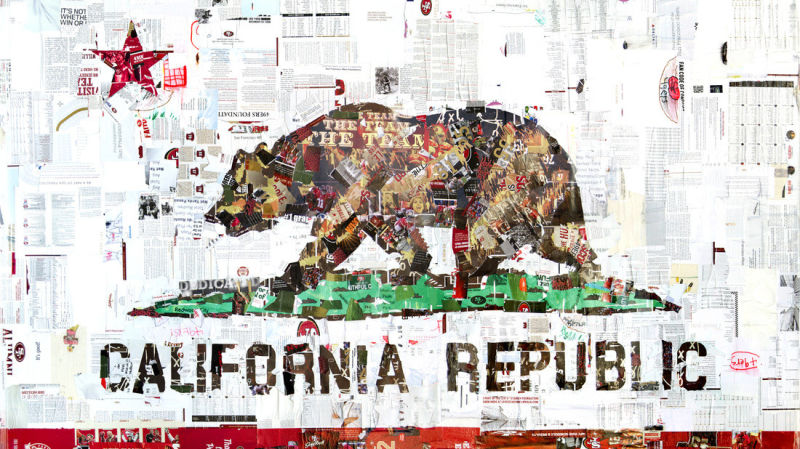
"caption": "Derek Gores used 49ers maps, magazines, tickets, and programs to make this collage of the California flag.",
"description": "Derek Gores used 49ers maps, magazines, tickets, and programs to make this collage of the California flag.",
"title": "RS18191_5506442_orig-qut",
"credit": "Courtesy: JCO's Place",
"status": "inherit",
"isLoading": false,
"fetchFailed": false
},
"arts_11244011": {
"type": "attachments",
"id": "arts_11244011",
"meta": {
"index": "attachments_1716263798",
"site": "arts",
"id": "11244011",
"found": true
},
"parent": 11241016,
"imgSizes": {
"twentyfourteen-full-width": {
"file": "https://ww2.kqed.org/app/uploads/sites/2/2016/01/MayshaCover-1038x576.jpg",
"width": 1038,
"mimeType": "image/jpeg",
"height": 576
},
"thumbnail": {
"file": "https://ww2.kqed.org/app/uploads/sites/2/2016/01/MayshaCover-400x225.jpg",
"width": 400,
"mimeType": "image/jpeg",
"height": 225
},
"fd-sm": {
"file": "https://ww2.kqed.org/app/uploads/sites/2/2016/01/MayshaCover-960x540.jpg",
"width": 960,
"mimeType": "image/jpeg",
"height": 540
},
"post-thumbnail": {
"file": "https://ww2.kqed.org/app/uploads/sites/2/2016/01/MayshaCover-672x372.jpg",
"width": 672,
"mimeType": "image/jpeg",
"height": 372
},
"kqedFullSize": {
"file": "https://ww2.kqed.org/app/uploads/sites/2/2016/01/MayshaCover.jpg",
"width": 1920,
"height": 1080
},
"large": {
"file": "https://ww2.kqed.org/app/uploads/sites/2/2016/01/MayshaCover-1180x664.jpg",
"width": 1180,
"mimeType": "image/jpeg",
"height": 664
},
"guest-author-96": {
"file": "https://ww2.kqed.org/app/uploads/sites/2/2016/01/MayshaCover-96x96.jpg",
"width": 96,
"mimeType": "image/jpeg",
"height": 96
},
"medium": {
"file": "https://ww2.kqed.org/app/uploads/sites/2/2016/01/MayshaCover-800x450.jpg",
"width": 800,
"mimeType": "image/jpeg",
"height": 450
},
"guest-author-64": {
"file": "https://ww2.kqed.org/app/uploads/sites/2/2016/01/MayshaCover-64x64.jpg",
"width": 64,
"mimeType": "image/jpeg",
"height": 64
},
"guest-author-32": {
"file": "https://ww2.kqed.org/app/uploads/sites/2/2016/01/MayshaCover-32x32.jpg",
"width": 32,
"mimeType": "image/jpeg",
"height": 32
},
"fd-lrg": {
"file": "https://ww2.kqed.org/app/uploads/sites/2/2016/01/MayshaCover-1920x1080.jpg",
"width": 1920,
"mimeType": "image/jpeg",
"height": 1080
},
"fd-med": {
"file": "https://ww2.kqed.org/app/uploads/sites/2/2016/01/MayshaCover-1180x664.jpg",
"width": 1180,
"mimeType": "image/jpeg",
"height": 664
},
"detail": {
"file": "https://ww2.kqed.org/app/uploads/sites/2/2016/01/MayshaCover-75x75.jpg",
"width": 75,
"mimeType": "image/jpeg",
"height": 75
},
"medium_large": {
"file": "https://ww2.kqed.org/app/uploads/sites/2/2016/01/MayshaCover-768x432.jpg",
"width": 768,
"mimeType": "image/jpeg",
"height": 432
},
"guest-author-128": {
"file": "https://ww2.kqed.org/app/uploads/sites/2/2016/01/MayshaCover-128x128.jpg",
"width": 128,
"mimeType": "image/jpeg",
"height": 128
}
},
"publishDate": 1452728024,
"modified": 1452728046,
"caption": "Maysha Mohamedi",
"description": null,
"title": "MayshaCover",
"credit": "Photo: Graham Holoch/KQED",
"status": "inherit",
"isLoading": false,
"fetchFailed": false
},
"artschool_880": {
"type": "attachments",
"id": "artschool_880",
"meta": {
"index": "attachments_1716263798",
"site": "artschool",
"id": "880",
"found": true
},
"parent": 875,
"imgSizes": {
"twentyfourteen-full-width": {
"file": "https://ww2.kqed.org/app/uploads/sites/4/2016/01/NIGEL.00_05_38_38.Still012-1038x576.jpg",
"width": 1038,
"mimeType": "image/jpeg",
"height": 576
},
"thumbnail": {
"file": "https://ww2.kqed.org/app/uploads/sites/4/2016/01/NIGEL.00_05_38_38.Still012-400x225.jpg",
"width": 400,
"mimeType": "image/jpeg",
"height": 225
},
"fd-sm": {
"file": "https://ww2.kqed.org/app/uploads/sites/4/2016/01/NIGEL.00_05_38_38.Still012-960x540.jpg",
"width": 960,
"mimeType": "image/jpeg",
"height": 540
},
"post-thumbnail": {
"file": "https://ww2.kqed.org/app/uploads/sites/4/2016/01/NIGEL.00_05_38_38.Still012-672x372.jpg",
"width": 672,
"mimeType": "image/jpeg",
"height": 372
},
"kqedFullSize": {
"file": "https://ww2.kqed.org/app/uploads/sites/4/2016/01/NIGEL.00_05_38_38.Still012.jpg",
"width": 1920,
"height": 1080
},
"large": {
"file": "https://ww2.kqed.org/app/uploads/sites/4/2016/01/NIGEL.00_05_38_38.Still012-1180x664.jpg",
"width": 1180,
"mimeType": "image/jpeg",
"height": 664
},
"guest-author-96": {
"file": "https://ww2.kqed.org/app/uploads/sites/4/2016/01/NIGEL.00_05_38_38.Still012-96x96.jpg",
"width": 96,
"mimeType": "image/jpeg",
"height": 96
},
"medium": {
"file": "https://ww2.kqed.org/app/uploads/sites/4/2016/01/NIGEL.00_05_38_38.Still012-800x450.jpg",
"width": 800,
"mimeType": "image/jpeg",
"height": 450
},
"guest-author-64": {
"file": "https://ww2.kqed.org/app/uploads/sites/4/2016/01/NIGEL.00_05_38_38.Still012-64x64.jpg",
"width": 64,
"mimeType": "image/jpeg",
"height": 64
},
"guest-author-32": {
"file": "https://ww2.kqed.org/app/uploads/sites/4/2016/01/NIGEL.00_05_38_38.Still012-32x32.jpg",
"width": 32,
"mimeType": "image/jpeg",
"height": 32
},
"fd-lrg": {
"file": "https://ww2.kqed.org/app/uploads/sites/4/2016/01/NIGEL.00_05_38_38.Still012-1920x1080.jpg",
"width": 1920,
"mimeType": "image/jpeg",
"height": 1080
},
"fd-med": {
"file": "https://ww2.kqed.org/app/uploads/sites/4/2016/01/NIGEL.00_05_38_38.Still012-1180x664.jpg",
"width": 1180,
"mimeType": "image/jpeg",
"height": 664
},
"detail": {
"file": "https://ww2.kqed.org/app/uploads/sites/4/2016/01/NIGEL.00_05_38_38.Still012-75x75.jpg",
"width": 75,
"mimeType": "image/jpeg",
"height": 75
},
"medium_large": {
"file": "https://ww2.kqed.org/app/uploads/sites/4/2016/01/NIGEL.00_05_38_38.Still012-768x432.jpg",
"width": 768,
"mimeType": "image/jpeg",
"height": 432
},
"guest-author-128": {
"file": "https://ww2.kqed.org/app/uploads/sites/4/2016/01/NIGEL.00_05_38_38.Still012-128x128.jpg",
"width": 128,
"mimeType": "image/jpeg",
"height": 128
}
},
"publishDate": 1453425641,
"modified": 1453425670,
"caption": null,
"description": null,
"title": "Nigel Poor documenting found opjects",
"credit": "jon brown/KQED",
"status": "inherit",
"isLoading": false,
"fetchFailed": false
},
"arts_11265643": {
"type": "attachments",
"id": "arts_11265643",
"meta": {
"index": "attachments_1716263798",
"site": "arts",
"id": "11265643",
"found": true
},
"parent": 11265623,
"imgSizes": {
"thumbnail": {
"file": "https://ww2.kqed.org/app/uploads/sites/2/2016/01/RS18186_cowellpress-qut-e1453498966714-400x224.jpg",
"width": 400,
"mimeType": "image/jpeg",
"height": 224
},
"post-thumbnail": {
"file": "https://ww2.kqed.org/app/uploads/sites/2/2016/01/RS18186_cowellpress-qut-572x372.jpg",
"width": 572,
"mimeType": "image/jpeg",
"height": 372
},
"kqedFullSize": {
"file": "https://ww2.kqed.org/app/uploads/sites/2/2016/01/RS18186_cowellpress-qut-e1453498966714.jpg",
"width": 572,
"height": 321
},
"guest-author-96": {
"file": "https://ww2.kqed.org/app/uploads/sites/2/2016/01/RS18186_cowellpress-qut-e1453498966714-96x96.jpg",
"width": 96,
"mimeType": "image/jpeg",
"height": 96
},
"guest-author-64": {
"file": "https://ww2.kqed.org/app/uploads/sites/2/2016/01/RS18186_cowellpress-qut-e1453498966714-64x64.jpg",
"width": 64,
"mimeType": "image/jpeg",
"height": 64
},
"detail": {
"file": "https://ww2.kqed.org/app/uploads/sites/2/2016/01/RS18186_cowellpress-qut-e1453498966714-75x75.jpg",
"width": 75,
"mimeType": "image/jpeg",
"height": 75
},
"guest-author-32": {
"file": "https://ww2.kqed.org/app/uploads/sites/2/2016/01/RS18186_cowellpress-qut-e1453498966714-32x32.jpg",
"width": 32,
"mimeType": "image/jpeg",
"height": 32
},
"guest-author-128": {
"file": "https://ww2.kqed.org/app/uploads/sites/2/2016/01/RS18186_cowellpress-qut-e1453498966714-128x128.jpg",
"width": 128,
"mimeType": "image/jpeg",
"height": 128
}
},
"publishDate": 1453421178,
"modified": 1453498974,
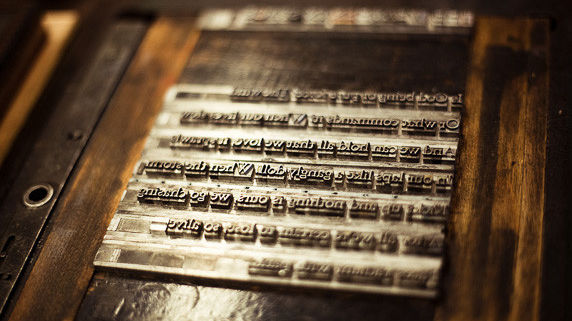
"caption": "A new exhibit highlights more than 40 years of letterpress and other arts at Cowell Press in Santa Cruz.",
"description": "A new exhibit highlights more than 40 years of letterpress and other arts at Cowell Press in Santa Cruz.",
"title": "RS18186_cowellpress-qut",
"credit": "Courtesy: Carolyn Lagattuta",
"status": "inherit",
"isLoading": false,
"fetchFailed": false
},
"arts_11265037": {
"type": "attachments",
"id": "arts_11265037",
"meta": {
"index": "attachments_1716263798",
"site": "arts",
"id": "11265037",
"found": true
},
"parent": 11264908,
"imgSizes": {
"twentyfourteen-full-width": {
"file": "https://ww2.kqed.org/app/uploads/sites/2/2016/01/Siestke-sharing-UNDERCOVER-1038x576.jpg",
"width": 1038,
"mimeType": "image/jpeg",
"height": 576
},
"thumbnail": {
"file": "https://ww2.kqed.org/app/uploads/sites/2/2016/01/Siestke-sharing-UNDERCOVER-400x225.jpg",
"width": 400,
"mimeType": "image/jpeg",
"height": 225
},
"fd-sm": {
"file": "https://ww2.kqed.org/app/uploads/sites/2/2016/01/Siestke-sharing-UNDERCOVER-960x540.jpg",
"width": 960,
"mimeType": "image/jpeg",
"height": 540
},
"post-thumbnail": {
"file": "https://ww2.kqed.org/app/uploads/sites/2/2016/01/Siestke-sharing-UNDERCOVER-672x372.jpg",
"width": 672,
"mimeType": "image/jpeg",
"height": 372
},
"kqedFullSize": {
"file": "https://ww2.kqed.org/app/uploads/sites/2/2016/01/Siestke-sharing-UNDERCOVER.jpg",
"width": 2040,
"height": 1148
},
"large": {
"file": "https://ww2.kqed.org/app/uploads/sites/2/2016/01/Siestke-sharing-UNDERCOVER-1180x664.jpg",
"width": 1180,
"mimeType": "image/jpeg",
"height": 664
},
"guest-author-96": {
"file": "https://ww2.kqed.org/app/uploads/sites/2/2016/01/Siestke-sharing-UNDERCOVER-96x96.jpg",
"width": 96,
"mimeType": "image/jpeg",
"height": 96
},
"medium": {
"file": "https://ww2.kqed.org/app/uploads/sites/2/2016/01/Siestke-sharing-UNDERCOVER-800x450.jpg",
"width": 800,
"mimeType": "image/jpeg",
"height": 450
},
"guest-author-64": {
"file": "https://ww2.kqed.org/app/uploads/sites/2/2016/01/Siestke-sharing-UNDERCOVER-64x64.jpg",
"width": 64,
"mimeType": "image/jpeg",
"height": 64
},
"guest-author-32": {
"file": "https://ww2.kqed.org/app/uploads/sites/2/2016/01/Siestke-sharing-UNDERCOVER-32x32.jpg",
"width": 32,
"mimeType": "image/jpeg",
"height": 32
},
"fd-lrg": {
"file": "https://ww2.kqed.org/app/uploads/sites/2/2016/01/Siestke-sharing-UNDERCOVER-1920x1080.jpg",
"width": 1920,
"mimeType": "image/jpeg",
"height": 1080
},
"fd-med": {
"file": "https://ww2.kqed.org/app/uploads/sites/2/2016/01/Siestke-sharing-UNDERCOVER-1180x664.jpg",
"width": 1180,
"mimeType": "image/jpeg",
"height": 664
},
"detail": {
"file": "https://ww2.kqed.org/app/uploads/sites/2/2016/01/Siestke-sharing-UNDERCOVER-75x75.jpg",
"width": 75,
"mimeType": "image/jpeg",
"height": 75
},
"medium_large": {
"file": "https://ww2.kqed.org/app/uploads/sites/2/2016/01/Siestke-sharing-UNDERCOVER-768x432.jpg",
"width": 768,
"mimeType": "image/jpeg",
"height": 432
},
"guest-author-128": {
"file": "https://ww2.kqed.org/app/uploads/sites/2/2016/01/Siestke-sharing-UNDERCOVER-128x128.jpg",
"width": 128,
"mimeType": "image/jpeg",
"height": 128
}
},
"publishDate": 1453403952,
"modified": 1453404031,
"caption": "Sietske Tjalligii shares the blanket she designed for Project UNDERCOVER.",
"description": "Sietske Tjalligii shares the blanket she designed for Project UNDERCOVER.",
"title": "Sietske Tjalligii shares the blanket she designed for Project UNDERCOVER.",
"credit": "Courtesy: Annice Jacoby",
"status": "inherit",
"isLoading": false,
"fetchFailed": false
},
"arts_11263139": {
"type": "attachments",
"id": "arts_11263139",
"meta": {
"index": "attachments_1716263798",
"site": "arts",
"id": "11263139",
"found": true
},
"parent": 11263135,
"imgSizes": {
"twentyfourteen-full-width": {
"file": "https://ww2.kqed.org/app/uploads/sites/2/2016/01/homelandcover-1038x576.jpg",
"width": 1038,
"mimeType": "image/jpeg",
"height": 576
},
"thumbnail": {
"file": "https://ww2.kqed.org/app/uploads/sites/2/2016/01/homelandcover-400x225.jpg",
"width": 400,
"mimeType": "image/jpeg",
"height": 225
},
"fd-sm": {
"file": "https://ww2.kqed.org/app/uploads/sites/2/2016/01/homelandcover-960x540.jpg",
"width": 960,
"mimeType": "image/jpeg",
"height": 540
},
"post-thumbnail": {
"file": "https://ww2.kqed.org/app/uploads/sites/2/2016/01/homelandcover-672x372.jpg",
"width": 672,
"mimeType": "image/jpeg",
"height": 372
},
"kqedFullSize": {
"file": "https://ww2.kqed.org/app/uploads/sites/2/2016/01/homelandcover.jpg",
"width": 1920,
"height": 1080
},
"large": {
"file": "https://ww2.kqed.org/app/uploads/sites/2/2016/01/homelandcover-1180x664.jpg",
"width": 1180,
"mimeType": "image/jpeg",
"height": 664
},
"guest-author-96": {
"file": "https://ww2.kqed.org/app/uploads/sites/2/2016/01/homelandcover-96x96.jpg",
"width": 96,
"mimeType": "image/jpeg",
"height": 96
},
"medium": {
"file": "https://ww2.kqed.org/app/uploads/sites/2/2016/01/homelandcover-800x450.jpg",
"width": 800,
"mimeType": "image/jpeg",
"height": 450
},
"guest-author-64": {
"file": "https://ww2.kqed.org/app/uploads/sites/2/2016/01/homelandcover-64x64.jpg",
"width": 64,
"mimeType": "image/jpeg",
"height": 64
},
"guest-author-32": {
"file": "https://ww2.kqed.org/app/uploads/sites/2/2016/01/homelandcover-32x32.jpg",
"width": 32,
"mimeType": "image/jpeg",
"height": 32
},
"fd-lrg": {
"file": "https://ww2.kqed.org/app/uploads/sites/2/2016/01/homelandcover-1920x1080.jpg",
"width": 1920,
"mimeType": "image/jpeg",
"height": 1080
},
"fd-med": {
"file": "https://ww2.kqed.org/app/uploads/sites/2/2016/01/homelandcover-1180x664.jpg",
"width": 1180,
"mimeType": "image/jpeg",
"height": 664
},
"detail": {
"file": "https://ww2.kqed.org/app/uploads/sites/2/2016/01/homelandcover-75x75.jpg",
"width": 75,
"mimeType": "image/jpeg",
"height": 75
},
"medium_large": {
"file": "https://ww2.kqed.org/app/uploads/sites/2/2016/01/homelandcover-768x432.jpg",
"width": 768,
"mimeType": "image/jpeg",
"height": 432
},
"guest-author-128": {
"file": "https://ww2.kqed.org/app/uploads/sites/2/2016/01/homelandcover-128x128.jpg",
"width": 128,
"mimeType": "image/jpeg",
"height": 128
}
},
"publishDate": 1453341324,
"modified": 1453341545,
"caption": "Zeina Barakeh, 'Homeland Insecurity,' 2015. ",
"description": null,
"title": "homelandcover",
"credit": "Courtesy of the artist",
"status": "inherit",
"isLoading": false,
"fetchFailed": false
},
"arts_11260362": {
"type": "attachments",
"id": "arts_11260362",
"meta": {
"index": "attachments_1716263798",
"site": "arts",
"id": "11260362",
"found": true
},
"parent": 11248579,
"imgSizes": {
"twentyfourteen-full-width": {
"file": "https://ww2.kqed.org/app/uploads/sites/2/2016/01/ThorsonCover-1038x576.jpg",
"width": 1038,
"mimeType": "image/jpeg",
"height": 576
},
"thumbnail": {
"file": "https://ww2.kqed.org/app/uploads/sites/2/2016/01/ThorsonCover-400x225.jpg",
"width": 400,
"mimeType": "image/jpeg",
"height": 225
},
"fd-sm": {
"file": "https://ww2.kqed.org/app/uploads/sites/2/2016/01/ThorsonCover-960x540.jpg",
"width": 960,
"mimeType": "image/jpeg",
"height": 540
},
"post-thumbnail": {
"file": "https://ww2.kqed.org/app/uploads/sites/2/2016/01/ThorsonCover-672x372.jpg",
"width": 672,
"mimeType": "image/jpeg",
"height": 372
},
"kqedFullSize": {
"file": "https://ww2.kqed.org/app/uploads/sites/2/2016/01/ThorsonCover.jpg",
"width": 1152,
"height": 648
},
"guest-author-96": {
"file": "https://ww2.kqed.org/app/uploads/sites/2/2016/01/ThorsonCover-96x96.jpg",
"width": 96,
"mimeType": "image/jpeg",
"height": 96
},
"medium": {
"file": "https://ww2.kqed.org/app/uploads/sites/2/2016/01/ThorsonCover-800x450.jpg",
"width": 800,
"mimeType": "image/jpeg",
"height": 450
},
"guest-author-64": {
"file": "https://ww2.kqed.org/app/uploads/sites/2/2016/01/ThorsonCover-64x64.jpg",
"width": 64,
"mimeType": "image/jpeg",
"height": 64
},
"detail": {
"file": "https://ww2.kqed.org/app/uploads/sites/2/2016/01/ThorsonCover-75x75.jpg",
"width": 75,
"mimeType": "image/jpeg",
"height": 75
},
"guest-author-32": {
"file": "https://ww2.kqed.org/app/uploads/sites/2/2016/01/ThorsonCover-32x32.jpg",
"width": 32,
"mimeType": "image/jpeg",
"height": 32
},
"medium_large": {
"file": "https://ww2.kqed.org/app/uploads/sites/2/2016/01/ThorsonCover-768x432.jpg",
"width": 768,
"mimeType": "image/jpeg",
"height": 432
},
"guest-author-128": {
"file": "https://ww2.kqed.org/app/uploads/sites/2/2016/01/ThorsonCover-128x128.jpg",
"width": 128,
"mimeType": "image/jpeg",
"height": 128
}
},
"publishDate": 1453254643,
"modified": 1453256218,
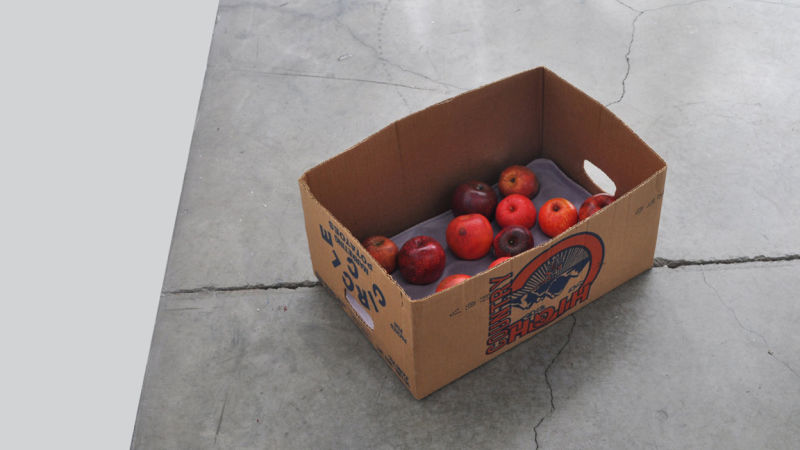
"caption": "Chris Thorson, 'Boxed In,'\n2012; Mixed media on hydrocal, found cardboard box.",
"description": null,
"title": "ThorsonCover",
"credit": "Courtesy: the artist and Napa Valley Museum",
"status": "inherit",
"isLoading": false,
"fetchFailed": false
},
"arts_11246487": {
"type": "attachments",
"id": "arts_11246487",
"meta": {
"index": "attachments_1716263798",
"site": "arts",
"id": "11246487",
"found": true
},
"parent": 11246361,
"imgSizes": {
"thumbnail": {
"file": "https://ww2.kqed.org/app/uploads/sites/2/2016/01/FeatherOfFire-3-400x192.jpg",
"width": 400,
"mimeType": "image/jpeg",
"height": 192
},
"fd-sm": {
"file": "https://ww2.kqed.org/app/uploads/sites/2/2016/01/FeatherOfFire-3-960x462.jpg",
"width": 960,
"mimeType": "image/jpeg",
"height": 462
},
"post-thumbnail": {
"file": "https://ww2.kqed.org/app/uploads/sites/2/2016/01/FeatherOfFire-3-672x372.jpg",
"width": 672,
"mimeType": "image/jpeg",
"height": 372
},
"kqedFullSize": {
"file": "https://ww2.kqed.org/app/uploads/sites/2/2016/01/FeatherOfFire-3.jpg",
"width": 1000,
"height": 481
},
"guest-author-96": {
"file": "https://ww2.kqed.org/app/uploads/sites/2/2016/01/FeatherOfFire-3-96x96.jpg",
"width": 96,
"mimeType": "image/jpeg",
"height": 96
},
"medium": {
"file": "https://ww2.kqed.org/app/uploads/sites/2/2016/01/FeatherOfFire-3-800x385.jpg",
"width": 800,
"mimeType": "image/jpeg",
"height": 385
},
"guest-author-64": {
"file": "https://ww2.kqed.org/app/uploads/sites/2/2016/01/FeatherOfFire-3-64x64.jpg",
"width": 64,
"mimeType": "image/jpeg",
"height": 64
},
"detail": {
"file": "https://ww2.kqed.org/app/uploads/sites/2/2016/01/FeatherOfFire-3-75x75.jpg",
"width": 75,
"mimeType": "image/jpeg",
"height": 75
},
"guest-author-32": {
"file": "https://ww2.kqed.org/app/uploads/sites/2/2016/01/FeatherOfFire-3-32x32.jpg",
"width": 32,
"mimeType": "image/jpeg",
"height": 32
},
"medium_large": {
"file": "https://ww2.kqed.org/app/uploads/sites/2/2016/01/FeatherOfFire-3-768x369.jpg",
"width": 768,
"mimeType": "image/jpeg",
"height": 369
},
"guest-author-128": {
"file": "https://ww2.kqed.org/app/uploads/sites/2/2016/01/FeatherOfFire-3-128x128.jpg",
"width": 128,
"mimeType": "image/jpeg",
"height": 128
}
},
"publishDate": 1452807595,
"modified": 1452807623,
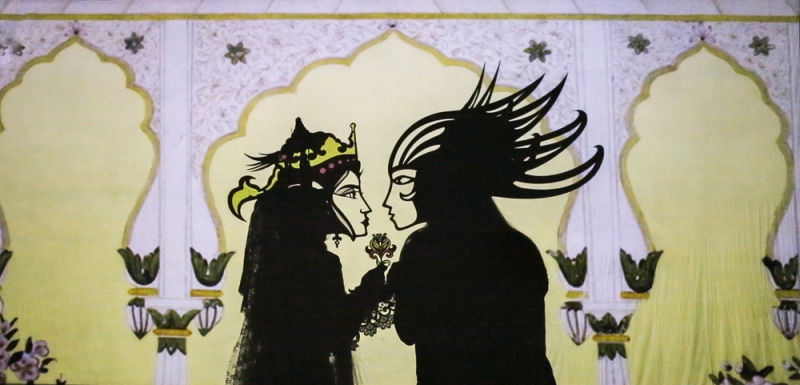
"caption": "Feathers of Fire",
"description": "Feathers of Fire",
"title": "Feathers of Fire",
"credit": "Photo Credit: Finecutstudio.com",
"status": "inherit",
"isLoading": false,
"fetchFailed": false
}
},
"audioPlayerReducer": {
"postId": "stream_live",
"isPaused": true,
"isPlaying": false,
"pfsActive": false,
"pledgeModalIsOpen": true,
"playerDrawerIsOpen": false,
"liveAudioPlayStartedAt": 0,
"liveAudioPlayContext": ""
},
"authorsReducer": {
"byline_arts_11280800": {
"type": "authors",
"id": "byline_arts_11280800",
"meta": {
"override": true
},
"slug": "byline_arts_11280800",
"name": "Hugh Ryan",
"isLoading": false
},
"byline_arts_11280461": {
"type": "authors",
"id": "byline_arts_11280461",
"meta": {
"override": true
},
"slug": "byline_arts_11280461",
"name": "Jan M. Olson and Karl Ritter, Associated Press",
"isLoading": false
},
"cmusiker": {
"type": "authors",
"id": "32",
"meta": {
"index": "authors_1716337520",
"id": "32",
"found": true
},
"name": "Cy Musiker",
"firstName": "Cy",
"lastName": "Musiker",
"slug": "cmusiker",
"email": "cmusiker@kqed.org",
"display_author_email": false,
"staff_mastheads": [],
"title": "KQED Contributor",
"bio": "Cy Musiker is a former co-host of The Do List and a former reporter covering the arts for KQED News and The California Report. He loves live performance, especially great theater, jazz, roots music, anything by Mahler. Cy has an MJ from UC Berkeley's School of Journalism, and got his BA from Hampshire College. His work has been recognized by the Society for Professional Journalists with their Sigma Delta Chi Award for Public Service in Journalism. When he can, Cy likes to swim in Tomales Bay, run with his dog in the East Bay Hills, and hike the Sierra.",
"avatar": "https://secure.gravatar.com/avatar/05eaba5c5696ce8f062e4ea2df428a43?s=600&d=blank&r=g",
"twitter": null,
"facebook": null,
"instagram": null,
"linkedin": null,
"sites": [
{
"site": "arts",
"roles": [
"Contributor",
"subscriber"
]
},
{
"site": "news",
"roles": [
"author"
]
},
{
"site": "bayareabites",
"roles": [
"contributor"
]
}
],
"headData": {
"title": "Cy Musiker | KQED",
"description": "KQED Contributor",
"ogImgSrc": "https://secure.gravatar.com/avatar/05eaba5c5696ce8f062e4ea2df428a43?s=600&d=blank&r=g",
"twImgSrc": "https://secure.gravatar.com/avatar/05eaba5c5696ce8f062e4ea2df428a43?s=600&d=blank&r=g"
},
"isLoading": false,
"link": "/author/cmusiker"
},
"shotchkiss": {
"type": "authors",
"id": "61",
"meta": {
"index": "authors_1716337520",
"id": "61",
"found": true
},
"name": "Sarah Hotchkiss",
"firstName": "Sarah",
"lastName": "Hotchkiss",
"slug": "shotchkiss",
"email": "shotchkiss@kqed.org",
"display_author_email": true,
"staff_mastheads": [
"arts"
],
"title": "Senior Editor",
"bio": "Sarah Hotchkiss is a San Francisco \u003ca href=\"http://www.sarahhotchkiss.com\">artist\u003c/a> and arts writer. In 2019, she received the Dorothea & Leo Rabkin Foundation grant for visual art journalism and in 2020 she received a Society of Professional Journalists, Northern California award for excellence in arts and culture reporting.",
"avatar": "https://secure.gravatar.com/avatar/bc662df144b3d27fd8b1b6f1c2a420d34e91e53154d411bb7ad353cc8b6cea8d?s=600&d=blank&r=g",
"twitter": null,
"bluesky": null,
"facebook": null,
"instagram": null,
"linkedin": null,
"sites": [
{
"site": "",
"roles": [
"editor"
]
},
{
"site": "arts",
"roles": [
"Contributor",
"administrator"
]
},
{
"site": "artschool",
"roles": [
"administrator"
]
},
{
"site": "news",
"roles": [
"editor"
]
},
{
"site": "pop",
"roles": [
"administrator"
]
},
{
"site": "bayareabites",
"roles": [
"editor"
]
},
{
"site": "spark",
"roles": [
"editor"
]
},
{
"site": "checkplease",
"roles": [
"editor"
]
}
],
"headData": {
"title": "Sarah Hotchkiss | KQED",
"description": "Senior Editor",
"ogImgSrc": "https://secure.gravatar.com/avatar/bc662df144b3d27fd8b1b6f1c2a420d34e91e53154d411bb7ad353cc8b6cea8d?s=600&d=blank&r=g",
"twImgSrc": "https://secure.gravatar.com/avatar/bc662df144b3d27fd8b1b6f1c2a420d34e91e53154d411bb7ad353cc8b6cea8d?s=600&d=blank&r=g"
},
"isLoading": false,
"link": "/author/shotchkiss"
},
"rachael-myrow": {
"type": "authors",
"id": "251",
"meta": {
"index": "authors_1716337520",
"id": "251",
"found": true
},
"name": "Rachael Myrow",
"firstName": "Rachael",
"lastName": "Myrow",
"slug": "rachael-myrow",
"email": "rmyrow@kqed.org",
"display_author_email": true,
"staff_mastheads": [
"news"
],
"title": "Senior Editor of KQED's Silicon Valley News Desk",
"bio": "• I write and edit stories about how Silicon Valley power and policies shape everyday life in California. I’m also passionate about making Bay Area history and culture more accessible to a broad public. • I’ve been a journalist for most of my life, starting in high school with The Franklin Press in Los Angeles, where I grew up. While earning my first degree in English at UC Berkeley, I got my start in public radio at KALX-FM. After completing a second degree in journalism at Cal, I landed my first professional job at Marketplace, then moved on to KPCC (now LAist), and then KQED, where I hosted The California Report for more than seven years. • My reporting has appeared on NPR, The World, WBUR’s \u003ci>Here & Now\u003c/i>, and the BBC. I also guest host for KQED’s \u003ci>Forum\u003c/i>, as well as the Commonwealth Club in San Francisco. • I speak periodically on media, democracy and technology issues, and do voiceover work for documentaries and educational video projects. • Outside of the studio, you'll find me hiking Bay Area trails and whipping up Insta-ready meals in my kitchen. • I do not accept gifts, money, or favors from anyone connected to my reporting, I don't pay people for information, and I do not support or donate to political causes. • I strive to treat the people I report on with fairness, honesty, and respect. I also recognize there are often multiple sides to a story and work to verify information through multiple sources and documentation. If I get something wrong, I correct it.",
"avatar": "https://secure.gravatar.com/avatar/3ed8a3c5f26025e4a805ba634cda8cd764906b97438a6d9ce216b044e340da4e?s=600&d=blank&r=g",
"twitter": "rachaelmyrow",
"bluesky": null,
"facebook": null,
"instagram": null,
"linkedin": "https://www.linkedin.com/in/rachaelmyrow/",
"sites": [
{
"site": "arts",
"roles": [
"administrator"
]
},
{
"site": "news",
"roles": [
"edit_others_posts",
"editor"
]
},
{
"site": "futureofyou",
"roles": [
"editor"
]
},
{
"site": "bayareabites",
"roles": [
"editor"
]
},
{
"site": "stateofhealth",
"roles": [
"editor"
]
},
{
"site": "science",
"roles": [
"editor"
]
},
{
"site": "food",
"roles": [
"editor"
]
},
{
"site": "forum",
"roles": [
"editor"
]
},
{
"site": "liveblog",
"roles": [
"author"
]
}
],
"headData": {
"title": "Rachael Myrow | KQED",
"description": "Senior Editor of KQED's Silicon Valley News Desk",
"ogImgSrc": "https://secure.gravatar.com/avatar/3ed8a3c5f26025e4a805ba634cda8cd764906b97438a6d9ce216b044e340da4e?s=600&d=blank&r=g",
"twImgSrc": "https://secure.gravatar.com/avatar/3ed8a3c5f26025e4a805ba634cda8cd764906b97438a6d9ce216b044e340da4e?s=600&d=blank&r=g"
},
"isLoading": false,
"link": "/author/rachael-myrow"
},
"dburlison": {
"type": "authors",
"id": "3216",
"meta": {
"index": "authors_1716337520",
"id": "3216",
"found": true
},
"name": "Dani Burlison",
"firstName": "Dani",
"lastName": "Burlison",
"slug": "dburlison",
"email": "danisavestheworld@yahoo.com",
"display_author_email": false,
"staff_mastheads": [],
"title": null,
"bio": "\u003cb id=\"yui_3_16_0_1_1416414652499_5365\" class=\"yiv3033141065\">Dani Burlison\u003c/b> is an award-winning writer, teacher and North Bay resident with a special interest in California's fascinating subcultures. You can find her commentary on writing, feminism, social justice and life with two teen daughters on Twitter at @DaniBurlison.",
"avatar": "https://secure.gravatar.com/avatar/c0b371463a220978c947a5c4ce2da294?s=600&d=blank&r=g",
"twitter": null,
"facebook": null,
"instagram": null,
"linkedin": null,
"sites": [
{
"site": "arts",
"roles": [
"contributor"
]
}
],
"headData": {
"title": "Dani Burlison | KQED",
"description": null,
"ogImgSrc": "https://secure.gravatar.com/avatar/c0b371463a220978c947a5c4ce2da294?s=600&d=blank&r=g",
"twImgSrc": "https://secure.gravatar.com/avatar/c0b371463a220978c947a5c4ce2da294?s=600&d=blank&r=g"
},
"isLoading": false,
"link": "/author/dburlison"
},
"bbrown": {
"type": "authors",
"id": "8622",
"meta": {
"index": "authors_1716337520",
"id": "8622",
"found": true
},
"name": "Brandon Brown",
"firstName": "Brandon",
"lastName": "Brown",
"slug": "bbrown",
"email": "bbrown4535@gmail.com",
"display_author_email": false,
"staff_mastheads": [],
"title": null,
"bio": "Brandon Brown is the author of four books of poetry, most recently \u003cem>Top 40 \u003c/em>and \u003cem>Flowering Mall, \u003c/em>both from Roof. He writes about art and culture for \u003cem>Art Practical,\u003c/em> \u003cem>Open Space, \u003c/em>and KQED. He is a co-editor at Krupskaya Books and occasionally publishes small press materials under the imprint OMG! He is currently working on a monograph about Gregg Araki's \u003cem>Smiley Face \u003c/em>and stoner comedies.\r\n\r\n \r\n\r\n ",
"avatar": "https://secure.gravatar.com/avatar/02c5f4be0476bb267ab02994a77e9e4e?s=600&d=blank&r=g",
"twitter": null,
"facebook": null,
"instagram": null,
"linkedin": null,
"sites": [
{
"site": "arts",
"roles": [
"contributor"
]
}
],
"headData": {
"title": "Brandon Brown | KQED",
"description": null,
"ogImgSrc": "https://secure.gravatar.com/avatar/02c5f4be0476bb267ab02994a77e9e4e?s=600&d=blank&r=g",
"twImgSrc": "https://secure.gravatar.com/avatar/02c5f4be0476bb267ab02994a77e9e4e?s=600&d=blank&r=g"
},
"isLoading": false,
"link": "/author/bbrown"
},
"jdbrown": {
"type": "authors",
"id": "8643",
"meta": {
"index": "authors_1716337520",
"id": "8643",
"found": true
},
"name": "Jon Brown",
"firstName": "Jon",
"lastName": "Brown",
"slug": "jdbrown",
"email": "jdbrown@kqed.org",
"display_author_email": false,
"staff_mastheads": [],
"title": null,
"bio": "Jon Brown makes videos for KQED's \u003cem>Art School! \u003c/em>",
"avatar": "https://secure.gravatar.com/avatar/171d6e49f41177668ece88b6924a239f?s=600&d=blank&r=g",
"twitter": null,
"facebook": null,
"instagram": null,
"linkedin": null,
"sites": [
{
"site": "arts",
"roles": [
"contributor"
]
},
{
"site": "artschool",
"roles": [
"administrator"
]
},
{
"site": "quest",
"roles": [
"administrator"
]
}
],
"headData": {
"title": "Jon Brown | KQED",
"description": null,
"ogImgSrc": "https://secure.gravatar.com/avatar/171d6e49f41177668ece88b6924a239f?s=600&d=blank&r=g",
"twImgSrc": "https://secure.gravatar.com/avatar/171d6e49f41177668ece88b6924a239f?s=600&d=blank&r=g"
},
"isLoading": false,
"link": "/author/jdbrown"
},
"crnoveno": {
"type": "authors",
"id": "11208",
"meta": {
"index": "authors_1716337520",
"id": "11208",
"found": true
},
"name": "Creo Noveno",
"firstName": "Creo",
"lastName": "Noveno",
"slug": "crnoveno",
"email": "creonoveno@gmail.com",
"display_author_email": false,
"staff_mastheads": [],
"title": "KQED Contributor",
"bio": null,
"avatar": "https://secure.gravatar.com/avatar/0df6606b8e36036309fd287052246d01?s=600&d=blank&r=g",
"twitter": null,
"facebook": null,
"instagram": null,
"linkedin": null,
"sites": [
{
"site": "arts",
"roles": [
"subscriber"
]
},
{
"site": "pop",
"roles": [
"contributor"
]
}
],
"headData": {
"title": "Creo Noveno | KQED",
"description": "KQED Contributor",
"ogImgSrc": "https://secure.gravatar.com/avatar/0df6606b8e36036309fd287052246d01?s=600&d=blank&r=g",
"twImgSrc": "https://secure.gravatar.com/avatar/0df6606b8e36036309fd287052246d01?s=600&d=blank&r=g"
},
"isLoading": false,
"link": "/author/crnoveno"
}
},
"pagesReducer": {
"arts_category_visualarts": {
"type": "terms",
"id": "arts_70",
"meta": {
"index": "terms_1716263798",
"site": "arts",
"id": "70",
"score": 14.407673
},
"featImg": null,
"name": "Visual Arts",
"description": null,
"taxonomy": "category",
"headData": {
"twImgId": null,
"twTitle": null,
"ogTitle": null,
"ogImgId": null,
"twDescription": null,
"description": null,
"title": "Visual Arts Archives | KQED Arts",
"ogDescription": null
},
"ttid": 71,
"slug": "visualarts",
"isLoading": false,
"title": "Visual Arts",
"pageMeta": {
"site": "arts",
"WpPageTemplate": "page-topic-editorial",
"currentPage": 140
},
"blocks": [
{
"blockName": "kqed/post-list",
"attrs": {
"layout": "cardArticle2",
"query": "posts/arts?category=visualarts",
"seeMore": false,
"paginated": true,
"page": 140
}
},
{
"blockName": "kqed/ad"
}
]
}
},
"pfsSessionReducer": {},
"postsReducer": {
"stream_live": {
"type": "live",
"id": "stream_live",
"audioUrl": "https://streams.kqed.org/kqedradio",
"title": "Live Stream",
"excerpt": "Live Stream information currently unavailable.",
"link": "/radio",
"featImg": "",
"label": {
"name": "KQED Live",
"link": "/"
}
},
"stream_kqedNewscast": {
"type": "posts",
"id": "stream_kqedNewscast",
"audioUrl": "https://www.kqed.org/.stream/anon/radio/RDnews/newscast.mp3?_=1",
"title": "KQED Newscast",
"featImg": "",
"label": {
"name": "88.5 FM",
"link": "/"
}
},
"arts_11281233": {
"type": "posts",
"id": "arts_11281233",
"meta": {
"index": "posts_1716263798",
"site": "arts",
"id": "11281233",
"score": null,
"sort": [
1454036408000
]
},
"guestAuthors": [],
"slug": "cy-and-davids-picks-a-new-museum-music-to-take-us-to-the-stars-and-super-entertainment",
"title": "Cy and David's Picks: A New Museum, Music to Take Us to the Stars and Super Entertainment",
"publishDate": 1454036408,
"format": "standard",
"headTitle": "Cy and David’s Picks: A New Museum, Music to Take Us to the Stars and Super Entertainment | KQED",
"labelTerm": {
"term": 140,
"site": "arts"
},
"content": "\u003caside class=\"aligncenter\">\n\u003ch4>KQED’s Cy Musiker and David Wiegand share their picks for great events around the Bay Area this week.\u003c/h4>\n\u003cp>http://www.kqed.org/.stream/anon/radio/thedolist/2016/01/20160108tdl.mp3\u003c/p>\n\u003c/aside>\n\u003cfigure id=\"attachment_11227915\" class=\"wp-caption aligncenter\" style=\"max-width: 800px\">\u003cimg loading=\"lazy\" decoding=\"async\" class=\"size-full wp-image-11227915\" src=\"http://ww2.kqed.org/arts/wp-content/uploads/sites/2/2016/01/tiffanyaustin-800x450.jpg\" alt=\"Tiffany Austin\" width=\"800\" height=\"450\" srcset=\"https://cdn.kqed.org/wp-content/uploads/sites/2/2016/01/tiffanyaustin-800x450.jpg 800w, https://cdn.kqed.org/wp-content/uploads/sites/2/2016/01/tiffanyaustin-800x450-400x225.jpg 400w, https://cdn.kqed.org/wp-content/uploads/sites/2/2016/01/tiffanyaustin-800x450-768x432.jpg 768w\" sizes=\"(max-width: 800px) 100vw, 800px\">\u003cfigcaption class=\"wp-caption-text\">Tiffany Austin\u003c/figcaption>\u003c/figure>\n\u003cp>\u003cstrong>Jan. 29 & Feb. 12:\u003c/strong> Tiffany Austin is one of the Bay Area’s great jazz singers. No. She’s one of the \u003cstrong>country’s\u003c/strong> best jazz singers. She’s magnetic on stage, always finding fresh insights on the American songbook, and yet always in touch with the singers and traditions who’ve come before. She’s doing songs made famous by the Queens of Swing- Bessie Smith, Billie Holiday, and Nina Simone- in her show at \u003ca href=\"http://www.ticketweb.com/t3/sale/SaleEventDetail?dispatch=loadSelectionData&eventId=6385625\" target=\"_blank\" rel=\"noopener\">Feinstein’s Jan. 30\u003c/a>, and songs of love for her show at \u003ca href=\"http://piedmontpiano.com/concerts/160212tiffanyaustin.html\" target=\"_blank\" rel=\"noopener\">Piedmont Piano Feb. 12\u003c/a>.\u003c/p>\n\u003cfigure id=\"attachment_11283422\" class=\"wp-caption aligncenter\" style=\"max-width: 819px\">\u003cimg loading=\"lazy\" decoding=\"async\" class=\"size-full wp-image-11283422\" src=\"http://ww2.kqed.org/arts/wp-content/uploads/sites/2/2016/01/Dogeaters-Hagedorn-and-Company.png\" alt=\"Jessica Hagedorn (center) with cast of 'Dogeaters.' \" width=\"819\" height=\"516\" srcset=\"https://cdn.kqed.org/wp-content/uploads/sites/2/2016/01/Dogeaters-Hagedorn-and-Company.png 819w, https://cdn.kqed.org/wp-content/uploads/sites/2/2016/01/Dogeaters-Hagedorn-and-Company-400x252.png 400w, https://cdn.kqed.org/wp-content/uploads/sites/2/2016/01/Dogeaters-Hagedorn-and-Company-800x504.png 800w, https://cdn.kqed.org/wp-content/uploads/sites/2/2016/01/Dogeaters-Hagedorn-and-Company-768x484.png 768w\" sizes=\"(max-width: 819px) 100vw, 819px\">\u003cfigcaption class=\"wp-caption-text\">Jessica Hagedorn (center) with cast of ‘Dogeaters.’\u003c/figcaption>\u003c/figure>\n\u003cp>\u003cstrong>Feb. 3-28:\u003c/strong> In 1990, San Francisco writer Jessica Hagedorn wrote her widely praised novel Dogeaters, a satire on life in the Philippines in the mid-20th Century. Now she’s working with Magic Theatre Artistic Director Loretta Greco to rework the stage version she first adapted for the La Jolla Playhouse. This new production features many cast members from ACT’s fine show Monstress, about Filipino-American life, that played the Strand Theater last year. It’s a great story about the Philippines, but it’s also a great way to better understand America’s colonial history in the Pacific. \u003ca href=\"http://magictheatre.org/season/dogeaters\" target=\"_blank\" rel=\"noopener\">Details here.\u003c/a>\u003c/p>\n\u003cp>https://www.youtube.com/watch?v=5DjgpPL7RhA\u003c/p>\n\u003cp>\u003cstrong>Jan. 29 & 31\u003c/strong>: Cal Performances is presenting a series of shows on the natural world and the art it inspires. So this Sunday (Jan. 31) \u003ca href=\"http://www.stlsymphony.org/\" target=\"_blank\" rel=\"noopener\">The St Louis Symphony, under conductor David Robertson\u003c/a>, is playing a rarely done work by the nature boy of new music-Olivier Messiaen. He composed \u003ca href=\"http://shop.stlsymphony.org/single/EventDetail.aspx?p=4842\" target=\"_blank\" rel=\"noopener\">Des canyons aux étoiles\u003c/a> (from the canyons to the stars) on a commission to mark the US Bicentennial. Rather than reading the works of the founding fathers for inspiration, he visited the American Southwest, Bryce Canyon, Cedar Breaks, and Zion Park. Messiaen had synthesia. He could hear colors. So picture a 90 minute symphony of red rock canyons and bird songs, a Messiaen specialty, with a multimedia presentation of photos of Bryce Canyon by Deborah O’Grady. Messiaen invented a new instrument for this piece, the geophone, lead pellets in a bucket that sounded to Messiaen like sand blowing in the desert. \u003ca href=\"http://calperformances.org/performances/2015-16/chamber-orchestra/st-louis-symphony.php\" target=\"_blank\" rel=\"noopener\">The St. Louis Symphony plays Mahler and John Adams Friday Jan. 29.\u003c/a> Then the \u003ca href=\"http://calperformances.org/performances/2015-16/chamber-orchestra/st-louis-symphony-des-canyons-aux-etoiles.php\" target=\"_blank\" rel=\"noopener\">Messiaen Sunday afternoon Jan. 31.\u003c/a>\u003c/p>\n\u003cfigure id=\"attachment_11283434\" class=\"wp-caption aligncenter\" style=\"max-width: 640px\">\u003cimg loading=\"lazy\" decoding=\"async\" class=\"size-large wp-image-11283434\" src=\"http://ww2.kqed.org/arts/wp-content/uploads/sites/2/2016/01/010-1-1180x885.jpg\" alt=\"UC Berkeley Art Museum Director Lawrence Rinder in the lobby of the BAM/PFA\" width=\"640\" height=\"480\" srcset=\"https://cdn.kqed.org/wp-content/uploads/sites/2/2016/01/010-1-1180x885.jpg 1180w, https://cdn.kqed.org/wp-content/uploads/sites/2/2016/01/010-1-400x300.jpg 400w, https://cdn.kqed.org/wp-content/uploads/sites/2/2016/01/010-1-800x600.jpg 800w, https://cdn.kqed.org/wp-content/uploads/sites/2/2016/01/010-1-768x576.jpg 768w, https://cdn.kqed.org/wp-content/uploads/sites/2/2016/01/010-1-1920x1440.jpg 1920w, https://cdn.kqed.org/wp-content/uploads/sites/2/2016/01/010-1-960x720.jpg 960w\" sizes=\"(max-width: 640px) 100vw, 640px\">\u003cfigcaption class=\"wp-caption-text\">UC Berkeley Art Museum Director Lawrence Rinder in the lobby of the BAM/PFA \u003ccite>(Photo Credit: Cy Musiker)\u003c/cite>\u003c/figcaption>\u003c/figure>\n\u003cp>\u003ca href=\"http://www.bampfa.berkeley.edu/visit\" target=\"_blank\" rel=\"noopener\">The Berkeley Art Museum\u003c/a> closed its old home, infamous for its brutalist architectural style, just over a year ago. And there’s a free housewarming for the new museum Sunday. It’s not just that the new museum is a sleek beauty, it’s also an improvement because it’s located just a block from the downtown Berkeley BART station. Architects Diller Scofidio and Renfro — who did the Highline in NYC — have remodeled what was an old Deco Moderne printing plant, and topped it with a sleek, skinlike, stainless steel roof. Museum director Lawrence Rinder has curated a sprawling show called \u003ca href=\"http://www.bampfa.berkeley.edu/program/architecture-life\">Architecture of Life\u003c/a> to sharpen visitors’ sense of how we relate to the design of things like buildings or nature. And then there’s the Pacific Film Archive to enjoy, with its busy schedule of rep films in two new state of the art theaters. Too much of a good thing is a good thing. \u003ca href=\"http://bampfa.org/program/grand-opening-week\" target=\"_blank\" rel=\"noopener\">Details of the free opening here.\u003c/a>\u003c/p>\n\u003cfigure id=\"attachment_11283550\" class=\"wp-caption aligncenter\" style=\"max-width: 494px\">\u003cimg loading=\"lazy\" decoding=\"async\" class=\"size-full wp-image-11283550\" src=\"http://ww2.kqed.org/arts/wp-content/uploads/sites/2/2016/01/Art-of-the-NFL.jpg\" alt=\"Derek Gores used 49ers maps, magazines, tickets, and programs to make this collage of the California flag.\" width=\"494\" height=\"350\" srcset=\"https://cdn.kqed.org/wp-content/uploads/sites/2/2016/01/Art-of-the-NFL.jpg 494w, https://cdn.kqed.org/wp-content/uploads/sites/2/2016/01/Art-of-the-NFL-400x283.jpg 400w\" sizes=\"(max-width: 494px) 100vw, 494px\">\u003cfigcaption class=\"wp-caption-text\">Derek Gores used 49ers maps, magazines, tickets, and programs to make this collage of the California flag. \u003ccite>(Photo Courtesy of JCO's Place))\u003c/cite>\u003c/figcaption>\u003c/figure>\n\u003cp>\u003cstrong>Jan. 30-Feb. 7:\u003c/strong> My co-host David Wiegand and I play a little touch football every time we tape the Do List — just to get the blood flowing. Still even, we’re not thrilled that the Super Bowl is going to close streets and tie up traffic for days in Santa Clara and San Francisco. But there is a benefit: free shows and art events around the Bay. (Maybe not really free, if San Francisco taxpayers end up on the hook for what the event really costs.)\u003c/p>\n\u003cp>[ad fullwidth]\u003c/p>\n\u003cp>\u003ca href=\"http://www.sfbaysuperbowl.com/super-bowl-city#BvFFUgvIXb1kQrzZ.97\" target=\"_blank\" rel=\"noopener\">Super Bowl City \u003c/a>at Justin Herman Plaza in San Francisco is hosting a long list of Bay Area and national stars including Alicia Keys and Goapele, One Republic, The Band Perry, and singer-songwriters Chris Isaak and Matt Nathanson. the Oakland Interfaith Gospel Choir, and more. \u003ca href=\"http://www.sfbaysuperbowl.com/city-stage-presented-levis#JHULrSGZEdDPuir3.97\" target=\"_blank\" rel=\"noopener\">Details here.\u003c/a>\u003c/p>\n\u003cfigure id=\"attachment_11283552\" class=\"wp-caption aligncenter\" style=\"max-width: 514px\">\u003cimg loading=\"lazy\" decoding=\"async\" class=\"size-full wp-image-11283552\" src=\"http://ww2.kqed.org/arts/wp-content/uploads/sites/2/2016/01/SF-Symphony-NFL-Films.jpg\" alt=\"The San Francisco Symphony accompanies an evening of NFL Films\" width=\"514\" height=\"257\" srcset=\"https://cdn.kqed.org/wp-content/uploads/sites/2/2016/01/SF-Symphony-NFL-Films.jpg 514w, https://cdn.kqed.org/wp-content/uploads/sites/2/2016/01/SF-Symphony-NFL-Films-400x200.jpg 400w\" sizes=\"(max-width: 514px) 100vw, 514px\">\u003cfigcaption class=\"wp-caption-text\">The San Francisco Symphony accompanies an evening of NFL Films\u003c/figcaption>\u003c/figure>\n\u003cp>The San Francisco Symphony accompanies an evening of NFL Films hosted by Marcus Allen.\u003ca href=\"http://www.sfsymphony.org/Buy-Tickets/2015-2016/NFL-A-Concert-of-Champions\" target=\"_blank\" rel=\"noopener\"> Details here.\u003c/a>\u003c/p>\n\u003cp>And if you’re worried that Oakland is missing out on the fun, there’s a \u003ca href=\"http://www.paramounttheatre.com/schedule.html\" target=\"_blank\" rel=\"noopener\">Super Bowl Gospel Concert at the Paramount in Oakland. \u003c/a>\u003c/p>\n\u003cp>Plus there’s \u003cem>Gridiron Glory: The Best of the Pro Football Hall of Fame\u003c/em> exhibit at the \u003ca href=\"http://www.tritonmuseum.org/exhibitions_gridiron.php\" target=\"_blank\" rel=\"noopener\">Triton Museum in Santa Clara\u003c/a>… and \u003ca href=\"http://www.jcosplace.com/nfl.html\" target=\"_blank\" rel=\"noopener\">JCO’s Place in Los Gatos is hosting the \u003cem>Art of the NFL\u003c/em>\u003c/a>.\u003c/p>\n\u003cp>\u003cimg loading=\"lazy\" decoding=\"async\" class=\"aligncenter size-large wp-image-11283554\" src=\"http://ww2.kqed.org/arts/wp-content/uploads/sites/2/2016/01/016-e1454028538174-1180x741.jpg\" alt=\"The Bay Bridge Lights return Jan. 30\" width=\"640\" height=\"402\" srcset=\"https://cdn.kqed.org/wp-content/uploads/sites/2/2016/01/016-e1454028538174-1180x741.jpg 1180w, https://cdn.kqed.org/wp-content/uploads/sites/2/2016/01/016-e1454028538174-400x251.jpg 400w, https://cdn.kqed.org/wp-content/uploads/sites/2/2016/01/016-e1454028538174-800x502.jpg 800w, https://cdn.kqed.org/wp-content/uploads/sites/2/2016/01/016-e1454028538174-768x482.jpg 768w, https://cdn.kqed.org/wp-content/uploads/sites/2/2016/01/016-e1454028538174-1920x1205.jpg 1920w, https://cdn.kqed.org/wp-content/uploads/sites/2/2016/01/016-e1454028538174-960x603.jpg 960w\" sizes=\"(max-width: 640px) 100vw, 640px\">\u003c/p>\n\u003cp>\u003c/p>\n\u003cp>And the best show in town this weekend may be the relighting of the Bay Bridge Lights this Saturday Jan. 30, about 7:25, with fireworks to follow.\u003c/p>\n\n",
"blocks": [],
"excerpt": "KQED's Cy Musiker and David Wiegand share their picks for great events around the Bay Area this week.",
"status": "publish",
"parent": 0,
"modified": 1726788215,
"stats": {
"hasAudio": true,
"hasVideo": true,
"hasChartOrMap": false,
"iframeSrcs": [],
"hasGoogleForm": false,
"hasGallery": false,
"hasHearkenModule": false,
"hasPolis": false,
"paragraphCount": 13,
"wordCount": 930
},
"headData": {
"title": "Cy and David's Picks: A New Museum, Music to Take Us to the Stars and Super Entertainment | KQED",
"description": "KQED's Cy Musiker and David Wiegand share their picks for great events around the Bay Area this week.",
"ogTitle": "",
"ogDescription": "",
"ogImgId": "",
"twTitle": "",
"twDescription": "",
"twImgId": "",
"schema": {
"@context": "https://schema.org",
"@type": "Article",
"headline": "Cy and David's Picks: A New Museum, Music to Take Us to the Stars and Super Entertainment",
"datePublished": "2016-01-28T19:00:08-08:00",
"dateModified": "2024-09-19T16:23:35-07:00",
"image": "https://cdn.kqed.org/wp-content/uploads/2020/02/KQED-OG-Image@1x.png"
}
},
"sticky": false,
"nprStoryId": "464790462",
"path": "/arts/11281233/cy-and-davids-picks-a-new-museum-music-to-take-us-to-the-stars-and-super-entertainment",
"audioUrl": "http://www.kqed.org/.stream/anon/radio/thedolist/2016/01/20160108tdl.mp3",
"audioDuration": null,
"audioTrackLength": null,
"parsedContent": [
{
"type": "contentString",
"content": "\u003cdiv class=\"post-body\">\u003cp>\u003caside class=\"aligncenter\">\n\u003ch4>KQED’s Cy Musiker and David Wiegand share their picks for great events around the Bay Area this week.\u003c/h4>\u003c/p>\u003c/div>",
"attributes": {
"named": {},
"numeric": []
}
},
{
"type": "component",
"content": "",
"name": "audioLink",
"attributes": {
"named": {
"src": "http://www.kqed.org/.stream/anon/radio/thedolist/2016/01/20160108tdl.mp3"
},
"numeric": []
}
},
{
"type": "contentString",
"content": "\u003cdiv class=\"post-body\">\u003cp>\u003c/aside>\n\u003cfigure id=\"attachment_11227915\" class=\"wp-caption aligncenter\" style=\"max-width: 800px\">\u003cimg loading=\"lazy\" decoding=\"async\" class=\"size-full wp-image-11227915\" src=\"http://ww2.kqed.org/arts/wp-content/uploads/sites/2/2016/01/tiffanyaustin-800x450.jpg\" alt=\"Tiffany Austin\" width=\"800\" height=\"450\" srcset=\"https://cdn.kqed.org/wp-content/uploads/sites/2/2016/01/tiffanyaustin-800x450.jpg 800w, https://cdn.kqed.org/wp-content/uploads/sites/2/2016/01/tiffanyaustin-800x450-400x225.jpg 400w, https://cdn.kqed.org/wp-content/uploads/sites/2/2016/01/tiffanyaustin-800x450-768x432.jpg 768w\" sizes=\"(max-width: 800px) 100vw, 800px\">\u003cfigcaption class=\"wp-caption-text\">Tiffany Austin\u003c/figcaption>\u003c/figure>\n\u003cp>\u003cstrong>Jan. 29 & Feb. 12:\u003c/strong> Tiffany Austin is one of the Bay Area’s great jazz singers. No. She’s one of the \u003cstrong>country’s\u003c/strong> best jazz singers. She’s magnetic on stage, always finding fresh insights on the American songbook, and yet always in touch with the singers and traditions who’ve come before. She’s doing songs made famous by the Queens of Swing- Bessie Smith, Billie Holiday, and Nina Simone- in her show at \u003ca href=\"http://www.ticketweb.com/t3/sale/SaleEventDetail?dispatch=loadSelectionData&eventId=6385625\" target=\"_blank\" rel=\"noopener\">Feinstein’s Jan. 30\u003c/a>, and songs of love for her show at \u003ca href=\"http://piedmontpiano.com/concerts/160212tiffanyaustin.html\" target=\"_blank\" rel=\"noopener\">Piedmont Piano Feb. 12\u003c/a>.\u003c/p>\n\u003cfigure id=\"attachment_11283422\" class=\"wp-caption aligncenter\" style=\"max-width: 819px\">\u003cimg loading=\"lazy\" decoding=\"async\" class=\"size-full wp-image-11283422\" src=\"http://ww2.kqed.org/arts/wp-content/uploads/sites/2/2016/01/Dogeaters-Hagedorn-and-Company.png\" alt=\"Jessica Hagedorn (center) with cast of 'Dogeaters.' \" width=\"819\" height=\"516\" srcset=\"https://cdn.kqed.org/wp-content/uploads/sites/2/2016/01/Dogeaters-Hagedorn-and-Company.png 819w, https://cdn.kqed.org/wp-content/uploads/sites/2/2016/01/Dogeaters-Hagedorn-and-Company-400x252.png 400w, https://cdn.kqed.org/wp-content/uploads/sites/2/2016/01/Dogeaters-Hagedorn-and-Company-800x504.png 800w, https://cdn.kqed.org/wp-content/uploads/sites/2/2016/01/Dogeaters-Hagedorn-and-Company-768x484.png 768w\" sizes=\"(max-width: 819px) 100vw, 819px\">\u003cfigcaption class=\"wp-caption-text\">Jessica Hagedorn (center) with cast of ‘Dogeaters.’\u003c/figcaption>\u003c/figure>\n\u003cp>\u003cstrong>Feb. 3-28:\u003c/strong> In 1990, San Francisco writer Jessica Hagedorn wrote her widely praised novel Dogeaters, a satire on life in the Philippines in the mid-20th Century. Now she’s working with Magic Theatre Artistic Director Loretta Greco to rework the stage version she first adapted for the La Jolla Playhouse. This new production features many cast members from ACT’s fine show Monstress, about Filipino-American life, that played the Strand Theater last year. It’s a great story about the Philippines, but it’s also a great way to better understand America’s colonial history in the Pacific. \u003ca href=\"http://magictheatre.org/season/dogeaters\" target=\"_blank\" rel=\"noopener\">Details here.\u003c/a>\u003c/p>\u003c/p>\u003cp>\u003cspan class='utils-parseShortcode-shortcodes-__youtubeShortcode__embedYoutube'>\n \u003cspan class='utils-parseShortcode-shortcodes-__youtubeShortcode__embedYoutubeInside'>\n \u003ciframe\n loading='lazy'\n class='utils-parseShortcode-shortcodes-__youtubeShortcode__youtubePlayer'\n type='text/html'\n src='//www.youtube.com/embed/5DjgpPL7RhA'\n title='//www.youtube.com/embed/5DjgpPL7RhA'\n allowfullscreen='true'\n style='border:0;'>\u003c/iframe>\n \u003c/span>\n \u003c/span>\u003c/p>\u003cp>\u003cp>\u003cstrong>Jan. 29 & 31\u003c/strong>: Cal Performances is presenting a series of shows on the natural world and the art it inspires. So this Sunday (Jan. 31) \u003ca href=\"http://www.stlsymphony.org/\" target=\"_blank\" rel=\"noopener\">The St Louis Symphony, under conductor David Robertson\u003c/a>, is playing a rarely done work by the nature boy of new music-Olivier Messiaen. He composed \u003ca href=\"http://shop.stlsymphony.org/single/EventDetail.aspx?p=4842\" target=\"_blank\" rel=\"noopener\">Des canyons aux étoiles\u003c/a> (from the canyons to the stars) on a commission to mark the US Bicentennial. Rather than reading the works of the founding fathers for inspiration, he visited the American Southwest, Bryce Canyon, Cedar Breaks, and Zion Park. Messiaen had synthesia. He could hear colors. So picture a 90 minute symphony of red rock canyons and bird songs, a Messiaen specialty, with a multimedia presentation of photos of Bryce Canyon by Deborah O’Grady. Messiaen invented a new instrument for this piece, the geophone, lead pellets in a bucket that sounded to Messiaen like sand blowing in the desert. \u003ca href=\"http://calperformances.org/performances/2015-16/chamber-orchestra/st-louis-symphony.php\" target=\"_blank\" rel=\"noopener\">The St. Louis Symphony plays Mahler and John Adams Friday Jan. 29.\u003c/a> Then the \u003ca href=\"http://calperformances.org/performances/2015-16/chamber-orchestra/st-louis-symphony-des-canyons-aux-etoiles.php\" target=\"_blank\" rel=\"noopener\">Messiaen Sunday afternoon Jan. 31.\u003c/a>\u003c/p>\n\u003cfigure id=\"attachment_11283434\" class=\"wp-caption aligncenter\" style=\"max-width: 640px\">\u003cimg loading=\"lazy\" decoding=\"async\" class=\"size-large wp-image-11283434\" src=\"http://ww2.kqed.org/arts/wp-content/uploads/sites/2/2016/01/010-1-1180x885.jpg\" alt=\"UC Berkeley Art Museum Director Lawrence Rinder in the lobby of the BAM/PFA\" width=\"640\" height=\"480\" srcset=\"https://cdn.kqed.org/wp-content/uploads/sites/2/2016/01/010-1-1180x885.jpg 1180w, https://cdn.kqed.org/wp-content/uploads/sites/2/2016/01/010-1-400x300.jpg 400w, https://cdn.kqed.org/wp-content/uploads/sites/2/2016/01/010-1-800x600.jpg 800w, https://cdn.kqed.org/wp-content/uploads/sites/2/2016/01/010-1-768x576.jpg 768w, https://cdn.kqed.org/wp-content/uploads/sites/2/2016/01/010-1-1920x1440.jpg 1920w, https://cdn.kqed.org/wp-content/uploads/sites/2/2016/01/010-1-960x720.jpg 960w\" sizes=\"(max-width: 640px) 100vw, 640px\">\u003cfigcaption class=\"wp-caption-text\">UC Berkeley Art Museum Director Lawrence Rinder in the lobby of the BAM/PFA \u003ccite>(Photo Credit: Cy Musiker)\u003c/cite>\u003c/figcaption>\u003c/figure>\n\u003cp>\u003ca href=\"http://www.bampfa.berkeley.edu/visit\" target=\"_blank\" rel=\"noopener\">The Berkeley Art Museum\u003c/a> closed its old home, infamous for its brutalist architectural style, just over a year ago. And there’s a free housewarming for the new museum Sunday. It’s not just that the new museum is a sleek beauty, it’s also an improvement because it’s located just a block from the downtown Berkeley BART station. Architects Diller Scofidio and Renfro — who did the Highline in NYC — have remodeled what was an old Deco Moderne printing plant, and topped it with a sleek, skinlike, stainless steel roof. Museum director Lawrence Rinder has curated a sprawling show called \u003ca href=\"http://www.bampfa.berkeley.edu/program/architecture-life\">Architecture of Life\u003c/a> to sharpen visitors’ sense of how we relate to the design of things like buildings or nature. And then there’s the Pacific Film Archive to enjoy, with its busy schedule of rep films in two new state of the art theaters. Too much of a good thing is a good thing. \u003ca href=\"http://bampfa.org/program/grand-opening-week\" target=\"_blank\" rel=\"noopener\">Details of the free opening here.\u003c/a>\u003c/p>\n\u003cfigure id=\"attachment_11283550\" class=\"wp-caption aligncenter\" style=\"max-width: 494px\">\u003cimg loading=\"lazy\" decoding=\"async\" class=\"size-full wp-image-11283550\" src=\"http://ww2.kqed.org/arts/wp-content/uploads/sites/2/2016/01/Art-of-the-NFL.jpg\" alt=\"Derek Gores used 49ers maps, magazines, tickets, and programs to make this collage of the California flag.\" width=\"494\" height=\"350\" srcset=\"https://cdn.kqed.org/wp-content/uploads/sites/2/2016/01/Art-of-the-NFL.jpg 494w, https://cdn.kqed.org/wp-content/uploads/sites/2/2016/01/Art-of-the-NFL-400x283.jpg 400w\" sizes=\"(max-width: 494px) 100vw, 494px\">\u003cfigcaption class=\"wp-caption-text\">Derek Gores used 49ers maps, magazines, tickets, and programs to make this collage of the California flag. \u003ccite>(Photo Courtesy of JCO's Place))\u003c/cite>\u003c/figcaption>\u003c/figure>\n\u003cp>\u003cstrong>Jan. 30-Feb. 7:\u003c/strong> My co-host David Wiegand and I play a little touch football every time we tape the Do List — just to get the blood flowing. Still even, we’re not thrilled that the Super Bowl is going to close streets and tie up traffic for days in Santa Clara and San Francisco. But there is a benefit: free shows and art events around the Bay. (Maybe not really free, if San Francisco taxpayers end up on the hook for what the event really costs.)\u003c/p>\n\u003cp>\u003c/p>\u003c/div>",
"attributes": {
"named": {},
"numeric": []
}
},
{
"type": "component",
"content": "",
"name": "ad",
"attributes": {
"named": {
"label": "fullwidth"
},
"numeric": [
"fullwidth"
]
}
},
{
"type": "contentString",
"content": "\u003cdiv class=\"post-body\">\u003cp>\u003c/p>\n\u003cp>\u003ca href=\"http://www.sfbaysuperbowl.com/super-bowl-city#BvFFUgvIXb1kQrzZ.97\" target=\"_blank\" rel=\"noopener\">Super Bowl City \u003c/a>at Justin Herman Plaza in San Francisco is hosting a long list of Bay Area and national stars including Alicia Keys and Goapele, One Republic, The Band Perry, and singer-songwriters Chris Isaak and Matt Nathanson. the Oakland Interfaith Gospel Choir, and more. \u003ca href=\"http://www.sfbaysuperbowl.com/city-stage-presented-levis#JHULrSGZEdDPuir3.97\" target=\"_blank\" rel=\"noopener\">Details here.\u003c/a>\u003c/p>\n\u003cfigure id=\"attachment_11283552\" class=\"wp-caption aligncenter\" style=\"max-width: 514px\">\u003cimg loading=\"lazy\" decoding=\"async\" class=\"size-full wp-image-11283552\" src=\"http://ww2.kqed.org/arts/wp-content/uploads/sites/2/2016/01/SF-Symphony-NFL-Films.jpg\" alt=\"The San Francisco Symphony accompanies an evening of NFL Films\" width=\"514\" height=\"257\" srcset=\"https://cdn.kqed.org/wp-content/uploads/sites/2/2016/01/SF-Symphony-NFL-Films.jpg 514w, https://cdn.kqed.org/wp-content/uploads/sites/2/2016/01/SF-Symphony-NFL-Films-400x200.jpg 400w\" sizes=\"(max-width: 514px) 100vw, 514px\">\u003cfigcaption class=\"wp-caption-text\">The San Francisco Symphony accompanies an evening of NFL Films\u003c/figcaption>\u003c/figure>\n\u003cp>The San Francisco Symphony accompanies an evening of NFL Films hosted by Marcus Allen.\u003ca href=\"http://www.sfsymphony.org/Buy-Tickets/2015-2016/NFL-A-Concert-of-Champions\" target=\"_blank\" rel=\"noopener\"> Details here.\u003c/a>\u003c/p>\n\u003cp>And if you’re worried that Oakland is missing out on the fun, there’s a \u003ca href=\"http://www.paramounttheatre.com/schedule.html\" target=\"_blank\" rel=\"noopener\">Super Bowl Gospel Concert at the Paramount in Oakland. \u003c/a>\u003c/p>\n\u003cp>Plus there’s \u003cem>Gridiron Glory: The Best of the Pro Football Hall of Fame\u003c/em> exhibit at the \u003ca href=\"http://www.tritonmuseum.org/exhibitions_gridiron.php\" target=\"_blank\" rel=\"noopener\">Triton Museum in Santa Clara\u003c/a>… and \u003ca href=\"http://www.jcosplace.com/nfl.html\" target=\"_blank\" rel=\"noopener\">JCO’s Place in Los Gatos is hosting the \u003cem>Art of the NFL\u003c/em>\u003c/a>.\u003c/p>\n\u003cp>\u003cimg loading=\"lazy\" decoding=\"async\" class=\"aligncenter size-large wp-image-11283554\" src=\"http://ww2.kqed.org/arts/wp-content/uploads/sites/2/2016/01/016-e1454028538174-1180x741.jpg\" alt=\"The Bay Bridge Lights return Jan. 30\" width=\"640\" height=\"402\" srcset=\"https://cdn.kqed.org/wp-content/uploads/sites/2/2016/01/016-e1454028538174-1180x741.jpg 1180w, https://cdn.kqed.org/wp-content/uploads/sites/2/2016/01/016-e1454028538174-400x251.jpg 400w, https://cdn.kqed.org/wp-content/uploads/sites/2/2016/01/016-e1454028538174-800x502.jpg 800w, https://cdn.kqed.org/wp-content/uploads/sites/2/2016/01/016-e1454028538174-768x482.jpg 768w, https://cdn.kqed.org/wp-content/uploads/sites/2/2016/01/016-e1454028538174-1920x1205.jpg 1920w, https://cdn.kqed.org/wp-content/uploads/sites/2/2016/01/016-e1454028538174-960x603.jpg 960w\" sizes=\"(max-width: 640px) 100vw, 640px\">\u003c/p>\n\u003cp>\u003c/p>\n\u003cp>And the best show in town this weekend may be the relighting of the Bay Bridge Lights this Saturday Jan. 30, about 7:25, with fireworks to follow.\u003c/p>\n\n\u003c/div>\u003c/p>",
"attributes": {
"named": {},
"numeric": []
}
}
],
"link": "/arts/11281233/cy-and-davids-picks-a-new-museum-music-to-take-us-to-the-stars-and-super-entertainment",
"authors": [
"32"
],
"programs": [
"arts_140"
],
"categories": [
"arts_1",
"arts_69",
"arts_235",
"arts_967",
"arts_70"
],
"tags": [
"arts_1118",
"arts_1006",
"arts_596",
"arts_1348",
"arts_626"
],
"featImg": "arts_11283428",
"label": "arts_140"
},
"arts_11280800": {
"type": "posts",
"id": "arts_11280800",
"meta": {
"index": "posts_1716263798",
"site": "arts",
"id": "11280800",
"score": null,
"sort": [
1453996849000
]
},
"guestAuthors": [],
"slug": "meet-the-tenth-a-slick-new-magazine-for-queer-black-men",
"title": "Meet 'The Tenth,' A Slick New Magazine for Queer Black Men",
"publishDate": 1453996849,
"format": "standard",
"headTitle": "Meet ‘The Tenth,’ A Slick New Magazine for Queer Black Men | KQED",
"labelTerm": {
"term": 137,
"site": "arts"
},
"content": "\u003cp>Where a mainstream fashion magazine might do a special “black issue,” like \u003ca href=\"http://jezebel.com/5031485/the-all-black-issue-of-italian-vogue-both-a-success-and-a-failure\" target=\"_blank\" rel=\"noopener\">Italian Vogue back in 2008\u003c/a>, or a black lifestyle magazine might \u003ca href=\"http://www.ebony.com/news-views/too-black-for-tv-gay-media-game-changers-find-a-home-on-the-internet-405#axzz3vdpaJFqH\" target=\"_blank\" rel=\"noopener\">run a queer feature\u003c/a>, the perspective of queer black folks tends to occupy occasional outskirts in fashion and lifestyle glossies, never the mainstay.\u003c/p>\n\u003cp>\u003ca href=\"http://www.thetenthzine.com/\" target=\"_blank\" rel=\"noopener\">The Tenth\u003c/a>, a new print magazine by and for queer black men, now on its third issue, wants to help change that, at least from the POV of its founders. Its name is inspired by two sources: W.E.B. DuBois’ early 20th-century concept of the \u003ca href=\"http://teachingamericanhistory.org/library/document/the-talented-tenth/\" target=\"_blank\" rel=\"noopener\">Talented Tenth\u003c/a>, a vanguard group of exceptionally gifted black people who would elevate the community as a whole, and the voguing practice of “getting your tens” — earning a perfect score from the judges at a ballroom competition.\u003c/p>\n\u003cp>Like its inspirations, \u003cem>The Tenth\u003c/em> shows off queer black greatness across a wide variety of fields, ranging from interviews with new literary lions like \u003ca href=\"http://theferocity.tumblr.com/\" target=\"_blank\" rel=\"noopener\">Saeed Jones\u003c/a> and \u003ca href=\"http://www.lambdaliterary.org/features/10/11/brontez-purnell/\" target=\"_blank\" rel=\"noopener\">Brontez Purnell\u003c/a> to under-recognized but influential historical figures like photographer \u003ca href=\"http://www.anothermag.com/art-photography/3370/under-the-piers-alvin-baltrops-gay-new-york\" target=\"_blank\" rel=\"noopener\">Alvin Baltrop\u003c/a> and musician Robert Brewster.\u003c/p>\n\u003cfigure id=\"attachment_11280801\" class=\"wp-caption aligncenter\" style=\"max-width: 640px\">\u003cimg loading=\"lazy\" decoding=\"async\" src=\"http://ww2.kqed.org/arts/wp-content/uploads/sites/2/2016/01/bois-4-4be4defbb4c7dd0be69a2cc7194aa946b8b164e3-1180x885.jpg\" alt=\"Finding spaces to shoot is often challenging for 'The Tenth' in ways that it isn't for more mainstream publication\" width=\"640\" height=\"480\" class=\"size-large wp-image-11280801\" srcset=\"https://cdn.kqed.org/wp-content/uploads/sites/2/2016/01/bois-4-4be4defbb4c7dd0be69a2cc7194aa946b8b164e3-1180x885.jpg 1180w, https://cdn.kqed.org/wp-content/uploads/sites/2/2016/01/bois-4-4be4defbb4c7dd0be69a2cc7194aa946b8b164e3-400x300.jpg 400w, https://cdn.kqed.org/wp-content/uploads/sites/2/2016/01/bois-4-4be4defbb4c7dd0be69a2cc7194aa946b8b164e3-800x600.jpg 800w, https://cdn.kqed.org/wp-content/uploads/sites/2/2016/01/bois-4-4be4defbb4c7dd0be69a2cc7194aa946b8b164e3-768x576.jpg 768w, https://cdn.kqed.org/wp-content/uploads/sites/2/2016/01/bois-4-4be4defbb4c7dd0be69a2cc7194aa946b8b164e3-960x720.jpg 960w, https://cdn.kqed.org/wp-content/uploads/sites/2/2016/01/bois-4-4be4defbb4c7dd0be69a2cc7194aa946b8b164e3.jpg 1840w\" sizes=\"(max-width: 640px) 100vw, 640px\">\u003cfigcaption class=\"wp-caption-text\">Finding spaces to shoot is often challenging for ‘The Tenth’ in ways that it isn’t for more mainstream publication \u003ccite>(Photo: Rakeem Cunningham)\u003c/cite>\u003c/figcaption>\u003c/figure>\n\u003cp>The magazine began as a personal project between Khary Septh and Kyle Banks, who are boyfriends in real life. They wanted to create a photographic collage of a group of their queer black friends, all creative professionals working in various industries around New York City whose aesthetic influence, \u003cem>The Tenth\u003c/em>‘s founders say, can be found everywhere from Beyonce’s looks to FK Twig’s moves. Septh and Banks wanted their collage to spotlight individuals whose influence is almost always behind the scenes, but they never thought it would go beyond the walls of their Brooklyn loft.\u003c/p>\n\u003cp>“But people were like, ‘We’ve never experienced anything like this before,’ so we were hoodwinked into starting [the magazine] from there,” Banks recalled. It wasn’t just about recognizing the individual work the people they photographed had done. It was about connecting them into a community. Soon, Septh and Banks asked Andre Verdun Jones, a longtime friend of Septh’s, to join them. All three had years of working as cultural creators under their belts: Banks as a stage actor (\u003ca href=\"http://www.broadwayworld.com/people/Kyle-R.-Banks/\">most recently in The Lion King\u003c/a>, both touring and on Broadway), Septh as a fashion designer and commercial art director, and Jones as a \u003ca href=\"http://sundance.festivalgenius.com/2010/films/mrokra_sundance2010\" target=\"_blank\" rel=\"noopener\">producer and filmmaker\u003c/a>. But they wanted to do something that would put their talents to use in service of their community and their ideals.\u003c/p>\n\u003cfigure id=\"attachment_11280803\" class=\"wp-caption aligncenter\" style=\"max-width: 640px\">\u003cimg loading=\"lazy\" decoding=\"async\" src=\"http://ww2.kqed.org/arts/wp-content/uploads/sites/2/2016/01/bois-6-78c987c6886f628cb87c05133e35e54fc5a25b80-1180x885.jpg\" alt=\"Khary Septh, Andre Jones, and Kyle Banks decided to tell a black queer version of Romeo and Juliet, set in South Central L.A.\" width=\"640\" height=\"480\" class=\"size-large wp-image-11280803\" srcset=\"https://cdn.kqed.org/wp-content/uploads/sites/2/2016/01/bois-6-78c987c6886f628cb87c05133e35e54fc5a25b80-1180x885.jpg 1180w, https://cdn.kqed.org/wp-content/uploads/sites/2/2016/01/bois-6-78c987c6886f628cb87c05133e35e54fc5a25b80-400x300.jpg 400w, https://cdn.kqed.org/wp-content/uploads/sites/2/2016/01/bois-6-78c987c6886f628cb87c05133e35e54fc5a25b80-800x600.jpg 800w, https://cdn.kqed.org/wp-content/uploads/sites/2/2016/01/bois-6-78c987c6886f628cb87c05133e35e54fc5a25b80-768x576.jpg 768w, https://cdn.kqed.org/wp-content/uploads/sites/2/2016/01/bois-6-78c987c6886f628cb87c05133e35e54fc5a25b80-960x720.jpg 960w, https://cdn.kqed.org/wp-content/uploads/sites/2/2016/01/bois-6-78c987c6886f628cb87c05133e35e54fc5a25b80.jpg 1840w\" sizes=\"(max-width: 640px) 100vw, 640px\">\u003cfigcaption class=\"wp-caption-text\">Khary Septh, Andre Jones, and Kyle Banks decided to tell a black queer version of Romeo and Juliet, set in South Central L.A. \u003ccite>(Photo: Rakeem Cunningham)\u003c/cite>\u003c/figcaption>\u003c/figure>\n\u003cp>The world of the magazine is not limited to queer black men. Septh says they want it to reflect “the multiplicity of our identities, the layers of our lives.” You’ll find stories and images of straight people, white people, trans people, and queer black women in its pages, like a feature called “Detroit Is the New Black” that anchors the \u003ca href=\"http://www.thetenthzine.com/volume3\" target=\"_blank\" rel=\"noopener\">current issue\u003c/a>, which explores Detroit through the eyes of four young queer black women who are giving “Rock City” a renaissance made in their own image.\u003c/p>\n\u003cp>[ad fullwidth]\u003c/p>\n\u003cp>It might seem surprising that such an endeavor would begin in print, and indeed, \u003ca href=\"http://www.musedmagonline.com/\" target=\"_blank\" rel=\"noopener\">Mused Magazine\u003c/a>, another newer publication aimed at black gay men, is online-only. But a few other high-production, high-concept queer men’s print magazines have debuted in the last few years, like \u003ca href=\"http://gayletter.com/\" target=\"_blank\" rel=\"noopener\">Gayletter\u003c/a> and \u003ca href=\"http://cakeboymag.com/\" target=\"_blank\" rel=\"noopener\">Cakeboy\u003c/a>. Although all three take a more intersectional approach than most old-guard gay men’s mags, \u003cem>The Tenth\u003c/em> is the only one explicitly by and for people of color.\u003c/p>\n\u003cp>Yet despite the similarity of their projects, \u003cem>The Tenth\u003c/em> has been unable to match its peers in one crucial aspect: Advertising dollars. “As soon as we knock on the door, no one’s home,” said Jones, recalling fruitless attempts to convince fashion and lifestyle brands to invest in \u003cem>The Tenth\u003c/em>. The magazine is produced largely as a labor of love, with a shoe-string budget raised from small events and the print-on-demand sales of their first two issues, which are $40 each.\u003c/p>\n\u003cfigure id=\"attachment_11280804\" class=\"wp-caption aligncenter\" style=\"max-width: 640px\">\u003cimg loading=\"lazy\" decoding=\"async\" src=\"http://ww2.kqed.org/arts/wp-content/uploads/sites/2/2016/01/bois-8-375e849a460b7d51d80045904b0bcb5d78c7926c-1180x885.jpg\" alt=\"The third issue of 'The Tenth' was shot using cars at a cookout as the backdrop\" width=\"640\" height=\"480\" class=\"size-large wp-image-11280804\" srcset=\"https://cdn.kqed.org/wp-content/uploads/sites/2/2016/01/bois-8-375e849a460b7d51d80045904b0bcb5d78c7926c-1180x885.jpg 1180w, https://cdn.kqed.org/wp-content/uploads/sites/2/2016/01/bois-8-375e849a460b7d51d80045904b0bcb5d78c7926c-400x300.jpg 400w, https://cdn.kqed.org/wp-content/uploads/sites/2/2016/01/bois-8-375e849a460b7d51d80045904b0bcb5d78c7926c-800x600.jpg 800w, https://cdn.kqed.org/wp-content/uploads/sites/2/2016/01/bois-8-375e849a460b7d51d80045904b0bcb5d78c7926c-768x576.jpg 768w, https://cdn.kqed.org/wp-content/uploads/sites/2/2016/01/bois-8-375e849a460b7d51d80045904b0bcb5d78c7926c-960x720.jpg 960w, https://cdn.kqed.org/wp-content/uploads/sites/2/2016/01/bois-8-375e849a460b7d51d80045904b0bcb5d78c7926c.jpg 1840w\" sizes=\"(max-width: 640px) 100vw, 640px\">\u003cfigcaption class=\"wp-caption-text\">The third issue of ‘The Tenth’ was shot using cars at a cookout as the backdrop \u003ccite>(Photo: Rakeem Cunningham)\u003c/cite>\u003c/figcaption>\u003c/figure>\n\u003cp>“We were speaking with this hedge fund investor who just adores \u003cem>The Tenth\u003c/em>, and he didn’t understand why it was so hard to raise money for a print run,” Banks said with a rueful laugh. “Twenty minutes into the conversation, I asked about being connected to some of his investors and his response was, ‘Oh, they wouldn’t get you.'”\u003c/p>\n\u003cp>\u003cem>Gayletter\u003c/em>‘s Abiezer Benitez recalled similar experiences when he worked as art director at \u003ca href=\"http://uptownmagazine.com\" target=\"_blank\" rel=\"noopener\">Uptown\u003c/a>, a black women’s magazine. “Every single woman was wearing designers every single day. A Vuitton bag and a Vuitton heel,” Benitez said. Yet in his experience, the idea of getting those kinds of high-end advertisers in the magazine was a non-starter. “They think it’s a ‘misrepresentation’ of their brands,” Benitez said.\u003c/p>\n\u003cp>So far, for \u003cem>The Tenth\u003c/em>, the one exception has been the gay-friendly hospitality brand \u003ca href=\"http://www.acehotel.com/\">Ace Hotel\u003c/a>, whose Los Angeles venue hosted the January launch event for the new issue.\u003c/p>\n\u003cp>\u003c/p>\n\u003cp>“Those guys have really shown up for us,” Septh said. But even if it means funding their project solely from single-issue sales, he added, “We’re never going to change our conversation, we’re never going to humble ourselves, and we’re never going to misrepresent our radical subversive philosophy.” \u003c/p>\n\u003cdiv class=\"fullattribution\">Copyright 2016 NPR. To see more, visit http://www.npr.org/.\u003cimg decoding=\"async\" src=\"http://www.google-analytics.com/__utm.gif?utmac=UA-5828686-4&utmdt=Meet+%27The+Tenth%2C%27+A+Slick+New+Magazine+For+Queer+Black+Men&utme=8(APIKey)9(MDAxOTAwOTE4MDEyMTkxMDAzNjczZDljZA004)\">\u003c/div>\n\n",
"blocks": [],
"excerpt": "Now on its third issue, \u003cem>The Tenth\u003c/em> wants the fashion industry to stop seeing queer blacks folks as \"the flavor of the month.\"",
"status": "publish",
"parent": 0,
"modified": 1726710511,
"stats": {
"hasAudio": false,
"hasVideo": false,
"hasChartOrMap": false,
"iframeSrcs": [],
"hasGoogleForm": false,
"hasGallery": false,
"hasHearkenModule": false,
"hasPolis": false,
"paragraphCount": 14,
"wordCount": 1001
},
"headData": {
"title": "Meet 'The Tenth,' A Slick New Magazine for Queer Black Men | KQED",
"description": "Now on its third issue, The Tenth wants the fashion industry to stop seeing queer blacks folks as "the flavor of the month."",
"ogTitle": "",
"ogDescription": "",
"ogImgId": "",
"twTitle": "",
"twDescription": "",
"twImgId": "",
"schema": {
"@context": "https://schema.org",
"@type": "Article",
"headline": "Meet 'The Tenth,' A Slick New Magazine for Queer Black Men",
"datePublished": "2016-01-28T08:00:49-08:00",
"dateModified": "2024-09-18T18:48:31-07:00",
"image": "https://cdn.kqed.org/wp-content/uploads/2020/02/KQED-OG-Image@1x.png"
}
},
"sticky": false,
"nprByline": "Hugh Ryan",
"nprImageAgency": "Rakeem Cunningham",
"nprStoryId": "462380116",
"nprApiLink": "http://api.npr.org/query?id=462380116&apiKey=MDAxOTAwOTE4MDEyMTkxMDAzNjczZDljZA004",
"nprHtmlLink": "http://www.npr.org/sections/codeswitch/2016/01/27/462380116/meet-the-tenth-a-slick-new-magazine-for-queer-black-men?ft=nprml&f=462380116",
"nprRetrievedStory": "1",
"nprPubDate": "Wed, 27 Jan 2016 11:27:00 -0500",
"nprStoryDate": "Wed, 27 Jan 2016 10:01:00 -0500",
"nprLastModifiedDate": "Wed, 27 Jan 2016 11:27:03 -0500",
"path": "/arts/11280800/meet-the-tenth-a-slick-new-magazine-for-queer-black-men",
"audioTrackLength": null,
"parsedContent": [
{
"type": "contentString",
"content": "\u003cdiv class=\"post-body\">\u003cp>\u003cp>Where a mainstream fashion magazine might do a special “black issue,” like \u003ca href=\"http://jezebel.com/5031485/the-all-black-issue-of-italian-vogue-both-a-success-and-a-failure\" target=\"_blank\" rel=\"noopener\">Italian Vogue back in 2008\u003c/a>, or a black lifestyle magazine might \u003ca href=\"http://www.ebony.com/news-views/too-black-for-tv-gay-media-game-changers-find-a-home-on-the-internet-405#axzz3vdpaJFqH\" target=\"_blank\" rel=\"noopener\">run a queer feature\u003c/a>, the perspective of queer black folks tends to occupy occasional outskirts in fashion and lifestyle glossies, never the mainstay.\u003c/p>\n\u003cp>\u003ca href=\"http://www.thetenthzine.com/\" target=\"_blank\" rel=\"noopener\">The Tenth\u003c/a>, a new print magazine by and for queer black men, now on its third issue, wants to help change that, at least from the POV of its founders. Its name is inspired by two sources: W.E.B. DuBois’ early 20th-century concept of the \u003ca href=\"http://teachingamericanhistory.org/library/document/the-talented-tenth/\" target=\"_blank\" rel=\"noopener\">Talented Tenth\u003c/a>, a vanguard group of exceptionally gifted black people who would elevate the community as a whole, and the voguing practice of “getting your tens” — earning a perfect score from the judges at a ballroom competition.\u003c/p>\n\u003cp>Like its inspirations, \u003cem>The Tenth\u003c/em> shows off queer black greatness across a wide variety of fields, ranging from interviews with new literary lions like \u003ca href=\"http://theferocity.tumblr.com/\" target=\"_blank\" rel=\"noopener\">Saeed Jones\u003c/a> and \u003ca href=\"http://www.lambdaliterary.org/features/10/11/brontez-purnell/\" target=\"_blank\" rel=\"noopener\">Brontez Purnell\u003c/a> to under-recognized but influential historical figures like photographer \u003ca href=\"http://www.anothermag.com/art-photography/3370/under-the-piers-alvin-baltrops-gay-new-york\" target=\"_blank\" rel=\"noopener\">Alvin Baltrop\u003c/a> and musician Robert Brewster.\u003c/p>\n\u003cfigure id=\"attachment_11280801\" class=\"wp-caption aligncenter\" style=\"max-width: 640px\">\u003cimg loading=\"lazy\" decoding=\"async\" src=\"http://ww2.kqed.org/arts/wp-content/uploads/sites/2/2016/01/bois-4-4be4defbb4c7dd0be69a2cc7194aa946b8b164e3-1180x885.jpg\" alt=\"Finding spaces to shoot is often challenging for 'The Tenth' in ways that it isn't for more mainstream publication\" width=\"640\" height=\"480\" class=\"size-large wp-image-11280801\" srcset=\"https://cdn.kqed.org/wp-content/uploads/sites/2/2016/01/bois-4-4be4defbb4c7dd0be69a2cc7194aa946b8b164e3-1180x885.jpg 1180w, https://cdn.kqed.org/wp-content/uploads/sites/2/2016/01/bois-4-4be4defbb4c7dd0be69a2cc7194aa946b8b164e3-400x300.jpg 400w, https://cdn.kqed.org/wp-content/uploads/sites/2/2016/01/bois-4-4be4defbb4c7dd0be69a2cc7194aa946b8b164e3-800x600.jpg 800w, https://cdn.kqed.org/wp-content/uploads/sites/2/2016/01/bois-4-4be4defbb4c7dd0be69a2cc7194aa946b8b164e3-768x576.jpg 768w, https://cdn.kqed.org/wp-content/uploads/sites/2/2016/01/bois-4-4be4defbb4c7dd0be69a2cc7194aa946b8b164e3-960x720.jpg 960w, https://cdn.kqed.org/wp-content/uploads/sites/2/2016/01/bois-4-4be4defbb4c7dd0be69a2cc7194aa946b8b164e3.jpg 1840w\" sizes=\"(max-width: 640px) 100vw, 640px\">\u003cfigcaption class=\"wp-caption-text\">Finding spaces to shoot is often challenging for ‘The Tenth’ in ways that it isn’t for more mainstream publication \u003ccite>(Photo: Rakeem Cunningham)\u003c/cite>\u003c/figcaption>\u003c/figure>\n\u003cp>The magazine began as a personal project between Khary Septh and Kyle Banks, who are boyfriends in real life. They wanted to create a photographic collage of a group of their queer black friends, all creative professionals working in various industries around New York City whose aesthetic influence, \u003cem>The Tenth\u003c/em>‘s founders say, can be found everywhere from Beyonce’s looks to FK Twig’s moves. Septh and Banks wanted their collage to spotlight individuals whose influence is almost always behind the scenes, but they never thought it would go beyond the walls of their Brooklyn loft.\u003c/p>\n\u003cp>“But people were like, ‘We’ve never experienced anything like this before,’ so we were hoodwinked into starting [the magazine] from there,” Banks recalled. It wasn’t just about recognizing the individual work the people they photographed had done. It was about connecting them into a community. Soon, Septh and Banks asked Andre Verdun Jones, a longtime friend of Septh’s, to join them. All three had years of working as cultural creators under their belts: Banks as a stage actor (\u003ca href=\"http://www.broadwayworld.com/people/Kyle-R.-Banks/\">most recently in The Lion King\u003c/a>, both touring and on Broadway), Septh as a fashion designer and commercial art director, and Jones as a \u003ca href=\"http://sundance.festivalgenius.com/2010/films/mrokra_sundance2010\" target=\"_blank\" rel=\"noopener\">producer and filmmaker\u003c/a>. But they wanted to do something that would put their talents to use in service of their community and their ideals.\u003c/p>\n\u003cfigure id=\"attachment_11280803\" class=\"wp-caption aligncenter\" style=\"max-width: 640px\">\u003cimg loading=\"lazy\" decoding=\"async\" src=\"http://ww2.kqed.org/arts/wp-content/uploads/sites/2/2016/01/bois-6-78c987c6886f628cb87c05133e35e54fc5a25b80-1180x885.jpg\" alt=\"Khary Septh, Andre Jones, and Kyle Banks decided to tell a black queer version of Romeo and Juliet, set in South Central L.A.\" width=\"640\" height=\"480\" class=\"size-large wp-image-11280803\" srcset=\"https://cdn.kqed.org/wp-content/uploads/sites/2/2016/01/bois-6-78c987c6886f628cb87c05133e35e54fc5a25b80-1180x885.jpg 1180w, https://cdn.kqed.org/wp-content/uploads/sites/2/2016/01/bois-6-78c987c6886f628cb87c05133e35e54fc5a25b80-400x300.jpg 400w, https://cdn.kqed.org/wp-content/uploads/sites/2/2016/01/bois-6-78c987c6886f628cb87c05133e35e54fc5a25b80-800x600.jpg 800w, https://cdn.kqed.org/wp-content/uploads/sites/2/2016/01/bois-6-78c987c6886f628cb87c05133e35e54fc5a25b80-768x576.jpg 768w, https://cdn.kqed.org/wp-content/uploads/sites/2/2016/01/bois-6-78c987c6886f628cb87c05133e35e54fc5a25b80-960x720.jpg 960w, https://cdn.kqed.org/wp-content/uploads/sites/2/2016/01/bois-6-78c987c6886f628cb87c05133e35e54fc5a25b80.jpg 1840w\" sizes=\"(max-width: 640px) 100vw, 640px\">\u003cfigcaption class=\"wp-caption-text\">Khary Septh, Andre Jones, and Kyle Banks decided to tell a black queer version of Romeo and Juliet, set in South Central L.A. \u003ccite>(Photo: Rakeem Cunningham)\u003c/cite>\u003c/figcaption>\u003c/figure>\n\u003cp>The world of the magazine is not limited to queer black men. Septh says they want it to reflect “the multiplicity of our identities, the layers of our lives.” You’ll find stories and images of straight people, white people, trans people, and queer black women in its pages, like a feature called “Detroit Is the New Black” that anchors the \u003ca href=\"http://www.thetenthzine.com/volume3\" target=\"_blank\" rel=\"noopener\">current issue\u003c/a>, which explores Detroit through the eyes of four young queer black women who are giving “Rock City” a renaissance made in their own image.\u003c/p>\n\u003cp>\u003c/p>\u003c/div>",
"attributes": {
"named": {},
"numeric": []
}
},
{
"type": "component",
"content": "",
"name": "ad",
"attributes": {
"named": {
"label": "fullwidth"
},
"numeric": [
"fullwidth"
]
}
},
{
"type": "contentString",
"content": "\u003cdiv class=\"post-body\">\u003cp>\u003c/p>\n\u003cp>It might seem surprising that such an endeavor would begin in print, and indeed, \u003ca href=\"http://www.musedmagonline.com/\" target=\"_blank\" rel=\"noopener\">Mused Magazine\u003c/a>, another newer publication aimed at black gay men, is online-only. But a few other high-production, high-concept queer men’s print magazines have debuted in the last few years, like \u003ca href=\"http://gayletter.com/\" target=\"_blank\" rel=\"noopener\">Gayletter\u003c/a> and \u003ca href=\"http://cakeboymag.com/\" target=\"_blank\" rel=\"noopener\">Cakeboy\u003c/a>. Although all three take a more intersectional approach than most old-guard gay men’s mags, \u003cem>The Tenth\u003c/em> is the only one explicitly by and for people of color.\u003c/p>\n\u003cp>Yet despite the similarity of their projects, \u003cem>The Tenth\u003c/em> has been unable to match its peers in one crucial aspect: Advertising dollars. “As soon as we knock on the door, no one’s home,” said Jones, recalling fruitless attempts to convince fashion and lifestyle brands to invest in \u003cem>The Tenth\u003c/em>. The magazine is produced largely as a labor of love, with a shoe-string budget raised from small events and the print-on-demand sales of their first two issues, which are $40 each.\u003c/p>\n\u003cfigure id=\"attachment_11280804\" class=\"wp-caption aligncenter\" style=\"max-width: 640px\">\u003cimg loading=\"lazy\" decoding=\"async\" src=\"http://ww2.kqed.org/arts/wp-content/uploads/sites/2/2016/01/bois-8-375e849a460b7d51d80045904b0bcb5d78c7926c-1180x885.jpg\" alt=\"The third issue of 'The Tenth' was shot using cars at a cookout as the backdrop\" width=\"640\" height=\"480\" class=\"size-large wp-image-11280804\" srcset=\"https://cdn.kqed.org/wp-content/uploads/sites/2/2016/01/bois-8-375e849a460b7d51d80045904b0bcb5d78c7926c-1180x885.jpg 1180w, https://cdn.kqed.org/wp-content/uploads/sites/2/2016/01/bois-8-375e849a460b7d51d80045904b0bcb5d78c7926c-400x300.jpg 400w, https://cdn.kqed.org/wp-content/uploads/sites/2/2016/01/bois-8-375e849a460b7d51d80045904b0bcb5d78c7926c-800x600.jpg 800w, https://cdn.kqed.org/wp-content/uploads/sites/2/2016/01/bois-8-375e849a460b7d51d80045904b0bcb5d78c7926c-768x576.jpg 768w, https://cdn.kqed.org/wp-content/uploads/sites/2/2016/01/bois-8-375e849a460b7d51d80045904b0bcb5d78c7926c-960x720.jpg 960w, https://cdn.kqed.org/wp-content/uploads/sites/2/2016/01/bois-8-375e849a460b7d51d80045904b0bcb5d78c7926c.jpg 1840w\" sizes=\"(max-width: 640px) 100vw, 640px\">\u003cfigcaption class=\"wp-caption-text\">The third issue of ‘The Tenth’ was shot using cars at a cookout as the backdrop \u003ccite>(Photo: Rakeem Cunningham)\u003c/cite>\u003c/figcaption>\u003c/figure>\n\u003cp>“We were speaking with this hedge fund investor who just adores \u003cem>The Tenth\u003c/em>, and he didn’t understand why it was so hard to raise money for a print run,” Banks said with a rueful laugh. “Twenty minutes into the conversation, I asked about being connected to some of his investors and his response was, ‘Oh, they wouldn’t get you.'”\u003c/p>\n\u003cp>\u003cem>Gayletter\u003c/em>‘s Abiezer Benitez recalled similar experiences when he worked as art director at \u003ca href=\"http://uptownmagazine.com\" target=\"_blank\" rel=\"noopener\">Uptown\u003c/a>, a black women’s magazine. “Every single woman was wearing designers every single day. A Vuitton bag and a Vuitton heel,” Benitez said. Yet in his experience, the idea of getting those kinds of high-end advertisers in the magazine was a non-starter. “They think it’s a ‘misrepresentation’ of their brands,” Benitez said.\u003c/p>\n\u003cp>So far, for \u003cem>The Tenth\u003c/em>, the one exception has been the gay-friendly hospitality brand \u003ca href=\"http://www.acehotel.com/\">Ace Hotel\u003c/a>, whose Los Angeles venue hosted the January launch event for the new issue.\u003c/p>\n\u003cp>\u003c/p>\n\u003cp>“Those guys have really shown up for us,” Septh said. But even if it means funding their project solely from single-issue sales, he added, “We’re never going to change our conversation, we’re never going to humble ourselves, and we’re never going to misrepresent our radical subversive philosophy.” \u003c/p>\n\u003cdiv class=\"fullattribution\">Copyright 2016 NPR. To see more, visit http://www.npr.org/.\u003cimg decoding=\"async\" src=\"http://www.google-analytics.com/__utm.gif?utmac=UA-5828686-4&utmdt=Meet+%27The+Tenth%2C%27+A+Slick+New+Magazine+For+Queer+Black+Men&utme=8(APIKey)9(MDAxOTAwOTE4MDEyMTkxMDAzNjczZDljZA004)\">\u003c/div>\n\n\u003c/div>\u003c/p>",
"attributes": {
"named": {},
"numeric": []
}
}
],
"link": "/arts/11280800/meet-the-tenth-a-slick-new-magazine-for-queer-black-men",
"authors": [
"byline_arts_11280800"
],
"categories": [
"arts_70"
],
"tags": [
"arts_1118",
"arts_596"
],
"affiliates": [
"arts_137"
],
"featImg": "arts_11280802",
"label": "arts_137"
},
"arts_11280461": {
"type": "posts",
"id": "arts_11280461",
"meta": {
"index": "posts_1716263798",
"site": "arts",
"id": "11280461",
"score": null,
"sort": [
1453928948000
]
},
"guestAuthors": [],
"slug": "ai-weiwei-withdraws-works-in-denmark-due-to-immigration-law",
"title": "Ai Weiwei Withdraws Works in Denmark Due to Immigration Law",
"publishDate": 1453928948,
"format": "standard",
"headTitle": "Ai Weiwei Withdraws Works in Denmark Due to Immigration Law | KQED",
"labelTerm": {
"site": "arts"
},
"content": "\u003cp>Chinese artist and activist Ai Weiwei is withdrawing his works from two museums in Denmark to protest a new law that allows Danish authorities to seize valuables from migrants.\u003c/p>\n\u003cp>“Basically it’s an insult to human dignity to have that kind of policy,” Ai told The Associated Press on Wednesday by phone from Lesbos, the Greek island where many migrants enter Europe from Turkey.\u003c/p>\n\u003cp>The Danish Parliament on Tuesday approved a government proposal requiring migrants to hand over valuables worth more than 10,000 kroner ($1,500) to help cover their housing and food costs while their cases are being processed.\u003c/p>\n\u003cp>Human rights activists have denounced the move as degrading and inhumane. The Danish government says it’s simply applying the same rules to migrants as to Danes who receive social benefits.\u003c/p>\n\u003cp>Ai announced on social media that he was withdrawing his works from exhibitions at the Aros museum in the city of Aarhus and the Faurschou Foundation in Copenhagen. He said he also called curators at both museums to explain his decision.\u003c/p>\n\u003cp>[ad fullwidth]\u003c/p>\n\u003cp>Ai told the AP it made him “angry and surprised” to hear about the Danish law after seeing people from Syria and other places arrive on the shores of Lesbos. He said he’s been working there since Christmas, setting up a studio to document the migrant crisis.\u003c/p>\n\u003cp>“They are shaking, they are wet and they are just trying to escape from war,” he said. “But they don’t have to be penniless. They are not beggars. This is about their dignity.”\u003c/p>\n\u003cp>Jens Faurschou, who owns the Faurschou Foundation, confirmed he spoke to Ai early Wednesday and that he supported his decision.\u003c/p>\n\u003cp>“He told me he spent all night reading the news about Denmark,” Faurschou said. “He was very sad about it.”\u003c/p>\n\u003cp>Besides the rules on valuables, the new law also extends from one year to three the period that family members must wait before they can join a refugee in Denmark.\u003c/p>\n\u003cp>Erlend Hoeyersten, the director of the Aros museum, said in a statement that he has “great respect” for Ai’s criticism of Danish immigration policies, “but I also find it unreasonable that an entire people is punished for the government’s policies.”\u003c/p>\n\u003cp>Ai, whose work is often critical of Chinese authorities, said he wasn’t trying to punish anyone.\u003c/p>\n\u003cp>“As an artist this is the only thing I can do,” he said. “If he feels punished that’s too bad.”\u003c/p>\n\u003cp>\u003c/p>\n\u003cp>Copyright 2016 The Associated Press. All rights reserved.\u003c/p>\n\n",
"blocks": [],
"excerpt": null,
"status": "publish",
"parent": 0,
"modified": 1726710519,
"stats": {
"hasAudio": false,
"hasVideo": false,
"hasChartOrMap": false,
"iframeSrcs": [],
"hasGoogleForm": false,
"hasGallery": false,
"hasHearkenModule": false,
"hasPolis": false,
"paragraphCount": 16,
"wordCount": 443
},
"headData": {
"title": "Ai Weiwei Withdraws Works in Denmark Due to Immigration Law | KQED",
"description": "Chinese artist and activist Ai Weiwei is withdrawing his works from two museums in Denmark to protest a new law that allows Danish authorities to seize valuables from migrants. "Basically it's an insult to human dignity to have that kind of policy," Ai told The Associated Press on Wednesday by phone from Lesbos, the Greek island where many migrants enter Europe from Turkey. The Danish Parliament on Tuesday approved a government proposal requiring migrants to hand over valuables worth more than 10,000 kroner ($1,500) to help cover their housing and food costs while their cases are being processed. Human rights",
"ogTitle": "",
"ogDescription": "",
"ogImgId": "",
"twTitle": "",
"twDescription": "",
"twImgId": "",
"schema": {
"@context": "https://schema.org",
"@type": "Article",
"headline": "Ai Weiwei Withdraws Works in Denmark Due to Immigration Law",
"datePublished": "2016-01-27T13:09:08-08:00",
"dateModified": "2024-09-18T18:48:39-07:00",
"image": "https://cdn.kqed.org/wp-content/uploads/2020/02/KQED-OG-Image@1x.png"
}
},
"sticky": false,
"nprByline": "Jan M. Olson and Karl Ritter, Associated Press",
"nprStoryId": "464606347",
"path": "/arts/11280461/ai-weiwei-withdraws-works-in-denmark-due-to-immigration-law",
"audioTrackLength": null,
"parsedContent": [
{
"type": "contentString",
"content": "\u003cdiv class=\"post-body\">\u003cp>\u003cp>Chinese artist and activist Ai Weiwei is withdrawing his works from two museums in Denmark to protest a new law that allows Danish authorities to seize valuables from migrants.\u003c/p>\n\u003cp>“Basically it’s an insult to human dignity to have that kind of policy,” Ai told The Associated Press on Wednesday by phone from Lesbos, the Greek island where many migrants enter Europe from Turkey.\u003c/p>\n\u003cp>The Danish Parliament on Tuesday approved a government proposal requiring migrants to hand over valuables worth more than 10,000 kroner ($1,500) to help cover their housing and food costs while their cases are being processed.\u003c/p>\n\u003cp>Human rights activists have denounced the move as degrading and inhumane. The Danish government says it’s simply applying the same rules to migrants as to Danes who receive social benefits.\u003c/p>\n\u003cp>Ai announced on social media that he was withdrawing his works from exhibitions at the Aros museum in the city of Aarhus and the Faurschou Foundation in Copenhagen. He said he also called curators at both museums to explain his decision.\u003c/p>\n\u003cp>\u003c/p>\u003c/div>",
"attributes": {
"named": {},
"numeric": []
}
},
{
"type": "component",
"content": "",
"name": "ad",
"attributes": {
"named": {
"label": "fullwidth"
},
"numeric": [
"fullwidth"
]
}
},
{
"type": "contentString",
"content": "\u003cdiv class=\"post-body\">\u003cp>\u003c/p>\n\u003cp>Ai told the AP it made him “angry and surprised” to hear about the Danish law after seeing people from Syria and other places arrive on the shores of Lesbos. He said he’s been working there since Christmas, setting up a studio to document the migrant crisis.\u003c/p>\n\u003cp>“They are shaking, they are wet and they are just trying to escape from war,” he said. “But they don’t have to be penniless. They are not beggars. This is about their dignity.”\u003c/p>\n\u003cp>Jens Faurschou, who owns the Faurschou Foundation, confirmed he spoke to Ai early Wednesday and that he supported his decision.\u003c/p>\n\u003cp>“He told me he spent all night reading the news about Denmark,” Faurschou said. “He was very sad about it.”\u003c/p>\n\u003cp>Besides the rules on valuables, the new law also extends from one year to three the period that family members must wait before they can join a refugee in Denmark.\u003c/p>\n\u003cp>Erlend Hoeyersten, the director of the Aros museum, said in a statement that he has “great respect” for Ai’s criticism of Danish immigration policies, “but I also find it unreasonable that an entire people is punished for the government’s policies.”\u003c/p>\n\u003cp>Ai, whose work is often critical of Chinese authorities, said he wasn’t trying to punish anyone.\u003c/p>\n\u003cp>“As an artist this is the only thing I can do,” he said. “If he feels punished that’s too bad.”\u003c/p>\n\u003cp>\u003c/p>\n\u003cp>Copyright 2016 The Associated Press. All rights reserved.\u003c/p>\n\n\u003c/div>\u003c/p>",
"attributes": {
"named": {},
"numeric": []
}
}
],
"link": "/arts/11280461/ai-weiwei-withdraws-works-in-denmark-due-to-immigration-law",
"authors": [
"byline_arts_11280461"
],
"categories": [
"arts_70"
],
"tags": [
"arts_1254",
"arts_596"
],
"featImg": "arts_11243659",
"label": "arts"
},
"arts_11278551": {
"type": "posts",
"id": "arts_11278551",
"meta": {
"index": "posts_1716263798",
"site": "arts",
"id": "11278551",
"score": null,
"sort": [
1453910433000
]
},
"parent": 0,
"labelTerm": {
"site": "arts"
},
"blocks": [],
"publishDate": 1453910433,
"format": "standard",
"title": "Different View of 'Custer's Last Stand' in Red Horse's Battle Drawings",
"headTitle": "Different View of ‘Custer’s Last Stand’ in Red Horse’s Battle Drawings | KQED",
"content": "\u003cp>We don’t have any photographs of the 1876 Battle of the Little Bighorn. The large-scale dramatic paintings executed after the fact were based on eyewitness accounts — though at times, not even those. Distorted visual representations of “Custer’s Last Sand” appeared in “Buffalo Bill” Cody’s \u003ci>Wild West\u003c/i> shows starting in 1888 and continued, with Errol Flynn playing a highly fictionalized (and dashing) Custer in the 1941 hit \u003ci>They Died with Their Boots On\u003c/i>. \u003c/p>\n\u003cp>But in the low light of the Cantor Arts Center’s second-floor gallery, a true eyewitness account of the battle is on display in \u003ci>Red Horse: Drawings of the Battle of the Little Bighorn\u003c/i>. The 12 graphite, colored pencil and ink drawings on blank ledger paper illustrate one man’s memories of the two-day battle. The artist is Red Horse, a Minneconjou Lakota Sioux warrior who experienced firsthand the victory of the Lakota, Northern Cheyenne and Arapahoe forces over the U.S. Army’s 7th Cavalry.\u003c/p>\n\u003cfigure id=\"attachment_11278552\" class=\"wp-caption aligncenter\" style=\"max-width: 1200px\">\u003cimg loading=\"lazy\" decoding=\"async\" src=\"http://ww2.kqed.org/arts/wp-content/uploads/sites/2/2016/01/2367A_08568300x1200.jpg\" alt=\"Red Horse (Minneconjou Lakota Sioux, 1822-1907), 'Untitled from the Red Horse Pictographic Account of the Battle of the Little Bighorn,' 1881. Graphite, colored pencil, and ink. NAA 2367A_08568300. \" width=\"1200\" height=\"792\" class=\"size-full wp-image-11278552\" srcset=\"https://cdn.kqed.org/wp-content/uploads/sites/2/2016/01/2367A_08568300x1200.jpg 1200w, https://cdn.kqed.org/wp-content/uploads/sites/2/2016/01/2367A_08568300x1200-400x264.jpg 400w, https://cdn.kqed.org/wp-content/uploads/sites/2/2016/01/2367A_08568300x1200-800x528.jpg 800w, https://cdn.kqed.org/wp-content/uploads/sites/2/2016/01/2367A_08568300x1200-768x507.jpg 768w, https://cdn.kqed.org/wp-content/uploads/sites/2/2016/01/2367A_08568300x1200-1180x779.jpg 1180w, https://cdn.kqed.org/wp-content/uploads/sites/2/2016/01/2367A_08568300x1200-960x634.jpg 960w\" sizes=\"(max-width: 1200px) 100vw, 1200px\">\u003cfigcaption class=\"wp-caption-text\">Red Horse (Minneconjou Lakota Sioux, 1822-1907), ‘Untitled from the Red Horse Pictographic Account of the Battle of the Little Bighorn,’ 1881. Graphite, colored pencil, and ink. NAA 2367A_08568300. \u003ccite>(National Anthropological Archives, Smithsonian Institution)\u003c/cite>\u003c/figcaption>\u003c/figure>\n\u003cp>In wordless detail, Red Horse depicts uniformed cavalry soldiers advancing on horseback from right to left. Then, three orderly rows of tipis. Then, Native American warriors and hundreds of hoof tracks. The battle that follows is scene after scene of jumbled and extreme violence — both horses and men fall to the ground dead. In the final drawing presented at the Cantor, the victors — Native Americans carrying what were once cavalry rifles — ride their own horses bareback and lead what were once cavalry ponies (recognizable by their saddles and long tails) from right to left across the page.\u003c/p>\n\u003cp>Red Horse created the drawings in 1881 to accompany his sign-language testimony of the battle, a testimony likely gathered not for historical or artistic reasons, but for the Smithsonian’s Bureau of Ethnology 1894 study of Native sign languages and “Picture-writing of the American Indians.” His 42 drawings entered the Smithsonian Institution’s National Anthropological Archives and remained there for 135 years, leaving storage only a few times for short exhibitions. \u003c/p>\n\u003cp>“They’ve just been in drawers,” says Stanford senior Sarah Sadlier, a student research assistant who was integrally involved, along with her professor Scott D. Sagan and Cantor curator Catherine Hale, in selecting the drawings now on display at the Cantor. Sadlier, like Red Horse, is Minneconjou.\u003c/p>\n\u003cfigure id=\"attachment_11278553\" class=\"wp-caption aligncenter\" style=\"max-width: 1200px\">\u003cimg loading=\"lazy\" decoding=\"async\" src=\"http://ww2.kqed.org/arts/wp-content/uploads/sites/2/2016/01/2367A_08569000x1200.jpg\" alt=\"Red Horse (Minneconjou Lakota Sioux, 1822-1907), 'Untitled from the Red Horse Pictographic Account of the Battle of the Little Bighorn,' 1881. Graphite, colored pencil, and ink. NAA MS 2367A_08569000. \" width=\"1200\" height=\"789\" class=\"size-full wp-image-11278553\" srcset=\"https://cdn.kqed.org/wp-content/uploads/sites/2/2016/01/2367A_08569000x1200.jpg 1200w, https://cdn.kqed.org/wp-content/uploads/sites/2/2016/01/2367A_08569000x1200-400x263.jpg 400w, https://cdn.kqed.org/wp-content/uploads/sites/2/2016/01/2367A_08569000x1200-800x526.jpg 800w, https://cdn.kqed.org/wp-content/uploads/sites/2/2016/01/2367A_08569000x1200-768x505.jpg 768w, https://cdn.kqed.org/wp-content/uploads/sites/2/2016/01/2367A_08569000x1200-1180x776.jpg 1180w, https://cdn.kqed.org/wp-content/uploads/sites/2/2016/01/2367A_08569000x1200-960x631.jpg 960w\" sizes=\"(max-width: 1200px) 100vw, 1200px\">\u003cfigcaption class=\"wp-caption-text\">Red Horse (Minneconjou Lakota Sioux, 1822-1907), ‘Untitled from the Red Horse Pictographic Account of the Battle of the Little Bighorn,’ 1881. Graphite, colored pencil, and ink. NAA MS 2367A_08569000. \u003ccite>(National Anthropological Archives, Smithsonian Institution)\u003c/cite>\u003c/figcaption>\u003c/figure>\n\u003cp>Red Horse’s eye for detail is unsparing. Soldiers sport different styles of facial hair. A white man in civilian clothes — potentially Custer’s brother or nephew — lies dead near an upside-down American flag. He captures differences in garb and decoration, but also the gory realities of battle: fallen soldiers on both sides, dismembered limbs, scalped bodies and an entire page devoted to dead cavalry ponies.\u003c/p>\n\u003cp>[ad fullwidth]\u003c/p>\n\u003cp>In Red Horse’s depiction of what is commonly referred to as “Custer’s Last Stand,” Lieutenant Colonel George Armstrong Custer is notably absent. Instead, war is front and central, repeated like the hoof prints covering three of the drawings on display. \u003c/p>\n\u003cp>“The ledger art produced about the Battle of the Little Bighorn was often Custer-centric,” Sadlier says. “Many artists didn’t want to draw what they saw because they feared retribution. There are no ledger art drawings I’ve seen that are so violent and true to the face of battle.”\u003c/p>\n\u003cfigure id=\"attachment_11278554\" class=\"wp-caption aligncenter\" style=\"max-width: 1200px\">\u003cimg loading=\"lazy\" decoding=\"async\" src=\"http://ww2.kqed.org/arts/wp-content/uploads/sites/2/2016/01/2367A_08569900x1200.jpg\" alt=\"Red Horse (Minneconjou Lakota Sioux, 1822-1907), 'Untitled from the Red Horse Pictographic Account of the Battle of the Little Bighorn,' 1881. Graphite, colored pencil, and ink. NAA MS 2367A_08569900. \" width=\"1200\" height=\"801\" class=\"size-full wp-image-11278554\" srcset=\"https://cdn.kqed.org/wp-content/uploads/sites/2/2016/01/2367A_08569900x1200.jpg 1200w, https://cdn.kqed.org/wp-content/uploads/sites/2/2016/01/2367A_08569900x1200-400x267.jpg 400w, https://cdn.kqed.org/wp-content/uploads/sites/2/2016/01/2367A_08569900x1200-800x534.jpg 800w, https://cdn.kqed.org/wp-content/uploads/sites/2/2016/01/2367A_08569900x1200-768x513.jpg 768w, https://cdn.kqed.org/wp-content/uploads/sites/2/2016/01/2367A_08569900x1200-1180x788.jpg 1180w, https://cdn.kqed.org/wp-content/uploads/sites/2/2016/01/2367A_08569900x1200-960x641.jpg 960w\" sizes=\"(max-width: 1200px) 100vw, 1200px\">\u003cfigcaption class=\"wp-caption-text\">Red Horse (Minneconjou Lakota Sioux, 1822-1907), ‘Untitled from the Red Horse Pictographic Account of the Battle of the Little Bighorn,’ 1881. Graphite, colored pencil, and ink. NAA MS 2367A_08569900. \u003ccite>(National Anthropological Archives, Smithsonian Institution)\u003c/cite>\u003c/figcaption>\u003c/figure>\n\u003cp>Viewed in chronological order, Red Horse’s drawings are a retroactive storyboard for a perspective that doesn’t figure largely in the mythology of the battle as it was long depicted, let alone the story of the American West. For Sadlier, tracking down information on Red Horse in the national archives led to personal discoveries as well as historical ones. \u003c/p>\n\u003cp>It turns out Red Horse and Sadlier’s great great grandmother lived near each other on the Cheyenne River Agency, where Red Horse died in 1907. Red Horse gave his battle testimony twice — once in 1877 and again in 1881, when the ledger drawings were produced. Looking at the earlier records, Sadlier uncovered another piece of buried history: “I discovered that no one knew who the interpreter was for the 1877 account,” she says.\u003c/p>\n\u003cfigure id=\"attachment_11278556\" class=\"wp-caption aligncenter\" style=\"max-width: 1200px\">\u003cimg loading=\"lazy\" decoding=\"async\" src=\"http://ww2.kqed.org/arts/wp-content/uploads/sites/2/2016/01/2367A_08570700_detailx1200.jpg\" alt=\"Red Horse (Minneconjou Lakota Sioux, 1822-1907), 'Untitled from the Red Horse Pictographic Account of the Battle of the Little Bighorn (detail),' 1881. Graphite, colored pencil, and ink. NAA MS 2367A, 08570700 \" width=\"1200\" height=\"958\" class=\"size-full wp-image-11278556\" srcset=\"https://cdn.kqed.org/wp-content/uploads/sites/2/2016/01/2367A_08570700_detailx1200.jpg 1200w, https://cdn.kqed.org/wp-content/uploads/sites/2/2016/01/2367A_08570700_detailx1200-400x319.jpg 400w, https://cdn.kqed.org/wp-content/uploads/sites/2/2016/01/2367A_08570700_detailx1200-752x600.jpg 752w, https://cdn.kqed.org/wp-content/uploads/sites/2/2016/01/2367A_08570700_detailx1200-768x613.jpg 768w, https://cdn.kqed.org/wp-content/uploads/sites/2/2016/01/2367A_08570700_detailx1200-1180x942.jpg 1180w, https://cdn.kqed.org/wp-content/uploads/sites/2/2016/01/2367A_08570700_detailx1200-960x766.jpg 960w\" sizes=\"(max-width: 1200px) 100vw, 1200px\">\u003cfigcaption class=\"wp-caption-text\">Red Horse (Minneconjou Lakota Sioux, 1822-1907), ‘Untitled from the Red Horse Pictographic Account of the Battle of the Little Bighorn (detail),’ 1881. Graphite, colored pencil, and ink. NAA MS 2367A, 08570700 \u003ccite>(National Anthropological Archives, Smithsonian Institution)\u003c/cite>\u003c/figcaption>\u003c/figure>\n\u003cp>The interpreter put forward by historian W. A. Graham started learning Plains sign language just months before Red Horse delivered his testimony. His skills wouldn’t have been up to snuff. The true interpreter of Red Horse’s first account of the Battle of the Little Bighorn could be, coincidentally, another one of Sadlier’s ancestors: John “Big Leggins” Bruguier.\u003c/p>\n\u003cp>“It could be someone we just don’t have the name for,” she admits, “but he could be a contender. It was a very rewarding and unexpected experience to potentially find my own family history in this project.”\u003c/p>\n\u003cp>\u003c/p>\n\u003cp>\u003ci>\u003cb>Red Horse: Drawings of the Battle of the Little Bighorn\u003c/b>\u003c/i> is on view at the Cantor Arts Center in Palo Alto through May 9, 2016. For more information visit \u003ca href=\"http://museum.stanford.edu/\" target=\"_blank\" rel=\"noopener\">museum.stanford.edu\u003c/a>.\u003c/p>\n\n",
"stats": {
"hasVideo": false,
"hasChartOrMap": false,
"hasAudio": false,
"hasPolis": false,
"wordCount": 1007,
"hasGoogleForm": false,
"hasGallery": false,
"hasHearkenModule": false,
"iframeSrcs": [],
"paragraphCount": 15
},
"modified": 1705045323,
"excerpt": "On view at the Cantor Arts Center, a Minneconjou Lakota Sioux warrior's account of the Battle of the Little Bighorn.",
"headData": {
"twImgId": "",
"twTitle": "",
"ogTitle": "",
"ogImgId": "",
"twDescription": "",
"description": "On view at the Cantor Arts Center, a Minneconjou Lakota Sioux warrior's account of the Battle of the Little Bighorn.",
"title": "Different View of 'Custer's Last Stand' in Red Horse's Battle Drawings | KQED",
"ogDescription": "",
"schema": {
"@context": "https://schema.org",
"@type": "Article",
"headline": "Different View of 'Custer's Last Stand' in Red Horse's Battle Drawings",
"datePublished": "2016-01-27T08:00:33-08:00",
"dateModified": "2024-01-11T23:42:03-08:00",
"image": "https://cdn.kqed.org/wp-content/uploads/2020/02/KQED-OG-Image@1x.png"
}
},
"guestAuthors": [],
"slug": "different-view-of-custers-last-stand-in-red-horses-battle-drawings",
"status": "publish",
"sticky": false,
"nprStoryId": "464565531",
"path": "/arts/11278551/different-view-of-custers-last-stand-in-red-horses-battle-drawings",
"audioTrackLength": null,
"parsedContent": [
{
"type": "contentString",
"content": "\u003cdiv class=\"post-body\">\u003cp>\u003cp>We don’t have any photographs of the 1876 Battle of the Little Bighorn. The large-scale dramatic paintings executed after the fact were based on eyewitness accounts — though at times, not even those. Distorted visual representations of “Custer’s Last Sand” appeared in “Buffalo Bill” Cody’s \u003ci>Wild West\u003c/i> shows starting in 1888 and continued, with Errol Flynn playing a highly fictionalized (and dashing) Custer in the 1941 hit \u003ci>They Died with Their Boots On\u003c/i>. \u003c/p>\n\u003cp>But in the low light of the Cantor Arts Center’s second-floor gallery, a true eyewitness account of the battle is on display in \u003ci>Red Horse: Drawings of the Battle of the Little Bighorn\u003c/i>. The 12 graphite, colored pencil and ink drawings on blank ledger paper illustrate one man’s memories of the two-day battle. The artist is Red Horse, a Minneconjou Lakota Sioux warrior who experienced firsthand the victory of the Lakota, Northern Cheyenne and Arapahoe forces over the U.S. Army’s 7th Cavalry.\u003c/p>\n\u003cfigure id=\"attachment_11278552\" class=\"wp-caption aligncenter\" style=\"max-width: 1200px\">\u003cimg loading=\"lazy\" decoding=\"async\" src=\"http://ww2.kqed.org/arts/wp-content/uploads/sites/2/2016/01/2367A_08568300x1200.jpg\" alt=\"Red Horse (Minneconjou Lakota Sioux, 1822-1907), 'Untitled from the Red Horse Pictographic Account of the Battle of the Little Bighorn,' 1881. Graphite, colored pencil, and ink. NAA 2367A_08568300. \" width=\"1200\" height=\"792\" class=\"size-full wp-image-11278552\" srcset=\"https://cdn.kqed.org/wp-content/uploads/sites/2/2016/01/2367A_08568300x1200.jpg 1200w, https://cdn.kqed.org/wp-content/uploads/sites/2/2016/01/2367A_08568300x1200-400x264.jpg 400w, https://cdn.kqed.org/wp-content/uploads/sites/2/2016/01/2367A_08568300x1200-800x528.jpg 800w, https://cdn.kqed.org/wp-content/uploads/sites/2/2016/01/2367A_08568300x1200-768x507.jpg 768w, https://cdn.kqed.org/wp-content/uploads/sites/2/2016/01/2367A_08568300x1200-1180x779.jpg 1180w, https://cdn.kqed.org/wp-content/uploads/sites/2/2016/01/2367A_08568300x1200-960x634.jpg 960w\" sizes=\"(max-width: 1200px) 100vw, 1200px\">\u003cfigcaption class=\"wp-caption-text\">Red Horse (Minneconjou Lakota Sioux, 1822-1907), ‘Untitled from the Red Horse Pictographic Account of the Battle of the Little Bighorn,’ 1881. Graphite, colored pencil, and ink. NAA 2367A_08568300. \u003ccite>(National Anthropological Archives, Smithsonian Institution)\u003c/cite>\u003c/figcaption>\u003c/figure>\n\u003cp>In wordless detail, Red Horse depicts uniformed cavalry soldiers advancing on horseback from right to left. Then, three orderly rows of tipis. Then, Native American warriors and hundreds of hoof tracks. The battle that follows is scene after scene of jumbled and extreme violence — both horses and men fall to the ground dead. In the final drawing presented at the Cantor, the victors — Native Americans carrying what were once cavalry rifles — ride their own horses bareback and lead what were once cavalry ponies (recognizable by their saddles and long tails) from right to left across the page.\u003c/p>\n\u003cp>Red Horse created the drawings in 1881 to accompany his sign-language testimony of the battle, a testimony likely gathered not for historical or artistic reasons, but for the Smithsonian’s Bureau of Ethnology 1894 study of Native sign languages and “Picture-writing of the American Indians.” His 42 drawings entered the Smithsonian Institution’s National Anthropological Archives and remained there for 135 years, leaving storage only a few times for short exhibitions. \u003c/p>\n\u003cp>“They’ve just been in drawers,” says Stanford senior Sarah Sadlier, a student research assistant who was integrally involved, along with her professor Scott D. Sagan and Cantor curator Catherine Hale, in selecting the drawings now on display at the Cantor. Sadlier, like Red Horse, is Minneconjou.\u003c/p>\n\u003cfigure id=\"attachment_11278553\" class=\"wp-caption aligncenter\" style=\"max-width: 1200px\">\u003cimg loading=\"lazy\" decoding=\"async\" src=\"http://ww2.kqed.org/arts/wp-content/uploads/sites/2/2016/01/2367A_08569000x1200.jpg\" alt=\"Red Horse (Minneconjou Lakota Sioux, 1822-1907), 'Untitled from the Red Horse Pictographic Account of the Battle of the Little Bighorn,' 1881. Graphite, colored pencil, and ink. NAA MS 2367A_08569000. \" width=\"1200\" height=\"789\" class=\"size-full wp-image-11278553\" srcset=\"https://cdn.kqed.org/wp-content/uploads/sites/2/2016/01/2367A_08569000x1200.jpg 1200w, https://cdn.kqed.org/wp-content/uploads/sites/2/2016/01/2367A_08569000x1200-400x263.jpg 400w, https://cdn.kqed.org/wp-content/uploads/sites/2/2016/01/2367A_08569000x1200-800x526.jpg 800w, https://cdn.kqed.org/wp-content/uploads/sites/2/2016/01/2367A_08569000x1200-768x505.jpg 768w, https://cdn.kqed.org/wp-content/uploads/sites/2/2016/01/2367A_08569000x1200-1180x776.jpg 1180w, https://cdn.kqed.org/wp-content/uploads/sites/2/2016/01/2367A_08569000x1200-960x631.jpg 960w\" sizes=\"(max-width: 1200px) 100vw, 1200px\">\u003cfigcaption class=\"wp-caption-text\">Red Horse (Minneconjou Lakota Sioux, 1822-1907), ‘Untitled from the Red Horse Pictographic Account of the Battle of the Little Bighorn,’ 1881. Graphite, colored pencil, and ink. NAA MS 2367A_08569000. \u003ccite>(National Anthropological Archives, Smithsonian Institution)\u003c/cite>\u003c/figcaption>\u003c/figure>\n\u003cp>Red Horse’s eye for detail is unsparing. Soldiers sport different styles of facial hair. A white man in civilian clothes — potentially Custer’s brother or nephew — lies dead near an upside-down American flag. He captures differences in garb and decoration, but also the gory realities of battle: fallen soldiers on both sides, dismembered limbs, scalped bodies and an entire page devoted to dead cavalry ponies.\u003c/p>\n\u003cp>\u003c/p>\u003c/div>",
"attributes": {
"named": {},
"numeric": []
}
},
{
"type": "component",
"content": "",
"name": "ad",
"attributes": {
"named": {
"label": "fullwidth"
},
"numeric": [
"fullwidth"
]
}
},
{
"type": "contentString",
"content": "\u003cdiv class=\"post-body\">\u003cp>\u003c/p>\n\u003cp>In Red Horse’s depiction of what is commonly referred to as “Custer’s Last Stand,” Lieutenant Colonel George Armstrong Custer is notably absent. Instead, war is front and central, repeated like the hoof prints covering three of the drawings on display. \u003c/p>\n\u003cp>“The ledger art produced about the Battle of the Little Bighorn was often Custer-centric,” Sadlier says. “Many artists didn’t want to draw what they saw because they feared retribution. There are no ledger art drawings I’ve seen that are so violent and true to the face of battle.”\u003c/p>\n\u003cfigure id=\"attachment_11278554\" class=\"wp-caption aligncenter\" style=\"max-width: 1200px\">\u003cimg loading=\"lazy\" decoding=\"async\" src=\"http://ww2.kqed.org/arts/wp-content/uploads/sites/2/2016/01/2367A_08569900x1200.jpg\" alt=\"Red Horse (Minneconjou Lakota Sioux, 1822-1907), 'Untitled from the Red Horse Pictographic Account of the Battle of the Little Bighorn,' 1881. Graphite, colored pencil, and ink. NAA MS 2367A_08569900. \" width=\"1200\" height=\"801\" class=\"size-full wp-image-11278554\" srcset=\"https://cdn.kqed.org/wp-content/uploads/sites/2/2016/01/2367A_08569900x1200.jpg 1200w, https://cdn.kqed.org/wp-content/uploads/sites/2/2016/01/2367A_08569900x1200-400x267.jpg 400w, https://cdn.kqed.org/wp-content/uploads/sites/2/2016/01/2367A_08569900x1200-800x534.jpg 800w, https://cdn.kqed.org/wp-content/uploads/sites/2/2016/01/2367A_08569900x1200-768x513.jpg 768w, https://cdn.kqed.org/wp-content/uploads/sites/2/2016/01/2367A_08569900x1200-1180x788.jpg 1180w, https://cdn.kqed.org/wp-content/uploads/sites/2/2016/01/2367A_08569900x1200-960x641.jpg 960w\" sizes=\"(max-width: 1200px) 100vw, 1200px\">\u003cfigcaption class=\"wp-caption-text\">Red Horse (Minneconjou Lakota Sioux, 1822-1907), ‘Untitled from the Red Horse Pictographic Account of the Battle of the Little Bighorn,’ 1881. Graphite, colored pencil, and ink. NAA MS 2367A_08569900. \u003ccite>(National Anthropological Archives, Smithsonian Institution)\u003c/cite>\u003c/figcaption>\u003c/figure>\n\u003cp>Viewed in chronological order, Red Horse’s drawings are a retroactive storyboard for a perspective that doesn’t figure largely in the mythology of the battle as it was long depicted, let alone the story of the American West. For Sadlier, tracking down information on Red Horse in the national archives led to personal discoveries as well as historical ones. \u003c/p>\n\u003cp>It turns out Red Horse and Sadlier’s great great grandmother lived near each other on the Cheyenne River Agency, where Red Horse died in 1907. Red Horse gave his battle testimony twice — once in 1877 and again in 1881, when the ledger drawings were produced. Looking at the earlier records, Sadlier uncovered another piece of buried history: “I discovered that no one knew who the interpreter was for the 1877 account,” she says.\u003c/p>\n\u003cfigure id=\"attachment_11278556\" class=\"wp-caption aligncenter\" style=\"max-width: 1200px\">\u003cimg loading=\"lazy\" decoding=\"async\" src=\"http://ww2.kqed.org/arts/wp-content/uploads/sites/2/2016/01/2367A_08570700_detailx1200.jpg\" alt=\"Red Horse (Minneconjou Lakota Sioux, 1822-1907), 'Untitled from the Red Horse Pictographic Account of the Battle of the Little Bighorn (detail),' 1881. Graphite, colored pencil, and ink. NAA MS 2367A, 08570700 \" width=\"1200\" height=\"958\" class=\"size-full wp-image-11278556\" srcset=\"https://cdn.kqed.org/wp-content/uploads/sites/2/2016/01/2367A_08570700_detailx1200.jpg 1200w, https://cdn.kqed.org/wp-content/uploads/sites/2/2016/01/2367A_08570700_detailx1200-400x319.jpg 400w, https://cdn.kqed.org/wp-content/uploads/sites/2/2016/01/2367A_08570700_detailx1200-752x600.jpg 752w, https://cdn.kqed.org/wp-content/uploads/sites/2/2016/01/2367A_08570700_detailx1200-768x613.jpg 768w, https://cdn.kqed.org/wp-content/uploads/sites/2/2016/01/2367A_08570700_detailx1200-1180x942.jpg 1180w, https://cdn.kqed.org/wp-content/uploads/sites/2/2016/01/2367A_08570700_detailx1200-960x766.jpg 960w\" sizes=\"(max-width: 1200px) 100vw, 1200px\">\u003cfigcaption class=\"wp-caption-text\">Red Horse (Minneconjou Lakota Sioux, 1822-1907), ‘Untitled from the Red Horse Pictographic Account of the Battle of the Little Bighorn (detail),’ 1881. Graphite, colored pencil, and ink. NAA MS 2367A, 08570700 \u003ccite>(National Anthropological Archives, Smithsonian Institution)\u003c/cite>\u003c/figcaption>\u003c/figure>\n\u003cp>The interpreter put forward by historian W. A. Graham started learning Plains sign language just months before Red Horse delivered his testimony. His skills wouldn’t have been up to snuff. The true interpreter of Red Horse’s first account of the Battle of the Little Bighorn could be, coincidentally, another one of Sadlier’s ancestors: John “Big Leggins” Bruguier.\u003c/p>\n\u003cp>“It could be someone we just don’t have the name for,” she admits, “but he could be a contender. It was a very rewarding and unexpected experience to potentially find my own family history in this project.”\u003c/p>\n\u003cp>\u003c/p>\n\u003cp>\u003ci>\u003cb>Red Horse: Drawings of the Battle of the Little Bighorn\u003c/b>\u003c/i> is on view at the Cantor Arts Center in Palo Alto through May 9, 2016. For more information visit \u003ca href=\"http://museum.stanford.edu/\" target=\"_blank\" rel=\"noopener\">museum.stanford.edu\u003c/a>.\u003c/p>\n\n\u003c/div>\u003c/p>",
"attributes": {
"named": {},
"numeric": []
}
}
],
"link": "/arts/11278551/different-view-of-custers-last-stand-in-red-horses-battle-drawings",
"authors": [
"61"
],
"categories": [
"arts_70"
],
"tags": [
"arts_1118",
"arts_596",
"arts_769"
],
"featImg": "arts_11278557",
"label": "arts"
},
"arts_11267630": {
"type": "posts",
"id": "arts_11267630",
"meta": {
"index": "posts_1716263798",
"site": "arts",
"id": "11267630",
"score": null,
"sort": [
1453752045000
]
},
"guestAuthors": [],
"slug": "art-of-the-nfl-a-timely-tribute-to-football-in-los-gatos",
"title": "Art of the NFL: A Timely Tribute to Football in Los Gatos",
"publishDate": 1453752045,
"format": "standard",
"headTitle": "Art of the NFL: A Timely Tribute to Football in Los Gatos | KQED",
"labelTerm": {
"site": "arts"
},
"content": "\u003cp>If there’s any time to appreciate football-focused art, it’s \u003cem>right now,\u003c/em> as Super Bowl 50 approaches. So a South Bay art gallery is capitalizing on the excitement over the “big game” to feature artists whose work hangs at Levi’s Stadium, where this year’s Super Bowl will be hosted.\u003c/p>\n\u003cp>JCO’s Place in Los Gatos opened the new exhibition called \u003ca href=\"http://www.jcosplace.com/nfl.html\" target=\"_blank\" rel=\"noopener\">\u003cem>Art of the NFL\u003c/em>\u003c/a>, on Jan. 12. The idea for it came about last year when the’s gallery owner, Julie Jenkins, visited Levi’s Stadium and was “totally floored” by the art collection on the upper decks, according to Bridget McMahon, the gallery’s director. The work had been collected and installed in the stadium by a curatorial agency called \u003ca href=\"http://www.sportart.net/\" target=\"_blank\" rel=\"noopener\">Sports & the Arts\u003c/a>, who commissioned more than 100 pieces of art for the stadium that celebrated the 49ers specifically, and also a general love of the game.\u003c/p>\n\u003cp>“So we partnered with Sports & the Arts,” McMahon says, “and had some of their artists make some pieces in that same vein for us.”\u003c/p>\n\u003cp>The JCO’s Place exhibit features six artists whose work is up at the stadium. About half the pieces are replicas of what’s in Levi’s, including a California flag collage made with 49ers memorabilia by artist \u003ca href=\"http://derekgores.com/\" target=\"_blank\" rel=\"noopener\">Derek Gores\u003c/a>.\u003c/p>\n\u003cfigure id=\"attachment_11267638\" class=\"wp-caption aligncenter\" style=\"max-width: 800px\">\u003cimg loading=\"lazy\" decoding=\"async\" class=\"wp-image-11267638 size-medium\" src=\"http://ww2.kqed.org/arts/wp-content/uploads/sites/2/2016/01/RS18190_TheCatch-qut-800x454.jpg\" alt=\"Nick Brown • Dreamcatcher • 24 X 42 • Oil on Panel\" width=\"800\" height=\"454\" srcset=\"https://cdn.kqed.org/wp-content/uploads/sites/2/2016/01/RS18190_TheCatch-qut-800x454.jpg 800w, https://cdn.kqed.org/wp-content/uploads/sites/2/2016/01/RS18190_TheCatch-qut-400x227.jpg 400w, https://cdn.kqed.org/wp-content/uploads/sites/2/2016/01/RS18190_TheCatch-qut-768x436.jpg 768w, https://cdn.kqed.org/wp-content/uploads/sites/2/2016/01/RS18190_TheCatch-qut.jpg 931w\" sizes=\"(max-width: 800px) 100vw, 800px\">\u003cfigcaption class=\"wp-caption-text\">Nick Brown • Dreamcatcher • 24 X 42 • Oil on Panel \u003ccite>(Courtesy JCO's Place)\u003c/cite>\u003c/figcaption>\u003c/figure>\n\u003cp>Local artists are featured prominently, including \u003ca href=\"http://www.gordonsmedt.com/\" target=\"_blank\" rel=\"noopener\">Gordon Smedt\u003c/a>, \u003ca href=\"http://www.milton510.com/\" target=\"_blank\" rel=\"noopener\">Milton Bowens\u003c/a>, \u003ca href=\"http://www.rwagnerart.com/\" target=\"_blank\" rel=\"noopener\">Russ Wagner\u003c/a> and \u003ca href=\"http://nickbrownart.com\" target=\"_blank\" rel=\"noopener\">Nick Brown\u003c/a>. Brown was born and raised in central California, and he has more than 14 oil paintings in the Levi’s Stadium collection. His oil painting “Dreamcatcher” depicts \u003ca href=\"https://en.wikipedia.org/wiki/The_Catch_(American_football)\" target=\"_blank\" rel=\"noopener\">Dwight Clark’s legendary 1982 NFC Championship game catch\u003c/a>, relocated to a dreamscape of yellow grass and rolling green hills.\u003c/p>\n\u003cp>[ad fullwidth]\u003c/p>\n\u003cp>“I grew up playing tons of sports, and I played football all the way through college,” says Brown. “We grew up loving the Niners and the Giants.” His dad was at the game when Clark made the catch. When JCO called, that moment was the first idea that came to mind.\u003c/p>\n\u003cp>Brown wanted to evoke the simplicity of a pickup game, but there was nothing slap dash about the painting. He watched videos of the play “over and over and over.” He pressed family members who played football into posing.\u003c/p>\n\u003cp>For the landscape, Brown picked a spot he’s photographed repeatedly while driving north of the Grapevine on Interstate 5, heightening the colors to approximate the green of the after a rain has soaked the hills.\u003c/p>\n\u003cp>Brown and his parents got meet the former wide receiver at a January 14 reception at JCO’s introducing the exhibit. “It was everything and more than I could have dreamed of,” says Brown. “It was kind of surreal.” Clark even drew out the play on the back of the painting.\u003c/p>\n\u003cp>[soundcloud url=”https://api.soundcloud.com/tracks/243825916″ params=”color=ff5500&auto_play=false&hide_related=false&show_comments=true&show_user=true&show_reposts=false” width=”100%” height=’166′ iframe=”true” /]\u003c/p>\n\u003cp>McMahon says she’s spotted some local high school football players wandering through the gallery in recent days.\u003c/p>\n\u003cp>“We designed this exhibition to engage everyone from the casual football fan to the hardcore football aficionado, from the art lover to the art collector,” McMahon says. “It’s been interesting to have people come in who might not necessarily stop into an art gallery.”\u003c/p>\n\u003cp>“The assumption that you have about football art – or sports art in general – is that it’s going to be totally cheesy, right?” McMahon says. “But you have artists making innovative and interesting works that really celebrate the game by highlighting some aspects of it that you don’t typically see.”\u003c/p>\n\u003cp>\u003c/p>\n\u003cp>The exhibit continues through – when else? Feb. 7, the day of the Big Game.\u003c/p>\n\u003cfigure id=\"attachment_11267745\" class=\"wp-caption aligncenter\" style=\"max-width: 671px\">\u003cimg loading=\"lazy\" decoding=\"async\" class=\"size-medium wp-image-11267745\" src=\"http://ww2.kqed.org/arts/wp-content/uploads/sites/2/2016/01/RS18193_3681008_orig-qut-671x600.jpg\" alt=\"Gordon Smedt • End Zone • 48 X 54 • Oil on Canvas\" width=\"671\" height=\"600\" srcset=\"https://cdn.kqed.org/wp-content/uploads/sites/2/2016/01/RS18193_3681008_orig-qut-671x600.jpg 671w, https://cdn.kqed.org/wp-content/uploads/sites/2/2016/01/RS18193_3681008_orig-qut-400x358.jpg 400w, https://cdn.kqed.org/wp-content/uploads/sites/2/2016/01/RS18193_3681008_orig-qut-768x686.jpg 768w, https://cdn.kqed.org/wp-content/uploads/sites/2/2016/01/RS18193_3681008_orig-qut.jpg 895w\" sizes=\"(max-width: 671px) 100vw, 671px\">\u003cfigcaption class=\"wp-caption-text\">Gordon Smedt • End Zone • 48 X 54 • Oil on Canvas \u003ccite>(Courtesy JCO's Place)\u003c/cite>\u003c/figcaption>\u003c/figure>\n\n",
"blocks": [],
"excerpt": "Ahead of the Super Bowl, a Los Gatos art gallery is featuring artists whose work hangs at Levi's Stadium.",
"status": "publish",
"parent": 0,
"modified": 1726767678,
"stats": {
"hasAudio": false,
"hasVideo": false,
"hasChartOrMap": false,
"iframeSrcs": [],
"hasGoogleForm": false,
"hasGallery": false,
"hasHearkenModule": false,
"hasPolis": false,
"paragraphCount": 16,
"wordCount": 726
},
"headData": {
"title": "Art of the NFL: A Timely Tribute to Football in Los Gatos | KQED",
"description": "Ahead of the Super Bowl, a Los Gatos art gallery is featuring artists whose work hangs at Levi's Stadium.",
"ogTitle": "",
"ogDescription": "",
"ogImgId": "",
"twTitle": "",
"twDescription": "",
"twImgId": "",
"schema": {
"@context": "https://schema.org",
"@type": "Article",
"headline": "Art of the NFL: A Timely Tribute to Football in Los Gatos",
"datePublished": "2016-01-25T12:00:45-08:00",
"dateModified": "2024-09-19T10:41:18-07:00",
"image": "https://cdn.kqed.org/wp-content/uploads/2020/02/KQED-OG-Image@1x.png"
}
},
"sticky": false,
"nprStoryId": "464332773",
"path": "/arts/11267630/art-of-the-nfl-a-timely-tribute-to-football-in-los-gatos",
"audioTrackLength": null,
"parsedContent": [
{
"type": "contentString",
"content": "\u003cdiv class=\"post-body\">\u003cp>\u003cp>If there’s any time to appreciate football-focused art, it’s \u003cem>right now,\u003c/em> as Super Bowl 50 approaches. So a South Bay art gallery is capitalizing on the excitement over the “big game” to feature artists whose work hangs at Levi’s Stadium, where this year’s Super Bowl will be hosted.\u003c/p>\n\u003cp>JCO’s Place in Los Gatos opened the new exhibition called \u003ca href=\"http://www.jcosplace.com/nfl.html\" target=\"_blank\" rel=\"noopener\">\u003cem>Art of the NFL\u003c/em>\u003c/a>, on Jan. 12. The idea for it came about last year when the’s gallery owner, Julie Jenkins, visited Levi’s Stadium and was “totally floored” by the art collection on the upper decks, according to Bridget McMahon, the gallery’s director. The work had been collected and installed in the stadium by a curatorial agency called \u003ca href=\"http://www.sportart.net/\" target=\"_blank\" rel=\"noopener\">Sports & the Arts\u003c/a>, who commissioned more than 100 pieces of art for the stadium that celebrated the 49ers specifically, and also a general love of the game.\u003c/p>\n\u003cp>“So we partnered with Sports & the Arts,” McMahon says, “and had some of their artists make some pieces in that same vein for us.”\u003c/p>\n\u003cp>The JCO’s Place exhibit features six artists whose work is up at the stadium. About half the pieces are replicas of what’s in Levi’s, including a California flag collage made with 49ers memorabilia by artist \u003ca href=\"http://derekgores.com/\" target=\"_blank\" rel=\"noopener\">Derek Gores\u003c/a>.\u003c/p>\n\u003cfigure id=\"attachment_11267638\" class=\"wp-caption aligncenter\" style=\"max-width: 800px\">\u003cimg loading=\"lazy\" decoding=\"async\" class=\"wp-image-11267638 size-medium\" src=\"http://ww2.kqed.org/arts/wp-content/uploads/sites/2/2016/01/RS18190_TheCatch-qut-800x454.jpg\" alt=\"Nick Brown • Dreamcatcher • 24 X 42 • Oil on Panel\" width=\"800\" height=\"454\" srcset=\"https://cdn.kqed.org/wp-content/uploads/sites/2/2016/01/RS18190_TheCatch-qut-800x454.jpg 800w, https://cdn.kqed.org/wp-content/uploads/sites/2/2016/01/RS18190_TheCatch-qut-400x227.jpg 400w, https://cdn.kqed.org/wp-content/uploads/sites/2/2016/01/RS18190_TheCatch-qut-768x436.jpg 768w, https://cdn.kqed.org/wp-content/uploads/sites/2/2016/01/RS18190_TheCatch-qut.jpg 931w\" sizes=\"(max-width: 800px) 100vw, 800px\">\u003cfigcaption class=\"wp-caption-text\">Nick Brown • Dreamcatcher • 24 X 42 • Oil on Panel \u003ccite>(Courtesy JCO's Place)\u003c/cite>\u003c/figcaption>\u003c/figure>\n\u003cp>Local artists are featured prominently, including \u003ca href=\"http://www.gordonsmedt.com/\" target=\"_blank\" rel=\"noopener\">Gordon Smedt\u003c/a>, \u003ca href=\"http://www.milton510.com/\" target=\"_blank\" rel=\"noopener\">Milton Bowens\u003c/a>, \u003ca href=\"http://www.rwagnerart.com/\" target=\"_blank\" rel=\"noopener\">Russ Wagner\u003c/a> and \u003ca href=\"http://nickbrownart.com\" target=\"_blank\" rel=\"noopener\">Nick Brown\u003c/a>. Brown was born and raised in central California, and he has more than 14 oil paintings in the Levi’s Stadium collection. His oil painting “Dreamcatcher” depicts \u003ca href=\"https://en.wikipedia.org/wiki/The_Catch_(American_football)\" target=\"_blank\" rel=\"noopener\">Dwight Clark’s legendary 1982 NFC Championship game catch\u003c/a>, relocated to a dreamscape of yellow grass and rolling green hills.\u003c/p>\n\u003cp>\u003c/p>\u003c/div>",
"attributes": {
"named": {},
"numeric": []
}
},
{
"type": "component",
"content": "",
"name": "ad",
"attributes": {
"named": {
"label": "fullwidth"
},
"numeric": [
"fullwidth"
]
}
},
{
"type": "contentString",
"content": "\u003cdiv class=\"post-body\">\u003cp>\u003c/p>\n\u003cp>“I grew up playing tons of sports, and I played football all the way through college,” says Brown. “We grew up loving the Niners and the Giants.” His dad was at the game when Clark made the catch. When JCO called, that moment was the first idea that came to mind.\u003c/p>\n\u003cp>Brown wanted to evoke the simplicity of a pickup game, but there was nothing slap dash about the painting. He watched videos of the play “over and over and over.” He pressed family members who played football into posing.\u003c/p>\n\u003cp>For the landscape, Brown picked a spot he’s photographed repeatedly while driving north of the Grapevine on Interstate 5, heightening the colors to approximate the green of the after a rain has soaked the hills.\u003c/p>\n\u003cp>Brown and his parents got meet the former wide receiver at a January 14 reception at JCO’s introducing the exhibit. “It was everything and more than I could have dreamed of,” says Brown. “It was kind of surreal.” Clark even drew out the play on the back of the painting.\u003c/p>\n\u003cp>\u003c/p>\u003cp>\u003cdiv class='utils-parseShortcode-shortcodes-__shortcodes__shortcodeWrapper'>\n \u003ciframe width='”100%”' height='’166′'\n scrolling='no' frameborder='no'\n src='https://w.soundcloud.com/player/?url=”https://api.soundcloud.com/tracks/243825916″&visual=true&”color=ff5500&auto_play=false&hide_related=false&show_comments=true&show_user=true&show_reposts=false”'\n title='”https://api.soundcloud.com/tracks/243825916″'>\n \u003c/iframe>\n \u003c/div>\u003c/p>\u003cp>\u003c/p>\n\u003cp>McMahon says she’s spotted some local high school football players wandering through the gallery in recent days.\u003c/p>\n\u003cp>“We designed this exhibition to engage everyone from the casual football fan to the hardcore football aficionado, from the art lover to the art collector,” McMahon says. “It’s been interesting to have people come in who might not necessarily stop into an art gallery.”\u003c/p>\n\u003cp>“The assumption that you have about football art – or sports art in general – is that it’s going to be totally cheesy, right?” McMahon says. “But you have artists making innovative and interesting works that really celebrate the game by highlighting some aspects of it that you don’t typically see.”\u003c/p>\n\u003cp>\u003c/p>\n\u003cp>The exhibit continues through – when else? Feb. 7, the day of the Big Game.\u003c/p>\n\u003cfigure id=\"attachment_11267745\" class=\"wp-caption aligncenter\" style=\"max-width: 671px\">\u003cimg loading=\"lazy\" decoding=\"async\" class=\"size-medium wp-image-11267745\" src=\"http://ww2.kqed.org/arts/wp-content/uploads/sites/2/2016/01/RS18193_3681008_orig-qut-671x600.jpg\" alt=\"Gordon Smedt • End Zone • 48 X 54 • Oil on Canvas\" width=\"671\" height=\"600\" srcset=\"https://cdn.kqed.org/wp-content/uploads/sites/2/2016/01/RS18193_3681008_orig-qut-671x600.jpg 671w, https://cdn.kqed.org/wp-content/uploads/sites/2/2016/01/RS18193_3681008_orig-qut-400x358.jpg 400w, https://cdn.kqed.org/wp-content/uploads/sites/2/2016/01/RS18193_3681008_orig-qut-768x686.jpg 768w, https://cdn.kqed.org/wp-content/uploads/sites/2/2016/01/RS18193_3681008_orig-qut.jpg 895w\" sizes=\"(max-width: 671px) 100vw, 671px\">\u003cfigcaption class=\"wp-caption-text\">Gordon Smedt • End Zone • 48 X 54 • Oil on Canvas \u003ccite>(Courtesy JCO's Place)\u003c/cite>\u003c/figcaption>\u003c/figure>\n\n\u003c/div>\u003c/p>",
"attributes": {
"named": {},
"numeric": []
}
}
],
"link": "/arts/11267630/art-of-the-nfl-a-timely-tribute-to-football-in-los-gatos",
"authors": [
"251"
],
"categories": [
"arts_1",
"arts_235",
"arts_75",
"arts_70"
],
"tags": [
"arts_1037",
"arts_1118",
"arts_596",
"arts_1348"
],
"featImg": "arts_11267637",
"label": "arts"
},
"arts_11241016": {
"type": "posts",
"id": "arts_11241016",
"meta": {
"index": "posts_1716263798",
"site": "arts",
"id": "11241016",
"score": null,
"sort": [
1453737630000
]
},
"guestAuthors": [],
"slug": "bay-area-painting-right-now-maysha-mohamedis-aerobic-abstractions",
"title": "Bay Area Painting Right Now: Maysha Mohamedi's Aerobic Abstractions",
"publishDate": 1453737630,
"format": "image",
"headTitle": "Bay Area Painting Right Now: Maysha Mohamedi’s Aerobic Abstractions | KQED",
"labelTerm": {
"site": "arts"
},
"content": "\u003cp>When I boarded BART on a beautiful December Saturday to visit \u003ca href=\"http://www.mayshamohamedi.com/\" target=\"_blank\" rel=\"noopener\">Maysha Mohamedi\u003c/a>’s San Francisco studio, I found myself on an unexpectedly crowded train — full of Santas.\u003c/p>\n\u003cp>Yes, it was SantaCon, a day of atonement for all the non-SantaCon days we carelessly enjoy and take for granted. I dug into my earphones, listening to Anna Joy Springer sing, \u003ca href=\"https://www.youtube.com/watch?v=pAKQ09GGQFs\" target=\"_blank\" rel=\"noopener\">“I wish California would fall in the ocean / and everyone would die.”\u003c/a>\u003c/p>\n\u003cp>Art, as usual, helped.\u003c/p>\n\u003cp>The next day, I learned the \u003ca href=\"https://books.google.com/books?id=reYDAAAAMBAJ&lpg=PA68&ots=wTk4oiZwAW&dq=mother%20jones%20santa%20copenhagen&pg=PA70#v=onepage&q&f=false\">story of SantaCon\u003c/a>, which originated in San Francisco as a surrealist homage to an original action undertaken by Danish anarchists in 1974. The anarchists broke into a department store and gave merchandise away for free before being beaten by the Danish police.\u003c/p>\n\u003cfigure id=\"attachment_11244012\" class=\"wp-caption aligncenter\" style=\"max-width: 1500px\">\u003cimg loading=\"lazy\" decoding=\"async\" class=\"size-full wp-image-11244012\" src=\"http://ww2.kqed.org/arts/wp-content/uploads/sites/2/2016/01/MayshaDtlCart.jpg\" alt=\"A painting in progress and Mohamedi's cart of painting supplies.\" width=\"1500\" height=\"1115\" srcset=\"https://cdn.kqed.org/wp-content/uploads/sites/2/2016/01/MayshaDtlCart.jpg 1500w, https://cdn.kqed.org/wp-content/uploads/sites/2/2016/01/MayshaDtlCart-400x297.jpg 400w, https://cdn.kqed.org/wp-content/uploads/sites/2/2016/01/MayshaDtlCart-800x595.jpg 800w, https://cdn.kqed.org/wp-content/uploads/sites/2/2016/01/MayshaDtlCart-768x571.jpg 768w, https://cdn.kqed.org/wp-content/uploads/sites/2/2016/01/MayshaDtlCart-1180x877.jpg 1180w, https://cdn.kqed.org/wp-content/uploads/sites/2/2016/01/MayshaDtlCart-960x714.jpg 960w\" sizes=\"(max-width: 1500px) 100vw, 1500px\">\u003cfigcaption class=\"wp-caption-text\">A painting in progress and Mohamedi’s cart of painting supplies. \u003ccite>(Photo: Graham Holoch/KQED)\u003c/cite>\u003c/figcaption>\u003c/figure>\n\u003cp>I belabor this terrible history not to connect Mohamedi’s extraordinary work to SantaCon. Rather, what the secret radical history of SantaCon suggests is an allegory for looking at paintings: that even something which appears quite obvious or simple invites a longer and deeper look. The longer I look at her paintings, the more I know about how they came to be made, the richer and more powerful they become for me.\u003c/p>\n\u003cp>[ad fullwidth]\u003c/p>\n\u003cp>We look at one of these paintings, and she tells me the background is kind of yellow. I feel ashamed and semi color-blind. But with encouragement and time I see it too.\u003c/p>\n\u003cfigure id=\"attachment_11241021\" class=\"wp-caption aligncenter\" style=\"max-width: 1500px\">\u003cimg loading=\"lazy\" decoding=\"async\" class=\"size-full wp-image-11241021\" src=\"http://ww2.kqed.org/arts/wp-content/uploads/sites/2/2016/01/KQED_Maysha_Mohamedi_45.jpg\" alt=\"Mohamedi at work\" width=\"1500\" height=\"1001\" srcset=\"https://cdn.kqed.org/wp-content/uploads/sites/2/2016/01/KQED_Maysha_Mohamedi_45.jpg 1500w, https://cdn.kqed.org/wp-content/uploads/sites/2/2016/01/KQED_Maysha_Mohamedi_45-400x267.jpg 400w, https://cdn.kqed.org/wp-content/uploads/sites/2/2016/01/KQED_Maysha_Mohamedi_45-800x534.jpg 800w, https://cdn.kqed.org/wp-content/uploads/sites/2/2016/01/KQED_Maysha_Mohamedi_45-768x513.jpg 768w, https://cdn.kqed.org/wp-content/uploads/sites/2/2016/01/KQED_Maysha_Mohamedi_45-1180x787.jpg 1180w, https://cdn.kqed.org/wp-content/uploads/sites/2/2016/01/KQED_Maysha_Mohamedi_45-960x641.jpg 960w\" sizes=\"(max-width: 1500px) 100vw, 1500px\">\u003cfigcaption class=\"wp-caption-text\">Mohamedi at work \u003ccite>(Photo: Graham Holoch/KQED)\u003c/cite>\u003c/figcaption>\u003c/figure>\n\u003cp>Even at first glance, there is an enormous amount of information in her work. The panels are massive and there is a lot of space in them. Her shapes, while abstract, express an enormous amount of feeling. Long, wide ribbons of oil unfold on the panels with great movement. The marks are almost rhythmic, translating the movements of Mohamedi’s body into a residual kinetic activity on wood. By contrast, thin, wan, etched webs of paint provoke an almost claustrophobic focus.\u003c/p>\n\u003cp>This complexity of ground and multiplicity of meaning in the marks Mohamedi makes result from the intricacy of her process. Typically, she makes two paintings at a time, laying the gigantic panels on the floor of her studio. She washes them over and over with different textures and colors of tinted gesso. A painting’s ground is extremely layered, and never simply white.\u003c/p>\n\u003cp>As the successive layers of gesso dry, Mohamedi shifts her attention to the conceptual armature of the piece. “I typically invest these paintings with one idea,” she tells me. This investment, which occurs over time, is a gestational process for shapes and motifs to coalesce.\u003c/p>\n\u003cfigure id=\"attachment_11262530\" class=\"wp-caption aligncenter\" style=\"max-width: 1500px\">\u003cimg loading=\"lazy\" decoding=\"async\" src=\"http://ww2.kqed.org/arts/wp-content/uploads/sites/2/2016/01/GlassesToolFIX.jpg\" alt=\"Inside Mohamedi's studio, one of the artist's tools.\" width=\"1500\" height=\"1115\" class=\"size-full wp-image-11262530\" srcset=\"https://cdn.kqed.org/wp-content/uploads/sites/2/2016/01/GlassesToolFIX.jpg 1500w, https://cdn.kqed.org/wp-content/uploads/sites/2/2016/01/GlassesToolFIX-400x297.jpg 400w, https://cdn.kqed.org/wp-content/uploads/sites/2/2016/01/GlassesToolFIX-800x595.jpg 800w, https://cdn.kqed.org/wp-content/uploads/sites/2/2016/01/GlassesToolFIX-768x571.jpg 768w, https://cdn.kqed.org/wp-content/uploads/sites/2/2016/01/GlassesToolFIX-1180x877.jpg 1180w, https://cdn.kqed.org/wp-content/uploads/sites/2/2016/01/GlassesToolFIX-960x714.jpg 960w\" sizes=\"(max-width: 1500px) 100vw, 1500px\">\u003cfigcaption class=\"wp-caption-text\">Inside Mohamedi’s studio, one of the artist’s tools. \u003ccite>(Photo: Graham Holoch/KQED)\u003c/cite>\u003c/figcaption>\u003c/figure>\n\u003cp>She pours relatively thin oil paint directly onto the panels in wide lines, refining them with her gloved hands. She also uses homemade tools (I got to handle two of these: a paper clip and a jumbo crayon attached to a long dowel.) Moving around the paintings, the marks she makes are literal expressions of how her bodily presence influences her works.\u003c/p>\n\u003cp>This aerobic, durational process, as well as Mohamedi’s “investment” of ideas in these paintings, make them, for me, narrative in two senses. One is simply the somatic, gestural, aerobic, conceptual tale of Maysha Mohamedi making a painting: her tools, her movements, her hands. Her abstract paintings also infer story through titles, and the emotional returns on the “one idea” in which she invests.\u003c/p>\n\u003cfigure id=\"attachment_11241024\" class=\"wp-caption aligncenter\" style=\"max-width: 1500px\">\u003cimg loading=\"lazy\" decoding=\"async\" class=\"size-full wp-image-11241024\" src=\"http://ww2.kqed.org/arts/wp-content/uploads/sites/2/2016/01/BBBFF_DIPTYCH-e1452728843997.jpg\" alt=\"Maysha Mohamedi, 'Bleeding Green Below 40 Feet,' 2015.\" width=\"1500\" height=\"724\">\u003cfigcaption class=\"wp-caption-text\">Maysha Mohamedi, ‘Bleeding Green Below 40 Feet,’ 2015. \u003ccite>(Photo courtesy of the artist)\u003c/cite>\u003c/figcaption>\u003c/figure>\n\u003cp>Looking at the extraordinary diptych \u003cem>Bleeding Green Below 40 Feet\u003c/em>, for instance, Mohamedi speaks of the painting’s theme in the context of its origin. While working in an office with scientists at the California Academy of Sciences, Mohamedi learned that humans can’t see red at a certain depth of the ocean. If deep sea divers cut themselves while on the job, they need to be able to recognize their own blood in the water, where it now appears green.\u003c/p>\n\u003cp>\u003cem>Bleeding Green\u003c/em>’s grays and blues, as well as the almost watery quality of the thin oil paint finessed by her fingers, evoke not only the color spectrum and feel of the aquatic, but also a mood of fear, uncertainty and morbidity. The origin story of \u003cem>Bleeding Green\u003c/em> also recalls Mohamedi’s own background in the sciences. She trained for years to be a research scientist. \u003cem>Bleeding Green\u003c/em>, more than the mere reiteration of a cool piece of science trivia, is also, in part, the story of her life.\u003c/p>\n\u003cp>These paintings are remarkably non-referential. Mohamedi makes them intuitively, and they are not dependent on previous imagery, nor do they typically comment on the history of art. One exception is \u003cem>Dompteuse\u003c/em> (French for “lion tamer”), a painting recently featured in a group show at \u003ca href=\"http://www.bustamantegill.com/\" target=\"_blank\" rel=\"noopener\">Bustamante Gill\u003c/a> gallery in Los Angeles.\u003c/p>\n\u003cfigure id=\"attachment_11241025\" class=\"wp-caption aligncenter\" style=\"max-width: 800px\">\u003cimg loading=\"lazy\" decoding=\"async\" class=\"size-full wp-image-11241025\" src=\"http://ww2.kqed.org/arts/wp-content/uploads/sites/2/2016/01/Mohamedi_Dompteuse_sm.jpg\" alt=\"Maysha Mohamedi, 'Dompteuse,' 2015.\" width=\"800\" height=\"740\" srcset=\"https://cdn.kqed.org/wp-content/uploads/sites/2/2016/01/Mohamedi_Dompteuse_sm.jpg 800w, https://cdn.kqed.org/wp-content/uploads/sites/2/2016/01/Mohamedi_Dompteuse_sm-400x370.jpg 400w, https://cdn.kqed.org/wp-content/uploads/sites/2/2016/01/Mohamedi_Dompteuse_sm-649x600.jpg 649w, https://cdn.kqed.org/wp-content/uploads/sites/2/2016/01/Mohamedi_Dompteuse_sm-768x710.jpg 768w\" sizes=\"(max-width: 800px) 100vw, 800px\">\u003cfigcaption class=\"wp-caption-text\">Maysha Mohamedi, ‘Dompteuse,’ 2015. \u003ccite>(Photo courtesy of the artist)\u003c/cite>\u003c/figcaption>\u003c/figure>\n\u003cp>Inspired by \u003ca href=\"http://www.artnet.com/artists/otto-dix/dompteuse-NhkWesLAsyZQW1IwP8ogdg2\" target=\"_blank\" rel=\"noopener\">an Otto Dix print\u003c/a>, Mohamedi’s \u003cem>Dompteuse\u003c/em> hearkens only obliquely to an image of an animal trainer. As Mohamedi explained, during the painting’s gestational period, she was in the process of toilet training her son. “I \u003cem>felt\u003c/em> like an animal trainer,” she says. The residual imagery and feeling of this trying process resound in the visual field of \u003cem>Dompteuse\u003c/em>, while the expressionist artwork inspiring it informed the conceptual process.\u003c/p>\n\u003cp>\u003c/p>\n\u003cp>Looking at these paintings, I feel the sublime vertigo of learning something new. Mohamedi’s paintings withhold narrative, and yet offer the abundance of feeling we seek in our encounters with narratives. She makes the paintings through a relentless physical and intellectual process unique to her, and yet each panting’s structure is delicate and ornate for all that relentless effort. At once intimate and oblique, approachable and difficult, these paintings warrant patience, a little lingering. It pays off.\u003c/p>\n\n",
"blocks": [],
"excerpt": "A studio visit with a San Francisco-based painter who withholds narrative, but not emotion in her physically impressive panels.",
"status": "publish",
"parent": 0,
"modified": 1726703252,
"stats": {
"hasAudio": false,
"hasVideo": false,
"hasChartOrMap": false,
"iframeSrcs": [],
"hasGoogleForm": false,
"hasGallery": false,
"hasHearkenModule": false,
"hasPolis": false,
"paragraphCount": 18,
"wordCount": 1009
},
"headData": {
"title": "Bay Area Painting Right Now: Maysha Mohamedi's Aerobic Abstractions | KQED",
"description": "A studio visit with a San Francisco-based painter who withholds narrative, but not emotion in her physically impressive panels.",
"ogTitle": "",
"ogDescription": "",
"ogImgId": "",
"twTitle": "",
"twDescription": "",
"twImgId": "",
"schema": {
"@context": "https://schema.org",
"@type": "Article",
"headline": "Bay Area Painting Right Now: Maysha Mohamedi's Aerobic Abstractions",
"datePublished": "2016-01-25T08:00:30-08:00",
"dateModified": "2024-09-18T16:47:32-07:00",
"image": "https://cdn.kqed.org/wp-content/uploads/2020/02/KQED-OG-Image@1x.png"
}
},
"sticky": false,
"path": "/arts/11241016/bay-area-painting-right-now-maysha-mohamedis-aerobic-abstractions",
"audioTrackLength": null,
"parsedContent": [
{
"type": "contentString",
"content": "\u003cdiv class=\"post-body\">\u003cp>\u003cp>When I boarded BART on a beautiful December Saturday to visit \u003ca href=\"http://www.mayshamohamedi.com/\" target=\"_blank\" rel=\"noopener\">Maysha Mohamedi\u003c/a>’s San Francisco studio, I found myself on an unexpectedly crowded train — full of Santas.\u003c/p>\n\u003cp>Yes, it was SantaCon, a day of atonement for all the non-SantaCon days we carelessly enjoy and take for granted. I dug into my earphones, listening to Anna Joy Springer sing, \u003ca href=\"https://www.youtube.com/watch?v=pAKQ09GGQFs\" target=\"_blank\" rel=\"noopener\">“I wish California would fall in the ocean / and everyone would die.”\u003c/a>\u003c/p>\n\u003cp>Art, as usual, helped.\u003c/p>\n\u003cp>The next day, I learned the \u003ca href=\"https://books.google.com/books?id=reYDAAAAMBAJ&lpg=PA68&ots=wTk4oiZwAW&dq=mother%20jones%20santa%20copenhagen&pg=PA70#v=onepage&q&f=false\">story of SantaCon\u003c/a>, which originated in San Francisco as a surrealist homage to an original action undertaken by Danish anarchists in 1974. The anarchists broke into a department store and gave merchandise away for free before being beaten by the Danish police.\u003c/p>\n\u003cfigure id=\"attachment_11244012\" class=\"wp-caption aligncenter\" style=\"max-width: 1500px\">\u003cimg loading=\"lazy\" decoding=\"async\" class=\"size-full wp-image-11244012\" src=\"http://ww2.kqed.org/arts/wp-content/uploads/sites/2/2016/01/MayshaDtlCart.jpg\" alt=\"A painting in progress and Mohamedi's cart of painting supplies.\" width=\"1500\" height=\"1115\" srcset=\"https://cdn.kqed.org/wp-content/uploads/sites/2/2016/01/MayshaDtlCart.jpg 1500w, https://cdn.kqed.org/wp-content/uploads/sites/2/2016/01/MayshaDtlCart-400x297.jpg 400w, https://cdn.kqed.org/wp-content/uploads/sites/2/2016/01/MayshaDtlCart-800x595.jpg 800w, https://cdn.kqed.org/wp-content/uploads/sites/2/2016/01/MayshaDtlCart-768x571.jpg 768w, https://cdn.kqed.org/wp-content/uploads/sites/2/2016/01/MayshaDtlCart-1180x877.jpg 1180w, https://cdn.kqed.org/wp-content/uploads/sites/2/2016/01/MayshaDtlCart-960x714.jpg 960w\" sizes=\"(max-width: 1500px) 100vw, 1500px\">\u003cfigcaption class=\"wp-caption-text\">A painting in progress and Mohamedi’s cart of painting supplies. \u003ccite>(Photo: Graham Holoch/KQED)\u003c/cite>\u003c/figcaption>\u003c/figure>\n\u003cp>I belabor this terrible history not to connect Mohamedi’s extraordinary work to SantaCon. Rather, what the secret radical history of SantaCon suggests is an allegory for looking at paintings: that even something which appears quite obvious or simple invites a longer and deeper look. The longer I look at her paintings, the more I know about how they came to be made, the richer and more powerful they become for me.\u003c/p>\n\u003cp>\u003c/p>\u003c/div>",
"attributes": {
"named": {},
"numeric": []
}
},
{
"type": "component",
"content": "",
"name": "ad",
"attributes": {
"named": {
"label": "fullwidth"
},
"numeric": [
"fullwidth"
]
}
},
{
"type": "contentString",
"content": "\u003cdiv class=\"post-body\">\u003cp>\u003c/p>\n\u003cp>We look at one of these paintings, and she tells me the background is kind of yellow. I feel ashamed and semi color-blind. But with encouragement and time I see it too.\u003c/p>\n\u003cfigure id=\"attachment_11241021\" class=\"wp-caption aligncenter\" style=\"max-width: 1500px\">\u003cimg loading=\"lazy\" decoding=\"async\" class=\"size-full wp-image-11241021\" src=\"http://ww2.kqed.org/arts/wp-content/uploads/sites/2/2016/01/KQED_Maysha_Mohamedi_45.jpg\" alt=\"Mohamedi at work\" width=\"1500\" height=\"1001\" srcset=\"https://cdn.kqed.org/wp-content/uploads/sites/2/2016/01/KQED_Maysha_Mohamedi_45.jpg 1500w, https://cdn.kqed.org/wp-content/uploads/sites/2/2016/01/KQED_Maysha_Mohamedi_45-400x267.jpg 400w, https://cdn.kqed.org/wp-content/uploads/sites/2/2016/01/KQED_Maysha_Mohamedi_45-800x534.jpg 800w, https://cdn.kqed.org/wp-content/uploads/sites/2/2016/01/KQED_Maysha_Mohamedi_45-768x513.jpg 768w, https://cdn.kqed.org/wp-content/uploads/sites/2/2016/01/KQED_Maysha_Mohamedi_45-1180x787.jpg 1180w, https://cdn.kqed.org/wp-content/uploads/sites/2/2016/01/KQED_Maysha_Mohamedi_45-960x641.jpg 960w\" sizes=\"(max-width: 1500px) 100vw, 1500px\">\u003cfigcaption class=\"wp-caption-text\">Mohamedi at work \u003ccite>(Photo: Graham Holoch/KQED)\u003c/cite>\u003c/figcaption>\u003c/figure>\n\u003cp>Even at first glance, there is an enormous amount of information in her work. The panels are massive and there is a lot of space in them. Her shapes, while abstract, express an enormous amount of feeling. Long, wide ribbons of oil unfold on the panels with great movement. The marks are almost rhythmic, translating the movements of Mohamedi’s body into a residual kinetic activity on wood. By contrast, thin, wan, etched webs of paint provoke an almost claustrophobic focus.\u003c/p>\n\u003cp>This complexity of ground and multiplicity of meaning in the marks Mohamedi makes result from the intricacy of her process. Typically, she makes two paintings at a time, laying the gigantic panels on the floor of her studio. She washes them over and over with different textures and colors of tinted gesso. A painting’s ground is extremely layered, and never simply white.\u003c/p>\n\u003cp>As the successive layers of gesso dry, Mohamedi shifts her attention to the conceptual armature of the piece. “I typically invest these paintings with one idea,” she tells me. This investment, which occurs over time, is a gestational process for shapes and motifs to coalesce.\u003c/p>\n\u003cfigure id=\"attachment_11262530\" class=\"wp-caption aligncenter\" style=\"max-width: 1500px\">\u003cimg loading=\"lazy\" decoding=\"async\" src=\"http://ww2.kqed.org/arts/wp-content/uploads/sites/2/2016/01/GlassesToolFIX.jpg\" alt=\"Inside Mohamedi's studio, one of the artist's tools.\" width=\"1500\" height=\"1115\" class=\"size-full wp-image-11262530\" srcset=\"https://cdn.kqed.org/wp-content/uploads/sites/2/2016/01/GlassesToolFIX.jpg 1500w, https://cdn.kqed.org/wp-content/uploads/sites/2/2016/01/GlassesToolFIX-400x297.jpg 400w, https://cdn.kqed.org/wp-content/uploads/sites/2/2016/01/GlassesToolFIX-800x595.jpg 800w, https://cdn.kqed.org/wp-content/uploads/sites/2/2016/01/GlassesToolFIX-768x571.jpg 768w, https://cdn.kqed.org/wp-content/uploads/sites/2/2016/01/GlassesToolFIX-1180x877.jpg 1180w, https://cdn.kqed.org/wp-content/uploads/sites/2/2016/01/GlassesToolFIX-960x714.jpg 960w\" sizes=\"(max-width: 1500px) 100vw, 1500px\">\u003cfigcaption class=\"wp-caption-text\">Inside Mohamedi’s studio, one of the artist’s tools. \u003ccite>(Photo: Graham Holoch/KQED)\u003c/cite>\u003c/figcaption>\u003c/figure>\n\u003cp>She pours relatively thin oil paint directly onto the panels in wide lines, refining them with her gloved hands. She also uses homemade tools (I got to handle two of these: a paper clip and a jumbo crayon attached to a long dowel.) Moving around the paintings, the marks she makes are literal expressions of how her bodily presence influences her works.\u003c/p>\n\u003cp>This aerobic, durational process, as well as Mohamedi’s “investment” of ideas in these paintings, make them, for me, narrative in two senses. One is simply the somatic, gestural, aerobic, conceptual tale of Maysha Mohamedi making a painting: her tools, her movements, her hands. Her abstract paintings also infer story through titles, and the emotional returns on the “one idea” in which she invests.\u003c/p>\n\u003cfigure id=\"attachment_11241024\" class=\"wp-caption aligncenter\" style=\"max-width: 1500px\">\u003cimg loading=\"lazy\" decoding=\"async\" class=\"size-full wp-image-11241024\" src=\"http://ww2.kqed.org/arts/wp-content/uploads/sites/2/2016/01/BBBFF_DIPTYCH-e1452728843997.jpg\" alt=\"Maysha Mohamedi, 'Bleeding Green Below 40 Feet,' 2015.\" width=\"1500\" height=\"724\">\u003cfigcaption class=\"wp-caption-text\">Maysha Mohamedi, ‘Bleeding Green Below 40 Feet,’ 2015. \u003ccite>(Photo courtesy of the artist)\u003c/cite>\u003c/figcaption>\u003c/figure>\n\u003cp>Looking at the extraordinary diptych \u003cem>Bleeding Green Below 40 Feet\u003c/em>, for instance, Mohamedi speaks of the painting’s theme in the context of its origin. While working in an office with scientists at the California Academy of Sciences, Mohamedi learned that humans can’t see red at a certain depth of the ocean. If deep sea divers cut themselves while on the job, they need to be able to recognize their own blood in the water, where it now appears green.\u003c/p>\n\u003cp>\u003cem>Bleeding Green\u003c/em>’s grays and blues, as well as the almost watery quality of the thin oil paint finessed by her fingers, evoke not only the color spectrum and feel of the aquatic, but also a mood of fear, uncertainty and morbidity. The origin story of \u003cem>Bleeding Green\u003c/em> also recalls Mohamedi’s own background in the sciences. She trained for years to be a research scientist. \u003cem>Bleeding Green\u003c/em>, more than the mere reiteration of a cool piece of science trivia, is also, in part, the story of her life.\u003c/p>\n\u003cp>These paintings are remarkably non-referential. Mohamedi makes them intuitively, and they are not dependent on previous imagery, nor do they typically comment on the history of art. One exception is \u003cem>Dompteuse\u003c/em> (French for “lion tamer”), a painting recently featured in a group show at \u003ca href=\"http://www.bustamantegill.com/\" target=\"_blank\" rel=\"noopener\">Bustamante Gill\u003c/a> gallery in Los Angeles.\u003c/p>\n\u003cfigure id=\"attachment_11241025\" class=\"wp-caption aligncenter\" style=\"max-width: 800px\">\u003cimg loading=\"lazy\" decoding=\"async\" class=\"size-full wp-image-11241025\" src=\"http://ww2.kqed.org/arts/wp-content/uploads/sites/2/2016/01/Mohamedi_Dompteuse_sm.jpg\" alt=\"Maysha Mohamedi, 'Dompteuse,' 2015.\" width=\"800\" height=\"740\" srcset=\"https://cdn.kqed.org/wp-content/uploads/sites/2/2016/01/Mohamedi_Dompteuse_sm.jpg 800w, https://cdn.kqed.org/wp-content/uploads/sites/2/2016/01/Mohamedi_Dompteuse_sm-400x370.jpg 400w, https://cdn.kqed.org/wp-content/uploads/sites/2/2016/01/Mohamedi_Dompteuse_sm-649x600.jpg 649w, https://cdn.kqed.org/wp-content/uploads/sites/2/2016/01/Mohamedi_Dompteuse_sm-768x710.jpg 768w\" sizes=\"(max-width: 800px) 100vw, 800px\">\u003cfigcaption class=\"wp-caption-text\">Maysha Mohamedi, ‘Dompteuse,’ 2015. \u003ccite>(Photo courtesy of the artist)\u003c/cite>\u003c/figcaption>\u003c/figure>\n\u003cp>Inspired by \u003ca href=\"http://www.artnet.com/artists/otto-dix/dompteuse-NhkWesLAsyZQW1IwP8ogdg2\" target=\"_blank\" rel=\"noopener\">an Otto Dix print\u003c/a>, Mohamedi’s \u003cem>Dompteuse\u003c/em> hearkens only obliquely to an image of an animal trainer. As Mohamedi explained, during the painting’s gestational period, she was in the process of toilet training her son. “I \u003cem>felt\u003c/em> like an animal trainer,” she says. The residual imagery and feeling of this trying process resound in the visual field of \u003cem>Dompteuse\u003c/em>, while the expressionist artwork inspiring it informed the conceptual process.\u003c/p>\n\u003cp>\u003c/p>\n\u003cp>Looking at these paintings, I feel the sublime vertigo of learning something new. Mohamedi’s paintings withhold narrative, and yet offer the abundance of feeling we seek in our encounters with narratives. She makes the paintings through a relentless physical and intellectual process unique to her, and yet each panting’s structure is delicate and ornate for all that relentless effort. At once intimate and oblique, approachable and difficult, these paintings warrant patience, a little lingering. It pays off.\u003c/p>\n\n\u003c/div>\u003c/p>",
"attributes": {
"named": {},
"numeric": []
}
}
],
"link": "/arts/11241016/bay-area-painting-right-now-maysha-mohamedis-aerobic-abstractions",
"authors": [
"8622"
],
"categories": [
"arts_70"
],
"tags": [
"arts_1119",
"arts_1118",
"arts_596"
],
"featImg": "arts_11244011",
"label": "arts"
},
"artschool_875": {
"type": "posts",
"id": "artschool_875",
"meta": {
"index": "posts_1716263798",
"site": "artschool",
"id": "875",
"score": null,
"sort": [
1453484282000
]
},
"parent": 0,
"labelTerm": {
"site": "artschool"
},
"blocks": [],
"publishDate": 1453484282,
"format": "video",
"disqusTitle": "Collecting Life's Remnants with Nigel Poor",
"title": "Collecting Life's Remnants with Nigel Poor",
"headTitle": "KQED Art School | KQED Arts",
"content": "\u003cp>\u003cspan style=\"font-weight: 400\">Nigel Poor is a photographer who spends time documenting everyday existence, exploring the meaning of the traces of ourselves that we leave behind. She focuses on ordinary objects and materials, researching what makes an object “worthy of preservation,” in her words. This \u003c/span>\u003ca href=\"http://www.kqed.org/artschool\">\u003cspan style=\"font-weight: 400\">KQED Art School\u003c/span>\u003c/a>\u003cspan style=\"font-weight: 400\"> video was created in collaboration with SFMOMA, who commissioned art-making activity ideas from Nigel Poor for their \u003c/span>\u003ca href=\"http://sfmoma.org/openstudio\">\u003cspan style=\"font-weight: 400\">Open Studio\u003c/span>\u003c/a>\u003cspan style=\"font-weight: 400\"> project. From going on a walk, to documenting and paying special attention to your mindless everyday activities, to keeping all of your trash and turning it into art, these activities encourage you explore your own daily trails and discover subtle nuances and meaningful visual juxtapositions. Learn how to make art using simple materials: all you need is time, a place, a bag and your camera.\u003c/span>\u003c/p>\n\u003cp>See more of Nigel Poor's work here: \u003ca href=\"http://nigelpoor.com/\">http://nigelpoor.com/\u003c/a>\u003c/p>\n\u003cp> \u003c/p>\n\u003cp>[ad fullwidth]\u003c/p>\u003cp>\u003c/p>\n",
"disqusIdentifier": "875 http://ww2.kqed.org/artschool/?p=875",
"disqusUrl": "https://ww2.kqed.org/artschool/2016/01/22/collecting-lifes-remnants-with-nigel-poor/",
"stats": {
"hasVideo": false,
"hasChartOrMap": false,
"hasAudio": false,
"hasPolis": false,
"wordCount": 147,
"hasGoogleForm": false,
"hasGallery": false,
"hasHearkenModule": false,
"iframeSrcs": [],
"paragraphCount": 4
},
"modified": 1453484282,
"excerpt": "Make Art from Your Garbage! Photographer Nigel Poor shows you how.",
"headData": {
"twImgId": "",
"twTitle": "",
"ogTitle": "",
"ogImgId": "",
"twDescription": "",
"description": "Make Art from Your Garbage! Photographer Nigel Poor shows you how.",
"title": "Collecting Life's Remnants with Nigel Poor | KQED",
"ogDescription": "",
"schema": {
"@context": "https://schema.org",
"@type": "Article",
"headline": "Collecting Life's Remnants with Nigel Poor",
"datePublished": "2016-01-22T09:38:02-08:00",
"dateModified": "2016-01-22T09:38:02-08:00",
"image": "https://cdn.kqed.org/wp-content/uploads/2020/02/KQED-OG-Image@1x.png"
}
},
"guestAuthors": [],
"slug": "collecting-lifes-remnants-with-nigel-poor",
"status": "publish",
"videoEmbed": "https://youtu.be/By0d5G4yRzM",
"path": "/artschool/875/collecting-lifes-remnants-with-nigel-poor",
"audioTrackLength": null,
"parsedContent": [
{
"type": "contentString",
"content": "\u003cdiv class=\"post-body\">\u003cp>\u003cp>\u003cspan style=\"font-weight: 400\">Nigel Poor is a photographer who spends time documenting everyday existence, exploring the meaning of the traces of ourselves that we leave behind. She focuses on ordinary objects and materials, researching what makes an object “worthy of preservation,” in her words. This \u003c/span>\u003ca href=\"http://www.kqed.org/artschool\">\u003cspan style=\"font-weight: 400\">KQED Art School\u003c/span>\u003c/a>\u003cspan style=\"font-weight: 400\"> video was created in collaboration with SFMOMA, who commissioned art-making activity ideas from Nigel Poor for their \u003c/span>\u003ca href=\"http://sfmoma.org/openstudio\">\u003cspan style=\"font-weight: 400\">Open Studio\u003c/span>\u003c/a>\u003cspan style=\"font-weight: 400\"> project. From going on a walk, to documenting and paying special attention to your mindless everyday activities, to keeping all of your trash and turning it into art, these activities encourage you explore your own daily trails and discover subtle nuances and meaningful visual juxtapositions. Learn how to make art using simple materials: all you need is time, a place, a bag and your camera.\u003c/span>\u003c/p>\n\u003cp>See more of Nigel Poor's work here: \u003ca href=\"http://nigelpoor.com/\">http://nigelpoor.com/\u003c/a>\u003c/p>\n\u003cp> \u003c/p>\n\u003cp>\u003c/p>\u003c/div>",
"attributes": {
"named": {},
"numeric": []
}
},
{
"type": "component",
"content": "",
"name": "ad",
"attributes": {
"named": {
"label": "fullwidth"
},
"numeric": [
"fullwidth"
]
}
},
{
"type": "contentString",
"content": "\u003cdiv class=\"post-body\">\u003cp>\u003c/p>\u003cp>\u003c/p>\n\u003c/div>\u003c/p>",
"attributes": {
"named": {},
"numeric": []
}
}
],
"link": "/artschool/875/collecting-lifes-remnants-with-nigel-poor",
"authors": [
"8643"
],
"categories": [
"artschool_21"
],
"tags": [
"artschool_11",
"artschool_40"
],
"featImg": "artschool_880",
"label": "artschool"
},
"arts_11265623": {
"type": "posts",
"id": "arts_11265623",
"meta": {
"index": "posts_1716263798",
"site": "arts",
"id": "11265623",
"score": null,
"sort": [
1453498897000
]
},
"parent": 0,
"labelTerm": {
"site": "arts"
},
"blocks": [],
"publishDate": 1453498897,
"format": "standard",
"title": "Over 40 Years of Fine Printmaking at UC Santa Cruz Celebrated in Exhibit",
"headTitle": "Over 40 Years of Fine Printmaking at UC Santa Cruz Celebrated in Exhibit | KQED",
"content": "\u003cp>Back in the early 1970s, a couple of UC Santa Cruz students wanted to take a class in letterpress book printing. There being no such class, SB Masters and Tom Whitridge lined up a potential teacher, respected San Francisco typographer Jack Stauffacher, and then a grant to cover his pay. Soon after that, poet and printer William Everson began teaching at UCSC, too. Over time, the program grew to offer UCSC students all sorts of classes, in typography, design, printmaking and book making.\u003c/p>\n\u003cp>A new exhibit at the \u003ca href=\"http://cowell.ucsc.edu/smith-gallery/\" target=\"_blank\" rel=\"noopener noreferrer\">Eloise Pickard Smith Gallery\u003c/a> that opens this weekend called \u003ca href=\"https://events.ucsc.edu/event/3443\" target=\"_blank\" rel=\"noopener noreferrer\">Pressing On: Selected Works from the Cowell Press\u003c/a> explores the legacy of the UCSC program. On Saturday, there will be a panel discussion at the Page Smith Library that features the current head of the program, \u003ca href=\"http://www.gary-young.net/\" target=\"_blank\" rel=\"noopener noreferrer\">Gary Young\u003c/a>, and a couple of star alums, including \u003ca href=\"http://movingpartspress.com/\" target=\"_blank\" rel=\"noopener noreferrer\">Felicia Rice\u003c/a> and \u003ca href=\"http://www.tomkillion.com/\" target=\"_blank\" rel=\"noopener noreferrer\">Tom Killion\u003c/a>.\u003c/p>\n\u003cp>“That was a wonderful moment in time at UC Santa Cruz,” says Killion, whose work has been exhibited in California, New York and Europe. “There were all these wonderful professors who had come to participate in a world-class experiment.”\u003c/p>\n\u003cp>Killion hails from Marin County and currently lives near Point Reyes. But for many decades, he lived in Santa Cruz County, starting with a stint at UC Santa Cruz in the early 1970s. That’s where his career started — “inadvertently,” he says.\u003c/p>\n\u003cfigure id=\"attachment_11268205\" class=\"wp-caption aligncenter\" style=\"max-width: 701px\">\u003cimg loading=\"lazy\" decoding=\"async\" class=\"wp-image-11268205 size-medium\" src=\"http://ww2.kqed.org/arts/wp-content/uploads/sites/2/2016/01/Pogonip-701x600.jpeg\" alt=\"“Santa Cruz from the Pogonip,” more or less the view from Cowell College, UCSC, a multi-block woodcut print from 2002 by Tom Killion.\" width=\"701\" height=\"600\" srcset=\"https://cdn.kqed.org/wp-content/uploads/sites/2/2016/01/Pogonip-701x600.jpeg 701w, https://cdn.kqed.org/wp-content/uploads/sites/2/2016/01/Pogonip-400x342.jpeg 400w, https://cdn.kqed.org/wp-content/uploads/sites/2/2016/01/Pogonip.jpeg 720w\" sizes=\"(max-width: 701px) 100vw, 701px\">\u003cfigcaption class=\"wp-caption-text\">“Santa Cruz from the Pogonip,” more or less the view from Cowell College, UCSC, a multi-block woodcut print from 2002 by Tom Killion. \u003ccite>(Courtesy: Tom Killion)\u003c/cite>\u003c/figcaption>\u003c/figure>\n\u003cp>He was a history major making a book of linoleum prints of Mt. Tamalpais in his spare time when a friend told him about a class taught by Stauffacher. “He had a Zen way of teaching. He didn’t show us how to print. So the students showed each other the technical aspects. He’d be talking about the great European type designers of the 20th century – which was way over our heads – but it got us inspired,” Killion says.\u003c/p>\n\u003cp>[ad fullwidth]\u003c/p>\n\u003cp>Killion was hooked. He went on to spend the summer after he graduated making his book, \u003cem>28 views of Mount Tamalpais\u003c/em>, inspired by Hokusai’s \u003ca href=\"http://www.hokusaionline.co.uk/code/36_views_mount_fuji.html\" target=\"_blank\" rel=\"noopener noreferrer\">36 Views of Mount Fuji\u003c/a>. Thus began Killion’s long career celebrating the coastal landscape of California in a style adapted from the traditional Japanese aesthetic of \u003ca href=\"https://en.wikipedia.org/wiki/Ukiyo-e\" target=\"_blank\" rel=\"noopener noreferrer\">Ukiyo-ë\u003c/a>.\u003c/p>\n\u003cp>Rice arrived in 1974. “When I came to Santa Cruz, it was because of the Press. I found exactly what I needed,” Rice says, whose work has been exhibited all over the world.\u003c/p>\n\u003cfigure id=\"attachment_11265765\" class=\"wp-caption aligncenter\" style=\"max-width: 800px\">\u003cimg loading=\"lazy\" decoding=\"async\" class=\"wp-image-11265765 size-medium\" src=\"http://ww2.kqed.org/arts/wp-content/uploads/sites/2/2016/01/RS18189_codexbook-color-web-qut-800x537.jpg\" alt=\"Felicia Rice has done a lot of work with Chicano/a artists, including Codex Espangliensis, including performance texts and poems by Guillermo Gómez-Peña with collage imagery by Enrique Chagoya.\" width=\"800\" height=\"537\" srcset=\"https://cdn.kqed.org/wp-content/uploads/sites/2/2016/01/RS18189_codexbook-color-web-qut-800x537.jpg 800w, https://cdn.kqed.org/wp-content/uploads/sites/2/2016/01/RS18189_codexbook-color-web-qut-400x268.jpg 400w, https://cdn.kqed.org/wp-content/uploads/sites/2/2016/01/RS18189_codexbook-color-web-qut-768x515.jpg 768w, https://cdn.kqed.org/wp-content/uploads/sites/2/2016/01/RS18189_codexbook-color-web-qut-1180x792.jpg 1180w, https://cdn.kqed.org/wp-content/uploads/sites/2/2016/01/RS18189_codexbook-color-web-qut.jpg 1920w, https://cdn.kqed.org/wp-content/uploads/sites/2/2016/01/RS18189_codexbook-color-web-qut-960x644.jpg 960w\" sizes=\"(max-width: 800px) 100vw, 800px\">\u003cfigcaption class=\"wp-caption-text\">Felicia Rice has done a lot of work with Chicano/a artists, including Codex Espangliensis, including performance texts and poems by Guillermo Gómez-Peña with collage imagery by Enrique Chagoya. \u003ccite>(Courtesy Felicia Rice)\u003c/cite>\u003c/figcaption>\u003c/figure>\n\u003cp>Santa Cruz developed a book arts community, Rice says, that soon became a well-regarded hub nationally and internationally. Many students went on to work in book design in New York, and digital design in Silicon Valley.\u003c/p>\n\u003cp>“It was a very tight group of people who were anxious to teach and learn from each other,” Rice says.\u003c/p>\n\u003cp>[contextly_sidebar id=”C29qtkB1iei9oLJyF0FncB8UWTmdayFk”] Thanks to Silicon Valley, she says, fine-art printing has been revolutionized. “We were practicing an archaic craft, and over the years, as digital tools made more things possible to more people, everybody got involved.” She adds the craft has gone from being dominated by men to being dominated by women. “I was one of the few women doing it, and now that is not the case!”\u003c/p>\n\u003cp>\u003c/p>\n\u003cp>Who’s coming up now through Cowell Press? Judge for yourself. \u003cem>Pressing On\u003c/em> features work from current students, as well as from the archives, and will be up at the Eloise Pickard Smith Gallery through March 4.\u003c/p>\n\n",
"stats": {
"hasVideo": false,
"hasChartOrMap": false,
"hasAudio": false,
"hasPolis": false,
"wordCount": 681,
"hasGoogleForm": false,
"hasGallery": false,
"hasHearkenModule": false,
"iframeSrcs": [],
"paragraphCount": 13
},
"modified": 1705045360,
"excerpt": "A new exhibit highlights more than 40 years of letterpress and other arts at Cowell Press in Santa Cruz.",
"headData": {
"twImgId": "",
"twTitle": "",
"ogTitle": "",
"ogImgId": "",
"twDescription": "",
"description": "A new exhibit highlights more than 40 years of letterpress and other arts at Cowell Press in Santa Cruz.",
"title": "Over 40 Years of Fine Printmaking at UC Santa Cruz Celebrated in Exhibit | KQED",
"ogDescription": "",
"schema": {
"@context": "https://schema.org",
"@type": "Article",
"headline": "Over 40 Years of Fine Printmaking at UC Santa Cruz Celebrated in Exhibit",
"datePublished": "2016-01-22T13:41:37-08:00",
"dateModified": "2024-01-11T23:42:40-08:00",
"image": "https://cdn.kqed.org/wp-content/uploads/2020/02/KQED-OG-Image@1x.png"
}
},
"guestAuthors": [],
"slug": "over-40-years-of-fine-printmaking-at-uc-santa-cruz-celebrated-in-exhibit",
"status": "publish",
"sticky": false,
"nprStoryId": "464021766",
"path": "/arts/11265623/over-40-years-of-fine-printmaking-at-uc-santa-cruz-celebrated-in-exhibit",
"audioTrackLength": null,
"parsedContent": [
{
"type": "contentString",
"content": "\u003cdiv class=\"post-body\">\u003cp>\u003cp>Back in the early 1970s, a couple of UC Santa Cruz students wanted to take a class in letterpress book printing. There being no such class, SB Masters and Tom Whitridge lined up a potential teacher, respected San Francisco typographer Jack Stauffacher, and then a grant to cover his pay. Soon after that, poet and printer William Everson began teaching at UCSC, too. Over time, the program grew to offer UCSC students all sorts of classes, in typography, design, printmaking and book making.\u003c/p>\n\u003cp>A new exhibit at the \u003ca href=\"http://cowell.ucsc.edu/smith-gallery/\" target=\"_blank\" rel=\"noopener noreferrer\">Eloise Pickard Smith Gallery\u003c/a> that opens this weekend called \u003ca href=\"https://events.ucsc.edu/event/3443\" target=\"_blank\" rel=\"noopener noreferrer\">Pressing On: Selected Works from the Cowell Press\u003c/a> explores the legacy of the UCSC program. On Saturday, there will be a panel discussion at the Page Smith Library that features the current head of the program, \u003ca href=\"http://www.gary-young.net/\" target=\"_blank\" rel=\"noopener noreferrer\">Gary Young\u003c/a>, and a couple of star alums, including \u003ca href=\"http://movingpartspress.com/\" target=\"_blank\" rel=\"noopener noreferrer\">Felicia Rice\u003c/a> and \u003ca href=\"http://www.tomkillion.com/\" target=\"_blank\" rel=\"noopener noreferrer\">Tom Killion\u003c/a>.\u003c/p>\n\u003cp>“That was a wonderful moment in time at UC Santa Cruz,” says Killion, whose work has been exhibited in California, New York and Europe. “There were all these wonderful professors who had come to participate in a world-class experiment.”\u003c/p>\n\u003cp>Killion hails from Marin County and currently lives near Point Reyes. But for many decades, he lived in Santa Cruz County, starting with a stint at UC Santa Cruz in the early 1970s. That’s where his career started — “inadvertently,” he says.\u003c/p>\n\u003cfigure id=\"attachment_11268205\" class=\"wp-caption aligncenter\" style=\"max-width: 701px\">\u003cimg loading=\"lazy\" decoding=\"async\" class=\"wp-image-11268205 size-medium\" src=\"http://ww2.kqed.org/arts/wp-content/uploads/sites/2/2016/01/Pogonip-701x600.jpeg\" alt=\"“Santa Cruz from the Pogonip,” more or less the view from Cowell College, UCSC, a multi-block woodcut print from 2002 by Tom Killion.\" width=\"701\" height=\"600\" srcset=\"https://cdn.kqed.org/wp-content/uploads/sites/2/2016/01/Pogonip-701x600.jpeg 701w, https://cdn.kqed.org/wp-content/uploads/sites/2/2016/01/Pogonip-400x342.jpeg 400w, https://cdn.kqed.org/wp-content/uploads/sites/2/2016/01/Pogonip.jpeg 720w\" sizes=\"(max-width: 701px) 100vw, 701px\">\u003cfigcaption class=\"wp-caption-text\">“Santa Cruz from the Pogonip,” more or less the view from Cowell College, UCSC, a multi-block woodcut print from 2002 by Tom Killion. \u003ccite>(Courtesy: Tom Killion)\u003c/cite>\u003c/figcaption>\u003c/figure>\n\u003cp>He was a history major making a book of linoleum prints of Mt. Tamalpais in his spare time when a friend told him about a class taught by Stauffacher. “He had a Zen way of teaching. He didn’t show us how to print. So the students showed each other the technical aspects. He’d be talking about the great European type designers of the 20th century – which was way over our heads – but it got us inspired,” Killion says.\u003c/p>\n\u003cp>\u003c/p>\u003c/div>",
"attributes": {
"named": {},
"numeric": []
}
},
{
"type": "component",
"content": "",
"name": "ad",
"attributes": {
"named": {
"label": "fullwidth"
},
"numeric": [
"fullwidth"
]
}
},
{
"type": "contentString",
"content": "\u003cdiv class=\"post-body\">\u003cp>\u003c/p>\n\u003cp>Killion was hooked. He went on to spend the summer after he graduated making his book, \u003cem>28 views of Mount Tamalpais\u003c/em>, inspired by Hokusai’s \u003ca href=\"http://www.hokusaionline.co.uk/code/36_views_mount_fuji.html\" target=\"_blank\" rel=\"noopener noreferrer\">36 Views of Mount Fuji\u003c/a>. Thus began Killion’s long career celebrating the coastal landscape of California in a style adapted from the traditional Japanese aesthetic of \u003ca href=\"https://en.wikipedia.org/wiki/Ukiyo-e\" target=\"_blank\" rel=\"noopener noreferrer\">Ukiyo-ë\u003c/a>.\u003c/p>\n\u003cp>Rice arrived in 1974. “When I came to Santa Cruz, it was because of the Press. I found exactly what I needed,” Rice says, whose work has been exhibited all over the world.\u003c/p>\n\u003cfigure id=\"attachment_11265765\" class=\"wp-caption aligncenter\" style=\"max-width: 800px\">\u003cimg loading=\"lazy\" decoding=\"async\" class=\"wp-image-11265765 size-medium\" src=\"http://ww2.kqed.org/arts/wp-content/uploads/sites/2/2016/01/RS18189_codexbook-color-web-qut-800x537.jpg\" alt=\"Felicia Rice has done a lot of work with Chicano/a artists, including Codex Espangliensis, including performance texts and poems by Guillermo Gómez-Peña with collage imagery by Enrique Chagoya.\" width=\"800\" height=\"537\" srcset=\"https://cdn.kqed.org/wp-content/uploads/sites/2/2016/01/RS18189_codexbook-color-web-qut-800x537.jpg 800w, https://cdn.kqed.org/wp-content/uploads/sites/2/2016/01/RS18189_codexbook-color-web-qut-400x268.jpg 400w, https://cdn.kqed.org/wp-content/uploads/sites/2/2016/01/RS18189_codexbook-color-web-qut-768x515.jpg 768w, https://cdn.kqed.org/wp-content/uploads/sites/2/2016/01/RS18189_codexbook-color-web-qut-1180x792.jpg 1180w, https://cdn.kqed.org/wp-content/uploads/sites/2/2016/01/RS18189_codexbook-color-web-qut.jpg 1920w, https://cdn.kqed.org/wp-content/uploads/sites/2/2016/01/RS18189_codexbook-color-web-qut-960x644.jpg 960w\" sizes=\"(max-width: 800px) 100vw, 800px\">\u003cfigcaption class=\"wp-caption-text\">Felicia Rice has done a lot of work with Chicano/a artists, including Codex Espangliensis, including performance texts and poems by Guillermo Gómez-Peña with collage imagery by Enrique Chagoya. \u003ccite>(Courtesy Felicia Rice)\u003c/cite>\u003c/figcaption>\u003c/figure>\n\u003cp>Santa Cruz developed a book arts community, Rice says, that soon became a well-regarded hub nationally and internationally. Many students went on to work in book design in New York, and digital design in Silicon Valley.\u003c/p>\n\u003cp>“It was a very tight group of people who were anxious to teach and learn from each other,” Rice says.\u003c/p>\n\u003cp>\u003c/p>\u003cp>\u003c/p>\u003cp> Thanks to Silicon Valley, she says, fine-art printing has been revolutionized. “We were practicing an archaic craft, and over the years, as digital tools made more things possible to more people, everybody got involved.” She adds the craft has gone from being dominated by men to being dominated by women. “I was one of the few women doing it, and now that is not the case!”\u003c/p>\n\u003cp>\u003c/p>\n\u003cp>Who’s coming up now through Cowell Press? Judge for yourself. \u003cem>Pressing On\u003c/em> features work from current students, as well as from the archives, and will be up at the Eloise Pickard Smith Gallery through March 4.\u003c/p>\n\n\u003c/div>\u003c/p>",
"attributes": {
"named": {},
"numeric": []
}
}
],
"link": "/arts/11265623/over-40-years-of-fine-printmaking-at-uc-santa-cruz-celebrated-in-exhibit",
"authors": [
"251"
],
"categories": [
"arts_1",
"arts_73",
"arts_235",
"arts_70"
],
"tags": [
"arts_928",
"arts_1398",
"arts_1119",
"arts_596",
"arts_4642",
"arts_1028",
"arts_901"
],
"featImg": "arts_11265643",
"label": "arts"
},
"arts_11264908": {
"type": "posts",
"id": "arts_11264908",
"meta": {
"index": "posts_1716263798",
"site": "arts",
"id": "11264908",
"score": null,
"sort": [
1453406604000
]
},
"guestAuthors": [],
"slug": "superbowl-art-project-pulls-back-the-covers-on-homelessness",
"title": "Super Bowl Art Project Pulls Back the Covers on Homelessness",
"publishDate": 1453406604,
"format": "standard",
"headTitle": "Super Bowl Art Project Pulls Back the Covers on Homelessness | KQED",
"labelTerm": {
"site": "arts"
},
"content": "\u003cp>For the Super Bowl’s golden anniversary, Annice Jacoby is making a blanket.\u003c/p>\n\u003cp>The blanket doesn’t show the insignias of the two competing teams. The handmade bed covering doesn’t bear much at all, in fact, aside from the symbol of two hands raised palms-up, silk-screened in black and white.\u003c/p>\n\u003cp>While Super Bowl 50 will attract a deluge of well-heeled tourists to the Bay Area over the next few weeks, Jacoby’s \u003ca href=\"https://www.facebook.com/UndercoverSF/\" target=\"_blank\" rel=\"noopener\">blanket art project\u003c/a> attempts to draw attention to a part of the city people would much rather ignore: those struggling with homelessness.\u003c/p>\n\u003cp>In response to Mayor Ed Lee’s \u003ca href=\"http://www.sfchronicle.com/bayarea/article/Nothing-like-a-Super-Bowl-to-fix-S-F-s-6472820.php\" target=\"_blank\" rel=\"noopener\">plans\u003c/a> to move the homeless community out of the streets in preparation for the Super Bowl, citing safety and legal issues, Jacoby, a co-founder of the art organization \u003ca href=\"https://www.facebook.com/SFCityOfPoets\" target=\"_blank\" rel=\"noopener\">City of Poets\u003c/a>, teamed up with several local partners including \u003ca href=\"http://www.cohsf.org/\" target=\"_blank\" rel=\"noopener\">Coalition on Homelessness\u003c/a> to create a series of handmade blankets to give away to people living on the streets.\u003c/p>\n\u003cp>“What we’re doing is geared around the fact that the city has chosen to have a clean sweep to make the city a little more appealing for the Super Bowl party,” Jacoby says. “The intense escalation of the issue has created a public numbness. Our goal is to use creativity to unite.”\u003c/p>\n\u003cp>[ad fullwidth]\u003c/p>\n\u003cp>Jacoby and her team are working around the clock to make the blankets. Their handiwork doubles as a waterproof poncho with inside pockets to hold a book, a sandwich and a pair of socks. Project collaborator has composed a special song, which the group hopes will inspire others to join their cause.\u003c/p>\n\u003cp>Volunteers will distribute the blankets to those in need during the nine-day Super Bowl event and encourage the public to use social media or speak to public officials directly every time they spot one of the special blankets out in the community.\u003c/p>\n\u003cp>“We wanted to start distributing and documenting on social media the week before the Super Bowl, since that’s when people will be really focusing on San Francisco on a national level,” says Mary Hogue, co-owner of \u003ca href=\"https://www.facebook.com/missionpraxis/\" target=\"_blank\" rel=\"noopener\">Praxis\u003c/a>, a locally-made clothing store and community art space, and one of the partners on the project.\u003c/p>\n\u003cp>Jacoby approached Hogue and her business partner Aerin Willey to host sewing circles which would not only gather the helping hands needed for production, but also encourage discussion on the issue of homelessness.\u003c/p>\n\u003cp>\u003c/p>\n\u003cp>“It’s giving people something to do that’s helpful and creative,” Hogue says. “It’s an act of aggressive movement in a non-divisive way. The average person on the street has a sense of helplessness and we’re trying to change it.”\u003c/p>\n\n",
"blocks": [],
"excerpt": "As well-heeled tourists flock to town for the Big Game, local artists sew blankets for people on the streets ",
"status": "publish",
"parent": 0,
"modified": 1726788228,
"stats": {
"hasAudio": false,
"hasVideo": false,
"hasChartOrMap": false,
"iframeSrcs": [],
"hasGoogleForm": false,
"hasGallery": false,
"hasHearkenModule": false,
"hasPolis": false,
"paragraphCount": 12,
"wordCount": 475
},
"headData": {
"title": "Super Bowl Art Project Pulls Back the Covers on Homelessness | KQED",
"description": "As well-heeled tourists flock to town for the Big Game, local artists sew blankets for people on the streets ",
"ogTitle": "",
"ogDescription": "",
"ogImgId": "",
"twTitle": "",
"twDescription": "",
"twImgId": "",
"schema": {
"@context": "https://schema.org",
"@type": "Article",
"headline": "Super Bowl Art Project Pulls Back the Covers on Homelessness",
"datePublished": "2016-01-21T12:03:24-08:00",
"dateModified": "2024-09-19T16:23:48-07:00",
"image": "https://cdn.kqed.org/wp-content/uploads/2020/02/KQED-OG-Image@1x.png"
}
},
"sticky": false,
"nprStoryId": "463857826",
"path": "/arts/11264908/superbowl-art-project-pulls-back-the-covers-on-homelessness",
"audioTrackLength": null,
"parsedContent": [
{
"type": "contentString",
"content": "\u003cdiv class=\"post-body\">\u003cp>\u003cp>For the Super Bowl’s golden anniversary, Annice Jacoby is making a blanket.\u003c/p>\n\u003cp>The blanket doesn’t show the insignias of the two competing teams. The handmade bed covering doesn’t bear much at all, in fact, aside from the symbol of two hands raised palms-up, silk-screened in black and white.\u003c/p>\n\u003cp>While Super Bowl 50 will attract a deluge of well-heeled tourists to the Bay Area over the next few weeks, Jacoby’s \u003ca href=\"https://www.facebook.com/UndercoverSF/\" target=\"_blank\" rel=\"noopener\">blanket art project\u003c/a> attempts to draw attention to a part of the city people would much rather ignore: those struggling with homelessness.\u003c/p>\n\u003cp>In response to Mayor Ed Lee’s \u003ca href=\"http://www.sfchronicle.com/bayarea/article/Nothing-like-a-Super-Bowl-to-fix-S-F-s-6472820.php\" target=\"_blank\" rel=\"noopener\">plans\u003c/a> to move the homeless community out of the streets in preparation for the Super Bowl, citing safety and legal issues, Jacoby, a co-founder of the art organization \u003ca href=\"https://www.facebook.com/SFCityOfPoets\" target=\"_blank\" rel=\"noopener\">City of Poets\u003c/a>, teamed up with several local partners including \u003ca href=\"http://www.cohsf.org/\" target=\"_blank\" rel=\"noopener\">Coalition on Homelessness\u003c/a> to create a series of handmade blankets to give away to people living on the streets.\u003c/p>\n\u003cp>“What we’re doing is geared around the fact that the city has chosen to have a clean sweep to make the city a little more appealing for the Super Bowl party,” Jacoby says. “The intense escalation of the issue has created a public numbness. Our goal is to use creativity to unite.”\u003c/p>\n\u003cp>\u003c/p>\u003c/div>",
"attributes": {
"named": {},
"numeric": []
}
},
{
"type": "component",
"content": "",
"name": "ad",
"attributes": {
"named": {
"label": "fullwidth"
},
"numeric": [
"fullwidth"
]
}
},
{
"type": "contentString",
"content": "\u003cdiv class=\"post-body\">\u003cp>\u003c/p>\n\u003cp>Jacoby and her team are working around the clock to make the blankets. Their handiwork doubles as a waterproof poncho with inside pockets to hold a book, a sandwich and a pair of socks. Project collaborator has composed a special song, which the group hopes will inspire others to join their cause.\u003c/p>\n\u003cp>Volunteers will distribute the blankets to those in need during the nine-day Super Bowl event and encourage the public to use social media or speak to public officials directly every time they spot one of the special blankets out in the community.\u003c/p>\n\u003cp>“We wanted to start distributing and documenting on social media the week before the Super Bowl, since that’s when people will be really focusing on San Francisco on a national level,” says Mary Hogue, co-owner of \u003ca href=\"https://www.facebook.com/missionpraxis/\" target=\"_blank\" rel=\"noopener\">Praxis\u003c/a>, a locally-made clothing store and community art space, and one of the partners on the project.\u003c/p>\n\u003cp>Jacoby approached Hogue and her business partner Aerin Willey to host sewing circles which would not only gather the helping hands needed for production, but also encourage discussion on the issue of homelessness.\u003c/p>\n\u003cp>\u003c/p>\n\u003cp>“It’s giving people something to do that’s helpful and creative,” Hogue says. “It’s an act of aggressive movement in a non-divisive way. The average person on the street has a sense of helplessness and we’re trying to change it.”\u003c/p>\n\n\u003c/div>\u003c/p>",
"attributes": {
"named": {},
"numeric": []
}
}
],
"link": "/arts/11264908/superbowl-art-project-pulls-back-the-covers-on-homelessness",
"authors": [
"11208"
],
"categories": [
"arts_76",
"arts_235",
"arts_70"
],
"tags": [
"arts_1310",
"arts_1254",
"arts_596",
"arts_1348"
],
"featImg": "arts_11265037",
"label": "arts"
},
"arts_11263135": {
"type": "posts",
"id": "arts_11263135",
"meta": {
"index": "posts_1716263798",
"site": "arts",
"id": "11263135",
"score": null,
"sort": [
1453392039000
]
},
"parent": 0,
"labelTerm": {
"site": "arts"
},
"blocks": [],
"publishDate": 1453392039,
"format": "standard",
"title": "Asunder No More, SFAC Gallery Expands and Reopens in Civic Center",
"headTitle": "Asunder No More, SFAC Gallery Expands and Reopens in Civic Center | KQED",
"content": "\u003cp>Things were bit groovier in 1970, when the San Francisco Arts Commission founded a gallery space called “\u003ca href=\"http://sflib1.sfpl.org:82/record=b1040562~S0\" target=\"_blank\" rel=\"noopener\">Capricorn Asunder\u003c/a>” at 155 Grove Street. Think about it: can you imagine a city agency in the San Francisco of 2016 naming anything after an astrological sign, let alone adorning its doors with images of a fish-tailed goat? \u003c/p>\n\u003cp>Times got less groovy, of course. But the SFAC Gallery continued its programming in what we know as the Grove Street Window Gallery — until the Loma Prieta earthquake in 1989 and a temporary move to the War Memorial Veterans Building in 1996. “Temporary” stretched for 17 years, until the Veterans Building closed its doors for a two-year, $160 million seismic retrofitting project in 2013. \u003c/p>\n\u003cfigure id=\"attachment_11263136\" class=\"wp-caption alignright\" style=\"max-width: 640px\">\u003cimg loading=\"lazy\" decoding=\"async\" src=\"http://ww2.kqed.org/arts/wp-content/uploads/sites/2/2016/01/ranu.jpg\" alt=\"Ranu Mukherjee, 'Home and the World,' 2015. \" width=\"640\" height=\"360\" class=\"size-full wp-image-11263136\" srcset=\"https://cdn.kqed.org/wp-content/uploads/sites/2/2016/01/ranu.jpg 640w, https://cdn.kqed.org/wp-content/uploads/sites/2/2016/01/ranu-400x225.jpg 400w\" sizes=\"(max-width: 640px) 100vw, 640px\">\u003cfigcaption class=\"wp-caption-text\">Ranu Mukherjee, ‘Home and the World,’ 2015. \u003ccite>(Courtesy of the artist and Gallery Wendi Norris)\u003c/cite>\u003c/figcaption>\u003c/figure>\n\u003cp>The SFAC Gallery reopens after this long hiatus on Friday, Jan. 22 with 2,400 square-feet of exhibition space just down the hall from its old quarters in the northeast corner of the building. With expanded gallery space, the opening encompasses a new commission, a small solo show and a 10-person group exhibition.\u003c/p>\n\u003cp>The first of the three is \u003ci>Enter: 126\u003c/i>, a yearly series set to transform a nondescript glass-doored entryway into something that better telegraphs, “This is an art space, come look!”\u003c/p>\n\u003cp>A collaboration between architect Annette Jannotta and media artist Olivia Ting, \u003ci>Coalescence\u003c/i>, as the entryway installation is titled, reuses packing tubes from the gallery’s new lighting system. Silent video shot within the Veterans Building projects across the cylindrical surfaces as they hang from the ceiling. Resembling giant wind chimes or the disembodied tubes of a pipe organ, \u003ci>Coalescence\u003c/i> hovers between representation and abstraction, gently flickering an invitation to hallway passersby.\u003c/p>\n\u003cfigure id=\"attachment_11263137\" class=\"wp-caption alignright\" style=\"max-width: 496px\">\u003cimg loading=\"lazy\" decoding=\"async\" src=\"http://ww2.kqed.org/arts/wp-content/uploads/sites/2/2016/01/omalley.jpg\" alt=\"Susan O'Malley, print from 'Advice From My Eighty-Year-Old Self' series, 2015.\" width=\"496\" height=\"640\" class=\"size-full wp-image-11263137\" srcset=\"https://cdn.kqed.org/wp-content/uploads/sites/2/2016/01/omalley.jpg 496w, https://cdn.kqed.org/wp-content/uploads/sites/2/2016/01/omalley-400x516.jpg 400w, https://cdn.kqed.org/wp-content/uploads/sites/2/2016/01/omalley-465x600.jpg 465w\" sizes=\"(max-width: 496px) 100vw, 496px\">\u003cfigcaption class=\"wp-caption-text\">Susan O’Malley, print from ‘Advice From My Eighty-Year-Old Self’ series, 2015. \u003ccite>(Courtesy of Mara O'Malley Boord)\u003c/cite>\u003c/figcaption>\u003c/figure>\n\u003cp>Moving inside, the SFAC Gallery next hosts a small tribute to the late artist \u003ca href=\"http://ww2.kqed.org/arts/2015/03/02/celebrating-the-life-of-artist-and-curator-susan-omalley-1976-2015/\" target=\"_blank\" rel=\"noopener\">Susan O’Malley\u003c/a> in the form of photographs of her projects, three video pieces and a wall of colorful text-filled posters. The videos \u003ci>A Few Yards in San Jose\u003c/i> and \u003ci>How to be an Artist-in-Residence in San Jose\u003c/i> show O’Malley as a merry prankster messing around in suburban San Jose. She uses turquoise garden hoses, cloud-shaped bushes and tire swings in tightly-edited and wonderfully silly vignettes. They’re vivid demonstrations of O’Malley embodying the sentiments similar to those she later gathered in the series \u003ci>Advice From My Eighty-Year-Old Self\u003c/i>, a collection of imperatives published by \u003ca href=\"http://www.chroniclebooks.com/titles/advice-from-my-80-year-old-self.html\" target=\"_blank\" rel=\"noopener\">Chronicle Books\u003c/a> and installed as bus kiosk posters up and down Market Street this month.\u003c/p>\n\u003cp>[ad fullwidth]\u003c/p>\n\u003cp>Shifting from an intimate memorial-like display to the gallery’s larger exhibition space and a completely separate show is a bit jarring. The walls open up, with tall windows facing McAllister Street. The elaborately titled \u003ci>Bring it Home: (Re)Locating Cultural Legacy Through the Body\u003c/i> fills the expanded gallery space with everything from a wall drawing to textile works to projected video.\u003c/p>\n\u003cp>Co-curated by SFAC Galleries director Meg Shiffler and independent curator Kevin B. Chen, \u003ci>Bring it Home\u003c/i> brings together artists looking at the body as a site of struggle and reconciliation. Human figures abound. Jeremiah Barber’s rice paper and ink doppelgänger melts into a black pedestal for \u003ci>Half Mass\u003c/i>. A woman sweeps away colonial architecture in Ranu Mukherjee’s hybrid video \u003ci>Home and the World\u003c/i>. In Summer Mei Ling Lee’s \u003ci>Into the Nearness of Distance III\u003c/i>, cyanotype on cheesecloth images of her family members, already only visible from an angle, will slowly fade as they expose to sunlight.\u003c/p>\n\u003cfigure id=\"attachment_11263138\" class=\"wp-caption alignright\" style=\"max-width: 435px\">\u003cimg loading=\"lazy\" decoding=\"async\" src=\"http://ww2.kqed.org/arts/wp-content/uploads/sites/2/2016/01/sherpa_edited-1.jpg\" alt=\"Tsherin Sherpa, '54 Views of Wisdom and Compassion,' 2014.\" width=\"435\" height=\"640\" class=\"size-full wp-image-11263138\" srcset=\"https://cdn.kqed.org/wp-content/uploads/sites/2/2016/01/sherpa_edited-1.jpg 435w, https://cdn.kqed.org/wp-content/uploads/sites/2/2016/01/sherpa_edited-1-400x589.jpg 400w, https://cdn.kqed.org/wp-content/uploads/sites/2/2016/01/sherpa_edited-1-408x600.jpg 408w\" sizes=\"(max-width: 435px) 100vw, 435px\">\u003cfigcaption class=\"wp-caption-text\">Tsherin Sherpa, ’54 Views of Wisdom and Compassion,’ 2014. \u003ccite>(Courtesy of the artist)\u003c/cite>\u003c/figcaption>\u003c/figure>\n\u003cp>Other works reference bodies through absence. Guillermo Gómez-Peña, who will perform at the gallery on March 11, contributes a quote from \u003ci>In Defence of Performance Art\u003c/i> as wall vinyl. “Our main artwork is our own body…” it reads in part. Vic De La Rosa’s serapes convey messages both for and about the Mexican-American experience. One reads, simply, “assimilate.”\u003c/p>\n\u003cp>But sometimes the bodies aren’t even human. Carolyn Janssen’s phenomenal \u003ci>In any case, you are always there\u003c/i>, a triptych print on panel over a wall-sized background image depicts tiny, often grotesque figures in a fantastical digital landscape; Hieronymus Bosch meets Second Life. Zeina Barakeh’s six-minute video \u003ci>Homeland Insecurity\u003c/i> unfolds as centaurs invade a land of anthropomorphic horses to the glitchy beat of a synthetic drum. And Tsherin Sherpa’s brilliantly-hued \u003ci>54 Views of Wisdom and Compassion\u003c/i>resembles a giant sliding block puzzle, the shuffled image of a blue god with red-rimmed eyes. \u003c/p>\n\u003cp>With a calendar of public events scheduled throughout the exhibition, the SFAC Gallery is eager to reassert the War Memorial Veterans Building as its home base after two years “asunder.” The gallery’s mission, to make contemporary art accessible to broad audiences, will be better served in this new, larger floorplan. More business-as-usual than splashy grand reopening, the three opening exhibitions ground the programming with established local names and introduce a few welcome newcomers, but the most exciting thing about the whole space might simply be that there’s more of it.\u003c/p>\n\u003cp>\u003c/p>\n\u003cp>The \u003cb>San Francisco Arts Commission Gallery grand opening celebration\u003c/b> takes place Friday, Jan. 22, 6-9pm. \u003ci>Bring it Home: (Re)Locating Cultural Legacy Through the Body\u003c/i> and \u003ci>Do More of What You Love\u003c/i> are on view through May 7, 2016. \u003ci>Enter: 126 Coalescence\u003c/i> is on view through Dec. 17, 2016. For more information visit \u003ca href=\"http://www.sfartscommission.org/gallery/\" target=\"_blank\" rel=\"noopener\">sfartscommission.org/gallery\u003c/a>.\u003c/p>\n\n",
"stats": {
"hasVideo": false,
"hasChartOrMap": false,
"hasAudio": false,
"hasPolis": false,
"wordCount": 977,
"hasGoogleForm": false,
"hasGallery": false,
"hasHearkenModule": false,
"iframeSrcs": [],
"paragraphCount": 14
},
"modified": 1705045379,
"excerpt": "The SFAC Gallery reopens in Civic Center with group show 'Bring it Home,' a tribute to Susan O'Malley and a new commission.",
"headData": {
"twImgId": "",
"twTitle": "",
"ogTitle": "",
"ogImgId": "",
"twDescription": "",
"description": "The SFAC Gallery reopens in Civic Center with group show 'Bring it Home,' a tribute to Susan O'Malley and a new commission.",
"title": "Asunder No More, SFAC Gallery Expands and Reopens in Civic Center | KQED",
"ogDescription": "",
"schema": {
"@context": "https://schema.org",
"@type": "Article",
"headline": "Asunder No More, SFAC Gallery Expands and Reopens in Civic Center",
"datePublished": "2016-01-21T08:00:39-08:00",
"dateModified": "2024-01-11T23:42:59-08:00",
"image": "https://cdn.kqed.org/wp-content/uploads/2020/02/KQED-OG-Image@1x.png"
}
},
"guestAuthors": [],
"slug": "asunder-no-more-sfac-gallery-expands-and-reopens-in-civic-center",
"status": "publish",
"sticky": false,
"nprStoryId": "463833795",
"path": "/arts/11263135/asunder-no-more-sfac-gallery-expands-and-reopens-in-civic-center",
"audioTrackLength": null,
"parsedContent": [
{
"type": "contentString",
"content": "\u003cdiv class=\"post-body\">\u003cp>\u003cp>Things were bit groovier in 1970, when the San Francisco Arts Commission founded a gallery space called “\u003ca href=\"http://sflib1.sfpl.org:82/record=b1040562~S0\" target=\"_blank\" rel=\"noopener\">Capricorn Asunder\u003c/a>” at 155 Grove Street. Think about it: can you imagine a city agency in the San Francisco of 2016 naming anything after an astrological sign, let alone adorning its doors with images of a fish-tailed goat? \u003c/p>\n\u003cp>Times got less groovy, of course. But the SFAC Gallery continued its programming in what we know as the Grove Street Window Gallery — until the Loma Prieta earthquake in 1989 and a temporary move to the War Memorial Veterans Building in 1996. “Temporary” stretched for 17 years, until the Veterans Building closed its doors for a two-year, $160 million seismic retrofitting project in 2013. \u003c/p>\n\u003cfigure id=\"attachment_11263136\" class=\"wp-caption alignright\" style=\"max-width: 640px\">\u003cimg loading=\"lazy\" decoding=\"async\" src=\"http://ww2.kqed.org/arts/wp-content/uploads/sites/2/2016/01/ranu.jpg\" alt=\"Ranu Mukherjee, 'Home and the World,' 2015. \" width=\"640\" height=\"360\" class=\"size-full wp-image-11263136\" srcset=\"https://cdn.kqed.org/wp-content/uploads/sites/2/2016/01/ranu.jpg 640w, https://cdn.kqed.org/wp-content/uploads/sites/2/2016/01/ranu-400x225.jpg 400w\" sizes=\"(max-width: 640px) 100vw, 640px\">\u003cfigcaption class=\"wp-caption-text\">Ranu Mukherjee, ‘Home and the World,’ 2015. \u003ccite>(Courtesy of the artist and Gallery Wendi Norris)\u003c/cite>\u003c/figcaption>\u003c/figure>\n\u003cp>The SFAC Gallery reopens after this long hiatus on Friday, Jan. 22 with 2,400 square-feet of exhibition space just down the hall from its old quarters in the northeast corner of the building. With expanded gallery space, the opening encompasses a new commission, a small solo show and a 10-person group exhibition.\u003c/p>\n\u003cp>The first of the three is \u003ci>Enter: 126\u003c/i>, a yearly series set to transform a nondescript glass-doored entryway into something that better telegraphs, “This is an art space, come look!”\u003c/p>\n\u003cp>A collaboration between architect Annette Jannotta and media artist Olivia Ting, \u003ci>Coalescence\u003c/i>, as the entryway installation is titled, reuses packing tubes from the gallery’s new lighting system. Silent video shot within the Veterans Building projects across the cylindrical surfaces as they hang from the ceiling. Resembling giant wind chimes or the disembodied tubes of a pipe organ, \u003ci>Coalescence\u003c/i> hovers between representation and abstraction, gently flickering an invitation to hallway passersby.\u003c/p>\n\u003cfigure id=\"attachment_11263137\" class=\"wp-caption alignright\" style=\"max-width: 496px\">\u003cimg loading=\"lazy\" decoding=\"async\" src=\"http://ww2.kqed.org/arts/wp-content/uploads/sites/2/2016/01/omalley.jpg\" alt=\"Susan O'Malley, print from 'Advice From My Eighty-Year-Old Self' series, 2015.\" width=\"496\" height=\"640\" class=\"size-full wp-image-11263137\" srcset=\"https://cdn.kqed.org/wp-content/uploads/sites/2/2016/01/omalley.jpg 496w, https://cdn.kqed.org/wp-content/uploads/sites/2/2016/01/omalley-400x516.jpg 400w, https://cdn.kqed.org/wp-content/uploads/sites/2/2016/01/omalley-465x600.jpg 465w\" sizes=\"(max-width: 496px) 100vw, 496px\">\u003cfigcaption class=\"wp-caption-text\">Susan O’Malley, print from ‘Advice From My Eighty-Year-Old Self’ series, 2015. \u003ccite>(Courtesy of Mara O'Malley Boord)\u003c/cite>\u003c/figcaption>\u003c/figure>\n\u003cp>Moving inside, the SFAC Gallery next hosts a small tribute to the late artist \u003ca href=\"http://ww2.kqed.org/arts/2015/03/02/celebrating-the-life-of-artist-and-curator-susan-omalley-1976-2015/\" target=\"_blank\" rel=\"noopener\">Susan O’Malley\u003c/a> in the form of photographs of her projects, three video pieces and a wall of colorful text-filled posters. The videos \u003ci>A Few Yards in San Jose\u003c/i> and \u003ci>How to be an Artist-in-Residence in San Jose\u003c/i> show O’Malley as a merry prankster messing around in suburban San Jose. She uses turquoise garden hoses, cloud-shaped bushes and tire swings in tightly-edited and wonderfully silly vignettes. They’re vivid demonstrations of O’Malley embodying the sentiments similar to those she later gathered in the series \u003ci>Advice From My Eighty-Year-Old Self\u003c/i>, a collection of imperatives published by \u003ca href=\"http://www.chroniclebooks.com/titles/advice-from-my-80-year-old-self.html\" target=\"_blank\" rel=\"noopener\">Chronicle Books\u003c/a> and installed as bus kiosk posters up and down Market Street this month.\u003c/p>\n\u003cp>\u003c/p>\u003c/div>",
"attributes": {
"named": {},
"numeric": []
}
},
{
"type": "component",
"content": "",
"name": "ad",
"attributes": {
"named": {
"label": "fullwidth"
},
"numeric": [
"fullwidth"
]
}
},
{
"type": "contentString",
"content": "\u003cdiv class=\"post-body\">\u003cp>\u003c/p>\n\u003cp>Shifting from an intimate memorial-like display to the gallery’s larger exhibition space and a completely separate show is a bit jarring. The walls open up, with tall windows facing McAllister Street. The elaborately titled \u003ci>Bring it Home: (Re)Locating Cultural Legacy Through the Body\u003c/i> fills the expanded gallery space with everything from a wall drawing to textile works to projected video.\u003c/p>\n\u003cp>Co-curated by SFAC Galleries director Meg Shiffler and independent curator Kevin B. Chen, \u003ci>Bring it Home\u003c/i> brings together artists looking at the body as a site of struggle and reconciliation. Human figures abound. Jeremiah Barber’s rice paper and ink doppelgänger melts into a black pedestal for \u003ci>Half Mass\u003c/i>. A woman sweeps away colonial architecture in Ranu Mukherjee’s hybrid video \u003ci>Home and the World\u003c/i>. In Summer Mei Ling Lee’s \u003ci>Into the Nearness of Distance III\u003c/i>, cyanotype on cheesecloth images of her family members, already only visible from an angle, will slowly fade as they expose to sunlight.\u003c/p>\n\u003cfigure id=\"attachment_11263138\" class=\"wp-caption alignright\" style=\"max-width: 435px\">\u003cimg loading=\"lazy\" decoding=\"async\" src=\"http://ww2.kqed.org/arts/wp-content/uploads/sites/2/2016/01/sherpa_edited-1.jpg\" alt=\"Tsherin Sherpa, '54 Views of Wisdom and Compassion,' 2014.\" width=\"435\" height=\"640\" class=\"size-full wp-image-11263138\" srcset=\"https://cdn.kqed.org/wp-content/uploads/sites/2/2016/01/sherpa_edited-1.jpg 435w, https://cdn.kqed.org/wp-content/uploads/sites/2/2016/01/sherpa_edited-1-400x589.jpg 400w, https://cdn.kqed.org/wp-content/uploads/sites/2/2016/01/sherpa_edited-1-408x600.jpg 408w\" sizes=\"(max-width: 435px) 100vw, 435px\">\u003cfigcaption class=\"wp-caption-text\">Tsherin Sherpa, ’54 Views of Wisdom and Compassion,’ 2014. \u003ccite>(Courtesy of the artist)\u003c/cite>\u003c/figcaption>\u003c/figure>\n\u003cp>Other works reference bodies through absence. Guillermo Gómez-Peña, who will perform at the gallery on March 11, contributes a quote from \u003ci>In Defence of Performance Art\u003c/i> as wall vinyl. “Our main artwork is our own body…” it reads in part. Vic De La Rosa’s serapes convey messages both for and about the Mexican-American experience. One reads, simply, “assimilate.”\u003c/p>\n\u003cp>But sometimes the bodies aren’t even human. Carolyn Janssen’s phenomenal \u003ci>In any case, you are always there\u003c/i>, a triptych print on panel over a wall-sized background image depicts tiny, often grotesque figures in a fantastical digital landscape; Hieronymus Bosch meets Second Life. Zeina Barakeh’s six-minute video \u003ci>Homeland Insecurity\u003c/i> unfolds as centaurs invade a land of anthropomorphic horses to the glitchy beat of a synthetic drum. And Tsherin Sherpa’s brilliantly-hued \u003ci>54 Views of Wisdom and Compassion\u003c/i>resembles a giant sliding block puzzle, the shuffled image of a blue god with red-rimmed eyes. \u003c/p>\n\u003cp>With a calendar of public events scheduled throughout the exhibition, the SFAC Gallery is eager to reassert the War Memorial Veterans Building as its home base after two years “asunder.” The gallery’s mission, to make contemporary art accessible to broad audiences, will be better served in this new, larger floorplan. More business-as-usual than splashy grand reopening, the three opening exhibitions ground the programming with established local names and introduce a few welcome newcomers, but the most exciting thing about the whole space might simply be that there’s more of it.\u003c/p>\n\u003cp>\u003c/p>\n\u003cp>The \u003cb>San Francisco Arts Commission Gallery grand opening celebration\u003c/b> takes place Friday, Jan. 22, 6-9pm. \u003ci>Bring it Home: (Re)Locating Cultural Legacy Through the Body\u003c/i> and \u003ci>Do More of What You Love\u003c/i> are on view through May 7, 2016. \u003ci>Enter: 126 Coalescence\u003c/i> is on view through Dec. 17, 2016. For more information visit \u003ca href=\"http://www.sfartscommission.org/gallery/\" target=\"_blank\" rel=\"noopener\">sfartscommission.org/gallery\u003c/a>.\u003c/p>\n\n\u003c/div>\u003c/p>",
"attributes": {
"named": {},
"numeric": []
}
}
],
"link": "/arts/11263135/asunder-no-more-sfac-gallery-expands-and-reopens-in-civic-center",
"authors": [
"61"
],
"categories": [
"arts_70"
],
"tags": [
"arts_1118",
"arts_596",
"arts_769"
],
"featImg": "arts_11263139",
"label": "arts"
},
"arts_11248579": {
"type": "posts",
"id": "arts_11248579",
"meta": {
"index": "posts_1716263798",
"site": "arts",
"id": "11248579",
"score": null,
"sort": [
1453305647000
]
},
"parent": 0,
"labelTerm": {
"site": "arts"
},
"blocks": [],
"publishDate": 1453305647,
"format": "standard",
"title": "Chris Thorson's 'Recognition' Isn't What it Looks Like",
"headTitle": "Chris Thorson’s ‘Recognition’ Isn’t What it Looks Like | KQED",
"content": "\u003cp>Upon first glance at the floor of the Spotlight Gallery in the \u003ca href=\"http://napavalleymuseum.org/\" target=\"_blank\" rel=\"noopener\">Napa Valley Museum\u003c/a> in Yountville, we might feel a natural urge to clean up. A scattering of cigarette butts and plastic bags seem carelessly left behind by a crew of busy maintenance workers. Nearby, produce boxes filled with semi-rotten apples and melons create the same instinct — the impulse to quickly discard without a second thought. As a society, we tend to regard anything that isn’t shiny, new and completely intact as worthless and disposable. This is particularly true of unsightly trash or anything, really, that we deem unimportant.\u003c/p>\n\u003cfigure id=\"attachment_11248581\" class=\"wp-caption alignright\" style=\"max-width: 640px\">\u003cimg loading=\"lazy\" decoding=\"async\" class=\"wp-image-11248581 size-large\" src=\"http://ww2.kqed.org/arts/wp-content/uploads/sites/2/2016/01/thorson-cigarettes-1180x885.jpg\" alt=\"Chris Thorson, 'Sleepers' and 'Nice Days,' 2011-15.\" width=\"640\" height=\"480\">\u003cfigcaption class=\"wp-caption-text\">Chris Thorson, ‘Sleepers’ and ‘Nice Days,’ 2011-15. \u003ccite>(Courtesy: the artist and Napa Valley Museum)\u003c/cite>\u003c/figcaption>\u003c/figure>\n\u003cp>Upon closer examination of the discarded cigarettes and wads of pastel-colored chewing gum, however, the painstaking detail of artist \u003ca href=\"http://christhorsonstudio.com/\" target=\"_blank\" rel=\"noopener\">Chris Thorson\u003c/a>’s elaborately realistic trompe l’oeil sculptures creates a subtle and then blunt shift in how we think about the ways we contribute to a culture of waste.\u003c/p>\n\u003cp>Thorson’s installations in \u003ci>Recognition\u003c/i> simultaneously create a sensation of repulsion and awe, causing us to peer as close as possible to each careful and unsightly detail. In her piece \u003ci>Bro Palace\u003c/i>, Thorson sets up a space anyone who has spent any time with adolescent boys (or girls) will experience as familiar — dirty socks, a set of keys, an empty ketchup packet, a plastic takeout bag and remote controls are strewn across a bedroom rug. Instead of using dirty clothing collected from a dorm room, each sock in the installation is handmade by Thorson with hydrocal, gouache and pastel; items such as the ketchup packet and a grape vine stripped of its fruit are a combination of cast bronze and enamel.\u003c/p>\n\u003cfigure id=\"attachment_11260367\" class=\"wp-caption alignright\" style=\"max-width: 640px\">\u003cimg loading=\"lazy\" decoding=\"async\" class=\"size-full wp-image-11260367\" src=\"http://ww2.kqed.org/arts/wp-content/uploads/sites/2/2016/01/BroPalace640.jpg\" alt=\"Chris Thorson, detail from 'Bro Palace' installation.\" width=\"640\" height=\"480\" srcset=\"https://cdn.kqed.org/wp-content/uploads/sites/2/2016/01/BroPalace640.jpg 640w, https://cdn.kqed.org/wp-content/uploads/sites/2/2016/01/BroPalace640-400x300.jpg 400w\" sizes=\"(max-width: 640px) 100vw, 640px\">\u003cfigcaption class=\"wp-caption-text\">Chris Thorson, detail from ‘Bro Palace’ installation. \u003ccite>(Courtesy: the artist and Napa Valley Museum)\u003c/cite>\u003c/figcaption>\u003c/figure>\n\u003cp>Thorson’s refrigerator installation, a personal favorite, includes seven rotting and sprouting potatoes (Yukon Golds, Century Russets and Viking Reds) displayed across the top of a minifridge. Added humorous touches include a “High from California” marijuana leaf refrigerator magnet and a magnet with the cast of \u003cem>Buffy the Vampire Slayer\u003c/em>, both affixed to the refrigerator’s small door. Nearby, a plastic shopping bag made of beeswax, organic silk and natural dyes made from plants grown by Thorson herself lies haphazardly on the floor. The potatoes’ eerily realistic appearance (oil paint on direct cast bronze and hydrocal) offers another reminder of how easily we take for granted the abundance and accessibility of perishable food items, while hunger remains a critical issue in so many parts of the world.\u003c/p>\n\u003cfigure id=\"attachment_11248689\" class=\"wp-caption alignright\" style=\"max-width: 640px\">\u003cimg loading=\"lazy\" decoding=\"async\" class=\"size-full wp-image-11248689\" src=\"http://ww2.kqed.org/arts/wp-content/uploads/sites/2/2016/01/thorson-fridge-museum-e1453256289683.jpg\" alt=\"Chris Thorson, installation view of 'Recognition.'\" width=\"640\" height=\"480\">\u003cfigcaption class=\"wp-caption-text\">Chris Thorson, installation view of ‘Recognition.’ \u003ccite>(Courtesy: the artist and Napa Valley Museum)\u003c/cite>\u003c/figcaption>\u003c/figure>\n\u003cp>Thorson’s work is brilliantly crafted and requires double and triple takes to fully appreciate the introspection and philosophical musings it prompts. Whether we’re looking at a set of keys, a crate of withering apples, a crumpled, musty-looking sweater or a discarded takeout bag, her pieces offer a crucial shift in our perspectives of the things we need, want, easily acquire and just as easily cast aside.\u003c/p>\n\u003cp>[ad fullwidth]\u003c/p>\n\u003cp>\u003c/p>\n\u003cp>\u003cb>\u003ci>Recognition\u003c/i>\u003c/b> is on view at the Napa Valley Museum in Yountville through March 20. For more information visit \u003ca href=\"http://napavalleymuseum.org/exhibition/recognition/\" target=\"_blank\" rel=\"noopener\">napavalleymuseum.org\u003c/a>.\u003c/p>\n\n",
"stats": {
"hasVideo": false,
"hasChartOrMap": false,
"hasAudio": false,
"hasPolis": false,
"wordCount": 560,
"hasGoogleForm": false,
"hasGallery": false,
"hasHearkenModule": false,
"iframeSrcs": [],
"paragraphCount": 8
},
"modified": 1705045392,
"excerpt": "A brilliantly-crafted solo show of trompe l'oeil sculptures at the Napa Valley Museum inspires double and triple takes.",
"headData": {
"twImgId": "",
"twTitle": "",
"ogTitle": "",
"ogImgId": "",
"twDescription": "",
"description": "A brilliantly-crafted solo show of trompe l'oeil sculptures at the Napa Valley Museum inspires double and triple takes.",
"title": "Chris Thorson's 'Recognition' Isn't What it Looks Like | KQED",
"ogDescription": "",
"schema": {
"@context": "https://schema.org",
"@type": "Article",
"headline": "Chris Thorson's 'Recognition' Isn't What it Looks Like",
"datePublished": "2016-01-20T08:00:47-08:00",
"dateModified": "2024-01-11T23:43:12-08:00",
"image": "https://cdn.kqed.org/wp-content/uploads/2020/02/KQED-OG-Image@1x.png"
}
},
"guestAuthors": [],
"slug": "chris-thorsons-recognition-isnt-what-it-looks-like",
"status": "publish",
"sticky": false,
"nprStoryId": "463709805",
"path": "/arts/11248579/chris-thorsons-recognition-isnt-what-it-looks-like",
"audioTrackLength": null,
"parsedContent": [
{
"type": "contentString",
"content": "\u003cdiv class=\"post-body\">\u003cp>\u003cp>Upon first glance at the floor of the Spotlight Gallery in the \u003ca href=\"http://napavalleymuseum.org/\" target=\"_blank\" rel=\"noopener\">Napa Valley Museum\u003c/a> in Yountville, we might feel a natural urge to clean up. A scattering of cigarette butts and plastic bags seem carelessly left behind by a crew of busy maintenance workers. Nearby, produce boxes filled with semi-rotten apples and melons create the same instinct — the impulse to quickly discard without a second thought. As a society, we tend to regard anything that isn’t shiny, new and completely intact as worthless and disposable. This is particularly true of unsightly trash or anything, really, that we deem unimportant.\u003c/p>\n\u003cfigure id=\"attachment_11248581\" class=\"wp-caption alignright\" style=\"max-width: 640px\">\u003cimg loading=\"lazy\" decoding=\"async\" class=\"wp-image-11248581 size-large\" src=\"http://ww2.kqed.org/arts/wp-content/uploads/sites/2/2016/01/thorson-cigarettes-1180x885.jpg\" alt=\"Chris Thorson, 'Sleepers' and 'Nice Days,' 2011-15.\" width=\"640\" height=\"480\">\u003cfigcaption class=\"wp-caption-text\">Chris Thorson, ‘Sleepers’ and ‘Nice Days,’ 2011-15. \u003ccite>(Courtesy: the artist and Napa Valley Museum)\u003c/cite>\u003c/figcaption>\u003c/figure>\n\u003cp>Upon closer examination of the discarded cigarettes and wads of pastel-colored chewing gum, however, the painstaking detail of artist \u003ca href=\"http://christhorsonstudio.com/\" target=\"_blank\" rel=\"noopener\">Chris Thorson\u003c/a>’s elaborately realistic trompe l’oeil sculptures creates a subtle and then blunt shift in how we think about the ways we contribute to a culture of waste.\u003c/p>\n\u003cp>Thorson’s installations in \u003ci>Recognition\u003c/i> simultaneously create a sensation of repulsion and awe, causing us to peer as close as possible to each careful and unsightly detail. In her piece \u003ci>Bro Palace\u003c/i>, Thorson sets up a space anyone who has spent any time with adolescent boys (or girls) will experience as familiar — dirty socks, a set of keys, an empty ketchup packet, a plastic takeout bag and remote controls are strewn across a bedroom rug. Instead of using dirty clothing collected from a dorm room, each sock in the installation is handmade by Thorson with hydrocal, gouache and pastel; items such as the ketchup packet and a grape vine stripped of its fruit are a combination of cast bronze and enamel.\u003c/p>\n\u003cfigure id=\"attachment_11260367\" class=\"wp-caption alignright\" style=\"max-width: 640px\">\u003cimg loading=\"lazy\" decoding=\"async\" class=\"size-full wp-image-11260367\" src=\"http://ww2.kqed.org/arts/wp-content/uploads/sites/2/2016/01/BroPalace640.jpg\" alt=\"Chris Thorson, detail from 'Bro Palace' installation.\" width=\"640\" height=\"480\" srcset=\"https://cdn.kqed.org/wp-content/uploads/sites/2/2016/01/BroPalace640.jpg 640w, https://cdn.kqed.org/wp-content/uploads/sites/2/2016/01/BroPalace640-400x300.jpg 400w\" sizes=\"(max-width: 640px) 100vw, 640px\">\u003cfigcaption class=\"wp-caption-text\">Chris Thorson, detail from ‘Bro Palace’ installation. \u003ccite>(Courtesy: the artist and Napa Valley Museum)\u003c/cite>\u003c/figcaption>\u003c/figure>\n\u003cp>Thorson’s refrigerator installation, a personal favorite, includes seven rotting and sprouting potatoes (Yukon Golds, Century Russets and Viking Reds) displayed across the top of a minifridge. Added humorous touches include a “High from California” marijuana leaf refrigerator magnet and a magnet with the cast of \u003cem>Buffy the Vampire Slayer\u003c/em>, both affixed to the refrigerator’s small door. Nearby, a plastic shopping bag made of beeswax, organic silk and natural dyes made from plants grown by Thorson herself lies haphazardly on the floor. The potatoes’ eerily realistic appearance (oil paint on direct cast bronze and hydrocal) offers another reminder of how easily we take for granted the abundance and accessibility of perishable food items, while hunger remains a critical issue in so many parts of the world.\u003c/p>\n\u003cfigure id=\"attachment_11248689\" class=\"wp-caption alignright\" style=\"max-width: 640px\">\u003cimg loading=\"lazy\" decoding=\"async\" class=\"size-full wp-image-11248689\" src=\"http://ww2.kqed.org/arts/wp-content/uploads/sites/2/2016/01/thorson-fridge-museum-e1453256289683.jpg\" alt=\"Chris Thorson, installation view of 'Recognition.'\" width=\"640\" height=\"480\">\u003cfigcaption class=\"wp-caption-text\">Chris Thorson, installation view of ‘Recognition.’ \u003ccite>(Courtesy: the artist and Napa Valley Museum)\u003c/cite>\u003c/figcaption>\u003c/figure>\n\u003cp>Thorson’s work is brilliantly crafted and requires double and triple takes to fully appreciate the introspection and philosophical musings it prompts. Whether we’re looking at a set of keys, a crate of withering apples, a crumpled, musty-looking sweater or a discarded takeout bag, her pieces offer a crucial shift in our perspectives of the things we need, want, easily acquire and just as easily cast aside.\u003c/p>\n\u003cp>\u003c/p>\u003c/div>",
"attributes": {
"named": {},
"numeric": []
}
},
{
"type": "component",
"content": "",
"name": "ad",
"attributes": {
"named": {
"label": "fullwidth"
},
"numeric": [
"fullwidth"
]
}
},
{
"type": "contentString",
"content": "\u003cdiv class=\"post-body\">\u003cp>\u003c/p>\n\u003cp>\u003c/p>\n\u003cp>\u003cb>\u003ci>Recognition\u003c/i>\u003c/b> is on view at the Napa Valley Museum in Yountville through March 20. For more information visit \u003ca href=\"http://napavalleymuseum.org/exhibition/recognition/\" target=\"_blank\" rel=\"noopener\">napavalleymuseum.org\u003c/a>.\u003c/p>\n\n\u003c/div>\u003c/p>",
"attributes": {
"named": {},
"numeric": []
}
}
],
"link": "/arts/11248579/chris-thorsons-recognition-isnt-what-it-looks-like",
"authors": [
"3216"
],
"categories": [
"arts_70"
],
"tags": [
"arts_1118",
"arts_596",
"arts_769"
],
"featImg": "arts_11260362",
"label": "arts"
},
"arts_11246361": {
"type": "posts",
"id": "arts_11246361",
"meta": {
"index": "posts_1716263798",
"site": "arts",
"id": "11246361",
"score": null,
"sort": [
1452826809000
]
},
"guestAuthors": [],
"slug": "cy-and-davids-picks-cuban-songs-a-persian-epic-and-dreamstates",
"title": "Cy and David's Picks: Cuban Songs, a Persian epic, and Dreamstates",
"publishDate": 1452826809,
"format": "standard",
"headTitle": "Cy and David’s Picks: Cuban Songs, a Persian epic, and Dreamstates | KQED",
"labelTerm": {
"term": 140,
"site": "arts"
},
"content": "\u003caside class=\"aligncenter\">\n\u003ch4>KQED’s Cy Musiker and David Wiegand share their picks for great events around the Bay Area this week.\u003c/h4>\n\u003cp>http://www.kqed.org/.stream/anon/radio/thedolist/2016/01/TDL01152016.mp3\u003c/p>\n\u003c/aside>\n\u003cp>https://www.youtube.com/watch?v=VzXYvyFqM4Y\u003c/p>\n\u003cp>\u003cstrong>Jan. 17:\u003c/strong> Ignacio Piñeiro founded this band in 1927 and it’s continued to thrive since then, despite frequent changes in personnel over the years. Piñeiro himself was a great rumbero and helped develop “son Cubano” — a music genre that marries Spanish traditional songs with African rhythms — before he died in 1969. These days Eugenio “Raspa” Rodríguez and Francisco “El Matador” Oropesa lead the band, and they played a marvelously tight set here in San Francisco a few years ago. Expect the same when they play Sunday night at the \u003ca href=\"http://www.brava.org/current-shows/current-shows/septeto-nacional/\" target=\"_blank\" rel=\"noopener\">Brava Theater\u003c/a>.\u003c/p>\n\u003cfigure id=\"attachment_11246854\" class=\"wp-caption aligncenter\" style=\"max-width: 960px\">\u003cimg loading=\"lazy\" decoding=\"async\" class=\"size-full wp-image-11246854\" src=\"http://ww2.kqed.org/arts/wp-content/uploads/sites/2/2016/01/Raiders-SSV.jpg\" alt=\"Symphony Silicon Valley presents 'Raiders of the Lost Ark'\" width=\"960\" height=\"720\" srcset=\"https://cdn.kqed.org/wp-content/uploads/sites/2/2016/01/Raiders-SSV.jpg 960w, https://cdn.kqed.org/wp-content/uploads/sites/2/2016/01/Raiders-SSV-400x300.jpg 400w, https://cdn.kqed.org/wp-content/uploads/sites/2/2016/01/Raiders-SSV-800x600.jpg 800w, https://cdn.kqed.org/wp-content/uploads/sites/2/2016/01/Raiders-SSV-768x576.jpg 768w\" sizes=\"(max-width: 960px) 100vw, 960px\">\u003cfigcaption class=\"wp-caption-text\">Symphony Silicon Valley presents ‘Raiders of the Lost Ark’ \u003ccite>(Photo: 21st Century Symphony Orchestra.)\u003c/cite>\u003c/figcaption>\u003c/figure>\n\u003cp>\u003cstrong>Jan. 15-17: \u003c/strong>Hard to believe the first Indiana Jones movie, \u003ca href=\"http://www.imdb.com/title/tt0082971/\" target=\"_blank\" rel=\"noopener\">\u003cem>Raiders of the Lost Ark\u003c/em>, \u003c/a>is now 35 years old. The film, birthed from a collaboration between George Lucas and Steven Spielberg, is an update on the movie serials of yore and is still the best of the bunch. And there’s a fresh (if pricey) way to see the film this weekend as \u003ca href=\"https://www.symphonysiliconvalley.org/\" target=\"_blank\" rel=\"noopener\">Symphony Silicon Valley\u003c/a> (SVV) plays the \u003ca href=\"https://en.wikipedia.org/wiki/John_Williams\" target=\"_blank\" rel=\"noopener\">John Williams\u003c/a> film score live to accompany the film. This is a major trend for orchestras, trying to lure new audiences in the door. SSV did it last spring with \u003cem>the Lord of the Rings\u003c/em>, and the \u003ca href=\"http://www.sfsymphony.org/Buy-Tickets/Calendar.aspx?gclid=CLr7-ay5qsoCFcRffgodk8sEFQ#kw=Films+and+Multimedia\" target=\"_blank\" rel=\"noopener\">San Francisco Symphony has been digging into the great scores Bernard Herrmann \u003c/a>wrote for a number of Hitchcock films. \u003ca href=\"https://www.symphonysiliconvalley.org/concerts.php?pagecontID=208#showis188\" target=\"_blank\" rel=\"noopener\">Details here.\u003c/a>\u003c/p>\n\u003cfigure id=\"attachment_11246731\" class=\"wp-caption aligncenter\" style=\"max-width: 599px\">\u003cimg loading=\"lazy\" decoding=\"async\" class=\"size-full wp-image-11246731\" src=\"http://ww2.kqed.org/arts/wp-content/uploads/sites/2/2016/01/Dreamstate.png\" alt=\"Dreamstate at the Bill Graham Civic Center\" width=\"599\" height=\"399\" srcset=\"https://cdn.kqed.org/wp-content/uploads/sites/2/2016/01/Dreamstate.png 599w, https://cdn.kqed.org/wp-content/uploads/sites/2/2016/01/Dreamstate-400x266.png 400w\" sizes=\"(max-width: 599px) 100vw, 599px\">\u003cfigcaption class=\"wp-caption-text\">Dreamstate at the Bill Graham Civic Center\u003c/figcaption>\u003c/figure>\n\u003cp>\u003cstrong>Jan 16-17: \u003c/strong>Trance music is an amazingly popular form of electronic dance music born in Germany (my daughter loves it), with concerts in Los Angeles selling out within hours. Think DJ’s on the stage, dialing up 125 beats per minute that build, and build, and build, and then release. \u003ca href=\"http://www.dreamstateusa.com/\" target=\"_blank\" rel=\"noopener\">Dreamstate fills the Bill Graham Auditorium Saturday and Sunday\u003c/a> with new and older acts including Aly and Fila, Cosmic Gate, Paul Oakenfold,, Paul Van Dyk and more. Don’t forget to hydrate.\u003c/p>\n\u003cfigure id=\"attachment_11246483\" class=\"wp-caption aligncenter\" style=\"max-width: 500px\">\u003cimg loading=\"lazy\" decoding=\"async\" class=\"size-full wp-image-11246483\" src=\"http://ww2.kqed.org/arts/wp-content/uploads/sites/2/2016/01/Feather-Of-Fire.jpg\" alt=\"Feathers Of Fire\" width=\"500\" height=\"238\" srcset=\"https://cdn.kqed.org/wp-content/uploads/sites/2/2016/01/Feather-Of-Fire.jpg 500w, https://cdn.kqed.org/wp-content/uploads/sites/2/2016/01/Feather-Of-Fire-400x190.jpg 400w\" sizes=\"(max-width: 500px) 100vw, 500px\">\u003cfigcaption class=\"wp-caption-text\">Feathers Of Fire \u003ccite>(Photo Credit: Finecutstudio.com)\u003c/cite>\u003c/figcaption>\u003c/figure>\n\u003cp>\u003cstrong>Jan. 16-18:\u003c/strong> \u003cem>Feathers of Fire\u003c/em> is a tale from the ancient Persian epic Shahname, the Book of Kings. And it’s also the newest work by San Francisco \u003ca href=\"http://www.shadowlight.org/slp/index.cfm\" target=\"_blank\" rel=\"noopener\">shadow puppet master Larry Reed \u003c/a>in a production conceived and directed by Iranian American filmmaker \u003ca href=\"http://www.kingorama.com/\" target=\"_blank\" rel=\"noopener\">Hamid Rahmanian\u003c/a>. Reed called this production the IMAX of shadow theater, because the team is projecting videos, and the shadows of puppets and live actors onto a 30-by-15 foot screen. Expect magic, if you can get a ticket: As of Thursday, all but one show was sold out. \u003ca href=\"https://www.facebook.com/events/526630310836844/\" target=\"_blank\" rel=\"noopener\">Details here\u003c/a> and \u003ca href=\"http://fortmason.org/event/feathers-of-fire/\" target=\"_blank\" rel=\"noopener\">here.\u003c/a>\u003c/p>\n\u003cp>[ad fullwidth]\u003c/p>\n\u003cp>https://www.youtube.com/watch?v=z3aklEgwjF8\u003c/p>\n\u003cp>\u003cstrong>Jan 18 & 19:\u003c/strong> Ty Segall may be the world’s best and prolific garage rocker. He’s contributed to 20 albums in the last few years, and the majority of his music is nasty, loud, fuzzy and strange, yet full of pop hooks. And even though he left San Francisco for Los Angeles a few years ago, we still love him. He’s been promoting his new album \u003cem>Emotional Mugger\u003c/em> with a series of bizarre videos, including one with him wearing what looks like a Jabba the Hut baby mask. He’s at the \u003ca href=\"http://thefillmore.com/event/ty-segall-the-muggers/\" target=\"_blank\" rel=\"noopener\">Fillmore for two nights.\u003c/a>\u003c/p>\n\u003cfigure id=\"attachment_11246737\" class=\"wp-caption aligncenter\" style=\"max-width: 960px\">\u003cimg loading=\"lazy\" decoding=\"async\" class=\"size-full wp-image-11246737\" src=\"http://ww2.kqed.org/arts/wp-content/uploads/sites/2/2016/01/Kelly-Stoltz.jpg\" alt=\"Kelley Stoltz\" width=\"960\" height=\"640\" srcset=\"https://cdn.kqed.org/wp-content/uploads/sites/2/2016/01/Kelly-Stoltz.jpg 960w, https://cdn.kqed.org/wp-content/uploads/sites/2/2016/01/Kelly-Stoltz-400x267.jpg 400w, https://cdn.kqed.org/wp-content/uploads/sites/2/2016/01/Kelly-Stoltz-800x533.jpg 800w, https://cdn.kqed.org/wp-content/uploads/sites/2/2016/01/Kelly-Stoltz-768x512.jpg 768w\" sizes=\"(max-width: 960px) 100vw, 960px\">\u003cfigcaption class=\"wp-caption-text\">Kelley Stoltz\u003c/figcaption>\u003c/figure>\n\u003cp>And for a sunnier indie sound, try San Francisco rocker \u003ca href=\"http://www.kelleystoltz.com/\" target=\"_blank\" rel=\"noopener\">Kelley Stoltz\u003c/a> at the Chapel. Stoltz, like Segall, has a new album out, \u003cem>In Triangle Time\u003c/em>. The show is a \u003cstrong>Cheap Thrill\u003c/strong> at just $15. \u003ca href=\"http://www.thechapelsf.com/event/1018653-kelley-stoltz-mattson-2-san-francisco/\" target=\"_blank\" rel=\"noopener\">Details here.\u003c/a>\u003c/p>\n\u003cp>\u003cstrong>A couple of SHOUTouts:\u003c/strong>\u003c/p>\n\u003cp>\u003cstrong>Jan. 17:\u003c/strong> I’m a fan of new music advocate and pianist Sarah Cahill. She’s presenting an eclectic program that includes a world premiere of a new work from the Bay Area’s Danny Clay at the \u003ca href=\"http://nvcm.org/season/season23/sarah-cahill/\" target=\"_blank\" rel=\"noopener\">Noe Valley Chamber Music series Sunday afternoon.\u003c/a>\u003c/p>\n\u003cp>\u003c/p>\n\u003cp>\u003cstrong>Jan. 14-Feb. 10:\u003c/strong> David Wiegand likes \u003ca href=\"http://www.somarts.org/infinitearchives/\" target=\"_blank\" rel=\"noopener\">SOMArts new show \u003c/a>\u003cem>\u003ca href=\"http://www.somarts.org/infinitearchives/\" target=\"_blank\" rel=\"noopener\">Visions Into Infinite Archives\u003c/a>,\u003c/em> curated by \u003ca href=\"http://blacksaltcollective.tumblr.com/\" target=\"_blank\" rel=\"noopener\">Black Salt Collective\u003c/a>, which champions black, brown, and indigenous visions. It’s another \u003cstrong>Cheap Thrill,\u003c/strong> as admission to SOMArts is always free. \u003ci>(We also suggest reading \u003ca href=\"http://ww2.kqed.org/arts/author/shotchkiss/\" target=\"_blank\" rel=\"noopener\">Sarah Hotchkiss’s\u003c/a> review of \u003ca href=\"http://ww2.kqed.org/arts/2016/01/14/black-salt-collective-agitates-the-archive-with-visions-at-somarts/\" target=\"_blank\" rel=\"noopener\">‘Visions Into Archives’ here\u003c/a>.\u003c/i>\u003c/p>\n\n",
"blocks": [],
"excerpt": "KQED's Cy Musiker and David Wiegand share their picks for great events around the Bay Area this week",
"status": "publish",
"parent": 0,
"modified": 1726788240,
"stats": {
"hasAudio": true,
"hasVideo": true,
"hasChartOrMap": false,
"iframeSrcs": [],
"hasGoogleForm": false,
"hasGallery": false,
"hasHearkenModule": false,
"hasPolis": false,
"paragraphCount": 11,
"wordCount": 771
},
"headData": {
"title": "Cy and David's Picks: Cuban Songs, a Persian epic, and Dreamstates | KQED",
"description": "KQED's Cy Musiker and David Wiegand share their picks for great events around the Bay Area this week",
"ogTitle": "",
"ogDescription": "",
"ogImgId": "",
"twTitle": "",
"twDescription": "",
"twImgId": "",
"schema": {
"@context": "https://schema.org",
"@type": "Article",
"headline": "Cy and David's Picks: Cuban Songs, a Persian epic, and Dreamstates",
"datePublished": "2016-01-14T19:00:09-08:00",
"dateModified": "2024-09-19T16:24:00-07:00",
"image": "https://cdn.kqed.org/wp-content/uploads/2020/02/KQED-OG-Image@1x.png"
}
},
"sticky": false,
"nprStoryId": "463121305",
"path": "/arts/11246361/cy-and-davids-picks-cuban-songs-a-persian-epic-and-dreamstates",
"audioUrl": "http://www.kqed.org/.stream/anon/radio/thedolist/2016/01/TDL01152016.mp3",
"audioDuration": null,
"audioTrackLength": null,
"parsedContent": [
{
"type": "contentString",
"content": "\u003cdiv class=\"post-body\">\u003cp>\u003caside class=\"aligncenter\">\n\u003ch4>KQED’s Cy Musiker and David Wiegand share their picks for great events around the Bay Area this week.\u003c/h4>\u003c/p>\u003c/div>",
"attributes": {
"named": {},
"numeric": []
}
},
{
"type": "component",
"content": "",
"name": "audioLink",
"attributes": {
"named": {
"src": "http://www.kqed.org/.stream/anon/radio/thedolist/2016/01/TDL01152016.mp3"
},
"numeric": []
}
},
{
"type": "contentString",
"content": "\u003cdiv class=\"post-body\">\u003cp>\u003c/aside>\u003c/p>\u003cp>\u003cspan class='utils-parseShortcode-shortcodes-__youtubeShortcode__embedYoutube'>\n \u003cspan class='utils-parseShortcode-shortcodes-__youtubeShortcode__embedYoutubeInside'>\n \u003ciframe\n loading='lazy'\n class='utils-parseShortcode-shortcodes-__youtubeShortcode__youtubePlayer'\n type='text/html'\n src='//www.youtube.com/embed/VzXYvyFqM4Y'\n title='//www.youtube.com/embed/VzXYvyFqM4Y'\n allowfullscreen='true'\n style='border:0;'>\u003c/iframe>\n \u003c/span>\n \u003c/span>\u003c/p>\u003cp>\u003cp>\u003cstrong>Jan. 17:\u003c/strong> Ignacio Piñeiro founded this band in 1927 and it’s continued to thrive since then, despite frequent changes in personnel over the years. Piñeiro himself was a great rumbero and helped develop “son Cubano” — a music genre that marries Spanish traditional songs with African rhythms — before he died in 1969. These days Eugenio “Raspa” Rodríguez and Francisco “El Matador” Oropesa lead the band, and they played a marvelously tight set here in San Francisco a few years ago. Expect the same when they play Sunday night at the \u003ca href=\"http://www.brava.org/current-shows/current-shows/septeto-nacional/\" target=\"_blank\" rel=\"noopener\">Brava Theater\u003c/a>.\u003c/p>\n\u003cfigure id=\"attachment_11246854\" class=\"wp-caption aligncenter\" style=\"max-width: 960px\">\u003cimg loading=\"lazy\" decoding=\"async\" class=\"size-full wp-image-11246854\" src=\"http://ww2.kqed.org/arts/wp-content/uploads/sites/2/2016/01/Raiders-SSV.jpg\" alt=\"Symphony Silicon Valley presents 'Raiders of the Lost Ark'\" width=\"960\" height=\"720\" srcset=\"https://cdn.kqed.org/wp-content/uploads/sites/2/2016/01/Raiders-SSV.jpg 960w, https://cdn.kqed.org/wp-content/uploads/sites/2/2016/01/Raiders-SSV-400x300.jpg 400w, https://cdn.kqed.org/wp-content/uploads/sites/2/2016/01/Raiders-SSV-800x600.jpg 800w, https://cdn.kqed.org/wp-content/uploads/sites/2/2016/01/Raiders-SSV-768x576.jpg 768w\" sizes=\"(max-width: 960px) 100vw, 960px\">\u003cfigcaption class=\"wp-caption-text\">Symphony Silicon Valley presents ‘Raiders of the Lost Ark’ \u003ccite>(Photo: 21st Century Symphony Orchestra.)\u003c/cite>\u003c/figcaption>\u003c/figure>\n\u003cp>\u003cstrong>Jan. 15-17: \u003c/strong>Hard to believe the first Indiana Jones movie, \u003ca href=\"http://www.imdb.com/title/tt0082971/\" target=\"_blank\" rel=\"noopener\">\u003cem>Raiders of the Lost Ark\u003c/em>, \u003c/a>is now 35 years old. The film, birthed from a collaboration between George Lucas and Steven Spielberg, is an update on the movie serials of yore and is still the best of the bunch. And there’s a fresh (if pricey) way to see the film this weekend as \u003ca href=\"https://www.symphonysiliconvalley.org/\" target=\"_blank\" rel=\"noopener\">Symphony Silicon Valley\u003c/a> (SVV) plays the \u003ca href=\"https://en.wikipedia.org/wiki/John_Williams\" target=\"_blank\" rel=\"noopener\">John Williams\u003c/a> film score live to accompany the film. This is a major trend for orchestras, trying to lure new audiences in the door. SSV did it last spring with \u003cem>the Lord of the Rings\u003c/em>, and the \u003ca href=\"http://www.sfsymphony.org/Buy-Tickets/Calendar.aspx?gclid=CLr7-ay5qsoCFcRffgodk8sEFQ#kw=Films+and+Multimedia\" target=\"_blank\" rel=\"noopener\">San Francisco Symphony has been digging into the great scores Bernard Herrmann \u003c/a>wrote for a number of Hitchcock films. \u003ca href=\"https://www.symphonysiliconvalley.org/concerts.php?pagecontID=208#showis188\" target=\"_blank\" rel=\"noopener\">Details here.\u003c/a>\u003c/p>\n\u003cfigure id=\"attachment_11246731\" class=\"wp-caption aligncenter\" style=\"max-width: 599px\">\u003cimg loading=\"lazy\" decoding=\"async\" class=\"size-full wp-image-11246731\" src=\"http://ww2.kqed.org/arts/wp-content/uploads/sites/2/2016/01/Dreamstate.png\" alt=\"Dreamstate at the Bill Graham Civic Center\" width=\"599\" height=\"399\" srcset=\"https://cdn.kqed.org/wp-content/uploads/sites/2/2016/01/Dreamstate.png 599w, https://cdn.kqed.org/wp-content/uploads/sites/2/2016/01/Dreamstate-400x266.png 400w\" sizes=\"(max-width: 599px) 100vw, 599px\">\u003cfigcaption class=\"wp-caption-text\">Dreamstate at the Bill Graham Civic Center\u003c/figcaption>\u003c/figure>\n\u003cp>\u003cstrong>Jan 16-17: \u003c/strong>Trance music is an amazingly popular form of electronic dance music born in Germany (my daughter loves it), with concerts in Los Angeles selling out within hours. Think DJ’s on the stage, dialing up 125 beats per minute that build, and build, and build, and then release. \u003ca href=\"http://www.dreamstateusa.com/\" target=\"_blank\" rel=\"noopener\">Dreamstate fills the Bill Graham Auditorium Saturday and Sunday\u003c/a> with new and older acts including Aly and Fila, Cosmic Gate, Paul Oakenfold,, Paul Van Dyk and more. Don’t forget to hydrate.\u003c/p>\n\u003cfigure id=\"attachment_11246483\" class=\"wp-caption aligncenter\" style=\"max-width: 500px\">\u003cimg loading=\"lazy\" decoding=\"async\" class=\"size-full wp-image-11246483\" src=\"http://ww2.kqed.org/arts/wp-content/uploads/sites/2/2016/01/Feather-Of-Fire.jpg\" alt=\"Feathers Of Fire\" width=\"500\" height=\"238\" srcset=\"https://cdn.kqed.org/wp-content/uploads/sites/2/2016/01/Feather-Of-Fire.jpg 500w, https://cdn.kqed.org/wp-content/uploads/sites/2/2016/01/Feather-Of-Fire-400x190.jpg 400w\" sizes=\"(max-width: 500px) 100vw, 500px\">\u003cfigcaption class=\"wp-caption-text\">Feathers Of Fire \u003ccite>(Photo Credit: Finecutstudio.com)\u003c/cite>\u003c/figcaption>\u003c/figure>\n\u003cp>\u003cstrong>Jan. 16-18:\u003c/strong> \u003cem>Feathers of Fire\u003c/em> is a tale from the ancient Persian epic Shahname, the Book of Kings. And it’s also the newest work by San Francisco \u003ca href=\"http://www.shadowlight.org/slp/index.cfm\" target=\"_blank\" rel=\"noopener\">shadow puppet master Larry Reed \u003c/a>in a production conceived and directed by Iranian American filmmaker \u003ca href=\"http://www.kingorama.com/\" target=\"_blank\" rel=\"noopener\">Hamid Rahmanian\u003c/a>. Reed called this production the IMAX of shadow theater, because the team is projecting videos, and the shadows of puppets and live actors onto a 30-by-15 foot screen. Expect magic, if you can get a ticket: As of Thursday, all but one show was sold out. \u003ca href=\"https://www.facebook.com/events/526630310836844/\" target=\"_blank\" rel=\"noopener\">Details here\u003c/a> and \u003ca href=\"http://fortmason.org/event/feathers-of-fire/\" target=\"_blank\" rel=\"noopener\">here.\u003c/a>\u003c/p>\n\u003cp>\u003c/p>\u003c/div>",
"attributes": {
"named": {},
"numeric": []
}
},
{
"type": "component",
"content": "",
"name": "ad",
"attributes": {
"named": {
"label": "fullwidth"
},
"numeric": [
"fullwidth"
]
}
},
{
"type": "contentString",
"content": "\u003cdiv class=\"post-body\">\u003cp>\u003c/p>\u003c/p>\u003cp>\u003cspan class='utils-parseShortcode-shortcodes-__youtubeShortcode__embedYoutube'>\n \u003cspan class='utils-parseShortcode-shortcodes-__youtubeShortcode__embedYoutubeInside'>\n \u003ciframe\n loading='lazy'\n class='utils-parseShortcode-shortcodes-__youtubeShortcode__youtubePlayer'\n type='text/html'\n src='//www.youtube.com/embed/z3aklEgwjF8'\n title='//www.youtube.com/embed/z3aklEgwjF8'\n allowfullscreen='true'\n style='border:0;'>\u003c/iframe>\n \u003c/span>\n \u003c/span>\u003c/p>\u003cp>\u003cp>\u003cstrong>Jan 18 & 19:\u003c/strong> Ty Segall may be the world’s best and prolific garage rocker. He’s contributed to 20 albums in the last few years, and the majority of his music is nasty, loud, fuzzy and strange, yet full of pop hooks. And even though he left San Francisco for Los Angeles a few years ago, we still love him. He’s been promoting his new album \u003cem>Emotional Mugger\u003c/em> with a series of bizarre videos, including one with him wearing what looks like a Jabba the Hut baby mask. He’s at the \u003ca href=\"http://thefillmore.com/event/ty-segall-the-muggers/\" target=\"_blank\" rel=\"noopener\">Fillmore for two nights.\u003c/a>\u003c/p>\n\u003cfigure id=\"attachment_11246737\" class=\"wp-caption aligncenter\" style=\"max-width: 960px\">\u003cimg loading=\"lazy\" decoding=\"async\" class=\"size-full wp-image-11246737\" src=\"http://ww2.kqed.org/arts/wp-content/uploads/sites/2/2016/01/Kelly-Stoltz.jpg\" alt=\"Kelley Stoltz\" width=\"960\" height=\"640\" srcset=\"https://cdn.kqed.org/wp-content/uploads/sites/2/2016/01/Kelly-Stoltz.jpg 960w, https://cdn.kqed.org/wp-content/uploads/sites/2/2016/01/Kelly-Stoltz-400x267.jpg 400w, https://cdn.kqed.org/wp-content/uploads/sites/2/2016/01/Kelly-Stoltz-800x533.jpg 800w, https://cdn.kqed.org/wp-content/uploads/sites/2/2016/01/Kelly-Stoltz-768x512.jpg 768w\" sizes=\"(max-width: 960px) 100vw, 960px\">\u003cfigcaption class=\"wp-caption-text\">Kelley Stoltz\u003c/figcaption>\u003c/figure>\n\u003cp>And for a sunnier indie sound, try San Francisco rocker \u003ca href=\"http://www.kelleystoltz.com/\" target=\"_blank\" rel=\"noopener\">Kelley Stoltz\u003c/a> at the Chapel. Stoltz, like Segall, has a new album out, \u003cem>In Triangle Time\u003c/em>. The show is a \u003cstrong>Cheap Thrill\u003c/strong> at just $15. \u003ca href=\"http://www.thechapelsf.com/event/1018653-kelley-stoltz-mattson-2-san-francisco/\" target=\"_blank\" rel=\"noopener\">Details here.\u003c/a>\u003c/p>\n\u003cp>\u003cstrong>A couple of SHOUTouts:\u003c/strong>\u003c/p>\n\u003cp>\u003cstrong>Jan. 17:\u003c/strong> I’m a fan of new music advocate and pianist Sarah Cahill. She’s presenting an eclectic program that includes a world premiere of a new work from the Bay Area’s Danny Clay at the \u003ca href=\"http://nvcm.org/season/season23/sarah-cahill/\" target=\"_blank\" rel=\"noopener\">Noe Valley Chamber Music series Sunday afternoon.\u003c/a>\u003c/p>\n\u003cp>\u003c/p>\n\u003cp>\u003cstrong>Jan. 14-Feb. 10:\u003c/strong> David Wiegand likes \u003ca href=\"http://www.somarts.org/infinitearchives/\" target=\"_blank\" rel=\"noopener\">SOMArts new show \u003c/a>\u003cem>\u003ca href=\"http://www.somarts.org/infinitearchives/\" target=\"_blank\" rel=\"noopener\">Visions Into Infinite Archives\u003c/a>,\u003c/em> curated by \u003ca href=\"http://blacksaltcollective.tumblr.com/\" target=\"_blank\" rel=\"noopener\">Black Salt Collective\u003c/a>, which champions black, brown, and indigenous visions. It’s another \u003cstrong>Cheap Thrill,\u003c/strong> as admission to SOMArts is always free. \u003ci>(We also suggest reading \u003ca href=\"http://ww2.kqed.org/arts/author/shotchkiss/\" target=\"_blank\" rel=\"noopener\">Sarah Hotchkiss’s\u003c/a> review of \u003ca href=\"http://ww2.kqed.org/arts/2016/01/14/black-salt-collective-agitates-the-archive-with-visions-at-somarts/\" target=\"_blank\" rel=\"noopener\">‘Visions Into Archives’ here\u003c/a>.\u003c/i>\u003c/p>\n\n\u003c/div>\u003c/p>",
"attributes": {
"named": {},
"numeric": []
}
}
],
"link": "/arts/11246361/cy-and-davids-picks-cuban-songs-a-persian-epic-and-dreamstates",
"authors": [
"32"
],
"programs": [
"arts_140"
],
"categories": [
"arts_1",
"arts_74",
"arts_69",
"arts_235",
"arts_75",
"arts_70"
],
"tags": [
"arts_1118",
"arts_1006",
"arts_596",
"arts_626"
],
"featImg": "arts_11246487",
"label": "arts_140"
}
},
"podcastsReducer": {
"isFetching": false,
"fetchFailed": false,
"hasFetched": false,
"podcasts": {}
},
"radioProgramsReducer": {
"isFetching": false,
"fetchFailed": false,
"hasFetched": false,
"radioPrograms": {}
},
"radioSearchSegmentsReducer": {},
"programsReducer": {
"all-things-considered": {
"id": "all-things-considered",
"title": "All Things Considered",
"info": "Every weekday, \u003cem>All Things Considered\u003c/em> hosts Robert Siegel, Audie Cornish, Ari Shapiro, and Kelly McEvers present the program's trademark mix of news, interviews, commentaries, reviews, and offbeat features. Michel Martin hosts on the weekends.",
"airtime": "MON-FRI 1pm-2pm, 4:30pm-6:30pm\u003cbr />SAT-SUN 5pm-6pm",
"imageSrc": "https://cdn.kqed.org/wp-content/uploads/2024/04/All-Things-Considered-Podcast-Tile-360x360-1.jpg",
"officialWebsiteLink": "https://www.npr.org/programs/all-things-considered/",
"meta": {
"site": "news",
"source": "npr"
},
"link": "/radio/program/all-things-considered"
},
"american-suburb-podcast": {
"id": "american-suburb-podcast",
"title": "American Suburb: The Podcast",
"tagline": "The flip side of gentrification, told through one town",
"info": "Gentrification is changing cities across America, forcing people from neighborhoods they have long called home. Call them the displaced. Now those priced out of the Bay Area are looking for a better life in an unlikely place. American Suburb follows this migration to one California town along the Delta, 45 miles from San Francisco. But is this once sleepy suburb ready for them?",
"imageSrc": "https://cdn.kqed.org/wp-content/uploads/2024/04/American-Suburb-Podcast-Tile-703x703-1.jpg",
"officialWebsiteLink": "/news/series/american-suburb-podcast",
"meta": {
"site": "news",
"source": "kqed",
"order": 19
},
"link": "/news/series/american-suburb-podcast/",
"subscribe": {
"npr": "https://rpb3r.app.goo.gl/RBrW",
"apple": "https://itunes.apple.com/WebObjects/MZStore.woa/wa/viewPodcast?mt=2&id=1287748328",
"tuneIn": "https://tunein.com/radio/American-Suburb-p1086805/",
"rss": "https://ww2.kqed.org/news/series/american-suburb-podcast/feed/podcast",
"google": "https://podcasts.google.com/feed/aHR0cHM6Ly9mZWVkcy5tZWdhcGhvbmUuZm0vS1FJTkMzMDExODgxNjA5"
}
},
"baycurious": {
"id": "baycurious",
"title": "Bay Curious",
"tagline": "Exploring the Bay Area, one question at a time",
"info": "KQED’s new podcast, Bay Curious, gets to the bottom of the mysteries — both profound and peculiar — that give the Bay Area its unique identity. And we’ll do it with your help! You ask the questions. You decide what Bay Curious investigates. And you join us on the journey to find the answers.",
"imageSrc": "https://cdn.kqed.org/wp-content/uploads/2024/04/Bay-Curious-Podcast-Tile-703x703-1.jpg",
"imageAlt": "KQED Bay Curious",
"officialWebsiteLink": "/news/series/baycurious",
"meta": {
"site": "news",
"source": "kqed",
"order": 3
},
"link": "/podcasts/baycurious",
"subscribe": {
"apple": "https://podcasts.apple.com/us/podcast/bay-curious/id1172473406",
"npr": "https://www.npr.org/podcasts/500557090/bay-curious",
"rss": "https://ww2.kqed.org/news/category/bay-curious-podcast/feed/podcast",
"amazon": "https://music.amazon.com/podcasts/9a90d476-aa04-455d-9a4c-0871ed6216d4/bay-curious",
"stitcher": "https://www.stitcher.com/podcast/kqed/bay-curious",
"spotify": "https://open.spotify.com/show/6O76IdmhixfijmhTZLIJ8k"
}
},
"bbc-world-service": {
"id": "bbc-world-service",
"title": "BBC World Service",
"info": "The day's top stories from BBC News compiled twice daily in the week, once at weekends.",
"airtime": "MON-FRI 9pm-10pm, TUE-FRI 1am-2am",
"imageSrc": "https://cdn.kqed.org/wp-content/uploads/2024/04/BBC-World-Service-Podcast-Tile-360x360-1.jpg",
"officialWebsiteLink": "https://www.bbc.co.uk/sounds/play/live:bbc_world_service",
"meta": {
"site": "news",
"source": "BBC World Service"
},
"link": "/radio/program/bbc-world-service",
"subscribe": {
"apple": "https://itunes.apple.com/us/podcast/global-news-podcast/id135067274?mt=2",
"tuneIn": "https://tunein.com/radio/BBC-World-Service-p455581/",
"rss": "https://podcasts.files.bbci.co.uk/p02nq0gn.rss"
}
},
"californiareport": {
"id": "californiareport",
"title": "The California Report",
"tagline": "California, day by day",
"info": "KQED’s statewide radio news program providing daily coverage of issues, trends and public policy decisions.",
"imageSrc": "https://cdn.kqed.org/wp-content/uploads/2024/04/The-California-Report-Podcast-Tile-703x703-1.jpg",
"imageAlt": "KQED The California Report",
"officialWebsiteLink": "/californiareport",
"meta": {
"site": "news",
"source": "kqed",
"order": 8
},
"link": "/californiareport",
"subscribe": {
"apple": "https://podcasts.apple.com/us/podcast/kqeds-the-california-report/id79681292",
"amazon": "https://music.amazon.com/podcasts/26099305-72af-4542-9dde-ac1807fe36d5/kqed-s-the-california-report",
"npr": "https://www.npr.org/podcasts/432285393/the-california-report",
"stitcher": "https://www.stitcher.com/podcast/kqedfm-kqeds-the-california-report-podcast-8838",
"rss": "https://ww2.kqed.org/news/tag/tcram/feed/podcast"
}
},
"californiareportmagazine": {
"id": "californiareportmagazine",
"title": "The California Report Magazine",
"tagline": "Your state, your stories",
"info": "Every week, The California Report Magazine takes you on a road trip for the ears: to visit the places and meet the people who make California unique. The in-depth storytelling podcast from the California Report.",
"airtime": "FRI 4:30pm-5pm, 6:30pm-7pm, 11pm-11:30pm",
"imageSrc": "https://cdn.kqed.org/wp-content/uploads/2024/04/The-California-Report-Magazine-Podcast-Tile-703x703-1.jpg",
"imageAlt": "KQED The California Report Magazine",
"officialWebsiteLink": "/californiareportmagazine",
"meta": {
"site": "news",
"source": "kqed",
"order": 10
},
"link": "/californiareportmagazine",
"subscribe": {
"apple": "https://podcasts.apple.com/us/podcast/the-california-report-magazine/id1314750545",
"google": "https://podcasts.google.com/feed/aHR0cHM6Ly9mZWVkcy5tZWdhcGhvbmUuZm0vS1FJTkM3NjkwNjk1OTAz",
"npr": "https://www.npr.org/podcasts/564733126/the-california-report-magazine",
"stitcher": "https://www.stitcher.com/podcast/kqed/the-california-report-magazine",
"rss": "https://ww2.kqed.org/news/tag/tcrmag/feed/podcast"
}
},
"city-arts": {
"id": "city-arts",
"title": "City Arts & Lectures",
"info": "A one-hour radio program to hear celebrated writers, artists and thinkers address contemporary ideas and values, often discussing the creative process. Please note: tapes or transcripts are not available",
"imageSrc": "https://ww2.kqed.org/radio/wp-content/uploads/sites/50/2018/05/cityartsandlecture-300x300.jpg",
"officialWebsiteLink": "https://www.cityarts.net/",
"airtime": "SUN 1pm-2pm, TUE 10pm, WED 1am",
"meta": {
"site": "news",
"source": "City Arts & Lectures"
},
"link": "https://www.cityarts.net",
"subscribe": {
"tuneIn": "https://tunein.com/radio/City-Arts-and-Lectures-p692/",
"rss": "https://www.cityarts.net/feed/"
}
},
"closealltabs": {
"id": "closealltabs",
"title": "Close All Tabs",
"tagline": "Your irreverent guide to the trends redefining our world",
"info": "Close All Tabs breaks down how digital culture shapes our world through thoughtful insights and irreverent humor.",
"imageSrc": "https://cdn.kqed.org/wp-content/uploads/2025/02/CAT_2_Tile-scaled.jpg",
"imageAlt": "KQED Close All Tabs",
"officialWebsiteLink": "/podcasts/closealltabs",
"meta": {
"site": "news",
"source": "kqed",
"order": 1
},
"link": "/podcasts/closealltabs",
"subscribe": {
"apple": "https://podcasts.apple.com/us/podcast/close-all-tabs/id214663465",
"rss": "https://feeds.megaphone.fm/KQINC6993880386",
"amazon": "https://music.amazon.com/podcasts/92d9d4ac-67a3-4eed-b10a-fb45d45b1ef2/close-all-tabs",
"spotify": "https://open.spotify.com/show/6LAJFHnGK1pYXYzv6SIol6?si=deb0cae19813417c"
}
},
"code-switch-life-kit": {
"id": "code-switch-life-kit",
"title": "Code Switch / Life Kit",
"info": "\u003cem>Code Switch\u003c/em>, which listeners will hear in the first part of the hour, has fearless and much-needed conversations about race. Hosted by journalists of color, the show tackles the subject of race head-on, exploring how it impacts every part of society — from politics and pop culture to history, sports and more.\u003cbr />\u003cbr />\u003cem>Life Kit\u003c/em>, which will be in the second part of the hour, guides you through spaces and feelings no one prepares you for — from finances to mental health, from workplace microaggressions to imposter syndrome, from relationships to parenting. The show features experts with real world experience and shares their knowledge. Because everyone needs a little help being human.\u003cbr />\u003cbr />\u003ca href=\"https://www.npr.org/podcasts/510312/codeswitch\">\u003cem>Code Switch\u003c/em> offical site and podcast\u003c/a>\u003cbr />\u003ca href=\"https://www.npr.org/lifekit\">\u003cem>Life Kit\u003c/em> offical site and podcast\u003c/a>\u003cbr />",
"airtime": "SUN 9pm-10pm",
"imageSrc": "https://cdn.kqed.org/wp-content/uploads/2024/04/Code-Switch-Life-Kit-Podcast-Tile-360x360-1.jpg",
"meta": {
"site": "radio",
"source": "npr"
},
"link": "/radio/program/code-switch-life-kit",
"subscribe": {
"apple": "https://podcasts.apple.com/podcast/1112190608?mt=2&at=11l79Y&ct=nprdirectory",
"google": "https://podcasts.google.com/feed/aHR0cHM6Ly93d3cubnByLm9yZy9yc3MvcG9kY2FzdC5waHA_aWQ9NTEwMzEy",
"spotify": "https://open.spotify.com/show/3bExJ9JQpkwNhoHvaIIuyV",
"rss": "https://feeds.npr.org/510312/podcast.xml"
}
},
"commonwealth-club": {
"id": "commonwealth-club",
"title": "Commonwealth Club of California Podcast",
"info": "The Commonwealth Club of California is the nation's oldest and largest public affairs forum. As a non-partisan forum, The Club brings to the public airwaves diverse viewpoints on important topics. The Club's weekly radio broadcast - the oldest in the U.S., dating back to 1924 - is carried across the nation on public radio stations and is now podcasting. Our website archive features audio of our recent programs, as well as selected speeches from our long and distinguished history. This podcast feed is usually updated twice a week and is always un-edited.",
"airtime": "THU 10pm, FRI 1am",
"imageSrc": "https://cdn.kqed.org/wp-content/uploads/2024/04/Commonwealth-Club-Podcast-Tile-360x360-1.jpg",
"officialWebsiteLink": "https://www.commonwealthclub.org/podcasts",
"meta": {
"site": "news",
"source": "Commonwealth Club of California"
},
"link": "/radio/program/commonwealth-club",
"subscribe": {
"apple": "https://itunes.apple.com/us/podcast/commonwealth-club-of-california-podcast/id976334034?mt=2",
"google": "https://podcasts.google.com/feed/aHR0cDovL3d3dy5jb21tb253ZWFsdGhjbHViLm9yZy9hdWRpby9wb2RjYXN0L3dlZWtseS54bWw",
"tuneIn": "https://tunein.com/radio/Commonwealth-Club-of-California-p1060/"
}
},
"forum": {
"id": "forum",
"title": "Forum",
"tagline": "The conversation starts here",
"info": "KQED’s live call-in program discussing local, state, national and international issues, as well as in-depth interviews.",
"airtime": "MON-FRI 9am-11am, 10pm-11pm",
"imageSrc": "https://cdn.kqed.org/wp-content/uploads/2024/04/Forum-Podcast-Tile-703x703-1.jpg",
"imageAlt": "KQED Forum with Mina Kim and Alexis Madrigal",
"officialWebsiteLink": "/forum",
"meta": {
"site": "news",
"source": "kqed",
"order": 9
},
"link": "/forum",
"subscribe": {
"apple": "https://podcasts.apple.com/us/podcast/kqeds-forum/id73329719",
"google": "https://podcasts.google.com/feed/aHR0cHM6Ly9mZWVkcy5tZWdhcGhvbmUuZm0vS1FJTkM5NTU3MzgxNjMz",
"npr": "https://www.npr.org/podcasts/432307980/forum",
"stitcher": "https://www.stitcher.com/podcast/kqedfm-kqeds-forum-podcast",
"rss": "https://feeds.megaphone.fm/KQINC9557381633"
}
},
"freakonomics-radio": {
"id": "freakonomics-radio",
"title": "Freakonomics Radio",
"info": "Freakonomics Radio is a one-hour award-winning podcast and public-radio project hosted by Stephen Dubner, with co-author Steve Levitt as a regular guest. It is produced in partnership with WNYC.",
"imageSrc": "https://ww2.kqed.org/news/wp-content/uploads/sites/10/2018/05/freakonomicsRadio.png",
"officialWebsiteLink": "http://freakonomics.com/",
"airtime": "SUN 1am-2am, SAT 3pm-4pm",
"meta": {
"site": "radio",
"source": "WNYC"
},
"link": "/radio/program/freakonomics-radio",
"subscribe": {
"npr": "https://rpb3r.app.goo.gl/4s8b",
"apple": "https://itunes.apple.com/us/podcast/freakonomics-radio/id354668519",
"tuneIn": "https://tunein.com/podcasts/WNYC-Podcasts/Freakonomics-Radio-p272293/",
"rss": "https://feeds.feedburner.com/freakonomicsradio"
}
},
"fresh-air": {
"id": "fresh-air",
"title": "Fresh Air",
"info": "Hosted by Terry Gross, \u003cem>Fresh Air from WHYY\u003c/em> is the Peabody Award-winning weekday magazine of contemporary arts and issues. One of public radio's most popular programs, Fresh Air features intimate conversations with today's biggest luminaries.",
"airtime": "MON-FRI 7pm-8pm",
"imageSrc": "https://cdn.kqed.org/wp-content/uploads/2024/04/Fresh-Air-Podcast-Tile-360x360-1.jpg",
"officialWebsiteLink": "https://www.npr.org/programs/fresh-air/",
"meta": {
"site": "radio",
"source": "npr"
},
"link": "/radio/program/fresh-air",
"subscribe": {
"npr": "https://rpb3r.app.goo.gl/4s8b",
"apple": "https://itunes.apple.com/WebObjects/MZStore.woa/wa/viewPodcast?s=143441&mt=2&id=214089682&at=11l79Y&ct=nprdirectory",
"tuneIn": "https://tunein.com/radio/Fresh-Air-p17/",
"rss": "https://feeds.npr.org/381444908/podcast.xml"
}
},
"here-and-now": {
"id": "here-and-now",
"title": "Here & Now",
"info": "A live production of NPR and WBUR Boston, in collaboration with stations across the country, Here & Now reflects the fluid world of news as it's happening in the middle of the day, with timely, in-depth news, interviews and conversation. Hosted by Robin Young, Jeremy Hobson and Tonya Mosley.",
"airtime": "MON-THU 11am-12pm",
"imageSrc": "https://cdn.kqed.org/wp-content/uploads/2024/04/Here-And-Now-Podcast-Tile-360x360-1.jpg",
"officialWebsiteLink": "http://www.wbur.org/hereandnow",
"meta": {
"site": "news",
"source": "npr"
},
"link": "/radio/program/here-and-now",
"subsdcribe": {
"apple": "https://itunes.apple.com/WebObjects/MZStore.woa/wa/viewPodcast?mt=2&id=426698661",
"tuneIn": "https://tunein.com/radio/Here--Now-p211/",
"rss": "https://feeds.npr.org/510051/podcast.xml"
}
},
"hidden-brain": {
"id": "hidden-brain",
"title": "Hidden Brain",
"info": "Shankar Vedantam uses science and storytelling to reveal the unconscious patterns that drive human behavior, shape our choices and direct our relationships.",
"imageSrc": "https://ww2.kqed.org/radio/wp-content/uploads/sites/50/2018/05/hiddenbrain.jpg",
"officialWebsiteLink": "https://www.npr.org/series/423302056/hidden-brain",
"airtime": "SUN 7pm-8pm",
"meta": {
"site": "news",
"source": "NPR"
},
"link": "/radio/program/hidden-brain",
"subscribe": {
"apple": "https://itunes.apple.com/us/podcast/hidden-brain/id1028908750?mt=2",
"tuneIn": "https://tunein.com/podcasts/Science-Podcasts/Hidden-Brain-p787503/",
"rss": "https://feeds.npr.org/510308/podcast.xml"
}
},
"how-i-built-this": {
"id": "how-i-built-this",
"title": "How I Built This with Guy Raz",
"info": "Guy Raz dives into the stories behind some of the world's best known companies. How I Built This weaves a narrative journey about innovators, entrepreneurs and idealists—and the movements they built.",
"imageSrc": "https://ww2.kqed.org/news/wp-content/uploads/sites/10/2018/05/howIBuiltThis.png",
"officialWebsiteLink": "https://www.npr.org/podcasts/510313/how-i-built-this",
"airtime": "SUN 7:30pm-8pm",
"meta": {
"site": "news",
"source": "npr"
},
"link": "/radio/program/how-i-built-this",
"subscribe": {
"npr": "https://rpb3r.app.goo.gl/3zxy",
"apple": "https://itunes.apple.com/us/podcast/how-i-built-this-with-guy-raz/id1150510297?mt=2",
"tuneIn": "https://tunein.com/podcasts/Arts--Culture-Podcasts/How-I-Built-This-p910896/",
"rss": "https://feeds.npr.org/510313/podcast.xml"
}
},
"hyphenacion": {
"id": "hyphenacion",
"title": "Hyphenación",
"tagline": "Where conversation and cultura meet",
"info": "What kind of no sabo word is Hyphenación? For us, it’s about living within a hyphenation. Like being a third-gen Mexican-American from the Texas border now living that Bay Area Chicano life. Like Xorje! Each week we bring together a couple of hyphenated Latinos to talk all about personal life choices: family, careers, relationships, belonging … everything is on the table. ",
"imageSrc": "https://cdn.kqed.org/wp-content/uploads/2025/03/Hyphenacion_FinalAssets_PodcastTile.png",
"imageAlt": "KQED Hyphenación",
"officialWebsiteLink": "/podcasts/hyphenacion",
"meta": {
"site": "news",
"source": "kqed",
"order": 15
},
"link": "/podcasts/hyphenacion",
"subscribe": {
"apple": "https://podcasts.apple.com/us/podcast/hyphenaci%C3%B3n/id1191591838",
"spotify": "https://open.spotify.com/show/2p3Fifq96nw9BPcmFdIq0o?si=39209f7b25774f38",
"youtube": "https://www.youtube.com/c/kqedarts",
"amazon": "https://music.amazon.com/podcasts/6c3dd23c-93fb-4aab-97ba-1725fa6315f1/hyphenaci%C3%B3n",
"rss": "https://feeds.megaphone.fm/KQINC2275451163"
}
},
"jerrybrown": {
"id": "jerrybrown",
"title": "The Political Mind of Jerry Brown",
"tagline": "Lessons from a lifetime in politics",
"info": "The Political Mind of Jerry Brown brings listeners the wisdom of the former Governor, Mayor, and presidential candidate. Scott Shafer interviewed Brown for more than 40 hours, covering the former governor's life and half-century in the political game – and Brown has some lessons he'd like to share. ",
"imageSrc": "https://cdn.kqed.org/wp-content/uploads/2024/04/The-Political-Mind-of-Jerry-Brown-Podcast-Tile-703x703-1.jpg",
"imageAlt": "KQED The Political Mind of Jerry Brown",
"officialWebsiteLink": "/podcasts/jerrybrown",
"meta": {
"site": "news",
"source": "kqed",
"order": 18
},
"link": "/podcasts/jerrybrown",
"subscribe": {
"npr": "https://www.npr.org/podcasts/790253322/the-political-mind-of-jerry-brown",
"apple": "https://itunes.apple.com/us/podcast/id1492194549",
"rss": "https://ww2.kqed.org/news/series/jerrybrown/feed/podcast/",
"tuneIn": "http://tun.in/pjGcK",
"stitcher": "https://www.stitcher.com/podcast/kqed/the-political-mind-of-jerry-brown",
"spotify": "https://open.spotify.com/show/54C1dmuyFyKMFttY6X2j6r?si=K8SgRCoISNK6ZbjpXrX5-w",
"amazon": "https://music.amazon.com/podcasts/44420f75-3b0e-4301-ab3b-16da6b09e543/the-political-mind-of-jerry-brown"
}
},
"latino-usa": {
"id": "latino-usa",
"title": "Latino USA",
"airtime": "MON 1am-2am, SUN 6pm-7pm",
"info": "Latino USA, the radio journal of news and culture, is the only national, English-language radio program produced from a Latino perspective.",
"imageSrc": "https://ww2.kqed.org/radio/wp-content/uploads/sites/50/2018/04/latinoUsa.jpg",
"officialWebsiteLink": "http://latinousa.org/",
"meta": {
"site": "news",
"source": "npr"
},
"link": "/radio/program/latino-usa",
"subscribe": {
"npr": "https://rpb3r.app.goo.gl/xtTd",
"apple": "https://itunes.apple.com/WebObjects/MZStore.woa/wa/viewPodcast?s=143441&mt=2&id=79681317&at=11l79Y&ct=nprdirectory",
"tuneIn": "https://tunein.com/radio/Latino-USA-p621/",
"rss": "https://feeds.npr.org/510016/podcast.xml"
}
},
"marketplace": {
"id": "marketplace",
"title": "Marketplace",
"info": "Our flagship program, helmed by Kai Ryssdal, examines what the day in money delivered, through stories, conversations, newsworthy numbers and more. Updated Monday through Friday at about 3:30 p.m. PT.",
"airtime": "MON-FRI 4pm-4:30pm, MON-WED 6:30pm-7pm",
"imageSrc": "https://cdn.kqed.org/wp-content/uploads/2024/04/Marketplace-Podcast-Tile-360x360-1.jpg",
"officialWebsiteLink": "https://www.marketplace.org/",
"meta": {
"site": "news",
"source": "American Public Media"
},
"link": "/radio/program/marketplace",
"subscribe": {
"apple": "https://itunes.apple.com/WebObjects/MZStore.woa/wa/viewPodcast?s=143441&mt=2&id=201853034&at=11l79Y&ct=nprdirectory",
"tuneIn": "https://tunein.com/radio/APM-Marketplace-p88/",
"rss": "https://feeds.publicradio.org/public_feeds/marketplace-pm/rss/rss"
}
},
"masters-of-scale": {
"id": "masters-of-scale",
"title": "Masters of Scale",
"info": "Masters of Scale is an original podcast in which LinkedIn co-founder and Greylock Partner Reid Hoffman sets out to describe and prove theories that explain how great entrepreneurs take their companies from zero to a gazillion in ingenious fashion.",
"airtime": "Every other Wednesday June 12 through October 16 at 8pm (repeats Thursdays at 2am)",
"imageSrc": "https://cdn.kqed.org/wp-content/uploads/2024/04/Masters-of-Scale-Podcast-Tile-360x360-1.jpg",
"officialWebsiteLink": "https://mastersofscale.com/",
"meta": {
"site": "radio",
"source": "WaitWhat"
},
"link": "/radio/program/masters-of-scale",
"subscribe": {
"apple": "http://mastersofscale.app.link/",
"rss": "https://rss.art19.com/masters-of-scale"
}
},
"mindshift": {
"id": "mindshift",
"title": "MindShift",
"tagline": "A podcast about the future of learning and how we raise our kids",
"info": "The MindShift podcast explores the innovations in education that are shaping how kids learn. Hosts Ki Sung and Katrina Schwartz introduce listeners to educators, researchers, parents and students who are developing effective ways to improve how kids learn. We cover topics like how fed-up administrators are developing surprising tactics to deal with classroom disruptions; how listening to podcasts are helping kids develop reading skills; the consequences of overparenting; and why interdisciplinary learning can engage students on all ends of the traditional achievement spectrum. This podcast is part of the MindShift education site, a division of KQED News. KQED is an NPR/PBS member station based in San Francisco. You can also visit the MindShift website for episodes and supplemental blog posts or tweet us \u003ca href=\"https://twitter.com/MindShiftKQED\">@MindShiftKQED\u003c/a> or visit us at \u003ca href=\"/mindshift\">MindShift.KQED.org\u003c/a>",
"imageSrc": "https://cdn.kqed.org/wp-content/uploads/2024/04/Mindshift-Podcast-Tile-703x703-1.jpg",
"imageAlt": "KQED MindShift: How We Will Learn",
"officialWebsiteLink": "/mindshift/",
"meta": {
"site": "news",
"source": "kqed",
"order": 12
},
"link": "/podcasts/mindshift",
"subscribe": {
"apple": "https://podcasts.apple.com/us/podcast/mindshift-podcast/id1078765985",
"google": "https://podcasts.google.com/feed/aHR0cHM6Ly9mZWVkcy5tZWdhcGhvbmUuZm0vS1FJTkM1NzY0NjAwNDI5",
"npr": "https://www.npr.org/podcasts/464615685/mind-shift-podcast",
"stitcher": "https://www.stitcher.com/podcast/kqed/stories-teachers-share",
"spotify": "https://open.spotify.com/show/0MxSpNYZKNprFLCl7eEtyx"
}
},
"morning-edition": {
"id": "morning-edition",
"title": "Morning Edition",
"info": "\u003cem>Morning Edition\u003c/em> takes listeners around the country and the world with multi-faceted stories and commentaries every weekday. Hosts Steve Inskeep, David Greene and Rachel Martin bring you the latest breaking news and features to prepare you for the day.",
"airtime": "MON-FRI 3am-9am",
"imageSrc": "https://cdn.kqed.org/wp-content/uploads/2024/04/Morning-Edition-Podcast-Tile-360x360-1.jpg",
"officialWebsiteLink": "https://www.npr.org/programs/morning-edition/",
"meta": {
"site": "news",
"source": "npr"
},
"link": "/radio/program/morning-edition"
},
"onourwatch": {
"id": "onourwatch",
"title": "On Our Watch",
"tagline": "Deeply-reported investigative journalism",
"info": "For decades, the process for how police police themselves has been inconsistent – if not opaque. In some states, like California, these proceedings were completely hidden. After a new police transparency law unsealed scores of internal affairs files, our reporters set out to examine these cases and the shadow world of police discipline. On Our Watch brings listeners into the rooms where officers are questioned and witnesses are interrogated to find out who this system is really protecting. Is it the officers, or the public they've sworn to serve?",
"imageSrc": "https://cdn.kqed.org/wp-content/uploads/2024/04/On-Our-Watch-Podcast-Tile-703x703-1.jpg",
"imageAlt": "On Our Watch from NPR and KQED",
"officialWebsiteLink": "/podcasts/onourwatch",
"meta": {
"site": "news",
"source": "kqed",
"order": 11
},
"link": "/podcasts/onourwatch",
"subscribe": {
"apple": "https://podcasts.apple.com/podcast/id1567098962",
"google": "https://podcasts.google.com/feed/aHR0cHM6Ly9mZWVkcy5ucHIub3JnLzUxMDM2MC9wb2RjYXN0LnhtbD9zYz1nb29nbGVwb2RjYXN0cw",
"npr": "https://rpb3r.app.goo.gl/onourwatch",
"spotify": "https://open.spotify.com/show/0OLWoyizopu6tY1XiuX70x",
"tuneIn": "https://tunein.com/radio/On-Our-Watch-p1436229/",
"stitcher": "https://www.stitcher.com/show/on-our-watch",
"rss": "https://feeds.npr.org/510360/podcast.xml"
}
},
"on-the-media": {
"id": "on-the-media",
"title": "On The Media",
"info": "Our weekly podcast explores how the media 'sausage' is made, casts an incisive eye on fluctuations in the marketplace of ideas, and examines threats to the freedom of information and expression in America and abroad. For one hour a week, the show tries to lift the veil from the process of \"making media,\" especially news media, because it's through that lens that we see the world and the world sees us",
"airtime": "SUN 2pm-3pm, MON 12am-1am",
"imageSrc": "https://ww2.kqed.org/radio/wp-content/uploads/sites/50/2018/04/onTheMedia.png",
"officialWebsiteLink": "https://www.wnycstudios.org/shows/otm",
"meta": {
"site": "news",
"source": "wnyc"
},
"link": "/radio/program/on-the-media",
"subscribe": {
"apple": "https://itunes.apple.com/us/podcast/on-the-media/id73330715?mt=2",
"tuneIn": "https://tunein.com/radio/On-the-Media-p69/",
"rss": "http://feeds.wnyc.org/onthemedia"
}
},
"pbs-newshour": {
"id": "pbs-newshour",
"title": "PBS NewsHour",
"info": "Analysis, background reports and updates from the PBS NewsHour putting today's news in context.",
"airtime": "MON-FRI 3pm-4pm",
"imageSrc": "https://cdn.kqed.org/wp-content/uploads/2024/04/PBS-News-Hour-Podcast-Tile-360x360-1.jpg",
"officialWebsiteLink": "https://www.pbs.org/newshour/",
"meta": {
"site": "news",
"source": "pbs"
},
"link": "/radio/program/pbs-newshour",
"subscribe": {
"apple": "https://itunes.apple.com/us/podcast/pbs-newshour-full-show/id394432287?mt=2",
"tuneIn": "https://tunein.com/radio/PBS-NewsHour---Full-Show-p425698/",
"rss": "https://www.pbs.org/newshour/feeds/rss/podcasts/show"
}
},
"perspectives": {
"id": "perspectives",
"title": "Perspectives",
"tagline": "KQED's series of daily listener commentaries since 1991",
"info": "KQED's series of daily listener commentaries since 1991.",
"imageSrc": "https://cdn.kqed.org/wp-content/uploads/2025/01/Perspectives_Tile_Final.jpg",
"imageAlt": "KQED Perspectives",
"officialWebsiteLink": "/perspectives/",
"meta": {
"site": "radio",
"source": "kqed",
"order": 14
},
"link": "/perspectives",
"subscribe": {
"apple": "https://podcasts.apple.com/us/podcast/id73801135",
"npr": "https://www.npr.org/podcasts/432309616/perspectives",
"rss": "https://ww2.kqed.org/perspectives/category/perspectives/feed/",
"google": "https://podcasts.google.com/feed/aHR0cHM6Ly93dzIua3FlZC5vcmcvcGVyc3BlY3RpdmVzL2NhdGVnb3J5L3BlcnNwZWN0aXZlcy9mZWVkLw"
}
},
"planet-money": {
"id": "planet-money",
"title": "Planet Money",
"info": "The economy explained. Imagine you could call up a friend and say, Meet me at the bar and tell me what's going on with the economy. Now imagine that's actually a fun evening.",
"airtime": "SUN 3pm-4pm",
"imageSrc": "https://ww2.kqed.org/radio/wp-content/uploads/sites/50/2018/04/planetmoney.jpg",
"officialWebsiteLink": "https://www.npr.org/sections/money/",
"meta": {
"site": "news",
"source": "npr"
},
"link": "/radio/program/planet-money",
"subscribe": {
"npr": "https://rpb3r.app.goo.gl/M4f5",
"apple": "https://itunes.apple.com/us/podcast/planet-money/id290783428?mt=2",
"tuneIn": "https://tunein.com/podcasts/Business--Economics-Podcasts/Planet-Money-p164680/",
"rss": "https://feeds.npr.org/510289/podcast.xml"
}
},
"politicalbreakdown": {
"id": "politicalbreakdown",
"title": "Political Breakdown",
"tagline": "Politics from a personal perspective",
"info": "Political Breakdown is a new series that explores the political intersection of California and the nation. Each week hosts Scott Shafer and Marisa Lagos are joined with a new special guest to unpack politics -- with personality — and offer an insider’s glimpse at how politics happens.",
"airtime": "THU 6:30pm-7pm",
"imageSrc": "https://cdn.kqed.org/wp-content/uploads/2024/04/Political-Breakdown-2024-Podcast-Tile-703x703-1.jpg",
"imageAlt": "KQED Political Breakdown",
"officialWebsiteLink": "/podcasts/politicalbreakdown",
"meta": {
"site": "radio",
"source": "kqed",
"order": 5
},
"link": "/podcasts/politicalbreakdown",
"subscribe": {
"apple": "https://podcasts.apple.com/us/podcast/political-breakdown/id1327641087",
"amazon": "https://music.amazon.com/podcasts/e0c2d153-ad36-4c8d-901d-f1da6a724824/political-breakdown",
"npr": "https://www.npr.org/podcasts/572155894/political-breakdown",
"stitcher": "https://www.stitcher.com/podcast/kqed/political-breakdown",
"spotify": "https://open.spotify.com/show/07RVyIjIdk2WDuVehvBMoN",
"rss": "https://ww2.kqed.org/news/tag/political-breakdown/feed/podcast"
}
},
"possible": {
"id": "possible",
"title": "Possible",
"info": "Possible is hosted by entrepreneur Reid Hoffman and writer Aria Finger. Together in Possible, Hoffman and Finger lead enlightening discussions about building a brighter collective future. The show features interviews with visionary guests like Trevor Noah, Sam Altman and Janette Sadik-Khan. Possible paints an optimistic portrait of the world we can create through science, policy, business, art and our shared humanity. It asks: What if everything goes right for once? How can we get there? Each episode also includes a short fiction story generated by advanced AI GPT-4, serving as a thought-provoking springboard to speculate how humanity could leverage technology for good.",
"airtime": "SUN 2pm",
"imageSrc": "https://cdn.kqed.org/wp-content/uploads/2024/04/Possible-Podcast-Tile-360x360-1.jpg",
"officialWebsiteLink": "https://www.possible.fm/",
"meta": {
"site": "news",
"source": "Possible"
},
"link": "/radio/program/possible",
"subscribe": {
"apple": "https://podcasts.apple.com/us/podcast/possible/id1677184070",
"spotify": "https://open.spotify.com/show/730YpdUSNlMyPQwNnyjp4k"
}
},
"pri-the-world": {
"id": "pri-the-world",
"title": "PRI's The World: Latest Edition",
"info": "Each weekday, host Marco Werman and his team of producers bring you the world's most interesting stories in an hour of radio that reminds us just how small our planet really is.",
"airtime": "MON-FRI 2pm-3pm",
"imageSrc": "https://cdn.kqed.org/wp-content/uploads/2024/04/The-World-Podcast-Tile-360x360-1.jpg",
"officialWebsiteLink": "https://www.pri.org/programs/the-world",
"meta": {
"site": "news",
"source": "PRI"
},
"link": "/radio/program/pri-the-world",
"subscribe": {
"apple": "https://itunes.apple.com/us/podcast/pris-the-world-latest-edition/id278196007?mt=2",
"tuneIn": "https://tunein.com/podcasts/News--Politics-Podcasts/PRIs-The-World-p24/",
"rss": "http://feeds.feedburner.com/pri/theworld"
}
},
"radiolab": {
"id": "radiolab",
"title": "Radiolab",
"info": "A two-time Peabody Award-winner, Radiolab is an investigation told through sounds and stories, and centered around one big idea. In the Radiolab world, information sounds like music and science and culture collide. Hosted by Jad Abumrad and Robert Krulwich, the show is designed for listeners who demand skepticism, but appreciate wonder. WNYC Studios is the producer of other leading podcasts including Freakonomics Radio, Death, Sex & Money, On the Media and many more.",
"airtime": "SUN 12am-1am, SAT 2pm-3pm",
"imageSrc": "https://ww2.kqed.org/radio/wp-content/uploads/sites/50/2018/04/radiolab1400.png",
"officialWebsiteLink": "https://www.wnycstudios.org/shows/radiolab/",
"meta": {
"site": "science",
"source": "WNYC"
},
"link": "/radio/program/radiolab",
"subscribe": {
"apple": "https://itunes.apple.com/us/podcast/radiolab/id152249110?mt=2",
"tuneIn": "https://tunein.com/radio/RadioLab-p68032/",
"rss": "https://feeds.wnyc.org/radiolab"
}
},
"reveal": {
"id": "reveal",
"title": "Reveal",
"info": "Created by The Center for Investigative Reporting and PRX, Reveal is public radios first one-hour weekly radio show and podcast dedicated to investigative reporting. Credible, fact based and without a partisan agenda, Reveal combines the power and artistry of driveway moment storytelling with data-rich reporting on critically important issues. The result is stories that inform and inspire, arming our listeners with information to right injustices, hold the powerful accountable and improve lives.Reveal is hosted by Al Letson and showcases the award-winning work of CIR and newsrooms large and small across the nation. In a radio and podcast market crowded with choices, Reveal focuses on important and often surprising stories that illuminate the world for our listeners.",
"airtime": "SAT 4pm-5pm",
"imageSrc": "https://ww2.kqed.org/radio/wp-content/uploads/sites/50/2018/04/reveal300px.png",
"officialWebsiteLink": "https://www.revealnews.org/episodes/",
"meta": {
"site": "news",
"source": "npr"
},
"link": "/radio/program/reveal",
"subscribe": {
"apple": "https://itunes.apple.com/us/podcast/reveal/id886009669",
"tuneIn": "https://tunein.com/radio/Reveal-p679597/",
"rss": "http://feeds.revealradio.org/revealpodcast"
}
},
"rightnowish": {
"id": "rightnowish",
"title": "Rightnowish",
"tagline": "Art is where you find it",
"info": "Rightnowish digs into life in the Bay Area right now… ish. Journalist Pendarvis Harshaw takes us to galleries painted on the sides of liquor stores in West Oakland. We'll dance in warehouses in the Bayview, make smoothies with kids in South Berkeley, and listen to classical music in a 1984 Cutlass Supreme in Richmond. Every week, Pen talks to movers and shakers about how the Bay Area shapes what they create, and how they shape the place we call home.",
"imageSrc": "https://cdn.kqed.org/wp-content/uploads/2024/04/Rightnowish-Podcast-Tile-500x500-1.jpg",
"imageAlt": "KQED Rightnowish with Pendarvis Harshaw",
"officialWebsiteLink": "/podcasts/rightnowish",
"meta": {
"site": "arts",
"source": "kqed",
"order": 16
},
"link": "/podcasts/rightnowish",
"subscribe": {
"npr": "https://www.npr.org/podcasts/721590300/rightnowish",
"rss": "https://ww2.kqed.org/arts/programs/rightnowish/feed/podcast",
"apple": "https://podcasts.apple.com/us/podcast/rightnowish/id1482187648",
"stitcher": "https://www.stitcher.com/podcast/kqed/rightnowish",
"google": "https://podcasts.google.com/feed/aHR0cHM6Ly9mZWVkcy5tZWdhcGhvbmUuZm0vS1FJTkMxMjU5MTY3NDc4",
"spotify": "https://open.spotify.com/show/7kEJuafTzTVan7B78ttz1I"
}
},
"science-friday": {
"id": "science-friday",
"title": "Science Friday",
"info": "Science Friday is a weekly science talk show, broadcast live over public radio stations nationwide. Each week, the show focuses on science topics that are in the news and tries to bring an educated, balanced discussion to bear on the scientific issues at hand. Panels of expert guests join host Ira Flatow, a veteran science journalist, to discuss science and to take questions from listeners during the call-in portion of the program.",
"airtime": "FRI 11am-1pm",
"imageSrc": "https://cdn.kqed.org/wp-content/uploads/2024/04/Science-Friday-Podcast-Tile-360x360-1.jpg",
"officialWebsiteLink": "https://www.wnycstudios.org/shows/science-friday",
"meta": {
"site": "news",
"source": "npr"
},
"link": "/radio/program/science-friday",
"subscribe": {
"apple": "https://itunes.apple.com/WebObjects/MZStore.woa/wa/viewPodcast?s=143441&mt=2&id=73329284&at=11l79Y&ct=nprdirectory",
"tuneIn": "https://tunein.com/radio/Science-Friday-p394/",
"rss": "http://feeds.wnyc.org/science-friday"
}
},
"snap-judgment": {
"id": "snap-judgment",
"title": "Snap Judgment",
"tagline": "Real stories with killer beats",
"info": "The Snap Judgment radio show and podcast mixes real stories with killer beats to produce cinematic, dramatic radio. Snap's musical brand of storytelling dares listeners to see the world through the eyes of another. This is storytelling... with a BEAT!! Snap first aired on public radio stations nationwide in July 2010. Today, Snap Judgment airs on over 450 public radio stations and is brought to the airwaves by KQED & PRX.",
"airtime": "SAT 1pm-2pm, 9pm-10pm",
"imageSrc": "https://cdn.kqed.org/wp-content/uploads/2024/05/Snap-Judgment-Podcast-Tile-703x703-1.jpg",
"imageAlt": "KQED Snap Judgment",
"officialWebsiteLink": "https://snapjudgment.org",
"meta": {
"site": "arts",
"source": "kqed",
"order": 4
},
"link": "https://snapjudgment.org",
"subscribe": {
"apple": "https://podcasts.apple.com/us/podcast/snap-judgment/id283657561",
"npr": "https://www.npr.org/podcasts/449018144/snap-judgment",
"stitcher": "https://www.pandora.com/podcast/snap-judgment/PC:241?source=stitcher-sunset",
"spotify": "https://open.spotify.com/show/3Cct7ZWmxHNAtLgBTqjC5v",
"rss": "https://snap.feed.snapjudgment.org/"
}
},
"soldout": {
"id": "soldout",
"title": "SOLD OUT: Rethinking Housing in America",
"tagline": "A new future for housing",
"info": "Sold Out: Rethinking Housing in America",
"imageSrc": "https://cdn.kqed.org/wp-content/uploads/2024/04/Sold-Out-Podcast-Tile-703x703-1.jpg",
"imageAlt": "KQED Sold Out: Rethinking Housing in America",
"officialWebsiteLink": "/podcasts/soldout",
"meta": {
"site": "news",
"source": "kqed",
"order": 13
},
"link": "/podcasts/soldout",
"subscribe": {
"npr": "https://www.npr.org/podcasts/911586047/s-o-l-d-o-u-t-a-new-future-for-housing",
"apple": "https://podcasts.apple.com/us/podcast/introducing-sold-out-rethinking-housing-in-america/id1531354937",
"rss": "https://feeds.megaphone.fm/soldout",
"spotify": "https://open.spotify.com/show/38dTBSk2ISFoPiyYNoKn1X",
"stitcher": "https://www.stitcher.com/podcast/kqed/sold-out-rethinking-housing-in-america",
"tunein": "https://tunein.com/radio/SOLD-OUT-Rethinking-Housing-in-America-p1365871/"
}
},
"spooked": {
"id": "spooked",
"title": "Spooked",
"tagline": "True-life supernatural stories",
"info": "",
"imageSrc": "https://cdn.kqed.org/wp-content/uploads/2024/10/Spooked-Podcast-Tile-703x703-1.jpg",
"imageAlt": "KQED Spooked",
"officialWebsiteLink": "https://spookedpodcast.org/",
"meta": {
"site": "news",
"source": "kqed",
"order": 7
},
"link": "https://spookedpodcast.org/",
"subscribe": {
"apple": "https://podcasts.apple.com/us/podcast/spooked/id1279361017",
"npr": "https://www.npr.org/podcasts/549547848/snap-judgment-presents-spooked",
"spotify": "https://open.spotify.com/show/76571Rfl3m7PLJQZKQIGCT",
"rss": "https://feeds.simplecast.com/TBotaapn"
}
},
"tech-nation": {
"id": "tech-nation",
"title": "Tech Nation Radio Podcast",
"info": "Tech Nation is a weekly public radio program, hosted by Dr. Moira Gunn. Founded in 1993, it has grown from a simple interview show to a multi-faceted production, featuring conversations with noted technology and science leaders, and a weekly science and technology-related commentary.",
"airtime": "FRI 10pm",
"imageSrc": "https://cdn.kqed.org/wp-content/uploads/2024/04/Tech-Nation-Radio-Podcast-Tile-360x360-1.jpg",
"officialWebsiteLink": "http://technation.podomatic.com/",
"meta": {
"site": "science",
"source": "Tech Nation Media"
},
"link": "/radio/program/tech-nation",
"subscribe": {
"rss": "https://technation.podomatic.com/rss2.xml"
}
},
"ted-radio-hour": {
"id": "ted-radio-hour",
"title": "TED Radio Hour",
"info": "The TED Radio Hour is a journey through fascinating ideas, astonishing inventions, fresh approaches to old problems, and new ways to think and create.",
"airtime": "SUN 3pm-4pm, SAT 10pm-11pm",
"imageSrc": "https://ww2.kqed.org/radio/wp-content/uploads/sites/50/2018/04/tedRadioHour.jpg",
"officialWebsiteLink": "https://www.npr.org/programs/ted-radio-hour/?showDate=2018-06-22",
"meta": {
"site": "news",
"source": "npr"
},
"link": "/radio/program/ted-radio-hour",
"subscribe": {
"npr": "https://rpb3r.app.goo.gl/8vsS",
"apple": "https://itunes.apple.com/WebObjects/MZStore.woa/wa/viewPodcast?s=143441&mt=2&id=523121474&at=11l79Y&ct=nprdirectory",
"tuneIn": "https://tunein.com/radio/TED-Radio-Hour-p418021/",
"rss": "https://feeds.npr.org/510298/podcast.xml"
}
},
"thebay": {
"id": "thebay",
"title": "The Bay",
"tagline": "Local news to keep you rooted",
"info": "Host Devin Katayama walks you through the biggest story of the day with reporters and newsmakers.",
"imageSrc": "https://cdn.kqed.org/wp-content/uploads/2024/04/The-Bay-Podcast-Tile-703x703-1.jpg",
"imageAlt": "KQED The Bay",
"officialWebsiteLink": "/podcasts/thebay",
"meta": {
"site": "radio",
"source": "kqed",
"order": 2
},
"link": "/podcasts/thebay",
"subscribe": {
"apple": "https://podcasts.apple.com/us/podcast/the-bay/id1350043452",
"amazon": "https://music.amazon.com/podcasts/d800ea4c-7a2c-42f2-b861-edaf78a5db0b/the-bay",
"npr": "https://www.npr.org/podcasts/586725995/the-bay",
"stitcher": "https://www.stitcher.com/podcast/kqed/the-bay",
"spotify": "https://open.spotify.com/show/4BIKBKIujizLHlIlBNaAqQ",
"rss": "https://feeds.megaphone.fm/KQINC8259786327"
}
},
"thelatest": {
"id": "thelatest",
"title": "The Latest",
"tagline": "Trusted local news in real time",
"info": "",
"imageSrc": "https://cdn.kqed.org/wp-content/uploads/2025/05/The-Latest-2025-Podcast-Tile-703x703-1.jpg",
"imageAlt": "KQED The Latest",
"officialWebsiteLink": "/thelatest",
"meta": {
"site": "news",
"source": "kqed",
"order": 6
},
"link": "/thelatest",
"subscribe": {
"apple": "https://podcasts.apple.com/us/podcast/the-latest-from-kqed/id1197721799",
"npr": "https://www.npr.org/podcasts/1257949365/the-latest-from-k-q-e-d",
"spotify": "https://open.spotify.com/show/5KIIXMgM9GTi5AepwOYvIZ?si=bd3053fec7244dba",
"rss": "https://feeds.megaphone.fm/KQINC9137121918"
}
},
"theleap": {
"id": "theleap",
"title": "The Leap",
"tagline": "What if you closed your eyes, and jumped?",
"info": "Stories about people making dramatic, risky changes, told by award-winning public radio reporter Judy Campbell.",
"imageSrc": "https://cdn.kqed.org/wp-content/uploads/2024/04/The-Leap-Podcast-Tile-703x703-1.jpg",
"imageAlt": "KQED The Leap",
"officialWebsiteLink": "/podcasts/theleap",
"meta": {
"site": "news",
"source": "kqed",
"order": 17
},
"link": "/podcasts/theleap",
"subscribe": {
"apple": "https://podcasts.apple.com/us/podcast/the-leap/id1046668171",
"npr": "https://www.npr.org/podcasts/447248267/the-leap",
"stitcher": "https://www.stitcher.com/podcast/kqed/the-leap",
"spotify": "https://open.spotify.com/show/3sSlVHHzU0ytLwuGs1SD1U",
"rss": "https://ww2.kqed.org/news/programs/the-leap/feed/podcast"
}
},
"the-moth-radio-hour": {
"id": "the-moth-radio-hour",
"title": "The Moth Radio Hour",
"info": "Since its launch in 1997, The Moth has presented thousands of true stories, told live and without notes, to standing-room-only crowds worldwide. Moth storytellers stand alone, under a spotlight, with only a microphone and a roomful of strangers. The storyteller and the audience embark on a high-wire act of shared experience which is both terrifying and exhilarating. Since 2008, The Moth podcast has featured many of our favorite stories told live on Moth stages around the country. For information on all of our programs and live events, visit themoth.org.",
"airtime": "SAT 8pm-9pm and SUN 11am-12pm",
"imageSrc": "https://ww2.kqed.org/radio/wp-content/uploads/sites/50/2018/04/theMoth.jpg",
"officialWebsiteLink": "https://themoth.org/",
"meta": {
"site": "arts",
"source": "prx"
},
"link": "/radio/program/the-moth-radio-hour",
"subscribe": {
"apple": "https://itunes.apple.com/us/podcast/the-moth-podcast/id275699983?mt=2",
"tuneIn": "https://tunein.com/radio/The-Moth-p273888/",
"rss": "http://feeds.themoth.org/themothpodcast"
}
},
"the-new-yorker-radio-hour": {
"id": "the-new-yorker-radio-hour",
"title": "The New Yorker Radio Hour",
"info": "The New Yorker Radio Hour is a weekly program presented by the magazine's editor, David Remnick, and produced by WNYC Studios and The New Yorker. Each episode features a diverse mix of interviews, profiles, storytelling, and an occasional burst of humor inspired by the magazine, and shaped by its writers, artists, and editors. This isn't a radio version of a magazine, but something all its own, reflecting the rich possibilities of audio storytelling and conversation. Theme music for the show was composed and performed by Merrill Garbus of tUnE-YArDs.",
"airtime": "SAT 10am-11am",
"imageSrc": "https://cdn.kqed.org/wp-content/uploads/2024/04/The-New-Yorker-Podcast-Tile-360x360-1.jpg",
"officialWebsiteLink": "https://www.wnycstudios.org/shows/tnyradiohour",
"meta": {
"site": "arts",
"source": "WNYC"
},
"link": "/radio/program/the-new-yorker-radio-hour",
"subscribe": {
"apple": "https://itunes.apple.com/us/podcast/id1050430296",
"tuneIn": "https://tunein.com/podcasts/WNYC-Podcasts/New-Yorker-Radio-Hour-p803804/",
"rss": "https://feeds.feedburner.com/newyorkerradiohour"
}
},
"the-sam-sanders-show": {
"id": "the-sam-sanders-show",
"title": "The Sam Sanders Show",
"info": "One of public radio's most dynamic voices, Sam Sanders helped launch The NPR Politics Podcast and hosted NPR's hit show It's Been A Minute. Now, the award-winning host returns with something brand new, The Sam Sanders Show. Every week, Sam Sanders and friends dig into the culture that shapes our lives: what's driving the biggest trends, how artists really think, and even the memes you can't stop scrolling past. Sam is beloved for his way of unpacking the world and bringing you up close to fresh currents and engaging conversations. The Sam Sanders Show is smart, funny and always a good time.",
"airtime": "FRI 12-1pm AND SAT 11am-12pm",
"imageSrc": "https://cdn.kqed.org/wp-content/uploads/2025/11/The-Sam-Sanders-Show-Podcast-Tile-400x400-1.jpg",
"officialWebsiteLink": "https://www.kcrw.com/shows/the-sam-sanders-show/latest",
"meta": {
"site": "arts",
"source": "KCRW"
},
"link": "https://www.kcrw.com/shows/the-sam-sanders-show/latest",
"subscribe": {
"rss": "https://feed.cdnstream1.com/zjb/feed/download/ac/28/59/ac28594c-e1d0-4231-8728-61865cdc80e8.xml"
}
},
"the-splendid-table": {
"id": "the-splendid-table",
"title": "The Splendid Table",
"info": "\u003cem>The Splendid Table\u003c/em> hosts our nation's conversations about cooking, sustainability and food culture.",
"imageSrc": "https://cdn.kqed.org/wp-content/uploads/2024/04/The-Splendid-Table-Podcast-Tile-360x360-1.jpg",
"officialWebsiteLink": "https://www.splendidtable.org/",
"airtime": "SUN 10-11 pm",
"meta": {
"site": "radio",
"source": "npr"
},
"link": "/radio/program/the-splendid-table"
},
"this-american-life": {
"id": "this-american-life",
"title": "This American Life",
"info": "This American Life is a weekly public radio show, heard by 2.2 million people on more than 500 stations. Another 2.5 million people download the weekly podcast. It is hosted by Ira Glass, produced in collaboration with Chicago Public Media, delivered to stations by PRX The Public Radio Exchange, and has won all of the major broadcasting awards.",
"airtime": "SAT 12pm-1pm, 7pm-8pm",
"imageSrc": "https://ww2.kqed.org/radio/wp-content/uploads/sites/50/2018/04/thisAmericanLife.png",
"officialWebsiteLink": "https://www.thisamericanlife.org/",
"meta": {
"site": "news",
"source": "wbez"
},
"link": "/radio/program/this-american-life",
"subscribe": {
"apple": "https://itunes.apple.com/WebObjects/MZStore.woa/wa/viewPodcast?s=143441&mt=2&id=201671138&at=11l79Y&ct=nprdirectory",
"rss": "https://www.thisamericanlife.org/podcast/rss.xml"
}
},
"tinydeskradio": {
"id": "tinydeskradio",
"title": "Tiny Desk Radio",
"info": "We're bringing the best of Tiny Desk to the airwaves, only on public radio.",
"airtime": "SUN 8pm and SAT 9pm",
"imageSrc": "https://cdn.kqed.org/wp-content/uploads/2025/04/300x300-For-Member-Station-Logo-Tiny-Desk-Radio-@2x.png",
"officialWebsiteLink": "https://www.npr.org/series/g-s1-52030/tiny-desk-radio",
"meta": {
"site": "news",
"source": "npr"
},
"link": "/radio/program/tinydeskradio",
"subscribe": {
"rss": "https://feeds.npr.org/g-s1-52030/rss.xml"
}
},
"wait-wait-dont-tell-me": {
"id": "wait-wait-dont-tell-me",
"title": "Wait Wait... Don't Tell Me!",
"info": "Peter Sagal and Bill Kurtis host the weekly NPR News quiz show alongside some of the best and brightest news and entertainment personalities.",
"airtime": "SUN 10am-11am, SAT 11am-12pm, SAT 6pm-7pm",
"imageSrc": "https://cdn.kqed.org/wp-content/uploads/2024/04/Wait-Wait-Podcast-Tile-300x300-1.jpg",
"officialWebsiteLink": "https://www.npr.org/programs/wait-wait-dont-tell-me/",
"meta": {
"site": "news",
"source": "npr"
},
"link": "/radio/program/wait-wait-dont-tell-me",
"subscribe": {
"npr": "https://rpb3r.app.goo.gl/Xogv",
"apple": "https://itunes.apple.com/WebObjects/MZStore.woa/wa/viewPodcast?s=143441&mt=2&id=121493804&at=11l79Y&ct=nprdirectory",
"tuneIn": "https://tunein.com/radio/Wait-Wait-Dont-Tell-Me-p46/",
"rss": "https://feeds.npr.org/344098539/podcast.xml"
}
},
"weekend-edition-saturday": {
"id": "weekend-edition-saturday",
"title": "Weekend Edition Saturday",
"info": "Weekend Edition Saturday wraps up the week's news and offers a mix of analysis and features on a wide range of topics, including arts, sports, entertainment, and human interest stories. The two-hour program is hosted by NPR's Peabody Award-winning Scott Simon.",
"airtime": "SAT 5am-10am",
"imageSrc": "https://cdn.kqed.org/wp-content/uploads/2024/04/Weekend-Edition-Podcast-Tile-360x360-1.jpg",
"officialWebsiteLink": "https://www.npr.org/programs/weekend-edition-saturday/",
"meta": {
"site": "news",
"source": "npr"
},
"link": "/radio/program/weekend-edition-saturday"
},
"weekend-edition-sunday": {
"id": "weekend-edition-sunday",
"title": "Weekend Edition Sunday",
"info": "Weekend Edition Sunday features interviews with newsmakers, artists, scientists, politicians, musicians, writers, theologians and historians. The program has covered news events from Nelson Mandela's 1990 release from a South African prison to the capture of Saddam Hussein.",
"airtime": "SUN 5am-10am",
"imageSrc": "https://cdn.kqed.org/wp-content/uploads/2024/04/Weekend-Edition-Podcast-Tile-360x360-1.jpg",
"officialWebsiteLink": "https://www.npr.org/programs/weekend-edition-sunday/",
"meta": {
"site": "news",
"source": "npr"
},
"link": "/radio/program/weekend-edition-sunday"
}
},
"racesReducer": {},
"racesGenElectionReducer": {},
"racesGenElection2026Reducer": {},
"racesGenElection2026PresidentialReducer": {},
"radioSchedulesReducer": {},
"listsReducer": {
"posts/arts?category=visualarts": {
"isFetching": false,
"latestQuery": {
"from": 1668,
"size": 12
},
"vitalsOnly": false,
"totalRequested": 12,
"isLoading": false,
"isLoadingMore": true,
"total": {
"value": 2494,
"relation": "eq"
},
"items": [
"arts_11281233",
"arts_11280800",
"arts_11280461",
"arts_11278551",
"arts_11267630",
"arts_11241016",
"artschool_875",
"arts_11265623",
"arts_11264908",
"arts_11263135",
"arts_11248579",
"arts_11246361"
],
"complete": true
}
},
"recallGuideReducer": {
"intros": {},
"policy": {},
"candidates": {}
},
"savedArticleReducer": {
"articles": [],
"status": {}
},
"newslettersReducer": {
"isFetching": false,
"fetchFailed": false,
"hasFetched": false,
"newsletters": {},
"isSubscribing": false,
"isUnsubscribing": false,
"subscribedNewsletters": {}
},
"termsReducer": {
"about": {
"name": "About",
"type": "terms",
"id": "about",
"slug": "about",
"link": "/about",
"taxonomy": "site"
},
"arts": {
"name": "Arts & Culture",
"grouping": [
"arts",
"pop",
"trulyca"
],
"description": "KQED Arts provides daily in-depth coverage of the Bay Area's music, art, film, performing arts, literature and arts news, as well as cultural commentary and criticism.",
"type": "terms",
"id": "arts",
"slug": "arts",
"link": "/arts",
"taxonomy": "site"
},
"artschool": {
"name": "Art School",
"parent": "arts",
"type": "terms",
"id": "artschool",
"slug": "artschool",
"link": "/artschool",
"taxonomy": "site"
},
"bayareabites": {
"name": "KQED food",
"grouping": [
"food",
"bayareabites",
"checkplease"
],
"parent": "food",
"type": "terms",
"id": "bayareabites",
"slug": "bayareabites",
"link": "/food",
"taxonomy": "site"
},
"bayareahiphop": {
"name": "Bay Area Hiphop",
"type": "terms",
"id": "bayareahiphop",
"slug": "bayareahiphop",
"link": "/bayareahiphop",
"taxonomy": "site"
},
"campaign21": {
"name": "Campaign 21",
"type": "terms",
"id": "campaign21",
"slug": "campaign21",
"link": "/campaign21",
"taxonomy": "site"
},
"careers": {
"name": "Careers",
"type": "terms",
"id": "careers",
"slug": "careers",
"link": "/careers",
"taxonomy": "site"
},
"checkplease": {
"name": "KQED food",
"grouping": [
"food",
"bayareabites",
"checkplease"
],
"parent": "food",
"type": "terms",
"id": "checkplease",
"slug": "checkplease",
"link": "/food",
"taxonomy": "site"
},
"education": {
"name": "Education",
"grouping": [
"education"
],
"type": "terms",
"id": "education",
"slug": "education",
"link": "/education",
"taxonomy": "site"
},
"elections": {
"name": "Elections",
"type": "terms",
"id": "elections",
"slug": "elections",
"link": "/elections",
"taxonomy": "site"
},
"events": {
"name": "Events",
"type": "terms",
"id": "events",
"slug": "events",
"link": "/events",
"taxonomy": "site"
},
"event": {
"name": "Event",
"alias": "events",
"type": "terms",
"id": "event",
"slug": "event",
"link": "/event",
"taxonomy": "site"
},
"filmschoolshorts": {
"name": "Film School Shorts",
"type": "terms",
"id": "filmschoolshorts",
"slug": "filmschoolshorts",
"link": "/filmschoolshorts",
"taxonomy": "site"
},
"food": {
"name": "KQED food",
"grouping": [
"food",
"bayareabites",
"checkplease"
],
"type": "terms",
"id": "food",
"slug": "food",
"link": "/food",
"taxonomy": "site"
},
"forum": {
"name": "Forum",
"relatedContentQuery": "posts/forum?",
"parent": "news",
"type": "terms",
"id": "forum",
"slug": "forum",
"link": "/forum",
"taxonomy": "site"
},
"futureofyou": {
"name": "Future of You",
"grouping": [
"science",
"futureofyou"
],
"parent": "science",
"type": "terms",
"id": "futureofyou",
"slug": "futureofyou",
"link": "/futureofyou",
"taxonomy": "site"
},
"jpepinheart": {
"name": "KQED food",
"relatedContentQuery": "posts/food,bayareabites,checkplease",
"parent": "food",
"type": "terms",
"id": "jpepinheart",
"slug": "jpepinheart",
"link": "/food",
"taxonomy": "site"
},
"liveblog": {
"name": "Live Blog",
"type": "terms",
"id": "liveblog",
"slug": "liveblog",
"link": "/liveblog",
"taxonomy": "site"
},
"livetv": {
"name": "Live TV",
"parent": "tv",
"type": "terms",
"id": "livetv",
"slug": "livetv",
"link": "/livetv",
"taxonomy": "site"
},
"lowdown": {
"name": "The Lowdown",
"relatedContentQuery": "posts/lowdown?",
"parent": "news",
"type": "terms",
"id": "lowdown",
"slug": "lowdown",
"link": "/lowdown",
"taxonomy": "site"
},
"mindshift": {
"name": "Mindshift",
"parent": "news",
"description": "MindShift explores the future of education by highlighting the innovative – and sometimes counterintuitive – ways educators and parents are helping all children succeed.",
"type": "terms",
"id": "mindshift",
"slug": "mindshift",
"link": "/mindshift",
"taxonomy": "site"
},
"news": {
"name": "News",
"grouping": [
"news",
"forum"
],
"type": "terms",
"id": "news",
"slug": "news",
"link": "/news",
"taxonomy": "site"
},
"newsletters": {
"name": "newsletters",
"type": "terms",
"id": "newsletters",
"slug": "newsletters",
"link": "/newsletters",
"taxonomy": "site"
},
"perspectives": {
"name": "Perspectives",
"parent": "radio",
"type": "terms",
"id": "perspectives",
"slug": "perspectives",
"link": "/perspectives",
"taxonomy": "site"
},
"podcasts": {
"name": "Podcasts",
"type": "terms",
"id": "podcasts",
"slug": "podcasts",
"link": "/podcasts",
"taxonomy": "site"
},
"pop": {
"name": "Pop",
"parent": "arts",
"type": "terms",
"id": "pop",
"slug": "pop",
"link": "/pop",
"taxonomy": "site"
},
"pressroom": {
"name": "Pressroom",
"type": "terms",
"id": "pressroom",
"slug": "pressroom",
"link": "/pressroom",
"taxonomy": "site"
},
"quest": {
"name": "Quest",
"parent": "science",
"type": "terms",
"id": "quest",
"slug": "quest",
"link": "/quest",
"taxonomy": "site"
},
"radio": {
"name": "Radio",
"grouping": [
"forum",
"perspectives"
],
"description": "Listen to KQED Public Radio – home of Forum and The California Report – on 88.5 FM in San Francisco, 89.3 FM in Sacramento, 88.3 FM in Santa Rosa and 88.1 FM in Martinez.",
"type": "terms",
"id": "radio",
"slug": "radio",
"link": "/radio",
"taxonomy": "site"
},
"root": {
"name": "KQED",
"image": "https://ww2.kqed.org/app/uploads/2020/02/KQED-OG-Image@1x.png",
"imageWidth": 1200,
"imageHeight": 630,
"headData": {
"title": "KQED | News, Radio, Podcasts, TV | Public Media for Northern California",
"description": "KQED provides public radio, television, and independent reporting on issues that matter to the Bay Area. We’re the NPR and PBS member station for Northern California."
},
"type": "terms",
"id": "root",
"slug": "root",
"link": "/root",
"taxonomy": "site"
},
"science": {
"name": "Science",
"grouping": [
"science",
"futureofyou"
],
"description": "KQED Science brings you award-winning science and environment coverage from the Bay Area and beyond.",
"type": "terms",
"id": "science",
"slug": "science",
"link": "/science",
"taxonomy": "site"
},
"stateofhealth": {
"name": "State of Health",
"parent": "science",
"type": "terms",
"id": "stateofhealth",
"slug": "stateofhealth",
"link": "/stateofhealth",
"taxonomy": "site"
},
"support": {
"name": "Support",
"type": "terms",
"id": "support",
"slug": "support",
"link": "/support",
"taxonomy": "site"
},
"thedolist": {
"name": "The Do List",
"parent": "arts",
"type": "terms",
"id": "thedolist",
"slug": "thedolist",
"link": "/thedolist",
"taxonomy": "site"
},
"trulyca": {
"name": "Truly CA",
"grouping": [
"arts",
"pop",
"trulyca"
],
"parent": "arts",
"type": "terms",
"id": "trulyca",
"slug": "trulyca",
"link": "/trulyca",
"taxonomy": "site"
},
"tv": {
"name": "TV",
"type": "terms",
"id": "tv",
"slug": "tv",
"link": "/tv",
"taxonomy": "site"
},
"voterguide": {
"name": "Voter Guide",
"parent": "elections",
"alias": "elections",
"type": "terms",
"id": "voterguide",
"slug": "voterguide",
"link": "/voterguide",
"taxonomy": "site"
},
"guiaelectoral": {
"name": "Guia Electoral",
"parent": "elections",
"alias": "elections",
"type": "terms",
"id": "guiaelectoral",
"slug": "guiaelectoral",
"link": "/guiaelectoral",
"taxonomy": "site"
},
"arts_category_visualarts": {
"isLoading": true
},
"arts_70": {
"type": "terms",
"id": "arts_70",
"meta": {
"index": "terms_1716263798",
"site": "arts",
"id": "70",
"found": true
},
"relationships": {},
"featImg": null,
"name": "Visual Arts",
"description": null,
"taxonomy": "category",
"headData": {
"twImgId": null,
"twTitle": null,
"ogTitle": null,
"ogImgId": null,
"twDescription": null,
"description": null,
"title": "Visual Arts Archives | KQED Arts",
"ogDescription": null
},
"ttid": 71,
"slug": "visualarts",
"isLoading": false,
"link": "/arts/category/visualarts"
},
"arts_140": {
"type": "terms",
"id": "arts_140",
"meta": {
"index": "terms_1716263798",
"site": "arts",
"id": "140",
"found": true
},
"relationships": {},
"name": "The Do List",
"slug": "the-do-list",
"taxonomy": "program",
"description": null,
"featImg": "https://cdn.kqed.org/wp-content/uploads/sites/2/2015/11/The-Do-LIst-logo-2014-horizontal-015.png",
"headData": {
"title": "The Do List Archives | KQED Arts",
"description": null,
"ogTitle": null,
"ogDescription": null,
"ogImgId": null,
"twTitle": null,
"twDescription": null,
"twImgId": null
},
"ttid": 141,
"isLoading": false,
"link": "/arts/program/the-do-list"
},
"arts_1": {
"type": "terms",
"id": "arts_1",
"meta": {
"index": "terms_1716263798",
"site": "arts",
"id": "1",
"found": true
},
"relationships": {},
"featImg": null,
"name": "Arts",
"description": null,
"taxonomy": "category",
"headData": {
"twImgId": null,
"twTitle": null,
"ogTitle": null,
"ogImgId": null,
"twDescription": null,
"description": null,
"title": "Arts Archives | KQED Arts",
"ogDescription": null
},
"ttid": 1,
"slug": "arts",
"isLoading": false,
"link": "/arts/category/arts"
},
"arts_69": {
"type": "terms",
"id": "arts_69",
"meta": {
"index": "terms_1716263798",
"site": "arts",
"id": "69",
"found": true
},
"relationships": {},
"featImg": null,
"name": "Music",
"description": null,
"taxonomy": "category",
"headData": {
"twImgId": null,
"twTitle": null,
"ogTitle": null,
"ogImgId": null,
"twDescription": null,
"description": null,
"title": "Music Archives | KQED Arts",
"ogDescription": null
},
"ttid": 70,
"slug": "music",
"isLoading": false,
"link": "/arts/category/music"
},
"arts_235": {
"type": "terms",
"id": "arts_235",
"meta": {
"index": "terms_1716263798",
"site": "arts",
"id": "235",
"found": true
},
"relationships": {},
"featImg": null,
"name": "News",
"description": null,
"taxonomy": "category",
"headData": {
"twImgId": null,
"twTitle": null,
"ogTitle": null,
"ogImgId": null,
"twDescription": null,
"description": null,
"title": "News Archives | KQED Arts",
"ogDescription": null
},
"ttid": 236,
"slug": "news",
"isLoading": false,
"link": "/arts/category/news"
},
"arts_967": {
"type": "terms",
"id": "arts_967",
"meta": {
"index": "terms_1716263798",
"site": "arts",
"id": "967",
"found": true
},
"relationships": {},
"featImg": null,
"name": "Theater",
"description": null,
"taxonomy": "category",
"headData": {
"twImgId": null,
"twTitle": null,
"ogTitle": null,
"ogImgId": null,
"twDescription": null,
"description": null,
"title": "Theater Archives | KQED Arts",
"ogDescription": null
},
"ttid": 985,
"slug": "theater",
"isLoading": false,
"link": "/arts/category/theater"
},
"arts_1118": {
"type": "terms",
"id": "arts_1118",
"meta": {
"index": "terms_1716263798",
"site": "arts",
"id": "1118",
"found": true
},
"relationships": {},
"featImg": null,
"name": "featured",
"description": null,
"taxonomy": "tag",
"headData": {
"twImgId": null,
"twTitle": null,
"ogTitle": null,
"ogImgId": null,
"twDescription": null,
"description": null,
"title": "featured Archives | KQED Arts",
"ogDescription": null
},
"ttid": 1135,
"slug": "featured",
"isLoading": false,
"link": "/arts/tag/featured"
},
"arts_1006": {
"type": "terms",
"id": "arts_1006",
"meta": {
"index": "terms_1716263798",
"site": "arts",
"id": "1006",
"found": true
},
"relationships": {},
"featImg": null,
"name": "guide",
"description": null,
"taxonomy": "tag",
"headData": {
"twImgId": null,
"twTitle": null,
"ogTitle": null,
"ogImgId": null,
"twDescription": null,
"description": null,
"title": "guide Archives | KQED Arts",
"ogDescription": null
},
"ttid": 1023,
"slug": "guide",
"isLoading": false,
"link": "/arts/tag/guide"
},
"arts_596": {
"type": "terms",
"id": "arts_596",
"meta": {
"index": "terms_1716263798",
"site": "arts",
"id": "596",
"found": true
},
"relationships": {},
"featImg": null,
"name": "ntv",
"description": null,
"taxonomy": "tag",
"headData": {
"twImgId": null,
"twTitle": null,
"ogTitle": null,
"ogImgId": null,
"twDescription": null,
"description": null,
"title": "ntv Archives | KQED Arts",
"ogDescription": null
},
"ttid": 602,
"slug": "ntv",
"isLoading": false,
"link": "/arts/tag/ntv"
},
"arts_1348": {
"type": "terms",
"id": "arts_1348",
"meta": {
"index": "terms_1716263798",
"site": "arts",
"id": "1348",
"found": true
},
"relationships": {},
"featImg": null,
"name": "Super Bowl 50",
"description": null,
"taxonomy": "tag",
"headData": {
"twImgId": null,
"twTitle": null,
"ogTitle": null,
"ogImgId": null,
"twDescription": null,
"description": null,
"title": "Super Bowl 50 Archives | KQED Arts",
"ogDescription": null
},
"ttid": 1360,
"slug": "super-bowl-50",
"isLoading": false,
"link": "/arts/tag/super-bowl-50"
},
"arts_626": {
"type": "terms",
"id": "arts_626",
"meta": {
"index": "terms_1716263798",
"site": "arts",
"id": "626",
"found": true
},
"relationships": {},
"featImg": null,
"name": "the-do-list-featured",
"description": null,
"taxonomy": "tag",
"headData": {
"twImgId": null,
"twTitle": null,
"ogTitle": null,
"ogImgId": null,
"twDescription": null,
"description": null,
"title": "the-do-list-featured Archives | KQED Arts",
"ogDescription": null
},
"ttid": 634,
"slug": "the-do-list-featured",
"isLoading": false,
"link": "/arts/tag/the-do-list-featured"
},
"arts_137": {
"type": "terms",
"id": "arts_137",
"meta": {
"index": "terms_1716263798",
"site": "arts",
"id": "137",
"found": true
},
"relationships": {},
"featImg": "https://ww2.kqed.org/app/uploads/sites/2/2014/04/logo-npr-lg1.png",
"name": "NPR",
"description": null,
"taxonomy": "affiliate",
"headData": {
"twImgId": null,
"twTitle": null,
"ogTitle": null,
"ogImgId": null,
"twDescription": null,
"description": null,
"title": "NPR Archives | KQED Arts",
"ogDescription": null
},
"ttid": 138,
"slug": "npr",
"isLoading": false,
"link": "/arts/affiliate/npr"
},
"arts_1254": {
"type": "terms",
"id": "arts_1254",
"meta": {
"index": "terms_1716263798",
"site": "arts",
"id": "1254",
"found": true
},
"relationships": {},
"featImg": null,
"name": "exclude",
"description": null,
"taxonomy": "tag",
"headData": {
"twImgId": null,
"twTitle": null,
"ogTitle": null,
"ogImgId": null,
"twDescription": null,
"description": null,
"title": "exclude Archives | KQED Arts",
"ogDescription": null
},
"ttid": 1266,
"slug": "exclude",
"isLoading": false,
"link": "/arts/tag/exclude"
},
"arts_769": {
"type": "terms",
"id": "arts_769",
"meta": {
"index": "terms_1716263798",
"site": "arts",
"id": "769",
"found": true
},
"relationships": {},
"featImg": null,
"name": "review",
"description": null,
"taxonomy": "tag",
"headData": {
"twImgId": null,
"twTitle": null,
"ogTitle": null,
"ogImgId": null,
"twDescription": null,
"description": null,
"title": "review Archives | KQED Arts",
"ogDescription": null
},
"ttid": 787,
"slug": "review",
"isLoading": false,
"link": "/arts/tag/review"
},
"arts_75": {
"type": "terms",
"id": "arts_75",
"meta": {
"index": "terms_1716263798",
"site": "arts",
"id": "75",
"found": true
},
"relationships": {},
"featImg": null,
"name": "Pop Culture",
"description": null,
"taxonomy": "category",
"headData": {
"twImgId": null,
"twTitle": null,
"ogTitle": null,
"ogImgId": null,
"twDescription": null,
"description": null,
"title": "Pop Culture Archives | KQED Arts",
"ogDescription": null
},
"ttid": 76,
"slug": "popculture",
"isLoading": false,
"link": "/arts/category/popculture"
},
"arts_1037": {
"type": "terms",
"id": "arts_1037",
"meta": {
"index": "terms_1716263798",
"site": "arts",
"id": "1037",
"found": true
},
"relationships": {},
"featImg": null,
"name": "audio",
"description": null,
"taxonomy": "tag",
"headData": {
"twImgId": null,
"twTitle": null,
"ogTitle": null,
"ogImgId": null,
"twDescription": null,
"description": null,
"title": "audio Archives | KQED Arts",
"ogDescription": null
},
"ttid": 1054,
"slug": "audio",
"isLoading": false,
"link": "/arts/tag/audio"
},
"arts_1119": {
"type": "terms",
"id": "arts_1119",
"meta": {
"index": "terms_1716263798",
"site": "arts",
"id": "1119",
"found": true
},
"relationships": {},
"featImg": null,
"name": "feature",
"description": null,
"taxonomy": "tag",
"headData": {
"twImgId": null,
"twTitle": null,
"ogTitle": null,
"ogImgId": null,
"twDescription": null,
"description": null,
"title": "feature Archives | KQED Arts",
"ogDescription": null
},
"ttid": 1136,
"slug": "feature",
"isLoading": false,
"link": "/arts/tag/feature"
},
"artschool_21": {
"type": "terms",
"id": "artschool_21",
"meta": {
"index": "terms_1716263798",
"site": "artschool",
"id": "21",
"found": true
},
"relationships": {},
"featImg": null,
"name": "Visual Arts",
"description": null,
"taxonomy": "category",
"headData": {
"twImgId": null,
"twTitle": null,
"ogTitle": null,
"ogImgId": null,
"twDescription": null,
"description": null,
"title": "Visual Arts Archives | KQED Arts",
"ogDescription": null
},
"ttid": 21,
"slug": "visual-arts",
"isLoading": false,
"link": "/artschool/category/visual-arts"
},
"artschool_11": {
"type": "terms",
"id": "artschool_11",
"meta": {
"index": "terms_1716263798",
"site": "artschool",
"id": "11",
"found": true
},
"relationships": {},
"featImg": null,
"name": "featured",
"description": null,
"taxonomy": "tag",
"headData": {
"twImgId": null,
"twTitle": null,
"ogTitle": null,
"ogImgId": null,
"twDescription": null,
"description": null,
"title": "featured Archives | KQED Arts",
"ogDescription": null
},
"ttid": 11,
"slug": "featured",
"isLoading": false,
"link": "/artschool/tag/featured"
},
"artschool_40": {
"type": "terms",
"id": "artschool_40",
"meta": {
"index": "terms_1716263798",
"site": "artschool",
"id": "40",
"found": true
},
"relationships": {},
"featImg": null,
"name": "ntv",
"description": null,
"taxonomy": "tag",
"headData": {
"twImgId": null,
"twTitle": null,
"ogTitle": null,
"ogImgId": null,
"twDescription": null,
"description": null,
"title": "ntv Archives | KQED Arts",
"ogDescription": null
},
"ttid": 40,
"slug": "ntv",
"isLoading": false,
"link": "/artschool/tag/ntv"
},
"arts_73": {
"type": "terms",
"id": "arts_73",
"meta": {
"index": "terms_1716263798",
"site": "arts",
"id": "73",
"found": true
},
"relationships": {},
"featImg": null,
"name": "Books",
"description": null,
"taxonomy": "category",
"headData": {
"twImgId": null,
"twTitle": null,
"ogTitle": null,
"ogImgId": null,
"twDescription": null,
"description": null,
"title": "Books Archives | KQED Arts",
"ogDescription": null
},
"ttid": 74,
"slug": "literature",
"isLoading": false,
"link": "/arts/category/literature"
},
"arts_928": {
"type": "terms",
"id": "arts_928",
"meta": {
"index": "terms_1716263798",
"site": "arts",
"id": "928",
"found": true
},
"relationships": {},
"featImg": null,
"name": "books",
"description": null,
"taxonomy": "tag",
"headData": {
"twImgId": null,
"twTitle": null,
"ogTitle": null,
"ogImgId": null,
"twDescription": null,
"description": null,
"title": "books Archives | KQED Arts",
"ogDescription": null
},
"ttid": 946,
"slug": "books",
"isLoading": false,
"link": "/arts/tag/books"
},
"arts_1398": {
"type": "terms",
"id": "arts_1398",
"meta": {
"index": "terms_1716263798",
"site": "arts",
"id": "1398",
"found": true
},
"relationships": {},
"featImg": null,
"name": "California",
"description": null,
"taxonomy": "tag",
"headData": {
"twImgId": null,
"twTitle": null,
"ogTitle": null,
"ogImgId": null,
"twDescription": null,
"description": null,
"title": "California Archives | KQED Arts",
"ogDescription": null
},
"ttid": 1410,
"slug": "california",
"isLoading": false,
"link": "/arts/tag/california"
},
"arts_4642": {
"type": "terms",
"id": "arts_4642",
"meta": {
"index": "terms_1716263798",
"site": "arts",
"id": "4642",
"found": true
},
"relationships": {},
"featImg": null,
"name": "Rachael Myrow",
"description": null,
"taxonomy": "tag",
"headData": {
"twImgId": null,
"twTitle": null,
"ogTitle": null,
"ogImgId": null,
"twDescription": null,
"description": null,
"title": "Rachael Myrow Archives | KQED Arts",
"ogDescription": null
},
"ttid": 4654,
"slug": "rachael-myrow",
"isLoading": false,
"link": "/arts/tag/rachael-myrow"
},
"arts_1028": {
"type": "terms",
"id": "arts_1028",
"meta": {
"index": "terms_1716263798",
"site": "arts",
"id": "1028",
"found": true
},
"relationships": {},
"featImg": null,
"name": "Santa Cruz",
"description": null,
"taxonomy": "tag",
"headData": {
"twImgId": null,
"twTitle": null,
"ogTitle": null,
"ogImgId": null,
"twDescription": null,
"description": null,
"title": "Santa Cruz Archives | KQED Arts",
"ogDescription": null
},
"ttid": 1045,
"slug": "santa-cruz",
"isLoading": false,
"link": "/arts/tag/santa-cruz"
},
"arts_901": {
"type": "terms",
"id": "arts_901",
"meta": {
"index": "terms_1716263798",
"site": "arts",
"id": "901",
"found": true
},
"relationships": {},
"featImg": null,
"name": "visual art",
"description": null,
"taxonomy": "tag",
"headData": {
"twImgId": null,
"twTitle": null,
"ogTitle": null,
"ogImgId": null,
"twDescription": null,
"description": null,
"title": "visual art Archives | KQED Arts",
"ogDescription": null
},
"ttid": 919,
"slug": "visual-art",
"isLoading": false,
"link": "/arts/tag/visual-art"
},
"arts_76": {
"type": "terms",
"id": "arts_76",
"meta": {
"index": "terms_1716263798",
"site": "arts",
"id": "76",
"found": true
},
"relationships": {},
"featImg": null,
"name": "Fashion/Design",
"description": null,
"taxonomy": "category",
"headData": {
"twImgId": null,
"twTitle": null,
"ogTitle": null,
"ogImgId": null,
"twDescription": null,
"description": null,
"title": "Fashion/Design Archives | KQED Arts",
"ogDescription": null
},
"ttid": 77,
"slug": "design",
"isLoading": false,
"link": "/arts/category/design"
},
"arts_1310": {
"type": "terms",
"id": "arts_1310",
"meta": {
"index": "terms_1716263798",
"site": "arts",
"id": "1310",
"found": true
},
"relationships": {},
"featImg": null,
"name": "Art in the Open",
"description": null,
"taxonomy": "tag",
"headData": {
"twImgId": null,
"twTitle": null,
"ogTitle": null,
"ogImgId": null,
"twDescription": null,
"description": null,
"title": "Art in the Open Archives | KQED Arts",
"ogDescription": null
},
"ttid": 1322,
"slug": "art-in-the-open",
"isLoading": false,
"link": "/arts/tag/art-in-the-open"
},
"arts_74": {
"type": "terms",
"id": "arts_74",
"meta": {
"index": "terms_1716263798",
"site": "arts",
"id": "74",
"found": true
},
"relationships": {},
"featImg": null,
"name": "Movies",
"description": null,
"taxonomy": "category",
"headData": {
"twImgId": null,
"twTitle": null,
"ogTitle": null,
"ogImgId": null,
"twDescription": null,
"description": null,
"title": "Movies Archives | KQED Arts",
"ogDescription": null
},
"ttid": 75,
"slug": "movies",
"isLoading": false,
"link": "/arts/category/movies"
}
},
"userPermissionsReducer": {
"wpLoggedIn": false
},
"eventsReducer": {},
"fssReducer": {},
"tvDailyScheduleReducer": {},
"tvWeeklyScheduleReducer": {},
"tvPrimetimeScheduleReducer": {},
"tvMonthlyScheduleReducer": {},
"userAccountReducer": {
"user": {
"email": null,
"emailStatus": "EMAIL_UNVALIDATED",
"loggedStatus": "LOGGED_OUT",
"loggingChecked": false,
"articles": [],
"firstName": null,
"lastName": null,
"phoneNumber": null,
"fetchingMembership": false,
"membershipError": false,
"memberships": [
{
"id": null,
"startDate": null,
"firstName": null,
"lastName": null,
"familyNumber": null,
"memberNumber": null,
"memberSince": null,
"expirationDate": null,
"pfsEligible": false,
"isSustaining": false,
"membershipLevel": "Prospect",
"membershipStatus": "Non Member",
"lastGiftDate": null,
"renewalDate": null,
"lastDonationAmount": null
}
]
},
"authModal": {
"isOpen": false,
"view": "LANDING_VIEW"
},
"error": null
},
"youthMediaReducer": {},
"checkPleaseReducer": {
"filterData": {
"region": {
"key": "Restaurant Region",
"filters": [
"Any Region"
]
},
"cuisine": {
"key": "Restaurant Cuisine",
"filters": [
"Any Cuisine"
]
}
},
"restaurantDataById": {},
"restaurantIdsSorted": [],
"error": null
},
"userAgentReducer": {
"userAgent": "Mozilla/5.0 AppleWebKit/537.36 (KHTML, like Gecko; compatible; ClaudeBot/1.0; +claudebot@anthropic.com)",
"isBot": true
},
"requestOutcomesReducer": {
"notFound": []
}
}