window.__IS_SSR__=true
window.__INITIAL_STATE__={
"attachmentsReducer": {
"audio_0": {
"type": "attachments",
"id": "audio_0",
"imgSizes": {
"kqedFullSize": {
"file": "https://ww2.kqed.org/news/wp-content/themes/KQED-unified/img/audio_bgs/background0.jpg"
}
}
},
"audio_1": {
"type": "attachments",
"id": "audio_1",
"imgSizes": {
"kqedFullSize": {
"file": "https://ww2.kqed.org/news/wp-content/themes/KQED-unified/img/audio_bgs/background1.jpg"
}
}
},
"audio_2": {
"type": "attachments",
"id": "audio_2",
"imgSizes": {
"kqedFullSize": {
"file": "https://ww2.kqed.org/news/wp-content/themes/KQED-unified/img/audio_bgs/background2.jpg"
}
}
},
"audio_3": {
"type": "attachments",
"id": "audio_3",
"imgSizes": {
"kqedFullSize": {
"file": "https://ww2.kqed.org/news/wp-content/themes/KQED-unified/img/audio_bgs/background3.jpg"
}
}
},
"audio_4": {
"type": "attachments",
"id": "audio_4",
"imgSizes": {
"kqedFullSize": {
"file": "https://ww2.kqed.org/news/wp-content/themes/KQED-unified/img/audio_bgs/background4.jpg"
}
}
},
"placeholder": {
"type": "attachments",
"id": "placeholder",
"imgSizes": {
"thumbnail": {
"file": "https://cdn.kqed.org/wp-content/uploads/2024/12/KQED-Default-Image-816638274-2000x1333-1-160x107.jpg",
"width": 160,
"height": 107,
"mimeType": "image/jpeg"
},
"medium": {
"file": "https://cdn.kqed.org/wp-content/uploads/2024/12/KQED-Default-Image-816638274-2000x1333-1-800x533.jpg",
"width": 800,
"height": 533,
"mimeType": "image/jpeg"
},
"medium_large": {
"file": "https://cdn.kqed.org/wp-content/uploads/2024/12/KQED-Default-Image-816638274-2000x1333-1-768x512.jpg",
"width": 768,
"height": 512,
"mimeType": "image/jpeg"
},
"large": {
"file": "https://cdn.kqed.org/wp-content/uploads/2024/12/KQED-Default-Image-816638274-2000x1333-1-1020x680.jpg",
"width": 1020,
"height": 680,
"mimeType": "image/jpeg"
},
"1536x1536": {
"file": "https://cdn.kqed.org/wp-content/uploads/2024/12/KQED-Default-Image-816638274-2000x1333-1-1536x1024.jpg",
"width": 1536,
"height": 1024,
"mimeType": "image/jpeg"
},
"fd-lrg": {
"file": "https://cdn.kqed.org/wp-content/uploads/2024/12/KQED-Default-Image-816638274-2000x1333-1-1536x1024.jpg",
"width": 1536,
"height": 1024,
"mimeType": "image/jpeg"
},
"fd-med": {
"file": "https://cdn.kqed.org/wp-content/uploads/2024/12/KQED-Default-Image-816638274-2000x1333-1-1020x680.jpg",
"width": 1020,
"height": 680,
"mimeType": "image/jpeg"
},
"fd-sm": {
"file": "https://cdn.kqed.org/wp-content/uploads/2024/12/KQED-Default-Image-816638274-2000x1333-1-800x533.jpg",
"width": 800,
"height": 533,
"mimeType": "image/jpeg"
},
"post-thumbnail": {
"file": "https://cdn.kqed.org/wp-content/uploads/2024/12/KQED-Default-Image-816638274-2000x1333-1-672x372.jpg",
"width": 672,
"height": 372,
"mimeType": "image/jpeg"
},
"twentyfourteen-full-width": {
"file": "https://cdn.kqed.org/wp-content/uploads/2024/12/KQED-Default-Image-816638274-2000x1333-1-1038x576.jpg",
"width": 1038,
"height": 576,
"mimeType": "image/jpeg"
},
"xxsmall": {
"file": "https://cdn.kqed.org/wp-content/uploads/2024/12/KQED-Default-Image-816638274-2000x1333-1-160x107.jpg",
"width": 160,
"height": 107,
"mimeType": "image/jpeg"
},
"xsmall": {
"file": "https://cdn.kqed.org/wp-content/uploads/2024/12/KQED-Default-Image-816638274-2000x1333-1-672x372.jpg",
"width": 672,
"height": 372,
"mimeType": "image/jpeg"
},
"small": {
"file": "https://cdn.kqed.org/wp-content/uploads/2024/12/KQED-Default-Image-816638274-2000x1333-1-672x372.jpg",
"width": 672,
"height": 372,
"mimeType": "image/jpeg"
},
"xlarge": {
"file": "https://cdn.kqed.org/wp-content/uploads/2024/12/KQED-Default-Image-816638274-2000x1333-1-1020x680.jpg",
"width": 1020,
"height": 680,
"mimeType": "image/jpeg"
},
"full-width": {
"file": "https://cdn.kqed.org/wp-content/uploads/2024/12/KQED-Default-Image-816638274-2000x1333-1-1920x1280.jpg",
"width": 1920,
"height": 1280,
"mimeType": "image/jpeg"
},
"guest-author-32": {
"file": "https://cdn.kqed.org/wp-content/uploads/2025/01/KQED-Default-Image-816638274-1333x1333-1-160x160.jpg",
"width": 32,
"height": 32,
"mimeType": "image/jpeg"
},
"guest-author-50": {
"file": "https://cdn.kqed.org/wp-content/uploads/2025/01/KQED-Default-Image-816638274-1333x1333-1-160x160.jpg",
"width": 50,
"height": 50,
"mimeType": "image/jpeg"
},
"guest-author-64": {
"file": "https://cdn.kqed.org/wp-content/uploads/2025/01/KQED-Default-Image-816638274-1333x1333-1-160x160.jpg",
"width": 64,
"height": 64,
"mimeType": "image/jpeg"
},
"guest-author-96": {
"file": "https://cdn.kqed.org/wp-content/uploads/2025/01/KQED-Default-Image-816638274-1333x1333-1-160x160.jpg",
"width": 96,
"height": 96,
"mimeType": "image/jpeg"
},
"guest-author-128": {
"file": "https://cdn.kqed.org/wp-content/uploads/2025/01/KQED-Default-Image-816638274-1333x1333-1-160x160.jpg",
"width": 128,
"height": 128,
"mimeType": "image/jpeg"
},
"detail": {
"file": "https://cdn.kqed.org/wp-content/uploads/2025/01/KQED-Default-Image-816638274-1333x1333-1-160x160.jpg",
"width": 160,
"height": 160,
"mimeType": "image/jpeg"
},
"kqedFullSize": {
"file": "https://cdn.kqed.org/wp-content/uploads/2024/12/KQED-Default-Image-816638274-2000x1333-1.jpg",
"width": 2000,
"height": 1333
}
}
},
"arts_11365781": {
"type": "attachments",
"id": "arts_11365781",
"meta": {
"index": "attachments_1716263798",
"site": "arts",
"id": "11365781",
"found": true
},
"parent": 11361671,
"imgSizes": {
"twentyfourteen-full-width": {
"file": "https://ww2.kqed.org/app/uploads/sites/2/2016/02/Art-Noveu-Graphic-1038x576.jpg",
"width": 1038,
"mimeType": "image/jpeg",
"height": 576
},
"thumbnail": {
"file": "https://ww2.kqed.org/app/uploads/sites/2/2016/02/Art-Noveu-Graphic-400x225.jpg",
"width": 400,
"mimeType": "image/jpeg",
"height": 225
},
"fd-sm": {
"file": "https://ww2.kqed.org/app/uploads/sites/2/2016/02/Art-Noveu-Graphic-960x540.jpg",
"width": 960,
"mimeType": "image/jpeg",
"height": 540
},
"post-thumbnail": {
"file": "https://ww2.kqed.org/app/uploads/sites/2/2016/02/Art-Noveu-Graphic-672x372.jpg",
"width": 672,
"mimeType": "image/jpeg",
"height": 372
},
"kqedFullSize": {
"file": "https://ww2.kqed.org/app/uploads/sites/2/2016/02/Art-Noveu-Graphic.jpg",
"width": 2000,
"height": 1125
},
"large": {
"file": "https://ww2.kqed.org/app/uploads/sites/2/2016/02/Art-Noveu-Graphic-1180x664.jpg",
"width": 1180,
"mimeType": "image/jpeg",
"height": 664
},
"guest-author-96": {
"file": "https://ww2.kqed.org/app/uploads/sites/2/2016/02/Art-Noveu-Graphic-96x96.jpg",
"width": 96,
"mimeType": "image/jpeg",
"height": 96
},
"medium": {
"file": "https://ww2.kqed.org/app/uploads/sites/2/2016/02/Art-Noveu-Graphic-800x450.jpg",
"width": 800,
"mimeType": "image/jpeg",
"height": 450
},
"guest-author-64": {
"file": "https://ww2.kqed.org/app/uploads/sites/2/2016/02/Art-Noveu-Graphic-64x64.jpg",
"width": 64,
"mimeType": "image/jpeg",
"height": 64
},
"guest-author-32": {
"file": "https://ww2.kqed.org/app/uploads/sites/2/2016/02/Art-Noveu-Graphic-32x32.jpg",
"width": 32,
"mimeType": "image/jpeg",
"height": 32
},
"fd-lrg": {
"file": "https://ww2.kqed.org/app/uploads/sites/2/2016/02/Art-Noveu-Graphic-1920x1080.jpg",
"width": 1920,
"mimeType": "image/jpeg",
"height": 1080
},
"fd-med": {
"file": "https://ww2.kqed.org/app/uploads/sites/2/2016/02/Art-Noveu-Graphic-1180x664.jpg",
"width": 1180,
"mimeType": "image/jpeg",
"height": 664
},
"detail": {
"file": "https://ww2.kqed.org/app/uploads/sites/2/2016/02/Art-Noveu-Graphic-75x75.jpg",
"width": 75,
"mimeType": "image/jpeg",
"height": 75
},
"medium_large": {
"file": "https://ww2.kqed.org/app/uploads/sites/2/2016/02/Art-Noveu-Graphic-768x432.jpg",
"width": 768,
"mimeType": "image/jpeg",
"height": 432
},
"guest-author-128": {
"file": "https://ww2.kqed.org/app/uploads/sites/2/2016/02/Art-Noveu-Graphic-128x128.jpg",
"width": 128,
"mimeType": "image/jpeg",
"height": 128
}
},
"publishDate": 1456646134,
"modified": 1456646232,
"caption": "Left: Poster for \"JOB\" cigarette paper (1896), one of Alphonse Mucha's best-known advertisements; Right: Big Brother and the Holding Company Poster by Stanley Mouse and Alton Kelley (1966)",
"description": "Left: Poster for \"JOB\" cigarette paper (1896), one of Alphonse Mucha's best-known advertisements; Right: Big Brother and the Holding Company Poster by Stanley Mouse and Alton Kelley (1966)",
"title": "Art Noveu Graphic",
"credit": "Graphic: Kevin L. Jones",
"status": "inherit",
"isLoading": false,
"fetchFailed": false
},
"arts_11372525": {
"type": "attachments",
"id": "arts_11372525",
"meta": {
"index": "attachments_1716263798",
"site": "arts",
"id": "11372525",
"found": true
},
"parent": 11359166,
"imgSizes": {
"twentyfourteen-full-width": {
"file": "https://ww2.kqed.org/app/uploads/sites/2/2016/03/ScopeCover-1038x576.jpg",
"width": 1038,
"mimeType": "image/jpeg",
"height": 576
},
"thumbnail": {
"file": "https://ww2.kqed.org/app/uploads/sites/2/2016/03/ScopeCover-400x225.jpg",
"width": 400,
"mimeType": "image/jpeg",
"height": 225
},
"fd-sm": {
"file": "https://ww2.kqed.org/app/uploads/sites/2/2016/03/ScopeCover-960x540.jpg",
"width": 960,
"mimeType": "image/jpeg",
"height": 540
},
"post-thumbnail": {
"file": "https://ww2.kqed.org/app/uploads/sites/2/2016/03/ScopeCover-672x372.jpg",
"width": 672,
"mimeType": "image/jpeg",
"height": 372
},
"kqedFullSize": {
"file": "https://ww2.kqed.org/app/uploads/sites/2/2016/03/ScopeCover.jpg",
"width": 1200,
"height": 675
},
"large": {
"file": "https://ww2.kqed.org/app/uploads/sites/2/2016/03/ScopeCover-1180x664.jpg",
"width": 1180,
"mimeType": "image/jpeg",
"height": 664
},
"guest-author-96": {
"file": "https://ww2.kqed.org/app/uploads/sites/2/2016/03/ScopeCover-96x96.jpg",
"width": 96,
"mimeType": "image/jpeg",
"height": 96
},
"medium": {
"file": "https://ww2.kqed.org/app/uploads/sites/2/2016/03/ScopeCover-800x450.jpg",
"width": 800,
"mimeType": "image/jpeg",
"height": 450
},
"guest-author-64": {
"file": "https://ww2.kqed.org/app/uploads/sites/2/2016/03/ScopeCover-64x64.jpg",
"width": 64,
"mimeType": "image/jpeg",
"height": 64
},
"guest-author-32": {
"file": "https://ww2.kqed.org/app/uploads/sites/2/2016/03/ScopeCover-32x32.jpg",
"width": 32,
"mimeType": "image/jpeg",
"height": 32
},
"fd-med": {
"file": "https://ww2.kqed.org/app/uploads/sites/2/2016/03/ScopeCover-1180x664.jpg",
"width": 1180,
"mimeType": "image/jpeg",
"height": 664
},
"detail": {
"file": "https://ww2.kqed.org/app/uploads/sites/2/2016/03/ScopeCover-75x75.jpg",
"width": 75,
"mimeType": "image/jpeg",
"height": 75
},
"medium_large": {
"file": "https://ww2.kqed.org/app/uploads/sites/2/2016/03/ScopeCover-768x432.jpg",
"width": 768,
"mimeType": "image/jpeg",
"height": 432
},
"guest-author-128": {
"file": "https://ww2.kqed.org/app/uploads/sites/2/2016/03/ScopeCover-128x128.jpg",
"width": 128,
"mimeType": "image/jpeg",
"height": 128
}
},
"publishDate": 1456876614,
"modified": 1456876632,
"caption": "Kerry Laitala, 'The Retrospectroscope,' 1996.",
"description": null,
"title": "ScopeCover",
"credit": "Photo: Dan Fenstermacher/SOMArts",
"status": "inherit",
"isLoading": false,
"fetchFailed": false
},
"arts_11368068": {
"type": "attachments",
"id": "arts_11368068",
"meta": {
"index": "attachments_1716263798",
"site": "arts",
"id": "11368068",
"found": true
},
"parent": 11367965,
"imgSizes": {
"thumbnail": {
"file": "https://ww2.kqed.org/app/uploads/sites/2/2016/02/SamaraCover-400x225.jpg",
"width": 400,
"mimeType": "image/jpeg",
"height": 225
},
"fd-sm": {
"file": "https://ww2.kqed.org/app/uploads/sites/2/2016/02/SamaraCover-960x539.jpg",
"width": 960,
"mimeType": "image/jpeg",
"height": 539
},
"post-thumbnail": {
"file": "https://ww2.kqed.org/app/uploads/sites/2/2016/02/SamaraCover-672x372.jpg",
"width": 672,
"mimeType": "image/jpeg",
"height": 372
},
"kqedFullSize": {
"file": "https://ww2.kqed.org/app/uploads/sites/2/2016/02/SamaraCover.jpg",
"width": 970,
"height": 545
},
"guest-author-96": {
"file": "https://ww2.kqed.org/app/uploads/sites/2/2016/02/SamaraCover-96x96.jpg",
"width": 96,
"mimeType": "image/jpeg",
"height": 96
},
"medium": {
"file": "https://ww2.kqed.org/app/uploads/sites/2/2016/02/SamaraCover-800x449.jpg",
"width": 800,
"mimeType": "image/jpeg",
"height": 449
},
"guest-author-64": {
"file": "https://ww2.kqed.org/app/uploads/sites/2/2016/02/SamaraCover-64x64.jpg",
"width": 64,
"mimeType": "image/jpeg",
"height": 64
},
"detail": {
"file": "https://ww2.kqed.org/app/uploads/sites/2/2016/02/SamaraCover-75x75.jpg",
"width": 75,
"mimeType": "image/jpeg",
"height": 75
},
"guest-author-32": {
"file": "https://ww2.kqed.org/app/uploads/sites/2/2016/02/SamaraCover-32x32.jpg",
"width": 32,
"mimeType": "image/jpeg",
"height": 32
},
"medium_large": {
"file": "https://ww2.kqed.org/app/uploads/sites/2/2016/02/SamaraCover-768x432.jpg",
"width": 768,
"mimeType": "image/jpeg",
"height": 432
},
"guest-author-128": {
"file": "https://ww2.kqed.org/app/uploads/sites/2/2016/02/SamaraCover-128x128.jpg",
"width": 128,
"mimeType": "image/jpeg",
"height": 128
}
},
"publishDate": 1456724662,
"modified": 1456724693,
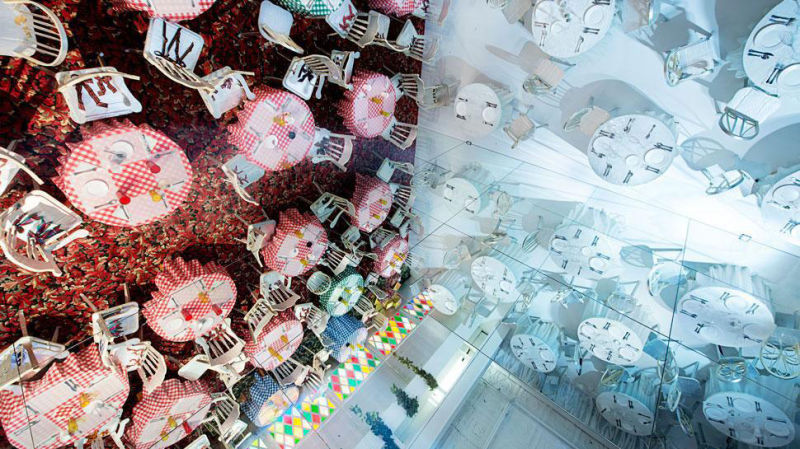
"caption": "Samara Golden, 'A Fall of Corners,' 2015. Installation view at CANADA New York.",
"description": null,
"title": "SamaraCover",
"credit": "Courtesy YBCA",
"status": "inherit",
"isLoading": false,
"fetchFailed": false
},
"arts_11369971": {
"type": "attachments",
"id": "arts_11369971",
"meta": {
"index": "attachments_1716263798",
"site": "arts",
"id": "11369971",
"found": true
},
"parent": 11369864,
"imgSizes": {
"thumbnail": {
"file": "https://ww2.kqed.org/app/uploads/sites/2/2016/02/GGN_IB_View_Ramp-400x227.jpg",
"width": 400,
"mimeType": "image/jpeg",
"height": 227
},
"post-thumbnail": {
"file": "https://ww2.kqed.org/app/uploads/sites/2/2016/02/GGN_IB_View_Ramp-672x372.jpg",
"width": 672,
"mimeType": "image/jpeg",
"height": 372
},
"kqedFullSize": {
"file": "https://ww2.kqed.org/app/uploads/sites/2/2016/02/GGN_IB_View_Ramp.jpg",
"width": 800,
"height": 454
},
"guest-author-96": {
"file": "https://ww2.kqed.org/app/uploads/sites/2/2016/02/GGN_IB_View_Ramp-96x96.jpg",
"width": 96,
"mimeType": "image/jpeg",
"height": 96
},
"medium": {
"file": "https://ww2.kqed.org/app/uploads/sites/2/2016/02/GGN_IB_View_Ramp-800x454.jpg",
"width": 800,
"mimeType": "image/jpeg",
"height": 454
},
"guest-author-64": {
"file": "https://ww2.kqed.org/app/uploads/sites/2/2016/02/GGN_IB_View_Ramp-64x64.jpg",
"width": 64,
"mimeType": "image/jpeg",
"height": 64
},
"detail": {
"file": "https://ww2.kqed.org/app/uploads/sites/2/2016/02/GGN_IB_View_Ramp-75x75.jpg",
"width": 75,
"mimeType": "image/jpeg",
"height": 75
},
"guest-author-32": {
"file": "https://ww2.kqed.org/app/uploads/sites/2/2016/02/GGN_IB_View_Ramp-32x32.jpg",
"width": 32,
"mimeType": "image/jpeg",
"height": 32
},
"medium_large": {
"file": "https://ww2.kqed.org/app/uploads/sites/2/2016/02/GGN_IB_View_Ramp-768x436.jpg",
"width": 768,
"mimeType": "image/jpeg",
"height": 436
},
"guest-author-128": {
"file": "https://ww2.kqed.org/app/uploads/sites/2/2016/02/GGN_IB_View_Ramp-128x128.jpg",
"width": 128,
"mimeType": "image/jpeg",
"height": 128
}
},
"publishDate": 1456790939,
"modified": 1456816932,
"caption": "Concept drawing of India Basin Park by Gustafson Guthrie Nichol ",
"description": "Concept drawing of India Basin Park by Gustafson Guthrie Nichol ",
"title": "GGN_IB_View_Ramp",
"credit": "Courtesy: San Francisco Department of Recreation and Parks",
"status": "inherit",
"isLoading": false,
"fetchFailed": false
},
"bayareabites_107212": {
"type": "attachments",
"id": "bayareabites_107212",
"meta": {
"index": "attachments_1716263798",
"site": "bayareabites",
"id": "107212",
"found": true
},
"parent": 107206,
"imgSizes": {
"twentyfourteen-full-width": {
"file": "https://ww2.kqed.org/app/uploads/sites/24/2016/02/meditate_edited-1-1038x576.jpg",
"width": 1038,
"mimeType": "image/jpeg",
"height": 576
},
"thumbnail": {
"file": "https://ww2.kqed.org/app/uploads/sites/24/2016/02/meditate_edited-1-400x267.jpg",
"width": 400,
"mimeType": "image/jpeg",
"height": 267
},
"fd-sm": {
"file": "https://ww2.kqed.org/app/uploads/sites/24/2016/02/meditate_edited-1-960x640.jpg",
"width": 960,
"mimeType": "image/jpeg",
"height": 640
},
"post-thumbnail": {
"file": "https://ww2.kqed.org/app/uploads/sites/24/2016/02/meditate_edited-1-672x372.jpg",
"width": 672,
"mimeType": "image/jpeg",
"height": 372
},
"kqedFullSize": {
"file": "https://ww2.kqed.org/app/uploads/sites/24/2016/02/meditate_edited-1.jpg",
"width": 2109,
"height": 1406
},
"large": {
"file": "https://ww2.kqed.org/app/uploads/sites/24/2016/02/meditate_edited-1-1440x960.jpg",
"width": 1440,
"mimeType": "image/jpeg",
"height": 960
},
"guest-author-96": {
"file": "https://ww2.kqed.org/app/uploads/sites/24/2016/02/meditate_edited-1-96x96.jpg",
"width": 96,
"mimeType": "image/jpeg",
"height": 96
},
"medium": {
"file": "https://ww2.kqed.org/app/uploads/sites/24/2016/02/meditate_edited-1-800x533.jpg",
"width": 800,
"mimeType": "image/jpeg",
"height": 533
},
"guest-author-64": {
"file": "https://ww2.kqed.org/app/uploads/sites/24/2016/02/meditate_edited-1-64x64.jpg",
"width": 64,
"mimeType": "image/jpeg",
"height": 64
},
"guest-author-32": {
"file": "https://ww2.kqed.org/app/uploads/sites/24/2016/02/meditate_edited-1-32x32.jpg",
"width": 32,
"mimeType": "image/jpeg",
"height": 32
},
"cat_post_thumb_sizecategory-posts-2": {
"file": "https://ww2.kqed.org/app/uploads/sites/24/2016/02/meditate_edited-1-150x150.jpg",
"width": 150,
"mimeType": "image/jpeg",
"height": 150
},
"fd-lrg": {
"file": "https://ww2.kqed.org/app/uploads/sites/24/2016/02/meditate_edited-1-1920x1280.jpg",
"width": 1920,
"mimeType": "image/jpeg",
"height": 1280
},
"fd-med": {
"file": "https://ww2.kqed.org/app/uploads/sites/24/2016/02/meditate_edited-1-1180x787.jpg",
"width": 1180,
"mimeType": "image/jpeg",
"height": 787
},
"detail": {
"file": "https://ww2.kqed.org/app/uploads/sites/24/2016/02/meditate_edited-1-75x75.jpg",
"width": 75,
"mimeType": "image/jpeg",
"height": 75
},
"medium_large": {
"file": "https://ww2.kqed.org/app/uploads/sites/24/2016/02/meditate_edited-1-768x512.jpg",
"width": 768,
"mimeType": "image/jpeg",
"height": 512
},
"guest-author-128": {
"file": "https://ww2.kqed.org/app/uploads/sites/24/2016/02/meditate_edited-1-128x128.jpg",
"width": 128,
"mimeType": "image/jpeg",
"height": 128
}
},
"publishDate": 1456448013,
"modified": 1456640626,
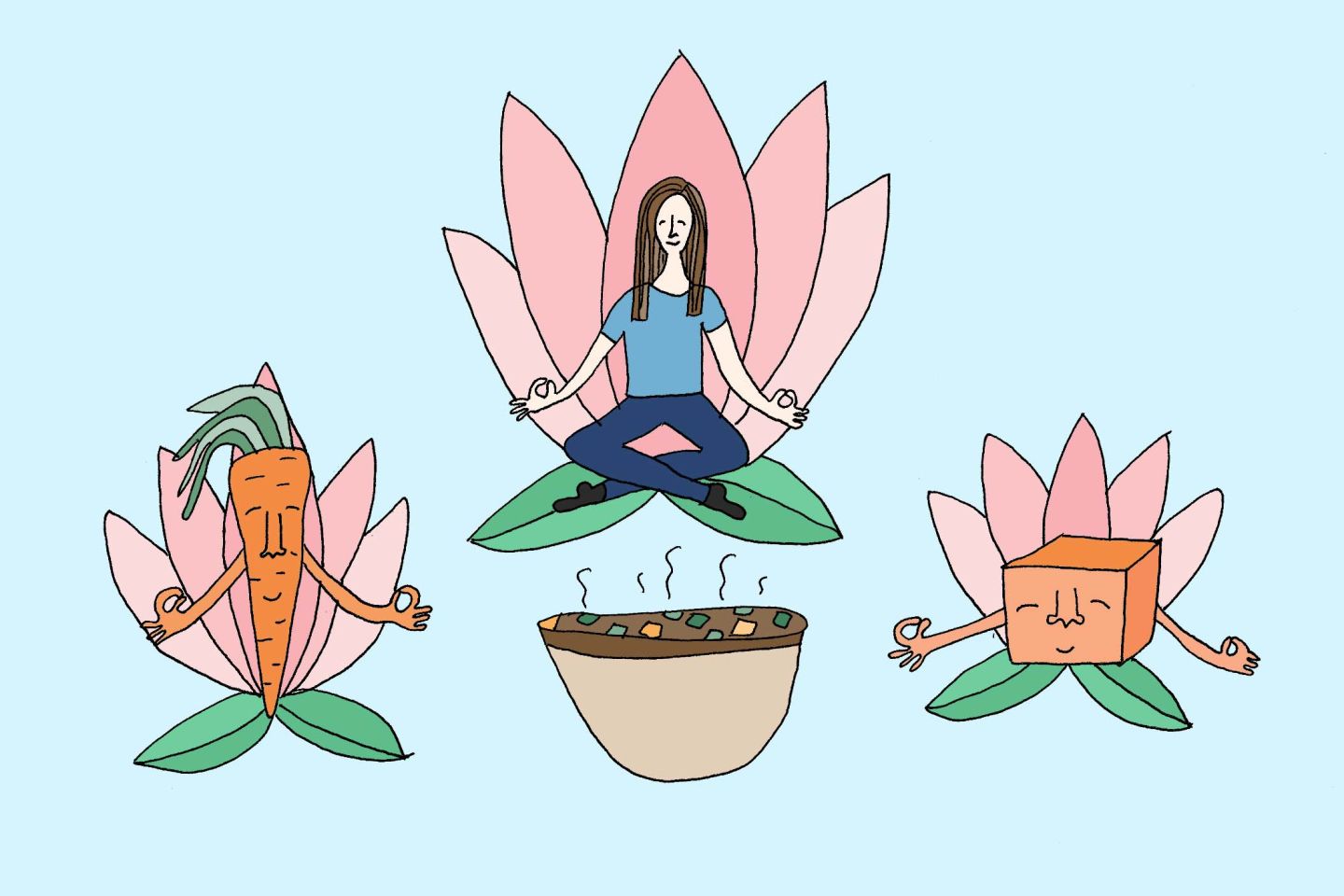
"caption": "Meditation and Mindful Vegetables",
"description": null,
"title": "meditate_edited-1",
"credit": "Lila Volkas",
"status": "inherit",
"isLoading": false,
"fetchFailed": false
},
"arts_11355729": {
"type": "attachments",
"id": "arts_11355729",
"meta": {
"index": "attachments_1716263798",
"site": "arts",
"id": "11355729",
"found": true
},
"parent": 11353957,
"imgSizes": {
"twentyfourteen-full-width": {
"file": "https://ww2.kqed.org/app/uploads/sites/2/2016/02/faces-1038x576.jpg",
"width": 1038,
"mimeType": "image/jpeg",
"height": 576
},
"thumbnail": {
"file": "https://ww2.kqed.org/app/uploads/sites/2/2016/02/faces-400x240.jpg",
"width": 400,
"mimeType": "image/jpeg",
"height": 240
},
"fd-sm": {
"file": "https://ww2.kqed.org/app/uploads/sites/2/2016/02/faces-960x575.jpg",
"width": 960,
"mimeType": "image/jpeg",
"height": 575
},
"post-thumbnail": {
"file": "https://ww2.kqed.org/app/uploads/sites/2/2016/02/faces-672x372.jpg",
"width": 672,
"mimeType": "image/jpeg",
"height": 372
},
"kqedFullSize": {
"file": "https://ww2.kqed.org/app/uploads/sites/2/2016/02/faces.jpg",
"width": 2400,
"height": 1438
},
"large": {
"file": "https://ww2.kqed.org/app/uploads/sites/2/2016/02/faces-1180x707.jpg",
"width": 1180,
"mimeType": "image/jpeg",
"height": 707
},
"guest-author-96": {
"file": "https://ww2.kqed.org/app/uploads/sites/2/2016/02/faces-96x96.jpg",
"width": 96,
"mimeType": "image/jpeg",
"height": 96
},
"medium": {
"file": "https://ww2.kqed.org/app/uploads/sites/2/2016/02/faces-800x479.jpg",
"width": 800,
"mimeType": "image/jpeg",
"height": 479
},
"guest-author-64": {
"file": "https://ww2.kqed.org/app/uploads/sites/2/2016/02/faces-64x64.jpg",
"width": 64,
"mimeType": "image/jpeg",
"height": 64
},
"guest-author-32": {
"file": "https://ww2.kqed.org/app/uploads/sites/2/2016/02/faces-32x32.jpg",
"width": 32,
"mimeType": "image/jpeg",
"height": 32
},
"fd-lrg": {
"file": "https://ww2.kqed.org/app/uploads/sites/2/2016/02/faces-1920x1150.jpg",
"width": 1920,
"mimeType": "image/jpeg",
"height": 1150
},
"fd-med": {
"file": "https://ww2.kqed.org/app/uploads/sites/2/2016/02/faces-1180x707.jpg",
"width": 1180,
"mimeType": "image/jpeg",
"height": 707
},
"detail": {
"file": "https://ww2.kqed.org/app/uploads/sites/2/2016/02/faces-75x75.jpg",
"width": 75,
"mimeType": "image/jpeg",
"height": 75
},
"medium_large": {
"file": "https://ww2.kqed.org/app/uploads/sites/2/2016/02/faces-768x460.jpg",
"width": 768,
"mimeType": "image/jpeg",
"height": 460
},
"guest-author-128": {
"file": "https://ww2.kqed.org/app/uploads/sites/2/2016/02/faces-128x128.jpg",
"width": 128,
"mimeType": "image/jpeg",
"height": 128
}
},
"publishDate": 1456326505,
"modified": 1456326555,
"caption": "Portraits from McCalman's project, Illustrated Black History. ",
"description": "Portraits from McCalman's project, Illustrated Black History. ",
"title": "Portraits from McCalman's project, Illustrated Black History.",
"credit": "Courtesy: George McCalman",
"status": "inherit",
"isLoading": false,
"fetchFailed": false
},
"artschool_894": {
"type": "attachments",
"id": "artschool_894",
"meta": {
"index": "attachments_1716263798",
"site": "artschool",
"id": "894",
"found": true
},
"parent": 890,
"imgSizes": {
"twentyfourteen-full-width": {
"file": "https://ww2.kqed.org/app/uploads/sites/4/2016/02/JK-Feature-Image-1038x576.jpg",
"width": 1038,
"mimeType": "image/jpeg",
"height": 576
},
"thumbnail": {
"file": "https://ww2.kqed.org/app/uploads/sites/4/2016/02/JK-Feature-Image-400x225.jpg",
"width": 400,
"mimeType": "image/jpeg",
"height": 225
},
"fd-sm": {
"file": "https://ww2.kqed.org/app/uploads/sites/4/2016/02/JK-Feature-Image-960x540.jpg",
"width": 960,
"mimeType": "image/jpeg",
"height": 540
},
"post-thumbnail": {
"file": "https://ww2.kqed.org/app/uploads/sites/4/2016/02/JK-Feature-Image-672x372.jpg",
"width": 672,
"mimeType": "image/jpeg",
"height": 372
},
"kqedFullSize": {
"file": "https://ww2.kqed.org/app/uploads/sites/4/2016/02/JK-Feature-Image.jpg",
"width": 1920,
"height": 1080
},
"large": {
"file": "https://ww2.kqed.org/app/uploads/sites/4/2016/02/JK-Feature-Image-1180x664.jpg",
"width": 1180,
"mimeType": "image/jpeg",
"height": 664
},
"guest-author-96": {
"file": "https://ww2.kqed.org/app/uploads/sites/4/2016/02/JK-Feature-Image-96x96.jpg",
"width": 96,
"mimeType": "image/jpeg",
"height": 96
},
"medium": {
"file": "https://ww2.kqed.org/app/uploads/sites/4/2016/02/JK-Feature-Image-800x450.jpg",
"width": 800,
"mimeType": "image/jpeg",
"height": 450
},
"guest-author-64": {
"file": "https://ww2.kqed.org/app/uploads/sites/4/2016/02/JK-Feature-Image-64x64.jpg",
"width": 64,
"mimeType": "image/jpeg",
"height": 64
},
"guest-author-32": {
"file": "https://ww2.kqed.org/app/uploads/sites/4/2016/02/JK-Feature-Image-32x32.jpg",
"width": 32,
"mimeType": "image/jpeg",
"height": 32
},
"fd-lrg": {
"file": "https://ww2.kqed.org/app/uploads/sites/4/2016/02/JK-Feature-Image-1920x1080.jpg",
"width": 1920,
"mimeType": "image/jpeg",
"height": 1080
},
"fd-med": {
"file": "https://ww2.kqed.org/app/uploads/sites/4/2016/02/JK-Feature-Image-1180x664.jpg",
"width": 1180,
"mimeType": "image/jpeg",
"height": 664
},
"detail": {
"file": "https://ww2.kqed.org/app/uploads/sites/4/2016/02/JK-Feature-Image-75x75.jpg",
"width": 75,
"mimeType": "image/jpeg",
"height": 75
},
"medium_large": {
"file": "https://ww2.kqed.org/app/uploads/sites/4/2016/02/JK-Feature-Image-768x432.jpg",
"width": 768,
"mimeType": "image/jpeg",
"height": 432
},
"guest-author-128": {
"file": "https://ww2.kqed.org/app/uploads/sites/4/2016/02/JK-Feature-Image-128x128.jpg",
"width": 128,
"mimeType": "image/jpeg",
"height": 128
}
},
"publishDate": 1456185862,
"modified": 1456185892,
"caption": null,
"description": null,
"title": "Jane Kim at Cornell",
"credit": "Cornell Lab of Ornithology",
"status": "inherit",
"isLoading": false,
"fetchFailed": false
},
"arts_11353363": {
"type": "attachments",
"id": "arts_11353363",
"meta": {
"index": "attachments_1716263798",
"site": "arts",
"id": "11353363",
"found": true
},
"parent": 11350952,
"imgSizes": {
"twentyfourteen-full-width": {
"file": "https://ww2.kqed.org/app/uploads/sites/2/2016/02/SteamEggCover-1038x576.jpg",
"width": 1038,
"mimeType": "image/jpeg",
"height": 576
},
"thumbnail": {
"file": "https://ww2.kqed.org/app/uploads/sites/2/2016/02/SteamEggCover-400x225.jpg",
"width": 400,
"mimeType": "image/jpeg",
"height": 225
},
"fd-sm": {
"file": "https://ww2.kqed.org/app/uploads/sites/2/2016/02/SteamEggCover-960x540.jpg",
"width": 960,
"mimeType": "image/jpeg",
"height": 540
},
"post-thumbnail": {
"file": "https://ww2.kqed.org/app/uploads/sites/2/2016/02/SteamEggCover-672x372.jpg",
"width": 672,
"mimeType": "image/jpeg",
"height": 372
},
"kqedFullSize": {
"file": "https://ww2.kqed.org/app/uploads/sites/2/2016/02/SteamEggCover.jpg",
"width": 1200,
"height": 675
},
"large": {
"file": "https://ww2.kqed.org/app/uploads/sites/2/2016/02/SteamEggCover-1180x664.jpg",
"width": 1180,
"mimeType": "image/jpeg",
"height": 664
},
"guest-author-96": {
"file": "https://ww2.kqed.org/app/uploads/sites/2/2016/02/SteamEggCover-96x96.jpg",
"width": 96,
"mimeType": "image/jpeg",
"height": 96
},
"medium": {
"file": "https://ww2.kqed.org/app/uploads/sites/2/2016/02/SteamEggCover-800x450.jpg",
"width": 800,
"mimeType": "image/jpeg",
"height": 450
},
"guest-author-64": {
"file": "https://ww2.kqed.org/app/uploads/sites/2/2016/02/SteamEggCover-64x64.jpg",
"width": 64,
"mimeType": "image/jpeg",
"height": 64
},
"guest-author-32": {
"file": "https://ww2.kqed.org/app/uploads/sites/2/2016/02/SteamEggCover-32x32.jpg",
"width": 32,
"mimeType": "image/jpeg",
"height": 32
},
"fd-med": {
"file": "https://ww2.kqed.org/app/uploads/sites/2/2016/02/SteamEggCover-1180x664.jpg",
"width": 1180,
"mimeType": "image/jpeg",
"height": 664
},
"detail": {
"file": "https://ww2.kqed.org/app/uploads/sites/2/2016/02/SteamEggCover-75x75.jpg",
"width": 75,
"mimeType": "image/jpeg",
"height": 75
},
"medium_large": {
"file": "https://ww2.kqed.org/app/uploads/sites/2/2016/02/SteamEggCover-768x432.jpg",
"width": 768,
"mimeType": "image/jpeg",
"height": 432
},
"guest-author-128": {
"file": "https://ww2.kqed.org/app/uploads/sites/2/2016/02/SteamEggCover-128x128.jpg",
"width": 128,
"mimeType": "image/jpeg",
"height": 128
}
},
"publishDate": 1456252586,
"modified": 1456252619,
"caption": "'Steam Egg 2,' the centerpiece of Michael Parker's installation at Southern Exposure.",
"description": null,
"title": "SteamEggCover",
"credit": "Photo by Matt Shapiro / Southern Exposure",
"status": "inherit",
"isLoading": false,
"fetchFailed": false
},
"arts_11350217": {
"type": "attachments",
"id": "arts_11350217",
"meta": {
"index": "attachments_1716263798",
"site": "arts",
"id": "11350217",
"found": true
},
"parent": 11347526,
"imgSizes": {
"twentyfourteen-full-width": {
"file": "https://ww2.kqed.org/app/uploads/sites/2/2016/02/MannersCover-1038x576.jpg",
"width": 1038,
"mimeType": "image/jpeg",
"height": 576
},
"thumbnail": {
"file": "https://ww2.kqed.org/app/uploads/sites/2/2016/02/MannersCover-400x225.jpg",
"width": 400,
"mimeType": "image/jpeg",
"height": 225
},
"fd-sm": {
"file": "https://ww2.kqed.org/app/uploads/sites/2/2016/02/MannersCover-960x540.jpg",
"width": 960,
"mimeType": "image/jpeg",
"height": 540
},
"post-thumbnail": {
"file": "https://ww2.kqed.org/app/uploads/sites/2/2016/02/MannersCover-672x372.jpg",
"width": 672,
"mimeType": "image/jpeg",
"height": 372
},
"kqedFullSize": {
"file": "https://ww2.kqed.org/app/uploads/sites/2/2016/02/MannersCover.jpg",
"width": 1920,
"height": 1080
},
"large": {
"file": "https://ww2.kqed.org/app/uploads/sites/2/2016/02/MannersCover-1180x664.jpg",
"width": 1180,
"mimeType": "image/jpeg",
"height": 664
},
"guest-author-96": {
"file": "https://ww2.kqed.org/app/uploads/sites/2/2016/02/MannersCover-96x96.jpg",
"width": 96,
"mimeType": "image/jpeg",
"height": 96
},
"medium": {
"file": "https://ww2.kqed.org/app/uploads/sites/2/2016/02/MannersCover-800x450.jpg",
"width": 800,
"mimeType": "image/jpeg",
"height": 450
},
"guest-author-64": {
"file": "https://ww2.kqed.org/app/uploads/sites/2/2016/02/MannersCover-64x64.jpg",
"width": 64,
"mimeType": "image/jpeg",
"height": 64
},
"guest-author-32": {
"file": "https://ww2.kqed.org/app/uploads/sites/2/2016/02/MannersCover-32x32.jpg",
"width": 32,
"mimeType": "image/jpeg",
"height": 32
},
"fd-lrg": {
"file": "https://ww2.kqed.org/app/uploads/sites/2/2016/02/MannersCover-1920x1080.jpg",
"width": 1920,
"mimeType": "image/jpeg",
"height": 1080
},
"fd-med": {
"file": "https://ww2.kqed.org/app/uploads/sites/2/2016/02/MannersCover-1180x664.jpg",
"width": 1180,
"mimeType": "image/jpeg",
"height": 664
},
"detail": {
"file": "https://ww2.kqed.org/app/uploads/sites/2/2016/02/MannersCover-75x75.jpg",
"width": 75,
"mimeType": "image/jpeg",
"height": 75
},
"medium_large": {
"file": "https://ww2.kqed.org/app/uploads/sites/2/2016/02/MannersCover-768x432.jpg",
"width": 768,
"mimeType": "image/jpeg",
"height": 432
},
"guest-author-128": {
"file": "https://ww2.kqed.org/app/uploads/sites/2/2016/02/MannersCover-128x128.jpg",
"width": 128,
"mimeType": "image/jpeg",
"height": 128
}
},
"publishDate": 1456161270,
"modified": 1456161304,
"caption": "Titania Kumeh and Sophia Wang in 'Making Plain' at Interface Gallery, Oakland.",
"description": null,
"title": "MannersCover",
"credit": "Photo: Lisa Rybovich Crallé",
"status": "inherit",
"isLoading": false,
"fetchFailed": false
},
"arts_11174528": {
"type": "attachments",
"id": "arts_11174528",
"meta": {
"index": "attachments_1716263798",
"site": "arts",
"id": "11174528",
"found": true
},
"parent": 11174415,
"imgSizes": {
"twentyfourteen-full-width": {
"file": "https://ww2.kqed.org/app/uploads/sites/2/2015/12/VallejoCover-1038x576.jpg",
"width": 1038,
"mimeType": "image/jpeg",
"height": 576
},
"thumbnail": {
"file": "https://ww2.kqed.org/app/uploads/sites/2/2015/12/VallejoCover-400x225.jpg",
"width": 400,
"mimeType": "image/jpeg",
"height": 225
},
"fd-sm": {
"file": "https://ww2.kqed.org/app/uploads/sites/2/2015/12/VallejoCover-960x540.jpg",
"width": 960,
"mimeType": "image/jpeg",
"height": 540
},
"post-thumbnail": {
"file": "https://ww2.kqed.org/app/uploads/sites/2/2015/12/VallejoCover-672x372.jpg",
"width": 672,
"mimeType": "image/jpeg",
"height": 372
},
"kqedFullSize": {
"file": "https://ww2.kqed.org/app/uploads/sites/2/2015/12/VallejoCover.jpg",
"width": 1920,
"height": 1080
},
"large": {
"file": "https://ww2.kqed.org/app/uploads/sites/2/2015/12/VallejoCover-1180x664.jpg",
"width": 1180,
"mimeType": "image/jpeg",
"height": 664
},
"guest-author-96": {
"file": "https://ww2.kqed.org/app/uploads/sites/2/2015/12/VallejoCover-96x96.jpg",
"width": 96,
"mimeType": "image/jpeg",
"height": 96
},
"medium": {
"file": "https://ww2.kqed.org/app/uploads/sites/2/2015/12/VallejoCover-800x450.jpg",
"width": 800,
"mimeType": "image/jpeg",
"height": 450
},
"guest-author-64": {
"file": "https://ww2.kqed.org/app/uploads/sites/2/2015/12/VallejoCover-64x64.jpg",
"width": 64,
"mimeType": "image/jpeg",
"height": 64
},
"guest-author-32": {
"file": "https://ww2.kqed.org/app/uploads/sites/2/2015/12/VallejoCover-32x32.jpg",
"width": 32,
"mimeType": "image/jpeg",
"height": 32
},
"fd-lrg": {
"file": "https://ww2.kqed.org/app/uploads/sites/2/2015/12/VallejoCover-1920x1080.jpg",
"width": 1920,
"mimeType": "image/jpeg",
"height": 1080
},
"fd-med": {
"file": "https://ww2.kqed.org/app/uploads/sites/2/2015/12/VallejoCover-1180x664.jpg",
"width": 1180,
"mimeType": "image/jpeg",
"height": 664
},
"detail": {
"file": "https://ww2.kqed.org/app/uploads/sites/2/2015/12/VallejoCover-75x75.jpg",
"width": 75,
"mimeType": "image/jpeg",
"height": 75
},
"medium_large": {
"file": "https://ww2.kqed.org/app/uploads/sites/2/2015/12/VallejoCover-768x432.jpg",
"width": 768,
"mimeType": "image/jpeg",
"height": 432
},
"guest-author-128": {
"file": "https://ww2.kqed.org/app/uploads/sites/2/2015/12/VallejoCover-128x128.jpg",
"width": 128,
"mimeType": "image/jpeg",
"height": 128
}
},
"publishDate": 1450489797,
"modified": 1450582698,
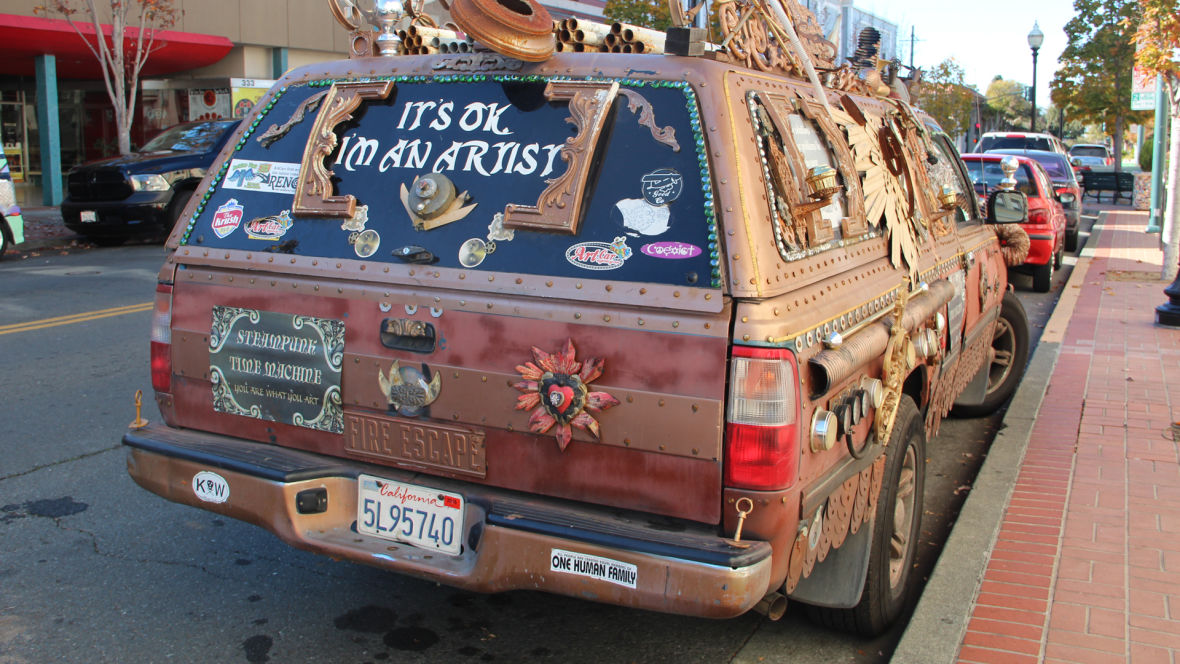
"caption": "An art car parked outside the Hub.",
"description": null,
"title": "VallejoCover",
"credit": "Photo: Lakshmi Sarah/KQED",
"status": "inherit",
"isLoading": false,
"fetchFailed": false
},
"arts_11344483": {
"type": "attachments",
"id": "arts_11344483",
"meta": {
"index": "attachments_1716263798",
"site": "arts",
"id": "11344483",
"found": true
},
"parent": 11344358,
"imgSizes": {
"thumbnail": {
"file": "https://ww2.kqed.org/app/uploads/sites/2/2016/02/MBpre1_lr-e1455989063593-400x264.jpg",
"width": 400,
"mimeType": "image/jpeg",
"height": 264
},
"post-thumbnail": {
"file": "https://ww2.kqed.org/app/uploads/sites/2/2016/02/MBpre1_lr-560x372.jpg",
"width": 560,
"mimeType": "image/jpeg",
"height": 372
},
"kqedFullSize": {
"file": "https://ww2.kqed.org/app/uploads/sites/2/2016/02/MBpre1_lr-e1455989063593.jpg",
"width": 558,
"height": 368
},
"guest-author-96": {
"file": "https://ww2.kqed.org/app/uploads/sites/2/2016/02/MBpre1_lr-e1455989063593-96x96.jpg",
"width": 96,
"mimeType": "image/jpeg",
"height": 96
},
"guest-author-64": {
"file": "https://ww2.kqed.org/app/uploads/sites/2/2016/02/MBpre1_lr-e1455989063593-64x64.jpg",
"width": 64,
"mimeType": "image/jpeg",
"height": 64
},
"detail": {
"file": "https://ww2.kqed.org/app/uploads/sites/2/2016/02/MBpre1_lr-e1455989063593-75x75.jpg",
"width": 75,
"mimeType": "image/jpeg",
"height": 75
},
"guest-author-32": {
"file": "https://ww2.kqed.org/app/uploads/sites/2/2016/02/MBpre1_lr-e1455989063593-32x32.jpg",
"width": 32,
"mimeType": "image/jpeg",
"height": 32
},
"guest-author-128": {
"file": "https://ww2.kqed.org/app/uploads/sites/2/2016/02/MBpre1_lr-e1455989063593-128x128.jpg",
"width": 128,
"mimeType": "image/jpeg",
"height": 128
}
},
"publishDate": 1455989045,
"modified": 1455989138,
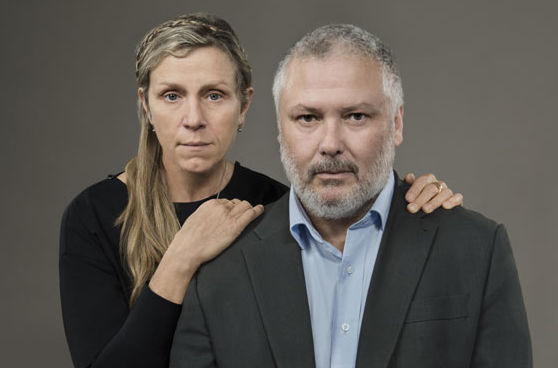
"caption": "Frances McDormand and Conleth Hill star in Macbeth at Berkeley Rep.\n\n",
"description": "Frances McDormand and Conleth Hill star in Macbeth at Berkeley Rep.\n",
"title": "MBpre1_lr",
"credit": "Photo: Courtesy kevinberne.com",
"status": "inherit",
"isLoading": false,
"fetchFailed": false
},
"arts_11338943": {
"type": "attachments",
"id": "arts_11338943",
"meta": {
"index": "attachments_1716263798",
"site": "arts",
"id": "11338943",
"found": true
},
"parent": 11338810,
"imgSizes": {
"twentyfourteen-full-width": {
"file": "https://ww2.kqed.org/app/uploads/sites/2/2016/02/Climate-Music-Project-Penguin-e1455833911884-1038x576.jpg",
"width": 1038,
"mimeType": "image/jpeg",
"height": 576
},
"thumbnail": {
"file": "https://ww2.kqed.org/app/uploads/sites/2/2016/02/Climate-Music-Project-Penguin-e1455833911884-400x225.jpg",
"width": 400,
"mimeType": "image/jpeg",
"height": 225
},
"fd-sm": {
"file": "https://ww2.kqed.org/app/uploads/sites/2/2016/02/Climate-Music-Project-Penguin-e1455833911884-960x540.jpg",
"width": 960,
"mimeType": "image/jpeg",
"height": 540
},
"post-thumbnail": {
"file": "https://ww2.kqed.org/app/uploads/sites/2/2016/02/Climate-Music-Project-Penguin-e1455833911884-672x372.jpg",
"width": 672,
"mimeType": "image/jpeg",
"height": 372
},
"kqedFullSize": {
"file": "https://ww2.kqed.org/app/uploads/sites/2/2016/02/Climate-Music-Project-Penguin-e1455833911884.jpg",
"width": 1500,
"height": 843
},
"large": {
"file": "https://ww2.kqed.org/app/uploads/sites/2/2016/02/Climate-Music-Project-Penguin-e1455833911884-1180x663.jpg",
"width": 1180,
"mimeType": "image/jpeg",
"height": 663
},
"guest-author-96": {
"file": "https://ww2.kqed.org/app/uploads/sites/2/2016/02/Climate-Music-Project-Penguin-e1455833911884-96x96.jpg",
"width": 96,
"mimeType": "image/jpeg",
"height": 96
},
"medium": {
"file": "https://ww2.kqed.org/app/uploads/sites/2/2016/02/Climate-Music-Project-Penguin-e1455833911884-800x450.jpg",
"width": 800,
"mimeType": "image/jpeg",
"height": 450
},
"guest-author-64": {
"file": "https://ww2.kqed.org/app/uploads/sites/2/2016/02/Climate-Music-Project-Penguin-e1455833911884-64x64.jpg",
"width": 64,
"mimeType": "image/jpeg",
"height": 64
},
"guest-author-32": {
"file": "https://ww2.kqed.org/app/uploads/sites/2/2016/02/Climate-Music-Project-Penguin-e1455833911884-32x32.jpg",
"width": 32,
"mimeType": "image/jpeg",
"height": 32
},
"fd-med": {
"file": "https://ww2.kqed.org/app/uploads/sites/2/2016/02/Climate-Music-Project-Penguin-e1455833911884-1180x663.jpg",
"width": 1180,
"mimeType": "image/jpeg",
"height": 663
},
"detail": {
"file": "https://ww2.kqed.org/app/uploads/sites/2/2016/02/Climate-Music-Project-Penguin-e1455833911884-75x75.jpg",
"width": 75,
"mimeType": "image/jpeg",
"height": 75
},
"medium_large": {
"file": "https://ww2.kqed.org/app/uploads/sites/2/2016/02/Climate-Music-Project-Penguin-e1455833911884-768x432.jpg",
"width": 768,
"mimeType": "image/jpeg",
"height": 432
},
"guest-author-128": {
"file": "https://ww2.kqed.org/app/uploads/sites/2/2016/02/Climate-Music-Project-Penguin-e1455833911884-128x128.jpg",
"width": 128,
"mimeType": "image/jpeg",
"height": 128
}
},
"publishDate": 1455830008,
"modified": 1455843076,
"caption": "Climate Music Project",
"description": "Climate Music Project",
"title": "The Climate Music Project",
"credit": null,
"status": "inherit",
"isLoading": false,
"fetchFailed": false
}
},
"audioPlayerReducer": {
"postId": "stream_live",
"isPaused": true,
"isPlaying": false,
"pfsActive": false,
"pledgeModalIsOpen": true,
"playerDrawerIsOpen": false,
"liveAudioPlayStartedAt": 0,
"liveAudioPlayContext": ""
},
"authorsReducer": {
"marktaylor-2": {
"type": "authors",
"id": "8",
"meta": {
"index": "authors_1716337520",
"id": "8",
"found": true
},
"name": "Mark Taylor",
"firstName": "Mark",
"lastName": "Taylor",
"slug": "marktaylor-2",
"email": "mark@emptypictures.net",
"display_author_email": false,
"staff_mastheads": [],
"title": null,
"bio": "Mark Taylor founded KQED Arts in 2005 and served as Senior Interactive Producer for Arts and Culture through 2014. Taylor was the online arts editor of KQED's daily arts blog for nine years and created the station's first web-original podcasts, Gallery Crawl and The Writers' Block.\r\n\r\nTaylor is an experimental filmmaker and visual artist whose work has been collected by the Library of Congress, Stanford University and the New York Museum of Modern Art, among many others. He teaches Media Studies at the University of San Francisco and is exploring the connection between film and food. \u003ca href=\"http://emptypictures.net/\">Visit Mark Taylor's website\u003c/a> at emptypictures.net.",
"avatar": "https://secure.gravatar.com/avatar/3452322b4dec4379500b11b74718f5da?s=600&d=blank&r=g",
"twitter": null,
"facebook": null,
"instagram": null,
"linkedin": null,
"sites": [
{
"site": "arts",
"roles": [
"Administrator",
"contributor"
]
},
{
"site": "bayareabites",
"roles": [
"author"
]
},
{
"site": "checkplease",
"roles": [
"subscriber"
]
},
{
"site": "food",
"roles": [
"contributor"
]
}
],
"headData": {
"title": "Mark Taylor | KQED",
"description": null,
"ogImgSrc": "https://secure.gravatar.com/avatar/3452322b4dec4379500b11b74718f5da?s=600&d=blank&r=g",
"twImgSrc": "https://secure.gravatar.com/avatar/3452322b4dec4379500b11b74718f5da?s=600&d=blank&r=g"
},
"isLoading": false,
"link": "/author/marktaylor-2"
},
"kfarr": {
"type": "authors",
"id": "16",
"meta": {
"index": "authors_1716337520",
"id": "16",
"found": true
},
"name": "Kristin Farr",
"firstName": "Kristin",
"lastName": "Farr",
"slug": "kfarr",
"email": "kfarr@kqed.org",
"display_author_email": false,
"staff_mastheads": [],
"title": null,
"bio": "Kristin Farr is the creator and producer of KQED's Emmy Award-winning web video series, Art School, and she is also a contributing editor for Juxtapoz magazine. Her artwork has been exhibited at galleries around the Bay Area including YBCA, Fifty24SF, Anno Domini and The Bedford Gallery. Her FarrOut art app for iOS was released in 2013. She lives in the East Bay and her favorite color is all of them.",
"avatar": "https://secure.gravatar.com/avatar/96aae7842c46004b98e00051e9e0d71f?s=600&d=blank&r=g",
"twitter": "kristinfarr",
"facebook": null,
"instagram": null,
"linkedin": null,
"sites": [
{
"site": "arts",
"roles": [
"Contributor",
"contributor"
]
},
{
"site": "artschool",
"roles": [
"subscriber"
]
}
],
"headData": {
"title": "Kristin Farr | KQED",
"description": null,
"ogImgSrc": "https://secure.gravatar.com/avatar/96aae7842c46004b98e00051e9e0d71f?s=600&d=blank&r=g",
"twImgSrc": "https://secure.gravatar.com/avatar/96aae7842c46004b98e00051e9e0d71f?s=600&d=blank&r=g"
},
"isLoading": false,
"link": "/author/kfarr"
},
"cmusiker": {
"type": "authors",
"id": "32",
"meta": {
"index": "authors_1716337520",
"id": "32",
"found": true
},
"name": "Cy Musiker",
"firstName": "Cy",
"lastName": "Musiker",
"slug": "cmusiker",
"email": "cmusiker@kqed.org",
"display_author_email": false,
"staff_mastheads": [],
"title": "KQED Contributor",
"bio": "Cy Musiker is a former co-host of The Do List and a former reporter covering the arts for KQED News and The California Report. He loves live performance, especially great theater, jazz, roots music, anything by Mahler. Cy has an MJ from UC Berkeley's School of Journalism, and got his BA from Hampshire College. His work has been recognized by the Society for Professional Journalists with their Sigma Delta Chi Award for Public Service in Journalism. When he can, Cy likes to swim in Tomales Bay, run with his dog in the East Bay Hills, and hike the Sierra.",
"avatar": "https://secure.gravatar.com/avatar/05eaba5c5696ce8f062e4ea2df428a43?s=600&d=blank&r=g",
"twitter": null,
"facebook": null,
"instagram": null,
"linkedin": null,
"sites": [
{
"site": "arts",
"roles": [
"Contributor",
"subscriber"
]
},
{
"site": "news",
"roles": [
"author"
]
},
{
"site": "bayareabites",
"roles": [
"contributor"
]
}
],
"headData": {
"title": "Cy Musiker | KQED",
"description": "KQED Contributor",
"ogImgSrc": "https://secure.gravatar.com/avatar/05eaba5c5696ce8f062e4ea2df428a43?s=600&d=blank&r=g",
"twImgSrc": "https://secure.gravatar.com/avatar/05eaba5c5696ce8f062e4ea2df428a43?s=600&d=blank&r=g"
},
"isLoading": false,
"link": "/author/cmusiker"
},
"shotchkiss": {
"type": "authors",
"id": "61",
"meta": {
"index": "authors_1716337520",
"id": "61",
"found": true
},
"name": "Sarah Hotchkiss",
"firstName": "Sarah",
"lastName": "Hotchkiss",
"slug": "shotchkiss",
"email": "shotchkiss@kqed.org",
"display_author_email": true,
"staff_mastheads": [
"arts"
],
"title": "Senior Editor",
"bio": "Sarah Hotchkiss is a San Francisco \u003ca href=\"http://www.sarahhotchkiss.com\">artist\u003c/a> and arts writer. In 2019, she received the Dorothea & Leo Rabkin Foundation grant for visual art journalism and in 2020 she received a Society of Professional Journalists, Northern California award for excellence in arts and culture reporting.",
"avatar": "https://secure.gravatar.com/avatar/bc662df144b3d27fd8b1b6f1c2a420d34e91e53154d411bb7ad353cc8b6cea8d?s=600&d=blank&r=g",
"twitter": null,
"bluesky": null,
"facebook": null,
"instagram": null,
"linkedin": null,
"sites": [
{
"site": "",
"roles": [
"editor"
]
},
{
"site": "arts",
"roles": [
"Contributor",
"administrator"
]
},
{
"site": "artschool",
"roles": [
"administrator"
]
},
{
"site": "news",
"roles": [
"editor"
]
},
{
"site": "pop",
"roles": [
"administrator"
]
},
{
"site": "bayareabites",
"roles": [
"editor"
]
},
{
"site": "spark",
"roles": [
"editor"
]
},
{
"site": "checkplease",
"roles": [
"editor"
]
}
],
"headData": {
"title": "Sarah Hotchkiss | KQED",
"description": "Senior Editor",
"ogImgSrc": "https://secure.gravatar.com/avatar/bc662df144b3d27fd8b1b6f1c2a420d34e91e53154d411bb7ad353cc8b6cea8d?s=600&d=blank&r=g",
"twImgSrc": "https://secure.gravatar.com/avatar/bc662df144b3d27fd8b1b6f1c2a420d34e91e53154d411bb7ad353cc8b6cea8d?s=600&d=blank&r=g"
},
"isLoading": false,
"link": "/author/shotchkiss"
},
"kjones": {
"type": "authors",
"id": "93",
"meta": {
"index": "authors_1716337520",
"id": "93",
"found": true
},
"name": "Kevin L. Jones",
"firstName": "Kevin",
"lastName": "Jones",
"slug": "kjones",
"email": "kjones@kqed.org",
"display_author_email": false,
"staff_mastheads": [],
"title": null,
"bio": null,
"avatar": "https://secure.gravatar.com/avatar/12c65b5633ed39d0a59bb7f497eff645?s=600&d=blank&r=g",
"twitter": null,
"facebook": null,
"instagram": null,
"linkedin": null,
"sites": [
{
"site": "arts",
"roles": [
"subscriber"
]
},
{
"site": "styleguide",
"roles": [
"contributor"
]
},
{
"site": "artschool",
"roles": [
"subscriber"
]
},
{
"site": "news",
"roles": [
"subscriber"
]
},
{
"site": "pop",
"roles": [
"subscriber"
]
}
],
"headData": {
"title": "Kevin L. Jones | KQED",
"description": null,
"ogImgSrc": "https://secure.gravatar.com/avatar/12c65b5633ed39d0a59bb7f497eff645?s=600&d=blank&r=g",
"twImgSrc": "https://secure.gravatar.com/avatar/12c65b5633ed39d0a59bb7f497eff645?s=600&d=blank&r=g"
},
"isLoading": false,
"link": "/author/kjones"
},
"rachael-myrow": {
"type": "authors",
"id": "251",
"meta": {
"index": "authors_1716337520",
"id": "251",
"found": true
},
"name": "Rachael Myrow",
"firstName": "Rachael",
"lastName": "Myrow",
"slug": "rachael-myrow",
"email": "rmyrow@kqed.org",
"display_author_email": true,
"staff_mastheads": [
"news"
],
"title": "Senior Editor of KQED's Silicon Valley News Desk",
"bio": "• I write and edit stories about how Silicon Valley power and policies shape everyday life in California. I’m also passionate about making Bay Area history and culture more accessible to a broad public. • I’ve been a journalist for most of my life, starting in high school with The Franklin Press in Los Angeles, where I grew up. While earning my first degree in English at UC Berkeley, I got my start in public radio at KALX-FM. After completing a second degree in journalism at Cal, I landed my first professional job at Marketplace, then moved on to KPCC (now LAist), and then KQED, where I hosted The California Report for more than seven years. • My reporting has appeared on NPR, The World, WBUR’s \u003ci>Here & Now\u003c/i>, and the BBC. I also guest host for KQED’s \u003ci>Forum\u003c/i>, as well as the Commonwealth Club in San Francisco. • I speak periodically on media, democracy and technology issues, and do voiceover work for documentaries and educational video projects. • Outside of the studio, you'll find me hiking Bay Area trails and whipping up Insta-ready meals in my kitchen. • I do not accept gifts, money, or favors from anyone connected to my reporting, I don't pay people for information, and I do not support or donate to political causes. • I strive to treat the people I report on with fairness, honesty, and respect. I also recognize there are often multiple sides to a story and work to verify information through multiple sources and documentation. If I get something wrong, I correct it.",
"avatar": "https://secure.gravatar.com/avatar/3ed8a3c5f26025e4a805ba634cda8cd764906b97438a6d9ce216b044e340da4e?s=600&d=blank&r=g",
"twitter": "rachaelmyrow",
"bluesky": null,
"facebook": null,
"instagram": null,
"linkedin": "https://www.linkedin.com/in/rachaelmyrow/",
"sites": [
{
"site": "arts",
"roles": [
"administrator"
]
},
{
"site": "news",
"roles": [
"edit_others_posts",
"editor"
]
},
{
"site": "futureofyou",
"roles": [
"editor"
]
},
{
"site": "bayareabites",
"roles": [
"editor"
]
},
{
"site": "stateofhealth",
"roles": [
"editor"
]
},
{
"site": "science",
"roles": [
"editor"
]
},
{
"site": "food",
"roles": [
"editor"
]
},
{
"site": "forum",
"roles": [
"editor"
]
},
{
"site": "liveblog",
"roles": [
"author"
]
}
],
"headData": {
"title": "Rachael Myrow | KQED",
"description": "Senior Editor of KQED's Silicon Valley News Desk",
"ogImgSrc": "https://secure.gravatar.com/avatar/3ed8a3c5f26025e4a805ba634cda8cd764906b97438a6d9ce216b044e340da4e?s=600&d=blank&r=g",
"twImgSrc": "https://secure.gravatar.com/avatar/3ed8a3c5f26025e4a805ba634cda8cd764906b97438a6d9ce216b044e340da4e?s=600&d=blank&r=g"
},
"isLoading": false,
"link": "/author/rachael-myrow"
},
"lakshmi": {
"type": "authors",
"id": "3245",
"meta": {
"index": "authors_1716337520",
"id": "3245",
"found": true
},
"name": "Lakshmi Sarah",
"firstName": "Lakshmi",
"lastName": "Sarah",
"slug": "lakshmi",
"email": "lakisarah@gmail.com",
"display_author_email": false,
"staff_mastheads": [],
"title": null,
"bio": "Born and raised in California, Lakshmi is an educator and journalist with a focus on South Asia, gender, race and the arts. Over the past few years, she has worked with newspapers, radio and magazines from Botswana to Los Angeles. She has written and produced for various audiences, including Mic, Global Voices, Al Jazeera Online, AJ+ and KQED Arts. Lakshmi is a graduate of Pitzer College where she studied Global Communications and Studio Arts.",
"avatar": "https://secure.gravatar.com/avatar/30f520a9238d29ba9187c2a405e0f85d?s=600&d=blank&r=g",
"twitter": "lakitalki",
"facebook": null,
"instagram": null,
"linkedin": null,
"sites": [
{
"site": "arts",
"roles": [
"editor"
]
},
{
"site": "pop",
"roles": [
"contributor"
]
},
{
"site": "science",
"roles": [
"editor"
]
}
],
"headData": {
"title": "Lakshmi Sarah | KQED",
"description": null,
"ogImgSrc": "https://secure.gravatar.com/avatar/30f520a9238d29ba9187c2a405e0f85d?s=600&d=blank&r=g",
"twImgSrc": "https://secure.gravatar.com/avatar/30f520a9238d29ba9187c2a405e0f85d?s=600&d=blank&r=g"
},
"isLoading": false,
"link": "/author/lakshmi"
},
"lilavolkas": {
"type": "authors",
"id": "5404",
"meta": {
"index": "authors_1716337520",
"id": "5404",
"found": true
},
"name": "Lila Volkas",
"firstName": "Lila",
"lastName": "Volkas",
"slug": "lilavolkas",
"email": "lilavolkas@gmail.com",
"display_author_email": false,
"staff_mastheads": [],
"title": null,
"bio": "Lila Volkas is a Berkeley based Holistic Nutritionist, food writer and illustrator. She received her Nutritional Consulting Certification from Bauman College and offers clients individualized nutritional support. As an illustrator she creates hand drawn and digitally colored illustrations that whimsically capture the essence of her subjects and are easily digested by readers. Much of her inspiration comes from her undeniable love for vegetables, as well her knack for anthropomorphizing what's on her plate. Lila has had several pieces published in KQED’s Bay Area Bites as well as in Edible East Bay Magazine. For more of a taste of Lila's offering, check out her website \u003ca href=\"http://www.lilavolkas.com/\">lilavolkas.com\u003c/a>",
"avatar": "https://secure.gravatar.com/avatar/e520743544a0600729bc45ff3ab43206?s=600&d=blank&r=g",
"twitter": null,
"facebook": null,
"instagram": null,
"linkedin": null,
"sites": [
{
"site": "bayareabites",
"roles": [
"contributor"
]
},
{
"site": "food",
"roles": [
"contributor"
]
}
],
"headData": {
"title": "Lila Volkas | KQED",
"description": null,
"ogImgSrc": "https://secure.gravatar.com/avatar/e520743544a0600729bc45ff3ab43206?s=600&d=blank&r=g",
"twImgSrc": "https://secure.gravatar.com/avatar/e520743544a0600729bc45ff3ab43206?s=600&d=blank&r=g"
},
"isLoading": false,
"link": "/author/lilavolkas"
},
"cveltman": {
"type": "authors",
"id": "8608",
"meta": {
"index": "authors_1716337520",
"id": "8608",
"found": true
},
"name": "Chloe Veltman",
"firstName": "Chloe",
"lastName": "Veltman",
"slug": "cveltman",
"email": "cveltman@kqed.org",
"display_author_email": true,
"staff_mastheads": [],
"title": "Arts and Culture Reporter",
"bio": "Chloe Veltman is a former arts and culture reporter for KQED. Prior to joining the organization, she launched and led the arts bureau at Colorado Public Radio, served as the Bay Area's culture columnist for the New York Times, and was the founder, host and executive producer of VoiceBox, a national award-winning weekly podcast/radio show and live events series all about the human voice. Chloe is the recipient of numerous prizes, grants and fellowships including a Webby Award for her work on interactive storytelling, both the John S Knight Journalism Fellowship and Humanities Center Fellowship at Stanford University, the Sundance Arts Writing Fellowship and a Library of Congress Research Fellowship. She is the author of the book \"On Acting\" and has appeared as a guest lecturer at Yale University and the San Francisco Conservatory of Music among other institutions. She holds a BA in english literature from King's College, Cambridge, and a Masters in Dramaturgy from the Central School of Speech and Drama/Harvard Institute for Advanced Theater Training.\r\n\u003ca href=\"https://www.chloeveltman.com\">www.chloeveltman.com\u003c/a>",
"avatar": "https://secure.gravatar.com/avatar/55403394b00a1ddab683952c2eb2cf85?s=600&d=blank&r=g",
"twitter": "chloeveltman",
"facebook": null,
"instagram": null,
"linkedin": null,
"sites": [
{
"site": "arts",
"roles": []
},
{
"site": "news",
"roles": [
"author"
]
},
{
"site": "pop",
"roles": [
"editor"
]
},
{
"site": "science",
"roles": []
}
],
"headData": {
"title": "Chloe Veltman | KQED",
"description": "Arts and Culture Reporter",
"ogImgSrc": "https://secure.gravatar.com/avatar/55403394b00a1ddab683952c2eb2cf85?s=600&d=blank&r=g",
"twImgSrc": "https://secure.gravatar.com/avatar/55403394b00a1ddab683952c2eb2cf85?s=600&d=blank&r=g"
},
"isLoading": false,
"link": "/author/cveltman"
},
"eholmes": {
"type": "authors",
"id": "8623",
"meta": {
"index": "authors_1716337520",
"id": "8623",
"found": true
},
"name": "Emily Holmes",
"firstName": "Emily",
"lastName": "Holmes",
"slug": "eholmes",
"email": "emily@artpractical.com",
"display_author_email": false,
"staff_mastheads": [],
"title": null,
"bio": "\u003ca href=\"http://www.emilykholmes.com/\" target=\"_blank\" rel=\"noopener\">Emily Holmes \u003c/a>is a Sacramento-based writer and editor.",
"avatar": "https://secure.gravatar.com/avatar/3415140cdd1ccd2cb8e99eb21568553a?s=600&d=blank&r=g",
"twitter": null,
"facebook": null,
"instagram": null,
"linkedin": null,
"sites": [
{
"site": "arts",
"roles": [
"contributor"
]
}
],
"headData": {
"title": "Emily Holmes | KQED",
"description": null,
"ogImgSrc": "https://secure.gravatar.com/avatar/3415140cdd1ccd2cb8e99eb21568553a?s=600&d=blank&r=g",
"twImgSrc": "https://secure.gravatar.com/avatar/3415140cdd1ccd2cb8e99eb21568553a?s=600&d=blank&r=g"
},
"isLoading": false,
"link": "/author/eholmes"
},
"jdbrown": {
"type": "authors",
"id": "8643",
"meta": {
"index": "authors_1716337520",
"id": "8643",
"found": true
},
"name": "Jon Brown",
"firstName": "Jon",
"lastName": "Brown",
"slug": "jdbrown",
"email": "jdbrown@kqed.org",
"display_author_email": false,
"staff_mastheads": [],
"title": null,
"bio": "Jon Brown makes videos for KQED's \u003cem>Art School! \u003c/em>",
"avatar": "https://secure.gravatar.com/avatar/171d6e49f41177668ece88b6924a239f?s=600&d=blank&r=g",
"twitter": null,
"facebook": null,
"instagram": null,
"linkedin": null,
"sites": [
{
"site": "arts",
"roles": [
"contributor"
]
},
{
"site": "artschool",
"roles": [
"administrator"
]
},
{
"site": "quest",
"roles": [
"administrator"
]
}
],
"headData": {
"title": "Jon Brown | KQED",
"description": null,
"ogImgSrc": "https://secure.gravatar.com/avatar/171d6e49f41177668ece88b6924a239f?s=600&d=blank&r=g",
"twImgSrc": "https://secure.gravatar.com/avatar/171d6e49f41177668ece88b6924a239f?s=600&d=blank&r=g"
},
"isLoading": false,
"link": "/author/jdbrown"
},
"crnoveno": {
"type": "authors",
"id": "11208",
"meta": {
"index": "authors_1716337520",
"id": "11208",
"found": true
},
"name": "Creo Noveno",
"firstName": "Creo",
"lastName": "Noveno",
"slug": "crnoveno",
"email": "creonoveno@gmail.com",
"display_author_email": false,
"staff_mastheads": [],
"title": "KQED Contributor",
"bio": null,
"avatar": "https://secure.gravatar.com/avatar/0df6606b8e36036309fd287052246d01?s=600&d=blank&r=g",
"twitter": null,
"facebook": null,
"instagram": null,
"linkedin": null,
"sites": [
{
"site": "arts",
"roles": [
"subscriber"
]
},
{
"site": "pop",
"roles": [
"contributor"
]
}
],
"headData": {
"title": "Creo Noveno | KQED",
"description": "KQED Contributor",
"ogImgSrc": "https://secure.gravatar.com/avatar/0df6606b8e36036309fd287052246d01?s=600&d=blank&r=g",
"twImgSrc": "https://secure.gravatar.com/avatar/0df6606b8e36036309fd287052246d01?s=600&d=blank&r=g"
},
"isLoading": false,
"link": "/author/crnoveno"
}
},
"pagesReducer": {
"arts_category_visualarts": {
"type": "terms",
"id": "arts_70",
"meta": {
"index": "terms_1716263798",
"site": "arts",
"id": "70",
"score": 14.4072075
},
"featImg": null,
"name": "Visual Arts",
"description": null,
"taxonomy": "category",
"headData": {
"twImgId": null,
"twTitle": null,
"ogTitle": null,
"ogImgId": null,
"twDescription": null,
"description": null,
"title": "Visual Arts Archives | KQED Arts",
"ogDescription": null
},
"ttid": 71,
"slug": "visualarts",
"isLoading": false,
"title": "Visual Arts",
"pageMeta": {
"site": "arts",
"WpPageTemplate": "page-topic-editorial",
"currentPage": 137
},
"blocks": [
{
"blockName": "kqed/post-list",
"attrs": {
"layout": "cardArticle2",
"query": "posts/arts?category=visualarts",
"seeMore": false,
"paginated": true,
"page": 137
}
},
{
"blockName": "kqed/ad"
}
]
}
},
"pfsSessionReducer": {},
"postsReducer": {
"stream_live": {
"type": "live",
"id": "stream_live",
"audioUrl": "https://streams.kqed.org/kqedradio",
"title": "Live Stream",
"excerpt": "Live Stream information currently unavailable.",
"link": "/radio",
"featImg": "",
"label": {
"name": "KQED Live",
"link": "/"
}
},
"stream_kqedNewscast": {
"type": "posts",
"id": "stream_kqedNewscast",
"audioUrl": "https://www.kqed.org/.stream/anon/radio/RDnews/newscast.mp3?_=1",
"title": "KQED Newscast",
"featImg": "",
"label": {
"name": "88.5 FM",
"link": "/"
}
},
"arts_11361671": {
"type": "posts",
"id": "arts_11361671",
"meta": {
"index": "posts_1716263798",
"site": "arts",
"id": "11361671",
"score": null,
"sort": [
1456959650000
]
},
"guestAuthors": [],
"slug": "sfo-exhibit-shows-how-artists-adapted-art-nouveau-to-rock-posters",
"title": "SFO Exhibit Shows How Artists Adapted Art Nouveau to Rock Posters",
"publishDate": 1456959650,
"format": "image",
"headTitle": "SFO Exhibit Shows How Artists Adapted Art Nouveau to Rock Posters | KQED",
"labelTerm": {
"site": "arts"
},
"content": "\u003cp>If you’ve wandered through the International Terminal Main Hall Departures Lobby at SFO this month, you may have noticed SFO Museum’s newest exhibit, \u003ca href=\"http://www.flysfo.com/museum/exhibitions/allure-art-nouveau\" target=\"_blank\" rel=\"noopener\">\u003cem>The Allure of Art Nouveau: 1890–1914\u003c/em>\u003c/a>. It focuses on a movement that inspired incredible creativity in everything from jewelry to architecture, and was inspired by nature at a time when the harsh, dehumanizing aspects of the Industrial Revolution were freaking people out.\u003c/p>\n\u003cfigure id=\"attachment_11361672\" class=\"wp-caption alignleft\" style=\"max-width: 400px\">\u003cimg loading=\"lazy\" decoding=\"async\" class=\"wp-image-11361672 size-thumbnail\" src=\"http://ww2.kqed.org/arts/wp-content/uploads/sites/2/2016/02/RS18637_12_Art_Nouveau_0-qut-400x296.jpg\" alt=\"Snake lamp 1900 from Vienna, Austria. On loan at SFO from Age of Elegance in Mill Valley.\" width=\"400\" height=\"296\" srcset=\"https://cdn.kqed.org/wp-content/uploads/sites/2/2016/02/RS18637_12_Art_Nouveau_0-qut-400x296.jpg 400w, https://cdn.kqed.org/wp-content/uploads/sites/2/2016/02/RS18637_12_Art_Nouveau_0-qut-800x593.jpg 800w, https://cdn.kqed.org/wp-content/uploads/sites/2/2016/02/RS18637_12_Art_Nouveau_0-qut-768x569.jpg 768w, https://cdn.kqed.org/wp-content/uploads/sites/2/2016/02/RS18637_12_Art_Nouveau_0-qut-960x711.jpg 960w, https://cdn.kqed.org/wp-content/uploads/sites/2/2016/02/RS18637_12_Art_Nouveau_0-qut.jpg 1093w\" sizes=\"(max-width: 400px) 100vw, 400px\">\u003cfigcaption class=\"wp-caption-text\">Snake lamp 1900 from Vienna, Austria. On loan at SFO from Age of Elegance in Mill Valley. \u003ccite>(Courtesy SFO Museum)\u003c/cite>\u003c/figcaption>\u003c/figure>\n\u003cp>In contrast, Art Nouveau celebrated organic life: curling tendrils of vegetation, vivid colors, and lots and lots of curvaceous women. Art Nouveau slid out of fashion by World War I, but echoes of its influence have burbled up through the decades — most notably during the heyday of rock concert posters and handbills in the late 1960s and early ’70s. Some of those artists are alive and well, and still living in the San Francisco Bay Area.\u003c/p>\n\u003cp>\u003ca href=\"http://www.normanorr.com/project-gallery/graphic-illustrations/vintage-fillmore-posters\" target=\"_blank\" rel=\"noopener\">Norman Orr\u003c/a>, who did about a dozen posters for Bill Graham from 1970 to ’71, says he was influenced by was the Moravian artist \u003ca href=\"http://www.alfonsmucha.org\" target=\"_blank\" rel=\"noopener\">Alphonse Mucha\u003c/a> (1860-1939). “It was the sensuality of the graceful, flowing lines of the Mucha work, and the way that the female form was combined with the sensuality of the line work that I found to be most appealing.”\u003c/p>\n\u003cfigure id=\"attachment_11361680\" class=\"wp-caption aligncenter\" style=\"max-width: 480px\">\u003cimg loading=\"lazy\" decoding=\"async\" class=\"wp-image-11361680 size-full\" src=\"http://ww2.kqed.org/arts/wp-content/uploads/sites/2/2016/02/RS18639_Poco-qut.jpg\" alt=\"Poco at Fillmore West (1971).\" width=\"480\" height=\"376\" srcset=\"https://cdn.kqed.org/wp-content/uploads/sites/2/2016/02/RS18639_Poco-qut.jpg 480w, https://cdn.kqed.org/wp-content/uploads/sites/2/2016/02/RS18639_Poco-qut-400x313.jpg 400w\" sizes=\"(max-width: 480px) 100vw, 480px\">\u003cfigcaption class=\"wp-caption-text\">Poco at Fillmore West (1971). \u003ccite>(Courtesy Norman Orr)\u003c/cite>\u003c/figcaption>\u003c/figure>\n\u003cp>“In my poster for the Poco concert,” Orr says, “I employ a flowing quality to many of the design elements. The snake element, and stylized foliage are reflections of the admiration that I had for the Art Nouveau style.” Orr, now based in Mountain View, still works in a medium – wood – those artists would appreciate.\u003c/p>\n\u003cp>\u003ca href=\"http://www.jimphillips.com/rockpage.html\" target=\"_blank\" rel=\"noopener\">Jim Phillips\u003c/a> of Santa Cruz goes even further.\u003c/p>\n\u003cp>[ad fullwidth]\u003c/p>\n\u003cp>“Art Nouveau was a blossom on a vine that has crept and spread through every civilization since the first primitive man carved a snake coiled around his knife handle. God commanded Moses to adorn the ark with gold cherubim spreading their wings, and Egyptian art such as the King Tut sarcophagus were milestones in the importance of decoration. Kings demanded their crowns and chariots be sculpted with endless ornamental and figurative designs, countless artists and craftsmen worked tirelessly for thousands of years on every conceivable surface to the point where it seems that most every figure and floral pattern possible had been done. Art Nouveau seems to be an organic ejaculation of all that was art until then.”\u003c/p>\n\u003cfigure id=\"attachment_11361792\" class=\"wp-caption aligncenter\" style=\"max-width: 400px\">\u003cimg loading=\"lazy\" decoding=\"async\" class=\"wp-image-11361792 size-medium\" src=\"http://ww2.kqed.org/arts/wp-content/uploads/sites/2/2016/02/RS18640_Clinton-qut-400x600.jpg\" alt=\"George Clinton at Maritime Hall\" width=\"400\" height=\"600\" srcset=\"https://cdn.kqed.org/wp-content/uploads/sites/2/2016/02/RS18640_Clinton-qut-400x600.jpg 400w, https://cdn.kqed.org/wp-content/uploads/sites/2/2016/02/RS18640_Clinton-qut.jpg 528w\" sizes=\"(max-width: 400px) 100vw, 400px\">\u003cfigcaption class=\"wp-caption-text\">George Clinton at Maritime Hall \u003ccite>(Courtesy Jim Phillips)\u003c/cite>\u003c/figcaption>\u003c/figure>\n\u003cp>Those sensuously drawn women, along with the bulbous letters and flat space inspired by Japanese woodblock prints, would come to define what we think of when we think of San Francisco Bay Area’s Psychedelic rock scene of the late ’60s. Which is not to say LSD and marijuana had nothing to do with the art, but again, look at those images up top. Let’s just say imitation is often considered the sincerest form of flattery. It’s also true many rock era artists were pulling inspiration from pop art and the advertising of the day.\u003c/p>\n\u003cp>The aesthetic has lingered through the decades. Phillips sees the influence in his 1996 handbill for George Clinton at Maritime Hall, “with the wistful soul-piercing look of a colorfully lit and adorned woman, with the lettering for Clinton made from feathers.” He adds: “I do not consider that my posters were done in an Art Nouveau style per se, but for me the movement was an essential element that I did attempt a nod towards.”\u003c/p>\n\u003cp>The SFO Museum recently featured the Bay Area’s most psychedelic chapter in art history with an exhibit called \u003ca href=\"http://www.flysfo.com/museum/exhibitions/when-art-rocked-san-francisco-music-posters-1966%E2%80%931971\" target=\"_blank\" rel=\"noopener\">When Art Rocked: San Francisco Music Posters 1966–1971\u003c/a>. The guest curator was Ben Marks of the \u003ca href=\"http://www.trps.org/\" target=\"_blank\" rel=\"noopener\">Rock Poster Society\u003c/a>, (whose byline you will recognize from many articles written for \u003ca href=\"http://www.kqed.org/arts/profile/index.jsp?essid=20063\" target=\"_blank\" rel=\"noopener\">KQED\u003c/a>).\u003c/p>\n\u003cp>“You can draw a straight line between Art Nouveau and psychedelic rock posters,” Martin Hohn, president of the Rock Poster Society, says. “Mucha, Jules Chéret, Aubrey Beardsley. Borrow from everything. The world is your palette. It was all meant to be populist art. It was always meant to be disposable.” He later adds: “What the artists were saying graphically was the same thing the rock bands were saying musically.”\u003c/p>\n\u003cp>\u003c/p>\n\u003cp>“The sheer number of concerts held during those years created an enormous demand for eye-catching graphic art,” Marks wrote for \u003ca href=\"http://boingboing.net/2014/10/14/when-art-rocked.html\" target=\"_blank\" rel=\"noopener\">Boing Boing\u003c/a> when the exhibit was up. Back then, the posters and handbills were an easy way for artists to make a little bit of money off of concert promoters like Bill Graham. Today, the originals can fetch thousands of dollars from collectors. It’s not difficult to see why.\u003c/p>\n\u003cfigure id=\"attachment_11362032\" class=\"wp-caption aligncenter\" style=\"max-width: 434px\">\u003cimg loading=\"lazy\" decoding=\"async\" class=\"size-medium wp-image-11362032\" src=\"http://ww2.kqed.org/arts/wp-content/uploads/sites/2/2016/02/RS18643_Alfons_Mucha_-_1896_-_Biscuits_Lef%C3%A8vre-Utile-qut-434x600.jpg\" alt=\"Poster for Biscuits Lefèvre-Utile (1896), by Alphonse Mucha.\" width=\"434\" height=\"600\" srcset=\"https://cdn.kqed.org/wp-content/uploads/sites/2/2016/02/RS18643_Alfons_Mucha_-_1896_-_Biscuits_Lefèvre-Utile-qut-434x600.jpg 434w, https://cdn.kqed.org/wp-content/uploads/sites/2/2016/02/RS18643_Alfons_Mucha_-_1896_-_Biscuits_Lefèvre-Utile-qut-400x553.jpg 400w, https://cdn.kqed.org/wp-content/uploads/sites/2/2016/02/RS18643_Alfons_Mucha_-_1896_-_Biscuits_Lefèvre-Utile-qut-768x1062.jpg 768w, https://cdn.kqed.org/wp-content/uploads/sites/2/2016/02/RS18643_Alfons_Mucha_-_1896_-_Biscuits_Lefèvre-Utile-qut-853x1180.jpg 853w, https://cdn.kqed.org/wp-content/uploads/sites/2/2016/02/RS18643_Alfons_Mucha_-_1896_-_Biscuits_Lefèvre-Utile-qut-1180x1632.jpg 1180w, https://cdn.kqed.org/wp-content/uploads/sites/2/2016/02/RS18643_Alfons_Mucha_-_1896_-_Biscuits_Lefèvre-Utile-qut-960x1327.jpg 960w, https://cdn.kqed.org/wp-content/uploads/sites/2/2016/02/RS18643_Alfons_Mucha_-_1896_-_Biscuits_Lefèvre-Utile-qut.jpg 1186w\" sizes=\"(max-width: 434px) 100vw, 434px\">\u003cfigcaption class=\"wp-caption-text\">Poster for Biscuits Lefèvre-Utile (1896), by Alphonse Mucha. \u003ccite>(Courtesy Art Renewal Center Museum)\u003c/cite>\u003c/figcaption>\u003c/figure>\n\n",
"blocks": [],
"excerpt": "Art Nouveau's tendrils stretched across decades to open the doors of perception for Bay Area artists.",
"status": "publish",
"parent": 0,
"modified": 1726710235,
"stats": {
"hasAudio": false,
"hasVideo": false,
"hasChartOrMap": false,
"iframeSrcs": [],
"hasGoogleForm": false,
"hasGallery": false,
"hasHearkenModule": false,
"hasPolis": false,
"paragraphCount": 13,
"wordCount": 867
},
"headData": {
"title": "SFO Exhibit Shows How Artists Adapted Art Nouveau to Rock Posters | KQED",
"description": "Art Nouveau's tendrils stretched across decades to open the doors of perception for Bay Area artists.",
"ogTitle": "",
"ogDescription": "",
"ogImgId": "",
"twTitle": "",
"twDescription": "",
"twImgId": "",
"schema": {
"@context": "https://schema.org",
"@type": "Article",
"headline": "SFO Exhibit Shows How Artists Adapted Art Nouveau to Rock Posters",
"datePublished": "2016-03-02T15:00:50-08:00",
"dateModified": "2024-09-18T18:43:55-07:00",
"image": "https://cdn.kqed.org/wp-content/uploads/2020/02/KQED-OG-Image@1x.png"
}
},
"sticky": false,
"path": "/arts/11361671/sfo-exhibit-shows-how-artists-adapted-art-nouveau-to-rock-posters",
"audioTrackLength": null,
"parsedContent": [
{
"type": "contentString",
"content": "\u003cdiv class=\"post-body\">\u003cp>\u003cp>If you’ve wandered through the International Terminal Main Hall Departures Lobby at SFO this month, you may have noticed SFO Museum’s newest exhibit, \u003ca href=\"http://www.flysfo.com/museum/exhibitions/allure-art-nouveau\" target=\"_blank\" rel=\"noopener\">\u003cem>The Allure of Art Nouveau: 1890–1914\u003c/em>\u003c/a>. It focuses on a movement that inspired incredible creativity in everything from jewelry to architecture, and was inspired by nature at a time when the harsh, dehumanizing aspects of the Industrial Revolution were freaking people out.\u003c/p>\n\u003cfigure id=\"attachment_11361672\" class=\"wp-caption alignleft\" style=\"max-width: 400px\">\u003cimg loading=\"lazy\" decoding=\"async\" class=\"wp-image-11361672 size-thumbnail\" src=\"http://ww2.kqed.org/arts/wp-content/uploads/sites/2/2016/02/RS18637_12_Art_Nouveau_0-qut-400x296.jpg\" alt=\"Snake lamp 1900 from Vienna, Austria. On loan at SFO from Age of Elegance in Mill Valley.\" width=\"400\" height=\"296\" srcset=\"https://cdn.kqed.org/wp-content/uploads/sites/2/2016/02/RS18637_12_Art_Nouveau_0-qut-400x296.jpg 400w, https://cdn.kqed.org/wp-content/uploads/sites/2/2016/02/RS18637_12_Art_Nouveau_0-qut-800x593.jpg 800w, https://cdn.kqed.org/wp-content/uploads/sites/2/2016/02/RS18637_12_Art_Nouveau_0-qut-768x569.jpg 768w, https://cdn.kqed.org/wp-content/uploads/sites/2/2016/02/RS18637_12_Art_Nouveau_0-qut-960x711.jpg 960w, https://cdn.kqed.org/wp-content/uploads/sites/2/2016/02/RS18637_12_Art_Nouveau_0-qut.jpg 1093w\" sizes=\"(max-width: 400px) 100vw, 400px\">\u003cfigcaption class=\"wp-caption-text\">Snake lamp 1900 from Vienna, Austria. On loan at SFO from Age of Elegance in Mill Valley. \u003ccite>(Courtesy SFO Museum)\u003c/cite>\u003c/figcaption>\u003c/figure>\n\u003cp>In contrast, Art Nouveau celebrated organic life: curling tendrils of vegetation, vivid colors, and lots and lots of curvaceous women. Art Nouveau slid out of fashion by World War I, but echoes of its influence have burbled up through the decades — most notably during the heyday of rock concert posters and handbills in the late 1960s and early ’70s. Some of those artists are alive and well, and still living in the San Francisco Bay Area.\u003c/p>\n\u003cp>\u003ca href=\"http://www.normanorr.com/project-gallery/graphic-illustrations/vintage-fillmore-posters\" target=\"_blank\" rel=\"noopener\">Norman Orr\u003c/a>, who did about a dozen posters for Bill Graham from 1970 to ’71, says he was influenced by was the Moravian artist \u003ca href=\"http://www.alfonsmucha.org\" target=\"_blank\" rel=\"noopener\">Alphonse Mucha\u003c/a> (1860-1939). “It was the sensuality of the graceful, flowing lines of the Mucha work, and the way that the female form was combined with the sensuality of the line work that I found to be most appealing.”\u003c/p>\n\u003cfigure id=\"attachment_11361680\" class=\"wp-caption aligncenter\" style=\"max-width: 480px\">\u003cimg loading=\"lazy\" decoding=\"async\" class=\"wp-image-11361680 size-full\" src=\"http://ww2.kqed.org/arts/wp-content/uploads/sites/2/2016/02/RS18639_Poco-qut.jpg\" alt=\"Poco at Fillmore West (1971).\" width=\"480\" height=\"376\" srcset=\"https://cdn.kqed.org/wp-content/uploads/sites/2/2016/02/RS18639_Poco-qut.jpg 480w, https://cdn.kqed.org/wp-content/uploads/sites/2/2016/02/RS18639_Poco-qut-400x313.jpg 400w\" sizes=\"(max-width: 480px) 100vw, 480px\">\u003cfigcaption class=\"wp-caption-text\">Poco at Fillmore West (1971). \u003ccite>(Courtesy Norman Orr)\u003c/cite>\u003c/figcaption>\u003c/figure>\n\u003cp>“In my poster for the Poco concert,” Orr says, “I employ a flowing quality to many of the design elements. The snake element, and stylized foliage are reflections of the admiration that I had for the Art Nouveau style.” Orr, now based in Mountain View, still works in a medium – wood – those artists would appreciate.\u003c/p>\n\u003cp>\u003ca href=\"http://www.jimphillips.com/rockpage.html\" target=\"_blank\" rel=\"noopener\">Jim Phillips\u003c/a> of Santa Cruz goes even further.\u003c/p>\n\u003cp>\u003c/p>\u003c/div>",
"attributes": {
"named": {},
"numeric": []
}
},
{
"type": "component",
"content": "",
"name": "ad",
"attributes": {
"named": {
"label": "fullwidth"
},
"numeric": [
"fullwidth"
]
}
},
{
"type": "contentString",
"content": "\u003cdiv class=\"post-body\">\u003cp>\u003c/p>\n\u003cp>“Art Nouveau was a blossom on a vine that has crept and spread through every civilization since the first primitive man carved a snake coiled around his knife handle. God commanded Moses to adorn the ark with gold cherubim spreading their wings, and Egyptian art such as the King Tut sarcophagus were milestones in the importance of decoration. Kings demanded their crowns and chariots be sculpted with endless ornamental and figurative designs, countless artists and craftsmen worked tirelessly for thousands of years on every conceivable surface to the point where it seems that most every figure and floral pattern possible had been done. Art Nouveau seems to be an organic ejaculation of all that was art until then.”\u003c/p>\n\u003cfigure id=\"attachment_11361792\" class=\"wp-caption aligncenter\" style=\"max-width: 400px\">\u003cimg loading=\"lazy\" decoding=\"async\" class=\"wp-image-11361792 size-medium\" src=\"http://ww2.kqed.org/arts/wp-content/uploads/sites/2/2016/02/RS18640_Clinton-qut-400x600.jpg\" alt=\"George Clinton at Maritime Hall\" width=\"400\" height=\"600\" srcset=\"https://cdn.kqed.org/wp-content/uploads/sites/2/2016/02/RS18640_Clinton-qut-400x600.jpg 400w, https://cdn.kqed.org/wp-content/uploads/sites/2/2016/02/RS18640_Clinton-qut.jpg 528w\" sizes=\"(max-width: 400px) 100vw, 400px\">\u003cfigcaption class=\"wp-caption-text\">George Clinton at Maritime Hall \u003ccite>(Courtesy Jim Phillips)\u003c/cite>\u003c/figcaption>\u003c/figure>\n\u003cp>Those sensuously drawn women, along with the bulbous letters and flat space inspired by Japanese woodblock prints, would come to define what we think of when we think of San Francisco Bay Area’s Psychedelic rock scene of the late ’60s. Which is not to say LSD and marijuana had nothing to do with the art, but again, look at those images up top. Let’s just say imitation is often considered the sincerest form of flattery. It’s also true many rock era artists were pulling inspiration from pop art and the advertising of the day.\u003c/p>\n\u003cp>The aesthetic has lingered through the decades. Phillips sees the influence in his 1996 handbill for George Clinton at Maritime Hall, “with the wistful soul-piercing look of a colorfully lit and adorned woman, with the lettering for Clinton made from feathers.” He adds: “I do not consider that my posters were done in an Art Nouveau style per se, but for me the movement was an essential element that I did attempt a nod towards.”\u003c/p>\n\u003cp>The SFO Museum recently featured the Bay Area’s most psychedelic chapter in art history with an exhibit called \u003ca href=\"http://www.flysfo.com/museum/exhibitions/when-art-rocked-san-francisco-music-posters-1966%E2%80%931971\" target=\"_blank\" rel=\"noopener\">When Art Rocked: San Francisco Music Posters 1966–1971\u003c/a>. The guest curator was Ben Marks of the \u003ca href=\"http://www.trps.org/\" target=\"_blank\" rel=\"noopener\">Rock Poster Society\u003c/a>, (whose byline you will recognize from many articles written for \u003ca href=\"http://www.kqed.org/arts/profile/index.jsp?essid=20063\" target=\"_blank\" rel=\"noopener\">KQED\u003c/a>).\u003c/p>\n\u003cp>“You can draw a straight line between Art Nouveau and psychedelic rock posters,” Martin Hohn, president of the Rock Poster Society, says. “Mucha, Jules Chéret, Aubrey Beardsley. Borrow from everything. The world is your palette. It was all meant to be populist art. It was always meant to be disposable.” He later adds: “What the artists were saying graphically was the same thing the rock bands were saying musically.”\u003c/p>\n\u003cp>\u003c/p>\n\u003cp>“The sheer number of concerts held during those years created an enormous demand for eye-catching graphic art,” Marks wrote for \u003ca href=\"http://boingboing.net/2014/10/14/when-art-rocked.html\" target=\"_blank\" rel=\"noopener\">Boing Boing\u003c/a> when the exhibit was up. Back then, the posters and handbills were an easy way for artists to make a little bit of money off of concert promoters like Bill Graham. Today, the originals can fetch thousands of dollars from collectors. It’s not difficult to see why.\u003c/p>\n\u003cfigure id=\"attachment_11362032\" class=\"wp-caption aligncenter\" style=\"max-width: 434px\">\u003cimg loading=\"lazy\" decoding=\"async\" class=\"size-medium wp-image-11362032\" src=\"http://ww2.kqed.org/arts/wp-content/uploads/sites/2/2016/02/RS18643_Alfons_Mucha_-_1896_-_Biscuits_Lef%C3%A8vre-Utile-qut-434x600.jpg\" alt=\"Poster for Biscuits Lefèvre-Utile (1896), by Alphonse Mucha.\" width=\"434\" height=\"600\" srcset=\"https://cdn.kqed.org/wp-content/uploads/sites/2/2016/02/RS18643_Alfons_Mucha_-_1896_-_Biscuits_Lefèvre-Utile-qut-434x600.jpg 434w, https://cdn.kqed.org/wp-content/uploads/sites/2/2016/02/RS18643_Alfons_Mucha_-_1896_-_Biscuits_Lefèvre-Utile-qut-400x553.jpg 400w, https://cdn.kqed.org/wp-content/uploads/sites/2/2016/02/RS18643_Alfons_Mucha_-_1896_-_Biscuits_Lefèvre-Utile-qut-768x1062.jpg 768w, https://cdn.kqed.org/wp-content/uploads/sites/2/2016/02/RS18643_Alfons_Mucha_-_1896_-_Biscuits_Lefèvre-Utile-qut-853x1180.jpg 853w, https://cdn.kqed.org/wp-content/uploads/sites/2/2016/02/RS18643_Alfons_Mucha_-_1896_-_Biscuits_Lefèvre-Utile-qut-1180x1632.jpg 1180w, https://cdn.kqed.org/wp-content/uploads/sites/2/2016/02/RS18643_Alfons_Mucha_-_1896_-_Biscuits_Lefèvre-Utile-qut-960x1327.jpg 960w, https://cdn.kqed.org/wp-content/uploads/sites/2/2016/02/RS18643_Alfons_Mucha_-_1896_-_Biscuits_Lefèvre-Utile-qut.jpg 1186w\" sizes=\"(max-width: 434px) 100vw, 434px\">\u003cfigcaption class=\"wp-caption-text\">Poster for Biscuits Lefèvre-Utile (1896), by Alphonse Mucha. \u003ccite>(Courtesy Art Renewal Center Museum)\u003c/cite>\u003c/figcaption>\u003c/figure>\n\n\u003c/div>\u003c/p>",
"attributes": {
"named": {},
"numeric": []
}
}
],
"link": "/arts/11361671/sfo-exhibit-shows-how-artists-adapted-art-nouveau-to-rock-posters",
"authors": [
"251"
],
"categories": [
"arts_1",
"arts_76",
"arts_70"
],
"tags": [
"arts_1119",
"arts_1118",
"arts_1425",
"arts_596"
],
"featImg": "arts_11365781",
"label": "arts"
},
"arts_11359166": {
"type": "posts",
"id": "arts_11359166",
"meta": {
"index": "posts_1716263798",
"site": "arts",
"id": "11359166",
"score": null,
"sort": [
1456948822000
]
},
"parent": 0,
"labelTerm": {
"site": "arts"
},
"blocks": [],
"publishDate": 1456948822,
"format": "standard",
"title": "SOMArts’ ‘Timeless Motion’ Electrifies Invisible Forces",
"headTitle": "SOMArts’ ‘Timeless Motion’ Electrifies Invisible Forces | KQED",
"content": "\u003cp>In the late 19th century, at the dawn of the electric age, famous spiritualists traveled the country selling the promise of contact with “the other side.” An interest in unseen, possibly supernatural, energies developed apace with the introduction of electricity, that invisible force illuminating the night and animating formerly lifeless objects. In 2016, I thought of this legacy as I stepped into \u003ci>\u003ca href=\"http://www.somarts.org/timelessmotion/\" target=\"_blank\" rel=\"noopener\">Timeless Motion\u003c/a>\u003c/i>, a multimedia exhibition of local moving image artists currently on view at San Francisco’s SOMArts.\u003c/p>\n\u003cfigure id=\"attachment_11372517\" class=\"wp-caption aligncenter\" style=\"max-width: 1200px\">\u003cimg loading=\"lazy\" decoding=\"async\" class=\"wp-image-11372517 size-full\" src=\"http://ww2.kqed.org/arts/wp-content/uploads/sites/2/2016/02/Install.gif\" alt=\"Installion view of Scott Stark, 'Low-Res Arborscope,' 2016.\" width=\"1200\" height=\"800\">\u003cfigcaption class=\"wp-caption-text\">Installation view of Scott Stark, ‘Low-Res Arborscope,’ 2016. \u003ccite>(Photo: Dan Fenstermacher/SOMArts)\u003c/cite>\u003c/figcaption>\u003c/figure>\n\u003cp>The first piece in the gallery is Scott Stark’s \u003cem>Low-Res Arborscope\u003c/em>, a wasteland as gray as Dorothy’s Kansas inhabited by a forest of dead tree parts. On one end a projector shoots its images toward slats of wood swinging in a fan’s breeze. The light that spills around the edges of this moving screen generates a force field, a no-go zone created by either the forbidding nature of the lifeless detritus or the perceived inviolability of art in a gallery setting. Whatever the cause and whatever the purpose, one begins to think post-apocalyptically of disasters in the making and what will be left behind.\u003c/p>\n\u003cp>This piece (though not my favorite in the show) effectively promotes \u003ci>Timeless Motion\u003c/i>’s thesis, creating a dead space in the middle of the gallery with clearly permeable borders between past, present and a possible future. The landscape, already harsh, is made more forbidding with the addition of electric light, which both illuminates and defines the installation as a kind of afterlife.\u003c/p>\n\u003cfigure id=\"attachment_11359170\" class=\"wp-caption aligncenter\" style=\"max-width: 1200px\">\u003cimg loading=\"lazy\" decoding=\"async\" class=\"wp-image-11359170 size-full\" src=\"http://ww2.kqed.org/arts/wp-content/uploads/sites/2/2016/02/21401391844_1643f9dae7_k-e1456875336662.jpg\" alt=\"Paul Clipson, 'FUNERA ET SERPENTIUM,' 2015.\" width=\"1200\" height=\"573\">\u003cfigcaption class=\"wp-caption-text\">Paul Clipson, ‘FUNERA ET SERPENTIUM,’ 2015. \u003ccite>(Courtesy of the artist and SOMArts)\u003c/cite>\u003c/figcaption>\u003c/figure>\n\u003cp>In stark contrast (no pun intended, Scott), Paul Clipson’s 16mm film \u003cem>FUNERA ET SERPENTIUM\u003c/em> soothes the eye and calms the nervous system. Clipson works exclusively in celluloid, generating gorgeous multi-colored and multi-layered images with in-camera effects. His world seems populated with visual delight, which he eagerly captures and shares. The warmth of Clipson’s photographic process, even when the imagery is of cityscapes and electric light patterns, fosters an organic feeling, a celebration of human activity that feels positive — a kind of communion with both the natural world and the built environment.\u003c/p>\n\u003cp>In two other closed-off sections of the gallery, viewers encounter the sublime with Kerry Laitala’s \u003cem>The Retrospectroscope\u003c/em> and \u003cem>The Cosmoscope\u003c/em>, kinetic sculptures creating mind-bending worlds that threaten to engulf and destroy. Signs warn the viewer to beware of possible seizure-inducing effects before entering into the tiny curtained rooms where dangerous disks (exploded \u003ca href=\"https://en.wikipedia.org/wiki/Zoetrope\" target=\"_blank\" rel=\"noopener\">zoetropes\u003c/a>, 19th-century inventions that predicted cinema) swirl in front of strobe lights.\u003c/p>\n\u003cfigure id=\"attachment_11372526\" class=\"wp-caption aligncenter\" style=\"max-width: 1200px\">\u003cimg loading=\"lazy\" decoding=\"async\" class=\"wp-image-11372526 size-full\" src=\"http://ww2.kqed.org/arts/wp-content/uploads/sites/2/2016/03/Cosmo1200.jpg\" alt=\"Kerry Laitala, Detail of 'The Cosmoscope,' 2016.\" width=\"1200\" height=\"800\" srcset=\"https://cdn.kqed.org/wp-content/uploads/sites/2/2016/03/Cosmo1200.jpg 1200w, https://cdn.kqed.org/wp-content/uploads/sites/2/2016/03/Cosmo1200-400x267.jpg 400w, https://cdn.kqed.org/wp-content/uploads/sites/2/2016/03/Cosmo1200-800x533.jpg 800w, https://cdn.kqed.org/wp-content/uploads/sites/2/2016/03/Cosmo1200-768x512.jpg 768w, https://cdn.kqed.org/wp-content/uploads/sites/2/2016/03/Cosmo1200-1180x787.jpg 1180w, https://cdn.kqed.org/wp-content/uploads/sites/2/2016/03/Cosmo1200-960x640.jpg 960w\" sizes=\"(max-width: 1200px) 100vw, 1200px\">\u003cfigcaption class=\"wp-caption-text\">Kerry Laitala, Detail of ‘The Cosmoscope,’ 2016. \u003ccite>(Photo: Dan Fenstermacher/SOMArts)\u003c/cite>\u003c/figcaption>\u003c/figure>\n\u003cp>The combination of cramped space, swirling motion and flashing lights created instant nausea for me. Laitala’s works offered an experience of beauty ultimately denied (to me) by their own dangerous nature. Another 19th-century allusion came to mind — that of a medicine man offering cures but selling poisons.\u003c/p>\n\u003cp>[ad fullwidth]\u003c/p>\n\u003cp>Laitala’s other works, called “Cosmo-Electro-photographs” confirm \u003ci>Timeless Motion\u003c/i>’s desire to connect electricity and spirituality. A group of large prints resembling mandalas are actually camera-less photos, the result of electrical discharge from etched plates — invisible forces captured, frozen and hung on the wall.\u003c/p>\n\u003cp>Mark Wilson continues this fascination with pre-20th century signs and symbols in works spread across the walls of the exhibition. Once again referencing the zoetrope in presentation, Wilson’s pieces also concern themselves with ritual images and relics of ancient cultures now rendered silent and unknowable.\u003c/p>\n\u003cfigure id=\"attachment_11372521\" class=\"wp-caption aligncenter\" style=\"max-width: 1200px\">\u003cimg loading=\"lazy\" decoding=\"async\" class=\"size-full wp-image-11372521\" src=\"http://ww2.kqed.org/arts/wp-content/uploads/sites/2/2016/02/Quillian1200.jpg\" alt=\"Viewer and Kathleen Quillian's 'Expanded View,' 2016.\" width=\"1200\" height=\"800\" srcset=\"https://cdn.kqed.org/wp-content/uploads/sites/2/2016/02/Quillian1200.jpg 1200w, https://cdn.kqed.org/wp-content/uploads/sites/2/2016/02/Quillian1200-400x267.jpg 400w, https://cdn.kqed.org/wp-content/uploads/sites/2/2016/02/Quillian1200-800x533.jpg 800w, https://cdn.kqed.org/wp-content/uploads/sites/2/2016/02/Quillian1200-768x512.jpg 768w, https://cdn.kqed.org/wp-content/uploads/sites/2/2016/02/Quillian1200-1180x787.jpg 1180w, https://cdn.kqed.org/wp-content/uploads/sites/2/2016/02/Quillian1200-960x640.jpg 960w\" sizes=\"(max-width: 1200px) 100vw, 1200px\">\u003cfigcaption class=\"wp-caption-text\">Viewer and Kathleen Quillian’s ‘Expanded View,’ 2016. \u003ccite>(Photo: Dan Fenstermacher/SOMArts)\u003c/cite>\u003c/figcaption>\u003c/figure>\n\u003cp>Kathleen Quillian’s \u003cem>Expanded View\u003c/em> is both a stop-motion animated video (reminiscent of Lewis Klahr, Martha Colburn, and Larry Jordan’s work) and a flat explosion of the images she used to create that animation affixed to the wall. The animated video is frenetic and full of witty juxtapositions, but the static collages trap and dissipate the video’s energy, perhaps in an attempt to reverse the polarity of the exhibition. Where electricity brings the other works to life, Quillian demonstrates how its lack causes a tiny death.\u003c/p>\n\u003cfigure id=\"attachment_11372523\" class=\"wp-caption alignright\" style=\"max-width: 427px\">\u003cimg loading=\"lazy\" decoding=\"async\" class=\"size-full wp-image-11372523\" src=\"http://ww2.kqed.org/arts/wp-content/uploads/sites/2/2016/02/Tele640.jpg\" alt=\"Viewer and Keith Evans' 'Lenticle to the Sun,' 2016.\" width=\"427\" height=\"640\" srcset=\"https://cdn.kqed.org/wp-content/uploads/sites/2/2016/02/Tele640.jpg 427w, https://cdn.kqed.org/wp-content/uploads/sites/2/2016/02/Tele640-400x600.jpg 400w\" sizes=\"(max-width: 427px) 100vw, 427px\">\u003cfigcaption class=\"wp-caption-text\">Viewer and Keith Evans’ ‘Lenticle to the Sun,’ 2016. \u003ccite>(Photo: Dan Fenstermacher/SOMArts)\u003c/cite>\u003c/figcaption>\u003c/figure>\n\u003cp>Elsewhere, Keith Evans’ \u003cem>Lenticle to the Sun\u003c/em> is an installation built into the floor of the gallery. A phonograph causes bicycle wheels to slowly rotate under a large piece of Plexiglas; a telescope sits on top of the plexi, pointing at a projection high up on an opposite wall. Look through the telescope lens and see a mystery. Perhaps this is always how we ponder the sky; and perhaps \u003cem>Lenticle to the Sun\u003c/em> is merely a description of looking, a questioning of the nature of what we see but can never truly know.\u003c/p>\n\u003cp>The final work in the show, Jeanne Liotta’s \u003cem>Diagram Squared\u003c/em>, is equally mysterious. A short video of 1970s scientific animations project onto two inkjet prints. Though the animations were created to demonstrate specific processes, Liotta strips them of their soundtracks and therefore their didactic content. The will to explain is stifled by our inability to comprehend. But what can we know? The universe is in timeless motion, guided by dark matter and unseen forces we may never detect, much less understand.\u003c/p>\n\u003cp>\u003c/p>\n\u003cp>\u003cstrong>\u003ci>Timeless Motion\u003c/i>\u003c/strong> is on view through March 23, 2016 at SOMArts in San Francisco. For more information visit \u003ca href=\"http://www.somarts.org/\" target=\"_blank\" rel=\"noopener\">somarts.org\u003c/a>.\u003c/p>\n\n",
"stats": {
"hasVideo": false,
"hasChartOrMap": false,
"hasAudio": false,
"hasPolis": false,
"wordCount": 954,
"hasGoogleForm": false,
"hasGallery": false,
"hasHearkenModule": false,
"iframeSrcs": [],
"paragraphCount": 14
},
"modified": 1705044972,
"excerpt": "Local film and video artists ponder the electric age and its spiritual underpinnings at San Francisco's SOMArts. ",
"headData": {
"twImgId": "",
"twTitle": "",
"ogTitle": "",
"ogImgId": "",
"twDescription": "",
"description": "Local film and video artists ponder the electric age and its spiritual underpinnings at San Francisco's SOMArts. ",
"title": "SOMArts’ ‘Timeless Motion’ Electrifies Invisible Forces | KQED",
"ogDescription": "",
"schema": {
"@context": "https://schema.org",
"@type": "Article",
"headline": "SOMArts’ ‘Timeless Motion’ Electrifies Invisible Forces",
"datePublished": "2016-03-02T12:00:22-08:00",
"dateModified": "2024-01-11T23:36:12-08:00",
"image": "https://cdn.kqed.org/wp-content/uploads/2020/02/KQED-OG-Image@1x.png"
}
},
"guestAuthors": [],
"slug": "somarts-timeless-motion-electrifies-invisible-forces",
"status": "publish",
"sticky": false,
"path": "/arts/11359166/somarts-timeless-motion-electrifies-invisible-forces",
"audioTrackLength": null,
"parsedContent": [
{
"type": "contentString",
"content": "\u003cdiv class=\"post-body\">\u003cp>\u003cp>In the late 19th century, at the dawn of the electric age, famous spiritualists traveled the country selling the promise of contact with “the other side.” An interest in unseen, possibly supernatural, energies developed apace with the introduction of electricity, that invisible force illuminating the night and animating formerly lifeless objects. In 2016, I thought of this legacy as I stepped into \u003ci>\u003ca href=\"http://www.somarts.org/timelessmotion/\" target=\"_blank\" rel=\"noopener\">Timeless Motion\u003c/a>\u003c/i>, a multimedia exhibition of local moving image artists currently on view at San Francisco’s SOMArts.\u003c/p>\n\u003cfigure id=\"attachment_11372517\" class=\"wp-caption aligncenter\" style=\"max-width: 1200px\">\u003cimg loading=\"lazy\" decoding=\"async\" class=\"wp-image-11372517 size-full\" src=\"http://ww2.kqed.org/arts/wp-content/uploads/sites/2/2016/02/Install.gif\" alt=\"Installion view of Scott Stark, 'Low-Res Arborscope,' 2016.\" width=\"1200\" height=\"800\">\u003cfigcaption class=\"wp-caption-text\">Installation view of Scott Stark, ‘Low-Res Arborscope,’ 2016. \u003ccite>(Photo: Dan Fenstermacher/SOMArts)\u003c/cite>\u003c/figcaption>\u003c/figure>\n\u003cp>The first piece in the gallery is Scott Stark’s \u003cem>Low-Res Arborscope\u003c/em>, a wasteland as gray as Dorothy’s Kansas inhabited by a forest of dead tree parts. On one end a projector shoots its images toward slats of wood swinging in a fan’s breeze. The light that spills around the edges of this moving screen generates a force field, a no-go zone created by either the forbidding nature of the lifeless detritus or the perceived inviolability of art in a gallery setting. Whatever the cause and whatever the purpose, one begins to think post-apocalyptically of disasters in the making and what will be left behind.\u003c/p>\n\u003cp>This piece (though not my favorite in the show) effectively promotes \u003ci>Timeless Motion\u003c/i>’s thesis, creating a dead space in the middle of the gallery with clearly permeable borders between past, present and a possible future. The landscape, already harsh, is made more forbidding with the addition of electric light, which both illuminates and defines the installation as a kind of afterlife.\u003c/p>\n\u003cfigure id=\"attachment_11359170\" class=\"wp-caption aligncenter\" style=\"max-width: 1200px\">\u003cimg loading=\"lazy\" decoding=\"async\" class=\"wp-image-11359170 size-full\" src=\"http://ww2.kqed.org/arts/wp-content/uploads/sites/2/2016/02/21401391844_1643f9dae7_k-e1456875336662.jpg\" alt=\"Paul Clipson, 'FUNERA ET SERPENTIUM,' 2015.\" width=\"1200\" height=\"573\">\u003cfigcaption class=\"wp-caption-text\">Paul Clipson, ‘FUNERA ET SERPENTIUM,’ 2015. \u003ccite>(Courtesy of the artist and SOMArts)\u003c/cite>\u003c/figcaption>\u003c/figure>\n\u003cp>In stark contrast (no pun intended, Scott), Paul Clipson’s 16mm film \u003cem>FUNERA ET SERPENTIUM\u003c/em> soothes the eye and calms the nervous system. Clipson works exclusively in celluloid, generating gorgeous multi-colored and multi-layered images with in-camera effects. His world seems populated with visual delight, which he eagerly captures and shares. The warmth of Clipson’s photographic process, even when the imagery is of cityscapes and electric light patterns, fosters an organic feeling, a celebration of human activity that feels positive — a kind of communion with both the natural world and the built environment.\u003c/p>\n\u003cp>In two other closed-off sections of the gallery, viewers encounter the sublime with Kerry Laitala’s \u003cem>The Retrospectroscope\u003c/em> and \u003cem>The Cosmoscope\u003c/em>, kinetic sculptures creating mind-bending worlds that threaten to engulf and destroy. Signs warn the viewer to beware of possible seizure-inducing effects before entering into the tiny curtained rooms where dangerous disks (exploded \u003ca href=\"https://en.wikipedia.org/wiki/Zoetrope\" target=\"_blank\" rel=\"noopener\">zoetropes\u003c/a>, 19th-century inventions that predicted cinema) swirl in front of strobe lights.\u003c/p>\n\u003cfigure id=\"attachment_11372526\" class=\"wp-caption aligncenter\" style=\"max-width: 1200px\">\u003cimg loading=\"lazy\" decoding=\"async\" class=\"wp-image-11372526 size-full\" src=\"http://ww2.kqed.org/arts/wp-content/uploads/sites/2/2016/03/Cosmo1200.jpg\" alt=\"Kerry Laitala, Detail of 'The Cosmoscope,' 2016.\" width=\"1200\" height=\"800\" srcset=\"https://cdn.kqed.org/wp-content/uploads/sites/2/2016/03/Cosmo1200.jpg 1200w, https://cdn.kqed.org/wp-content/uploads/sites/2/2016/03/Cosmo1200-400x267.jpg 400w, https://cdn.kqed.org/wp-content/uploads/sites/2/2016/03/Cosmo1200-800x533.jpg 800w, https://cdn.kqed.org/wp-content/uploads/sites/2/2016/03/Cosmo1200-768x512.jpg 768w, https://cdn.kqed.org/wp-content/uploads/sites/2/2016/03/Cosmo1200-1180x787.jpg 1180w, https://cdn.kqed.org/wp-content/uploads/sites/2/2016/03/Cosmo1200-960x640.jpg 960w\" sizes=\"(max-width: 1200px) 100vw, 1200px\">\u003cfigcaption class=\"wp-caption-text\">Kerry Laitala, Detail of ‘The Cosmoscope,’ 2016. \u003ccite>(Photo: Dan Fenstermacher/SOMArts)\u003c/cite>\u003c/figcaption>\u003c/figure>\n\u003cp>The combination of cramped space, swirling motion and flashing lights created instant nausea for me. Laitala’s works offered an experience of beauty ultimately denied (to me) by their own dangerous nature. Another 19th-century allusion came to mind — that of a medicine man offering cures but selling poisons.\u003c/p>\n\u003cp>\u003c/p>\u003c/div>",
"attributes": {
"named": {},
"numeric": []
}
},
{
"type": "component",
"content": "",
"name": "ad",
"attributes": {
"named": {
"label": "fullwidth"
},
"numeric": [
"fullwidth"
]
}
},
{
"type": "contentString",
"content": "\u003cdiv class=\"post-body\">\u003cp>\u003c/p>\n\u003cp>Laitala’s other works, called “Cosmo-Electro-photographs” confirm \u003ci>Timeless Motion\u003c/i>’s desire to connect electricity and spirituality. A group of large prints resembling mandalas are actually camera-less photos, the result of electrical discharge from etched plates — invisible forces captured, frozen and hung on the wall.\u003c/p>\n\u003cp>Mark Wilson continues this fascination with pre-20th century signs and symbols in works spread across the walls of the exhibition. Once again referencing the zoetrope in presentation, Wilson’s pieces also concern themselves with ritual images and relics of ancient cultures now rendered silent and unknowable.\u003c/p>\n\u003cfigure id=\"attachment_11372521\" class=\"wp-caption aligncenter\" style=\"max-width: 1200px\">\u003cimg loading=\"lazy\" decoding=\"async\" class=\"size-full wp-image-11372521\" src=\"http://ww2.kqed.org/arts/wp-content/uploads/sites/2/2016/02/Quillian1200.jpg\" alt=\"Viewer and Kathleen Quillian's 'Expanded View,' 2016.\" width=\"1200\" height=\"800\" srcset=\"https://cdn.kqed.org/wp-content/uploads/sites/2/2016/02/Quillian1200.jpg 1200w, https://cdn.kqed.org/wp-content/uploads/sites/2/2016/02/Quillian1200-400x267.jpg 400w, https://cdn.kqed.org/wp-content/uploads/sites/2/2016/02/Quillian1200-800x533.jpg 800w, https://cdn.kqed.org/wp-content/uploads/sites/2/2016/02/Quillian1200-768x512.jpg 768w, https://cdn.kqed.org/wp-content/uploads/sites/2/2016/02/Quillian1200-1180x787.jpg 1180w, https://cdn.kqed.org/wp-content/uploads/sites/2/2016/02/Quillian1200-960x640.jpg 960w\" sizes=\"(max-width: 1200px) 100vw, 1200px\">\u003cfigcaption class=\"wp-caption-text\">Viewer and Kathleen Quillian’s ‘Expanded View,’ 2016. \u003ccite>(Photo: Dan Fenstermacher/SOMArts)\u003c/cite>\u003c/figcaption>\u003c/figure>\n\u003cp>Kathleen Quillian’s \u003cem>Expanded View\u003c/em> is both a stop-motion animated video (reminiscent of Lewis Klahr, Martha Colburn, and Larry Jordan’s work) and a flat explosion of the images she used to create that animation affixed to the wall. The animated video is frenetic and full of witty juxtapositions, but the static collages trap and dissipate the video’s energy, perhaps in an attempt to reverse the polarity of the exhibition. Where electricity brings the other works to life, Quillian demonstrates how its lack causes a tiny death.\u003c/p>\n\u003cfigure id=\"attachment_11372523\" class=\"wp-caption alignright\" style=\"max-width: 427px\">\u003cimg loading=\"lazy\" decoding=\"async\" class=\"size-full wp-image-11372523\" src=\"http://ww2.kqed.org/arts/wp-content/uploads/sites/2/2016/02/Tele640.jpg\" alt=\"Viewer and Keith Evans' 'Lenticle to the Sun,' 2016.\" width=\"427\" height=\"640\" srcset=\"https://cdn.kqed.org/wp-content/uploads/sites/2/2016/02/Tele640.jpg 427w, https://cdn.kqed.org/wp-content/uploads/sites/2/2016/02/Tele640-400x600.jpg 400w\" sizes=\"(max-width: 427px) 100vw, 427px\">\u003cfigcaption class=\"wp-caption-text\">Viewer and Keith Evans’ ‘Lenticle to the Sun,’ 2016. \u003ccite>(Photo: Dan Fenstermacher/SOMArts)\u003c/cite>\u003c/figcaption>\u003c/figure>\n\u003cp>Elsewhere, Keith Evans’ \u003cem>Lenticle to the Sun\u003c/em> is an installation built into the floor of the gallery. A phonograph causes bicycle wheels to slowly rotate under a large piece of Plexiglas; a telescope sits on top of the plexi, pointing at a projection high up on an opposite wall. Look through the telescope lens and see a mystery. Perhaps this is always how we ponder the sky; and perhaps \u003cem>Lenticle to the Sun\u003c/em> is merely a description of looking, a questioning of the nature of what we see but can never truly know.\u003c/p>\n\u003cp>The final work in the show, Jeanne Liotta’s \u003cem>Diagram Squared\u003c/em>, is equally mysterious. A short video of 1970s scientific animations project onto two inkjet prints. Though the animations were created to demonstrate specific processes, Liotta strips them of their soundtracks and therefore their didactic content. The will to explain is stifled by our inability to comprehend. But what can we know? The universe is in timeless motion, guided by dark matter and unseen forces we may never detect, much less understand.\u003c/p>\n\u003cp>\u003c/p>\n\u003cp>\u003cstrong>\u003ci>Timeless Motion\u003c/i>\u003c/strong> is on view through March 23, 2016 at SOMArts in San Francisco. For more information visit \u003ca href=\"http://www.somarts.org/\" target=\"_blank\" rel=\"noopener\">somarts.org\u003c/a>.\u003c/p>\n\n\u003c/div>\u003c/p>",
"attributes": {
"named": {},
"numeric": []
}
}
],
"link": "/arts/11359166/somarts-timeless-motion-electrifies-invisible-forces",
"authors": [
"8"
],
"categories": [
"arts_70"
],
"tags": [
"arts_1118",
"arts_596",
"arts_769"
],
"featImg": "arts_11372525",
"label": "arts"
},
"arts_11367965": {
"type": "posts",
"id": "arts_11367965",
"meta": {
"index": "posts_1716263798",
"site": "arts",
"id": "11367965",
"score": null,
"sort": [
1456848053000
]
},
"guestAuthors": [],
"slug": "artful-dodger-march-into-marchs-visual-art-happenings",
"title": "Artful Dodger: March Into March's Visual Art Happenings",
"publishDate": 1456848053,
"format": "standard",
"headTitle": "Artful Dodger: March Into March’s Visual Art Happenings | KQED",
"labelTerm": {
"site": "arts"
},
"content": "\u003cp>March has an urgency about it — likely due to the month’s name doubling as an imperative to walk determinedly. And so I urge you to move yourself, by whatever means of locomotion you prefer, to as many art events you can this month.\u003c/p>\n\u003cp>But where to start? The event everyone’s going to be talking about is the grand opening of \u003ca href=\"http://minnesotastreetproject.com/\" target=\"_blank\" rel=\"noopener\">Minnesota Street Project\u003c/a> on March 18, the Dogpatch neighborhood arts complex backed by Deborah and Andy Rappaport. Boasting 11 gallery spaces, approximately 30 studios, art storage services and more, the ambitious development is sure to put on one heck of an inaugural party — stay tuned for an official report on all the galleries’ first exhibitions in the weeks to come.\u003c/p>\n\u003cp>And here are five more suggestions, just for fun.\u003c/p>\n\u003cfigure id=\"attachment_11368069\" class=\"wp-caption alignright\" style=\"max-width: 640px\">\u003cimg loading=\"lazy\" decoding=\"async\" class=\"wp-image-11368069 size-full\" src=\"http://ww2.kqed.org/arts/wp-content/uploads/sites/2/2016/02/Rothfeld640.jpg\" alt=\"Detail of Mike Rothfeld sculpture.\" width=\"640\" height=\"480\" srcset=\"https://cdn.kqed.org/wp-content/uploads/sites/2/2016/02/Rothfeld640.jpg 640w, https://cdn.kqed.org/wp-content/uploads/sites/2/2016/02/Rothfeld640-400x300.jpg 400w\" sizes=\"(max-width: 640px) 100vw, 640px\">\u003cfigcaption class=\"wp-caption-text\">Detail of Mike Rothfeld sculpture. \u003ccite>(Courtesy Alter Space)\u003c/cite>\u003c/figcaption>\u003c/figure>\n\u003ch3>Katelyn Eichwald & Peter Shear; Mike Rothfeld, \u003ci>In the Region of the Disprovable\u003c/i>\u003c/h3>\n\u003ch5>Alter Space, San Francisco\u003cbr>\nMarch 5 – April 16, 2016\u003c/h5>\n\u003cp>In Alter Space’s main galleries, out-of-towners \u003ca href=\"http://alterspace.co/exhibitions/katelyn-eichwald-peter-shear/\" target=\"_blank\" rel=\"noopener\">Katelyn Eichwald and Peter Shear\u003c/a> present a self-titled exhibition of paintings. Eichwald’s canvasses are full of crudely rendered figures — women reclining, reading, smoking in tubs. Shear’s brightly colored abstract works are a veritable smorgasbord of small-scale abstraction — each utilizing a different method, palette and pattern. But the cherry topper on this exhibition cycle is a new work by \u003ca href=\"http://alterspace.co/exhibitions/mike-rothfeld/\" target=\"_blank\" rel=\"noopener\">Mike Rothfeld\u003c/a> in the Peephole Gallery. With lo-fi materials, Rothfeld crafts sometimes ominous, often hilarious sci-fi scenarios, sparking the viewer’s creative thinking as they parse out a narrative from the gooey, glowing or alien objects at hand.\u003c/p>\n\u003cfigure id=\"attachment_11368070\" class=\"wp-caption alignright\" style=\"max-width: 640px\">\u003cimg loading=\"lazy\" decoding=\"async\" class=\"size-full wp-image-11368070\" src=\"http://ww2.kqed.org/arts/wp-content/uploads/sites/2/2016/02/Butler640.jpg\" alt=\"Luke Butler, 'Portrait of the Artist,' 2015.\" width=\"640\" height=\"455\" srcset=\"https://cdn.kqed.org/wp-content/uploads/sites/2/2016/02/Butler640.jpg 640w, https://cdn.kqed.org/wp-content/uploads/sites/2/2016/02/Butler640-400x284.jpg 400w\" sizes=\"(max-width: 640px) 100vw, 640px\">\u003cfigcaption class=\"wp-caption-text\">Luke Butler, ‘Portrait of the Artist,’ 2015. \u003ccite>(Courtesy Jessica Silverman Gallery)\u003c/cite>\u003c/figcaption>\u003c/figure>\n\u003ch3>Luke Butler, \u003ci>Afterimage\u003c/i>\u003c/h3>\n\u003ch5>Jessica Silverman Gallery, San Francisco\u003cbr>\nMarch 10 – April 16, 2016\u003c/h5>\n\u003cp>Speaking of science fiction, it’s been four years since \u003ca href=\"http://jessicasilvermangallery.com/exhibitions/7251/\" target=\"_blank\" rel=\"noopener\">Luke Butler\u003c/a>‘s last media-inspired exhibition at Jessica Silverman. His new body of work includes a continuation of his “The End” paintings, canvases that appear to be stills of movie end credits, all produced by “L BUTLER PICTURES.” The self-portraiture becomes figurative in a series of paintings depicting the artist himself prone on the ground, surrounded by painting supplies. Explicitly or indirectly depicting his own tragicomic death, Butler’s delicately crafted memento mori invite close looking and plenty of dry chuckles.\u003c/p>\n\u003cfigure id=\"attachment_11368071\" class=\"wp-caption alignright\" style=\"max-width: 640px\">\u003cimg loading=\"lazy\" decoding=\"async\" class=\"size-full wp-image-11368071\" src=\"http://ww2.kqed.org/arts/wp-content/uploads/sites/2/2016/02/Samara640.jpg\" alt=\"Samara Golden, 'A Fall of Corners,' 2015. Installation view at CANADA New York.\" width=\"640\" height=\"360\" srcset=\"https://cdn.kqed.org/wp-content/uploads/sites/2/2016/02/Samara640.jpg 640w, https://cdn.kqed.org/wp-content/uploads/sites/2/2016/02/Samara640-400x225.jpg 400w\" sizes=\"(max-width: 640px) 100vw, 640px\">\u003cfigcaption class=\"wp-caption-text\">Samara Golden, ‘A Fall of Corners,’ 2015. Installation view at CANADA New York. \u003ccite>(Courtesy YBCA)\u003c/cite>\u003c/figcaption>\u003c/figure>\n\u003ch3>Samara Golden, \u003ci>A Trap in Soft Division\u003c/i>\u003c/h3>\n\u003ch5>Yerba Buena Center for the Arts, San Francisco\u003cbr>\nMarch 11 – May 29, 2016\u003c/h5>\n\u003cp>My first introduction to Los Angeles-based \u003ca href=\"http://ybca.org/samara-golden\" target=\"_blank\" rel=\"noopener\">Samara Golden\u003c/a>‘s work was a hallucinatory installation at LA’s \u003ca href=\"http://nightgallery.ca/event.php?id=91\" target=\"_blank\" rel=\"noopener\">Night Gallery\u003c/a>, where she fabricated — with little more than lighting, foam board and fabric — scenes of an endlessly reflecting night club, an eerily abandoned car crash and a kitchen filled with the creepiest cat-shaped cushions imaginable. Golden’s new commission for YBCA is her largest installation to date; look forward to a entering an artwork that will likely fill you with dread — but in the best way possible.\u003c/p>\n\u003cfigure id=\"attachment_11368072\" class=\"wp-caption alignright\" style=\"max-width: 640px\">\u003cimg loading=\"lazy\" decoding=\"async\" class=\"size-full wp-image-11368072\" src=\"http://ww2.kqed.org/arts/wp-content/uploads/sites/2/2016/02/Negativland.jpg\" alt=\"Negativland, Poster Map from 'A Big 10-8 Place,' 1983.\" width=\"640\" height=\"392\" srcset=\"https://cdn.kqed.org/wp-content/uploads/sites/2/2016/02/Negativland.jpg 640w, https://cdn.kqed.org/wp-content/uploads/sites/2/2016/02/Negativland-400x245.jpg 400w\" sizes=\"(max-width: 640px) 100vw, 640px\">\u003cfigcaption class=\"wp-caption-text\">Negativland, Poster Map from ‘A Big 10-8 Place,’ 1983. \u003ccite>(Courtesy of the artist)\u003c/cite>\u003c/figcaption>\u003c/figure>\n\u003ch3>\u003ci>Void California: 1975 – 1989\u003c/i>\u003c/h3>\n\u003ch5>CCA Wattis Institute for Contemporary Arts, San Francisco\u003cbr>\nMarch 11 – April 9, 2016\u003c/h5>\n\u003cp>CCA’s graduating curatorial practice students bring together \u003ca href=\"http://www.wattis.org/view?id=4,305\" target=\"_blank\" rel=\"noopener\">a deeply researched exhibition\u003c/a> of artwork, ephemera, video and sound from California’s punk heyday. Positioning itself against Hot Topic-esque nostalgia, the exhibition dives into the ways in which artists and collectives like Raymond Pettibon, Melody Sumner Carnahan, Negativland and We Got Power used portable recording equipment and cheap, easily reproducible media to document and spread an alternative narrative to the mainstream (and increasingly conservative) culture. A series of events may prove the punk spirit lives on, starting with opening night performance by Brontez Purnell.\u003c/p>\n\u003cfigure id=\"attachment_11368073\" class=\"wp-caption alignright\" style=\"max-width: 640px\">\u003cimg loading=\"lazy\" decoding=\"async\" class=\"size-full wp-image-11368073\" src=\"http://ww2.kqed.org/arts/wp-content/uploads/sites/2/2016/02/Hott640.jpg\" alt=\"Carrie Hott, Project Space installation at Headlands, Summer 2014.\" width=\"640\" height=\"426\" srcset=\"https://cdn.kqed.org/wp-content/uploads/sites/2/2016/02/Hott640.jpg 640w, https://cdn.kqed.org/wp-content/uploads/sites/2/2016/02/Hott640-400x266.jpg 400w\" sizes=\"(max-width: 640px) 100vw, 640px\">\u003cfigcaption class=\"wp-caption-text\">Carrie Hott, Project Space installation at Headlands, Summer 2014. \u003ccite>(Courtesy Headlands Center for the Arts)\u003c/cite>\u003c/figcaption>\u003c/figure>\n\u003ch3>Carrie Hott, \u003ci>Key Room\u003c/i>\u003c/h3>\n\u003ch5>Headlands Center for the Arts, Marin Headlands\u003cbr>\nOpens March 20, 12-5pm\u003c/h5>\n\u003cp>The latest in an illustrious series of permanent artist commissions at the Headlands, \u003ci>\u003ca href=\"http://www.headlands.org/the-key-room/\" target=\"_blank\" rel=\"noopener\">The Key Room\u003c/a>\u003c/i> is both an installation and visitor resource center. Two years in the making, Oakland-based artist Carrie Hott’s project touches on the Headlands’ long and complicated history (from dairy farming to missile base to arts center) through archival materials, archeological displays, Hott’s own artworks and a bank of phones playing local sounds, interviews and testimonials. With a talent for connecting disparate subjects (whaling, oil lamps and black out curtains, to name a few) in visually arresting ways, this “unlocking” will be well worth the trip via tunnel or scenic coastal route.\u003c/p>\n\u003cp>[ad fullwidth]\u003c/p>\u003cp>\u003c/p>\n",
"blocks": [],
"excerpt": "Let the month motivate you to fill your days with shows, events and openings in the weeks ahead.",
"status": "publish",
"parent": 0,
"modified": 1726702078,
"stats": {
"hasAudio": false,
"hasVideo": false,
"hasChartOrMap": false,
"iframeSrcs": [],
"hasGoogleForm": false,
"hasGallery": false,
"hasHearkenModule": false,
"hasPolis": false,
"paragraphCount": 10,
"wordCount": 823
},
"headData": {
"title": "Artful Dodger: March Into March's Visual Art Happenings | KQED",
"description": "Let the month motivate you to fill your days with shows, events and openings in the weeks ahead.",
"ogTitle": "",
"ogDescription": "",
"ogImgId": "",
"twTitle": "",
"twDescription": "",
"twImgId": "",
"schema": {
"@context": "https://schema.org",
"@type": "Article",
"headline": "Artful Dodger: March Into March's Visual Art Happenings",
"datePublished": "2016-03-01T08:00:53-08:00",
"dateModified": "2024-09-18T16:27:58-07:00",
"image": "https://cdn.kqed.org/wp-content/uploads/2020/02/KQED-OG-Image@1x.png"
}
},
"sticky": false,
"path": "/arts/11367965/artful-dodger-march-into-marchs-visual-art-happenings",
"audioTrackLength": null,
"parsedContent": [
{
"type": "contentString",
"content": "\u003cdiv class=\"post-body\">\u003cp>\u003cp>March has an urgency about it — likely due to the month’s name doubling as an imperative to walk determinedly. And so I urge you to move yourself, by whatever means of locomotion you prefer, to as many art events you can this month.\u003c/p>\n\u003cp>But where to start? The event everyone’s going to be talking about is the grand opening of \u003ca href=\"http://minnesotastreetproject.com/\" target=\"_blank\" rel=\"noopener\">Minnesota Street Project\u003c/a> on March 18, the Dogpatch neighborhood arts complex backed by Deborah and Andy Rappaport. Boasting 11 gallery spaces, approximately 30 studios, art storage services and more, the ambitious development is sure to put on one heck of an inaugural party — stay tuned for an official report on all the galleries’ first exhibitions in the weeks to come.\u003c/p>\n\u003cp>And here are five more suggestions, just for fun.\u003c/p>\n\u003cfigure id=\"attachment_11368069\" class=\"wp-caption alignright\" style=\"max-width: 640px\">\u003cimg loading=\"lazy\" decoding=\"async\" class=\"wp-image-11368069 size-full\" src=\"http://ww2.kqed.org/arts/wp-content/uploads/sites/2/2016/02/Rothfeld640.jpg\" alt=\"Detail of Mike Rothfeld sculpture.\" width=\"640\" height=\"480\" srcset=\"https://cdn.kqed.org/wp-content/uploads/sites/2/2016/02/Rothfeld640.jpg 640w, https://cdn.kqed.org/wp-content/uploads/sites/2/2016/02/Rothfeld640-400x300.jpg 400w\" sizes=\"(max-width: 640px) 100vw, 640px\">\u003cfigcaption class=\"wp-caption-text\">Detail of Mike Rothfeld sculpture. \u003ccite>(Courtesy Alter Space)\u003c/cite>\u003c/figcaption>\u003c/figure>\n\u003ch3>Katelyn Eichwald & Peter Shear; Mike Rothfeld, \u003ci>In the Region of the Disprovable\u003c/i>\u003c/h3>\n\u003ch5>Alter Space, San Francisco\u003cbr>\nMarch 5 – April 16, 2016\u003c/h5>\n\u003cp>In Alter Space’s main galleries, out-of-towners \u003ca href=\"http://alterspace.co/exhibitions/katelyn-eichwald-peter-shear/\" target=\"_blank\" rel=\"noopener\">Katelyn Eichwald and Peter Shear\u003c/a> present a self-titled exhibition of paintings. Eichwald’s canvasses are full of crudely rendered figures — women reclining, reading, smoking in tubs. Shear’s brightly colored abstract works are a veritable smorgasbord of small-scale abstraction — each utilizing a different method, palette and pattern. But the cherry topper on this exhibition cycle is a new work by \u003ca href=\"http://alterspace.co/exhibitions/mike-rothfeld/\" target=\"_blank\" rel=\"noopener\">Mike Rothfeld\u003c/a> in the Peephole Gallery. With lo-fi materials, Rothfeld crafts sometimes ominous, often hilarious sci-fi scenarios, sparking the viewer’s creative thinking as they parse out a narrative from the gooey, glowing or alien objects at hand.\u003c/p>\n\u003cfigure id=\"attachment_11368070\" class=\"wp-caption alignright\" style=\"max-width: 640px\">\u003cimg loading=\"lazy\" decoding=\"async\" class=\"size-full wp-image-11368070\" src=\"http://ww2.kqed.org/arts/wp-content/uploads/sites/2/2016/02/Butler640.jpg\" alt=\"Luke Butler, 'Portrait of the Artist,' 2015.\" width=\"640\" height=\"455\" srcset=\"https://cdn.kqed.org/wp-content/uploads/sites/2/2016/02/Butler640.jpg 640w, https://cdn.kqed.org/wp-content/uploads/sites/2/2016/02/Butler640-400x284.jpg 400w\" sizes=\"(max-width: 640px) 100vw, 640px\">\u003cfigcaption class=\"wp-caption-text\">Luke Butler, ‘Portrait of the Artist,’ 2015. \u003ccite>(Courtesy Jessica Silverman Gallery)\u003c/cite>\u003c/figcaption>\u003c/figure>\n\u003ch3>Luke Butler, \u003ci>Afterimage\u003c/i>\u003c/h3>\n\u003ch5>Jessica Silverman Gallery, San Francisco\u003cbr>\nMarch 10 – April 16, 2016\u003c/h5>\n\u003cp>Speaking of science fiction, it’s been four years since \u003ca href=\"http://jessicasilvermangallery.com/exhibitions/7251/\" target=\"_blank\" rel=\"noopener\">Luke Butler\u003c/a>‘s last media-inspired exhibition at Jessica Silverman. His new body of work includes a continuation of his “The End” paintings, canvases that appear to be stills of movie end credits, all produced by “L BUTLER PICTURES.” The self-portraiture becomes figurative in a series of paintings depicting the artist himself prone on the ground, surrounded by painting supplies. Explicitly or indirectly depicting his own tragicomic death, Butler’s delicately crafted memento mori invite close looking and plenty of dry chuckles.\u003c/p>\n\u003cfigure id=\"attachment_11368071\" class=\"wp-caption alignright\" style=\"max-width: 640px\">\u003cimg loading=\"lazy\" decoding=\"async\" class=\"size-full wp-image-11368071\" src=\"http://ww2.kqed.org/arts/wp-content/uploads/sites/2/2016/02/Samara640.jpg\" alt=\"Samara Golden, 'A Fall of Corners,' 2015. Installation view at CANADA New York.\" width=\"640\" height=\"360\" srcset=\"https://cdn.kqed.org/wp-content/uploads/sites/2/2016/02/Samara640.jpg 640w, https://cdn.kqed.org/wp-content/uploads/sites/2/2016/02/Samara640-400x225.jpg 400w\" sizes=\"(max-width: 640px) 100vw, 640px\">\u003cfigcaption class=\"wp-caption-text\">Samara Golden, ‘A Fall of Corners,’ 2015. Installation view at CANADA New York. \u003ccite>(Courtesy YBCA)\u003c/cite>\u003c/figcaption>\u003c/figure>\n\u003ch3>Samara Golden, \u003ci>A Trap in Soft Division\u003c/i>\u003c/h3>\n\u003ch5>Yerba Buena Center for the Arts, San Francisco\u003cbr>\nMarch 11 – May 29, 2016\u003c/h5>\n\u003cp>My first introduction to Los Angeles-based \u003ca href=\"http://ybca.org/samara-golden\" target=\"_blank\" rel=\"noopener\">Samara Golden\u003c/a>‘s work was a hallucinatory installation at LA’s \u003ca href=\"http://nightgallery.ca/event.php?id=91\" target=\"_blank\" rel=\"noopener\">Night Gallery\u003c/a>, where she fabricated — with little more than lighting, foam board and fabric — scenes of an endlessly reflecting night club, an eerily abandoned car crash and a kitchen filled with the creepiest cat-shaped cushions imaginable. Golden’s new commission for YBCA is her largest installation to date; look forward to a entering an artwork that will likely fill you with dread — but in the best way possible.\u003c/p>\n\u003cfigure id=\"attachment_11368072\" class=\"wp-caption alignright\" style=\"max-width: 640px\">\u003cimg loading=\"lazy\" decoding=\"async\" class=\"size-full wp-image-11368072\" src=\"http://ww2.kqed.org/arts/wp-content/uploads/sites/2/2016/02/Negativland.jpg\" alt=\"Negativland, Poster Map from 'A Big 10-8 Place,' 1983.\" width=\"640\" height=\"392\" srcset=\"https://cdn.kqed.org/wp-content/uploads/sites/2/2016/02/Negativland.jpg 640w, https://cdn.kqed.org/wp-content/uploads/sites/2/2016/02/Negativland-400x245.jpg 400w\" sizes=\"(max-width: 640px) 100vw, 640px\">\u003cfigcaption class=\"wp-caption-text\">Negativland, Poster Map from ‘A Big 10-8 Place,’ 1983. \u003ccite>(Courtesy of the artist)\u003c/cite>\u003c/figcaption>\u003c/figure>\n\u003ch3>\u003ci>Void California: 1975 – 1989\u003c/i>\u003c/h3>\n\u003ch5>CCA Wattis Institute for Contemporary Arts, San Francisco\u003cbr>\nMarch 11 – April 9, 2016\u003c/h5>\n\u003cp>CCA’s graduating curatorial practice students bring together \u003ca href=\"http://www.wattis.org/view?id=4,305\" target=\"_blank\" rel=\"noopener\">a deeply researched exhibition\u003c/a> of artwork, ephemera, video and sound from California’s punk heyday. Positioning itself against Hot Topic-esque nostalgia, the exhibition dives into the ways in which artists and collectives like Raymond Pettibon, Melody Sumner Carnahan, Negativland and We Got Power used portable recording equipment and cheap, easily reproducible media to document and spread an alternative narrative to the mainstream (and increasingly conservative) culture. A series of events may prove the punk spirit lives on, starting with opening night performance by Brontez Purnell.\u003c/p>\n\u003cfigure id=\"attachment_11368073\" class=\"wp-caption alignright\" style=\"max-width: 640px\">\u003cimg loading=\"lazy\" decoding=\"async\" class=\"size-full wp-image-11368073\" src=\"http://ww2.kqed.org/arts/wp-content/uploads/sites/2/2016/02/Hott640.jpg\" alt=\"Carrie Hott, Project Space installation at Headlands, Summer 2014.\" width=\"640\" height=\"426\" srcset=\"https://cdn.kqed.org/wp-content/uploads/sites/2/2016/02/Hott640.jpg 640w, https://cdn.kqed.org/wp-content/uploads/sites/2/2016/02/Hott640-400x266.jpg 400w\" sizes=\"(max-width: 640px) 100vw, 640px\">\u003cfigcaption class=\"wp-caption-text\">Carrie Hott, Project Space installation at Headlands, Summer 2014. \u003ccite>(Courtesy Headlands Center for the Arts)\u003c/cite>\u003c/figcaption>\u003c/figure>\n\u003ch3>Carrie Hott, \u003ci>Key Room\u003c/i>\u003c/h3>\n\u003ch5>Headlands Center for the Arts, Marin Headlands\u003cbr>\nOpens March 20, 12-5pm\u003c/h5>\n\u003cp>The latest in an illustrious series of permanent artist commissions at the Headlands, \u003ci>\u003ca href=\"http://www.headlands.org/the-key-room/\" target=\"_blank\" rel=\"noopener\">The Key Room\u003c/a>\u003c/i> is both an installation and visitor resource center. Two years in the making, Oakland-based artist Carrie Hott’s project touches on the Headlands’ long and complicated history (from dairy farming to missile base to arts center) through archival materials, archeological displays, Hott’s own artworks and a bank of phones playing local sounds, interviews and testimonials. With a talent for connecting disparate subjects (whaling, oil lamps and black out curtains, to name a few) in visually arresting ways, this “unlocking” will be well worth the trip via tunnel or scenic coastal route.\u003c/p>\n\u003cp>\u003c/p>\u003c/div>",
"attributes": {
"named": {},
"numeric": []
}
},
{
"type": "component",
"content": "",
"name": "ad",
"attributes": {
"named": {
"label": "fullwidth"
},
"numeric": [
"fullwidth"
]
}
},
{
"type": "contentString",
"content": "\u003cdiv class=\"post-body\">\u003cp>\u003c/p>\u003cp>\u003c/p>\n\u003c/div>\u003c/p>",
"attributes": {
"named": {},
"numeric": []
}
}
],
"link": "/arts/11367965/artful-dodger-march-into-marchs-visual-art-happenings",
"authors": [
"61"
],
"categories": [
"arts_70"
],
"tags": [
"arts_1118",
"arts_1006",
"arts_596"
],
"featImg": "arts_11368068",
"label": "arts"
},
"arts_11369864": {
"type": "posts",
"id": "arts_11369864",
"meta": {
"index": "posts_1716263798",
"site": "arts",
"id": "11369864",
"score": null,
"sort": [
1456793646000
]
},
"guestAuthors": [],
"slug": "design-team-chosen-for-indian-basin-shoreline-parks-project",
"title": "Design Team Chosen for India Basin Shoreline Parks Project",
"publishDate": 1456793646,
"format": "standard",
"headTitle": "Design Team Chosen for India Basin Shoreline Parks Project | KQED",
"labelTerm": {
"site": "arts"
},
"content": "\u003cp>The San Francisco Department of Recreation and Parks has chosen landscape architecture firm Gustafson Guthrie Nichol (GGN) to lead the redesign of two parks along San Francisco’s India Basin shoreline, SF Recs and Parks announced late last week. The development is the latest in a string of “creative placemaking” projects in the Bay Area aimed at making the region more livable and creatively engaging.\u003c/p>\n\u003cp>The firm won a design competition that asked applicants to reimagine two sites — 900 Innes and India Basin Shoreline Park — as a single, 1.5-mile-long stretch of park space along the city’s southeast shoreline. SF Recs and Parks required the proposals to include five design elements: continuous connector trails, bike paths, increased access to the shoreline, enhanced habitats and gathering spaces. The design firms were also asked to restore the historic Shipwright’s Cottage at 900 Innes as well as find ways to provide recreation, such as human-powered boating.\u003c/p>\n\u003cfigure id=\"attachment_11370080\" class=\"wp-caption alignright\" style=\"max-width: 600px\">\u003cimg loading=\"lazy\" decoding=\"async\" class=\"size-full wp-image-11370080\" src=\"http://ww2.kqed.org/arts/wp-content/uploads/sites/2/2016/02/GGN_IB_View_Aerialshrunk.jpg\" alt=\"Aerial view of GGN's proposal for India Basin Park\" width=\"600\" height=\"312\" srcset=\"https://cdn.kqed.org/wp-content/uploads/sites/2/2016/02/GGN_IB_View_Aerialshrunk.jpg 600w, https://cdn.kqed.org/wp-content/uploads/sites/2/2016/02/GGN_IB_View_Aerialshrunk-400x208.jpg 400w\" sizes=\"(max-width: 600px) 100vw, 600px\">\u003cfigcaption class=\"wp-caption-text\">Aerial view of GGN’s proposal for India Basin Park \u003ccite>(Courtesy: San Francisco Department of Recreation and Parks)\u003c/cite>\u003c/figcaption>\u003c/figure>\n\u003cp>Seattle-based GGN beat 19 other firms for the project. GGN is known internationally for its work. The company’s portfolio includes projects for the Bill & Melinda Gates Foundation Campus in Seattle, the Lurie Garden at Millennium Park in Chicago, and several projects with the Smithsonian Institution in Washington, D.C., including the National Museum of African American History and Culture.\u003c/p>\n\u003cp>“India Basin includes a rare expanse of original tideflats and preserved boatyard architecture, says Shannon Nichol, founding principal of GGN. “Our approach to the competition further softened the shoreline, added walking routes across Innes Avenue between the water and the neighborhood, and sized the park’s spaces for everyday activities.”\u003c/p>\n\u003cp>Located in what the parks department describes as “a long-neglected corner of the city,” India Basin is one of San Francisco’s last remaining tracts of wetlands, sitting in a post-industrial area near Bayview Hunter’s Point with few amenities nearby. City officials say the park project will give new recreational access to nearby communities.\u003c/p>\n\u003cp>[ad fullwidth]\u003c/p>\u003cp>\u003c/p>\n",
"blocks": [],
"excerpt": null,
"status": "publish",
"parent": 0,
"modified": 1726710261,
"stats": {
"hasAudio": false,
"hasVideo": false,
"hasChartOrMap": false,
"iframeSrcs": [],
"hasGoogleForm": false,
"hasGallery": false,
"hasHearkenModule": false,
"hasPolis": false,
"paragraphCount": 7,
"wordCount": 376
},
"headData": {
"title": "Design Team Chosen for India Basin Shoreline Parks Project | KQED",
"description": "The San Francisco Department of Recreation and Parks has chosen landscape architecture firm Gustafson Guthrie Nichol (GGN) to lead the redesign of two parks along San Francisco's India Basin shoreline, SF Recs and Parks announced late last week. The development is the latest in a string of "creative placemaking" projects in the Bay Area aimed at making the region more livable and creatively engaging. The firm won a design competition that asked applicants to reimagine two sites -- 900 Innes and India Basin Shoreline Park -- as a single, 1.5-mile-long stretch of park space along the city's southeast shoreline. SF Recs and Parks required the proposals",
"ogTitle": "",
"ogDescription": "",
"ogImgId": "",
"twTitle": "",
"twDescription": "",
"twImgId": "",
"schema": {
"@context": "https://schema.org",
"@type": "Article",
"headline": "Design Team Chosen for India Basin Shoreline Parks Project",
"datePublished": "2016-02-29T16:54:06-08:00",
"dateModified": "2024-09-18T18:44:21-07:00",
"image": "https://cdn.kqed.org/wp-content/uploads/2020/02/KQED-OG-Image@1x.png"
}
},
"sticky": false,
"path": "/arts/11369864/design-team-chosen-for-indian-basin-shoreline-parks-project",
"audioTrackLength": null,
"parsedContent": [
{
"type": "contentString",
"content": "\u003cdiv class=\"post-body\">\u003cp>\u003cp>The San Francisco Department of Recreation and Parks has chosen landscape architecture firm Gustafson Guthrie Nichol (GGN) to lead the redesign of two parks along San Francisco’s India Basin shoreline, SF Recs and Parks announced late last week. The development is the latest in a string of “creative placemaking” projects in the Bay Area aimed at making the region more livable and creatively engaging.\u003c/p>\n\u003cp>The firm won a design competition that asked applicants to reimagine two sites — 900 Innes and India Basin Shoreline Park — as a single, 1.5-mile-long stretch of park space along the city’s southeast shoreline. SF Recs and Parks required the proposals to include five design elements: continuous connector trails, bike paths, increased access to the shoreline, enhanced habitats and gathering spaces. The design firms were also asked to restore the historic Shipwright’s Cottage at 900 Innes as well as find ways to provide recreation, such as human-powered boating.\u003c/p>\n\u003cfigure id=\"attachment_11370080\" class=\"wp-caption alignright\" style=\"max-width: 600px\">\u003cimg loading=\"lazy\" decoding=\"async\" class=\"size-full wp-image-11370080\" src=\"http://ww2.kqed.org/arts/wp-content/uploads/sites/2/2016/02/GGN_IB_View_Aerialshrunk.jpg\" alt=\"Aerial view of GGN's proposal for India Basin Park\" width=\"600\" height=\"312\" srcset=\"https://cdn.kqed.org/wp-content/uploads/sites/2/2016/02/GGN_IB_View_Aerialshrunk.jpg 600w, https://cdn.kqed.org/wp-content/uploads/sites/2/2016/02/GGN_IB_View_Aerialshrunk-400x208.jpg 400w\" sizes=\"(max-width: 600px) 100vw, 600px\">\u003cfigcaption class=\"wp-caption-text\">Aerial view of GGN’s proposal for India Basin Park \u003ccite>(Courtesy: San Francisco Department of Recreation and Parks)\u003c/cite>\u003c/figcaption>\u003c/figure>\n\u003cp>Seattle-based GGN beat 19 other firms for the project. GGN is known internationally for its work. The company’s portfolio includes projects for the Bill & Melinda Gates Foundation Campus in Seattle, the Lurie Garden at Millennium Park in Chicago, and several projects with the Smithsonian Institution in Washington, D.C., including the National Museum of African American History and Culture.\u003c/p>\n\u003cp>“India Basin includes a rare expanse of original tideflats and preserved boatyard architecture, says Shannon Nichol, founding principal of GGN. “Our approach to the competition further softened the shoreline, added walking routes across Innes Avenue between the water and the neighborhood, and sized the park’s spaces for everyday activities.”\u003c/p>\n\u003cp>Located in what the parks department describes as “a long-neglected corner of the city,” India Basin is one of San Francisco’s last remaining tracts of wetlands, sitting in a post-industrial area near Bayview Hunter’s Point with few amenities nearby. City officials say the park project will give new recreational access to nearby communities.\u003c/p>\n\u003cp>\u003c/p>\u003c/div>",
"attributes": {
"named": {},
"numeric": []
}
},
{
"type": "component",
"content": "",
"name": "ad",
"attributes": {
"named": {
"label": "fullwidth"
},
"numeric": [
"fullwidth"
]
}
},
{
"type": "contentString",
"content": "\u003cdiv class=\"post-body\">\u003cp>\u003c/p>\u003cp>\u003c/p>\n\u003c/div>\u003c/p>",
"attributes": {
"named": {},
"numeric": []
}
}
],
"link": "/arts/11369864/design-team-chosen-for-indian-basin-shoreline-parks-project",
"authors": [
"93"
],
"categories": [
"arts_235",
"arts_70"
],
"tags": [
"arts_1310",
"arts_596"
],
"featImg": "arts_11369971",
"label": "arts"
},
"bayareabites_107206": {
"type": "posts",
"id": "bayareabites_107206",
"meta": {
"index": "posts_1716263798",
"site": "bayareabites",
"id": "107206",
"score": null,
"sort": [
1456673353000
]
},
"parent": 0,
"labelTerm": {},
"blocks": [],
"publishDate": 1456673353,
"format": "standard",
"disqusTitle": "Chop Your Way to Enlightenment: An Illustrated Guide To Mindful Vegetable Cutting",
"title": "Chop Your Way to Enlightenment: An Illustrated Guide To Mindful Vegetable Cutting",
"headTitle": "Bay Area Bites | KQED Food",
"content": "\u003cp>It’s 5:30am and my eyes spring open. I can tell I won’t be able to go back to sleep because my wakeful mind is already playing my “to do list,” “what ifs…” and “why didn’t I” stories on repeat. I roll out of bed and head past the darkened pre-dawn window to my kitchen. \u003c/p>\n\u003cp>From the refrigerator I pull out some carrots, cauliflower, zucchini and kale. From my drawer, I grab a few yams, ginger, garlic and an onion. With my favorite knife in hand, I start chopping the colorful medley of vegetables. As I rhythmically use the blade to transform the yams from whole beings into medium diced cubes, my tangled mind starts to relax. Cutting vegetables is one form of meditation that I practice. The focus, precision and repetition gives my mind the structure it needs to ground into the present moment. The slight element of danger wielding a sharp tool prevents me from getting sucked back into the looping stories that disturbed my sleep. \u003c/p>\n\u003cfigure id=\"attachment_107218\" class=\"wp-caption aligncenter\" style=\"max-width: 985px\">\u003cimg src=\"http://ww2.kqed.org/bayareabites/wp-content/uploads/sites/24/2016/02/untanglemind_edited-1.jpg\" alt=\"Untangled Mind\" width=\"985\" height=\"1288\" class=\"size-full wp-image-107218\" srcset=\"https://ww2.kqed.org/app/uploads/sites/24/2016/02/untanglemind_edited-1.jpg 985w, https://ww2.kqed.org/app/uploads/sites/24/2016/02/untanglemind_edited-1-400x523.jpg 400w, https://ww2.kqed.org/app/uploads/sites/24/2016/02/untanglemind_edited-1-800x1046.jpg 800w, https://ww2.kqed.org/app/uploads/sites/24/2016/02/untanglemind_edited-1-768x1004.jpg 768w, https://ww2.kqed.org/app/uploads/sites/24/2016/02/untanglemind_edited-1-960x1255.jpg 960w\" sizes=\"(max-width: 985px) 100vw, 985px\">\u003cfigcaption class=\"wp-caption-text\">Untangled Mind \u003ccite>(Lila Volkas)\u003c/cite>\u003c/figcaption>\u003c/figure>\n\u003cp>I allow my chopping mediation to unfold until all of the vegetables are perfectly cubed and nestled in bowls and containers along my countertop. I emerge from my veggie-trance and feel calmer, although a bit disoriented.\u003c/p>\n\u003cp>“Well, now what should I do with all of this food?” I glance at the overflowing bowl of carrots and one orange cube seems to whisper, “Soup.” \u003c/p>\n\u003cfigure id=\"attachment_107216\" class=\"wp-caption aligncenter\" style=\"max-width: 1300px\">\u003cimg src=\"http://ww2.kqed.org/bayareabites/wp-content/uploads/sites/24/2016/02/soupwhisper.jpg\" alt=\"Carrot Cube whispering\" width=\"1300\" height=\"933\" class=\"size-full wp-image-107216\" srcset=\"https://ww2.kqed.org/app/uploads/sites/24/2016/02/soupwhisper.jpg 1300w, https://ww2.kqed.org/app/uploads/sites/24/2016/02/soupwhisper-400x287.jpg 400w, https://ww2.kqed.org/app/uploads/sites/24/2016/02/soupwhisper-800x574.jpg 800w, https://ww2.kqed.org/app/uploads/sites/24/2016/02/soupwhisper-768x551.jpg 768w, https://ww2.kqed.org/app/uploads/sites/24/2016/02/soupwhisper-1180x847.jpg 1180w, https://ww2.kqed.org/app/uploads/sites/24/2016/02/soupwhisper-960x689.jpg 960w\" sizes=\"(max-width: 1300px) 100vw, 1300px\">\u003cfigcaption class=\"wp-caption-text\">Carrot Cube whispering \"Soup.\" \u003ccite>(Lila Volkas)\u003c/cite>\u003c/figcaption>\u003c/figure>\n\u003cp>Of course! I start making Sleepless Soup (recipe below), my favorite comforting, cold weather dish, by sautéing the diced onion with olive oil in my trusty silver soup pot. After adding the minced ginger, garlic, assorted vegetables and broth, I turn down the heat and listen to my Sleepless Soup bubble in deep low tones. I take a deep breath as the sky starts to glow with the morning’s light. \u003c/p>\n\u003cfigure id=\"attachment_107215\" class=\"wp-caption aligncenter\" style=\"max-width: 882px\">\u003cimg src=\"http://ww2.kqed.org/bayareabites/wp-content/uploads/sites/24/2016/02/souppot_edited-1.jpg\" alt=\"Sleepless Soup\" width=\"882\" height=\"1000\" class=\"size-full wp-image-107215\" srcset=\"https://ww2.kqed.org/app/uploads/sites/24/2016/02/souppot_edited-1.jpg 882w, https://ww2.kqed.org/app/uploads/sites/24/2016/02/souppot_edited-1-400x454.jpg 400w, https://ww2.kqed.org/app/uploads/sites/24/2016/02/souppot_edited-1-800x907.jpg 800w, https://ww2.kqed.org/app/uploads/sites/24/2016/02/souppot_edited-1-768x871.jpg 768w\" sizes=\"(max-width: 882px) 100vw, 882px\">\u003cfigcaption class=\"wp-caption-text\">Sleepless Soup \u003ccite>(Lila Volkas)\u003c/cite>\u003c/figcaption>\u003c/figure>\n\u003cp>It wasn’t until I left home after high school and moved to Vancouver to go to college, that I really started cooking. As a longtime vegetable lover, I naturally wanted to make dishes that were rich in these earthly goods. When I began delving into cookbooks, I felt overwhelmed with the strange words that described what I was supposed to do to vegetables. I would call my mother and ask, “Mom, what does chiffonade mean?” After a handful of phone calls and Google searches, I felt more veggie-chopping literate. Fast forward six years: as a food writer and illustrator, food plays a major role in my life. I thought there might be other folks who’d like an introduction or a little refresher to the many ways you can cut up vegetables.\u003c/p>\n\u003cp>[ad fullwidth]\u003c/p>\n\u003cp>\u003cstrong>A few preliminary notes:\u003c/strong> With the first four cuts and dices below you need to square off your vegetables to allow for uniformity. You will end up with a fair amount of waste, but you can put that aside to make soup stock. Make sure you are cutting with a sharp knife.\u003c/p>\n\u003cfigure id=\"attachment_107217\" class=\"wp-caption aligncenter\" style=\"max-width: 1274px\">\u003cimg src=\"http://ww2.kqed.org/bayareabites/wp-content/uploads/sites/24/2016/02/stickcuts_edited-1.jpg\" alt=\"Julienne or Matchsticks\" width=\"1274\" height=\"946\" class=\"size-full wp-image-107217\" srcset=\"https://ww2.kqed.org/app/uploads/sites/24/2016/02/stickcuts_edited-1.jpg 1274w, https://ww2.kqed.org/app/uploads/sites/24/2016/02/stickcuts_edited-1-400x297.jpg 400w, https://ww2.kqed.org/app/uploads/sites/24/2016/02/stickcuts_edited-1-800x594.jpg 800w, https://ww2.kqed.org/app/uploads/sites/24/2016/02/stickcuts_edited-1-768x570.jpg 768w, https://ww2.kqed.org/app/uploads/sites/24/2016/02/stickcuts_edited-1-1180x876.jpg 1180w, https://ww2.kqed.org/app/uploads/sites/24/2016/02/stickcuts_edited-1-960x713.jpg 960w\" sizes=\"(max-width: 1274px) 100vw, 1274px\">\u003cfigcaption class=\"wp-caption-text\">Julienne or Matchsticks \u003ccite>(Lila Volkas)\u003c/cite>\u003c/figcaption>\u003c/figure>\n\u003cul>\n\u003cstrong>Julienne or Matchsticks\u003c/strong>\n\u003cli>The vegetable is cut into long slices that resemble matchsticks. Julienned veggies are often found as a garnish or in stir fries. The size of the matchsticks are 1/16in x 1/16in x 2in. Sometimes “larger julienne” is referred to as allumette with a measurement of 1/8in x 1/8in x 2in.\u003c/li>\n\u003cp>\u003cstrong>Batonnet\u003c/strong> \u003c/p>\n\u003cli>This cut means “little stick” in French and measures 1/4in x 1/4in x 2in.\u003c/li>\n\u003c/ul>\n\u003cfigure id=\"attachment_107209\" class=\"wp-caption aligncenter\" style=\"max-width: 1089px\">\u003cimg src=\"http://ww2.kqed.org/bayareabites/wp-content/uploads/sites/24/2016/02/brunoise_edited-1.jpg\" alt=\"The Brunoise Dice\" width=\"1089\" height=\"705\" class=\"size-full wp-image-107209\" srcset=\"https://ww2.kqed.org/app/uploads/sites/24/2016/02/brunoise_edited-1.jpg 1089w, https://ww2.kqed.org/app/uploads/sites/24/2016/02/brunoise_edited-1-400x259.jpg 400w, https://ww2.kqed.org/app/uploads/sites/24/2016/02/brunoise_edited-1-800x518.jpg 800w, https://ww2.kqed.org/app/uploads/sites/24/2016/02/brunoise_edited-1-768x497.jpg 768w, https://ww2.kqed.org/app/uploads/sites/24/2016/02/brunoise_edited-1-960x621.jpg 960w\" sizes=\"(max-width: 1089px) 100vw, 1089px\">\u003cfigcaption class=\"wp-caption-text\">The Brunoise Dice \u003ccite>(Lila Volkas)\u003c/cite>\u003c/figcaption>\u003c/figure>\n\u003cul>\n\u003cstrong>The Brunoise Dice\u003c/strong>\n\u003cli>This cut is just one more step to your julienne. Take your matchsticks and gather them in a bundle, now cut them into equally shaped dice. These are the smallest dices you can have before your veggies turn into a mince. These small dices are used as a garnish or in soups. The size of the brunoise dice is 1/16in x 1/16in x 1/16in.\u003c/li>\n\u003c/ul>\n\u003cfigure id=\"attachment_107211\" class=\"wp-caption aligncenter\" style=\"max-width: 1920px\">\u003cimg src=\"http://ww2.kqed.org/bayareabites/wp-content/uploads/sites/24/2016/02/dice_edited-1.jpg\" alt=\"Small, Medium and Large Dice\" width=\"1920\" height=\"1177\" class=\"size-full wp-image-107211\" srcset=\"https://ww2.kqed.org/app/uploads/sites/24/2016/02/dice_edited-1.jpg 1920w, https://ww2.kqed.org/app/uploads/sites/24/2016/02/dice_edited-1-400x245.jpg 400w, https://ww2.kqed.org/app/uploads/sites/24/2016/02/dice_edited-1-800x490.jpg 800w, https://ww2.kqed.org/app/uploads/sites/24/2016/02/dice_edited-1-768x471.jpg 768w, https://ww2.kqed.org/app/uploads/sites/24/2016/02/dice_edited-1-1440x883.jpg 1440w, https://ww2.kqed.org/app/uploads/sites/24/2016/02/dice_edited-1-1180x723.jpg 1180w, https://ww2.kqed.org/app/uploads/sites/24/2016/02/dice_edited-1-960x589.jpg 960w\" sizes=\"(max-width: 1920px) 100vw, 1920px\">\u003cfigcaption class=\"wp-caption-text\">Small, Medium and Large Dice \u003ccite>(Lila Volkas)\u003c/cite>\u003c/figcaption>\u003c/figure>\n\u003cul>\n\u003cstrong>Small, Medium and Large Dice\u003c/strong>\n\u003cli>The small dice is similar to the brunoise, but slightly larger 1/8in x 1/8in x 1/8in.\u003c/li>\n\u003cli>The medium dice is created by slicing your batonnet into cubes 1/4in x 1/4in x 1/4in.\u003c/li>\n\u003cli>The large dice, also known as macedoine, is great for stews and slow-cooked dishes. It can also be used for slicing large fruit like melon 1/2in x 1/2in x 1/2in.\u003c/li>\n\u003c/ul>\n\u003cfigure id=\"attachment_107214\" class=\"wp-caption aligncenter\" style=\"max-width: 1225px\">\u003cimg src=\"http://ww2.kqed.org/bayareabites/wp-content/uploads/sites/24/2016/02/rondelle_edited-1.jpg\" alt=\"Rondelle or “rounds”\" width=\"1225\" height=\"797\" class=\"size-full wp-image-107214\" srcset=\"https://ww2.kqed.org/app/uploads/sites/24/2016/02/rondelle_edited-1.jpg 1225w, https://ww2.kqed.org/app/uploads/sites/24/2016/02/rondelle_edited-1-400x260.jpg 400w, https://ww2.kqed.org/app/uploads/sites/24/2016/02/rondelle_edited-1-800x520.jpg 800w, https://ww2.kqed.org/app/uploads/sites/24/2016/02/rondelle_edited-1-768x500.jpg 768w, https://ww2.kqed.org/app/uploads/sites/24/2016/02/rondelle_edited-1-1180x768.jpg 1180w, https://ww2.kqed.org/app/uploads/sites/24/2016/02/rondelle_edited-1-960x625.jpg 960w\" sizes=\"(max-width: 1225px) 100vw, 1225px\">\u003cfigcaption class=\"wp-caption-text\">Rondelle or “rounds” \u003ccite>(Lila Volkas)\u003c/cite>\u003c/figcaption>\u003c/figure>\n\u003cul>\n\u003cstrong>Rondelle or “rounds”\u003c/strong>\n\u003cli>This cut is made by slicing your vegetable into coins. It is used with vegetables such as cucumbers, parsnips, carrots and zucchinis. These can be used as garnish or in soups and stews.\u003c/li>\n\u003c/ul>\n\u003cfigure id=\"attachment_107210\" class=\"wp-caption aligncenter\" style=\"max-width: 1250px\">\u003cimg src=\"http://ww2.kqed.org/bayareabites/wp-content/uploads/sites/24/2016/02/chiffonade_edited-1.jpg\" alt=\"Chiffonade\" width=\"1250\" height=\"940\" class=\"size-full wp-image-107210\" srcset=\"https://ww2.kqed.org/app/uploads/sites/24/2016/02/chiffonade_edited-1.jpg 1250w, https://ww2.kqed.org/app/uploads/sites/24/2016/02/chiffonade_edited-1-400x301.jpg 400w, https://ww2.kqed.org/app/uploads/sites/24/2016/02/chiffonade_edited-1-800x602.jpg 800w, https://ww2.kqed.org/app/uploads/sites/24/2016/02/chiffonade_edited-1-768x578.jpg 768w, https://ww2.kqed.org/app/uploads/sites/24/2016/02/chiffonade_edited-1-1180x887.jpg 1180w, https://ww2.kqed.org/app/uploads/sites/24/2016/02/chiffonade_edited-1-960x722.jpg 960w\" sizes=\"(max-width: 1250px) 100vw, 1250px\">\u003cfigcaption class=\"wp-caption-text\">Chiffonade \u003ccite>(Lila Volkas)\u003c/cite>\u003c/figcaption>\u003c/figure>\n\u003cul>\n\u003cstrong>Chiffonade\u003c/strong>\n\u003cli>“Chiffon” means rag in French. The chiffonade cut is used for fresh herbs and leafy vegetables. You first scrunch the leaves together and roll them into a tube. Then take your knife and slice them thinly into fine ribbons.\u003c/li>\n\u003c/ul>\n\u003cfigure id=\"attachment_107213\" class=\"wp-caption aligncenter\" style=\"max-width: 1079px\">\u003cimg src=\"http://ww2.kqed.org/bayareabites/wp-content/uploads/sites/24/2016/02/mince_edited-1.jpg\" alt=\"Mince\" width=\"1079\" height=\"1238\" class=\"size-full wp-image-107213\" srcset=\"https://ww2.kqed.org/app/uploads/sites/24/2016/02/mince_edited-1.jpg 1079w, https://ww2.kqed.org/app/uploads/sites/24/2016/02/mince_edited-1-400x459.jpg 400w, https://ww2.kqed.org/app/uploads/sites/24/2016/02/mince_edited-1-800x918.jpg 800w, https://ww2.kqed.org/app/uploads/sites/24/2016/02/mince_edited-1-768x881.jpg 768w, https://ww2.kqed.org/app/uploads/sites/24/2016/02/mince_edited-1-960x1101.jpg 960w\" sizes=\"(max-width: 1079px) 100vw, 1079px\">\u003cfigcaption class=\"wp-caption-text\">Mince \u003ccite>(Lila Volkas)\u003c/cite>\u003c/figcaption>\u003c/figure>\n\u003cul>\n\u003cstrong>Mince\u003c/strong>\n\u003cli>To mince your vegetable, first cut it into thin strips and dice the strips. Now place one hand at the handle of your knife and the other at the top of the blunt edge of the blade. Continue to chop your ingredient smaller and smaller by using the tip of the blade as a pivot point and move the knife from side to side. Repeatedly gather the vegetable together in the middle of your cutting board to allow for consistent minces.\u003c/li>\n\u003c/ul>\n\u003cp>My impatient college sophomore self wondered “Why do recipes instruct me to chop vegetables in a range of specific forms? Can’t I just chop them any old way?” Experience has taught me the benefit of chopping vegetables to a uniform size promotes an even and reliable cooking time, especially for soups, stews and stir-fries. Though chopping vegetables in a precise manner creates more waste, the odds and ends are perfect for soup stock. I always keep a bag in the freezer with veggie scraps. \u003c/p>\n\u003cp>As a cook and an artist, aesthetics are important to me. Cutting vegetables in intentional ways visually enhances the appearance of a dish.\u003c/p>\n\u003cp>And ultimately, chopping vegetables mindfully brings meditation into the kitchen. Yes, these ways of cutting may be more time-intensive, however, I see it as time to untangle my mind and focus on the moment. And who knows, maybe my time spent dicing carrots is actually bringing me closer to enlightenment. \u003c/p>\n\u003cp>\u003cimg src=\"http://ww2.kqed.org/bayareabites/wp-content/uploads/sites/24/2016/02/bodhitree_edited-1.jpg\" alt=\"Vegetable awakening under the Bodhi Tree\" width=\"1738\" height=\"1518\" class=\"aligncenter size-full wp-image-107208\" srcset=\"https://ww2.kqed.org/app/uploads/sites/24/2016/02/bodhitree_edited-1.jpg 1738w, https://ww2.kqed.org/app/uploads/sites/24/2016/02/bodhitree_edited-1-400x349.jpg 400w, https://ww2.kqed.org/app/uploads/sites/24/2016/02/bodhitree_edited-1-800x699.jpg 800w, https://ww2.kqed.org/app/uploads/sites/24/2016/02/bodhitree_edited-1-768x671.jpg 768w, https://ww2.kqed.org/app/uploads/sites/24/2016/02/bodhitree_edited-1-1440x1258.jpg 1440w, https://ww2.kqed.org/app/uploads/sites/24/2016/02/bodhitree_edited-1-1180x1031.jpg 1180w, https://ww2.kqed.org/app/uploads/sites/24/2016/02/bodhitree_edited-1-960x838.jpg 960w\" sizes=\"(max-width: 1738px) 100vw, 1738px\">\u003c/p>\n\u003ch3>Recipe for Sleepless Soup\u003c/h3>\n\u003cp> \u003cem>Adapted from a recipe by my lovely friend, Sarah Kagan\u003c/em>\u003c/p>\n\u003cul>\n\u003cstrong>Ingredients:\u003c/strong>\n\u003cli>2 Tablespoons olive oil\u003c/li>\n\u003cli>1 onion, medium dice\u003c/li>\n\u003cli>5 cloves of garlic, minced\u003c/li>\n\u003cli>1/2 inch fresh ginger, peeled and minced\u003c/li>\n\u003cli>1/4- 1/2 head cauliflower chopped in florets\u003c/li>\n\u003cli>3 sweet potatoes, medium dice\u003c/li>\n\u003cli>2 zucchini in roulettes\u003c/li>\n\u003cli>4 carrots in roulettes\u003c/li>\n\u003cli>1 bunch kale chiffonade\u003c/li>\n\u003cli>1 can chickpeas, drained and rinsed\u003c/li>\n\u003cli>8 cups veggie broth\u003c/li>\n\u003cli>2 Tablespoons cumin\u003c/li>\n\u003cli>1 1/2 Tablespoons turmeric\u003c/li>\n\u003cli>1 Tablespoon curry powder\u003c/li>\n\u003cli>1/2 Tablespoon cinnamon\u003c/li>\n\u003cli>salt to taste\u003c/li>\n\u003c/ul>\n\u003col>\n\u003cstrong>Instructions:\u003c/strong>\n\u003cli>In a large soup pot, sauté the onions in olive oil on medium heat until translucent (about 4-5 min).\u003c/li>\n\u003cli>Add ginger and garlic and cook for another minute or so. Add all the remaining vegetables except the kale, and sauté for 5 minutes stirring frequently.\u003c/li>\n\u003cli>Add the broth and spices, bring to a brief boil, turn heat to low, cover and simmer everything until veggies are tender about 15-20 minutes.\u003c/li>\n\u003cli>Add the chickpeas halfway through.\u003c/li>\n\u003cli>Taste broth and add salt to taste.\u003c/li>\n\u003cli>Just before you're ready to serve, sprinkle in the chopped kale and cook 2 minutes until tender.\u003c/li>\n\u003c/ol>\n\u003cp>[ad floatright]\u003c/p>\n\u003cp>\u003cstrong>Sleepless Soup\u003c/strong> is very forgiving and can be used with any veggies on hand like broccoli, potatoes, squash, spinach, green beans -- be creative! \u003c/p>\n\u003cul>\n\u003cstrong>References:\u003c/strong>\n\u003cli>\u003ca href=\"http://theculinarycook.com/knife-skills-different-types-of-cuts/\" target=\"_blank\">Knife Skills: Different Types of Cuts\u003c/a>\u003c/li>\n\u003cli>\u003ca href=\"http://vegetabelecuttingstyle.blogspot.com/2011/11/cutting-styles-these-are-cutting-styles.html\" target=\"_blank\">Types Of Vegetable Cutting...Cutting Styles\u003c/a>\u003c/li>\n\u003cli>\u003ca href=\"http://www.howtocookmeat.com/techniques/\" target=\"_blank\">How To Cook Meat: Techniques - Prepping Vegetables\u003c/a>\u003c/li>\n\u003c/ul>\n\n",
"disqusIdentifier": "107206 http://ww2.kqed.org/bayareabites/?p=107206",
"disqusUrl": "https://ww2.kqed.org/bayareabites/2016/02/28/chop-your-way-to-enlightenment-an-illustrated-guide-to-mindful-vegetable-cutting/",
"stats": {
"hasVideo": false,
"hasChartOrMap": false,
"hasAudio": false,
"hasPolis": false,
"wordCount": 1351,
"hasGoogleForm": false,
"hasGallery": false,
"hasHearkenModule": false,
"iframeSrcs": [],
"paragraphCount": 16
},
"modified": 1456943264,
"excerpt": "An illustrated guide to chopping vegetables and a personal journey of cultivating mindfulness in the kitchen. ",
"headData": {
"twImgId": "",
"twTitle": "",
"ogTitle": "",
"ogImgId": "",
"twDescription": "",
"description": "An illustrated guide to chopping vegetables and a personal journey of cultivating mindfulness in the kitchen. ",
"title": "Chop Your Way to Enlightenment: An Illustrated Guide To Mindful Vegetable Cutting | KQED",
"ogDescription": "",
"schema": {
"@context": "https://schema.org",
"@type": "Article",
"headline": "Chop Your Way to Enlightenment: An Illustrated Guide To Mindful Vegetable Cutting",
"datePublished": "2016-02-28T07:29:13-08:00",
"dateModified": "2016-03-02T10:27:44-08:00",
"image": "https://cdn.kqed.org/wp-content/uploads/2020/02/KQED-OG-Image@1x.png"
}
},
"guestAuthors": [],
"slug": "chop-your-way-to-enlightenment-an-illustrated-guide-to-mindful-vegetable-cutting",
"status": "publish",
"sourceUrl": "https://ww2.kqed.org/bayareabites/category/cooking-techniques-and-tips/",
"source": "Cooking Techniques and Tips",
"path": "/bayareabites/107206/chop-your-way-to-enlightenment-an-illustrated-guide-to-mindful-vegetable-cutting",
"audioTrackLength": null,
"parsedContent": [
{
"type": "contentString",
"content": "\u003cdiv class=\"post-body\">\u003cp>\u003cp>It’s 5:30am and my eyes spring open. I can tell I won’t be able to go back to sleep because my wakeful mind is already playing my “to do list,” “what ifs…” and “why didn’t I” stories on repeat. I roll out of bed and head past the darkened pre-dawn window to my kitchen. \u003c/p>\n\u003cp>From the refrigerator I pull out some carrots, cauliflower, zucchini and kale. From my drawer, I grab a few yams, ginger, garlic and an onion. With my favorite knife in hand, I start chopping the colorful medley of vegetables. As I rhythmically use the blade to transform the yams from whole beings into medium diced cubes, my tangled mind starts to relax. Cutting vegetables is one form of meditation that I practice. The focus, precision and repetition gives my mind the structure it needs to ground into the present moment. The slight element of danger wielding a sharp tool prevents me from getting sucked back into the looping stories that disturbed my sleep. \u003c/p>\n\u003cfigure id=\"attachment_107218\" class=\"wp-caption aligncenter\" style=\"max-width: 985px\">\u003cimg src=\"http://ww2.kqed.org/bayareabites/wp-content/uploads/sites/24/2016/02/untanglemind_edited-1.jpg\" alt=\"Untangled Mind\" width=\"985\" height=\"1288\" class=\"size-full wp-image-107218\" srcset=\"https://ww2.kqed.org/app/uploads/sites/24/2016/02/untanglemind_edited-1.jpg 985w, https://ww2.kqed.org/app/uploads/sites/24/2016/02/untanglemind_edited-1-400x523.jpg 400w, https://ww2.kqed.org/app/uploads/sites/24/2016/02/untanglemind_edited-1-800x1046.jpg 800w, https://ww2.kqed.org/app/uploads/sites/24/2016/02/untanglemind_edited-1-768x1004.jpg 768w, https://ww2.kqed.org/app/uploads/sites/24/2016/02/untanglemind_edited-1-960x1255.jpg 960w\" sizes=\"(max-width: 985px) 100vw, 985px\">\u003cfigcaption class=\"wp-caption-text\">Untangled Mind \u003ccite>(Lila Volkas)\u003c/cite>\u003c/figcaption>\u003c/figure>\n\u003cp>I allow my chopping mediation to unfold until all of the vegetables are perfectly cubed and nestled in bowls and containers along my countertop. I emerge from my veggie-trance and feel calmer, although a bit disoriented.\u003c/p>\n\u003cp>“Well, now what should I do with all of this food?” I glance at the overflowing bowl of carrots and one orange cube seems to whisper, “Soup.” \u003c/p>\n\u003cfigure id=\"attachment_107216\" class=\"wp-caption aligncenter\" style=\"max-width: 1300px\">\u003cimg src=\"http://ww2.kqed.org/bayareabites/wp-content/uploads/sites/24/2016/02/soupwhisper.jpg\" alt=\"Carrot Cube whispering\" width=\"1300\" height=\"933\" class=\"size-full wp-image-107216\" srcset=\"https://ww2.kqed.org/app/uploads/sites/24/2016/02/soupwhisper.jpg 1300w, https://ww2.kqed.org/app/uploads/sites/24/2016/02/soupwhisper-400x287.jpg 400w, https://ww2.kqed.org/app/uploads/sites/24/2016/02/soupwhisper-800x574.jpg 800w, https://ww2.kqed.org/app/uploads/sites/24/2016/02/soupwhisper-768x551.jpg 768w, https://ww2.kqed.org/app/uploads/sites/24/2016/02/soupwhisper-1180x847.jpg 1180w, https://ww2.kqed.org/app/uploads/sites/24/2016/02/soupwhisper-960x689.jpg 960w\" sizes=\"(max-width: 1300px) 100vw, 1300px\">\u003cfigcaption class=\"wp-caption-text\">Carrot Cube whispering \"Soup.\" \u003ccite>(Lila Volkas)\u003c/cite>\u003c/figcaption>\u003c/figure>\n\u003cp>Of course! I start making Sleepless Soup (recipe below), my favorite comforting, cold weather dish, by sautéing the diced onion with olive oil in my trusty silver soup pot. After adding the minced ginger, garlic, assorted vegetables and broth, I turn down the heat and listen to my Sleepless Soup bubble in deep low tones. I take a deep breath as the sky starts to glow with the morning’s light. \u003c/p>\n\u003cfigure id=\"attachment_107215\" class=\"wp-caption aligncenter\" style=\"max-width: 882px\">\u003cimg src=\"http://ww2.kqed.org/bayareabites/wp-content/uploads/sites/24/2016/02/souppot_edited-1.jpg\" alt=\"Sleepless Soup\" width=\"882\" height=\"1000\" class=\"size-full wp-image-107215\" srcset=\"https://ww2.kqed.org/app/uploads/sites/24/2016/02/souppot_edited-1.jpg 882w, https://ww2.kqed.org/app/uploads/sites/24/2016/02/souppot_edited-1-400x454.jpg 400w, https://ww2.kqed.org/app/uploads/sites/24/2016/02/souppot_edited-1-800x907.jpg 800w, https://ww2.kqed.org/app/uploads/sites/24/2016/02/souppot_edited-1-768x871.jpg 768w\" sizes=\"(max-width: 882px) 100vw, 882px\">\u003cfigcaption class=\"wp-caption-text\">Sleepless Soup \u003ccite>(Lila Volkas)\u003c/cite>\u003c/figcaption>\u003c/figure>\n\u003cp>It wasn’t until I left home after high school and moved to Vancouver to go to college, that I really started cooking. As a longtime vegetable lover, I naturally wanted to make dishes that were rich in these earthly goods. When I began delving into cookbooks, I felt overwhelmed with the strange words that described what I was supposed to do to vegetables. I would call my mother and ask, “Mom, what does chiffonade mean?” After a handful of phone calls and Google searches, I felt more veggie-chopping literate. Fast forward six years: as a food writer and illustrator, food plays a major role in my life. I thought there might be other folks who’d like an introduction or a little refresher to the many ways you can cut up vegetables.\u003c/p>\n\u003cp>\u003c/p>\u003c/div>",
"attributes": {
"named": {},
"numeric": []
}
},
{
"type": "component",
"content": "",
"name": "ad",
"attributes": {
"named": {
"label": "fullwidth"
},
"numeric": [
"fullwidth"
]
}
},
{
"type": "contentString",
"content": "\u003cdiv class=\"post-body\">\u003cp>\u003c/p>\n\u003cp>\u003cstrong>A few preliminary notes:\u003c/strong> With the first four cuts and dices below you need to square off your vegetables to allow for uniformity. You will end up with a fair amount of waste, but you can put that aside to make soup stock. Make sure you are cutting with a sharp knife.\u003c/p>\n\u003cfigure id=\"attachment_107217\" class=\"wp-caption aligncenter\" style=\"max-width: 1274px\">\u003cimg src=\"http://ww2.kqed.org/bayareabites/wp-content/uploads/sites/24/2016/02/stickcuts_edited-1.jpg\" alt=\"Julienne or Matchsticks\" width=\"1274\" height=\"946\" class=\"size-full wp-image-107217\" srcset=\"https://ww2.kqed.org/app/uploads/sites/24/2016/02/stickcuts_edited-1.jpg 1274w, https://ww2.kqed.org/app/uploads/sites/24/2016/02/stickcuts_edited-1-400x297.jpg 400w, https://ww2.kqed.org/app/uploads/sites/24/2016/02/stickcuts_edited-1-800x594.jpg 800w, https://ww2.kqed.org/app/uploads/sites/24/2016/02/stickcuts_edited-1-768x570.jpg 768w, https://ww2.kqed.org/app/uploads/sites/24/2016/02/stickcuts_edited-1-1180x876.jpg 1180w, https://ww2.kqed.org/app/uploads/sites/24/2016/02/stickcuts_edited-1-960x713.jpg 960w\" sizes=\"(max-width: 1274px) 100vw, 1274px\">\u003cfigcaption class=\"wp-caption-text\">Julienne or Matchsticks \u003ccite>(Lila Volkas)\u003c/cite>\u003c/figcaption>\u003c/figure>\n\u003cul>\n\u003cstrong>Julienne or Matchsticks\u003c/strong>\n\u003cli>The vegetable is cut into long slices that resemble matchsticks. Julienned veggies are often found as a garnish or in stir fries. The size of the matchsticks are 1/16in x 1/16in x 2in. Sometimes “larger julienne” is referred to as allumette with a measurement of 1/8in x 1/8in x 2in.\u003c/li>\n\u003cp>\u003cstrong>Batonnet\u003c/strong> \u003c/p>\n\u003cli>This cut means “little stick” in French and measures 1/4in x 1/4in x 2in.\u003c/li>\n\u003c/ul>\n\u003cfigure id=\"attachment_107209\" class=\"wp-caption aligncenter\" style=\"max-width: 1089px\">\u003cimg src=\"http://ww2.kqed.org/bayareabites/wp-content/uploads/sites/24/2016/02/brunoise_edited-1.jpg\" alt=\"The Brunoise Dice\" width=\"1089\" height=\"705\" class=\"size-full wp-image-107209\" srcset=\"https://ww2.kqed.org/app/uploads/sites/24/2016/02/brunoise_edited-1.jpg 1089w, https://ww2.kqed.org/app/uploads/sites/24/2016/02/brunoise_edited-1-400x259.jpg 400w, https://ww2.kqed.org/app/uploads/sites/24/2016/02/brunoise_edited-1-800x518.jpg 800w, https://ww2.kqed.org/app/uploads/sites/24/2016/02/brunoise_edited-1-768x497.jpg 768w, https://ww2.kqed.org/app/uploads/sites/24/2016/02/brunoise_edited-1-960x621.jpg 960w\" sizes=\"(max-width: 1089px) 100vw, 1089px\">\u003cfigcaption class=\"wp-caption-text\">The Brunoise Dice \u003ccite>(Lila Volkas)\u003c/cite>\u003c/figcaption>\u003c/figure>\n\u003cul>\n\u003cstrong>The Brunoise Dice\u003c/strong>\n\u003cli>This cut is just one more step to your julienne. Take your matchsticks and gather them in a bundle, now cut them into equally shaped dice. These are the smallest dices you can have before your veggies turn into a mince. These small dices are used as a garnish or in soups. The size of the brunoise dice is 1/16in x 1/16in x 1/16in.\u003c/li>\n\u003c/ul>\n\u003cfigure id=\"attachment_107211\" class=\"wp-caption aligncenter\" style=\"max-width: 1920px\">\u003cimg src=\"http://ww2.kqed.org/bayareabites/wp-content/uploads/sites/24/2016/02/dice_edited-1.jpg\" alt=\"Small, Medium and Large Dice\" width=\"1920\" height=\"1177\" class=\"size-full wp-image-107211\" srcset=\"https://ww2.kqed.org/app/uploads/sites/24/2016/02/dice_edited-1.jpg 1920w, https://ww2.kqed.org/app/uploads/sites/24/2016/02/dice_edited-1-400x245.jpg 400w, https://ww2.kqed.org/app/uploads/sites/24/2016/02/dice_edited-1-800x490.jpg 800w, https://ww2.kqed.org/app/uploads/sites/24/2016/02/dice_edited-1-768x471.jpg 768w, https://ww2.kqed.org/app/uploads/sites/24/2016/02/dice_edited-1-1440x883.jpg 1440w, https://ww2.kqed.org/app/uploads/sites/24/2016/02/dice_edited-1-1180x723.jpg 1180w, https://ww2.kqed.org/app/uploads/sites/24/2016/02/dice_edited-1-960x589.jpg 960w\" sizes=\"(max-width: 1920px) 100vw, 1920px\">\u003cfigcaption class=\"wp-caption-text\">Small, Medium and Large Dice \u003ccite>(Lila Volkas)\u003c/cite>\u003c/figcaption>\u003c/figure>\n\u003cul>\n\u003cstrong>Small, Medium and Large Dice\u003c/strong>\n\u003cli>The small dice is similar to the brunoise, but slightly larger 1/8in x 1/8in x 1/8in.\u003c/li>\n\u003cli>The medium dice is created by slicing your batonnet into cubes 1/4in x 1/4in x 1/4in.\u003c/li>\n\u003cli>The large dice, also known as macedoine, is great for stews and slow-cooked dishes. It can also be used for slicing large fruit like melon 1/2in x 1/2in x 1/2in.\u003c/li>\n\u003c/ul>\n\u003cfigure id=\"attachment_107214\" class=\"wp-caption aligncenter\" style=\"max-width: 1225px\">\u003cimg src=\"http://ww2.kqed.org/bayareabites/wp-content/uploads/sites/24/2016/02/rondelle_edited-1.jpg\" alt=\"Rondelle or “rounds”\" width=\"1225\" height=\"797\" class=\"size-full wp-image-107214\" srcset=\"https://ww2.kqed.org/app/uploads/sites/24/2016/02/rondelle_edited-1.jpg 1225w, https://ww2.kqed.org/app/uploads/sites/24/2016/02/rondelle_edited-1-400x260.jpg 400w, https://ww2.kqed.org/app/uploads/sites/24/2016/02/rondelle_edited-1-800x520.jpg 800w, https://ww2.kqed.org/app/uploads/sites/24/2016/02/rondelle_edited-1-768x500.jpg 768w, https://ww2.kqed.org/app/uploads/sites/24/2016/02/rondelle_edited-1-1180x768.jpg 1180w, https://ww2.kqed.org/app/uploads/sites/24/2016/02/rondelle_edited-1-960x625.jpg 960w\" sizes=\"(max-width: 1225px) 100vw, 1225px\">\u003cfigcaption class=\"wp-caption-text\">Rondelle or “rounds” \u003ccite>(Lila Volkas)\u003c/cite>\u003c/figcaption>\u003c/figure>\n\u003cul>\n\u003cstrong>Rondelle or “rounds”\u003c/strong>\n\u003cli>This cut is made by slicing your vegetable into coins. It is used with vegetables such as cucumbers, parsnips, carrots and zucchinis. These can be used as garnish or in soups and stews.\u003c/li>\n\u003c/ul>\n\u003cfigure id=\"attachment_107210\" class=\"wp-caption aligncenter\" style=\"max-width: 1250px\">\u003cimg src=\"http://ww2.kqed.org/bayareabites/wp-content/uploads/sites/24/2016/02/chiffonade_edited-1.jpg\" alt=\"Chiffonade\" width=\"1250\" height=\"940\" class=\"size-full wp-image-107210\" srcset=\"https://ww2.kqed.org/app/uploads/sites/24/2016/02/chiffonade_edited-1.jpg 1250w, https://ww2.kqed.org/app/uploads/sites/24/2016/02/chiffonade_edited-1-400x301.jpg 400w, https://ww2.kqed.org/app/uploads/sites/24/2016/02/chiffonade_edited-1-800x602.jpg 800w, https://ww2.kqed.org/app/uploads/sites/24/2016/02/chiffonade_edited-1-768x578.jpg 768w, https://ww2.kqed.org/app/uploads/sites/24/2016/02/chiffonade_edited-1-1180x887.jpg 1180w, https://ww2.kqed.org/app/uploads/sites/24/2016/02/chiffonade_edited-1-960x722.jpg 960w\" sizes=\"(max-width: 1250px) 100vw, 1250px\">\u003cfigcaption class=\"wp-caption-text\">Chiffonade \u003ccite>(Lila Volkas)\u003c/cite>\u003c/figcaption>\u003c/figure>\n\u003cul>\n\u003cstrong>Chiffonade\u003c/strong>\n\u003cli>“Chiffon” means rag in French. The chiffonade cut is used for fresh herbs and leafy vegetables. You first scrunch the leaves together and roll them into a tube. Then take your knife and slice them thinly into fine ribbons.\u003c/li>\n\u003c/ul>\n\u003cfigure id=\"attachment_107213\" class=\"wp-caption aligncenter\" style=\"max-width: 1079px\">\u003cimg src=\"http://ww2.kqed.org/bayareabites/wp-content/uploads/sites/24/2016/02/mince_edited-1.jpg\" alt=\"Mince\" width=\"1079\" height=\"1238\" class=\"size-full wp-image-107213\" srcset=\"https://ww2.kqed.org/app/uploads/sites/24/2016/02/mince_edited-1.jpg 1079w, https://ww2.kqed.org/app/uploads/sites/24/2016/02/mince_edited-1-400x459.jpg 400w, https://ww2.kqed.org/app/uploads/sites/24/2016/02/mince_edited-1-800x918.jpg 800w, https://ww2.kqed.org/app/uploads/sites/24/2016/02/mince_edited-1-768x881.jpg 768w, https://ww2.kqed.org/app/uploads/sites/24/2016/02/mince_edited-1-960x1101.jpg 960w\" sizes=\"(max-width: 1079px) 100vw, 1079px\">\u003cfigcaption class=\"wp-caption-text\">Mince \u003ccite>(Lila Volkas)\u003c/cite>\u003c/figcaption>\u003c/figure>\n\u003cul>\n\u003cstrong>Mince\u003c/strong>\n\u003cli>To mince your vegetable, first cut it into thin strips and dice the strips. Now place one hand at the handle of your knife and the other at the top of the blunt edge of the blade. Continue to chop your ingredient smaller and smaller by using the tip of the blade as a pivot point and move the knife from side to side. Repeatedly gather the vegetable together in the middle of your cutting board to allow for consistent minces.\u003c/li>\n\u003c/ul>\n\u003cp>My impatient college sophomore self wondered “Why do recipes instruct me to chop vegetables in a range of specific forms? Can’t I just chop them any old way?” Experience has taught me the benefit of chopping vegetables to a uniform size promotes an even and reliable cooking time, especially for soups, stews and stir-fries. Though chopping vegetables in a precise manner creates more waste, the odds and ends are perfect for soup stock. I always keep a bag in the freezer with veggie scraps. \u003c/p>\n\u003cp>As a cook and an artist, aesthetics are important to me. Cutting vegetables in intentional ways visually enhances the appearance of a dish.\u003c/p>\n\u003cp>And ultimately, chopping vegetables mindfully brings meditation into the kitchen. Yes, these ways of cutting may be more time-intensive, however, I see it as time to untangle my mind and focus on the moment. And who knows, maybe my time spent dicing carrots is actually bringing me closer to enlightenment. \u003c/p>\n\u003cp>\u003cimg src=\"http://ww2.kqed.org/bayareabites/wp-content/uploads/sites/24/2016/02/bodhitree_edited-1.jpg\" alt=\"Vegetable awakening under the Bodhi Tree\" width=\"1738\" height=\"1518\" class=\"aligncenter size-full wp-image-107208\" srcset=\"https://ww2.kqed.org/app/uploads/sites/24/2016/02/bodhitree_edited-1.jpg 1738w, https://ww2.kqed.org/app/uploads/sites/24/2016/02/bodhitree_edited-1-400x349.jpg 400w, https://ww2.kqed.org/app/uploads/sites/24/2016/02/bodhitree_edited-1-800x699.jpg 800w, https://ww2.kqed.org/app/uploads/sites/24/2016/02/bodhitree_edited-1-768x671.jpg 768w, https://ww2.kqed.org/app/uploads/sites/24/2016/02/bodhitree_edited-1-1440x1258.jpg 1440w, https://ww2.kqed.org/app/uploads/sites/24/2016/02/bodhitree_edited-1-1180x1031.jpg 1180w, https://ww2.kqed.org/app/uploads/sites/24/2016/02/bodhitree_edited-1-960x838.jpg 960w\" sizes=\"(max-width: 1738px) 100vw, 1738px\">\u003c/p>\n\u003ch3>Recipe for Sleepless Soup\u003c/h3>\n\u003cp> \u003cem>Adapted from a recipe by my lovely friend, Sarah Kagan\u003c/em>\u003c/p>\n\u003cul>\n\u003cstrong>Ingredients:\u003c/strong>\n\u003cli>2 Tablespoons olive oil\u003c/li>\n\u003cli>1 onion, medium dice\u003c/li>\n\u003cli>5 cloves of garlic, minced\u003c/li>\n\u003cli>1/2 inch fresh ginger, peeled and minced\u003c/li>\n\u003cli>1/4- 1/2 head cauliflower chopped in florets\u003c/li>\n\u003cli>3 sweet potatoes, medium dice\u003c/li>\n\u003cli>2 zucchini in roulettes\u003c/li>\n\u003cli>4 carrots in roulettes\u003c/li>\n\u003cli>1 bunch kale chiffonade\u003c/li>\n\u003cli>1 can chickpeas, drained and rinsed\u003c/li>\n\u003cli>8 cups veggie broth\u003c/li>\n\u003cli>2 Tablespoons cumin\u003c/li>\n\u003cli>1 1/2 Tablespoons turmeric\u003c/li>\n\u003cli>1 Tablespoon curry powder\u003c/li>\n\u003cli>1/2 Tablespoon cinnamon\u003c/li>\n\u003cli>salt to taste\u003c/li>\n\u003c/ul>\n\u003col>\n\u003cstrong>Instructions:\u003c/strong>\n\u003cli>In a large soup pot, sauté the onions in olive oil on medium heat until translucent (about 4-5 min).\u003c/li>\n\u003cli>Add ginger and garlic and cook for another minute or so. Add all the remaining vegetables except the kale, and sauté for 5 minutes stirring frequently.\u003c/li>\n\u003cli>Add the broth and spices, bring to a brief boil, turn heat to low, cover and simmer everything until veggies are tender about 15-20 minutes.\u003c/li>\n\u003cli>Add the chickpeas halfway through.\u003c/li>\n\u003cli>Taste broth and add salt to taste.\u003c/li>\n\u003cli>Just before you're ready to serve, sprinkle in the chopped kale and cook 2 minutes until tender.\u003c/li>\n\u003c/ol>\n\u003cp>\u003c/p>\u003c/div>",
"attributes": {
"named": {},
"numeric": []
}
},
{
"type": "component",
"content": "",
"name": "ad",
"attributes": {
"named": {
"label": "floatright"
},
"numeric": [
"floatright"
]
}
},
{
"type": "contentString",
"content": "\u003cdiv class=\"post-body\">\u003cp>\u003c/p>\n\u003cp>\u003cstrong>Sleepless Soup\u003c/strong> is very forgiving and can be used with any veggies on hand like broccoli, potatoes, squash, spinach, green beans -- be creative! \u003c/p>\n\u003cul>\n\u003cstrong>References:\u003c/strong>\n\u003cli>\u003ca href=\"http://theculinarycook.com/knife-skills-different-types-of-cuts/\" target=\"_blank\">Knife Skills: Different Types of Cuts\u003c/a>\u003c/li>\n\u003cli>\u003ca href=\"http://vegetabelecuttingstyle.blogspot.com/2011/11/cutting-styles-these-are-cutting-styles.html\" target=\"_blank\">Types Of Vegetable Cutting...Cutting Styles\u003c/a>\u003c/li>\n\u003cli>\u003ca href=\"http://www.howtocookmeat.com/techniques/\" target=\"_blank\">How To Cook Meat: Techniques - Prepping Vegetables\u003c/a>\u003c/li>\n\u003c/ul>\n\n\u003c/div>\u003c/p>",
"attributes": {
"named": {},
"numeric": []
}
}
],
"link": "/bayareabites/107206/chop-your-way-to-enlightenment-an-illustrated-guide-to-mindful-vegetable-cutting",
"authors": [
"5404"
],
"categories": [
"bayareabites_2695",
"bayareabites_11028",
"bayareabites_13746",
"bayareabites_12869",
"bayareabites_12"
],
"tags": [
"bayareabites_15313",
"bayareabites_15311",
"bayareabites_15309",
"bayareabites_15310",
"bayareabites_15312",
"bayareabites_12474",
"bayareabites_15314"
],
"featImg": "bayareabites_107212",
"label": "source_bayareabites_107206"
},
"arts_11353957": {
"type": "posts",
"id": "arts_11353957",
"meta": {
"index": "posts_1716263798",
"site": "arts",
"id": "11353957",
"score": null,
"sort": [
1456450795000
]
},
"guestAuthors": [],
"slug": "black-as-ink-revisiting-black-history-through-sf-artists-work",
"title": "Black as Ink: Revisiting Black History Through SF Artist's Work",
"publishDate": 1456450795,
"format": "standard",
"headTitle": "Black as Ink: Revisiting Black History Through SF Artist’s Work | KQED",
"labelTerm": {
"site": "arts"
},
"content": "\u003cp>While discussions over \u003ca href=\"http://ww2.kqed.org/pop/2016/02/06/beyonce-surprise-drops-new-single-and-video-before-super-bowl-performance/\" target=\"_blank\" rel=\"noopener\">Beyonce’s Super Bowl one-two punch\u003c/a> and the \u003ca href=\"http://ww2.kqed.org/news/2016/02/22/usc-study-hollywood-has-a-major-diversity-problem\" target=\"_blank\" rel=\"noopener\">continuing controversy\u003c/a> ignited by #OscarsSoWhite packed this year’s Black History Month, art director George McCalman and content strategist Ebony Haight sought to commemorate the occasion by showcasing lesser-known pioneers in black history.\u003c/p>\n\u003cp>The two collaborated on a a series of portraits of Edna Lewis, Gordon Parks and other notable individuals, which are posted on \u003ca href=\"https://www.instagram.com/mccalmanco/\" target=\"_blank\" rel=\"noopener\">McCalman’s company Instagram\u003c/a> under the hashtag #illustratedblackhistory.\u003c/p>\n\u003cp>Haight initially posted stock photos and short biographies of obscure figures in black history on her Instagram, which inspired San Francisco artist McCalman to create a personal project.\u003c/p>\n\u003cp>“I didn’t think about it again until I painted a portrait of \u003ca href=\"https://twitter.com/mccalmanco/status/671868760412688384\" target=\"_blank\" rel=\"noopener\">Rosa Parks\u003c/a> on her birthday, and it flashed in my head to do a series of portraits,” McCalman says. “I just wanted to get to know and foster my own sense of history – it was just an itch I had to scratch.”\u003c/p>\n\u003cp>The black-and-white portraits are done in a mix of pen, pencil, ink and watercolor, each in styles that McCalman felt would reflect his connection to the subjects best. \u003c/p>\n\u003cp>[ad fullwidth]\u003c/p>\n\u003cp>“I feel like I’m communing with people I’ve never met before through the course of researching them, and I feel inspired all over again when I paint them,” he says. \u003c/p>\n\u003cp>McCalman seeks to produce 29 portraits by the end of Black History Month, though he says there may be plans to extend it to a full year, or even publishing a book on an illustrated guide to black history. \u003c/p>\n\u003cp>“I grew up in an era where black history was something you learned in school, but there tended to be more focus on Civil Rights than the real history throughout the creation of the United States,” McCalman says. “The past year I just realized how critical it is, because even though we have so much technology, we’re still so ignorant about history. I think this is just a different way to access our legacy.”\u003c/p>\n\u003cp>[ad floatright]\u003c/p>\n\u003cp>\u003ci>Below are a few examples of McCalman’s work, from his \u003ca href=\"https://www.instagram.com/mccalmanco/\" target=\"_blank\" rel=\"noopener\">Instagram feed\u003c/a>:\u003c/i> \u003c/p>\n\u003cblockquote class=\"instagram-media\" data-instgrm-captioned data-instgrm-version=\"6\" style=\"background:#FFF;border:0;border-radius:3px;margin-left: 100px;max-width:658px;padding:0;width:99.375%;width:-webkit-calc(100% - 2px);width:calc(100% - 2px)\">\n\u003cdiv style=\"padding:8px\">\n\u003cdiv style=\"background:#F8F8F8;line-height:0;margin-top:40px;padding:62.4537037037% 0;text-align:center;width:100%\">\n\u003cdiv style=\"base64,iVBORw0KGgoAAAANSUhEUgAAACwAAAAsCAMAAAApWqozAAAAGFBMVEUiIiI9PT0eHh4gIB4hIBkcHBwcHBwcHBydr+JQAAAACHRSTlMABA4YHyQsM5jtaMwAAADfSURBVDjL7ZVBEgMhCAQBAf//42xcNbpAqakcM0ftUmFAAIBE81IqBJdS3lS6zs3bIpB9WED3YYXFPmHRfT8sgyrCP1x8uEUxLMzNWElFOYCV6mHWWwMzdPEKHlhLw7NWJqkHc4uIZphavDzA2JPzUDsBZziNae2S6owH8xPmX8G7zzgKEOPUoYHvGz1TBCxMkd3kwNVbU0gKHkx+iZILf77IofhrY1nYFnB/lQPb79drWOyJVa/DAvg9B/rLB4cC+Nqgdz/TvBbBnr6GBReqn/nRmDgaQEej7WhonozjF+Y2I/fZou/qAAAAAElFTkSuQmCC);height:44px;margin:0 auto -44px;position:relative;top:-22px;width:44px\">\u003c/div>\n\u003c/div>\n\u003cp style=\"margin:8px 0 0 0;padding:0 4px\"> \u003ca href=\"https://www.instagram.com/p/BB0COn5iPHi/\" style=\"color:#000;font-family:Arial,sans-serif;font-size:14px;font-style:normal;font-weight:normal;line-height:17px;text-decoration:none\" target=\"_blank\" rel=\"noopener\">A day late but not a dollar short. My friend @isawstephen wrote this poem about Frederick Douglass and Valentines Day yesterday and I thought it was amazing! / Painting: @mccalmanco The Internet has images of hearts and sweethearts on lock today. Instead I'll use this space to embrace the greatest essayist and orator to ever grace this nation. Frederick Douglass was born a slave who did not know his birthday, so he chose Valentine's. He did not read until he was a teen. Knowledge was the pathway for slaves, he would later say. But you need feet for freedom too. \"I prayed for twenty years But received no answer until I prayed with my feet.\" Just one of the infinite number of thought provoking quotes he spoke or wrote. When I think of my words and legacy, my liberties and the things I'd like to leave behind, I find I channel him more than any other man, because of his eloquence, grit and wisdom that continue to outlive him. \"People might not get all they work for in this world, but they must certainly work for all they get.\" I'm flexin my hustle muscle. When I compare my struggle, I'm absolved of my trouble, but emboldened to open doors closed – And move forward. Progress doesn't idle, I suspect my idol would utter. I don't know why he chose Valentine's Maybe because love is liberation It's worth dying for It is a relentless fight with no culmination in which freedom is not uniform and must be formed within the designs of the love you opine – It is a divine celebration. Love is strength and hope. It is your wife the seamstress on the Underground Railroad sewing your clothes like a tailor in the mold of a sailor so you can meet her on the shores of freedom's sea. Love is the opposite of isolation. It is emancipation, and I suspect that's why this birth date was picked by the great abolitionist. #HistoricPOC #BlackHistory #AmericanHistory #BlackBeauty #BlackHistoryMonth #BlackLivesMatter #BlackTwitter #BlackInstagram #OurHistory #EducateYourself #History #Herstory #blackhistorymonthphotochallenge #IllustratedBlackHistory\u003c/a>\u003c/p>\n\u003cp style=\"color:#c9c8cd;font-family:Arial,sans-serif;font-size:14px;line-height:17px;margin-bottom:0;margin-top:8px;overflow:hidden;padding:8px 0 7px;text-align:center\">A photo posted by @mccalmanco on Feb 15, 2016 at 8:07am PST\u003c/p>\n\u003c/div>\n\u003c/blockquote>\n\u003cblockquote class=\"instagram-media\" data-instgrm-captioned data-instgrm-version=\"6\" style=\"background:#FFF;border:0;border-radius:3px;margin-left: 100px;max-width:658px;padding:0;width:99.375%;width:-webkit-calc(100% - 2px);width:calc(100% - 2px)\">\n\u003cdiv style=\"padding:8px\">\n\u003cdiv style=\"background:#F8F8F8;line-height:0;margin-top:40px;padding:62.5% 0;text-align:center;width:100%\">\n\u003cdiv style=\"base64,iVBORw0KGgoAAAANSUhEUgAAACwAAAAsCAMAAAApWqozAAAAGFBMVEUiIiI9PT0eHh4gIB4hIBkcHBwcHBwcHBydr+JQAAAACHRSTlMABA4YHyQsM5jtaMwAAADfSURBVDjL7ZVBEgMhCAQBAf//42xcNbpAqakcM0ftUmFAAIBE81IqBJdS3lS6zs3bIpB9WED3YYXFPmHRfT8sgyrCP1x8uEUxLMzNWElFOYCV6mHWWwMzdPEKHlhLw7NWJqkHc4uIZphavDzA2JPzUDsBZziNae2S6owH8xPmX8G7zzgKEOPUoYHvGz1TBCxMkd3kwNVbU0gKHkx+iZILf77IofhrY1nYFnB/lQPb79drWOyJVa/DAvg9B/rLB4cC+Nqgdz/TvBbBnr6GBReqn/nRmDgaQEej7WhonozjF+Y2I/fZou/qAAAAAElFTkSuQmCC);height:44px;margin:0 auto -44px;position:relative;top:-22px;width:44px\">\u003c/div>\n\u003c/div>\n\u003cp style=\"margin:8px 0 0 0;padding:0 4px\"> \u003ca href=\"https://www.instagram.com/p/BBTT5ZAiPE-/\" style=\"color:#000;font-family:Arial,sans-serif;font-size:14px;font-style:normal;font-weight:normal;line-height:17px;text-decoration:none\" target=\"_blank\" rel=\"noopener\">\"At first I wasn't sure I had the talent, but I did know I had a fear of failure, and that fear compelled me to fight off anything that might abet it.\" – Gordon Parks, photographer, activist, humanitarian. / Painting: @mccalmanco #HistoricPOC #BlackHistory #AmericanHistory #BlackBeauty #BlackHistoryMonth #BlackLivesMatter #BlackTwitter #BlackInstagram #OurHistory #EducateYourself #History #blackhistorymonthphotochallenge #IllustratedBlackHistory #GordonParks\u003c/a>\u003c/p>\n\u003cp style=\"color:#c9c8cd;font-family:Arial,sans-serif;font-size:14px;line-height:17px;margin-bottom:0;margin-top:8px;overflow:hidden;padding:8px 0 7px;text-align:center\">A photo posted by @mccalmanco on Feb 2, 2016 at 3:07pm PST\u003c/p>\n\u003c/div>\n\u003c/blockquote>\n\u003cblockquote class=\"instagram-media\" data-instgrm-captioned data-instgrm-version=\"6\" style=\"background:#FFF;border:0;border-radius:3px;margin-left: 100px;max-width:658px;padding:0;width:99.375%;width:-webkit-calc(100% - 2px);width:calc(100% - 2px)\">\n\u003cdiv style=\"padding:8px\">\n\u003cdiv style=\"background:#F8F8F8;line-height:0;margin-top:40px;padding:62.4537037037% 0;text-align:center;width:100%\">\n\u003cdiv style=\"base64,iVBORw0KGgoAAAANSUhEUgAAACwAAAAsCAMAAAApWqozAAAAGFBMVEUiIiI9PT0eHh4gIB4hIBkcHBwcHBwcHBydr+JQAAAACHRSTlMABA4YHyQsM5jtaMwAAADfSURBVDjL7ZVBEgMhCAQBAf//42xcNbpAqakcM0ftUmFAAIBE81IqBJdS3lS6zs3bIpB9WED3YYXFPmHRfT8sgyrCP1x8uEUxLMzNWElFOYCV6mHWWwMzdPEKHlhLw7NWJqkHc4uIZphavDzA2JPzUDsBZziNae2S6owH8xPmX8G7zzgKEOPUoYHvGz1TBCxMkd3kwNVbU0gKHkx+iZILf77IofhrY1nYFnB/lQPb79drWOyJVa/DAvg9B/rLB4cC+Nqgdz/TvBbBnr6GBReqn/nRmDgaQEej7WhonozjF+Y2I/fZou/qAAAAAElFTkSuQmCC);height:44px;margin:0 auto -44px;position:relative;top:-22px;width:44px\">\u003c/div>\n\u003c/div>\n\u003cp style=\"margin:8px 0 0 0;padding:0 4px\"> \u003ca href=\"https://www.instagram.com/p/BBqzCLxCPLd/\" style=\"color:#000;font-family:Arial,sans-serif;font-size:14px;font-style:normal;font-weight:normal;line-height:17px;text-decoration:none\" target=\"_blank\" rel=\"noopener\">Alain LeRoy Locke (b. 1885 – d. 1954) was a writer/philosopher credited as the father of the Harlem Renaissance. He graduated from Harvard University and was the first African American to win a Rhodes Scholarship. He was denied admission to the University of Oxford because of his skin color. He then went on to teach at Howard University after he received his doctorate in philosophy and bachelors in literature. Locke is well known for promoting the arts within the Harlem community and calling on artists to look at Africa for inspiration. / Painting: @mccalmanco #HistoricPOC #BlackHistory #AmericanHistory #BlackBeauty #BlackHistoryMonth #BlackLivesMatter #BlackTwitter #BlackInstagram #OurHistory #EducateYourself #History #Herstory #blackhistorymonthphotochallenge #IllustratedBlackHistory\u003c/a>\u003c/p>\n\u003cp style=\"color:#c9c8cd;font-family:Arial,sans-serif;font-size:14px;line-height:17px;margin-bottom:0;margin-top:8px;overflow:hidden;padding:8px 0 7px;text-align:center\">A photo posted by @mccalmanco on Feb 11, 2016 at 6:01pm PST\u003c/p>\n\u003c/div>\n\u003c/blockquote>\n\u003cblockquote class=\"instagram-media\" data-instgrm-captioned data-instgrm-version=\"6\" style=\"background:#FFF;border:0;border-radius:3px;margin-left: 100px;max-width:658px;padding:0;width:99.375%;width:-webkit-calc(100% - 2px);width:calc(100% - 2px)\">\n\u003cdiv style=\"padding:8px\">\n\u003cdiv style=\"background:#F8F8F8;line-height:0;margin-top:40px;padding:62.4537037037% 0;text-align:center;width:100%\">\n\u003cdiv style=\"base64,iVBORw0KGgoAAAANSUhEUgAAACwAAAAsCAMAAAApWqozAAAAGFBMVEUiIiI9PT0eHh4gIB4hIBkcHBwcHBwcHBydr+JQAAAACHRSTlMABA4YHyQsM5jtaMwAAADfSURBVDjL7ZVBEgMhCAQBAf//42xcNbpAqakcM0ftUmFAAIBE81IqBJdS3lS6zs3bIpB9WED3YYXFPmHRfT8sgyrCP1x8uEUxLMzNWElFOYCV6mHWWwMzdPEKHlhLw7NWJqkHc4uIZphavDzA2JPzUDsBZziNae2S6owH8xPmX8G7zzgKEOPUoYHvGz1TBCxMkd3kwNVbU0gKHkx+iZILf77IofhrY1nYFnB/lQPb79drWOyJVa/DAvg9B/rLB4cC+Nqgdz/TvBbBnr6GBReqn/nRmDgaQEej7WhonozjF+Y2I/fZou/qAAAAAElFTkSuQmCC);height:44px;margin:0 auto -44px;position:relative;top:-22px;width:44px\">\u003c/div>\n\u003c/div>\n\u003cp style=\"margin:8px 0 0 0;padding:0 4px\"> \u003ca href=\"https://www.instagram.com/p/BB5tWFgiPP3/\" style=\"color:#000;font-family:Arial,sans-serif;font-size:14px;font-style:normal;font-weight:normal;line-height:17px;text-decoration:none\" target=\"_blank\" rel=\"noopener\">My friend @marianisel is a fan of the legendary Celia Cruz (b. 1925 – d. 2003) and I asked her to write a tribute to La Reina de la Salsa. Here is what she said: \"Celia's music has been the soundtrack to much of my Latina life: family cookouts, road trips, deep-house cleaning, and moments when I need an emotional tune-up. She was always around; and as I grew spiritually and politically, so did my love and admiration for Celia. Celia sang with fierce Afro-Cuban pride; she sang of her blackness and her beloved Orishas. There is a long and messy history of anti-blackness in the Latinx community, and Celia was having none of it. There is a moment in the documentary \"Soul Power\" when Celia lands in Zaire, kneels and kisses the ground. She was not allowed to return to her native Cuba for political reasons, but I think that day in Zaire she returned home in a deeper way. In 2003, I was working at Latina magazine when Celia passed. I remember someone yelling the news around the office, and silence fell. We worked diligently to honor her legacy. I had to work on a round-up of her life in pictures, all the while not believing she was gone.\" / Painting: @mccalmanco #HistoricPOC #BlackHistory #AmericanHistory #BlackBeauty #BlackHistoryMonth #BlackLivesMatter #BlackTwitter #BlackInstagram #OurHistory #EducateYourself #History #Herstory #blackhistorymonthphotochallenge #IllustratedBlackHistory\u003c/a>\u003c/p>\n\u003cp style=\"color:#c9c8cd;font-family:Arial,sans-serif;font-size:14px;line-height:17px;margin-bottom:0;margin-top:8px;overflow:hidden;padding:8px 0 7px;text-align:center\">A photo posted by @mccalmanco on Feb 17, 2016 at 1:00pm PST\u003c/p>\n\u003c/div>\n\u003c/blockquote>\n\u003cblockquote class=\"instagram-media\" data-instgrm-captioned data-instgrm-version=\"6\" style=\"background:#FFF;border:0;border-radius:3px;margin-left: 100px;max-width:658px;padding:0;width:99.375%;width:-webkit-calc(100% - 2px);width:calc(100% - 2px)\">\n\u003cdiv style=\"padding:8px\">\n\u003cdiv style=\"background:#F8F8F8;line-height:0;margin-top:40px;padding:62.4537037037% 0;text-align:center;width:100%\">\n\u003cdiv style=\"base64,iVBORw0KGgoAAAANSUhEUgAAACwAAAAsCAMAAAApWqozAAAAGFBMVEUiIiI9PT0eHh4gIB4hIBkcHBwcHBwcHBydr+JQAAAACHRSTlMABA4YHyQsM5jtaMwAAADfSURBVDjL7ZVBEgMhCAQBAf//42xcNbpAqakcM0ftUmFAAIBE81IqBJdS3lS6zs3bIpB9WED3YYXFPmHRfT8sgyrCP1x8uEUxLMzNWElFOYCV6mHWWwMzdPEKHlhLw7NWJqkHc4uIZphavDzA2JPzUDsBZziNae2S6owH8xPmX8G7zzgKEOPUoYHvGz1TBCxMkd3kwNVbU0gKHkx+iZILf77IofhrY1nYFnB/lQPb79drWOyJVa/DAvg9B/rLB4cC+Nqgdz/TvBbBnr6GBReqn/nRmDgaQEej7WhonozjF+Y2I/fZou/qAAAAAElFTkSuQmCC);height:44px;margin:0 auto -44px;position:relative;top:-22px;width:44px\">\u003c/div>\n\u003c/div>\n\u003cp style=\"margin:8px 0 0 0;padding:0 4px\"> \u003ca href=\"https://www.instagram.com/p/BBsy0SVCPHG/\" style=\"color:#000;font-family:Arial,sans-serif;font-size:14px;font-style:normal;font-weight:normal;line-height:17px;text-decoration:none\" target=\"_blank\" rel=\"noopener\">Kathleen Neal Cleaver (b. 1945) is a lawyer, professor and former Black Panther. She attended a quaker high school and went to Oberlin for college. While there, she became invested in activism and dropped out in 1966 to become involved in the SNCC (Student Nonviolent Coordinating Committee). She met Elridge Cleaver and became involved with the Black Panther party was in its infancy. She became the first woman involved in its central organization and among a small group of women prominent in the party. They were married in 1967. Kathleen went back to school in 1981, attending Yale University, then Yale Law School. She and Eldridge divorced in 1987. She is currently serving as a senior lecturer at Emory University School of Law. / Painting: @mccalmanco #HistoricPOC #BlackHistory #AmericanHistory #BlackBeauty #BlackHistoryMonth #BlackLivesMatter #BlackTwitter #BlackInstagram #OurHistory #EducateYourself #History #Herstory #blackhistorymonthphotochallenge #IllustratedBlackHistory\u003c/a>\u003c/p>\n\u003cp style=\"color:#c9c8cd;font-family:Arial,sans-serif;font-size:14px;line-height:17px;margin-bottom:0;margin-top:8px;overflow:hidden;padding:8px 0 7px;text-align:center\">A photo posted by @mccalmanco on Feb 12, 2016 at 12:38pm PST\u003c/p>\n\u003c/div>\n\u003c/blockquote>\n\n",
"blocks": [],
"excerpt": null,
"status": "publish",
"parent": 0,
"modified": 1726771240,
"stats": {
"hasAudio": false,
"hasVideo": false,
"hasChartOrMap": false,
"iframeSrcs": [],
"hasGoogleForm": false,
"hasGallery": false,
"hasHearkenModule": false,
"hasPolis": false,
"paragraphCount": 11,
"wordCount": 1342
},
"headData": {
"title": "Black as Ink: Revisiting Black History Through SF Artist's Work | KQED",
"description": "While discussions over Beyonce's Super Bowl one-two punch and the continuing controversy ignited by #OscarsSoWhite packed this year's Black History Month, art director George McCalman and content strategist Ebony Haight sought to commemorate the occasion by showcasing lesser-known pioneers in black history. The two collaborated on a a series of portraits of Edna Lewis, Gordon Parks and other notable individuals, which are posted on McCalman’s company Instagram under the hashtag #illustratedblackhistory. Haight initially posted stock photos and short biographies of obscure figures in black history on her Instagram, which inspired San Francisco artist McCalman to create a personal project. “I didn’t think about it again until I painted a portrait of Rosa",
"ogTitle": "",
"ogDescription": "",
"ogImgId": "",
"twTitle": "",
"twDescription": "",
"twImgId": "",
"schema": {
"@context": "https://schema.org",
"@type": "Article",
"headline": "Black as Ink: Revisiting Black History Through SF Artist's Work",
"datePublished": "2016-02-25T17:39:55-08:00",
"dateModified": "2024-09-19T11:40:40-07:00",
"image": "https://cdn.kqed.org/wp-content/uploads/2020/02/KQED-OG-Image@1x.png"
}
},
"sticky": false,
"path": "/arts/11353957/black-as-ink-revisiting-black-history-through-sf-artists-work",
"audioTrackLength": null,
"parsedContent": [
{
"type": "contentString",
"content": "\u003cdiv class=\"post-body\">\u003cp>\u003cp>While discussions over \u003ca href=\"http://ww2.kqed.org/pop/2016/02/06/beyonce-surprise-drops-new-single-and-video-before-super-bowl-performance/\" target=\"_blank\" rel=\"noopener\">Beyonce’s Super Bowl one-two punch\u003c/a> and the \u003ca href=\"http://ww2.kqed.org/news/2016/02/22/usc-study-hollywood-has-a-major-diversity-problem\" target=\"_blank\" rel=\"noopener\">continuing controversy\u003c/a> ignited by #OscarsSoWhite packed this year’s Black History Month, art director George McCalman and content strategist Ebony Haight sought to commemorate the occasion by showcasing lesser-known pioneers in black history.\u003c/p>\n\u003cp>The two collaborated on a a series of portraits of Edna Lewis, Gordon Parks and other notable individuals, which are posted on \u003ca href=\"https://www.instagram.com/mccalmanco/\" target=\"_blank\" rel=\"noopener\">McCalman’s company Instagram\u003c/a> under the hashtag #illustratedblackhistory.\u003c/p>\n\u003cp>Haight initially posted stock photos and short biographies of obscure figures in black history on her Instagram, which inspired San Francisco artist McCalman to create a personal project.\u003c/p>\n\u003cp>“I didn’t think about it again until I painted a portrait of \u003ca href=\"https://twitter.com/mccalmanco/status/671868760412688384\" target=\"_blank\" rel=\"noopener\">Rosa Parks\u003c/a> on her birthday, and it flashed in my head to do a series of portraits,” McCalman says. “I just wanted to get to know and foster my own sense of history – it was just an itch I had to scratch.”\u003c/p>\n\u003cp>The black-and-white portraits are done in a mix of pen, pencil, ink and watercolor, each in styles that McCalman felt would reflect his connection to the subjects best. \u003c/p>\n\u003cp>\u003c/p>\u003c/div>",
"attributes": {
"named": {},
"numeric": []
}
},
{
"type": "component",
"content": "",
"name": "ad",
"attributes": {
"named": {
"label": "fullwidth"
},
"numeric": [
"fullwidth"
]
}
},
{
"type": "contentString",
"content": "\u003cdiv class=\"post-body\">\u003cp>\u003c/p>\n\u003cp>“I feel like I’m communing with people I’ve never met before through the course of researching them, and I feel inspired all over again when I paint them,” he says. \u003c/p>\n\u003cp>McCalman seeks to produce 29 portraits by the end of Black History Month, though he says there may be plans to extend it to a full year, or even publishing a book on an illustrated guide to black history. \u003c/p>\n\u003cp>“I grew up in an era where black history was something you learned in school, but there tended to be more focus on Civil Rights than the real history throughout the creation of the United States,” McCalman says. “The past year I just realized how critical it is, because even though we have so much technology, we’re still so ignorant about history. I think this is just a different way to access our legacy.”\u003c/p>\n\u003cp>\u003c/p>\u003c/div>",
"attributes": {
"named": {},
"numeric": []
}
},
{
"type": "component",
"content": "",
"name": "ad",
"attributes": {
"named": {
"label": "floatright"
},
"numeric": [
"floatright"
]
}
},
{
"type": "contentString",
"content": "\u003cdiv class=\"post-body\">\u003cp>\u003c/p>\n\u003cp>\u003ci>Below are a few examples of McCalman’s work, from his \u003ca href=\"https://www.instagram.com/mccalmanco/\" target=\"_blank\" rel=\"noopener\">Instagram feed\u003c/a>:\u003c/i> \u003c/p>\n\u003cblockquote class=\"instagram-media\" data-instgrm-captioned data-instgrm-version=\"6\" style=\"background:#FFF;border:0;border-radius:3px;margin-left: 100px;max-width:658px;padding:0;width:99.375%;width:-webkit-calc(100% - 2px);width:calc(100% - 2px)\">\n\u003cdiv style=\"padding:8px\">\n\u003cdiv style=\"background:#F8F8F8;line-height:0;margin-top:40px;padding:62.4537037037% 0;text-align:center;width:100%\">\n\u003cdiv style=\"base64,iVBORw0KGgoAAAANSUhEUgAAACwAAAAsCAMAAAApWqozAAAAGFBMVEUiIiI9PT0eHh4gIB4hIBkcHBwcHBwcHBydr+JQAAAACHRSTlMABA4YHyQsM5jtaMwAAADfSURBVDjL7ZVBEgMhCAQBAf//42xcNbpAqakcM0ftUmFAAIBE81IqBJdS3lS6zs3bIpB9WED3YYXFPmHRfT8sgyrCP1x8uEUxLMzNWElFOYCV6mHWWwMzdPEKHlhLw7NWJqkHc4uIZphavDzA2JPzUDsBZziNae2S6owH8xPmX8G7zzgKEOPUoYHvGz1TBCxMkd3kwNVbU0gKHkx+iZILf77IofhrY1nYFnB/lQPb79drWOyJVa/DAvg9B/rLB4cC+Nqgdz/TvBbBnr6GBReqn/nRmDgaQEej7WhonozjF+Y2I/fZou/qAAAAAElFTkSuQmCC);height:44px;margin:0 auto -44px;position:relative;top:-22px;width:44px\">\u003c/div>\n\u003c/div>\n\u003cp style=\"margin:8px 0 0 0;padding:0 4px\"> \u003ca href=\"https://www.instagram.com/p/BB0COn5iPHi/\" style=\"color:#000;font-family:Arial,sans-serif;font-size:14px;font-style:normal;font-weight:normal;line-height:17px;text-decoration:none\" target=\"_blank\" rel=\"noopener\">A day late but not a dollar short. My friend @isawstephen wrote this poem about Frederick Douglass and Valentines Day yesterday and I thought it was amazing! / Painting: @mccalmanco The Internet has images of hearts and sweethearts on lock today. Instead I'll use this space to embrace the greatest essayist and orator to ever grace this nation. Frederick Douglass was born a slave who did not know his birthday, so he chose Valentine's. He did not read until he was a teen. Knowledge was the pathway for slaves, he would later say. But you need feet for freedom too. \"I prayed for twenty years But received no answer until I prayed with my feet.\" Just one of the infinite number of thought provoking quotes he spoke or wrote. When I think of my words and legacy, my liberties and the things I'd like to leave behind, I find I channel him more than any other man, because of his eloquence, grit and wisdom that continue to outlive him. \"People might not get all they work for in this world, but they must certainly work for all they get.\" I'm flexin my hustle muscle. When I compare my struggle, I'm absolved of my trouble, but emboldened to open doors closed – And move forward. Progress doesn't idle, I suspect my idol would utter. I don't know why he chose Valentine's Maybe because love is liberation It's worth dying for It is a relentless fight with no culmination in which freedom is not uniform and must be formed within the designs of the love you opine – It is a divine celebration. Love is strength and hope. It is your wife the seamstress on the Underground Railroad sewing your clothes like a tailor in the mold of a sailor so you can meet her on the shores of freedom's sea. Love is the opposite of isolation. It is emancipation, and I suspect that's why this birth date was picked by the great abolitionist. #HistoricPOC #BlackHistory #AmericanHistory #BlackBeauty #BlackHistoryMonth #BlackLivesMatter #BlackTwitter #BlackInstagram #OurHistory #EducateYourself #History #Herstory #blackhistorymonthphotochallenge #IllustratedBlackHistory\u003c/a>\u003c/p>\n\u003cp style=\"color:#c9c8cd;font-family:Arial,sans-serif;font-size:14px;line-height:17px;margin-bottom:0;margin-top:8px;overflow:hidden;padding:8px 0 7px;text-align:center\">A photo posted by @mccalmanco on Feb 15, 2016 at 8:07am PST\u003c/p>\n\u003c/div>\n\u003c/blockquote>\n\u003cblockquote class=\"instagram-media\" data-instgrm-captioned data-instgrm-version=\"6\" style=\"background:#FFF;border:0;border-radius:3px;margin-left: 100px;max-width:658px;padding:0;width:99.375%;width:-webkit-calc(100% - 2px);width:calc(100% - 2px)\">\n\u003cdiv style=\"padding:8px\">\n\u003cdiv style=\"background:#F8F8F8;line-height:0;margin-top:40px;padding:62.5% 0;text-align:center;width:100%\">\n\u003cdiv style=\"base64,iVBORw0KGgoAAAANSUhEUgAAACwAAAAsCAMAAAApWqozAAAAGFBMVEUiIiI9PT0eHh4gIB4hIBkcHBwcHBwcHBydr+JQAAAACHRSTlMABA4YHyQsM5jtaMwAAADfSURBVDjL7ZVBEgMhCAQBAf//42xcNbpAqakcM0ftUmFAAIBE81IqBJdS3lS6zs3bIpB9WED3YYXFPmHRfT8sgyrCP1x8uEUxLMzNWElFOYCV6mHWWwMzdPEKHlhLw7NWJqkHc4uIZphavDzA2JPzUDsBZziNae2S6owH8xPmX8G7zzgKEOPUoYHvGz1TBCxMkd3kwNVbU0gKHkx+iZILf77IofhrY1nYFnB/lQPb79drWOyJVa/DAvg9B/rLB4cC+Nqgdz/TvBbBnr6GBReqn/nRmDgaQEej7WhonozjF+Y2I/fZou/qAAAAAElFTkSuQmCC);height:44px;margin:0 auto -44px;position:relative;top:-22px;width:44px\">\u003c/div>\n\u003c/div>\n\u003cp style=\"margin:8px 0 0 0;padding:0 4px\"> \u003ca href=\"https://www.instagram.com/p/BBTT5ZAiPE-/\" style=\"color:#000;font-family:Arial,sans-serif;font-size:14px;font-style:normal;font-weight:normal;line-height:17px;text-decoration:none\" target=\"_blank\" rel=\"noopener\">\"At first I wasn't sure I had the talent, but I did know I had a fear of failure, and that fear compelled me to fight off anything that might abet it.\" – Gordon Parks, photographer, activist, humanitarian. / Painting: @mccalmanco #HistoricPOC #BlackHistory #AmericanHistory #BlackBeauty #BlackHistoryMonth #BlackLivesMatter #BlackTwitter #BlackInstagram #OurHistory #EducateYourself #History #blackhistorymonthphotochallenge #IllustratedBlackHistory #GordonParks\u003c/a>\u003c/p>\n\u003cp style=\"color:#c9c8cd;font-family:Arial,sans-serif;font-size:14px;line-height:17px;margin-bottom:0;margin-top:8px;overflow:hidden;padding:8px 0 7px;text-align:center\">A photo posted by @mccalmanco on Feb 2, 2016 at 3:07pm PST\u003c/p>\n\u003c/div>\n\u003c/blockquote>\n\u003cblockquote class=\"instagram-media\" data-instgrm-captioned data-instgrm-version=\"6\" style=\"background:#FFF;border:0;border-radius:3px;margin-left: 100px;max-width:658px;padding:0;width:99.375%;width:-webkit-calc(100% - 2px);width:calc(100% - 2px)\">\n\u003cdiv style=\"padding:8px\">\n\u003cdiv style=\"background:#F8F8F8;line-height:0;margin-top:40px;padding:62.4537037037% 0;text-align:center;width:100%\">\n\u003cdiv style=\"base64,iVBORw0KGgoAAAANSUhEUgAAACwAAAAsCAMAAAApWqozAAAAGFBMVEUiIiI9PT0eHh4gIB4hIBkcHBwcHBwcHBydr+JQAAAACHRSTlMABA4YHyQsM5jtaMwAAADfSURBVDjL7ZVBEgMhCAQBAf//42xcNbpAqakcM0ftUmFAAIBE81IqBJdS3lS6zs3bIpB9WED3YYXFPmHRfT8sgyrCP1x8uEUxLMzNWElFOYCV6mHWWwMzdPEKHlhLw7NWJqkHc4uIZphavDzA2JPzUDsBZziNae2S6owH8xPmX8G7zzgKEOPUoYHvGz1TBCxMkd3kwNVbU0gKHkx+iZILf77IofhrY1nYFnB/lQPb79drWOyJVa/DAvg9B/rLB4cC+Nqgdz/TvBbBnr6GBReqn/nRmDgaQEej7WhonozjF+Y2I/fZou/qAAAAAElFTkSuQmCC);height:44px;margin:0 auto -44px;position:relative;top:-22px;width:44px\">\u003c/div>\n\u003c/div>\n\u003cp style=\"margin:8px 0 0 0;padding:0 4px\"> \u003ca href=\"https://www.instagram.com/p/BBqzCLxCPLd/\" style=\"color:#000;font-family:Arial,sans-serif;font-size:14px;font-style:normal;font-weight:normal;line-height:17px;text-decoration:none\" target=\"_blank\" rel=\"noopener\">Alain LeRoy Locke (b. 1885 – d. 1954) was a writer/philosopher credited as the father of the Harlem Renaissance. He graduated from Harvard University and was the first African American to win a Rhodes Scholarship. He was denied admission to the University of Oxford because of his skin color. He then went on to teach at Howard University after he received his doctorate in philosophy and bachelors in literature. Locke is well known for promoting the arts within the Harlem community and calling on artists to look at Africa for inspiration. / Painting: @mccalmanco #HistoricPOC #BlackHistory #AmericanHistory #BlackBeauty #BlackHistoryMonth #BlackLivesMatter #BlackTwitter #BlackInstagram #OurHistory #EducateYourself #History #Herstory #blackhistorymonthphotochallenge #IllustratedBlackHistory\u003c/a>\u003c/p>\n\u003cp style=\"color:#c9c8cd;font-family:Arial,sans-serif;font-size:14px;line-height:17px;margin-bottom:0;margin-top:8px;overflow:hidden;padding:8px 0 7px;text-align:center\">A photo posted by @mccalmanco on Feb 11, 2016 at 6:01pm PST\u003c/p>\n\u003c/div>\n\u003c/blockquote>\n\u003cblockquote class=\"instagram-media\" data-instgrm-captioned data-instgrm-version=\"6\" style=\"background:#FFF;border:0;border-radius:3px;margin-left: 100px;max-width:658px;padding:0;width:99.375%;width:-webkit-calc(100% - 2px);width:calc(100% - 2px)\">\n\u003cdiv style=\"padding:8px\">\n\u003cdiv style=\"background:#F8F8F8;line-height:0;margin-top:40px;padding:62.4537037037% 0;text-align:center;width:100%\">\n\u003cdiv style=\"base64,iVBORw0KGgoAAAANSUhEUgAAACwAAAAsCAMAAAApWqozAAAAGFBMVEUiIiI9PT0eHh4gIB4hIBkcHBwcHBwcHBydr+JQAAAACHRSTlMABA4YHyQsM5jtaMwAAADfSURBVDjL7ZVBEgMhCAQBAf//42xcNbpAqakcM0ftUmFAAIBE81IqBJdS3lS6zs3bIpB9WED3YYXFPmHRfT8sgyrCP1x8uEUxLMzNWElFOYCV6mHWWwMzdPEKHlhLw7NWJqkHc4uIZphavDzA2JPzUDsBZziNae2S6owH8xPmX8G7zzgKEOPUoYHvGz1TBCxMkd3kwNVbU0gKHkx+iZILf77IofhrY1nYFnB/lQPb79drWOyJVa/DAvg9B/rLB4cC+Nqgdz/TvBbBnr6GBReqn/nRmDgaQEej7WhonozjF+Y2I/fZou/qAAAAAElFTkSuQmCC);height:44px;margin:0 auto -44px;position:relative;top:-22px;width:44px\">\u003c/div>\n\u003c/div>\n\u003cp style=\"margin:8px 0 0 0;padding:0 4px\"> \u003ca href=\"https://www.instagram.com/p/BB5tWFgiPP3/\" style=\"color:#000;font-family:Arial,sans-serif;font-size:14px;font-style:normal;font-weight:normal;line-height:17px;text-decoration:none\" target=\"_blank\" rel=\"noopener\">My friend @marianisel is a fan of the legendary Celia Cruz (b. 1925 – d. 2003) and I asked her to write a tribute to La Reina de la Salsa. Here is what she said: \"Celia's music has been the soundtrack to much of my Latina life: family cookouts, road trips, deep-house cleaning, and moments when I need an emotional tune-up. She was always around; and as I grew spiritually and politically, so did my love and admiration for Celia. Celia sang with fierce Afro-Cuban pride; she sang of her blackness and her beloved Orishas. There is a long and messy history of anti-blackness in the Latinx community, and Celia was having none of it. There is a moment in the documentary \"Soul Power\" when Celia lands in Zaire, kneels and kisses the ground. She was not allowed to return to her native Cuba for political reasons, but I think that day in Zaire she returned home in a deeper way. In 2003, I was working at Latina magazine when Celia passed. I remember someone yelling the news around the office, and silence fell. We worked diligently to honor her legacy. I had to work on a round-up of her life in pictures, all the while not believing she was gone.\" / Painting: @mccalmanco #HistoricPOC #BlackHistory #AmericanHistory #BlackBeauty #BlackHistoryMonth #BlackLivesMatter #BlackTwitter #BlackInstagram #OurHistory #EducateYourself #History #Herstory #blackhistorymonthphotochallenge #IllustratedBlackHistory\u003c/a>\u003c/p>\n\u003cp style=\"color:#c9c8cd;font-family:Arial,sans-serif;font-size:14px;line-height:17px;margin-bottom:0;margin-top:8px;overflow:hidden;padding:8px 0 7px;text-align:center\">A photo posted by @mccalmanco on Feb 17, 2016 at 1:00pm PST\u003c/p>\n\u003c/div>\n\u003c/blockquote>\n\u003cblockquote class=\"instagram-media\" data-instgrm-captioned data-instgrm-version=\"6\" style=\"background:#FFF;border:0;border-radius:3px;margin-left: 100px;max-width:658px;padding:0;width:99.375%;width:-webkit-calc(100% - 2px);width:calc(100% - 2px)\">\n\u003cdiv style=\"padding:8px\">\n\u003cdiv style=\"background:#F8F8F8;line-height:0;margin-top:40px;padding:62.4537037037% 0;text-align:center;width:100%\">\n\u003cdiv style=\"base64,iVBORw0KGgoAAAANSUhEUgAAACwAAAAsCAMAAAApWqozAAAAGFBMVEUiIiI9PT0eHh4gIB4hIBkcHBwcHBwcHBydr+JQAAAACHRSTlMABA4YHyQsM5jtaMwAAADfSURBVDjL7ZVBEgMhCAQBAf//42xcNbpAqakcM0ftUmFAAIBE81IqBJdS3lS6zs3bIpB9WED3YYXFPmHRfT8sgyrCP1x8uEUxLMzNWElFOYCV6mHWWwMzdPEKHlhLw7NWJqkHc4uIZphavDzA2JPzUDsBZziNae2S6owH8xPmX8G7zzgKEOPUoYHvGz1TBCxMkd3kwNVbU0gKHkx+iZILf77IofhrY1nYFnB/lQPb79drWOyJVa/DAvg9B/rLB4cC+Nqgdz/TvBbBnr6GBReqn/nRmDgaQEej7WhonozjF+Y2I/fZou/qAAAAAElFTkSuQmCC);height:44px;margin:0 auto -44px;position:relative;top:-22px;width:44px\">\u003c/div>\n\u003c/div>\n\u003cp style=\"margin:8px 0 0 0;padding:0 4px\"> \u003ca href=\"https://www.instagram.com/p/BBsy0SVCPHG/\" style=\"color:#000;font-family:Arial,sans-serif;font-size:14px;font-style:normal;font-weight:normal;line-height:17px;text-decoration:none\" target=\"_blank\" rel=\"noopener\">Kathleen Neal Cleaver (b. 1945) is a lawyer, professor and former Black Panther. She attended a quaker high school and went to Oberlin for college. While there, she became invested in activism and dropped out in 1966 to become involved in the SNCC (Student Nonviolent Coordinating Committee). She met Elridge Cleaver and became involved with the Black Panther party was in its infancy. She became the first woman involved in its central organization and among a small group of women prominent in the party. They were married in 1967. Kathleen went back to school in 1981, attending Yale University, then Yale Law School. She and Eldridge divorced in 1987. She is currently serving as a senior lecturer at Emory University School of Law. / Painting: @mccalmanco #HistoricPOC #BlackHistory #AmericanHistory #BlackBeauty #BlackHistoryMonth #BlackLivesMatter #BlackTwitter #BlackInstagram #OurHistory #EducateYourself #History #Herstory #blackhistorymonthphotochallenge #IllustratedBlackHistory\u003c/a>\u003c/p>\n\u003cp style=\"color:#c9c8cd;font-family:Arial,sans-serif;font-size:14px;line-height:17px;margin-bottom:0;margin-top:8px;overflow:hidden;padding:8px 0 7px;text-align:center\">A photo posted by @mccalmanco on Feb 12, 2016 at 12:38pm PST\u003c/p>\n\u003c/div>\n\u003c/blockquote>\n\n\u003c/div>\u003c/p>",
"attributes": {
"named": {},
"numeric": []
}
}
],
"link": "/arts/11353957/black-as-ink-revisiting-black-history-through-sf-artists-work",
"authors": [
"11208"
],
"categories": [
"arts_235",
"arts_70"
],
"tags": [
"arts_820",
"arts_1346",
"arts_1254",
"arts_596"
],
"featImg": "arts_11355729",
"label": "arts"
},
"artschool_890": {
"type": "posts",
"id": "artschool_890",
"meta": {
"index": "posts_1716263798",
"site": "artschool",
"id": "890",
"score": null,
"sort": [
1456257687000
]
},
"parent": 0,
"labelTerm": {
"site": "artschool"
},
"blocks": [],
"publishDate": 1456257687,
"format": "video",
"disqusTitle": "Painting A Future for Wildlife with Jane Kim and Ink Dwell",
"title": "Painting A Future for Wildlife with Jane Kim and Ink Dwell",
"headTitle": "KQED Art School | KQED Arts",
"content": "\u003cp>\u003cspan style=\"font-weight: 400\">Jane Kim has painted hundreds of species of animals as a scientific illustrator who creates large scale installations and murals, “inspiring people to love and protect the earth one work of art at a time.” This is the motto of Ink Dwell, the studio she co-founded to help spread her message about conservation and activism. She recently completed a two-and-a-half year project at the Cornell Lab of Ornithology where she painted 260 species of birds at full scale.\u003c/span>\u003c/p>\n\u003cp>In this episode of Art School, take a trip to the California Academy of Sciences with Jane Kim as she draws inspiration from their collection and talks about an early obsession with teddy bears that led her to a life of using art to give the natural world a stronger voice. She also explains how research and location play an important role in her projects and help encourage environmental stewardship.\u003c/p>\n\u003cp>\u003cspan style=\"font-weight: 400\">Learn more about Jane Kim at \u003c/span>\u003ca href=\"http://www.inkdwell.com\">\u003cspan style=\"font-weight: 400\">InkDwell.com\u003c/span>\u003c/a>\u003c/p>\n\u003cp>[ad fullwidth]\u003c/p>\u003cp>\u003c/p>\n",
"disqusIdentifier": "890 http://ww2.kqed.org/artschool/?p=890",
"disqusUrl": "https://ww2.kqed.org/artschool/2016/02/23/painting-a-future-for-wildlife-with-jane-kim-and-ink-dwell/",
"stats": {
"hasVideo": false,
"hasChartOrMap": false,
"hasAudio": false,
"hasPolis": false,
"wordCount": 165,
"hasGoogleForm": false,
"hasGallery": false,
"hasHearkenModule": false,
"iframeSrcs": [],
"paragraphCount": 5
},
"modified": 1456257687,
"excerpt": "Owls & Narwhals! Tour the Cal Academy with Jane Kim and watch her paint hundreds of birds.",
"headData": {
"twImgId": "",
"twTitle": "",
"ogTitle": "",
"ogImgId": "",
"twDescription": "",
"description": "Owls & Narwhals! Tour the Cal Academy with Jane Kim and watch her paint hundreds of birds.",
"title": "Painting A Future for Wildlife with Jane Kim and Ink Dwell | KQED",
"ogDescription": "",
"schema": {
"@context": "https://schema.org",
"@type": "Article",
"headline": "Painting A Future for Wildlife with Jane Kim and Ink Dwell",
"datePublished": "2016-02-23T12:01:27-08:00",
"dateModified": "2016-02-23T12:01:27-08:00",
"image": "https://cdn.kqed.org/wp-content/uploads/2020/02/KQED-OG-Image@1x.png"
}
},
"guestAuthors": [],
"slug": "painting-a-future-for-wildlife-with-jane-kim-and-ink-dwell",
"status": "publish",
"videoEmbed": "https://youtu.be/_mq2aq1Vds4",
"path": "/artschool/890/painting-a-future-for-wildlife-with-jane-kim-and-ink-dwell",
"audioTrackLength": null,
"parsedContent": [
{
"type": "contentString",
"content": "\u003cdiv class=\"post-body\">\u003cp>\u003cp>\u003cspan style=\"font-weight: 400\">Jane Kim has painted hundreds of species of animals as a scientific illustrator who creates large scale installations and murals, “inspiring people to love and protect the earth one work of art at a time.” This is the motto of Ink Dwell, the studio she co-founded to help spread her message about conservation and activism. She recently completed a two-and-a-half year project at the Cornell Lab of Ornithology where she painted 260 species of birds at full scale.\u003c/span>\u003c/p>\n\u003cp>In this episode of Art School, take a trip to the California Academy of Sciences with Jane Kim as she draws inspiration from their collection and talks about an early obsession with teddy bears that led her to a life of using art to give the natural world a stronger voice. She also explains how research and location play an important role in her projects and help encourage environmental stewardship.\u003c/p>\n\u003cp>\u003cspan style=\"font-weight: 400\">Learn more about Jane Kim at \u003c/span>\u003ca href=\"http://www.inkdwell.com\">\u003cspan style=\"font-weight: 400\">InkDwell.com\u003c/span>\u003c/a>\u003c/p>\n\u003cp>\u003c/p>\u003c/div>",
"attributes": {
"named": {},
"numeric": []
}
},
{
"type": "component",
"content": "",
"name": "ad",
"attributes": {
"named": {
"label": "fullwidth"
},
"numeric": [
"fullwidth"
]
}
},
{
"type": "contentString",
"content": "\u003cdiv class=\"post-body\">\u003cp>\u003c/p>\u003cp>\u003c/p>\n\u003c/div>\u003c/p>",
"attributes": {
"named": {},
"numeric": []
}
}
],
"link": "/artschool/890/painting-a-future-for-wildlife-with-jane-kim-and-ink-dwell",
"authors": [
"8643",
"16"
],
"categories": [
"artschool_6"
],
"tags": [
"artschool_11",
"artschool_40"
],
"featImg": "artschool_894",
"label": "artschool"
},
"arts_11350952": {
"type": "posts",
"id": "arts_11350952",
"meta": {
"index": "posts_1716263798",
"site": "arts",
"id": "11350952",
"score": null,
"sort": [
1456268452000
]
},
"guestAuthors": [],
"slug": "audiences-strip-off-and-get-steamy-at-southern-exposure",
"title": "Audiences Strip Off and Get Steamy at Southern Exposure",
"publishDate": 1456268452,
"format": "standard",
"headTitle": "Audiences Strip Off and Get Steamy at Southern Exposure | KQED",
"labelTerm": {
"term": 140,
"site": "arts"
},
"content": "\u003cp>Saunas aren’t very sociable places. People tend to sit and sweat in silence. But put a sauna in the middle of an art gallery and you get a very different vibe.\u003c/p>\n\u003cp>In fact, it’s nothing short of a party inside the unusual sauna that forms the centerpiece of Los Angeles-based artist Michael Parker’s \u003cem>Steam Work\u003c/em>, an interactive installation currently on display at \u003ca href=\"https://www.soex.org\" target=\"_blank\" rel=\"noopener\">Southern Exposure\u003c/a> in San Francisco.\u003c/p>\n\u003cfigure id=\"attachment_11353362\" class=\"wp-caption aligncenter\" style=\"max-width: 1200px\">\u003cimg loading=\"lazy\" decoding=\"async\" class=\"size-full wp-image-11353362\" src=\"http://ww2.kqed.org/arts/wp-content/uploads/sites/2/2016/02/IMG_0964.jpg\" alt=\"Michael Parker, 'Steam Egg 2' at Southern Exposure.\" width=\"1200\" height=\"900\" srcset=\"https://cdn.kqed.org/wp-content/uploads/sites/2/2016/02/IMG_0964.jpg 1200w, https://cdn.kqed.org/wp-content/uploads/sites/2/2016/02/IMG_0964-400x300.jpg 400w, https://cdn.kqed.org/wp-content/uploads/sites/2/2016/02/IMG_0964-800x600.jpg 800w, https://cdn.kqed.org/wp-content/uploads/sites/2/2016/02/IMG_0964-768x576.jpg 768w, https://cdn.kqed.org/wp-content/uploads/sites/2/2016/02/IMG_0964-1180x885.jpg 1180w, https://cdn.kqed.org/wp-content/uploads/sites/2/2016/02/IMG_0964-960x720.jpg 960w\" sizes=\"(max-width: 1200px) 100vw, 1200px\">\u003cfigcaption class=\"wp-caption-text\">Michael Parker, ‘Steam Egg 2’ at Southern Exposure. \u003ccite>(Photo by Raheleh (Minoosh) Zomorodinia / Southern Exposure)\u003c/cite>\u003c/figcaption>\u003c/figure>\n\u003cp>Don your swimsuit and crawl in through a hole in the bottom of the massive, mirror-tiled, egg-shaped construction, whereupon friendly strangers are likely to be on hand to help you up onto a narrow ledge. There you will sit — the hot, dark space holds up to eight people perched in close quarters — chatting and schvitzing to your heart’s content before your new buddies help you get out again so you can cool off.\u003c/p>\n\u003cp>I’ve certainly never had an experience like that at \u003ca href=\"http://kabukisprings.com/\" target=\"_blank\" rel=\"noopener\">Kabuki Springs\u003c/a> spa in Japantown or the \u003ca href=\"http://banyasf.com/\" target=\"_blank\" rel=\"noopener\">Archimedes Banya\u003c/a> in Hunters Point.\u003c/p>\n\u003cp>But you don’t have to get undressed and sweaty to feel immersed in Parker’s playful yet thoughtful installation. There’s a lot to be said of experiencing the piece from any part of the gallery’s space, fully clothed.\u003c/p>\n\u003cfigure id=\"attachment_11353365\" class=\"wp-caption aligncenter\" style=\"max-width: 1200px\">\u003cimg loading=\"lazy\" decoding=\"async\" class=\"size-full wp-image-11353365\" src=\"http://ww2.kqed.org/arts/wp-content/uploads/sites/2/2016/02/MG_7699.jpg\" alt=\"There's plenty to experience in 'Steam Work,' even fully clothed.\" width=\"1200\" height=\"800\" srcset=\"https://cdn.kqed.org/wp-content/uploads/sites/2/2016/02/MG_7699.jpg 1200w, https://cdn.kqed.org/wp-content/uploads/sites/2/2016/02/MG_7699-400x267.jpg 400w, https://cdn.kqed.org/wp-content/uploads/sites/2/2016/02/MG_7699-800x533.jpg 800w, https://cdn.kqed.org/wp-content/uploads/sites/2/2016/02/MG_7699-768x512.jpg 768w, https://cdn.kqed.org/wp-content/uploads/sites/2/2016/02/MG_7699-1180x787.jpg 1180w, https://cdn.kqed.org/wp-content/uploads/sites/2/2016/02/MG_7699-960x640.jpg 960w\" sizes=\"(max-width: 1200px) 100vw, 1200px\">\u003cfigcaption class=\"wp-caption-text\">There’s plenty to experience in ‘Steam Work,’ even fully clothed. \u003ccite>(Photo by Matt Shaprio / Southern Exposure)\u003c/cite>\u003c/figcaption>\u003c/figure>\n\u003cp>Grab one of dozens of cups from shelves scattered along the walls and help yourself to cooling water; watch rivulets of the same cascading from a reservoir down a series of MacGyver-like slides above your head; contemplate the sanity of the occasional intrepid sauna-goer sploshing about in a cold plunge tub after getting very hot. Besides the fully-functional \u003cem>Steam Egg 2\u003c/em>, which the artist built from scrap industrial parts that he found near his studio, most of the rest of the intricate pieces (the cups, the slides, even the big cold plunge baths) are fashioned by hand from gleamingly glazed, roughly hewn clay.\u003c/p>\n\u003cfigure id=\"attachment_11353361\" class=\"wp-caption aligncenter\" style=\"max-width: 1200px\">\u003cimg loading=\"lazy\" decoding=\"async\" class=\"size-full wp-image-11353361\" src=\"http://ww2.kqed.org/arts/wp-content/uploads/sites/2/2016/02/IMG_0787.jpg\" alt=\"A cool water reservoir for a post-steam splash.\" width=\"1200\" height=\"900\" srcset=\"https://cdn.kqed.org/wp-content/uploads/sites/2/2016/02/IMG_0787.jpg 1200w, https://cdn.kqed.org/wp-content/uploads/sites/2/2016/02/IMG_0787-400x300.jpg 400w, https://cdn.kqed.org/wp-content/uploads/sites/2/2016/02/IMG_0787-800x600.jpg 800w, https://cdn.kqed.org/wp-content/uploads/sites/2/2016/02/IMG_0787-768x576.jpg 768w, https://cdn.kqed.org/wp-content/uploads/sites/2/2016/02/IMG_0787-1180x885.jpg 1180w, https://cdn.kqed.org/wp-content/uploads/sites/2/2016/02/IMG_0787-960x720.jpg 960w\" sizes=\"(max-width: 1200px) 100vw, 1200px\">\u003cfigcaption class=\"wp-caption-text\">A cool water reservoir for a post-steam splash. \u003ccite>(Photo by Raheleh (Minoosh) Zomorodinia / Southern Exposure)\u003c/cite>\u003c/figcaption>\u003c/figure>\n\u003cp>On Saturday nights during the show’s run (the sauna is also in operation on Thursdays) Southern Exposure adds an olfactory element to the experience. There’s a resident “Herb J” on hand (like a DJ who tickles not your ears but rather your nostrils) to mix various oils into the steam. So when you’re sitting inside the sauna’s dark, round enclave, scents of fir, grapefruit or sandalwood might waft across your conscience.\u003c/p>\n\u003cfigure id=\"attachment_11353360\" class=\"wp-caption aligncenter\" style=\"max-width: 1200px\">\u003cimg loading=\"lazy\" decoding=\"async\" class=\"size-full wp-image-11353360\" src=\"http://ww2.kqed.org/arts/wp-content/uploads/sites/2/2016/02/MG_7929.jpg\" alt=\"Fresh and fragrant boughs line the ceramic troughs.\" width=\"1200\" height=\"800\" srcset=\"https://cdn.kqed.org/wp-content/uploads/sites/2/2016/02/MG_7929.jpg 1200w, https://cdn.kqed.org/wp-content/uploads/sites/2/2016/02/MG_7929-400x267.jpg 400w, https://cdn.kqed.org/wp-content/uploads/sites/2/2016/02/MG_7929-800x533.jpg 800w, https://cdn.kqed.org/wp-content/uploads/sites/2/2016/02/MG_7929-768x512.jpg 768w, https://cdn.kqed.org/wp-content/uploads/sites/2/2016/02/MG_7929-1180x787.jpg 1180w, https://cdn.kqed.org/wp-content/uploads/sites/2/2016/02/MG_7929-960x640.jpg 960w\" sizes=\"(max-width: 1200px) 100vw, 1200px\">\u003cfigcaption class=\"wp-caption-text\">Fresh and fragrant boughs line the ceramic troughs. \u003ccite>(Photo by Matt Shapiro / Southern Exposure)\u003c/cite>\u003c/figcaption>\u003c/figure>\n\u003cp>The image of all those almost-naked people climbing in and out of a hot, giant egg is a powerful one, especially with spring in the air of San Francisco right now. It’s a time of rebirth. But then there’s the reality of growing old, a reality that Parker’s wonderment-filled art draws into sharp relief. Who hasn’t experienced a moment in their life when they wish they could crawl back into the womb? If it weren’t so hot and sweaty in there, I for one would never want to leave.\u003c/p>\n\u003cp>[ad fullwidth]\u003c/p>\n\u003cp>\u003c/p>\n\u003cp>\u003cstrong>Michael Parker’s \u003cem>Steam Work\u003c/em>\u003c/strong> is on view at Southern Exposure in San Francisco through March 19, 2016. For more information, visit \u003ca href=\"https://www.soex.org/projects-exhibitions/steam-work\" target=\"_blank\" rel=\"noopener\">soex.org\u003c/a>.\u003c/p>\n\n",
"blocks": [],
"excerpt": "BYO bathing suit to LA-based artist Michael Parker’s sublime, interactive ‘Steam Work.’ \r\n",
"status": "publish",
"parent": 0,
"modified": 1726771063,
"stats": {
"hasAudio": false,
"hasVideo": false,
"hasChartOrMap": false,
"iframeSrcs": [],
"hasGoogleForm": false,
"hasGallery": false,
"hasHearkenModule": false,
"hasPolis": false,
"paragraphCount": 11,
"wordCount": 609
},
"headData": {
"title": "Audiences Strip Off and Get Steamy at Southern Exposure | KQED",
"description": "BYO bathing suit to LA-based artist Michael Parker’s sublime, interactive ‘Steam Work.’ \r\n",
"ogTitle": "",
"ogDescription": "",
"ogImgId": "",
"twTitle": "",
"twDescription": "",
"twImgId": "",
"schema": {
"@context": "https://schema.org",
"@type": "Article",
"headline": "Audiences Strip Off and Get Steamy at Southern Exposure",
"datePublished": "2016-02-23T15:00:52-08:00",
"dateModified": "2024-09-19T11:37:43-07:00",
"image": "https://cdn.kqed.org/wp-content/uploads/2020/02/KQED-OG-Image@1x.png"
}
},
"sticky": false,
"path": "/arts/11350952/audiences-strip-off-and-get-steamy-at-southern-exposure",
"audioTrackLength": null,
"parsedContent": [
{
"type": "contentString",
"content": "\u003cdiv class=\"post-body\">\u003cp>\u003cp>Saunas aren’t very sociable places. People tend to sit and sweat in silence. But put a sauna in the middle of an art gallery and you get a very different vibe.\u003c/p>\n\u003cp>In fact, it’s nothing short of a party inside the unusual sauna that forms the centerpiece of Los Angeles-based artist Michael Parker’s \u003cem>Steam Work\u003c/em>, an interactive installation currently on display at \u003ca href=\"https://www.soex.org\" target=\"_blank\" rel=\"noopener\">Southern Exposure\u003c/a> in San Francisco.\u003c/p>\n\u003cfigure id=\"attachment_11353362\" class=\"wp-caption aligncenter\" style=\"max-width: 1200px\">\u003cimg loading=\"lazy\" decoding=\"async\" class=\"size-full wp-image-11353362\" src=\"http://ww2.kqed.org/arts/wp-content/uploads/sites/2/2016/02/IMG_0964.jpg\" alt=\"Michael Parker, 'Steam Egg 2' at Southern Exposure.\" width=\"1200\" height=\"900\" srcset=\"https://cdn.kqed.org/wp-content/uploads/sites/2/2016/02/IMG_0964.jpg 1200w, https://cdn.kqed.org/wp-content/uploads/sites/2/2016/02/IMG_0964-400x300.jpg 400w, https://cdn.kqed.org/wp-content/uploads/sites/2/2016/02/IMG_0964-800x600.jpg 800w, https://cdn.kqed.org/wp-content/uploads/sites/2/2016/02/IMG_0964-768x576.jpg 768w, https://cdn.kqed.org/wp-content/uploads/sites/2/2016/02/IMG_0964-1180x885.jpg 1180w, https://cdn.kqed.org/wp-content/uploads/sites/2/2016/02/IMG_0964-960x720.jpg 960w\" sizes=\"(max-width: 1200px) 100vw, 1200px\">\u003cfigcaption class=\"wp-caption-text\">Michael Parker, ‘Steam Egg 2’ at Southern Exposure. \u003ccite>(Photo by Raheleh (Minoosh) Zomorodinia / Southern Exposure)\u003c/cite>\u003c/figcaption>\u003c/figure>\n\u003cp>Don your swimsuit and crawl in through a hole in the bottom of the massive, mirror-tiled, egg-shaped construction, whereupon friendly strangers are likely to be on hand to help you up onto a narrow ledge. There you will sit — the hot, dark space holds up to eight people perched in close quarters — chatting and schvitzing to your heart’s content before your new buddies help you get out again so you can cool off.\u003c/p>\n\u003cp>I’ve certainly never had an experience like that at \u003ca href=\"http://kabukisprings.com/\" target=\"_blank\" rel=\"noopener\">Kabuki Springs\u003c/a> spa in Japantown or the \u003ca href=\"http://banyasf.com/\" target=\"_blank\" rel=\"noopener\">Archimedes Banya\u003c/a> in Hunters Point.\u003c/p>\n\u003cp>But you don’t have to get undressed and sweaty to feel immersed in Parker’s playful yet thoughtful installation. There’s a lot to be said of experiencing the piece from any part of the gallery’s space, fully clothed.\u003c/p>\n\u003cfigure id=\"attachment_11353365\" class=\"wp-caption aligncenter\" style=\"max-width: 1200px\">\u003cimg loading=\"lazy\" decoding=\"async\" class=\"size-full wp-image-11353365\" src=\"http://ww2.kqed.org/arts/wp-content/uploads/sites/2/2016/02/MG_7699.jpg\" alt=\"There's plenty to experience in 'Steam Work,' even fully clothed.\" width=\"1200\" height=\"800\" srcset=\"https://cdn.kqed.org/wp-content/uploads/sites/2/2016/02/MG_7699.jpg 1200w, https://cdn.kqed.org/wp-content/uploads/sites/2/2016/02/MG_7699-400x267.jpg 400w, https://cdn.kqed.org/wp-content/uploads/sites/2/2016/02/MG_7699-800x533.jpg 800w, https://cdn.kqed.org/wp-content/uploads/sites/2/2016/02/MG_7699-768x512.jpg 768w, https://cdn.kqed.org/wp-content/uploads/sites/2/2016/02/MG_7699-1180x787.jpg 1180w, https://cdn.kqed.org/wp-content/uploads/sites/2/2016/02/MG_7699-960x640.jpg 960w\" sizes=\"(max-width: 1200px) 100vw, 1200px\">\u003cfigcaption class=\"wp-caption-text\">There’s plenty to experience in ‘Steam Work,’ even fully clothed. \u003ccite>(Photo by Matt Shaprio / Southern Exposure)\u003c/cite>\u003c/figcaption>\u003c/figure>\n\u003cp>Grab one of dozens of cups from shelves scattered along the walls and help yourself to cooling water; watch rivulets of the same cascading from a reservoir down a series of MacGyver-like slides above your head; contemplate the sanity of the occasional intrepid sauna-goer sploshing about in a cold plunge tub after getting very hot. Besides the fully-functional \u003cem>Steam Egg 2\u003c/em>, which the artist built from scrap industrial parts that he found near his studio, most of the rest of the intricate pieces (the cups, the slides, even the big cold plunge baths) are fashioned by hand from gleamingly glazed, roughly hewn clay.\u003c/p>\n\u003cfigure id=\"attachment_11353361\" class=\"wp-caption aligncenter\" style=\"max-width: 1200px\">\u003cimg loading=\"lazy\" decoding=\"async\" class=\"size-full wp-image-11353361\" src=\"http://ww2.kqed.org/arts/wp-content/uploads/sites/2/2016/02/IMG_0787.jpg\" alt=\"A cool water reservoir for a post-steam splash.\" width=\"1200\" height=\"900\" srcset=\"https://cdn.kqed.org/wp-content/uploads/sites/2/2016/02/IMG_0787.jpg 1200w, https://cdn.kqed.org/wp-content/uploads/sites/2/2016/02/IMG_0787-400x300.jpg 400w, https://cdn.kqed.org/wp-content/uploads/sites/2/2016/02/IMG_0787-800x600.jpg 800w, https://cdn.kqed.org/wp-content/uploads/sites/2/2016/02/IMG_0787-768x576.jpg 768w, https://cdn.kqed.org/wp-content/uploads/sites/2/2016/02/IMG_0787-1180x885.jpg 1180w, https://cdn.kqed.org/wp-content/uploads/sites/2/2016/02/IMG_0787-960x720.jpg 960w\" sizes=\"(max-width: 1200px) 100vw, 1200px\">\u003cfigcaption class=\"wp-caption-text\">A cool water reservoir for a post-steam splash. \u003ccite>(Photo by Raheleh (Minoosh) Zomorodinia / Southern Exposure)\u003c/cite>\u003c/figcaption>\u003c/figure>\n\u003cp>On Saturday nights during the show’s run (the sauna is also in operation on Thursdays) Southern Exposure adds an olfactory element to the experience. There’s a resident “Herb J” on hand (like a DJ who tickles not your ears but rather your nostrils) to mix various oils into the steam. So when you’re sitting inside the sauna’s dark, round enclave, scents of fir, grapefruit or sandalwood might waft across your conscience.\u003c/p>\n\u003cfigure id=\"attachment_11353360\" class=\"wp-caption aligncenter\" style=\"max-width: 1200px\">\u003cimg loading=\"lazy\" decoding=\"async\" class=\"size-full wp-image-11353360\" src=\"http://ww2.kqed.org/arts/wp-content/uploads/sites/2/2016/02/MG_7929.jpg\" alt=\"Fresh and fragrant boughs line the ceramic troughs.\" width=\"1200\" height=\"800\" srcset=\"https://cdn.kqed.org/wp-content/uploads/sites/2/2016/02/MG_7929.jpg 1200w, https://cdn.kqed.org/wp-content/uploads/sites/2/2016/02/MG_7929-400x267.jpg 400w, https://cdn.kqed.org/wp-content/uploads/sites/2/2016/02/MG_7929-800x533.jpg 800w, https://cdn.kqed.org/wp-content/uploads/sites/2/2016/02/MG_7929-768x512.jpg 768w, https://cdn.kqed.org/wp-content/uploads/sites/2/2016/02/MG_7929-1180x787.jpg 1180w, https://cdn.kqed.org/wp-content/uploads/sites/2/2016/02/MG_7929-960x640.jpg 960w\" sizes=\"(max-width: 1200px) 100vw, 1200px\">\u003cfigcaption class=\"wp-caption-text\">Fresh and fragrant boughs line the ceramic troughs. \u003ccite>(Photo by Matt Shapiro / Southern Exposure)\u003c/cite>\u003c/figcaption>\u003c/figure>\n\u003cp>The image of all those almost-naked people climbing in and out of a hot, giant egg is a powerful one, especially with spring in the air of San Francisco right now. It’s a time of rebirth. But then there’s the reality of growing old, a reality that Parker’s wonderment-filled art draws into sharp relief. Who hasn’t experienced a moment in their life when they wish they could crawl back into the womb? If it weren’t so hot and sweaty in there, I for one would never want to leave.\u003c/p>\n\u003cp>\u003c/p>\u003c/div>",
"attributes": {
"named": {},
"numeric": []
}
},
{
"type": "component",
"content": "",
"name": "ad",
"attributes": {
"named": {
"label": "fullwidth"
},
"numeric": [
"fullwidth"
]
}
},
{
"type": "contentString",
"content": "\u003cdiv class=\"post-body\">\u003cp>\u003c/p>\n\u003cp>\u003c/p>\n\u003cp>\u003cstrong>Michael Parker’s \u003cem>Steam Work\u003c/em>\u003c/strong> is on view at Southern Exposure in San Francisco through March 19, 2016. For more information, visit \u003ca href=\"https://www.soex.org/projects-exhibitions/steam-work\" target=\"_blank\" rel=\"noopener\">soex.org\u003c/a>.\u003c/p>\n\n\u003c/div>\u003c/p>",
"attributes": {
"named": {},
"numeric": []
}
}
],
"link": "/arts/11350952/audiences-strip-off-and-get-steamy-at-southern-exposure",
"authors": [
"8608"
],
"programs": [
"arts_140"
],
"categories": [
"arts_235",
"arts_70"
],
"tags": [
"arts_1118",
"arts_596",
"arts_769"
],
"featImg": "arts_11353363",
"label": "arts_140"
},
"arts_11347526": {
"type": "posts",
"id": "arts_11347526",
"meta": {
"index": "posts_1716263798",
"site": "arts",
"id": "11347526",
"score": null,
"sort": [
1456171231000
]
},
"guestAuthors": [],
"slug": "manners-performs-utopic-bodily-engagements-at-interface-gallery",
"title": "Manners Performs Utopic ‘Bodily Engagements’ at Interface Gallery",
"publishDate": 1456171231,
"format": "standard",
"headTitle": "Manners Performs Utopic ‘Bodily Engagements’ at Interface Gallery | KQED",
"labelTerm": {
"site": "arts"
},
"content": "\u003cp>In Temescal Alley, the historic lane turned hip North Oakland marketplace, \u003ca href=\"http://www.interfaceartgallery.com/\" target=\"_blank\" rel=\"noopener\">Interface Gallery\u003c/a> hosts \u003cem>\u003ca href=\"http://www.interfaceartgallery.com/index.php?/projects/bodily-engagements/\" target=\"_blank\" rel=\"noopener\">Bodily Engagements\u003c/a>\u003c/em>, an eight-week series of interdisciplinary and experiential performance projects. Attending to the theme of the human body in its spatial, visual and temporal relationships, \u003cem>Bodily Engagements\u003c/em> hosts four onsite projects of dance, performance and installations.\u003c/p>\n\u003cfigure id=\"attachment_11283571\" class=\"wp-caption alignright\" style=\"max-width: 640px\">\u003cimg loading=\"lazy\" decoding=\"async\" class=\"size-full wp-image-11283571\" src=\"http://ww2.kqed.org/arts/wp-content/uploads/sites/2/2016/01/Interface640.jpg\" alt=\"An eight week series.\" width=\"640\" height=\"392\" srcset=\"https://cdn.kqed.org/wp-content/uploads/sites/2/2016/01/Interface640.jpg 640w, https://cdn.kqed.org/wp-content/uploads/sites/2/2016/01/Interface640-400x245.jpg 400w\" sizes=\"(max-width: 640px) 100vw, 640px\">\u003cfigcaption class=\"wp-caption-text\">An eight week series. \u003ccite>(Courtesy of Interface Gallery)\u003c/cite>\u003c/figcaption>\u003c/figure>\n\u003cp>\u003cem>\u003ca href=\"http://www.interfaceartgallery.com/index.php?/projects/project-3-manners/\" target=\"_blank\" rel=\"noopener\">Making Plain\u003c/a> \u003c/em>is the third project in the series, an installation and performance by Manners (visual artist \u003ca href=\"http://www.lisarcralle.com/\" target=\"_blank\" rel=\"noopener\">Lisa Rybovich Crallé\u003c/a> and artist/performer \u003ca href=\"http://www.airspace-sf.com/brontez-purnell-dance-company/\" target=\"_blank\" rel=\"noopener\">Sophia Wang\u003c/a>). The project features a site-specific movement piece developed over a series of workshops, choreographed by Wang with Olive Blackburn and Titania Kumeh. The final piece will be performed by all three dancers on Feb. 27, 5-6pm, accompanied by an audio piece by \u003ca href=\"https://soundcloud.com/000arc000\" target=\"_blank\" rel=\"noopener\">(((arc)))\u003c/a>, the sound project of film artist \u003ca href=\"http://m.eastbayexpress.com/oakland/where-films-become-performance/Content?oid=3879769\">Tooth\u003c/a>, to be debuted that evening.\u003c/p>\n\u003cp>All these moving parts might seem complicated, but the democracy of the artists’ process flows smoothly through each component. Unique additions from each participant are essential, manifesting a harmonious creative environment that honors experimentation and variation.\u003c/p>\n\u003cp>Crallé’s installation — open for viewing during regular gallery hours — dominates the small space, but the room remains airy. The walls are covered in white paper printed with a thick, impasto pattern of white bricks. Stretching onto the concrete floor, the paper extends across the room, creating an illusion that is broken by two scroll-like pieces of paper hanging on the wall.\u003c/p>\n\u003cp>Crallé’s brick-patterned paper references the gallery’s own walls, completely hidden by the installation. Amplifying this characteristic creates an impression beyond the meta reference: the result is something institutional, almost reminiscent of padded walls of a sanitarium, a tiled hospital room, or (perhaps less threatening) a communal bathhouse. The handcrafted mark of the pattern, however, disrupts the environment’s austerity. And, perhaps more than anything, the quirky, unexplained forms zig-zagging across the room animate the space.\u003c/p>\n\u003cfigure id=\"attachment_11347649\" class=\"wp-caption aligncenter\" style=\"max-width: 1200px\">\u003cimg loading=\"lazy\" decoding=\"async\" class=\"wp-image-11347649\" src=\"http://ww2.kqed.org/arts/wp-content/uploads/sites/2/2016/02/MakingPlain2_sm-600x600.jpg\" alt=\"Making Plain (2016) at Interface Gallery, Oakland. Photo: Lisa Rybovich Crallé. \" width=\"1200\" height=\"1200\" srcset=\"https://cdn.kqed.org/wp-content/uploads/sites/2/2016/02/MakingPlain2_sm-600x600.jpg 600w, https://cdn.kqed.org/wp-content/uploads/sites/2/2016/02/MakingPlain2_sm-400x400.jpg 400w, https://cdn.kqed.org/wp-content/uploads/sites/2/2016/02/MakingPlain2_sm-768x768.jpg 768w, https://cdn.kqed.org/wp-content/uploads/sites/2/2016/02/MakingPlain2_sm-1180x1180.jpg 1180w, https://cdn.kqed.org/wp-content/uploads/sites/2/2016/02/MakingPlain2_sm-1920x1920.jpg 1920w, https://cdn.kqed.org/wp-content/uploads/sites/2/2016/02/MakingPlain2_sm-960x960.jpg 960w, https://cdn.kqed.org/wp-content/uploads/sites/2/2016/02/MakingPlain2_sm-32x32.jpg 32w, https://cdn.kqed.org/wp-content/uploads/sites/2/2016/02/MakingPlain2_sm-64x64.jpg 64w, https://cdn.kqed.org/wp-content/uploads/sites/2/2016/02/MakingPlain2_sm-96x96.jpg 96w, https://cdn.kqed.org/wp-content/uploads/sites/2/2016/02/MakingPlain2_sm-128x128.jpg 128w, https://cdn.kqed.org/wp-content/uploads/sites/2/2016/02/MakingPlain2_sm-75x75.jpg 75w, https://cdn.kqed.org/wp-content/uploads/sites/2/2016/02/MakingPlain2_sm.jpg 1980w\" sizes=\"(max-width: 1200px) 100vw, 1200px\">\u003cfigcaption class=\"wp-caption-text\">Making Plain (2016) at Interface Gallery, Oakland. Photo: Lisa Rybovich Crallé.\u003c/figcaption>\u003c/figure>\n\u003cp>Three geometric shapes, made of wood outlines covered in the patterned paper, jut into and cut through the room. The angles create framing devices for viewers and curious obstacles for the dancers when they enter the room. The performers engage the shapes as possible cues for their own posture, steps and travels — all the while wearing matching white-brick printed attire, a continuation of Crallé and Wang’s examination of camouflage in their joint artistic practice.\u003c/p>\n\u003cp>[ad fullwidth]\u003c/p>\n\u003cp>Blackburn, Kumeh and Wang allow themselves to react to the room and each other through a series of pre-established movement sequences. In one sequence, Kumeh and Wang press closely against each other’s bodies in a stilted shuffle, an intimate yet imperfect matching of their movements. Yet another exercise found Kumeh mirroring Wang’s crab-like walk as their two bodies dissonantly march at a strange angle. Blackburn, across the room, likewise responds to their shapes with her own shifts. In this sequence, the angle of their legs suggests a fictional plane of space across which they might be crawling.\u003c/p>\n\u003cp>The title \u003cem>Making Plain\u003c/em> becomes a pun in which the performers create the illusion of new dimensional planes for their movement. But the title, too, might indicate the transparency of their collaborative process, since Manners opened two of their workshops to the public (Feb. 19 and 20). Plain, too, could be the blankness of a white-walled gallery space made strange by the installation’s paper sprawl.\u003c/p>\n\u003cp>Such conceptual puns seem to fit Manners’, well, manner. Manners are the ways we behave towards others within an established set of rules, but they also indicate the possible eccentricities within. \u003cem>Making Plain\u003c/em> puts on view the ways in which the dancers become fully absorbed into the constructed scene, and enter into a spatial relationship with each other.\u003c/p>\n\u003cp>Facing a corner, each other or a wooden shape, they each seem to fall into another dimension of play and expression, entranced within their series of reactions. As a collaborative and interdisciplinary project, \u003cem>Making Plain\u003c/em> reflects the ways that each individual — choreographer, dancer, visual artist, sound artist — might interpret an established set of parameters. The project is an inexact structure open to disharmony and imperfections, which seem to be fully embraced as an essential part of the process. \u003cem>Making Plain\u003c/em> emerges as a whole-hearted, nearly utopic exercise in giving each participant’s voice value in the creation of an experience.\u003c/p>\n\u003cp>\u003c/p>\n\u003cp>\u003cstrong>\u003cem>Making Plain\u003c/em>\u003c/strong> is on view at Interface Gallery in Oakland through Feb. 28, 2016, with a public performance on Feb. 27, 5-6 pm. For more information visit \u003ca href=\"http://www.interfaceartgallery.com/\" target=\"_blank\" rel=\"noopener\">interfacegallery.com\u003c/a>.\u003c/p>\n\n",
"blocks": [],
"excerpt": "With camouflage, quirky forms and site-specific choreography, Manners and collaborators honor experimentation in 'Making Plain.'",
"status": "publish",
"parent": 0,
"modified": 1726771068,
"stats": {
"hasAudio": false,
"hasVideo": false,
"hasChartOrMap": false,
"iframeSrcs": [],
"hasGoogleForm": false,
"hasGallery": false,
"hasHearkenModule": false,
"hasPolis": false,
"paragraphCount": 13,
"wordCount": 810
},
"headData": {
"title": "Manners Performs Utopic ‘Bodily Engagements’ at Interface Gallery | KQED",
"description": "With camouflage, quirky forms and site-specific choreography, Manners and collaborators honor experimentation in 'Making Plain.'",
"ogTitle": "",
"ogDescription": "",
"ogImgId": "",
"twTitle": "",
"twDescription": "",
"twImgId": "",
"schema": {
"@context": "https://schema.org",
"@type": "Article",
"headline": "Manners Performs Utopic ‘Bodily Engagements’ at Interface Gallery",
"datePublished": "2016-02-22T12:00:31-08:00",
"dateModified": "2024-09-19T11:37:48-07:00",
"image": "https://cdn.kqed.org/wp-content/uploads/2020/02/KQED-OG-Image@1x.png"
}
},
"sticky": false,
"path": "/arts/11347526/manners-performs-utopic-bodily-engagements-at-interface-gallery",
"audioTrackLength": null,
"parsedContent": [
{
"type": "contentString",
"content": "\u003cdiv class=\"post-body\">\u003cp>\u003cp>In Temescal Alley, the historic lane turned hip North Oakland marketplace, \u003ca href=\"http://www.interfaceartgallery.com/\" target=\"_blank\" rel=\"noopener\">Interface Gallery\u003c/a> hosts \u003cem>\u003ca href=\"http://www.interfaceartgallery.com/index.php?/projects/bodily-engagements/\" target=\"_blank\" rel=\"noopener\">Bodily Engagements\u003c/a>\u003c/em>, an eight-week series of interdisciplinary and experiential performance projects. Attending to the theme of the human body in its spatial, visual and temporal relationships, \u003cem>Bodily Engagements\u003c/em> hosts four onsite projects of dance, performance and installations.\u003c/p>\n\u003cfigure id=\"attachment_11283571\" class=\"wp-caption alignright\" style=\"max-width: 640px\">\u003cimg loading=\"lazy\" decoding=\"async\" class=\"size-full wp-image-11283571\" src=\"http://ww2.kqed.org/arts/wp-content/uploads/sites/2/2016/01/Interface640.jpg\" alt=\"An eight week series.\" width=\"640\" height=\"392\" srcset=\"https://cdn.kqed.org/wp-content/uploads/sites/2/2016/01/Interface640.jpg 640w, https://cdn.kqed.org/wp-content/uploads/sites/2/2016/01/Interface640-400x245.jpg 400w\" sizes=\"(max-width: 640px) 100vw, 640px\">\u003cfigcaption class=\"wp-caption-text\">An eight week series. \u003ccite>(Courtesy of Interface Gallery)\u003c/cite>\u003c/figcaption>\u003c/figure>\n\u003cp>\u003cem>\u003ca href=\"http://www.interfaceartgallery.com/index.php?/projects/project-3-manners/\" target=\"_blank\" rel=\"noopener\">Making Plain\u003c/a> \u003c/em>is the third project in the series, an installation and performance by Manners (visual artist \u003ca href=\"http://www.lisarcralle.com/\" target=\"_blank\" rel=\"noopener\">Lisa Rybovich Crallé\u003c/a> and artist/performer \u003ca href=\"http://www.airspace-sf.com/brontez-purnell-dance-company/\" target=\"_blank\" rel=\"noopener\">Sophia Wang\u003c/a>). The project features a site-specific movement piece developed over a series of workshops, choreographed by Wang with Olive Blackburn and Titania Kumeh. The final piece will be performed by all three dancers on Feb. 27, 5-6pm, accompanied by an audio piece by \u003ca href=\"https://soundcloud.com/000arc000\" target=\"_blank\" rel=\"noopener\">(((arc)))\u003c/a>, the sound project of film artist \u003ca href=\"http://m.eastbayexpress.com/oakland/where-films-become-performance/Content?oid=3879769\">Tooth\u003c/a>, to be debuted that evening.\u003c/p>\n\u003cp>All these moving parts might seem complicated, but the democracy of the artists’ process flows smoothly through each component. Unique additions from each participant are essential, manifesting a harmonious creative environment that honors experimentation and variation.\u003c/p>\n\u003cp>Crallé’s installation — open for viewing during regular gallery hours — dominates the small space, but the room remains airy. The walls are covered in white paper printed with a thick, impasto pattern of white bricks. Stretching onto the concrete floor, the paper extends across the room, creating an illusion that is broken by two scroll-like pieces of paper hanging on the wall.\u003c/p>\n\u003cp>Crallé’s brick-patterned paper references the gallery’s own walls, completely hidden by the installation. Amplifying this characteristic creates an impression beyond the meta reference: the result is something institutional, almost reminiscent of padded walls of a sanitarium, a tiled hospital room, or (perhaps less threatening) a communal bathhouse. The handcrafted mark of the pattern, however, disrupts the environment’s austerity. And, perhaps more than anything, the quirky, unexplained forms zig-zagging across the room animate the space.\u003c/p>\n\u003cfigure id=\"attachment_11347649\" class=\"wp-caption aligncenter\" style=\"max-width: 1200px\">\u003cimg loading=\"lazy\" decoding=\"async\" class=\"wp-image-11347649\" src=\"http://ww2.kqed.org/arts/wp-content/uploads/sites/2/2016/02/MakingPlain2_sm-600x600.jpg\" alt=\"Making Plain (2016) at Interface Gallery, Oakland. Photo: Lisa Rybovich Crallé. \" width=\"1200\" height=\"1200\" srcset=\"https://cdn.kqed.org/wp-content/uploads/sites/2/2016/02/MakingPlain2_sm-600x600.jpg 600w, https://cdn.kqed.org/wp-content/uploads/sites/2/2016/02/MakingPlain2_sm-400x400.jpg 400w, https://cdn.kqed.org/wp-content/uploads/sites/2/2016/02/MakingPlain2_sm-768x768.jpg 768w, https://cdn.kqed.org/wp-content/uploads/sites/2/2016/02/MakingPlain2_sm-1180x1180.jpg 1180w, https://cdn.kqed.org/wp-content/uploads/sites/2/2016/02/MakingPlain2_sm-1920x1920.jpg 1920w, https://cdn.kqed.org/wp-content/uploads/sites/2/2016/02/MakingPlain2_sm-960x960.jpg 960w, https://cdn.kqed.org/wp-content/uploads/sites/2/2016/02/MakingPlain2_sm-32x32.jpg 32w, https://cdn.kqed.org/wp-content/uploads/sites/2/2016/02/MakingPlain2_sm-64x64.jpg 64w, https://cdn.kqed.org/wp-content/uploads/sites/2/2016/02/MakingPlain2_sm-96x96.jpg 96w, https://cdn.kqed.org/wp-content/uploads/sites/2/2016/02/MakingPlain2_sm-128x128.jpg 128w, https://cdn.kqed.org/wp-content/uploads/sites/2/2016/02/MakingPlain2_sm-75x75.jpg 75w, https://cdn.kqed.org/wp-content/uploads/sites/2/2016/02/MakingPlain2_sm.jpg 1980w\" sizes=\"(max-width: 1200px) 100vw, 1200px\">\u003cfigcaption class=\"wp-caption-text\">Making Plain (2016) at Interface Gallery, Oakland. Photo: Lisa Rybovich Crallé.\u003c/figcaption>\u003c/figure>\n\u003cp>Three geometric shapes, made of wood outlines covered in the patterned paper, jut into and cut through the room. The angles create framing devices for viewers and curious obstacles for the dancers when they enter the room. The performers engage the shapes as possible cues for their own posture, steps and travels — all the while wearing matching white-brick printed attire, a continuation of Crallé and Wang’s examination of camouflage in their joint artistic practice.\u003c/p>\n\u003cp>\u003c/p>\u003c/div>",
"attributes": {
"named": {},
"numeric": []
}
},
{
"type": "component",
"content": "",
"name": "ad",
"attributes": {
"named": {
"label": "fullwidth"
},
"numeric": [
"fullwidth"
]
}
},
{
"type": "contentString",
"content": "\u003cdiv class=\"post-body\">\u003cp>\u003c/p>\n\u003cp>Blackburn, Kumeh and Wang allow themselves to react to the room and each other through a series of pre-established movement sequences. In one sequence, Kumeh and Wang press closely against each other’s bodies in a stilted shuffle, an intimate yet imperfect matching of their movements. Yet another exercise found Kumeh mirroring Wang’s crab-like walk as their two bodies dissonantly march at a strange angle. Blackburn, across the room, likewise responds to their shapes with her own shifts. In this sequence, the angle of their legs suggests a fictional plane of space across which they might be crawling.\u003c/p>\n\u003cp>The title \u003cem>Making Plain\u003c/em> becomes a pun in which the performers create the illusion of new dimensional planes for their movement. But the title, too, might indicate the transparency of their collaborative process, since Manners opened two of their workshops to the public (Feb. 19 and 20). Plain, too, could be the blankness of a white-walled gallery space made strange by the installation’s paper sprawl.\u003c/p>\n\u003cp>Such conceptual puns seem to fit Manners’, well, manner. Manners are the ways we behave towards others within an established set of rules, but they also indicate the possible eccentricities within. \u003cem>Making Plain\u003c/em> puts on view the ways in which the dancers become fully absorbed into the constructed scene, and enter into a spatial relationship with each other.\u003c/p>\n\u003cp>Facing a corner, each other or a wooden shape, they each seem to fall into another dimension of play and expression, entranced within their series of reactions. As a collaborative and interdisciplinary project, \u003cem>Making Plain\u003c/em> reflects the ways that each individual — choreographer, dancer, visual artist, sound artist — might interpret an established set of parameters. The project is an inexact structure open to disharmony and imperfections, which seem to be fully embraced as an essential part of the process. \u003cem>Making Plain\u003c/em> emerges as a whole-hearted, nearly utopic exercise in giving each participant’s voice value in the creation of an experience.\u003c/p>\n\u003cp>\u003c/p>\n\u003cp>\u003cstrong>\u003cem>Making Plain\u003c/em>\u003c/strong> is on view at Interface Gallery in Oakland through Feb. 28, 2016, with a public performance on Feb. 27, 5-6 pm. For more information visit \u003ca href=\"http://www.interfaceartgallery.com/\" target=\"_blank\" rel=\"noopener\">interfacegallery.com\u003c/a>.\u003c/p>\n\n\u003c/div>\u003c/p>",
"attributes": {
"named": {},
"numeric": []
}
}
],
"link": "/arts/11347526/manners-performs-utopic-bodily-engagements-at-interface-gallery",
"authors": [
"8623"
],
"categories": [
"arts_966",
"arts_70"
],
"tags": [
"arts_1118",
"arts_596",
"arts_769"
],
"featImg": "arts_11350217",
"label": "arts"
},
"arts_11174415": {
"type": "posts",
"id": "arts_11174415",
"meta": {
"index": "posts_1716263798",
"site": "arts",
"id": "11174415",
"score": null,
"sort": [
1456156809000
]
},
"guestAuthors": [],
"slug": "a-trip-to-the-up-bay-in-search-of-vallejos-burgeoning-art-community",
"title": "A Trip to the 'Up-Bay' in Search of Vallejo's Burgeoning Art Community",
"publishDate": 1456156809,
"format": "image",
"headTitle": "A Trip to the ‘Up-Bay’ in Search of Vallejo’s Burgeoning Art Community | KQED",
"labelTerm": {
"site": "arts"
},
"content": "\u003cp>It started as a day trip and ended with searches on Zillow. We — visual arts editor Sarah Hotchkiss and KQED Arts contributor Lakshmi Sarah — had lofty goals for our sojourn to Vallejo. We would take in the local flavor, visit arts organizations, meet artists, tour some studios, eat lunch and be back on the road by 3pm.\u003c/p>\n\u003cp>We had no idea what we were getting into.\u003c/p>\n\u003cp>The impetus for our trip was a deluge of messages in response to our \u003ca href=\"http://ww2.kqed.org/arts/2015/10/20/new-map-charts-changing-landscape-for-arts-in-bay-area/\">Oct. 2015 map\u003c/a> of recently closed, relocated or opened arts spaces in the Bay Area. “I will say, from my experience as well as the experiences of other artists that I know and work with, Vallejo is the burgeoning art community you are looking for,” wrote Cate Muzaffar. “We are having an art explosion in Vallejo!” wrote Sherry Tobin.\u003c/p>\n\u003cp>\u003cem>Well, alright then\u003c/em>, we said, \u003cem>if the community we didn’t know we were looking for is just 30 miles away, let’s go check out this explosion\u003c/em>.\u003c/p>\n\u003cfigure id=\"attachment_11174529\" class=\"wp-caption aligncenter\" style=\"max-width: 1200px\">\u003cimg loading=\"lazy\" decoding=\"async\" class=\"size-full wp-image-11174529\" src=\"http://ww2.kqed.org/arts/wp-content/uploads/sites/2/2015/12/Artiszen1200.jpg\" alt=\"A view of ArtisZen over an art car.\" width=\"1200\" height=\"800\" srcset=\"https://cdn.kqed.org/wp-content/uploads/sites/2/2015/12/Artiszen1200.jpg 1200w, https://cdn.kqed.org/wp-content/uploads/sites/2/2015/12/Artiszen1200-400x267.jpg 400w, https://cdn.kqed.org/wp-content/uploads/sites/2/2015/12/Artiszen1200-800x533.jpg 800w, https://cdn.kqed.org/wp-content/uploads/sites/2/2015/12/Artiszen1200-768x512.jpg 768w, https://cdn.kqed.org/wp-content/uploads/sites/2/2015/12/Artiszen1200-1180x787.jpg 1180w, https://cdn.kqed.org/wp-content/uploads/sites/2/2015/12/Artiszen1200-960x640.jpg 960w\" sizes=\"(max-width: 1200px) 100vw, 1200px\">\u003cfigcaption class=\"wp-caption-text\">A view of ArtisZen over an art car. \u003ccite>(Photo: Lakshmi Sarah/KQED)\u003c/cite>\u003c/figcaption>\u003c/figure>\n\u003ch3>Vallejo: City of Opportunity\u003c/h3>\n\u003cp>Vallejo might be best known for declaring bankruptcy in 2008. Until Stockton followed suit in 2012, Vallejo was the largest city in California to do so. The stigma from this badge of dishonor is still tangible, but the city is making strides to achieve economic stability — even growth — four years after a federal judge released them from their Chapter 9 status.\u003c/p>\n\u003cp>[ad fullwidth]\u003c/p>\n\u003cp>Today, the city’s population hovers around 120,000. According to the 2010 census, the demographics break down to 25 percent white, 22.1 percent Black, 22.6 percent Hispanic or Latino, and 24.9 percent Asian. The largest employers in Vallejo are Kaiser Permanente, Six Flags Discovery Kingdom (yes, the theme park) and the Vallejo Unified School District.\u003c/p>\n\u003cp>But we drove there to talk to a different subset of the community — the artists, the makers, the publishers, the experimental concert organizers — those able to hold court in their garage, community arts center or decommissioned naval base in the middle of a Thursday.\u003c/p>\n\u003cp>We wanted to know if Vallejo offers a viable alternative to eking out art practices in cramped (yet bustling) cities with astronomical rents. And this wasn’t just a personal quest. In September 2015, when the San Francisco Arts Commission \u003ca href=\"http://ww2.kqed.org/arts/2015/09/16/survey-confirms-market-forces-pushing-artists-out-of-san-francisco/\" target=\"_blank\" rel=\"noopener\">surveyed individual artists\u003c/a> about their space needs, 28 percent of respondents had been or were being displaced from their homes, 26 percent from their studios and 23 percent from both. Vallejo was a litmus test: Can an arts community grow and flourish in a remote city still recovering from bankruptcy?\u003c/p>\n\u003cfigure id=\"attachment_10962213\" class=\"wp-caption alignright\" style=\"max-width: 800px\">\u003cimg loading=\"lazy\" decoding=\"async\" class=\"size-full wp-image-10962213\" src=\"http://ww2.kqed.org/arts/wp-content/uploads/sites/2/2015/09/Individual-Artists-Space-Need-Analysis_DISPLACEMENT.jpg\" alt=\"Example slide from SFAC report\" width=\"800\" height=\"600\" srcset=\"https://cdn.kqed.org/wp-content/uploads/sites/2/2015/09/Individual-Artists-Space-Need-Analysis_DISPLACEMENT.jpg 800w, https://cdn.kqed.org/wp-content/uploads/sites/2/2015/09/Individual-Artists-Space-Need-Analysis_DISPLACEMENT-400x300.jpg 400w\" sizes=\"(max-width: 800px) 100vw, 800px\">\u003cfigcaption class=\"wp-caption-text\">Example slide from SFAC report \u003ccite>(Courtesy: SFAC)\u003c/cite>\u003c/figcaption>\u003c/figure>\n\u003cp>The numbers were promising. According to the housing site \u003ca href=\"https://www.zumper.com/blog/2016/01/zumper-national-rent-report-january-2016/\" target=\"_blank\" rel=\"noopener\">Zumper\u003c/a>, average rent for a one-bedroom apartment in Vallejo is $1,100; in Oakland that jumps to $2,210 and in San Francisco, it’s a cool $3,490. In the same SFAC survey, artists pay an average of $1.75 per square foot for their studio spaces. In Vallejo’s Coal Shed Studios, one of the city’s largest complexes of artists’ working spaces, the average rate is $1 per square foot, a price that was set 10 years ago.\u003c/p>\n\u003cp>With all these figures rumbling in our heads, it didn’t take as long as we expected to drive up I-80 from Oakland, across the Carquinez Bridge and into downtown Vallejo. “It’s so close!” we said to each other with surprise.\u003c/p>\n\u003cfigure id=\"attachment_11174534\" class=\"wp-caption aligncenter\" style=\"max-width: 1200px\">\u003cimg loading=\"lazy\" decoding=\"async\" class=\"size-full wp-image-11174534\" src=\"http://ww2.kqed.org/arts/wp-content/uploads/sites/2/2015/12/SuperClassyB1200.jpg\" alt=\"Andy Rottner displays 'S, T, Steketee,' a book with art by Liz Steketee.\" width=\"1200\" height=\"800\" srcset=\"https://cdn.kqed.org/wp-content/uploads/sites/2/2015/12/SuperClassyB1200.jpg 1200w, https://cdn.kqed.org/wp-content/uploads/sites/2/2015/12/SuperClassyB1200-400x267.jpg 400w, https://cdn.kqed.org/wp-content/uploads/sites/2/2015/12/SuperClassyB1200-800x533.jpg 800w, https://cdn.kqed.org/wp-content/uploads/sites/2/2015/12/SuperClassyB1200-768x512.jpg 768w, https://cdn.kqed.org/wp-content/uploads/sites/2/2015/12/SuperClassyB1200-1180x787.jpg 1180w, https://cdn.kqed.org/wp-content/uploads/sites/2/2015/12/SuperClassyB1200-960x640.jpg 960w\" sizes=\"(max-width: 1200px) 100vw, 1200px\">\u003cfigcaption class=\"wp-caption-text\">Andy Rottner displays ‘S, T, Steketee,’ a book with art by Liz Steketee. \u003ccite>(Photo: Lakshmi Sarah/KQED)\u003c/cite>\u003c/figcaption>\u003c/figure>\n\u003ch3>A Super Classy Garage\u003c/h3>\n\u003cp>Trees making the shift from green to red, orange and yellow lined the streets. Winding up a hill on the east side of town, we arrived at the home of \u003ca href=\"http://www.superclassypublishing.com/\" target=\"_blank\" rel=\"noopener\">Super Classy Publishing\u003c/a>, a nondescript ranch style house on a suburban street that could have been anywhere in the Bay Area.\u003c/p>\n\u003cp>It is also the home of Andy and Katie Rottner, who have turned their garage (“Who needs to park their car in their garage?” says Katie) into a small publishing operation. The couple moved to Vallejo from Oakland in 2013, finding a house with plenty of space for both their young family and their studio, not to mention sweeping views of the city and San Pablo Bay. Making meticulous cloth-covered boxes and limited edition artist books — many one-of-a-kind — the Rottners carve out a supplemental income doing what they love.\u003c/p>\n\u003cfigure id=\"attachment_11174533\" class=\"wp-caption aligncenter\" style=\"max-width: 1200px\">\u003cimg loading=\"lazy\" decoding=\"async\" class=\"size-full wp-image-11174533\" src=\"http://ww2.kqed.org/arts/wp-content/uploads/sites/2/2015/12/SuperClassy1200.jpg\" alt=\"Super Classy Publishing book 'I'm Over Here Now,' with art by Danny White.\" width=\"1200\" height=\"800\" srcset=\"https://cdn.kqed.org/wp-content/uploads/sites/2/2015/12/SuperClassy1200.jpg 1200w, https://cdn.kqed.org/wp-content/uploads/sites/2/2015/12/SuperClassy1200-400x267.jpg 400w, https://cdn.kqed.org/wp-content/uploads/sites/2/2015/12/SuperClassy1200-800x533.jpg 800w, https://cdn.kqed.org/wp-content/uploads/sites/2/2015/12/SuperClassy1200-768x512.jpg 768w, https://cdn.kqed.org/wp-content/uploads/sites/2/2015/12/SuperClassy1200-1180x787.jpg 1180w, https://cdn.kqed.org/wp-content/uploads/sites/2/2015/12/SuperClassy1200-960x640.jpg 960w\" sizes=\"(max-width: 1200px) 100vw, 1200px\">\u003cfigcaption class=\"wp-caption-text\">Super Classy Publishing book ‘I’m Over Here Now,’ with art by Danny White. \u003ccite>(Photo: Lakshmi Sarah/KQED)\u003c/cite>\u003c/figcaption>\u003c/figure>\n\u003cp>While Katie works from home as a marketing copywriter, Andy teaches bookbinding at the San Francisco Art Institute and San Francisco Center for the Book, commuting several days a week into San Francisco. He often takes the ferry, which he deems “very civilized” in comparison to the “very grim” stop-and-go highway traffic during commuting hours.\u003c/p>\n\u003cp>Relative newcomers to the city, the Rottners also feel a bit disconnected from the local arts scene. Their clients come mostly from San Francisco and the East Bay. “I wish we were better connected to the day-to-day art world in Vallejo,” said Andy. “I think the art world here is super grassroots. People are very prideful about it, but there’s no central forum.”\u003c/p>\n\u003cp>“Well the Hub is sort of that,” said Katie.\u003c/p>\n\u003cp>Speak of the devil, we said — we’re going there next.\u003c/p>\n\u003cfigure id=\"attachment_11174535\" class=\"wp-caption aligncenter\" style=\"max-width: 1200px\">\u003cimg loading=\"lazy\" decoding=\"async\" class=\"size-full wp-image-11174535\" src=\"http://ww2.kqed.org/arts/wp-content/uploads/sites/2/2015/12/Window-SherryTobin1200.jpg\" alt=\"Vallejo Art Window by Brad Isdrab.\" width=\"1200\" height=\"800\" srcset=\"https://cdn.kqed.org/wp-content/uploads/sites/2/2015/12/Window-SherryTobin1200.jpg 1200w, https://cdn.kqed.org/wp-content/uploads/sites/2/2015/12/Window-SherryTobin1200-400x267.jpg 400w, https://cdn.kqed.org/wp-content/uploads/sites/2/2015/12/Window-SherryTobin1200-800x533.jpg 800w, https://cdn.kqed.org/wp-content/uploads/sites/2/2015/12/Window-SherryTobin1200-768x512.jpg 768w, https://cdn.kqed.org/wp-content/uploads/sites/2/2015/12/Window-SherryTobin1200-1180x787.jpg 1180w, https://cdn.kqed.org/wp-content/uploads/sites/2/2015/12/Window-SherryTobin1200-960x640.jpg 960w\" sizes=\"(max-width: 1200px) 100vw, 1200px\">\u003cfigcaption class=\"wp-caption-text\">Vallejo Art Window by Brad Isdrab. \u003ccite>(Photo: Lakshmi Sarah/KQED)\u003c/cite>\u003c/figcaption>\u003c/figure>\n\u003ch3>Hubbub at the Hub\u003c/h3>\n\u003cp>At the corner of Georgia and Marin Streets in downtown Vallejo stands \u003ca href=\"http://oddfellowsvallejo.org/\" target=\"_blank\" rel=\"noopener\">Odd Fellows San Pablo Lodge #43\u003c/a>, home to the city’s longstanding chapter of the community-minded social club.\u003c/p>\n\u003cp>“Since the 1990s, downtown Vallejo has slowly turned into a near-ghost town, with empty storefronts lining what was once the booming main street of Vallejo,” the lodge wrote on its Facebook page in August 2013. “We need to bring business and life back to downtown.” With that, the order’s ground-floor retail space transformed into \u003ca href=\"http://www.thehubvallejo.com/Home_-_The_Hub_Vallejo.html\" target=\"_blank\" rel=\"noopener\">the Hub\u003c/a>, a multi-purpose space hosting workshops and events, selling artists’ wares and providing a gathering space for arts enthusiasts of all ages.\u003c/p>\n\u003cp>When we arrived, the Hub was bustling. Easily two dozen people roamed through the displays of art, crafted objects and jewelry. It wasn’t just a crowd of casual shoppers; everyone clearly knew each other. Realization dawned: They were all here to meet us.\u003c/p>\n\u003cfigure id=\"attachment_11174536\" class=\"wp-caption alignright\" style=\"max-width: 427px\">\u003cimg loading=\"lazy\" decoding=\"async\" class=\"size-full wp-image-11174536\" src=\"http://ww2.kqed.org/arts/wp-content/uploads/sites/2/2015/12/IMG_7014-e1450490596273.jpg\" alt=\"Utility box art in downtown Vallejo.\" width=\"427\" height=\"640\" srcset=\"https://cdn.kqed.org/wp-content/uploads/sites/2/2015/12/IMG_7014-e1450490596273.jpg 427w, https://cdn.kqed.org/wp-content/uploads/sites/2/2015/12/IMG_7014-e1450490596273-400x600.jpg 400w\" sizes=\"(max-width: 427px) 100vw, 427px\">\u003cfigcaption class=\"wp-caption-text\">Utility box art in downtown Vallejo. \u003ccite>(Photo: Lakshmi Sarah/KQED)\u003c/cite>\u003c/figcaption>\u003c/figure>\n\u003cp>Word had spread through Ric Duran, a self-described “volunteer junkie” active with a wide variety of Vallejo organizations. Duran told us he made more friends in six months of living in Vallejo than he did in six years of life in San Francisco. The crowd he’d gathered was tangible proof of that.\u003c/p>\n\u003cp>Over the next two hours we talked to everyone — from the “oldest living Vallejo artist” to the president of the Vallejo Symphony. If the day’s conversation floated into a word cloud above our heads, “community,” “belonging,” “great energy” and “momentum” emerged as the clear favorites.\u003c/p>\n\u003cp>Vallejo resident Karen Sims spoke of the range of community-based initiatives, saying the artistic opportunities in the city give people “vibrancy and hope.” Erin Bakke, artist and founder of \u003ca href=\"http://vallejoartwindows.com/\" target=\"_blank\" rel=\"noopener\">Vallejo Art Windows\u003c/a>, a project that puts local artists’ installations in vacant storefronts, said, “You can feel it, there’s a vibe… it’s very energizing.”\u003c/p>\n\u003cp>The superlatives themselves gained momentum. Chris Viridian, one of the Hub’s co-founders, moved to Vallejo after the city filed for bankruptcy. At the time, his monthly mortgage cost less than what he had been paying in rent elsewhere. “A lot of artists moved in because it was cheap,” he said. “Right now, what we have is very reminiscent of what we had in Paris in the 1930s,” he said. “It is always the artists that turn the communities around.”\u003c/p>\n\u003cp>The Rottners touched on this very subject earlier in the day, but with a hint more caution: “I think the issue is, you make Vallejo better, but you don’t want to change its essential nature. Part of what’s great about it is how it is now,” said Andy. “I think that’s something a lot of places in the Bay Area are facing. How do you improve things?”\u003c/p>\n\u003cp>The Hub and people gathered within it seem to focus their energies on the downtown area, in a grassroots form of \u003ca href=\"https://www.arts.gov/sites/default/files/CreativePlacemaking-Paper.pdf\" target=\"_blank\" rel=\"noopener\">creative placemaking\u003c/a>. The second Friday of every month, the \u003ca href=\"http://www.vallejoartwalk.com/vallejoartwalk/home.html\" target=\"_blank\" rel=\"noopener\">Vallejo Art Walk\u003c/a> brings artists, food vendors, musicians and locals to the downtown blocks, joining forces with 31 nearby businesses. Across the street from the Hub, the folks at Artiszen — not to be confused with having anything to do with Zen Buddhism — talked to us about their planned summer arts classes for Vallejo children. The city’s annual Mad Hatter Holiday Festival gathers flame-spouting art cars, the local California Maritime Academy’s marching band and (this year) Storm Troopers in a parade down Georgia Street, ending with a tree-lighting festival.\u003c/p>\n\u003cp>Such gathering spots and events, instituted by a local arts community of mostly transplants, have entwined themselves in the very fabric of the city. But in the push to revitalize downtown Vallejo through the arts scene, is there still room for projects that don’t produce objects or fit under the umbrella of “community arts”? What does it mean to live in Vallejo if you don’t make large-scale Burning Man sculptures, steampunk accoutrements or window displays?\u003c/p>\n\u003cp>As we left the Hub, we set out to answer that very question.\u003c/p>\n\u003cfigure id=\"attachment_11174531\" class=\"wp-caption aligncenter\" style=\"max-width: 1200px\">\u003cimg loading=\"lazy\" decoding=\"async\" class=\"size-full wp-image-11174531\" src=\"http://ww2.kqed.org/arts/wp-content/uploads/sites/2/2015/12/ReSoundA1200.jpg\" alt=\"An old storage building on Mare Island, where Re:Sound concerts take place.\" width=\"1200\" height=\"800\" srcset=\"https://cdn.kqed.org/wp-content/uploads/sites/2/2015/12/ReSoundA1200.jpg 1200w, https://cdn.kqed.org/wp-content/uploads/sites/2/2015/12/ReSoundA1200-400x267.jpg 400w, https://cdn.kqed.org/wp-content/uploads/sites/2/2015/12/ReSoundA1200-800x533.jpg 800w, https://cdn.kqed.org/wp-content/uploads/sites/2/2015/12/ReSoundA1200-768x512.jpg 768w, https://cdn.kqed.org/wp-content/uploads/sites/2/2015/12/ReSoundA1200-1180x787.jpg 1180w, https://cdn.kqed.org/wp-content/uploads/sites/2/2015/12/ReSoundA1200-960x640.jpg 960w\" sizes=\"(max-width: 1200px) 100vw, 1200px\">\u003cfigcaption class=\"wp-caption-text\">An old storage building on Mare Island, where Re:Sound concerts take place. \u003ccite>(Photo: Lakshmi Sarah/KQED)\u003c/cite>\u003c/figcaption>\u003c/figure>\n\u003ch3>Reverb with Re:Sound\u003c/h3>\n\u003cp>After a hurried but delicious lunch at Gracie’s BBQ, we journeyed across the Napa River to Mare Island. The Mare Island Naval Shipyard, a major element of the city’s economic engine throughout its history, closed in 1996, leaving behind rusting equipment, acres of empty buildings and the loss of 5,800 jobs. Today the strip of land is home to (among others) Touro University, a golf club, a prefabricated home company and the \u003ca href=\"http://www.mareislandpreserve.org/MareIslandPreserve/Homepage.html\" target=\"_blank\" rel=\"noopener\">Mare Island Shoreline Heritage Preserve\u003c/a>, aka the location of an experimental sound concert series called \u003ca href=\"http://www.re-sound.net/\" target=\"_blank\" rel=\"noopener\">Re:Sound\u003c/a>.\u003c/p>\n\u003cp>Sound artist and special education teacher Jen Boyd greeted us at what looked like the end of Railroad Avenue, unlocking a chain-link gate to lead us deeper into the preserve, fennel surrounding us pungently on all sides.\u003c/p>\n\u003cp>Re:Sound is just one year old, but Boyd says the response has been extremely positive. Her two- to five-hour-long concerts bring sound artist luminaries into a cavernous concrete building formerly used by the Navy to store munitions. “Everyone I bring here is like, ‘I didn’t know this existed,’” she says.\u003c/p>\n\u003cfigure id=\"attachment_11174530\" class=\"wp-caption aligncenter\" style=\"max-width: 1200px\">\u003cimg loading=\"lazy\" decoding=\"async\" class=\"size-full wp-image-11174530\" src=\"http://ww2.kqed.org/arts/wp-content/uploads/sites/2/2015/12/ReSound1200.jpg\" alt=\"Jen Boyd against a background of wild fennel.\" width=\"1200\" height=\"800\" srcset=\"https://cdn.kqed.org/wp-content/uploads/sites/2/2015/12/ReSound1200.jpg 1200w, https://cdn.kqed.org/wp-content/uploads/sites/2/2015/12/ReSound1200-400x267.jpg 400w, https://cdn.kqed.org/wp-content/uploads/sites/2/2015/12/ReSound1200-800x533.jpg 800w, https://cdn.kqed.org/wp-content/uploads/sites/2/2015/12/ReSound1200-768x512.jpg 768w, https://cdn.kqed.org/wp-content/uploads/sites/2/2015/12/ReSound1200-1180x787.jpg 1180w, https://cdn.kqed.org/wp-content/uploads/sites/2/2015/12/ReSound1200-960x640.jpg 960w\" sizes=\"(max-width: 1200px) 100vw, 1200px\">\u003cfigcaption class=\"wp-caption-text\">Jen Boyd against a background of wild fennel. \u003ccite>(Photo: Lakshmi Sarah/KQED)\u003c/cite>\u003c/figcaption>\u003c/figure>\n\u003cp>Her voice echoes for what feels like forever — the building creates a six-second tail of reverberation. “When artists play here, their pieces are driven by the space,” she says. Each concert draws an audience of about 120 people from all over Northern California to what Boyd likes to a call “a forgotten space.”\u003c/p>\n\u003cp>For Boyd, who relocated from Oakland to buy a home in Vallejo in 2010, Re:Sound is a labor of love. She provides the generators, porta-potties and promotional materials for each concert, and helps the performers out as much as possible with travel costs. “I wanted to bring something to Vallejo,” she says. “I play a lot in San Francisco and Los Angeles and I just wanted to bring something here.”\u003c/p>\n\u003cp>The next Re:Sound concert will be a two-day affair on Feb. 20 and 21, scheduled to coincide with the \u003ca href=\"http://www.sfbayflywayfestival.com/San_Francisco_Bay_Flyway_Festival/San_Francisco_Bay_Flyway_Festival.html\" target=\"_blank\" rel=\"noopener\">San Francisco Bay Flyway Festival\u003c/a>, a celebration of aviary wildlife at the peak of their migration. Distancing herself from certain activities at the Hub (fire-breathing sculpture, for one), she underlines the importance of listening to nature — in both the Re:Sound concerts and her own work.\u003c/p>\n\u003cp>Does Boyd, like everyone else we met, think we, too, should move to Vallejo? Yes, but with a caveat: “I think people should come so we can start more diverse stuff.”\u003c/p>\n\u003cfigure id=\"attachment_11174532\" class=\"wp-caption aligncenter\" style=\"max-width: 1200px\">\u003cimg loading=\"lazy\" decoding=\"async\" class=\"size-full wp-image-11174532\" src=\"http://ww2.kqed.org/arts/wp-content/uploads/sites/2/2015/12/ReSoundB1200.jpg\" alt=\"The interior, resounding space of the Re:Sound building.\" width=\"1200\" height=\"800\" srcset=\"https://cdn.kqed.org/wp-content/uploads/sites/2/2015/12/ReSoundB1200.jpg 1200w, https://cdn.kqed.org/wp-content/uploads/sites/2/2015/12/ReSoundB1200-400x267.jpg 400w, https://cdn.kqed.org/wp-content/uploads/sites/2/2015/12/ReSoundB1200-800x533.jpg 800w, https://cdn.kqed.org/wp-content/uploads/sites/2/2015/12/ReSoundB1200-768x512.jpg 768w, https://cdn.kqed.org/wp-content/uploads/sites/2/2015/12/ReSoundB1200-1180x787.jpg 1180w, https://cdn.kqed.org/wp-content/uploads/sites/2/2015/12/ReSoundB1200-960x640.jpg 960w\" sizes=\"(max-width: 1200px) 100vw, 1200px\">\u003cfigcaption class=\"wp-caption-text\">The interior, resounding space of the Re:Sound building. \u003ccite>(Photo: Lakshmi Sarah/KQED)\u003c/cite>\u003c/figcaption>\u003c/figure>\n\u003ch3>What We Didn’t See\u003c/h3>\n\u003cp>It was time to leave the “Up-Bay.” (We don’t know if this is a real thing that people say, we only heard it once.) But surrounded by eight-foot-tall fennel plants, the car wouldn’t start. Would we be trapped on Mare Island forever? Would that be so bad?\u003c/p>\n\u003cp>Partly due to our prolonged stay at the Hub, and partly due to our own underestimation of what Vallejo had to offer, we ran out of time to accomplish our day trip’s lofty goals. We didn’t see the restored interior of the \u003ca href=\"http://empresstheatre.org/\" target=\"_blank\" rel=\"noopener\">Empress Theatre\u003c/a>, a 471-seat music and performance venue downtown. We didn’t have time to visit the \u003ca href=\"http://coalshedstudios.com/\" target=\"_blank\" rel=\"noopener\">Coal Shed Studios\u003c/a> on Mare Island, where 18 artists pursue their practices. We did meet Henry Beecher, chair of the \u003ca href=\"http://www.mccunecollection.org/\" target=\"_blank\" rel=\"noopener\">McCune Rare Book and Art Collection\u003c/a>, but we couldn’t browse the collection itself. We ate BBQ chicken, but we didn’t sample any recommended taco trucks. We didn’t even catch a glimpse of the ferry to San Francisco, let alone sample the \u003ca href=\"http://www.mareislandbrewingco.com/\" target=\"_blank\" rel=\"noopener\">Mare Island Brewing Company’s Taproom\u003c/a>.\u003c/p>\n\u003cp>[ad floatright]\u003c/p>\n\u003cp>The car finally started and we began our reverse commute back to the East Bay. With rental rates in the Bay Area showing no sign of decline, perhaps Vallejo \u003ci>is\u003c/i> the burgeoning art community you’re looking for. We barely scratched the surface. And \u003ca href=\"http://www.zillow.com/vallejo-ca/\" target=\"_blank\" rel=\"noopener\">Zillow’s looking good\u003c/a>, at least to Lakshmi.\u003c/p>\n\n",
"blocks": [],
"excerpt": "Hearing reports of Vallejo's booming arts scene, two reporters hit the road to see what all the fuss was about.",
"status": "publish",
"parent": 0,
"modified": 1726788170,
"stats": {
"hasAudio": false,
"hasVideo": false,
"hasChartOrMap": false,
"iframeSrcs": [],
"hasGoogleForm": false,
"hasGallery": false,
"hasHearkenModule": false,
"hasPolis": false,
"paragraphCount": 39,
"wordCount": 2434
},
"headData": {
"title": "A Trip to the 'Up-Bay' in Search of Vallejo's Burgeoning Art Community | KQED",
"description": "Hearing reports of Vallejo's booming arts scene, two reporters hit the road to see what all the fuss was about.",
"ogTitle": "",
"ogDescription": "",
"ogImgId": "",
"twTitle": "",
"twDescription": "",
"twImgId": "",
"schema": {
"@context": "https://schema.org",
"@type": "Article",
"headline": "A Trip to the 'Up-Bay' in Search of Vallejo's Burgeoning Art Community",
"datePublished": "2016-02-22T08:00:09-08:00",
"dateModified": "2024-09-19T16:22:50-07:00",
"image": "https://cdn.kqed.org/wp-content/uploads/2020/02/KQED-OG-Image@1x.png"
}
},
"sticky": false,
"path": "/arts/11174415/a-trip-to-the-up-bay-in-search-of-vallejos-burgeoning-art-community",
"audioTrackLength": null,
"parsedContent": [
{
"type": "contentString",
"content": "\u003cdiv class=\"post-body\">\u003cp>\u003cp>It started as a day trip and ended with searches on Zillow. We — visual arts editor Sarah Hotchkiss and KQED Arts contributor Lakshmi Sarah — had lofty goals for our sojourn to Vallejo. We would take in the local flavor, visit arts organizations, meet artists, tour some studios, eat lunch and be back on the road by 3pm.\u003c/p>\n\u003cp>We had no idea what we were getting into.\u003c/p>\n\u003cp>The impetus for our trip was a deluge of messages in response to our \u003ca href=\"http://ww2.kqed.org/arts/2015/10/20/new-map-charts-changing-landscape-for-arts-in-bay-area/\">Oct. 2015 map\u003c/a> of recently closed, relocated or opened arts spaces in the Bay Area. “I will say, from my experience as well as the experiences of other artists that I know and work with, Vallejo is the burgeoning art community you are looking for,” wrote Cate Muzaffar. “We are having an art explosion in Vallejo!” wrote Sherry Tobin.\u003c/p>\n\u003cp>\u003cem>Well, alright then\u003c/em>, we said, \u003cem>if the community we didn’t know we were looking for is just 30 miles away, let’s go check out this explosion\u003c/em>.\u003c/p>\n\u003cfigure id=\"attachment_11174529\" class=\"wp-caption aligncenter\" style=\"max-width: 1200px\">\u003cimg loading=\"lazy\" decoding=\"async\" class=\"size-full wp-image-11174529\" src=\"http://ww2.kqed.org/arts/wp-content/uploads/sites/2/2015/12/Artiszen1200.jpg\" alt=\"A view of ArtisZen over an art car.\" width=\"1200\" height=\"800\" srcset=\"https://cdn.kqed.org/wp-content/uploads/sites/2/2015/12/Artiszen1200.jpg 1200w, https://cdn.kqed.org/wp-content/uploads/sites/2/2015/12/Artiszen1200-400x267.jpg 400w, https://cdn.kqed.org/wp-content/uploads/sites/2/2015/12/Artiszen1200-800x533.jpg 800w, https://cdn.kqed.org/wp-content/uploads/sites/2/2015/12/Artiszen1200-768x512.jpg 768w, https://cdn.kqed.org/wp-content/uploads/sites/2/2015/12/Artiszen1200-1180x787.jpg 1180w, https://cdn.kqed.org/wp-content/uploads/sites/2/2015/12/Artiszen1200-960x640.jpg 960w\" sizes=\"(max-width: 1200px) 100vw, 1200px\">\u003cfigcaption class=\"wp-caption-text\">A view of ArtisZen over an art car. \u003ccite>(Photo: Lakshmi Sarah/KQED)\u003c/cite>\u003c/figcaption>\u003c/figure>\n\u003ch3>Vallejo: City of Opportunity\u003c/h3>\n\u003cp>Vallejo might be best known for declaring bankruptcy in 2008. Until Stockton followed suit in 2012, Vallejo was the largest city in California to do so. The stigma from this badge of dishonor is still tangible, but the city is making strides to achieve economic stability — even growth — four years after a federal judge released them from their Chapter 9 status.\u003c/p>\n\u003cp>\u003c/p>\u003c/div>",
"attributes": {
"named": {},
"numeric": []
}
},
{
"type": "component",
"content": "",
"name": "ad",
"attributes": {
"named": {
"label": "fullwidth"
},
"numeric": [
"fullwidth"
]
}
},
{
"type": "contentString",
"content": "\u003cdiv class=\"post-body\">\u003cp>\u003c/p>\n\u003cp>Today, the city’s population hovers around 120,000. According to the 2010 census, the demographics break down to 25 percent white, 22.1 percent Black, 22.6 percent Hispanic or Latino, and 24.9 percent Asian. The largest employers in Vallejo are Kaiser Permanente, Six Flags Discovery Kingdom (yes, the theme park) and the Vallejo Unified School District.\u003c/p>\n\u003cp>But we drove there to talk to a different subset of the community — the artists, the makers, the publishers, the experimental concert organizers — those able to hold court in their garage, community arts center or decommissioned naval base in the middle of a Thursday.\u003c/p>\n\u003cp>We wanted to know if Vallejo offers a viable alternative to eking out art practices in cramped (yet bustling) cities with astronomical rents. And this wasn’t just a personal quest. In September 2015, when the San Francisco Arts Commission \u003ca href=\"http://ww2.kqed.org/arts/2015/09/16/survey-confirms-market-forces-pushing-artists-out-of-san-francisco/\" target=\"_blank\" rel=\"noopener\">surveyed individual artists\u003c/a> about their space needs, 28 percent of respondents had been or were being displaced from their homes, 26 percent from their studios and 23 percent from both. Vallejo was a litmus test: Can an arts community grow and flourish in a remote city still recovering from bankruptcy?\u003c/p>\n\u003cfigure id=\"attachment_10962213\" class=\"wp-caption alignright\" style=\"max-width: 800px\">\u003cimg loading=\"lazy\" decoding=\"async\" class=\"size-full wp-image-10962213\" src=\"http://ww2.kqed.org/arts/wp-content/uploads/sites/2/2015/09/Individual-Artists-Space-Need-Analysis_DISPLACEMENT.jpg\" alt=\"Example slide from SFAC report\" width=\"800\" height=\"600\" srcset=\"https://cdn.kqed.org/wp-content/uploads/sites/2/2015/09/Individual-Artists-Space-Need-Analysis_DISPLACEMENT.jpg 800w, https://cdn.kqed.org/wp-content/uploads/sites/2/2015/09/Individual-Artists-Space-Need-Analysis_DISPLACEMENT-400x300.jpg 400w\" sizes=\"(max-width: 800px) 100vw, 800px\">\u003cfigcaption class=\"wp-caption-text\">Example slide from SFAC report \u003ccite>(Courtesy: SFAC)\u003c/cite>\u003c/figcaption>\u003c/figure>\n\u003cp>The numbers were promising. According to the housing site \u003ca href=\"https://www.zumper.com/blog/2016/01/zumper-national-rent-report-january-2016/\" target=\"_blank\" rel=\"noopener\">Zumper\u003c/a>, average rent for a one-bedroom apartment in Vallejo is $1,100; in Oakland that jumps to $2,210 and in San Francisco, it’s a cool $3,490. In the same SFAC survey, artists pay an average of $1.75 per square foot for their studio spaces. In Vallejo’s Coal Shed Studios, one of the city’s largest complexes of artists’ working spaces, the average rate is $1 per square foot, a price that was set 10 years ago.\u003c/p>\n\u003cp>With all these figures rumbling in our heads, it didn’t take as long as we expected to drive up I-80 from Oakland, across the Carquinez Bridge and into downtown Vallejo. “It’s so close!” we said to each other with surprise.\u003c/p>\n\u003cfigure id=\"attachment_11174534\" class=\"wp-caption aligncenter\" style=\"max-width: 1200px\">\u003cimg loading=\"lazy\" decoding=\"async\" class=\"size-full wp-image-11174534\" src=\"http://ww2.kqed.org/arts/wp-content/uploads/sites/2/2015/12/SuperClassyB1200.jpg\" alt=\"Andy Rottner displays 'S, T, Steketee,' a book with art by Liz Steketee.\" width=\"1200\" height=\"800\" srcset=\"https://cdn.kqed.org/wp-content/uploads/sites/2/2015/12/SuperClassyB1200.jpg 1200w, https://cdn.kqed.org/wp-content/uploads/sites/2/2015/12/SuperClassyB1200-400x267.jpg 400w, https://cdn.kqed.org/wp-content/uploads/sites/2/2015/12/SuperClassyB1200-800x533.jpg 800w, https://cdn.kqed.org/wp-content/uploads/sites/2/2015/12/SuperClassyB1200-768x512.jpg 768w, https://cdn.kqed.org/wp-content/uploads/sites/2/2015/12/SuperClassyB1200-1180x787.jpg 1180w, https://cdn.kqed.org/wp-content/uploads/sites/2/2015/12/SuperClassyB1200-960x640.jpg 960w\" sizes=\"(max-width: 1200px) 100vw, 1200px\">\u003cfigcaption class=\"wp-caption-text\">Andy Rottner displays ‘S, T, Steketee,’ a book with art by Liz Steketee. \u003ccite>(Photo: Lakshmi Sarah/KQED)\u003c/cite>\u003c/figcaption>\u003c/figure>\n\u003ch3>A Super Classy Garage\u003c/h3>\n\u003cp>Trees making the shift from green to red, orange and yellow lined the streets. Winding up a hill on the east side of town, we arrived at the home of \u003ca href=\"http://www.superclassypublishing.com/\" target=\"_blank\" rel=\"noopener\">Super Classy Publishing\u003c/a>, a nondescript ranch style house on a suburban street that could have been anywhere in the Bay Area.\u003c/p>\n\u003cp>It is also the home of Andy and Katie Rottner, who have turned their garage (“Who needs to park their car in their garage?” says Katie) into a small publishing operation. The couple moved to Vallejo from Oakland in 2013, finding a house with plenty of space for both their young family and their studio, not to mention sweeping views of the city and San Pablo Bay. Making meticulous cloth-covered boxes and limited edition artist books — many one-of-a-kind — the Rottners carve out a supplemental income doing what they love.\u003c/p>\n\u003cfigure id=\"attachment_11174533\" class=\"wp-caption aligncenter\" style=\"max-width: 1200px\">\u003cimg loading=\"lazy\" decoding=\"async\" class=\"size-full wp-image-11174533\" src=\"http://ww2.kqed.org/arts/wp-content/uploads/sites/2/2015/12/SuperClassy1200.jpg\" alt=\"Super Classy Publishing book 'I'm Over Here Now,' with art by Danny White.\" width=\"1200\" height=\"800\" srcset=\"https://cdn.kqed.org/wp-content/uploads/sites/2/2015/12/SuperClassy1200.jpg 1200w, https://cdn.kqed.org/wp-content/uploads/sites/2/2015/12/SuperClassy1200-400x267.jpg 400w, https://cdn.kqed.org/wp-content/uploads/sites/2/2015/12/SuperClassy1200-800x533.jpg 800w, https://cdn.kqed.org/wp-content/uploads/sites/2/2015/12/SuperClassy1200-768x512.jpg 768w, https://cdn.kqed.org/wp-content/uploads/sites/2/2015/12/SuperClassy1200-1180x787.jpg 1180w, https://cdn.kqed.org/wp-content/uploads/sites/2/2015/12/SuperClassy1200-960x640.jpg 960w\" sizes=\"(max-width: 1200px) 100vw, 1200px\">\u003cfigcaption class=\"wp-caption-text\">Super Classy Publishing book ‘I’m Over Here Now,’ with art by Danny White. \u003ccite>(Photo: Lakshmi Sarah/KQED)\u003c/cite>\u003c/figcaption>\u003c/figure>\n\u003cp>While Katie works from home as a marketing copywriter, Andy teaches bookbinding at the San Francisco Art Institute and San Francisco Center for the Book, commuting several days a week into San Francisco. He often takes the ferry, which he deems “very civilized” in comparison to the “very grim” stop-and-go highway traffic during commuting hours.\u003c/p>\n\u003cp>Relative newcomers to the city, the Rottners also feel a bit disconnected from the local arts scene. Their clients come mostly from San Francisco and the East Bay. “I wish we were better connected to the day-to-day art world in Vallejo,” said Andy. “I think the art world here is super grassroots. People are very prideful about it, but there’s no central forum.”\u003c/p>\n\u003cp>“Well the Hub is sort of that,” said Katie.\u003c/p>\n\u003cp>Speak of the devil, we said — we’re going there next.\u003c/p>\n\u003cfigure id=\"attachment_11174535\" class=\"wp-caption aligncenter\" style=\"max-width: 1200px\">\u003cimg loading=\"lazy\" decoding=\"async\" class=\"size-full wp-image-11174535\" src=\"http://ww2.kqed.org/arts/wp-content/uploads/sites/2/2015/12/Window-SherryTobin1200.jpg\" alt=\"Vallejo Art Window by Brad Isdrab.\" width=\"1200\" height=\"800\" srcset=\"https://cdn.kqed.org/wp-content/uploads/sites/2/2015/12/Window-SherryTobin1200.jpg 1200w, https://cdn.kqed.org/wp-content/uploads/sites/2/2015/12/Window-SherryTobin1200-400x267.jpg 400w, https://cdn.kqed.org/wp-content/uploads/sites/2/2015/12/Window-SherryTobin1200-800x533.jpg 800w, https://cdn.kqed.org/wp-content/uploads/sites/2/2015/12/Window-SherryTobin1200-768x512.jpg 768w, https://cdn.kqed.org/wp-content/uploads/sites/2/2015/12/Window-SherryTobin1200-1180x787.jpg 1180w, https://cdn.kqed.org/wp-content/uploads/sites/2/2015/12/Window-SherryTobin1200-960x640.jpg 960w\" sizes=\"(max-width: 1200px) 100vw, 1200px\">\u003cfigcaption class=\"wp-caption-text\">Vallejo Art Window by Brad Isdrab. \u003ccite>(Photo: Lakshmi Sarah/KQED)\u003c/cite>\u003c/figcaption>\u003c/figure>\n\u003ch3>Hubbub at the Hub\u003c/h3>\n\u003cp>At the corner of Georgia and Marin Streets in downtown Vallejo stands \u003ca href=\"http://oddfellowsvallejo.org/\" target=\"_blank\" rel=\"noopener\">Odd Fellows San Pablo Lodge #43\u003c/a>, home to the city’s longstanding chapter of the community-minded social club.\u003c/p>\n\u003cp>“Since the 1990s, downtown Vallejo has slowly turned into a near-ghost town, with empty storefronts lining what was once the booming main street of Vallejo,” the lodge wrote on its Facebook page in August 2013. “We need to bring business and life back to downtown.” With that, the order’s ground-floor retail space transformed into \u003ca href=\"http://www.thehubvallejo.com/Home_-_The_Hub_Vallejo.html\" target=\"_blank\" rel=\"noopener\">the Hub\u003c/a>, a multi-purpose space hosting workshops and events, selling artists’ wares and providing a gathering space for arts enthusiasts of all ages.\u003c/p>\n\u003cp>When we arrived, the Hub was bustling. Easily two dozen people roamed through the displays of art, crafted objects and jewelry. It wasn’t just a crowd of casual shoppers; everyone clearly knew each other. Realization dawned: They were all here to meet us.\u003c/p>\n\u003cfigure id=\"attachment_11174536\" class=\"wp-caption alignright\" style=\"max-width: 427px\">\u003cimg loading=\"lazy\" decoding=\"async\" class=\"size-full wp-image-11174536\" src=\"http://ww2.kqed.org/arts/wp-content/uploads/sites/2/2015/12/IMG_7014-e1450490596273.jpg\" alt=\"Utility box art in downtown Vallejo.\" width=\"427\" height=\"640\" srcset=\"https://cdn.kqed.org/wp-content/uploads/sites/2/2015/12/IMG_7014-e1450490596273.jpg 427w, https://cdn.kqed.org/wp-content/uploads/sites/2/2015/12/IMG_7014-e1450490596273-400x600.jpg 400w\" sizes=\"(max-width: 427px) 100vw, 427px\">\u003cfigcaption class=\"wp-caption-text\">Utility box art in downtown Vallejo. \u003ccite>(Photo: Lakshmi Sarah/KQED)\u003c/cite>\u003c/figcaption>\u003c/figure>\n\u003cp>Word had spread through Ric Duran, a self-described “volunteer junkie” active with a wide variety of Vallejo organizations. Duran told us he made more friends in six months of living in Vallejo than he did in six years of life in San Francisco. The crowd he’d gathered was tangible proof of that.\u003c/p>\n\u003cp>Over the next two hours we talked to everyone — from the “oldest living Vallejo artist” to the president of the Vallejo Symphony. If the day’s conversation floated into a word cloud above our heads, “community,” “belonging,” “great energy” and “momentum” emerged as the clear favorites.\u003c/p>\n\u003cp>Vallejo resident Karen Sims spoke of the range of community-based initiatives, saying the artistic opportunities in the city give people “vibrancy and hope.” Erin Bakke, artist and founder of \u003ca href=\"http://vallejoartwindows.com/\" target=\"_blank\" rel=\"noopener\">Vallejo Art Windows\u003c/a>, a project that puts local artists’ installations in vacant storefronts, said, “You can feel it, there’s a vibe… it’s very energizing.”\u003c/p>\n\u003cp>The superlatives themselves gained momentum. Chris Viridian, one of the Hub’s co-founders, moved to Vallejo after the city filed for bankruptcy. At the time, his monthly mortgage cost less than what he had been paying in rent elsewhere. “A lot of artists moved in because it was cheap,” he said. “Right now, what we have is very reminiscent of what we had in Paris in the 1930s,” he said. “It is always the artists that turn the communities around.”\u003c/p>\n\u003cp>The Rottners touched on this very subject earlier in the day, but with a hint more caution: “I think the issue is, you make Vallejo better, but you don’t want to change its essential nature. Part of what’s great about it is how it is now,” said Andy. “I think that’s something a lot of places in the Bay Area are facing. How do you improve things?”\u003c/p>\n\u003cp>The Hub and people gathered within it seem to focus their energies on the downtown area, in a grassroots form of \u003ca href=\"https://www.arts.gov/sites/default/files/CreativePlacemaking-Paper.pdf\" target=\"_blank\" rel=\"noopener\">creative placemaking\u003c/a>. The second Friday of every month, the \u003ca href=\"http://www.vallejoartwalk.com/vallejoartwalk/home.html\" target=\"_blank\" rel=\"noopener\">Vallejo Art Walk\u003c/a> brings artists, food vendors, musicians and locals to the downtown blocks, joining forces with 31 nearby businesses. Across the street from the Hub, the folks at Artiszen — not to be confused with having anything to do with Zen Buddhism — talked to us about their planned summer arts classes for Vallejo children. The city’s annual Mad Hatter Holiday Festival gathers flame-spouting art cars, the local California Maritime Academy’s marching band and (this year) Storm Troopers in a parade down Georgia Street, ending with a tree-lighting festival.\u003c/p>\n\u003cp>Such gathering spots and events, instituted by a local arts community of mostly transplants, have entwined themselves in the very fabric of the city. But in the push to revitalize downtown Vallejo through the arts scene, is there still room for projects that don’t produce objects or fit under the umbrella of “community arts”? What does it mean to live in Vallejo if you don’t make large-scale Burning Man sculptures, steampunk accoutrements or window displays?\u003c/p>\n\u003cp>As we left the Hub, we set out to answer that very question.\u003c/p>\n\u003cfigure id=\"attachment_11174531\" class=\"wp-caption aligncenter\" style=\"max-width: 1200px\">\u003cimg loading=\"lazy\" decoding=\"async\" class=\"size-full wp-image-11174531\" src=\"http://ww2.kqed.org/arts/wp-content/uploads/sites/2/2015/12/ReSoundA1200.jpg\" alt=\"An old storage building on Mare Island, where Re:Sound concerts take place.\" width=\"1200\" height=\"800\" srcset=\"https://cdn.kqed.org/wp-content/uploads/sites/2/2015/12/ReSoundA1200.jpg 1200w, https://cdn.kqed.org/wp-content/uploads/sites/2/2015/12/ReSoundA1200-400x267.jpg 400w, https://cdn.kqed.org/wp-content/uploads/sites/2/2015/12/ReSoundA1200-800x533.jpg 800w, https://cdn.kqed.org/wp-content/uploads/sites/2/2015/12/ReSoundA1200-768x512.jpg 768w, https://cdn.kqed.org/wp-content/uploads/sites/2/2015/12/ReSoundA1200-1180x787.jpg 1180w, https://cdn.kqed.org/wp-content/uploads/sites/2/2015/12/ReSoundA1200-960x640.jpg 960w\" sizes=\"(max-width: 1200px) 100vw, 1200px\">\u003cfigcaption class=\"wp-caption-text\">An old storage building on Mare Island, where Re:Sound concerts take place. \u003ccite>(Photo: Lakshmi Sarah/KQED)\u003c/cite>\u003c/figcaption>\u003c/figure>\n\u003ch3>Reverb with Re:Sound\u003c/h3>\n\u003cp>After a hurried but delicious lunch at Gracie’s BBQ, we journeyed across the Napa River to Mare Island. The Mare Island Naval Shipyard, a major element of the city’s economic engine throughout its history, closed in 1996, leaving behind rusting equipment, acres of empty buildings and the loss of 5,800 jobs. Today the strip of land is home to (among others) Touro University, a golf club, a prefabricated home company and the \u003ca href=\"http://www.mareislandpreserve.org/MareIslandPreserve/Homepage.html\" target=\"_blank\" rel=\"noopener\">Mare Island Shoreline Heritage Preserve\u003c/a>, aka the location of an experimental sound concert series called \u003ca href=\"http://www.re-sound.net/\" target=\"_blank\" rel=\"noopener\">Re:Sound\u003c/a>.\u003c/p>\n\u003cp>Sound artist and special education teacher Jen Boyd greeted us at what looked like the end of Railroad Avenue, unlocking a chain-link gate to lead us deeper into the preserve, fennel surrounding us pungently on all sides.\u003c/p>\n\u003cp>Re:Sound is just one year old, but Boyd says the response has been extremely positive. Her two- to five-hour-long concerts bring sound artist luminaries into a cavernous concrete building formerly used by the Navy to store munitions. “Everyone I bring here is like, ‘I didn’t know this existed,’” she says.\u003c/p>\n\u003cfigure id=\"attachment_11174530\" class=\"wp-caption aligncenter\" style=\"max-width: 1200px\">\u003cimg loading=\"lazy\" decoding=\"async\" class=\"size-full wp-image-11174530\" src=\"http://ww2.kqed.org/arts/wp-content/uploads/sites/2/2015/12/ReSound1200.jpg\" alt=\"Jen Boyd against a background of wild fennel.\" width=\"1200\" height=\"800\" srcset=\"https://cdn.kqed.org/wp-content/uploads/sites/2/2015/12/ReSound1200.jpg 1200w, https://cdn.kqed.org/wp-content/uploads/sites/2/2015/12/ReSound1200-400x267.jpg 400w, https://cdn.kqed.org/wp-content/uploads/sites/2/2015/12/ReSound1200-800x533.jpg 800w, https://cdn.kqed.org/wp-content/uploads/sites/2/2015/12/ReSound1200-768x512.jpg 768w, https://cdn.kqed.org/wp-content/uploads/sites/2/2015/12/ReSound1200-1180x787.jpg 1180w, https://cdn.kqed.org/wp-content/uploads/sites/2/2015/12/ReSound1200-960x640.jpg 960w\" sizes=\"(max-width: 1200px) 100vw, 1200px\">\u003cfigcaption class=\"wp-caption-text\">Jen Boyd against a background of wild fennel. \u003ccite>(Photo: Lakshmi Sarah/KQED)\u003c/cite>\u003c/figcaption>\u003c/figure>\n\u003cp>Her voice echoes for what feels like forever — the building creates a six-second tail of reverberation. “When artists play here, their pieces are driven by the space,” she says. Each concert draws an audience of about 120 people from all over Northern California to what Boyd likes to a call “a forgotten space.”\u003c/p>\n\u003cp>For Boyd, who relocated from Oakland to buy a home in Vallejo in 2010, Re:Sound is a labor of love. She provides the generators, porta-potties and promotional materials for each concert, and helps the performers out as much as possible with travel costs. “I wanted to bring something to Vallejo,” she says. “I play a lot in San Francisco and Los Angeles and I just wanted to bring something here.”\u003c/p>\n\u003cp>The next Re:Sound concert will be a two-day affair on Feb. 20 and 21, scheduled to coincide with the \u003ca href=\"http://www.sfbayflywayfestival.com/San_Francisco_Bay_Flyway_Festival/San_Francisco_Bay_Flyway_Festival.html\" target=\"_blank\" rel=\"noopener\">San Francisco Bay Flyway Festival\u003c/a>, a celebration of aviary wildlife at the peak of their migration. Distancing herself from certain activities at the Hub (fire-breathing sculpture, for one), she underlines the importance of listening to nature — in both the Re:Sound concerts and her own work.\u003c/p>\n\u003cp>Does Boyd, like everyone else we met, think we, too, should move to Vallejo? Yes, but with a caveat: “I think people should come so we can start more diverse stuff.”\u003c/p>\n\u003cfigure id=\"attachment_11174532\" class=\"wp-caption aligncenter\" style=\"max-width: 1200px\">\u003cimg loading=\"lazy\" decoding=\"async\" class=\"size-full wp-image-11174532\" src=\"http://ww2.kqed.org/arts/wp-content/uploads/sites/2/2015/12/ReSoundB1200.jpg\" alt=\"The interior, resounding space of the Re:Sound building.\" width=\"1200\" height=\"800\" srcset=\"https://cdn.kqed.org/wp-content/uploads/sites/2/2015/12/ReSoundB1200.jpg 1200w, https://cdn.kqed.org/wp-content/uploads/sites/2/2015/12/ReSoundB1200-400x267.jpg 400w, https://cdn.kqed.org/wp-content/uploads/sites/2/2015/12/ReSoundB1200-800x533.jpg 800w, https://cdn.kqed.org/wp-content/uploads/sites/2/2015/12/ReSoundB1200-768x512.jpg 768w, https://cdn.kqed.org/wp-content/uploads/sites/2/2015/12/ReSoundB1200-1180x787.jpg 1180w, https://cdn.kqed.org/wp-content/uploads/sites/2/2015/12/ReSoundB1200-960x640.jpg 960w\" sizes=\"(max-width: 1200px) 100vw, 1200px\">\u003cfigcaption class=\"wp-caption-text\">The interior, resounding space of the Re:Sound building. \u003ccite>(Photo: Lakshmi Sarah/KQED)\u003c/cite>\u003c/figcaption>\u003c/figure>\n\u003ch3>What We Didn’t See\u003c/h3>\n\u003cp>It was time to leave the “Up-Bay.” (We don’t know if this is a real thing that people say, we only heard it once.) But surrounded by eight-foot-tall fennel plants, the car wouldn’t start. Would we be trapped on Mare Island forever? Would that be so bad?\u003c/p>\n\u003cp>Partly due to our prolonged stay at the Hub, and partly due to our own underestimation of what Vallejo had to offer, we ran out of time to accomplish our day trip’s lofty goals. We didn’t see the restored interior of the \u003ca href=\"http://empresstheatre.org/\" target=\"_blank\" rel=\"noopener\">Empress Theatre\u003c/a>, a 471-seat music and performance venue downtown. We didn’t have time to visit the \u003ca href=\"http://coalshedstudios.com/\" target=\"_blank\" rel=\"noopener\">Coal Shed Studios\u003c/a> on Mare Island, where 18 artists pursue their practices. We did meet Henry Beecher, chair of the \u003ca href=\"http://www.mccunecollection.org/\" target=\"_blank\" rel=\"noopener\">McCune Rare Book and Art Collection\u003c/a>, but we couldn’t browse the collection itself. We ate BBQ chicken, but we didn’t sample any recommended taco trucks. We didn’t even catch a glimpse of the ferry to San Francisco, let alone sample the \u003ca href=\"http://www.mareislandbrewingco.com/\" target=\"_blank\" rel=\"noopener\">Mare Island Brewing Company’s Taproom\u003c/a>.\u003c/p>\n\u003cp>\u003c/p>\u003c/div>",
"attributes": {
"named": {},
"numeric": []
}
},
{
"type": "component",
"content": "",
"name": "ad",
"attributes": {
"named": {
"label": "floatright"
},
"numeric": [
"floatright"
]
}
},
{
"type": "contentString",
"content": "\u003cdiv class=\"post-body\">\u003cp>\u003c/p>\n\u003cp>The car finally started and we began our reverse commute back to the East Bay. With rental rates in the Bay Area showing no sign of decline, perhaps Vallejo \u003ci>is\u003c/i> the burgeoning art community you’re looking for. We barely scratched the surface. And \u003ca href=\"http://www.zillow.com/vallejo-ca/\" target=\"_blank\" rel=\"noopener\">Zillow’s looking good\u003c/a>, at least to Lakshmi.\u003c/p>\n\n\u003c/div>\u003c/p>",
"attributes": {
"named": {},
"numeric": []
}
}
],
"link": "/arts/11174415/a-trip-to-the-up-bay-in-search-of-vallejos-burgeoning-art-community",
"authors": [
"61",
"3245"
],
"categories": [
"arts_73",
"arts_235",
"arts_70"
],
"tags": [
"arts_1310",
"arts_1119",
"arts_1118",
"arts_596"
],
"featImg": "arts_11174528",
"label": "arts"
},
"arts_11344358": {
"type": "posts",
"id": "arts_11344358",
"meta": {
"index": "posts_1716263798",
"site": "arts",
"id": "11344358",
"score": null,
"sort": [
1455989249000
]
},
"guestAuthors": [],
"slug": "video-sneak-peak-at-berkeley-reps-macbeth-starring-frances-mcdormand-and-more",
"title": "VIDEO: Sneak Peek at Berkeley Rep's 'Macbeth' Starring Frances McDormand and more",
"publishDate": 1455989249,
"format": "standard",
"headTitle": "VIDEO: Sneak Peek at Berkeley Rep’s ‘Macbeth’ Starring Frances McDormand and more | KQED",
"labelTerm": {
"term": 140,
"site": "arts"
},
"content": "\u003cp>\u003cstrong>Now through Sunday, Apr. 10: \u003cem>\u003ca href=\"http://www.berkeleyrep.org/season/1516/9313.asp\" target=\"_blank\" rel=\"noopener\">Macbeth\u003c/a>\u003c/em> at Berkeley Repertory Theatre, Berkeley\u003cbr>\n\u003c/strong>Frances McDormand (\u003cem>Fargo\u003c/em>, \u003cem>Hail, Caesar!\u003c/em>) and Conleth Hill (\u003cem>Game of Thrones\u003c/em>) star in a production of Shakespeare’s tragedy of ambition directed by Daniel Sullivan.\u003c/p>\n\u003cp>\u003ca href=\"https://www.youtube.com/watch?v=jl6c3AXv_MI\">https://www.youtube.com/watch?v=jl6c3AXv_MI\u003c/a>\u003c/p>\n\u003cp>\u003cstrong>Now through Friday, Jul. 1: \u003cem>\u003ca href=\"http://www.pacegallery.com/arttechnology/exhibitions/12781/living-digital-space-and-future-parks\" target=\"_blank\" rel=\"noopener\">Living Digital Space and Future Parks\u003c/a>\u003c/em> at Pace Art + Technology, Menlo Park\u003cbr>\n\u003c/strong>\u003cspan style=\"line-height: 1.5\">An immersive-interactive light, sound and video exhibition featuring 20 works by the members of teamLab, a 400-member art collective based in Tokyo.\u003c/span>\u003c/p>\n\u003cp>\u003cstrong>Now through Sunday, Apr. 28: Opera Parallele’s \u003cem>\u003ca href=\"https://sfjazz.org/events/2015-16/0221/champion\" target=\"_blank\" rel=\"noopener\">Champion an Opera in Jazz\u003c/a>\u003c/em> at SFJAZZ, San Francisco\u003cbr>\n\u003c/strong>\u003cspan style=\"line-height: 1.5\">San Francisco’s jazz center and one of the region’s most cutting-edge contemporary opera companies present jazz trumpeter and composer Terence Blanchard’s opera about bisexual boxer Emile Griffith.\u003c/span>\u003c/p>\n\u003cp>\u003cstrong>Friday, Feb. 19: \u003cem>\u003ca href=\"https://www.jccsf.org/arts-ideas/lectures/arts-entertainment/call-your-girlfriend/\" target=\"_blank\" rel=\"noopener\">Call your Girlfriend\u003c/a>\u003c/em> at the Jewish Community Center, San Francisco \u003c/strong>\u003cbr>\nSan Francisco’s JCC presents a live podcast taping (and webstream) of the whip-smart, feminism-infused pop culture podcast created by NYmag.com columnist Ann Friedman, digital strategist/Forbes “30 Under 30” recipient Aminatou Sow and radio producer Gina Delvac.\u003c/p>\n\u003cp>[ad fullwidth]\u003c/p>\n\u003cp>\u003cstrong>Thursday, Mar. 3 – 12: Oakland School for the Arts’ \u003cem>\u003ca href=\"http://sfcurran.com/event/school-of-rock-the-musical-youth-production/\" target=\"_blank\" rel=\"noopener\">School of Rock\u003c/a>\u003c/em> at the Curran Theatre, San Francisco\u003c/strong>\u003cbr>\nOSA snagged the rights to the first ever amateur production of this hit Broadway musical based on the 2003 movie starring Jack Black as a rock guitarist who finds himself working as a substitute teacher at an elementary school.\u003c/p>\n\u003cp>\u003c/p>\n\u003cp> \u003c/p>\n\n",
"blocks": [],
"excerpt": "KQED Newsroom host Stephanie Martin Taylor and senior arts editor Chloe Veltman look at upcoming cultural happenings around the Bay Area ",
"status": "publish",
"parent": 0,
"modified": 1726771245,
"stats": {
"hasAudio": false,
"hasVideo": false,
"hasChartOrMap": false,
"iframeSrcs": [],
"hasGoogleForm": false,
"hasGallery": false,
"hasHearkenModule": false,
"hasPolis": false,
"paragraphCount": 7,
"wordCount": 263
},
"headData": {
"title": "VIDEO: Sneak Peek at Berkeley Rep's 'Macbeth' Starring Frances McDormand and more | KQED",
"description": "KQED Newsroom host Stephanie Martin Taylor and senior arts editor Chloe Veltman look at upcoming cultural happenings around the Bay Area ",
"ogTitle": "",
"ogDescription": "",
"ogImgId": "",
"twTitle": "",
"twDescription": "",
"twImgId": "",
"schema": {
"@context": "https://schema.org",
"@type": "Article",
"headline": "VIDEO: Sneak Peek at Berkeley Rep's 'Macbeth' Starring Frances McDormand and more",
"datePublished": "2016-02-20T09:27:29-08:00",
"dateModified": "2024-09-19T11:40:45-07:00",
"image": "https://cdn.kqed.org/wp-content/uploads/2020/02/KQED-OG-Image@1x.png"
}
},
"sticky": false,
"path": "/arts/11344358/video-sneak-peak-at-berkeley-reps-macbeth-starring-frances-mcdormand-and-more",
"audioTrackLength": null,
"parsedContent": [
{
"type": "contentString",
"content": "\u003cdiv class=\"post-body\">\u003cp>\u003cp>\u003cstrong>Now through Sunday, Apr. 10: \u003cem>\u003ca href=\"http://www.berkeleyrep.org/season/1516/9313.asp\" target=\"_blank\" rel=\"noopener\">Macbeth\u003c/a>\u003c/em> at Berkeley Repertory Theatre, Berkeley\u003cbr>\n\u003c/strong>Frances McDormand (\u003cem>Fargo\u003c/em>, \u003cem>Hail, Caesar!\u003c/em>) and Conleth Hill (\u003cem>Game of Thrones\u003c/em>) star in a production of Shakespeare’s tragedy of ambition directed by Daniel Sullivan.\u003c/p>\n\u003cp>\u003ca href=\"https://www.youtube.com/watch?v=jl6c3AXv_MI\">https://www.youtube.com/watch?v=jl6c3AXv_MI\u003c/a>\u003c/p>\n\u003cp>\u003cstrong>Now through Friday, Jul. 1: \u003cem>\u003ca href=\"http://www.pacegallery.com/arttechnology/exhibitions/12781/living-digital-space-and-future-parks\" target=\"_blank\" rel=\"noopener\">Living Digital Space and Future Parks\u003c/a>\u003c/em> at Pace Art + Technology, Menlo Park\u003cbr>\n\u003c/strong>\u003cspan style=\"line-height: 1.5\">An immersive-interactive light, sound and video exhibition featuring 20 works by the members of teamLab, a 400-member art collective based in Tokyo.\u003c/span>\u003c/p>\n\u003cp>\u003cstrong>Now through Sunday, Apr. 28: Opera Parallele’s \u003cem>\u003ca href=\"https://sfjazz.org/events/2015-16/0221/champion\" target=\"_blank\" rel=\"noopener\">Champion an Opera in Jazz\u003c/a>\u003c/em> at SFJAZZ, San Francisco\u003cbr>\n\u003c/strong>\u003cspan style=\"line-height: 1.5\">San Francisco’s jazz center and one of the region’s most cutting-edge contemporary opera companies present jazz trumpeter and composer Terence Blanchard’s opera about bisexual boxer Emile Griffith.\u003c/span>\u003c/p>\n\u003cp>\u003cstrong>Friday, Feb. 19: \u003cem>\u003ca href=\"https://www.jccsf.org/arts-ideas/lectures/arts-entertainment/call-your-girlfriend/\" target=\"_blank\" rel=\"noopener\">Call your Girlfriend\u003c/a>\u003c/em> at the Jewish Community Center, San Francisco \u003c/strong>\u003cbr>\nSan Francisco’s JCC presents a live podcast taping (and webstream) of the whip-smart, feminism-infused pop culture podcast created by NYmag.com columnist Ann Friedman, digital strategist/Forbes “30 Under 30” recipient Aminatou Sow and radio producer Gina Delvac.\u003c/p>\n\u003cp>\u003c/p>\u003c/div>",
"attributes": {
"named": {},
"numeric": []
}
},
{
"type": "component",
"content": "",
"name": "ad",
"attributes": {
"named": {
"label": "fullwidth"
},
"numeric": [
"fullwidth"
]
}
},
{
"type": "contentString",
"content": "\u003cdiv class=\"post-body\">\u003cp>\u003c/p>\n\u003cp>\u003cstrong>Thursday, Mar. 3 – 12: Oakland School for the Arts’ \u003cem>\u003ca href=\"http://sfcurran.com/event/school-of-rock-the-musical-youth-production/\" target=\"_blank\" rel=\"noopener\">School of Rock\u003c/a>\u003c/em> at the Curran Theatre, San Francisco\u003c/strong>\u003cbr>\nOSA snagged the rights to the first ever amateur production of this hit Broadway musical based on the 2003 movie starring Jack Black as a rock guitarist who finds himself working as a substitute teacher at an elementary school.\u003c/p>\n\u003cp>\u003c/p>\n\u003cp> \u003c/p>\n\n\u003c/div>\u003c/p>",
"attributes": {
"named": {},
"numeric": []
}
}
],
"link": "/arts/11344358/video-sneak-peak-at-berkeley-reps-macbeth-starring-frances-mcdormand-and-more",
"authors": [
"8608"
],
"programs": [
"arts_140"
],
"categories": [
"arts_69",
"arts_235",
"arts_75",
"arts_967",
"arts_70"
],
"tags": [
"arts_1118",
"arts_1006",
"arts_596"
],
"featImg": "arts_11344483",
"label": "arts_140"
},
"arts_11338810": {
"type": "posts",
"id": "arts_11338810",
"meta": {
"index": "posts_1716263798",
"site": "arts",
"id": "11338810",
"score": null,
"sort": [
1455912035000
]
},
"guestAuthors": [],
"slug": "science-meets-art-music-to-fight-global-warming",
"title": "Science Meets Art: Music to Fight Global Warming",
"publishDate": 1455912035,
"format": "standard",
"headTitle": "Science Meets Art: Music to Fight Global Warming | KQED",
"labelTerm": {
"site": "arts"
},
"content": "\u003cp>The music tells a dramatic story. First, we’re zooming through the empty chill of space, then homing in on our little blue-green Earth just before the industrial age, with bird songs mixed with violin and trance inducing electronic music. And then the planet starts to warm up, a lot, and the music gets faster, stranger, and more dissonant.\u003c/p>\n\u003cp>That’s the score for the\u003ca href=\"http://www.theclimatemusicproject.org/\" target=\"_blank\" rel=\"noopener\"> Climate Music Project\u003c/a>, a music-and-video piece about the causes and effects of global warming that will be performed for the second time on Friday, Feb. 19 at the Chabot Space and Science Center in Oakland.\u003c/p>\n\u003cp>[soundcloud url=”https://api.soundcloud.com/tracks/248047035″ params=”color=ff5500&auto_play=false&hide_related=false&show_comments=true&show_user=true&show_reposts=false” width=”100%” height=”166″ iframe=”true” /]\u003c/p>\n\u003cp>Climate Music Project founder \u003ca href=\"https://www.artspan.org/artist/stephan%20crawford\" target=\"_blank\" rel=\"noopener\">Stephan Crawford\u003c/a> is a sculptor with a studio in San Francisco. When I interviewed him earlier this month, I asked him why music, when his natural medium is wood and stone?\u003c/p>\n\u003cp>“The mission was to pursue a hearts and minds approach,” Crawford said, “and music is a universal language,” with the power, Crawford hopes, to move people to action in a way the facts alone cannot.\u003c/p>\n\u003cfigure id=\"attachment_11338815\" class=\"wp-caption aligncenter\" style=\"max-width: 640px\">\u003cimg loading=\"lazy\" decoding=\"async\" class=\"size-large wp-image-11338815\" src=\"http://ww2.kqed.org/arts/wp-content/uploads/sites/2/2016/02/002-1180x819.jpg\" alt=\"The team behind the Climate Music Project: (L-R) William Collins, Stephan Crawford, Erik Ian Walker\" width=\"640\" height=\"444\">\u003cfigcaption class=\"wp-caption-text\">The team behind the Climate Music Project: (L-R) William Collins, Stephan Crawford, Erik Ian Walker \u003ccite>(Photo Credit: Cy Musiker)\u003c/cite>\u003c/figcaption>\u003c/figure>\n\u003cp>So Crawford created an unlikely coalition of scientists and artists.\u003c/p>\n\u003cp>[ad fullwidth]\u003c/p>\n\u003cp>“It’s really all modes of communications and all hands on deck at this point,” said\u003ca href=\"http://esd.lbl.gov/profiles/william-collins/\" target=\"_blank\" rel=\"noopener\"> William Collins,\u003c/a> one of Crawford’s two climate science collaborators from Lawrence Berkeley National Laboratory. “And to see whether or not we can make people understand that we do have a choice. But we must make a choice. And we have only a couple of decades in which that choice is still open to us.”\u003c/p>\n\u003cp>For the music, Crawford turned to composer \u003ca href=\"http://www.wackoworldmusic.com/\" target=\"_blank\" rel=\"noopener\"> Erik Ian Walker\u003c/a>.\u003c/p>\n\u003cp>While sitting at the piano in his San Francisco studio, Walker explained to me how the data determined the music’s sound. Collins and his colleague Andrew Johnson provided Walker with graphs showing the changes in four key climate factors over a 500-year span, starting in 1800, at the dawn of the industrial age, and finishing in 2300, in a worst case global warming future.\u003c/p>\n\u003cfigure id=\"attachment_11338817\" class=\"wp-caption aligncenter\" style=\"max-width: 640px\">\u003cimg loading=\"lazy\" decoding=\"async\" class=\"size-large wp-image-11338817\" src=\"http://ww2.kqed.org/arts/wp-content/uploads/sites/2/2016/02/003-1180x864.jpg\" alt=\"Near surface air temperatures graph used for the Climate Music Project\" width=\"640\" height=\"469\" srcset=\"https://cdn.kqed.org/wp-content/uploads/sites/2/2016/02/003-1180x864.jpg 1180w, https://cdn.kqed.org/wp-content/uploads/sites/2/2016/02/003-400x293.jpg 400w, https://cdn.kqed.org/wp-content/uploads/sites/2/2016/02/003-800x586.jpg 800w, https://cdn.kqed.org/wp-content/uploads/sites/2/2016/02/003-768x562.jpg 768w, https://cdn.kqed.org/wp-content/uploads/sites/2/2016/02/003-1920x1405.jpg 1920w, https://cdn.kqed.org/wp-content/uploads/sites/2/2016/02/003-960x703.jpg 960w\" sizes=\"(max-width: 640px) 100vw, 640px\">\u003cfigcaption class=\"wp-caption-text\">Near surface air temperatures graph used for the Climate Music Project \u003ccite>(Photo Credit: Cy Musiker)\u003c/cite>\u003c/figcaption>\u003c/figure>\n\u003cp>CO2 controls tempo, temperature rise controls pitch and harmony, solar radiation controls distortion and density, and ocean PH controls form.\u003c/p>\n\u003cp>“As the CO2 is increasing, the piece starts going faster,” Walker said. “At first that seems okay, it’s speeding up in a way that feels good. And then there’s a point when it’s speeding up by hundreds of BPM, beats per minute. So it spirals out of control, by the time it’s five degrees up. And we’re going to end up at nine and a half.”\u003c/p>\n\u003cfigure id=\"attachment_11338816\" class=\"wp-caption aligncenter\" style=\"max-width: 640px\">\u003cimg loading=\"lazy\" decoding=\"async\" class=\"size-large wp-image-11338816\" src=\"http://ww2.kqed.org/arts/wp-content/uploads/sites/2/2016/02/004-1180x885.jpg\" alt=\"Ocean PH graph used for The Climate Music Project\" width=\"640\" height=\"480\" srcset=\"https://cdn.kqed.org/wp-content/uploads/sites/2/2016/02/004-1180x885.jpg 1180w, https://cdn.kqed.org/wp-content/uploads/sites/2/2016/02/004-400x300.jpg 400w, https://cdn.kqed.org/wp-content/uploads/sites/2/2016/02/004-800x600.jpg 800w, https://cdn.kqed.org/wp-content/uploads/sites/2/2016/02/004-768x576.jpg 768w, https://cdn.kqed.org/wp-content/uploads/sites/2/2016/02/004-1920x1440.jpg 1920w, https://cdn.kqed.org/wp-content/uploads/sites/2/2016/02/004-960x720.jpg 960w\" sizes=\"(max-width: 640px) 100vw, 640px\">\u003cfigcaption class=\"wp-caption-text\">Ocean PH graph used for The Climate Music Project \u003ccite>(Photo Credit: Cy Musiker)\u003c/cite>\u003c/figcaption>\u003c/figure>\n\u003cp>Walker played ,e a few bars from the score on the piano, then gave an atonal twist to the chords. “It’s the one example in my whole life,” he said, “where I’ve done a piece where as you’re increasing dissonance, people stay engaged, because they’re watching this thing that is illustrating a potential reality.”\u003c/p>\n\u003cp>And a scary one.\u003c/p>\n\u003cp>Music has often played a role in political and social movements. Songs like “We Shall Overcome,”\u003cem> \u003c/em>and \u003ca href=\"https://www.youtube.com/watch?v=3W7-ngmO_p8\" target=\"_blank\" rel=\"noopener\">“I Feel Like I’m Fixin’ to Die Rag”\u003c/a> (by Berkeley’s Country Joe McDonald) helped fuel the civil rights and anti-Vietnam war movements respectively. And music has long celebrated the beauty and power of nature. Think of \u003cem>The Four Seasons\u003c/em> by Vivaldi, “Mother Nature’s Son” by the Beatles, or just about anything by French composer \u003ca href=\"http://www.oliviermessiaen.org/messiaen2index.htm\" target=\"_blank\" rel=\"noopener\">Olivier Messiaen.\u003c/a>\u003c/p>\n\u003cp>Conductor \u003ca href=\"http://www.opus3artists.com/artists/david-robertson\" target=\"_blank\" rel=\"noopener\">David Robertson\u003c/a> recently led the \u003ca href=\"https://www.stlsymphony.org/\" target=\"_blank\" rel=\"noopener\">St. Louis Symphony\u003c/a> in a performance of Messiaen’s \u003ca href=\"http://calperformances.org/performances/2015-16/chamber-orchestra/st-louis-symphony-des-canyons-aux-etoiles.php\" target=\"_blank\" rel=\"noopener\">\u003cem>Des canyons aux étoiles\u003c/em> at Cal Performances\u003c/a> in Berkeley. It’s a 90-minute tribute to the red rock canyons of Utah, which Messiaen visited for the first in the early 1970’s.\u003c/p>\n\u003cfigure id=\"attachment_11338813\" class=\"wp-caption aligncenter\" style=\"max-width: 640px\">\u003cimg loading=\"lazy\" decoding=\"async\" class=\"wp-image-11338813 size-large\" src=\"http://ww2.kqed.org/arts/wp-content/uploads/sites/2/2016/02/009-1180x730.jpg\" alt=\"David Robertson leading the St. Louis Symphony in a rehearsal of Messiaen's 'Des Canyons aux étoiles' at Cal Performances\" width=\"640\" height=\"396\" srcset=\"https://cdn.kqed.org/wp-content/uploads/sites/2/2016/02/009-1180x730.jpg 1180w, https://cdn.kqed.org/wp-content/uploads/sites/2/2016/02/009-400x247.jpg 400w, https://cdn.kqed.org/wp-content/uploads/sites/2/2016/02/009-800x495.jpg 800w, https://cdn.kqed.org/wp-content/uploads/sites/2/2016/02/009-768x475.jpg 768w, https://cdn.kqed.org/wp-content/uploads/sites/2/2016/02/009-1920x1188.jpg 1920w, https://cdn.kqed.org/wp-content/uploads/sites/2/2016/02/009-960x594.jpg 960w\" sizes=\"(max-width: 640px) 100vw, 640px\">\u003cfigcaption class=\"wp-caption-text\">David Robertson leading the St. Louis Symphony in a rehearsal of Messiaen’s ‘Des Canyons aux étoiles’ at Cal Performances \u003ccite>(Photo Credit; Cy Musiker)\u003c/cite>\u003c/figcaption>\u003c/figure>\n\u003cp>Robertson knew Messiaen, and he says the composer didn’t include any explicit message in the music — certainly not about climate change, an obscure concern when Messiaen wrote Canyons in 1974.\u003c/p>\n\u003cp>“He was just trying to reflect what he saw,as outstanding beauty in landscapes unlike any other,” Robertson says.\u003c/p>\n\u003cp>The concert, which was commissioned by Cal Performances, also featured a video essay by Berkeley landscape photographer \u003ca href=\"http://www.deborahogrady.com/\" target=\"_blank\" rel=\"noopener\">Deborah O’Grady\u003c/a>, who spent months shooting in the same Utah canyon lands that Messiaen had visited 40 years earlier.\u003c/p>\n\u003cp>And O’Grady says she very much had climate change on her mind., pairing beautiful images of hoodoos and canyons with others showing people’s rude impact on the landscape, with the hope of inspiring social change through art.\u003c/p>\n\u003cp>“Our current age to me is the age of the oil,” O’Grady said, “and If I have a chance to influence anyone. Even one person. Then it’s worth doing.”\u003c/p>\n\u003cp>None of the artists I interviewed expect audience members to go home and sell their car or lobby their lawmakers about climate change, though they might applaud that move. But a concert can evoke a strong emotional reaction. Climate Music’s Stephan Crawford said he felt the music was having an impact, after hearing one woman speak in the forum after the project’s first performance.\u003c/p>\n\u003cp>“She said, ‘You know I was listening to the music and looking at the years count up,'” Crawford recalled, “and she said, ‘That’s when I was born. And that’s when my daughter was born. And that’s when my granddaughter will be born.’ And she was really putting the data in the context of her own life.”\u003c/p>\n\u003cp>[ad floatright]\u003c/p>\n\u003cp>The Climate Music Project presents a show at the Chabot Space and Science Center in Oakland Friday (Feb. 19). \u003ca href=\"https://calperformances.org/learn/berkeley-radical/\" target=\"_blank\" rel=\"noopener\">Cal Performances continues its exploration of the natural world \u003c/a>May 1 with San Francisco’s \u003ca href=\"http://calperformances.org/performances/2015-16/new-music/kronos-quartet.php\" target=\"_blank\" rel=\"noopener\">Kronos Quartet playing Terry Riley’s Sun Rings.\u003c/a>\u003c/p>\n\n",
"blocks": [],
"excerpt": "Can music change social policy? Artists and scientists fight global warming. ",
"status": "publish",
"parent": 0,
"modified": 1726771251,
"stats": {
"hasAudio": false,
"hasVideo": false,
"hasChartOrMap": false,
"iframeSrcs": [],
"hasGoogleForm": false,
"hasGallery": false,
"hasHearkenModule": false,
"hasPolis": false,
"paragraphCount": 25,
"wordCount": 1140
},
"headData": {
"title": "Science Meets Art: Music to Fight Global Warming | KQED",
"description": "Can music change social policy? Artists and scientists fight global warming. ",
"ogTitle": "",
"ogDescription": "",
"ogImgId": "",
"twTitle": "",
"twDescription": "",
"twImgId": "",
"schema": {
"@context": "https://schema.org",
"@type": "Article",
"headline": "Science Meets Art: Music to Fight Global Warming",
"datePublished": "2016-02-19T12:00:35-08:00",
"dateModified": "2024-09-19T11:40:51-07:00",
"image": "https://cdn.kqed.org/wp-content/uploads/2020/02/KQED-OG-Image@1x.png"
}
},
"sticky": false,
"path": "/arts/11338810/science-meets-art-music-to-fight-global-warming",
"audioTrackLength": null,
"parsedContent": [
{
"type": "contentString",
"content": "\u003cdiv class=\"post-body\">\u003cp>\u003cp>The music tells a dramatic story. First, we’re zooming through the empty chill of space, then homing in on our little blue-green Earth just before the industrial age, with bird songs mixed with violin and trance inducing electronic music. And then the planet starts to warm up, a lot, and the music gets faster, stranger, and more dissonant.\u003c/p>\n\u003cp>That’s the score for the\u003ca href=\"http://www.theclimatemusicproject.org/\" target=\"_blank\" rel=\"noopener\"> Climate Music Project\u003c/a>, a music-and-video piece about the causes and effects of global warming that will be performed for the second time on Friday, Feb. 19 at the Chabot Space and Science Center in Oakland.\u003c/p>\n\u003cp>\u003c/p>\u003cp>\u003cdiv class='utils-parseShortcode-shortcodes-__shortcodes__shortcodeWrapper'>\n \u003ciframe width='”100%”' height='”166″'\n scrolling='no' frameborder='no'\n src='https://w.soundcloud.com/player/?url=”https://api.soundcloud.com/tracks/248047035″&visual=true&”color=ff5500&auto_play=false&hide_related=false&show_comments=true&show_user=true&show_reposts=false”'\n title='”https://api.soundcloud.com/tracks/248047035″'>\n \u003c/iframe>\n \u003c/div>\u003c/p>\u003cp>\u003c/p>\n\u003cp>Climate Music Project founder \u003ca href=\"https://www.artspan.org/artist/stephan%20crawford\" target=\"_blank\" rel=\"noopener\">Stephan Crawford\u003c/a> is a sculptor with a studio in San Francisco. When I interviewed him earlier this month, I asked him why music, when his natural medium is wood and stone?\u003c/p>\n\u003cp>“The mission was to pursue a hearts and minds approach,” Crawford said, “and music is a universal language,” with the power, Crawford hopes, to move people to action in a way the facts alone cannot.\u003c/p>\n\u003cfigure id=\"attachment_11338815\" class=\"wp-caption aligncenter\" style=\"max-width: 640px\">\u003cimg loading=\"lazy\" decoding=\"async\" class=\"size-large wp-image-11338815\" src=\"http://ww2.kqed.org/arts/wp-content/uploads/sites/2/2016/02/002-1180x819.jpg\" alt=\"The team behind the Climate Music Project: (L-R) William Collins, Stephan Crawford, Erik Ian Walker\" width=\"640\" height=\"444\">\u003cfigcaption class=\"wp-caption-text\">The team behind the Climate Music Project: (L-R) William Collins, Stephan Crawford, Erik Ian Walker \u003ccite>(Photo Credit: Cy Musiker)\u003c/cite>\u003c/figcaption>\u003c/figure>\n\u003cp>So Crawford created an unlikely coalition of scientists and artists.\u003c/p>\n\u003cp>\u003c/p>\u003c/div>",
"attributes": {
"named": {},
"numeric": []
}
},
{
"type": "component",
"content": "",
"name": "ad",
"attributes": {
"named": {
"label": "fullwidth"
},
"numeric": [
"fullwidth"
]
}
},
{
"type": "contentString",
"content": "\u003cdiv class=\"post-body\">\u003cp>\u003c/p>\n\u003cp>“It’s really all modes of communications and all hands on deck at this point,” said\u003ca href=\"http://esd.lbl.gov/profiles/william-collins/\" target=\"_blank\" rel=\"noopener\"> William Collins,\u003c/a> one of Crawford’s two climate science collaborators from Lawrence Berkeley National Laboratory. “And to see whether or not we can make people understand that we do have a choice. But we must make a choice. And we have only a couple of decades in which that choice is still open to us.”\u003c/p>\n\u003cp>For the music, Crawford turned to composer \u003ca href=\"http://www.wackoworldmusic.com/\" target=\"_blank\" rel=\"noopener\"> Erik Ian Walker\u003c/a>.\u003c/p>\n\u003cp>While sitting at the piano in his San Francisco studio, Walker explained to me how the data determined the music’s sound. Collins and his colleague Andrew Johnson provided Walker with graphs showing the changes in four key climate factors over a 500-year span, starting in 1800, at the dawn of the industrial age, and finishing in 2300, in a worst case global warming future.\u003c/p>\n\u003cfigure id=\"attachment_11338817\" class=\"wp-caption aligncenter\" style=\"max-width: 640px\">\u003cimg loading=\"lazy\" decoding=\"async\" class=\"size-large wp-image-11338817\" src=\"http://ww2.kqed.org/arts/wp-content/uploads/sites/2/2016/02/003-1180x864.jpg\" alt=\"Near surface air temperatures graph used for the Climate Music Project\" width=\"640\" height=\"469\" srcset=\"https://cdn.kqed.org/wp-content/uploads/sites/2/2016/02/003-1180x864.jpg 1180w, https://cdn.kqed.org/wp-content/uploads/sites/2/2016/02/003-400x293.jpg 400w, https://cdn.kqed.org/wp-content/uploads/sites/2/2016/02/003-800x586.jpg 800w, https://cdn.kqed.org/wp-content/uploads/sites/2/2016/02/003-768x562.jpg 768w, https://cdn.kqed.org/wp-content/uploads/sites/2/2016/02/003-1920x1405.jpg 1920w, https://cdn.kqed.org/wp-content/uploads/sites/2/2016/02/003-960x703.jpg 960w\" sizes=\"(max-width: 640px) 100vw, 640px\">\u003cfigcaption class=\"wp-caption-text\">Near surface air temperatures graph used for the Climate Music Project \u003ccite>(Photo Credit: Cy Musiker)\u003c/cite>\u003c/figcaption>\u003c/figure>\n\u003cp>CO2 controls tempo, temperature rise controls pitch and harmony, solar radiation controls distortion and density, and ocean PH controls form.\u003c/p>\n\u003cp>“As the CO2 is increasing, the piece starts going faster,” Walker said. “At first that seems okay, it’s speeding up in a way that feels good. And then there’s a point when it’s speeding up by hundreds of BPM, beats per minute. So it spirals out of control, by the time it’s five degrees up. And we’re going to end up at nine and a half.”\u003c/p>\n\u003cfigure id=\"attachment_11338816\" class=\"wp-caption aligncenter\" style=\"max-width: 640px\">\u003cimg loading=\"lazy\" decoding=\"async\" class=\"size-large wp-image-11338816\" src=\"http://ww2.kqed.org/arts/wp-content/uploads/sites/2/2016/02/004-1180x885.jpg\" alt=\"Ocean PH graph used for The Climate Music Project\" width=\"640\" height=\"480\" srcset=\"https://cdn.kqed.org/wp-content/uploads/sites/2/2016/02/004-1180x885.jpg 1180w, https://cdn.kqed.org/wp-content/uploads/sites/2/2016/02/004-400x300.jpg 400w, https://cdn.kqed.org/wp-content/uploads/sites/2/2016/02/004-800x600.jpg 800w, https://cdn.kqed.org/wp-content/uploads/sites/2/2016/02/004-768x576.jpg 768w, https://cdn.kqed.org/wp-content/uploads/sites/2/2016/02/004-1920x1440.jpg 1920w, https://cdn.kqed.org/wp-content/uploads/sites/2/2016/02/004-960x720.jpg 960w\" sizes=\"(max-width: 640px) 100vw, 640px\">\u003cfigcaption class=\"wp-caption-text\">Ocean PH graph used for The Climate Music Project \u003ccite>(Photo Credit: Cy Musiker)\u003c/cite>\u003c/figcaption>\u003c/figure>\n\u003cp>Walker played ,e a few bars from the score on the piano, then gave an atonal twist to the chords. “It’s the one example in my whole life,” he said, “where I’ve done a piece where as you’re increasing dissonance, people stay engaged, because they’re watching this thing that is illustrating a potential reality.”\u003c/p>\n\u003cp>And a scary one.\u003c/p>\n\u003cp>Music has often played a role in political and social movements. Songs like “We Shall Overcome,”\u003cem> \u003c/em>and \u003ca href=\"https://www.youtube.com/watch?v=3W7-ngmO_p8\" target=\"_blank\" rel=\"noopener\">“I Feel Like I’m Fixin’ to Die Rag”\u003c/a> (by Berkeley’s Country Joe McDonald) helped fuel the civil rights and anti-Vietnam war movements respectively. And music has long celebrated the beauty and power of nature. Think of \u003cem>The Four Seasons\u003c/em> by Vivaldi, “Mother Nature’s Son” by the Beatles, or just about anything by French composer \u003ca href=\"http://www.oliviermessiaen.org/messiaen2index.htm\" target=\"_blank\" rel=\"noopener\">Olivier Messiaen.\u003c/a>\u003c/p>\n\u003cp>Conductor \u003ca href=\"http://www.opus3artists.com/artists/david-robertson\" target=\"_blank\" rel=\"noopener\">David Robertson\u003c/a> recently led the \u003ca href=\"https://www.stlsymphony.org/\" target=\"_blank\" rel=\"noopener\">St. Louis Symphony\u003c/a> in a performance of Messiaen’s \u003ca href=\"http://calperformances.org/performances/2015-16/chamber-orchestra/st-louis-symphony-des-canyons-aux-etoiles.php\" target=\"_blank\" rel=\"noopener\">\u003cem>Des canyons aux étoiles\u003c/em> at Cal Performances\u003c/a> in Berkeley. It’s a 90-minute tribute to the red rock canyons of Utah, which Messiaen visited for the first in the early 1970’s.\u003c/p>\n\u003cfigure id=\"attachment_11338813\" class=\"wp-caption aligncenter\" style=\"max-width: 640px\">\u003cimg loading=\"lazy\" decoding=\"async\" class=\"wp-image-11338813 size-large\" src=\"http://ww2.kqed.org/arts/wp-content/uploads/sites/2/2016/02/009-1180x730.jpg\" alt=\"David Robertson leading the St. Louis Symphony in a rehearsal of Messiaen's 'Des Canyons aux étoiles' at Cal Performances\" width=\"640\" height=\"396\" srcset=\"https://cdn.kqed.org/wp-content/uploads/sites/2/2016/02/009-1180x730.jpg 1180w, https://cdn.kqed.org/wp-content/uploads/sites/2/2016/02/009-400x247.jpg 400w, https://cdn.kqed.org/wp-content/uploads/sites/2/2016/02/009-800x495.jpg 800w, https://cdn.kqed.org/wp-content/uploads/sites/2/2016/02/009-768x475.jpg 768w, https://cdn.kqed.org/wp-content/uploads/sites/2/2016/02/009-1920x1188.jpg 1920w, https://cdn.kqed.org/wp-content/uploads/sites/2/2016/02/009-960x594.jpg 960w\" sizes=\"(max-width: 640px) 100vw, 640px\">\u003cfigcaption class=\"wp-caption-text\">David Robertson leading the St. Louis Symphony in a rehearsal of Messiaen’s ‘Des Canyons aux étoiles’ at Cal Performances \u003ccite>(Photo Credit; Cy Musiker)\u003c/cite>\u003c/figcaption>\u003c/figure>\n\u003cp>Robertson knew Messiaen, and he says the composer didn’t include any explicit message in the music — certainly not about climate change, an obscure concern when Messiaen wrote Canyons in 1974.\u003c/p>\n\u003cp>“He was just trying to reflect what he saw,as outstanding beauty in landscapes unlike any other,” Robertson says.\u003c/p>\n\u003cp>The concert, which was commissioned by Cal Performances, also featured a video essay by Berkeley landscape photographer \u003ca href=\"http://www.deborahogrady.com/\" target=\"_blank\" rel=\"noopener\">Deborah O’Grady\u003c/a>, who spent months shooting in the same Utah canyon lands that Messiaen had visited 40 years earlier.\u003c/p>\n\u003cp>And O’Grady says she very much had climate change on her mind., pairing beautiful images of hoodoos and canyons with others showing people’s rude impact on the landscape, with the hope of inspiring social change through art.\u003c/p>\n\u003cp>“Our current age to me is the age of the oil,” O’Grady said, “and If I have a chance to influence anyone. Even one person. Then it’s worth doing.”\u003c/p>\n\u003cp>None of the artists I interviewed expect audience members to go home and sell their car or lobby their lawmakers about climate change, though they might applaud that move. But a concert can evoke a strong emotional reaction. Climate Music’s Stephan Crawford said he felt the music was having an impact, after hearing one woman speak in the forum after the project’s first performance.\u003c/p>\n\u003cp>“She said, ‘You know I was listening to the music and looking at the years count up,'” Crawford recalled, “and she said, ‘That’s when I was born. And that’s when my daughter was born. And that’s when my granddaughter will be born.’ And she was really putting the data in the context of her own life.”\u003c/p>\n\u003cp>\u003c/p>\u003c/div>",
"attributes": {
"named": {},
"numeric": []
}
},
{
"type": "component",
"content": "",
"name": "ad",
"attributes": {
"named": {
"label": "floatright"
},
"numeric": [
"floatright"
]
}
},
{
"type": "contentString",
"content": "\u003cdiv class=\"post-body\">\u003cp>\u003c/p>\n\u003cp>The Climate Music Project presents a show at the Chabot Space and Science Center in Oakland Friday (Feb. 19). \u003ca href=\"https://calperformances.org/learn/berkeley-radical/\" target=\"_blank\" rel=\"noopener\">Cal Performances continues its exploration of the natural world \u003c/a>May 1 with San Francisco’s \u003ca href=\"http://calperformances.org/performances/2015-16/new-music/kronos-quartet.php\" target=\"_blank\" rel=\"noopener\">Kronos Quartet playing Terry Riley’s Sun Rings.\u003c/a>\u003c/p>\n\n\u003c/div>\u003c/p>",
"attributes": {
"named": {},
"numeric": []
}
}
],
"link": "/arts/11338810/science-meets-art-music-to-fight-global-warming",
"authors": [
"32"
],
"categories": [
"arts_69",
"arts_70"
],
"tags": [
"arts_1310",
"arts_1119",
"arts_1118",
"arts_596"
],
"featImg": "arts_11338943",
"label": "arts"
}
},
"podcastsReducer": {
"isFetching": false,
"fetchFailed": false,
"hasFetched": false,
"podcasts": {}
},
"radioProgramsReducer": {
"isFetching": false,
"fetchFailed": false,
"hasFetched": false,
"radioPrograms": {}
},
"radioSearchSegmentsReducer": {},
"programsReducer": {
"all-things-considered": {
"id": "all-things-considered",
"title": "All Things Considered",
"info": "Every weekday, \u003cem>All Things Considered\u003c/em> hosts Robert Siegel, Audie Cornish, Ari Shapiro, and Kelly McEvers present the program's trademark mix of news, interviews, commentaries, reviews, and offbeat features. Michel Martin hosts on the weekends.",
"airtime": "MON-FRI 1pm-2pm, 4:30pm-6:30pm\u003cbr />SAT-SUN 5pm-6pm",
"imageSrc": "https://cdn.kqed.org/wp-content/uploads/2024/04/All-Things-Considered-Podcast-Tile-360x360-1.jpg",
"officialWebsiteLink": "https://www.npr.org/programs/all-things-considered/",
"meta": {
"site": "news",
"source": "npr"
},
"link": "/radio/program/all-things-considered"
},
"american-suburb-podcast": {
"id": "american-suburb-podcast",
"title": "American Suburb: The Podcast",
"tagline": "The flip side of gentrification, told through one town",
"info": "Gentrification is changing cities across America, forcing people from neighborhoods they have long called home. Call them the displaced. Now those priced out of the Bay Area are looking for a better life in an unlikely place. American Suburb follows this migration to one California town along the Delta, 45 miles from San Francisco. But is this once sleepy suburb ready for them?",
"imageSrc": "https://cdn.kqed.org/wp-content/uploads/2024/04/American-Suburb-Podcast-Tile-703x703-1.jpg",
"officialWebsiteLink": "/news/series/american-suburb-podcast",
"meta": {
"site": "news",
"source": "kqed",
"order": 19
},
"link": "/news/series/american-suburb-podcast/",
"subscribe": {
"npr": "https://rpb3r.app.goo.gl/RBrW",
"apple": "https://itunes.apple.com/WebObjects/MZStore.woa/wa/viewPodcast?mt=2&id=1287748328",
"tuneIn": "https://tunein.com/radio/American-Suburb-p1086805/",
"rss": "https://ww2.kqed.org/news/series/american-suburb-podcast/feed/podcast",
"google": "https://podcasts.google.com/feed/aHR0cHM6Ly9mZWVkcy5tZWdhcGhvbmUuZm0vS1FJTkMzMDExODgxNjA5"
}
},
"baycurious": {
"id": "baycurious",
"title": "Bay Curious",
"tagline": "Exploring the Bay Area, one question at a time",
"info": "KQED’s new podcast, Bay Curious, gets to the bottom of the mysteries — both profound and peculiar — that give the Bay Area its unique identity. And we’ll do it with your help! You ask the questions. You decide what Bay Curious investigates. And you join us on the journey to find the answers.",
"imageSrc": "https://cdn.kqed.org/wp-content/uploads/2024/04/Bay-Curious-Podcast-Tile-703x703-1.jpg",
"imageAlt": "KQED Bay Curious",
"officialWebsiteLink": "/news/series/baycurious",
"meta": {
"site": "news",
"source": "kqed",
"order": 3
},
"link": "/podcasts/baycurious",
"subscribe": {
"apple": "https://podcasts.apple.com/us/podcast/bay-curious/id1172473406",
"npr": "https://www.npr.org/podcasts/500557090/bay-curious",
"rss": "https://ww2.kqed.org/news/category/bay-curious-podcast/feed/podcast",
"amazon": "https://music.amazon.com/podcasts/9a90d476-aa04-455d-9a4c-0871ed6216d4/bay-curious",
"stitcher": "https://www.stitcher.com/podcast/kqed/bay-curious",
"spotify": "https://open.spotify.com/show/6O76IdmhixfijmhTZLIJ8k"
}
},
"bbc-world-service": {
"id": "bbc-world-service",
"title": "BBC World Service",
"info": "The day's top stories from BBC News compiled twice daily in the week, once at weekends.",
"airtime": "MON-FRI 9pm-10pm, TUE-FRI 1am-2am",
"imageSrc": "https://cdn.kqed.org/wp-content/uploads/2024/04/BBC-World-Service-Podcast-Tile-360x360-1.jpg",
"officialWebsiteLink": "https://www.bbc.co.uk/sounds/play/live:bbc_world_service",
"meta": {
"site": "news",
"source": "BBC World Service"
},
"link": "/radio/program/bbc-world-service",
"subscribe": {
"apple": "https://itunes.apple.com/us/podcast/global-news-podcast/id135067274?mt=2",
"tuneIn": "https://tunein.com/radio/BBC-World-Service-p455581/",
"rss": "https://podcasts.files.bbci.co.uk/p02nq0gn.rss"
}
},
"californiareport": {
"id": "californiareport",
"title": "The California Report",
"tagline": "California, day by day",
"info": "KQED’s statewide radio news program providing daily coverage of issues, trends and public policy decisions.",
"imageSrc": "https://cdn.kqed.org/wp-content/uploads/2024/04/The-California-Report-Podcast-Tile-703x703-1.jpg",
"imageAlt": "KQED The California Report",
"officialWebsiteLink": "/californiareport",
"meta": {
"site": "news",
"source": "kqed",
"order": 8
},
"link": "/californiareport",
"subscribe": {
"apple": "https://podcasts.apple.com/us/podcast/kqeds-the-california-report/id79681292",
"amazon": "https://music.amazon.com/podcasts/26099305-72af-4542-9dde-ac1807fe36d5/kqed-s-the-california-report",
"npr": "https://www.npr.org/podcasts/432285393/the-california-report",
"stitcher": "https://www.stitcher.com/podcast/kqedfm-kqeds-the-california-report-podcast-8838",
"rss": "https://ww2.kqed.org/news/tag/tcram/feed/podcast"
}
},
"californiareportmagazine": {
"id": "californiareportmagazine",
"title": "The California Report Magazine",
"tagline": "Your state, your stories",
"info": "Every week, The California Report Magazine takes you on a road trip for the ears: to visit the places and meet the people who make California unique. The in-depth storytelling podcast from the California Report.",
"airtime": "FRI 4:30pm-5pm, 6:30pm-7pm, 11pm-11:30pm",
"imageSrc": "https://cdn.kqed.org/wp-content/uploads/2024/04/The-California-Report-Magazine-Podcast-Tile-703x703-1.jpg",
"imageAlt": "KQED The California Report Magazine",
"officialWebsiteLink": "/californiareportmagazine",
"meta": {
"site": "news",
"source": "kqed",
"order": 10
},
"link": "/californiareportmagazine",
"subscribe": {
"apple": "https://podcasts.apple.com/us/podcast/the-california-report-magazine/id1314750545",
"google": "https://podcasts.google.com/feed/aHR0cHM6Ly9mZWVkcy5tZWdhcGhvbmUuZm0vS1FJTkM3NjkwNjk1OTAz",
"npr": "https://www.npr.org/podcasts/564733126/the-california-report-magazine",
"stitcher": "https://www.stitcher.com/podcast/kqed/the-california-report-magazine",
"rss": "https://ww2.kqed.org/news/tag/tcrmag/feed/podcast"
}
},
"city-arts": {
"id": "city-arts",
"title": "City Arts & Lectures",
"info": "A one-hour radio program to hear celebrated writers, artists and thinkers address contemporary ideas and values, often discussing the creative process. Please note: tapes or transcripts are not available",
"imageSrc": "https://ww2.kqed.org/radio/wp-content/uploads/sites/50/2018/05/cityartsandlecture-300x300.jpg",
"officialWebsiteLink": "https://www.cityarts.net/",
"airtime": "SUN 1pm-2pm, TUE 10pm, WED 1am",
"meta": {
"site": "news",
"source": "City Arts & Lectures"
},
"link": "https://www.cityarts.net",
"subscribe": {
"tuneIn": "https://tunein.com/radio/City-Arts-and-Lectures-p692/",
"rss": "https://www.cityarts.net/feed/"
}
},
"closealltabs": {
"id": "closealltabs",
"title": "Close All Tabs",
"tagline": "Your irreverent guide to the trends redefining our world",
"info": "Close All Tabs breaks down how digital culture shapes our world through thoughtful insights and irreverent humor.",
"imageSrc": "https://cdn.kqed.org/wp-content/uploads/2025/02/CAT_2_Tile-scaled.jpg",
"imageAlt": "KQED Close All Tabs",
"officialWebsiteLink": "/podcasts/closealltabs",
"meta": {
"site": "news",
"source": "kqed",
"order": 1
},
"link": "/podcasts/closealltabs",
"subscribe": {
"apple": "https://podcasts.apple.com/us/podcast/close-all-tabs/id214663465",
"rss": "https://feeds.megaphone.fm/KQINC6993880386",
"amazon": "https://music.amazon.com/podcasts/92d9d4ac-67a3-4eed-b10a-fb45d45b1ef2/close-all-tabs",
"spotify": "https://open.spotify.com/show/6LAJFHnGK1pYXYzv6SIol6?si=deb0cae19813417c"
}
},
"code-switch-life-kit": {
"id": "code-switch-life-kit",
"title": "Code Switch / Life Kit",
"info": "\u003cem>Code Switch\u003c/em>, which listeners will hear in the first part of the hour, has fearless and much-needed conversations about race. Hosted by journalists of color, the show tackles the subject of race head-on, exploring how it impacts every part of society — from politics and pop culture to history, sports and more.\u003cbr />\u003cbr />\u003cem>Life Kit\u003c/em>, which will be in the second part of the hour, guides you through spaces and feelings no one prepares you for — from finances to mental health, from workplace microaggressions to imposter syndrome, from relationships to parenting. The show features experts with real world experience and shares their knowledge. Because everyone needs a little help being human.\u003cbr />\u003cbr />\u003ca href=\"https://www.npr.org/podcasts/510312/codeswitch\">\u003cem>Code Switch\u003c/em> offical site and podcast\u003c/a>\u003cbr />\u003ca href=\"https://www.npr.org/lifekit\">\u003cem>Life Kit\u003c/em> offical site and podcast\u003c/a>\u003cbr />",
"airtime": "SUN 9pm-10pm",
"imageSrc": "https://cdn.kqed.org/wp-content/uploads/2024/04/Code-Switch-Life-Kit-Podcast-Tile-360x360-1.jpg",
"meta": {
"site": "radio",
"source": "npr"
},
"link": "/radio/program/code-switch-life-kit",
"subscribe": {
"apple": "https://podcasts.apple.com/podcast/1112190608?mt=2&at=11l79Y&ct=nprdirectory",
"google": "https://podcasts.google.com/feed/aHR0cHM6Ly93d3cubnByLm9yZy9yc3MvcG9kY2FzdC5waHA_aWQ9NTEwMzEy",
"spotify": "https://open.spotify.com/show/3bExJ9JQpkwNhoHvaIIuyV",
"rss": "https://feeds.npr.org/510312/podcast.xml"
}
},
"commonwealth-club": {
"id": "commonwealth-club",
"title": "Commonwealth Club of California Podcast",
"info": "The Commonwealth Club of California is the nation's oldest and largest public affairs forum. As a non-partisan forum, The Club brings to the public airwaves diverse viewpoints on important topics. The Club's weekly radio broadcast - the oldest in the U.S., dating back to 1924 - is carried across the nation on public radio stations and is now podcasting. Our website archive features audio of our recent programs, as well as selected speeches from our long and distinguished history. This podcast feed is usually updated twice a week and is always un-edited.",
"airtime": "THU 10pm, FRI 1am",
"imageSrc": "https://cdn.kqed.org/wp-content/uploads/2024/04/Commonwealth-Club-Podcast-Tile-360x360-1.jpg",
"officialWebsiteLink": "https://www.commonwealthclub.org/podcasts",
"meta": {
"site": "news",
"source": "Commonwealth Club of California"
},
"link": "/radio/program/commonwealth-club",
"subscribe": {
"apple": "https://itunes.apple.com/us/podcast/commonwealth-club-of-california-podcast/id976334034?mt=2",
"google": "https://podcasts.google.com/feed/aHR0cDovL3d3dy5jb21tb253ZWFsdGhjbHViLm9yZy9hdWRpby9wb2RjYXN0L3dlZWtseS54bWw",
"tuneIn": "https://tunein.com/radio/Commonwealth-Club-of-California-p1060/"
}
},
"forum": {
"id": "forum",
"title": "Forum",
"tagline": "The conversation starts here",
"info": "KQED’s live call-in program discussing local, state, national and international issues, as well as in-depth interviews.",
"airtime": "MON-FRI 9am-11am, 10pm-11pm",
"imageSrc": "https://cdn.kqed.org/wp-content/uploads/2024/04/Forum-Podcast-Tile-703x703-1.jpg",
"imageAlt": "KQED Forum with Mina Kim and Alexis Madrigal",
"officialWebsiteLink": "/forum",
"meta": {
"site": "news",
"source": "kqed",
"order": 9
},
"link": "/forum",
"subscribe": {
"apple": "https://podcasts.apple.com/us/podcast/kqeds-forum/id73329719",
"google": "https://podcasts.google.com/feed/aHR0cHM6Ly9mZWVkcy5tZWdhcGhvbmUuZm0vS1FJTkM5NTU3MzgxNjMz",
"npr": "https://www.npr.org/podcasts/432307980/forum",
"stitcher": "https://www.stitcher.com/podcast/kqedfm-kqeds-forum-podcast",
"rss": "https://feeds.megaphone.fm/KQINC9557381633"
}
},
"freakonomics-radio": {
"id": "freakonomics-radio",
"title": "Freakonomics Radio",
"info": "Freakonomics Radio is a one-hour award-winning podcast and public-radio project hosted by Stephen Dubner, with co-author Steve Levitt as a regular guest. It is produced in partnership with WNYC.",
"imageSrc": "https://ww2.kqed.org/news/wp-content/uploads/sites/10/2018/05/freakonomicsRadio.png",
"officialWebsiteLink": "http://freakonomics.com/",
"airtime": "SUN 1am-2am, SAT 3pm-4pm",
"meta": {
"site": "radio",
"source": "WNYC"
},
"link": "/radio/program/freakonomics-radio",
"subscribe": {
"npr": "https://rpb3r.app.goo.gl/4s8b",
"apple": "https://itunes.apple.com/us/podcast/freakonomics-radio/id354668519",
"tuneIn": "https://tunein.com/podcasts/WNYC-Podcasts/Freakonomics-Radio-p272293/",
"rss": "https://feeds.feedburner.com/freakonomicsradio"
}
},
"fresh-air": {
"id": "fresh-air",
"title": "Fresh Air",
"info": "Hosted by Terry Gross, \u003cem>Fresh Air from WHYY\u003c/em> is the Peabody Award-winning weekday magazine of contemporary arts and issues. One of public radio's most popular programs, Fresh Air features intimate conversations with today's biggest luminaries.",
"airtime": "MON-FRI 7pm-8pm",
"imageSrc": "https://cdn.kqed.org/wp-content/uploads/2024/04/Fresh-Air-Podcast-Tile-360x360-1.jpg",
"officialWebsiteLink": "https://www.npr.org/programs/fresh-air/",
"meta": {
"site": "radio",
"source": "npr"
},
"link": "/radio/program/fresh-air",
"subscribe": {
"npr": "https://rpb3r.app.goo.gl/4s8b",
"apple": "https://itunes.apple.com/WebObjects/MZStore.woa/wa/viewPodcast?s=143441&mt=2&id=214089682&at=11l79Y&ct=nprdirectory",
"tuneIn": "https://tunein.com/radio/Fresh-Air-p17/",
"rss": "https://feeds.npr.org/381444908/podcast.xml"
}
},
"here-and-now": {
"id": "here-and-now",
"title": "Here & Now",
"info": "A live production of NPR and WBUR Boston, in collaboration with stations across the country, Here & Now reflects the fluid world of news as it's happening in the middle of the day, with timely, in-depth news, interviews and conversation. Hosted by Robin Young, Jeremy Hobson and Tonya Mosley.",
"airtime": "MON-THU 11am-12pm",
"imageSrc": "https://cdn.kqed.org/wp-content/uploads/2024/04/Here-And-Now-Podcast-Tile-360x360-1.jpg",
"officialWebsiteLink": "http://www.wbur.org/hereandnow",
"meta": {
"site": "news",
"source": "npr"
},
"link": "/radio/program/here-and-now",
"subsdcribe": {
"apple": "https://itunes.apple.com/WebObjects/MZStore.woa/wa/viewPodcast?mt=2&id=426698661",
"tuneIn": "https://tunein.com/radio/Here--Now-p211/",
"rss": "https://feeds.npr.org/510051/podcast.xml"
}
},
"hidden-brain": {
"id": "hidden-brain",
"title": "Hidden Brain",
"info": "Shankar Vedantam uses science and storytelling to reveal the unconscious patterns that drive human behavior, shape our choices and direct our relationships.",
"imageSrc": "https://ww2.kqed.org/radio/wp-content/uploads/sites/50/2018/05/hiddenbrain.jpg",
"officialWebsiteLink": "https://www.npr.org/series/423302056/hidden-brain",
"airtime": "SUN 7pm-8pm",
"meta": {
"site": "news",
"source": "NPR"
},
"link": "/radio/program/hidden-brain",
"subscribe": {
"apple": "https://itunes.apple.com/us/podcast/hidden-brain/id1028908750?mt=2",
"tuneIn": "https://tunein.com/podcasts/Science-Podcasts/Hidden-Brain-p787503/",
"rss": "https://feeds.npr.org/510308/podcast.xml"
}
},
"how-i-built-this": {
"id": "how-i-built-this",
"title": "How I Built This with Guy Raz",
"info": "Guy Raz dives into the stories behind some of the world's best known companies. How I Built This weaves a narrative journey about innovators, entrepreneurs and idealists—and the movements they built.",
"imageSrc": "https://ww2.kqed.org/news/wp-content/uploads/sites/10/2018/05/howIBuiltThis.png",
"officialWebsiteLink": "https://www.npr.org/podcasts/510313/how-i-built-this",
"airtime": "SUN 7:30pm-8pm",
"meta": {
"site": "news",
"source": "npr"
},
"link": "/radio/program/how-i-built-this",
"subscribe": {
"npr": "https://rpb3r.app.goo.gl/3zxy",
"apple": "https://itunes.apple.com/us/podcast/how-i-built-this-with-guy-raz/id1150510297?mt=2",
"tuneIn": "https://tunein.com/podcasts/Arts--Culture-Podcasts/How-I-Built-This-p910896/",
"rss": "https://feeds.npr.org/510313/podcast.xml"
}
},
"hyphenacion": {
"id": "hyphenacion",
"title": "Hyphenación",
"tagline": "Where conversation and cultura meet",
"info": "What kind of no sabo word is Hyphenación? For us, it’s about living within a hyphenation. Like being a third-gen Mexican-American from the Texas border now living that Bay Area Chicano life. Like Xorje! Each week we bring together a couple of hyphenated Latinos to talk all about personal life choices: family, careers, relationships, belonging … everything is on the table. ",
"imageSrc": "https://cdn.kqed.org/wp-content/uploads/2025/03/Hyphenacion_FinalAssets_PodcastTile.png",
"imageAlt": "KQED Hyphenación",
"officialWebsiteLink": "/podcasts/hyphenacion",
"meta": {
"site": "news",
"source": "kqed",
"order": 15
},
"link": "/podcasts/hyphenacion",
"subscribe": {
"apple": "https://podcasts.apple.com/us/podcast/hyphenaci%C3%B3n/id1191591838",
"spotify": "https://open.spotify.com/show/2p3Fifq96nw9BPcmFdIq0o?si=39209f7b25774f38",
"youtube": "https://www.youtube.com/c/kqedarts",
"amazon": "https://music.amazon.com/podcasts/6c3dd23c-93fb-4aab-97ba-1725fa6315f1/hyphenaci%C3%B3n",
"rss": "https://feeds.megaphone.fm/KQINC2275451163"
}
},
"jerrybrown": {
"id": "jerrybrown",
"title": "The Political Mind of Jerry Brown",
"tagline": "Lessons from a lifetime in politics",
"info": "The Political Mind of Jerry Brown brings listeners the wisdom of the former Governor, Mayor, and presidential candidate. Scott Shafer interviewed Brown for more than 40 hours, covering the former governor's life and half-century in the political game – and Brown has some lessons he'd like to share. ",
"imageSrc": "https://cdn.kqed.org/wp-content/uploads/2024/04/The-Political-Mind-of-Jerry-Brown-Podcast-Tile-703x703-1.jpg",
"imageAlt": "KQED The Political Mind of Jerry Brown",
"officialWebsiteLink": "/podcasts/jerrybrown",
"meta": {
"site": "news",
"source": "kqed",
"order": 18
},
"link": "/podcasts/jerrybrown",
"subscribe": {
"npr": "https://www.npr.org/podcasts/790253322/the-political-mind-of-jerry-brown",
"apple": "https://itunes.apple.com/us/podcast/id1492194549",
"rss": "https://ww2.kqed.org/news/series/jerrybrown/feed/podcast/",
"tuneIn": "http://tun.in/pjGcK",
"stitcher": "https://www.stitcher.com/podcast/kqed/the-political-mind-of-jerry-brown",
"spotify": "https://open.spotify.com/show/54C1dmuyFyKMFttY6X2j6r?si=K8SgRCoISNK6ZbjpXrX5-w",
"amazon": "https://music.amazon.com/podcasts/44420f75-3b0e-4301-ab3b-16da6b09e543/the-political-mind-of-jerry-brown"
}
},
"latino-usa": {
"id": "latino-usa",
"title": "Latino USA",
"airtime": "MON 1am-2am, SUN 6pm-7pm",
"info": "Latino USA, the radio journal of news and culture, is the only national, English-language radio program produced from a Latino perspective.",
"imageSrc": "https://ww2.kqed.org/radio/wp-content/uploads/sites/50/2018/04/latinoUsa.jpg",
"officialWebsiteLink": "http://latinousa.org/",
"meta": {
"site": "news",
"source": "npr"
},
"link": "/radio/program/latino-usa",
"subscribe": {
"npr": "https://rpb3r.app.goo.gl/xtTd",
"apple": "https://itunes.apple.com/WebObjects/MZStore.woa/wa/viewPodcast?s=143441&mt=2&id=79681317&at=11l79Y&ct=nprdirectory",
"tuneIn": "https://tunein.com/radio/Latino-USA-p621/",
"rss": "https://feeds.npr.org/510016/podcast.xml"
}
},
"marketplace": {
"id": "marketplace",
"title": "Marketplace",
"info": "Our flagship program, helmed by Kai Ryssdal, examines what the day in money delivered, through stories, conversations, newsworthy numbers and more. Updated Monday through Friday at about 3:30 p.m. PT.",
"airtime": "MON-FRI 4pm-4:30pm, MON-WED 6:30pm-7pm",
"imageSrc": "https://cdn.kqed.org/wp-content/uploads/2024/04/Marketplace-Podcast-Tile-360x360-1.jpg",
"officialWebsiteLink": "https://www.marketplace.org/",
"meta": {
"site": "news",
"source": "American Public Media"
},
"link": "/radio/program/marketplace",
"subscribe": {
"apple": "https://itunes.apple.com/WebObjects/MZStore.woa/wa/viewPodcast?s=143441&mt=2&id=201853034&at=11l79Y&ct=nprdirectory",
"tuneIn": "https://tunein.com/radio/APM-Marketplace-p88/",
"rss": "https://feeds.publicradio.org/public_feeds/marketplace-pm/rss/rss"
}
},
"masters-of-scale": {
"id": "masters-of-scale",
"title": "Masters of Scale",
"info": "Masters of Scale is an original podcast in which LinkedIn co-founder and Greylock Partner Reid Hoffman sets out to describe and prove theories that explain how great entrepreneurs take their companies from zero to a gazillion in ingenious fashion.",
"airtime": "Every other Wednesday June 12 through October 16 at 8pm (repeats Thursdays at 2am)",
"imageSrc": "https://cdn.kqed.org/wp-content/uploads/2024/04/Masters-of-Scale-Podcast-Tile-360x360-1.jpg",
"officialWebsiteLink": "https://mastersofscale.com/",
"meta": {
"site": "radio",
"source": "WaitWhat"
},
"link": "/radio/program/masters-of-scale",
"subscribe": {
"apple": "http://mastersofscale.app.link/",
"rss": "https://rss.art19.com/masters-of-scale"
}
},
"mindshift": {
"id": "mindshift",
"title": "MindShift",
"tagline": "A podcast about the future of learning and how we raise our kids",
"info": "The MindShift podcast explores the innovations in education that are shaping how kids learn. Hosts Ki Sung and Katrina Schwartz introduce listeners to educators, researchers, parents and students who are developing effective ways to improve how kids learn. We cover topics like how fed-up administrators are developing surprising tactics to deal with classroom disruptions; how listening to podcasts are helping kids develop reading skills; the consequences of overparenting; and why interdisciplinary learning can engage students on all ends of the traditional achievement spectrum. This podcast is part of the MindShift education site, a division of KQED News. KQED is an NPR/PBS member station based in San Francisco. You can also visit the MindShift website for episodes and supplemental blog posts or tweet us \u003ca href=\"https://twitter.com/MindShiftKQED\">@MindShiftKQED\u003c/a> or visit us at \u003ca href=\"/mindshift\">MindShift.KQED.org\u003c/a>",
"imageSrc": "https://cdn.kqed.org/wp-content/uploads/2024/04/Mindshift-Podcast-Tile-703x703-1.jpg",
"imageAlt": "KQED MindShift: How We Will Learn",
"officialWebsiteLink": "/mindshift/",
"meta": {
"site": "news",
"source": "kqed",
"order": 12
},
"link": "/podcasts/mindshift",
"subscribe": {
"apple": "https://podcasts.apple.com/us/podcast/mindshift-podcast/id1078765985",
"google": "https://podcasts.google.com/feed/aHR0cHM6Ly9mZWVkcy5tZWdhcGhvbmUuZm0vS1FJTkM1NzY0NjAwNDI5",
"npr": "https://www.npr.org/podcasts/464615685/mind-shift-podcast",
"stitcher": "https://www.stitcher.com/podcast/kqed/stories-teachers-share",
"spotify": "https://open.spotify.com/show/0MxSpNYZKNprFLCl7eEtyx"
}
},
"morning-edition": {
"id": "morning-edition",
"title": "Morning Edition",
"info": "\u003cem>Morning Edition\u003c/em> takes listeners around the country and the world with multi-faceted stories and commentaries every weekday. Hosts Steve Inskeep, David Greene and Rachel Martin bring you the latest breaking news and features to prepare you for the day.",
"airtime": "MON-FRI 3am-9am",
"imageSrc": "https://cdn.kqed.org/wp-content/uploads/2024/04/Morning-Edition-Podcast-Tile-360x360-1.jpg",
"officialWebsiteLink": "https://www.npr.org/programs/morning-edition/",
"meta": {
"site": "news",
"source": "npr"
},
"link": "/radio/program/morning-edition"
},
"onourwatch": {
"id": "onourwatch",
"title": "On Our Watch",
"tagline": "Deeply-reported investigative journalism",
"info": "For decades, the process for how police police themselves has been inconsistent – if not opaque. In some states, like California, these proceedings were completely hidden. After a new police transparency law unsealed scores of internal affairs files, our reporters set out to examine these cases and the shadow world of police discipline. On Our Watch brings listeners into the rooms where officers are questioned and witnesses are interrogated to find out who this system is really protecting. Is it the officers, or the public they've sworn to serve?",
"imageSrc": "https://cdn.kqed.org/wp-content/uploads/2024/04/On-Our-Watch-Podcast-Tile-703x703-1.jpg",
"imageAlt": "On Our Watch from NPR and KQED",
"officialWebsiteLink": "/podcasts/onourwatch",
"meta": {
"site": "news",
"source": "kqed",
"order": 11
},
"link": "/podcasts/onourwatch",
"subscribe": {
"apple": "https://podcasts.apple.com/podcast/id1567098962",
"google": "https://podcasts.google.com/feed/aHR0cHM6Ly9mZWVkcy5ucHIub3JnLzUxMDM2MC9wb2RjYXN0LnhtbD9zYz1nb29nbGVwb2RjYXN0cw",
"npr": "https://rpb3r.app.goo.gl/onourwatch",
"spotify": "https://open.spotify.com/show/0OLWoyizopu6tY1XiuX70x",
"tuneIn": "https://tunein.com/radio/On-Our-Watch-p1436229/",
"stitcher": "https://www.stitcher.com/show/on-our-watch",
"rss": "https://feeds.npr.org/510360/podcast.xml"
}
},
"on-the-media": {
"id": "on-the-media",
"title": "On The Media",
"info": "Our weekly podcast explores how the media 'sausage' is made, casts an incisive eye on fluctuations in the marketplace of ideas, and examines threats to the freedom of information and expression in America and abroad. For one hour a week, the show tries to lift the veil from the process of \"making media,\" especially news media, because it's through that lens that we see the world and the world sees us",
"airtime": "SUN 2pm-3pm, MON 12am-1am",
"imageSrc": "https://ww2.kqed.org/radio/wp-content/uploads/sites/50/2018/04/onTheMedia.png",
"officialWebsiteLink": "https://www.wnycstudios.org/shows/otm",
"meta": {
"site": "news",
"source": "wnyc"
},
"link": "/radio/program/on-the-media",
"subscribe": {
"apple": "https://itunes.apple.com/us/podcast/on-the-media/id73330715?mt=2",
"tuneIn": "https://tunein.com/radio/On-the-Media-p69/",
"rss": "http://feeds.wnyc.org/onthemedia"
}
},
"pbs-newshour": {
"id": "pbs-newshour",
"title": "PBS NewsHour",
"info": "Analysis, background reports and updates from the PBS NewsHour putting today's news in context.",
"airtime": "MON-FRI 3pm-4pm",
"imageSrc": "https://cdn.kqed.org/wp-content/uploads/2024/04/PBS-News-Hour-Podcast-Tile-360x360-1.jpg",
"officialWebsiteLink": "https://www.pbs.org/newshour/",
"meta": {
"site": "news",
"source": "pbs"
},
"link": "/radio/program/pbs-newshour",
"subscribe": {
"apple": "https://itunes.apple.com/us/podcast/pbs-newshour-full-show/id394432287?mt=2",
"tuneIn": "https://tunein.com/radio/PBS-NewsHour---Full-Show-p425698/",
"rss": "https://www.pbs.org/newshour/feeds/rss/podcasts/show"
}
},
"perspectives": {
"id": "perspectives",
"title": "Perspectives",
"tagline": "KQED's series of daily listener commentaries since 1991",
"info": "KQED's series of daily listener commentaries since 1991.",
"imageSrc": "https://cdn.kqed.org/wp-content/uploads/2025/01/Perspectives_Tile_Final.jpg",
"imageAlt": "KQED Perspectives",
"officialWebsiteLink": "/perspectives/",
"meta": {
"site": "radio",
"source": "kqed",
"order": 14
},
"link": "/perspectives",
"subscribe": {
"apple": "https://podcasts.apple.com/us/podcast/id73801135",
"npr": "https://www.npr.org/podcasts/432309616/perspectives",
"rss": "https://ww2.kqed.org/perspectives/category/perspectives/feed/",
"google": "https://podcasts.google.com/feed/aHR0cHM6Ly93dzIua3FlZC5vcmcvcGVyc3BlY3RpdmVzL2NhdGVnb3J5L3BlcnNwZWN0aXZlcy9mZWVkLw"
}
},
"planet-money": {
"id": "planet-money",
"title": "Planet Money",
"info": "The economy explained. Imagine you could call up a friend and say, Meet me at the bar and tell me what's going on with the economy. Now imagine that's actually a fun evening.",
"airtime": "SUN 3pm-4pm",
"imageSrc": "https://ww2.kqed.org/radio/wp-content/uploads/sites/50/2018/04/planetmoney.jpg",
"officialWebsiteLink": "https://www.npr.org/sections/money/",
"meta": {
"site": "news",
"source": "npr"
},
"link": "/radio/program/planet-money",
"subscribe": {
"npr": "https://rpb3r.app.goo.gl/M4f5",
"apple": "https://itunes.apple.com/us/podcast/planet-money/id290783428?mt=2",
"tuneIn": "https://tunein.com/podcasts/Business--Economics-Podcasts/Planet-Money-p164680/",
"rss": "https://feeds.npr.org/510289/podcast.xml"
}
},
"politicalbreakdown": {
"id": "politicalbreakdown",
"title": "Political Breakdown",
"tagline": "Politics from a personal perspective",
"info": "Political Breakdown is a new series that explores the political intersection of California and the nation. Each week hosts Scott Shafer and Marisa Lagos are joined with a new special guest to unpack politics -- with personality — and offer an insider’s glimpse at how politics happens.",
"airtime": "THU 6:30pm-7pm",
"imageSrc": "https://cdn.kqed.org/wp-content/uploads/2024/04/Political-Breakdown-2024-Podcast-Tile-703x703-1.jpg",
"imageAlt": "KQED Political Breakdown",
"officialWebsiteLink": "/podcasts/politicalbreakdown",
"meta": {
"site": "radio",
"source": "kqed",
"order": 5
},
"link": "/podcasts/politicalbreakdown",
"subscribe": {
"apple": "https://podcasts.apple.com/us/podcast/political-breakdown/id1327641087",
"amazon": "https://music.amazon.com/podcasts/e0c2d153-ad36-4c8d-901d-f1da6a724824/political-breakdown",
"npr": "https://www.npr.org/podcasts/572155894/political-breakdown",
"stitcher": "https://www.stitcher.com/podcast/kqed/political-breakdown",
"spotify": "https://open.spotify.com/show/07RVyIjIdk2WDuVehvBMoN",
"rss": "https://ww2.kqed.org/news/tag/political-breakdown/feed/podcast"
}
},
"possible": {
"id": "possible",
"title": "Possible",
"info": "Possible is hosted by entrepreneur Reid Hoffman and writer Aria Finger. Together in Possible, Hoffman and Finger lead enlightening discussions about building a brighter collective future. The show features interviews with visionary guests like Trevor Noah, Sam Altman and Janette Sadik-Khan. Possible paints an optimistic portrait of the world we can create through science, policy, business, art and our shared humanity. It asks: What if everything goes right for once? How can we get there? Each episode also includes a short fiction story generated by advanced AI GPT-4, serving as a thought-provoking springboard to speculate how humanity could leverage technology for good.",
"airtime": "SUN 2pm",
"imageSrc": "https://cdn.kqed.org/wp-content/uploads/2024/04/Possible-Podcast-Tile-360x360-1.jpg",
"officialWebsiteLink": "https://www.possible.fm/",
"meta": {
"site": "news",
"source": "Possible"
},
"link": "/radio/program/possible",
"subscribe": {
"apple": "https://podcasts.apple.com/us/podcast/possible/id1677184070",
"spotify": "https://open.spotify.com/show/730YpdUSNlMyPQwNnyjp4k"
}
},
"pri-the-world": {
"id": "pri-the-world",
"title": "PRI's The World: Latest Edition",
"info": "Each weekday, host Marco Werman and his team of producers bring you the world's most interesting stories in an hour of radio that reminds us just how small our planet really is.",
"airtime": "MON-FRI 2pm-3pm",
"imageSrc": "https://cdn.kqed.org/wp-content/uploads/2024/04/The-World-Podcast-Tile-360x360-1.jpg",
"officialWebsiteLink": "https://www.pri.org/programs/the-world",
"meta": {
"site": "news",
"source": "PRI"
},
"link": "/radio/program/pri-the-world",
"subscribe": {
"apple": "https://itunes.apple.com/us/podcast/pris-the-world-latest-edition/id278196007?mt=2",
"tuneIn": "https://tunein.com/podcasts/News--Politics-Podcasts/PRIs-The-World-p24/",
"rss": "http://feeds.feedburner.com/pri/theworld"
}
},
"radiolab": {
"id": "radiolab",
"title": "Radiolab",
"info": "A two-time Peabody Award-winner, Radiolab is an investigation told through sounds and stories, and centered around one big idea. In the Radiolab world, information sounds like music and science and culture collide. Hosted by Jad Abumrad and Robert Krulwich, the show is designed for listeners who demand skepticism, but appreciate wonder. WNYC Studios is the producer of other leading podcasts including Freakonomics Radio, Death, Sex & Money, On the Media and many more.",
"airtime": "SUN 12am-1am, SAT 2pm-3pm",
"imageSrc": "https://ww2.kqed.org/radio/wp-content/uploads/sites/50/2018/04/radiolab1400.png",
"officialWebsiteLink": "https://www.wnycstudios.org/shows/radiolab/",
"meta": {
"site": "science",
"source": "WNYC"
},
"link": "/radio/program/radiolab",
"subscribe": {
"apple": "https://itunes.apple.com/us/podcast/radiolab/id152249110?mt=2",
"tuneIn": "https://tunein.com/radio/RadioLab-p68032/",
"rss": "https://feeds.wnyc.org/radiolab"
}
},
"reveal": {
"id": "reveal",
"title": "Reveal",
"info": "Created by The Center for Investigative Reporting and PRX, Reveal is public radios first one-hour weekly radio show and podcast dedicated to investigative reporting. Credible, fact based and without a partisan agenda, Reveal combines the power and artistry of driveway moment storytelling with data-rich reporting on critically important issues. The result is stories that inform and inspire, arming our listeners with information to right injustices, hold the powerful accountable and improve lives.Reveal is hosted by Al Letson and showcases the award-winning work of CIR and newsrooms large and small across the nation. In a radio and podcast market crowded with choices, Reveal focuses on important and often surprising stories that illuminate the world for our listeners.",
"airtime": "SAT 4pm-5pm",
"imageSrc": "https://ww2.kqed.org/radio/wp-content/uploads/sites/50/2018/04/reveal300px.png",
"officialWebsiteLink": "https://www.revealnews.org/episodes/",
"meta": {
"site": "news",
"source": "npr"
},
"link": "/radio/program/reveal",
"subscribe": {
"apple": "https://itunes.apple.com/us/podcast/reveal/id886009669",
"tuneIn": "https://tunein.com/radio/Reveal-p679597/",
"rss": "http://feeds.revealradio.org/revealpodcast"
}
},
"rightnowish": {
"id": "rightnowish",
"title": "Rightnowish",
"tagline": "Art is where you find it",
"info": "Rightnowish digs into life in the Bay Area right now… ish. Journalist Pendarvis Harshaw takes us to galleries painted on the sides of liquor stores in West Oakland. We'll dance in warehouses in the Bayview, make smoothies with kids in South Berkeley, and listen to classical music in a 1984 Cutlass Supreme in Richmond. Every week, Pen talks to movers and shakers about how the Bay Area shapes what they create, and how they shape the place we call home.",
"imageSrc": "https://cdn.kqed.org/wp-content/uploads/2024/04/Rightnowish-Podcast-Tile-500x500-1.jpg",
"imageAlt": "KQED Rightnowish with Pendarvis Harshaw",
"officialWebsiteLink": "/podcasts/rightnowish",
"meta": {
"site": "arts",
"source": "kqed",
"order": 16
},
"link": "/podcasts/rightnowish",
"subscribe": {
"npr": "https://www.npr.org/podcasts/721590300/rightnowish",
"rss": "https://ww2.kqed.org/arts/programs/rightnowish/feed/podcast",
"apple": "https://podcasts.apple.com/us/podcast/rightnowish/id1482187648",
"stitcher": "https://www.stitcher.com/podcast/kqed/rightnowish",
"google": "https://podcasts.google.com/feed/aHR0cHM6Ly9mZWVkcy5tZWdhcGhvbmUuZm0vS1FJTkMxMjU5MTY3NDc4",
"spotify": "https://open.spotify.com/show/7kEJuafTzTVan7B78ttz1I"
}
},
"science-friday": {
"id": "science-friday",
"title": "Science Friday",
"info": "Science Friday is a weekly science talk show, broadcast live over public radio stations nationwide. Each week, the show focuses on science topics that are in the news and tries to bring an educated, balanced discussion to bear on the scientific issues at hand. Panels of expert guests join host Ira Flatow, a veteran science journalist, to discuss science and to take questions from listeners during the call-in portion of the program.",
"airtime": "FRI 11am-1pm",
"imageSrc": "https://cdn.kqed.org/wp-content/uploads/2024/04/Science-Friday-Podcast-Tile-360x360-1.jpg",
"officialWebsiteLink": "https://www.wnycstudios.org/shows/science-friday",
"meta": {
"site": "news",
"source": "npr"
},
"link": "/radio/program/science-friday",
"subscribe": {
"apple": "https://itunes.apple.com/WebObjects/MZStore.woa/wa/viewPodcast?s=143441&mt=2&id=73329284&at=11l79Y&ct=nprdirectory",
"tuneIn": "https://tunein.com/radio/Science-Friday-p394/",
"rss": "http://feeds.wnyc.org/science-friday"
}
},
"snap-judgment": {
"id": "snap-judgment",
"title": "Snap Judgment",
"tagline": "Real stories with killer beats",
"info": "The Snap Judgment radio show and podcast mixes real stories with killer beats to produce cinematic, dramatic radio. Snap's musical brand of storytelling dares listeners to see the world through the eyes of another. This is storytelling... with a BEAT!! Snap first aired on public radio stations nationwide in July 2010. Today, Snap Judgment airs on over 450 public radio stations and is brought to the airwaves by KQED & PRX.",
"airtime": "SAT 1pm-2pm, 9pm-10pm",
"imageSrc": "https://cdn.kqed.org/wp-content/uploads/2024/05/Snap-Judgment-Podcast-Tile-703x703-1.jpg",
"imageAlt": "KQED Snap Judgment",
"officialWebsiteLink": "https://snapjudgment.org",
"meta": {
"site": "arts",
"source": "kqed",
"order": 4
},
"link": "https://snapjudgment.org",
"subscribe": {
"apple": "https://podcasts.apple.com/us/podcast/snap-judgment/id283657561",
"npr": "https://www.npr.org/podcasts/449018144/snap-judgment",
"stitcher": "https://www.pandora.com/podcast/snap-judgment/PC:241?source=stitcher-sunset",
"spotify": "https://open.spotify.com/show/3Cct7ZWmxHNAtLgBTqjC5v",
"rss": "https://snap.feed.snapjudgment.org/"
}
},
"soldout": {
"id": "soldout",
"title": "SOLD OUT: Rethinking Housing in America",
"tagline": "A new future for housing",
"info": "Sold Out: Rethinking Housing in America",
"imageSrc": "https://cdn.kqed.org/wp-content/uploads/2024/04/Sold-Out-Podcast-Tile-703x703-1.jpg",
"imageAlt": "KQED Sold Out: Rethinking Housing in America",
"officialWebsiteLink": "/podcasts/soldout",
"meta": {
"site": "news",
"source": "kqed",
"order": 13
},
"link": "/podcasts/soldout",
"subscribe": {
"npr": "https://www.npr.org/podcasts/911586047/s-o-l-d-o-u-t-a-new-future-for-housing",
"apple": "https://podcasts.apple.com/us/podcast/introducing-sold-out-rethinking-housing-in-america/id1531354937",
"rss": "https://feeds.megaphone.fm/soldout",
"spotify": "https://open.spotify.com/show/38dTBSk2ISFoPiyYNoKn1X",
"stitcher": "https://www.stitcher.com/podcast/kqed/sold-out-rethinking-housing-in-america",
"tunein": "https://tunein.com/radio/SOLD-OUT-Rethinking-Housing-in-America-p1365871/"
}
},
"spooked": {
"id": "spooked",
"title": "Spooked",
"tagline": "True-life supernatural stories",
"info": "",
"imageSrc": "https://cdn.kqed.org/wp-content/uploads/2024/10/Spooked-Podcast-Tile-703x703-1.jpg",
"imageAlt": "KQED Spooked",
"officialWebsiteLink": "https://spookedpodcast.org/",
"meta": {
"site": "news",
"source": "kqed",
"order": 7
},
"link": "https://spookedpodcast.org/",
"subscribe": {
"apple": "https://podcasts.apple.com/us/podcast/spooked/id1279361017",
"npr": "https://www.npr.org/podcasts/549547848/snap-judgment-presents-spooked",
"spotify": "https://open.spotify.com/show/76571Rfl3m7PLJQZKQIGCT",
"rss": "https://feeds.simplecast.com/TBotaapn"
}
},
"tech-nation": {
"id": "tech-nation",
"title": "Tech Nation Radio Podcast",
"info": "Tech Nation is a weekly public radio program, hosted by Dr. Moira Gunn. Founded in 1993, it has grown from a simple interview show to a multi-faceted production, featuring conversations with noted technology and science leaders, and a weekly science and technology-related commentary.",
"airtime": "FRI 10pm",
"imageSrc": "https://cdn.kqed.org/wp-content/uploads/2024/04/Tech-Nation-Radio-Podcast-Tile-360x360-1.jpg",
"officialWebsiteLink": "http://technation.podomatic.com/",
"meta": {
"site": "science",
"source": "Tech Nation Media"
},
"link": "/radio/program/tech-nation",
"subscribe": {
"rss": "https://technation.podomatic.com/rss2.xml"
}
},
"ted-radio-hour": {
"id": "ted-radio-hour",
"title": "TED Radio Hour",
"info": "The TED Radio Hour is a journey through fascinating ideas, astonishing inventions, fresh approaches to old problems, and new ways to think and create.",
"airtime": "SUN 3pm-4pm, SAT 10pm-11pm",
"imageSrc": "https://ww2.kqed.org/radio/wp-content/uploads/sites/50/2018/04/tedRadioHour.jpg",
"officialWebsiteLink": "https://www.npr.org/programs/ted-radio-hour/?showDate=2018-06-22",
"meta": {
"site": "news",
"source": "npr"
},
"link": "/radio/program/ted-radio-hour",
"subscribe": {
"npr": "https://rpb3r.app.goo.gl/8vsS",
"apple": "https://itunes.apple.com/WebObjects/MZStore.woa/wa/viewPodcast?s=143441&mt=2&id=523121474&at=11l79Y&ct=nprdirectory",
"tuneIn": "https://tunein.com/radio/TED-Radio-Hour-p418021/",
"rss": "https://feeds.npr.org/510298/podcast.xml"
}
},
"thebay": {
"id": "thebay",
"title": "The Bay",
"tagline": "Local news to keep you rooted",
"info": "Host Devin Katayama walks you through the biggest story of the day with reporters and newsmakers.",
"imageSrc": "https://cdn.kqed.org/wp-content/uploads/2024/04/The-Bay-Podcast-Tile-703x703-1.jpg",
"imageAlt": "KQED The Bay",
"officialWebsiteLink": "/podcasts/thebay",
"meta": {
"site": "radio",
"source": "kqed",
"order": 2
},
"link": "/podcasts/thebay",
"subscribe": {
"apple": "https://podcasts.apple.com/us/podcast/the-bay/id1350043452",
"amazon": "https://music.amazon.com/podcasts/d800ea4c-7a2c-42f2-b861-edaf78a5db0b/the-bay",
"npr": "https://www.npr.org/podcasts/586725995/the-bay",
"stitcher": "https://www.stitcher.com/podcast/kqed/the-bay",
"spotify": "https://open.spotify.com/show/4BIKBKIujizLHlIlBNaAqQ",
"rss": "https://feeds.megaphone.fm/KQINC8259786327"
}
},
"thelatest": {
"id": "thelatest",
"title": "The Latest",
"tagline": "Trusted local news in real time",
"info": "",
"imageSrc": "https://cdn.kqed.org/wp-content/uploads/2025/05/The-Latest-2025-Podcast-Tile-703x703-1.jpg",
"imageAlt": "KQED The Latest",
"officialWebsiteLink": "/thelatest",
"meta": {
"site": "news",
"source": "kqed",
"order": 6
},
"link": "/thelatest",
"subscribe": {
"apple": "https://podcasts.apple.com/us/podcast/the-latest-from-kqed/id1197721799",
"npr": "https://www.npr.org/podcasts/1257949365/the-latest-from-k-q-e-d",
"spotify": "https://open.spotify.com/show/5KIIXMgM9GTi5AepwOYvIZ?si=bd3053fec7244dba",
"rss": "https://feeds.megaphone.fm/KQINC9137121918"
}
},
"theleap": {
"id": "theleap",
"title": "The Leap",
"tagline": "What if you closed your eyes, and jumped?",
"info": "Stories about people making dramatic, risky changes, told by award-winning public radio reporter Judy Campbell.",
"imageSrc": "https://cdn.kqed.org/wp-content/uploads/2024/04/The-Leap-Podcast-Tile-703x703-1.jpg",
"imageAlt": "KQED The Leap",
"officialWebsiteLink": "/podcasts/theleap",
"meta": {
"site": "news",
"source": "kqed",
"order": 17
},
"link": "/podcasts/theleap",
"subscribe": {
"apple": "https://podcasts.apple.com/us/podcast/the-leap/id1046668171",
"npr": "https://www.npr.org/podcasts/447248267/the-leap",
"stitcher": "https://www.stitcher.com/podcast/kqed/the-leap",
"spotify": "https://open.spotify.com/show/3sSlVHHzU0ytLwuGs1SD1U",
"rss": "https://ww2.kqed.org/news/programs/the-leap/feed/podcast"
}
},
"the-moth-radio-hour": {
"id": "the-moth-radio-hour",
"title": "The Moth Radio Hour",
"info": "Since its launch in 1997, The Moth has presented thousands of true stories, told live and without notes, to standing-room-only crowds worldwide. Moth storytellers stand alone, under a spotlight, with only a microphone and a roomful of strangers. The storyteller and the audience embark on a high-wire act of shared experience which is both terrifying and exhilarating. Since 2008, The Moth podcast has featured many of our favorite stories told live on Moth stages around the country. For information on all of our programs and live events, visit themoth.org.",
"airtime": "SAT 8pm-9pm and SUN 11am-12pm",
"imageSrc": "https://ww2.kqed.org/radio/wp-content/uploads/sites/50/2018/04/theMoth.jpg",
"officialWebsiteLink": "https://themoth.org/",
"meta": {
"site": "arts",
"source": "prx"
},
"link": "/radio/program/the-moth-radio-hour",
"subscribe": {
"apple": "https://itunes.apple.com/us/podcast/the-moth-podcast/id275699983?mt=2",
"tuneIn": "https://tunein.com/radio/The-Moth-p273888/",
"rss": "http://feeds.themoth.org/themothpodcast"
}
},
"the-new-yorker-radio-hour": {
"id": "the-new-yorker-radio-hour",
"title": "The New Yorker Radio Hour",
"info": "The New Yorker Radio Hour is a weekly program presented by the magazine's editor, David Remnick, and produced by WNYC Studios and The New Yorker. Each episode features a diverse mix of interviews, profiles, storytelling, and an occasional burst of humor inspired by the magazine, and shaped by its writers, artists, and editors. This isn't a radio version of a magazine, but something all its own, reflecting the rich possibilities of audio storytelling and conversation. Theme music for the show was composed and performed by Merrill Garbus of tUnE-YArDs.",
"airtime": "SAT 10am-11am",
"imageSrc": "https://cdn.kqed.org/wp-content/uploads/2024/04/The-New-Yorker-Podcast-Tile-360x360-1.jpg",
"officialWebsiteLink": "https://www.wnycstudios.org/shows/tnyradiohour",
"meta": {
"site": "arts",
"source": "WNYC"
},
"link": "/radio/program/the-new-yorker-radio-hour",
"subscribe": {
"apple": "https://itunes.apple.com/us/podcast/id1050430296",
"tuneIn": "https://tunein.com/podcasts/WNYC-Podcasts/New-Yorker-Radio-Hour-p803804/",
"rss": "https://feeds.feedburner.com/newyorkerradiohour"
}
},
"the-sam-sanders-show": {
"id": "the-sam-sanders-show",
"title": "The Sam Sanders Show",
"info": "One of public radio's most dynamic voices, Sam Sanders helped launch The NPR Politics Podcast and hosted NPR's hit show It's Been A Minute. Now, the award-winning host returns with something brand new, The Sam Sanders Show. Every week, Sam Sanders and friends dig into the culture that shapes our lives: what's driving the biggest trends, how artists really think, and even the memes you can't stop scrolling past. Sam is beloved for his way of unpacking the world and bringing you up close to fresh currents and engaging conversations. The Sam Sanders Show is smart, funny and always a good time.",
"airtime": "FRI 12-1pm AND SAT 11am-12pm",
"imageSrc": "https://cdn.kqed.org/wp-content/uploads/2025/11/The-Sam-Sanders-Show-Podcast-Tile-400x400-1.jpg",
"officialWebsiteLink": "https://www.kcrw.com/shows/the-sam-sanders-show/latest",
"meta": {
"site": "arts",
"source": "KCRW"
},
"link": "https://www.kcrw.com/shows/the-sam-sanders-show/latest",
"subscribe": {
"rss": "https://feed.cdnstream1.com/zjb/feed/download/ac/28/59/ac28594c-e1d0-4231-8728-61865cdc80e8.xml"
}
},
"the-splendid-table": {
"id": "the-splendid-table",
"title": "The Splendid Table",
"info": "\u003cem>The Splendid Table\u003c/em> hosts our nation's conversations about cooking, sustainability and food culture.",
"imageSrc": "https://cdn.kqed.org/wp-content/uploads/2024/04/The-Splendid-Table-Podcast-Tile-360x360-1.jpg",
"officialWebsiteLink": "https://www.splendidtable.org/",
"airtime": "SUN 10-11 pm",
"meta": {
"site": "radio",
"source": "npr"
},
"link": "/radio/program/the-splendid-table"
},
"this-american-life": {
"id": "this-american-life",
"title": "This American Life",
"info": "This American Life is a weekly public radio show, heard by 2.2 million people on more than 500 stations. Another 2.5 million people download the weekly podcast. It is hosted by Ira Glass, produced in collaboration with Chicago Public Media, delivered to stations by PRX The Public Radio Exchange, and has won all of the major broadcasting awards.",
"airtime": "SAT 12pm-1pm, 7pm-8pm",
"imageSrc": "https://ww2.kqed.org/radio/wp-content/uploads/sites/50/2018/04/thisAmericanLife.png",
"officialWebsiteLink": "https://www.thisamericanlife.org/",
"meta": {
"site": "news",
"source": "wbez"
},
"link": "/radio/program/this-american-life",
"subscribe": {
"apple": "https://itunes.apple.com/WebObjects/MZStore.woa/wa/viewPodcast?s=143441&mt=2&id=201671138&at=11l79Y&ct=nprdirectory",
"rss": "https://www.thisamericanlife.org/podcast/rss.xml"
}
},
"tinydeskradio": {
"id": "tinydeskradio",
"title": "Tiny Desk Radio",
"info": "We're bringing the best of Tiny Desk to the airwaves, only on public radio.",
"airtime": "SUN 8pm and SAT 9pm",
"imageSrc": "https://cdn.kqed.org/wp-content/uploads/2025/04/300x300-For-Member-Station-Logo-Tiny-Desk-Radio-@2x.png",
"officialWebsiteLink": "https://www.npr.org/series/g-s1-52030/tiny-desk-radio",
"meta": {
"site": "news",
"source": "npr"
},
"link": "/radio/program/tinydeskradio",
"subscribe": {
"rss": "https://feeds.npr.org/g-s1-52030/rss.xml"
}
},
"wait-wait-dont-tell-me": {
"id": "wait-wait-dont-tell-me",
"title": "Wait Wait... Don't Tell Me!",
"info": "Peter Sagal and Bill Kurtis host the weekly NPR News quiz show alongside some of the best and brightest news and entertainment personalities.",
"airtime": "SUN 10am-11am, SAT 11am-12pm, SAT 6pm-7pm",
"imageSrc": "https://cdn.kqed.org/wp-content/uploads/2024/04/Wait-Wait-Podcast-Tile-300x300-1.jpg",
"officialWebsiteLink": "https://www.npr.org/programs/wait-wait-dont-tell-me/",
"meta": {
"site": "news",
"source": "npr"
},
"link": "/radio/program/wait-wait-dont-tell-me",
"subscribe": {
"npr": "https://rpb3r.app.goo.gl/Xogv",
"apple": "https://itunes.apple.com/WebObjects/MZStore.woa/wa/viewPodcast?s=143441&mt=2&id=121493804&at=11l79Y&ct=nprdirectory",
"tuneIn": "https://tunein.com/radio/Wait-Wait-Dont-Tell-Me-p46/",
"rss": "https://feeds.npr.org/344098539/podcast.xml"
}
},
"weekend-edition-saturday": {
"id": "weekend-edition-saturday",
"title": "Weekend Edition Saturday",
"info": "Weekend Edition Saturday wraps up the week's news and offers a mix of analysis and features on a wide range of topics, including arts, sports, entertainment, and human interest stories. The two-hour program is hosted by NPR's Peabody Award-winning Scott Simon.",
"airtime": "SAT 5am-10am",
"imageSrc": "https://cdn.kqed.org/wp-content/uploads/2024/04/Weekend-Edition-Podcast-Tile-360x360-1.jpg",
"officialWebsiteLink": "https://www.npr.org/programs/weekend-edition-saturday/",
"meta": {
"site": "news",
"source": "npr"
},
"link": "/radio/program/weekend-edition-saturday"
},
"weekend-edition-sunday": {
"id": "weekend-edition-sunday",
"title": "Weekend Edition Sunday",
"info": "Weekend Edition Sunday features interviews with newsmakers, artists, scientists, politicians, musicians, writers, theologians and historians. The program has covered news events from Nelson Mandela's 1990 release from a South African prison to the capture of Saddam Hussein.",
"airtime": "SUN 5am-10am",
"imageSrc": "https://cdn.kqed.org/wp-content/uploads/2024/04/Weekend-Edition-Podcast-Tile-360x360-1.jpg",
"officialWebsiteLink": "https://www.npr.org/programs/weekend-edition-sunday/",
"meta": {
"site": "news",
"source": "npr"
},
"link": "/radio/program/weekend-edition-sunday"
}
},
"racesReducer": {},
"racesGenElectionReducer": {},
"racesGenElection2026Reducer": {},
"racesGenElection2026PresidentialReducer": {},
"radioSchedulesReducer": {},
"listsReducer": {
"posts/arts?category=visualarts": {
"isFetching": false,
"latestQuery": {
"from": 1632,
"size": 12
},
"vitalsOnly": false,
"totalRequested": 12,
"isLoading": false,
"isLoadingMore": true,
"total": {
"value": 2494,
"relation": "eq"
},
"items": [
"arts_11361671",
"arts_11359166",
"arts_11367965",
"arts_11369864",
"bayareabites_107206",
"arts_11353957",
"artschool_890",
"arts_11350952",
"arts_11347526",
"arts_11174415",
"arts_11344358",
"arts_11338810"
],
"complete": true
}
},
"recallGuideReducer": {
"intros": {},
"policy": {},
"candidates": {}
},
"savedArticleReducer": {
"articles": [],
"status": {}
},
"newslettersReducer": {
"isFetching": false,
"fetchFailed": false,
"hasFetched": false,
"newsletters": {},
"isSubscribing": false,
"isUnsubscribing": false,
"subscribedNewsletters": {}
},
"termsReducer": {
"about": {
"name": "About",
"type": "terms",
"id": "about",
"slug": "about",
"link": "/about",
"taxonomy": "site"
},
"arts": {
"name": "Arts & Culture",
"grouping": [
"arts",
"pop",
"trulyca"
],
"description": "KQED Arts provides daily in-depth coverage of the Bay Area's music, art, film, performing arts, literature and arts news, as well as cultural commentary and criticism.",
"type": "terms",
"id": "arts",
"slug": "arts",
"link": "/arts",
"taxonomy": "site"
},
"artschool": {
"name": "Art School",
"parent": "arts",
"type": "terms",
"id": "artschool",
"slug": "artschool",
"link": "/artschool",
"taxonomy": "site"
},
"bayareabites": {
"name": "KQED food",
"grouping": [
"food",
"bayareabites",
"checkplease"
],
"parent": "food",
"type": "terms",
"id": "bayareabites",
"slug": "bayareabites",
"link": "/food",
"taxonomy": "site"
},
"bayareahiphop": {
"name": "Bay Area Hiphop",
"type": "terms",
"id": "bayareahiphop",
"slug": "bayareahiphop",
"link": "/bayareahiphop",
"taxonomy": "site"
},
"campaign21": {
"name": "Campaign 21",
"type": "terms",
"id": "campaign21",
"slug": "campaign21",
"link": "/campaign21",
"taxonomy": "site"
},
"careers": {
"name": "Careers",
"type": "terms",
"id": "careers",
"slug": "careers",
"link": "/careers",
"taxonomy": "site"
},
"checkplease": {
"name": "KQED food",
"grouping": [
"food",
"bayareabites",
"checkplease"
],
"parent": "food",
"type": "terms",
"id": "checkplease",
"slug": "checkplease",
"link": "/food",
"taxonomy": "site"
},
"education": {
"name": "Education",
"grouping": [
"education"
],
"type": "terms",
"id": "education",
"slug": "education",
"link": "/education",
"taxonomy": "site"
},
"elections": {
"name": "Elections",
"type": "terms",
"id": "elections",
"slug": "elections",
"link": "/elections",
"taxonomy": "site"
},
"events": {
"name": "Events",
"type": "terms",
"id": "events",
"slug": "events",
"link": "/events",
"taxonomy": "site"
},
"event": {
"name": "Event",
"alias": "events",
"type": "terms",
"id": "event",
"slug": "event",
"link": "/event",
"taxonomy": "site"
},
"filmschoolshorts": {
"name": "Film School Shorts",
"type": "terms",
"id": "filmschoolshorts",
"slug": "filmschoolshorts",
"link": "/filmschoolshorts",
"taxonomy": "site"
},
"food": {
"name": "KQED food",
"grouping": [
"food",
"bayareabites",
"checkplease"
],
"type": "terms",
"id": "food",
"slug": "food",
"link": "/food",
"taxonomy": "site"
},
"forum": {
"name": "Forum",
"relatedContentQuery": "posts/forum?",
"parent": "news",
"type": "terms",
"id": "forum",
"slug": "forum",
"link": "/forum",
"taxonomy": "site"
},
"futureofyou": {
"name": "Future of You",
"grouping": [
"science",
"futureofyou"
],
"parent": "science",
"type": "terms",
"id": "futureofyou",
"slug": "futureofyou",
"link": "/futureofyou",
"taxonomy": "site"
},
"jpepinheart": {
"name": "KQED food",
"relatedContentQuery": "posts/food,bayareabites,checkplease",
"parent": "food",
"type": "terms",
"id": "jpepinheart",
"slug": "jpepinheart",
"link": "/food",
"taxonomy": "site"
},
"liveblog": {
"name": "Live Blog",
"type": "terms",
"id": "liveblog",
"slug": "liveblog",
"link": "/liveblog",
"taxonomy": "site"
},
"livetv": {
"name": "Live TV",
"parent": "tv",
"type": "terms",
"id": "livetv",
"slug": "livetv",
"link": "/livetv",
"taxonomy": "site"
},
"lowdown": {
"name": "The Lowdown",
"relatedContentQuery": "posts/lowdown?",
"parent": "news",
"type": "terms",
"id": "lowdown",
"slug": "lowdown",
"link": "/lowdown",
"taxonomy": "site"
},
"mindshift": {
"name": "Mindshift",
"parent": "news",
"description": "MindShift explores the future of education by highlighting the innovative – and sometimes counterintuitive – ways educators and parents are helping all children succeed.",
"type": "terms",
"id": "mindshift",
"slug": "mindshift",
"link": "/mindshift",
"taxonomy": "site"
},
"news": {
"name": "News",
"grouping": [
"news",
"forum"
],
"type": "terms",
"id": "news",
"slug": "news",
"link": "/news",
"taxonomy": "site"
},
"newsletters": {
"name": "newsletters",
"type": "terms",
"id": "newsletters",
"slug": "newsletters",
"link": "/newsletters",
"taxonomy": "site"
},
"perspectives": {
"name": "Perspectives",
"parent": "radio",
"type": "terms",
"id": "perspectives",
"slug": "perspectives",
"link": "/perspectives",
"taxonomy": "site"
},
"podcasts": {
"name": "Podcasts",
"type": "terms",
"id": "podcasts",
"slug": "podcasts",
"link": "/podcasts",
"taxonomy": "site"
},
"pop": {
"name": "Pop",
"parent": "arts",
"type": "terms",
"id": "pop",
"slug": "pop",
"link": "/pop",
"taxonomy": "site"
},
"pressroom": {
"name": "Pressroom",
"type": "terms",
"id": "pressroom",
"slug": "pressroom",
"link": "/pressroom",
"taxonomy": "site"
},
"quest": {
"name": "Quest",
"parent": "science",
"type": "terms",
"id": "quest",
"slug": "quest",
"link": "/quest",
"taxonomy": "site"
},
"radio": {
"name": "Radio",
"grouping": [
"forum",
"perspectives"
],
"description": "Listen to KQED Public Radio – home of Forum and The California Report – on 88.5 FM in San Francisco, 89.3 FM in Sacramento, 88.3 FM in Santa Rosa and 88.1 FM in Martinez.",
"type": "terms",
"id": "radio",
"slug": "radio",
"link": "/radio",
"taxonomy": "site"
},
"root": {
"name": "KQED",
"image": "https://ww2.kqed.org/app/uploads/2020/02/KQED-OG-Image@1x.png",
"imageWidth": 1200,
"imageHeight": 630,
"headData": {
"title": "KQED | News, Radio, Podcasts, TV | Public Media for Northern California",
"description": "KQED provides public radio, television, and independent reporting on issues that matter to the Bay Area. We’re the NPR and PBS member station for Northern California."
},
"type": "terms",
"id": "root",
"slug": "root",
"link": "/root",
"taxonomy": "site"
},
"science": {
"name": "Science",
"grouping": [
"science",
"futureofyou"
],
"description": "KQED Science brings you award-winning science and environment coverage from the Bay Area and beyond.",
"type": "terms",
"id": "science",
"slug": "science",
"link": "/science",
"taxonomy": "site"
},
"stateofhealth": {
"name": "State of Health",
"parent": "science",
"type": "terms",
"id": "stateofhealth",
"slug": "stateofhealth",
"link": "/stateofhealth",
"taxonomy": "site"
},
"support": {
"name": "Support",
"type": "terms",
"id": "support",
"slug": "support",
"link": "/support",
"taxonomy": "site"
},
"thedolist": {
"name": "The Do List",
"parent": "arts",
"type": "terms",
"id": "thedolist",
"slug": "thedolist",
"link": "/thedolist",
"taxonomy": "site"
},
"trulyca": {
"name": "Truly CA",
"grouping": [
"arts",
"pop",
"trulyca"
],
"parent": "arts",
"type": "terms",
"id": "trulyca",
"slug": "trulyca",
"link": "/trulyca",
"taxonomy": "site"
},
"tv": {
"name": "TV",
"type": "terms",
"id": "tv",
"slug": "tv",
"link": "/tv",
"taxonomy": "site"
},
"voterguide": {
"name": "Voter Guide",
"parent": "elections",
"alias": "elections",
"type": "terms",
"id": "voterguide",
"slug": "voterguide",
"link": "/voterguide",
"taxonomy": "site"
},
"guiaelectoral": {
"name": "Guia Electoral",
"parent": "elections",
"alias": "elections",
"type": "terms",
"id": "guiaelectoral",
"slug": "guiaelectoral",
"link": "/guiaelectoral",
"taxonomy": "site"
},
"arts_category_visualarts": {
"isLoading": true
},
"arts_70": {
"type": "terms",
"id": "arts_70",
"meta": {
"index": "terms_1716263798",
"site": "arts",
"id": "70",
"found": true
},
"relationships": {},
"featImg": null,
"name": "Visual Arts",
"description": null,
"taxonomy": "category",
"headData": {
"twImgId": null,
"twTitle": null,
"ogTitle": null,
"ogImgId": null,
"twDescription": null,
"description": null,
"title": "Visual Arts Archives | KQED Arts",
"ogDescription": null
},
"ttid": 71,
"slug": "visualarts",
"isLoading": false,
"link": "/arts/category/visualarts"
},
"source_bayareabites_107206": {
"type": "terms",
"id": "source_bayareabites_107206",
"meta": {
"override": true
},
"name": "Cooking Techniques and Tips",
"link": "https://ww2.kqed.org/bayareabites/category/cooking-techniques-and-tips/",
"isLoading": false
},
"arts_1": {
"type": "terms",
"id": "arts_1",
"meta": {
"index": "terms_1716263798",
"site": "arts",
"id": "1",
"found": true
},
"relationships": {},
"featImg": null,
"name": "Arts",
"description": null,
"taxonomy": "category",
"headData": {
"twImgId": null,
"twTitle": null,
"ogTitle": null,
"ogImgId": null,
"twDescription": null,
"description": null,
"title": "Arts Archives | KQED Arts",
"ogDescription": null
},
"ttid": 1,
"slug": "arts",
"isLoading": false,
"link": "/arts/category/arts"
},
"arts_76": {
"type": "terms",
"id": "arts_76",
"meta": {
"index": "terms_1716263798",
"site": "arts",
"id": "76",
"found": true
},
"relationships": {},
"featImg": null,
"name": "Fashion/Design",
"description": null,
"taxonomy": "category",
"headData": {
"twImgId": null,
"twTitle": null,
"ogTitle": null,
"ogImgId": null,
"twDescription": null,
"description": null,
"title": "Fashion/Design Archives | KQED Arts",
"ogDescription": null
},
"ttid": 77,
"slug": "design",
"isLoading": false,
"link": "/arts/category/design"
},
"arts_1119": {
"type": "terms",
"id": "arts_1119",
"meta": {
"index": "terms_1716263798",
"site": "arts",
"id": "1119",
"found": true
},
"relationships": {},
"featImg": null,
"name": "feature",
"description": null,
"taxonomy": "tag",
"headData": {
"twImgId": null,
"twTitle": null,
"ogTitle": null,
"ogImgId": null,
"twDescription": null,
"description": null,
"title": "feature Archives | KQED Arts",
"ogDescription": null
},
"ttid": 1136,
"slug": "feature",
"isLoading": false,
"link": "/arts/tag/feature"
},
"arts_1118": {
"type": "terms",
"id": "arts_1118",
"meta": {
"index": "terms_1716263798",
"site": "arts",
"id": "1118",
"found": true
},
"relationships": {},
"featImg": null,
"name": "featured",
"description": null,
"taxonomy": "tag",
"headData": {
"twImgId": null,
"twTitle": null,
"ogTitle": null,
"ogImgId": null,
"twDescription": null,
"description": null,
"title": "featured Archives | KQED Arts",
"ogDescription": null
},
"ttid": 1135,
"slug": "featured",
"isLoading": false,
"link": "/arts/tag/featured"
},
"arts_1425": {
"type": "terms",
"id": "arts_1425",
"meta": {
"index": "terms_1716263798",
"site": "arts",
"id": "1425",
"found": true
},
"relationships": {},
"featImg": null,
"name": "Janis",
"description": null,
"taxonomy": "tag",
"headData": {
"twImgId": null,
"twTitle": null,
"ogTitle": null,
"ogImgId": null,
"twDescription": null,
"description": null,
"title": "Janis Archives | KQED Arts",
"ogDescription": null
},
"ttid": 1437,
"slug": "janis",
"isLoading": false,
"link": "/arts/tag/janis"
},
"arts_596": {
"type": "terms",
"id": "arts_596",
"meta": {
"index": "terms_1716263798",
"site": "arts",
"id": "596",
"found": true
},
"relationships": {},
"featImg": null,
"name": "ntv",
"description": null,
"taxonomy": "tag",
"headData": {
"twImgId": null,
"twTitle": null,
"ogTitle": null,
"ogImgId": null,
"twDescription": null,
"description": null,
"title": "ntv Archives | KQED Arts",
"ogDescription": null
},
"ttid": 602,
"slug": "ntv",
"isLoading": false,
"link": "/arts/tag/ntv"
},
"arts_769": {
"type": "terms",
"id": "arts_769",
"meta": {
"index": "terms_1716263798",
"site": "arts",
"id": "769",
"found": true
},
"relationships": {},
"featImg": null,
"name": "review",
"description": null,
"taxonomy": "tag",
"headData": {
"twImgId": null,
"twTitle": null,
"ogTitle": null,
"ogImgId": null,
"twDescription": null,
"description": null,
"title": "review Archives | KQED Arts",
"ogDescription": null
},
"ttid": 787,
"slug": "review",
"isLoading": false,
"link": "/arts/tag/review"
},
"arts_1006": {
"type": "terms",
"id": "arts_1006",
"meta": {
"index": "terms_1716263798",
"site": "arts",
"id": "1006",
"found": true
},
"relationships": {},
"featImg": null,
"name": "guide",
"description": null,
"taxonomy": "tag",
"headData": {
"twImgId": null,
"twTitle": null,
"ogTitle": null,
"ogImgId": null,
"twDescription": null,
"description": null,
"title": "guide Archives | KQED Arts",
"ogDescription": null
},
"ttid": 1023,
"slug": "guide",
"isLoading": false,
"link": "/arts/tag/guide"
},
"arts_235": {
"type": "terms",
"id": "arts_235",
"meta": {
"index": "terms_1716263798",
"site": "arts",
"id": "235",
"found": true
},
"relationships": {},
"featImg": null,
"name": "News",
"description": null,
"taxonomy": "category",
"headData": {
"twImgId": null,
"twTitle": null,
"ogTitle": null,
"ogImgId": null,
"twDescription": null,
"description": null,
"title": "News Archives | KQED Arts",
"ogDescription": null
},
"ttid": 236,
"slug": "news",
"isLoading": false,
"link": "/arts/category/news"
},
"arts_1310": {
"type": "terms",
"id": "arts_1310",
"meta": {
"index": "terms_1716263798",
"site": "arts",
"id": "1310",
"found": true
},
"relationships": {},
"featImg": null,
"name": "Art in the Open",
"description": null,
"taxonomy": "tag",
"headData": {
"twImgId": null,
"twTitle": null,
"ogTitle": null,
"ogImgId": null,
"twDescription": null,
"description": null,
"title": "Art in the Open Archives | KQED Arts",
"ogDescription": null
},
"ttid": 1322,
"slug": "art-in-the-open",
"isLoading": false,
"link": "/arts/tag/art-in-the-open"
},
"bayareabites_2695": {
"type": "terms",
"id": "bayareabites_2695",
"meta": {
"index": "terms_1716263798",
"site": "bayareabites",
"id": "2695",
"found": true
},
"relationships": {},
"featImg": null,
"name": "cooking techniques and tips",
"description": null,
"taxonomy": "category",
"headData": {
"twImgId": null,
"twTitle": null,
"ogTitle": null,
"ogImgId": null,
"twDescription": null,
"description": null,
"title": "cooking techniques and tips Archives | KQED Bay Area Bites",
"ogDescription": null
},
"ttid": 1905,
"slug": "cooking-techniques-and-tips",
"isLoading": false,
"link": "/bayareabites/category/cooking-techniques-and-tips"
},
"bayareabites_11028": {
"type": "terms",
"id": "bayareabites_11028",
"meta": {
"index": "terms_1716263798",
"site": "bayareabites",
"id": "11028",
"found": true
},
"relationships": {},
"featImg": null,
"name": "food art",
"description": null,
"taxonomy": "category",
"headData": {
"twImgId": null,
"twTitle": null,
"ogTitle": null,
"ogImgId": null,
"twDescription": null,
"description": null,
"title": "food art Archives | KQED Bay Area Bites",
"ogDescription": null
},
"ttid": 7736,
"slug": "food-art",
"isLoading": false,
"link": "/bayareabites/category/food-art"
},
"bayareabites_13746": {
"type": "terms",
"id": "bayareabites_13746",
"meta": {
"index": "terms_1716263798",
"site": "bayareabites",
"id": "13746",
"found": true
},
"relationships": {},
"featImg": null,
"name": "guides",
"description": null,
"taxonomy": "category",
"headData": {
"twImgId": null,
"twTitle": null,
"ogTitle": null,
"ogImgId": null,
"twDescription": null,
"description": null,
"title": "guides Archives | KQED Bay Area Bites",
"ogDescription": null
},
"ttid": 8219,
"slug": "guides-2",
"isLoading": false,
"link": "/bayareabites/category/guides-2"
},
"bayareabites_12869": {
"type": "terms",
"id": "bayareabites_12869",
"meta": {
"index": "terms_1716263798",
"site": "bayareabites",
"id": "12869",
"found": true
},
"relationships": {},
"featImg": null,
"name": "healthy recipes and guides",
"description": null,
"taxonomy": "category",
"headData": {
"twImgId": null,
"twTitle": null,
"ogTitle": null,
"ogImgId": null,
"twDescription": null,
"description": null,
"title": "healthy recipes and guides Archives | KQED Bay Area Bites",
"ogDescription": null
},
"ttid": 7332,
"slug": "healthy-recipes",
"isLoading": false,
"link": "/bayareabites/category/healthy-recipes"
},
"bayareabites_12": {
"type": "terms",
"id": "bayareabites_12",
"meta": {
"index": "terms_1716263798",
"site": "bayareabites",
"id": "12",
"found": true
},
"relationships": {},
"featImg": null,
"name": "recipes",
"description": null,
"taxonomy": "category",
"headData": {
"twImgId": null,
"twTitle": null,
"ogTitle": null,
"ogImgId": null,
"twDescription": null,
"description": null,
"title": "recipes Archives | KQED Bay Area Bites",
"ogDescription": null
},
"ttid": 10,
"slug": "recipes",
"isLoading": false,
"link": "/bayareabites/category/recipes"
},
"bayareabites_15313": {
"type": "terms",
"id": "bayareabites_15313",
"meta": {
"index": "terms_1716263798",
"site": "bayareabites",
"id": "15313",
"found": true
},
"relationships": {},
"featImg": null,
"name": "chiffonade",
"description": null,
"taxonomy": "tag",
"headData": {
"twImgId": null,
"twTitle": null,
"ogTitle": null,
"ogImgId": null,
"twDescription": null,
"description": null,
"title": "chiffonade Archives | KQED Bay Area Bites",
"ogDescription": null
},
"ttid": 99643,
"slug": "chiffonade",
"isLoading": false,
"link": "/bayareabites/tag/chiffonade"
},
"bayareabites_15311": {
"type": "terms",
"id": "bayareabites_15311",
"meta": {
"index": "terms_1716263798",
"site": "bayareabites",
"id": "15311",
"found": true
},
"relationships": {},
"featImg": null,
"name": "chop",
"description": null,
"taxonomy": "tag",
"headData": {
"twImgId": null,
"twTitle": null,
"ogTitle": null,
"ogImgId": null,
"twDescription": null,
"description": null,
"title": "chop Archives | KQED Bay Area Bites",
"ogDescription": null
},
"ttid": 99641,
"slug": "chop",
"isLoading": false,
"link": "/bayareabites/tag/chop"
},
"bayareabites_15309": {
"type": "terms",
"id": "bayareabites_15309",
"meta": {
"index": "terms_1716263798",
"site": "bayareabites",
"id": "15309",
"found": true
},
"relationships": {},
"featImg": null,
"name": "chopping vegetables",
"description": null,
"taxonomy": "tag",
"headData": {
"twImgId": null,
"twTitle": null,
"ogTitle": null,
"ogImgId": null,
"twDescription": null,
"description": null,
"title": "chopping vegetables Archives | KQED Bay Area Bites",
"ogDescription": null
},
"ttid": 99639,
"slug": "chopping-vegetables",
"isLoading": false,
"link": "/bayareabites/tag/chopping-vegetables"
},
"bayareabites_15310": {
"type": "terms",
"id": "bayareabites_15310",
"meta": {
"index": "terms_1716263798",
"site": "bayareabites",
"id": "15310",
"found": true
},
"relationships": {},
"featImg": null,
"name": "dice",
"description": null,
"taxonomy": "tag",
"headData": {
"twImgId": null,
"twTitle": null,
"ogTitle": null,
"ogImgId": null,
"twDescription": null,
"description": null,
"title": "dice Archives | KQED Bay Area Bites",
"ogDescription": null
},
"ttid": 99640,
"slug": "dice",
"isLoading": false,
"link": "/bayareabites/tag/dice"
},
"bayareabites_15312": {
"type": "terms",
"id": "bayareabites_15312",
"meta": {
"index": "terms_1716263798",
"site": "bayareabites",
"id": "15312",
"found": true
},
"relationships": {},
"featImg": null,
"name": "julienne",
"description": null,
"taxonomy": "tag",
"headData": {
"twImgId": null,
"twTitle": null,
"ogTitle": null,
"ogImgId": null,
"twDescription": null,
"description": null,
"title": "julienne Archives | KQED Bay Area Bites",
"ogDescription": null
},
"ttid": 99642,
"slug": "julienne",
"isLoading": false,
"link": "/bayareabites/tag/julienne"
},
"bayareabites_12474": {
"type": "terms",
"id": "bayareabites_12474",
"meta": {
"index": "terms_1716263798",
"site": "bayareabites",
"id": "12474",
"found": true
},
"relationships": {},
"featImg": null,
"name": "meditation",
"description": null,
"taxonomy": "tag",
"headData": {
"twImgId": null,
"twTitle": null,
"ogTitle": null,
"ogImgId": null,
"twDescription": null,
"description": null,
"title": "meditation Archives | KQED Bay Area Bites",
"ogDescription": null
},
"ttid": 6936,
"slug": "meditation",
"isLoading": false,
"link": "/bayareabites/tag/meditation"
},
"bayareabites_15314": {
"type": "terms",
"id": "bayareabites_15314",
"meta": {
"index": "terms_1716263798",
"site": "bayareabites",
"id": "15314",
"found": true
},
"relationships": {},
"featImg": null,
"name": "mindfulness",
"description": null,
"taxonomy": "tag",
"headData": {
"twImgId": null,
"twTitle": null,
"ogTitle": null,
"ogImgId": null,
"twDescription": null,
"description": null,
"title": "mindfulness Archives | KQED Bay Area Bites",
"ogDescription": null
},
"ttid": 99644,
"slug": "mindfulness",
"isLoading": false,
"link": "/bayareabites/tag/mindfulness"
},
"arts_820": {
"type": "terms",
"id": "arts_820",
"meta": {
"index": "terms_1716263798",
"site": "arts",
"id": "820",
"found": true
},
"relationships": {},
"featImg": null,
"name": "art",
"description": null,
"taxonomy": "tag",
"headData": {
"twImgId": null,
"twTitle": null,
"ogTitle": null,
"ogImgId": null,
"twDescription": null,
"description": null,
"title": "art Archives | KQED Arts",
"ogDescription": null
},
"ttid": 838,
"slug": "art",
"isLoading": false,
"link": "/arts/tag/art"
},
"arts_1346": {
"type": "terms",
"id": "arts_1346",
"meta": {
"index": "terms_1716263798",
"site": "arts",
"id": "1346",
"found": true
},
"relationships": {},
"featImg": null,
"name": "Black Panthers",
"description": null,
"taxonomy": "tag",
"headData": {
"twImgId": null,
"twTitle": null,
"ogTitle": null,
"ogImgId": null,
"twDescription": null,
"description": null,
"title": "Black Panthers Archives | KQED Arts",
"ogDescription": null
},
"ttid": 1358,
"slug": "black-panthers",
"isLoading": false,
"link": "/arts/tag/black-panthers"
},
"arts_1254": {
"type": "terms",
"id": "arts_1254",
"meta": {
"index": "terms_1716263798",
"site": "arts",
"id": "1254",
"found": true
},
"relationships": {},
"featImg": null,
"name": "exclude",
"description": null,
"taxonomy": "tag",
"headData": {
"twImgId": null,
"twTitle": null,
"ogTitle": null,
"ogImgId": null,
"twDescription": null,
"description": null,
"title": "exclude Archives | KQED Arts",
"ogDescription": null
},
"ttid": 1266,
"slug": "exclude",
"isLoading": false,
"link": "/arts/tag/exclude"
},
"artschool_6": {
"type": "terms",
"id": "artschool_6",
"meta": {
"index": "terms_1716263798",
"site": "artschool",
"id": "6",
"found": true
},
"relationships": {},
"featImg": null,
"name": "Painting",
"description": null,
"taxonomy": "category",
"headData": {
"twImgId": null,
"twTitle": null,
"ogTitle": null,
"ogImgId": null,
"twDescription": null,
"description": null,
"title": "Painting Archives | KQED Arts",
"ogDescription": null
},
"ttid": 6,
"slug": "painting",
"isLoading": false,
"link": "/artschool/category/painting"
},
"artschool_11": {
"type": "terms",
"id": "artschool_11",
"meta": {
"index": "terms_1716263798",
"site": "artschool",
"id": "11",
"found": true
},
"relationships": {},
"featImg": null,
"name": "featured",
"description": null,
"taxonomy": "tag",
"headData": {
"twImgId": null,
"twTitle": null,
"ogTitle": null,
"ogImgId": null,
"twDescription": null,
"description": null,
"title": "featured Archives | KQED Arts",
"ogDescription": null
},
"ttid": 11,
"slug": "featured",
"isLoading": false,
"link": "/artschool/tag/featured"
},
"artschool_40": {
"type": "terms",
"id": "artschool_40",
"meta": {
"index": "terms_1716263798",
"site": "artschool",
"id": "40",
"found": true
},
"relationships": {},
"featImg": null,
"name": "ntv",
"description": null,
"taxonomy": "tag",
"headData": {
"twImgId": null,
"twTitle": null,
"ogTitle": null,
"ogImgId": null,
"twDescription": null,
"description": null,
"title": "ntv Archives | KQED Arts",
"ogDescription": null
},
"ttid": 40,
"slug": "ntv",
"isLoading": false,
"link": "/artschool/tag/ntv"
},
"arts_140": {
"type": "terms",
"id": "arts_140",
"meta": {
"index": "terms_1716263798",
"site": "arts",
"id": "140",
"found": true
},
"relationships": {},
"name": "The Do List",
"slug": "the-do-list",
"taxonomy": "program",
"description": null,
"featImg": "https://cdn.kqed.org/wp-content/uploads/sites/2/2015/11/The-Do-LIst-logo-2014-horizontal-015.png",
"headData": {
"title": "The Do List Archives | KQED Arts",
"description": null,
"ogTitle": null,
"ogDescription": null,
"ogImgId": null,
"twTitle": null,
"twDescription": null,
"twImgId": null
},
"ttid": 141,
"isLoading": false,
"link": "/arts/program/the-do-list"
},
"arts_966": {
"type": "terms",
"id": "arts_966",
"meta": {
"index": "terms_1716263798",
"site": "arts",
"id": "966",
"found": true
},
"relationships": {},
"featImg": null,
"name": "Dance",
"description": null,
"taxonomy": "category",
"headData": {
"twImgId": null,
"twTitle": null,
"ogTitle": null,
"ogImgId": null,
"twDescription": null,
"description": null,
"title": "Dance Archives | KQED Arts",
"ogDescription": null
},
"ttid": 984,
"slug": "dance",
"isLoading": false,
"link": "/arts/category/dance"
},
"arts_73": {
"type": "terms",
"id": "arts_73",
"meta": {
"index": "terms_1716263798",
"site": "arts",
"id": "73",
"found": true
},
"relationships": {},
"featImg": null,
"name": "Books",
"description": null,
"taxonomy": "category",
"headData": {
"twImgId": null,
"twTitle": null,
"ogTitle": null,
"ogImgId": null,
"twDescription": null,
"description": null,
"title": "Books Archives | KQED Arts",
"ogDescription": null
},
"ttid": 74,
"slug": "literature",
"isLoading": false,
"link": "/arts/category/literature"
},
"arts_69": {
"type": "terms",
"id": "arts_69",
"meta": {
"index": "terms_1716263798",
"site": "arts",
"id": "69",
"found": true
},
"relationships": {},
"featImg": null,
"name": "Music",
"description": null,
"taxonomy": "category",
"headData": {
"twImgId": null,
"twTitle": null,
"ogTitle": null,
"ogImgId": null,
"twDescription": null,
"description": null,
"title": "Music Archives | KQED Arts",
"ogDescription": null
},
"ttid": 70,
"slug": "music",
"isLoading": false,
"link": "/arts/category/music"
},
"arts_75": {
"type": "terms",
"id": "arts_75",
"meta": {
"index": "terms_1716263798",
"site": "arts",
"id": "75",
"found": true
},
"relationships": {},
"featImg": null,
"name": "Pop Culture",
"description": null,
"taxonomy": "category",
"headData": {
"twImgId": null,
"twTitle": null,
"ogTitle": null,
"ogImgId": null,
"twDescription": null,
"description": null,
"title": "Pop Culture Archives | KQED Arts",
"ogDescription": null
},
"ttid": 76,
"slug": "popculture",
"isLoading": false,
"link": "/arts/category/popculture"
},
"arts_967": {
"type": "terms",
"id": "arts_967",
"meta": {
"index": "terms_1716263798",
"site": "arts",
"id": "967",
"found": true
},
"relationships": {},
"featImg": null,
"name": "Theater",
"description": null,
"taxonomy": "category",
"headData": {
"twImgId": null,
"twTitle": null,
"ogTitle": null,
"ogImgId": null,
"twDescription": null,
"description": null,
"title": "Theater Archives | KQED Arts",
"ogDescription": null
},
"ttid": 985,
"slug": "theater",
"isLoading": false,
"link": "/arts/category/theater"
}
},
"userPermissionsReducer": {
"wpLoggedIn": false
},
"eventsReducer": {},
"fssReducer": {},
"tvDailyScheduleReducer": {},
"tvWeeklyScheduleReducer": {},
"tvPrimetimeScheduleReducer": {},
"tvMonthlyScheduleReducer": {},
"userAccountReducer": {
"user": {
"email": null,
"emailStatus": "EMAIL_UNVALIDATED",
"loggedStatus": "LOGGED_OUT",
"loggingChecked": false,
"articles": [],
"firstName": null,
"lastName": null,
"phoneNumber": null,
"fetchingMembership": false,
"membershipError": false,
"memberships": [
{
"id": null,
"startDate": null,
"firstName": null,
"lastName": null,
"familyNumber": null,
"memberNumber": null,
"memberSince": null,
"expirationDate": null,
"pfsEligible": false,
"isSustaining": false,
"membershipLevel": "Prospect",
"membershipStatus": "Non Member",
"lastGiftDate": null,
"renewalDate": null,
"lastDonationAmount": null
}
]
},
"authModal": {
"isOpen": false,
"view": "LANDING_VIEW"
},
"error": null
},
"youthMediaReducer": {},
"checkPleaseReducer": {
"filterData": {
"region": {
"key": "Restaurant Region",
"filters": [
"Any Region"
]
},
"cuisine": {
"key": "Restaurant Cuisine",
"filters": [
"Any Cuisine"
]
}
},
"restaurantDataById": {},
"restaurantIdsSorted": [],
"error": null
},
"userAgentReducer": {
"userAgent": "Mozilla/5.0 AppleWebKit/537.36 (KHTML, like Gecko; compatible; ClaudeBot/1.0; +claudebot@anthropic.com)",
"isBot": true
},
"requestOutcomesReducer": {
"notFound": []
}
}