window.__IS_SSR__=true
window.__INITIAL_STATE__={
"attachmentsReducer": {
"audio_0": {
"type": "attachments",
"id": "audio_0",
"imgSizes": {
"kqedFullSize": {
"file": "https://ww2.kqed.org/news/wp-content/themes/KQED-unified/img/audio_bgs/background0.jpg"
}
}
},
"audio_1": {
"type": "attachments",
"id": "audio_1",
"imgSizes": {
"kqedFullSize": {
"file": "https://ww2.kqed.org/news/wp-content/themes/KQED-unified/img/audio_bgs/background1.jpg"
}
}
},
"audio_2": {
"type": "attachments",
"id": "audio_2",
"imgSizes": {
"kqedFullSize": {
"file": "https://ww2.kqed.org/news/wp-content/themes/KQED-unified/img/audio_bgs/background2.jpg"
}
}
},
"audio_3": {
"type": "attachments",
"id": "audio_3",
"imgSizes": {
"kqedFullSize": {
"file": "https://ww2.kqed.org/news/wp-content/themes/KQED-unified/img/audio_bgs/background3.jpg"
}
}
},
"audio_4": {
"type": "attachments",
"id": "audio_4",
"imgSizes": {
"kqedFullSize": {
"file": "https://ww2.kqed.org/news/wp-content/themes/KQED-unified/img/audio_bgs/background4.jpg"
}
}
},
"placeholder": {
"type": "attachments",
"id": "placeholder",
"imgSizes": {
"thumbnail": {
"file": "https://cdn.kqed.org/wp-content/uploads/2024/12/KQED-Default-Image-816638274-2000x1333-1-160x107.jpg",
"width": 160,
"height": 107,
"mimeType": "image/jpeg"
},
"medium": {
"file": "https://cdn.kqed.org/wp-content/uploads/2024/12/KQED-Default-Image-816638274-2000x1333-1-800x533.jpg",
"width": 800,
"height": 533,
"mimeType": "image/jpeg"
},
"medium_large": {
"file": "https://cdn.kqed.org/wp-content/uploads/2024/12/KQED-Default-Image-816638274-2000x1333-1-768x512.jpg",
"width": 768,
"height": 512,
"mimeType": "image/jpeg"
},
"large": {
"file": "https://cdn.kqed.org/wp-content/uploads/2024/12/KQED-Default-Image-816638274-2000x1333-1-1020x680.jpg",
"width": 1020,
"height": 680,
"mimeType": "image/jpeg"
},
"1536x1536": {
"file": "https://cdn.kqed.org/wp-content/uploads/2024/12/KQED-Default-Image-816638274-2000x1333-1-1536x1024.jpg",
"width": 1536,
"height": 1024,
"mimeType": "image/jpeg"
},
"fd-lrg": {
"file": "https://cdn.kqed.org/wp-content/uploads/2024/12/KQED-Default-Image-816638274-2000x1333-1-1536x1024.jpg",
"width": 1536,
"height": 1024,
"mimeType": "image/jpeg"
},
"fd-med": {
"file": "https://cdn.kqed.org/wp-content/uploads/2024/12/KQED-Default-Image-816638274-2000x1333-1-1020x680.jpg",
"width": 1020,
"height": 680,
"mimeType": "image/jpeg"
},
"fd-sm": {
"file": "https://cdn.kqed.org/wp-content/uploads/2024/12/KQED-Default-Image-816638274-2000x1333-1-800x533.jpg",
"width": 800,
"height": 533,
"mimeType": "image/jpeg"
},
"post-thumbnail": {
"file": "https://cdn.kqed.org/wp-content/uploads/2024/12/KQED-Default-Image-816638274-2000x1333-1-672x372.jpg",
"width": 672,
"height": 372,
"mimeType": "image/jpeg"
},
"twentyfourteen-full-width": {
"file": "https://cdn.kqed.org/wp-content/uploads/2024/12/KQED-Default-Image-816638274-2000x1333-1-1038x576.jpg",
"width": 1038,
"height": 576,
"mimeType": "image/jpeg"
},
"xxsmall": {
"file": "https://cdn.kqed.org/wp-content/uploads/2024/12/KQED-Default-Image-816638274-2000x1333-1-160x107.jpg",
"width": 160,
"height": 107,
"mimeType": "image/jpeg"
},
"xsmall": {
"file": "https://cdn.kqed.org/wp-content/uploads/2024/12/KQED-Default-Image-816638274-2000x1333-1-672x372.jpg",
"width": 672,
"height": 372,
"mimeType": "image/jpeg"
},
"small": {
"file": "https://cdn.kqed.org/wp-content/uploads/2024/12/KQED-Default-Image-816638274-2000x1333-1-672x372.jpg",
"width": 672,
"height": 372,
"mimeType": "image/jpeg"
},
"xlarge": {
"file": "https://cdn.kqed.org/wp-content/uploads/2024/12/KQED-Default-Image-816638274-2000x1333-1-1020x680.jpg",
"width": 1020,
"height": 680,
"mimeType": "image/jpeg"
},
"full-width": {
"file": "https://cdn.kqed.org/wp-content/uploads/2024/12/KQED-Default-Image-816638274-2000x1333-1-1920x1280.jpg",
"width": 1920,
"height": 1280,
"mimeType": "image/jpeg"
},
"guest-author-32": {
"file": "https://cdn.kqed.org/wp-content/uploads/2025/01/KQED-Default-Image-816638274-1333x1333-1-160x160.jpg",
"width": 32,
"height": 32,
"mimeType": "image/jpeg"
},
"guest-author-50": {
"file": "https://cdn.kqed.org/wp-content/uploads/2025/01/KQED-Default-Image-816638274-1333x1333-1-160x160.jpg",
"width": 50,
"height": 50,
"mimeType": "image/jpeg"
},
"guest-author-64": {
"file": "https://cdn.kqed.org/wp-content/uploads/2025/01/KQED-Default-Image-816638274-1333x1333-1-160x160.jpg",
"width": 64,
"height": 64,
"mimeType": "image/jpeg"
},
"guest-author-96": {
"file": "https://cdn.kqed.org/wp-content/uploads/2025/01/KQED-Default-Image-816638274-1333x1333-1-160x160.jpg",
"width": 96,
"height": 96,
"mimeType": "image/jpeg"
},
"guest-author-128": {
"file": "https://cdn.kqed.org/wp-content/uploads/2025/01/KQED-Default-Image-816638274-1333x1333-1-160x160.jpg",
"width": 128,
"height": 128,
"mimeType": "image/jpeg"
},
"detail": {
"file": "https://cdn.kqed.org/wp-content/uploads/2025/01/KQED-Default-Image-816638274-1333x1333-1-160x160.jpg",
"width": 160,
"height": 160,
"mimeType": "image/jpeg"
},
"kqedFullSize": {
"file": "https://cdn.kqed.org/wp-content/uploads/2024/12/KQED-Default-Image-816638274-2000x1333-1.jpg",
"width": 2000,
"height": 1333
}
}
},
"arts_11696260": {
"type": "attachments",
"id": "arts_11696260",
"meta": {
"index": "attachments_1716263798",
"site": "arts",
"id": "11696260",
"found": true
},
"parent": 11691653,
"imgSizes": {
"thumbnail": {
"file": "https://ww2.kqed.org/app/uploads/sites/2/2016/06/B5A6059-1-400x222.jpg",
"width": 400,
"mimeType": "image/jpeg",
"height": 222
},
"post-thumbnail": {
"file": "https://ww2.kqed.org/app/uploads/sites/2/2016/06/B5A6059-1-672x372.jpg",
"width": 672,
"mimeType": "image/jpeg",
"height": 372
},
"kqedFullSize": {
"file": "https://ww2.kqed.org/app/uploads/sites/2/2016/06/B5A6059-1.jpg",
"width": 800,
"height": 444
},
"guest-author-50": {
"file": "https://ww2.kqed.org/app/uploads/sites/2/2016/06/B5A6059-1-50x50.jpg",
"width": 50,
"mimeType": "image/jpeg",
"height": 50
},
"guest-author-96": {
"file": "https://ww2.kqed.org/app/uploads/sites/2/2016/06/B5A6059-1-96x96.jpg",
"width": 96,
"mimeType": "image/jpeg",
"height": 96
},
"medium": {
"file": "https://ww2.kqed.org/app/uploads/sites/2/2016/06/B5A6059-1-800x444.jpg",
"width": 800,
"mimeType": "image/jpeg",
"height": 444
},
"guest-author-64": {
"file": "https://ww2.kqed.org/app/uploads/sites/2/2016/06/B5A6059-1-64x64.jpg",
"width": 64,
"mimeType": "image/jpeg",
"height": 64
},
"detail": {
"file": "https://ww2.kqed.org/app/uploads/sites/2/2016/06/B5A6059-1-150x150.jpg",
"width": 150,
"mimeType": "image/jpeg",
"height": 150
},
"guest-author-32": {
"file": "https://ww2.kqed.org/app/uploads/sites/2/2016/06/B5A6059-1-32x32.jpg",
"width": 32,
"mimeType": "image/jpeg",
"height": 32
},
"medium_large": {
"file": "https://ww2.kqed.org/app/uploads/sites/2/2016/06/B5A6059-1-768x426.jpg",
"width": 768,
"mimeType": "image/jpeg",
"height": 426
},
"guest-author-128": {
"file": "https://ww2.kqed.org/app/uploads/sites/2/2016/06/B5A6059-1-128x128.jpg",
"width": 128,
"mimeType": "image/jpeg",
"height": 128
}
},
"publishDate": 1466105454,
"modified": 1466105478,
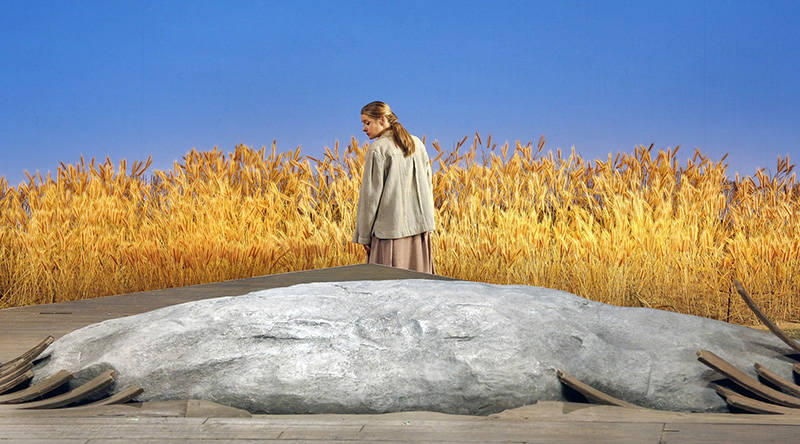
"caption": "Malin Byström in the title role of Jenůfa at San Francisco Opera.",
"description": "Malin Byström in the title role of Jenůfa at San Francisco Opera.",
"title": "B5A6059",
"credit": "Photo: Cory Weaver",
"status": "inherit",
"isLoading": false,
"fetchFailed": false
},
"arts_11687876": {
"type": "attachments",
"id": "arts_11687876",
"meta": {
"index": "attachments_1716263798",
"site": "arts",
"id": "11687876",
"found": true
},
"parent": 11687687,
"imgSizes": {
"thumbnail": {
"file": "https://ww2.kqed.org/app/uploads/sites/2/2016/06/Adams-and-Sellars-400x225.jpg",
"width": 400,
"mimeType": "image/jpeg",
"height": 225
},
"post-thumbnail": {
"file": "https://ww2.kqed.org/app/uploads/sites/2/2016/06/Adams-and-Sellars-672x372.jpg",
"width": 672,
"mimeType": "image/jpeg",
"height": 372
},
"kqedFullSize": {
"file": "https://ww2.kqed.org/app/uploads/sites/2/2016/06/Adams-and-Sellars.jpg",
"width": 800,
"height": 450
},
"guest-author-50": {
"file": "https://ww2.kqed.org/app/uploads/sites/2/2016/06/Adams-and-Sellars-50x50.jpg",
"width": 50,
"mimeType": "image/jpeg",
"height": 50
},
"guest-author-96": {
"file": "https://ww2.kqed.org/app/uploads/sites/2/2016/06/Adams-and-Sellars-96x96.jpg",
"width": 96,
"mimeType": "image/jpeg",
"height": 96
},
"medium": {
"file": "https://ww2.kqed.org/app/uploads/sites/2/2016/06/Adams-and-Sellars-800x450.jpg",
"width": 800,
"mimeType": "image/jpeg",
"height": 450
},
"guest-author-64": {
"file": "https://ww2.kqed.org/app/uploads/sites/2/2016/06/Adams-and-Sellars-64x64.jpg",
"width": 64,
"mimeType": "image/jpeg",
"height": 64
},
"detail": {
"file": "https://ww2.kqed.org/app/uploads/sites/2/2016/06/Adams-and-Sellars-150x150.jpg",
"width": 150,
"mimeType": "image/jpeg",
"height": 150
},
"guest-author-32": {
"file": "https://ww2.kqed.org/app/uploads/sites/2/2016/06/Adams-and-Sellars-32x32.jpg",
"width": 32,
"mimeType": "image/jpeg",
"height": 32
},
"medium_large": {
"file": "https://ww2.kqed.org/app/uploads/sites/2/2016/06/Adams-and-Sellars-768x432.jpg",
"width": 768,
"mimeType": "image/jpeg",
"height": 432
},
"guest-author-128": {
"file": "https://ww2.kqed.org/app/uploads/sites/2/2016/06/Adams-and-Sellars-128x128.jpg",
"width": 128,
"mimeType": "image/jpeg",
"height": 128
}
},
"publishDate": 1465946561,
"modified": 1465946588,
"caption": "John Adams and Peter Sellars",
"description": "John Adams and Peter Sellars",
"title": "Adams and Sellars",
"credit": "Photos: Getty Images",
"status": "inherit",
"isLoading": false,
"fetchFailed": false
},
"arts_11683548": {
"type": "attachments",
"id": "arts_11683548",
"meta": {
"index": "attachments_1716263798",
"site": "arts",
"id": "11683548",
"found": true
},
"title": "Lin-Manuel Miranda accepts the award for best book of a musical for Hamilton at the 70th Annual Tony Awards at the Beacon Theatre on Sunday.",
"publishDate": 1465861090,
"status": "inherit",
"parent": 11683547,
"modified": 1741222010,
"caption": null,
"credit": "Theo Wargo/Getty Images for Tony Awards Productions",
"altTag": null,
"description": "Lin-Manuel Miranda accepts the award for best book of a musical for \u003cem>Hamilton\u003c/em> at the 70th Annual Tony Awards at the Beacon Theatre.",
"imgSizes": {
"thumbnail": {
"file": "https://cdn.kqed.org/wp-content/uploads/sites/2/2016/06/gettyimages-539750588_wide-fec1268dec730c0795e3dac34706302056873094-400x225.jpg",
"width": 400,
"height": 225,
"mimeType": "image/jpeg"
},
"medium": {
"file": "https://cdn.kqed.org/wp-content/uploads/sites/2/2016/06/gettyimages-539750588_wide-fec1268dec730c0795e3dac34706302056873094-800x450.jpg",
"width": 800,
"height": 450,
"mimeType": "image/jpeg"
},
"medium_large": {
"file": "https://cdn.kqed.org/wp-content/uploads/sites/2/2016/06/gettyimages-539750588_wide-fec1268dec730c0795e3dac34706302056873094-768x432.jpg",
"width": 768,
"height": 432,
"mimeType": "image/jpeg"
},
"large": {
"file": "https://cdn.kqed.org/wp-content/uploads/sites/2/2016/06/gettyimages-539750588_wide-fec1268dec730c0795e3dac34706302056873094-1180x664.jpg",
"width": 1180,
"height": 664,
"mimeType": "image/jpeg"
},
"fd-lrg": {
"file": "https://cdn.kqed.org/wp-content/uploads/sites/2/2016/06/gettyimages-539750588_wide-fec1268dec730c0795e3dac34706302056873094-1920x1080.jpg",
"width": 1920,
"height": 1080,
"mimeType": "image/jpeg"
},
"fd-med": {
"file": "https://cdn.kqed.org/wp-content/uploads/sites/2/2016/06/gettyimages-539750588_wide-fec1268dec730c0795e3dac34706302056873094-1180x664.jpg",
"width": 1180,
"height": 664,
"mimeType": "image/jpeg"
},
"fd-sm": {
"file": "https://cdn.kqed.org/wp-content/uploads/sites/2/2016/06/gettyimages-539750588_wide-fec1268dec730c0795e3dac34706302056873094-960x540.jpg",
"width": 960,
"height": 540,
"mimeType": "image/jpeg"
},
"post-thumbnail": {
"file": "https://cdn.kqed.org/wp-content/uploads/sites/2/2016/06/gettyimages-539750588_wide-fec1268dec730c0795e3dac34706302056873094-672x372.jpg",
"width": 672,
"height": 372,
"mimeType": "image/jpeg"
},
"twentyfourteen-full-width": {
"file": "https://cdn.kqed.org/wp-content/uploads/sites/2/2016/06/gettyimages-539750588_wide-fec1268dec730c0795e3dac34706302056873094-1038x576.jpg",
"width": 1038,
"height": 576,
"mimeType": "image/jpeg"
},
"guest-author-32": {
"file": "https://cdn.kqed.org/wp-content/uploads/sites/2/2016/06/gettyimages-539750588_wide-fec1268dec730c0795e3dac34706302056873094-32x32.jpg",
"width": 32,
"height": 32,
"mimeType": "image/jpeg"
},
"guest-author-50": {
"file": "https://cdn.kqed.org/wp-content/uploads/sites/2/2016/06/gettyimages-539750588_wide-fec1268dec730c0795e3dac34706302056873094-50x50.jpg",
"width": 50,
"height": 50,
"mimeType": "image/jpeg"
},
"guest-author-64": {
"file": "https://cdn.kqed.org/wp-content/uploads/sites/2/2016/06/gettyimages-539750588_wide-fec1268dec730c0795e3dac34706302056873094-64x64.jpg",
"width": 64,
"height": 64,
"mimeType": "image/jpeg"
},
"guest-author-96": {
"file": "https://cdn.kqed.org/wp-content/uploads/sites/2/2016/06/gettyimages-539750588_wide-fec1268dec730c0795e3dac34706302056873094-96x96.jpg",
"width": 96,
"height": 96,
"mimeType": "image/jpeg"
},
"guest-author-128": {
"file": "https://cdn.kqed.org/wp-content/uploads/sites/2/2016/06/gettyimages-539750588_wide-fec1268dec730c0795e3dac34706302056873094-128x128.jpg",
"width": 128,
"height": 128,
"mimeType": "image/jpeg"
},
"detail": {
"file": "https://cdn.kqed.org/wp-content/uploads/sites/2/2016/06/gettyimages-539750588_wide-fec1268dec730c0795e3dac34706302056873094-150x150.jpg",
"width": 150,
"height": 150,
"mimeType": "image/jpeg"
},
"kqedFullSize": {
"file": "https://cdn.kqed.org/wp-content/uploads/sites/2/2016/06/gettyimages-539750588_wide-fec1268dec730c0795e3dac34706302056873094.jpg",
"width": 3000,
"height": 1687
}
},
"isLoading": false,
"fetchFailed": false
},
"arts_11682938": {
"type": "attachments",
"id": "arts_11682938",
"meta": {
"index": "attachments_1716263798",
"site": "arts",
"id": "11682938",
"found": true
},
"parent": 11682765,
"imgSizes": {
"thumbnail": {
"file": "https://ww2.kqed.org/app/uploads/sites/2/2016/06/Hamilton-Tonys-400x225.jpg",
"width": 400,
"mimeType": "image/jpeg",
"height": 225
},
"post-thumbnail": {
"file": "https://ww2.kqed.org/app/uploads/sites/2/2016/06/Hamilton-Tonys-672x372.jpg",
"width": 672,
"mimeType": "image/jpeg",
"height": 372
},
"kqedFullSize": {
"file": "https://ww2.kqed.org/app/uploads/sites/2/2016/06/Hamilton-Tonys.jpg",
"width": 800,
"height": 450
},
"guest-author-50": {
"file": "https://ww2.kqed.org/app/uploads/sites/2/2016/06/Hamilton-Tonys-50x50.jpg",
"width": 50,
"mimeType": "image/jpeg",
"height": 50
},
"guest-author-96": {
"file": "https://ww2.kqed.org/app/uploads/sites/2/2016/06/Hamilton-Tonys-96x96.jpg",
"width": 96,
"mimeType": "image/jpeg",
"height": 96
},
"medium": {
"file": "https://ww2.kqed.org/app/uploads/sites/2/2016/06/Hamilton-Tonys-800x450.jpg",
"width": 800,
"mimeType": "image/jpeg",
"height": 450
},
"guest-author-64": {
"file": "https://ww2.kqed.org/app/uploads/sites/2/2016/06/Hamilton-Tonys-64x64.jpg",
"width": 64,
"mimeType": "image/jpeg",
"height": 64
},
"detail": {
"file": "https://ww2.kqed.org/app/uploads/sites/2/2016/06/Hamilton-Tonys-150x150.jpg",
"width": 150,
"mimeType": "image/jpeg",
"height": 150
},
"guest-author-32": {
"file": "https://ww2.kqed.org/app/uploads/sites/2/2016/06/Hamilton-Tonys-32x32.jpg",
"width": 32,
"mimeType": "image/jpeg",
"height": 32
},
"medium_large": {
"file": "https://ww2.kqed.org/app/uploads/sites/2/2016/06/Hamilton-Tonys-768x432.jpg",
"width": 768,
"mimeType": "image/jpeg",
"height": 432
},
"guest-author-128": {
"file": "https://ww2.kqed.org/app/uploads/sites/2/2016/06/Hamilton-Tonys-128x128.jpg",
"width": 128,
"mimeType": "image/jpeg",
"height": 128
}
},
"publishDate": 1465850227,
"modified": 1465850311,
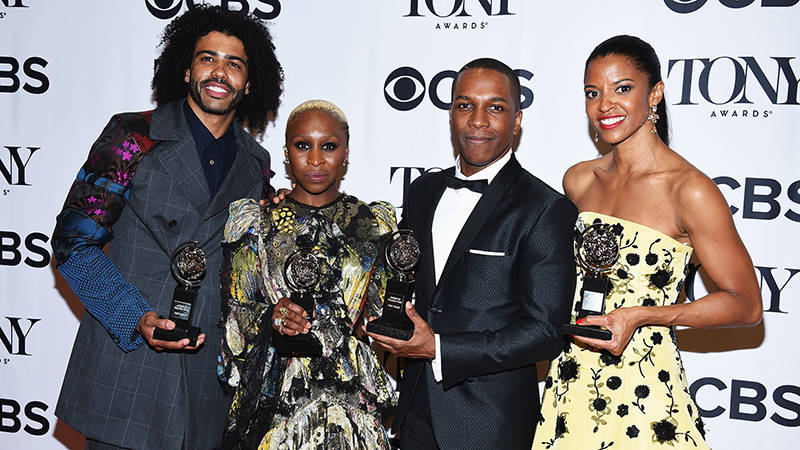
"caption": "Daveed Diggs, Cynthia Erivo, Leslie Odom, Jr., and Renee Elise Goldsberry pose in the press room with their awards at the 70th Annual Tony Awards at The Beacon Theatre on June 12, 2016 in New York City. ",
"description": "Daveed Diggs, Cynthia Erivo, Leslie Odom, Jr., and Renee Elise Goldsberry pose in the press room with their awards at the 70th Annual Tony Awards at The Beacon Theatre on June 12, 2016 in New York City. ",
"title": "2016 Tony Awards - Press Room",
"credit": "Photo: Dimitrios Kambouris/Getty Images for Tony Awards Productions",
"status": "inherit",
"isLoading": false,
"fetchFailed": false
},
"arts_11656169": {
"type": "attachments",
"id": "arts_11656169",
"meta": {
"index": "attachments_1716263798",
"site": "arts",
"id": "11656169",
"found": true
},
"parent": 11656167,
"imgSizes": {
"twentyfourteen-full-width": {
"file": "https://ww2.kqed.org/app/uploads/sites/2/2016/06/VB1-e1465334124240-1038x576.jpg",
"width": 1038,
"mimeType": "image/jpeg",
"height": 576
},
"thumbnail": {
"file": "https://ww2.kqed.org/app/uploads/sites/2/2016/06/VB1-e1465334124240-400x223.jpg",
"width": 400,
"mimeType": "image/jpeg",
"height": 223
},
"fd-sm": {
"file": "https://ww2.kqed.org/app/uploads/sites/2/2016/06/VB1-e1465334124240-960x534.jpg",
"width": 960,
"mimeType": "image/jpeg",
"height": 534
},
"post-thumbnail": {
"file": "https://ww2.kqed.org/app/uploads/sites/2/2016/06/VB1-e1465334124240-672x372.jpg",
"width": 672,
"mimeType": "image/jpeg",
"height": 372
},
"kqedFullSize": {
"file": "https://ww2.kqed.org/app/uploads/sites/2/2016/06/VB1-e1465334124240.jpg",
"width": 1197,
"height": 666
},
"large": {
"file": "https://ww2.kqed.org/app/uploads/sites/2/2016/06/VB1-e1465334124240-1180x657.jpg",
"width": 1180,
"mimeType": "image/jpeg",
"height": 657
},
"guest-author-50": {
"file": "https://ww2.kqed.org/app/uploads/sites/2/2016/06/VB1-e1465334124240-50x50.jpg",
"width": 50,
"mimeType": "image/jpeg",
"height": 50
},
"guest-author-96": {
"file": "https://ww2.kqed.org/app/uploads/sites/2/2016/06/VB1-e1465334124240-96x96.jpg",
"width": 96,
"mimeType": "image/jpeg",
"height": 96
},
"medium": {
"file": "https://ww2.kqed.org/app/uploads/sites/2/2016/06/VB1-e1465334124240-800x445.jpg",
"width": 800,
"mimeType": "image/jpeg",
"height": 445
},
"guest-author-64": {
"file": "https://ww2.kqed.org/app/uploads/sites/2/2016/06/VB1-e1465334124240-64x64.jpg",
"width": 64,
"mimeType": "image/jpeg",
"height": 64
},
"guest-author-32": {
"file": "https://ww2.kqed.org/app/uploads/sites/2/2016/06/VB1-e1465334124240-32x32.jpg",
"width": 32,
"mimeType": "image/jpeg",
"height": 32
},
"fd-med": {
"file": "https://ww2.kqed.org/app/uploads/sites/2/2016/06/VB1-e1465334124240-1180x657.jpg",
"width": 1180,
"mimeType": "image/jpeg",
"height": 657
},
"detail": {
"file": "https://ww2.kqed.org/app/uploads/sites/2/2016/06/VB1-e1465334124240-150x150.jpg",
"width": 150,
"mimeType": "image/jpeg",
"height": 150
},
"medium_large": {
"file": "https://ww2.kqed.org/app/uploads/sites/2/2016/06/VB1-e1465334124240-768x427.jpg",
"width": 768,
"mimeType": "image/jpeg",
"height": 427
},
"guest-author-128": {
"file": "https://ww2.kqed.org/app/uploads/sites/2/2016/06/VB1-e1465334124240-128x128.jpg",
"width": 128,
"mimeType": "image/jpeg",
"height": 128
}
},
"publishDate": 1465289895,
"modified": 1465291103,
"caption": "(L to R) Becky (Elissa Stebbins) and Oliver (Kevin Clarke) enjoy one of many illicit moments in 'The Village Bike.'",
"description": "(L to R) Becky (Elissa Stebbins) and Oliver (Kevin Clarke) enjoy one of many illicit moments in 'The Village Bike.'",
"title": "The Village Bike",
"credit": "Photo: Pak Han",
"status": "inherit",
"isLoading": false,
"fetchFailed": false
},
"arts_11638263": {
"type": "attachments",
"id": "arts_11638263",
"meta": {
"index": "attachments_1716263798",
"site": "arts",
"id": "11638263",
"found": true
},
"parent": 11636728,
"imgSizes": {
"twentyfourteen-full-width": {
"file": "https://ww2.kqed.org/app/uploads/sites/2/2016/06/2532_MAN-e1464805504357-1038x576.jpg",
"width": 1038,
"mimeType": "image/jpeg",
"height": 576
},
"thumbnail": {
"file": "https://ww2.kqed.org/app/uploads/sites/2/2016/06/2532_MAN-e1464805504357-400x225.jpg",
"width": 400,
"mimeType": "image/jpeg",
"height": 225
},
"fd-sm": {
"file": "https://ww2.kqed.org/app/uploads/sites/2/2016/06/2532_MAN-e1464805504357-960x540.jpg",
"width": 960,
"mimeType": "image/jpeg",
"height": 540
},
"post-thumbnail": {
"file": "https://ww2.kqed.org/app/uploads/sites/2/2016/06/2532_MAN-e1464805504357-672x372.jpg",
"width": 672,
"mimeType": "image/jpeg",
"height": 372
},
"kqedFullSize": {
"file": "https://ww2.kqed.org/app/uploads/sites/2/2016/06/2532_MAN-e1464805504357.jpg",
"width": 4932,
"height": 2774
},
"large": {
"file": "https://ww2.kqed.org/app/uploads/sites/2/2016/06/2532_MAN-e1464805504357-1180x664.jpg",
"width": 1180,
"mimeType": "image/jpeg",
"height": 664
},
"guest-author-50": {
"file": "https://ww2.kqed.org/app/uploads/sites/2/2016/06/2532_MAN-e1464805504357-50x50.jpg",
"width": 50,
"mimeType": "image/jpeg",
"height": 50
},
"guest-author-96": {
"file": "https://ww2.kqed.org/app/uploads/sites/2/2016/06/2532_MAN-e1464805504357-96x96.jpg",
"width": 96,
"mimeType": "image/jpeg",
"height": 96
},
"medium": {
"file": "https://ww2.kqed.org/app/uploads/sites/2/2016/06/2532_MAN-e1464805504357-800x450.jpg",
"width": 800,
"mimeType": "image/jpeg",
"height": 450
},
"guest-author-64": {
"file": "https://ww2.kqed.org/app/uploads/sites/2/2016/06/2532_MAN-e1464805504357-64x64.jpg",
"width": 64,
"mimeType": "image/jpeg",
"height": 64
},
"guest-author-32": {
"file": "https://ww2.kqed.org/app/uploads/sites/2/2016/06/2532_MAN-e1464805504357-32x32.jpg",
"width": 32,
"mimeType": "image/jpeg",
"height": 32
},
"fd-lrg": {
"file": "https://ww2.kqed.org/app/uploads/sites/2/2016/06/2532_MAN-e1464805504357-1920x1080.jpg",
"width": 1920,
"mimeType": "image/jpeg",
"height": 1080
},
"fd-med": {
"file": "https://ww2.kqed.org/app/uploads/sites/2/2016/06/2532_MAN-e1464805504357-1180x664.jpg",
"width": 1180,
"mimeType": "image/jpeg",
"height": 664
},
"detail": {
"file": "https://ww2.kqed.org/app/uploads/sites/2/2016/06/2532_MAN-e1464805504357-150x150.jpg",
"width": 150,
"mimeType": "image/jpeg",
"height": 150
},
"medium_large": {
"file": "https://ww2.kqed.org/app/uploads/sites/2/2016/06/2532_MAN-e1464805504357-768x432.jpg",
"width": 768,
"mimeType": "image/jpeg",
"height": 432
},
"guest-author-128": {
"file": "https://ww2.kqed.org/app/uploads/sites/2/2016/06/2532_MAN-e1464805504357-128x128.jpg",
"width": 128,
"mimeType": "image/jpeg",
"height": 128
}
},
"publishDate": 1464805333,
"modified": 1464808446,
"caption": "(L to R) Beatrice (James Carpenter) accepts the love of Benedick (Stacy Ross) in Cal Shakes' 'Much Ado About Nothing.'",
"description": "(L to R) Beatrice (James Carpenter) accepts the love of Benedick (Stacy Ross) in Cal Shakes' 'Much Ado About Nothing.'",
"title": "2532_MAN",
"credit": "Photo: Alessandro Mello",
"status": "inherit",
"isLoading": false,
"fetchFailed": false
},
"arts_11636601": {
"type": "attachments",
"id": "arts_11636601",
"meta": {
"index": "attachments_1716263798",
"site": "arts",
"id": "11636601",
"found": true
},
"parent": 11636459,
"imgSizes": {
"twentyfourteen-full-width": {
"file": "https://ww2.kqed.org/app/uploads/sites/2/2016/05/DoBe-e1464803690506-1038x576.jpg",
"width": 1038,
"mimeType": "image/jpeg",
"height": 576
},
"thumbnail": {
"file": "https://ww2.kqed.org/app/uploads/sites/2/2016/05/DoBe-e1464803690506-400x225.jpg",
"width": 400,
"mimeType": "image/jpeg",
"height": 225
},
"fd-sm": {
"file": "https://ww2.kqed.org/app/uploads/sites/2/2016/05/DoBe-e1464803690506-960x540.jpg",
"width": 960,
"mimeType": "image/jpeg",
"height": 540
},
"post-thumbnail": {
"file": "https://ww2.kqed.org/app/uploads/sites/2/2016/05/DoBe-e1464803690506-672x372.jpg",
"width": 672,
"mimeType": "image/jpeg",
"height": 372
},
"kqedFullSize": {
"file": "https://ww2.kqed.org/app/uploads/sites/2/2016/05/DoBe-e1464803690506.jpg",
"width": 1370,
"height": 770
},
"large": {
"file": "https://ww2.kqed.org/app/uploads/sites/2/2016/05/DoBe-e1464803690506-1180x663.jpg",
"width": 1180,
"mimeType": "image/jpeg",
"height": 663
},
"guest-author-50": {
"file": "https://ww2.kqed.org/app/uploads/sites/2/2016/05/DoBe-e1464803690506-50x50.jpg",
"width": 50,
"mimeType": "image/jpeg",
"height": 50
},
"guest-author-96": {
"file": "https://ww2.kqed.org/app/uploads/sites/2/2016/05/DoBe-e1464803690506-96x96.jpg",
"width": 96,
"mimeType": "image/jpeg",
"height": 96
},
"medium": {
"file": "https://ww2.kqed.org/app/uploads/sites/2/2016/05/DoBe-e1464803690506-800x450.jpg",
"width": 800,
"mimeType": "image/jpeg",
"height": 450
},
"guest-author-64": {
"file": "https://ww2.kqed.org/app/uploads/sites/2/2016/05/DoBe-e1464803690506-64x64.jpg",
"width": 64,
"mimeType": "image/jpeg",
"height": 64
},
"guest-author-32": {
"file": "https://ww2.kqed.org/app/uploads/sites/2/2016/05/DoBe-e1464803690506-32x32.jpg",
"width": 32,
"mimeType": "image/jpeg",
"height": 32
},
"fd-med": {
"file": "https://ww2.kqed.org/app/uploads/sites/2/2016/05/DoBe-e1464803690506-1180x663.jpg",
"width": 1180,
"mimeType": "image/jpeg",
"height": 663
},
"detail": {
"file": "https://ww2.kqed.org/app/uploads/sites/2/2016/05/DoBe-e1464803690506-150x150.jpg",
"width": 150,
"mimeType": "image/jpeg",
"height": 150
},
"medium_large": {
"file": "https://ww2.kqed.org/app/uploads/sites/2/2016/05/DoBe-e1464803690506-768x432.jpg",
"width": 768,
"mimeType": "image/jpeg",
"height": 432
},
"guest-author-128": {
"file": "https://ww2.kqed.org/app/uploads/sites/2/2016/05/DoBe-e1464803690506-128x128.jpg",
"width": 128,
"mimeType": "image/jpeg",
"height": 128
}
},
"publishDate": 1464758910,
"modified": 1464803652,
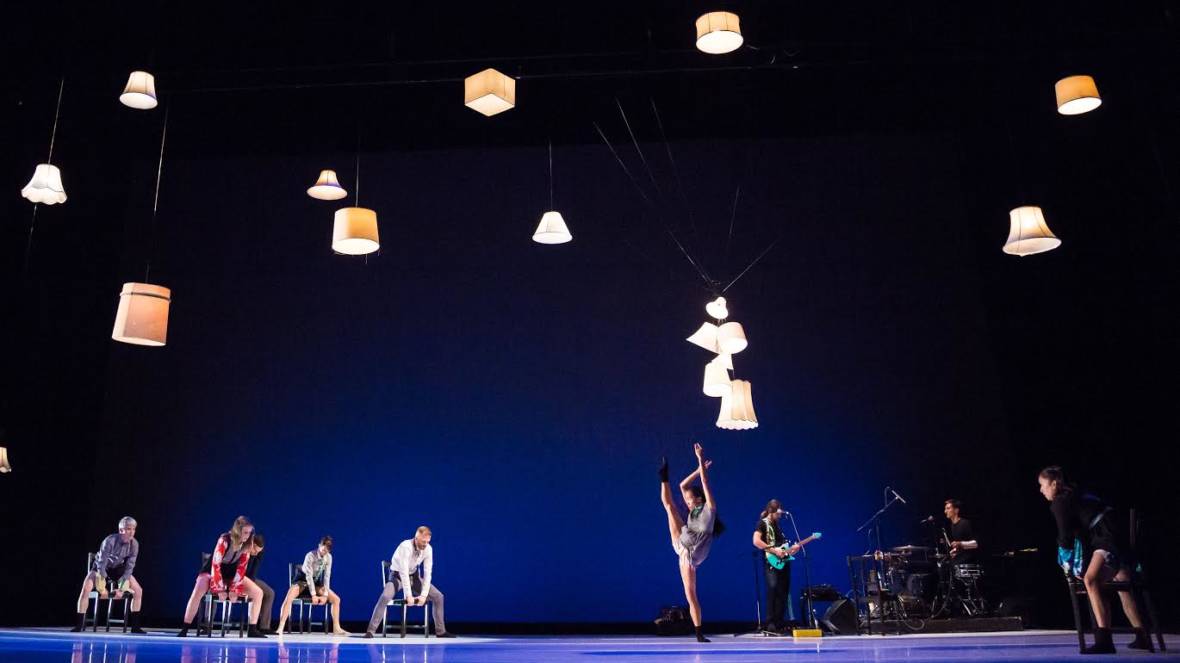
"caption": "Post: Ballet in Robert Dekkers' 'Do Be', with The Living Earth Show",
"description": "Post: Ballet in Robert Dekkers' 'Do Be', with The Living Earth Show",
"title": "DoBe",
"credit": "Photo: Tricia Cronin",
"status": "inherit",
"isLoading": false,
"fetchFailed": false
},
"arts_11601101": {
"type": "attachments",
"id": "arts_11601101",
"meta": {
"index": "attachments_1716263798",
"site": "arts",
"id": "11601101",
"found": true
},
"parent": 11601099,
"imgSizes": {
"twentyfourteen-full-width": {
"file": "https://ww2.kqed.org/app/uploads/sites/2/2016/05/Jess-Thom-as-Touretteshero-and-Jessica-Jones-as-Chopin-in-Backstage-in-Biscuitland-e1463783813857-1024x576.jpg",
"width": 1024,
"mimeType": "image/jpeg",
"height": 576
},
"thumbnail": {
"file": "https://ww2.kqed.org/app/uploads/sites/2/2016/05/Jess-Thom-as-Touretteshero-and-Jessica-Jones-as-Chopin-in-Backstage-in-Biscuitland-e1463783813857-400x267.jpg",
"width": 400,
"mimeType": "image/jpeg",
"height": 267
},
"fd-sm": {
"file": "https://ww2.kqed.org/app/uploads/sites/2/2016/05/Jess-Thom-as-Touretteshero-and-Jessica-Jones-as-Chopin-in-Backstage-in-Biscuitland-e1463783813857-960x640.jpg",
"width": 960,
"mimeType": "image/jpeg",
"height": 640
},
"post-thumbnail": {
"file": "https://ww2.kqed.org/app/uploads/sites/2/2016/05/Jess-Thom-as-Touretteshero-and-Jessica-Jones-as-Chopin-in-Backstage-in-Biscuitland-e1463783813857-672x372.jpg",
"width": 672,
"mimeType": "image/jpeg",
"height": 372
},
"kqedFullSize": {
"file": "https://ww2.kqed.org/app/uploads/sites/2/2016/05/Jess-Thom-as-Touretteshero-and-Jessica-Jones-as-Chopin-in-Backstage-in-Biscuitland-e1463783813857.jpg",
"width": 1024,
"height": 683
},
"guest-author-50": {
"file": "https://ww2.kqed.org/app/uploads/sites/2/2016/05/Jess-Thom-as-Touretteshero-and-Jessica-Jones-as-Chopin-in-Backstage-in-Biscuitland-e1463783813857-50x50.jpg",
"width": 50,
"mimeType": "image/jpeg",
"height": 50
},
"guest-author-96": {
"file": "https://ww2.kqed.org/app/uploads/sites/2/2016/05/Jess-Thom-as-Touretteshero-and-Jessica-Jones-as-Chopin-in-Backstage-in-Biscuitland-e1463783813857-96x96.jpg",
"width": 96,
"mimeType": "image/jpeg",
"height": 96
},
"medium": {
"file": "https://ww2.kqed.org/app/uploads/sites/2/2016/05/Jess-Thom-as-Touretteshero-and-Jessica-Jones-as-Chopin-in-Backstage-in-Biscuitland-e1463783813857-800x534.jpg",
"width": 800,
"mimeType": "image/jpeg",
"height": 534
},
"guest-author-64": {
"file": "https://ww2.kqed.org/app/uploads/sites/2/2016/05/Jess-Thom-as-Touretteshero-and-Jessica-Jones-as-Chopin-in-Backstage-in-Biscuitland-e1463783813857-64x64.jpg",
"width": 64,
"mimeType": "image/jpeg",
"height": 64
},
"guest-author-32": {
"file": "https://ww2.kqed.org/app/uploads/sites/2/2016/05/Jess-Thom-as-Touretteshero-and-Jessica-Jones-as-Chopin-in-Backstage-in-Biscuitland-e1463783813857-32x32.jpg",
"width": 32,
"mimeType": "image/jpeg",
"height": 32
},
"detail": {
"file": "https://ww2.kqed.org/app/uploads/sites/2/2016/05/Jess-Thom-as-Touretteshero-and-Jessica-Jones-as-Chopin-in-Backstage-in-Biscuitland-e1463783813857-150x150.jpg",
"width": 150,
"mimeType": "image/jpeg",
"height": 150
},
"medium_large": {
"file": "https://ww2.kqed.org/app/uploads/sites/2/2016/05/Jess-Thom-as-Touretteshero-and-Jessica-Jones-as-Chopin-in-Backstage-in-Biscuitland-e1463783813857-768x512.jpg",
"width": 768,
"mimeType": "image/jpeg",
"height": 512
},
"guest-author-128": {
"file": "https://ww2.kqed.org/app/uploads/sites/2/2016/05/Jess-Thom-as-Touretteshero-and-Jessica-Jones-as-Chopin-in-Backstage-in-Biscuitland-e1463783813857-128x128.jpg",
"width": 128,
"mimeType": "image/jpeg",
"height": 128
}
},
"publishDate": 1463783719,
"modified": 1463783794,
"caption": "Jess Thom as Touretteshero and Jessica Mabel Jones as Chopin in 'Backstage in Biscuitland', part of this year's SF International Arts Festival",
"description": "Jess Thom as Touretteshero and Jessica Mabel Jones as Chopin in 'Backstage in Biscuitland', part of this year's SF International Arts Festival",
"title": "Jess Thom as Touretteshero and Jessica Mabel Jones as Chopin in 'Backstage in Biscuitland', part of this year's SF International Arts Festival",
"credit": "Photo: Courtesy of SF International Arts Festival",
"status": "inherit",
"isLoading": false,
"fetchFailed": false
},
"arts_11633857": {
"type": "attachments",
"id": "arts_11633857",
"meta": {
"index": "attachments_1716263798",
"site": "arts",
"id": "11633857",
"found": true
},
"parent": 11633854,
"imgSizes": {
"twentyfourteen-full-width": {
"file": "https://ww2.kqed.org/app/uploads/sites/2/2016/05/Tim-Eric-1038x576.jpg",
"width": 1038,
"mimeType": "image/jpeg",
"height": 576
},
"thumbnail": {
"file": "https://ww2.kqed.org/app/uploads/sites/2/2016/05/Tim-Eric-400x225.jpg",
"width": 400,
"mimeType": "image/jpeg",
"height": 225
},
"fd-sm": {
"file": "https://ww2.kqed.org/app/uploads/sites/2/2016/05/Tim-Eric-960x540.jpg",
"width": 960,
"mimeType": "image/jpeg",
"height": 540
},
"post-thumbnail": {
"file": "https://ww2.kqed.org/app/uploads/sites/2/2016/05/Tim-Eric-672x372.jpg",
"width": 672,
"mimeType": "image/jpeg",
"height": 372
},
"kqedFullSize": {
"file": "https://ww2.kqed.org/app/uploads/sites/2/2016/05/Tim-Eric.jpg",
"width": 1920,
"height": 1080
},
"large": {
"file": "https://ww2.kqed.org/app/uploads/sites/2/2016/05/Tim-Eric-1180x664.jpg",
"width": 1180,
"mimeType": "image/jpeg",
"height": 664
},
"guest-author-50": {
"file": "https://ww2.kqed.org/app/uploads/sites/2/2016/05/Tim-Eric-50x50.jpg",
"width": 50,
"mimeType": "image/jpeg",
"height": 50
},
"guest-author-96": {
"file": "https://ww2.kqed.org/app/uploads/sites/2/2016/05/Tim-Eric-96x96.jpg",
"width": 96,
"mimeType": "image/jpeg",
"height": 96
},
"medium": {
"file": "https://ww2.kqed.org/app/uploads/sites/2/2016/05/Tim-Eric-800x450.jpg",
"width": 800,
"mimeType": "image/jpeg",
"height": 450
},
"guest-author-64": {
"file": "https://ww2.kqed.org/app/uploads/sites/2/2016/05/Tim-Eric-64x64.jpg",
"width": 64,
"mimeType": "image/jpeg",
"height": 64
},
"guest-author-32": {
"file": "https://ww2.kqed.org/app/uploads/sites/2/2016/05/Tim-Eric-32x32.jpg",
"width": 32,
"mimeType": "image/jpeg",
"height": 32
},
"fd-lrg": {
"file": "https://ww2.kqed.org/app/uploads/sites/2/2016/05/Tim-Eric-1920x1080.jpg",
"width": 1920,
"mimeType": "image/jpeg",
"height": 1080
},
"fd-med": {
"file": "https://ww2.kqed.org/app/uploads/sites/2/2016/05/Tim-Eric-1180x664.jpg",
"width": 1180,
"mimeType": "image/jpeg",
"height": 664
},
"detail": {
"file": "https://ww2.kqed.org/app/uploads/sites/2/2016/05/Tim-Eric-150x150.jpg",
"width": 150,
"mimeType": "image/jpeg",
"height": 150
},
"medium_large": {
"file": "https://ww2.kqed.org/app/uploads/sites/2/2016/05/Tim-Eric-768x432.jpg",
"width": 768,
"mimeType": "image/jpeg",
"height": 432
},
"guest-author-128": {
"file": "https://ww2.kqed.org/app/uploads/sites/2/2016/05/Tim-Eric-128x128.jpg",
"width": 128,
"mimeType": "image/jpeg",
"height": 128
}
},
"publishDate": 1464687785,
"modified": 1464687849,
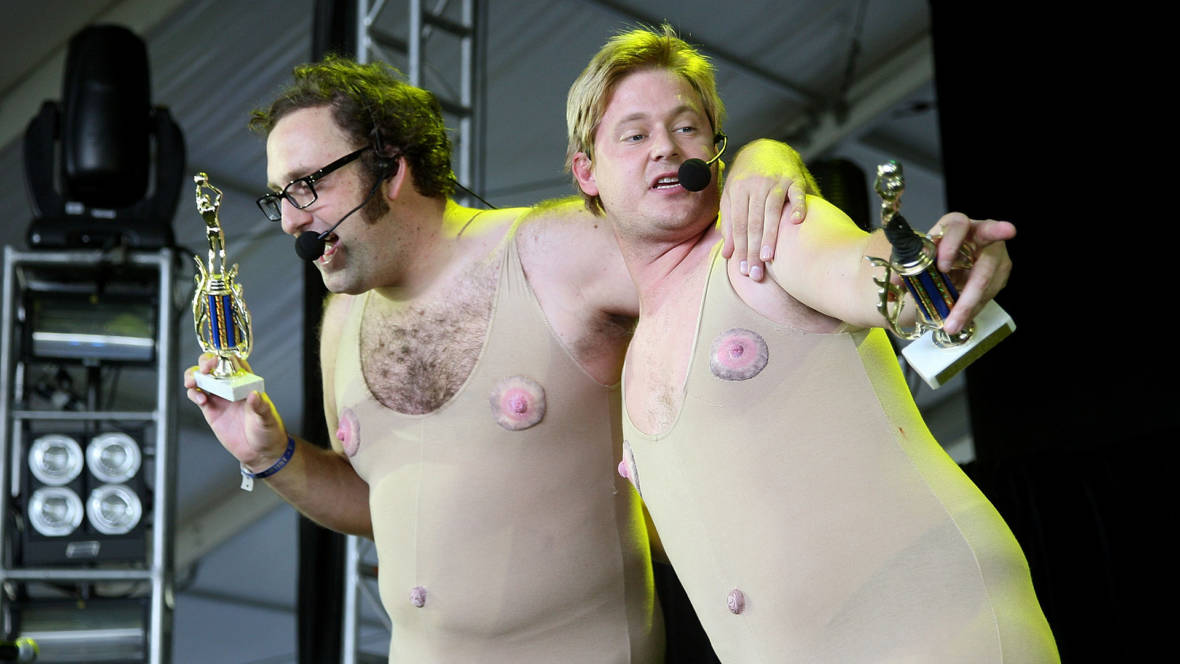
"caption": "Comedians Eric Wareheim and Tim Heidecker perform on stage during the 2009 All Points West Music & Arts Festival back in 2009.",
"description": "Comedians Eric Wareheim and Tim Heidecker perform on stage during the 2009 All Points West Music & Arts Festival back in 2009.",
"title": "2009 All Points West Music & Arts Festival - Day 2 - Show",
"credit": "Photo: Jason Kempin/Getty Images",
"status": "inherit",
"isLoading": false,
"fetchFailed": false
},
"arts_11635389": {
"type": "attachments",
"id": "arts_11635389",
"meta": {
"index": "attachments_1716263798",
"site": "arts",
"id": "11635389",
"found": true
},
"parent": 11635264,
"imgSizes": {
"thumbnail": {
"file": "https://ww2.kqed.org/app/uploads/sites/2/2016/05/Blunt-and-Miranda-400x225.jpg",
"width": 400,
"mimeType": "image/jpeg",
"height": 225
},
"post-thumbnail": {
"file": "https://ww2.kqed.org/app/uploads/sites/2/2016/05/Blunt-and-Miranda-672x372.jpg",
"width": 672,
"mimeType": "image/jpeg",
"height": 372
},
"kqedFullSize": {
"file": "https://ww2.kqed.org/app/uploads/sites/2/2016/05/Blunt-and-Miranda.jpg",
"width": 800,
"height": 450
},
"guest-author-50": {
"file": "https://ww2.kqed.org/app/uploads/sites/2/2016/05/Blunt-and-Miranda-50x50.jpg",
"width": 50,
"mimeType": "image/jpeg",
"height": 50
},
"guest-author-96": {
"file": "https://ww2.kqed.org/app/uploads/sites/2/2016/05/Blunt-and-Miranda-96x96.jpg",
"width": 96,
"mimeType": "image/jpeg",
"height": 96
},
"medium": {
"file": "https://ww2.kqed.org/app/uploads/sites/2/2016/05/Blunt-and-Miranda-800x450.jpg",
"width": 800,
"mimeType": "image/jpeg",
"height": 450
},
"guest-author-64": {
"file": "https://ww2.kqed.org/app/uploads/sites/2/2016/05/Blunt-and-Miranda-64x64.jpg",
"width": 64,
"mimeType": "image/jpeg",
"height": 64
},
"detail": {
"file": "https://ww2.kqed.org/app/uploads/sites/2/2016/05/Blunt-and-Miranda-150x150.jpg",
"width": 150,
"mimeType": "image/jpeg",
"height": 150
},
"guest-author-32": {
"file": "https://ww2.kqed.org/app/uploads/sites/2/2016/05/Blunt-and-Miranda-32x32.jpg",
"width": 32,
"mimeType": "image/jpeg",
"height": 32
},
"medium_large": {
"file": "https://ww2.kqed.org/app/uploads/sites/2/2016/05/Blunt-and-Miranda-768x432.jpg",
"width": 768,
"mimeType": "image/jpeg",
"height": 432
},
"guest-author-128": {
"file": "https://ww2.kqed.org/app/uploads/sites/2/2016/05/Blunt-and-Miranda-128x128.jpg",
"width": 128,
"mimeType": "image/jpeg",
"height": 128
}
},
"publishDate": 1464729827,
"modified": 1464730001,
"caption": "Emily Blunt and Lin-Manuel Miranda",
"description": "Emily Blunt and Lin-Manuel Miranda",
"title": "Blunt and Miranda",
"credit": "Photo: Monica Schipper & Cindy Ord/Getty Images",
"status": "inherit",
"isLoading": false,
"fetchFailed": false
},
"arts_11631500": {
"type": "attachments",
"id": "arts_11631500",
"meta": {
"index": "attachments_1716263798",
"site": "arts",
"id": "11631500",
"found": true
},
"parent": 11631499,
"imgSizes": {
"twentyfourteen-full-width": {
"file": "https://ww2.kqed.org/app/uploads/sites/2/2016/05/NYCO-e2babc73421f9fe1dc6cd7a1857f25e374c4350b-1000x576.jpg",
"width": 1000,
"mimeType": "image/jpeg",
"height": 576
},
"thumbnail": {
"file": "https://ww2.kqed.org/app/uploads/sites/2/2016/05/NYCO-e2babc73421f9fe1dc6cd7a1857f25e374c4350b-e1464623266741-400x225.jpg",
"width": 400,
"mimeType": "image/jpeg",
"height": 225
},
"fd-sm": {
"file": "https://ww2.kqed.org/app/uploads/sites/2/2016/05/NYCO-e2babc73421f9fe1dc6cd7a1857f25e374c4350b-e1464623266741-960x540.jpg",
"width": 960,
"mimeType": "image/jpeg",
"height": 540
},
"post-thumbnail": {
"file": "https://ww2.kqed.org/app/uploads/sites/2/2016/05/NYCO-e2babc73421f9fe1dc6cd7a1857f25e374c4350b-e1464623266741-672x372.jpg",
"width": 672,
"mimeType": "image/jpeg",
"height": 372
},
"kqedFullSize": {
"file": "https://ww2.kqed.org/app/uploads/sites/2/2016/05/NYCO-e2babc73421f9fe1dc6cd7a1857f25e374c4350b-e1464623266741.jpg",
"width": 1000,
"height": 562
},
"guest-author-50": {
"file": "https://ww2.kqed.org/app/uploads/sites/2/2016/05/NYCO-e2babc73421f9fe1dc6cd7a1857f25e374c4350b-e1464623266741-50x50.jpg",
"width": 50,
"mimeType": "image/jpeg",
"height": 50
},
"guest-author-96": {
"file": "https://ww2.kqed.org/app/uploads/sites/2/2016/05/NYCO-e2babc73421f9fe1dc6cd7a1857f25e374c4350b-e1464623266741-96x96.jpg",
"width": 96,
"mimeType": "image/jpeg",
"height": 96
},
"medium": {
"file": "https://ww2.kqed.org/app/uploads/sites/2/2016/05/NYCO-e2babc73421f9fe1dc6cd7a1857f25e374c4350b-e1464623266741-800x450.jpg",
"width": 800,
"mimeType": "image/jpeg",
"height": 450
},
"guest-author-64": {
"file": "https://ww2.kqed.org/app/uploads/sites/2/2016/05/NYCO-e2babc73421f9fe1dc6cd7a1857f25e374c4350b-e1464623266741-64x64.jpg",
"width": 64,
"mimeType": "image/jpeg",
"height": 64
},
"guest-author-32": {
"file": "https://ww2.kqed.org/app/uploads/sites/2/2016/05/NYCO-e2babc73421f9fe1dc6cd7a1857f25e374c4350b-e1464623266741-32x32.jpg",
"width": 32,
"mimeType": "image/jpeg",
"height": 32
},
"detail": {
"file": "https://ww2.kqed.org/app/uploads/sites/2/2016/05/NYCO-e2babc73421f9fe1dc6cd7a1857f25e374c4350b-e1464623266741-150x150.jpg",
"width": 150,
"mimeType": "image/jpeg",
"height": 150
},
"medium_large": {
"file": "https://ww2.kqed.org/app/uploads/sites/2/2016/05/NYCO-e2babc73421f9fe1dc6cd7a1857f25e374c4350b-e1464623266741-768x432.jpg",
"width": 768,
"mimeType": "image/jpeg",
"height": 432
},
"guest-author-128": {
"file": "https://ww2.kqed.org/app/uploads/sites/2/2016/05/NYCO-e2babc73421f9fe1dc6cd7a1857f25e374c4350b-e1464623266741-128x128.jpg",
"width": 128,
"mimeType": "image/jpeg",
"height": 128
}
},
"publishDate": 1464622885,
"modified": 1464623349,
"caption": "Michael Chioldi (far left) as Baron Scarpia in a January production of Puccini's 'Tosca' by the newly reformed New York City Opera",
"description": "Michael Chioldi (far left) as Baron Scarpia in a January production of Puccini's \u003cem>Tosca\u003c/em> by the newly reformed New York City Opera",
"title": "Michael Chioldi (far left) as Baron Scarpia in a January production of Puccini's Tosca by the newly reformed New York City Opera.",
"credit": "Photo: Sarah Shatz/New York City Opera",
"status": "inherit",
"isLoading": false,
"fetchFailed": false
},
"arts_11620273": {
"type": "attachments",
"id": "arts_11620273",
"meta": {
"index": "attachments_1716263798",
"site": "arts",
"id": "11620273",
"found": true
},
"parent": 11619750,
"imgSizes": {
"thumbnail": {
"file": "https://ww2.kqed.org/app/uploads/sites/2/2016/05/Donn-HarrisCROP-400x225.jpg",
"width": 400,
"mimeType": "image/jpeg",
"height": 225
},
"post-thumbnail": {
"file": "https://ww2.kqed.org/app/uploads/sites/2/2016/05/Donn-HarrisCROP-672x372.jpg",
"width": 672,
"mimeType": "image/jpeg",
"height": 372
},
"kqedFullSize": {
"file": "https://ww2.kqed.org/app/uploads/sites/2/2016/05/Donn-HarrisCROP.jpg",
"width": 869,
"height": 489
},
"guest-author-50": {
"file": "https://ww2.kqed.org/app/uploads/sites/2/2016/05/Donn-HarrisCROP-50x50.jpg",
"width": 50,
"mimeType": "image/jpeg",
"height": 50
},
"guest-author-96": {
"file": "https://ww2.kqed.org/app/uploads/sites/2/2016/05/Donn-HarrisCROP-96x96.jpg",
"width": 96,
"mimeType": "image/jpeg",
"height": 96
},
"medium": {
"file": "https://ww2.kqed.org/app/uploads/sites/2/2016/05/Donn-HarrisCROP-800x450.jpg",
"width": 800,
"mimeType": "image/jpeg",
"height": 450
},
"guest-author-64": {
"file": "https://ww2.kqed.org/app/uploads/sites/2/2016/05/Donn-HarrisCROP-64x64.jpg",
"width": 64,
"mimeType": "image/jpeg",
"height": 64
},
"detail": {
"file": "https://ww2.kqed.org/app/uploads/sites/2/2016/05/Donn-HarrisCROP-150x150.jpg",
"width": 150,
"mimeType": "image/jpeg",
"height": 150
},
"guest-author-32": {
"file": "https://ww2.kqed.org/app/uploads/sites/2/2016/05/Donn-HarrisCROP-32x32.jpg",
"width": 32,
"mimeType": "image/jpeg",
"height": 32
},
"medium_large": {
"file": "https://ww2.kqed.org/app/uploads/sites/2/2016/05/Donn-HarrisCROP-768x432.jpg",
"width": 768,
"mimeType": "image/jpeg",
"height": 432
},
"guest-author-128": {
"file": "https://ww2.kqed.org/app/uploads/sites/2/2016/05/Donn-HarrisCROP-128x128.jpg",
"width": 128,
"mimeType": "image/jpeg",
"height": 128
}
},
"publishDate": 1464306490,
"modified": 1464306622,
"caption": "Donn Harris",
"description": "Donn Harris",
"title": "Donn HarrisCROP",
"credit": "Photo: Courtesy of Ruth Asawa School of the Arts",
"status": "inherit",
"isLoading": false,
"fetchFailed": false
}
},
"audioPlayerReducer": {
"postId": "stream_live",
"isPaused": true,
"isPlaying": false,
"pfsActive": false,
"pledgeModalIsOpen": true,
"playerDrawerIsOpen": false,
"liveAudioPlayStartedAt": 0,
"liveAudioPlayContext": ""
},
"authorsReducer": {
"byline_arts_11683547": {
"type": "authors",
"id": "byline_arts_11683547",
"meta": {
"override": true
},
"slug": "byline_arts_11683547",
"name": "Glen Weldon",
"isLoading": false
},
"byline_arts_11682765": {
"type": "authors",
"id": "byline_arts_11682765",
"meta": {
"override": true
},
"slug": "byline_arts_11682765",
"name": "Mark Kennedy, Associated Press",
"isLoading": false
},
"byline_arts_11635264": {
"type": "authors",
"id": "byline_arts_11635264",
"meta": {
"override": true
},
"slug": "byline_arts_11635264",
"name": "Associated Press",
"isLoading": false
},
"byline_arts_11631499": {
"type": "authors",
"id": "byline_arts_11631499",
"meta": {
"override": true
},
"slug": "byline_arts_11631499",
"name": "Tom Huizenga",
"isLoading": false
},
"kjones": {
"type": "authors",
"id": "93",
"meta": {
"index": "authors_1716337520",
"id": "93",
"found": true
},
"name": "Kevin L. Jones",
"firstName": "Kevin",
"lastName": "Jones",
"slug": "kjones",
"email": "kjones@kqed.org",
"display_author_email": false,
"staff_mastheads": [],
"title": null,
"bio": null,
"avatar": "https://secure.gravatar.com/avatar/12c65b5633ed39d0a59bb7f497eff645?s=600&d=blank&r=g",
"twitter": null,
"facebook": null,
"instagram": null,
"linkedin": null,
"sites": [
{
"site": "arts",
"roles": [
"subscriber"
]
},
{
"site": "styleguide",
"roles": [
"contributor"
]
},
{
"site": "artschool",
"roles": [
"subscriber"
]
},
{
"site": "news",
"roles": [
"subscriber"
]
},
{
"site": "pop",
"roles": [
"subscriber"
]
}
],
"headData": {
"title": "Kevin L. Jones | KQED",
"description": null,
"ogImgSrc": "https://secure.gravatar.com/avatar/12c65b5633ed39d0a59bb7f497eff645?s=600&d=blank&r=g",
"twImgSrc": "https://secure.gravatar.com/avatar/12c65b5633ed39d0a59bb7f497eff645?s=600&d=blank&r=g"
},
"isLoading": false,
"link": "/author/kjones"
},
"cveltman": {
"type": "authors",
"id": "8608",
"meta": {
"index": "authors_1716337520",
"id": "8608",
"found": true
},
"name": "Chloe Veltman",
"firstName": "Chloe",
"lastName": "Veltman",
"slug": "cveltman",
"email": "cveltman@kqed.org",
"display_author_email": true,
"staff_mastheads": [],
"title": "Arts and Culture Reporter",
"bio": "Chloe Veltman is a former arts and culture reporter for KQED. Prior to joining the organization, she launched and led the arts bureau at Colorado Public Radio, served as the Bay Area's culture columnist for the New York Times, and was the founder, host and executive producer of VoiceBox, a national award-winning weekly podcast/radio show and live events series all about the human voice. Chloe is the recipient of numerous prizes, grants and fellowships including a Webby Award for her work on interactive storytelling, both the John S Knight Journalism Fellowship and Humanities Center Fellowship at Stanford University, the Sundance Arts Writing Fellowship and a Library of Congress Research Fellowship. She is the author of the book \"On Acting\" and has appeared as a guest lecturer at Yale University and the San Francisco Conservatory of Music among other institutions. She holds a BA in english literature from King's College, Cambridge, and a Masters in Dramaturgy from the Central School of Speech and Drama/Harvard Institute for Advanced Theater Training.\r\n\u003ca href=\"https://www.chloeveltman.com\">www.chloeveltman.com\u003c/a>",
"avatar": "https://secure.gravatar.com/avatar/55403394b00a1ddab683952c2eb2cf85?s=600&d=blank&r=g",
"twitter": "chloeveltman",
"facebook": null,
"instagram": null,
"linkedin": null,
"sites": [
{
"site": "arts",
"roles": []
},
{
"site": "news",
"roles": [
"author"
]
},
{
"site": "pop",
"roles": [
"editor"
]
},
{
"site": "science",
"roles": []
}
],
"headData": {
"title": "Chloe Veltman | KQED",
"description": "Arts and Culture Reporter",
"ogImgSrc": "https://secure.gravatar.com/avatar/55403394b00a1ddab683952c2eb2cf85?s=600&d=blank&r=g",
"twImgSrc": "https://secure.gravatar.com/avatar/55403394b00a1ddab683952c2eb2cf85?s=600&d=blank&r=g"
},
"isLoading": false,
"link": "/author/cveltman"
},
"ctiee": {
"type": "authors",
"id": "8660",
"meta": {
"index": "authors_1716337520",
"id": "8660",
"found": true
},
"name": "Charlise Tiee",
"firstName": "Charlise",
"lastName": "Tiee",
"slug": "ctiee",
"email": "snailwing@gmail.com",
"display_author_email": false,
"staff_mastheads": [],
"title": null,
"bio": "Bay Area-based writer and painter. Reviews performances of classical music and audience behavior at \u003ca href=\"http://operatattler.com\" target=\"_blank\">The Opera Tattler\u003c/a>.",
"avatar": "https://secure.gravatar.com/avatar/f1a0befa08b57c5871e7b99521309901?s=600&d=blank&r=g",
"twitter": null,
"facebook": null,
"instagram": null,
"linkedin": null,
"sites": [
{
"site": "arts",
"roles": [
"contributor"
]
}
],
"headData": {
"title": "Charlise Tiee | KQED",
"description": null,
"ogImgSrc": "https://secure.gravatar.com/avatar/f1a0befa08b57c5871e7b99521309901?s=600&d=blank&r=g",
"twImgSrc": "https://secure.gravatar.com/avatar/f1a0befa08b57c5871e7b99521309901?s=600&d=blank&r=g"
},
"isLoading": false,
"link": "/author/ctiee"
},
"jwilkins": {
"type": "authors",
"id": "8668",
"meta": {
"index": "authors_1716337520",
"id": "8668",
"found": true
},
"name": "John Wilkins",
"firstName": "John",
"lastName": "Wilkins",
"slug": "jwilkins",
"email": "Johnrwilkins@aol.com",
"display_author_email": false,
"staff_mastheads": [],
"title": null,
"bio": "John Wilkins is the theater critic for KQED Arts. He was the Artistic Director of Last Planet Theatre for ten years and teaches in the Writing and Literature program at CCA. Follow him on Twitter @johnrwilkins2",
"avatar": "https://secure.gravatar.com/avatar/7798fcc8a10bee0e04387b724b492df7?s=600&d=blank&r=g",
"twitter": null,
"facebook": null,
"instagram": null,
"linkedin": null,
"sites": [
{
"site": "arts",
"roles": [
"subscriber"
]
}
],
"headData": {
"title": "John Wilkins | KQED",
"description": null,
"ogImgSrc": "https://secure.gravatar.com/avatar/7798fcc8a10bee0e04387b724b492df7?s=600&d=blank&r=g",
"twImgSrc": "https://secure.gravatar.com/avatar/7798fcc8a10bee0e04387b724b492df7?s=600&d=blank&r=g"
},
"isLoading": false,
"link": "/author/jwilkins"
},
"cescoda": {
"type": "authors",
"id": "11206",
"meta": {
"index": "authors_1716337520",
"id": "11206",
"found": true
},
"name": "Carla Escoda",
"firstName": "Carla",
"lastName": "Escoda",
"slug": "cescoda",
"email": "ballettothepeople@gmail.com",
"display_author_email": false,
"staff_mastheads": [],
"title": null,
"bio": "Carla can most often be found in theatres, airports and on airplanes, writing about dance and the arts for various websites whenever she can find wi-fi. Her blog Ballet to the People<\u003ca href=\"http://ballettothepeople.com/\" target=\"_blank\" rel=\"noreferrer\">http://\u003cwbr />ballettothepeople.com\u003c/a>> has become a street corner where dance-lovers enjoy loitering and plotting the revolution which will renew the populist roots of ballet.\r\n\u003cspan class=\"im\">\r\nIn her previous lives, Carla worked in scientific research, then in project finance in Asia. Prior to that, she trained as a ballet and modern dancer, and performed with the Yaledancers while getting her undergraduate degrees in Engineering and Applied Science and French Literature, and her graduate degree in Engineering.\u003c/span>",
"avatar": "https://secure.gravatar.com/avatar/3a012eb3749d4353e3e28aab414dd815?s=600&d=blank&r=g",
"twitter": null,
"facebook": null,
"instagram": null,
"linkedin": null,
"sites": [
{
"site": "arts",
"roles": [
"author"
]
}
],
"headData": {
"title": "Carla Escoda | KQED",
"description": null,
"ogImgSrc": "https://secure.gravatar.com/avatar/3a012eb3749d4353e3e28aab414dd815?s=600&d=blank&r=g",
"twImgSrc": "https://secure.gravatar.com/avatar/3a012eb3749d4353e3e28aab414dd815?s=600&d=blank&r=g"
},
"isLoading": false,
"link": "/author/cescoda"
}
},
"pagesReducer": {
"arts_category_theater": {
"type": "terms",
"id": "arts_967",
"meta": {
"index": "terms_1716263798",
"site": "arts",
"id": "967",
"score": 12.286901
},
"featImg": null,
"name": "Theater",
"description": null,
"taxonomy": "category",
"headData": {
"twImgId": null,
"twTitle": null,
"ogTitle": null,
"ogImgId": null,
"twDescription": null,
"description": null,
"title": "Theater Archives | KQED Arts",
"ogDescription": null
},
"ttid": 985,
"slug": "theater",
"isLoading": false,
"title": "Theater",
"pageMeta": {
"site": "arts",
"WpPageTemplate": "page-topic-editorial",
"currentPage": 57
},
"blocks": [
{
"blockName": "kqed/post-list",
"attrs": {
"layout": "cardArticle2",
"query": "posts/arts?category=theater",
"seeMore": false,
"paginated": true,
"page": 57
}
},
{
"blockName": "kqed/ad"
}
]
}
},
"pfsSessionReducer": {},
"postsReducer": {
"stream_live": {
"type": "live",
"id": "stream_live",
"audioUrl": "https://streams.kqed.org/kqedradio",
"title": "Live Stream",
"excerpt": "Live Stream information currently unavailable.",
"link": "/radio",
"featImg": "",
"label": {
"name": "KQED Live",
"link": "/"
}
},
"stream_kqedNewscast": {
"type": "posts",
"id": "stream_kqedNewscast",
"audioUrl": "https://www.kqed.org/.stream/anon/radio/RDnews/newscast.mp3?_=1",
"title": "KQED Newscast",
"featImg": "",
"label": {
"name": "88.5 FM",
"link": "/"
}
},
"arts_11691653": {
"type": "posts",
"id": "arts_11691653",
"meta": {
"index": "posts_1716263798",
"site": "arts",
"id": "11691653",
"score": null,
"sort": [
1466103623000
]
},
"parent": 0,
"labelTerm": {
"site": "arts",
"term": 140
},
"blocks": [],
"publishDate": 1466103623,
"format": "standard",
"title": "SF Opera's 'Jenůfa' a Memorable Curtain Call for David Gockley",
"headTitle": "SF Opera’s ‘Jenůfa’ a Memorable Curtain Call for David Gockley | KQED",
"content": "\u003cp>In the wake of a fascinatingly gritty\u003cem> Carmen\u003c/em> hampered by lackluster singing and a \u003cem>Don Carlo\u003c/em> that counterbalances a great cast against boring staging, San Francisco Opera saves the best for last with a brilliant production of Czech composer Leoš Janáček’s \u003cem>\u003ca href=\"http://sfopera.com/discover-opera/1516-season/jenufa/\" target=\"_blank\" rel=\"noopener\">Jenůfa\u003c/a>, \u003c/em>which opened\u003cem> \u003c/em>Tuesday night.\u003c/p>\n\u003cp>\u003cem>Jenůfa\u003c/em> is a tour de force, with sublime musicianship from the orchestra, a sleek triangular set, and above all, a cadre of world-class singer-actors.\u003c/p>\n\u003cp>Janáček’s most popular opera, first performed in 1904, takes place in a Moravian village in the 19th century. Like numerous other operas of the era that focus on unfortunate damsels (\u003cem>La Bohème\u003c/em>, \u003cem>Tosca\u003c/em>, \u003cem>Madame Butterfly…) \u003c/em>its narrative follows the fate of a lithe, young woman whose life gets upended when she sleeps with the local miller’s ne’er-do-well son, finds herself pregnant out of wedlock, and then has to deal with her stepmother’s wrath.\u003c/p>\n\u003cfigure id=\"attachment_11691659\" class=\"wp-caption aligncenter\" style=\"max-width: 800px\">\u003ca href=\"http://ww2.kqed.org/arts/wp-content/uploads/sites/2/2016/06/B5A6961.jpg\">\u003cimg loading=\"lazy\" decoding=\"async\" class=\"wp-image-11691659 size-medium\" src=\"http://ww2.kqed.org/arts/wp-content/uploads/sites/2/2016/06/B5A6961-800x540.jpg\" alt=\"Karita Mattila\" width=\"800\" height=\"540\" srcset=\"https://cdn.kqed.org/wp-content/uploads/sites/2/2016/06/B5A6961-800x540.jpg 800w, https://cdn.kqed.org/wp-content/uploads/sites/2/2016/06/B5A6961-400x270.jpg 400w, https://cdn.kqed.org/wp-content/uploads/sites/2/2016/06/B5A6961-768x519.jpg 768w, https://cdn.kqed.org/wp-content/uploads/sites/2/2016/06/B5A6961-1180x797.jpg 1180w, https://cdn.kqed.org/wp-content/uploads/sites/2/2016/06/B5A6961-1920x1297.jpg 1920w, https://cdn.kqed.org/wp-content/uploads/sites/2/2016/06/B5A6961-960x649.jpg 960w\" sizes=\"(max-width: 800px) 100vw, 800px\">\u003c/a>\u003cfigcaption class=\"wp-caption-text\">Karita Mattila as Kostelnička in San Francisco Opera’s Jenůfa. \u003ccite>(Photo: Cory Weaver)\u003c/cite>\u003c/figcaption>\u003c/figure>\n\u003cp>The composer’s music involves a complex interplay of orchestra and vocal lines, punctuated by lots of whirling rhythms. There are many moments of gorgeous lyricism, too. In Act II, perhaps most notably, Janáček writes gorgeous, harrowing melodies for Jenůfa’s\u003cem> \u003c/em>stepmother, Kostelnička, that draw out the complexity of the tough-minded yet tortured character upon whose extreme actions much of the ensuing plot-line is built.\u003c/p>\n\u003cp>San Francisco Opera’s production, directed by Oliver Tambosi, features a large stone, center stage. The ponderous rock first emerges from the ground, then dominates the stage in Act II, and is finally broken up pieces in the last act. Granted, the symbolism is way too obvious, as when the drugged Jenůfa sings of her head feeling like a stone in the second act. Yet the poetically abstract set design looks elegant without being slavishly descriptive.\u003c/p>\n\u003cp>[ad fullwidth]\u003c/p>\n\u003cp>The work takes fire from the very first moment, with Czech conductor Jiří Bělohlávek leading the orchestra with fluid transparency. Most of the singers seem well matched to their roles. Malin Byström is an ideal Jenůfa. Her mellow soprano is clear, and the character’s journey from frivolous, sweet girl to scarred, damaged woman comes through the performer’s entire being, both in her singing and her physicality.\u003c/p>\n\u003cp>Karita Mattila is frightening as Kostelnička, the stepmother whose terrible crime to save her reputation is pivotal to the work. Mattila’s voice is special; it has a creamy heft to it, yet sounds bizarrely ethereal as well. Mattila’s portrayal makes Kostelnička seem human despite her savage side.\u003c/p>\n\u003cp>The production is David Gockley’s final offering as San Francisco Opera’s general director. It makes for a memorable curtain call.\u003c/p>\n\u003cp>\u003cem>Jenůfa runs through Friday, Jul. 1 at the War Memorial Opera House in San Francisco. Tickets and information \u003ca href=\"http://sfopera.com/discover-opera/1516-season/jenufa/\" target=\"_blank\" rel=\"noopener\">here\u003c/a>.\u003c/em>\u003c/p>\n\u003cp>\u003c/p>\n\u003cp> \u003c/p>\n\n",
"stats": {
"hasVideo": false,
"hasChartOrMap": false,
"hasAudio": false,
"hasPolis": false,
"wordCount": 568,
"hasGoogleForm": false,
"hasGallery": false,
"hasHearkenModule": false,
"iframeSrcs": [],
"paragraphCount": 11
},
"modified": 1705033895,
"excerpt": "Of all of the company's summer productions, Czech composer Leoš Janáček's most famous opera provides the most fitting sendoff for the outgoing general director",
"headData": {
"twImgId": "",
"twTitle": "",
"ogTitle": "",
"ogImgId": "",
"twDescription": "",
"description": "Of all of the company's summer productions, Czech composer Leoš Janáček's most famous opera provides the most fitting sendoff for the outgoing general director",
"title": "SF Opera's 'Jenůfa' a Memorable Curtain Call for David Gockley | KQED",
"ogDescription": "",
"schema": {
"@context": "https://schema.org",
"@type": "Article",
"headline": "SF Opera's 'Jenůfa' a Memorable Curtain Call for David Gockley",
"datePublished": "2016-06-16T12:00:23-07:00",
"dateModified": "2024-01-11T20:31:35-08:00",
"image": "https://cdn.kqed.org/wp-content/uploads/2020/02/KQED-OG-Image@1x.png"
}
},
"guestAuthors": [],
"slug": "sf-operas-jenufa-a-memorable-curtain-call-for-david-gockley",
"status": "publish",
"sticky": false,
"path": "/arts/11691653/sf-operas-jenufa-a-memorable-curtain-call-for-david-gockley",
"audioTrackLength": null,
"parsedContent": [
{
"type": "contentString",
"content": "\u003cdiv class=\"post-body\">\u003cp>\u003cp>In the wake of a fascinatingly gritty\u003cem> Carmen\u003c/em> hampered by lackluster singing and a \u003cem>Don Carlo\u003c/em> that counterbalances a great cast against boring staging, San Francisco Opera saves the best for last with a brilliant production of Czech composer Leoš Janáček’s \u003cem>\u003ca href=\"http://sfopera.com/discover-opera/1516-season/jenufa/\" target=\"_blank\" rel=\"noopener\">Jenůfa\u003c/a>, \u003c/em>which opened\u003cem> \u003c/em>Tuesday night.\u003c/p>\n\u003cp>\u003cem>Jenůfa\u003c/em> is a tour de force, with sublime musicianship from the orchestra, a sleek triangular set, and above all, a cadre of world-class singer-actors.\u003c/p>\n\u003cp>Janáček’s most popular opera, first performed in 1904, takes place in a Moravian village in the 19th century. Like numerous other operas of the era that focus on unfortunate damsels (\u003cem>La Bohème\u003c/em>, \u003cem>Tosca\u003c/em>, \u003cem>Madame Butterfly…) \u003c/em>its narrative follows the fate of a lithe, young woman whose life gets upended when she sleeps with the local miller’s ne’er-do-well son, finds herself pregnant out of wedlock, and then has to deal with her stepmother’s wrath.\u003c/p>\n\u003cfigure id=\"attachment_11691659\" class=\"wp-caption aligncenter\" style=\"max-width: 800px\">\u003ca href=\"http://ww2.kqed.org/arts/wp-content/uploads/sites/2/2016/06/B5A6961.jpg\">\u003cimg loading=\"lazy\" decoding=\"async\" class=\"wp-image-11691659 size-medium\" src=\"http://ww2.kqed.org/arts/wp-content/uploads/sites/2/2016/06/B5A6961-800x540.jpg\" alt=\"Karita Mattila\" width=\"800\" height=\"540\" srcset=\"https://cdn.kqed.org/wp-content/uploads/sites/2/2016/06/B5A6961-800x540.jpg 800w, https://cdn.kqed.org/wp-content/uploads/sites/2/2016/06/B5A6961-400x270.jpg 400w, https://cdn.kqed.org/wp-content/uploads/sites/2/2016/06/B5A6961-768x519.jpg 768w, https://cdn.kqed.org/wp-content/uploads/sites/2/2016/06/B5A6961-1180x797.jpg 1180w, https://cdn.kqed.org/wp-content/uploads/sites/2/2016/06/B5A6961-1920x1297.jpg 1920w, https://cdn.kqed.org/wp-content/uploads/sites/2/2016/06/B5A6961-960x649.jpg 960w\" sizes=\"(max-width: 800px) 100vw, 800px\">\u003c/a>\u003cfigcaption class=\"wp-caption-text\">Karita Mattila as Kostelnička in San Francisco Opera’s Jenůfa. \u003ccite>(Photo: Cory Weaver)\u003c/cite>\u003c/figcaption>\u003c/figure>\n\u003cp>The composer’s music involves a complex interplay of orchestra and vocal lines, punctuated by lots of whirling rhythms. There are many moments of gorgeous lyricism, too. In Act II, perhaps most notably, Janáček writes gorgeous, harrowing melodies for Jenůfa’s\u003cem> \u003c/em>stepmother, Kostelnička, that draw out the complexity of the tough-minded yet tortured character upon whose extreme actions much of the ensuing plot-line is built.\u003c/p>\n\u003cp>San Francisco Opera’s production, directed by Oliver Tambosi, features a large stone, center stage. The ponderous rock first emerges from the ground, then dominates the stage in Act II, and is finally broken up pieces in the last act. Granted, the symbolism is way too obvious, as when the drugged Jenůfa sings of her head feeling like a stone in the second act. Yet the poetically abstract set design looks elegant without being slavishly descriptive.\u003c/p>\n\u003cp>\u003c/p>\u003c/div>",
"attributes": {
"named": {},
"numeric": []
}
},
{
"type": "component",
"content": "",
"name": "ad",
"attributes": {
"named": {
"label": "fullwidth"
},
"numeric": [
"fullwidth"
]
}
},
{
"type": "contentString",
"content": "\u003cdiv class=\"post-body\">\u003cp>\u003c/p>\n\u003cp>The work takes fire from the very first moment, with Czech conductor Jiří Bělohlávek leading the orchestra with fluid transparency. Most of the singers seem well matched to their roles. Malin Byström is an ideal Jenůfa. Her mellow soprano is clear, and the character’s journey from frivolous, sweet girl to scarred, damaged woman comes through the performer’s entire being, both in her singing and her physicality.\u003c/p>\n\u003cp>Karita Mattila is frightening as Kostelnička, the stepmother whose terrible crime to save her reputation is pivotal to the work. Mattila’s voice is special; it has a creamy heft to it, yet sounds bizarrely ethereal as well. Mattila’s portrayal makes Kostelnička seem human despite her savage side.\u003c/p>\n\u003cp>The production is David Gockley’s final offering as San Francisco Opera’s general director. It makes for a memorable curtain call.\u003c/p>\n\u003cp>\u003cem>Jenůfa runs through Friday, Jul. 1 at the War Memorial Opera House in San Francisco. Tickets and information \u003ca href=\"http://sfopera.com/discover-opera/1516-season/jenufa/\" target=\"_blank\" rel=\"noopener\">here\u003c/a>.\u003c/em>\u003c/p>\n\u003cp>\u003c/p>\n\u003cp> \u003c/p>\n\n\u003c/div>\u003c/p>",
"attributes": {
"named": {},
"numeric": []
}
}
],
"link": "/arts/11691653/sf-operas-jenufa-a-memorable-curtain-call-for-david-gockley",
"authors": [
"8660"
],
"programs": [
"arts_140"
],
"categories": [
"arts_69",
"arts_967"
],
"tags": [
"arts_1118",
"arts_596",
"arts_769"
],
"featImg": "arts_11696260",
"label": "arts_140"
},
"arts_11687687": {
"type": "posts",
"id": "arts_11687687",
"meta": {
"index": "posts_1716263798",
"site": "arts",
"id": "11687687",
"score": null,
"sort": [
1465951961000
]
},
"guestAuthors": [],
"slug": "john-adams-peter-sellars-premiering-new-work-at-san-francisco-opera",
"title": "John Adams, Peter Sellars Premiering New Work at San Francisco Opera",
"publishDate": 1465951961,
"format": "standard",
"headTitle": "John Adams, Peter Sellars Premiering New Work at San Francisco Opera | KQED",
"labelTerm": {
"site": "arts"
},
"content": "\u003cp>Two titans in the modern-day world of opera — composer John Adams and director/librettist Peter Sellars — are working together on a new opera about women during California’s Gold Rush that will premiere in San Francisco next year, according to the San Francisco Opera (SF Opera).\u003c/p>\n\u003cp>SF Opera director David Gockley announced the commission of \u003ci>Girls of the Golden West\u003c/i> Tuesday morning, highlighting the fact that the work will feature a libretto from Sellars, who is also directing. \u003c/p>\n\u003cp>The new opera, which is reportedly based on factual events, follows three women living in a small mining town during the Gold Rush of the 1850s, a period in time Adams has called “California’s first bubble.”\u003c/p>\n\u003cp>The story idea came to Sellars while he was researching another project set during the Gold Rush era.\u003c/p>\n\u003cp>“While I was doing research to create a new production of Puccini’s \u003cem>La Fanciulla del West\u003c/em> for a European company, I uncovered a treasure trove of fascinating historical and literary descriptions of accounts from the California Gold Rush, unveiling vivid and fascinating personalities, events and situations,” Sellars said. “These true stories of the forty-niners are overwhelming in their heroism, passion and cruelty, telling tales of racial conflicts, colorful and humorous exploits, political strife and struggles to build anew a life and to decide what it would mean to be American.”\u003c/p>\n\u003cp>[ad fullwidth]\u003c/p>\n\u003cp>Adams, a Bay Area resident, and Sellars have worked together on operas that are considered part of the American canon, including \u003ci>Nixon in China\u003c/i> and \u003ci>Doctor Atomic\u003c/i>.\u003c/p>\n\u003cp>“When longtime colleagues John Adams and Peter Sellars approached me with their idea of a new opera set in the period of the California Gold Rush, I was very delighted with the opportunity to present the world premiere here in the city created in large part by the 1849 Gold Rush,” Gockley said. “The invigorating originality of John’s music paired with the inventiveness of Peter’s staging and libretto promise to make this opera an exhilarating new addition to the repertoire.”\u003c/p>\n\u003cp>\u003c/p>\n\u003cp>Gockley, who also commissioned \u003ci>Nixon in China\u003c/i> in 1987, is retiring from the SF Opera at the end of the 2015-16 season. \u003c/p>\n\n",
"blocks": [],
"excerpt": "Two titans of modern-day opera are working on a new show about three women living during California's gold rush",
"status": "publish",
"parent": 0,
"modified": 1726709556,
"stats": {
"hasAudio": false,
"hasVideo": false,
"hasChartOrMap": false,
"iframeSrcs": [],
"hasGoogleForm": false,
"hasGallery": false,
"hasHearkenModule": false,
"hasPolis": false,
"paragraphCount": 10,
"wordCount": 377
},
"headData": {
"title": "John Adams, Peter Sellars Premiering New Work at San Francisco Opera | KQED",
"description": "Two titans of modern-day opera are working on a new show about three women living during California's gold rush",
"ogTitle": "",
"ogDescription": "",
"ogImgId": "",
"twTitle": "",
"twDescription": "",
"twImgId": "",
"schema": {
"@context": "https://schema.org",
"@type": "Article",
"headline": "John Adams, Peter Sellars Premiering New Work at San Francisco Opera",
"datePublished": "2016-06-14T17:52:41-07:00",
"dateModified": "2024-09-18T18:32:36-07:00",
"image": "https://cdn.kqed.org/wp-content/uploads/2020/02/KQED-OG-Image@1x.png"
}
},
"sticky": false,
"path": "/arts/11687687/john-adams-peter-sellars-premiering-new-work-at-san-francisco-opera",
"audioTrackLength": null,
"parsedContent": [
{
"type": "contentString",
"content": "\u003cdiv class=\"post-body\">\u003cp>\u003cp>Two titans in the modern-day world of opera — composer John Adams and director/librettist Peter Sellars — are working together on a new opera about women during California’s Gold Rush that will premiere in San Francisco next year, according to the San Francisco Opera (SF Opera).\u003c/p>\n\u003cp>SF Opera director David Gockley announced the commission of \u003ci>Girls of the Golden West\u003c/i> Tuesday morning, highlighting the fact that the work will feature a libretto from Sellars, who is also directing. \u003c/p>\n\u003cp>The new opera, which is reportedly based on factual events, follows three women living in a small mining town during the Gold Rush of the 1850s, a period in time Adams has called “California’s first bubble.”\u003c/p>\n\u003cp>The story idea came to Sellars while he was researching another project set during the Gold Rush era.\u003c/p>\n\u003cp>“While I was doing research to create a new production of Puccini’s \u003cem>La Fanciulla del West\u003c/em> for a European company, I uncovered a treasure trove of fascinating historical and literary descriptions of accounts from the California Gold Rush, unveiling vivid and fascinating personalities, events and situations,” Sellars said. “These true stories of the forty-niners are overwhelming in their heroism, passion and cruelty, telling tales of racial conflicts, colorful and humorous exploits, political strife and struggles to build anew a life and to decide what it would mean to be American.”\u003c/p>\n\u003cp>\u003c/p>\u003c/div>",
"attributes": {
"named": {},
"numeric": []
}
},
{
"type": "component",
"content": "",
"name": "ad",
"attributes": {
"named": {
"label": "fullwidth"
},
"numeric": [
"fullwidth"
]
}
},
{
"type": "contentString",
"content": "\u003cdiv class=\"post-body\">\u003cp>\u003c/p>\n\u003cp>Adams, a Bay Area resident, and Sellars have worked together on operas that are considered part of the American canon, including \u003ci>Nixon in China\u003c/i> and \u003ci>Doctor Atomic\u003c/i>.\u003c/p>\n\u003cp>“When longtime colleagues John Adams and Peter Sellars approached me with their idea of a new opera set in the period of the California Gold Rush, I was very delighted with the opportunity to present the world premiere here in the city created in large part by the 1849 Gold Rush,” Gockley said. “The invigorating originality of John’s music paired with the inventiveness of Peter’s staging and libretto promise to make this opera an exhilarating new addition to the repertoire.”\u003c/p>\n\u003cp>\u003c/p>\n\u003cp>Gockley, who also commissioned \u003ci>Nixon in China\u003c/i> in 1987, is retiring from the SF Opera at the end of the 2015-16 season. \u003c/p>\n\n\u003c/div>\u003c/p>",
"attributes": {
"named": {},
"numeric": []
}
}
],
"link": "/arts/11687687/john-adams-peter-sellars-premiering-new-work-at-san-francisco-opera",
"authors": [
"93"
],
"categories": [
"arts_69",
"arts_967"
],
"tags": [
"arts_596",
"arts_1427"
],
"featImg": "arts_11687876",
"label": "arts"
},
"arts_11683547": {
"type": "posts",
"id": "arts_11683547",
"meta": {
"index": "posts_1716263798",
"site": "arts",
"id": "11683547",
"score": null,
"sort": [
1465862414000
]
},
"parent": 0,
"labelTerm": {
"site": "arts",
"term": 137
},
"blocks": [],
"publishDate": 1465862414,
"format": "standard",
"title": "On A Dark Day, the Tonys Double Down on Joy — and Pride",
"headTitle": "On A Dark Day, the Tonys Double Down on Joy — and Pride | KQED",
"content": "\u003cp>\u003cem>My wife’s the reason anything gets done\u003c/em>\u003c/p>\n\u003cp>\u003cem>She nudges me towards promise, by degrees\u003c/em>\u003c/p>\n\u003cp>\u003cem>She is the perfect symphony of one\u003c/em>\u003c/p>\n\u003cp>\u003cem>Our son is her most beautiful reprise\u003c/em>\u003c/p>\n\u003cp>\u003cem>\u003c/em>\u003c/p>\n\u003cp>[ad fullwidth]\u003c/p>\n\u003cp>\u003cem>\u003c/em>\u003cem>We chase the melodies that seem to find us \u003c/em>\u003c/p>\n\u003cp>\u003cem>Until they’re finished songs, and start to play\u003c/em>\u003c/p>\n\u003cp>\u003cem>When senseless acts of tragedy remind us\u003c/em>\u003c/p>\n\u003cp>\u003cem>That nothing here is promised, not one day\u003c/em>\u003c/p>\n\u003cp>\u003cem> \u003c/em>\u003c/p>\n\u003cp>\u003cem>This show is proof that history remembers\u003c/em>\u003c/p>\n\u003cp>\u003cem>We live through times when hate and fear seem stronger\u003c/em>\u003c/p>\n\u003cp>\u003cem>We rise and fall and light from dying embers\u003c/em>\u003c/p>\n\u003cp>\u003cem>Remembrances that hope and love last longer\u003c/em>\u003c/p>\n\u003cp>\u003cem> \u003c/em>\u003c/p>\n\u003cp>\u003cem>And love is love is love is love is love is love is love is love\u003c/em>\u003c/p>\n\u003cp>\u003cem>Cannot be killed or swept aside\u003c/em>\u003c/p>\n\u003cp>\u003cem>I sing Vanessa’s symphony, Eliza tells her story\u003c/em>\u003c/p>\n\u003cp>\u003cem>Now fill the world with music, love and pride\u003c/em>\u003c/p>\n\u003cp>Thank you so much for this.\u003c/p>\n\u003cp>— Lin-Manuel Miranda, accepting the best score Tony for \u003cem>Hamilton\u003c/em> last night.\u003c/p>\n\u003cp>(For the record, if you’re scoring at home, that “And love is love is love … ” line is when I, and the people with whom I was watching the broadcast, lost it completely.)\u003c/p>\n\u003cp>Yesterday was a day of horror and grief and mourning, and you’d think the last thing on the nation’s mind on such a terrible day would be “Let’s tune into CBS to see people in suits and nice dresses congratulate one another for three hours.”\u003c/p>\n\u003cp>You’d think. But the Tonys are different. (\u003ca href=\"https://ww2.kqed.org/arts/2016/06/13/hamilton-wins-11-tonys-but-fails-to-break-record/\" target=\"_blank\" rel=\"noopener\">Here’s the full rundown of last night’s winners\u003c/a>.)\u003c/p>\n\u003cp>The Oscars are about individual achievement, the exaltation of self, the sanctimonious deification of “dreams spun of shadow and light.” The Emmys are about people thanking their managers and network executives. The Grammys are about glamour, or at least glitz. The Golden Globes are about seeing which celebrities can hold their booze.\u003c/p>\n\u003cp>But the Tonys are, and have always been, about community: a small, fiercely determined and hopelessly devoted cohort of show people and those who love them, a safe haven for anyone who has ever felt like an outsider.\u003c/p>\n\u003cp>Or, as Tonys host James Corden put it, acknowledging the mass shooting in Orlando with a direct address to the camera at the top of the broadcast: “Your tragedy is our tragedy. Theater is a place where every race, creed, sexuality and gender is equal, is embraced, and is loved. Hate will never win. Together we have to make sure of that. Tonight’s show stands as a symbol and a celebration of that principle.”\u003c/p>\n\u003cp>It was awkward but sincere. In that sense it was very like every theater kid who has ever lip-synced to \u003cem>My Fair Lady\u003c/em>‘s “Wouldn’t It be Loverly” in his darkened bedroom. Said kid was the ostensible subject of Corden’s “That Could Be Me” opening number, which sent him caroming through a gleeful mashup of Broadway hits, from \u003cem>Les Miserables\u003c/em> to \u003cem>Phantom\u003c/em> to \u003cem>Lion King\u003c/em> to \u003cem>Grease\u003c/em> to \u003cem>Sweeney Todd\u003c/em> to \u003cem>Jesus Christ Superstar\u003c/em> to \u003cem>Sound of Music\u003c/em> to \u003cem>Music Man\u003c/em> to … you get the idea.\u003c/p>\n\u003cp>“To the theater kids from anyplace with stardust in their eyes,” Corden sang, joined onstage by the actor and actress nominees for best performance in a musical, “of every color, class and race and face and shape and size. To the boys and girls and transgenders, too. To every Broadway would-be. Why wonder if this could be you? \u003cem>It absolutely could be.\u003c/em>”\u003c/p>\n\u003cp>What followed was what most predicted: a \u003cem>Hamilton\u003c/em> blowout. The show/cultural phenomenon took home 11 of the 16 Tonys for which it was nominated, including best musical. It didn’t break the 12-Tony record set by \u003cem>The Producers\u003c/em> in 2001, but few expected it to, given that several members of its cast were up for the same awards. Writer/star Lin-Manuel Miranda won for both score and book, but lost best actor in a musical to castmate Leslie Odom Jr.\u003c/p>\n\u003cp>As it always does, the Tonys broadcast served as a three-hour recruitment ad for a life of jazz hands and dance belts. There were good jokes (Corden’s shout-out to the \u003cem>Law and Order\u003c/em> franchise, which for years has supplied the New York theater community with bit parts and steady paychecks) and earnest singing (Carmen Cusack sang the spirited, stripped-down bluegrass opening number from the Steve Martin/Edie Brickell show \u003cem>Bright Star\u003c/em>). There was the requisite color and splash (a number from the Gloria Estefan jukebox musical \u003cem>On Your Feet\u003c/em> featured Estefan herself), and there was good-natured humor (Josh Groban introduced a number from the revival of \u003cem>Fiddler on the Roof\u003c/em> by sheepishly acknowledging a grainy video of himself starring as Tevye in a high school production of the show).\u003c/p>\n\u003cp>Less successful were segments featuring the casts from various shows stepping outside the Beacon Theater to perform before a waiting crowd. Done in homage to the Hamilton cast’s beloved #Ham4Ham practice of performing for those waiting for the ticket lottery, the broadcast’s emulation seemed merely dutiful, as the performers delivered only a single verse from Broadway classics before sending viewers to commercials.\u003c/p>\n\u003cp>As host, Corden was genial and charming. If he lacked the sardonic edge that Neil Patrick Harris brought to the job in the past, it wasn’t missed. No, what was needed yesterday was something more full-throated and uncomplicated. Something simpler and more joyful.\u003c/p>\n\u003cp>And that something was brought, not by Corden, but by Cynthia Erivo, who stars as Celie in an acclaimed revival of \u003cem>The Color Purple\u003c/em>. She won best actress in a musical, and blew the roof off the Beacon Theatre with a performance that concluded with her standing center stage, belting a song of grace and gratitude and, yes, pride, on a day when its message desperately needed to be heard by an audience filled with grieving men and women and Broadway would-bes:\u003c/p>\n\u003cp>\u003cem>But most of all\u003c/em>\u003c/p>\n\u003cp>\u003cem>I’m thankful for\u003c/em>\u003c/p>\n\u003cp>\u003cem>Loving who I really am\u003c/em>\u003c/p>\n\u003cp>\u003cem>I’m beautiful\u003c/em>\u003c/p>\n\u003cp>\u003cem>Yes I’m beautiful\u003c/em>\u003c/p>\n\u003cp>\u003c/p>\n\u003cp>\u003cem>And I’m here\u003c/em> \u003c/p>\n\u003cdiv class=\"fullattribution\">Copyright 2016 NPR. To see more, visit http://www.npr.org/.\u003cimg decoding=\"async\" src=\"http://www.google-analytics.com/__utm.gif?utmac=UA-5828686-4&utmdt=On+A+Dark+Day%2C+The+Tonys+Double+Down+On+Joy+%E2%80%94+And+Pride&utme=8(APIKey)9(MDAxOTAwOTE4MDEyMTkxMDAzNjczZDljZA004)\">\u003c/div>\n\n",
"stats": {
"hasVideo": false,
"hasChartOrMap": false,
"hasAudio": false,
"hasPolis": false,
"wordCount": 1057,
"hasGoogleForm": false,
"hasGallery": false,
"hasHearkenModule": false,
"iframeSrcs": [],
"paragraphCount": 42
},
"modified": 1705033924,
"excerpt": "The shadow of a mass shooting in Orlando cast a pall over the 70th Annual Tony Awards broadcast, but host James Corden offered a spirited paean to \"every Broadway would-be.\"",
"headData": {
"twImgId": "",
"twTitle": "",
"ogTitle": "",
"ogImgId": "",
"twDescription": "",
"description": "The shadow of a mass shooting in Orlando cast a pall over the 70th Annual Tony Awards broadcast, but host James Corden offered a spirited paean to "every Broadway would-be."",
"title": "On A Dark Day, the Tonys Double Down on Joy — and Pride | KQED",
"ogDescription": "",
"schema": {
"@context": "https://schema.org",
"@type": "Article",
"headline": "On A Dark Day, the Tonys Double Down on Joy — and Pride",
"datePublished": "2016-06-13T17:00:14-07:00",
"dateModified": "2024-01-11T20:32:04-08:00",
"image": "https://cdn.kqed.org/wp-content/uploads/2020/02/KQED-OG-Image@1x.png"
}
},
"guestAuthors": [],
"slug": "on-a-dark-day-the-tonys-double-down-on-joy-and-pride",
"status": "publish",
"nprApiLink": "http://api.npr.org/query?id=481471389&apiKey=MDAxOTAwOTE4MDEyMTkxMDAzNjczZDljZA004",
"nprStoryDate": "Mon, 13 Jun 2016 10:05:00 -0400",
"nprLastModifiedDate": "Mon, 13 Jun 2016 18:53:54 -0400",
"nprHtmlLink": "http://www.npr.org/sections/monkeysee/2016/06/13/481471389/on-a-dark-day-the-tonys-double-down-on-joy-and-pride?ft=nprml&f=481471389",
"nprAudio": "http://pd.npr.org/anon.npr-mp3/npr/pchh/2016/06/20160613_pchh_tony.mp3?orgId=1&topicId=1144&d=685&story=481471389&ft=nprml&f=481471389",
"nprImageAgency": "Getty Images for Tony Awards Productions",
"nprAudioM3u": "http://api.npr.org/m3u/1481941266-866376.m3u?orgId=1&topicId=1144&d=685&story=481471389&ft=nprml&f=481471389",
"nprStoryId": "481471389",
"nprByline": "Glen Weldon",
"sticky": false,
"nprImageCredit": "Theo Wargo",
"nprRetrievedStory": "1",
"nprPubDate": "Mon, 13 Jun 2016 18:53:00 -0400",
"path": "/arts/11683547/on-a-dark-day-the-tonys-double-down-on-joy-and-pride",
"audioUrl": "http://pd.npr.org/anon.npr-mp3/npr/pchh/2016/06/20160613_pchh_tony.mp3?orgId=1&topicId=1144&d=685&story=481471389&ft=nprml&f=481471389",
"audioTrackLength": null,
"parsedContent": [
{
"type": "contentString",
"content": "\u003cdiv class=\"post-body\">\u003cp>\u003cp>\u003cem>My wife’s the reason anything gets done\u003c/em>\u003c/p>\n\u003cp>\u003cem>She nudges me towards promise, by degrees\u003c/em>\u003c/p>\n\u003cp>\u003cem>She is the perfect symphony of one\u003c/em>\u003c/p>\n\u003cp>\u003cem>Our son is her most beautiful reprise\u003c/em>\u003c/p>\n\u003cp>\u003cem>\u003c/em>\u003c/p>\n\u003cp>\u003c/p>\u003c/div>",
"attributes": {
"named": {},
"numeric": []
}
},
{
"type": "component",
"content": "",
"name": "ad",
"attributes": {
"named": {
"label": "fullwidth"
},
"numeric": [
"fullwidth"
]
}
},
{
"type": "contentString",
"content": "\u003cdiv class=\"post-body\">\u003cp>\u003c/p>\n\u003cp>\u003cem>\u003c/em>\u003cem>We chase the melodies that seem to find us \u003c/em>\u003c/p>\n\u003cp>\u003cem>Until they’re finished songs, and start to play\u003c/em>\u003c/p>\n\u003cp>\u003cem>When senseless acts of tragedy remind us\u003c/em>\u003c/p>\n\u003cp>\u003cem>That nothing here is promised, not one day\u003c/em>\u003c/p>\n\u003cp>\u003cem> \u003c/em>\u003c/p>\n\u003cp>\u003cem>This show is proof that history remembers\u003c/em>\u003c/p>\n\u003cp>\u003cem>We live through times when hate and fear seem stronger\u003c/em>\u003c/p>\n\u003cp>\u003cem>We rise and fall and light from dying embers\u003c/em>\u003c/p>\n\u003cp>\u003cem>Remembrances that hope and love last longer\u003c/em>\u003c/p>\n\u003cp>\u003cem> \u003c/em>\u003c/p>\n\u003cp>\u003cem>And love is love is love is love is love is love is love is love\u003c/em>\u003c/p>\n\u003cp>\u003cem>Cannot be killed or swept aside\u003c/em>\u003c/p>\n\u003cp>\u003cem>I sing Vanessa’s symphony, Eliza tells her story\u003c/em>\u003c/p>\n\u003cp>\u003cem>Now fill the world with music, love and pride\u003c/em>\u003c/p>\n\u003cp>Thank you so much for this.\u003c/p>\n\u003cp>— Lin-Manuel Miranda, accepting the best score Tony for \u003cem>Hamilton\u003c/em> last night.\u003c/p>\n\u003cp>(For the record, if you’re scoring at home, that “And love is love is love … ” line is when I, and the people with whom I was watching the broadcast, lost it completely.)\u003c/p>\n\u003cp>Yesterday was a day of horror and grief and mourning, and you’d think the last thing on the nation’s mind on such a terrible day would be “Let’s tune into CBS to see people in suits and nice dresses congratulate one another for three hours.”\u003c/p>\n\u003cp>You’d think. But the Tonys are different. (\u003ca href=\"https://ww2.kqed.org/arts/2016/06/13/hamilton-wins-11-tonys-but-fails-to-break-record/\" target=\"_blank\" rel=\"noopener\">Here’s the full rundown of last night’s winners\u003c/a>.)\u003c/p>\n\u003cp>The Oscars are about individual achievement, the exaltation of self, the sanctimonious deification of “dreams spun of shadow and light.” The Emmys are about people thanking their managers and network executives. The Grammys are about glamour, or at least glitz. The Golden Globes are about seeing which celebrities can hold their booze.\u003c/p>\n\u003cp>But the Tonys are, and have always been, about community: a small, fiercely determined and hopelessly devoted cohort of show people and those who love them, a safe haven for anyone who has ever felt like an outsider.\u003c/p>\n\u003cp>Or, as Tonys host James Corden put it, acknowledging the mass shooting in Orlando with a direct address to the camera at the top of the broadcast: “Your tragedy is our tragedy. Theater is a place where every race, creed, sexuality and gender is equal, is embraced, and is loved. Hate will never win. Together we have to make sure of that. Tonight’s show stands as a symbol and a celebration of that principle.”\u003c/p>\n\u003cp>It was awkward but sincere. In that sense it was very like every theater kid who has ever lip-synced to \u003cem>My Fair Lady\u003c/em>‘s “Wouldn’t It be Loverly” in his darkened bedroom. Said kid was the ostensible subject of Corden’s “That Could Be Me” opening number, which sent him caroming through a gleeful mashup of Broadway hits, from \u003cem>Les Miserables\u003c/em> to \u003cem>Phantom\u003c/em> to \u003cem>Lion King\u003c/em> to \u003cem>Grease\u003c/em> to \u003cem>Sweeney Todd\u003c/em> to \u003cem>Jesus Christ Superstar\u003c/em> to \u003cem>Sound of Music\u003c/em> to \u003cem>Music Man\u003c/em> to … you get the idea.\u003c/p>\n\u003cp>“To the theater kids from anyplace with stardust in their eyes,” Corden sang, joined onstage by the actor and actress nominees for best performance in a musical, “of every color, class and race and face and shape and size. To the boys and girls and transgenders, too. To every Broadway would-be. Why wonder if this could be you? \u003cem>It absolutely could be.\u003c/em>”\u003c/p>\n\u003cp>What followed was what most predicted: a \u003cem>Hamilton\u003c/em> blowout. The show/cultural phenomenon took home 11 of the 16 Tonys for which it was nominated, including best musical. It didn’t break the 12-Tony record set by \u003cem>The Producers\u003c/em> in 2001, but few expected it to, given that several members of its cast were up for the same awards. Writer/star Lin-Manuel Miranda won for both score and book, but lost best actor in a musical to castmate Leslie Odom Jr.\u003c/p>\n\u003cp>As it always does, the Tonys broadcast served as a three-hour recruitment ad for a life of jazz hands and dance belts. There were good jokes (Corden’s shout-out to the \u003cem>Law and Order\u003c/em> franchise, which for years has supplied the New York theater community with bit parts and steady paychecks) and earnest singing (Carmen Cusack sang the spirited, stripped-down bluegrass opening number from the Steve Martin/Edie Brickell show \u003cem>Bright Star\u003c/em>). There was the requisite color and splash (a number from the Gloria Estefan jukebox musical \u003cem>On Your Feet\u003c/em> featured Estefan herself), and there was good-natured humor (Josh Groban introduced a number from the revival of \u003cem>Fiddler on the Roof\u003c/em> by sheepishly acknowledging a grainy video of himself starring as Tevye in a high school production of the show).\u003c/p>\n\u003cp>Less successful were segments featuring the casts from various shows stepping outside the Beacon Theater to perform before a waiting crowd. Done in homage to the Hamilton cast’s beloved #Ham4Ham practice of performing for those waiting for the ticket lottery, the broadcast’s emulation seemed merely dutiful, as the performers delivered only a single verse from Broadway classics before sending viewers to commercials.\u003c/p>\n\u003cp>As host, Corden was genial and charming. If he lacked the sardonic edge that Neil Patrick Harris brought to the job in the past, it wasn’t missed. No, what was needed yesterday was something more full-throated and uncomplicated. Something simpler and more joyful.\u003c/p>\n\u003cp>And that something was brought, not by Corden, but by Cynthia Erivo, who stars as Celie in an acclaimed revival of \u003cem>The Color Purple\u003c/em>. She won best actress in a musical, and blew the roof off the Beacon Theatre with a performance that concluded with her standing center stage, belting a song of grace and gratitude and, yes, pride, on a day when its message desperately needed to be heard by an audience filled with grieving men and women and Broadway would-bes:\u003c/p>\n\u003cp>\u003cem>But most of all\u003c/em>\u003c/p>\n\u003cp>\u003cem>I’m thankful for\u003c/em>\u003c/p>\n\u003cp>\u003cem>Loving who I really am\u003c/em>\u003c/p>\n\u003cp>\u003cem>I’m beautiful\u003c/em>\u003c/p>\n\u003cp>\u003cem>Yes I’m beautiful\u003c/em>\u003c/p>\n\u003cp>\u003c/p>\n\u003cp>\u003cem>And I’m here\u003c/em> \u003c/p>\n\u003cdiv class=\"fullattribution\">Copyright 2016 NPR. To see more, visit http://www.npr.org/.\u003cimg decoding=\"async\" src=\"http://www.google-analytics.com/__utm.gif?utmac=UA-5828686-4&utmdt=On+A+Dark+Day%2C+The+Tonys+Double+Down+On+Joy+%E2%80%94+And+Pride&utme=8(APIKey)9(MDAxOTAwOTE4MDEyMTkxMDAzNjczZDljZA004)\">\u003c/div>\n\n\u003c/div>\u003c/p>",
"attributes": {
"named": {},
"numeric": []
}
}
],
"link": "/arts/11683547/on-a-dark-day-the-tonys-double-down-on-joy-and-pride",
"authors": [
"byline_arts_11683547"
],
"categories": [
"arts_235",
"arts_967"
],
"tags": [
"arts_1118",
"arts_596",
"arts_1427"
],
"affiliates": [
"arts_137"
],
"featImg": "arts_11683548",
"label": "arts_137"
},
"arts_11682765": {
"type": "posts",
"id": "arts_11682765",
"meta": {
"index": "posts_1716263798",
"site": "arts",
"id": "11682765",
"score": null,
"sort": [
1465850417000
]
},
"guestAuthors": [],
"slug": "hamilton-wins-11-tonys-but-fails-to-break-record",
"title": "'Hamilton' Wins 11 Tonys but Fails to Break Record",
"publishDate": 1465850417,
"format": "standard",
"headTitle": "‘Hamilton’ Wins 11 Tonys but Fails to Break Record | KQED",
"labelTerm": {
"site": "arts"
},
"content": "\u003cp>\u003cem>Hamilton\u003c/em>, the hip-hop stage biography of Alexander Hamilton, won the 2016 Tony Award for best new musical, capping an emotional night in which many in the Broadway community rallied to embrace the LGBT community after a shooting at a gay Florida nightclub.\u003c/p>\n\u003cp>Lin-Manuel Miranda’s musical biography about the first U.S. treasury secretary won 11 Tonys, just short of breaking the 12-Tony record held by \u003cem>The Producers\u003c/em>.\u003c/p>\n\u003cp>Jeffrey Seller, producer of \u003cem>Hamilton\u003c/em>, quoted the show’s lyrics when accepting the best musical crown. “Look around, look around. How lucky we are to be alive right now,” he said.\u003c/p>\n\u003cp>Broadway’s boast of being more diverse than the Oscars was proved, with black actors winning four awards in the acting categories — a history-making sweep of the musical categories — and whites winning the remaining four for plays.\u003c/p>\n\u003cp>\u003cem>Hamilton\u003c/em> went into the night with 16 nominations and, in addition to taking the musical award, won best score, best book, direction, orchestration, choreography and best featured actor and actress statuettes for Renee Elise Goldsberry and Daveed Diggs.\u003c/p>\n\u003cp>[ad fullwidth]\u003c/p>\n\u003cp>\u003ci>Watch Oakland’s own Daveed Diggs discuss winning his first Tony award:\u003c/i>\u003c/p>\n\u003cp>https://www.youtube.com/watch?v=_BMjmo3QUaw\u003c/p>\n\u003cp>Leslie Odom Jr., who plays Aaron Burr, won best actor in a musical and cheered Miranda for “a new vision of what’s possible.” He also thanked his wife, actress Nicolette Robinson and his parents.\u003c/p>\n\u003cp>The show earlier won awards for costume and lighting but lost scenic design to \u003cem>She Loves Me\u003c/em>, meaning \u003cem>Hamilton\u003c/em> couldn’t break the record haul by \u003cem>The Producers\u003c/em>. Still, few shows get introduced by a sitting president, as Barack and Michelle Obama did for the performance by the show’s cast.\u003c/p>\n\u003cp>The awards show unspooled with a heavy heart a night after a gunman killed 50 people at a gay Florida nightclub, prompting a Broadway tribute to the victims at the top of the show and a smattering of references to tolerance throughout it.\u003c/p>\n\u003cp>Host James Corden dedicated the night to celebrating the diversity of Broadway. “Hate will never win. Together we have to make sure of that. Tonight’s show stands as a symbol and a celebration of that principle,” he said.\u003c/p>\n\u003cp>Barbra Streisand returned to the Tony stage for the first time in 46 years and acknowledged the killings. “Tonight our joy is tinged with sorrow but we’re here to celebrate Broadway and the beauty that artistry can bring into this world.” Art, she said, can “at times like these console us.”\u003c/p>\n\u003cp>But for much of the telecast, the mood was light and typical of an awards show.\u003c/p>\n\u003cp>Miranda, the star and creator of \u003cem>Hamilton\u003c/em>, won for best score and book, and during one of his trips to the stage, he read from a sonnet, referencing tragedy and urging “love and love and love….”\u003c/p>\n\u003cp>Thomas Kail won the Tony for directing \u003cem>Hamilton\u003c/em>. He thanked Miranda, a frequent collaborator, and celebrated the diversity of Broadway this season. “Let’s continue to tell stories,” he said.\u003c/p>\n\u003cp>British actress Cynthia Erivo won the best actress award for her Broadway debut in “The Color Purple.” She thanked her cast for “making me a stronger woman on that stage.” Her show, which failed to beat “Jersey Boys” for the best musical Tony Award in 2006, won the best musical revival award in 2016.\u003c/p>\n\u003cp>\u003cem>The Humans\u003c/em>, about a fractious family’s get-together,” was the second most decorated show with four awards, including best new play. Playwright Stephen Karam dedicated his award to all the struggling writers. “Keep the faith,” he said.\u003c/p>\n\u003cp>The play also earned wins to two mainstays of the New York stage — Jayne Houdyshell and her stage husband, Reed Birney. Both won for featured roles.\u003c/p>\n\u003cp>Not all shows had reason to smile. \u003cem>Shuffle Along\u003c/em>, the musical that explores a groundbreaking 95-year-old show, failed to win a single award, although it entered the night with 10 nominations. \u003cem>Eclipsed\u003c/em> and \u003cem>She Loves Me\u003c/em> each won only one statuette; \u003cem>Waitress\u003c/em> went home empty-handed.\u003c/p>\n\u003cp>In response to the shooting Sunday that left at least 50 people dead in a crowded nightclub in Orlando, Florida, “Hamilton” dropped its use of muskets in its performance. Many stars also wore a silver ribbon to show solidarity.\u003c/p>\n\u003cp>The shooting was close to home for Christopher Fitzgerald, who was nominated for his role in \u003cem>Waitress\u003c/em> and went to school in Orlando. “I’m heartbroken. I think everybody is feeling it, so we are at least all coming together to celebrate and not live in fear,” he said on the carpet.\u003c/p>\n\u003cp>Jessica Lange won her first Tony for playing a drug-addled mother in the revival of the monumental \u003cem>Long Day’s Journey Into Night\u003c/em>. The two-time Academy Award winner said: “This is a dream come true and it fills me with such happiness, even on such a sad day as this.”\u003c/p>\n\u003cp>Frank Langella won his fourth Tony for playing a man who has begun his slide into dementia in \u003cem>The Father\u003c/em>. He almost teared up when he mentioned his brother’s struggle with dementia. He also had a message for the people of Orlando: “We will be with you every step of the way.”\u003c/p>\n\u003cp>Dutch visionary Ivo Van Hove won his first Tony for directing an imaginative revival of Arthur Miller’s \u003cem>A View from the Bridge\u003c/em>. Under his helm, the barefoot cast warily circled one another under bright lights in a set that resembled a boxing ring. The show was also named best play revival.\u003c/p>\n\u003cp>The show opened with the cast of \u003cem>Hamilton\u003c/em> performing their opening number with the lyrics altered to have them all wondering why Corden — “chatting with Hollywood phonies” — had earned the honor of hosting the show.\u003c/p>\n\u003cp>The \u003cem>The Late Late Show\u003c/em> host had some quips for the theater-loving audience: “This is like the Super Bowl for people who don’t know what the Super Bowl is,” he said at one point. He later flirted with Oprah Winfrey.\u003c/p>\n\u003cp>Donald Trump was a frequent target. Nathan Lane made a crack about Trump University and Emilio Estefan insisted that his all-Latin cast for “On Your Feet!” were all in the U.S. legally. Corden at one point suggested there were so many diverse performers on the show that the Republican candidate would want to put a wall around the theater. There was also a joke about Trump starring in “The Book of Moron.” To be fair, Glenn Close mocked Hillary Clinton in the fictional show “A Clinton Line.”\u003c/p>\n\u003cp>“Hamilton” and the 38 new productions this season helped Broadway’s attendance figures hit a record high, up 1.6 percent to 13.3 million ticket buyers. The season also was rich in diversity among actors: Fourteen of the 40 Tony nominees for acting in plays and musicals — or 35 percent — were actors of color.\u003c/p>\n\u003cp>The best musical Tony caps a stunning year for \u003cem>Hamilton\u003c/em> that includes Miranda winning the 2016 Pulitzer Prize for drama, a Grammy, the Edward M. Kennedy Prize for Drama Inspired by American History and a MacArthur Foundation “genius” grant.\u003c/p>\n\u003cp>Tony producers will hope its presence on the telecast will stem a three-year slide in viewership. Last year’s telecast — hosted by Alan Cumming and Kristin Chenoweth — was watched by a mere 6.35 million viewers. In 2014, it reached 7.02 million and captured 7.24 million in 2013.\u003c/p>\n\u003cp>\u003ci>Here’s the list of nominees, with the winners highlighted:\u003c/i>\u003c/p>\n\u003cp>\u003cstrong>Best Musical\u003c/strong>\u003cbr>\n\u003cem>Bright Star\u003cbr>\n\u003cstrong>Hamilton\u003c/strong>\u003cbr>\nSchool of Rock\u003cbr>\nShuffle Along\u003cbr>\nWaitress\u003c/em>\u003c/p>\n\u003cp>\u003cstrong>Best Play\u003c/strong>\u003cbr>\n\u003cem>Eclipsed\u003cbr>\nThe Father\u003cbr>\n\u003cstrong>The Humans\u003c/strong>\u003cbr>\nKing Charles III\u003c/em>\u003c/p>\n\u003cp>\u003cstrong>Leading Actress in a Musical\u003c/strong>\u003cbr>\nLaura Benanti, \u003cem>She Loves Me\u003c/em>\u003cbr>\nCarmen Cusack, \u003cem>Bright Star\u003c/em>\u003cbr>\n\u003cstrong>Cynthia Erivo, \u003cem>The Color Purple\u003c/em>\u003c/strong>\u003cbr>\nJessie Mueller, \u003cem>Waitress\u003c/em>\u003cbr>\nPhillipa Soo, \u003cem>Hamilton\u003c/em>\u003c/p>\n\u003cp>\u003cstrong>Leading Actor in a Musical\u003c/strong>\u003cbr>\nAlex Brightman, \u003cem>School of Rock\u003c/em>\u003cbr>\nDanny Burnstein, \u003cem>Fiddler on the Roof\u003c/em>\u003cbr>\nZachary Levi, \u003cem>She Loves Me\u003c/em>\u003cbr>\nLin-Manuel Miranda, \u003cem>Hamilton\u003c/em>\u003cbr>\n\u003cstrong>Leslie Odom, Jr., \u003cem>Hamilton\u003c/em>\u003c/strong>\u003c/p>\n\u003cp>\u003cstrong>Leading Actress in a Play\u003c/strong>\u003cbr>\n\u003cstrong>Jessica Lange, \u003cem>Long Day’s Journey into Night\u003c/em>\u003c/strong>\u003cbr>\nLaurie Metcalfe, \u003cem>Misery\u003c/em>\u003cbr>\nLupita Nyong’o, \u003cem>Eclipsed\u003c/em>\u003cbr>\nSophie Okonedo, \u003cem>The Crucible\u003c/em>\u003cbr>\nMichelle Williams, \u003cem>Blackbird\u003c/em>\u003c/p>\n\u003cp>\u003cstrong>Leading Actor in a Play\u003c/strong>\u003cbr>\nGabriel Byrne, \u003cem>Long Day’s Journey Into Night\u003c/em>\u003cbr>\nJeff Daniels, \u003cem>Blackbird\u003c/em>\u003cbr>\n\u003cstrong>Frank Langella, \u003cem>The Father\u003c/em>\u003c/strong>\u003cbr>\nTim Pigott Smith, \u003cem>King Charles III\u003c/em>\u003cbr>\nMark Strong, \u003cem>A View from the Bridge\u003c/em>\u003c/p>\n\u003cp>\u003cstrong>Best Direction of a Musical\u003c/strong>\u003cbr>\nMichael Arden, \u003cem>Spring Awakening\u003c/em>\u003cbr>\nJohn Doyle, \u003cem>The Color Purple\u003c/em>\u003cbr>\nScott Ellis, \u003cem>She Loves Me\u003c/em>\u003cbr>\n\u003cstrong>Thomas Kail, \u003cem>Hamilton\u003c/em>\u003c/strong>\u003cbr>\nGeorge C. Wolfe, \u003cem>Shuffle Along\u003c/em>\u003c/p>\n\u003cp>\u003cstrong>Best Direction of a Play\u003c/strong>\u003cbr>\nRupert Gold, \u003cem>King Charles III\u003c/em>\u003cbr>\nJonathan Kent, \u003cem>Long Day’s Journey Into Night\u003c/em>\u003cbr>\nJoe Mantello, \u003cem>The Humans\u003c/em>\u003cbr>\nLiesl Tommy, \u003cem>Eclipsed\u003c/em>\u003cbr>\n\u003cstrong>Ivo Van Hove, \u003cem>A View from the Bridge\u003c/em>\u003c/strong>\u003c/p>\n\u003cp>\u003cstrong>Featured Actress in a Play\u003c/strong>\u003cbr>\nPascale Armand, \u003cem>Eclipsed\u003c/em>\u003cbr>\nMegan Hilty, \u003cem>Noises Off\u003c/em>\u003cbr>\n\u003cstrong>Jayne Houdyshell, \u003cem>The Humans\u003c/em>\u003c/strong>\u003cbr>\nAndrea Martin, \u003cem>Noises Off\u003c/em>\u003cbr>\nSaycon Sengbloh, \u003cem>Eclipsed\u003c/em>\u003c/p>\n\u003cp>\u003cstrong>Featured Actor in a Musical\u003c/strong>\u003cbr>\n\u003cstrong>Daveed Diggs, \u003cem>Hamilton\u003c/em>\u003c/strong>\u003cbr>\nBrandon Victor Dixon, \u003cem>Shuffle Along\u003c/em>\u003cbr>\nChristopher Fitzgerald, \u003cem>Waitress\u003c/em>\u003cbr>\nJonathan Groff, \u003cem>Hamilton\u003c/em>\u003cbr>\nChristopher Jackson, \u003cem>Hamilton\u003c/em>\u003c/p>\n\u003cp>\u003cstrong>Featured Actress in a Musical\u003c/strong>\u003cbr>\nDanielle Brooks, \u003cem>The Color Purple\u003c/em>\u003cbr>\n\u003cstrong>Renee Elise Goldsberry, \u003cem>Hamilton\u003c/em>\u003c/strong>\u003cbr>\nJane Krakowski, \u003cem>She Loves Me\u003c/em>\u003cbr>\nJennifer Simard, \u003cem>Disaster!\u003c/em>\u003cbr>\nAdrienne Warren, \u003cem>Shuffle Along\u003c/em>\u003c/p>\n\u003cp>\u003cstrong>Featured Actor in a Play\u003c/strong>\u003cbr>\n\u003cstrong>Reed Birney, \u003cem>The Humans\u003c/em>\u003c/strong>\u003cbr>\nBill Camp, \u003cem>The Crucible\u003c/em>\u003cbr>\nDavid Furr, \u003cem>Noises Off\u003c/em>\u003cbr>\nRichard Goulding, \u003cem>King Charles III\u003c/em>\u003cbr>\nMichael Shannon, \u003cem>Long Day’s Journey into Night\u003c/em>\u003c/p>\n\u003cp>\u003cstrong>Best Revival of a Play\u003c/strong>\u003cbr>\n\u003cem>The Crucible\u003c/em>\u003cbr>\n\u003cstrong>\u003cem>A View From the Bridge\u003c/em>\u003c/strong>\u003cbr>\n\u003cem>Blackbird\u003c/em>\u003cbr>\n\u003cem>Long Days Journey into Night\u003c/em>\u003cbr>\n\u003cem>Noises Off\u003c/em>\u003c/p>\n\u003cp>\u003cstrong>Best Revival of a Musical\u003c/strong>\u003cbr>\n\u003cstrong>\u003cem>The Color Purple\u003c/em>\u003c/strong>\u003cbr>\n\u003cem>Fiddler on the Roof\u003c/em>\u003cbr>\n\u003cem>She Loves Me\u003c/em>\u003cbr>\n\u003cem>Spring Awakening\u003c/em>\u003c/p>\n\u003cp>\u003cstrong>Best Book of a Musical\u003c/strong>\u003cbr>\nSteve Martin, \u003cem>Bright Star\u003c/em>\u003cbr>\n\u003cstrong>Lin-Manuel Miranda, \u003cem>Hamilton\u003c/em>\u003c/strong>\u003cbr>\nJulian Fellowes, \u003cem>School of Rock\u003c/em>\u003cbr>\nGeorge C. Wolfe, \u003cem>Shuffle Along\u003c/em>\u003cbr>\n\u003cstrong>\u003cbr>\nBest Choreography\u003c/strong>\u003cbr>\n\u003cstrong>Andy Blankenbuehler, \u003cem>Hamilton\u003c/em>\u003c/strong>\u003cbr>\nSavion Glover, \u003cem>Shuffle Along\u003c/em>\u003cbr>\nHofesh Shechter, \u003cem>Fiddler on the Roof\u003c/em>\u003cbr>\nRandy Skinner, \u003cem>Dames at Sea\u003c/em>\u003cbr>\nSergio Trujillo, \u003cem>On Your Feet\u003c/em>\u003c/p>\n\u003cp>\u003cstrong>Best Original Score\u003c/strong>\u003cbr>\nSteve Martin, Edie Brickell, \u003cem>Bright Star\u003c/em>\u003cbr>\n\u003cstrong>Lin-Manuel Miranda, \u003cem>Hamilton\u003c/em>\u003c/strong>\u003cbr>\nGlenn Sltater, Andrew Lloyd Webber, \u003cem>School of Rock\u003c/em>\u003cbr>\nSara Bareilles, \u003cem>Waitress\u003c/em>\u003c/p>\n\u003cp>\u003cstrong>Best Orchestrations\u003c/strong>\u003cbr>\nAugust Eriksmoen, \u003cem>Bright Star\u003c/em>\u003cbr>\nLarry Hochman, \u003cem>She Loves Me\u003c/em>\u003cbr>\n\u003cstrong>Alex Lacamoire, \u003cem>Hamilton\u003c/em>\u003c/strong>\u003cbr>\nDaryl Waters, \u003cem>Shuffle Along\u003c/em>\u003c/p>\n\u003cp>\u003cstrong>Scenic Design of a Musical\u003c/strong>\u003cbr>\nEs Devlin & Finn Ross, \u003cem>American Psycho\u003c/em>\u003cbr>\nDavid Korins, \u003cem>Hamilton\u003c/em>\u003cbr>\nSanto Loquasto, \u003cem>Shuffle Along\u003c/em>\u003cbr>\n\u003cstrong>David Rockwell, \u003cem>She Loves Me\u003c/em>\u003c/strong>\u003c/p>\n\u003cp>\u003cstrong>Best Scenic Design of a Play\u003c/strong>\u003cbr>\nBeowulf Boritt, \u003cem>Thérèse Raquin\u003c/em>\u003cbr>\nChristopher Oram, \u003cem>Hughie\u003c/em>\u003cbr>\nJan Versweyveld, \u003cem>A View from the Bridge\u003c/em>\u003cbr>\n\u003cstrong>David Zinn, \u003cem>The Humans\u003c/em>\u003c/strong>\u003c/p>\n\u003cp>\u003cstrong>Costume Design of a Musical\u003c/strong>\u003cbr>\nGregg Barnes, \u003cem>Tuck Everlasting\u003c/em>\u003cbr>\nJeff Mahshie, \u003cem>She Loves Me\u003c/em>\u003cbr>\nAnn Roth, \u003cem>Shuffle Along\u003c/em>\u003cbr>\nPaul Tazewell, \u003cem>Hamilton\u003c/em>\u003c/p>\n\u003cp>\u003cstrong>Best Costume Design of a Play\u003c/strong>\u003cbr>\nJane Greenwood, \u003cem>Long Day’s Journey Into Night\u003c/em>\u003cbr>\nMichael Krass, \u003cem>Noises Off\u003c/em>\u003cbr>\n\u003cstrong>Clint Ramos, \u003cem>Eclipsed\u003c/em>\u003c/strong>\u003cbr>\nTom Scutt, \u003cem>King Charles III\u003c/em>\u003c/p>\n\u003cp>\u003cstrong>Lighting Design of a Musical\u003c/strong>\u003cbr>\n\u003cstrong>Howell Binkley, \u003cem>Hamilton\u003c/em>\u003c/strong>\u003cbr>\nJules Fisher and Peggy Eisenhauer, \u003cem>Shuffle Along\u003c/em>\u003cbr>\nBen Stanton, \u003cem>Spring Awakening\u003c/em>\u003cbr>\nJustin Townsend, \u003cem>American Psycho\u003c/em>\u003c/p>\n\u003cp>\u003cstrong>Best Lighting Design of a Play\u003c/strong>\u003cbr>\nNatasha Katz, \u003cem>Long Day’s Journey Into Night\u003c/em>\u003cbr>\nJustin Townsend, \u003cem>The Humans\u003c/em>\u003cbr>\nJan Versweyveld, \u003cem>The Crucible\u003c/em>\u003cbr>\nJan Versweyveld, \u003cem>A View from the Bridge\u003c/em>\u003c/p>\n\u003cp>___\u003c/p>\n\u003cp>Associated Press writers Julie Walker, Jocelyn Noveck, John Carucci and Leanne Italie in New York contributed to this report.\u003c/p>\n\u003cp>___\u003c/p>\n\u003cp>[ad floatright]\u003c/p>\n\u003cp>Copyright 2016 The Associated Press. All rights reserved.\u003c/p>\n\n",
"blocks": [],
"excerpt": "The musical biography about one of the nation's followers was one Tony short of beating the record set by 'The Producers' ",
"status": "publish",
"parent": 0,
"modified": 1726709571,
"stats": {
"hasAudio": false,
"hasVideo": true,
"hasChartOrMap": false,
"iframeSrcs": [],
"hasGoogleForm": false,
"hasGallery": false,
"hasHearkenModule": false,
"hasPolis": false,
"paragraphCount": 59,
"wordCount": 1922
},
"headData": {
"title": "'Hamilton' Wins 11 Tonys but Fails to Break Record | KQED",
"description": "The musical biography about one of the nation's followers was one Tony short of beating the record set by 'The Producers' ",
"ogTitle": "",
"ogDescription": "",
"ogImgId": "",
"twTitle": "",
"twDescription": "",
"twImgId": "",
"schema": {
"@context": "https://schema.org",
"@type": "Article",
"headline": "'Hamilton' Wins 11 Tonys but Fails to Break Record",
"datePublished": "2016-06-13T13:40:17-07:00",
"dateModified": "2024-09-18T18:32:51-07:00",
"image": "https://cdn.kqed.org/wp-content/uploads/2020/02/KQED-OG-Image@1x.png"
}
},
"sticky": false,
"nprByline": "Mark Kennedy, Associated Press",
"path": "/arts/11682765/hamilton-wins-11-tonys-but-fails-to-break-record",
"audioTrackLength": null,
"parsedContent": [
{
"type": "contentString",
"content": "\u003cdiv class=\"post-body\">\u003cp>\u003cp>\u003cem>Hamilton\u003c/em>, the hip-hop stage biography of Alexander Hamilton, won the 2016 Tony Award for best new musical, capping an emotional night in which many in the Broadway community rallied to embrace the LGBT community after a shooting at a gay Florida nightclub.\u003c/p>\n\u003cp>Lin-Manuel Miranda’s musical biography about the first U.S. treasury secretary won 11 Tonys, just short of breaking the 12-Tony record held by \u003cem>The Producers\u003c/em>.\u003c/p>\n\u003cp>Jeffrey Seller, producer of \u003cem>Hamilton\u003c/em>, quoted the show’s lyrics when accepting the best musical crown. “Look around, look around. How lucky we are to be alive right now,” he said.\u003c/p>\n\u003cp>Broadway’s boast of being more diverse than the Oscars was proved, with black actors winning four awards in the acting categories — a history-making sweep of the musical categories — and whites winning the remaining four for plays.\u003c/p>\n\u003cp>\u003cem>Hamilton\u003c/em> went into the night with 16 nominations and, in addition to taking the musical award, won best score, best book, direction, orchestration, choreography and best featured actor and actress statuettes for Renee Elise Goldsberry and Daveed Diggs.\u003c/p>\n\u003cp>\u003c/p>\u003c/div>",
"attributes": {
"named": {},
"numeric": []
}
},
{
"type": "component",
"content": "",
"name": "ad",
"attributes": {
"named": {
"label": "fullwidth"
},
"numeric": [
"fullwidth"
]
}
},
{
"type": "contentString",
"content": "\u003cdiv class=\"post-body\">\u003cp>\u003c/p>\n\u003cp>\u003ci>Watch Oakland’s own Daveed Diggs discuss winning his first Tony award:\u003c/i>\u003c/p>\u003c/p>\u003cp>\u003cspan class='utils-parseShortcode-shortcodes-__youtubeShortcode__embedYoutube'>\n \u003cspan class='utils-parseShortcode-shortcodes-__youtubeShortcode__embedYoutubeInside'>\n \u003ciframe\n loading='lazy'\n class='utils-parseShortcode-shortcodes-__youtubeShortcode__youtubePlayer'\n type='text/html'\n src='//www.youtube.com/embed/_BMjmo3QUaw'\n title='//www.youtube.com/embed/_BMjmo3QUaw'\n allowfullscreen='true'\n style='border:0;'>\u003c/iframe>\n \u003c/span>\n \u003c/span>\u003c/p>\u003cp>\u003cp>Leslie Odom Jr., who plays Aaron Burr, won best actor in a musical and cheered Miranda for “a new vision of what’s possible.” He also thanked his wife, actress Nicolette Robinson and his parents.\u003c/p>\n\u003cp>The show earlier won awards for costume and lighting but lost scenic design to \u003cem>She Loves Me\u003c/em>, meaning \u003cem>Hamilton\u003c/em> couldn’t break the record haul by \u003cem>The Producers\u003c/em>. Still, few shows get introduced by a sitting president, as Barack and Michelle Obama did for the performance by the show’s cast.\u003c/p>\n\u003cp>The awards show unspooled with a heavy heart a night after a gunman killed 50 people at a gay Florida nightclub, prompting a Broadway tribute to the victims at the top of the show and a smattering of references to tolerance throughout it.\u003c/p>\n\u003cp>Host James Corden dedicated the night to celebrating the diversity of Broadway. “Hate will never win. Together we have to make sure of that. Tonight’s show stands as a symbol and a celebration of that principle,” he said.\u003c/p>\n\u003cp>Barbra Streisand returned to the Tony stage for the first time in 46 years and acknowledged the killings. “Tonight our joy is tinged with sorrow but we’re here to celebrate Broadway and the beauty that artistry can bring into this world.” Art, she said, can “at times like these console us.”\u003c/p>\n\u003cp>But for much of the telecast, the mood was light and typical of an awards show.\u003c/p>\n\u003cp>Miranda, the star and creator of \u003cem>Hamilton\u003c/em>, won for best score and book, and during one of his trips to the stage, he read from a sonnet, referencing tragedy and urging “love and love and love….”\u003c/p>\n\u003cp>Thomas Kail won the Tony for directing \u003cem>Hamilton\u003c/em>. He thanked Miranda, a frequent collaborator, and celebrated the diversity of Broadway this season. “Let’s continue to tell stories,” he said.\u003c/p>\n\u003cp>British actress Cynthia Erivo won the best actress award for her Broadway debut in “The Color Purple.” She thanked her cast for “making me a stronger woman on that stage.” Her show, which failed to beat “Jersey Boys” for the best musical Tony Award in 2006, won the best musical revival award in 2016.\u003c/p>\n\u003cp>\u003cem>The Humans\u003c/em>, about a fractious family’s get-together,” was the second most decorated show with four awards, including best new play. Playwright Stephen Karam dedicated his award to all the struggling writers. “Keep the faith,” he said.\u003c/p>\n\u003cp>The play also earned wins to two mainstays of the New York stage — Jayne Houdyshell and her stage husband, Reed Birney. Both won for featured roles.\u003c/p>\n\u003cp>Not all shows had reason to smile. \u003cem>Shuffle Along\u003c/em>, the musical that explores a groundbreaking 95-year-old show, failed to win a single award, although it entered the night with 10 nominations. \u003cem>Eclipsed\u003c/em> and \u003cem>She Loves Me\u003c/em> each won only one statuette; \u003cem>Waitress\u003c/em> went home empty-handed.\u003c/p>\n\u003cp>In response to the shooting Sunday that left at least 50 people dead in a crowded nightclub in Orlando, Florida, “Hamilton” dropped its use of muskets in its performance. Many stars also wore a silver ribbon to show solidarity.\u003c/p>\n\u003cp>The shooting was close to home for Christopher Fitzgerald, who was nominated for his role in \u003cem>Waitress\u003c/em> and went to school in Orlando. “I’m heartbroken. I think everybody is feeling it, so we are at least all coming together to celebrate and not live in fear,” he said on the carpet.\u003c/p>\n\u003cp>Jessica Lange won her first Tony for playing a drug-addled mother in the revival of the monumental \u003cem>Long Day’s Journey Into Night\u003c/em>. The two-time Academy Award winner said: “This is a dream come true and it fills me with such happiness, even on such a sad day as this.”\u003c/p>\n\u003cp>Frank Langella won his fourth Tony for playing a man who has begun his slide into dementia in \u003cem>The Father\u003c/em>. He almost teared up when he mentioned his brother’s struggle with dementia. He also had a message for the people of Orlando: “We will be with you every step of the way.”\u003c/p>\n\u003cp>Dutch visionary Ivo Van Hove won his first Tony for directing an imaginative revival of Arthur Miller’s \u003cem>A View from the Bridge\u003c/em>. Under his helm, the barefoot cast warily circled one another under bright lights in a set that resembled a boxing ring. The show was also named best play revival.\u003c/p>\n\u003cp>The show opened with the cast of \u003cem>Hamilton\u003c/em> performing their opening number with the lyrics altered to have them all wondering why Corden — “chatting with Hollywood phonies” — had earned the honor of hosting the show.\u003c/p>\n\u003cp>The \u003cem>The Late Late Show\u003c/em> host had some quips for the theater-loving audience: “This is like the Super Bowl for people who don’t know what the Super Bowl is,” he said at one point. He later flirted with Oprah Winfrey.\u003c/p>\n\u003cp>Donald Trump was a frequent target. Nathan Lane made a crack about Trump University and Emilio Estefan insisted that his all-Latin cast for “On Your Feet!” were all in the U.S. legally. Corden at one point suggested there were so many diverse performers on the show that the Republican candidate would want to put a wall around the theater. There was also a joke about Trump starring in “The Book of Moron.” To be fair, Glenn Close mocked Hillary Clinton in the fictional show “A Clinton Line.”\u003c/p>\n\u003cp>“Hamilton” and the 38 new productions this season helped Broadway’s attendance figures hit a record high, up 1.6 percent to 13.3 million ticket buyers. The season also was rich in diversity among actors: Fourteen of the 40 Tony nominees for acting in plays and musicals — or 35 percent — were actors of color.\u003c/p>\n\u003cp>The best musical Tony caps a stunning year for \u003cem>Hamilton\u003c/em> that includes Miranda winning the 2016 Pulitzer Prize for drama, a Grammy, the Edward M. Kennedy Prize for Drama Inspired by American History and a MacArthur Foundation “genius” grant.\u003c/p>\n\u003cp>Tony producers will hope its presence on the telecast will stem a three-year slide in viewership. Last year’s telecast — hosted by Alan Cumming and Kristin Chenoweth — was watched by a mere 6.35 million viewers. In 2014, it reached 7.02 million and captured 7.24 million in 2013.\u003c/p>\n\u003cp>\u003ci>Here’s the list of nominees, with the winners highlighted:\u003c/i>\u003c/p>\n\u003cp>\u003cstrong>Best Musical\u003c/strong>\u003cbr>\n\u003cem>Bright Star\u003cbr>\n\u003cstrong>Hamilton\u003c/strong>\u003cbr>\nSchool of Rock\u003cbr>\nShuffle Along\u003cbr>\nWaitress\u003c/em>\u003c/p>\n\u003cp>\u003cstrong>Best Play\u003c/strong>\u003cbr>\n\u003cem>Eclipsed\u003cbr>\nThe Father\u003cbr>\n\u003cstrong>The Humans\u003c/strong>\u003cbr>\nKing Charles III\u003c/em>\u003c/p>\n\u003cp>\u003cstrong>Leading Actress in a Musical\u003c/strong>\u003cbr>\nLaura Benanti, \u003cem>She Loves Me\u003c/em>\u003cbr>\nCarmen Cusack, \u003cem>Bright Star\u003c/em>\u003cbr>\n\u003cstrong>Cynthia Erivo, \u003cem>The Color Purple\u003c/em>\u003c/strong>\u003cbr>\nJessie Mueller, \u003cem>Waitress\u003c/em>\u003cbr>\nPhillipa Soo, \u003cem>Hamilton\u003c/em>\u003c/p>\n\u003cp>\u003cstrong>Leading Actor in a Musical\u003c/strong>\u003cbr>\nAlex Brightman, \u003cem>School of Rock\u003c/em>\u003cbr>\nDanny Burnstein, \u003cem>Fiddler on the Roof\u003c/em>\u003cbr>\nZachary Levi, \u003cem>She Loves Me\u003c/em>\u003cbr>\nLin-Manuel Miranda, \u003cem>Hamilton\u003c/em>\u003cbr>\n\u003cstrong>Leslie Odom, Jr., \u003cem>Hamilton\u003c/em>\u003c/strong>\u003c/p>\n\u003cp>\u003cstrong>Leading Actress in a Play\u003c/strong>\u003cbr>\n\u003cstrong>Jessica Lange, \u003cem>Long Day’s Journey into Night\u003c/em>\u003c/strong>\u003cbr>\nLaurie Metcalfe, \u003cem>Misery\u003c/em>\u003cbr>\nLupita Nyong’o, \u003cem>Eclipsed\u003c/em>\u003cbr>\nSophie Okonedo, \u003cem>The Crucible\u003c/em>\u003cbr>\nMichelle Williams, \u003cem>Blackbird\u003c/em>\u003c/p>\n\u003cp>\u003cstrong>Leading Actor in a Play\u003c/strong>\u003cbr>\nGabriel Byrne, \u003cem>Long Day’s Journey Into Night\u003c/em>\u003cbr>\nJeff Daniels, \u003cem>Blackbird\u003c/em>\u003cbr>\n\u003cstrong>Frank Langella, \u003cem>The Father\u003c/em>\u003c/strong>\u003cbr>\nTim Pigott Smith, \u003cem>King Charles III\u003c/em>\u003cbr>\nMark Strong, \u003cem>A View from the Bridge\u003c/em>\u003c/p>\n\u003cp>\u003cstrong>Best Direction of a Musical\u003c/strong>\u003cbr>\nMichael Arden, \u003cem>Spring Awakening\u003c/em>\u003cbr>\nJohn Doyle, \u003cem>The Color Purple\u003c/em>\u003cbr>\nScott Ellis, \u003cem>She Loves Me\u003c/em>\u003cbr>\n\u003cstrong>Thomas Kail, \u003cem>Hamilton\u003c/em>\u003c/strong>\u003cbr>\nGeorge C. Wolfe, \u003cem>Shuffle Along\u003c/em>\u003c/p>\n\u003cp>\u003cstrong>Best Direction of a Play\u003c/strong>\u003cbr>\nRupert Gold, \u003cem>King Charles III\u003c/em>\u003cbr>\nJonathan Kent, \u003cem>Long Day’s Journey Into Night\u003c/em>\u003cbr>\nJoe Mantello, \u003cem>The Humans\u003c/em>\u003cbr>\nLiesl Tommy, \u003cem>Eclipsed\u003c/em>\u003cbr>\n\u003cstrong>Ivo Van Hove, \u003cem>A View from the Bridge\u003c/em>\u003c/strong>\u003c/p>\n\u003cp>\u003cstrong>Featured Actress in a Play\u003c/strong>\u003cbr>\nPascale Armand, \u003cem>Eclipsed\u003c/em>\u003cbr>\nMegan Hilty, \u003cem>Noises Off\u003c/em>\u003cbr>\n\u003cstrong>Jayne Houdyshell, \u003cem>The Humans\u003c/em>\u003c/strong>\u003cbr>\nAndrea Martin, \u003cem>Noises Off\u003c/em>\u003cbr>\nSaycon Sengbloh, \u003cem>Eclipsed\u003c/em>\u003c/p>\n\u003cp>\u003cstrong>Featured Actor in a Musical\u003c/strong>\u003cbr>\n\u003cstrong>Daveed Diggs, \u003cem>Hamilton\u003c/em>\u003c/strong>\u003cbr>\nBrandon Victor Dixon, \u003cem>Shuffle Along\u003c/em>\u003cbr>\nChristopher Fitzgerald, \u003cem>Waitress\u003c/em>\u003cbr>\nJonathan Groff, \u003cem>Hamilton\u003c/em>\u003cbr>\nChristopher Jackson, \u003cem>Hamilton\u003c/em>\u003c/p>\n\u003cp>\u003cstrong>Featured Actress in a Musical\u003c/strong>\u003cbr>\nDanielle Brooks, \u003cem>The Color Purple\u003c/em>\u003cbr>\n\u003cstrong>Renee Elise Goldsberry, \u003cem>Hamilton\u003c/em>\u003c/strong>\u003cbr>\nJane Krakowski, \u003cem>She Loves Me\u003c/em>\u003cbr>\nJennifer Simard, \u003cem>Disaster!\u003c/em>\u003cbr>\nAdrienne Warren, \u003cem>Shuffle Along\u003c/em>\u003c/p>\n\u003cp>\u003cstrong>Featured Actor in a Play\u003c/strong>\u003cbr>\n\u003cstrong>Reed Birney, \u003cem>The Humans\u003c/em>\u003c/strong>\u003cbr>\nBill Camp, \u003cem>The Crucible\u003c/em>\u003cbr>\nDavid Furr, \u003cem>Noises Off\u003c/em>\u003cbr>\nRichard Goulding, \u003cem>King Charles III\u003c/em>\u003cbr>\nMichael Shannon, \u003cem>Long Day’s Journey into Night\u003c/em>\u003c/p>\n\u003cp>\u003cstrong>Best Revival of a Play\u003c/strong>\u003cbr>\n\u003cem>The Crucible\u003c/em>\u003cbr>\n\u003cstrong>\u003cem>A View From the Bridge\u003c/em>\u003c/strong>\u003cbr>\n\u003cem>Blackbird\u003c/em>\u003cbr>\n\u003cem>Long Days Journey into Night\u003c/em>\u003cbr>\n\u003cem>Noises Off\u003c/em>\u003c/p>\n\u003cp>\u003cstrong>Best Revival of a Musical\u003c/strong>\u003cbr>\n\u003cstrong>\u003cem>The Color Purple\u003c/em>\u003c/strong>\u003cbr>\n\u003cem>Fiddler on the Roof\u003c/em>\u003cbr>\n\u003cem>She Loves Me\u003c/em>\u003cbr>\n\u003cem>Spring Awakening\u003c/em>\u003c/p>\n\u003cp>\u003cstrong>Best Book of a Musical\u003c/strong>\u003cbr>\nSteve Martin, \u003cem>Bright Star\u003c/em>\u003cbr>\n\u003cstrong>Lin-Manuel Miranda, \u003cem>Hamilton\u003c/em>\u003c/strong>\u003cbr>\nJulian Fellowes, \u003cem>School of Rock\u003c/em>\u003cbr>\nGeorge C. Wolfe, \u003cem>Shuffle Along\u003c/em>\u003cbr>\n\u003cstrong>\u003cbr>\nBest Choreography\u003c/strong>\u003cbr>\n\u003cstrong>Andy Blankenbuehler, \u003cem>Hamilton\u003c/em>\u003c/strong>\u003cbr>\nSavion Glover, \u003cem>Shuffle Along\u003c/em>\u003cbr>\nHofesh Shechter, \u003cem>Fiddler on the Roof\u003c/em>\u003cbr>\nRandy Skinner, \u003cem>Dames at Sea\u003c/em>\u003cbr>\nSergio Trujillo, \u003cem>On Your Feet\u003c/em>\u003c/p>\n\u003cp>\u003cstrong>Best Original Score\u003c/strong>\u003cbr>\nSteve Martin, Edie Brickell, \u003cem>Bright Star\u003c/em>\u003cbr>\n\u003cstrong>Lin-Manuel Miranda, \u003cem>Hamilton\u003c/em>\u003c/strong>\u003cbr>\nGlenn Sltater, Andrew Lloyd Webber, \u003cem>School of Rock\u003c/em>\u003cbr>\nSara Bareilles, \u003cem>Waitress\u003c/em>\u003c/p>\n\u003cp>\u003cstrong>Best Orchestrations\u003c/strong>\u003cbr>\nAugust Eriksmoen, \u003cem>Bright Star\u003c/em>\u003cbr>\nLarry Hochman, \u003cem>She Loves Me\u003c/em>\u003cbr>\n\u003cstrong>Alex Lacamoire, \u003cem>Hamilton\u003c/em>\u003c/strong>\u003cbr>\nDaryl Waters, \u003cem>Shuffle Along\u003c/em>\u003c/p>\n\u003cp>\u003cstrong>Scenic Design of a Musical\u003c/strong>\u003cbr>\nEs Devlin & Finn Ross, \u003cem>American Psycho\u003c/em>\u003cbr>\nDavid Korins, \u003cem>Hamilton\u003c/em>\u003cbr>\nSanto Loquasto, \u003cem>Shuffle Along\u003c/em>\u003cbr>\n\u003cstrong>David Rockwell, \u003cem>She Loves Me\u003c/em>\u003c/strong>\u003c/p>\n\u003cp>\u003cstrong>Best Scenic Design of a Play\u003c/strong>\u003cbr>\nBeowulf Boritt, \u003cem>Thérèse Raquin\u003c/em>\u003cbr>\nChristopher Oram, \u003cem>Hughie\u003c/em>\u003cbr>\nJan Versweyveld, \u003cem>A View from the Bridge\u003c/em>\u003cbr>\n\u003cstrong>David Zinn, \u003cem>The Humans\u003c/em>\u003c/strong>\u003c/p>\n\u003cp>\u003cstrong>Costume Design of a Musical\u003c/strong>\u003cbr>\nGregg Barnes, \u003cem>Tuck Everlasting\u003c/em>\u003cbr>\nJeff Mahshie, \u003cem>She Loves Me\u003c/em>\u003cbr>\nAnn Roth, \u003cem>Shuffle Along\u003c/em>\u003cbr>\nPaul Tazewell, \u003cem>Hamilton\u003c/em>\u003c/p>\n\u003cp>\u003cstrong>Best Costume Design of a Play\u003c/strong>\u003cbr>\nJane Greenwood, \u003cem>Long Day’s Journey Into Night\u003c/em>\u003cbr>\nMichael Krass, \u003cem>Noises Off\u003c/em>\u003cbr>\n\u003cstrong>Clint Ramos, \u003cem>Eclipsed\u003c/em>\u003c/strong>\u003cbr>\nTom Scutt, \u003cem>King Charles III\u003c/em>\u003c/p>\n\u003cp>\u003cstrong>Lighting Design of a Musical\u003c/strong>\u003cbr>\n\u003cstrong>Howell Binkley, \u003cem>Hamilton\u003c/em>\u003c/strong>\u003cbr>\nJules Fisher and Peggy Eisenhauer, \u003cem>Shuffle Along\u003c/em>\u003cbr>\nBen Stanton, \u003cem>Spring Awakening\u003c/em>\u003cbr>\nJustin Townsend, \u003cem>American Psycho\u003c/em>\u003c/p>\n\u003cp>\u003cstrong>Best Lighting Design of a Play\u003c/strong>\u003cbr>\nNatasha Katz, \u003cem>Long Day’s Journey Into Night\u003c/em>\u003cbr>\nJustin Townsend, \u003cem>The Humans\u003c/em>\u003cbr>\nJan Versweyveld, \u003cem>The Crucible\u003c/em>\u003cbr>\nJan Versweyveld, \u003cem>A View from the Bridge\u003c/em>\u003c/p>\n\u003cp>___\u003c/p>\n\u003cp>Associated Press writers Julie Walker, Jocelyn Noveck, John Carucci and Leanne Italie in New York contributed to this report.\u003c/p>\n\u003cp>___\u003c/p>\n\u003cp>\u003c/p>\u003c/div>",
"attributes": {
"named": {},
"numeric": []
}
},
{
"type": "component",
"content": "",
"name": "ad",
"attributes": {
"named": {
"label": "floatright"
},
"numeric": [
"floatright"
]
}
},
{
"type": "contentString",
"content": "\u003cdiv class=\"post-body\">\u003cp>\u003c/p>\n\u003cp>Copyright 2016 The Associated Press. All rights reserved.\u003c/p>\n\n\u003c/div>\u003c/p>",
"attributes": {
"named": {},
"numeric": []
}
}
],
"link": "/arts/11682765/hamilton-wins-11-tonys-but-fails-to-break-record",
"authors": [
"byline_arts_11682765"
],
"categories": [
"arts_69",
"arts_235",
"arts_967"
],
"tags": [
"arts_596",
"arts_1427"
],
"featImg": "arts_11682938",
"label": "arts"
},
"arts_11656167": {
"type": "posts",
"id": "arts_11656167",
"meta": {
"index": "posts_1716263798",
"site": "arts",
"id": "11656167",
"score": null,
"sort": [
1465585251000
]
},
"parent": 0,
"labelTerm": {
"site": "arts",
"term": 140
},
"blocks": [],
"publishDate": 1465585251,
"format": "standard",
"title": "Shotgun Players' 'The Village Bike' is a Reckless, Obscene, Wild Ride",
"headTitle": "Shotgun Players’ ‘The Village Bike’ is a Reckless, Obscene, Wild Ride | KQED",
"content": "\u003cp>Like many contemporary plays, British dramatist Penelope Skinner’s \u003cem>The Village Bike\u003c/em> begins with a situation and a not very promising one at that. The just-pregnant schoolteacher Becky (Elissa Stebbins) has made plans to buy a used bike. In a truly odd marital spat, Becky’s husband, John (Nick Medina), who is going off to Amsterdam for an anti-aging conference, would prefer that his wife take up a different sport. He thinks yoga is the proper exercise for the newly-pregnant. And if she gets a bike, he would like for her to buy one from a shop of his choosing, and not from a man whose wife is out of town while he’s out of town.\u003c/p>\n\u003cfigure id=\"attachment_11656172\" class=\"wp-caption aligncenter\" style=\"max-width: 800px\">\u003cimg loading=\"lazy\" decoding=\"async\" class=\"wp-image-11656172 size-medium\" src=\"http://ww2.kqed.org/arts/wp-content/uploads/sites/2/2016/06/VB3-e1465333873568-800x489.jpg\" alt=\"John (Nick Medina) would rather build baby toys than pay attention to his wife in 'The Village Bike.'\" width=\"800\" height=\"489\" srcset=\"https://cdn.kqed.org/wp-content/uploads/sites/2/2016/06/VB3-e1465333873568-800x489.jpg 800w, https://cdn.kqed.org/wp-content/uploads/sites/2/2016/06/VB3-e1465333873568-400x244.jpg 400w, https://cdn.kqed.org/wp-content/uploads/sites/2/2016/06/VB3-e1465333873568-768x469.jpg 768w, https://cdn.kqed.org/wp-content/uploads/sites/2/2016/06/VB3-e1465333873568-1180x721.jpg 1180w, https://cdn.kqed.org/wp-content/uploads/sites/2/2016/06/VB3-e1465333873568-960x586.jpg 960w, https://cdn.kqed.org/wp-content/uploads/sites/2/2016/06/VB3-e1465333873568.jpg 1197w\" sizes=\"(max-width: 800px) 100vw, 800px\">\u003cfigcaption class=\"wp-caption-text\">John (Nick Medina) would rather build baby toys than pay attention to his wife in ‘The Village Bike.’ \u003ccite>(Photo: Pak Han)\u003c/cite>\u003c/figcaption>\u003c/figure>\n\u003cp>The couple’s conversation is awkward and has vaguely sexual overtones without actually being sexual. John has unusual concerns about used bikes. “You don’t know where it’s been,” he says, “Who’s been on it.” Becky responds that the wife of the man selling the bike has, and what would it matter anyway? John counters with a haughty, “So he says.” And we, along with Becky, are taken aback. In what world would a man, or anyone, do something to a bike that would make it unfit to ride? Is this a new kind of terrorism of the bourgeois class?\u003c/p>\n\u003cp>It all feels sketchy and on the level of a one-joke \u003cem>Saturday Night Live\u003c/em> skit. When the plumbing in the couple’s fixer-upper house groans emphatically, repeatedly — and with one of the worst off stage sound effects I’ve ever heard — John insists that he doesn’t want Becky to think he’s ignoring the pipes. Then she pops out of the bathroom in a new, silky nightie and he predictably shows little interest. We knew \u003cem>that\u003c/em> was going to happen: sexually clueless husbands have been a theater staple since the Romans, and it has the desired — or one might say, undesired — effect of sleazy, unarticulated porn.\u003c/p>\n\u003cp>Nina Ball’s set doesn’t seem to help the situation, with its slap-dash quality reminiscent of mid-70’s soap operas that’s provisional and overly concerned with realistic effects. Yes, there’s running water in the kitchen faucet, but functionality isn’t an aesthetic achievement. Ray Oppenheimer’s lighting seems off, too, as if the designer couldn’t settle on a consistent thought or mood. And the acting is unsure, along with the British accents. You think this can’t last, that the show will fall to pieces, and yet somehow \u003ca href=\"http://shotgunplayers.org/Online/Villagebike\">Shotgun Players’ production\u003c/a> triumphs under Patrick Dooley’s sly direction.\u003c/p>\n\u003cfigure id=\"attachment_11656174\" class=\"wp-caption aligncenter\" style=\"max-width: 800px\">\u003cimg loading=\"lazy\" decoding=\"async\" class=\"wp-image-11656174 size-medium\" src=\"http://ww2.kqed.org/arts/wp-content/uploads/sites/2/2016/06/VB7-e1465333780299-800x489.jpg\" alt=\"(L to R) Alice (Meagan Trout), Oliver (Kevin Clarke), Becky (Elissa Stebbins), John (Nick Medina), Jenny (El Bey), and Mike (David Sinaiko) in full soap opera mode in 'The Village Bike.'\" width=\"800\" height=\"489\" srcset=\"https://cdn.kqed.org/wp-content/uploads/sites/2/2016/06/VB7-e1465333780299-800x489.jpg 800w, https://cdn.kqed.org/wp-content/uploads/sites/2/2016/06/VB7-e1465333780299-400x245.jpg 400w, https://cdn.kqed.org/wp-content/uploads/sites/2/2016/06/VB7-e1465333780299-768x470.jpg 768w, https://cdn.kqed.org/wp-content/uploads/sites/2/2016/06/VB7-e1465333780299-1180x722.jpg 1180w, https://cdn.kqed.org/wp-content/uploads/sites/2/2016/06/VB7-e1465333780299-960x587.jpg 960w, https://cdn.kqed.org/wp-content/uploads/sites/2/2016/06/VB7-e1465333780299.jpg 1200w\" sizes=\"(max-width: 800px) 100vw, 800px\">\u003cfigcaption class=\"wp-caption-text\">(L to R) Alice (Meagan Trout), Oliver (Kevin Clarke), Becky (Elissa Stebbins), John (Nick Medina), Jenny (El Bey), and Mike (David Sinaiko) in full soap opera mode in ‘The Village Bike.’ \u003ccite>(Photo: Pak Han)\u003c/cite>\u003c/figcaption>\u003c/figure>\n\u003cp>That’s because both the production and play are relentless. Skinner keeps pushing forwards with a lovely core message — \u003cem>live for your desires\u003c/em> — and Shotgun’s team embraces that ideal right through their mistakes. Here, every vice becomes a virtue, a minor miracle that shouldn’t happen. Like her callow heroine, the dramatist doesn’t seem to care how we get there, only that we do. In both art and life, that kind of reckless commitment is thrilling.\u003c/p>\n\u003cp>[ad fullwidth]\u003c/p>\n\u003cp>For Becky, that means sex, either with her husband or any man who might show up — including the recently widowed plumber, Mike (David Sinaiko), who’s come to fix her pipes. Yes: \u003cem>who’s come to fix her pipes. \u003c/em>Skinner can really lay it on thick. And the one joke of the play — that everything begins, ends, and begins with sex — starts to expand in strange and subtle ways.\u003c/p>\n\u003cp>Becky’s scenes with John’s slightly older, chummy friend Jenny (in an unbalanced, ridiculous, game, and eventually winning performance by El Bey) are especially startling. Saddled with two kids and an absent, distant husband, Jenny plays the voice of reason, the consoling matron of experience to Becky’s unfocused and wild naïf.\u003c/p>\n\u003cp>But in Skinner’s world, experience has nothing on desire. Desire confounds and obliterates without even trying. Jenny visits Becky right after she’s had sex with Mike. Becky’s in pain; she might have had a miscarriage. Oblivious to basic standards of decorum, Becky fingers herself to check for blood in front of Jenny and Mike. Yet, despite all that, it is Jenny who ends up scared and abashed, running away and blathering that she must be “stupid.”\u003c/p>\n\u003cfigure id=\"attachment_11656171\" class=\"wp-caption aligncenter\" style=\"max-width: 800px\">\u003cimg loading=\"lazy\" decoding=\"async\" class=\"wp-image-11656171 size-medium\" src=\"http://ww2.kqed.org/arts/wp-content/uploads/sites/2/2016/06/VB4-e1465333960540-800x527.jpg\" alt=\"(L to R) Jenny (El Bey) is shocked again and again by Becky (Elissa Stebbins) in 'The Village Bike.'\" width=\"800\" height=\"527\" srcset=\"https://cdn.kqed.org/wp-content/uploads/sites/2/2016/06/VB4-e1465333960540-800x527.jpg 800w, https://cdn.kqed.org/wp-content/uploads/sites/2/2016/06/VB4-e1465333960540-400x264.jpg 400w, https://cdn.kqed.org/wp-content/uploads/sites/2/2016/06/VB4-e1465333960540-768x506.jpg 768w, https://cdn.kqed.org/wp-content/uploads/sites/2/2016/06/VB4-e1465333960540-1180x778.jpg 1180w, https://cdn.kqed.org/wp-content/uploads/sites/2/2016/06/VB4-e1465333960540-960x633.jpg 960w, https://cdn.kqed.org/wp-content/uploads/sites/2/2016/06/VB4-e1465333960540.jpg 1200w\" sizes=\"(max-width: 800px) 100vw, 800px\">\u003cfigcaption class=\"wp-caption-text\">(L to R) Jenny (El Bey) is shocked again and again by Becky (Elissa Stebbins) in ‘The Village Bike.’ \u003ccite>(Photo: Pak Han)\u003c/cite>\u003c/figcaption>\u003c/figure>\n\u003cp>Becky is an overwhelming force, a strange mélange of listlessness and Neitzschean will to power. She disrupts everyone, even the amoral, sadistic Oliver (Kevin Clarke), who sells her his wife’s bike and then gives her so much more than a good, fast ride. The beauty of Skinner’s vision is that Becky can’t help it: by giving into whom and what she is, she grinds everyone around her to dust. Oliver, who knows his way around vile behavior, is honestly terrified by her feelings.\u003c/p>\n\u003cp>Shotgun’s cast takes the same tact. The actors abandon themselves to pure feeling, no matter how ugly. After the first hour, I gave into their crazy energy, and by the second, they had me floating alongside Skinner’s wild rhythms and U-turns. If you have to choose between acting that’s technically perfect and acting that makes you pay attention, well, I know my choice.\u003c/p>\n\u003cfigure id=\"attachment_11656170\" class=\"wp-caption aligncenter\" style=\"max-width: 800px\">\u003cimg loading=\"lazy\" decoding=\"async\" class=\"wp-image-11656170 size-medium\" src=\"http://ww2.kqed.org/arts/wp-content/uploads/sites/2/2016/06/VB2-e1465334007979-800x535.jpg\" alt=\"Becky (Elissa Stebbins) struggles to stay happy in 'The Village Bike.'\" width=\"800\" height=\"535\" srcset=\"https://cdn.kqed.org/wp-content/uploads/sites/2/2016/06/VB2-e1465334007979-800x535.jpg 800w, https://cdn.kqed.org/wp-content/uploads/sites/2/2016/06/VB2-e1465334007979-400x267.jpg 400w, https://cdn.kqed.org/wp-content/uploads/sites/2/2016/06/VB2-e1465334007979-768x513.jpg 768w, https://cdn.kqed.org/wp-content/uploads/sites/2/2016/06/VB2-e1465334007979-1180x789.jpg 1180w, https://cdn.kqed.org/wp-content/uploads/sites/2/2016/06/VB2-e1465334007979-960x642.jpg 960w, https://cdn.kqed.org/wp-content/uploads/sites/2/2016/06/VB2-e1465334007979.jpg 1197w\" sizes=\"(max-width: 800px) 100vw, 800px\">\u003cfigcaption class=\"wp-caption-text\">Becky (Elissa Stebbins) struggles to stay happy in ‘The Village Bike.’ \u003ccite>(Photo: Pak Han)\u003c/cite>\u003c/figcaption>\u003c/figure>\n\u003cp>As Becky, Stebbins is masterful at playing the moment. The actress seems to have no idea where she’s going, as if she forgot the ending of the play. Watch her at the end of her scenes. She looks disoriented, as if someone just punched her hard in the face. You feel not only that the play matters to this talented actress, but also that it’s changing her as she performs it. Though the same could be said of the whole cast, especially Clarke, Sinaiko, and Medina. All of them seem off at times, and yet they make this confounding and stunning play sing.\u003c/p>\n\u003cp>Of course, the overall effect has a lot to do with Skinner’s writing, which is shifty and alive. It follows the brutal logic of sexual desire in an obvious way, and yet is completely surprising. So what’s the point of all of this? I’m happy to report that I don’t believe Skinner has one or even tries. She just lets everything be, and that’s a proper gift.\u003c/p>\n\u003cp>[ad floatright]\u003c/p>\n\u003cp>\u003cstrong>\u003ca href=\"https://shotgunplayers.org/Online/villagebike\" target=\"_blank\" rel=\"noopener\">Shotgun Players’\u003cem> The Village Bike\u003c/em>\u003c/a> runs through Sunday, Jul. 3 at Ashby Stage in Berkeley. For tickets and information please go to www.shotgunplayers.org\u003c/strong>\u003c/p>\n\n",
"stats": {
"hasVideo": false,
"hasChartOrMap": false,
"hasAudio": false,
"hasPolis": false,
"wordCount": 1268,
"hasGoogleForm": false,
"hasGallery": false,
"hasHearkenModule": false,
"iframeSrcs": [],
"paragraphCount": 15
},
"modified": 1705033948,
"excerpt": "In Penelope Skinner's provocative drama, a schoolteacher \"gets her pipes fixed\", and the one joke of the play -- that everything begins, ends, and begins with sex -- starts to expand in strange and subtle ways",
"headData": {
"twImgId": "",
"twTitle": "",
"ogTitle": "",
"ogImgId": "",
"twDescription": "",
"description": "In Penelope Skinner's provocative drama, a schoolteacher "gets her pipes fixed", and the one joke of the play -- that everything begins, ends, and begins with sex -- starts to expand in strange and subtle ways",
"title": "Shotgun Players' 'The Village Bike' is a Reckless, Obscene, Wild Ride | KQED",
"ogDescription": "",
"schema": {
"@context": "https://schema.org",
"@type": "Article",
"headline": "Shotgun Players' 'The Village Bike' is a Reckless, Obscene, Wild Ride",
"datePublished": "2016-06-10T12:00:51-07:00",
"dateModified": "2024-01-11T20:32:28-08:00",
"image": "https://cdn.kqed.org/wp-content/uploads/2020/02/KQED-OG-Image@1x.png"
}
},
"guestAuthors": [],
"slug": "shotgun-players-the-village-bike-is-a-reckless-obscene-wild-ride",
"status": "publish",
"sticky": false,
"path": "/arts/11656167/shotgun-players-the-village-bike-is-a-reckless-obscene-wild-ride",
"audioTrackLength": null,
"parsedContent": [
{
"type": "contentString",
"content": "\u003cdiv class=\"post-body\">\u003cp>\u003cp>Like many contemporary plays, British dramatist Penelope Skinner’s \u003cem>The Village Bike\u003c/em> begins with a situation and a not very promising one at that. The just-pregnant schoolteacher Becky (Elissa Stebbins) has made plans to buy a used bike. In a truly odd marital spat, Becky’s husband, John (Nick Medina), who is going off to Amsterdam for an anti-aging conference, would prefer that his wife take up a different sport. He thinks yoga is the proper exercise for the newly-pregnant. And if she gets a bike, he would like for her to buy one from a shop of his choosing, and not from a man whose wife is out of town while he’s out of town.\u003c/p>\n\u003cfigure id=\"attachment_11656172\" class=\"wp-caption aligncenter\" style=\"max-width: 800px\">\u003cimg loading=\"lazy\" decoding=\"async\" class=\"wp-image-11656172 size-medium\" src=\"http://ww2.kqed.org/arts/wp-content/uploads/sites/2/2016/06/VB3-e1465333873568-800x489.jpg\" alt=\"John (Nick Medina) would rather build baby toys than pay attention to his wife in 'The Village Bike.'\" width=\"800\" height=\"489\" srcset=\"https://cdn.kqed.org/wp-content/uploads/sites/2/2016/06/VB3-e1465333873568-800x489.jpg 800w, https://cdn.kqed.org/wp-content/uploads/sites/2/2016/06/VB3-e1465333873568-400x244.jpg 400w, https://cdn.kqed.org/wp-content/uploads/sites/2/2016/06/VB3-e1465333873568-768x469.jpg 768w, https://cdn.kqed.org/wp-content/uploads/sites/2/2016/06/VB3-e1465333873568-1180x721.jpg 1180w, https://cdn.kqed.org/wp-content/uploads/sites/2/2016/06/VB3-e1465333873568-960x586.jpg 960w, https://cdn.kqed.org/wp-content/uploads/sites/2/2016/06/VB3-e1465333873568.jpg 1197w\" sizes=\"(max-width: 800px) 100vw, 800px\">\u003cfigcaption class=\"wp-caption-text\">John (Nick Medina) would rather build baby toys than pay attention to his wife in ‘The Village Bike.’ \u003ccite>(Photo: Pak Han)\u003c/cite>\u003c/figcaption>\u003c/figure>\n\u003cp>The couple’s conversation is awkward and has vaguely sexual overtones without actually being sexual. John has unusual concerns about used bikes. “You don’t know where it’s been,” he says, “Who’s been on it.” Becky responds that the wife of the man selling the bike has, and what would it matter anyway? John counters with a haughty, “So he says.” And we, along with Becky, are taken aback. In what world would a man, or anyone, do something to a bike that would make it unfit to ride? Is this a new kind of terrorism of the bourgeois class?\u003c/p>\n\u003cp>It all feels sketchy and on the level of a one-joke \u003cem>Saturday Night Live\u003c/em> skit. When the plumbing in the couple’s fixer-upper house groans emphatically, repeatedly — and with one of the worst off stage sound effects I’ve ever heard — John insists that he doesn’t want Becky to think he’s ignoring the pipes. Then she pops out of the bathroom in a new, silky nightie and he predictably shows little interest. We knew \u003cem>that\u003c/em> was going to happen: sexually clueless husbands have been a theater staple since the Romans, and it has the desired — or one might say, undesired — effect of sleazy, unarticulated porn.\u003c/p>\n\u003cp>Nina Ball’s set doesn’t seem to help the situation, with its slap-dash quality reminiscent of mid-70’s soap operas that’s provisional and overly concerned with realistic effects. Yes, there’s running water in the kitchen faucet, but functionality isn’t an aesthetic achievement. Ray Oppenheimer’s lighting seems off, too, as if the designer couldn’t settle on a consistent thought or mood. And the acting is unsure, along with the British accents. You think this can’t last, that the show will fall to pieces, and yet somehow \u003ca href=\"http://shotgunplayers.org/Online/Villagebike\">Shotgun Players’ production\u003c/a> triumphs under Patrick Dooley’s sly direction.\u003c/p>\n\u003cfigure id=\"attachment_11656174\" class=\"wp-caption aligncenter\" style=\"max-width: 800px\">\u003cimg loading=\"lazy\" decoding=\"async\" class=\"wp-image-11656174 size-medium\" src=\"http://ww2.kqed.org/arts/wp-content/uploads/sites/2/2016/06/VB7-e1465333780299-800x489.jpg\" alt=\"(L to R) Alice (Meagan Trout), Oliver (Kevin Clarke), Becky (Elissa Stebbins), John (Nick Medina), Jenny (El Bey), and Mike (David Sinaiko) in full soap opera mode in 'The Village Bike.'\" width=\"800\" height=\"489\" srcset=\"https://cdn.kqed.org/wp-content/uploads/sites/2/2016/06/VB7-e1465333780299-800x489.jpg 800w, https://cdn.kqed.org/wp-content/uploads/sites/2/2016/06/VB7-e1465333780299-400x245.jpg 400w, https://cdn.kqed.org/wp-content/uploads/sites/2/2016/06/VB7-e1465333780299-768x470.jpg 768w, https://cdn.kqed.org/wp-content/uploads/sites/2/2016/06/VB7-e1465333780299-1180x722.jpg 1180w, https://cdn.kqed.org/wp-content/uploads/sites/2/2016/06/VB7-e1465333780299-960x587.jpg 960w, https://cdn.kqed.org/wp-content/uploads/sites/2/2016/06/VB7-e1465333780299.jpg 1200w\" sizes=\"(max-width: 800px) 100vw, 800px\">\u003cfigcaption class=\"wp-caption-text\">(L to R) Alice (Meagan Trout), Oliver (Kevin Clarke), Becky (Elissa Stebbins), John (Nick Medina), Jenny (El Bey), and Mike (David Sinaiko) in full soap opera mode in ‘The Village Bike.’ \u003ccite>(Photo: Pak Han)\u003c/cite>\u003c/figcaption>\u003c/figure>\n\u003cp>That’s because both the production and play are relentless. Skinner keeps pushing forwards with a lovely core message — \u003cem>live for your desires\u003c/em> — and Shotgun’s team embraces that ideal right through their mistakes. Here, every vice becomes a virtue, a minor miracle that shouldn’t happen. Like her callow heroine, the dramatist doesn’t seem to care how we get there, only that we do. In both art and life, that kind of reckless commitment is thrilling.\u003c/p>\n\u003cp>\u003c/p>\u003c/div>",
"attributes": {
"named": {},
"numeric": []
}
},
{
"type": "component",
"content": "",
"name": "ad",
"attributes": {
"named": {
"label": "fullwidth"
},
"numeric": [
"fullwidth"
]
}
},
{
"type": "contentString",
"content": "\u003cdiv class=\"post-body\">\u003cp>\u003c/p>\n\u003cp>For Becky, that means sex, either with her husband or any man who might show up — including the recently widowed plumber, Mike (David Sinaiko), who’s come to fix her pipes. Yes: \u003cem>who’s come to fix her pipes. \u003c/em>Skinner can really lay it on thick. And the one joke of the play — that everything begins, ends, and begins with sex — starts to expand in strange and subtle ways.\u003c/p>\n\u003cp>Becky’s scenes with John’s slightly older, chummy friend Jenny (in an unbalanced, ridiculous, game, and eventually winning performance by El Bey) are especially startling. Saddled with two kids and an absent, distant husband, Jenny plays the voice of reason, the consoling matron of experience to Becky’s unfocused and wild naïf.\u003c/p>\n\u003cp>But in Skinner’s world, experience has nothing on desire. Desire confounds and obliterates without even trying. Jenny visits Becky right after she’s had sex with Mike. Becky’s in pain; she might have had a miscarriage. Oblivious to basic standards of decorum, Becky fingers herself to check for blood in front of Jenny and Mike. Yet, despite all that, it is Jenny who ends up scared and abashed, running away and blathering that she must be “stupid.”\u003c/p>\n\u003cfigure id=\"attachment_11656171\" class=\"wp-caption aligncenter\" style=\"max-width: 800px\">\u003cimg loading=\"lazy\" decoding=\"async\" class=\"wp-image-11656171 size-medium\" src=\"http://ww2.kqed.org/arts/wp-content/uploads/sites/2/2016/06/VB4-e1465333960540-800x527.jpg\" alt=\"(L to R) Jenny (El Bey) is shocked again and again by Becky (Elissa Stebbins) in 'The Village Bike.'\" width=\"800\" height=\"527\" srcset=\"https://cdn.kqed.org/wp-content/uploads/sites/2/2016/06/VB4-e1465333960540-800x527.jpg 800w, https://cdn.kqed.org/wp-content/uploads/sites/2/2016/06/VB4-e1465333960540-400x264.jpg 400w, https://cdn.kqed.org/wp-content/uploads/sites/2/2016/06/VB4-e1465333960540-768x506.jpg 768w, https://cdn.kqed.org/wp-content/uploads/sites/2/2016/06/VB4-e1465333960540-1180x778.jpg 1180w, https://cdn.kqed.org/wp-content/uploads/sites/2/2016/06/VB4-e1465333960540-960x633.jpg 960w, https://cdn.kqed.org/wp-content/uploads/sites/2/2016/06/VB4-e1465333960540.jpg 1200w\" sizes=\"(max-width: 800px) 100vw, 800px\">\u003cfigcaption class=\"wp-caption-text\">(L to R) Jenny (El Bey) is shocked again and again by Becky (Elissa Stebbins) in ‘The Village Bike.’ \u003ccite>(Photo: Pak Han)\u003c/cite>\u003c/figcaption>\u003c/figure>\n\u003cp>Becky is an overwhelming force, a strange mélange of listlessness and Neitzschean will to power. She disrupts everyone, even the amoral, sadistic Oliver (Kevin Clarke), who sells her his wife’s bike and then gives her so much more than a good, fast ride. The beauty of Skinner’s vision is that Becky can’t help it: by giving into whom and what she is, she grinds everyone around her to dust. Oliver, who knows his way around vile behavior, is honestly terrified by her feelings.\u003c/p>\n\u003cp>Shotgun’s cast takes the same tact. The actors abandon themselves to pure feeling, no matter how ugly. After the first hour, I gave into their crazy energy, and by the second, they had me floating alongside Skinner’s wild rhythms and U-turns. If you have to choose between acting that’s technically perfect and acting that makes you pay attention, well, I know my choice.\u003c/p>\n\u003cfigure id=\"attachment_11656170\" class=\"wp-caption aligncenter\" style=\"max-width: 800px\">\u003cimg loading=\"lazy\" decoding=\"async\" class=\"wp-image-11656170 size-medium\" src=\"http://ww2.kqed.org/arts/wp-content/uploads/sites/2/2016/06/VB2-e1465334007979-800x535.jpg\" alt=\"Becky (Elissa Stebbins) struggles to stay happy in 'The Village Bike.'\" width=\"800\" height=\"535\" srcset=\"https://cdn.kqed.org/wp-content/uploads/sites/2/2016/06/VB2-e1465334007979-800x535.jpg 800w, https://cdn.kqed.org/wp-content/uploads/sites/2/2016/06/VB2-e1465334007979-400x267.jpg 400w, https://cdn.kqed.org/wp-content/uploads/sites/2/2016/06/VB2-e1465334007979-768x513.jpg 768w, https://cdn.kqed.org/wp-content/uploads/sites/2/2016/06/VB2-e1465334007979-1180x789.jpg 1180w, https://cdn.kqed.org/wp-content/uploads/sites/2/2016/06/VB2-e1465334007979-960x642.jpg 960w, https://cdn.kqed.org/wp-content/uploads/sites/2/2016/06/VB2-e1465334007979.jpg 1197w\" sizes=\"(max-width: 800px) 100vw, 800px\">\u003cfigcaption class=\"wp-caption-text\">Becky (Elissa Stebbins) struggles to stay happy in ‘The Village Bike.’ \u003ccite>(Photo: Pak Han)\u003c/cite>\u003c/figcaption>\u003c/figure>\n\u003cp>As Becky, Stebbins is masterful at playing the moment. The actress seems to have no idea where she’s going, as if she forgot the ending of the play. Watch her at the end of her scenes. She looks disoriented, as if someone just punched her hard in the face. You feel not only that the play matters to this talented actress, but also that it’s changing her as she performs it. Though the same could be said of the whole cast, especially Clarke, Sinaiko, and Medina. All of them seem off at times, and yet they make this confounding and stunning play sing.\u003c/p>\n\u003cp>Of course, the overall effect has a lot to do with Skinner’s writing, which is shifty and alive. It follows the brutal logic of sexual desire in an obvious way, and yet is completely surprising. So what’s the point of all of this? I’m happy to report that I don’t believe Skinner has one or even tries. She just lets everything be, and that’s a proper gift.\u003c/p>\n\u003cp>\u003c/p>\u003c/div>",
"attributes": {
"named": {},
"numeric": []
}
},
{
"type": "component",
"content": "",
"name": "ad",
"attributes": {
"named": {
"label": "floatright"
},
"numeric": [
"floatright"
]
}
},
{
"type": "contentString",
"content": "\u003cdiv class=\"post-body\">\u003cp>\u003c/p>\n\u003cp>\u003cstrong>\u003ca href=\"https://shotgunplayers.org/Online/villagebike\" target=\"_blank\" rel=\"noopener\">Shotgun Players’\u003cem> The Village Bike\u003c/em>\u003c/a> runs through Sunday, Jul. 3 at Ashby Stage in Berkeley. For tickets and information please go to www.shotgunplayers.org\u003c/strong>\u003c/p>\n\n\u003c/div>\u003c/p>",
"attributes": {
"named": {},
"numeric": []
}
}
],
"link": "/arts/11656167/shotgun-players-the-village-bike-is-a-reckless-obscene-wild-ride",
"authors": [
"8668"
],
"programs": [
"arts_140"
],
"categories": [
"arts_967"
],
"tags": [
"arts_1118",
"arts_596",
"arts_769"
],
"featImg": "arts_11656169",
"label": "arts_140"
},
"arts_11636728": {
"type": "posts",
"id": "arts_11636728",
"meta": {
"index": "posts_1716263798",
"site": "arts",
"id": "11636728",
"score": null,
"sort": [
1464894000000
]
},
"parent": 0,
"labelTerm": {
"site": "arts",
"term": 140
},
"blocks": [],
"publishDate": 1464894000,
"format": "standard",
"title": "Actors Channel Michael Jackson and Greta Garbo in Cal Shakes' 'Much Ado'",
"headTitle": "Actors Channel Michael Jackson and Greta Garbo in Cal Shakes’ ‘Much Ado’ | KQED",
"content": "\u003cp>Over the past two months I’ve seen three wonderful Shakespeare productions: Shotgun Players’ you-don’t-know-who-is-going-to-play-what-role \u003cem>Hamlet\u003c/em>, Unnatural Deeds’ \u003cem>Macbeth — \u003c/em>a sharp, imaginative, shoestring production that was performed in a West Oakland garage for only five shows — and now a \u003cem>Much Ado About Nothing \u003c/em>from \u003ca href=\"https://tickets.calshakes.org/Online/default.asp?doWork::WScontent::loadArticle=Load&BOparam::WScontent::loadArticle::article_id=DD950D7D-BE97-471D-B780-7EDB556DED0E\" target=\"_blank\" rel=\"noopener\">California Shakespeare Theater\u003c/a> that burrows with a soft, gentle step into the roughest aspects of love.\u003c/p>\n\u003cp>Cal Shakes’ \u003cem>Much Ado\u003c/em> is the first production under new artistic director Eric Ting and is smartly and trickily adapted by writer Kenneth Lin and director Jackson Gay. Their take on Shakespeare’s beloved dark comedy is set in a kind of backstage — behind the scenes at a wedding — and focuses on the hired help looking to have some fun during the moments they’re off duty. There are dishwashers, waiters and waitresses, a foreman, and a vain fop of a wedding singer.\u003c/p>\n\u003cfigure id=\"attachment_11638275\" class=\"wp-caption alignnone\" style=\"max-width: 800px\">\u003cimg loading=\"lazy\" decoding=\"async\" class=\"size-medium wp-image-11638275\" src=\"http://ww2.kqed.org/arts/wp-content/uploads/sites/2/2016/06/Muchsilentwedding-800x534.jpg\" alt=\"(L to R) Beatrice (James Carpenter) accepts a fake flower from Benedick (Stacy Ross) in Cal Shakes' production of 'Much Ado About Nothing.'\" width=\"800\" height=\"534\" srcset=\"https://cdn.kqed.org/wp-content/uploads/sites/2/2016/06/Muchsilentwedding-800x534.jpg 800w, https://cdn.kqed.org/wp-content/uploads/sites/2/2016/06/Muchsilentwedding-400x267.jpg 400w, https://cdn.kqed.org/wp-content/uploads/sites/2/2016/06/Muchsilentwedding-768x513.jpg 768w, https://cdn.kqed.org/wp-content/uploads/sites/2/2016/06/Muchsilentwedding-1180x788.jpg 1180w, https://cdn.kqed.org/wp-content/uploads/sites/2/2016/06/Muchsilentwedding-1920x1282.jpg 1920w, https://cdn.kqed.org/wp-content/uploads/sites/2/2016/06/Muchsilentwedding-960x641.jpg 960w\" sizes=\"(max-width: 800px) 100vw, 800px\">\u003cfigcaption class=\"wp-caption-text\">(L to R) Beatrice (James Carpenter) accepts a fake flower from Benedick (Stacy Ross) in Cal Shakes’ production of ‘Much Ado About Nothing.’ Photo: Alessandro Mello \u003ccite>(Alessandro Mello)\u003c/cite>\u003c/figcaption>\u003c/figure>\n\u003cp>We soon realize that these people have been silent witnesses and participants — the extras, the modern day spear-carriers — to the double weddings of Beatrice and Benedick and Claudio and Hero that end \u003cem>Much Ado\u003c/em>. While cleaning up during the tail end of the party, these temporary workers start to recount what happened, basically the story of the play, and then just casually start to take on and act out the roles.\u003c/p>\n\u003cp>The provisional, haphazard quality from which they begin fits the play well. \u003cem>Much\u003c/em> \u003cem>Ado\u003c/em> starts in a tense lull: Don Pedro and his men have been at war and seek calm and refuge at Leonato’s estate. Shakespeare gives us both the state of leisure and unrest that all the characters are trying to navigate. They understand that they are freer than they’ve been. And yet they’re also scarred, distrustful of any kind of real future, and, by implication, the possibilities of love. This, more than anything, is what the sparring lovers Beatrice and Benedick must overcome: a state of war that continues to infect all those it touches.\u003c/p>\n\u003cp>Stacy Ross’s Benedick is as strange and magnetic a performance as you are likely to get this year. Dressed as a man, in a tight, striped jacket and floppy hair, she resembles, moves, and behaves like Michael Jackson. People forget that the pop music icon was once considered a can’t-miss movie star — a stranger, more electric Fred Astaire. I used to imagine him as Lear’s Fool, Ariel, Mercutio, Puck. All the offbeat Shakespeare characters, but never the romantic, leading man.\u003c/p>\n\u003cfigure id=\"attachment_11638272\" class=\"wp-caption aligncenter\" style=\"max-width: 401px\">\u003cimg loading=\"lazy\" decoding=\"async\" class=\"wp-image-11638272\" src=\"http://ww2.kqed.org/arts/wp-content/uploads/sites/2/2016/06/Muchsingingross-401x600.jpg\" alt=\"Benedick (Stacy Ross) sings in joy in Cal Shakes' 'Much Ado About Nothing.'\" width=\"401\" height=\"600\" srcset=\"https://cdn.kqed.org/wp-content/uploads/sites/2/2016/06/Muchsingingross-401x600.jpg 401w, https://cdn.kqed.org/wp-content/uploads/sites/2/2016/06/Muchsingingross-400x599.jpg 400w, https://cdn.kqed.org/wp-content/uploads/sites/2/2016/06/Muchsingingross-768x1150.jpg 768w, https://cdn.kqed.org/wp-content/uploads/sites/2/2016/06/Muchsingingross-788x1180.jpg 788w, https://cdn.kqed.org/wp-content/uploads/sites/2/2016/06/Muchsingingross-1920x2876.jpg 1920w, https://cdn.kqed.org/wp-content/uploads/sites/2/2016/06/Muchsingingross-1180x1767.jpg 1180w, https://cdn.kqed.org/wp-content/uploads/sites/2/2016/06/Muchsingingross-960x1438.jpg 960w\" sizes=\"(max-width: 401px) 100vw, 401px\">\u003cfigcaption class=\"wp-caption-text\">Benedick (Stacy Ross) sings for joy in Cal Shakes’ ‘Much Ado About Nothing.’ Photo: Alessandro Mello \u003ccite>(Photo: Allessandro Mello)\u003c/cite>\u003c/figcaption>\u003c/figure>\n\u003cp>Yet, Ross, channeling Jackson, is perfect. (I can’t believe that this isn’t intentional; I mean look at her in the above production still.) The precision and sharpness of the actress’s movements — like Jackson’s dancing — tells us so much about Benedick. When he hides within a batch of flowers, Ross snatches them in one violent grab and then holds still in painful silence. It’s wonderful and silly, and yet we understand that this is a man riven by contradictory impulses that he can neither control nor understand. It’s comic, but also awful and human.\u003c/p>\n\u003cp>[ad fullwidth]\u003c/p>\n\u003cp>Better yet, after Beatrice’s cousin Hero is brutally set up and abused on her wedding day, there’s Ross’s Benedick, frozen, his body ramrod straight, with one arm unfurled towards the grieving Hero as Beatrice ministers to her. (Jackson makes a similar move in the video for “Smooth Criminal”). It is as if Benedick is saying “I will stay in this pose of care until all is made right.” It’s a beautiful performance — a complex choreography of swoops, dashes, and attempts at stillness. It is everything we might have imagined Jackson bringing to Shakespeare.\u003c/p>\n\u003cp>Yet, \u003cem>Much Ado\u003c/em> is a play of balance. Everything happens in doubles: two couples, two plots, two cousins, two brothers named Don. There’s even a false double that ends all the dissembling in happy accord. So our Beatrice must be as great as our Benedick, and longtime Bay Area actor James Carpenter delivers a performance equal to, and, most importantly, in a different key than Ross’s. His is more grand Hollywood, a let-them-come-to-me Greta Garbo, all allure and presence.\u003c/p>\n\u003cp>Ross prances around the stage, but Carpenter barely moves. Ross’s line readings are poly-rhythmic, where Carpenter’s are crisp and measured. This is a careful Beatrice, wary and alert to the dangers of the world and her own heart. Her famous wit is in full force, and yet Carpenter makes us see how necessary that wit is to her survival. It’s not a character trait, but rather a canny response to a complex and uncertain situation. Carpenter makes us understand that his Beatrice is stunning and cool not because she wants to be, but because she has to be.\u003c/p>\n\u003cp>\u003cem>Much Ado\u003c/em> might be about slight misunderstandings, but Ross and Carpenter show us how savage those slight misunderstandings can be. Loving someone is always a leap of faith, especially in a world of constant misperceptions. By watching them have to act — Ross is not a man and Carpenter is not only not a woman but also at least 30 years older than the character he plays — they plunge us into every duplicity that \u003cem>Much Ado\u003c/em> has to offer.\u003c/p>\n\u003cfigure id=\"attachment_11638283\" class=\"wp-caption alignnone\" style=\"max-width: 800px\">\u003cimg loading=\"lazy\" decoding=\"async\" class=\"size-medium wp-image-11638283\" src=\"http://ww2.kqed.org/arts/wp-content/uploads/sites/2/2016/06/Muchtry2-800x534.jpg\" alt=\"(L to R) Beatrice (James Carpenter) agonizes over Hero's downfall, while Benedick (Stacy Ross) offers comfort in Cal Shakes' 'Much Ado About Nothing.' Photo: Alessandro Mello\" width=\"800\" height=\"534\" srcset=\"https://cdn.kqed.org/wp-content/uploads/sites/2/2016/06/Muchtry2-800x534.jpg 800w, https://cdn.kqed.org/wp-content/uploads/sites/2/2016/06/Muchtry2-400x267.jpg 400w, https://cdn.kqed.org/wp-content/uploads/sites/2/2016/06/Muchtry2-768x512.jpg 768w, https://cdn.kqed.org/wp-content/uploads/sites/2/2016/06/Muchtry2-1180x787.jpg 1180w, https://cdn.kqed.org/wp-content/uploads/sites/2/2016/06/Muchtry2-1920x1281.jpg 1920w, https://cdn.kqed.org/wp-content/uploads/sites/2/2016/06/Muchtry2-960x641.jpg 960w\" sizes=\"(max-width: 800px) 100vw, 800px\">\u003cfigcaption class=\"wp-caption-text\">(L to R) Beatrice (James Carpenter) agonizes over Hero’s downfall, while Benedick (Stacy Ross) offers comfort in Cal Shakes’ ‘Much Ado About Nothing.’ Photo: Alessandro Mello\u003c/figcaption>\u003c/figure>\n\u003cp>\u003c/p>\n\u003cp>\u003cstrong>California Shakespeare Theater’s \u003ca href=\"https://tickets.calshakes.org/Online/default.asp?doWork::WScontent::loadArticle=Load&BOparam::WScontent::loadArticle::article_id=DD950D7D-BE97-471D-B780-7EDB556DED0E\" target=\"_blank\" rel=\"noopener\">\u003cem>Much Ado About Nothing\u003c/em>\u003c/a> plays through Sunday, Jun. 19 at the Bruns Amphitheater in Orinda. \u003c/strong>\u003cstrong>For tickets and information go to www.calshakes.org\u003c/strong>\u003c/p>\n\n",
"stats": {
"hasVideo": false,
"hasChartOrMap": false,
"hasAudio": false,
"hasPolis": false,
"wordCount": 1077,
"hasGoogleForm": false,
"hasGallery": false,
"hasHearkenModule": false,
"iframeSrcs": [],
"paragraphCount": 13
},
"modified": 1705034040,
"excerpt": "Stacy Ross and James Carpenter bring star power as lovers Benedick and Beatrice in this gender-fluid production of Shakespeare's dark comedy ",
"headData": {
"twImgId": "",
"twTitle": "",
"ogTitle": "",
"ogImgId": "",
"twDescription": "",
"description": "Stacy Ross and James Carpenter bring star power as lovers Benedick and Beatrice in this gender-fluid production of Shakespeare's dark comedy ",
"title": "Actors Channel Michael Jackson and Greta Garbo in Cal Shakes' 'Much Ado' | KQED",
"ogDescription": "",
"schema": {
"@context": "https://schema.org",
"@type": "Article",
"headline": "Actors Channel Michael Jackson and Greta Garbo in Cal Shakes' 'Much Ado'",
"datePublished": "2016-06-02T12:00:00-07:00",
"dateModified": "2024-01-11T20:34:00-08:00",
"image": "https://cdn.kqed.org/wp-content/uploads/2020/02/KQED-OG-Image@1x.png"
}
},
"guestAuthors": [],
"slug": "actors-channel-michael-jackson-and-greta-garbo-in-cal-shakes-much-ado",
"status": "publish",
"sticky": false,
"nprStoryId": "480474512",
"path": "/arts/11636728/actors-channel-michael-jackson-and-greta-garbo-in-cal-shakes-much-ado",
"audioTrackLength": null,
"parsedContent": [
{
"type": "contentString",
"content": "\u003cdiv class=\"post-body\">\u003cp>\u003cp>Over the past two months I’ve seen three wonderful Shakespeare productions: Shotgun Players’ you-don’t-know-who-is-going-to-play-what-role \u003cem>Hamlet\u003c/em>, Unnatural Deeds’ \u003cem>Macbeth — \u003c/em>a sharp, imaginative, shoestring production that was performed in a West Oakland garage for only five shows — and now a \u003cem>Much Ado About Nothing \u003c/em>from \u003ca href=\"https://tickets.calshakes.org/Online/default.asp?doWork::WScontent::loadArticle=Load&BOparam::WScontent::loadArticle::article_id=DD950D7D-BE97-471D-B780-7EDB556DED0E\" target=\"_blank\" rel=\"noopener\">California Shakespeare Theater\u003c/a> that burrows with a soft, gentle step into the roughest aspects of love.\u003c/p>\n\u003cp>Cal Shakes’ \u003cem>Much Ado\u003c/em> is the first production under new artistic director Eric Ting and is smartly and trickily adapted by writer Kenneth Lin and director Jackson Gay. Their take on Shakespeare’s beloved dark comedy is set in a kind of backstage — behind the scenes at a wedding — and focuses on the hired help looking to have some fun during the moments they’re off duty. There are dishwashers, waiters and waitresses, a foreman, and a vain fop of a wedding singer.\u003c/p>\n\u003cfigure id=\"attachment_11638275\" class=\"wp-caption alignnone\" style=\"max-width: 800px\">\u003cimg loading=\"lazy\" decoding=\"async\" class=\"size-medium wp-image-11638275\" src=\"http://ww2.kqed.org/arts/wp-content/uploads/sites/2/2016/06/Muchsilentwedding-800x534.jpg\" alt=\"(L to R) Beatrice (James Carpenter) accepts a fake flower from Benedick (Stacy Ross) in Cal Shakes' production of 'Much Ado About Nothing.'\" width=\"800\" height=\"534\" srcset=\"https://cdn.kqed.org/wp-content/uploads/sites/2/2016/06/Muchsilentwedding-800x534.jpg 800w, https://cdn.kqed.org/wp-content/uploads/sites/2/2016/06/Muchsilentwedding-400x267.jpg 400w, https://cdn.kqed.org/wp-content/uploads/sites/2/2016/06/Muchsilentwedding-768x513.jpg 768w, https://cdn.kqed.org/wp-content/uploads/sites/2/2016/06/Muchsilentwedding-1180x788.jpg 1180w, https://cdn.kqed.org/wp-content/uploads/sites/2/2016/06/Muchsilentwedding-1920x1282.jpg 1920w, https://cdn.kqed.org/wp-content/uploads/sites/2/2016/06/Muchsilentwedding-960x641.jpg 960w\" sizes=\"(max-width: 800px) 100vw, 800px\">\u003cfigcaption class=\"wp-caption-text\">(L to R) Beatrice (James Carpenter) accepts a fake flower from Benedick (Stacy Ross) in Cal Shakes’ production of ‘Much Ado About Nothing.’ Photo: Alessandro Mello \u003ccite>(Alessandro Mello)\u003c/cite>\u003c/figcaption>\u003c/figure>\n\u003cp>We soon realize that these people have been silent witnesses and participants — the extras, the modern day spear-carriers — to the double weddings of Beatrice and Benedick and Claudio and Hero that end \u003cem>Much Ado\u003c/em>. While cleaning up during the tail end of the party, these temporary workers start to recount what happened, basically the story of the play, and then just casually start to take on and act out the roles.\u003c/p>\n\u003cp>The provisional, haphazard quality from which they begin fits the play well. \u003cem>Much\u003c/em> \u003cem>Ado\u003c/em> starts in a tense lull: Don Pedro and his men have been at war and seek calm and refuge at Leonato’s estate. Shakespeare gives us both the state of leisure and unrest that all the characters are trying to navigate. They understand that they are freer than they’ve been. And yet they’re also scarred, distrustful of any kind of real future, and, by implication, the possibilities of love. This, more than anything, is what the sparring lovers Beatrice and Benedick must overcome: a state of war that continues to infect all those it touches.\u003c/p>\n\u003cp>Stacy Ross’s Benedick is as strange and magnetic a performance as you are likely to get this year. Dressed as a man, in a tight, striped jacket and floppy hair, she resembles, moves, and behaves like Michael Jackson. People forget that the pop music icon was once considered a can’t-miss movie star — a stranger, more electric Fred Astaire. I used to imagine him as Lear’s Fool, Ariel, Mercutio, Puck. All the offbeat Shakespeare characters, but never the romantic, leading man.\u003c/p>\n\u003cfigure id=\"attachment_11638272\" class=\"wp-caption aligncenter\" style=\"max-width: 401px\">\u003cimg loading=\"lazy\" decoding=\"async\" class=\"wp-image-11638272\" src=\"http://ww2.kqed.org/arts/wp-content/uploads/sites/2/2016/06/Muchsingingross-401x600.jpg\" alt=\"Benedick (Stacy Ross) sings in joy in Cal Shakes' 'Much Ado About Nothing.'\" width=\"401\" height=\"600\" srcset=\"https://cdn.kqed.org/wp-content/uploads/sites/2/2016/06/Muchsingingross-401x600.jpg 401w, https://cdn.kqed.org/wp-content/uploads/sites/2/2016/06/Muchsingingross-400x599.jpg 400w, https://cdn.kqed.org/wp-content/uploads/sites/2/2016/06/Muchsingingross-768x1150.jpg 768w, https://cdn.kqed.org/wp-content/uploads/sites/2/2016/06/Muchsingingross-788x1180.jpg 788w, https://cdn.kqed.org/wp-content/uploads/sites/2/2016/06/Muchsingingross-1920x2876.jpg 1920w, https://cdn.kqed.org/wp-content/uploads/sites/2/2016/06/Muchsingingross-1180x1767.jpg 1180w, https://cdn.kqed.org/wp-content/uploads/sites/2/2016/06/Muchsingingross-960x1438.jpg 960w\" sizes=\"(max-width: 401px) 100vw, 401px\">\u003cfigcaption class=\"wp-caption-text\">Benedick (Stacy Ross) sings for joy in Cal Shakes’ ‘Much Ado About Nothing.’ Photo: Alessandro Mello \u003ccite>(Photo: Allessandro Mello)\u003c/cite>\u003c/figcaption>\u003c/figure>\n\u003cp>Yet, Ross, channeling Jackson, is perfect. (I can’t believe that this isn’t intentional; I mean look at her in the above production still.) The precision and sharpness of the actress’s movements — like Jackson’s dancing — tells us so much about Benedick. When he hides within a batch of flowers, Ross snatches them in one violent grab and then holds still in painful silence. It’s wonderful and silly, and yet we understand that this is a man riven by contradictory impulses that he can neither control nor understand. It’s comic, but also awful and human.\u003c/p>\n\u003cp>\u003c/p>\u003c/div>",
"attributes": {
"named": {},
"numeric": []
}
},
{
"type": "component",
"content": "",
"name": "ad",
"attributes": {
"named": {
"label": "fullwidth"
},
"numeric": [
"fullwidth"
]
}
},
{
"type": "contentString",
"content": "\u003cdiv class=\"post-body\">\u003cp>\u003c/p>\n\u003cp>Better yet, after Beatrice’s cousin Hero is brutally set up and abused on her wedding day, there’s Ross’s Benedick, frozen, his body ramrod straight, with one arm unfurled towards the grieving Hero as Beatrice ministers to her. (Jackson makes a similar move in the video for “Smooth Criminal”). It is as if Benedick is saying “I will stay in this pose of care until all is made right.” It’s a beautiful performance — a complex choreography of swoops, dashes, and attempts at stillness. It is everything we might have imagined Jackson bringing to Shakespeare.\u003c/p>\n\u003cp>Yet, \u003cem>Much Ado\u003c/em> is a play of balance. Everything happens in doubles: two couples, two plots, two cousins, two brothers named Don. There’s even a false double that ends all the dissembling in happy accord. So our Beatrice must be as great as our Benedick, and longtime Bay Area actor James Carpenter delivers a performance equal to, and, most importantly, in a different key than Ross’s. His is more grand Hollywood, a let-them-come-to-me Greta Garbo, all allure and presence.\u003c/p>\n\u003cp>Ross prances around the stage, but Carpenter barely moves. Ross’s line readings are poly-rhythmic, where Carpenter’s are crisp and measured. This is a careful Beatrice, wary and alert to the dangers of the world and her own heart. Her famous wit is in full force, and yet Carpenter makes us see how necessary that wit is to her survival. It’s not a character trait, but rather a canny response to a complex and uncertain situation. Carpenter makes us understand that his Beatrice is stunning and cool not because she wants to be, but because she has to be.\u003c/p>\n\u003cp>\u003cem>Much Ado\u003c/em> might be about slight misunderstandings, but Ross and Carpenter show us how savage those slight misunderstandings can be. Loving someone is always a leap of faith, especially in a world of constant misperceptions. By watching them have to act — Ross is not a man and Carpenter is not only not a woman but also at least 30 years older than the character he plays — they plunge us into every duplicity that \u003cem>Much Ado\u003c/em> has to offer.\u003c/p>\n\u003cfigure id=\"attachment_11638283\" class=\"wp-caption alignnone\" style=\"max-width: 800px\">\u003cimg loading=\"lazy\" decoding=\"async\" class=\"size-medium wp-image-11638283\" src=\"http://ww2.kqed.org/arts/wp-content/uploads/sites/2/2016/06/Muchtry2-800x534.jpg\" alt=\"(L to R) Beatrice (James Carpenter) agonizes over Hero's downfall, while Benedick (Stacy Ross) offers comfort in Cal Shakes' 'Much Ado About Nothing.' Photo: Alessandro Mello\" width=\"800\" height=\"534\" srcset=\"https://cdn.kqed.org/wp-content/uploads/sites/2/2016/06/Muchtry2-800x534.jpg 800w, https://cdn.kqed.org/wp-content/uploads/sites/2/2016/06/Muchtry2-400x267.jpg 400w, https://cdn.kqed.org/wp-content/uploads/sites/2/2016/06/Muchtry2-768x512.jpg 768w, https://cdn.kqed.org/wp-content/uploads/sites/2/2016/06/Muchtry2-1180x787.jpg 1180w, https://cdn.kqed.org/wp-content/uploads/sites/2/2016/06/Muchtry2-1920x1281.jpg 1920w, https://cdn.kqed.org/wp-content/uploads/sites/2/2016/06/Muchtry2-960x641.jpg 960w\" sizes=\"(max-width: 800px) 100vw, 800px\">\u003cfigcaption class=\"wp-caption-text\">(L to R) Beatrice (James Carpenter) agonizes over Hero’s downfall, while Benedick (Stacy Ross) offers comfort in Cal Shakes’ ‘Much Ado About Nothing.’ Photo: Alessandro Mello\u003c/figcaption>\u003c/figure>\n\u003cp>\u003c/p>\n\u003cp>\u003cstrong>California Shakespeare Theater’s \u003ca href=\"https://tickets.calshakes.org/Online/default.asp?doWork::WScontent::loadArticle=Load&BOparam::WScontent::loadArticle::article_id=DD950D7D-BE97-471D-B780-7EDB556DED0E\" target=\"_blank\" rel=\"noopener\">\u003cem>Much Ado About Nothing\u003c/em>\u003c/a> plays through Sunday, Jun. 19 at the Bruns Amphitheater in Orinda. \u003c/strong>\u003cstrong>For tickets and information go to www.calshakes.org\u003c/strong>\u003c/p>\n\n\u003c/div>\u003c/p>",
"attributes": {
"named": {},
"numeric": []
}
}
],
"link": "/arts/11636728/actors-channel-michael-jackson-and-greta-garbo-in-cal-shakes-much-ado",
"authors": [
"8668"
],
"programs": [
"arts_140"
],
"categories": [
"arts_967"
],
"tags": [
"arts_1118",
"arts_596",
"arts_769"
],
"featImg": "arts_11638263",
"label": "arts_140"
},
"arts_11636459": {
"type": "posts",
"id": "arts_11636459",
"meta": {
"index": "posts_1716263798",
"site": "arts",
"id": "11636459",
"score": null,
"sort": [
1464810595000
]
},
"guestAuthors": [],
"slug": "pirouettes-in-the-sun-summer-dance-performances-you-cant-miss",
"title": "Pirouettes in the Sun: Summer Dance Performances You Can't Miss",
"publishDate": 1464810595,
"format": "standard",
"headTitle": "Pirouettes in the Sun: Summer Dance Performances You Can’t Miss | KQED",
"labelTerm": {
"site": "arts"
},
"content": "\u003cp>\u003ca href=\"http://ww2.kqed.org/arts/series/hot-summer-days-and-nights-guide-2016/\">\u003cimg loading=\"lazy\" decoding=\"async\" src=\"http://ww2.kqed.org/arts/wp-content/uploads/sites/2/2016/06/SummerArtsGuide-2016-300x300.jpg\" alt=\"SummerArtsGuide-2016-300x300\" width=\"300\" height=\"300\" class=\"alignright size-full wp-image-11638282\" srcset=\"https://cdn.kqed.org/wp-content/uploads/sites/2/2016/06/SummerArtsGuide-2016-300x300.jpg 300w, https://cdn.kqed.org/wp-content/uploads/sites/2/2016/06/SummerArtsGuide-2016-300x300-32x32.jpg 32w, https://cdn.kqed.org/wp-content/uploads/sites/2/2016/06/SummerArtsGuide-2016-300x300-50x50.jpg 50w, https://cdn.kqed.org/wp-content/uploads/sites/2/2016/06/SummerArtsGuide-2016-300x300-64x64.jpg 64w, https://cdn.kqed.org/wp-content/uploads/sites/2/2016/06/SummerArtsGuide-2016-300x300-96x96.jpg 96w, https://cdn.kqed.org/wp-content/uploads/sites/2/2016/06/SummerArtsGuide-2016-300x300-128x128.jpg 128w, https://cdn.kqed.org/wp-content/uploads/sites/2/2016/06/SummerArtsGuide-2016-300x300-150x150.jpg 150w\" sizes=\"(max-width: 300px) 100vw, 300px\">\u003c/a>\u003c/p>\n\u003cp>Summer: It’s time for t-shirts and flip-flops and strolling through festivals. And while the traditional dance season is formally over, an extraordinary variety of live dance performances continue unabated in the Bay Area through the summer. While a few familiar names and classic works pop up, you’ll run into many new faces and new ideas of what dance could be. So, for those needing some adventure in their lives, might I suggest having a summer fling with dance, and if the affair doesn’t last, bury your disappointment in the sand and surf, or in the mists atop Mount Tam.\u003c/p>\n\u003cdiv class=\"callout noborder\">\n\u003cfigure id=\"attachment_11636461\" class=\"wp-caption alignleft\" style=\"max-width: 400px\">\u003cimg loading=\"lazy\" decoding=\"async\" class=\"size-medium wp-image-11636461\" src=\"http://ww2.kqed.org/arts/wp-content/uploads/sites/2/2016/05/EDF16_GSJ_0796_7x5-760x600.jpg\" alt=\"Dewa Ayu Dewi Larassanti, Gamelan Sekar Jaya (Photo: RJ Muna)\" width=\"760\" height=\"600\" srcset=\"https://cdn.kqed.org/wp-content/uploads/sites/2/2016/05/EDF16_GSJ_0796_7x5-760x600.jpg 760w, https://cdn.kqed.org/wp-content/uploads/sites/2/2016/05/EDF16_GSJ_0796_7x5-400x316.jpg 400w, https://cdn.kqed.org/wp-content/uploads/sites/2/2016/05/EDF16_GSJ_0796_7x5-768x606.jpg 768w, https://cdn.kqed.org/wp-content/uploads/sites/2/2016/05/EDF16_GSJ_0796_7x5-1180x931.jpg 1180w, https://cdn.kqed.org/wp-content/uploads/sites/2/2016/05/EDF16_GSJ_0796_7x5-1920x1515.jpg 1920w, https://cdn.kqed.org/wp-content/uploads/sites/2/2016/05/EDF16_GSJ_0796_7x5-960x757.jpg 960w\" sizes=\"(max-width: 760px) 100vw, 760px\">\u003cfigcaption class=\"wp-caption-text\">Dewa Ayu Dewi Larassanti, Gamelan Sekar Jaya (Photo: RJ Muna)\u003c/figcaption>\u003c/figure>\n\u003ch3>The 38th Annual San Francisco Ethnic Dance Festival\u003c/h3>\n\u003ch5>June 3 – 19\u003cbr>\nPalace of Fine Arts, San Francisco & San Francisco City Hall\u003cbr>\n\u003ca href=\"http://worldartswest.org/main/home.asp\" target=\"_blank\" rel=\"noopener\">Information and tickets\u003c/a>\u003c/h5>\n\u003cp>Of the 32 troupes brought together this year to celebrate the crazy quilt that is San Francisco, 12 are brand new, covering a range of traditions from Senegalese to Tajik, Korean, Spanish flamenco, Afro-Nicaraguan, and more. The dozen world premières include a new Egyptian belly dance, Mexican folkloric works, a Scottish traditional dance, South African Zulu, Xhosa and Migrant works, and American regional social dances. Three different programs are on offer on three successive weekends. Think of it as speed dating the world’s dance cultures.\n\u003c/p>\u003c/div>\n\u003cdiv class=\"callout noborder\">\n\u003cfigure id=\"attachment_11636462\" class=\"wp-caption alignleft\" style=\"max-width: 400px\">\u003cimg loading=\"lazy\" decoding=\"async\" class=\"size-medium wp-image-11636462\" src=\"http://ww2.kqed.org/arts/wp-content/uploads/sites/2/2016/05/Smuin_Oasis_6_Keith-Sutter-800x435.jpg\" alt=\"Smuin Ballet in the world première of Helen Pickett's ‘Oasis’ (Photo: Keith Sutter)\" width=\"800\" height=\"435\" srcset=\"https://cdn.kqed.org/wp-content/uploads/sites/2/2016/05/Smuin_Oasis_6_Keith-Sutter-800x435.jpg 800w, https://cdn.kqed.org/wp-content/uploads/sites/2/2016/05/Smuin_Oasis_6_Keith-Sutter-400x217.jpg 400w, https://cdn.kqed.org/wp-content/uploads/sites/2/2016/05/Smuin_Oasis_6_Keith-Sutter-768x417.jpg 768w, https://cdn.kqed.org/wp-content/uploads/sites/2/2016/05/Smuin_Oasis_6_Keith-Sutter-1180x641.jpg 1180w, https://cdn.kqed.org/wp-content/uploads/sites/2/2016/05/Smuin_Oasis_6_Keith-Sutter-1920x1043.jpg 1920w, https://cdn.kqed.org/wp-content/uploads/sites/2/2016/05/Smuin_Oasis_6_Keith-Sutter-960x522.jpg 960w\" sizes=\"(max-width: 800px) 100vw, 800px\">\u003cfigcaption class=\"wp-caption-text\">Smuin Ballet in the world première of Helen Pickett’s ‘Oasis’ (Photo: Keith Sutter)\u003c/figcaption>\u003c/figure>\n\u003ch3>Smuin Ballet\u003c/h3>\n\u003ch5>June 3, San Mateo Performing Arts Center, San Mateo\u003cbr>\nJune 10, Sunset Center, Carmel\u003cbr>\n\u003ca href=\"http://www.smuinballet.org/buy-tickets-for-the-20152016-season/dance-series-two/\" target=\"_blank\" rel=\"noopener\">Tickets and Information\u003c/a>\u003c/h5>\n\u003cp>If you missed this exuberant company in their latest triple bill in San Francisco, you can still catch them in San Mateo and Carmel. \u003cem>Oasis\u003c/em>, a world première by Helen Pickett – who bestowed the lush, mesmerizing \u003cem>Petal\u003c/em> on the company in 2013 – was inspired by a film on California’s water shortage. It is accompanied by Jiří Kylián’s profoundly moving \u003cem>Return to a Strange Land\u003c/em>, and Val Caniparoli’s \u003cem>Tutto Eccetto il Lavandino (Everything but the Kitchen Sink)\u003c/em>.\n\u003c/p>\u003c/div>\n\u003cdiv class=\"callout noborder\">\n\u003cfigure id=\"attachment_11636463\" class=\"wp-caption alignleft\" style=\"max-width: 400px\">\u003cimg loading=\"lazy\" decoding=\"async\" class=\"size-medium wp-image-11636463\" src=\"http://ww2.kqed.org/arts/wp-content/uploads/sites/2/2016/05/Hope-Mohr-Dance.-James-Graham-and-Patrick-Barnes-in-Stay.-Photo-by-Margo-Moritz-800x533.jpg\" alt=\"James Graham and Patrick Barnes in Hope Mohr's 'Stay' (Photo: Margo Moritz)\" width=\"800\" height=\"533\" srcset=\"https://cdn.kqed.org/wp-content/uploads/sites/2/2016/05/Hope-Mohr-Dance.-James-Graham-and-Patrick-Barnes-in-Stay.-Photo-by-Margo-Moritz-800x533.jpg 800w, https://cdn.kqed.org/wp-content/uploads/sites/2/2016/05/Hope-Mohr-Dance.-James-Graham-and-Patrick-Barnes-in-Stay.-Photo-by-Margo-Moritz-400x267.jpg 400w, https://cdn.kqed.org/wp-content/uploads/sites/2/2016/05/Hope-Mohr-Dance.-James-Graham-and-Patrick-Barnes-in-Stay.-Photo-by-Margo-Moritz-768x512.jpg 768w, https://cdn.kqed.org/wp-content/uploads/sites/2/2016/05/Hope-Mohr-Dance.-James-Graham-and-Patrick-Barnes-in-Stay.-Photo-by-Margo-Moritz-1180x787.jpg 1180w, https://cdn.kqed.org/wp-content/uploads/sites/2/2016/05/Hope-Mohr-Dance.-James-Graham-and-Patrick-Barnes-in-Stay.-Photo-by-Margo-Moritz-1920x1280.jpg 1920w, https://cdn.kqed.org/wp-content/uploads/sites/2/2016/05/Hope-Mohr-Dance.-James-Graham-and-Patrick-Barnes-in-Stay.-Photo-by-Margo-Moritz-960x640.jpg 960w\" sizes=\"(max-width: 800px) 100vw, 800px\">\u003cfigcaption class=\"wp-caption-text\">James Graham and Patrick Barnes in Hope Mohr’s ‘Stay’ (Photo: Margo Moritz)\u003c/figcaption>\u003c/figure>\n\u003ch3>Hope Mohr Dance\u003c/h3>\n\u003ch5>June 9 – 11\u003cbr>\nODC Theater, San Francisco\u003cbr>\n\u003ca href=\"http://odcdance.org/performance.php?param=318\" target=\"_blank\" rel=\"noopener\">Information and Tickets\u003c/a>\u003c/h5>\n\u003cp>\u003cem>Manifesting\u003c/em>, a new dance theater work inspired by art manifestos, anchors Hope Mohr Dance’s (HMD) ninth home season. It’s paired with the reprise of \u003cem>Stay\u003c/em>, Hope Mohr’s reaction in dance to the paintings of Francis Bacon. Mohr frequently asks knotty questions about the point and process of making dance, and the results can be abstruse. But she invariably creates arresting images with her crackerjack dancers.\n\u003c/p>\u003c/div>\n\u003cdiv class=\"callout noborder\">\n\u003cfigure id=\"attachment_11636464\" class=\"wp-caption alignleft\" style=\"max-width: 400px\">\u003cimg loading=\"lazy\" decoding=\"async\" class=\"size-mediun wp-image-11636464\" src=\"http://ww2.kqed.org/arts/wp-content/uploads/sites/2/2016/05/Sean_Dorsey_Dance_2016FRESHMEATFESTIVAL_photo_LydiaDaniller-500x333.jpg\" alt=\"Sean Dorsey Dance at the 2016 Fresh Meat Festival (Photo: Lydia Daniller)\" width=\"500\" height=\"333\" srcset=\"https://cdn.kqed.org/wp-content/uploads/sites/2/2016/05/Sean_Dorsey_Dance_2016FRESHMEATFESTIVAL_photo_LydiaDaniller-500x333.jpg 500w, https://cdn.kqed.org/wp-content/uploads/sites/2/2016/05/Sean_Dorsey_Dance_2016FRESHMEATFESTIVAL_photo_LydiaDaniller-500x333-400x266.jpg 400w\" sizes=\"(max-width: 500px) 100vw, 500px\">\u003cfigcaption class=\"wp-caption-text\">Sean Dorsey Dance at the 2016 Fresh Meat Festival (Photo: Lydia Daniller)\u003c/figcaption>\u003c/figure>\n\u003ch3>Fresh Meat Festival\u003c/h3>\n\u003ch5>June 16 – 18\u003cbr>\nZ Space, San Francisco\u003cbr>\n\u003ca href=\"http://freshmeatproductions.org/fresh-meat-festival-2016/\" target=\"_blank\" rel=\"noopener\">Tickets and Information\u003c/a>\u003c/h5>\n\u003cp>Of the 15th year of organizing this festival of transgender, gender-bending, and queer artists, Sean Dorsey says, “We’re really out to break the rules this year.” The trailblazing lineup includes his own modern dance company, Sean Dorsey Dance, World Champion queer bachata duo Jahaira Fajardo and Angelica Medina, acclaimed trans opera singer Breanna Sinclairé, Nā Lei Hulu I Ka Wēkiu contemporary hula company (under the direction of rule-breaking, openly gay Patrick Makuakāne), and physically integrated AXIS Dance Company. Folks travel from afar to attend, attracted not just by the top-drawer talent, but also the legendary after-parties with DJ Miz Rowdy that occur nightly.\n\u003c/p>\u003c/div>\n\u003cdiv class=\"callout noborder\">\n\u003cfigure id=\"attachment_11636466\" class=\"wp-caption alignleft\" style=\"max-width: 400px\">\u003cimg loading=\"lazy\" decoding=\"async\" class=\"size-medium wp-image-11636466\" src=\"http://ww2.kqed.org/arts/wp-content/uploads/sites/2/2016/05/SFDanceworks.-Garrett-Anderson-Adrienne-Lipson-in-Joe-Ida.-Choreographer-Penny-Saunders.-Photo-by-Alex-Reneff-Olson-800x533.jpg\" alt=\"Garrett Anderson and Adrienne Lipson in Penny Saunders’ ‘Joe and Ida’ for SFDanceworks (Photo: Alex Reneff-Olson)\" width=\"800\" height=\"533\" srcset=\"https://cdn.kqed.org/wp-content/uploads/sites/2/2016/05/SFDanceworks.-Garrett-Anderson-Adrienne-Lipson-in-Joe-Ida.-Choreographer-Penny-Saunders.-Photo-by-Alex-Reneff-Olson-800x533.jpg 800w, https://cdn.kqed.org/wp-content/uploads/sites/2/2016/05/SFDanceworks.-Garrett-Anderson-Adrienne-Lipson-in-Joe-Ida.-Choreographer-Penny-Saunders.-Photo-by-Alex-Reneff-Olson-400x267.jpg 400w, https://cdn.kqed.org/wp-content/uploads/sites/2/2016/05/SFDanceworks.-Garrett-Anderson-Adrienne-Lipson-in-Joe-Ida.-Choreographer-Penny-Saunders.-Photo-by-Alex-Reneff-Olson-768x512.jpg 768w, https://cdn.kqed.org/wp-content/uploads/sites/2/2016/05/SFDanceworks.-Garrett-Anderson-Adrienne-Lipson-in-Joe-Ida.-Choreographer-Penny-Saunders.-Photo-by-Alex-Reneff-Olson-1180x787.jpg 1180w, https://cdn.kqed.org/wp-content/uploads/sites/2/2016/05/SFDanceworks.-Garrett-Anderson-Adrienne-Lipson-in-Joe-Ida.-Choreographer-Penny-Saunders.-Photo-by-Alex-Reneff-Olson-1920x1280.jpg 1920w, https://cdn.kqed.org/wp-content/uploads/sites/2/2016/05/SFDanceworks.-Garrett-Anderson-Adrienne-Lipson-in-Joe-Ida.-Choreographer-Penny-Saunders.-Photo-by-Alex-Reneff-Olson-960x640.jpg 960w\" sizes=\"(max-width: 800px) 100vw, 800px\">\u003cfigcaption class=\"wp-caption-text\">Garrett Anderson and Adrienne Lipson in Penny Saunders’ ‘Joe and Ida’ for SFDanceworks (Photo: Alex Reneff-Olson)\u003c/figcaption>\u003c/figure>\n\u003ch3>SFDanceworks\u003c/h3>\n\u003ch5>June 23 – 25\u003cbr>\nODC Theater, San Francisco\u003cbr>\n\u003ca href=\"http://www.sfdanceworks.org\" target=\"_blank\" rel=\"noopener\">Information and Tickets\u003c/a>\u003c/h5>\n\u003cp>The versatile, much-in-demand San Francisco Ballet soloist James Sofranko has worked with many of the great choreographers of our time. A piece of his own devising, the elegant and poignant \u003cem>Means to an End\u003c/em>, was most recently polished and dispatched by San Francisco Ballet School trainees at their annual showcase. Somehow Sofranko has found time amid all this to launch a new chamber ballet company. In its first outing, SFDanceworks will feature three world premières by Sofranko, Penny Saunders of Hubbard Street Dance and Dana Genshaft, former SFB soloist. The Adagio from Lar Lubovitch’s \u003cem>Concerto Six Twenty-Two\u003c/em> (one of the all-time great male duets) and Alejandro Cerrudo’s \u003cem>Lickety Split\u003c/em> complete the program.\n\u003c/p>\u003c/div>\n\u003cdiv class=\"callout noborder\">\n\u003cfigure id=\"attachment_11636467\" class=\"wp-caption alignleft\" style=\"max-width: 399px\">\u003cimg loading=\"lazy\" decoding=\"async\" class=\"size-medium wp-image-11636467\" src=\"http://ww2.kqed.org/arts/wp-content/uploads/sites/2/2016/05/01-Joe-Landini.-Photo-by-Lynne-Fried-399x600.jpg\" alt=\"Joe Landini (Photo: Lynne Fried)\" width=\"399\" height=\"600\" srcset=\"https://cdn.kqed.org/wp-content/uploads/sites/2/2016/05/01-Joe-Landini.-Photo-by-Lynne-Fried-399x600.jpg 399w, https://cdn.kqed.org/wp-content/uploads/sites/2/2016/05/01-Joe-Landini.-Photo-by-Lynne-Fried-400x601.jpg 400w, https://cdn.kqed.org/wp-content/uploads/sites/2/2016/05/01-Joe-Landini.-Photo-by-Lynne-Fried-768x1154.jpg 768w, https://cdn.kqed.org/wp-content/uploads/sites/2/2016/05/01-Joe-Landini.-Photo-by-Lynne-Fried-785x1180.jpg 785w, https://cdn.kqed.org/wp-content/uploads/sites/2/2016/05/01-Joe-Landini.-Photo-by-Lynne-Fried-1920x2885.jpg 1920w, https://cdn.kqed.org/wp-content/uploads/sites/2/2016/05/01-Joe-Landini.-Photo-by-Lynne-Fried-1180x1773.jpg 1180w, https://cdn.kqed.org/wp-content/uploads/sites/2/2016/05/01-Joe-Landini.-Photo-by-Lynne-Fried-960x1443.jpg 960w\" sizes=\"(max-width: 399px) 100vw, 399px\">\u003cfigcaption class=\"wp-caption-text\">Joe Landini (Photo: Lynne Fried)\u003c/figcaption>\u003c/figure>\n\u003ch3>9th annual Summer Performance Festival (SPF9)\u003c/h3>\n\u003ch5>July 6 – 10\u003cbr>\nODC Theater, San Francisco\u003cbr>\n\u003ca href=\"http://safehousearts.info/spf9/\" target=\"_blank\" rel=\"noopener\">Tickets and Information\u003c/a>\u003c/h5>\n\u003cp>Take the pulse of new Bay Area dance at Summer Performance Festival (SPF) – curated by Joe Landini of SAFEhouse Arts, a year-round incubator for emerging dance artists. Ten programs over five days, each running about 45 minutes, showcase 17 solo and ensemble performances. Expect to be challenged by a broad swath of movement philosophies, aesthetic sensibilities, and notions of theater. Of note this season: Joe Landini himself returns to the stage as a dancer for the first time in over a decade, in a collaboration with Amy Lewis on a solo about his personal experiences in San Francisco’s South of Market neighborhood. The rest of the lineup includes Alma Esperanza Cunningham Movement, Alyce Finwall Dance Theater, Brannigan/Eisen, Joann Selisker, Joslynn Mathis Reed, ka·nei·see/collective, Lucia August/Everybody Can Dance and many others.\n\u003c/p>\u003c/div>\n\u003cdiv class=\"callout noborder\">\n\u003cfigure id=\"attachment_11636469\" class=\"wp-caption alignleft\" style=\"max-width: 400px\">\u003cimg loading=\"lazy\" decoding=\"async\" class=\"size-medium wp-image-11636469\" src=\"http://ww2.kqed.org/arts/wp-content/uploads/sites/2/2016/05/James-Gilmer-photo-by-David-DeSilva-1-773x600.jpg\" alt=\"James Gilmer of Amy Seiwert's Imagery (Photo: David DeSilva)\" width=\"773\" height=\"600\" srcset=\"https://cdn.kqed.org/wp-content/uploads/sites/2/2016/05/James-Gilmer-photo-by-David-DeSilva-1-773x600.jpg 773w, https://cdn.kqed.org/wp-content/uploads/sites/2/2016/05/James-Gilmer-photo-by-David-DeSilva-1-400x310.jpg 400w, https://cdn.kqed.org/wp-content/uploads/sites/2/2016/05/James-Gilmer-photo-by-David-DeSilva-1-768x596.jpg 768w, https://cdn.kqed.org/wp-content/uploads/sites/2/2016/05/James-Gilmer-photo-by-David-DeSilva-1-1180x915.jpg 1180w, https://cdn.kqed.org/wp-content/uploads/sites/2/2016/05/James-Gilmer-photo-by-David-DeSilva-1-1920x1489.jpg 1920w, https://cdn.kqed.org/wp-content/uploads/sites/2/2016/05/James-Gilmer-photo-by-David-DeSilva-1-960x745.jpg 960w\" sizes=\"(max-width: 773px) 100vw, 773px\">\u003cfigcaption class=\"wp-caption-text\">James Gilmer of Amy Seiwert’s Imagery (Photo: David DeSilva)\u003c/figcaption>\u003c/figure>\n\u003ch3>SKETCH 6 | Use Your Words\u003c/h3>\n\u003ch5>July 8 – 10\u003cbr>\nCowell Theatre, Fort Mason, San Francisco\u003cbr>\n\u003ca href=\"https://fortmason.org/event/sketch-6-use-your-words/\" target=\"_blank\" rel=\"noopener\">Tickets and Information\u003c/a>\u003c/h5>\n\u003cp>SKETCH is a lab for trying new things in contemporary ballet, brought to life by the enviable dancers of Amy Seiwert’s Imagery. Each season is architected around a different theme. SKETCH 6 brings together three generations of Bay Area choreographers who will wrestle with the written word. Val Caniparoli, Amy Seiwert and newcomer Nicole Haskins of Smuin Ballet are in the hot seat this year.\n\u003c/p>\u003c/div>\n\u003cdiv class=\"callout noborder\">\n\u003cfigure id=\"attachment_11638423\" class=\"wp-caption alignleft\" style=\"max-width: 400px\">\u003cimg loading=\"lazy\" decoding=\"async\" src=\"http://ww2.kqed.org/arts/wp-content/uploads/sites/2/2016/06/Do-Be-picCROp-400x225.jpg\" alt=\"Jackie McConnell in Robert Dekkers' 'Do Be'\" width=\"400\" height=\"225\" class=\"size-thumbnail wp-image-11638423\" srcset=\"https://cdn.kqed.org/wp-content/uploads/sites/2/2016/06/Do-Be-picCROp-400x225.jpg 400w, https://cdn.kqed.org/wp-content/uploads/sites/2/2016/06/Do-Be-picCROp-800x450.jpg 800w, https://cdn.kqed.org/wp-content/uploads/sites/2/2016/06/Do-Be-picCROp-768x432.jpg 768w, https://cdn.kqed.org/wp-content/uploads/sites/2/2016/06/Do-Be-picCROp-1180x664.jpg 1180w, https://cdn.kqed.org/wp-content/uploads/sites/2/2016/06/Do-Be-picCROp-960x540.jpg 960w, https://cdn.kqed.org/wp-content/uploads/sites/2/2016/06/Do-Be-picCROp.jpg 1762w\" sizes=\"(max-width: 400px) 100vw, 400px\">\u003cfigcaption class=\"wp-caption-text\">Jackie McConnell in Robert Dekkers’ ‘Do Be’ \u003ccite>(Photo: Natalia Perez)\u003c/cite>\u003c/figcaption>\u003c/figure>\n\u003ch3>Post:Ballet and The Living Earth Show | Do Be\u003c/h3>\n\u003ch5>Aug 4 – 6\u003cbr>\nZ Space, San Francisco\u003cbr>\n\u003ca href=\"http://www.postballet.org/dobe/\" target=\"_blank\" rel=\"noopener\">Information and Tickets\u003c/a>\u003c/h5>\n\u003cp>Individual episodes of the fanciful \u003cem>Do Be\u003c/em>, a meditation on Western society’s bias toward “doing” rather than “being,” have been performed over the past three years of its gestation. Choreographer Robert Dekkers never seems to visit the same place twice. But now that the full work is stitched together, will some common threads emerge? Post:Ballet’s fearless dancers are all classically trained but they throw furniture around most unclassically. Working with a commissioned score, electric guitarist Travis Andrews and percussionist Andy Meyerson (together, The Living Earth Show) aid and abet the madcap enterprise.\n\u003c/p>\u003c/div>\n\u003cdiv class=\"callout noborder\">\n\u003cfigure id=\"attachment_11636566\" class=\"wp-caption alignleft\" style=\"max-width: 400px\">\u003cimg loading=\"lazy\" decoding=\"async\" class=\"size-medium wp-image-11636566\" src=\"http://ww2.kqed.org/arts/wp-content/uploads/sites/2/2016/05/GoingSolo-800x533.jpg\" alt='Brandon \"Private\" Freeman in K.T. Nelson’s ‘Going Solo’ (Photo: Amy Thompson Photography)' width=\"800\" height=\"533\" srcset=\"https://cdn.kqed.org/wp-content/uploads/sites/2/2016/05/GoingSolo-800x533.jpg 800w, https://cdn.kqed.org/wp-content/uploads/sites/2/2016/05/GoingSolo-400x267.jpg 400w, https://cdn.kqed.org/wp-content/uploads/sites/2/2016/05/GoingSolo-768x512.jpg 768w, https://cdn.kqed.org/wp-content/uploads/sites/2/2016/05/GoingSolo-1180x787.jpg 1180w, https://cdn.kqed.org/wp-content/uploads/sites/2/2016/05/GoingSolo-1920x1280.jpg 1920w, https://cdn.kqed.org/wp-content/uploads/sites/2/2016/05/GoingSolo-960x640.jpg 960w\" sizes=\"(max-width: 800px) 100vw, 800px\">\u003cfigcaption class=\"wp-caption-text\">Brandon “Private” Freeman in K.T. Nelson’s ‘Going Solo’ (Photo: Amy Thompson Photography)\u003c/figcaption>\u003c/figure>\n\u003ch3>ODC Summer Dance Sampler\u003c/h3>\n\u003ch5>July 21 – 23\u003cbr>\nODC Theater, San Francisco\u003cbr>\n\u003ca href=\"https://www.odcdance.org/performance.php?param=4\" target=\"_blank\" rel=\"noopener\">Information and Tickets\u003c/a>\n\u003c/h5>\u003cp>ODC/Dance reprises Brenda Way’s quirky spin on social conventions of a bygone era in \u003cem>Waving Not Drowning\u003c/em>, and K.T. Nelson’s tribute to the dashing Brandon “Private” Freeman (\u003cem>Going Solo\u003c/em>).\n\u003c/p>\u003c/div>\n\u003cdiv class=\"callout noborder\">\n\u003cfigure id=\"attachment_11636598\" class=\"wp-caption alignleft\" style=\"max-width: 400px\">\u003cimg loading=\"lazy\" decoding=\"async\" class=\"size-medium wp-image-11636598\" src=\"http://ww2.kqed.org/arts/wp-content/uploads/sites/2/2016/05/03-dawsondancesf.-Frankie-Lee-Peterson-III-William-Fowler-in-d-quadrato.-Photo-by-Alan-Kimara-Dixon-800x450.jpg\" alt=\"Frankie Lee Peterson III and William Fowler in Gregory Dawson’s ‘d quadrato’ (Photo: Alan Kimara Dixon)\" width=\"800\" height=\"450\" srcset=\"https://cdn.kqed.org/wp-content/uploads/sites/2/2016/05/03-dawsondancesf.-Frankie-Lee-Peterson-III-William-Fowler-in-d-quadrato.-Photo-by-Alan-Kimara-Dixon-800x450.jpg 800w, https://cdn.kqed.org/wp-content/uploads/sites/2/2016/05/03-dawsondancesf.-Frankie-Lee-Peterson-III-William-Fowler-in-d-quadrato.-Photo-by-Alan-Kimara-Dixon-400x225.jpg 400w, https://cdn.kqed.org/wp-content/uploads/sites/2/2016/05/03-dawsondancesf.-Frankie-Lee-Peterson-III-William-Fowler-in-d-quadrato.-Photo-by-Alan-Kimara-Dixon-768x432.jpg 768w, https://cdn.kqed.org/wp-content/uploads/sites/2/2016/05/03-dawsondancesf.-Frankie-Lee-Peterson-III-William-Fowler-in-d-quadrato.-Photo-by-Alan-Kimara-Dixon-1180x664.jpg 1180w, https://cdn.kqed.org/wp-content/uploads/sites/2/2016/05/03-dawsondancesf.-Frankie-Lee-Peterson-III-William-Fowler-in-d-quadrato.-Photo-by-Alan-Kimara-Dixon-960x540.jpg 960w, https://cdn.kqed.org/wp-content/uploads/sites/2/2016/05/03-dawsondancesf.-Frankie-Lee-Peterson-III-William-Fowler-in-d-quadrato.-Photo-by-Alan-Kimara-Dixon.jpg 1800w\" sizes=\"(max-width: 800px) 100vw, 800px\">\u003cfigcaption class=\"wp-caption-text\">Frankie Lee Peterson III and William Fowler in Gregory Dawson’s ‘d quadrato’ (Photo: Alan Kimara Dixon)\u003c/figcaption>\u003c/figure>\n\u003ch3>Black Choreographers Festival: Summer Edition\u003c/h3>\n\u003ch5>Aug. 26 – 28\u003cbr>\nLaney College Odell Johnson Theater, Oakland\u003cbr>\n\u003ca href=\"http://www.bcfhereandnow.com\" target=\"_blank\" rel=\"noopener\">Information and Tickets\u003c/a>\u003c/h5>\n\u003cp>Gregory Dawson, whose gripping \u003cem>d quadrato\u003c/em> was a highlight of the Black Choreographers Festival’s (BCF) February 2016 program, will be premiering a new work this summer. Other confirmed artists as of press time include Pat Taylor (JazzAntiqua Dance & Music Ensemble), Chris Evans, Latanya Tigner and Colette Eloi (Dimensions Dance Theater), Dimensions Extensions Performance Ensemble, Culture Shock Oakland, The Village Dancers, festival organizer Kendra Barnes (The Kendra Kimbrough Dance Ensemble), and artists from the BCF Artists’ Mentorship Program.\n\u003c/p>\u003c/div>\n\u003cdiv class=\"callout noborder\">\n\u003cfigure id=\"attachment_11636599\" class=\"wp-caption alignleft\" style=\"max-width: 400px\">\u003cimg loading=\"lazy\" decoding=\"async\" class=\"size-medium wp-image-11636599\" src=\"http://ww2.kqed.org/arts/wp-content/uploads/sites/2/2016/05/Monique-Jenkinson.-Delicate-Material.-Photo-by-Yvonne-Portra-800x533.jpg\" alt=\"Monique Jenkinson in ‘Delicate Material’ (Photo: Yvonne Portra)\" width=\"800\" height=\"533\" srcset=\"https://cdn.kqed.org/wp-content/uploads/sites/2/2016/05/Monique-Jenkinson.-Delicate-Material.-Photo-by-Yvonne-Portra-800x533.jpg 800w, https://cdn.kqed.org/wp-content/uploads/sites/2/2016/05/Monique-Jenkinson.-Delicate-Material.-Photo-by-Yvonne-Portra-400x267.jpg 400w, https://cdn.kqed.org/wp-content/uploads/sites/2/2016/05/Monique-Jenkinson.-Delicate-Material.-Photo-by-Yvonne-Portra-768x512.jpg 768w, https://cdn.kqed.org/wp-content/uploads/sites/2/2016/05/Monique-Jenkinson.-Delicate-Material.-Photo-by-Yvonne-Portra-1180x787.jpg 1180w, https://cdn.kqed.org/wp-content/uploads/sites/2/2016/05/Monique-Jenkinson.-Delicate-Material.-Photo-by-Yvonne-Portra-1920x1280.jpg 1920w, https://cdn.kqed.org/wp-content/uploads/sites/2/2016/05/Monique-Jenkinson.-Delicate-Material.-Photo-by-Yvonne-Portra-960x640.jpg 960w\" sizes=\"(max-width: 800px) 100vw, 800px\">\u003cfigcaption class=\"wp-caption-text\">Monique Jenkinson in ‘Delicate Material’ (Photo: Yvonne Portra)\u003c/figcaption>\u003c/figure>\n\u003ch3>ODC Theater Unplugged: Monique Jenkinson\u003c/h3>\n\u003ch5>Aug. 28\u003cbr>\nODC Theater, San Francisco\u003cbr>\n\u003ca href=\"http://www.sfarts.org/event.cfm?Event_Num=67549\" target=\"_blank\" rel=\"noopener\">Information and Tickets\u003c/a>\u003c/h5>\n\u003cp>In the male-dominated world of drag, Monique Jenkinson – aka Fauxnique – is a bewitching anomaly: a woman. This summer, catch excerpts from her \u003cem>Delicate Material\u003c/em>, a work-in-progress slated to premiere at ODC in 2017. Expect this formidable performer to tackle thorny matters of femininity and misogyny with trenchant wit.\n\u003c/p>\u003c/div>\n\u003cp>[ad fullwidth]\u003c/p>\u003cp>[ad floatright]\u003c/p>\n",
"blocks": [],
"excerpt": "While the traditional dance season is formally over, an extraordinary variety of live dance performances continue unabated in the Bay Area through the summer.",
"status": "publish",
"parent": 0,
"modified": 1726702822,
"stats": {
"hasAudio": false,
"hasVideo": false,
"hasChartOrMap": false,
"iframeSrcs": [],
"hasGoogleForm": false,
"hasGallery": false,
"hasHearkenModule": false,
"hasPolis": false,
"paragraphCount": 15,
"wordCount": 1423
},
"headData": {
"title": "Pirouettes in the Sun: Summer Dance Performances You Can't Miss | KQED",
"description": "While the traditional dance season is formally over, an extraordinary variety of live dance performances continue unabated in the Bay Area through the summer.",
"ogTitle": "",
"ogDescription": "",
"ogImgId": "",
"twTitle": "",
"twDescription": "",
"twImgId": "",
"schema": {
"@context": "https://schema.org",
"@type": "Article",
"headline": "Pirouettes in the Sun: Summer Dance Performances You Can't Miss",
"datePublished": "2016-06-01T12:49:55-07:00",
"dateModified": "2024-09-18T16:40:22-07:00",
"image": "https://cdn.kqed.org/wp-content/uploads/2020/02/KQED-OG-Image@1x.png"
}
},
"sticky": false,
"path": "/arts/11636459/pirouettes-in-the-sun-summer-dance-performances-you-cant-miss",
"audioTrackLength": null,
"parsedContent": [
{
"type": "contentString",
"content": "\u003cdiv class=\"post-body\">\u003cp>\u003cp>\u003ca href=\"http://ww2.kqed.org/arts/series/hot-summer-days-and-nights-guide-2016/\">\u003cimg loading=\"lazy\" decoding=\"async\" src=\"http://ww2.kqed.org/arts/wp-content/uploads/sites/2/2016/06/SummerArtsGuide-2016-300x300.jpg\" alt=\"SummerArtsGuide-2016-300x300\" width=\"300\" height=\"300\" class=\"alignright size-full wp-image-11638282\" srcset=\"https://cdn.kqed.org/wp-content/uploads/sites/2/2016/06/SummerArtsGuide-2016-300x300.jpg 300w, https://cdn.kqed.org/wp-content/uploads/sites/2/2016/06/SummerArtsGuide-2016-300x300-32x32.jpg 32w, https://cdn.kqed.org/wp-content/uploads/sites/2/2016/06/SummerArtsGuide-2016-300x300-50x50.jpg 50w, https://cdn.kqed.org/wp-content/uploads/sites/2/2016/06/SummerArtsGuide-2016-300x300-64x64.jpg 64w, https://cdn.kqed.org/wp-content/uploads/sites/2/2016/06/SummerArtsGuide-2016-300x300-96x96.jpg 96w, https://cdn.kqed.org/wp-content/uploads/sites/2/2016/06/SummerArtsGuide-2016-300x300-128x128.jpg 128w, https://cdn.kqed.org/wp-content/uploads/sites/2/2016/06/SummerArtsGuide-2016-300x300-150x150.jpg 150w\" sizes=\"(max-width: 300px) 100vw, 300px\">\u003c/a>\u003c/p>\n\u003cp>Summer: It’s time for t-shirts and flip-flops and strolling through festivals. And while the traditional dance season is formally over, an extraordinary variety of live dance performances continue unabated in the Bay Area through the summer. While a few familiar names and classic works pop up, you’ll run into many new faces and new ideas of what dance could be. So, for those needing some adventure in their lives, might I suggest having a summer fling with dance, and if the affair doesn’t last, bury your disappointment in the sand and surf, or in the mists atop Mount Tam.\u003c/p>\n\u003cdiv class=\"callout noborder\">\n\u003cfigure id=\"attachment_11636461\" class=\"wp-caption alignleft\" style=\"max-width: 400px\">\u003cimg loading=\"lazy\" decoding=\"async\" class=\"size-medium wp-image-11636461\" src=\"http://ww2.kqed.org/arts/wp-content/uploads/sites/2/2016/05/EDF16_GSJ_0796_7x5-760x600.jpg\" alt=\"Dewa Ayu Dewi Larassanti, Gamelan Sekar Jaya (Photo: RJ Muna)\" width=\"760\" height=\"600\" srcset=\"https://cdn.kqed.org/wp-content/uploads/sites/2/2016/05/EDF16_GSJ_0796_7x5-760x600.jpg 760w, https://cdn.kqed.org/wp-content/uploads/sites/2/2016/05/EDF16_GSJ_0796_7x5-400x316.jpg 400w, https://cdn.kqed.org/wp-content/uploads/sites/2/2016/05/EDF16_GSJ_0796_7x5-768x606.jpg 768w, https://cdn.kqed.org/wp-content/uploads/sites/2/2016/05/EDF16_GSJ_0796_7x5-1180x931.jpg 1180w, https://cdn.kqed.org/wp-content/uploads/sites/2/2016/05/EDF16_GSJ_0796_7x5-1920x1515.jpg 1920w, https://cdn.kqed.org/wp-content/uploads/sites/2/2016/05/EDF16_GSJ_0796_7x5-960x757.jpg 960w\" sizes=\"(max-width: 760px) 100vw, 760px\">\u003cfigcaption class=\"wp-caption-text\">Dewa Ayu Dewi Larassanti, Gamelan Sekar Jaya (Photo: RJ Muna)\u003c/figcaption>\u003c/figure>\n\u003ch3>The 38th Annual San Francisco Ethnic Dance Festival\u003c/h3>\n\u003ch5>June 3 – 19\u003cbr>\nPalace of Fine Arts, San Francisco & San Francisco City Hall\u003cbr>\n\u003ca href=\"http://worldartswest.org/main/home.asp\" target=\"_blank\" rel=\"noopener\">Information and tickets\u003c/a>\u003c/h5>\n\u003cp>Of the 32 troupes brought together this year to celebrate the crazy quilt that is San Francisco, 12 are brand new, covering a range of traditions from Senegalese to Tajik, Korean, Spanish flamenco, Afro-Nicaraguan, and more. The dozen world premières include a new Egyptian belly dance, Mexican folkloric works, a Scottish traditional dance, South African Zulu, Xhosa and Migrant works, and American regional social dances. Three different programs are on offer on three successive weekends. Think of it as speed dating the world’s dance cultures.\n\u003c/p>\u003c/div>\n\u003cdiv class=\"callout noborder\">\n\u003cfigure id=\"attachment_11636462\" class=\"wp-caption alignleft\" style=\"max-width: 400px\">\u003cimg loading=\"lazy\" decoding=\"async\" class=\"size-medium wp-image-11636462\" src=\"http://ww2.kqed.org/arts/wp-content/uploads/sites/2/2016/05/Smuin_Oasis_6_Keith-Sutter-800x435.jpg\" alt=\"Smuin Ballet in the world première of Helen Pickett's ‘Oasis’ (Photo: Keith Sutter)\" width=\"800\" height=\"435\" srcset=\"https://cdn.kqed.org/wp-content/uploads/sites/2/2016/05/Smuin_Oasis_6_Keith-Sutter-800x435.jpg 800w, https://cdn.kqed.org/wp-content/uploads/sites/2/2016/05/Smuin_Oasis_6_Keith-Sutter-400x217.jpg 400w, https://cdn.kqed.org/wp-content/uploads/sites/2/2016/05/Smuin_Oasis_6_Keith-Sutter-768x417.jpg 768w, https://cdn.kqed.org/wp-content/uploads/sites/2/2016/05/Smuin_Oasis_6_Keith-Sutter-1180x641.jpg 1180w, https://cdn.kqed.org/wp-content/uploads/sites/2/2016/05/Smuin_Oasis_6_Keith-Sutter-1920x1043.jpg 1920w, https://cdn.kqed.org/wp-content/uploads/sites/2/2016/05/Smuin_Oasis_6_Keith-Sutter-960x522.jpg 960w\" sizes=\"(max-width: 800px) 100vw, 800px\">\u003cfigcaption class=\"wp-caption-text\">Smuin Ballet in the world première of Helen Pickett’s ‘Oasis’ (Photo: Keith Sutter)\u003c/figcaption>\u003c/figure>\n\u003ch3>Smuin Ballet\u003c/h3>\n\u003ch5>June 3, San Mateo Performing Arts Center, San Mateo\u003cbr>\nJune 10, Sunset Center, Carmel\u003cbr>\n\u003ca href=\"http://www.smuinballet.org/buy-tickets-for-the-20152016-season/dance-series-two/\" target=\"_blank\" rel=\"noopener\">Tickets and Information\u003c/a>\u003c/h5>\n\u003cp>If you missed this exuberant company in their latest triple bill in San Francisco, you can still catch them in San Mateo and Carmel. \u003cem>Oasis\u003c/em>, a world première by Helen Pickett – who bestowed the lush, mesmerizing \u003cem>Petal\u003c/em> on the company in 2013 – was inspired by a film on California’s water shortage. It is accompanied by Jiří Kylián’s profoundly moving \u003cem>Return to a Strange Land\u003c/em>, and Val Caniparoli’s \u003cem>Tutto Eccetto il Lavandino (Everything but the Kitchen Sink)\u003c/em>.\n\u003c/p>\u003c/div>\n\u003cdiv class=\"callout noborder\">\n\u003cfigure id=\"attachment_11636463\" class=\"wp-caption alignleft\" style=\"max-width: 400px\">\u003cimg loading=\"lazy\" decoding=\"async\" class=\"size-medium wp-image-11636463\" src=\"http://ww2.kqed.org/arts/wp-content/uploads/sites/2/2016/05/Hope-Mohr-Dance.-James-Graham-and-Patrick-Barnes-in-Stay.-Photo-by-Margo-Moritz-800x533.jpg\" alt=\"James Graham and Patrick Barnes in Hope Mohr's 'Stay' (Photo: Margo Moritz)\" width=\"800\" height=\"533\" srcset=\"https://cdn.kqed.org/wp-content/uploads/sites/2/2016/05/Hope-Mohr-Dance.-James-Graham-and-Patrick-Barnes-in-Stay.-Photo-by-Margo-Moritz-800x533.jpg 800w, https://cdn.kqed.org/wp-content/uploads/sites/2/2016/05/Hope-Mohr-Dance.-James-Graham-and-Patrick-Barnes-in-Stay.-Photo-by-Margo-Moritz-400x267.jpg 400w, https://cdn.kqed.org/wp-content/uploads/sites/2/2016/05/Hope-Mohr-Dance.-James-Graham-and-Patrick-Barnes-in-Stay.-Photo-by-Margo-Moritz-768x512.jpg 768w, https://cdn.kqed.org/wp-content/uploads/sites/2/2016/05/Hope-Mohr-Dance.-James-Graham-and-Patrick-Barnes-in-Stay.-Photo-by-Margo-Moritz-1180x787.jpg 1180w, https://cdn.kqed.org/wp-content/uploads/sites/2/2016/05/Hope-Mohr-Dance.-James-Graham-and-Patrick-Barnes-in-Stay.-Photo-by-Margo-Moritz-1920x1280.jpg 1920w, https://cdn.kqed.org/wp-content/uploads/sites/2/2016/05/Hope-Mohr-Dance.-James-Graham-and-Patrick-Barnes-in-Stay.-Photo-by-Margo-Moritz-960x640.jpg 960w\" sizes=\"(max-width: 800px) 100vw, 800px\">\u003cfigcaption class=\"wp-caption-text\">James Graham and Patrick Barnes in Hope Mohr’s ‘Stay’ (Photo: Margo Moritz)\u003c/figcaption>\u003c/figure>\n\u003ch3>Hope Mohr Dance\u003c/h3>\n\u003ch5>June 9 – 11\u003cbr>\nODC Theater, San Francisco\u003cbr>\n\u003ca href=\"http://odcdance.org/performance.php?param=318\" target=\"_blank\" rel=\"noopener\">Information and Tickets\u003c/a>\u003c/h5>\n\u003cp>\u003cem>Manifesting\u003c/em>, a new dance theater work inspired by art manifestos, anchors Hope Mohr Dance’s (HMD) ninth home season. It’s paired with the reprise of \u003cem>Stay\u003c/em>, Hope Mohr’s reaction in dance to the paintings of Francis Bacon. Mohr frequently asks knotty questions about the point and process of making dance, and the results can be abstruse. But she invariably creates arresting images with her crackerjack dancers.\n\u003c/p>\u003c/div>\n\u003cdiv class=\"callout noborder\">\n\u003cfigure id=\"attachment_11636464\" class=\"wp-caption alignleft\" style=\"max-width: 400px\">\u003cimg loading=\"lazy\" decoding=\"async\" class=\"size-mediun wp-image-11636464\" src=\"http://ww2.kqed.org/arts/wp-content/uploads/sites/2/2016/05/Sean_Dorsey_Dance_2016FRESHMEATFESTIVAL_photo_LydiaDaniller-500x333.jpg\" alt=\"Sean Dorsey Dance at the 2016 Fresh Meat Festival (Photo: Lydia Daniller)\" width=\"500\" height=\"333\" srcset=\"https://cdn.kqed.org/wp-content/uploads/sites/2/2016/05/Sean_Dorsey_Dance_2016FRESHMEATFESTIVAL_photo_LydiaDaniller-500x333.jpg 500w, https://cdn.kqed.org/wp-content/uploads/sites/2/2016/05/Sean_Dorsey_Dance_2016FRESHMEATFESTIVAL_photo_LydiaDaniller-500x333-400x266.jpg 400w\" sizes=\"(max-width: 500px) 100vw, 500px\">\u003cfigcaption class=\"wp-caption-text\">Sean Dorsey Dance at the 2016 Fresh Meat Festival (Photo: Lydia Daniller)\u003c/figcaption>\u003c/figure>\n\u003ch3>Fresh Meat Festival\u003c/h3>\n\u003ch5>June 16 – 18\u003cbr>\nZ Space, San Francisco\u003cbr>\n\u003ca href=\"http://freshmeatproductions.org/fresh-meat-festival-2016/\" target=\"_blank\" rel=\"noopener\">Tickets and Information\u003c/a>\u003c/h5>\n\u003cp>Of the 15th year of organizing this festival of transgender, gender-bending, and queer artists, Sean Dorsey says, “We’re really out to break the rules this year.” The trailblazing lineup includes his own modern dance company, Sean Dorsey Dance, World Champion queer bachata duo Jahaira Fajardo and Angelica Medina, acclaimed trans opera singer Breanna Sinclairé, Nā Lei Hulu I Ka Wēkiu contemporary hula company (under the direction of rule-breaking, openly gay Patrick Makuakāne), and physically integrated AXIS Dance Company. Folks travel from afar to attend, attracted not just by the top-drawer talent, but also the legendary after-parties with DJ Miz Rowdy that occur nightly.\n\u003c/p>\u003c/div>\n\u003cdiv class=\"callout noborder\">\n\u003cfigure id=\"attachment_11636466\" class=\"wp-caption alignleft\" style=\"max-width: 400px\">\u003cimg loading=\"lazy\" decoding=\"async\" class=\"size-medium wp-image-11636466\" src=\"http://ww2.kqed.org/arts/wp-content/uploads/sites/2/2016/05/SFDanceworks.-Garrett-Anderson-Adrienne-Lipson-in-Joe-Ida.-Choreographer-Penny-Saunders.-Photo-by-Alex-Reneff-Olson-800x533.jpg\" alt=\"Garrett Anderson and Adrienne Lipson in Penny Saunders’ ‘Joe and Ida’ for SFDanceworks (Photo: Alex Reneff-Olson)\" width=\"800\" height=\"533\" srcset=\"https://cdn.kqed.org/wp-content/uploads/sites/2/2016/05/SFDanceworks.-Garrett-Anderson-Adrienne-Lipson-in-Joe-Ida.-Choreographer-Penny-Saunders.-Photo-by-Alex-Reneff-Olson-800x533.jpg 800w, https://cdn.kqed.org/wp-content/uploads/sites/2/2016/05/SFDanceworks.-Garrett-Anderson-Adrienne-Lipson-in-Joe-Ida.-Choreographer-Penny-Saunders.-Photo-by-Alex-Reneff-Olson-400x267.jpg 400w, https://cdn.kqed.org/wp-content/uploads/sites/2/2016/05/SFDanceworks.-Garrett-Anderson-Adrienne-Lipson-in-Joe-Ida.-Choreographer-Penny-Saunders.-Photo-by-Alex-Reneff-Olson-768x512.jpg 768w, https://cdn.kqed.org/wp-content/uploads/sites/2/2016/05/SFDanceworks.-Garrett-Anderson-Adrienne-Lipson-in-Joe-Ida.-Choreographer-Penny-Saunders.-Photo-by-Alex-Reneff-Olson-1180x787.jpg 1180w, https://cdn.kqed.org/wp-content/uploads/sites/2/2016/05/SFDanceworks.-Garrett-Anderson-Adrienne-Lipson-in-Joe-Ida.-Choreographer-Penny-Saunders.-Photo-by-Alex-Reneff-Olson-1920x1280.jpg 1920w, https://cdn.kqed.org/wp-content/uploads/sites/2/2016/05/SFDanceworks.-Garrett-Anderson-Adrienne-Lipson-in-Joe-Ida.-Choreographer-Penny-Saunders.-Photo-by-Alex-Reneff-Olson-960x640.jpg 960w\" sizes=\"(max-width: 800px) 100vw, 800px\">\u003cfigcaption class=\"wp-caption-text\">Garrett Anderson and Adrienne Lipson in Penny Saunders’ ‘Joe and Ida’ for SFDanceworks (Photo: Alex Reneff-Olson)\u003c/figcaption>\u003c/figure>\n\u003ch3>SFDanceworks\u003c/h3>\n\u003ch5>June 23 – 25\u003cbr>\nODC Theater, San Francisco\u003cbr>\n\u003ca href=\"http://www.sfdanceworks.org\" target=\"_blank\" rel=\"noopener\">Information and Tickets\u003c/a>\u003c/h5>\n\u003cp>The versatile, much-in-demand San Francisco Ballet soloist James Sofranko has worked with many of the great choreographers of our time. A piece of his own devising, the elegant and poignant \u003cem>Means to an End\u003c/em>, was most recently polished and dispatched by San Francisco Ballet School trainees at their annual showcase. Somehow Sofranko has found time amid all this to launch a new chamber ballet company. In its first outing, SFDanceworks will feature three world premières by Sofranko, Penny Saunders of Hubbard Street Dance and Dana Genshaft, former SFB soloist. The Adagio from Lar Lubovitch’s \u003cem>Concerto Six Twenty-Two\u003c/em> (one of the all-time great male duets) and Alejandro Cerrudo’s \u003cem>Lickety Split\u003c/em> complete the program.\n\u003c/p>\u003c/div>\n\u003cdiv class=\"callout noborder\">\n\u003cfigure id=\"attachment_11636467\" class=\"wp-caption alignleft\" style=\"max-width: 399px\">\u003cimg loading=\"lazy\" decoding=\"async\" class=\"size-medium wp-image-11636467\" src=\"http://ww2.kqed.org/arts/wp-content/uploads/sites/2/2016/05/01-Joe-Landini.-Photo-by-Lynne-Fried-399x600.jpg\" alt=\"Joe Landini (Photo: Lynne Fried)\" width=\"399\" height=\"600\" srcset=\"https://cdn.kqed.org/wp-content/uploads/sites/2/2016/05/01-Joe-Landini.-Photo-by-Lynne-Fried-399x600.jpg 399w, https://cdn.kqed.org/wp-content/uploads/sites/2/2016/05/01-Joe-Landini.-Photo-by-Lynne-Fried-400x601.jpg 400w, https://cdn.kqed.org/wp-content/uploads/sites/2/2016/05/01-Joe-Landini.-Photo-by-Lynne-Fried-768x1154.jpg 768w, https://cdn.kqed.org/wp-content/uploads/sites/2/2016/05/01-Joe-Landini.-Photo-by-Lynne-Fried-785x1180.jpg 785w, https://cdn.kqed.org/wp-content/uploads/sites/2/2016/05/01-Joe-Landini.-Photo-by-Lynne-Fried-1920x2885.jpg 1920w, https://cdn.kqed.org/wp-content/uploads/sites/2/2016/05/01-Joe-Landini.-Photo-by-Lynne-Fried-1180x1773.jpg 1180w, https://cdn.kqed.org/wp-content/uploads/sites/2/2016/05/01-Joe-Landini.-Photo-by-Lynne-Fried-960x1443.jpg 960w\" sizes=\"(max-width: 399px) 100vw, 399px\">\u003cfigcaption class=\"wp-caption-text\">Joe Landini (Photo: Lynne Fried)\u003c/figcaption>\u003c/figure>\n\u003ch3>9th annual Summer Performance Festival (SPF9)\u003c/h3>\n\u003ch5>July 6 – 10\u003cbr>\nODC Theater, San Francisco\u003cbr>\n\u003ca href=\"http://safehousearts.info/spf9/\" target=\"_blank\" rel=\"noopener\">Tickets and Information\u003c/a>\u003c/h5>\n\u003cp>Take the pulse of new Bay Area dance at Summer Performance Festival (SPF) – curated by Joe Landini of SAFEhouse Arts, a year-round incubator for emerging dance artists. Ten programs over five days, each running about 45 minutes, showcase 17 solo and ensemble performances. Expect to be challenged by a broad swath of movement philosophies, aesthetic sensibilities, and notions of theater. Of note this season: Joe Landini himself returns to the stage as a dancer for the first time in over a decade, in a collaboration with Amy Lewis on a solo about his personal experiences in San Francisco’s South of Market neighborhood. The rest of the lineup includes Alma Esperanza Cunningham Movement, Alyce Finwall Dance Theater, Brannigan/Eisen, Joann Selisker, Joslynn Mathis Reed, ka·nei·see/collective, Lucia August/Everybody Can Dance and many others.\n\u003c/p>\u003c/div>\n\u003cdiv class=\"callout noborder\">\n\u003cfigure id=\"attachment_11636469\" class=\"wp-caption alignleft\" style=\"max-width: 400px\">\u003cimg loading=\"lazy\" decoding=\"async\" class=\"size-medium wp-image-11636469\" src=\"http://ww2.kqed.org/arts/wp-content/uploads/sites/2/2016/05/James-Gilmer-photo-by-David-DeSilva-1-773x600.jpg\" alt=\"James Gilmer of Amy Seiwert's Imagery (Photo: David DeSilva)\" width=\"773\" height=\"600\" srcset=\"https://cdn.kqed.org/wp-content/uploads/sites/2/2016/05/James-Gilmer-photo-by-David-DeSilva-1-773x600.jpg 773w, https://cdn.kqed.org/wp-content/uploads/sites/2/2016/05/James-Gilmer-photo-by-David-DeSilva-1-400x310.jpg 400w, https://cdn.kqed.org/wp-content/uploads/sites/2/2016/05/James-Gilmer-photo-by-David-DeSilva-1-768x596.jpg 768w, https://cdn.kqed.org/wp-content/uploads/sites/2/2016/05/James-Gilmer-photo-by-David-DeSilva-1-1180x915.jpg 1180w, https://cdn.kqed.org/wp-content/uploads/sites/2/2016/05/James-Gilmer-photo-by-David-DeSilva-1-1920x1489.jpg 1920w, https://cdn.kqed.org/wp-content/uploads/sites/2/2016/05/James-Gilmer-photo-by-David-DeSilva-1-960x745.jpg 960w\" sizes=\"(max-width: 773px) 100vw, 773px\">\u003cfigcaption class=\"wp-caption-text\">James Gilmer of Amy Seiwert’s Imagery (Photo: David DeSilva)\u003c/figcaption>\u003c/figure>\n\u003ch3>SKETCH 6 | Use Your Words\u003c/h3>\n\u003ch5>July 8 – 10\u003cbr>\nCowell Theatre, Fort Mason, San Francisco\u003cbr>\n\u003ca href=\"https://fortmason.org/event/sketch-6-use-your-words/\" target=\"_blank\" rel=\"noopener\">Tickets and Information\u003c/a>\u003c/h5>\n\u003cp>SKETCH is a lab for trying new things in contemporary ballet, brought to life by the enviable dancers of Amy Seiwert’s Imagery. Each season is architected around a different theme. SKETCH 6 brings together three generations of Bay Area choreographers who will wrestle with the written word. Val Caniparoli, Amy Seiwert and newcomer Nicole Haskins of Smuin Ballet are in the hot seat this year.\n\u003c/p>\u003c/div>\n\u003cdiv class=\"callout noborder\">\n\u003cfigure id=\"attachment_11638423\" class=\"wp-caption alignleft\" style=\"max-width: 400px\">\u003cimg loading=\"lazy\" decoding=\"async\" src=\"http://ww2.kqed.org/arts/wp-content/uploads/sites/2/2016/06/Do-Be-picCROp-400x225.jpg\" alt=\"Jackie McConnell in Robert Dekkers' 'Do Be'\" width=\"400\" height=\"225\" class=\"size-thumbnail wp-image-11638423\" srcset=\"https://cdn.kqed.org/wp-content/uploads/sites/2/2016/06/Do-Be-picCROp-400x225.jpg 400w, https://cdn.kqed.org/wp-content/uploads/sites/2/2016/06/Do-Be-picCROp-800x450.jpg 800w, https://cdn.kqed.org/wp-content/uploads/sites/2/2016/06/Do-Be-picCROp-768x432.jpg 768w, https://cdn.kqed.org/wp-content/uploads/sites/2/2016/06/Do-Be-picCROp-1180x664.jpg 1180w, https://cdn.kqed.org/wp-content/uploads/sites/2/2016/06/Do-Be-picCROp-960x540.jpg 960w, https://cdn.kqed.org/wp-content/uploads/sites/2/2016/06/Do-Be-picCROp.jpg 1762w\" sizes=\"(max-width: 400px) 100vw, 400px\">\u003cfigcaption class=\"wp-caption-text\">Jackie McConnell in Robert Dekkers’ ‘Do Be’ \u003ccite>(Photo: Natalia Perez)\u003c/cite>\u003c/figcaption>\u003c/figure>\n\u003ch3>Post:Ballet and The Living Earth Show | Do Be\u003c/h3>\n\u003ch5>Aug 4 – 6\u003cbr>\nZ Space, San Francisco\u003cbr>\n\u003ca href=\"http://www.postballet.org/dobe/\" target=\"_blank\" rel=\"noopener\">Information and Tickets\u003c/a>\u003c/h5>\n\u003cp>Individual episodes of the fanciful \u003cem>Do Be\u003c/em>, a meditation on Western society’s bias toward “doing” rather than “being,” have been performed over the past three years of its gestation. Choreographer Robert Dekkers never seems to visit the same place twice. But now that the full work is stitched together, will some common threads emerge? Post:Ballet’s fearless dancers are all classically trained but they throw furniture around most unclassically. Working with a commissioned score, electric guitarist Travis Andrews and percussionist Andy Meyerson (together, The Living Earth Show) aid and abet the madcap enterprise.\n\u003c/p>\u003c/div>\n\u003cdiv class=\"callout noborder\">\n\u003cfigure id=\"attachment_11636566\" class=\"wp-caption alignleft\" style=\"max-width: 400px\">\u003cimg loading=\"lazy\" decoding=\"async\" class=\"size-medium wp-image-11636566\" src=\"http://ww2.kqed.org/arts/wp-content/uploads/sites/2/2016/05/GoingSolo-800x533.jpg\" alt='Brandon \"Private\" Freeman in K.T. Nelson’s ‘Going Solo’ (Photo: Amy Thompson Photography)' width=\"800\" height=\"533\" srcset=\"https://cdn.kqed.org/wp-content/uploads/sites/2/2016/05/GoingSolo-800x533.jpg 800w, https://cdn.kqed.org/wp-content/uploads/sites/2/2016/05/GoingSolo-400x267.jpg 400w, https://cdn.kqed.org/wp-content/uploads/sites/2/2016/05/GoingSolo-768x512.jpg 768w, https://cdn.kqed.org/wp-content/uploads/sites/2/2016/05/GoingSolo-1180x787.jpg 1180w, https://cdn.kqed.org/wp-content/uploads/sites/2/2016/05/GoingSolo-1920x1280.jpg 1920w, https://cdn.kqed.org/wp-content/uploads/sites/2/2016/05/GoingSolo-960x640.jpg 960w\" sizes=\"(max-width: 800px) 100vw, 800px\">\u003cfigcaption class=\"wp-caption-text\">Brandon “Private” Freeman in K.T. Nelson’s ‘Going Solo’ (Photo: Amy Thompson Photography)\u003c/figcaption>\u003c/figure>\n\u003ch3>ODC Summer Dance Sampler\u003c/h3>\n\u003ch5>July 21 – 23\u003cbr>\nODC Theater, San Francisco\u003cbr>\n\u003ca href=\"https://www.odcdance.org/performance.php?param=4\" target=\"_blank\" rel=\"noopener\">Information and Tickets\u003c/a>\n\u003c/h5>\u003cp>ODC/Dance reprises Brenda Way’s quirky spin on social conventions of a bygone era in \u003cem>Waving Not Drowning\u003c/em>, and K.T. Nelson’s tribute to the dashing Brandon “Private” Freeman (\u003cem>Going Solo\u003c/em>).\n\u003c/p>\u003c/div>\n\u003cdiv class=\"callout noborder\">\n\u003cfigure id=\"attachment_11636598\" class=\"wp-caption alignleft\" style=\"max-width: 400px\">\u003cimg loading=\"lazy\" decoding=\"async\" class=\"size-medium wp-image-11636598\" src=\"http://ww2.kqed.org/arts/wp-content/uploads/sites/2/2016/05/03-dawsondancesf.-Frankie-Lee-Peterson-III-William-Fowler-in-d-quadrato.-Photo-by-Alan-Kimara-Dixon-800x450.jpg\" alt=\"Frankie Lee Peterson III and William Fowler in Gregory Dawson’s ‘d quadrato’ (Photo: Alan Kimara Dixon)\" width=\"800\" height=\"450\" srcset=\"https://cdn.kqed.org/wp-content/uploads/sites/2/2016/05/03-dawsondancesf.-Frankie-Lee-Peterson-III-William-Fowler-in-d-quadrato.-Photo-by-Alan-Kimara-Dixon-800x450.jpg 800w, https://cdn.kqed.org/wp-content/uploads/sites/2/2016/05/03-dawsondancesf.-Frankie-Lee-Peterson-III-William-Fowler-in-d-quadrato.-Photo-by-Alan-Kimara-Dixon-400x225.jpg 400w, https://cdn.kqed.org/wp-content/uploads/sites/2/2016/05/03-dawsondancesf.-Frankie-Lee-Peterson-III-William-Fowler-in-d-quadrato.-Photo-by-Alan-Kimara-Dixon-768x432.jpg 768w, https://cdn.kqed.org/wp-content/uploads/sites/2/2016/05/03-dawsondancesf.-Frankie-Lee-Peterson-III-William-Fowler-in-d-quadrato.-Photo-by-Alan-Kimara-Dixon-1180x664.jpg 1180w, https://cdn.kqed.org/wp-content/uploads/sites/2/2016/05/03-dawsondancesf.-Frankie-Lee-Peterson-III-William-Fowler-in-d-quadrato.-Photo-by-Alan-Kimara-Dixon-960x540.jpg 960w, https://cdn.kqed.org/wp-content/uploads/sites/2/2016/05/03-dawsondancesf.-Frankie-Lee-Peterson-III-William-Fowler-in-d-quadrato.-Photo-by-Alan-Kimara-Dixon.jpg 1800w\" sizes=\"(max-width: 800px) 100vw, 800px\">\u003cfigcaption class=\"wp-caption-text\">Frankie Lee Peterson III and William Fowler in Gregory Dawson’s ‘d quadrato’ (Photo: Alan Kimara Dixon)\u003c/figcaption>\u003c/figure>\n\u003ch3>Black Choreographers Festival: Summer Edition\u003c/h3>\n\u003ch5>Aug. 26 – 28\u003cbr>\nLaney College Odell Johnson Theater, Oakland\u003cbr>\n\u003ca href=\"http://www.bcfhereandnow.com\" target=\"_blank\" rel=\"noopener\">Information and Tickets\u003c/a>\u003c/h5>\n\u003cp>Gregory Dawson, whose gripping \u003cem>d quadrato\u003c/em> was a highlight of the Black Choreographers Festival’s (BCF) February 2016 program, will be premiering a new work this summer. Other confirmed artists as of press time include Pat Taylor (JazzAntiqua Dance & Music Ensemble), Chris Evans, Latanya Tigner and Colette Eloi (Dimensions Dance Theater), Dimensions Extensions Performance Ensemble, Culture Shock Oakland, The Village Dancers, festival organizer Kendra Barnes (The Kendra Kimbrough Dance Ensemble), and artists from the BCF Artists’ Mentorship Program.\n\u003c/p>\u003c/div>\n\u003cdiv class=\"callout noborder\">\n\u003cfigure id=\"attachment_11636599\" class=\"wp-caption alignleft\" style=\"max-width: 400px\">\u003cimg loading=\"lazy\" decoding=\"async\" class=\"size-medium wp-image-11636599\" src=\"http://ww2.kqed.org/arts/wp-content/uploads/sites/2/2016/05/Monique-Jenkinson.-Delicate-Material.-Photo-by-Yvonne-Portra-800x533.jpg\" alt=\"Monique Jenkinson in ‘Delicate Material’ (Photo: Yvonne Portra)\" width=\"800\" height=\"533\" srcset=\"https://cdn.kqed.org/wp-content/uploads/sites/2/2016/05/Monique-Jenkinson.-Delicate-Material.-Photo-by-Yvonne-Portra-800x533.jpg 800w, https://cdn.kqed.org/wp-content/uploads/sites/2/2016/05/Monique-Jenkinson.-Delicate-Material.-Photo-by-Yvonne-Portra-400x267.jpg 400w, https://cdn.kqed.org/wp-content/uploads/sites/2/2016/05/Monique-Jenkinson.-Delicate-Material.-Photo-by-Yvonne-Portra-768x512.jpg 768w, https://cdn.kqed.org/wp-content/uploads/sites/2/2016/05/Monique-Jenkinson.-Delicate-Material.-Photo-by-Yvonne-Portra-1180x787.jpg 1180w, https://cdn.kqed.org/wp-content/uploads/sites/2/2016/05/Monique-Jenkinson.-Delicate-Material.-Photo-by-Yvonne-Portra-1920x1280.jpg 1920w, https://cdn.kqed.org/wp-content/uploads/sites/2/2016/05/Monique-Jenkinson.-Delicate-Material.-Photo-by-Yvonne-Portra-960x640.jpg 960w\" sizes=\"(max-width: 800px) 100vw, 800px\">\u003cfigcaption class=\"wp-caption-text\">Monique Jenkinson in ‘Delicate Material’ (Photo: Yvonne Portra)\u003c/figcaption>\u003c/figure>\n\u003ch3>ODC Theater Unplugged: Monique Jenkinson\u003c/h3>\n\u003ch5>Aug. 28\u003cbr>\nODC Theater, San Francisco\u003cbr>\n\u003ca href=\"http://www.sfarts.org/event.cfm?Event_Num=67549\" target=\"_blank\" rel=\"noopener\">Information and Tickets\u003c/a>\u003c/h5>\n\u003cp>In the male-dominated world of drag, Monique Jenkinson – aka Fauxnique – is a bewitching anomaly: a woman. This summer, catch excerpts from her \u003cem>Delicate Material\u003c/em>, a work-in-progress slated to premiere at ODC in 2017. Expect this formidable performer to tackle thorny matters of femininity and misogyny with trenchant wit.\n\u003c/p>\u003c/div>\n\u003cp>\u003c/p>\u003c/div>",
"attributes": {
"named": {},
"numeric": []
}
},
{
"type": "component",
"content": "",
"name": "ad",
"attributes": {
"named": {
"label": "fullwidth"
},
"numeric": [
"fullwidth"
]
}
},
{
"type": "contentString",
"content": "\u003cdiv class=\"post-body\">\u003cp>\u003c/p>\u003cp>\u003c/p>\u003c/div>",
"attributes": {
"named": {},
"numeric": []
}
},
{
"type": "component",
"content": "",
"name": "ad",
"attributes": {
"named": {
"label": "floatright"
},
"numeric": [
"floatright"
]
}
},
{
"type": "contentString",
"content": "\u003cdiv class=\"post-body\">\u003cp>\u003c/p>\n\u003c/div>\u003c/p>",
"attributes": {
"named": {},
"numeric": []
}
}
],
"link": "/arts/11636459/pirouettes-in-the-sun-summer-dance-performances-you-cant-miss",
"authors": [
"11206"
],
"categories": [
"arts_966",
"arts_967"
],
"tags": [
"arts_1118",
"arts_1006",
"arts_596"
],
"featImg": "arts_11636601",
"label": "arts"
},
"arts_11601099": {
"type": "posts",
"id": "arts_11601099",
"meta": {
"index": "posts_1716263798",
"site": "arts",
"id": "11601099",
"score": null,
"sort": [
1464793203000
]
},
"guestAuthors": [],
"slug": "donald-trump-rifles-through-sock-drawer-in-comedy-about-tourettes",
"title": "Donald Trump Rifles Through Sock Drawer in Comedy about Tourette’s",
"publishDate": 1464793203,
"format": "standard",
"headTitle": "Donald Trump Rifles Through Sock Drawer in Comedy about Tourette’s | KQED",
"labelTerm": {
"term": 140,
"site": "arts"
},
"content": "\u003cp>Jessica Thom has \u003ca href=\"http://tourette.org/Medical/whatists_cov.html\" target=\"_blank\" rel=\"noopener\">Tourette Syndrome\u003c/a>. Words like “biscuit” and “hedgehog” involuntarily cascade from her mouth. Her hands reflexively pound her chest.\u003c/p>\n\u003cp>And she’s found a way to convert her condition into a superpower.\u003c/p>\n\u003cp>As “Touretteshero,” a costumed warrior equipped with fantastical verbiage and a shiny blue and white suit, the British performance artist and comedian channels her tics into art.\u003c/p>\n\u003cp>“Touretteshero was a creative response to living with Tourette’s,” Thom said in a recent phone interview from New York, where she had just launched the North American tour of her show, \u003ca href=\"http://www.touretteshero.com/category/events/\" target=\"_blank\" rel=\"noopener\">\u003cem>Backstage in Biscuit Land\u003c/em>\u003c/a>. “I wanted to reclaim the laughter surrounding the condition and challenge misconceptions in a creative way.”\u003c/p>\n\u003cp>In \u003cem>Biscuit Land\u003c/em> (the title of which references the performer’s impulse to say the word “biscuit” thousands of times a day) Thom tells the story of her life and her journey with Tourette’s through comedy, puppetry, song — and tics. “My unusual neurology means I have superpowers,” Thom said. “I can collide strange ideas to create surreal, new concepts.”\u003c/p>\n\u003cp>[ad fullwidth]\u003c/p>\n\u003cp>\u003ciframe loading=\"lazy\" title=\"Touretteshero - The Showreel\" width=\"640\" height=\"360\" src=\"https://www.youtube.com/embed/l76QSSDY31E?feature=oembed\" frameborder=\"0\" allow=\"accelerometer; autoplay; clipboard-write; encrypted-media; gyroscope; picture-in-picture; web-share\" referrerpolicy=\"strict-origin-when-cross-origin\" allowfullscreen>\u003c/iframe>\u003c/p>\n\u003cp>The artist has come to see her her tics as a creative asset — “a crazy language generation machine.” As such, her shows are full of unpredictable yet arresting imagery and wordplay. On opening night in New York two weeks ago, for instance, Thom’s tics were busy channeling celebrities. The performer has no personal recollection of the stars she mentioned while on stage. “I’m afraid I have to focus on the show so I try not to pay attention to specific tics,” she said.\u003c/p>\n\u003cp>But fellow company member Matthew Pountney has better powers of recall. “You talked about Donald Trump rifling through Chopin’s mother’s sock drawer,” Pountney said, referring to a character in the show played by puppeteer and performer Jess Mabel Jones, aka Chopin.\u003c/p>\n\u003cp>\u003cem>Biscuit Land\u003c/em> was a huge hit at the 2014 \u003ca href=\"https://tickets.edfringe.com/\" target=\"_blank\" rel=\"noopener\">Edinburgh Fringe Festival \u003c/a>(the world’s biggest alternative performing arts event) and is now being seen in the U.S. at major venues in New York, Toronto and Los Angeles in addition to its run in the Bay Area as part of this year’s \u003ca href=\"http://www.sfiaf.org/\" target=\"_blank\" rel=\"noopener\">San Francisco International Arts Festival\u003c/a>. The tour coincides with \u003ca href=\"http://tourette.org/news/aheadlines.html\" target=\"_blank\" rel=\"noopener\">Tourette Awareness Month\u003c/a> here in the U.S.\u003c/p>\n\u003cp>But the theater has not always been welcoming to Thom. One time when she was sitting in the audience at a show, she was asked to move to the venue’s sound booth because of her tics. “It was humiliating,” Thom recalled. “I promised myself I wouldn’t go to theater again.” Instead of forsaking the dramatic arts forever, though, Thom came up with a creative plan: “I decided to go to the one seat in the house where I wouldn’t have to leave — the stage.”\u003c/p>\n\u003cp>Thom doesn’t want anyone else who doesn’t conform to traditional norms of theater-going etiquette to suffer the same embarrassment. “All our shows are relaxed performances,” she said. “You don’t have to follow the usual conventions.”\u003c/p>\n\u003cp>\u003c/p>\n\u003cp>\u003cstrong>\u003cem>Backstage in Biscuit Land\u003c/em> plays Thursday, Jun. 2 – Sunday, Jun. 5 at the Fort Mason Center as part of the San Francisco International Arts Festival. For tickets and information, head \u003ca href=\"http://www.sfiaf.org/touretteshero\" target=\"_blank\" rel=\"noopener\">here\u003c/a>. \u003c/strong>\u003c/p>\n\n",
"blocks": [],
"excerpt": "As 'Touretteshero,' British performance artist Jessica Thom channels her tics into art at the San Francisco International Arts Festival \r\n",
"status": "publish",
"parent": 0,
"modified": 1726770987,
"stats": {
"hasAudio": false,
"hasVideo": true,
"hasChartOrMap": false,
"iframeSrcs": [],
"hasGoogleForm": false,
"hasGallery": false,
"hasHearkenModule": false,
"hasPolis": false,
"paragraphCount": 14,
"wordCount": 586
},
"headData": {
"title": "Donald Trump Rifles Through Sock Drawer in Comedy about Tourette’s | KQED",
"description": "As 'Touretteshero,' British performance artist Jessica Thom channels her tics into art at the San Francisco International Arts Festival \r\n",
"ogTitle": "",
"ogDescription": "",
"ogImgId": "",
"twTitle": "",
"twDescription": "",
"twImgId": "",
"schema": {
"@context": "https://schema.org",
"@type": "Article",
"headline": "Donald Trump Rifles Through Sock Drawer in Comedy about Tourette’s",
"datePublished": "2016-06-01T08:00:03-07:00",
"dateModified": "2024-09-19T11:36:27-07:00",
"image": "https://cdn.kqed.org/wp-content/uploads/2020/02/KQED-OG-Image@1x.png"
}
},
"sticky": false,
"nprStoryId": "480284503",
"path": "/arts/11601099/donald-trump-rifles-through-sock-drawer-in-comedy-about-tourettes",
"audioTrackLength": null,
"parsedContent": [
{
"type": "contentString",
"content": "\u003cdiv class=\"post-body\">\u003cp>\u003cp>Jessica Thom has \u003ca href=\"http://tourette.org/Medical/whatists_cov.html\" target=\"_blank\" rel=\"noopener\">Tourette Syndrome\u003c/a>. Words like “biscuit” and “hedgehog” involuntarily cascade from her mouth. Her hands reflexively pound her chest.\u003c/p>\n\u003cp>And she’s found a way to convert her condition into a superpower.\u003c/p>\n\u003cp>As “Touretteshero,” a costumed warrior equipped with fantastical verbiage and a shiny blue and white suit, the British performance artist and comedian channels her tics into art.\u003c/p>\n\u003cp>“Touretteshero was a creative response to living with Tourette’s,” Thom said in a recent phone interview from New York, where she had just launched the North American tour of her show, \u003ca href=\"http://www.touretteshero.com/category/events/\" target=\"_blank\" rel=\"noopener\">\u003cem>Backstage in Biscuit Land\u003c/em>\u003c/a>. “I wanted to reclaim the laughter surrounding the condition and challenge misconceptions in a creative way.”\u003c/p>\n\u003cp>In \u003cem>Biscuit Land\u003c/em> (the title of which references the performer’s impulse to say the word “biscuit” thousands of times a day) Thom tells the story of her life and her journey with Tourette’s through comedy, puppetry, song — and tics. “My unusual neurology means I have superpowers,” Thom said. “I can collide strange ideas to create surreal, new concepts.”\u003c/p>\n\u003cp>\u003c/p>\u003c/div>",
"attributes": {
"named": {},
"numeric": []
}
},
{
"type": "component",
"content": "",
"name": "ad",
"attributes": {
"named": {
"label": "fullwidth"
},
"numeric": [
"fullwidth"
]
}
},
{
"type": "contentString",
"content": "\u003cdiv class=\"post-body\">\u003cp>\u003c/p>\n\u003cp>\u003ciframe loading=\"lazy\" title=\"Touretteshero - The Showreel\" width=\"640\" height=\"360\" src=\"https://www.youtube.com/embed/l76QSSDY31E?feature=oembed\" frameborder=\"0\" allow=\"accelerometer; autoplay; clipboard-write; encrypted-media; gyroscope; picture-in-picture; web-share\" referrerpolicy=\"strict-origin-when-cross-origin\" allowfullscreen>\u003c/iframe>\u003c/p>\n\u003cp>The artist has come to see her her tics as a creative asset — “a crazy language generation machine.” As such, her shows are full of unpredictable yet arresting imagery and wordplay. On opening night in New York two weeks ago, for instance, Thom’s tics were busy channeling celebrities. The performer has no personal recollection of the stars she mentioned while on stage. “I’m afraid I have to focus on the show so I try not to pay attention to specific tics,” she said.\u003c/p>\n\u003cp>But fellow company member Matthew Pountney has better powers of recall. “You talked about Donald Trump rifling through Chopin’s mother’s sock drawer,” Pountney said, referring to a character in the show played by puppeteer and performer Jess Mabel Jones, aka Chopin.\u003c/p>\n\u003cp>\u003cem>Biscuit Land\u003c/em> was a huge hit at the 2014 \u003ca href=\"https://tickets.edfringe.com/\" target=\"_blank\" rel=\"noopener\">Edinburgh Fringe Festival \u003c/a>(the world’s biggest alternative performing arts event) and is now being seen in the U.S. at major venues in New York, Toronto and Los Angeles in addition to its run in the Bay Area as part of this year’s \u003ca href=\"http://www.sfiaf.org/\" target=\"_blank\" rel=\"noopener\">San Francisco International Arts Festival\u003c/a>. The tour coincides with \u003ca href=\"http://tourette.org/news/aheadlines.html\" target=\"_blank\" rel=\"noopener\">Tourette Awareness Month\u003c/a> here in the U.S.\u003c/p>\n\u003cp>But the theater has not always been welcoming to Thom. One time when she was sitting in the audience at a show, she was asked to move to the venue’s sound booth because of her tics. “It was humiliating,” Thom recalled. “I promised myself I wouldn’t go to theater again.” Instead of forsaking the dramatic arts forever, though, Thom came up with a creative plan: “I decided to go to the one seat in the house where I wouldn’t have to leave — the stage.”\u003c/p>\n\u003cp>Thom doesn’t want anyone else who doesn’t conform to traditional norms of theater-going etiquette to suffer the same embarrassment. “All our shows are relaxed performances,” she said. “You don’t have to follow the usual conventions.”\u003c/p>\n\u003cp>\u003c/p>\n\u003cp>\u003cstrong>\u003cem>Backstage in Biscuit Land\u003c/em> plays Thursday, Jun. 2 – Sunday, Jun. 5 at the Fort Mason Center as part of the San Francisco International Arts Festival. For tickets and information, head \u003ca href=\"http://www.sfiaf.org/touretteshero\" target=\"_blank\" rel=\"noopener\">here\u003c/a>. \u003c/strong>\u003c/p>\n\n\u003c/div>\u003c/p>",
"attributes": {
"named": {},
"numeric": []
}
}
],
"link": "/arts/11601099/donald-trump-rifles-through-sock-drawer-in-comedy-about-tourettes",
"authors": [
"8608"
],
"programs": [
"arts_140"
],
"categories": [
"arts_968",
"arts_967"
],
"tags": [
"arts_1119",
"arts_1118",
"arts_596"
],
"featImg": "arts_11601101",
"label": "arts_140"
},
"arts_11633854": {
"type": "posts",
"id": "arts_11633854",
"meta": {
"index": "posts_1716263798",
"site": "arts",
"id": "11633854",
"score": null,
"sort": [
1464744757000
]
},
"guestAuthors": [],
"slug": "tim-heidecker-promises-hes-just-a-dude-who-loves-music",
"title": "Tim Heidecker Promises He’s Just a Dude Who Loves Music",
"publishDate": 1464744757,
"format": "image",
"headTitle": "Tim Heidecker Promises He’s Just a Dude Who Loves Music | KQED",
"labelTerm": {
"site": "arts"
},
"content": "\u003cp>When you’re Tim Heidecker, and you’re responsible for some of the strangest comedic television to ever air, releasing a sincere rock record must be an uphill battle. Who would take it seriously? Especially when your previous musical projects include an album dedicated to 2012 presidential candidate Hermann Cain and a country group who only sings about drinking urine?\u003c/p>\n\u003cp>Heidecker, who has been playing music longer than he’s been making funny videos, is in the thick of the fight at the moment. Rado Records has just released his solo record, \u003cem>In Glendale\u003c/em> — an album of “somewhat earnest” songs, according to his press release. There are few silly tracks on it (one is called “Cleaning up the Dog Sh*t”), but it’s mostly about his normal life in Glendale with his wife and daughter. Inspired by Ray Davies’ work with the Kinks, Heidecker thought he’d create his own musical documentaries on American life.\u003c/p>\n\u003cp>“I generally don’t have much to say about stuff in a non-comedic way, so when I do have something to say, I take advantage of it,” Heidecker explains.\u003c/p>\n\u003cp>This Thursday, Heidecker and his 10-piece band come to the Independent in San Francisco to play tracks from his new record, along with some old favorites from his other groups (let’s all hope they play the \u003ca href=\"http://www.avclub.com/article/heres-tim-heideckers-new-song-about-drinking-his-o-99622\" target=\"_blank\" rel=\"noopener\">Yellow River Boys “Hot Piss.” \u003c/a>(NSFW)). Before he came town, I spoke with Heidecker over the phone about his long love affair with music and why he finally made an honest record (that still manages to be funny).\u003c/p>\n\u003cp>\u003ci>This interview was edited for length and clarity.\u003c/i>\u003c/p>\n\u003cp>[ad fullwidth]\u003c/p>\n\u003cp>https://www.youtube.com/watch?v=-tPX06wJh4g\u003c/p>\n\u003cp>\u003cb>You grew up in Allentown, Penn. Was it a music town?\u003c/b>\u003c/p>\n\u003cp>Not really. There was a club in nearby Bethlehem called Scarlet’s, which was all-ages. There were two guys who ran this club who let 16-year-olds come and they didn’t have alcohol or anything, but they’d let everyone dance to Nirvana or the Cure or whatever was popular. And they’d have band nights, so we’d play there.\u003c/p>\n\u003cp>There was actually a lot of hardcore and punk music that I was never really into, and there was some serious white power-skinhead sh*t going on there that was really dicey.\u003c/p>\n\u003cp>\u003cb>So there must’ve been some pretty intense situations?\u003c/b>\u003c/p>\n\u003cp>Yeah. In fact my friends and I wrote a letter about the skinhead problem that — I believe — was published in the local newspaper that was about how upset we were about the problems they were causing at shows. So we were little Social Justice Warriors back then.\u003c/p>\n\u003cfigure id=\"attachment_11633856\" class=\"wp-caption alignright\" style=\"max-width: 405px\">\u003cimg loading=\"lazy\" decoding=\"async\" class=\"size-medium wp-image-11633856\" src=\"http://ww2.kqed.org/arts/wp-content/uploads/sites/2/2016/05/Tim-Heidecker-405x600.jpg\" alt=\"Tim Heidecker arrives to 'Tim And Eric'$ Billion Dollar Movie' in 2012. \" width=\"405\" height=\"600\" srcset=\"https://cdn.kqed.org/wp-content/uploads/sites/2/2016/05/Tim-Heidecker-405x600.jpg 405w, https://cdn.kqed.org/wp-content/uploads/sites/2/2016/05/Tim-Heidecker-400x592.jpg 400w, https://cdn.kqed.org/wp-content/uploads/sites/2/2016/05/Tim-Heidecker-768x1137.jpg 768w, https://cdn.kqed.org/wp-content/uploads/sites/2/2016/05/Tim-Heidecker-797x1180.jpg 797w, https://cdn.kqed.org/wp-content/uploads/sites/2/2016/05/Tim-Heidecker.jpg 800w\" sizes=\"(max-width: 405px) 100vw, 405px\">\u003cfigcaption class=\"wp-caption-text\">Tim Heidecker arrives to ‘Tim And Eric’$ Billion Dollar Movie’ in 2012. \u003ccite>(Photo: Alberto E. Rodriguez/Getty Images)\u003c/cite>\u003c/figcaption>\u003c/figure>\n\u003cp>\u003cb>Your first band was called Time And Other Things. Was it a joke band or was it sincere?\u003c/b>\u003c/p>\n\u003cp>Totally sincere. We thought we were Morrissey meets Robert Smith meets Lennon and McCartney. It wasn’t emo, because that wasn’t around when I was in high school, but we were very emotive, emotional teenagers. [Laughs]\u003c/p>\n\u003cp>\u003cb>Did you wear makeup when on stage?\u003c/b>\u003c/p>\n\u003cp>No, nothing like that. But we wrote Doors-y kinds of songs about darkness and Pink Floyd-style “I’m losing my mind” types of songs.\u003c/p>\n\u003cp>\u003cb>Shaggy’s Belt Buckle was the next band?\u003c/b>\u003c/p>\n\u003cp>Yeah, Shaggy’s Belt Buckle was another group made up of my good friend Phil and my cousin Joel. That was a little more of a comedy group. The songs were sillier, and we were a little influenced by Ween and Spinal Tap. Humor started percolating in the songwriting.\u003c/p>\n\u003cp>\u003cb>Was this your first comedic project?\u003c/b>\u003c/p>\n\u003cp>Sure, though in terms of professional standards this was along the lines of hosting puppet shows in my basement — it wasn’t more advanced than that. We were in high school so we didn’t have the facilities or the outreach — we certainly didn’t have the Internet. We were just making Tascam 4-track tape demos, which I don’t think I even have.\u003c/p>\n\u003cp>\u003cb>Do you remember any of the songs or their themes?\u003c/b>\u003c/p>\n\u003cp>I do recall a lyric about Ed Meese. And that’s about it. [Laughs]\u003c/p>\n\u003cfigure id=\"attachment_11633855\" class=\"wp-caption aligncenter\" style=\"max-width: 800px\">\u003cimg loading=\"lazy\" decoding=\"async\" class=\"size-medium wp-image-11633855\" src=\"http://ww2.kqed.org/arts/wp-content/uploads/sites/2/2016/05/Tim-Eric-Red-800x450.jpg\" alt='Tim Heidecker and Eric Wareheim of Tim & Eric perform during \"The Big Live Comedy Show\" in 2013. ' width=\"800\" height=\"450\" srcset=\"https://cdn.kqed.org/wp-content/uploads/sites/2/2016/05/Tim-Eric-Red-800x450.jpg 800w, https://cdn.kqed.org/wp-content/uploads/sites/2/2016/05/Tim-Eric-Red-400x225.jpg 400w, https://cdn.kqed.org/wp-content/uploads/sites/2/2016/05/Tim-Eric-Red-768x432.jpg 768w, https://cdn.kqed.org/wp-content/uploads/sites/2/2016/05/Tim-Eric-Red.jpg 883w\" sizes=\"(max-width: 800px) 100vw, 800px\">\u003cfigcaption class=\"wp-caption-text\">Tim Heidecker and Eric Wareheim of Tim & Eric perform during “The Big Live Comedy Show” in 2013. \u003ccite>(Photo: Mark Davis/Getty Images for YouTube)\u003c/cite>\u003c/figcaption>\u003c/figure>\n\u003cp>\u003cb>For this solo record, what was your process like? Did you have a bigger concept in mind?\u003c/b>\u003c/p>\n\u003cp>Most things I end up putting out, I try to have be a little more than a random collection of songs. There’s usually an overall theme or concept behind it. So this one started when I was writing songs that were a little more informed by my real life. A few of them I had been building up on my computer, which is how I usually make rough demos of stuff. But those songs fueled the idea that I could write more in this style, where it’s more about what I’m observing or experiencing. It thought it would be cool to write something that wasn’t a goof or a parody of anything, just a straight reporting of things. Then I filled it out songs that were in the same vein that I had been working on.\u003c/p>\n\u003cp>It’s an album that’s sort of about me and L.A. and California. Having lived here for a while and being a fan of certain records that are indicative of a place, I thought I’d have something to say about it. Then I was encouraged by some people in the music business — Jonathan Rado, who is in a band called Foxygen, and Chris Swanson of Jagjaguwar Records. They told me I should just put out the record under my own name and have it be somewhat straight.\u003c/p>\n\u003cp>\u003cb>Do you wish you could play music all the time?\u003c/b>\u003c/p>\n\u003cp>I think the appeal of life in a touring band would fade quickly when doing 150 dates a year. There’s certain economic realities to it, too: I have a ten-piece band, so if you start doing the math on how that breaks down to what everyone is making a night, it gets a little tricky after a while. And I love my full-time job probably just as much or even more so. Part of putting a record out is getting out there and making sure people hear it by playing live, but I wouldn’t want to do it more than I am right now.\u003c/p>\n\u003cfigure id=\"attachment_11633858\" class=\"wp-caption aligncenter\" style=\"max-width: 800px\">\u003cimg loading=\"lazy\" decoding=\"async\" class=\"size-medium wp-image-11633858\" src=\"http://ww2.kqed.org/arts/wp-content/uploads/sites/2/2016/05/Tim-GRegg-TurkingtonCROP-800x450.jpg\" alt=\"Tim Heidecker and Gregg Turkington attend the 2016 Adult Swim Upfront Party\" width=\"800\" height=\"450\" srcset=\"https://cdn.kqed.org/wp-content/uploads/sites/2/2016/05/Tim-GRegg-TurkingtonCROP.jpg 800w, https://cdn.kqed.org/wp-content/uploads/sites/2/2016/05/Tim-GRegg-TurkingtonCROP-400x225.jpg 400w, https://cdn.kqed.org/wp-content/uploads/sites/2/2016/05/Tim-GRegg-TurkingtonCROP-768x432.jpg 768w\" sizes=\"(max-width: 800px) 100vw, 800px\">\u003cfigcaption class=\"wp-caption-text\">Tim Heidecker and Gregg Turkington attend the 2016 Adult Swim Upfront Party \u003ccite>(Photo: Jamie McCarthy/Getty Images for Adult Swim)\u003c/cite>\u003c/figcaption>\u003c/figure>\n\u003cp>\u003cb>You usually play characters in your projects — even on your podcast \u003ci>On Cinema,\u003c/i> you use your own name but you’re playing a character. Do you have a character for your live shows?\u003c/b>\u003c/p>\n\u003cp>I’ve been playing around with the idea but I don’t have it figured out yet. I hoping by doing it a few nights in a row, I will get into a groove. I feel like if you’re coming to this show, you’re a little more open to me being relaxed and not hiding behind a persona. There’s an uncomfortability that exists at these music shows, at least for the first few minutes, because people are confused and don’t know how to behave — if they’re supposed to laugh or not. But that eventually thaws out and they relax.\u003c/p>\n\u003cp>We just play these songs. I’m not in a costume or anything; [laughs] I’m just myself. But I’m still gonna make fun of somebody in the band and I’m going to yell at somebody in the front row for talking. If I’m losing the audience, I’ll probably turn on my “entertainer skills” and make something happen out of nothing.\u003c/p>\n\u003cp>[ad floatright]\u003c/p>\n\u003cp>\u003ci>Tim Heidecker and His Ten Piece Band play the Independent in San Francisco on June 2 at 8pm. For tickets and more information, go \u003ca href=\"https://www.ticketfly.com/purchase/event/1080749?q=ecf08bf6-4a91-434a-b874-9424f589a996&p=45f91669-929a-4393-b979-069f3691f454&ts=1464743004&c=ticketfly&e=0010a&rt=Safetynet&h=10b7bed9c992b3539be912ede9ac17c6\" target=\"_blank\" rel=\"noopener\">to ticketfly.com\u003c/a>. \u003c/i>\u003c/p>\n\n",
"blocks": [],
"excerpt": "On his new solo album, 'In Glendale,' the master of strange comedic television goes remarkably straight. ",
"status": "publish",
"parent": 0,
"modified": 1726770989,
"stats": {
"hasAudio": false,
"hasVideo": true,
"hasChartOrMap": false,
"iframeSrcs": [],
"hasGoogleForm": false,
"hasGallery": false,
"hasHearkenModule": false,
"hasPolis": false,
"paragraphCount": 31,
"wordCount": 1415
},
"headData": {
"title": "Tim Heidecker Promises He’s Just a Dude Who Loves Music | KQED",
"description": "On his new solo album, 'In Glendale,' the master of strange comedic television goes remarkably straight. ",
"ogTitle": "",
"ogDescription": "",
"ogImgId": "",
"twTitle": "",
"twDescription": "",
"twImgId": "",
"schema": {
"@context": "https://schema.org",
"@type": "Article",
"headline": "Tim Heidecker Promises He’s Just a Dude Who Loves Music",
"datePublished": "2016-05-31T18:32:37-07:00",
"dateModified": "2024-09-19T11:36:29-07:00",
"image": "https://cdn.kqed.org/wp-content/uploads/2020/02/KQED-OG-Image@1x.png"
}
},
"sticky": false,
"nprStoryId": "480227388",
"path": "/arts/11633854/tim-heidecker-promises-hes-just-a-dude-who-loves-music",
"audioTrackLength": null,
"parsedContent": [
{
"type": "contentString",
"content": "\u003cdiv class=\"post-body\">\u003cp>\u003cp>When you’re Tim Heidecker, and you’re responsible for some of the strangest comedic television to ever air, releasing a sincere rock record must be an uphill battle. Who would take it seriously? Especially when your previous musical projects include an album dedicated to 2012 presidential candidate Hermann Cain and a country group who only sings about drinking urine?\u003c/p>\n\u003cp>Heidecker, who has been playing music longer than he’s been making funny videos, is in the thick of the fight at the moment. Rado Records has just released his solo record, \u003cem>In Glendale\u003c/em> — an album of “somewhat earnest” songs, according to his press release. There are few silly tracks on it (one is called “Cleaning up the Dog Sh*t”), but it’s mostly about his normal life in Glendale with his wife and daughter. Inspired by Ray Davies’ work with the Kinks, Heidecker thought he’d create his own musical documentaries on American life.\u003c/p>\n\u003cp>“I generally don’t have much to say about stuff in a non-comedic way, so when I do have something to say, I take advantage of it,” Heidecker explains.\u003c/p>\n\u003cp>This Thursday, Heidecker and his 10-piece band come to the Independent in San Francisco to play tracks from his new record, along with some old favorites from his other groups (let’s all hope they play the \u003ca href=\"http://www.avclub.com/article/heres-tim-heideckers-new-song-about-drinking-his-o-99622\" target=\"_blank\" rel=\"noopener\">Yellow River Boys “Hot Piss.” \u003c/a>(NSFW)). Before he came town, I spoke with Heidecker over the phone about his long love affair with music and why he finally made an honest record (that still manages to be funny).\u003c/p>\n\u003cp>\u003ci>This interview was edited for length and clarity.\u003c/i>\u003c/p>\n\u003cp>\u003c/p>\u003c/div>",
"attributes": {
"named": {},
"numeric": []
}
},
{
"type": "component",
"content": "",
"name": "ad",
"attributes": {
"named": {
"label": "fullwidth"
},
"numeric": [
"fullwidth"
]
}
},
{
"type": "contentString",
"content": "\u003cdiv class=\"post-body\">\u003cp>\u003c/p>\u003c/p>\u003cp>\u003cspan class='utils-parseShortcode-shortcodes-__youtubeShortcode__embedYoutube'>\n \u003cspan class='utils-parseShortcode-shortcodes-__youtubeShortcode__embedYoutubeInside'>\n \u003ciframe\n loading='lazy'\n class='utils-parseShortcode-shortcodes-__youtubeShortcode__youtubePlayer'\n type='text/html'\n src='//www.youtube.com/embed/-tPX06wJh4g'\n title='//www.youtube.com/embed/-tPX06wJh4g'\n allowfullscreen='true'\n style='border:0;'>\u003c/iframe>\n \u003c/span>\n \u003c/span>\u003c/p>\u003cp>\u003cp>\u003cb>You grew up in Allentown, Penn. Was it a music town?\u003c/b>\u003c/p>\n\u003cp>Not really. There was a club in nearby Bethlehem called Scarlet’s, which was all-ages. There were two guys who ran this club who let 16-year-olds come and they didn’t have alcohol or anything, but they’d let everyone dance to Nirvana or the Cure or whatever was popular. And they’d have band nights, so we’d play there.\u003c/p>\n\u003cp>There was actually a lot of hardcore and punk music that I was never really into, and there was some serious white power-skinhead sh*t going on there that was really dicey.\u003c/p>\n\u003cp>\u003cb>So there must’ve been some pretty intense situations?\u003c/b>\u003c/p>\n\u003cp>Yeah. In fact my friends and I wrote a letter about the skinhead problem that — I believe — was published in the local newspaper that was about how upset we were about the problems they were causing at shows. So we were little Social Justice Warriors back then.\u003c/p>\n\u003cfigure id=\"attachment_11633856\" class=\"wp-caption alignright\" style=\"max-width: 405px\">\u003cimg loading=\"lazy\" decoding=\"async\" class=\"size-medium wp-image-11633856\" src=\"http://ww2.kqed.org/arts/wp-content/uploads/sites/2/2016/05/Tim-Heidecker-405x600.jpg\" alt=\"Tim Heidecker arrives to 'Tim And Eric'$ Billion Dollar Movie' in 2012. \" width=\"405\" height=\"600\" srcset=\"https://cdn.kqed.org/wp-content/uploads/sites/2/2016/05/Tim-Heidecker-405x600.jpg 405w, https://cdn.kqed.org/wp-content/uploads/sites/2/2016/05/Tim-Heidecker-400x592.jpg 400w, https://cdn.kqed.org/wp-content/uploads/sites/2/2016/05/Tim-Heidecker-768x1137.jpg 768w, https://cdn.kqed.org/wp-content/uploads/sites/2/2016/05/Tim-Heidecker-797x1180.jpg 797w, https://cdn.kqed.org/wp-content/uploads/sites/2/2016/05/Tim-Heidecker.jpg 800w\" sizes=\"(max-width: 405px) 100vw, 405px\">\u003cfigcaption class=\"wp-caption-text\">Tim Heidecker arrives to ‘Tim And Eric’$ Billion Dollar Movie’ in 2012. \u003ccite>(Photo: Alberto E. Rodriguez/Getty Images)\u003c/cite>\u003c/figcaption>\u003c/figure>\n\u003cp>\u003cb>Your first band was called Time And Other Things. Was it a joke band or was it sincere?\u003c/b>\u003c/p>\n\u003cp>Totally sincere. We thought we were Morrissey meets Robert Smith meets Lennon and McCartney. It wasn’t emo, because that wasn’t around when I was in high school, but we were very emotive, emotional teenagers. [Laughs]\u003c/p>\n\u003cp>\u003cb>Did you wear makeup when on stage?\u003c/b>\u003c/p>\n\u003cp>No, nothing like that. But we wrote Doors-y kinds of songs about darkness and Pink Floyd-style “I’m losing my mind” types of songs.\u003c/p>\n\u003cp>\u003cb>Shaggy’s Belt Buckle was the next band?\u003c/b>\u003c/p>\n\u003cp>Yeah, Shaggy’s Belt Buckle was another group made up of my good friend Phil and my cousin Joel. That was a little more of a comedy group. The songs were sillier, and we were a little influenced by Ween and Spinal Tap. Humor started percolating in the songwriting.\u003c/p>\n\u003cp>\u003cb>Was this your first comedic project?\u003c/b>\u003c/p>\n\u003cp>Sure, though in terms of professional standards this was along the lines of hosting puppet shows in my basement — it wasn’t more advanced than that. We were in high school so we didn’t have the facilities or the outreach — we certainly didn’t have the Internet. We were just making Tascam 4-track tape demos, which I don’t think I even have.\u003c/p>\n\u003cp>\u003cb>Do you remember any of the songs or their themes?\u003c/b>\u003c/p>\n\u003cp>I do recall a lyric about Ed Meese. And that’s about it. [Laughs]\u003c/p>\n\u003cfigure id=\"attachment_11633855\" class=\"wp-caption aligncenter\" style=\"max-width: 800px\">\u003cimg loading=\"lazy\" decoding=\"async\" class=\"size-medium wp-image-11633855\" src=\"http://ww2.kqed.org/arts/wp-content/uploads/sites/2/2016/05/Tim-Eric-Red-800x450.jpg\" alt='Tim Heidecker and Eric Wareheim of Tim & Eric perform during \"The Big Live Comedy Show\" in 2013. ' width=\"800\" height=\"450\" srcset=\"https://cdn.kqed.org/wp-content/uploads/sites/2/2016/05/Tim-Eric-Red-800x450.jpg 800w, https://cdn.kqed.org/wp-content/uploads/sites/2/2016/05/Tim-Eric-Red-400x225.jpg 400w, https://cdn.kqed.org/wp-content/uploads/sites/2/2016/05/Tim-Eric-Red-768x432.jpg 768w, https://cdn.kqed.org/wp-content/uploads/sites/2/2016/05/Tim-Eric-Red.jpg 883w\" sizes=\"(max-width: 800px) 100vw, 800px\">\u003cfigcaption class=\"wp-caption-text\">Tim Heidecker and Eric Wareheim of Tim & Eric perform during “The Big Live Comedy Show” in 2013. \u003ccite>(Photo: Mark Davis/Getty Images for YouTube)\u003c/cite>\u003c/figcaption>\u003c/figure>\n\u003cp>\u003cb>For this solo record, what was your process like? Did you have a bigger concept in mind?\u003c/b>\u003c/p>\n\u003cp>Most things I end up putting out, I try to have be a little more than a random collection of songs. There’s usually an overall theme or concept behind it. So this one started when I was writing songs that were a little more informed by my real life. A few of them I had been building up on my computer, which is how I usually make rough demos of stuff. But those songs fueled the idea that I could write more in this style, where it’s more about what I’m observing or experiencing. It thought it would be cool to write something that wasn’t a goof or a parody of anything, just a straight reporting of things. Then I filled it out songs that were in the same vein that I had been working on.\u003c/p>\n\u003cp>It’s an album that’s sort of about me and L.A. and California. Having lived here for a while and being a fan of certain records that are indicative of a place, I thought I’d have something to say about it. Then I was encouraged by some people in the music business — Jonathan Rado, who is in a band called Foxygen, and Chris Swanson of Jagjaguwar Records. They told me I should just put out the record under my own name and have it be somewhat straight.\u003c/p>\n\u003cp>\u003cb>Do you wish you could play music all the time?\u003c/b>\u003c/p>\n\u003cp>I think the appeal of life in a touring band would fade quickly when doing 150 dates a year. There’s certain economic realities to it, too: I have a ten-piece band, so if you start doing the math on how that breaks down to what everyone is making a night, it gets a little tricky after a while. And I love my full-time job probably just as much or even more so. Part of putting a record out is getting out there and making sure people hear it by playing live, but I wouldn’t want to do it more than I am right now.\u003c/p>\n\u003cfigure id=\"attachment_11633858\" class=\"wp-caption aligncenter\" style=\"max-width: 800px\">\u003cimg loading=\"lazy\" decoding=\"async\" class=\"size-medium wp-image-11633858\" src=\"http://ww2.kqed.org/arts/wp-content/uploads/sites/2/2016/05/Tim-GRegg-TurkingtonCROP-800x450.jpg\" alt=\"Tim Heidecker and Gregg Turkington attend the 2016 Adult Swim Upfront Party\" width=\"800\" height=\"450\" srcset=\"https://cdn.kqed.org/wp-content/uploads/sites/2/2016/05/Tim-GRegg-TurkingtonCROP.jpg 800w, https://cdn.kqed.org/wp-content/uploads/sites/2/2016/05/Tim-GRegg-TurkingtonCROP-400x225.jpg 400w, https://cdn.kqed.org/wp-content/uploads/sites/2/2016/05/Tim-GRegg-TurkingtonCROP-768x432.jpg 768w\" sizes=\"(max-width: 800px) 100vw, 800px\">\u003cfigcaption class=\"wp-caption-text\">Tim Heidecker and Gregg Turkington attend the 2016 Adult Swim Upfront Party \u003ccite>(Photo: Jamie McCarthy/Getty Images for Adult Swim)\u003c/cite>\u003c/figcaption>\u003c/figure>\n\u003cp>\u003cb>You usually play characters in your projects — even on your podcast \u003ci>On Cinema,\u003c/i> you use your own name but you’re playing a character. Do you have a character for your live shows?\u003c/b>\u003c/p>\n\u003cp>I’ve been playing around with the idea but I don’t have it figured out yet. I hoping by doing it a few nights in a row, I will get into a groove. I feel like if you’re coming to this show, you’re a little more open to me being relaxed and not hiding behind a persona. There’s an uncomfortability that exists at these music shows, at least for the first few minutes, because people are confused and don’t know how to behave — if they’re supposed to laugh or not. But that eventually thaws out and they relax.\u003c/p>\n\u003cp>We just play these songs. I’m not in a costume or anything; [laughs] I’m just myself. But I’m still gonna make fun of somebody in the band and I’m going to yell at somebody in the front row for talking. If I’m losing the audience, I’ll probably turn on my “entertainer skills” and make something happen out of nothing.\u003c/p>\n\u003cp>\u003c/p>\u003c/div>",
"attributes": {
"named": {},
"numeric": []
}
},
{
"type": "component",
"content": "",
"name": "ad",
"attributes": {
"named": {
"label": "floatright"
},
"numeric": [
"floatright"
]
}
},
{
"type": "contentString",
"content": "\u003cdiv class=\"post-body\">\u003cp>\u003c/p>\n\u003cp>\u003ci>Tim Heidecker and His Ten Piece Band play the Independent in San Francisco on June 2 at 8pm. For tickets and more information, go \u003ca href=\"https://www.ticketfly.com/purchase/event/1080749?q=ecf08bf6-4a91-434a-b874-9424f589a996&p=45f91669-929a-4393-b979-069f3691f454&ts=1464743004&c=ticketfly&e=0010a&rt=Safetynet&h=10b7bed9c992b3539be912ede9ac17c6\" target=\"_blank\" rel=\"noopener\">to ticketfly.com\u003c/a>. \u003c/i>\u003c/p>\n\n\u003c/div>\u003c/p>",
"attributes": {
"named": {},
"numeric": []
}
}
],
"link": "/arts/11633854/tim-heidecker-promises-hes-just-a-dude-who-loves-music",
"authors": [
"93"
],
"categories": [
"arts_968",
"arts_69",
"arts_967",
"arts_990"
],
"tags": [
"arts_1118",
"arts_596",
"arts_989"
],
"featImg": "arts_11633857",
"label": "arts"
},
"arts_11635264": {
"type": "posts",
"id": "arts_11635264",
"meta": {
"index": "posts_1716263798",
"site": "arts",
"id": "11635264",
"score": null,
"sort": [
1464730027000
]
},
"guestAuthors": [],
"slug": "lin-manuel-miranda-emily-blunt-board-mary-poppins-sequel",
"title": "Lin-Manuel Miranda, Emily Blunt Board 'Mary Poppins' Sequel",
"publishDate": 1464730027,
"format": "standard",
"headTitle": "Lin-Manuel Miranda, Emily Blunt Board ‘Mary Poppins’ Sequel | KQED",
"labelTerm": {
"site": "arts"
},
"content": "\u003cp>Move over, Julie Andrews, there’s a new Mary Poppins in town.\u003c/p>\n\u003cp>Walt Disney Studios announced Tuesday that \u003cem>Into the Woods \u003c/em>star Emily Blunt would be taking over the part of the P.L. Travers-created nanny in a sequel to the 1964 classic, with \u003cem>Hamilton\u003c/em> creator Lin-Manuel Miranda joining as a new character, Jack, the street lamplighter.\u003c/p>\n\u003cp>The film, entitled \u003cem>Mary Poppins Returns\u003c/em>, will center on a now-grown Michael Banks and his three children in the aftermath of a tragedy and the help they get from Mary Poppins and Jack in Depression-era London.\u003c/p>\n\u003cp>Rob Marshall is set to direct off of a script from \u003cem>Finding Neverlan\u003c/em>d writer David Magee.\u003c/p>\n\u003cp>The film is scheduled to hit theaters on Dec. 25, 2018.\u003c/p>\n\u003cp>[ad fullwidth]\u003c/p>\n\u003cp>\u003c/p>\n\u003cp>Copyright 2016 The Associated Press. All rights reserved.\u003c/p>\n\n",
"blocks": [],
"excerpt": "The 'Into the Woods' and 'Hamilton' stars will be the lead characters in a sequel to the classic Disney musical",
"status": "publish",
"parent": 0,
"modified": 1726709674,
"stats": {
"hasAudio": false,
"hasVideo": false,
"hasChartOrMap": false,
"iframeSrcs": [],
"hasGoogleForm": false,
"hasGallery": false,
"hasHearkenModule": false,
"hasPolis": false,
"paragraphCount": 8,
"wordCount": 135
},
"headData": {
"title": "Lin-Manuel Miranda, Emily Blunt Board 'Mary Poppins' Sequel | KQED",
"description": "The 'Into the Woods' and 'Hamilton' stars will be the lead characters in a sequel to the classic Disney musical",
"ogTitle": "",
"ogDescription": "",
"ogImgId": "",
"twTitle": "",
"twDescription": "",
"twImgId": "",
"schema": {
"@context": "https://schema.org",
"@type": "Article",
"headline": "Lin-Manuel Miranda, Emily Blunt Board 'Mary Poppins' Sequel",
"datePublished": "2016-05-31T14:27:07-07:00",
"dateModified": "2024-09-18T18:34:34-07:00",
"image": "https://cdn.kqed.org/wp-content/uploads/2020/02/KQED-OG-Image@1x.png"
}
},
"sticky": false,
"nprByline": "Associated Press",
"nprStoryId": "480199313",
"path": "/arts/11635264/lin-manuel-miranda-emily-blunt-board-mary-poppins-sequel",
"audioTrackLength": null,
"parsedContent": [
{
"type": "contentString",
"content": "\u003cdiv class=\"post-body\">\u003cp>\u003cp>Move over, Julie Andrews, there’s a new Mary Poppins in town.\u003c/p>\n\u003cp>Walt Disney Studios announced Tuesday that \u003cem>Into the Woods \u003c/em>star Emily Blunt would be taking over the part of the P.L. Travers-created nanny in a sequel to the 1964 classic, with \u003cem>Hamilton\u003c/em> creator Lin-Manuel Miranda joining as a new character, Jack, the street lamplighter.\u003c/p>\n\u003cp>The film, entitled \u003cem>Mary Poppins Returns\u003c/em>, will center on a now-grown Michael Banks and his three children in the aftermath of a tragedy and the help they get from Mary Poppins and Jack in Depression-era London.\u003c/p>\n\u003cp>Rob Marshall is set to direct off of a script from \u003cem>Finding Neverlan\u003c/em>d writer David Magee.\u003c/p>\n\u003cp>The film is scheduled to hit theaters on Dec. 25, 2018.\u003c/p>\n\u003cp>\u003c/p>\u003c/div>",
"attributes": {
"named": {},
"numeric": []
}
},
{
"type": "component",
"content": "",
"name": "ad",
"attributes": {
"named": {
"label": "fullwidth"
},
"numeric": [
"fullwidth"
]
}
},
{
"type": "contentString",
"content": "\u003cdiv class=\"post-body\">\u003cp>\u003c/p>\n\u003cp>\u003c/p>\n\u003cp>Copyright 2016 The Associated Press. All rights reserved.\u003c/p>\n\n\u003c/div>\u003c/p>",
"attributes": {
"named": {},
"numeric": []
}
}
],
"link": "/arts/11635264/lin-manuel-miranda-emily-blunt-board-mary-poppins-sequel",
"authors": [
"byline_arts_11635264"
],
"categories": [
"arts_69",
"arts_967"
],
"tags": [
"arts_1254",
"arts_596",
"arts_1427"
],
"featImg": "arts_11635389",
"label": "arts"
},
"arts_11631499": {
"type": "posts",
"id": "arts_11631499",
"meta": {
"index": "posts_1716263798",
"site": "arts",
"id": "11631499",
"score": null,
"sort": [
1464623067000
]
},
"guestAuthors": [],
"slug": "the-resurrected-new-york-city-operas-ambitious-new-season",
"title": "The Resurrected New York City Opera's Ambitious New Season",
"publishDate": 1464623067,
"format": "standard",
"headTitle": "The Resurrected New York City Opera’s Ambitious New Season | KQED",
"labelTerm": {
"term": 137,
"site": "arts"
},
"content": "\u003cp>When the New York City Opera (NYCO) announced its final performances and imminent bankruptcy in September 2013, opera lovers, not just in Manhattan, were shocked. How could a 70-year-old company, dubbed “The People’s Opera,” which nurtured the careers of emerging stars like \u003ca href=\"http://www.npr.org/templates/story/story.php?storyId=11618782\" target=\"_blank\" rel=\"noopener\">Beverly Sills\u003c/a> and \u003ca href=\"http://www.npr.org/artists/15442924/placido-domingo\" target=\"_blank\" rel=\"noopener\">Plácido Domingo\u003c/a>, fall so far and \u003ca href=\"http://www.npr.org/sections/deceptivecadence/2013/10/02/228171680/chronicle-of-a-death-foretold-new-york-city-opera-shuts-its-doors\" target=\"_blank\" rel=\"noopener\">suddenly cease to be\u003c/a>?\u003c/p>\n\u003cp>Almost as soon as the doors were shuttered, suitors lined up to try to reboot the company. Only in January did a victor emerge in the form of NYCO Renaissance, a group chaired by hedge fund manager Roy G. Niederhoffer, which announced the company’s return with a production of \u003ca href=\"http://www.nytimes.com/2016/01/22/arts/music/review-tosca-from-nyco-renaissance-puts-a-grand-ambition-to-the-test.html\" target=\"_blank\" rel=\"noopener\">Puccini’s \u003cem>Tosca\u003c/em>\u003c/a>.\u003c/p>\n\u003cp>Michael Capasso is the NYCO’s new general director. He formerly led Dicapo Opera, a small Manhattan-based company. Wednesday, in a telephone interview, he talked about what’s ahead. The conversation was edited for clarity and concision.\u003c/p>\n\u003chr>\n\u003cp>\u003cstrong>Tom Huizenga: \u003cstrong>I was surprised, I must admit, to see such a wide-ranging, \u003ca href=\"http://nycopera.com/tickets/\" target=\"_blank\" rel=\"noopener\">ambitious season\u003c/a> announced so soon after the company reopened just a few months ago. \u003c/strong>\u003c/strong>\u003c/p>\n\u003cp>\u003cstrong>Michael\u003c/strong> \u003cstrong>Capasso:\u003c/strong> I’m proud of the kind of season it shaped up to be, because it really evokes what I think what City Opera always was in the past in terms of the way it serves the opera world, in its breadth of repertoire. We have everything from Baroque to extremely contemporary to a big Romantic piece by an underperformed composer, at least underperformed in opera anyway.\u003c/p>\n\u003cp>[ad fullwidth]\u003c/p>\n\u003cp>\u003cstrong>\u003cstrong>Did it seem like a quick turnaround to you?\u003c/strong>\u003c/strong>\u003c/p>\n\u003cp>No, because throughout the entire bankruptcy process we were working and planning. We were quite diligent in getting everything prepared and in order. I had repertory plans. I had the venue lined up, I had lots of things in place throughout the time of the bankruptcy period of two years. This just didn’t happen in the last 60 days. We pulled the trigger on everything recently but we knew what we were going to do. We were prepared for it.\u003c/p>\n\u003cp>\u003cstrong>You come to the NYCO from an operatic background.\u003c/strong>\u003c/p>\n\u003cp>I founded and ran Dicapo Opera, which was a boutique, niche but very popular, company since 1981.\u003c/p>\n\u003cp>\u003cstrong>And your new job will be opera on a much larger scale.\u003c/strong>\u003c/p>\n\u003cp>It’s a much larger scale in one sense and it’s the same in the other. Producing an opera from A to Z takes what it takes. You have to find the piece, you have to license it. You have to cast it, you have to build the set, you have to sell the tickets, you have to market it. All of these things are the same throughout the industry. The difference is there are more zeros and commas involved in what you’re doing.\u003c/p>\n\u003cp>But the steps that are needed to produce professional opera, in a union condition, are something I’m very familiar with and have been doing for years. While the stakes are larger, the audiences are larger and the venue is larger, the process is still very much the same.\u003c/p>\n\u003cp>\u003cstrong>One thing that struck me immediately was the cost of such a robust season. I couldn’t help but think, “Where’s all the money coming from?”\u003c/strong>\u003c/p>\n\u003cp>It doesn’t cost as much as you might think, but it certainly isn’t cheap. One of our mainstage productions costs around $1 million. The money comes from various sources. We have a very dedicated board that has made significant contributions. We have been the happy recipient of a very large bequest. We have the money in place for the season that we’ve announced, obviously. And we are in the process of reinvigorating a fundraising program that was extremely strong in the company’s history.\u003c/p>\n\u003cp>It’s not going to happen overnight. If we can get back to, in a short period of time, even 30 percent of what the former company was easily raising, we’ll be OK. In the final years, the City Opera was raising close to $15 million even when they left Lincoln Center.\u003c/p>\n\u003cp>\u003cstrong>But back in late summer, early fall of 2013, it was hard for NYCO to raise any money at all. They tried a $1 million Kickstarter campaign and they couldn’t even raise that.\u003c/strong>\u003c/p>\n\u003cp>They couldn’t raise $1 million because they were in distress. The distress was well known and their approach, while valiant, was not well received because it was almost a threat to the funding community: Either help us or we’re going to go away. It was actually very successful in that thousands of people donated but they didn’t make their goal.\u003c/p>\n\u003cp>\u003cstrong>What’s the ballpark figure for the budget for this upcoming season?\u003c/strong>\u003c/p>\n\u003cp>It’s around $7 million.\u003c/p>\n\u003cp>\u003cstrong>Let’s talk about the repertoire. There seems to be a number of lesser-known offerings, including Ottorino Respighi’s \u003cem>La campana sommersa\u003c/em> and Rachmaninoff’s first opera, the one-act \u003cem>Aleko.\u003c/em> And then there’s Bernstein’s beloved \u003cem>Candide,\u003c/em> the staple \u003cem>Pagliacci\u003c/em> and \u003cem>Angels\u003c/em> \u003cem>in\u003c/em> \u003cem>America\u003c/em> by Péter Eötvös. Why these particular operas?\u003c/strong>\u003c/p>\n\u003cp>I tried to plan a season that would be reminiscent of the glory years, if you will, of City Opera. Which were years that combined standard repertory with American works with new works and rarities, but by familiar composers.\u003c/p>\n\u003cp>\u003cem>Aleko\u003c/em> and \u003cem>Pagliacci\u003c/em> — you know they were written in the same year — I believe complement each other. It’ll have the fascination of seeing Rachmaninoff’s first opera combined with the comfort of an opera like \u003cem>Pagliacci,\u003c/em> which is appealing to the public.\u003c/p>\n\u003cp>Then we have a contemporary chamber opera, \u003cem>Fallujah\u003c/em>, which comes from Long Beach Opera. It’s something I want to do around Veterans Day; it’s the first opera written about the Iraq War. Then we go to \u003cem>Candide\u003c/em>, which is iconic. The opera house version was created for City Opera by Bernstein and Hal Prince. And we luckily have Hal Prince to direct it for us.\u003c/p>\n\u003cp>\u003cstrong>That’s a major coup.\u003c/strong>\u003c/p>\n\u003cp>It is a major coup. He loves the City Opera. City Opera gave him the first chance to direct an opera. He gave them \u003cem>Candide\u003c/em> and it was a valuable asset to them for years and years, and he wants to do something to give back and to help us succeed.\u003c/p>\n\u003cp>And then the Respighi piece fits into the neglected but important works that City Opera was known for. This is a piece that needs to be heard. It hasn’t been in New York since 1928, when the Met did it. It’s something that is very City Opera and it’s beautiful yet completely unknown to today’s audiences, and I have high hopes for it. Then we have a Spanish Baroque piece, \u003cem>Los Elementos\u003c/em>, which continues our new mission to perform an opera in Spanish every year. It also speaks to the long history City Opera has had with Baroque music. And then \u003cem>Angels in America\u003c/em> — an important piece never been done in New York, remarkably. And it ticks all the boxes for City Opera as I see it.\u003c/p>\n\u003cp>\u003cstrong>One thing NYCO is known for is the cultivation of young singers. I wonder if you could talk a little about that as there are no singers listed in the upcoming season announcement.\u003c/strong>\u003c/p>\n\u003cp>We like to announce the singers with the production and make that a separate announcement because it focuses on them more, rather than them just getting lost in the flurry of everything we’re saying right now. On top of it, I find that the longer we wait to cast, the higher level of artists we’re able to get. And I know that sounds contrary to what you might think. But the larger companies that pay the larger fees, they cast far in advance but they can tie people up.\u003c/p>\n\u003cp>We are not going to be able to tie somebody up with our fee structure long in advance. But now when I’m looking to cast for eight, 12, 16 months ahead, I have a greater likelihood of being able to get a higher caliber artist who’s available and will stick to the contract.\u003c/p>\n\u003cp>\u003cstrong>The original NYCO was heralded as “Opera for the People,” but recently a lot of small, flexible opera companies have sprouted in New York. I’m thinking Loft Opera, On Site Opera, the Prototype Festival and the many smaller ones associated with the New York Opera Alliance. How does the new NYCO fit into this more crowded field?\u003c/strong>\u003c/p>\n\u003cp>I see it as an uncrowded field. I think we’re in a class by ourselves. I think it’s crowded on that level, yes. And then there’s the Met. But the full scale, completely realized productions, in a proscenium theater with a union orchestra and chorus, which those companies don’t have, with scenery and costumes and all the elements of grand opera — perhaps not with superstars, but with emerging stars but on a grander scale, but not on the scale of the Met or La Scala — is where we fit in. And that’s where City Opera was always able to fit in.\u003c/p>\n\u003cp>\u003cstrong>Sounds like you must have had to redo your contracts with the union musicians.\u003c/strong>\u003c/p>\n\u003cp>We’ve successfully renegotiated all our contracts at a substantial discount from what they were before. We have an excellent relationship with all the unions, and we’ve had their cooperation. And it’s because of their cooperation that we’ve been able to restart this company. And I’m grateful to them and it’s very much a partnership.\u003c/p>\n\u003cp>\u003cstrong>Everyone talks of attracting younger audiences to opera. I suppose you are you thinking about that, too?\u003c/strong>\u003c/p>\n\u003cp>It’s perhaps the most important thing we have to do. We have our educational programs, which are wonderful for younger people who are going to grow up to enjoy opera, and that’s important. But it’s trying to attract the 25- to 40-year-olds who are not opera lovers and get them engaged and at the same time serve the traditional audience.\u003c/p>\n\u003cp>One of the things we try to do is make the opera going experience different. Our venue at the Rose Theater in Columbus Circle really helps us do that. There’s no other theater in the world where you can go and have the dining options, the cocktail options, the shopping options, a five-star hotel in the building. And so we can make a different experience rather than the opera as just a destination. And frankly, on my board I have seven members under 50 years old. And under 50 is young in opera terms.\u003c/p>\n\u003cp>\u003cstrong>Let’s talk future. Where do you see the company five years from now?\u003c/strong>\u003c/p>\n\u003cp>I know we can do what we’re doing now. I know I can raise the money to support this programming. And I believe our audience will support this size of programming. Would I like to add performances and productions? Yes. Will I? I only will if I know that the money is in place to do it and the demand from the audience is there.\u003c/p>\n\u003cp>The opera world, and especially the New York entertainment world, is so different now. And we have to adjust to that world and find a place where the audience is there for us. Is that 75 performances a year? Is it 80, or 60? We’re going to find out and the public is going to tell us. The public and the ability to fundraise for it are what’s going to dictate where we are in five years. It’s not going to ever be, in my opinion, 120 performances a year. I don’t think the market will take it.\u003c/p>\n\u003cp>\u003cstrong>One final question. You know, your name looks Italian …\u003c/strong>\u003c/p>\n\u003cp>It is definitely Italian.\u003c/p>\n\u003cp>\u003cstrong>I’m wondering if you grew up with opera in the house as a kid.\u003c/strong>\u003c/p>\n\u003cp>Actually, no. I grew up in an Italian-speaking household, constantly blaring Italian music, but never opera. My grandfather always maintained that the greatest Italian singer was Enrico Caruso.\u003c/p>\n\u003cp>\u003cstrong>He was right!\u003c/strong>\u003c/p>\n\u003cp>But we were not listening to Caruso because they were the old scratchy 78s that we had in cartons in the garage. But I went to the library and got this book by Francis Robinson called \u003cem>Caruso: His Life in Pictures\u003c/em>. I devoured this book and I asked to go to the opera. And my mother took me, and I went to see \u003cem>L’elisir d’amore\u003c/em> at the Met, in that old production that was by Nathaniel Merrill where Dulcamara came in in a hot air balloon, and I was captivated.\u003c/p>\n\u003cp>\u003cstrong>And now, all these years later, you’re heading up the New York City Opera. So it’s a happy ending.\u003c/strong>\u003c/p>\n\u003cp>[ad floatright]\u003c/p>\n\u003cp>It’s a very happy ending. I’m the luckiest guy in the world because I get up in the morning and I do exactly what I want to do. \u003c/p>\n\u003cdiv class=\"fullattribution\">Copyright 2016 NPR. To see more, visit http://www.npr.org/.\u003cimg decoding=\"async\" src=\"http://www.google-analytics.com/__utm.gif?utmac=UA-5828686-4&utmdt=The+Resurrected+New+York+City+Opera%27s+Ambitious+New+Season&utme=8(APIKey)9(MDAxOTAwOTE4MDEyMTkxMDAzNjczZDljZA004)\">\u003c/div>\n\n",
"blocks": [],
"excerpt": "From the ashes of bankruptcy, can a rebooted company relive its glory days? Its new general director discusses the past, present and future.",
"status": "publish",
"parent": 0,
"modified": 1726770991,
"stats": {
"hasAudio": false,
"hasVideo": false,
"hasChartOrMap": false,
"iframeSrcs": [],
"hasGoogleForm": false,
"hasGallery": false,
"hasHearkenModule": false,
"hasPolis": false,
"paragraphCount": 49,
"wordCount": 2266
},
"headData": {
"title": "The Resurrected New York City Opera's Ambitious New Season | KQED",
"description": "From the ashes of bankruptcy, can a rebooted company relive its glory days? Its new general director discusses the past, present and future.",
"ogTitle": "",
"ogDescription": "",
"ogImgId": "",
"twTitle": "",
"twDescription": "",
"twImgId": "",
"schema": {
"@context": "https://schema.org",
"@type": "Article",
"headline": "The Resurrected New York City Opera's Ambitious New Season",
"datePublished": "2016-05-30T08:44:27-07:00",
"dateModified": "2024-09-19T11:36:31-07:00",
"image": "https://cdn.kqed.org/wp-content/uploads/2020/02/KQED-OG-Image@1x.png"
}
},
"sticky": false,
"nprImageCredit": "Sarah Shatz",
"nprByline": "Tom Huizenga",
"nprImageAgency": "New York City Opera",
"nprStoryId": "479473892",
"nprApiLink": "http://api.npr.org/query?id=479473892&apiKey=MDAxOTAwOTE4MDEyMTkxMDAzNjczZDljZA004",
"nprHtmlLink": "http://www.npr.org/sections/deceptivecadence/2016/05/26/479473892/the-resurrected-new-york-city-operas-ambitious-new-season?ft=nprml&f=479473892",
"nprRetrievedStory": "1",
"nprPubDate": "Thu, 26 May 2016 11:31:00 -0400",
"nprStoryDate": "Thu, 26 May 2016 11:31:22 -0400",
"nprLastModifiedDate": "Thu, 26 May 2016 11:31:22 -0400",
"path": "/arts/11631499/the-resurrected-new-york-city-operas-ambitious-new-season",
"audioTrackLength": null,
"parsedContent": [
{
"type": "contentString",
"content": "\u003cdiv class=\"post-body\">\u003cp>\u003cp>When the New York City Opera (NYCO) announced its final performances and imminent bankruptcy in September 2013, opera lovers, not just in Manhattan, were shocked. How could a 70-year-old company, dubbed “The People’s Opera,” which nurtured the careers of emerging stars like \u003ca href=\"http://www.npr.org/templates/story/story.php?storyId=11618782\" target=\"_blank\" rel=\"noopener\">Beverly Sills\u003c/a> and \u003ca href=\"http://www.npr.org/artists/15442924/placido-domingo\" target=\"_blank\" rel=\"noopener\">Plácido Domingo\u003c/a>, fall so far and \u003ca href=\"http://www.npr.org/sections/deceptivecadence/2013/10/02/228171680/chronicle-of-a-death-foretold-new-york-city-opera-shuts-its-doors\" target=\"_blank\" rel=\"noopener\">suddenly cease to be\u003c/a>?\u003c/p>\n\u003cp>Almost as soon as the doors were shuttered, suitors lined up to try to reboot the company. Only in January did a victor emerge in the form of NYCO Renaissance, a group chaired by hedge fund manager Roy G. Niederhoffer, which announced the company’s return with a production of \u003ca href=\"http://www.nytimes.com/2016/01/22/arts/music/review-tosca-from-nyco-renaissance-puts-a-grand-ambition-to-the-test.html\" target=\"_blank\" rel=\"noopener\">Puccini’s \u003cem>Tosca\u003c/em>\u003c/a>.\u003c/p>\n\u003cp>Michael Capasso is the NYCO’s new general director. He formerly led Dicapo Opera, a small Manhattan-based company. Wednesday, in a telephone interview, he talked about what’s ahead. The conversation was edited for clarity and concision.\u003c/p>\n\u003chr>\n\u003cp>\u003cstrong>Tom Huizenga: \u003cstrong>I was surprised, I must admit, to see such a wide-ranging, \u003ca href=\"http://nycopera.com/tickets/\" target=\"_blank\" rel=\"noopener\">ambitious season\u003c/a> announced so soon after the company reopened just a few months ago. \u003c/strong>\u003c/strong>\u003c/p>\n\u003cp>\u003cstrong>Michael\u003c/strong> \u003cstrong>Capasso:\u003c/strong> I’m proud of the kind of season it shaped up to be, because it really evokes what I think what City Opera always was in the past in terms of the way it serves the opera world, in its breadth of repertoire. We have everything from Baroque to extremely contemporary to a big Romantic piece by an underperformed composer, at least underperformed in opera anyway.\u003c/p>\n\u003cp>\u003c/p>\u003c/div>",
"attributes": {
"named": {},
"numeric": []
}
},
{
"type": "component",
"content": "",
"name": "ad",
"attributes": {
"named": {
"label": "fullwidth"
},
"numeric": [
"fullwidth"
]
}
},
{
"type": "contentString",
"content": "\u003cdiv class=\"post-body\">\u003cp>\u003c/p>\n\u003cp>\u003cstrong>\u003cstrong>Did it seem like a quick turnaround to you?\u003c/strong>\u003c/strong>\u003c/p>\n\u003cp>No, because throughout the entire bankruptcy process we were working and planning. We were quite diligent in getting everything prepared and in order. I had repertory plans. I had the venue lined up, I had lots of things in place throughout the time of the bankruptcy period of two years. This just didn’t happen in the last 60 days. We pulled the trigger on everything recently but we knew what we were going to do. We were prepared for it.\u003c/p>\n\u003cp>\u003cstrong>You come to the NYCO from an operatic background.\u003c/strong>\u003c/p>\n\u003cp>I founded and ran Dicapo Opera, which was a boutique, niche but very popular, company since 1981.\u003c/p>\n\u003cp>\u003cstrong>And your new job will be opera on a much larger scale.\u003c/strong>\u003c/p>\n\u003cp>It’s a much larger scale in one sense and it’s the same in the other. Producing an opera from A to Z takes what it takes. You have to find the piece, you have to license it. You have to cast it, you have to build the set, you have to sell the tickets, you have to market it. All of these things are the same throughout the industry. The difference is there are more zeros and commas involved in what you’re doing.\u003c/p>\n\u003cp>But the steps that are needed to produce professional opera, in a union condition, are something I’m very familiar with and have been doing for years. While the stakes are larger, the audiences are larger and the venue is larger, the process is still very much the same.\u003c/p>\n\u003cp>\u003cstrong>One thing that struck me immediately was the cost of such a robust season. I couldn’t help but think, “Where’s all the money coming from?”\u003c/strong>\u003c/p>\n\u003cp>It doesn’t cost as much as you might think, but it certainly isn’t cheap. One of our mainstage productions costs around $1 million. The money comes from various sources. We have a very dedicated board that has made significant contributions. We have been the happy recipient of a very large bequest. We have the money in place for the season that we’ve announced, obviously. And we are in the process of reinvigorating a fundraising program that was extremely strong in the company’s history.\u003c/p>\n\u003cp>It’s not going to happen overnight. If we can get back to, in a short period of time, even 30 percent of what the former company was easily raising, we’ll be OK. In the final years, the City Opera was raising close to $15 million even when they left Lincoln Center.\u003c/p>\n\u003cp>\u003cstrong>But back in late summer, early fall of 2013, it was hard for NYCO to raise any money at all. They tried a $1 million Kickstarter campaign and they couldn’t even raise that.\u003c/strong>\u003c/p>\n\u003cp>They couldn’t raise $1 million because they were in distress. The distress was well known and their approach, while valiant, was not well received because it was almost a threat to the funding community: Either help us or we’re going to go away. It was actually very successful in that thousands of people donated but they didn’t make their goal.\u003c/p>\n\u003cp>\u003cstrong>What’s the ballpark figure for the budget for this upcoming season?\u003c/strong>\u003c/p>\n\u003cp>It’s around $7 million.\u003c/p>\n\u003cp>\u003cstrong>Let’s talk about the repertoire. There seems to be a number of lesser-known offerings, including Ottorino Respighi’s \u003cem>La campana sommersa\u003c/em> and Rachmaninoff’s first opera, the one-act \u003cem>Aleko.\u003c/em> And then there’s Bernstein’s beloved \u003cem>Candide,\u003c/em> the staple \u003cem>Pagliacci\u003c/em> and \u003cem>Angels\u003c/em> \u003cem>in\u003c/em> \u003cem>America\u003c/em> by Péter Eötvös. Why these particular operas?\u003c/strong>\u003c/p>\n\u003cp>I tried to plan a season that would be reminiscent of the glory years, if you will, of City Opera. Which were years that combined standard repertory with American works with new works and rarities, but by familiar composers.\u003c/p>\n\u003cp>\u003cem>Aleko\u003c/em> and \u003cem>Pagliacci\u003c/em> — you know they were written in the same year — I believe complement each other. It’ll have the fascination of seeing Rachmaninoff’s first opera combined with the comfort of an opera like \u003cem>Pagliacci,\u003c/em> which is appealing to the public.\u003c/p>\n\u003cp>Then we have a contemporary chamber opera, \u003cem>Fallujah\u003c/em>, which comes from Long Beach Opera. It’s something I want to do around Veterans Day; it’s the first opera written about the Iraq War. Then we go to \u003cem>Candide\u003c/em>, which is iconic. The opera house version was created for City Opera by Bernstein and Hal Prince. And we luckily have Hal Prince to direct it for us.\u003c/p>\n\u003cp>\u003cstrong>That’s a major coup.\u003c/strong>\u003c/p>\n\u003cp>It is a major coup. He loves the City Opera. City Opera gave him the first chance to direct an opera. He gave them \u003cem>Candide\u003c/em> and it was a valuable asset to them for years and years, and he wants to do something to give back and to help us succeed.\u003c/p>\n\u003cp>And then the Respighi piece fits into the neglected but important works that City Opera was known for. This is a piece that needs to be heard. It hasn’t been in New York since 1928, when the Met did it. It’s something that is very City Opera and it’s beautiful yet completely unknown to today’s audiences, and I have high hopes for it. Then we have a Spanish Baroque piece, \u003cem>Los Elementos\u003c/em>, which continues our new mission to perform an opera in Spanish every year. It also speaks to the long history City Opera has had with Baroque music. And then \u003cem>Angels in America\u003c/em> — an important piece never been done in New York, remarkably. And it ticks all the boxes for City Opera as I see it.\u003c/p>\n\u003cp>\u003cstrong>One thing NYCO is known for is the cultivation of young singers. I wonder if you could talk a little about that as there are no singers listed in the upcoming season announcement.\u003c/strong>\u003c/p>\n\u003cp>We like to announce the singers with the production and make that a separate announcement because it focuses on them more, rather than them just getting lost in the flurry of everything we’re saying right now. On top of it, I find that the longer we wait to cast, the higher level of artists we’re able to get. And I know that sounds contrary to what you might think. But the larger companies that pay the larger fees, they cast far in advance but they can tie people up.\u003c/p>\n\u003cp>We are not going to be able to tie somebody up with our fee structure long in advance. But now when I’m looking to cast for eight, 12, 16 months ahead, I have a greater likelihood of being able to get a higher caliber artist who’s available and will stick to the contract.\u003c/p>\n\u003cp>\u003cstrong>The original NYCO was heralded as “Opera for the People,” but recently a lot of small, flexible opera companies have sprouted in New York. I’m thinking Loft Opera, On Site Opera, the Prototype Festival and the many smaller ones associated with the New York Opera Alliance. How does the new NYCO fit into this more crowded field?\u003c/strong>\u003c/p>\n\u003cp>I see it as an uncrowded field. I think we’re in a class by ourselves. I think it’s crowded on that level, yes. And then there’s the Met. But the full scale, completely realized productions, in a proscenium theater with a union orchestra and chorus, which those companies don’t have, with scenery and costumes and all the elements of grand opera — perhaps not with superstars, but with emerging stars but on a grander scale, but not on the scale of the Met or La Scala — is where we fit in. And that’s where City Opera was always able to fit in.\u003c/p>\n\u003cp>\u003cstrong>Sounds like you must have had to redo your contracts with the union musicians.\u003c/strong>\u003c/p>\n\u003cp>We’ve successfully renegotiated all our contracts at a substantial discount from what they were before. We have an excellent relationship with all the unions, and we’ve had their cooperation. And it’s because of their cooperation that we’ve been able to restart this company. And I’m grateful to them and it’s very much a partnership.\u003c/p>\n\u003cp>\u003cstrong>Everyone talks of attracting younger audiences to opera. I suppose you are you thinking about that, too?\u003c/strong>\u003c/p>\n\u003cp>It’s perhaps the most important thing we have to do. We have our educational programs, which are wonderful for younger people who are going to grow up to enjoy opera, and that’s important. But it’s trying to attract the 25- to 40-year-olds who are not opera lovers and get them engaged and at the same time serve the traditional audience.\u003c/p>\n\u003cp>One of the things we try to do is make the opera going experience different. Our venue at the Rose Theater in Columbus Circle really helps us do that. There’s no other theater in the world where you can go and have the dining options, the cocktail options, the shopping options, a five-star hotel in the building. And so we can make a different experience rather than the opera as just a destination. And frankly, on my board I have seven members under 50 years old. And under 50 is young in opera terms.\u003c/p>\n\u003cp>\u003cstrong>Let’s talk future. Where do you see the company five years from now?\u003c/strong>\u003c/p>\n\u003cp>I know we can do what we’re doing now. I know I can raise the money to support this programming. And I believe our audience will support this size of programming. Would I like to add performances and productions? Yes. Will I? I only will if I know that the money is in place to do it and the demand from the audience is there.\u003c/p>\n\u003cp>The opera world, and especially the New York entertainment world, is so different now. And we have to adjust to that world and find a place where the audience is there for us. Is that 75 performances a year? Is it 80, or 60? We’re going to find out and the public is going to tell us. The public and the ability to fundraise for it are what’s going to dictate where we are in five years. It’s not going to ever be, in my opinion, 120 performances a year. I don’t think the market will take it.\u003c/p>\n\u003cp>\u003cstrong>One final question. You know, your name looks Italian …\u003c/strong>\u003c/p>\n\u003cp>It is definitely Italian.\u003c/p>\n\u003cp>\u003cstrong>I’m wondering if you grew up with opera in the house as a kid.\u003c/strong>\u003c/p>\n\u003cp>Actually, no. I grew up in an Italian-speaking household, constantly blaring Italian music, but never opera. My grandfather always maintained that the greatest Italian singer was Enrico Caruso.\u003c/p>\n\u003cp>\u003cstrong>He was right!\u003c/strong>\u003c/p>\n\u003cp>But we were not listening to Caruso because they were the old scratchy 78s that we had in cartons in the garage. But I went to the library and got this book by Francis Robinson called \u003cem>Caruso: His Life in Pictures\u003c/em>. I devoured this book and I asked to go to the opera. And my mother took me, and I went to see \u003cem>L’elisir d’amore\u003c/em> at the Met, in that old production that was by Nathaniel Merrill where Dulcamara came in in a hot air balloon, and I was captivated.\u003c/p>\n\u003cp>\u003cstrong>And now, all these years later, you’re heading up the New York City Opera. So it’s a happy ending.\u003c/strong>\u003c/p>\n\u003cp>\u003c/p>\u003c/div>",
"attributes": {
"named": {},
"numeric": []
}
},
{
"type": "component",
"content": "",
"name": "ad",
"attributes": {
"named": {
"label": "floatright"
},
"numeric": [
"floatright"
]
}
},
{
"type": "contentString",
"content": "\u003cdiv class=\"post-body\">\u003cp>\u003c/p>\n\u003cp>It’s a very happy ending. I’m the luckiest guy in the world because I get up in the morning and I do exactly what I want to do. \u003c/p>\n\u003cdiv class=\"fullattribution\">Copyright 2016 NPR. To see more, visit http://www.npr.org/.\u003cimg decoding=\"async\" src=\"http://www.google-analytics.com/__utm.gif?utmac=UA-5828686-4&utmdt=The+Resurrected+New+York+City+Opera%27s+Ambitious+New+Season&utme=8(APIKey)9(MDAxOTAwOTE4MDEyMTkxMDAzNjczZDljZA004)\">\u003c/div>\n\n\u003c/div>\u003c/p>",
"attributes": {
"named": {},
"numeric": []
}
}
],
"link": "/arts/11631499/the-resurrected-new-york-city-operas-ambitious-new-season",
"authors": [
"byline_arts_11631499"
],
"categories": [
"arts_69",
"arts_967"
],
"tags": [
"arts_1118",
"arts_596",
"arts_989"
],
"affiliates": [
"arts_137"
],
"featImg": "arts_11631500",
"label": "arts_137"
},
"arts_11619750": {
"type": "posts",
"id": "arts_11619750",
"meta": {
"index": "posts_1716263798",
"site": "arts",
"id": "11619750",
"score": null,
"sort": [
1464311987000
]
},
"guestAuthors": [],
"slug": "sfusd-hires-oakland-school-of-arts-director-to-lead-growing-arts-program",
"title": "SFUSD Hires Oakland School of Arts Director to Lead Growing Arts Program",
"publishDate": 1464311987,
"format": "standard",
"headTitle": "SFUSD Hires Oakland School of Arts Director to Lead Growing Arts Program | KQED",
"labelTerm": {
"site": "arts"
},
"content": "\u003cp>The San Francisco Unified School District announced last week it hired Donn Harris, currently director of the Oakland School of the Arts (OSA), to be its new executive director of art programs. \u003c/p>\n\u003cp>Harris, who is on the \u003ca href=\"http://www.cac.ca.gov/news/prdetail.php?id=161\" target=\"_blank\" rel=\"noopener\">California Arts Council\u003c/a>, was the director of the Ruth Asawa School of the Arts (now Asawa SOTA) for seven years before he was asked to be the OSA director in 2013 by then Oakland Mayor Jerry Brown. \u003c/p>\n\u003cp>Starting July 1, he will be the district’s Executive Director for Creativity and The Arts, and he’ll be tasked with ensuring equity and access to arts programs, as well as leading the development of the district’s $300 million arts center project.\u003c/p>\n\u003cfigure id=\"attachment_11620432\" class=\"wp-caption aligncenter\" style=\"max-width: 800px\">\u003cimg loading=\"lazy\" decoding=\"async\" src=\"http://ww2.kqed.org/arts/wp-content/uploads/sites/2/2016/05/sota-board-presentation_2014-01-07-800x450.jpg\" alt=\"A proposed concept design for the SFUSD Arts Center, which will house the Nourse Theater and the Asawa SOTA\" width=\"800\" height=\"450\" class=\"size-medium wp-image-11620432\" srcset=\"https://cdn.kqed.org/wp-content/uploads/sites/2/2016/05/sota-board-presentation_2014-01-07.jpg 800w, https://cdn.kqed.org/wp-content/uploads/sites/2/2016/05/sota-board-presentation_2014-01-07-400x225.jpg 400w, https://cdn.kqed.org/wp-content/uploads/sites/2/2016/05/sota-board-presentation_2014-01-07-768x432.jpg 768w\" sizes=\"(max-width: 800px) 100vw, 800px\">\u003cfigcaption class=\"wp-caption-text\">A proposed concept design for the SFUSD Arts Center, which will house the Nourse Theater and the Asawa SOTA \u003ccite>(Graphic: Courtesy of SFUSD)\u003c/cite>\u003c/figcaption>\u003c/figure>\n\u003cp>“San Francisco has invested in arts education to a degree unseen elsewhere in the nation. Creativity is clearly a core value of our city, and we have work ahead to infuse that spirit into the daily life of our schools: examining contemporary art forms that reflect students’ cultures and interests, and studying our arts ecosystem to determine how best to give students equal access to the art forms that inspire them,” Harris said in a \u003ca href=\"http://www.sfusd.edu/en/news/current-news/2016-news-archive/05/sfusd-hires-new-executive-director-for-creativity-and-the-arts.html\" target=\"_blank\" rel=\"noopener\">SFUSD press release\u003c/a>.\u003c/p>\n\u003cp>Managing the creation of the Arts Center over the next few years — a timetable for its construction has yet to be determined — will be a huge undertaking for Harris. The project, which was approved back in 2014, and will take over almost an entire city block and house both the Asawa SOTA and the Nourse Theater, still needs to raise much of its construction budget, which the district will do through an upcoming ballot measure and private donors.\u003c/p>\n\u003cp>[ad fullwidth]\u003c/p>\u003cp>\u003c/p>\n",
"blocks": [],
"excerpt": "Donn Harris headed the Ruth Asawa School of the Arts for 7 years before then Mayor Jerry Brown asked him to come to Oakland.",
"status": "publish",
"parent": 0,
"modified": 1726770993,
"stats": {
"hasAudio": false,
"hasVideo": false,
"hasChartOrMap": false,
"iframeSrcs": [],
"hasGoogleForm": false,
"hasGallery": false,
"hasHearkenModule": false,
"hasPolis": false,
"paragraphCount": 7,
"wordCount": 307
},
"headData": {
"title": "SFUSD Hires Oakland School of Arts Director to Lead Growing Arts Program | KQED",
"description": "Donn Harris headed the Ruth Asawa School of the Arts for 7 years before then Mayor Jerry Brown asked him to come to Oakland.",
"ogTitle": "",
"ogDescription": "",
"ogImgId": "",
"twTitle": "",
"twDescription": "",
"twImgId": "",
"schema": {
"@context": "https://schema.org",
"@type": "Article",
"headline": "SFUSD Hires Oakland School of Arts Director to Lead Growing Arts Program",
"datePublished": "2016-05-26T18:19:47-07:00",
"dateModified": "2024-09-19T11:36:33-07:00",
"image": "https://cdn.kqed.org/wp-content/uploads/2020/02/KQED-OG-Image@1x.png"
}
},
"sticky": false,
"nprStoryId": "479673958",
"path": "/arts/11619750/sfusd-hires-oakland-school-of-arts-director-to-lead-growing-arts-program",
"audioTrackLength": null,
"parsedContent": [
{
"type": "contentString",
"content": "\u003cdiv class=\"post-body\">\u003cp>\u003cp>The San Francisco Unified School District announced last week it hired Donn Harris, currently director of the Oakland School of the Arts (OSA), to be its new executive director of art programs. \u003c/p>\n\u003cp>Harris, who is on the \u003ca href=\"http://www.cac.ca.gov/news/prdetail.php?id=161\" target=\"_blank\" rel=\"noopener\">California Arts Council\u003c/a>, was the director of the Ruth Asawa School of the Arts (now Asawa SOTA) for seven years before he was asked to be the OSA director in 2013 by then Oakland Mayor Jerry Brown. \u003c/p>\n\u003cp>Starting July 1, he will be the district’s Executive Director for Creativity and The Arts, and he’ll be tasked with ensuring equity and access to arts programs, as well as leading the development of the district’s $300 million arts center project.\u003c/p>\n\u003cfigure id=\"attachment_11620432\" class=\"wp-caption aligncenter\" style=\"max-width: 800px\">\u003cimg loading=\"lazy\" decoding=\"async\" src=\"http://ww2.kqed.org/arts/wp-content/uploads/sites/2/2016/05/sota-board-presentation_2014-01-07-800x450.jpg\" alt=\"A proposed concept design for the SFUSD Arts Center, which will house the Nourse Theater and the Asawa SOTA\" width=\"800\" height=\"450\" class=\"size-medium wp-image-11620432\" srcset=\"https://cdn.kqed.org/wp-content/uploads/sites/2/2016/05/sota-board-presentation_2014-01-07.jpg 800w, https://cdn.kqed.org/wp-content/uploads/sites/2/2016/05/sota-board-presentation_2014-01-07-400x225.jpg 400w, https://cdn.kqed.org/wp-content/uploads/sites/2/2016/05/sota-board-presentation_2014-01-07-768x432.jpg 768w\" sizes=\"(max-width: 800px) 100vw, 800px\">\u003cfigcaption class=\"wp-caption-text\">A proposed concept design for the SFUSD Arts Center, which will house the Nourse Theater and the Asawa SOTA \u003ccite>(Graphic: Courtesy of SFUSD)\u003c/cite>\u003c/figcaption>\u003c/figure>\n\u003cp>“San Francisco has invested in arts education to a degree unseen elsewhere in the nation. Creativity is clearly a core value of our city, and we have work ahead to infuse that spirit into the daily life of our schools: examining contemporary art forms that reflect students’ cultures and interests, and studying our arts ecosystem to determine how best to give students equal access to the art forms that inspire them,” Harris said in a \u003ca href=\"http://www.sfusd.edu/en/news/current-news/2016-news-archive/05/sfusd-hires-new-executive-director-for-creativity-and-the-arts.html\" target=\"_blank\" rel=\"noopener\">SFUSD press release\u003c/a>.\u003c/p>\n\u003cp>Managing the creation of the Arts Center over the next few years — a timetable for its construction has yet to be determined — will be a huge undertaking for Harris. The project, which was approved back in 2014, and will take over almost an entire city block and house both the Asawa SOTA and the Nourse Theater, still needs to raise much of its construction budget, which the district will do through an upcoming ballot measure and private donors.\u003c/p>\n\u003cp>\u003c/p>\u003c/div>",
"attributes": {
"named": {},
"numeric": []
}
},
{
"type": "component",
"content": "",
"name": "ad",
"attributes": {
"named": {
"label": "fullwidth"
},
"numeric": [
"fullwidth"
]
}
},
{
"type": "contentString",
"content": "\u003cdiv class=\"post-body\">\u003cp>\u003c/p>\u003cp>\u003c/p>\n\u003c/div>\u003c/p>",
"attributes": {
"named": {},
"numeric": []
}
}
],
"link": "/arts/11619750/sfusd-hires-oakland-school-of-arts-director-to-lead-growing-arts-program",
"authors": [
"93"
],
"categories": [
"arts_1",
"arts_966",
"arts_76",
"arts_74",
"arts_69",
"arts_235",
"arts_967",
"arts_70"
],
"tags": [
"arts_596",
"arts_1427"
],
"featImg": "arts_11620273",
"label": "arts"
}
},
"podcastsReducer": {
"isFetching": false,
"fetchFailed": false,
"hasFetched": false,
"podcasts": {}
},
"radioProgramsReducer": {
"isFetching": false,
"fetchFailed": false,
"hasFetched": false,
"radioPrograms": {}
},
"radioSearchSegmentsReducer": {},
"programsReducer": {
"all-things-considered": {
"id": "all-things-considered",
"title": "All Things Considered",
"info": "Every weekday, \u003cem>All Things Considered\u003c/em> hosts Robert Siegel, Audie Cornish, Ari Shapiro, and Kelly McEvers present the program's trademark mix of news, interviews, commentaries, reviews, and offbeat features. Michel Martin hosts on the weekends.",
"airtime": "MON-FRI 1pm-2pm, 4:30pm-6:30pm\u003cbr />SAT-SUN 5pm-6pm",
"imageSrc": "https://cdn.kqed.org/wp-content/uploads/2024/04/All-Things-Considered-Podcast-Tile-360x360-1.jpg",
"officialWebsiteLink": "https://www.npr.org/programs/all-things-considered/",
"meta": {
"site": "news",
"source": "npr"
},
"link": "/radio/program/all-things-considered"
},
"american-suburb-podcast": {
"id": "american-suburb-podcast",
"title": "American Suburb: The Podcast",
"tagline": "The flip side of gentrification, told through one town",
"info": "Gentrification is changing cities across America, forcing people from neighborhoods they have long called home. Call them the displaced. Now those priced out of the Bay Area are looking for a better life in an unlikely place. American Suburb follows this migration to one California town along the Delta, 45 miles from San Francisco. But is this once sleepy suburb ready for them?",
"imageSrc": "https://cdn.kqed.org/wp-content/uploads/2024/04/American-Suburb-Podcast-Tile-703x703-1.jpg",
"officialWebsiteLink": "/news/series/american-suburb-podcast",
"meta": {
"site": "news",
"source": "kqed",
"order": 19
},
"link": "/news/series/american-suburb-podcast/",
"subscribe": {
"npr": "https://rpb3r.app.goo.gl/RBrW",
"apple": "https://itunes.apple.com/WebObjects/MZStore.woa/wa/viewPodcast?mt=2&id=1287748328",
"tuneIn": "https://tunein.com/radio/American-Suburb-p1086805/",
"rss": "https://ww2.kqed.org/news/series/american-suburb-podcast/feed/podcast",
"google": "https://podcasts.google.com/feed/aHR0cHM6Ly9mZWVkcy5tZWdhcGhvbmUuZm0vS1FJTkMzMDExODgxNjA5"
}
},
"baycurious": {
"id": "baycurious",
"title": "Bay Curious",
"tagline": "Exploring the Bay Area, one question at a time",
"info": "KQED’s new podcast, Bay Curious, gets to the bottom of the mysteries — both profound and peculiar — that give the Bay Area its unique identity. And we’ll do it with your help! You ask the questions. You decide what Bay Curious investigates. And you join us on the journey to find the answers.",
"imageSrc": "https://cdn.kqed.org/wp-content/uploads/2024/04/Bay-Curious-Podcast-Tile-703x703-1.jpg",
"imageAlt": "KQED Bay Curious",
"officialWebsiteLink": "/news/series/baycurious",
"meta": {
"site": "news",
"source": "kqed",
"order": 3
},
"link": "/podcasts/baycurious",
"subscribe": {
"apple": "https://podcasts.apple.com/us/podcast/bay-curious/id1172473406",
"npr": "https://www.npr.org/podcasts/500557090/bay-curious",
"rss": "https://ww2.kqed.org/news/category/bay-curious-podcast/feed/podcast",
"amazon": "https://music.amazon.com/podcasts/9a90d476-aa04-455d-9a4c-0871ed6216d4/bay-curious",
"stitcher": "https://www.stitcher.com/podcast/kqed/bay-curious",
"spotify": "https://open.spotify.com/show/6O76IdmhixfijmhTZLIJ8k"
}
},
"bbc-world-service": {
"id": "bbc-world-service",
"title": "BBC World Service",
"info": "The day's top stories from BBC News compiled twice daily in the week, once at weekends.",
"airtime": "MON-FRI 9pm-10pm, TUE-FRI 1am-2am",
"imageSrc": "https://cdn.kqed.org/wp-content/uploads/2024/04/BBC-World-Service-Podcast-Tile-360x360-1.jpg",
"officialWebsiteLink": "https://www.bbc.co.uk/sounds/play/live:bbc_world_service",
"meta": {
"site": "news",
"source": "BBC World Service"
},
"link": "/radio/program/bbc-world-service",
"subscribe": {
"apple": "https://itunes.apple.com/us/podcast/global-news-podcast/id135067274?mt=2",
"tuneIn": "https://tunein.com/radio/BBC-World-Service-p455581/",
"rss": "https://podcasts.files.bbci.co.uk/p02nq0gn.rss"
}
},
"californiareport": {
"id": "californiareport",
"title": "The California Report",
"tagline": "California, day by day",
"info": "KQED’s statewide radio news program providing daily coverage of issues, trends and public policy decisions.",
"imageSrc": "https://cdn.kqed.org/wp-content/uploads/2024/04/The-California-Report-Podcast-Tile-703x703-1.jpg",
"imageAlt": "KQED The California Report",
"officialWebsiteLink": "/californiareport",
"meta": {
"site": "news",
"source": "kqed",
"order": 8
},
"link": "/californiareport",
"subscribe": {
"apple": "https://podcasts.apple.com/us/podcast/kqeds-the-california-report/id79681292",
"amazon": "https://music.amazon.com/podcasts/26099305-72af-4542-9dde-ac1807fe36d5/kqed-s-the-california-report",
"npr": "https://www.npr.org/podcasts/432285393/the-california-report",
"stitcher": "https://www.stitcher.com/podcast/kqedfm-kqeds-the-california-report-podcast-8838",
"rss": "https://ww2.kqed.org/news/tag/tcram/feed/podcast"
}
},
"californiareportmagazine": {
"id": "californiareportmagazine",
"title": "The California Report Magazine",
"tagline": "Your state, your stories",
"info": "Every week, The California Report Magazine takes you on a road trip for the ears: to visit the places and meet the people who make California unique. The in-depth storytelling podcast from the California Report.",
"airtime": "FRI 4:30pm-5pm, 6:30pm-7pm, 11pm-11:30pm",
"imageSrc": "https://cdn.kqed.org/wp-content/uploads/2024/04/The-California-Report-Magazine-Podcast-Tile-703x703-1.jpg",
"imageAlt": "KQED The California Report Magazine",
"officialWebsiteLink": "/californiareportmagazine",
"meta": {
"site": "news",
"source": "kqed",
"order": 10
},
"link": "/californiareportmagazine",
"subscribe": {
"apple": "https://podcasts.apple.com/us/podcast/the-california-report-magazine/id1314750545",
"google": "https://podcasts.google.com/feed/aHR0cHM6Ly9mZWVkcy5tZWdhcGhvbmUuZm0vS1FJTkM3NjkwNjk1OTAz",
"npr": "https://www.npr.org/podcasts/564733126/the-california-report-magazine",
"stitcher": "https://www.stitcher.com/podcast/kqed/the-california-report-magazine",
"rss": "https://ww2.kqed.org/news/tag/tcrmag/feed/podcast"
}
},
"city-arts": {
"id": "city-arts",
"title": "City Arts & Lectures",
"info": "A one-hour radio program to hear celebrated writers, artists and thinkers address contemporary ideas and values, often discussing the creative process. Please note: tapes or transcripts are not available",
"imageSrc": "https://ww2.kqed.org/radio/wp-content/uploads/sites/50/2018/05/cityartsandlecture-300x300.jpg",
"officialWebsiteLink": "https://www.cityarts.net/",
"airtime": "SUN 1pm-2pm, TUE 10pm, WED 1am",
"meta": {
"site": "news",
"source": "City Arts & Lectures"
},
"link": "https://www.cityarts.net",
"subscribe": {
"tuneIn": "https://tunein.com/radio/City-Arts-and-Lectures-p692/",
"rss": "https://www.cityarts.net/feed/"
}
},
"closealltabs": {
"id": "closealltabs",
"title": "Close All Tabs",
"tagline": "Your irreverent guide to the trends redefining our world",
"info": "Close All Tabs breaks down how digital culture shapes our world through thoughtful insights and irreverent humor.",
"imageSrc": "https://cdn.kqed.org/wp-content/uploads/2025/02/CAT_2_Tile-scaled.jpg",
"imageAlt": "KQED Close All Tabs",
"officialWebsiteLink": "/podcasts/closealltabs",
"meta": {
"site": "news",
"source": "kqed",
"order": 1
},
"link": "/podcasts/closealltabs",
"subscribe": {
"apple": "https://podcasts.apple.com/us/podcast/close-all-tabs/id214663465",
"rss": "https://feeds.megaphone.fm/KQINC6993880386",
"amazon": "https://music.amazon.com/podcasts/92d9d4ac-67a3-4eed-b10a-fb45d45b1ef2/close-all-tabs",
"spotify": "https://open.spotify.com/show/6LAJFHnGK1pYXYzv6SIol6?si=deb0cae19813417c"
}
},
"code-switch-life-kit": {
"id": "code-switch-life-kit",
"title": "Code Switch / Life Kit",
"info": "\u003cem>Code Switch\u003c/em>, which listeners will hear in the first part of the hour, has fearless and much-needed conversations about race. Hosted by journalists of color, the show tackles the subject of race head-on, exploring how it impacts every part of society — from politics and pop culture to history, sports and more.\u003cbr />\u003cbr />\u003cem>Life Kit\u003c/em>, which will be in the second part of the hour, guides you through spaces and feelings no one prepares you for — from finances to mental health, from workplace microaggressions to imposter syndrome, from relationships to parenting. The show features experts with real world experience and shares their knowledge. Because everyone needs a little help being human.\u003cbr />\u003cbr />\u003ca href=\"https://www.npr.org/podcasts/510312/codeswitch\">\u003cem>Code Switch\u003c/em> offical site and podcast\u003c/a>\u003cbr />\u003ca href=\"https://www.npr.org/lifekit\">\u003cem>Life Kit\u003c/em> offical site and podcast\u003c/a>\u003cbr />",
"airtime": "SUN 9pm-10pm",
"imageSrc": "https://cdn.kqed.org/wp-content/uploads/2024/04/Code-Switch-Life-Kit-Podcast-Tile-360x360-1.jpg",
"meta": {
"site": "radio",
"source": "npr"
},
"link": "/radio/program/code-switch-life-kit",
"subscribe": {
"apple": "https://podcasts.apple.com/podcast/1112190608?mt=2&at=11l79Y&ct=nprdirectory",
"google": "https://podcasts.google.com/feed/aHR0cHM6Ly93d3cubnByLm9yZy9yc3MvcG9kY2FzdC5waHA_aWQ9NTEwMzEy",
"spotify": "https://open.spotify.com/show/3bExJ9JQpkwNhoHvaIIuyV",
"rss": "https://feeds.npr.org/510312/podcast.xml"
}
},
"commonwealth-club": {
"id": "commonwealth-club",
"title": "Commonwealth Club of California Podcast",
"info": "The Commonwealth Club of California is the nation's oldest and largest public affairs forum. As a non-partisan forum, The Club brings to the public airwaves diverse viewpoints on important topics. The Club's weekly radio broadcast - the oldest in the U.S., dating back to 1924 - is carried across the nation on public radio stations and is now podcasting. Our website archive features audio of our recent programs, as well as selected speeches from our long and distinguished history. This podcast feed is usually updated twice a week and is always un-edited.",
"airtime": "THU 10pm, FRI 1am",
"imageSrc": "https://cdn.kqed.org/wp-content/uploads/2024/04/Commonwealth-Club-Podcast-Tile-360x360-1.jpg",
"officialWebsiteLink": "https://www.commonwealthclub.org/podcasts",
"meta": {
"site": "news",
"source": "Commonwealth Club of California"
},
"link": "/radio/program/commonwealth-club",
"subscribe": {
"apple": "https://itunes.apple.com/us/podcast/commonwealth-club-of-california-podcast/id976334034?mt=2",
"google": "https://podcasts.google.com/feed/aHR0cDovL3d3dy5jb21tb253ZWFsdGhjbHViLm9yZy9hdWRpby9wb2RjYXN0L3dlZWtseS54bWw",
"tuneIn": "https://tunein.com/radio/Commonwealth-Club-of-California-p1060/"
}
},
"forum": {
"id": "forum",
"title": "Forum",
"tagline": "The conversation starts here",
"info": "KQED’s live call-in program discussing local, state, national and international issues, as well as in-depth interviews.",
"airtime": "MON-FRI 9am-11am, 10pm-11pm",
"imageSrc": "https://cdn.kqed.org/wp-content/uploads/2024/04/Forum-Podcast-Tile-703x703-1.jpg",
"imageAlt": "KQED Forum with Mina Kim and Alexis Madrigal",
"officialWebsiteLink": "/forum",
"meta": {
"site": "news",
"source": "kqed",
"order": 9
},
"link": "/forum",
"subscribe": {
"apple": "https://podcasts.apple.com/us/podcast/kqeds-forum/id73329719",
"google": "https://podcasts.google.com/feed/aHR0cHM6Ly9mZWVkcy5tZWdhcGhvbmUuZm0vS1FJTkM5NTU3MzgxNjMz",
"npr": "https://www.npr.org/podcasts/432307980/forum",
"stitcher": "https://www.stitcher.com/podcast/kqedfm-kqeds-forum-podcast",
"rss": "https://feeds.megaphone.fm/KQINC9557381633"
}
},
"freakonomics-radio": {
"id": "freakonomics-radio",
"title": "Freakonomics Radio",
"info": "Freakonomics Radio is a one-hour award-winning podcast and public-radio project hosted by Stephen Dubner, with co-author Steve Levitt as a regular guest. It is produced in partnership with WNYC.",
"imageSrc": "https://ww2.kqed.org/news/wp-content/uploads/sites/10/2018/05/freakonomicsRadio.png",
"officialWebsiteLink": "http://freakonomics.com/",
"airtime": "SUN 1am-2am, SAT 3pm-4pm",
"meta": {
"site": "radio",
"source": "WNYC"
},
"link": "/radio/program/freakonomics-radio",
"subscribe": {
"npr": "https://rpb3r.app.goo.gl/4s8b",
"apple": "https://itunes.apple.com/us/podcast/freakonomics-radio/id354668519",
"tuneIn": "https://tunein.com/podcasts/WNYC-Podcasts/Freakonomics-Radio-p272293/",
"rss": "https://feeds.feedburner.com/freakonomicsradio"
}
},
"fresh-air": {
"id": "fresh-air",
"title": "Fresh Air",
"info": "Hosted by Terry Gross, \u003cem>Fresh Air from WHYY\u003c/em> is the Peabody Award-winning weekday magazine of contemporary arts and issues. One of public radio's most popular programs, Fresh Air features intimate conversations with today's biggest luminaries.",
"airtime": "MON-FRI 7pm-8pm",
"imageSrc": "https://cdn.kqed.org/wp-content/uploads/2024/04/Fresh-Air-Podcast-Tile-360x360-1.jpg",
"officialWebsiteLink": "https://www.npr.org/programs/fresh-air/",
"meta": {
"site": "radio",
"source": "npr"
},
"link": "/radio/program/fresh-air",
"subscribe": {
"npr": "https://rpb3r.app.goo.gl/4s8b",
"apple": "https://itunes.apple.com/WebObjects/MZStore.woa/wa/viewPodcast?s=143441&mt=2&id=214089682&at=11l79Y&ct=nprdirectory",
"tuneIn": "https://tunein.com/radio/Fresh-Air-p17/",
"rss": "https://feeds.npr.org/381444908/podcast.xml"
}
},
"here-and-now": {
"id": "here-and-now",
"title": "Here & Now",
"info": "A live production of NPR and WBUR Boston, in collaboration with stations across the country, Here & Now reflects the fluid world of news as it's happening in the middle of the day, with timely, in-depth news, interviews and conversation. Hosted by Robin Young, Jeremy Hobson and Tonya Mosley.",
"airtime": "MON-THU 11am-12pm",
"imageSrc": "https://cdn.kqed.org/wp-content/uploads/2024/04/Here-And-Now-Podcast-Tile-360x360-1.jpg",
"officialWebsiteLink": "http://www.wbur.org/hereandnow",
"meta": {
"site": "news",
"source": "npr"
},
"link": "/radio/program/here-and-now",
"subsdcribe": {
"apple": "https://itunes.apple.com/WebObjects/MZStore.woa/wa/viewPodcast?mt=2&id=426698661",
"tuneIn": "https://tunein.com/radio/Here--Now-p211/",
"rss": "https://feeds.npr.org/510051/podcast.xml"
}
},
"hidden-brain": {
"id": "hidden-brain",
"title": "Hidden Brain",
"info": "Shankar Vedantam uses science and storytelling to reveal the unconscious patterns that drive human behavior, shape our choices and direct our relationships.",
"imageSrc": "https://ww2.kqed.org/radio/wp-content/uploads/sites/50/2018/05/hiddenbrain.jpg",
"officialWebsiteLink": "https://www.npr.org/series/423302056/hidden-brain",
"airtime": "SUN 7pm-8pm",
"meta": {
"site": "news",
"source": "NPR"
},
"link": "/radio/program/hidden-brain",
"subscribe": {
"apple": "https://itunes.apple.com/us/podcast/hidden-brain/id1028908750?mt=2",
"tuneIn": "https://tunein.com/podcasts/Science-Podcasts/Hidden-Brain-p787503/",
"rss": "https://feeds.npr.org/510308/podcast.xml"
}
},
"how-i-built-this": {
"id": "how-i-built-this",
"title": "How I Built This with Guy Raz",
"info": "Guy Raz dives into the stories behind some of the world's best known companies. How I Built This weaves a narrative journey about innovators, entrepreneurs and idealists—and the movements they built.",
"imageSrc": "https://ww2.kqed.org/news/wp-content/uploads/sites/10/2018/05/howIBuiltThis.png",
"officialWebsiteLink": "https://www.npr.org/podcasts/510313/how-i-built-this",
"airtime": "SUN 7:30pm-8pm",
"meta": {
"site": "news",
"source": "npr"
},
"link": "/radio/program/how-i-built-this",
"subscribe": {
"npr": "https://rpb3r.app.goo.gl/3zxy",
"apple": "https://itunes.apple.com/us/podcast/how-i-built-this-with-guy-raz/id1150510297?mt=2",
"tuneIn": "https://tunein.com/podcasts/Arts--Culture-Podcasts/How-I-Built-This-p910896/",
"rss": "https://feeds.npr.org/510313/podcast.xml"
}
},
"hyphenacion": {
"id": "hyphenacion",
"title": "Hyphenación",
"tagline": "Where conversation and cultura meet",
"info": "What kind of no sabo word is Hyphenación? For us, it’s about living within a hyphenation. Like being a third-gen Mexican-American from the Texas border now living that Bay Area Chicano life. Like Xorje! Each week we bring together a couple of hyphenated Latinos to talk all about personal life choices: family, careers, relationships, belonging … everything is on the table. ",
"imageSrc": "https://cdn.kqed.org/wp-content/uploads/2025/03/Hyphenacion_FinalAssets_PodcastTile.png",
"imageAlt": "KQED Hyphenación",
"officialWebsiteLink": "/podcasts/hyphenacion",
"meta": {
"site": "news",
"source": "kqed",
"order": 15
},
"link": "/podcasts/hyphenacion",
"subscribe": {
"apple": "https://podcasts.apple.com/us/podcast/hyphenaci%C3%B3n/id1191591838",
"spotify": "https://open.spotify.com/show/2p3Fifq96nw9BPcmFdIq0o?si=39209f7b25774f38",
"youtube": "https://www.youtube.com/c/kqedarts",
"amazon": "https://music.amazon.com/podcasts/6c3dd23c-93fb-4aab-97ba-1725fa6315f1/hyphenaci%C3%B3n",
"rss": "https://feeds.megaphone.fm/KQINC2275451163"
}
},
"jerrybrown": {
"id": "jerrybrown",
"title": "The Political Mind of Jerry Brown",
"tagline": "Lessons from a lifetime in politics",
"info": "The Political Mind of Jerry Brown brings listeners the wisdom of the former Governor, Mayor, and presidential candidate. Scott Shafer interviewed Brown for more than 40 hours, covering the former governor's life and half-century in the political game – and Brown has some lessons he'd like to share. ",
"imageSrc": "https://cdn.kqed.org/wp-content/uploads/2024/04/The-Political-Mind-of-Jerry-Brown-Podcast-Tile-703x703-1.jpg",
"imageAlt": "KQED The Political Mind of Jerry Brown",
"officialWebsiteLink": "/podcasts/jerrybrown",
"meta": {
"site": "news",
"source": "kqed",
"order": 18
},
"link": "/podcasts/jerrybrown",
"subscribe": {
"npr": "https://www.npr.org/podcasts/790253322/the-political-mind-of-jerry-brown",
"apple": "https://itunes.apple.com/us/podcast/id1492194549",
"rss": "https://ww2.kqed.org/news/series/jerrybrown/feed/podcast/",
"tuneIn": "http://tun.in/pjGcK",
"stitcher": "https://www.stitcher.com/podcast/kqed/the-political-mind-of-jerry-brown",
"spotify": "https://open.spotify.com/show/54C1dmuyFyKMFttY6X2j6r?si=K8SgRCoISNK6ZbjpXrX5-w",
"amazon": "https://music.amazon.com/podcasts/44420f75-3b0e-4301-ab3b-16da6b09e543/the-political-mind-of-jerry-brown"
}
},
"latino-usa": {
"id": "latino-usa",
"title": "Latino USA",
"airtime": "MON 1am-2am, SUN 6pm-7pm",
"info": "Latino USA, the radio journal of news and culture, is the only national, English-language radio program produced from a Latino perspective.",
"imageSrc": "https://ww2.kqed.org/radio/wp-content/uploads/sites/50/2018/04/latinoUsa.jpg",
"officialWebsiteLink": "http://latinousa.org/",
"meta": {
"site": "news",
"source": "npr"
},
"link": "/radio/program/latino-usa",
"subscribe": {
"npr": "https://rpb3r.app.goo.gl/xtTd",
"apple": "https://itunes.apple.com/WebObjects/MZStore.woa/wa/viewPodcast?s=143441&mt=2&id=79681317&at=11l79Y&ct=nprdirectory",
"tuneIn": "https://tunein.com/radio/Latino-USA-p621/",
"rss": "https://feeds.npr.org/510016/podcast.xml"
}
},
"marketplace": {
"id": "marketplace",
"title": "Marketplace",
"info": "Our flagship program, helmed by Kai Ryssdal, examines what the day in money delivered, through stories, conversations, newsworthy numbers and more. Updated Monday through Friday at about 3:30 p.m. PT.",
"airtime": "MON-FRI 4pm-4:30pm, MON-WED 6:30pm-7pm",
"imageSrc": "https://cdn.kqed.org/wp-content/uploads/2024/04/Marketplace-Podcast-Tile-360x360-1.jpg",
"officialWebsiteLink": "https://www.marketplace.org/",
"meta": {
"site": "news",
"source": "American Public Media"
},
"link": "/radio/program/marketplace",
"subscribe": {
"apple": "https://itunes.apple.com/WebObjects/MZStore.woa/wa/viewPodcast?s=143441&mt=2&id=201853034&at=11l79Y&ct=nprdirectory",
"tuneIn": "https://tunein.com/radio/APM-Marketplace-p88/",
"rss": "https://feeds.publicradio.org/public_feeds/marketplace-pm/rss/rss"
}
},
"masters-of-scale": {
"id": "masters-of-scale",
"title": "Masters of Scale",
"info": "Masters of Scale is an original podcast in which LinkedIn co-founder and Greylock Partner Reid Hoffman sets out to describe and prove theories that explain how great entrepreneurs take their companies from zero to a gazillion in ingenious fashion.",
"airtime": "Every other Wednesday June 12 through October 16 at 8pm (repeats Thursdays at 2am)",
"imageSrc": "https://cdn.kqed.org/wp-content/uploads/2024/04/Masters-of-Scale-Podcast-Tile-360x360-1.jpg",
"officialWebsiteLink": "https://mastersofscale.com/",
"meta": {
"site": "radio",
"source": "WaitWhat"
},
"link": "/radio/program/masters-of-scale",
"subscribe": {
"apple": "http://mastersofscale.app.link/",
"rss": "https://rss.art19.com/masters-of-scale"
}
},
"mindshift": {
"id": "mindshift",
"title": "MindShift",
"tagline": "A podcast about the future of learning and how we raise our kids",
"info": "The MindShift podcast explores the innovations in education that are shaping how kids learn. Hosts Ki Sung and Katrina Schwartz introduce listeners to educators, researchers, parents and students who are developing effective ways to improve how kids learn. We cover topics like how fed-up administrators are developing surprising tactics to deal with classroom disruptions; how listening to podcasts are helping kids develop reading skills; the consequences of overparenting; and why interdisciplinary learning can engage students on all ends of the traditional achievement spectrum. This podcast is part of the MindShift education site, a division of KQED News. KQED is an NPR/PBS member station based in San Francisco. You can also visit the MindShift website for episodes and supplemental blog posts or tweet us \u003ca href=\"https://twitter.com/MindShiftKQED\">@MindShiftKQED\u003c/a> or visit us at \u003ca href=\"/mindshift\">MindShift.KQED.org\u003c/a>",
"imageSrc": "https://cdn.kqed.org/wp-content/uploads/2024/04/Mindshift-Podcast-Tile-703x703-1.jpg",
"imageAlt": "KQED MindShift: How We Will Learn",
"officialWebsiteLink": "/mindshift/",
"meta": {
"site": "news",
"source": "kqed",
"order": 12
},
"link": "/podcasts/mindshift",
"subscribe": {
"apple": "https://podcasts.apple.com/us/podcast/mindshift-podcast/id1078765985",
"google": "https://podcasts.google.com/feed/aHR0cHM6Ly9mZWVkcy5tZWdhcGhvbmUuZm0vS1FJTkM1NzY0NjAwNDI5",
"npr": "https://www.npr.org/podcasts/464615685/mind-shift-podcast",
"stitcher": "https://www.stitcher.com/podcast/kqed/stories-teachers-share",
"spotify": "https://open.spotify.com/show/0MxSpNYZKNprFLCl7eEtyx"
}
},
"morning-edition": {
"id": "morning-edition",
"title": "Morning Edition",
"info": "\u003cem>Morning Edition\u003c/em> takes listeners around the country and the world with multi-faceted stories and commentaries every weekday. Hosts Steve Inskeep, David Greene and Rachel Martin bring you the latest breaking news and features to prepare you for the day.",
"airtime": "MON-FRI 3am-9am",
"imageSrc": "https://cdn.kqed.org/wp-content/uploads/2024/04/Morning-Edition-Podcast-Tile-360x360-1.jpg",
"officialWebsiteLink": "https://www.npr.org/programs/morning-edition/",
"meta": {
"site": "news",
"source": "npr"
},
"link": "/radio/program/morning-edition"
},
"onourwatch": {
"id": "onourwatch",
"title": "On Our Watch",
"tagline": "Deeply-reported investigative journalism",
"info": "For decades, the process for how police police themselves has been inconsistent – if not opaque. In some states, like California, these proceedings were completely hidden. After a new police transparency law unsealed scores of internal affairs files, our reporters set out to examine these cases and the shadow world of police discipline. On Our Watch brings listeners into the rooms where officers are questioned and witnesses are interrogated to find out who this system is really protecting. Is it the officers, or the public they've sworn to serve?",
"imageSrc": "https://cdn.kqed.org/wp-content/uploads/2024/04/On-Our-Watch-Podcast-Tile-703x703-1.jpg",
"imageAlt": "On Our Watch from NPR and KQED",
"officialWebsiteLink": "/podcasts/onourwatch",
"meta": {
"site": "news",
"source": "kqed",
"order": 11
},
"link": "/podcasts/onourwatch",
"subscribe": {
"apple": "https://podcasts.apple.com/podcast/id1567098962",
"google": "https://podcasts.google.com/feed/aHR0cHM6Ly9mZWVkcy5ucHIub3JnLzUxMDM2MC9wb2RjYXN0LnhtbD9zYz1nb29nbGVwb2RjYXN0cw",
"npr": "https://rpb3r.app.goo.gl/onourwatch",
"spotify": "https://open.spotify.com/show/0OLWoyizopu6tY1XiuX70x",
"tuneIn": "https://tunein.com/radio/On-Our-Watch-p1436229/",
"stitcher": "https://www.stitcher.com/show/on-our-watch",
"rss": "https://feeds.npr.org/510360/podcast.xml"
}
},
"on-the-media": {
"id": "on-the-media",
"title": "On The Media",
"info": "Our weekly podcast explores how the media 'sausage' is made, casts an incisive eye on fluctuations in the marketplace of ideas, and examines threats to the freedom of information and expression in America and abroad. For one hour a week, the show tries to lift the veil from the process of \"making media,\" especially news media, because it's through that lens that we see the world and the world sees us",
"airtime": "SUN 2pm-3pm, MON 12am-1am",
"imageSrc": "https://ww2.kqed.org/radio/wp-content/uploads/sites/50/2018/04/onTheMedia.png",
"officialWebsiteLink": "https://www.wnycstudios.org/shows/otm",
"meta": {
"site": "news",
"source": "wnyc"
},
"link": "/radio/program/on-the-media",
"subscribe": {
"apple": "https://itunes.apple.com/us/podcast/on-the-media/id73330715?mt=2",
"tuneIn": "https://tunein.com/radio/On-the-Media-p69/",
"rss": "http://feeds.wnyc.org/onthemedia"
}
},
"pbs-newshour": {
"id": "pbs-newshour",
"title": "PBS NewsHour",
"info": "Analysis, background reports and updates from the PBS NewsHour putting today's news in context.",
"airtime": "MON-FRI 3pm-4pm",
"imageSrc": "https://cdn.kqed.org/wp-content/uploads/2024/04/PBS-News-Hour-Podcast-Tile-360x360-1.jpg",
"officialWebsiteLink": "https://www.pbs.org/newshour/",
"meta": {
"site": "news",
"source": "pbs"
},
"link": "/radio/program/pbs-newshour",
"subscribe": {
"apple": "https://itunes.apple.com/us/podcast/pbs-newshour-full-show/id394432287?mt=2",
"tuneIn": "https://tunein.com/radio/PBS-NewsHour---Full-Show-p425698/",
"rss": "https://www.pbs.org/newshour/feeds/rss/podcasts/show"
}
},
"perspectives": {
"id": "perspectives",
"title": "Perspectives",
"tagline": "KQED's series of daily listener commentaries since 1991",
"info": "KQED's series of daily listener commentaries since 1991.",
"imageSrc": "https://cdn.kqed.org/wp-content/uploads/2025/01/Perspectives_Tile_Final.jpg",
"imageAlt": "KQED Perspectives",
"officialWebsiteLink": "/perspectives/",
"meta": {
"site": "radio",
"source": "kqed",
"order": 14
},
"link": "/perspectives",
"subscribe": {
"apple": "https://podcasts.apple.com/us/podcast/id73801135",
"npr": "https://www.npr.org/podcasts/432309616/perspectives",
"rss": "https://ww2.kqed.org/perspectives/category/perspectives/feed/",
"google": "https://podcasts.google.com/feed/aHR0cHM6Ly93dzIua3FlZC5vcmcvcGVyc3BlY3RpdmVzL2NhdGVnb3J5L3BlcnNwZWN0aXZlcy9mZWVkLw"
}
},
"planet-money": {
"id": "planet-money",
"title": "Planet Money",
"info": "The economy explained. Imagine you could call up a friend and say, Meet me at the bar and tell me what's going on with the economy. Now imagine that's actually a fun evening.",
"airtime": "SUN 3pm-4pm",
"imageSrc": "https://ww2.kqed.org/radio/wp-content/uploads/sites/50/2018/04/planetmoney.jpg",
"officialWebsiteLink": "https://www.npr.org/sections/money/",
"meta": {
"site": "news",
"source": "npr"
},
"link": "/radio/program/planet-money",
"subscribe": {
"npr": "https://rpb3r.app.goo.gl/M4f5",
"apple": "https://itunes.apple.com/us/podcast/planet-money/id290783428?mt=2",
"tuneIn": "https://tunein.com/podcasts/Business--Economics-Podcasts/Planet-Money-p164680/",
"rss": "https://feeds.npr.org/510289/podcast.xml"
}
},
"politicalbreakdown": {
"id": "politicalbreakdown",
"title": "Political Breakdown",
"tagline": "Politics from a personal perspective",
"info": "Political Breakdown is a new series that explores the political intersection of California and the nation. Each week hosts Scott Shafer and Marisa Lagos are joined with a new special guest to unpack politics -- with personality — and offer an insider’s glimpse at how politics happens.",
"airtime": "THU 6:30pm-7pm",
"imageSrc": "https://cdn.kqed.org/wp-content/uploads/2024/04/Political-Breakdown-2024-Podcast-Tile-703x703-1.jpg",
"imageAlt": "KQED Political Breakdown",
"officialWebsiteLink": "/podcasts/politicalbreakdown",
"meta": {
"site": "radio",
"source": "kqed",
"order": 5
},
"link": "/podcasts/politicalbreakdown",
"subscribe": {
"apple": "https://podcasts.apple.com/us/podcast/political-breakdown/id1327641087",
"amazon": "https://music.amazon.com/podcasts/e0c2d153-ad36-4c8d-901d-f1da6a724824/political-breakdown",
"npr": "https://www.npr.org/podcasts/572155894/political-breakdown",
"stitcher": "https://www.stitcher.com/podcast/kqed/political-breakdown",
"spotify": "https://open.spotify.com/show/07RVyIjIdk2WDuVehvBMoN",
"rss": "https://ww2.kqed.org/news/tag/political-breakdown/feed/podcast"
}
},
"possible": {
"id": "possible",
"title": "Possible",
"info": "Possible is hosted by entrepreneur Reid Hoffman and writer Aria Finger. Together in Possible, Hoffman and Finger lead enlightening discussions about building a brighter collective future. The show features interviews with visionary guests like Trevor Noah, Sam Altman and Janette Sadik-Khan. Possible paints an optimistic portrait of the world we can create through science, policy, business, art and our shared humanity. It asks: What if everything goes right for once? How can we get there? Each episode also includes a short fiction story generated by advanced AI GPT-4, serving as a thought-provoking springboard to speculate how humanity could leverage technology for good.",
"airtime": "SUN 2pm",
"imageSrc": "https://cdn.kqed.org/wp-content/uploads/2024/04/Possible-Podcast-Tile-360x360-1.jpg",
"officialWebsiteLink": "https://www.possible.fm/",
"meta": {
"site": "news",
"source": "Possible"
},
"link": "/radio/program/possible",
"subscribe": {
"apple": "https://podcasts.apple.com/us/podcast/possible/id1677184070",
"spotify": "https://open.spotify.com/show/730YpdUSNlMyPQwNnyjp4k"
}
},
"pri-the-world": {
"id": "pri-the-world",
"title": "PRI's The World: Latest Edition",
"info": "Each weekday, host Marco Werman and his team of producers bring you the world's most interesting stories in an hour of radio that reminds us just how small our planet really is.",
"airtime": "MON-FRI 2pm-3pm",
"imageSrc": "https://cdn.kqed.org/wp-content/uploads/2024/04/The-World-Podcast-Tile-360x360-1.jpg",
"officialWebsiteLink": "https://www.pri.org/programs/the-world",
"meta": {
"site": "news",
"source": "PRI"
},
"link": "/radio/program/pri-the-world",
"subscribe": {
"apple": "https://itunes.apple.com/us/podcast/pris-the-world-latest-edition/id278196007?mt=2",
"tuneIn": "https://tunein.com/podcasts/News--Politics-Podcasts/PRIs-The-World-p24/",
"rss": "http://feeds.feedburner.com/pri/theworld"
}
},
"radiolab": {
"id": "radiolab",
"title": "Radiolab",
"info": "A two-time Peabody Award-winner, Radiolab is an investigation told through sounds and stories, and centered around one big idea. In the Radiolab world, information sounds like music and science and culture collide. Hosted by Jad Abumrad and Robert Krulwich, the show is designed for listeners who demand skepticism, but appreciate wonder. WNYC Studios is the producer of other leading podcasts including Freakonomics Radio, Death, Sex & Money, On the Media and many more.",
"airtime": "SUN 12am-1am, SAT 2pm-3pm",
"imageSrc": "https://ww2.kqed.org/radio/wp-content/uploads/sites/50/2018/04/radiolab1400.png",
"officialWebsiteLink": "https://www.wnycstudios.org/shows/radiolab/",
"meta": {
"site": "science",
"source": "WNYC"
},
"link": "/radio/program/radiolab",
"subscribe": {
"apple": "https://itunes.apple.com/us/podcast/radiolab/id152249110?mt=2",
"tuneIn": "https://tunein.com/radio/RadioLab-p68032/",
"rss": "https://feeds.wnyc.org/radiolab"
}
},
"reveal": {
"id": "reveal",
"title": "Reveal",
"info": "Created by The Center for Investigative Reporting and PRX, Reveal is public radios first one-hour weekly radio show and podcast dedicated to investigative reporting. Credible, fact based and without a partisan agenda, Reveal combines the power and artistry of driveway moment storytelling with data-rich reporting on critically important issues. The result is stories that inform and inspire, arming our listeners with information to right injustices, hold the powerful accountable and improve lives.Reveal is hosted by Al Letson and showcases the award-winning work of CIR and newsrooms large and small across the nation. In a radio and podcast market crowded with choices, Reveal focuses on important and often surprising stories that illuminate the world for our listeners.",
"airtime": "SAT 4pm-5pm",
"imageSrc": "https://ww2.kqed.org/radio/wp-content/uploads/sites/50/2018/04/reveal300px.png",
"officialWebsiteLink": "https://www.revealnews.org/episodes/",
"meta": {
"site": "news",
"source": "npr"
},
"link": "/radio/program/reveal",
"subscribe": {
"apple": "https://itunes.apple.com/us/podcast/reveal/id886009669",
"tuneIn": "https://tunein.com/radio/Reveal-p679597/",
"rss": "http://feeds.revealradio.org/revealpodcast"
}
},
"rightnowish": {
"id": "rightnowish",
"title": "Rightnowish",
"tagline": "Art is where you find it",
"info": "Rightnowish digs into life in the Bay Area right now… ish. Journalist Pendarvis Harshaw takes us to galleries painted on the sides of liquor stores in West Oakland. We'll dance in warehouses in the Bayview, make smoothies with kids in South Berkeley, and listen to classical music in a 1984 Cutlass Supreme in Richmond. Every week, Pen talks to movers and shakers about how the Bay Area shapes what they create, and how they shape the place we call home.",
"imageSrc": "https://cdn.kqed.org/wp-content/uploads/2024/04/Rightnowish-Podcast-Tile-500x500-1.jpg",
"imageAlt": "KQED Rightnowish with Pendarvis Harshaw",
"officialWebsiteLink": "/podcasts/rightnowish",
"meta": {
"site": "arts",
"source": "kqed",
"order": 16
},
"link": "/podcasts/rightnowish",
"subscribe": {
"npr": "https://www.npr.org/podcasts/721590300/rightnowish",
"rss": "https://ww2.kqed.org/arts/programs/rightnowish/feed/podcast",
"apple": "https://podcasts.apple.com/us/podcast/rightnowish/id1482187648",
"stitcher": "https://www.stitcher.com/podcast/kqed/rightnowish",
"google": "https://podcasts.google.com/feed/aHR0cHM6Ly9mZWVkcy5tZWdhcGhvbmUuZm0vS1FJTkMxMjU5MTY3NDc4",
"spotify": "https://open.spotify.com/show/7kEJuafTzTVan7B78ttz1I"
}
},
"science-friday": {
"id": "science-friday",
"title": "Science Friday",
"info": "Science Friday is a weekly science talk show, broadcast live over public radio stations nationwide. Each week, the show focuses on science topics that are in the news and tries to bring an educated, balanced discussion to bear on the scientific issues at hand. Panels of expert guests join host Ira Flatow, a veteran science journalist, to discuss science and to take questions from listeners during the call-in portion of the program.",
"airtime": "FRI 11am-1pm",
"imageSrc": "https://cdn.kqed.org/wp-content/uploads/2024/04/Science-Friday-Podcast-Tile-360x360-1.jpg",
"officialWebsiteLink": "https://www.wnycstudios.org/shows/science-friday",
"meta": {
"site": "news",
"source": "npr"
},
"link": "/radio/program/science-friday",
"subscribe": {
"apple": "https://itunes.apple.com/WebObjects/MZStore.woa/wa/viewPodcast?s=143441&mt=2&id=73329284&at=11l79Y&ct=nprdirectory",
"tuneIn": "https://tunein.com/radio/Science-Friday-p394/",
"rss": "http://feeds.wnyc.org/science-friday"
}
},
"snap-judgment": {
"id": "snap-judgment",
"title": "Snap Judgment",
"tagline": "Real stories with killer beats",
"info": "The Snap Judgment radio show and podcast mixes real stories with killer beats to produce cinematic, dramatic radio. Snap's musical brand of storytelling dares listeners to see the world through the eyes of another. This is storytelling... with a BEAT!! Snap first aired on public radio stations nationwide in July 2010. Today, Snap Judgment airs on over 450 public radio stations and is brought to the airwaves by KQED & PRX.",
"airtime": "SAT 1pm-2pm, 9pm-10pm",
"imageSrc": "https://cdn.kqed.org/wp-content/uploads/2024/05/Snap-Judgment-Podcast-Tile-703x703-1.jpg",
"imageAlt": "KQED Snap Judgment",
"officialWebsiteLink": "https://snapjudgment.org",
"meta": {
"site": "arts",
"source": "kqed",
"order": 4
},
"link": "https://snapjudgment.org",
"subscribe": {
"apple": "https://podcasts.apple.com/us/podcast/snap-judgment/id283657561",
"npr": "https://www.npr.org/podcasts/449018144/snap-judgment",
"stitcher": "https://www.pandora.com/podcast/snap-judgment/PC:241?source=stitcher-sunset",
"spotify": "https://open.spotify.com/show/3Cct7ZWmxHNAtLgBTqjC5v",
"rss": "https://snap.feed.snapjudgment.org/"
}
},
"soldout": {
"id": "soldout",
"title": "SOLD OUT: Rethinking Housing in America",
"tagline": "A new future for housing",
"info": "Sold Out: Rethinking Housing in America",
"imageSrc": "https://cdn.kqed.org/wp-content/uploads/2024/04/Sold-Out-Podcast-Tile-703x703-1.jpg",
"imageAlt": "KQED Sold Out: Rethinking Housing in America",
"officialWebsiteLink": "/podcasts/soldout",
"meta": {
"site": "news",
"source": "kqed",
"order": 13
},
"link": "/podcasts/soldout",
"subscribe": {
"npr": "https://www.npr.org/podcasts/911586047/s-o-l-d-o-u-t-a-new-future-for-housing",
"apple": "https://podcasts.apple.com/us/podcast/introducing-sold-out-rethinking-housing-in-america/id1531354937",
"rss": "https://feeds.megaphone.fm/soldout",
"spotify": "https://open.spotify.com/show/38dTBSk2ISFoPiyYNoKn1X",
"stitcher": "https://www.stitcher.com/podcast/kqed/sold-out-rethinking-housing-in-america",
"tunein": "https://tunein.com/radio/SOLD-OUT-Rethinking-Housing-in-America-p1365871/"
}
},
"spooked": {
"id": "spooked",
"title": "Spooked",
"tagline": "True-life supernatural stories",
"info": "",
"imageSrc": "https://cdn.kqed.org/wp-content/uploads/2024/10/Spooked-Podcast-Tile-703x703-1.jpg",
"imageAlt": "KQED Spooked",
"officialWebsiteLink": "https://spookedpodcast.org/",
"meta": {
"site": "news",
"source": "kqed",
"order": 7
},
"link": "https://spookedpodcast.org/",
"subscribe": {
"apple": "https://podcasts.apple.com/us/podcast/spooked/id1279361017",
"npr": "https://www.npr.org/podcasts/549547848/snap-judgment-presents-spooked",
"spotify": "https://open.spotify.com/show/76571Rfl3m7PLJQZKQIGCT",
"rss": "https://feeds.simplecast.com/TBotaapn"
}
},
"tech-nation": {
"id": "tech-nation",
"title": "Tech Nation Radio Podcast",
"info": "Tech Nation is a weekly public radio program, hosted by Dr. Moira Gunn. Founded in 1993, it has grown from a simple interview show to a multi-faceted production, featuring conversations with noted technology and science leaders, and a weekly science and technology-related commentary.",
"airtime": "FRI 10pm",
"imageSrc": "https://cdn.kqed.org/wp-content/uploads/2024/04/Tech-Nation-Radio-Podcast-Tile-360x360-1.jpg",
"officialWebsiteLink": "http://technation.podomatic.com/",
"meta": {
"site": "science",
"source": "Tech Nation Media"
},
"link": "/radio/program/tech-nation",
"subscribe": {
"rss": "https://technation.podomatic.com/rss2.xml"
}
},
"ted-radio-hour": {
"id": "ted-radio-hour",
"title": "TED Radio Hour",
"info": "The TED Radio Hour is a journey through fascinating ideas, astonishing inventions, fresh approaches to old problems, and new ways to think and create.",
"airtime": "SUN 3pm-4pm, SAT 10pm-11pm",
"imageSrc": "https://ww2.kqed.org/radio/wp-content/uploads/sites/50/2018/04/tedRadioHour.jpg",
"officialWebsiteLink": "https://www.npr.org/programs/ted-radio-hour/?showDate=2018-06-22",
"meta": {
"site": "news",
"source": "npr"
},
"link": "/radio/program/ted-radio-hour",
"subscribe": {
"npr": "https://rpb3r.app.goo.gl/8vsS",
"apple": "https://itunes.apple.com/WebObjects/MZStore.woa/wa/viewPodcast?s=143441&mt=2&id=523121474&at=11l79Y&ct=nprdirectory",
"tuneIn": "https://tunein.com/radio/TED-Radio-Hour-p418021/",
"rss": "https://feeds.npr.org/510298/podcast.xml"
}
},
"thebay": {
"id": "thebay",
"title": "The Bay",
"tagline": "Local news to keep you rooted",
"info": "Host Devin Katayama walks you through the biggest story of the day with reporters and newsmakers.",
"imageSrc": "https://cdn.kqed.org/wp-content/uploads/2024/04/The-Bay-Podcast-Tile-703x703-1.jpg",
"imageAlt": "KQED The Bay",
"officialWebsiteLink": "/podcasts/thebay",
"meta": {
"site": "radio",
"source": "kqed",
"order": 2
},
"link": "/podcasts/thebay",
"subscribe": {
"apple": "https://podcasts.apple.com/us/podcast/the-bay/id1350043452",
"amazon": "https://music.amazon.com/podcasts/d800ea4c-7a2c-42f2-b861-edaf78a5db0b/the-bay",
"npr": "https://www.npr.org/podcasts/586725995/the-bay",
"stitcher": "https://www.stitcher.com/podcast/kqed/the-bay",
"spotify": "https://open.spotify.com/show/4BIKBKIujizLHlIlBNaAqQ",
"rss": "https://feeds.megaphone.fm/KQINC8259786327"
}
},
"thelatest": {
"id": "thelatest",
"title": "The Latest",
"tagline": "Trusted local news in real time",
"info": "",
"imageSrc": "https://cdn.kqed.org/wp-content/uploads/2025/05/The-Latest-2025-Podcast-Tile-703x703-1.jpg",
"imageAlt": "KQED The Latest",
"officialWebsiteLink": "/thelatest",
"meta": {
"site": "news",
"source": "kqed",
"order": 6
},
"link": "/thelatest",
"subscribe": {
"apple": "https://podcasts.apple.com/us/podcast/the-latest-from-kqed/id1197721799",
"npr": "https://www.npr.org/podcasts/1257949365/the-latest-from-k-q-e-d",
"spotify": "https://open.spotify.com/show/5KIIXMgM9GTi5AepwOYvIZ?si=bd3053fec7244dba",
"rss": "https://feeds.megaphone.fm/KQINC9137121918"
}
},
"theleap": {
"id": "theleap",
"title": "The Leap",
"tagline": "What if you closed your eyes, and jumped?",
"info": "Stories about people making dramatic, risky changes, told by award-winning public radio reporter Judy Campbell.",
"imageSrc": "https://cdn.kqed.org/wp-content/uploads/2024/04/The-Leap-Podcast-Tile-703x703-1.jpg",
"imageAlt": "KQED The Leap",
"officialWebsiteLink": "/podcasts/theleap",
"meta": {
"site": "news",
"source": "kqed",
"order": 17
},
"link": "/podcasts/theleap",
"subscribe": {
"apple": "https://podcasts.apple.com/us/podcast/the-leap/id1046668171",
"npr": "https://www.npr.org/podcasts/447248267/the-leap",
"stitcher": "https://www.stitcher.com/podcast/kqed/the-leap",
"spotify": "https://open.spotify.com/show/3sSlVHHzU0ytLwuGs1SD1U",
"rss": "https://ww2.kqed.org/news/programs/the-leap/feed/podcast"
}
},
"the-moth-radio-hour": {
"id": "the-moth-radio-hour",
"title": "The Moth Radio Hour",
"info": "Since its launch in 1997, The Moth has presented thousands of true stories, told live and without notes, to standing-room-only crowds worldwide. Moth storytellers stand alone, under a spotlight, with only a microphone and a roomful of strangers. The storyteller and the audience embark on a high-wire act of shared experience which is both terrifying and exhilarating. Since 2008, The Moth podcast has featured many of our favorite stories told live on Moth stages around the country. For information on all of our programs and live events, visit themoth.org.",
"airtime": "SAT 8pm-9pm and SUN 11am-12pm",
"imageSrc": "https://ww2.kqed.org/radio/wp-content/uploads/sites/50/2018/04/theMoth.jpg",
"officialWebsiteLink": "https://themoth.org/",
"meta": {
"site": "arts",
"source": "prx"
},
"link": "/radio/program/the-moth-radio-hour",
"subscribe": {
"apple": "https://itunes.apple.com/us/podcast/the-moth-podcast/id275699983?mt=2",
"tuneIn": "https://tunein.com/radio/The-Moth-p273888/",
"rss": "http://feeds.themoth.org/themothpodcast"
}
},
"the-new-yorker-radio-hour": {
"id": "the-new-yorker-radio-hour",
"title": "The New Yorker Radio Hour",
"info": "The New Yorker Radio Hour is a weekly program presented by the magazine's editor, David Remnick, and produced by WNYC Studios and The New Yorker. Each episode features a diverse mix of interviews, profiles, storytelling, and an occasional burst of humor inspired by the magazine, and shaped by its writers, artists, and editors. This isn't a radio version of a magazine, but something all its own, reflecting the rich possibilities of audio storytelling and conversation. Theme music for the show was composed and performed by Merrill Garbus of tUnE-YArDs.",
"airtime": "SAT 10am-11am",
"imageSrc": "https://cdn.kqed.org/wp-content/uploads/2024/04/The-New-Yorker-Podcast-Tile-360x360-1.jpg",
"officialWebsiteLink": "https://www.wnycstudios.org/shows/tnyradiohour",
"meta": {
"site": "arts",
"source": "WNYC"
},
"link": "/radio/program/the-new-yorker-radio-hour",
"subscribe": {
"apple": "https://itunes.apple.com/us/podcast/id1050430296",
"tuneIn": "https://tunein.com/podcasts/WNYC-Podcasts/New-Yorker-Radio-Hour-p803804/",
"rss": "https://feeds.feedburner.com/newyorkerradiohour"
}
},
"the-sam-sanders-show": {
"id": "the-sam-sanders-show",
"title": "The Sam Sanders Show",
"info": "One of public radio's most dynamic voices, Sam Sanders helped launch The NPR Politics Podcast and hosted NPR's hit show It's Been A Minute. Now, the award-winning host returns with something brand new, The Sam Sanders Show. Every week, Sam Sanders and friends dig into the culture that shapes our lives: what's driving the biggest trends, how artists really think, and even the memes you can't stop scrolling past. Sam is beloved for his way of unpacking the world and bringing you up close to fresh currents and engaging conversations. The Sam Sanders Show is smart, funny and always a good time.",
"airtime": "FRI 12-1pm AND SAT 11am-12pm",
"imageSrc": "https://cdn.kqed.org/wp-content/uploads/2025/11/The-Sam-Sanders-Show-Podcast-Tile-400x400-1.jpg",
"officialWebsiteLink": "https://www.kcrw.com/shows/the-sam-sanders-show/latest",
"meta": {
"site": "arts",
"source": "KCRW"
},
"link": "https://www.kcrw.com/shows/the-sam-sanders-show/latest",
"subscribe": {
"rss": "https://feed.cdnstream1.com/zjb/feed/download/ac/28/59/ac28594c-e1d0-4231-8728-61865cdc80e8.xml"
}
},
"the-splendid-table": {
"id": "the-splendid-table",
"title": "The Splendid Table",
"info": "\u003cem>The Splendid Table\u003c/em> hosts our nation's conversations about cooking, sustainability and food culture.",
"imageSrc": "https://cdn.kqed.org/wp-content/uploads/2024/04/The-Splendid-Table-Podcast-Tile-360x360-1.jpg",
"officialWebsiteLink": "https://www.splendidtable.org/",
"airtime": "SUN 10-11 pm",
"meta": {
"site": "radio",
"source": "npr"
},
"link": "/radio/program/the-splendid-table"
},
"this-american-life": {
"id": "this-american-life",
"title": "This American Life",
"info": "This American Life is a weekly public radio show, heard by 2.2 million people on more than 500 stations. Another 2.5 million people download the weekly podcast. It is hosted by Ira Glass, produced in collaboration with Chicago Public Media, delivered to stations by PRX The Public Radio Exchange, and has won all of the major broadcasting awards.",
"airtime": "SAT 12pm-1pm, 7pm-8pm",
"imageSrc": "https://ww2.kqed.org/radio/wp-content/uploads/sites/50/2018/04/thisAmericanLife.png",
"officialWebsiteLink": "https://www.thisamericanlife.org/",
"meta": {
"site": "news",
"source": "wbez"
},
"link": "/radio/program/this-american-life",
"subscribe": {
"apple": "https://itunes.apple.com/WebObjects/MZStore.woa/wa/viewPodcast?s=143441&mt=2&id=201671138&at=11l79Y&ct=nprdirectory",
"rss": "https://www.thisamericanlife.org/podcast/rss.xml"
}
},
"tinydeskradio": {
"id": "tinydeskradio",
"title": "Tiny Desk Radio",
"info": "We're bringing the best of Tiny Desk to the airwaves, only on public radio.",
"airtime": "SUN 8pm and SAT 9pm",
"imageSrc": "https://cdn.kqed.org/wp-content/uploads/2025/04/300x300-For-Member-Station-Logo-Tiny-Desk-Radio-@2x.png",
"officialWebsiteLink": "https://www.npr.org/series/g-s1-52030/tiny-desk-radio",
"meta": {
"site": "news",
"source": "npr"
},
"link": "/radio/program/tinydeskradio",
"subscribe": {
"rss": "https://feeds.npr.org/g-s1-52030/rss.xml"
}
},
"wait-wait-dont-tell-me": {
"id": "wait-wait-dont-tell-me",
"title": "Wait Wait... Don't Tell Me!",
"info": "Peter Sagal and Bill Kurtis host the weekly NPR News quiz show alongside some of the best and brightest news and entertainment personalities.",
"airtime": "SUN 10am-11am, SAT 11am-12pm, SAT 6pm-7pm",
"imageSrc": "https://cdn.kqed.org/wp-content/uploads/2024/04/Wait-Wait-Podcast-Tile-300x300-1.jpg",
"officialWebsiteLink": "https://www.npr.org/programs/wait-wait-dont-tell-me/",
"meta": {
"site": "news",
"source": "npr"
},
"link": "/radio/program/wait-wait-dont-tell-me",
"subscribe": {
"npr": "https://rpb3r.app.goo.gl/Xogv",
"apple": "https://itunes.apple.com/WebObjects/MZStore.woa/wa/viewPodcast?s=143441&mt=2&id=121493804&at=11l79Y&ct=nprdirectory",
"tuneIn": "https://tunein.com/radio/Wait-Wait-Dont-Tell-Me-p46/",
"rss": "https://feeds.npr.org/344098539/podcast.xml"
}
},
"weekend-edition-saturday": {
"id": "weekend-edition-saturday",
"title": "Weekend Edition Saturday",
"info": "Weekend Edition Saturday wraps up the week's news and offers a mix of analysis and features on a wide range of topics, including arts, sports, entertainment, and human interest stories. The two-hour program is hosted by NPR's Peabody Award-winning Scott Simon.",
"airtime": "SAT 5am-10am",
"imageSrc": "https://cdn.kqed.org/wp-content/uploads/2024/04/Weekend-Edition-Podcast-Tile-360x360-1.jpg",
"officialWebsiteLink": "https://www.npr.org/programs/weekend-edition-saturday/",
"meta": {
"site": "news",
"source": "npr"
},
"link": "/radio/program/weekend-edition-saturday"
},
"weekend-edition-sunday": {
"id": "weekend-edition-sunday",
"title": "Weekend Edition Sunday",
"info": "Weekend Edition Sunday features interviews with newsmakers, artists, scientists, politicians, musicians, writers, theologians and historians. The program has covered news events from Nelson Mandela's 1990 release from a South African prison to the capture of Saddam Hussein.",
"airtime": "SUN 5am-10am",
"imageSrc": "https://cdn.kqed.org/wp-content/uploads/2024/04/Weekend-Edition-Podcast-Tile-360x360-1.jpg",
"officialWebsiteLink": "https://www.npr.org/programs/weekend-edition-sunday/",
"meta": {
"site": "news",
"source": "npr"
},
"link": "/radio/program/weekend-edition-sunday"
}
},
"racesReducer": {},
"racesGenElectionReducer": {},
"racesGenElection2026Reducer": {},
"racesGenElection2026PresidentialReducer": {},
"radioSchedulesReducer": {},
"listsReducer": {
"posts/arts?category=theater": {
"isFetching": false,
"latestQuery": {
"from": 672,
"size": 12
},
"vitalsOnly": false,
"totalRequested": 12,
"isLoading": false,
"isLoadingMore": true,
"total": {
"value": 983,
"relation": "eq"
},
"items": [
"arts_11691653",
"arts_11687687",
"arts_11683547",
"arts_11682765",
"arts_11656167",
"arts_11636728",
"arts_11636459",
"arts_11601099",
"arts_11633854",
"arts_11635264",
"arts_11631499",
"arts_11619750"
],
"complete": true
}
},
"recallGuideReducer": {
"intros": {},
"policy": {},
"candidates": {}
},
"savedArticleReducer": {
"articles": [],
"status": {}
},
"newslettersReducer": {
"isFetching": false,
"fetchFailed": false,
"hasFetched": false,
"newsletters": {},
"isSubscribing": false,
"isUnsubscribing": false,
"subscribedNewsletters": {}
},
"termsReducer": {
"about": {
"name": "About",
"type": "terms",
"id": "about",
"slug": "about",
"link": "/about",
"taxonomy": "site"
},
"arts": {
"name": "Arts & Culture",
"grouping": [
"arts",
"pop",
"trulyca"
],
"description": "KQED Arts provides daily in-depth coverage of the Bay Area's music, art, film, performing arts, literature and arts news, as well as cultural commentary and criticism.",
"type": "terms",
"id": "arts",
"slug": "arts",
"link": "/arts",
"taxonomy": "site"
},
"artschool": {
"name": "Art School",
"parent": "arts",
"type": "terms",
"id": "artschool",
"slug": "artschool",
"link": "/artschool",
"taxonomy": "site"
},
"bayareabites": {
"name": "KQED food",
"grouping": [
"food",
"bayareabites",
"checkplease"
],
"parent": "food",
"type": "terms",
"id": "bayareabites",
"slug": "bayareabites",
"link": "/food",
"taxonomy": "site"
},
"bayareahiphop": {
"name": "Bay Area Hiphop",
"type": "terms",
"id": "bayareahiphop",
"slug": "bayareahiphop",
"link": "/bayareahiphop",
"taxonomy": "site"
},
"campaign21": {
"name": "Campaign 21",
"type": "terms",
"id": "campaign21",
"slug": "campaign21",
"link": "/campaign21",
"taxonomy": "site"
},
"careers": {
"name": "Careers",
"type": "terms",
"id": "careers",
"slug": "careers",
"link": "/careers",
"taxonomy": "site"
},
"checkplease": {
"name": "KQED food",
"grouping": [
"food",
"bayareabites",
"checkplease"
],
"parent": "food",
"type": "terms",
"id": "checkplease",
"slug": "checkplease",
"link": "/food",
"taxonomy": "site"
},
"education": {
"name": "Education",
"grouping": [
"education"
],
"type": "terms",
"id": "education",
"slug": "education",
"link": "/education",
"taxonomy": "site"
},
"elections": {
"name": "Elections",
"type": "terms",
"id": "elections",
"slug": "elections",
"link": "/elections",
"taxonomy": "site"
},
"events": {
"name": "Events",
"type": "terms",
"id": "events",
"slug": "events",
"link": "/events",
"taxonomy": "site"
},
"event": {
"name": "Event",
"alias": "events",
"type": "terms",
"id": "event",
"slug": "event",
"link": "/event",
"taxonomy": "site"
},
"filmschoolshorts": {
"name": "Film School Shorts",
"type": "terms",
"id": "filmschoolshorts",
"slug": "filmschoolshorts",
"link": "/filmschoolshorts",
"taxonomy": "site"
},
"food": {
"name": "KQED food",
"grouping": [
"food",
"bayareabites",
"checkplease"
],
"type": "terms",
"id": "food",
"slug": "food",
"link": "/food",
"taxonomy": "site"
},
"forum": {
"name": "Forum",
"relatedContentQuery": "posts/forum?",
"parent": "news",
"type": "terms",
"id": "forum",
"slug": "forum",
"link": "/forum",
"taxonomy": "site"
},
"futureofyou": {
"name": "Future of You",
"grouping": [
"science",
"futureofyou"
],
"parent": "science",
"type": "terms",
"id": "futureofyou",
"slug": "futureofyou",
"link": "/futureofyou",
"taxonomy": "site"
},
"jpepinheart": {
"name": "KQED food",
"relatedContentQuery": "posts/food,bayareabites,checkplease",
"parent": "food",
"type": "terms",
"id": "jpepinheart",
"slug": "jpepinheart",
"link": "/food",
"taxonomy": "site"
},
"liveblog": {
"name": "Live Blog",
"type": "terms",
"id": "liveblog",
"slug": "liveblog",
"link": "/liveblog",
"taxonomy": "site"
},
"livetv": {
"name": "Live TV",
"parent": "tv",
"type": "terms",
"id": "livetv",
"slug": "livetv",
"link": "/livetv",
"taxonomy": "site"
},
"lowdown": {
"name": "The Lowdown",
"relatedContentQuery": "posts/lowdown?",
"parent": "news",
"type": "terms",
"id": "lowdown",
"slug": "lowdown",
"link": "/lowdown",
"taxonomy": "site"
},
"mindshift": {
"name": "Mindshift",
"parent": "news",
"description": "MindShift explores the future of education by highlighting the innovative – and sometimes counterintuitive – ways educators and parents are helping all children succeed.",
"type": "terms",
"id": "mindshift",
"slug": "mindshift",
"link": "/mindshift",
"taxonomy": "site"
},
"news": {
"name": "News",
"grouping": [
"news",
"forum"
],
"type": "terms",
"id": "news",
"slug": "news",
"link": "/news",
"taxonomy": "site"
},
"newsletters": {
"name": "newsletters",
"type": "terms",
"id": "newsletters",
"slug": "newsletters",
"link": "/newsletters",
"taxonomy": "site"
},
"perspectives": {
"name": "Perspectives",
"parent": "radio",
"type": "terms",
"id": "perspectives",
"slug": "perspectives",
"link": "/perspectives",
"taxonomy": "site"
},
"podcasts": {
"name": "Podcasts",
"type": "terms",
"id": "podcasts",
"slug": "podcasts",
"link": "/podcasts",
"taxonomy": "site"
},
"pop": {
"name": "Pop",
"parent": "arts",
"type": "terms",
"id": "pop",
"slug": "pop",
"link": "/pop",
"taxonomy": "site"
},
"pressroom": {
"name": "Pressroom",
"type": "terms",
"id": "pressroom",
"slug": "pressroom",
"link": "/pressroom",
"taxonomy": "site"
},
"quest": {
"name": "Quest",
"parent": "science",
"type": "terms",
"id": "quest",
"slug": "quest",
"link": "/quest",
"taxonomy": "site"
},
"radio": {
"name": "Radio",
"grouping": [
"forum",
"perspectives"
],
"description": "Listen to KQED Public Radio – home of Forum and The California Report – on 88.5 FM in San Francisco, 89.3 FM in Sacramento, 88.3 FM in Santa Rosa and 88.1 FM in Martinez.",
"type": "terms",
"id": "radio",
"slug": "radio",
"link": "/radio",
"taxonomy": "site"
},
"root": {
"name": "KQED",
"image": "https://ww2.kqed.org/app/uploads/2020/02/KQED-OG-Image@1x.png",
"imageWidth": 1200,
"imageHeight": 630,
"headData": {
"title": "KQED | News, Radio, Podcasts, TV | Public Media for Northern California",
"description": "KQED provides public radio, television, and independent reporting on issues that matter to the Bay Area. We’re the NPR and PBS member station for Northern California."
},
"type": "terms",
"id": "root",
"slug": "root",
"link": "/root",
"taxonomy": "site"
},
"science": {
"name": "Science",
"grouping": [
"science",
"futureofyou"
],
"description": "KQED Science brings you award-winning science and environment coverage from the Bay Area and beyond.",
"type": "terms",
"id": "science",
"slug": "science",
"link": "/science",
"taxonomy": "site"
},
"stateofhealth": {
"name": "State of Health",
"parent": "science",
"type": "terms",
"id": "stateofhealth",
"slug": "stateofhealth",
"link": "/stateofhealth",
"taxonomy": "site"
},
"support": {
"name": "Support",
"type": "terms",
"id": "support",
"slug": "support",
"link": "/support",
"taxonomy": "site"
},
"thedolist": {
"name": "The Do List",
"parent": "arts",
"type": "terms",
"id": "thedolist",
"slug": "thedolist",
"link": "/thedolist",
"taxonomy": "site"
},
"trulyca": {
"name": "Truly CA",
"grouping": [
"arts",
"pop",
"trulyca"
],
"parent": "arts",
"type": "terms",
"id": "trulyca",
"slug": "trulyca",
"link": "/trulyca",
"taxonomy": "site"
},
"tv": {
"name": "TV",
"type": "terms",
"id": "tv",
"slug": "tv",
"link": "/tv",
"taxonomy": "site"
},
"voterguide": {
"name": "Voter Guide",
"parent": "elections",
"alias": "elections",
"type": "terms",
"id": "voterguide",
"slug": "voterguide",
"link": "/voterguide",
"taxonomy": "site"
},
"guiaelectoral": {
"name": "Guia Electoral",
"parent": "elections",
"alias": "elections",
"type": "terms",
"id": "guiaelectoral",
"slug": "guiaelectoral",
"link": "/guiaelectoral",
"taxonomy": "site"
},
"arts_category_theater": {
"isLoading": true
},
"arts_967": {
"type": "terms",
"id": "arts_967",
"meta": {
"index": "terms_1716263798",
"site": "arts",
"id": "967",
"found": true
},
"relationships": {},
"featImg": null,
"name": "Theater",
"description": null,
"taxonomy": "category",
"headData": {
"twImgId": null,
"twTitle": null,
"ogTitle": null,
"ogImgId": null,
"twDescription": null,
"description": null,
"title": "Theater Archives | KQED Arts",
"ogDescription": null
},
"ttid": 985,
"slug": "theater",
"isLoading": false,
"link": "/arts/category/theater"
},
"arts_140": {
"type": "terms",
"id": "arts_140",
"meta": {
"index": "terms_1716263798",
"site": "arts",
"id": "140",
"found": true
},
"relationships": {},
"name": "The Do List",
"slug": "the-do-list",
"taxonomy": "program",
"description": null,
"featImg": "https://cdn.kqed.org/wp-content/uploads/sites/2/2015/11/The-Do-LIst-logo-2014-horizontal-015.png",
"headData": {
"title": "The Do List Archives | KQED Arts",
"description": null,
"ogTitle": null,
"ogDescription": null,
"ogImgId": null,
"twTitle": null,
"twDescription": null,
"twImgId": null
},
"ttid": 141,
"isLoading": false,
"link": "/arts/program/the-do-list"
},
"arts_69": {
"type": "terms",
"id": "arts_69",
"meta": {
"index": "terms_1716263798",
"site": "arts",
"id": "69",
"found": true
},
"relationships": {},
"featImg": null,
"name": "Music",
"description": null,
"taxonomy": "category",
"headData": {
"twImgId": null,
"twTitle": null,
"ogTitle": null,
"ogImgId": null,
"twDescription": null,
"description": null,
"title": "Music Archives | KQED Arts",
"ogDescription": null
},
"ttid": 70,
"slug": "music",
"isLoading": false,
"link": "/arts/category/music"
},
"arts_1118": {
"type": "terms",
"id": "arts_1118",
"meta": {
"index": "terms_1716263798",
"site": "arts",
"id": "1118",
"found": true
},
"relationships": {},
"featImg": null,
"name": "featured",
"description": null,
"taxonomy": "tag",
"headData": {
"twImgId": null,
"twTitle": null,
"ogTitle": null,
"ogImgId": null,
"twDescription": null,
"description": null,
"title": "featured Archives | KQED Arts",
"ogDescription": null
},
"ttid": 1135,
"slug": "featured",
"isLoading": false,
"link": "/arts/tag/featured"
},
"arts_596": {
"type": "terms",
"id": "arts_596",
"meta": {
"index": "terms_1716263798",
"site": "arts",
"id": "596",
"found": true
},
"relationships": {},
"featImg": null,
"name": "ntv",
"description": null,
"taxonomy": "tag",
"headData": {
"twImgId": null,
"twTitle": null,
"ogTitle": null,
"ogImgId": null,
"twDescription": null,
"description": null,
"title": "ntv Archives | KQED Arts",
"ogDescription": null
},
"ttid": 602,
"slug": "ntv",
"isLoading": false,
"link": "/arts/tag/ntv"
},
"arts_769": {
"type": "terms",
"id": "arts_769",
"meta": {
"index": "terms_1716263798",
"site": "arts",
"id": "769",
"found": true
},
"relationships": {},
"featImg": null,
"name": "review",
"description": null,
"taxonomy": "tag",
"headData": {
"twImgId": null,
"twTitle": null,
"ogTitle": null,
"ogImgId": null,
"twDescription": null,
"description": null,
"title": "review Archives | KQED Arts",
"ogDescription": null
},
"ttid": 787,
"slug": "review",
"isLoading": false,
"link": "/arts/tag/review"
},
"arts_1427": {
"type": "terms",
"id": "arts_1427",
"meta": {
"index": "terms_1716263798",
"site": "arts",
"id": "1427",
"found": true
},
"relationships": {},
"featImg": null,
"name": "wire",
"description": null,
"taxonomy": "tag",
"headData": {
"twImgId": null,
"twTitle": null,
"ogTitle": null,
"ogImgId": null,
"twDescription": null,
"description": null,
"title": "wire Archives | KQED Arts",
"ogDescription": null
},
"ttid": 1439,
"slug": "wire",
"isLoading": false,
"link": "/arts/tag/wire"
},
"arts_235": {
"type": "terms",
"id": "arts_235",
"meta": {
"index": "terms_1716263798",
"site": "arts",
"id": "235",
"found": true
},
"relationships": {},
"featImg": null,
"name": "News",
"description": null,
"taxonomy": "category",
"headData": {
"twImgId": null,
"twTitle": null,
"ogTitle": null,
"ogImgId": null,
"twDescription": null,
"description": null,
"title": "News Archives | KQED Arts",
"ogDescription": null
},
"ttid": 236,
"slug": "news",
"isLoading": false,
"link": "/arts/category/news"
},
"arts_137": {
"type": "terms",
"id": "arts_137",
"meta": {
"index": "terms_1716263798",
"site": "arts",
"id": "137",
"found": true
},
"relationships": {},
"featImg": "https://ww2.kqed.org/app/uploads/sites/2/2014/04/logo-npr-lg1.png",
"name": "NPR",
"description": null,
"taxonomy": "affiliate",
"headData": {
"twImgId": null,
"twTitle": null,
"ogTitle": null,
"ogImgId": null,
"twDescription": null,
"description": null,
"title": "NPR Archives | KQED Arts",
"ogDescription": null
},
"ttid": 138,
"slug": "npr",
"isLoading": false,
"link": "/arts/affiliate/npr"
},
"arts_966": {
"type": "terms",
"id": "arts_966",
"meta": {
"index": "terms_1716263798",
"site": "arts",
"id": "966",
"found": true
},
"relationships": {},
"featImg": null,
"name": "Dance",
"description": null,
"taxonomy": "category",
"headData": {
"twImgId": null,
"twTitle": null,
"ogTitle": null,
"ogImgId": null,
"twDescription": null,
"description": null,
"title": "Dance Archives | KQED Arts",
"ogDescription": null
},
"ttid": 984,
"slug": "dance",
"isLoading": false,
"link": "/arts/category/dance"
},
"arts_1006": {
"type": "terms",
"id": "arts_1006",
"meta": {
"index": "terms_1716263798",
"site": "arts",
"id": "1006",
"found": true
},
"relationships": {},
"featImg": null,
"name": "guide",
"description": null,
"taxonomy": "tag",
"headData": {
"twImgId": null,
"twTitle": null,
"ogTitle": null,
"ogImgId": null,
"twDescription": null,
"description": null,
"title": "guide Archives | KQED Arts",
"ogDescription": null
},
"ttid": 1023,
"slug": "guide",
"isLoading": false,
"link": "/arts/tag/guide"
},
"arts_968": {
"type": "terms",
"id": "arts_968",
"meta": {
"index": "terms_1716263798",
"site": "arts",
"id": "968",
"found": true
},
"relationships": {},
"featImg": null,
"name": "Comedy",
"description": null,
"taxonomy": "category",
"headData": {
"twImgId": null,
"twTitle": null,
"ogTitle": null,
"ogImgId": null,
"twDescription": null,
"description": null,
"title": "Comedy Archives | KQED Arts",
"ogDescription": null
},
"ttid": 986,
"slug": "comedy",
"isLoading": false,
"link": "/arts/category/comedy"
},
"arts_1119": {
"type": "terms",
"id": "arts_1119",
"meta": {
"index": "terms_1716263798",
"site": "arts",
"id": "1119",
"found": true
},
"relationships": {},
"featImg": null,
"name": "feature",
"description": null,
"taxonomy": "tag",
"headData": {
"twImgId": null,
"twTitle": null,
"ogTitle": null,
"ogImgId": null,
"twDescription": null,
"description": null,
"title": "feature Archives | KQED Arts",
"ogDescription": null
},
"ttid": 1136,
"slug": "feature",
"isLoading": false,
"link": "/arts/tag/feature"
},
"arts_990": {
"type": "terms",
"id": "arts_990",
"meta": {
"index": "terms_1716263798",
"site": "arts",
"id": "990",
"found": true
},
"relationships": {},
"featImg": null,
"name": "TV",
"description": null,
"taxonomy": "category",
"headData": {
"twImgId": null,
"twTitle": null,
"ogTitle": null,
"ogImgId": null,
"twDescription": null,
"description": null,
"title": "TV Archives | KQED Arts",
"ogDescription": null
},
"ttid": 1008,
"slug": "tv",
"isLoading": false,
"link": "/arts/category/tv"
},
"arts_989": {
"type": "terms",
"id": "arts_989",
"meta": {
"index": "terms_1716263798",
"site": "arts",
"id": "989",
"found": true
},
"relationships": {},
"featImg": null,
"name": "Q&A",
"description": null,
"taxonomy": "tag",
"headData": {
"twImgId": null,
"twTitle": null,
"ogTitle": null,
"ogImgId": null,
"twDescription": null,
"description": null,
"title": "Q&A Archives | KQED Arts",
"ogDescription": null
},
"ttid": 1007,
"slug": "qa",
"isLoading": false,
"link": "/arts/tag/qa"
},
"arts_1254": {
"type": "terms",
"id": "arts_1254",
"meta": {
"index": "terms_1716263798",
"site": "arts",
"id": "1254",
"found": true
},
"relationships": {},
"featImg": null,
"name": "exclude",
"description": null,
"taxonomy": "tag",
"headData": {
"twImgId": null,
"twTitle": null,
"ogTitle": null,
"ogImgId": null,
"twDescription": null,
"description": null,
"title": "exclude Archives | KQED Arts",
"ogDescription": null
},
"ttid": 1266,
"slug": "exclude",
"isLoading": false,
"link": "/arts/tag/exclude"
},
"arts_1": {
"type": "terms",
"id": "arts_1",
"meta": {
"index": "terms_1716263798",
"site": "arts",
"id": "1",
"found": true
},
"relationships": {},
"featImg": null,
"name": "Arts",
"description": null,
"taxonomy": "category",
"headData": {
"twImgId": null,
"twTitle": null,
"ogTitle": null,
"ogImgId": null,
"twDescription": null,
"description": null,
"title": "Arts Archives | KQED Arts",
"ogDescription": null
},
"ttid": 1,
"slug": "arts",
"isLoading": false,
"link": "/arts/category/arts"
},
"arts_76": {
"type": "terms",
"id": "arts_76",
"meta": {
"index": "terms_1716263798",
"site": "arts",
"id": "76",
"found": true
},
"relationships": {},
"featImg": null,
"name": "Fashion/Design",
"description": null,
"taxonomy": "category",
"headData": {
"twImgId": null,
"twTitle": null,
"ogTitle": null,
"ogImgId": null,
"twDescription": null,
"description": null,
"title": "Fashion/Design Archives | KQED Arts",
"ogDescription": null
},
"ttid": 77,
"slug": "design",
"isLoading": false,
"link": "/arts/category/design"
},
"arts_74": {
"type": "terms",
"id": "arts_74",
"meta": {
"index": "terms_1716263798",
"site": "arts",
"id": "74",
"found": true
},
"relationships": {},
"featImg": null,
"name": "Movies",
"description": null,
"taxonomy": "category",
"headData": {
"twImgId": null,
"twTitle": null,
"ogTitle": null,
"ogImgId": null,
"twDescription": null,
"description": null,
"title": "Movies Archives | KQED Arts",
"ogDescription": null
},
"ttid": 75,
"slug": "movies",
"isLoading": false,
"link": "/arts/category/movies"
},
"arts_70": {
"type": "terms",
"id": "arts_70",
"meta": {
"index": "terms_1716263798",
"site": "arts",
"id": "70",
"found": true
},
"relationships": {},
"featImg": null,
"name": "Visual Arts",
"description": null,
"taxonomy": "category",
"headData": {
"twImgId": null,
"twTitle": null,
"ogTitle": null,
"ogImgId": null,
"twDescription": null,
"description": null,
"title": "Visual Arts Archives | KQED Arts",
"ogDescription": null
},
"ttid": 71,
"slug": "visualarts",
"isLoading": false,
"link": "/arts/category/visualarts"
}
},
"userPermissionsReducer": {
"wpLoggedIn": false
},
"eventsReducer": {},
"fssReducer": {},
"tvDailyScheduleReducer": {},
"tvWeeklyScheduleReducer": {},
"tvPrimetimeScheduleReducer": {},
"tvMonthlyScheduleReducer": {},
"userAccountReducer": {
"user": {
"email": null,
"emailStatus": "EMAIL_UNVALIDATED",
"loggedStatus": "LOGGED_OUT",
"loggingChecked": false,
"articles": [],
"firstName": null,
"lastName": null,
"phoneNumber": null,
"fetchingMembership": false,
"membershipError": false,
"memberships": [
{
"id": null,
"startDate": null,
"firstName": null,
"lastName": null,
"familyNumber": null,
"memberNumber": null,
"memberSince": null,
"expirationDate": null,
"pfsEligible": false,
"isSustaining": false,
"membershipLevel": "Prospect",
"membershipStatus": "Non Member",
"lastGiftDate": null,
"renewalDate": null,
"lastDonationAmount": null
}
]
},
"authModal": {
"isOpen": false,
"view": "LANDING_VIEW"
},
"error": null
},
"youthMediaReducer": {},
"checkPleaseReducer": {
"filterData": {
"region": {
"key": "Restaurant Region",
"filters": [
"Any Region"
]
},
"cuisine": {
"key": "Restaurant Cuisine",
"filters": [
"Any Cuisine"
]
}
},
"restaurantDataById": {},
"restaurantIdsSorted": [],
"error": null
},
"userAgentReducer": {
"userAgent": "Mozilla/5.0 AppleWebKit/537.36 (KHTML, like Gecko; compatible; ClaudeBot/1.0; +claudebot@anthropic.com)",
"isBot": true
},
"requestOutcomesReducer": {
"notFound": []
}
}