window.__IS_SSR__=true
window.__INITIAL_STATE__={
"attachmentsReducer": {
"audio_0": {
"type": "attachments",
"id": "audio_0",
"imgSizes": {
"kqedFullSize": {
"file": "https://ww2.kqed.org/news/wp-content/themes/KQED-unified/img/audio_bgs/background0.jpg"
}
}
},
"audio_1": {
"type": "attachments",
"id": "audio_1",
"imgSizes": {
"kqedFullSize": {
"file": "https://ww2.kqed.org/news/wp-content/themes/KQED-unified/img/audio_bgs/background1.jpg"
}
}
},
"audio_2": {
"type": "attachments",
"id": "audio_2",
"imgSizes": {
"kqedFullSize": {
"file": "https://ww2.kqed.org/news/wp-content/themes/KQED-unified/img/audio_bgs/background2.jpg"
}
}
},
"audio_3": {
"type": "attachments",
"id": "audio_3",
"imgSizes": {
"kqedFullSize": {
"file": "https://ww2.kqed.org/news/wp-content/themes/KQED-unified/img/audio_bgs/background3.jpg"
}
}
},
"audio_4": {
"type": "attachments",
"id": "audio_4",
"imgSizes": {
"kqedFullSize": {
"file": "https://ww2.kqed.org/news/wp-content/themes/KQED-unified/img/audio_bgs/background4.jpg"
}
}
},
"placeholder": {
"type": "attachments",
"id": "placeholder",
"imgSizes": {
"thumbnail": {
"file": "https://cdn.kqed.org/wp-content/uploads/2024/12/KQED-Default-Image-816638274-2000x1333-1-160x107.jpg",
"width": 160,
"height": 107,
"mimeType": "image/jpeg"
},
"medium": {
"file": "https://cdn.kqed.org/wp-content/uploads/2024/12/KQED-Default-Image-816638274-2000x1333-1-800x533.jpg",
"width": 800,
"height": 533,
"mimeType": "image/jpeg"
},
"medium_large": {
"file": "https://cdn.kqed.org/wp-content/uploads/2024/12/KQED-Default-Image-816638274-2000x1333-1-768x512.jpg",
"width": 768,
"height": 512,
"mimeType": "image/jpeg"
},
"large": {
"file": "https://cdn.kqed.org/wp-content/uploads/2024/12/KQED-Default-Image-816638274-2000x1333-1-1020x680.jpg",
"width": 1020,
"height": 680,
"mimeType": "image/jpeg"
},
"1536x1536": {
"file": "https://cdn.kqed.org/wp-content/uploads/2024/12/KQED-Default-Image-816638274-2000x1333-1-1536x1024.jpg",
"width": 1536,
"height": 1024,
"mimeType": "image/jpeg"
},
"fd-lrg": {
"file": "https://cdn.kqed.org/wp-content/uploads/2024/12/KQED-Default-Image-816638274-2000x1333-1-1536x1024.jpg",
"width": 1536,
"height": 1024,
"mimeType": "image/jpeg"
},
"fd-med": {
"file": "https://cdn.kqed.org/wp-content/uploads/2024/12/KQED-Default-Image-816638274-2000x1333-1-1020x680.jpg",
"width": 1020,
"height": 680,
"mimeType": "image/jpeg"
},
"fd-sm": {
"file": "https://cdn.kqed.org/wp-content/uploads/2024/12/KQED-Default-Image-816638274-2000x1333-1-800x533.jpg",
"width": 800,
"height": 533,
"mimeType": "image/jpeg"
},
"post-thumbnail": {
"file": "https://cdn.kqed.org/wp-content/uploads/2024/12/KQED-Default-Image-816638274-2000x1333-1-672x372.jpg",
"width": 672,
"height": 372,
"mimeType": "image/jpeg"
},
"twentyfourteen-full-width": {
"file": "https://cdn.kqed.org/wp-content/uploads/2024/12/KQED-Default-Image-816638274-2000x1333-1-1038x576.jpg",
"width": 1038,
"height": 576,
"mimeType": "image/jpeg"
},
"xxsmall": {
"file": "https://cdn.kqed.org/wp-content/uploads/2024/12/KQED-Default-Image-816638274-2000x1333-1-160x107.jpg",
"width": 160,
"height": 107,
"mimeType": "image/jpeg"
},
"xsmall": {
"file": "https://cdn.kqed.org/wp-content/uploads/2024/12/KQED-Default-Image-816638274-2000x1333-1-672x372.jpg",
"width": 672,
"height": 372,
"mimeType": "image/jpeg"
},
"small": {
"file": "https://cdn.kqed.org/wp-content/uploads/2024/12/KQED-Default-Image-816638274-2000x1333-1-672x372.jpg",
"width": 672,
"height": 372,
"mimeType": "image/jpeg"
},
"xlarge": {
"file": "https://cdn.kqed.org/wp-content/uploads/2024/12/KQED-Default-Image-816638274-2000x1333-1-1020x680.jpg",
"width": 1020,
"height": 680,
"mimeType": "image/jpeg"
},
"full-width": {
"file": "https://cdn.kqed.org/wp-content/uploads/2024/12/KQED-Default-Image-816638274-2000x1333-1-1920x1280.jpg",
"width": 1920,
"height": 1280,
"mimeType": "image/jpeg"
},
"guest-author-32": {
"file": "https://cdn.kqed.org/wp-content/uploads/2025/01/KQED-Default-Image-816638274-1333x1333-1-160x160.jpg",
"width": 32,
"height": 32,
"mimeType": "image/jpeg"
},
"guest-author-50": {
"file": "https://cdn.kqed.org/wp-content/uploads/2025/01/KQED-Default-Image-816638274-1333x1333-1-160x160.jpg",
"width": 50,
"height": 50,
"mimeType": "image/jpeg"
},
"guest-author-64": {
"file": "https://cdn.kqed.org/wp-content/uploads/2025/01/KQED-Default-Image-816638274-1333x1333-1-160x160.jpg",
"width": 64,
"height": 64,
"mimeType": "image/jpeg"
},
"guest-author-96": {
"file": "https://cdn.kqed.org/wp-content/uploads/2025/01/KQED-Default-Image-816638274-1333x1333-1-160x160.jpg",
"width": 96,
"height": 96,
"mimeType": "image/jpeg"
},
"guest-author-128": {
"file": "https://cdn.kqed.org/wp-content/uploads/2025/01/KQED-Default-Image-816638274-1333x1333-1-160x160.jpg",
"width": 128,
"height": 128,
"mimeType": "image/jpeg"
},
"detail": {
"file": "https://cdn.kqed.org/wp-content/uploads/2025/01/KQED-Default-Image-816638274-1333x1333-1-160x160.jpg",
"width": 160,
"height": 160,
"mimeType": "image/jpeg"
},
"kqedFullSize": {
"file": "https://cdn.kqed.org/wp-content/uploads/2024/12/KQED-Default-Image-816638274-2000x1333-1.jpg",
"width": 2000,
"height": 1333
}
}
},
"arts_13923643": {
"type": "attachments",
"id": "arts_13923643",
"meta": {
"index": "attachments_1716263798",
"site": "arts",
"id": "13923643",
"found": true
},
"parent": 13923633,
"imgSizes": {
"twentyfourteen-full-width": {
"file": "https://ww2.kqed.org/app/uploads/sites/2/2023/01/7DC45C84-1C1C-4038-9AF6-F69C88167E97-1038x576.jpg",
"width": 1038,
"mimeType": "image/jpeg",
"height": 576
},
"thumbnail": {
"file": "https://ww2.kqed.org/app/uploads/sites/2/2023/01/7DC45C84-1C1C-4038-9AF6-F69C88167E97-160x107.jpg",
"width": 160,
"mimeType": "image/jpeg",
"height": 107
},
"post-thumbnail": {
"file": "https://ww2.kqed.org/app/uploads/sites/2/2023/01/7DC45C84-1C1C-4038-9AF6-F69C88167E97-672x372.jpg",
"width": 672,
"mimeType": "image/jpeg",
"height": 372
},
"kqedFullSize": {
"file": "https://ww2.kqed.org/app/uploads/sites/2/2023/01/7DC45C84-1C1C-4038-9AF6-F69C88167E97.jpg",
"width": 1620,
"height": 1080
},
"large": {
"file": "https://ww2.kqed.org/app/uploads/sites/2/2023/01/7DC45C84-1C1C-4038-9AF6-F69C88167E97-1020x680.jpg",
"width": 1020,
"mimeType": "image/jpeg",
"height": 680
},
"1536x1536": {
"file": "https://ww2.kqed.org/app/uploads/sites/2/2023/01/7DC45C84-1C1C-4038-9AF6-F69C88167E97-1536x1024.jpg",
"width": 1536,
"mimeType": "image/jpeg",
"height": 1024
},
"medium": {
"file": "https://ww2.kqed.org/app/uploads/sites/2/2023/01/7DC45C84-1C1C-4038-9AF6-F69C88167E97-800x533.jpg",
"width": 800,
"mimeType": "image/jpeg",
"height": 533
},
"medium_large": {
"file": "https://ww2.kqed.org/app/uploads/sites/2/2023/01/7DC45C84-1C1C-4038-9AF6-F69C88167E97-768x512.jpg",
"width": 768,
"mimeType": "image/jpeg",
"height": 512
}
},
"publishDate": 1673541680,
"modified": 1673541737,
"caption": "Picturesque San Francisco may feature in even more films thanks to larger incentives from Film SF.",
"description": null,
"title": "7DC45C84-1C1C-4038-9AF6-F69C88167E97",
"credit": "Beth LaBerge/KQED",
"status": "inherit",
"altTag": "Red flowers out of focus in foreground, downtown San Francisco in background under gray skies",
"isLoading": false,
"fetchFailed": false
},
"arts_13986583": {
"type": "attachments",
"id": "arts_13986583",
"meta": {
"index": "attachments_1716263798",
"site": "arts",
"id": "13986583",
"found": true
},
"title": "GettyImages-2235219785",
"publishDate": 1770766730,
"status": "inherit",
"parent": 13986582,
"modified": 1770767384,
"caption": "J. Balvin performs at the Coca Cola Music Experience 2025 on September 12, 2025 in Madrid, Spain. ",
"credit": "Borja B. Hojas/Getty Images",
"altTag": "A man in wrap-around sunglasses, black gloves and a black and red T-shirt sings into a microphone against a blue background",
"description": null,
"imgSizes": {
"thumbnail": {
"file": "https://cdn.kqed.org/wp-content/uploads/sites/2/2026/02/GettyImages-2235219785-160x107.jpg",
"width": 160,
"height": 107,
"mimeType": "image/jpeg"
},
"medium_large": {
"file": "https://cdn.kqed.org/wp-content/uploads/sites/2/2026/02/GettyImages-2235219785-768x512.jpg",
"width": 768,
"height": 512,
"mimeType": "image/jpeg"
},
"1536x1536": {
"file": "https://cdn.kqed.org/wp-content/uploads/sites/2/2026/02/GettyImages-2235219785-1536x1025.jpg",
"width": 1536,
"height": 1025,
"mimeType": "image/jpeg"
},
"post-thumbnail": {
"file": "https://cdn.kqed.org/wp-content/uploads/sites/2/2026/02/GettyImages-2235219785-672x372.jpg",
"width": 672,
"height": 372,
"mimeType": "image/jpeg"
},
"twentyfourteen-full-width": {
"file": "https://cdn.kqed.org/wp-content/uploads/sites/2/2026/02/GettyImages-2235219785-1038x576.jpg",
"width": 1038,
"height": 576,
"mimeType": "image/jpeg"
},
"npr-cds-wide": {
"file": "https://cdn.kqed.org/wp-content/uploads/sites/2/2026/02/GettyImages-2235219785-1200x675.jpg",
"width": 1200,
"height": 675,
"mimeType": "image/jpeg"
},
"kqedFullSize": {
"file": "https://cdn.kqed.org/wp-content/uploads/sites/2/2026/02/GettyImages-2235219785.jpg",
"width": 2000,
"height": 1334
}
},
"isLoading": false,
"fetchFailed": false
},
"arts_13986454": {
"type": "attachments",
"id": "arts_13986454",
"meta": {
"index": "attachments_1716263798",
"site": "arts",
"id": "13986454",
"found": true
},
"title": "The newly renovated Castro Theatre during its grand reopening on Feb. 6, 2026.",
"publishDate": 1770490228,
"status": "inherit",
"parent": 0,
"modified": 1770490752,
"caption": "The newly renovated Castro Theatre during its grand reopening on Feb. 6, 2026.",
"credit": "Gina Castro/KQED",
"altTag": "A panoramic view of an ornate 1920s movie theater, with a large ceiling in hues of yellow and orange",
"description": null,
"imgSizes": {
"thumbnail": {
"file": "https://cdn.kqed.org/wp-content/uploads/sites/2/2026/02/20260206_CastroTheatreGrandReopening-23_qed-160x107.jpg",
"width": 160,
"height": 107,
"mimeType": "image/jpeg"
},
"medium_large": {
"file": "https://cdn.kqed.org/wp-content/uploads/sites/2/2026/02/20260206_CastroTheatreGrandReopening-23_qed-768x512.jpg",
"width": 768,
"height": 512,
"mimeType": "image/jpeg"
},
"1536x1536": {
"file": "https://cdn.kqed.org/wp-content/uploads/sites/2/2026/02/20260206_CastroTheatreGrandReopening-23_qed-1536x1024.jpg",
"width": 1536,
"height": 1024,
"mimeType": "image/jpeg"
},
"post-thumbnail": {
"file": "https://cdn.kqed.org/wp-content/uploads/sites/2/2026/02/20260206_CastroTheatreGrandReopening-23_qed-672x372.jpg",
"width": 672,
"height": 372,
"mimeType": "image/jpeg"
},
"twentyfourteen-full-width": {
"file": "https://cdn.kqed.org/wp-content/uploads/sites/2/2026/02/20260206_CastroTheatreGrandReopening-23_qed-1038x576.jpg",
"width": 1038,
"height": 576,
"mimeType": "image/jpeg"
},
"npr-cds-wide": {
"file": "https://cdn.kqed.org/wp-content/uploads/sites/2/2026/02/20260206_CastroTheatreGrandReopening-23_qed-1200x675.jpg",
"width": 1200,
"height": 675,
"mimeType": "image/jpeg"
},
"kqedFullSize": {
"file": "https://cdn.kqed.org/wp-content/uploads/sites/2/2026/02/20260206_CastroTheatreGrandReopening-23_qed.jpg",
"width": 2000,
"height": 1333
}
},
"isLoading": false,
"fetchFailed": false
},
"arts_13986341": {
"type": "attachments",
"id": "arts_13986341",
"meta": {
"index": "attachments_1716263798",
"site": "arts",
"id": "13986341",
"found": true
},
"title": "260205-SUPERBOWLBADBUNNYQA-44-BL-KQED",
"publishDate": 1770322986,
"status": "inherit",
"parent": 0,
"modified": 1770322997,
"caption": "Bad Bunny poses for photos after a press conference at Moscone Center in San Francisco on Thursday, Feb. 5, 2026, ahead of headlining the halftime show at Super Bowl LX in on Sunday.",
"credit": "Beth LaBerge/KQED",
"altTag": null,
"description": null,
"imgSizes": {
"thumbnail": {
"file": "https://cdn.kqed.org/wp-content/uploads/sites/2/2026/02/260205-SUPERBOWLBADBUNNYQA-44-BL-KQED-160x107.jpg",
"width": 160,
"height": 107,
"mimeType": "image/jpeg"
},
"medium_large": {
"file": "https://cdn.kqed.org/wp-content/uploads/sites/2/2026/02/260205-SUPERBOWLBADBUNNYQA-44-BL-KQED-768x512.jpg",
"width": 768,
"height": 512,
"mimeType": "image/jpeg"
},
"1536x1536": {
"file": "https://cdn.kqed.org/wp-content/uploads/sites/2/2026/02/260205-SUPERBOWLBADBUNNYQA-44-BL-KQED-1536x1024.jpg",
"width": 1536,
"height": 1024,
"mimeType": "image/jpeg"
},
"post-thumbnail": {
"file": "https://cdn.kqed.org/wp-content/uploads/sites/2/2026/02/260205-SUPERBOWLBADBUNNYQA-44-BL-KQED-672x372.jpg",
"width": 672,
"height": 372,
"mimeType": "image/jpeg"
},
"twentyfourteen-full-width": {
"file": "https://cdn.kqed.org/wp-content/uploads/sites/2/2026/02/260205-SUPERBOWLBADBUNNYQA-44-BL-KQED-1038x576.jpg",
"width": 1038,
"height": 576,
"mimeType": "image/jpeg"
},
"npr-cds-wide": {
"file": "https://cdn.kqed.org/wp-content/uploads/sites/2/2026/02/260205-SUPERBOWLBADBUNNYQA-44-BL-KQED-1200x675.jpg",
"width": 1200,
"height": 675,
"mimeType": "image/jpeg"
},
"kqedFullSize": {
"file": "https://cdn.kqed.org/wp-content/uploads/sites/2/2026/02/260205-SUPERBOWLBADBUNNYQA-44-BL-KQED.jpg",
"width": 2000,
"height": 1333
}
},
"isLoading": false,
"fetchFailed": false
},
"arts_13986333": {
"type": "attachments",
"id": "arts_13986333",
"meta": {
"index": "attachments_1716263798",
"site": "arts",
"id": "13986333",
"found": true
},
"title": "BadBunnySignLanguage_COVER",
"publishDate": 1770319165,
"status": "inherit",
"parent": 13986310,
"modified": 1770319318,
"caption": "Celimar Rivera Cosme (left) says it's the Puerto Rican Deaf community that got her to the Super Bowl stage, where she will interpret for Bad Bunny's halftime show.",
"credit": "Celimar Rivera Cosme; Kevin Winter/Getty Images for The Recording Academy",
"altTag": null,
"description": null,
"imgSizes": {
"thumbnail": {
"file": "https://cdn.kqed.org/wp-content/uploads/sites/2/2026/02/BadBunnySignLanguage_COVER-160x107.jpg",
"width": 160,
"height": 107,
"mimeType": "image/jpeg"
},
"medium_large": {
"file": "https://cdn.kqed.org/wp-content/uploads/sites/2/2026/02/BadBunnySignLanguage_COVER-768x512.jpg",
"width": 768,
"height": 512,
"mimeType": "image/jpeg"
},
"1536x1536": {
"file": "https://cdn.kqed.org/wp-content/uploads/sites/2/2026/02/BadBunnySignLanguage_COVER-1536x1024.jpg",
"width": 1536,
"height": 1024,
"mimeType": "image/jpeg"
},
"post-thumbnail": {
"file": "https://cdn.kqed.org/wp-content/uploads/sites/2/2026/02/BadBunnySignLanguage_COVER-672x372.jpg",
"width": 672,
"height": 372,
"mimeType": "image/jpeg"
},
"twentyfourteen-full-width": {
"file": "https://cdn.kqed.org/wp-content/uploads/sites/2/2026/02/BadBunnySignLanguage_COVER-1038x576.jpg",
"width": 1038,
"height": 576,
"mimeType": "image/jpeg"
},
"npr-cds-wide": {
"file": "https://cdn.kqed.org/wp-content/uploads/sites/2/2026/02/BadBunnySignLanguage_COVER-1200x675.jpg",
"width": 1200,
"height": 675,
"mimeType": "image/jpeg"
},
"kqedFullSize": {
"file": "https://cdn.kqed.org/wp-content/uploads/sites/2/2026/02/BadBunnySignLanguage_COVER.jpg",
"width": 1996,
"height": 1331
}
},
"isLoading": false,
"fetchFailed": false
},
"arts_13986282": {
"type": "attachments",
"id": "arts_13986282",
"meta": {
"index": "attachments_1716263798",
"site": "arts",
"id": "13986282",
"found": true
},
"title": "012026_BadBunnyBayArea_GH_019_qed",
"publishDate": 1770191332,
"status": "inherit",
"parent": 13986280,
"modified": 1770191441,
"caption": "Efren Celis Castro stands in front of a Bad Bunny-inspired mural he painted on the wall of a neighborhood convenience store in San Francisco’s Mission District on Jan. 20, 2026.",
"credit": "Gustavo Hernandez/KQED",
"altTag": "A Latino man with short black hair and a beard, in a black top, stands in front of a colorful mural of a heart with a sad face, a sunset, and dolphins",
"description": null,
"imgSizes": {
"thumbnail": {
"file": "https://cdn.kqed.org/wp-content/uploads/sites/2/2026/02/012026_BadBunnyBayArea_GH_019_qed-160x107.jpg",
"width": 160,
"height": 107,
"mimeType": "image/jpeg"
},
"medium_large": {
"file": "https://cdn.kqed.org/wp-content/uploads/sites/2/2026/02/012026_BadBunnyBayArea_GH_019_qed-768x512.jpg",
"width": 768,
"height": 512,
"mimeType": "image/jpeg"
},
"1536x1536": {
"file": "https://cdn.kqed.org/wp-content/uploads/sites/2/2026/02/012026_BadBunnyBayArea_GH_019_qed-1536x1024.jpg",
"width": 1536,
"height": 1024,
"mimeType": "image/jpeg"
},
"post-thumbnail": {
"file": "https://cdn.kqed.org/wp-content/uploads/sites/2/2026/02/012026_BadBunnyBayArea_GH_019_qed-672x372.jpg",
"width": 672,
"height": 372,
"mimeType": "image/jpeg"
},
"twentyfourteen-full-width": {
"file": "https://cdn.kqed.org/wp-content/uploads/sites/2/2026/02/012026_BadBunnyBayArea_GH_019_qed-1038x576.jpg",
"width": 1038,
"height": 576,
"mimeType": "image/jpeg"
},
"npr-cds-wide": {
"file": "https://cdn.kqed.org/wp-content/uploads/sites/2/2026/02/012026_BadBunnyBayArea_GH_019_qed-1200x675.jpg",
"width": 1200,
"height": 675,
"mimeType": "image/jpeg"
},
"kqedFullSize": {
"file": "https://cdn.kqed.org/wp-content/uploads/sites/2/2026/02/012026_BadBunnyBayArea_GH_019_qed.jpg",
"width": 2000,
"height": 1333
}
},
"isLoading": false,
"fetchFailed": false
},
"arts_13986302": {
"type": "attachments",
"id": "arts_13986302",
"meta": {
"index": "attachments_1716263798",
"site": "arts",
"id": "13986302",
"found": true
},
"title": "JayZ.LaRussell",
"publishDate": 1770228814,
"status": "inherit",
"parent": 13986294,
"modified": 1770228922,
"caption": "Rapper and Roc Nation CEO Jay-Z with Vallejo rapper and entrepreneur LaRussell. On an episode of 'The Breakfast Club,' LaRussell announced that he has signed a deal with Roc Nation. ",
"credit": "LaRussell/Instagram",
"altTag": "A tall Black man with locs puts his arm around the shoulder of a shorter Black man in a beanie.",
"description": null,
"imgSizes": {
"thumbnail": {
"file": "https://cdn.kqed.org/wp-content/uploads/sites/2/2026/02/JayZ.LaRussell-160x107.jpg",
"width": 160,
"height": 107,
"mimeType": "image/jpeg"
},
"medium_large": {
"file": "https://cdn.kqed.org/wp-content/uploads/sites/2/2026/02/JayZ.LaRussell-768x512.jpg",
"width": 768,
"height": 512,
"mimeType": "image/jpeg"
},
"post-thumbnail": {
"file": "https://cdn.kqed.org/wp-content/uploads/sites/2/2026/02/JayZ.LaRussell-672x372.jpg",
"width": 672,
"height": 372,
"mimeType": "image/jpeg"
},
"twentyfourteen-full-width": {
"file": "https://cdn.kqed.org/wp-content/uploads/sites/2/2026/02/JayZ.LaRussell-904x576.jpg",
"width": 904,
"height": 576,
"mimeType": "image/jpeg"
},
"kqedFullSize": {
"file": "https://cdn.kqed.org/wp-content/uploads/sites/2/2026/02/JayZ.LaRussell.jpg",
"width": 904,
"height": 603
}
},
"isLoading": false,
"fetchFailed": false
},
"arts_13986192": {
"type": "attachments",
"id": "arts_13986192",
"meta": {
"index": "attachments_1716263798",
"site": "arts",
"id": "13986192",
"found": true
},
"title": "bunny grammy",
"publishDate": 1770100745,
"status": "inherit",
"parent": 13986188,
"modified": 1770100848,
"caption": "Bad Bunny arrives at the 68th annual Grammy Awards on Feb. 1, 2026. ",
"credit": "Jordan Strauss/Invision/AP",
"altTag": "A Latino man with groomed beard and neatly curled hair wears a tuxedo on a red carpet.",
"description": null,
"imgSizes": {
"thumbnail": {
"file": "https://cdn.kqed.org/wp-content/uploads/sites/2/2026/02/bunny-grammy-160x118.png",
"width": 160,
"height": 118,
"mimeType": "image/png"
},
"medium_large": {
"file": "https://cdn.kqed.org/wp-content/uploads/sites/2/2026/02/bunny-grammy-768x565.png",
"width": 768,
"height": 565,
"mimeType": "image/png"
},
"1536x1536": {
"file": "https://cdn.kqed.org/wp-content/uploads/sites/2/2026/02/bunny-grammy-1536x1130.png",
"width": 1536,
"height": 1130,
"mimeType": "image/png"
},
"post-thumbnail": {
"file": "https://cdn.kqed.org/wp-content/uploads/sites/2/2026/02/bunny-grammy-672x372.png",
"width": 672,
"height": 372,
"mimeType": "image/png"
},
"twentyfourteen-full-width": {
"file": "https://cdn.kqed.org/wp-content/uploads/sites/2/2026/02/bunny-grammy-1038x576.png",
"width": 1038,
"height": 576,
"mimeType": "image/png"
},
"npr-cds-wide": {
"file": "https://cdn.kqed.org/wp-content/uploads/sites/2/2026/02/bunny-grammy-1200x675.png",
"width": 1200,
"height": 675,
"mimeType": "image/png"
},
"kqedFullSize": {
"file": "https://cdn.kqed.org/wp-content/uploads/sites/2/2026/02/bunny-grammy.png",
"width": 2000,
"height": 1471
}
},
"isLoading": false,
"fetchFailed": false
},
"arts_13986154": {
"type": "attachments",
"id": "arts_13986154",
"meta": {
"index": "attachments_1716263798",
"site": "arts",
"id": "13986154",
"found": true
},
"title": "RemingtonCOVER",
"publishDate": 1770072725,
"status": "inherit",
"parent": 13986140,
"modified": 1770072757,
"caption": "Director of Cultural Affairs Ralph Remington.",
"credit": "Fred Rowe Foto",
"altTag": "Black man in thick glasses and blue suit jacket",
"description": null,
"imgSizes": {
"thumbnail": {
"file": "https://cdn.kqed.org/wp-content/uploads/sites/2/2026/02/RemingtonCOVER-160x107.jpg",
"width": 160,
"height": 107,
"mimeType": "image/jpeg"
},
"medium_large": {
"file": "https://cdn.kqed.org/wp-content/uploads/sites/2/2026/02/RemingtonCOVER-768x512.jpg",
"width": 768,
"height": 512,
"mimeType": "image/jpeg"
},
"post-thumbnail": {
"file": "https://cdn.kqed.org/wp-content/uploads/sites/2/2026/02/RemingtonCOVER-672x372.jpg",
"width": 672,
"height": 372,
"mimeType": "image/jpeg"
},
"twentyfourteen-full-width": {
"file": "https://cdn.kqed.org/wp-content/uploads/sites/2/2026/02/RemingtonCOVER-1038x576.jpg",
"width": 1038,
"height": 576,
"mimeType": "image/jpeg"
},
"npr-cds-wide": {
"file": "https://cdn.kqed.org/wp-content/uploads/sites/2/2026/02/RemingtonCOVER-1080x675.jpg",
"width": 1080,
"height": 675,
"mimeType": "image/jpeg"
},
"kqedFullSize": {
"file": "https://cdn.kqed.org/wp-content/uploads/sites/2/2026/02/RemingtonCOVER.jpg",
"width": 1080,
"height": 720
}
},
"isLoading": false,
"fetchFailed": false
},
"arts_13986124": {
"type": "attachments",
"id": "arts_13986124",
"meta": {
"index": "attachments_1716263798",
"site": "arts",
"id": "13986124",
"found": true
},
"title": "albatross",
"publishDate": 1770055852,
"status": "inherit",
"parent": 13986123,
"modified": 1770055943,
"caption": "This photo provided by Melody Baran shows a rare waved albatross spotted off the coast of Point Piedras Blancas on Friday, Jan. 23, 2026. ",
"credit": "Melody Baran/University of California, San Diego-Scripps Institution of Oceanography via AP",
"altTag": "A bird similar in color and markings to a seagull — though with a much larger wingspan and much straighter beak — flies above the ocean.",
"description": null,
"imgSizes": {
"thumbnail": {
"file": "https://cdn.kqed.org/wp-content/uploads/sites/2/2026/02/albatross-160x102.png",
"width": 160,
"height": 102,
"mimeType": "image/png"
},
"medium_large": {
"file": "https://cdn.kqed.org/wp-content/uploads/sites/2/2026/02/albatross-768x489.png",
"width": 768,
"height": 489,
"mimeType": "image/png"
},
"1536x1536": {
"file": "https://cdn.kqed.org/wp-content/uploads/sites/2/2026/02/albatross-1536x978.png",
"width": 1536,
"height": 978,
"mimeType": "image/png"
},
"post-thumbnail": {
"file": "https://cdn.kqed.org/wp-content/uploads/sites/2/2026/02/albatross-672x372.png",
"width": 672,
"height": 372,
"mimeType": "image/png"
},
"twentyfourteen-full-width": {
"file": "https://cdn.kqed.org/wp-content/uploads/sites/2/2026/02/albatross-1038x576.png",
"width": 1038,
"height": 576,
"mimeType": "image/png"
},
"npr-cds-wide": {
"file": "https://cdn.kqed.org/wp-content/uploads/sites/2/2026/02/albatross-1200x675.png",
"width": 1200,
"height": 675,
"mimeType": "image/png"
},
"kqedFullSize": {
"file": "https://cdn.kqed.org/wp-content/uploads/sites/2/2026/02/albatross.png",
"width": 2000,
"height": 1274
}
},
"isLoading": false,
"fetchFailed": false
},
"arts_13986111": {
"type": "attachments",
"id": "arts_13986111",
"meta": {
"index": "attachments_1716263798",
"site": "arts",
"id": "13986111",
"found": true
},
"title": "GettyImages-634052048",
"publishDate": 1769804975,
"status": "inherit",
"parent": 13986109,
"modified": 1769805022,
"caption": "Actress Catherine O'Hara at Build Studio on February 6, 2017 in New York City.",
"credit": "Mike Pont/WireImage",
"altTag": "A woman with blonde hair in a dark top smiles, looking to the right",
"description": null,
"imgSizes": {
"thumbnail": {
"file": "https://cdn.kqed.org/wp-content/uploads/sites/2/2026/01/GettyImages-634052048-160x107.jpg",
"width": 160,
"height": 107,
"mimeType": "image/jpeg"
},
"medium_large": {
"file": "https://cdn.kqed.org/wp-content/uploads/sites/2/2026/01/GettyImages-634052048-768x512.jpg",
"width": 768,
"height": 512,
"mimeType": "image/jpeg"
},
"1536x1536": {
"file": "https://cdn.kqed.org/wp-content/uploads/sites/2/2026/01/GettyImages-634052048-1536x1024.jpg",
"width": 1536,
"height": 1024,
"mimeType": "image/jpeg"
},
"post-thumbnail": {
"file": "https://cdn.kqed.org/wp-content/uploads/sites/2/2026/01/GettyImages-634052048-672x372.jpg",
"width": 672,
"height": 372,
"mimeType": "image/jpeg"
},
"twentyfourteen-full-width": {
"file": "https://cdn.kqed.org/wp-content/uploads/sites/2/2026/01/GettyImages-634052048-1038x576.jpg",
"width": 1038,
"height": 576,
"mimeType": "image/jpeg"
},
"npr-cds-wide": {
"file": "https://cdn.kqed.org/wp-content/uploads/sites/2/2026/01/GettyImages-634052048-1200x675.jpg",
"width": 1200,
"height": 675,
"mimeType": "image/jpeg"
},
"kqedFullSize": {
"file": "https://cdn.kqed.org/wp-content/uploads/sites/2/2026/01/GettyImages-634052048.jpg",
"width": 2000,
"height": 1333
}
},
"isLoading": false,
"fetchFailed": false
},
"arts_13934404": {
"type": "attachments",
"id": "arts_13934404",
"meta": {
"index": "attachments_1716263798",
"site": "arts",
"id": "13934404",
"found": true
},
"title": "RS67193_230721-JoséCuéllar8over80-15-BL_2000",
"publishDate": 1694042664,
"status": "inherit",
"parent": 13934296,
"modified": 1769797839,
"caption": "José Cuéllar, aka Dr. Loco, at home in San Francisco on July 21, 2023.",
"credit": "Beth LaBerge/KQED",
"altTag": "An older man with white braids and glasses sits in a chair smiling, with one arm propped on his hip",
"description": null,
"imgSizes": {
"medium": {
"file": "https://cdn.kqed.org/wp-content/uploads/sites/2/2023/09/RS67193_230721-JoséCuéllar8over80-15-BL_2000-800x533.jpg",
"width": 800,
"height": 533,
"mimeType": "image/jpeg"
},
"large": {
"file": "https://cdn.kqed.org/wp-content/uploads/sites/2/2023/09/RS67193_230721-JoséCuéllar8over80-15-BL_2000-1020x680.jpg",
"width": 1020,
"height": 680,
"mimeType": "image/jpeg"
},
"thumbnail": {
"file": "https://cdn.kqed.org/wp-content/uploads/sites/2/2023/09/RS67193_230721-JoséCuéllar8over80-15-BL_2000-160x107.jpg",
"width": 160,
"height": 107,
"mimeType": "image/jpeg"
},
"medium_large": {
"file": "https://cdn.kqed.org/wp-content/uploads/sites/2/2023/09/RS67193_230721-JoséCuéllar8over80-15-BL_2000-768x512.jpg",
"width": 768,
"height": 512,
"mimeType": "image/jpeg"
},
"1536x1536": {
"file": "https://cdn.kqed.org/wp-content/uploads/sites/2/2023/09/RS67193_230721-JoséCuéllar8over80-15-BL_2000-1536x1024.jpg",
"width": 1536,
"height": 1024,
"mimeType": "image/jpeg"
},
"post-thumbnail": {
"file": "https://cdn.kqed.org/wp-content/uploads/sites/2/2023/09/RS67193_230721-JoséCuéllar8over80-15-BL_2000-672x372.jpg",
"width": 672,
"height": 372,
"mimeType": "image/jpeg"
},
"twentyfourteen-full-width": {
"file": "https://cdn.kqed.org/wp-content/uploads/sites/2/2023/09/RS67193_230721-JoséCuéllar8over80-15-BL_2000-1038x576.jpg",
"width": 1038,
"height": 576,
"mimeType": "image/jpeg"
},
"full-width": {
"file": "https://cdn.kqed.org/wp-content/uploads/sites/2/2023/09/RS67193_230721-JoséCuéllar8over80-15-BL_2000-1920x1280.jpg",
"width": 1920,
"height": 1280,
"mimeType": "image/jpeg"
},
"kqedFullSize": {
"file": "https://cdn.kqed.org/wp-content/uploads/sites/2/2023/09/RS67193_230721-JoséCuéllar8over80-15-BL_2000.jpg",
"width": 2000,
"height": 1333
}
},
"isLoading": false,
"fetchFailed": false
}
},
"audioPlayerReducer": {
"postId": "stream_live",
"isPaused": true,
"isPlaying": false,
"pfsActive": false,
"pledgeModalIsOpen": true,
"playerDrawerIsOpen": false,
"liveAudioPlayStartedAt": 0,
"liveAudioPlayContext": ""
},
"authorsReducer": {
"byline_arts_13986188": {
"type": "authors",
"id": "byline_arts_13986188",
"meta": {
"override": true
},
"slug": "byline_arts_13986188",
"name": "Steven Sloan & Steve Peoples, Associated Press",
"isLoading": false
},
"byline_arts_13986123": {
"type": "authors",
"id": "byline_arts_13986123",
"meta": {
"override": true
},
"slug": "byline_arts_13986123",
"name": "Michael R. Blood, Associated Press",
"isLoading": false
},
"byline_arts_13986109": {
"type": "authors",
"id": "byline_arts_13986109",
"meta": {
"override": true
},
"slug": "byline_arts_13986109",
"name": "Andrew Dalton and Jocelyn Noveck, Associated Press",
"isLoading": false
},
"shotchkiss": {
"type": "authors",
"id": "61",
"meta": {
"index": "authors_1716337520",
"id": "61",
"found": true
},
"name": "Sarah Hotchkiss",
"firstName": "Sarah",
"lastName": "Hotchkiss",
"slug": "shotchkiss",
"email": "shotchkiss@kqed.org",
"display_author_email": true,
"staff_mastheads": [
"arts"
],
"title": "Senior Editor",
"bio": "Sarah Hotchkiss is a San Francisco \u003ca href=\"http://www.sarahhotchkiss.com\">artist\u003c/a> and arts writer. In 2019, she received the Dorothea & Leo Rabkin Foundation grant for visual art journalism and in 2020 she received a Society of Professional Journalists, Northern California award for excellence in arts and culture reporting.",
"avatar": "https://secure.gravatar.com/avatar/bc662df144b3d27fd8b1b6f1c2a420d34e91e53154d411bb7ad353cc8b6cea8d?s=600&d=blank&r=g",
"twitter": null,
"bluesky": null,
"facebook": null,
"instagram": null,
"linkedin": null,
"sites": [
{
"site": "",
"roles": [
"editor"
]
},
{
"site": "arts",
"roles": [
"Contributor",
"administrator"
]
},
{
"site": "artschool",
"roles": [
"administrator"
]
},
{
"site": "news",
"roles": [
"editor"
]
},
{
"site": "pop",
"roles": [
"administrator"
]
},
{
"site": "bayareabites",
"roles": [
"editor"
]
},
{
"site": "spark",
"roles": [
"editor"
]
},
{
"site": "checkplease",
"roles": [
"editor"
]
}
],
"headData": {
"title": "Sarah Hotchkiss | KQED",
"description": "Senior Editor",
"ogImgSrc": "https://secure.gravatar.com/avatar/bc662df144b3d27fd8b1b6f1c2a420d34e91e53154d411bb7ad353cc8b6cea8d?s=600&d=blank&r=g",
"twImgSrc": "https://secure.gravatar.com/avatar/bc662df144b3d27fd8b1b6f1c2a420d34e91e53154d411bb7ad353cc8b6cea8d?s=600&d=blank&r=g"
},
"isLoading": false,
"link": "/author/shotchkiss"
},
"agilbert": {
"type": "authors",
"id": "86",
"meta": {
"index": "authors_1716337520",
"id": "86",
"found": true
},
"name": "Andrew Gilbert",
"firstName": "Andrew",
"lastName": "Gilbert",
"slug": "agilbert",
"email": "jazzscribe@aol.com",
"display_author_email": false,
"staff_mastheads": [],
"title": "KQED Contributor",
"bio": "A Los Angeles native based in the Berkeley area since 1996, Andrew Gilbert covers jazz, international music and dance for KQED's \u003ci>California Report, \u003c/i>the\u003ci> Mercury News\u003c/i>, \u003ci>San Francisco Chronicle\u003c/i>, \u003ci>Berkeleyside.com\u003c/i>, and other publications. He is available for weddings and bar and bat mitzvahs. #jazzscribe",
"avatar": "https://secure.gravatar.com/avatar/d7bcafdbefdd39e9a68f88724ca616eb4e7a5a6bff9cdfb62de652a1e1751471?s=600&d=blank&r=g",
"twitter": null,
"bluesky": null,
"facebook": null,
"instagram": null,
"linkedin": null,
"sites": [
{
"site": "arts",
"roles": [
"Contributor",
"author"
]
},
{
"site": "news",
"roles": [
"author"
]
}
],
"headData": {
"title": "Andrew Gilbert | KQED",
"description": "KQED Contributor",
"ogImgSrc": "https://secure.gravatar.com/avatar/d7bcafdbefdd39e9a68f88724ca616eb4e7a5a6bff9cdfb62de652a1e1751471?s=600&d=blank&r=g",
"twImgSrc": "https://secure.gravatar.com/avatar/d7bcafdbefdd39e9a68f88724ca616eb4e7a5a6bff9cdfb62de652a1e1751471?s=600&d=blank&r=g"
},
"isLoading": false,
"link": "/author/agilbert"
},
"gmeline": {
"type": "authors",
"id": "185",
"meta": {
"index": "authors_1716337520",
"id": "185",
"found": true
},
"name": "Gabe Meline",
"firstName": "Gabe",
"lastName": "Meline",
"slug": "gmeline",
"email": "gmeline@kqed.org",
"display_author_email": true,
"staff_mastheads": [
"arts"
],
"title": "Senior Editor, KQED Arts & Culture",
"bio": "Gabe Meline entered journalism at age 15 making photocopied zines, and has since earned awards from the Edward R. Murrow Awards, the Society for Professional Journalists, the Online Journalism Awards, the Association of Alternative Newsweeklies and the California Newspaper Publishers Association. Prior to KQED, he was the editor of the \u003cem>North Bay Bohemian\u003c/em> and a touring musician. He lives with his wife and daughter in his hometown of Santa Rosa, CA.",
"avatar": "https://secure.gravatar.com/avatar/5bebe57be0d8bc2dd318934feb47299e2d2d10cba28d09d8d7afb389a2ce2bdd?s=600&d=blank&r=g",
"twitter": null,
"bluesky": null,
"facebook": null,
"instagram": null,
"linkedin": null,
"sites": [
{
"site": "",
"roles": [
"editor"
]
},
{
"site": "arts",
"roles": [
"administrator"
]
},
{
"site": "artschool",
"roles": [
"editor"
]
},
{
"site": "news",
"roles": [
"author"
]
},
{
"site": "pop",
"roles": [
"editor"
]
},
{
"site": "bayareabites",
"roles": [
"editor"
]
},
{
"site": "food",
"roles": [
"editor"
]
},
{
"site": "forum",
"roles": [
"administrator"
]
},
{
"site": "liveblog",
"roles": [
"editor"
]
},
{
"site": "hiphop",
"roles": [
"editor"
]
}
],
"headData": {
"title": "Gabe Meline | KQED",
"description": "Senior Editor, KQED Arts & Culture",
"ogImgSrc": "https://secure.gravatar.com/avatar/5bebe57be0d8bc2dd318934feb47299e2d2d10cba28d09d8d7afb389a2ce2bdd?s=600&d=blank&r=g",
"twImgSrc": "https://secure.gravatar.com/avatar/5bebe57be0d8bc2dd318934feb47299e2d2d10cba28d09d8d7afb389a2ce2bdd?s=600&d=blank&r=g"
},
"isLoading": false,
"link": "/author/gmeline"
},
"nvoynovskaya": {
"type": "authors",
"id": "11387",
"meta": {
"index": "authors_1716337520",
"id": "11387",
"found": true
},
"name": "Nastia Voynovskaya",
"firstName": "Nastia",
"lastName": "Voynovskaya",
"slug": "nvoynovskaya",
"email": "nvoynovskaya@kqed.org",
"display_author_email": false,
"staff_mastheads": [
"arts"
],
"title": "Editor and reporter",
"bio": "Nastia Voynovskaya is a reporter, editor and host at KQED Arts & Culture. She's been covering the arts in the Bay Area for over a decade, with a focus on music, queer culture, labor issues and grassroots organizing. She has edited KQED story series such as Trans Bay: A History of San Francisco's Gender-Diverse Community, and co-created KQED's Bay Area hip-hop history project, That's My Word. Nastia's work has been recognized by the Society of Professional Journalists and San Francisco Press Club. She regularly appears on podcasts and radio programs, including NPR's All Songs Considered, and hosts live events where music, culture and conversation meet.",
"avatar": "https://secure.gravatar.com/avatar/5025ee460e5a85d69ca20ea6c6f2f80d7e17795c828f61ea3aecfcd924e9042e?s=600&d=blank&r=g",
"twitter": null,
"bluesky": null,
"facebook": null,
"instagram": "https://www.instagram.com/nananastia/",
"linkedin": null,
"sites": [
{
"site": "",
"roles": [
"editor"
]
},
{
"site": "arts",
"roles": [
"administrator"
]
},
{
"site": "news",
"roles": [
"editor"
]
},
{
"site": "pop",
"roles": [
"administrator"
]
},
{
"site": "bayareabites",
"roles": [
"editor"
]
},
{
"site": "podcasts",
"roles": [
"editor"
]
},
{
"site": "hiphop",
"roles": [
"editor"
]
}
],
"headData": {
"title": "Nastia Voynovskaya | KQED",
"description": "Editor and reporter",
"ogImgSrc": "https://secure.gravatar.com/avatar/5025ee460e5a85d69ca20ea6c6f2f80d7e17795c828f61ea3aecfcd924e9042e?s=600&d=blank&r=g",
"twImgSrc": "https://secure.gravatar.com/avatar/5025ee460e5a85d69ca20ea6c6f2f80d7e17795c828f61ea3aecfcd924e9042e?s=600&d=blank&r=g"
},
"isLoading": false,
"link": "/author/nvoynovskaya"
},
"ogpenn": {
"type": "authors",
"id": "11491",
"meta": {
"index": "authors_1716337520",
"id": "11491",
"found": true
},
"name": "Pendarvis Harshaw",
"firstName": "Pendarvis",
"lastName": "Harshaw",
"slug": "ogpenn",
"email": "ogpenn@gmail.com",
"display_author_email": false,
"staff_mastheads": [
"arts"
],
"title": "Community Engagement Reporter",
"bio": "Pendarvis Harshaw is an educator, host and writer with KQED Arts.",
"avatar": "https://secure.gravatar.com/avatar/972b77ee8e3f346ae2b00622661187fbfabd059b5693bbdc1475ea7a722fd4cd?s=600&d=blank&r=g",
"twitter": null,
"bluesky": null,
"facebook": null,
"instagram": "ogpenn",
"linkedin": null,
"sites": [
{
"site": "arts",
"roles": [
"administrator"
]
},
{
"site": "news",
"roles": [
"editor"
]
},
{
"site": "bayareabites",
"roles": [
"author"
]
},
{
"site": "hiphop",
"roles": [
"editor"
]
}
],
"headData": {
"title": "Pendarvis Harshaw | KQED",
"description": "Community Engagement Reporter",
"ogImgSrc": "https://secure.gravatar.com/avatar/972b77ee8e3f346ae2b00622661187fbfabd059b5693bbdc1475ea7a722fd4cd?s=600&d=blank&r=g",
"twImgSrc": "https://secure.gravatar.com/avatar/972b77ee8e3f346ae2b00622661187fbfabd059b5693bbdc1475ea7a722fd4cd?s=600&d=blank&r=g"
},
"isLoading": false,
"link": "/author/ogpenn"
},
"ccabreralomeli": {
"type": "authors",
"id": "11708",
"meta": {
"index": "authors_1716337520",
"id": "11708",
"found": true
},
"name": "Carlos Cabrera-Lomelí",
"firstName": "Carlos",
"lastName": "Cabrera-Lomelí",
"slug": "ccabreralomeli",
"email": "ccabreralomeli@KQED.org",
"display_author_email": true,
"staff_mastheads": [
"news"
],
"title": "Community Reporter",
"bio": "Carlos Cabrera-Lomelí is a community reporter with KQED's digital engagement team. He also reports and co-produces for KQED's bilingual news hub KQED en Español. He grew up in San Francisco's Mission District and has previously worked with Univision, 48 Hills and REFORMA in Mexico City.",
"avatar": "https://secure.gravatar.com/avatar/c309be9665e484f887b818c89e273ecc673004f426f36b24d00a4d813a2e0518?s=600&d=blank&r=g",
"twitter": "@LomeliCabrera",
"bluesky": null,
"facebook": null,
"instagram": null,
"linkedin": null,
"sites": [
{
"site": "arts",
"roles": [
"editor"
]
},
{
"site": "news",
"roles": [
"editor"
]
},
{
"site": "about",
"roles": [
"editor"
]
},
{
"site": "science",
"roles": [
"editor"
]
},
{
"site": "perspectives",
"roles": [
"editor"
]
},
{
"site": "elections",
"roles": [
"editor"
]
},
{
"site": "liveblog",
"roles": [
"contributor"
]
}
],
"headData": {
"title": "Carlos Cabrera-Lomelí | KQED",
"description": "Community Reporter",
"ogImgSrc": "https://secure.gravatar.com/avatar/c309be9665e484f887b818c89e273ecc673004f426f36b24d00a4d813a2e0518?s=600&d=blank&r=g",
"twImgSrc": "https://secure.gravatar.com/avatar/c309be9665e484f887b818c89e273ecc673004f426f36b24d00a4d813a2e0518?s=600&d=blank&r=g"
},
"isLoading": false,
"link": "/author/ccabreralomeli"
},
"adahlstromeckman": {
"type": "authors",
"id": "11785",
"meta": {
"index": "authors_1716337520",
"id": "11785",
"found": true
},
"name": "Azul Dahlstrom-Eckman",
"firstName": "Azul",
"lastName": "Dahlstrom-Eckman",
"slug": "adahlstromeckman",
"email": "adahlstrom-eckman@kqed.org",
"display_author_email": true,
"staff_mastheads": [],
"title": "Reporter",
"bio": "Azul is a reporter for KQED focusing on transportation and features. He joined KQED in 2021 as an alumna of KALW's Audio Academy radio journalism training program.",
"avatar": "https://secure.gravatar.com/avatar/9cb750298435add7815a777f55bf1f46845c1386bb8452555c60a7b820b5aba3?s=600&d=blank&r=g",
"twitter": "@zuliemann",
"bluesky": "@azul415.bsky.social",
"facebook": null,
"instagram": null,
"linkedin": null,
"sites": [
{
"site": "arts",
"roles": [
"editor"
]
},
{
"site": "news",
"roles": [
"editor"
]
},
{
"site": "science",
"roles": [
"editor"
]
},
{
"site": "liveblog",
"roles": [
"author"
]
}
],
"headData": {
"title": "Azul Dahlstrom-Eckman | KQED",
"description": "Reporter",
"ogImgSrc": "https://secure.gravatar.com/avatar/9cb750298435add7815a777f55bf1f46845c1386bb8452555c60a7b820b5aba3?s=600&d=blank&r=g",
"twImgSrc": "https://secure.gravatar.com/avatar/9cb750298435add7815a777f55bf1f46845c1386bb8452555c60a7b820b5aba3?s=600&d=blank&r=g"
},
"isLoading": false,
"link": "/author/adahlstromeckman"
}
},
"pagesReducer": {
"arts_category_news": {
"type": "terms",
"id": "arts_235",
"meta": {
"index": "terms_1716263798",
"site": "arts",
"id": "235",
"score": 10.81443
},
"featImg": null,
"name": "News",
"description": null,
"taxonomy": "category",
"headData": {
"twImgId": null,
"twTitle": null,
"ogTitle": null,
"ogImgId": null,
"twDescription": null,
"description": null,
"title": "News Archives | KQED Arts",
"ogDescription": null
},
"ttid": 236,
"slug": "news",
"isLoading": false,
"title": "News",
"pageMeta": {
"site": "arts",
"WpPageTemplate": "page-topic-editorial",
"currentPage": 11
},
"blocks": [
{
"blockName": "kqed/post-list",
"attrs": {
"layout": "cardArticle2",
"query": "posts/arts?category=news",
"seeMore": false,
"paginated": true,
"page": 11
}
},
{
"blockName": "kqed/ad"
}
]
}
},
"pfsSessionReducer": {},
"postsReducer": {
"stream_live": {
"type": "live",
"id": "stream_live",
"audioUrl": "https://streams.kqed.org/kqedradio",
"title": "Live Stream",
"excerpt": "Live Stream information currently unavailable.",
"link": "/radio",
"featImg": "",
"label": {
"name": "KQED Live",
"link": "/"
}
},
"stream_kqedNewscast": {
"type": "posts",
"id": "stream_kqedNewscast",
"audioUrl": "https://www.kqed.org/.stream/anon/radio/RDnews/newscast.mp3?_=1",
"title": "KQED Newscast",
"featImg": "",
"label": {
"name": "88.5 FM",
"link": "/"
}
},
"arts_13986620": {
"type": "posts",
"id": "arts_13986620",
"meta": {
"index": "posts_1716263798",
"site": "arts",
"id": "13986620",
"score": null,
"sort": [
1770849329000
]
},
"guestAuthors": [],
"slug": "san-francisco-film-incentive-update-2026",
"title": "Making Movies in San Francisco Just Got Less Expensive",
"publishDate": 1770849329,
"format": "standard",
"headTitle": "Making Movies in San Francisco Just Got Less Expensive | KQED",
"labelTerm": {
"site": "arts"
},
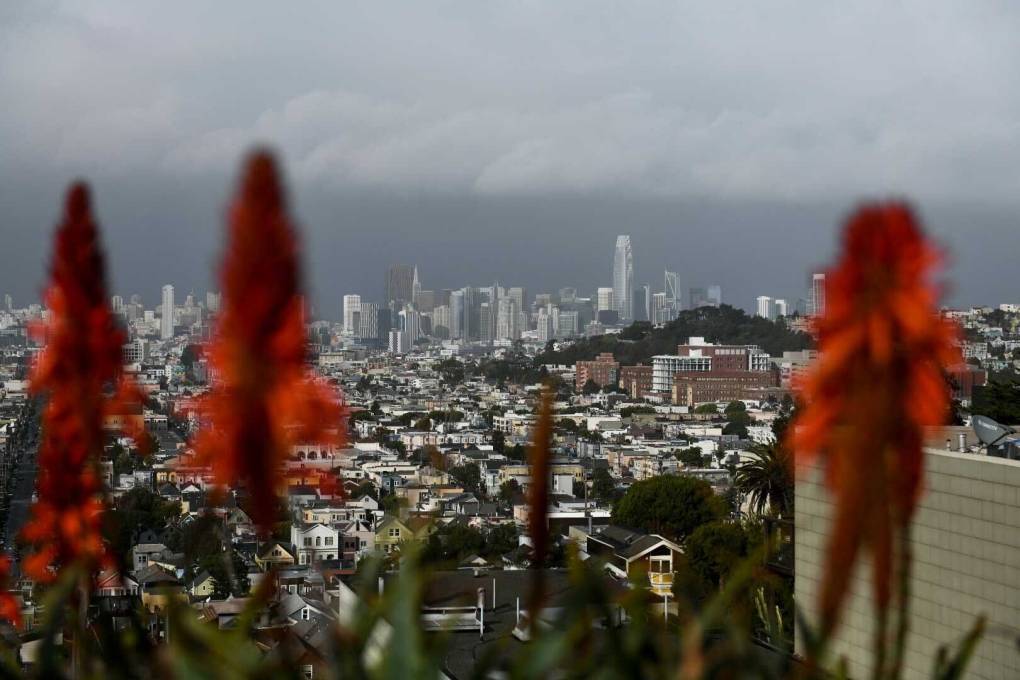
"content": "\u003cp>San Francisco’s \u003ca href=\"https://www.kqed.org/arts/category/movies\">film\u003c/a> incentive program just got a major update to attract more movie productions to the city. Filmmakers are now eligible for a 100% rebate on permits, police costs and other city fees totaling up to $1 million. There’s also a 10% rebate on the first million of qualified local spending, including hiring local crews and paying for San Francisco goods and services; a 20% rebate applies to qualified spending above a million.\u003c/p>\n\u003cp>On Wednesday, Mayor Daniel Lurie signed the new legislation, which the San Francisco Board of Supervisors passed unanimously. [aside postid='arts_13986534']\u003c/p>\n\u003cp>“Every time people visit San Francisco, they’re blown away by our city’s beauty and energy,” said Lurie in a statement. “Film takes that feeling and carries it far beyond our city limits. And when productions choose San Francisco, they do more than showcase our city’s outstanding beauty. They invest directly in our workers, our neighborhoods and our creative economy.”\u003c/p>\n\u003cp>This is the first time the film incentive program, known as Scene in San Francisco, has been updated since 2006, when it was first introduced. Previously, it only reimbursed up to $600,000 in city fees. Over the past 20 years, the program has generated $26 million in wages for local workers and $69 million in spending at San Francisco businesses.\u003c/p>\n\u003cp>San Francisco recently made several headlines in the film world. In 2025, Luca Guadagnino’s \u003ci>Artificial\u003c/i>, a forthcoming drama about OpenAI founder Sam Altman, shut down several city blocks for filming in the Mission District. And \u003cem>Josephine\u003c/em>, a dramatic thriller about an eight-year-old girl who witnesses a sexual assault in Golden Gate Park, won the Grand Jury Prize at Sundance.\u003c/p>\n\u003cp>[ad fullwidth]\u003c/p>\n\u003cp>\u003c/p>\n\u003cp>“Having \u003cem>Josephine\u003c/em>’s world premiere at Sundance served as a reminder of what’s possible when a city invests in its storytellers,” said San Francisco-born director Beth de Araújo in a statement. “These updates to the incentive will open the door for even more SF filmmakers to create affordably and authentically, with the incredible support of the San Francisco Film Commission. This city has so many stories to tell, and I’m excited to see what comes next.”\u003c/p>\n\n",
"blocks": [],
"excerpt": "The city is covering up to $1 million in city fees for filmmakers, plus other incentives. ",
"status": "publish",
"parent": 0,
"modified": 1771291963,
"stats": {
"hasAudio": false,
"hasVideo": false,
"hasChartOrMap": false,
"iframeSrcs": [],
"hasGoogleForm": false,
"hasGallery": false,
"hasHearkenModule": false,
"hasPolis": false,
"paragraphCount": 8,
"wordCount": 382
},
"headData": {
"title": "Making Movies in San Francisco Just Got Less Expensive | KQED",
"description": "The city is covering up to $1 million in city fees for filmmakers, plus other incentives. ",
"ogTitle": "",
"ogDescription": "",
"ogImgId": "",
"twTitle": "",
"twDescription": "",
"twImgId": "",
"schema": {
"@context": "https://schema.org",
"@type": "Article",
"headline": "Making Movies in San Francisco Just Got Less Expensive",
"datePublished": "2026-02-11T14:35:29-08:00",
"dateModified": "2026-02-16T17:32:43-08:00",
"image": "https://cdn.kqed.org/wp-content/uploads/2020/02/KQED-OG-Image@1x.png"
}
},
"primaryCategory": {
"termId": 1,
"slug": "arts",
"name": "Arts"
},
"sticky": false,
"nprStoryId": "kqed-13986620",
"templateType": "standard",
"featuredImageType": "standard",
"excludeFromSiteSearch": "Include",
"articleAge": "0",
"path": "/arts/13986620/san-francisco-film-incentive-update-2026",
"audioTrackLength": null,
"parsedContent": [
{
"type": "contentString",
"content": "\u003cdiv class=\"post-body\">\u003cp>\u003cp>San Francisco’s \u003ca href=\"https://www.kqed.org/arts/category/movies\">film\u003c/a> incentive program just got a major update to attract more movie productions to the city. Filmmakers are now eligible for a 100% rebate on permits, police costs and other city fees totaling up to $1 million. There’s also a 10% rebate on the first million of qualified local spending, including hiring local crews and paying for San Francisco goods and services; a 20% rebate applies to qualified spending above a million.\u003c/p>\n\u003cp>On Wednesday, Mayor Daniel Lurie signed the new legislation, which the San Francisco Board of Supervisors passed unanimously. \u003c/p>\u003c/div>",
"attributes": {
"named": {},
"numeric": []
}
},
{
"type": "component",
"content": "",
"name": "aside",
"attributes": {
"named": {
"postid": "arts_13986534",
"label": ""
},
"numeric": []
}
},
{
"type": "contentString",
"content": "\u003cdiv class=\"post-body\">\u003cp>\u003c/p>\n\u003cp>“Every time people visit San Francisco, they’re blown away by our city’s beauty and energy,” said Lurie in a statement. “Film takes that feeling and carries it far beyond our city limits. And when productions choose San Francisco, they do more than showcase our city’s outstanding beauty. They invest directly in our workers, our neighborhoods and our creative economy.”\u003c/p>\n\u003cp>This is the first time the film incentive program, known as Scene in San Francisco, has been updated since 2006, when it was first introduced. Previously, it only reimbursed up to $600,000 in city fees. Over the past 20 years, the program has generated $26 million in wages for local workers and $69 million in spending at San Francisco businesses.\u003c/p>\n\u003cp>San Francisco recently made several headlines in the film world. In 2025, Luca Guadagnino’s \u003ci>Artificial\u003c/i>, a forthcoming drama about OpenAI founder Sam Altman, shut down several city blocks for filming in the Mission District. And \u003cem>Josephine\u003c/em>, a dramatic thriller about an eight-year-old girl who witnesses a sexual assault in Golden Gate Park, won the Grand Jury Prize at Sundance.\u003c/p>\n\u003cp>\u003c/p>\u003c/div>",
"attributes": {
"named": {},
"numeric": []
}
},
{
"type": "component",
"content": "",
"name": "ad",
"attributes": {
"named": {
"label": "fullwidth"
},
"numeric": [
"fullwidth"
]
}
},
{
"type": "contentString",
"content": "\u003cdiv class=\"post-body\">\u003cp>\u003c/p>\n\u003cp>\u003c/p>\n\u003cp>“Having \u003cem>Josephine\u003c/em>’s world premiere at Sundance served as a reminder of what’s possible when a city invests in its storytellers,” said San Francisco-born director Beth de Araújo in a statement. “These updates to the incentive will open the door for even more SF filmmakers to create affordably and authentically, with the incredible support of the San Francisco Film Commission. This city has so many stories to tell, and I’m excited to see what comes next.”\u003c/p>\n\n\u003c/div>\u003c/p>",
"attributes": {
"named": {},
"numeric": []
}
}
],
"link": "/arts/13986620/san-francisco-film-incentive-update-2026",
"authors": [
"11387"
],
"categories": [
"arts_1",
"arts_74",
"arts_235"
],
"tags": [
"arts_10278",
"arts_977"
],
"featImg": "arts_13923643",
"label": "arts"
},
"arts_13986582": {
"type": "posts",
"id": "arts_13986582",
"meta": {
"index": "posts_1716263798",
"site": "arts",
"id": "13986582",
"score": null,
"sort": [
1770825532000
]
},
"guestAuthors": [],
"slug": "la-onda-2026-lineup-j-balvin-christian-nodal-mana-ivan-cornejo-more-in-napa",
"title": "La Onda 2026 Lineup: J Balvin, Christian Nodal, Maná, Ivan Cornejo, More in Napa",
"publishDate": 1770825532,
"format": "standard",
"headTitle": "La Onda 2026 Lineup: J Balvin, Christian Nodal, Maná, Ivan Cornejo, More in Napa | KQED",
"labelTerm": {},
"content": "\u003cp>\u003cstrong>Update, Feb. 24, 2026: \u003c/strong>The organizers of Festival La Onda announced today \u003ca href=\"https://www.kqed.org/arts/13987034/la-onda-music-festival-canceled-in-napa\">this year’s event has been canceled\u003c/a>. Ticket holders who bought their passes directly from the festival will receive refunds in 30 days.\u003c/p>\n\u003cp>\u003cstrong>Original story:\u003c/strong>\u003c/p>\n\u003cp>\u003ca href=\"https://www.laondafest.com/\">La Onda Festival\u003c/a> returns to Napa Valley Expo on May 30 and 31, this time with a stacked lineup headlined by Colombian reggaetonero J Balvin; Mexican mariacheño singer Christian Nodal; Mexican rock icons Maná and Californian música mexicana singer Ivan Cornejo.\u003c/p>\n\u003cp>One of the largest Latin music festivals in the Golden State, La Onda draws around 20,000 attendees per day to the same wine country fairgrounds that host \u003ca href=\"https://www.kqed.org/arts/13985337/bottlerock-lineup-foo-fighters-backstreet-boys-lorde-sombr-lcd-soundsystem-napa\">BottleRock the weekend prior\u003c/a>.\u003c/p>\n\u003cp>Mexican musical greats including Los Tucanes de Tijuana are prominent on the intergenerational lineup, but La Onda doesn’t limit itself to one sound or cultural niche. Also on the bill are Colombian salsa giants Grupo Niche; Cuban hip-hop group Orishas; Venezuelan rapper Danny Ocean; and El Gran Combo de Puerto Rico, whose “Un Verano en Nueva York” was sampled by \u003ca href=\"https://www.kqed.org/arts/tag/bad-bunny\">Bad Bunny\u003c/a> in his smash hit “NUEVAYoL.”\u003c/p>\n\u003cp>[ad fullwidth]\u003c/p>\n\u003cp>The remainder of the lineup includes Los Fabulosos Cadillacs, Paulo Londra, La Arrolladora, Molotov, Hermanos Espinoza, Chiquis, El Malilla, Los Primos del Este, Kinky, Ozomatli, Daniel, Me Estás Matando, Emmanuel Cortes, Pedro Sampaio, Julio Caesar, Arath Herce, eydrey, Frater Cosmic Beats, Delilah and Dreah.\u003c/p>\n\u003cp>\u003c/p>\n\u003cp>La Onda features Latin American food and beverage offerings, artist vendors, lucha libre wrestling and more. \u003ca href=\"https://www.laondafest.com/tickets/\">Single-day and weekend tickets\u003c/a> go on sale Feb. 13 at noon.\u003c/p>\n\n",
"blocks": [],
"excerpt": "One of California's biggest Latin music festivals returns to the Napa Valley Expo on May 30 and 31. ",
"status": "publish",
"parent": 0,
"modified": 1771954018,
"stats": {
"hasAudio": false,
"hasVideo": false,
"hasChartOrMap": false,
"iframeSrcs": [],
"hasGoogleForm": false,
"hasGallery": false,
"hasHearkenModule": false,
"hasPolis": false,
"paragraphCount": 9,
"wordCount": 268
},
"headData": {
"title": "La Onda 2026 Lineup: J Balvin, Christian Nodal, Maná, Ivan Cornejo, More in Napa | KQED",
"description": "One of California's biggest Latin music festivals returns to the Napa Valley Expo on May 30 and 31. ",
"ogTitle": "",
"ogDescription": "",
"ogImgId": "",
"twTitle": "",
"twDescription": "",
"twImgId": "",
"schema": {
"@context": "https://schema.org",
"@type": "Article",
"headline": "La Onda 2026 Lineup: J Balvin, Christian Nodal, Maná, Ivan Cornejo, More in Napa",
"datePublished": "2026-02-11T07:58:52-08:00",
"dateModified": "2026-02-24T09:26:58-08:00",
"image": "https://cdn.kqed.org/wp-content/uploads/2020/02/KQED-OG-Image@1x.png"
}
},
"primaryCategory": {
"termId": 1,
"slug": "arts",
"name": "Arts"
},
"source": "The Do List",
"sourceUrl": "https://www.kqed.org/thedolist",
"sticky": false,
"nprStoryId": "kqed-13986582",
"templateType": "standard",
"featuredImageType": "standard",
"excludeFromSiteSearch": "Include",
"articleAge": "0",
"path": "/arts/13986582/la-onda-2026-lineup-j-balvin-christian-nodal-mana-ivan-cornejo-more-in-napa",
"audioTrackLength": null,
"parsedContent": [
{
"type": "contentString",
"content": "\u003cdiv class=\"post-body\">\u003cp>\u003cp>\u003cstrong>Update, Feb. 24, 2026: \u003c/strong>The organizers of Festival La Onda announced today \u003ca href=\"https://www.kqed.org/arts/13987034/la-onda-music-festival-canceled-in-napa\">this year’s event has been canceled\u003c/a>. Ticket holders who bought their passes directly from the festival will receive refunds in 30 days.\u003c/p>\n\u003cp>\u003cstrong>Original story:\u003c/strong>\u003c/p>\n\u003cp>\u003ca href=\"https://www.laondafest.com/\">La Onda Festival\u003c/a> returns to Napa Valley Expo on May 30 and 31, this time with a stacked lineup headlined by Colombian reggaetonero J Balvin; Mexican mariacheño singer Christian Nodal; Mexican rock icons Maná and Californian música mexicana singer Ivan Cornejo.\u003c/p>\n\u003cp>One of the largest Latin music festivals in the Golden State, La Onda draws around 20,000 attendees per day to the same wine country fairgrounds that host \u003ca href=\"https://www.kqed.org/arts/13985337/bottlerock-lineup-foo-fighters-backstreet-boys-lorde-sombr-lcd-soundsystem-napa\">BottleRock the weekend prior\u003c/a>.\u003c/p>\n\u003cp>Mexican musical greats including Los Tucanes de Tijuana are prominent on the intergenerational lineup, but La Onda doesn’t limit itself to one sound or cultural niche. Also on the bill are Colombian salsa giants Grupo Niche; Cuban hip-hop group Orishas; Venezuelan rapper Danny Ocean; and El Gran Combo de Puerto Rico, whose “Un Verano en Nueva York” was sampled by \u003ca href=\"https://www.kqed.org/arts/tag/bad-bunny\">Bad Bunny\u003c/a> in his smash hit “NUEVAYoL.”\u003c/p>\n\u003cp>\u003c/p>\u003c/div>",
"attributes": {
"named": {},
"numeric": []
}
},
{
"type": "component",
"content": "",
"name": "ad",
"attributes": {
"named": {
"label": "fullwidth"
},
"numeric": [
"fullwidth"
]
}
},
{
"type": "contentString",
"content": "\u003cdiv class=\"post-body\">\u003cp>\u003c/p>\n\u003cp>The remainder of the lineup includes Los Fabulosos Cadillacs, Paulo Londra, La Arrolladora, Molotov, Hermanos Espinoza, Chiquis, El Malilla, Los Primos del Este, Kinky, Ozomatli, Daniel, Me Estás Matando, Emmanuel Cortes, Pedro Sampaio, Julio Caesar, Arath Herce, eydrey, Frater Cosmic Beats, Delilah and Dreah.\u003c/p>\n\u003cp>\u003c/p>\n\u003cp>La Onda features Latin American food and beverage offerings, artist vendors, lucha libre wrestling and more. \u003ca href=\"https://www.laondafest.com/tickets/\">Single-day and weekend tickets\u003c/a> go on sale Feb. 13 at noon.\u003c/p>\n\n\u003c/div>\u003c/p>",
"attributes": {
"named": {},
"numeric": []
}
}
],
"link": "/arts/13986582/la-onda-2026-lineup-j-balvin-christian-nodal-mana-ivan-cornejo-more-in-napa",
"authors": [
"11387"
],
"programs": [
"arts_140"
],
"categories": [
"arts_1",
"arts_69",
"arts_235",
"arts_22313"
],
"tags": [
"arts_10278",
"arts_22621",
"arts_3541"
],
"featImg": "arts_13986583",
"label": "source_arts_13986582"
},
"arts_13986438": {
"type": "posts",
"id": "arts_13986438",
"meta": {
"index": "posts_1716263798",
"site": "arts",
"id": "13986438",
"score": null,
"sort": [
1770491530000
]
},
"guestAuthors": [],
"slug": "castro-theatre-grand-reopening-film-movies-seats-san-francisco-review",
"title": "How I Learned to Stop Worrying and Love the Castro Theatre Again",
"publishDate": 1770491530,
"format": "standard",
"headTitle": "How I Learned to Stop Worrying and Love the Castro Theatre Again | KQED",
"labelTerm": {},
"content": "\u003cp>[dropcap]F[/dropcap]irst things first: \u003cem>Priscilla, Queen of the Desert\u003c/em> at the \u003ca href=\"https://www.kqed.org/arts/tag/castro-theatre\">Castro Theatre\u003c/a> is not, strictly speaking, a “film event.”\u003c/p>\n\u003cp>It’s a film, sure. But it also doubles as the Castro Theatre’s long-awaited reopening after a two-year closure. It’s a celebration. It’s not Film 101 like \u003cem>Stalker\u003c/em> or \u003cem>Ikiru\u003c/em> or \u003cem>In the Mood for Love\u003c/em>; it’s \u003cem>Priscilla\u003c/em> — a communion, a camp fest, and a party.\u003c/p>\n\u003cp>And, since it is the first movie shown at the newly renovated Castro, once my favorite movie theater in the entire world, I am duty-bound to go.\u003c/p>\n\u003cp>See, I have been talking my head off about the Castro to anyone who will listen for the past four years, ever since Another Planet Entertainment, the live music promoter, announced plans to convert it into a multi-use venue. I’ve \u003ca href=\"https://www.kqed.org/arts/13908311/castro-theatre-to-become-live-music-and-events-venue-after-renovation\">reported\u003c/a> on the story \u003ca href=\"https://www.kqed.org/arts/13917362/theres-only-one-castro-theatre-why-change-it-now\">publicly\u003c/a>, and also, as my coworkers will attest, ranted pessimistically about it in private. I have been “that guy.”\u003c/p>\n\u003cfigure id=\"attachment_13986461\" class=\"wp-caption aligncenter\" style=\"max-width: 2560px\">\u003cimg loading=\"lazy\" decoding=\"async\" src=\"https://cdn.kqed.org/wp-content/uploads/sites/2/2026/02/IMG_0897-scaled.jpeg\" alt=\"\" width=\"2560\" height=\"1920\" class=\"size-full wp-image-13986461\" srcset=\"https://cdn.kqed.org/wp-content/uploads/sites/2/2026/02/IMG_0897-scaled.jpeg 2560w, https://cdn.kqed.org/wp-content/uploads/sites/2/2026/02/IMG_0897-2000x1500.jpeg 2000w, https://cdn.kqed.org/wp-content/uploads/sites/2/2026/02/IMG_0897-160x120.jpeg 160w, https://cdn.kqed.org/wp-content/uploads/sites/2/2026/02/IMG_0897-768x576.jpeg 768w, https://cdn.kqed.org/wp-content/uploads/sites/2/2026/02/IMG_0897-1536x1152.jpeg 1536w, https://cdn.kqed.org/wp-content/uploads/sites/2/2026/02/IMG_0897-2048x1536.jpeg 2048w\" sizes=\"auto, (max-width: 2560px) 100vw, 2560px\">\u003cfigcaption class=\"wp-caption-text\">The ceiling in the balcony of the Castro Theatre is readied for reopening on Feb. 5, 2026. \u003ccite>(Gabe Meline/KQED)\u003c/cite>\u003c/figcaption>\u003c/figure>\n\u003cp>Like thousands of others, I’d loyally seen movies there for 30 years. I \u003cem>loved\u003c/em> the Castro. It was reasonable to be worried. Another Planet does not operate any other venue that shows film — how could they possibly uphold their requirement by the Planning Commission to do so, for 75 days out of each calendar year? And how could they destroy a beloved institution’s original floor seating to become yet another music venue, with a tacked-on film element, in a city with no other movie palaces? \u003c/p>\n\u003cp>[ad fullwidth]\u003c/p>\n\u003cp>Plus, I never minded the run-down look of the Castro. While it was hard to argue with restoring the ceiling, upgrading the sound, fixing the roof and adding ADA compliance, was it a fair trade-off for losing around-the-clock film programming?\u003c/p>\n\u003cp>The whole thing felt like someone walking into \u003ca href=\"https://tommysjoynt.com/about\">Tommy’s Joynt\u003c/a> and saying, “Nice place, good potential. But let’s take all this garbage off the walls and repaint it. And say, why don’t we put in a matcha bar?”\u003c/p>\n\u003cfigure id=\"attachment_13986460\" class=\"wp-caption aligncenter\" style=\"max-width: 2000px\">\u003cimg loading=\"lazy\" decoding=\"async\" src=\"https://cdn.kqed.org/wp-content/uploads/sites/2/2026/02/20260206_CastroTheatreGrandReopening-16_qed.jpg\" alt=\"\" width=\"2000\" height=\"1333\" class=\"size-full wp-image-13986460\" srcset=\"https://cdn.kqed.org/wp-content/uploads/sites/2/2026/02/20260206_CastroTheatreGrandReopening-16_qed.jpg 2000w, https://cdn.kqed.org/wp-content/uploads/sites/2/2026/02/20260206_CastroTheatreGrandReopening-16_qed-160x107.jpg 160w, https://cdn.kqed.org/wp-content/uploads/sites/2/2026/02/20260206_CastroTheatreGrandReopening-16_qed-768x512.jpg 768w, https://cdn.kqed.org/wp-content/uploads/sites/2/2026/02/20260206_CastroTheatreGrandReopening-16_qed-1536x1024.jpg 1536w\" sizes=\"auto, (max-width: 2000px) 100vw, 2000px\">\u003cfigcaption class=\"wp-caption-text\">The newly renovated interior at the Castro Theatre during its grand reopening on Feb. 6, 2026. \u003ccite>(Gina Castro/KQED)\u003c/cite>\u003c/figcaption>\u003c/figure>\n\u003cp>[dropcap]S[/dropcap]o while touring the theater the day before it opened, I was mainly fixated on how it would show movies. Another Planet needed to appease three contingents with this project: the LGBTQ community, the Castro neighborhood, and the film community. Their bookings so far lean very queer, a good thing, and they’ll easily bring people, and money, to the neighborhood.\u003c/p>\n\u003cp>Film, though, was still an open question.\u003c/p>\n\u003cp>[aside postID='arts_13917362']I was glad to learn that the projection booth retains both a 35mm and 70mm film projector, along with a new digital 4K BARCO projector. The screen is 36 feet by 25 feet, similar in size to the old one. There’s a new sound system, and in classic movie-palace style, the speakers sit behind the screen.\u003c/p>\n\u003cp>There’s a bar at the back of the auditorium for concerts, but it’s fully removable and will be absent for film screenings. Film booking is done in-house, and festivals like Berlin & Beyond, the SF Silent Film Festival and Frameline are all returning.\u003c/p>\n\u003cfigure id=\"attachment_13986458\" class=\"wp-caption aligncenter\" style=\"max-width: 2000px\">\u003cimg loading=\"lazy\" decoding=\"async\" src=\"https://cdn.kqed.org/wp-content/uploads/sites/2/2026/02/20260206_CastroTheatreGrandReopening-12_qed.jpg\" alt=\"\" width=\"2000\" height=\"1333\" class=\"size-full wp-image-13986458\" srcset=\"https://cdn.kqed.org/wp-content/uploads/sites/2/2026/02/20260206_CastroTheatreGrandReopening-12_qed.jpg 2000w, https://cdn.kqed.org/wp-content/uploads/sites/2/2026/02/20260206_CastroTheatreGrandReopening-12_qed-160x107.jpg 160w, https://cdn.kqed.org/wp-content/uploads/sites/2/2026/02/20260206_CastroTheatreGrandReopening-12_qed-768x512.jpg 768w, https://cdn.kqed.org/wp-content/uploads/sites/2/2026/02/20260206_CastroTheatreGrandReopening-12_qed-1536x1024.jpg 1536w\" sizes=\"auto, (max-width: 2000px) 100vw, 2000px\">\u003cfigcaption class=\"wp-caption-text\">New seats await filmgoers at the Castro Theatre during its grand reopening on Feb. 6, 2026. \u003ccite>(Gina Castro/KQED)\u003c/cite>\u003c/figcaption>\u003c/figure>\n\u003cp>The seats are ugly. There’s no other way to say it. The point of \u003ca href=\"https://www.kqed.org/news/11952358/sf-supes-ok-effort-renovate-castro-theater\">so much debate\u003c/a>, anger and town halls, the new seats aren’t technically folding chairs, but to me they still look like seats at a school assembly, with toothpick legs. They’re on six-inch risers with improved sight lines, and they’re padded and have cup holders, but if AMC installed these seats at their theaters they’d go out of business immediately. \u003c/p>\n\u003cp>Sitting in the seats with Mary Conde, the senior vice president of Another Planet, I ask: you must know that some people will complain about this, right?\u003c/p>\n\u003cp>She nods. “We are prepared for that,” Conde says.\u003c/p>\n\u003cfigure id=\"attachment_13986463\" class=\"wp-caption aligncenter\" style=\"max-width: 2000px\">\u003cimg loading=\"lazy\" decoding=\"async\" src=\"https://cdn.kqed.org/wp-content/uploads/sites/2/2026/02/20260206_CastroTheatreGrandReopening-5_qed.jpg\" alt=\"\" width=\"2000\" height=\"1333\" class=\"size-full wp-image-13986463\" srcset=\"https://cdn.kqed.org/wp-content/uploads/sites/2/2026/02/20260206_CastroTheatreGrandReopening-5_qed.jpg 2000w, https://cdn.kqed.org/wp-content/uploads/sites/2/2026/02/20260206_CastroTheatreGrandReopening-5_qed-160x107.jpg 160w, https://cdn.kqed.org/wp-content/uploads/sites/2/2026/02/20260206_CastroTheatreGrandReopening-5_qed-768x512.jpg 768w, https://cdn.kqed.org/wp-content/uploads/sites/2/2026/02/20260206_CastroTheatreGrandReopening-5_qed-1536x1024.jpg 1536w\" sizes=\"auto, (max-width: 2000px) 100vw, 2000px\">\u003cfigcaption class=\"wp-caption-text\">(L–R) Another Planet Entertainment Senior Vice President Mary Conde, Senator Scott Wiener, drag artist D’Arcy Drollinger and Mayor Daniel Lurie help cut the ribbon during the Castro Theatre’s grand reopening on Feb. 6, 2026. \u003ccite>(Gina Castro/KQED)\u003c/cite>\u003c/figcaption>\u003c/figure>\n\u003cp>[dropcap]T[/dropcap]he cops are milling around on Castro Street, trying to keep the teeming crowd on the sidewalk. It’s the Castro’s grand re-opening on Friday night, and politicians, drag queens, a marching band, a guy with a sign reading “\u003ca href=\"https://bsky.app/profile/gmeline.bsky.social/post/3mead4xikds26\">THIS SUCKS\u003c/a>,” security workers, lookie-loos, local merchants and movie fans have all congealed in front of the theater. \u003c/p>\n\u003cp>“Who’s Sam Smith?” one of the cops asks, looking up at the marquee. “Some singer,” another replies, disinterestedly. “Here for two weeks, they say.”\u003c/p>\n\u003cp>Ruby Day from Beach Blanket Babylon sings “our national anthem,” “\u003ca href=\"https://youtu.be/dv6mHsXKI2c?si=0ZOJwbwF341-ijm2\">San Francisco\u003c/a>.” Castro Supervisor Rafael Mandelman says “Go queers in construction!” Mayor Lurie does his we’re-so-back Lurie thing. The ribbon gets cut, the marching band strikes up, and we’re off.\u003c/p>\n\u003cfigure id=\"attachment_13986464\" class=\"wp-caption aligncenter\" style=\"max-width: 2000px\">\u003cimg loading=\"lazy\" decoding=\"async\" src=\"https://cdn.kqed.org/wp-content/uploads/sites/2/2026/02/20260206_CastroTheatreGrandReopening-8_qed.jpg\" alt=\"\" width=\"2000\" height=\"1333\" class=\"size-full wp-image-13986464\" srcset=\"https://cdn.kqed.org/wp-content/uploads/sites/2/2026/02/20260206_CastroTheatreGrandReopening-8_qed.jpg 2000w, https://cdn.kqed.org/wp-content/uploads/sites/2/2026/02/20260206_CastroTheatreGrandReopening-8_qed-160x107.jpg 160w, https://cdn.kqed.org/wp-content/uploads/sites/2/2026/02/20260206_CastroTheatreGrandReopening-8_qed-768x512.jpg 768w, https://cdn.kqed.org/wp-content/uploads/sites/2/2026/02/20260206_CastroTheatreGrandReopening-8_qed-1536x1024.jpg 1536w\" sizes=\"auto, (max-width: 2000px) 100vw, 2000px\">\u003cfigcaption class=\"wp-caption-text\">The newly renovated ceiling at the Castro Theatre during its grand reopening on Feb. 6, 2026. \u003ccite>(Gina Castro/KQED)\u003c/cite>\u003c/figcaption>\u003c/figure>\n\u003cp>People enter the theater and immediately look upward at the stunning new ceiling. One remembers “the \u003ca href=\"https://cdn.kqed.org/wp-content/uploads/sites/10/2022/12/castro_2.8.22_rosasandrew_23-copy_custom-54d51f69ab1b36290c8f6c747b6061b3de0f0c3d-1920x1281.jpe\">brown expanse that it used to be\u003c/a>.” The new 2,000-pound digital organ emerges from the stage, and a standing ovation ensues for David Hegarty, the Castro’s organist since 1978. He’s canonized as “St. Mellifluous” by the Sisters of Perpetual Indulgence. There’s a sing-along to “Mamma Mia” with 14 drag queens on stage. \u003c/p>\n\u003cp>Finally, after 42 minutes of pre-show, the movie starts. \u003c/p>\n\u003cp>This is my show-me-what-you-got moment. And, after the masking is adjusted, I have to say: the movie looks \u003cem>good\u003c/em>. The film print is clean, the focus is sharp and the presentation is bright, with a strong bulb in the projector. I also find that I don’t mind my seat at all, or how it feels. I am back at the Castro, this cathedral for film, watching a movie again. Could it be that all my worries were unfounded? What’s happening here?!\u003c/p>\n\u003cp>I will forever miss the old interior, and the sound system needs some fine-tuning. But I think to myself: I can live with this. \u003c/p>\n\u003cfigure id=\"attachment_13986465\" class=\"wp-caption aligncenter\" style=\"max-width: 1447px\">\u003cimg loading=\"lazy\" decoding=\"async\" src=\"https://cdn.kqed.org/wp-content/uploads/sites/2/2026/02/IMG_0955.jpg\" alt=\"\" width=\"1447\" height=\"2000\" class=\"size-full wp-image-13986465\" srcset=\"https://cdn.kqed.org/wp-content/uploads/sites/2/2026/02/IMG_0955.jpg 1447w, https://cdn.kqed.org/wp-content/uploads/sites/2/2026/02/IMG_0955-160x221.jpg 160w, https://cdn.kqed.org/wp-content/uploads/sites/2/2026/02/IMG_0955-768x1062.jpg 768w, https://cdn.kqed.org/wp-content/uploads/sites/2/2026/02/IMG_0955-1111x1536.jpg 1111w\" sizes=\"auto, (max-width: 1447px) 100vw, 1447px\">\u003cfigcaption class=\"wp-caption-text\">Organist Dave Hegarty is honored at the grand reopening of the Castro Theatre on Feb. 6, 2026. \u003ccite>(Gabe Meline/KQED)\u003c/cite>\u003c/figcaption>\u003c/figure>\n\u003cp>At my age, I am trying to accept change. While \u003ca href=\"https://www.kqed.org/arts/13965624/oakland-as-last-game-songs-played-coliseum\">watching my last A’s game\u003c/a> at the Oakland Coliseum, another Bay Area cathedral, I considered the possibility that what makes a place special isn’t the place so much as the people. \u003c/p>\n\u003cp>Seared into my memory is the first movie I ever saw at the Castro: \u003cem>Grey Gardens\u003c/em>, which amazed me not only for its story but for the audience interaction. During \u003cem>Priscilla\u003c/em>, people cheer for Terence Stamp, who recently died, in the opening credits. They recite lines like “a cock in a frock on a rock” back to the screen. They laugh at the jokes, sing along to the drag numbers, and get silent for the emotional scenes. \u003c/p>\n\u003cp>[ad floatright]\u003c/p>\n\u003cp>And me? For 104 minutes, I get lost in the film, forget about the past four years, and realize that when the lights go down, it’s still the same Castro magic. \u003c/p>\n\n",
"blocks": [],
"excerpt": "At the reopened theater's first movie screening, the pessimism I've carried for four years melted away.",
"status": "publish",
"parent": 0,
"modified": 1770659623,
"stats": {
"hasAudio": false,
"hasVideo": false,
"hasChartOrMap": false,
"iframeSrcs": [],
"hasGoogleForm": false,
"hasGallery": false,
"hasHearkenModule": false,
"hasPolis": false,
"paragraphCount": 26,
"wordCount": 1322
},
"headData": {
"title": "How I Learned to Stop Worrying and Love the Castro Theatre Again | KQED",
"description": "At the reopened theater's first movie screening, the pessimism I've carried for four years melted away.",
"ogTitle": "",
"ogDescription": "",
"ogImgId": "",
"twTitle": "",
"twDescription": "",
"twImgId": "",
"schema": {
"@context": "https://schema.org",
"@type": "Article",
"headline": "How I Learned to Stop Worrying and Love the Castro Theatre Again",
"datePublished": "2026-02-07T11:12:10-08:00",
"dateModified": "2026-02-09T09:53:43-08:00",
"image": "https://cdn.kqed.org/wp-content/uploads/2020/02/KQED-OG-Image@1x.png"
}
},
"primaryCategory": {
"termId": 1,
"slug": "arts",
"name": "Arts"
},
"source": "Commentary",
"sourceUrl": "https://www.kqed.org/artscommentary",
"sticky": false,
"nprStoryId": "kqed-13986438",
"templateType": "standard",
"featuredImageType": "standard",
"excludeFromSiteSearch": "Include",
"articleAge": "0",
"path": "/arts/13986438/castro-theatre-grand-reopening-film-movies-seats-san-francisco-review",
"audioTrackLength": null,
"parsedContent": [
{
"type": "contentString",
"content": "\u003cdiv class=\"post-body\">\u003cp>\u003cp>\u003c/p>\u003cp>\u003cspan class=\"utils-parseShortcode-shortcodes-__dropcapShortcode__dropcap\">F\u003c/span>\u003c/p>\u003cp>irst things first: \u003cem>Priscilla, Queen of the Desert\u003c/em> at the \u003ca href=\"https://www.kqed.org/arts/tag/castro-theatre\">Castro Theatre\u003c/a> is not, strictly speaking, a “film event.”\u003c/p>\n\u003cp>It’s a film, sure. But it also doubles as the Castro Theatre’s long-awaited reopening after a two-year closure. It’s a celebration. It’s not Film 101 like \u003cem>Stalker\u003c/em> or \u003cem>Ikiru\u003c/em> or \u003cem>In the Mood for Love\u003c/em>; it’s \u003cem>Priscilla\u003c/em> — a communion, a camp fest, and a party.\u003c/p>\n\u003cp>And, since it is the first movie shown at the newly renovated Castro, once my favorite movie theater in the entire world, I am duty-bound to go.\u003c/p>\n\u003cp>See, I have been talking my head off about the Castro to anyone who will listen for the past four years, ever since Another Planet Entertainment, the live music promoter, announced plans to convert it into a multi-use venue. I’ve \u003ca href=\"https://www.kqed.org/arts/13908311/castro-theatre-to-become-live-music-and-events-venue-after-renovation\">reported\u003c/a> on the story \u003ca href=\"https://www.kqed.org/arts/13917362/theres-only-one-castro-theatre-why-change-it-now\">publicly\u003c/a>, and also, as my coworkers will attest, ranted pessimistically about it in private. I have been “that guy.”\u003c/p>\n\u003cfigure id=\"attachment_13986461\" class=\"wp-caption aligncenter\" style=\"max-width: 2560px\">\u003cimg loading=\"lazy\" decoding=\"async\" src=\"https://cdn.kqed.org/wp-content/uploads/sites/2/2026/02/IMG_0897-scaled.jpeg\" alt=\"\" width=\"2560\" height=\"1920\" class=\"size-full wp-image-13986461\" srcset=\"https://cdn.kqed.org/wp-content/uploads/sites/2/2026/02/IMG_0897-scaled.jpeg 2560w, https://cdn.kqed.org/wp-content/uploads/sites/2/2026/02/IMG_0897-2000x1500.jpeg 2000w, https://cdn.kqed.org/wp-content/uploads/sites/2/2026/02/IMG_0897-160x120.jpeg 160w, https://cdn.kqed.org/wp-content/uploads/sites/2/2026/02/IMG_0897-768x576.jpeg 768w, https://cdn.kqed.org/wp-content/uploads/sites/2/2026/02/IMG_0897-1536x1152.jpeg 1536w, https://cdn.kqed.org/wp-content/uploads/sites/2/2026/02/IMG_0897-2048x1536.jpeg 2048w\" sizes=\"auto, (max-width: 2560px) 100vw, 2560px\">\u003cfigcaption class=\"wp-caption-text\">The ceiling in the balcony of the Castro Theatre is readied for reopening on Feb. 5, 2026. \u003ccite>(Gabe Meline/KQED)\u003c/cite>\u003c/figcaption>\u003c/figure>\n\u003cp>Like thousands of others, I’d loyally seen movies there for 30 years. I \u003cem>loved\u003c/em> the Castro. It was reasonable to be worried. Another Planet does not operate any other venue that shows film — how could they possibly uphold their requirement by the Planning Commission to do so, for 75 days out of each calendar year? And how could they destroy a beloved institution’s original floor seating to become yet another music venue, with a tacked-on film element, in a city with no other movie palaces? \u003c/p>\n\u003cp>\u003c/p>\u003c/div>",
"attributes": {
"named": {},
"numeric": []
}
},
{
"type": "component",
"content": "",
"name": "ad",
"attributes": {
"named": {
"label": "fullwidth"
},
"numeric": [
"fullwidth"
]
}
},
{
"type": "contentString",
"content": "\u003cdiv class=\"post-body\">\u003cp>\u003c/p>\n\u003cp>Plus, I never minded the run-down look of the Castro. While it was hard to argue with restoring the ceiling, upgrading the sound, fixing the roof and adding ADA compliance, was it a fair trade-off for losing around-the-clock film programming?\u003c/p>\n\u003cp>The whole thing felt like someone walking into \u003ca href=\"https://tommysjoynt.com/about\">Tommy’s Joynt\u003c/a> and saying, “Nice place, good potential. But let’s take all this garbage off the walls and repaint it. And say, why don’t we put in a matcha bar?”\u003c/p>\n\u003cfigure id=\"attachment_13986460\" class=\"wp-caption aligncenter\" style=\"max-width: 2000px\">\u003cimg loading=\"lazy\" decoding=\"async\" src=\"https://cdn.kqed.org/wp-content/uploads/sites/2/2026/02/20260206_CastroTheatreGrandReopening-16_qed.jpg\" alt=\"\" width=\"2000\" height=\"1333\" class=\"size-full wp-image-13986460\" srcset=\"https://cdn.kqed.org/wp-content/uploads/sites/2/2026/02/20260206_CastroTheatreGrandReopening-16_qed.jpg 2000w, https://cdn.kqed.org/wp-content/uploads/sites/2/2026/02/20260206_CastroTheatreGrandReopening-16_qed-160x107.jpg 160w, https://cdn.kqed.org/wp-content/uploads/sites/2/2026/02/20260206_CastroTheatreGrandReopening-16_qed-768x512.jpg 768w, https://cdn.kqed.org/wp-content/uploads/sites/2/2026/02/20260206_CastroTheatreGrandReopening-16_qed-1536x1024.jpg 1536w\" sizes=\"auto, (max-width: 2000px) 100vw, 2000px\">\u003cfigcaption class=\"wp-caption-text\">The newly renovated interior at the Castro Theatre during its grand reopening on Feb. 6, 2026. \u003ccite>(Gina Castro/KQED)\u003c/cite>\u003c/figcaption>\u003c/figure>\n\u003cp>\u003c/p>\u003cp>\u003cspan class=\"utils-parseShortcode-shortcodes-__dropcapShortcode__dropcap\">S\u003c/span>\u003c/p>\u003cp>o while touring the theater the day before it opened, I was mainly fixated on how it would show movies. Another Planet needed to appease three contingents with this project: the LGBTQ community, the Castro neighborhood, and the film community. Their bookings so far lean very queer, a good thing, and they’ll easily bring people, and money, to the neighborhood.\u003c/p>\n\u003cp>Film, though, was still an open question.\u003c/p>\n\u003cp>\u003c/p>\u003c/div>",
"attributes": {
"named": {},
"numeric": []
}
},
{
"type": "component",
"content": "",
"name": "aside",
"attributes": {
"named": {
"postid": "arts_13917362",
"label": ""
},
"numeric": []
}
},
{
"type": "contentString",
"content": "\u003cdiv class=\"post-body\">\u003cp>I was glad to learn that the projection booth retains both a 35mm and 70mm film projector, along with a new digital 4K BARCO projector. The screen is 36 feet by 25 feet, similar in size to the old one. There’s a new sound system, and in classic movie-palace style, the speakers sit behind the screen.\u003c/p>\n\u003cp>There’s a bar at the back of the auditorium for concerts, but it’s fully removable and will be absent for film screenings. Film booking is done in-house, and festivals like Berlin & Beyond, the SF Silent Film Festival and Frameline are all returning.\u003c/p>\n\u003cfigure id=\"attachment_13986458\" class=\"wp-caption aligncenter\" style=\"max-width: 2000px\">\u003cimg loading=\"lazy\" decoding=\"async\" src=\"https://cdn.kqed.org/wp-content/uploads/sites/2/2026/02/20260206_CastroTheatreGrandReopening-12_qed.jpg\" alt=\"\" width=\"2000\" height=\"1333\" class=\"size-full wp-image-13986458\" srcset=\"https://cdn.kqed.org/wp-content/uploads/sites/2/2026/02/20260206_CastroTheatreGrandReopening-12_qed.jpg 2000w, https://cdn.kqed.org/wp-content/uploads/sites/2/2026/02/20260206_CastroTheatreGrandReopening-12_qed-160x107.jpg 160w, https://cdn.kqed.org/wp-content/uploads/sites/2/2026/02/20260206_CastroTheatreGrandReopening-12_qed-768x512.jpg 768w, https://cdn.kqed.org/wp-content/uploads/sites/2/2026/02/20260206_CastroTheatreGrandReopening-12_qed-1536x1024.jpg 1536w\" sizes=\"auto, (max-width: 2000px) 100vw, 2000px\">\u003cfigcaption class=\"wp-caption-text\">New seats await filmgoers at the Castro Theatre during its grand reopening on Feb. 6, 2026. \u003ccite>(Gina Castro/KQED)\u003c/cite>\u003c/figcaption>\u003c/figure>\n\u003cp>The seats are ugly. There’s no other way to say it. The point of \u003ca href=\"https://www.kqed.org/news/11952358/sf-supes-ok-effort-renovate-castro-theater\">so much debate\u003c/a>, anger and town halls, the new seats aren’t technically folding chairs, but to me they still look like seats at a school assembly, with toothpick legs. They’re on six-inch risers with improved sight lines, and they’re padded and have cup holders, but if AMC installed these seats at their theaters they’d go out of business immediately. \u003c/p>\n\u003cp>Sitting in the seats with Mary Conde, the senior vice president of Another Planet, I ask: you must know that some people will complain about this, right?\u003c/p>\n\u003cp>She nods. “We are prepared for that,” Conde says.\u003c/p>\n\u003cfigure id=\"attachment_13986463\" class=\"wp-caption aligncenter\" style=\"max-width: 2000px\">\u003cimg loading=\"lazy\" decoding=\"async\" src=\"https://cdn.kqed.org/wp-content/uploads/sites/2/2026/02/20260206_CastroTheatreGrandReopening-5_qed.jpg\" alt=\"\" width=\"2000\" height=\"1333\" class=\"size-full wp-image-13986463\" srcset=\"https://cdn.kqed.org/wp-content/uploads/sites/2/2026/02/20260206_CastroTheatreGrandReopening-5_qed.jpg 2000w, https://cdn.kqed.org/wp-content/uploads/sites/2/2026/02/20260206_CastroTheatreGrandReopening-5_qed-160x107.jpg 160w, https://cdn.kqed.org/wp-content/uploads/sites/2/2026/02/20260206_CastroTheatreGrandReopening-5_qed-768x512.jpg 768w, https://cdn.kqed.org/wp-content/uploads/sites/2/2026/02/20260206_CastroTheatreGrandReopening-5_qed-1536x1024.jpg 1536w\" sizes=\"auto, (max-width: 2000px) 100vw, 2000px\">\u003cfigcaption class=\"wp-caption-text\">(L–R) Another Planet Entertainment Senior Vice President Mary Conde, Senator Scott Wiener, drag artist D’Arcy Drollinger and Mayor Daniel Lurie help cut the ribbon during the Castro Theatre’s grand reopening on Feb. 6, 2026. \u003ccite>(Gina Castro/KQED)\u003c/cite>\u003c/figcaption>\u003c/figure>\n\u003cp>\u003c/p>\u003cp>\u003cspan class=\"utils-parseShortcode-shortcodes-__dropcapShortcode__dropcap\">T\u003c/span>\u003c/p>\u003cp>he cops are milling around on Castro Street, trying to keep the teeming crowd on the sidewalk. It’s the Castro’s grand re-opening on Friday night, and politicians, drag queens, a marching band, a guy with a sign reading “\u003ca href=\"https://bsky.app/profile/gmeline.bsky.social/post/3mead4xikds26\">THIS SUCKS\u003c/a>,” security workers, lookie-loos, local merchants and movie fans have all congealed in front of the theater. \u003c/p>\n\u003cp>“Who’s Sam Smith?” one of the cops asks, looking up at the marquee. “Some singer,” another replies, disinterestedly. “Here for two weeks, they say.”\u003c/p>\n\u003cp>Ruby Day from Beach Blanket Babylon sings “our national anthem,” “\u003ca href=\"https://youtu.be/dv6mHsXKI2c?si=0ZOJwbwF341-ijm2\">San Francisco\u003c/a>.” Castro Supervisor Rafael Mandelman says “Go queers in construction!” Mayor Lurie does his we’re-so-back Lurie thing. The ribbon gets cut, the marching band strikes up, and we’re off.\u003c/p>\n\u003cfigure id=\"attachment_13986464\" class=\"wp-caption aligncenter\" style=\"max-width: 2000px\">\u003cimg loading=\"lazy\" decoding=\"async\" src=\"https://cdn.kqed.org/wp-content/uploads/sites/2/2026/02/20260206_CastroTheatreGrandReopening-8_qed.jpg\" alt=\"\" width=\"2000\" height=\"1333\" class=\"size-full wp-image-13986464\" srcset=\"https://cdn.kqed.org/wp-content/uploads/sites/2/2026/02/20260206_CastroTheatreGrandReopening-8_qed.jpg 2000w, https://cdn.kqed.org/wp-content/uploads/sites/2/2026/02/20260206_CastroTheatreGrandReopening-8_qed-160x107.jpg 160w, https://cdn.kqed.org/wp-content/uploads/sites/2/2026/02/20260206_CastroTheatreGrandReopening-8_qed-768x512.jpg 768w, https://cdn.kqed.org/wp-content/uploads/sites/2/2026/02/20260206_CastroTheatreGrandReopening-8_qed-1536x1024.jpg 1536w\" sizes=\"auto, (max-width: 2000px) 100vw, 2000px\">\u003cfigcaption class=\"wp-caption-text\">The newly renovated ceiling at the Castro Theatre during its grand reopening on Feb. 6, 2026. \u003ccite>(Gina Castro/KQED)\u003c/cite>\u003c/figcaption>\u003c/figure>\n\u003cp>People enter the theater and immediately look upward at the stunning new ceiling. One remembers “the \u003ca href=\"https://cdn.kqed.org/wp-content/uploads/sites/10/2022/12/castro_2.8.22_rosasandrew_23-copy_custom-54d51f69ab1b36290c8f6c747b6061b3de0f0c3d-1920x1281.jpe\">brown expanse that it used to be\u003c/a>.” The new 2,000-pound digital organ emerges from the stage, and a standing ovation ensues for David Hegarty, the Castro’s organist since 1978. He’s canonized as “St. Mellifluous” by the Sisters of Perpetual Indulgence. There’s a sing-along to “Mamma Mia” with 14 drag queens on stage. \u003c/p>\n\u003cp>Finally, after 42 minutes of pre-show, the movie starts. \u003c/p>\n\u003cp>This is my show-me-what-you-got moment. And, after the masking is adjusted, I have to say: the movie looks \u003cem>good\u003c/em>. The film print is clean, the focus is sharp and the presentation is bright, with a strong bulb in the projector. I also find that I don’t mind my seat at all, or how it feels. I am back at the Castro, this cathedral for film, watching a movie again. Could it be that all my worries were unfounded? What’s happening here?!\u003c/p>\n\u003cp>I will forever miss the old interior, and the sound system needs some fine-tuning. But I think to myself: I can live with this. \u003c/p>\n\u003cfigure id=\"attachment_13986465\" class=\"wp-caption aligncenter\" style=\"max-width: 1447px\">\u003cimg loading=\"lazy\" decoding=\"async\" src=\"https://cdn.kqed.org/wp-content/uploads/sites/2/2026/02/IMG_0955.jpg\" alt=\"\" width=\"1447\" height=\"2000\" class=\"size-full wp-image-13986465\" srcset=\"https://cdn.kqed.org/wp-content/uploads/sites/2/2026/02/IMG_0955.jpg 1447w, https://cdn.kqed.org/wp-content/uploads/sites/2/2026/02/IMG_0955-160x221.jpg 160w, https://cdn.kqed.org/wp-content/uploads/sites/2/2026/02/IMG_0955-768x1062.jpg 768w, https://cdn.kqed.org/wp-content/uploads/sites/2/2026/02/IMG_0955-1111x1536.jpg 1111w\" sizes=\"auto, (max-width: 1447px) 100vw, 1447px\">\u003cfigcaption class=\"wp-caption-text\">Organist Dave Hegarty is honored at the grand reopening of the Castro Theatre on Feb. 6, 2026. \u003ccite>(Gabe Meline/KQED)\u003c/cite>\u003c/figcaption>\u003c/figure>\n\u003cp>At my age, I am trying to accept change. While \u003ca href=\"https://www.kqed.org/arts/13965624/oakland-as-last-game-songs-played-coliseum\">watching my last A’s game\u003c/a> at the Oakland Coliseum, another Bay Area cathedral, I considered the possibility that what makes a place special isn’t the place so much as the people. \u003c/p>\n\u003cp>Seared into my memory is the first movie I ever saw at the Castro: \u003cem>Grey Gardens\u003c/em>, which amazed me not only for its story but for the audience interaction. During \u003cem>Priscilla\u003c/em>, people cheer for Terence Stamp, who recently died, in the opening credits. They recite lines like “a cock in a frock on a rock” back to the screen. They laugh at the jokes, sing along to the drag numbers, and get silent for the emotional scenes. \u003c/p>\n\u003cp>\u003c/p>\u003c/div>",
"attributes": {
"named": {},
"numeric": []
}
},
{
"type": "component",
"content": "",
"name": "ad",
"attributes": {
"named": {
"label": "floatright"
},
"numeric": [
"floatright"
]
}
},
{
"type": "contentString",
"content": "\u003cdiv class=\"post-body\">\u003cp>\u003c/p>\n\u003cp>And me? For 104 minutes, I get lost in the film, forget about the past four years, and realize that when the lights go down, it’s still the same Castro magic. \u003c/p>\n\n\u003c/div>\u003c/p>",
"attributes": {
"named": {},
"numeric": []
}
}
],
"link": "/arts/13986438/castro-theatre-grand-reopening-film-movies-seats-san-francisco-review",
"authors": [
"185"
],
"categories": [
"arts_1",
"arts_2303",
"arts_74",
"arts_235"
],
"tags": [
"arts_6476",
"arts_2767",
"arts_10278",
"arts_3226",
"arts_769",
"arts_1146"
],
"featImg": "arts_13986454",
"label": "source_arts_13986438"
},
"arts_13986335": {
"type": "posts",
"id": "arts_13986335",
"meta": {
"index": "posts_1716263798",
"site": "arts",
"id": "13986335",
"score": null,
"sort": [
1770325198000
]
},
"guestAuthors": [],
"slug": "bad-bunny-super-bowl-halftime-show-conference-san-francisco",
"title": "Bad Bunny Promises Unity, Doesn’t Mention ICE, in San Francisco",
"publishDate": 1770325198,
"format": "standard",
"headTitle": "Bad Bunny Promises Unity, Doesn’t Mention ICE, in San Francisco | KQED",
"labelTerm": {
"site": "arts"
},
"content": "\u003cp>Puerto Rican reggaeton star \u003ca href=\"https://www.kqed.org/arts/tag/bad-bunny\">Bad Bunny\u003c/a> said Thursday that viewers can expect “a huge party” from his Super Bowl Halftime Show performance on Feb. 8 as speculation swirls as to whether he will use the platform to denounce the Trump administration’s immigration enforcement policies.\u003c/p>\n\u003cp>“I just want people to have fun,” the artist, whose real name is Benito Antonio Martínez Ocasio, said during a moderated conversation with Apple Music Radio’s Ebro Darden and Zane Lowe in San Francisco.\u003c/p>\n\u003cp>“I want to bring my culture to the stage. People only need to worry about dancing,” Bad Bunny said.\u003c/p>\n\u003cfigure id=\"attachment_13986339\" class=\"wp-caption aligncenter\" style=\"max-width: 2000px\">\u003cimg loading=\"lazy\" decoding=\"async\" class=\"size-full wp-image-13986339\" src=\"https://cdn.kqed.org/wp-content/uploads/sites/2/2026/02/260205-SUPERBOWLBADBUNNYQA-19-BL-KQED.jpg\" alt=\"\" width=\"2000\" height=\"1333\" srcset=\"https://cdn.kqed.org/wp-content/uploads/sites/2/2026/02/260205-SUPERBOWLBADBUNNYQA-19-BL-KQED.jpg 2000w, https://cdn.kqed.org/wp-content/uploads/sites/2/2026/02/260205-SUPERBOWLBADBUNNYQA-19-BL-KQED-160x107.jpg 160w, https://cdn.kqed.org/wp-content/uploads/sites/2/2026/02/260205-SUPERBOWLBADBUNNYQA-19-BL-KQED-768x512.jpg 768w, https://cdn.kqed.org/wp-content/uploads/sites/2/2026/02/260205-SUPERBOWLBADBUNNYQA-19-BL-KQED-1536x1024.jpg 1536w\" sizes=\"auto, (max-width: 2000px) 100vw, 2000px\">\u003cfigcaption class=\"wp-caption-text\">Bad Bunny speaks with Apple Music Radio’s Ebro Darden and Zane Lowe during a press conference at Moscone Center in San Francisco on Thursday, Feb. 5, 2026, ahead of headlining the halftime show at Super Bowl LX in on Sunday. \u003ccite>(Beth LaBerge/KQED)\u003c/cite>\u003c/figcaption>\u003c/figure>\n\u003cp>Bad Bunny made no mention of U.S. \u003ca href=\"https://www.kqed.org/news/tag/ice\">Immigration and Customs Enforcement\u003c/a> during the 30-minute conversation.\u003c/p>\n\u003cp>That’s a stark contrast to \u003ca href=\"https://www.kqed.org/arts/13986130/grammys-2026-10-takeaways-from-a-historic-chaotic-night\">last week’s Grammy Awards\u003c/a>, where the artist made forceful comments opposing the Trump administration’s ramped-up deportation efforts.\u003c/p>\n\u003cp>[ad fullwidth]\u003c/p>\n\u003cp>“Before I say thanks to God, I’m going to say ICE out. We’re not savage, we’re not animals, we’re not aliens and we are Americans,” Bad Bunny said in his acceptance speech for the Grammy for Best Música Urbana Album. He received applause from his industry peers, some of whom wore “ICE OUT” pins. [aside postid='arts_13986310']\u003c/p>\n\u003cp>Bad Bunny’s highly anticipated halftime show comes as the artist reaches new heights of his skyrocketing career. Bad Bunny was the most-streamed artist on Spotify in 2025, racking up 19.8 billion streams; he also claimed that title in 2020, 2021 and 2022. He took home three Grammy awards last week, and became the first artist to win Album of the Year for an entirely Spanish-language record.\u003c/p>\n\u003cp>Bad Bunny said he is still processing his recent whirlwind of achievements while preparing to headline the largest concert in the United States.\u003c/p>\n\u003cp>“I have been very blessed because every step that I do in my career takes me to another level,” he said. “It’s been a beautiful and tough journey.”\u003c/p>\n\u003cfigure id=\"attachment_13986338\" class=\"wp-caption aligncenter\" style=\"max-width: 2000px\">\u003cimg loading=\"lazy\" decoding=\"async\" class=\"size-full wp-image-13986338\" src=\"https://cdn.kqed.org/wp-content/uploads/sites/2/2026/02/260205-SUPERBOWLBADBUNNYQA-14-BL-KQED.jpg\" alt=\"\" width=\"2000\" height=\"1333\" srcset=\"https://cdn.kqed.org/wp-content/uploads/sites/2/2026/02/260205-SUPERBOWLBADBUNNYQA-14-BL-KQED.jpg 2000w, https://cdn.kqed.org/wp-content/uploads/sites/2/2026/02/260205-SUPERBOWLBADBUNNYQA-14-BL-KQED-160x107.jpg 160w, https://cdn.kqed.org/wp-content/uploads/sites/2/2026/02/260205-SUPERBOWLBADBUNNYQA-14-BL-KQED-768x512.jpg 768w, https://cdn.kqed.org/wp-content/uploads/sites/2/2026/02/260205-SUPERBOWLBADBUNNYQA-14-BL-KQED-1536x1024.jpg 1536w\" sizes=\"auto, (max-width: 2000px) 100vw, 2000px\">\u003cfigcaption class=\"wp-caption-text\">Bad Bunny speaks with Apple Music Radio’s Ebro Darden (left) and Zane Lowe during a press conference at Moscone Center in San Francisco on Thursday, Feb. 5, 2026. \u003ccite>(Beth LaBerge/KQED)\u003c/cite>\u003c/figcaption>\u003c/figure>\n\u003cp>At one point Bad Bunny lost his train of thought, apparently struggling to respond to questions in English, which is not his first language.\u003c/p>\n\u003cp>“I’m just trying to say all the English words that I know,” he joked.\u003c/p>\n\u003cp>The Trump administration and its allies have criticized the NFL for picking Bad Bunny to star in the halftime show, which regularly draws over 100 million viewers. The conservative non-profit Turning Point USA, founded by the late conservative icon Charlie Kirk, is holding an alternative halftime show that will livestream at the same time as the official one. The “All-American Halftime Show” will celebrate “faith, family, and freedom,” according to the event website. Rap-rock musician Kid Rock will headline.\u003c/p>\n\u003cfigure id=\"attachment_13986340\" class=\"wp-caption aligncenter\" style=\"max-width: 2000px\">\u003cimg loading=\"lazy\" decoding=\"async\" class=\"size-full wp-image-13986340\" src=\"https://cdn.kqed.org/wp-content/uploads/sites/2/2026/02/260205-SUPERBOWLBADBUNNYQA-39-BL-KQED.jpg\" alt=\"\" width=\"2000\" height=\"1333\" srcset=\"https://cdn.kqed.org/wp-content/uploads/sites/2/2026/02/260205-SUPERBOWLBADBUNNYQA-39-BL-KQED.jpg 2000w, https://cdn.kqed.org/wp-content/uploads/sites/2/2026/02/260205-SUPERBOWLBADBUNNYQA-39-BL-KQED-160x107.jpg 160w, https://cdn.kqed.org/wp-content/uploads/sites/2/2026/02/260205-SUPERBOWLBADBUNNYQA-39-BL-KQED-768x512.jpg 768w, https://cdn.kqed.org/wp-content/uploads/sites/2/2026/02/260205-SUPERBOWLBADBUNNYQA-39-BL-KQED-1536x1024.jpg 1536w\" sizes=\"auto, (max-width: 2000px) 100vw, 2000px\">\u003cfigcaption class=\"wp-caption-text\">Bad Bunny poses with Apple Music Radio’s Ebro Darden (left) and Zane Lowe during a press conference at Moscone Center in San Francisco on Thursday, Feb. 5, 2026. \u003ccite>(Beth LaBerge/KQED)\u003c/cite>\u003c/figcaption>\u003c/figure>\n\u003cp>“It’s a terrible choice. All it does is sow hatred,” President Trump told the \u003cem>New York Post\u003c/em> last month, referencing the NFL’s selection of Bad Bunny and storied Bay Area band Green Day, who will play the Super Bowl opening ceremony. Green Day have also been outspoken critics of the Trump administration.\u003c/p>\n\u003cp>At a Super Bowl LX press conference on Feb. 2, NFL Commissioner Roger Goodell stood by the NFL’s choice, saying Bad Bunny is “one of the great artists in the world.”\u003c/p>\n\u003cp>Goodell continued that he believes Bad Bunny understands that the halftime show is a platform to “bring people together with their creativity and their talents.”\u003c/p>\n\u003cp>“Artists in the past have done that, and I think Bad Bunny understands that, and I think he’ll have a great performance,” Goodell said.\u003c/p>\n\u003cfigure id=\"attachment_13986337\" class=\"wp-caption aligncenter\" style=\"max-width: 2000px\">\u003cimg loading=\"lazy\" decoding=\"async\" class=\"size-full wp-image-13986337\" src=\"https://cdn.kqed.org/wp-content/uploads/sites/2/2026/02/260205-SUPERBOWLBADBUNNYQA-06-BL-KQED.jpg\" alt=\"\" width=\"2000\" height=\"1334\" srcset=\"https://cdn.kqed.org/wp-content/uploads/sites/2/2026/02/260205-SUPERBOWLBADBUNNYQA-06-BL-KQED.jpg 2000w, https://cdn.kqed.org/wp-content/uploads/sites/2/2026/02/260205-SUPERBOWLBADBUNNYQA-06-BL-KQED-160x107.jpg 160w, https://cdn.kqed.org/wp-content/uploads/sites/2/2026/02/260205-SUPERBOWLBADBUNNYQA-06-BL-KQED-768x512.jpg 768w, https://cdn.kqed.org/wp-content/uploads/sites/2/2026/02/260205-SUPERBOWLBADBUNNYQA-06-BL-KQED-1536x1025.jpg 1536w\" sizes=\"auto, (max-width: 2000px) 100vw, 2000px\">\u003cfigcaption class=\"wp-caption-text\">Bad Bunny hugs Apple Music Radio’s Ebro Darden before a press conference at Moscone Center in San Francisco on Thursday, Feb. 5, 2026. \u003ccite>(Beth LaBerge/KQED)\u003c/cite>\u003c/figcaption>\u003c/figure>\n\u003cp>Goodell also responded to a question about whether he expects ICE enforcement operations around the Super Bowl by saying that every Super Bowl involves “unique assets at the federal, state and local level all working together. I see no change in that in preparations for the Super Bowl.”\u003c/p>\n\u003cp>In the lead-up to Super Bowl Sunday, Bad Bunny-themed parties, some dubbed the “Beinto Bowl,” are popping up all over the Bay Area, as has anti-ICE, Bad Bunny-themed graffiti on city streets.\u003c/p>\n\u003cp>This won’t be Bad Bunny’s first Super Bowl appearance. He performed during the Super Bowl LIV Halftime Show in 2020 as a guest of headliners Jennifer Lopez and Shakira. That performance included children in cage-like structures, a thinly veiled rebuke of the Trump administration policy of separating immigrant families during deportation proceedings.\u003c/p>\n\u003cp>Asked whether he was planning any surprises or special guests for Sunday’s performance, Bad Bunny deflected.\u003c/p>\n\u003cp>\u003c/p>\n\u003cp>“You know I can’t answer that,” he said.\u003c/p>\n\n",
"blocks": [],
"excerpt": "His pre-Super Bowl press conference was much less political than his Grammys speech earlier this week. ",
"status": "publish",
"parent": 0,
"modified": 1770407389,
"stats": {
"hasAudio": false,
"hasVideo": false,
"hasChartOrMap": false,
"iframeSrcs": [],
"hasGoogleForm": false,
"hasGallery": false,
"hasHearkenModule": false,
"hasPolis": false,
"paragraphCount": 23,
"wordCount": 946
},
"headData": {
"title": "Bad Bunny Promises Unity, Doesn’t Mention ICE, in San Francisco | KQED",
"description": "His pre-Super Bowl press conference was much less political than his Grammys speech earlier this week. ",
"ogTitle": "",
"ogDescription": "",
"ogImgId": "",
"twTitle": "",
"twDescription": "",
"twImgId": "",
"socialTitle": "Bad Bunny Promises Unity, Doesn’t Mention ICE, in San Francisco %%page%% %%sep%% KQED",
"schema": {
"@context": "https://schema.org",
"@type": "Article",
"headline": "Bad Bunny Promises Unity, Doesn’t Mention ICE, in San Francisco",
"datePublished": "2026-02-05T12:59:58-08:00",
"dateModified": "2026-02-06T11:49:49-08:00",
"image": "https://cdn.kqed.org/wp-content/uploads/2020/02/KQED-OG-Image@1x.png"
}
},
"primaryCategory": {
"termId": 1,
"slug": "arts",
"name": "Arts"
},
"sticky": false,
"nprStoryId": "kqed-13986335",
"templateType": "standard",
"featuredImageType": "standard",
"excludeFromSiteSearch": "Include",
"articleAge": "0",
"path": "/arts/13986335/bad-bunny-super-bowl-halftime-show-conference-san-francisco",
"audioTrackLength": null,
"parsedContent": [
{
"type": "contentString",
"content": "\u003cdiv class=\"post-body\">\u003cp>\u003cp>Puerto Rican reggaeton star \u003ca href=\"https://www.kqed.org/arts/tag/bad-bunny\">Bad Bunny\u003c/a> said Thursday that viewers can expect “a huge party” from his Super Bowl Halftime Show performance on Feb. 8 as speculation swirls as to whether he will use the platform to denounce the Trump administration’s immigration enforcement policies.\u003c/p>\n\u003cp>“I just want people to have fun,” the artist, whose real name is Benito Antonio Martínez Ocasio, said during a moderated conversation with Apple Music Radio’s Ebro Darden and Zane Lowe in San Francisco.\u003c/p>\n\u003cp>“I want to bring my culture to the stage. People only need to worry about dancing,” Bad Bunny said.\u003c/p>\n\u003cfigure id=\"attachment_13986339\" class=\"wp-caption aligncenter\" style=\"max-width: 2000px\">\u003cimg loading=\"lazy\" decoding=\"async\" class=\"size-full wp-image-13986339\" src=\"https://cdn.kqed.org/wp-content/uploads/sites/2/2026/02/260205-SUPERBOWLBADBUNNYQA-19-BL-KQED.jpg\" alt=\"\" width=\"2000\" height=\"1333\" srcset=\"https://cdn.kqed.org/wp-content/uploads/sites/2/2026/02/260205-SUPERBOWLBADBUNNYQA-19-BL-KQED.jpg 2000w, https://cdn.kqed.org/wp-content/uploads/sites/2/2026/02/260205-SUPERBOWLBADBUNNYQA-19-BL-KQED-160x107.jpg 160w, https://cdn.kqed.org/wp-content/uploads/sites/2/2026/02/260205-SUPERBOWLBADBUNNYQA-19-BL-KQED-768x512.jpg 768w, https://cdn.kqed.org/wp-content/uploads/sites/2/2026/02/260205-SUPERBOWLBADBUNNYQA-19-BL-KQED-1536x1024.jpg 1536w\" sizes=\"auto, (max-width: 2000px) 100vw, 2000px\">\u003cfigcaption class=\"wp-caption-text\">Bad Bunny speaks with Apple Music Radio’s Ebro Darden and Zane Lowe during a press conference at Moscone Center in San Francisco on Thursday, Feb. 5, 2026, ahead of headlining the halftime show at Super Bowl LX in on Sunday. \u003ccite>(Beth LaBerge/KQED)\u003c/cite>\u003c/figcaption>\u003c/figure>\n\u003cp>Bad Bunny made no mention of U.S. \u003ca href=\"https://www.kqed.org/news/tag/ice\">Immigration and Customs Enforcement\u003c/a> during the 30-minute conversation.\u003c/p>\n\u003cp>That’s a stark contrast to \u003ca href=\"https://www.kqed.org/arts/13986130/grammys-2026-10-takeaways-from-a-historic-chaotic-night\">last week’s Grammy Awards\u003c/a>, where the artist made forceful comments opposing the Trump administration’s ramped-up deportation efforts.\u003c/p>\n\u003cp>\u003c/p>\u003c/div>",
"attributes": {
"named": {},
"numeric": []
}
},
{
"type": "component",
"content": "",
"name": "ad",
"attributes": {
"named": {
"label": "fullwidth"
},
"numeric": [
"fullwidth"
]
}
},
{
"type": "contentString",
"content": "\u003cdiv class=\"post-body\">\u003cp>\u003c/p>\n\u003cp>“Before I say thanks to God, I’m going to say ICE out. We’re not savage, we’re not animals, we’re not aliens and we are Americans,” Bad Bunny said in his acceptance speech for the Grammy for Best Música Urbana Album. He received applause from his industry peers, some of whom wore “ICE OUT” pins. \u003c/p>\u003c/div>",
"attributes": {
"named": {},
"numeric": []
}
},
{
"type": "component",
"content": "",
"name": "aside",
"attributes": {
"named": {
"postid": "arts_13986310",
"label": ""
},
"numeric": []
}
},
{
"type": "contentString",
"content": "\u003cdiv class=\"post-body\">\u003cp>\u003c/p>\n\u003cp>Bad Bunny’s highly anticipated halftime show comes as the artist reaches new heights of his skyrocketing career. Bad Bunny was the most-streamed artist on Spotify in 2025, racking up 19.8 billion streams; he also claimed that title in 2020, 2021 and 2022. He took home three Grammy awards last week, and became the first artist to win Album of the Year for an entirely Spanish-language record.\u003c/p>\n\u003cp>Bad Bunny said he is still processing his recent whirlwind of achievements while preparing to headline the largest concert in the United States.\u003c/p>\n\u003cp>“I have been very blessed because every step that I do in my career takes me to another level,” he said. “It’s been a beautiful and tough journey.”\u003c/p>\n\u003cfigure id=\"attachment_13986338\" class=\"wp-caption aligncenter\" style=\"max-width: 2000px\">\u003cimg loading=\"lazy\" decoding=\"async\" class=\"size-full wp-image-13986338\" src=\"https://cdn.kqed.org/wp-content/uploads/sites/2/2026/02/260205-SUPERBOWLBADBUNNYQA-14-BL-KQED.jpg\" alt=\"\" width=\"2000\" height=\"1333\" srcset=\"https://cdn.kqed.org/wp-content/uploads/sites/2/2026/02/260205-SUPERBOWLBADBUNNYQA-14-BL-KQED.jpg 2000w, https://cdn.kqed.org/wp-content/uploads/sites/2/2026/02/260205-SUPERBOWLBADBUNNYQA-14-BL-KQED-160x107.jpg 160w, https://cdn.kqed.org/wp-content/uploads/sites/2/2026/02/260205-SUPERBOWLBADBUNNYQA-14-BL-KQED-768x512.jpg 768w, https://cdn.kqed.org/wp-content/uploads/sites/2/2026/02/260205-SUPERBOWLBADBUNNYQA-14-BL-KQED-1536x1024.jpg 1536w\" sizes=\"auto, (max-width: 2000px) 100vw, 2000px\">\u003cfigcaption class=\"wp-caption-text\">Bad Bunny speaks with Apple Music Radio’s Ebro Darden (left) and Zane Lowe during a press conference at Moscone Center in San Francisco on Thursday, Feb. 5, 2026. \u003ccite>(Beth LaBerge/KQED)\u003c/cite>\u003c/figcaption>\u003c/figure>\n\u003cp>At one point Bad Bunny lost his train of thought, apparently struggling to respond to questions in English, which is not his first language.\u003c/p>\n\u003cp>“I’m just trying to say all the English words that I know,” he joked.\u003c/p>\n\u003cp>The Trump administration and its allies have criticized the NFL for picking Bad Bunny to star in the halftime show, which regularly draws over 100 million viewers. The conservative non-profit Turning Point USA, founded by the late conservative icon Charlie Kirk, is holding an alternative halftime show that will livestream at the same time as the official one. The “All-American Halftime Show” will celebrate “faith, family, and freedom,” according to the event website. Rap-rock musician Kid Rock will headline.\u003c/p>\n\u003cfigure id=\"attachment_13986340\" class=\"wp-caption aligncenter\" style=\"max-width: 2000px\">\u003cimg loading=\"lazy\" decoding=\"async\" class=\"size-full wp-image-13986340\" src=\"https://cdn.kqed.org/wp-content/uploads/sites/2/2026/02/260205-SUPERBOWLBADBUNNYQA-39-BL-KQED.jpg\" alt=\"\" width=\"2000\" height=\"1333\" srcset=\"https://cdn.kqed.org/wp-content/uploads/sites/2/2026/02/260205-SUPERBOWLBADBUNNYQA-39-BL-KQED.jpg 2000w, https://cdn.kqed.org/wp-content/uploads/sites/2/2026/02/260205-SUPERBOWLBADBUNNYQA-39-BL-KQED-160x107.jpg 160w, https://cdn.kqed.org/wp-content/uploads/sites/2/2026/02/260205-SUPERBOWLBADBUNNYQA-39-BL-KQED-768x512.jpg 768w, https://cdn.kqed.org/wp-content/uploads/sites/2/2026/02/260205-SUPERBOWLBADBUNNYQA-39-BL-KQED-1536x1024.jpg 1536w\" sizes=\"auto, (max-width: 2000px) 100vw, 2000px\">\u003cfigcaption class=\"wp-caption-text\">Bad Bunny poses with Apple Music Radio’s Ebro Darden (left) and Zane Lowe during a press conference at Moscone Center in San Francisco on Thursday, Feb. 5, 2026. \u003ccite>(Beth LaBerge/KQED)\u003c/cite>\u003c/figcaption>\u003c/figure>\n\u003cp>“It’s a terrible choice. All it does is sow hatred,” President Trump told the \u003cem>New York Post\u003c/em> last month, referencing the NFL’s selection of Bad Bunny and storied Bay Area band Green Day, who will play the Super Bowl opening ceremony. Green Day have also been outspoken critics of the Trump administration.\u003c/p>\n\u003cp>At a Super Bowl LX press conference on Feb. 2, NFL Commissioner Roger Goodell stood by the NFL’s choice, saying Bad Bunny is “one of the great artists in the world.”\u003c/p>\n\u003cp>Goodell continued that he believes Bad Bunny understands that the halftime show is a platform to “bring people together with their creativity and their talents.”\u003c/p>\n\u003cp>“Artists in the past have done that, and I think Bad Bunny understands that, and I think he’ll have a great performance,” Goodell said.\u003c/p>\n\u003cfigure id=\"attachment_13986337\" class=\"wp-caption aligncenter\" style=\"max-width: 2000px\">\u003cimg loading=\"lazy\" decoding=\"async\" class=\"size-full wp-image-13986337\" src=\"https://cdn.kqed.org/wp-content/uploads/sites/2/2026/02/260205-SUPERBOWLBADBUNNYQA-06-BL-KQED.jpg\" alt=\"\" width=\"2000\" height=\"1334\" srcset=\"https://cdn.kqed.org/wp-content/uploads/sites/2/2026/02/260205-SUPERBOWLBADBUNNYQA-06-BL-KQED.jpg 2000w, https://cdn.kqed.org/wp-content/uploads/sites/2/2026/02/260205-SUPERBOWLBADBUNNYQA-06-BL-KQED-160x107.jpg 160w, https://cdn.kqed.org/wp-content/uploads/sites/2/2026/02/260205-SUPERBOWLBADBUNNYQA-06-BL-KQED-768x512.jpg 768w, https://cdn.kqed.org/wp-content/uploads/sites/2/2026/02/260205-SUPERBOWLBADBUNNYQA-06-BL-KQED-1536x1025.jpg 1536w\" sizes=\"auto, (max-width: 2000px) 100vw, 2000px\">\u003cfigcaption class=\"wp-caption-text\">Bad Bunny hugs Apple Music Radio’s Ebro Darden before a press conference at Moscone Center in San Francisco on Thursday, Feb. 5, 2026. \u003ccite>(Beth LaBerge/KQED)\u003c/cite>\u003c/figcaption>\u003c/figure>\n\u003cp>Goodell also responded to a question about whether he expects ICE enforcement operations around the Super Bowl by saying that every Super Bowl involves “unique assets at the federal, state and local level all working together. I see no change in that in preparations for the Super Bowl.”\u003c/p>\n\u003cp>In the lead-up to Super Bowl Sunday, Bad Bunny-themed parties, some dubbed the “Beinto Bowl,” are popping up all over the Bay Area, as has anti-ICE, Bad Bunny-themed graffiti on city streets.\u003c/p>\n\u003cp>This won’t be Bad Bunny’s first Super Bowl appearance. He performed during the Super Bowl LIV Halftime Show in 2020 as a guest of headliners Jennifer Lopez and Shakira. That performance included children in cage-like structures, a thinly veiled rebuke of the Trump administration policy of separating immigrant families during deportation proceedings.\u003c/p>\n\u003cp>Asked whether he was planning any surprises or special guests for Sunday’s performance, Bad Bunny deflected.\u003c/p>\n\u003cp>\u003c/p>\n\u003cp>“You know I can’t answer that,” he said.\u003c/p>\n\n\u003c/div>\u003c/p>",
"attributes": {
"named": {},
"numeric": []
}
}
],
"link": "/arts/13986335/bad-bunny-super-bowl-halftime-show-conference-san-francisco",
"authors": [
"11785"
],
"categories": [
"arts_1",
"arts_69",
"arts_235"
],
"tags": [
"arts_21989",
"arts_3842"
],
"featImg": "arts_13986341",
"label": "arts"
},
"arts_13986310": {
"type": "posts",
"id": "arts_13986310",
"meta": {
"index": "posts_1716263798",
"site": "arts",
"id": "13986310",
"score": null,
"sort": [
1770319499000
]
},
"guestAuthors": [],
"slug": "super-bowl-bad-bunny-celimar-rivera-cosme-lspr-puerto-rican-sign-language",
"title": "Bad Bunny’s Sign Language Interpreter Is Ready to Make Super Bowl History",
"publishDate": 1770319499,
"format": "audio",
"headTitle": "Bad Bunny’s Sign Language Interpreter Is Ready to Make Super Bowl History | KQED",
"labelTerm": {
"site": "arts"
},
"content": "\u003cp>Celimar Rivera Cosme is a huge \u003ca href=\"https://www.kqed.org/arts/13986280/bad-bunny-bay-area-imoact-sol-food-mural-pinatas-super-bowl-mission-district\">Bad Bunny\u003c/a> fan. So in 2022, she posted a \u003ca href=\"https://www.instagram.com/p/CfwwlRxlP0g/\">video on Instagram\u003c/a> to address the artist directly.\u003c/p>\n\u003cp>“Hi, Benito, Bad Bunny, hope you see this video,” she said in Spanish while signing. “Did you know that there are roughly 100,000 Deaf people in Puerto Rico? The majority like your songs, but they haven’t had the chance to experience a concert with an interpreter.”\u003c/p>\n\u003cp>[aside postid='pop_104339']A week later, Rivera Cosme was on tour with Bad Bunny as one of his official sign language interpreters. She’ll now join the Puerto Rican star as he headlines the Super Bowl halftime show at Santa Clara’s Levi’s Stadium. It’s first time in the show’s history that it will feature lyrics entirely in Spanish, and the first time Puerto Rican Sign Language will be in the spotlight on one of the country’s biggest stages.\u003c/p>\n\u003cp>“I’m so excited,” Rivera Cosme tells KQED in Puerto Rican Sign Language, or LSPR, during an interview assisted by an interpreter. “And the Deaf people of Puerto Rico are happy that the Super Bowl will be accessible to them in their own sign language.”\u003c/p>\n\u003cfigure id=\"attachment_13986325\" class=\"wp-caption aligncenter\" style=\"max-width: 1179px\">\u003cimg loading=\"lazy\" decoding=\"async\" class=\"size-full wp-image-13986325\" src=\"https://cdn.kqed.org/wp-content/uploads/sites/2/2026/02/IMG_2457.jpeg\" alt=\"A sign language interpreter signs next to Bad Bunny on stage while he sings and gestures to the crowd.\" width=\"1179\" height=\"1853\" srcset=\"https://cdn.kqed.org/wp-content/uploads/sites/2/2026/02/IMG_2457.jpeg 1179w, https://cdn.kqed.org/wp-content/uploads/sites/2/2026/02/IMG_2457-160x251.jpeg 160w, https://cdn.kqed.org/wp-content/uploads/sites/2/2026/02/IMG_2457-768x1207.jpeg 768w, https://cdn.kqed.org/wp-content/uploads/sites/2/2026/02/IMG_2457-977x1536.jpeg 977w\" sizes=\"auto, (max-width: 1179px) 100vw, 1179px\">\u003cfigcaption class=\"wp-caption-text\">Puerto Rican sign language interpreter Celimar Rivera Cosme (left) will make history when she performs with Bad Bunny at the Super Bowl halftime show at Levi’s Stadium in Santa Clara on Feb. 8. \u003ccite>(Zoe Rodriguez)\u003c/cite>\u003c/figcaption>\u003c/figure>\n\u003cp>Rivera Cosme will sign Bad Bunny’s lyrics in LSPR, bouncing on stage with the full-body energy of the music. LSPR is different from American Sign Language, or ASL, and Bad Bunny’s distinctly Puerto Rican slang already figures into its vocabulary.\u003c/p>\n\u003cp>[ad fullwidth]\u003c/p>\n\u003cp>Rivera Cosme’s Super Bowl halftime performance marks an important shift for Deaf representation. Historically, concerts have featured hearing interpreters, but many Deaf audiences prefer Deaf interpreters who are more fluent in their language and culture.\u003c/p>\n\u003cp>Since she’s partially Deaf, Rivera Cosme spends time ahead of the concert listening to the set list through headphones, reading the lyrics and preparing to give a dynamic show for Deaf Bad Bunny fans who enjoy the bass-heavy reggaeton beats and high-energy salsas through their vibrations. [aside postid='arts_13986280']\u003c/p>\n\u003cp>Rivera Cosme’s appearance on the Super Bowl stage comes at a high point in Bad Bunny’s career. Last summer, she was one of the interpreters at his 30-date concert residency in Puerto Rico, No Me Quiero Ir de Aquí (I Don’t Want to Leave Here), which injected hundreds of millions of dollars into Puerto Rico’s economy.\u003c/p>\n\u003cp>With lyrics that capture the grief and alienation of Puerto Ricans forced to leave home in search of opportunities, Bad Bunny’s 2025 album \u003cem>DeBÍ TiRAR MáS FOToS\u003c/em> became a global phenomenon that continues to resonate across cultures. And aside from the Super Bowl, Bad Bunny is skipping the U.S. entirely on his ongoing world tour, which has \u003ca href=\"https://www.billboard.com/pro/bad-bunny-monthly-boxscore-record-december/\">broken even Beyoncé’s records\u003c/a> in terms of earnings and attendance.\u003c/p>\n\u003cp>As she looks forward to the Super Bowl, Rivera Cosme says she’s especially proud to interpret songs that spotlight Puerto Rican traditions, like “Café Con Ron,” which features the folk ensemble Los Pleneros de la Cresta.\u003c/p>\n\u003cp>“I grew up in the mountains, in the countryside,” she says. “So I really identify with that song.”\u003c/p>\n\u003cfigure id=\"attachment_13986315\" class=\"wp-caption aligncenter\" style=\"max-width: 1024px\">\u003cimg loading=\"lazy\" decoding=\"async\" class=\"size-full wp-image-13986315\" src=\"https://cdn.kqed.org/wp-content/uploads/sites/2/2026/02/GettyImages-2251488935.jpg\" alt=\"\" width=\"1024\" height=\"683\" srcset=\"https://cdn.kqed.org/wp-content/uploads/sites/2/2026/02/GettyImages-2251488935.jpg 1024w, https://cdn.kqed.org/wp-content/uploads/sites/2/2026/02/GettyImages-2251488935-160x107.jpg 160w, https://cdn.kqed.org/wp-content/uploads/sites/2/2026/02/GettyImages-2251488935-768x512.jpg 768w\" sizes=\"auto, (max-width: 1024px) 100vw, 1024px\">\u003cfigcaption class=\"wp-caption-text\">Bad Bunny performs on stage during the Debí Tirar Más Fotos world tour at Estadio GNP Seguros on Dec. 11, 2025 in Mexico City, Mexico. \u003ccite>(mma McIntyre/Getty Images)\u003c/cite>\u003c/figcaption>\u003c/figure>\n\u003cp>Octavio Cuenca Maldonado, president of the \u003ca href=\"https://www.nhlad.org/\">National Hispanic Latino Association of the Deaf\u003c/a>, says this Super Bowl halftime show is much more than a performance. Speaking through an interpreter, he says Rivera Cosme is providing crucial representation for Deaf Latinos.\u003c/p>\n\u003cp>“This is about language, culture, identity, and recognition by the world,” he says.\u003c/p>\n\u003cp>It’s rare for interpreters’ cultural background to reflect the music itself, says AV Vilavong, a Deaf concert interpreter who performs at major music festivals across the country.\u003c/p>\n\u003cp>“The fact that Celimar is Puerto Rican, there are cultural nuances that are already embedded in how she, as a Deaf interpreter, will match the tone, the cultural aspects, the songs, the significance behind the slang for particular vocabulary,” Vilavong says through an interpeter. “It’s embedded in who she is as an individual.”\u003c/p>\n\u003cfigure id=\"attachment_13986326\" class=\"wp-caption aligncenter\" style=\"max-width: 1705px\">\u003cimg loading=\"lazy\" decoding=\"async\" class=\"size-full wp-image-13986326\" src=\"https://cdn.kqed.org/wp-content/uploads/sites/2/2026/02/IMG_2162-scaled.jpg\" alt=\"A woman holds up a Puerto Rican flag.\" width=\"1705\" height=\"2560\" srcset=\"https://cdn.kqed.org/wp-content/uploads/sites/2/2026/02/IMG_2162-scaled.jpg 1705w, https://cdn.kqed.org/wp-content/uploads/sites/2/2026/02/IMG_2162-2000x3003.jpg 2000w, https://cdn.kqed.org/wp-content/uploads/sites/2/2026/02/IMG_2162-160x240.jpg 160w, https://cdn.kqed.org/wp-content/uploads/sites/2/2026/02/IMG_2162-768x1153.jpg 768w, https://cdn.kqed.org/wp-content/uploads/sites/2/2026/02/IMG_2162-1023x1536.jpg 1023w, https://cdn.kqed.org/wp-content/uploads/sites/2/2026/02/IMG_2162-1364x2048.jpg 1364w\" sizes=\"auto, (max-width: 1705px) 100vw, 1705px\">\u003cfigcaption class=\"wp-caption-text\">Celimar Rivera Cosme. \u003ccite>(Courtesy of the artist)\u003c/cite>\u003c/figcaption>\u003c/figure>\n\u003cp>Bad Bunny’s halftime performance resonates here in the Bay Area, which has a long history when it comes to disability justice. In the late ’70s, protesters occupied a San Francisco federal building demanding that the government enforce laws promising equal access to public services. It was a turning point for the disability justice movement that became known as the \u003ca href=\"https://www.kqed.org/arts/13966861/judith-heumann-disability-rights-uc-berkeley-center-independent-living\">504 Sit-In.\u003c/a>\u003c/p>\n\u003cp>Ardavan Guity, director of Deaf studies at Ohlone College in Fremont, says the Bay Area is a hub for nonprofits, schools and services for the Deaf community.\u003c/p>\n\u003cp>“There are some states where they are ignorant about the Deaf community,” he says through an interpreter. “I found that not to be the case in the Bay Area. The Bay Area is fantastic when it comes to that.”\u003c/p>\n\u003cp>Now, Bad Bunny’s halftime show is poised to add a new chapter to the region’s long legacy of advocating for accessibility.\u003c/p>\n\u003cp>\u003c/p>\n\u003cp>Rivera Cosme says this historic moment isn’t just about her. “I know I’m going to be the one standing up there,” she says, “but it’s the Deaf community of my island that’s going to shine.”\u003c/p>\n\n",
"blocks": [],
"excerpt": "It’s the first time the halftime show will feature Puerto Rican Sign Language — a win for Deaf Latino representation. ",
"status": "publish",
"parent": 0,
"modified": 1770664314,
"stats": {
"hasAudio": false,
"hasVideo": false,
"hasChartOrMap": false,
"iframeSrcs": [],
"hasGoogleForm": false,
"hasGallery": false,
"hasHearkenModule": false,
"hasPolis": false,
"paragraphCount": 22,
"wordCount": 984
},
"headData": {
"title": "Bad Bunny’s Sign Language Interpreter Will Make Super Bowl History | KQED",
"description": "It’s the first time the halftime show will feature Puerto Rican Sign Language — a win for Deaf Latino representation. ",
"ogTitle": "Bad Bunny’s Sign Language Interpreter Is Ready to Make Super Bowl History",
"ogDescription": "",
"ogImgId": "",
"twTitle": "Bad Bunny’s Sign Language Interpreter Is Ready to Make Super Bowl History",
"twDescription": "",
"twImgId": "",
"socialTitle": "Bad Bunny’s Sign Language Interpreter Will Make Super Bowl History %%page%% %%sep%% KQED",
"schema": {
"@context": "https://schema.org",
"@type": "Article",
"headline": "Bad Bunny’s Sign Language Interpreter Is Ready to Make Super Bowl History",
"datePublished": "2026-02-05T11:24:59-08:00",
"dateModified": "2026-02-09T11:11:54-08:00",
"image": "https://cdn.kqed.org/wp-content/uploads/2020/02/KQED-OG-Image@1x.png"
}
},
"primaryCategory": {
"termId": 1,
"slug": "arts",
"name": "Arts"
},
"audioUrl": "https://traffic.omny.fm/d/clips/0af137ef-751e-4b19-a055-aaef00d2d578/ffca7e9f-6831-41c5-bcaf-aaef00f5a073/bdef5a15-7919-4400-83e7-b3e9011e4241/audio.mp3",
"sticky": false,
"nprStoryId": "kqed-13986310",
"templateType": "standard",
"featuredImageType": "standard",
"excludeFromSiteSearch": "Include",
"articleAge": "0",
"path": "/arts/13986310/super-bowl-bad-bunny-celimar-rivera-cosme-lspr-puerto-rican-sign-language",
"audioTrackLength": null,
"parsedContent": [
{
"type": "contentString",
"content": "\u003cdiv class=\"post-body\">\u003cp>\u003cp>Celimar Rivera Cosme is a huge \u003ca href=\"https://www.kqed.org/arts/13986280/bad-bunny-bay-area-imoact-sol-food-mural-pinatas-super-bowl-mission-district\">Bad Bunny\u003c/a> fan. So in 2022, she posted a \u003ca href=\"https://www.instagram.com/p/CfwwlRxlP0g/\">video on Instagram\u003c/a> to address the artist directly.\u003c/p>\n\u003cp>“Hi, Benito, Bad Bunny, hope you see this video,” she said in Spanish while signing. “Did you know that there are roughly 100,000 Deaf people in Puerto Rico? The majority like your songs, but they haven’t had the chance to experience a concert with an interpreter.”\u003c/p>\n\u003cp>\u003c/p>\u003c/div>",
"attributes": {
"named": {},
"numeric": []
}
},
{
"type": "component",
"content": "",
"name": "aside",
"attributes": {
"named": {
"postid": "pop_104339",
"label": ""
},
"numeric": []
}
},
{
"type": "contentString",
"content": "\u003cdiv class=\"post-body\">\u003cp>A week later, Rivera Cosme was on tour with Bad Bunny as one of his official sign language interpreters. She’ll now join the Puerto Rican star as he headlines the Super Bowl halftime show at Santa Clara’s Levi’s Stadium. It’s first time in the show’s history that it will feature lyrics entirely in Spanish, and the first time Puerto Rican Sign Language will be in the spotlight on one of the country’s biggest stages.\u003c/p>\n\u003cp>“I’m so excited,” Rivera Cosme tells KQED in Puerto Rican Sign Language, or LSPR, during an interview assisted by an interpreter. “And the Deaf people of Puerto Rico are happy that the Super Bowl will be accessible to them in their own sign language.”\u003c/p>\n\u003cfigure id=\"attachment_13986325\" class=\"wp-caption aligncenter\" style=\"max-width: 1179px\">\u003cimg loading=\"lazy\" decoding=\"async\" class=\"size-full wp-image-13986325\" src=\"https://cdn.kqed.org/wp-content/uploads/sites/2/2026/02/IMG_2457.jpeg\" alt=\"A sign language interpreter signs next to Bad Bunny on stage while he sings and gestures to the crowd.\" width=\"1179\" height=\"1853\" srcset=\"https://cdn.kqed.org/wp-content/uploads/sites/2/2026/02/IMG_2457.jpeg 1179w, https://cdn.kqed.org/wp-content/uploads/sites/2/2026/02/IMG_2457-160x251.jpeg 160w, https://cdn.kqed.org/wp-content/uploads/sites/2/2026/02/IMG_2457-768x1207.jpeg 768w, https://cdn.kqed.org/wp-content/uploads/sites/2/2026/02/IMG_2457-977x1536.jpeg 977w\" sizes=\"auto, (max-width: 1179px) 100vw, 1179px\">\u003cfigcaption class=\"wp-caption-text\">Puerto Rican sign language interpreter Celimar Rivera Cosme (left) will make history when she performs with Bad Bunny at the Super Bowl halftime show at Levi’s Stadium in Santa Clara on Feb. 8. \u003ccite>(Zoe Rodriguez)\u003c/cite>\u003c/figcaption>\u003c/figure>\n\u003cp>Rivera Cosme will sign Bad Bunny’s lyrics in LSPR, bouncing on stage with the full-body energy of the music. LSPR is different from American Sign Language, or ASL, and Bad Bunny’s distinctly Puerto Rican slang already figures into its vocabulary.\u003c/p>\n\u003cp>\u003c/p>\u003c/div>",
"attributes": {
"named": {},
"numeric": []
}
},
{
"type": "component",
"content": "",
"name": "ad",
"attributes": {
"named": {
"label": "fullwidth"
},
"numeric": [
"fullwidth"
]
}
},
{
"type": "contentString",
"content": "\u003cdiv class=\"post-body\">\u003cp>\u003c/p>\n\u003cp>Rivera Cosme’s Super Bowl halftime performance marks an important shift for Deaf representation. Historically, concerts have featured hearing interpreters, but many Deaf audiences prefer Deaf interpreters who are more fluent in their language and culture.\u003c/p>\n\u003cp>Since she’s partially Deaf, Rivera Cosme spends time ahead of the concert listening to the set list through headphones, reading the lyrics and preparing to give a dynamic show for Deaf Bad Bunny fans who enjoy the bass-heavy reggaeton beats and high-energy salsas through their vibrations. \u003c/p>\u003c/div>",
"attributes": {
"named": {},
"numeric": []
}
},
{
"type": "component",
"content": "",
"name": "aside",
"attributes": {
"named": {
"postid": "arts_13986280",
"label": ""
},
"numeric": []
}
},
{
"type": "contentString",
"content": "\u003cdiv class=\"post-body\">\u003cp>\u003c/p>\n\u003cp>Rivera Cosme’s appearance on the Super Bowl stage comes at a high point in Bad Bunny’s career. Last summer, she was one of the interpreters at his 30-date concert residency in Puerto Rico, No Me Quiero Ir de Aquí (I Don’t Want to Leave Here), which injected hundreds of millions of dollars into Puerto Rico’s economy.\u003c/p>\n\u003cp>With lyrics that capture the grief and alienation of Puerto Ricans forced to leave home in search of opportunities, Bad Bunny’s 2025 album \u003cem>DeBÍ TiRAR MáS FOToS\u003c/em> became a global phenomenon that continues to resonate across cultures. And aside from the Super Bowl, Bad Bunny is skipping the U.S. entirely on his ongoing world tour, which has \u003ca href=\"https://www.billboard.com/pro/bad-bunny-monthly-boxscore-record-december/\">broken even Beyoncé’s records\u003c/a> in terms of earnings and attendance.\u003c/p>\n\u003cp>As she looks forward to the Super Bowl, Rivera Cosme says she’s especially proud to interpret songs that spotlight Puerto Rican traditions, like “Café Con Ron,” which features the folk ensemble Los Pleneros de la Cresta.\u003c/p>\n\u003cp>“I grew up in the mountains, in the countryside,” she says. “So I really identify with that song.”\u003c/p>\n\u003cfigure id=\"attachment_13986315\" class=\"wp-caption aligncenter\" style=\"max-width: 1024px\">\u003cimg loading=\"lazy\" decoding=\"async\" class=\"size-full wp-image-13986315\" src=\"https://cdn.kqed.org/wp-content/uploads/sites/2/2026/02/GettyImages-2251488935.jpg\" alt=\"\" width=\"1024\" height=\"683\" srcset=\"https://cdn.kqed.org/wp-content/uploads/sites/2/2026/02/GettyImages-2251488935.jpg 1024w, https://cdn.kqed.org/wp-content/uploads/sites/2/2026/02/GettyImages-2251488935-160x107.jpg 160w, https://cdn.kqed.org/wp-content/uploads/sites/2/2026/02/GettyImages-2251488935-768x512.jpg 768w\" sizes=\"auto, (max-width: 1024px) 100vw, 1024px\">\u003cfigcaption class=\"wp-caption-text\">Bad Bunny performs on stage during the Debí Tirar Más Fotos world tour at Estadio GNP Seguros on Dec. 11, 2025 in Mexico City, Mexico. \u003ccite>(mma McIntyre/Getty Images)\u003c/cite>\u003c/figcaption>\u003c/figure>\n\u003cp>Octavio Cuenca Maldonado, president of the \u003ca href=\"https://www.nhlad.org/\">National Hispanic Latino Association of the Deaf\u003c/a>, says this Super Bowl halftime show is much more than a performance. Speaking through an interpreter, he says Rivera Cosme is providing crucial representation for Deaf Latinos.\u003c/p>\n\u003cp>“This is about language, culture, identity, and recognition by the world,” he says.\u003c/p>\n\u003cp>It’s rare for interpreters’ cultural background to reflect the music itself, says AV Vilavong, a Deaf concert interpreter who performs at major music festivals across the country.\u003c/p>\n\u003cp>“The fact that Celimar is Puerto Rican, there are cultural nuances that are already embedded in how she, as a Deaf interpreter, will match the tone, the cultural aspects, the songs, the significance behind the slang for particular vocabulary,” Vilavong says through an interpeter. “It’s embedded in who she is as an individual.”\u003c/p>\n\u003cfigure id=\"attachment_13986326\" class=\"wp-caption aligncenter\" style=\"max-width: 1705px\">\u003cimg loading=\"lazy\" decoding=\"async\" class=\"size-full wp-image-13986326\" src=\"https://cdn.kqed.org/wp-content/uploads/sites/2/2026/02/IMG_2162-scaled.jpg\" alt=\"A woman holds up a Puerto Rican flag.\" width=\"1705\" height=\"2560\" srcset=\"https://cdn.kqed.org/wp-content/uploads/sites/2/2026/02/IMG_2162-scaled.jpg 1705w, https://cdn.kqed.org/wp-content/uploads/sites/2/2026/02/IMG_2162-2000x3003.jpg 2000w, https://cdn.kqed.org/wp-content/uploads/sites/2/2026/02/IMG_2162-160x240.jpg 160w, https://cdn.kqed.org/wp-content/uploads/sites/2/2026/02/IMG_2162-768x1153.jpg 768w, https://cdn.kqed.org/wp-content/uploads/sites/2/2026/02/IMG_2162-1023x1536.jpg 1023w, https://cdn.kqed.org/wp-content/uploads/sites/2/2026/02/IMG_2162-1364x2048.jpg 1364w\" sizes=\"auto, (max-width: 1705px) 100vw, 1705px\">\u003cfigcaption class=\"wp-caption-text\">Celimar Rivera Cosme. \u003ccite>(Courtesy of the artist)\u003c/cite>\u003c/figcaption>\u003c/figure>\n\u003cp>Bad Bunny’s halftime performance resonates here in the Bay Area, which has a long history when it comes to disability justice. In the late ’70s, protesters occupied a San Francisco federal building demanding that the government enforce laws promising equal access to public services. It was a turning point for the disability justice movement that became known as the \u003ca href=\"https://www.kqed.org/arts/13966861/judith-heumann-disability-rights-uc-berkeley-center-independent-living\">504 Sit-In.\u003c/a>\u003c/p>\n\u003cp>Ardavan Guity, director of Deaf studies at Ohlone College in Fremont, says the Bay Area is a hub for nonprofits, schools and services for the Deaf community.\u003c/p>\n\u003cp>“There are some states where they are ignorant about the Deaf community,” he says through an interpreter. “I found that not to be the case in the Bay Area. The Bay Area is fantastic when it comes to that.”\u003c/p>\n\u003cp>Now, Bad Bunny’s halftime show is poised to add a new chapter to the region’s long legacy of advocating for accessibility.\u003c/p>\n\u003cp>\u003c/p>\n\u003cp>Rivera Cosme says this historic moment isn’t just about her. “I know I’m going to be the one standing up there,” she says, “but it’s the Deaf community of my island that’s going to shine.”\u003c/p>\n\n\u003c/div>\u003c/p>",
"attributes": {
"named": {},
"numeric": []
}
}
],
"link": "/arts/13986310/super-bowl-bad-bunny-celimar-rivera-cosme-lspr-puerto-rican-sign-language",
"authors": [
"11387"
],
"categories": [
"arts_1",
"arts_69",
"arts_235",
"arts_75"
],
"tags": [
"arts_22430",
"arts_21989",
"arts_9693",
"arts_10342",
"arts_10278",
"arts_3842"
],
"featImg": "arts_13986333",
"label": "arts"
},
"arts_13986280": {
"type": "posts",
"id": "arts_13986280",
"meta": {
"index": "posts_1716263798",
"site": "arts",
"id": "13986280",
"score": null,
"sort": [
1770235215000
]
},
"guestAuthors": [],
"slug": "bad-bunny-bay-area-imoact-sol-food-mural-pinatas-super-bowl-mission-district",
"title": "How’s Bad Bunny Left His Mark on the Bay Area? Let Us Count the Ways",
"publishDate": 1770235215,
"format": "standard",
"headTitle": "How’s Bad Bunny Left His Mark on the Bay Area? Let Us Count the Ways | KQED",
"labelTerm": {
"site": "arts"
},
"content": "\u003cp>Fresh off winning three Grammy awards and selling out a world tour, \u003ca href=\"https://www.kqed.org/arts/tag/bad-bunny\">Bad Bunny\u003c/a> visits the Bay Area this weekend to perform \u003ca href=\"https://www.kqed.org/arts/13986188/super-bowl-2026-ice-levis-stadium-bad-bunny-politics-protest\">at the Super Bowl halftime show\u003c/a> — and the Bay is fired up for “Benito Bowl.”\u003c/p>\n\u003cp>“We are so proud of him,” says María Medina Serafín, a musician who moved to San Francisco from Puerto Rico to form an all-women salsa band. “He has elevated Puerto Rican culture and has done it in a way that is true to himself.”\u003c/p>\n\u003cp>[aside postID='arts_13986188']While the Bay doesn’t boast a Puerto Rican diaspora as large as New York City or Philadelphia, Bad Bunny’s music and style have been embraced by the region’s many Latin American communities. His views on the \u003ca href=\"https://www.teenvogue.com/story/bad-bunny-debi-tirar-mas-fotos-political-lines-explained\">gentrification\u003c/a> of his home island, \u003ca href=\"https://www.npr.org/2022/05/28/1101921360/what-it-means-for-pop-music-to-raise-awareness-about-intimate-partner-violence\">female empowerment\u003c/a> and the role of U.S. Immigration and Customs Enforcement have strongly resonated with those in the Bay Area that live between two cultures.\u003c/p>\n\u003cp>“Y claro, it gives you a lot of pride to hear your language on the biggest show on the planet — all right where you live,” adds Medina Serafín.\u003c/p>\n\u003cp>Below, read about local artists whose work is inspired by Benito, along with moments in Bay Area history marked by the reggaetonero’s influence.\u003c/p>\n\u003cfigure id=\"attachment_13986285\" class=\"wp-caption aligncenter\" style=\"max-width: 2000px\">\u003cimg loading=\"lazy\" decoding=\"async\" class=\"size-full wp-image-13986285\" src=\"https://cdn.kqed.org/wp-content/uploads/sites/2/2026/02/012026_BadBunnyBayArea_GH_002_qed.jpg\" alt=\"A Latina woman in black top poses next to a large red heart-shaped piñata, with shelves of merchandise in the background\" width=\"2000\" height=\"1333\" srcset=\"https://cdn.kqed.org/wp-content/uploads/sites/2/2026/02/012026_BadBunnyBayArea_GH_002_qed.jpg 2000w, https://cdn.kqed.org/wp-content/uploads/sites/2/2026/02/012026_BadBunnyBayArea_GH_002_qed-160x107.jpg 160w, https://cdn.kqed.org/wp-content/uploads/sites/2/2026/02/012026_BadBunnyBayArea_GH_002_qed-768x512.jpg 768w, https://cdn.kqed.org/wp-content/uploads/sites/2/2026/02/012026_BadBunnyBayArea_GH_002_qed-1536x1024.jpg 1536w\" sizes=\"auto, (max-width: 2000px) 100vw, 2000px\">\u003cfigcaption class=\"wp-caption-text\">Nayeli Bustamante, owner of Flor de Oaxaca, poses with a Bad Bunny-themed piñata inside her shop in San Francisco on Jan. 20, 2026. Bustamante runs the Mission District store as both a retail space for traditional Oaxacan clothing and a workshop where she makes custom piñatas. \u003ccite>(Gustavo Hernandez/KQED)\u003c/cite>\u003c/figcaption>\u003c/figure>\n\u003ch2>Piñatas for Benito\u003c/h2>\n\u003cp>A short ride on the 14 or the 49 Muni bus from Celis Castro’s mural is the Excelsior District, home to Flor de Oaxaca, a shop that for years has imported craftware, clothing and art from the Mexican state of Oaxaca to San Francisco. In recent years, owner Nayeli Bustamante has also sold masterfully decorated piñatas, which she and her staff make by hand.\u003c/p>\n\u003cp>[ad fullwidth]\u003c/p>\n\u003cp>While she doesn’t describe herself as a “superfan,” Bustamante has followed Bad Bunny’s career, and admires his dedication. “I have also learned a lot about Puerto Rico through him, and the way he talks about his home reminds me of Oaxaca.”\u003c/p>\n\u003cp>Ahead of his halftime show, she’s been making Bad Bunny-inspired piñatas. Some look like the unhappy heart from the \u003ci>Un Verano Sin Ti\u003c/i> album cover, and others take the form of the singer’s original logo: a white bunny with crossed-out eyes.\u003c/p>\n\u003cp>“We start with a basic image, but as you build the piñata, you find so many different ways to add more detail, texture and spark,” Bustamante says. “When you present the piñata to a child on their big day, and you see their huge smile, that’s the best part of the process.”\u003c/p>\n\u003cfigure id=\"attachment_13986284\" class=\"wp-caption aligncenter\" style=\"max-width: 2000px\">\u003cimg loading=\"lazy\" decoding=\"async\" class=\"size-full wp-image-13986284\" src=\"https://cdn.kqed.org/wp-content/uploads/sites/2/2026/02/012026_BadBunnyBayArea_GH_022_qed.jpg\" alt=\"A Latino man with short black hair and a beard, in a black top, stands in front of a colorful mural of a heart with a sad face, a sunset, and dolphins, as an elderly man walks past\" width=\"2000\" height=\"1293\" srcset=\"https://cdn.kqed.org/wp-content/uploads/sites/2/2026/02/012026_BadBunnyBayArea_GH_022_qed.jpg 2000w, https://cdn.kqed.org/wp-content/uploads/sites/2/2026/02/012026_BadBunnyBayArea_GH_022_qed-160x103.jpg 160w, https://cdn.kqed.org/wp-content/uploads/sites/2/2026/02/012026_BadBunnyBayArea_GH_022_qed-768x497.jpg 768w, https://cdn.kqed.org/wp-content/uploads/sites/2/2026/02/012026_BadBunnyBayArea_GH_022_qed-1536x993.jpg 1536w\" sizes=\"auto, (max-width: 2000px) 100vw, 2000px\">\u003cfigcaption class=\"wp-caption-text\">Efren Celis Castro with his Bad Bunny-inspired mural on a neighborhood convenience store in San Francisco’s Mission District, with passerby, on Jan. 20, 2026. \u003ccite>(Gustavo Hernandez/KQED)\u003c/cite>\u003c/figcaption>\u003c/figure>\n\u003ch2>The Mission District’s ‘Un Verano Sin Ti’ mural\u003c/h2>\n\u003cp>A block away from the 24th and Mission BART station stands a larger-than-life recreation of Benito’s 2022 album \u003ci>Un Verano Sin Ti\u003c/i>, complete with a sun setting over the horizon, flying dolphins and, of course, a very sad heart. On the side of a liquor store at the corner of 24th and Bartlett streets, the mural was painted in 2022 by 22-year-old Efren Celis Castro.\u003c/p>\n\u003cp>Growing up in the Mission, Celis Castro was surrounded by the neighborhood’s murals — testaments to the social justice and artistic movements constantly moving through the neighborhood. In high school, while selling his own paintings along Mission Street, a local restaurant owner gave him his very first mural commission. While he soon received more opportunities, there was one image he wanted to paint.\u003c/p>\n\u003cp>“The album art of \u003ci>Un Verano Sin Ti\u003c/i>. It was the album of the summer,” he says. “The vibes, the sound, you had to experience it in that moment.”\u003c/p>\n\u003cp>No one was willing to commission it, though, so he walked to a liquor store nearby and convinced the owner to let him paint the mural for free. Years later, he still gets tagged on Instagram from Bad Bunny fans who happen upon the mural while walking to BART.\u003c/p>\n\u003cp>“Kids see it too, and they’re going to remember that,” he says. “I think that’s what’s most important for me. Helping out the youth and giving inspiration to the young ones.”\u003c/p>\n\u003cfigure id=\"attachment_13986283\" class=\"wp-caption aligncenter\" style=\"max-width: 1024px\">\u003cimg loading=\"lazy\" decoding=\"async\" class=\"size-full wp-image-13986283\" src=\"https://cdn.kqed.org/wp-content/uploads/sites/2/2026/02/GettyImages-1321640886.jpg\" alt=\"A plate of chicken, rice, plantains and soup\" width=\"1024\" height=\"694\" srcset=\"https://cdn.kqed.org/wp-content/uploads/sites/2/2026/02/GettyImages-1321640886.jpg 1024w, https://cdn.kqed.org/wp-content/uploads/sites/2/2026/02/GettyImages-1321640886-160x108.jpg 160w, https://cdn.kqed.org/wp-content/uploads/sites/2/2026/02/GettyImages-1321640886-768x521.jpg 768w\" sizes=\"auto, (max-width: 1024px) 100vw, 1024px\">\u003cfigcaption class=\"wp-caption-text\">The Pollo Al Horno, with rice, plantains and soup, at Sol Food restaurant in San Rafael. \u003ccite>(Liz Hafalia/The San Francisco Chronicle via Getty Images)\u003c/cite>\u003c/figcaption>\u003c/figure>\n\u003ch2>The day Bad Bunny brought a party of 80 to a Marin restaurant\u003c/h2>\n\u003cp>Two days before an Oakland show in 2022, Benito brought an entourage of 80 friends and members of his production crew across the Golden Gate Bridge for Puerto Rican food. They found it at Sol Food in San Rafael, and packed the place, ordering almost everything on the menu, says restaurant manager Francisco Gómez.\u003c/p>\n\u003cp>“In the beginning, we didn’t even know if he was with the group,” he says. “We assumed it was just his team working the concert — until he walked inside.”\u003c/p>\n\u003cp>With such a big party, all hands were on deck. Gómez himself jumped into the kitchen line to get orders out. “But everybody was laughing, eating, taking pictures, and enjoying the food,” he says, adding that Benito took plenty of selfies with the restaurant staff and thanked them for the meal.\u003c/p>\n\u003cp>Since that visit, Gómez says, Sol Food gets new customers from all over who heard about the restaurant after \u003ca href=\"https://www.sfgate.com/food/article/Bad-Bunny-dines-at-SF-Bay-Area-Sol-Food-17444606.php\">the reggaetonero’s visit\u003c/a>. He’s particularly excited that more people are trying out Puerto Rican food.\u003c/p>\n\u003cp>https://youtu.be/NO7EtdR3Dyw?si=VAkiKNXYaL5bkxIt\u003c/p>\n\u003ch2>San Francisco stars in a Bad Bunny music video\u003c/h2>\n\u003cp>Close your eyes and picture a Bad Bunny music video: a Caribbean beach, most likely, toasted by the warm sun, with happy people running and dancing. Pretty good guess — that essentially describes the visualisers from \u003ci>Un Verano Sin Ti\u003c/i>.\u003c/p>\n\u003cp>A cold and foggy day in San Francisco may not immediately come to mind, but that’s precisely the setting for the \u003ca href=\"https://youtu.be/NO7EtdR3Dyw?si=VAkiKNXYaL5bkxIt\">music video for 2021’s “Lo Siento BB:/,”\u003c/a> featuring producer Tainy and Mexican indie legend Julieta Venegas. Directed by Colombian-American director Stillz, the video follows a large, hairy \u003ci>Where the Wild Things Are\u003c/i>-like creature as it joylessly walks around the city, interrupted by memories of its sweetheart.\u003c/p>\n\u003cp>Matching the song’s melancholy lyrics, the video shows the quiet solitude that comes when fog envelops the city. Potrero Hill, the Mission, Ocean Beach and Chinatown become the background for the protagonist’s journey through heartbreak.\u003c/p>\n\u003cfigure id=\"attachment_13986286\" class=\"wp-caption aligncenter\" style=\"max-width: 2000px\">\u003cimg loading=\"lazy\" decoding=\"async\" class=\"size-full wp-image-13986286\" src=\"https://cdn.kqed.org/wp-content/uploads/sites/2/2026/02/ChingaLaMigra.BadBunny.jpg\" alt=\"\" width=\"2000\" height=\"1006\" srcset=\"https://cdn.kqed.org/wp-content/uploads/sites/2/2026/02/ChingaLaMigra.BadBunny.jpg 2000w, https://cdn.kqed.org/wp-content/uploads/sites/2/2026/02/ChingaLaMigra.BadBunny-160x80.jpg 160w, https://cdn.kqed.org/wp-content/uploads/sites/2/2026/02/ChingaLaMigra.BadBunny-768x386.jpg 768w, https://cdn.kqed.org/wp-content/uploads/sites/2/2026/02/ChingaLaMigra.BadBunny-1536x773.jpg 1536w\" sizes=\"auto, (max-width: 2000px) 100vw, 2000px\">\u003cfigcaption class=\"wp-caption-text\">A ‘Chinga La Migra’ poster design featuring Sapo Concho, the Puerto Rican crested toad that appears in Bad Bunny’s Debí Tirar Más Fotos world tour. \u003ccite>(Designer Unknown)\u003c/cite>\u003c/figcaption>\u003c/figure>\n\u003ch2>In the Bay’s anti-ICE protests, Benito’s creative symbols find a home\u003c/h2>\n\u003cp>Bay Area immigrant advocates have worked \u003ca href=\"https://www.kqed.org/news/12050993/a-day-in-the-life-of-san-joses-rapid-response-network-built-to-resist-ice-fear\">around the clock\u003c/a> to prevent deportations, assist families with legal proceedings and \u003ca href=\"https://www.kqed.org/news/12071746/thousands-gather-in-san-francisco-businesses-close-as-part-of-nationwide-ice-out-protest\">speak out\u003c/a> against violent acts by ICE agents, most recently the killings of \u003ca href=\"https://www.mprnews.org/story/2026/01/09/renee-goods-wife-releases-statement-about-ice-shooting\">Renée Macklin Good\u003c/a> and \u003ca href=\"https://www.npr.org/2026/01/26/nx-s1-5688898/alex-pretti-remembered-as-friend-nurse-and-dog-dad\">Alex Pretti\u003c/a> in Minneapolis.\u003c/p>\n\u003cp>While there’s no shortage of symbols used by folks on the ground to organize, posters have lately gone up in San Francisco with a familiar character: \u003ca href=\"https://wearemitu.com/wearemitu/entertainment/bad-bunny-sapo-concho-puerto-rico-visual-album/\">Sapo Concho\u003c/a>, the Puerto Rican crested toad that appears prominently in his Debí Tirar Más Fotos world tour.\u003c/p>\n\u003cp>The design is simple: Sapo Concho staring directly at the viewer while bold Barbara Kruger-style letters spell out “Chinga la Migra” or “Fuck ICE.” Around his neck, Sapo Concho wears a whistle similar to those used by volunteers with rapid response networks trained to spot ICE activity and alert vulnerable community members.\u003c/p>\n\u003cp>[aside postID='arts_13953317']In an interview \u003ca href=\"https://i-d.co/article/bad-bunny-puerto-rico-residency-issue-375-cover/\">last year\u003c/a>, Bad Bunny said he decided against performing in the United States on his Debí Tirar Más Fotos tour out of fear that ICE would target fans attending his shows. And although several Department of Homeland Security officials previously threatened to bring immigration enforcement to the big game, local officials and the NFL \u003ca href=\"https://www.kqed.org/news/12071704/ice-super-bowl-immigration-enforcement-santa-clara-san-francisco-bay-area-2026\">affirmed this week\u003c/a> that “there are no planned ICE or immigration enforcement operations that are scheduled around the Super Bowl or any of the Super Bowl related events.”\u003c/p>\n\u003cp>During his Grammy acceptance speech for Best Album, Benito sent out a clear message on a night when other major celebrities strongly criticized the White House’s immigration policies. “Before I say thanks to God, I’m going to say: ‘ICE out’,” said the musician. “We’re not savages, we’re not animals, we’re not aliens. We are humans, and we are Americans.”\u003c/p>\n\u003cfigure id=\"attachment_13935418\" class=\"wp-caption aligncenter\" style=\"max-width: 2560px\">\u003cimg loading=\"lazy\" decoding=\"async\" class=\"size-full wp-image-13935418\" src=\"https://cdn.kqed.org/wp-content/uploads/sites/2/2023/09/KQEDLIVE21LaDona-039-scaled.jpg\" alt=\"La Doña sings on stage next to her saxophonist and bassist.\" width=\"2560\" height=\"1703\" srcset=\"https://cdn.kqed.org/wp-content/uploads/sites/2/2023/09/KQEDLIVE21LaDona-039-scaled.jpg 2560w, https://cdn.kqed.org/wp-content/uploads/sites/2/2023/09/KQEDLIVE21LaDona-039-800x532.jpg 800w, https://cdn.kqed.org/wp-content/uploads/sites/2/2023/09/KQEDLIVE21LaDona-039-1020x679.jpg 1020w, https://cdn.kqed.org/wp-content/uploads/sites/2/2023/09/KQEDLIVE21LaDona-039-160x106.jpg 160w, https://cdn.kqed.org/wp-content/uploads/sites/2/2023/09/KQEDLIVE21LaDona-039-768x511.jpg 768w, https://cdn.kqed.org/wp-content/uploads/sites/2/2023/09/KQEDLIVE21LaDona-039-1536x1022.jpg 1536w, https://cdn.kqed.org/wp-content/uploads/sites/2/2023/09/KQEDLIVE21LaDona-039-2048x1363.jpg 2048w, https://cdn.kqed.org/wp-content/uploads/sites/2/2023/09/KQEDLIVE21LaDona-039-1920x1277.jpg 1920w\" sizes=\"auto, (max-width: 2560px) 100vw, 2560px\">\u003cfigcaption class=\"wp-caption-text\">La Doña performs at The Commons in KQED’s headquarters in 2021. \u003ccite>(Alain McLaughlin for KQED)\u003c/cite>\u003c/figcaption>\u003c/figure>\n\u003ch2>And the Bay is ready to party for Benito Bowl\u003c/h2>\n\u003cp>Many young Latinos organizing Super Bowl watch parties are ensuring their events acknowledge immigrant families’ current fears. In Oakland on Sunday, local musician and educator La Doña hosts \u003ca href=\"https://www.instagram.com/p/DUHWjGCgcah\">a watch party at Crybaby\u003c/a>, with event proceeds going to the \u003ca href=\"https://www.ccijustice.org/\">California Collaborative for Immigrant Justice\u003c/a>, a group that demands transparency and better conditions at immigration detention centers.\u003c/p>\n\u003cp>In San Francisco, El Rio in the Mission District hosts eight DJs for a \u003ca href=\"https://tockify.com/elriosf2/detail/4093/1770591600000\">Super Bowl and halftime show watch party\u003c/a>. Event organizers tell KQED they plan to distribute stacks of “red cards,” which list people’s rights during encounters with federal immigration agents.\u003c/p>\n\u003cp>“We’re not going to be afraid. We’re going to be smart. We’re going to be informed and we’re going to be there to protect one another,” organizer Óscar Delgado says. The party’s name — “Play Bad Bunny” — is inspired by a constant request that he and other DJs unanimously get from their audiences.\u003c/p>\n\u003cp>[ad floatright]\u003c/p>\n\u003cp>For those who won’t be at the stadium but still want to be close to Benito \u003ci>somehow\u003c/i>, Bad Bunny impersonator \u003ca href=\"https://www.instagram.com/abdul__bunny\">Abdul Bunny\u003c/a> performs \u003ca href=\"https://www.instagram.com/p/DUClv1akcDm/\">Feb. 4 at Beaux\u003c/a> in San Francisco and \u003ca href=\"https://www.instagram.com/p/DUT3q1SkkxR\">Feb. 6 at Que Rico\u003c/a> in Oakland.\u003c/p>\n\n",
"blocks": [],
"excerpt": "From piñatas in the Mission District to anti-ICE signs inspired by his music, Bad Bunny has left a lasting impression ahead of his big gameday show.\r\n",
"status": "publish",
"parent": 0,
"modified": 1770230052,
"stats": {
"hasAudio": false,
"hasVideo": false,
"hasChartOrMap": false,
"iframeSrcs": [],
"hasGoogleForm": false,
"hasGallery": false,
"hasHearkenModule": false,
"hasPolis": false,
"paragraphCount": 32,
"wordCount": 1822
},
"headData": {
"title": "How’s Bad Bunny Left His Mark on the Bay Area? Let Us Count the Ways | KQED",
"description": "From piñatas in the Mission District to anti-ICE signs inspired by his music, Bad Bunny has left a lasting impression ahead of his big gameday show.\r\n",
"ogTitle": "",
"ogDescription": "",
"ogImgId": "",
"twTitle": "",
"twDescription": "",
"twImgId": "",
"schema": {
"@context": "https://schema.org",
"@type": "Article",
"headline": "How’s Bad Bunny Left His Mark on the Bay Area? Let Us Count the Ways",
"datePublished": "2026-02-04T12:00:15-08:00",
"dateModified": "2026-02-04T10:34:12-08:00",
"image": "https://cdn.kqed.org/wp-content/uploads/2020/02/KQED-OG-Image@1x.png"
}
},
"primaryCategory": {
"termId": 1,
"slug": "arts",
"name": "Arts"
},
"sticky": false,
"templateType": "standard",
"featuredImageType": "standard",
"excludeFromSiteSearch": "Include",
"articleAge": "0",
"path": "/arts/13986280/bad-bunny-bay-area-imoact-sol-food-mural-pinatas-super-bowl-mission-district",
"audioTrackLength": null,
"parsedContent": [
{
"type": "contentString",
"content": "\u003cdiv class=\"post-body\">\u003cp>\u003cp>Fresh off winning three Grammy awards and selling out a world tour, \u003ca href=\"https://www.kqed.org/arts/tag/bad-bunny\">Bad Bunny\u003c/a> visits the Bay Area this weekend to perform \u003ca href=\"https://www.kqed.org/arts/13986188/super-bowl-2026-ice-levis-stadium-bad-bunny-politics-protest\">at the Super Bowl halftime show\u003c/a> — and the Bay is fired up for “Benito Bowl.”\u003c/p>\n\u003cp>“We are so proud of him,” says María Medina Serafín, a musician who moved to San Francisco from Puerto Rico to form an all-women salsa band. “He has elevated Puerto Rican culture and has done it in a way that is true to himself.”\u003c/p>\n\u003cp>\u003c/p>\u003c/div>",
"attributes": {
"named": {},
"numeric": []
}
},
{
"type": "component",
"content": "",
"name": "aside",
"attributes": {
"named": {
"postid": "arts_13986188",
"label": ""
},
"numeric": []
}
},
{
"type": "contentString",
"content": "\u003cdiv class=\"post-body\">\u003cp>While the Bay doesn’t boast a Puerto Rican diaspora as large as New York City or Philadelphia, Bad Bunny’s music and style have been embraced by the region’s many Latin American communities. His views on the \u003ca href=\"https://www.teenvogue.com/story/bad-bunny-debi-tirar-mas-fotos-political-lines-explained\">gentrification\u003c/a> of his home island, \u003ca href=\"https://www.npr.org/2022/05/28/1101921360/what-it-means-for-pop-music-to-raise-awareness-about-intimate-partner-violence\">female empowerment\u003c/a> and the role of U.S. Immigration and Customs Enforcement have strongly resonated with those in the Bay Area that live between two cultures.\u003c/p>\n\u003cp>“Y claro, it gives you a lot of pride to hear your language on the biggest show on the planet — all right where you live,” adds Medina Serafín.\u003c/p>\n\u003cp>Below, read about local artists whose work is inspired by Benito, along with moments in Bay Area history marked by the reggaetonero’s influence.\u003c/p>\n\u003cfigure id=\"attachment_13986285\" class=\"wp-caption aligncenter\" style=\"max-width: 2000px\">\u003cimg loading=\"lazy\" decoding=\"async\" class=\"size-full wp-image-13986285\" src=\"https://cdn.kqed.org/wp-content/uploads/sites/2/2026/02/012026_BadBunnyBayArea_GH_002_qed.jpg\" alt=\"A Latina woman in black top poses next to a large red heart-shaped piñata, with shelves of merchandise in the background\" width=\"2000\" height=\"1333\" srcset=\"https://cdn.kqed.org/wp-content/uploads/sites/2/2026/02/012026_BadBunnyBayArea_GH_002_qed.jpg 2000w, https://cdn.kqed.org/wp-content/uploads/sites/2/2026/02/012026_BadBunnyBayArea_GH_002_qed-160x107.jpg 160w, https://cdn.kqed.org/wp-content/uploads/sites/2/2026/02/012026_BadBunnyBayArea_GH_002_qed-768x512.jpg 768w, https://cdn.kqed.org/wp-content/uploads/sites/2/2026/02/012026_BadBunnyBayArea_GH_002_qed-1536x1024.jpg 1536w\" sizes=\"auto, (max-width: 2000px) 100vw, 2000px\">\u003cfigcaption class=\"wp-caption-text\">Nayeli Bustamante, owner of Flor de Oaxaca, poses with a Bad Bunny-themed piñata inside her shop in San Francisco on Jan. 20, 2026. Bustamante runs the Mission District store as both a retail space for traditional Oaxacan clothing and a workshop where she makes custom piñatas. \u003ccite>(Gustavo Hernandez/KQED)\u003c/cite>\u003c/figcaption>\u003c/figure>\n\u003ch2>Piñatas for Benito\u003c/h2>\n\u003cp>A short ride on the 14 or the 49 Muni bus from Celis Castro’s mural is the Excelsior District, home to Flor de Oaxaca, a shop that for years has imported craftware, clothing and art from the Mexican state of Oaxaca to San Francisco. In recent years, owner Nayeli Bustamante has also sold masterfully decorated piñatas, which she and her staff make by hand.\u003c/p>\n\u003cp>\u003c/p>\u003c/div>",
"attributes": {
"named": {},
"numeric": []
}
},
{
"type": "component",
"content": "",
"name": "ad",
"attributes": {
"named": {
"label": "fullwidth"
},
"numeric": [
"fullwidth"
]
}
},
{
"type": "contentString",
"content": "\u003cdiv class=\"post-body\">\u003cp>\u003c/p>\n\u003cp>While she doesn’t describe herself as a “superfan,” Bustamante has followed Bad Bunny’s career, and admires his dedication. “I have also learned a lot about Puerto Rico through him, and the way he talks about his home reminds me of Oaxaca.”\u003c/p>\n\u003cp>Ahead of his halftime show, she’s been making Bad Bunny-inspired piñatas. Some look like the unhappy heart from the \u003ci>Un Verano Sin Ti\u003c/i> album cover, and others take the form of the singer’s original logo: a white bunny with crossed-out eyes.\u003c/p>\n\u003cp>“We start with a basic image, but as you build the piñata, you find so many different ways to add more detail, texture and spark,” Bustamante says. “When you present the piñata to a child on their big day, and you see their huge smile, that’s the best part of the process.”\u003c/p>\n\u003cfigure id=\"attachment_13986284\" class=\"wp-caption aligncenter\" style=\"max-width: 2000px\">\u003cimg loading=\"lazy\" decoding=\"async\" class=\"size-full wp-image-13986284\" src=\"https://cdn.kqed.org/wp-content/uploads/sites/2/2026/02/012026_BadBunnyBayArea_GH_022_qed.jpg\" alt=\"A Latino man with short black hair and a beard, in a black top, stands in front of a colorful mural of a heart with a sad face, a sunset, and dolphins, as an elderly man walks past\" width=\"2000\" height=\"1293\" srcset=\"https://cdn.kqed.org/wp-content/uploads/sites/2/2026/02/012026_BadBunnyBayArea_GH_022_qed.jpg 2000w, https://cdn.kqed.org/wp-content/uploads/sites/2/2026/02/012026_BadBunnyBayArea_GH_022_qed-160x103.jpg 160w, https://cdn.kqed.org/wp-content/uploads/sites/2/2026/02/012026_BadBunnyBayArea_GH_022_qed-768x497.jpg 768w, https://cdn.kqed.org/wp-content/uploads/sites/2/2026/02/012026_BadBunnyBayArea_GH_022_qed-1536x993.jpg 1536w\" sizes=\"auto, (max-width: 2000px) 100vw, 2000px\">\u003cfigcaption class=\"wp-caption-text\">Efren Celis Castro with his Bad Bunny-inspired mural on a neighborhood convenience store in San Francisco’s Mission District, with passerby, on Jan. 20, 2026. \u003ccite>(Gustavo Hernandez/KQED)\u003c/cite>\u003c/figcaption>\u003c/figure>\n\u003ch2>The Mission District’s ‘Un Verano Sin Ti’ mural\u003c/h2>\n\u003cp>A block away from the 24th and Mission BART station stands a larger-than-life recreation of Benito’s 2022 album \u003ci>Un Verano Sin Ti\u003c/i>, complete with a sun setting over the horizon, flying dolphins and, of course, a very sad heart. On the side of a liquor store at the corner of 24th and Bartlett streets, the mural was painted in 2022 by 22-year-old Efren Celis Castro.\u003c/p>\n\u003cp>Growing up in the Mission, Celis Castro was surrounded by the neighborhood’s murals — testaments to the social justice and artistic movements constantly moving through the neighborhood. In high school, while selling his own paintings along Mission Street, a local restaurant owner gave him his very first mural commission. While he soon received more opportunities, there was one image he wanted to paint.\u003c/p>\n\u003cp>“The album art of \u003ci>Un Verano Sin Ti\u003c/i>. It was the album of the summer,” he says. “The vibes, the sound, you had to experience it in that moment.”\u003c/p>\n\u003cp>No one was willing to commission it, though, so he walked to a liquor store nearby and convinced the owner to let him paint the mural for free. Years later, he still gets tagged on Instagram from Bad Bunny fans who happen upon the mural while walking to BART.\u003c/p>\n\u003cp>“Kids see it too, and they’re going to remember that,” he says. “I think that’s what’s most important for me. Helping out the youth and giving inspiration to the young ones.”\u003c/p>\n\u003cfigure id=\"attachment_13986283\" class=\"wp-caption aligncenter\" style=\"max-width: 1024px\">\u003cimg loading=\"lazy\" decoding=\"async\" class=\"size-full wp-image-13986283\" src=\"https://cdn.kqed.org/wp-content/uploads/sites/2/2026/02/GettyImages-1321640886.jpg\" alt=\"A plate of chicken, rice, plantains and soup\" width=\"1024\" height=\"694\" srcset=\"https://cdn.kqed.org/wp-content/uploads/sites/2/2026/02/GettyImages-1321640886.jpg 1024w, https://cdn.kqed.org/wp-content/uploads/sites/2/2026/02/GettyImages-1321640886-160x108.jpg 160w, https://cdn.kqed.org/wp-content/uploads/sites/2/2026/02/GettyImages-1321640886-768x521.jpg 768w\" sizes=\"auto, (max-width: 1024px) 100vw, 1024px\">\u003cfigcaption class=\"wp-caption-text\">The Pollo Al Horno, with rice, plantains and soup, at Sol Food restaurant in San Rafael. \u003ccite>(Liz Hafalia/The San Francisco Chronicle via Getty Images)\u003c/cite>\u003c/figcaption>\u003c/figure>\n\u003ch2>The day Bad Bunny brought a party of 80 to a Marin restaurant\u003c/h2>\n\u003cp>Two days before an Oakland show in 2022, Benito brought an entourage of 80 friends and members of his production crew across the Golden Gate Bridge for Puerto Rican food. They found it at Sol Food in San Rafael, and packed the place, ordering almost everything on the menu, says restaurant manager Francisco Gómez.\u003c/p>\n\u003cp>“In the beginning, we didn’t even know if he was with the group,” he says. “We assumed it was just his team working the concert — until he walked inside.”\u003c/p>\n\u003cp>With such a big party, all hands were on deck. Gómez himself jumped into the kitchen line to get orders out. “But everybody was laughing, eating, taking pictures, and enjoying the food,” he says, adding that Benito took plenty of selfies with the restaurant staff and thanked them for the meal.\u003c/p>\n\u003cp>Since that visit, Gómez says, Sol Food gets new customers from all over who heard about the restaurant after \u003ca href=\"https://www.sfgate.com/food/article/Bad-Bunny-dines-at-SF-Bay-Area-Sol-Food-17444606.php\">the reggaetonero’s visit\u003c/a>. He’s particularly excited that more people are trying out Puerto Rican food.\u003c/p>\u003c/p>\u003cp>\u003cspan class='utils-parseShortcode-shortcodes-__youtubeShortcode__embedYoutube'>\n \u003cspan class='utils-parseShortcode-shortcodes-__youtubeShortcode__embedYoutubeInside'>\n \u003ciframe\n loading='lazy'\n class='utils-parseShortcode-shortcodes-__youtubeShortcode__youtubePlayer'\n type='text/html'\n src='//www.youtube.com/embed/NO7EtdR3Dyw'\n title='//www.youtube.com/embed/NO7EtdR3Dyw'\n allowfullscreen='true'\n style='border:0;'>\u003c/iframe>\n \u003c/span>\n \u003c/span>\u003c/p>\u003cp>\u003ch2>San Francisco stars in a Bad Bunny music video\u003c/h2>\n\u003cp>Close your eyes and picture a Bad Bunny music video: a Caribbean beach, most likely, toasted by the warm sun, with happy people running and dancing. Pretty good guess — that essentially describes the visualisers from \u003ci>Un Verano Sin Ti\u003c/i>.\u003c/p>\n\u003cp>A cold and foggy day in San Francisco may not immediately come to mind, but that’s precisely the setting for the \u003ca href=\"https://youtu.be/NO7EtdR3Dyw?si=VAkiKNXYaL5bkxIt\">music video for 2021’s “Lo Siento BB:/,”\u003c/a> featuring producer Tainy and Mexican indie legend Julieta Venegas. Directed by Colombian-American director Stillz, the video follows a large, hairy \u003ci>Where the Wild Things Are\u003c/i>-like creature as it joylessly walks around the city, interrupted by memories of its sweetheart.\u003c/p>\n\u003cp>Matching the song’s melancholy lyrics, the video shows the quiet solitude that comes when fog envelops the city. Potrero Hill, the Mission, Ocean Beach and Chinatown become the background for the protagonist’s journey through heartbreak.\u003c/p>\n\u003cfigure id=\"attachment_13986286\" class=\"wp-caption aligncenter\" style=\"max-width: 2000px\">\u003cimg loading=\"lazy\" decoding=\"async\" class=\"size-full wp-image-13986286\" src=\"https://cdn.kqed.org/wp-content/uploads/sites/2/2026/02/ChingaLaMigra.BadBunny.jpg\" alt=\"\" width=\"2000\" height=\"1006\" srcset=\"https://cdn.kqed.org/wp-content/uploads/sites/2/2026/02/ChingaLaMigra.BadBunny.jpg 2000w, https://cdn.kqed.org/wp-content/uploads/sites/2/2026/02/ChingaLaMigra.BadBunny-160x80.jpg 160w, https://cdn.kqed.org/wp-content/uploads/sites/2/2026/02/ChingaLaMigra.BadBunny-768x386.jpg 768w, https://cdn.kqed.org/wp-content/uploads/sites/2/2026/02/ChingaLaMigra.BadBunny-1536x773.jpg 1536w\" sizes=\"auto, (max-width: 2000px) 100vw, 2000px\">\u003cfigcaption class=\"wp-caption-text\">A ‘Chinga La Migra’ poster design featuring Sapo Concho, the Puerto Rican crested toad that appears in Bad Bunny’s Debí Tirar Más Fotos world tour. \u003ccite>(Designer Unknown)\u003c/cite>\u003c/figcaption>\u003c/figure>\n\u003ch2>In the Bay’s anti-ICE protests, Benito’s creative symbols find a home\u003c/h2>\n\u003cp>Bay Area immigrant advocates have worked \u003ca href=\"https://www.kqed.org/news/12050993/a-day-in-the-life-of-san-joses-rapid-response-network-built-to-resist-ice-fear\">around the clock\u003c/a> to prevent deportations, assist families with legal proceedings and \u003ca href=\"https://www.kqed.org/news/12071746/thousands-gather-in-san-francisco-businesses-close-as-part-of-nationwide-ice-out-protest\">speak out\u003c/a> against violent acts by ICE agents, most recently the killings of \u003ca href=\"https://www.mprnews.org/story/2026/01/09/renee-goods-wife-releases-statement-about-ice-shooting\">Renée Macklin Good\u003c/a> and \u003ca href=\"https://www.npr.org/2026/01/26/nx-s1-5688898/alex-pretti-remembered-as-friend-nurse-and-dog-dad\">Alex Pretti\u003c/a> in Minneapolis.\u003c/p>\n\u003cp>While there’s no shortage of symbols used by folks on the ground to organize, posters have lately gone up in San Francisco with a familiar character: \u003ca href=\"https://wearemitu.com/wearemitu/entertainment/bad-bunny-sapo-concho-puerto-rico-visual-album/\">Sapo Concho\u003c/a>, the Puerto Rican crested toad that appears prominently in his Debí Tirar Más Fotos world tour.\u003c/p>\n\u003cp>The design is simple: Sapo Concho staring directly at the viewer while bold Barbara Kruger-style letters spell out “Chinga la Migra” or “Fuck ICE.” Around his neck, Sapo Concho wears a whistle similar to those used by volunteers with rapid response networks trained to spot ICE activity and alert vulnerable community members.\u003c/p>\n\u003cp>\u003c/p>\u003c/div>",
"attributes": {
"named": {},
"numeric": []
}
},
{
"type": "component",
"content": "",
"name": "aside",
"attributes": {
"named": {
"postid": "arts_13953317",
"label": ""
},
"numeric": []
}
},
{
"type": "contentString",
"content": "\u003cdiv class=\"post-body\">\u003cp>In an interview \u003ca href=\"https://i-d.co/article/bad-bunny-puerto-rico-residency-issue-375-cover/\">last year\u003c/a>, Bad Bunny said he decided against performing in the United States on his Debí Tirar Más Fotos tour out of fear that ICE would target fans attending his shows. And although several Department of Homeland Security officials previously threatened to bring immigration enforcement to the big game, local officials and the NFL \u003ca href=\"https://www.kqed.org/news/12071704/ice-super-bowl-immigration-enforcement-santa-clara-san-francisco-bay-area-2026\">affirmed this week\u003c/a> that “there are no planned ICE or immigration enforcement operations that are scheduled around the Super Bowl or any of the Super Bowl related events.”\u003c/p>\n\u003cp>During his Grammy acceptance speech for Best Album, Benito sent out a clear message on a night when other major celebrities strongly criticized the White House’s immigration policies. “Before I say thanks to God, I’m going to say: ‘ICE out’,” said the musician. “We’re not savages, we’re not animals, we’re not aliens. We are humans, and we are Americans.”\u003c/p>\n\u003cfigure id=\"attachment_13935418\" class=\"wp-caption aligncenter\" style=\"max-width: 2560px\">\u003cimg loading=\"lazy\" decoding=\"async\" class=\"size-full wp-image-13935418\" src=\"https://cdn.kqed.org/wp-content/uploads/sites/2/2023/09/KQEDLIVE21LaDona-039-scaled.jpg\" alt=\"La Doña sings on stage next to her saxophonist and bassist.\" width=\"2560\" height=\"1703\" srcset=\"https://cdn.kqed.org/wp-content/uploads/sites/2/2023/09/KQEDLIVE21LaDona-039-scaled.jpg 2560w, https://cdn.kqed.org/wp-content/uploads/sites/2/2023/09/KQEDLIVE21LaDona-039-800x532.jpg 800w, https://cdn.kqed.org/wp-content/uploads/sites/2/2023/09/KQEDLIVE21LaDona-039-1020x679.jpg 1020w, https://cdn.kqed.org/wp-content/uploads/sites/2/2023/09/KQEDLIVE21LaDona-039-160x106.jpg 160w, https://cdn.kqed.org/wp-content/uploads/sites/2/2023/09/KQEDLIVE21LaDona-039-768x511.jpg 768w, https://cdn.kqed.org/wp-content/uploads/sites/2/2023/09/KQEDLIVE21LaDona-039-1536x1022.jpg 1536w, https://cdn.kqed.org/wp-content/uploads/sites/2/2023/09/KQEDLIVE21LaDona-039-2048x1363.jpg 2048w, https://cdn.kqed.org/wp-content/uploads/sites/2/2023/09/KQEDLIVE21LaDona-039-1920x1277.jpg 1920w\" sizes=\"auto, (max-width: 2560px) 100vw, 2560px\">\u003cfigcaption class=\"wp-caption-text\">La Doña performs at The Commons in KQED’s headquarters in 2021. \u003ccite>(Alain McLaughlin for KQED)\u003c/cite>\u003c/figcaption>\u003c/figure>\n\u003ch2>And the Bay is ready to party for Benito Bowl\u003c/h2>\n\u003cp>Many young Latinos organizing Super Bowl watch parties are ensuring their events acknowledge immigrant families’ current fears. In Oakland on Sunday, local musician and educator La Doña hosts \u003ca href=\"https://www.instagram.com/p/DUHWjGCgcah\">a watch party at Crybaby\u003c/a>, with event proceeds going to the \u003ca href=\"https://www.ccijustice.org/\">California Collaborative for Immigrant Justice\u003c/a>, a group that demands transparency and better conditions at immigration detention centers.\u003c/p>\n\u003cp>In San Francisco, El Rio in the Mission District hosts eight DJs for a \u003ca href=\"https://tockify.com/elriosf2/detail/4093/1770591600000\">Super Bowl and halftime show watch party\u003c/a>. Event organizers tell KQED they plan to distribute stacks of “red cards,” which list people’s rights during encounters with federal immigration agents.\u003c/p>\n\u003cp>“We’re not going to be afraid. We’re going to be smart. We’re going to be informed and we’re going to be there to protect one another,” organizer Óscar Delgado says. The party’s name — “Play Bad Bunny” — is inspired by a constant request that he and other DJs unanimously get from their audiences.\u003c/p>\n\u003cp>\u003c/p>\u003c/div>",
"attributes": {
"named": {},
"numeric": []
}
},
{
"type": "component",
"content": "",
"name": "ad",
"attributes": {
"named": {
"label": "floatright"
},
"numeric": [
"floatright"
]
}
},
{
"type": "contentString",
"content": "\u003cdiv class=\"post-body\">\u003cp>\u003c/p>\n\u003cp>For those who won’t be at the stadium but still want to be close to Benito \u003ci>somehow\u003c/i>, Bad Bunny impersonator \u003ca href=\"https://www.instagram.com/abdul__bunny\">Abdul Bunny\u003c/a> performs \u003ca href=\"https://www.instagram.com/p/DUClv1akcDm/\">Feb. 4 at Beaux\u003c/a> in San Francisco and \u003ca href=\"https://www.instagram.com/p/DUT3q1SkkxR\">Feb. 6 at Que Rico\u003c/a> in Oakland.\u003c/p>\n\n\u003c/div>\u003c/p>",
"attributes": {
"named": {},
"numeric": []
}
}
],
"link": "/arts/13986280/bad-bunny-bay-area-imoact-sol-food-mural-pinatas-super-bowl-mission-district",
"authors": [
"11708"
],
"categories": [
"arts_1",
"arts_69",
"arts_235",
"arts_75",
"arts_13238"
],
"tags": [
"arts_21742",
"arts_21989",
"arts_10278",
"arts_2519",
"arts_1256",
"arts_5747",
"arts_1257",
"arts_22362",
"arts_1146",
"arts_3842"
],
"featImg": "arts_13986282",
"label": "arts"
},
"arts_13986294": {
"type": "posts",
"id": "arts_13986294",
"meta": {
"index": "posts_1716263798",
"site": "arts",
"id": "13986294",
"score": null,
"sort": [
1770229105000
]
},
"guestAuthors": [],
"slug": "larussell-jay-z-roc-nation-signs-deal-vallejo",
"title": "LaRussell Signs a Deal With Jay-Z’s Roc Nation",
"publishDate": 1770229105,
"format": "aside",
"headTitle": "LaRussell Signs a Deal With Jay-Z’s Roc Nation | KQED",
"labelTerm": {
"site": "arts"
},
"content": "\u003cfigure id=\"attachment_13986295\" class=\"wp-caption aligncenter\" style=\"max-width: 904px\">\u003cimg loading=\"lazy\" decoding=\"async\" src=\"https://cdn.kqed.org/wp-content/uploads/sites/2/2026/02/Screenshot-2026-02-04-at-9.26.03%E2%80%AFAM.png\" alt=\"Two men stand next to each other outside, wearing heavy jackets and hats, while posing for a photo.\" width=\"904\" height=\"1290\" class=\"size-full wp-image-13986295\" srcset=\"https://cdn.kqed.org/wp-content/uploads/sites/2/2026/02/Screenshot-2026-02-04-at-9.26.03 AM.png 904w, https://cdn.kqed.org/wp-content/uploads/sites/2/2026/02/Screenshot-2026-02-04-at-9.26.03 AM-160x228.png 160w, https://cdn.kqed.org/wp-content/uploads/sites/2/2026/02/Screenshot-2026-02-04-at-9.26.03 AM-768x1096.png 768w\" sizes=\"auto, (max-width: 904px) 100vw, 904px\">\u003cfigcaption class=\"wp-caption-text\">Rapper and Roc Nation CEO Jay-Z and Vallejo rapper and entrepreneur LaRussell. \u003ccite>(LaRussell/Instagram)\u003c/cite>\u003c/figcaption>\u003c/figure>\n\u003cp>\u003ca href=\"https://www.kqed.org/arts/tag/larussell\">LaRussell\u003c/a> has officially signed with Jay-Z’s \u003ca href=\"https://www.rocnation.com/\">Roc Nation\u003c/a>. The Vallejo rapper and entrepreneur made the announcement during this morning’s episode of Power 105.1’s podcast and radio show \u003cem>\u003ca href=\"https://www.youtube.com/c/BreakfastClubPower1051FM\">The Breakfast Club\u003c/a>.\u003c/em> \u003c/p>\n\u003cp>“It means I now have support beyond just my homies,” LaRussell told the show’s hosts. He and his \u003ca href=\"https://goodcompenny.co/\">Good Compenny\u003c/a> team have had success independently, he explained, but he now needs support and guidance from a higher level within the music industry. \u003c/p>\n\u003cp>“Hov has been here and done it,” LaRussell says of Jay-Z, the rapper and Roc Nation CEO. “So it just gives us a different level of infrastructure.” \u003c/p>\n\u003cfigure id=\"attachment_13958619\" class=\"wp-caption aligncenter\" style=\"max-width: 1920px\">\u003cimg loading=\"lazy\" decoding=\"async\" src=\"https://cdn.kqed.org/wp-content/uploads/sites/2/2024/05/240524_BottleRockDay2_EG_02.jpg\" alt=\"\" width=\"1920\" height=\"1280\" class=\"size-full wp-image-13958619\" srcset=\"https://cdn.kqed.org/wp-content/uploads/sites/2/2024/05/240524_BottleRockDay2_EG_02.jpg 1920w, https://cdn.kqed.org/wp-content/uploads/sites/2/2024/05/240524_BottleRockDay2_EG_02-800x533.jpg 800w, https://cdn.kqed.org/wp-content/uploads/sites/2/2024/05/240524_BottleRockDay2_EG_02-1020x680.jpg 1020w, https://cdn.kqed.org/wp-content/uploads/sites/2/2024/05/240524_BottleRockDay2_EG_02-160x107.jpg 160w, https://cdn.kqed.org/wp-content/uploads/sites/2/2024/05/240524_BottleRockDay2_EG_02-768x512.jpg 768w, https://cdn.kqed.org/wp-content/uploads/sites/2/2024/05/240524_BottleRockDay2_EG_02-1536x1024.jpg 1536w\" sizes=\"auto, (max-width: 1920px) 100vw, 1920px\">\u003cfigcaption class=\"wp-caption-text\">LaRussell poses for a portrait backstage at BottleRock Napa Valley festival on Saturday, May 25, 2024. \u003ccite>(Estefany Gonzalez for KQED)\u003c/cite>\u003c/figcaption>\u003c/figure>\n\u003cp>While details of the deal were not publicly shared, LaRussell stated during the interview that he will retain his publishing rights and ownership of his masters — a rare concession in the music industry, and proof of the leverage he’s built as an independent artist. \u003c/p>\n\u003cp>LaRussell had \u003ca href=\"https://www.kqed.org/arts/13937331/larussell-vallejo-def-jam-record-deal\">previously declined a deal with Def Jam\u003c/a> in 2023, and has alluded to other major labels and companies expressing interest since.\u003c/p>\n\u003cp>[ad fullwidth]\u003c/p>\n\u003cp>[aside postID='arts_13937331']Last month, LaRussell \u003ca href=\"https://www.youtube.com/watch?v=znNpfVP-5TQ\">announced his signing of a “project deal” with San Francisco label EMPIRE\u003c/a>, one of the music industry’s largest and most powerful independent labels and distributors. In 2023, he \u003ca href=\"https://youtu.be/nS3ENMfIGuM?si=bmsQrSUkipBIa_6q&t=394\">announced a deal with Live Nation\u003c/a> for select concert dates. Both deals, LaRussell indicated, allowed him to make decisions on his own terms. \u003c/p>\n\u003cp>The Roc Nation announcement comes after images of a late January meeting between LaRussell and Jay-Z were shared online. Shortly afterward, LaRussell announced that he and his live band and choir will perform as part of the \u003ca href=\"https://www.kron4.com/video/larussell-performing-at-super-bowl-pregame-tailgate/11473127/\">NFL’s official Tailgate Party\u003c/a> on Sunday, Feb. 8. (Jay-Z’s Roc Nation curates the entertainment for the NFL’s Super Bowl halftime and pregame events.)\u003c/p>\n\u003cp>https://www.youtube.com/watch?v=3RL2iYuJwXo\u003c/p>\n\u003cp>During his conversation with \u003cem>The Breakfast Club\u003c/em>, LaRussell also promoted his album \u003cem>Something’s in The Water\u003c/em>, which officially releases to streaming platforms this week. \u003c/p>\n\u003cp>Over the past 30 days the album has garnered attention with LaRussell’s attempt to sell 100,000 hard copies in one month. Though he fell short of his initial goal, the campaign received the support of rap legend Snoop Dogg, NBA star Kyrie Irving, Oakland-raised musician Raphael Saadiq and CEO of VaynerMedia Gary Vaynerchuk, who all paid thousands of dollars for the album.\u003c/p>\n\u003cp>The first single from the project, “\u003ca href=\"https://www.youtube.com/watch?v=2vjqyksm5CA\">I’m From The Bay\u003c/a>,” has received airplay on local radio, and the numerous videos of LaRussell performing the song at various high schools and middle schools around the Bay Area have been widely circulated. \u003c/p>\n\u003cp>\u003c/p>\n\u003cp>With the Jay-Z cosign and Roc Nation deal, the proud Bay Area representative — who turned a backyard in Vallejo into a full performance venue — has the backing of one of the biggest companies in music.\u003c/p>\n\n",
"blocks": [],
"excerpt": "LaRussell, known for shows in his Vallejo backyard, is now backed by one of the biggest names in music. ",
"status": "publish",
"parent": 0,
"modified": 1770240528,
"stats": {
"hasAudio": false,
"hasVideo": true,
"hasChartOrMap": false,
"iframeSrcs": [],
"hasGoogleForm": false,
"hasGallery": false,
"hasHearkenModule": false,
"hasPolis": false,
"paragraphCount": 13,
"wordCount": 534
},
"headData": {
"title": "LaRussell Signs a Deal With Jay-Z’s Roc Nation | KQED",
"description": "LaRussell, known for shows in his Vallejo backyard, is now backed by one of the biggest names in music. ",
"ogTitle": "",
"ogDescription": "",
"ogImgId": "",
"twTitle": "",
"twDescription": "",
"twImgId": "",
"schema": {
"@context": "https://schema.org",
"@type": "Article",
"headline": "LaRussell Signs a Deal With Jay-Z’s Roc Nation",
"datePublished": "2026-02-04T10:18:25-08:00",
"dateModified": "2026-02-04T13:28:48-08:00",
"image": "https://cdn.kqed.org/wp-content/uploads/2020/02/KQED-OG-Image@1x.png"
}
},
"primaryCategory": {
"termId": 1,
"slug": "arts",
"name": "Arts"
},
"sticky": false,
"nprStoryId": "kqed-13986294",
"templateType": "standard",
"featuredImageType": "standard",
"subhead": "Vallejo's Own Goes From Indie Rapper to a Major Label",
"excludeFromSiteSearch": "Include",
"articleAge": "0",
"path": "/arts/13986294/larussell-jay-z-roc-nation-signs-deal-vallejo",
"audioTrackLength": null,
"parsedContent": [
{
"type": "contentString",
"content": "\u003cdiv class=\"post-body\">\u003cp>\u003cfigure id=\"attachment_13986295\" class=\"wp-caption aligncenter\" style=\"max-width: 904px\">\u003cimg loading=\"lazy\" decoding=\"async\" src=\"https://cdn.kqed.org/wp-content/uploads/sites/2/2026/02/Screenshot-2026-02-04-at-9.26.03%E2%80%AFAM.png\" alt=\"Two men stand next to each other outside, wearing heavy jackets and hats, while posing for a photo.\" width=\"904\" height=\"1290\" class=\"size-full wp-image-13986295\" srcset=\"https://cdn.kqed.org/wp-content/uploads/sites/2/2026/02/Screenshot-2026-02-04-at-9.26.03 AM.png 904w, https://cdn.kqed.org/wp-content/uploads/sites/2/2026/02/Screenshot-2026-02-04-at-9.26.03 AM-160x228.png 160w, https://cdn.kqed.org/wp-content/uploads/sites/2/2026/02/Screenshot-2026-02-04-at-9.26.03 AM-768x1096.png 768w\" sizes=\"auto, (max-width: 904px) 100vw, 904px\">\u003cfigcaption class=\"wp-caption-text\">Rapper and Roc Nation CEO Jay-Z and Vallejo rapper and entrepreneur LaRussell. \u003ccite>(LaRussell/Instagram)\u003c/cite>\u003c/figcaption>\u003c/figure>\n\u003cp>\u003ca href=\"https://www.kqed.org/arts/tag/larussell\">LaRussell\u003c/a> has officially signed with Jay-Z’s \u003ca href=\"https://www.rocnation.com/\">Roc Nation\u003c/a>. The Vallejo rapper and entrepreneur made the announcement during this morning’s episode of Power 105.1’s podcast and radio show \u003cem>\u003ca href=\"https://www.youtube.com/c/BreakfastClubPower1051FM\">The Breakfast Club\u003c/a>.\u003c/em> \u003c/p>\n\u003cp>“It means I now have support beyond just my homies,” LaRussell told the show’s hosts. He and his \u003ca href=\"https://goodcompenny.co/\">Good Compenny\u003c/a> team have had success independently, he explained, but he now needs support and guidance from a higher level within the music industry. \u003c/p>\n\u003cp>“Hov has been here and done it,” LaRussell says of Jay-Z, the rapper and Roc Nation CEO. “So it just gives us a different level of infrastructure.” \u003c/p>\n\u003cfigure id=\"attachment_13958619\" class=\"wp-caption aligncenter\" style=\"max-width: 1920px\">\u003cimg loading=\"lazy\" decoding=\"async\" src=\"https://cdn.kqed.org/wp-content/uploads/sites/2/2024/05/240524_BottleRockDay2_EG_02.jpg\" alt=\"\" width=\"1920\" height=\"1280\" class=\"size-full wp-image-13958619\" srcset=\"https://cdn.kqed.org/wp-content/uploads/sites/2/2024/05/240524_BottleRockDay2_EG_02.jpg 1920w, https://cdn.kqed.org/wp-content/uploads/sites/2/2024/05/240524_BottleRockDay2_EG_02-800x533.jpg 800w, https://cdn.kqed.org/wp-content/uploads/sites/2/2024/05/240524_BottleRockDay2_EG_02-1020x680.jpg 1020w, https://cdn.kqed.org/wp-content/uploads/sites/2/2024/05/240524_BottleRockDay2_EG_02-160x107.jpg 160w, https://cdn.kqed.org/wp-content/uploads/sites/2/2024/05/240524_BottleRockDay2_EG_02-768x512.jpg 768w, https://cdn.kqed.org/wp-content/uploads/sites/2/2024/05/240524_BottleRockDay2_EG_02-1536x1024.jpg 1536w\" sizes=\"auto, (max-width: 1920px) 100vw, 1920px\">\u003cfigcaption class=\"wp-caption-text\">LaRussell poses for a portrait backstage at BottleRock Napa Valley festival on Saturday, May 25, 2024. \u003ccite>(Estefany Gonzalez for KQED)\u003c/cite>\u003c/figcaption>\u003c/figure>\n\u003cp>While details of the deal were not publicly shared, LaRussell stated during the interview that he will retain his publishing rights and ownership of his masters — a rare concession in the music industry, and proof of the leverage he’s built as an independent artist. \u003c/p>\n\u003cp>LaRussell had \u003ca href=\"https://www.kqed.org/arts/13937331/larussell-vallejo-def-jam-record-deal\">previously declined a deal with Def Jam\u003c/a> in 2023, and has alluded to other major labels and companies expressing interest since.\u003c/p>\n\u003cp>\u003c/p>\u003c/div>",
"attributes": {
"named": {},
"numeric": []
}
},
{
"type": "component",
"content": "",
"name": "ad",
"attributes": {
"named": {
"label": "fullwidth"
},
"numeric": [
"fullwidth"
]
}
},
{
"type": "contentString",
"content": "\u003cdiv class=\"post-body\">\u003cp>\u003c/p>\n\u003cp>\u003c/p>\u003c/div>",
"attributes": {
"named": {},
"numeric": []
}
},
{
"type": "component",
"content": "",
"name": "aside",
"attributes": {
"named": {
"postid": "arts_13937331",
"label": ""
},
"numeric": []
}
},
{
"type": "contentString",
"content": "\u003cdiv class=\"post-body\">\u003cp>Last month, LaRussell \u003ca href=\"https://www.youtube.com/watch?v=znNpfVP-5TQ\">announced his signing of a “project deal” with San Francisco label EMPIRE\u003c/a>, one of the music industry’s largest and most powerful independent labels and distributors. In 2023, he \u003ca href=\"https://youtu.be/nS3ENMfIGuM?si=bmsQrSUkipBIa_6q&t=394\">announced a deal with Live Nation\u003c/a> for select concert dates. Both deals, LaRussell indicated, allowed him to make decisions on his own terms. \u003c/p>\n\u003cp>The Roc Nation announcement comes after images of a late January meeting between LaRussell and Jay-Z were shared online. Shortly afterward, LaRussell announced that he and his live band and choir will perform as part of the \u003ca href=\"https://www.kron4.com/video/larussell-performing-at-super-bowl-pregame-tailgate/11473127/\">NFL’s official Tailgate Party\u003c/a> on Sunday, Feb. 8. (Jay-Z’s Roc Nation curates the entertainment for the NFL’s Super Bowl halftime and pregame events.)\u003c/p>\u003c/p>\u003cp>\u003cspan class='utils-parseShortcode-shortcodes-__youtubeShortcode__embedYoutube'>\n \u003cspan class='utils-parseShortcode-shortcodes-__youtubeShortcode__embedYoutubeInside'>\n \u003ciframe\n loading='lazy'\n class='utils-parseShortcode-shortcodes-__youtubeShortcode__youtubePlayer'\n type='text/html'\n src='//www.youtube.com/embed/3RL2iYuJwXo'\n title='//www.youtube.com/embed/3RL2iYuJwXo'\n allowfullscreen='true'\n style='border:0;'>\u003c/iframe>\n \u003c/span>\n \u003c/span>\u003c/p>\u003cp>\u003cp>During his conversation with \u003cem>The Breakfast Club\u003c/em>, LaRussell also promoted his album \u003cem>Something’s in The Water\u003c/em>, which officially releases to streaming platforms this week. \u003c/p>\n\u003cp>Over the past 30 days the album has garnered attention with LaRussell’s attempt to sell 100,000 hard copies in one month. Though he fell short of his initial goal, the campaign received the support of rap legend Snoop Dogg, NBA star Kyrie Irving, Oakland-raised musician Raphael Saadiq and CEO of VaynerMedia Gary Vaynerchuk, who all paid thousands of dollars for the album.\u003c/p>\n\u003cp>The first single from the project, “\u003ca href=\"https://www.youtube.com/watch?v=2vjqyksm5CA\">I’m From The Bay\u003c/a>,” has received airplay on local radio, and the numerous videos of LaRussell performing the song at various high schools and middle schools around the Bay Area have been widely circulated. \u003c/p>\n\u003cp>\u003c/p>\n\u003cp>With the Jay-Z cosign and Roc Nation deal, the proud Bay Area representative — who turned a backyard in Vallejo into a full performance venue — has the backing of one of the biggest companies in music.\u003c/p>\n\n\u003c/div>\u003c/p>",
"attributes": {
"named": {},
"numeric": []
}
}
],
"link": "/arts/13986294/larussell-jay-z-roc-nation-signs-deal-vallejo",
"authors": [
"11491"
],
"categories": [
"arts_1",
"arts_69",
"arts_235",
"arts_75"
],
"tags": [
"arts_10278",
"arts_831",
"arts_13246",
"arts_22382",
"arts_3800"
],
"featImg": "arts_13986302",
"label": "arts"
},
"arts_13986188": {
"type": "posts",
"id": "arts_13986188",
"meta": {
"index": "posts_1716263798",
"site": "arts",
"id": "13986188",
"score": null,
"sort": [
1770129709000
]
},
"guestAuthors": [],
"slug": "super-bowl-2026-ice-levis-stadium-bad-bunny-politics-protest",
"title": "Football, Politics and Protest Are Likely to Clash at Sunday’s Super Bowl",
"publishDate": 1770129709,
"format": "standard",
"headTitle": "Football, Politics and Protest Are Likely to Clash at Sunday’s Super Bowl | KQED",
"labelTerm": {
"site": "arts"
},
"content": "\u003cp>Don’t tune into the Super Bowl hoping for a break from the tumultuous politics gripping the U.S.\u003c/p>\n\u003cp>The \u003ca href=\"https://www.kqed.org/news/tag/nfl\">NFL\u003c/a> is facing pressure ahead of Sunday’s game between the Seattle Seahawks and the New England Patriots to take a more explicit stance against the Trump administration’s aggressive immigration enforcement. More than 184,000 people have signed a petition calling on the league to denounce \u003ca href=\"https://www.kqed.org/news/12071370/as-bay-area-gears-up-to-host-super-bowl-lx-and-bad-bunny-halftime-show-fears-of-ice-loom\">the potential presence of Immigration and Customs Enforcement\u003c/a> at the Super Bowl, which is being held at \u003ca href=\"https://www.kqed.org/news/tag/levis-stadium\">Levi’s Stadium\u003c/a>. The liberal group MoveOn plans to deliver the petition to the NFL’s New York City headquarters on Tuesday.\u003c/p>\n\u003cp>[aside postid='arts_13986130']Meanwhile, anticipation is building around how \u003ca href=\"https://www.kqed.org/arts/tag/bad-bunny\">Bad Bunny\u003c/a>, the halftime show’s Spanish-speaking headliner, will address the moment. He has criticized President Donald Trump on everything from his hurricane response in his native Puerto Rico to his treatment of immigrants. On Sunday night, \u003ca href=\"https://www.kqed.org/arts/13986130/grammys-2026-10-takeaways-from-a-historic-chaotic-night\">he blasted ICE while accepting an award at the Grammys\u003c/a>. His latest tour skipped the continental U.S. because of fears that his fans could be targeted by immigration agents.\u003c/p>\n\u003cp>Trump has said he doesn’t plan to attend this year’s game, unlike last year, and he has derided Bad Bunny as a “terrible choice.” A Republican senator is calling it “the woke bowl.” And a prominent conservative group plans to hold an alternative show that it hopes will steal attention from the main event.\u003c/p>\n\u003cp>The Super Bowl is one of the few remaining cultural touchstones viewed by millions of people in real time and the halftime show is no stranger to controversy, perhaps most notably \u003ca href=\"https://www.kqed.org/pop/20175/nipplegate-revisited-why-america-owes-janet-jackson-a-huge-apology\">Janet Jackson’s 2004 performance\u003c/a> in which her breast was briefly exposed. But there are few parallels to this year’s game, which has the potential to become an unusual mix of sports, entertainment, politics and protest. And it will unfold at a tinderbox moment for the U.S., just two weeks after \u003ca href=\"https://www.kqed.org/news/12071594/minneapolis-reactions-rio-vista-vs-suisun-city-and-goodbye-to-the-westfield-mall\">Alex Pretti’s killing by federal agent\u003c/a>s in Minneapolis reignited a national debate over the Trump administration’s hard-line law enforcement tactics.\u003c/p>\n\u003cp>[ad fullwidth]\u003c/p>\n\u003cp>“The Super Bowl is supposed to be an escape, right? We’re supposed to go there to not have to talk about the serious things of this country,” said Tiki Barber, a former player for the New York Giants who played in the Super Bowl in 2001 and has since attended several as a commentator. “I hope it doesn’t devolve, because if it does, then I think we’re really losing touch with what’s important in our society.”\u003c/p>\n\u003ch2>Bad Bunny has leaned into the controversy\u003c/h2>\n\u003cp>The 31-year-old Bad Bunny, born in Puerto Rico as Benito Antonio Martínez Ocasio, has elevated Latino music into the mainstream and gained global fame with songs almost entirely in Spanish — something that irks many of his conservative detractors. He has leaned into the controversy, referring to the halftime show when he hosted \u003cem>Saturday Night Live\u003c/em> in October by joking “everybody is happy about it — even Fox News.”\u003c/p>\n\u003cp>https://www.youtube.com/watch?v=A0Pt7qHpWNg\u003c/p>\n\u003cp>He segued into a few sentences in Spanish, expressing Latino pride in the achievement, and finished by saying in English, “If you didn’t understand what I just said, you have four months to learn!”\u003c/p>\n\u003cp>Those who follow him closely doubt that he’ll back down now.\u003c/p>\n\u003cp>[aside postid='news_12071772'] “He has made it very clear what he stands for,” said Vanessa Díaz, a professor at Loyola Marymount University and co-author of \u003ca href=\"https://www.dukeupress.edu/p-fkn-r\">\u003cem>P FKN R: How Bad Bunny Became the Global Voice of Puerto Rican Resistance\u003c/em>\u003c/a>. “So I can’t imagine that this would all go away with the Super Bowl.”\u003c/p>\n\u003cp>The halftime show is a collaboration between the NFL, \u003ca href=\"https://www.kqed.org/arts/13863975/fans-feeling-cynical-after-jay-z-flip-flops-on-the-nfl\">Roc Nation\u003c/a> and Apple Music. Roc Nation curates the performers and Apple Music distributes the performance while the NFL ultimately controls the stage, broadcast and branding.\u003c/p>\n\u003cp>The NFL, which is working to expand its appeal across the world, including into Latin America, said it never considered removing Bad Bunny from the halftime show even after criticism from Trump and some of his supporters.\u003c/p>\n\u003cp>NFL Commissioner Roger Goodell on Monday described the singer as “one of the great artists in the world,” as well as someone who understands the power of the Super Bowl performance “to unite people and to be able to bring people together.”\u003c/p>\n\u003cp>“I think artists in the past have done that. I think Bad Bunny understands that. And I think you’ll have a great performance,” Goodell told reporters during his annual Super Bowl press conference.\u003c/p>\n\u003cp>About half of Americans approved of Bad Bunny as the halftime performer, according to an October poll from Quinnipiac University. But there were substantial gaps with about three-quarters of Democrats backing the pick compared to just 16% of Republicans. About 60% of Black and Hispanic adults approved of the selection compared to 41% of whites.\u003c/p>\n\u003cp>[aside postid='arts_13985976']Republicans are eager to maintain Latino support in their bid to keep control of Congress. But as the Super Bowl draws near, many in the GOP have kept up their Bad Bunny critiques.\u003c/p>\n\u003cp>Sen. Tommy Tuberville of Alabama, the former head football coach at Auburn University who is now running for governor, derided the “Woke Bowl” on Newsmax last week and said he’ll watch an alternative event hosted by Turning Point USA.\u003c/p>\n\u003cp>The group founded by the late conservative activist Charlie Kirk said Monday that Kid Rock, a vocal Trump supporter, would be among the performers at its event.\u003c/p>\n\u003ch2>DHS won’t say whether immigration agents will be at Super Bowl\u003c/h2>\n\u003cp>In recent days, Department of Homeland Security official Jeff Brannigan hosted a series of private calls with local officials and the NFL in which he indicated that ICE does not plan to conduct any law enforcement actions the week of the Super Bowl or at the game, according to two NFL officials with direct knowledge of the conversations.\u003c/p>\n\u003cp>ICE is not expected to be among more than a dozen DHS-related agencies providing security at the game, the officials said, speaking on the condition of anonymity to discuss private conversations.\u003c/p>\n\u003cp>While that is the plan, some worry that Trump and his MAGA allies who lead DHS can change their minds ahead of Sunday’s game given their recent statements.\u003c/p>\n\u003cp>DHS official Corey Lewandowski, a key adviser to DHS Secretary Kristi Noem, said in October that ICE agents would be conducting immigration enforcement at the game.\u003c/p>\n\u003cp>[aside postid='news_12071704'] “There is nowhere that you can provide safe haven to people who are in the country illegally, not the Super Bowl, not anywhere else,” he said at the time.\u003c/p>\n\u003cp>Asked to clarify ICE’s role this week, DHS spokeswoman Tricia McLaughlin refused to say whether federal immigration agents will be present for the Super Bowl.\u003c/p>\n\u003cp>“Those who are here legally and not breaking other laws have nothing to fear,” she said. “We will not disclose future operations or discuss personnel. Super Bowl security will entail a whole-of-government response conducted in line with the U.S. Constitution.”\u003c/p>\n\u003cp>The progressive group MoveOn will host a Tuesday rally outside the NFL headquarters in New York to present a petition telling the league, “No ICE at the Super Bowl.”\u003c/p>\n\u003cp>“This year’s Super Bowl should be remembered for big plays and Bad Bunny, not masked and armed ICE agents running around the stadium inflicting chaos, violence, and trauma on fans and stadium workers,” MoveOn spokesperson Britt Jacovich said. “The NFL can’t stay on the sidelines, the league has a responsibility to act like adults, protect Super Bowl fans and stadium workers, and keep ICE out of the game.”\u003c/p>\n\u003cp>In an interview, San Francisco mayor \u003ca href=\"https://www.kqed.org/news/tag/daniel-lurie\">Daniel Lurie\u003c/a> was optimistic that the event would be a success even in a politically tense climate.\u003c/p>\n\u003cp>[ad floatright]\u003c/p>\n\u003cp>“We are going to keep everybody safe — our residents, our visitors,” he said. “Obviously with everything going on, we’re staying on top of it, monitoring everything. But I expect everything to be safe and fun.”\u003c/p>\n\n",
"blocks": [],
"excerpt": "The NFL faces pressure to oppose the Trump administration's immigration policies ahead of the Super Bowl.",
"status": "publish",
"parent": 0,
"modified": 1770249273,
"stats": {
"hasAudio": false,
"hasVideo": true,
"hasChartOrMap": false,
"iframeSrcs": [],
"hasGoogleForm": false,
"hasGallery": false,
"hasHearkenModule": false,
"hasPolis": false,
"paragraphCount": 31,
"wordCount": 1420
},
"headData": {
"title": "The Most Politically Charged Super Bowl in Years? Probably | KQED",
"description": "The NFL faces pressure to oppose the Trump administration's immigration policies ahead of the Super Bowl.",
"ogTitle": "Football, Politics and Protest are Likely to Clash at the Super Bowl",
"ogDescription": "",
"ogImgId": "",
"twTitle": "Football, Politics and Protest are Likely to Clash at the Super Bowl",
"twDescription": "",
"twImgId": "",
"socialTitle": "The Most Politically Charged Super Bowl in Years? Probably %%page%% %%sep%% KQED",
"schema": {
"@context": "https://schema.org",
"@type": "Article",
"headline": "Football, Politics and Protest Are Likely to Clash at Sunday’s Super Bowl",
"datePublished": "2026-02-03T06:41:49-08:00",
"dateModified": "2026-02-04T15:54:33-08:00",
"image": "https://cdn.kqed.org/wp-content/uploads/2020/02/KQED-OG-Image@1x.png"
}
},
"primaryCategory": {
"termId": 13238,
"slug": "sports",
"name": "Sports"
},
"sticky": false,
"nprByline": "Steven Sloan & Steve Peoples, Associated Press",
"nprStoryId": "kqed-13986188",
"templateType": "standard",
"featuredImageType": "standard",
"excludeFromSiteSearch": "Include",
"showOnAuthorArchivePages": "No",
"articleAge": "0",
"path": "/arts/13986188/super-bowl-2026-ice-levis-stadium-bad-bunny-politics-protest",
"audioTrackLength": null,
"parsedContent": [
{
"type": "contentString",
"content": "\u003cdiv class=\"post-body\">\u003cp>\u003cp>Don’t tune into the Super Bowl hoping for a break from the tumultuous politics gripping the U.S.\u003c/p>\n\u003cp>The \u003ca href=\"https://www.kqed.org/news/tag/nfl\">NFL\u003c/a> is facing pressure ahead of Sunday’s game between the Seattle Seahawks and the New England Patriots to take a more explicit stance against the Trump administration’s aggressive immigration enforcement. More than 184,000 people have signed a petition calling on the league to denounce \u003ca href=\"https://www.kqed.org/news/12071370/as-bay-area-gears-up-to-host-super-bowl-lx-and-bad-bunny-halftime-show-fears-of-ice-loom\">the potential presence of Immigration and Customs Enforcement\u003c/a> at the Super Bowl, which is being held at \u003ca href=\"https://www.kqed.org/news/tag/levis-stadium\">Levi’s Stadium\u003c/a>. The liberal group MoveOn plans to deliver the petition to the NFL’s New York City headquarters on Tuesday.\u003c/p>\n\u003cp>\u003c/p>\u003c/div>",
"attributes": {
"named": {},
"numeric": []
}
},
{
"type": "component",
"content": "",
"name": "aside",
"attributes": {
"named": {
"postid": "arts_13986130",
"label": ""
},
"numeric": []
}
},
{
"type": "contentString",
"content": "\u003cdiv class=\"post-body\">\u003cp>Meanwhile, anticipation is building around how \u003ca href=\"https://www.kqed.org/arts/tag/bad-bunny\">Bad Bunny\u003c/a>, the halftime show’s Spanish-speaking headliner, will address the moment. He has criticized President Donald Trump on everything from his hurricane response in his native Puerto Rico to his treatment of immigrants. On Sunday night, \u003ca href=\"https://www.kqed.org/arts/13986130/grammys-2026-10-takeaways-from-a-historic-chaotic-night\">he blasted ICE while accepting an award at the Grammys\u003c/a>. His latest tour skipped the continental U.S. because of fears that his fans could be targeted by immigration agents.\u003c/p>\n\u003cp>Trump has said he doesn’t plan to attend this year’s game, unlike last year, and he has derided Bad Bunny as a “terrible choice.” A Republican senator is calling it “the woke bowl.” And a prominent conservative group plans to hold an alternative show that it hopes will steal attention from the main event.\u003c/p>\n\u003cp>The Super Bowl is one of the few remaining cultural touchstones viewed by millions of people in real time and the halftime show is no stranger to controversy, perhaps most notably \u003ca href=\"https://www.kqed.org/pop/20175/nipplegate-revisited-why-america-owes-janet-jackson-a-huge-apology\">Janet Jackson’s 2004 performance\u003c/a> in which her breast was briefly exposed. But there are few parallels to this year’s game, which has the potential to become an unusual mix of sports, entertainment, politics and protest. And it will unfold at a tinderbox moment for the U.S., just two weeks after \u003ca href=\"https://www.kqed.org/news/12071594/minneapolis-reactions-rio-vista-vs-suisun-city-and-goodbye-to-the-westfield-mall\">Alex Pretti’s killing by federal agent\u003c/a>s in Minneapolis reignited a national debate over the Trump administration’s hard-line law enforcement tactics.\u003c/p>\n\u003cp>\u003c/p>\u003c/div>",
"attributes": {
"named": {},
"numeric": []
}
},
{
"type": "component",
"content": "",
"name": "ad",
"attributes": {
"named": {
"label": "fullwidth"
},
"numeric": [
"fullwidth"
]
}
},
{
"type": "contentString",
"content": "\u003cdiv class=\"post-body\">\u003cp>\u003c/p>\n\u003cp>“The Super Bowl is supposed to be an escape, right? We’re supposed to go there to not have to talk about the serious things of this country,” said Tiki Barber, a former player for the New York Giants who played in the Super Bowl in 2001 and has since attended several as a commentator. “I hope it doesn’t devolve, because if it does, then I think we’re really losing touch with what’s important in our society.”\u003c/p>\n\u003ch2>Bad Bunny has leaned into the controversy\u003c/h2>\n\u003cp>The 31-year-old Bad Bunny, born in Puerto Rico as Benito Antonio Martínez Ocasio, has elevated Latino music into the mainstream and gained global fame with songs almost entirely in Spanish — something that irks many of his conservative detractors. He has leaned into the controversy, referring to the halftime show when he hosted \u003cem>Saturday Night Live\u003c/em> in October by joking “everybody is happy about it — even Fox News.”\u003c/p>\u003c/p>\u003cp>\u003cspan class='utils-parseShortcode-shortcodes-__youtubeShortcode__embedYoutube'>\n \u003cspan class='utils-parseShortcode-shortcodes-__youtubeShortcode__embedYoutubeInside'>\n \u003ciframe\n loading='lazy'\n class='utils-parseShortcode-shortcodes-__youtubeShortcode__youtubePlayer'\n type='text/html'\n src='//www.youtube.com/embed/A0Pt7qHpWNg'\n title='//www.youtube.com/embed/A0Pt7qHpWNg'\n allowfullscreen='true'\n style='border:0;'>\u003c/iframe>\n \u003c/span>\n \u003c/span>\u003c/p>\u003cp>\u003cp>He segued into a few sentences in Spanish, expressing Latino pride in the achievement, and finished by saying in English, “If you didn’t understand what I just said, you have four months to learn!”\u003c/p>\n\u003cp>Those who follow him closely doubt that he’ll back down now.\u003c/p>\n\u003cp>\u003c/p>\u003c/div>",
"attributes": {
"named": {},
"numeric": []
}
},
{
"type": "component",
"content": "",
"name": "aside",
"attributes": {
"named": {
"postid": "news_12071772",
"label": ""
},
"numeric": []
}
},
{
"type": "contentString",
"content": "\u003cdiv class=\"post-body\">\u003cp> “He has made it very clear what he stands for,” said Vanessa Díaz, a professor at Loyola Marymount University and co-author of \u003ca href=\"https://www.dukeupress.edu/p-fkn-r\">\u003cem>P FKN R: How Bad Bunny Became the Global Voice of Puerto Rican Resistance\u003c/em>\u003c/a>. “So I can’t imagine that this would all go away with the Super Bowl.”\u003c/p>\n\u003cp>The halftime show is a collaboration between the NFL, \u003ca href=\"https://www.kqed.org/arts/13863975/fans-feeling-cynical-after-jay-z-flip-flops-on-the-nfl\">Roc Nation\u003c/a> and Apple Music. Roc Nation curates the performers and Apple Music distributes the performance while the NFL ultimately controls the stage, broadcast and branding.\u003c/p>\n\u003cp>The NFL, which is working to expand its appeal across the world, including into Latin America, said it never considered removing Bad Bunny from the halftime show even after criticism from Trump and some of his supporters.\u003c/p>\n\u003cp>NFL Commissioner Roger Goodell on Monday described the singer as “one of the great artists in the world,” as well as someone who understands the power of the Super Bowl performance “to unite people and to be able to bring people together.”\u003c/p>\n\u003cp>“I think artists in the past have done that. I think Bad Bunny understands that. And I think you’ll have a great performance,” Goodell told reporters during his annual Super Bowl press conference.\u003c/p>\n\u003cp>About half of Americans approved of Bad Bunny as the halftime performer, according to an October poll from Quinnipiac University. But there were substantial gaps with about three-quarters of Democrats backing the pick compared to just 16% of Republicans. About 60% of Black and Hispanic adults approved of the selection compared to 41% of whites.\u003c/p>\n\u003cp>\u003c/p>\u003c/div>",
"attributes": {
"named": {},
"numeric": []
}
},
{
"type": "component",
"content": "",
"name": "aside",
"attributes": {
"named": {
"postid": "arts_13985976",
"label": ""
},
"numeric": []
}
},
{
"type": "contentString",
"content": "\u003cdiv class=\"post-body\">\u003cp>Republicans are eager to maintain Latino support in their bid to keep control of Congress. But as the Super Bowl draws near, many in the GOP have kept up their Bad Bunny critiques.\u003c/p>\n\u003cp>Sen. Tommy Tuberville of Alabama, the former head football coach at Auburn University who is now running for governor, derided the “Woke Bowl” on Newsmax last week and said he’ll watch an alternative event hosted by Turning Point USA.\u003c/p>\n\u003cp>The group founded by the late conservative activist Charlie Kirk said Monday that Kid Rock, a vocal Trump supporter, would be among the performers at its event.\u003c/p>\n\u003ch2>DHS won’t say whether immigration agents will be at Super Bowl\u003c/h2>\n\u003cp>In recent days, Department of Homeland Security official Jeff Brannigan hosted a series of private calls with local officials and the NFL in which he indicated that ICE does not plan to conduct any law enforcement actions the week of the Super Bowl or at the game, according to two NFL officials with direct knowledge of the conversations.\u003c/p>\n\u003cp>ICE is not expected to be among more than a dozen DHS-related agencies providing security at the game, the officials said, speaking on the condition of anonymity to discuss private conversations.\u003c/p>\n\u003cp>While that is the plan, some worry that Trump and his MAGA allies who lead DHS can change their minds ahead of Sunday’s game given their recent statements.\u003c/p>\n\u003cp>DHS official Corey Lewandowski, a key adviser to DHS Secretary Kristi Noem, said in October that ICE agents would be conducting immigration enforcement at the game.\u003c/p>\n\u003cp>\u003c/p>\u003c/div>",
"attributes": {
"named": {},
"numeric": []
}
},
{
"type": "component",
"content": "",
"name": "aside",
"attributes": {
"named": {
"postid": "news_12071704",
"label": ""
},
"numeric": []
}
},
{
"type": "contentString",
"content": "\u003cdiv class=\"post-body\">\u003cp> “There is nowhere that you can provide safe haven to people who are in the country illegally, not the Super Bowl, not anywhere else,” he said at the time.\u003c/p>\n\u003cp>Asked to clarify ICE’s role this week, DHS spokeswoman Tricia McLaughlin refused to say whether federal immigration agents will be present for the Super Bowl.\u003c/p>\n\u003cp>“Those who are here legally and not breaking other laws have nothing to fear,” she said. “We will not disclose future operations or discuss personnel. Super Bowl security will entail a whole-of-government response conducted in line with the U.S. Constitution.”\u003c/p>\n\u003cp>The progressive group MoveOn will host a Tuesday rally outside the NFL headquarters in New York to present a petition telling the league, “No ICE at the Super Bowl.”\u003c/p>\n\u003cp>“This year’s Super Bowl should be remembered for big plays and Bad Bunny, not masked and armed ICE agents running around the stadium inflicting chaos, violence, and trauma on fans and stadium workers,” MoveOn spokesperson Britt Jacovich said. “The NFL can’t stay on the sidelines, the league has a responsibility to act like adults, protect Super Bowl fans and stadium workers, and keep ICE out of the game.”\u003c/p>\n\u003cp>In an interview, San Francisco mayor \u003ca href=\"https://www.kqed.org/news/tag/daniel-lurie\">Daniel Lurie\u003c/a> was optimistic that the event would be a success even in a politically tense climate.\u003c/p>\n\u003cp>\u003c/p>\u003c/div>",
"attributes": {
"named": {},
"numeric": []
}
},
{
"type": "component",
"content": "",
"name": "ad",
"attributes": {
"named": {
"label": "floatright"
},
"numeric": [
"floatright"
]
}
},
{
"type": "contentString",
"content": "\u003cdiv class=\"post-body\">\u003cp>\u003c/p>\n\u003cp>“We are going to keep everybody safe — our residents, our visitors,” he said. “Obviously with everything going on, we’re staying on top of it, monitoring everything. But I expect everything to be safe and fun.”\u003c/p>\n\n\u003c/div>\u003c/p>",
"attributes": {
"named": {},
"numeric": []
}
}
],
"link": "/arts/13986188/super-bowl-2026-ice-levis-stadium-bad-bunny-politics-protest",
"authors": [
"byline_arts_13986188"
],
"categories": [
"arts_1",
"arts_22352",
"arts_69",
"arts_235",
"arts_13238"
],
"tags": [
"arts_21989",
"arts_3914",
"arts_2565",
"arts_3842"
],
"featImg": "arts_13986192",
"label": "arts"
},
"arts_13986140": {
"type": "posts",
"id": "arts_13986140",
"meta": {
"index": "posts_1716263798",
"site": "arts",
"id": "13986140",
"score": null,
"sort": [
1770074161000
]
},
"guestAuthors": [],
"slug": "ralph-remington-director-of-cultural-affairs-retirement",
"title": "Ralph Remington to Step Down as SF’s Director of Cultural Affairs",
"publishDate": 1770074161,
"format": "standard",
"headTitle": "Ralph Remington to Step Down as SF’s Director of Cultural Affairs | KQED",
"labelTerm": {
"site": "arts"
},
"content": "\u003cp>In a surprise announcement at today’s San Francisco Arts Commission meeting, Director of Cultural Affairs \u003ca href=\"https://www.kqed.org/arts/13889000/theres-a-new-director-of-cultural-affairs-in-san-francisco\">Ralph Remington\u003c/a> said he would move into an advisory capacity and fully retire on June 30, 2026.\u003c/p>\n\u003cp>[aside postID='arts_13986059']I have made the decision to step back from my current role as Director of Cultural Affairs to support the future objectives and vision of Mayor Lurie’s combined arts and culture department,” Remington said.\u003c/p>\n\u003cp>Remington has held the role since January 2021. According to his statement at today’s meeting, Deputy Directors Sarah Hollenbeck and Ebon Glenn will “guide operations and programming through this period of change.” Later in the meeting, he delivered his final “Director’s Report.”\u003c/p>\n\u003cp>Remington came to the SFAC from Tempe, Arizona, where he served as the deputy director for arts and culture. Prior to that, he worked for Actors Equity Association in Los Angeles and the National Endowment for the Arts (NEA) in Washington, D.C., and served on the city council in Minneapolis. He graduated from Howard University and has a background as a playwright, actor and screenwriter. A book of his essays, \u003ci>Penetrating Whiteness: How White Supremacy Built America\u003c/i>, will be published by Books That Save Lives on Feb. 3.\u003c/p>\n\u003cp>His retirement comes during a time of turbulence for San Francisco’s arts ecosystem. The SFAC meeting was just days after Lurie announced \u003ca href=\"https://www.kqed.org/arts/13986059/arts-culture-executive-director-san-francisco-lurie-sfac-gfta-film-sf\">the creation of a new position\u003c/a> to oversee a merger of the SFAC, Grants for the Arts, and the Film Commission. That same day, news broke that the Mission Cultural Center for Latino Arts \u003ca href=\"https://www.kqed.org/news/12071507/financial-crisis-forces-sfs-mission-cultural-center-for-latino-arts-to-close\">had suddenly closed\u003c/a> due to financial distress — after 49 years as a hub of Latino dance, theater, graphic arts and music.\u003c/p>\n\u003cp>[ad fullwidth]\u003c/p>\n\u003cp>\u003c/p>\n\u003cp>Public comment at the meeting reproached the arts commissioners — a volunteer, mayor-appointed board — for a lack of action and urgency as an avalanche of closures has rocked the local arts community.\u003c/p>\n\n",
"blocks": [],
"excerpt": "After five years in the city’s top arts position, Remington will step into an advisory capacity and retire.",
"status": "publish",
"parent": 0,
"modified": 1770080534,
"stats": {
"hasAudio": false,
"hasVideo": false,
"hasChartOrMap": false,
"iframeSrcs": [],
"hasGoogleForm": false,
"hasGallery": false,
"hasHearkenModule": false,
"hasPolis": false,
"paragraphCount": 8,
"wordCount": 329
},
"headData": {
"title": "Ralph Remington to Step Down as SF’s Director of Cultural Affairs | KQED",
"description": "After five years in the city’s top arts position, Remington will step into an advisory capacity and retire.",
"ogTitle": "",
"ogDescription": "",
"ogImgId": "",
"twTitle": "",
"twDescription": "",
"twImgId": "",
"schema": {
"@context": "https://schema.org",
"@type": "Article",
"headline": "Ralph Remington to Step Down as SF’s Director of Cultural Affairs",
"datePublished": "2026-02-02T15:16:01-08:00",
"dateModified": "2026-02-02T17:02:14-08:00",
"image": "https://cdn.kqed.org/wp-content/uploads/2020/02/KQED-OG-Image@1x.png"
}
},
"primaryCategory": {
"termId": 1,
"slug": "arts",
"name": "Arts"
},
"sticky": false,
"nprStoryId": "kqed-13986140",
"templateType": "standard",
"featuredImageType": "standard",
"excludeFromSiteSearch": "Include",
"articleAge": "0",
"path": "/arts/13986140/ralph-remington-director-of-cultural-affairs-retirement",
"audioTrackLength": null,
"parsedContent": [
{
"type": "contentString",
"content": "\u003cdiv class=\"post-body\">\u003cp>\u003cp>In a surprise announcement at today’s San Francisco Arts Commission meeting, Director of Cultural Affairs \u003ca href=\"https://www.kqed.org/arts/13889000/theres-a-new-director-of-cultural-affairs-in-san-francisco\">Ralph Remington\u003c/a> said he would move into an advisory capacity and fully retire on June 30, 2026.\u003c/p>\n\u003cp>\u003c/p>\u003c/div>",
"attributes": {
"named": {},
"numeric": []
}
},
{
"type": "component",
"content": "",
"name": "aside",
"attributes": {
"named": {
"postid": "arts_13986059",
"label": ""
},
"numeric": []
}
},
{
"type": "contentString",
"content": "\u003cdiv class=\"post-body\">\u003cp>I have made the decision to step back from my current role as Director of Cultural Affairs to support the future objectives and vision of Mayor Lurie’s combined arts and culture department,” Remington said.\u003c/p>\n\u003cp>Remington has held the role since January 2021. According to his statement at today’s meeting, Deputy Directors Sarah Hollenbeck and Ebon Glenn will “guide operations and programming through this period of change.” Later in the meeting, he delivered his final “Director’s Report.”\u003c/p>\n\u003cp>Remington came to the SFAC from Tempe, Arizona, where he served as the deputy director for arts and culture. Prior to that, he worked for Actors Equity Association in Los Angeles and the National Endowment for the Arts (NEA) in Washington, D.C., and served on the city council in Minneapolis. He graduated from Howard University and has a background as a playwright, actor and screenwriter. A book of his essays, \u003ci>Penetrating Whiteness: How White Supremacy Built America\u003c/i>, will be published by Books That Save Lives on Feb. 3.\u003c/p>\n\u003cp>His retirement comes during a time of turbulence for San Francisco’s arts ecosystem. The SFAC meeting was just days after Lurie announced \u003ca href=\"https://www.kqed.org/arts/13986059/arts-culture-executive-director-san-francisco-lurie-sfac-gfta-film-sf\">the creation of a new position\u003c/a> to oversee a merger of the SFAC, Grants for the Arts, and the Film Commission. That same day, news broke that the Mission Cultural Center for Latino Arts \u003ca href=\"https://www.kqed.org/news/12071507/financial-crisis-forces-sfs-mission-cultural-center-for-latino-arts-to-close\">had suddenly closed\u003c/a> due to financial distress — after 49 years as a hub of Latino dance, theater, graphic arts and music.\u003c/p>\n\u003cp>\u003c/p>\u003c/div>",
"attributes": {
"named": {},
"numeric": []
}
},
{
"type": "component",
"content": "",
"name": "ad",
"attributes": {
"named": {
"label": "fullwidth"
},
"numeric": [
"fullwidth"
]
}
},
{
"type": "contentString",
"content": "\u003cdiv class=\"post-body\">\u003cp>\u003c/p>\n\u003cp>\u003c/p>\n\u003cp>Public comment at the meeting reproached the arts commissioners — a volunteer, mayor-appointed board — for a lack of action and urgency as an avalanche of closures has rocked the local arts community.\u003c/p>\n\n\u003c/div>\u003c/p>",
"attributes": {
"named": {},
"numeric": []
}
}
],
"link": "/arts/13986140/ralph-remington-director-of-cultural-affairs-retirement",
"authors": [
"61"
],
"categories": [
"arts_1",
"arts_235"
],
"tags": [
"arts_10278",
"arts_1300"
],
"featImg": "arts_13986154",
"label": "arts"
},
"arts_13986123": {
"type": "posts",
"id": "arts_13986123",
"meta": {
"index": "posts_1716263798",
"site": "arts",
"id": "13986123",
"score": null,
"sort": [
1770056250000
]
},
"guestAuthors": [],
"slug": "second-albatross-sighting-in-california-galapagos-confused-scientists",
"title": "A Galapagos Albatross’ 3,000-Mile Detour to California Puzzles Scientists",
"publishDate": 1770056250,
"format": "standard",
"headTitle": "A Galapagos Albatross’ 3,000-Mile Detour to California Puzzles Scientists | KQED",
"labelTerm": {
"site": "arts"
},
"content": "\u003cp>Scientists on a research vessel off the central California coast spotted a waved albatross, marking just the second recorded sighting of the bird north of Central America.\u003c/p>\n\u003cp>The yellow-billed bird with black button eyes, which can have an 8-foot (2.4-meter) wingspan and spends much of its life airborne over the ocean, also came with a mystery: Researchers wonder how and why a species known to breed in the Galapagos Islands — roughly 3,000 miles (4,800 kilometers) away — ventured so far north.\u003c/p>\n\u003cp>[aside postid='arts_13985440']To scientists, it’s a “vagrant” bird, one traveling far outside its typical range. It was spotted 23 miles (37 kilometers) off the coast of Point Piedras Blancas, roughly midway between San Francisco and Los Angeles.\u003c/p>\n\u003cp>The adult bird “doesn’t seem to be in a hurry to get back south,” said marine ornithologist Tammy Russell, who was on board the vessel and noted that the same bird apparently was spotted in October off the Northern California coast.\u003c/p>\n\u003cp>“I can’t even believe what I saw,” Russell wrote on Facebook. “I’m still in shock.”\u003c/p>\n\u003cp>[ad fullwidth]\u003c/p>\n\u003cp>Russell, a contract scientist with the Farallon Institute and a postdoctoral scholar at the University of California, San Diego, Scripps Institution of Oceanography, said it’s all but impossible to determine why the bird ended up so far from its home.\u003c/p>\n\u003cp>It could have been driven north by a storm. Some birds have a rambling spirit and just go farther than others.\u003c/p>\n\u003cp>[aside postid='arts_13983145']“It likely didn’t breed last season because adults lay their egg in spring and the chicks leave the nests by January,” Russell said in an email. “Perhaps it went wandering on its year off and will soon return to the Galapagos to be reunited with its mate for the next season?”\u003c/p>\n\u003cp>“Who knows how long it will stay around or if it will ever return?” Russell added. “But that’s why these sightings are so special.”\u003c/p>\n\u003cp>Marshall Iliff, eBird project leader at Cornell University’s Lab of Ornithology, said seabirds such as albatrosses can travel great distances in search of food.\u003c/p>\n\u003cp>“The odd individual routinely may turn up far from home, even in the wrong hemisphere or exceptionally in the wrong ocean,” Iliff said via email. “Food shortages could prompt a bird to wander, but a single bird could also be a fluke accident. There is no evidence at this point that this is anything but a fluke.”\u003c/p>\n\u003cp>The International Union for Conservation of Nature calls the bird — the largest in the Galapagos — critically endangered. According to the American Bird Conservancy, its range is restricted to the tropics. It nests on lava fields amid scattered boulders and sparse vegetation.\u003c/p>\n\u003cp>The life span of the birds can reach 45 years. They feed primarily on fish, squid and crustaceans.\u003c/p>\n\u003cp>[aside postid='arts_13981619']Russell noted that if multiple birds were being seen in California, it could be a sign they were being driven northward by environmental factors. Previously, she has written about five species of Booby that are now common off California because of warming temperatures and marine heatwaves.\u003c/p>\n\u003cp>\u003c/p>\n\u003cp>As for the lone albatross, “If this is a sign of this species moving north, we now have some baseline data when we first detected one,” Russell added.\u003c/p>\n\n",
"blocks": [],
"excerpt": "A Farallon Institute scientist said it’s impossible to determine why the bird ended up so far from home.",
"status": "publish",
"parent": 0,
"modified": 1770056839,
"stats": {
"hasAudio": false,
"hasVideo": false,
"hasChartOrMap": false,
"iframeSrcs": [],
"hasGoogleForm": false,
"hasGallery": false,
"hasHearkenModule": false,
"hasPolis": false,
"paragraphCount": 17,
"wordCount": 580
},
"headData": {
"title": "Second Albatross Sighting in California Puzzles Scientists | KQED",
"description": "A Farallon Institute scientist said it’s impossible to determine why the bird ended up so far from home.",
"ogTitle": "An Albatross’ 3,000-Mile Detour to California Puzzles Scientists",
"ogDescription": "",
"ogImgId": "",
"twTitle": "An Albatross’ 3,000-Mile Detour to California Puzzles Scientists",
"twDescription": "",
"twImgId": "",
"socialTitle": "Second Albatross Sighting in California Puzzles Scientists %%page%% %%sep%% KQED",
"schema": {
"@context": "https://schema.org",
"@type": "Article",
"headline": "A Galapagos Albatross’ 3,000-Mile Detour to California Puzzles Scientists",
"datePublished": "2026-02-02T10:17:30-08:00",
"dateModified": "2026-02-02T10:27:19-08:00",
"image": "https://cdn.kqed.org/wp-content/uploads/2020/02/KQED-OG-Image@1x.png"
}
},
"primaryCategory": {
"termId": 235,
"slug": "news",
"name": "News"
},
"sticky": false,
"nprByline": "Michael R. Blood, Associated Press",
"nprStoryId": "kqed-13986123",
"templateType": "standard",
"featuredImageType": "standard",
"excludeFromSiteSearch": "Include",
"showOnAuthorArchivePages": "No",
"articleAge": "0",
"path": "/arts/13986123/second-albatross-sighting-in-california-galapagos-confused-scientists",
"audioTrackLength": null,
"parsedContent": [
{
"type": "contentString",
"content": "\u003cdiv class=\"post-body\">\u003cp>\u003cp>Scientists on a research vessel off the central California coast spotted a waved albatross, marking just the second recorded sighting of the bird north of Central America.\u003c/p>\n\u003cp>The yellow-billed bird with black button eyes, which can have an 8-foot (2.4-meter) wingspan and spends much of its life airborne over the ocean, also came with a mystery: Researchers wonder how and why a species known to breed in the Galapagos Islands — roughly 3,000 miles (4,800 kilometers) away — ventured so far north.\u003c/p>\n\u003cp>\u003c/p>\u003c/div>",
"attributes": {
"named": {},
"numeric": []
}
},
{
"type": "component",
"content": "",
"name": "aside",
"attributes": {
"named": {
"postid": "arts_13985440",
"label": ""
},
"numeric": []
}
},
{
"type": "contentString",
"content": "\u003cdiv class=\"post-body\">\u003cp>To scientists, it’s a “vagrant” bird, one traveling far outside its typical range. It was spotted 23 miles (37 kilometers) off the coast of Point Piedras Blancas, roughly midway between San Francisco and Los Angeles.\u003c/p>\n\u003cp>The adult bird “doesn’t seem to be in a hurry to get back south,” said marine ornithologist Tammy Russell, who was on board the vessel and noted that the same bird apparently was spotted in October off the Northern California coast.\u003c/p>\n\u003cp>“I can’t even believe what I saw,” Russell wrote on Facebook. “I’m still in shock.”\u003c/p>\n\u003cp>\u003c/p>\u003c/div>",
"attributes": {
"named": {},
"numeric": []
}
},
{
"type": "component",
"content": "",
"name": "ad",
"attributes": {
"named": {
"label": "fullwidth"
},
"numeric": [
"fullwidth"
]
}
},
{
"type": "contentString",
"content": "\u003cdiv class=\"post-body\">\u003cp>\u003c/p>\n\u003cp>Russell, a contract scientist with the Farallon Institute and a postdoctoral scholar at the University of California, San Diego, Scripps Institution of Oceanography, said it’s all but impossible to determine why the bird ended up so far from its home.\u003c/p>\n\u003cp>It could have been driven north by a storm. Some birds have a rambling spirit and just go farther than others.\u003c/p>\n\u003cp>\u003c/p>\u003c/div>",
"attributes": {
"named": {},
"numeric": []
}
},
{
"type": "component",
"content": "",
"name": "aside",
"attributes": {
"named": {
"postid": "arts_13983145",
"label": ""
},
"numeric": []
}
},
{
"type": "contentString",
"content": "\u003cdiv class=\"post-body\">\u003cp>“It likely didn’t breed last season because adults lay their egg in spring and the chicks leave the nests by January,” Russell said in an email. “Perhaps it went wandering on its year off and will soon return to the Galapagos to be reunited with its mate for the next season?”\u003c/p>\n\u003cp>“Who knows how long it will stay around or if it will ever return?” Russell added. “But that’s why these sightings are so special.”\u003c/p>\n\u003cp>Marshall Iliff, eBird project leader at Cornell University’s Lab of Ornithology, said seabirds such as albatrosses can travel great distances in search of food.\u003c/p>\n\u003cp>“The odd individual routinely may turn up far from home, even in the wrong hemisphere or exceptionally in the wrong ocean,” Iliff said via email. “Food shortages could prompt a bird to wander, but a single bird could also be a fluke accident. There is no evidence at this point that this is anything but a fluke.”\u003c/p>\n\u003cp>The International Union for Conservation of Nature calls the bird — the largest in the Galapagos — critically endangered. According to the American Bird Conservancy, its range is restricted to the tropics. It nests on lava fields amid scattered boulders and sparse vegetation.\u003c/p>\n\u003cp>The life span of the birds can reach 45 years. They feed primarily on fish, squid and crustaceans.\u003c/p>\n\u003cp>\u003c/p>\u003c/div>",
"attributes": {
"named": {},
"numeric": []
}
},
{
"type": "component",
"content": "",
"name": "aside",
"attributes": {
"named": {
"postid": "arts_13981619",
"label": ""
},
"numeric": []
}
},
{
"type": "contentString",
"content": "\u003cdiv class=\"post-body\">\u003cp>Russell noted that if multiple birds were being seen in California, it could be a sign they were being driven northward by environmental factors. Previously, she has written about five species of Booby that are now common off California because of warming temperatures and marine heatwaves.\u003c/p>\n\u003cp>\u003c/p>\n\u003cp>As for the lone albatross, “If this is a sign of this species moving north, we now have some baseline data when we first detected one,” Russell added.\u003c/p>\n\n\u003c/div>\u003c/p>",
"attributes": {
"named": {},
"numeric": []
}
}
],
"link": "/arts/13986123/second-albatross-sighting-in-california-galapagos-confused-scientists",
"authors": [
"byline_arts_13986123"
],
"categories": [
"arts_1",
"arts_235",
"arts_22537"
],
"tags": [
"arts_9124",
"arts_16385"
],
"featImg": "arts_13986124",
"label": "arts"
},
"arts_13986109": {
"type": "posts",
"id": "arts_13986109",
"meta": {
"index": "posts_1716263798",
"site": "arts",
"id": "13986109",
"score": null,
"sort": [
1769805522000
]
},
"guestAuthors": [],
"slug": "catherine-ohara-dies-home-alone-best-in-show",
"title": "Catherine O'Hara, Award-Winning Actress of ‘Home Alone’ and ‘Schitt’s Creek’ Fame, Dies at 71",
"publishDate": 1769805522,
"format": "standard",
"headTitle": "Catherine O’Hara, Award-Winning Actress of ‘Home Alone’ and ‘Schitt’s Creek’ Fame, Dies at 71 | KQED",
"labelTerm": {
"site": "arts"
},
"content": "\u003cp>Catherine O’Hara, a gifted Canadian-born comic actor an \u003cem>SCTV\u003c/em> alum who starred as Macaulay Culkin’s harried mother in two \u003cem>\u003ca href=\"https://www.kqed.org/pop/19505/macaulay-culkin-revisits-home-alone-gets-very-dark-very-fast\">Home Alone\u003c/a>\u003c/em> movies and won an Emmy as the dramatically ditzy wealthy matriarch Moira Rose in \u003cem>Schitt’s Creek\u003c/em>, died Friday. She was 71.\u003c/p>\n\u003cp>O’Hara died at her home in Los Angeles “following a brief illness,” according to a statement from her agency, Creative Artists Agency. Further details were not immediately available.\u003c/p>\n\u003cp>O’Hara’s career was launched at the Second City in Toronto in the in 1970s. It was there that she first worked with Eugene Levy, who would become a lifelong collaborator — and her \u003cem>Schitt’s Creek\u003c/em> costar. The two would be among the original cast of the sketch show \u003cem>SCTV\u003c/em>, short for \u003cem>Second City Television\u003c/em>. The series, which began on Canadian TV in the 1970s and aired on NBC in the U.S. in the early ’80s, spawned a legendary group of esoteric comedians including Martin Short, John Candy, Andrea Martin, Rick Moranis and Joe Flaherty.\u003c/p>\n\u003cfigure id=\"attachment_13986113\" class=\"wp-caption aligncenter\" style=\"max-width: 1024px\">\u003cimg loading=\"lazy\" decoding=\"async\" src=\"https://cdn.kqed.org/wp-content/uploads/sites/2/2026/01/AP26030672179967.jpg\" alt=\"\" width=\"1024\" height=\"732\" class=\"size-full wp-image-13986113\" srcset=\"https://cdn.kqed.org/wp-content/uploads/sites/2/2026/01/AP26030672179967.jpg 1024w, https://cdn.kqed.org/wp-content/uploads/sites/2/2026/01/AP26030672179967-160x114.jpg 160w, https://cdn.kqed.org/wp-content/uploads/sites/2/2026/01/AP26030672179967-768x549.jpg 768w\" sizes=\"auto, (max-width: 1024px) 100vw, 1024px\">\u003cfigcaption class=\"wp-caption-text\">Former cast members of SCTV, from left, Dave Thomas, Joe Flaherty, Catherine O’Hara, Andrea Martin, foreground, Harold Ramis, Eugene Levy and Martin Short, at the 1999 U.S. Comedy Arts Festival in Aspen, Colorado. \u003ccite>(AP Photo/E Pablo Kosmicki)\u003c/cite>\u003c/figcaption>\u003c/figure>\n\u003cp>Hollywood didn’t entirely know what to do with O’Hara and her scattershot style. She played oddball supporting characters in Martin Scorsese’s 1985 \u003cem>After Hours\u003c/em> and Tim Burton’s 1988 \u003cem>Beetlejuice\u003c/em> — a role she would reprise in the 2024 sequel.\u003c/p>\n\u003cp>She played it mostly straight as a horrified mother who accidentally abandoned her child in the two \u003cem>Home Alone\u003c/em> movies. The films were among the biggest box office earners of the early 1990s and their Christmas setting made them TV perennials\u003c/p>\n\u003cp>[ad fullwidth]\u003c/p>\n\u003cp>Her co-star Culkin was among those paying her tribute Friday.\u003c/p>\n\u003cp>“Mama, I thought we had time,” Culkin said on Instagram alongside an image from \u003cem>Home Alone\u003c/em> and a recent recreation of the same pose. “I wanted more. I wanted to sit in a chair next to you. I heard you. But I had so much more to say. I love you. I’ll see you later.”\u003c/p>\n\u003cp>O’Hara would find her groove with the crew of improv pros brought together by Christopher Guest for a series of mockumentaries that began with 1996’s \u003cem>Waiting for Guffman\u003c/em> and continued with 2000’s \u003cem>Best in Show\u003c/em>, 2003’s \u003cem>A Mighty Wind\u003c/em> and 2006’s \u003cem>For Your Consideration\u003c/em>.\u003c/p>\n\u003cfigure id=\"attachment_13986112\" class=\"wp-caption aligncenter\" style=\"max-width: 774px\">\u003cimg loading=\"lazy\" decoding=\"async\" src=\"https://cdn.kqed.org/wp-content/uploads/sites/2/2026/01/AP26030671932480.jpg\" alt=\"\" width=\"774\" height=\"1024\" class=\"size-full wp-image-13986112\" srcset=\"https://cdn.kqed.org/wp-content/uploads/sites/2/2026/01/AP26030671932480.jpg 774w, https://cdn.kqed.org/wp-content/uploads/sites/2/2026/01/AP26030671932480-160x212.jpg 160w, https://cdn.kqed.org/wp-content/uploads/sites/2/2026/01/AP26030671932480-768x1016.jpg 768w\" sizes=\"auto, (max-width: 774px) 100vw, 774px\">\u003cfigcaption class=\"wp-caption-text\">Eugene Levy, left, and Catherine O’Hara appear at the 76th annual Academy Awards in Los Angeles. on Feb. 29, 2004. \u003ccite>(AP Photo/Laura Rauch)\u003c/cite>\u003c/figcaption>\u003c/figure>\n\u003cp>\u003cem>Best in Show\u003c/em> was the biggest hit and best remembered film of the series. It sees her paired as Levy’s wife as the couple, Gerry and Cookie Fleck, takes their Norwich terrier to a dog show, and constantly run into Cookie’s former lovers along the way.\u003c/p>\n\u003cp>\u003cem>Schitt’s Creek\u003c/em> would be a career-capping triumph and the perfect personification of her comic talents. The small show created by Levy and his son Dan about a wealthy family forced to live in a tiny town would dominate the Emmys in its sixth and final season. It brought O’Hara, always a beloved figure, a new generation of fans and put her at the center of cultural attention.\u003c/p>\n\u003cp>She told the Associated Press that she pictured Moira, a former soap opera star, as someone who had married rich and wanted to “remind everyone that (she was) special, too.” With an exaggerated Mid-Atlantic accent and obscure vocabulary, Moira spoke unlike anyone else, using words like “frippet,” “pettifogging” and “unasinous,” to show her desire to be different, O’Hara said. To perfect Moira’s voice, O’Hara would pore through old vocabulary books, “Moira-izing” the dialogue even further than what was already written.\u003c/p>\n\u003cp>The show also brought a career renaissance that led to a dramatic turn on HBO’s \u003cem>The Last of Us\u003c/em> and a straitlaced role as a Hollywood producer in \u003cem>The Studio\u003c/em>, both of which earned her Emmy nominations.\u003c/p>\n\u003cp>She is survived by her husband, Bo Welch, sons Matthew and Luke, and siblings Michael O’Hara, Mary Margaret O’Hara, Maureen Jolley, Marcus O‘Hara, Tom O’Hara and Patricia Wallice.\u003c/p>\n\u003chr>\n\u003cp>\u003c/p>\n\u003cp>\u003cem>Noveck reported from New York. AP Film Writer Lindsey Bahr and AP Writer R.J. Rico contributed.\u003c/em>\u003c/p>\n\n",
"blocks": [],
"excerpt": "O’Hara died at her home in Los Angeles ‘following a brief illness,’ according to a statement from her agency.",
"status": "publish",
"parent": 0,
"modified": 1769809576,
"stats": {
"hasAudio": false,
"hasVideo": false,
"hasChartOrMap": false,
"iframeSrcs": [],
"hasGoogleForm": false,
"hasGallery": false,
"hasHearkenModule": false,
"hasPolis": false,
"paragraphCount": 16,
"wordCount": 778
},
"headData": {
"title": "Catherine O'Hara, Award-Winning Actress of ‘Home Alone’ and ‘Schitt’s Creek’ Fame, Dies at 71 | KQED",
"description": "O’Hara died at her home in Los Angeles ‘following a brief illness,’ according to a statement from her agency.",
"ogTitle": "",
"ogDescription": "",
"ogImgId": "",
"twTitle": "",
"twDescription": "",
"twImgId": "",
"schema": {
"@context": "https://schema.org",
"@type": "Article",
"headline": "Catherine O'Hara, Award-Winning Actress of ‘Home Alone’ and ‘Schitt’s Creek’ Fame, Dies at 71",
"datePublished": "2026-01-30T12:38:42-08:00",
"dateModified": "2026-01-30T13:46:16-08:00",
"image": "https://cdn.kqed.org/wp-content/uploads/2020/02/KQED-OG-Image@1x.png"
}
},
"primaryCategory": {
"termId": 1,
"slug": "arts",
"name": "Arts"
},
"sticky": false,
"nprByline": "Andrew Dalton and Jocelyn Noveck, Associated Press",
"nprStoryId": "kqed-13986109",
"templateType": "standard",
"featuredImageType": "standard",
"excludeFromSiteSearch": "Include",
"showOnAuthorArchivePages": "No",
"articleAge": "0",
"path": "/arts/13986109/catherine-ohara-dies-home-alone-best-in-show",
"audioTrackLength": null,
"parsedContent": [
{
"type": "contentString",
"content": "\u003cdiv class=\"post-body\">\u003cp>\u003cp>Catherine O’Hara, a gifted Canadian-born comic actor an \u003cem>SCTV\u003c/em> alum who starred as Macaulay Culkin’s harried mother in two \u003cem>\u003ca href=\"https://www.kqed.org/pop/19505/macaulay-culkin-revisits-home-alone-gets-very-dark-very-fast\">Home Alone\u003c/a>\u003c/em> movies and won an Emmy as the dramatically ditzy wealthy matriarch Moira Rose in \u003cem>Schitt’s Creek\u003c/em>, died Friday. She was 71.\u003c/p>\n\u003cp>O’Hara died at her home in Los Angeles “following a brief illness,” according to a statement from her agency, Creative Artists Agency. Further details were not immediately available.\u003c/p>\n\u003cp>O’Hara’s career was launched at the Second City in Toronto in the in 1970s. It was there that she first worked with Eugene Levy, who would become a lifelong collaborator — and her \u003cem>Schitt’s Creek\u003c/em> costar. The two would be among the original cast of the sketch show \u003cem>SCTV\u003c/em>, short for \u003cem>Second City Television\u003c/em>. The series, which began on Canadian TV in the 1970s and aired on NBC in the U.S. in the early ’80s, spawned a legendary group of esoteric comedians including Martin Short, John Candy, Andrea Martin, Rick Moranis and Joe Flaherty.\u003c/p>\n\u003cfigure id=\"attachment_13986113\" class=\"wp-caption aligncenter\" style=\"max-width: 1024px\">\u003cimg loading=\"lazy\" decoding=\"async\" src=\"https://cdn.kqed.org/wp-content/uploads/sites/2/2026/01/AP26030672179967.jpg\" alt=\"\" width=\"1024\" height=\"732\" class=\"size-full wp-image-13986113\" srcset=\"https://cdn.kqed.org/wp-content/uploads/sites/2/2026/01/AP26030672179967.jpg 1024w, https://cdn.kqed.org/wp-content/uploads/sites/2/2026/01/AP26030672179967-160x114.jpg 160w, https://cdn.kqed.org/wp-content/uploads/sites/2/2026/01/AP26030672179967-768x549.jpg 768w\" sizes=\"auto, (max-width: 1024px) 100vw, 1024px\">\u003cfigcaption class=\"wp-caption-text\">Former cast members of SCTV, from left, Dave Thomas, Joe Flaherty, Catherine O’Hara, Andrea Martin, foreground, Harold Ramis, Eugene Levy and Martin Short, at the 1999 U.S. Comedy Arts Festival in Aspen, Colorado. \u003ccite>(AP Photo/E Pablo Kosmicki)\u003c/cite>\u003c/figcaption>\u003c/figure>\n\u003cp>Hollywood didn’t entirely know what to do with O’Hara and her scattershot style. She played oddball supporting characters in Martin Scorsese’s 1985 \u003cem>After Hours\u003c/em> and Tim Burton’s 1988 \u003cem>Beetlejuice\u003c/em> — a role she would reprise in the 2024 sequel.\u003c/p>\n\u003cp>She played it mostly straight as a horrified mother who accidentally abandoned her child in the two \u003cem>Home Alone\u003c/em> movies. The films were among the biggest box office earners of the early 1990s and their Christmas setting made them TV perennials\u003c/p>\n\u003cp>\u003c/p>\u003c/div>",
"attributes": {
"named": {},
"numeric": []
}
},
{
"type": "component",
"content": "",
"name": "ad",
"attributes": {
"named": {
"label": "fullwidth"
},
"numeric": [
"fullwidth"
]
}
},
{
"type": "contentString",
"content": "\u003cdiv class=\"post-body\">\u003cp>\u003c/p>\n\u003cp>Her co-star Culkin was among those paying her tribute Friday.\u003c/p>\n\u003cp>“Mama, I thought we had time,” Culkin said on Instagram alongside an image from \u003cem>Home Alone\u003c/em> and a recent recreation of the same pose. “I wanted more. I wanted to sit in a chair next to you. I heard you. But I had so much more to say. I love you. I’ll see you later.”\u003c/p>\n\u003cp>O’Hara would find her groove with the crew of improv pros brought together by Christopher Guest for a series of mockumentaries that began with 1996’s \u003cem>Waiting for Guffman\u003c/em> and continued with 2000’s \u003cem>Best in Show\u003c/em>, 2003’s \u003cem>A Mighty Wind\u003c/em> and 2006’s \u003cem>For Your Consideration\u003c/em>.\u003c/p>\n\u003cfigure id=\"attachment_13986112\" class=\"wp-caption aligncenter\" style=\"max-width: 774px\">\u003cimg loading=\"lazy\" decoding=\"async\" src=\"https://cdn.kqed.org/wp-content/uploads/sites/2/2026/01/AP26030671932480.jpg\" alt=\"\" width=\"774\" height=\"1024\" class=\"size-full wp-image-13986112\" srcset=\"https://cdn.kqed.org/wp-content/uploads/sites/2/2026/01/AP26030671932480.jpg 774w, https://cdn.kqed.org/wp-content/uploads/sites/2/2026/01/AP26030671932480-160x212.jpg 160w, https://cdn.kqed.org/wp-content/uploads/sites/2/2026/01/AP26030671932480-768x1016.jpg 768w\" sizes=\"auto, (max-width: 774px) 100vw, 774px\">\u003cfigcaption class=\"wp-caption-text\">Eugene Levy, left, and Catherine O’Hara appear at the 76th annual Academy Awards in Los Angeles. on Feb. 29, 2004. \u003ccite>(AP Photo/Laura Rauch)\u003c/cite>\u003c/figcaption>\u003c/figure>\n\u003cp>\u003cem>Best in Show\u003c/em> was the biggest hit and best remembered film of the series. It sees her paired as Levy’s wife as the couple, Gerry and Cookie Fleck, takes their Norwich terrier to a dog show, and constantly run into Cookie’s former lovers along the way.\u003c/p>\n\u003cp>\u003cem>Schitt’s Creek\u003c/em> would be a career-capping triumph and the perfect personification of her comic talents. The small show created by Levy and his son Dan about a wealthy family forced to live in a tiny town would dominate the Emmys in its sixth and final season. It brought O’Hara, always a beloved figure, a new generation of fans and put her at the center of cultural attention.\u003c/p>\n\u003cp>She told the Associated Press that she pictured Moira, a former soap opera star, as someone who had married rich and wanted to “remind everyone that (she was) special, too.” With an exaggerated Mid-Atlantic accent and obscure vocabulary, Moira spoke unlike anyone else, using words like “frippet,” “pettifogging” and “unasinous,” to show her desire to be different, O’Hara said. To perfect Moira’s voice, O’Hara would pore through old vocabulary books, “Moira-izing” the dialogue even further than what was already written.\u003c/p>\n\u003cp>The show also brought a career renaissance that led to a dramatic turn on HBO’s \u003cem>The Last of Us\u003c/em> and a straitlaced role as a Hollywood producer in \u003cem>The Studio\u003c/em>, both of which earned her Emmy nominations.\u003c/p>\n\u003cp>She is survived by her husband, Bo Welch, sons Matthew and Luke, and siblings Michael O’Hara, Mary Margaret O’Hara, Maureen Jolley, Marcus O‘Hara, Tom O’Hara and Patricia Wallice.\u003c/p>\n\u003chr>\n\u003cp>\u003c/p>\n\u003cp>\u003cem>Noveck reported from New York. AP Film Writer Lindsey Bahr and AP Writer R.J. Rico contributed.\u003c/em>\u003c/p>\n\n\u003c/div>\u003c/p>",
"attributes": {
"named": {},
"numeric": []
}
}
],
"link": "/arts/13986109/catherine-ohara-dies-home-alone-best-in-show",
"authors": [
"byline_arts_13986109"
],
"categories": [
"arts_1",
"arts_968",
"arts_74",
"arts_235",
"arts_990"
],
"tags": [
"arts_3465",
"arts_1091",
"arts_21789"
],
"featImg": "arts_13986111",
"label": "arts"
},
"arts_13986089": {
"type": "posts",
"id": "arts_13986089",
"meta": {
"index": "posts_1716263798",
"site": "arts",
"id": "13986089",
"score": null,
"sort": [
1769799178000
]
},
"guestAuthors": [],
"slug": "dr-loco-dies-jose-cuellar-chicano-scholar-bandleader-san-francisco",
"title": "José ‘Dr. Loco’ Cuéllar, Chicano Scholar, Bandleader and Activist, Dies at 84",
"publishDate": 1769799178,
"format": "standard",
"headTitle": "José ‘Dr. Loco’ Cuéllar, Chicano Scholar, Bandleader and Activist, Dies at 84 | KQED",
"labelTerm": {
"site": "arts"
},
"content": "\u003cp>The last pachuco is gone.\u003c/p>\n\u003cp>Anthropologist José B. Cuéllar, who carved out a singular musical career as the saxophonist, accordionist, vocalist and leader of \u003ca href=\"https://www.kqed.org/arts/13934296/8-over-80-jose-cuellar-dr-loco\">Dr. Loco’s Rockin’ Jalapeño Band\u003c/a>, died at his Mission District home Jan. 21 surrounded by family. He was 84. The cause was lung cancer, according to his wife, Stacie Powers Cuéllar.\u003c/p>\n\u003cp>With his bushy eyebrows, impish smile, braided beard and long hair worn in a tight plait, Cuéllar was an iconic figure who effortlessly intertwined his twin callings as an educator and bandleader. His distinguished career as an academic included two decades studying and documenting Chicano culture as chair and director of San Francisco State’s Cesar Chavez Public Policy Institute.\u003c/p>\n\u003cp>But it was as Dr. Loco that he himself took the reins of Chicano culture.\u003c/p>\n\u003cp>[aside postID=arts_13934296 hero='https://cdn.kqed.org/wp-content/uploads/sites/2/2023/09/RS67183_230721-Jose%CC%81Cue%CC%81llar8over80-06-BL_COVER.jpg']Launched during his years teaching at Stanford in the mid-1980s, the Rockin’ Jalapeno Band drew upon his earlier career as an R&B musician in San Antonio, and later, Las Vegas. But the inveterately curious Cuéllar kept expanding the Rockin’ Jalapeno sound, deepening its connections to New Orleans grooves, jazz, and soul. Over the decades, the group included dozens of top Bay Area musicians, including many who went on to lead their own bands, and became known as a sure-fire act for fundraisers, community events, rallies and protests.\u003c/p>\n\u003cp>[ad fullwidth]\u003c/p>\n\u003cp>“Even early on he had killer musicians, guys who represented the real Tejano sound he’d come from,” said Jesse “Chuy” Varela, a Latin music expert and program and music director at the radio station KCSM. “As he evolved he kept bringing in different folks, like trombonist/arranger Wayne Wallace and drummer Brian Andres. A lot of the gigs weren’t going to pay a lot, and he’d be paying musicians out of his pocket. For Loco, it was more about spreading joy through the message.”\u003c/p>\n\u003cp>https://www.youtube.com/watch?v=J-WMhAJONdk\u003c/p>\n\u003cp>That message traveled much further than Cuéllar expected. His sound and visage made a particularly deep impression in Mexico City, where rock en español pioneers \u003ca href=\"https://www.instagram.com/malditavecindad/?hl=en\">Maldita Vecindad\u003c/a> viewed him as the embodiment of borderlands cool. They’d scored a major hit in 1991 with “\u003ca href=\"https://www.youtube.com/watch?v=jRN6n9Wgq2Q\">Pachuco\u003c/a>,” a song celebrating the sartorial style of Mexican American young men exemplified by zoot suits, “and they saw him as the last pachuco,” said Greg Landau, the eight-time Grammy Award nominee who started working with Dr. Loco as a producer and sideman in the 1990s.\u003c/p>\n\u003cp>In a final act of friendship, Landau produced an \u003ca href=\"https://missionlocal.org/2025/12/dr-locos-last-jam-at-brava/\">era-encompassing concert last month at Brava Theater Center\u003c/a>, “A Rockin’ Jalapeño Tribute Concert: Celebrating the Musical Legacy of Dr. Loco.” Landau had already been thinking about pulling together a celebration, but Cuéllar’s terminal diagnosis put the project on a fast track. The sold-out event featured three generations of Rockin’ Jalapeno bands playing songs from the albums \u003cem>Movimiento Music\u003c/em>, \u003cem>¡Puro Party!\u003c/em> and \u003cem>Barrio Ritmos & Blues\u003c/em>.\u003c/p>\n\u003cp>https://www.youtube.com/watch?v=zbY1JHtRFI8\u003c/p>\n\u003cp>“He was so overwhelmed,” Stacie Powers Cuéllar said of the concert, which Dr. Loco attended but was unable to perform at in his full capacity. “One thing he did through his music was connecting people all the time, in the classroom, at events. He had a really good time, but it was also heartbreaking for him, to know that was a defining moment and not be able to direct it. He so was proud of all the musicians and all the work and gigs they’d done.”\u003c/p>\n\u003cp>Born April 3, 1941 in San Antonio, Texas, Cuéllar often described obtaining a saxophone as a high school senior as a strike of lightning that changed the course of his life. He learned the ropes on the Texas roadhouse circuit with the Del–Kings, a mostly Chicano R&B band with a book of full of honking numbers by Junior Parker, Bobby “Blue” Bland, B.B. King and T–Bone Walker, with a little Five Satins-style doo-wop thrown in for romance.\u003c/p>\n\u003cp>He put down his horn when he enlisted in the Air Force, and trained as a dental technician. But upon mustering out, he realized that he didn’t want to face the hurdles “it would take for a Mexican to be a dentist in Texas, as presented to me by my dentist,” he told KQED in a 2023 interview. He returned to the saxophone, a more stimulating work tool than a dental drill. \u003c/p>\n\u003cfigure id=\"attachment_13931989\" class=\"wp-caption aligncenter\" style=\"max-width: 2000px\">\u003cimg loading=\"lazy\" decoding=\"async\" src=\"https://cdn.kqed.org/wp-content/uploads/sites/2/2023/07/RS67199_230721-Jose%CC%81Cue%CC%81llar8over80-21-BL-KQED.jpg\" alt=\"A person with gray hair and a gray moustache and beard holds a photo of himself playing music at an earlier age.\" width=\"2000\" height=\"1333\" class=\"size-full wp-image-13931989\" srcset=\"https://cdn.kqed.org/wp-content/uploads/sites/2/2023/07/RS67199_230721-JoséCuéllar8over80-21-BL-KQED.jpg 2000w, https://cdn.kqed.org/wp-content/uploads/sites/2/2023/07/RS67199_230721-JoséCuéllar8over80-21-BL-KQED-800x533.jpg 800w, https://cdn.kqed.org/wp-content/uploads/sites/2/2023/07/RS67199_230721-JoséCuéllar8over80-21-BL-KQED-1020x680.jpg 1020w, https://cdn.kqed.org/wp-content/uploads/sites/2/2023/07/RS67199_230721-JoséCuéllar8over80-21-BL-KQED-160x107.jpg 160w, https://cdn.kqed.org/wp-content/uploads/sites/2/2023/07/RS67199_230721-JoséCuéllar8over80-21-BL-KQED-768x512.jpg 768w, https://cdn.kqed.org/wp-content/uploads/sites/2/2023/07/RS67199_230721-JoséCuéllar8over80-21-BL-KQED-1536x1024.jpg 1536w, https://cdn.kqed.org/wp-content/uploads/sites/2/2023/07/RS67199_230721-JoséCuéllar8over80-21-BL-KQED-1920x1280.jpg 1920w\" sizes=\"auto, (max-width: 2000px) 100vw, 2000px\">\u003cfigcaption class=\"wp-caption-text\">José Cuéllar, 82, holds a photo of himself playing music in the early 1990s at his home in San Francisco on July 21, 2023. \u003ccite>(Beth LaBerge/KQED)\u003c/cite>\u003c/figcaption>\u003c/figure>\n\u003cp>While Cuéllar spent the ’60s performing in Vegas and Southern California, he gradually found his way back to school, enrolling at Golden West College in Huntington Beach to study music. The anti-Vietnam War movement started his politicization, and when he transferred to Long Beach State in 1969, the rising Chicano movement, then deeply entwined with anti-war protests, shaped his scholarly direction.\u003c/p>\n\u003cp>He managed to juggle music and graduate studies, eventually earning a PhD in anthropology from UCLA in 1977. A tenure-track position at the University of Colorado at Boulder, however, left him bereft of musical comrades. “I wanted to get more involved in my academics too,” he said. “So the horn went into the closet and stayed there until I got to Stanford in 1983.”\u003c/p>\n\u003cp>[aside postID='arts_13880670']It was his students at Stanford who inspired him to get his groove back. Teaching Chicano Studies and serving as senior ethnogerontologist at the School of Medicine, they urged Cuéllar to form a combo to play campus events. Always in the thick of the cultural ferment, he often backed the Chicano comedy troupe Culture Clash, who felt he needed a catchy stage name. The problem was solved while he was doing research on gang kids, cholos, in Tijuana.\u003c/p>\n\u003cp>“I was standing there with a bunch of kids, and this kid comes up and says ‘Is it true you’re a doctor?’ And I said ‘Yeah, I’m an anthropologist,’ but in Spanish its \u003cem>antropólogo\u003c/em>, so he goes, ‘Dr. Loco.’” The name stuck.\u003c/p>\n\u003cp>[ad floatright]\u003c/p>\n\u003cp>Cuéllar is survived by his younger brothers, Hector and Tony Cuéllar, his son Benny Cuéllar, wife Stacie Powers Cuéllar, and their daughter Ixchel Cuéllar. A GoFundMe campaign to help funeral expenses will soon be created, according to his wife Stacie. A celebration of his life is planned for early April.\u003c/p>\n\n",
"blocks": [],
"excerpt": "The leader of Dr. Loco’s Rockin’ Jalapeño Band died at his Mission District home, surrounded by family.",
"status": "publish",
"parent": 0,
"modified": 1769804360,
"stats": {
"hasAudio": false,
"hasVideo": true,
"hasChartOrMap": false,
"iframeSrcs": [],
"hasGoogleForm": false,
"hasGallery": false,
"hasHearkenModule": false,
"hasPolis": false,
"paragraphCount": 18,
"wordCount": 1190
},
"headData": {
"title": "José ‘Dr. Loco’ Cuéllar, Chicano Scholar, Bandleader and Activist, Dies at 84 | KQED",
"description": "The leader of Dr. Loco’s Rockin’ Jalapeño Band died at his Mission District home, surrounded by family.",
"ogTitle": "",
"ogDescription": "",
"ogImgId": "",
"twTitle": "",
"twDescription": "",
"twImgId": "",
"schema": {
"@context": "https://schema.org",
"@type": "Article",
"headline": "José ‘Dr. Loco’ Cuéllar, Chicano Scholar, Bandleader and Activist, Dies at 84",
"datePublished": "2026-01-30T10:52:58-08:00",
"dateModified": "2026-01-30T12:19:20-08:00",
"image": "https://cdn.kqed.org/wp-content/uploads/2020/02/KQED-OG-Image@1x.png"
}
},
"primaryCategory": {
"termId": 1,
"slug": "arts",
"name": "Arts"
},
"sticky": false,
"WpOldSlug": "jose-dr-loco-cuellar-chicano-scholar-bandleader-and-activist-dies-at-84",
"nprStoryId": "kqed-13986089",
"templateType": "standard",
"featuredImageType": "standard",
"excludeFromSiteSearch": "Include",
"articleAge": "0",
"path": "/arts/13986089/dr-loco-dies-jose-cuellar-chicano-scholar-bandleader-san-francisco",
"audioTrackLength": null,
"parsedContent": [
{
"type": "contentString",
"content": "\u003cdiv class=\"post-body\">\u003cp>\u003cp>The last pachuco is gone.\u003c/p>\n\u003cp>Anthropologist José B. Cuéllar, who carved out a singular musical career as the saxophonist, accordionist, vocalist and leader of \u003ca href=\"https://www.kqed.org/arts/13934296/8-over-80-jose-cuellar-dr-loco\">Dr. Loco’s Rockin’ Jalapeño Band\u003c/a>, died at his Mission District home Jan. 21 surrounded by family. He was 84. The cause was lung cancer, according to his wife, Stacie Powers Cuéllar.\u003c/p>\n\u003cp>With his bushy eyebrows, impish smile, braided beard and long hair worn in a tight plait, Cuéllar was an iconic figure who effortlessly intertwined his twin callings as an educator and bandleader. His distinguished career as an academic included two decades studying and documenting Chicano culture as chair and director of San Francisco State’s Cesar Chavez Public Policy Institute.\u003c/p>\n\u003cp>But it was as Dr. Loco that he himself took the reins of Chicano culture.\u003c/p>\n\u003cp>\u003c/p>\u003c/div>",
"attributes": {
"named": {},
"numeric": []
}
},
{
"type": "component",
"content": "",
"name": "aside",
"attributes": {
"named": {
"postid": "arts_13934296",
"hero": "https://cdn.kqed.org/wp-content/uploads/sites/2/2023/09/RS67183_230721-Jose%CC%81Cue%CC%81llar8over80-06-BL_COVER.jpg",
"label": ""
},
"numeric": []
}
},
{
"type": "contentString",
"content": "\u003cdiv class=\"post-body\">\u003cp>Launched during his years teaching at Stanford in the mid-1980s, the Rockin’ Jalapeno Band drew upon his earlier career as an R&B musician in San Antonio, and later, Las Vegas. But the inveterately curious Cuéllar kept expanding the Rockin’ Jalapeno sound, deepening its connections to New Orleans grooves, jazz, and soul. Over the decades, the group included dozens of top Bay Area musicians, including many who went on to lead their own bands, and became known as a sure-fire act for fundraisers, community events, rallies and protests.\u003c/p>\n\u003cp>\u003c/p>\u003c/div>",
"attributes": {
"named": {},
"numeric": []
}
},
{
"type": "component",
"content": "",
"name": "ad",
"attributes": {
"named": {
"label": "fullwidth"
},
"numeric": [
"fullwidth"
]
}
},
{
"type": "contentString",
"content": "\u003cdiv class=\"post-body\">\u003cp>\u003c/p>\n\u003cp>“Even early on he had killer musicians, guys who represented the real Tejano sound he’d come from,” said Jesse “Chuy” Varela, a Latin music expert and program and music director at the radio station KCSM. “As he evolved he kept bringing in different folks, like trombonist/arranger Wayne Wallace and drummer Brian Andres. A lot of the gigs weren’t going to pay a lot, and he’d be paying musicians out of his pocket. For Loco, it was more about spreading joy through the message.”\u003c/p>\u003c/p>\u003cp>\u003cspan class='utils-parseShortcode-shortcodes-__youtubeShortcode__embedYoutube'>\n \u003cspan class='utils-parseShortcode-shortcodes-__youtubeShortcode__embedYoutubeInside'>\n \u003ciframe\n loading='lazy'\n class='utils-parseShortcode-shortcodes-__youtubeShortcode__youtubePlayer'\n type='text/html'\n src='//www.youtube.com/embed/J-WMhAJONdk'\n title='//www.youtube.com/embed/J-WMhAJONdk'\n allowfullscreen='true'\n style='border:0;'>\u003c/iframe>\n \u003c/span>\n \u003c/span>\u003c/p>\u003cp>\u003cp>That message traveled much further than Cuéllar expected. His sound and visage made a particularly deep impression in Mexico City, where rock en español pioneers \u003ca href=\"https://www.instagram.com/malditavecindad/?hl=en\">Maldita Vecindad\u003c/a> viewed him as the embodiment of borderlands cool. They’d scored a major hit in 1991 with “\u003ca href=\"https://www.youtube.com/watch?v=jRN6n9Wgq2Q\">Pachuco\u003c/a>,” a song celebrating the sartorial style of Mexican American young men exemplified by zoot suits, “and they saw him as the last pachuco,” said Greg Landau, the eight-time Grammy Award nominee who started working with Dr. Loco as a producer and sideman in the 1990s.\u003c/p>\n\u003cp>In a final act of friendship, Landau produced an \u003ca href=\"https://missionlocal.org/2025/12/dr-locos-last-jam-at-brava/\">era-encompassing concert last month at Brava Theater Center\u003c/a>, “A Rockin’ Jalapeño Tribute Concert: Celebrating the Musical Legacy of Dr. Loco.” Landau had already been thinking about pulling together a celebration, but Cuéllar’s terminal diagnosis put the project on a fast track. The sold-out event featured three generations of Rockin’ Jalapeno bands playing songs from the albums \u003cem>Movimiento Music\u003c/em>, \u003cem>¡Puro Party!\u003c/em> and \u003cem>Barrio Ritmos & Blues\u003c/em>.\u003c/p>\u003c/p>\u003cp>\u003cspan class='utils-parseShortcode-shortcodes-__youtubeShortcode__embedYoutube'>\n \u003cspan class='utils-parseShortcode-shortcodes-__youtubeShortcode__embedYoutubeInside'>\n \u003ciframe\n loading='lazy'\n class='utils-parseShortcode-shortcodes-__youtubeShortcode__youtubePlayer'\n type='text/html'\n src='//www.youtube.com/embed/zbY1JHtRFI8'\n title='//www.youtube.com/embed/zbY1JHtRFI8'\n allowfullscreen='true'\n style='border:0;'>\u003c/iframe>\n \u003c/span>\n \u003c/span>\u003c/p>\u003cp>\u003cp>“He was so overwhelmed,” Stacie Powers Cuéllar said of the concert, which Dr. Loco attended but was unable to perform at in his full capacity. “One thing he did through his music was connecting people all the time, in the classroom, at events. He had a really good time, but it was also heartbreaking for him, to know that was a defining moment and not be able to direct it. He so was proud of all the musicians and all the work and gigs they’d done.”\u003c/p>\n\u003cp>Born April 3, 1941 in San Antonio, Texas, Cuéllar often described obtaining a saxophone as a high school senior as a strike of lightning that changed the course of his life. He learned the ropes on the Texas roadhouse circuit with the Del–Kings, a mostly Chicano R&B band with a book of full of honking numbers by Junior Parker, Bobby “Blue” Bland, B.B. King and T–Bone Walker, with a little Five Satins-style doo-wop thrown in for romance.\u003c/p>\n\u003cp>He put down his horn when he enlisted in the Air Force, and trained as a dental technician. But upon mustering out, he realized that he didn’t want to face the hurdles “it would take for a Mexican to be a dentist in Texas, as presented to me by my dentist,” he told KQED in a 2023 interview. He returned to the saxophone, a more stimulating work tool than a dental drill. \u003c/p>\n\u003cfigure id=\"attachment_13931989\" class=\"wp-caption aligncenter\" style=\"max-width: 2000px\">\u003cimg loading=\"lazy\" decoding=\"async\" src=\"https://cdn.kqed.org/wp-content/uploads/sites/2/2023/07/RS67199_230721-Jose%CC%81Cue%CC%81llar8over80-21-BL-KQED.jpg\" alt=\"A person with gray hair and a gray moustache and beard holds a photo of himself playing music at an earlier age.\" width=\"2000\" height=\"1333\" class=\"size-full wp-image-13931989\" srcset=\"https://cdn.kqed.org/wp-content/uploads/sites/2/2023/07/RS67199_230721-JoséCuéllar8over80-21-BL-KQED.jpg 2000w, https://cdn.kqed.org/wp-content/uploads/sites/2/2023/07/RS67199_230721-JoséCuéllar8over80-21-BL-KQED-800x533.jpg 800w, https://cdn.kqed.org/wp-content/uploads/sites/2/2023/07/RS67199_230721-JoséCuéllar8over80-21-BL-KQED-1020x680.jpg 1020w, https://cdn.kqed.org/wp-content/uploads/sites/2/2023/07/RS67199_230721-JoséCuéllar8over80-21-BL-KQED-160x107.jpg 160w, https://cdn.kqed.org/wp-content/uploads/sites/2/2023/07/RS67199_230721-JoséCuéllar8over80-21-BL-KQED-768x512.jpg 768w, https://cdn.kqed.org/wp-content/uploads/sites/2/2023/07/RS67199_230721-JoséCuéllar8over80-21-BL-KQED-1536x1024.jpg 1536w, https://cdn.kqed.org/wp-content/uploads/sites/2/2023/07/RS67199_230721-JoséCuéllar8over80-21-BL-KQED-1920x1280.jpg 1920w\" sizes=\"auto, (max-width: 2000px) 100vw, 2000px\">\u003cfigcaption class=\"wp-caption-text\">José Cuéllar, 82, holds a photo of himself playing music in the early 1990s at his home in San Francisco on July 21, 2023. \u003ccite>(Beth LaBerge/KQED)\u003c/cite>\u003c/figcaption>\u003c/figure>\n\u003cp>While Cuéllar spent the ’60s performing in Vegas and Southern California, he gradually found his way back to school, enrolling at Golden West College in Huntington Beach to study music. The anti-Vietnam War movement started his politicization, and when he transferred to Long Beach State in 1969, the rising Chicano movement, then deeply entwined with anti-war protests, shaped his scholarly direction.\u003c/p>\n\u003cp>He managed to juggle music and graduate studies, eventually earning a PhD in anthropology from UCLA in 1977. A tenure-track position at the University of Colorado at Boulder, however, left him bereft of musical comrades. “I wanted to get more involved in my academics too,” he said. “So the horn went into the closet and stayed there until I got to Stanford in 1983.”\u003c/p>\n\u003cp>\u003c/p>\u003c/div>",
"attributes": {
"named": {},
"numeric": []
}
},
{
"type": "component",
"content": "",
"name": "aside",
"attributes": {
"named": {
"postid": "arts_13880670",
"label": ""
},
"numeric": []
}
},
{
"type": "contentString",
"content": "\u003cdiv class=\"post-body\">\u003cp>It was his students at Stanford who inspired him to get his groove back. Teaching Chicano Studies and serving as senior ethnogerontologist at the School of Medicine, they urged Cuéllar to form a combo to play campus events. Always in the thick of the cultural ferment, he often backed the Chicano comedy troupe Culture Clash, who felt he needed a catchy stage name. The problem was solved while he was doing research on gang kids, cholos, in Tijuana.\u003c/p>\n\u003cp>“I was standing there with a bunch of kids, and this kid comes up and says ‘Is it true you’re a doctor?’ And I said ‘Yeah, I’m an anthropologist,’ but in Spanish its \u003cem>antropólogo\u003c/em>, so he goes, ‘Dr. Loco.’” The name stuck.\u003c/p>\n\u003cp>\u003c/p>\u003c/div>",
"attributes": {
"named": {},
"numeric": []
}
},
{
"type": "component",
"content": "",
"name": "ad",
"attributes": {
"named": {
"label": "floatright"
},
"numeric": [
"floatright"
]
}
},
{
"type": "contentString",
"content": "\u003cdiv class=\"post-body\">\u003cp>\u003c/p>\n\u003cp>Cuéllar is survived by his younger brothers, Hector and Tony Cuéllar, his son Benny Cuéllar, wife Stacie Powers Cuéllar, and their daughter Ixchel Cuéllar. A GoFundMe campaign to help funeral expenses will soon be created, according to his wife Stacie. A celebration of his life is planned for early April.\u003c/p>\n\n\u003c/div>\u003c/p>",
"attributes": {
"named": {},
"numeric": []
}
}
],
"link": "/arts/13986089/dr-loco-dies-jose-cuellar-chicano-scholar-bandleader-san-francisco",
"authors": [
"86"
],
"categories": [
"arts_1",
"arts_69",
"arts_235",
"arts_1564"
],
"tags": [
"arts_3419",
"arts_10278",
"arts_1420",
"arts_2519",
"arts_877",
"arts_1257",
"arts_1091",
"arts_21789",
"arts_21733"
],
"featImg": "arts_13934404",
"label": "arts"
}
},
"podcastsReducer": {
"isFetching": false,
"fetchFailed": false,
"hasFetched": false,
"podcasts": {}
},
"radioProgramsReducer": {
"isFetching": false,
"fetchFailed": false,
"hasFetched": false,
"radioPrograms": {}
},
"radioSearchSegmentsReducer": {},
"programsReducer": {
"all-things-considered": {
"id": "all-things-considered",
"title": "All Things Considered",
"info": "Every weekday, \u003cem>All Things Considered\u003c/em> hosts Robert Siegel, Audie Cornish, Ari Shapiro, and Kelly McEvers present the program's trademark mix of news, interviews, commentaries, reviews, and offbeat features. Michel Martin hosts on the weekends.",
"airtime": "MON-FRI 1pm-2pm, 4:30pm-6:30pm\u003cbr />SAT-SUN 5pm-6pm",
"imageSrc": "https://cdn.kqed.org/wp-content/uploads/2024/04/All-Things-Considered-Podcast-Tile-360x360-1.jpg",
"officialWebsiteLink": "https://www.npr.org/programs/all-things-considered/",
"meta": {
"site": "news",
"source": "npr"
},
"link": "/radio/program/all-things-considered"
},
"american-suburb-podcast": {
"id": "american-suburb-podcast",
"title": "American Suburb: The Podcast",
"tagline": "The flip side of gentrification, told through one town",
"info": "Gentrification is changing cities across America, forcing people from neighborhoods they have long called home. Call them the displaced. Now those priced out of the Bay Area are looking for a better life in an unlikely place. American Suburb follows this migration to one California town along the Delta, 45 miles from San Francisco. But is this once sleepy suburb ready for them?",
"imageSrc": "https://cdn.kqed.org/wp-content/uploads/2024/04/American-Suburb-Podcast-Tile-703x703-1.jpg",
"officialWebsiteLink": "/news/series/american-suburb-podcast",
"meta": {
"site": "news",
"source": "kqed",
"order": 19
},
"link": "/news/series/american-suburb-podcast/",
"subscribe": {
"npr": "https://rpb3r.app.goo.gl/RBrW",
"apple": "https://itunes.apple.com/WebObjects/MZStore.woa/wa/viewPodcast?mt=2&id=1287748328",
"tuneIn": "https://tunein.com/radio/American-Suburb-p1086805/",
"rss": "https://ww2.kqed.org/news/series/american-suburb-podcast/feed/podcast",
"google": "https://podcasts.google.com/feed/aHR0cHM6Ly9mZWVkcy5tZWdhcGhvbmUuZm0vS1FJTkMzMDExODgxNjA5"
}
},
"baycurious": {
"id": "baycurious",
"title": "Bay Curious",
"tagline": "Exploring the Bay Area, one question at a time",
"info": "KQED’s new podcast, Bay Curious, gets to the bottom of the mysteries — both profound and peculiar — that give the Bay Area its unique identity. And we’ll do it with your help! You ask the questions. You decide what Bay Curious investigates. And you join us on the journey to find the answers.",
"imageSrc": "https://cdn.kqed.org/wp-content/uploads/2024/04/Bay-Curious-Podcast-Tile-703x703-1.jpg",
"imageAlt": "KQED Bay Curious",
"officialWebsiteLink": "/news/series/baycurious",
"meta": {
"site": "news",
"source": "kqed",
"order": 3
},
"link": "/podcasts/baycurious",
"subscribe": {
"apple": "https://podcasts.apple.com/us/podcast/bay-curious/id1172473406",
"npr": "https://www.npr.org/podcasts/500557090/bay-curious",
"rss": "https://ww2.kqed.org/news/category/bay-curious-podcast/feed/podcast",
"amazon": "https://music.amazon.com/podcasts/9a90d476-aa04-455d-9a4c-0871ed6216d4/bay-curious",
"stitcher": "https://www.stitcher.com/podcast/kqed/bay-curious",
"spotify": "https://open.spotify.com/show/6O76IdmhixfijmhTZLIJ8k"
}
},
"bbc-world-service": {
"id": "bbc-world-service",
"title": "BBC World Service",
"info": "The day's top stories from BBC News compiled twice daily in the week, once at weekends.",
"airtime": "MON-FRI 9pm-10pm, TUE-FRI 1am-2am",
"imageSrc": "https://cdn.kqed.org/wp-content/uploads/2024/04/BBC-World-Service-Podcast-Tile-360x360-1.jpg",
"officialWebsiteLink": "https://www.bbc.co.uk/sounds/play/live:bbc_world_service",
"meta": {
"site": "news",
"source": "BBC World Service"
},
"link": "/radio/program/bbc-world-service",
"subscribe": {
"apple": "https://itunes.apple.com/us/podcast/global-news-podcast/id135067274?mt=2",
"tuneIn": "https://tunein.com/radio/BBC-World-Service-p455581/",
"rss": "https://podcasts.files.bbci.co.uk/p02nq0gn.rss"
}
},
"californiareport": {
"id": "californiareport",
"title": "The California Report",
"tagline": "California, day by day",
"info": "KQED’s statewide radio news program providing daily coverage of issues, trends and public policy decisions.",
"imageSrc": "https://cdn.kqed.org/wp-content/uploads/2024/04/The-California-Report-Podcast-Tile-703x703-1.jpg",
"imageAlt": "KQED The California Report",
"officialWebsiteLink": "/californiareport",
"meta": {
"site": "news",
"source": "kqed",
"order": 8
},
"link": "/californiareport",
"subscribe": {
"apple": "https://podcasts.apple.com/us/podcast/kqeds-the-california-report/id79681292",
"amazon": "https://music.amazon.com/podcasts/26099305-72af-4542-9dde-ac1807fe36d5/kqed-s-the-california-report",
"npr": "https://www.npr.org/podcasts/432285393/the-california-report",
"stitcher": "https://www.stitcher.com/podcast/kqedfm-kqeds-the-california-report-podcast-8838",
"rss": "https://ww2.kqed.org/news/tag/tcram/feed/podcast"
}
},
"californiareportmagazine": {
"id": "californiareportmagazine",
"title": "The California Report Magazine",
"tagline": "Your state, your stories",
"info": "Every week, The California Report Magazine takes you on a road trip for the ears: to visit the places and meet the people who make California unique. The in-depth storytelling podcast from the California Report.",
"airtime": "FRI 4:30pm-5pm, 6:30pm-7pm, 11pm-11:30pm",
"imageSrc": "https://cdn.kqed.org/wp-content/uploads/2024/04/The-California-Report-Magazine-Podcast-Tile-703x703-1.jpg",
"imageAlt": "KQED The California Report Magazine",
"officialWebsiteLink": "/californiareportmagazine",
"meta": {
"site": "news",
"source": "kqed",
"order": 10
},
"link": "/californiareportmagazine",
"subscribe": {
"apple": "https://podcasts.apple.com/us/podcast/the-california-report-magazine/id1314750545",
"google": "https://podcasts.google.com/feed/aHR0cHM6Ly9mZWVkcy5tZWdhcGhvbmUuZm0vS1FJTkM3NjkwNjk1OTAz",
"npr": "https://www.npr.org/podcasts/564733126/the-california-report-magazine",
"stitcher": "https://www.stitcher.com/podcast/kqed/the-california-report-magazine",
"rss": "https://ww2.kqed.org/news/tag/tcrmag/feed/podcast"
}
},
"city-arts": {
"id": "city-arts",
"title": "City Arts & Lectures",
"info": "A one-hour radio program to hear celebrated writers, artists and thinkers address contemporary ideas and values, often discussing the creative process. Please note: tapes or transcripts are not available",
"imageSrc": "https://ww2.kqed.org/radio/wp-content/uploads/sites/50/2018/05/cityartsandlecture-300x300.jpg",
"officialWebsiteLink": "https://www.cityarts.net/",
"airtime": "SUN 1pm-2pm, TUE 10pm, WED 1am",
"meta": {
"site": "news",
"source": "City Arts & Lectures"
},
"link": "https://www.cityarts.net",
"subscribe": {
"tuneIn": "https://tunein.com/radio/City-Arts-and-Lectures-p692/",
"rss": "https://www.cityarts.net/feed/"
}
},
"closealltabs": {
"id": "closealltabs",
"title": "Close All Tabs",
"tagline": "Your irreverent guide to the trends redefining our world",
"info": "Close All Tabs breaks down how digital culture shapes our world through thoughtful insights and irreverent humor.",
"imageSrc": "https://cdn.kqed.org/wp-content/uploads/2025/02/CAT_2_Tile-scaled.jpg",
"imageAlt": "KQED Close All Tabs",
"officialWebsiteLink": "/podcasts/closealltabs",
"meta": {
"site": "news",
"source": "kqed",
"order": 1
},
"link": "/podcasts/closealltabs",
"subscribe": {
"apple": "https://podcasts.apple.com/us/podcast/close-all-tabs/id214663465",
"rss": "https://feeds.megaphone.fm/KQINC6993880386",
"amazon": "https://music.amazon.com/podcasts/92d9d4ac-67a3-4eed-b10a-fb45d45b1ef2/close-all-tabs",
"spotify": "https://open.spotify.com/show/6LAJFHnGK1pYXYzv6SIol6?si=deb0cae19813417c"
}
},
"code-switch-life-kit": {
"id": "code-switch-life-kit",
"title": "Code Switch / Life Kit",
"info": "\u003cem>Code Switch\u003c/em>, which listeners will hear in the first part of the hour, has fearless and much-needed conversations about race. Hosted by journalists of color, the show tackles the subject of race head-on, exploring how it impacts every part of society — from politics and pop culture to history, sports and more.\u003cbr />\u003cbr />\u003cem>Life Kit\u003c/em>, which will be in the second part of the hour, guides you through spaces and feelings no one prepares you for — from finances to mental health, from workplace microaggressions to imposter syndrome, from relationships to parenting. The show features experts with real world experience and shares their knowledge. Because everyone needs a little help being human.\u003cbr />\u003cbr />\u003ca href=\"https://www.npr.org/podcasts/510312/codeswitch\">\u003cem>Code Switch\u003c/em> offical site and podcast\u003c/a>\u003cbr />\u003ca href=\"https://www.npr.org/lifekit\">\u003cem>Life Kit\u003c/em> offical site and podcast\u003c/a>\u003cbr />",
"airtime": "SUN 9pm-10pm",
"imageSrc": "https://cdn.kqed.org/wp-content/uploads/2024/04/Code-Switch-Life-Kit-Podcast-Tile-360x360-1.jpg",
"meta": {
"site": "radio",
"source": "npr"
},
"link": "/radio/program/code-switch-life-kit",
"subscribe": {
"apple": "https://podcasts.apple.com/podcast/1112190608?mt=2&at=11l79Y&ct=nprdirectory",
"google": "https://podcasts.google.com/feed/aHR0cHM6Ly93d3cubnByLm9yZy9yc3MvcG9kY2FzdC5waHA_aWQ9NTEwMzEy",
"spotify": "https://open.spotify.com/show/3bExJ9JQpkwNhoHvaIIuyV",
"rss": "https://feeds.npr.org/510312/podcast.xml"
}
},
"commonwealth-club": {
"id": "commonwealth-club",
"title": "Commonwealth Club of California Podcast",
"info": "The Commonwealth Club of California is the nation's oldest and largest public affairs forum. As a non-partisan forum, The Club brings to the public airwaves diverse viewpoints on important topics. The Club's weekly radio broadcast - the oldest in the U.S., dating back to 1924 - is carried across the nation on public radio stations and is now podcasting. Our website archive features audio of our recent programs, as well as selected speeches from our long and distinguished history. This podcast feed is usually updated twice a week and is always un-edited.",
"airtime": "THU 10pm, FRI 1am",
"imageSrc": "https://cdn.kqed.org/wp-content/uploads/2024/04/Commonwealth-Club-Podcast-Tile-360x360-1.jpg",
"officialWebsiteLink": "https://www.commonwealthclub.org/podcasts",
"meta": {
"site": "news",
"source": "Commonwealth Club of California"
},
"link": "/radio/program/commonwealth-club",
"subscribe": {
"apple": "https://itunes.apple.com/us/podcast/commonwealth-club-of-california-podcast/id976334034?mt=2",
"google": "https://podcasts.google.com/feed/aHR0cDovL3d3dy5jb21tb253ZWFsdGhjbHViLm9yZy9hdWRpby9wb2RjYXN0L3dlZWtseS54bWw",
"tuneIn": "https://tunein.com/radio/Commonwealth-Club-of-California-p1060/"
}
},
"forum": {
"id": "forum",
"title": "Forum",
"tagline": "The conversation starts here",
"info": "KQED’s live call-in program discussing local, state, national and international issues, as well as in-depth interviews.",
"airtime": "MON-FRI 9am-11am, 10pm-11pm",
"imageSrc": "https://cdn.kqed.org/wp-content/uploads/2024/04/Forum-Podcast-Tile-703x703-1.jpg",
"imageAlt": "KQED Forum with Mina Kim and Alexis Madrigal",
"officialWebsiteLink": "/forum",
"meta": {
"site": "news",
"source": "kqed",
"order": 9
},
"link": "/forum",
"subscribe": {
"apple": "https://podcasts.apple.com/us/podcast/kqeds-forum/id73329719",
"google": "https://podcasts.google.com/feed/aHR0cHM6Ly9mZWVkcy5tZWdhcGhvbmUuZm0vS1FJTkM5NTU3MzgxNjMz",
"npr": "https://www.npr.org/podcasts/432307980/forum",
"stitcher": "https://www.stitcher.com/podcast/kqedfm-kqeds-forum-podcast",
"rss": "https://feeds.megaphone.fm/KQINC9557381633"
}
},
"freakonomics-radio": {
"id": "freakonomics-radio",
"title": "Freakonomics Radio",
"info": "Freakonomics Radio is a one-hour award-winning podcast and public-radio project hosted by Stephen Dubner, with co-author Steve Levitt as a regular guest. It is produced in partnership with WNYC.",
"imageSrc": "https://ww2.kqed.org/news/wp-content/uploads/sites/10/2018/05/freakonomicsRadio.png",
"officialWebsiteLink": "http://freakonomics.com/",
"airtime": "SUN 1am-2am, SAT 3pm-4pm",
"meta": {
"site": "radio",
"source": "WNYC"
},
"link": "/radio/program/freakonomics-radio",
"subscribe": {
"npr": "https://rpb3r.app.goo.gl/4s8b",
"apple": "https://itunes.apple.com/us/podcast/freakonomics-radio/id354668519",
"tuneIn": "https://tunein.com/podcasts/WNYC-Podcasts/Freakonomics-Radio-p272293/",
"rss": "https://feeds.feedburner.com/freakonomicsradio"
}
},
"fresh-air": {
"id": "fresh-air",
"title": "Fresh Air",
"info": "Hosted by Terry Gross, \u003cem>Fresh Air from WHYY\u003c/em> is the Peabody Award-winning weekday magazine of contemporary arts and issues. One of public radio's most popular programs, Fresh Air features intimate conversations with today's biggest luminaries.",
"airtime": "MON-FRI 7pm-8pm",
"imageSrc": "https://cdn.kqed.org/wp-content/uploads/2024/04/Fresh-Air-Podcast-Tile-360x360-1.jpg",
"officialWebsiteLink": "https://www.npr.org/programs/fresh-air/",
"meta": {
"site": "radio",
"source": "npr"
},
"link": "/radio/program/fresh-air",
"subscribe": {
"npr": "https://rpb3r.app.goo.gl/4s8b",
"apple": "https://itunes.apple.com/WebObjects/MZStore.woa/wa/viewPodcast?s=143441&mt=2&id=214089682&at=11l79Y&ct=nprdirectory",
"tuneIn": "https://tunein.com/radio/Fresh-Air-p17/",
"rss": "https://feeds.npr.org/381444908/podcast.xml"
}
},
"here-and-now": {
"id": "here-and-now",
"title": "Here & Now",
"info": "A live production of NPR and WBUR Boston, in collaboration with stations across the country, Here & Now reflects the fluid world of news as it's happening in the middle of the day, with timely, in-depth news, interviews and conversation. Hosted by Robin Young, Jeremy Hobson and Tonya Mosley.",
"airtime": "MON-THU 11am-12pm",
"imageSrc": "https://cdn.kqed.org/wp-content/uploads/2024/04/Here-And-Now-Podcast-Tile-360x360-1.jpg",
"officialWebsiteLink": "http://www.wbur.org/hereandnow",
"meta": {
"site": "news",
"source": "npr"
},
"link": "/radio/program/here-and-now",
"subsdcribe": {
"apple": "https://itunes.apple.com/WebObjects/MZStore.woa/wa/viewPodcast?mt=2&id=426698661",
"tuneIn": "https://tunein.com/radio/Here--Now-p211/",
"rss": "https://feeds.npr.org/510051/podcast.xml"
}
},
"hidden-brain": {
"id": "hidden-brain",
"title": "Hidden Brain",
"info": "Shankar Vedantam uses science and storytelling to reveal the unconscious patterns that drive human behavior, shape our choices and direct our relationships.",
"imageSrc": "https://ww2.kqed.org/radio/wp-content/uploads/sites/50/2018/05/hiddenbrain.jpg",
"officialWebsiteLink": "https://www.npr.org/series/423302056/hidden-brain",
"airtime": "SUN 7pm-8pm",
"meta": {
"site": "news",
"source": "NPR"
},
"link": "/radio/program/hidden-brain",
"subscribe": {
"apple": "https://itunes.apple.com/us/podcast/hidden-brain/id1028908750?mt=2",
"tuneIn": "https://tunein.com/podcasts/Science-Podcasts/Hidden-Brain-p787503/",
"rss": "https://feeds.npr.org/510308/podcast.xml"
}
},
"how-i-built-this": {
"id": "how-i-built-this",
"title": "How I Built This with Guy Raz",
"info": "Guy Raz dives into the stories behind some of the world's best known companies. How I Built This weaves a narrative journey about innovators, entrepreneurs and idealists—and the movements they built.",
"imageSrc": "https://ww2.kqed.org/news/wp-content/uploads/sites/10/2018/05/howIBuiltThis.png",
"officialWebsiteLink": "https://www.npr.org/podcasts/510313/how-i-built-this",
"airtime": "SUN 7:30pm-8pm",
"meta": {
"site": "news",
"source": "npr"
},
"link": "/radio/program/how-i-built-this",
"subscribe": {
"npr": "https://rpb3r.app.goo.gl/3zxy",
"apple": "https://itunes.apple.com/us/podcast/how-i-built-this-with-guy-raz/id1150510297?mt=2",
"tuneIn": "https://tunein.com/podcasts/Arts--Culture-Podcasts/How-I-Built-This-p910896/",
"rss": "https://feeds.npr.org/510313/podcast.xml"
}
},
"hyphenacion": {
"id": "hyphenacion",
"title": "Hyphenación",
"tagline": "Where conversation and cultura meet",
"info": "What kind of no sabo word is Hyphenación? For us, it’s about living within a hyphenation. Like being a third-gen Mexican-American from the Texas border now living that Bay Area Chicano life. Like Xorje! Each week we bring together a couple of hyphenated Latinos to talk all about personal life choices: family, careers, relationships, belonging … everything is on the table. ",
"imageSrc": "https://cdn.kqed.org/wp-content/uploads/2025/03/Hyphenacion_FinalAssets_PodcastTile.png",
"imageAlt": "KQED Hyphenación",
"officialWebsiteLink": "/podcasts/hyphenacion",
"meta": {
"site": "news",
"source": "kqed",
"order": 15
},
"link": "/podcasts/hyphenacion",
"subscribe": {
"apple": "https://podcasts.apple.com/us/podcast/hyphenaci%C3%B3n/id1191591838",
"spotify": "https://open.spotify.com/show/2p3Fifq96nw9BPcmFdIq0o?si=39209f7b25774f38",
"youtube": "https://www.youtube.com/c/kqedarts",
"amazon": "https://music.amazon.com/podcasts/6c3dd23c-93fb-4aab-97ba-1725fa6315f1/hyphenaci%C3%B3n",
"rss": "https://feeds.megaphone.fm/KQINC2275451163"
}
},
"jerrybrown": {
"id": "jerrybrown",
"title": "The Political Mind of Jerry Brown",
"tagline": "Lessons from a lifetime in politics",
"info": "The Political Mind of Jerry Brown brings listeners the wisdom of the former Governor, Mayor, and presidential candidate. Scott Shafer interviewed Brown for more than 40 hours, covering the former governor's life and half-century in the political game – and Brown has some lessons he'd like to share. ",
"imageSrc": "https://cdn.kqed.org/wp-content/uploads/2024/04/The-Political-Mind-of-Jerry-Brown-Podcast-Tile-703x703-1.jpg",
"imageAlt": "KQED The Political Mind of Jerry Brown",
"officialWebsiteLink": "/podcasts/jerrybrown",
"meta": {
"site": "news",
"source": "kqed",
"order": 18
},
"link": "/podcasts/jerrybrown",
"subscribe": {
"npr": "https://www.npr.org/podcasts/790253322/the-political-mind-of-jerry-brown",
"apple": "https://itunes.apple.com/us/podcast/id1492194549",
"rss": "https://ww2.kqed.org/news/series/jerrybrown/feed/podcast/",
"tuneIn": "http://tun.in/pjGcK",
"stitcher": "https://www.stitcher.com/podcast/kqed/the-political-mind-of-jerry-brown",
"spotify": "https://open.spotify.com/show/54C1dmuyFyKMFttY6X2j6r?si=K8SgRCoISNK6ZbjpXrX5-w",
"amazon": "https://music.amazon.com/podcasts/44420f75-3b0e-4301-ab3b-16da6b09e543/the-political-mind-of-jerry-brown"
}
},
"latino-usa": {
"id": "latino-usa",
"title": "Latino USA",
"airtime": "MON 1am-2am, SUN 6pm-7pm",
"info": "Latino USA, the radio journal of news and culture, is the only national, English-language radio program produced from a Latino perspective.",
"imageSrc": "https://ww2.kqed.org/radio/wp-content/uploads/sites/50/2018/04/latinoUsa.jpg",
"officialWebsiteLink": "http://latinousa.org/",
"meta": {
"site": "news",
"source": "npr"
},
"link": "/radio/program/latino-usa",
"subscribe": {
"npr": "https://rpb3r.app.goo.gl/xtTd",
"apple": "https://itunes.apple.com/WebObjects/MZStore.woa/wa/viewPodcast?s=143441&mt=2&id=79681317&at=11l79Y&ct=nprdirectory",
"tuneIn": "https://tunein.com/radio/Latino-USA-p621/",
"rss": "https://feeds.npr.org/510016/podcast.xml"
}
},
"marketplace": {
"id": "marketplace",
"title": "Marketplace",
"info": "Our flagship program, helmed by Kai Ryssdal, examines what the day in money delivered, through stories, conversations, newsworthy numbers and more. Updated Monday through Friday at about 3:30 p.m. PT.",
"airtime": "MON-FRI 4pm-4:30pm, MON-WED 6:30pm-7pm",
"imageSrc": "https://cdn.kqed.org/wp-content/uploads/2024/04/Marketplace-Podcast-Tile-360x360-1.jpg",
"officialWebsiteLink": "https://www.marketplace.org/",
"meta": {
"site": "news",
"source": "American Public Media"
},
"link": "/radio/program/marketplace",
"subscribe": {
"apple": "https://itunes.apple.com/WebObjects/MZStore.woa/wa/viewPodcast?s=143441&mt=2&id=201853034&at=11l79Y&ct=nprdirectory",
"tuneIn": "https://tunein.com/radio/APM-Marketplace-p88/",
"rss": "https://feeds.publicradio.org/public_feeds/marketplace-pm/rss/rss"
}
},
"masters-of-scale": {
"id": "masters-of-scale",
"title": "Masters of Scale",
"info": "Masters of Scale is an original podcast in which LinkedIn co-founder and Greylock Partner Reid Hoffman sets out to describe and prove theories that explain how great entrepreneurs take their companies from zero to a gazillion in ingenious fashion.",
"airtime": "Every other Wednesday June 12 through October 16 at 8pm (repeats Thursdays at 2am)",
"imageSrc": "https://cdn.kqed.org/wp-content/uploads/2024/04/Masters-of-Scale-Podcast-Tile-360x360-1.jpg",
"officialWebsiteLink": "https://mastersofscale.com/",
"meta": {
"site": "radio",
"source": "WaitWhat"
},
"link": "/radio/program/masters-of-scale",
"subscribe": {
"apple": "http://mastersofscale.app.link/",
"rss": "https://rss.art19.com/masters-of-scale"
}
},
"mindshift": {
"id": "mindshift",
"title": "MindShift",
"tagline": "A podcast about the future of learning and how we raise our kids",
"info": "The MindShift podcast explores the innovations in education that are shaping how kids learn. Hosts Ki Sung and Katrina Schwartz introduce listeners to educators, researchers, parents and students who are developing effective ways to improve how kids learn. We cover topics like how fed-up administrators are developing surprising tactics to deal with classroom disruptions; how listening to podcasts are helping kids develop reading skills; the consequences of overparenting; and why interdisciplinary learning can engage students on all ends of the traditional achievement spectrum. This podcast is part of the MindShift education site, a division of KQED News. KQED is an NPR/PBS member station based in San Francisco. You can also visit the MindShift website for episodes and supplemental blog posts or tweet us \u003ca href=\"https://twitter.com/MindShiftKQED\">@MindShiftKQED\u003c/a> or visit us at \u003ca href=\"/mindshift\">MindShift.KQED.org\u003c/a>",
"imageSrc": "https://cdn.kqed.org/wp-content/uploads/2024/04/Mindshift-Podcast-Tile-703x703-1.jpg",
"imageAlt": "KQED MindShift: How We Will Learn",
"officialWebsiteLink": "/mindshift/",
"meta": {
"site": "news",
"source": "kqed",
"order": 12
},
"link": "/podcasts/mindshift",
"subscribe": {
"apple": "https://podcasts.apple.com/us/podcast/mindshift-podcast/id1078765985",
"google": "https://podcasts.google.com/feed/aHR0cHM6Ly9mZWVkcy5tZWdhcGhvbmUuZm0vS1FJTkM1NzY0NjAwNDI5",
"npr": "https://www.npr.org/podcasts/464615685/mind-shift-podcast",
"stitcher": "https://www.stitcher.com/podcast/kqed/stories-teachers-share",
"spotify": "https://open.spotify.com/show/0MxSpNYZKNprFLCl7eEtyx"
}
},
"morning-edition": {
"id": "morning-edition",
"title": "Morning Edition",
"info": "\u003cem>Morning Edition\u003c/em> takes listeners around the country and the world with multi-faceted stories and commentaries every weekday. Hosts Steve Inskeep, David Greene and Rachel Martin bring you the latest breaking news and features to prepare you for the day.",
"airtime": "MON-FRI 3am-9am",
"imageSrc": "https://cdn.kqed.org/wp-content/uploads/2024/04/Morning-Edition-Podcast-Tile-360x360-1.jpg",
"officialWebsiteLink": "https://www.npr.org/programs/morning-edition/",
"meta": {
"site": "news",
"source": "npr"
},
"link": "/radio/program/morning-edition"
},
"onourwatch": {
"id": "onourwatch",
"title": "On Our Watch",
"tagline": "Deeply-reported investigative journalism",
"info": "For decades, the process for how police police themselves has been inconsistent – if not opaque. In some states, like California, these proceedings were completely hidden. After a new police transparency law unsealed scores of internal affairs files, our reporters set out to examine these cases and the shadow world of police discipline. On Our Watch brings listeners into the rooms where officers are questioned and witnesses are interrogated to find out who this system is really protecting. Is it the officers, or the public they've sworn to serve?",
"imageSrc": "https://cdn.kqed.org/wp-content/uploads/2024/04/On-Our-Watch-Podcast-Tile-703x703-1.jpg",
"imageAlt": "On Our Watch from NPR and KQED",
"officialWebsiteLink": "/podcasts/onourwatch",
"meta": {
"site": "news",
"source": "kqed",
"order": 11
},
"link": "/podcasts/onourwatch",
"subscribe": {
"apple": "https://podcasts.apple.com/podcast/id1567098962",
"google": "https://podcasts.google.com/feed/aHR0cHM6Ly9mZWVkcy5ucHIub3JnLzUxMDM2MC9wb2RjYXN0LnhtbD9zYz1nb29nbGVwb2RjYXN0cw",
"npr": "https://rpb3r.app.goo.gl/onourwatch",
"spotify": "https://open.spotify.com/show/0OLWoyizopu6tY1XiuX70x",
"tuneIn": "https://tunein.com/radio/On-Our-Watch-p1436229/",
"stitcher": "https://www.stitcher.com/show/on-our-watch",
"rss": "https://feeds.npr.org/510360/podcast.xml"
}
},
"on-the-media": {
"id": "on-the-media",
"title": "On The Media",
"info": "Our weekly podcast explores how the media 'sausage' is made, casts an incisive eye on fluctuations in the marketplace of ideas, and examines threats to the freedom of information and expression in America and abroad. For one hour a week, the show tries to lift the veil from the process of \"making media,\" especially news media, because it's through that lens that we see the world and the world sees us",
"airtime": "SUN 2pm-3pm, MON 12am-1am",
"imageSrc": "https://ww2.kqed.org/radio/wp-content/uploads/sites/50/2018/04/onTheMedia.png",
"officialWebsiteLink": "https://www.wnycstudios.org/shows/otm",
"meta": {
"site": "news",
"source": "wnyc"
},
"link": "/radio/program/on-the-media",
"subscribe": {
"apple": "https://itunes.apple.com/us/podcast/on-the-media/id73330715?mt=2",
"tuneIn": "https://tunein.com/radio/On-the-Media-p69/",
"rss": "http://feeds.wnyc.org/onthemedia"
}
},
"pbs-newshour": {
"id": "pbs-newshour",
"title": "PBS NewsHour",
"info": "Analysis, background reports and updates from the PBS NewsHour putting today's news in context.",
"airtime": "MON-FRI 3pm-4pm",
"imageSrc": "https://cdn.kqed.org/wp-content/uploads/2024/04/PBS-News-Hour-Podcast-Tile-360x360-1.jpg",
"officialWebsiteLink": "https://www.pbs.org/newshour/",
"meta": {
"site": "news",
"source": "pbs"
},
"link": "/radio/program/pbs-newshour",
"subscribe": {
"apple": "https://itunes.apple.com/us/podcast/pbs-newshour-full-show/id394432287?mt=2",
"tuneIn": "https://tunein.com/radio/PBS-NewsHour---Full-Show-p425698/",
"rss": "https://www.pbs.org/newshour/feeds/rss/podcasts/show"
}
},
"perspectives": {
"id": "perspectives",
"title": "Perspectives",
"tagline": "KQED's series of daily listener commentaries since 1991",
"info": "KQED's series of daily listener commentaries since 1991.",
"imageSrc": "https://cdn.kqed.org/wp-content/uploads/2025/01/Perspectives_Tile_Final.jpg",
"imageAlt": "KQED Perspectives",
"officialWebsiteLink": "/perspectives/",
"meta": {
"site": "radio",
"source": "kqed",
"order": 14
},
"link": "/perspectives",
"subscribe": {
"apple": "https://podcasts.apple.com/us/podcast/id73801135",
"npr": "https://www.npr.org/podcasts/432309616/perspectives",
"rss": "https://ww2.kqed.org/perspectives/category/perspectives/feed/",
"google": "https://podcasts.google.com/feed/aHR0cHM6Ly93dzIua3FlZC5vcmcvcGVyc3BlY3RpdmVzL2NhdGVnb3J5L3BlcnNwZWN0aXZlcy9mZWVkLw"
}
},
"planet-money": {
"id": "planet-money",
"title": "Planet Money",
"info": "The economy explained. Imagine you could call up a friend and say, Meet me at the bar and tell me what's going on with the economy. Now imagine that's actually a fun evening.",
"airtime": "SUN 3pm-4pm",
"imageSrc": "https://ww2.kqed.org/radio/wp-content/uploads/sites/50/2018/04/planetmoney.jpg",
"officialWebsiteLink": "https://www.npr.org/sections/money/",
"meta": {
"site": "news",
"source": "npr"
},
"link": "/radio/program/planet-money",
"subscribe": {
"npr": "https://rpb3r.app.goo.gl/M4f5",
"apple": "https://itunes.apple.com/us/podcast/planet-money/id290783428?mt=2",
"tuneIn": "https://tunein.com/podcasts/Business--Economics-Podcasts/Planet-Money-p164680/",
"rss": "https://feeds.npr.org/510289/podcast.xml"
}
},
"politicalbreakdown": {
"id": "politicalbreakdown",
"title": "Political Breakdown",
"tagline": "Politics from a personal perspective",
"info": "Political Breakdown is a new series that explores the political intersection of California and the nation. Each week hosts Scott Shafer and Marisa Lagos are joined with a new special guest to unpack politics -- with personality — and offer an insider’s glimpse at how politics happens.",
"airtime": "THU 6:30pm-7pm",
"imageSrc": "https://cdn.kqed.org/wp-content/uploads/2024/04/Political-Breakdown-2024-Podcast-Tile-703x703-1.jpg",
"imageAlt": "KQED Political Breakdown",
"officialWebsiteLink": "/podcasts/politicalbreakdown",
"meta": {
"site": "radio",
"source": "kqed",
"order": 5
},
"link": "/podcasts/politicalbreakdown",
"subscribe": {
"apple": "https://podcasts.apple.com/us/podcast/political-breakdown/id1327641087",
"amazon": "https://music.amazon.com/podcasts/e0c2d153-ad36-4c8d-901d-f1da6a724824/political-breakdown",
"npr": "https://www.npr.org/podcasts/572155894/political-breakdown",
"stitcher": "https://www.stitcher.com/podcast/kqed/political-breakdown",
"spotify": "https://open.spotify.com/show/07RVyIjIdk2WDuVehvBMoN",
"rss": "https://ww2.kqed.org/news/tag/political-breakdown/feed/podcast"
}
},
"possible": {
"id": "possible",
"title": "Possible",
"info": "Possible is hosted by entrepreneur Reid Hoffman and writer Aria Finger. Together in Possible, Hoffman and Finger lead enlightening discussions about building a brighter collective future. The show features interviews with visionary guests like Trevor Noah, Sam Altman and Janette Sadik-Khan. Possible paints an optimistic portrait of the world we can create through science, policy, business, art and our shared humanity. It asks: What if everything goes right for once? How can we get there? Each episode also includes a short fiction story generated by advanced AI GPT-4, serving as a thought-provoking springboard to speculate how humanity could leverage technology for good.",
"airtime": "SUN 2pm",
"imageSrc": "https://cdn.kqed.org/wp-content/uploads/2024/04/Possible-Podcast-Tile-360x360-1.jpg",
"officialWebsiteLink": "https://www.possible.fm/",
"meta": {
"site": "news",
"source": "Possible"
},
"link": "/radio/program/possible",
"subscribe": {
"apple": "https://podcasts.apple.com/us/podcast/possible/id1677184070",
"spotify": "https://open.spotify.com/show/730YpdUSNlMyPQwNnyjp4k"
}
},
"pri-the-world": {
"id": "pri-the-world",
"title": "PRI's The World: Latest Edition",
"info": "Each weekday, host Marco Werman and his team of producers bring you the world's most interesting stories in an hour of radio that reminds us just how small our planet really is.",
"airtime": "MON-FRI 2pm-3pm",
"imageSrc": "https://cdn.kqed.org/wp-content/uploads/2024/04/The-World-Podcast-Tile-360x360-1.jpg",
"officialWebsiteLink": "https://www.pri.org/programs/the-world",
"meta": {
"site": "news",
"source": "PRI"
},
"link": "/radio/program/pri-the-world",
"subscribe": {
"apple": "https://itunes.apple.com/us/podcast/pris-the-world-latest-edition/id278196007?mt=2",
"tuneIn": "https://tunein.com/podcasts/News--Politics-Podcasts/PRIs-The-World-p24/",
"rss": "http://feeds.feedburner.com/pri/theworld"
}
},
"radiolab": {
"id": "radiolab",
"title": "Radiolab",
"info": "A two-time Peabody Award-winner, Radiolab is an investigation told through sounds and stories, and centered around one big idea. In the Radiolab world, information sounds like music and science and culture collide. Hosted by Jad Abumrad and Robert Krulwich, the show is designed for listeners who demand skepticism, but appreciate wonder. WNYC Studios is the producer of other leading podcasts including Freakonomics Radio, Death, Sex & Money, On the Media and many more.",
"airtime": "SUN 12am-1am, SAT 2pm-3pm",
"imageSrc": "https://ww2.kqed.org/radio/wp-content/uploads/sites/50/2018/04/radiolab1400.png",
"officialWebsiteLink": "https://www.wnycstudios.org/shows/radiolab/",
"meta": {
"site": "science",
"source": "WNYC"
},
"link": "/radio/program/radiolab",
"subscribe": {
"apple": "https://itunes.apple.com/us/podcast/radiolab/id152249110?mt=2",
"tuneIn": "https://tunein.com/radio/RadioLab-p68032/",
"rss": "https://feeds.wnyc.org/radiolab"
}
},
"reveal": {
"id": "reveal",
"title": "Reveal",
"info": "Created by The Center for Investigative Reporting and PRX, Reveal is public radios first one-hour weekly radio show and podcast dedicated to investigative reporting. Credible, fact based and without a partisan agenda, Reveal combines the power and artistry of driveway moment storytelling with data-rich reporting on critically important issues. The result is stories that inform and inspire, arming our listeners with information to right injustices, hold the powerful accountable and improve lives.Reveal is hosted by Al Letson and showcases the award-winning work of CIR and newsrooms large and small across the nation. In a radio and podcast market crowded with choices, Reveal focuses on important and often surprising stories that illuminate the world for our listeners.",
"airtime": "SAT 4pm-5pm",
"imageSrc": "https://ww2.kqed.org/radio/wp-content/uploads/sites/50/2018/04/reveal300px.png",
"officialWebsiteLink": "https://www.revealnews.org/episodes/",
"meta": {
"site": "news",
"source": "npr"
},
"link": "/radio/program/reveal",
"subscribe": {
"apple": "https://itunes.apple.com/us/podcast/reveal/id886009669",
"tuneIn": "https://tunein.com/radio/Reveal-p679597/",
"rss": "http://feeds.revealradio.org/revealpodcast"
}
},
"rightnowish": {
"id": "rightnowish",
"title": "Rightnowish",
"tagline": "Art is where you find it",
"info": "Rightnowish digs into life in the Bay Area right now… ish. Journalist Pendarvis Harshaw takes us to galleries painted on the sides of liquor stores in West Oakland. We'll dance in warehouses in the Bayview, make smoothies with kids in South Berkeley, and listen to classical music in a 1984 Cutlass Supreme in Richmond. Every week, Pen talks to movers and shakers about how the Bay Area shapes what they create, and how they shape the place we call home.",
"imageSrc": "https://cdn.kqed.org/wp-content/uploads/2024/04/Rightnowish-Podcast-Tile-500x500-1.jpg",
"imageAlt": "KQED Rightnowish with Pendarvis Harshaw",
"officialWebsiteLink": "/podcasts/rightnowish",
"meta": {
"site": "arts",
"source": "kqed",
"order": 16
},
"link": "/podcasts/rightnowish",
"subscribe": {
"npr": "https://www.npr.org/podcasts/721590300/rightnowish",
"rss": "https://ww2.kqed.org/arts/programs/rightnowish/feed/podcast",
"apple": "https://podcasts.apple.com/us/podcast/rightnowish/id1482187648",
"stitcher": "https://www.stitcher.com/podcast/kqed/rightnowish",
"google": "https://podcasts.google.com/feed/aHR0cHM6Ly9mZWVkcy5tZWdhcGhvbmUuZm0vS1FJTkMxMjU5MTY3NDc4",
"spotify": "https://open.spotify.com/show/7kEJuafTzTVan7B78ttz1I"
}
},
"science-friday": {
"id": "science-friday",
"title": "Science Friday",
"info": "Science Friday is a weekly science talk show, broadcast live over public radio stations nationwide. Each week, the show focuses on science topics that are in the news and tries to bring an educated, balanced discussion to bear on the scientific issues at hand. Panels of expert guests join host Ira Flatow, a veteran science journalist, to discuss science and to take questions from listeners during the call-in portion of the program.",
"airtime": "FRI 11am-1pm",
"imageSrc": "https://cdn.kqed.org/wp-content/uploads/2024/04/Science-Friday-Podcast-Tile-360x360-1.jpg",
"officialWebsiteLink": "https://www.wnycstudios.org/shows/science-friday",
"meta": {
"site": "news",
"source": "npr"
},
"link": "/radio/program/science-friday",
"subscribe": {
"apple": "https://itunes.apple.com/WebObjects/MZStore.woa/wa/viewPodcast?s=143441&mt=2&id=73329284&at=11l79Y&ct=nprdirectory",
"tuneIn": "https://tunein.com/radio/Science-Friday-p394/",
"rss": "http://feeds.wnyc.org/science-friday"
}
},
"snap-judgment": {
"id": "snap-judgment",
"title": "Snap Judgment",
"tagline": "Real stories with killer beats",
"info": "The Snap Judgment radio show and podcast mixes real stories with killer beats to produce cinematic, dramatic radio. Snap's musical brand of storytelling dares listeners to see the world through the eyes of another. This is storytelling... with a BEAT!! Snap first aired on public radio stations nationwide in July 2010. Today, Snap Judgment airs on over 450 public radio stations and is brought to the airwaves by KQED & PRX.",
"airtime": "SAT 1pm-2pm, 9pm-10pm",
"imageSrc": "https://cdn.kqed.org/wp-content/uploads/2024/05/Snap-Judgment-Podcast-Tile-703x703-1.jpg",
"imageAlt": "KQED Snap Judgment",
"officialWebsiteLink": "https://snapjudgment.org",
"meta": {
"site": "arts",
"source": "kqed",
"order": 4
},
"link": "https://snapjudgment.org",
"subscribe": {
"apple": "https://podcasts.apple.com/us/podcast/snap-judgment/id283657561",
"npr": "https://www.npr.org/podcasts/449018144/snap-judgment",
"stitcher": "https://www.pandora.com/podcast/snap-judgment/PC:241?source=stitcher-sunset",
"spotify": "https://open.spotify.com/show/3Cct7ZWmxHNAtLgBTqjC5v",
"rss": "https://snap.feed.snapjudgment.org/"
}
},
"soldout": {
"id": "soldout",
"title": "SOLD OUT: Rethinking Housing in America",
"tagline": "A new future for housing",
"info": "Sold Out: Rethinking Housing in America",
"imageSrc": "https://cdn.kqed.org/wp-content/uploads/2024/04/Sold-Out-Podcast-Tile-703x703-1.jpg",
"imageAlt": "KQED Sold Out: Rethinking Housing in America",
"officialWebsiteLink": "/podcasts/soldout",
"meta": {
"site": "news",
"source": "kqed",
"order": 13
},
"link": "/podcasts/soldout",
"subscribe": {
"npr": "https://www.npr.org/podcasts/911586047/s-o-l-d-o-u-t-a-new-future-for-housing",
"apple": "https://podcasts.apple.com/us/podcast/introducing-sold-out-rethinking-housing-in-america/id1531354937",
"rss": "https://feeds.megaphone.fm/soldout",
"spotify": "https://open.spotify.com/show/38dTBSk2ISFoPiyYNoKn1X",
"stitcher": "https://www.stitcher.com/podcast/kqed/sold-out-rethinking-housing-in-america",
"tunein": "https://tunein.com/radio/SOLD-OUT-Rethinking-Housing-in-America-p1365871/"
}
},
"spooked": {
"id": "spooked",
"title": "Spooked",
"tagline": "True-life supernatural stories",
"info": "",
"imageSrc": "https://cdn.kqed.org/wp-content/uploads/2024/10/Spooked-Podcast-Tile-703x703-1.jpg",
"imageAlt": "KQED Spooked",
"officialWebsiteLink": "https://spookedpodcast.org/",
"meta": {
"site": "news",
"source": "kqed",
"order": 7
},
"link": "https://spookedpodcast.org/",
"subscribe": {
"apple": "https://podcasts.apple.com/us/podcast/spooked/id1279361017",
"npr": "https://www.npr.org/podcasts/549547848/snap-judgment-presents-spooked",
"spotify": "https://open.spotify.com/show/76571Rfl3m7PLJQZKQIGCT",
"rss": "https://feeds.simplecast.com/TBotaapn"
}
},
"tech-nation": {
"id": "tech-nation",
"title": "Tech Nation Radio Podcast",
"info": "Tech Nation is a weekly public radio program, hosted by Dr. Moira Gunn. Founded in 1993, it has grown from a simple interview show to a multi-faceted production, featuring conversations with noted technology and science leaders, and a weekly science and technology-related commentary.",
"airtime": "FRI 10pm",
"imageSrc": "https://cdn.kqed.org/wp-content/uploads/2024/04/Tech-Nation-Radio-Podcast-Tile-360x360-1.jpg",
"officialWebsiteLink": "http://technation.podomatic.com/",
"meta": {
"site": "science",
"source": "Tech Nation Media"
},
"link": "/radio/program/tech-nation",
"subscribe": {
"rss": "https://technation.podomatic.com/rss2.xml"
}
},
"ted-radio-hour": {
"id": "ted-radio-hour",
"title": "TED Radio Hour",
"info": "The TED Radio Hour is a journey through fascinating ideas, astonishing inventions, fresh approaches to old problems, and new ways to think and create.",
"airtime": "SUN 3pm-4pm, SAT 10pm-11pm",
"imageSrc": "https://ww2.kqed.org/radio/wp-content/uploads/sites/50/2018/04/tedRadioHour.jpg",
"officialWebsiteLink": "https://www.npr.org/programs/ted-radio-hour/?showDate=2018-06-22",
"meta": {
"site": "news",
"source": "npr"
},
"link": "/radio/program/ted-radio-hour",
"subscribe": {
"npr": "https://rpb3r.app.goo.gl/8vsS",
"apple": "https://itunes.apple.com/WebObjects/MZStore.woa/wa/viewPodcast?s=143441&mt=2&id=523121474&at=11l79Y&ct=nprdirectory",
"tuneIn": "https://tunein.com/radio/TED-Radio-Hour-p418021/",
"rss": "https://feeds.npr.org/510298/podcast.xml"
}
},
"thebay": {
"id": "thebay",
"title": "The Bay",
"tagline": "Local news to keep you rooted",
"info": "Host Devin Katayama walks you through the biggest story of the day with reporters and newsmakers.",
"imageSrc": "https://cdn.kqed.org/wp-content/uploads/2024/04/The-Bay-Podcast-Tile-703x703-1.jpg",
"imageAlt": "KQED The Bay",
"officialWebsiteLink": "/podcasts/thebay",
"meta": {
"site": "radio",
"source": "kqed",
"order": 2
},
"link": "/podcasts/thebay",
"subscribe": {
"apple": "https://podcasts.apple.com/us/podcast/the-bay/id1350043452",
"amazon": "https://music.amazon.com/podcasts/d800ea4c-7a2c-42f2-b861-edaf78a5db0b/the-bay",
"npr": "https://www.npr.org/podcasts/586725995/the-bay",
"stitcher": "https://www.stitcher.com/podcast/kqed/the-bay",
"spotify": "https://open.spotify.com/show/4BIKBKIujizLHlIlBNaAqQ",
"rss": "https://feeds.megaphone.fm/KQINC8259786327"
}
},
"thelatest": {
"id": "thelatest",
"title": "The Latest",
"tagline": "Trusted local news in real time",
"info": "",
"imageSrc": "https://cdn.kqed.org/wp-content/uploads/2025/05/The-Latest-2025-Podcast-Tile-703x703-1.jpg",
"imageAlt": "KQED The Latest",
"officialWebsiteLink": "/thelatest",
"meta": {
"site": "news",
"source": "kqed",
"order": 6
},
"link": "/thelatest",
"subscribe": {
"apple": "https://podcasts.apple.com/us/podcast/the-latest-from-kqed/id1197721799",
"npr": "https://www.npr.org/podcasts/1257949365/the-latest-from-k-q-e-d",
"spotify": "https://open.spotify.com/show/5KIIXMgM9GTi5AepwOYvIZ?si=bd3053fec7244dba",
"rss": "https://feeds.megaphone.fm/KQINC9137121918"
}
},
"theleap": {
"id": "theleap",
"title": "The Leap",
"tagline": "What if you closed your eyes, and jumped?",
"info": "Stories about people making dramatic, risky changes, told by award-winning public radio reporter Judy Campbell.",
"imageSrc": "https://cdn.kqed.org/wp-content/uploads/2024/04/The-Leap-Podcast-Tile-703x703-1.jpg",
"imageAlt": "KQED The Leap",
"officialWebsiteLink": "/podcasts/theleap",
"meta": {
"site": "news",
"source": "kqed",
"order": 17
},
"link": "/podcasts/theleap",
"subscribe": {
"apple": "https://podcasts.apple.com/us/podcast/the-leap/id1046668171",
"npr": "https://www.npr.org/podcasts/447248267/the-leap",
"stitcher": "https://www.stitcher.com/podcast/kqed/the-leap",
"spotify": "https://open.spotify.com/show/3sSlVHHzU0ytLwuGs1SD1U",
"rss": "https://ww2.kqed.org/news/programs/the-leap/feed/podcast"
}
},
"the-moth-radio-hour": {
"id": "the-moth-radio-hour",
"title": "The Moth Radio Hour",
"info": "Since its launch in 1997, The Moth has presented thousands of true stories, told live and without notes, to standing-room-only crowds worldwide. Moth storytellers stand alone, under a spotlight, with only a microphone and a roomful of strangers. The storyteller and the audience embark on a high-wire act of shared experience which is both terrifying and exhilarating. Since 2008, The Moth podcast has featured many of our favorite stories told live on Moth stages around the country. For information on all of our programs and live events, visit themoth.org.",
"airtime": "SAT 8pm-9pm and SUN 11am-12pm",
"imageSrc": "https://ww2.kqed.org/radio/wp-content/uploads/sites/50/2018/04/theMoth.jpg",
"officialWebsiteLink": "https://themoth.org/",
"meta": {
"site": "arts",
"source": "prx"
},
"link": "/radio/program/the-moth-radio-hour",
"subscribe": {
"apple": "https://itunes.apple.com/us/podcast/the-moth-podcast/id275699983?mt=2",
"tuneIn": "https://tunein.com/radio/The-Moth-p273888/",
"rss": "http://feeds.themoth.org/themothpodcast"
}
},
"the-new-yorker-radio-hour": {
"id": "the-new-yorker-radio-hour",
"title": "The New Yorker Radio Hour",
"info": "The New Yorker Radio Hour is a weekly program presented by the magazine's editor, David Remnick, and produced by WNYC Studios and The New Yorker. Each episode features a diverse mix of interviews, profiles, storytelling, and an occasional burst of humor inspired by the magazine, and shaped by its writers, artists, and editors. This isn't a radio version of a magazine, but something all its own, reflecting the rich possibilities of audio storytelling and conversation. Theme music for the show was composed and performed by Merrill Garbus of tUnE-YArDs.",
"airtime": "SAT 10am-11am",
"imageSrc": "https://cdn.kqed.org/wp-content/uploads/2024/04/The-New-Yorker-Podcast-Tile-360x360-1.jpg",
"officialWebsiteLink": "https://www.wnycstudios.org/shows/tnyradiohour",
"meta": {
"site": "arts",
"source": "WNYC"
},
"link": "/radio/program/the-new-yorker-radio-hour",
"subscribe": {
"apple": "https://itunes.apple.com/us/podcast/id1050430296",
"tuneIn": "https://tunein.com/podcasts/WNYC-Podcasts/New-Yorker-Radio-Hour-p803804/",
"rss": "https://feeds.feedburner.com/newyorkerradiohour"
}
},
"the-sam-sanders-show": {
"id": "the-sam-sanders-show",
"title": "The Sam Sanders Show",
"info": "One of public radio's most dynamic voices, Sam Sanders helped launch The NPR Politics Podcast and hosted NPR's hit show It's Been A Minute. Now, the award-winning host returns with something brand new, The Sam Sanders Show. Every week, Sam Sanders and friends dig into the culture that shapes our lives: what's driving the biggest trends, how artists really think, and even the memes you can't stop scrolling past. Sam is beloved for his way of unpacking the world and bringing you up close to fresh currents and engaging conversations. The Sam Sanders Show is smart, funny and always a good time.",
"airtime": "FRI 12-1pm AND SAT 11am-12pm",
"imageSrc": "https://cdn.kqed.org/wp-content/uploads/2025/11/The-Sam-Sanders-Show-Podcast-Tile-400x400-1.jpg",
"officialWebsiteLink": "https://www.kcrw.com/shows/the-sam-sanders-show/latest",
"meta": {
"site": "arts",
"source": "KCRW"
},
"link": "https://www.kcrw.com/shows/the-sam-sanders-show/latest",
"subscribe": {
"rss": "https://feed.cdnstream1.com/zjb/feed/download/ac/28/59/ac28594c-e1d0-4231-8728-61865cdc80e8.xml"
}
},
"the-splendid-table": {
"id": "the-splendid-table",
"title": "The Splendid Table",
"info": "\u003cem>The Splendid Table\u003c/em> hosts our nation's conversations about cooking, sustainability and food culture.",
"imageSrc": "https://cdn.kqed.org/wp-content/uploads/2024/04/The-Splendid-Table-Podcast-Tile-360x360-1.jpg",
"officialWebsiteLink": "https://www.splendidtable.org/",
"airtime": "SUN 10-11 pm",
"meta": {
"site": "radio",
"source": "npr"
},
"link": "/radio/program/the-splendid-table"
},
"this-american-life": {
"id": "this-american-life",
"title": "This American Life",
"info": "This American Life is a weekly public radio show, heard by 2.2 million people on more than 500 stations. Another 2.5 million people download the weekly podcast. It is hosted by Ira Glass, produced in collaboration with Chicago Public Media, delivered to stations by PRX The Public Radio Exchange, and has won all of the major broadcasting awards.",
"airtime": "SAT 12pm-1pm, 7pm-8pm",
"imageSrc": "https://ww2.kqed.org/radio/wp-content/uploads/sites/50/2018/04/thisAmericanLife.png",
"officialWebsiteLink": "https://www.thisamericanlife.org/",
"meta": {
"site": "news",
"source": "wbez"
},
"link": "/radio/program/this-american-life",
"subscribe": {
"apple": "https://itunes.apple.com/WebObjects/MZStore.woa/wa/viewPodcast?s=143441&mt=2&id=201671138&at=11l79Y&ct=nprdirectory",
"rss": "https://www.thisamericanlife.org/podcast/rss.xml"
}
},
"tinydeskradio": {
"id": "tinydeskradio",
"title": "Tiny Desk Radio",
"info": "We're bringing the best of Tiny Desk to the airwaves, only on public radio.",
"airtime": "SUN 8pm and SAT 9pm",
"imageSrc": "https://cdn.kqed.org/wp-content/uploads/2025/04/300x300-For-Member-Station-Logo-Tiny-Desk-Radio-@2x.png",
"officialWebsiteLink": "https://www.npr.org/series/g-s1-52030/tiny-desk-radio",
"meta": {
"site": "news",
"source": "npr"
},
"link": "/radio/program/tinydeskradio",
"subscribe": {
"rss": "https://feeds.npr.org/g-s1-52030/rss.xml"
}
},
"wait-wait-dont-tell-me": {
"id": "wait-wait-dont-tell-me",
"title": "Wait Wait... Don't Tell Me!",
"info": "Peter Sagal and Bill Kurtis host the weekly NPR News quiz show alongside some of the best and brightest news and entertainment personalities.",
"airtime": "SUN 10am-11am, SAT 11am-12pm, SAT 6pm-7pm",
"imageSrc": "https://cdn.kqed.org/wp-content/uploads/2024/04/Wait-Wait-Podcast-Tile-300x300-1.jpg",
"officialWebsiteLink": "https://www.npr.org/programs/wait-wait-dont-tell-me/",
"meta": {
"site": "news",
"source": "npr"
},
"link": "/radio/program/wait-wait-dont-tell-me",
"subscribe": {
"npr": "https://rpb3r.app.goo.gl/Xogv",
"apple": "https://itunes.apple.com/WebObjects/MZStore.woa/wa/viewPodcast?s=143441&mt=2&id=121493804&at=11l79Y&ct=nprdirectory",
"tuneIn": "https://tunein.com/radio/Wait-Wait-Dont-Tell-Me-p46/",
"rss": "https://feeds.npr.org/344098539/podcast.xml"
}
},
"weekend-edition-saturday": {
"id": "weekend-edition-saturday",
"title": "Weekend Edition Saturday",
"info": "Weekend Edition Saturday wraps up the week's news and offers a mix of analysis and features on a wide range of topics, including arts, sports, entertainment, and human interest stories. The two-hour program is hosted by NPR's Peabody Award-winning Scott Simon.",
"airtime": "SAT 5am-10am",
"imageSrc": "https://cdn.kqed.org/wp-content/uploads/2024/04/Weekend-Edition-Podcast-Tile-360x360-1.jpg",
"officialWebsiteLink": "https://www.npr.org/programs/weekend-edition-saturday/",
"meta": {
"site": "news",
"source": "npr"
},
"link": "/radio/program/weekend-edition-saturday"
},
"weekend-edition-sunday": {
"id": "weekend-edition-sunday",
"title": "Weekend Edition Sunday",
"info": "Weekend Edition Sunday features interviews with newsmakers, artists, scientists, politicians, musicians, writers, theologians and historians. The program has covered news events from Nelson Mandela's 1990 release from a South African prison to the capture of Saddam Hussein.",
"airtime": "SUN 5am-10am",
"imageSrc": "https://cdn.kqed.org/wp-content/uploads/2024/04/Weekend-Edition-Podcast-Tile-360x360-1.jpg",
"officialWebsiteLink": "https://www.npr.org/programs/weekend-edition-sunday/",
"meta": {
"site": "news",
"source": "npr"
},
"link": "/radio/program/weekend-edition-sunday"
}
},
"racesReducer": {},
"racesGenElectionReducer": {},
"racesGenElection2026Reducer": {},
"racesGenElection2026PresidentialReducer": {},
"radioSchedulesReducer": {},
"listsReducer": {
"posts/arts?category=news": {
"isFetching": false,
"latestQuery": {
"from": 120,
"size": 12
},
"vitalsOnly": false,
"totalRequested": 12,
"isLoading": false,
"isLoadingMore": true,
"total": {
"value": 3751,
"relation": "eq"
},
"items": [
"arts_13986620",
"arts_13986582",
"arts_13986438",
"arts_13986335",
"arts_13986310",
"arts_13986280",
"arts_13986294",
"arts_13986188",
"arts_13986140",
"arts_13986123",
"arts_13986109",
"arts_13986089"
],
"complete": true
}
},
"recallGuideReducer": {
"intros": {},
"policy": {},
"candidates": {}
},
"savedArticleReducer": {
"articles": [],
"status": {}
},
"newslettersReducer": {
"isFetching": false,
"fetchFailed": false,
"hasFetched": false,
"newsletters": {},
"isSubscribing": false,
"isUnsubscribing": false,
"subscribedNewsletters": {}
},
"termsReducer": {
"about": {
"name": "About",
"type": "terms",
"id": "about",
"slug": "about",
"link": "/about",
"taxonomy": "site"
},
"arts": {
"name": "Arts & Culture",
"grouping": [
"arts",
"pop",
"trulyca"
],
"description": "KQED Arts provides daily in-depth coverage of the Bay Area's music, art, film, performing arts, literature and arts news, as well as cultural commentary and criticism.",
"type": "terms",
"id": "arts",
"slug": "arts",
"link": "/arts",
"taxonomy": "site"
},
"artschool": {
"name": "Art School",
"parent": "arts",
"type": "terms",
"id": "artschool",
"slug": "artschool",
"link": "/artschool",
"taxonomy": "site"
},
"bayareabites": {
"name": "KQED food",
"grouping": [
"food",
"bayareabites",
"checkplease"
],
"parent": "food",
"type": "terms",
"id": "bayareabites",
"slug": "bayareabites",
"link": "/food",
"taxonomy": "site"
},
"bayareahiphop": {
"name": "Bay Area Hiphop",
"type": "terms",
"id": "bayareahiphop",
"slug": "bayareahiphop",
"link": "/bayareahiphop",
"taxonomy": "site"
},
"campaign21": {
"name": "Campaign 21",
"type": "terms",
"id": "campaign21",
"slug": "campaign21",
"link": "/campaign21",
"taxonomy": "site"
},
"careers": {
"name": "Careers",
"type": "terms",
"id": "careers",
"slug": "careers",
"link": "/careers",
"taxonomy": "site"
},
"checkplease": {
"name": "KQED food",
"grouping": [
"food",
"bayareabites",
"checkplease"
],
"parent": "food",
"type": "terms",
"id": "checkplease",
"slug": "checkplease",
"link": "/food",
"taxonomy": "site"
},
"education": {
"name": "Education",
"grouping": [
"education"
],
"type": "terms",
"id": "education",
"slug": "education",
"link": "/education",
"taxonomy": "site"
},
"elections": {
"name": "Elections",
"type": "terms",
"id": "elections",
"slug": "elections",
"link": "/elections",
"taxonomy": "site"
},
"events": {
"name": "Events",
"type": "terms",
"id": "events",
"slug": "events",
"link": "/events",
"taxonomy": "site"
},
"event": {
"name": "Event",
"alias": "events",
"type": "terms",
"id": "event",
"slug": "event",
"link": "/event",
"taxonomy": "site"
},
"filmschoolshorts": {
"name": "Film School Shorts",
"type": "terms",
"id": "filmschoolshorts",
"slug": "filmschoolshorts",
"link": "/filmschoolshorts",
"taxonomy": "site"
},
"food": {
"name": "KQED food",
"grouping": [
"food",
"bayareabites",
"checkplease"
],
"type": "terms",
"id": "food",
"slug": "food",
"link": "/food",
"taxonomy": "site"
},
"forum": {
"name": "Forum",
"relatedContentQuery": "posts/forum?",
"parent": "news",
"type": "terms",
"id": "forum",
"slug": "forum",
"link": "/forum",
"taxonomy": "site"
},
"futureofyou": {
"name": "Future of You",
"grouping": [
"science",
"futureofyou"
],
"parent": "science",
"type": "terms",
"id": "futureofyou",
"slug": "futureofyou",
"link": "/futureofyou",
"taxonomy": "site"
},
"jpepinheart": {
"name": "KQED food",
"relatedContentQuery": "posts/food,bayareabites,checkplease",
"parent": "food",
"type": "terms",
"id": "jpepinheart",
"slug": "jpepinheart",
"link": "/food",
"taxonomy": "site"
},
"liveblog": {
"name": "Live Blog",
"type": "terms",
"id": "liveblog",
"slug": "liveblog",
"link": "/liveblog",
"taxonomy": "site"
},
"livetv": {
"name": "Live TV",
"parent": "tv",
"type": "terms",
"id": "livetv",
"slug": "livetv",
"link": "/livetv",
"taxonomy": "site"
},
"lowdown": {
"name": "The Lowdown",
"relatedContentQuery": "posts/lowdown?",
"parent": "news",
"type": "terms",
"id": "lowdown",
"slug": "lowdown",
"link": "/lowdown",
"taxonomy": "site"
},
"mindshift": {
"name": "Mindshift",
"parent": "news",
"description": "MindShift explores the future of education by highlighting the innovative – and sometimes counterintuitive – ways educators and parents are helping all children succeed.",
"type": "terms",
"id": "mindshift",
"slug": "mindshift",
"link": "/mindshift",
"taxonomy": "site"
},
"news": {
"name": "News",
"grouping": [
"news",
"forum"
],
"type": "terms",
"id": "news",
"slug": "news",
"link": "/news",
"taxonomy": "site"
},
"newsletters": {
"name": "newsletters",
"type": "terms",
"id": "newsletters",
"slug": "newsletters",
"link": "/newsletters",
"taxonomy": "site"
},
"perspectives": {
"name": "Perspectives",
"parent": "radio",
"type": "terms",
"id": "perspectives",
"slug": "perspectives",
"link": "/perspectives",
"taxonomy": "site"
},
"podcasts": {
"name": "Podcasts",
"type": "terms",
"id": "podcasts",
"slug": "podcasts",
"link": "/podcasts",
"taxonomy": "site"
},
"pop": {
"name": "Pop",
"parent": "arts",
"type": "terms",
"id": "pop",
"slug": "pop",
"link": "/pop",
"taxonomy": "site"
},
"pressroom": {
"name": "Pressroom",
"type": "terms",
"id": "pressroom",
"slug": "pressroom",
"link": "/pressroom",
"taxonomy": "site"
},
"quest": {
"name": "Quest",
"parent": "science",
"type": "terms",
"id": "quest",
"slug": "quest",
"link": "/quest",
"taxonomy": "site"
},
"radio": {
"name": "Radio",
"grouping": [
"forum",
"perspectives"
],
"description": "Listen to KQED Public Radio – home of Forum and The California Report – on 88.5 FM in San Francisco, 89.3 FM in Sacramento, 88.3 FM in Santa Rosa and 88.1 FM in Martinez.",
"type": "terms",
"id": "radio",
"slug": "radio",
"link": "/radio",
"taxonomy": "site"
},
"root": {
"name": "KQED",
"image": "https://ww2.kqed.org/app/uploads/2020/02/KQED-OG-Image@1x.png",
"imageWidth": 1200,
"imageHeight": 630,
"headData": {
"title": "KQED | News, Radio, Podcasts, TV | Public Media for Northern California",
"description": "KQED provides public radio, television, and independent reporting on issues that matter to the Bay Area. We’re the NPR and PBS member station for Northern California."
},
"type": "terms",
"id": "root",
"slug": "root",
"link": "/root",
"taxonomy": "site"
},
"science": {
"name": "Science",
"grouping": [
"science",
"futureofyou"
],
"description": "KQED Science brings you award-winning science and environment coverage from the Bay Area and beyond.",
"type": "terms",
"id": "science",
"slug": "science",
"link": "/science",
"taxonomy": "site"
},
"stateofhealth": {
"name": "State of Health",
"parent": "science",
"type": "terms",
"id": "stateofhealth",
"slug": "stateofhealth",
"link": "/stateofhealth",
"taxonomy": "site"
},
"support": {
"name": "Support",
"type": "terms",
"id": "support",
"slug": "support",
"link": "/support",
"taxonomy": "site"
},
"thedolist": {
"name": "The Do List",
"parent": "arts",
"type": "terms",
"id": "thedolist",
"slug": "thedolist",
"link": "/thedolist",
"taxonomy": "site"
},
"trulyca": {
"name": "Truly CA",
"grouping": [
"arts",
"pop",
"trulyca"
],
"parent": "arts",
"type": "terms",
"id": "trulyca",
"slug": "trulyca",
"link": "/trulyca",
"taxonomy": "site"
},
"tv": {
"name": "TV",
"type": "terms",
"id": "tv",
"slug": "tv",
"link": "/tv",
"taxonomy": "site"
},
"voterguide": {
"name": "Voter Guide",
"parent": "elections",
"alias": "elections",
"type": "terms",
"id": "voterguide",
"slug": "voterguide",
"link": "/voterguide",
"taxonomy": "site"
},
"guiaelectoral": {
"name": "Guia Electoral",
"parent": "elections",
"alias": "elections",
"type": "terms",
"id": "guiaelectoral",
"slug": "guiaelectoral",
"link": "/guiaelectoral",
"taxonomy": "site"
},
"arts_category_news": {
"isLoading": true
},
"arts_235": {
"type": "terms",
"id": "arts_235",
"meta": {
"index": "terms_1716263798",
"site": "arts",
"id": "235",
"found": true
},
"relationships": {},
"featImg": null,
"name": "News",
"description": null,
"taxonomy": "category",
"headData": {
"twImgId": null,
"twTitle": null,
"ogTitle": null,
"ogImgId": null,
"twDescription": null,
"description": null,
"title": "News Archives | KQED Arts",
"ogDescription": null
},
"ttid": 236,
"slug": "news",
"isLoading": false,
"link": "/arts/category/news"
},
"source_arts_13986582": {
"type": "terms",
"id": "source_arts_13986582",
"meta": {
"override": true
},
"name": "The Do List",
"link": "https://www.kqed.org/thedolist",
"isLoading": false
},
"source_arts_13986438": {
"type": "terms",
"id": "source_arts_13986438",
"meta": {
"override": true
},
"name": "Commentary",
"link": "https://www.kqed.org/artscommentary",
"isLoading": false
},
"arts_1": {
"type": "terms",
"id": "arts_1",
"meta": {
"index": "terms_1716263798",
"site": "arts",
"id": "1",
"found": true
},
"relationships": {},
"featImg": null,
"name": "Arts",
"description": null,
"taxonomy": "category",
"headData": {
"twImgId": null,
"twTitle": null,
"ogTitle": null,
"ogImgId": null,
"twDescription": null,
"description": null,
"title": "Arts Archives | KQED Arts",
"ogDescription": null
},
"ttid": 1,
"slug": "arts",
"isLoading": false,
"link": "/arts/category/arts"
},
"arts_74": {
"type": "terms",
"id": "arts_74",
"meta": {
"index": "terms_1716263798",
"site": "arts",
"id": "74",
"found": true
},
"relationships": {},
"featImg": null,
"name": "Movies",
"description": null,
"taxonomy": "category",
"headData": {
"twImgId": null,
"twTitle": null,
"ogTitle": null,
"ogImgId": null,
"twDescription": null,
"description": null,
"title": "Movies Archives | KQED Arts",
"ogDescription": null
},
"ttid": 75,
"slug": "movies",
"isLoading": false,
"link": "/arts/category/movies"
},
"arts_10278": {
"type": "terms",
"id": "arts_10278",
"meta": {
"index": "terms_1716263798",
"site": "arts",
"id": "10278",
"found": true
},
"relationships": {},
"featImg": null,
"name": "featured-arts",
"description": null,
"taxonomy": "tag",
"headData": {
"twImgId": null,
"twTitle": null,
"ogTitle": null,
"ogImgId": null,
"twDescription": null,
"description": null,
"title": "featured-arts Archives | KQED Arts",
"ogDescription": null
},
"ttid": 10290,
"slug": "featured-arts",
"isLoading": false,
"link": "/arts/tag/featured-arts"
},
"arts_977": {
"type": "terms",
"id": "arts_977",
"meta": {
"index": "terms_1716263798",
"site": "arts",
"id": "977",
"found": true
},
"relationships": {},
"name": "Film",
"slug": "film",
"taxonomy": "tag",
"description": null,
"featImg": null,
"headData": {
"title": "Film Archives | KQED Arts",
"description": null,
"ogTitle": null,
"ogDescription": null,
"ogImgId": null,
"twTitle": null,
"twDescription": null,
"twImgId": null
},
"ttid": 995,
"isLoading": false,
"link": "/arts/tag/film"
},
"arts_21866": {
"type": "terms",
"id": "arts_21866",
"meta": {
"index": "terms_1716263798",
"site": "arts",
"id": "21866",
"found": true
},
"relationships": {},
"featImg": null,
"name": "Arts and Culture",
"description": null,
"taxonomy": "interest",
"headData": {
"twImgId": null,
"twTitle": null,
"ogTitle": null,
"ogImgId": null,
"twDescription": null,
"description": null,
"title": "Arts and Culture Archives | KQED Arts",
"ogDescription": null
},
"ttid": 21878,
"slug": "arts-and-culture",
"isLoading": false,
"link": "/arts/interest/arts-and-culture"
},
"arts_21879": {
"type": "terms",
"id": "arts_21879",
"meta": {
"index": "terms_1716263798",
"site": "arts",
"id": "21879",
"found": true
},
"relationships": {},
"featImg": null,
"name": "Entertainment",
"description": null,
"taxonomy": "interest",
"headData": {
"twImgId": null,
"twTitle": null,
"ogTitle": null,
"ogImgId": null,
"twDescription": null,
"description": null,
"title": "Entertainment Archives | KQED Arts",
"ogDescription": null
},
"ttid": 21891,
"slug": "entertainment",
"isLoading": false,
"link": "/arts/interest/entertainment"
},
"arts_21859": {
"type": "terms",
"id": "arts_21859",
"meta": {
"index": "terms_1716263798",
"site": "arts",
"id": "21859",
"found": true
},
"relationships": {},
"featImg": null,
"name": "San Francisco",
"description": null,
"taxonomy": "interest",
"headData": {
"twImgId": null,
"twTitle": null,
"ogTitle": null,
"ogImgId": null,
"twDescription": null,
"description": null,
"title": "San Francisco Archives | KQED Arts",
"ogDescription": null
},
"ttid": 21871,
"slug": "san-francisco",
"isLoading": false,
"link": "/arts/interest/san-francisco"
},
"arts_140": {
"type": "terms",
"id": "arts_140",
"meta": {
"index": "terms_1716263798",
"site": "arts",
"id": "140",
"found": true
},
"relationships": {},
"name": "The Do List",
"slug": "the-do-list",
"taxonomy": "program",
"description": null,
"featImg": "https://cdn.kqed.org/wp-content/uploads/sites/2/2015/11/The-Do-LIst-logo-2014-horizontal-015.png",
"headData": {
"title": "The Do List Archives | KQED Arts",
"description": null,
"ogTitle": null,
"ogDescription": null,
"ogImgId": null,
"twTitle": null,
"twDescription": null,
"twImgId": null
},
"ttid": 141,
"isLoading": false,
"link": "/arts/program/the-do-list"
},
"arts_69": {
"type": "terms",
"id": "arts_69",
"meta": {
"index": "terms_1716263798",
"site": "arts",
"id": "69",
"found": true
},
"relationships": {},
"featImg": null,
"name": "Music",
"description": null,
"taxonomy": "category",
"headData": {
"twImgId": null,
"twTitle": null,
"ogTitle": null,
"ogImgId": null,
"twDescription": null,
"description": null,
"title": "Music Archives | KQED Arts",
"ogDescription": null
},
"ttid": 70,
"slug": "music",
"isLoading": false,
"link": "/arts/category/music"
},
"arts_22313": {
"type": "terms",
"id": "arts_22313",
"meta": {
"index": "terms_1716263798",
"site": "arts",
"id": "22313",
"found": true
},
"relationships": {},
"name": "The Do List",
"slug": "the-do-list",
"taxonomy": "category",
"description": null,
"featImg": null,
"headData": {
"title": "The Do List | KQED Arts",
"description": null,
"ogTitle": null,
"ogDescription": null,
"ogImgId": null,
"twTitle": null,
"twDescription": null,
"twImgId": null
},
"ttid": 22325,
"isLoading": false,
"link": "/arts/category/the-do-list"
},
"arts_22621": {
"type": "terms",
"id": "arts_22621",
"meta": {
"index": "terms_1716263798",
"site": "arts",
"id": "22621",
"found": true
},
"relationships": {},
"name": "la onda",
"slug": "la-onda",
"taxonomy": "tag",
"description": null,
"featImg": null,
"headData": {
"title": "la onda | KQED Arts",
"description": null,
"ogTitle": null,
"ogDescription": null,
"ogImgId": null,
"twTitle": null,
"twDescription": null,
"twImgId": null
},
"ttid": 22633,
"isLoading": false,
"link": "/arts/tag/la-onda"
},
"arts_3541": {
"type": "terms",
"id": "arts_3541",
"meta": {
"index": "terms_1716263798",
"site": "arts",
"id": "3541",
"found": true
},
"relationships": {},
"featImg": null,
"name": "lineup announcement",
"description": null,
"taxonomy": "tag",
"headData": {
"twImgId": null,
"twTitle": null,
"ogTitle": null,
"ogImgId": null,
"twDescription": null,
"description": null,
"title": "lineup announcement Archives | KQED Arts",
"ogDescription": null
},
"ttid": 3553,
"slug": "lineup-announcement",
"isLoading": false,
"link": "/arts/tag/lineup-announcement"
},
"arts_21870": {
"type": "terms",
"id": "arts_21870",
"meta": {
"index": "terms_1716263798",
"site": "arts",
"id": "21870",
"found": true
},
"relationships": {},
"featImg": null,
"name": "Events",
"description": null,
"taxonomy": "interest",
"headData": {
"twImgId": null,
"twTitle": null,
"ogTitle": null,
"ogImgId": null,
"twDescription": null,
"description": null,
"title": "Events Archives | KQED Arts",
"ogDescription": null
},
"ttid": 21882,
"slug": "events",
"isLoading": false,
"link": "/arts/interest/events"
},
"arts_21873": {
"type": "terms",
"id": "arts_21873",
"meta": {
"index": "terms_1716263798",
"site": "arts",
"id": "21873",
"found": true
},
"relationships": {},
"featImg": null,
"name": "North Bay",
"description": null,
"taxonomy": "interest",
"headData": {
"twImgId": null,
"twTitle": null,
"ogTitle": null,
"ogImgId": null,
"twDescription": null,
"description": null,
"title": "North Bay Archives | KQED Arts",
"ogDescription": null
},
"ttid": 21885,
"slug": "north-bay",
"isLoading": false,
"link": "/arts/interest/north-bay"
},
"arts_2303": {
"type": "terms",
"id": "arts_2303",
"meta": {
"index": "terms_1716263798",
"site": "arts",
"id": "2303",
"found": true
},
"relationships": {},
"featImg": null,
"name": "Commentary",
"description": null,
"taxonomy": "category",
"headData": {
"twImgId": null,
"twTitle": null,
"ogTitle": null,
"ogImgId": null,
"twDescription": null,
"description": null,
"title": "Commentary Archives | KQED Arts",
"ogDescription": null
},
"ttid": 2315,
"slug": "commentary",
"isLoading": false,
"link": "/arts/category/commentary"
},
"arts_6476": {
"type": "terms",
"id": "arts_6476",
"meta": {
"index": "terms_1716263798",
"site": "arts",
"id": "6476",
"found": true
},
"relationships": {},
"featImg": null,
"name": "castro theatre",
"description": null,
"taxonomy": "tag",
"headData": {
"twImgId": null,
"twTitle": null,
"ogTitle": null,
"ogImgId": null,
"twDescription": null,
"description": null,
"title": "castro theatre Archives | KQED Arts",
"ogDescription": null
},
"ttid": 6488,
"slug": "castro-theatre",
"isLoading": false,
"link": "/arts/tag/castro-theatre"
},
"arts_2767": {
"type": "terms",
"id": "arts_2767",
"meta": {
"index": "terms_1716263798",
"site": "arts",
"id": "2767",
"found": true
},
"relationships": {},
"featImg": null,
"name": "commentary",
"description": null,
"taxonomy": "tag",
"headData": {
"twImgId": null,
"twTitle": null,
"ogTitle": null,
"ogImgId": null,
"twDescription": null,
"description": null,
"title": "commentary Archives | KQED Arts",
"ogDescription": null
},
"ttid": 2779,
"slug": "commentary",
"isLoading": false,
"link": "/arts/tag/commentary"
},
"arts_3226": {
"type": "terms",
"id": "arts_3226",
"meta": {
"index": "terms_1716263798",
"site": "arts",
"id": "3226",
"found": true
},
"relationships": {},
"name": "LGBTQ+",
"slug": "lgbtq",
"taxonomy": "tag",
"description": null,
"featImg": null,
"headData": {
"title": "LGBTQ+ | KQED Arts",
"description": null,
"ogTitle": null,
"ogDescription": null,
"ogImgId": null,
"twTitle": null,
"twDescription": null,
"twImgId": null
},
"ttid": 3238,
"isLoading": false,
"link": "/arts/tag/lgbtq"
},
"arts_769": {
"type": "terms",
"id": "arts_769",
"meta": {
"index": "terms_1716263798",
"site": "arts",
"id": "769",
"found": true
},
"relationships": {},
"featImg": null,
"name": "review",
"description": null,
"taxonomy": "tag",
"headData": {
"twImgId": null,
"twTitle": null,
"ogTitle": null,
"ogImgId": null,
"twDescription": null,
"description": null,
"title": "review Archives | KQED Arts",
"ogDescription": null
},
"ttid": 787,
"slug": "review",
"isLoading": false,
"link": "/arts/tag/review"
},
"arts_1146": {
"type": "terms",
"id": "arts_1146",
"meta": {
"index": "terms_1716263798",
"site": "arts",
"id": "1146",
"found": true
},
"relationships": {},
"featImg": null,
"name": "San Francisco",
"description": null,
"taxonomy": "tag",
"headData": {
"twImgId": null,
"twTitle": null,
"ogTitle": null,
"ogImgId": null,
"twDescription": null,
"description": null,
"title": "San Francisco Archives | KQED Arts",
"ogDescription": null
},
"ttid": 701,
"slug": "san-francisco",
"isLoading": false,
"link": "/arts/tag/san-francisco"
},
"arts_21989": {
"type": "terms",
"id": "arts_21989",
"meta": {
"index": "terms_1716263798",
"site": "arts",
"id": "21989",
"found": true
},
"relationships": {},
"featImg": null,
"name": "bad bunny",
"description": null,
"taxonomy": "tag",
"headData": {
"twImgId": null,
"twTitle": null,
"ogTitle": null,
"ogImgId": null,
"twDescription": null,
"description": null,
"title": "bad bunny Archives | KQED Arts",
"ogDescription": null
},
"ttid": 22001,
"slug": "bad-bunny",
"isLoading": false,
"link": "/arts/tag/bad-bunny"
},
"arts_3842": {
"type": "terms",
"id": "arts_3842",
"meta": {
"index": "terms_1716263798",
"site": "arts",
"id": "3842",
"found": true
},
"relationships": {},
"featImg": null,
"name": "Super Bowl",
"description": null,
"taxonomy": "tag",
"headData": {
"twImgId": null,
"twTitle": null,
"ogTitle": null,
"ogImgId": null,
"twDescription": null,
"description": null,
"title": "Super Bowl Archives | KQED Arts",
"ogDescription": null
},
"ttid": 3854,
"slug": "super-bowl",
"isLoading": false,
"link": "/arts/tag/super-bowl"
},
"arts_75": {
"type": "terms",
"id": "arts_75",
"meta": {
"index": "terms_1716263798",
"site": "arts",
"id": "75",
"found": true
},
"relationships": {},
"featImg": null,
"name": "Pop Culture",
"description": null,
"taxonomy": "category",
"headData": {
"twImgId": null,
"twTitle": null,
"ogTitle": null,
"ogImgId": null,
"twDescription": null,
"description": null,
"title": "Pop Culture Archives | KQED Arts",
"ogDescription": null
},
"ttid": 76,
"slug": "popculture",
"isLoading": false,
"link": "/arts/category/popculture"
},
"arts_22430": {
"type": "terms",
"id": "arts_22430",
"meta": {
"index": "terms_1716263798",
"site": "arts",
"id": "22430",
"found": true
},
"relationships": {},
"name": "accessibility",
"slug": "accessibility",
"taxonomy": "tag",
"description": null,
"featImg": null,
"headData": {
"title": "accessibility | KQED Arts",
"description": null,
"ogTitle": null,
"ogDescription": null,
"ogImgId": null,
"twTitle": null,
"twDescription": null,
"twImgId": null
},
"ttid": 22442,
"isLoading": false,
"link": "/arts/tag/accessibility"
},
"arts_9693": {
"type": "terms",
"id": "arts_9693",
"meta": {
"index": "terms_1716263798",
"site": "arts",
"id": "9693",
"found": true
},
"relationships": {},
"featImg": null,
"name": "disability",
"description": null,
"taxonomy": "tag",
"headData": {
"twImgId": null,
"twTitle": null,
"ogTitle": null,
"ogImgId": null,
"twDescription": null,
"description": null,
"title": "disability Archives | KQED Arts",
"ogDescription": null
},
"ttid": 9705,
"slug": "disability",
"isLoading": false,
"link": "/arts/tag/disability"
},
"arts_10342": {
"type": "terms",
"id": "arts_10342",
"meta": {
"index": "terms_1716263798",
"site": "arts",
"id": "10342",
"found": true
},
"relationships": {},
"featImg": null,
"name": "editorspick",
"description": null,
"taxonomy": "tag",
"headData": {
"twImgId": null,
"twTitle": null,
"ogTitle": null,
"ogImgId": null,
"twDescription": null,
"description": null,
"title": "editorspick Archives | KQED Arts",
"ogDescription": null
},
"ttid": 10354,
"slug": "editorspick",
"isLoading": false,
"link": "/arts/tag/editorspick"
},
"arts_21861": {
"type": "terms",
"id": "arts_21861",
"meta": {
"index": "terms_1716263798",
"site": "arts",
"id": "21861",
"found": true
},
"relationships": {},
"featImg": null,
"name": "South Bay",
"description": null,
"taxonomy": "interest",
"headData": {
"twImgId": null,
"twTitle": null,
"ogTitle": null,
"ogImgId": null,
"twDescription": null,
"description": null,
"title": "South Bay Archives | KQED Arts",
"ogDescription": null
},
"ttid": 21873,
"slug": "south-bay",
"isLoading": false,
"link": "/arts/interest/south-bay"
},
"arts_13238": {
"type": "terms",
"id": "arts_13238",
"meta": {
"index": "terms_1716263798",
"site": "arts",
"id": "13238",
"found": true
},
"relationships": {},
"featImg": null,
"name": "Sports",
"description": null,
"taxonomy": "category",
"headData": {
"twImgId": null,
"twTitle": null,
"ogTitle": null,
"ogImgId": null,
"twDescription": null,
"description": null,
"title": "Sports Archives | KQED Arts",
"ogDescription": null
},
"ttid": 13250,
"slug": "sports",
"isLoading": false,
"link": "/arts/category/sports"
},
"arts_21742": {
"type": "terms",
"id": "arts_21742",
"meta": {
"index": "terms_1716263798",
"site": "arts",
"id": "21742",
"found": true
},
"relationships": {},
"featImg": null,
"name": "audience-news",
"description": null,
"taxonomy": "tag",
"headData": {
"twImgId": null,
"twTitle": null,
"ogTitle": null,
"ogImgId": null,
"twDescription": null,
"description": null,
"title": "audience-news Archives | KQED Arts",
"ogDescription": null
},
"ttid": 21754,
"slug": "audience-news",
"isLoading": false,
"link": "/arts/tag/audience-news"
},
"arts_2519": {
"type": "terms",
"id": "arts_2519",
"meta": {
"index": "terms_1716263798",
"site": "arts",
"id": "2519",
"found": true
},
"relationships": {},
"featImg": null,
"name": "Latin music",
"description": null,
"taxonomy": "tag",
"headData": {
"twImgId": null,
"twTitle": null,
"ogTitle": null,
"ogImgId": null,
"twDescription": null,
"description": null,
"title": "Latin music Archives | KQED Arts",
"ogDescription": null
},
"ttid": 2531,
"slug": "latin-music",
"isLoading": false,
"link": "/arts/tag/latin-music"
},
"arts_1256": {
"type": "terms",
"id": "arts_1256",
"meta": {
"index": "terms_1716263798",
"site": "arts",
"id": "1256",
"found": true
},
"relationships": {},
"featImg": null,
"name": "Latino",
"description": null,
"taxonomy": "tag",
"headData": {
"twImgId": null,
"twTitle": null,
"ogTitle": null,
"ogImgId": null,
"twDescription": null,
"description": null,
"title": "Latino Archives | KQED Arts",
"ogDescription": null
},
"ttid": 1268,
"slug": "latino",
"isLoading": false,
"link": "/arts/tag/latino"
},
"arts_5747": {
"type": "terms",
"id": "arts_5747",
"meta": {
"index": "terms_1716263798",
"site": "arts",
"id": "5747",
"found": true
},
"relationships": {},
"featImg": null,
"name": "latinx",
"description": null,
"taxonomy": "tag",
"headData": {
"twImgId": null,
"twTitle": null,
"ogTitle": null,
"ogImgId": null,
"twDescription": null,
"description": null,
"title": "latinx Archives | KQED Arts",
"ogDescription": null
},
"ttid": 5759,
"slug": "latinx",
"isLoading": false,
"link": "/arts/tag/latinx"
},
"arts_1257": {
"type": "terms",
"id": "arts_1257",
"meta": {
"index": "terms_1716263798",
"site": "arts",
"id": "1257",
"found": true
},
"relationships": {},
"featImg": null,
"name": "Mission District",
"description": null,
"taxonomy": "tag",
"headData": {
"twImgId": null,
"twTitle": null,
"ogTitle": null,
"ogImgId": null,
"twDescription": null,
"description": null,
"title": "Mission District Archives | KQED Arts",
"ogDescription": null
},
"ttid": 1269,
"slug": "mission-district",
"isLoading": false,
"link": "/arts/tag/mission-district"
},
"arts_22362": {
"type": "terms",
"id": "arts_22362",
"meta": {
"index": "terms_1716263798",
"site": "arts",
"id": "22362",
"found": true
},
"relationships": {},
"name": "reggaeton",
"slug": "reggaeton",
"taxonomy": "tag",
"description": null,
"featImg": null,
"headData": {
"title": "reggaeton | KQED Arts",
"description": null,
"ogTitle": null,
"ogDescription": null,
"ogImgId": null,
"twTitle": null,
"twDescription": null,
"twImgId": null
},
"ttid": 22374,
"isLoading": false,
"link": "/arts/tag/reggaeton"
},
"arts_831": {
"type": "terms",
"id": "arts_831",
"meta": {
"index": "terms_1716263798",
"site": "arts",
"id": "831",
"found": true
},
"relationships": {},
"featImg": null,
"name": "Hip Hop",
"description": null,
"taxonomy": "tag",
"headData": {
"twImgId": null,
"twTitle": null,
"socialTitle": "Fresh Off the Streets: Get Amped by the Bay's Hottest Hip-Hop Stories",
"ogTitle": null,
"ogImgId": null,
"twDescription": null,
"description": "Discover rising stars, hidden gems, and live events that'll keep your head nodding. Find your next favorite local hip hop artist right here.",
"metaRobotsNoIndex": "index",
"title": "Fresh Off the Streets: Get Amped by the Bay's Hottest Hip-Hop Stories",
"ogDescription": null
},
"ttid": 849,
"slug": "hip-hop",
"isLoading": false,
"link": "/arts/tag/hip-hop"
},
"arts_13246": {
"type": "terms",
"id": "arts_13246",
"meta": {
"index": "terms_1716263798",
"site": "arts",
"id": "13246",
"found": true
},
"relationships": {},
"featImg": null,
"name": "LaRussell",
"description": null,
"taxonomy": "tag",
"headData": {
"twImgId": null,
"twTitle": null,
"ogTitle": null,
"ogImgId": null,
"twDescription": null,
"description": null,
"title": "LaRussell Archives | KQED Arts",
"ogDescription": null
},
"ttid": 13258,
"slug": "larussell",
"isLoading": false,
"link": "/arts/tag/larussell"
},
"arts_22382": {
"type": "terms",
"id": "arts_22382",
"meta": {
"index": "terms_1716263798",
"site": "arts",
"id": "22382",
"found": true
},
"relationships": {},
"name": "rap music",
"slug": "rap-music",
"taxonomy": "tag",
"description": null,
"featImg": null,
"headData": {
"title": "rap music | KQED Arts",
"description": null,
"ogTitle": null,
"ogDescription": null,
"ogImgId": null,
"twTitle": null,
"twDescription": null,
"twImgId": null
},
"ttid": 22394,
"isLoading": false,
"link": "/arts/tag/rap-music"
},
"arts_3800": {
"type": "terms",
"id": "arts_3800",
"meta": {
"index": "terms_1716263798",
"site": "arts",
"id": "3800",
"found": true
},
"relationships": {},
"featImg": null,
"name": "vallejo",
"description": null,
"taxonomy": "tag",
"headData": {
"twImgId": null,
"twTitle": null,
"ogTitle": null,
"ogImgId": null,
"twDescription": null,
"description": null,
"title": "vallejo Archives | KQED Arts",
"ogDescription": null
},
"ttid": 3812,
"slug": "vallejo",
"isLoading": false,
"link": "/arts/tag/vallejo"
},
"arts_21871": {
"type": "terms",
"id": "arts_21871",
"meta": {
"index": "terms_1716263798",
"site": "arts",
"id": "21871",
"found": true
},
"relationships": {},
"featImg": null,
"name": "East Bay",
"description": null,
"taxonomy": "interest",
"headData": {
"twImgId": null,
"twTitle": null,
"ogTitle": null,
"ogImgId": null,
"twDescription": null,
"description": null,
"title": "East Bay Archives | KQED Arts",
"ogDescription": null
},
"ttid": 21883,
"slug": "east-bay",
"isLoading": false,
"link": "/arts/interest/east-bay"
},
"arts_22352": {
"type": "terms",
"id": "arts_22352",
"meta": {
"index": "terms_1716263798",
"site": "arts",
"id": "22352",
"found": true
},
"relationships": {},
"name": "Immigration",
"slug": "immigration",
"taxonomy": "category",
"description": null,
"featImg": null,
"headData": {
"title": "Immigration | KQED Arts",
"description": null,
"ogTitle": null,
"ogDescription": null,
"ogImgId": null,
"twTitle": null,
"twDescription": null,
"twImgId": null
},
"ttid": 22364,
"isLoading": false,
"link": "/arts/category/immigration"
},
"arts_3914": {
"type": "terms",
"id": "arts_3914",
"meta": {
"index": "terms_1716263798",
"site": "arts",
"id": "3914",
"found": true
},
"relationships": {},
"featImg": null,
"name": "ICE",
"description": null,
"taxonomy": "tag",
"headData": {
"twImgId": null,
"twTitle": null,
"ogTitle": null,
"ogImgId": null,
"twDescription": null,
"description": null,
"title": "ICE Archives | KQED Arts",
"ogDescription": null
},
"ttid": 3926,
"slug": "ice",
"isLoading": false,
"link": "/arts/tag/ice"
},
"arts_2565": {
"type": "terms",
"id": "arts_2565",
"meta": {
"index": "terms_1716263798",
"site": "arts",
"id": "2565",
"found": true
},
"relationships": {},
"featImg": null,
"name": "nfl",
"description": null,
"taxonomy": "tag",
"headData": {
"twImgId": null,
"twTitle": null,
"ogTitle": null,
"ogImgId": null,
"twDescription": null,
"description": null,
"title": "nfl Archives | KQED Arts",
"ogDescription": null
},
"ttid": 2577,
"slug": "nfl",
"isLoading": false,
"link": "/arts/tag/nfl"
},
"arts_21878": {
"type": "terms",
"id": "arts_21878",
"meta": {
"index": "terms_1716263798",
"site": "arts",
"id": "21878",
"found": true
},
"relationships": {},
"featImg": null,
"name": "Immigration",
"description": null,
"taxonomy": "interest",
"headData": {
"twImgId": null,
"twTitle": null,
"ogTitle": null,
"ogImgId": null,
"twDescription": null,
"description": null,
"title": "Immigration Archives | KQED Arts",
"ogDescription": null
},
"ttid": 21890,
"slug": "immigration",
"isLoading": false,
"link": "/arts/interest/immigration"
},
"arts_1300": {
"type": "terms",
"id": "arts_1300",
"meta": {
"index": "terms_1716263798",
"site": "arts",
"id": "1300",
"found": true
},
"relationships": {},
"featImg": null,
"name": "San Francisco Arts Commission",
"description": null,
"taxonomy": "tag",
"headData": {
"twImgId": null,
"twTitle": null,
"ogTitle": null,
"ogImgId": null,
"twDescription": null,
"description": null,
"title": "San Francisco Arts Commission Archives | KQED Arts",
"ogDescription": null
},
"ttid": 1312,
"slug": "san-francisco-arts-commission",
"isLoading": false,
"link": "/arts/tag/san-francisco-arts-commission"
},
"arts_21863": {
"type": "terms",
"id": "arts_21863",
"meta": {
"index": "terms_1716263798",
"site": "arts",
"id": "21863",
"found": true
},
"relationships": {},
"featImg": null,
"name": "News",
"description": null,
"taxonomy": "interest",
"headData": {
"twImgId": null,
"twTitle": null,
"ogTitle": null,
"ogImgId": null,
"twDescription": null,
"description": null,
"title": "News Archives | KQED Arts",
"ogDescription": null
},
"ttid": 21875,
"slug": "news",
"isLoading": false,
"link": "/arts/interest/news"
},
"arts_22537": {
"type": "terms",
"id": "arts_22537",
"meta": {
"index": "terms_1716263798",
"site": "arts",
"id": "22537",
"found": true
},
"relationships": {},
"name": "Science",
"slug": "science",
"taxonomy": "category",
"description": null,
"featImg": null,
"headData": {
"title": "Science | KQED Arts",
"description": null,
"ogTitle": null,
"ogDescription": null,
"ogImgId": null,
"twTitle": null,
"twDescription": null,
"twImgId": null
},
"ttid": 22549,
"isLoading": false,
"link": "/arts/category/science"
},
"arts_9124": {
"type": "terms",
"id": "arts_9124",
"meta": {
"index": "terms_1716263798",
"site": "arts",
"id": "9124",
"found": true
},
"relationships": {},
"name": "Animals",
"slug": "animals",
"taxonomy": "tag",
"description": null,
"featImg": null,
"headData": {
"title": "Animals | KQED Arts",
"description": null,
"ogTitle": null,
"ogDescription": null,
"ogImgId": null,
"twTitle": null,
"twDescription": null,
"twImgId": null
},
"ttid": 9136,
"isLoading": false,
"link": "/arts/tag/animals"
},
"arts_16385": {
"type": "terms",
"id": "arts_16385",
"meta": {
"index": "terms_1716263798",
"site": "arts",
"id": "16385",
"found": true
},
"relationships": {},
"featImg": null,
"name": "birds",
"description": null,
"taxonomy": "tag",
"headData": {
"twImgId": null,
"twTitle": null,
"ogTitle": null,
"ogImgId": null,
"twDescription": null,
"description": null,
"title": "birds Archives | KQED Arts",
"ogDescription": null
},
"ttid": 16397,
"slug": "birds",
"isLoading": false,
"link": "/arts/tag/birds"
},
"arts_21868": {
"type": "terms",
"id": "arts_21868",
"meta": {
"index": "terms_1716263798",
"site": "arts",
"id": "21868",
"found": true
},
"relationships": {},
"featImg": null,
"name": "California",
"description": null,
"taxonomy": "interest",
"headData": {
"twImgId": null,
"twTitle": null,
"ogTitle": null,
"ogImgId": null,
"twDescription": null,
"description": null,
"title": "California Archives | KQED Arts",
"ogDescription": null
},
"ttid": 21880,
"slug": "california",
"isLoading": false,
"link": "/arts/interest/california"
},
"arts_968": {
"type": "terms",
"id": "arts_968",
"meta": {
"index": "terms_1716263798",
"site": "arts",
"id": "968",
"found": true
},
"relationships": {},
"featImg": null,
"name": "Comedy",
"description": null,
"taxonomy": "category",
"headData": {
"twImgId": null,
"twTitle": null,
"ogTitle": null,
"ogImgId": null,
"twDescription": null,
"description": null,
"title": "Comedy Archives | KQED Arts",
"ogDescription": null
},
"ttid": 986,
"slug": "comedy",
"isLoading": false,
"link": "/arts/category/comedy"
},
"arts_990": {
"type": "terms",
"id": "arts_990",
"meta": {
"index": "terms_1716263798",
"site": "arts",
"id": "990",
"found": true
},
"relationships": {},
"featImg": null,
"name": "TV",
"description": null,
"taxonomy": "category",
"headData": {
"twImgId": null,
"twTitle": null,
"ogTitle": null,
"ogImgId": null,
"twDescription": null,
"description": null,
"title": "TV Archives | KQED Arts",
"ogDescription": null
},
"ttid": 1008,
"slug": "tv",
"isLoading": false,
"link": "/arts/category/tv"
},
"arts_3465": {
"type": "terms",
"id": "arts_3465",
"meta": {
"index": "terms_1716263798",
"site": "arts",
"id": "3465",
"found": true
},
"relationships": {},
"featImg": null,
"name": "movies",
"description": null,
"taxonomy": "tag",
"headData": {
"twImgId": null,
"twTitle": null,
"ogTitle": null,
"ogImgId": null,
"twDescription": null,
"description": null,
"title": "movies Archives | KQED Arts",
"ogDescription": null
},
"ttid": 3477,
"slug": "movies",
"isLoading": false,
"link": "/arts/tag/movies"
},
"arts_1091": {
"type": "terms",
"id": "arts_1091",
"meta": {
"index": "terms_1716263798",
"site": "arts",
"id": "1091",
"found": true
},
"relationships": {},
"featImg": null,
"name": "obit",
"description": null,
"taxonomy": "tag",
"headData": {
"twImgId": null,
"twTitle": null,
"ogTitle": null,
"ogImgId": null,
"twDescription": null,
"description": null,
"title": "obit Archives | KQED Arts",
"ogDescription": null
},
"ttid": 1108,
"slug": "obit",
"isLoading": false,
"link": "/arts/tag/obit"
},
"arts_21789": {
"type": "terms",
"id": "arts_21789",
"meta": {
"index": "terms_1716263798",
"site": "arts",
"id": "21789",
"found": true
},
"relationships": {},
"featImg": null,
"name": "obituary",
"description": null,
"taxonomy": "tag",
"headData": {
"twImgId": null,
"twTitle": null,
"ogTitle": null,
"ogImgId": null,
"twDescription": null,
"description": null,
"title": "obituary Archives | KQED Arts",
"ogDescription": null
},
"ttid": 21801,
"slug": "obituary",
"isLoading": false,
"link": "/arts/tag/obituary"
},
"arts_1564": {
"type": "terms",
"id": "arts_1564",
"meta": {
"index": "terms_1716263798",
"site": "arts",
"id": "1564",
"found": true
},
"relationships": {},
"featImg": null,
"name": "Remembrance",
"description": null,
"taxonomy": "category",
"headData": {
"twImgId": null,
"twTitle": null,
"ogTitle": null,
"ogImgId": null,
"twDescription": null,
"description": null,
"title": "Remembrance Archives | KQED Arts",
"ogDescription": null
},
"ttid": 1576,
"slug": "remembrance",
"isLoading": false,
"link": "/arts/category/remembrance"
},
"arts_3419": {
"type": "terms",
"id": "arts_3419",
"meta": {
"index": "terms_1716263798",
"site": "arts",
"id": "3419",
"found": true
},
"relationships": {},
"featImg": null,
"name": "Chicano",
"description": null,
"taxonomy": "tag",
"headData": {
"twImgId": null,
"twTitle": null,
"ogTitle": null,
"ogImgId": null,
"twDescription": null,
"description": null,
"title": "Chicano Archives | KQED Arts",
"ogDescription": null
},
"ttid": 3431,
"slug": "chicano",
"isLoading": false,
"link": "/arts/tag/chicano"
},
"arts_1420": {
"type": "terms",
"id": "arts_1420",
"meta": {
"index": "terms_1716263798",
"site": "arts",
"id": "1420",
"found": true
},
"relationships": {},
"featImg": null,
"name": "jazz",
"description": null,
"taxonomy": "tag",
"headData": {
"twImgId": null,
"twTitle": null,
"ogTitle": null,
"ogImgId": null,
"twDescription": null,
"description": null,
"title": "jazz Archives | KQED Arts",
"ogDescription": null
},
"ttid": 1432,
"slug": "jazz",
"isLoading": false,
"link": "/arts/tag/jazz"
},
"arts_877": {
"type": "terms",
"id": "arts_877",
"meta": {
"index": "terms_1716263798",
"site": "arts",
"id": "877",
"found": true
},
"relationships": {},
"featImg": null,
"name": "Mexican American",
"description": null,
"taxonomy": "tag",
"headData": {
"twImgId": null,
"twTitle": null,
"ogTitle": null,
"ogImgId": null,
"twDescription": null,
"description": null,
"title": "Mexican American Archives | KQED Arts",
"ogDescription": null
},
"ttid": 895,
"slug": "mexican-american",
"isLoading": false,
"link": "/arts/tag/mexican-american"
},
"arts_21733": {
"type": "terms",
"id": "arts_21733",
"meta": {
"index": "terms_1716263798",
"site": "arts",
"id": "21733",
"found": true
},
"relationships": {},
"featImg": null,
"name": "soul music",
"description": null,
"taxonomy": "tag",
"headData": {
"twImgId": null,
"twTitle": null,
"ogTitle": null,
"ogImgId": null,
"twDescription": null,
"description": null,
"title": "soul music Archives | KQED Arts",
"ogDescription": null
},
"ttid": 21745,
"slug": "soul-music",
"isLoading": false,
"link": "/arts/tag/soul-music"
}
},
"userPermissionsReducer": {
"wpLoggedIn": false
},
"eventsReducer": {},
"fssReducer": {},
"tvDailyScheduleReducer": {},
"tvWeeklyScheduleReducer": {},
"tvPrimetimeScheduleReducer": {},
"tvMonthlyScheduleReducer": {},
"userAccountReducer": {
"user": {
"email": null,
"emailStatus": "EMAIL_UNVALIDATED",
"loggedStatus": "LOGGED_OUT",
"loggingChecked": false,
"articles": [],
"firstName": null,
"lastName": null,
"phoneNumber": null,
"fetchingMembership": false,
"membershipError": false,
"memberships": [
{
"id": null,
"startDate": null,
"firstName": null,
"lastName": null,
"familyNumber": null,
"memberNumber": null,
"memberSince": null,
"expirationDate": null,
"pfsEligible": false,
"isSustaining": false,
"membershipLevel": "Prospect",
"membershipStatus": "Non Member",
"lastGiftDate": null,
"renewalDate": null,
"lastDonationAmount": null
}
]
},
"authModal": {
"isOpen": false,
"view": "LANDING_VIEW"
},
"error": null
},
"youthMediaReducer": {},
"checkPleaseReducer": {
"filterData": {
"region": {
"key": "Restaurant Region",
"filters": [
"Any Region"
]
},
"cuisine": {
"key": "Restaurant Cuisine",
"filters": [
"Any Cuisine"
]
}
},
"restaurantDataById": {},
"restaurantIdsSorted": [],
"error": null
},
"userAgentReducer": {
"userAgent": "Mozilla/5.0 AppleWebKit/537.36 (KHTML, like Gecko; compatible; ClaudeBot/1.0; +claudebot@anthropic.com)",
"isBot": true
},
"requestOutcomesReducer": {
"notFound": []
}
}