A ‘Club Kid’ Grows Up in Poignant, Original Feature Debut
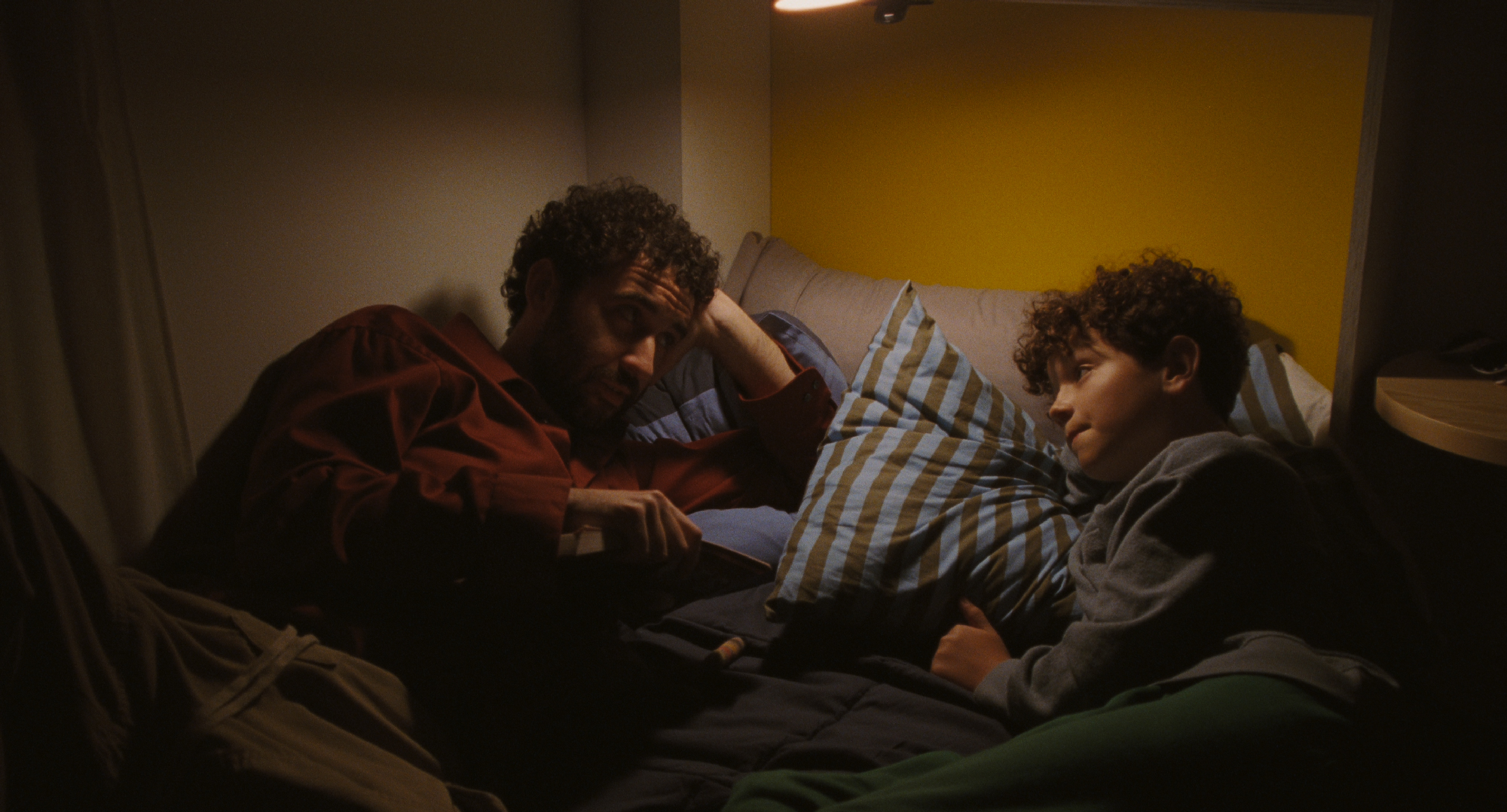
There are two club kids in Club Kid (opening Friday, Nov. 13), a 10-year-old and a 30-something-year-old, which lends the title a certain amusing ambiguity. The film’s prevailing theme, though, also embedded in its title, is the necessity of eventually leaving adolescence behind.
Writer-director-star Jordan Firstman, making his feature directorial debut, has crafted a crowd-pleasing gay coming-of-age story that lands in a poignant, rent-controlled place between (not too) sordid and (not too) sentimental. Club Kid feels original, thanks to its queer nightclub subculture and Firstman’s ability to evade the clichés of both the substance-abuse cautionary tale and the after school special.
The real secret to Firstman’s success is that he gives us characters we root for unabashedly, making their way in the (not too) gritty milieu of New York City. That’s an American cinema tradition, incidentally, that goes back to the Silent Era and Charlie Chaplin. Yes, I am drawing a dotted line from The Kid to Club Kid.
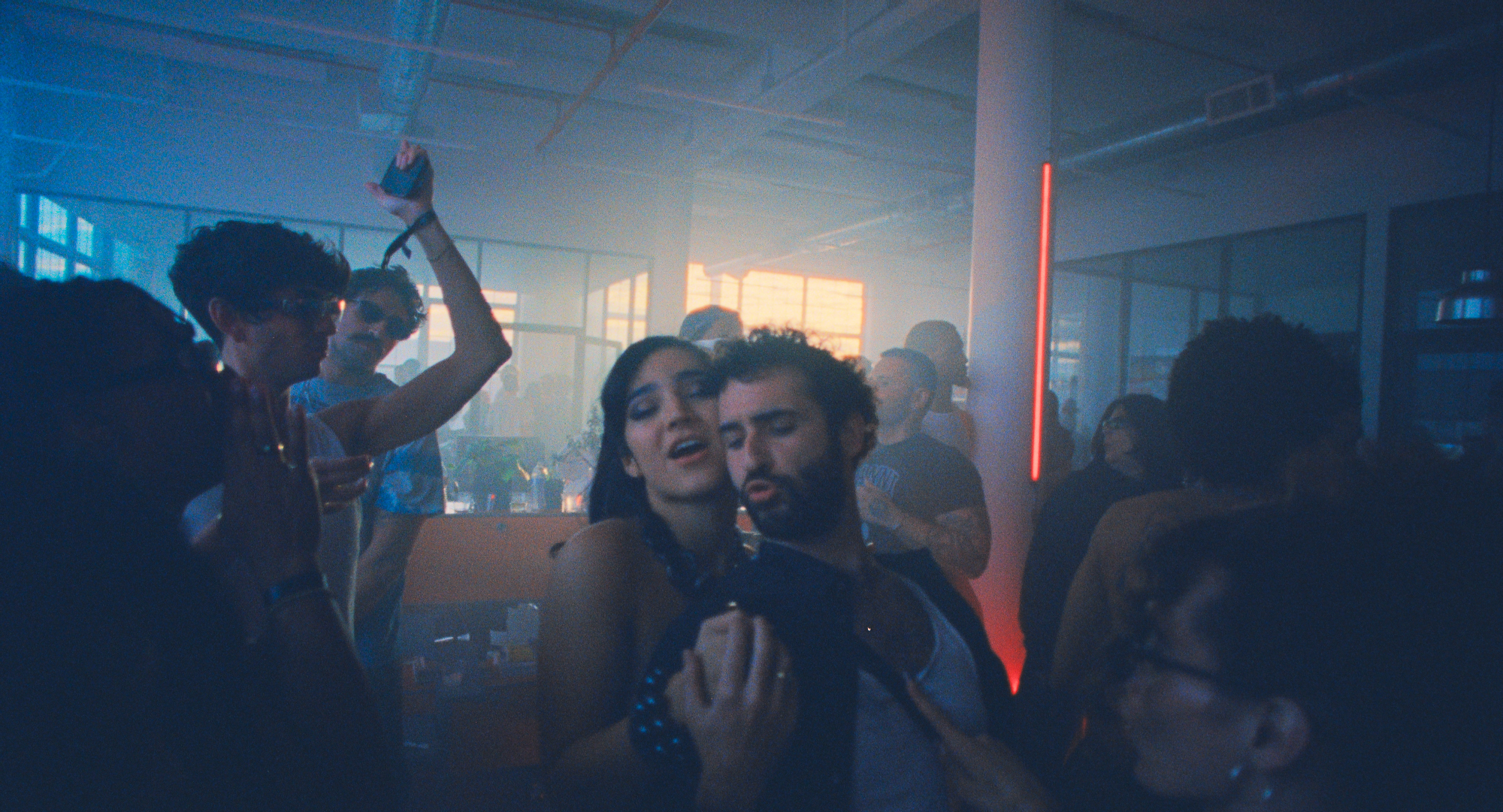
Club Kid begins with a loud boom as six gay and trans friends pile into a car to the beat of Rihanna’s “Sex with Me.” The place is Brooklyn, the year is 2016. The camera does a delirious 360 inside the car, including us in a joyful, privileged circle of the high (no explanation needed) and mighty (Peter, the chief instigator, is a hot, hip promoter taking his pals to his jam-packed club).
The energy and aliveness and, yes, shameless hedonism that drives the opening scenes effectively fuels the entire movie, and recharges Club Kid every time Peter returns to the labyrinthian clubs and dazed dance floors. The tagline for the movie could be, “Come for the party, stay for the hangover,” but that wouldn’t sell a lot of tickets.
The high-spirited beginning, you see, is merely a prologue. Jump ahead 10 years, and Peter (played with self-deprecating charm by Firstman) isn’t running the show so much as running on fumes. His longtime pal and business partner Sophie (Cara Delevingne, sharp in a business suit) has decided he’s too wasted and irresponsible for the ventures and brand opportunities she envisions.
To be sure, Peter has taken to augmenting his income by peddling powder refreshments to his customers, and it’s simple common courtesy to partake as well. He’s also getting high when he wakes up, and you’ve seen enough movies to know that Peter is dependent on drugs, the fun is long gone and he’s in a downward spiral. As that other Peter learned, fairy dust has its uses but lacks nutritional value.
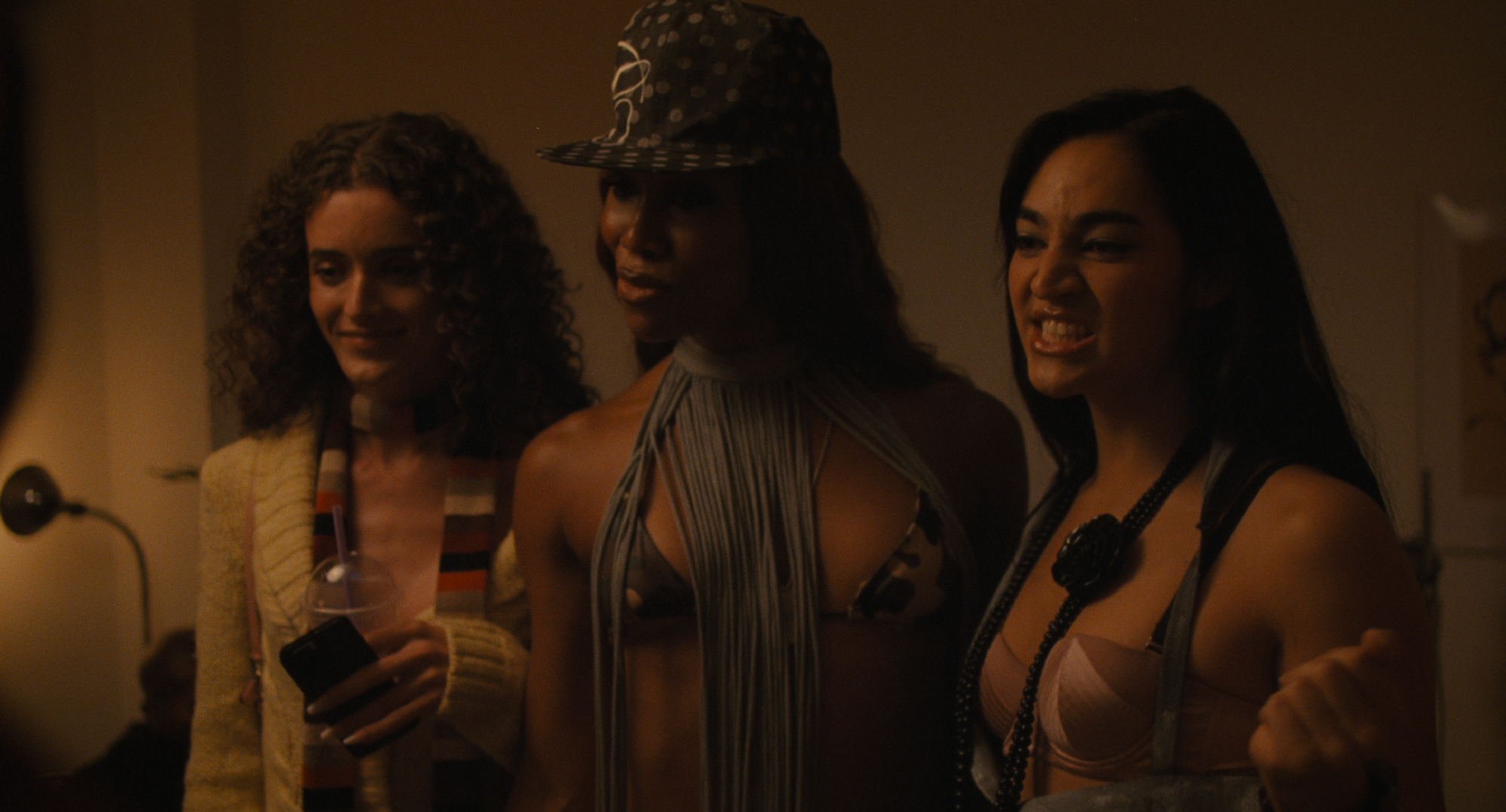
Peter doesn’t have a mean bone in his body, you should know, which makes him immensely likable. He openly admits to self-esteem issues, and his need to be liked is so great that he can’t say no to anyone. That makes him a pushover, a squish whose moral code is essentially defined as being a nice guy.
His friends, notably DJ Saffron (Saturn Risin9), are depicted as content and confident in themselves and their lives. Consequently, the club arena is portrayed as a mecca for youthful fun, and an outlet for creative energy. And a bastion of shameless hedonism, of course, seemingly immune from any real-world consequences.
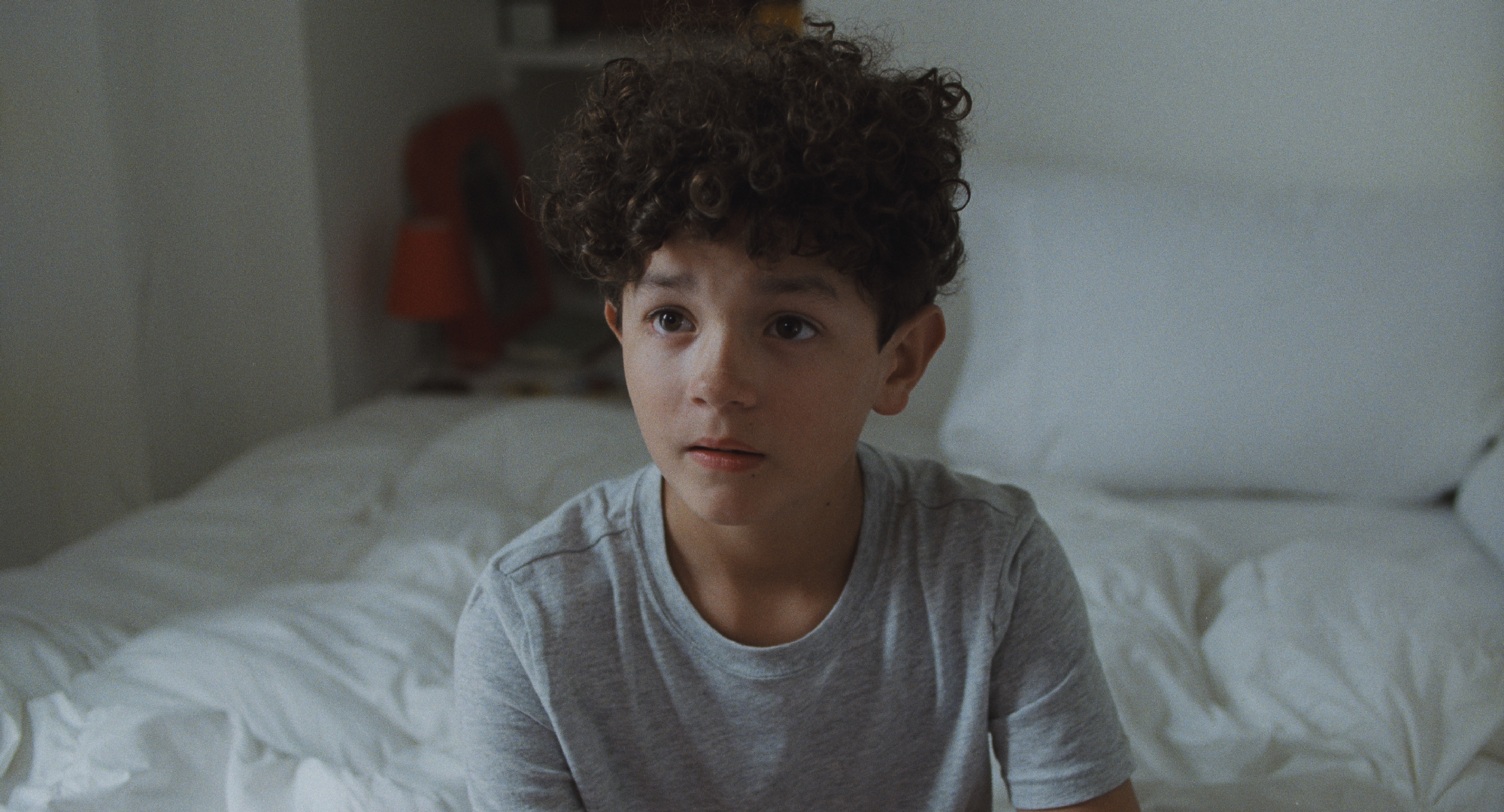
Until the aforementioned 10-year-old, Arlo (Reggie Absolom), turns up at Peter’s apartment in the company of a slightly addled Englishwoman (Kirby Howell-Baptiste). In a scene pitched at the crossroads of cringe and screwball comedy, she recounts a twisty, melodramatic tale whose punch line is that Arlo is Peter’s son and he has no one to take care of him except Peter.
Firstman’s debut comes after a decade of making short films and TV episodes. This used to be a well-trod career path for aspiring independent filmmakers developing storytelling skills, before the visual flash of music videos and TV commercials became the coin of the realm. (Now it’s TikTok and YouTube videos.) Firstman certainly can meld image and sound for rousing effect, but his forte is developing and revealing characters through scenes exploring their connection.
His screenplay is unexpectedly thought out; for all the chaos and cacophony and improvisation, every throwaway line and detail pays off. To offer one example, a just-this-once Venmo transaction when a late-night partygoer doesn’t have cash for coke — off the cuff and immediately forgotten in the buzzing maelstrom — painfully resurfaces at an inopportune moment.
The evolution of Peter and Arlo’s relationship has its moments. I have a hunch you’ll find the second half of the movie more satisfying than I did. Firstman clearly wanted to make a movie that celebrated and mainstreamed (a worthwhile goal after all these years, certainly) gay friendship, queer community and a few of the many ways in which “it gets better.” I’m looking forward to him going even further in his next film.
The audience response was unambiguously enthusiastic at the San Francisco premiere presented by SFFILM at the Castro Theater last week, an indication that Club Kid’s concerns and themes are universal. Everybody knows that the stamp-your-foot defiance of “I won’t grow up” is irresistible, until it isn’t anymore.
‘Club Kid’ opens in theaters across the Bay Area on Friday, Nov. 13, 2026.