Incredible Footage of a World-Class Party at Duke Ellington’s Apartment, Released 54 Years Later
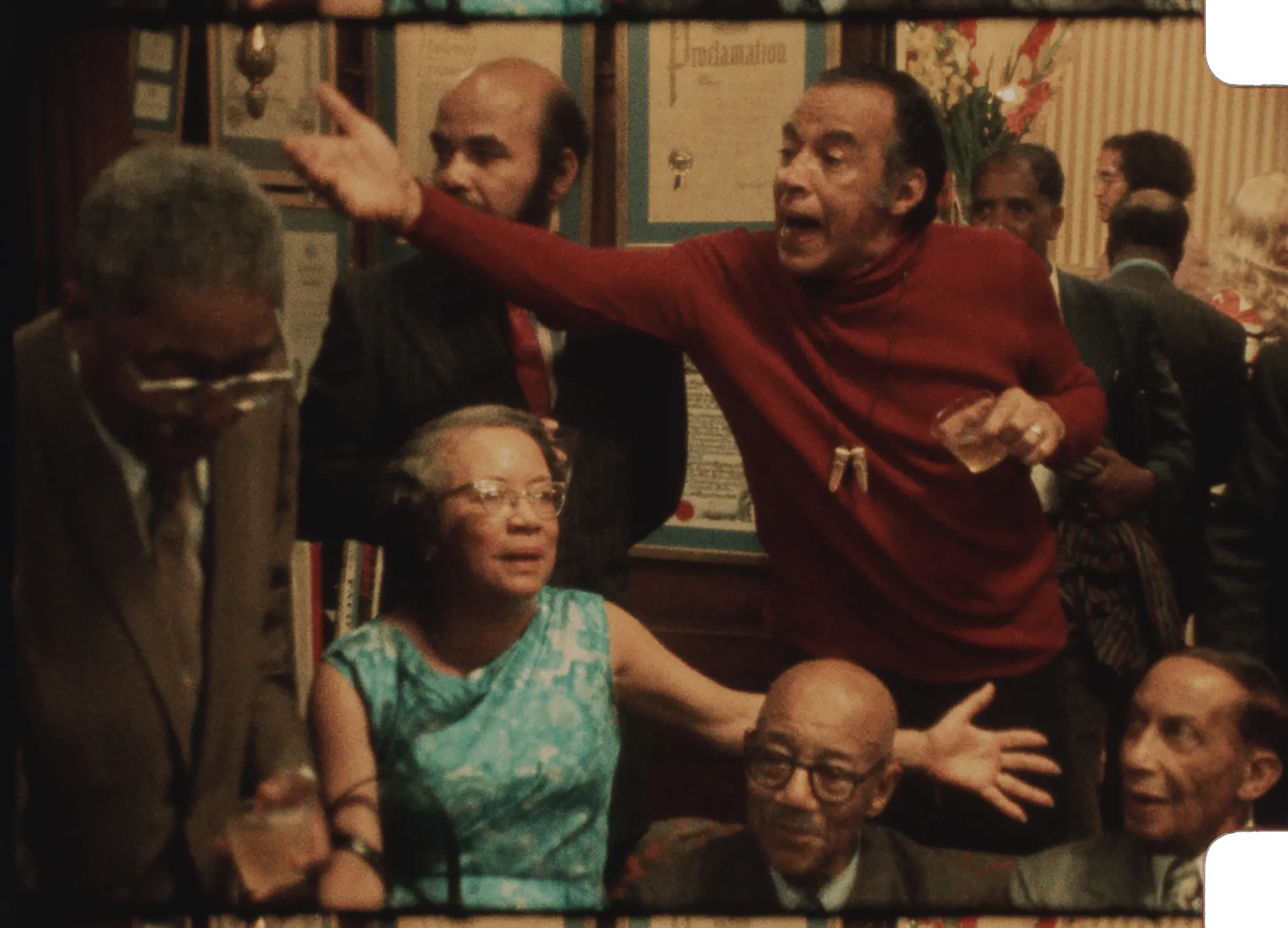
It’s an August night in 1972, and inside of Duke Ellington’s Harlem townhouse, there’s a cocktail party full of cultural giants.
Artists who contributed to the Harlem Renaissance, one of the most significant artistic movements in U.S. history, sip drinks and swap stories. Photographer James Van Der Zee, painter Romare Bearden and activist Louise Alone Thompson Patterson are present. They’re joined by the likes of scholar John Henrik Clarke, music composer Eubie Blake and others, as the group discusses big questions. Namely, What was the Harlem Renaissance?
This gathering forms the basis for the new documentary Once Upon a Time in Harlem, which is part national treasure, part family heirloom, all wrapped up in a 100-minute film.
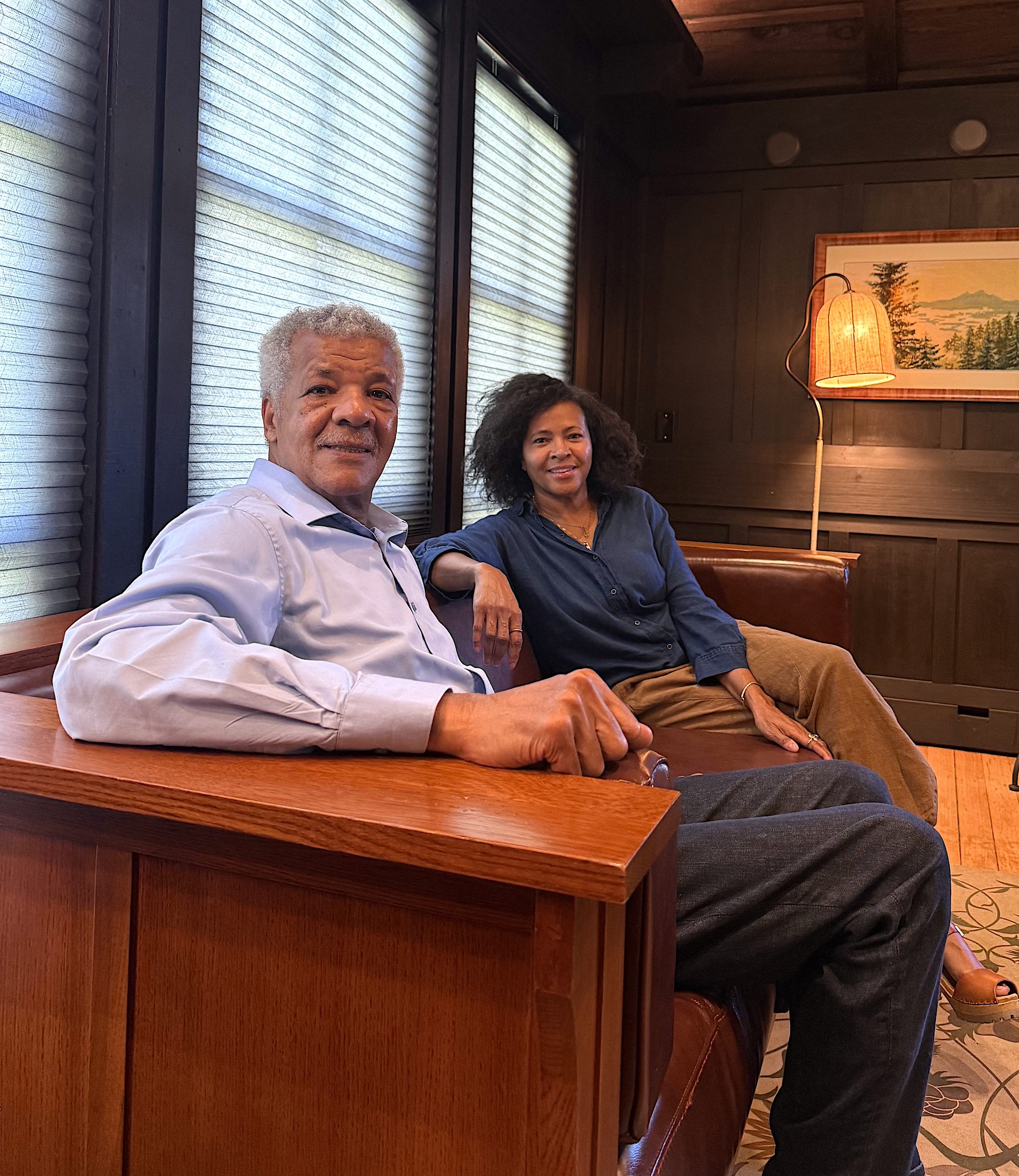
Once Upon a Time in Harlem comes to the Bay Area this weekend at screenings in San Francisco, Berkeley and Oakland, each accompanied by a Q&A with the filmmaking daughter-father duo of Liani Greaves and David Greaves.
Before a screening at the Mill Valley Film Festival earlier this month, Liani and David shared a green room couch as they explained that the production of Once Upon a Time in Harlem actually spans three generations. The original 1972 footage was orchestrated by David’s late father, the filmmaker William Greaves, who also organized the party in the film.
William, a member of the Black Filmmaker’s Hall of Fame, is most widely recognized for the landmark experimental film Symbiopsychotaxiplasm: Take One (1968). But David says his father did much more. He did communications for the United Nations and acted alongside Sidney Poitier, he made films about historical figures and documented the times — specifically Black America in the mid-1900s.
“He has a whole body of work,” David says of his father’s vast catalog.
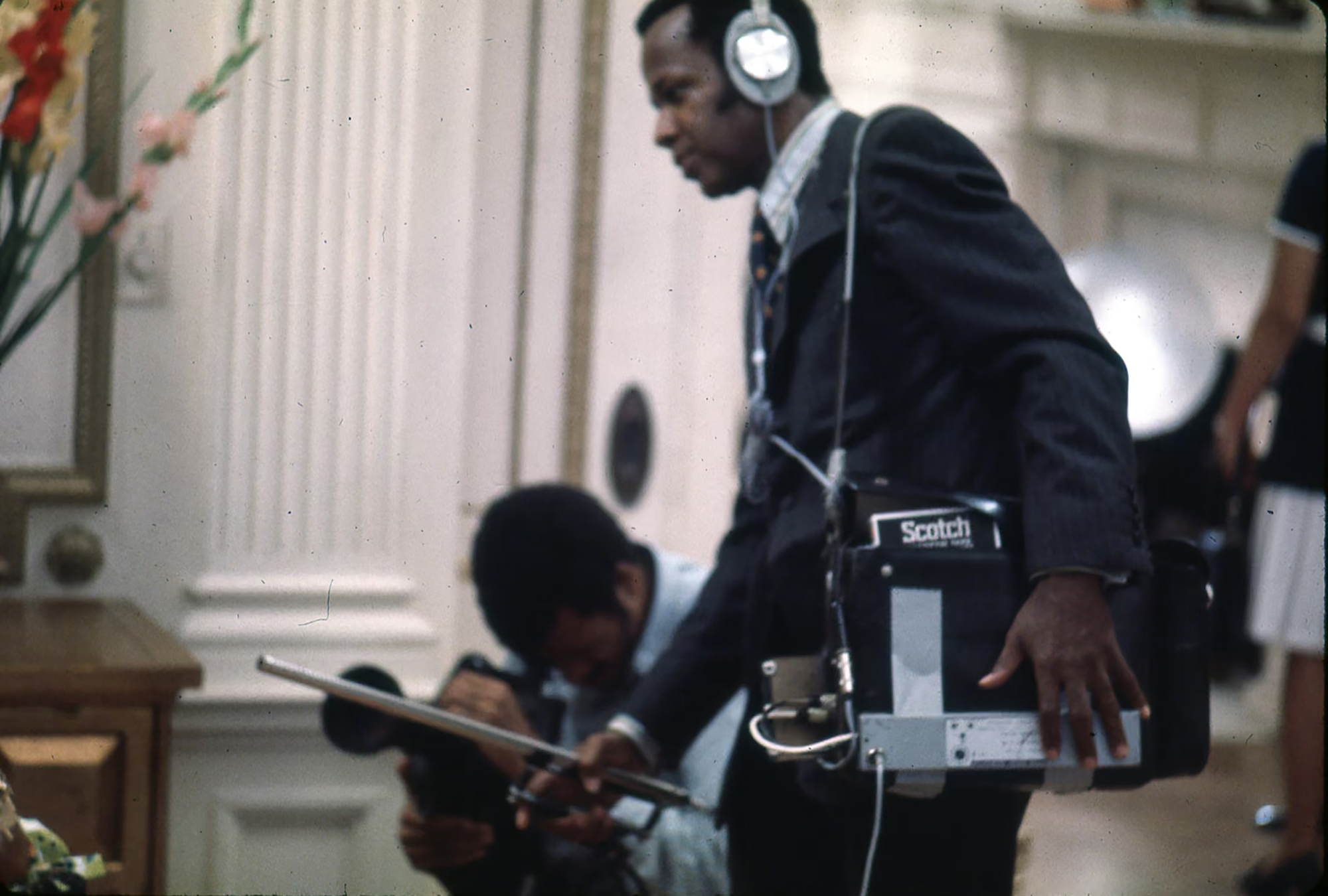
Liani adds that her grandfather made over 79 films and worked on 200 others, but he always considered the footage that came to be Once Upon a Time in Harlem “the most important event that he’d ever put on film.”
The subject matter certainly helped. The Harlem Renaissance of the 1920s was a period of high art, fly fashion, political astuteness and intellectual prowess. In the film, writer George Schuyler characterizes the period as “an awakening of people who wrote and thought,” while poet Arna Bontemps praises its “prism reflecting all of the Black experience, from the beginnings to the present.”
William died in 2014, and both David and Liani credit William’s widow, Louise Archambault Greaves, for preserving the footage and encouraging them to pursue the project. (Louise herself died in 2023.) Once in possession of the reels, the duo worked with editors to restore William’s footage of the salon-style gathering from over 50 years ago, pulling the most moving clips from over 60,000 feet worth of 16mm film.
“You just sit down and go through it,” David tells me with a laugh, reflecting on the filmmaking process. “It’s just a matter of looking at it all.” As a young adult, he was actually one of the cameramen present that day, but David says he doesn’t clearly recall the shoot.
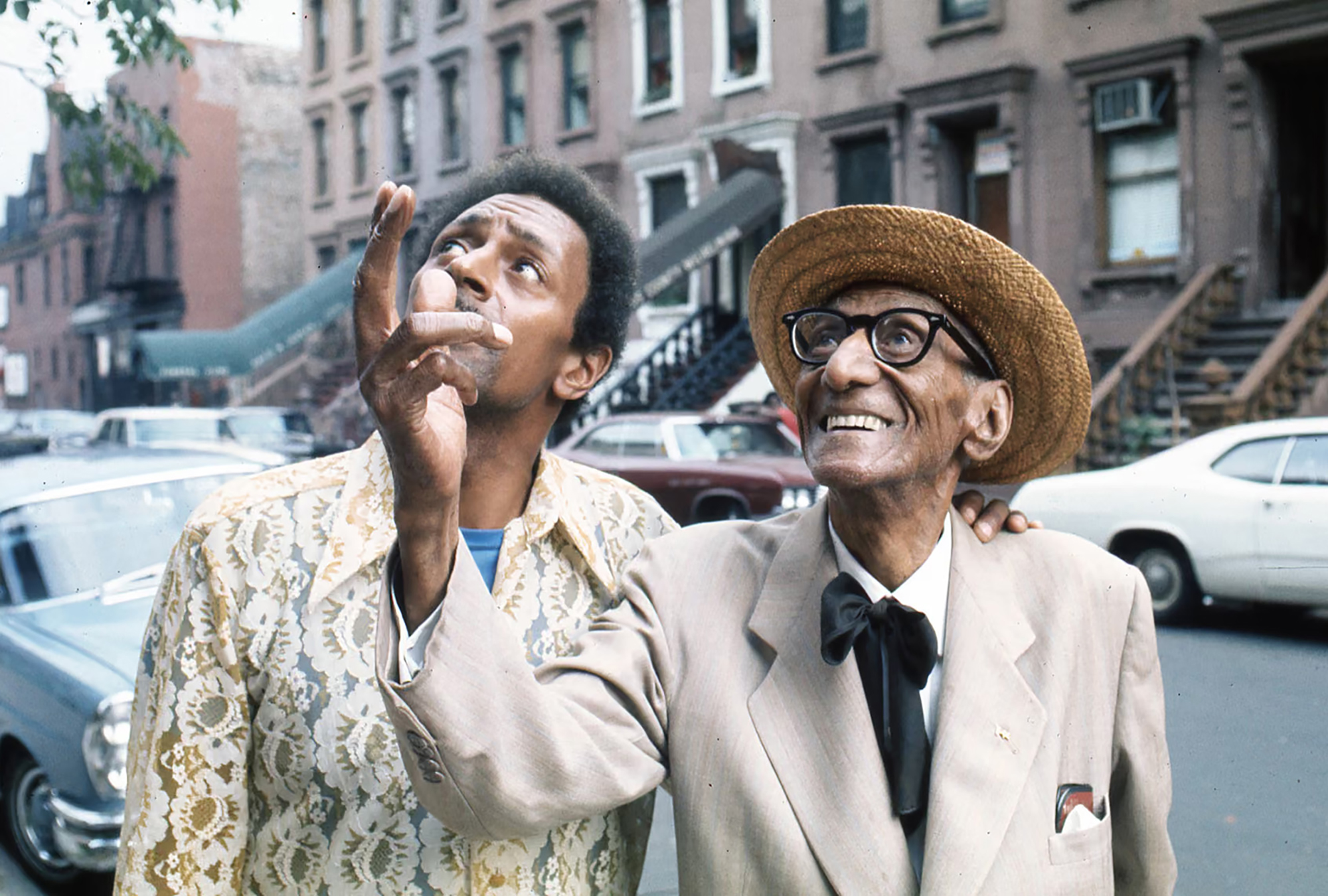
During the editing process, Liani noticed that of the artists in the film who contributed to the Harlem Renaissance, “many of them say they didn’t know that that’s what they were doing,” she says. “They were just being artists.”
Liani, who earlier in her career worked on cult classics I Like It Like That and Above The Rim, says that in making Once Upon a Time in Harlem, she saw the importance of “paying attention to your now,” because “this is history being made, this is the legacy.”
In the course of conversing, some elders recite full poems and monologues from memory. “That’s who they were,” David Greaves tells me. “The poetry of the time was so much of an event, and so geared into what was happening,” he says, referencing pieces like Claude McKay’s “If I Must Die” and Langston Hughes’ “The Negro Speaks of Rivers.”
“I think about how hip-hop too, has a place in telling the times,” says Liani. “That’s what the poetry was.”
She also credits the lack of modern technology for the elders’ ability to recite lines from 50 years prior. “That is what your brain would look like without being on cell phones,” Liani says. Being in your 80s with a keen mind, she adds, is the product of regularly reading and writing things out by hand. “And it’s pretty amazing.”
At points, the film shows contention between attendees, as the the cross-room discussion turns into a sparring match about the significance of certain historical figures and works of art. “Not everybody agreed with everyone else across the board,” Liani says. “But much of the Renaissance is about that — it’s about them getting together anyhow.”
Also important were the spaces where all that getting together took place, including the public library. “They were very much the nucleus for so many of the artists,” says Liani of the library branches. “The librarians were that first stop, they were the ones that were introducing people to each other.”
After closing time, librarians would invite people into their private residences to continue the conversations. In the film, librarian Regina Anderson Andrews reflects on how Langston Hughes might be writing a poem in one corner while Aaron Douglas sketched in another. “It’s exciting to think about that,” says Liani, “and to think about it now — could that happen now? Those are the things that would need to be happening. The artist would need to be really in that space.”
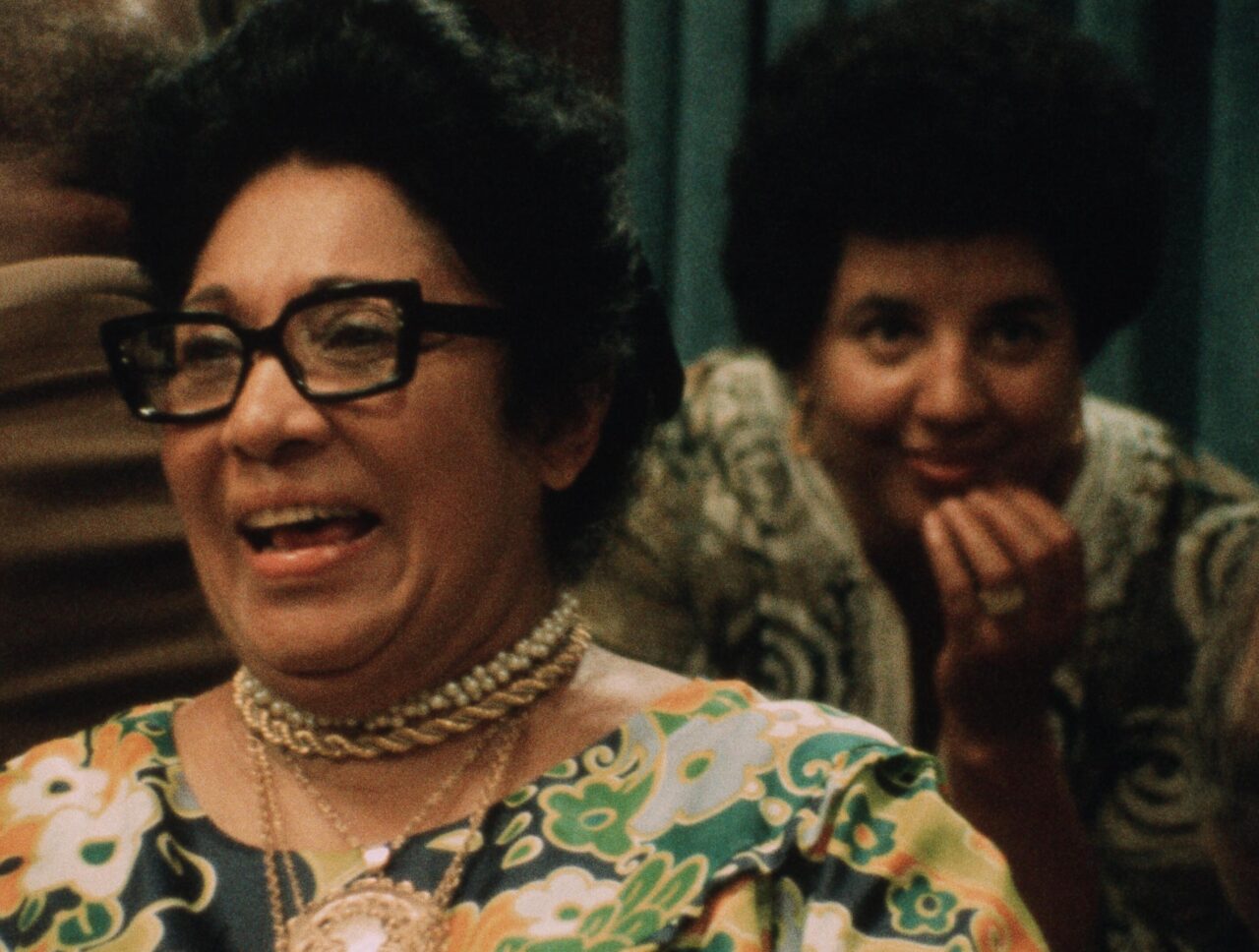
The documentary is dense, and almost calls for a notepad to write down the names of historical figures who deserve more fanfare, like the successful businesswoman A’Leila Walker or the multitalented performing artist Florence Mills.
Throughout, the audience is subtly reminded this was a group of people from the African Diaspora — some one generation removed from U.S. slavery, others children of immigrants, but all immersed in the pursuit of intellectual growth and artistic expression.
And beyond the narrative onscreen is the story of a family working together, and allowing viewers to soak up a slice of history, with a side of spiritual stewardship.
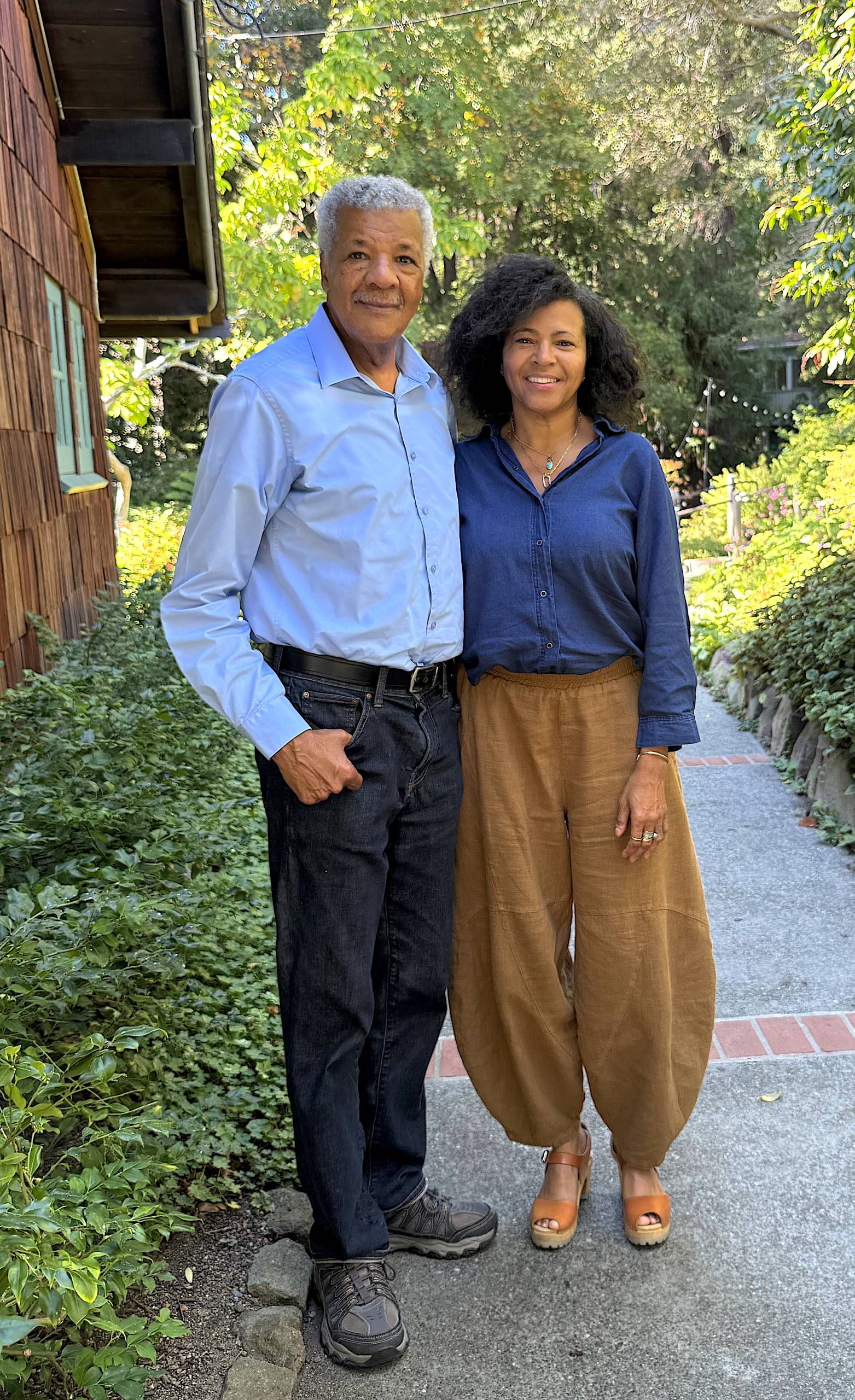
“Well, it certainly wasn’t planned,” says Liani about working with her father. The two share a birthday of Oct. 2 and a love of laughter, the latter of which was key to the filmmaking process. “Humor is important,” she says, sitting next to her dad. “We don’t take anybody too seriously.”
But there’s balance, as they both know how important this work is.
“It’s so precious,” Liani clarifies, adding that the combination of care and joy are the key ingredients. “We wanted for this to be a really beautiful experience because we knew the creation of it would honor my grandparents, and also those ancestors that are in the film.”
Once Upon a Time in Harlem screens at San Francisco’s AMC Kabuki 8 on Friday, Oct. 30; Berkeley’s Rialto Cinemas Elmwood on Saturday, Oct. 31; and Oakland’s Grand Lake Theater on Sunday, Nov. 1. Filmmakers Liani Greaves and David Greaves will be present for each screening.