Making Their House Into a Home Full of Black Art
Living rooms are often filled with family mementos, shelves full of books, or maybe a TV, turned on as background noise for rowdy conversations.
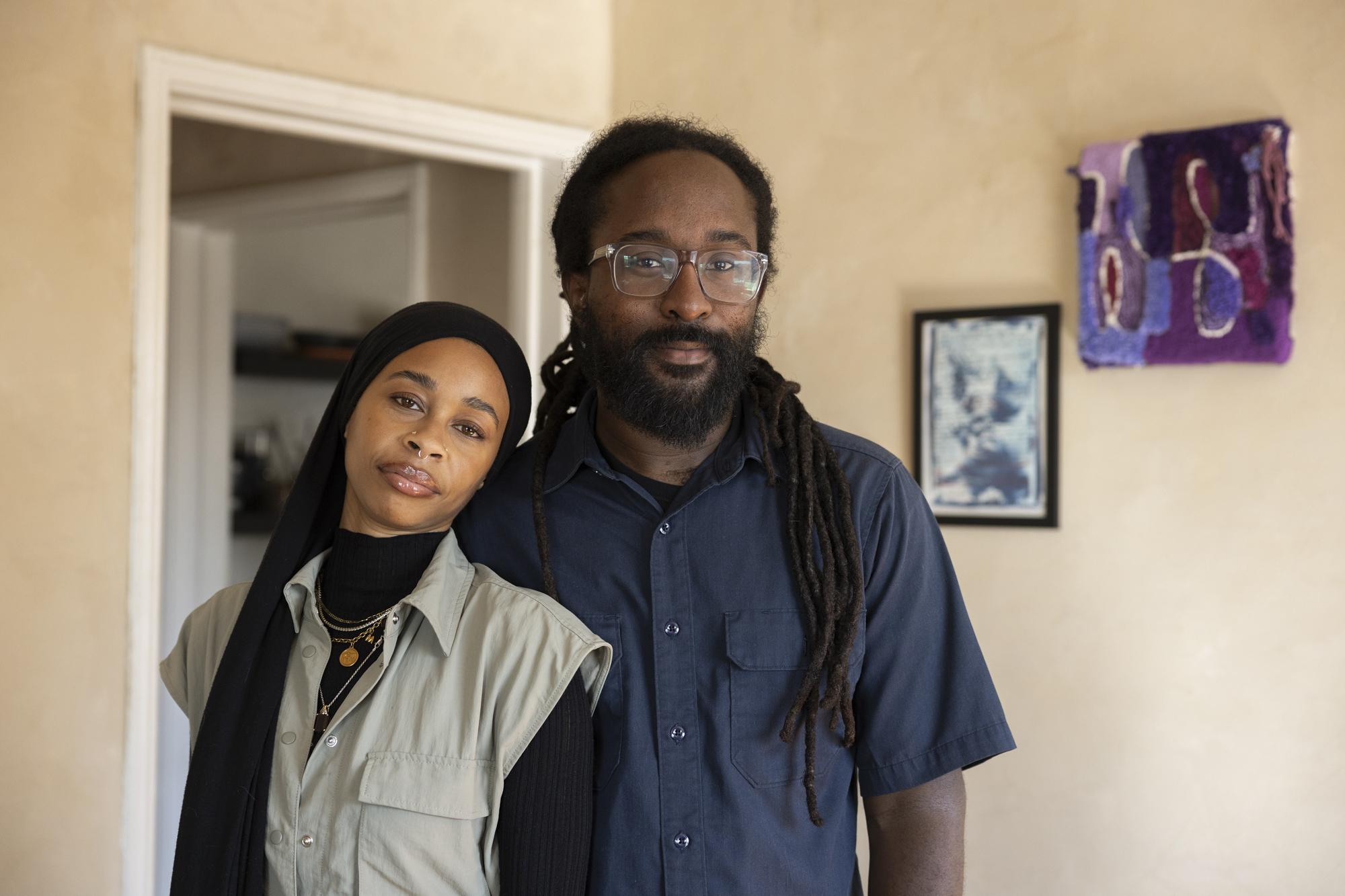
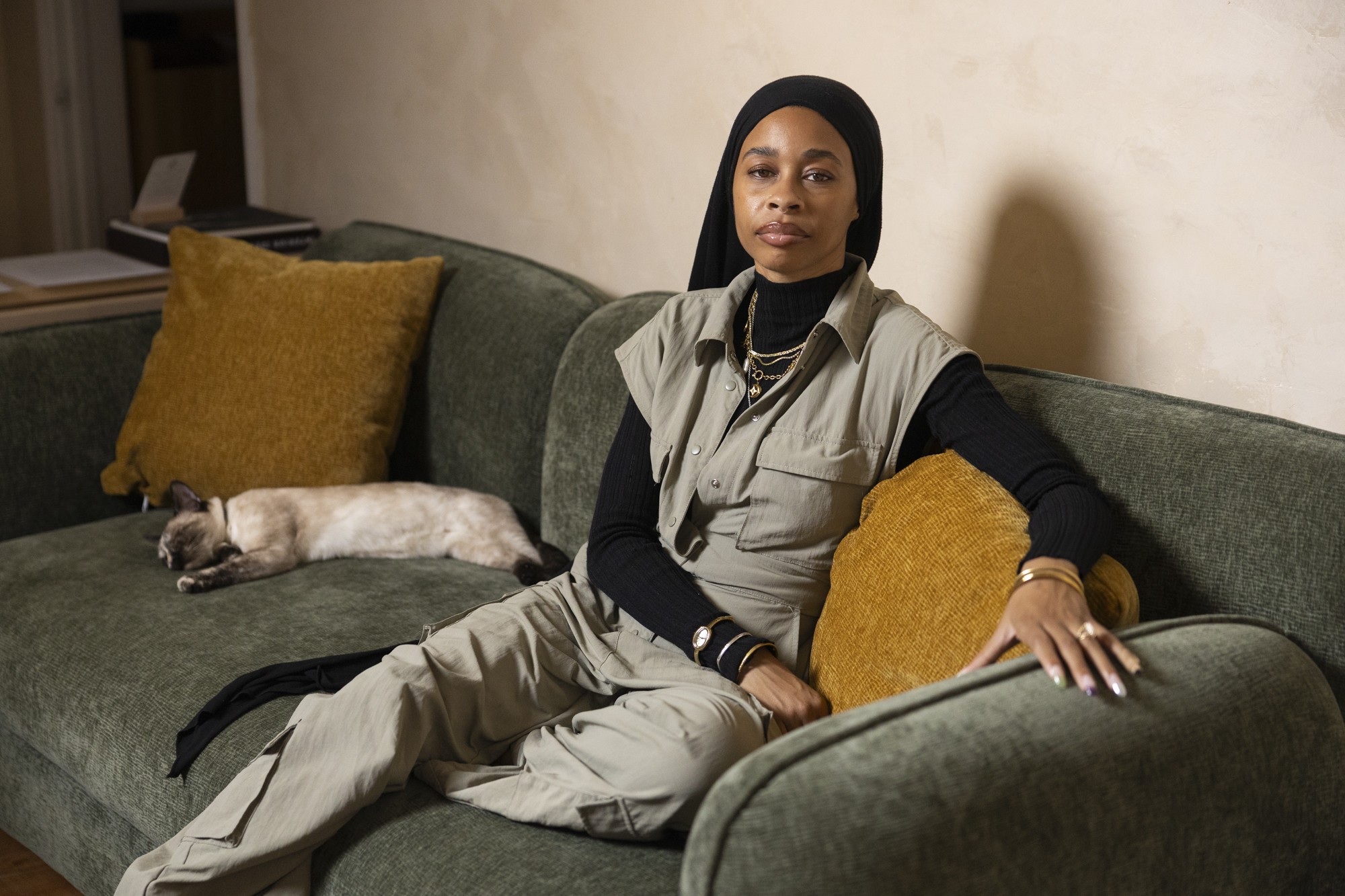
Meanwhile, the walls inside the East Oakland home of Nyallah Muntaqim and Musa Bey are filled with art. On a recent visit, as Muntaqim sits on the green couch, a white painted hammer nearby looks as if it were smashed into the wall, with roots growing from it, by Antioch artist Tunmi da Silva.
Muntaqim and Bey, wife and husband, cofounded Streetlight Gallery in 2025, during San Francisco’s second annual Black Art Week. The choice to use their home came from example: as a child in the Bay Area in the early 2000s, Muntaquim would often attend art exhibits inside people’s homes, seeing Black art sold to Black people in a direct, communal way.
“I would be remiss to not call on that history and inspiration,” she says today. As a young visitor to these spaces, Muntaqim had “one of those bucket-list dreams where it’s like, ‘One day, I want to own a gallery.’”
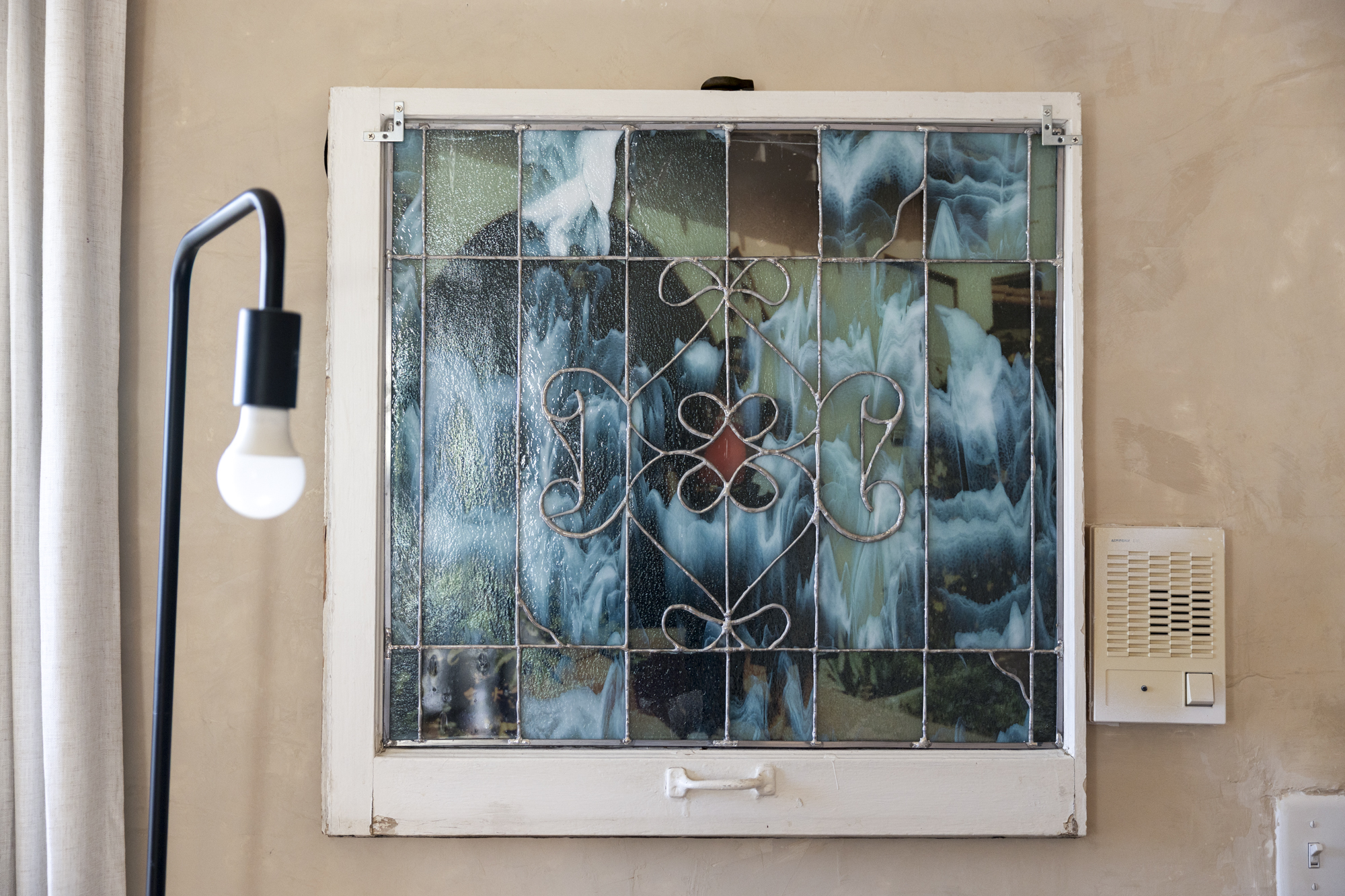
Once she and Bey realized it would be possible in their own house, they decided to develop the space as a hub for Black artists. The reasoning was simple: “I’ve seen art change people’s lives, at every point in my life,” she says.
Art has certainly changed Muntaqim’s life. She dove into visual art when her therapist suggested it as a way to mitigate the pressures of her job as a housing placement case manager. She started by learning skills from a muralist friend, and devoted her post-work hours to watercolor paintings and charcoal drawings.
The combination of Muntaqim’s art practice with her strong organizing background brought Streetlight Gallery to life. She thinks back to Tales of The Town, the 2022 photobook, film and album from the creators of the Hella Black Podcast, which brought different communities of Oakland together to recall parts of the city that raised them. It reinforced the idea that art makes the biggest impact when it’s coming from a communal lens.
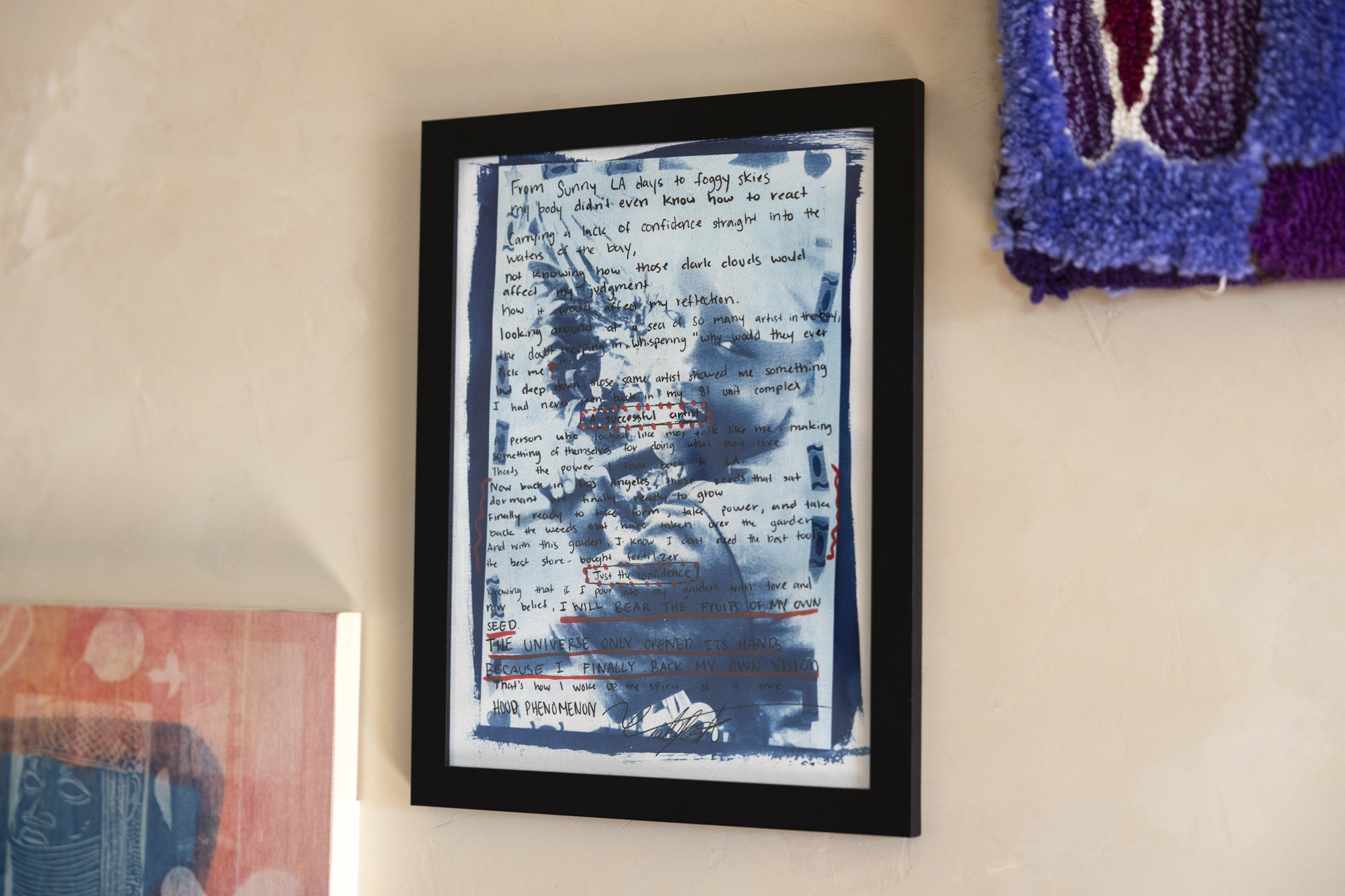
“I realized how important it is for Black folks here in the United States, but also the diaspora, to create work that is inherently political,” she says. “But what does it mean for us to be intentionally political in our work, and our choices, and what we do?”
This question framed the ethos of Streetlight Gallery. The gallery’s first show was titled A Call Home, and showcased work by Black artists throughout the Bay who use home as a foundational theme in their work, like Dartaiane Beamon, Asari Aibangbee, Thai Hill, Chidera Nwadike and others.
Thai year, Streetlight has mounted a second edition of A Call Home, addressing the cyclical relationship between the Bay Area and Los Angeles. The six artists whose work is on view are either from the Bay and based in Los Angeles, or from Los Angeles based in the Bay.
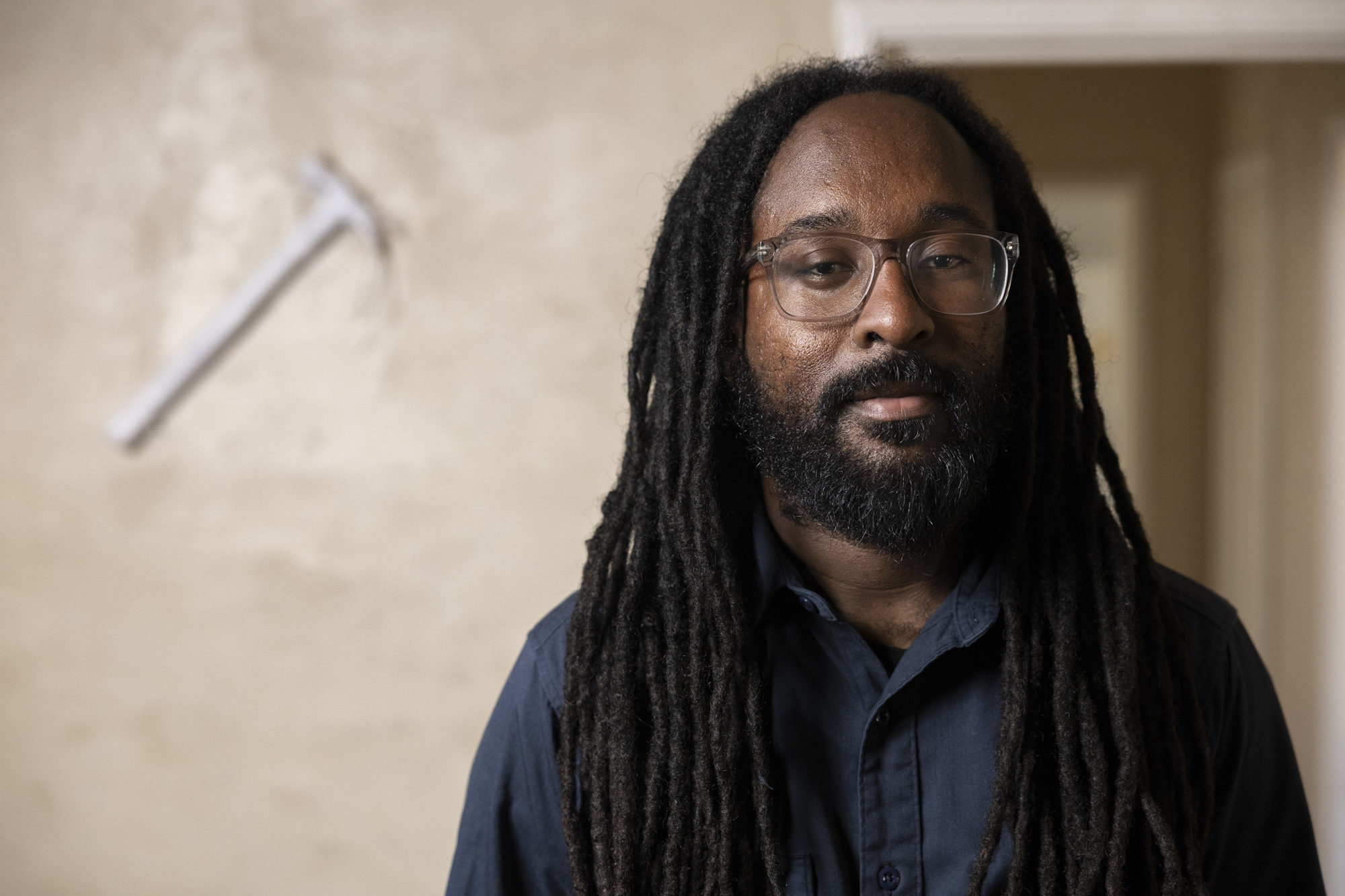
Tunmi da Silva’s work in the exhibition shows her connection to the Bay Area through her Nigerian family, and putting her work in Streetlight Gallery specifically means a call to home.
“We need spaces that are entrenched in our communities, that are supporting artists who come from our displaced communities. Streetlight supports artists with exhibition space, and gives us an opportunity to come back and speak to and with whoever’s in the area still,” da Silva says. “There has to be some marker, some archive of people who have existed in the city and in specific areas within the city. Showing with Streetlight just felt right.”
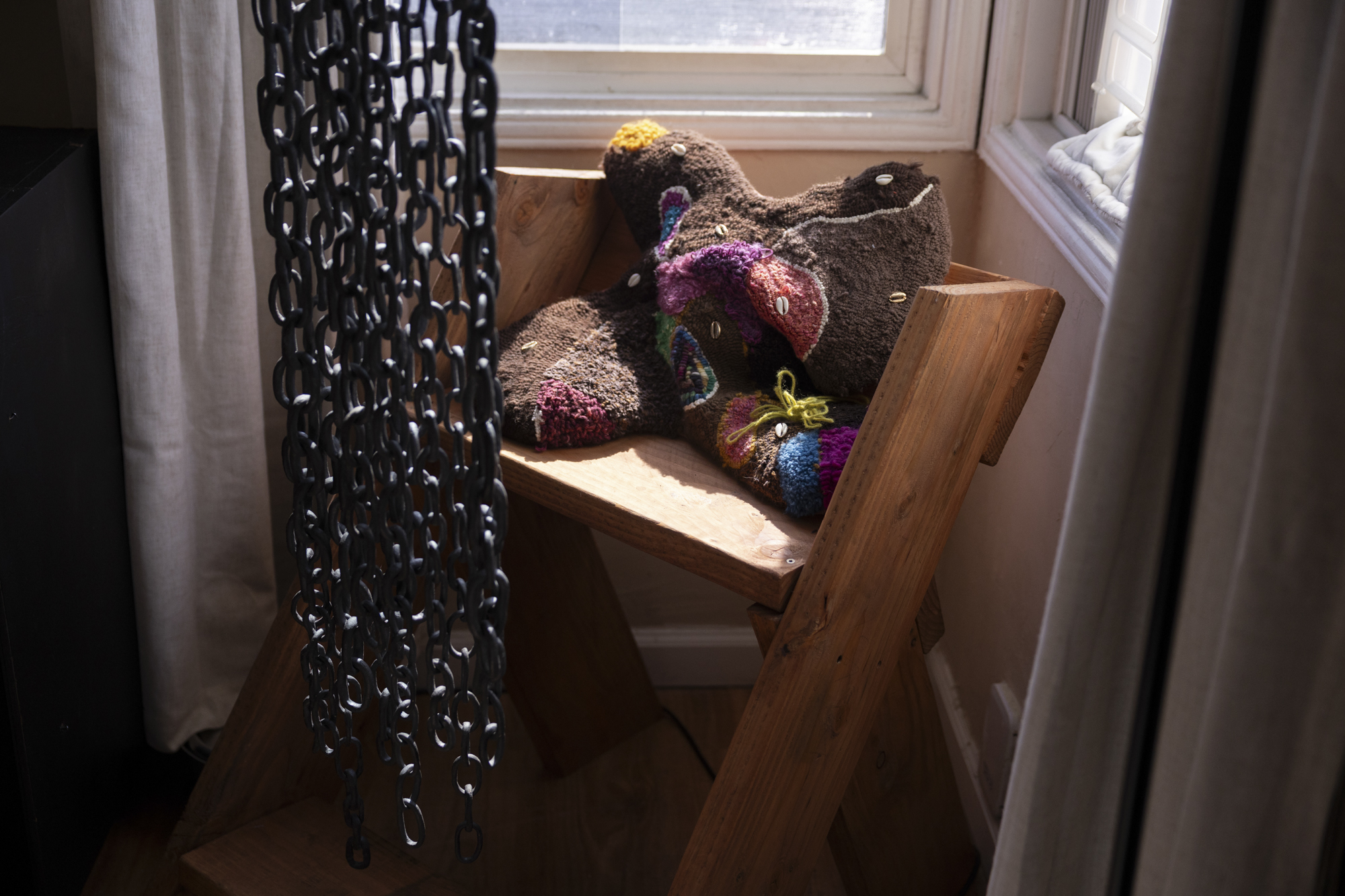
Da Silva and the other artists in the exhibition show the depth of their experience through woodwork, textile, pottery and other mediums, with familial ties at the center. The work expresses the movement of Black art and life throughout California, and shows how the Bay and L.A. — sometimes rival regions — rely on and influence one another.
“I want people to see that the Bay Area is not just a place of exodus, high rent, Silicon Valley and tech bros,” Muntaqim says, adding that she hopes people recognize “this place of really rich cultural creative history that still exists today.”
Streetlight Gallery follows a tradition of Black-owned art galleries in the Bay Area, like B. Love’s Guest House, Tiffany Conway Studio, Jenkins Johnson and many others. Part of that was borne from necessity, as major spaces formally centering Black art are a relatively recent development. The Museum of the African Diaspora (MoAD), for example, didn’t open until 2005.
As the Bay Area continues to change with each tech boom, one thing is constant. “Black creativity has always been foundational to the cultural fabric of the Bay Area,” MoAD’s executive director and CEO Monetta White says.
“Black artists have helped shape who we are as a region, and celebrating their work honors that legacy,” White adds. “It also affirms that our community is still here, still creating, and still proving that what’s made in the Bay resonates internationally.”
‘A Call Home: Bay to LA’ is on view through Nov. 30 at Streetlight Gallery in Oakland. Viewing is by appointment. More information here.