In New Memoir, Lil Jon Salutes The Bay Area
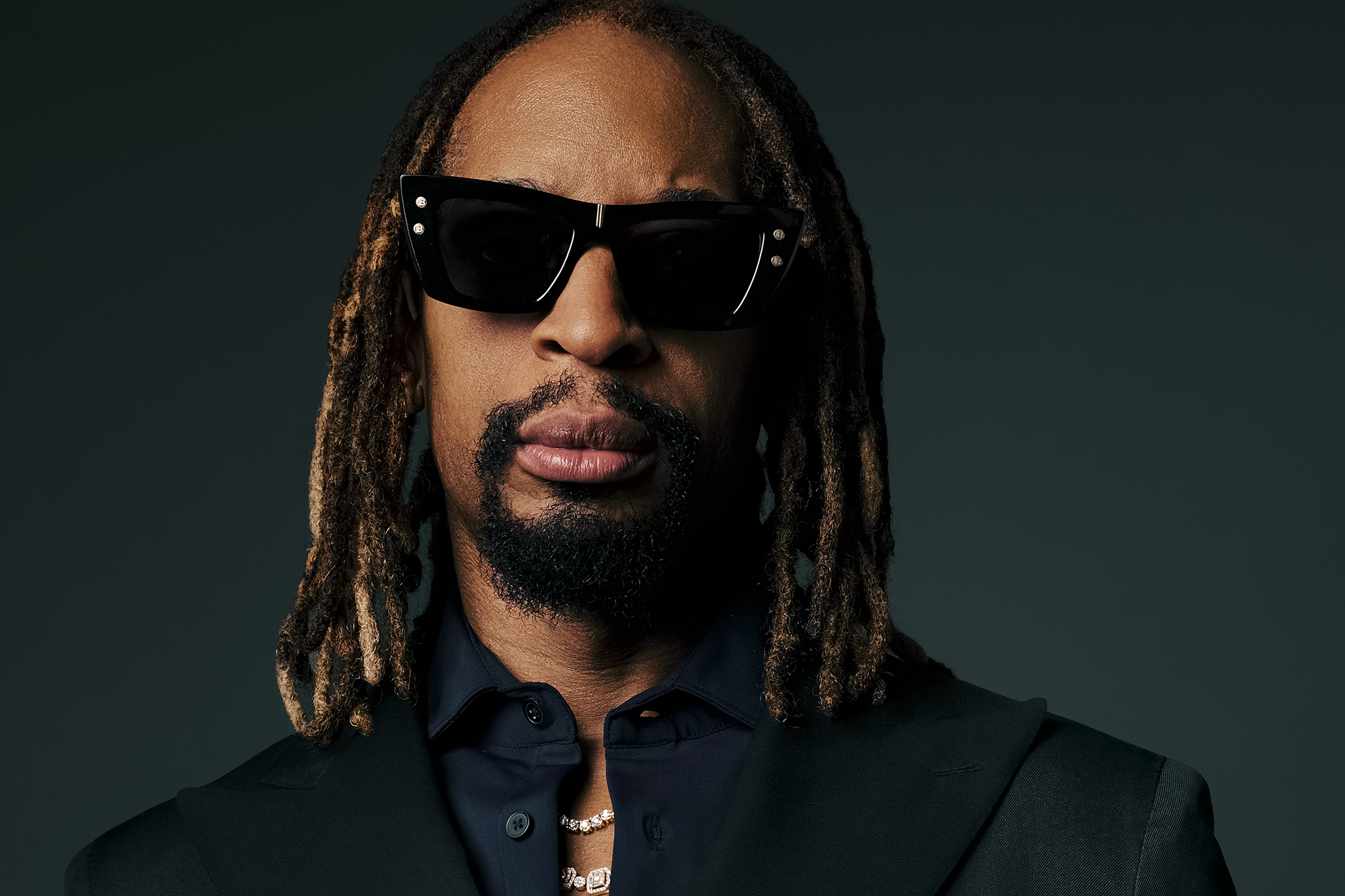
So it’s 1999, right, and I’m a teenager at a sweaty house party on High Street in East Oakland. There in the living room of the small apartment, kids in Carolina blue velour sweatsuits and grey Gap hoodies are dancing to CDs playing on a home stereo.
As the song “Couldn’t Be a Better Player” comes on, the room erupts.
The Lil Jon track, featuring Too Short, has strings that marinate with a menacing bass line, creating a beat that says “I’m cool but don’t test me” – the same edgy-player mentality is reflected in the lyrics.
As the song rattles the living room, the kids in the center of the circle catch the beat, “hitting that shit,” “fuckin’ with it.” All the other partygoers, myself included, bounce with a frenetic cadence. Heads turn and fingers twist in the air, as people rep their neighborhoods with exaggerated mean mugs on their faces.
It’s hyphy in its natural state, before it became the movement we know today. It might’ve been the first time I went dumb at a party.
It was definitely my first glimpse of what Lil Jon’s music can do to a function.
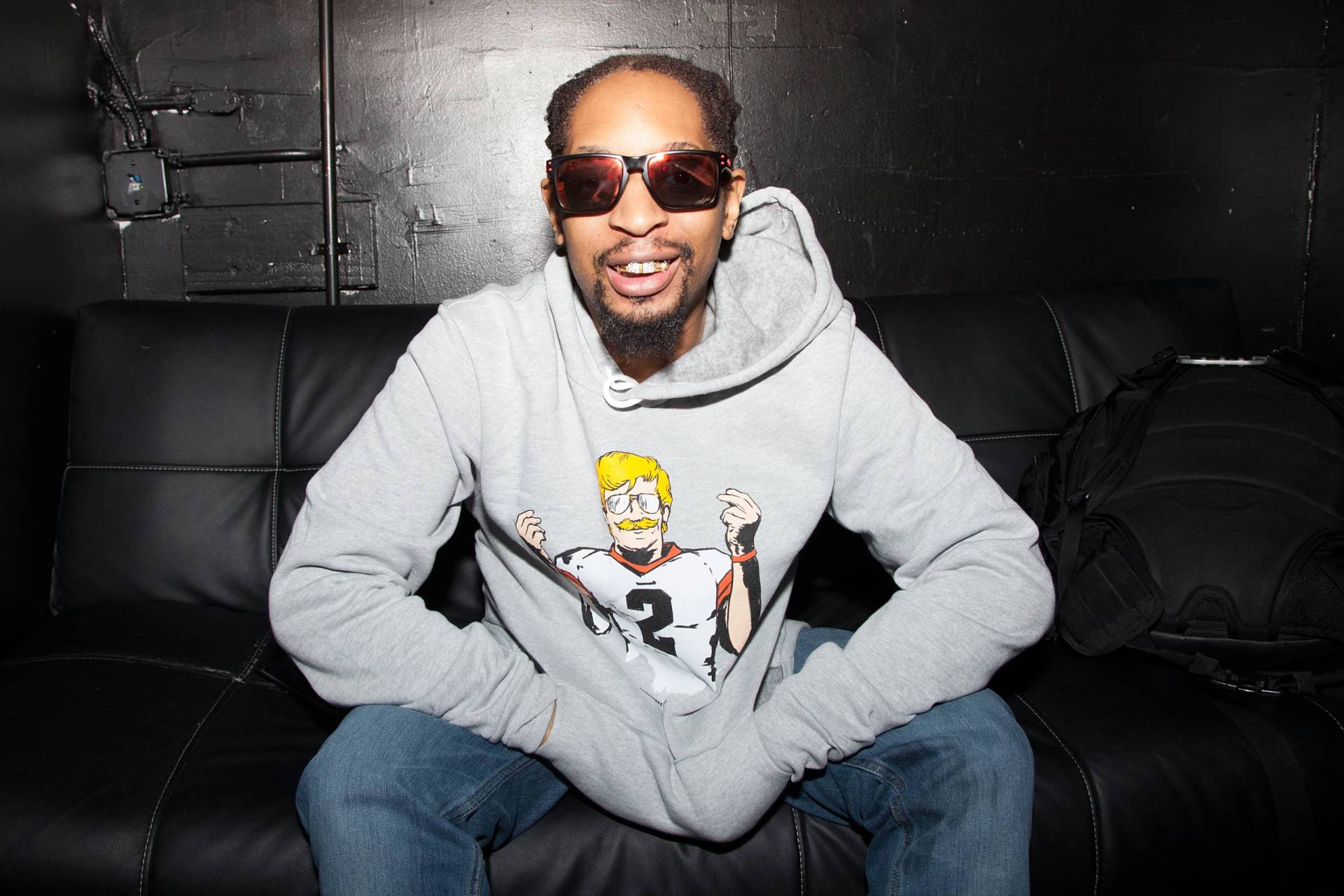
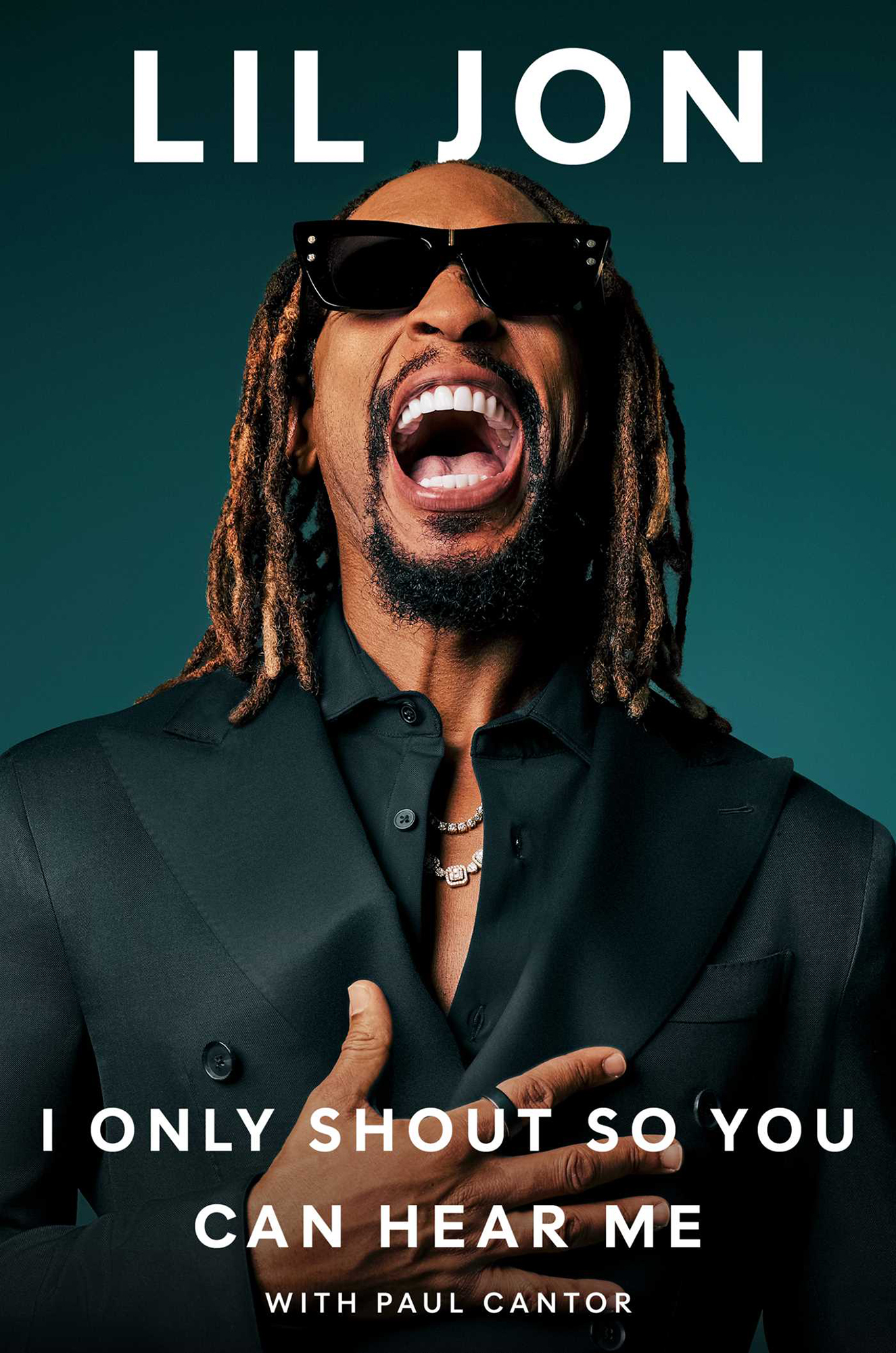
In his new memoir, I Only Shout So You Can Hear Me (Atria/Black Privilege Publishing), Lil Jon stresses that understanding his music doesn’t come from simply listening. In order to truly appreciate his art, he insists that his hyperactive rhythmic chanting needs to be physically experienced.
“We didn’t rap,” writes the Grammy-award winning King of Crunk. Instead, Lil Jon says he and his collaborators the East Side Boyz brought people from all backgrounds into the the world of ATL nightlife. “You put on our music, you watch our videos, and you felt like you were right there in Atlanta, wilding the fuck out in the club.”
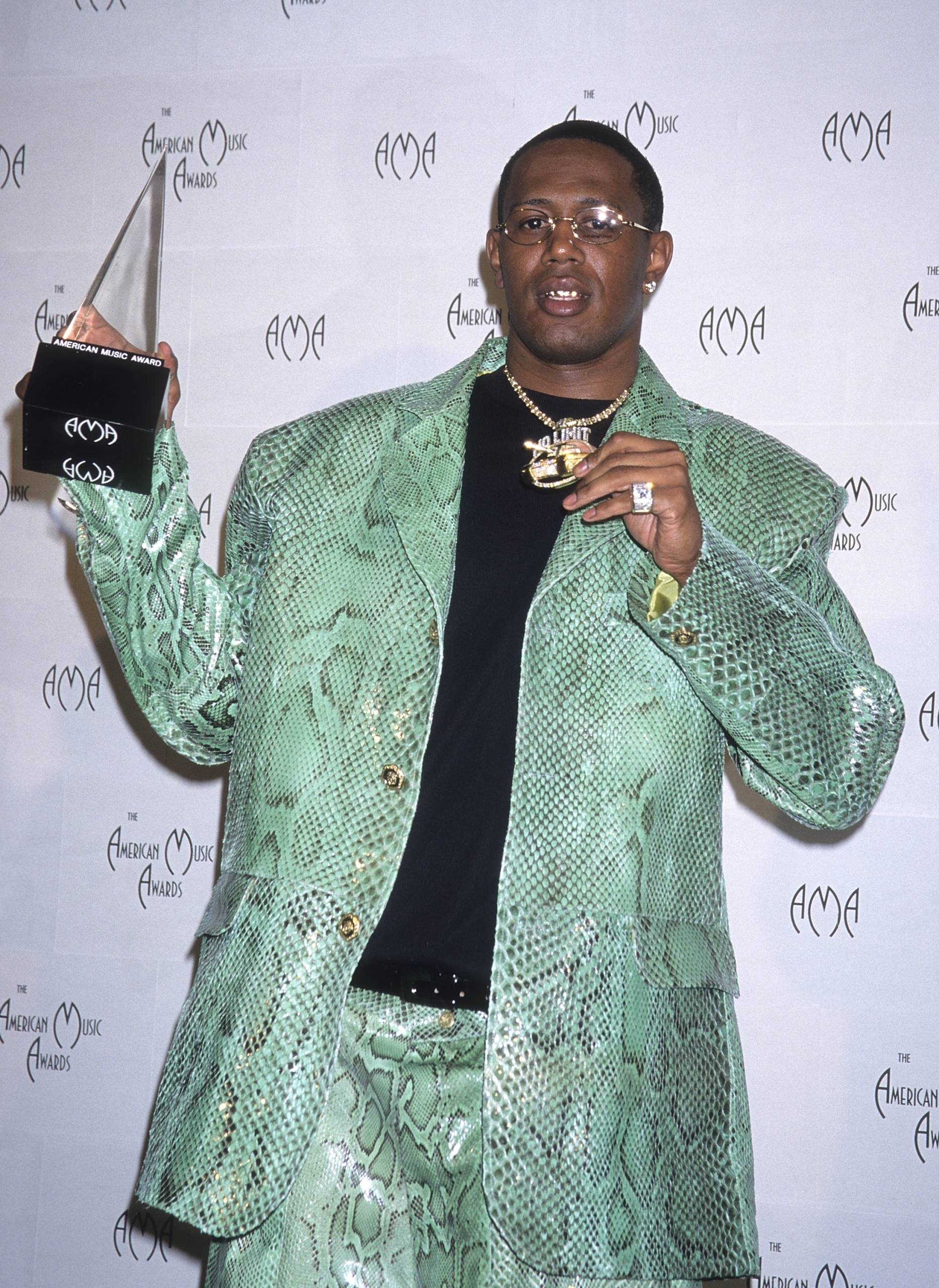
Co-written by Paul Cantor, the book is a detailed account of Lil Jon’s middle-class upbringing in Southwest Atlanta and his years pounding the pavement while laying the foundation for his meteoric musical career. It also delves into Lil Jon’s spiritual side and the ways he’s navigated trauma, specifically the death of his son Nathan Smith, who tragically drowned in February of this year.
Born Jonathan Smith, the producer and entrepreneur grew up in the biggest house on his suburban cul-de-sac, where as a teen he threw raging parties. As he matured, he started hanging out in strip clubs. It was through the world of chicken wings and stripper poles, as well as the college students at the Atlanta University Center and people attending Freaknik, that Lil Jon found his target audience.
He bottled that influence in a sound that resonated well beyond Atlanta, and especially with teenagers in East Oakland. It even reached Oakland-born former Vice President Kamala Harris.
“And seriously,” writes Lil Jon, “who would have thought that when we recorded “Get Low” — a song that talks about skeeting — I’d be performing it two decades later at the DNC?”
Lil Jon’s resume is deep. He’s produced songs for the Ying Yang Twins, Ludacris and Snoop Dogg, Ciara and T-Pain. He’s made multi-platinum selling music with the likes of Los Angeles pop group LMFAO and Miami mega-star Pitbull. In 1996, he worked on the Ghost Town DJ’s classic contribution to the culture, “My Boo.” Thirty years later, he produced Something’s in the Water, the recent album by Vallejo rapper LaRussell.
The book takes readers deep into Lil Jon’s musical composition, be it revealing the origins of the repetitive squeak in “Some Cut” by Lil Scrappy and Trillville or the story behind the beat for what’s still his best-known song, Usher’s “Yeah!“
But what stands out, especially to the now-grown-up kid from that East Oakland house party, is Lil Jon’s intersection with the Bay Area titans E-40 and Too Short.
“Too Short must have believed in me,” writes Lil Jon, explaining that he and the East Side Boyz had just released their first song, “Who You Wit,” when they realized they’d signed a bad record deal. Enter Too Short. “He bought us out of that contract for $50,000,” Lil Jon recalls.
Short signed Lil Jon to his own label, Dangerous Music, a subsidiary of Jive Records. (The first track they recorded? “Couldn’t Be a Better Player.”) Short also brought Lil Jon & the East Side Boyz on their first tour, where they started working on their next hit, “Bia Bia.”
Eventually, not wanting to hold Lil Jon and his crew back, Short offered to let them out of the contract. His only stipulation, writes Lil Jon, was repayment of the $50,000 Short paid for his first contract and “free beats for life.”
(Evidently, the deal is still on: Too Short dropped Sir Too $hort, Vol. 2 (Drink & Smoke), with beats produced entirely by Lil Jon, this past July.)
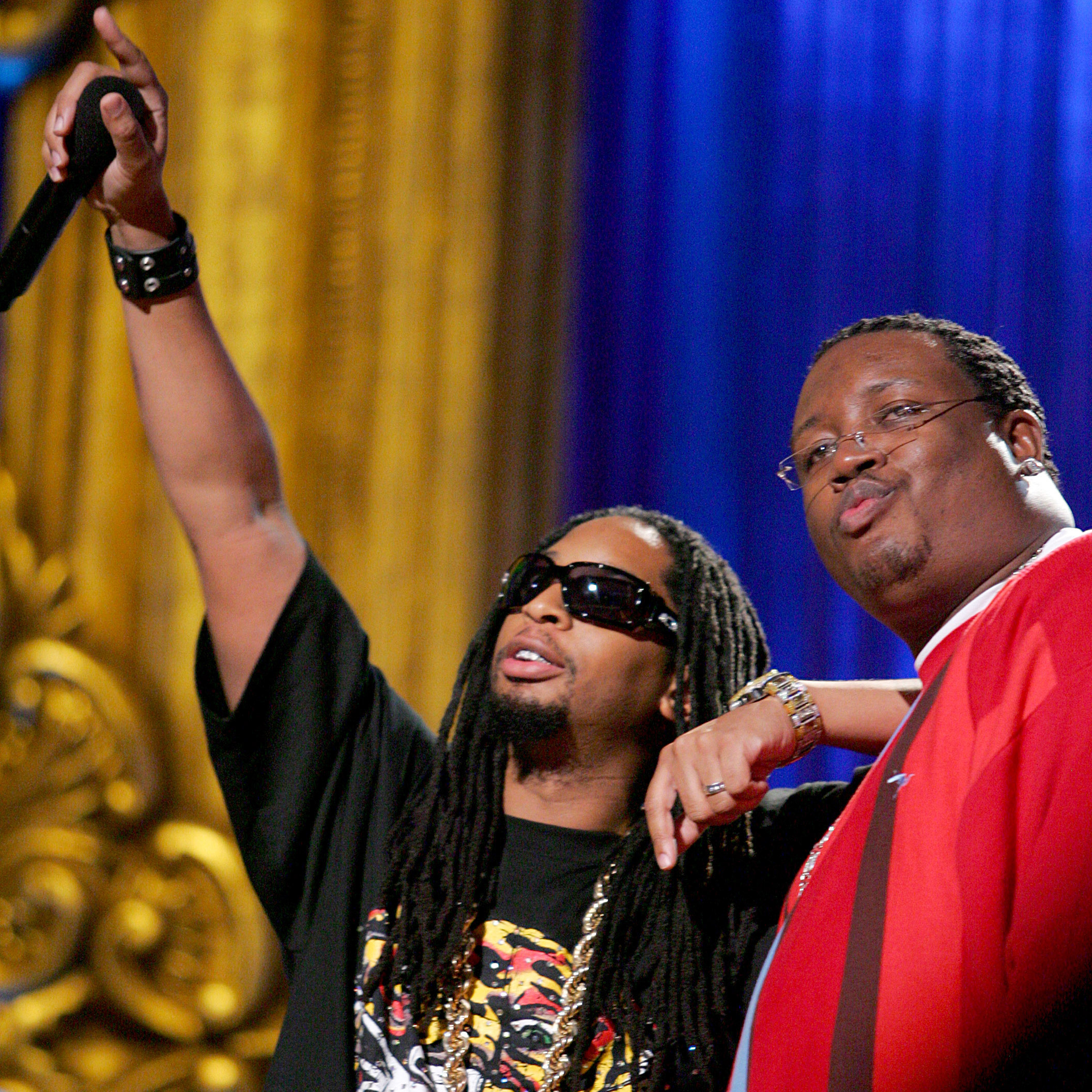
After Short let him loose, Lil Jon launched his BME imprint under Warner Bros., which would soon pay dividends for E-40. The two had already worked together on the songs “Rep Yo City” and “Anybody Can Get It” when E-40 called Lil Jon, letting the producer know he was stepping away from Jive Records and interested in BME.
“The decision was simple,” writes Lil Jon, “I was a fan of E-40.” The two began working on My Ghetto Report Card, an album that would introduce hyphy to the mainstream, for better or for worse.
“I had already sold the culture of the South to the world,” says Lil Jon. “That became the blueprint for what I did with E-40. It was the same shit.”
During one of the studio sessions, Lil Jon made a track with a bass line similar to Too Short’s “Freaky Tales.” He intended to give the beat to 40, but Uncle Earl said it sounded too much like Short. So Lil Jon passed it along.
That song became “Blow The Whistle.”
The biggest commercial hit of Too Short’s career, “Blow the Whistle” was accompanied by an instant-classic music video, filmed in Oakland. Lil Jon agreed the track was good, but admits he didn’t foresee it becoming what it is today: a song readily played at pro sporting events all over the United States.
“Blow the Whistle” got a second life 10 years after its release when it was interpolated in 2016’s “For Free” by DJ Khaled and Drake. It was revived again in 2020 when Saweetie sampled it for “Tap In.” During the Philadelphia Eagles’ 2024 Super Bowl run, the song became their anthem.
Beyond its stories about the Bay Area, Lil Jon’s book is a turn of the millennium Forrest Gump-esque tale of being just about everywhere and working with everyone.
He was an A&R for So So Def and Jermaine Dupri in the ’90s, he made the Crunk Rock album in 2010, and he coined the defining phrase of 2014 with his vocal on DJ Snake’s “Turn Down for What.” In 2008 he founded a winery, in 2024 he dropped a set of meditative recordings and last year he became a competitive body builder. He was a character on Chappelle’s Show and he sat alongside Donald Trump on Celebrity Apprentice. In Las Vegas, he’s both DJed major EDM events and performed with Usher at Super Bowl LVIII.
And last year, during an episode of Celebrity Family Feud, Lil Jon stood next to his chosen kin: E-40 and Too Short.
“How does that happen?” Lil Jon writes in his book, bewilderedly reflecting on the their individual paths leading to a game show set.
He was a kid from Southwest Atlanta who listened to Too Short in the 1980s and E-40 in the ’90s. He understood that they came from different backgrounds — Short a pimp rapper, E-40 a lyrical street hustler — but they combined forces and made timeless music.
“To this day we remain a trinity of close friends,” Lil Jon reflects. “You can’t write that. You cannot. You cannot dream or even imagine that.”
Lil Jon’s memoir ‘I Only Shout So You Can Hear Me’ is out Oct. 20, 2026.