Demahjiae Raps About the Love and Heartbreak of Calling Oakland Home
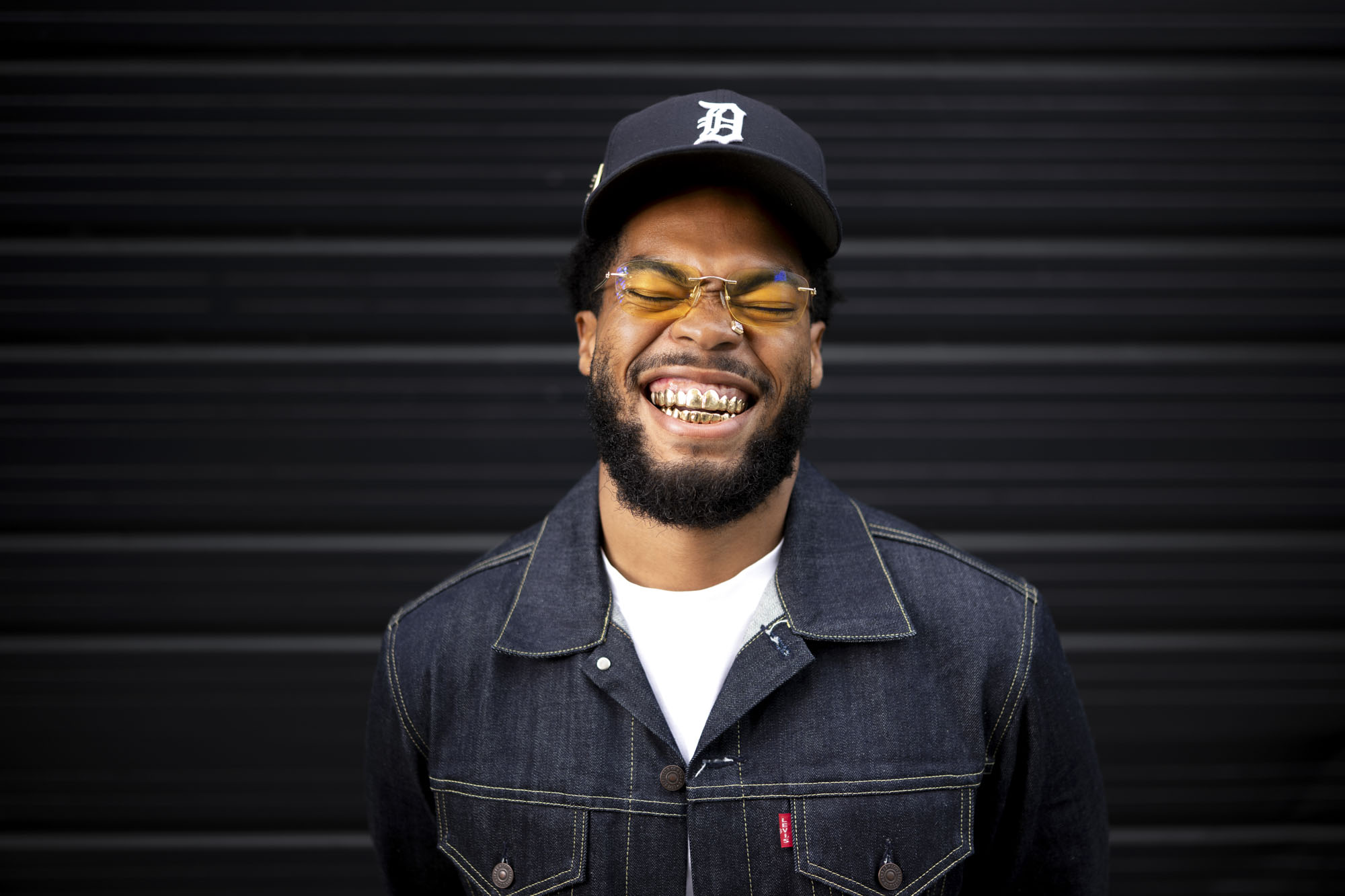
“The transfer of power is never peaceful,” demahjiae proclaims on “you’re not bigger than the program,” the third track on his latest album, YAE. The simple, direct verse synthesizes the power struggles demahjiae grapples with throughout the project as he tries to define himself, and his hometown, on his own terms.
The Oakland rapper-producer has been releasing music for almost a decade, starting with his 2018 project Ghetto Blessings. Since then, he’s earned praise for his skill and grit from Pitchfork and The Fader, and signed with EMPIRE.
Even with his national recognition, demahjiae’s hard-to-categorize sound has made him somewhat of an outlier in the Bay Area scene. But he isn’t invested in proving himself — he’s focused on making music that speaks to him in all of his complexity.
Born and raised in East Oakland, demahjiae gravitated towards a more traditional East Coast hip-hop sound growing up — an attempt to differentiate himself from the hyphy style that’s defined the Bay since the 2000s. Still, on his way to school or at Lake Merritt, he couldn’t help but absorb the sounds of Too Short or D-Lo spilling out from speakers. That influence makes a full-circle return on YAE, where he reckons with the belonging and disconnect that comes with calling Oakland home.
“Every city, especially every inner city, every ghetto, has its uglies,” demahjiae muses. “But somebody may deem something ugly when it is actually the most beautiful thing to somebody else.”
“One of my closest cousins has been incarcerated since I was in fifth grade, and I speak about him pretty often in my music,” he continues. “And my brother’s dad was murdered in 2005, 2004 in Oakland. I believe, shooting dice. So having that on my heart, all those feelings just kind of came out through the project.”
On YAE, demahjiae’s wordplay melds together like colorful shards on a stained glass window: “Damn cousin / there’s way too many fish out here, you not / play this for your granny and sit closely / guarantee there’s no other words that are shared other than a soft whisper,” he raps. Each bar leaps into the next, leaving listeners leaning in to catch his unpredictable flow. demahjiae invites you to wander with him.
As hyphy-era classics like E-40’s “Tell Me When To Go” and Too Short’s “Blow the Whistle” reach their 20th anniversaries, fans and artists are having overdue conversations on the impact of race and power in hip-hop. While aspects of Black Bay Area culture have crossed over into the mainstream, the communities that created the music still bear the burden of systemic violence. Who gets criminalized for creating culture, and who gets to experience it at a distance, free of consequences?
demahjiae vulnerably expresses the weight of this contradiction on tracks like “THE WORLD IS YOURS!!!” “I connect that to the project through the pain we’ve all endured, knowing or knowing of somebody who’s lost somebody, or a cousin that went through something crazy on a night out, or somebody who lost their father,” he says.
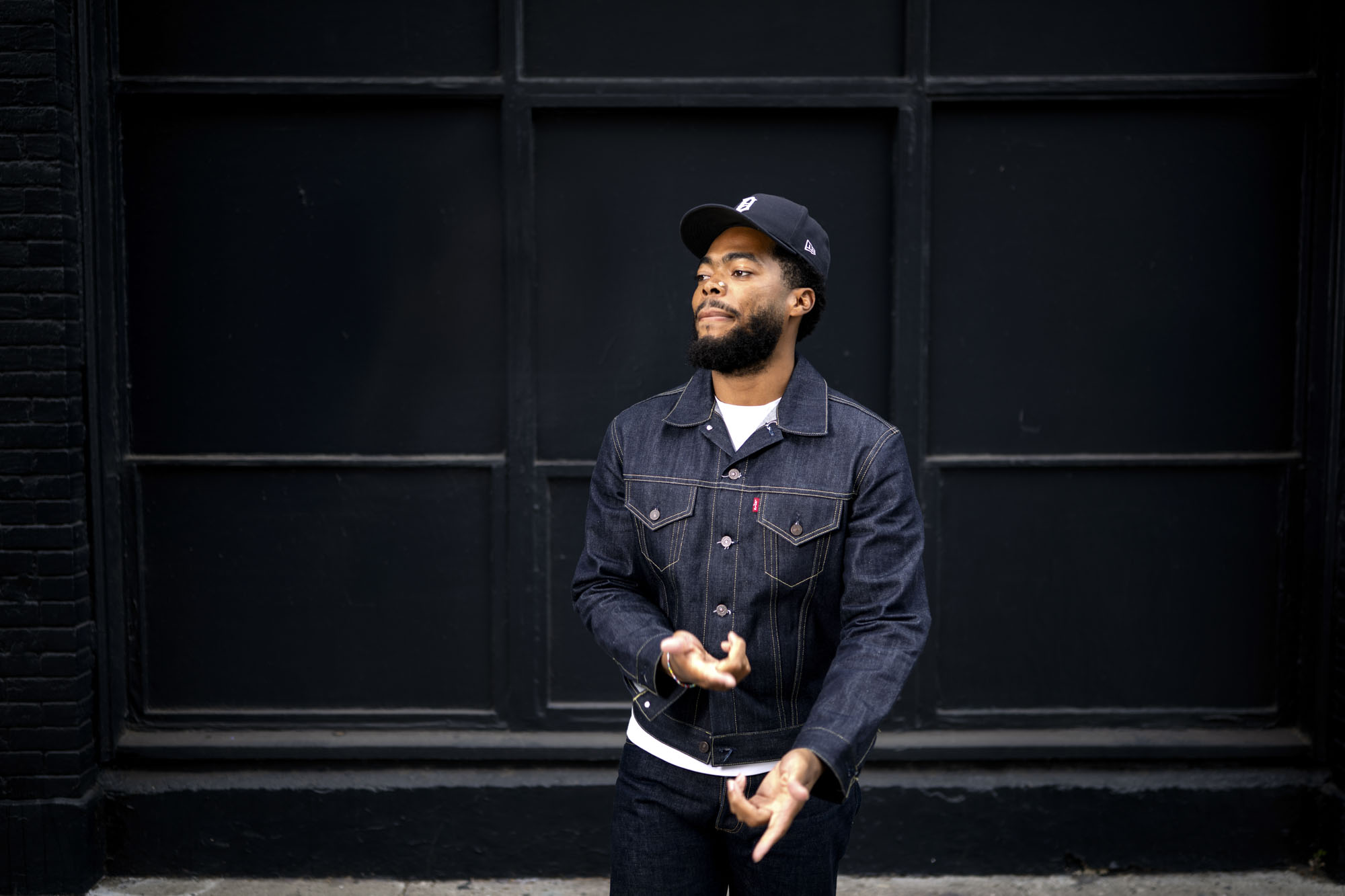
YAE features two renowned Oakland rappers, 1100 Himself and ALLBLACK, who also hail from the East. Both are known for their distinct flows and self-made paths, which they offer on “hardheaded” and “brotherly advice,” two anchors of the project.
1100 Himself and demahjiae are old collaborators who met through the music program at the Boys and Girls Club in Oakland, where demahjiae got his start as a young producer. The feature from ALLBLACK was more fated, a manifestation of the faith demahjiae raps about on “Wishlist I.”
The two of them crossed paths one day while making music at EMPIRE’s studio in San Francisco. demahjiae remembers feeling unsure of what to play for the local legend, hesitant that his soulful beats with string crescendos and dramatic turns wouldn’t resonate. To his surprise, ALLBLACK was juiced. Lending his raspy voice to embody “brotherly advice,” ALLBLACK finished his verse in less than 30 minutes.
“He’s really genuine,” demahjiae says. “He reminds me of a cousin of mine, you know?”
demahjiae wrote the bulk of YAE while sitting on a wooden park bench facing the western corner of Lake Merritt. He points it out during our conversation. The sun starts to set and the buildings that frame downtown cast long shadows over the lake. Nearby, a group gathers, wearing black costumes and carrying flame throwers. All of them are white, and they don’t acknowledge either of us. As their group expands, and their music drowns out our conversation, we decide to relocate in the middle of our discussion about the impact of gentrification and displacement.
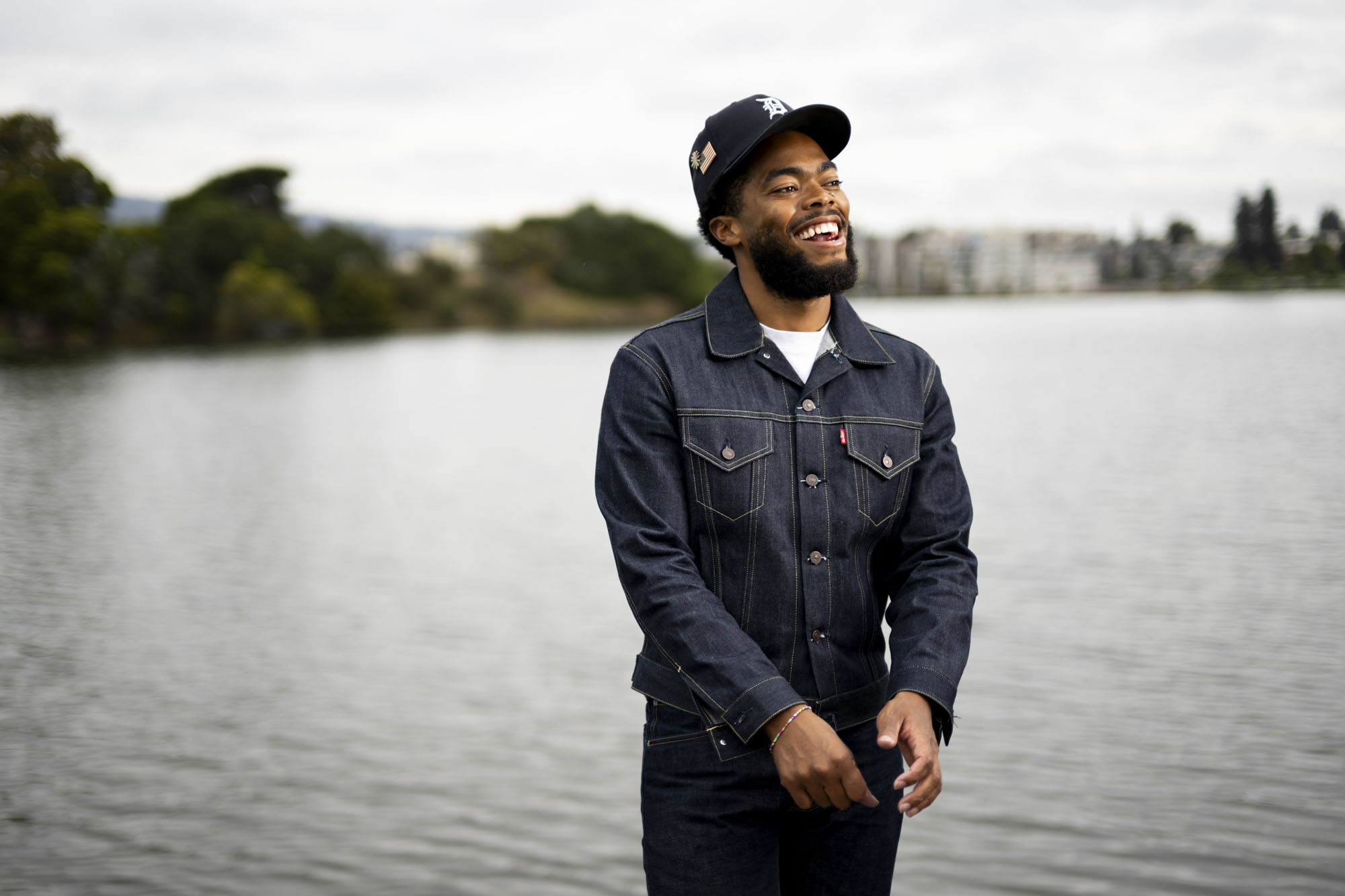
The irony was not lost on demahjiae: “Do you see what I mean? Let me and my niggas pull up fifteen deep, wearing all black with flame throwers. What?! We’re going to jail.”
It’s a familiar sort of experience for many who grew up in Oakland. demahjiae recalls going to a view point to watch fireworks this past Fourth of July. The spot used to be empty, but that’s changed, too. Hundreds of people sat watching the culture from a distance. He overheard someone in a giddy tone say the fireworks sounded like gunshots. “No police ever harass them, or drive by, or flashlights, or anything,” demahjiae observes.
He couldn’t help but think about how different things were when he was growing up on 72nd and Lacey Avenues. “None of my family lives there anymore,” he laments. “They’re all kicked out. My whole family used to be outside on that block lighting fireworks for hours. Makes me hella sad.”
To counter that dynamic, demahjiae creates a sonic world that is strictly for the people who love and live in the context that shaped him. YAE reflects that desire to be understood without having to translate yourself or your experience. “That’s what I remember Oakland being… People who also care and know your hurts, or have been through some of the same things that you have been through. I search for that.”