A Hub for Russian and Ukrainian Literature in San Francisco Receives Legacy Designation
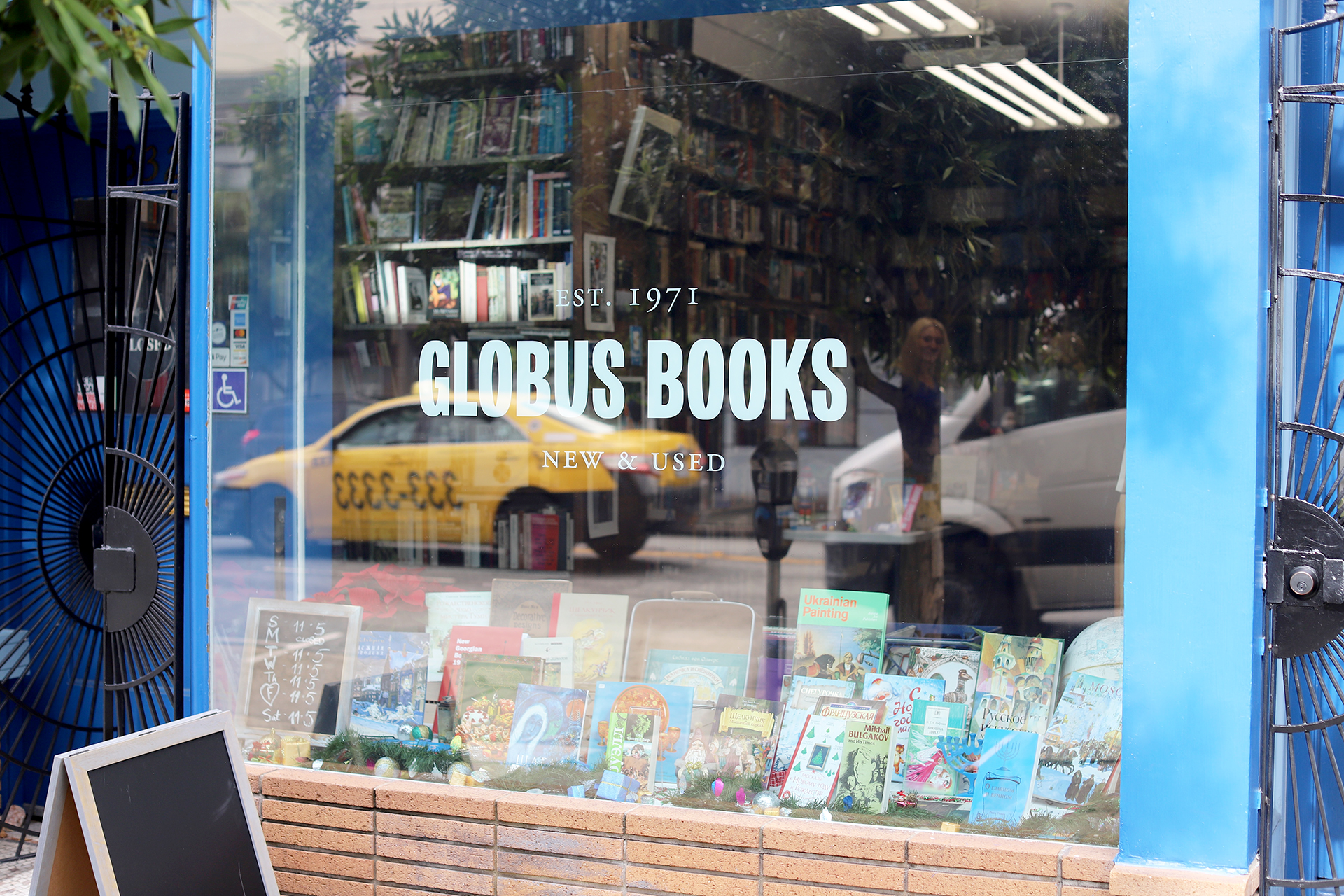
San Francisco’s only bookstore focused on literature from Russia, Ukraine and other former-Soviet nations is officially a San Francisco legacy business.
For decades, Globus Books — with its shelves of old tomes and nostalgic, Soviet-era rugs — has served as a hub for Russian speakers of different cultures and backgrounds. Its customer base over the years has included people who arrived from China after World War II; Jewish refugees from the former Soviet Union; and immigrants who left in the ’90s after the Iron Curtain fell. More recently, a younger generation of Ukrainians fleeing the war, Russian dissidents escaping censorship and LGBTQ+ asylum seekers have all come to the cozy space to connect through books.
“We talk literature, but at the same time we’re building this community and the feeling that it is possible to find home away from home,” says manager Anastasiya Mutungi, who is originally from Belarus.
To celebrate the store’s new legacy business designation and its 55th anniversary, the Richmond District shop will host a celebration on Sept. 27 from 11 a.m.–9 p.m., with food, an open mic, live jazz, and readings by local authors.
Among those authors is poet and UC Berkeley Professor Polina Barskova, who first came to Globus in the ’90s when she arrived from Saint Petersburg, Russia as a doctoral student. Now, as Putin’s administration cracks down on dissent in Russia — and many artists, journalists and scholars find themselves essentially in exile — Globus has become even more important for Barskova and other writers.
“Once our books became banned again, this is our oxygen,” she says.
Barskova says the Russian government has labeled her a foreign agent for her scholarship about Russian history that contradicts official narratives. The foreign agent label comes with heavy free speech restrictions, including a ban on engaging in educational activities and teaching at public universities.
Providing a refuge for intellectuals is part of Globus’ legacy. When it first opened in 1971, it also ran a publishing house for immigrant authors who faced similar censorship in the Soviet Union.
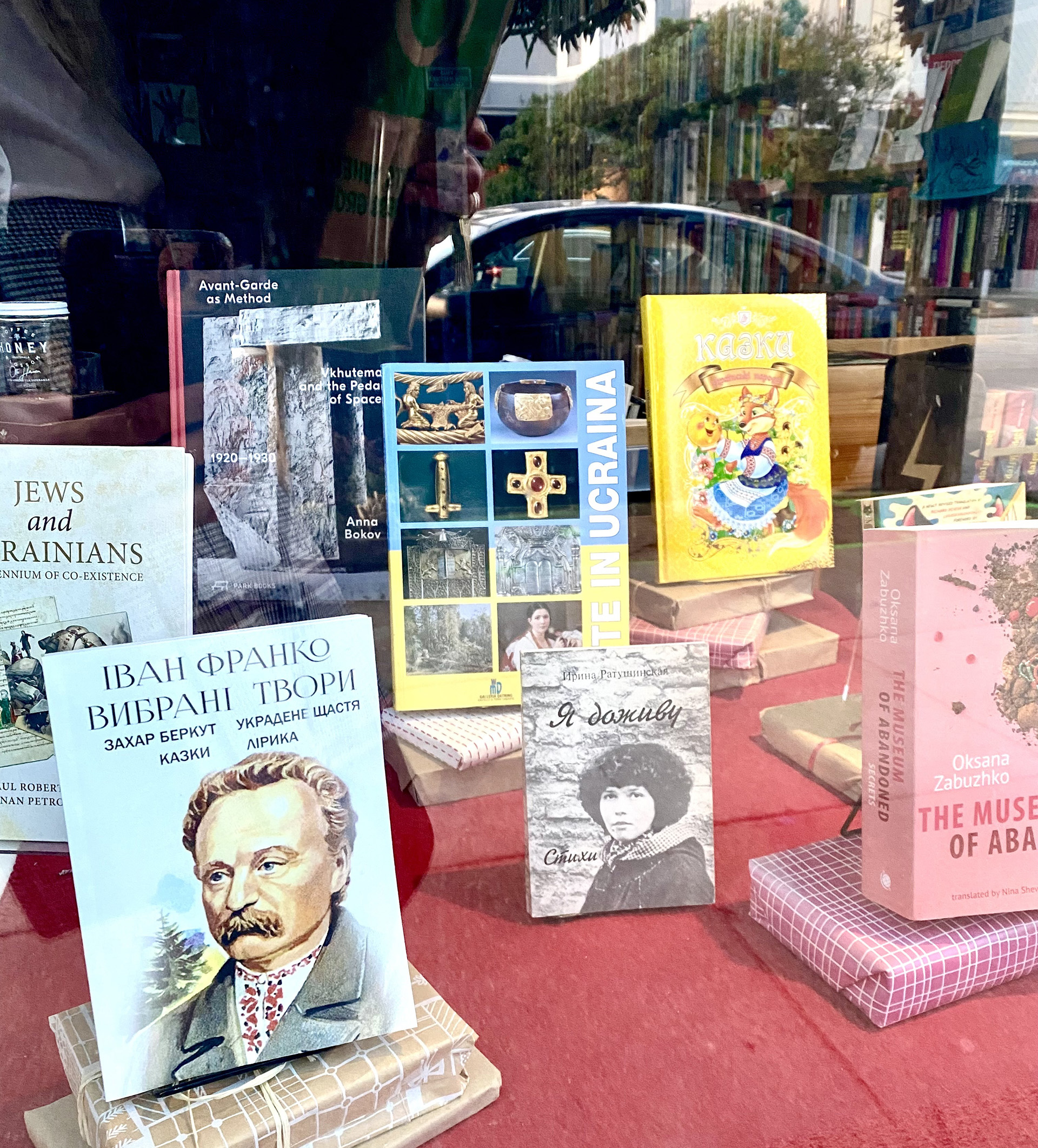
The offerings on Globus’ shelves extend well beyond historical and scholarly works. The store’s stock encompasses memoirs, mystery and fantasy novels, cookbooks, children’s books and English-language books by first- and second-generation authors from the diaspora.
Mutungi emphasizes that everyone is welcome at the store, even if they don’t speak Russian. She hopes the legacy business designation — which earned Globus a place in San Francisco’s registry of over 400 historically significant businesses — will put the shop on more people’s radars.
In her acceptance speech at the San Francisco Small Business Commission, Mutungi alluded to another challenge booksellers face in 2026: AI companies purchasing and destroying rare and antique books. (She says Globus has received several such orders, and learned after the fact who they’d come from.)
It’s a turbulent climate. But Mutungi wants Sunday’s celebration to be about the shop’s enthusiastic, cross-cultural community of readers.
“I wanted to remind everyone that San Francisco is not defined only by AI companies and robot taxis,” she says. “It’s a beautiful city, and it’s mainly beautiful because of the different communities and people who build it.”
Globus Books’ 55th anniversary celebration takes place Sept. 27, 11 a.m.–9 p.m. at 332 Balboa Street, San Francisco.