Small-Town Movie Theaters Glow in This Elegiac Documentary
There’s a hopeful note to Rustin Thompson’s The Last Picture Shows, despite the numbers the documentary routinely deploys to stress the struggles of small-town movie theaters. A century ago, there were 22,000 movie theaters in the U.S.; now there are fewer than 3,000. Since the pandemic, nearly 5,000 movie screens have stayed dark. Many people in “cinema deserts” live five, 10 or 50 miles from the nearest theater.
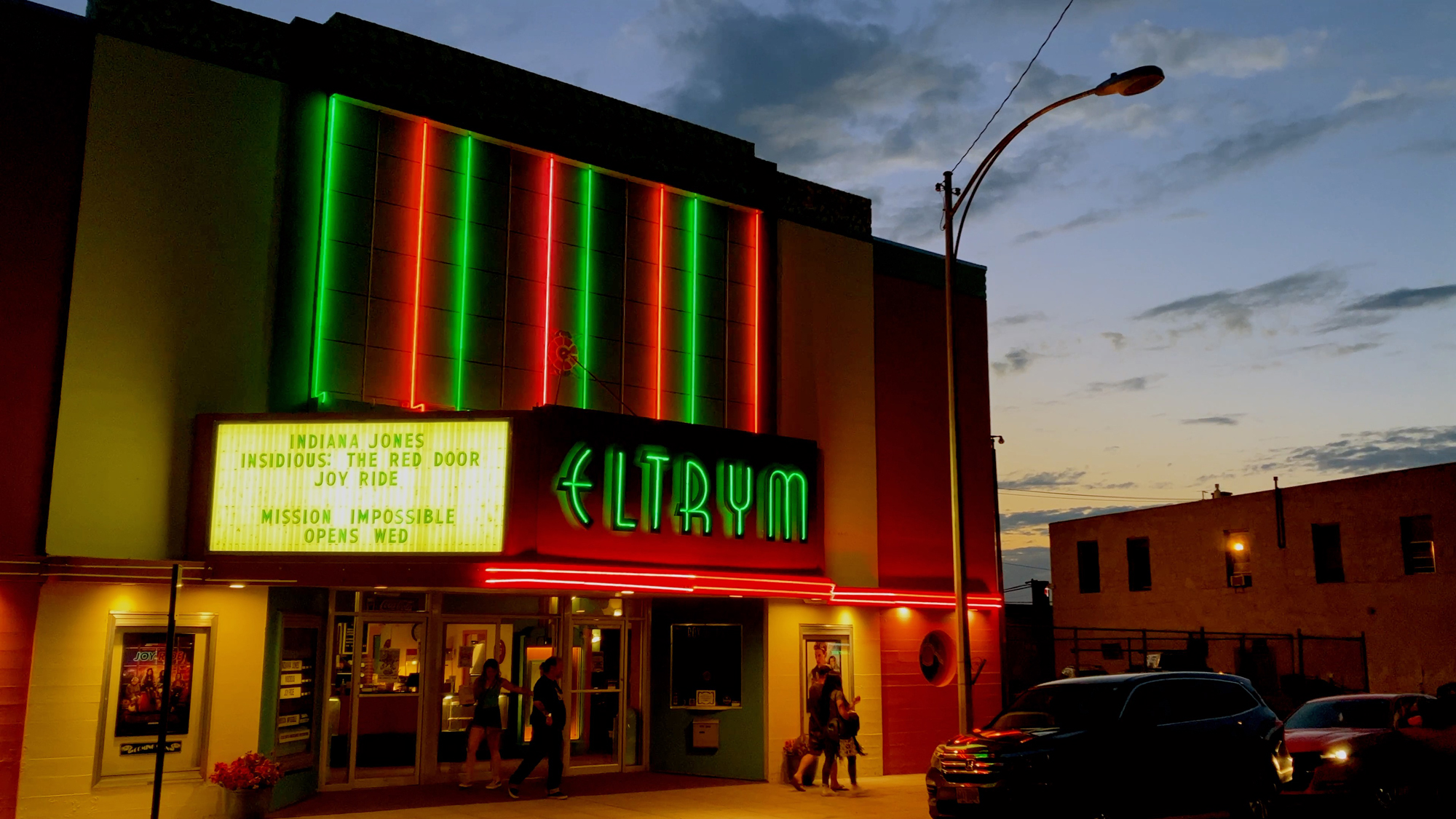
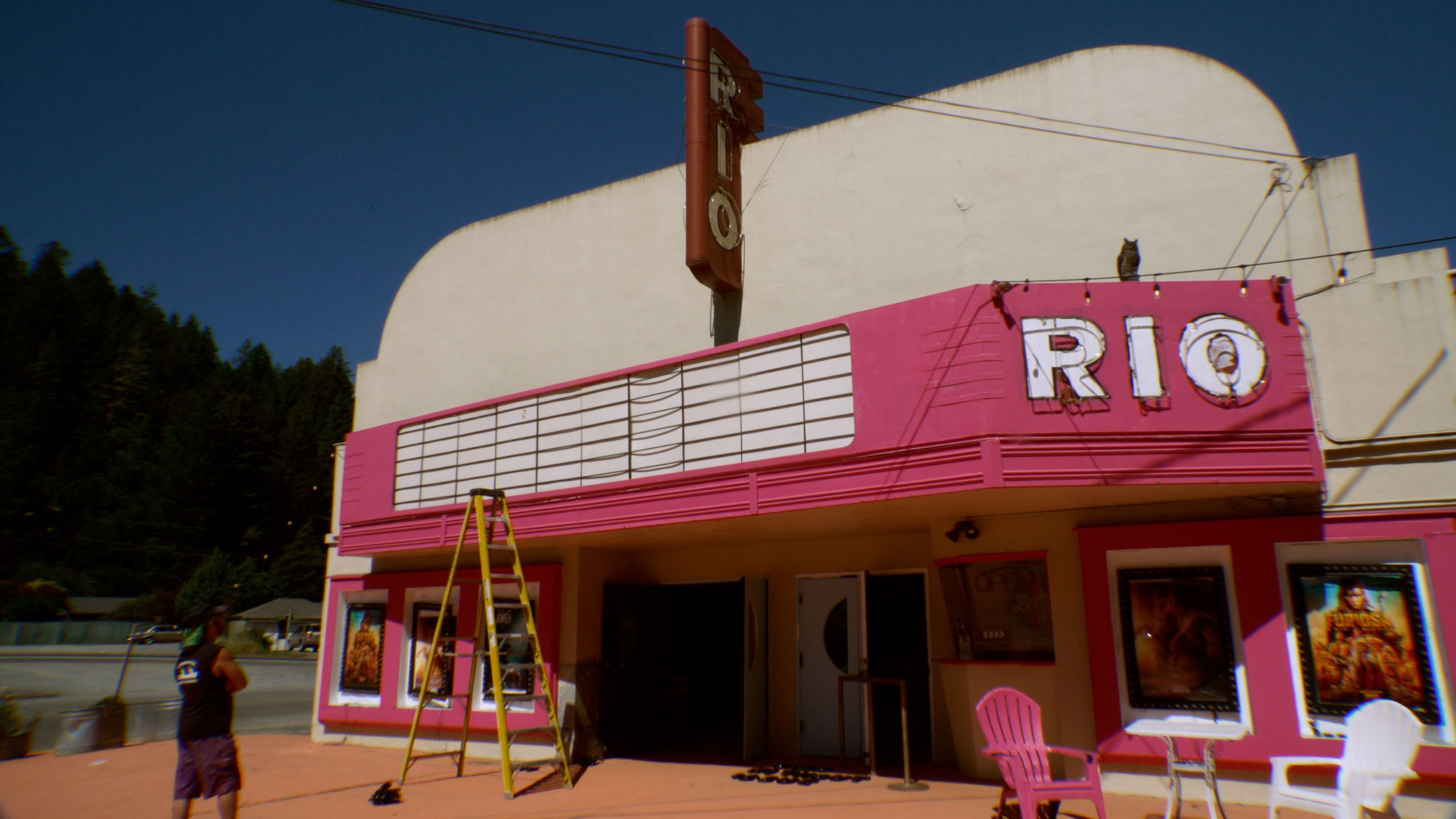
These statistics sound bleak, and many of the façades Thompson captured on an epic tour of the American West (10 states, 10,925 miles, 123 theaters) are boarded up, emptied out or converted to other businesses. But Thompson makes sure those quiet shots are countered by livelier ones. We see the electric glow of neon signs, marquees bearing the names of current-day films and the smiling faces of the people still doggedly running their single-screen and drive-in theaters for the good of their communities.
“It’s effort,” says Rio Theater owner Dave Lockhart in Monte Rio, California, “but if you can make it work, it’s the best thing.”
The Last Picture Shows is guided by intermittent history lessons from Ross Melnick, a UC Santa Barbara professor of film and media studies and the author of Cinema Treasures. Melnick sketches a timeline from vaudeville to the present day, charting the booms and busts of moviegoing against population shifts and economic hard times.
There have been previous cycles of competition between moviegoing and other media, he explains, whether that was radio, television or streaming. But a still-active downtown movie theater is proof that the arts are a central part of that town’s daily life. Alongside restaurants and retail, a vibrant downtown should have cultural offerings, Melnick argues, and those cultural offerings should be available to everyone.
Many of the theater owners Thompson interviewed echo that belief. Cody Jones, part of a community group restoring the 113-year-old Seeley Theatre in Pomeroy, Washington, estimates between 60–70% of the town’s high school graduates leave; there’s not enough jobs or culture to keep them around.
“We don’t have anything else here,” says Desert Historic Theater owner Mel “Tiny” Pedersen in Burns, Oregon — a town of around 2,700 people. “There’s not a bowling alley, there’s not a video game machine, there’s absolutely nothing else for high school kids or teenagers or even young adults to have a night out on the town with a date.”
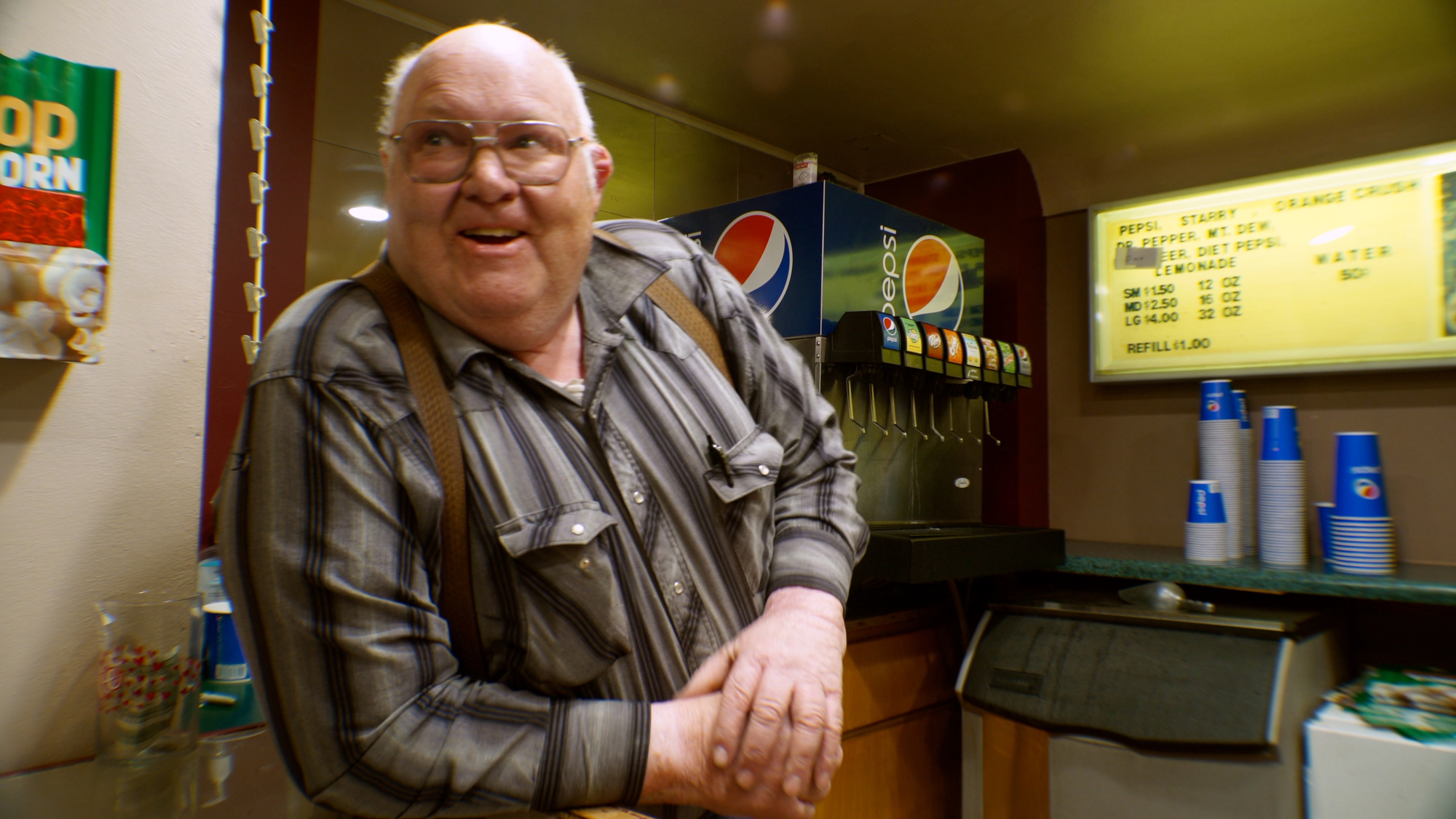
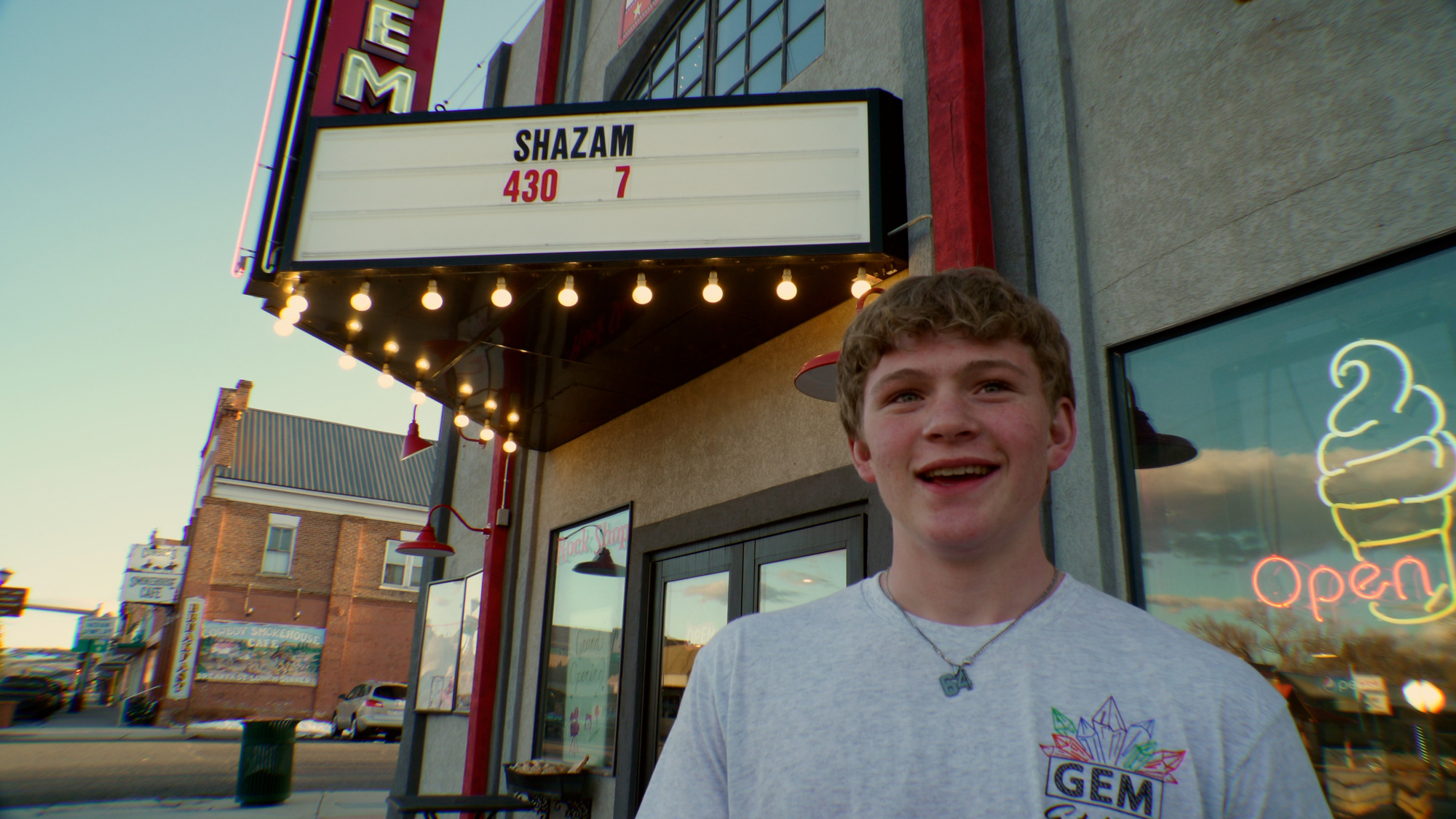
Pedersen is the first theater owner we meet in Rustin’s 78-minute film, but the challenges he faces are repeated across state lines: the movie studio bookings are too restrictive; COVID closures have shifted audience habits; everything’s so darn expensive. (A running visual gag in the documentary is the number of marquees bearing the title Shazam.)
As might be expected, The Last Picture Shows also includes clips from movies featuring moviegoing, including its namesake, Peter Bogdanovich’s 1971 film The Last Picture Show, about life in a small Texas town with one movie theater. “Won’t be much to do in town once the picture show closes,” says a very young Jeff Bridges in one scene.
With clips like these, a soundtrack of spare, twangy guitar and plenty of nearly still shots of boxy theaters, Thompson’s The Last Picture Shows can be downright melancholy at times. That is, until we meet 14-year-old Gem Theater employee Maverick Albrecht, who we see working the concession stand at the Panguich, Utah theater. (Yes, he was named after Top Gun.)
It’s important to have a place in town where you can just go and chill, Albrecht says, “like a date night little setting.” I dare any filmmaker to find a greater spokesperson for the importance of small-town movie theaters.
Despite some perplexing sequences of unexplained sepia-toned images — are these theaters dearly departed, or are they just old? — The Last Picture Shows is a dreamy journey through small towns and vast landscapes. It might even spark a few road trips of its own.
The film’s title is a nice homage, but it falsely conveys an irreversible finality, an idea that this is the last gasp of a declining business model. Overall, the film is about optimism and resilience.
In Thompson’s interview with Teresa McQuisten of the Eltrym Theater in Baker City, Oregon, the cheery bustle of people passing through the lobby interrupts the conversation multiple times.
“It’s actually not a business that I worry about,” McQuisten says. “People always want to get together with friends outside the house.”
‘The Last Picture Shows’ plays Sept. 20–21 at the Balboa Theater (3630 Balboa St., San Francisco); Sept. 22 at Rialto Cinemas Sebastopol (6868 McKinley Ave.); Sept. 23 at Rialto Cinemas Elmwood (2966 College Ave., Berkeley); and Sept. 24 at Smith Rafael Film Center (1118 4th St., San Rafael).
Each screening is followed by a Q&A with filmmaker Rustin Thompson.