A New Pop-Up Is the Bay Area’s Tastiest Panamanian Secret
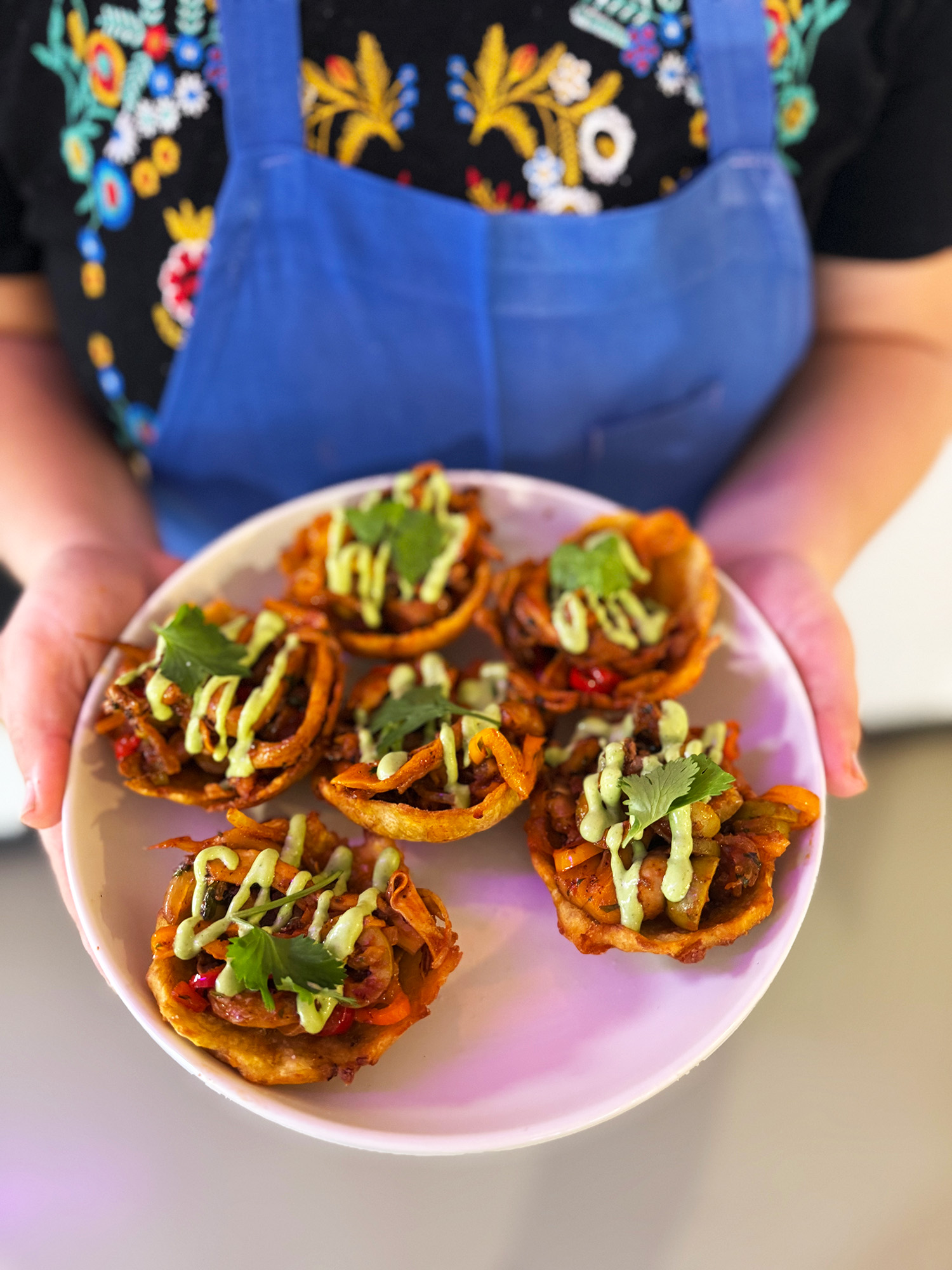
“Let’s get Panamanian food” is a suggestion most Californians aren’t used to hearing. In fact, even the most knowledgeable Bay Area foodies may have never even considered Panamanian cuisine as an option at all.
Chances are, you don’t know a local spot where you can grab sancocho, Panama’s national dish, which consists of a yam-thickened broth with chicken, yuca, corn and otoe (taro root). And you’ve probably never had the pleasure of eating carimañolas (Panamanian beef patties) or almojábanos (fried corn dough and cheese). Until recently, I hadn’t either.
For all of its culinary charms, the Bay has never had much of any Panamanian food scene to speak of. It’s not just the Bay either. Comida Panameña has rarely expanded beyond its own borders into other parts of the world in a noticeable way, and it doesn’t have the same reputation or ubiquity that other diasporic foods from Latin America have been able to cultivate, particularly within California’s diverse foodscape.
Recognizing that absence, Dani Solis — a San Jose-raised chef and daughter of Panamanian parents — wants to change that. With Chiricana, a small pop-up and catering business, she’s putting the Bay onto Panamanian American flavors, one recipe at a time.
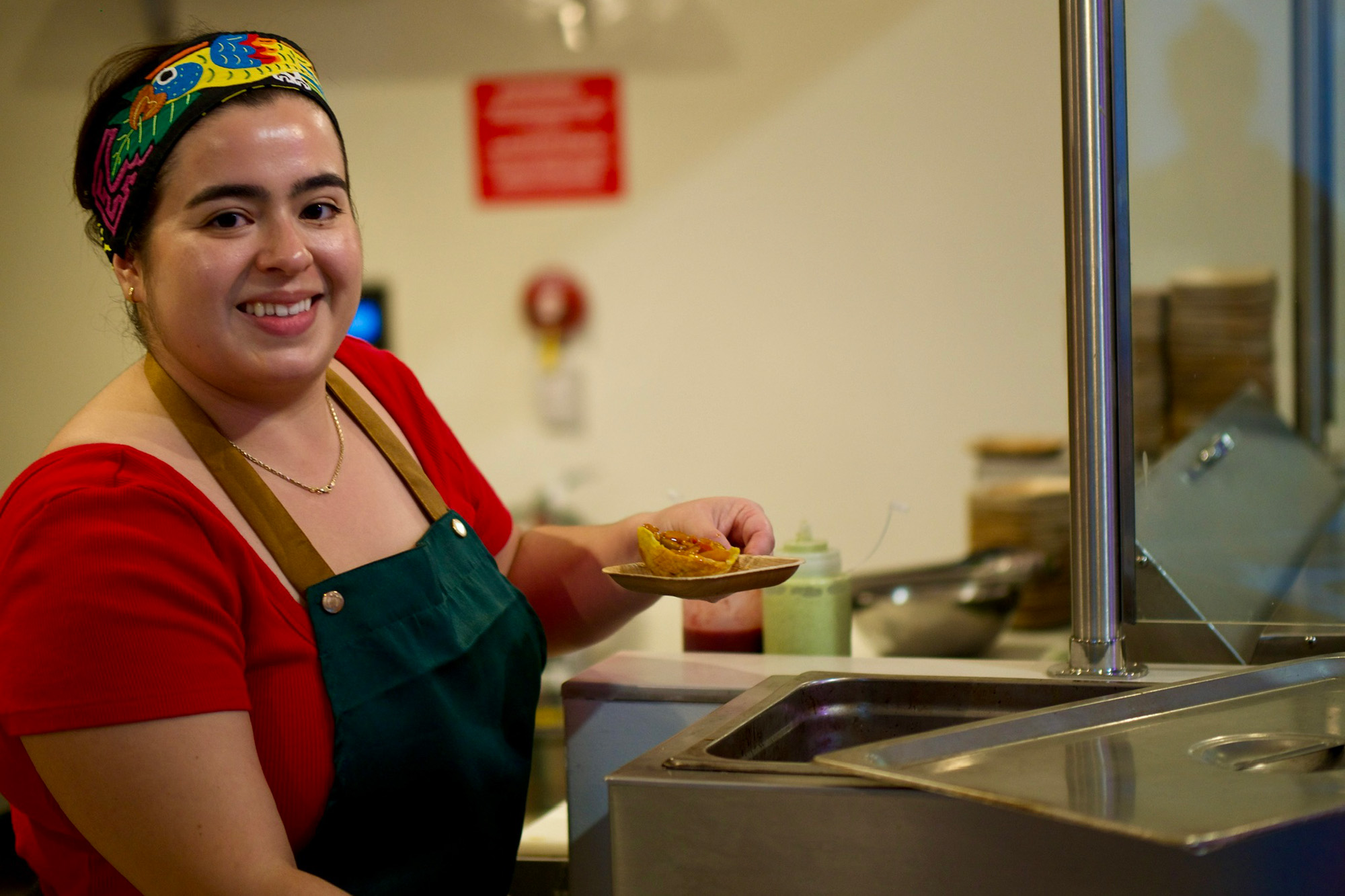
“I’m the only one doing this,” says Solis, who was informally trained by her grandmother and mom, who’ve both lived in San Jose together since arriving as immigrants. Chiricana is named after Chiriqui, the region in Panama where Solis’ grandmother was raised.
Though Solis is now based in Emeryville and works two part-time jobs outside of the food industry, she notes the role of her family’s close support network: her relatives often travel back to Panama to find materials and ingredients for Chiricana.
“I’m privileged to have the choice to be able to pursue this. It’s a gift. I’m sharing my heart. I’m sharing all of my family with you,” she says, fresh off vending Panamanian chicken wings at Outside Lands for the first time this summer.
After graduating from UC Berkeley in 2019 with a degree in Urban Studies and a minor in Food Systems, Solis worked at the National Sustainable Agriculture Coalition. Then, everything flipped during the COVID-19 pandemic. Solis went from preserving foodways and supporting foodmakers to becoming one herself.
In 2022, Solis began incubating Chiricana at Oakland Bloom’s test kitchen. Her vision was manifold: to honor the legacy of her family’s migratory journey, and to expose a greater Bay Area audience to Panama’s multicultural history and the slept-on goodness of its food.
So what exactly is Panamanian food — and more importantly, what defines it when exported outside of its Central American context?
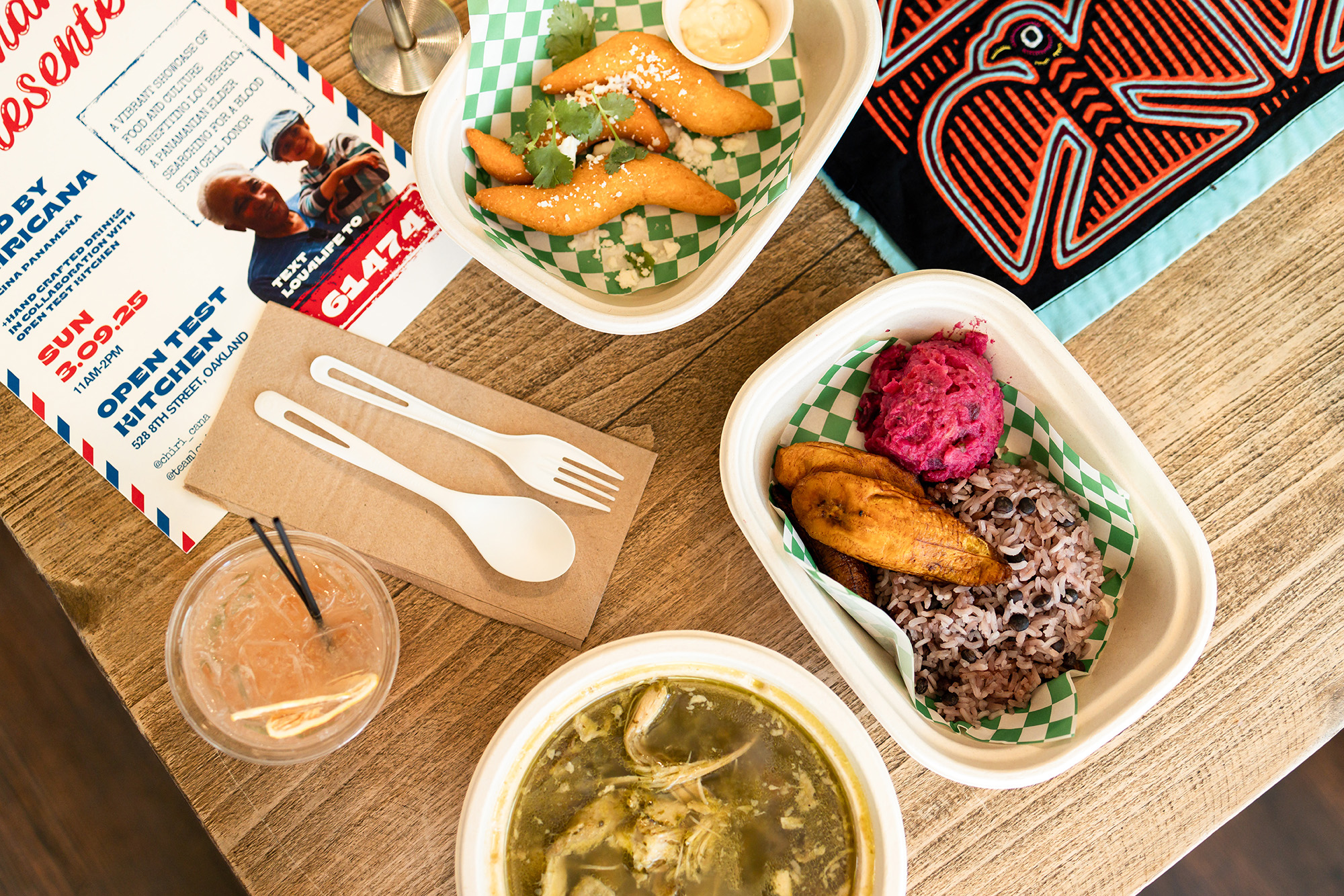
Begin with a basket of crispy, fat-rendered pork chicharrón, mixed with thick wedges of yuca frita. “It’s comfort food,” Solis says. “There’s a big ‘fritura’ culture in Panama. Any Central American kid will tell you they ate this growing up. Fry it, put on a plate with a paper towel to soak up the grease, and then put it on the table for whoever gets first dibs.”
It’s accompanied with a side of creamy, mustard-yellow Panamanian salsa made from ají chombo, a relative of the habanero chile. The salsa is a centerpiece in Panamanian food, and might surprise unsuspecting eaters: It delivers enough bite to hint at oncoming pain, even if it never quite crosses the threshold of unbearability. I was personally surprised and delighted as someone who has traveled extensively in Latin America, where, save for in Mexico, it can get tricky to find a fiery meal. The ají chombo — which is native to the Caribbean islands and reached Panama in the 1850s, when workers immigrated to Panama to build railroads and, eventually, the Panama Canal — offers a different, more heat-intensive perspective on Central American gastronomy. Like Panama’s overlooked culinary history itself, the pepper packs a bigger punch than expected.
To stave off ají chombo’s pepperiness and wash down the richness of the fried yuca and chicharrón, Solis provides a housemade chicha de limón con raspadura, or Panamanian lemonade. Served in a large totuma (a dried, hollowed-out calabash), the bright, citrusy beverage recalls a tropical getaway with just enough sweetness and zest without overdoing it. Made from Rangpur limes and raspadura (unrefined brown sugar made from evaporated sugarcane juice), it contains a floral, malty complexity that you won’t get from your neighborhood lemonade stand.
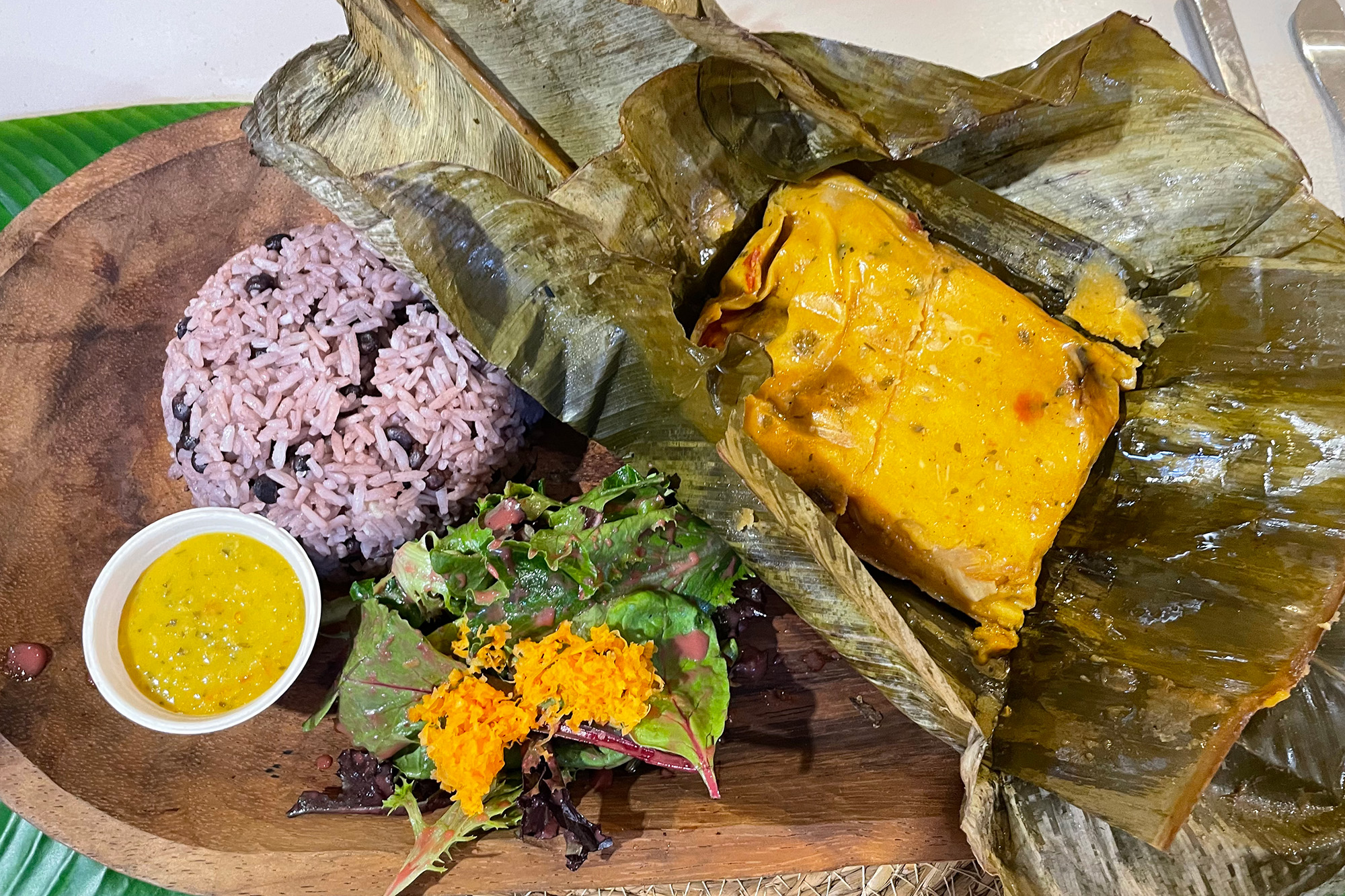
The main dish, when I visited Solis at her shared-use commercial kitchen at La Cocina on Hyde Street, was a showstopper: a Panamanian tamal, wrapped in banana and bijao leaves, and served with a side of arroz con guandú (pigeon peas) sauteed in coconut milk. It’s all paired with a fruity, herbaceous salad lightly dressed in a ginger hibiscus vinaigrette inspired by the lush Boquete region of Panama. D’Boca — Panama’s national ají chombo hot sauce — is also provided, to be used at your discretion.
In and of itself, the Panamanian tamal is impressive — a “mesoamerican protein bar,” Solis jokes. Weighty and firm yet jiggly and yielding, it’s larger than your standard tamal. The tamal Panameño is juicy, a result of a stewing of the ingredients to make a bone-in chicken broth from scratch. Afterwards, the broth is mixed in with the maíz pilado masa, adding a marrow-rich flavor to the dough. Inside, it’s overloaded with culantro (a staple in Panamanian cuisine), onion, garlic, potatoes, carrots, tomatoes, chicken, olives and — a Solis family specialty — plums.
“Recipes change with immigration. My grandma told me about how the recipe changed for her over time based on whatever ingredients were available,” says Solis. “When she came to the U.S., my grandma found plums and swapped them in for [the traditional] raisins.”
“As much as I want to bring Panamanian ingredients, it’s important to also bring my whole self through California produce and recipes that aren’t always super Panamanian in their preparation,” she adds. “But the essence has a Panamanian flair.”
The tamal is a delicacy, a labor of love that can take all day to prepare and craft; it’s generally reserved for special occasions and holidays. At Chiricana, it allows Solis to reshape her lineage in the kitchen, across borders and across time, as an edible vessel for identity and cultural preservation that requires — in her own words — a “spiritual approach.”
For Solis, the approach has deep connections to her own family history. When she was an undergrad at UC Berkeley, she worked for the Berkeley Food Institute and was inspired by La Vía Campesina, a global grassroots movement of indigenous farm workers. Her own grandmother grew up living off the Panamanian land; Solis documented her grandma’s story as part of an oral history project titled “Setting the Table,” in which foodmakers spoke with elders about diasporic recipes.
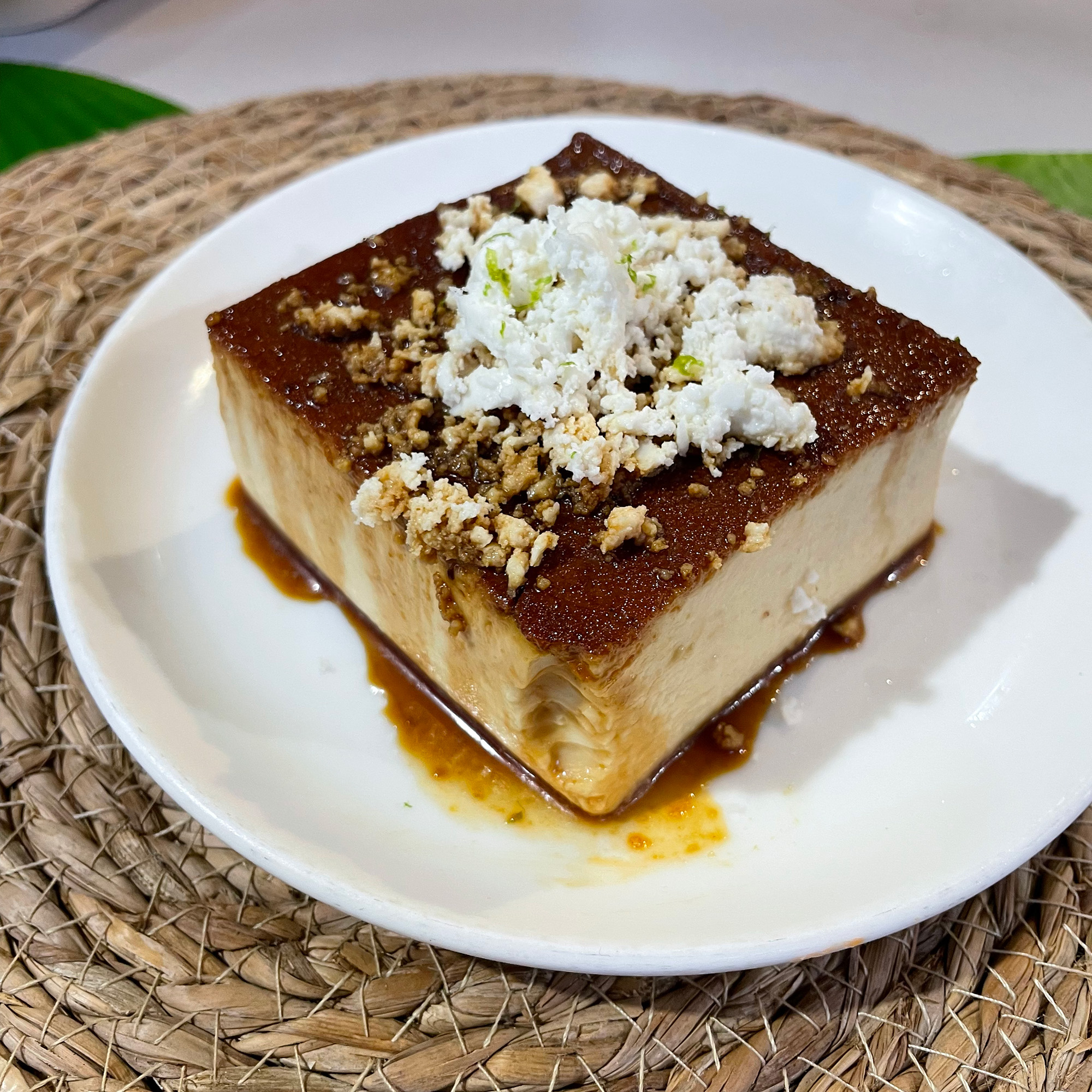
Luckily, for Bay Area diners, Solis is just getting started. She’s currently toying with a Panamanian flan infused with nance — a yellow, pungent fruit that somewhat resembles a cherry — that is topped with crumbled queso fresco and drizzled with a raspadura crème caramel. The original invention is her interpretive ode to pesada de nance, a traditional Panamanian porridge her grandmother used to make. Solis herself was never crazy about nance, but now she’s translating it — by turning good memories into even better ones — for a Bay Area palate.
“If I don’t learn these things, then others won’t be able to learn these [Panamanian] foodways and traditions,” says Solis. “Ingredients like guandú and corn from Panama can be difficult to find, but it’s my mission to seek them out as much as I can to make Chircana as authentic as I can.”
Chiricana Cocina Panameña will be at KQED’s Edible Atlas global street food festival on Saturday, Sept. 19 from noon to 5 p.m. at Bloc15 (252 2nd St., Oakland). Entrance to the outdoor block party is free; tickets for the indoor market (where Chiricana will be vending) start at $45. Chiricana also does catering with custom menus.