The South Bay Record Label That Changed Underground Music
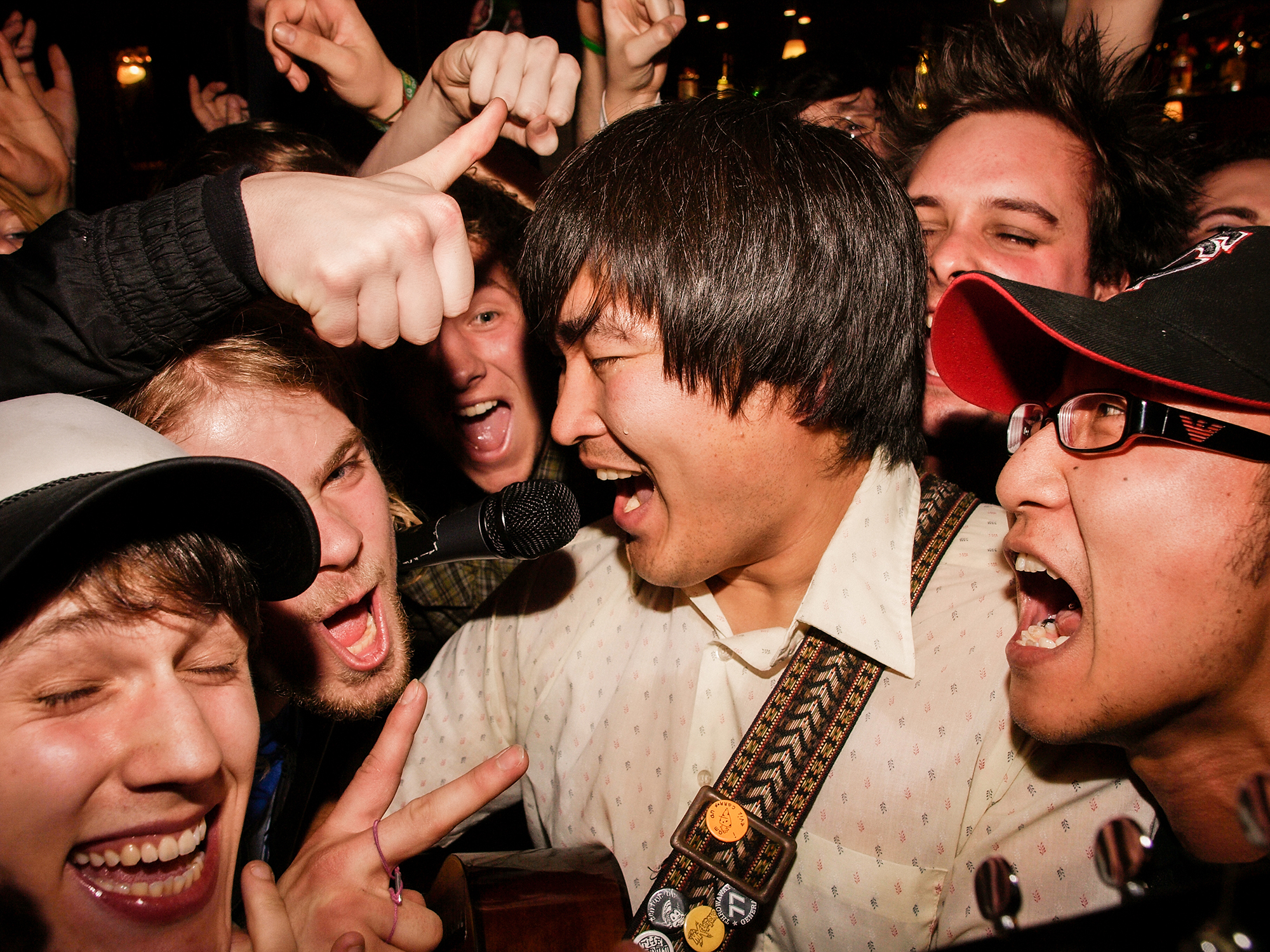
Punk, if you’ll pardon the song reference, has gotten institutionalized in recent years. There’s now a punk archive at Cornell University, with an accompanying book. The Goethe Institute has opened punk exhibitions in both Los Angeles and San Francisco. Academics, curators and humanities hounds are, suddenly, trying to answer the very broad question: what is punk?
Good luck to them. Punk is by nature inscrutable, and so vast as to be undefinable. What’s routinely more valuable, and coherent, are the focused histories of smaller underground scenes and their figureheads, bands and record labels.
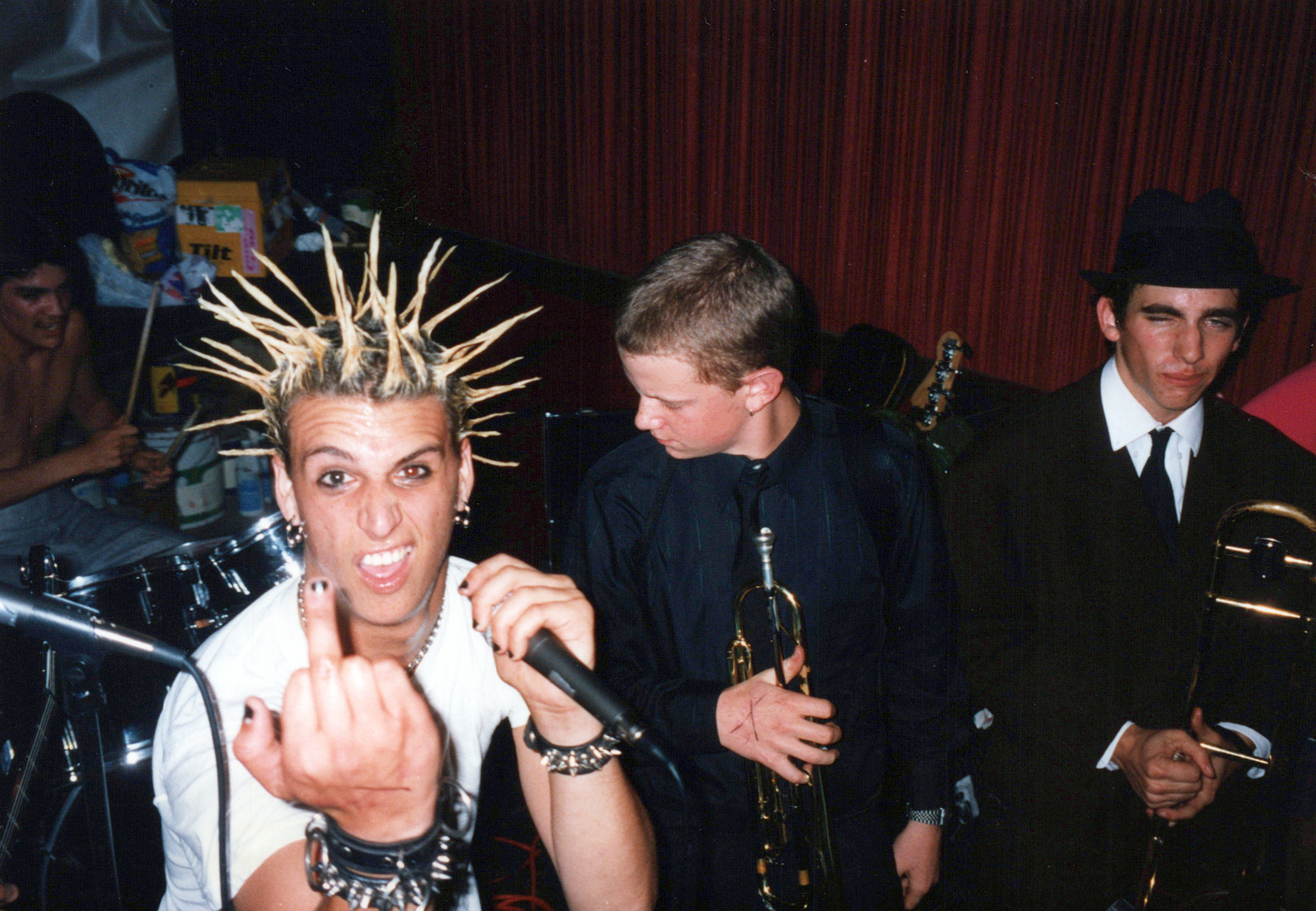
That’s part of what makes Mike Huguenor’s book Elvis Is Dead, I’m Still Alive: The Story of Asian Man Records such a necessary addition to the canon. While decidedly a South Bay operation, Asian Man Records, run since 1996 by Mike Park out of his parents’ Los Gatos garage, has released more than 400 albums by a global who’s-who of punk, ska and emo music, including Alkaline Trio, Less Than Jake, Joyce Manor, Link 80 and Lawrence Arms.
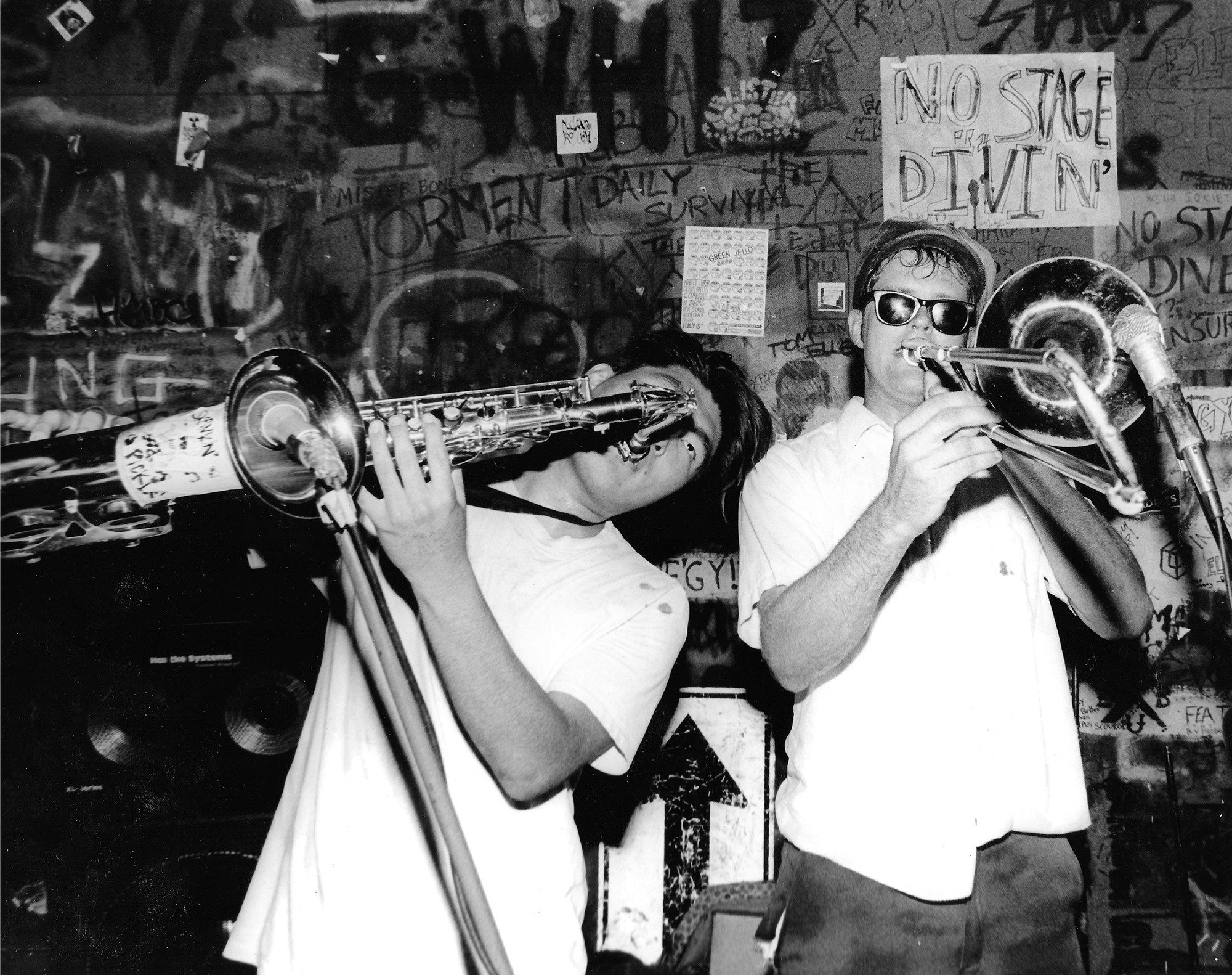
The rightful star of Elvis is Dead’s 344 pages, though, is Mike Park himself. A tireless label owner with a strong set of personal ethics and penchant for pranks, Park may be best known to a certain generation of Bay Area kids as the leader of the early-’90s ska band Skankin’ Pickle. Through Asian Man, he’s also changed the underground scene for the better, and inspired and/or changed the lives of thousands of fans and musicians around the world.
Park managed to do this as the Korean son of immigrant parents who settled in Los Gatos when the official city demographics for Koreans was 0.0%. Raised in an era of scant few Asian icons in American pop culture, and incessant “slant-eye” taunts on the playground, Park found a home in the underground scene and gradually expanded it to welcome many, many others.
Huguenor, a musician himself once signed to Asian Man, and a columnist who’s chronicled the South Bay scene for years, approaches the Asian Man story with a fan’s enthusiasm and a cultural historian’s interest. Those who come for the bigger-name bands (or mini-scandals about, say, the misfortune of signing Screeching Weasel) will also get a constellation of adventures, tour stories and scene politics.
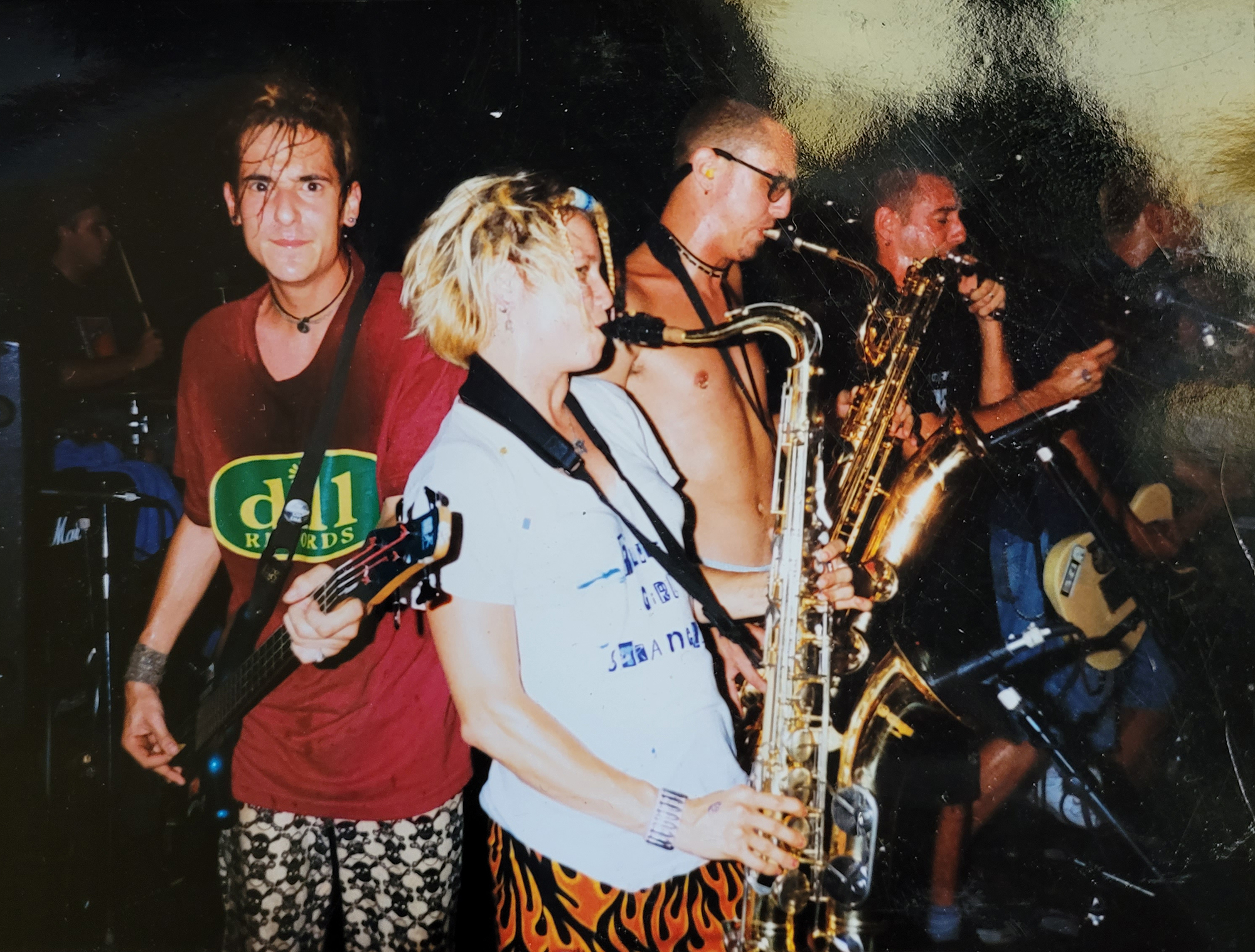
Those include some of Park’s absurd volume-eating challenges to friends, right alongside his founding of the Plea for Peace Foundation and the Ska Against Racism tour. Bands like Slow Gherkin pile 10 members in a 1970s van, a “clown car” rivaled only by sedans headed to the post office, packed to the ceiling with Asian Man LP mailers. Nick Traina, singer for Link 80 and the son of romance author Danielle Steel, dies of an overdose at age 19. Fans spend a day hashing out PunkNews.org message board drama during the early stages of the Black Lives Matter movement.
For his part, Park tries to stay above the fray, with the slow, steady ritual of filling mailorder in his parents’ garage serving as a nearly spiritual practice. He famously tells newly signed bands “I don’t do anything,” meaning tour support and promotion. He blithely exits business negotiations when he finds himself uninterested. He turns down offers — $100,000 from a major label wanting to acquire an album from his roster, or $2 million from another label wanting to acquire his entire enterprise.

In cutthroat Silicon Valley, this might seem self-sabotaging. But Park knows himself too well. Unlike the billionaires in tech with their own garage origin myths, he stayed in the garage. He didn’t sell out. In the process, as Elvis Is Dead, I’m Still Alive shows in detail, he gained the respect and love of virtually the entire underground music scene.
That much was evident at Asian Man’s 30th Anniversary celebration at the Bottom of the Hill in San Francisco in early September, which despite not announcing performers in advance sold out in minutes on the Asian Man name alone. It was four packed nights, 16 bands, surprise reunions, and Park’s own return to the stage with the Bruce Lee Band.
And, after the shows, Park went back to what he’s always done: still filling orders by hand, more than 30 years in, at his parents’ garage.
Correction: A previous version of this article incorrectly identified the location of Asian Man Records’ garage headquarters. It is in Los Gatos, not Los Altos.