50 Years Ago, Marion Gray Captured ‘Running Fence’ Behind the Scenes
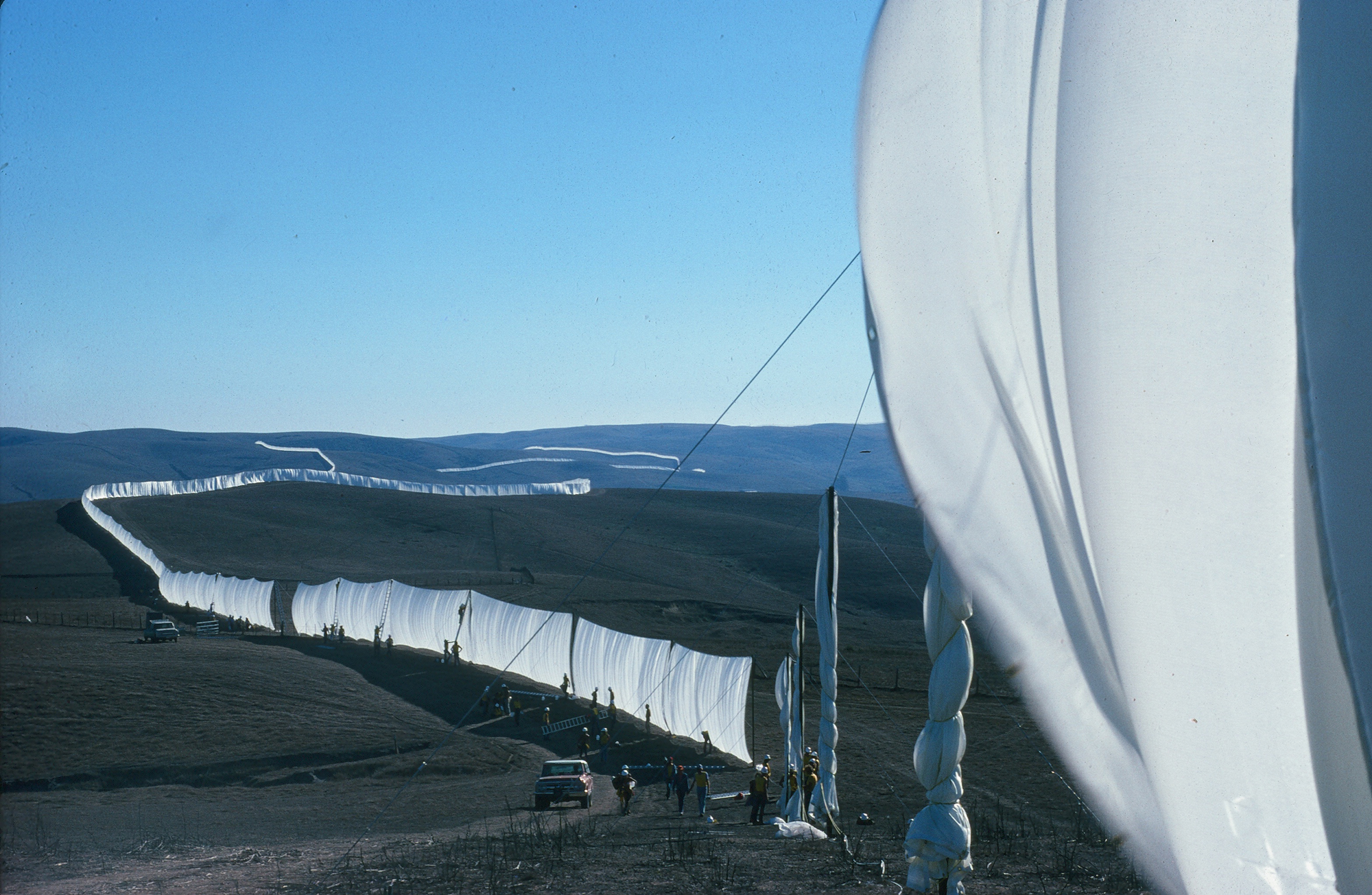
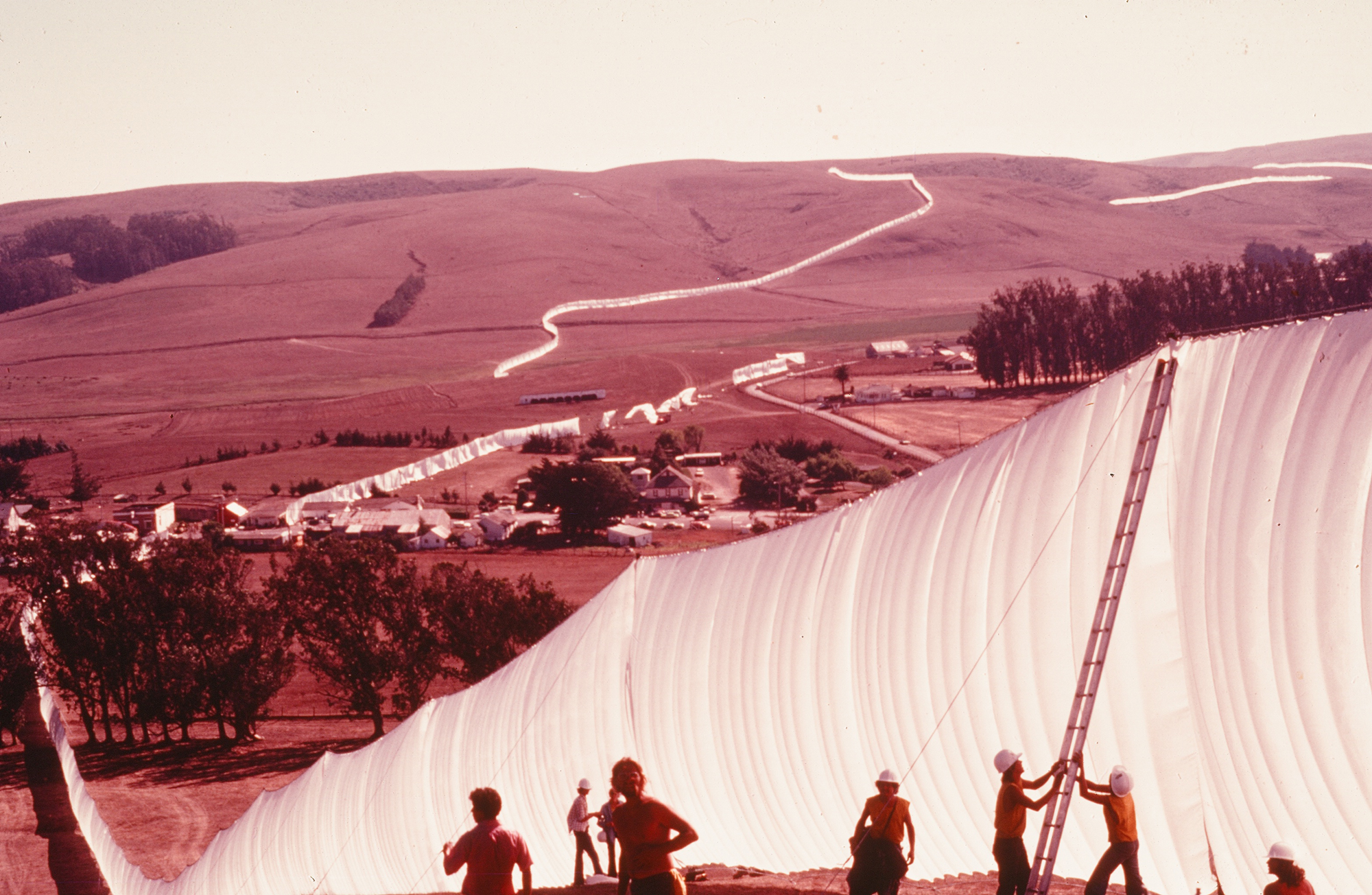
Every so often I encounter reminders of Running Fence and its former breathtaking presence. Stretching across 24.5 miles of Marin and Sonoma Counties, the installation lasted for just two weeks in September 1976. But decades later, a billowing canopy of Running Fence fabric hangs on long-term display inside the Monte Rio Theater. Faded framed photographs of the piece can sometimes still be spotted at a Marin flea market.
Running Fence was entirely paid for by the artists Christo and Jeanne-Claude, who negotiated with 59 landowners to allow the installation to cross their properties. With this year marking the 50th anniversary of the project, several articles, public programs and a museum exhibition are offering multiple perspectives on this temporary artwork, along with opportunities to learn more about how it was realized.
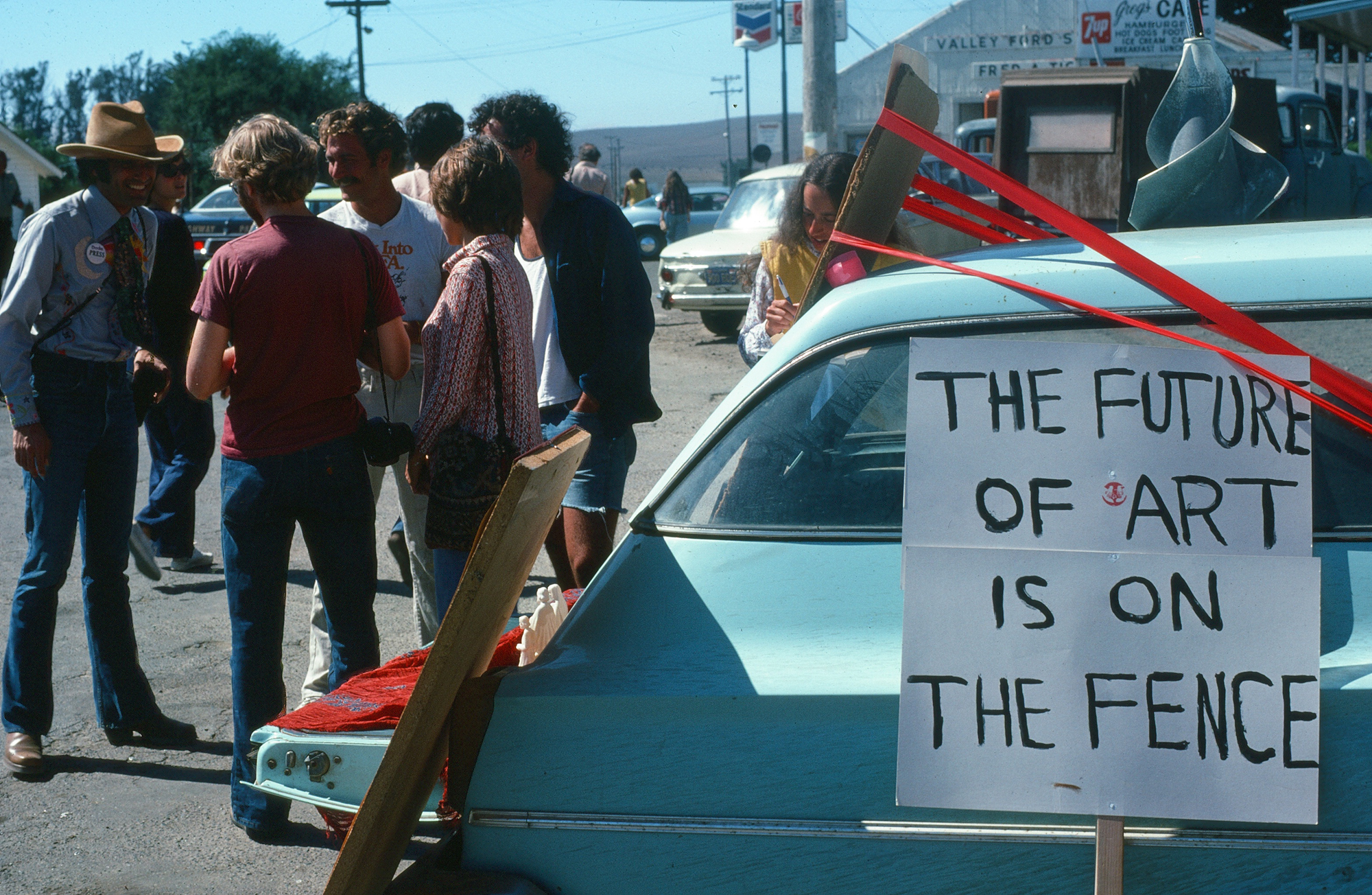
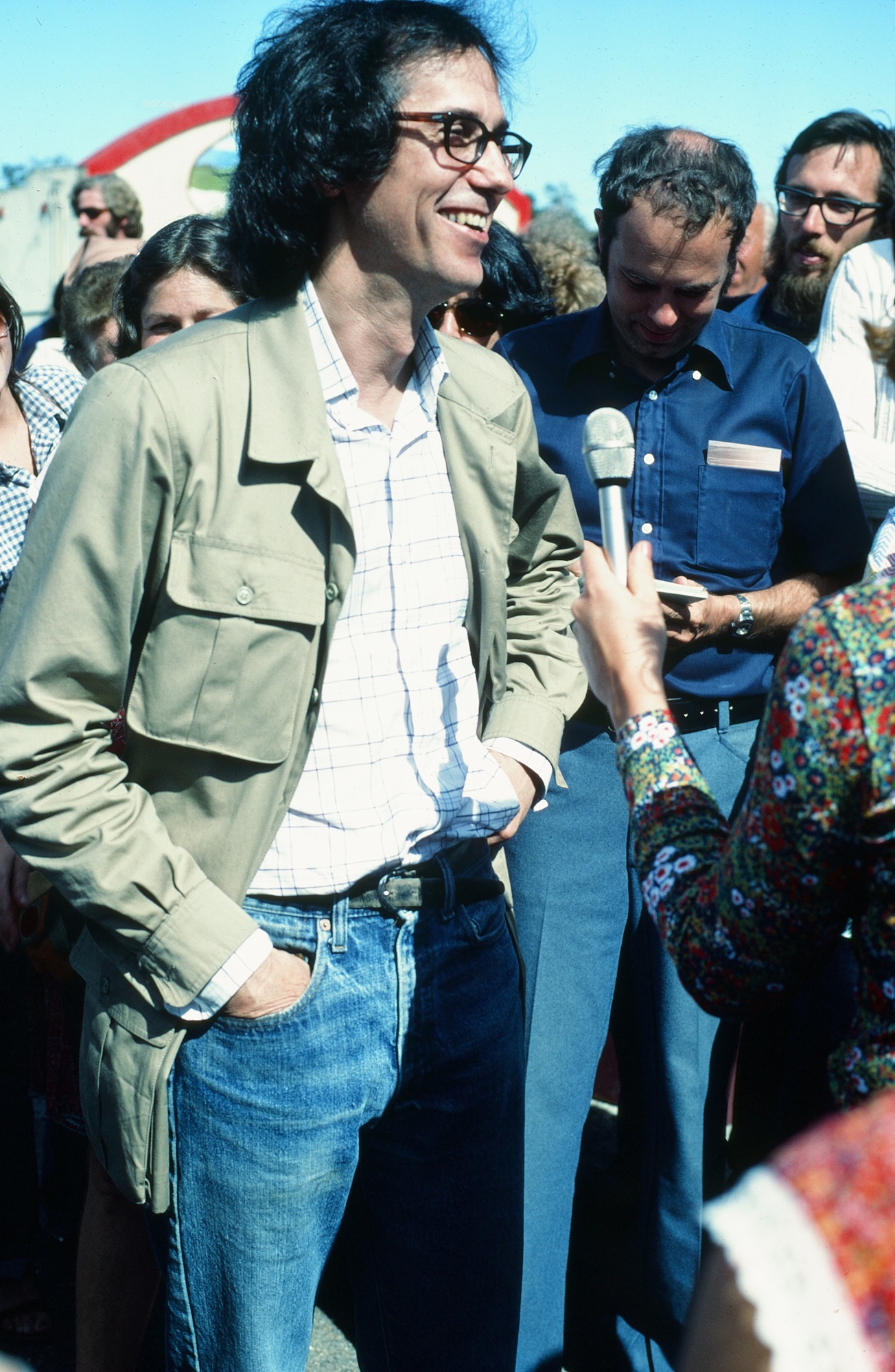
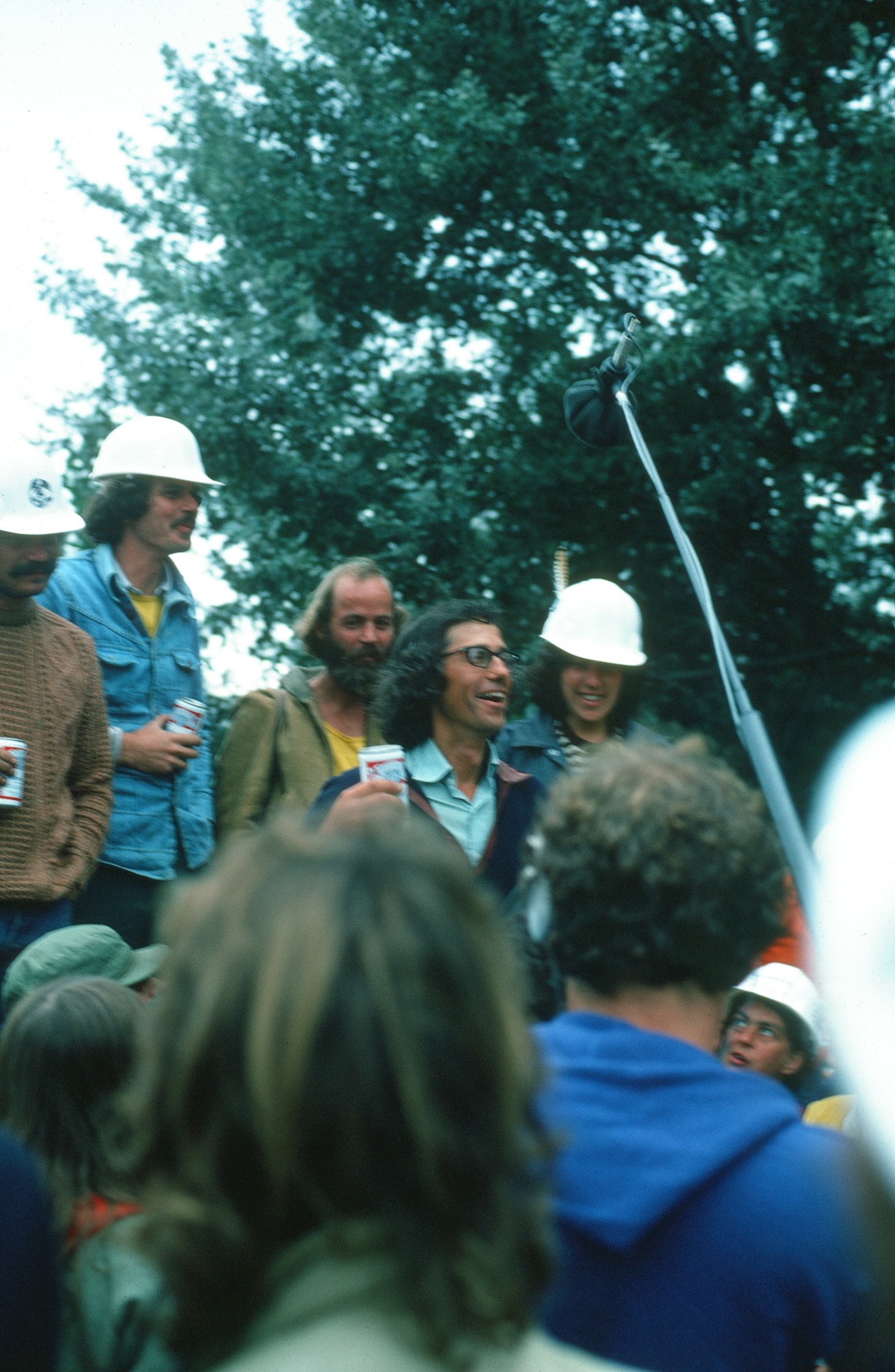
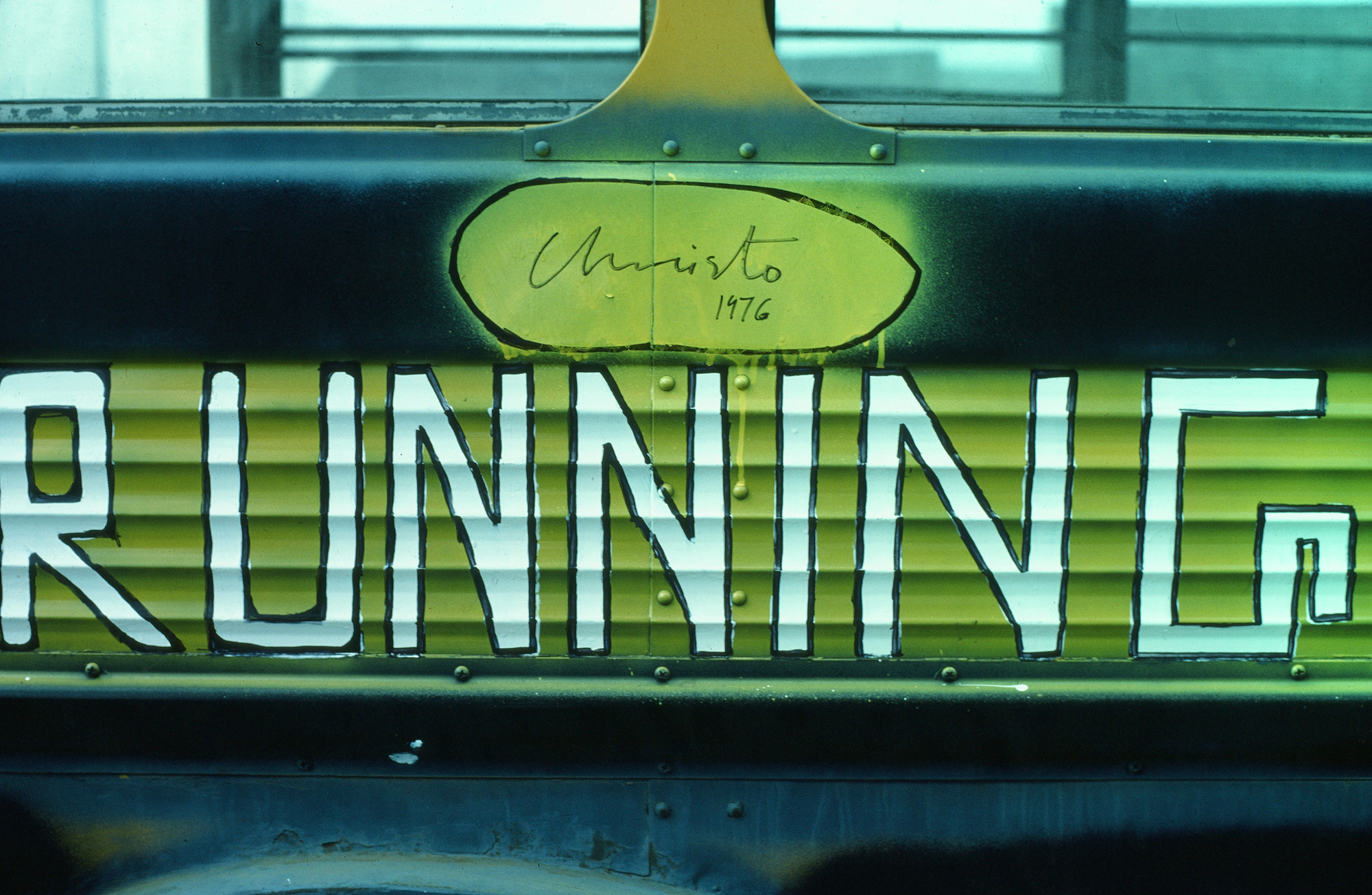
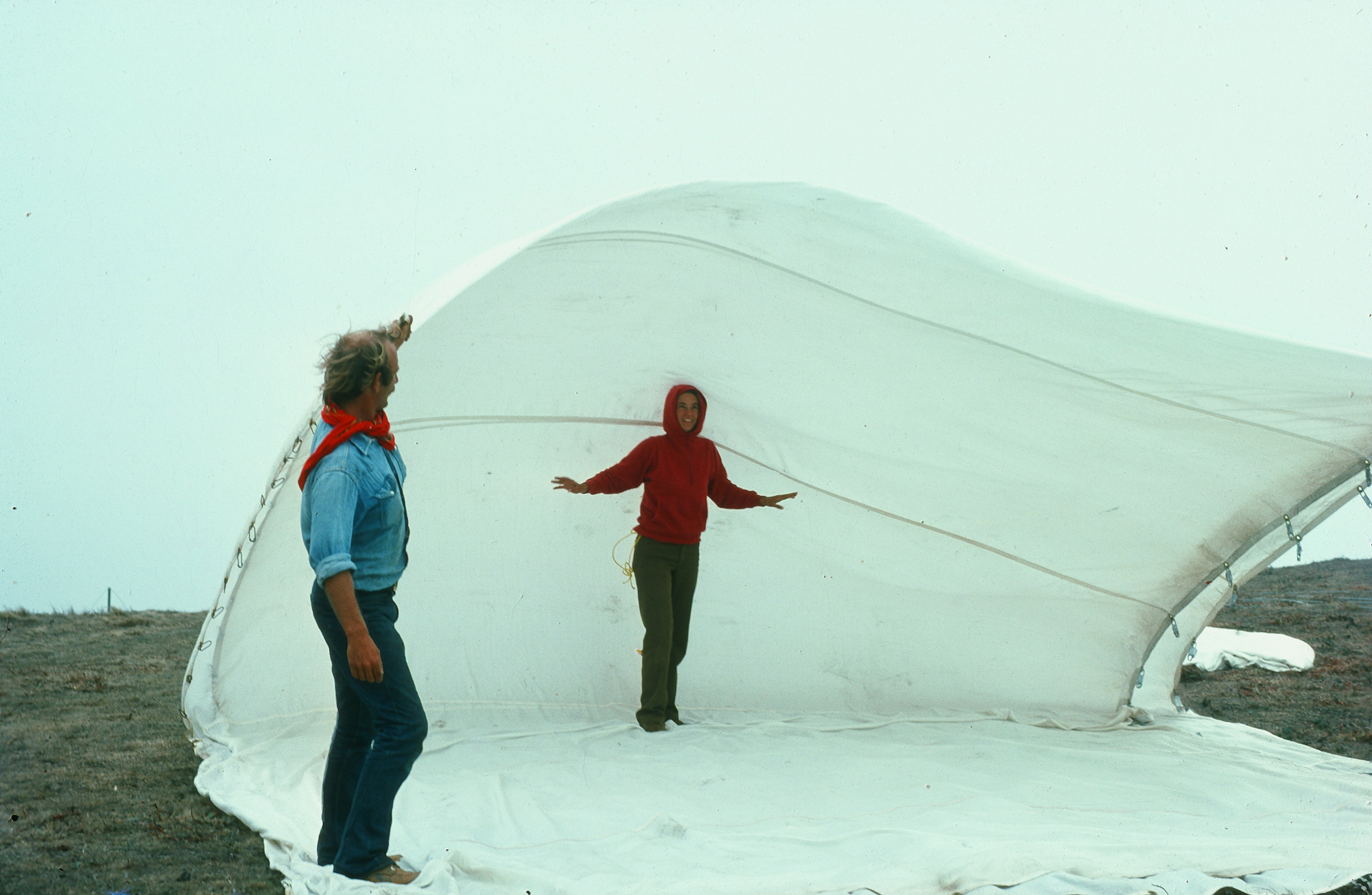
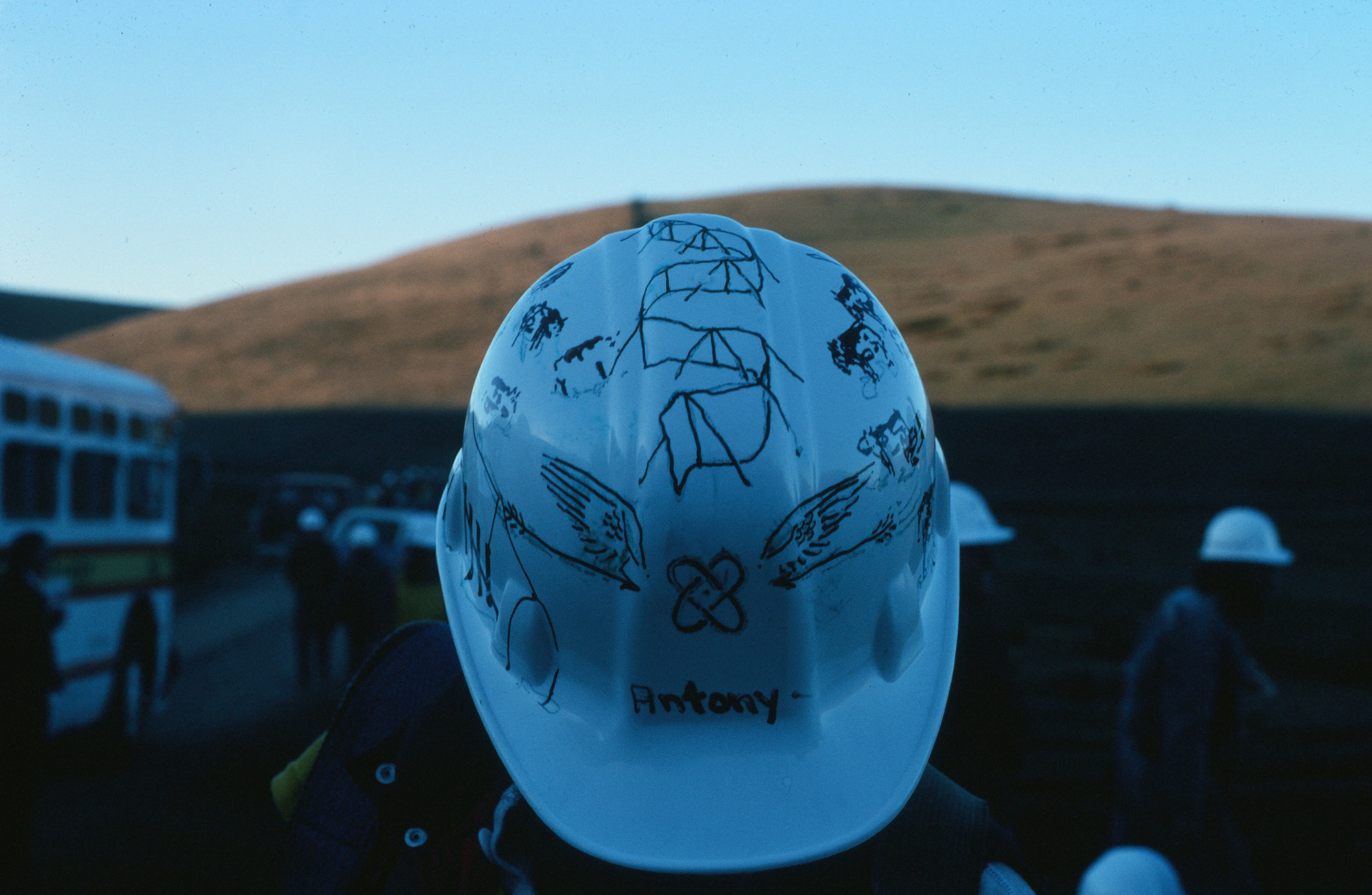
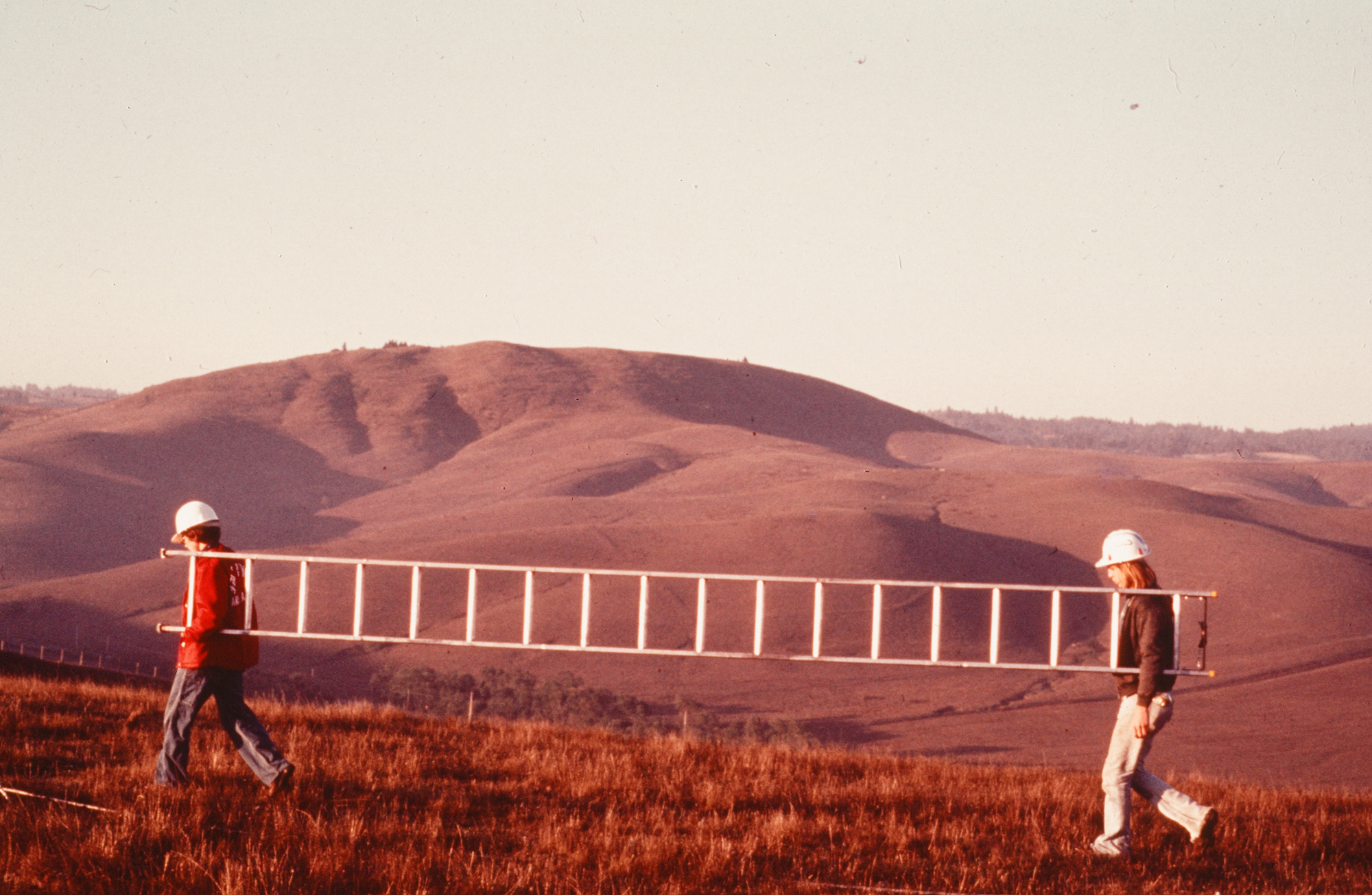
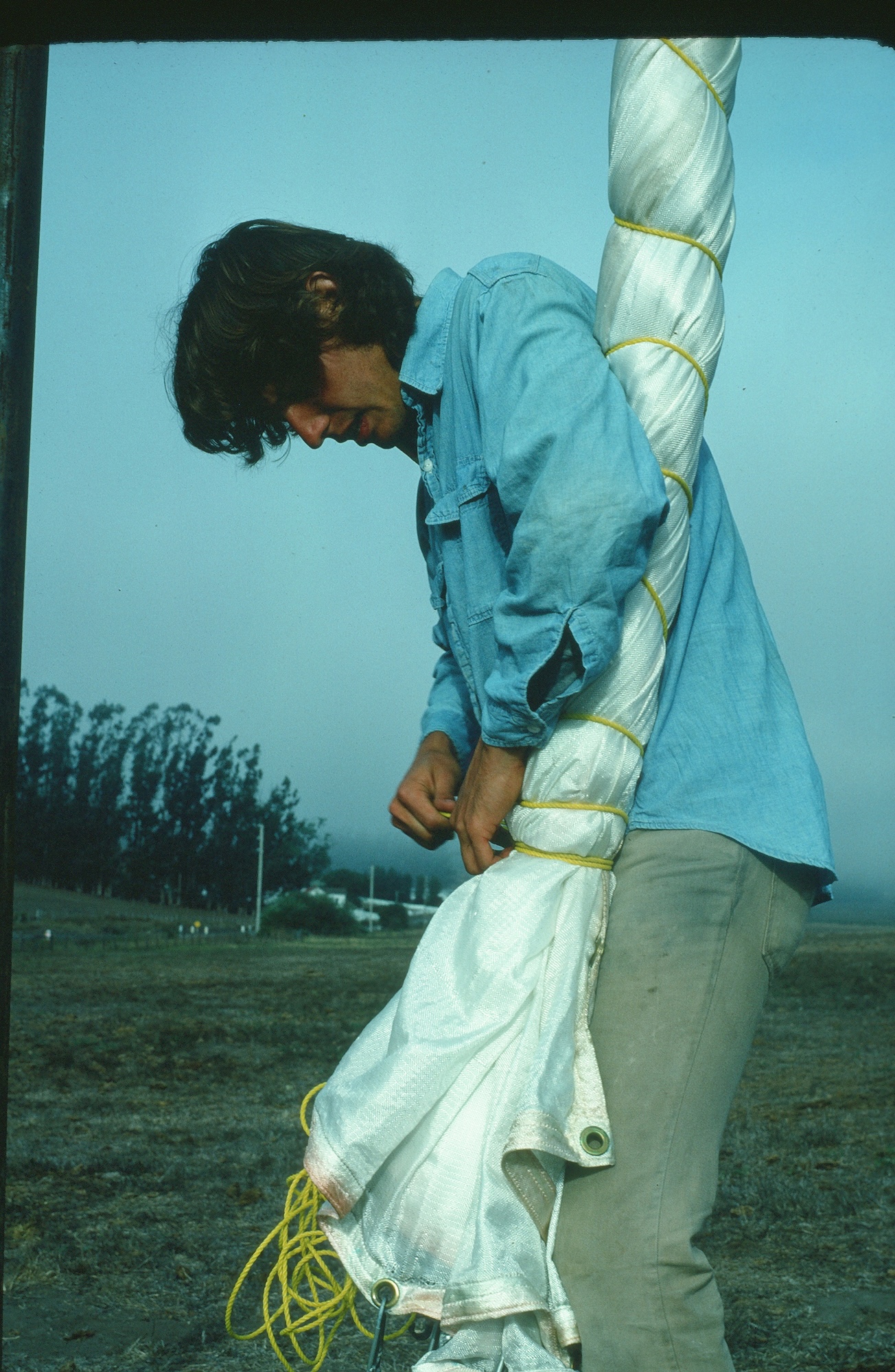
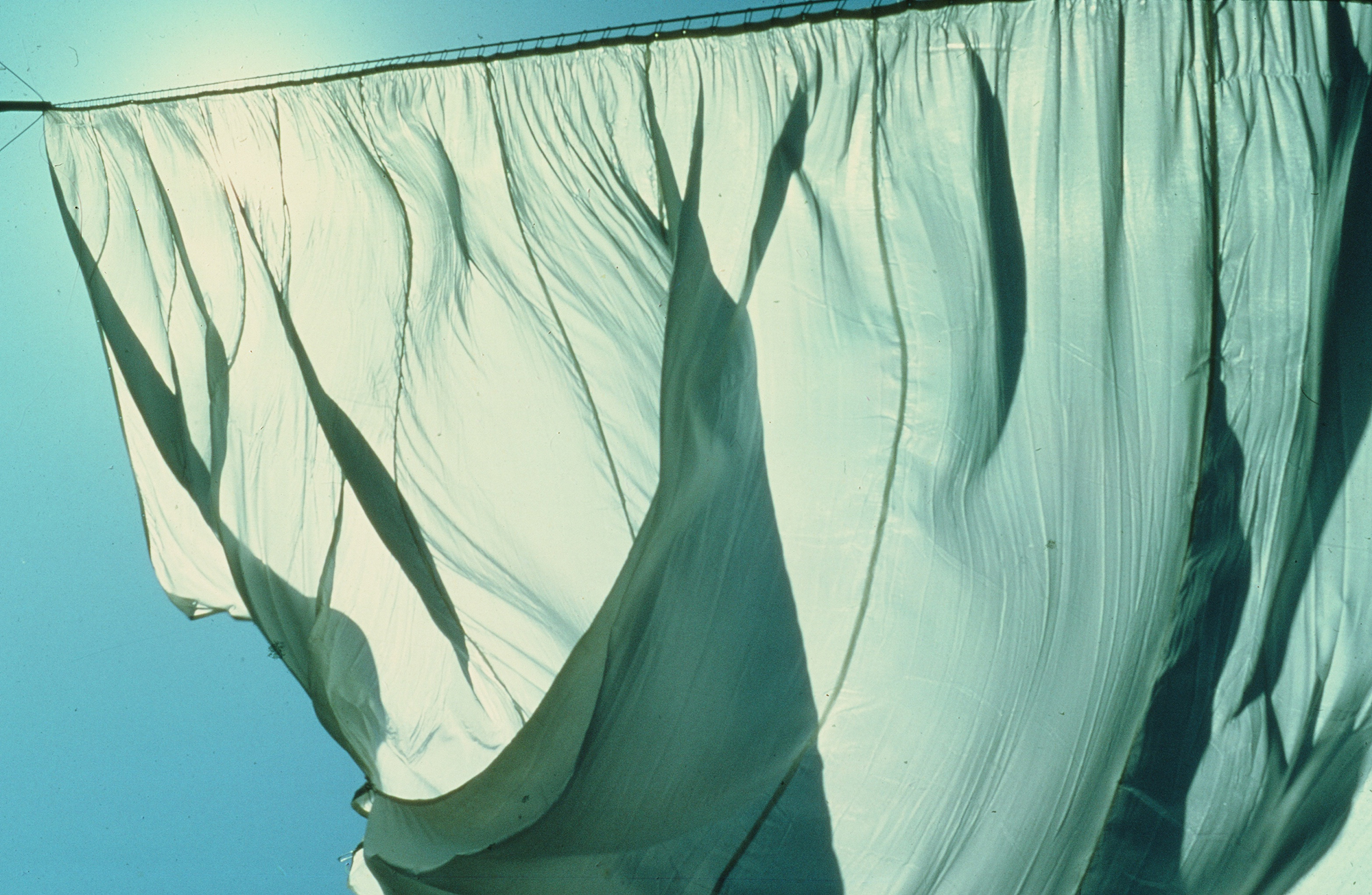
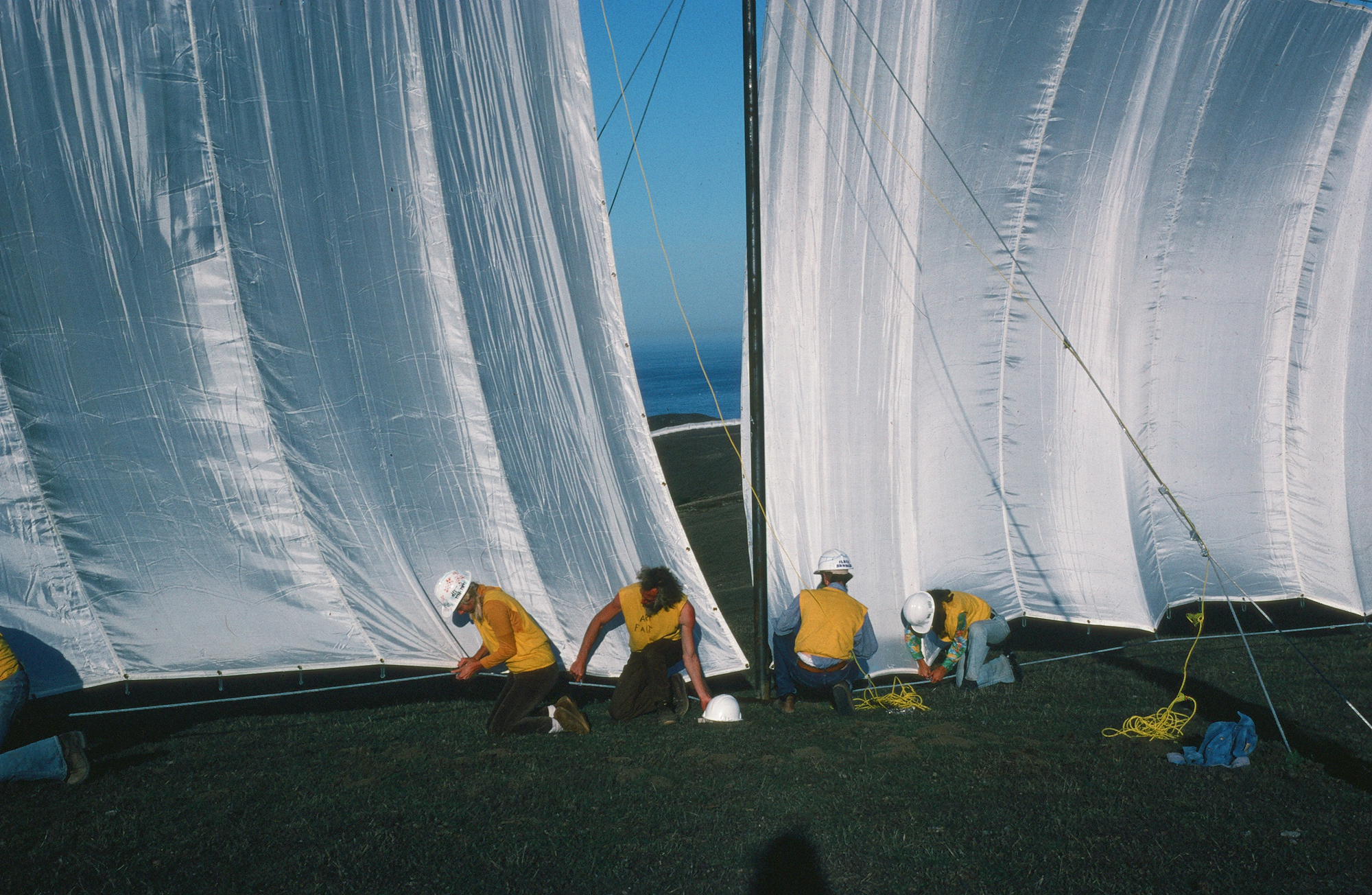
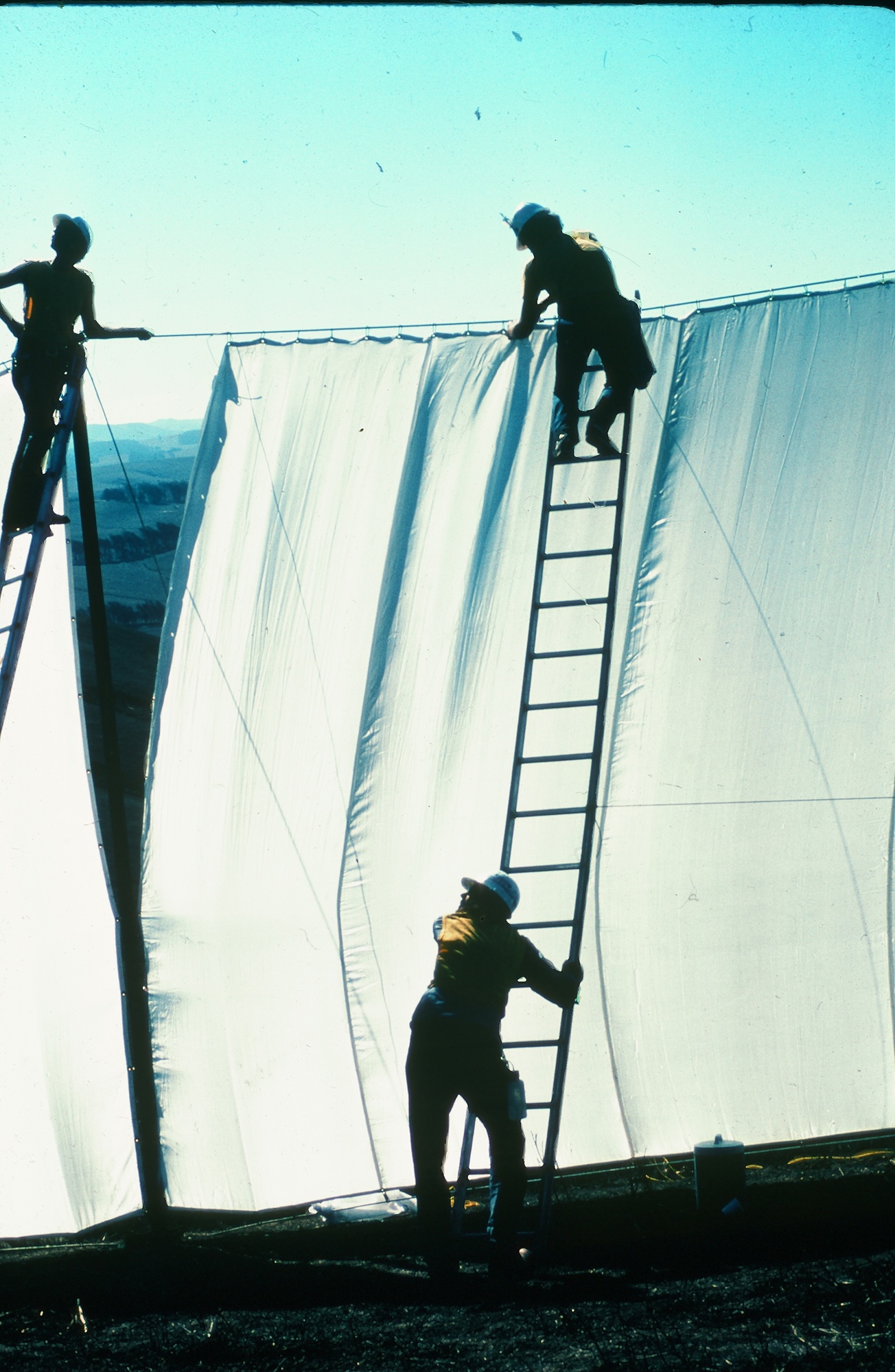
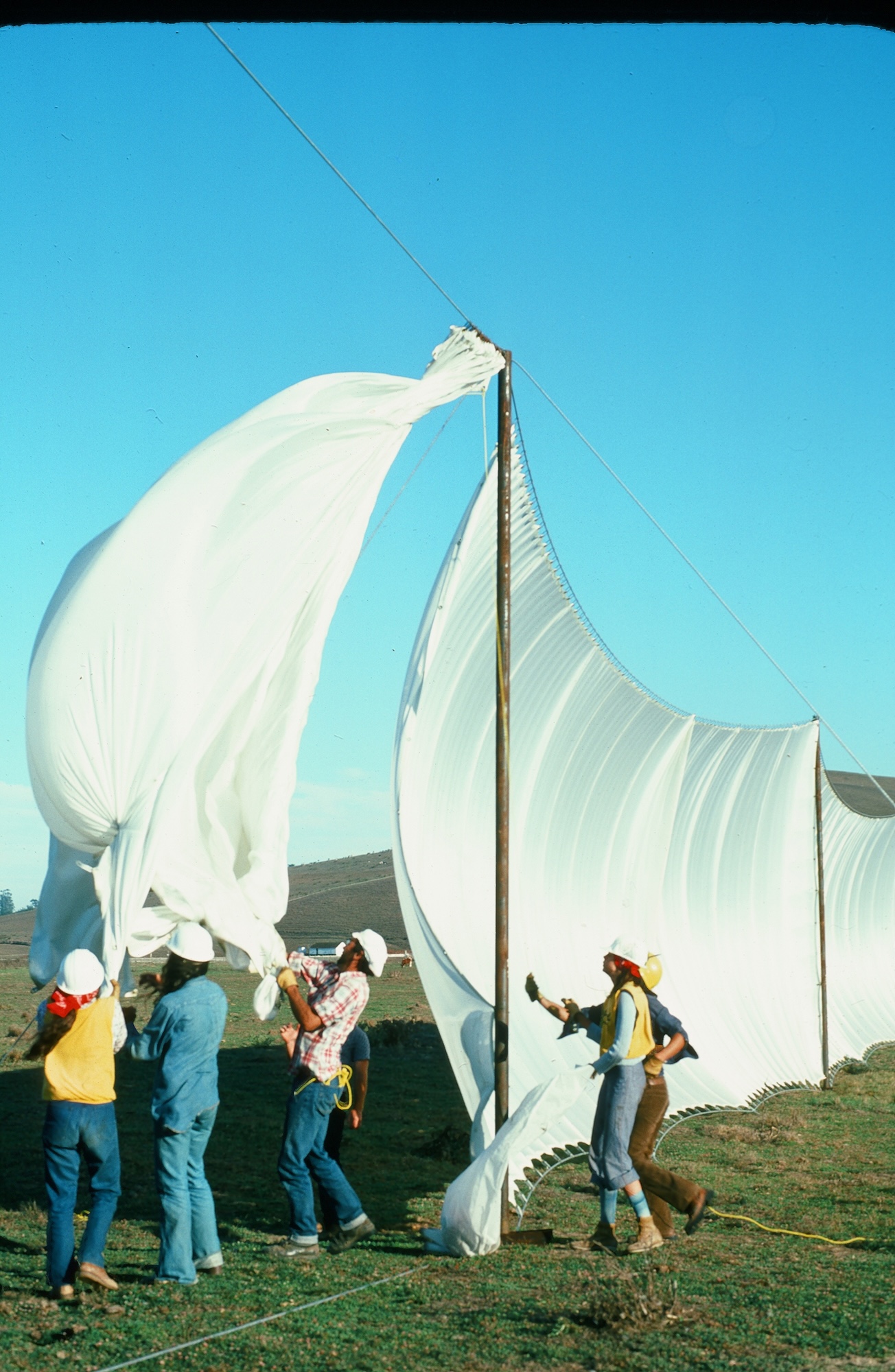
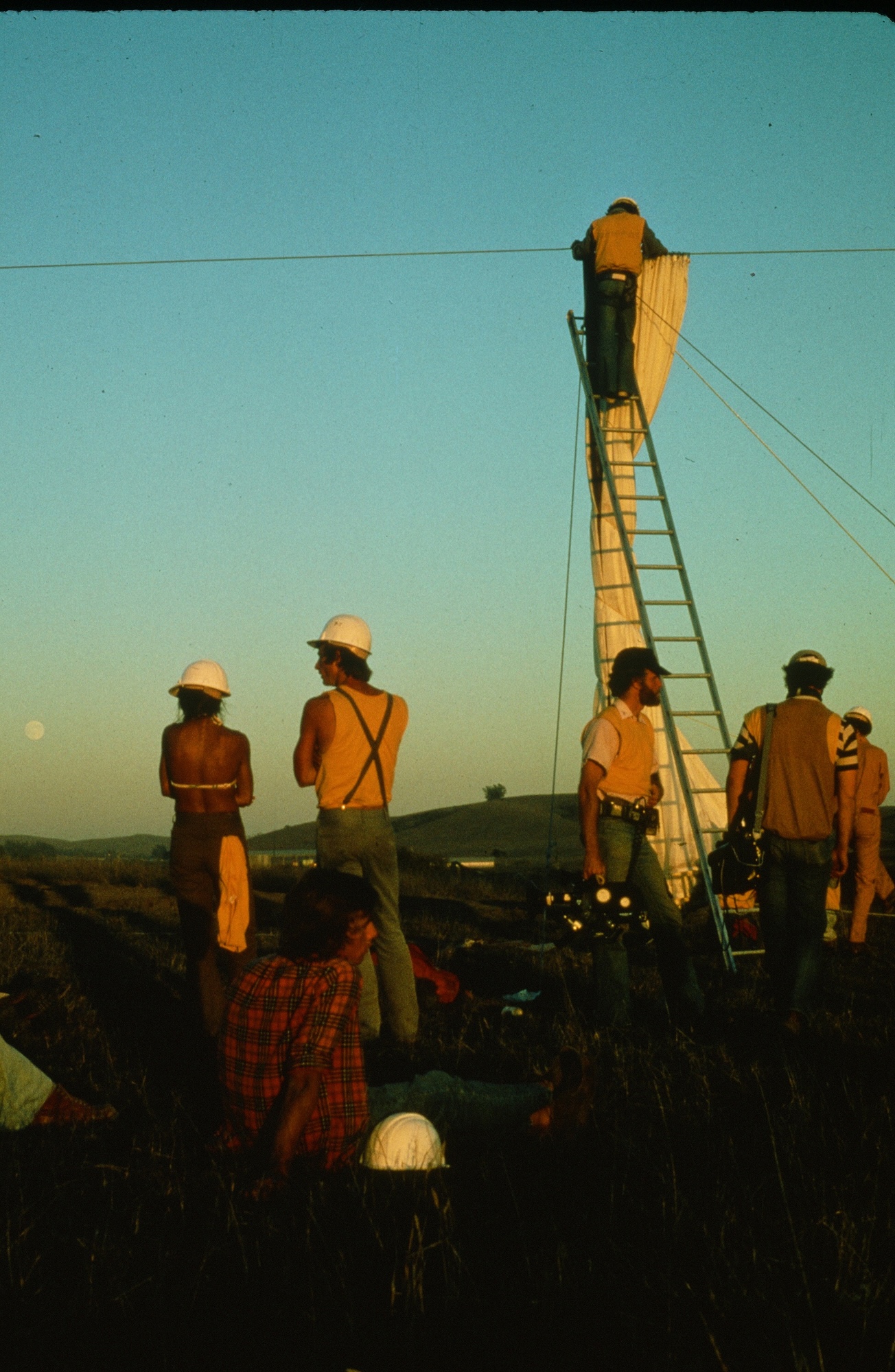
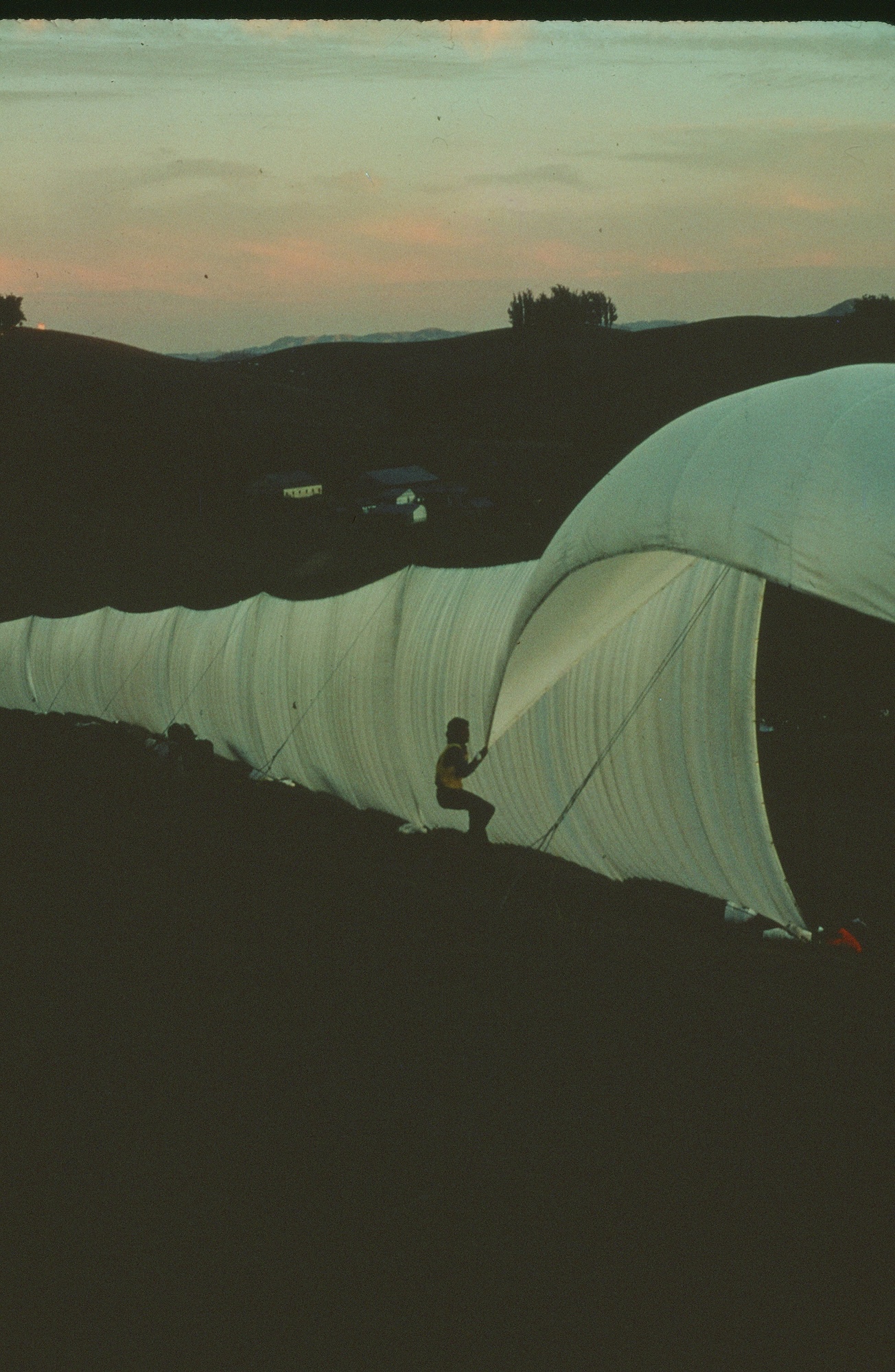
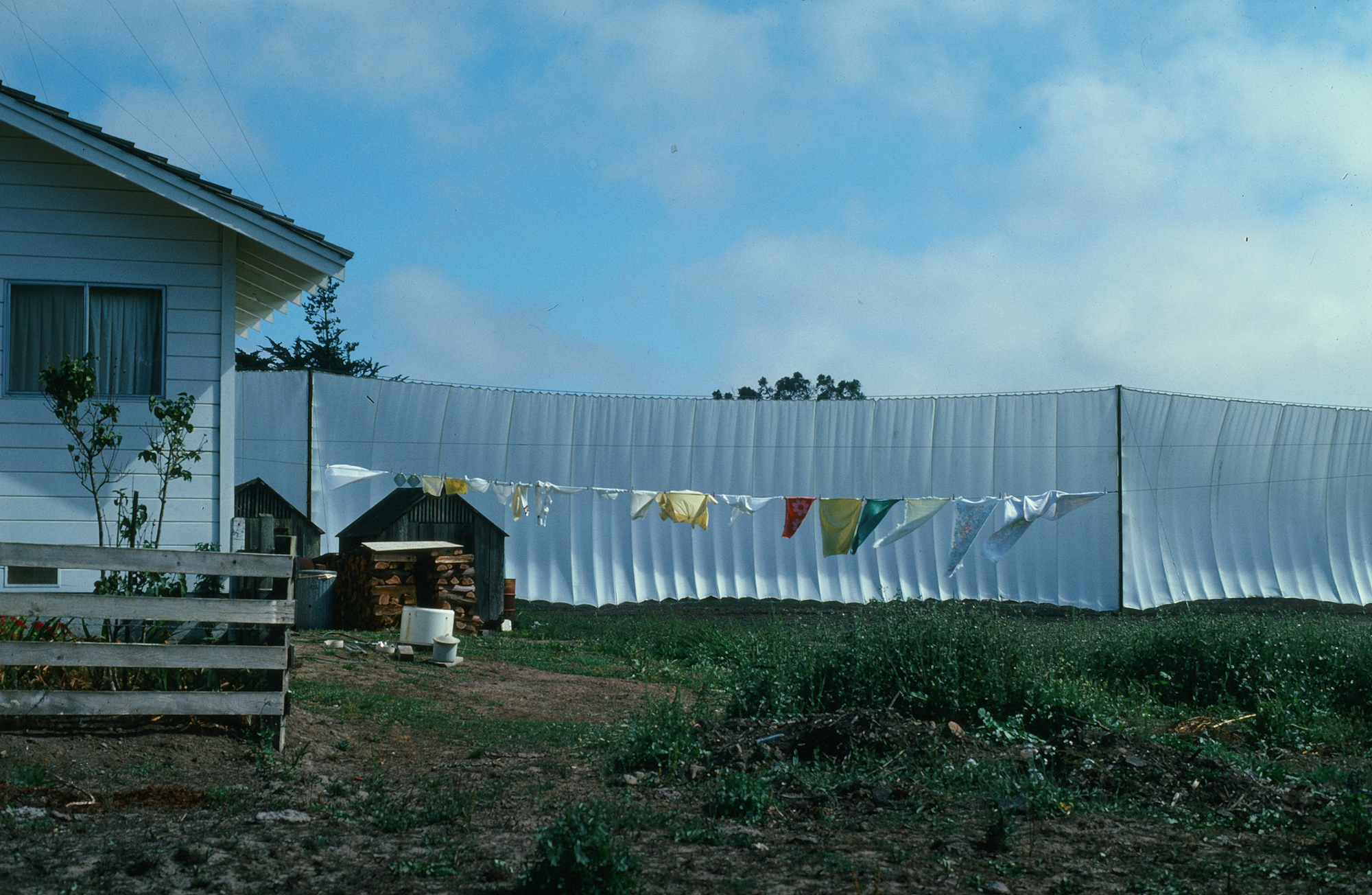
The late Bay Area photographer Marion Gray (born Marion Ruth Schutte, 1934–2016) photographed Running Fence — most notably all the behind-the-scenes work that went into its installation and deinstallation. After attending a lecture by Christo, Gray, who was a recent graduate of UC Berkeley (with an MFA in fine art and an MA in art history), introduced herself to the artist. By volunteering to document the assembly of Running Fence, Gray would unexpectedly launch her career as a photographer. Her distinct specialty was taking pictures of other artists’ performances, installations and exhibition events.
Nearly 40 years after the start of her career, the Oakland Museum of California presented Marion Gray: Within the Light (2015), a focused retrospective of the artist’s photography. Writing after her death, exhibition curator Christina Linden reflected, “Marion’s life work was about relentlessly pursuing shafts of light cast by creative energy, within the Bay Area artistic community she made her home, and beyond.”
The OMCA exhibition brought together rarely and never-before-seen images from different eras, offering a look at performance-based work by local and visiting artists like Barbara Hammer, Sara Shelton Mann, Joan Jonas, Guillermo Gómez-Peña and Jess Curtis. At a time when live performance was gaining renewed visibility within the field of contemporary art, the OMCA show demonstrated Gray’s exceptional commitment to documenting the ephemeral.
Gray’s pictures continue to appear in exhibitions and publications, particularly those that seek to capture the action and effects of particular events. “Her gift was full immersion,” Gray’s daughter Jennifer Tincknell told the San Francisco Chronicle. “She was an active participant in capturing the sequence of performance.”
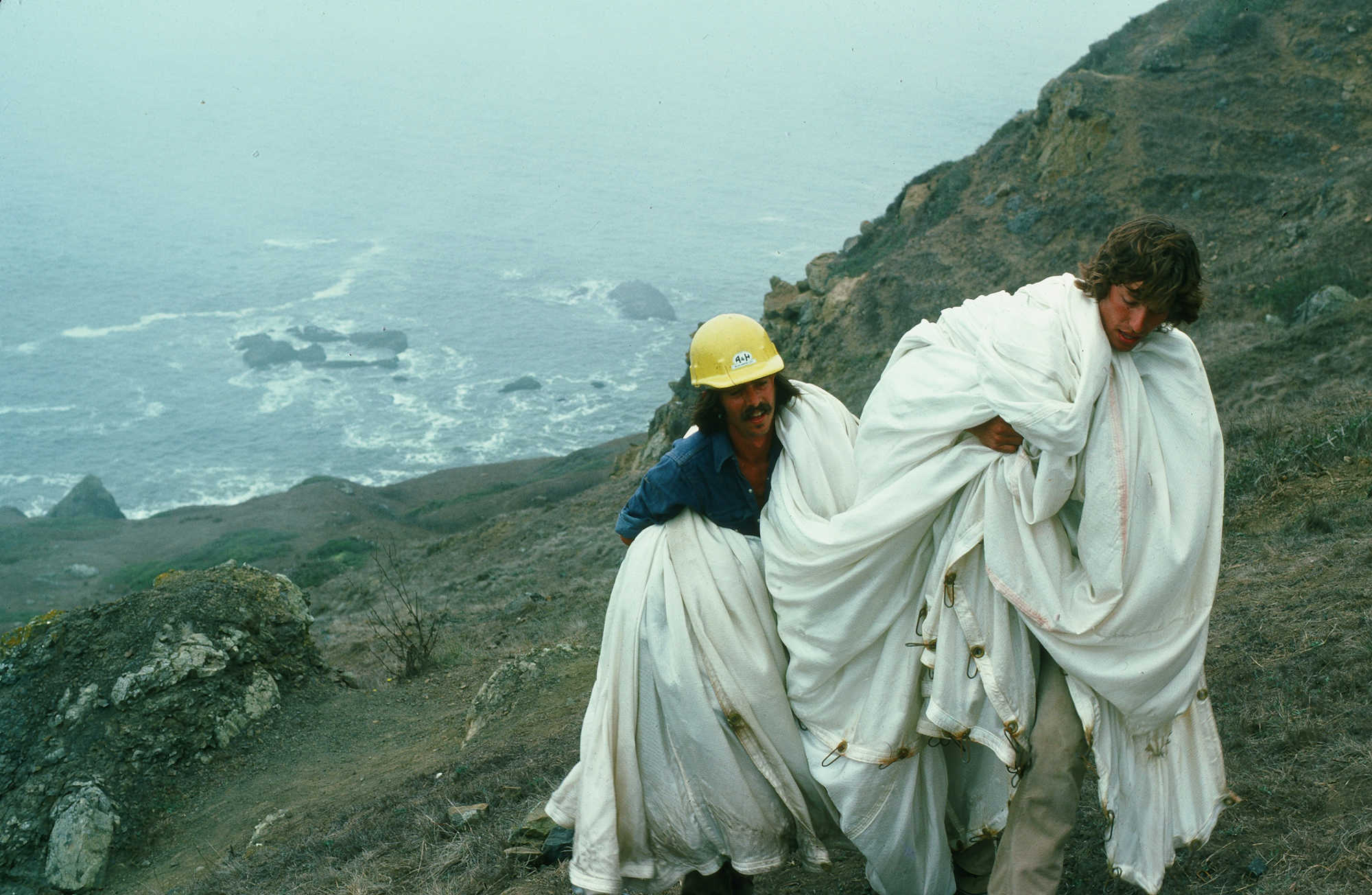
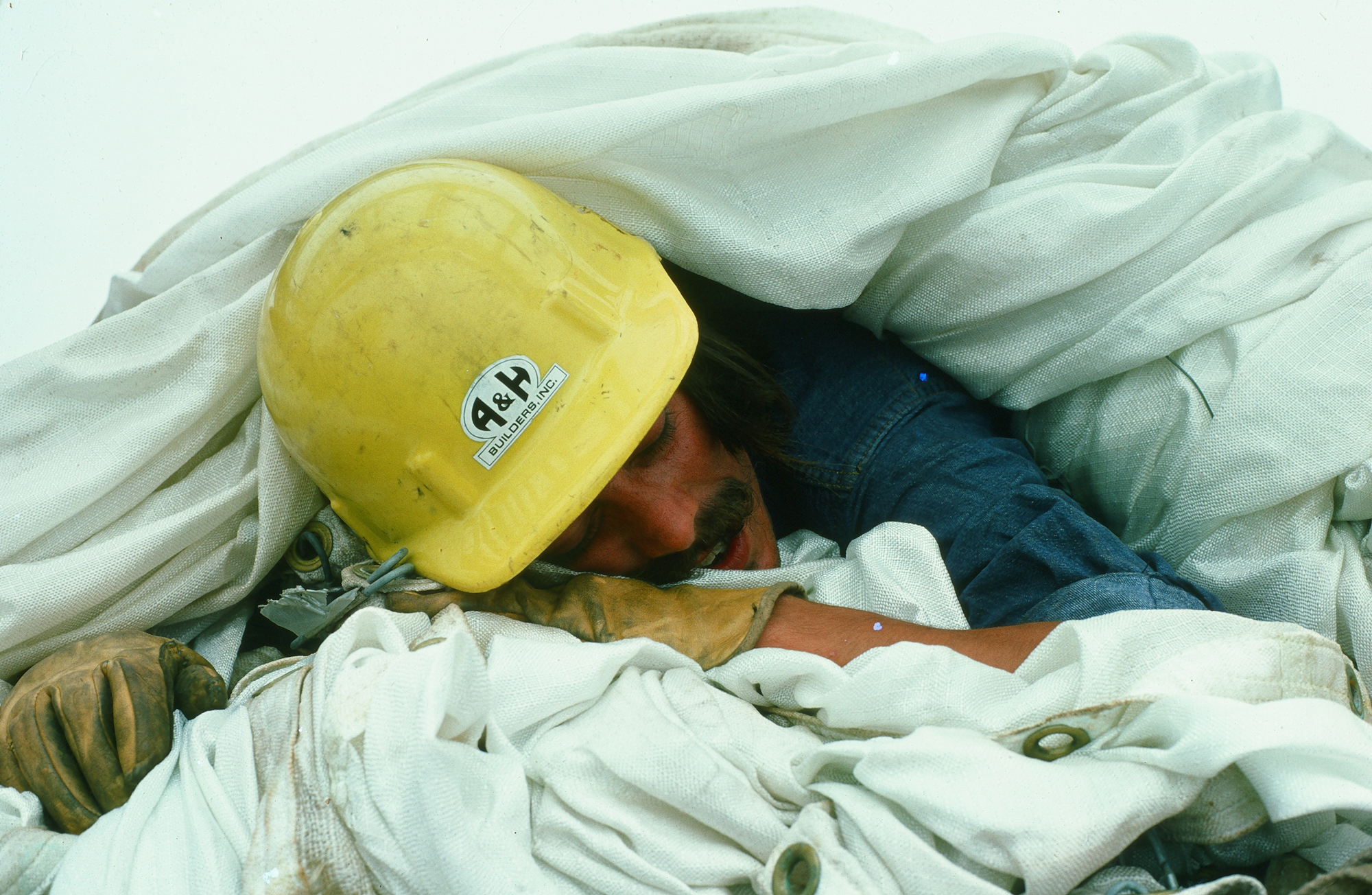
With her sister Hilary Redi and her niece Sonya, Tincknell has stewarded Gray’s archive until it can be placed at a public institution or university library. The collection includes approximately 300 slides of Running Fence, new scans of which have generously been made available to KQED. Gray honed in on fascinating details, like workers handling and carrying the heavy, woven white nylon fabric (a total of 240,000 square yards). She captured distant views of the installation transforming into what the artists described as a “ribbon of light” over the hills.
“It was the most exciting thing to happen in the art world at that time, and she felt she had to be a part of it,” Redi remembers of her mother. “She decided that she did not want to be an art historian or a sculptor, but she wanted to be around people and work on projects together. … It was the work that she would continue to do for the rest of her life.”
All images below by Marion Gray.