Liz Henry first became a wheelchair user in 1993, while living in poverty and navigating a world of uncertainty. The tools aiding their transition were sparse: a few issues of New Mobility magazine, a library book written by an author with arthritis and a manual wheelchair stolen out of necessity from Valley Medical Center.
At De Anza Community College, Henry often asked other students to help push them to class. Then they encountered the Disabled Students Association, a “life-changing” experience.
“Someone just gave me their old wheelchair basketball chair,” Henry recalled. “It was ultra lightweight, it weighed like 19 pounds and was made of titanium or something, and I could zip around independently. That was part of what made it life-changing, but really underlying that was just the sense of community and friendship I found there.”
San Francisco’s brand-new Disability Cultural Center (DCC) — which celebrates its grand opening on Thursday, July 17, at 165 Grove St. from 12 to 1 p.m. — aims to cultivate even more of that sense of community through events like body movement classes, accessible yoga, collaborative poetry and support groups.
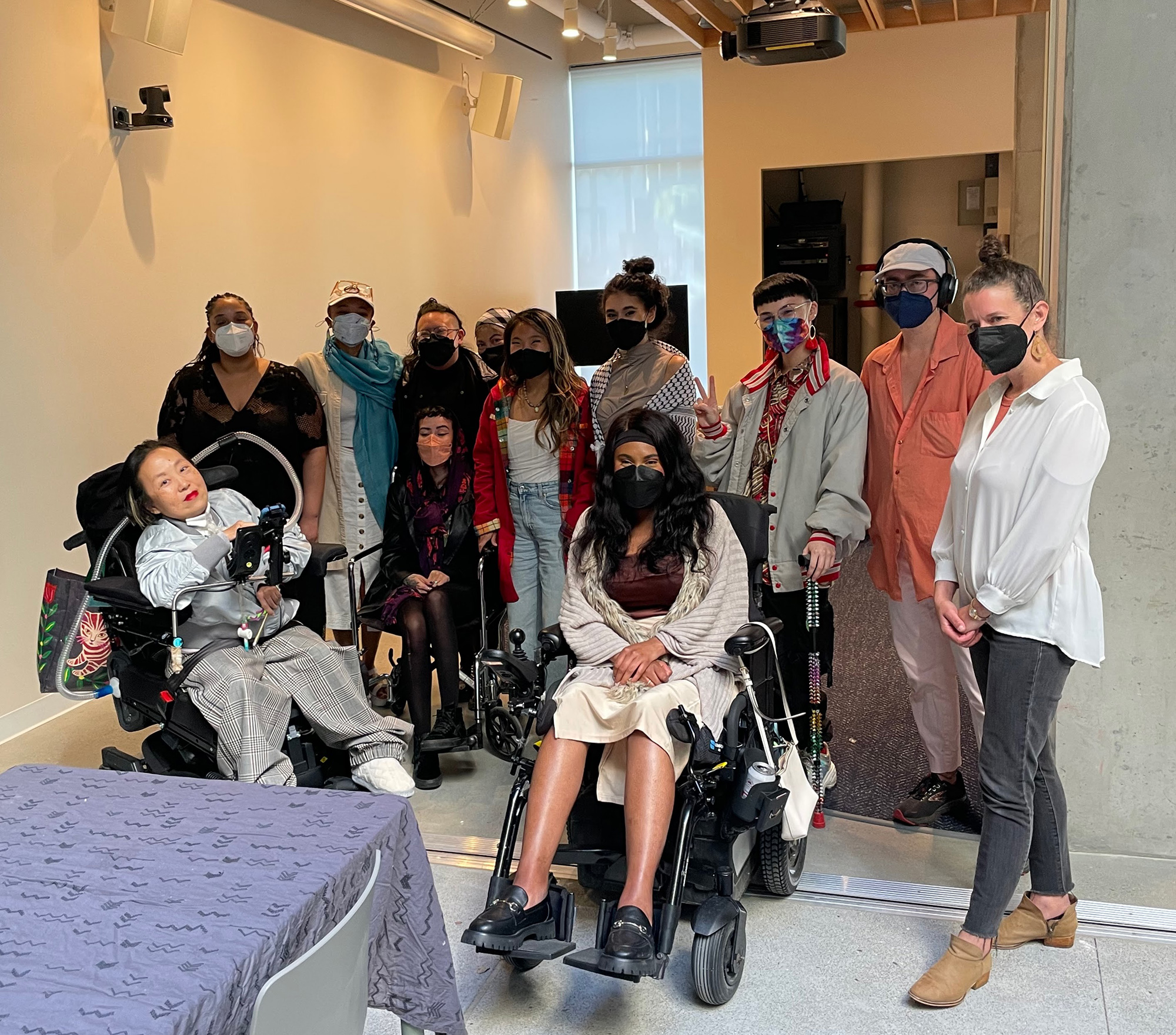
While other organizations in the city like the Independent Living Resource Center of San Francisco focus on advocacy and direct services, and while similar disability centers exist on college campuses, the DCC positions itself as the first of its kind — a hybrid space dedicated to celebrating and cultivating disability through public events.
“Our goal is to be the space where people can come for a restorative space when you’re exhausted by how much ableism there is, how many inaccessible buildings you’re expected to go to, and for a reset and an escape from that,” said DCC co-founder Emily Beitiks. “We are doing advocacy, but it’s in the form of anti-abelism work, of shifting assumptions about disability.”
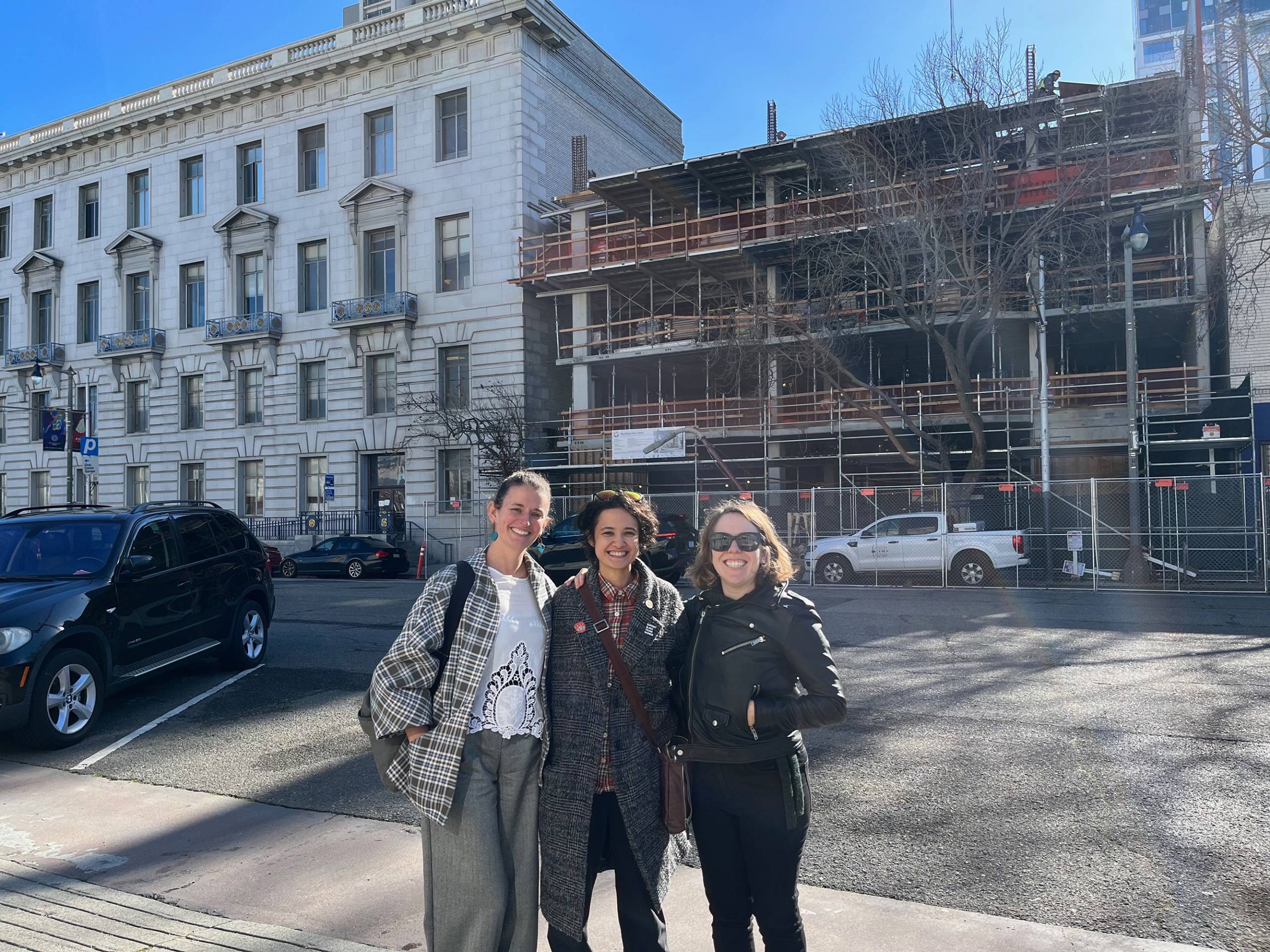
The center is located across from City Hall, and around the corner from the Federal Office Building, where 35 years ago dozens of disabled people held a historic demonstration for national disability rights.
After the longest takeover of a federal building in U.S. history — 25 days — the Americans with Disabilities Act was signed into law.
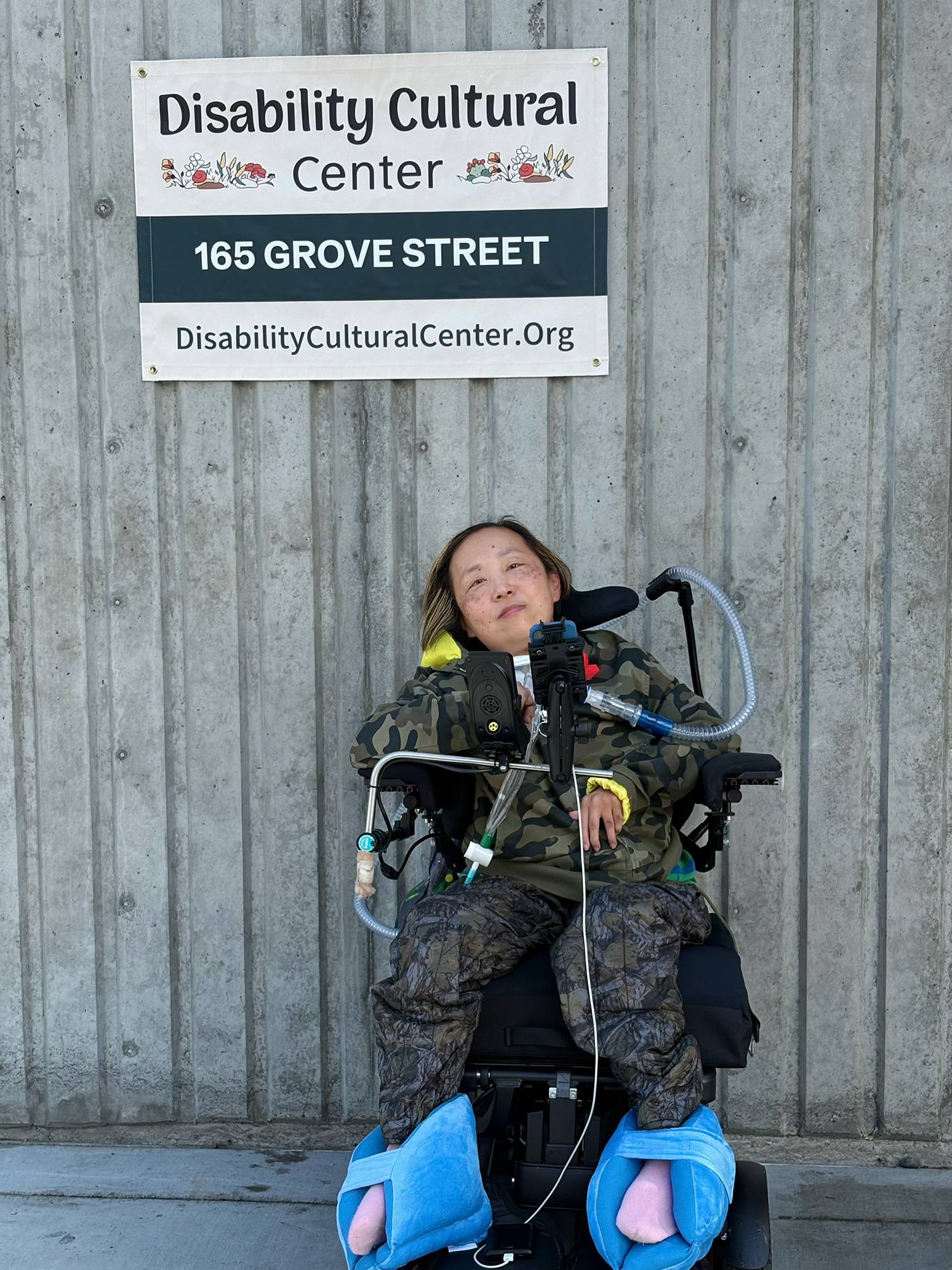
Disabled activist Alice Wong, a SoMa resident and founder of the Disability Visibility Project, notes that President Trump’s so-called “Big Beautiful Bill” mandates significant cuts to Medi-Cal, resulting in an especially challenging time for the disabled community.
“We need community more than ever, and the SF Disability Cultural Center will become a critical place for disabled people to organize, gather and just be with each other,” Wong said. “It shouldn’t be radical, but we need a place of our own. We are so lucky to live in a city that is home to the first publicly-funded center on disability culture which recognizes that we have a history, culture, and language spanning centuries. … I know the DCC will become a hub where everyone feels welcome in a world that is increasingly hostile and violent towards us.”
The DCC has existed virtually for the past year, hosting 110 programs. On Grove Street, its public events will be a hybrid of in-person and livestreaming.
The center features many amenities for the disabled community to take advantage of, such as weighted and heated blankets, hooks for canes, chairs to fit all body sizes and a large folding wall that opens up to the patio, meant to provide better airflow and accommodate immunocompromised people who require being outside.
Technology is also built into the space to ensure a smooth operation of hybrid events, a huge perk for someone like Henry.
“Just imagine, you have a chronic illness, you have a mobility issue, you’re in pain,” Henry said. “This happens to me all the time. I get tickets for something, and then the day comes, and I’m exhausted and can’t make it. So, that lets a broader range of people be able to participate in the community.”
For Beitiks, the real impact of the DCC goes beyond events or amenities, and is about reshaping how disability is understood and valued.
“We want a culture in which disabled people feel we can thrive,” Beitiks said. “And the long-term game involves reaching people’s hearts and minds and rethinking so many of the assumptions that we hold about disability. Culture and the arts — film, music, poetry — these things can completely make disability life experiences more accessible.”
The San Francisco Disability Cultural Center opens with a ribbon cutting on Thursday, July 17, from 12–1 p.m. Details here.