Mention witches and people will think about a plethora of different things. Little girls dressed up in black and carrying a tiny broom on Halloween night. Countless horror movies and TV shows full of magic. Dense nonfiction narratives about beliefs across the world. Rampant misogyny and ignorance leading to the murder of thousands of innocent women who dared to be too smart or too connected to nature — or simply didn’t want to do as they were told.
From Pointy Hats to the Murder of Innocents, ‘The Story of Witches’ Revives the Past
Willow Winsham’s new book offers a fun, fast, well-researched historical summary that is also a work of art.
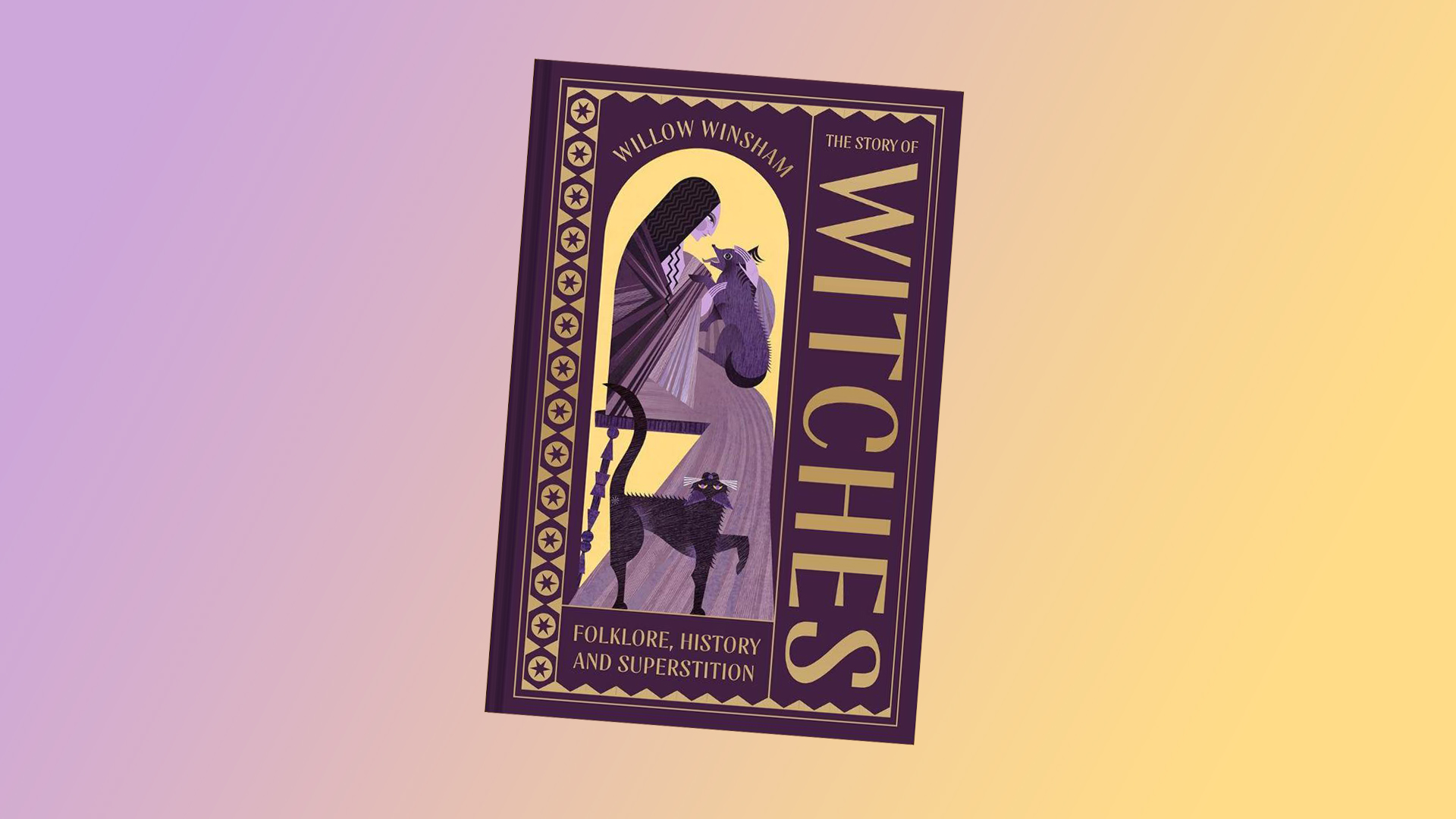
Willow Winsham's book is filled with gorgeous full-page images by artist Katie Ponder. (NPR/Batsford)
Rebel Girls from Bay Area History
From cute — or sexy! — witches to horrendous cannibalistic ones with large moles on their beak-like nose, witches have been a staple in many countries. Now, Willow Winsham’s The Story of Witches: Folklore, History and Superstition offers a fun, fast, well-researched historical summary that is also a stunning work of art.
In The Story of Witches, Winsham takes readers on a tour of the history of witches in the United States and Europe. The book is relatively short and packed with art. However, what the book lacks in terms of length and depth it makes up for with its fun voice and the way it focuses on some of the most interesting aspects of witchcraft, its persecution, and its impact on cultures and cultural products like literature and film. Winsham, a historian specializing in English witchcraft cases, divides the book into three parts — Witches of Myth and Legend, Witch Trials and Witch Beliefs, and The Wheel of the Year — and uses each part to clarify things and dig into certain elements of history. Engaging and easy to digest, this book is perfect for those who want to know more but don’t necessarily want to pursue a degree on the subject.
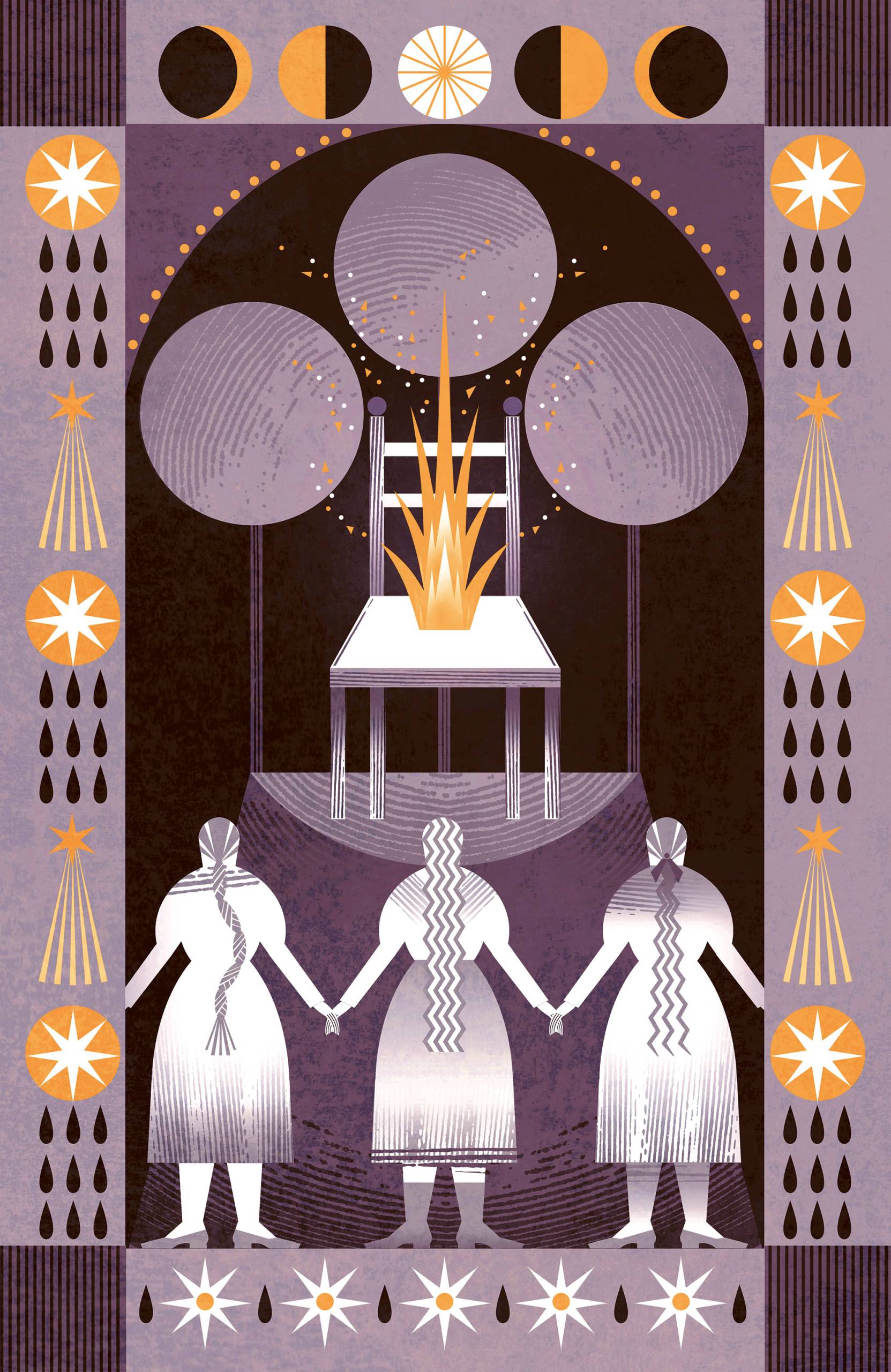
(Katie Ponder/Batsford)
In some ways, The Story of Witches is a limited book, and that’s a good thing. Readers looking for a deep dive into the history of femicide or the use of violence to control women across Europe should look elsewhere (for that, I highly recommend Mona Chollet’s In Defense of Witches: The Legacy of the Witch Hunts and Why Women Are Still on Trial). However, anyone with an interest in witches — the constant persecution, their role in famous children and adult narratives, the bizarre identification methods, the unfair trials, the dire consequences of violent ignorance and the many innocent lives lost — should make sure this book finds its way onto their bookshelves.
While there are many elements of this book that make it a worthwhile read, there are two that stand at the forefront. The first is that Winsham didn’t write this book for fellow historians or academics; this is a light, enjoyable read even when it deals with horrible things. The author educates readers, but does so with a fun voice and at breakneck speed, so there’s never a dull moment as you pass pages in a frenzy while reading about witches turning into hares and stealing milk, delve into the history of the Witches’ Sabbath, learn about witch bottles, and take a detailed look at the torture devices used on many men, women, and children through the ages.
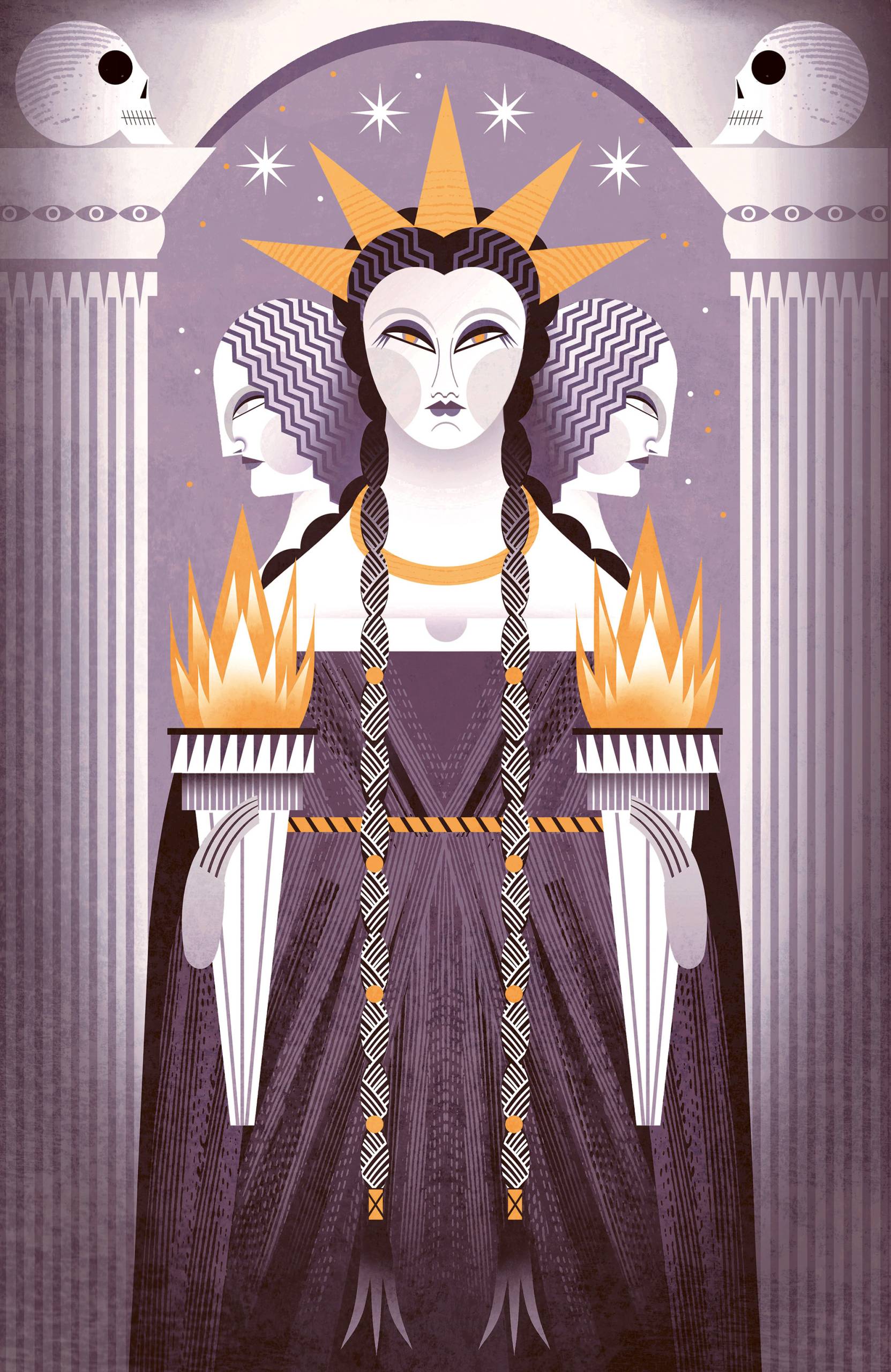
The second element that makes this book a necessary read is the art. Gorgeous full-page images by artist Katie Ponder accompanies many of the chapters. All the art shares the same colorful nature and Ponder manages to capture the heart of Winsham’s short chapters wonderfully well.
History hasn’t been kind to witches, but now there is a much deeper understanding of their past, present, and future. The evil woman in a pointy hat riding a broom to her meeting with the devil in the woods and devouring children from time to time belongs in books and movies. Smart women (and men) with knowledge of nature and healing plants are a reality. So are Wicca practitioners and those who understand that witches aren’t what many have made them out to be. Winsham accomplishes a lot in this short book, but perhaps the most important thing she does is reframe the discourse in a way that places our historical witches under a different light and gives us reasons to celebrate modern witches.
With a title like The Story of Witches, learning early on that the book would only focus on Europe and the United States didn’t sit right with me, at first. Then I kept reading and, realizing some chapters are only two or three pages long, I understood the author’s purpose: This book doesn’t want to be an all-encompassing encyclopedia or a doctoral thesis on a single subject; it is a map that invites you to dig deeper (something that will be easy to do with Winsham’s six pages of recommended bibliography).
Few narratives can go from torture devices to jokes and from Sabrina the Teenage Witch to sex with Satan, but Winsham does it wonderfully well here. Maybe there was some magic involved.
Copyright © 2025 NPR