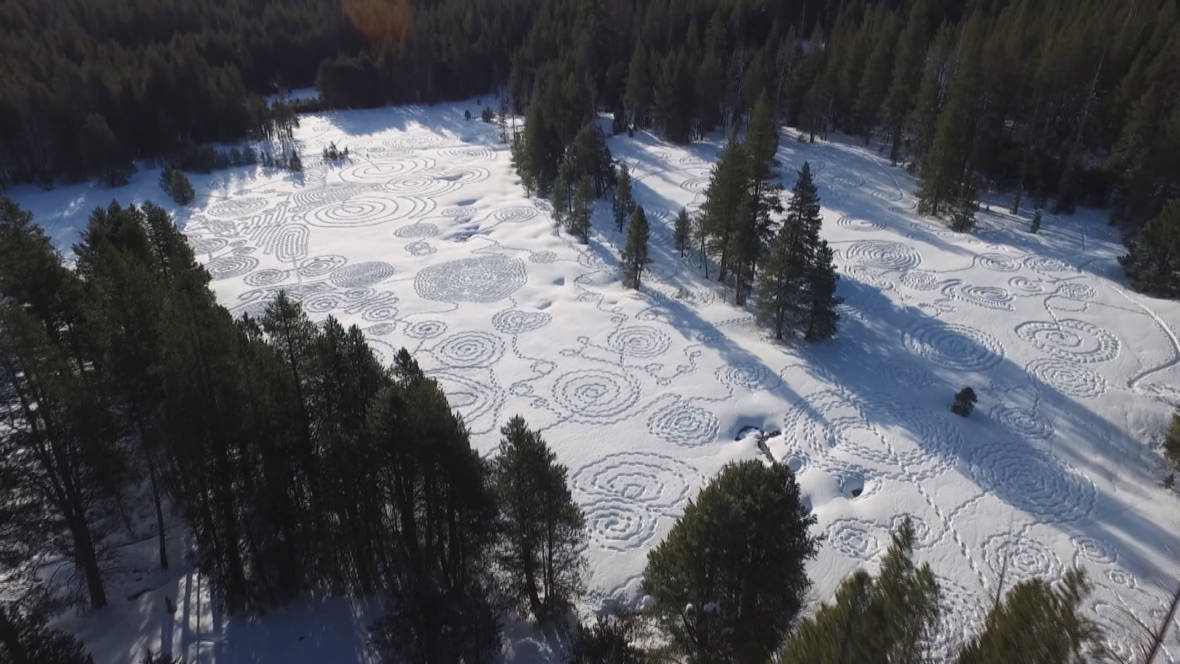
Our Creative Nature
See how Bay Area artists, working in a variety of genres, hope to swing public opinion behind efforts to improve the quality of our land, waters and air.

See how Bay Area artists, working in a variety of genres, hope to swing public opinion behind efforts to improve the quality of our land, waters and air.
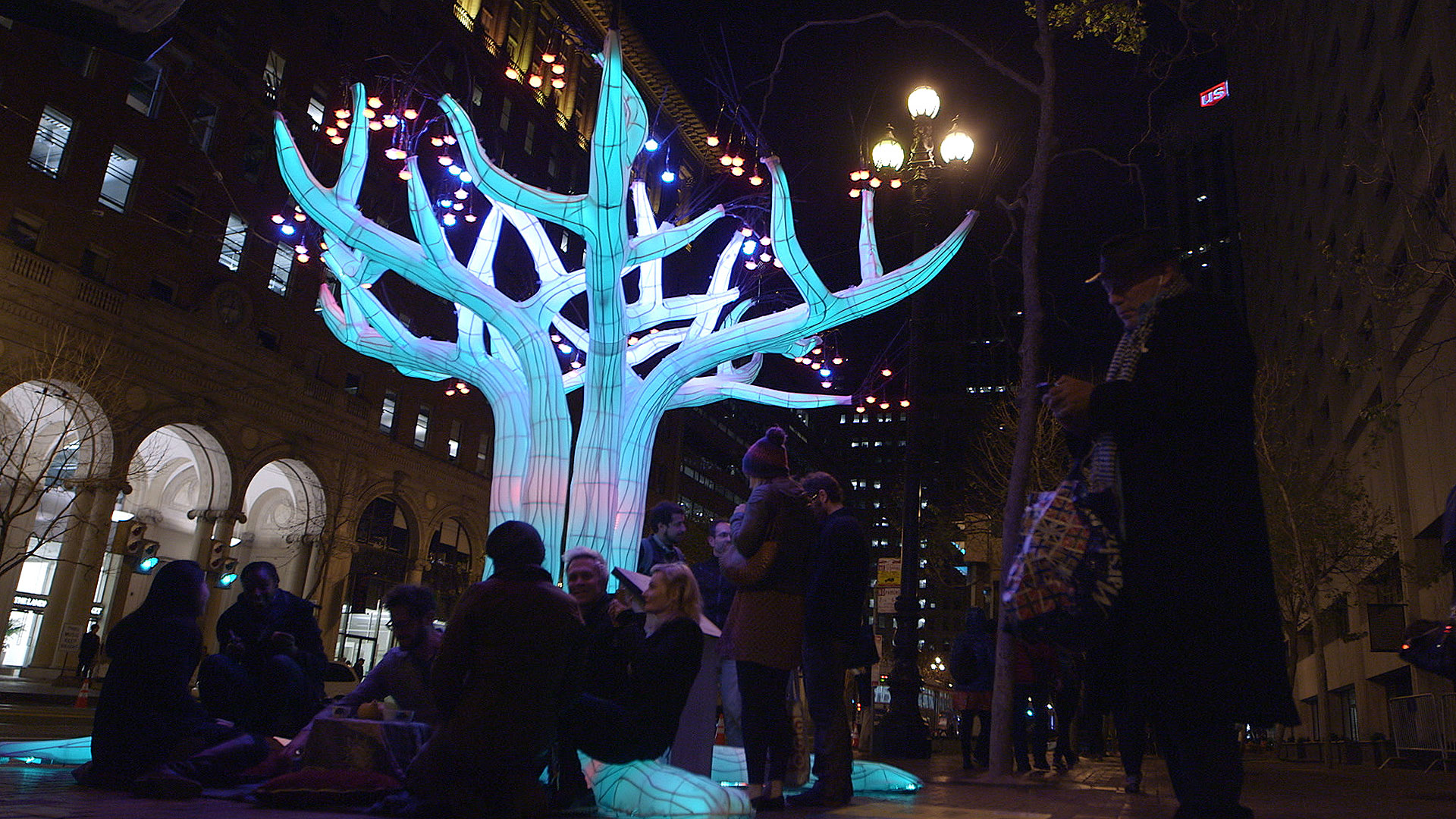
From themes of political suppression to mankind's misuse of the land, Spark highlights work that is both spellbinding and thought-provoking.
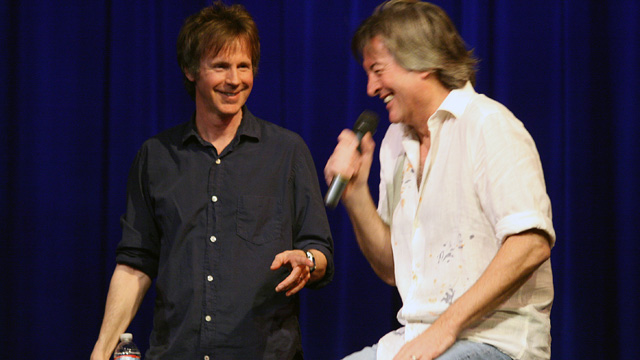
In this special episode of Spark, we spotlight arts that connect.
The Photography of Doug Rickard segment was produced by Spark for This Week in Northern California.
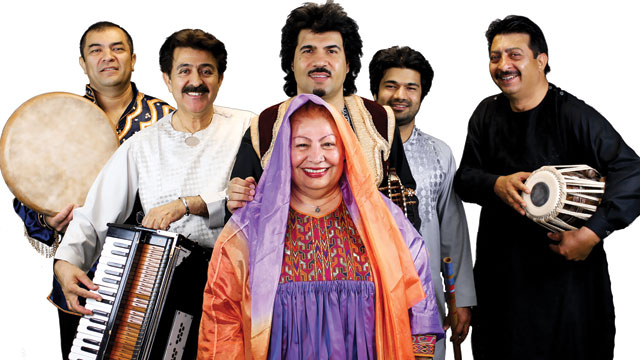
The Afghan Culture in Little Kabul segment was produced by Spark for This Week in Northern California.
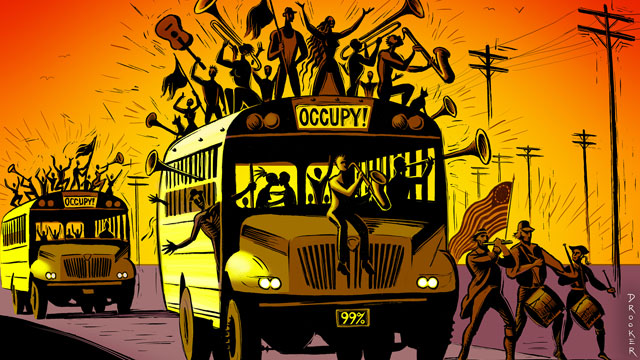
The Occupy Bay Area segment was produced by Spark for This Week in Northern California.
The Sanjay Patel segment was produced by Spark for This Week in Northern California.
The Fisher Collection at SFMOMA segment was produced by Spark for This Week in Northern California.
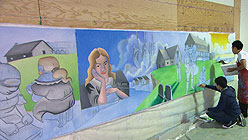
The Octavio Solis segment was produced by Spark for This Week in Northern California.
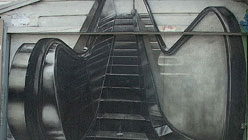
The Mission District Street art segment was produced by Spark for This Week in Northern California.
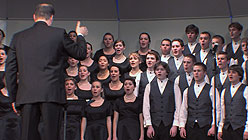
The San Ramon Valley High School Concert Choir segment was produced by Spark for This Week in Northern California.
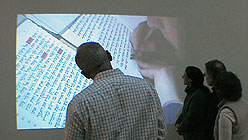
The Julie Seltzer segment was produced by Spark for This Week in Northern California.
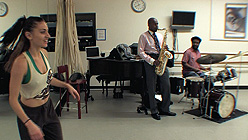
The Fillmore Project segment was produced by Spark for This Week in Northern California.
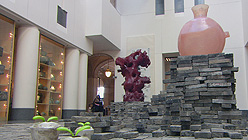
The Shanghai exhibit at the Asian Art Museum segment was produced by Spark for This Week in Northern California.
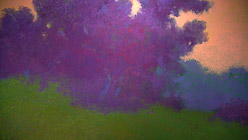
The Richard Mayhew segment was produced by Spark for This Week in Northern California.