KQED for Educators
Welcome to the free media literacy teaching and learning hub for educators and students. You’ll find professional development courses, classroom resources and unique tools that allow students to practice critical thinking, media making and civil discourse. Provided by the nonprofit public media station KQED. Learn more about our partnerships and funders.
Youth Media in the Classroom
Free, ready-to-use lesson plans, videos and resources that promote youth voice and help students practice media making, media literacy and civic engagement. Find fresh ideas for all grade levels and subjects, aligned to standards like CCSS and NGSS.
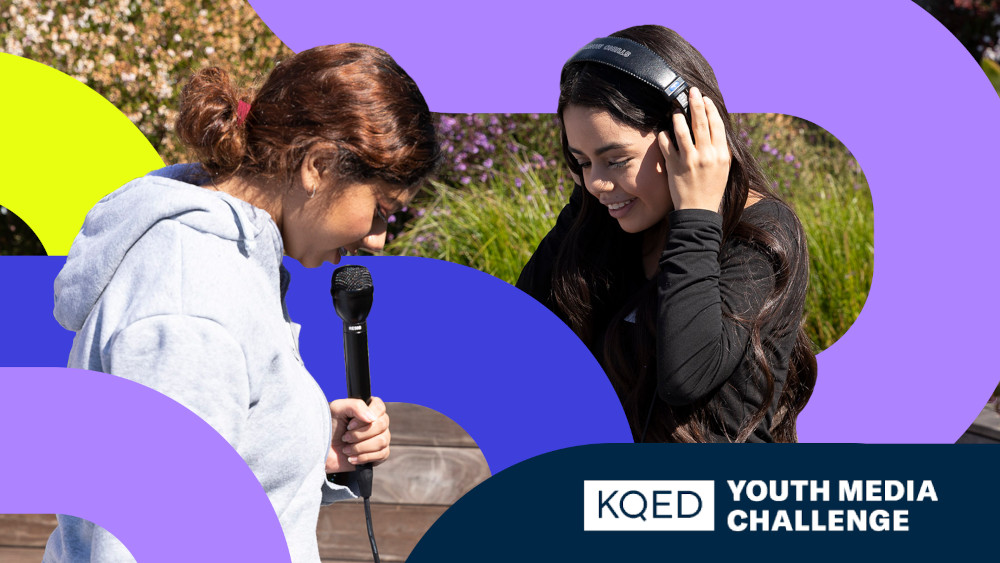
KQED Youth Media Challenge
MindShift
Above the Noise
PBS LearningMedia
Professional Development
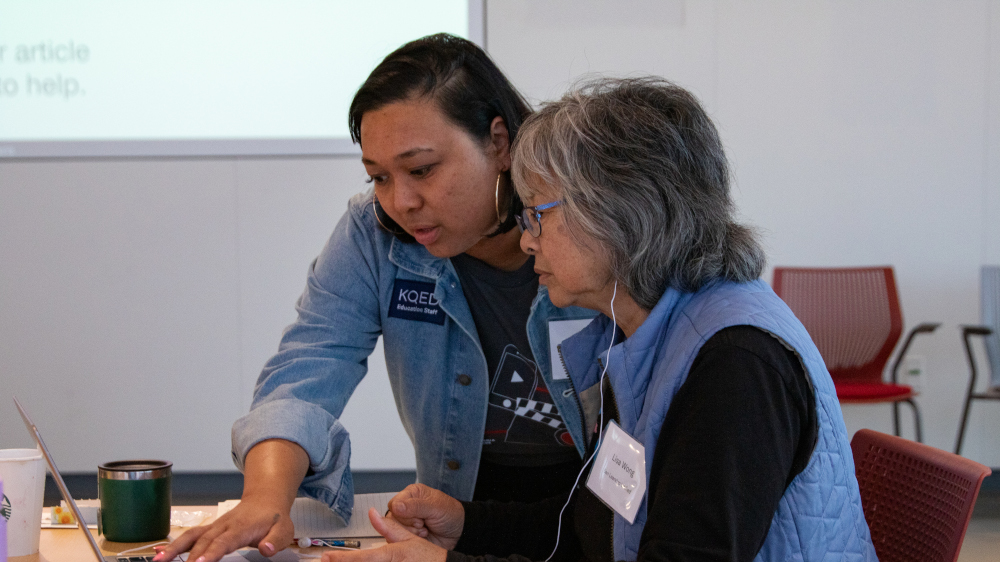
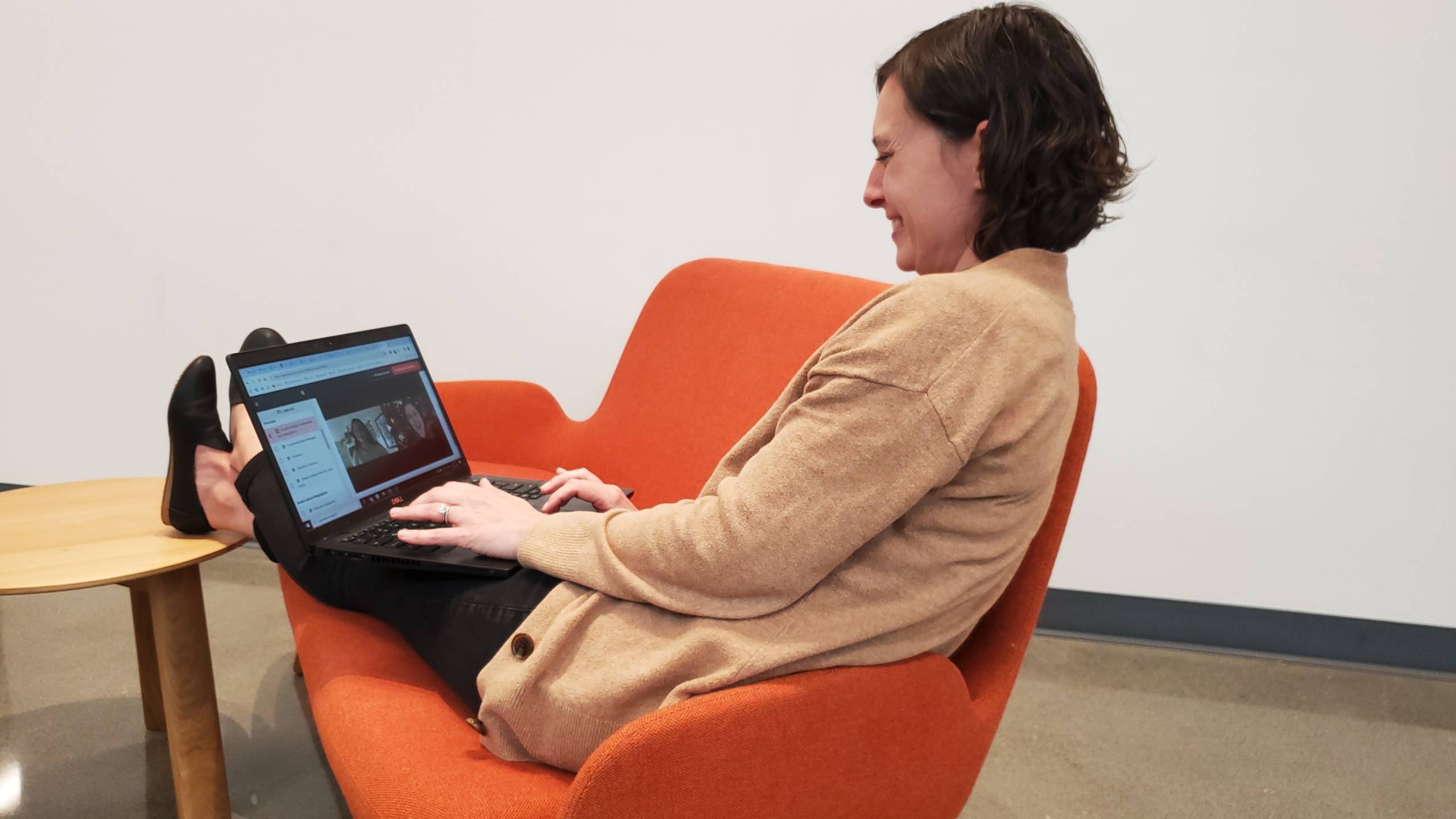
As a leader in public media and education, KQED offers free workshops and courses in media making and media literacy to educators in all roles, subjects and grades.