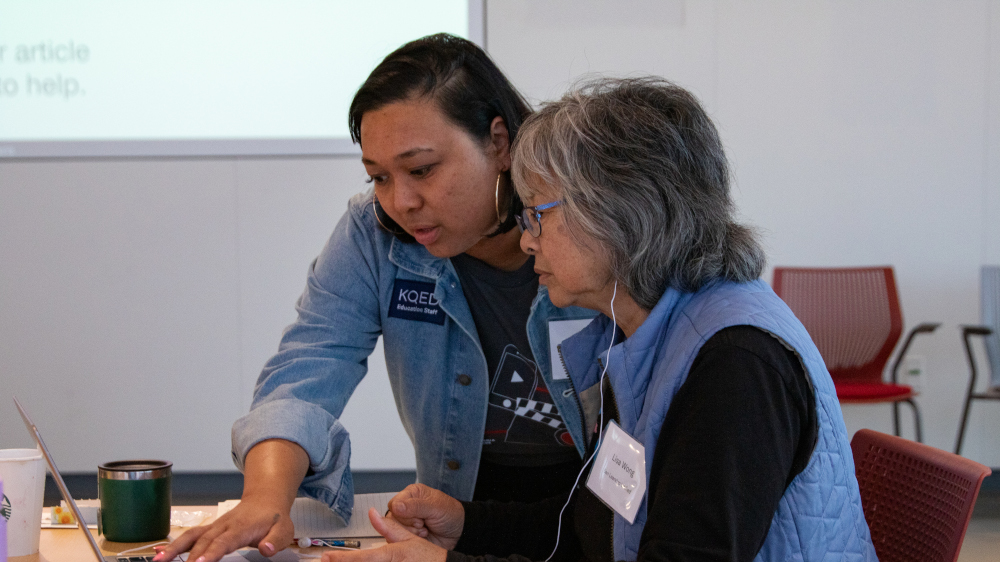
Why do teachers turn to KQED for media and technology training? KQED extends the power of public broadcasting by helping teachers integrate video, Internet, media literacy and diversity education into the curriculum.
Films and Lessons Reflecting Our Many Cultures (Bay Area Mosaic)
Teaching students about diversity has never been more important. Learn how to use educational television programs with accompanying lessons and activities to introduce your students to the many cultures represented in the Bay Area.
Create Digital Stories in Your Classroom
Have students record their family history, tell a personal story or share a life-changing event. Learn how to use basic multimedia software to produce a digital story. This course covers video editing, scripting, storyboarding and voice recording techniques.
Integrate Art in Your Classroom
Learn how to use KQED's weekly SPARK program about Bay Area arts and artists in your classroom. Through hands-on arts activities and curricula integration strategies learn how to develop dynamic and engaging standards-based arts lessons.
Great Uses for Video Production in the Classroom
Learn basic video production skills including mechanics of using a video camera, an overview of camera shots and moves, how to create a storyboard, as well as how to create classroom production teams. Participants will create a short video project.
Video Production and Digital Editing
Learn the basics of video production and digital video editing in this fun, hands-on KQED workshop. In the first day, learn strategies to effectively manage a video production project with your students. Participants will learn about key shots and camera maneuvers as well as how to script and storyboard a segment as they create their own mini-movie. Participants will learn how to assign a role for each student on a video crew. On the second day, learn the basic "how to's" of editing a short digital video. Cameras will be provided for class use, but you are welcome to bring your own digital video camera if you have one. This class is designed for beginners -- no previous video experience required.
Integrate Video and Web-based Activities in Your Classroom
Level I
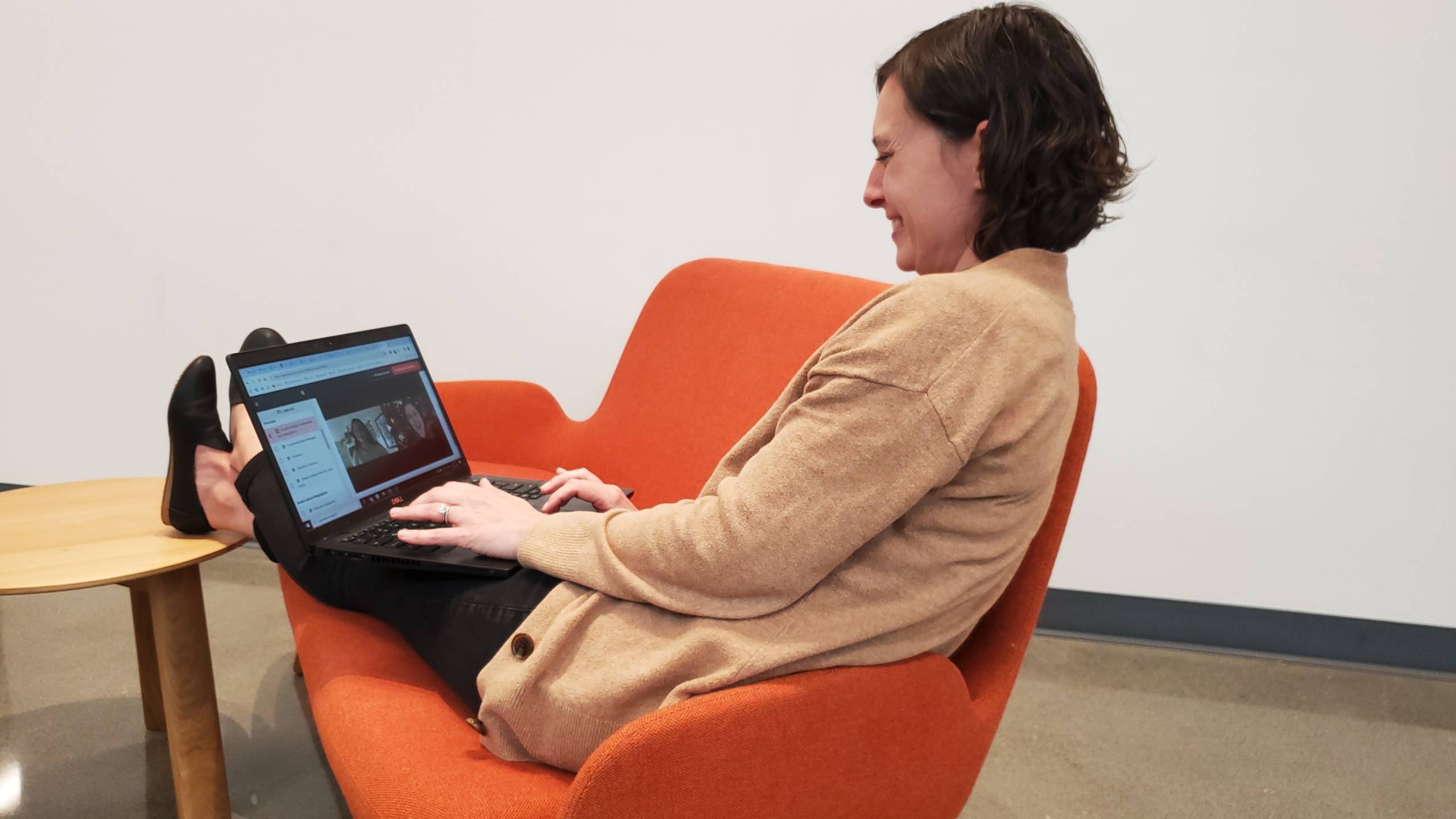
Expand the use of educational television and Internet in your curriculum? Develop strategies on how to effectively use video and online resources in your classroom. Review online lesson plans and teacher guides specific to core content curriculum. An overview of the Web, along with helpful search strategies is provided. Length: Two Hours
Level II
Take your media analysis skills to a higher level. Learn how to develop Web pages, WebQuests, quizzes and other online activities which combine educational television and Internet resources. Information literacy concepts will be discussed. Length: Three Hours. Note: Level I is not a prerequisite for Level II, but taking the courses in sequence is recommended.
Integrate Media Literacy Concepts into the Classroom
Learn the seven concepts of media literacy, gain an understanding of how youth can become active media viewers. This hands-on collaborative workshop introduces activities and strategies, which enable you to incorporate media analysis and production skills into your classroom.
Integrate Video Production in the Classroom
This beginner's workshop emphasizes video camera operation and terminology, basic shot composition, hand held techniques, and use of tripods and basic lighting and audio techniques. Find out how to create classroom production teams. Participants will create a public service announcement using storyboards and in-camera editing. Length: Three Hours
Video Editing
The basics of video editing are at your command. In this course you will learn how to shoot and effectively edit a short video piece. The instructor can utilize iMovie or site-specific digital editing software. Length: Three Hours
Interested in scheduling a workshop for your school or district?
Call (415) 553-2244 or email schoolservices@kqed.org
General Information
Workshops are held on-site at schools/county offices and at KQED.
A minimum of 10 participants per workshop is recommended.
Continuing Education Credit (professional growth hours) will be offered for all classes.
Workshop curriculum correlates to California State content standards.
KQED is committed to serving all schools, including those with limited funds. Please contact us for more information.