Sponsor MessageBecome a KQED sponsor
upper waypoint

Audium Celebrates Its 50th Anniversary

Save ArticleSave Article
Failed to save article

Please try again

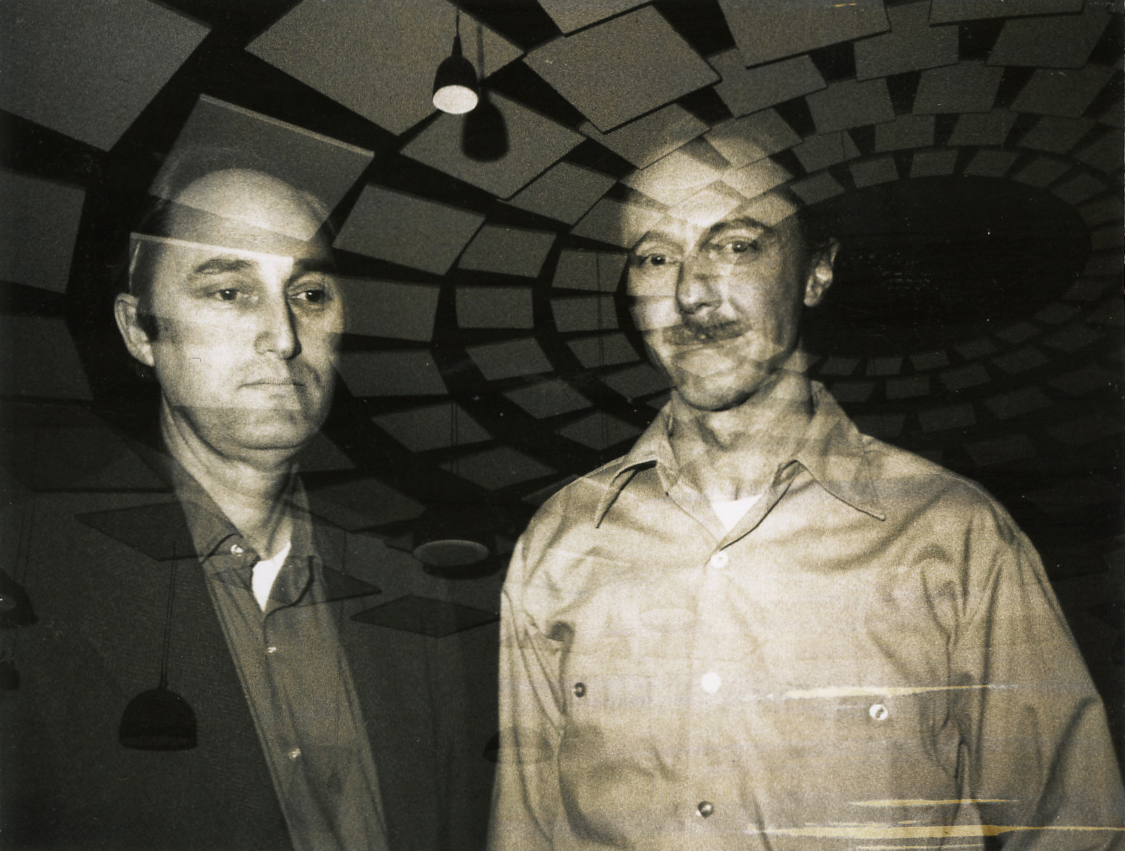
The image of two men superimposed against a backdrop of sound baffling
Stan Shaff and Douglas Douglas McEachern, founders of Audium, superimposed against Audium's ceiling sound baffling in an undated photo. (Courtesy Audium)

In 1970, Stan Shaff and Douglas McEachern bought a building in San Francisco with a vision to choreograph sound.

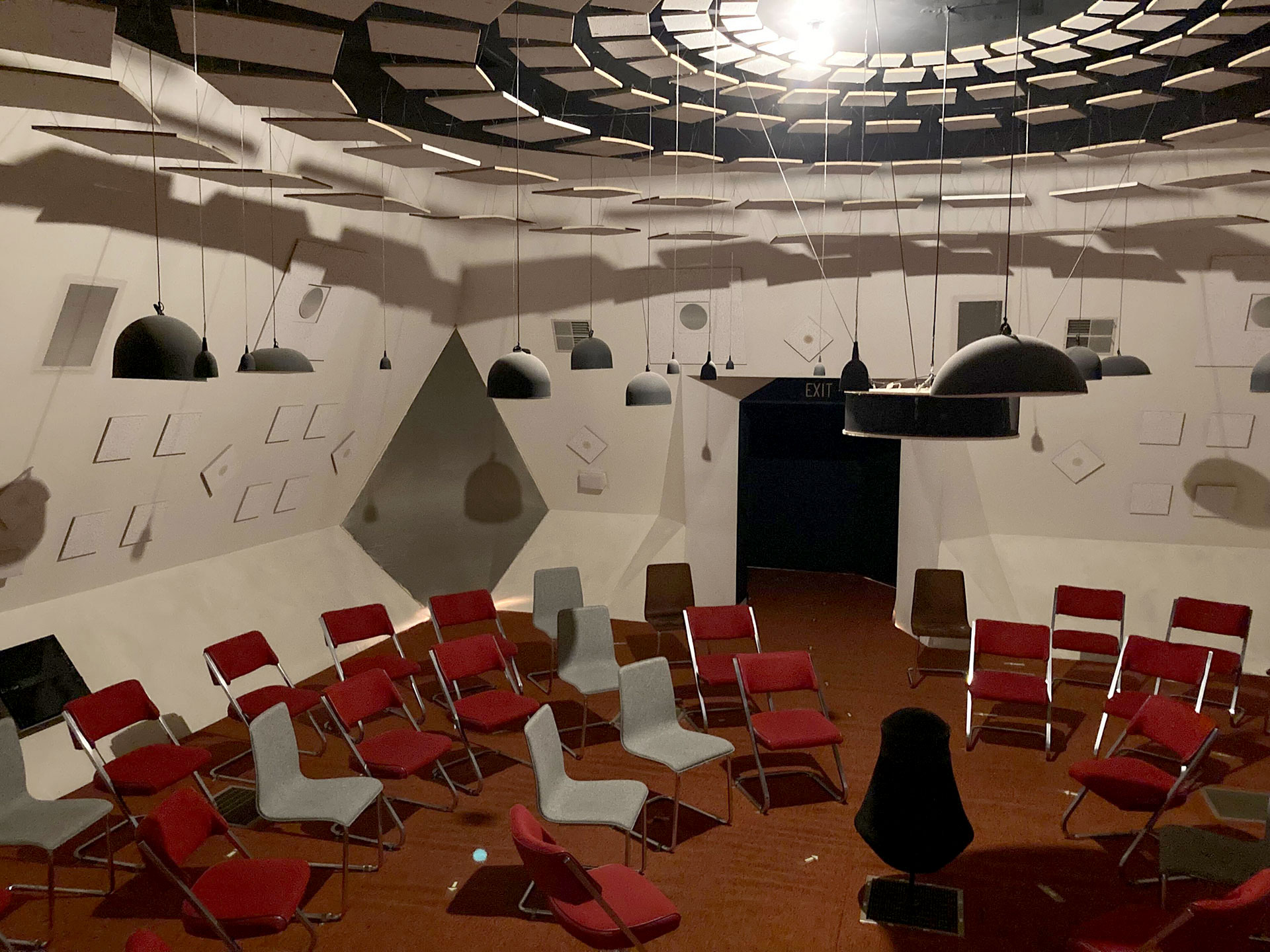
For five years, they tinkered with the former donut shop’s layout and design, testing different kinds of audio speakers and acoustic treatments. And in 1975, they formally opened their final version of Audium, a sound theater known today for its dark inner sanctum and 176 speakers dispersed over the walls, ceiling and floor.

To celebrate Audium’s 50th anniversary on Bush Street this summer, Dave Shaff, the director of Audium and son of founder Stan Shaff, is reviving Audium VI, the very first tape piece for the space, created by his father, that will run as an immersive, in-the-dark experience every weekend between mid-July and August.
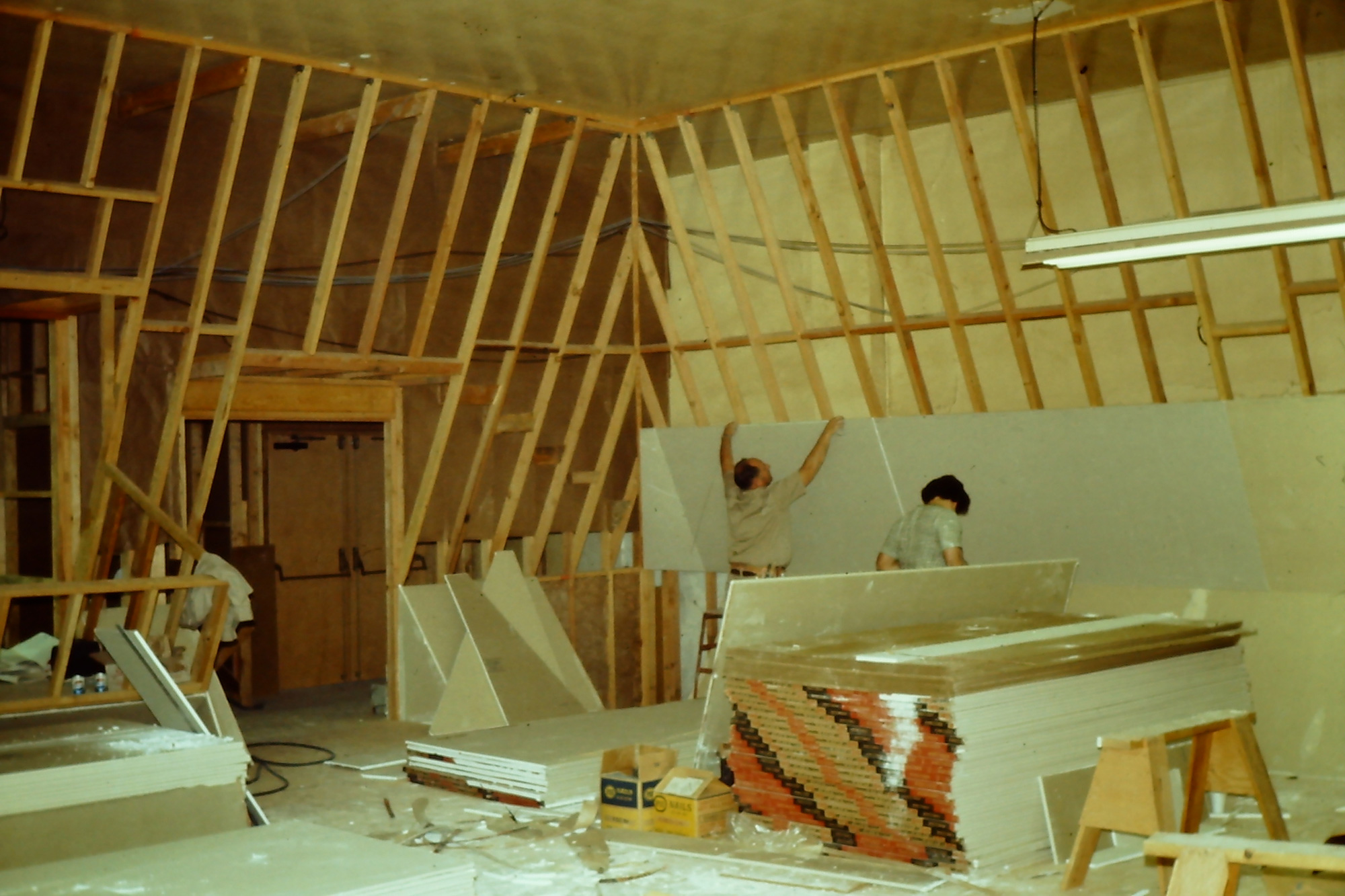
Construction in the early 1970s transformed the former Stempel’s donut shop on Bush Street to Audium as it’s known today. (Courtesy Audium)

The Audium experience goes much deeper than simply listening to prerecorded music. “There is a performance,” Shaff says, “and that’s the movement of the sound, literally like the choreography of taking the sound and moving it from one speaker to another.”

When the lights go out, “you’ve got nowhere else to go but inside yourself,” says Shaff. The sounds bouncing around the room tend to bring up memories, ideas and fantasies, he says, adding that “it kind of touches the subconscious.”
Sponsored

During the Audium VI performances, Audium’s lobby space will display archival ephemera: an old desk with the writings of Stan Shaff, a telephone that plays a surprise recording when listeners hold it up to their ear, the old analog control board from the 1970s and even the original studio four-track tape machine used for shows.

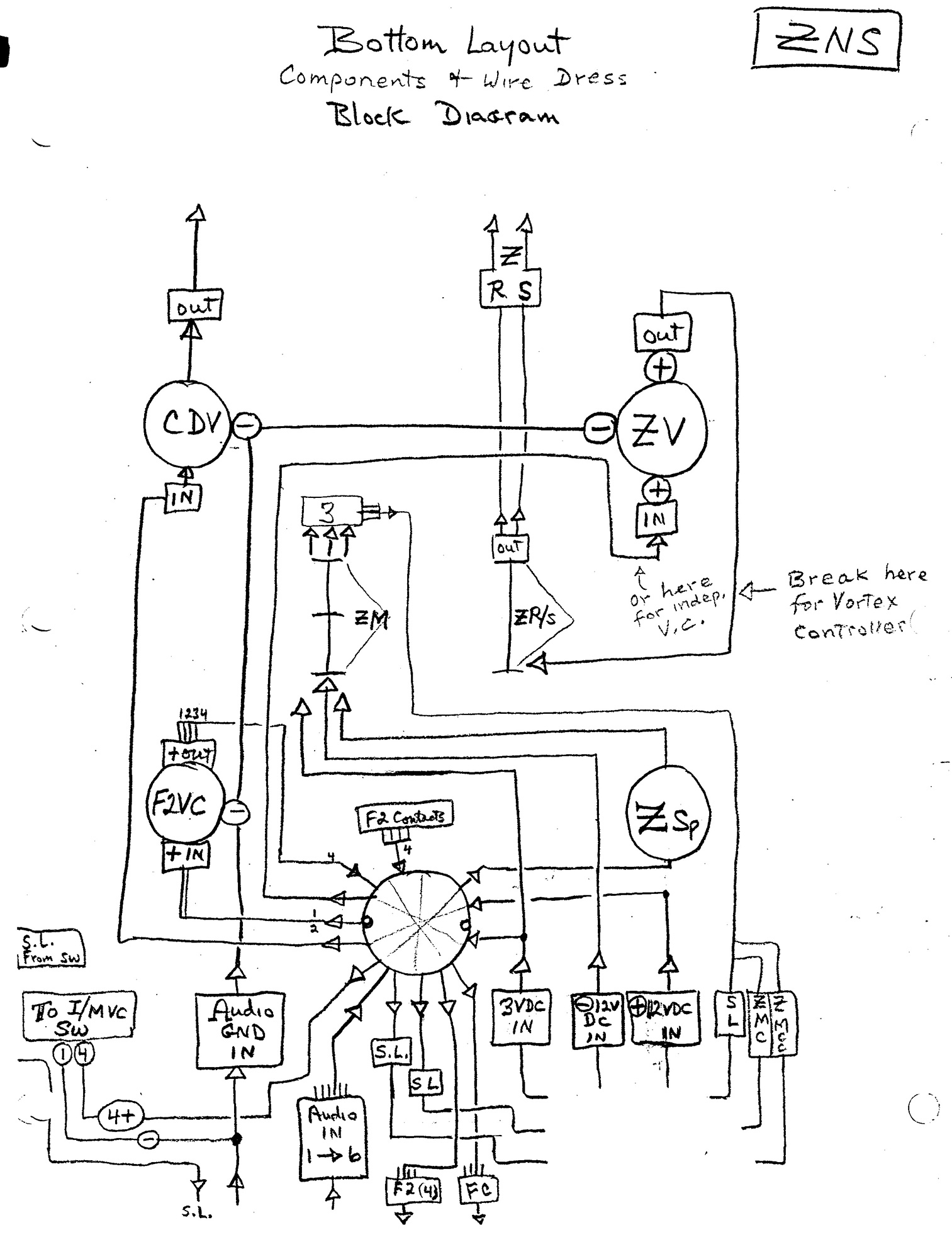
A schematic from the original plans for Audium. (Courtesy Audium)

“There’s been a lot of memories,” Shaff says about working with the archive. He described the process as “almost too personal.”

“It’s discovering, like, some parts of my parents and their own personal lives,” says Shaff, “I’ll hear them talking to each other on the tape at points, as younger adults.”

Audium VI was composed 10 years before Shaff was born. He describes it as “pretty funky” and “out of the bounds of ordinary” — but he also resisted the urge to clean up the experimental composition’s rough edges.

“Dad liked to throw a lot of sounds at his audience,” says Shaff. “He’s like Jackson Pollock, you know, the painter that just threw paint on the canvas, except he’s throwing sounds.”

The listening room at Audium is outfitted with 176 speakers. (Gabe Meline/KQED)

Those sounds could include electronic noises, field recordings from nature, melodic passages, fog horns and freight trains. In 2022, the resident artist Victoria Shen called Audium “one of the last cool, weird, old-school things in San Francisco.”

The mission for Audium now, Shaff says, is to keep a little bit of that soul of San Francisco alive, while modernizing it for the present day.


‘Audium VI: Rewind’ runs July 11–Aug. 23 at Audium in San Francisco. Details here.

lower waypoint
next waypoint