window.__IS_SSR__=true
window.__INITIAL_STATE__={
"attachmentsReducer": {
"audio_0": {
"type": "attachments",
"id": "audio_0",
"imgSizes": {
"kqedFullSize": {
"file": "https://ww2.kqed.org/news/wp-content/themes/KQED-unified/img/audio_bgs/background0.jpg"
}
}
},
"audio_1": {
"type": "attachments",
"id": "audio_1",
"imgSizes": {
"kqedFullSize": {
"file": "https://ww2.kqed.org/news/wp-content/themes/KQED-unified/img/audio_bgs/background1.jpg"
}
}
},
"audio_2": {
"type": "attachments",
"id": "audio_2",
"imgSizes": {
"kqedFullSize": {
"file": "https://ww2.kqed.org/news/wp-content/themes/KQED-unified/img/audio_bgs/background2.jpg"
}
}
},
"audio_3": {
"type": "attachments",
"id": "audio_3",
"imgSizes": {
"kqedFullSize": {
"file": "https://ww2.kqed.org/news/wp-content/themes/KQED-unified/img/audio_bgs/background3.jpg"
}
}
},
"audio_4": {
"type": "attachments",
"id": "audio_4",
"imgSizes": {
"kqedFullSize": {
"file": "https://ww2.kqed.org/news/wp-content/themes/KQED-unified/img/audio_bgs/background4.jpg"
}
}
},
"placeholder": {
"type": "attachments",
"id": "placeholder",
"imgSizes": {
"thumbnail": {
"file": "https://cdn.kqed.org/wp-content/uploads/2024/12/KQED-Default-Image-816638274-2000x1333-1-160x107.jpg",
"width": 160,
"height": 107,
"mimeType": "image/jpeg"
},
"medium": {
"file": "https://cdn.kqed.org/wp-content/uploads/2024/12/KQED-Default-Image-816638274-2000x1333-1-800x533.jpg",
"width": 800,
"height": 533,
"mimeType": "image/jpeg"
},
"medium_large": {
"file": "https://cdn.kqed.org/wp-content/uploads/2024/12/KQED-Default-Image-816638274-2000x1333-1-768x512.jpg",
"width": 768,
"height": 512,
"mimeType": "image/jpeg"
},
"large": {
"file": "https://cdn.kqed.org/wp-content/uploads/2024/12/KQED-Default-Image-816638274-2000x1333-1-1020x680.jpg",
"width": 1020,
"height": 680,
"mimeType": "image/jpeg"
},
"1536x1536": {
"file": "https://cdn.kqed.org/wp-content/uploads/2024/12/KQED-Default-Image-816638274-2000x1333-1-1536x1024.jpg",
"width": 1536,
"height": 1024,
"mimeType": "image/jpeg"
},
"fd-lrg": {
"file": "https://cdn.kqed.org/wp-content/uploads/2024/12/KQED-Default-Image-816638274-2000x1333-1-1536x1024.jpg",
"width": 1536,
"height": 1024,
"mimeType": "image/jpeg"
},
"fd-med": {
"file": "https://cdn.kqed.org/wp-content/uploads/2024/12/KQED-Default-Image-816638274-2000x1333-1-1020x680.jpg",
"width": 1020,
"height": 680,
"mimeType": "image/jpeg"
},
"fd-sm": {
"file": "https://cdn.kqed.org/wp-content/uploads/2024/12/KQED-Default-Image-816638274-2000x1333-1-800x533.jpg",
"width": 800,
"height": 533,
"mimeType": "image/jpeg"
},
"post-thumbnail": {
"file": "https://cdn.kqed.org/wp-content/uploads/2024/12/KQED-Default-Image-816638274-2000x1333-1-672x372.jpg",
"width": 672,
"height": 372,
"mimeType": "image/jpeg"
},
"twentyfourteen-full-width": {
"file": "https://cdn.kqed.org/wp-content/uploads/2024/12/KQED-Default-Image-816638274-2000x1333-1-1038x576.jpg",
"width": 1038,
"height": 576,
"mimeType": "image/jpeg"
},
"xxsmall": {
"file": "https://cdn.kqed.org/wp-content/uploads/2024/12/KQED-Default-Image-816638274-2000x1333-1-160x107.jpg",
"width": 160,
"height": 107,
"mimeType": "image/jpeg"
},
"xsmall": {
"file": "https://cdn.kqed.org/wp-content/uploads/2024/12/KQED-Default-Image-816638274-2000x1333-1-672x372.jpg",
"width": 672,
"height": 372,
"mimeType": "image/jpeg"
},
"small": {
"file": "https://cdn.kqed.org/wp-content/uploads/2024/12/KQED-Default-Image-816638274-2000x1333-1-672x372.jpg",
"width": 672,
"height": 372,
"mimeType": "image/jpeg"
},
"xlarge": {
"file": "https://cdn.kqed.org/wp-content/uploads/2024/12/KQED-Default-Image-816638274-2000x1333-1-1020x680.jpg",
"width": 1020,
"height": 680,
"mimeType": "image/jpeg"
},
"full-width": {
"file": "https://cdn.kqed.org/wp-content/uploads/2024/12/KQED-Default-Image-816638274-2000x1333-1-1920x1280.jpg",
"width": 1920,
"height": 1280,
"mimeType": "image/jpeg"
},
"guest-author-32": {
"file": "https://cdn.kqed.org/wp-content/uploads/2025/01/KQED-Default-Image-816638274-1333x1333-1-160x160.jpg",
"width": 32,
"height": 32,
"mimeType": "image/jpeg"
},
"guest-author-50": {
"file": "https://cdn.kqed.org/wp-content/uploads/2025/01/KQED-Default-Image-816638274-1333x1333-1-160x160.jpg",
"width": 50,
"height": 50,
"mimeType": "image/jpeg"
},
"guest-author-64": {
"file": "https://cdn.kqed.org/wp-content/uploads/2025/01/KQED-Default-Image-816638274-1333x1333-1-160x160.jpg",
"width": 64,
"height": 64,
"mimeType": "image/jpeg"
},
"guest-author-96": {
"file": "https://cdn.kqed.org/wp-content/uploads/2025/01/KQED-Default-Image-816638274-1333x1333-1-160x160.jpg",
"width": 96,
"height": 96,
"mimeType": "image/jpeg"
},
"guest-author-128": {
"file": "https://cdn.kqed.org/wp-content/uploads/2025/01/KQED-Default-Image-816638274-1333x1333-1-160x160.jpg",
"width": 128,
"height": 128,
"mimeType": "image/jpeg"
},
"detail": {
"file": "https://cdn.kqed.org/wp-content/uploads/2025/01/KQED-Default-Image-816638274-1333x1333-1-160x160.jpg",
"width": 160,
"height": 160,
"mimeType": "image/jpeg"
},
"kqedFullSize": {
"file": "https://cdn.kqed.org/wp-content/uploads/2024/12/KQED-Default-Image-816638274-2000x1333-1.jpg",
"width": 2000,
"height": 1333
}
}
},
"about_17884": {
"type": "attachments",
"id": "about_17884",
"meta": {
"index": "attachments_1716263798",
"site": "about",
"id": "17884",
"found": true
},
"parent": 17883,
"imgSizes": {
"thumbnail": {
"file": "https://ww2.kqed.org/app/uploads/sites/19/2023/05/Rich-Web-1-160x100.jpg",
"width": 160,
"mimeType": "image/jpeg",
"height": 100
},
"post-thumbnail": {
"file": "https://ww2.kqed.org/app/uploads/sites/19/2023/05/Rich-Web-1-672x372.jpg",
"width": 672,
"mimeType": "image/jpeg",
"height": 372
},
"kqedFullSize": {
"file": "https://ww2.kqed.org/app/uploads/sites/19/2023/05/Rich-Web-1.jpg",
"width": 794,
"height": 495
},
"medium_large": {
"file": "https://ww2.kqed.org/app/uploads/sites/19/2023/05/Rich-Web-1-768x479.jpg",
"width": 768,
"mimeType": "image/jpeg",
"height": 479
}
},
"publishDate": 1683058130,
"modified": 1683058910,
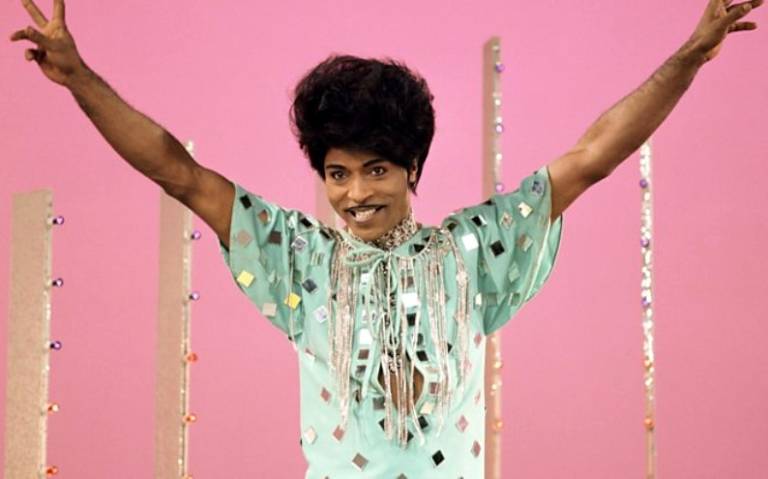
"caption": "\"Little Richard: The King and Queen of Rock and Roll\" premieres Friday, June 2 at 9pm on KQED 9.",
"description": null,
"title": "Rich-Web-1",
"credit": null,
"status": "inherit",
"altTag": null,
"isLoading": false,
"fetchFailed": false
},
"about_18337": {
"type": "attachments",
"id": "about_18337",
"meta": {
"index": "attachments_1716263798",
"site": "about",
"id": "18337",
"found": true
},
"parent": 18336,
"imgSizes": {
"thumbnail": {
"file": "https://cdn.kqed.org/wp-content/uploads/sites/19/2024/04/IMG_0372-new-672x372-1-160x89.jpg",
"width": 160,
"mimeType": "image/jpeg",
"height": 89
},
"kqedFullSize": {
"file": "https://cdn.kqed.org/wp-content/uploads/sites/19/2024/04/IMG_0372-new-672x372-1.jpg",
"width": 672,
"height": 372
}
},
"publishDate": 1713289796,
"modified": 1713289873,
"caption": "\"Taste of Malaysia with Martin Yan\" airs Saturdays at 9:30am and Sundays at 11am on KQED 9.",
"description": null,
"title": "IMG_0372-new-672x372",
"credit": null,
"status": "inherit",
"altTag": null,
"isLoading": false,
"fetchFailed": false
},
"about_18299": {
"type": "attachments",
"id": "about_18299",
"meta": {
"index": "attachments_1716263798",
"site": "about",
"id": "18299",
"found": true
},
"parent": 18298,
"imgSizes": {
"twentyfourteen-full-width": {
"file": "https://cdn.kqed.org/wp-content/uploads/sites/19/2024/02/714DiTo-background-HprUQl9-1-1038x576.jpg",
"width": 1038,
"mimeType": "image/jpeg",
"height": 576
},
"thumbnail": {
"file": "https://cdn.kqed.org/wp-content/uploads/sites/19/2024/02/714DiTo-background-HprUQl9-1-160x84.jpg",
"width": 160,
"mimeType": "image/jpeg",
"height": 84
},
"post-thumbnail": {
"file": "https://cdn.kqed.org/wp-content/uploads/sites/19/2024/02/714DiTo-background-HprUQl9-1-672x372.jpg",
"width": 672,
"mimeType": "image/jpeg",
"height": 372
},
"kqedFullSize": {
"file": "https://cdn.kqed.org/wp-content/uploads/sites/19/2024/02/714DiTo-background-HprUQl9-1.jpg",
"width": 1200,
"height": 630
},
"large": {
"file": "https://cdn.kqed.org/wp-content/uploads/sites/19/2024/02/714DiTo-background-HprUQl9-1-1020x536.jpg",
"width": 1020,
"mimeType": "image/jpeg",
"height": 536
},
"medium": {
"file": "https://cdn.kqed.org/wp-content/uploads/sites/19/2024/02/714DiTo-background-HprUQl9-1-800x420.jpg",
"width": 800,
"mimeType": "image/jpeg",
"height": 420
},
"medium_large": {
"file": "https://cdn.kqed.org/wp-content/uploads/sites/19/2024/02/714DiTo-background-HprUQl9-1-768x403.jpg",
"width": 768,
"mimeType": "image/jpeg",
"height": 403
}
},
"publishDate": 1708126496,
"modified": 1708126580,
"caption": "\"Penny: Champion of the Marginalized\" airs Sunday, March 3 at 11:30pm on KQED 9.",
"description": null,
"title": "714DiTo-background-HprUQl9 (1)",
"credit": null,
"status": "inherit",
"altTag": null,
"isLoading": false,
"fetchFailed": false
},
"about_18221": {
"type": "attachments",
"id": "about_18221",
"meta": {
"index": "attachments_1716263798",
"site": "about",
"id": "18221",
"found": true
},
"parent": 18220,
"imgSizes": {
"twentyfourteen-full-width": {
"file": "https://cdn.kqed.org/wp-content/uploads/sites/19/2024/01/Frederick-1038x576.jpg",
"width": 1038,
"mimeType": "image/jpeg",
"height": 576
},
"thumbnail": {
"file": "https://cdn.kqed.org/wp-content/uploads/sites/19/2024/01/Frederick-160x84.jpg",
"width": 160,
"mimeType": "image/jpeg",
"height": 84
},
"post-thumbnail": {
"file": "https://cdn.kqed.org/wp-content/uploads/sites/19/2024/01/Frederick-672x372.jpg",
"width": 672,
"mimeType": "image/jpeg",
"height": 372
},
"kqedFullSize": {
"file": "https://cdn.kqed.org/wp-content/uploads/sites/19/2024/01/Frederick.jpg",
"width": 1200,
"height": 630
},
"large": {
"file": "https://cdn.kqed.org/wp-content/uploads/sites/19/2024/01/Frederick-1020x536.jpg",
"width": 1020,
"mimeType": "image/jpeg",
"height": 536
},
"medium": {
"file": "https://cdn.kqed.org/wp-content/uploads/sites/19/2024/01/Frederick-800x420.jpg",
"width": 800,
"mimeType": "image/jpeg",
"height": 420
},
"medium_large": {
"file": "https://cdn.kqed.org/wp-content/uploads/sites/19/2024/01/Frederick-768x403.jpg",
"width": 768,
"mimeType": "image/jpeg",
"height": 403
}
},
"publishDate": 1704924378,
"modified": 1704924431,
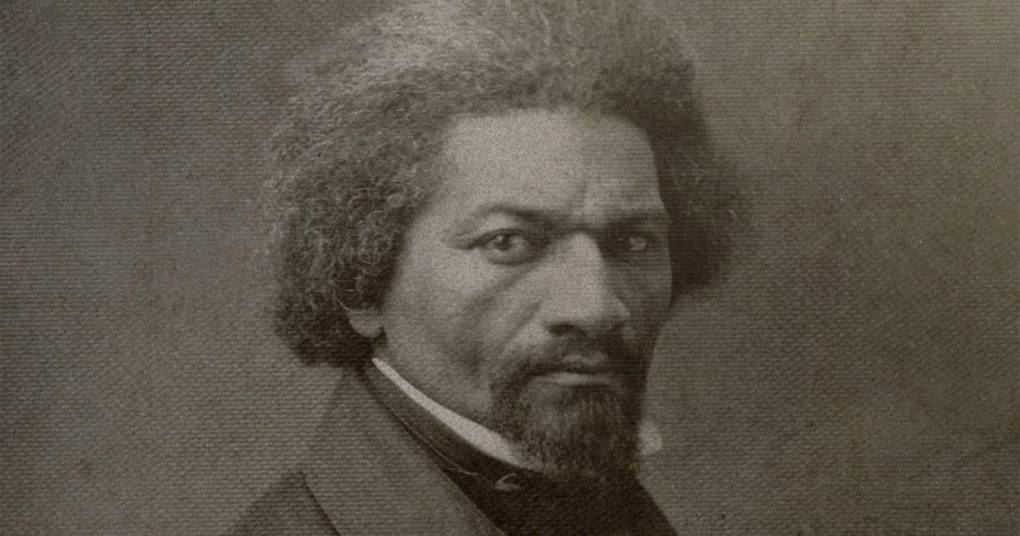
"caption": "\"Becoming Frederick Douglass\" airs Friday, February 2 at 8pm on KQED 9.",
"description": null,
"title": "Frederick",
"credit": null,
"status": "inherit",
"altTag": null,
"isLoading": false,
"fetchFailed": false
},
"about_18153": {
"type": "attachments",
"id": "about_18153",
"meta": {
"index": "attachments_1716263798",
"site": "about",
"id": "18153",
"found": true
},
"parent": 18152,
"imgSizes": {
"twentyfourteen-full-width": {
"file": "https://ww2.kqed.org/app/uploads/sites/19/2023/10/native-america-1038x576.png",
"width": 1038,
"mimeType": "image/png",
"height": 576
},
"thumbnail": {
"file": "https://ww2.kqed.org/app/uploads/sites/19/2023/10/native-america-160x90.png",
"width": 160,
"mimeType": "image/png",
"height": 90
},
"post-thumbnail": {
"file": "https://ww2.kqed.org/app/uploads/sites/19/2023/10/native-america-672x372.png",
"width": 672,
"mimeType": "image/png",
"height": 372
},
"kqedFullSize": {
"file": "https://ww2.kqed.org/app/uploads/sites/19/2023/10/native-america.png",
"width": 1920,
"height": 1080
},
"large": {
"file": "https://ww2.kqed.org/app/uploads/sites/19/2023/10/native-america-1020x574.png",
"width": 1020,
"mimeType": "image/png",
"height": 574
},
"1536x1536": {
"file": "https://ww2.kqed.org/app/uploads/sites/19/2023/10/native-america-1536x864.png",
"width": 1536,
"mimeType": "image/png",
"height": 864
},
"medium": {
"file": "https://ww2.kqed.org/app/uploads/sites/19/2023/10/native-america-800x450.png",
"width": 800,
"mimeType": "image/png",
"height": 450
},
"medium_large": {
"file": "https://ww2.kqed.org/app/uploads/sites/19/2023/10/native-america-768x432.png",
"width": 768,
"mimeType": "image/png",
"height": 432
}
},
"publishDate": 1696445665,
"modified": 1696445741,
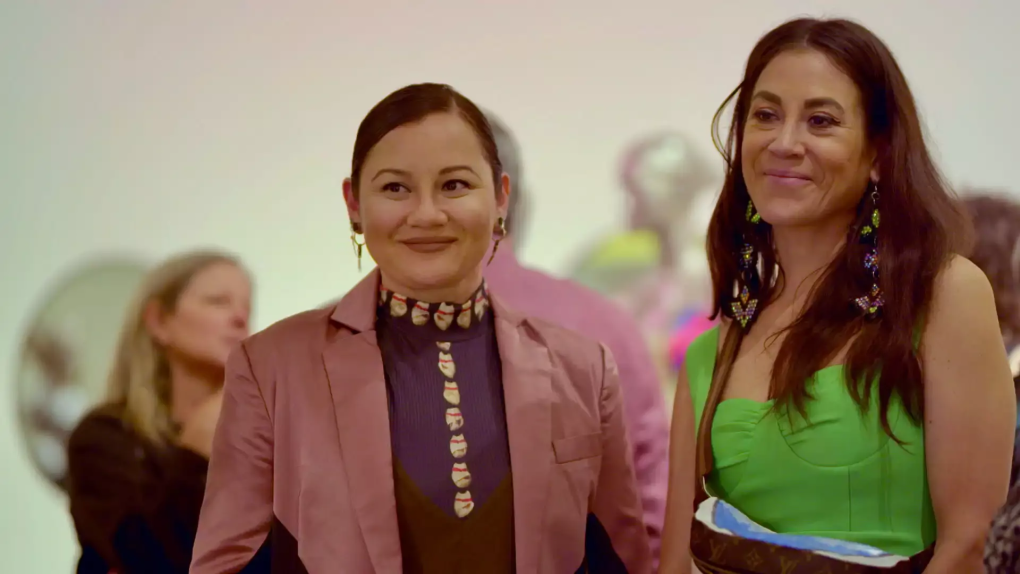
"caption": "\"Native America: Women Rule\" airs Tuesday, November 7 at 9pm on KQED 9.",
"description": null,
"title": "native-america",
"credit": null,
"status": "inherit",
"altTag": null,
"isLoading": false,
"fetchFailed": false
},
"about_17986": {
"type": "attachments",
"id": "about_17986",
"meta": {
"index": "attachments_1716263798",
"site": "about",
"id": "17986",
"found": true
},
"parent": 17974,
"imgSizes": {
"twentyfourteen-full-width": {
"file": "https://ww2.kqed.org/app/uploads/sites/19/2023/08/patis-1038x576.jpg",
"width": 1038,
"mimeType": "image/jpeg",
"height": 576
},
"thumbnail": {
"file": "https://ww2.kqed.org/app/uploads/sites/19/2023/08/patis-160x90.jpg",
"width": 160,
"mimeType": "image/jpeg",
"height": 90
},
"post-thumbnail": {
"file": "https://ww2.kqed.org/app/uploads/sites/19/2023/08/patis-672x372.jpg",
"width": 672,
"mimeType": "image/jpeg",
"height": 372
},
"kqedFullSize": {
"file": "https://ww2.kqed.org/app/uploads/sites/19/2023/08/patis.jpg",
"width": 1920,
"height": 1080
},
"large": {
"file": "https://ww2.kqed.org/app/uploads/sites/19/2023/08/patis-1020x574.jpg",
"width": 1020,
"mimeType": "image/jpeg",
"height": 574
},
"1536x1536": {
"file": "https://ww2.kqed.org/app/uploads/sites/19/2023/08/patis-1536x864.jpg",
"width": 1536,
"mimeType": "image/jpeg",
"height": 864
},
"medium": {
"file": "https://ww2.kqed.org/app/uploads/sites/19/2023/08/patis-800x450.jpg",
"width": 800,
"mimeType": "image/jpeg",
"height": 450
},
"medium_large": {
"file": "https://ww2.kqed.org/app/uploads/sites/19/2023/08/patis-768x432.jpg",
"width": 768,
"mimeType": "image/jpeg",
"height": 432
}
},
"publishDate": 1692987743,
"modified": 1692987823,
"caption": "“Pati's Mexican Table” airs Tuesdays at 7pm and Sundays at 10am on KQED 9.",
"description": null,
"title": "pati's",
"credit": null,
"status": "inherit",
"altTag": null,
"isLoading": false,
"fetchFailed": false
},
"about_17849": {
"type": "attachments",
"id": "about_17849",
"meta": {
"index": "attachments_1716263798",
"site": "about",
"id": "17849",
"found": true
},
"parent": 17819,
"imgSizes": {
"twentyfourteen-full-width": {
"file": "https://ww2.kqed.org/app/uploads/sites/19/2023/04/Donut-King-1-1038x576.jpg",
"width": 1038,
"mimeType": "image/jpeg",
"height": 576
},
"thumbnail": {
"file": "https://ww2.kqed.org/app/uploads/sites/19/2023/04/Donut-King-1-160x87.jpg",
"width": 160,
"mimeType": "image/jpeg",
"height": 87
},
"post-thumbnail": {
"file": "https://ww2.kqed.org/app/uploads/sites/19/2023/04/Donut-King-1-672x372.jpg",
"width": 672,
"mimeType": "image/jpeg",
"height": 372
},
"kqedFullSize": {
"file": "https://ww2.kqed.org/app/uploads/sites/19/2023/04/Donut-King-1.jpg",
"width": 2560,
"height": 1384
},
"2048x2048": {
"file": "https://ww2.kqed.org/app/uploads/sites/19/2023/04/Donut-King-1-2048x1107.jpg",
"width": 2048,
"mimeType": "image/jpeg",
"height": 1107
},
"large": {
"file": "https://ww2.kqed.org/app/uploads/sites/19/2023/04/Donut-King-1-1020x551.jpg",
"width": 1020,
"mimeType": "image/jpeg",
"height": 551
},
"1536x1536": {
"file": "https://ww2.kqed.org/app/uploads/sites/19/2023/04/Donut-King-1-1536x830.jpg",
"width": 1536,
"mimeType": "image/jpeg",
"height": 830
},
"full-width": {
"file": "https://ww2.kqed.org/app/uploads/sites/19/2023/04/Donut-King-1-1920x1038.jpg",
"width": 1920,
"mimeType": "image/jpeg",
"height": 1038
},
"medium": {
"file": "https://ww2.kqed.org/app/uploads/sites/19/2023/04/Donut-King-1-800x433.jpg",
"width": 800,
"mimeType": "image/jpeg",
"height": 433
},
"medium_large": {
"file": "https://ww2.kqed.org/app/uploads/sites/19/2023/04/Donut-King-1-768x415.jpg",
"width": 768,
"mimeType": "image/jpeg",
"height": 415
}
},
"publishDate": 1681415781,
"modified": 1681415799,
"caption": "Independent Lens' \"The Donut King\" airs Monday, May 29 at 10pm on KQED 9.",
"description": null,
"title": "Donut King",
"credit": null,
"status": "inherit",
"altTag": null,
"isLoading": false,
"fetchFailed": false
},
"about_17777": {
"type": "attachments",
"id": "about_17777",
"meta": {
"index": "attachments_1716263798",
"site": "about",
"id": "17777",
"found": true
},
"parent": 17773,
"imgSizes": {
"twentyfourteen-full-width": {
"file": "https://ww2.kqed.org/app/uploads/sites/19/2023/02/STORMINGCAES_PubStill_05-1038x576.jpg",
"width": 1038,
"mimeType": "image/jpeg",
"height": 576
},
"thumbnail": {
"file": "https://ww2.kqed.org/app/uploads/sites/19/2023/02/STORMINGCAES_PubStill_05-160x122.jpg",
"width": 160,
"mimeType": "image/jpeg",
"height": 122
},
"post-thumbnail": {
"file": "https://ww2.kqed.org/app/uploads/sites/19/2023/02/STORMINGCAES_PubStill_05-672x372.jpg",
"width": 672,
"mimeType": "image/jpeg",
"height": 372
},
"kqedFullSize": {
"file": "https://ww2.kqed.org/app/uploads/sites/19/2023/02/STORMINGCAES_PubStill_05-scaled.jpg",
"width": 2560,
"height": 1947
},
"2048x2048": {
"file": "https://ww2.kqed.org/app/uploads/sites/19/2023/02/STORMINGCAES_PubStill_05-2048x1557.jpg",
"width": 2048,
"mimeType": "image/jpeg",
"height": 1557
},
"large": {
"file": "https://ww2.kqed.org/app/uploads/sites/19/2023/02/STORMINGCAES_PubStill_05-1020x776.jpg",
"width": 1020,
"mimeType": "image/jpeg",
"height": 776
},
"1536x1536": {
"file": "https://ww2.kqed.org/app/uploads/sites/19/2023/02/STORMINGCAES_PubStill_05-1536x1168.jpg",
"width": 1536,
"mimeType": "image/jpeg",
"height": 1168
},
"full-width": {
"file": "https://ww2.kqed.org/app/uploads/sites/19/2023/02/STORMINGCAES_PubStill_05-1920x1460.jpg",
"width": 1920,
"mimeType": "image/jpeg",
"height": 1460
},
"medium": {
"file": "https://ww2.kqed.org/app/uploads/sites/19/2023/02/STORMINGCAES_PubStill_05-800x608.jpg",
"width": 800,
"mimeType": "image/jpeg",
"height": 608
},
"medium_large": {
"file": "https://ww2.kqed.org/app/uploads/sites/19/2023/02/STORMINGCAES_PubStill_05-768x584.jpg",
"width": 768,
"mimeType": "image/jpeg",
"height": 584
}
},
"publishDate": 1676953397,
"modified": 1676953450,
"caption": "\"Independent Lens: Storming Caesars Palace\" premieres Monday, March 20 at 10pm on KQED 9.",
"description": null,
"title": "STORMINGCAES_PubStill_05",
"credit": null,
"status": "inherit",
"altTag": null,
"isLoading": false,
"fetchFailed": false
}
},
"audioPlayerReducer": {
"postId": "stream_live",
"isPaused": true,
"isPlaying": false,
"pfsActive": false,
"pledgeModalIsOpen": true,
"playerDrawerIsOpen": false
},
"authorsReducer": {
"onqblog": {
"type": "authors",
"id": "6626",
"meta": {
"index": "authors_1716337520",
"id": "6626",
"found": true
},
"name": "On KQED",
"firstName": null,
"lastName": null,
"slug": "onqblog",
"email": "facebook@kqed.org",
"display_author_email": false,
"staff_mastheads": [],
"title": null,
"bio": null,
"avatar": "https://secure.gravatar.com/avatar/4d473a725414594c918f2d15becd4fdd?s=600&d=blank&r=g",
"twitter": null,
"facebook": null,
"instagram": null,
"linkedin": null,
"sites": [
{
"site": "about",
"roles": [
"editor"
]
},
{
"site": "pressroom",
"roles": [
"editor"
]
},
{
"site": "tvchanges",
"roles": [
"editor"
]
},
{
"site": "transmitterstatus",
"roles": [
"editor"
]
}
],
"headData": {
"title": "On KQED | KQED",
"description": null,
"ogImgSrc": "https://secure.gravatar.com/avatar/4d473a725414594c918f2d15becd4fdd?s=600&d=blank&r=g",
"twImgSrc": "https://secure.gravatar.com/avatar/4d473a725414594c918f2d15becd4fdd?s=600&d=blank&r=g"
},
"isLoading": false,
"link": "/author/onqblog"
}
},
"breakingNewsReducer": {},
"pagesReducer": {},
"postsReducer": {
"stream_live": {
"type": "live",
"id": "stream_live",
"audioUrl": "https://streams.kqed.org/kqedradio",
"title": "Live Stream",
"excerpt": "Live Stream information currently unavailable.",
"link": "/radio",
"featImg": "",
"label": {
"name": "KQED Live",
"link": "/"
}
},
"stream_kqedNewscast": {
"type": "posts",
"id": "stream_kqedNewscast",
"audioUrl": "https://www.kqed.org/.stream/anon/radio/RDnews/newscast.mp3?_=1",
"title": "KQED Newscast",
"featImg": "",
"label": {
"name": "88.5 FM",
"link": "/"
}
},
"about_18367": {
"type": "posts",
"id": "about_18367",
"meta": {
"index": "posts_1716263798",
"site": "about",
"id": "18367",
"score": null,
"sort": [
1715882729000
]
},
"parent": 0,
"labelTerm": {
"site": "about",
"term": 16
},
"blocks": [],
"publishDate": 1715882729,
"format": "standard",
"title": "On TV: LGBTQ+ Pride Month - June 2024",
"headTitle": "On TV: LGBTQ+ Pride Month – June 2024 | KQED",
"content": "\u003cp>\u003cspan style=\"font-weight: 400\">KQED is proud to celebrate LGBTQ+ Pride Month starting in June with a special TV programming lineup. Premiere dates are listed below.\u003c/span>\u003c/p>\n\u003ch2>\u003cb>KQED 9 \u003c/b>\u003c/h2>\n\u003cp>\u003cb>Sun, 6/2\u003c/b>\u003cb>\u003cbr>\n\u003c/b>\u003cb>11:30pm POV Shorts: Dreaming Life\u003c/b>\u003cspan style=\"font-weight: 400\">\u003cbr>\n\u003c/span>\u003cspan style=\"font-weight: 400\">Two stories of self-acceptance and joy: “Another Hayride” follows Louise Hay’s creation of a healing space amidst the AIDS epidemic, while “To the Future, With Love” introduces Hunter “Pixel” Jimenez, a 19-year-old nonbinary trans boy navigating family expectations and personal dreams.\u003c/span>\u003c/p>\n\u003cp>\u003cb>Wed, 6/5\u003c/b>\u003cb>\u003cbr>\n\u003c/b>\u003cb>11:30pm In the Night I Remember Your Name\u003c/b>\u003cb>\u003cbr>\n\u003c/b>\u003cspan style=\"font-weight: 400\">Experience a daughter’s chronicle of her mother’s battle with Alzheimer’s, intertwined with the grandmother’s sorrow as she witnesses her own decline alongside her granddaughter’s blossoming. It’s a pastor’s journey grappling with faith amid adversity, ultimately evolving from despair to peace. At its core, it’s a narrative of finding joy amidst hardship.\u003c/span>\u003c/p>\n\u003cp>\u003cb>Sat, 6/8 \u003c/b> \u003cb>\u003cbr>\n\u003c/b>\u003cb>8pm Disco: Soundtrack of a Revolution #101: Rock the Boat (NEW)\u003c/b>\u003cb>\u003cbr>\n\u003c/b>\u003cspan style=\"font-weight: 400\">Explore the origin of a global music phenomenon born among gay and black communities coming together in apartments and basement bars in 1970s New York, where dancefloors became a platform in their battle for visibility and inclusion.\u003c/span>\u003c/p>\n\u003cp>\u003cb>9:30pm Disco: Soundtrack of a Revolution #102: Ain’t No Stoppin’ Us Now (NEW)\u003c/b>\u003cb>\u003cbr>\n\u003c/b>\u003cspan style=\"font-weight: 400\">Experience the pinnacle of disco culture during the 1970s, set against the backdrop of black power and sexual liberation. As disco conquers the mainstream, Black women and gay men rise as superstars and icons.\u003c/span>\u003c/p>\n\u003cp>[ad fullwidth]\u003c/p>\n\u003cp>\u003cb>10:30pm Disco: Soundtrack of a Revolution #103: Stayin’ Alive (NEW)\u003c/b>\u003cb>\u003cbr>\n\u003c/b>\u003cspan style=\"font-weight: 400\">From the basement bars of ’70s New York to the peak of the global charts, discover the story of disco: its rise, fall, and legacy. Reveling in iconic tracks and remarkable footage, this is a powerful, revisionist history of the disco age.\u003c/span>\u003c/p>\n\u003cp>\u003cb>11:30pm The Committee\u003c/b>\u003cspan style=\"font-weight: 400\">\u003cbr>\n\u003c/span>\u003cspan style=\"font-weight: 400\">“The Committee” is a documentary delving into Florida’s little-known Legislative Investigative Committee, which operated from 1956-1965 under Senator Charley Johns. Tasked with rooting out communist and homosexual individuals from state universities, it resulted in over 200 dismissals or expulsions. Through firsthand accounts from survivors and an interrogator, the film unveils this dark period, culminating in a 50-year reunion between survivor and interrogator.\u003c/span>\u003c/p>\n\u003cp>\u003cb>Mon, 6/10\u003c/b>\u003cb>\u003cbr>\n\u003c/b>\u003cb>9pm Art and Pep (NEW)\u003c/b>\u003cb>\u003cbr>\n\u003c/b>\u003cspan style=\"font-weight: 400\">Art Johnston and Pepe Pena, civil rights pioneers, fuel LGBTQ+ equality through Sidetrack, their iconic Chicago gay bar. Their love story, chronicled in the documentary Art and Pep, mirrors their lifelong fight for freedom and love.\u003c/span>\u003c/p>\n\u003cp>\u003cb>10pm Outrage of Danny Sotomayor: American Stories (NEW)\u003c/b>\u003cb>\u003cbr>\n\u003c/b>\u003cspan style=\"font-weight: 400\">Danny Sotomayor, the fiery, openly gay AIDS activist and political cartoonist took to the streets of Chicago, using civil disobedience to wage war on city officials who marginalized the LGBTQ+ community and turned a blind eye to the AIDS crisis – despite battling the disease himself.\u003c/span>\u003c/p>\n\u003cp>\u003cb>11pm Justly Wed: Scenes from the Marriage Equality Movement (NEW)\u003c/b>\u003cspan style=\"font-weight: 400\">\u003cbr>\n\u003c/span>\u003cspan style=\"font-weight: 400\">Justly Wed delves into the fight for marriage equality, focusing on SF’s pivotal 2004 decision to issue marriage licenses to same-sex couples. Through the personal stories of four couples, it reveals the profound impact and lasting legacy of this historic moment in American history.\u003c/span>\u003c/p>\n\u003cp>\u003cb>Tues, 6/11\u003c/b>\u003cb>\u003cbr>\n\u003c/b>\u003cb>9pm To Be Takei\u003c/b>\u003cspan style=\"font-weight: 400\">\u003cbr>\n\u003c/span>\u003cspan style=\"font-weight: 400\">Over seven decades, George Takei boldly journeyed from a WWII internment camp to the helm of Star Trek’s USS Enterprise and shares his playful and profound trek for life, liberty, and love with his husband Brad, engaging five million Facebook fans daily.\u003c/span>\u003c/p>\n\u003cp>\u003cb>Wed, 6/12\u003cbr>\n10pm It’s a Match\u003cbr>\n\u003cspan style=\"font-weight: 400\">It’s a Match follows Alana and Lori, two young LGBT individuals, who find love online with a casual swipe. When Alana’s need for a kidney transplant becomes apparent, Lori, against the odds, discovers she’s a compatible donor, deciding to give Alana the ultimate gift.\u003c/span>\u003c/b>\u003cb>\u003c/b>\u003c/p>\n\u003cfigure id=\"attachment_18368\" class=\"wp-caption alignnone\" style=\"max-width: 800px\">\u003cimg loading=\"lazy\" decoding=\"async\" class=\"size-medium wp-image-18368\" src=\"https://cdn.kqed.org/wp-content/uploads/sites/19/2024/05/mYDaH0s-asset-mezzanine-16x9-hUTnwZt-800x450.jpg\" alt=\"\" width=\"800\" height=\"450\" srcset=\"https://cdn.kqed.org/wp-content/uploads/sites/19/2024/05/mYDaH0s-asset-mezzanine-16x9-hUTnwZt-800x450.jpg 800w, https://cdn.kqed.org/wp-content/uploads/sites/19/2024/05/mYDaH0s-asset-mezzanine-16x9-hUTnwZt-1020x574.jpg 1020w, https://cdn.kqed.org/wp-content/uploads/sites/19/2024/05/mYDaH0s-asset-mezzanine-16x9-hUTnwZt-160x90.jpg 160w, https://cdn.kqed.org/wp-content/uploads/sites/19/2024/05/mYDaH0s-asset-mezzanine-16x9-hUTnwZt-768x432.jpg 768w, https://cdn.kqed.org/wp-content/uploads/sites/19/2024/05/mYDaH0s-asset-mezzanine-16x9-hUTnwZt-1536x864.jpg 1536w, https://cdn.kqed.org/wp-content/uploads/sites/19/2024/05/mYDaH0s-asset-mezzanine-16x9-hUTnwZt.jpg 1920w\" sizes=\"(max-width: 800px) 100vw, 800px\">\u003cfigcaption class=\"wp-caption-text\">“Unidad: Gay & Lesbian Latinos Unidos” airs Tuesday, June 18 at 11pm on KQED 9.\u003c/figcaption>\u003c/figure>\n\u003cp>\u003cb>Tue, 6/18\u003c/b>\u003cb>\u003cbr>\n\u003c/b>\u003cb>11pm Unidad: Gay & Lesbian Latinos Unidos\u003c/b>\u003cspan style=\"font-weight: 400\">\u003cbr>\n\u003c/span>\u003cspan style=\"font-weight: 400\">Founded in 1981, Gay and Lesbian Latinos Unidos (GLLU) emerged in the wake of Stonewall and at the onset of the HIV/AIDS pandemic. As the first major Queer Latin@ organization in greater Los Angeles, GLLU played a pivotal role during a crucial time in LGBTQ, women’s, and civil rights movements, shaping the destinies of its communities for decades.\u003c/span>\u003c/p>\n\u003cp>\u003cb>Thu, 6/20\u003c/b>\u003cb>\u003cbr>\n\u003c/b>\u003cb>10:45pm The Lodge\u003c/b>\u003cb>\u003cbr>\n\u003c/b>\u003cspan style=\"font-weight: 400\">The Lodge takes audiences inside this historic first-of-its kind retirement community especially created for LGBTQ seniors and their allies.\u003c/span>\u003c/p>\n\u003cp>\u003cb>Fri, 6/21\u003c/b>\u003cb>\u003cbr>\n\u003c/b>\u003cb>9pm Prideland\u003c/b>\u003cspan style=\"font-weight: 400\">\u003cbr>\n\u003c/span>\u003cspan style=\"font-weight: 400\">Join queer actor Dyllon Burnside on a Southern journey meeting diverse LGBTQ community members. From a lesbian rodeo champ in Texas to an African American mayor ally in Alabama, discover how LGBTQ Americans embrace authenticity and Pride in the modern South.\u003c/span>\u003c/p>\n\u003cp>\u003cb>Sat, 6/22\u003c/b>\u003cb>\u003cbr>\n\u003c/b>\u003cb>10:30pm Stonewall Uprising: American Experience\u003c/b>\u003cspan style=\"font-weight: 400\">\u003cbr>\n\u003c/span>\u003cspan style=\"font-weight: 400\">“Stonewall Uprising” delves into the event that catalyzed a global rights movement. It revisits a time when homosexuality was illegal and stigmatized. Gays, fleeing persecution, sought refuge at the Stonewall Inn in New York. When police raided the inn in 1969, the LGBTQ community fought back, sparking protests that heralded the arrival of the gay rights movement.\u003c/span>\u003c/p>\n\u003cp>\u003cb>Sun, 6/23\u003c/b>\u003cb>\u003cbr>\n\u003c/b>\u003cb>7pm L.A.: A Queer History #10: Culture and Criminalization\u003c/b>\u003cspan style=\"font-weight: 400\">\u003cbr>\n\u003c/span>\u003cspan style=\"font-weight: 400\">Early Hollywood emerges as a haven for LGBTQ individuals seeking a fresh start, from pioneering artists to male and female impersonators in “pansy clubs.” As LGBTQ culture blossoms, post-WW2 criminalization looms large.\u003c/span>\u003c/p>\n\u003cp>\u003cb>Thu, 6/27\u003c/b>\u003cb>\u003cbr>\n\u003c/b>\u003cb>11pm Murder In Montrose: The Paul Broussard Legacy\u003c/b>\u003cb>\u003cbr>\n\u003c/b>\u003cspan style=\"font-weight: 400\">In 1991, the murder of 27-year-old gay man Paul Broussard in Houston shocked the nation, exposing the harassment and mistreatment faced by the LGBTQ community. The documentary delves into the aftermath, from civil unrest to hate crime legislation and political activism, forever changing Houston and the nation.\u003c/span>\u003c/p>\n\u003cfigure id=\"attachment_18369\" class=\"wp-caption alignnone\" style=\"max-width: 800px\">\u003cimg loading=\"lazy\" decoding=\"async\" class=\"size-medium wp-image-18369\" src=\"https://cdn.kqed.org/wp-content/uploads/sites/19/2024/05/casa-susanna-00023-800x433.jpg\" alt=\"\" width=\"800\" height=\"433\" srcset=\"https://cdn.kqed.org/wp-content/uploads/sites/19/2024/05/casa-susanna-00023-800x433.jpg 800w, https://cdn.kqed.org/wp-content/uploads/sites/19/2024/05/casa-susanna-00023-1020x552.jpg 1020w, https://cdn.kqed.org/wp-content/uploads/sites/19/2024/05/casa-susanna-00023-160x87.jpg 160w, https://cdn.kqed.org/wp-content/uploads/sites/19/2024/05/casa-susanna-00023-768x415.jpg 768w, https://cdn.kqed.org/wp-content/uploads/sites/19/2024/05/casa-susanna-00023.jpg 1200w\" sizes=\"(max-width: 800px) 100vw, 800px\">\u003cfigcaption class=\"wp-caption-text\">“American Experience: Casa Susanna” airs Friday, June 28 at 8pm on KQED 9.\u003c/figcaption>\u003c/figure>\n\u003cp>\u003cb>Fri, 6/28\u003c/b>\u003cb>\u003cbr>\n\u003c/b>\u003cb>8pm American Experience: Casa Susanna\u003c/b>\u003cb>\u003cbr>\n\u003c/b>\u003cspan style=\"font-weight: 400\">In the 1950s and 60s, when failure to wear gender-appropriate clothing was illegal across most of the country, a community of cross-dressing men found refuge at a modest house in the Catskills region of New York. Named after its matriarch, Casa Susanna provided community and validation for its guests.\u003c/span>\u003c/p>\n\u003cp>\u003cb>11pm Sister Eileen and Her Boyz: An HIV in the Rust Belt Story (NEW)\u003c/b>\u003cb>\u003cbr>\n\u003c/b>\u003cspan style=\"font-weight: 400\">A Catholic Sister working for the Toledo, Ohio diocese reflects on her ministry to gay men during the late 1980’s and early 1990’s. Sister Eileen Schieber resigned her position as the Bishop’s vicar to partner with community organizers dedicated to providing care and housing for those with HIV/AIDS.\u003c/span>\u003c/p>\n\u003cp>\u003cb>Sun, 6/30\u003c/b>\u003cb>\u003cbr>\n\u003c/b>\u003cb>7pm L.A.: A Queer History #102: Protests and Parades\u003c/b>\u003cb>\u003cbr>\n\u003c/b>\u003cspan style=\"font-weight: 400\">Despite adversity, gay and lesbian organizing begins. Publications, protests and uprisings spring up, leading to the country’s first Pride Parade, LGBTQ Social Services, the first “Gay City” and an eventual national Civil Rights Movement.\u003c/span>\u003c/p>\n\u003ch2>\u003cb>KQED PLUS\u003c/b>\u003c/h2>\n\u003cp>\u003cb>Sat, 6/1\u003c/b>\u003cb>\u003cbr>\n\u003c/b>\u003cb>8pm Elton John – The Million Dollar Piano (NEW)\u003c/b>\u003cb>\u003cbr>\n\u003c/b>\u003cspan style=\"font-weight: 400\">Celebrate the legendary singer, songwriter and performer in a spectacular 2012 concert at The Colosseum at Caesars Palace in Las Vegas. Featuring a state-of-the art Yamaha piano, this unforgettable show features Elton performing his much-loved hits.\u003c/span>\u003c/p>\n\u003cp>\u003cb>Fri, 6/7\u003c/b>\u003cb>\u003cbr>\n\u003c/b>\u003cb>2pm All We’ve Got\u003c/b>\u003cb>\u003cbr>\n\u003c/b>\u003cspan style=\"font-weight: 400\">More than 100 bars, bookstores, art and community spaces where LGBTQ+ women gather have closed in the past decade. Join us as we travel the country to find out why these spaces matter and how some are managing to survive despite the odds.\u003c/span>\u003c/p>\n\u003cp>\u003cb>Fri, 6/14\u003c/b>\u003cb>\u003cbr>\n\u003c/b>\u003cb>4:30pm Odessa’s Reign\u003c/b>\u003cb>\u003cbr>\n\u003c/b>\u003cspan style=\"font-weight: 400\">In the 1950s, Odessa Madre, nicknamed the Queen of the Underworld, led a lucrative gambling ring in segregated Washington, D.C., gaining prestige within the mob and control over law enforcers, despite facing the challenges of being an African American woman.\u003c/span>\u003c/p>\n\u003cp>\u003cb>Sun, 6/23\u003c/b>\u003cb>\u003cbr>\n\u003c/b>\u003cb>4:30pm Feelings are Facts: The Life of Yvonne Rainer\u003c/b>\u003cb>\u003cbr>\n\u003c/b>\u003cspan style=\"font-weight: 400\">At 25, she took her first dance class. At 28, she changed dance forever. Feelings are Facts: The Life of Yvonne Rainer provides a front row seat the founding of postmodern dance in America in 1962 and the woman who was at its center.\u003c/span>\u003c/p>\n\u003cp>\u003cb>Mon, 6/24\u003c/b>\u003cb>\u003cbr>\n\u003c/b>\u003cb>2pm Queer Silicon Valley\u003c/b>\u003cspan style=\"font-weight: 400\">\u003cbr>\n\u003c/span>\u003cspan style=\"font-weight: 400\">“Queer Silicon Valley,” a one-hour documentary, explores Silicon Valley’s impact on the LGBTQ+ movement. From the 1970s bar scene to AIDS challenges, political representation, and marriage equality, the film uncovers this overlooked history through diverse voices.\u003c/span>\u003c/p>\n\u003cfigure id=\"attachment_18370\" class=\"wp-caption alignnone\" style=\"max-width: 800px\">\u003cimg loading=\"lazy\" decoding=\"async\" class=\"size-medium wp-image-18370\" src=\"https://cdn.kqed.org/wp-content/uploads/sites/19/2024/05/lliAMZa-background-PkGCAgH-800x420.jpg\" alt=\"\" width=\"800\" height=\"420\" srcset=\"https://cdn.kqed.org/wp-content/uploads/sites/19/2024/05/lliAMZa-background-PkGCAgH-800x420.jpg 800w, https://cdn.kqed.org/wp-content/uploads/sites/19/2024/05/lliAMZa-background-PkGCAgH-1020x536.jpg 1020w, https://cdn.kqed.org/wp-content/uploads/sites/19/2024/05/lliAMZa-background-PkGCAgH-160x84.jpg 160w, https://cdn.kqed.org/wp-content/uploads/sites/19/2024/05/lliAMZa-background-PkGCAgH-768x403.jpg 768w, https://cdn.kqed.org/wp-content/uploads/sites/19/2024/05/lliAMZa-background-PkGCAgH.jpg 1200w\" sizes=\"(max-width: 800px) 100vw, 800px\">\u003cfigcaption class=\"wp-caption-text\">“Out in Rural America” airs Saturday, June 29 at 10am on KQED Plus.\u003c/figcaption>\u003c/figure>\n\u003cp>\u003cb>Sat, 6/29\u003c/b>\u003cb>\u003cbr>\n\u003c/b>\u003cb>10am Out in Rural America\u003c/b>\u003cspan style=\"font-weight: 400\">\u003cbr>\n\u003c/span>\u003cspan style=\"font-weight: 400\">“Out in Rural America” follows five stories from the LGBTQ+ community over six years, exploring the challenges and joys of being queer in rural America. It delves into themes of self-doubt, discrimination, acceptance, and LGBTQ+ life in small-town and Midwestern settings from various perspectives.\u003c/span>\u003c/p>\n\u003ch2>\u003cb>KQED WORLD\u003c/b>\u003c/h2>\n\u003cp>\u003cb>Mon, 6/10\u003c/b>\u003cb>\u003cbr>\n\u003c/b>\u003cb>4pm Independent Lens: Cured\u003c/b>\u003cb>\u003cbr>\n\u003c/b>\u003cspan style=\"font-weight: 400\">When homosexuality was considered a mental illness to be “cured,” renegade LGBTQ+ activists fought a powerful psychiatry establishment that had things dangerously backwards.\u003c/span>\u003c/p>\n\u003cp>\u003cb>5pm Independent Lens: Mama Bears\u003c/b>\u003cb>\u003cbr>\n\u003c/b>\u003cspan style=\"font-weight: 400\">Although they grew up as fundamentalist, evangelical Christians, these moms are now willing to risk losing friends, family, and faith communities to keep their kids safe-even if it challenges their belief systems and rips apart their worlds.\u003c/span>\u003c/p>\n\u003cp>\u003cb>Tue, 6/11 \u003c/b> \u003cb>\u003cbr>\n\u003c/b>\u003cb>11am POV: We Are the Radical Monarchs\u003c/b>\u003cb>\u003cbr>\n\u003c/b>\u003cspan style=\"font-weight: 400\">Meet the Radical Monarchs, a group of young girls of color on the frontlines of social justice. Follow the group as they earn badges for completing units on such subjects as being an LGBTQ ally, preserving the environment and disability justice.\u003c/span>\u003c/p>\n\u003cp>\u003cb>12:30pm American Masters: Ailey\u003c/b>\u003cb>\u003cbr>\n\u003c/b>\u003cspan style=\"font-weight: 400\">Discover the legendary choreographer Alvin Ailey whose dances center on the Black American experience with grace, strength and beauty. Featuring previously unheard audio interviews with Ailey, interviews with those close to him and an intimate glimpse into the Ailey studios today.\u003c/span>\u003c/p>\n\u003cp>\u003cb>Wed, 6/12 \u003c/b> \u003cb>\u003cbr>\n\u003c/b>\u003cb>5pm POV: Out in the Night\u003c/b>\u003cb>\u003cbr>\n\u003c/b>\u003cspan style=\"font-weight: 400\">Examine the uphill battle of a group of African-American lesbians charged with attempted murder when they fought back after being threatened. The case reveals the role that race, gender identity and sexuality play in the criminal justice system.\u003c/span>\u003c/p>\n\u003cp>\u003cb>Thu, 6/13\u003c/b>\u003cb>\u003cbr>\n\u003c/b>\u003cb>4pm Reel South: A Run for More\u003c/b>\u003cspan style=\"font-weight: 400\">\u003cbr>\n\u003c/span>\u003cspan style=\"font-weight: 400\">Witness Frankie Gonzales-Wolfe’s journey from a fighter in her upbringing to potentially making history as Texas’ first openly elected transgender official. Amid legal attacks on the trans community, the documentary follows Frankie as she finds her voice, examines her relationship with the community, and strives to win an election.\u003c/span>\u003c/p>\n\u003cp>\u003cb>6:30pm POV Shorts: On Caregiving and Grace\u003c/b>\u003cspan style=\"font-weight: 400\">\u003cbr>\n\u003c/span>\u003cspan style=\"font-weight: 400\">“Águilas” portrays the Águilas del Desierto, volunteers who brave the Arizona border to recover missing migrants, where only one in five are ever found. “The Hairdresser” follows Kathleen’s reflections on her unique experiences as a hairdresser.\u003c/span>\u003c/p>\n\u003cp>\u003cb>Fri, 6/14 \u003c/b> \u003cb>\u003cbr>\n\u003c/b>\u003cb>5:30pm AfroPoP: The Ultimate Cultural Exchange: Can You Bring It: Bill T. Jones D-Man in the Waters\u003c/b>\u003cb>\u003cbr>\n\u003c/b>\u003cspan style=\"font-weight: 400\">Explore the history and legacy of choreographer-dancer-director Bill T. Jones’ ballet, “D-Man in the Waters.” Emerging in the age of AIDS, the 1989 ballet gave physical manifestation to the fear, anger, grief, and hope for salvation that Jones and colleagues experienced as AIDS took the life of their beloved co-founder Arnie Zane and other troupe members.\u003c/span>\u003c/p>\n\u003cp>\u003cb>Sat, 6/15\u003c/b>\u003cb>\u003cbr>\n\u003c/b>\u003cb>4pm We’ll Meet Again: Coming Out\u003c/b>\u003cb>\u003cbr>\n\u003c/b>\u003cspan style=\"font-weight: 400\">Join Ann Curry as those whose lives were changed by the early days of the gay rights movement reunite. Tom wants to find the childhood friend who urged him to come out, while Paul seeks a fellow student who inspired him to stand up for his beliefs.\u003c/span>\u003c/p>\n\u003cfigure id=\"attachment_18371\" class=\"wp-caption alignnone\" style=\"max-width: 800px\">\u003cimg loading=\"lazy\" decoding=\"async\" class=\"size-medium wp-image-18371\" src=\"https://cdn.kqed.org/wp-content/uploads/sites/19/2024/05/0SEBnDj-asset-mezzanine-16x9-gnCnEUt-800x450.jpg\" alt=\"\" width=\"800\" height=\"450\" srcset=\"https://cdn.kqed.org/wp-content/uploads/sites/19/2024/05/0SEBnDj-asset-mezzanine-16x9-gnCnEUt-800x450.jpg 800w, https://cdn.kqed.org/wp-content/uploads/sites/19/2024/05/0SEBnDj-asset-mezzanine-16x9-gnCnEUt-1020x574.jpg 1020w, https://cdn.kqed.org/wp-content/uploads/sites/19/2024/05/0SEBnDj-asset-mezzanine-16x9-gnCnEUt-160x90.jpg 160w, https://cdn.kqed.org/wp-content/uploads/sites/19/2024/05/0SEBnDj-asset-mezzanine-16x9-gnCnEUt-768x432.jpg 768w, https://cdn.kqed.org/wp-content/uploads/sites/19/2024/05/0SEBnDj-asset-mezzanine-16x9-gnCnEUt-1536x864.jpg 1536w, https://cdn.kqed.org/wp-content/uploads/sites/19/2024/05/0SEBnDj-asset-mezzanine-16x9-gnCnEUt.jpg 1920w\" sizes=\"(max-width: 800px) 100vw, 800px\">\u003cfigcaption class=\"wp-caption-text\">“Aging Matters: Aging with Pride” airs Monday, June 17 at 6pm on KQED World.\u003c/figcaption>\u003c/figure>\n\u003cp>\u003cb>Mon, 6/17\u003c/b>\u003cb>\u003cbr>\n\u003c/b>\u003cb>6pm Aging Matters: Aging with Pride\u003c/b>\u003cspan style=\"font-weight: 400\">\u003cbr>\n\u003c/span>\u003cspan style=\"font-weight: 400\">“Aging Matters: Aging with Pride” highlights the distinct social, economic, and health obstacles faced by LGBTQIA elders. Through the lens of the Stonewall Generation, the documentary reveals the discrimination and loneliness many endure, showcasing efforts nationwide to address these challenges and advance equality for the community.\u003c/span>\u003c/p>\n\u003cp>\u003cb>Thu, 6/20\u003c/b>\u003cb>\u003cbr>\n\u003c/b>\u003cb>5pm America Reframed: Jack & Yaya\u003c/b>\u003cb>\u003cbr>\n\u003c/b>\u003cspan style=\"font-weight: 400\">From a young age, Yaya and Jack saw each other as they truly were, a girl and a boy, even though most of the world didn’t see them that way. As they grew older, they supported each other as they both came out as transgender. Jack & Yaya follows these two friends for a year and explores their unique, thirty-year relationship.\u003c/span>\u003c/p>\n\u003cp>\u003cb>6:30pm POV Shorts: Becoming Myself\u003c/b>\u003cspan style=\"font-weight: 400\">\u003cbr>\n\u003c/span>\u003cspan style=\"font-weight: 400\">“Integrate.Me” chronicles Tristan’s journey as a queer, trans individual navigating trauma and experimental therapy to find their true self. In “Elaine is Almost,” experience the unwavering bond between siblings as one sister interviews the other on the brink of her 14th and 15th birthdays.\u003c/span>\u003c/p>\n\u003cp>\u003cb>Sat, 6/22\u003c/b>\u003cb>\u003cbr>\n\u003c/b>\u003cb>4pm Dear Ike: Lost Letters to a Teen Idol\u003c/b>\u003cb>\u003cbr>\n\u003c/b>\u003cspan style=\"font-weight: 400\">A young boy with fantasies of one day making animated movies with his teen idol (1970s Disney star, Ike Eisenmann) follows that dream on what turns out to be an incredible 40-year odyssey.\u003c/span>\u003c/p>\n\u003cp>\u003cb>5pm American Masters: Little Richard: The King and Queen of Rock and Roll\u003c/b>\u003cspan style=\"font-weight: 400\">\u003cbr>\n\u003c/span>\u003cspan style=\"font-weight: 400\">Little Richard, a rock legend from the golden era, influenced iconic figures like Paul McCartney, Keith Richards, and Mick Jagger, validating his pivotal role in rock history. With pride, Richard declares, “I am The King and Queen of Rock and Roll.”\u003c/span>\u003c/p>\n\u003cp>\u003cb>Mon, 6/24\u003c/b>\u003cb>\u003cbr>\n\u003c/b>\u003cb>6pm Local, USA: American Problems, Trans Solutions (NEW)\u003c/b>\u003cspan style=\"font-weight: 400\">\u003cbr>\n\u003c/span>\u003cspan style=\"font-weight: 400\">Join award-winning journalist Imara Jones as she highlights the stories of three Black trans leaders driving change in America. From housing advocate Kayla Gore to economic empowerment champion Breonna McCree and migrant rights activist Oluchi Omeoga, these individuals are tackling pressing issues despite facing record-breaking anti-trans legislation in 2023.\u003c/span>\u003c/p>\n\u003cp>\u003cb>6:30pm Stories from the Stage: Pride\u003c/b>\u003cspan style=\"font-weight: 400\">\u003cbr>\n\u003c/span>\u003cspan style=\"font-weight: 400\">This episode explores different sources of pride. Palestinian Muslim Eman El-Husseini uses comedy to challenge cultural stereotypes after coming out to her parents. April Hartford finds relief and redemption in living authentically, while Jay Vilar experiences surprising reactions from his family after coming out.\u003c/span>\u003c/p>\n\u003cp>\u003cb>Wed, 6/26\u003c/b>\u003cb>\u003cbr>\n\u003c/b>\u003cb>4pm Independent Lens: No Straight Lines\u003c/b>\u003cb>\u003cbr>\n\u003c/b>\u003cspan style=\"font-weight: 400\">From DIY underground comix scene to mainstream acceptance, meet five queer comics artists whose uncensored commentary on LGBTQ+ life left no topic untouched and explored art as a tool for social change.\u003c/span>\u003c/p>\n\u003cp>\u003cb>Thu, 6/27\u003c/b>\u003cb>\u003cbr>\n\u003c/b>\u003cb>5pm America Reframed: Vision Portraits\u003c/b>\u003cspan style=\"font-weight: 400\">\u003cbr>\n\u003c/span>\u003cspan style=\"font-weight: 400\">Acclaimed director Rodney Evans reflects on the impact of his deteriorating vision on his life and filmmaking career. Through interviews with blind and low vision artists—a photographer, a dancer, and a writer—Evans seeks inspiration for his own artistic journey as he navigates the challenges ahead.\u003c/span>\u003c/p>\n\u003cp>\u003cb>Fri, 6/28 \u003c/b> \u003cb>\u003cbr>\n\u003c/b>\u003cb>4pm American Masters: James Baldwin: The Price of the Ticket\u003c/b>\u003cspan style=\"font-weight: 400\">\u003cbr>\n\u003c/span>\u003cspan style=\"font-weight: 400\">This program offers a comprehensive look at James Baldwin, a towering figure in American literature. Through archival footage and interviews with family and colleagues like Maya Angelou and Toni Morrison, it explores Baldwin’s global impact. Filmed in places pivotal to his life, the documentary highlights his role in the civil rights movement and his profound influence on readers’ understanding of race in America.\u003c/span>\u003c/p>\n\u003cfigure id=\"attachment_18372\" class=\"wp-caption alignnone\" style=\"max-width: 800px\">\u003cimg loading=\"lazy\" decoding=\"async\" class=\"size-medium wp-image-18372\" src=\"https://cdn.kqed.org/wp-content/uploads/sites/19/2024/05/uyra-the-rising-forest-01-800x404.jpg\" alt=\"\" width=\"800\" height=\"404\" srcset=\"https://cdn.kqed.org/wp-content/uploads/sites/19/2024/05/uyra-the-rising-forest-01-800x404.jpg 800w, https://cdn.kqed.org/wp-content/uploads/sites/19/2024/05/uyra-the-rising-forest-01-1020x514.jpg 1020w, https://cdn.kqed.org/wp-content/uploads/sites/19/2024/05/uyra-the-rising-forest-01-160x81.jpg 160w, https://cdn.kqed.org/wp-content/uploads/sites/19/2024/05/uyra-the-rising-forest-01-768x387.jpg 768w, https://cdn.kqed.org/wp-content/uploads/sites/19/2024/05/uyra-the-rising-forest-01-1536x775.jpg 1536w, https://cdn.kqed.org/wp-content/uploads/sites/19/2024/05/uyra-the-rising-forest-01.jpg 1600w\" sizes=\"(max-width: 800px) 100vw, 800px\">\u003cfigcaption class=\"wp-caption-text\">“POV: Uyra: The Rising Forest” airs Saturday, June 29 at 4pm on KQED World.\u003c/figcaption>\u003c/figure>\n\u003cp>\u003cb>Sat, 6/29\u003c/b>\u003cb>\u003cbr>\n\u003c/b>\u003cb>4pm POV: Uyra: The Rising Forest\u003c/b>\u003cspan style=\"font-weight: 400\">\u003cbr>\n\u003c/span>\u003cspan style=\"font-weight: 400\">In the Amazon, Uyra shares ancestral wisdom with Indigenous youth amid Brazil’s political turmoil. Through dance and storytelling, Uyra confronts racism, transphobia, and environmental threats, highlighting the bond between humans and nature.\u003c/span>\u003c/p>\n\u003cp>\u003cb>5pm Independent Lens: Breaking the News\u003c/b>\u003cb>\u003cbr>\n\u003c/b>\u003cspan style=\"font-weight: 400\">A scrappy group of women and LGBTQ+ journalists buck the white male-dominated status quo, banding together to launch the 19th*, a digital news startup aiming to combat misinformation and include the voices often left out of the American story.\u003c/span>\u003c/p>\n\u003cp>[ad floatright]\u003c/p>\n\u003cp>\u003cb>Sun, 6/30\u003c/b>\u003cb>\u003cbr>\n\u003c/b>\u003cb>9am Penny: Champion of the Marginalized\u003c/b>\u003cspan style=\"font-weight: 400\">\u003cbr>\n\u003c/span>\u003cspan style=\"font-weight: 400\">“Penny” offers a vibrant portrait of Penny Cooper, a celebrated criminal defense attorney, art collector, and champion of the underdog. Through engaging anecdotes, the documentary captures her journey from the 1940s to the present, highlighting her impact on criminal justice, gender equality, and the art world. Cooper’s resilience and humility have propelled her through challenges, making her a pioneer in social progress for women.\u003c/span>\u003c/p>\n\n",
"stats": {
"hasVideo": false,
"hasChartOrMap": false,
"hasAudio": false,
"hasPolis": false,
"wordCount": 2798,
"hasGoogleForm": false,
"hasGallery": false,
"hasHearkenModule": false,
"iframeSrcs": [],
"paragraphCount": 51
},
"modified": 1715882729,
"excerpt": null,
"headData": {
"twImgId": "",
"twTitle": "",
"ogTitle": "",
"ogImgId": "",
"twDescription": "",
"description": "KQED is proud to celebrate LGBTQ+ Pride Month starting in June with a special TV programming lineup. Premiere dates are listed below. KQED 9 Sun, 6/2 11:30pm POV Shorts: Dreaming Life Two stories of self-acceptance and joy: “Another Hayride” follows Louise Hay's creation of a healing space amidst the AIDS epidemic, while “To the Future, With Love” introduces Hunter “Pixel” Jimenez, a 19-year-old nonbinary trans boy navigating family expectations and personal dreams. Wed, 6/5 11:30pm In the Night I Remember Your Name Experience a daughter's chronicle of her mother's battle with Alzheimer's, intertwined with the grandmother's sorrow as she witnesses",
"title": "On TV: LGBTQ+ Pride Month - June 2024 | KQED",
"ogDescription": "",
"schema": {
"@context": "https://schema.org",
"@type": "Article",
"headline": "On TV: LGBTQ+ Pride Month - June 2024",
"datePublished": "2024-05-16T11:05:29-07:00",
"dateModified": "2024-05-16T11:05:29-07:00",
"image": "https://cdn.kqed.org/wp-content/uploads/2020/02/KQED-OG-Image@1x.png"
}
},
"guestAuthors": [],
"slug": "on-tv-lgbtq-pride-month-june-2024",
"status": "publish",
"excludeFromSiteSearch": "Include",
"sticky": false,
"articleAge": "0",
"path": "/about/18367/on-tv-lgbtq-pride-month-june-2024",
"audioTrackLength": null,
"parsedContent": [
{
"type": "contentString",
"content": "\u003cdiv class=\"post-body\">\u003cp>\u003cp>\u003cspan style=\"font-weight: 400\">KQED is proud to celebrate LGBTQ+ Pride Month starting in June with a special TV programming lineup. Premiere dates are listed below.\u003c/span>\u003c/p>\n\u003ch2>\u003cb>KQED 9 \u003c/b>\u003c/h2>\n\u003cp>\u003cb>Sun, 6/2\u003c/b>\u003cb>\u003cbr>\n\u003c/b>\u003cb>11:30pm POV Shorts: Dreaming Life\u003c/b>\u003cspan style=\"font-weight: 400\">\u003cbr>\n\u003c/span>\u003cspan style=\"font-weight: 400\">Two stories of self-acceptance and joy: “Another Hayride” follows Louise Hay’s creation of a healing space amidst the AIDS epidemic, while “To the Future, With Love” introduces Hunter “Pixel” Jimenez, a 19-year-old nonbinary trans boy navigating family expectations and personal dreams.\u003c/span>\u003c/p>\n\u003cp>\u003cb>Wed, 6/5\u003c/b>\u003cb>\u003cbr>\n\u003c/b>\u003cb>11:30pm In the Night I Remember Your Name\u003c/b>\u003cb>\u003cbr>\n\u003c/b>\u003cspan style=\"font-weight: 400\">Experience a daughter’s chronicle of her mother’s battle with Alzheimer’s, intertwined with the grandmother’s sorrow as she witnesses her own decline alongside her granddaughter’s blossoming. It’s a pastor’s journey grappling with faith amid adversity, ultimately evolving from despair to peace. At its core, it’s a narrative of finding joy amidst hardship.\u003c/span>\u003c/p>\n\u003cp>\u003cb>Sat, 6/8 \u003c/b> \u003cb>\u003cbr>\n\u003c/b>\u003cb>8pm Disco: Soundtrack of a Revolution #101: Rock the Boat (NEW)\u003c/b>\u003cb>\u003cbr>\n\u003c/b>\u003cspan style=\"font-weight: 400\">Explore the origin of a global music phenomenon born among gay and black communities coming together in apartments and basement bars in 1970s New York, where dancefloors became a platform in their battle for visibility and inclusion.\u003c/span>\u003c/p>\n\u003cp>\u003cb>9:30pm Disco: Soundtrack of a Revolution #102: Ain’t No Stoppin’ Us Now (NEW)\u003c/b>\u003cb>\u003cbr>\n\u003c/b>\u003cspan style=\"font-weight: 400\">Experience the pinnacle of disco culture during the 1970s, set against the backdrop of black power and sexual liberation. As disco conquers the mainstream, Black women and gay men rise as superstars and icons.\u003c/span>\u003c/p>\n\u003cp>\u003c/p>\u003c/div>",
"attributes": {
"named": {},
"numeric": []
}
},
{
"type": "component",
"content": "",
"name": "ad",
"attributes": {
"named": {
"label": "fullwidth"
},
"numeric": [
"fullwidth"
]
}
},
{
"type": "contentString",
"content": "\u003cdiv class=\"post-body\">\u003cp>\u003c/p>\n\u003cp>\u003cb>10:30pm Disco: Soundtrack of a Revolution #103: Stayin’ Alive (NEW)\u003c/b>\u003cb>\u003cbr>\n\u003c/b>\u003cspan style=\"font-weight: 400\">From the basement bars of ’70s New York to the peak of the global charts, discover the story of disco: its rise, fall, and legacy. Reveling in iconic tracks and remarkable footage, this is a powerful, revisionist history of the disco age.\u003c/span>\u003c/p>\n\u003cp>\u003cb>11:30pm The Committee\u003c/b>\u003cspan style=\"font-weight: 400\">\u003cbr>\n\u003c/span>\u003cspan style=\"font-weight: 400\">“The Committee” is a documentary delving into Florida’s little-known Legislative Investigative Committee, which operated from 1956-1965 under Senator Charley Johns. Tasked with rooting out communist and homosexual individuals from state universities, it resulted in over 200 dismissals or expulsions. Through firsthand accounts from survivors and an interrogator, the film unveils this dark period, culminating in a 50-year reunion between survivor and interrogator.\u003c/span>\u003c/p>\n\u003cp>\u003cb>Mon, 6/10\u003c/b>\u003cb>\u003cbr>\n\u003c/b>\u003cb>9pm Art and Pep (NEW)\u003c/b>\u003cb>\u003cbr>\n\u003c/b>\u003cspan style=\"font-weight: 400\">Art Johnston and Pepe Pena, civil rights pioneers, fuel LGBTQ+ equality through Sidetrack, their iconic Chicago gay bar. Their love story, chronicled in the documentary Art and Pep, mirrors their lifelong fight for freedom and love.\u003c/span>\u003c/p>\n\u003cp>\u003cb>10pm Outrage of Danny Sotomayor: American Stories (NEW)\u003c/b>\u003cb>\u003cbr>\n\u003c/b>\u003cspan style=\"font-weight: 400\">Danny Sotomayor, the fiery, openly gay AIDS activist and political cartoonist took to the streets of Chicago, using civil disobedience to wage war on city officials who marginalized the LGBTQ+ community and turned a blind eye to the AIDS crisis – despite battling the disease himself.\u003c/span>\u003c/p>\n\u003cp>\u003cb>11pm Justly Wed: Scenes from the Marriage Equality Movement (NEW)\u003c/b>\u003cspan style=\"font-weight: 400\">\u003cbr>\n\u003c/span>\u003cspan style=\"font-weight: 400\">Justly Wed delves into the fight for marriage equality, focusing on SF’s pivotal 2004 decision to issue marriage licenses to same-sex couples. Through the personal stories of four couples, it reveals the profound impact and lasting legacy of this historic moment in American history.\u003c/span>\u003c/p>\n\u003cp>\u003cb>Tues, 6/11\u003c/b>\u003cb>\u003cbr>\n\u003c/b>\u003cb>9pm To Be Takei\u003c/b>\u003cspan style=\"font-weight: 400\">\u003cbr>\n\u003c/span>\u003cspan style=\"font-weight: 400\">Over seven decades, George Takei boldly journeyed from a WWII internment camp to the helm of Star Trek’s USS Enterprise and shares his playful and profound trek for life, liberty, and love with his husband Brad, engaging five million Facebook fans daily.\u003c/span>\u003c/p>\n\u003cp>\u003cb>Wed, 6/12\u003cbr>\n10pm It’s a Match\u003cbr>\n\u003cspan style=\"font-weight: 400\">It’s a Match follows Alana and Lori, two young LGBT individuals, who find love online with a casual swipe. When Alana’s need for a kidney transplant becomes apparent, Lori, against the odds, discovers she’s a compatible donor, deciding to give Alana the ultimate gift.\u003c/span>\u003c/b>\u003cb>\u003c/b>\u003c/p>\n\u003cfigure id=\"attachment_18368\" class=\"wp-caption alignnone\" style=\"max-width: 800px\">\u003cimg loading=\"lazy\" decoding=\"async\" class=\"size-medium wp-image-18368\" src=\"https://cdn.kqed.org/wp-content/uploads/sites/19/2024/05/mYDaH0s-asset-mezzanine-16x9-hUTnwZt-800x450.jpg\" alt=\"\" width=\"800\" height=\"450\" srcset=\"https://cdn.kqed.org/wp-content/uploads/sites/19/2024/05/mYDaH0s-asset-mezzanine-16x9-hUTnwZt-800x450.jpg 800w, https://cdn.kqed.org/wp-content/uploads/sites/19/2024/05/mYDaH0s-asset-mezzanine-16x9-hUTnwZt-1020x574.jpg 1020w, https://cdn.kqed.org/wp-content/uploads/sites/19/2024/05/mYDaH0s-asset-mezzanine-16x9-hUTnwZt-160x90.jpg 160w, https://cdn.kqed.org/wp-content/uploads/sites/19/2024/05/mYDaH0s-asset-mezzanine-16x9-hUTnwZt-768x432.jpg 768w, https://cdn.kqed.org/wp-content/uploads/sites/19/2024/05/mYDaH0s-asset-mezzanine-16x9-hUTnwZt-1536x864.jpg 1536w, https://cdn.kqed.org/wp-content/uploads/sites/19/2024/05/mYDaH0s-asset-mezzanine-16x9-hUTnwZt.jpg 1920w\" sizes=\"(max-width: 800px) 100vw, 800px\">\u003cfigcaption class=\"wp-caption-text\">“Unidad: Gay & Lesbian Latinos Unidos” airs Tuesday, June 18 at 11pm on KQED 9.\u003c/figcaption>\u003c/figure>\n\u003cp>\u003cb>Tue, 6/18\u003c/b>\u003cb>\u003cbr>\n\u003c/b>\u003cb>11pm Unidad: Gay & Lesbian Latinos Unidos\u003c/b>\u003cspan style=\"font-weight: 400\">\u003cbr>\n\u003c/span>\u003cspan style=\"font-weight: 400\">Founded in 1981, Gay and Lesbian Latinos Unidos (GLLU) emerged in the wake of Stonewall and at the onset of the HIV/AIDS pandemic. As the first major Queer Latin@ organization in greater Los Angeles, GLLU played a pivotal role during a crucial time in LGBTQ, women’s, and civil rights movements, shaping the destinies of its communities for decades.\u003c/span>\u003c/p>\n\u003cp>\u003cb>Thu, 6/20\u003c/b>\u003cb>\u003cbr>\n\u003c/b>\u003cb>10:45pm The Lodge\u003c/b>\u003cb>\u003cbr>\n\u003c/b>\u003cspan style=\"font-weight: 400\">The Lodge takes audiences inside this historic first-of-its kind retirement community especially created for LGBTQ seniors and their allies.\u003c/span>\u003c/p>\n\u003cp>\u003cb>Fri, 6/21\u003c/b>\u003cb>\u003cbr>\n\u003c/b>\u003cb>9pm Prideland\u003c/b>\u003cspan style=\"font-weight: 400\">\u003cbr>\n\u003c/span>\u003cspan style=\"font-weight: 400\">Join queer actor Dyllon Burnside on a Southern journey meeting diverse LGBTQ community members. From a lesbian rodeo champ in Texas to an African American mayor ally in Alabama, discover how LGBTQ Americans embrace authenticity and Pride in the modern South.\u003c/span>\u003c/p>\n\u003cp>\u003cb>Sat, 6/22\u003c/b>\u003cb>\u003cbr>\n\u003c/b>\u003cb>10:30pm Stonewall Uprising: American Experience\u003c/b>\u003cspan style=\"font-weight: 400\">\u003cbr>\n\u003c/span>\u003cspan style=\"font-weight: 400\">“Stonewall Uprising” delves into the event that catalyzed a global rights movement. It revisits a time when homosexuality was illegal and stigmatized. Gays, fleeing persecution, sought refuge at the Stonewall Inn in New York. When police raided the inn in 1969, the LGBTQ community fought back, sparking protests that heralded the arrival of the gay rights movement.\u003c/span>\u003c/p>\n\u003cp>\u003cb>Sun, 6/23\u003c/b>\u003cb>\u003cbr>\n\u003c/b>\u003cb>7pm L.A.: A Queer History #10: Culture and Criminalization\u003c/b>\u003cspan style=\"font-weight: 400\">\u003cbr>\n\u003c/span>\u003cspan style=\"font-weight: 400\">Early Hollywood emerges as a haven for LGBTQ individuals seeking a fresh start, from pioneering artists to male and female impersonators in “pansy clubs.” As LGBTQ culture blossoms, post-WW2 criminalization looms large.\u003c/span>\u003c/p>\n\u003cp>\u003cb>Thu, 6/27\u003c/b>\u003cb>\u003cbr>\n\u003c/b>\u003cb>11pm Murder In Montrose: The Paul Broussard Legacy\u003c/b>\u003cb>\u003cbr>\n\u003c/b>\u003cspan style=\"font-weight: 400\">In 1991, the murder of 27-year-old gay man Paul Broussard in Houston shocked the nation, exposing the harassment and mistreatment faced by the LGBTQ community. The documentary delves into the aftermath, from civil unrest to hate crime legislation and political activism, forever changing Houston and the nation.\u003c/span>\u003c/p>\n\u003cfigure id=\"attachment_18369\" class=\"wp-caption alignnone\" style=\"max-width: 800px\">\u003cimg loading=\"lazy\" decoding=\"async\" class=\"size-medium wp-image-18369\" src=\"https://cdn.kqed.org/wp-content/uploads/sites/19/2024/05/casa-susanna-00023-800x433.jpg\" alt=\"\" width=\"800\" height=\"433\" srcset=\"https://cdn.kqed.org/wp-content/uploads/sites/19/2024/05/casa-susanna-00023-800x433.jpg 800w, https://cdn.kqed.org/wp-content/uploads/sites/19/2024/05/casa-susanna-00023-1020x552.jpg 1020w, https://cdn.kqed.org/wp-content/uploads/sites/19/2024/05/casa-susanna-00023-160x87.jpg 160w, https://cdn.kqed.org/wp-content/uploads/sites/19/2024/05/casa-susanna-00023-768x415.jpg 768w, https://cdn.kqed.org/wp-content/uploads/sites/19/2024/05/casa-susanna-00023.jpg 1200w\" sizes=\"(max-width: 800px) 100vw, 800px\">\u003cfigcaption class=\"wp-caption-text\">“American Experience: Casa Susanna” airs Friday, June 28 at 8pm on KQED 9.\u003c/figcaption>\u003c/figure>\n\u003cp>\u003cb>Fri, 6/28\u003c/b>\u003cb>\u003cbr>\n\u003c/b>\u003cb>8pm American Experience: Casa Susanna\u003c/b>\u003cb>\u003cbr>\n\u003c/b>\u003cspan style=\"font-weight: 400\">In the 1950s and 60s, when failure to wear gender-appropriate clothing was illegal across most of the country, a community of cross-dressing men found refuge at a modest house in the Catskills region of New York. Named after its matriarch, Casa Susanna provided community and validation for its guests.\u003c/span>\u003c/p>\n\u003cp>\u003cb>11pm Sister Eileen and Her Boyz: An HIV in the Rust Belt Story (NEW)\u003c/b>\u003cb>\u003cbr>\n\u003c/b>\u003cspan style=\"font-weight: 400\">A Catholic Sister working for the Toledo, Ohio diocese reflects on her ministry to gay men during the late 1980’s and early 1990’s. Sister Eileen Schieber resigned her position as the Bishop’s vicar to partner with community organizers dedicated to providing care and housing for those with HIV/AIDS.\u003c/span>\u003c/p>\n\u003cp>\u003cb>Sun, 6/30\u003c/b>\u003cb>\u003cbr>\n\u003c/b>\u003cb>7pm L.A.: A Queer History #102: Protests and Parades\u003c/b>\u003cb>\u003cbr>\n\u003c/b>\u003cspan style=\"font-weight: 400\">Despite adversity, gay and lesbian organizing begins. Publications, protests and uprisings spring up, leading to the country’s first Pride Parade, LGBTQ Social Services, the first “Gay City” and an eventual national Civil Rights Movement.\u003c/span>\u003c/p>\n\u003ch2>\u003cb>KQED PLUS\u003c/b>\u003c/h2>\n\u003cp>\u003cb>Sat, 6/1\u003c/b>\u003cb>\u003cbr>\n\u003c/b>\u003cb>8pm Elton John – The Million Dollar Piano (NEW)\u003c/b>\u003cb>\u003cbr>\n\u003c/b>\u003cspan style=\"font-weight: 400\">Celebrate the legendary singer, songwriter and performer in a spectacular 2012 concert at The Colosseum at Caesars Palace in Las Vegas. Featuring a state-of-the art Yamaha piano, this unforgettable show features Elton performing his much-loved hits.\u003c/span>\u003c/p>\n\u003cp>\u003cb>Fri, 6/7\u003c/b>\u003cb>\u003cbr>\n\u003c/b>\u003cb>2pm All We’ve Got\u003c/b>\u003cb>\u003cbr>\n\u003c/b>\u003cspan style=\"font-weight: 400\">More than 100 bars, bookstores, art and community spaces where LGBTQ+ women gather have closed in the past decade. Join us as we travel the country to find out why these spaces matter and how some are managing to survive despite the odds.\u003c/span>\u003c/p>\n\u003cp>\u003cb>Fri, 6/14\u003c/b>\u003cb>\u003cbr>\n\u003c/b>\u003cb>4:30pm Odessa’s Reign\u003c/b>\u003cb>\u003cbr>\n\u003c/b>\u003cspan style=\"font-weight: 400\">In the 1950s, Odessa Madre, nicknamed the Queen of the Underworld, led a lucrative gambling ring in segregated Washington, D.C., gaining prestige within the mob and control over law enforcers, despite facing the challenges of being an African American woman.\u003c/span>\u003c/p>\n\u003cp>\u003cb>Sun, 6/23\u003c/b>\u003cb>\u003cbr>\n\u003c/b>\u003cb>4:30pm Feelings are Facts: The Life of Yvonne Rainer\u003c/b>\u003cb>\u003cbr>\n\u003c/b>\u003cspan style=\"font-weight: 400\">At 25, she took her first dance class. At 28, she changed dance forever. Feelings are Facts: The Life of Yvonne Rainer provides a front row seat the founding of postmodern dance in America in 1962 and the woman who was at its center.\u003c/span>\u003c/p>\n\u003cp>\u003cb>Mon, 6/24\u003c/b>\u003cb>\u003cbr>\n\u003c/b>\u003cb>2pm Queer Silicon Valley\u003c/b>\u003cspan style=\"font-weight: 400\">\u003cbr>\n\u003c/span>\u003cspan style=\"font-weight: 400\">“Queer Silicon Valley,” a one-hour documentary, explores Silicon Valley’s impact on the LGBTQ+ movement. From the 1970s bar scene to AIDS challenges, political representation, and marriage equality, the film uncovers this overlooked history through diverse voices.\u003c/span>\u003c/p>\n\u003cfigure id=\"attachment_18370\" class=\"wp-caption alignnone\" style=\"max-width: 800px\">\u003cimg loading=\"lazy\" decoding=\"async\" class=\"size-medium wp-image-18370\" src=\"https://cdn.kqed.org/wp-content/uploads/sites/19/2024/05/lliAMZa-background-PkGCAgH-800x420.jpg\" alt=\"\" width=\"800\" height=\"420\" srcset=\"https://cdn.kqed.org/wp-content/uploads/sites/19/2024/05/lliAMZa-background-PkGCAgH-800x420.jpg 800w, https://cdn.kqed.org/wp-content/uploads/sites/19/2024/05/lliAMZa-background-PkGCAgH-1020x536.jpg 1020w, https://cdn.kqed.org/wp-content/uploads/sites/19/2024/05/lliAMZa-background-PkGCAgH-160x84.jpg 160w, https://cdn.kqed.org/wp-content/uploads/sites/19/2024/05/lliAMZa-background-PkGCAgH-768x403.jpg 768w, https://cdn.kqed.org/wp-content/uploads/sites/19/2024/05/lliAMZa-background-PkGCAgH.jpg 1200w\" sizes=\"(max-width: 800px) 100vw, 800px\">\u003cfigcaption class=\"wp-caption-text\">“Out in Rural America” airs Saturday, June 29 at 10am on KQED Plus.\u003c/figcaption>\u003c/figure>\n\u003cp>\u003cb>Sat, 6/29\u003c/b>\u003cb>\u003cbr>\n\u003c/b>\u003cb>10am Out in Rural America\u003c/b>\u003cspan style=\"font-weight: 400\">\u003cbr>\n\u003c/span>\u003cspan style=\"font-weight: 400\">“Out in Rural America” follows five stories from the LGBTQ+ community over six years, exploring the challenges and joys of being queer in rural America. It delves into themes of self-doubt, discrimination, acceptance, and LGBTQ+ life in small-town and Midwestern settings from various perspectives.\u003c/span>\u003c/p>\n\u003ch2>\u003cb>KQED WORLD\u003c/b>\u003c/h2>\n\u003cp>\u003cb>Mon, 6/10\u003c/b>\u003cb>\u003cbr>\n\u003c/b>\u003cb>4pm Independent Lens: Cured\u003c/b>\u003cb>\u003cbr>\n\u003c/b>\u003cspan style=\"font-weight: 400\">When homosexuality was considered a mental illness to be “cured,” renegade LGBTQ+ activists fought a powerful psychiatry establishment that had things dangerously backwards.\u003c/span>\u003c/p>\n\u003cp>\u003cb>5pm Independent Lens: Mama Bears\u003c/b>\u003cb>\u003cbr>\n\u003c/b>\u003cspan style=\"font-weight: 400\">Although they grew up as fundamentalist, evangelical Christians, these moms are now willing to risk losing friends, family, and faith communities to keep their kids safe-even if it challenges their belief systems and rips apart their worlds.\u003c/span>\u003c/p>\n\u003cp>\u003cb>Tue, 6/11 \u003c/b> \u003cb>\u003cbr>\n\u003c/b>\u003cb>11am POV: We Are the Radical Monarchs\u003c/b>\u003cb>\u003cbr>\n\u003c/b>\u003cspan style=\"font-weight: 400\">Meet the Radical Monarchs, a group of young girls of color on the frontlines of social justice. Follow the group as they earn badges for completing units on such subjects as being an LGBTQ ally, preserving the environment and disability justice.\u003c/span>\u003c/p>\n\u003cp>\u003cb>12:30pm American Masters: Ailey\u003c/b>\u003cb>\u003cbr>\n\u003c/b>\u003cspan style=\"font-weight: 400\">Discover the legendary choreographer Alvin Ailey whose dances center on the Black American experience with grace, strength and beauty. Featuring previously unheard audio interviews with Ailey, interviews with those close to him and an intimate glimpse into the Ailey studios today.\u003c/span>\u003c/p>\n\u003cp>\u003cb>Wed, 6/12 \u003c/b> \u003cb>\u003cbr>\n\u003c/b>\u003cb>5pm POV: Out in the Night\u003c/b>\u003cb>\u003cbr>\n\u003c/b>\u003cspan style=\"font-weight: 400\">Examine the uphill battle of a group of African-American lesbians charged with attempted murder when they fought back after being threatened. The case reveals the role that race, gender identity and sexuality play in the criminal justice system.\u003c/span>\u003c/p>\n\u003cp>\u003cb>Thu, 6/13\u003c/b>\u003cb>\u003cbr>\n\u003c/b>\u003cb>4pm Reel South: A Run for More\u003c/b>\u003cspan style=\"font-weight: 400\">\u003cbr>\n\u003c/span>\u003cspan style=\"font-weight: 400\">Witness Frankie Gonzales-Wolfe’s journey from a fighter in her upbringing to potentially making history as Texas’ first openly elected transgender official. Amid legal attacks on the trans community, the documentary follows Frankie as she finds her voice, examines her relationship with the community, and strives to win an election.\u003c/span>\u003c/p>\n\u003cp>\u003cb>6:30pm POV Shorts: On Caregiving and Grace\u003c/b>\u003cspan style=\"font-weight: 400\">\u003cbr>\n\u003c/span>\u003cspan style=\"font-weight: 400\">“Águilas” portrays the Águilas del Desierto, volunteers who brave the Arizona border to recover missing migrants, where only one in five are ever found. “The Hairdresser” follows Kathleen’s reflections on her unique experiences as a hairdresser.\u003c/span>\u003c/p>\n\u003cp>\u003cb>Fri, 6/14 \u003c/b> \u003cb>\u003cbr>\n\u003c/b>\u003cb>5:30pm AfroPoP: The Ultimate Cultural Exchange: Can You Bring It: Bill T. Jones D-Man in the Waters\u003c/b>\u003cb>\u003cbr>\n\u003c/b>\u003cspan style=\"font-weight: 400\">Explore the history and legacy of choreographer-dancer-director Bill T. Jones’ ballet, “D-Man in the Waters.” Emerging in the age of AIDS, the 1989 ballet gave physical manifestation to the fear, anger, grief, and hope for salvation that Jones and colleagues experienced as AIDS took the life of their beloved co-founder Arnie Zane and other troupe members.\u003c/span>\u003c/p>\n\u003cp>\u003cb>Sat, 6/15\u003c/b>\u003cb>\u003cbr>\n\u003c/b>\u003cb>4pm We’ll Meet Again: Coming Out\u003c/b>\u003cb>\u003cbr>\n\u003c/b>\u003cspan style=\"font-weight: 400\">Join Ann Curry as those whose lives were changed by the early days of the gay rights movement reunite. Tom wants to find the childhood friend who urged him to come out, while Paul seeks a fellow student who inspired him to stand up for his beliefs.\u003c/span>\u003c/p>\n\u003cfigure id=\"attachment_18371\" class=\"wp-caption alignnone\" style=\"max-width: 800px\">\u003cimg loading=\"lazy\" decoding=\"async\" class=\"size-medium wp-image-18371\" src=\"https://cdn.kqed.org/wp-content/uploads/sites/19/2024/05/0SEBnDj-asset-mezzanine-16x9-gnCnEUt-800x450.jpg\" alt=\"\" width=\"800\" height=\"450\" srcset=\"https://cdn.kqed.org/wp-content/uploads/sites/19/2024/05/0SEBnDj-asset-mezzanine-16x9-gnCnEUt-800x450.jpg 800w, https://cdn.kqed.org/wp-content/uploads/sites/19/2024/05/0SEBnDj-asset-mezzanine-16x9-gnCnEUt-1020x574.jpg 1020w, https://cdn.kqed.org/wp-content/uploads/sites/19/2024/05/0SEBnDj-asset-mezzanine-16x9-gnCnEUt-160x90.jpg 160w, https://cdn.kqed.org/wp-content/uploads/sites/19/2024/05/0SEBnDj-asset-mezzanine-16x9-gnCnEUt-768x432.jpg 768w, https://cdn.kqed.org/wp-content/uploads/sites/19/2024/05/0SEBnDj-asset-mezzanine-16x9-gnCnEUt-1536x864.jpg 1536w, https://cdn.kqed.org/wp-content/uploads/sites/19/2024/05/0SEBnDj-asset-mezzanine-16x9-gnCnEUt.jpg 1920w\" sizes=\"(max-width: 800px) 100vw, 800px\">\u003cfigcaption class=\"wp-caption-text\">“Aging Matters: Aging with Pride” airs Monday, June 17 at 6pm on KQED World.\u003c/figcaption>\u003c/figure>\n\u003cp>\u003cb>Mon, 6/17\u003c/b>\u003cb>\u003cbr>\n\u003c/b>\u003cb>6pm Aging Matters: Aging with Pride\u003c/b>\u003cspan style=\"font-weight: 400\">\u003cbr>\n\u003c/span>\u003cspan style=\"font-weight: 400\">“Aging Matters: Aging with Pride” highlights the distinct social, economic, and health obstacles faced by LGBTQIA elders. Through the lens of the Stonewall Generation, the documentary reveals the discrimination and loneliness many endure, showcasing efforts nationwide to address these challenges and advance equality for the community.\u003c/span>\u003c/p>\n\u003cp>\u003cb>Thu, 6/20\u003c/b>\u003cb>\u003cbr>\n\u003c/b>\u003cb>5pm America Reframed: Jack & Yaya\u003c/b>\u003cb>\u003cbr>\n\u003c/b>\u003cspan style=\"font-weight: 400\">From a young age, Yaya and Jack saw each other as they truly were, a girl and a boy, even though most of the world didn’t see them that way. As they grew older, they supported each other as they both came out as transgender. Jack & Yaya follows these two friends for a year and explores their unique, thirty-year relationship.\u003c/span>\u003c/p>\n\u003cp>\u003cb>6:30pm POV Shorts: Becoming Myself\u003c/b>\u003cspan style=\"font-weight: 400\">\u003cbr>\n\u003c/span>\u003cspan style=\"font-weight: 400\">“Integrate.Me” chronicles Tristan’s journey as a queer, trans individual navigating trauma and experimental therapy to find their true self. In “Elaine is Almost,” experience the unwavering bond between siblings as one sister interviews the other on the brink of her 14th and 15th birthdays.\u003c/span>\u003c/p>\n\u003cp>\u003cb>Sat, 6/22\u003c/b>\u003cb>\u003cbr>\n\u003c/b>\u003cb>4pm Dear Ike: Lost Letters to a Teen Idol\u003c/b>\u003cb>\u003cbr>\n\u003c/b>\u003cspan style=\"font-weight: 400\">A young boy with fantasies of one day making animated movies with his teen idol (1970s Disney star, Ike Eisenmann) follows that dream on what turns out to be an incredible 40-year odyssey.\u003c/span>\u003c/p>\n\u003cp>\u003cb>5pm American Masters: Little Richard: The King and Queen of Rock and Roll\u003c/b>\u003cspan style=\"font-weight: 400\">\u003cbr>\n\u003c/span>\u003cspan style=\"font-weight: 400\">Little Richard, a rock legend from the golden era, influenced iconic figures like Paul McCartney, Keith Richards, and Mick Jagger, validating his pivotal role in rock history. With pride, Richard declares, “I am The King and Queen of Rock and Roll.”\u003c/span>\u003c/p>\n\u003cp>\u003cb>Mon, 6/24\u003c/b>\u003cb>\u003cbr>\n\u003c/b>\u003cb>6pm Local, USA: American Problems, Trans Solutions (NEW)\u003c/b>\u003cspan style=\"font-weight: 400\">\u003cbr>\n\u003c/span>\u003cspan style=\"font-weight: 400\">Join award-winning journalist Imara Jones as she highlights the stories of three Black trans leaders driving change in America. From housing advocate Kayla Gore to economic empowerment champion Breonna McCree and migrant rights activist Oluchi Omeoga, these individuals are tackling pressing issues despite facing record-breaking anti-trans legislation in 2023.\u003c/span>\u003c/p>\n\u003cp>\u003cb>6:30pm Stories from the Stage: Pride\u003c/b>\u003cspan style=\"font-weight: 400\">\u003cbr>\n\u003c/span>\u003cspan style=\"font-weight: 400\">This episode explores different sources of pride. Palestinian Muslim Eman El-Husseini uses comedy to challenge cultural stereotypes after coming out to her parents. April Hartford finds relief and redemption in living authentically, while Jay Vilar experiences surprising reactions from his family after coming out.\u003c/span>\u003c/p>\n\u003cp>\u003cb>Wed, 6/26\u003c/b>\u003cb>\u003cbr>\n\u003c/b>\u003cb>4pm Independent Lens: No Straight Lines\u003c/b>\u003cb>\u003cbr>\n\u003c/b>\u003cspan style=\"font-weight: 400\">From DIY underground comix scene to mainstream acceptance, meet five queer comics artists whose uncensored commentary on LGBTQ+ life left no topic untouched and explored art as a tool for social change.\u003c/span>\u003c/p>\n\u003cp>\u003cb>Thu, 6/27\u003c/b>\u003cb>\u003cbr>\n\u003c/b>\u003cb>5pm America Reframed: Vision Portraits\u003c/b>\u003cspan style=\"font-weight: 400\">\u003cbr>\n\u003c/span>\u003cspan style=\"font-weight: 400\">Acclaimed director Rodney Evans reflects on the impact of his deteriorating vision on his life and filmmaking career. Through interviews with blind and low vision artists—a photographer, a dancer, and a writer—Evans seeks inspiration for his own artistic journey as he navigates the challenges ahead.\u003c/span>\u003c/p>\n\u003cp>\u003cb>Fri, 6/28 \u003c/b> \u003cb>\u003cbr>\n\u003c/b>\u003cb>4pm American Masters: James Baldwin: The Price of the Ticket\u003c/b>\u003cspan style=\"font-weight: 400\">\u003cbr>\n\u003c/span>\u003cspan style=\"font-weight: 400\">This program offers a comprehensive look at James Baldwin, a towering figure in American literature. Through archival footage and interviews with family and colleagues like Maya Angelou and Toni Morrison, it explores Baldwin’s global impact. Filmed in places pivotal to his life, the documentary highlights his role in the civil rights movement and his profound influence on readers’ understanding of race in America.\u003c/span>\u003c/p>\n\u003cfigure id=\"attachment_18372\" class=\"wp-caption alignnone\" style=\"max-width: 800px\">\u003cimg loading=\"lazy\" decoding=\"async\" class=\"size-medium wp-image-18372\" src=\"https://cdn.kqed.org/wp-content/uploads/sites/19/2024/05/uyra-the-rising-forest-01-800x404.jpg\" alt=\"\" width=\"800\" height=\"404\" srcset=\"https://cdn.kqed.org/wp-content/uploads/sites/19/2024/05/uyra-the-rising-forest-01-800x404.jpg 800w, https://cdn.kqed.org/wp-content/uploads/sites/19/2024/05/uyra-the-rising-forest-01-1020x514.jpg 1020w, https://cdn.kqed.org/wp-content/uploads/sites/19/2024/05/uyra-the-rising-forest-01-160x81.jpg 160w, https://cdn.kqed.org/wp-content/uploads/sites/19/2024/05/uyra-the-rising-forest-01-768x387.jpg 768w, https://cdn.kqed.org/wp-content/uploads/sites/19/2024/05/uyra-the-rising-forest-01-1536x775.jpg 1536w, https://cdn.kqed.org/wp-content/uploads/sites/19/2024/05/uyra-the-rising-forest-01.jpg 1600w\" sizes=\"(max-width: 800px) 100vw, 800px\">\u003cfigcaption class=\"wp-caption-text\">“POV: Uyra: The Rising Forest” airs Saturday, June 29 at 4pm on KQED World.\u003c/figcaption>\u003c/figure>\n\u003cp>\u003cb>Sat, 6/29\u003c/b>\u003cb>\u003cbr>\n\u003c/b>\u003cb>4pm POV: Uyra: The Rising Forest\u003c/b>\u003cspan style=\"font-weight: 400\">\u003cbr>\n\u003c/span>\u003cspan style=\"font-weight: 400\">In the Amazon, Uyra shares ancestral wisdom with Indigenous youth amid Brazil’s political turmoil. Through dance and storytelling, Uyra confronts racism, transphobia, and environmental threats, highlighting the bond between humans and nature.\u003c/span>\u003c/p>\n\u003cp>\u003cb>5pm Independent Lens: Breaking the News\u003c/b>\u003cb>\u003cbr>\n\u003c/b>\u003cspan style=\"font-weight: 400\">A scrappy group of women and LGBTQ+ journalists buck the white male-dominated status quo, banding together to launch the 19th*, a digital news startup aiming to combat misinformation and include the voices often left out of the American story.\u003c/span>\u003c/p>\n\u003cp>\u003c/p>\u003c/div>",
"attributes": {
"named": {},
"numeric": []
}
},
{
"type": "component",
"content": "",
"name": "ad",
"attributes": {
"named": {
"label": "floatright"
},
"numeric": [
"floatright"
]
}
},
{
"type": "contentString",
"content": "\u003cdiv class=\"post-body\">\u003cp>\u003c/p>\n\u003cp>\u003cb>Sun, 6/30\u003c/b>\u003cb>\u003cbr>\n\u003c/b>\u003cb>9am Penny: Champion of the Marginalized\u003c/b>\u003cspan style=\"font-weight: 400\">\u003cbr>\n\u003c/span>\u003cspan style=\"font-weight: 400\">“Penny” offers a vibrant portrait of Penny Cooper, a celebrated criminal defense attorney, art collector, and champion of the underdog. Through engaging anecdotes, the documentary captures her journey from the 1940s to the present, highlighting her impact on criminal justice, gender equality, and the art world. Cooper’s resilience and humility have propelled her through challenges, making her a pioneer in social progress for women.\u003c/span>\u003c/p>\n\n\u003c/div>\u003c/p>",
"attributes": {
"named": {},
"numeric": []
}
}
],
"link": "/about/18367/on-tv-lgbtq-pride-month-june-2024",
"authors": [
"6626"
],
"programs": [
"about_16"
],
"series": [
"about_19"
],
"featImg": "about_17884",
"label": "about_16"
},
"about_18336": {
"type": "posts",
"id": "about_18336",
"meta": {
"index": "posts_1716263798",
"site": "about",
"id": "18336",
"score": null,
"sort": [
1713298940000
]
},
"parent": 0,
"labelTerm": {
"site": "about",
"term": 16
},
"blocks": [],
"publishDate": 1713298940,
"format": "standard",
"title": "On TV: Asian American and Pacific Islander Heritage Month — May 2024",
"headTitle": "On TV: Asian American and Pacific Islander Heritage Month — May 2024 | KQED",
"content": "\u003cp>KQED is proud to celebrate Asian American and Pacific Islander Heritage Month starting in May with a special TV programming lineup. Premiere dates are listed below.\u003c/p>\n\u003ch1>\u003cb>KQED 9\u003c/b>\u003c/h1>\n\u003cp>\u003cb>Taste of Malaysia with Martin Yan\u003c/b>\u003cb>\u003cbr>\n\u003c/b>\u003cb>Saturdays at 9:30am and Sundays at 11am\u003c/b>\u003cb>\u003cbr>\n\u003c/b>\u003ci>\u003cspan style=\"font-weight: 400\">Taste of Malaysia with Martin Yan\u003c/span>\u003c/i>\u003cspan style=\"font-weight: 400\"> is a journey of cultural discovery through this stunning gem in Southeast Asia. The 13-part series presents a wide variety of dishes from this tri-cultural landscape, as well as highlights diverse cultural and historical elements.\u003c/span>\u003c/p>\n\u003cp>\u003cb>Lucky Chow Season 6 (New Season)\u003c/b>\u003cb>\u003cbr>\n\u003c/b>\u003cb>Tuesdays at 7pm\u003c/b>\u003cb>\u003cbr>\n\u003c/b>\u003cspan style=\"font-weight: 400\">Lucky Chow travels across the United States to explore Asian cuisine’s impact on American food culture. This six-part series explores a wide variety of Asian food and drink – from a famous Japanese noodle dish to Korean kimchi to Chinese fusion – while meeting the new generation of chefs and entrepreneurs dedicated to keeping the traditions alive.\u003c/span>\u003c/p>\n\u003cp>\u003cb>Fri, 5/3\u003c/b>\u003cb>\u003cbr>\n\u003c/b>\u003cb>9pm Great Performances: Now Hear This: The Composer is Yoo (NEW)\u003c/b>\u003cb>\u003cbr>\n\u003c/b>\u003cspan style=\"font-weight: 400\">Follow host Scott Yoo’s journey to compose a piece of music for the first time. Seeking counsel from other composers, Yoo revisits his heritage in search of ideas, performs landmark pieces for inspiration and ultimately tests his work in progress.\u003c/span>\u003c/p>\n\u003cp>\u003cb>10pm Play Like a Lion: The Legacy of Ali Akbar\u003c/b>\u003cb>\u003cbr>\n\u003c/b>\u003ci>\u003cspan style=\"font-weight: 400\">Play Like a Lion\u003c/span>\u003c/i>\u003cspan style=\"font-weight: 400\"> travels India and across time to explore the musical legacy of Indian sarodist Ali Akbar Khan, seen through the eyes of his son Alam. Enjoy commentaries from Carlos Santana, Mickey Hart, Derek Trucks, John Handy, Aashish Khan, and tabla masters Zakir Hussain and Swapan Chaudhuri, all set to a soundtrack of Khan’s music – “the sound of singing water.” \u003c/span>\u003c/p>\n\u003cp>[ad fullwidth]\u003c/p>\n\u003cp>\u003cb>Sat, 5/4\u003c/b>\u003cb>\u003cbr>\n\u003c/b>\u003cb>10pm A Thousand Pebbles on the Ground\u003c/b>\u003cb>\u003cbr>\n\u003c/b>\u003cspan style=\"font-weight: 400\">Roger is a Chinese-American medical worker facing rising anti-Asian sentiment. He’s grieving the loss of his father but he loves to perform and make people laugh.\u003c/span>\u003c/p>\n\u003cfigure id=\"attachment_18338\" class=\"wp-caption alignnone\" style=\"max-width: 512px\">\u003cimg loading=\"lazy\" decoding=\"async\" class=\"wp-image-18338 size-full\" src=\"https://cdn.kqed.org/wp-content/uploads/sites/19/2024/04/unnamed.png\" alt=\"\" width=\"512\" height=\"269\" srcset=\"https://cdn.kqed.org/wp-content/uploads/sites/19/2024/04/unnamed.png 512w, https://cdn.kqed.org/wp-content/uploads/sites/19/2024/04/unnamed-160x84.png 160w\" sizes=\"(max-width: 512px) 100vw, 512px\">\u003cfigcaption class=\"wp-caption-text\">Watch “Independent Lens: Try Harder!” Saturday, May 4 at 10:30pm on KQED 9.\u003c/figcaption>\u003c/figure>\n\u003cdiv class=\"mceTemp\">\u003c/div>\n\u003cp>\u003cb>10:30pm Independent Lens: Try Harder!\u003c/b>\u003cb>\u003cbr>\n\u003c/b>\u003cspan style=\"font-weight: 400\">San Francisco’s Lowell High, one of the best public schools in the country, draws high achievers from across the city into a fiercely competitive universe. Follow seniors as the pressure to impress admissions officers at elite universities intensifies.\u003c/span>\u003c/p>\n\u003cp>\u003cb>Fri, 5/10\u003c/b>\u003cb>\u003cbr>\n\u003c/b>\u003cb>8pm To Be Takei (NEW)\u003c/b>\u003cb>\u003cbr>\n\u003c/b>\u003cspan style=\"font-weight: 400\">Over seven decades, actor and activist George Takei boldly journeyed from a WWII internment camp, to the helm of Star Trek’s USS Enterprise, to the daily news feeds of five million Facebook fans. Join George and his husband Brad on this star’s playful and profound trek for life, liberty, and love.\u003c/span>\u003c/p>\n\u003cp>\u003cb>Sat, 5/11\u003c/b>\u003cb>\u003cbr>\n\u003c/b>\u003cb>10pm American Experience: Plague at the Golden Gate\u003c/b>\u003cb>\u003cbr>\n\u003c/b>\u003cspan style=\"font-weight: 400\">100 years before the COVID-19 pandemic, the bubonic plague struck SF’s Chinatown, unleashing a crisis. Officials, driven by racist pseudoscience, aimed to hide the threat, fearing the city would be the epidemic’s US hub. Public health officer Rupert Blue defied this narrative, proving that flea-infested rats – not Chinese habits -were the real reason the disease persisted.\u003c/span>\u003c/p>\n\u003cp>\u003cb>Mon, 5/13\u003c/b>\u003cb>\u003cbr>\n\u003c/b>\u003cb>10pm Photographic Justice: The Corky Lee Story (NEW)\u003c/b>\u003cb>\u003cbr>\n\u003c/b>\u003cspan style=\"font-weight: 400\">Using his camera as a “weapon against injustice,” photographer Corky Lee’s art is his activism. His images of Asian American life empowered generations. This intimate portrait reveals the triumphs and tragedies of the man behind the lens.\u003c/span>\u003c/p>\n\u003cp>\u003cb>11pm Vanishing Chinatown: The World of the Mays Photo Studio\u003c/b>\u003cb>\u003cbr>\n\u003c/b>\u003cspan style=\"font-weight: 400\">This documentary highlights everyday life in SF’s Chinatown a century ago amid public outcry over anti-Asian hate crimes. Hundreds of photographs, rescued from a Chinatown dumpster, offer an insider’s view into the lives of an immigrant community. These images preserve community life such as civic parades, small businesses, and Cantonese opera scenes.\u003c/span>\u003c/p>\n\u003cp>\u003cb>Sat, 5/18\u003c/b>\u003cb>\u003cbr>\n\u003c/b>\u003cb>10pm American Masters: Amy Tan: Unintended Memoir\u003c/b>\u003cb>\u003cbr>\n\u003c/b>\u003cspan style=\"font-weight: 400\">Explore the life of the groundbreaking author of “The Joy Luck Club” in this intimate portrait. Archival imagery, home movies, photographs, animation, and original interviews create a vivid, colorful journey through Tan’s inspiring life and career.\u003c/span>\u003c/p>\n\u003cp>\u003cb>Fri, 5/24\u003c/b>\u003cb>\u003cbr>\n\u003c/b>\u003cb>8pm Snapshots of Confinement (NEW)\u003c/b>\u003cb>\u003cbr>\n\u003c/b>\u003cspan style=\"font-weight: 400\">During WWII, the U.S. government limited Japanese Americans’ camera use in confinement sites, while utilizing photography for propaganda. Despite this, Japanese American families found ways to document their lives. The photo albums reveal stories of community and resilience, transforming how this history is understood today.\u003c/span>\u003c/p>\n\u003cfigure id=\"attachment_18339\" class=\"wp-caption alignnone\" style=\"max-width: 800px\">\u003cimg loading=\"lazy\" decoding=\"async\" class=\"size-medium wp-image-18339\" src=\"https://cdn.kqed.org/wp-content/uploads/sites/19/2024/04/cSZrEsi-asset-mezzanine-16x9-nisJuNm-800x333.jpg\" alt=\"\" width=\"800\" height=\"333\" srcset=\"https://cdn.kqed.org/wp-content/uploads/sites/19/2024/04/cSZrEsi-asset-mezzanine-16x9-nisJuNm-800x333.jpg 800w, https://cdn.kqed.org/wp-content/uploads/sites/19/2024/04/cSZrEsi-asset-mezzanine-16x9-nisJuNm-1020x425.jpg 1020w, https://cdn.kqed.org/wp-content/uploads/sites/19/2024/04/cSZrEsi-asset-mezzanine-16x9-nisJuNm-160x67.jpg 160w, https://cdn.kqed.org/wp-content/uploads/sites/19/2024/04/cSZrEsi-asset-mezzanine-16x9-nisJuNm-768x320.jpg 768w, https://cdn.kqed.org/wp-content/uploads/sites/19/2024/04/cSZrEsi-asset-mezzanine-16x9-nisJuNm-1536x640.jpg 1536w, https://cdn.kqed.org/wp-content/uploads/sites/19/2024/04/cSZrEsi-asset-mezzanine-16x9-nisJuNm-2048x853.jpg 2048w, https://cdn.kqed.org/wp-content/uploads/sites/19/2024/04/cSZrEsi-asset-mezzanine-16x9-nisJuNm-1920x800.jpg 1920w\" sizes=\"(max-width: 800px) 100vw, 800px\">\u003cfigcaption class=\"wp-caption-text\">Watch “Fanny: The Right to Rock” Saturday, May 25 at 10pm on KQED 9.\u003c/figcaption>\u003c/figure>\n\u003cp>\u003cb>Sat, 5/25\u003c/b>\u003cb>\u003cbr>\n\u003c/b>\u003cb>10pm Fanny: The Right to Rock\u003c/b>\u003cb>\u003cbr>\n\u003c/b>\u003cspan style=\"font-weight: 400\">In the 1960s in Sacramento, two Filipina American sisters formed legendary rock group Fanny, the first all-women band to release an LP with a major record label. Despite critical acclaim, tours with famed bands, and a fan base including David Bowie, their impact in music was written out of history until they reunited 50 years later with a new record deal, ready to reclaim their place in rock ‘n’ roll fame despite facing barriers of race, gender, sexuality, and ageism.\u003c/span>\u003c/p>\n\u003cp>\u003cb>11:30pm POV Shorts: Happiness Is £4 Million\u003c/b>\u003cb>\u003cbr>\n\u003c/b>\u003cspan style=\"font-weight: 400\">An idealistic young journalist in Beijing profiles China’s biggest real estate speculator. Their divergent life experiences and clashing values reflect the generational and societal changes happening in the country.\u003c/span>\u003c/p>\n\u003cp>\u003cb>Tue, 5/28\u003c/b>\u003cb>\u003cbr>\n\u003c/b>\u003cb>9pm Finding Your Roots: Children of Exile\u003c/b>\u003cb>\u003cbr>\n\u003c/b>\u003cspan style=\"font-weight: 400\">Henry Louis Gates, Jr. retraces the ancestral journeys of David Chang and Raul Esparza, whose families fled their homelands, leading them to find lost parts of themselves along the way.\u003c/span>\u003c/p>\n\u003ch1>\u003cb>KQED PLUS\u003c/b>\u003c/h1>\n\u003cp>\u003cb>Lucky Chow Season 5\u003c/b>\u003cb>\u003cbr>\n\u003c/b>\u003cb>Fridays at 12pm\u003c/b>\u003cb>\u003cbr>\n\u003c/b>\u003cspan style=\"font-weight: 400\">In Season 5, Lucky Chow returns with six new episodes celebrating Asian culture in America through the lens of culinary makers, eaters, growers, and more. We take you island hopping — from Manhattan to Honolulu, in search of next-generation tastemakers, wellness remedies rooted in Asian heritage, and heartwarming stories of activists fighting for the future and legacy of Asian food culture in America.\u003c/span>\u003c/p>\n\u003cp>\u003cb>Confucius Was a Foodie Season 2\u003c/b>\u003cb>\u003cbr>\n\u003c/b>\u003cb>Fridays at 1pm\u003c/b>\u003cb>\u003cbr>\n\u003c/b>\u003cspan style=\"font-weight: 400\">Chef Christine Cushing uncovers traditions, philosophies, and history of Chinese culinary culture and its influence on food around the world. Inspired by the revelation that the Chinese philosopher Confucius was a foodie, she journeys from North American Chinese cuisines to culinary politics of Taiwan, the tasty richness of Hong Kong, and the blended flavors of South East Asia to find connections to the gastronomic precepts of the great Chinese philosopher.\u003c/span>\u003c/p>\n\u003cp>\u003cb>Thu, 5/2\u003c/b>\u003cb>\u003cbr>\n\u003c/b>\u003cb>7pm Asian Americans: Breaking Ground\u003c/b>\u003cb>\u003cbr>\n\u003c/b>\u003cspan style=\"font-weight: 400\">See how new immigrants from China, India, Japan, the Philippines, and beyond, despite anti-Asian laws, still manage to build railroads, dazzle on the silver screen, and take their fight for equality to the U.S.\u003c/span>\u003c/p>\n\u003cp>\u003cb>Fri, 5/3\u003c/b>\u003cb>\u003cbr>\n\u003c/b>\u003cb>1pm Come Back Anytime\u003c/b>\u003cb>\u003cbr>\n\u003c/b>\u003cspan style=\"font-weight: 400\">Self-taught ramen master Masamoto Ueda and his wife Kazuko have run their Tokyo ramen shop for more than forty years. On the weekends, they venture together across the Japanese countryside, harvesting pears, bamboo shoots, and wild mountain yams. \u003c/span>\u003ci>\u003cspan style=\"font-weight: 400\">Come Back Anytime\u003c/span>\u003c/i>\u003cspan style=\"font-weight: 400\"> features gorgeous scenery, mouth-watering dishes, and a delightful cast of regular customers.\u003c/span>\u003c/p>\n\u003cp>\u003cb>Sat, 5/4\u003c/b>\u003cb>\u003cbr>\n\u003c/b>\u003cb>7:30am American Masters: Tyrus Wong\u003c/b>\u003cb>\u003cbr>\n\u003c/b>\u003cspan style=\"font-weight: 400\">Discover the art, life, and enduring impact of Tyrus Wong, the renowned Chinese-American painter behind Bambi and Rebel Without a Cause, via new and never-before-seen interviews, movie clips, and art. \u003c/span>\u003c/p>\n\u003cfigure id=\"attachment_18340\" class=\"wp-caption alignnone\" style=\"max-width: 800px\">\u003cimg loading=\"lazy\" decoding=\"async\" class=\"size-medium wp-image-18340\" src=\"https://cdn.kqed.org/wp-content/uploads/sites/19/2024/04/Ua5GkQF-asset-mezzanine-16x9-I2PlzO4-800x533.jpg\" alt=\"\" width=\"800\" height=\"533\" srcset=\"https://cdn.kqed.org/wp-content/uploads/sites/19/2024/04/Ua5GkQF-asset-mezzanine-16x9-I2PlzO4-800x533.jpg 800w, https://cdn.kqed.org/wp-content/uploads/sites/19/2024/04/Ua5GkQF-asset-mezzanine-16x9-I2PlzO4-1020x680.jpg 1020w, https://cdn.kqed.org/wp-content/uploads/sites/19/2024/04/Ua5GkQF-asset-mezzanine-16x9-I2PlzO4-160x107.jpg 160w, https://cdn.kqed.org/wp-content/uploads/sites/19/2024/04/Ua5GkQF-asset-mezzanine-16x9-I2PlzO4-768x512.jpg 768w, https://cdn.kqed.org/wp-content/uploads/sites/19/2024/04/Ua5GkQF-asset-mezzanine-16x9-I2PlzO4-1536x1024.jpg 1536w, https://cdn.kqed.org/wp-content/uploads/sites/19/2024/04/Ua5GkQF-asset-mezzanine-16x9-I2PlzO4-2048x1365.jpg 2048w, https://cdn.kqed.org/wp-content/uploads/sites/19/2024/04/Ua5GkQF-asset-mezzanine-16x9-I2PlzO4-1920x1280.jpg 1920w\" sizes=\"(max-width: 800px) 100vw, 800px\">\u003cfigcaption class=\"wp-caption-text\">Watch “The Story of China with Michael Wood: Ancestors/Silk Roads and China Ships” Saturday, May 4 at 9am on KQED Plus.\u003c/figcaption>\u003c/figure>\n\u003cp>\u003cb>9am The Story of China with Michael Wood: Ancestors/Silk Roads and China Ships\u003c/b>\u003cb>\u003cbr>\n\u003c/b>\u003cspan style=\"font-weight: 400\">Explore China’s early history with host Michael Wood as he joins a million people at a festival devoted to ancient gods, hear the tale of China’s bloodthirsty First Emperor, and travel the Silk Road to discover the brilliant Tang dynasty.\u003c/span>\u003c/p>\n\u003cp>\u003cb>7pm NOVA: Secrets of the Forbidden City\u003c/b>\u003cb>\u003cbr>\n\u003c/b>\u003cspan style=\"font-weight: 400\">The Forbidden City is the world’s biggest and most extravagant palace complex ever built. For five centuries, it was the power center of imperial China and survived wars, revolution, fires, and earthquakes. How did the Ming Emperor’s workforce construct its sprawling array of nearly 1,000 buildings and dozens of temples in a little over a decade?\u003c/span>\u003c/p>\n\u003cp>\u003cb>11pm House in the Garden: Shofuso and Modernism (NEW)\u003c/b>\u003cb>\u003cbr>\n\u003c/b>\u003cspan style=\"font-weight: 400\">The design philosophies of George Nakashima, Junzo Yoshimura, and Antonin and Noemi Raymond continue to influence architecture and design today. \u003c/span>\u003ci>\u003cspan style=\"font-weight: 400\">House in the Garden: Shofuso and Modernism\u003c/span>\u003c/i>\u003cspan style=\"font-weight: 400\"> visually showcase three significant sites in Philadelphia that highlight the influence of traditional Japanese architecture on modernist architecture and design.\u003c/span>\u003c/p>\n\u003cp>\u003cb>Sun, 5/5\u003c/b>\u003cb>\u003cbr>\n\u003c/b>\u003cb>10am The Vow from Hiroshima\u003c/b>\u003cb>\u003cbr>\n\u003c/b>\u003ci>\u003cspan style=\"font-weight: 400\">The Vow from Hiroshima\u003c/span>\u003c/i>\u003cspan style=\"font-weight: 400\"> follows Setsuko Thurlow, a survivor of the atomic bombing in Hiroshima, on her 75-year journey to channel her horrific experience as a 13-year-old into banning nuclear weapons globally. Told through the intergenerational lens of her friendship with a second-generation survivor, the film takes us through Setsuko’s extraordinary life up to her present-day fight to abolish nuclear weapons.\u003c/span>\u003c/p>\n\u003cfigure id=\"attachment_18341\" class=\"wp-caption alignnone\" style=\"max-width: 800px\">\u003cimg loading=\"lazy\" decoding=\"async\" class=\"wp-image-18341 size-medium\" src=\"https://cdn.kqed.org/wp-content/uploads/sites/19/2024/04/4SsB8jF-asset-mezzanine-16x9-NsXtgi3-800x450.jpg\" alt=\"\" width=\"800\" height=\"450\" srcset=\"https://cdn.kqed.org/wp-content/uploads/sites/19/2024/04/4SsB8jF-asset-mezzanine-16x9-NsXtgi3-800x450.jpg 800w, https://cdn.kqed.org/wp-content/uploads/sites/19/2024/04/4SsB8jF-asset-mezzanine-16x9-NsXtgi3-1020x574.jpg 1020w, https://cdn.kqed.org/wp-content/uploads/sites/19/2024/04/4SsB8jF-asset-mezzanine-16x9-NsXtgi3-160x90.jpg 160w, https://cdn.kqed.org/wp-content/uploads/sites/19/2024/04/4SsB8jF-asset-mezzanine-16x9-NsXtgi3-768x432.jpg 768w, https://cdn.kqed.org/wp-content/uploads/sites/19/2024/04/4SsB8jF-asset-mezzanine-16x9-NsXtgi3-1536x864.jpg 1536w, https://cdn.kqed.org/wp-content/uploads/sites/19/2024/04/4SsB8jF-asset-mezzanine-16x9-NsXtgi3.jpg 1920w\" sizes=\"(max-width: 800px) 100vw, 800px\">\u003cfigcaption class=\"wp-caption-text\">Watch “Asian Americans: A Question of Loyalty” Sunday, May 5 at 5pm on KQED Plus.\u003c/figcaption>\u003c/figure>\n\u003cp>\u003cb>5pm Asian Americans: A Question of Loyalty\u003c/b>\u003cb>\u003cbr>\n\u003c/b>\u003cspan style=\"font-weight: 400\">Meet the first generation of U.S.-born Asian Americans, whose loyalties are tested during WWII. Told through intimate personal stories, the series will cast a new lens on U.S. history and the ongoing role that Asian Americans have played.\u003c/span>\u003c/p>\n\u003cp>\u003cb>6pm Asian Americans: Good Americans\u003c/b>\u003cb>\u003cbr>\n\u003c/b>\u003cspan style=\"font-weight: 400\">Learn how Asian Americans are simultaneously heralded as a model minority and targeted as the perpetual foreigner during the Cold War. It is also a time of bold ambition, as Asian Americans aspire to national political office.\u003c/span>\u003c/p>\n\u003cp>\u003cb>Sat, 5/11\u003c/b>\u003cb>\u003cbr>\n\u003c/b>\u003cb>7am The Story of China with Michael Wood: Golden Age/The Ming\u003c/b>\u003cb>\u003cbr>\n\u003c/b>\u003cspan style=\"font-weight: 400\">See the stunning achievements of two of China’s most brilliant dynasties: the Song, creators of a Chinese Renaissance, and the Ming, builders of the Great Wall and the Forbidden City.\u003c/span>\u003c/p>\n\u003cp>\u003cb>9am The Story of China with Michael Wood: The Last Empire/The Age of Revolution\u003c/b>\u003cb>\u003cbr>\n\u003c/b>\u003cspan style=\"font-weight: 400\">Journey back in time to see the splendor of the last Chinese dynasty, the Qing. Witness the fateful First Opium War, which sparked the fall of the empire, and, after the 20th-century revolutions, the birth of today’s China.\u003c/span>\u003c/p>\n\u003cp>\u003cb>Sun, 5/12\u003c/b>\u003cb>\u003cbr>\n\u003c/b>\u003cb>10am 80 Years Later\u003c/b>\u003cb>\u003cbr>\n\u003c/b>\u003cspan style=\"font-weight: 400\">The film explores the racial inheritance of Japanese American family incarceration during World War II through multigenerational conversations with survivors and their descendants. On the 80th anniversary of Executive Order 9066, 120,000 Japanese Americans were imprisoned during World War II. \u003c/span>\u003c/p>\n\u003cp>\u003cb>4pm Ink & Linda\u003c/b>\u003cb>\u003cbr>\n\u003c/b>\u003ci>\u003cspan style=\"font-weight: 400\">Ink & Linda\u003c/span>\u003c/i>\u003cspan style=\"font-weight: 400\"> is a feature documentary chronicling the unexpected friendship and collaboration between Inksap, a Vietnamese American urban artist in his 20s, and Linda, an elder stateswoman of the modern dance scene in her 70s – as they team up to form LA’s most unlikely street art duo.\u003c/span>\u003c/p>\n\u003cp>\u003cb>5pm Asian Americans: Generation Rising\u003c/b>\u003cb>\u003cbr>\n\u003c/b>\u003cspan style=\"font-weight: 400\">Follow a young generation’s fight for equality in the fields, on campuses and in the culture, claiming a new identity: Asian Americans. New immigrants and war refugees expand the population and definition of Asian America.\u003c/span>\u003c/p>\n\u003cp>\u003cb>6pm Asian Americans: Breaking Through\u003c/b>\u003cb>\u003cbr>\n\u003c/b>\u003cspan style=\"font-weight: 400\">Revisit the turn of the millennium, when Asian Americans are empowered by growing numbers and rising influence but face a reckoning of what it means to be an American in an increasingly polarized society.\u003c/span>\u003c/p>\n\u003cfigure id=\"attachment_18342\" class=\"wp-caption alignnone\" style=\"max-width: 800px\">\u003cimg loading=\"lazy\" decoding=\"async\" class=\"wp-image-18342 size-medium\" src=\"https://cdn.kqed.org/wp-content/uploads/sites/19/2024/04/20150514_Quietest_Place_on_Earth_Haleakala_sunrise1-800x450.jpg\" alt=\"\" width=\"800\" height=\"450\" srcset=\"https://cdn.kqed.org/wp-content/uploads/sites/19/2024/04/20150514_Quietest_Place_on_Earth_Haleakala_sunrise1-800x450.jpg 800w, https://cdn.kqed.org/wp-content/uploads/sites/19/2024/04/20150514_Quietest_Place_on_Earth_Haleakala_sunrise1-1020x574.jpg 1020w, https://cdn.kqed.org/wp-content/uploads/sites/19/2024/04/20150514_Quietest_Place_on_Earth_Haleakala_sunrise1-160x90.jpg 160w, https://cdn.kqed.org/wp-content/uploads/sites/19/2024/04/20150514_Quietest_Place_on_Earth_Haleakala_sunrise1-768x432.jpg 768w, https://cdn.kqed.org/wp-content/uploads/sites/19/2024/04/20150514_Quietest_Place_on_Earth_Haleakala_sunrise1.jpg 1422w\" sizes=\"(max-width: 800px) 100vw, 800px\">\u003cfigcaption class=\"wp-caption-text\">Watch “Quietest Place on Earth” Friday, May 17 at 4:30pm on KQED Plus.\u003c/figcaption>\u003c/figure>\n\u003cp>\u003cb>Fri, 5/17\u003c/b>\u003cb>\u003cbr>\n\u003c/b>\u003cb>4:30p Quietest Place on Earth\u003c/b>\u003cb>\u003cbr>\n\u003c/b>\u003cspan style=\"font-weight: 400\">On Maui, the Haleakala volcano rises 10,000 feet, with its massive crater called “The Quietest Place on Earth.” For some, the exquisite stillness of this volcanic landscape can mimic a religious experience, while for others, it inspires a deeper awareness of humans’ place in nature. \u003c/span>\u003ci>\u003cspan style=\"font-weight: 400\">Quietest Place on Earth\u003c/span>\u003c/i>\u003cspan style=\"font-weight: 400\"> explores Maui’s geological and spiritual birthplace.\u003c/span>\u003ci>\u003cspan style=\"font-weight: 400\"> \u003c/span>\u003c/i>\u003c/p>\n\u003cp>\u003cb>Mon, 5/27\u003c/b>\u003cb>\u003cbr>\n\u003c/b>\u003cb>2pm Epic Train Journeys from Above: Darjeeling Himalayan Railway\u003c/b>\u003cb>\u003cbr>\n\u003c/b>\u003cspan style=\"font-weight: 400\">The Darjeeling Himalayan Railway is an engineering classic in the lap of the Himalayas, traveling through precarious terrains and five climatic zones.\u003c/span>\u003c/p>\n\u003ch1>\u003cb>KQED WORLD\u003c/b>\u003c/h1>\n\u003cp>\u003cb>Wed, 5/1\u003c/b>\u003cb>\u003cbr>\n\u003c/b>\u003cb>11am Pacific Heartbeat: The Healer Stones of Kapaemanu\u003c/b>\u003cb>\u003cbr>\n\u003c/b>\u003cspan style=\"font-weight: 400\">On Waikiki Beach stand four large stones that represent a Hawaiian tradition of healing and gender diversity. Legend has it that the stones honor four mahu – people of dual male and female spirit – who brought the healing arts from Tahiti to Hawaii and used their spiritual power to cure disease.\u003c/span>\u003c/p>\n\u003cp>\u003cb>12pm Pacific Heartbeat: For My Father’s Kingdom\u003c/b>\u003cb>\u003cbr>\n\u003c/b>\u003ci>\u003cspan style=\"font-weight: 400\">For My Father’s Kingdom\u003c/span>\u003c/i>\u003cspan style=\"font-weight: 400\"> follows Tongan pensioner Saia Mafile’o and his family as they are stretched to breaking point by the commitment and passion to God that has driven Saia’s life. This debut feature documentary offers a rich view of how contemporary secular families deal with the rigors of devout Christianity, as well as a unique insight into traditional Tongan culture.\u003c/span>\u003c/p>\n\u003cfigure id=\"attachment_18343\" class=\"wp-caption alignnone\" style=\"max-width: 800px\">\u003cimg loading=\"lazy\" decoding=\"async\" class=\"size-medium wp-image-18343\" src=\"https://cdn.kqed.org/wp-content/uploads/sites/19/2024/04/n3Wdg7Q-asset-mezzanine-16x9-c2urrUz-800x450.jpg\" alt=\"\" width=\"800\" height=\"450\" srcset=\"https://cdn.kqed.org/wp-content/uploads/sites/19/2024/04/n3Wdg7Q-asset-mezzanine-16x9-c2urrUz-800x450.jpg 800w, https://cdn.kqed.org/wp-content/uploads/sites/19/2024/04/n3Wdg7Q-asset-mezzanine-16x9-c2urrUz-1020x574.jpg 1020w, https://cdn.kqed.org/wp-content/uploads/sites/19/2024/04/n3Wdg7Q-asset-mezzanine-16x9-c2urrUz-160x90.jpg 160w, https://cdn.kqed.org/wp-content/uploads/sites/19/2024/04/n3Wdg7Q-asset-mezzanine-16x9-c2urrUz-768x432.jpg 768w, https://cdn.kqed.org/wp-content/uploads/sites/19/2024/04/n3Wdg7Q-asset-mezzanine-16x9-c2urrUz-1536x864.jpg 1536w, https://cdn.kqed.org/wp-content/uploads/sites/19/2024/04/n3Wdg7Q-asset-mezzanine-16x9-c2urrUz.jpg 1920w\" sizes=\"(max-width: 800px) 100vw, 800px\">\u003cfigcaption class=\"wp-caption-text\">Watch “Pacific Heartbeat: Ola Hou: Journey to New York Fashion Week” Wednesday, May 1 at 1pm on KQED World.\u003c/figcaption>\u003c/figure>\n\u003cp>\u003cb>1pm Pacific Heartbeat: Ola Hou: Journey to New York Fashion Week\u003c/b>\u003cb>\u003cbr>\n\u003c/b>\u003cspan style=\"font-weight: 400\">When Native Hawaiian fashion designer Sharayah Chun-Lai is invited by Runway 7 to showcase her brand, Ola Hou Designs, at New York Fashion Week, she and her family dive into a whirlwind of planning and preparation to bring the spirit of the Big Island to the Big Apple. Ola Hou Designs embodies resilience, family, and the determination to make dreams into reality. \u003c/span>\u003c/p>\n\u003cp>\u003cb>4pm POV Shorts: In the Absence\u003c/b>\u003cb>\u003cbr>\n\u003c/b>\u003cspan style=\"font-weight: 400\">A South Korean community is torn apart by a ferry disaster that claimed the lives of hundreds of children. When government incompetence is revealed as the main cause, the victims’ families seek justice.\u003c/span>\u003c/p>\n\u003cp>\u003cb>4:30pm POV: Liquor Store Dreams\u003c/b>\u003cb>\u003cbr>\n\u003c/b>\u003cspan style=\"font-weight: 400\">Two Korean American children of liquor store owners reconcile their own dreams with those of their immigrant parents. Along the way, they confront the complex legacies of LA’s racial landscape, including the 1991 murder of Latasha Harlins and the 1992 uprisings sparked by the police beating of Rodney King, while struggling for social and economic justice.\u003c/span>\u003c/p>\n\u003cp>\u003cb>Thu, 5/2 \u003c/b> \u003cb>\u003cbr>\n\u003c/b>\u003cb>12:30pm POV: Wuhan Wuhan\u003c/b>\u003cb>\u003cbr>\n\u003c/b>\u003cspan style=\"font-weight: 400\">Learn the stories of frontline medical workers, patients, and citizens during the early months of the COVID-19 pandemic in the city where the mysterious virus was first discovered.\u003c/span>\u003c/p>\n\u003cp>\u003cb>4pm Behind the Strings\u003c/b>\u003cb>\u003cbr>\n\u003c/b>\u003cspan style=\"font-weight: 400\">When Mao’s Cultural Revolution ended, China’s door cracked open. Four young, classical musicians seized the opportunity to flee to the West as Western Classical music was banned. The Quartet began a lifetime adventure – studying with great masters, attending Juilliard, and performing at major music festivals and best classical music venues including Carnegie Hall, Lincoln Center, and The Kennedy Center.\u003c/span>\u003c/p>\n\u003cp>\u003cb>5pm America ReFramed: Chinatown Rising\u003c/b>\u003cb>\u003cbr>\n\u003c/b>\u003cspan style=\"font-weight: 400\">A chronicle of the battles for social justice in the historic San Francisco neighborhood is told through rare archival footage, photos, and interviews of the community’s leaders and activists from the 1960s.\u003c/span>\u003c/p>\n\u003cp>\u003cb>Mon, 5/6 \u003c/b> \u003cb>\u003cbr>\n\u003c/b>\u003cb>11am Gandhi’s Awakening & Gandhi’s Gift: Part 1\u003c/b>\u003cb>\u003cbr>\n\u003c/b>\u003ci>\u003cspan style=\"font-weight: 400\">Gandhi’s Awakening\u003c/span>\u003c/i>\u003cspan style=\"font-weight: 400\"> documents Mohandas Karamchand Gandhi in his young, transformative years in South Africa before he became known as Mahatma (Great Soul) and Father of the Indian nation. In South Africa, he faces prejudice and hatred as an Indian immigrant, undergoes a spiritual epiphany of purpose, and creates a revolutionary nonviolent method to fight injustice and oppression that will later be adopted by millions around the globe.\u003c/span>\u003c/p>\n\u003cp>\u003cb>12pm Buddha\u003c/b>\u003cb>\u003cbr>\n\u003c/b>\u003cspan style=\"font-weight: 400\">Two and a half millennia ago, a new religion was born in northern India, generated from the ideas of a single man, the Buddha, a mysterious Indian sage who famously gained enlightenment while he sat under a large, shapely fig tree.\u003c/span>\u003c/p>\n\u003cfigure id=\"attachment_18344\" class=\"wp-caption alignnone\" style=\"max-width: 800px\">\u003cimg loading=\"lazy\" decoding=\"async\" class=\"size-medium wp-image-18344\" src=\"https://cdn.kqed.org/wp-content/uploads/sites/19/2024/04/JA8mSWn-asset-mezzanine-16x9-0NSJhws-800x420.jpg\" alt=\"\" width=\"800\" height=\"420\" srcset=\"https://cdn.kqed.org/wp-content/uploads/sites/19/2024/04/JA8mSWn-asset-mezzanine-16x9-0NSJhws-800x420.jpg 800w, https://cdn.kqed.org/wp-content/uploads/sites/19/2024/04/JA8mSWn-asset-mezzanine-16x9-0NSJhws-1020x536.jpg 1020w, https://cdn.kqed.org/wp-content/uploads/sites/19/2024/04/JA8mSWn-asset-mezzanine-16x9-0NSJhws-160x84.jpg 160w, https://cdn.kqed.org/wp-content/uploads/sites/19/2024/04/JA8mSWn-asset-mezzanine-16x9-0NSJhws-768x403.jpg 768w, https://cdn.kqed.org/wp-content/uploads/sites/19/2024/04/JA8mSWn-asset-mezzanine-16x9-0NSJhws.jpg 1200w\" sizes=\"(max-width: 800px) 100vw, 800px\">\u003cfigcaption class=\"wp-caption-text\">Watch “Local, USA: A Tale of Three Chinatowns” Monday, May 6 at 5pm on KQED World.\u003c/figcaption>\u003c/figure>\n\u003cp>\u003cb>5pm Local, USA: A Tale of Three Chinatowns\u003c/b>\u003cb>\u003cbr>\n\u003c/b>\u003cspan style=\"font-weight: 400\">Explore the survival of Chinatowns in Washington, D.C., Chicago, and Boston. Through the voices of residents, developers and many others, the film looks at the forces altering each community and the challenges that go with them.\u003c/span>\u003c/p>\n\u003cp>\u003cb>Tue, 5/7\u003c/b>\u003cb>\u003cbr>\n\u003c/b>\u003cb>11am Gandhi’s Awakening & Gandhi’s Gift: Part 2\u003c/b>\u003cb>\u003cbr>\n\u003c/b>\u003ci>\u003cspan style=\"font-weight: 400\">Gandhi’s Gift \u003c/span>\u003c/i>\u003cspan style=\"font-weight: 400\">documents Gandhi at the end of his life, on the brink of attaining his lifelong goal of freedom from the British but with his heart breaking by the partition of India and terrible communal violence that is killing an estimated million or more. Having led masses in nonviolent marches, Gandhi now walks alone for unity and peace.\u003c/span>\u003c/p>\n\u003cp>\u003cb>12pm POV: American Revolutionary: The Evolution of Grace Lee Boggs\u003c/b>\u003cb>\u003cbr>\n\u003c/b>\u003cspan style=\"font-weight: 400\">Grace Lee Boggs was a Chinese American philosopher, writer, and activist in Detroit with a thick FBI file and a surprising vision of what an American revolution could be. Rooted in 75 years of the labor, civil rights and Black Power movements, she challenged a new generation to throw off old assumptions, thought creatively, and redefined revolution for our times.\u003c/span>\u003c/p>\n\u003cp>\u003cb>1:30pm Tell Me More with Kelly Corrigan: Ai-Jen Poo\u003c/b>\u003cb>\u003cbr>\n\u003c/b>\u003cspan style=\"font-weight: 400\">In \u003c/span>\u003ci>\u003cspan style=\"font-weight: 400\">Tell Me More\u003c/span>\u003c/i>\u003cspan style=\"font-weight: 400\">, host Kelly Corrigan invites notable guests to engage in long-form conversations, reflecting on their lives and the impact they can have on their worlds. Guest Ai-Jen Poo talks about the roots of her activism and the art of listening with dignity.\u003c/span>\u003c/p>\n\u003cp>\u003cb>Wed, 5/8 \u003c/b> \u003cb>\u003cbr>\n\u003c/b>\u003cb>11am Sky Blossom: Diaries of the Next Greatest Generation\u003c/b>\u003cb>\u003cbr>\n\u003c/b>\u003cspan style=\"font-weight: 400\">During World War II, troops would look up and say, “Here come the Sky Blossoms” – paratroopers rushing to their aid. Today, a new generation is answering that call for help. The documentary \u003c/span>\u003ci>\u003cspan style=\"font-weight: 400\">Sky Blossom: Diaries of the Next Greatest Generation\u003c/span>\u003c/i>\u003cspan style=\"font-weight: 400\"> captures their stories.\u003c/span>\u003c/p>\n\u003cfigure id=\"attachment_18345\" class=\"wp-caption alignnone\" style=\"max-width: 800px\">\u003cimg loading=\"lazy\" decoding=\"async\" class=\"size-medium wp-image-18345\" src=\"https://cdn.kqed.org/wp-content/uploads/sites/19/2024/04/Hi9oUXR-background-owVoneM-800x420.jpg\" alt=\"\" width=\"800\" height=\"420\" srcset=\"https://cdn.kqed.org/wp-content/uploads/sites/19/2024/04/Hi9oUXR-background-owVoneM-800x420.jpg 800w, https://cdn.kqed.org/wp-content/uploads/sites/19/2024/04/Hi9oUXR-background-owVoneM-1020x536.jpg 1020w, https://cdn.kqed.org/wp-content/uploads/sites/19/2024/04/Hi9oUXR-background-owVoneM-160x84.jpg 160w, https://cdn.kqed.org/wp-content/uploads/sites/19/2024/04/Hi9oUXR-background-owVoneM-768x403.jpg 768w, https://cdn.kqed.org/wp-content/uploads/sites/19/2024/04/Hi9oUXR-background-owVoneM.jpg 1200w\" sizes=\"(max-width: 800px) 100vw, 800px\">\u003cfigcaption class=\"wp-caption-text\">Watch “Unconditional: Healing Hidden Wounds” Wednesday, May 8 at 12:30pm on KQED World.\u003c/figcaption>\u003c/figure>\n\u003cp>\u003cb>12:30pm Unconditional: Healing Hidden Wounds\u003c/b>\u003cb>\u003cbr>\n\u003c/b>\u003ci>\u003cspan style=\"font-weight: 400\">Unconditional: Healing Hidden Wounds \u003c/span>\u003c/i>\u003cspan style=\"font-weight: 400\">is a revealing documentary about the home healthcare crises of mental wellness. Mental health issues and questions of emotional wellness challenge some 50 million family caregivers each year, and often they do not know it. Filmed over seven years, the cinema verite film follows three very different families as they discover the impacts, stresses and rewards of caregiving for their loved ones living with disabilities.\u003c/span>\u003c/p>\n\u003cp>\u003cb>Thu, 5/9\u003c/b>\u003cb>\u003cbr>\n\u003c/b>\u003cb>11am American Masters: Nam June Paik: Moon Is the Oldest TV\u003c/b>\u003cb>\u003cbr>\n\u003c/b>\u003cspan style=\"font-weight: 400\">See the world through the eyes of Nam June Paik, the father of video art and coiner of the term “electronic superhighway.” Experience the acclaimed artist’s creative evolution, as Academy Award nominee Steven Yeun reads from Paik’s own writings.\u003c/span>\u003c/p>\n\u003cp>\u003cb>4pm A Dream in Doubt\u003c/b>\u003cb>\u003cbr>\n\u003c/b>\u003ci>\u003cspan style=\"font-weight: 400\">A Dream in Doubt \u003c/span>\u003c/i>\u003cspan style=\"font-weight: 400\">tells a personal story of tragedy, family connection, community, and an American Dream that is in danger of slipping away. Centered on Sikh Americans in Phoenix, Arizona, a community of families experienced a wave of hate crimes in the aftermath of 9/11. In the end, this moving portrait of one man’s odyssey from persecution in India to embracing America as his homeland proves that courage and hope have the power to overcome hate. \u003c/span>\u003c/p>\n\u003cp>\u003cb>5pm America ReFramed: In Search of Bengali Harlem (NEW)\u003c/b>\u003cb>\u003cbr>\n\u003c/b>\u003cspan style=\"font-weight: 400\">Teen Alaudin Ullah was drawn to hip-hop, rebelling against his Bangladeshi roots. Now a playwright navigating post-9/11 Hollywood’s Islamophobia, he sets out to tell his parents’ stories. \u003c/span>\u003ci>\u003cspan style=\"font-weight: 400\">In Search of Bengali Harlem \u003c/span>\u003c/i>\u003cspan style=\"font-weight: 400\">tracks his quest from mid-20th-century Harlem to Bangladesh, unveiling intertwined histories of South Asian Muslims, African Americans, and Puerto Ricans.\u003c/span>\u003c/p>\n\u003cp>\u003cb>6:30pm POV Shorts: The Calling\u003c/b>\u003cb>\u003cbr>\n\u003c/b>\u003cspan style=\"font-weight: 400\">Two films exploring creed and conviction. A Muslim hospital chaplain honors his Southern heritage and fights white supremacy in “Redneck Muslim.” Three London neighbors share their devotion to Islam, Christianity, and football in “The Masses.”\u003c/span>\u003c/p>\n\u003cp>\u003cb>Fri, 5/10\u003c/b>\u003cb>\u003cbr>\n\u003c/b>\u003cb>5pm Independent Lens: Hidden Letters\u003c/b>\u003cb>\u003cbr>\n\u003c/b>\u003cspan style=\"font-weight: 400\">The bonds of sisterhood, and the parallels of struggles among generations of women in China, are drawn together by the once-secret written language of Nushu, the only script designed and used exclusively by women.\u003c/span>\u003c/p>\n\u003cp>\u003cb>6:30pm POV Shorts: Our Motherland Fantasy Nightmare\u003c/b>\u003cb>\u003cbr>\n\u003c/b>\u003cspan style=\"font-weight: 400\">Two families experience homeland violence across generations. In “Call Me Anytime, I’m Not Leaving the House,” two Ukrainian sisters – one recently emigrated to Brooklyn, the other in war-besieged Odessa – long to be reunited and reminisce about their homeland. “Freedom Swimmer” is the story of a grandfather’s perilous swim from China to Hong Kong that parallels his granddaughter’s own quest for a new freedom.\u003c/span>\u003c/p>\n\u003cp>\u003cb>Sun, 5/12 \u003c/b> \u003cb>\u003cbr>\n\u003c/b>\u003cb>4pm Before They Take Us Away\u003c/b>\u003cb>\u003cbr>\n\u003c/b>\u003cspan style=\"font-weight: 400\">At the start of World War II, as the US Government prepared to forcibly remove and incarcerate all Japanese Americans living on the West Coast, a small number of Japanese Americans fled the coast, becoming refugees in their own country.\u003c/span>\u003ci>\u003cspan style=\"font-weight: 400\"> Before They Take Us Away\u003c/span>\u003c/i>\u003cspan style=\"font-weight: 400\"> is the first documentary to chronicle the untold stories of the “self-evacuees” who overcame poverty, isolation, hostility, and racial violence.\u003c/span>\u003c/p>\n\u003cp>\u003cb>Mon, 5/13 \u003c/b> \u003cb>\u003cbr>\n\u003c/b>\u003cb>11am POV: About Love\u003c/b>\u003cb>\u003cbr>\n\u003c/b>\u003cspan style=\"font-weight: 400\">Three generations of the Phadke family live in their home in Mumbai. When the youngest daughter turns the camera toward her family, the personal becomes political as power structures within the family become visible — and eventually unravel.\u003c/span>\u003c/p>\n\u003cp>\u003cb>4pm POV Shorts: Comic Culture\u003c/b>\u003cb>\u003cbr>\n\u003c/b>\u003cspan style=\"font-weight: 400\">Slices of life from opposite sides of the world, where the everyday veers into comedy. A Mumbai family adopts a pet chicken in “Tungrus.” A practical traffic solution in Stockholm becomes a human failure in “The Traffic Separating Device.”\u003c/span>\u003c/p>\n\u003cfigure id=\"attachment_18346\" class=\"wp-caption alignnone\" style=\"max-width: 800px\">\u003cimg loading=\"lazy\" decoding=\"async\" class=\"size-medium wp-image-18346\" src=\"https://cdn.kqed.org/wp-content/uploads/sites/19/2024/04/gWoyVWP-asset-mezzanine-16x9-cQU21ST-800x420.jpg\" alt=\"\" width=\"800\" height=\"420\" srcset=\"https://cdn.kqed.org/wp-content/uploads/sites/19/2024/04/gWoyVWP-asset-mezzanine-16x9-cQU21ST-800x420.jpg 800w, https://cdn.kqed.org/wp-content/uploads/sites/19/2024/04/gWoyVWP-asset-mezzanine-16x9-cQU21ST-1020x536.jpg 1020w, https://cdn.kqed.org/wp-content/uploads/sites/19/2024/04/gWoyVWP-asset-mezzanine-16x9-cQU21ST-160x84.jpg 160w, https://cdn.kqed.org/wp-content/uploads/sites/19/2024/04/gWoyVWP-asset-mezzanine-16x9-cQU21ST-768x403.jpg 768w, https://cdn.kqed.org/wp-content/uploads/sites/19/2024/04/gWoyVWP-asset-mezzanine-16x9-cQU21ST.jpg 1200w\" sizes=\"(max-width: 800px) 100vw, 800px\">\u003cfigcaption class=\"wp-caption-text\">Watch “Independent Lens: The Donut King” Monday, May 13 at 4:30pm on KQED World.\u003c/figcaption>\u003c/figure>\n\u003cp>\u003cb>4:30pm Independent Lens: The Donut King\u003c/b>\u003cb>\u003cbr>\n\u003c/b>\u003cspan style=\"font-weight: 400\">Hear the incredible story of Ted Ngoy. After fleeing Cambodia for the United States, he built a multi-million-dollar fried pastry empire, Christy’s Doughnuts, and began living his American Dream. But a great rise often comes with a great fall.\u003c/span>\u003c/p>\n\u003cp>\u003cb>Tue, 5/14 \u003c/b> \u003cb>\u003cbr>\n\u003c/b>\u003cb>11am Independent Lens: Writing with Fire\u003c/b>\u003cb>\u003cbr>\n\u003c/b>\u003cspan style=\"font-weight: 400\">Meet the women journalists of India’s only all-female news network, who risk everything in a male-dominated world to uncover their country’s political inequities.\u003c/span>\u003c/p>\n\u003cp>\u003cb>12:30pm POV: Children of the Mist\u003c/b>\u003cb>\u003cbr>\n\u003c/b>\u003cspan style=\"font-weight: 400\">Learn the story of Di, a 13-year-old Hmong girl living in rural Northwest Vietnam as she navigates the cultural and social challenges faced by young girls in her community while balancing inherited traditions and modernity.\u003c/span>\u003c/p>\n\u003cp>\u003cb>Wed, 5/15\u003c/b>\u003cb>\u003cbr>\n\u003c/b>\u003cb>11:30am Tell Me More with Kelly Corrigan: Richard Lui\u003c/b>\u003cb>\u003cbr>\n\u003c/b>\u003cspan style=\"font-weight: 400\">Kelly Corrigan talks with journalist and author, Richard Lui. The show features insightful conversations with notable guests, reflecting on their lives and the impact they can have on their worlds.\u003c/span>\u003c/p>\n\u003cp>\u003cb>12pm POV: Manzanar, Diverted: When Water Becomes Dust\u003c/b>\u003cb>\u003cbr>\n\u003c/b>\u003cspan style=\"font-weight: 400\">Three communities intersect, sharing histories of forced removal – Japanese Americans who were incarcerated at the Manzanar WWII concentration camp, Native Americans who were forced from these lands, and ranchers turned environmentalists, who were bought out by the LA Department of Water and Power. How do they come together in the present moment to defend their land and water from Los Angeles?\u003c/span>\u003c/p>\n\u003cp>\u003cb>1pm Unsettled History: America, China and the Tokyo Doolittle Raid\u003c/b>\u003cb>\u003cbr>\n\u003c/b>\u003ci>\u003cspan style=\"font-weight: 400\">Unsettled History: America, China and the Tokyo Doolittle Raid\u003c/span>\u003c/i>\u003cspan style=\"font-weight: 400\"> examines a key moment in American/Chinese history from the perspectives of the children of both the “Doolittle Raiders” and the Chinese villagers who aided in their rescue. In doing so, the film explores how a shared event can be remembered in different ways, and what lessons this history may hold for today.\u003c/span>\u003c/p>\n\u003cp>\u003cb>4pm China: Frame by Frame\u003c/b>\u003cb>\u003cbr>\n\u003c/b>\u003cspan style=\"font-weight: 400\">Emmy-Award-winning filmmaker Bill Einreinhofer reflects on the time he spent in China, what he discovered, and the dramatic changes he witnessed. His pictures include original interviews and scenes shot throughout China, as well as little seen historical footage discovered in the most unlikely of places: America’s National Archives and the Library of Congress.\u003c/span>\u003c/p>\n\u003cp>\u003cb>Thu, 5/16 \u003c/b> \u003cb>\u003cbr>\n\u003c/b>\u003cb>11am Doc World: Ganden: A Joyful Land\u003c/b>\u003cb>\u003cbr>\n\u003c/b>\u003cspan style=\"font-weight: 400\">Likened by Buddhists to the Vatican City, Ganden is considered the most influential monastery of Tibetan Buddhism. Monks lived in the monastery for more than 500 years before a brutal invasion drove them to India. \u003c/span>\u003ci>\u003cspan style=\"font-weight: 400\">Ganden: A Joyful Land\u003c/span>\u003c/i>\u003cspan style=\"font-weight: 400\"> is a look at the lives and remembrances of the remaining generation of monks to have studied at the monastery in Tibet where the Dalai Lama’s lineage began.\u003c/span>\u003c/p>\n\u003cp>\u003cb>12:30pm Doc World: The Accused: Damned or Devoted?\u003c/b>\u003cb>\u003cbr>\n\u003c/b>\u003cspan style=\"font-weight: 400\">Powerful cleric Khadim Rizvi has one mission: to preserve blasphemy laws in Pakistan – they prescribe a death sentence for disrespecting the Prophet Muhammad. He is running for the country’s highest office to carry out his goal, silencing anyone who tries to change the law with death. The film follows the rise of Rizvi’s push for power as people who have been accused are just pawns in his game.\u003c/span>\u003c/p>\n\u003cp>\u003cb>4pm Ito Sisters: An American Story\u003c/b>\u003cb>\u003cbr>\n\u003c/b>\u003cspan style=\"font-weight: 400\">Explore the lives of three Nisei sisters from the Sacramento Delta, from their childhood on a farm in the Delta to their internment during WWII and beyond.\u003c/span>\u003c/p>\n\u003cp>\u003cb>5pm America ReFramed: Far East, Deep South\u003c/b>\u003cb>\u003cbr>\n\u003c/b>\u003cspan style=\"font-weight: 400\">Charles Chiu and his family’s search for their roots takes them on an eye-opening journey through the Mississippi Delta, uncovering otherwise unknown stories and the racially complex history of Chinese immigrants in the segregated South. This Chinese American family’s unforgettable story offers a poignant and important perspective on race relations, immigration and American identity.\u003cbr>\n\u003c/span>\u003c/p>\n\u003cfigure id=\"attachment_18347\" class=\"wp-caption alignnone\" style=\"max-width: 800px\">\u003cimg loading=\"lazy\" decoding=\"async\" class=\"size-medium wp-image-18347\" src=\"https://cdn.kqed.org/wp-content/uploads/sites/19/2024/04/FphkExY-asset-mezzanine-16x9-148AGSk-800x420.jpg\" alt=\"\" width=\"800\" height=\"420\" srcset=\"https://cdn.kqed.org/wp-content/uploads/sites/19/2024/04/FphkExY-asset-mezzanine-16x9-148AGSk-800x420.jpg 800w, https://cdn.kqed.org/wp-content/uploads/sites/19/2024/04/FphkExY-asset-mezzanine-16x9-148AGSk-1020x536.jpg 1020w, https://cdn.kqed.org/wp-content/uploads/sites/19/2024/04/FphkExY-asset-mezzanine-16x9-148AGSk-160x84.jpg 160w, https://cdn.kqed.org/wp-content/uploads/sites/19/2024/04/FphkExY-asset-mezzanine-16x9-148AGSk-768x403.jpg 768w, https://cdn.kqed.org/wp-content/uploads/sites/19/2024/04/FphkExY-asset-mezzanine-16x9-148AGSk.jpg 1200w\" sizes=\"(max-width: 800px) 100vw, 800px\">\u003cfigcaption class=\"wp-caption-text\">Watch “Pacific Heartbeat: Tokyo Hula” Friday, May 17 at 5pm on KQED World.\u003c/figcaption>\u003c/figure>\n\u003cp>\u003cb>Fri, 5/17\u003c/b>\u003cb>\u003cbr>\n\u003c/b>\u003cb>5pm Pacific Heartbeat: Tokyo Hula\u003c/b>\u003cb>\u003cbr>\n\u003c/b>\u003ci>\u003cspan style=\"font-weight: 400\">Tokyo Hula\u003c/span>\u003c/i>\u003cspan style=\"font-weight: 400\"> explores the cultural phenomenon of nearly 2 million people dancing hula in Japan – surpassing Hawaii’s population. It examines how tourism, economics, and a love for all things Hawaiian have fueled this movement by focusing on the personal stories of Japanese teachers starting their own schools and Hawaiian master teachers who now live and teach in Japan.\u003c/span>\u003c/p>\n\u003cp>\u003cb>6pm Pacific Heartbeat: American Aloha: Hula Beyond Hawai’i\u003c/b>\u003cb>\u003cbr>\n\u003c/b>\u003ci>\u003cspan style=\"font-weight: 400\">Hula Beyond Hawai’i \u003c/span>\u003c/i>\u003cspan style=\"font-weight: 400\">tells the stories of three kumu hula (master instructors) who direct hula schools based in California. The film explores the challenges they face trying to perpetuate hula faithfully, from the very traditional to the contemporary, as it evolves on distant shores. Their stories serve as a reminder of the power of tradition for communities creating a home away from home.\u003c/span>\u003c/p>\n\u003cp>\u003cb>Sun, 5/19 \u003c/b> \u003cb>\u003cbr>\n\u003c/b>\u003cb>4pm Betrayed: Surviving an American Concentration Camp\u003c/b>\u003cb>\u003cbr>\n\u003c/b>\u003ci>\u003cspan style=\"font-weight: 400\">Betrayed: Surviving an American Concentration Camp \u003c/span>\u003c/i>\u003cspan style=\"font-weight: 400\">tells the story of a group of Japanese Americans and their incarceration by the U.S. government during World War II. It also explores the long-term effects of this incarceration and the phenomenon of intergenerational trauma. More than 40 camp survivors and descendants bring an unparalleled urgency to the story.\u003c/span>\u003c/p>\n\u003cp>\u003cb>8pm Pacific Heartbeat: Stan\u003c/b>\u003cb>\u003cbr>\n\u003c/b>\u003cspan style=\"font-weight: 400\">This breathtakingly honest and brave documentary follows 26-year-old musician Stan Walker as he fights a rare cancer caused by a genetic mutation that has killed 25 members of his family. Facing his diagnosis with humor and determination, he embarks on a mission to seek aggressive treatment and convince his family members who carry the gene that they need to face their potential fate.\u003c/span>\u003c/p>\n\u003cp>\u003cb>Mon, 5/20 \u003c/b> \u003cb>\u003cbr>\n\u003c/b>\u003cb>1pm First Peoples: Asia\u003c/b>\u003cb>\u003cbr>\n\u003c/b>\u003cspan style=\"font-weight: 400\">Recent evidence suggests that humans expanded out of Africa into Asia earlier than previously thought and interbred with a newly discovered type of ancient human — the Denisovans. Their existence was only established four years ago through DNA extracted from a finger bone. Their genes found a home within our DNA which has helped us survive and thrive.\u003c/span>\u003c/p>\n\u003cp>\u003cb>6pm Local, USA: Asian American Stories of Resilience and Beyond, Volume One\u003c/b>\u003cb>\u003cbr>\n\u003c/b>\u003cspan style=\"font-weight: 400\">Queer filmmaker, Quyen Nguyen-Le, recovers and articulates the legacy of their mother’s nail salon for their refugee family, and Filipino-American filmmaker Frances Rubio captures the experience of being distanced from her father during the pandemic.\u003c/span>\u003c/p>\n\u003cp>\u003cb>Wed, 5/22 \u003c/b> \u003cb>\u003cbr>\n\u003c/b>\u003cb>4pm Independent Lens: Free Chol Soo Lee\u003c/b>\u003cb>\u003cbr>\n\u003c/b>\u003cspan style=\"font-weight: 400\">Sentenced to death for a 1973 San Francisco murder, Korean immigrant Chol Soo Lee was set free after a pan-Asian solidarity movement led by Korean, Japanese, and Chinese Americans. After 10 years of fighting for his life in San Quentin, Lee faced a new fight to rise to the expectations of his supporters. From an inspiring icon to a swing-shift janitor struggling with drug addiction, Chol Soo Lee personifies the ravages of America’s prison industrial complex.\u003c/span>\u003c/p>\n\u003cp>\u003cb>Thu, 5/23 \u003c/b> \u003cb>\u003cbr>\n\u003c/b>\u003cb>4pm Shinmachi: Stronger Than a Tsunami\u003c/b>\u003cb>\u003cbr>\n\u003c/b>\u003ci>\u003cspan style=\"font-weight: 400\">Shinmachi: Stronger Than a Tsunami\u003c/span>\u003c/i>\u003cspan style=\"font-weight: 400\"> is a documentary that shares the resilience of a unique Japanese community in Hilo, Hawaii. Their stories bring to life the once-thriving small business district founded by Japanese immigrant plantation laborers who made the bold decision to establish their economic independence from the sugar industry.\u003c/span>\u003c/p>\n\u003cfigure id=\"attachment_18348\" class=\"wp-caption alignnone\" style=\"max-width: 800px\">\u003cimg loading=\"lazy\" decoding=\"async\" class=\"size-medium wp-image-18348\" src=\"https://cdn.kqed.org/wp-content/uploads/sites/19/2024/04/xzIcDKw-asset-mezzanine-16x9-iy4PS85-800x420.jpg\" alt=\"\" width=\"800\" height=\"420\" srcset=\"https://cdn.kqed.org/wp-content/uploads/sites/19/2024/04/xzIcDKw-asset-mezzanine-16x9-iy4PS85-800x420.jpg 800w, https://cdn.kqed.org/wp-content/uploads/sites/19/2024/04/xzIcDKw-asset-mezzanine-16x9-iy4PS85-1020x536.jpg 1020w, https://cdn.kqed.org/wp-content/uploads/sites/19/2024/04/xzIcDKw-asset-mezzanine-16x9-iy4PS85-160x84.jpg 160w, https://cdn.kqed.org/wp-content/uploads/sites/19/2024/04/xzIcDKw-asset-mezzanine-16x9-iy4PS85-768x403.jpg 768w, https://cdn.kqed.org/wp-content/uploads/sites/19/2024/04/xzIcDKw-asset-mezzanine-16x9-iy4PS85.jpg 1200w\" sizes=\"(max-width: 800px) 100vw, 800px\">\u003cfigcaption class=\"wp-caption-text\">Watch “America ReFramed: Blurring the Color Line” Thursday, May 23 at 5pm on KQED World.\u003c/figcaption>\u003c/figure>\n\u003cp>\u003cb>5pm America ReFramed: Blurring the Color Line\u003c/b>\u003cb>\u003cbr>\n\u003c/b>\u003ci>\u003cspan style=\"font-weight: 400\">Blurring the Color Line\u003c/span>\u003c/i>\u003cspan style=\"font-weight: 400\"> follows director Crystal Kwok as she unpacks the history behind her grandmother’s family, who were grocery store owners in the Black community of Augusta, Georgia during the Jim Crow era. By centering women’s experiences, Kwok poses critical questions around the intersections of anti-Black racism, white power, and Chinese patriarchy in the American South.\u003c/span>\u003c/p>\n\u003cp>\u003cb>6pm Alternative Facts: The Lies of Executive Order 906\u003c/b>\u003cb>\u003cbr>\n\u003c/b>\u003ci>\u003cspan style=\"font-weight: 400\">Alternative Facts: The Lies of Executive Order 9066 \u003c/span>\u003c/i>\u003cspan style=\"font-weight: 400\">tells the untold story of false information and political influences that led to the World War II incarceration of Japanese Americans. The film also examines the parallels to the targeting of groups today and similar attempts to abuse the powers of the government.\u003c/span>\u003c/p>\n\u003cp>\u003cb>Fri, 5/24 \u003c/b> \u003cb>\u003cbr>\n\u003c/b>\u003cb>4pm Rising Against Asian Hate: One Day in March\u003c/b>\u003cb>\u003cbr>\n\u003c/b>\u003cspan style=\"font-weight: 400\">Explore the fight against Asian American hate following the March 2021 mass shootings at three spas in Atlanta. Examine how this critical moment of racial reckoning sheds light on the struggles, triumphs, and achievements of AAPI communities.\u003c/span>\u003c/p>\n\u003cp>\u003cb>Sat, 5/25\u003c/b>\u003cb>\u003cbr>\n\u003c/b>\u003cb>9am Armed with Language\u003c/b>\u003cb>\u003cbr>\n\u003c/b>\u003ci>\u003cspan style=\"font-weight: 400\">Armed with Language\u003c/span>\u003c/i>\u003cspan style=\"font-weight: 400\"> tells the story of how a little-known military intelligence school in Minnesota played a pivotal role in ending WWII. The institution trained more than 6,000 Japanese Americans to be translators, interrogators, and Japanese military specialists. After decades of being classified, the story of their courage, sacrifice, and valor is finally being told.\u003c/span>\u003c/p>\n\u003cp>\u003cb>Sun, 5/26 \u003c/b> \u003cb> \u003c/b> \u003cb>\u003cbr>\n\u003c/b>\u003cb>11pm Independent Lens: Beyond Utopia\u003c/b>\u003cb>\u003cbr>\n\u003c/b>\u003cspan style=\"font-weight: 400\">The gripping story of families attempting to escape oppression in North Korea, reveals a world many have never seen.\u003c/span>\u003c/p>\n\u003cp>\u003cb>Mon, 5/27 \u003c/b> \u003cb>\u003cbr>\n\u003c/b>\u003cb>4:30pm American Masters: Waterman: Duke–Ambassador of Aloha\u003c/b>\u003cb>\u003cbr>\n\u003c/b>\u003cspan style=\"font-weight: 400\">Narrated by Jason Momoa, discover the inspiring story and considerable impact of five-time Olympic medalist Duke Kahanamoku. He shattered swimming records and globalized surfing while overcoming racism in a lifetime of personal challenges.\u003c/span>\u003c/p>\n\u003cp>\u003cb>6pm Local, USA: Asian American Stories of Resilience and Beyond, Volume Two\u003c/b>\u003cb>\u003cbr>\n\u003c/b>\u003cspan style=\"font-weight: 400\">Filipinx filmmaker Bree Nieves and her cousin grapple with what remains of their dreams, after losing one of their fathers; and Chanthon Bun must tread carefully after being released from prison since he lost his legal protection to live in the U.S.\u003c/span>\u003c/p>\n\u003cp>\u003cb>Wed, 5/29 \u003c/b> \u003cb>\u003cbr>\n\u003c/b>\u003cb>4pm POV: How to Have an American Baby\u003c/b>\u003cb>\u003cbr>\n\u003c/b>\u003cspan style=\"font-weight: 400\">Voyage into the shadow economy that caters to Chinese tourists who travel to the US to give birth in order to obtain citizenship for their babies. Told through a series of intimately observed vignettes, the story of a hidden global economy emerges-depicting the fortunes and tragedies that befall the ordinary people caught in its web.\u003c/span>\u003c/p>\n\u003cp>\u003cb>Thu, 5/30 \u003c/b> \u003cb>\u003cbr>\n\u003c/b>\u003cb>4pm Reel South: South by South Korea\u003c/b>\u003cb>\u003cbr>\n\u003c/b>\u003cspan style=\"font-weight: 400\">Two films bridge the American South and the Korean Peninsula, showcasing the historical and contemporary currents connecting these regions. From stories about one restaurant’s overnight fame and the perils of celebrity culture, and another chronicling the overlooked crises of motherhood and adoption, comes a clearer complexion of Korean-American life at home and abroad.\u003c/span>\u003c/p>\n\u003cfigure id=\"attachment_18349\" class=\"wp-caption alignnone\" style=\"max-width: 800px\">\u003cimg loading=\"lazy\" decoding=\"async\" class=\"size-medium wp-image-18349\" src=\"https://cdn.kqed.org/wp-content/uploads/sites/19/2024/04/Screen-Shot-2022-05-18-at-2.24.39-PM-1020x600-1-800x471.png\" alt=\"\" width=\"800\" height=\"471\" srcset=\"https://cdn.kqed.org/wp-content/uploads/sites/19/2024/04/Screen-Shot-2022-05-18-at-2.24.39-PM-1020x600-1-800x471.png 800w, https://cdn.kqed.org/wp-content/uploads/sites/19/2024/04/Screen-Shot-2022-05-18-at-2.24.39-PM-1020x600-1-160x94.png 160w, https://cdn.kqed.org/wp-content/uploads/sites/19/2024/04/Screen-Shot-2022-05-18-at-2.24.39-PM-1020x600-1-768x452.png 768w, https://cdn.kqed.org/wp-content/uploads/sites/19/2024/04/Screen-Shot-2022-05-18-at-2.24.39-PM-1020x600-1.png 1020w\" sizes=\"(max-width: 800px) 100vw, 800px\">\u003cfigcaption class=\"wp-caption-text\">Watch “America ReFramed: Geographies of Kinship” Thursday, May 30 at 5pm on KQED World.\u003c/figcaption>\u003c/figure>\n\u003cp>\u003cb>5pm America ReFramed: Geographies of Kinship\u003c/b>\u003cb>\u003cbr>\n\u003c/b>\u003cspan style=\"font-weight: 400\">In this powerful tale about the rise of Korea’s global adoption program, four adult adoptees return to their country of birth and recover the personal histories that were lost when they were adopted.\u003c/span>\u003c/p>\n\u003cp>\u003cb>6:30pm Unadopted\u003c/b>\u003cb>\u003cbr>\n\u003c/b>\u003cspan style=\"font-weight: 400\">After 20 years in foster care, Noel Anaya claimed his independence in court at age 21. \u003c/span>\u003ci>\u003cspan style=\"font-weight: 400\">Unadopted \u003c/span>\u003c/i>\u003cspan style=\"font-weight: 400\">follows Noel on his quest for answers about his family and foster care experience, blending his journey with the stories of two other teens in the system. The film examines long-term foster care, includes discussions about feelings on adoption, their relationships with their birth parents and siblings, and issues of identity and permanency.\u003c/span>\u003c/p>\n\u003cp>[ad floatright]\u003c/p>\n\u003cp>\u003cb>Fri, 5/31 \u003c/b> \u003cb>\u003cbr>\n\u003c/b>\u003cb>4pm Guru Nanak: Founder of Sikhism\u003c/b>\u003cb>\u003cbr>\n\u003c/b>\u003ci>\u003cspan style=\"font-weight: 400\">Guru Nanak: Founder of Sikhism\u003c/span>\u003c/i>\u003cspan style=\"font-weight: 400\"> tells the life story of the 15th-century teacher and revolutionary activist from Punjab, India who founded the Sikh faith – the world’s fifth largest religion. The documentary explores how Guru Nanak’s legacy inspires Sikh Americans today to exercise compassion, take risks, challenge established norms, and help others.\u003c/span>\u003c/p>\n\n",
"stats": {
"hasVideo": false,
"hasChartOrMap": false,
"hasAudio": false,
"hasPolis": false,
"wordCount": 5655,
"hasGoogleForm": false,
"hasGallery": false,
"hasHearkenModule": false,
"iframeSrcs": [],
"paragraphCount": 93
},
"modified": 1713298940,
"excerpt": null,
"headData": {
"twImgId": "",
"twTitle": "",
"ogTitle": "",
"ogImgId": "",
"twDescription": "",
"description": "KQED is proud to celebrate Asian American and Pacific Islander Heritage Month starting in May with a special TV programming lineup. Premiere dates are listed below. KQED 9 Taste of Malaysia with Martin Yan Saturdays at 9:30am and Sundays at 11am Taste of Malaysia with Martin Yan is a journey of cultural discovery through this stunning gem in Southeast Asia. The 13-part series presents a wide variety of dishes from this tri-cultural landscape, as well as highlights diverse cultural and historical elements. Lucky Chow Season 6 (New Season) Tuesdays at 7pm Lucky Chow travels across the United States to explore",
"title": "On TV: Asian American and Pacific Islander Heritage Month — May 2024 | KQED",
"ogDescription": "",
"schema": {
"@context": "https://schema.org",
"@type": "Article",
"headline": "On TV: Asian American and Pacific Islander Heritage Month — May 2024",
"datePublished": "2024-04-16T13:22:20-07:00",
"dateModified": "2024-04-16T13:22:20-07:00",
"image": "https://cdn.kqed.org/wp-content/uploads/2020/02/KQED-OG-Image@1x.png"
}
},
"guestAuthors": [],
"slug": "on-tv-asian-american-and-pacific-islander-heritage-month-may-2024",
"status": "publish",
"excludeFromSiteSearch": "Include",
"sticky": false,
"articleAge": "0",
"path": "/about/18336/on-tv-asian-american-and-pacific-islander-heritage-month-may-2024",
"audioTrackLength": null,
"parsedContent": [
{
"type": "contentString",
"content": "\u003cdiv class=\"post-body\">\u003cp>\u003cp>KQED is proud to celebrate Asian American and Pacific Islander Heritage Month starting in May with a special TV programming lineup. Premiere dates are listed below.\u003c/p>\n\u003ch1>\u003cb>KQED 9\u003c/b>\u003c/h1>\n\u003cp>\u003cb>Taste of Malaysia with Martin Yan\u003c/b>\u003cb>\u003cbr>\n\u003c/b>\u003cb>Saturdays at 9:30am and Sundays at 11am\u003c/b>\u003cb>\u003cbr>\n\u003c/b>\u003ci>\u003cspan style=\"font-weight: 400\">Taste of Malaysia with Martin Yan\u003c/span>\u003c/i>\u003cspan style=\"font-weight: 400\"> is a journey of cultural discovery through this stunning gem in Southeast Asia. The 13-part series presents a wide variety of dishes from this tri-cultural landscape, as well as highlights diverse cultural and historical elements.\u003c/span>\u003c/p>\n\u003cp>\u003cb>Lucky Chow Season 6 (New Season)\u003c/b>\u003cb>\u003cbr>\n\u003c/b>\u003cb>Tuesdays at 7pm\u003c/b>\u003cb>\u003cbr>\n\u003c/b>\u003cspan style=\"font-weight: 400\">Lucky Chow travels across the United States to explore Asian cuisine’s impact on American food culture. This six-part series explores a wide variety of Asian food and drink – from a famous Japanese noodle dish to Korean kimchi to Chinese fusion – while meeting the new generation of chefs and entrepreneurs dedicated to keeping the traditions alive.\u003c/span>\u003c/p>\n\u003cp>\u003cb>Fri, 5/3\u003c/b>\u003cb>\u003cbr>\n\u003c/b>\u003cb>9pm Great Performances: Now Hear This: The Composer is Yoo (NEW)\u003c/b>\u003cb>\u003cbr>\n\u003c/b>\u003cspan style=\"font-weight: 400\">Follow host Scott Yoo’s journey to compose a piece of music for the first time. Seeking counsel from other composers, Yoo revisits his heritage in search of ideas, performs landmark pieces for inspiration and ultimately tests his work in progress.\u003c/span>\u003c/p>\n\u003cp>\u003cb>10pm Play Like a Lion: The Legacy of Ali Akbar\u003c/b>\u003cb>\u003cbr>\n\u003c/b>\u003ci>\u003cspan style=\"font-weight: 400\">Play Like a Lion\u003c/span>\u003c/i>\u003cspan style=\"font-weight: 400\"> travels India and across time to explore the musical legacy of Indian sarodist Ali Akbar Khan, seen through the eyes of his son Alam. Enjoy commentaries from Carlos Santana, Mickey Hart, Derek Trucks, John Handy, Aashish Khan, and tabla masters Zakir Hussain and Swapan Chaudhuri, all set to a soundtrack of Khan’s music – “the sound of singing water.” \u003c/span>\u003c/p>\n\u003cp>\u003c/p>\u003c/div>",
"attributes": {
"named": {},
"numeric": []
}
},
{
"type": "component",
"content": "",
"name": "ad",
"attributes": {
"named": {
"label": "fullwidth"
},
"numeric": [
"fullwidth"
]
}
},
{
"type": "contentString",
"content": "\u003cdiv class=\"post-body\">\u003cp>\u003c/p>\n\u003cp>\u003cb>Sat, 5/4\u003c/b>\u003cb>\u003cbr>\n\u003c/b>\u003cb>10pm A Thousand Pebbles on the Ground\u003c/b>\u003cb>\u003cbr>\n\u003c/b>\u003cspan style=\"font-weight: 400\">Roger is a Chinese-American medical worker facing rising anti-Asian sentiment. He’s grieving the loss of his father but he loves to perform and make people laugh.\u003c/span>\u003c/p>\n\u003cfigure id=\"attachment_18338\" class=\"wp-caption alignnone\" style=\"max-width: 512px\">\u003cimg loading=\"lazy\" decoding=\"async\" class=\"wp-image-18338 size-full\" src=\"https://cdn.kqed.org/wp-content/uploads/sites/19/2024/04/unnamed.png\" alt=\"\" width=\"512\" height=\"269\" srcset=\"https://cdn.kqed.org/wp-content/uploads/sites/19/2024/04/unnamed.png 512w, https://cdn.kqed.org/wp-content/uploads/sites/19/2024/04/unnamed-160x84.png 160w\" sizes=\"(max-width: 512px) 100vw, 512px\">\u003cfigcaption class=\"wp-caption-text\">Watch “Independent Lens: Try Harder!” Saturday, May 4 at 10:30pm on KQED 9.\u003c/figcaption>\u003c/figure>\n\u003cdiv class=\"mceTemp\">\u003c/div>\n\u003cp>\u003cb>10:30pm Independent Lens: Try Harder!\u003c/b>\u003cb>\u003cbr>\n\u003c/b>\u003cspan style=\"font-weight: 400\">San Francisco’s Lowell High, one of the best public schools in the country, draws high achievers from across the city into a fiercely competitive universe. Follow seniors as the pressure to impress admissions officers at elite universities intensifies.\u003c/span>\u003c/p>\n\u003cp>\u003cb>Fri, 5/10\u003c/b>\u003cb>\u003cbr>\n\u003c/b>\u003cb>8pm To Be Takei (NEW)\u003c/b>\u003cb>\u003cbr>\n\u003c/b>\u003cspan style=\"font-weight: 400\">Over seven decades, actor and activist George Takei boldly journeyed from a WWII internment camp, to the helm of Star Trek’s USS Enterprise, to the daily news feeds of five million Facebook fans. Join George and his husband Brad on this star’s playful and profound trek for life, liberty, and love.\u003c/span>\u003c/p>\n\u003cp>\u003cb>Sat, 5/11\u003c/b>\u003cb>\u003cbr>\n\u003c/b>\u003cb>10pm American Experience: Plague at the Golden Gate\u003c/b>\u003cb>\u003cbr>\n\u003c/b>\u003cspan style=\"font-weight: 400\">100 years before the COVID-19 pandemic, the bubonic plague struck SF’s Chinatown, unleashing a crisis. Officials, driven by racist pseudoscience, aimed to hide the threat, fearing the city would be the epidemic’s US hub. Public health officer Rupert Blue defied this narrative, proving that flea-infested rats – not Chinese habits -were the real reason the disease persisted.\u003c/span>\u003c/p>\n\u003cp>\u003cb>Mon, 5/13\u003c/b>\u003cb>\u003cbr>\n\u003c/b>\u003cb>10pm Photographic Justice: The Corky Lee Story (NEW)\u003c/b>\u003cb>\u003cbr>\n\u003c/b>\u003cspan style=\"font-weight: 400\">Using his camera as a “weapon against injustice,” photographer Corky Lee’s art is his activism. His images of Asian American life empowered generations. This intimate portrait reveals the triumphs and tragedies of the man behind the lens.\u003c/span>\u003c/p>\n\u003cp>\u003cb>11pm Vanishing Chinatown: The World of the Mays Photo Studio\u003c/b>\u003cb>\u003cbr>\n\u003c/b>\u003cspan style=\"font-weight: 400\">This documentary highlights everyday life in SF’s Chinatown a century ago amid public outcry over anti-Asian hate crimes. Hundreds of photographs, rescued from a Chinatown dumpster, offer an insider’s view into the lives of an immigrant community. These images preserve community life such as civic parades, small businesses, and Cantonese opera scenes.\u003c/span>\u003c/p>\n\u003cp>\u003cb>Sat, 5/18\u003c/b>\u003cb>\u003cbr>\n\u003c/b>\u003cb>10pm American Masters: Amy Tan: Unintended Memoir\u003c/b>\u003cb>\u003cbr>\n\u003c/b>\u003cspan style=\"font-weight: 400\">Explore the life of the groundbreaking author of “The Joy Luck Club” in this intimate portrait. Archival imagery, home movies, photographs, animation, and original interviews create a vivid, colorful journey through Tan’s inspiring life and career.\u003c/span>\u003c/p>\n\u003cp>\u003cb>Fri, 5/24\u003c/b>\u003cb>\u003cbr>\n\u003c/b>\u003cb>8pm Snapshots of Confinement (NEW)\u003c/b>\u003cb>\u003cbr>\n\u003c/b>\u003cspan style=\"font-weight: 400\">During WWII, the U.S. government limited Japanese Americans’ camera use in confinement sites, while utilizing photography for propaganda. Despite this, Japanese American families found ways to document their lives. The photo albums reveal stories of community and resilience, transforming how this history is understood today.\u003c/span>\u003c/p>\n\u003cfigure id=\"attachment_18339\" class=\"wp-caption alignnone\" style=\"max-width: 800px\">\u003cimg loading=\"lazy\" decoding=\"async\" class=\"size-medium wp-image-18339\" src=\"https://cdn.kqed.org/wp-content/uploads/sites/19/2024/04/cSZrEsi-asset-mezzanine-16x9-nisJuNm-800x333.jpg\" alt=\"\" width=\"800\" height=\"333\" srcset=\"https://cdn.kqed.org/wp-content/uploads/sites/19/2024/04/cSZrEsi-asset-mezzanine-16x9-nisJuNm-800x333.jpg 800w, https://cdn.kqed.org/wp-content/uploads/sites/19/2024/04/cSZrEsi-asset-mezzanine-16x9-nisJuNm-1020x425.jpg 1020w, https://cdn.kqed.org/wp-content/uploads/sites/19/2024/04/cSZrEsi-asset-mezzanine-16x9-nisJuNm-160x67.jpg 160w, https://cdn.kqed.org/wp-content/uploads/sites/19/2024/04/cSZrEsi-asset-mezzanine-16x9-nisJuNm-768x320.jpg 768w, https://cdn.kqed.org/wp-content/uploads/sites/19/2024/04/cSZrEsi-asset-mezzanine-16x9-nisJuNm-1536x640.jpg 1536w, https://cdn.kqed.org/wp-content/uploads/sites/19/2024/04/cSZrEsi-asset-mezzanine-16x9-nisJuNm-2048x853.jpg 2048w, https://cdn.kqed.org/wp-content/uploads/sites/19/2024/04/cSZrEsi-asset-mezzanine-16x9-nisJuNm-1920x800.jpg 1920w\" sizes=\"(max-width: 800px) 100vw, 800px\">\u003cfigcaption class=\"wp-caption-text\">Watch “Fanny: The Right to Rock” Saturday, May 25 at 10pm on KQED 9.\u003c/figcaption>\u003c/figure>\n\u003cp>\u003cb>Sat, 5/25\u003c/b>\u003cb>\u003cbr>\n\u003c/b>\u003cb>10pm Fanny: The Right to Rock\u003c/b>\u003cb>\u003cbr>\n\u003c/b>\u003cspan style=\"font-weight: 400\">In the 1960s in Sacramento, two Filipina American sisters formed legendary rock group Fanny, the first all-women band to release an LP with a major record label. Despite critical acclaim, tours with famed bands, and a fan base including David Bowie, their impact in music was written out of history until they reunited 50 years later with a new record deal, ready to reclaim their place in rock ‘n’ roll fame despite facing barriers of race, gender, sexuality, and ageism.\u003c/span>\u003c/p>\n\u003cp>\u003cb>11:30pm POV Shorts: Happiness Is £4 Million\u003c/b>\u003cb>\u003cbr>\n\u003c/b>\u003cspan style=\"font-weight: 400\">An idealistic young journalist in Beijing profiles China’s biggest real estate speculator. Their divergent life experiences and clashing values reflect the generational and societal changes happening in the country.\u003c/span>\u003c/p>\n\u003cp>\u003cb>Tue, 5/28\u003c/b>\u003cb>\u003cbr>\n\u003c/b>\u003cb>9pm Finding Your Roots: Children of Exile\u003c/b>\u003cb>\u003cbr>\n\u003c/b>\u003cspan style=\"font-weight: 400\">Henry Louis Gates, Jr. retraces the ancestral journeys of David Chang and Raul Esparza, whose families fled their homelands, leading them to find lost parts of themselves along the way.\u003c/span>\u003c/p>\n\u003ch1>\u003cb>KQED PLUS\u003c/b>\u003c/h1>\n\u003cp>\u003cb>Lucky Chow Season 5\u003c/b>\u003cb>\u003cbr>\n\u003c/b>\u003cb>Fridays at 12pm\u003c/b>\u003cb>\u003cbr>\n\u003c/b>\u003cspan style=\"font-weight: 400\">In Season 5, Lucky Chow returns with six new episodes celebrating Asian culture in America through the lens of culinary makers, eaters, growers, and more. We take you island hopping — from Manhattan to Honolulu, in search of next-generation tastemakers, wellness remedies rooted in Asian heritage, and heartwarming stories of activists fighting for the future and legacy of Asian food culture in America.\u003c/span>\u003c/p>\n\u003cp>\u003cb>Confucius Was a Foodie Season 2\u003c/b>\u003cb>\u003cbr>\n\u003c/b>\u003cb>Fridays at 1pm\u003c/b>\u003cb>\u003cbr>\n\u003c/b>\u003cspan style=\"font-weight: 400\">Chef Christine Cushing uncovers traditions, philosophies, and history of Chinese culinary culture and its influence on food around the world. Inspired by the revelation that the Chinese philosopher Confucius was a foodie, she journeys from North American Chinese cuisines to culinary politics of Taiwan, the tasty richness of Hong Kong, and the blended flavors of South East Asia to find connections to the gastronomic precepts of the great Chinese philosopher.\u003c/span>\u003c/p>\n\u003cp>\u003cb>Thu, 5/2\u003c/b>\u003cb>\u003cbr>\n\u003c/b>\u003cb>7pm Asian Americans: Breaking Ground\u003c/b>\u003cb>\u003cbr>\n\u003c/b>\u003cspan style=\"font-weight: 400\">See how new immigrants from China, India, Japan, the Philippines, and beyond, despite anti-Asian laws, still manage to build railroads, dazzle on the silver screen, and take their fight for equality to the U.S.\u003c/span>\u003c/p>\n\u003cp>\u003cb>Fri, 5/3\u003c/b>\u003cb>\u003cbr>\n\u003c/b>\u003cb>1pm Come Back Anytime\u003c/b>\u003cb>\u003cbr>\n\u003c/b>\u003cspan style=\"font-weight: 400\">Self-taught ramen master Masamoto Ueda and his wife Kazuko have run their Tokyo ramen shop for more than forty years. On the weekends, they venture together across the Japanese countryside, harvesting pears, bamboo shoots, and wild mountain yams. \u003c/span>\u003ci>\u003cspan style=\"font-weight: 400\">Come Back Anytime\u003c/span>\u003c/i>\u003cspan style=\"font-weight: 400\"> features gorgeous scenery, mouth-watering dishes, and a delightful cast of regular customers.\u003c/span>\u003c/p>\n\u003cp>\u003cb>Sat, 5/4\u003c/b>\u003cb>\u003cbr>\n\u003c/b>\u003cb>7:30am American Masters: Tyrus Wong\u003c/b>\u003cb>\u003cbr>\n\u003c/b>\u003cspan style=\"font-weight: 400\">Discover the art, life, and enduring impact of Tyrus Wong, the renowned Chinese-American painter behind Bambi and Rebel Without a Cause, via new and never-before-seen interviews, movie clips, and art. \u003c/span>\u003c/p>\n\u003cfigure id=\"attachment_18340\" class=\"wp-caption alignnone\" style=\"max-width: 800px\">\u003cimg loading=\"lazy\" decoding=\"async\" class=\"size-medium wp-image-18340\" src=\"https://cdn.kqed.org/wp-content/uploads/sites/19/2024/04/Ua5GkQF-asset-mezzanine-16x9-I2PlzO4-800x533.jpg\" alt=\"\" width=\"800\" height=\"533\" srcset=\"https://cdn.kqed.org/wp-content/uploads/sites/19/2024/04/Ua5GkQF-asset-mezzanine-16x9-I2PlzO4-800x533.jpg 800w, https://cdn.kqed.org/wp-content/uploads/sites/19/2024/04/Ua5GkQF-asset-mezzanine-16x9-I2PlzO4-1020x680.jpg 1020w, https://cdn.kqed.org/wp-content/uploads/sites/19/2024/04/Ua5GkQF-asset-mezzanine-16x9-I2PlzO4-160x107.jpg 160w, https://cdn.kqed.org/wp-content/uploads/sites/19/2024/04/Ua5GkQF-asset-mezzanine-16x9-I2PlzO4-768x512.jpg 768w, https://cdn.kqed.org/wp-content/uploads/sites/19/2024/04/Ua5GkQF-asset-mezzanine-16x9-I2PlzO4-1536x1024.jpg 1536w, https://cdn.kqed.org/wp-content/uploads/sites/19/2024/04/Ua5GkQF-asset-mezzanine-16x9-I2PlzO4-2048x1365.jpg 2048w, https://cdn.kqed.org/wp-content/uploads/sites/19/2024/04/Ua5GkQF-asset-mezzanine-16x9-I2PlzO4-1920x1280.jpg 1920w\" sizes=\"(max-width: 800px) 100vw, 800px\">\u003cfigcaption class=\"wp-caption-text\">Watch “The Story of China with Michael Wood: Ancestors/Silk Roads and China Ships” Saturday, May 4 at 9am on KQED Plus.\u003c/figcaption>\u003c/figure>\n\u003cp>\u003cb>9am The Story of China with Michael Wood: Ancestors/Silk Roads and China Ships\u003c/b>\u003cb>\u003cbr>\n\u003c/b>\u003cspan style=\"font-weight: 400\">Explore China’s early history with host Michael Wood as he joins a million people at a festival devoted to ancient gods, hear the tale of China’s bloodthirsty First Emperor, and travel the Silk Road to discover the brilliant Tang dynasty.\u003c/span>\u003c/p>\n\u003cp>\u003cb>7pm NOVA: Secrets of the Forbidden City\u003c/b>\u003cb>\u003cbr>\n\u003c/b>\u003cspan style=\"font-weight: 400\">The Forbidden City is the world’s biggest and most extravagant palace complex ever built. For five centuries, it was the power center of imperial China and survived wars, revolution, fires, and earthquakes. How did the Ming Emperor’s workforce construct its sprawling array of nearly 1,000 buildings and dozens of temples in a little over a decade?\u003c/span>\u003c/p>\n\u003cp>\u003cb>11pm House in the Garden: Shofuso and Modernism (NEW)\u003c/b>\u003cb>\u003cbr>\n\u003c/b>\u003cspan style=\"font-weight: 400\">The design philosophies of George Nakashima, Junzo Yoshimura, and Antonin and Noemi Raymond continue to influence architecture and design today. \u003c/span>\u003ci>\u003cspan style=\"font-weight: 400\">House in the Garden: Shofuso and Modernism\u003c/span>\u003c/i>\u003cspan style=\"font-weight: 400\"> visually showcase three significant sites in Philadelphia that highlight the influence of traditional Japanese architecture on modernist architecture and design.\u003c/span>\u003c/p>\n\u003cp>\u003cb>Sun, 5/5\u003c/b>\u003cb>\u003cbr>\n\u003c/b>\u003cb>10am The Vow from Hiroshima\u003c/b>\u003cb>\u003cbr>\n\u003c/b>\u003ci>\u003cspan style=\"font-weight: 400\">The Vow from Hiroshima\u003c/span>\u003c/i>\u003cspan style=\"font-weight: 400\"> follows Setsuko Thurlow, a survivor of the atomic bombing in Hiroshima, on her 75-year journey to channel her horrific experience as a 13-year-old into banning nuclear weapons globally. Told through the intergenerational lens of her friendship with a second-generation survivor, the film takes us through Setsuko’s extraordinary life up to her present-day fight to abolish nuclear weapons.\u003c/span>\u003c/p>\n\u003cfigure id=\"attachment_18341\" class=\"wp-caption alignnone\" style=\"max-width: 800px\">\u003cimg loading=\"lazy\" decoding=\"async\" class=\"wp-image-18341 size-medium\" src=\"https://cdn.kqed.org/wp-content/uploads/sites/19/2024/04/4SsB8jF-asset-mezzanine-16x9-NsXtgi3-800x450.jpg\" alt=\"\" width=\"800\" height=\"450\" srcset=\"https://cdn.kqed.org/wp-content/uploads/sites/19/2024/04/4SsB8jF-asset-mezzanine-16x9-NsXtgi3-800x450.jpg 800w, https://cdn.kqed.org/wp-content/uploads/sites/19/2024/04/4SsB8jF-asset-mezzanine-16x9-NsXtgi3-1020x574.jpg 1020w, https://cdn.kqed.org/wp-content/uploads/sites/19/2024/04/4SsB8jF-asset-mezzanine-16x9-NsXtgi3-160x90.jpg 160w, https://cdn.kqed.org/wp-content/uploads/sites/19/2024/04/4SsB8jF-asset-mezzanine-16x9-NsXtgi3-768x432.jpg 768w, https://cdn.kqed.org/wp-content/uploads/sites/19/2024/04/4SsB8jF-asset-mezzanine-16x9-NsXtgi3-1536x864.jpg 1536w, https://cdn.kqed.org/wp-content/uploads/sites/19/2024/04/4SsB8jF-asset-mezzanine-16x9-NsXtgi3.jpg 1920w\" sizes=\"(max-width: 800px) 100vw, 800px\">\u003cfigcaption class=\"wp-caption-text\">Watch “Asian Americans: A Question of Loyalty” Sunday, May 5 at 5pm on KQED Plus.\u003c/figcaption>\u003c/figure>\n\u003cp>\u003cb>5pm Asian Americans: A Question of Loyalty\u003c/b>\u003cb>\u003cbr>\n\u003c/b>\u003cspan style=\"font-weight: 400\">Meet the first generation of U.S.-born Asian Americans, whose loyalties are tested during WWII. Told through intimate personal stories, the series will cast a new lens on U.S. history and the ongoing role that Asian Americans have played.\u003c/span>\u003c/p>\n\u003cp>\u003cb>6pm Asian Americans: Good Americans\u003c/b>\u003cb>\u003cbr>\n\u003c/b>\u003cspan style=\"font-weight: 400\">Learn how Asian Americans are simultaneously heralded as a model minority and targeted as the perpetual foreigner during the Cold War. It is also a time of bold ambition, as Asian Americans aspire to national political office.\u003c/span>\u003c/p>\n\u003cp>\u003cb>Sat, 5/11\u003c/b>\u003cb>\u003cbr>\n\u003c/b>\u003cb>7am The Story of China with Michael Wood: Golden Age/The Ming\u003c/b>\u003cb>\u003cbr>\n\u003c/b>\u003cspan style=\"font-weight: 400\">See the stunning achievements of two of China’s most brilliant dynasties: the Song, creators of a Chinese Renaissance, and the Ming, builders of the Great Wall and the Forbidden City.\u003c/span>\u003c/p>\n\u003cp>\u003cb>9am The Story of China with Michael Wood: The Last Empire/The Age of Revolution\u003c/b>\u003cb>\u003cbr>\n\u003c/b>\u003cspan style=\"font-weight: 400\">Journey back in time to see the splendor of the last Chinese dynasty, the Qing. Witness the fateful First Opium War, which sparked the fall of the empire, and, after the 20th-century revolutions, the birth of today’s China.\u003c/span>\u003c/p>\n\u003cp>\u003cb>Sun, 5/12\u003c/b>\u003cb>\u003cbr>\n\u003c/b>\u003cb>10am 80 Years Later\u003c/b>\u003cb>\u003cbr>\n\u003c/b>\u003cspan style=\"font-weight: 400\">The film explores the racial inheritance of Japanese American family incarceration during World War II through multigenerational conversations with survivors and their descendants. On the 80th anniversary of Executive Order 9066, 120,000 Japanese Americans were imprisoned during World War II. \u003c/span>\u003c/p>\n\u003cp>\u003cb>4pm Ink & Linda\u003c/b>\u003cb>\u003cbr>\n\u003c/b>\u003ci>\u003cspan style=\"font-weight: 400\">Ink & Linda\u003c/span>\u003c/i>\u003cspan style=\"font-weight: 400\"> is a feature documentary chronicling the unexpected friendship and collaboration between Inksap, a Vietnamese American urban artist in his 20s, and Linda, an elder stateswoman of the modern dance scene in her 70s – as they team up to form LA’s most unlikely street art duo.\u003c/span>\u003c/p>\n\u003cp>\u003cb>5pm Asian Americans: Generation Rising\u003c/b>\u003cb>\u003cbr>\n\u003c/b>\u003cspan style=\"font-weight: 400\">Follow a young generation’s fight for equality in the fields, on campuses and in the culture, claiming a new identity: Asian Americans. New immigrants and war refugees expand the population and definition of Asian America.\u003c/span>\u003c/p>\n\u003cp>\u003cb>6pm Asian Americans: Breaking Through\u003c/b>\u003cb>\u003cbr>\n\u003c/b>\u003cspan style=\"font-weight: 400\">Revisit the turn of the millennium, when Asian Americans are empowered by growing numbers and rising influence but face a reckoning of what it means to be an American in an increasingly polarized society.\u003c/span>\u003c/p>\n\u003cfigure id=\"attachment_18342\" class=\"wp-caption alignnone\" style=\"max-width: 800px\">\u003cimg loading=\"lazy\" decoding=\"async\" class=\"wp-image-18342 size-medium\" src=\"https://cdn.kqed.org/wp-content/uploads/sites/19/2024/04/20150514_Quietest_Place_on_Earth_Haleakala_sunrise1-800x450.jpg\" alt=\"\" width=\"800\" height=\"450\" srcset=\"https://cdn.kqed.org/wp-content/uploads/sites/19/2024/04/20150514_Quietest_Place_on_Earth_Haleakala_sunrise1-800x450.jpg 800w, https://cdn.kqed.org/wp-content/uploads/sites/19/2024/04/20150514_Quietest_Place_on_Earth_Haleakala_sunrise1-1020x574.jpg 1020w, https://cdn.kqed.org/wp-content/uploads/sites/19/2024/04/20150514_Quietest_Place_on_Earth_Haleakala_sunrise1-160x90.jpg 160w, https://cdn.kqed.org/wp-content/uploads/sites/19/2024/04/20150514_Quietest_Place_on_Earth_Haleakala_sunrise1-768x432.jpg 768w, https://cdn.kqed.org/wp-content/uploads/sites/19/2024/04/20150514_Quietest_Place_on_Earth_Haleakala_sunrise1.jpg 1422w\" sizes=\"(max-width: 800px) 100vw, 800px\">\u003cfigcaption class=\"wp-caption-text\">Watch “Quietest Place on Earth” Friday, May 17 at 4:30pm on KQED Plus.\u003c/figcaption>\u003c/figure>\n\u003cp>\u003cb>Fri, 5/17\u003c/b>\u003cb>\u003cbr>\n\u003c/b>\u003cb>4:30p Quietest Place on Earth\u003c/b>\u003cb>\u003cbr>\n\u003c/b>\u003cspan style=\"font-weight: 400\">On Maui, the Haleakala volcano rises 10,000 feet, with its massive crater called “The Quietest Place on Earth.” For some, the exquisite stillness of this volcanic landscape can mimic a religious experience, while for others, it inspires a deeper awareness of humans’ place in nature. \u003c/span>\u003ci>\u003cspan style=\"font-weight: 400\">Quietest Place on Earth\u003c/span>\u003c/i>\u003cspan style=\"font-weight: 400\"> explores Maui’s geological and spiritual birthplace.\u003c/span>\u003ci>\u003cspan style=\"font-weight: 400\"> \u003c/span>\u003c/i>\u003c/p>\n\u003cp>\u003cb>Mon, 5/27\u003c/b>\u003cb>\u003cbr>\n\u003c/b>\u003cb>2pm Epic Train Journeys from Above: Darjeeling Himalayan Railway\u003c/b>\u003cb>\u003cbr>\n\u003c/b>\u003cspan style=\"font-weight: 400\">The Darjeeling Himalayan Railway is an engineering classic in the lap of the Himalayas, traveling through precarious terrains and five climatic zones.\u003c/span>\u003c/p>\n\u003ch1>\u003cb>KQED WORLD\u003c/b>\u003c/h1>\n\u003cp>\u003cb>Wed, 5/1\u003c/b>\u003cb>\u003cbr>\n\u003c/b>\u003cb>11am Pacific Heartbeat: The Healer Stones of Kapaemanu\u003c/b>\u003cb>\u003cbr>\n\u003c/b>\u003cspan style=\"font-weight: 400\">On Waikiki Beach stand four large stones that represent a Hawaiian tradition of healing and gender diversity. Legend has it that the stones honor four mahu – people of dual male and female spirit – who brought the healing arts from Tahiti to Hawaii and used their spiritual power to cure disease.\u003c/span>\u003c/p>\n\u003cp>\u003cb>12pm Pacific Heartbeat: For My Father’s Kingdom\u003c/b>\u003cb>\u003cbr>\n\u003c/b>\u003ci>\u003cspan style=\"font-weight: 400\">For My Father’s Kingdom\u003c/span>\u003c/i>\u003cspan style=\"font-weight: 400\"> follows Tongan pensioner Saia Mafile’o and his family as they are stretched to breaking point by the commitment and passion to God that has driven Saia’s life. This debut feature documentary offers a rich view of how contemporary secular families deal with the rigors of devout Christianity, as well as a unique insight into traditional Tongan culture.\u003c/span>\u003c/p>\n\u003cfigure id=\"attachment_18343\" class=\"wp-caption alignnone\" style=\"max-width: 800px\">\u003cimg loading=\"lazy\" decoding=\"async\" class=\"size-medium wp-image-18343\" src=\"https://cdn.kqed.org/wp-content/uploads/sites/19/2024/04/n3Wdg7Q-asset-mezzanine-16x9-c2urrUz-800x450.jpg\" alt=\"\" width=\"800\" height=\"450\" srcset=\"https://cdn.kqed.org/wp-content/uploads/sites/19/2024/04/n3Wdg7Q-asset-mezzanine-16x9-c2urrUz-800x450.jpg 800w, https://cdn.kqed.org/wp-content/uploads/sites/19/2024/04/n3Wdg7Q-asset-mezzanine-16x9-c2urrUz-1020x574.jpg 1020w, https://cdn.kqed.org/wp-content/uploads/sites/19/2024/04/n3Wdg7Q-asset-mezzanine-16x9-c2urrUz-160x90.jpg 160w, https://cdn.kqed.org/wp-content/uploads/sites/19/2024/04/n3Wdg7Q-asset-mezzanine-16x9-c2urrUz-768x432.jpg 768w, https://cdn.kqed.org/wp-content/uploads/sites/19/2024/04/n3Wdg7Q-asset-mezzanine-16x9-c2urrUz-1536x864.jpg 1536w, https://cdn.kqed.org/wp-content/uploads/sites/19/2024/04/n3Wdg7Q-asset-mezzanine-16x9-c2urrUz.jpg 1920w\" sizes=\"(max-width: 800px) 100vw, 800px\">\u003cfigcaption class=\"wp-caption-text\">Watch “Pacific Heartbeat: Ola Hou: Journey to New York Fashion Week” Wednesday, May 1 at 1pm on KQED World.\u003c/figcaption>\u003c/figure>\n\u003cp>\u003cb>1pm Pacific Heartbeat: Ola Hou: Journey to New York Fashion Week\u003c/b>\u003cb>\u003cbr>\n\u003c/b>\u003cspan style=\"font-weight: 400\">When Native Hawaiian fashion designer Sharayah Chun-Lai is invited by Runway 7 to showcase her brand, Ola Hou Designs, at New York Fashion Week, she and her family dive into a whirlwind of planning and preparation to bring the spirit of the Big Island to the Big Apple. Ola Hou Designs embodies resilience, family, and the determination to make dreams into reality. \u003c/span>\u003c/p>\n\u003cp>\u003cb>4pm POV Shorts: In the Absence\u003c/b>\u003cb>\u003cbr>\n\u003c/b>\u003cspan style=\"font-weight: 400\">A South Korean community is torn apart by a ferry disaster that claimed the lives of hundreds of children. When government incompetence is revealed as the main cause, the victims’ families seek justice.\u003c/span>\u003c/p>\n\u003cp>\u003cb>4:30pm POV: Liquor Store Dreams\u003c/b>\u003cb>\u003cbr>\n\u003c/b>\u003cspan style=\"font-weight: 400\">Two Korean American children of liquor store owners reconcile their own dreams with those of their immigrant parents. Along the way, they confront the complex legacies of LA’s racial landscape, including the 1991 murder of Latasha Harlins and the 1992 uprisings sparked by the police beating of Rodney King, while struggling for social and economic justice.\u003c/span>\u003c/p>\n\u003cp>\u003cb>Thu, 5/2 \u003c/b> \u003cb>\u003cbr>\n\u003c/b>\u003cb>12:30pm POV: Wuhan Wuhan\u003c/b>\u003cb>\u003cbr>\n\u003c/b>\u003cspan style=\"font-weight: 400\">Learn the stories of frontline medical workers, patients, and citizens during the early months of the COVID-19 pandemic in the city where the mysterious virus was first discovered.\u003c/span>\u003c/p>\n\u003cp>\u003cb>4pm Behind the Strings\u003c/b>\u003cb>\u003cbr>\n\u003c/b>\u003cspan style=\"font-weight: 400\">When Mao’s Cultural Revolution ended, China’s door cracked open. Four young, classical musicians seized the opportunity to flee to the West as Western Classical music was banned. The Quartet began a lifetime adventure – studying with great masters, attending Juilliard, and performing at major music festivals and best classical music venues including Carnegie Hall, Lincoln Center, and The Kennedy Center.\u003c/span>\u003c/p>\n\u003cp>\u003cb>5pm America ReFramed: Chinatown Rising\u003c/b>\u003cb>\u003cbr>\n\u003c/b>\u003cspan style=\"font-weight: 400\">A chronicle of the battles for social justice in the historic San Francisco neighborhood is told through rare archival footage, photos, and interviews of the community’s leaders and activists from the 1960s.\u003c/span>\u003c/p>\n\u003cp>\u003cb>Mon, 5/6 \u003c/b> \u003cb>\u003cbr>\n\u003c/b>\u003cb>11am Gandhi’s Awakening & Gandhi’s Gift: Part 1\u003c/b>\u003cb>\u003cbr>\n\u003c/b>\u003ci>\u003cspan style=\"font-weight: 400\">Gandhi’s Awakening\u003c/span>\u003c/i>\u003cspan style=\"font-weight: 400\"> documents Mohandas Karamchand Gandhi in his young, transformative years in South Africa before he became known as Mahatma (Great Soul) and Father of the Indian nation. In South Africa, he faces prejudice and hatred as an Indian immigrant, undergoes a spiritual epiphany of purpose, and creates a revolutionary nonviolent method to fight injustice and oppression that will later be adopted by millions around the globe.\u003c/span>\u003c/p>\n\u003cp>\u003cb>12pm Buddha\u003c/b>\u003cb>\u003cbr>\n\u003c/b>\u003cspan style=\"font-weight: 400\">Two and a half millennia ago, a new religion was born in northern India, generated from the ideas of a single man, the Buddha, a mysterious Indian sage who famously gained enlightenment while he sat under a large, shapely fig tree.\u003c/span>\u003c/p>\n\u003cfigure id=\"attachment_18344\" class=\"wp-caption alignnone\" style=\"max-width: 800px\">\u003cimg loading=\"lazy\" decoding=\"async\" class=\"size-medium wp-image-18344\" src=\"https://cdn.kqed.org/wp-content/uploads/sites/19/2024/04/JA8mSWn-asset-mezzanine-16x9-0NSJhws-800x420.jpg\" alt=\"\" width=\"800\" height=\"420\" srcset=\"https://cdn.kqed.org/wp-content/uploads/sites/19/2024/04/JA8mSWn-asset-mezzanine-16x9-0NSJhws-800x420.jpg 800w, https://cdn.kqed.org/wp-content/uploads/sites/19/2024/04/JA8mSWn-asset-mezzanine-16x9-0NSJhws-1020x536.jpg 1020w, https://cdn.kqed.org/wp-content/uploads/sites/19/2024/04/JA8mSWn-asset-mezzanine-16x9-0NSJhws-160x84.jpg 160w, https://cdn.kqed.org/wp-content/uploads/sites/19/2024/04/JA8mSWn-asset-mezzanine-16x9-0NSJhws-768x403.jpg 768w, https://cdn.kqed.org/wp-content/uploads/sites/19/2024/04/JA8mSWn-asset-mezzanine-16x9-0NSJhws.jpg 1200w\" sizes=\"(max-width: 800px) 100vw, 800px\">\u003cfigcaption class=\"wp-caption-text\">Watch “Local, USA: A Tale of Three Chinatowns” Monday, May 6 at 5pm on KQED World.\u003c/figcaption>\u003c/figure>\n\u003cp>\u003cb>5pm Local, USA: A Tale of Three Chinatowns\u003c/b>\u003cb>\u003cbr>\n\u003c/b>\u003cspan style=\"font-weight: 400\">Explore the survival of Chinatowns in Washington, D.C., Chicago, and Boston. Through the voices of residents, developers and many others, the film looks at the forces altering each community and the challenges that go with them.\u003c/span>\u003c/p>\n\u003cp>\u003cb>Tue, 5/7\u003c/b>\u003cb>\u003cbr>\n\u003c/b>\u003cb>11am Gandhi’s Awakening & Gandhi’s Gift: Part 2\u003c/b>\u003cb>\u003cbr>\n\u003c/b>\u003ci>\u003cspan style=\"font-weight: 400\">Gandhi’s Gift \u003c/span>\u003c/i>\u003cspan style=\"font-weight: 400\">documents Gandhi at the end of his life, on the brink of attaining his lifelong goal of freedom from the British but with his heart breaking by the partition of India and terrible communal violence that is killing an estimated million or more. Having led masses in nonviolent marches, Gandhi now walks alone for unity and peace.\u003c/span>\u003c/p>\n\u003cp>\u003cb>12pm POV: American Revolutionary: The Evolution of Grace Lee Boggs\u003c/b>\u003cb>\u003cbr>\n\u003c/b>\u003cspan style=\"font-weight: 400\">Grace Lee Boggs was a Chinese American philosopher, writer, and activist in Detroit with a thick FBI file and a surprising vision of what an American revolution could be. Rooted in 75 years of the labor, civil rights and Black Power movements, she challenged a new generation to throw off old assumptions, thought creatively, and redefined revolution for our times.\u003c/span>\u003c/p>\n\u003cp>\u003cb>1:30pm Tell Me More with Kelly Corrigan: Ai-Jen Poo\u003c/b>\u003cb>\u003cbr>\n\u003c/b>\u003cspan style=\"font-weight: 400\">In \u003c/span>\u003ci>\u003cspan style=\"font-weight: 400\">Tell Me More\u003c/span>\u003c/i>\u003cspan style=\"font-weight: 400\">, host Kelly Corrigan invites notable guests to engage in long-form conversations, reflecting on their lives and the impact they can have on their worlds. Guest Ai-Jen Poo talks about the roots of her activism and the art of listening with dignity.\u003c/span>\u003c/p>\n\u003cp>\u003cb>Wed, 5/8 \u003c/b> \u003cb>\u003cbr>\n\u003c/b>\u003cb>11am Sky Blossom: Diaries of the Next Greatest Generation\u003c/b>\u003cb>\u003cbr>\n\u003c/b>\u003cspan style=\"font-weight: 400\">During World War II, troops would look up and say, “Here come the Sky Blossoms” – paratroopers rushing to their aid. Today, a new generation is answering that call for help. The documentary \u003c/span>\u003ci>\u003cspan style=\"font-weight: 400\">Sky Blossom: Diaries of the Next Greatest Generation\u003c/span>\u003c/i>\u003cspan style=\"font-weight: 400\"> captures their stories.\u003c/span>\u003c/p>\n\u003cfigure id=\"attachment_18345\" class=\"wp-caption alignnone\" style=\"max-width: 800px\">\u003cimg loading=\"lazy\" decoding=\"async\" class=\"size-medium wp-image-18345\" src=\"https://cdn.kqed.org/wp-content/uploads/sites/19/2024/04/Hi9oUXR-background-owVoneM-800x420.jpg\" alt=\"\" width=\"800\" height=\"420\" srcset=\"https://cdn.kqed.org/wp-content/uploads/sites/19/2024/04/Hi9oUXR-background-owVoneM-800x420.jpg 800w, https://cdn.kqed.org/wp-content/uploads/sites/19/2024/04/Hi9oUXR-background-owVoneM-1020x536.jpg 1020w, https://cdn.kqed.org/wp-content/uploads/sites/19/2024/04/Hi9oUXR-background-owVoneM-160x84.jpg 160w, https://cdn.kqed.org/wp-content/uploads/sites/19/2024/04/Hi9oUXR-background-owVoneM-768x403.jpg 768w, https://cdn.kqed.org/wp-content/uploads/sites/19/2024/04/Hi9oUXR-background-owVoneM.jpg 1200w\" sizes=\"(max-width: 800px) 100vw, 800px\">\u003cfigcaption class=\"wp-caption-text\">Watch “Unconditional: Healing Hidden Wounds” Wednesday, May 8 at 12:30pm on KQED World.\u003c/figcaption>\u003c/figure>\n\u003cp>\u003cb>12:30pm Unconditional: Healing Hidden Wounds\u003c/b>\u003cb>\u003cbr>\n\u003c/b>\u003ci>\u003cspan style=\"font-weight: 400\">Unconditional: Healing Hidden Wounds \u003c/span>\u003c/i>\u003cspan style=\"font-weight: 400\">is a revealing documentary about the home healthcare crises of mental wellness. Mental health issues and questions of emotional wellness challenge some 50 million family caregivers each year, and often they do not know it. Filmed over seven years, the cinema verite film follows three very different families as they discover the impacts, stresses and rewards of caregiving for their loved ones living with disabilities.\u003c/span>\u003c/p>\n\u003cp>\u003cb>Thu, 5/9\u003c/b>\u003cb>\u003cbr>\n\u003c/b>\u003cb>11am American Masters: Nam June Paik: Moon Is the Oldest TV\u003c/b>\u003cb>\u003cbr>\n\u003c/b>\u003cspan style=\"font-weight: 400\">See the world through the eyes of Nam June Paik, the father of video art and coiner of the term “electronic superhighway.” Experience the acclaimed artist’s creative evolution, as Academy Award nominee Steven Yeun reads from Paik’s own writings.\u003c/span>\u003c/p>\n\u003cp>\u003cb>4pm A Dream in Doubt\u003c/b>\u003cb>\u003cbr>\n\u003c/b>\u003ci>\u003cspan style=\"font-weight: 400\">A Dream in Doubt \u003c/span>\u003c/i>\u003cspan style=\"font-weight: 400\">tells a personal story of tragedy, family connection, community, and an American Dream that is in danger of slipping away. Centered on Sikh Americans in Phoenix, Arizona, a community of families experienced a wave of hate crimes in the aftermath of 9/11. In the end, this moving portrait of one man’s odyssey from persecution in India to embracing America as his homeland proves that courage and hope have the power to overcome hate. \u003c/span>\u003c/p>\n\u003cp>\u003cb>5pm America ReFramed: In Search of Bengali Harlem (NEW)\u003c/b>\u003cb>\u003cbr>\n\u003c/b>\u003cspan style=\"font-weight: 400\">Teen Alaudin Ullah was drawn to hip-hop, rebelling against his Bangladeshi roots. Now a playwright navigating post-9/11 Hollywood’s Islamophobia, he sets out to tell his parents’ stories. \u003c/span>\u003ci>\u003cspan style=\"font-weight: 400\">In Search of Bengali Harlem \u003c/span>\u003c/i>\u003cspan style=\"font-weight: 400\">tracks his quest from mid-20th-century Harlem to Bangladesh, unveiling intertwined histories of South Asian Muslims, African Americans, and Puerto Ricans.\u003c/span>\u003c/p>\n\u003cp>\u003cb>6:30pm POV Shorts: The Calling\u003c/b>\u003cb>\u003cbr>\n\u003c/b>\u003cspan style=\"font-weight: 400\">Two films exploring creed and conviction. A Muslim hospital chaplain honors his Southern heritage and fights white supremacy in “Redneck Muslim.” Three London neighbors share their devotion to Islam, Christianity, and football in “The Masses.”\u003c/span>\u003c/p>\n\u003cp>\u003cb>Fri, 5/10\u003c/b>\u003cb>\u003cbr>\n\u003c/b>\u003cb>5pm Independent Lens: Hidden Letters\u003c/b>\u003cb>\u003cbr>\n\u003c/b>\u003cspan style=\"font-weight: 400\">The bonds of sisterhood, and the parallels of struggles among generations of women in China, are drawn together by the once-secret written language of Nushu, the only script designed and used exclusively by women.\u003c/span>\u003c/p>\n\u003cp>\u003cb>6:30pm POV Shorts: Our Motherland Fantasy Nightmare\u003c/b>\u003cb>\u003cbr>\n\u003c/b>\u003cspan style=\"font-weight: 400\">Two families experience homeland violence across generations. In “Call Me Anytime, I’m Not Leaving the House,” two Ukrainian sisters – one recently emigrated to Brooklyn, the other in war-besieged Odessa – long to be reunited and reminisce about their homeland. “Freedom Swimmer” is the story of a grandfather’s perilous swim from China to Hong Kong that parallels his granddaughter’s own quest for a new freedom.\u003c/span>\u003c/p>\n\u003cp>\u003cb>Sun, 5/12 \u003c/b> \u003cb>\u003cbr>\n\u003c/b>\u003cb>4pm Before They Take Us Away\u003c/b>\u003cb>\u003cbr>\n\u003c/b>\u003cspan style=\"font-weight: 400\">At the start of World War II, as the US Government prepared to forcibly remove and incarcerate all Japanese Americans living on the West Coast, a small number of Japanese Americans fled the coast, becoming refugees in their own country.\u003c/span>\u003ci>\u003cspan style=\"font-weight: 400\"> Before They Take Us Away\u003c/span>\u003c/i>\u003cspan style=\"font-weight: 400\"> is the first documentary to chronicle the untold stories of the “self-evacuees” who overcame poverty, isolation, hostility, and racial violence.\u003c/span>\u003c/p>\n\u003cp>\u003cb>Mon, 5/13 \u003c/b> \u003cb>\u003cbr>\n\u003c/b>\u003cb>11am POV: About Love\u003c/b>\u003cb>\u003cbr>\n\u003c/b>\u003cspan style=\"font-weight: 400\">Three generations of the Phadke family live in their home in Mumbai. When the youngest daughter turns the camera toward her family, the personal becomes political as power structures within the family become visible — and eventually unravel.\u003c/span>\u003c/p>\n\u003cp>\u003cb>4pm POV Shorts: Comic Culture\u003c/b>\u003cb>\u003cbr>\n\u003c/b>\u003cspan style=\"font-weight: 400\">Slices of life from opposite sides of the world, where the everyday veers into comedy. A Mumbai family adopts a pet chicken in “Tungrus.” A practical traffic solution in Stockholm becomes a human failure in “The Traffic Separating Device.”\u003c/span>\u003c/p>\n\u003cfigure id=\"attachment_18346\" class=\"wp-caption alignnone\" style=\"max-width: 800px\">\u003cimg loading=\"lazy\" decoding=\"async\" class=\"size-medium wp-image-18346\" src=\"https://cdn.kqed.org/wp-content/uploads/sites/19/2024/04/gWoyVWP-asset-mezzanine-16x9-cQU21ST-800x420.jpg\" alt=\"\" width=\"800\" height=\"420\" srcset=\"https://cdn.kqed.org/wp-content/uploads/sites/19/2024/04/gWoyVWP-asset-mezzanine-16x9-cQU21ST-800x420.jpg 800w, https://cdn.kqed.org/wp-content/uploads/sites/19/2024/04/gWoyVWP-asset-mezzanine-16x9-cQU21ST-1020x536.jpg 1020w, https://cdn.kqed.org/wp-content/uploads/sites/19/2024/04/gWoyVWP-asset-mezzanine-16x9-cQU21ST-160x84.jpg 160w, https://cdn.kqed.org/wp-content/uploads/sites/19/2024/04/gWoyVWP-asset-mezzanine-16x9-cQU21ST-768x403.jpg 768w, https://cdn.kqed.org/wp-content/uploads/sites/19/2024/04/gWoyVWP-asset-mezzanine-16x9-cQU21ST.jpg 1200w\" sizes=\"(max-width: 800px) 100vw, 800px\">\u003cfigcaption class=\"wp-caption-text\">Watch “Independent Lens: The Donut King” Monday, May 13 at 4:30pm on KQED World.\u003c/figcaption>\u003c/figure>\n\u003cp>\u003cb>4:30pm Independent Lens: The Donut King\u003c/b>\u003cb>\u003cbr>\n\u003c/b>\u003cspan style=\"font-weight: 400\">Hear the incredible story of Ted Ngoy. After fleeing Cambodia for the United States, he built a multi-million-dollar fried pastry empire, Christy’s Doughnuts, and began living his American Dream. But a great rise often comes with a great fall.\u003c/span>\u003c/p>\n\u003cp>\u003cb>Tue, 5/14 \u003c/b> \u003cb>\u003cbr>\n\u003c/b>\u003cb>11am Independent Lens: Writing with Fire\u003c/b>\u003cb>\u003cbr>\n\u003c/b>\u003cspan style=\"font-weight: 400\">Meet the women journalists of India’s only all-female news network, who risk everything in a male-dominated world to uncover their country’s political inequities.\u003c/span>\u003c/p>\n\u003cp>\u003cb>12:30pm POV: Children of the Mist\u003c/b>\u003cb>\u003cbr>\n\u003c/b>\u003cspan style=\"font-weight: 400\">Learn the story of Di, a 13-year-old Hmong girl living in rural Northwest Vietnam as she navigates the cultural and social challenges faced by young girls in her community while balancing inherited traditions and modernity.\u003c/span>\u003c/p>\n\u003cp>\u003cb>Wed, 5/15\u003c/b>\u003cb>\u003cbr>\n\u003c/b>\u003cb>11:30am Tell Me More with Kelly Corrigan: Richard Lui\u003c/b>\u003cb>\u003cbr>\n\u003c/b>\u003cspan style=\"font-weight: 400\">Kelly Corrigan talks with journalist and author, Richard Lui. The show features insightful conversations with notable guests, reflecting on their lives and the impact they can have on their worlds.\u003c/span>\u003c/p>\n\u003cp>\u003cb>12pm POV: Manzanar, Diverted: When Water Becomes Dust\u003c/b>\u003cb>\u003cbr>\n\u003c/b>\u003cspan style=\"font-weight: 400\">Three communities intersect, sharing histories of forced removal – Japanese Americans who were incarcerated at the Manzanar WWII concentration camp, Native Americans who were forced from these lands, and ranchers turned environmentalists, who were bought out by the LA Department of Water and Power. How do they come together in the present moment to defend their land and water from Los Angeles?\u003c/span>\u003c/p>\n\u003cp>\u003cb>1pm Unsettled History: America, China and the Tokyo Doolittle Raid\u003c/b>\u003cb>\u003cbr>\n\u003c/b>\u003ci>\u003cspan style=\"font-weight: 400\">Unsettled History: America, China and the Tokyo Doolittle Raid\u003c/span>\u003c/i>\u003cspan style=\"font-weight: 400\"> examines a key moment in American/Chinese history from the perspectives of the children of both the “Doolittle Raiders” and the Chinese villagers who aided in their rescue. In doing so, the film explores how a shared event can be remembered in different ways, and what lessons this history may hold for today.\u003c/span>\u003c/p>\n\u003cp>\u003cb>4pm China: Frame by Frame\u003c/b>\u003cb>\u003cbr>\n\u003c/b>\u003cspan style=\"font-weight: 400\">Emmy-Award-winning filmmaker Bill Einreinhofer reflects on the time he spent in China, what he discovered, and the dramatic changes he witnessed. His pictures include original interviews and scenes shot throughout China, as well as little seen historical footage discovered in the most unlikely of places: America’s National Archives and the Library of Congress.\u003c/span>\u003c/p>\n\u003cp>\u003cb>Thu, 5/16 \u003c/b> \u003cb>\u003cbr>\n\u003c/b>\u003cb>11am Doc World: Ganden: A Joyful Land\u003c/b>\u003cb>\u003cbr>\n\u003c/b>\u003cspan style=\"font-weight: 400\">Likened by Buddhists to the Vatican City, Ganden is considered the most influential monastery of Tibetan Buddhism. Monks lived in the monastery for more than 500 years before a brutal invasion drove them to India. \u003c/span>\u003ci>\u003cspan style=\"font-weight: 400\">Ganden: A Joyful Land\u003c/span>\u003c/i>\u003cspan style=\"font-weight: 400\"> is a look at the lives and remembrances of the remaining generation of monks to have studied at the monastery in Tibet where the Dalai Lama’s lineage began.\u003c/span>\u003c/p>\n\u003cp>\u003cb>12:30pm Doc World: The Accused: Damned or Devoted?\u003c/b>\u003cb>\u003cbr>\n\u003c/b>\u003cspan style=\"font-weight: 400\">Powerful cleric Khadim Rizvi has one mission: to preserve blasphemy laws in Pakistan – they prescribe a death sentence for disrespecting the Prophet Muhammad. He is running for the country’s highest office to carry out his goal, silencing anyone who tries to change the law with death. The film follows the rise of Rizvi’s push for power as people who have been accused are just pawns in his game.\u003c/span>\u003c/p>\n\u003cp>\u003cb>4pm Ito Sisters: An American Story\u003c/b>\u003cb>\u003cbr>\n\u003c/b>\u003cspan style=\"font-weight: 400\">Explore the lives of three Nisei sisters from the Sacramento Delta, from their childhood on a farm in the Delta to their internment during WWII and beyond.\u003c/span>\u003c/p>\n\u003cp>\u003cb>5pm America ReFramed: Far East, Deep South\u003c/b>\u003cb>\u003cbr>\n\u003c/b>\u003cspan style=\"font-weight: 400\">Charles Chiu and his family’s search for their roots takes them on an eye-opening journey through the Mississippi Delta, uncovering otherwise unknown stories and the racially complex history of Chinese immigrants in the segregated South. This Chinese American family’s unforgettable story offers a poignant and important perspective on race relations, immigration and American identity.\u003cbr>\n\u003c/span>\u003c/p>\n\u003cfigure id=\"attachment_18347\" class=\"wp-caption alignnone\" style=\"max-width: 800px\">\u003cimg loading=\"lazy\" decoding=\"async\" class=\"size-medium wp-image-18347\" src=\"https://cdn.kqed.org/wp-content/uploads/sites/19/2024/04/FphkExY-asset-mezzanine-16x9-148AGSk-800x420.jpg\" alt=\"\" width=\"800\" height=\"420\" srcset=\"https://cdn.kqed.org/wp-content/uploads/sites/19/2024/04/FphkExY-asset-mezzanine-16x9-148AGSk-800x420.jpg 800w, https://cdn.kqed.org/wp-content/uploads/sites/19/2024/04/FphkExY-asset-mezzanine-16x9-148AGSk-1020x536.jpg 1020w, https://cdn.kqed.org/wp-content/uploads/sites/19/2024/04/FphkExY-asset-mezzanine-16x9-148AGSk-160x84.jpg 160w, https://cdn.kqed.org/wp-content/uploads/sites/19/2024/04/FphkExY-asset-mezzanine-16x9-148AGSk-768x403.jpg 768w, https://cdn.kqed.org/wp-content/uploads/sites/19/2024/04/FphkExY-asset-mezzanine-16x9-148AGSk.jpg 1200w\" sizes=\"(max-width: 800px) 100vw, 800px\">\u003cfigcaption class=\"wp-caption-text\">Watch “Pacific Heartbeat: Tokyo Hula” Friday, May 17 at 5pm on KQED World.\u003c/figcaption>\u003c/figure>\n\u003cp>\u003cb>Fri, 5/17\u003c/b>\u003cb>\u003cbr>\n\u003c/b>\u003cb>5pm Pacific Heartbeat: Tokyo Hula\u003c/b>\u003cb>\u003cbr>\n\u003c/b>\u003ci>\u003cspan style=\"font-weight: 400\">Tokyo Hula\u003c/span>\u003c/i>\u003cspan style=\"font-weight: 400\"> explores the cultural phenomenon of nearly 2 million people dancing hula in Japan – surpassing Hawaii’s population. It examines how tourism, economics, and a love for all things Hawaiian have fueled this movement by focusing on the personal stories of Japanese teachers starting their own schools and Hawaiian master teachers who now live and teach in Japan.\u003c/span>\u003c/p>\n\u003cp>\u003cb>6pm Pacific Heartbeat: American Aloha: Hula Beyond Hawai’i\u003c/b>\u003cb>\u003cbr>\n\u003c/b>\u003ci>\u003cspan style=\"font-weight: 400\">Hula Beyond Hawai’i \u003c/span>\u003c/i>\u003cspan style=\"font-weight: 400\">tells the stories of three kumu hula (master instructors) who direct hula schools based in California. The film explores the challenges they face trying to perpetuate hula faithfully, from the very traditional to the contemporary, as it evolves on distant shores. Their stories serve as a reminder of the power of tradition for communities creating a home away from home.\u003c/span>\u003c/p>\n\u003cp>\u003cb>Sun, 5/19 \u003c/b> \u003cb>\u003cbr>\n\u003c/b>\u003cb>4pm Betrayed: Surviving an American Concentration Camp\u003c/b>\u003cb>\u003cbr>\n\u003c/b>\u003ci>\u003cspan style=\"font-weight: 400\">Betrayed: Surviving an American Concentration Camp \u003c/span>\u003c/i>\u003cspan style=\"font-weight: 400\">tells the story of a group of Japanese Americans and their incarceration by the U.S. government during World War II. It also explores the long-term effects of this incarceration and the phenomenon of intergenerational trauma. More than 40 camp survivors and descendants bring an unparalleled urgency to the story.\u003c/span>\u003c/p>\n\u003cp>\u003cb>8pm Pacific Heartbeat: Stan\u003c/b>\u003cb>\u003cbr>\n\u003c/b>\u003cspan style=\"font-weight: 400\">This breathtakingly honest and brave documentary follows 26-year-old musician Stan Walker as he fights a rare cancer caused by a genetic mutation that has killed 25 members of his family. Facing his diagnosis with humor and determination, he embarks on a mission to seek aggressive treatment and convince his family members who carry the gene that they need to face their potential fate.\u003c/span>\u003c/p>\n\u003cp>\u003cb>Mon, 5/20 \u003c/b> \u003cb>\u003cbr>\n\u003c/b>\u003cb>1pm First Peoples: Asia\u003c/b>\u003cb>\u003cbr>\n\u003c/b>\u003cspan style=\"font-weight: 400\">Recent evidence suggests that humans expanded out of Africa into Asia earlier than previously thought and interbred with a newly discovered type of ancient human — the Denisovans. Their existence was only established four years ago through DNA extracted from a finger bone. Their genes found a home within our DNA which has helped us survive and thrive.\u003c/span>\u003c/p>\n\u003cp>\u003cb>6pm Local, USA: Asian American Stories of Resilience and Beyond, Volume One\u003c/b>\u003cb>\u003cbr>\n\u003c/b>\u003cspan style=\"font-weight: 400\">Queer filmmaker, Quyen Nguyen-Le, recovers and articulates the legacy of their mother’s nail salon for their refugee family, and Filipino-American filmmaker Frances Rubio captures the experience of being distanced from her father during the pandemic.\u003c/span>\u003c/p>\n\u003cp>\u003cb>Wed, 5/22 \u003c/b> \u003cb>\u003cbr>\n\u003c/b>\u003cb>4pm Independent Lens: Free Chol Soo Lee\u003c/b>\u003cb>\u003cbr>\n\u003c/b>\u003cspan style=\"font-weight: 400\">Sentenced to death for a 1973 San Francisco murder, Korean immigrant Chol Soo Lee was set free after a pan-Asian solidarity movement led by Korean, Japanese, and Chinese Americans. After 10 years of fighting for his life in San Quentin, Lee faced a new fight to rise to the expectations of his supporters. From an inspiring icon to a swing-shift janitor struggling with drug addiction, Chol Soo Lee personifies the ravages of America’s prison industrial complex.\u003c/span>\u003c/p>\n\u003cp>\u003cb>Thu, 5/23 \u003c/b> \u003cb>\u003cbr>\n\u003c/b>\u003cb>4pm Shinmachi: Stronger Than a Tsunami\u003c/b>\u003cb>\u003cbr>\n\u003c/b>\u003ci>\u003cspan style=\"font-weight: 400\">Shinmachi: Stronger Than a Tsunami\u003c/span>\u003c/i>\u003cspan style=\"font-weight: 400\"> is a documentary that shares the resilience of a unique Japanese community in Hilo, Hawaii. Their stories bring to life the once-thriving small business district founded by Japanese immigrant plantation laborers who made the bold decision to establish their economic independence from the sugar industry.\u003c/span>\u003c/p>\n\u003cfigure id=\"attachment_18348\" class=\"wp-caption alignnone\" style=\"max-width: 800px\">\u003cimg loading=\"lazy\" decoding=\"async\" class=\"size-medium wp-image-18348\" src=\"https://cdn.kqed.org/wp-content/uploads/sites/19/2024/04/xzIcDKw-asset-mezzanine-16x9-iy4PS85-800x420.jpg\" alt=\"\" width=\"800\" height=\"420\" srcset=\"https://cdn.kqed.org/wp-content/uploads/sites/19/2024/04/xzIcDKw-asset-mezzanine-16x9-iy4PS85-800x420.jpg 800w, https://cdn.kqed.org/wp-content/uploads/sites/19/2024/04/xzIcDKw-asset-mezzanine-16x9-iy4PS85-1020x536.jpg 1020w, https://cdn.kqed.org/wp-content/uploads/sites/19/2024/04/xzIcDKw-asset-mezzanine-16x9-iy4PS85-160x84.jpg 160w, https://cdn.kqed.org/wp-content/uploads/sites/19/2024/04/xzIcDKw-asset-mezzanine-16x9-iy4PS85-768x403.jpg 768w, https://cdn.kqed.org/wp-content/uploads/sites/19/2024/04/xzIcDKw-asset-mezzanine-16x9-iy4PS85.jpg 1200w\" sizes=\"(max-width: 800px) 100vw, 800px\">\u003cfigcaption class=\"wp-caption-text\">Watch “America ReFramed: Blurring the Color Line” Thursday, May 23 at 5pm on KQED World.\u003c/figcaption>\u003c/figure>\n\u003cp>\u003cb>5pm America ReFramed: Blurring the Color Line\u003c/b>\u003cb>\u003cbr>\n\u003c/b>\u003ci>\u003cspan style=\"font-weight: 400\">Blurring the Color Line\u003c/span>\u003c/i>\u003cspan style=\"font-weight: 400\"> follows director Crystal Kwok as she unpacks the history behind her grandmother’s family, who were grocery store owners in the Black community of Augusta, Georgia during the Jim Crow era. By centering women’s experiences, Kwok poses critical questions around the intersections of anti-Black racism, white power, and Chinese patriarchy in the American South.\u003c/span>\u003c/p>\n\u003cp>\u003cb>6pm Alternative Facts: The Lies of Executive Order 906\u003c/b>\u003cb>\u003cbr>\n\u003c/b>\u003ci>\u003cspan style=\"font-weight: 400\">Alternative Facts: The Lies of Executive Order 9066 \u003c/span>\u003c/i>\u003cspan style=\"font-weight: 400\">tells the untold story of false information and political influences that led to the World War II incarceration of Japanese Americans. The film also examines the parallels to the targeting of groups today and similar attempts to abuse the powers of the government.\u003c/span>\u003c/p>\n\u003cp>\u003cb>Fri, 5/24 \u003c/b> \u003cb>\u003cbr>\n\u003c/b>\u003cb>4pm Rising Against Asian Hate: One Day in March\u003c/b>\u003cb>\u003cbr>\n\u003c/b>\u003cspan style=\"font-weight: 400\">Explore the fight against Asian American hate following the March 2021 mass shootings at three spas in Atlanta. Examine how this critical moment of racial reckoning sheds light on the struggles, triumphs, and achievements of AAPI communities.\u003c/span>\u003c/p>\n\u003cp>\u003cb>Sat, 5/25\u003c/b>\u003cb>\u003cbr>\n\u003c/b>\u003cb>9am Armed with Language\u003c/b>\u003cb>\u003cbr>\n\u003c/b>\u003ci>\u003cspan style=\"font-weight: 400\">Armed with Language\u003c/span>\u003c/i>\u003cspan style=\"font-weight: 400\"> tells the story of how a little-known military intelligence school in Minnesota played a pivotal role in ending WWII. The institution trained more than 6,000 Japanese Americans to be translators, interrogators, and Japanese military specialists. After decades of being classified, the story of their courage, sacrifice, and valor is finally being told.\u003c/span>\u003c/p>\n\u003cp>\u003cb>Sun, 5/26 \u003c/b> \u003cb> \u003c/b> \u003cb>\u003cbr>\n\u003c/b>\u003cb>11pm Independent Lens: Beyond Utopia\u003c/b>\u003cb>\u003cbr>\n\u003c/b>\u003cspan style=\"font-weight: 400\">The gripping story of families attempting to escape oppression in North Korea, reveals a world many have never seen.\u003c/span>\u003c/p>\n\u003cp>\u003cb>Mon, 5/27 \u003c/b> \u003cb>\u003cbr>\n\u003c/b>\u003cb>4:30pm American Masters: Waterman: Duke–Ambassador of Aloha\u003c/b>\u003cb>\u003cbr>\n\u003c/b>\u003cspan style=\"font-weight: 400\">Narrated by Jason Momoa, discover the inspiring story and considerable impact of five-time Olympic medalist Duke Kahanamoku. He shattered swimming records and globalized surfing while overcoming racism in a lifetime of personal challenges.\u003c/span>\u003c/p>\n\u003cp>\u003cb>6pm Local, USA: Asian American Stories of Resilience and Beyond, Volume Two\u003c/b>\u003cb>\u003cbr>\n\u003c/b>\u003cspan style=\"font-weight: 400\">Filipinx filmmaker Bree Nieves and her cousin grapple with what remains of their dreams, after losing one of their fathers; and Chanthon Bun must tread carefully after being released from prison since he lost his legal protection to live in the U.S.\u003c/span>\u003c/p>\n\u003cp>\u003cb>Wed, 5/29 \u003c/b> \u003cb>\u003cbr>\n\u003c/b>\u003cb>4pm POV: How to Have an American Baby\u003c/b>\u003cb>\u003cbr>\n\u003c/b>\u003cspan style=\"font-weight: 400\">Voyage into the shadow economy that caters to Chinese tourists who travel to the US to give birth in order to obtain citizenship for their babies. Told through a series of intimately observed vignettes, the story of a hidden global economy emerges-depicting the fortunes and tragedies that befall the ordinary people caught in its web.\u003c/span>\u003c/p>\n\u003cp>\u003cb>Thu, 5/30 \u003c/b> \u003cb>\u003cbr>\n\u003c/b>\u003cb>4pm Reel South: South by South Korea\u003c/b>\u003cb>\u003cbr>\n\u003c/b>\u003cspan style=\"font-weight: 400\">Two films bridge the American South and the Korean Peninsula, showcasing the historical and contemporary currents connecting these regions. From stories about one restaurant’s overnight fame and the perils of celebrity culture, and another chronicling the overlooked crises of motherhood and adoption, comes a clearer complexion of Korean-American life at home and abroad.\u003c/span>\u003c/p>\n\u003cfigure id=\"attachment_18349\" class=\"wp-caption alignnone\" style=\"max-width: 800px\">\u003cimg loading=\"lazy\" decoding=\"async\" class=\"size-medium wp-image-18349\" src=\"https://cdn.kqed.org/wp-content/uploads/sites/19/2024/04/Screen-Shot-2022-05-18-at-2.24.39-PM-1020x600-1-800x471.png\" alt=\"\" width=\"800\" height=\"471\" srcset=\"https://cdn.kqed.org/wp-content/uploads/sites/19/2024/04/Screen-Shot-2022-05-18-at-2.24.39-PM-1020x600-1-800x471.png 800w, https://cdn.kqed.org/wp-content/uploads/sites/19/2024/04/Screen-Shot-2022-05-18-at-2.24.39-PM-1020x600-1-160x94.png 160w, https://cdn.kqed.org/wp-content/uploads/sites/19/2024/04/Screen-Shot-2022-05-18-at-2.24.39-PM-1020x600-1-768x452.png 768w, https://cdn.kqed.org/wp-content/uploads/sites/19/2024/04/Screen-Shot-2022-05-18-at-2.24.39-PM-1020x600-1.png 1020w\" sizes=\"(max-width: 800px) 100vw, 800px\">\u003cfigcaption class=\"wp-caption-text\">Watch “America ReFramed: Geographies of Kinship” Thursday, May 30 at 5pm on KQED World.\u003c/figcaption>\u003c/figure>\n\u003cp>\u003cb>5pm America ReFramed: Geographies of Kinship\u003c/b>\u003cb>\u003cbr>\n\u003c/b>\u003cspan style=\"font-weight: 400\">In this powerful tale about the rise of Korea’s global adoption program, four adult adoptees return to their country of birth and recover the personal histories that were lost when they were adopted.\u003c/span>\u003c/p>\n\u003cp>\u003cb>6:30pm Unadopted\u003c/b>\u003cb>\u003cbr>\n\u003c/b>\u003cspan style=\"font-weight: 400\">After 20 years in foster care, Noel Anaya claimed his independence in court at age 21. \u003c/span>\u003ci>\u003cspan style=\"font-weight: 400\">Unadopted \u003c/span>\u003c/i>\u003cspan style=\"font-weight: 400\">follows Noel on his quest for answers about his family and foster care experience, blending his journey with the stories of two other teens in the system. The film examines long-term foster care, includes discussions about feelings on adoption, their relationships with their birth parents and siblings, and issues of identity and permanency.\u003c/span>\u003c/p>\n\u003cp>\u003c/p>\u003c/div>",
"attributes": {
"named": {},
"numeric": []
}
},
{
"type": "component",
"content": "",
"name": "ad",
"attributes": {
"named": {
"label": "floatright"
},
"numeric": [
"floatright"
]
}
},
{
"type": "contentString",
"content": "\u003cdiv class=\"post-body\">\u003cp>\u003c/p>\n\u003cp>\u003cb>Fri, 5/31 \u003c/b> \u003cb>\u003cbr>\n\u003c/b>\u003cb>4pm Guru Nanak: Founder of Sikhism\u003c/b>\u003cb>\u003cbr>\n\u003c/b>\u003ci>\u003cspan style=\"font-weight: 400\">Guru Nanak: Founder of Sikhism\u003c/span>\u003c/i>\u003cspan style=\"font-weight: 400\"> tells the life story of the 15th-century teacher and revolutionary activist from Punjab, India who founded the Sikh faith – the world’s fifth largest religion. The documentary explores how Guru Nanak’s legacy inspires Sikh Americans today to exercise compassion, take risks, challenge established norms, and help others.\u003c/span>\u003c/p>\n\n\u003c/div>\u003c/p>",
"attributes": {
"named": {},
"numeric": []
}
}
],
"link": "/about/18336/on-tv-asian-american-and-pacific-islander-heritage-month-may-2024",
"authors": [
"6626"
],
"programs": [
"about_16"
],
"series": [
"about_19"
],
"tags": [
"about_229"
],
"featImg": "about_18337",
"label": "about_16"
},
"about_18298": {
"type": "posts",
"id": "about_18298",
"meta": {
"index": "posts_1716263798",
"site": "about",
"id": "18298",
"score": null,
"sort": [
1708449011000
]
},
"parent": 0,
"labelTerm": {
"site": "about",
"term": 16
},
"blocks": [],
"publishDate": 1708449011,
"format": "standard",
"title": "On TV: Women's History Month — March 2024",
"headTitle": "On TV: Women’s History Month — March 2024 | KQED",
"content": "\u003cp>\u003cspan style=\"font-weight: 400\">KQED is proud to celebrate Women’s History Month starting in March with a special TV programming lineup. Premiere dates are listed below.\u003c/span>\u003c/p>\n\u003ch1>\u003cb>KQED 9\u003c/b>\u003c/h1>\n\u003cp>\u003cb>Sun, 3/3\u003c/b>\u003cb>\u003cbr>\n\u003c/b>\u003cb>11:30pm Penny: Champion of the Marginalized\u003c/b>\u003cb>\u003cbr>\n\u003c/b>\u003ci>\u003cspan style=\"font-weight: 400\">Penny\u003c/span>\u003c/i>\u003cspan style=\"font-weight: 400\"> is a multi-dimensional portrait of Penny Cooper, a celebrated criminal defense attorney, art collector, supporter of female artists, and protector of the underdog. She offers a unique perspective on important social narratives such as criminal justice, today’s global contemporary art market, gender equality, and more. Through it all, she found herself at the center of dramatic social progress for women thanks to her unwavering resilience and infamous humility.\u003c/span>\u003c/p>\n\u003cfigure id=\"attachment_18320\" class=\"wp-caption alignnone\" style=\"max-width: 800px\">\u003cimg loading=\"lazy\" decoding=\"async\" class=\"wp-image-18320 size-medium\" src=\"https://cdn.kqed.org/wp-content/uploads/sites/19/2024/02/apnIDXH-asset-mezzanine-16x9-4JemOU4-800x450.jpg\" alt=\"\" width=\"800\" height=\"450\" srcset=\"https://cdn.kqed.org/wp-content/uploads/sites/19/2024/02/apnIDXH-asset-mezzanine-16x9-4JemOU4-800x450.jpg 800w, https://cdn.kqed.org/wp-content/uploads/sites/19/2024/02/apnIDXH-asset-mezzanine-16x9-4JemOU4-1020x574.jpg 1020w, https://cdn.kqed.org/wp-content/uploads/sites/19/2024/02/apnIDXH-asset-mezzanine-16x9-4JemOU4-160x90.jpg 160w, https://cdn.kqed.org/wp-content/uploads/sites/19/2024/02/apnIDXH-asset-mezzanine-16x9-4JemOU4-768x432.jpg 768w, https://cdn.kqed.org/wp-content/uploads/sites/19/2024/02/apnIDXH-asset-mezzanine-16x9-4JemOU4-1536x864.jpg 1536w, https://cdn.kqed.org/wp-content/uploads/sites/19/2024/02/apnIDXH-asset-mezzanine-16x9-4JemOU4.jpg 1820w\" sizes=\"(max-width: 800px) 100vw, 800px\">\u003cfigcaption class=\"wp-caption-text\">“Mae West: American Masters” airs Monday, March 11 at 9pm on KQED 9.\u003c/figcaption>\u003c/figure>\n\u003cp>\u003cb>Mon, 3/11\u003c/b>\u003cb>\u003cbr>\n\u003c/b>\u003cb>9pm Mae West: American Masters\u003c/b>\u003cb>\u003cbr>\n\u003c/b>\u003cspan style=\"font-weight: 400\">Dive into the life and career of groundbreaking writer, performer and subversive star Mae West. Over a career spanning eight decades, she broke boundaries and possessed creative and economic powers unheard of for a female entertainer in the 1930s.\u003c/span>\u003c/p>\n\u003cp>\u003cb>10:30pm All We’ve Got (NEW)\u003c/b>\u003cb>\u003cbr>\n\u003c/b>\u003cspan style=\"font-weight: 400\">More than 100 bars, bookstores, art and community spaces where LGBTQ+ women gather have closed in the past decade. Join us as we travel the country to find out why these spaces matter and how some are managing to survive despite the odds.\u003c/span>\u003c/p>\n\u003cp>\u003cb>11:30pm Marguerite: from the Bauhaus to Pond Farm (NEW)\u003c/b>\u003cb>\u003cbr>\n\u003c/b>\u003ci>\u003cspan style=\"font-weight: 400\">Marguerite \u003c/span>\u003c/i>\u003cspan style=\"font-weight: 400\">tells the story of one of America’s most talented mid-century ceramicists. Marguerite Wildenhain became the first woman to receive “Master Potter” designation in pre-WWII Europe. During the war, Marguerite fled to America and helped create an experimental artists colony in Northern California and later established Pond Farm Pottery that was among the most influential pottery schools in the U.S.\u003c/span>\u003c/p>\n\u003cp>[ad fullwidth]\u003c/p>\n\u003cp>\u003cb>Tues, 3/12\u003c/b>\u003cb>\u003cbr>\n\u003c/b>\u003cb>9pm Her Name Was Grace Kelly\u003c/b>\u003cb>\u003cbr>\n\u003c/b>\u003cspan style=\"font-weight: 400\">Considered one of the most beautiful actresses of her time, Grace Kelly remains an icon today. Her life and career are well documented, from her work in Hollywood and her marriage to Prince Rainier, to her tragic death in a car accident in 1982. Grace Kelly and Prince Rainier themselves reveal a mother who is quite different from her official image – free and vibrant, surrounded by her children and family. \u003c/span>\u003c/p>\n\u003cp>\u003cb>11:30pm Finding Fate (NEW)\u003c/b>\u003cb>\u003cbr>\n\u003c/b>\u003cspan style=\"font-weight: 400\">Three powerful mothers in Poland share in their quest to be strong for their families and help others struggling under the shadow of the war in Ukraine. A Ukrainian refugee, a Polish mother, and a Jewish-Polish mother. When we find common ground, we can unite to help build a shared future.\u003c/span>\u003c/p>\n\u003cfigure id=\"attachment_18319\" class=\"wp-caption alignnone\" style=\"max-width: 800px\">\u003cimg loading=\"lazy\" decoding=\"async\" class=\"wp-image-18319 size-medium\" src=\"https://cdn.kqed.org/wp-content/uploads/sites/19/2024/02/RBFiH06-asset-mezzanine-16x9-sbrrTzh-800x450.jpg\" alt=\"\" width=\"800\" height=\"450\" srcset=\"https://cdn.kqed.org/wp-content/uploads/sites/19/2024/02/RBFiH06-asset-mezzanine-16x9-sbrrTzh-800x450.jpg 800w, https://cdn.kqed.org/wp-content/uploads/sites/19/2024/02/RBFiH06-asset-mezzanine-16x9-sbrrTzh-1020x574.jpg 1020w, https://cdn.kqed.org/wp-content/uploads/sites/19/2024/02/RBFiH06-asset-mezzanine-16x9-sbrrTzh-160x90.jpg 160w, https://cdn.kqed.org/wp-content/uploads/sites/19/2024/02/RBFiH06-asset-mezzanine-16x9-sbrrTzh-768x432.jpg 768w, https://cdn.kqed.org/wp-content/uploads/sites/19/2024/02/RBFiH06-asset-mezzanine-16x9-sbrrTzh-1536x864.jpg 1536w, https://cdn.kqed.org/wp-content/uploads/sites/19/2024/02/RBFiH06-asset-mezzanine-16x9-sbrrTzh.jpg 1920w\" sizes=\"(max-width: 800px) 100vw, 800px\">\u003cfigcaption class=\"wp-caption-text\">“Native Ball: Legacy of a Trailblazer” airs Monday, March 18 at 11:30pm on KQED 9.\u003c/figcaption>\u003c/figure>\n\u003cp>\u003cb>Mon, 3/18\u003c/b>\u003cb>\u003cbr>\n\u003c/b>\u003cb>11:30pm Native Ball: Legacy of a Trailblazer\u003c/b>\u003cb>\u003cbr>\n\u003c/b>\u003cspan style=\"font-weight: 400\">A Native American girl from an isolated Blackfeet reservation uses her basketball skills as a ticket to a college education and the opportunity to give back to her people. Her chief described her as “a warrior.”\u003c/span>\u003c/p>\n\u003cp>\u003cb>Sat, 3/23\u003c/b>\u003cb>\u003cbr>\n\u003c/b>\u003cb>10pm American Experience: Sandra Day O’Connor: The First\u003c/b>\u003cb>\u003cbr>\n\u003c/b>\u003cspan style=\"font-weight: 400\">When Sandra Day O’Connor was nominated as the Supreme Court’s first female justice in 1981, the announcement dominated the news. During her 25 years on the court, O’Connor was the critical swing vote on cases involving some of the 20th century’s most controversial issues, including abortion and affirmative action. This biography recounts the life of a pioneering woman who shaped an era.\u003c/span>\u003c/p>\n\u003cp>\u003cb>Mon, 3/26\u003c/b>\u003cb>\u003cbr>\n\u003c/b>\u003cb>9pm American Experience: The Cancer Detectives (NEW)\u003c/b>\u003cb>\u003cbr>\n\u003c/b>\u003cspan style=\"font-weight: 400\">In the 1950’s, survival rates from cancer of any kind were low with damaging surgery and unsophisticated radiotherapy as the main treatments. This story of the fight against cervical cancer revolves around three main characters: Dr. Papanicolaou, whose development of a diagnostic test saved many; Hashime Murayama, the talented artist who worked on the project; and Helen Dickens, a groundbreaking Black female surgeon, who saved the lives of thousands of women. \u003c/span>\u003c/p>\n\u003cp>\u003cb>Fri, 3/29\u003c/b>\u003cb>\u003cbr>\n\u003c/b>\u003cb>8pm Facing the Laughter: Minnie Pearl (NEW)\u003c/b>\u003cb>\u003cbr>\n\u003c/b>\u003cspan style=\"font-weight: 400\">Small-town girl Sarah Cannon dreamed of becoming a Shakespearean actress; instead, she became famous as the class-act comedian Minnie Pearl. This simple character became an icon of country music through radio, live stage performances, and television. The educated, serious Cannon and her playful, uncomplicated alter ego created a legacy of compassion, empowerment and humor. \u003c/span>\u003c/p>\n\u003cp>\u003cb>9:30pm Perfect 36: When Women Won The Vote\u003c/b>\u003cb>\u003cbr>\n\u003c/b>\u003ci>\u003cspan style=\"font-weight: 400\">Perfect 36 \u003c/span>\u003c/i>\u003cspan style=\"font-weight: 400\">chronicles the vote to ratify the 19th Amendment, and the years of debate leading up to it. On July 17, 1920, Tennessee became the deciding state needed for ratification. A few days dragged into weeks where pro- and anti-suffragists continued to clash. After two consecutive 48-48 outcomes to table the resolution, Harry Burn made Tennessee the deciding 36th state to enable passage of the 19th Amendment.\u003c/span>\u003c/p>\n\u003ch1>\u003cb>KQED PLUS\u003c/b>\u003c/h1>\n\u003cp>\u003cb>Fri, 3/1\u003c/b>\u003cb>\u003cbr>\n\u003c/b>\u003cb>2pm Margaret: The Rebel Princess #101\u003c/b>\u003cb>\u003cbr>\n\u003c/b>\u003cspan style=\"font-weight: 400\">Learn how Princess Margaret’s life and loves reflected the social and sexual revolution that transformed the western world during the 20th century, and redefined society’s image of the modern princess.\u003c/span>\u003c/p>\n\u003cp>\u003cb>Sun, 3/3\u003c/b>\u003cb>\u003cbr>\n\u003c/b>\u003cb>11:30pm Full Circle (NEW)\u003c/b>\u003cb>\u003cbr>\n\u003c/b>\u003ci>\u003cspan style=\"font-weight: 400\">Full Circle\u003c/span>\u003c/i>\u003cspan style=\"font-weight: 400\"> reveals how tattoos have changed the lives of three very different women by turning the hideous scars of their disappointing reconstructive work into unique works of art. After the trauma of breast cancer and surgery, tattoos give women the confidence to see themselves as beautiful and feminine once again.\u003c/span>\u003c/p>\n\u003cfigure id=\"attachment_18318\" class=\"wp-caption alignnone\" style=\"max-width: 600px\">\u003cimg loading=\"lazy\" decoding=\"async\" class=\"size-full wp-image-18318\" src=\"https://cdn.kqed.org/wp-content/uploads/sites/19/2024/02/v3ySC4v-background-qfUIazu-1.jpg\" alt=\"\" width=\"600\" height=\"314\" srcset=\"https://cdn.kqed.org/wp-content/uploads/sites/19/2024/02/v3ySC4v-background-qfUIazu-1.jpg 600w, https://cdn.kqed.org/wp-content/uploads/sites/19/2024/02/v3ySC4v-background-qfUIazu-1-160x84.jpg 160w\" sizes=\"(max-width: 600px) 100vw, 600px\">\u003cfigcaption class=\"wp-caption-text\">“Black Ballerina” airs Thursday, March 7 at 2pm on KQED Plus.\u003c/figcaption>\u003c/figure>\n\u003cp>\u003cb>Thurs, 3/7\u003c/b>\u003cb>\u003cbr>\n\u003c/b>\u003cb>2pm Black Ballerina\u003c/b>\u003cb>\u003cbr>\n\u003c/b>\u003ci>\u003cspan style=\"font-weight: 400\">Black Ballerina\u003c/span>\u003c/i>\u003cspan style=\"font-weight: 400\"> is a story of passion, opportunity, heartbreak and triumph of the human spirit which tells the stories of black women from different generations who fell in love with ballet. Sixty years ago, Joan Myers Brown, Delores Browne and Raven Wilkinson pursued careers in ballet in the face of racism in segregated mid-century America. In 2015, three young black women face similar obstacles. This documentary uses the ethereal world of ballet to engage viewers to think about larger issues of exclusion and equal opportunity. \u003c/span>\u003c/p>\n\u003cp>\u003cb>Fri, 3/8\u003c/b>\u003cb>\u003cbr>\n\u003c/b>\u003cb>2pm Margaret: The Rebel Princess #102\u003c/b>\u003cb>\u003cbr>\n\u003c/b>\u003cspan style=\"font-weight: 400\">Peek in on Princess Margaret and Antony Armstrong-Jones at the start of their married life. They’re happy to ride the wave of a cultural and sexual revolution that’s transforming Britain, but a more open society may spell trouble for the monarchy.\u003c/span>\u003c/p>\n\u003cp>\u003cb>Thurs, 3/14\u003c/b>\u003cb>\u003cbr>\n\u003c/b>\u003cb>8pm Story of the D-Day Forecast: Three Days In June\u003c/b>\u003cb>\u003cbr>\n\u003c/b>\u003cspan style=\"font-weight: 400\">In June 1944, the success of the D-Day invasion was reliant on weather readings taken by a young woman on Ireland’s west coast. \u003c/span>\u003ci>\u003cspan style=\"font-weight: 400\">The Story of the D-Day Forecast\u003c/span>\u003c/i>\u003cspan style=\"font-weight: 400\"> includes a special interview with Maureen Sweeney – providing a living link to this historical moment, where military might and meteorological analysis collided. Sweeney’s data disrupted General Eisenhower’s invasion plans by revealing an impending storm, leading to a postponement of the operation and one of the most pivotal events in world history. \u003c/span>\u003c/p>\n\u003cp>\u003cb>Sun, 3/17\u003c/b>\u003cb>\u003cbr>\n\u003c/b>\u003cb>3pm Composer: Amy Beach (NEW)\u003c/b>\u003cb>\u003cbr>\n\u003c/b>\u003cspan style=\"font-weight: 400\">Amy Cheney Beach, a child prodigy, became one of the most respected and accomplished American musical composers of her time. Beach toured the United States and Europe as a concert pianist, and co-founded and led the Society for American Women Composers. A pioneering composer, pianist and teacher, Beach was a national symbol of women’s creative power and helped redefine the role of women in music. \u003c/span>\u003c/p>\n\u003cp>\u003cb>6pm Women Outward Bound\u003c/b>\u003cb>\u003cbr>\n\u003c/b>\u003ci>\u003cspan style=\"font-weight: 400\">Women Outward Bound\u003c/span>\u003c/i>\u003cspan style=\"font-weight: 400\"> profiles the first group of young women to participate in an Outward Bound survival school course in 1965, and chronicles their experiences in the wild. During their experience, the young women forged a special bond and reminisced about the lessons they learned and the memories they made at a reunion 47 years later. This film proves that girls could always handle the difficult challenges given by nature-they just needed to be given the chance.\u003c/span>\u003c/p>\n\u003cp>\u003cb>8pm Vote: American Experience Part 1\u003c/b>\u003cb>\u003cbr>\n\u003c/b>\u003cspan style=\"font-weight: 400\">Learn about the first generation of leaders in the decades-long battle to win the vote for women. In the 19th century, a time when women had few legal rights, Susan B. Anthony and Elizabeth Cady Stanton galvanized thousands to demand equal citizenship.\u003c/span>\u003c/p>\n\u003cp>\u003cb>9pm Vote: American Experience Part 2\u003c/b>\u003cb>\u003cbr>\n\u003c/b>\u003cspan style=\"font-weight: 400\">Explore the strategies used by a new generation of leaders determined to win the vote for women. Internal debates over radical tactics and the place of African American women in the movement shaped the battle in the crucial period from 1906-1915.\u003c/span>\u003c/p>\n\u003cp>\u003cb>10pm Vote: American Experience Part 3\u003c/b>\u003cb>\u003cbr>\n\u003c/b>\u003cspan style=\"font-weight: 400\">Discover how the pervasive racism of the time, particularly in the South, impacted women’s fight for the vote during the final years of the campaign. Stung by a series of defeats in 1915, the suffragists concentrated on passing a federal amendment.\u003c/span>\u003c/p>\n\u003cp>\u003cb>11pm Vote: American Experience Part 4\u003c/b>\u003cb>\u003cbr>\n\u003c/b>\u003cspan style=\"font-weight: 400\">Meet the unsung women whose tireless work would finally ban discrimination at U.S. polls on the basis of sex. Alice Paul and Carrie Chapman Catt advocated different strategies, but their combined efforts led to the amendment’s passage in 1920.\u003c/span>\u003c/p>\n\u003cfigure id=\"attachment_18317\" class=\"wp-caption alignnone\" style=\"max-width: 800px\">\u003cimg loading=\"lazy\" decoding=\"async\" class=\"size-medium wp-image-18317\" src=\"https://cdn.kqed.org/wp-content/uploads/sites/19/2024/02/mezzanine_137-800x420.jpg\" alt=\"\" width=\"800\" height=\"420\" srcset=\"https://cdn.kqed.org/wp-content/uploads/sites/19/2024/02/mezzanine_137-800x420.jpg 800w, https://cdn.kqed.org/wp-content/uploads/sites/19/2024/02/mezzanine_137-1020x536.jpg 1020w, https://cdn.kqed.org/wp-content/uploads/sites/19/2024/02/mezzanine_137-160x84.jpg 160w, https://cdn.kqed.org/wp-content/uploads/sites/19/2024/02/mezzanine_137-768x403.jpg 768w, https://cdn.kqed.org/wp-content/uploads/sites/19/2024/02/mezzanine_137.jpg 1200w\" sizes=\"(max-width: 800px) 100vw, 800px\">\u003cfigcaption class=\"wp-caption-text\">“In Their Own Words: Queen Elizabeth II” airs Monday, March 18 at 2pm on KQED Plus.\u003c/figcaption>\u003c/figure>\n\u003cp>\u003cb>Mon, 3/18\u003c/b>\u003cb>\u003cbr>\n\u003c/b>\u003cb>2pm In Their Own Words: Queen Elizabeth II\u003c/b>\u003cb>\u003cbr>\n\u003c/b>\u003cspan style=\"font-weight: 400\">Follow Queen Elizabeth II’s remarkable life, from her youth to her uncle’s abdication, her father’s coronation as King George VI, her experience during World War II, her sudden ascension to the throne and her eventful reign of more than 60 years.\u003c/span>\u003c/p>\n\u003cp>\u003cb>Wed, 3/20\u003c/b>\u003cb>\u003cbr>\n\u003c/b>\u003cb>6pm Renaissance Woman Restored\u003c/b>\u003cb>\u003cbr>\n\u003c/b>\u003ci>\u003cspan style=\"font-weight: 400\">Renaissance Woman Restored\u003c/span>\u003c/i>\u003cspan style=\"font-weight: 400\"> documents the restoration of a magnificent mural created by a 16th-century nun who is considered the first great woman artist of the Renaissance. As the documentary follows the mural restoration by a team of female art conservationists, experts speak to the scope of the art Plautilla Nelli created, the significance of her work, and the importance of highlighting women artists.\u003c/span>\u003c/p>\n\u003cp>\u003cb>Thurs, 3/21\u003c/b>\u003cb>\u003cbr>\n\u003c/b>\u003cb>8pm Agatha Christie: Lucy Worsley on the Mystery Queen #101\u003c/b>\u003cb>\u003cbr>\n\u003c/b>\u003cspan style=\"font-weight: 400\">Lucy Worsley explores Agatha Christie’s haunted, unconventional early life to discover the origins of her talent for murder – and uncovers some carefully concealed secrets.\u003c/span>\u003c/p>\n\u003cp>\u003cb>9pm Queen: Anthology – A Life On Film\u003c/b>\u003cb>\u003cbr>\n\u003c/b>\u003ci>\u003cspan style=\"font-weight: 400\">Queen \u003c/span>\u003c/i>\u003cspan style=\"font-weight: 400\">is a unique collection of visual stories chronicling the life of Queen Elizabeth II. From her birth and her days as a young queen in waiting, to her Coronation, major life events and milestones, viewers will be mesmerized by this unique documentary.\u003c/span>\u003c/p>\n\u003cp>\u003cb>10pm Victoria And Albert: The Wedding #101\u003c/b>\u003cb>\u003cbr>\n\u003c/b>\u003cspan style=\"font-weight: 400\">Join the experts preparing to reconstruct the wedding that changed history. As they get ready for the ceremony and investigate the stories behind the dress, food and music, they uncover astonishing details, and their challenge comes into focus.\u003c/span>\u003c/p>\n\u003cp>\u003cb>11pm Jane Addams – Together We Rise: American Stories (NEW)\u003c/b>\u003cb>\u003cbr>\n\u003c/b>\u003cspan style=\"font-weight: 400\">Jane Addams became intrigued by social reform after visiting a settlement house in London’s impoverished East End. An inheritance made it possible for her to bring that concept to Chicago with the creation of Hull House in 1889. \u003c/span>\u003ci>\u003cspan style=\"font-weight: 400\">Jane Addams – Together We Rise\u003c/span>\u003c/i>\u003cspan style=\"font-weight: 400\"> profiles this Nobel Peace Prize-winning activist and the cadre of persistent women who joined her to enrich the lives of thousands of immigrant women and children, inspiring others around the world.\u003c/span>\u003c/p>\n\u003cp>\u003cb>Sat, 3/23\u003c/b>\u003cb>\u003cbr>\n\u003c/b>\u003cb>11:02pm Beyond The Powder: The Legacy of the First Women’s Cross-Country Air Race\u003c/b>\u003cb>\u003cbr>\n\u003c/b>\u003ci>\u003cspan style=\"font-weight: 400\">Beyond The Powder \u003c/span>\u003c/i>\u003cspan style=\"font-weight: 400\">follows the female pilots of the 2014 Air Race Classic racers that tells the story of the first women’s cross-country air race of 1929, also known as the Powder Puff Derby. The country watched as these brave women made history flying cross-country, breaking into a competition that was considered for men only. \u003c/span>\u003c/p>\n\u003cp>\u003cb>Sun, 3/24\u003c/b>\u003cb>\u003cbr>\n\u003c/b>\u003cb>12pm Great Performances at the Met: The Hours\u003c/b>\u003cb>\u003cbr>\n\u003c/b>\u003cspan style=\"font-weight: 400\">Enjoy Renee Fleming’s return to the Met in this new production inspired by Virginia Woolf’s “Mrs. Dalloway.” Also starring Tony winner Kelli O’Hara and Joyce DiDonato, the opera follows three women from different eras. \u003c/span>\u003c/p>\n\u003cp>\u003cb>4:30pm Kaavya (NEW)\u003c/b>\u003cb>\u003cbr>\n\u003c/b>\u003cspan style=\"font-weight: 400\">Kaavya, a 10 year-old girl in Texas, prepares for the most important dance of her life: her arangetram. This 2-hour solo dance debut showcases a mastery in the oldest form of Indian classical dance, originating over 2,000 years ago.\u003c/span>\u003c/p>\n\u003cp>\u003cb>5pm Bella (NEW)\u003c/b>\u003cb>\u003cbr>\n\u003c/b>\u003ci>\u003cspan style=\"font-weight: 400\">Bella\u003c/span>\u003c/i>\u003cspan style=\"font-weight: 400\"> is a film about the life, work, influences and impact of California-based choreographer Bella Lewitzky. Throughout her 70-year career, Lewitzky pursued artistic freedom and spoke out about government and institutional restrictions in the arts.\u003c/span>\u003c/p>\n\u003cp>\u003cb>6:30pm Orchard House: Home of Little Women\u003c/b>\u003cb>\u003cbr>\n\u003c/b>\u003ci>\u003cspan style=\"font-weight: 400\">The Home of Little Women\u003c/span>\u003c/i>\u003cspan style=\"font-weight: 400\"> transports viewers to a 350-year-old home in Concord, Massachusetts with literary and historical significance unlike any other. With a nurturing, talented family as owners, Orchard House inspired Louisa May Alcott to write \u003c/span>\u003ci>\u003cspan style=\"font-weight: 400\">Little Women\u003c/span>\u003c/i>\u003cspan style=\"font-weight: 400\">. This enduring and lively house reveals the powerful historical, literary, and very human elements of the home and the people who lived there. \u003c/span>\u003c/p>\n\u003cp>\u003cb>9:30pm American Masters: Roberta Flack\u003c/b>\u003cb>\u003cbr>\n\u003c/b>\u003cspan style=\"font-weight: 400\">Follow the music icon from a piano lounge through her rise to stardom. From “First Time Ever I Saw Your Face” to “Killing Me Softly,” Flack’s virtuosity was inseparable from her commitment to civil rights. Detailing her story in her own words, the film features exclusive access to Flack’s archives and interviews with Rev. Jesse Jackson, Peabo Bryson and more.\u003c/span>\u003c/p>\n\u003cp>\u003cb>11pm Bonnie Boswell Presents: Saving Moms (NEW) \u003c/b> \u003cb>\u003cbr>\n\u003c/b>\u003cspan style=\"font-weight: 400\">Reporter Bonnie Boswell’s latest conversations examines why groups of women disproportionately experience higher mortality rates related to pregnancy and childbirth in the country. Boswell addresses disparities that result in poor health outcomes as well as ways local public health professionals are combatting the national crisis.\u003c/span>\u003c/p>\n\u003cfigure id=\"attachment_18316\" class=\"wp-caption alignnone\" style=\"max-width: 800px\">\u003cimg loading=\"lazy\" decoding=\"async\" class=\"size-medium wp-image-18316\" src=\"https://cdn.kqed.org/wp-content/uploads/sites/19/2024/02/a5329cf8cc_LUCY-AGATHA-CHRISTIE-AboutPagesImageTemplate-800x311.jpg\" alt=\"\" width=\"800\" height=\"311\" srcset=\"https://cdn.kqed.org/wp-content/uploads/sites/19/2024/02/a5329cf8cc_LUCY-AGATHA-CHRISTIE-AboutPagesImageTemplate-800x311.jpg 800w, https://cdn.kqed.org/wp-content/uploads/sites/19/2024/02/a5329cf8cc_LUCY-AGATHA-CHRISTIE-AboutPagesImageTemplate-1020x397.jpg 1020w, https://cdn.kqed.org/wp-content/uploads/sites/19/2024/02/a5329cf8cc_LUCY-AGATHA-CHRISTIE-AboutPagesImageTemplate-160x62.jpg 160w, https://cdn.kqed.org/wp-content/uploads/sites/19/2024/02/a5329cf8cc_LUCY-AGATHA-CHRISTIE-AboutPagesImageTemplate-768x299.jpg 768w, https://cdn.kqed.org/wp-content/uploads/sites/19/2024/02/a5329cf8cc_LUCY-AGATHA-CHRISTIE-AboutPagesImageTemplate.jpg 1440w\" sizes=\"(max-width: 800px) 100vw, 800px\">\u003cfigcaption class=\"wp-caption-text\">“Agatha Christie: Lucy Worsley on the Mystery Queen” airs Thursday, March 28 at 8pm on KQED Plus.\u003c/figcaption>\u003c/figure>\n\u003cp>\u003cb>Thurs, 3/28\u003c/b>\u003cb>\u003cbr>\n\u003c/b>\u003cb>8pm Agatha Christie: Lucy Worsley on the Mystery Queen #102\u003c/b>\u003cb>\u003cbr>\n\u003c/b>\u003cspan style=\"font-weight: 400\">Agatha Christie’s shocking disappearance in 1926 gripped the nation. Lucy Worsley unravels the mystery and reveals the profound influence this episode had on her writing.\u003c/span>\u003c/p>\n\u003cp>\u003cb>9pm Queen and Her Prime Ministers\u003c/b>\u003cb>\u003cbr>\n\u003c/b>\u003cspan style=\"font-weight: 400\">Using archive footage and personal accounts, this film\u003c/span> \u003cspan style=\"font-weight: 400\">shows how the Queen had accompanied her prime ministers through their time in office. Much had changed in Britain during her reign, but there was one constant – governments came and went, but the Queen remained.\u003c/span>\u003c/p>\n\u003cp>\u003cb>10pm Victoria And Albert: The Wedding #102\u003c/b>\u003cb>\u003cbr>\n\u003c/b>\u003cspan style=\"font-weight: 400\">Witness the most accurate reconstruction of Victoria and Albert’s wedding ever staged, followed by a sumptuous wedding breakfast, a prelude to the first night that began a marriage so iconic, it heralded constitutional monarchy as we know it today.\u003c/span>\u003c/p>\n\u003cp>\u003cb>11pm Her War, Her Story: World War II\u003c/b>\u003cb>\u003cbr>\n\u003c/b>\u003cspan style=\"font-weight: 400\">This special captures the experiences of over two dozen women during the war, spanning members of the U.S. Women’s Army Corps and civilian witnesses in Europe showing how women equaled men in patriotism, service, and steadfastness in critical moments.\u003c/span>\u003c/p>\n\u003cp>\u003cb>Fri, 3/29\u003c/b>\u003cb>\u003cbr>\n\u003c/b>\u003cb>11pm ACL 9th Annual Hall of Fame Honors Trisha Yearwood (NEW)\u003c/b>\u003cb>\u003cbr>\n\u003c/b>\u003cspan style=\"font-weight: 400\">The ninth annual Austin City Limits Hall of Fame induction honors singer Trisha Yearwood.\u003c/span>\u003c/p>\n\u003cp>\u003cb>Sun, 3/31\u003c/b>\u003cb>\u003cbr>\n\u003c/b>\u003cb>5pm Great Performances: Ann\u003c/b>\u003cb>\u003cbr>\n\u003c/b>\u003cspan style=\"font-weight: 400\">Enjoy a powerful and revealing look at legendary, larger-than-life Texas governor Ann Richards, who enriched the lives of her followers, friends and family, in this critically acclaimed play written by and starring Emmy winner Holland Taylor.\u003c/span>\u003c/p>\n\u003cp>\u003cb>9:30pm Without Precedent: The Supreme Life of Rosalie Abella (NEW)\u003c/b>\u003cb>\u003cbr>\n\u003c/b>\u003ci>\u003cspan style=\"font-weight: 400\">Without Precedent\u003c/span>\u003c/i>\u003cspan style=\"font-weight: 400\"> explores the life and legacy of the legal icon Rosalie Abella. The child of Holocaust survivors, Justice Abella was born in 1946 in a displaced persons camp. Her family came to Canada in 1950 as refugees. The perspective gained from her personal history shaped her legal career. In public speeches, she often intertwines her personal story with a discussion of human rights, morality, and constitutional law.\u003c/span>\u003c/p>\n\u003ch1>\u003cb>KQED WORLD\u003c/b>\u003c/h1>\n\u003cp>\u003cb>Sat, 3/2\u003c/b>\u003cb>\u003cbr>\n\u003c/b>\u003cb>6am American Experience: Fly with Me\u003c/b>\u003cb>\u003cbr>\n\u003c/b>\u003ci>\u003cspan style=\"font-weight: 400\">Fly With Me\u003c/span>\u003c/i>\u003cspan style=\"font-weight: 400\"> is a story about new frontiers for working women and the constraints of traditional notions of femininity. Maligned as feminist sellouts and sluts, stewardesses, as they were called, knew different: they were on the frontlines of a battle to assert gender equality and transform the workplace. \u003c/span>\u003ci>\u003cspan style=\"font-weight: 400\">Fly With Me\u003c/span>\u003c/i>\u003cspan style=\"font-weight: 400\"> tells a lively, fun, and important but neglected history of the women who, while flying the world, changed it.\u003c/span>\u003c/p>\n\u003cfigure id=\"attachment_18309\" class=\"wp-caption alignnone\" style=\"max-width: 800px\">\u003cimg loading=\"lazy\" decoding=\"async\" class=\"size-medium wp-image-18309\" src=\"https://cdn.kqed.org/wp-content/uploads/sites/19/2024/02/Unapologetic_-_Still_1_Janae_PBS-800x535.jpg\" alt=\"\" width=\"800\" height=\"535\" srcset=\"https://cdn.kqed.org/wp-content/uploads/sites/19/2024/02/Unapologetic_-_Still_1_Janae_PBS-800x535.jpg 800w, https://cdn.kqed.org/wp-content/uploads/sites/19/2024/02/Unapologetic_-_Still_1_Janae_PBS-1020x682.jpg 1020w, https://cdn.kqed.org/wp-content/uploads/sites/19/2024/02/Unapologetic_-_Still_1_Janae_PBS-160x107.jpg 160w, https://cdn.kqed.org/wp-content/uploads/sites/19/2024/02/Unapologetic_-_Still_1_Janae_PBS-768x513.jpg 768w, https://cdn.kqed.org/wp-content/uploads/sites/19/2024/02/Unapologetic_-_Still_1_Janae_PBS-1536x1026.jpg 1536w, https://cdn.kqed.org/wp-content/uploads/sites/19/2024/02/Unapologetic_-_Still_1_Janae_PBS-2048x1369.jpg 2048w, https://cdn.kqed.org/wp-content/uploads/sites/19/2024/02/Unapologetic_-_Still_1_Janae_PBS-1920x1283.jpg 1920w\" sizes=\"(max-width: 800px) 100vw, 800px\">\u003cfigcaption class=\"wp-caption-text\">“POV: Unapologetic” airs Saturday, March 2 at 10am on KQED World.\u003c/figcaption>\u003c/figure>\n\u003cp>\u003cb>10am POV: Unapologetic\u003c/b>\u003cb>\u003cbr>\n\u003c/b>\u003cspan style=\"font-weight: 400\">Meet Janae and Bella, two fierce abolitionists whose upbringing and experiences shape their activism and views on Black liberation. Told through their lens, “Unapologetic” offers an inside look into the movement and ongoing work that transformed Chicago, from the police murder of Rekia Boyd to the election of mayor Lori Lightfoot.\u003c/span>\u003c/p>\n\u003cp>\u003cb>5pm American Masters: Marian Anderson: The Whole World in Her Hands\u003c/b>\u003cb>\u003cbr>\n\u003c/b>\u003cspan style=\"font-weight: 400\">Discover an international singer who captivated royalty in Europe and defied the conscience of 1939 America. Watch rare archival footage and hear audio recordings exploring her life and career from the Metropolitan Opera to the State Department.\u003c/span>\u003c/p>\n\u003cp>\u003cb>Sun, 3/3 \u003c/b> \u003cb>\u003cbr>\n\u003c/b>\u003cb>6pm Pacific Heartbeat: Daughters of the Waves\u003c/b>\u003cb>\u003cbr>\n\u003c/b>\u003cspan style=\"font-weight: 400\">Although only 20, Vahine Fierro is undaunted by the Teahupoo wave, considered the most dangerous in the world. In Tahitian culture, riding the waves is an ancestral activity from which women had been gradually eliminated, but now surfing is open to women, just in time for the Olympics. Coming from an entire family of surfers, Vahine and her two sisters hope to make a living with their passion and travel the world.\u003c/span>\u003c/p>\n\u003cp>\u003cb>7pm Groundbreakers\u003c/b>\u003cb>\u003cbr>\n\u003c/b>\u003ci>\u003cspan style=\"font-weight: 400\">Groundbreakers \u003c/span>\u003c/i>\u003cspan style=\"font-weight: 400\">features sports icons from different generations in powerful interviews, sharing stories of perseverance, pain, and progress in their remarkable careers. Athletes include Naomi Osaka, Chloe Kim, Suni Lee, and Billie Jean King. The series celebrates women’s advancements in sports and society and reveals the generational mentorship and community building that has driven the ongoing pursuit of equality.\u003c/span>\u003c/p>\n\u003cp>\u003cb>Mon, 3/4\u003c/b>\u003cb>\u003cbr>\n\u003c/b>\u003cb>11am POV: Advocate\u003c/b>\u003cb>\u003cbr>\n\u003c/b>\u003cspan style=\"font-weight: 400\">Meet Israeli lawyer Lea Tsemel, a political firebrand who is known by her opponents as “the devil’s advocate” for her decades-long defense of Palestinians who have been accused of resisting the occupation, both violently and non-violently.\u003c/span>\u003c/p>\n\u003cp>\u003cb>12:30pm POV: American Revolutionary: The Evolution of Grace Lee Boggs\u003c/b>\u003cb>\u003cbr>\n\u003c/b>\u003cspan style=\"font-weight: 400\">Grace Lee Boggs was a Chinese American philosopher, writer, and activist in Detroit with a thick FBI file and a surprising vision of what an American revolution can be. Rooted in 75 years of the labor, civil rights, and Black Power movements, she challenges a new generation to think creatively and redefine revolution for our times.\u003c/span>\u003c/p>\n\u003cp>\u003cb>4pm AfroPoP: The Ultimate Cultural Exchange: Professional Black Girl\u003c/b>\u003cb>\u003cbr>\n\u003c/b>\u003cspan style=\"font-weight: 400\">Covering topics like hair care, personal fashion, and style, Professional Black Girl (PBG) features a selection of episodes from the popular web series. Every story is like a conversation with a woman you know. Each PBG shares her Black girl cultural experience, sharing personal stories and reflection. Entertaining yet engaging, the series reminds us that ‘Black Girl Magic’ isn’t just reserved for those with unprecedented achievement, but that it applies to all of us.\u003c/span>\u003c/p>\n\u003cfigure id=\"attachment_18308\" class=\"wp-caption alignnone\" style=\"max-width: 800px\">\u003cimg loading=\"lazy\" decoding=\"async\" class=\"size-medium wp-image-18308\" src=\"https://cdn.kqed.org/wp-content/uploads/sites/19/2024/02/WLgy7cy-asset-mezzanine-16x9-YVO94Io-800x420.jpg\" alt=\"\" width=\"800\" height=\"420\" srcset=\"https://cdn.kqed.org/wp-content/uploads/sites/19/2024/02/WLgy7cy-asset-mezzanine-16x9-YVO94Io-800x420.jpg 800w, https://cdn.kqed.org/wp-content/uploads/sites/19/2024/02/WLgy7cy-asset-mezzanine-16x9-YVO94Io-1020x536.jpg 1020w, https://cdn.kqed.org/wp-content/uploads/sites/19/2024/02/WLgy7cy-asset-mezzanine-16x9-YVO94Io-160x84.jpg 160w, https://cdn.kqed.org/wp-content/uploads/sites/19/2024/02/WLgy7cy-asset-mezzanine-16x9-YVO94Io-768x403.jpg 768w, https://cdn.kqed.org/wp-content/uploads/sites/19/2024/02/WLgy7cy-asset-mezzanine-16x9-YVO94Io.jpg 1200w\" sizes=\"(max-width: 800px) 100vw, 800px\">\u003cfigcaption class=\"wp-caption-text\">“Girl Talk: A Local, USA Special” airs Monday, March 4 at 5pm on KQED World.\u003c/figcaption>\u003c/figure>\n\u003cp>\u003cb>5pm Girl Talk: A Local, USA Special\u003c/b>\u003cb>\u003cbr>\n\u003c/b>\u003cspan style=\"font-weight: 400\">Set in the cutthroat, male-dominated world of high school debate, where tomorrow’s leaders are groomed, see the compelling and timely story of five girls on a top-ranked Massachusetts high school debate team as they strive to become the best debaters in the US.\u003c/span>\u003c/p>\n\u003cp>\u003cb>6:30pm Stories from the Stage: Extraordinary Women (NEW)\u003c/b>\u003cb>\u003cbr>\n\u003c/b>\u003cspan style=\"font-weight: 400\">Surviving as a woman requires bravery and creativity. Women must often contend with public opinion, unrealistic beauty standards, and unjust laws. Hear storytellers share multigenerational stories of extraordinary women who survived — and thrived. \u003c/span>\u003c/p>\n\u003cp>\u003cb>Tue, 3/5 \u003c/b> \u003cb>\u003cbr>\n\u003c/b>\u003cb>11am POV: We Are the Radical Monarchs\u003c/b>\u003cb>\u003cbr>\n\u003c/b>\u003cspan style=\"font-weight: 400\">Meet the Radical Monarchs, a group of young girls of color on the frontlines of social justice. Follow the group as they earn badges for completing units on such subjects as LGBTQ allyship, preserving the environment, and disability justice.\u003c/span>\u003c/p>\n\u003cp>\u003cb>5pm American Experience: Rachel Carson\u003c/b>\u003cb>\u003cbr>\n\u003c/b>\u003cspan style=\"font-weight: 400\">Meet the scientist whose groundbreaking writings revolutionized our relationship to the natural world. Mary-Louise Parker is the voice of Rachel Carson in this moving and intimate portrait.\u003c/span>\u003c/p>\n\u003cp>\u003cb>Wed, 3/6 \u003c/b> \u003cb>\u003cbr>\n\u003c/b>\u003cb>11am Independent Lens: Coded Bias\u003c/b>\u003cb>\u003cbr>\n\u003c/b>\u003cspan style=\"font-weight: 400\">When MIT Media Lab researcher Joy Buolamwini discovers most facial recognition does not see dark-skinned faces or women with accuracy, she joins the fight to expose the threats to civil liberties posed by an increasingly data-driven, automated world.\u003c/span>\u003c/p>\n\u003cp>\u003cb>12:30pm POV: La Casa de Mama Icha\u003c/b>\u003cb>\u003cbr>\n\u003c/b>\u003cspan style=\"font-weight: 400\">Decades ago, Mama Icha moved to the United States to help her daughter, but she never lost sight of her hometown of Mompox, spending years sending money to build her dream house there. Now, at the end of her life, Mama Icha returns to Colombia.\u003c/span>\u003c/p>\n\u003cp>\u003cb>4pm POV: Eat Your Catfish\u003c/b>\u003cb>\u003cbr>\n\u003c/b>\u003cspan style=\"font-weight: 400\">Paralyzed by late-stage ALS, Kathryn clings to a mordant wit as she yearns to witness her daughter’s wedding. Shot from her fixed point of view, watch a family grappling with the daily demands of disability and in-home caretaking.\u003c/span>\u003c/p>\n\u003cp>\u003cb>5:30pm American Masters: Becoming Helen Keller\u003c/b>\u003cb>\u003cbr>\n\u003c/b>\u003cspan style=\"font-weight: 400\">Revisit Helen Keller’s rich career and explore how she perpetually put her celebrity to use to advocate for human rights in the pursuit of social justice for all, particularly women, the poor, and people with disabilities.\u003c/span>\u003c/p>\n\u003cp>\u003cb>Thu, 3/7 \u003c/b> \u003cb>\u003cbr>\n\u003c/b>\u003cb>11am Lucy Worsley’s Royal Myths & Secrets: Elizabeth: The Warrior Queen\u003c/b>\u003cb>\u003cbr>\n\u003c/b>\u003cspan style=\"font-weight: 400\">Join Lucy Worsley for an exploration of how Elizabeth I’s image as a warrior queen, created by a series of myths and secrets about her victory over the Spanish Armada, shaped British national identity for centuries.\u003c/span>\u003c/p>\n\u003cp>\u003cb>12pm Lucy Worsley’s Royal Myths & Secrets: Queen Anne: The Mother of Great Britain\u003c/b>\u003cb>\u003cbr>\n\u003c/b>\u003cspan style=\"font-weight: 400\">Investigate why Queen Anne’s powerful role in the forging of Great Britain has often been forgotten. Lucy Worsley shares the inside story of the salacious gossip about Anne’s love life that helped destroy her image and legacy.\u003c/span>\u003c/p>\n\u003cp>\u003cb>1pm Lucy Worsley’s Royal Myths & Secrets: Marie Antoinette: The Doomed Queen\u003c/b>\u003cb>\u003cbr>\n\u003c/b>\u003cspan style=\"font-weight: 400\">Find out why Marie Antoinette is often blamed for causing the French Revolution by saying “let them eat cake” to her starving subjects. Lucy Worsley uncovers the myths and secrets that led the doomed queen to the guillotine.\u003c/span>\u003c/p>\n\u003cp>\u003cb>4pm Anahita: A Mother’s Journey\u003c/b>\u003cb>\u003cbr>\n\u003c/b>\u003ci>\u003cspan style=\"font-weight: 400\">Anahita\u003c/span>\u003c/i>\u003cspan style=\"font-weight: 400\"> details the harrowing escape of an Afghan refugee, a former Kabul police officer, and her five children from the Taliban in August 2021. The film follows Anahita and her children as they settle into a new home with the help of a sponsor, Amy, and cope with the challenges of living in a new country without familiar support systems or knowledge of the language. \u003c/span>\u003c/p>\n\u003cfigure id=\"attachment_18307\" class=\"wp-caption alignnone\" style=\"max-width: 800px\">\u003cimg loading=\"lazy\" decoding=\"async\" class=\"size-medium wp-image-18307\" src=\"https://cdn.kqed.org/wp-content/uploads/sites/19/2024/02/wmSuqhu-background-PHWV9qg-800x420.jpg\" alt=\"\" width=\"800\" height=\"420\" srcset=\"https://cdn.kqed.org/wp-content/uploads/sites/19/2024/02/wmSuqhu-background-PHWV9qg-800x420.jpg 800w, https://cdn.kqed.org/wp-content/uploads/sites/19/2024/02/wmSuqhu-background-PHWV9qg-1020x536.jpg 1020w, https://cdn.kqed.org/wp-content/uploads/sites/19/2024/02/wmSuqhu-background-PHWV9qg-160x84.jpg 160w, https://cdn.kqed.org/wp-content/uploads/sites/19/2024/02/wmSuqhu-background-PHWV9qg-768x403.jpg 768w, https://cdn.kqed.org/wp-content/uploads/sites/19/2024/02/wmSuqhu-background-PHWV9qg.jpg 1200w\" sizes=\"(max-width: 800px) 100vw, 800px\">\u003cfigcaption class=\"wp-caption-text\">“Becoming Frida Kahlo: The Making and Breaking” airs Friday, March 8 at 4pm on KQED World.\u003c/figcaption>\u003c/figure>\n\u003cp>\u003cb>Fri, 3/8\u003c/b>\u003cb>\u003cbr>\n\u003c/b>\u003cb>4pm Becoming Frida Kahlo: The Making and Breaking\u003c/b>\u003cb>\u003cbr>\n\u003c/b>\u003cspan style=\"font-weight: 400\">When an accident changes Frida’s life, she channels pain and heartache into a new passion: painting. She meets Diego Rivera, and her creative and romantic dreams begin to take shape.\u003c/span>\u003c/p>\n\u003cp>\u003cb>5pm Becoming Frida Kahlo: Love and Loss\u003c/b>\u003cb>\u003cbr>\n\u003c/b>\u003cspan style=\"font-weight: 400\">Now married and living in Depression-era USA, Frida sees the ugly side of capitalism, while political scandal engulfs Diego. Miscarriage and bereavement propel Frida to her greatest work yet.\u003c/span>\u003c/p>\n\u003cp>\u003cb>6pm Becoming Frida Kahlo: A Star Is Born\u003c/b>\u003cb>\u003cbr>\n\u003c/b>\u003cspan style=\"font-weight: 400\">Dangerous politics and turbulent love shock Frida’s world, while love and trauma shape her final years. Diego and she divorce, then remarry. As her body fails her, her painting thrives.\u003c/span>\u003c/p>\n\u003cp>\u003cb>Sat, 3/9 \u003c/b> \u003cb>\u003cbr>\n\u003c/b>\u003cb>5pm American Masters: How It Feels to Be Free\u003c/b>\u003cb>\u003cbr>\n\u003c/b>\u003cspan style=\"font-weight: 400\">Explore the lives and trailblazing careers of iconic African American entertainers Lena Horne, Abbey Lincoln, Nina Simone, Diahann Carroll, Cicely Tyson, and Pam Grier, who changed American culture through their films, fashion, music, and politics.\u003c/span>\u003c/p>\n\u003cp>\u003cb>Sun, 3/10\u003c/b>\u003cb>\u003cbr>\n\u003c/b>\u003cb>6pm Fanny: The Right to Rock\u003c/b>\u003cb>\u003cbr>\n\u003c/b>\u003cspan style=\"font-weight: 400\">In the 1960s in sunny Sacramento, two Filipina American sisters formed a garage band that evolved into the legendary rock group Fanny, the first all-women band to release an LP with a major label. Despite critical acclaim, tours with major bands, and a fan base including David Bowie, Fanny’s groundbreaking impact in music was overlooked until a 50-year reunion with a new record deal. Fighting early barriers of race, gender, and sexuality and now ageism, the incredible women of Fanny are ready to claim their place in rock ‘n’ roll fame.\u003c/span>\u003c/p>\n\u003cp>\u003cb>Mon, 3/11 \u003c/b> \u003cb>\u003cbr>\n\u003c/b>\u003cb>11am Bring Her Home\u003c/b>\u003cb>\u003cbr>\n\u003c/b>\u003ci>\u003cspan style=\"font-weight: 400\">Bring Her Home\u003c/span>\u003c/i>\u003cspan style=\"font-weight: 400\"> follows three Indigenous women – an artist, an activist and a politician – as they work to vindicate and honor their relatives who are victims in the growing epidemic of Missing and Murdered Indigenous Women. As they face the historical trauma, each woman searches for healing while navigating the oppressive systems that brought about this very crisis.\u003c/span>\u003c/p>\n\u003cp>\u003cb>4pm Aldwyth: Fully Assembled\u003c/b>\u003cb>\u003cbr>\n\u003c/b>\u003cspan style=\"font-weight: 400\">Aldwyth is a South Carolina artist who defies categorization. She is a painter, a sculptor, a box constructionist, and an intricate collagist. Like her artwork, the trajectory of Aldwyth’s artistic life has been anything but simple. Follow her remarkable creative journey, her challenges and obstacles, and the story of her inspiring “second act.”\u003c/span>\u003c/p>\n\u003cp>\u003cb>5pm Schille\u003c/b>\u003cb>\u003cbr>\n\u003c/b>\u003cspan style=\"font-weight: 400\">The film weaves together the narrative of Alice Schille’s life told through archival photos, journal entries, and her paintings- with the story of the Keny Family’s multi generation connection to the artist. Jim Keny and his twin brother Tim run Keny Galleries in the historical German Village neighborhood of Columbus, Ohio.\u003c/span>\u003c/p>\n\u003cfigure id=\"attachment_18306\" class=\"wp-caption alignnone\" style=\"max-width: 800px\">\u003cimg loading=\"lazy\" decoding=\"async\" class=\"size-medium wp-image-18306\" src=\"https://cdn.kqed.org/wp-content/uploads/sites/19/2024/02/q7EiXgc-background-bUUEWot-800x420.jpg\" alt=\"\" width=\"800\" height=\"420\" srcset=\"https://cdn.kqed.org/wp-content/uploads/sites/19/2024/02/q7EiXgc-background-bUUEWot-800x420.jpg 800w, https://cdn.kqed.org/wp-content/uploads/sites/19/2024/02/q7EiXgc-background-bUUEWot-1020x536.jpg 1020w, https://cdn.kqed.org/wp-content/uploads/sites/19/2024/02/q7EiXgc-background-bUUEWot-160x84.jpg 160w, https://cdn.kqed.org/wp-content/uploads/sites/19/2024/02/q7EiXgc-background-bUUEWot-768x403.jpg 768w, https://cdn.kqed.org/wp-content/uploads/sites/19/2024/02/q7EiXgc-background-bUUEWot.jpg 1200w\" sizes=\"(max-width: 800px) 100vw, 800px\">\u003cfigcaption class=\"wp-caption-text\">“Cara Romero: Following the Light” airs Monday, March 11 at 6pm on KQED World.\u003c/figcaption>\u003c/figure>\n\u003cp>\u003cb>6pm Cara Romero: Following the Light\u003c/b>\u003cb>\u003cbr>\n\u003c/b>\u003cspan style=\"font-weight: 400\">Contemporary fine art photographer Cara Romero’s work captures Indigenous and non-Indigenous cultural memory, collective history, and lived experiences from a Native American female perspective.\u003c/span>\u003c/p>\n\u003cp>\u003cb>Tue, 3/12 \u003c/b> \u003cb>\u003cbr>\n\u003c/b>\u003cb>11am American Masters: Flannery\u003c/b>\u003cb>\u003cbr>\n\u003c/b>\u003cspan style=\"font-weight: 400\">Explore the life of Flannery O’Connor whose provocative fiction was unlike anything published before. The film features never-before-seen archival footage, newly discovered journals, and interviews with Mary Karr, Tommy Lee Jones, Hilton Als and more.\u003c/span>\u003c/p>\n\u003cp>\u003cb>12:30pm American Masters: Laura Ingalls Wilder: Prairie to Page\u003c/b>\u003cb>\u003cbr>\n\u003c/b>\u003cspan style=\"font-weight: 400\">Follow the journey of the award-winning author of the best-selling “Little House” series in this exploration of her life and legacy and her little-known, secret collaboration with her daughter on the books that shaped American ideas of the frontier.\u003c/span>\u003c/p>\n\u003cp>\u003cb>5pm NOVA: Picture a Scientist\u003c/b>\u003cb>\u003cbr>\n\u003c/b>\u003cspan style=\"font-weight: 400\">Women make up less than a quarter of STEM professionals in the United States, and numbers are even lower for women of color, but a growing group of researchers is exposing long standing discrimination and is working to make science more inclusive.\u003c/span>\u003c/p>\n\u003cp>\u003cb>Wed, 3/13 \u003c/b> \u003cb>\u003cbr>\n\u003c/b>\u003cb>11am Dear Homeland\u003c/b>\u003cb>\u003cbr>\n\u003c/b>\u003ci>\u003cspan style=\"font-weight: 400\">Dear Homeland\u003c/span>\u003c/i>\u003cspan style=\"font-weight: 400\"> follows Mexican artist Diana Gameros’ immigration journey from Ciudad Juarez, Mexico to San Francisco. As she grows through her music into an advocate for immigrant rights, Diana finds the courage to share her own story of being undocumented. \u003c/span>\u003ci>\u003cspan style=\"font-weight: 400\">Dear Homeland \u003c/span>\u003c/i>\u003cspan style=\"font-weight: 400\">is a deep reflection on family, resilience, the power of music and the meaning of home.\u003c/span>\u003c/p>\n\u003cp>\u003cb>12pm Pacific Heartbeat: Power Meri\u003c/b>\u003cb>\u003cbr>\n\u003c/b>\u003cb>“\u003c/b>\u003cspan style=\"font-weight: 400\">Power Meri” follows Papua New Guinea’s first national women’s rugby league team, the PNG Orchids, on their journey to the 2017 World Cup in Australia. These trailblazers face intense sexism, a lack of funding, and national prejudice. After years playing at grassroots level with no funding or support, they have just three months to transform themselves into a competitive national team to compete on the world stage.\u003c/span>\u003c/p>\n\u003cp>\u003cb>4pm Birthing Justice\u003c/b>\u003cb>\u003cbr>\n\u003c/b>\u003ci>\u003cspan style=\"font-weight: 400\">Birthing Justice\u003c/span>\u003c/i>\u003cspan style=\"font-weight: 400\"> places Black women at the center of the fight to fix a broken system as they transform the future for all women in this country. The film focuses on Missouri, Georgia, California, and the District of Columbia and elevates the lived experiences of Black women including Olympic champion, Allyson Felix and Dr. Joia Crear-Perry, founder of the National Black Equity Collaborative. \u003c/span>\u003c/p>\n\u003cp>\u003cb>5:30pm POV: Midwives\u003c/b>\u003cb>\u003cbr>\n\u003c/b>\u003cspan style=\"font-weight: 400\">Meet two women running a makeshift clinic in western Myanmar torn apart by ethnic violence. The Buddhist owner helps her apprentice, part of a Muslim minority group denied their basic rights, become a steady health care provider for her people.\u003c/span>\u003c/p>\n\u003cp>\u003cb>Thu, 3/14\u003c/b>\u003cb>\u003cbr>\n\u003c/b>\u003cb>11am Secrets of the Dead: Lady Sapiens\u003c/b>\u003cb>\u003cbr>\n\u003c/b>\u003cspan style=\"font-weight: 400\">Incredible scientific investigations from across the globe are helping piece together the untold story of prehistoric women. The latest research separates fact from fiction and sheds new light on our ancient foremothers.\u003c/span>\u003c/p>\n\u003cp>\u003cb>12pm Breaking Through the Clouds: The First Women’s International Air Derby\u003c/b>\u003cb>\u003cbr>\n\u003c/b>\u003cspan style=\"font-weight: 400\">In August of 1929, twenty women pulled on britches, snapped on goggles and climbed into their cockpits to race across the country. It was the first women’s national air derby. Together these women were flying in the face of anyone who believed women belonged on the ground. \u003c/span>\u003c/p>\n\u003cp>\u003cb>1:30pm Anne Morrow Lindbergh: You’ll Have the Sky\u003c/b>\u003cb>\u003cbr>\n\u003c/b>\u003cspan style=\"font-weight: 400\">This film brings one of the 20th century’s best-loved writers out from the shadow of her often controversial husband, the pioneering aviator Charles Lindbergh. The film uses Anne’s own words to help convey her inner life, which was deeply affected by the challenges of being part of America’s most famous couple.\u003c/span>\u003c/p>\n\u003cfigure id=\"attachment_18305\" class=\"wp-caption alignnone\" style=\"max-width: 800px\">\u003cimg loading=\"lazy\" decoding=\"async\" class=\"size-medium wp-image-18305\" src=\"https://cdn.kqed.org/wp-content/uploads/sites/19/2024/02/G5lSnkN-background-U6LDyuv-800x420.jpg\" alt=\"\" width=\"800\" height=\"420\" srcset=\"https://cdn.kqed.org/wp-content/uploads/sites/19/2024/02/G5lSnkN-background-U6LDyuv-800x420.jpg 800w, https://cdn.kqed.org/wp-content/uploads/sites/19/2024/02/G5lSnkN-background-U6LDyuv-1020x536.jpg 1020w, https://cdn.kqed.org/wp-content/uploads/sites/19/2024/02/G5lSnkN-background-U6LDyuv-160x84.jpg 160w, https://cdn.kqed.org/wp-content/uploads/sites/19/2024/02/G5lSnkN-background-U6LDyuv-768x403.jpg 768w, https://cdn.kqed.org/wp-content/uploads/sites/19/2024/02/G5lSnkN-background-U6LDyuv.jpg 1200w\" sizes=\"(max-width: 800px) 100vw, 800px\">\u003cfigcaption class=\"wp-caption-text\">“Ida B. Wells: American Stories” airs Thursday, March 14 at 4pm on KQED World.\u003c/figcaption>\u003c/figure>\n\u003cp>\u003cb>4pm Ida B. Wells: American Stories\u003c/b>\u003cb>\u003cbr>\n\u003c/b>\u003cspan style=\"font-weight: 400\">There are few historical figures whose life and work speak to the current moment more than Ida B. Wells, the 19th-century crusading investigative journalist, civil rights leader, and passionate suffragist. In the wake of her recent posthumous Pulitzer Prize citation, Chicago street naming, and the release of a revealing new biography by her great-granddaughter Michelle Duster, this documentary tells her story as never before.\u003c/span>\u003c/p>\n\u003cp>\u003cb>Fri, 3/15\u003c/b>\u003cb>\u003cbr>\n\u003c/b>\u003cb>5:30pm American Masters: Twyla Moves\u003c/b>\u003cb>\u003cbr>\n\u003c/b>\u003cspan style=\"font-weight: 400\">Explore legendary choreographer Twyla Tharp’s career and famously rigorous creative process, with original interviews, first-hand glimpses of her at work, and rare archival footage of select performances from her more than 160 choreographed works.\u003c/span>\u003c/p>\n\u003cp>\u003cb>Sat, 3/16 \u003c/b> \u003cb>\u003cbr>\n\u003c/b>\u003cb>4pm AfroPoP: The Ultimate Cultural Exchange: Queen Kidjo\u003c/b>\u003cb>\u003cbr>\n\u003c/b>\u003cspan style=\"font-weight: 400\">Experience a guided tour of the life and indomitable spirit of international music icon and activist Angelique Kidjo. This film features archival footage of the globally recognized artist appearing with superstars Miriam Makeba, Celia Cruz, and Peter Gabriel; as well as cameo appearances by contemporary music stars including Alicia Keys and Yemi Alade.\u003c/span>\u003c/p>\n\u003cp>\u003cb>6:30pm POV Shorts: This Sacred Place\u003c/b>\u003cb>\u003cbr>\n\u003c/b>\u003cspan style=\"font-weight: 400\">New worlds unfold in stories of tradition and hometown pride. “You Can’t Stop Spirit” centers on the Baby Doll Mardi Gras masking tradition: a group of self-liberated Black women who created an alternative social space where they are encouraged to be free. “Coming Home” shows a collective of Palestinian-American dancers living in Bay Ridge, Brooklyn who use traditional Dabka as a way to connect to their community and homeland.\u003c/span>\u003c/p>\n\u003cp>\u003cb>Sun, 3/17\u003c/b>\u003cb>\u003cbr>\n\u003c/b>\u003cb>8:30pm Odessa’s Reign\u003c/b>\u003cb>\u003cbr>\n\u003c/b>\u003cspan style=\"font-weight: 400\">Odessa Madre, nicknamed Queen of the Underworld, was a key figure in a lucrative gambling ring in Washington, D.C. in the 1950s. Leading the paper chase gave her prestige within the mob, power in her neighborhood, and control over the men charged with enforcing the law – all while being an African American woman in a segregated city.\u003c/span>\u003c/p>\n\u003cp>\u003cb>Mon, 3/18\u003c/b>\u003cb>\u003cbr>\n\u003c/b>\u003cb>11am Independent Lens: Writing with Fire\u003c/b>\u003cb>\u003cbr>\n\u003c/b>\u003cspan style=\"font-weight: 400\">Meet the women journalists of India’s only all-female news network, who risk everything in a male-dominated world to uncover their country’s political inequities.\u003c/span>\u003c/p>\n\u003cp>\u003cb>12:30pm Kea’s Ark\u003c/b>\u003cb>\u003cbr>\n\u003c/b>\u003cspan style=\"font-weight: 400\">In the 1980s, a three-story ark was built in Newark’s devastated Central Ward. Self-taught artist and engineer Kea Tawana designed and constructed the massive boat by herself. She used salvaged materials from nearby 19th-century buildings being torn down, in an area fast becoming an urban wasteland. \u003c/span>\u003c/p>\n\u003cp>\u003cb>4pm Red State, Blue Governor\u003c/b>\u003cb>\u003cbr>\n\u003c/b>\u003cspan style=\"font-weight: 400\">A documentary featuring former Kansas Governor, Kathleen Sebelius, this is a story of a woman in a male-dominated political field and a Democrat in a Republican state, finding the right balance to bring two differing parties together to get things done.\u003c/span>\u003c/p>\n\u003cp>\u003cb>Tue, 3/19 \u003c/b> \u003cb>\u003cbr>\n\u003c/b>\u003cb>11am Her Voice Carries\u003c/b>\u003cb>\u003cbr>\n\u003c/b>\u003ci>\u003cspan style=\"font-weight: 400\">Her Voice Carries\u003c/span>\u003c/i>\u003cspan style=\"font-weight: 400\"> shares the stories of five quietly heroic women, told through their own words and the street art of mural artist Sarah Rutherford. The film chronicles Sarah’s unique creative idea: to identify extraordinary women in Rochester, New York, and create large-scale murals representing their experiences. These women are using their voices to address social issues, including sexual harassment and domestic violence, gender identity, race relations, and immigration.\u003c/span>\u003c/p>\n\u003cfigure id=\"attachment_18304\" class=\"wp-caption alignnone\" style=\"max-width: 800px\">\u003cimg loading=\"lazy\" decoding=\"async\" class=\"size-medium wp-image-18304\" src=\"https://cdn.kqed.org/wp-content/uploads/sites/19/2024/02/VaADPfc-asset-mezzanine-16x9-r8PVyAm-800x450.jpeg\" alt=\"\" width=\"800\" height=\"450\" srcset=\"https://cdn.kqed.org/wp-content/uploads/sites/19/2024/02/VaADPfc-asset-mezzanine-16x9-r8PVyAm-800x450.jpeg 800w, https://cdn.kqed.org/wp-content/uploads/sites/19/2024/02/VaADPfc-asset-mezzanine-16x9-r8PVyAm-1020x574.jpeg 1020w, https://cdn.kqed.org/wp-content/uploads/sites/19/2024/02/VaADPfc-asset-mezzanine-16x9-r8PVyAm-160x90.jpeg 160w, https://cdn.kqed.org/wp-content/uploads/sites/19/2024/02/VaADPfc-asset-mezzanine-16x9-r8PVyAm-768x432.jpeg 768w, https://cdn.kqed.org/wp-content/uploads/sites/19/2024/02/VaADPfc-asset-mezzanine-16x9-r8PVyAm-1536x864.jpeg 1536w, https://cdn.kqed.org/wp-content/uploads/sites/19/2024/02/VaADPfc-asset-mezzanine-16x9-r8PVyAm.jpeg 1920w\" sizes=\"(max-width: 800px) 100vw, 800px\">\u003cfigcaption class=\"wp-caption-text\">“Roadtrip Nation: A Single Mom’s Story” airs Thursday, March 19 at 12pm on KQED World.\u003c/figcaption>\u003c/figure>\n\u003cp>\u003cb>12pm Roadtrip Nation: A Single Mom’s Story\u003c/b>\u003cb>\u003cbr>\n\u003c/b>\u003cspan style=\"font-weight: 400\">“A Single Mom’s Story” follows three determined single mothers overcoming challenges to pursue success. They meet Amy Yeung, the founder of Orenda Tribe, a clothing line that helps Native American designers; Elisa Peterson, a visual artist who co-hosts the Cool Moms podcast; and Felicia Rice, a microbiologist at the Mayo Clinic.\u003c/span>\u003c/p>\n\u003cp>\u003cb>6pm Below the Belt: The Last Health Taboo\u003c/b>\u003cb>\u003cbr>\n\u003c/b>\u003cspan style=\"font-weight: 400\">Through the lens of endometriosis, examine the widespread problems in our healthcare systems that disproportionately affect women. This film reveals how millions are silenced and how, by fighting back, they can improve healthcare for all women.\u003c/span>\u003c/p>\n\u003cp>\u003cb>Wed, 3/20\u003c/b>\u003cb>\u003cbr>\n\u003c/b>\u003cb>11am POV: Through the Night\u003c/b>\u003cb>\u003cbr>\n\u003c/b>\u003cspan style=\"font-weight: 400\">Explore the personal cost of our modern economy through the stories of two working mothers and a childcare provider, whose lives intersect at a 24-hour daycare center in New Rochelle, New York.\u003c/span>\u003c/p>\n\u003cp>\u003cb>12:30pm Reel South: Madame Pipi\u003c/b>\u003cb>\u003cbr>\n\u003c/b>\u003cspan style=\"font-weight: 400\">Madame Pipi follows the lives of Haitian bathroom attendants working in Miami’s hottest nightclubs. Often invisible, underpaid, and underappreciated, their stories showcase a custodial world built on the backs of women of color, in a city known for debauchery, diversity, and exceptionalism.\u003c/span>\u003c/p>\n\u003cp>\u003cb>Thu, 3/21\u003c/b>\u003cb>\u003cbr>\n\u003c/b>\u003cb>11am Forgotten Fame: The Marion Miley Story\u003c/b>\u003cb>\u003cbr>\n\u003c/b>\u003cspan style=\"font-weight: 400\">Although professional athletics were deemed improper for women in the 1930s, trailblazing golfer Marion Miley’s exceptional talent captivated sports fans across the country. But at age 27, Marion was tragically murdered in her home at the Lexington Country Club in Kentucky.\u003c/span> \u003cspan style=\"font-weight: 400\">Watch the story of the headline-grabbing crime that cut short the life of this pioneering athlete.\u003c/span>\u003c/p>\n\u003cp>\u003cb>12pm Awakening in Taos: The Mabel Dodge Luhan Story\u003c/b>\u003cb>\u003cbr>\n\u003c/b>\u003cspan style=\"font-weight: 400\">Mabel Dodge was an independently wealthy writer, early feminist, social activist, and champion for women and native American rights. In 1917, she moved from Greenwich Village to Taos, New Mexico where she met and eventually married Tony Lujan, a full blooded Tiwa Indian from Taos Pueblo. She was responsible for bringing major modern artists to New Mexico including Georgia O’Keeffe, Ansel Adams, and D.H. Lawrence.\u003c/span>\u003c/p>\n\u003cfigure id=\"attachment_18303\" class=\"wp-caption alignnone\" style=\"max-width: 800px\">\u003cimg loading=\"lazy\" decoding=\"async\" class=\"size-medium wp-image-18303\" src=\"https://cdn.kqed.org/wp-content/uploads/sites/19/2024/02/vGC51Q8-background-SBWChDW-800x420.jpg\" alt=\"\" width=\"800\" height=\"420\" srcset=\"https://cdn.kqed.org/wp-content/uploads/sites/19/2024/02/vGC51Q8-background-SBWChDW-800x420.jpg 800w, https://cdn.kqed.org/wp-content/uploads/sites/19/2024/02/vGC51Q8-background-SBWChDW-1020x536.jpg 1020w, https://cdn.kqed.org/wp-content/uploads/sites/19/2024/02/vGC51Q8-background-SBWChDW-160x84.jpg 160w, https://cdn.kqed.org/wp-content/uploads/sites/19/2024/02/vGC51Q8-background-SBWChDW-768x403.jpg 768w, https://cdn.kqed.org/wp-content/uploads/sites/19/2024/02/vGC51Q8-background-SBWChDW.jpg 1200w\" sizes=\"(max-width: 800px) 100vw, 800px\">\u003cfigcaption class=\"wp-caption-text\">“Kasturba Gandhi: Accidental Activist” airs Thursday, March 21 at 4pm on KQED World.\u003c/figcaption>\u003c/figure>\n\u003cp>\u003cb>4pm Kasturba Gandhi: Accidental Activist\u003c/b>\u003cb>\u003cbr>\n\u003c/b>\u003cspan style=\"font-weight: 400\">Kasturba Gandhi lived her life in the shadow of her iconic husband, but now her story is finally being told. Activist Mahatma Gandhi credited Kasturba with teaching him about the peaceful path to change prior to him leading the campaign against British occupation. The documentary chronicles how Kasturba became one of the first women activists in modern history.\u003c/span>\u003c/p>\n\u003cp>\u003cb>5pm Fannie Lou Hamer’s America: An America Reframed Special\u003c/b>\u003cb>\u003cbr>\n\u003c/b>\u003cspan style=\"font-weight: 400\">Explore and celebrate the life of a fearless Mississippi sharecropper turned human-rights activist and the injustices in America that made her work essential.\u003c/span>\u003c/p>\n\u003cp>\u003cb>Sat, 3/23\u003c/b>\u003cb>\u003cbr>\n\u003c/b>\u003cb>4pm American Experience: The Sun Queen\u003c/b>\u003cb>\u003cbr>\n\u003c/b>\u003cspan style=\"font-weight: 400\">For nearly 50 years, inventor Maria Telkes applied her prodigious intellect to harnessing the power of the sun. She designed the world’s first solar-heated modern residence and discovered a new chemical that could store solar heat like a battery. Despite facing resistance, Telkes persevered and, upon her death in 1995, held more than 20 patents. Her research and innovations from the 1930s through the ’70s continue to shape how we power our lives today.\u003c/span>\u003c/p>\n\u003cp>\u003cb>5pm American Masters: Rita Moreno: Just a Girl Who Decided to Go for It\u003c/b>\u003cb>\u003cbr>\n\u003c/b>\u003cspan style=\"font-weight: 400\">Discover how Moreno defied her humble upbringing and racism to become one of a select group of Emmy, Grammy, Oscar and Tony Award winners. Explore her 70-year career with new interviews, clips of her iconic roles and scenes of the star on set today.\u003c/span>\u003c/p>\n\u003cp>\u003cb>Sun, 3/24\u003c/b>\u003cb>\u003cbr>\n\u003c/b>\u003cb>6pm Ruth Stone’s Vast Library of the Female Mind\u003c/b>\u003cb>\u003cbr>\n\u003c/b>\u003cspan style=\"font-weight: 400\">This is an award-winning documentary about the poetry and life of Ruth Stone, who forged her art out of loss and inspired countless others to create. Using an intimate approach, the film combines archival footage of Ruth at different times of her life, capturing her reciting poetry and talking about her writing process. The film also intertwines lively and heartfelt observations from her family.\u003c/span>\u003c/p>\n\u003cp>\u003cb>Mon, 3/25\u003c/b>\u003cb>\u003cbr>\n\u003c/b>\u003cb>11am Poet of the Piano: Fuzjko Hemming–Journey to Chopin’s Mallorca\u003c/b>\u003cb>\u003cbr>\n\u003c/b>\u003cspan style=\"font-weight: 400\">Fuzjko Hemming is a former child piano prodigy whose life took a winding path to success. Fuzjko still takes to the world’s stages as a “pianist of the soul.” But her life has not been without obstacles, such as severe hearing loss and a period following the war when she had no citizenship status. Follow Fuzjko as she traces Chopin’s precious time on the Spanish island.\u003c/span>\u003c/p>\n\u003cp>\u003cb>1pm Pacific Heartbeat: Ola Hou–Journey to New York Fashion Week\u003c/b>\u003cb>\u003cbr>\n\u003c/b>\u003cspan style=\"font-weight: 400\">When Native Hawaiian fashion designer Sharayah Chun-Lai receives an invitation to showcase her brand, Ola Hou Designs, at the New York Fashion Week, she and her family are tossed into a fast-paced world of planning and preparation to bring the spirit of the Big Island to the Big Apple. Woven into the fabric of Ola Hou Designs is a story of resilience, family, and turning dreams into reality.\u003c/span>\u003c/p>\n\u003cp>\u003cb>4pm, Unreined\u003c/b>\u003cb>\u003cbr>\n\u003c/b>\u003cspan style=\"font-weight: 400\">Nancy Zeitlin, an American-Israeli equestrian champion, is fearless when adapting to a new country, breaking stereotypes and jumping barriers. Horses are her companion through an unstable world that allows her to do the unthinkable, start the first Palestinian Equestrian team in Jericho.\u003c/span>\u003c/p>\n\u003cfigure id=\"attachment_18302\" class=\"wp-caption alignnone\" style=\"max-width: 800px\">\u003cimg loading=\"lazy\" decoding=\"async\" class=\"wp-image-18302 size-medium\" src=\"https://cdn.kqed.org/wp-content/uploads/sites/19/2024/02/0CWrM8R-asset-mezzanine-16x9-Ppz530K-800x420.jpg\" alt=\"\" width=\"800\" height=\"420\" srcset=\"https://cdn.kqed.org/wp-content/uploads/sites/19/2024/02/0CWrM8R-asset-mezzanine-16x9-Ppz530K-800x420.jpg 800w, https://cdn.kqed.org/wp-content/uploads/sites/19/2024/02/0CWrM8R-asset-mezzanine-16x9-Ppz530K-1020x536.jpg 1020w, https://cdn.kqed.org/wp-content/uploads/sites/19/2024/02/0CWrM8R-asset-mezzanine-16x9-Ppz530K-160x84.jpg 160w, https://cdn.kqed.org/wp-content/uploads/sites/19/2024/02/0CWrM8R-asset-mezzanine-16x9-Ppz530K-768x403.jpg 768w, https://cdn.kqed.org/wp-content/uploads/sites/19/2024/02/0CWrM8R-asset-mezzanine-16x9-Ppz530K.jpg 1200w\" sizes=\"(max-width: 800px) 100vw, 800px\">\u003cfigcaption class=\"wp-caption-text\">“Pacific Heartbeat: Island Cowgirls” airs Monday, March 25 at 5pm on KQED World.\u003c/figcaption>\u003c/figure>\n\u003cp>\u003cb>5pm, Pacific Heartbeat: Island Cowgirls\u003c/b>\u003cb>\u003cbr>\n\u003c/b>\u003ci>\u003cspan style=\"font-weight: 400\">Island Cowgirls\u003c/span>\u003c/i>\u003cspan style=\"font-weight: 400\"> highlights two Hawaiian cowgirls (paniolo) who have dedicated their lives to caring for their family ranches. On the northwest side of Hawai’i island, La’I Bertlemann must make a difficult decision whether to stay and continue her family tradition of land stewardship or leave. Meanwhile, on the south side, Lani Cran Petrie continues to plan for the future of her ranch while faced with the uncertainty of the lease of the land expiring soon.\u003c/span>\u003cb> \u003c/b>\u003c/p>\n\u003cp>\u003cb>Wed, 3/27\u003c/b>\u003cb>\u003cbr>\n\u003c/b>\u003cb>11am Big Sonia\u003c/b>\u003cb>\u003cbr>\n\u003c/b>\u003cspan style=\"font-weight: 400\">In the last store in a defunct shopping mall, 91-year-old Sonia Warshawski runs the tailor shop she’s owned for more than thirty years. But when she’s served an eviction notice, retirement prompts Sonia to revisit her harrowing past as a refugee. A poignant story of generational trauma and healing, \u003c/span>\u003ci>\u003cspan style=\"font-weight: 400\">Big Sonia \u003c/span>\u003c/i>\u003cspan style=\"font-weight: 400\">also offers a funny portrait of the power of love to triumph over bigotry, and the power of truth-telling to heal us all.\u003c/span>\u003c/p>\n\u003cp>\u003cb>12pm Olympia\u003c/b>\u003cb>\u003cbr>\n\u003c/b>\u003ci>\u003cspan style=\"font-weight: 400\">Olympia\u003c/span>\u003c/i>\u003cspan style=\"font-weight: 400\"> is an intimate look into the life and career of beloved Oscar-winning actress Olympia Dukakis and her courageous journey to find her own voice.\u003c/span>\u003c/p>\n\u003cp>\u003cb>1pm Reel South: Stay Prayed Up\u003c/b>\u003cb>\u003cbr>\n\u003c/b>\u003cspan style=\"font-weight: 400\">The only thing mightier than Lena Mae Perry’s electrifying voice is her faith. She’s spent the last 50 years sharing and honing both as the steadfast frontwoman of The Branchettes, a legendary North Carolina gospel group that has packed churches and lifted weary hearts throughout the South.\u003c/span>\u003c/p>\n\u003cfigure id=\"attachment_18301\" class=\"wp-caption alignnone\" style=\"max-width: 800px\">\u003cimg loading=\"lazy\" decoding=\"async\" class=\"size-medium wp-image-18301\" src=\"https://cdn.kqed.org/wp-content/uploads/sites/19/2024/02/hVlHOWt-asset-mezzanine-16x9-bnychcD-800x420.jpg\" alt=\"\" width=\"800\" height=\"420\" srcset=\"https://cdn.kqed.org/wp-content/uploads/sites/19/2024/02/hVlHOWt-asset-mezzanine-16x9-bnychcD-800x420.jpg 800w, https://cdn.kqed.org/wp-content/uploads/sites/19/2024/02/hVlHOWt-asset-mezzanine-16x9-bnychcD-1020x536.jpg 1020w, https://cdn.kqed.org/wp-content/uploads/sites/19/2024/02/hVlHOWt-asset-mezzanine-16x9-bnychcD-160x84.jpg 160w, https://cdn.kqed.org/wp-content/uploads/sites/19/2024/02/hVlHOWt-asset-mezzanine-16x9-bnychcD-768x403.jpg 768w, https://cdn.kqed.org/wp-content/uploads/sites/19/2024/02/hVlHOWt-asset-mezzanine-16x9-bnychcD.jpg 1200w\" sizes=\"(max-width: 800px) 100vw, 800px\">\u003cfigcaption class=\"wp-caption-text\">“POV: Love & Stuff” airs Thursday, March 28 at 11am on KQED World.\u003c/figcaption>\u003c/figure>\n\u003cp>\u003cb>Thu, 3/28\u003c/b>\u003cb>\u003cbr>\n\u003c/b>\u003cb>11am POV: Love & Stuff\u003c/b>\u003cb>\u003cbr>\n\u003c/b>\u003cspan style=\"font-weight: 400\">Experience Judith’s multigenerational love story. As a daughter caring for her terminally ill mother and an “old-new mom” adopting a baby in her 50s, this film ultimately asks: “what do we really want to leave our children?”\u003c/span>\u003c/p>\n\u003cp>\u003cb>12:30pm POV: Wisdom Gone Wild\u003c/b>\u003cb>\u003cbr>\n\u003c/b>\u003cspan style=\"font-weight: 400\">Reflect on aging and transformation over the course of 16 years. This film blends humor and sadness between mother and daughter that blooms into an affectionate portrait of love, care, and a relationship transformed.\u003c/span>\u003c/p>\n\u003cp>\u003cb>4pm AfroPoP: The Ultimate Cultural Exchange: She Had a Dream\u003c/b>\u003cspan style=\"font-weight: 400\">\u003cbr>\n\u003c/span>\u003cspan style=\"font-weight: 400\">Ghofrane, 25, is a young Black Tunisian woman. A committed activist who speaks her mind, she embodies Tunisia’s current political upheaval. As a victim of racial discrimination, Ghofrane decides to go into politics. Through her attempts to get votes, her campaign reveals the many faces of a country seeking to forge a new identity. \u003c/span>\u003c/p>\n\u003cp>\u003cb>5pm America Reframed: The Woman on the Outside (NEW)\u003c/b>\u003cb>\u003cbr>\n\u003c/b>\u003cspan style=\"font-weight: 400\">This series explores the stories of a transforming American culture and its broad diversity. It takes an unfiltered look at relevant domestic topics with personal storytelling tied to programming social themes. The series showcases films that will give viewers the guts, the glory, and the grit of a new and changing America – from contemporary life on Native American reservations to recovery on the Gulf, and from hardships and revitalization in towns big and small to city streets across the country.\u003c/span>\u003c/p>\n\u003cp>\u003cb>6:30pm POV Shorts: Sol in the Garden\u003c/b>\u003cb>\u003cbr>\n\u003c/b>\u003cspan style=\"font-weight: 400\">After 16 years of incarceration, Sol is released from prison, when she discovers that coming into her own freedom can be as challenging as living behind bars. Through a community gardening collective of formerly incarcerated horticulturalists in East Oakland, Sol strives to recover her humanity and sense of self.\u003c/span>\u003c/p>\n\u003cp>\u003cb>Fri, 3/29\u003c/b>\u003cb>\u003cbr>\n\u003c/b>\u003cb>4pm Feelings Are Facts: The Life of Yvonne Rainer\u003c/b>\u003cb>\u003cbr>\n\u003c/b>\u003cspan style=\"font-weight: 400\">At 25, she took her first dance class. At 28, she changed dance forever. \u003c/span>\u003ci>\u003cspan style=\"font-weight: 400\">Feelings Are Facts \u003c/span>\u003c/i>\u003cspan style=\"font-weight: 400\">provides a front-row seat to the founding of postmodern dance in America in 1962 and the woman who was at its center.\u003c/span>\u003c/p>\n\u003cp>\u003cb>5:30pm Independent Lens: Move Me\u003c/b>\u003cb>\u003cbr>\n\u003c/b>\u003cspan style=\"font-weight: 400\">Who am I now? After an accident left dancer Kelsey Peterson paralyzed, she finds new allies within the Spinal Cord Injury community while testing the limits of her recovery, body, and spirit.\u003c/span>\u003c/p>\n\u003cp>[ad floatright]\u003c/p>\n\u003cp>\u003cb>Sat, 3/30\u003c/b>\u003cb>\u003cbr>\n\u003c/b>\u003cb>5pm American Experience: Zora Neale Hurston: Claiming a Space\u003c/b>\u003cb>\u003cbr>\n\u003c/b>\u003cspan style=\"font-weight: 400\">Meet the influential author and key figure of the Harlem Renaissance. Also, an anthropologist, Hurston collected folklore throughout the South and Caribbean – reclaiming, honoring and celebrating Black life on its own terms.\u003c/span>\u003c/p>\n\n",
"stats": {
"hasVideo": false,
"hasChartOrMap": false,
"hasAudio": false,
"hasPolis": false,
"wordCount": 7223,
"hasGoogleForm": false,
"hasGallery": false,
"hasHearkenModule": false,
"iframeSrcs": [],
"paragraphCount": 119
},
"modified": 1708448818,
"excerpt": null,
"headData": {
"twImgId": "",
"twTitle": "",
"ogTitle": "",
"ogImgId": "",
"twDescription": "",
"description": "KQED is proud to celebrate Women’s History Month starting in March with a special TV programming lineup. Premiere dates are listed below. KQED 9 Sun, 3/3 11:30pm Penny: Champion of the Marginalized Penny is a multi-dimensional portrait of Penny Cooper, a celebrated criminal defense attorney, art collector, supporter of female artists, and protector of the",
"title": "On TV: Women's History Month — March 2024 | KQED",
"ogDescription": "",
"schema": {
"@context": "https://schema.org",
"@type": "Article",
"headline": "On TV: Women's History Month — March 2024",
"datePublished": "2024-02-20T09:10:11-08:00",
"dateModified": "2024-02-20T09:06:58-08:00",
"image": "https://cdn.kqed.org/wp-content/uploads/2020/02/KQED-OG-Image@1x.png"
}
},
"guestAuthors": [],
"slug": "on-tv-womens-history-month-march-2024",
"status": "publish",
"excludeFromSiteSearch": "Include",
"sticky": false,
"articleAge": "0",
"path": "/about/18298/on-tv-womens-history-month-march-2024",
"audioTrackLength": null,
"parsedContent": [
{
"type": "contentString",
"content": "\u003cdiv class=\"post-body\">\u003cp>\u003cp>\u003cspan style=\"font-weight: 400\">KQED is proud to celebrate Women’s History Month starting in March with a special TV programming lineup. Premiere dates are listed below.\u003c/span>\u003c/p>\n\u003ch1>\u003cb>KQED 9\u003c/b>\u003c/h1>\n\u003cp>\u003cb>Sun, 3/3\u003c/b>\u003cb>\u003cbr>\n\u003c/b>\u003cb>11:30pm Penny: Champion of the Marginalized\u003c/b>\u003cb>\u003cbr>\n\u003c/b>\u003ci>\u003cspan style=\"font-weight: 400\">Penny\u003c/span>\u003c/i>\u003cspan style=\"font-weight: 400\"> is a multi-dimensional portrait of Penny Cooper, a celebrated criminal defense attorney, art collector, supporter of female artists, and protector of the underdog. She offers a unique perspective on important social narratives such as criminal justice, today’s global contemporary art market, gender equality, and more. Through it all, she found herself at the center of dramatic social progress for women thanks to her unwavering resilience and infamous humility.\u003c/span>\u003c/p>\n\u003cfigure id=\"attachment_18320\" class=\"wp-caption alignnone\" style=\"max-width: 800px\">\u003cimg loading=\"lazy\" decoding=\"async\" class=\"wp-image-18320 size-medium\" src=\"https://cdn.kqed.org/wp-content/uploads/sites/19/2024/02/apnIDXH-asset-mezzanine-16x9-4JemOU4-800x450.jpg\" alt=\"\" width=\"800\" height=\"450\" srcset=\"https://cdn.kqed.org/wp-content/uploads/sites/19/2024/02/apnIDXH-asset-mezzanine-16x9-4JemOU4-800x450.jpg 800w, https://cdn.kqed.org/wp-content/uploads/sites/19/2024/02/apnIDXH-asset-mezzanine-16x9-4JemOU4-1020x574.jpg 1020w, https://cdn.kqed.org/wp-content/uploads/sites/19/2024/02/apnIDXH-asset-mezzanine-16x9-4JemOU4-160x90.jpg 160w, https://cdn.kqed.org/wp-content/uploads/sites/19/2024/02/apnIDXH-asset-mezzanine-16x9-4JemOU4-768x432.jpg 768w, https://cdn.kqed.org/wp-content/uploads/sites/19/2024/02/apnIDXH-asset-mezzanine-16x9-4JemOU4-1536x864.jpg 1536w, https://cdn.kqed.org/wp-content/uploads/sites/19/2024/02/apnIDXH-asset-mezzanine-16x9-4JemOU4.jpg 1820w\" sizes=\"(max-width: 800px) 100vw, 800px\">\u003cfigcaption class=\"wp-caption-text\">“Mae West: American Masters” airs Monday, March 11 at 9pm on KQED 9.\u003c/figcaption>\u003c/figure>\n\u003cp>\u003cb>Mon, 3/11\u003c/b>\u003cb>\u003cbr>\n\u003c/b>\u003cb>9pm Mae West: American Masters\u003c/b>\u003cb>\u003cbr>\n\u003c/b>\u003cspan style=\"font-weight: 400\">Dive into the life and career of groundbreaking writer, performer and subversive star Mae West. Over a career spanning eight decades, she broke boundaries and possessed creative and economic powers unheard of for a female entertainer in the 1930s.\u003c/span>\u003c/p>\n\u003cp>\u003cb>10:30pm All We’ve Got (NEW)\u003c/b>\u003cb>\u003cbr>\n\u003c/b>\u003cspan style=\"font-weight: 400\">More than 100 bars, bookstores, art and community spaces where LGBTQ+ women gather have closed in the past decade. Join us as we travel the country to find out why these spaces matter and how some are managing to survive despite the odds.\u003c/span>\u003c/p>\n\u003cp>\u003cb>11:30pm Marguerite: from the Bauhaus to Pond Farm (NEW)\u003c/b>\u003cb>\u003cbr>\n\u003c/b>\u003ci>\u003cspan style=\"font-weight: 400\">Marguerite \u003c/span>\u003c/i>\u003cspan style=\"font-weight: 400\">tells the story of one of America’s most talented mid-century ceramicists. Marguerite Wildenhain became the first woman to receive “Master Potter” designation in pre-WWII Europe. During the war, Marguerite fled to America and helped create an experimental artists colony in Northern California and later established Pond Farm Pottery that was among the most influential pottery schools in the U.S.\u003c/span>\u003c/p>\n\u003cp>\u003c/p>\u003c/div>",
"attributes": {
"named": {},
"numeric": []
}
},
{
"type": "component",
"content": "",
"name": "ad",
"attributes": {
"named": {
"label": "fullwidth"
},
"numeric": [
"fullwidth"
]
}
},
{
"type": "contentString",
"content": "\u003cdiv class=\"post-body\">\u003cp>\u003c/p>\n\u003cp>\u003cb>Tues, 3/12\u003c/b>\u003cb>\u003cbr>\n\u003c/b>\u003cb>9pm Her Name Was Grace Kelly\u003c/b>\u003cb>\u003cbr>\n\u003c/b>\u003cspan style=\"font-weight: 400\">Considered one of the most beautiful actresses of her time, Grace Kelly remains an icon today. Her life and career are well documented, from her work in Hollywood and her marriage to Prince Rainier, to her tragic death in a car accident in 1982. Grace Kelly and Prince Rainier themselves reveal a mother who is quite different from her official image – free and vibrant, surrounded by her children and family. \u003c/span>\u003c/p>\n\u003cp>\u003cb>11:30pm Finding Fate (NEW)\u003c/b>\u003cb>\u003cbr>\n\u003c/b>\u003cspan style=\"font-weight: 400\">Three powerful mothers in Poland share in their quest to be strong for their families and help others struggling under the shadow of the war in Ukraine. A Ukrainian refugee, a Polish mother, and a Jewish-Polish mother. When we find common ground, we can unite to help build a shared future.\u003c/span>\u003c/p>\n\u003cfigure id=\"attachment_18319\" class=\"wp-caption alignnone\" style=\"max-width: 800px\">\u003cimg loading=\"lazy\" decoding=\"async\" class=\"wp-image-18319 size-medium\" src=\"https://cdn.kqed.org/wp-content/uploads/sites/19/2024/02/RBFiH06-asset-mezzanine-16x9-sbrrTzh-800x450.jpg\" alt=\"\" width=\"800\" height=\"450\" srcset=\"https://cdn.kqed.org/wp-content/uploads/sites/19/2024/02/RBFiH06-asset-mezzanine-16x9-sbrrTzh-800x450.jpg 800w, https://cdn.kqed.org/wp-content/uploads/sites/19/2024/02/RBFiH06-asset-mezzanine-16x9-sbrrTzh-1020x574.jpg 1020w, https://cdn.kqed.org/wp-content/uploads/sites/19/2024/02/RBFiH06-asset-mezzanine-16x9-sbrrTzh-160x90.jpg 160w, https://cdn.kqed.org/wp-content/uploads/sites/19/2024/02/RBFiH06-asset-mezzanine-16x9-sbrrTzh-768x432.jpg 768w, https://cdn.kqed.org/wp-content/uploads/sites/19/2024/02/RBFiH06-asset-mezzanine-16x9-sbrrTzh-1536x864.jpg 1536w, https://cdn.kqed.org/wp-content/uploads/sites/19/2024/02/RBFiH06-asset-mezzanine-16x9-sbrrTzh.jpg 1920w\" sizes=\"(max-width: 800px) 100vw, 800px\">\u003cfigcaption class=\"wp-caption-text\">“Native Ball: Legacy of a Trailblazer” airs Monday, March 18 at 11:30pm on KQED 9.\u003c/figcaption>\u003c/figure>\n\u003cp>\u003cb>Mon, 3/18\u003c/b>\u003cb>\u003cbr>\n\u003c/b>\u003cb>11:30pm Native Ball: Legacy of a Trailblazer\u003c/b>\u003cb>\u003cbr>\n\u003c/b>\u003cspan style=\"font-weight: 400\">A Native American girl from an isolated Blackfeet reservation uses her basketball skills as a ticket to a college education and the opportunity to give back to her people. Her chief described her as “a warrior.”\u003c/span>\u003c/p>\n\u003cp>\u003cb>Sat, 3/23\u003c/b>\u003cb>\u003cbr>\n\u003c/b>\u003cb>10pm American Experience: Sandra Day O’Connor: The First\u003c/b>\u003cb>\u003cbr>\n\u003c/b>\u003cspan style=\"font-weight: 400\">When Sandra Day O’Connor was nominated as the Supreme Court’s first female justice in 1981, the announcement dominated the news. During her 25 years on the court, O’Connor was the critical swing vote on cases involving some of the 20th century’s most controversial issues, including abortion and affirmative action. This biography recounts the life of a pioneering woman who shaped an era.\u003c/span>\u003c/p>\n\u003cp>\u003cb>Mon, 3/26\u003c/b>\u003cb>\u003cbr>\n\u003c/b>\u003cb>9pm American Experience: The Cancer Detectives (NEW)\u003c/b>\u003cb>\u003cbr>\n\u003c/b>\u003cspan style=\"font-weight: 400\">In the 1950’s, survival rates from cancer of any kind were low with damaging surgery and unsophisticated radiotherapy as the main treatments. This story of the fight against cervical cancer revolves around three main characters: Dr. Papanicolaou, whose development of a diagnostic test saved many; Hashime Murayama, the talented artist who worked on the project; and Helen Dickens, a groundbreaking Black female surgeon, who saved the lives of thousands of women. \u003c/span>\u003c/p>\n\u003cp>\u003cb>Fri, 3/29\u003c/b>\u003cb>\u003cbr>\n\u003c/b>\u003cb>8pm Facing the Laughter: Minnie Pearl (NEW)\u003c/b>\u003cb>\u003cbr>\n\u003c/b>\u003cspan style=\"font-weight: 400\">Small-town girl Sarah Cannon dreamed of becoming a Shakespearean actress; instead, she became famous as the class-act comedian Minnie Pearl. This simple character became an icon of country music through radio, live stage performances, and television. The educated, serious Cannon and her playful, uncomplicated alter ego created a legacy of compassion, empowerment and humor. \u003c/span>\u003c/p>\n\u003cp>\u003cb>9:30pm Perfect 36: When Women Won The Vote\u003c/b>\u003cb>\u003cbr>\n\u003c/b>\u003ci>\u003cspan style=\"font-weight: 400\">Perfect 36 \u003c/span>\u003c/i>\u003cspan style=\"font-weight: 400\">chronicles the vote to ratify the 19th Amendment, and the years of debate leading up to it. On July 17, 1920, Tennessee became the deciding state needed for ratification. A few days dragged into weeks where pro- and anti-suffragists continued to clash. After two consecutive 48-48 outcomes to table the resolution, Harry Burn made Tennessee the deciding 36th state to enable passage of the 19th Amendment.\u003c/span>\u003c/p>\n\u003ch1>\u003cb>KQED PLUS\u003c/b>\u003c/h1>\n\u003cp>\u003cb>Fri, 3/1\u003c/b>\u003cb>\u003cbr>\n\u003c/b>\u003cb>2pm Margaret: The Rebel Princess #101\u003c/b>\u003cb>\u003cbr>\n\u003c/b>\u003cspan style=\"font-weight: 400\">Learn how Princess Margaret’s life and loves reflected the social and sexual revolution that transformed the western world during the 20th century, and redefined society’s image of the modern princess.\u003c/span>\u003c/p>\n\u003cp>\u003cb>Sun, 3/3\u003c/b>\u003cb>\u003cbr>\n\u003c/b>\u003cb>11:30pm Full Circle (NEW)\u003c/b>\u003cb>\u003cbr>\n\u003c/b>\u003ci>\u003cspan style=\"font-weight: 400\">Full Circle\u003c/span>\u003c/i>\u003cspan style=\"font-weight: 400\"> reveals how tattoos have changed the lives of three very different women by turning the hideous scars of their disappointing reconstructive work into unique works of art. After the trauma of breast cancer and surgery, tattoos give women the confidence to see themselves as beautiful and feminine once again.\u003c/span>\u003c/p>\n\u003cfigure id=\"attachment_18318\" class=\"wp-caption alignnone\" style=\"max-width: 600px\">\u003cimg loading=\"lazy\" decoding=\"async\" class=\"size-full wp-image-18318\" src=\"https://cdn.kqed.org/wp-content/uploads/sites/19/2024/02/v3ySC4v-background-qfUIazu-1.jpg\" alt=\"\" width=\"600\" height=\"314\" srcset=\"https://cdn.kqed.org/wp-content/uploads/sites/19/2024/02/v3ySC4v-background-qfUIazu-1.jpg 600w, https://cdn.kqed.org/wp-content/uploads/sites/19/2024/02/v3ySC4v-background-qfUIazu-1-160x84.jpg 160w\" sizes=\"(max-width: 600px) 100vw, 600px\">\u003cfigcaption class=\"wp-caption-text\">“Black Ballerina” airs Thursday, March 7 at 2pm on KQED Plus.\u003c/figcaption>\u003c/figure>\n\u003cp>\u003cb>Thurs, 3/7\u003c/b>\u003cb>\u003cbr>\n\u003c/b>\u003cb>2pm Black Ballerina\u003c/b>\u003cb>\u003cbr>\n\u003c/b>\u003ci>\u003cspan style=\"font-weight: 400\">Black Ballerina\u003c/span>\u003c/i>\u003cspan style=\"font-weight: 400\"> is a story of passion, opportunity, heartbreak and triumph of the human spirit which tells the stories of black women from different generations who fell in love with ballet. Sixty years ago, Joan Myers Brown, Delores Browne and Raven Wilkinson pursued careers in ballet in the face of racism in segregated mid-century America. In 2015, three young black women face similar obstacles. This documentary uses the ethereal world of ballet to engage viewers to think about larger issues of exclusion and equal opportunity. \u003c/span>\u003c/p>\n\u003cp>\u003cb>Fri, 3/8\u003c/b>\u003cb>\u003cbr>\n\u003c/b>\u003cb>2pm Margaret: The Rebel Princess #102\u003c/b>\u003cb>\u003cbr>\n\u003c/b>\u003cspan style=\"font-weight: 400\">Peek in on Princess Margaret and Antony Armstrong-Jones at the start of their married life. They’re happy to ride the wave of a cultural and sexual revolution that’s transforming Britain, but a more open society may spell trouble for the monarchy.\u003c/span>\u003c/p>\n\u003cp>\u003cb>Thurs, 3/14\u003c/b>\u003cb>\u003cbr>\n\u003c/b>\u003cb>8pm Story of the D-Day Forecast: Three Days In June\u003c/b>\u003cb>\u003cbr>\n\u003c/b>\u003cspan style=\"font-weight: 400\">In June 1944, the success of the D-Day invasion was reliant on weather readings taken by a young woman on Ireland’s west coast. \u003c/span>\u003ci>\u003cspan style=\"font-weight: 400\">The Story of the D-Day Forecast\u003c/span>\u003c/i>\u003cspan style=\"font-weight: 400\"> includes a special interview with Maureen Sweeney – providing a living link to this historical moment, where military might and meteorological analysis collided. Sweeney’s data disrupted General Eisenhower’s invasion plans by revealing an impending storm, leading to a postponement of the operation and one of the most pivotal events in world history. \u003c/span>\u003c/p>\n\u003cp>\u003cb>Sun, 3/17\u003c/b>\u003cb>\u003cbr>\n\u003c/b>\u003cb>3pm Composer: Amy Beach (NEW)\u003c/b>\u003cb>\u003cbr>\n\u003c/b>\u003cspan style=\"font-weight: 400\">Amy Cheney Beach, a child prodigy, became one of the most respected and accomplished American musical composers of her time. Beach toured the United States and Europe as a concert pianist, and co-founded and led the Society for American Women Composers. A pioneering composer, pianist and teacher, Beach was a national symbol of women’s creative power and helped redefine the role of women in music. \u003c/span>\u003c/p>\n\u003cp>\u003cb>6pm Women Outward Bound\u003c/b>\u003cb>\u003cbr>\n\u003c/b>\u003ci>\u003cspan style=\"font-weight: 400\">Women Outward Bound\u003c/span>\u003c/i>\u003cspan style=\"font-weight: 400\"> profiles the first group of young women to participate in an Outward Bound survival school course in 1965, and chronicles their experiences in the wild. During their experience, the young women forged a special bond and reminisced about the lessons they learned and the memories they made at a reunion 47 years later. This film proves that girls could always handle the difficult challenges given by nature-they just needed to be given the chance.\u003c/span>\u003c/p>\n\u003cp>\u003cb>8pm Vote: American Experience Part 1\u003c/b>\u003cb>\u003cbr>\n\u003c/b>\u003cspan style=\"font-weight: 400\">Learn about the first generation of leaders in the decades-long battle to win the vote for women. In the 19th century, a time when women had few legal rights, Susan B. Anthony and Elizabeth Cady Stanton galvanized thousands to demand equal citizenship.\u003c/span>\u003c/p>\n\u003cp>\u003cb>9pm Vote: American Experience Part 2\u003c/b>\u003cb>\u003cbr>\n\u003c/b>\u003cspan style=\"font-weight: 400\">Explore the strategies used by a new generation of leaders determined to win the vote for women. Internal debates over radical tactics and the place of African American women in the movement shaped the battle in the crucial period from 1906-1915.\u003c/span>\u003c/p>\n\u003cp>\u003cb>10pm Vote: American Experience Part 3\u003c/b>\u003cb>\u003cbr>\n\u003c/b>\u003cspan style=\"font-weight: 400\">Discover how the pervasive racism of the time, particularly in the South, impacted women’s fight for the vote during the final years of the campaign. Stung by a series of defeats in 1915, the suffragists concentrated on passing a federal amendment.\u003c/span>\u003c/p>\n\u003cp>\u003cb>11pm Vote: American Experience Part 4\u003c/b>\u003cb>\u003cbr>\n\u003c/b>\u003cspan style=\"font-weight: 400\">Meet the unsung women whose tireless work would finally ban discrimination at U.S. polls on the basis of sex. Alice Paul and Carrie Chapman Catt advocated different strategies, but their combined efforts led to the amendment’s passage in 1920.\u003c/span>\u003c/p>\n\u003cfigure id=\"attachment_18317\" class=\"wp-caption alignnone\" style=\"max-width: 800px\">\u003cimg loading=\"lazy\" decoding=\"async\" class=\"size-medium wp-image-18317\" src=\"https://cdn.kqed.org/wp-content/uploads/sites/19/2024/02/mezzanine_137-800x420.jpg\" alt=\"\" width=\"800\" height=\"420\" srcset=\"https://cdn.kqed.org/wp-content/uploads/sites/19/2024/02/mezzanine_137-800x420.jpg 800w, https://cdn.kqed.org/wp-content/uploads/sites/19/2024/02/mezzanine_137-1020x536.jpg 1020w, https://cdn.kqed.org/wp-content/uploads/sites/19/2024/02/mezzanine_137-160x84.jpg 160w, https://cdn.kqed.org/wp-content/uploads/sites/19/2024/02/mezzanine_137-768x403.jpg 768w, https://cdn.kqed.org/wp-content/uploads/sites/19/2024/02/mezzanine_137.jpg 1200w\" sizes=\"(max-width: 800px) 100vw, 800px\">\u003cfigcaption class=\"wp-caption-text\">“In Their Own Words: Queen Elizabeth II” airs Monday, March 18 at 2pm on KQED Plus.\u003c/figcaption>\u003c/figure>\n\u003cp>\u003cb>Mon, 3/18\u003c/b>\u003cb>\u003cbr>\n\u003c/b>\u003cb>2pm In Their Own Words: Queen Elizabeth II\u003c/b>\u003cb>\u003cbr>\n\u003c/b>\u003cspan style=\"font-weight: 400\">Follow Queen Elizabeth II’s remarkable life, from her youth to her uncle’s abdication, her father’s coronation as King George VI, her experience during World War II, her sudden ascension to the throne and her eventful reign of more than 60 years.\u003c/span>\u003c/p>\n\u003cp>\u003cb>Wed, 3/20\u003c/b>\u003cb>\u003cbr>\n\u003c/b>\u003cb>6pm Renaissance Woman Restored\u003c/b>\u003cb>\u003cbr>\n\u003c/b>\u003ci>\u003cspan style=\"font-weight: 400\">Renaissance Woman Restored\u003c/span>\u003c/i>\u003cspan style=\"font-weight: 400\"> documents the restoration of a magnificent mural created by a 16th-century nun who is considered the first great woman artist of the Renaissance. As the documentary follows the mural restoration by a team of female art conservationists, experts speak to the scope of the art Plautilla Nelli created, the significance of her work, and the importance of highlighting women artists.\u003c/span>\u003c/p>\n\u003cp>\u003cb>Thurs, 3/21\u003c/b>\u003cb>\u003cbr>\n\u003c/b>\u003cb>8pm Agatha Christie: Lucy Worsley on the Mystery Queen #101\u003c/b>\u003cb>\u003cbr>\n\u003c/b>\u003cspan style=\"font-weight: 400\">Lucy Worsley explores Agatha Christie’s haunted, unconventional early life to discover the origins of her talent for murder – and uncovers some carefully concealed secrets.\u003c/span>\u003c/p>\n\u003cp>\u003cb>9pm Queen: Anthology – A Life On Film\u003c/b>\u003cb>\u003cbr>\n\u003c/b>\u003ci>\u003cspan style=\"font-weight: 400\">Queen \u003c/span>\u003c/i>\u003cspan style=\"font-weight: 400\">is a unique collection of visual stories chronicling the life of Queen Elizabeth II. From her birth and her days as a young queen in waiting, to her Coronation, major life events and milestones, viewers will be mesmerized by this unique documentary.\u003c/span>\u003c/p>\n\u003cp>\u003cb>10pm Victoria And Albert: The Wedding #101\u003c/b>\u003cb>\u003cbr>\n\u003c/b>\u003cspan style=\"font-weight: 400\">Join the experts preparing to reconstruct the wedding that changed history. As they get ready for the ceremony and investigate the stories behind the dress, food and music, they uncover astonishing details, and their challenge comes into focus.\u003c/span>\u003c/p>\n\u003cp>\u003cb>11pm Jane Addams – Together We Rise: American Stories (NEW)\u003c/b>\u003cb>\u003cbr>\n\u003c/b>\u003cspan style=\"font-weight: 400\">Jane Addams became intrigued by social reform after visiting a settlement house in London’s impoverished East End. An inheritance made it possible for her to bring that concept to Chicago with the creation of Hull House in 1889. \u003c/span>\u003ci>\u003cspan style=\"font-weight: 400\">Jane Addams – Together We Rise\u003c/span>\u003c/i>\u003cspan style=\"font-weight: 400\"> profiles this Nobel Peace Prize-winning activist and the cadre of persistent women who joined her to enrich the lives of thousands of immigrant women and children, inspiring others around the world.\u003c/span>\u003c/p>\n\u003cp>\u003cb>Sat, 3/23\u003c/b>\u003cb>\u003cbr>\n\u003c/b>\u003cb>11:02pm Beyond The Powder: The Legacy of the First Women’s Cross-Country Air Race\u003c/b>\u003cb>\u003cbr>\n\u003c/b>\u003ci>\u003cspan style=\"font-weight: 400\">Beyond The Powder \u003c/span>\u003c/i>\u003cspan style=\"font-weight: 400\">follows the female pilots of the 2014 Air Race Classic racers that tells the story of the first women’s cross-country air race of 1929, also known as the Powder Puff Derby. The country watched as these brave women made history flying cross-country, breaking into a competition that was considered for men only. \u003c/span>\u003c/p>\n\u003cp>\u003cb>Sun, 3/24\u003c/b>\u003cb>\u003cbr>\n\u003c/b>\u003cb>12pm Great Performances at the Met: The Hours\u003c/b>\u003cb>\u003cbr>\n\u003c/b>\u003cspan style=\"font-weight: 400\">Enjoy Renee Fleming’s return to the Met in this new production inspired by Virginia Woolf’s “Mrs. Dalloway.” Also starring Tony winner Kelli O’Hara and Joyce DiDonato, the opera follows three women from different eras. \u003c/span>\u003c/p>\n\u003cp>\u003cb>4:30pm Kaavya (NEW)\u003c/b>\u003cb>\u003cbr>\n\u003c/b>\u003cspan style=\"font-weight: 400\">Kaavya, a 10 year-old girl in Texas, prepares for the most important dance of her life: her arangetram. This 2-hour solo dance debut showcases a mastery in the oldest form of Indian classical dance, originating over 2,000 years ago.\u003c/span>\u003c/p>\n\u003cp>\u003cb>5pm Bella (NEW)\u003c/b>\u003cb>\u003cbr>\n\u003c/b>\u003ci>\u003cspan style=\"font-weight: 400\">Bella\u003c/span>\u003c/i>\u003cspan style=\"font-weight: 400\"> is a film about the life, work, influences and impact of California-based choreographer Bella Lewitzky. Throughout her 70-year career, Lewitzky pursued artistic freedom and spoke out about government and institutional restrictions in the arts.\u003c/span>\u003c/p>\n\u003cp>\u003cb>6:30pm Orchard House: Home of Little Women\u003c/b>\u003cb>\u003cbr>\n\u003c/b>\u003ci>\u003cspan style=\"font-weight: 400\">The Home of Little Women\u003c/span>\u003c/i>\u003cspan style=\"font-weight: 400\"> transports viewers to a 350-year-old home in Concord, Massachusetts with literary and historical significance unlike any other. With a nurturing, talented family as owners, Orchard House inspired Louisa May Alcott to write \u003c/span>\u003ci>\u003cspan style=\"font-weight: 400\">Little Women\u003c/span>\u003c/i>\u003cspan style=\"font-weight: 400\">. This enduring and lively house reveals the powerful historical, literary, and very human elements of the home and the people who lived there. \u003c/span>\u003c/p>\n\u003cp>\u003cb>9:30pm American Masters: Roberta Flack\u003c/b>\u003cb>\u003cbr>\n\u003c/b>\u003cspan style=\"font-weight: 400\">Follow the music icon from a piano lounge through her rise to stardom. From “First Time Ever I Saw Your Face” to “Killing Me Softly,” Flack’s virtuosity was inseparable from her commitment to civil rights. Detailing her story in her own words, the film features exclusive access to Flack’s archives and interviews with Rev. Jesse Jackson, Peabo Bryson and more.\u003c/span>\u003c/p>\n\u003cp>\u003cb>11pm Bonnie Boswell Presents: Saving Moms (NEW) \u003c/b> \u003cb>\u003cbr>\n\u003c/b>\u003cspan style=\"font-weight: 400\">Reporter Bonnie Boswell’s latest conversations examines why groups of women disproportionately experience higher mortality rates related to pregnancy and childbirth in the country. Boswell addresses disparities that result in poor health outcomes as well as ways local public health professionals are combatting the national crisis.\u003c/span>\u003c/p>\n\u003cfigure id=\"attachment_18316\" class=\"wp-caption alignnone\" style=\"max-width: 800px\">\u003cimg loading=\"lazy\" decoding=\"async\" class=\"size-medium wp-image-18316\" src=\"https://cdn.kqed.org/wp-content/uploads/sites/19/2024/02/a5329cf8cc_LUCY-AGATHA-CHRISTIE-AboutPagesImageTemplate-800x311.jpg\" alt=\"\" width=\"800\" height=\"311\" srcset=\"https://cdn.kqed.org/wp-content/uploads/sites/19/2024/02/a5329cf8cc_LUCY-AGATHA-CHRISTIE-AboutPagesImageTemplate-800x311.jpg 800w, https://cdn.kqed.org/wp-content/uploads/sites/19/2024/02/a5329cf8cc_LUCY-AGATHA-CHRISTIE-AboutPagesImageTemplate-1020x397.jpg 1020w, https://cdn.kqed.org/wp-content/uploads/sites/19/2024/02/a5329cf8cc_LUCY-AGATHA-CHRISTIE-AboutPagesImageTemplate-160x62.jpg 160w, https://cdn.kqed.org/wp-content/uploads/sites/19/2024/02/a5329cf8cc_LUCY-AGATHA-CHRISTIE-AboutPagesImageTemplate-768x299.jpg 768w, https://cdn.kqed.org/wp-content/uploads/sites/19/2024/02/a5329cf8cc_LUCY-AGATHA-CHRISTIE-AboutPagesImageTemplate.jpg 1440w\" sizes=\"(max-width: 800px) 100vw, 800px\">\u003cfigcaption class=\"wp-caption-text\">“Agatha Christie: Lucy Worsley on the Mystery Queen” airs Thursday, March 28 at 8pm on KQED Plus.\u003c/figcaption>\u003c/figure>\n\u003cp>\u003cb>Thurs, 3/28\u003c/b>\u003cb>\u003cbr>\n\u003c/b>\u003cb>8pm Agatha Christie: Lucy Worsley on the Mystery Queen #102\u003c/b>\u003cb>\u003cbr>\n\u003c/b>\u003cspan style=\"font-weight: 400\">Agatha Christie’s shocking disappearance in 1926 gripped the nation. Lucy Worsley unravels the mystery and reveals the profound influence this episode had on her writing.\u003c/span>\u003c/p>\n\u003cp>\u003cb>9pm Queen and Her Prime Ministers\u003c/b>\u003cb>\u003cbr>\n\u003c/b>\u003cspan style=\"font-weight: 400\">Using archive footage and personal accounts, this film\u003c/span> \u003cspan style=\"font-weight: 400\">shows how the Queen had accompanied her prime ministers through their time in office. Much had changed in Britain during her reign, but there was one constant – governments came and went, but the Queen remained.\u003c/span>\u003c/p>\n\u003cp>\u003cb>10pm Victoria And Albert: The Wedding #102\u003c/b>\u003cb>\u003cbr>\n\u003c/b>\u003cspan style=\"font-weight: 400\">Witness the most accurate reconstruction of Victoria and Albert’s wedding ever staged, followed by a sumptuous wedding breakfast, a prelude to the first night that began a marriage so iconic, it heralded constitutional monarchy as we know it today.\u003c/span>\u003c/p>\n\u003cp>\u003cb>11pm Her War, Her Story: World War II\u003c/b>\u003cb>\u003cbr>\n\u003c/b>\u003cspan style=\"font-weight: 400\">This special captures the experiences of over two dozen women during the war, spanning members of the U.S. Women’s Army Corps and civilian witnesses in Europe showing how women equaled men in patriotism, service, and steadfastness in critical moments.\u003c/span>\u003c/p>\n\u003cp>\u003cb>Fri, 3/29\u003c/b>\u003cb>\u003cbr>\n\u003c/b>\u003cb>11pm ACL 9th Annual Hall of Fame Honors Trisha Yearwood (NEW)\u003c/b>\u003cb>\u003cbr>\n\u003c/b>\u003cspan style=\"font-weight: 400\">The ninth annual Austin City Limits Hall of Fame induction honors singer Trisha Yearwood.\u003c/span>\u003c/p>\n\u003cp>\u003cb>Sun, 3/31\u003c/b>\u003cb>\u003cbr>\n\u003c/b>\u003cb>5pm Great Performances: Ann\u003c/b>\u003cb>\u003cbr>\n\u003c/b>\u003cspan style=\"font-weight: 400\">Enjoy a powerful and revealing look at legendary, larger-than-life Texas governor Ann Richards, who enriched the lives of her followers, friends and family, in this critically acclaimed play written by and starring Emmy winner Holland Taylor.\u003c/span>\u003c/p>\n\u003cp>\u003cb>9:30pm Without Precedent: The Supreme Life of Rosalie Abella (NEW)\u003c/b>\u003cb>\u003cbr>\n\u003c/b>\u003ci>\u003cspan style=\"font-weight: 400\">Without Precedent\u003c/span>\u003c/i>\u003cspan style=\"font-weight: 400\"> explores the life and legacy of the legal icon Rosalie Abella. The child of Holocaust survivors, Justice Abella was born in 1946 in a displaced persons camp. Her family came to Canada in 1950 as refugees. The perspective gained from her personal history shaped her legal career. In public speeches, she often intertwines her personal story with a discussion of human rights, morality, and constitutional law.\u003c/span>\u003c/p>\n\u003ch1>\u003cb>KQED WORLD\u003c/b>\u003c/h1>\n\u003cp>\u003cb>Sat, 3/2\u003c/b>\u003cb>\u003cbr>\n\u003c/b>\u003cb>6am American Experience: Fly with Me\u003c/b>\u003cb>\u003cbr>\n\u003c/b>\u003ci>\u003cspan style=\"font-weight: 400\">Fly With Me\u003c/span>\u003c/i>\u003cspan style=\"font-weight: 400\"> is a story about new frontiers for working women and the constraints of traditional notions of femininity. Maligned as feminist sellouts and sluts, stewardesses, as they were called, knew different: they were on the frontlines of a battle to assert gender equality and transform the workplace. \u003c/span>\u003ci>\u003cspan style=\"font-weight: 400\">Fly With Me\u003c/span>\u003c/i>\u003cspan style=\"font-weight: 400\"> tells a lively, fun, and important but neglected history of the women who, while flying the world, changed it.\u003c/span>\u003c/p>\n\u003cfigure id=\"attachment_18309\" class=\"wp-caption alignnone\" style=\"max-width: 800px\">\u003cimg loading=\"lazy\" decoding=\"async\" class=\"size-medium wp-image-18309\" src=\"https://cdn.kqed.org/wp-content/uploads/sites/19/2024/02/Unapologetic_-_Still_1_Janae_PBS-800x535.jpg\" alt=\"\" width=\"800\" height=\"535\" srcset=\"https://cdn.kqed.org/wp-content/uploads/sites/19/2024/02/Unapologetic_-_Still_1_Janae_PBS-800x535.jpg 800w, https://cdn.kqed.org/wp-content/uploads/sites/19/2024/02/Unapologetic_-_Still_1_Janae_PBS-1020x682.jpg 1020w, https://cdn.kqed.org/wp-content/uploads/sites/19/2024/02/Unapologetic_-_Still_1_Janae_PBS-160x107.jpg 160w, https://cdn.kqed.org/wp-content/uploads/sites/19/2024/02/Unapologetic_-_Still_1_Janae_PBS-768x513.jpg 768w, https://cdn.kqed.org/wp-content/uploads/sites/19/2024/02/Unapologetic_-_Still_1_Janae_PBS-1536x1026.jpg 1536w, https://cdn.kqed.org/wp-content/uploads/sites/19/2024/02/Unapologetic_-_Still_1_Janae_PBS-2048x1369.jpg 2048w, https://cdn.kqed.org/wp-content/uploads/sites/19/2024/02/Unapologetic_-_Still_1_Janae_PBS-1920x1283.jpg 1920w\" sizes=\"(max-width: 800px) 100vw, 800px\">\u003cfigcaption class=\"wp-caption-text\">“POV: Unapologetic” airs Saturday, March 2 at 10am on KQED World.\u003c/figcaption>\u003c/figure>\n\u003cp>\u003cb>10am POV: Unapologetic\u003c/b>\u003cb>\u003cbr>\n\u003c/b>\u003cspan style=\"font-weight: 400\">Meet Janae and Bella, two fierce abolitionists whose upbringing and experiences shape their activism and views on Black liberation. Told through their lens, “Unapologetic” offers an inside look into the movement and ongoing work that transformed Chicago, from the police murder of Rekia Boyd to the election of mayor Lori Lightfoot.\u003c/span>\u003c/p>\n\u003cp>\u003cb>5pm American Masters: Marian Anderson: The Whole World in Her Hands\u003c/b>\u003cb>\u003cbr>\n\u003c/b>\u003cspan style=\"font-weight: 400\">Discover an international singer who captivated royalty in Europe and defied the conscience of 1939 America. Watch rare archival footage and hear audio recordings exploring her life and career from the Metropolitan Opera to the State Department.\u003c/span>\u003c/p>\n\u003cp>\u003cb>Sun, 3/3 \u003c/b> \u003cb>\u003cbr>\n\u003c/b>\u003cb>6pm Pacific Heartbeat: Daughters of the Waves\u003c/b>\u003cb>\u003cbr>\n\u003c/b>\u003cspan style=\"font-weight: 400\">Although only 20, Vahine Fierro is undaunted by the Teahupoo wave, considered the most dangerous in the world. In Tahitian culture, riding the waves is an ancestral activity from which women had been gradually eliminated, but now surfing is open to women, just in time for the Olympics. Coming from an entire family of surfers, Vahine and her two sisters hope to make a living with their passion and travel the world.\u003c/span>\u003c/p>\n\u003cp>\u003cb>7pm Groundbreakers\u003c/b>\u003cb>\u003cbr>\n\u003c/b>\u003ci>\u003cspan style=\"font-weight: 400\">Groundbreakers \u003c/span>\u003c/i>\u003cspan style=\"font-weight: 400\">features sports icons from different generations in powerful interviews, sharing stories of perseverance, pain, and progress in their remarkable careers. Athletes include Naomi Osaka, Chloe Kim, Suni Lee, and Billie Jean King. The series celebrates women’s advancements in sports and society and reveals the generational mentorship and community building that has driven the ongoing pursuit of equality.\u003c/span>\u003c/p>\n\u003cp>\u003cb>Mon, 3/4\u003c/b>\u003cb>\u003cbr>\n\u003c/b>\u003cb>11am POV: Advocate\u003c/b>\u003cb>\u003cbr>\n\u003c/b>\u003cspan style=\"font-weight: 400\">Meet Israeli lawyer Lea Tsemel, a political firebrand who is known by her opponents as “the devil’s advocate” for her decades-long defense of Palestinians who have been accused of resisting the occupation, both violently and non-violently.\u003c/span>\u003c/p>\n\u003cp>\u003cb>12:30pm POV: American Revolutionary: The Evolution of Grace Lee Boggs\u003c/b>\u003cb>\u003cbr>\n\u003c/b>\u003cspan style=\"font-weight: 400\">Grace Lee Boggs was a Chinese American philosopher, writer, and activist in Detroit with a thick FBI file and a surprising vision of what an American revolution can be. Rooted in 75 years of the labor, civil rights, and Black Power movements, she challenges a new generation to think creatively and redefine revolution for our times.\u003c/span>\u003c/p>\n\u003cp>\u003cb>4pm AfroPoP: The Ultimate Cultural Exchange: Professional Black Girl\u003c/b>\u003cb>\u003cbr>\n\u003c/b>\u003cspan style=\"font-weight: 400\">Covering topics like hair care, personal fashion, and style, Professional Black Girl (PBG) features a selection of episodes from the popular web series. Every story is like a conversation with a woman you know. Each PBG shares her Black girl cultural experience, sharing personal stories and reflection. Entertaining yet engaging, the series reminds us that ‘Black Girl Magic’ isn’t just reserved for those with unprecedented achievement, but that it applies to all of us.\u003c/span>\u003c/p>\n\u003cfigure id=\"attachment_18308\" class=\"wp-caption alignnone\" style=\"max-width: 800px\">\u003cimg loading=\"lazy\" decoding=\"async\" class=\"size-medium wp-image-18308\" src=\"https://cdn.kqed.org/wp-content/uploads/sites/19/2024/02/WLgy7cy-asset-mezzanine-16x9-YVO94Io-800x420.jpg\" alt=\"\" width=\"800\" height=\"420\" srcset=\"https://cdn.kqed.org/wp-content/uploads/sites/19/2024/02/WLgy7cy-asset-mezzanine-16x9-YVO94Io-800x420.jpg 800w, https://cdn.kqed.org/wp-content/uploads/sites/19/2024/02/WLgy7cy-asset-mezzanine-16x9-YVO94Io-1020x536.jpg 1020w, https://cdn.kqed.org/wp-content/uploads/sites/19/2024/02/WLgy7cy-asset-mezzanine-16x9-YVO94Io-160x84.jpg 160w, https://cdn.kqed.org/wp-content/uploads/sites/19/2024/02/WLgy7cy-asset-mezzanine-16x9-YVO94Io-768x403.jpg 768w, https://cdn.kqed.org/wp-content/uploads/sites/19/2024/02/WLgy7cy-asset-mezzanine-16x9-YVO94Io.jpg 1200w\" sizes=\"(max-width: 800px) 100vw, 800px\">\u003cfigcaption class=\"wp-caption-text\">“Girl Talk: A Local, USA Special” airs Monday, March 4 at 5pm on KQED World.\u003c/figcaption>\u003c/figure>\n\u003cp>\u003cb>5pm Girl Talk: A Local, USA Special\u003c/b>\u003cb>\u003cbr>\n\u003c/b>\u003cspan style=\"font-weight: 400\">Set in the cutthroat, male-dominated world of high school debate, where tomorrow’s leaders are groomed, see the compelling and timely story of five girls on a top-ranked Massachusetts high school debate team as they strive to become the best debaters in the US.\u003c/span>\u003c/p>\n\u003cp>\u003cb>6:30pm Stories from the Stage: Extraordinary Women (NEW)\u003c/b>\u003cb>\u003cbr>\n\u003c/b>\u003cspan style=\"font-weight: 400\">Surviving as a woman requires bravery and creativity. Women must often contend with public opinion, unrealistic beauty standards, and unjust laws. Hear storytellers share multigenerational stories of extraordinary women who survived — and thrived. \u003c/span>\u003c/p>\n\u003cp>\u003cb>Tue, 3/5 \u003c/b> \u003cb>\u003cbr>\n\u003c/b>\u003cb>11am POV: We Are the Radical Monarchs\u003c/b>\u003cb>\u003cbr>\n\u003c/b>\u003cspan style=\"font-weight: 400\">Meet the Radical Monarchs, a group of young girls of color on the frontlines of social justice. Follow the group as they earn badges for completing units on such subjects as LGBTQ allyship, preserving the environment, and disability justice.\u003c/span>\u003c/p>\n\u003cp>\u003cb>5pm American Experience: Rachel Carson\u003c/b>\u003cb>\u003cbr>\n\u003c/b>\u003cspan style=\"font-weight: 400\">Meet the scientist whose groundbreaking writings revolutionized our relationship to the natural world. Mary-Louise Parker is the voice of Rachel Carson in this moving and intimate portrait.\u003c/span>\u003c/p>\n\u003cp>\u003cb>Wed, 3/6 \u003c/b> \u003cb>\u003cbr>\n\u003c/b>\u003cb>11am Independent Lens: Coded Bias\u003c/b>\u003cb>\u003cbr>\n\u003c/b>\u003cspan style=\"font-weight: 400\">When MIT Media Lab researcher Joy Buolamwini discovers most facial recognition does not see dark-skinned faces or women with accuracy, she joins the fight to expose the threats to civil liberties posed by an increasingly data-driven, automated world.\u003c/span>\u003c/p>\n\u003cp>\u003cb>12:30pm POV: La Casa de Mama Icha\u003c/b>\u003cb>\u003cbr>\n\u003c/b>\u003cspan style=\"font-weight: 400\">Decades ago, Mama Icha moved to the United States to help her daughter, but she never lost sight of her hometown of Mompox, spending years sending money to build her dream house there. Now, at the end of her life, Mama Icha returns to Colombia.\u003c/span>\u003c/p>\n\u003cp>\u003cb>4pm POV: Eat Your Catfish\u003c/b>\u003cb>\u003cbr>\n\u003c/b>\u003cspan style=\"font-weight: 400\">Paralyzed by late-stage ALS, Kathryn clings to a mordant wit as she yearns to witness her daughter’s wedding. Shot from her fixed point of view, watch a family grappling with the daily demands of disability and in-home caretaking.\u003c/span>\u003c/p>\n\u003cp>\u003cb>5:30pm American Masters: Becoming Helen Keller\u003c/b>\u003cb>\u003cbr>\n\u003c/b>\u003cspan style=\"font-weight: 400\">Revisit Helen Keller’s rich career and explore how she perpetually put her celebrity to use to advocate for human rights in the pursuit of social justice for all, particularly women, the poor, and people with disabilities.\u003c/span>\u003c/p>\n\u003cp>\u003cb>Thu, 3/7 \u003c/b> \u003cb>\u003cbr>\n\u003c/b>\u003cb>11am Lucy Worsley’s Royal Myths & Secrets: Elizabeth: The Warrior Queen\u003c/b>\u003cb>\u003cbr>\n\u003c/b>\u003cspan style=\"font-weight: 400\">Join Lucy Worsley for an exploration of how Elizabeth I’s image as a warrior queen, created by a series of myths and secrets about her victory over the Spanish Armada, shaped British national identity for centuries.\u003c/span>\u003c/p>\n\u003cp>\u003cb>12pm Lucy Worsley’s Royal Myths & Secrets: Queen Anne: The Mother of Great Britain\u003c/b>\u003cb>\u003cbr>\n\u003c/b>\u003cspan style=\"font-weight: 400\">Investigate why Queen Anne’s powerful role in the forging of Great Britain has often been forgotten. Lucy Worsley shares the inside story of the salacious gossip about Anne’s love life that helped destroy her image and legacy.\u003c/span>\u003c/p>\n\u003cp>\u003cb>1pm Lucy Worsley’s Royal Myths & Secrets: Marie Antoinette: The Doomed Queen\u003c/b>\u003cb>\u003cbr>\n\u003c/b>\u003cspan style=\"font-weight: 400\">Find out why Marie Antoinette is often blamed for causing the French Revolution by saying “let them eat cake” to her starving subjects. Lucy Worsley uncovers the myths and secrets that led the doomed queen to the guillotine.\u003c/span>\u003c/p>\n\u003cp>\u003cb>4pm Anahita: A Mother’s Journey\u003c/b>\u003cb>\u003cbr>\n\u003c/b>\u003ci>\u003cspan style=\"font-weight: 400\">Anahita\u003c/span>\u003c/i>\u003cspan style=\"font-weight: 400\"> details the harrowing escape of an Afghan refugee, a former Kabul police officer, and her five children from the Taliban in August 2021. The film follows Anahita and her children as they settle into a new home with the help of a sponsor, Amy, and cope with the challenges of living in a new country without familiar support systems or knowledge of the language. \u003c/span>\u003c/p>\n\u003cfigure id=\"attachment_18307\" class=\"wp-caption alignnone\" style=\"max-width: 800px\">\u003cimg loading=\"lazy\" decoding=\"async\" class=\"size-medium wp-image-18307\" src=\"https://cdn.kqed.org/wp-content/uploads/sites/19/2024/02/wmSuqhu-background-PHWV9qg-800x420.jpg\" alt=\"\" width=\"800\" height=\"420\" srcset=\"https://cdn.kqed.org/wp-content/uploads/sites/19/2024/02/wmSuqhu-background-PHWV9qg-800x420.jpg 800w, https://cdn.kqed.org/wp-content/uploads/sites/19/2024/02/wmSuqhu-background-PHWV9qg-1020x536.jpg 1020w, https://cdn.kqed.org/wp-content/uploads/sites/19/2024/02/wmSuqhu-background-PHWV9qg-160x84.jpg 160w, https://cdn.kqed.org/wp-content/uploads/sites/19/2024/02/wmSuqhu-background-PHWV9qg-768x403.jpg 768w, https://cdn.kqed.org/wp-content/uploads/sites/19/2024/02/wmSuqhu-background-PHWV9qg.jpg 1200w\" sizes=\"(max-width: 800px) 100vw, 800px\">\u003cfigcaption class=\"wp-caption-text\">“Becoming Frida Kahlo: The Making and Breaking” airs Friday, March 8 at 4pm on KQED World.\u003c/figcaption>\u003c/figure>\n\u003cp>\u003cb>Fri, 3/8\u003c/b>\u003cb>\u003cbr>\n\u003c/b>\u003cb>4pm Becoming Frida Kahlo: The Making and Breaking\u003c/b>\u003cb>\u003cbr>\n\u003c/b>\u003cspan style=\"font-weight: 400\">When an accident changes Frida’s life, she channels pain and heartache into a new passion: painting. She meets Diego Rivera, and her creative and romantic dreams begin to take shape.\u003c/span>\u003c/p>\n\u003cp>\u003cb>5pm Becoming Frida Kahlo: Love and Loss\u003c/b>\u003cb>\u003cbr>\n\u003c/b>\u003cspan style=\"font-weight: 400\">Now married and living in Depression-era USA, Frida sees the ugly side of capitalism, while political scandal engulfs Diego. Miscarriage and bereavement propel Frida to her greatest work yet.\u003c/span>\u003c/p>\n\u003cp>\u003cb>6pm Becoming Frida Kahlo: A Star Is Born\u003c/b>\u003cb>\u003cbr>\n\u003c/b>\u003cspan style=\"font-weight: 400\">Dangerous politics and turbulent love shock Frida’s world, while love and trauma shape her final years. Diego and she divorce, then remarry. As her body fails her, her painting thrives.\u003c/span>\u003c/p>\n\u003cp>\u003cb>Sat, 3/9 \u003c/b> \u003cb>\u003cbr>\n\u003c/b>\u003cb>5pm American Masters: How It Feels to Be Free\u003c/b>\u003cb>\u003cbr>\n\u003c/b>\u003cspan style=\"font-weight: 400\">Explore the lives and trailblazing careers of iconic African American entertainers Lena Horne, Abbey Lincoln, Nina Simone, Diahann Carroll, Cicely Tyson, and Pam Grier, who changed American culture through their films, fashion, music, and politics.\u003c/span>\u003c/p>\n\u003cp>\u003cb>Sun, 3/10\u003c/b>\u003cb>\u003cbr>\n\u003c/b>\u003cb>6pm Fanny: The Right to Rock\u003c/b>\u003cb>\u003cbr>\n\u003c/b>\u003cspan style=\"font-weight: 400\">In the 1960s in sunny Sacramento, two Filipina American sisters formed a garage band that evolved into the legendary rock group Fanny, the first all-women band to release an LP with a major label. Despite critical acclaim, tours with major bands, and a fan base including David Bowie, Fanny’s groundbreaking impact in music was overlooked until a 50-year reunion with a new record deal. Fighting early barriers of race, gender, and sexuality and now ageism, the incredible women of Fanny are ready to claim their place in rock ‘n’ roll fame.\u003c/span>\u003c/p>\n\u003cp>\u003cb>Mon, 3/11 \u003c/b> \u003cb>\u003cbr>\n\u003c/b>\u003cb>11am Bring Her Home\u003c/b>\u003cb>\u003cbr>\n\u003c/b>\u003ci>\u003cspan style=\"font-weight: 400\">Bring Her Home\u003c/span>\u003c/i>\u003cspan style=\"font-weight: 400\"> follows three Indigenous women – an artist, an activist and a politician – as they work to vindicate and honor their relatives who are victims in the growing epidemic of Missing and Murdered Indigenous Women. As they face the historical trauma, each woman searches for healing while navigating the oppressive systems that brought about this very crisis.\u003c/span>\u003c/p>\n\u003cp>\u003cb>4pm Aldwyth: Fully Assembled\u003c/b>\u003cb>\u003cbr>\n\u003c/b>\u003cspan style=\"font-weight: 400\">Aldwyth is a South Carolina artist who defies categorization. She is a painter, a sculptor, a box constructionist, and an intricate collagist. Like her artwork, the trajectory of Aldwyth’s artistic life has been anything but simple. Follow her remarkable creative journey, her challenges and obstacles, and the story of her inspiring “second act.”\u003c/span>\u003c/p>\n\u003cp>\u003cb>5pm Schille\u003c/b>\u003cb>\u003cbr>\n\u003c/b>\u003cspan style=\"font-weight: 400\">The film weaves together the narrative of Alice Schille’s life told through archival photos, journal entries, and her paintings- with the story of the Keny Family’s multi generation connection to the artist. Jim Keny and his twin brother Tim run Keny Galleries in the historical German Village neighborhood of Columbus, Ohio.\u003c/span>\u003c/p>\n\u003cfigure id=\"attachment_18306\" class=\"wp-caption alignnone\" style=\"max-width: 800px\">\u003cimg loading=\"lazy\" decoding=\"async\" class=\"size-medium wp-image-18306\" src=\"https://cdn.kqed.org/wp-content/uploads/sites/19/2024/02/q7EiXgc-background-bUUEWot-800x420.jpg\" alt=\"\" width=\"800\" height=\"420\" srcset=\"https://cdn.kqed.org/wp-content/uploads/sites/19/2024/02/q7EiXgc-background-bUUEWot-800x420.jpg 800w, https://cdn.kqed.org/wp-content/uploads/sites/19/2024/02/q7EiXgc-background-bUUEWot-1020x536.jpg 1020w, https://cdn.kqed.org/wp-content/uploads/sites/19/2024/02/q7EiXgc-background-bUUEWot-160x84.jpg 160w, https://cdn.kqed.org/wp-content/uploads/sites/19/2024/02/q7EiXgc-background-bUUEWot-768x403.jpg 768w, https://cdn.kqed.org/wp-content/uploads/sites/19/2024/02/q7EiXgc-background-bUUEWot.jpg 1200w\" sizes=\"(max-width: 800px) 100vw, 800px\">\u003cfigcaption class=\"wp-caption-text\">“Cara Romero: Following the Light” airs Monday, March 11 at 6pm on KQED World.\u003c/figcaption>\u003c/figure>\n\u003cp>\u003cb>6pm Cara Romero: Following the Light\u003c/b>\u003cb>\u003cbr>\n\u003c/b>\u003cspan style=\"font-weight: 400\">Contemporary fine art photographer Cara Romero’s work captures Indigenous and non-Indigenous cultural memory, collective history, and lived experiences from a Native American female perspective.\u003c/span>\u003c/p>\n\u003cp>\u003cb>Tue, 3/12 \u003c/b> \u003cb>\u003cbr>\n\u003c/b>\u003cb>11am American Masters: Flannery\u003c/b>\u003cb>\u003cbr>\n\u003c/b>\u003cspan style=\"font-weight: 400\">Explore the life of Flannery O’Connor whose provocative fiction was unlike anything published before. The film features never-before-seen archival footage, newly discovered journals, and interviews with Mary Karr, Tommy Lee Jones, Hilton Als and more.\u003c/span>\u003c/p>\n\u003cp>\u003cb>12:30pm American Masters: Laura Ingalls Wilder: Prairie to Page\u003c/b>\u003cb>\u003cbr>\n\u003c/b>\u003cspan style=\"font-weight: 400\">Follow the journey of the award-winning author of the best-selling “Little House” series in this exploration of her life and legacy and her little-known, secret collaboration with her daughter on the books that shaped American ideas of the frontier.\u003c/span>\u003c/p>\n\u003cp>\u003cb>5pm NOVA: Picture a Scientist\u003c/b>\u003cb>\u003cbr>\n\u003c/b>\u003cspan style=\"font-weight: 400\">Women make up less than a quarter of STEM professionals in the United States, and numbers are even lower for women of color, but a growing group of researchers is exposing long standing discrimination and is working to make science more inclusive.\u003c/span>\u003c/p>\n\u003cp>\u003cb>Wed, 3/13 \u003c/b> \u003cb>\u003cbr>\n\u003c/b>\u003cb>11am Dear Homeland\u003c/b>\u003cb>\u003cbr>\n\u003c/b>\u003ci>\u003cspan style=\"font-weight: 400\">Dear Homeland\u003c/span>\u003c/i>\u003cspan style=\"font-weight: 400\"> follows Mexican artist Diana Gameros’ immigration journey from Ciudad Juarez, Mexico to San Francisco. As she grows through her music into an advocate for immigrant rights, Diana finds the courage to share her own story of being undocumented. \u003c/span>\u003ci>\u003cspan style=\"font-weight: 400\">Dear Homeland \u003c/span>\u003c/i>\u003cspan style=\"font-weight: 400\">is a deep reflection on family, resilience, the power of music and the meaning of home.\u003c/span>\u003c/p>\n\u003cp>\u003cb>12pm Pacific Heartbeat: Power Meri\u003c/b>\u003cb>\u003cbr>\n\u003c/b>\u003cb>“\u003c/b>\u003cspan style=\"font-weight: 400\">Power Meri” follows Papua New Guinea’s first national women’s rugby league team, the PNG Orchids, on their journey to the 2017 World Cup in Australia. These trailblazers face intense sexism, a lack of funding, and national prejudice. After years playing at grassroots level with no funding or support, they have just three months to transform themselves into a competitive national team to compete on the world stage.\u003c/span>\u003c/p>\n\u003cp>\u003cb>4pm Birthing Justice\u003c/b>\u003cb>\u003cbr>\n\u003c/b>\u003ci>\u003cspan style=\"font-weight: 400\">Birthing Justice\u003c/span>\u003c/i>\u003cspan style=\"font-weight: 400\"> places Black women at the center of the fight to fix a broken system as they transform the future for all women in this country. The film focuses on Missouri, Georgia, California, and the District of Columbia and elevates the lived experiences of Black women including Olympic champion, Allyson Felix and Dr. Joia Crear-Perry, founder of the National Black Equity Collaborative. \u003c/span>\u003c/p>\n\u003cp>\u003cb>5:30pm POV: Midwives\u003c/b>\u003cb>\u003cbr>\n\u003c/b>\u003cspan style=\"font-weight: 400\">Meet two women running a makeshift clinic in western Myanmar torn apart by ethnic violence. The Buddhist owner helps her apprentice, part of a Muslim minority group denied their basic rights, become a steady health care provider for her people.\u003c/span>\u003c/p>\n\u003cp>\u003cb>Thu, 3/14\u003c/b>\u003cb>\u003cbr>\n\u003c/b>\u003cb>11am Secrets of the Dead: Lady Sapiens\u003c/b>\u003cb>\u003cbr>\n\u003c/b>\u003cspan style=\"font-weight: 400\">Incredible scientific investigations from across the globe are helping piece together the untold story of prehistoric women. The latest research separates fact from fiction and sheds new light on our ancient foremothers.\u003c/span>\u003c/p>\n\u003cp>\u003cb>12pm Breaking Through the Clouds: The First Women’s International Air Derby\u003c/b>\u003cb>\u003cbr>\n\u003c/b>\u003cspan style=\"font-weight: 400\">In August of 1929, twenty women pulled on britches, snapped on goggles and climbed into their cockpits to race across the country. It was the first women’s national air derby. Together these women were flying in the face of anyone who believed women belonged on the ground. \u003c/span>\u003c/p>\n\u003cp>\u003cb>1:30pm Anne Morrow Lindbergh: You’ll Have the Sky\u003c/b>\u003cb>\u003cbr>\n\u003c/b>\u003cspan style=\"font-weight: 400\">This film brings one of the 20th century’s best-loved writers out from the shadow of her often controversial husband, the pioneering aviator Charles Lindbergh. The film uses Anne’s own words to help convey her inner life, which was deeply affected by the challenges of being part of America’s most famous couple.\u003c/span>\u003c/p>\n\u003cfigure id=\"attachment_18305\" class=\"wp-caption alignnone\" style=\"max-width: 800px\">\u003cimg loading=\"lazy\" decoding=\"async\" class=\"size-medium wp-image-18305\" src=\"https://cdn.kqed.org/wp-content/uploads/sites/19/2024/02/G5lSnkN-background-U6LDyuv-800x420.jpg\" alt=\"\" width=\"800\" height=\"420\" srcset=\"https://cdn.kqed.org/wp-content/uploads/sites/19/2024/02/G5lSnkN-background-U6LDyuv-800x420.jpg 800w, https://cdn.kqed.org/wp-content/uploads/sites/19/2024/02/G5lSnkN-background-U6LDyuv-1020x536.jpg 1020w, https://cdn.kqed.org/wp-content/uploads/sites/19/2024/02/G5lSnkN-background-U6LDyuv-160x84.jpg 160w, https://cdn.kqed.org/wp-content/uploads/sites/19/2024/02/G5lSnkN-background-U6LDyuv-768x403.jpg 768w, https://cdn.kqed.org/wp-content/uploads/sites/19/2024/02/G5lSnkN-background-U6LDyuv.jpg 1200w\" sizes=\"(max-width: 800px) 100vw, 800px\">\u003cfigcaption class=\"wp-caption-text\">“Ida B. Wells: American Stories” airs Thursday, March 14 at 4pm on KQED World.\u003c/figcaption>\u003c/figure>\n\u003cp>\u003cb>4pm Ida B. Wells: American Stories\u003c/b>\u003cb>\u003cbr>\n\u003c/b>\u003cspan style=\"font-weight: 400\">There are few historical figures whose life and work speak to the current moment more than Ida B. Wells, the 19th-century crusading investigative journalist, civil rights leader, and passionate suffragist. In the wake of her recent posthumous Pulitzer Prize citation, Chicago street naming, and the release of a revealing new biography by her great-granddaughter Michelle Duster, this documentary tells her story as never before.\u003c/span>\u003c/p>\n\u003cp>\u003cb>Fri, 3/15\u003c/b>\u003cb>\u003cbr>\n\u003c/b>\u003cb>5:30pm American Masters: Twyla Moves\u003c/b>\u003cb>\u003cbr>\n\u003c/b>\u003cspan style=\"font-weight: 400\">Explore legendary choreographer Twyla Tharp’s career and famously rigorous creative process, with original interviews, first-hand glimpses of her at work, and rare archival footage of select performances from her more than 160 choreographed works.\u003c/span>\u003c/p>\n\u003cp>\u003cb>Sat, 3/16 \u003c/b> \u003cb>\u003cbr>\n\u003c/b>\u003cb>4pm AfroPoP: The Ultimate Cultural Exchange: Queen Kidjo\u003c/b>\u003cb>\u003cbr>\n\u003c/b>\u003cspan style=\"font-weight: 400\">Experience a guided tour of the life and indomitable spirit of international music icon and activist Angelique Kidjo. This film features archival footage of the globally recognized artist appearing with superstars Miriam Makeba, Celia Cruz, and Peter Gabriel; as well as cameo appearances by contemporary music stars including Alicia Keys and Yemi Alade.\u003c/span>\u003c/p>\n\u003cp>\u003cb>6:30pm POV Shorts: This Sacred Place\u003c/b>\u003cb>\u003cbr>\n\u003c/b>\u003cspan style=\"font-weight: 400\">New worlds unfold in stories of tradition and hometown pride. “You Can’t Stop Spirit” centers on the Baby Doll Mardi Gras masking tradition: a group of self-liberated Black women who created an alternative social space where they are encouraged to be free. “Coming Home” shows a collective of Palestinian-American dancers living in Bay Ridge, Brooklyn who use traditional Dabka as a way to connect to their community and homeland.\u003c/span>\u003c/p>\n\u003cp>\u003cb>Sun, 3/17\u003c/b>\u003cb>\u003cbr>\n\u003c/b>\u003cb>8:30pm Odessa’s Reign\u003c/b>\u003cb>\u003cbr>\n\u003c/b>\u003cspan style=\"font-weight: 400\">Odessa Madre, nicknamed Queen of the Underworld, was a key figure in a lucrative gambling ring in Washington, D.C. in the 1950s. Leading the paper chase gave her prestige within the mob, power in her neighborhood, and control over the men charged with enforcing the law – all while being an African American woman in a segregated city.\u003c/span>\u003c/p>\n\u003cp>\u003cb>Mon, 3/18\u003c/b>\u003cb>\u003cbr>\n\u003c/b>\u003cb>11am Independent Lens: Writing with Fire\u003c/b>\u003cb>\u003cbr>\n\u003c/b>\u003cspan style=\"font-weight: 400\">Meet the women journalists of India’s only all-female news network, who risk everything in a male-dominated world to uncover their country’s political inequities.\u003c/span>\u003c/p>\n\u003cp>\u003cb>12:30pm Kea’s Ark\u003c/b>\u003cb>\u003cbr>\n\u003c/b>\u003cspan style=\"font-weight: 400\">In the 1980s, a three-story ark was built in Newark’s devastated Central Ward. Self-taught artist and engineer Kea Tawana designed and constructed the massive boat by herself. She used salvaged materials from nearby 19th-century buildings being torn down, in an area fast becoming an urban wasteland. \u003c/span>\u003c/p>\n\u003cp>\u003cb>4pm Red State, Blue Governor\u003c/b>\u003cb>\u003cbr>\n\u003c/b>\u003cspan style=\"font-weight: 400\">A documentary featuring former Kansas Governor, Kathleen Sebelius, this is a story of a woman in a male-dominated political field and a Democrat in a Republican state, finding the right balance to bring two differing parties together to get things done.\u003c/span>\u003c/p>\n\u003cp>\u003cb>Tue, 3/19 \u003c/b> \u003cb>\u003cbr>\n\u003c/b>\u003cb>11am Her Voice Carries\u003c/b>\u003cb>\u003cbr>\n\u003c/b>\u003ci>\u003cspan style=\"font-weight: 400\">Her Voice Carries\u003c/span>\u003c/i>\u003cspan style=\"font-weight: 400\"> shares the stories of five quietly heroic women, told through their own words and the street art of mural artist Sarah Rutherford. The film chronicles Sarah’s unique creative idea: to identify extraordinary women in Rochester, New York, and create large-scale murals representing their experiences. These women are using their voices to address social issues, including sexual harassment and domestic violence, gender identity, race relations, and immigration.\u003c/span>\u003c/p>\n\u003cfigure id=\"attachment_18304\" class=\"wp-caption alignnone\" style=\"max-width: 800px\">\u003cimg loading=\"lazy\" decoding=\"async\" class=\"size-medium wp-image-18304\" src=\"https://cdn.kqed.org/wp-content/uploads/sites/19/2024/02/VaADPfc-asset-mezzanine-16x9-r8PVyAm-800x450.jpeg\" alt=\"\" width=\"800\" height=\"450\" srcset=\"https://cdn.kqed.org/wp-content/uploads/sites/19/2024/02/VaADPfc-asset-mezzanine-16x9-r8PVyAm-800x450.jpeg 800w, https://cdn.kqed.org/wp-content/uploads/sites/19/2024/02/VaADPfc-asset-mezzanine-16x9-r8PVyAm-1020x574.jpeg 1020w, https://cdn.kqed.org/wp-content/uploads/sites/19/2024/02/VaADPfc-asset-mezzanine-16x9-r8PVyAm-160x90.jpeg 160w, https://cdn.kqed.org/wp-content/uploads/sites/19/2024/02/VaADPfc-asset-mezzanine-16x9-r8PVyAm-768x432.jpeg 768w, https://cdn.kqed.org/wp-content/uploads/sites/19/2024/02/VaADPfc-asset-mezzanine-16x9-r8PVyAm-1536x864.jpeg 1536w, https://cdn.kqed.org/wp-content/uploads/sites/19/2024/02/VaADPfc-asset-mezzanine-16x9-r8PVyAm.jpeg 1920w\" sizes=\"(max-width: 800px) 100vw, 800px\">\u003cfigcaption class=\"wp-caption-text\">“Roadtrip Nation: A Single Mom’s Story” airs Thursday, March 19 at 12pm on KQED World.\u003c/figcaption>\u003c/figure>\n\u003cp>\u003cb>12pm Roadtrip Nation: A Single Mom’s Story\u003c/b>\u003cb>\u003cbr>\n\u003c/b>\u003cspan style=\"font-weight: 400\">“A Single Mom’s Story” follows three determined single mothers overcoming challenges to pursue success. They meet Amy Yeung, the founder of Orenda Tribe, a clothing line that helps Native American designers; Elisa Peterson, a visual artist who co-hosts the Cool Moms podcast; and Felicia Rice, a microbiologist at the Mayo Clinic.\u003c/span>\u003c/p>\n\u003cp>\u003cb>6pm Below the Belt: The Last Health Taboo\u003c/b>\u003cb>\u003cbr>\n\u003c/b>\u003cspan style=\"font-weight: 400\">Through the lens of endometriosis, examine the widespread problems in our healthcare systems that disproportionately affect women. This film reveals how millions are silenced and how, by fighting back, they can improve healthcare for all women.\u003c/span>\u003c/p>\n\u003cp>\u003cb>Wed, 3/20\u003c/b>\u003cb>\u003cbr>\n\u003c/b>\u003cb>11am POV: Through the Night\u003c/b>\u003cb>\u003cbr>\n\u003c/b>\u003cspan style=\"font-weight: 400\">Explore the personal cost of our modern economy through the stories of two working mothers and a childcare provider, whose lives intersect at a 24-hour daycare center in New Rochelle, New York.\u003c/span>\u003c/p>\n\u003cp>\u003cb>12:30pm Reel South: Madame Pipi\u003c/b>\u003cb>\u003cbr>\n\u003c/b>\u003cspan style=\"font-weight: 400\">Madame Pipi follows the lives of Haitian bathroom attendants working in Miami’s hottest nightclubs. Often invisible, underpaid, and underappreciated, their stories showcase a custodial world built on the backs of women of color, in a city known for debauchery, diversity, and exceptionalism.\u003c/span>\u003c/p>\n\u003cp>\u003cb>Thu, 3/21\u003c/b>\u003cb>\u003cbr>\n\u003c/b>\u003cb>11am Forgotten Fame: The Marion Miley Story\u003c/b>\u003cb>\u003cbr>\n\u003c/b>\u003cspan style=\"font-weight: 400\">Although professional athletics were deemed improper for women in the 1930s, trailblazing golfer Marion Miley’s exceptional talent captivated sports fans across the country. But at age 27, Marion was tragically murdered in her home at the Lexington Country Club in Kentucky.\u003c/span> \u003cspan style=\"font-weight: 400\">Watch the story of the headline-grabbing crime that cut short the life of this pioneering athlete.\u003c/span>\u003c/p>\n\u003cp>\u003cb>12pm Awakening in Taos: The Mabel Dodge Luhan Story\u003c/b>\u003cb>\u003cbr>\n\u003c/b>\u003cspan style=\"font-weight: 400\">Mabel Dodge was an independently wealthy writer, early feminist, social activist, and champion for women and native American rights. In 1917, she moved from Greenwich Village to Taos, New Mexico where she met and eventually married Tony Lujan, a full blooded Tiwa Indian from Taos Pueblo. She was responsible for bringing major modern artists to New Mexico including Georgia O’Keeffe, Ansel Adams, and D.H. Lawrence.\u003c/span>\u003c/p>\n\u003cfigure id=\"attachment_18303\" class=\"wp-caption alignnone\" style=\"max-width: 800px\">\u003cimg loading=\"lazy\" decoding=\"async\" class=\"size-medium wp-image-18303\" src=\"https://cdn.kqed.org/wp-content/uploads/sites/19/2024/02/vGC51Q8-background-SBWChDW-800x420.jpg\" alt=\"\" width=\"800\" height=\"420\" srcset=\"https://cdn.kqed.org/wp-content/uploads/sites/19/2024/02/vGC51Q8-background-SBWChDW-800x420.jpg 800w, https://cdn.kqed.org/wp-content/uploads/sites/19/2024/02/vGC51Q8-background-SBWChDW-1020x536.jpg 1020w, https://cdn.kqed.org/wp-content/uploads/sites/19/2024/02/vGC51Q8-background-SBWChDW-160x84.jpg 160w, https://cdn.kqed.org/wp-content/uploads/sites/19/2024/02/vGC51Q8-background-SBWChDW-768x403.jpg 768w, https://cdn.kqed.org/wp-content/uploads/sites/19/2024/02/vGC51Q8-background-SBWChDW.jpg 1200w\" sizes=\"(max-width: 800px) 100vw, 800px\">\u003cfigcaption class=\"wp-caption-text\">“Kasturba Gandhi: Accidental Activist” airs Thursday, March 21 at 4pm on KQED World.\u003c/figcaption>\u003c/figure>\n\u003cp>\u003cb>4pm Kasturba Gandhi: Accidental Activist\u003c/b>\u003cb>\u003cbr>\n\u003c/b>\u003cspan style=\"font-weight: 400\">Kasturba Gandhi lived her life in the shadow of her iconic husband, but now her story is finally being told. Activist Mahatma Gandhi credited Kasturba with teaching him about the peaceful path to change prior to him leading the campaign against British occupation. The documentary chronicles how Kasturba became one of the first women activists in modern history.\u003c/span>\u003c/p>\n\u003cp>\u003cb>5pm Fannie Lou Hamer’s America: An America Reframed Special\u003c/b>\u003cb>\u003cbr>\n\u003c/b>\u003cspan style=\"font-weight: 400\">Explore and celebrate the life of a fearless Mississippi sharecropper turned human-rights activist and the injustices in America that made her work essential.\u003c/span>\u003c/p>\n\u003cp>\u003cb>Sat, 3/23\u003c/b>\u003cb>\u003cbr>\n\u003c/b>\u003cb>4pm American Experience: The Sun Queen\u003c/b>\u003cb>\u003cbr>\n\u003c/b>\u003cspan style=\"font-weight: 400\">For nearly 50 years, inventor Maria Telkes applied her prodigious intellect to harnessing the power of the sun. She designed the world’s first solar-heated modern residence and discovered a new chemical that could store solar heat like a battery. Despite facing resistance, Telkes persevered and, upon her death in 1995, held more than 20 patents. Her research and innovations from the 1930s through the ’70s continue to shape how we power our lives today.\u003c/span>\u003c/p>\n\u003cp>\u003cb>5pm American Masters: Rita Moreno: Just a Girl Who Decided to Go for It\u003c/b>\u003cb>\u003cbr>\n\u003c/b>\u003cspan style=\"font-weight: 400\">Discover how Moreno defied her humble upbringing and racism to become one of a select group of Emmy, Grammy, Oscar and Tony Award winners. Explore her 70-year career with new interviews, clips of her iconic roles and scenes of the star on set today.\u003c/span>\u003c/p>\n\u003cp>\u003cb>Sun, 3/24\u003c/b>\u003cb>\u003cbr>\n\u003c/b>\u003cb>6pm Ruth Stone’s Vast Library of the Female Mind\u003c/b>\u003cb>\u003cbr>\n\u003c/b>\u003cspan style=\"font-weight: 400\">This is an award-winning documentary about the poetry and life of Ruth Stone, who forged her art out of loss and inspired countless others to create. Using an intimate approach, the film combines archival footage of Ruth at different times of her life, capturing her reciting poetry and talking about her writing process. The film also intertwines lively and heartfelt observations from her family.\u003c/span>\u003c/p>\n\u003cp>\u003cb>Mon, 3/25\u003c/b>\u003cb>\u003cbr>\n\u003c/b>\u003cb>11am Poet of the Piano: Fuzjko Hemming–Journey to Chopin’s Mallorca\u003c/b>\u003cb>\u003cbr>\n\u003c/b>\u003cspan style=\"font-weight: 400\">Fuzjko Hemming is a former child piano prodigy whose life took a winding path to success. Fuzjko still takes to the world’s stages as a “pianist of the soul.” But her life has not been without obstacles, such as severe hearing loss and a period following the war when she had no citizenship status. Follow Fuzjko as she traces Chopin’s precious time on the Spanish island.\u003c/span>\u003c/p>\n\u003cp>\u003cb>1pm Pacific Heartbeat: Ola Hou–Journey to New York Fashion Week\u003c/b>\u003cb>\u003cbr>\n\u003c/b>\u003cspan style=\"font-weight: 400\">When Native Hawaiian fashion designer Sharayah Chun-Lai receives an invitation to showcase her brand, Ola Hou Designs, at the New York Fashion Week, she and her family are tossed into a fast-paced world of planning and preparation to bring the spirit of the Big Island to the Big Apple. Woven into the fabric of Ola Hou Designs is a story of resilience, family, and turning dreams into reality.\u003c/span>\u003c/p>\n\u003cp>\u003cb>4pm, Unreined\u003c/b>\u003cb>\u003cbr>\n\u003c/b>\u003cspan style=\"font-weight: 400\">Nancy Zeitlin, an American-Israeli equestrian champion, is fearless when adapting to a new country, breaking stereotypes and jumping barriers. Horses are her companion through an unstable world that allows her to do the unthinkable, start the first Palestinian Equestrian team in Jericho.\u003c/span>\u003c/p>\n\u003cfigure id=\"attachment_18302\" class=\"wp-caption alignnone\" style=\"max-width: 800px\">\u003cimg loading=\"lazy\" decoding=\"async\" class=\"wp-image-18302 size-medium\" src=\"https://cdn.kqed.org/wp-content/uploads/sites/19/2024/02/0CWrM8R-asset-mezzanine-16x9-Ppz530K-800x420.jpg\" alt=\"\" width=\"800\" height=\"420\" srcset=\"https://cdn.kqed.org/wp-content/uploads/sites/19/2024/02/0CWrM8R-asset-mezzanine-16x9-Ppz530K-800x420.jpg 800w, https://cdn.kqed.org/wp-content/uploads/sites/19/2024/02/0CWrM8R-asset-mezzanine-16x9-Ppz530K-1020x536.jpg 1020w, https://cdn.kqed.org/wp-content/uploads/sites/19/2024/02/0CWrM8R-asset-mezzanine-16x9-Ppz530K-160x84.jpg 160w, https://cdn.kqed.org/wp-content/uploads/sites/19/2024/02/0CWrM8R-asset-mezzanine-16x9-Ppz530K-768x403.jpg 768w, https://cdn.kqed.org/wp-content/uploads/sites/19/2024/02/0CWrM8R-asset-mezzanine-16x9-Ppz530K.jpg 1200w\" sizes=\"(max-width: 800px) 100vw, 800px\">\u003cfigcaption class=\"wp-caption-text\">“Pacific Heartbeat: Island Cowgirls” airs Monday, March 25 at 5pm on KQED World.\u003c/figcaption>\u003c/figure>\n\u003cp>\u003cb>5pm, Pacific Heartbeat: Island Cowgirls\u003c/b>\u003cb>\u003cbr>\n\u003c/b>\u003ci>\u003cspan style=\"font-weight: 400\">Island Cowgirls\u003c/span>\u003c/i>\u003cspan style=\"font-weight: 400\"> highlights two Hawaiian cowgirls (paniolo) who have dedicated their lives to caring for their family ranches. On the northwest side of Hawai’i island, La’I Bertlemann must make a difficult decision whether to stay and continue her family tradition of land stewardship or leave. Meanwhile, on the south side, Lani Cran Petrie continues to plan for the future of her ranch while faced with the uncertainty of the lease of the land expiring soon.\u003c/span>\u003cb> \u003c/b>\u003c/p>\n\u003cp>\u003cb>Wed, 3/27\u003c/b>\u003cb>\u003cbr>\n\u003c/b>\u003cb>11am Big Sonia\u003c/b>\u003cb>\u003cbr>\n\u003c/b>\u003cspan style=\"font-weight: 400\">In the last store in a defunct shopping mall, 91-year-old Sonia Warshawski runs the tailor shop she’s owned for more than thirty years. But when she’s served an eviction notice, retirement prompts Sonia to revisit her harrowing past as a refugee. A poignant story of generational trauma and healing, \u003c/span>\u003ci>\u003cspan style=\"font-weight: 400\">Big Sonia \u003c/span>\u003c/i>\u003cspan style=\"font-weight: 400\">also offers a funny portrait of the power of love to triumph over bigotry, and the power of truth-telling to heal us all.\u003c/span>\u003c/p>\n\u003cp>\u003cb>12pm Olympia\u003c/b>\u003cb>\u003cbr>\n\u003c/b>\u003ci>\u003cspan style=\"font-weight: 400\">Olympia\u003c/span>\u003c/i>\u003cspan style=\"font-weight: 400\"> is an intimate look into the life and career of beloved Oscar-winning actress Olympia Dukakis and her courageous journey to find her own voice.\u003c/span>\u003c/p>\n\u003cp>\u003cb>1pm Reel South: Stay Prayed Up\u003c/b>\u003cb>\u003cbr>\n\u003c/b>\u003cspan style=\"font-weight: 400\">The only thing mightier than Lena Mae Perry’s electrifying voice is her faith. She’s spent the last 50 years sharing and honing both as the steadfast frontwoman of The Branchettes, a legendary North Carolina gospel group that has packed churches and lifted weary hearts throughout the South.\u003c/span>\u003c/p>\n\u003cfigure id=\"attachment_18301\" class=\"wp-caption alignnone\" style=\"max-width: 800px\">\u003cimg loading=\"lazy\" decoding=\"async\" class=\"size-medium wp-image-18301\" src=\"https://cdn.kqed.org/wp-content/uploads/sites/19/2024/02/hVlHOWt-asset-mezzanine-16x9-bnychcD-800x420.jpg\" alt=\"\" width=\"800\" height=\"420\" srcset=\"https://cdn.kqed.org/wp-content/uploads/sites/19/2024/02/hVlHOWt-asset-mezzanine-16x9-bnychcD-800x420.jpg 800w, https://cdn.kqed.org/wp-content/uploads/sites/19/2024/02/hVlHOWt-asset-mezzanine-16x9-bnychcD-1020x536.jpg 1020w, https://cdn.kqed.org/wp-content/uploads/sites/19/2024/02/hVlHOWt-asset-mezzanine-16x9-bnychcD-160x84.jpg 160w, https://cdn.kqed.org/wp-content/uploads/sites/19/2024/02/hVlHOWt-asset-mezzanine-16x9-bnychcD-768x403.jpg 768w, https://cdn.kqed.org/wp-content/uploads/sites/19/2024/02/hVlHOWt-asset-mezzanine-16x9-bnychcD.jpg 1200w\" sizes=\"(max-width: 800px) 100vw, 800px\">\u003cfigcaption class=\"wp-caption-text\">“POV: Love & Stuff” airs Thursday, March 28 at 11am on KQED World.\u003c/figcaption>\u003c/figure>\n\u003cp>\u003cb>Thu, 3/28\u003c/b>\u003cb>\u003cbr>\n\u003c/b>\u003cb>11am POV: Love & Stuff\u003c/b>\u003cb>\u003cbr>\n\u003c/b>\u003cspan style=\"font-weight: 400\">Experience Judith’s multigenerational love story. As a daughter caring for her terminally ill mother and an “old-new mom” adopting a baby in her 50s, this film ultimately asks: “what do we really want to leave our children?”\u003c/span>\u003c/p>\n\u003cp>\u003cb>12:30pm POV: Wisdom Gone Wild\u003c/b>\u003cb>\u003cbr>\n\u003c/b>\u003cspan style=\"font-weight: 400\">Reflect on aging and transformation over the course of 16 years. This film blends humor and sadness between mother and daughter that blooms into an affectionate portrait of love, care, and a relationship transformed.\u003c/span>\u003c/p>\n\u003cp>\u003cb>4pm AfroPoP: The Ultimate Cultural Exchange: She Had a Dream\u003c/b>\u003cspan style=\"font-weight: 400\">\u003cbr>\n\u003c/span>\u003cspan style=\"font-weight: 400\">Ghofrane, 25, is a young Black Tunisian woman. A committed activist who speaks her mind, she embodies Tunisia’s current political upheaval. As a victim of racial discrimination, Ghofrane decides to go into politics. Through her attempts to get votes, her campaign reveals the many faces of a country seeking to forge a new identity. \u003c/span>\u003c/p>\n\u003cp>\u003cb>5pm America Reframed: The Woman on the Outside (NEW)\u003c/b>\u003cb>\u003cbr>\n\u003c/b>\u003cspan style=\"font-weight: 400\">This series explores the stories of a transforming American culture and its broad diversity. It takes an unfiltered look at relevant domestic topics with personal storytelling tied to programming social themes. The series showcases films that will give viewers the guts, the glory, and the grit of a new and changing America – from contemporary life on Native American reservations to recovery on the Gulf, and from hardships and revitalization in towns big and small to city streets across the country.\u003c/span>\u003c/p>\n\u003cp>\u003cb>6:30pm POV Shorts: Sol in the Garden\u003c/b>\u003cb>\u003cbr>\n\u003c/b>\u003cspan style=\"font-weight: 400\">After 16 years of incarceration, Sol is released from prison, when she discovers that coming into her own freedom can be as challenging as living behind bars. Through a community gardening collective of formerly incarcerated horticulturalists in East Oakland, Sol strives to recover her humanity and sense of self.\u003c/span>\u003c/p>\n\u003cp>\u003cb>Fri, 3/29\u003c/b>\u003cb>\u003cbr>\n\u003c/b>\u003cb>4pm Feelings Are Facts: The Life of Yvonne Rainer\u003c/b>\u003cb>\u003cbr>\n\u003c/b>\u003cspan style=\"font-weight: 400\">At 25, she took her first dance class. At 28, she changed dance forever. \u003c/span>\u003ci>\u003cspan style=\"font-weight: 400\">Feelings Are Facts \u003c/span>\u003c/i>\u003cspan style=\"font-weight: 400\">provides a front-row seat to the founding of postmodern dance in America in 1962 and the woman who was at its center.\u003c/span>\u003c/p>\n\u003cp>\u003cb>5:30pm Independent Lens: Move Me\u003c/b>\u003cb>\u003cbr>\n\u003c/b>\u003cspan style=\"font-weight: 400\">Who am I now? After an accident left dancer Kelsey Peterson paralyzed, she finds new allies within the Spinal Cord Injury community while testing the limits of her recovery, body, and spirit.\u003c/span>\u003c/p>\n\u003cp>\u003c/p>\u003c/div>",
"attributes": {
"named": {},
"numeric": []
}
},
{
"type": "component",
"content": "",
"name": "ad",
"attributes": {
"named": {
"label": "floatright"
},
"numeric": [
"floatright"
]
}
},
{
"type": "contentString",
"content": "\u003cdiv class=\"post-body\">\u003cp>\u003c/p>\n\u003cp>\u003cb>Sat, 3/30\u003c/b>\u003cb>\u003cbr>\n\u003c/b>\u003cb>5pm American Experience: Zora Neale Hurston: Claiming a Space\u003c/b>\u003cb>\u003cbr>\n\u003c/b>\u003cspan style=\"font-weight: 400\">Meet the influential author and key figure of the Harlem Renaissance. Also, an anthropologist, Hurston collected folklore throughout the South and Caribbean – reclaiming, honoring and celebrating Black life on its own terms.\u003c/span>\u003c/p>\n\n\u003c/div>\u003c/p>",
"attributes": {
"named": {},
"numeric": []
}
}
],
"link": "/about/18298/on-tv-womens-history-month-march-2024",
"authors": [
"6626"
],
"programs": [
"about_16"
],
"series": [
"about_19"
],
"tags": [
"about_229"
],
"featImg": "about_18299",
"label": "about_16"
},
"about_18220": {
"type": "posts",
"id": "about_18220",
"meta": {
"index": "posts_1716263798",
"site": "about",
"id": "18220",
"score": null,
"sort": [
1705355720000
]
},
"parent": 0,
"labelTerm": {
"site": "about",
"term": 16
},
"blocks": [],
"publishDate": 1705355720,
"format": "standard",
"title": "On TV: Black History Month — February 2024",
"headTitle": "On TV: Black History Month — February 2024 | KQED",
"content": "\u003cp>\u003cspan style=\"font-weight: 400\">KQED is proud to celebrate Black History Month starting in February with a special TV programming lineup. Premiere dates are listed below.\u003c/span>\u003c/p>\n\u003ch1>\u003cb>KQED 9\u003c/b>\u003c/h1>\n\u003cp>\u003cb>Fri, 2/2\u003c/b>\u003cb>\u003cbr>\n\u003c/b>\u003cb>8pm Becoming Frederick Douglass\u003c/b>\u003cb>\u003cbr>\n\u003c/b>\u003cspan style=\"font-weight: 400\">Discover how a man born into slavery became one of the most influential voices for democracy in American history. Oscar nominated filmmaker Stanley Nelson explores the role Douglass played in securing the right to freedom for African Americans.\u003c/span>\u003c/p>\n\u003cp>\u003cb>9pm American Masters: Little Richard: The King and Queen of Rock and Roll\u003c/b>\u003cb>\u003cbr>\n\u003c/b>\u003cspan style=\"font-weight: 400\">This episode of \u003c/span>\u003ci>\u003cspan style=\"font-weight: 400\">American Masters\u003c/span>\u003c/i>\u003cspan style=\"font-weight: 400\"> showcases Little Richard, a legend from the golden era of rock. Richard is the cultural lightning rod who influenced some of rock music’s most distinguished icons who will join us to validate Richard’s unquestionable role in rock history: Paul McCartney, Keith Richards, Mick Jagger, and more. As Richard boastfully claims, “I am The King and Queen of Rock and Roll.”\u003c/span>\u003c/p>\n\u003cp>\u003cb>Sat, 2/3\u003c/b>\u003cb>\u003cbr>\n\u003c/b>\u003cb>6pm The Dream Whisperer (NEW)\u003c/b>\u003cb>\u003cbr>\n\u003c/b>\u003cspan style=\"font-weight: 400\">In the midst of segregation, the all-Black Tennessee A&I Tigers were the first collegiate basketball team to win three consecutive national championships, but were never recognized. The team captain, legendary Knicks player Dick Barnett, began a nine-year quest to ensure his historic team’s immortality. His tenacity and dedication finally paid off in 2019 when the team was inducted into the Naismith Basketball Hall of Fame. \u003c/span>\u003c/p>\n\u003cp>\u003cb>Sun, 2/4\u003c/b>\u003cb>\u003cbr>\n\u003c/b>\u003cb>12am Austin City Limits: Cimafunk and the Tribe\u003c/b>\u003cb>\u003cbr>\n\u003c/b>\u003cspan style=\"font-weight: 400\">Enjoy Cuban funk Cimafunk and The Tribe in a must-see hour. The nine-piece powerhouse band makes a thrilling ACL debut with standouts from their soulful album El Alimento.\u003c/span>\u003c/p>\n\u003cp>[ad fullwidth]\u003c/p>\n\u003cp>\u003cb>6pm AfroPop: The Ultimate Cultural Exchange: The Sound of Masks\u003c/b>\u003cb>\u003cbr>\n\u003c/b>\u003cspan style=\"font-weight: 400\">Mapiko is a traditional masked dance performed by the Makonde men of Northern Mozambique. The film follows Atanasio Nyusi, a compelling storyteller and legendary Mapiko dancer, taking us on a visually dramatic journey through Mozambique’s past and its vibrant present.\u003c/span>\u003c/p>\n\u003cfigure id=\"attachment_18222\" class=\"wp-caption alignnone\" style=\"max-width: 800px\">\u003cimg loading=\"lazy\" decoding=\"async\" class=\"size-medium wp-image-18222\" src=\"https://cdn.kqed.org/wp-content/uploads/sites/19/2024/01/john-lewis-800x450.jpeg\" alt=\"\" width=\"800\" height=\"450\" srcset=\"https://cdn.kqed.org/wp-content/uploads/sites/19/2024/01/john-lewis-800x450.jpeg 800w, https://cdn.kqed.org/wp-content/uploads/sites/19/2024/01/john-lewis-160x90.jpeg 160w, https://cdn.kqed.org/wp-content/uploads/sites/19/2024/01/john-lewis-768x432.jpeg 768w, https://cdn.kqed.org/wp-content/uploads/sites/19/2024/01/john-lewis.jpeg 848w\" sizes=\"(max-width: 800px) 100vw, 800px\">\u003cfigcaption class=\"wp-caption-text\">“John Lewis – Get in the Way” airs Sunday, February 4 at 7pm on KQED 9.\u003c/figcaption>\u003c/figure>\n\u003cp>\u003cb>7pm John Lewis – Get in the Way\u003c/b>\u003cb>\u003cbr>\n\u003c/b>\u003cspan style=\"font-weight: 400\">Follow the journey of civil rights hero, congressman and human rights champion John Lewis. At the Selma March, Lewis came face-to-face with club-wielding troopers and exemplified non-violence. Now 76, he is considered the conscience of Congress.\u003c/span>\u003c/p>\n\u003cp>\u003cb>Tues, 2/6\u003c/b>\u003cb>\u003cbr>\n\u003c/b>\u003cb>7pm Blacks, Blues, Black!: Episode 8: Art & Literature\u003c/b>\u003cb>\u003cbr>\n\u003c/b>\u003cspan style=\"font-weight: 400\">Episode 8 \u003c/span>\u003ci>\u003cspan style=\"font-weight: 400\">Blacks, Blues, Black!\u003c/span>\u003c/i>\u003cspan style=\"font-weight: 400\"> made by Dr. Maya Angelou in 1968 examines the influence of African American culture on modern American society. It includes scenes of Dr. Angelou in the studio discussing “black art and black literature,” with performances by Preston Webster, the Danny Duncan Dancers and students from the Martin Luther King School. \u003c/span>\u003c/p>\n\u003cp>\u003cb>8pm Finding Your Roots: Far and Away (NEW)\u003c/b>\u003cb>\u003cbr>\n\u003c/b>\u003cspan style=\"font-weight: 400\">Henry Louis Gates, Jr. explores the roots of journalist Sunny Hostin and actor Jesse Williams — introducing them to ancestors from very diverse places.\u003c/span>\u003c/p>\n\u003cp>\u003cb>9pm Pullman and the Railroad Rebellion: American Stories (NEW)\u003c/b>\u003cb>\u003cbr>\n\u003c/b>\u003cspan style=\"font-weight: 400\">In 1864, the powerful industrialist George Pullman brought luxury to overnight train travel with his revolutionary sleeping cars, where passengers were served by an army of former slaves who became known as Pullman Porters and Maids. Pullman soon established a company town for employees on Chicago’s South Side that gave him complete authority over their lives.\u003c/span>\u003c/p>\n\u003cp>\u003cb>10pm Wham Re-Bop-Boom-Bam: The Swing Jazz of Eddie Durham (NEW)\u003c/b>\u003cb>\u003cbr>\n\u003c/b>\u003cspan style=\"font-weight: 400\">Eddie Durham, a musical innovator from San Marcos, Texas, played a pivotal role in shaping the Kansas City swing jazz scene of the 1920s and ’30s. As a trombonist, guitarist, writer, and arranger, he influenced the distinctive sounds of Count Basie, Benny Moten, and more. Notably, his use of amplified guitars laid the groundwork for rock ‘n roll. This documentary delves into his musical journey, showcasing the unique genius often overlooked in the musical landscape.\u003c/span>\u003c/p>\n\u003cp>\u003cb>11pm Wes Bound: The Genius of Wes Montgomery (NEW)\u003c/b>\u003cb>\u003cbr>\n\u003c/b>\u003ci>\u003cspan style=\"font-weight: 400\">Wes Bound\u003c/span>\u003c/i>\u003cspan style=\"font-weight: 400\"> is a documentary tracing the life of legendary jazz guitarist Wes Montgomery. Told through his son Robert, the program explores Wes’ early years in Indiana, his rise to fame with the Lionel Hampton Big Band, his solo career, and his tragic early death. The film features rarely-seen performances and interviews with music historians and guitar luminaries.\u003c/span>\u003c/p>\n\u003cp>\u003cb>Fri 2/9\u003c/b>\u003cb>\u003cbr>\n\u003c/b>\u003cb>8pm Harriet Tubman: Visions of Freedom\u003c/b>\u003cb>\u003cbr>\n\u003c/b>\u003cspan style=\"font-weight: 400\">Go beyond the legend and meet the woman who repeatedly risked her own life and freedom to liberate others from slavery. One of the greatest freedom fighters in U.S. history, Tubman was an Underground Railroad conductor, a Civil War scout, and a spy.\u003c/span>\u003c/p>\n\u003cp>\u003cb>9pm Gospel Live! Presented By Henry Louis Gates, Jr. (NEW)\u003c/b>\u003cb>\u003cbr>\n\u003c/b>\u003ci>\u003cspan style=\"font-weight: 400\">Gospel Live!\u003c/span>\u003c/i>\u003cspan style=\"font-weight: 400\"> is a concert celebration honoring the legacy of Gospel music in America. As a companion to \u003c/span>\u003ci>\u003cspan style=\"font-weight: 400\">Gospel\u003c/span>\u003c/i>\u003cspan style=\"font-weight: 400\">, hosted by Henry Louis Gates, Jr., secular and gospel artists sing their favorite gospel classics.\u003c/span>\u003c/p>\n\u003cp>\u003cb>10pm Symphony Celebration: The Blind Boys of Alabama With Dr. Henry Panion, III (NEW)\u003c/b>\u003cb>\u003cbr>\n\u003c/b>\u003ci>\u003cspan style=\"font-weight: 400\">Symphony Celebration\u003c/span>\u003c/i>\u003cspan style=\"font-weight: 400\"> features the five-time Grammy-winning Blind Boys of Alabama with conductor Dr. Henry Panion, III, and a full symphony orchestra. Hailed as “Gospel Titans” by Rolling Stone, this beloved group – which has collaborated with everyone from Stevie Wonder to Prince rose to fame in the segregated South with their thrilling vocal harmonies and roof-raising live shows. The program also includes story-driven vignettes about the artists and their songs.\u003c/span>\u003c/p>\n\u003cfigure id=\"attachment_18223\" class=\"wp-caption alignnone\" style=\"max-width: 780px\">\u003cimg loading=\"lazy\" decoding=\"async\" class=\"size-full wp-image-18223\" src=\"https://cdn.kqed.org/wp-content/uploads/sites/19/2024/01/CUBA-IN-AFRICA-Still.jpg\" alt=\"\" width=\"780\" height=\"360\" srcset=\"https://cdn.kqed.org/wp-content/uploads/sites/19/2024/01/CUBA-IN-AFRICA-Still.jpg 780w, https://cdn.kqed.org/wp-content/uploads/sites/19/2024/01/CUBA-IN-AFRICA-Still-160x74.jpg 160w, https://cdn.kqed.org/wp-content/uploads/sites/19/2024/01/CUBA-IN-AFRICA-Still-768x354.jpg 768w\" sizes=\"(max-width: 780px) 100vw, 780px\">\u003cfigcaption class=\"wp-caption-text\">“Cuba in Africa” airs Saturday, February 10 at 3:30pm on KQED 9.\u003c/figcaption>\u003c/figure>\n\u003cp>\u003cb>Sat, 2/10\u003c/b>\u003cb>\u003cbr>\n\u003c/b>\u003cb>3:30pm Cuba in Africa (NEW)\u003c/b>\u003cb>\u003cbr>\n\u003c/b>\u003ci>\u003cspan style=\"font-weight: 400\">Cuba in Africa \u003c/span>\u003c/i>\u003cspan style=\"font-weight: 400\">tells the untold story of 420,000 Cubans soldiers and teachers, doctors and nurses who gave everything to end colonial rule and apartheid in Southern Africa.\u003c/span>\u003c/p>\n\u003cp>\u003cb>6pm Inspired Lives (NEW)\u003c/b>\u003cb>\u003cbr>\n\u003c/b>\u003ci>\u003cspan style=\"font-weight: 400\">Inspired Lives\u003c/span>\u003c/i>\u003cspan style=\"font-weight: 400\"> is an hour-long program that features in-depth conversations with FUBU founder, “Godfather of Urban Fashion” and Shark Tankinvestor Daymond John, and five-time Grammy Award-winner Dionne Warwick. Host Tony Fama meets one-on-one with them, discussing the steps each took to gain international success and exploring what both are doing to support communities in need. This special is a precursor to a half-hour weekly series, which will tell the inspirational stories of national and international celebrities.\u003c/span>\u003c/p>\n\u003cp>\u003cb>10pm American Masters: How it Feels to Be Free\u003c/b>\u003cb>\u003cbr>\n\u003c/b>\u003cspan style=\"font-weight: 400\">Explore the lives and trailblazing careers of iconic African American entertainers Lena Horne, Abbey Lincoln, Nina Simone, Diahann Carroll, Cicely Tyson and Pam Grier, who changed American culture through their films, fashion, music and politics.\u003c/span>\u003cb> \u003c/b>\u003c/p>\n\u003cp>\u003cb>Sun 2/11\u003c/b>\u003cb>\u003cbr>\n\u003c/b>\u003cb>6pm AfroPop: The Ultimate Cultural Exchange: Rewind & Play\u003c/b>\u003cb>\u003cbr>\n\u003c/b>\u003cspan style=\"font-weight: 400\">Improvisational pianist and composer Thelonious Monk is among the 20th century’s most revered jazz luminaries. This film shows Monk in the grip of a violent factory of stereotypes, offering an unfiltered glimpse at the racial indignities some artists are asked to endure.\u003c/span>\u003c/p>\n\u003cp>\u003cb>Mon, 2/12\u003c/b>\u003cb>\u003cbr>\n\u003c/b>\u003cb>9pm Gospel: The Gospel Train/Golden Age of Gospel (NEW)\u003c/b>\u003cb>\u003cbr>\n\u003c/b>\u003cspan style=\"font-weight: 400\">From the blues to hip hop, African Americans have been the driving force of musical innovation for over a century. \u003c/span>\u003ci>\u003cspan style=\"font-weight: 400\">Gospel\u003c/span>\u003c/i>\u003cspan style=\"font-weight: 400\">, the latest history series from Henry Louis Gates, Jr., digs deep into the origin story of Black spirituality through sermon and song. “The Gospel Train” will dive into the sonic influences of blues and jazz, and “Golden Age of Gospel” will talk about how the music went from churches to mainstream.\u003c/span>\u003c/p>\n\u003cp>\u003cb>11pm George H. White: Searching for Freedom (NEW)\u003c/b>\u003cb>\u003cbr>\n\u003c/b>\u003cspan style=\"font-weight: 400\">Explore the life and legacy of one of the most significant African American leaders of the Reconstruction Era. White served in the US Congress from 1887 to 1901. The documentary offers insight into White’s groundbreaking accomplishments as a politician and civil rights leader.\u003c/span>\u003c/p>\n\u003cp>\u003cb>Tues, 2/13\u003c/b>\u003cb>\u003cbr>\n\u003c/b>\u003cb>7pm Blacks, Blues, Black!: Episode 9: Violence\u003c/b>\u003cb>\u003cbr>\n\u003c/b>\u003cspan style=\"font-weight: 400\">Episode 9 Blacks, Blues, Black! made by Dr. Maya Angelou in 1968 examines the influence of African American culture on modern American society. It includes scenes of Dr. Angelou in the studio reflecting on violence in the black American world, with footage of afflicted neighborhoods and speeches from black activists. \u003c/span>\u003c/p>\n\u003cp>\u003cb>8pm Finding Your Roots: The Brick Wall Falls (NEW)\u003c/b>\u003cb>\u003cbr>\n\u003c/b>\u003cspan style=\"font-weight: 400\">Henry Louis Gates, Jr. introduces actor Danielle Brooks and singer Dionne Warwick to their distant ancestors — breaking down the barriers imposed by slavery.\u003c/span>\u003c/p>\n\u003cp>\u003cb>9pm Gospel: Take The Message Everywhere/Gospel’s Second Century (NEW)\u003c/b>\u003cb>\u003cbr>\n\u003c/b>\u003cspan style=\"font-weight: 400\">From the blues to hip hop, African Americans have been the driving force of musical innovation for over a century. Gospel, the latest history series from Henry Louis Gates, Jr., digs deep into the origin story of Black spirituality through sermon and song. “Take The Message Everywhere” will talk about how gospel spread in the mainstream, and “Gospel’s Second Century” discusses the success of the music genre.\u003c/span>\u003c/p>\n\u003cp>\u003cb>11pm Let’s Have Some Church Detroit Style (NEW)\u003c/b>\u003cb>\u003cbr>\n\u003c/b>\u003cspan style=\"font-weight: 400\">Set in a rust belt metropolis, L\u003c/span>\u003ci>\u003cspan style=\"font-weight: 400\">et’s Have Some Church Detroit Style \u003c/span>\u003c/i>\u003cspan style=\"font-weight: 400\">introduces 25 men and women singing in an all-star community choir. In this film filled with glorious music, The Hallelujah Singers show us that in a city recovering from bankruptcy, wealth is not always counted in dollars. The film’s narrative portraits of choir members reveal that their community, convictions, and music sustain and enrich them.\u003c/span>\u003c/p>\n\u003cp>\u003cb>Wed, 2/14\u003c/b>\u003cb>\u003cbr>\n\u003c/b>\u003cb>10pm Secrets of the Dead: The Woman in the Iron Coffin\u003c/b>\u003cb>\u003cbr>\n\u003c/b>\u003cspan style=\"font-weight: 400\">Follow a team of forensic experts as they investigate the preserved remains of a young African American woman from 19th century New York and reveal the little-known story of early America’s free black communities.\u003c/span>\u003c/p>\n\u003cp>\u003cb>11pm Army Rising Up (NEW)\u003c/b>\u003cb>\u003cbr>\n\u003c/b>\u003cspan style=\"font-weight: 400\">Mississippi Delta high school students explore and document their communities’ connections to Civil Rights icons Emmett Till and Fannie Lou Hamer.\u003c/span>\u003c/p>\n\u003cfigure id=\"attachment_18224\" class=\"wp-caption alignnone\" style=\"max-width: 800px\">\u003cimg loading=\"lazy\" decoding=\"async\" class=\"size-medium wp-image-18224\" src=\"https://cdn.kqed.org/wp-content/uploads/sites/19/2024/01/ho4YG2p-background-jzUmwEx-800x420.jpg\" alt=\"\" width=\"800\" height=\"420\" srcset=\"https://cdn.kqed.org/wp-content/uploads/sites/19/2024/01/ho4YG2p-background-jzUmwEx-800x420.jpg 800w, https://cdn.kqed.org/wp-content/uploads/sites/19/2024/01/ho4YG2p-background-jzUmwEx-1020x536.jpg 1020w, https://cdn.kqed.org/wp-content/uploads/sites/19/2024/01/ho4YG2p-background-jzUmwEx-160x84.jpg 160w, https://cdn.kqed.org/wp-content/uploads/sites/19/2024/01/ho4YG2p-background-jzUmwEx-768x403.jpg 768w, https://cdn.kqed.org/wp-content/uploads/sites/19/2024/01/ho4YG2p-background-jzUmwEx.jpg 1200w\" sizes=\"(max-width: 800px) 100vw, 800px\">\u003cfigcaption class=\"wp-caption-text\">“Fannie Lou Hamer: Stand Up” airs Wednesday, February 14 at 11:30pm on KQED 9.\u003c/figcaption>\u003c/figure>\n\u003cp>\u003cb>11:30pm Fannie Lou Hamer: Stand Up\u003c/b>\u003cb>\u003cbr>\n\u003c/b>\u003cspan style=\"font-weight: 400\">The documentary \u003c/span>\u003ci>\u003cspan style=\"font-weight: 400\">Fannie Lou Hamer: Stand Up\u003c/span>\u003c/i>\u003cspan style=\"font-weight: 400\"> examines the life of civil rights legend Fannie Lou Hamer, offering first-hand accounts by those who knew her and worked side by side with her in the struggle for voting rights.\u003c/span>\u003c/p>\n\u003cp>\u003cb>Fri, 2/16\u003c/b>\u003cb>\u003cbr>\n\u003c/b>\u003cb>8pm KQED Live: Black History Month Dance Party (NEW)\u003c/b>\u003cb>\u003cbr>\n\u003c/b>\u003cspan style=\"font-weight: 400\">Celebrate Black History Month with dances from different eras. Dancer and culture-maker Traci Bartlow leads KQED Live attendees through a short history of social dance, from Lindy Hop to hip-hop. Part lecture, part dance party, this mini class will teach you history and the moves to get you groovin’.\u003c/span>\u003c/p>\n\u003cp>\u003cb>Sat, 2/17\u003c/b>\u003cb>\u003cbr>\n\u003c/b>\u003cb>10pm Freedom House Ambulance: The First Responders (NEW)\u003c/b>\u003cb>\u003cbr>\n\u003c/b>\u003cspan style=\"font-weight: 400\">In 1967, Pittsburgh’s Hill District produced America’s first EMT service, Freedom House Ambulance, composed exclusively of Black people. Trailblazers in pre-hospital and CPR care, they responded to the African American community’s emergency needs. Despite becoming the foundation for national paramedic training, racism and power dynamics led to its closure in 1975. \u003c/span>\u003ci>\u003cspan style=\"font-weight: 400\">Freedom House Ambulance \u003c/span>\u003c/i>\u003cspan style=\"font-weight: 400\">delves into the rise and fall of this groundbreaking initiative.\u003c/span>\u003c/p>\n\u003cp>\u003cb>Tues, 2/20\u003c/b>\u003cb>\u003cbr>\n\u003c/b>\u003cb>7pm Blacks, Blues, Black!: Episode 10: Series Summary\u003c/b>\u003cb>\u003cbr>\n\u003c/b>\u003cspan style=\"font-weight: 400\">Episode 10 of \u003c/span>\u003ci>\u003cspan style=\"font-weight: 400\">Blacks, Blues, Black!\u003c/span>\u003c/i>\u003cspan style=\"font-weight: 400\">, made by Dr. Maya Angelou in 1968, examines the influence of African American culture on modern American society. This episode recaps subjects covered in the previous nine episodes, and it provides a selection of books for viewers to continue their own personal research.\u003c/span>\u003c/p>\n\u003cp>\u003cb>8pm Finding Your Roots: Mean Streets (NEW)\u003c/b>\u003cb>\u003cbr>\n\u003c/b>\u003cspan style=\"font-weight: 400\">Henry Louis Gates, Jr. maps the family trees of comedian Tracy Morgan and actor Anthony Ramos — taking the two New York City natives far from their hometown.\u003c/span>\u003c/p>\n\u003ch1>\u003cb>PLUS\u003c/b>\u003c/h1>\n\u003cfigure id=\"attachment_18225\" class=\"wp-caption alignnone\" style=\"max-width: 800px\">\u003cimg loading=\"lazy\" decoding=\"async\" class=\"size-medium wp-image-18225\" src=\"https://cdn.kqed.org/wp-content/uploads/sites/19/2024/01/FA0P2Du-background-0hxUseZ-800x420.jpg\" alt=\"\" width=\"800\" height=\"420\" srcset=\"https://cdn.kqed.org/wp-content/uploads/sites/19/2024/01/FA0P2Du-background-0hxUseZ-800x420.jpg 800w, https://cdn.kqed.org/wp-content/uploads/sites/19/2024/01/FA0P2Du-background-0hxUseZ-1020x536.jpg 1020w, https://cdn.kqed.org/wp-content/uploads/sites/19/2024/01/FA0P2Du-background-0hxUseZ-160x84.jpg 160w, https://cdn.kqed.org/wp-content/uploads/sites/19/2024/01/FA0P2Du-background-0hxUseZ-768x403.jpg 768w, https://cdn.kqed.org/wp-content/uploads/sites/19/2024/01/FA0P2Du-background-0hxUseZ.jpg 1200w\" sizes=\"(max-width: 800px) 100vw, 800px\">\u003cfigcaption class=\"wp-caption-text\">“Talking Black In America: Performance Traditions” premieres Sunday, February 4 at 5pm on KQED Plus.\u003c/figcaption>\u003c/figure>\n\u003cp>\u003cb>Sun, 2/4\u003c/b>\u003cb>\u003cbr>\n\u003c/b>\u003cb>5pm Talking Black In America: Performance Traditions (NEW)\u003c/b>\u003cb>\u003cbr>\n\u003c/b>\u003cspan style=\"font-weight: 400\">African American artistic forms like the Blues, Spirituals, Spoken Word, Preaching, Comedy and Hip Hop reveal a story about the creative use of African American Language and its function as a tool for survival, liberation and belonging within the Black Community.\u003c/span>\u003c/p>\n\u003cp>\u003cb>6pm The 88th Annual Anisfield-Wolf Book Awards\u003c/b>\u003cb>\u003cbr>\n\u003c/b>\u003cspan style=\"font-weight: 400\">Hosted by Henry Louis Gates, Jr., \u003c/span>\u003ci>\u003cspan style=\"font-weight: 400\">The 88th Annual Anisfield-Wolf Book Awards\u003c/span>\u003c/i>\u003cspan style=\"font-weight: 400\"> features the personal stories of the 2023 recipients of the only national juried prize for literature that confronts racism and explores diversity. Viewers are transported to Iowa, Massachusetts, Ohio and New Hampshire to hear the inspiring and revealing stories of this year’s honorees, which include Geraldine Brooks, Lan Samantha Chang, Matthew F. Delmont, Saeed Jones, and Charlayne Hunter-Gault. \u003c/span>\u003c/p>\n\u003cp>\u003cb>8pm Making Black America: Through the Grapevine #101\u003c/b>\u003cb>\u003cbr>\n\u003c/b>\u003cspan style=\"font-weight: 400\">Explore how free Black people, in the North and South, built towns, established schools, held conventions – creating robust networks to address the political, economic, and social needs of the entire Black community.\u003c/span>\u003c/p>\n\u003cp>\u003cb>9pm Making Black America: Through the Grapevine #102\u003c/b>\u003cb>\u003cbr>\n\u003c/b>\u003cspan style=\"font-weight: 400\">Explore how African Americans turn within, creating a community that not only sustains but empowers. From HBCUs to Black businesses to the Harlem Renaissance to political organizations, Black life flourished.\u003c/span>\u003c/p>\n\u003cp>\u003cb>10pm American Experience: The Busing Battleground\u003c/b>\u003cb>\u003cbr>\n\u003c/b>\u003cspan style=\"font-weight: 400\">Revisit 1970s Boston, when Black and white students were bused for the first time between neighborhoods to comply with a federal court desegregation order – unleashing violence and racial unrest that would escalate and continue for years.\u003c/span>\u003c/p>\n\u003cp>\u003cb>Wed, 2/7\u003c/b>\u003cb>\u003cbr>\n\u003c/b>\u003cb>5:30pm Afro-Latino Travels with Kim Haas: San Jose\u003c/b>\u003cb>\u003cbr>\n\u003c/b>\u003cspan style=\"font-weight: 400\">In Costa Rica’s capital city, San Jose, we meet with one the country’s most renowned writers, whose career spans more than 50 years and is responsible for introducing the Afro-Costa Rican experience in Costa Rican literature. We will also meet a dancer whose grace, style and elegance will charm viewers as she shows Afro-Caribbean inspired dance movements. \u003c/span>\u003c/p>\n\u003cp>\u003cb>Fri, 2/9\u003c/b>\u003cb>\u003cbr>\n\u003c/b>\u003cb>4:30pm History Detectives #1007\u003c/b>\u003cb>\u003cbr>\n\u003c/b>\u003cspan style=\"font-weight: 400\">What is behind the heroic acts pictured in a poster about two African-American soldiers in World War I? Senator Charles Schumer helps find the answer. Then, is this a map of Valley Forge that George Washington used during the American Revolution? And does a Tucson man own one of the first transistor radios ever made? Finally, after 70 years, a Washington man wonders whether a business card ties his father to Prohibition-era underworld crime.\u003c/span>\u003cb> \u003c/b>\u003c/p>\n\u003cp>\u003cb>Sun, 2/11\u003c/b>\u003cb>\u003cbr>\n\u003c/b>\u003cb>12pm Great Performances at the Met: X: The Life and Times of Malcolm X (NEW)\u003c/b>\u003cb>\u003cbr>\n\u003c/b>\u003cspan style=\"font-weight: 400\">Experience Anthony Davis’s groundbreaking opera directed by Tony nominee Robert O’Hara. The new staging portrays Malcolm as an Everyman whose story transcends time and space. \u003c/span>\u003c/p>\n\u003cp>\u003cb>4pm Next at the Kennedy Center: Robert Glasper’s Black Radio\u003c/b>\u003cb>\u003cbr>\n\u003c/b>\u003cspan style=\"font-weight: 400\">Robert Glasper, five-time Grammy Award-winning pianist, composer, and producer, invites his tightly knit community of collaborators to celebrate his iconic, award-winning, and cross-genre revolutionary album – Black Radio. Glasper reimagines his album and reflects on how it has profoundly transformed black music since its conception.\u003c/span>\u003c/p>\n\u003cp>\u003cb>8pm Making Black America: Through the Grapevine #103\u003c/b>\u003cb>\u003cbr>\n\u003c/b>\u003cspan style=\"font-weight: 400\">To survive economic disaster, African Americans relied on informal economies, grassroots organizations and cultural innovations behind the color line to dismantle the oppressive realities of Jim Crow.\u003c/span>\u003c/p>\n\u003cp>\u003cb>9pm Making Black America: Through the Grapevine #104\u003c/b>\u003cb>\u003cbr>\n\u003c/b>\u003cspan style=\"font-weight: 400\">Despite the gains of legal desegregation, hour four reveals how Black political and cultural movements – from Black Power to Black Twitter – provide a safe space to debate, organize and celebrate.\u003c/span>\u003c/p>\n\u003cfigure id=\"attachment_18226\" class=\"wp-caption alignnone\" style=\"max-width: 800px\">\u003cimg loading=\"lazy\" decoding=\"async\" class=\"wp-image-18226 size-medium\" src=\"https://cdn.kqed.org/wp-content/uploads/sites/19/2024/01/h8495-hvst-1979-lhsyearbook-page058-800x548.jpg\" alt=\"\" width=\"800\" height=\"548\" srcset=\"https://cdn.kqed.org/wp-content/uploads/sites/19/2024/01/h8495-hvst-1979-lhsyearbook-page058-800x548.jpg 800w, https://cdn.kqed.org/wp-content/uploads/sites/19/2024/01/h8495-hvst-1979-lhsyearbook-page058-1020x699.jpg 1020w, https://cdn.kqed.org/wp-content/uploads/sites/19/2024/01/h8495-hvst-1979-lhsyearbook-page058-160x110.jpg 160w, https://cdn.kqed.org/wp-content/uploads/sites/19/2024/01/h8495-hvst-1979-lhsyearbook-page058-768x526.jpg 768w, https://cdn.kqed.org/wp-content/uploads/sites/19/2024/01/h8495-hvst-1979-lhsyearbook-page058.jpg 1400w\" sizes=\"(max-width: 800px) 100vw, 800px\">\u003cfigcaption class=\"wp-caption-text\">“American Experience: The Harvest: Integrating Mississippi’s Schools” airs Sunday, February 11 at 10pm on KQED Plus.\u003c/figcaption>\u003c/figure>\n\u003cp>\u003cb>10pm American Experience: The Harvest: Integrating Mississippi’s Schools\u003c/b>\u003cb>\u003cbr>\n\u003c/b>\u003cspan style=\"font-weight: 400\">Explore what happened when the small Mississippi town of Leland integrated its public schools in 1970. Told through the remembrances of students, teachers, and parents, the film shows how the town – and America – were transformed.\u003c/span>\u003c/p>\n\u003cp>\u003cb>Mon, 2/12\u003c/b>\u003cb>\u003cbr>\n\u003c/b>\u003cb>11:30pm Afro-Latino Travels with Kim Haas: The Sound of Salsa In Cali, Colombia\u003c/b>\u003cb>\u003cbr>\n\u003c/b>\u003cspan style=\"font-weight: 400\">In Cali, Colombia, Kim joins hundreds of Afro-Colombians as they converge on the salsa capital of the world for a rhythmic four-day festival named after the legendary musician, Petronio Alvarez. She gets a hands-on lesson in salsa dancing and drumming at the Salsa Museum and meets one of the most revered marimba players alive today.\u003c/span>\u003c/p>\n\u003cp>\u003cb>Wed, 2/14\u003c/b>\u003cb>\u003cbr>\n\u003c/b>\u003cb>5:30pm Afro-Latino Travels with Kim Haas: Limon, Costa Rica\u003c/b>\u003cb>\u003cbr>\n\u003c/b>\u003cspan style=\"font-weight: 400\">In the sun drenched coastal city of Limon, Costa Rica, dive into African Diasporic history. We will learn about the role thousands of Jamaicans, Afro-Costa Ricans and other Caribbean islanders played in the construction of the country’s railroad more than a century ago.\u003c/span>\u003c/p>\n\u003cp>\u003cb>Mon, 2/19\u003c/b>\u003cb>\u003cbr>\n\u003c/b>\u003cb>11:32pm Afro-Latino Travels with Kim Haas: Afro-Colombian Culture Along The Pacific Coast\u003c/b>\u003cb>\u003cbr>\n\u003c/b>\u003cspan style=\"font-weight: 400\">Colombia’s Pacific coastline is home to lush rainforests, beautiful beaches, and the African diaspora. At the Sugarcane Museum, Kim learns about Colombia’s colonial era Afro descendant people who built the country’s sugar cane and rail industries. She traces the fight for freedom to the country’s first Black female VP, brilliantly portrayed by painter Jose Eibar Castillo. \u003c/span>\u003c/p>\n\u003cp>\u003cb>Tues, 2/20\u003c/b>\u003cb>\u003cbr>\n\u003c/b>\u003cb>4pm SciGirls Stories: Black Women In STEM\u003c/b>\u003cb>\u003cbr>\n\u003c/b>\u003cspan style=\"font-weight: 400\">“Black Women in STEM” features 5 scientists who are passionate about their work, hobbies, families, and dispelling misconceptions about who can do STEM. They share their strategies for overcoming challenges and finding joy in jobs where Black women are underrepresented.\u003c/span>\u003c/p>\n\u003cp>\u003cb>8:32pm Odessa’s Reign\u003c/b>\u003cb>\u003cbr>\n\u003c/b>\u003cspan style=\"font-weight: 400\">Odessa Madre, nicknamed Queen of the Underworld, was a prosperous numbers runner and a key figure in a lucrative gambling ring in Washington, D.C. in the 1950s. Leading the paper chase gave her prestige in the mob, power in her neighborhood, and control over law enforcers – all while being an African American woman in a segregated city.\u003c/span>\u003c/p>\n\u003cfigure id=\"attachment_18227\" class=\"wp-caption alignnone\" style=\"max-width: 800px\">\u003cimg loading=\"lazy\" decoding=\"async\" class=\"size-medium wp-image-18227\" src=\"https://cdn.kqed.org/wp-content/uploads/sites/19/2024/01/buffalosoldiers-key-still-1-638175518319435452-800x450.jpg\" alt=\"\" width=\"800\" height=\"450\" srcset=\"https://cdn.kqed.org/wp-content/uploads/sites/19/2024/01/buffalosoldiers-key-still-1-638175518319435452-800x450.jpg 800w, https://cdn.kqed.org/wp-content/uploads/sites/19/2024/01/buffalosoldiers-key-still-1-638175518319435452-1020x574.jpg 1020w, https://cdn.kqed.org/wp-content/uploads/sites/19/2024/01/buffalosoldiers-key-still-1-638175518319435452-160x90.jpg 160w, https://cdn.kqed.org/wp-content/uploads/sites/19/2024/01/buffalosoldiers-key-still-1-638175518319435452-768x432.jpg 768w, https://cdn.kqed.org/wp-content/uploads/sites/19/2024/01/buffalosoldiers-key-still-1-638175518319435452-1536x864.jpg 1536w, https://cdn.kqed.org/wp-content/uploads/sites/19/2024/01/buffalosoldiers-key-still-1-638175518319435452-2048x1152.jpg 2048w, https://cdn.kqed.org/wp-content/uploads/sites/19/2024/01/buffalosoldiers-key-still-1-638175518319435452-1920x1080.jpg 1920w\" sizes=\"(max-width: 800px) 100vw, 800px\">\u003cfigcaption class=\"wp-caption-text\">“Buffalo Soldiers: Fighting On Two Fronts: A Local, USA Special” airs Thursday, February 22 at 8:55pm on KQED Plus.\u003c/figcaption>\u003c/figure>\n\u003cp>\u003cb>Thurs, 2/22\u003c/b>\u003cb>\u003cbr>\n\u003c/b>\u003cb>8:55pm Buffalo Soldiers: Fighting On Two Fronts: A Local, USA Special\u003c/b>\u003cb>\u003cbr>\n\u003c/b>\u003cspan style=\"font-weight: 400\">Explore the complex history of Black Americans who enlisted in the U.S. military as a path to citizenship, a livelihood, and greater respect, and how they fought in military conflicts abroad and civil rights struggles at home.\u003c/span>\u003c/p>\n\u003cp>\u003cb>Fri, 2/23\u003c/b>\u003cb>\u003cbr>\n\u003c/b>\u003cb>4:30pm History Detectives #1009\u003c/b>\u003cb>\u003cbr>\n\u003c/b>\u003ci>\u003cspan style=\"font-weight: 400\">History Detectives \u003c/span>\u003c/i>\u003cspan style=\"font-weight: 400\">tells four stories of our nation’s beginning. First, Eduardo Pagan starts with a simple bill of sale for a 17-year old girl and learns how young Willoby’s life unfolds from being property to owning property. Then, Gwen Wright traces a powder horn to a military captain in Massachusetts during the American Revolution. Elyse Luray asks what role a handwritten score played in making “The Star Spangled Banner” our national anthem. Finally, notes in a 1775 almanac show how conflicting loyalties strained family ties during the Revolution.\u003c/span>\u003c/p>\n\u003cp>\u003cb>11pm Songs at the Center: Celebrating Black History Month\u003c/b>\u003cb>\u003cbr>\n\u003c/b>\u003cspan style=\"font-weight: 400\">Talented African American singers perform their own original compositions across a wide variety of styles, describe their creative processes, and discuss the inevitable struggles they’ve overcome. Historical references about Black History Month are woven throughout the show.\u003c/span>\u003c/p>\n\u003ch1>\u003cb>WORLD\u003c/b>\u003c/h1>\n\u003cfigure id=\"attachment_18228\" class=\"wp-caption alignnone\" style=\"max-width: 648px\">\u003cimg loading=\"lazy\" decoding=\"async\" class=\"size-full wp-image-18228\" src=\"https://cdn.kqed.org/wp-content/uploads/sites/19/2024/01/homegoings-648x330_xE09sEV.jpg\" alt=\"\" width=\"648\" height=\"330\" srcset=\"https://cdn.kqed.org/wp-content/uploads/sites/19/2024/01/homegoings-648x330_xE09sEV.jpg 648w, https://cdn.kqed.org/wp-content/uploads/sites/19/2024/01/homegoings-648x330_xE09sEV-160x81.jpg 160w\" sizes=\"(max-width: 648px) 100vw, 648px\">\u003cfigcaption class=\"wp-caption-text\">“POV: Homegoings” airs Thursday, February 1 at 11am on KQED World.\u003c/figcaption>\u003c/figure>\n\u003cp>\u003cb>Thurs, 2/1\u003c/b>\u003cb>\u003cbr>\n\u003c/b>\u003cb>11am POV: Homegoings\u003c/b>\u003cb>\u003cbr>\n\u003c/b>\u003cspan style=\"font-weight: 400\">Through the eyes of funeral director Isaiah Owens, the beauty and grace of African American funerals are brought to life. Filmed in New York City’s historic Harlem neighborhood, “Homegoings” takes an up-close look at the world of undertaking in the black community, where funeral rites draw on a rich palette of tradition, history, and celebration. The film paints a portrait of the dearly departed, their grieving families, and a man who sends loved ones “home.”\u003c/span>\u003c/p>\n\u003cp>\u003cb>12pm Reel South: The Passing On\u003c/b>\u003cb>\u003cbr>\n\u003c/b>\u003cspan style=\"font-weight: 400\">Renowned African American embalmer, James Bryant, puts his faith in a new generation to continue the legacy of Black funeral homes in San Antonio, TX. But his intern, Clarence Pierre, is conflicted about his commitment due to the judgment he receives as a queer, Christian man.\u003c/span>\u003c/p>\n\u003cp>\u003cb>1pm American Experience: Goin’ Back to T-Town\u003c/b>\u003cb>\u003cbr>\n\u003c/b>\u003cspan style=\"font-weight: 400\">Revisit Greenwood, a Black community in Tulsa. Torn apart in 1921 by a racially-motivated massacre, the neighborhood rose again but could not survive integration and urban renewal. \u003c/span>\u003c/p>\n\u003cp>\u003cb>5pm Eyes on the Prize: Awakenings 1954-1956\u003c/b>\u003cb>\u003cbr>\n\u003c/b>\u003cspan style=\"font-weight: 400\">Individual acts of courage inspire black Southerners to fight for their rights; Mose Wright testifies against the white men who murdered young Emmett Till and Rosa Parks refuses to give up her bus seat to a white man in Montgomery, Alabama.\u003c/span>\u003c/p>\n\u003cp>\u003cb>6pm Eyes on the Prize: Fighting Back 1957-1962\u003c/b>\u003cb>\u003cbr>\n\u003c/b>\u003cspan style=\"font-weight: 400\">States’ rights loyalists and federal authorities collide in the 1957 battle to integrate Little Rock’s Central High School and in James Meredith’s 1962 challenge to segregation at the University of Mississippi.\u003c/span>\u003c/p>\n\u003cp>\u003cb>Fri, 2/2\u003c/b>\u003cb>\u003cbr>\n\u003c/b>\u003cb>4pm American Experience: Zora Neale Hurston: Claiming a Space\u003c/b>\u003cb>\u003cbr>\n\u003c/b>\u003cspan style=\"font-weight: 400\">A new biography of the influential author whose groundbreaking anthropological work would challenge assumptions about race, gender, and cultural superiority that had long defined the field in the 19th century.\u003c/span>\u003c/p>\n\u003cp>\u003cb>6pm Shuttlesworth (NEW)\u003c/b>\u003cb>\u003cbr>\n\u003c/b>\u003cspan style=\"font-weight: 400\">Rev. Fred Shuttlesworth was raised in segregated Birmingham but he was forged by its attempt to kill him. When the KKK planted a bomb underneath his bed and he was unharmed, he was sure God saved him to lead a Movement. His work not only ended legal segregation but led directly to the Civil and Voting Rights Acts – and inspired freedom movements around the world.\u003c/span>\u003c/p>\n\u003cp>\u003cb>Sat, 2/3\u003c/b>\u003cb>\u003cbr>\n\u003c/b>\u003cb>11am Jesse Owens: American Experience\u003c/b>\u003cb>\u003cbr>\n\u003c/b>\u003cspan style=\"font-weight: 400\">The most famous athlete of his time, his stunning triumph at the 1936 Olympic Games captivated the world even as it infuriated the Nazis. But when the four-time Olympic gold medalist returned home, he could not even ride in the front of a bus. The story of Jesse Owens, who triumphed over adversity to become a hero and world champion, is also about the elusive, fleeting quality of fame.\u003c/span>\u003c/p>\n\u003cp>\u003cb>12pm Unforgivable Blackness: The Rise and Fall of Jack Johnson — Part 1\u003c/b>\u003cb>\u003cbr>\n\u003c/b>\u003cspan style=\"font-weight: 400\">This Ken Burns film chronicles the life and career of boxer Jack Johnson, the first African American heavyweight champion. Johnson ultimately lost his title in a bout in Cuba in 1915, after fleeing the U.S. following his federal conviction for allegedly violating the Mann Act, which was used against Johnson to create an example against “the evils of miscegenation.”\u003c/span>\u003c/p>\n\u003cp>\u003cb>4pm The Bright Path: The Johnny Bright Story\u003c/b>\u003cb>\u003cbr>\n\u003c/b>\u003ci>\u003cspan style=\"font-weight: 400\">The Bright Path\u003c/span>\u003c/i>\u003cspan style=\"font-weight: 400\"> chronicles the life and career of African American football player Johnny Bright who as a walk-on at Drake University smashed college football records. In 1951, his college career abruptly ended from violence during his senior year in 1951. Bright’s story is one of resilience as the documentary explores how he overcame racial obstacles to carve out his own path in life to become a Hall of Fame athlete and award-winning Educator.\u003c/span>\u003c/p>\n\u003cp>\u003cb>5pm The Black Church: This Is Our Story, This Is Our Song — Part 1 (NEW)\u003c/b>\u003cb>\u003cbr>\n\u003c/b>\u003cspan style=\"font-weight: 400\">Henry Louis Gates, Jr. explores the roots of African American religion beginning with the trans-Atlantic slave trade and the extraordinary ways enslaved Africans preserved and adapted faith practices from the brutality of slavery to emancipation.\u003c/span>\u003c/p>\n\u003cfigure id=\"attachment_18229\" class=\"wp-caption alignnone\" style=\"max-width: 800px\">\u003cimg loading=\"lazy\" decoding=\"async\" class=\"size-medium wp-image-18229\" src=\"https://cdn.kqed.org/wp-content/uploads/sites/19/2024/01/1z1h3g8-asset-mezzanine-16x9-o2NJGKQ-800x450.jpg\" alt=\"\" width=\"800\" height=\"450\" srcset=\"https://cdn.kqed.org/wp-content/uploads/sites/19/2024/01/1z1h3g8-asset-mezzanine-16x9-o2NJGKQ-800x450.jpg 800w, https://cdn.kqed.org/wp-content/uploads/sites/19/2024/01/1z1h3g8-asset-mezzanine-16x9-o2NJGKQ-1020x574.jpg 1020w, https://cdn.kqed.org/wp-content/uploads/sites/19/2024/01/1z1h3g8-asset-mezzanine-16x9-o2NJGKQ-160x90.jpg 160w, https://cdn.kqed.org/wp-content/uploads/sites/19/2024/01/1z1h3g8-asset-mezzanine-16x9-o2NJGKQ-768x432.jpg 768w, https://cdn.kqed.org/wp-content/uploads/sites/19/2024/01/1z1h3g8-asset-mezzanine-16x9-o2NJGKQ-1536x864.jpg 1536w, https://cdn.kqed.org/wp-content/uploads/sites/19/2024/01/1z1h3g8-asset-mezzanine-16x9-o2NJGKQ.jpg 1920w\" sizes=\"(max-width: 800px) 100vw, 800px\">\u003cfigcaption class=\"wp-caption-text\">“Bird: Not Out of Nowhere” airs Monday, February 5 at 11am on KQED World.\u003c/figcaption>\u003c/figure>\n\u003cp>\u003cb>Mon, 2/5\u003c/b>\u003cb>\u003cbr>\n\u003c/b>\u003cb>11am Bird: Not Out of Nowhere\u003c/b>\u003cb>\u003cbr>\n\u003c/b>\u003cspan style=\"font-weight: 400\">As the world celebrates the centennial of Charlie “Bird” Parker’s birth, this film looks back at the twenty-one years Charlie spent at home in Kansas City and on his long-lasting impression on Kansas City Jazz.\u003c/span>\u003c/p>\n\u003cp>\u003cb>12pm American Masters: Miles Davis\u003c/b>\u003cb>\u003cbr>\n\u003c/b>\u003cspan style=\"font-weight: 400\">Discover the man behind the legend. With full access to the Miles Davis Estate, the film features never-before-seen footage, including studio outtakes from his recording sessions, rare photos and new interviews.\u003c/span>\u003c/p>\n\u003cp>\u003cb>4pm Bridging the Divide: Tom Bradley and the Politics of Race\u003c/b>\u003cb>\u003cbr>\n\u003c/b>\u003cspan style=\"font-weight: 400\">The test of race relations unfolded in Tom Bradley’s 1973 election as Mayor of Los Angeles—the first African American mayor in a predominantly white city. \u003c/span>\u003ci>\u003cspan style=\"font-weight: 400\">Bridging the Divide\u003c/span>\u003c/i>\u003cspan style=\"font-weight: 400\"> narrates how Bradley’s diverse coalition transformed the city. The film also delves into police abuse and reform faced by Bradley. Ultimately, it depicts the struggles that led to the 1992 LA civil unrest, marking the end of Bradley’s era and highlighting the politics of race complexities.\u003c/span>\u003c/p>\n\u003cp>\u003cb>5pm Local, USA: In the Bubble with Jaime (NEW)\u003c/b>\u003cb>\u003cbr>\n\u003c/b>\u003cspan style=\"font-weight: 400\">In South Carolina, African American Jaime Harrison runs for US Senate against Republican incumbent, Lindsey Graham. See how Jaime deals with the COVID pandemic and a legacy of racial injustice in a state with one of the largest African American populations in the country.\u003c/span>\u003c/p>\n\u003cp>\u003cb>Tue, 2/6\u003c/b>\u003cb>\u003cbr>\n\u003c/b>\u003cb>12pm Ron Carter: Finding the Right Notes\u003c/b>\u003cb>\u003cbr>\n\u003c/b>\u003cspan style=\"font-weight: 400\">Explore the life and career of jazz luminary Ron Carter, the most recorded bassist in history. Featuring original concert footage and candid insights from jazz icons, “Finding the Right Notes” is a vibrant portrait of the artist in his own words.\u003c/span>\u003c/p>\n\u003cp>\u003cb>Wed, 2/7\u003c/b>\u003cb>\u003cbr>\n\u003c/b>\u003cb>11am Independent Lens: Chasing Trane: The John Coltrane Documentary\u003c/b>\u003cb>\u003cbr>\n\u003c/b>\u003cspan style=\"font-weight: 400\">“Chasing Trane” is about an outside-the-box thinker whose music continues to influence people around the world. This portrait of a remarkable jazz artist reveals the critical events, passions, experiences, and challenges that shaped the life of John Coltrane and his revolutionary sounds.\u003c/span>\u003c/p>\n\u003cp>\u003cb>12:30pm American Masters: Max Roach: The Drum Also Waltzes\u003c/b>\u003cb>\u003cbr>\n\u003c/b>\u003cspan style=\"font-weight: 400\">Explore the extraordinary life and musical career of the legendary drummer, composer and social activist Max Roach. His creativity and unshakable sense of mission kept him at the forefront of music and activism across seven decades – from the era of the Jim Crow south, to the Civil Rights years.\u003c/span>\u003c/p>\n\u003cp>\u003cb>4pm The Exchange: Kaukauna & King 50 Years Later (NEW)\u003c/b>\u003cb>\u003cbr>\n\u003c/b>\u003cspan style=\"font-weight: 400\">50 years after Black and white students from different parts of Wisconsin came together to perform a play about race relations during the Civil Rights Movement, the original performers reunite to reflect and watch as a new generation reprises their performance of Martin Duberman’s “In White America.”\u003c/span>\u003c/p>\n\u003cfigure id=\"attachment_18230\" class=\"wp-caption alignnone\" style=\"max-width: 800px\">\u003cimg loading=\"lazy\" decoding=\"async\" class=\"size-medium wp-image-18230\" src=\"https://cdn.kqed.org/wp-content/uploads/sites/19/2024/01/download-_2_-800x450.jpg\" alt=\"\" width=\"800\" height=\"450\" srcset=\"https://cdn.kqed.org/wp-content/uploads/sites/19/2024/01/download-_2_-800x450.jpg 800w, https://cdn.kqed.org/wp-content/uploads/sites/19/2024/01/download-_2_-160x90.jpg 160w, https://cdn.kqed.org/wp-content/uploads/sites/19/2024/01/download-_2_-768x432.jpg 768w, https://cdn.kqed.org/wp-content/uploads/sites/19/2024/01/download-_2_.jpg 896w\" sizes=\"(max-width: 800px) 100vw, 800px\">\u003cfigcaption class=\"wp-caption-text\">“Can We All Get Along? The Segregation of John Muir High School” airs Wednesday, February 7 at 5pm on KQED World.\u003c/figcaption>\u003c/figure>\n\u003cp>\u003cb>5pm Can We All Get Along? The Segregation of John Muir High School\u003c/b>\u003cb>\u003cbr>\n\u003c/b>\u003cspan style=\"font-weight: 400\">At his 30th high school reunion filmmaker Pablo Miralles questions what has happened to his once integrated public high school in Pasadena, CA. Interviewing past and present teachers and students, Miralles begins to understand how perceptions and policies have created almost insurmountable challenges to maintaining well-funded and diverse public schools.\u003c/span>\u003c/p>\n\u003cp>\u003cb>Thurs, 2/8\u003c/b>\u003cb>\u003cbr>\n\u003c/b>\u003cb>11am Reel South: Little Satchmo\u003c/b>\u003cb>\u003cbr>\n\u003c/b>\u003cspan style=\"font-weight: 400\">Little Satchmo is an intimate exploration of Louis Armstrong’s life and legacy through his relationship with the daughter that the public never knew existed. Based on a revealing memoir written by Armstrong’s daughter, the film seeks to correct a long-held historical narrative.\u003c/span>\u003c/p>\n\u003cp>\u003cb>12pm Dream Land: Little Rock’s West 9th Street\u003c/b>\u003cb>\u003cbr>\n\u003c/b>\u003cspan style=\"font-weight: 400\">Once a vibrant African-American hub, Little Rock’s West 9th Street, now preserved on the National Register of Historic Places, features Taborian Hall as its sole surviving historic structure. This program chronicles the district’s rich history and explores its resilience, delving into the impact of federal initiatives like urban renewal, school desegregation, and the Eisenhower Interstate Program on the black community and race relations in Little Rock.\u003c/span>\u003c/p>\n\u003cp>\u003cb>1pm Don Lewis and the Live Electronic Orchestra\u003c/b>\u003cb>\u003cbr>\n\u003c/b>\u003cspan style=\"font-weight: 400\">Don Lewis, an African American musician/inventor/engineer battles technical barriers and institutional racism in his quest to change the world’s musical landscape. His pioneering spirit, technological vision and musical mastery would go on to shape the sounds of Electronic Music.\u003c/span>\u003c/p>\n\u003cp>\u003cb>5pm Eyes on the Prize: Ain’t Scared of Your Jails 1960-1961\u003c/b>\u003cb>\u003cbr>\n\u003c/b>\u003cspan style=\"font-weight: 400\">Black college students take a leadership role in the civil rights movement as lunch counter sit-ins spread across the South. “Freedom Riders” also try to desegregate interstate buses, but they are brutally attacked as they travel.\u003c/span>\u003c/p>\n\u003cp>\u003cb>6pm Eyes on the Prize: No Easy Walk 1961-1963\u003c/b>\u003cb>\u003cbr>\n\u003c/b>\u003cspan style=\"font-weight: 400\">The civil rights movement discovers the power of mass demonstrations as Rev. Martin Luther King Jr. emerges as its most visible leader. The triumphant March on Washington shows a mounting national support for civil rights.\u003c/span>\u003c/p>\n\u003cp>\u003cb>Fri, 2/9\u003c/b>\u003cb>\u003cbr>\n\u003c/b>\u003cb>4pm American Masters: James Baldwin: The Price of the Ticket\u003c/b>\u003cb>\u003cbr>\n\u003c/b>\u003cspan style=\"font-weight: 400\">This program offers a detailed portrait of James Baldwin, a renowned 20th-century American author. Using archival material and interviews, the documentary explores Baldwin’s global influence and his impact on the civil rights movement. Filmed in key locations of Baldwin’s life, it highlights his work, particularly \u003c/span>\u003ci>\u003cspan style=\"font-weight: 400\">Go Tell It On The Mountain\u003c/span>\u003c/i>\u003cspan style=\"font-weight: 400\">, which brought awareness and compassion to readers about the African American experience in America.\u003c/span>\u003c/p>\n\u003cp>\u003cb>5:30pm Independent Lens: Coded Bias\u003c/b>\u003cb>\u003cbr>\n\u003c/b>\u003cspan style=\"font-weight: 400\">When MIT Media Lab researcher Joy Buolamwini discovers most facial recognition does not see dark-skinned faces or women with accuracy, she joins the fight to expose the threats to civil liberties posed by an increasingly data-driven, automated world.\u003c/span>\u003c/p>\n\u003cp>\u003cb>Sat, 2/10\u003c/b>\u003cb>\u003cbr>\n\u003c/b>\u003cb>12pm Unforgivable Blackness: The Rise and Fall of Jack Johnson — Part 2\u003c/b>\u003cb>\u003cbr>\n\u003c/b>\u003cspan style=\"font-weight: 400\">This Ken Burns film chronicles the life and career of boxer Jack Johnson, the first African American heavyweight champion. Johnson ultimately lost his title in a bout in Cuba in 1915, after fleeing the U.S. following his federal conviction for allegedly violating the Mann Act, which was used against Johnson to create an example against “the evils of miscegenation.”\u003c/span>\u003c/p>\n\u003cp>\u003cb>5pm The Black Church: This Is Our Story, This Is Our Song — Part 2 (NEW)\u003c/b>\u003cb>\u003cbr>\n\u003c/b>\u003cspan style=\"font-weight: 400\">Discover how the Black church expanded its reach to address social inequality and minister to those in need, from the Jim Crow South to the heroic phase of the civil rights movement, and the Black church’s role in the present.\u003c/span>\u003c/p>\n\u003cp>\u003cb>Sun, 2/11\u003c/b>\u003cb>\u003cbr>\n\u003c/b>\u003cb>9:30am Birth of a Planet: Richmond on Paper\u003c/b>\u003cb>\u003cbr>\n\u003c/b>\u003cspan style=\"font-weight: 400\">From the heart of the Confederacy came an African American-run newspaper that shook the foundations of the South by providing a new, diverse type of coverage. In an era defined by the struggle against lynchings, segregation, and voter suppression, the Richmond Planet exposed stories of brutality, racism, and injustice that remain very familiar today.\u003c/span>\u003c/p>\n\u003cp>\u003cb>Mon, 2/12\u003c/b>\u003cb>\u003cbr>\n\u003c/b>\u003cb>12pm American Experience: The Blinding of Isaac Woodard\u003c/b>\u003cb>\u003cbr>\n\u003c/b>\u003cspan style=\"font-weight: 400\">Discover the 1946 incident of racial violence by police that led to the racial awakening of President Harry Truman and set the stage for the landmark 1954 Supreme Court Brown v. Board of Education decision, jump-starting the civil rights movement.\u003c/span>\u003c/p>\n\u003cfigure id=\"attachment_18231\" class=\"wp-caption alignnone\" style=\"max-width: 800px\">\u003cimg loading=\"lazy\" decoding=\"async\" class=\"size-medium wp-image-18231\" src=\"https://cdn.kqed.org/wp-content/uploads/sites/19/2024/01/First_Meeting_poster-800x450.jpg\" alt=\"\" width=\"800\" height=\"450\" srcset=\"https://cdn.kqed.org/wp-content/uploads/sites/19/2024/01/First_Meeting_poster-800x450.jpg 800w, https://cdn.kqed.org/wp-content/uploads/sites/19/2024/01/First_Meeting_poster-1020x574.jpg 1020w, https://cdn.kqed.org/wp-content/uploads/sites/19/2024/01/First_Meeting_poster-160x90.jpg 160w, https://cdn.kqed.org/wp-content/uploads/sites/19/2024/01/First_Meeting_poster-768x432.jpg 768w, https://cdn.kqed.org/wp-content/uploads/sites/19/2024/01/First_Meeting_poster-1536x864.jpg 1536w, https://cdn.kqed.org/wp-content/uploads/sites/19/2024/01/First_Meeting_poster.jpg 1920w\" sizes=\"(max-width: 800px) 100vw, 800px\">\u003cfigcaption class=\"wp-caption-text\">“The Niagara Movement: The Early Battle for Civil Rights” premieres Monday, February 12 at 5pm on KQED World.\u003c/figcaption>\u003c/figure>\n\u003cp>\u003cb>5pm The Niagara Movement: The Early Battle for Civil Rights (NEW)\u003c/b>\u003cb>\u003cbr>\n\u003c/b>\u003ci>\u003cspan style=\"font-weight: 400\">The Niagara Movement: The Early Battle For Civil Rights\u003c/span>\u003c/i>\u003cspan style=\"font-weight: 400\"> is a documentary spotlighting the civil rights movement of the 20th century. It delves into the socio-economic conditions of African Americans back then, analyzes strategies for racial progress championed by Black leaders, explores the basis of the Niagara Movement, and contextualizes its legacy in the present day. \u003c/span>\u003c/p>\n\u003cp>\u003cb>6pm Local, USA: Firsthand: Segregation (NEW)\u003c/b>\u003cb>\u003cbr>\n\u003c/b>\u003cspan style=\"font-weight: 400\">In “Firsthand: Segregation”, explore the impact racial divisions have on individuals and the city with a documentary series, reported stories, expert talks, and community discussions.\u003c/span>\u003c/p>\n\u003cp>\u003cb>Tue, 2/13\u003c/b>\u003cb>\u003cbr>\n\u003c/b>\u003cb>11am Jim Crow of the North\u003c/b>\u003cb>\u003cbr>\n\u003c/b>\u003cspan style=\"font-weight: 400\">The documentary \u003c/span>\u003ci>\u003cspan style=\"font-weight: 400\">Jim Crow Of The North\u003c/span>\u003c/i>\u003cspan style=\"font-weight: 400\"> explores the origins of housing segregation, examining how racist real estate covenants set the stage for redlining in the U.S. The film also looks at the University of Minnesota’s Mapping Prejudice Project, which creates a visual representation of structural racism, informing current conversations around racial disparities.\u003c/span>\u003c/p>\n\u003cp>\u003cb>1pm The Stone of Hope: Moving the Dream Forward\u003c/b>\u003cb>\u003cbr>\n\u003c/b>\u003ci>\u003cspan style=\"font-weight: 400\">The Stone Of Hope\u003c/span>\u003c/i>\u003cspan style=\"font-weight: 400\"> documents the first decade of the Martin Luther King Jr. Memorial in Washington D.C. Now one of the most visited memorials, the King Memorial serves the country as the only Memorial on the National Mall honoring an activist, a preacher, and a man of peace.\u003c/span>\u003c/p>\n\u003cp>\u003cb>6pm NOVA: Star Chasers of Senegal\u003c/b>\u003cb>\u003cbr>\n\u003c/b>\u003cspan style=\"font-weight: 400\">A visionary astronomer in West Africa attempts a high-stakes observation of a distant asteroid vital to a NASA mission. From prehistoric ruins to Islamic skywatchers, explore the heritage and future of African astronomy.\u003c/span>\u003c/p>\n\u003cp>\u003cb>Wed, 2/14\u003c/b>\u003cb>\u003cbr>\n\u003c/b>\u003cb>11am Invisible History: Middle Florida’s Hidden Roots\u003c/b>\u003cb>\u003cbr>\n\u003c/b>\u003ci>\u003cspan style=\"font-weight: 400\">Invisible History: Middle Florida’s Hidden Roots\u003c/span>\u003c/i>\u003cspan style=\"font-weight: 400\"> sheds light on the history of plantations and the enslaved in North Florida. The film seeks to advance a sense of place and identity for hundreds of thousands of African Americans by exploring the invisible history of slavery in Leon County.\u003c/span>\u003c/p>\n\u003cp>\u003cb>12pm Facing North: Jefferson Street, Nashville\u003c/b>\u003cb>\u003cbr>\n\u003c/b>\u003cspan style=\"font-weight: 400\">Jefferson Street was a beacon for African Americans from the 1800s through the 1950s. \u003c/span>\u003ci>\u003cspan style=\"font-weight: 400\">Facing North: Jefferson Street, Nashville \u003c/span>\u003c/i>\u003cspan style=\"font-weight: 400\">is a documentary that explores the untold stories of a Nashville community struggling to preserve its vibrant African American culture.\u003c/span>\u003c/p>\n\u003cp>\u003cb>1pm The House on Jonathan Street (NEW)\u003c/b>\u003cb>\u003cbr>\n\u003c/b>\u003cspan style=\"font-weight: 400\">The accidental discovery of the significant history of a modest dwelling on a traditionally African American street in Hagerstown, Maryland is used to trace the roots of middle America’s racial, economic and social interactions. Through the lens of this house, we hear about the rise and fall of the African American community in rust belt cities. We also see how its renovation and renewal may create positive change in the fortunes of the street and the larger community.\u003c/span>\u003c/p>\n\u003cfigure id=\"attachment_18232\" class=\"wp-caption alignnone\" style=\"max-width: 800px\">\u003cimg loading=\"lazy\" decoding=\"async\" class=\"size-medium wp-image-18232\" src=\"https://cdn.kqed.org/wp-content/uploads/sites/19/2024/01/we-were-hyphy-still-2-1020x574-1-800x450.jpg\" alt=\"\" width=\"800\" height=\"450\" srcset=\"https://cdn.kqed.org/wp-content/uploads/sites/19/2024/01/we-were-hyphy-still-2-1020x574-1-800x450.jpg 800w, https://cdn.kqed.org/wp-content/uploads/sites/19/2024/01/we-were-hyphy-still-2-1020x574-1-160x90.jpg 160w, https://cdn.kqed.org/wp-content/uploads/sites/19/2024/01/we-were-hyphy-still-2-1020x574-1-768x432.jpg 768w, https://cdn.kqed.org/wp-content/uploads/sites/19/2024/01/we-were-hyphy-still-2-1020x574-1.jpg 1020w\" sizes=\"(max-width: 800px) 100vw, 800px\">\u003cfigcaption class=\"wp-caption-text\">“We Were Hyphy” airs Wednesday, February 14 at 4pm on KQED World.\u003c/figcaption>\u003c/figure>\n\u003cp>\u003cb>4pm We Were Hyphy\u003c/b>\u003cb>\u003cbr>\n\u003c/b>\u003cspan style=\"font-weight: 400\">“Hyphy” was a musical movement that emerged from the streets of Oakland, California in the ’90s and encouraged kids to “go dumb” – to stop thinking, have fun, and dance instead of get violent. \u003c/span>\u003ci>\u003cspan style=\"font-weight: 400\">We Were Hyphy\u003c/span>\u003c/i>\u003cspan style=\"font-weight: 400\"> explores this movement through interviews with the charismatic music and also looks at the dances, fashions, and culture spawned by their genius. The film traces the movement’s influence on a variety of artists, from legendary figures such as Keak da Sneak, Mac Dre, and Mistah FAB to modern-day artists such as Kamaiyah, G-Eazy and Rafael Casal. \u003c/span>\u003c/p>\n\u003cp>\u003cb>5pm Go-Go City: Displacement and Protest in Washington, DC\u003c/b>\u003cb>\u003cbr>\n\u003c/b>\u003cspan style=\"font-weight: 400\">Washington, D.C., a historic hub of Black culture, faces rapid economic and cultural gentrification threatening its rich history. \u003c/span>\u003ci>\u003cspan style=\"font-weight: 400\">Go-Go City\u003c/span>\u003c/i>\u003cspan style=\"font-weight: 400\"> explores this phenomenon, featuring interviews with Go-Go legends and business leaders. It provides a historical overview of the forces that shaped D.C. as “Chocolate City” and delves into the summer 2020 protests for racial justice, where Go-Go music emerged as an agent for change. \u003c/span>\u003c/p>\n\u003cp>\u003cb>6pm The Black Fire Documentary (NEW)\u003c/b>\u003cb>\u003cbr>\n\u003c/b>\u003ci>\u003cspan style=\"font-weight: 400\">The Black Fire Documentary\u003c/span>\u003c/i>\u003cspan style=\"font-weight: 400\"> uncovers Washington D.C.’s music and cultural heritage by highlighting the music, message, and art of the people behind Black Fire Records, a Black-owned independent jazz record label started in the 1970s.\u003c/span>\u003c/p>\n\u003cp>\u003cb>Thurs, 2/15\u003c/b>\u003cb>\u003cbr>\n\u003c/b>\u003cb>11am In Their Own Words: Chuck Berry\u003c/b>\u003cb>\u003cbr>\n\u003c/b>\u003cspan style=\"font-weight: 400\">Take a riveting ride on the Chuck Berry train, exploring the life of the man behind the music. By blending “hillbilly” music with R&B and writing impactful lyrics, Berry birthed a renaissance in popular music we now call rock and roll.\u003c/span>\u003c/p>\n\u003cp>\u003cb>12pm AfroPop: The Ultimate Cultural Exchange: Everything: The Real Thing Story\u003c/b>\u003cb>\u003cbr>\n\u003c/b>\u003cspan style=\"font-weight: 400\">“Everything: The Real Thing Story” is a celebration of four lads from Liverpool, dubbed “the black Beatles” by the British tabloids, who recount their incredible story from inner-city Liverpool to New York. A journey of international stardom as Britain’s pioneering million-selling soul and funk band. Against a backdrop of prejudice and political turmoil in the 70s, The Real Thing were the first all-black British band to hit #1 in the UK pop charts.\u003c/span>\u003c/p>\n\u003cp>\u003cb>1pm AfroPop: The Ultimate Cultural Exchange: Queen Kidjo\u003c/b>\u003cb>\u003cbr>\n\u003c/b>\u003cspan style=\"font-weight: 400\">Experience a guided tour of the life and indomitable spirit of international music icon and activist Angelique Kidjo. This film features archival footage of the globally recognized artist appearing with superstars like Miriam Makeba, Ziggy Marley, and Peter Gabriel.\u003c/span>\u003c/p>\n\u003cp>\u003cb>5pm Eyes on the Prize: Mississippi: Is This America? 1963-1964\u003c/b>\u003cb>\u003cbr>\n\u003c/b>\u003cspan style=\"font-weight: 400\">Mississippi’s civil rights movement becomes an American concern when students travel south to help register black voters and three of them are murdered. The Mississippi Freedom Democratic Party challenges the regular delegation at the convention.\u003c/span>\u003c/p>\n\u003cp>\u003cb>6pm Eyes on the Prize: Bridge to Freedom 1965\u003c/b>\u003cb>\u003cbr>\n\u003c/b>\u003cspan style=\"font-weight: 400\">A decade of lessons is applied in the climactic and bloody march from Selma to Montgomery, Alabama. A major victory is won when the federal Voting Rights Bill passes, but civil rights leaders know they have new challenges ahead.\u003c/span>\u003c/p>\n\u003cfigure id=\"attachment_18233\" class=\"wp-caption alignnone\" style=\"max-width: 800px\">\u003cimg loading=\"lazy\" decoding=\"async\" class=\"size-medium wp-image-18233\" src=\"https://cdn.kqed.org/wp-content/uploads/sites/19/2024/01/5T76IKx-asset-mezzanine-16x9-6hELMLF-800x445.jpg\" alt=\"\" width=\"800\" height=\"445\" srcset=\"https://cdn.kqed.org/wp-content/uploads/sites/19/2024/01/5T76IKx-asset-mezzanine-16x9-6hELMLF-800x445.jpg 800w, https://cdn.kqed.org/wp-content/uploads/sites/19/2024/01/5T76IKx-asset-mezzanine-16x9-6hELMLF-1020x567.jpg 1020w, https://cdn.kqed.org/wp-content/uploads/sites/19/2024/01/5T76IKx-asset-mezzanine-16x9-6hELMLF-160x89.jpg 160w, https://cdn.kqed.org/wp-content/uploads/sites/19/2024/01/5T76IKx-asset-mezzanine-16x9-6hELMLF-768x427.jpg 768w, https://cdn.kqed.org/wp-content/uploads/sites/19/2024/01/5T76IKx-asset-mezzanine-16x9-6hELMLF.jpg 1024w\" sizes=\"(max-width: 800px) 100vw, 800px\">\u003cfigcaption class=\"wp-caption-text\">“Tulsa: The Fire and the Forgotten” airs Friday, February 16 at 4pm on KQED World.\u003c/figcaption>\u003c/figure>\n\u003cp>\u003cb>Fri, 2/16\u003c/b>\u003cb>\u003cbr>\n\u003c/b>\u003cb>4pm Tulsa: The Fire and the Forgotten\u003c/b>\u003cb>\u003cbr>\n\u003c/b>\u003cspan style=\"font-weight: 400\">Learn about the 1921 Tulsa Race Massacre and how the community of Tulsa is coming to terms with its past, present and future.\u003c/span>\u003c/p>\n\u003cp>\u003cb>5:30pm Independent Lens: Outta the Muck\u003c/b>\u003cb>\u003cbr>\n\u003c/b>\u003cspan style=\"font-weight: 400\">A co-production with Black Public Media (BPM), “Outta the Muck” wades into the rich soil of Pahokee, a rural Florida town. Beyond sending over a dozen players to the NFL, Pahokee, a rural town on the banks of Lake Okeechobe, possesses a legacy of resilience and achievement in the face of great storms and personal trauma.\u003c/span>\u003c/p>\n\u003cp>\u003cb>Sat, 2/17\u003c/b>\u003cb>\u003cbr>\n\u003c/b>\u003cb>12pm Jackie Robinson: Part 1\u003c/b>\u003cb>\u003cbr>\n\u003c/b>\u003cspan style=\"font-weight: 400\">Robinson rises from humble origins to integrate Major League Baseball, performing brilliantly despite the threats and abuse he faces on and off the field and, in the process, challenges the prejudiced notions of what a black man can achieve.\u003c/span>\u003c/p>\n\u003cp>\u003cb>4pm Through the Banks of the Red Cedar\u003c/b>\u003cb>\u003cbr>\n\u003c/b>\u003cspan style=\"font-weight: 400\">In 1963 Michigan State Head Coach Duffy Daugherty gave 23 African American young men the opportunity of a lifetime. The daughter of Minnesota Vikings football legend Gene Washington deepens her connection to her father as she uncovers how the first fully integrated college football team in America changed the game forever.\u003c/span>\u003c/p>\n\u003cp>\u003cb>Sun, 2/18\u003c/b>\u003cb>\u003cbr>\n\u003c/b>\u003cb>9:30am Reel South: Flat Town\u003c/b>\u003cb>\u003cbr>\n\u003c/b>\u003cspan style=\"font-weight: 400\">In rural Louisiana, an annual high school football game unites a historically segregated town and allows sport to act as a form of intergenerational, anti-racist reconciliation.\u003c/span>\u003c/p>\n\u003cp>\u003cb>7pm American Masters: Roberta Flack\u003c/b>\u003cb>\u003cbr>\n\u003c/b>\u003cspan style=\"font-weight: 400\">Follow the music icon from a piano lounge through her rise to stardom. From “First Time Ever I Saw Your Face” to “Killing Me Softly,” Flack’s virtuosity was inseparable from her commitment to civil rights. Detailing her story in her own words, the film features exclusive access to Flack’s archives and interviews with Rev. Jesse Jackson, Peabo Bryson and more.\u003c/span>\u003c/p>\n\u003cp>\u003cb>Mon, 2/19\u003c/b>\u003cb>\u003cbr>\n\u003c/b>\u003cb>11am AfroPop: The Ultimate Cultural Exchange: Can You Bring It: Bill T. Jones D-Man in the Water\u003c/b>\u003cb>\u003cbr>\n\u003c/b>\u003cspan style=\"font-weight: 400\">“Can You Bring It” traces the legacy of choreographer-dancer-director Bill T. Jones’ ballet, “D-Man in the Waters.” Emerging in the age of AIDS, the 1989 ballet gave physical manifestation to the fear, anger, grief, and hope for salvation that Jones and colleagues experienced as AIDS took the lives of their co-founder Arnie Zane and other troupe members.\u003c/span>\u003c/p>\n\u003cp>\u003cb>12:30pm American Masters: Ailey\u003c/b>\u003cb>\u003cbr>\n\u003c/b>\u003cspan style=\"font-weight: 400\">Discover the legendary choreographer Alvin Ailey whose dances center on the Black American experience with grace, strength and beauty. See previously unheard audio interviews with Ailey, interviews with those close to him and an intimate glimpse into the Ailey studios today.\u003c/span>\u003c/p>\n\u003cp>\u003cb>6pm Local, USA: HBCU NOW (NEW)\u003c/b>\u003cb>\u003cbr>\n\u003c/b>\u003cspan style=\"font-weight: 400\">Explore the vibrancy of Historically Black Colleges and Universities – HBCUs. Featuring four unique short films, this special presentation shines a light on the diverse experiences, challenges, and triumphs of HBCU communities.\u003c/span>\u003c/p>\n\u003cfigure id=\"attachment_18236\" class=\"wp-caption alignnone\" style=\"max-width: 800px\">\u003cimg loading=\"lazy\" decoding=\"async\" class=\"size-medium wp-image-18236\" src=\"https://cdn.kqed.org/wp-content/uploads/sites/19/2024/01/v3ySC4v-background-qfUIazu-800x420.jpg\" alt=\"\" width=\"800\" height=\"420\" srcset=\"https://cdn.kqed.org/wp-content/uploads/sites/19/2024/01/v3ySC4v-background-qfUIazu-800x420.jpg 800w, https://cdn.kqed.org/wp-content/uploads/sites/19/2024/01/v3ySC4v-background-qfUIazu-1020x536.jpg 1020w, https://cdn.kqed.org/wp-content/uploads/sites/19/2024/01/v3ySC4v-background-qfUIazu-160x84.jpg 160w, https://cdn.kqed.org/wp-content/uploads/sites/19/2024/01/v3ySC4v-background-qfUIazu-768x403.jpg 768w, https://cdn.kqed.org/wp-content/uploads/sites/19/2024/01/v3ySC4v-background-qfUIazu.jpg 1200w\" sizes=\"(max-width: 800px) 100vw, 800px\">\u003cfigcaption class=\"wp-caption-text\">“Black Ballerina” airs Tuesday, February 20 at 11am on KQED World.\u003c/figcaption>\u003c/figure>\n\u003cp>\u003cb>Tue, 2/20\u003c/b>\u003cb>\u003cbr>\n\u003c/b>\u003cb>11am Black Ballerina\u003c/b>\u003cb>\u003cbr>\n\u003c/b>\u003ci>\u003cspan style=\"font-weight: 400\">Black Ballerina \u003c/span>\u003c/i>\u003cspan style=\"font-weight: 400\">is a story of passion, opportunity, heartbreak and triumph of the human spirit. Set in the white world of classical dance, it tells the stories of several black women who fell in love with ballet. 60 years ago, while pursuing dreams of classical dance careers, three black ballerinas confronted racism and exclusion in segregated America. In 2015, three young black women dealt with many of the same obstacles. This documentary engages viewers to think about larger issues of exclusion, equal opportunity and change.\u003c/span>\u003c/p>\n\u003cp>\u003cb>12pm American Masters: Marian Anderson\u003c/b>\u003cb>\u003cbr>\n\u003c/b>\u003cspan style=\"font-weight: 400\">Discover an international singer who captivated royalty in Europe and defied the conscience of 1939 America. Watch rare archival footage and hear audio recordings exploring her life and career from the Metropolitan Opera to the State Department.\u003c/span>\u003c/p>\n\u003cp>\u003cb>6pm NOVA: Lee and Liza’s Family Tree\u003c/b>\u003cb>\u003cbr>\n\u003c/b>\u003cspan style=\"font-weight: 400\">With the help of scientists and genealogists, filmmaker Byron Hurt and his family members search for their ancestors. Follow their journey as they hunt for new details of a history long obscured by the enduring legacy of slavery.\u003c/span>\u003c/p>\n\u003cp>\u003cb>Wed, 2/21\u003c/b>\u003cb>\u003cbr>\n\u003c/b>\u003cb>11am Gullah Roots\u003c/b>\u003cb>\u003cbr>\n\u003c/b>\u003cspan style=\"font-weight: 400\">“Gullah Roots” follows leaders of the South Carolina and Georgia Gullah/Geechee communities as they experience a homecoming to Sierra Leone in 2019. “Gullah Roots” reaffirms the ties between these groups and West Africa. After the trip, the travelers share their moving reactions to the similarities between Sierra Leonean culture and Gullah Geechee traditions – the food, music, dance, crafts and religious worship, forming the emotional heart of the documentary.\u003c/span>\u003c/p>\n\u003cp>\u003cb>12pm Independent Lens: Soul Food Junkies\u003c/b>\u003cb>\u003cbr>\n\u003c/b>\u003cspan style=\"font-weight: 400\">Baffled by his dad’s reluctance to change his traditional soul food diet in the face of a health crisis, filmmaker Byron Hurt sets out to learn more about this culinary tradition and its relevance to black cultural identity. The African American love affair with soul food is deep-rooted, complex, and in some tragic cases, deadly. This film puts this culinary tradition under the microscope to examine both its benefits and consequences. \u003c/span>\u003c/p>\n\u003cp>\u003cb>1pm Reel South: Rap Squad\u003c/b>\u003cb>\u003cbr>\n\u003c/b>\u003cspan style=\"font-weight: 400\">An Arkansas community mobilizes around a divisive ballot initiative for a new high school, led by a group of high school writers and performers who seek healing for themselves and justice for their community through hip hop.\u003c/span>\u003c/p>\n\u003cp>\u003cb>4pm Independent Lens: Ferguson Rises\u003c/b>\u003cb>\u003cbr>\n\u003c/b>\u003cspan style=\"font-weight: 400\">Michael Brown Sr.’s son was killed in 2014 by white police officer Darren Wilson, an event that fueled the global Black Lives Matter movement. His personal story seeking justice and healing has not been told until now.\u003c/span>\u003c/p>\n\u003cfigure id=\"attachment_18237\" class=\"wp-caption alignnone\" style=\"max-width: 800px\">\u003cimg loading=\"lazy\" decoding=\"async\" class=\"size-medium wp-image-18237\" src=\"https://cdn.kqed.org/wp-content/uploads/sites/19/2024/01/bill-2-Ida_56_UC_08641-800x450.jpg\" alt=\"\" width=\"800\" height=\"450\" srcset=\"https://cdn.kqed.org/wp-content/uploads/sites/19/2024/01/bill-2-Ida_56_UC_08641-800x450.jpg 800w, https://cdn.kqed.org/wp-content/uploads/sites/19/2024/01/bill-2-Ida_56_UC_08641-1020x574.jpg 1020w, https://cdn.kqed.org/wp-content/uploads/sites/19/2024/01/bill-2-Ida_56_UC_08641-160x90.jpg 160w, https://cdn.kqed.org/wp-content/uploads/sites/19/2024/01/bill-2-Ida_56_UC_08641-768x432.jpg 768w, https://cdn.kqed.org/wp-content/uploads/sites/19/2024/01/bill-2-Ida_56_UC_08641-1536x864.jpg 1536w, https://cdn.kqed.org/wp-content/uploads/sites/19/2024/01/bill-2-Ida_56_UC_08641-2048x1152.jpg 2048w, https://cdn.kqed.org/wp-content/uploads/sites/19/2024/01/bill-2-Ida_56_UC_08641-1920x1080.jpg 1920w\" sizes=\"(max-width: 800px) 100vw, 800px\">\u003cfigcaption class=\"wp-caption-text\">“Ida B. Wells: American Stories” airs Thursday, February 22 at 11am on KQED World.\u003c/figcaption>\u003c/figure>\n\u003cp>\u003cb>Thurs, 2/22\u003c/b>\u003cb>\u003cbr>\n\u003c/b>\u003cb>11am Ida B. Wells: American Stories\u003c/b>\u003cb>\u003cbr>\n\u003c/b>\u003cspan style=\"font-weight: 400\">There are few historical figures whose life and work speak to the current moment more than Ida B. Wells, the 19th-century crusading investigative journalist, civil rights leader, and passionate suffragist. In the wake of her recent posthumous Pulitzer Prize citation, the hour-long documentary \u003c/span>\u003ci>\u003cspan style=\"font-weight: 400\">Ida B. Wells: American Stories\u003c/span>\u003c/i>\u003cspan style=\"font-weight: 400\"> tells her story as never before.\u003c/span>\u003c/p>\n\u003cp>\u003cb>12pm Slavery By Another Name\u003c/b>\u003cb>\u003cbr>\n\u003c/b>\u003ci>\u003cspan style=\"font-weight: 400\">Slavery By Another Name\u003c/span>\u003c/i>\u003cspan style=\"font-weight: 400\"> challenges one of America’s most cherished assumptions – that slavery in this country ended with the Emancipation Proclamation. This documentary tells a harrowing story of how in the South, even as chattel slavery ended, new forms of involuntary servitude, including convict leasing, debt slavery and peonage, took its place with shocking force — brutalizing and ultimately circumscribing the lives of African Americans.\u003c/span>\u003c/p>\n\u003cp>\u003cb>1:30pm Bonnie Boswell Presents: A Conversation with Pastor James Lawson and Attorney Bryan Stevenson\u003c/b>\u003cb>\u003cbr>\n\u003c/b>\u003cspan style=\"font-weight: 400\">From Bonnie Boswell, this special is an intimate look at Pastor James Lawson, who has been called “the leading non-violent theorist in the world,” and Attorney Bryan Stevenson, often referred to as “America’s Gandhi.” The two men, generations apart, are both iconic figures at the vanguard of America’s peace and justice movement.\u003c/span>\u003c/p>\n\u003cp>\u003cb>4pm The Groveland Four\u003c/b>\u003cb>\u003cbr>\n\u003c/b>\u003cspan style=\"font-weight: 400\">In 1949, when a white farm-wife alleged she was assaulted by four black men in Lake County, Florida, Sheriff McCall identified four suspects: Samuel Shepherd, Walter Irvin, Earnest Thomas and Charles Greenlee. The documentary \u003c/span>\u003ci>\u003cspan style=\"font-weight: 400\">The Groveland Four\u003c/span>\u003c/i>\u003cspan style=\"font-weight: 400\"> chronicles the injustices faced by these defendants at the hands of the Jim Crow-era U.S. criminal justice, employing historical re-enactments, witness accounts, and narration by actor Courtney B. Vance.\u003c/span>\u003c/p>\n\u003cp>\u003cb>5pm Eyes on the Prize: The Time Has Come 1964-1966\u003c/b>\u003cb>\u003cbr>\n\u003c/b>\u003cspan style=\"font-weight: 400\">After a decade-long cry for justice, a new sound is heard in the civil rights movement: the insistent call for power. “Black Power!” replaces “Freedom Now!” as the fabric of the traditional movement changes.\u003c/span>\u003c/p>\n\u003cp>\u003cb>6pm Eyes on the Prize: Two Societies 1965-1968\u003c/b>\u003cb>\u003cbr>\n\u003c/b>\u003cspan style=\"font-weight: 400\">King and the Southern Christian Leadership Conference help Chicago’s civil rights leaders in the struggle against segregated housing. The Kerner Commission finds that America is becoming “two societies, one black, one white, separate and unequal.”\u003c/span>\u003c/p>\n\u003cp>\u003cb>Fri, 2/23\u003c/b>\u003cb>\u003cbr>\n\u003c/b>\u003cb>4pm POV: We Are the Radical Monarchs\u003c/b>\u003cb>\u003cbr>\n\u003c/b>\u003cspan style=\"font-weight: 400\">Meet the Radical Monarchs, a group of young girls of color on the frontlines of social justice. Follow the group as they earn badges for completing units on such subjects as being an LGBTQ ally, preserving the environment, and disability justice.\u003c/span>\u003c/p>\n\u003cp>\u003cb>5:30pm Where I Became (NEW)\u003c/b>\u003cb>\u003cbr>\n\u003c/b>\u003ci>\u003cspan style=\"font-weight: 400\">Where I Became\u003c/span>\u003c/i>\u003cspan style=\"font-weight: 400\"> traces the story of 14 women who left apartheid in South Africa to attend Smith College in the U.S. The film, narrated in their own voices and filmed between South Africa and the U.S., follows their stories from childhood to higher education.\u003c/span>\u003c/p>\n\u003cp>\u003cb>Sat, 2/24\u003c/b>\u003cb>\u003cbr>\n\u003c/b>\u003cb>12pm Jackie Robinson: Part 2\u003c/b>\u003cb>\u003cbr>\n\u003c/b>\u003cspan style=\"font-weight: 400\">Robinson uses his fame to speak out against injustice, alienating many who had once lauded him for “turning the other cheek.” After baseball, he seeks ways to fight inequality, but as he faces a crippling illness, he struggles to remain relevant.\u003c/span>\u003c/p>\n\u003cp>\u003cb>Sun, 2/25\u003c/b>\u003cb>\u003cbr>\n\u003c/b>\u003cb>9:30am Justice in Chester\u003c/b>\u003cb>\u003cbr>\n\u003c/b>\u003cspan style=\"font-weight: 400\">During the 1990s, Chester, Pennsylvania, a predominantly African American community, faced the permitting of numerous waste treatment facilities. \u003c/span>\u003ci>\u003cspan style=\"font-weight: 400\">Justice in Chester \u003c/span>\u003c/i>\u003cspan style=\"font-weight: 400\">portrays Zulene Mayfield and the group CRCQL, who led a grassroots movement against environmental injustice. The documentary highlights the decades-long struggle to curb pollution, emphasizing the significance of community involvement and grassroots efforts.\u003c/span>\u003c/p>\n\u003cp>\u003cb>11pm American Masters: Buddy Guy: The Blues Chase the Blues Away\u003c/b>\u003cb>\u003cbr>\n\u003c/b>\u003cspan style=\"font-weight: 400\">Dive into the career of the legendary blues guitarist, a pioneer of Chicago’s West Side sound and major influence on rock titans like Jimi Hendrix and Eric Clapton – Buddy Guy. See new performances and interviews with Carlos Santana and more.\u003c/span>\u003c/p>\n\u003cp>\u003cb>Mon, 2/26\u003c/b>\u003cb>\u003cbr>\n\u003c/b>\u003cb>11am Independent Lens: Down a Dark Stairwell\u003c/b>\u003cb>\u003cbr>\n\u003c/b>\u003cspan style=\"font-weight: 400\">A Chinese American cop shoots and kills an innocent Black man in the dark stairwell of a Brooklyn housing project. Suddenly, two marginalized communities must navigate an uneven criminal justice system together.\u003c/span>\u003c/p>\n\u003cp>\u003cb>12:30pm POV Shorts: Shut Up and Paint\u003c/b>\u003cb>\u003cbr>\n\u003c/b>\u003cspan style=\"font-weight: 400\">Painter Titus Kaphar uses film as a medium while grappling with an insatiable art market seeking to silence his activism.\u003c/span>\u003c/p>\n\u003cp>\u003cb>1pm Fight the Power: How Hip Hop Changed the World: The Foundation\u003c/b>\u003cb>\u003cbr>\n\u003c/b>\u003cspan style=\"font-weight: 400\">Discover the factors that led to the birth of Hip Hop and its first socially conscious hit – “The Message” by Grandmaster Flash and the Furious Five in 1982.\u003c/span>\u003c/p>\n\u003cfigure id=\"attachment_18238\" class=\"wp-caption alignnone\" style=\"max-width: 800px\">\u003cimg loading=\"lazy\" decoding=\"async\" class=\"size-medium wp-image-18238\" src=\"https://cdn.kqed.org/wp-content/uploads/sites/19/2024/01/mezzanine_865-800x420.png\" alt=\"\" width=\"800\" height=\"420\" srcset=\"https://cdn.kqed.org/wp-content/uploads/sites/19/2024/01/mezzanine_865-800x420.png 800w, https://cdn.kqed.org/wp-content/uploads/sites/19/2024/01/mezzanine_865-1020x536.png 1020w, https://cdn.kqed.org/wp-content/uploads/sites/19/2024/01/mezzanine_865-160x84.png 160w, https://cdn.kqed.org/wp-content/uploads/sites/19/2024/01/mezzanine_865-768x403.png 768w, https://cdn.kqed.org/wp-content/uploads/sites/19/2024/01/mezzanine_865.png 1200w\" sizes=\"(max-width: 800px) 100vw, 800px\">\u003cfigcaption class=\"wp-caption-text\">“Bridging the Divide” premieres Monday, February 26 at 6pm on KQED World.\u003c/figcaption>\u003c/figure>\n\u003cp>\u003cb>6pm Bridging the Divide (NEW)\u003c/b>\u003cb>\u003cbr>\n\u003c/b>\u003cspan style=\"font-weight: 400\">Thirty-five years before Barack Obama’s election as President, the question of race and the possibility of bridging racial barriers were put to the test in an overlooked story in American politics: Tom Bradley’s 1973 election as Mayor of Los Angeles: the first African American mayor of a major U.S. city elected with an overwhelmingly white majority.\u003c/span>\u003c/p>\n\u003cp>\u003cb>Tue, 2/27\u003c/b>\u003cb>\u003cbr>\n\u003c/b>\u003cb>11am Just a Mortal Man: The Jerry Lawson Story\u003c/b>\u003cb>\u003cbr>\n\u003c/b>\u003cspan style=\"font-weight: 400\">The inimitable Jerry Lawson, who fronted the legendary a cappella group The Persuasions, is largely responsible for creating the genre of contemporary a cappella. As lead singer and arranger of the group, Jerry recorded 24 albums over 40 years and toured the world with some of the biggest names in show business.\u003c/span>\u003c/p>\n\u003cp>\u003cb>12:30pm POV Shorts: This Sacred Place\u003c/b>\u003cb>\u003cbr>\n\u003c/b>\u003cspan style=\"font-weight: 400\">New worlds unfold in stories of tradition and pride. “You Can’t Stop Spirit” – Centered on the Baby Doll Mardi Gras masking tradition: a group of self-liberated Black women created an alternative space where they are encouraged to be free. “Coming Home” – Palestinian-American dancers living in Brooklyn use traditional Dabka as a way to connect to their homeland.\u003c/span>\u003c/p>\n\u003cp>\u003cb>1pm Fight the Power: How Hip Hop Changed the World: Under Siege\u003c/b>\u003cb>\u003cbr>\n\u003c/b>\u003cspan style=\"font-weight: 400\">Explore the 1980s and the birth of Hip Hop as social commentary in the Reagan Era with the emergence of artists like Public Enemy, KRS-One, Ice-T, and NWA.\u003c/span>\u003c/p>\n\u003cp>\u003cb>5pm NOVA: Forgotten Genius\u003c/b>\u003cb>\u003cbr>\n\u003c/b>\u003ci>\u003cspan style=\"font-weight: 400\">NOVA\u003c/span>\u003c/i>\u003cspan style=\"font-weight: 400\"> presents the remarkable life story of Percy Julian- one of the great African-American scientists of the 20th century and civil rights pioneer. The grandson of slaves, Julian won worldwide acclaim for his research in chemistry and broke the color barrier in American science. He discovered a way to turn soybeans into synthetic steroids on an industrial scale, enabling drugs like cortisone to be widely available to millions. NOVA traces the vivid and moving saga of Julian’s dazzling scientific achievements and sometimes stormy personal life. \u003c/span>\u003c/p>\n\u003cp>\u003cb>Wed, 2/28\u003c/b>\u003cb>\u003cbr>\n\u003c/b>\u003cb>11am Beyond the Baton: A Conductor’s Story\u003c/b>\u003cb>\u003cbr>\n\u003c/b>\u003cspan style=\"font-weight: 400\">Born to a single mother on welfare, African American Thomas Wilkins grew up to become a remarkable conductor leading a major orchestra – the celebrated Omaha Symphony. \u003c/span>\u003ci>\u003cspan style=\"font-weight: 400\">Beyond The Baton\u003c/span>\u003c/i>\u003cspan style=\"font-weight: 400\"> is a film that documents Wilkins’ experience as a Black conductor and his larger impact on the musical world.\u003c/span>\u003c/p>\n\u003cp>\u003cb>12pm AfroPoP: The Ultimate Cultural Exchange: Mama Gloria\u003c/b>\u003cb>\u003cbr>\n\u003c/b>\u003cspan style=\"font-weight: 400\">“Mama Gloria” is a feature documentary about Gloria Allen, a 75-year-old Black trailblazing transgender activist who started a charm school for homeless trans youth and is now aging with joy and grace. It is the story of a mother’s love – the love that Gloria’s mother had for her and the love that Gloria has for her chosen children. \u003c/span>\u003c/p>\n\u003cp>\u003cb>1pm Fight the Power: How Hip Hop Changed the World: Culture Wars\u003c/b>\u003cb>\u003cbr>\n\u003c/b>\u003cspan style=\"font-weight: 400\">Experience the 1990s during the Clinton years and the unstoppable rise in popularity of Hip Hop, which becomes a force that attacked by all sides of the political establishment.\u003c/span>\u003c/p>\n\u003cp>\u003cb>4pm POV: The Two Towns of Jasper\u003c/b>\u003cb>\u003cbr>\n\u003c/b>\u003cspan style=\"font-weight: 400\">After the brutal murder of African-American James Byrd, Jr. by three white supremacists in Jasper, Texas, friends Whitney Dow, who is white, and Marco Williams, who is black, made a film about their town.\u003c/span>\u003c/p>\n\u003cp>\u003cb>5:30pm POV: Unapologetic\u003c/b>\u003cb>\u003cbr>\n\u003c/b>\u003cspan style=\"font-weight: 400\">Meet Janae and Bella, fierce abolitionists whose experiences shape their views on Black liberation. Told through their lens, “Unapologetic” offers a look into the movement, from the police murder of Rekia Boyd to the election of mayor Lori Lightfoot.\u003c/span>\u003c/p>\n\u003cp>\u003cb>Thurs, 2/29\u003c/b>\u003cb>\u003cbr>\n\u003c/b>\u003cb>11am Truth Tellers (NEW)\u003c/b>\u003cb>\u003cbr>\n\u003c/b>\u003ci>\u003cspan style=\"font-weight: 400\">Truth Tellers\u003c/span>\u003c/i>\u003cspan style=\"font-weight: 400\"> is a film about American courage. For more than 20 years, artist and activist Robert Shetterly has painted a collection of more than 250 portraits entitled “Americans Who Tell the Truth.” From racial justice activists to civil rights leaders, Shetterly has captured great Americans and etched their inspiring quotes into each painting. Shetterly uses his art to explore these activists’ responses to some of the most pressing issues of our time.\u003c/span>\u003c/p>\n\u003cp>\u003cb>1pm Fight the Power: How Hip Hop Changed the World: Still Fighting\u003c/b>\u003cb>\u003cbr>\n\u003c/b>\u003cspan style=\"font-weight: 400\">Follow the evolution of Hip Hop as its artists turn into multimillionaires and successful entrepreneurs. As a cultural phenomenon, Hip Hop continues to change history and is adopted as the voice of protest around the world.\u003c/span>\u003c/p>\n\u003cp>\u003cb>4pm Independent Lens: More than a Month\u003c/b>\u003cb>\u003cbr>\n\u003c/b>\u003cspan style=\"font-weight: 400\">Shukree Hassan Tilghman, an African-American filmmaker, is on a campaign to end Black History Month. Through this tongue-in-cheek journey, “More Than a Month” investigates what the treatment of history tells us about race and equality in a “post-racial” America.\u003c/span>\u003c/p>\n\u003cp>\u003cb>5pm Eyes on the Prize: Power! 1967-1968\u003c/b>\u003cb>\u003cbr>\n\u003c/b>\u003cspan style=\"font-weight: 400\">The call for Black Power takes various forms across communities in black America. In Cleveland, Carl Stokes wins election as the first black mayor of a major American city. The Black Panther Party, armed with law books and guns, is born in Oakland.\u003c/span>\u003c/p>\n\u003cfigure id=\"attachment_18239\" class=\"wp-caption alignnone\" style=\"max-width: 800px\">\u003cimg loading=\"lazy\" decoding=\"async\" class=\"size-medium wp-image-18239\" src=\"https://cdn.kqed.org/wp-content/uploads/sites/19/2024/01/lCKMpip-asset-mezzanine-16x9-29SlUHW-800x420.jpg\" alt=\"\" width=\"800\" height=\"420\" srcset=\"https://cdn.kqed.org/wp-content/uploads/sites/19/2024/01/lCKMpip-asset-mezzanine-16x9-29SlUHW-800x420.jpg 800w, https://cdn.kqed.org/wp-content/uploads/sites/19/2024/01/lCKMpip-asset-mezzanine-16x9-29SlUHW-1020x536.jpg 1020w, https://cdn.kqed.org/wp-content/uploads/sites/19/2024/01/lCKMpip-asset-mezzanine-16x9-29SlUHW-160x84.jpg 160w, https://cdn.kqed.org/wp-content/uploads/sites/19/2024/01/lCKMpip-asset-mezzanine-16x9-29SlUHW-768x403.jpg 768w, https://cdn.kqed.org/wp-content/uploads/sites/19/2024/01/lCKMpip-asset-mezzanine-16x9-29SlUHW.jpg 1200w\" sizes=\"(max-width: 800px) 100vw, 800px\">\u003cfigcaption class=\"wp-caption-text\">“Eyes on the Prize: The Promised Land” airs Thursday, February 29 at 6pm on KQED World.\u003c/figcaption>\u003c/figure>\n\u003cp>[ad floatright]\u003c/p>\n\u003cp>\u003cb>6pm Eyes on the Prize: The Promised Land\u003c/b>\u003cb>\u003cbr>\n\u003c/b>\u003cspan style=\"font-weight: 400\">Martin Luther King, Jr. stakes out new ground for himself and the rapidly fragmenting civil rights movement. In the midst of political organizing, he detours to support striking sanitation workers in Memphis, where he’s assassinated.\u003c/span>\u003c/p>\n\n",
"stats": {
"hasVideo": false,
"hasChartOrMap": false,
"hasAudio": false,
"hasPolis": false,
"wordCount": 8781,
"hasGoogleForm": false,
"hasGallery": false,
"hasHearkenModule": false,
"iframeSrcs": [],
"paragraphCount": 146
},
"modified": 1704927423,
"excerpt": null,
"headData": {
"twImgId": "",
"twTitle": "",
"ogTitle": "",
"ogImgId": "",
"twDescription": "",
"description": "KQED is proud to celebrate Black History Month starting in February with a special TV programming lineup. Premiere dates are listed below. KQED 9 Fri, 2/2 8pm Becoming Frederick Douglass Discover how a man born into slavery became one of the most influential voices for democracy in American history. Oscar nominated filmmaker Stanley Nelson explores",
"title": "On TV: Black History Month — February 2024 | KQED",
"ogDescription": "",
"schema": {
"@context": "https://schema.org",
"@type": "Article",
"headline": "On TV: Black History Month — February 2024",
"datePublished": "2024-01-15T13:55:20-08:00",
"dateModified": "2024-01-10T14:57:03-08:00",
"image": "https://cdn.kqed.org/wp-content/uploads/2020/02/KQED-OG-Image@1x.png"
}
},
"guestAuthors": [],
"slug": "on-tv-black-history-month-february-2024",
"status": "publish",
"excludeFromSiteSearch": "Include",
"sticky": false,
"articleAge": "0",
"path": "/about/18220/on-tv-black-history-month-february-2024",
"audioTrackLength": null,
"parsedContent": [
{
"type": "contentString",
"content": "\u003cdiv class=\"post-body\">\u003cp>\u003cp>\u003cspan style=\"font-weight: 400\">KQED is proud to celebrate Black History Month starting in February with a special TV programming lineup. Premiere dates are listed below.\u003c/span>\u003c/p>\n\u003ch1>\u003cb>KQED 9\u003c/b>\u003c/h1>\n\u003cp>\u003cb>Fri, 2/2\u003c/b>\u003cb>\u003cbr>\n\u003c/b>\u003cb>8pm Becoming Frederick Douglass\u003c/b>\u003cb>\u003cbr>\n\u003c/b>\u003cspan style=\"font-weight: 400\">Discover how a man born into slavery became one of the most influential voices for democracy in American history. Oscar nominated filmmaker Stanley Nelson explores the role Douglass played in securing the right to freedom for African Americans.\u003c/span>\u003c/p>\n\u003cp>\u003cb>9pm American Masters: Little Richard: The King and Queen of Rock and Roll\u003c/b>\u003cb>\u003cbr>\n\u003c/b>\u003cspan style=\"font-weight: 400\">This episode of \u003c/span>\u003ci>\u003cspan style=\"font-weight: 400\">American Masters\u003c/span>\u003c/i>\u003cspan style=\"font-weight: 400\"> showcases Little Richard, a legend from the golden era of rock. Richard is the cultural lightning rod who influenced some of rock music’s most distinguished icons who will join us to validate Richard’s unquestionable role in rock history: Paul McCartney, Keith Richards, Mick Jagger, and more. As Richard boastfully claims, “I am The King and Queen of Rock and Roll.”\u003c/span>\u003c/p>\n\u003cp>\u003cb>Sat, 2/3\u003c/b>\u003cb>\u003cbr>\n\u003c/b>\u003cb>6pm The Dream Whisperer (NEW)\u003c/b>\u003cb>\u003cbr>\n\u003c/b>\u003cspan style=\"font-weight: 400\">In the midst of segregation, the all-Black Tennessee A&I Tigers were the first collegiate basketball team to win three consecutive national championships, but were never recognized. The team captain, legendary Knicks player Dick Barnett, began a nine-year quest to ensure his historic team’s immortality. His tenacity and dedication finally paid off in 2019 when the team was inducted into the Naismith Basketball Hall of Fame. \u003c/span>\u003c/p>\n\u003cp>\u003cb>Sun, 2/4\u003c/b>\u003cb>\u003cbr>\n\u003c/b>\u003cb>12am Austin City Limits: Cimafunk and the Tribe\u003c/b>\u003cb>\u003cbr>\n\u003c/b>\u003cspan style=\"font-weight: 400\">Enjoy Cuban funk Cimafunk and The Tribe in a must-see hour. The nine-piece powerhouse band makes a thrilling ACL debut with standouts from their soulful album El Alimento.\u003c/span>\u003c/p>\n\u003cp>\u003c/p>\u003c/div>",
"attributes": {
"named": {},
"numeric": []
}
},
{
"type": "component",
"content": "",
"name": "ad",
"attributes": {
"named": {
"label": "fullwidth"
},
"numeric": [
"fullwidth"
]
}
},
{
"type": "contentString",
"content": "\u003cdiv class=\"post-body\">\u003cp>\u003c/p>\n\u003cp>\u003cb>6pm AfroPop: The Ultimate Cultural Exchange: The Sound of Masks\u003c/b>\u003cb>\u003cbr>\n\u003c/b>\u003cspan style=\"font-weight: 400\">Mapiko is a traditional masked dance performed by the Makonde men of Northern Mozambique. The film follows Atanasio Nyusi, a compelling storyteller and legendary Mapiko dancer, taking us on a visually dramatic journey through Mozambique’s past and its vibrant present.\u003c/span>\u003c/p>\n\u003cfigure id=\"attachment_18222\" class=\"wp-caption alignnone\" style=\"max-width: 800px\">\u003cimg loading=\"lazy\" decoding=\"async\" class=\"size-medium wp-image-18222\" src=\"https://cdn.kqed.org/wp-content/uploads/sites/19/2024/01/john-lewis-800x450.jpeg\" alt=\"\" width=\"800\" height=\"450\" srcset=\"https://cdn.kqed.org/wp-content/uploads/sites/19/2024/01/john-lewis-800x450.jpeg 800w, https://cdn.kqed.org/wp-content/uploads/sites/19/2024/01/john-lewis-160x90.jpeg 160w, https://cdn.kqed.org/wp-content/uploads/sites/19/2024/01/john-lewis-768x432.jpeg 768w, https://cdn.kqed.org/wp-content/uploads/sites/19/2024/01/john-lewis.jpeg 848w\" sizes=\"(max-width: 800px) 100vw, 800px\">\u003cfigcaption class=\"wp-caption-text\">“John Lewis – Get in the Way” airs Sunday, February 4 at 7pm on KQED 9.\u003c/figcaption>\u003c/figure>\n\u003cp>\u003cb>7pm John Lewis – Get in the Way\u003c/b>\u003cb>\u003cbr>\n\u003c/b>\u003cspan style=\"font-weight: 400\">Follow the journey of civil rights hero, congressman and human rights champion John Lewis. At the Selma March, Lewis came face-to-face with club-wielding troopers and exemplified non-violence. Now 76, he is considered the conscience of Congress.\u003c/span>\u003c/p>\n\u003cp>\u003cb>Tues, 2/6\u003c/b>\u003cb>\u003cbr>\n\u003c/b>\u003cb>7pm Blacks, Blues, Black!: Episode 8: Art & Literature\u003c/b>\u003cb>\u003cbr>\n\u003c/b>\u003cspan style=\"font-weight: 400\">Episode 8 \u003c/span>\u003ci>\u003cspan style=\"font-weight: 400\">Blacks, Blues, Black!\u003c/span>\u003c/i>\u003cspan style=\"font-weight: 400\"> made by Dr. Maya Angelou in 1968 examines the influence of African American culture on modern American society. It includes scenes of Dr. Angelou in the studio discussing “black art and black literature,” with performances by Preston Webster, the Danny Duncan Dancers and students from the Martin Luther King School. \u003c/span>\u003c/p>\n\u003cp>\u003cb>8pm Finding Your Roots: Far and Away (NEW)\u003c/b>\u003cb>\u003cbr>\n\u003c/b>\u003cspan style=\"font-weight: 400\">Henry Louis Gates, Jr. explores the roots of journalist Sunny Hostin and actor Jesse Williams — introducing them to ancestors from very diverse places.\u003c/span>\u003c/p>\n\u003cp>\u003cb>9pm Pullman and the Railroad Rebellion: American Stories (NEW)\u003c/b>\u003cb>\u003cbr>\n\u003c/b>\u003cspan style=\"font-weight: 400\">In 1864, the powerful industrialist George Pullman brought luxury to overnight train travel with his revolutionary sleeping cars, where passengers were served by an army of former slaves who became known as Pullman Porters and Maids. Pullman soon established a company town for employees on Chicago’s South Side that gave him complete authority over their lives.\u003c/span>\u003c/p>\n\u003cp>\u003cb>10pm Wham Re-Bop-Boom-Bam: The Swing Jazz of Eddie Durham (NEW)\u003c/b>\u003cb>\u003cbr>\n\u003c/b>\u003cspan style=\"font-weight: 400\">Eddie Durham, a musical innovator from San Marcos, Texas, played a pivotal role in shaping the Kansas City swing jazz scene of the 1920s and ’30s. As a trombonist, guitarist, writer, and arranger, he influenced the distinctive sounds of Count Basie, Benny Moten, and more. Notably, his use of amplified guitars laid the groundwork for rock ‘n roll. This documentary delves into his musical journey, showcasing the unique genius often overlooked in the musical landscape.\u003c/span>\u003c/p>\n\u003cp>\u003cb>11pm Wes Bound: The Genius of Wes Montgomery (NEW)\u003c/b>\u003cb>\u003cbr>\n\u003c/b>\u003ci>\u003cspan style=\"font-weight: 400\">Wes Bound\u003c/span>\u003c/i>\u003cspan style=\"font-weight: 400\"> is a documentary tracing the life of legendary jazz guitarist Wes Montgomery. Told through his son Robert, the program explores Wes’ early years in Indiana, his rise to fame with the Lionel Hampton Big Band, his solo career, and his tragic early death. The film features rarely-seen performances and interviews with music historians and guitar luminaries.\u003c/span>\u003c/p>\n\u003cp>\u003cb>Fri 2/9\u003c/b>\u003cb>\u003cbr>\n\u003c/b>\u003cb>8pm Harriet Tubman: Visions of Freedom\u003c/b>\u003cb>\u003cbr>\n\u003c/b>\u003cspan style=\"font-weight: 400\">Go beyond the legend and meet the woman who repeatedly risked her own life and freedom to liberate others from slavery. One of the greatest freedom fighters in U.S. history, Tubman was an Underground Railroad conductor, a Civil War scout, and a spy.\u003c/span>\u003c/p>\n\u003cp>\u003cb>9pm Gospel Live! Presented By Henry Louis Gates, Jr. (NEW)\u003c/b>\u003cb>\u003cbr>\n\u003c/b>\u003ci>\u003cspan style=\"font-weight: 400\">Gospel Live!\u003c/span>\u003c/i>\u003cspan style=\"font-weight: 400\"> is a concert celebration honoring the legacy of Gospel music in America. As a companion to \u003c/span>\u003ci>\u003cspan style=\"font-weight: 400\">Gospel\u003c/span>\u003c/i>\u003cspan style=\"font-weight: 400\">, hosted by Henry Louis Gates, Jr., secular and gospel artists sing their favorite gospel classics.\u003c/span>\u003c/p>\n\u003cp>\u003cb>10pm Symphony Celebration: The Blind Boys of Alabama With Dr. Henry Panion, III (NEW)\u003c/b>\u003cb>\u003cbr>\n\u003c/b>\u003ci>\u003cspan style=\"font-weight: 400\">Symphony Celebration\u003c/span>\u003c/i>\u003cspan style=\"font-weight: 400\"> features the five-time Grammy-winning Blind Boys of Alabama with conductor Dr. Henry Panion, III, and a full symphony orchestra. Hailed as “Gospel Titans” by Rolling Stone, this beloved group – which has collaborated with everyone from Stevie Wonder to Prince rose to fame in the segregated South with their thrilling vocal harmonies and roof-raising live shows. The program also includes story-driven vignettes about the artists and their songs.\u003c/span>\u003c/p>\n\u003cfigure id=\"attachment_18223\" class=\"wp-caption alignnone\" style=\"max-width: 780px\">\u003cimg loading=\"lazy\" decoding=\"async\" class=\"size-full wp-image-18223\" src=\"https://cdn.kqed.org/wp-content/uploads/sites/19/2024/01/CUBA-IN-AFRICA-Still.jpg\" alt=\"\" width=\"780\" height=\"360\" srcset=\"https://cdn.kqed.org/wp-content/uploads/sites/19/2024/01/CUBA-IN-AFRICA-Still.jpg 780w, https://cdn.kqed.org/wp-content/uploads/sites/19/2024/01/CUBA-IN-AFRICA-Still-160x74.jpg 160w, https://cdn.kqed.org/wp-content/uploads/sites/19/2024/01/CUBA-IN-AFRICA-Still-768x354.jpg 768w\" sizes=\"(max-width: 780px) 100vw, 780px\">\u003cfigcaption class=\"wp-caption-text\">“Cuba in Africa” airs Saturday, February 10 at 3:30pm on KQED 9.\u003c/figcaption>\u003c/figure>\n\u003cp>\u003cb>Sat, 2/10\u003c/b>\u003cb>\u003cbr>\n\u003c/b>\u003cb>3:30pm Cuba in Africa (NEW)\u003c/b>\u003cb>\u003cbr>\n\u003c/b>\u003ci>\u003cspan style=\"font-weight: 400\">Cuba in Africa \u003c/span>\u003c/i>\u003cspan style=\"font-weight: 400\">tells the untold story of 420,000 Cubans soldiers and teachers, doctors and nurses who gave everything to end colonial rule and apartheid in Southern Africa.\u003c/span>\u003c/p>\n\u003cp>\u003cb>6pm Inspired Lives (NEW)\u003c/b>\u003cb>\u003cbr>\n\u003c/b>\u003ci>\u003cspan style=\"font-weight: 400\">Inspired Lives\u003c/span>\u003c/i>\u003cspan style=\"font-weight: 400\"> is an hour-long program that features in-depth conversations with FUBU founder, “Godfather of Urban Fashion” and Shark Tankinvestor Daymond John, and five-time Grammy Award-winner Dionne Warwick. Host Tony Fama meets one-on-one with them, discussing the steps each took to gain international success and exploring what both are doing to support communities in need. This special is a precursor to a half-hour weekly series, which will tell the inspirational stories of national and international celebrities.\u003c/span>\u003c/p>\n\u003cp>\u003cb>10pm American Masters: How it Feels to Be Free\u003c/b>\u003cb>\u003cbr>\n\u003c/b>\u003cspan style=\"font-weight: 400\">Explore the lives and trailblazing careers of iconic African American entertainers Lena Horne, Abbey Lincoln, Nina Simone, Diahann Carroll, Cicely Tyson and Pam Grier, who changed American culture through their films, fashion, music and politics.\u003c/span>\u003cb> \u003c/b>\u003c/p>\n\u003cp>\u003cb>Sun 2/11\u003c/b>\u003cb>\u003cbr>\n\u003c/b>\u003cb>6pm AfroPop: The Ultimate Cultural Exchange: Rewind & Play\u003c/b>\u003cb>\u003cbr>\n\u003c/b>\u003cspan style=\"font-weight: 400\">Improvisational pianist and composer Thelonious Monk is among the 20th century’s most revered jazz luminaries. This film shows Monk in the grip of a violent factory of stereotypes, offering an unfiltered glimpse at the racial indignities some artists are asked to endure.\u003c/span>\u003c/p>\n\u003cp>\u003cb>Mon, 2/12\u003c/b>\u003cb>\u003cbr>\n\u003c/b>\u003cb>9pm Gospel: The Gospel Train/Golden Age of Gospel (NEW)\u003c/b>\u003cb>\u003cbr>\n\u003c/b>\u003cspan style=\"font-weight: 400\">From the blues to hip hop, African Americans have been the driving force of musical innovation for over a century. \u003c/span>\u003ci>\u003cspan style=\"font-weight: 400\">Gospel\u003c/span>\u003c/i>\u003cspan style=\"font-weight: 400\">, the latest history series from Henry Louis Gates, Jr., digs deep into the origin story of Black spirituality through sermon and song. “The Gospel Train” will dive into the sonic influences of blues and jazz, and “Golden Age of Gospel” will talk about how the music went from churches to mainstream.\u003c/span>\u003c/p>\n\u003cp>\u003cb>11pm George H. White: Searching for Freedom (NEW)\u003c/b>\u003cb>\u003cbr>\n\u003c/b>\u003cspan style=\"font-weight: 400\">Explore the life and legacy of one of the most significant African American leaders of the Reconstruction Era. White served in the US Congress from 1887 to 1901. The documentary offers insight into White’s groundbreaking accomplishments as a politician and civil rights leader.\u003c/span>\u003c/p>\n\u003cp>\u003cb>Tues, 2/13\u003c/b>\u003cb>\u003cbr>\n\u003c/b>\u003cb>7pm Blacks, Blues, Black!: Episode 9: Violence\u003c/b>\u003cb>\u003cbr>\n\u003c/b>\u003cspan style=\"font-weight: 400\">Episode 9 Blacks, Blues, Black! made by Dr. Maya Angelou in 1968 examines the influence of African American culture on modern American society. It includes scenes of Dr. Angelou in the studio reflecting on violence in the black American world, with footage of afflicted neighborhoods and speeches from black activists. \u003c/span>\u003c/p>\n\u003cp>\u003cb>8pm Finding Your Roots: The Brick Wall Falls (NEW)\u003c/b>\u003cb>\u003cbr>\n\u003c/b>\u003cspan style=\"font-weight: 400\">Henry Louis Gates, Jr. introduces actor Danielle Brooks and singer Dionne Warwick to their distant ancestors — breaking down the barriers imposed by slavery.\u003c/span>\u003c/p>\n\u003cp>\u003cb>9pm Gospel: Take The Message Everywhere/Gospel’s Second Century (NEW)\u003c/b>\u003cb>\u003cbr>\n\u003c/b>\u003cspan style=\"font-weight: 400\">From the blues to hip hop, African Americans have been the driving force of musical innovation for over a century. Gospel, the latest history series from Henry Louis Gates, Jr., digs deep into the origin story of Black spirituality through sermon and song. “Take The Message Everywhere” will talk about how gospel spread in the mainstream, and “Gospel’s Second Century” discusses the success of the music genre.\u003c/span>\u003c/p>\n\u003cp>\u003cb>11pm Let’s Have Some Church Detroit Style (NEW)\u003c/b>\u003cb>\u003cbr>\n\u003c/b>\u003cspan style=\"font-weight: 400\">Set in a rust belt metropolis, L\u003c/span>\u003ci>\u003cspan style=\"font-weight: 400\">et’s Have Some Church Detroit Style \u003c/span>\u003c/i>\u003cspan style=\"font-weight: 400\">introduces 25 men and women singing in an all-star community choir. In this film filled with glorious music, The Hallelujah Singers show us that in a city recovering from bankruptcy, wealth is not always counted in dollars. The film’s narrative portraits of choir members reveal that their community, convictions, and music sustain and enrich them.\u003c/span>\u003c/p>\n\u003cp>\u003cb>Wed, 2/14\u003c/b>\u003cb>\u003cbr>\n\u003c/b>\u003cb>10pm Secrets of the Dead: The Woman in the Iron Coffin\u003c/b>\u003cb>\u003cbr>\n\u003c/b>\u003cspan style=\"font-weight: 400\">Follow a team of forensic experts as they investigate the preserved remains of a young African American woman from 19th century New York and reveal the little-known story of early America’s free black communities.\u003c/span>\u003c/p>\n\u003cp>\u003cb>11pm Army Rising Up (NEW)\u003c/b>\u003cb>\u003cbr>\n\u003c/b>\u003cspan style=\"font-weight: 400\">Mississippi Delta high school students explore and document their communities’ connections to Civil Rights icons Emmett Till and Fannie Lou Hamer.\u003c/span>\u003c/p>\n\u003cfigure id=\"attachment_18224\" class=\"wp-caption alignnone\" style=\"max-width: 800px\">\u003cimg loading=\"lazy\" decoding=\"async\" class=\"size-medium wp-image-18224\" src=\"https://cdn.kqed.org/wp-content/uploads/sites/19/2024/01/ho4YG2p-background-jzUmwEx-800x420.jpg\" alt=\"\" width=\"800\" height=\"420\" srcset=\"https://cdn.kqed.org/wp-content/uploads/sites/19/2024/01/ho4YG2p-background-jzUmwEx-800x420.jpg 800w, https://cdn.kqed.org/wp-content/uploads/sites/19/2024/01/ho4YG2p-background-jzUmwEx-1020x536.jpg 1020w, https://cdn.kqed.org/wp-content/uploads/sites/19/2024/01/ho4YG2p-background-jzUmwEx-160x84.jpg 160w, https://cdn.kqed.org/wp-content/uploads/sites/19/2024/01/ho4YG2p-background-jzUmwEx-768x403.jpg 768w, https://cdn.kqed.org/wp-content/uploads/sites/19/2024/01/ho4YG2p-background-jzUmwEx.jpg 1200w\" sizes=\"(max-width: 800px) 100vw, 800px\">\u003cfigcaption class=\"wp-caption-text\">“Fannie Lou Hamer: Stand Up” airs Wednesday, February 14 at 11:30pm on KQED 9.\u003c/figcaption>\u003c/figure>\n\u003cp>\u003cb>11:30pm Fannie Lou Hamer: Stand Up\u003c/b>\u003cb>\u003cbr>\n\u003c/b>\u003cspan style=\"font-weight: 400\">The documentary \u003c/span>\u003ci>\u003cspan style=\"font-weight: 400\">Fannie Lou Hamer: Stand Up\u003c/span>\u003c/i>\u003cspan style=\"font-weight: 400\"> examines the life of civil rights legend Fannie Lou Hamer, offering first-hand accounts by those who knew her and worked side by side with her in the struggle for voting rights.\u003c/span>\u003c/p>\n\u003cp>\u003cb>Fri, 2/16\u003c/b>\u003cb>\u003cbr>\n\u003c/b>\u003cb>8pm KQED Live: Black History Month Dance Party (NEW)\u003c/b>\u003cb>\u003cbr>\n\u003c/b>\u003cspan style=\"font-weight: 400\">Celebrate Black History Month with dances from different eras. Dancer and culture-maker Traci Bartlow leads KQED Live attendees through a short history of social dance, from Lindy Hop to hip-hop. Part lecture, part dance party, this mini class will teach you history and the moves to get you groovin’.\u003c/span>\u003c/p>\n\u003cp>\u003cb>Sat, 2/17\u003c/b>\u003cb>\u003cbr>\n\u003c/b>\u003cb>10pm Freedom House Ambulance: The First Responders (NEW)\u003c/b>\u003cb>\u003cbr>\n\u003c/b>\u003cspan style=\"font-weight: 400\">In 1967, Pittsburgh’s Hill District produced America’s first EMT service, Freedom House Ambulance, composed exclusively of Black people. Trailblazers in pre-hospital and CPR care, they responded to the African American community’s emergency needs. Despite becoming the foundation for national paramedic training, racism and power dynamics led to its closure in 1975. \u003c/span>\u003ci>\u003cspan style=\"font-weight: 400\">Freedom House Ambulance \u003c/span>\u003c/i>\u003cspan style=\"font-weight: 400\">delves into the rise and fall of this groundbreaking initiative.\u003c/span>\u003c/p>\n\u003cp>\u003cb>Tues, 2/20\u003c/b>\u003cb>\u003cbr>\n\u003c/b>\u003cb>7pm Blacks, Blues, Black!: Episode 10: Series Summary\u003c/b>\u003cb>\u003cbr>\n\u003c/b>\u003cspan style=\"font-weight: 400\">Episode 10 of \u003c/span>\u003ci>\u003cspan style=\"font-weight: 400\">Blacks, Blues, Black!\u003c/span>\u003c/i>\u003cspan style=\"font-weight: 400\">, made by Dr. Maya Angelou in 1968, examines the influence of African American culture on modern American society. This episode recaps subjects covered in the previous nine episodes, and it provides a selection of books for viewers to continue their own personal research.\u003c/span>\u003c/p>\n\u003cp>\u003cb>8pm Finding Your Roots: Mean Streets (NEW)\u003c/b>\u003cb>\u003cbr>\n\u003c/b>\u003cspan style=\"font-weight: 400\">Henry Louis Gates, Jr. maps the family trees of comedian Tracy Morgan and actor Anthony Ramos — taking the two New York City natives far from their hometown.\u003c/span>\u003c/p>\n\u003ch1>\u003cb>PLUS\u003c/b>\u003c/h1>\n\u003cfigure id=\"attachment_18225\" class=\"wp-caption alignnone\" style=\"max-width: 800px\">\u003cimg loading=\"lazy\" decoding=\"async\" class=\"size-medium wp-image-18225\" src=\"https://cdn.kqed.org/wp-content/uploads/sites/19/2024/01/FA0P2Du-background-0hxUseZ-800x420.jpg\" alt=\"\" width=\"800\" height=\"420\" srcset=\"https://cdn.kqed.org/wp-content/uploads/sites/19/2024/01/FA0P2Du-background-0hxUseZ-800x420.jpg 800w, https://cdn.kqed.org/wp-content/uploads/sites/19/2024/01/FA0P2Du-background-0hxUseZ-1020x536.jpg 1020w, https://cdn.kqed.org/wp-content/uploads/sites/19/2024/01/FA0P2Du-background-0hxUseZ-160x84.jpg 160w, https://cdn.kqed.org/wp-content/uploads/sites/19/2024/01/FA0P2Du-background-0hxUseZ-768x403.jpg 768w, https://cdn.kqed.org/wp-content/uploads/sites/19/2024/01/FA0P2Du-background-0hxUseZ.jpg 1200w\" sizes=\"(max-width: 800px) 100vw, 800px\">\u003cfigcaption class=\"wp-caption-text\">“Talking Black In America: Performance Traditions” premieres Sunday, February 4 at 5pm on KQED Plus.\u003c/figcaption>\u003c/figure>\n\u003cp>\u003cb>Sun, 2/4\u003c/b>\u003cb>\u003cbr>\n\u003c/b>\u003cb>5pm Talking Black In America: Performance Traditions (NEW)\u003c/b>\u003cb>\u003cbr>\n\u003c/b>\u003cspan style=\"font-weight: 400\">African American artistic forms like the Blues, Spirituals, Spoken Word, Preaching, Comedy and Hip Hop reveal a story about the creative use of African American Language and its function as a tool for survival, liberation and belonging within the Black Community.\u003c/span>\u003c/p>\n\u003cp>\u003cb>6pm The 88th Annual Anisfield-Wolf Book Awards\u003c/b>\u003cb>\u003cbr>\n\u003c/b>\u003cspan style=\"font-weight: 400\">Hosted by Henry Louis Gates, Jr., \u003c/span>\u003ci>\u003cspan style=\"font-weight: 400\">The 88th Annual Anisfield-Wolf Book Awards\u003c/span>\u003c/i>\u003cspan style=\"font-weight: 400\"> features the personal stories of the 2023 recipients of the only national juried prize for literature that confronts racism and explores diversity. Viewers are transported to Iowa, Massachusetts, Ohio and New Hampshire to hear the inspiring and revealing stories of this year’s honorees, which include Geraldine Brooks, Lan Samantha Chang, Matthew F. Delmont, Saeed Jones, and Charlayne Hunter-Gault. \u003c/span>\u003c/p>\n\u003cp>\u003cb>8pm Making Black America: Through the Grapevine #101\u003c/b>\u003cb>\u003cbr>\n\u003c/b>\u003cspan style=\"font-weight: 400\">Explore how free Black people, in the North and South, built towns, established schools, held conventions – creating robust networks to address the political, economic, and social needs of the entire Black community.\u003c/span>\u003c/p>\n\u003cp>\u003cb>9pm Making Black America: Through the Grapevine #102\u003c/b>\u003cb>\u003cbr>\n\u003c/b>\u003cspan style=\"font-weight: 400\">Explore how African Americans turn within, creating a community that not only sustains but empowers. From HBCUs to Black businesses to the Harlem Renaissance to political organizations, Black life flourished.\u003c/span>\u003c/p>\n\u003cp>\u003cb>10pm American Experience: The Busing Battleground\u003c/b>\u003cb>\u003cbr>\n\u003c/b>\u003cspan style=\"font-weight: 400\">Revisit 1970s Boston, when Black and white students were bused for the first time between neighborhoods to comply with a federal court desegregation order – unleashing violence and racial unrest that would escalate and continue for years.\u003c/span>\u003c/p>\n\u003cp>\u003cb>Wed, 2/7\u003c/b>\u003cb>\u003cbr>\n\u003c/b>\u003cb>5:30pm Afro-Latino Travels with Kim Haas: San Jose\u003c/b>\u003cb>\u003cbr>\n\u003c/b>\u003cspan style=\"font-weight: 400\">In Costa Rica’s capital city, San Jose, we meet with one the country’s most renowned writers, whose career spans more than 50 years and is responsible for introducing the Afro-Costa Rican experience in Costa Rican literature. We will also meet a dancer whose grace, style and elegance will charm viewers as she shows Afro-Caribbean inspired dance movements. \u003c/span>\u003c/p>\n\u003cp>\u003cb>Fri, 2/9\u003c/b>\u003cb>\u003cbr>\n\u003c/b>\u003cb>4:30pm History Detectives #1007\u003c/b>\u003cb>\u003cbr>\n\u003c/b>\u003cspan style=\"font-weight: 400\">What is behind the heroic acts pictured in a poster about two African-American soldiers in World War I? Senator Charles Schumer helps find the answer. Then, is this a map of Valley Forge that George Washington used during the American Revolution? And does a Tucson man own one of the first transistor radios ever made? Finally, after 70 years, a Washington man wonders whether a business card ties his father to Prohibition-era underworld crime.\u003c/span>\u003cb> \u003c/b>\u003c/p>\n\u003cp>\u003cb>Sun, 2/11\u003c/b>\u003cb>\u003cbr>\n\u003c/b>\u003cb>12pm Great Performances at the Met: X: The Life and Times of Malcolm X (NEW)\u003c/b>\u003cb>\u003cbr>\n\u003c/b>\u003cspan style=\"font-weight: 400\">Experience Anthony Davis’s groundbreaking opera directed by Tony nominee Robert O’Hara. The new staging portrays Malcolm as an Everyman whose story transcends time and space. \u003c/span>\u003c/p>\n\u003cp>\u003cb>4pm Next at the Kennedy Center: Robert Glasper’s Black Radio\u003c/b>\u003cb>\u003cbr>\n\u003c/b>\u003cspan style=\"font-weight: 400\">Robert Glasper, five-time Grammy Award-winning pianist, composer, and producer, invites his tightly knit community of collaborators to celebrate his iconic, award-winning, and cross-genre revolutionary album – Black Radio. Glasper reimagines his album and reflects on how it has profoundly transformed black music since its conception.\u003c/span>\u003c/p>\n\u003cp>\u003cb>8pm Making Black America: Through the Grapevine #103\u003c/b>\u003cb>\u003cbr>\n\u003c/b>\u003cspan style=\"font-weight: 400\">To survive economic disaster, African Americans relied on informal economies, grassroots organizations and cultural innovations behind the color line to dismantle the oppressive realities of Jim Crow.\u003c/span>\u003c/p>\n\u003cp>\u003cb>9pm Making Black America: Through the Grapevine #104\u003c/b>\u003cb>\u003cbr>\n\u003c/b>\u003cspan style=\"font-weight: 400\">Despite the gains of legal desegregation, hour four reveals how Black political and cultural movements – from Black Power to Black Twitter – provide a safe space to debate, organize and celebrate.\u003c/span>\u003c/p>\n\u003cfigure id=\"attachment_18226\" class=\"wp-caption alignnone\" style=\"max-width: 800px\">\u003cimg loading=\"lazy\" decoding=\"async\" class=\"wp-image-18226 size-medium\" src=\"https://cdn.kqed.org/wp-content/uploads/sites/19/2024/01/h8495-hvst-1979-lhsyearbook-page058-800x548.jpg\" alt=\"\" width=\"800\" height=\"548\" srcset=\"https://cdn.kqed.org/wp-content/uploads/sites/19/2024/01/h8495-hvst-1979-lhsyearbook-page058-800x548.jpg 800w, https://cdn.kqed.org/wp-content/uploads/sites/19/2024/01/h8495-hvst-1979-lhsyearbook-page058-1020x699.jpg 1020w, https://cdn.kqed.org/wp-content/uploads/sites/19/2024/01/h8495-hvst-1979-lhsyearbook-page058-160x110.jpg 160w, https://cdn.kqed.org/wp-content/uploads/sites/19/2024/01/h8495-hvst-1979-lhsyearbook-page058-768x526.jpg 768w, https://cdn.kqed.org/wp-content/uploads/sites/19/2024/01/h8495-hvst-1979-lhsyearbook-page058.jpg 1400w\" sizes=\"(max-width: 800px) 100vw, 800px\">\u003cfigcaption class=\"wp-caption-text\">“American Experience: The Harvest: Integrating Mississippi’s Schools” airs Sunday, February 11 at 10pm on KQED Plus.\u003c/figcaption>\u003c/figure>\n\u003cp>\u003cb>10pm American Experience: The Harvest: Integrating Mississippi’s Schools\u003c/b>\u003cb>\u003cbr>\n\u003c/b>\u003cspan style=\"font-weight: 400\">Explore what happened when the small Mississippi town of Leland integrated its public schools in 1970. Told through the remembrances of students, teachers, and parents, the film shows how the town – and America – were transformed.\u003c/span>\u003c/p>\n\u003cp>\u003cb>Mon, 2/12\u003c/b>\u003cb>\u003cbr>\n\u003c/b>\u003cb>11:30pm Afro-Latino Travels with Kim Haas: The Sound of Salsa In Cali, Colombia\u003c/b>\u003cb>\u003cbr>\n\u003c/b>\u003cspan style=\"font-weight: 400\">In Cali, Colombia, Kim joins hundreds of Afro-Colombians as they converge on the salsa capital of the world for a rhythmic four-day festival named after the legendary musician, Petronio Alvarez. She gets a hands-on lesson in salsa dancing and drumming at the Salsa Museum and meets one of the most revered marimba players alive today.\u003c/span>\u003c/p>\n\u003cp>\u003cb>Wed, 2/14\u003c/b>\u003cb>\u003cbr>\n\u003c/b>\u003cb>5:30pm Afro-Latino Travels with Kim Haas: Limon, Costa Rica\u003c/b>\u003cb>\u003cbr>\n\u003c/b>\u003cspan style=\"font-weight: 400\">In the sun drenched coastal city of Limon, Costa Rica, dive into African Diasporic history. We will learn about the role thousands of Jamaicans, Afro-Costa Ricans and other Caribbean islanders played in the construction of the country’s railroad more than a century ago.\u003c/span>\u003c/p>\n\u003cp>\u003cb>Mon, 2/19\u003c/b>\u003cb>\u003cbr>\n\u003c/b>\u003cb>11:32pm Afro-Latino Travels with Kim Haas: Afro-Colombian Culture Along The Pacific Coast\u003c/b>\u003cb>\u003cbr>\n\u003c/b>\u003cspan style=\"font-weight: 400\">Colombia’s Pacific coastline is home to lush rainforests, beautiful beaches, and the African diaspora. At the Sugarcane Museum, Kim learns about Colombia’s colonial era Afro descendant people who built the country’s sugar cane and rail industries. She traces the fight for freedom to the country’s first Black female VP, brilliantly portrayed by painter Jose Eibar Castillo. \u003c/span>\u003c/p>\n\u003cp>\u003cb>Tues, 2/20\u003c/b>\u003cb>\u003cbr>\n\u003c/b>\u003cb>4pm SciGirls Stories: Black Women In STEM\u003c/b>\u003cb>\u003cbr>\n\u003c/b>\u003cspan style=\"font-weight: 400\">“Black Women in STEM” features 5 scientists who are passionate about their work, hobbies, families, and dispelling misconceptions about who can do STEM. They share their strategies for overcoming challenges and finding joy in jobs where Black women are underrepresented.\u003c/span>\u003c/p>\n\u003cp>\u003cb>8:32pm Odessa’s Reign\u003c/b>\u003cb>\u003cbr>\n\u003c/b>\u003cspan style=\"font-weight: 400\">Odessa Madre, nicknamed Queen of the Underworld, was a prosperous numbers runner and a key figure in a lucrative gambling ring in Washington, D.C. in the 1950s. Leading the paper chase gave her prestige in the mob, power in her neighborhood, and control over law enforcers – all while being an African American woman in a segregated city.\u003c/span>\u003c/p>\n\u003cfigure id=\"attachment_18227\" class=\"wp-caption alignnone\" style=\"max-width: 800px\">\u003cimg loading=\"lazy\" decoding=\"async\" class=\"size-medium wp-image-18227\" src=\"https://cdn.kqed.org/wp-content/uploads/sites/19/2024/01/buffalosoldiers-key-still-1-638175518319435452-800x450.jpg\" alt=\"\" width=\"800\" height=\"450\" srcset=\"https://cdn.kqed.org/wp-content/uploads/sites/19/2024/01/buffalosoldiers-key-still-1-638175518319435452-800x450.jpg 800w, https://cdn.kqed.org/wp-content/uploads/sites/19/2024/01/buffalosoldiers-key-still-1-638175518319435452-1020x574.jpg 1020w, https://cdn.kqed.org/wp-content/uploads/sites/19/2024/01/buffalosoldiers-key-still-1-638175518319435452-160x90.jpg 160w, https://cdn.kqed.org/wp-content/uploads/sites/19/2024/01/buffalosoldiers-key-still-1-638175518319435452-768x432.jpg 768w, https://cdn.kqed.org/wp-content/uploads/sites/19/2024/01/buffalosoldiers-key-still-1-638175518319435452-1536x864.jpg 1536w, https://cdn.kqed.org/wp-content/uploads/sites/19/2024/01/buffalosoldiers-key-still-1-638175518319435452-2048x1152.jpg 2048w, https://cdn.kqed.org/wp-content/uploads/sites/19/2024/01/buffalosoldiers-key-still-1-638175518319435452-1920x1080.jpg 1920w\" sizes=\"(max-width: 800px) 100vw, 800px\">\u003cfigcaption class=\"wp-caption-text\">“Buffalo Soldiers: Fighting On Two Fronts: A Local, USA Special” airs Thursday, February 22 at 8:55pm on KQED Plus.\u003c/figcaption>\u003c/figure>\n\u003cp>\u003cb>Thurs, 2/22\u003c/b>\u003cb>\u003cbr>\n\u003c/b>\u003cb>8:55pm Buffalo Soldiers: Fighting On Two Fronts: A Local, USA Special\u003c/b>\u003cb>\u003cbr>\n\u003c/b>\u003cspan style=\"font-weight: 400\">Explore the complex history of Black Americans who enlisted in the U.S. military as a path to citizenship, a livelihood, and greater respect, and how they fought in military conflicts abroad and civil rights struggles at home.\u003c/span>\u003c/p>\n\u003cp>\u003cb>Fri, 2/23\u003c/b>\u003cb>\u003cbr>\n\u003c/b>\u003cb>4:30pm History Detectives #1009\u003c/b>\u003cb>\u003cbr>\n\u003c/b>\u003ci>\u003cspan style=\"font-weight: 400\">History Detectives \u003c/span>\u003c/i>\u003cspan style=\"font-weight: 400\">tells four stories of our nation’s beginning. First, Eduardo Pagan starts with a simple bill of sale for a 17-year old girl and learns how young Willoby’s life unfolds from being property to owning property. Then, Gwen Wright traces a powder horn to a military captain in Massachusetts during the American Revolution. Elyse Luray asks what role a handwritten score played in making “The Star Spangled Banner” our national anthem. Finally, notes in a 1775 almanac show how conflicting loyalties strained family ties during the Revolution.\u003c/span>\u003c/p>\n\u003cp>\u003cb>11pm Songs at the Center: Celebrating Black History Month\u003c/b>\u003cb>\u003cbr>\n\u003c/b>\u003cspan style=\"font-weight: 400\">Talented African American singers perform their own original compositions across a wide variety of styles, describe their creative processes, and discuss the inevitable struggles they’ve overcome. Historical references about Black History Month are woven throughout the show.\u003c/span>\u003c/p>\n\u003ch1>\u003cb>WORLD\u003c/b>\u003c/h1>\n\u003cfigure id=\"attachment_18228\" class=\"wp-caption alignnone\" style=\"max-width: 648px\">\u003cimg loading=\"lazy\" decoding=\"async\" class=\"size-full wp-image-18228\" src=\"https://cdn.kqed.org/wp-content/uploads/sites/19/2024/01/homegoings-648x330_xE09sEV.jpg\" alt=\"\" width=\"648\" height=\"330\" srcset=\"https://cdn.kqed.org/wp-content/uploads/sites/19/2024/01/homegoings-648x330_xE09sEV.jpg 648w, https://cdn.kqed.org/wp-content/uploads/sites/19/2024/01/homegoings-648x330_xE09sEV-160x81.jpg 160w\" sizes=\"(max-width: 648px) 100vw, 648px\">\u003cfigcaption class=\"wp-caption-text\">“POV: Homegoings” airs Thursday, February 1 at 11am on KQED World.\u003c/figcaption>\u003c/figure>\n\u003cp>\u003cb>Thurs, 2/1\u003c/b>\u003cb>\u003cbr>\n\u003c/b>\u003cb>11am POV: Homegoings\u003c/b>\u003cb>\u003cbr>\n\u003c/b>\u003cspan style=\"font-weight: 400\">Through the eyes of funeral director Isaiah Owens, the beauty and grace of African American funerals are brought to life. Filmed in New York City’s historic Harlem neighborhood, “Homegoings” takes an up-close look at the world of undertaking in the black community, where funeral rites draw on a rich palette of tradition, history, and celebration. The film paints a portrait of the dearly departed, their grieving families, and a man who sends loved ones “home.”\u003c/span>\u003c/p>\n\u003cp>\u003cb>12pm Reel South: The Passing On\u003c/b>\u003cb>\u003cbr>\n\u003c/b>\u003cspan style=\"font-weight: 400\">Renowned African American embalmer, James Bryant, puts his faith in a new generation to continue the legacy of Black funeral homes in San Antonio, TX. But his intern, Clarence Pierre, is conflicted about his commitment due to the judgment he receives as a queer, Christian man.\u003c/span>\u003c/p>\n\u003cp>\u003cb>1pm American Experience: Goin’ Back to T-Town\u003c/b>\u003cb>\u003cbr>\n\u003c/b>\u003cspan style=\"font-weight: 400\">Revisit Greenwood, a Black community in Tulsa. Torn apart in 1921 by a racially-motivated massacre, the neighborhood rose again but could not survive integration and urban renewal. \u003c/span>\u003c/p>\n\u003cp>\u003cb>5pm Eyes on the Prize: Awakenings 1954-1956\u003c/b>\u003cb>\u003cbr>\n\u003c/b>\u003cspan style=\"font-weight: 400\">Individual acts of courage inspire black Southerners to fight for their rights; Mose Wright testifies against the white men who murdered young Emmett Till and Rosa Parks refuses to give up her bus seat to a white man in Montgomery, Alabama.\u003c/span>\u003c/p>\n\u003cp>\u003cb>6pm Eyes on the Prize: Fighting Back 1957-1962\u003c/b>\u003cb>\u003cbr>\n\u003c/b>\u003cspan style=\"font-weight: 400\">States’ rights loyalists and federal authorities collide in the 1957 battle to integrate Little Rock’s Central High School and in James Meredith’s 1962 challenge to segregation at the University of Mississippi.\u003c/span>\u003c/p>\n\u003cp>\u003cb>Fri, 2/2\u003c/b>\u003cb>\u003cbr>\n\u003c/b>\u003cb>4pm American Experience: Zora Neale Hurston: Claiming a Space\u003c/b>\u003cb>\u003cbr>\n\u003c/b>\u003cspan style=\"font-weight: 400\">A new biography of the influential author whose groundbreaking anthropological work would challenge assumptions about race, gender, and cultural superiority that had long defined the field in the 19th century.\u003c/span>\u003c/p>\n\u003cp>\u003cb>6pm Shuttlesworth (NEW)\u003c/b>\u003cb>\u003cbr>\n\u003c/b>\u003cspan style=\"font-weight: 400\">Rev. Fred Shuttlesworth was raised in segregated Birmingham but he was forged by its attempt to kill him. When the KKK planted a bomb underneath his bed and he was unharmed, he was sure God saved him to lead a Movement. His work not only ended legal segregation but led directly to the Civil and Voting Rights Acts – and inspired freedom movements around the world.\u003c/span>\u003c/p>\n\u003cp>\u003cb>Sat, 2/3\u003c/b>\u003cb>\u003cbr>\n\u003c/b>\u003cb>11am Jesse Owens: American Experience\u003c/b>\u003cb>\u003cbr>\n\u003c/b>\u003cspan style=\"font-weight: 400\">The most famous athlete of his time, his stunning triumph at the 1936 Olympic Games captivated the world even as it infuriated the Nazis. But when the four-time Olympic gold medalist returned home, he could not even ride in the front of a bus. The story of Jesse Owens, who triumphed over adversity to become a hero and world champion, is also about the elusive, fleeting quality of fame.\u003c/span>\u003c/p>\n\u003cp>\u003cb>12pm Unforgivable Blackness: The Rise and Fall of Jack Johnson — Part 1\u003c/b>\u003cb>\u003cbr>\n\u003c/b>\u003cspan style=\"font-weight: 400\">This Ken Burns film chronicles the life and career of boxer Jack Johnson, the first African American heavyweight champion. Johnson ultimately lost his title in a bout in Cuba in 1915, after fleeing the U.S. following his federal conviction for allegedly violating the Mann Act, which was used against Johnson to create an example against “the evils of miscegenation.”\u003c/span>\u003c/p>\n\u003cp>\u003cb>4pm The Bright Path: The Johnny Bright Story\u003c/b>\u003cb>\u003cbr>\n\u003c/b>\u003ci>\u003cspan style=\"font-weight: 400\">The Bright Path\u003c/span>\u003c/i>\u003cspan style=\"font-weight: 400\"> chronicles the life and career of African American football player Johnny Bright who as a walk-on at Drake University smashed college football records. In 1951, his college career abruptly ended from violence during his senior year in 1951. Bright’s story is one of resilience as the documentary explores how he overcame racial obstacles to carve out his own path in life to become a Hall of Fame athlete and award-winning Educator.\u003c/span>\u003c/p>\n\u003cp>\u003cb>5pm The Black Church: This Is Our Story, This Is Our Song — Part 1 (NEW)\u003c/b>\u003cb>\u003cbr>\n\u003c/b>\u003cspan style=\"font-weight: 400\">Henry Louis Gates, Jr. explores the roots of African American religion beginning with the trans-Atlantic slave trade and the extraordinary ways enslaved Africans preserved and adapted faith practices from the brutality of slavery to emancipation.\u003c/span>\u003c/p>\n\u003cfigure id=\"attachment_18229\" class=\"wp-caption alignnone\" style=\"max-width: 800px\">\u003cimg loading=\"lazy\" decoding=\"async\" class=\"size-medium wp-image-18229\" src=\"https://cdn.kqed.org/wp-content/uploads/sites/19/2024/01/1z1h3g8-asset-mezzanine-16x9-o2NJGKQ-800x450.jpg\" alt=\"\" width=\"800\" height=\"450\" srcset=\"https://cdn.kqed.org/wp-content/uploads/sites/19/2024/01/1z1h3g8-asset-mezzanine-16x9-o2NJGKQ-800x450.jpg 800w, https://cdn.kqed.org/wp-content/uploads/sites/19/2024/01/1z1h3g8-asset-mezzanine-16x9-o2NJGKQ-1020x574.jpg 1020w, https://cdn.kqed.org/wp-content/uploads/sites/19/2024/01/1z1h3g8-asset-mezzanine-16x9-o2NJGKQ-160x90.jpg 160w, https://cdn.kqed.org/wp-content/uploads/sites/19/2024/01/1z1h3g8-asset-mezzanine-16x9-o2NJGKQ-768x432.jpg 768w, https://cdn.kqed.org/wp-content/uploads/sites/19/2024/01/1z1h3g8-asset-mezzanine-16x9-o2NJGKQ-1536x864.jpg 1536w, https://cdn.kqed.org/wp-content/uploads/sites/19/2024/01/1z1h3g8-asset-mezzanine-16x9-o2NJGKQ.jpg 1920w\" sizes=\"(max-width: 800px) 100vw, 800px\">\u003cfigcaption class=\"wp-caption-text\">“Bird: Not Out of Nowhere” airs Monday, February 5 at 11am on KQED World.\u003c/figcaption>\u003c/figure>\n\u003cp>\u003cb>Mon, 2/5\u003c/b>\u003cb>\u003cbr>\n\u003c/b>\u003cb>11am Bird: Not Out of Nowhere\u003c/b>\u003cb>\u003cbr>\n\u003c/b>\u003cspan style=\"font-weight: 400\">As the world celebrates the centennial of Charlie “Bird” Parker’s birth, this film looks back at the twenty-one years Charlie spent at home in Kansas City and on his long-lasting impression on Kansas City Jazz.\u003c/span>\u003c/p>\n\u003cp>\u003cb>12pm American Masters: Miles Davis\u003c/b>\u003cb>\u003cbr>\n\u003c/b>\u003cspan style=\"font-weight: 400\">Discover the man behind the legend. With full access to the Miles Davis Estate, the film features never-before-seen footage, including studio outtakes from his recording sessions, rare photos and new interviews.\u003c/span>\u003c/p>\n\u003cp>\u003cb>4pm Bridging the Divide: Tom Bradley and the Politics of Race\u003c/b>\u003cb>\u003cbr>\n\u003c/b>\u003cspan style=\"font-weight: 400\">The test of race relations unfolded in Tom Bradley’s 1973 election as Mayor of Los Angeles—the first African American mayor in a predominantly white city. \u003c/span>\u003ci>\u003cspan style=\"font-weight: 400\">Bridging the Divide\u003c/span>\u003c/i>\u003cspan style=\"font-weight: 400\"> narrates how Bradley’s diverse coalition transformed the city. The film also delves into police abuse and reform faced by Bradley. Ultimately, it depicts the struggles that led to the 1992 LA civil unrest, marking the end of Bradley’s era and highlighting the politics of race complexities.\u003c/span>\u003c/p>\n\u003cp>\u003cb>5pm Local, USA: In the Bubble with Jaime (NEW)\u003c/b>\u003cb>\u003cbr>\n\u003c/b>\u003cspan style=\"font-weight: 400\">In South Carolina, African American Jaime Harrison runs for US Senate against Republican incumbent, Lindsey Graham. See how Jaime deals with the COVID pandemic and a legacy of racial injustice in a state with one of the largest African American populations in the country.\u003c/span>\u003c/p>\n\u003cp>\u003cb>Tue, 2/6\u003c/b>\u003cb>\u003cbr>\n\u003c/b>\u003cb>12pm Ron Carter: Finding the Right Notes\u003c/b>\u003cb>\u003cbr>\n\u003c/b>\u003cspan style=\"font-weight: 400\">Explore the life and career of jazz luminary Ron Carter, the most recorded bassist in history. Featuring original concert footage and candid insights from jazz icons, “Finding the Right Notes” is a vibrant portrait of the artist in his own words.\u003c/span>\u003c/p>\n\u003cp>\u003cb>Wed, 2/7\u003c/b>\u003cb>\u003cbr>\n\u003c/b>\u003cb>11am Independent Lens: Chasing Trane: The John Coltrane Documentary\u003c/b>\u003cb>\u003cbr>\n\u003c/b>\u003cspan style=\"font-weight: 400\">“Chasing Trane” is about an outside-the-box thinker whose music continues to influence people around the world. This portrait of a remarkable jazz artist reveals the critical events, passions, experiences, and challenges that shaped the life of John Coltrane and his revolutionary sounds.\u003c/span>\u003c/p>\n\u003cp>\u003cb>12:30pm American Masters: Max Roach: The Drum Also Waltzes\u003c/b>\u003cb>\u003cbr>\n\u003c/b>\u003cspan style=\"font-weight: 400\">Explore the extraordinary life and musical career of the legendary drummer, composer and social activist Max Roach. His creativity and unshakable sense of mission kept him at the forefront of music and activism across seven decades – from the era of the Jim Crow south, to the Civil Rights years.\u003c/span>\u003c/p>\n\u003cp>\u003cb>4pm The Exchange: Kaukauna & King 50 Years Later (NEW)\u003c/b>\u003cb>\u003cbr>\n\u003c/b>\u003cspan style=\"font-weight: 400\">50 years after Black and white students from different parts of Wisconsin came together to perform a play about race relations during the Civil Rights Movement, the original performers reunite to reflect and watch as a new generation reprises their performance of Martin Duberman’s “In White America.”\u003c/span>\u003c/p>\n\u003cfigure id=\"attachment_18230\" class=\"wp-caption alignnone\" style=\"max-width: 800px\">\u003cimg loading=\"lazy\" decoding=\"async\" class=\"size-medium wp-image-18230\" src=\"https://cdn.kqed.org/wp-content/uploads/sites/19/2024/01/download-_2_-800x450.jpg\" alt=\"\" width=\"800\" height=\"450\" srcset=\"https://cdn.kqed.org/wp-content/uploads/sites/19/2024/01/download-_2_-800x450.jpg 800w, https://cdn.kqed.org/wp-content/uploads/sites/19/2024/01/download-_2_-160x90.jpg 160w, https://cdn.kqed.org/wp-content/uploads/sites/19/2024/01/download-_2_-768x432.jpg 768w, https://cdn.kqed.org/wp-content/uploads/sites/19/2024/01/download-_2_.jpg 896w\" sizes=\"(max-width: 800px) 100vw, 800px\">\u003cfigcaption class=\"wp-caption-text\">“Can We All Get Along? The Segregation of John Muir High School” airs Wednesday, February 7 at 5pm on KQED World.\u003c/figcaption>\u003c/figure>\n\u003cp>\u003cb>5pm Can We All Get Along? The Segregation of John Muir High School\u003c/b>\u003cb>\u003cbr>\n\u003c/b>\u003cspan style=\"font-weight: 400\">At his 30th high school reunion filmmaker Pablo Miralles questions what has happened to his once integrated public high school in Pasadena, CA. Interviewing past and present teachers and students, Miralles begins to understand how perceptions and policies have created almost insurmountable challenges to maintaining well-funded and diverse public schools.\u003c/span>\u003c/p>\n\u003cp>\u003cb>Thurs, 2/8\u003c/b>\u003cb>\u003cbr>\n\u003c/b>\u003cb>11am Reel South: Little Satchmo\u003c/b>\u003cb>\u003cbr>\n\u003c/b>\u003cspan style=\"font-weight: 400\">Little Satchmo is an intimate exploration of Louis Armstrong’s life and legacy through his relationship with the daughter that the public never knew existed. Based on a revealing memoir written by Armstrong’s daughter, the film seeks to correct a long-held historical narrative.\u003c/span>\u003c/p>\n\u003cp>\u003cb>12pm Dream Land: Little Rock’s West 9th Street\u003c/b>\u003cb>\u003cbr>\n\u003c/b>\u003cspan style=\"font-weight: 400\">Once a vibrant African-American hub, Little Rock’s West 9th Street, now preserved on the National Register of Historic Places, features Taborian Hall as its sole surviving historic structure. This program chronicles the district’s rich history and explores its resilience, delving into the impact of federal initiatives like urban renewal, school desegregation, and the Eisenhower Interstate Program on the black community and race relations in Little Rock.\u003c/span>\u003c/p>\n\u003cp>\u003cb>1pm Don Lewis and the Live Electronic Orchestra\u003c/b>\u003cb>\u003cbr>\n\u003c/b>\u003cspan style=\"font-weight: 400\">Don Lewis, an African American musician/inventor/engineer battles technical barriers and institutional racism in his quest to change the world’s musical landscape. His pioneering spirit, technological vision and musical mastery would go on to shape the sounds of Electronic Music.\u003c/span>\u003c/p>\n\u003cp>\u003cb>5pm Eyes on the Prize: Ain’t Scared of Your Jails 1960-1961\u003c/b>\u003cb>\u003cbr>\n\u003c/b>\u003cspan style=\"font-weight: 400\">Black college students take a leadership role in the civil rights movement as lunch counter sit-ins spread across the South. “Freedom Riders” also try to desegregate interstate buses, but they are brutally attacked as they travel.\u003c/span>\u003c/p>\n\u003cp>\u003cb>6pm Eyes on the Prize: No Easy Walk 1961-1963\u003c/b>\u003cb>\u003cbr>\n\u003c/b>\u003cspan style=\"font-weight: 400\">The civil rights movement discovers the power of mass demonstrations as Rev. Martin Luther King Jr. emerges as its most visible leader. The triumphant March on Washington shows a mounting national support for civil rights.\u003c/span>\u003c/p>\n\u003cp>\u003cb>Fri, 2/9\u003c/b>\u003cb>\u003cbr>\n\u003c/b>\u003cb>4pm American Masters: James Baldwin: The Price of the Ticket\u003c/b>\u003cb>\u003cbr>\n\u003c/b>\u003cspan style=\"font-weight: 400\">This program offers a detailed portrait of James Baldwin, a renowned 20th-century American author. Using archival material and interviews, the documentary explores Baldwin’s global influence and his impact on the civil rights movement. Filmed in key locations of Baldwin’s life, it highlights his work, particularly \u003c/span>\u003ci>\u003cspan style=\"font-weight: 400\">Go Tell It On The Mountain\u003c/span>\u003c/i>\u003cspan style=\"font-weight: 400\">, which brought awareness and compassion to readers about the African American experience in America.\u003c/span>\u003c/p>\n\u003cp>\u003cb>5:30pm Independent Lens: Coded Bias\u003c/b>\u003cb>\u003cbr>\n\u003c/b>\u003cspan style=\"font-weight: 400\">When MIT Media Lab researcher Joy Buolamwini discovers most facial recognition does not see dark-skinned faces or women with accuracy, she joins the fight to expose the threats to civil liberties posed by an increasingly data-driven, automated world.\u003c/span>\u003c/p>\n\u003cp>\u003cb>Sat, 2/10\u003c/b>\u003cb>\u003cbr>\n\u003c/b>\u003cb>12pm Unforgivable Blackness: The Rise and Fall of Jack Johnson — Part 2\u003c/b>\u003cb>\u003cbr>\n\u003c/b>\u003cspan style=\"font-weight: 400\">This Ken Burns film chronicles the life and career of boxer Jack Johnson, the first African American heavyweight champion. Johnson ultimately lost his title in a bout in Cuba in 1915, after fleeing the U.S. following his federal conviction for allegedly violating the Mann Act, which was used against Johnson to create an example against “the evils of miscegenation.”\u003c/span>\u003c/p>\n\u003cp>\u003cb>5pm The Black Church: This Is Our Story, This Is Our Song — Part 2 (NEW)\u003c/b>\u003cb>\u003cbr>\n\u003c/b>\u003cspan style=\"font-weight: 400\">Discover how the Black church expanded its reach to address social inequality and minister to those in need, from the Jim Crow South to the heroic phase of the civil rights movement, and the Black church’s role in the present.\u003c/span>\u003c/p>\n\u003cp>\u003cb>Sun, 2/11\u003c/b>\u003cb>\u003cbr>\n\u003c/b>\u003cb>9:30am Birth of a Planet: Richmond on Paper\u003c/b>\u003cb>\u003cbr>\n\u003c/b>\u003cspan style=\"font-weight: 400\">From the heart of the Confederacy came an African American-run newspaper that shook the foundations of the South by providing a new, diverse type of coverage. In an era defined by the struggle against lynchings, segregation, and voter suppression, the Richmond Planet exposed stories of brutality, racism, and injustice that remain very familiar today.\u003c/span>\u003c/p>\n\u003cp>\u003cb>Mon, 2/12\u003c/b>\u003cb>\u003cbr>\n\u003c/b>\u003cb>12pm American Experience: The Blinding of Isaac Woodard\u003c/b>\u003cb>\u003cbr>\n\u003c/b>\u003cspan style=\"font-weight: 400\">Discover the 1946 incident of racial violence by police that led to the racial awakening of President Harry Truman and set the stage for the landmark 1954 Supreme Court Brown v. Board of Education decision, jump-starting the civil rights movement.\u003c/span>\u003c/p>\n\u003cfigure id=\"attachment_18231\" class=\"wp-caption alignnone\" style=\"max-width: 800px\">\u003cimg loading=\"lazy\" decoding=\"async\" class=\"size-medium wp-image-18231\" src=\"https://cdn.kqed.org/wp-content/uploads/sites/19/2024/01/First_Meeting_poster-800x450.jpg\" alt=\"\" width=\"800\" height=\"450\" srcset=\"https://cdn.kqed.org/wp-content/uploads/sites/19/2024/01/First_Meeting_poster-800x450.jpg 800w, https://cdn.kqed.org/wp-content/uploads/sites/19/2024/01/First_Meeting_poster-1020x574.jpg 1020w, https://cdn.kqed.org/wp-content/uploads/sites/19/2024/01/First_Meeting_poster-160x90.jpg 160w, https://cdn.kqed.org/wp-content/uploads/sites/19/2024/01/First_Meeting_poster-768x432.jpg 768w, https://cdn.kqed.org/wp-content/uploads/sites/19/2024/01/First_Meeting_poster-1536x864.jpg 1536w, https://cdn.kqed.org/wp-content/uploads/sites/19/2024/01/First_Meeting_poster.jpg 1920w\" sizes=\"(max-width: 800px) 100vw, 800px\">\u003cfigcaption class=\"wp-caption-text\">“The Niagara Movement: The Early Battle for Civil Rights” premieres Monday, February 12 at 5pm on KQED World.\u003c/figcaption>\u003c/figure>\n\u003cp>\u003cb>5pm The Niagara Movement: The Early Battle for Civil Rights (NEW)\u003c/b>\u003cb>\u003cbr>\n\u003c/b>\u003ci>\u003cspan style=\"font-weight: 400\">The Niagara Movement: The Early Battle For Civil Rights\u003c/span>\u003c/i>\u003cspan style=\"font-weight: 400\"> is a documentary spotlighting the civil rights movement of the 20th century. It delves into the socio-economic conditions of African Americans back then, analyzes strategies for racial progress championed by Black leaders, explores the basis of the Niagara Movement, and contextualizes its legacy in the present day. \u003c/span>\u003c/p>\n\u003cp>\u003cb>6pm Local, USA: Firsthand: Segregation (NEW)\u003c/b>\u003cb>\u003cbr>\n\u003c/b>\u003cspan style=\"font-weight: 400\">In “Firsthand: Segregation”, explore the impact racial divisions have on individuals and the city with a documentary series, reported stories, expert talks, and community discussions.\u003c/span>\u003c/p>\n\u003cp>\u003cb>Tue, 2/13\u003c/b>\u003cb>\u003cbr>\n\u003c/b>\u003cb>11am Jim Crow of the North\u003c/b>\u003cb>\u003cbr>\n\u003c/b>\u003cspan style=\"font-weight: 400\">The documentary \u003c/span>\u003ci>\u003cspan style=\"font-weight: 400\">Jim Crow Of The North\u003c/span>\u003c/i>\u003cspan style=\"font-weight: 400\"> explores the origins of housing segregation, examining how racist real estate covenants set the stage for redlining in the U.S. The film also looks at the University of Minnesota’s Mapping Prejudice Project, which creates a visual representation of structural racism, informing current conversations around racial disparities.\u003c/span>\u003c/p>\n\u003cp>\u003cb>1pm The Stone of Hope: Moving the Dream Forward\u003c/b>\u003cb>\u003cbr>\n\u003c/b>\u003ci>\u003cspan style=\"font-weight: 400\">The Stone Of Hope\u003c/span>\u003c/i>\u003cspan style=\"font-weight: 400\"> documents the first decade of the Martin Luther King Jr. Memorial in Washington D.C. Now one of the most visited memorials, the King Memorial serves the country as the only Memorial on the National Mall honoring an activist, a preacher, and a man of peace.\u003c/span>\u003c/p>\n\u003cp>\u003cb>6pm NOVA: Star Chasers of Senegal\u003c/b>\u003cb>\u003cbr>\n\u003c/b>\u003cspan style=\"font-weight: 400\">A visionary astronomer in West Africa attempts a high-stakes observation of a distant asteroid vital to a NASA mission. From prehistoric ruins to Islamic skywatchers, explore the heritage and future of African astronomy.\u003c/span>\u003c/p>\n\u003cp>\u003cb>Wed, 2/14\u003c/b>\u003cb>\u003cbr>\n\u003c/b>\u003cb>11am Invisible History: Middle Florida’s Hidden Roots\u003c/b>\u003cb>\u003cbr>\n\u003c/b>\u003ci>\u003cspan style=\"font-weight: 400\">Invisible History: Middle Florida’s Hidden Roots\u003c/span>\u003c/i>\u003cspan style=\"font-weight: 400\"> sheds light on the history of plantations and the enslaved in North Florida. The film seeks to advance a sense of place and identity for hundreds of thousands of African Americans by exploring the invisible history of slavery in Leon County.\u003c/span>\u003c/p>\n\u003cp>\u003cb>12pm Facing North: Jefferson Street, Nashville\u003c/b>\u003cb>\u003cbr>\n\u003c/b>\u003cspan style=\"font-weight: 400\">Jefferson Street was a beacon for African Americans from the 1800s through the 1950s. \u003c/span>\u003ci>\u003cspan style=\"font-weight: 400\">Facing North: Jefferson Street, Nashville \u003c/span>\u003c/i>\u003cspan style=\"font-weight: 400\">is a documentary that explores the untold stories of a Nashville community struggling to preserve its vibrant African American culture.\u003c/span>\u003c/p>\n\u003cp>\u003cb>1pm The House on Jonathan Street (NEW)\u003c/b>\u003cb>\u003cbr>\n\u003c/b>\u003cspan style=\"font-weight: 400\">The accidental discovery of the significant history of a modest dwelling on a traditionally African American street in Hagerstown, Maryland is used to trace the roots of middle America’s racial, economic and social interactions. Through the lens of this house, we hear about the rise and fall of the African American community in rust belt cities. We also see how its renovation and renewal may create positive change in the fortunes of the street and the larger community.\u003c/span>\u003c/p>\n\u003cfigure id=\"attachment_18232\" class=\"wp-caption alignnone\" style=\"max-width: 800px\">\u003cimg loading=\"lazy\" decoding=\"async\" class=\"size-medium wp-image-18232\" src=\"https://cdn.kqed.org/wp-content/uploads/sites/19/2024/01/we-were-hyphy-still-2-1020x574-1-800x450.jpg\" alt=\"\" width=\"800\" height=\"450\" srcset=\"https://cdn.kqed.org/wp-content/uploads/sites/19/2024/01/we-were-hyphy-still-2-1020x574-1-800x450.jpg 800w, https://cdn.kqed.org/wp-content/uploads/sites/19/2024/01/we-were-hyphy-still-2-1020x574-1-160x90.jpg 160w, https://cdn.kqed.org/wp-content/uploads/sites/19/2024/01/we-were-hyphy-still-2-1020x574-1-768x432.jpg 768w, https://cdn.kqed.org/wp-content/uploads/sites/19/2024/01/we-were-hyphy-still-2-1020x574-1.jpg 1020w\" sizes=\"(max-width: 800px) 100vw, 800px\">\u003cfigcaption class=\"wp-caption-text\">“We Were Hyphy” airs Wednesday, February 14 at 4pm on KQED World.\u003c/figcaption>\u003c/figure>\n\u003cp>\u003cb>4pm We Were Hyphy\u003c/b>\u003cb>\u003cbr>\n\u003c/b>\u003cspan style=\"font-weight: 400\">“Hyphy” was a musical movement that emerged from the streets of Oakland, California in the ’90s and encouraged kids to “go dumb” – to stop thinking, have fun, and dance instead of get violent. \u003c/span>\u003ci>\u003cspan style=\"font-weight: 400\">We Were Hyphy\u003c/span>\u003c/i>\u003cspan style=\"font-weight: 400\"> explores this movement through interviews with the charismatic music and also looks at the dances, fashions, and culture spawned by their genius. The film traces the movement’s influence on a variety of artists, from legendary figures such as Keak da Sneak, Mac Dre, and Mistah FAB to modern-day artists such as Kamaiyah, G-Eazy and Rafael Casal. \u003c/span>\u003c/p>\n\u003cp>\u003cb>5pm Go-Go City: Displacement and Protest in Washington, DC\u003c/b>\u003cb>\u003cbr>\n\u003c/b>\u003cspan style=\"font-weight: 400\">Washington, D.C., a historic hub of Black culture, faces rapid economic and cultural gentrification threatening its rich history. \u003c/span>\u003ci>\u003cspan style=\"font-weight: 400\">Go-Go City\u003c/span>\u003c/i>\u003cspan style=\"font-weight: 400\"> explores this phenomenon, featuring interviews with Go-Go legends and business leaders. It provides a historical overview of the forces that shaped D.C. as “Chocolate City” and delves into the summer 2020 protests for racial justice, where Go-Go music emerged as an agent for change. \u003c/span>\u003c/p>\n\u003cp>\u003cb>6pm The Black Fire Documentary (NEW)\u003c/b>\u003cb>\u003cbr>\n\u003c/b>\u003ci>\u003cspan style=\"font-weight: 400\">The Black Fire Documentary\u003c/span>\u003c/i>\u003cspan style=\"font-weight: 400\"> uncovers Washington D.C.’s music and cultural heritage by highlighting the music, message, and art of the people behind Black Fire Records, a Black-owned independent jazz record label started in the 1970s.\u003c/span>\u003c/p>\n\u003cp>\u003cb>Thurs, 2/15\u003c/b>\u003cb>\u003cbr>\n\u003c/b>\u003cb>11am In Their Own Words: Chuck Berry\u003c/b>\u003cb>\u003cbr>\n\u003c/b>\u003cspan style=\"font-weight: 400\">Take a riveting ride on the Chuck Berry train, exploring the life of the man behind the music. By blending “hillbilly” music with R&B and writing impactful lyrics, Berry birthed a renaissance in popular music we now call rock and roll.\u003c/span>\u003c/p>\n\u003cp>\u003cb>12pm AfroPop: The Ultimate Cultural Exchange: Everything: The Real Thing Story\u003c/b>\u003cb>\u003cbr>\n\u003c/b>\u003cspan style=\"font-weight: 400\">“Everything: The Real Thing Story” is a celebration of four lads from Liverpool, dubbed “the black Beatles” by the British tabloids, who recount their incredible story from inner-city Liverpool to New York. A journey of international stardom as Britain’s pioneering million-selling soul and funk band. Against a backdrop of prejudice and political turmoil in the 70s, The Real Thing were the first all-black British band to hit #1 in the UK pop charts.\u003c/span>\u003c/p>\n\u003cp>\u003cb>1pm AfroPop: The Ultimate Cultural Exchange: Queen Kidjo\u003c/b>\u003cb>\u003cbr>\n\u003c/b>\u003cspan style=\"font-weight: 400\">Experience a guided tour of the life and indomitable spirit of international music icon and activist Angelique Kidjo. This film features archival footage of the globally recognized artist appearing with superstars like Miriam Makeba, Ziggy Marley, and Peter Gabriel.\u003c/span>\u003c/p>\n\u003cp>\u003cb>5pm Eyes on the Prize: Mississippi: Is This America? 1963-1964\u003c/b>\u003cb>\u003cbr>\n\u003c/b>\u003cspan style=\"font-weight: 400\">Mississippi’s civil rights movement becomes an American concern when students travel south to help register black voters and three of them are murdered. The Mississippi Freedom Democratic Party challenges the regular delegation at the convention.\u003c/span>\u003c/p>\n\u003cp>\u003cb>6pm Eyes on the Prize: Bridge to Freedom 1965\u003c/b>\u003cb>\u003cbr>\n\u003c/b>\u003cspan style=\"font-weight: 400\">A decade of lessons is applied in the climactic and bloody march from Selma to Montgomery, Alabama. A major victory is won when the federal Voting Rights Bill passes, but civil rights leaders know they have new challenges ahead.\u003c/span>\u003c/p>\n\u003cfigure id=\"attachment_18233\" class=\"wp-caption alignnone\" style=\"max-width: 800px\">\u003cimg loading=\"lazy\" decoding=\"async\" class=\"size-medium wp-image-18233\" src=\"https://cdn.kqed.org/wp-content/uploads/sites/19/2024/01/5T76IKx-asset-mezzanine-16x9-6hELMLF-800x445.jpg\" alt=\"\" width=\"800\" height=\"445\" srcset=\"https://cdn.kqed.org/wp-content/uploads/sites/19/2024/01/5T76IKx-asset-mezzanine-16x9-6hELMLF-800x445.jpg 800w, https://cdn.kqed.org/wp-content/uploads/sites/19/2024/01/5T76IKx-asset-mezzanine-16x9-6hELMLF-1020x567.jpg 1020w, https://cdn.kqed.org/wp-content/uploads/sites/19/2024/01/5T76IKx-asset-mezzanine-16x9-6hELMLF-160x89.jpg 160w, https://cdn.kqed.org/wp-content/uploads/sites/19/2024/01/5T76IKx-asset-mezzanine-16x9-6hELMLF-768x427.jpg 768w, https://cdn.kqed.org/wp-content/uploads/sites/19/2024/01/5T76IKx-asset-mezzanine-16x9-6hELMLF.jpg 1024w\" sizes=\"(max-width: 800px) 100vw, 800px\">\u003cfigcaption class=\"wp-caption-text\">“Tulsa: The Fire and the Forgotten” airs Friday, February 16 at 4pm on KQED World.\u003c/figcaption>\u003c/figure>\n\u003cp>\u003cb>Fri, 2/16\u003c/b>\u003cb>\u003cbr>\n\u003c/b>\u003cb>4pm Tulsa: The Fire and the Forgotten\u003c/b>\u003cb>\u003cbr>\n\u003c/b>\u003cspan style=\"font-weight: 400\">Learn about the 1921 Tulsa Race Massacre and how the community of Tulsa is coming to terms with its past, present and future.\u003c/span>\u003c/p>\n\u003cp>\u003cb>5:30pm Independent Lens: Outta the Muck\u003c/b>\u003cb>\u003cbr>\n\u003c/b>\u003cspan style=\"font-weight: 400\">A co-production with Black Public Media (BPM), “Outta the Muck” wades into the rich soil of Pahokee, a rural Florida town. Beyond sending over a dozen players to the NFL, Pahokee, a rural town on the banks of Lake Okeechobe, possesses a legacy of resilience and achievement in the face of great storms and personal trauma.\u003c/span>\u003c/p>\n\u003cp>\u003cb>Sat, 2/17\u003c/b>\u003cb>\u003cbr>\n\u003c/b>\u003cb>12pm Jackie Robinson: Part 1\u003c/b>\u003cb>\u003cbr>\n\u003c/b>\u003cspan style=\"font-weight: 400\">Robinson rises from humble origins to integrate Major League Baseball, performing brilliantly despite the threats and abuse he faces on and off the field and, in the process, challenges the prejudiced notions of what a black man can achieve.\u003c/span>\u003c/p>\n\u003cp>\u003cb>4pm Through the Banks of the Red Cedar\u003c/b>\u003cb>\u003cbr>\n\u003c/b>\u003cspan style=\"font-weight: 400\">In 1963 Michigan State Head Coach Duffy Daugherty gave 23 African American young men the opportunity of a lifetime. The daughter of Minnesota Vikings football legend Gene Washington deepens her connection to her father as she uncovers how the first fully integrated college football team in America changed the game forever.\u003c/span>\u003c/p>\n\u003cp>\u003cb>Sun, 2/18\u003c/b>\u003cb>\u003cbr>\n\u003c/b>\u003cb>9:30am Reel South: Flat Town\u003c/b>\u003cb>\u003cbr>\n\u003c/b>\u003cspan style=\"font-weight: 400\">In rural Louisiana, an annual high school football game unites a historically segregated town and allows sport to act as a form of intergenerational, anti-racist reconciliation.\u003c/span>\u003c/p>\n\u003cp>\u003cb>7pm American Masters: Roberta Flack\u003c/b>\u003cb>\u003cbr>\n\u003c/b>\u003cspan style=\"font-weight: 400\">Follow the music icon from a piano lounge through her rise to stardom. From “First Time Ever I Saw Your Face” to “Killing Me Softly,” Flack’s virtuosity was inseparable from her commitment to civil rights. Detailing her story in her own words, the film features exclusive access to Flack’s archives and interviews with Rev. Jesse Jackson, Peabo Bryson and more.\u003c/span>\u003c/p>\n\u003cp>\u003cb>Mon, 2/19\u003c/b>\u003cb>\u003cbr>\n\u003c/b>\u003cb>11am AfroPop: The Ultimate Cultural Exchange: Can You Bring It: Bill T. Jones D-Man in the Water\u003c/b>\u003cb>\u003cbr>\n\u003c/b>\u003cspan style=\"font-weight: 400\">“Can You Bring It” traces the legacy of choreographer-dancer-director Bill T. Jones’ ballet, “D-Man in the Waters.” Emerging in the age of AIDS, the 1989 ballet gave physical manifestation to the fear, anger, grief, and hope for salvation that Jones and colleagues experienced as AIDS took the lives of their co-founder Arnie Zane and other troupe members.\u003c/span>\u003c/p>\n\u003cp>\u003cb>12:30pm American Masters: Ailey\u003c/b>\u003cb>\u003cbr>\n\u003c/b>\u003cspan style=\"font-weight: 400\">Discover the legendary choreographer Alvin Ailey whose dances center on the Black American experience with grace, strength and beauty. See previously unheard audio interviews with Ailey, interviews with those close to him and an intimate glimpse into the Ailey studios today.\u003c/span>\u003c/p>\n\u003cp>\u003cb>6pm Local, USA: HBCU NOW (NEW)\u003c/b>\u003cb>\u003cbr>\n\u003c/b>\u003cspan style=\"font-weight: 400\">Explore the vibrancy of Historically Black Colleges and Universities – HBCUs. Featuring four unique short films, this special presentation shines a light on the diverse experiences, challenges, and triumphs of HBCU communities.\u003c/span>\u003c/p>\n\u003cfigure id=\"attachment_18236\" class=\"wp-caption alignnone\" style=\"max-width: 800px\">\u003cimg loading=\"lazy\" decoding=\"async\" class=\"size-medium wp-image-18236\" src=\"https://cdn.kqed.org/wp-content/uploads/sites/19/2024/01/v3ySC4v-background-qfUIazu-800x420.jpg\" alt=\"\" width=\"800\" height=\"420\" srcset=\"https://cdn.kqed.org/wp-content/uploads/sites/19/2024/01/v3ySC4v-background-qfUIazu-800x420.jpg 800w, https://cdn.kqed.org/wp-content/uploads/sites/19/2024/01/v3ySC4v-background-qfUIazu-1020x536.jpg 1020w, https://cdn.kqed.org/wp-content/uploads/sites/19/2024/01/v3ySC4v-background-qfUIazu-160x84.jpg 160w, https://cdn.kqed.org/wp-content/uploads/sites/19/2024/01/v3ySC4v-background-qfUIazu-768x403.jpg 768w, https://cdn.kqed.org/wp-content/uploads/sites/19/2024/01/v3ySC4v-background-qfUIazu.jpg 1200w\" sizes=\"(max-width: 800px) 100vw, 800px\">\u003cfigcaption class=\"wp-caption-text\">“Black Ballerina” airs Tuesday, February 20 at 11am on KQED World.\u003c/figcaption>\u003c/figure>\n\u003cp>\u003cb>Tue, 2/20\u003c/b>\u003cb>\u003cbr>\n\u003c/b>\u003cb>11am Black Ballerina\u003c/b>\u003cb>\u003cbr>\n\u003c/b>\u003ci>\u003cspan style=\"font-weight: 400\">Black Ballerina \u003c/span>\u003c/i>\u003cspan style=\"font-weight: 400\">is a story of passion, opportunity, heartbreak and triumph of the human spirit. Set in the white world of classical dance, it tells the stories of several black women who fell in love with ballet. 60 years ago, while pursuing dreams of classical dance careers, three black ballerinas confronted racism and exclusion in segregated America. In 2015, three young black women dealt with many of the same obstacles. This documentary engages viewers to think about larger issues of exclusion, equal opportunity and change.\u003c/span>\u003c/p>\n\u003cp>\u003cb>12pm American Masters: Marian Anderson\u003c/b>\u003cb>\u003cbr>\n\u003c/b>\u003cspan style=\"font-weight: 400\">Discover an international singer who captivated royalty in Europe and defied the conscience of 1939 America. Watch rare archival footage and hear audio recordings exploring her life and career from the Metropolitan Opera to the State Department.\u003c/span>\u003c/p>\n\u003cp>\u003cb>6pm NOVA: Lee and Liza’s Family Tree\u003c/b>\u003cb>\u003cbr>\n\u003c/b>\u003cspan style=\"font-weight: 400\">With the help of scientists and genealogists, filmmaker Byron Hurt and his family members search for their ancestors. Follow their journey as they hunt for new details of a history long obscured by the enduring legacy of slavery.\u003c/span>\u003c/p>\n\u003cp>\u003cb>Wed, 2/21\u003c/b>\u003cb>\u003cbr>\n\u003c/b>\u003cb>11am Gullah Roots\u003c/b>\u003cb>\u003cbr>\n\u003c/b>\u003cspan style=\"font-weight: 400\">“Gullah Roots” follows leaders of the South Carolina and Georgia Gullah/Geechee communities as they experience a homecoming to Sierra Leone in 2019. “Gullah Roots” reaffirms the ties between these groups and West Africa. After the trip, the travelers share their moving reactions to the similarities between Sierra Leonean culture and Gullah Geechee traditions – the food, music, dance, crafts and religious worship, forming the emotional heart of the documentary.\u003c/span>\u003c/p>\n\u003cp>\u003cb>12pm Independent Lens: Soul Food Junkies\u003c/b>\u003cb>\u003cbr>\n\u003c/b>\u003cspan style=\"font-weight: 400\">Baffled by his dad’s reluctance to change his traditional soul food diet in the face of a health crisis, filmmaker Byron Hurt sets out to learn more about this culinary tradition and its relevance to black cultural identity. The African American love affair with soul food is deep-rooted, complex, and in some tragic cases, deadly. This film puts this culinary tradition under the microscope to examine both its benefits and consequences. \u003c/span>\u003c/p>\n\u003cp>\u003cb>1pm Reel South: Rap Squad\u003c/b>\u003cb>\u003cbr>\n\u003c/b>\u003cspan style=\"font-weight: 400\">An Arkansas community mobilizes around a divisive ballot initiative for a new high school, led by a group of high school writers and performers who seek healing for themselves and justice for their community through hip hop.\u003c/span>\u003c/p>\n\u003cp>\u003cb>4pm Independent Lens: Ferguson Rises\u003c/b>\u003cb>\u003cbr>\n\u003c/b>\u003cspan style=\"font-weight: 400\">Michael Brown Sr.’s son was killed in 2014 by white police officer Darren Wilson, an event that fueled the global Black Lives Matter movement. His personal story seeking justice and healing has not been told until now.\u003c/span>\u003c/p>\n\u003cfigure id=\"attachment_18237\" class=\"wp-caption alignnone\" style=\"max-width: 800px\">\u003cimg loading=\"lazy\" decoding=\"async\" class=\"size-medium wp-image-18237\" src=\"https://cdn.kqed.org/wp-content/uploads/sites/19/2024/01/bill-2-Ida_56_UC_08641-800x450.jpg\" alt=\"\" width=\"800\" height=\"450\" srcset=\"https://cdn.kqed.org/wp-content/uploads/sites/19/2024/01/bill-2-Ida_56_UC_08641-800x450.jpg 800w, https://cdn.kqed.org/wp-content/uploads/sites/19/2024/01/bill-2-Ida_56_UC_08641-1020x574.jpg 1020w, https://cdn.kqed.org/wp-content/uploads/sites/19/2024/01/bill-2-Ida_56_UC_08641-160x90.jpg 160w, https://cdn.kqed.org/wp-content/uploads/sites/19/2024/01/bill-2-Ida_56_UC_08641-768x432.jpg 768w, https://cdn.kqed.org/wp-content/uploads/sites/19/2024/01/bill-2-Ida_56_UC_08641-1536x864.jpg 1536w, https://cdn.kqed.org/wp-content/uploads/sites/19/2024/01/bill-2-Ida_56_UC_08641-2048x1152.jpg 2048w, https://cdn.kqed.org/wp-content/uploads/sites/19/2024/01/bill-2-Ida_56_UC_08641-1920x1080.jpg 1920w\" sizes=\"(max-width: 800px) 100vw, 800px\">\u003cfigcaption class=\"wp-caption-text\">“Ida B. Wells: American Stories” airs Thursday, February 22 at 11am on KQED World.\u003c/figcaption>\u003c/figure>\n\u003cp>\u003cb>Thurs, 2/22\u003c/b>\u003cb>\u003cbr>\n\u003c/b>\u003cb>11am Ida B. Wells: American Stories\u003c/b>\u003cb>\u003cbr>\n\u003c/b>\u003cspan style=\"font-weight: 400\">There are few historical figures whose life and work speak to the current moment more than Ida B. Wells, the 19th-century crusading investigative journalist, civil rights leader, and passionate suffragist. In the wake of her recent posthumous Pulitzer Prize citation, the hour-long documentary \u003c/span>\u003ci>\u003cspan style=\"font-weight: 400\">Ida B. Wells: American Stories\u003c/span>\u003c/i>\u003cspan style=\"font-weight: 400\"> tells her story as never before.\u003c/span>\u003c/p>\n\u003cp>\u003cb>12pm Slavery By Another Name\u003c/b>\u003cb>\u003cbr>\n\u003c/b>\u003ci>\u003cspan style=\"font-weight: 400\">Slavery By Another Name\u003c/span>\u003c/i>\u003cspan style=\"font-weight: 400\"> challenges one of America’s most cherished assumptions – that slavery in this country ended with the Emancipation Proclamation. This documentary tells a harrowing story of how in the South, even as chattel slavery ended, new forms of involuntary servitude, including convict leasing, debt slavery and peonage, took its place with shocking force — brutalizing and ultimately circumscribing the lives of African Americans.\u003c/span>\u003c/p>\n\u003cp>\u003cb>1:30pm Bonnie Boswell Presents: A Conversation with Pastor James Lawson and Attorney Bryan Stevenson\u003c/b>\u003cb>\u003cbr>\n\u003c/b>\u003cspan style=\"font-weight: 400\">From Bonnie Boswell, this special is an intimate look at Pastor James Lawson, who has been called “the leading non-violent theorist in the world,” and Attorney Bryan Stevenson, often referred to as “America’s Gandhi.” The two men, generations apart, are both iconic figures at the vanguard of America’s peace and justice movement.\u003c/span>\u003c/p>\n\u003cp>\u003cb>4pm The Groveland Four\u003c/b>\u003cb>\u003cbr>\n\u003c/b>\u003cspan style=\"font-weight: 400\">In 1949, when a white farm-wife alleged she was assaulted by four black men in Lake County, Florida, Sheriff McCall identified four suspects: Samuel Shepherd, Walter Irvin, Earnest Thomas and Charles Greenlee. The documentary \u003c/span>\u003ci>\u003cspan style=\"font-weight: 400\">The Groveland Four\u003c/span>\u003c/i>\u003cspan style=\"font-weight: 400\"> chronicles the injustices faced by these defendants at the hands of the Jim Crow-era U.S. criminal justice, employing historical re-enactments, witness accounts, and narration by actor Courtney B. Vance.\u003c/span>\u003c/p>\n\u003cp>\u003cb>5pm Eyes on the Prize: The Time Has Come 1964-1966\u003c/b>\u003cb>\u003cbr>\n\u003c/b>\u003cspan style=\"font-weight: 400\">After a decade-long cry for justice, a new sound is heard in the civil rights movement: the insistent call for power. “Black Power!” replaces “Freedom Now!” as the fabric of the traditional movement changes.\u003c/span>\u003c/p>\n\u003cp>\u003cb>6pm Eyes on the Prize: Two Societies 1965-1968\u003c/b>\u003cb>\u003cbr>\n\u003c/b>\u003cspan style=\"font-weight: 400\">King and the Southern Christian Leadership Conference help Chicago’s civil rights leaders in the struggle against segregated housing. The Kerner Commission finds that America is becoming “two societies, one black, one white, separate and unequal.”\u003c/span>\u003c/p>\n\u003cp>\u003cb>Fri, 2/23\u003c/b>\u003cb>\u003cbr>\n\u003c/b>\u003cb>4pm POV: We Are the Radical Monarchs\u003c/b>\u003cb>\u003cbr>\n\u003c/b>\u003cspan style=\"font-weight: 400\">Meet the Radical Monarchs, a group of young girls of color on the frontlines of social justice. Follow the group as they earn badges for completing units on such subjects as being an LGBTQ ally, preserving the environment, and disability justice.\u003c/span>\u003c/p>\n\u003cp>\u003cb>5:30pm Where I Became (NEW)\u003c/b>\u003cb>\u003cbr>\n\u003c/b>\u003ci>\u003cspan style=\"font-weight: 400\">Where I Became\u003c/span>\u003c/i>\u003cspan style=\"font-weight: 400\"> traces the story of 14 women who left apartheid in South Africa to attend Smith College in the U.S. The film, narrated in their own voices and filmed between South Africa and the U.S., follows their stories from childhood to higher education.\u003c/span>\u003c/p>\n\u003cp>\u003cb>Sat, 2/24\u003c/b>\u003cb>\u003cbr>\n\u003c/b>\u003cb>12pm Jackie Robinson: Part 2\u003c/b>\u003cb>\u003cbr>\n\u003c/b>\u003cspan style=\"font-weight: 400\">Robinson uses his fame to speak out against injustice, alienating many who had once lauded him for “turning the other cheek.” After baseball, he seeks ways to fight inequality, but as he faces a crippling illness, he struggles to remain relevant.\u003c/span>\u003c/p>\n\u003cp>\u003cb>Sun, 2/25\u003c/b>\u003cb>\u003cbr>\n\u003c/b>\u003cb>9:30am Justice in Chester\u003c/b>\u003cb>\u003cbr>\n\u003c/b>\u003cspan style=\"font-weight: 400\">During the 1990s, Chester, Pennsylvania, a predominantly African American community, faced the permitting of numerous waste treatment facilities. \u003c/span>\u003ci>\u003cspan style=\"font-weight: 400\">Justice in Chester \u003c/span>\u003c/i>\u003cspan style=\"font-weight: 400\">portrays Zulene Mayfield and the group CRCQL, who led a grassroots movement against environmental injustice. The documentary highlights the decades-long struggle to curb pollution, emphasizing the significance of community involvement and grassroots efforts.\u003c/span>\u003c/p>\n\u003cp>\u003cb>11pm American Masters: Buddy Guy: The Blues Chase the Blues Away\u003c/b>\u003cb>\u003cbr>\n\u003c/b>\u003cspan style=\"font-weight: 400\">Dive into the career of the legendary blues guitarist, a pioneer of Chicago’s West Side sound and major influence on rock titans like Jimi Hendrix and Eric Clapton – Buddy Guy. See new performances and interviews with Carlos Santana and more.\u003c/span>\u003c/p>\n\u003cp>\u003cb>Mon, 2/26\u003c/b>\u003cb>\u003cbr>\n\u003c/b>\u003cb>11am Independent Lens: Down a Dark Stairwell\u003c/b>\u003cb>\u003cbr>\n\u003c/b>\u003cspan style=\"font-weight: 400\">A Chinese American cop shoots and kills an innocent Black man in the dark stairwell of a Brooklyn housing project. Suddenly, two marginalized communities must navigate an uneven criminal justice system together.\u003c/span>\u003c/p>\n\u003cp>\u003cb>12:30pm POV Shorts: Shut Up and Paint\u003c/b>\u003cb>\u003cbr>\n\u003c/b>\u003cspan style=\"font-weight: 400\">Painter Titus Kaphar uses film as a medium while grappling with an insatiable art market seeking to silence his activism.\u003c/span>\u003c/p>\n\u003cp>\u003cb>1pm Fight the Power: How Hip Hop Changed the World: The Foundation\u003c/b>\u003cb>\u003cbr>\n\u003c/b>\u003cspan style=\"font-weight: 400\">Discover the factors that led to the birth of Hip Hop and its first socially conscious hit – “The Message” by Grandmaster Flash and the Furious Five in 1982.\u003c/span>\u003c/p>\n\u003cfigure id=\"attachment_18238\" class=\"wp-caption alignnone\" style=\"max-width: 800px\">\u003cimg loading=\"lazy\" decoding=\"async\" class=\"size-medium wp-image-18238\" src=\"https://cdn.kqed.org/wp-content/uploads/sites/19/2024/01/mezzanine_865-800x420.png\" alt=\"\" width=\"800\" height=\"420\" srcset=\"https://cdn.kqed.org/wp-content/uploads/sites/19/2024/01/mezzanine_865-800x420.png 800w, https://cdn.kqed.org/wp-content/uploads/sites/19/2024/01/mezzanine_865-1020x536.png 1020w, https://cdn.kqed.org/wp-content/uploads/sites/19/2024/01/mezzanine_865-160x84.png 160w, https://cdn.kqed.org/wp-content/uploads/sites/19/2024/01/mezzanine_865-768x403.png 768w, https://cdn.kqed.org/wp-content/uploads/sites/19/2024/01/mezzanine_865.png 1200w\" sizes=\"(max-width: 800px) 100vw, 800px\">\u003cfigcaption class=\"wp-caption-text\">“Bridging the Divide” premieres Monday, February 26 at 6pm on KQED World.\u003c/figcaption>\u003c/figure>\n\u003cp>\u003cb>6pm Bridging the Divide (NEW)\u003c/b>\u003cb>\u003cbr>\n\u003c/b>\u003cspan style=\"font-weight: 400\">Thirty-five years before Barack Obama’s election as President, the question of race and the possibility of bridging racial barriers were put to the test in an overlooked story in American politics: Tom Bradley’s 1973 election as Mayor of Los Angeles: the first African American mayor of a major U.S. city elected with an overwhelmingly white majority.\u003c/span>\u003c/p>\n\u003cp>\u003cb>Tue, 2/27\u003c/b>\u003cb>\u003cbr>\n\u003c/b>\u003cb>11am Just a Mortal Man: The Jerry Lawson Story\u003c/b>\u003cb>\u003cbr>\n\u003c/b>\u003cspan style=\"font-weight: 400\">The inimitable Jerry Lawson, who fronted the legendary a cappella group The Persuasions, is largely responsible for creating the genre of contemporary a cappella. As lead singer and arranger of the group, Jerry recorded 24 albums over 40 years and toured the world with some of the biggest names in show business.\u003c/span>\u003c/p>\n\u003cp>\u003cb>12:30pm POV Shorts: This Sacred Place\u003c/b>\u003cb>\u003cbr>\n\u003c/b>\u003cspan style=\"font-weight: 400\">New worlds unfold in stories of tradition and pride. “You Can’t Stop Spirit” – Centered on the Baby Doll Mardi Gras masking tradition: a group of self-liberated Black women created an alternative space where they are encouraged to be free. “Coming Home” – Palestinian-American dancers living in Brooklyn use traditional Dabka as a way to connect to their homeland.\u003c/span>\u003c/p>\n\u003cp>\u003cb>1pm Fight the Power: How Hip Hop Changed the World: Under Siege\u003c/b>\u003cb>\u003cbr>\n\u003c/b>\u003cspan style=\"font-weight: 400\">Explore the 1980s and the birth of Hip Hop as social commentary in the Reagan Era with the emergence of artists like Public Enemy, KRS-One, Ice-T, and NWA.\u003c/span>\u003c/p>\n\u003cp>\u003cb>5pm NOVA: Forgotten Genius\u003c/b>\u003cb>\u003cbr>\n\u003c/b>\u003ci>\u003cspan style=\"font-weight: 400\">NOVA\u003c/span>\u003c/i>\u003cspan style=\"font-weight: 400\"> presents the remarkable life story of Percy Julian- one of the great African-American scientists of the 20th century and civil rights pioneer. The grandson of slaves, Julian won worldwide acclaim for his research in chemistry and broke the color barrier in American science. He discovered a way to turn soybeans into synthetic steroids on an industrial scale, enabling drugs like cortisone to be widely available to millions. NOVA traces the vivid and moving saga of Julian’s dazzling scientific achievements and sometimes stormy personal life. \u003c/span>\u003c/p>\n\u003cp>\u003cb>Wed, 2/28\u003c/b>\u003cb>\u003cbr>\n\u003c/b>\u003cb>11am Beyond the Baton: A Conductor’s Story\u003c/b>\u003cb>\u003cbr>\n\u003c/b>\u003cspan style=\"font-weight: 400\">Born to a single mother on welfare, African American Thomas Wilkins grew up to become a remarkable conductor leading a major orchestra – the celebrated Omaha Symphony. \u003c/span>\u003ci>\u003cspan style=\"font-weight: 400\">Beyond The Baton\u003c/span>\u003c/i>\u003cspan style=\"font-weight: 400\"> is a film that documents Wilkins’ experience as a Black conductor and his larger impact on the musical world.\u003c/span>\u003c/p>\n\u003cp>\u003cb>12pm AfroPoP: The Ultimate Cultural Exchange: Mama Gloria\u003c/b>\u003cb>\u003cbr>\n\u003c/b>\u003cspan style=\"font-weight: 400\">“Mama Gloria” is a feature documentary about Gloria Allen, a 75-year-old Black trailblazing transgender activist who started a charm school for homeless trans youth and is now aging with joy and grace. It is the story of a mother’s love – the love that Gloria’s mother had for her and the love that Gloria has for her chosen children. \u003c/span>\u003c/p>\n\u003cp>\u003cb>1pm Fight the Power: How Hip Hop Changed the World: Culture Wars\u003c/b>\u003cb>\u003cbr>\n\u003c/b>\u003cspan style=\"font-weight: 400\">Experience the 1990s during the Clinton years and the unstoppable rise in popularity of Hip Hop, which becomes a force that attacked by all sides of the political establishment.\u003c/span>\u003c/p>\n\u003cp>\u003cb>4pm POV: The Two Towns of Jasper\u003c/b>\u003cb>\u003cbr>\n\u003c/b>\u003cspan style=\"font-weight: 400\">After the brutal murder of African-American James Byrd, Jr. by three white supremacists in Jasper, Texas, friends Whitney Dow, who is white, and Marco Williams, who is black, made a film about their town.\u003c/span>\u003c/p>\n\u003cp>\u003cb>5:30pm POV: Unapologetic\u003c/b>\u003cb>\u003cbr>\n\u003c/b>\u003cspan style=\"font-weight: 400\">Meet Janae and Bella, fierce abolitionists whose experiences shape their views on Black liberation. Told through their lens, “Unapologetic” offers a look into the movement, from the police murder of Rekia Boyd to the election of mayor Lori Lightfoot.\u003c/span>\u003c/p>\n\u003cp>\u003cb>Thurs, 2/29\u003c/b>\u003cb>\u003cbr>\n\u003c/b>\u003cb>11am Truth Tellers (NEW)\u003c/b>\u003cb>\u003cbr>\n\u003c/b>\u003ci>\u003cspan style=\"font-weight: 400\">Truth Tellers\u003c/span>\u003c/i>\u003cspan style=\"font-weight: 400\"> is a film about American courage. For more than 20 years, artist and activist Robert Shetterly has painted a collection of more than 250 portraits entitled “Americans Who Tell the Truth.” From racial justice activists to civil rights leaders, Shetterly has captured great Americans and etched their inspiring quotes into each painting. Shetterly uses his art to explore these activists’ responses to some of the most pressing issues of our time.\u003c/span>\u003c/p>\n\u003cp>\u003cb>1pm Fight the Power: How Hip Hop Changed the World: Still Fighting\u003c/b>\u003cb>\u003cbr>\n\u003c/b>\u003cspan style=\"font-weight: 400\">Follow the evolution of Hip Hop as its artists turn into multimillionaires and successful entrepreneurs. As a cultural phenomenon, Hip Hop continues to change history and is adopted as the voice of protest around the world.\u003c/span>\u003c/p>\n\u003cp>\u003cb>4pm Independent Lens: More than a Month\u003c/b>\u003cb>\u003cbr>\n\u003c/b>\u003cspan style=\"font-weight: 400\">Shukree Hassan Tilghman, an African-American filmmaker, is on a campaign to end Black History Month. Through this tongue-in-cheek journey, “More Than a Month” investigates what the treatment of history tells us about race and equality in a “post-racial” America.\u003c/span>\u003c/p>\n\u003cp>\u003cb>5pm Eyes on the Prize: Power! 1967-1968\u003c/b>\u003cb>\u003cbr>\n\u003c/b>\u003cspan style=\"font-weight: 400\">The call for Black Power takes various forms across communities in black America. In Cleveland, Carl Stokes wins election as the first black mayor of a major American city. The Black Panther Party, armed with law books and guns, is born in Oakland.\u003c/span>\u003c/p>\n\u003cfigure id=\"attachment_18239\" class=\"wp-caption alignnone\" style=\"max-width: 800px\">\u003cimg loading=\"lazy\" decoding=\"async\" class=\"size-medium wp-image-18239\" src=\"https://cdn.kqed.org/wp-content/uploads/sites/19/2024/01/lCKMpip-asset-mezzanine-16x9-29SlUHW-800x420.jpg\" alt=\"\" width=\"800\" height=\"420\" srcset=\"https://cdn.kqed.org/wp-content/uploads/sites/19/2024/01/lCKMpip-asset-mezzanine-16x9-29SlUHW-800x420.jpg 800w, https://cdn.kqed.org/wp-content/uploads/sites/19/2024/01/lCKMpip-asset-mezzanine-16x9-29SlUHW-1020x536.jpg 1020w, https://cdn.kqed.org/wp-content/uploads/sites/19/2024/01/lCKMpip-asset-mezzanine-16x9-29SlUHW-160x84.jpg 160w, https://cdn.kqed.org/wp-content/uploads/sites/19/2024/01/lCKMpip-asset-mezzanine-16x9-29SlUHW-768x403.jpg 768w, https://cdn.kqed.org/wp-content/uploads/sites/19/2024/01/lCKMpip-asset-mezzanine-16x9-29SlUHW.jpg 1200w\" sizes=\"(max-width: 800px) 100vw, 800px\">\u003cfigcaption class=\"wp-caption-text\">“Eyes on the Prize: The Promised Land” airs Thursday, February 29 at 6pm on KQED World.\u003c/figcaption>\u003c/figure>\n\u003cp>\u003c/p>\u003c/div>",
"attributes": {
"named": {},
"numeric": []
}
},
{
"type": "component",
"content": "",
"name": "ad",
"attributes": {
"named": {
"label": "floatright"
},
"numeric": [
"floatright"
]
}
},
{
"type": "contentString",
"content": "\u003cdiv class=\"post-body\">\u003cp>\u003c/p>\n\u003cp>\u003cb>6pm Eyes on the Prize: The Promised Land\u003c/b>\u003cb>\u003cbr>\n\u003c/b>\u003cspan style=\"font-weight: 400\">Martin Luther King, Jr. stakes out new ground for himself and the rapidly fragmenting civil rights movement. In the midst of political organizing, he detours to support striking sanitation workers in Memphis, where he’s assassinated.\u003c/span>\u003c/p>\n\n\u003c/div>\u003c/p>",
"attributes": {
"named": {},
"numeric": []
}
}
],
"link": "/about/18220/on-tv-black-history-month-february-2024",
"authors": [
"6626"
],
"programs": [
"about_16"
],
"series": [
"about_19"
],
"tags": [
"about_229"
],
"featImg": "about_18221",
"label": "about_16"
},
"about_18152": {
"type": "posts",
"id": "about_18152",
"meta": {
"index": "posts_1716263798",
"site": "about",
"id": "18152",
"score": null,
"sort": [
1697396434000
]
},
"parent": 0,
"labelTerm": {
"site": "about",
"term": 16
},
"blocks": [],
"publishDate": 1697396434,
"format": "standard",
"title": "On TV: Native American Heritage Month - November 2023",
"headTitle": "On TV: Native American Heritage Month – November 2023 | KQED",
"content": "\u003cp>\u003cspan style=\"font-weight: 400\">KQED is proud to celebrate Native American Heritage Month starting in November with a special TV programming lineup. Premiere dates are listed below.\u003c/span>\u003c/p>\n\u003ch3>\u003cb>KQED 9\u003c/b>\u003c/h3>\n\u003cp>\u003cb>Molly of Denali\u003c/b>\u003cb>\u003cbr>\n\u003c/b>\u003cb>Mondays-Saturdays 7am\u003c/b>\u003cb>\u003cbr>\n\u003c/b>\u003cspan style=\"font-weight: 400\">Join Molly, an Alaska Native girl, her dog Suki, and friends Tooey and Trini on their adventures in epically beautiful Alaska. Along the way, Molly’s life is enhanced, kept on track, and flat-out saved by maps, guide books, websites, weather reports, and more.\u003c/span>\u003c/p>\n\u003cp>\u003cb>Thurs 11/2\u003c/b>\u003cb>\u003cbr>\n\u003c/b>\u003cb>9pm Little Bird: Burning Down the House (NEW)\u003c/b>\u003cb>\u003cbr>\n\u003c/b>\u003cspan style=\"font-weight: 400\">Esther finds members of her family who help her put together the pieces of the past. She returns to Montreal to confront her adoptive mother about the revelations that shine a light on their life and change the way they look at the past.\u003c/span>\u003c/p>\n\u003cp>\u003cb>Sun 11/5\u003c/b>\u003cb>\u003cbr>\n\u003c/b>\u003cb>7pm Indigenize the Plate (NEW)\u003c/b>\u003cb>\u003cbr>\n\u003c/b>\u003cspan style=\"font-weight: 400\">Extraction, water displacement, and climate change have impacted food sustainability in Indigenous communities, and the combination of these challenges has also affected cultural sustainability. In \u003c/span>\u003ci>\u003cspan style=\"font-weight: 400\">Indigenize the Plate\u003c/span>\u003c/i>\u003cspan style=\"font-weight: 400\">, a Dine woman travels from the Navajo Nation to a Quechuan community in Peru to see how they address these issues in their region. The program tells the stories of Indigenous people across the world and shows viewers how their communities are working together to address some of these many challenges.\u003c/span>\u003c/p>\n\u003cp>\u003cb>Tue 11/7\u003c/b>\u003cb>\u003cbr>\n\u003c/b>\u003cb>9pm Native America: Women Rule (NEW)\u003c/b>\u003cb>\u003cbr>\n\u003c/b>\u003cspan style=\"font-weight: 400\">Native women are leading, innovating, and inspiring in the arts, politics, and protecting the planet. “Women Rule” explores the diverse ways they carry forward deep traditions to better their communities, their lands, and the world.\u003c/span>\u003c/p>\n\u003cp>[ad fullwidth]\u003c/p>\n\u003cp>\u003cb>11pm The Reciprocity Project (NEW)\u003c/b>\u003cb>\u003cbr>\n\u003c/b>\u003ci>\u003cspan style=\"font-weight: 400\">The Reciprocity Project\u003c/span>\u003c/i>\u003cspan style=\"font-weight: 400\"> is a collection of stories highlighting communities living in reciprocity with the Earth. Featuring short films created with Indigenous communities across Turtle Island, the filmmakers and community partners responded to the question, “What does reciprocity mean to you and your community?” Each film shines a light on the challenges and triumphs of those who fight for their communities, heritage, and land in the modern age. It invites learning from Indigenous ways of life and teaches us how to conserve our relationship with the Earth.\u003c/span>\u003c/p>\n\u003cp>\u003cb>Thurs 11/9\u003c/b>\u003cb>\u003cbr>\n\u003c/b>\u003cb>9pm Little Bird: I Want My Mom (NEW)\u003c/b>\u003cb>\u003cbr>\n\u003c/b>\u003cspan style=\"font-weight: 400\">Esther returns to the prairies and continues her pursuit of uncovering her past. Reconnecting the severed ties of a broken family is not easy. When tragedy strikes, Esther realizes that she needs her mother, Golda, more than anything.\u003c/span>\u003c/p>\n\u003cfigure id=\"attachment_18157\" class=\"wp-caption alignnone\" style=\"max-width: 800px\">\u003cimg decoding=\"async\" loading=\"lazy\" class=\"size-medium wp-image-18157\" src=\"https://ww2.kqed.org/app/uploads/sites/19/2023/10/mabel-800x450.jpg\" alt=\"\" width=\"800\" height=\"450\" srcset=\"https://ww2.kqed.org/app/uploads/sites/19/2023/10/mabel-800x450.jpg 800w, https://ww2.kqed.org/app/uploads/sites/19/2023/10/mabel-1020x574.jpg 1020w, https://ww2.kqed.org/app/uploads/sites/19/2023/10/mabel-160x90.jpg 160w, https://ww2.kqed.org/app/uploads/sites/19/2023/10/mabel-768x432.jpg 768w, https://ww2.kqed.org/app/uploads/sites/19/2023/10/mabel-1536x864.jpg 1536w, https://ww2.kqed.org/app/uploads/sites/19/2023/10/mabel.jpg 1920w\" sizes=\"(max-width: 800px) 100vw, 800px\">\u003cfigcaption class=\"wp-caption-text\">“Awakening in Taos: The Mabel Dodge Luhan Story” airs Sunday, November 12 at 11pm on KQED 9.\u003c/figcaption>\u003c/figure>\n\u003cp>\u003cb>Sun, 11/12\u003c/b>\u003cb>\u003cbr>\n\u003c/b>\u003cb>11pm Awakening In Taos: The Mabel Dodge Luhan Story\u003c/b>\u003cb>\u003cbr>\n\u003c/b>\u003cspan style=\"font-weight: 400\">Mabel Dodge was an independently wealthy writer, early feminist, social activist, and champion for women’s and Native American rights. In 1917, she moved from Greenwich Village to Taos, New Mexico where she met and eventually married Tony Lujan, a full-blooded Tiwa Indian from Taos Pueblo. She was responsible for bringing major modern artists to New Mexico including Georgia O’Keeffe, Ansel Adams, and D.H. Lawrence.\u003c/span>\u003c/p>\n\u003cp>\u003cb>Tue 11/14\u003c/b>\u003cb>\u003cbr>\n\u003c/b>\u003cb>9pm Native America: Language Is Life (NEW)\u003c/b>\u003cb>\u003cbr>\n\u003c/b>\u003cspan style=\"font-weight: 400\">Celebrate the power of Native languages and the inspirational people who are saving them. From secret recordings to Star Wars films dubbed in Navajo, follow the revolutionary steps transforming Native America.\u003c/span>\u003c/p>\n\u003cp>\u003cb>Thurs 11/16\u003c/b>\u003cb>\u003cbr>\n\u003c/b>\u003cb>9pm Little Bird: Bineshi Kwe (NEW)\u003c/b>\u003cb>\u003cbr>\n\u003c/b>\u003cspan style=\"font-weight: 400\">The Little Bird family comes together to mourn death and celebrate life. Esther and Golda are both changed from this journey of self-discovery, but it has strengthened their bond. Esther has finally found what she’s been looking for.\u003c/span>\u003c/p>\n\u003cp>\u003cb>Fri 11/17\u003c/b>\u003cb>\u003cbr>\n\u003c/b>\u003cb>8pm America Reframed: Town Destroyer (NEW)\u003c/b>\u003cb>\u003cbr>\n\u003c/b>\u003cspan style=\"font-weight: 400\">“Town Destroyer” probes a passionate dispute over historic murals at a public high school depicting the life of George Washington: slave owner, General, land speculator, President, and a man Seneca leaders called “town destroyer.” The controversy became a touchstone for a national debate over public art and historic memory in a time of racial reckoning.\u003c/span>\u003c/p>\n\u003cp>\u003cb>Sat 11/18\u003c/b>\u003cb>\u003cbr>\n\u003c/b>\u003cb>7:30pm Native Ball: Legacy of a Trailblazer (NEW)\u003c/b>\u003cb>\u003cbr>\n\u003c/b>\u003cspan style=\"font-weight: 400\">A Native American girl from a Blackfeet reservation uses her basketball skills as a ticket to college and the opportunity to give back to her people. Her chief described her as “a warrior.”\u003c/span>\u003c/p>\n\u003cfigure id=\"attachment_18158\" class=\"wp-caption alignnone\" style=\"max-width: 800px\">\u003cimg decoding=\"async\" loading=\"lazy\" class=\"size-medium wp-image-18158\" src=\"https://ww2.kqed.org/app/uploads/sites/19/2023/10/groundworks-800x420.jpg\" alt=\"\" width=\"800\" height=\"420\" srcset=\"https://ww2.kqed.org/app/uploads/sites/19/2023/10/groundworks-800x420.jpg 800w, https://ww2.kqed.org/app/uploads/sites/19/2023/10/groundworks-1020x536.jpg 1020w, https://ww2.kqed.org/app/uploads/sites/19/2023/10/groundworks-160x84.jpg 160w, https://ww2.kqed.org/app/uploads/sites/19/2023/10/groundworks-768x403.jpg 768w, https://ww2.kqed.org/app/uploads/sites/19/2023/10/groundworks.jpg 1200w\" sizes=\"(max-width: 800px) 100vw, 800px\">\u003cfigcaption class=\"wp-caption-text\">“Groundworks” airs Sunday, November 19 at 11pm on KQED 9.\u003c/figcaption>\u003c/figure>\n\u003cp>\u003cb>Sun 11/19\u003c/b>\u003cb>\u003cbr>\n\u003c/b>\u003cb>11pm Groundworks\u003c/b>\u003cb>\u003cbr>\n\u003c/b>\u003ci>\u003cspan style=\"font-weight: 400\">Groundworks\u003c/span>\u003c/i>\u003cspan style=\"font-weight: 400\"> profiles four California Native co-creators of the Groundworks project – an immersive, year-long media collaboration that culminated with a performance on Alcatraz Island on San Francisco’s first official Indigenous Peoples Day in October 2018. While weaving together these artists’ stories and traditional knowledge, \u003c/span>\u003ci>\u003cspan style=\"font-weight: 400\">Groundworks\u003c/span>\u003c/i>\u003cspan style=\"font-weight: 400\"> also explores land management issues, water rights, and food security – concerns for all Americans.\u003c/span>\u003c/p>\n\u003cp>\u003cb>Tue 11/21\u003c/b>\u003cb>\u003cbr>\n\u003c/b>\u003cb>11:30pm Skindigenous: Kahnawake\u003c/b>\u003cb>\u003cbr>\n\u003c/b>\u003cspan style=\"font-weight: 400\">The Haudenosaunee Confederacy is a matrilineal society consisting of six Nations. Kanentokon Hemlock is a Bear clan representative from the Mohawk Nation at Kahnawake, whose territory has been divided between Quebec, Ontario, and New York State. Kanentokon has always been fascinated by his culture, and he began the art of tattooing to revitalize the lost tradition. In this episode, he invites us to witness the first tattooing in a longhouse in roughly 300 years.\u003c/span>\u003c/p>\n\u003ch3>\u003cb>KQED PLUS\u003c/b>\u003c/h3>\n\u003cp>\u003cb>Thurs 11/2\u003c/b>\u003cb>\u003cbr>\n\u003c/b>\u003cb>4pm Life in the Heart Land: Monacan Nation (NEW)\u003c/b>\u003cb>\u003cbr>\n\u003c/b>\u003cspan style=\"font-weight: 400\">The Monacan Indian Nation received federal recognition in 2018, but they have lived in Virginia for thousands of years. In the 1920s they were the target of eugenics movements, and today, there are around 2,500 members. Together with tribal governments in eastern Virginia, they are working to reclaim land and identity that has always been theirs.\u003c/span>\u003c/p>\n\u003cp>\u003cb>Sun 11/5\u003c/b>\u003cb>\u003cbr>\n\u003c/b>\u003cb>11pm The Warrior Tradition\u003c/b>\u003cb>\u003cbr>\n\u003c/b>\u003cspan style=\"font-weight: 400\">Learn the heartbreaking, inspiring, and largely untold story of Native Americans in the United States military. This film relates the stories of Native American warriors from their own points of view — stories of service, pain, courage, and fear.\u003c/span>\u003c/p>\n\u003cp>\u003cb>Mon 11/6\u003c/b>\u003cb>\u003cbr>\n\u003c/b>\u003cb>10:45pm Independent Lens: Home from School: The Children of Carlisle\u003c/b>\u003cb>\u003cbr>\n\u003c/b>\u003cspan style=\"font-weight: 400\">Northern Arapaho tribal members traveled to Pennsylvania to retrieve the stories and the remains of children who died at Carlisle Indian boarding school in the 1880s. More than a century later, the members help the boys finally come home.\u003c/span>\u003c/p>\n\u003cp>\u003cb>Tue 11/7\u003c/b>\u003cb>\u003cbr>\n\u003c/b>\u003cb>12am Native Report: Modern Day Living (NEW)\u003c/b>\u003cb>\u003cbr>\n\u003c/b>\u003cspan style=\"font-weight: 400\">In “Modern Day Living,” we hear from those with ties to the land of Montana sharing stories of Blackfeet Nation history. We hear from a rancher, a mother and artist, an elder, and a Native physician, all who keep their culture alive.\u003c/span>\u003c/p>\n\u003cp>\u003cb>2:30pm Skindigenous: Pablo Zafirekudo\u003c/b>\u003cb>\u003cbr>\n\u003c/b>\u003cspan style=\"font-weight: 400\">Pablo is part of the Huitoto tribe in the Amazon forest in Southern Colombia. He is trying to preserve his rapidly disappearing cultural traditions. One of these traditions is body painting for special celebrations with a temporary paint that is made with the juice of the huito fruit.\u003c/span>\u003cb> \u003c/b>\u003c/p>\n\u003cfigure id=\"attachment_18159\" class=\"wp-caption alignnone\" style=\"max-width: 800px\">\u003cimg decoding=\"async\" loading=\"lazy\" class=\"size-medium wp-image-18159\" src=\"https://ww2.kqed.org/app/uploads/sites/19/2023/10/cara-800x450.jpg\" alt=\"\" width=\"800\" height=\"450\" srcset=\"https://ww2.kqed.org/app/uploads/sites/19/2023/10/cara-800x450.jpg 800w, https://ww2.kqed.org/app/uploads/sites/19/2023/10/cara-1020x574.jpg 1020w, https://ww2.kqed.org/app/uploads/sites/19/2023/10/cara-160x90.jpg 160w, https://ww2.kqed.org/app/uploads/sites/19/2023/10/cara-768x432.jpg 768w, https://ww2.kqed.org/app/uploads/sites/19/2023/10/cara-1536x864.jpg 1536w, https://ww2.kqed.org/app/uploads/sites/19/2023/10/cara.jpg 1920w\" sizes=\"(max-width: 800px) 100vw, 800px\">\u003cfigcaption class=\"wp-caption-text\">“Cara Romero: Following The Light” airs Sunday, November 12 at 1:30pm on KQED PLUS.\u003c/figcaption>\u003c/figure>\n\u003cp>\u003cb>Sun 11/12\u003c/b>\u003cb>\u003cbr>\n\u003c/b>\u003cb>1:30pm Cara Romero: Following The Light (NEW)\u003c/b>\u003cb>\u003cbr>\n\u003c/b>\u003cspan style=\"font-weight: 400\">Contemporary fine art photographer Cara Romero’s work captures Indigenous and non-Indigenous cultural memory, collective history, and lived experiences from a Native American female perspective.\u003c/span>\u003c/p>\n\u003cp>\u003cb>2pm Native America: From Caves to Cosmos\u003c/b>\u003cb>\u003cbr>\n\u003c/b>\u003cspan style=\"font-weight: 400\">Combine ancient wisdom and modern science to answer a 15,000-year-old question: who were America’s First Peoples? The answer hides in Amazonian cave paintings, Mexican burial chambers, New Mexico’s Chaco Canyon, and waves off California’s coast.\u003c/span>\u003c/p>\n\u003cp>\u003cb>3pm Native America: Nature to Nations\u003c/b>\u003cb>\u003cbr>\n\u003c/b>\u003cspan style=\"font-weight: 400\">Explore the rise of great American nations. Investigate lost cities in Mexico, a temple in Peru, a potlatch ceremony in the Pacific Northwest, and a tapestry of shell beads in upstate New York whose story inspired our own democracy.\u003c/span>\u003c/p>\n\u003cp>\u003cb>4pm Native America: Cities of the Sky\u003c/b>\u003cb>\u003cbr>\n\u003c/b>\u003cspan style=\"font-weight: 400\">Discover the cosmological secrets behind America’s ancient cities. Scientists explore some of the world’s largest pyramids and 3D-scan a lost city of monumental mounds on the Mississippi River. Native elders reveal ancient powers of the sky.\u003c/span>\u003cb> \u003c/b>\u003c/p>\n\u003cp>\u003cb>5pm Native America: New World Rising\u003c/b>\u003cb>\u003cbr>\n\u003c/b>\u003cspan style=\"font-weight: 400\">Discover how resistance, survival and revival are revealed through an empire of horse-mounted Comanche warriors, secret messages encoded in Aztec manuscript, and a grass bridge in the Andes that spans mountains and centuries of time.\u003c/span>\u003c/p>\n\u003cp>\u003cb>Mon 11/13\u003c/b>\u003cb>\u003cbr>\n\u003c/b>\u003cb>5:30pm Seeing Canada: Nimmo Bay & Manitoulin Island\u003c/b>\u003cb>\u003cbr>\n\u003c/b>\u003cspan style=\"font-weight: 400\">Canadian journalist Brandy Yanchyk explores Nimmo Bay in British Columbia’s Great Bear Rainforest, followed by an authentic indigenous experience with the Great Spirit Circle Trail on Manitoulin Island, Ontario.\u003c/span>\u003c/p>\n\u003cp>\u003cb>10:45pm Chasing Voices\u003c/b>\u003cb>\u003cbr>\n\u003c/b>\u003cspan style=\"font-weight: 400\">For over 50 years, ethnologist John Peabody Harrington traveled the U.S., chasing the voices of the last speakers of Native America’s dying languages. Moving from one tribal community to the next, he collaborated to document every detail before the languages were lost forever. \u003c/span>\u003ci>\u003cspan style=\"font-weight: 400\">Chasing Voices \u003c/span>\u003c/i>\u003cspan style=\"font-weight: 400\">chronicles and traces the impact of his work to restore these languages.\u003c/span>\u003c/p>\n\u003cfigure id=\"attachment_18160\" class=\"wp-caption alignnone\" style=\"max-width: 800px\">\u003cimg decoding=\"async\" loading=\"lazy\" class=\"size-medium wp-image-18160\" src=\"https://ww2.kqed.org/app/uploads/sites/19/2023/10/phil-800x420.jpg\" alt=\"\" width=\"800\" height=\"420\" srcset=\"https://ww2.kqed.org/app/uploads/sites/19/2023/10/phil-800x420.jpg 800w, https://ww2.kqed.org/app/uploads/sites/19/2023/10/phil-1020x536.jpg 1020w, https://ww2.kqed.org/app/uploads/sites/19/2023/10/phil-160x84.jpg 160w, https://ww2.kqed.org/app/uploads/sites/19/2023/10/phil-768x403.jpg 768w, https://ww2.kqed.org/app/uploads/sites/19/2023/10/phil.jpg 1200w\" sizes=\"(max-width: 800px) 100vw, 800px\">\u003cfigcaption class=\"wp-caption-text\">“Native Report: Native Philanthropy and Reclaiming Land” premieres Tuesday, November 14 at 12am on KQED PLUS.\u003c/figcaption>\u003c/figure>\n\u003cp>\u003cb>Tue 11/14\u003c/b>\u003cb>\u003cbr>\n\u003c/b>\u003cb>12am Native Report: Native Philanthropy and Reclaiming Land (NEW)\u003c/b>\u003cb>\u003cbr>\n\u003c/b>\u003cspan style=\"font-weight: 400\">We hear from a City Council member from Wisconsin, who has been leading the Wisconsin Point land transfer proposal with the Fond du Lac Band of Lake Superior Chippewa. Then we see how in Seattle, a group is helping their urban Native community combat homelessness. We also listen to words of wisdom from an elder and valuable health advice from a Native physician.\u003c/span>\u003c/p>\n\u003cp>\u003cb>2:30pm Skindigenous: Rosa Lopez\u003c/b>\u003cb>\u003cbr>\n\u003c/b>\u003cspan style=\"font-weight: 400\">Rosa is a 50-year-old Wayuu elder who lives in Northeastern Colombia with her family. The Wayuu culture is matriarchal, and Rosa is responsible for transmitting traditional knowledge like weaving, knitting, dancing, and face-painting to her daughters and grand-daughters.\u003c/span>\u003c/p>\n\u003cp>\u003cb>Thurs 11/16\u003c/b>\u003cb>\u003cbr>\n\u003c/b>\u003cb>9pm The Pilgrims: American Experience\u003c/b>\u003cb>\u003cbr>\n\u003c/b>\u003cspan style=\"font-weight: 400\">Discover the harrowing and brutal truths behind the Pilgrims’ arrival in the New World and the myths of Thanksgiving. Director Ric Burns explores the history of our nation’s beginnings in this epic tale of converging forces.\u003c/span>\u003c/p>\n\u003cp>\u003cb>Sat 11/18\u003c/b>\u003cb>\u003cbr>\n\u003c/b>\u003cb>7:30am Breath of Life: Revitalizing California’s Languages\u003c/b>\u003cb>\u003cbr>\n\u003c/b>\u003cspan style=\"font-weight: 400\">What if Grandmother composed a song for you, but no one could understand the words? The short film \u003c/span>\u003ci>\u003cspan style=\"font-weight: 400\">Breath of Life\u003c/span>\u003c/i>\u003cspan style=\"font-weight: 400\"> explores the painstaking efforts of dedicated indigenous Californians who have committed themselves to revitalizing the rich culture their ancestors have left to them. For decades, a group of Native activists and language experts have convened a conference at UC Berkeley, to make sure that the 100+ individual tongues of this region remain alive. For most it is a challenging and emotional–even spiritual–experience to rediscover these treasures.\u003c/span>\u003c/p>\n\u003cp>\u003cb>10pm Fighting Indians (NEW)\u003c/b>\u003cb>\u003cbr>\n\u003c/b>\u003cspan style=\"font-weight: 400\">Local Native American tribes push for change as a predominantly white community fights to keep its “Indian” mascot in a battle that exposes centuries of abuse while asking if reconciliation is possible.\u003c/span>\u003cb> \u003c/b>\u003c/p>\n\u003cp>\u003cb>Sun 11/19\u003c/b>\u003cb>\u003cbr>\n\u003c/b>\u003cb>12pm American Masters: Buffy Sainte-Marie: Carry It On\u003c/b>\u003cb>\u003cbr>\n\u003c/b>\u003cspan style=\"font-weight: 400\">Experience the story of the Oscar-winning Indigenous artist from her rise to prominence in New York’s Greenwich Village folk music scene through her six-decade groundbreaking career as a singer-songwriter, social activist, educator, and artist.\u003c/span>\u003c/p>\n\u003cp>\u003cb>2pm Native America: New Worlds\u003c/b>\u003cb>\u003cbr>\n\u003c/b>\u003cspan style=\"font-weight: 400\">Native innovators lead a revolution in music, building, and space exploration. From the surface of Mars to the New York City hip hop scene to the Pine Ridge Reservation, Native traditions are transforming life on Earth and other worlds.\u003c/span>\u003c/p>\n\u003cp>\u003cb>3pm Native America: Warrior Spirit\u003c/b>\u003cb>\u003cbr>\n\u003c/b>\u003cspan style=\"font-weight: 400\">Across Native America, warrior traditions support incredible athletes and connect people to combat, games, and glory. Celebrate and honor the men and women who live and breathe this legacy today.\u003c/span>\u003c/p>\n\u003cp>\u003cb>6pm We’re Still Here\u003c/b>\u003cb>\u003cbr>\n\u003c/b>\u003cspan style=\"font-weight: 400\">Through music and work in communities, First Nation indigenous hip-hop artists in Canada lead an effort to right long standing injustices, heal personal traumas, and preserve their cultures.\u003c/span>\u003c/p>\n\u003cfigure id=\"attachment_18161\" class=\"wp-caption alignnone\" style=\"max-width: 800px\">\u003cimg decoding=\"async\" loading=\"lazy\" class=\"size-medium wp-image-18161\" src=\"https://ww2.kqed.org/app/uploads/sites/19/2023/10/watershed-800x420.jpg\" alt=\"\" width=\"800\" height=\"420\" srcset=\"https://ww2.kqed.org/app/uploads/sites/19/2023/10/watershed-800x420.jpg 800w, https://ww2.kqed.org/app/uploads/sites/19/2023/10/watershed-1020x536.jpg 1020w, https://ww2.kqed.org/app/uploads/sites/19/2023/10/watershed-160x84.jpg 160w, https://ww2.kqed.org/app/uploads/sites/19/2023/10/watershed-768x403.jpg 768w, https://ww2.kqed.org/app/uploads/sites/19/2023/10/watershed.jpg 1200w\" sizes=\"(max-width: 800px) 100vw, 800px\">\u003cfigcaption class=\"wp-caption-text\">“A Watershed Moment” airs Monday, November 20 at 4:30pm on KQED PLUS.\u003c/figcaption>\u003c/figure>\n\u003cp>\u003cb>Mon 11/20\u003c/b>\u003cb>\u003cbr>\n\u003c/b>\u003cb>4:30pm A Watershed Moment\u003c/b>\u003cb>\u003cbr>\n\u003c/b>\u003cspan style=\"font-weight: 400\">On December 3rd 2007, the Chehalis river valley in Washington experienced a catastrophic flood like never before, marking the 4th major flood in 30 years. As the region prepares for possible solutions with infrastructure and restorative design, this wild salmon stronghold faces a 100-year legacy of habitat degradation. The dam efforts have also caused diverse stakeholders to undertake massive scientific investigations to learn more about this basin. If no action is taken, the spring Chinook population will stay on trajectory toward extinction.\u003c/span>\u003c/p>\n\u003cp>\u003cb>11pm Next at the Kennedy Center: Embracing Duality: Modern Indigenous Culture\u003c/b>\u003cb>\u003cbr>\n\u003c/b>\u003cspan style=\"font-weight: 400\">In bridging traditions from past to present, this episode explores the subtle and complex representation of the contemporary Indigenous experience. \u003c/span>\u003c/p>\n\u003cp>\u003cb>Tue 11/21\u003c/b>\u003cb>\u003cbr>\n\u003c/b>\u003cb>12am Native Report: Art Through Traditions (NEW)\u003c/b>\u003cb>\u003cbr>\n\u003c/b>\u003cspan style=\"font-weight: 400\">We hear from Sihasin, a band whose blend of punk folk and traditional Navajo creates space for others to learn about Dine culture. We also learn how artist Louis Still Smoking brings history to life through his portraits and murals. Then we learn from Thomas Crawford as he shares the importance of the sweat lodge in traditional teachings. We also listen to words of wisdom from an elder as well as valuable health advice from a Native physician.\u003c/span>\u003c/p>\n\u003cp>\u003cb>2:30pm Skindigenous: Elle Festin\u003c/b>\u003cb>\u003cbr>\n\u003c/b>\u003cspan style=\"font-weight: 400\">Elle Festin specializes in Filipino tribal designs. More than twenty years ago, he started to research their tattoo culture as nothing was available in the US. More and more Filipinos around the world were interested in the designs, and this started the Mark of the Four Waves Tribe.\u003c/span>\u003c/p>\n\u003cfigure id=\"attachment_18162\" class=\"wp-caption alignnone\" style=\"max-width: 800px\">\u003cimg decoding=\"async\" loading=\"lazy\" class=\"size-medium wp-image-18162\" src=\"https://ww2.kqed.org/app/uploads/sites/19/2023/10/stories-800x420.jpg\" alt=\"\" width=\"800\" height=\"420\" srcset=\"https://ww2.kqed.org/app/uploads/sites/19/2023/10/stories-800x420.jpg 800w, https://ww2.kqed.org/app/uploads/sites/19/2023/10/stories-1020x536.jpg 1020w, https://ww2.kqed.org/app/uploads/sites/19/2023/10/stories-160x84.jpg 160w, https://ww2.kqed.org/app/uploads/sites/19/2023/10/stories-768x403.jpg 768w, https://ww2.kqed.org/app/uploads/sites/19/2023/10/stories.jpg 1200w\" sizes=\"(max-width: 800px) 100vw, 800px\">\u003cfigcaption class=\"wp-caption-text\">“Stories I Didn’t Know” airs Tuesday, November 21 at 11pm on KQED PLUS.\u003c/figcaption>\u003c/figure>\n\u003cp>\u003cb>11pm Stories I Didn’t Know\u003c/b>\u003cb>\u003cbr>\n\u003c/b>\u003cspan style=\"font-weight: 400\">In the documentary \u003c/span>\u003ci>\u003cspan style=\"font-weight: 400\">Stories I Didn’t Know\u003c/span>\u003c/i>\u003cspan style=\"font-weight: 400\">, Rita Davern examines an ugly reality at the heart of a Minnesotan family legend. While her family has always been proud that their ancestors once owned Pike Island, the story of its acquisition is far less glorious. Rita’s attempts to understand what happened leads her to face the history of westward expansion in the United States.\u003c/span>\u003c/p>\n\u003cp>\u003cb>Wed 11/22\u003c/b>\u003cb>\u003cbr>\n\u003c/b>\u003cb>5:30pm First Peoples: Americas\u003c/b>\u003cb>\u003cbr>\n\u003c/b>\u003cspan style=\"font-weight: 400\">As humans spread out across the world, their toughest challenge was to colonize the Americas. It has long been thought that pioneers arrived about 13,000 years ago. But an underwater discovery is forcing the story to be re-written. How closely related were the First Americans and today’s Native Americans? It’s a matter of huge controversy, focused on Kennewick Man. \u003c/span>\u003c/p>\n\u003cp>\u003cb>Thurs 11/23\u003c/b>\u003cb>\u003cbr>\n\u003c/b>\u003cb>4pm Return: Native American Women Reclaim Foodways For Health & Spirit\u003c/b>\u003cb>\u003cbr>\n\u003c/b>\u003cspan style=\"font-weight: 400\">At its heart, \u003c/span>\u003ci>\u003cspan style=\"font-weight: 400\">Return\u003c/span>\u003c/i>\u003cspan style=\"font-weight: 400\"> explores the food sovereignty movement occurring across the country through the women championing traditional food sources. The documentary features Roxanne Swentzell, whose Pueblo Food Experience project is transforming lives. Her efforts to reclaim ancient foodways are echoed across the continent by Native women who share Roxanne’s passion. \u003c/span>\u003ci>\u003cspan style=\"font-weight: 400\">Return \u003c/span>\u003c/i>\u003cspan style=\"font-weight: 400\">offers alternative pathways to health and wellness and demonstrates how returning to ancestral food sources can strengthen ties to each other and to one’s heritage.\u003c/span>\u003c/p>\n\u003cp>\u003cb>4:30pm The Horse Relative\u003c/b>\u003cb>\u003cbr>\n\u003c/b>\u003ci>\u003cspan style=\"font-weight: 400\">The Horse Relative\u003c/span>\u003c/i>\u003cspan style=\"font-weight: 400\"> explores the historic art of horse regalia and how the tradition is being revived and reinterpreted by Dakota communities for a new generation. The film also looks at the efforts of artists, educators, and community leaders to preserve and restore the Dakota language, cultural traditions, and lifeways. Beyond chronicling how the Dakota people are keeping their cultural identity thriving, \u003c/span>\u003ci>\u003cspan style=\"font-weight: 400\">The Horse Relative\u003c/span>\u003c/i>\u003cspan style=\"font-weight: 400\"> also details a story of migration, following the difficult path Native people and their horse relatives traversed as foreigners settled.\u003c/span>\u003c/p>\n\u003cp>\u003cb>Tue 11/28\u003c/b>\u003cb>\u003cbr>\n\u003c/b>\u003cb>12am Native Report: Sharing Culture (NEW)\u003c/b>\u003cb>\u003cbr>\n\u003c/b>\u003cspan style=\"font-weight: 400\">We hear from Mariah Gladstone who shares recipes, and we talk with Angelika who runs the Lodgepole Gallery. “Sharing Culture” teaches about the Blackfeet Nations culture camp and the importance of the gallery supporting Native artists. Then, we’ll watch as Tribal Nation leaders come together with government representatives to return Wisconsin Point’s sacred burial ground to the Fond Du lac Band of Lake Superior Chippewa. \u003c/span>\u003c/p>\n\u003cp>\u003cb>2:30pm Skindigenous: Turumakina Duley\u003c/b>\u003cb>\u003cbr>\n\u003c/b>\u003cspan style=\"font-weight: 400\">Based in Australia, Turumakina has been part of the Maori Ta moko for 26 years now and is known for doing face tattoos. The tattoo couple has adopted a holistic approach of tattooing and Tu uses these sacred skin markings as a tool for healing the body, mind, and spirit.\u003c/span>\u003c/p>\n\u003cp>\u003cb>Thurs 11/30\u003c/b>\u003cb>\u003cbr>\n\u003c/b>\u003cb>5pm Immune\u003c/b>\u003cb>\u003cbr>\n\u003c/b>\u003cspan style=\"font-weight: 400\">A team of doctors in San Francisco, a 9-year-old Navajo girl in Arizona, and an Amish father in Indiana all pursue a cure for a genetic illness that causes babies to be born without an immune system.\u003c/span>\u003c/p>\n\u003ch3>\u003cb>KQED WORLD\u003c/b>\u003c/h3>\n\u003cfigure id=\"attachment_18163\" class=\"wp-caption alignnone\" style=\"max-width: 800px\">\u003cimg decoding=\"async\" loading=\"lazy\" class=\"size-medium wp-image-18163\" src=\"https://ww2.kqed.org/app/uploads/sites/19/2023/10/wind-800x450.jpg\" alt=\"\" width=\"800\" height=\"450\" srcset=\"https://ww2.kqed.org/app/uploads/sites/19/2023/10/wind-800x450.jpg 800w, https://ww2.kqed.org/app/uploads/sites/19/2023/10/wind-1020x574.jpg 1020w, https://ww2.kqed.org/app/uploads/sites/19/2023/10/wind-160x90.jpg 160w, https://ww2.kqed.org/app/uploads/sites/19/2023/10/wind-768x432.jpg 768w, https://ww2.kqed.org/app/uploads/sites/19/2023/10/wind-1536x864.jpg 1536w, https://ww2.kqed.org/app/uploads/sites/19/2023/10/wind.jpg 1920w\" sizes=\"(max-width: 800px) 100vw, 800px\">\u003cfigcaption class=\"wp-caption-text\">“The Art of Home: A Wind River Story” airs Wednesday, November 1 at 11am on KQED World.\u003c/figcaption>\u003c/figure>\n\u003cp>\u003cb>Wed 11/1\u003c/b>\u003cb>\u003cbr>\n\u003c/b>\u003cb>11am The Art of Home: A Wind River Story\u003c/b>\u003cb>\u003cbr>\n\u003c/b>\u003cspan style=\"font-weight: 400\">From modern art to beading and leather work to drumming and music, we’ll follow Native American artists with a connection to the Wind River Reservation in Wyoming. These artists explain how their art connects them to their tribal past, present, and future.\u003c/span>\u003c/p>\n\u003cp>\u003cb>1pm Native Art Now!\u003c/b>\u003cb>\u003cbr>\n\u003c/b>\u003cspan style=\"font-weight: 400\">What exactly distinguishes contemporary Native art from other contemporary art? \u003c/span>\u003ci>\u003cspan style=\"font-weight: 400\">Native Art Now!\u003c/span>\u003c/i>\u003cspan style=\"font-weight: 400\"> examines the evolution of Native contemporary art over the last 25 years, presenting personal perspectives from internationally acclaimed Native modern artists.\u003c/span>\u003c/p>\n\u003cp>\u003cb>Thurs 11/2\u003c/b>\u003cb>\u003cbr>\n\u003c/b>\u003cb>11:30am Surviving New England’s Great Dying\u003c/b>\u003cb>\u003cbr>\n\u003c/b>\u003cspan style=\"font-weight: 400\">It’s been more than 400 years since the first Thanksgiving, and there’s a lot to learn about that time. Just prior to the Pilgrim’s arrival, a plague decimated New England’s coastal Native American population, altering the course of colonialism. This is the story of the Great Dying and how tribal leaders are learning from the past as they deal with the effects of today’s pandemic.\u003c/span>\u003c/p>\n\u003cp>\u003cb>1pm Roadtrip Nation: Native Way Forward\u003c/b>\u003cb>\u003cbr>\n\u003c/b>\u003cspan style=\"font-weight: 400\">TV and film have long depicted Native Americans in the past tense. It’s time to shine a light on the present-day experiences of Native young adults. In \u003c/span>\u003ci>\u003cspan style=\"font-weight: 400\">Roadtrip Nation\u003c/span>\u003c/i>\u003cspan style=\"font-weight: 400\">, follow the journey of three Native young adults as they road-trip across the Southwest to sit down with Indigenous leaders who are making art, building businesses, conducting research, and shaping policy. As the roadtrippers reconcile the past of their people with their possibilities for the future, they begin to realize that their ideas of personal success are becoming more and more intertwined with their desire to uplift their communities and protect their lands.\u003c/span>\u003c/p>\n\u003cfigure id=\"attachment_18164\" class=\"wp-caption alignnone\" style=\"max-width: 800px\">\u003cimg decoding=\"async\" loading=\"lazy\" class=\"size-medium wp-image-18164\" src=\"https://ww2.kqed.org/app/uploads/sites/19/2023/10/glitter-800x337.jpg\" alt=\"\" width=\"800\" height=\"337\" srcset=\"https://ww2.kqed.org/app/uploads/sites/19/2023/10/glitter-800x337.jpg 800w, https://ww2.kqed.org/app/uploads/sites/19/2023/10/glitter-1020x430.jpg 1020w, https://ww2.kqed.org/app/uploads/sites/19/2023/10/glitter-160x67.jpg 160w, https://ww2.kqed.org/app/uploads/sites/19/2023/10/glitter-768x324.jpg 768w, https://ww2.kqed.org/app/uploads/sites/19/2023/10/glitter.jpg 1200w\" sizes=\"(max-width: 800px) 100vw, 800px\">\u003cfigcaption class=\"wp-caption-text\">“Independent Lens: Scenes from the Glittering World” airs Thursday, November 2 at 6pm on KQED World.\u003c/figcaption>\u003c/figure>\n\u003cp>\u003cb>6pm Independent Lens: Scenes from the Glittering World\u003c/b>\u003cb>\u003cbr>\n\u003c/b>\u003cspan style=\"font-weight: 400\">Following three Indigenous students, “Scenes from the Glittering World” is a meditation on adolescence, trauma, and the power of connecting with an isolated Navajo homeland.\u003c/span>\u003c/p>\n\u003cp>\u003cb>Fri 11/3\u003c/b>\u003cb>\u003cbr>\n\u003c/b>\u003cb>5pm Racing the Rez\u003c/b>\u003cb>\u003cbr>\n\u003c/b>\u003cspan style=\"font-weight: 400\">Encouraged by their elders, many Navajos and Hopis begin running at an early age – to greet the morning sun, to prepare for a ceremony, or to challenge themselves in the vast, southwestern landscape. In Northern Arizona, Navajo and Hopi cross-country runners from rival high schools vie for the state championship while striving to find their place among their native people. \u003c/span>\u003ci>\u003cspan style=\"font-weight: 400\">Racing the Rez \u003c/span>\u003c/i>\u003cspan style=\"font-weight: 400\">offers a rare view into the complexity and diversity of contemporary reservation life, from the point of view of five teenage boys on the cusp of adulthood. \u003c/span>\u003c/p>\n\u003cp>\u003cb>6pm The Medicine Game\u003c/b>\u003cb>\u003cbr>\n\u003c/b>\u003ci>\u003cspan style=\"font-weight: 400\">The Medicine Game\u003c/span>\u003c/i>\u003cspan style=\"font-weight: 400\"> shares the remarkable journey of two brothers from the Onondoga Nation driven by a single goal – to beat the odds and play lacrosse for national powerhouse Syracuse University. The Onondaga Nation is a sovereign Native American community known to produce some of the top lacrosse players in the world. The Iroquois people play a ceremonial game of lacrosse, referred to as the “medicine game” – a ceremony played to ward off sicknesses from the tribe. The obstacles in the brothers’ way are daunting, but their love for the game and each other and their family’s unyielding determination propels these young men towards their dream. \u003c/span>\u003c/p>\n\u003cp>\u003cb>Sat 11/4\u003c/b>\u003cb>\u003cbr>\n\u003c/b>\u003cb>4pm POV: Manzanar Diverted: When Water Becomes Dust\u003c/b>\u003cb>\u003cbr>\n\u003c/b>\u003cspan style=\"font-weight: 400\">Three communities intersect, sharing histories of forced removal – Japanese Americans who were incarcerated at the Manzanar WWII concentration camp, Native Americans who were forced from these lands, and ranchers turned environmentalists, who were bought out by the LA Department of Water and Power. How do they come together in the present moment to defend their land and water from Los Angeles?\u003c/span>\u003c/p>\n\u003cfigure id=\"attachment_18165\" class=\"wp-caption alignnone\" style=\"max-width: 800px\">\u003cimg decoding=\"async\" loading=\"lazy\" class=\"size-medium wp-image-18165\" src=\"https://ww2.kqed.org/app/uploads/sites/19/2023/10/battle-800x450.jpg\" alt=\"\" width=\"800\" height=\"450\" srcset=\"https://ww2.kqed.org/app/uploads/sites/19/2023/10/battle-800x450.jpg 800w, https://ww2.kqed.org/app/uploads/sites/19/2023/10/battle-1020x574.jpg 1020w, https://ww2.kqed.org/app/uploads/sites/19/2023/10/battle-160x90.jpg 160w, https://ww2.kqed.org/app/uploads/sites/19/2023/10/battle-768x432.jpg 768w, https://ww2.kqed.org/app/uploads/sites/19/2023/10/battle-1536x864.jpg 1536w, https://ww2.kqed.org/app/uploads/sites/19/2023/10/battle.jpg 1920w\" sizes=\"(max-width: 800px) 100vw, 800px\">\u003cfigcaption class=\"wp-caption-text\">“Battle Over Bears Ears” airs Sunday, November 5 at 8pm on KQED World.\u003c/figcaption>\u003c/figure>\n\u003cp>\u003cb>Sun 11/5\u003c/b>\u003cb>\u003cbr>\n\u003c/b>\u003cb>8pm Battle Over Bears Ears\u003c/b>\u003cb>\u003cbr>\n\u003c/b>\u003cspan style=\"font-weight: 400\">Explore the vast cultural divides that are fueling the fight over how the Bears Ears Monument is protected and managed. At its heart, it’s a battle for homeland and sovereignty. The Monument was first declared under President Obama and then drastically reduced in size by President Trump. Now, under President Biden, the fate is under review. Regardless of politics, questions remain–whose voices are heard, whose are lost, and how do all sides find common ground?\u003c/span>\u003c/p>\n\u003cp>\u003cb>Thurs 11/9\u003c/b>\u003cb>\u003cbr>\n\u003c/b>\u003cb>4:30pm Without a Whisper: Konnon:Kwe\u003c/b>\u003cb>\u003cbr>\n\u003c/b>\u003cb>“\u003c/b>\u003cspan style=\"font-weight: 400\">Konnon:Kwe” is an untold story of how Indigenous women influenced the early suffragists in their fight for freedom and equality. Mohawk Clan Mother Louise Herne and Professor Sally Roesch Wagner shake the foundation of the established history of the women’s right movement. They shed light on the hidden history of the influence of Haudenosaunee Women on the women’s rights movement, possibly changing this historical narrative forever.\u003c/span>\u003c/p>\n\u003cp>\u003cb>5pm America Reframed: Sisters Rising\u003c/b>\u003cb>\u003cbr>\n\u003c/b>\u003cspan style=\"font-weight: 400\">Native American women are 2.5 times more likely to experience sexual assault than all other American women, and 86% of the offenses are committed by non-Native men. “Sisters Rising” follows six women who refuse to let this pattern of violence continue in the shadows. Their stories shine a light on righting injustice on both an individual and systemic level.\u003c/span>\u003c/p>\n\u003cp>\u003cb>6pm Bring Her Home\u003c/b>\u003cb>\u003cbr>\n\u003c/b>\u003ci>\u003cspan style=\"font-weight: 400\">Bring Her Home\u003c/span>\u003c/i>\u003cspan style=\"font-weight: 400\"> follows three Indigenous women – an artist, an activist, and a politician – as they work to vindicate and honor their relatives who are victims in the growing epidemic of Missing and Murdered Indigenous Women. As they face the lasting historical trauma, each woman searches for healing while navigating the oppressive systems that created this very crisis.\u003c/span>\u003c/p>\n\u003cp>\u003cb>Mon 11/13\u003c/b>\u003cb>\u003cbr>\n\u003c/b>\u003cb>11:30am Skindigenous: New Mexico\u003c/b>\u003cb>\u003cbr>\n\u003c/b>\u003cspan style=\"font-weight: 400\">Stephanie Big Eagle grew up astray from her identity, but reconnected with her culture when she rekindled relationships in her home, the Yankton Sioux Reservation. She immersed herself in the fight for aboriginal rights and the Dakota pipeline protests, where her thunder hawk hand poke design became a symbol of the standoff. She sees the revitalization of hand poke as a gift to be offered with love, gratitude, and respect, particularly for the ancestors.\u003c/span>\u003c/p>\n\u003cfigure id=\"attachment_18166\" class=\"wp-caption alignnone\" style=\"max-width: 800px\">\u003cimg decoding=\"async\" loading=\"lazy\" class=\"size-medium wp-image-18166\" src=\"https://ww2.kqed.org/app/uploads/sites/19/2023/10/sacred-800x420.jpg\" alt=\"\" width=\"800\" height=\"420\" srcset=\"https://ww2.kqed.org/app/uploads/sites/19/2023/10/sacred-800x420.jpg 800w, https://ww2.kqed.org/app/uploads/sites/19/2023/10/sacred-1020x536.jpg 1020w, https://ww2.kqed.org/app/uploads/sites/19/2023/10/sacred-160x84.jpg 160w, https://ww2.kqed.org/app/uploads/sites/19/2023/10/sacred-768x403.jpg 768w, https://ww2.kqed.org/app/uploads/sites/19/2023/10/sacred.jpg 1200w\" sizes=\"(max-width: 800px) 100vw, 800px\">\u003cfigcaption class=\"wp-caption-text\">“Stories from the Stage: Sacred Circle” airs Monday, November 13 at 6:30pm on KQED World.\u003c/figcaption>\u003c/figure>\n\u003cp>\u003cb>6:30pm Stories from the Stage: Sacred Circle\u003c/b>\u003cb>\u003cbr>\n\u003c/b>\u003cspan style=\"font-weight: 400\">As a symbol of life’s cyclical nature, the circle is important for Native Americans. Rebekka honors the keeper of the connection between her people and culture. Charlie, who has light skin and hair, works to be accepted by fellow tribe members. Levelle finds a path to meaning, healing, and helping after prison. Three storytellers, three interpretations of “Sacred Circle.”\u003c/span>\u003c/p>\n\u003cp>\u003cb>Tue 11/14\u003c/b>\u003cb>\u003cbr>\n\u003c/b>\u003cb>11am Skindigenous: Lebret\u003c/b>\u003cb>\u003cbr>\n\u003c/b>\u003cspan style=\"font-weight: 400\">Metis artist Audie Murray sees tattooing as a way for people to connect with their culture and communities. Audie’s practice draws from the duality in her life, especially her experience growing up in Regina and Lebret, and then moving to Vancouver to pursue her art career. When Audie returns home, her work is centered around creating and learning from family.\u003c/span>\u003c/p>\n\u003cp>\u003cb>11:30am Skindigenous: Nimkii\u003c/b>\u003cb>\u003cbr>\n\u003c/b>\u003cspan style=\"font-weight: 400\">Isaac Murdoch and Christi Belcourt founded the Onaman Collective, which represents multidisciplinary artists who focus on land-based decolonization. They established a new community called Nimkii Aazhibikong in Northern Ontario. Under the guidance of elders, they studied ancient markings and are carrying them forward by tattooing individuals from various nations to unify Indigenous peoples.\u003c/span>\u003c/p>\n\u003cp>\u003cb>Wed 11/15\u003c/b>\u003cb>\u003cbr>\n\u003c/b>\u003cb>11am Skindigenous: Iqaluit\u003c/b>\u003cb>\u003cbr>\n\u003c/b>\u003cspan style=\"font-weight: 400\">Northern Canada is home to the oldest tattooing traditions on the planet. Ippiksaut Friesen, a well-known young Inuk artist, was inspired to follow the many Inuit women before her and develop tattooing skills for her sisters. Ippiksaut hopes to play a vital role in the resurgence of traditional tattooing.\u003c/span>\u003c/p>\n\u003cp>\u003cb>12pm Skindigenous: Haida Gwaii\u003c/b>\u003cb>\u003cbr>\n\u003c/b>\u003cspan style=\"font-weight: 400\">When Haida artist Kwiaahwah Jones picked up traditional Haida tattoo practices, she inspired a whole new generation to embrace their Haida culture and make it their own. She has curated Haida art exhibits across Canada but found her true calling in Haida hand poke tattoos. Tattooing was an important part of Haida culture, signifying family lineage and rank in society. Kwiaahwah sees the revitalization of Haida tattooing as a reconnection to her ancestors.\u003c/span>\u003c/p>\n\u003cp>\u003cb>Thurs 11/16\u003c/b>\u003cb>\u003cbr>\n\u003c/b>\u003cb>11am Skindigenous: Los Angeles\u003c/b>\u003cb>\u003cbr>\n\u003c/b>\u003cspan style=\"font-weight: 400\">Two Ravens is an Opata tattoo artist based in East Los Angeles. As an activist, he was injured at Standing Rock while defending land rights in North Dakota. He continues to use his art to unite and help Indigenous Americans in L. A. and across the U.S. reclaim their origins.\u003c/span>\u003c/p>\n\u003cp>\u003cb>4pm Older Than the Crown\u003c/b>\u003cb>\u003cbr>\n\u003c/b>\u003ci>\u003cspan style=\"font-weight: 400\">Older Than the Crown\u003c/span>\u003c/i>\u003cspan style=\"font-weight: 400\"> follows the trial of Sinixt tribal member Rick Desautel who, in 2010, was charged with hunting an elk without a proper permit in Canada. To the Sinixt, hunting on ancestral land is an aboriginal right, which has legally been denied to the Sinixt people since 1956 when the Canadian government declared the Sinixt extinct in Canada, despite still being around. Now with the Desautel Hunting Case, the Sinixt people have a chance to bring light to their unjust extinction and also abolish the declaration completely.\u003c/span>\u003c/p>\n\u003cp>\u003cb>5pm America Reframed: Blood Memory\u003c/b>\u003cb>\u003cbr>\n\u003c/b>\u003cspan style=\"font-weight: 400\">For Sandy White Hawk, the story of America’s Indian Adoption Era is not one of saving children but of destroying families and tribes. As an adoption survivor, Sandy sets out to reclaim the pieces of her stolen past. “Blood Memory” explores the communal healing that is sparked by the return of this stolen generation, as Sandy helps organize the first annual Welcome Home Ceremony in the community from which she was removed over 60 years ago.\u003c/span>\u003c/p>\n\u003cp>\u003cb>6pm Warrior Lawyers: Defenders of Sacred Justice\u003c/b>\u003cb>\u003cbr>\n\u003c/b>\u003ci>\u003cspan style=\"font-weight: 400\">Warrior Lawyers\u003c/span>\u003c/i>\u003cspan style=\"font-weight: 400\"> examines contemporary Native American Nation rebuilding through the personal stories of Native Attorneys, Tribal Judges and their colleagues. The documentary provides an overview of the major historical, legal, judicial and intertwining social issues shaping many Federally Recognized Native Nations today as well as reveals how culture and traditional values are effectively being utilized to face challenges and promote Sacred Justice. \u003c/span>\u003c/p>\n\u003cp>\u003cb>Fri 11/17\u003c/b>\u003cb>\u003cbr>\n\u003c/b>\u003cb>5pm Searching for Sequoyah\u003c/b>\u003cb>\u003cbr>\n\u003c/b>\u003ci>\u003cspan style=\"font-weight: 400\">Searching for Sequoyah\u003c/span>\u003c/i>\u003cspan style=\"font-weight: 400\"> spans two countries and three Cherokee nations, leading viewers on a journey through the life and death of Sequoyah. This hour-long documentary allows viewers to learn more about Sequoyah through the written language he created for the Cherokee people, interviews with his descendants, cave writing depictions, and more.\u003c/span>\u003c/p>\n\u003cp>\u003cb>Sat 11/18\u003c/b>\u003cb>\u003cbr>\n\u003c/b>\u003cb>4pm La Loche\u003c/b>\u003cb>\u003cbr>\n\u003c/b>\u003cspan style=\"font-weight: 400\">In January 2016, a school shooting in the Canadian aboriginal community of La Loche took the lives of four students and injured seven others. In the aftermath, a teacher, worried about eight boys affected, contacted Survivorman star Les Stroud, whom the students admired. \u003c/span>\u003ci>\u003cspan style=\"font-weight: 400\">La Loche\u003c/span>\u003c/i>\u003cspan style=\"font-weight: 400\"> follows Stroud, the eight young men, and elders where they canoe down a 100-mile river path their ancestors used to traverse. Stroud uses this trek to encourage the boys to tell their stories. They talk about their families, the shooting, and their hopes and dreams. The cathartic journey helps them confront their trauma, moving from fear and confusion to optimism and confidence.\u003c/span>\u003c/p>\n\u003cfigure id=\"attachment_18167\" class=\"wp-caption alignnone\" style=\"max-width: 800px\">\u003cimg decoding=\"async\" loading=\"lazy\" class=\"size-medium wp-image-18167\" src=\"https://ww2.kqed.org/app/uploads/sites/19/2023/10/kurowski-800x600.jpg\" alt=\"\" width=\"800\" height=\"600\" srcset=\"https://ww2.kqed.org/app/uploads/sites/19/2023/10/kurowski-800x600.jpg 800w, https://ww2.kqed.org/app/uploads/sites/19/2023/10/kurowski-1020x765.jpg 1020w, https://ww2.kqed.org/app/uploads/sites/19/2023/10/kurowski-160x120.jpg 160w, https://ww2.kqed.org/app/uploads/sites/19/2023/10/kurowski-768x576.jpg 768w, https://ww2.kqed.org/app/uploads/sites/19/2023/10/kurowski.jpg 1440w\" sizes=\"(max-width: 800px) 100vw, 800px\">\u003cfigcaption class=\"wp-caption-text\">“Our American Family: The Kurowskis” airs Sunday, November 19 at 8:30pm on KQED World.\u003c/figcaption>\u003c/figure>\n\u003cp>\u003cb>Sun 11/19\u003c/b>\u003cb>\u003cbr>\n\u003c/b>\u003cb>8:30pm Our American Family: The Kurowskis\u003c/b>\u003cb>\u003cbr>\n\u003c/b>\u003cspan style=\"font-weight: 400\">“The Kurowskis” presents the story of a woman raised on the Oneida Reservation and married to a Polish man. At the time, Native Americans were pressured to assimilate into the culture of their white neighbors. Following a tragedy, the Kurowskis move to the reservation, and they strengthen the community and prepare the next generation to support their Oneida heritage.\u003c/span>\u003c/p>\n\u003cp>\u003cb>Mon 11/20\u003c/b>\u003cb>\u003cbr>\n\u003c/b>\u003cb>11:30am Skindigenous: Kanahus Manuel\u003c/b>\u003cb>\u003cbr>\n\u003c/b>\u003cspan style=\"font-weight: 400\">Land defender Kanahus Manuel is revitalizing ancient tattoo practices that represent thousands of years of ancient connection to the land.\u003c/span>\u003c/p>\n\u003cp>\u003cb>12pm Skindigenous: Keith Callihoo\u003c/b>\u003cb>\u003cbr>\n\u003c/b>\u003cspan style=\"font-weight: 400\">Kanien’keha:ka artist Keith Callihoo keeps his relationship to the land and to his ancestors’ stories from the Michel First Nation alive through his tattoo practice. He strives to pass these teachings on to his 9-year-old daughter, Hayden, who is always by his side.\u003c/span>\u003c/p>\n\u003cp>\u003cb>12:30pm Skindigenous: Kiskihkoman\u003c/b>\u003cb>\u003cbr>\n\u003c/b>\u003cspan style=\"font-weight: 400\">Nehiyaw/Anishinaabe artist Heather Kiskihkoman finds inspiration for her tattoo designs on the land where she grew up and still lives today. She shares this journey with her family as they prepare for her sister Vivienne’s first traditional tattoo.\u003c/span>\u003c/p>\n\u003cp>\u003cb>1pm Growing Native: Growing Native Northeast: Coast Salish\u003c/b>\u003cb>\u003cbr>\n\u003c/b>\u003cspan style=\"font-weight: 400\">Venture to the Pacific Northwest to capture the stories of ongoing traditions of its original inhabitants. The rivers here were the highways for trade and grocery stores for thousands of years. Today, tribes participate in a yearly canoe journey, an opportunity for people to travel to all the places their ancestors once inhabited. From totem poles, to language preservation, to traditional crafts, host Chris Eyre (Cheyenne Arapaho) discovers the wilds of the North.\u003c/span>\u003c/p>\n\u003cp>\u003cb>Tue 11/21\u003c/b>\u003cb>\u003cbr>\n\u003c/b>\u003cb>11am Skindigenous: Toby Sicks\u003c/b>\u003cb>\u003cbr>\n\u003c/b>\u003cspan style=\"font-weight: 400\">Struggling to find direction, Toby Sicks credits the discovery of his Metis heritage to his tattooing success. Overcoming his addiction to become the hard working Metis man he is today, Toby sets a great example for youth who are trying to find their own voice in the world today.\u003c/span>\u003c/p>\n\u003cp>\u003cb>11:30am Skindigenous: Stacey Fayant\u003c/b>\u003cb>\u003cbr>\n\u003c/b>\u003cspan style=\"font-weight: 400\">Born and raised in Regina Saskatchewan, Stacey Fayant is a Metis and Cree tattoo artist who has found a way to give back to her urban Indigenous community by revitalizing the practice of skin stitch and hand poke.\u003c/span>\u003c/p>\n\u003cp>\u003cb>12pm Skindigenous: Lianna Spence\u003c/b>\u003cb>\u003cbr>\n\u003c/b>\u003cspan style=\"font-weight: 400\">Lianna Spence is a tattoo artist in Prince Rupert, BC, who does beautifully detailed designs based on the family crests of her clients.\u003c/span>\u003c/p>\n\u003cp>\u003cb>12:30pm Skindigenous: Isaac Weber\u003c/b>\u003cb>\u003cbr>\n\u003c/b>\u003cspan style=\"font-weight: 400\">Isaac Weber, a multidisciplinary artist who is both Creole from the Cape Verde Islands (West African Atlantic Islands) and Anishnawbek from Inlet First Nations, has recently taken up tattooing as a means to reconnect with his family and his community.\u003c/span>\u003c/p>\n\u003cfigure id=\"attachment_18168\" class=\"wp-caption alignnone\" style=\"max-width: 640px\">\u003cimg decoding=\"async\" loading=\"lazy\" class=\"size-full wp-image-18168\" src=\"https://ww2.kqed.org/app/uploads/sites/19/2023/10/native.jpg\" alt=\"\" width=\"640\" height=\"360\" srcset=\"https://ww2.kqed.org/app/uploads/sites/19/2023/10/native.jpg 640w, https://ww2.kqed.org/app/uploads/sites/19/2023/10/native-160x90.jpg 160w\" sizes=\"(max-width: 640px) 100vw, 640px\">\u003cfigcaption class=\"wp-caption-text\">“Growing Native Alaska: People of the North” airs Tuesday, November 21 at 1pm on KQED World.\u003c/figcaption>\u003c/figure>\n\u003cp>\u003cb>1pm Growing Native Alaska: People of the North\u003c/b>\u003cb>\u003cbr>\n\u003c/b>\u003cspan style=\"font-weight: 400\">All across Alaska, Native cultures have depended on the abundant natural resources found there to support their families, cultures and ways of life. Now, those resources are growing scarce, and the people who have relied on them for centuries have to find new ways to adapt. \u003c/span>\u003ci>\u003cspan style=\"font-weight: 400\">Growing Native\u003c/span>\u003c/i>\u003cspan style=\"font-weight: 400\"> visits some of the communities engaged in this familiar struggle – the struggle to maintain their traditions, while continuing to thrive in a constantly changing world. \u003c/span>\u003c/p>\n\u003cp>\u003cb>Wed 11/22\u003c/b>\u003cb>\u003cbr>\n\u003c/b>\u003cb>11am Skindigenous: Danika Nacarrella\u003c/b>\u003cb>\u003cbr>\n\u003c/b>\u003cspan style=\"font-weight: 400\">Danika Nacarrella is from the Nuxalk Nation in Bella Coola, B.C. She was officially adopted into the Nation at birth, but she has been making her mark in the community by working with the youth as an educator and as a visual and tattoo artist.\u003c/span>\u003c/p>\n\u003cp>\u003cb>11:30am Skindigenous: Gordon Sparks\u003c/b>\u003cb>\u003cbr>\n\u003c/b>\u003cspan style=\"font-weight: 400\">With over 20 years of tattoo machine experience, Mi’kmaw mask carver Gordon Sparks is turning his skills to handpoke tattooing. Through his art, Gordon is reconnecting to his roots and bringing traditional tattooing home to the Mi’kmaw territories.\u003c/span>\u003c/p>\n\u003cp>\u003cb>12pm Red Power Energy\u003c/b>\u003cb>\u003cbr>\n\u003c/b>\u003cspan style=\"font-weight: 400\">Native people are in the midst of an extraordinary resurgence. They are challenging long-held stereotypes, fighting for the sovereign right to control their lands and develop their natural resources. \u003c/span>\u003ci>\u003cspan style=\"font-weight: 400\">Red Power Energy\u003c/span>\u003c/i>\u003cspan style=\"font-weight: 400\"> is a provocative film told from the American Indian perspective that reframes today’s complex energy debate. Can energy development on tribal lands empower people while powering the nation? The film offers rare insight into the ideological battle shaping modern Native country and advances a deeper understanding of their culture.\u003c/span>\u003c/p>\n\u003cp>\u003cb>1pm Growing Native: Growing Native Great Lakes: Turtle Island\u003c/b>\u003cb>\u003cbr>\n\u003c/b>\u003cspan style=\"font-weight: 400\">Over the Centuries, the Great Lakes region has been home to hundreds of tribes and a source of water, food, and health. Indigenous stories describe how the world came into being on the back of a turtle, and today they know the earth as Turtle Island. \u003c/span>\u003ci>\u003cspan style=\"font-weight: 400\">Growing Native\u003c/span>\u003c/i>\u003cspan style=\"font-weight: 400\"> host Stacey Thunder (of the Red Lake and Lac Courte Oreilles Ojibwe) guides this journey by engaging tribal voices while touring Native country with those who are devoted to caring for the land.\u003c/span>\u003c/p>\n\u003cfigure id=\"attachment_18169\" class=\"wp-caption alignnone\" style=\"max-width: 800px\">\u003cimg decoding=\"async\" loading=\"lazy\" class=\"size-medium wp-image-18169\" src=\"https://ww2.kqed.org/app/uploads/sites/19/2023/10/sand-800x477.jpg\" alt=\"\" width=\"800\" height=\"477\" srcset=\"https://ww2.kqed.org/app/uploads/sites/19/2023/10/sand-800x477.jpg 800w, https://ww2.kqed.org/app/uploads/sites/19/2023/10/sand-1020x608.jpg 1020w, https://ww2.kqed.org/app/uploads/sites/19/2023/10/sand-160x95.jpg 160w, https://ww2.kqed.org/app/uploads/sites/19/2023/10/sand-768x458.jpg 768w, https://ww2.kqed.org/app/uploads/sites/19/2023/10/sand-1536x915.jpg 1536w, https://ww2.kqed.org/app/uploads/sites/19/2023/10/sand-2048x1220.jpg 2048w, https://ww2.kqed.org/app/uploads/sites/19/2023/10/sand-1920x1144.jpg 1920w\" sizes=\"(max-width: 800px) 100vw, 800px\">\u003cfigcaption class=\"wp-caption-text\">“Sand Creek Massacre” airs Thursday, November 23 at 12pm on KQED World.\u003c/figcaption>\u003c/figure>\n\u003cp>\u003cb>Thurs 11/23\u003c/b>\u003cb>\u003cbr>\n\u003c/b>\u003cb>12pm Sand Creek Massacre\u003c/b>\u003cb>\u003cbr>\n\u003c/b>\u003cspan style=\"font-weight: 400\">What led approximately 600+ volunteer soldiers to attack a peaceful settlement of Cheyenne and Arapaho in Colorado? \u003c/span>\u003ci>\u003cspan style=\"font-weight: 400\">Sand Creek Massacre\u003c/span>\u003c/i>\u003cspan style=\"font-weight: 400\"> uncovers the history 150 years later. The documentary provides an in-depth look at the story’s villains and heroes through moving oral histories shared by 22 Sand Creek descendants, an interview with David. F. Halass, a Northern Cheyenne Consultant and Colorado Chief Historian, and archival photos and letters.\u003c/span>\u003c/p>\n\u003cp>\u003cb>1pm Growing Native: Growing Native Oklahoma: Red People\u003c/b>\u003cb>\u003cbr>\n\u003c/b>\u003cspan style=\"font-weight: 400\">Oklahoma is home to 39 federally recognized tribes. Nowhere in North America will you find such diversity among Native Peoples nor a more tragic history. Host Moses Brings Plenty (of the Oglala Lakota) guides this episode of \u003c/span>\u003ci>\u003cspan style=\"font-weight: 400\">Growing Native\u003c/span>\u003c/i>\u003cspan style=\"font-weight: 400\">, on a journey to Oklahoma’s past and present. What he discovers among the many faces of Oklahoma culture is the determination, values, and respect that tribes have brought to this land, once called Indian Territory.\u003c/span>\u003c/p>\n\u003cp>\u003cb>5pm America Reframed: Daughter of a Lost Bird\u003c/b>\u003cb>\u003cbr>\n\u003c/b>\u003cspan style=\"font-weight: 400\">Kendra, an adult Native adoptee, reconnects with her birth family, discovers her Lummi heritage, and confronts issues of her own identity. Her singular story echoes many affected by U.S. policy towards Indigenous people.\u003c/span>\u003c/p>\n\u003cp>\u003cb>6:30pm The First Official Thanksgiving\u003c/b>\u003cb>\u003cbr>\n\u003c/b>\u003ci>\u003cspan style=\"font-weight: 400\">The First Official Thanksgiving\u003c/span>\u003c/i>\u003cspan style=\"font-weight: 400\"> tells the story of what some historians call the first “official, English-speaking” Thanksgiving held in the Americas. Under Captain John Woodlief’s command, the ship Margaret left England and reached the New World on the banks of Virginia. A charter required that the day of arrival be observed yearly as a “day of thanksgiving” to God for their safe passage to the New World. Through re-enactment and interviews from Chickahominy Tribe members, historians, and Woodlief’s descendant, Graham Woodlief, \u003c/span>\u003ci>\u003cspan style=\"font-weight: 400\">The First Official Thanksgiving \u003c/span>\u003c/i>\u003cspan style=\"font-weight: 400\">challenges long-held beliefs of America’s first Thanksgiving.\u003c/span>\u003c/p>\n\u003cfigure id=\"attachment_18170\" class=\"wp-caption alignnone\" style=\"max-width: 800px\">\u003cimg decoding=\"async\" loading=\"lazy\" class=\"size-medium wp-image-18170\" src=\"https://ww2.kqed.org/app/uploads/sites/19/2023/10/time-800x450.jpg\" alt=\"\" width=\"800\" height=\"450\" srcset=\"https://ww2.kqed.org/app/uploads/sites/19/2023/10/time-800x450.jpg 800w, https://ww2.kqed.org/app/uploads/sites/19/2023/10/time-1020x574.jpg 1020w, https://ww2.kqed.org/app/uploads/sites/19/2023/10/time-160x90.jpg 160w, https://ww2.kqed.org/app/uploads/sites/19/2023/10/time-768x432.jpg 768w, https://ww2.kqed.org/app/uploads/sites/19/2023/10/time.jpg 1280w\" sizes=\"(max-width: 800px) 100vw, 800px\">\u003cfigcaption class=\"wp-caption-text\">“Time Has Many Voices” airs Saturday, November 25 at 4pm on KQED World.\u003c/figcaption>\u003c/figure>\n\u003cp>[ad floatright]\u003c/p>\n\u003cp>\u003cb>Sat 11/25\u003c/b>\u003cb>\u003cbr>\n\u003c/b>\u003cb>4pm Time Has Many Voices\u003c/b>\u003cb>\u003cbr>\n\u003c/b>\u003ci>\u003cspan style=\"font-weight: 400\">Time Has Many Voices\u003c/span>\u003c/i>\u003cspan style=\"font-weight: 400\"> is the untold story of the Muwekma Ohlone Tribe of the San Francisco Bay Area. Decimated by Spanish colonizers in the late 1700s, an Ohlone village is rediscovered through cutting edge archaeology, revealing surprising details about their ways of life. Now, modern day members of the Muwekma Ohlone are honoring their past with these findings, laying claim to their existence, and paving the way for their future.\u003c/span>\u003c/p>\n\n",
"stats": {
"hasVideo": false,
"hasChartOrMap": false,
"hasAudio": false,
"hasPolis": false,
"wordCount": 5965,
"hasGoogleForm": false,
"hasGallery": false,
"hasHearkenModule": false,
"iframeSrcs": [],
"paragraphCount": 91
},
"modified": 1696545287,
"excerpt": null,
"headData": {
"twImgId": "",
"twTitle": "",
"ogTitle": "",
"ogImgId": "",
"twDescription": "",
"description": "KQED is proud to celebrate Native American Heritage Month starting in November with a special TV programming lineup. Premiere dates are listed below. KQED 9 Molly of Denali Mondays-Saturdays 7am Join Molly, an Alaska Native girl, her dog Suki, and friends Tooey and Trini on their adventures in epically beautiful Alaska. Along the way, Molly’s",
"title": "On TV: Native American Heritage Month - November 2023 | KQED",
"ogDescription": "",
"schema": {
"@context": "https://schema.org",
"@type": "Article",
"headline": "On TV: Native American Heritage Month - November 2023",
"datePublished": "2023-10-15T12:00:34-07:00",
"dateModified": "2023-10-05T15:34:47-07:00",
"image": "https://cdn.kqed.org/wp-content/uploads/2020/02/KQED-OG-Image@1x.png"
}
},
"guestAuthors": [],
"slug": "on-tv-native-american-heritage-month-november-2023",
"status": "publish",
"excludeFromSiteSearch": "Include",
"articleAge": "0",
"path": "/about/18152/on-tv-native-american-heritage-month-november-2023",
"audioTrackLength": null,
"parsedContent": [
{
"type": "contentString",
"content": "\u003cdiv class=\"post-body\">\u003cp>\u003cp>\u003cspan style=\"font-weight: 400\">KQED is proud to celebrate Native American Heritage Month starting in November with a special TV programming lineup. Premiere dates are listed below.\u003c/span>\u003c/p>\n\u003ch3>\u003cb>KQED 9\u003c/b>\u003c/h3>\n\u003cp>\u003cb>Molly of Denali\u003c/b>\u003cb>\u003cbr>\n\u003c/b>\u003cb>Mondays-Saturdays 7am\u003c/b>\u003cb>\u003cbr>\n\u003c/b>\u003cspan style=\"font-weight: 400\">Join Molly, an Alaska Native girl, her dog Suki, and friends Tooey and Trini on their adventures in epically beautiful Alaska. Along the way, Molly’s life is enhanced, kept on track, and flat-out saved by maps, guide books, websites, weather reports, and more.\u003c/span>\u003c/p>\n\u003cp>\u003cb>Thurs 11/2\u003c/b>\u003cb>\u003cbr>\n\u003c/b>\u003cb>9pm Little Bird: Burning Down the House (NEW)\u003c/b>\u003cb>\u003cbr>\n\u003c/b>\u003cspan style=\"font-weight: 400\">Esther finds members of her family who help her put together the pieces of the past. She returns to Montreal to confront her adoptive mother about the revelations that shine a light on their life and change the way they look at the past.\u003c/span>\u003c/p>\n\u003cp>\u003cb>Sun 11/5\u003c/b>\u003cb>\u003cbr>\n\u003c/b>\u003cb>7pm Indigenize the Plate (NEW)\u003c/b>\u003cb>\u003cbr>\n\u003c/b>\u003cspan style=\"font-weight: 400\">Extraction, water displacement, and climate change have impacted food sustainability in Indigenous communities, and the combination of these challenges has also affected cultural sustainability. In \u003c/span>\u003ci>\u003cspan style=\"font-weight: 400\">Indigenize the Plate\u003c/span>\u003c/i>\u003cspan style=\"font-weight: 400\">, a Dine woman travels from the Navajo Nation to a Quechuan community in Peru to see how they address these issues in their region. The program tells the stories of Indigenous people across the world and shows viewers how their communities are working together to address some of these many challenges.\u003c/span>\u003c/p>\n\u003cp>\u003cb>Tue 11/7\u003c/b>\u003cb>\u003cbr>\n\u003c/b>\u003cb>9pm Native America: Women Rule (NEW)\u003c/b>\u003cb>\u003cbr>\n\u003c/b>\u003cspan style=\"font-weight: 400\">Native women are leading, innovating, and inspiring in the arts, politics, and protecting the planet. “Women Rule” explores the diverse ways they carry forward deep traditions to better their communities, their lands, and the world.\u003c/span>\u003c/p>\n\u003cp>\u003c/p>\u003c/div>",
"attributes": {
"named": {},
"numeric": []
}
},
{
"type": "component",
"content": "",
"name": "ad",
"attributes": {
"named": {
"label": "fullwidth"
},
"numeric": [
"fullwidth"
]
}
},
{
"type": "contentString",
"content": "\u003cdiv class=\"post-body\">\u003cp>\u003c/p>\n\u003cp>\u003cb>11pm The Reciprocity Project (NEW)\u003c/b>\u003cb>\u003cbr>\n\u003c/b>\u003ci>\u003cspan style=\"font-weight: 400\">The Reciprocity Project\u003c/span>\u003c/i>\u003cspan style=\"font-weight: 400\"> is a collection of stories highlighting communities living in reciprocity with the Earth. Featuring short films created with Indigenous communities across Turtle Island, the filmmakers and community partners responded to the question, “What does reciprocity mean to you and your community?” Each film shines a light on the challenges and triumphs of those who fight for their communities, heritage, and land in the modern age. It invites learning from Indigenous ways of life and teaches us how to conserve our relationship with the Earth.\u003c/span>\u003c/p>\n\u003cp>\u003cb>Thurs 11/9\u003c/b>\u003cb>\u003cbr>\n\u003c/b>\u003cb>9pm Little Bird: I Want My Mom (NEW)\u003c/b>\u003cb>\u003cbr>\n\u003c/b>\u003cspan style=\"font-weight: 400\">Esther returns to the prairies and continues her pursuit of uncovering her past. Reconnecting the severed ties of a broken family is not easy. When tragedy strikes, Esther realizes that she needs her mother, Golda, more than anything.\u003c/span>\u003c/p>\n\u003cfigure id=\"attachment_18157\" class=\"wp-caption alignnone\" style=\"max-width: 800px\">\u003cimg decoding=\"async\" loading=\"lazy\" class=\"size-medium wp-image-18157\" src=\"https://ww2.kqed.org/app/uploads/sites/19/2023/10/mabel-800x450.jpg\" alt=\"\" width=\"800\" height=\"450\" srcset=\"https://ww2.kqed.org/app/uploads/sites/19/2023/10/mabel-800x450.jpg 800w, https://ww2.kqed.org/app/uploads/sites/19/2023/10/mabel-1020x574.jpg 1020w, https://ww2.kqed.org/app/uploads/sites/19/2023/10/mabel-160x90.jpg 160w, https://ww2.kqed.org/app/uploads/sites/19/2023/10/mabel-768x432.jpg 768w, https://ww2.kqed.org/app/uploads/sites/19/2023/10/mabel-1536x864.jpg 1536w, https://ww2.kqed.org/app/uploads/sites/19/2023/10/mabel.jpg 1920w\" sizes=\"(max-width: 800px) 100vw, 800px\">\u003cfigcaption class=\"wp-caption-text\">“Awakening in Taos: The Mabel Dodge Luhan Story” airs Sunday, November 12 at 11pm on KQED 9.\u003c/figcaption>\u003c/figure>\n\u003cp>\u003cb>Sun, 11/12\u003c/b>\u003cb>\u003cbr>\n\u003c/b>\u003cb>11pm Awakening In Taos: The Mabel Dodge Luhan Story\u003c/b>\u003cb>\u003cbr>\n\u003c/b>\u003cspan style=\"font-weight: 400\">Mabel Dodge was an independently wealthy writer, early feminist, social activist, and champion for women’s and Native American rights. In 1917, she moved from Greenwich Village to Taos, New Mexico where she met and eventually married Tony Lujan, a full-blooded Tiwa Indian from Taos Pueblo. She was responsible for bringing major modern artists to New Mexico including Georgia O’Keeffe, Ansel Adams, and D.H. Lawrence.\u003c/span>\u003c/p>\n\u003cp>\u003cb>Tue 11/14\u003c/b>\u003cb>\u003cbr>\n\u003c/b>\u003cb>9pm Native America: Language Is Life (NEW)\u003c/b>\u003cb>\u003cbr>\n\u003c/b>\u003cspan style=\"font-weight: 400\">Celebrate the power of Native languages and the inspirational people who are saving them. From secret recordings to Star Wars films dubbed in Navajo, follow the revolutionary steps transforming Native America.\u003c/span>\u003c/p>\n\u003cp>\u003cb>Thurs 11/16\u003c/b>\u003cb>\u003cbr>\n\u003c/b>\u003cb>9pm Little Bird: Bineshi Kwe (NEW)\u003c/b>\u003cb>\u003cbr>\n\u003c/b>\u003cspan style=\"font-weight: 400\">The Little Bird family comes together to mourn death and celebrate life. Esther and Golda are both changed from this journey of self-discovery, but it has strengthened their bond. Esther has finally found what she’s been looking for.\u003c/span>\u003c/p>\n\u003cp>\u003cb>Fri 11/17\u003c/b>\u003cb>\u003cbr>\n\u003c/b>\u003cb>8pm America Reframed: Town Destroyer (NEW)\u003c/b>\u003cb>\u003cbr>\n\u003c/b>\u003cspan style=\"font-weight: 400\">“Town Destroyer” probes a passionate dispute over historic murals at a public high school depicting the life of George Washington: slave owner, General, land speculator, President, and a man Seneca leaders called “town destroyer.” The controversy became a touchstone for a national debate over public art and historic memory in a time of racial reckoning.\u003c/span>\u003c/p>\n\u003cp>\u003cb>Sat 11/18\u003c/b>\u003cb>\u003cbr>\n\u003c/b>\u003cb>7:30pm Native Ball: Legacy of a Trailblazer (NEW)\u003c/b>\u003cb>\u003cbr>\n\u003c/b>\u003cspan style=\"font-weight: 400\">A Native American girl from a Blackfeet reservation uses her basketball skills as a ticket to college and the opportunity to give back to her people. Her chief described her as “a warrior.”\u003c/span>\u003c/p>\n\u003cfigure id=\"attachment_18158\" class=\"wp-caption alignnone\" style=\"max-width: 800px\">\u003cimg decoding=\"async\" loading=\"lazy\" class=\"size-medium wp-image-18158\" src=\"https://ww2.kqed.org/app/uploads/sites/19/2023/10/groundworks-800x420.jpg\" alt=\"\" width=\"800\" height=\"420\" srcset=\"https://ww2.kqed.org/app/uploads/sites/19/2023/10/groundworks-800x420.jpg 800w, https://ww2.kqed.org/app/uploads/sites/19/2023/10/groundworks-1020x536.jpg 1020w, https://ww2.kqed.org/app/uploads/sites/19/2023/10/groundworks-160x84.jpg 160w, https://ww2.kqed.org/app/uploads/sites/19/2023/10/groundworks-768x403.jpg 768w, https://ww2.kqed.org/app/uploads/sites/19/2023/10/groundworks.jpg 1200w\" sizes=\"(max-width: 800px) 100vw, 800px\">\u003cfigcaption class=\"wp-caption-text\">“Groundworks” airs Sunday, November 19 at 11pm on KQED 9.\u003c/figcaption>\u003c/figure>\n\u003cp>\u003cb>Sun 11/19\u003c/b>\u003cb>\u003cbr>\n\u003c/b>\u003cb>11pm Groundworks\u003c/b>\u003cb>\u003cbr>\n\u003c/b>\u003ci>\u003cspan style=\"font-weight: 400\">Groundworks\u003c/span>\u003c/i>\u003cspan style=\"font-weight: 400\"> profiles four California Native co-creators of the Groundworks project – an immersive, year-long media collaboration that culminated with a performance on Alcatraz Island on San Francisco’s first official Indigenous Peoples Day in October 2018. While weaving together these artists’ stories and traditional knowledge, \u003c/span>\u003ci>\u003cspan style=\"font-weight: 400\">Groundworks\u003c/span>\u003c/i>\u003cspan style=\"font-weight: 400\"> also explores land management issues, water rights, and food security – concerns for all Americans.\u003c/span>\u003c/p>\n\u003cp>\u003cb>Tue 11/21\u003c/b>\u003cb>\u003cbr>\n\u003c/b>\u003cb>11:30pm Skindigenous: Kahnawake\u003c/b>\u003cb>\u003cbr>\n\u003c/b>\u003cspan style=\"font-weight: 400\">The Haudenosaunee Confederacy is a matrilineal society consisting of six Nations. Kanentokon Hemlock is a Bear clan representative from the Mohawk Nation at Kahnawake, whose territory has been divided between Quebec, Ontario, and New York State. Kanentokon has always been fascinated by his culture, and he began the art of tattooing to revitalize the lost tradition. In this episode, he invites us to witness the first tattooing in a longhouse in roughly 300 years.\u003c/span>\u003c/p>\n\u003ch3>\u003cb>KQED PLUS\u003c/b>\u003c/h3>\n\u003cp>\u003cb>Thurs 11/2\u003c/b>\u003cb>\u003cbr>\n\u003c/b>\u003cb>4pm Life in the Heart Land: Monacan Nation (NEW)\u003c/b>\u003cb>\u003cbr>\n\u003c/b>\u003cspan style=\"font-weight: 400\">The Monacan Indian Nation received federal recognition in 2018, but they have lived in Virginia for thousands of years. In the 1920s they were the target of eugenics movements, and today, there are around 2,500 members. Together with tribal governments in eastern Virginia, they are working to reclaim land and identity that has always been theirs.\u003c/span>\u003c/p>\n\u003cp>\u003cb>Sun 11/5\u003c/b>\u003cb>\u003cbr>\n\u003c/b>\u003cb>11pm The Warrior Tradition\u003c/b>\u003cb>\u003cbr>\n\u003c/b>\u003cspan style=\"font-weight: 400\">Learn the heartbreaking, inspiring, and largely untold story of Native Americans in the United States military. This film relates the stories of Native American warriors from their own points of view — stories of service, pain, courage, and fear.\u003c/span>\u003c/p>\n\u003cp>\u003cb>Mon 11/6\u003c/b>\u003cb>\u003cbr>\n\u003c/b>\u003cb>10:45pm Independent Lens: Home from School: The Children of Carlisle\u003c/b>\u003cb>\u003cbr>\n\u003c/b>\u003cspan style=\"font-weight: 400\">Northern Arapaho tribal members traveled to Pennsylvania to retrieve the stories and the remains of children who died at Carlisle Indian boarding school in the 1880s. More than a century later, the members help the boys finally come home.\u003c/span>\u003c/p>\n\u003cp>\u003cb>Tue 11/7\u003c/b>\u003cb>\u003cbr>\n\u003c/b>\u003cb>12am Native Report: Modern Day Living (NEW)\u003c/b>\u003cb>\u003cbr>\n\u003c/b>\u003cspan style=\"font-weight: 400\">In “Modern Day Living,” we hear from those with ties to the land of Montana sharing stories of Blackfeet Nation history. We hear from a rancher, a mother and artist, an elder, and a Native physician, all who keep their culture alive.\u003c/span>\u003c/p>\n\u003cp>\u003cb>2:30pm Skindigenous: Pablo Zafirekudo\u003c/b>\u003cb>\u003cbr>\n\u003c/b>\u003cspan style=\"font-weight: 400\">Pablo is part of the Huitoto tribe in the Amazon forest in Southern Colombia. He is trying to preserve his rapidly disappearing cultural traditions. One of these traditions is body painting for special celebrations with a temporary paint that is made with the juice of the huito fruit.\u003c/span>\u003cb> \u003c/b>\u003c/p>\n\u003cfigure id=\"attachment_18159\" class=\"wp-caption alignnone\" style=\"max-width: 800px\">\u003cimg decoding=\"async\" loading=\"lazy\" class=\"size-medium wp-image-18159\" src=\"https://ww2.kqed.org/app/uploads/sites/19/2023/10/cara-800x450.jpg\" alt=\"\" width=\"800\" height=\"450\" srcset=\"https://ww2.kqed.org/app/uploads/sites/19/2023/10/cara-800x450.jpg 800w, https://ww2.kqed.org/app/uploads/sites/19/2023/10/cara-1020x574.jpg 1020w, https://ww2.kqed.org/app/uploads/sites/19/2023/10/cara-160x90.jpg 160w, https://ww2.kqed.org/app/uploads/sites/19/2023/10/cara-768x432.jpg 768w, https://ww2.kqed.org/app/uploads/sites/19/2023/10/cara-1536x864.jpg 1536w, https://ww2.kqed.org/app/uploads/sites/19/2023/10/cara.jpg 1920w\" sizes=\"(max-width: 800px) 100vw, 800px\">\u003cfigcaption class=\"wp-caption-text\">“Cara Romero: Following The Light” airs Sunday, November 12 at 1:30pm on KQED PLUS.\u003c/figcaption>\u003c/figure>\n\u003cp>\u003cb>Sun 11/12\u003c/b>\u003cb>\u003cbr>\n\u003c/b>\u003cb>1:30pm Cara Romero: Following The Light (NEW)\u003c/b>\u003cb>\u003cbr>\n\u003c/b>\u003cspan style=\"font-weight: 400\">Contemporary fine art photographer Cara Romero’s work captures Indigenous and non-Indigenous cultural memory, collective history, and lived experiences from a Native American female perspective.\u003c/span>\u003c/p>\n\u003cp>\u003cb>2pm Native America: From Caves to Cosmos\u003c/b>\u003cb>\u003cbr>\n\u003c/b>\u003cspan style=\"font-weight: 400\">Combine ancient wisdom and modern science to answer a 15,000-year-old question: who were America’s First Peoples? The answer hides in Amazonian cave paintings, Mexican burial chambers, New Mexico’s Chaco Canyon, and waves off California’s coast.\u003c/span>\u003c/p>\n\u003cp>\u003cb>3pm Native America: Nature to Nations\u003c/b>\u003cb>\u003cbr>\n\u003c/b>\u003cspan style=\"font-weight: 400\">Explore the rise of great American nations. Investigate lost cities in Mexico, a temple in Peru, a potlatch ceremony in the Pacific Northwest, and a tapestry of shell beads in upstate New York whose story inspired our own democracy.\u003c/span>\u003c/p>\n\u003cp>\u003cb>4pm Native America: Cities of the Sky\u003c/b>\u003cb>\u003cbr>\n\u003c/b>\u003cspan style=\"font-weight: 400\">Discover the cosmological secrets behind America’s ancient cities. Scientists explore some of the world’s largest pyramids and 3D-scan a lost city of monumental mounds on the Mississippi River. Native elders reveal ancient powers of the sky.\u003c/span>\u003cb> \u003c/b>\u003c/p>\n\u003cp>\u003cb>5pm Native America: New World Rising\u003c/b>\u003cb>\u003cbr>\n\u003c/b>\u003cspan style=\"font-weight: 400\">Discover how resistance, survival and revival are revealed through an empire of horse-mounted Comanche warriors, secret messages encoded in Aztec manuscript, and a grass bridge in the Andes that spans mountains and centuries of time.\u003c/span>\u003c/p>\n\u003cp>\u003cb>Mon 11/13\u003c/b>\u003cb>\u003cbr>\n\u003c/b>\u003cb>5:30pm Seeing Canada: Nimmo Bay & Manitoulin Island\u003c/b>\u003cb>\u003cbr>\n\u003c/b>\u003cspan style=\"font-weight: 400\">Canadian journalist Brandy Yanchyk explores Nimmo Bay in British Columbia’s Great Bear Rainforest, followed by an authentic indigenous experience with the Great Spirit Circle Trail on Manitoulin Island, Ontario.\u003c/span>\u003c/p>\n\u003cp>\u003cb>10:45pm Chasing Voices\u003c/b>\u003cb>\u003cbr>\n\u003c/b>\u003cspan style=\"font-weight: 400\">For over 50 years, ethnologist John Peabody Harrington traveled the U.S., chasing the voices of the last speakers of Native America’s dying languages. Moving from one tribal community to the next, he collaborated to document every detail before the languages were lost forever. \u003c/span>\u003ci>\u003cspan style=\"font-weight: 400\">Chasing Voices \u003c/span>\u003c/i>\u003cspan style=\"font-weight: 400\">chronicles and traces the impact of his work to restore these languages.\u003c/span>\u003c/p>\n\u003cfigure id=\"attachment_18160\" class=\"wp-caption alignnone\" style=\"max-width: 800px\">\u003cimg decoding=\"async\" loading=\"lazy\" class=\"size-medium wp-image-18160\" src=\"https://ww2.kqed.org/app/uploads/sites/19/2023/10/phil-800x420.jpg\" alt=\"\" width=\"800\" height=\"420\" srcset=\"https://ww2.kqed.org/app/uploads/sites/19/2023/10/phil-800x420.jpg 800w, https://ww2.kqed.org/app/uploads/sites/19/2023/10/phil-1020x536.jpg 1020w, https://ww2.kqed.org/app/uploads/sites/19/2023/10/phil-160x84.jpg 160w, https://ww2.kqed.org/app/uploads/sites/19/2023/10/phil-768x403.jpg 768w, https://ww2.kqed.org/app/uploads/sites/19/2023/10/phil.jpg 1200w\" sizes=\"(max-width: 800px) 100vw, 800px\">\u003cfigcaption class=\"wp-caption-text\">“Native Report: Native Philanthropy and Reclaiming Land” premieres Tuesday, November 14 at 12am on KQED PLUS.\u003c/figcaption>\u003c/figure>\n\u003cp>\u003cb>Tue 11/14\u003c/b>\u003cb>\u003cbr>\n\u003c/b>\u003cb>12am Native Report: Native Philanthropy and Reclaiming Land (NEW)\u003c/b>\u003cb>\u003cbr>\n\u003c/b>\u003cspan style=\"font-weight: 400\">We hear from a City Council member from Wisconsin, who has been leading the Wisconsin Point land transfer proposal with the Fond du Lac Band of Lake Superior Chippewa. Then we see how in Seattle, a group is helping their urban Native community combat homelessness. We also listen to words of wisdom from an elder and valuable health advice from a Native physician.\u003c/span>\u003c/p>\n\u003cp>\u003cb>2:30pm Skindigenous: Rosa Lopez\u003c/b>\u003cb>\u003cbr>\n\u003c/b>\u003cspan style=\"font-weight: 400\">Rosa is a 50-year-old Wayuu elder who lives in Northeastern Colombia with her family. The Wayuu culture is matriarchal, and Rosa is responsible for transmitting traditional knowledge like weaving, knitting, dancing, and face-painting to her daughters and grand-daughters.\u003c/span>\u003c/p>\n\u003cp>\u003cb>Thurs 11/16\u003c/b>\u003cb>\u003cbr>\n\u003c/b>\u003cb>9pm The Pilgrims: American Experience\u003c/b>\u003cb>\u003cbr>\n\u003c/b>\u003cspan style=\"font-weight: 400\">Discover the harrowing and brutal truths behind the Pilgrims’ arrival in the New World and the myths of Thanksgiving. Director Ric Burns explores the history of our nation’s beginnings in this epic tale of converging forces.\u003c/span>\u003c/p>\n\u003cp>\u003cb>Sat 11/18\u003c/b>\u003cb>\u003cbr>\n\u003c/b>\u003cb>7:30am Breath of Life: Revitalizing California’s Languages\u003c/b>\u003cb>\u003cbr>\n\u003c/b>\u003cspan style=\"font-weight: 400\">What if Grandmother composed a song for you, but no one could understand the words? The short film \u003c/span>\u003ci>\u003cspan style=\"font-weight: 400\">Breath of Life\u003c/span>\u003c/i>\u003cspan style=\"font-weight: 400\"> explores the painstaking efforts of dedicated indigenous Californians who have committed themselves to revitalizing the rich culture their ancestors have left to them. For decades, a group of Native activists and language experts have convened a conference at UC Berkeley, to make sure that the 100+ individual tongues of this region remain alive. For most it is a challenging and emotional–even spiritual–experience to rediscover these treasures.\u003c/span>\u003c/p>\n\u003cp>\u003cb>10pm Fighting Indians (NEW)\u003c/b>\u003cb>\u003cbr>\n\u003c/b>\u003cspan style=\"font-weight: 400\">Local Native American tribes push for change as a predominantly white community fights to keep its “Indian” mascot in a battle that exposes centuries of abuse while asking if reconciliation is possible.\u003c/span>\u003cb> \u003c/b>\u003c/p>\n\u003cp>\u003cb>Sun 11/19\u003c/b>\u003cb>\u003cbr>\n\u003c/b>\u003cb>12pm American Masters: Buffy Sainte-Marie: Carry It On\u003c/b>\u003cb>\u003cbr>\n\u003c/b>\u003cspan style=\"font-weight: 400\">Experience the story of the Oscar-winning Indigenous artist from her rise to prominence in New York’s Greenwich Village folk music scene through her six-decade groundbreaking career as a singer-songwriter, social activist, educator, and artist.\u003c/span>\u003c/p>\n\u003cp>\u003cb>2pm Native America: New Worlds\u003c/b>\u003cb>\u003cbr>\n\u003c/b>\u003cspan style=\"font-weight: 400\">Native innovators lead a revolution in music, building, and space exploration. From the surface of Mars to the New York City hip hop scene to the Pine Ridge Reservation, Native traditions are transforming life on Earth and other worlds.\u003c/span>\u003c/p>\n\u003cp>\u003cb>3pm Native America: Warrior Spirit\u003c/b>\u003cb>\u003cbr>\n\u003c/b>\u003cspan style=\"font-weight: 400\">Across Native America, warrior traditions support incredible athletes and connect people to combat, games, and glory. Celebrate and honor the men and women who live and breathe this legacy today.\u003c/span>\u003c/p>\n\u003cp>\u003cb>6pm We’re Still Here\u003c/b>\u003cb>\u003cbr>\n\u003c/b>\u003cspan style=\"font-weight: 400\">Through music and work in communities, First Nation indigenous hip-hop artists in Canada lead an effort to right long standing injustices, heal personal traumas, and preserve their cultures.\u003c/span>\u003c/p>\n\u003cfigure id=\"attachment_18161\" class=\"wp-caption alignnone\" style=\"max-width: 800px\">\u003cimg decoding=\"async\" loading=\"lazy\" class=\"size-medium wp-image-18161\" src=\"https://ww2.kqed.org/app/uploads/sites/19/2023/10/watershed-800x420.jpg\" alt=\"\" width=\"800\" height=\"420\" srcset=\"https://ww2.kqed.org/app/uploads/sites/19/2023/10/watershed-800x420.jpg 800w, https://ww2.kqed.org/app/uploads/sites/19/2023/10/watershed-1020x536.jpg 1020w, https://ww2.kqed.org/app/uploads/sites/19/2023/10/watershed-160x84.jpg 160w, https://ww2.kqed.org/app/uploads/sites/19/2023/10/watershed-768x403.jpg 768w, https://ww2.kqed.org/app/uploads/sites/19/2023/10/watershed.jpg 1200w\" sizes=\"(max-width: 800px) 100vw, 800px\">\u003cfigcaption class=\"wp-caption-text\">“A Watershed Moment” airs Monday, November 20 at 4:30pm on KQED PLUS.\u003c/figcaption>\u003c/figure>\n\u003cp>\u003cb>Mon 11/20\u003c/b>\u003cb>\u003cbr>\n\u003c/b>\u003cb>4:30pm A Watershed Moment\u003c/b>\u003cb>\u003cbr>\n\u003c/b>\u003cspan style=\"font-weight: 400\">On December 3rd 2007, the Chehalis river valley in Washington experienced a catastrophic flood like never before, marking the 4th major flood in 30 years. As the region prepares for possible solutions with infrastructure and restorative design, this wild salmon stronghold faces a 100-year legacy of habitat degradation. The dam efforts have also caused diverse stakeholders to undertake massive scientific investigations to learn more about this basin. If no action is taken, the spring Chinook population will stay on trajectory toward extinction.\u003c/span>\u003c/p>\n\u003cp>\u003cb>11pm Next at the Kennedy Center: Embracing Duality: Modern Indigenous Culture\u003c/b>\u003cb>\u003cbr>\n\u003c/b>\u003cspan style=\"font-weight: 400\">In bridging traditions from past to present, this episode explores the subtle and complex representation of the contemporary Indigenous experience. \u003c/span>\u003c/p>\n\u003cp>\u003cb>Tue 11/21\u003c/b>\u003cb>\u003cbr>\n\u003c/b>\u003cb>12am Native Report: Art Through Traditions (NEW)\u003c/b>\u003cb>\u003cbr>\n\u003c/b>\u003cspan style=\"font-weight: 400\">We hear from Sihasin, a band whose blend of punk folk and traditional Navajo creates space for others to learn about Dine culture. We also learn how artist Louis Still Smoking brings history to life through his portraits and murals. Then we learn from Thomas Crawford as he shares the importance of the sweat lodge in traditional teachings. We also listen to words of wisdom from an elder as well as valuable health advice from a Native physician.\u003c/span>\u003c/p>\n\u003cp>\u003cb>2:30pm Skindigenous: Elle Festin\u003c/b>\u003cb>\u003cbr>\n\u003c/b>\u003cspan style=\"font-weight: 400\">Elle Festin specializes in Filipino tribal designs. More than twenty years ago, he started to research their tattoo culture as nothing was available in the US. More and more Filipinos around the world were interested in the designs, and this started the Mark of the Four Waves Tribe.\u003c/span>\u003c/p>\n\u003cfigure id=\"attachment_18162\" class=\"wp-caption alignnone\" style=\"max-width: 800px\">\u003cimg decoding=\"async\" loading=\"lazy\" class=\"size-medium wp-image-18162\" src=\"https://ww2.kqed.org/app/uploads/sites/19/2023/10/stories-800x420.jpg\" alt=\"\" width=\"800\" height=\"420\" srcset=\"https://ww2.kqed.org/app/uploads/sites/19/2023/10/stories-800x420.jpg 800w, https://ww2.kqed.org/app/uploads/sites/19/2023/10/stories-1020x536.jpg 1020w, https://ww2.kqed.org/app/uploads/sites/19/2023/10/stories-160x84.jpg 160w, https://ww2.kqed.org/app/uploads/sites/19/2023/10/stories-768x403.jpg 768w, https://ww2.kqed.org/app/uploads/sites/19/2023/10/stories.jpg 1200w\" sizes=\"(max-width: 800px) 100vw, 800px\">\u003cfigcaption class=\"wp-caption-text\">“Stories I Didn’t Know” airs Tuesday, November 21 at 11pm on KQED PLUS.\u003c/figcaption>\u003c/figure>\n\u003cp>\u003cb>11pm Stories I Didn’t Know\u003c/b>\u003cb>\u003cbr>\n\u003c/b>\u003cspan style=\"font-weight: 400\">In the documentary \u003c/span>\u003ci>\u003cspan style=\"font-weight: 400\">Stories I Didn’t Know\u003c/span>\u003c/i>\u003cspan style=\"font-weight: 400\">, Rita Davern examines an ugly reality at the heart of a Minnesotan family legend. While her family has always been proud that their ancestors once owned Pike Island, the story of its acquisition is far less glorious. Rita’s attempts to understand what happened leads her to face the history of westward expansion in the United States.\u003c/span>\u003c/p>\n\u003cp>\u003cb>Wed 11/22\u003c/b>\u003cb>\u003cbr>\n\u003c/b>\u003cb>5:30pm First Peoples: Americas\u003c/b>\u003cb>\u003cbr>\n\u003c/b>\u003cspan style=\"font-weight: 400\">As humans spread out across the world, their toughest challenge was to colonize the Americas. It has long been thought that pioneers arrived about 13,000 years ago. But an underwater discovery is forcing the story to be re-written. How closely related were the First Americans and today’s Native Americans? It’s a matter of huge controversy, focused on Kennewick Man. \u003c/span>\u003c/p>\n\u003cp>\u003cb>Thurs 11/23\u003c/b>\u003cb>\u003cbr>\n\u003c/b>\u003cb>4pm Return: Native American Women Reclaim Foodways For Health & Spirit\u003c/b>\u003cb>\u003cbr>\n\u003c/b>\u003cspan style=\"font-weight: 400\">At its heart, \u003c/span>\u003ci>\u003cspan style=\"font-weight: 400\">Return\u003c/span>\u003c/i>\u003cspan style=\"font-weight: 400\"> explores the food sovereignty movement occurring across the country through the women championing traditional food sources. The documentary features Roxanne Swentzell, whose Pueblo Food Experience project is transforming lives. Her efforts to reclaim ancient foodways are echoed across the continent by Native women who share Roxanne’s passion. \u003c/span>\u003ci>\u003cspan style=\"font-weight: 400\">Return \u003c/span>\u003c/i>\u003cspan style=\"font-weight: 400\">offers alternative pathways to health and wellness and demonstrates how returning to ancestral food sources can strengthen ties to each other and to one’s heritage.\u003c/span>\u003c/p>\n\u003cp>\u003cb>4:30pm The Horse Relative\u003c/b>\u003cb>\u003cbr>\n\u003c/b>\u003ci>\u003cspan style=\"font-weight: 400\">The Horse Relative\u003c/span>\u003c/i>\u003cspan style=\"font-weight: 400\"> explores the historic art of horse regalia and how the tradition is being revived and reinterpreted by Dakota communities for a new generation. The film also looks at the efforts of artists, educators, and community leaders to preserve and restore the Dakota language, cultural traditions, and lifeways. Beyond chronicling how the Dakota people are keeping their cultural identity thriving, \u003c/span>\u003ci>\u003cspan style=\"font-weight: 400\">The Horse Relative\u003c/span>\u003c/i>\u003cspan style=\"font-weight: 400\"> also details a story of migration, following the difficult path Native people and their horse relatives traversed as foreigners settled.\u003c/span>\u003c/p>\n\u003cp>\u003cb>Tue 11/28\u003c/b>\u003cb>\u003cbr>\n\u003c/b>\u003cb>12am Native Report: Sharing Culture (NEW)\u003c/b>\u003cb>\u003cbr>\n\u003c/b>\u003cspan style=\"font-weight: 400\">We hear from Mariah Gladstone who shares recipes, and we talk with Angelika who runs the Lodgepole Gallery. “Sharing Culture” teaches about the Blackfeet Nations culture camp and the importance of the gallery supporting Native artists. Then, we’ll watch as Tribal Nation leaders come together with government representatives to return Wisconsin Point’s sacred burial ground to the Fond Du lac Band of Lake Superior Chippewa. \u003c/span>\u003c/p>\n\u003cp>\u003cb>2:30pm Skindigenous: Turumakina Duley\u003c/b>\u003cb>\u003cbr>\n\u003c/b>\u003cspan style=\"font-weight: 400\">Based in Australia, Turumakina has been part of the Maori Ta moko for 26 years now and is known for doing face tattoos. The tattoo couple has adopted a holistic approach of tattooing and Tu uses these sacred skin markings as a tool for healing the body, mind, and spirit.\u003c/span>\u003c/p>\n\u003cp>\u003cb>Thurs 11/30\u003c/b>\u003cb>\u003cbr>\n\u003c/b>\u003cb>5pm Immune\u003c/b>\u003cb>\u003cbr>\n\u003c/b>\u003cspan style=\"font-weight: 400\">A team of doctors in San Francisco, a 9-year-old Navajo girl in Arizona, and an Amish father in Indiana all pursue a cure for a genetic illness that causes babies to be born without an immune system.\u003c/span>\u003c/p>\n\u003ch3>\u003cb>KQED WORLD\u003c/b>\u003c/h3>\n\u003cfigure id=\"attachment_18163\" class=\"wp-caption alignnone\" style=\"max-width: 800px\">\u003cimg decoding=\"async\" loading=\"lazy\" class=\"size-medium wp-image-18163\" src=\"https://ww2.kqed.org/app/uploads/sites/19/2023/10/wind-800x450.jpg\" alt=\"\" width=\"800\" height=\"450\" srcset=\"https://ww2.kqed.org/app/uploads/sites/19/2023/10/wind-800x450.jpg 800w, https://ww2.kqed.org/app/uploads/sites/19/2023/10/wind-1020x574.jpg 1020w, https://ww2.kqed.org/app/uploads/sites/19/2023/10/wind-160x90.jpg 160w, https://ww2.kqed.org/app/uploads/sites/19/2023/10/wind-768x432.jpg 768w, https://ww2.kqed.org/app/uploads/sites/19/2023/10/wind-1536x864.jpg 1536w, https://ww2.kqed.org/app/uploads/sites/19/2023/10/wind.jpg 1920w\" sizes=\"(max-width: 800px) 100vw, 800px\">\u003cfigcaption class=\"wp-caption-text\">“The Art of Home: A Wind River Story” airs Wednesday, November 1 at 11am on KQED World.\u003c/figcaption>\u003c/figure>\n\u003cp>\u003cb>Wed 11/1\u003c/b>\u003cb>\u003cbr>\n\u003c/b>\u003cb>11am The Art of Home: A Wind River Story\u003c/b>\u003cb>\u003cbr>\n\u003c/b>\u003cspan style=\"font-weight: 400\">From modern art to beading and leather work to drumming and music, we’ll follow Native American artists with a connection to the Wind River Reservation in Wyoming. These artists explain how their art connects them to their tribal past, present, and future.\u003c/span>\u003c/p>\n\u003cp>\u003cb>1pm Native Art Now!\u003c/b>\u003cb>\u003cbr>\n\u003c/b>\u003cspan style=\"font-weight: 400\">What exactly distinguishes contemporary Native art from other contemporary art? \u003c/span>\u003ci>\u003cspan style=\"font-weight: 400\">Native Art Now!\u003c/span>\u003c/i>\u003cspan style=\"font-weight: 400\"> examines the evolution of Native contemporary art over the last 25 years, presenting personal perspectives from internationally acclaimed Native modern artists.\u003c/span>\u003c/p>\n\u003cp>\u003cb>Thurs 11/2\u003c/b>\u003cb>\u003cbr>\n\u003c/b>\u003cb>11:30am Surviving New England’s Great Dying\u003c/b>\u003cb>\u003cbr>\n\u003c/b>\u003cspan style=\"font-weight: 400\">It’s been more than 400 years since the first Thanksgiving, and there’s a lot to learn about that time. Just prior to the Pilgrim’s arrival, a plague decimated New England’s coastal Native American population, altering the course of colonialism. This is the story of the Great Dying and how tribal leaders are learning from the past as they deal with the effects of today’s pandemic.\u003c/span>\u003c/p>\n\u003cp>\u003cb>1pm Roadtrip Nation: Native Way Forward\u003c/b>\u003cb>\u003cbr>\n\u003c/b>\u003cspan style=\"font-weight: 400\">TV and film have long depicted Native Americans in the past tense. It’s time to shine a light on the present-day experiences of Native young adults. In \u003c/span>\u003ci>\u003cspan style=\"font-weight: 400\">Roadtrip Nation\u003c/span>\u003c/i>\u003cspan style=\"font-weight: 400\">, follow the journey of three Native young adults as they road-trip across the Southwest to sit down with Indigenous leaders who are making art, building businesses, conducting research, and shaping policy. As the roadtrippers reconcile the past of their people with their possibilities for the future, they begin to realize that their ideas of personal success are becoming more and more intertwined with their desire to uplift their communities and protect their lands.\u003c/span>\u003c/p>\n\u003cfigure id=\"attachment_18164\" class=\"wp-caption alignnone\" style=\"max-width: 800px\">\u003cimg decoding=\"async\" loading=\"lazy\" class=\"size-medium wp-image-18164\" src=\"https://ww2.kqed.org/app/uploads/sites/19/2023/10/glitter-800x337.jpg\" alt=\"\" width=\"800\" height=\"337\" srcset=\"https://ww2.kqed.org/app/uploads/sites/19/2023/10/glitter-800x337.jpg 800w, https://ww2.kqed.org/app/uploads/sites/19/2023/10/glitter-1020x430.jpg 1020w, https://ww2.kqed.org/app/uploads/sites/19/2023/10/glitter-160x67.jpg 160w, https://ww2.kqed.org/app/uploads/sites/19/2023/10/glitter-768x324.jpg 768w, https://ww2.kqed.org/app/uploads/sites/19/2023/10/glitter.jpg 1200w\" sizes=\"(max-width: 800px) 100vw, 800px\">\u003cfigcaption class=\"wp-caption-text\">“Independent Lens: Scenes from the Glittering World” airs Thursday, November 2 at 6pm on KQED World.\u003c/figcaption>\u003c/figure>\n\u003cp>\u003cb>6pm Independent Lens: Scenes from the Glittering World\u003c/b>\u003cb>\u003cbr>\n\u003c/b>\u003cspan style=\"font-weight: 400\">Following three Indigenous students, “Scenes from the Glittering World” is a meditation on adolescence, trauma, and the power of connecting with an isolated Navajo homeland.\u003c/span>\u003c/p>\n\u003cp>\u003cb>Fri 11/3\u003c/b>\u003cb>\u003cbr>\n\u003c/b>\u003cb>5pm Racing the Rez\u003c/b>\u003cb>\u003cbr>\n\u003c/b>\u003cspan style=\"font-weight: 400\">Encouraged by their elders, many Navajos and Hopis begin running at an early age – to greet the morning sun, to prepare for a ceremony, or to challenge themselves in the vast, southwestern landscape. In Northern Arizona, Navajo and Hopi cross-country runners from rival high schools vie for the state championship while striving to find their place among their native people. \u003c/span>\u003ci>\u003cspan style=\"font-weight: 400\">Racing the Rez \u003c/span>\u003c/i>\u003cspan style=\"font-weight: 400\">offers a rare view into the complexity and diversity of contemporary reservation life, from the point of view of five teenage boys on the cusp of adulthood. \u003c/span>\u003c/p>\n\u003cp>\u003cb>6pm The Medicine Game\u003c/b>\u003cb>\u003cbr>\n\u003c/b>\u003ci>\u003cspan style=\"font-weight: 400\">The Medicine Game\u003c/span>\u003c/i>\u003cspan style=\"font-weight: 400\"> shares the remarkable journey of two brothers from the Onondoga Nation driven by a single goal – to beat the odds and play lacrosse for national powerhouse Syracuse University. The Onondaga Nation is a sovereign Native American community known to produce some of the top lacrosse players in the world. The Iroquois people play a ceremonial game of lacrosse, referred to as the “medicine game” – a ceremony played to ward off sicknesses from the tribe. The obstacles in the brothers’ way are daunting, but their love for the game and each other and their family’s unyielding determination propels these young men towards their dream. \u003c/span>\u003c/p>\n\u003cp>\u003cb>Sat 11/4\u003c/b>\u003cb>\u003cbr>\n\u003c/b>\u003cb>4pm POV: Manzanar Diverted: When Water Becomes Dust\u003c/b>\u003cb>\u003cbr>\n\u003c/b>\u003cspan style=\"font-weight: 400\">Three communities intersect, sharing histories of forced removal – Japanese Americans who were incarcerated at the Manzanar WWII concentration camp, Native Americans who were forced from these lands, and ranchers turned environmentalists, who were bought out by the LA Department of Water and Power. How do they come together in the present moment to defend their land and water from Los Angeles?\u003c/span>\u003c/p>\n\u003cfigure id=\"attachment_18165\" class=\"wp-caption alignnone\" style=\"max-width: 800px\">\u003cimg decoding=\"async\" loading=\"lazy\" class=\"size-medium wp-image-18165\" src=\"https://ww2.kqed.org/app/uploads/sites/19/2023/10/battle-800x450.jpg\" alt=\"\" width=\"800\" height=\"450\" srcset=\"https://ww2.kqed.org/app/uploads/sites/19/2023/10/battle-800x450.jpg 800w, https://ww2.kqed.org/app/uploads/sites/19/2023/10/battle-1020x574.jpg 1020w, https://ww2.kqed.org/app/uploads/sites/19/2023/10/battle-160x90.jpg 160w, https://ww2.kqed.org/app/uploads/sites/19/2023/10/battle-768x432.jpg 768w, https://ww2.kqed.org/app/uploads/sites/19/2023/10/battle-1536x864.jpg 1536w, https://ww2.kqed.org/app/uploads/sites/19/2023/10/battle.jpg 1920w\" sizes=\"(max-width: 800px) 100vw, 800px\">\u003cfigcaption class=\"wp-caption-text\">“Battle Over Bears Ears” airs Sunday, November 5 at 8pm on KQED World.\u003c/figcaption>\u003c/figure>\n\u003cp>\u003cb>Sun 11/5\u003c/b>\u003cb>\u003cbr>\n\u003c/b>\u003cb>8pm Battle Over Bears Ears\u003c/b>\u003cb>\u003cbr>\n\u003c/b>\u003cspan style=\"font-weight: 400\">Explore the vast cultural divides that are fueling the fight over how the Bears Ears Monument is protected and managed. At its heart, it’s a battle for homeland and sovereignty. The Monument was first declared under President Obama and then drastically reduced in size by President Trump. Now, under President Biden, the fate is under review. Regardless of politics, questions remain–whose voices are heard, whose are lost, and how do all sides find common ground?\u003c/span>\u003c/p>\n\u003cp>\u003cb>Thurs 11/9\u003c/b>\u003cb>\u003cbr>\n\u003c/b>\u003cb>4:30pm Without a Whisper: Konnon:Kwe\u003c/b>\u003cb>\u003cbr>\n\u003c/b>\u003cb>“\u003c/b>\u003cspan style=\"font-weight: 400\">Konnon:Kwe” is an untold story of how Indigenous women influenced the early suffragists in their fight for freedom and equality. Mohawk Clan Mother Louise Herne and Professor Sally Roesch Wagner shake the foundation of the established history of the women’s right movement. They shed light on the hidden history of the influence of Haudenosaunee Women on the women’s rights movement, possibly changing this historical narrative forever.\u003c/span>\u003c/p>\n\u003cp>\u003cb>5pm America Reframed: Sisters Rising\u003c/b>\u003cb>\u003cbr>\n\u003c/b>\u003cspan style=\"font-weight: 400\">Native American women are 2.5 times more likely to experience sexual assault than all other American women, and 86% of the offenses are committed by non-Native men. “Sisters Rising” follows six women who refuse to let this pattern of violence continue in the shadows. Their stories shine a light on righting injustice on both an individual and systemic level.\u003c/span>\u003c/p>\n\u003cp>\u003cb>6pm Bring Her Home\u003c/b>\u003cb>\u003cbr>\n\u003c/b>\u003ci>\u003cspan style=\"font-weight: 400\">Bring Her Home\u003c/span>\u003c/i>\u003cspan style=\"font-weight: 400\"> follows three Indigenous women – an artist, an activist, and a politician – as they work to vindicate and honor their relatives who are victims in the growing epidemic of Missing and Murdered Indigenous Women. As they face the lasting historical trauma, each woman searches for healing while navigating the oppressive systems that created this very crisis.\u003c/span>\u003c/p>\n\u003cp>\u003cb>Mon 11/13\u003c/b>\u003cb>\u003cbr>\n\u003c/b>\u003cb>11:30am Skindigenous: New Mexico\u003c/b>\u003cb>\u003cbr>\n\u003c/b>\u003cspan style=\"font-weight: 400\">Stephanie Big Eagle grew up astray from her identity, but reconnected with her culture when she rekindled relationships in her home, the Yankton Sioux Reservation. She immersed herself in the fight for aboriginal rights and the Dakota pipeline protests, where her thunder hawk hand poke design became a symbol of the standoff. She sees the revitalization of hand poke as a gift to be offered with love, gratitude, and respect, particularly for the ancestors.\u003c/span>\u003c/p>\n\u003cfigure id=\"attachment_18166\" class=\"wp-caption alignnone\" style=\"max-width: 800px\">\u003cimg decoding=\"async\" loading=\"lazy\" class=\"size-medium wp-image-18166\" src=\"https://ww2.kqed.org/app/uploads/sites/19/2023/10/sacred-800x420.jpg\" alt=\"\" width=\"800\" height=\"420\" srcset=\"https://ww2.kqed.org/app/uploads/sites/19/2023/10/sacred-800x420.jpg 800w, https://ww2.kqed.org/app/uploads/sites/19/2023/10/sacred-1020x536.jpg 1020w, https://ww2.kqed.org/app/uploads/sites/19/2023/10/sacred-160x84.jpg 160w, https://ww2.kqed.org/app/uploads/sites/19/2023/10/sacred-768x403.jpg 768w, https://ww2.kqed.org/app/uploads/sites/19/2023/10/sacred.jpg 1200w\" sizes=\"(max-width: 800px) 100vw, 800px\">\u003cfigcaption class=\"wp-caption-text\">“Stories from the Stage: Sacred Circle” airs Monday, November 13 at 6:30pm on KQED World.\u003c/figcaption>\u003c/figure>\n\u003cp>\u003cb>6:30pm Stories from the Stage: Sacred Circle\u003c/b>\u003cb>\u003cbr>\n\u003c/b>\u003cspan style=\"font-weight: 400\">As a symbol of life’s cyclical nature, the circle is important for Native Americans. Rebekka honors the keeper of the connection between her people and culture. Charlie, who has light skin and hair, works to be accepted by fellow tribe members. Levelle finds a path to meaning, healing, and helping after prison. Three storytellers, three interpretations of “Sacred Circle.”\u003c/span>\u003c/p>\n\u003cp>\u003cb>Tue 11/14\u003c/b>\u003cb>\u003cbr>\n\u003c/b>\u003cb>11am Skindigenous: Lebret\u003c/b>\u003cb>\u003cbr>\n\u003c/b>\u003cspan style=\"font-weight: 400\">Metis artist Audie Murray sees tattooing as a way for people to connect with their culture and communities. Audie’s practice draws from the duality in her life, especially her experience growing up in Regina and Lebret, and then moving to Vancouver to pursue her art career. When Audie returns home, her work is centered around creating and learning from family.\u003c/span>\u003c/p>\n\u003cp>\u003cb>11:30am Skindigenous: Nimkii\u003c/b>\u003cb>\u003cbr>\n\u003c/b>\u003cspan style=\"font-weight: 400\">Isaac Murdoch and Christi Belcourt founded the Onaman Collective, which represents multidisciplinary artists who focus on land-based decolonization. They established a new community called Nimkii Aazhibikong in Northern Ontario. Under the guidance of elders, they studied ancient markings and are carrying them forward by tattooing individuals from various nations to unify Indigenous peoples.\u003c/span>\u003c/p>\n\u003cp>\u003cb>Wed 11/15\u003c/b>\u003cb>\u003cbr>\n\u003c/b>\u003cb>11am Skindigenous: Iqaluit\u003c/b>\u003cb>\u003cbr>\n\u003c/b>\u003cspan style=\"font-weight: 400\">Northern Canada is home to the oldest tattooing traditions on the planet. Ippiksaut Friesen, a well-known young Inuk artist, was inspired to follow the many Inuit women before her and develop tattooing skills for her sisters. Ippiksaut hopes to play a vital role in the resurgence of traditional tattooing.\u003c/span>\u003c/p>\n\u003cp>\u003cb>12pm Skindigenous: Haida Gwaii\u003c/b>\u003cb>\u003cbr>\n\u003c/b>\u003cspan style=\"font-weight: 400\">When Haida artist Kwiaahwah Jones picked up traditional Haida tattoo practices, she inspired a whole new generation to embrace their Haida culture and make it their own. She has curated Haida art exhibits across Canada but found her true calling in Haida hand poke tattoos. Tattooing was an important part of Haida culture, signifying family lineage and rank in society. Kwiaahwah sees the revitalization of Haida tattooing as a reconnection to her ancestors.\u003c/span>\u003c/p>\n\u003cp>\u003cb>Thurs 11/16\u003c/b>\u003cb>\u003cbr>\n\u003c/b>\u003cb>11am Skindigenous: Los Angeles\u003c/b>\u003cb>\u003cbr>\n\u003c/b>\u003cspan style=\"font-weight: 400\">Two Ravens is an Opata tattoo artist based in East Los Angeles. As an activist, he was injured at Standing Rock while defending land rights in North Dakota. He continues to use his art to unite and help Indigenous Americans in L. A. and across the U.S. reclaim their origins.\u003c/span>\u003c/p>\n\u003cp>\u003cb>4pm Older Than the Crown\u003c/b>\u003cb>\u003cbr>\n\u003c/b>\u003ci>\u003cspan style=\"font-weight: 400\">Older Than the Crown\u003c/span>\u003c/i>\u003cspan style=\"font-weight: 400\"> follows the trial of Sinixt tribal member Rick Desautel who, in 2010, was charged with hunting an elk without a proper permit in Canada. To the Sinixt, hunting on ancestral land is an aboriginal right, which has legally been denied to the Sinixt people since 1956 when the Canadian government declared the Sinixt extinct in Canada, despite still being around. Now with the Desautel Hunting Case, the Sinixt people have a chance to bring light to their unjust extinction and also abolish the declaration completely.\u003c/span>\u003c/p>\n\u003cp>\u003cb>5pm America Reframed: Blood Memory\u003c/b>\u003cb>\u003cbr>\n\u003c/b>\u003cspan style=\"font-weight: 400\">For Sandy White Hawk, the story of America’s Indian Adoption Era is not one of saving children but of destroying families and tribes. As an adoption survivor, Sandy sets out to reclaim the pieces of her stolen past. “Blood Memory” explores the communal healing that is sparked by the return of this stolen generation, as Sandy helps organize the first annual Welcome Home Ceremony in the community from which she was removed over 60 years ago.\u003c/span>\u003c/p>\n\u003cp>\u003cb>6pm Warrior Lawyers: Defenders of Sacred Justice\u003c/b>\u003cb>\u003cbr>\n\u003c/b>\u003ci>\u003cspan style=\"font-weight: 400\">Warrior Lawyers\u003c/span>\u003c/i>\u003cspan style=\"font-weight: 400\"> examines contemporary Native American Nation rebuilding through the personal stories of Native Attorneys, Tribal Judges and their colleagues. The documentary provides an overview of the major historical, legal, judicial and intertwining social issues shaping many Federally Recognized Native Nations today as well as reveals how culture and traditional values are effectively being utilized to face challenges and promote Sacred Justice. \u003c/span>\u003c/p>\n\u003cp>\u003cb>Fri 11/17\u003c/b>\u003cb>\u003cbr>\n\u003c/b>\u003cb>5pm Searching for Sequoyah\u003c/b>\u003cb>\u003cbr>\n\u003c/b>\u003ci>\u003cspan style=\"font-weight: 400\">Searching for Sequoyah\u003c/span>\u003c/i>\u003cspan style=\"font-weight: 400\"> spans two countries and three Cherokee nations, leading viewers on a journey through the life and death of Sequoyah. This hour-long documentary allows viewers to learn more about Sequoyah through the written language he created for the Cherokee people, interviews with his descendants, cave writing depictions, and more.\u003c/span>\u003c/p>\n\u003cp>\u003cb>Sat 11/18\u003c/b>\u003cb>\u003cbr>\n\u003c/b>\u003cb>4pm La Loche\u003c/b>\u003cb>\u003cbr>\n\u003c/b>\u003cspan style=\"font-weight: 400\">In January 2016, a school shooting in the Canadian aboriginal community of La Loche took the lives of four students and injured seven others. In the aftermath, a teacher, worried about eight boys affected, contacted Survivorman star Les Stroud, whom the students admired. \u003c/span>\u003ci>\u003cspan style=\"font-weight: 400\">La Loche\u003c/span>\u003c/i>\u003cspan style=\"font-weight: 400\"> follows Stroud, the eight young men, and elders where they canoe down a 100-mile river path their ancestors used to traverse. Stroud uses this trek to encourage the boys to tell their stories. They talk about their families, the shooting, and their hopes and dreams. The cathartic journey helps them confront their trauma, moving from fear and confusion to optimism and confidence.\u003c/span>\u003c/p>\n\u003cfigure id=\"attachment_18167\" class=\"wp-caption alignnone\" style=\"max-width: 800px\">\u003cimg decoding=\"async\" loading=\"lazy\" class=\"size-medium wp-image-18167\" src=\"https://ww2.kqed.org/app/uploads/sites/19/2023/10/kurowski-800x600.jpg\" alt=\"\" width=\"800\" height=\"600\" srcset=\"https://ww2.kqed.org/app/uploads/sites/19/2023/10/kurowski-800x600.jpg 800w, https://ww2.kqed.org/app/uploads/sites/19/2023/10/kurowski-1020x765.jpg 1020w, https://ww2.kqed.org/app/uploads/sites/19/2023/10/kurowski-160x120.jpg 160w, https://ww2.kqed.org/app/uploads/sites/19/2023/10/kurowski-768x576.jpg 768w, https://ww2.kqed.org/app/uploads/sites/19/2023/10/kurowski.jpg 1440w\" sizes=\"(max-width: 800px) 100vw, 800px\">\u003cfigcaption class=\"wp-caption-text\">“Our American Family: The Kurowskis” airs Sunday, November 19 at 8:30pm on KQED World.\u003c/figcaption>\u003c/figure>\n\u003cp>\u003cb>Sun 11/19\u003c/b>\u003cb>\u003cbr>\n\u003c/b>\u003cb>8:30pm Our American Family: The Kurowskis\u003c/b>\u003cb>\u003cbr>\n\u003c/b>\u003cspan style=\"font-weight: 400\">“The Kurowskis” presents the story of a woman raised on the Oneida Reservation and married to a Polish man. At the time, Native Americans were pressured to assimilate into the culture of their white neighbors. Following a tragedy, the Kurowskis move to the reservation, and they strengthen the community and prepare the next generation to support their Oneida heritage.\u003c/span>\u003c/p>\n\u003cp>\u003cb>Mon 11/20\u003c/b>\u003cb>\u003cbr>\n\u003c/b>\u003cb>11:30am Skindigenous: Kanahus Manuel\u003c/b>\u003cb>\u003cbr>\n\u003c/b>\u003cspan style=\"font-weight: 400\">Land defender Kanahus Manuel is revitalizing ancient tattoo practices that represent thousands of years of ancient connection to the land.\u003c/span>\u003c/p>\n\u003cp>\u003cb>12pm Skindigenous: Keith Callihoo\u003c/b>\u003cb>\u003cbr>\n\u003c/b>\u003cspan style=\"font-weight: 400\">Kanien’keha:ka artist Keith Callihoo keeps his relationship to the land and to his ancestors’ stories from the Michel First Nation alive through his tattoo practice. He strives to pass these teachings on to his 9-year-old daughter, Hayden, who is always by his side.\u003c/span>\u003c/p>\n\u003cp>\u003cb>12:30pm Skindigenous: Kiskihkoman\u003c/b>\u003cb>\u003cbr>\n\u003c/b>\u003cspan style=\"font-weight: 400\">Nehiyaw/Anishinaabe artist Heather Kiskihkoman finds inspiration for her tattoo designs on the land where she grew up and still lives today. She shares this journey with her family as they prepare for her sister Vivienne’s first traditional tattoo.\u003c/span>\u003c/p>\n\u003cp>\u003cb>1pm Growing Native: Growing Native Northeast: Coast Salish\u003c/b>\u003cb>\u003cbr>\n\u003c/b>\u003cspan style=\"font-weight: 400\">Venture to the Pacific Northwest to capture the stories of ongoing traditions of its original inhabitants. The rivers here were the highways for trade and grocery stores for thousands of years. Today, tribes participate in a yearly canoe journey, an opportunity for people to travel to all the places their ancestors once inhabited. From totem poles, to language preservation, to traditional crafts, host Chris Eyre (Cheyenne Arapaho) discovers the wilds of the North.\u003c/span>\u003c/p>\n\u003cp>\u003cb>Tue 11/21\u003c/b>\u003cb>\u003cbr>\n\u003c/b>\u003cb>11am Skindigenous: Toby Sicks\u003c/b>\u003cb>\u003cbr>\n\u003c/b>\u003cspan style=\"font-weight: 400\">Struggling to find direction, Toby Sicks credits the discovery of his Metis heritage to his tattooing success. Overcoming his addiction to become the hard working Metis man he is today, Toby sets a great example for youth who are trying to find their own voice in the world today.\u003c/span>\u003c/p>\n\u003cp>\u003cb>11:30am Skindigenous: Stacey Fayant\u003c/b>\u003cb>\u003cbr>\n\u003c/b>\u003cspan style=\"font-weight: 400\">Born and raised in Regina Saskatchewan, Stacey Fayant is a Metis and Cree tattoo artist who has found a way to give back to her urban Indigenous community by revitalizing the practice of skin stitch and hand poke.\u003c/span>\u003c/p>\n\u003cp>\u003cb>12pm Skindigenous: Lianna Spence\u003c/b>\u003cb>\u003cbr>\n\u003c/b>\u003cspan style=\"font-weight: 400\">Lianna Spence is a tattoo artist in Prince Rupert, BC, who does beautifully detailed designs based on the family crests of her clients.\u003c/span>\u003c/p>\n\u003cp>\u003cb>12:30pm Skindigenous: Isaac Weber\u003c/b>\u003cb>\u003cbr>\n\u003c/b>\u003cspan style=\"font-weight: 400\">Isaac Weber, a multidisciplinary artist who is both Creole from the Cape Verde Islands (West African Atlantic Islands) and Anishnawbek from Inlet First Nations, has recently taken up tattooing as a means to reconnect with his family and his community.\u003c/span>\u003c/p>\n\u003cfigure id=\"attachment_18168\" class=\"wp-caption alignnone\" style=\"max-width: 640px\">\u003cimg decoding=\"async\" loading=\"lazy\" class=\"size-full wp-image-18168\" src=\"https://ww2.kqed.org/app/uploads/sites/19/2023/10/native.jpg\" alt=\"\" width=\"640\" height=\"360\" srcset=\"https://ww2.kqed.org/app/uploads/sites/19/2023/10/native.jpg 640w, https://ww2.kqed.org/app/uploads/sites/19/2023/10/native-160x90.jpg 160w\" sizes=\"(max-width: 640px) 100vw, 640px\">\u003cfigcaption class=\"wp-caption-text\">“Growing Native Alaska: People of the North” airs Tuesday, November 21 at 1pm on KQED World.\u003c/figcaption>\u003c/figure>\n\u003cp>\u003cb>1pm Growing Native Alaska: People of the North\u003c/b>\u003cb>\u003cbr>\n\u003c/b>\u003cspan style=\"font-weight: 400\">All across Alaska, Native cultures have depended on the abundant natural resources found there to support their families, cultures and ways of life. Now, those resources are growing scarce, and the people who have relied on them for centuries have to find new ways to adapt. \u003c/span>\u003ci>\u003cspan style=\"font-weight: 400\">Growing Native\u003c/span>\u003c/i>\u003cspan style=\"font-weight: 400\"> visits some of the communities engaged in this familiar struggle – the struggle to maintain their traditions, while continuing to thrive in a constantly changing world. \u003c/span>\u003c/p>\n\u003cp>\u003cb>Wed 11/22\u003c/b>\u003cb>\u003cbr>\n\u003c/b>\u003cb>11am Skindigenous: Danika Nacarrella\u003c/b>\u003cb>\u003cbr>\n\u003c/b>\u003cspan style=\"font-weight: 400\">Danika Nacarrella is from the Nuxalk Nation in Bella Coola, B.C. She was officially adopted into the Nation at birth, but she has been making her mark in the community by working with the youth as an educator and as a visual and tattoo artist.\u003c/span>\u003c/p>\n\u003cp>\u003cb>11:30am Skindigenous: Gordon Sparks\u003c/b>\u003cb>\u003cbr>\n\u003c/b>\u003cspan style=\"font-weight: 400\">With over 20 years of tattoo machine experience, Mi’kmaw mask carver Gordon Sparks is turning his skills to handpoke tattooing. Through his art, Gordon is reconnecting to his roots and bringing traditional tattooing home to the Mi’kmaw territories.\u003c/span>\u003c/p>\n\u003cp>\u003cb>12pm Red Power Energy\u003c/b>\u003cb>\u003cbr>\n\u003c/b>\u003cspan style=\"font-weight: 400\">Native people are in the midst of an extraordinary resurgence. They are challenging long-held stereotypes, fighting for the sovereign right to control their lands and develop their natural resources. \u003c/span>\u003ci>\u003cspan style=\"font-weight: 400\">Red Power Energy\u003c/span>\u003c/i>\u003cspan style=\"font-weight: 400\"> is a provocative film told from the American Indian perspective that reframes today’s complex energy debate. Can energy development on tribal lands empower people while powering the nation? The film offers rare insight into the ideological battle shaping modern Native country and advances a deeper understanding of their culture.\u003c/span>\u003c/p>\n\u003cp>\u003cb>1pm Growing Native: Growing Native Great Lakes: Turtle Island\u003c/b>\u003cb>\u003cbr>\n\u003c/b>\u003cspan style=\"font-weight: 400\">Over the Centuries, the Great Lakes region has been home to hundreds of tribes and a source of water, food, and health. Indigenous stories describe how the world came into being on the back of a turtle, and today they know the earth as Turtle Island. \u003c/span>\u003ci>\u003cspan style=\"font-weight: 400\">Growing Native\u003c/span>\u003c/i>\u003cspan style=\"font-weight: 400\"> host Stacey Thunder (of the Red Lake and Lac Courte Oreilles Ojibwe) guides this journey by engaging tribal voices while touring Native country with those who are devoted to caring for the land.\u003c/span>\u003c/p>\n\u003cfigure id=\"attachment_18169\" class=\"wp-caption alignnone\" style=\"max-width: 800px\">\u003cimg decoding=\"async\" loading=\"lazy\" class=\"size-medium wp-image-18169\" src=\"https://ww2.kqed.org/app/uploads/sites/19/2023/10/sand-800x477.jpg\" alt=\"\" width=\"800\" height=\"477\" srcset=\"https://ww2.kqed.org/app/uploads/sites/19/2023/10/sand-800x477.jpg 800w, https://ww2.kqed.org/app/uploads/sites/19/2023/10/sand-1020x608.jpg 1020w, https://ww2.kqed.org/app/uploads/sites/19/2023/10/sand-160x95.jpg 160w, https://ww2.kqed.org/app/uploads/sites/19/2023/10/sand-768x458.jpg 768w, https://ww2.kqed.org/app/uploads/sites/19/2023/10/sand-1536x915.jpg 1536w, https://ww2.kqed.org/app/uploads/sites/19/2023/10/sand-2048x1220.jpg 2048w, https://ww2.kqed.org/app/uploads/sites/19/2023/10/sand-1920x1144.jpg 1920w\" sizes=\"(max-width: 800px) 100vw, 800px\">\u003cfigcaption class=\"wp-caption-text\">“Sand Creek Massacre” airs Thursday, November 23 at 12pm on KQED World.\u003c/figcaption>\u003c/figure>\n\u003cp>\u003cb>Thurs 11/23\u003c/b>\u003cb>\u003cbr>\n\u003c/b>\u003cb>12pm Sand Creek Massacre\u003c/b>\u003cb>\u003cbr>\n\u003c/b>\u003cspan style=\"font-weight: 400\">What led approximately 600+ volunteer soldiers to attack a peaceful settlement of Cheyenne and Arapaho in Colorado? \u003c/span>\u003ci>\u003cspan style=\"font-weight: 400\">Sand Creek Massacre\u003c/span>\u003c/i>\u003cspan style=\"font-weight: 400\"> uncovers the history 150 years later. The documentary provides an in-depth look at the story’s villains and heroes through moving oral histories shared by 22 Sand Creek descendants, an interview with David. F. Halass, a Northern Cheyenne Consultant and Colorado Chief Historian, and archival photos and letters.\u003c/span>\u003c/p>\n\u003cp>\u003cb>1pm Growing Native: Growing Native Oklahoma: Red People\u003c/b>\u003cb>\u003cbr>\n\u003c/b>\u003cspan style=\"font-weight: 400\">Oklahoma is home to 39 federally recognized tribes. Nowhere in North America will you find such diversity among Native Peoples nor a more tragic history. Host Moses Brings Plenty (of the Oglala Lakota) guides this episode of \u003c/span>\u003ci>\u003cspan style=\"font-weight: 400\">Growing Native\u003c/span>\u003c/i>\u003cspan style=\"font-weight: 400\">, on a journey to Oklahoma’s past and present. What he discovers among the many faces of Oklahoma culture is the determination, values, and respect that tribes have brought to this land, once called Indian Territory.\u003c/span>\u003c/p>\n\u003cp>\u003cb>5pm America Reframed: Daughter of a Lost Bird\u003c/b>\u003cb>\u003cbr>\n\u003c/b>\u003cspan style=\"font-weight: 400\">Kendra, an adult Native adoptee, reconnects with her birth family, discovers her Lummi heritage, and confronts issues of her own identity. Her singular story echoes many affected by U.S. policy towards Indigenous people.\u003c/span>\u003c/p>\n\u003cp>\u003cb>6:30pm The First Official Thanksgiving\u003c/b>\u003cb>\u003cbr>\n\u003c/b>\u003ci>\u003cspan style=\"font-weight: 400\">The First Official Thanksgiving\u003c/span>\u003c/i>\u003cspan style=\"font-weight: 400\"> tells the story of what some historians call the first “official, English-speaking” Thanksgiving held in the Americas. Under Captain John Woodlief’s command, the ship Margaret left England and reached the New World on the banks of Virginia. A charter required that the day of arrival be observed yearly as a “day of thanksgiving” to God for their safe passage to the New World. Through re-enactment and interviews from Chickahominy Tribe members, historians, and Woodlief’s descendant, Graham Woodlief, \u003c/span>\u003ci>\u003cspan style=\"font-weight: 400\">The First Official Thanksgiving \u003c/span>\u003c/i>\u003cspan style=\"font-weight: 400\">challenges long-held beliefs of America’s first Thanksgiving.\u003c/span>\u003c/p>\n\u003cfigure id=\"attachment_18170\" class=\"wp-caption alignnone\" style=\"max-width: 800px\">\u003cimg decoding=\"async\" loading=\"lazy\" class=\"size-medium wp-image-18170\" src=\"https://ww2.kqed.org/app/uploads/sites/19/2023/10/time-800x450.jpg\" alt=\"\" width=\"800\" height=\"450\" srcset=\"https://ww2.kqed.org/app/uploads/sites/19/2023/10/time-800x450.jpg 800w, https://ww2.kqed.org/app/uploads/sites/19/2023/10/time-1020x574.jpg 1020w, https://ww2.kqed.org/app/uploads/sites/19/2023/10/time-160x90.jpg 160w, https://ww2.kqed.org/app/uploads/sites/19/2023/10/time-768x432.jpg 768w, https://ww2.kqed.org/app/uploads/sites/19/2023/10/time.jpg 1280w\" sizes=\"(max-width: 800px) 100vw, 800px\">\u003cfigcaption class=\"wp-caption-text\">“Time Has Many Voices” airs Saturday, November 25 at 4pm on KQED World.\u003c/figcaption>\u003c/figure>\n\u003cp>\u003c/p>\u003c/div>",
"attributes": {
"named": {},
"numeric": []
}
},
{
"type": "component",
"content": "",
"name": "ad",
"attributes": {
"named": {
"label": "floatright"
},
"numeric": [
"floatright"
]
}
},
{
"type": "contentString",
"content": "\u003cdiv class=\"post-body\">\u003cp>\u003c/p>\n\u003cp>\u003cb>Sat 11/25\u003c/b>\u003cb>\u003cbr>\n\u003c/b>\u003cb>4pm Time Has Many Voices\u003c/b>\u003cb>\u003cbr>\n\u003c/b>\u003ci>\u003cspan style=\"font-weight: 400\">Time Has Many Voices\u003c/span>\u003c/i>\u003cspan style=\"font-weight: 400\"> is the untold story of the Muwekma Ohlone Tribe of the San Francisco Bay Area. Decimated by Spanish colonizers in the late 1700s, an Ohlone village is rediscovered through cutting edge archaeology, revealing surprising details about their ways of life. Now, modern day members of the Muwekma Ohlone are honoring their past with these findings, laying claim to their existence, and paving the way for their future.\u003c/span>\u003c/p>\n\n\u003c/div>\u003c/p>",
"attributes": {
"named": {},
"numeric": []
}
}
],
"link": "/about/18152/on-tv-native-american-heritage-month-november-2023",
"authors": [
"6626"
],
"programs": [
"about_16"
],
"series": [
"about_19"
],
"featImg": "about_18153",
"label": "about_16"
},
"about_17974": {
"type": "posts",
"id": "about_17974",
"meta": {
"index": "posts_1716263798",
"site": "about",
"id": "17974",
"score": null,
"sort": [
1692988976000
]
},
"parent": 0,
"labelTerm": {
"site": "about",
"term": 16
},
"blocks": [],
"publishDate": 1692988976,
"format": "standard",
"title": "On TV: Latinx Heritage Month - September & October 2023",
"headTitle": "On TV: Latinx Heritage Month – September & October 2023 | KQED",
"content": "\u003cp>\u003cspan style=\"font-weight: 400\">KQED is proud to celebrate Latinx Heritage Month from September 15 – October 15 with a special TV programming lineup. Premiere dates are listed below.\u003c/span>\u003c/p>\n\u003ch2>\u003cb>KQED 9 \u003c/b>\u003c/h2>\n\u003cp>\u003cb>Alma’s Way\u003c/b>\u003cb>\u003cbr>\n\u003c/b>\u003cb>Mondays-Saturdays 7:30am\u003c/b>\u003cb>\u003cbr>\n\u003c/b>\u003ci>\u003cspan style=\"font-weight: 400\">Alma’s Way\u003c/span>\u003c/i>\u003cspan style=\"font-weight: 400\"> stars 6-year old Alma Rivera, a proud and confident Puerto Rican girl, who lives in the Brons with her family and a diverse group of friends and neighbors. In each story, Alma speaks directly to the audience in her “Think Through” moments where she learns to think for herself, make decisions, and understand other people’s points of view – while making lots of messy and hilarious mistakes along the way.\u003c/span>\u003c/p>\n\u003cp>\u003cb>Rosie’s Rules\u003c/b>\u003cb>\u003cbr>\n\u003c/b>\u003cb>Sundays at 7:30am and Weekdays at 9:30am\u003c/b>\u003cb>\u003cbr>\n\u003c/b>\u003cspan style=\"font-weight: 400\">5-year old Rosie Fuentes is inquisitive, hilarious, and she’s an expert at finding – or making – chaos as she learns about the world beyond her family walls. Along the way, she makes mistakes and teaches kids “Rosie’s Rules” – dos, don’ts, and ah-ha moments as Rosie, her family, and their cat Gatita share their adventures.\u003c/span>\u003c/p>\n\u003cp>\u003cb>Pati’s Mexican Table\u003c/b>\u003cb>\u003cbr>\n\u003c/b>\u003cb>Tuesdays at 7pm & Sundays at 10am – NEW SEASON starts 9/19\u003c/b>\u003cb>\u003cbr>\n\u003c/b>\u003cspan style=\"font-weight: 400\">Chef Pati Jinich introduces authentic Mexican flavors, colors and textures into American kitchens. Each episode features a single Mexican food, ranging from familiar ingredients like vanilla to mysterious grains used by the Aztecs. Explore simple and delectable dishes from both Mexico and the United States.\u003c/span>\u003c/p>\n\u003cp>\u003cb>Tues, 6/13\u003cbr>\n\u003c/b>\u003cb>9pm Unidad: Gay and Lesbian Latinos Unidos (NEW)\u003cbr>\n\u003c/b>\u003cspan style=\"font-weight: 400\">Gay and Lesbian Latinos Unidos (GLLU) was founded only a dozen years after the Stonewall rebellion and a couple of years before the HIV/AIDS pandemic. GLLU was the greater Los Angeles area’s first major Queer Latin@ organization, and the film chronicles events surrounding GLLU at a pivotal time in the history of LGBTQ equality, women’s rights, and civil rights movements that shaped the destinies of GLLU’s communities for decades to come.\u003c/span>\u003c/p>\n\u003cfigure id=\"attachment_17994\" class=\"wp-caption alignnone\" style=\"max-width: 800px\">\u003cimg decoding=\"async\" loading=\"lazy\" class=\"size-medium wp-image-17994\" src=\"https://ww2.kqed.org/app/uploads/sites/19/2023/08/photo-800x450.png\" alt=\"\" width=\"800\" height=\"450\" srcset=\"https://ww2.kqed.org/app/uploads/sites/19/2023/08/photo-800x450.png 800w, https://ww2.kqed.org/app/uploads/sites/19/2023/08/photo-1020x574.png 1020w, https://ww2.kqed.org/app/uploads/sites/19/2023/08/photo-160x90.png 160w, https://ww2.kqed.org/app/uploads/sites/19/2023/08/photo-768x432.png 768w, https://ww2.kqed.org/app/uploads/sites/19/2023/08/photo.png 1080w\" sizes=\"(max-width: 800px) 100vw, 800px\">\u003cfigcaption class=\"wp-caption-text\">“Latinx Photography Project” airs Saturday, September 16 at 7:30pm on KQED 9.\u003c/figcaption>\u003c/figure>\n\u003cp>\u003cb>Sat 9/16\u003c/b>\u003cb>\u003cbr>\n\u003c/b>\u003cb>7:30pm Latinx Photography Project (NEW)\u003c/b>\u003cb>\u003cbr>\n\u003c/b>\u003ci>\u003cspan style=\"font-weight: 400\">Latinx Photography Project\u003c/span>\u003c/i>\u003cspan style=\"font-weight: 400\"> is a bilingual documentary film that explores a town in rural California working to integrate two distinct ethnic and linguistic groups through photography.\u003c/span>\u003c/p>\n\u003cp>[ad fullwidth]\u003c/p>\n\u003cp>\u003cb>Mon 9/18\u003c/b>\u003cb>\u003cbr>\n\u003c/b>\u003cb>10pm POV: Bulls and Saints (NEW)\u003c/b>\u003cb>\u003cbr>\n\u003c/b>\u003cspan style=\"font-weight: 400\">After 20 years of living in the United States, an undocumented family decides to return home. Little do they know it will be the most difficult journey of their lives and reawaken an intense desire for a place to belong. Set between the rodeo arenas of North Carolina and the spellbinding Mexican town they yearn for, “Bulls and Saints” is a love story about reverse migration, rebellion, and redemption.\u003c/span>\u003c/p>\n\u003cp>\u003cb>11pm Esta Es Mi Casa – This Is My Home\u003c/b>\u003cb>\u003cbr>\n\u003c/b>\u003cspan style=\"font-weight: 400\">Starting in the 1930s and continuing for decades, farmers in the Red River Valley of North Dakota and Minnesota depended on Hispanic field workers-laborers from Texas and Mexico. Now, one and two generations later, this community has contributed its own cultural stamp to the region’s art, cuisine, diversity, and economy.\u003c/span>\u003c/p>\n\u003cfigure id=\"attachment_17993\" class=\"wp-caption alignnone\" style=\"max-width: 800px\">\u003cimg decoding=\"async\" loading=\"lazy\" class=\"size-medium wp-image-17993\" src=\"https://ww2.kqed.org/app/uploads/sites/19/2023/08/frida-800x450.jpg\" alt=\"\" width=\"800\" height=\"450\" srcset=\"https://ww2.kqed.org/app/uploads/sites/19/2023/08/frida-800x450.jpg 800w, https://ww2.kqed.org/app/uploads/sites/19/2023/08/frida-1020x574.jpg 1020w, https://ww2.kqed.org/app/uploads/sites/19/2023/08/frida-160x90.jpg 160w, https://ww2.kqed.org/app/uploads/sites/19/2023/08/frida-768x432.jpg 768w, https://ww2.kqed.org/app/uploads/sites/19/2023/08/frida.jpg 1200w\" sizes=\"(max-width: 800px) 100vw, 800px\">\u003cfigcaption class=\"wp-caption-text\">“Becoming Frida Kahlo #101” airs Tuesday, September 19 at 9pm on KQED 9.\u003c/figcaption>\u003c/figure>\n\u003cp>\u003cb>Tues 9/19\u003c/b>\u003cb>\u003cbr>\n\u003c/b>\u003cb>9pm Becoming Frida Kahlo #101 (NEW)\u003c/b>\u003cb>\u003cbr>\n\u003c/b>\u003ci>\u003cspan style=\"font-weight: 400\">Becoming Frida Kahlo\u003c/span>\u003c/i>\u003cspan style=\"font-weight: 400\">, a captivating three-part series, reveals the real Frida – a passionate and brilliant artist living through extraordinary times. The first episode tells the story of young Frida in a time of revolution, from her rebellious school days to an encounter with world-renowned artist Diego Rivera. After a tragic accident in 1925, Frida turned to painting while confined to many lonely months recuperating. After immersing herself into Mexico City’s art scene, she looked to Rivera for help carving her path as an artist. Despite marrying Rivera months after reconnecting, Frida faced challenges in their relationship due to his prioritization of work and other women.\u003c/span>\u003c/p>\n\u003cp>\u003cb>10pm Independent Lens: Sanson and Me (NEW)\u003c/b>\u003cb>\u003cbr>\n\u003c/b>\u003cspan style=\"font-weight: 400\">When authorities deny filmmaker Rodrigo Reyes’ request to document a young incarcerated immigrant, Sanson’s story is shared through dramatic reenactments.\u003c/span>\u003c/p>\n\u003cp>\u003cb>Sun 10/24\u003c/b>\u003cb>\u003cbr>\n\u003c/b>\u003cb>12am Austin City Limits: Adrian Quesada Boleros Psicodelicos\u003c/b>\u003cb>\u003cbr>\n\u003c/b>\u003cspan style=\"font-weight: 400\">Black Pumas founder Adrian Quesada brings to life the music of his acclaimed Spanish-language album Boleros Psicodelicos in a thrilling hour, with international guest vocalists iLe, Natalia Clavier, Girl Ultra, Clemente Castillo and more.\u003c/span>\u003c/p>\n\u003cp>\u003cb>Mon 9/25\u003c/b>\u003cb>\u003cbr>\n\u003c/b>\u003cb>10pm POV: Uyra: The Rising Forest (NEW)\u003c/b>\u003cb>\u003cbr>\n\u003c/b>\u003cspan style=\"font-weight: 400\">While traveling through the Amazon, Uyra shares ancestral knowledge with Indigenous youth to promote the significance of identity and place, threatened by Brazil’s oppressive political regime. Through dance, poetry, and stunning characterization, Uyra boldly confronts historical racism, transphobia, and environmental destruction, while emphasizing the interdependence of humans and the environment.\u003c/span>\u003c/p>\n\u003cp>\u003cb>11pm Becoming Johanna\u003c/b>\u003cb>\u003cbr>\n\u003c/b>\u003cspan style=\"font-weight: 400\">When Johanna, a 16-year-old transgender Latina, begins her transition and gets kicked out of her home and school, she finds a foster family who loves her and a supportive school principal who helps her graduate and thrive.\u003c/span>\u003c/p>\n\u003cp>\u003cb>Tues 9/26\u003c/b>\u003cb>\u003cbr>\n\u003c/b>\u003cb>9pm Becoming Frida Kahlo #102 (NEW)\u003c/b>\u003cb>\u003cbr>\n\u003c/b>\u003cspan style=\"font-weight: 400\">In the second episode of \u003c/span>\u003ci>\u003cspan style=\"font-weight: 400\">Becoming Frida Kahlo\u003c/span>\u003c/i>\u003cspan style=\"font-weight: 400\">, Frida and Diego Rivera journey to San Francisco for Diego’s commission, leading Frida’s art to gain attention from photographers. While Diego deals with his busy schedule, Frida navigates her role as Diego’s wife and creates the notable portrait \u003c/span>\u003ci>\u003cspan style=\"font-weight: 400\">Frida and Diego Rivera\u003c/span>\u003c/i>\u003cspan style=\"font-weight: 400\">. In Depression-era New York, Frida deals with societal contrasts and kindles a romance with artist Georgia O’Keefe. In Detroit, Diego’s commission unfolds amidst post-protest turmoil, and later Frida deals with pregnancy loss, inspiring her work \u003c/span>\u003ci>\u003cspan style=\"font-weight: 400\">Henry Ford Hospital\u003c/span>\u003c/i>\u003cspan style=\"font-weight: 400\">. The episode also goes into her mother’s subsequent death, influencing her evocative painting \u003c/span>\u003ci>\u003cspan style=\"font-weight: 400\">My Birth.\u003c/span>\u003c/i>\u003c/p>\n\u003cfigure id=\"attachment_17992\" class=\"wp-caption alignnone\" style=\"max-width: 800px\">\u003cimg decoding=\"async\" loading=\"lazy\" class=\"size-medium wp-image-17992\" src=\"https://ww2.kqed.org/app/uploads/sites/19/2023/08/tijuana-800x420.jpg\" alt=\"\" width=\"800\" height=\"420\" srcset=\"https://ww2.kqed.org/app/uploads/sites/19/2023/08/tijuana-800x420.jpg 800w, https://ww2.kqed.org/app/uploads/sites/19/2023/08/tijuana-1020x536.jpg 1020w, https://ww2.kqed.org/app/uploads/sites/19/2023/08/tijuana-160x84.jpg 160w, https://ww2.kqed.org/app/uploads/sites/19/2023/08/tijuana-768x403.jpg 768w, https://ww2.kqed.org/app/uploads/sites/19/2023/08/tijuana.jpg 1200w\" sizes=\"(max-width: 800px) 100vw, 800px\">\u003cfigcaption class=\"wp-caption-text\">“Crossing South: Bikes, Pizza & Music” airs Sunday, September 29 at 7:30pm on KQED 9.\u003c/figcaption>\u003c/figure>\n\u003cp>\u003cb>Sun, 9/29\u003c/b>\u003cb>\u003cbr>\n\u003c/b>\u003cb>7:30pm Crossing South: Bikes, Pizza & Music\u003c/b>\u003cb>\u003cbr>\n\u003c/b>\u003cspan style=\"font-weight: 400\">Tijuana Bike Tours takes Jorge and friends on a ride down Revolution Avenue. We learn how bike riding is a great way to see the city without having glass between you and everything else. Next, we taste some culinary goodies, including pizza, at Hornero Restaurante. Lastly, we meet Pablo Dodero, the musician behind Late Night Howl. We learn about his motivations as well as enjoy hearing him play.\u003c/span>\u003c/p>\n\u003cp>\u003cb>8pm The Last Mambo (NEW)\u003c/b>\u003cb>\u003cbr>\n\u003c/b>\u003ci>\u003cspan style=\"font-weight: 400\">The Last Mambo\u003c/span>\u003c/i>\u003cspan style=\"font-weight: 400\"> is a documentary that explores the heritage of the San Francisco Bay Area Salsa and Latin Jazz community. This enclave of Latin music performers and audiences struggle to maintain culture, creativity and community despite dramatic changes. The film explores Northern California’s emerging multi-ethnic music community, the 1950’s Mambo craze, the 70’s heyday of Salsa and subsequent expansions of the art form. Despite today’s fast-changing environment and decreasing audiences, Bay Area performers are transforming the future of Afro-Latin music and dance through education and outreach.\u003c/span>\u003c/p>\n\u003cp>\u003cb>9pm 36th Hispanic Heritage Awards (NEW)\u003c/b>\u003cb>\u003cbr>\n\u003c/b>\u003cspan style=\"font-weight: 400\">Celebrate the recipients of the 36th annual Hispanic Heritage Awards. The evening commemorating Hispanic Heritage Month includes performances and appearances by some of the country’s most celebrated Hispanic artists and visionaries.\u003c/span>\u003c/p>\n\u003cfigure id=\"attachment_17991\" class=\"wp-caption alignnone\" style=\"max-width: 800px\">\u003cimg decoding=\"async\" loading=\"lazy\" class=\"size-medium wp-image-17991\" src=\"https://ww2.kqed.org/app/uploads/sites/19/2023/08/chavez-800x450.jpg\" alt=\"\" width=\"800\" height=\"450\" srcset=\"https://ww2.kqed.org/app/uploads/sites/19/2023/08/chavez-800x450.jpg 800w, https://ww2.kqed.org/app/uploads/sites/19/2023/08/chavez-1020x574.jpg 1020w, https://ww2.kqed.org/app/uploads/sites/19/2023/08/chavez-160x90.jpg 160w, https://ww2.kqed.org/app/uploads/sites/19/2023/08/chavez-768x432.jpg 768w, https://ww2.kqed.org/app/uploads/sites/19/2023/08/chavez-1536x864.jpg 1536w, https://ww2.kqed.org/app/uploads/sites/19/2023/08/chavez.jpg 1920w\" sizes=\"(max-width: 800px) 100vw, 800px\">\u003cfigcaption class=\"wp-caption-text\">“American Masters: A Song for Cesar” airs Sunday, September 29 at 10pm on KQED 9.\u003c/figcaption>\u003c/figure>\n\u003cp>\u003cb>10pm American Masters: A Song for Cesar (NEW)\u003c/b>\u003cb>\u003cbr>\n\u003c/b>\u003cspan style=\"font-weight: 400\">This film explores the life and work of Cesar Chavez, a civil rights activist and labor leader who united workers during the United Farm Workers’ (UFW) struggle for better labor conditions. The film sheds light on the challenges that Chavez and his followers faced and their perseverance. It also touches on the broader historical context in which the UFW’s struggle took place, including the social and economic realities of farm workers in the mid-20th century, the role of political activism, and the power of music as a medium for political expression and social change.\u003c/span>\u003c/p>\n\u003cp>\u003cb>Tue 10/3\u003c/b>\u003cb>\u003cbr>\n\u003c/b>\u003cb>11pm Singing Our Way to Freedom\u003c/b>\u003cb>\u003cbr>\n\u003c/b>\u003ci>\u003cspan style=\"font-weight: 400\">Singing Our Way To Freedom \u003c/span>\u003c/i>\u003cspan style=\"font-weight: 400\">chronicles the life and music of Ramon “Chunky” Sanchez, from his humble beginnings as a farmworker in Blythe, California to the dramatic moment when he received one of our nation’s highest musical honors at the Library of Congress in Washington, D.C. Chunky’s arc of transformation from marginalized farm kid to charismatic social activist shows how one person can mobilize people to change the world.\u003c/span>\u003cb> \u003c/b>\u003c/p>\n\u003cp>\u003cb>Sat 10/7\u003c/b>\u003cb>\u003cbr>\n\u003c/b>\u003cb>3pm Afro-Latino Travels with Kim Haas: The Sound of Salsa In Cali, Colombia (NEW)\u003c/b>\u003cb>\u003cbr>\n\u003c/b>\u003cspan style=\"font-weight: 400\">In Cali, Colombia, Kim Haas joins hundreds of Afro-Colombians as they meet at the salsa capital of the world for a rhythmic four-day festival named after the legendary musician, Petronio Alvarez. She gets a hands-on lesson in salsa dancing and drumming at the Salsa Museum and meets one of the most revered marimba players. Along the way, Kim tastes creole cuisine and even gets a new hairstyle!\u003c/span>\u003c/p>\n\u003cfigure id=\"attachment_17990\" class=\"wp-caption alignnone\" style=\"max-width: 620px\">\u003cimg decoding=\"async\" loading=\"lazy\" class=\"size-full wp-image-17990\" src=\"https://ww2.kqed.org/app/uploads/sites/19/2023/08/ACL3807RodrigoYGabriela.jpg\" alt=\"\" width=\"620\" height=\"400\" srcset=\"https://ww2.kqed.org/app/uploads/sites/19/2023/08/ACL3807RodrigoYGabriela.jpg 620w, https://ww2.kqed.org/app/uploads/sites/19/2023/08/ACL3807RodrigoYGabriela-160x103.jpg 160w\" sizes=\"(max-width: 620px) 100vw, 620px\">\u003cfigcaption class=\"wp-caption-text\">“Austin City Limits: Rodrigo Y Gabriela” airs Sunday, October 8 at 12am on KQED 9.\u003c/figcaption>\u003c/figure>\n\u003cp>\u003cb>Sun 10/8\u003c/b>\u003cb>\u003cbr>\n\u003c/b>\u003cb>12am Austin City Limits: Rodrigo y Gabriela ft. the Austin Symphony Orchestra (NEW)\u003c/b>\u003cb>\u003cbr>\n\u003c/b>\u003cspan style=\"font-weight: 400\">Austin City Limits continues its longstanding tradition of showcasing the best of original American music and beyond. Musical styles range from contemporary and traditional pop to rock, country, blues, bluegrass, Latin, folk, roots and more. All find a home on the Austin City Limits stage.\u003c/span>\u003c/p>\n\u003cp>\u003cb>Mon 10/9\u003c/b>\u003cb>\u003cbr>\n\u003c/b>\u003cb>10pm Independent Lens: El Equipo\u003c/b>\u003cb>\u003cbr>\n\u003c/b>\u003cspan style=\"font-weight: 400\">A U.S. anthropologist sets out to train Latin American students in the use of forensic anthropology. Their goal: to investigate disappearances in Argentina during the “dirty war.”\u003c/span>\u003cb> \u003c/b>\u003c/p>\n\u003cp>\u003cb>Sat 10/14\u003c/b>\u003cb>\u003cbr>\n\u003c/b>\u003cb>3pm Afro-Latino Travels with Kim Haas: Afro-Colombian Culture Along The Pacific Coast (NEW)\u003c/b>\u003cb>\u003cbr>\n\u003c/b>\u003cspan style=\"font-weight: 400\">Colombia’s Pacific coastline is home to lush rainforests, beautiful beaches, and the African diaspora. At the Sugarcane Museum, Kim learns about Colombia’s colonial era Afro descendant people who built the country’s sugar cane and rail industries. She traces the fight for freedom to the country’s first Black female Vice President, brilliantly portrayed by painter Jose Eibar Castillo. And, traveling via a unique motorcycle rebuilt for the rail line, Kim travels off the beaten path to the natural reserve of San Cipriano.\u003c/span>\u003c/p>\n\u003ch2>\u003cb>KQED PLUS\u003c/b>\u003c/h2>\n\u003cp>\u003cb>Pati’s Mexican Table\u003c/b>\u003cb>\u003cbr>\n\u003c/b>\u003cb>Mondays at 12pm and Saturdays at 4pm\u003c/b>\u003cb>\u003cbr>\n\u003c/b>\u003cspan style=\"font-weight: 400\">Chef Pati Jinich introduces authentic Mexican flavors, colors and textures into American kitchens. Each episode features a single Mexican food, ranging from familiar ingredients like vanilla to mysterious grains used by the Aztecs. Explore simple and delectable dishes from both Mexico and the United States.\u003c/span>\u003c/p>\n\u003cp>\u003cb>Mon 9/18\u003c/b>\u003cb>\u003cbr>\n\u003c/b>\u003cb>4:30pm Wonders of Mexico: Mountain Worlds\u003c/b>\u003cb>\u003cbr>\n\u003c/b>\u003cspan style=\"font-weight: 400\">Mexico is a vast country dominated by a great chain of mountains, the Sierra Madre, which harbors diverse life and cultures. From secret northern mountains to the grand Copper Canyon, the land shapes both the culture and the people. Travel south and find where temperate and tropical zones collide with oak forests. Find where tequila is produced in the ash of the volcanic heartland. Some of the mountain worlds are so inviting that creatures will journey thousands of miles to reach them in the winters, their arrival coinciding with Mexico’s Day of the Dead festival.\u003c/span>\u003c/p>\n\u003cp>\u003cb>Sun 9/24\u003c/b>\u003cb>\u003cbr>\n\u003c/b>\u003cb>8pm Latino Americans #101: Foreigners In Their Own Land/Empire of Dreams\u003c/b>\u003cb>\u003cbr>\n\u003c/b>\u003cspan style=\"font-weight: 400\">Survey the history and people from 1565-1880. Learn how the first Spanish explorers entered North America, the U.S. expanded into territories in the Southwest that had been home to Native Americans, English and Spanish colonies were established, and the Mexican-American War stripped Mexico of half its territories by 1848.\u003c/span>\u003c/p>\n\u003cfigure id=\"attachment_17989\" class=\"wp-caption alignnone\" style=\"max-width: 640px\">\u003cimg decoding=\"async\" loading=\"lazy\" class=\"size-full wp-image-17989\" src=\"https://ww2.kqed.org/app/uploads/sites/19/2023/08/empire.jpg\" alt=\"\" width=\"640\" height=\"360\" srcset=\"https://ww2.kqed.org/app/uploads/sites/19/2023/08/empire.jpg 640w, https://ww2.kqed.org/app/uploads/sites/19/2023/08/empire-160x90.jpg 160w\" sizes=\"(max-width: 640px) 100vw, 640px\">\u003cfigcaption class=\"wp-caption-text\">“Latino Americans: Empire of Dreams” airs Sunday, September 24 at 9pm on KQED Plus.\u003c/figcaption>\u003c/figure>\n\u003cp>\u003cb>9pm Latino Americans #102: Empire of Dreams\u003c/b>\u003cb>\u003cbr>\n\u003c/b>\u003cspan style=\"font-weight: 400\">See how the American population is reshaped by Latino immigration starting in 1880 and continuing into the 1940s: Cubans, Mexicans, and Puerto Ricans begin arriving in the U.S. and start to build communities in South Florida, Los Angeles, and New York.\u003c/span>\u003c/p>\n\u003cp>\u003cb>10pm Latino Americans #103: War and Peace/The New Latinos\u003c/b>\u003cb>\u003cbr>\n\u003c/b>\u003cspan style=\"font-weight: 400\">Trace the World War II years and those that follow, as Latino Americans serve their new country by the hundreds of thousands – yet still face discrimination and a fight for civil rights in the United States.\u003c/span>\u003c/p>\n\u003cp>\u003cb>11pm Latino Americans #104: The New Latinos\u003c/b>\u003cb>\u003cbr>\n\u003c/b>\u003cspan style=\"font-weight: 400\">Review the decades after World War II through the early 1960s, as swelling numbers of immigrants from Puerto Rico, Cuba, and the Dominican Republic seek economic opportunities.\u003c/span>\u003c/p>\n\u003cp>\u003cb>Mon 9/25\u003c/b>\u003cb>\u003cbr>\n\u003c/b>\u003cb>12am Latino Americans #105: Pride and Prejudice\u003c/b>\u003cb>\u003cbr>\n\u003c/b>\u003cspan style=\"font-weight: 400\">Witness the creation of the proud “Chicano” identity as labor leaders organized farm workers in California, and as activists pushed for better education opportunities for Latinos, the inclusion of Latino studies and empowerment in the political process.\u003c/span>\u003c/p>\n\u003cp>\u003cb>1am Latino Americans #106: Peril and Promise\u003c/b>\u003cb>\u003cbr>\n\u003c/b>\u003cspan style=\"font-weight: 400\">Examine the past 30 years, as a wave of Cubans, Salvadorans, Nicaraguans and Guatemalans flee to the U.S., creating a debate over undocumented immigrants that leads to calls for tightened borders, English-only laws, and efforts to brand the undocumented as a drain on public resources. Simultaneously, the Latino influence is booming in American culture, with Latino Americans becoming the largest and youngest growing sector of the US population.\u003c/span>\u003c/p>\n\u003cfigure id=\"attachment_17988\" class=\"wp-caption alignnone\" style=\"max-width: 800px\">\u003cimg decoding=\"async\" loading=\"lazy\" class=\"size-medium wp-image-17988\" src=\"https://ww2.kqed.org/app/uploads/sites/19/2023/08/mexico-800x450.jpg\" alt=\"\" width=\"800\" height=\"450\" srcset=\"https://ww2.kqed.org/app/uploads/sites/19/2023/08/mexico-800x450.jpg 800w, https://ww2.kqed.org/app/uploads/sites/19/2023/08/mexico-1020x574.jpg 1020w, https://ww2.kqed.org/app/uploads/sites/19/2023/08/mexico-160x90.jpg 160w, https://ww2.kqed.org/app/uploads/sites/19/2023/08/mexico-768x432.jpg 768w, https://ww2.kqed.org/app/uploads/sites/19/2023/08/mexico-1536x864.jpg 1536w, https://ww2.kqed.org/app/uploads/sites/19/2023/08/mexico.jpg 1920w\" sizes=\"(max-width: 800px) 100vw, 800px\">\u003cfigcaption class=\"wp-caption-text\">“Wonders of Mexico: Burning North” airs Monday, June 25 at 4:30pm on KQED Plus.\u003c/figcaption>\u003c/figure>\n\u003cp>\u003cb>4:30pm Wonders of Mexico: Burning North\u003c/b>\u003cb>\u003cbr>\n\u003c/b>\u003cspan style=\"font-weight: 400\">Northern Mexico is dominated by two great deserts; the Sonoran and Chihuahuan deserts. The film explores their creation, the challenging environments, and the rewards for inhabitants. Central Northern Mexico has prairies that gave rise to cowboy culture and habitats for prairie dogs and rare aplomado falcons. The Chihuahuan desert, larger than Montana, hides the valley of Cuatrocienegas, full of natural springs and unique fish species. The Sierra Madre Occidentalis forests shelter wild chillies, and the Sonoran Desert foothills have iconic saguaro cactus that nurture diverse wildlife, including ferruginous pygmy owls and pallid bats. Extending into the Gulf of California, the desert island of Isla San Pedro Martir is home to side blotched lizards thriving on seabird leftovers.\u003c/span>\u003c/p>\n\u003cp>\u003cb>Thurs 9/28\u003c/b>\u003cb>\u003cbr>\n\u003c/b>\u003cb>10pm Independent Lens: Dolores\u003c/b>\u003cspan style=\"font-weight: 400\">\u003cbr>\n\u003c/span>\u003cspan style=\"font-weight: 400\">Meet the indomitable Dolores Huerta, who tirelessly led the fight for racial and labor justice alongside Cesar Chavez, becoming one of the most defiant – and unheralded – feminist activists of the 20th century.\u003c/span>\u003c/p>\n\u003cp>\u003cb>Sat 9/30\u003c/b>\u003cb>\u003cbr>\n\u003c/b>\u003cb>9pm POV: The Last Out\u003c/b>\u003cb>\u003cbr>\n\u003c/b>\u003cspan style=\"font-weight: 400\">Three Cuban baseball players leave their families and risk exile to train in Central America and chase their dreams of playing in the United States. At the shadowy nexus of the migrant trail and pro sports, “The Last Out” chronicles their difficult journey, from multi-step immigration obstacles and learning English to the broken promises and dubious motives of agents.\u003c/span>\u003c/p>\n\u003cfigure id=\"attachment_17987\" class=\"wp-caption alignnone\" style=\"max-width: 800px\">\u003cimg decoding=\"async\" loading=\"lazy\" class=\"size-medium wp-image-17987\" src=\"https://ww2.kqed.org/app/uploads/sites/19/2023/08/187-800x420.jpg\" alt=\"\" width=\"800\" height=\"420\" srcset=\"https://ww2.kqed.org/app/uploads/sites/19/2023/08/187-800x420.jpg 800w, https://ww2.kqed.org/app/uploads/sites/19/2023/08/187-1020x536.jpg 1020w, https://ww2.kqed.org/app/uploads/sites/19/2023/08/187-160x84.jpg 160w, https://ww2.kqed.org/app/uploads/sites/19/2023/08/187-768x403.jpg 768w, https://ww2.kqed.org/app/uploads/sites/19/2023/08/187.jpg 1200w\" sizes=\"(max-width: 800px) 100vw, 800px\">\u003cfigcaption class=\"wp-caption-text\">“187” airs Saturday, September 30 at 10:30pm on KQED Plus.\u003c/figcaption>\u003c/figure>\n\u003cp>\u003cb>10:30pm 187\u003c/b>\u003cspan style=\"font-weight: 400\">\u003cbr>\n\u003c/span>\u003cspan style=\"font-weight: 400\">The documentary chronicles Proposition 187, a California ballot measure passed in 1994 that sought to deny public services to undocumented immigrants. While the initiative was meant to keep the “immigrant threat” at bay, it mobilized non-immigrants and immigrants in Latino communities. The political awakening of this powerful group would dramatically change the state’s electoral politics, transforming the state into a progressive state for the first time. Proposition 187 created new and enduring political fault lines across California and across the nation as well as molded a new generation of leaders.\u003c/span>\u003cb> \u003c/b>\u003c/p>\n\u003cp>\u003cb>Sun, 10/8\u003c/b>\u003cb>\u003cbr>\n\u003c/b>\u003cb>5pm Flamenco: The Land Is Still Fertile #101 (NEW)\u003c/b>\u003cb>\u003cbr>\n\u003c/b>\u003ci>\u003cspan style=\"font-weight: 400\">Flamenco\u003c/span>\u003c/i>\u003cspan style=\"font-weight: 400\"> uses world-class performance, fascinating interviews, footage of beautiful locations in southern Spain and similar visually compelling materials, to present the fundamental and perhaps surprising contributions of farm workers to the development and maintenance of flamenco. The featured farm workers are mostly gitanos (Spanish Gypsies) and elements of their history are woven into the narrative.\u003c/span>\u003c/p>\n\u003cp>\u003cb>5:30pm Flamenco: The Land Is Still Fertile #102 (NEW)\u003c/b>\u003cb>\u003cbr>\n\u003c/b>\u003cspan style=\"font-weight: 400\">Episode #2 builds on episode #1 in the same style. This episode examines other occupations associated with flamenco. As before, the episode is filled with live performance. \u003c/span>\u003ci>\u003cspan style=\"font-weight: 400\">Flamenco\u003c/span>\u003c/i>\u003cspan style=\"font-weight: 400\"> continues to discuss significant aspects of gitano history while also reminding viewers of non-gitanos who contributed to the art form.\u003c/span>\u003c/p>\n\u003cp>\u003cb>Sun, 10/15\u003c/b>\u003cb>\u003cbr>\n\u003c/b>\u003cb>5pm Flamenco: The Land Is Still Fertile #103 (NEW)\u003c/b>\u003cb>\u003cbr>\n\u003c/b>\u003cspan style=\"font-weight: 400\">Episode #3 carries the audience in a somewhat different direction as it looks at connections between flamenco and Spanish folklore, then examines the emotional force of the art form and presents some singing of gitanos in India. This episode features performance, interviews and other visual materials, much like the prior episodes, but leans more heavily into the performance.\u003c/span>\u003c/p>\n\u003cp>\u003cb>5:30pm Flamenco: The Land Is Still Fertile #104 (NEW)\u003c/b>\u003cb>\u003cbr>\n\u003c/b>\u003cspan style=\"font-weight: 400\">In the final episode of \u003c/span>\u003ci>\u003cspan style=\"font-weight: 400\">Flamenco\u003c/span>\u003c/i>\u003cspan style=\"font-weight: 400\">, we examine the character of flamenco as opposed to flamenco fusion, and how flamenco fusion has affected traditional flamenco. It is unclear whether or not traditional flamenco will survive, especially with the higher pay offered for fusion and the struggle many traditional artists face in trying to make a living.\u003c/span>\u003c/p>\n\u003ch2>\u003cb>KQED WORLD\u003c/b>\u003c/h2>\n\u003cfigure id=\"attachment_17985\" class=\"wp-caption alignnone\" style=\"max-width: 800px\">\u003cimg decoding=\"async\" loading=\"lazy\" class=\"size-medium wp-image-17985\" src=\"https://ww2.kqed.org/app/uploads/sites/19/2023/08/caregiving-800x450.jpeg\" alt=\"\" width=\"800\" height=\"450\" srcset=\"https://ww2.kqed.org/app/uploads/sites/19/2023/08/caregiving-800x450.jpeg 800w, https://ww2.kqed.org/app/uploads/sites/19/2023/08/caregiving-1020x574.jpeg 1020w, https://ww2.kqed.org/app/uploads/sites/19/2023/08/caregiving-160x90.jpeg 160w, https://ww2.kqed.org/app/uploads/sites/19/2023/08/caregiving-768x432.jpeg 768w, https://ww2.kqed.org/app/uploads/sites/19/2023/08/caregiving-1536x864.jpeg 1536w, https://ww2.kqed.org/app/uploads/sites/19/2023/08/caregiving.jpeg 1920w\" sizes=\"(max-width: 800px) 100vw, 800px\">\u003cfigcaption class=\"wp-caption-text\">“POV Shorts: On Caregiving and Grace” airs Saturday, September 16 at 10:30pm on KQED World.\u003c/figcaption>\u003c/figure>\n\u003cp>\u003cb>Sat 9/16\u003c/b>\u003cb>\u003cbr>\n\u003c/b>\u003cb>10:30pm POV Shorts: On Caregiving and Grace\u003c/b>\u003cb>\u003cbr>\n\u003c/b>\u003cspan style=\"font-weight: 400\">Stories of courageous empathy in the face of loss; “Águilas” – Along the scorching southern border in Arizona, only an estimated one out of every five missing migrants is ever found. “Águilas” is the story of one group of searchers–the Águilas del Desierto–who volunteer monthly to recover the missing. “The Hairdresser” – Kathleen reflects on her experience as a hairdresser while we bear witness to her unusual work.\u003c/span>\u003c/p>\n\u003cp>\u003cb>Mon 9/18\u003c/b>\u003cb>\u003cbr>\n\u003c/b>\u003cb>11am Afropop: The Ultimate Cultural Exchange “Bakoso: Afrobeats of Cuba”\u003c/b>\u003cb>\u003cbr>\n\u003c/b>\u003cspan style=\"font-weight: 400\">What does “Esta Rico” by Marc Anthony, Will Smith & Bad Bunny have in common with “Made For Now” by Janet Jackson x Daddy Yankee? They both high-jacked AfroBeats and did not give the genre’s origin props. “Bakoso” does the opposite, following DJ Jigue to his Cuban roots to find inspiration from the new sounds. He finds AfroBeats has helped create a new genre called Bakoso. Through stunning visuals and a score created by the founders of the genre, you’ll see the technology, culture and landscape that shape this African-Caribbean fusion.\u003c/span>\u003c/p>\n\u003cp>\u003cb>12pm Cuba: A Lifetime of Passion\u003c/b>\u003cb>\u003cbr>\n\u003c/b>\u003cspan style=\"font-weight: 400\">With unprecedented access to Cubans on both sides of the Florida Straits, \u003c/span>\u003ci>\u003cspan style=\"font-weight: 400\">Cuba: A Lifetime Of Passion\u003c/span>\u003c/i>\u003cspan style=\"font-weight: 400\"> looks at the reality of the Cuban Revolution and its uncertain post-Castro future, and the conflicts that have engulfed Cuba for the past six decades. The Cuban Revolution took place before many Cubans today were even born. But what is the legacy of this historic movement? Through a series of revealing sequences shot in Cuba and the United States, as well as interviews with individuals who fall on all sides of this issue, this thought-provoking documentary considers Cuba’s past and future, and the legacy of a revolutionary regime.\u003c/span>\u003c/p>\n\u003cfigure id=\"attachment_17984\" class=\"wp-caption alignnone\" style=\"max-width: 800px\">\u003cimg decoding=\"async\" loading=\"lazy\" class=\"size-medium wp-image-17984\" src=\"https://ww2.kqed.org/app/uploads/sites/19/2023/08/porvenir-800x450.jpg\" alt=\"\" width=\"800\" height=\"450\" srcset=\"https://ww2.kqed.org/app/uploads/sites/19/2023/08/porvenir-800x450.jpg 800w, https://ww2.kqed.org/app/uploads/sites/19/2023/08/porvenir-1020x574.jpg 1020w, https://ww2.kqed.org/app/uploads/sites/19/2023/08/porvenir-160x90.jpg 160w, https://ww2.kqed.org/app/uploads/sites/19/2023/08/porvenir-768x432.jpg 768w, https://ww2.kqed.org/app/uploads/sites/19/2023/08/porvenir-1536x864.jpg 1536w, https://ww2.kqed.org/app/uploads/sites/19/2023/08/porvenir.jpg 1920w\" sizes=\"(max-width: 800px) 100vw, 800px\">\u003cfigcaption class=\"wp-caption-text\">“Voces on PBS: Porvenir, Texas” airs Monday, September 18 at 1pm on KQED World.\u003c/figcaption>\u003c/figure>\n\u003cp>\u003cb>1pm Voces on PBS: Porvenir, Texas\u003c/b>\u003cb>\u003cbr>\n\u003c/b>\u003cspan style=\"font-weight: 400\">Discover the story behind the 1918 massacre of 15 Mexican men in this tiny border town. The film asks what led to the events of that fateful night and reveals the tensions that still remain along the border a century later.\u003c/span>\u003c/p>\n\u003cp>\u003cb>Tues 9/19\u003c/b>\u003cb>\u003cbr>\n\u003c/b>\u003cb>11am Cuba: The Forgotten Revolution\u003c/b>\u003cb>\u003cbr>\n\u003c/b>\u003ci>\u003cspan style=\"font-weight: 400\">Cuba: The Forgotten Revolution\u003c/span>\u003c/i>\u003cspan style=\"font-weight: 400\"> tells the virtually unknown story of Cuban revolutionaries Frank Pais and Juan Antonio Echeverria. These men played critical roles in the overthrow of dictator Fulgencio Batista y Zaldivar, although their names seldom appear alongside Fidel Castro and Che Guevara. New scholarship challenges the prevailing view that Castro’s army single-handedly defeated Batista’s and liberated the people of Cuba. In actuality, Pais and Echeverria’s city-based insurgencies generated popular support for resistance and undermined Batista. \u003c/span>\u003ci>\u003cspan style=\"font-weight: 400\">Cuba: The Forgotten Revolution\u003c/span>\u003c/i>\u003cspan style=\"font-weight: 400\"> highlights the complexities inherent in revolutions and examines the shaping of the historical record through exclusive interviews and archival footage. \u003c/span>\u003c/p>\n\u003cp>\u003cb>12:30pm Re-Evolution: Salud\u003c/b>\u003cb>\u003cbr>\n\u003c/b>\u003cspan style=\"font-weight: 400\">“Salud” is part of filmmaker Cray Novick’s ongoing, thoughtful look at Cuba and its culture. This special focuses on Cuba’s unique management of health and agricultural resources and how these areas could highlight possible solutions to global challenges. The program follows a Cuban doctor and nurse to see how Cubans access healthcare, while a focus on biomedical technology in the country reveals how the ongoing U.S. embargo has impacted distribution of medicines. The special also explores green medicine and agriculture via a farmer attempting to balance sustainable practices and the needs of his workers.\u003c/span>\u003c/p>\n\u003cfigure id=\"attachment_17983\" class=\"wp-caption alignnone\" style=\"max-width: 800px\">\u003cimg decoding=\"async\" loading=\"lazy\" class=\"size-medium wp-image-17983\" src=\"https://ww2.kqed.org/app/uploads/sites/19/2023/08/suenos-800x450.jpg\" alt=\"\" width=\"800\" height=\"450\" srcset=\"https://ww2.kqed.org/app/uploads/sites/19/2023/08/suenos-800x450.jpg 800w, https://ww2.kqed.org/app/uploads/sites/19/2023/08/suenos-1020x574.jpg 1020w, https://ww2.kqed.org/app/uploads/sites/19/2023/08/suenos-160x90.jpg 160w, https://ww2.kqed.org/app/uploads/sites/19/2023/08/suenos-768x432.jpg 768w, https://ww2.kqed.org/app/uploads/sites/19/2023/08/suenos-1536x864.jpg 1536w, https://ww2.kqed.org/app/uploads/sites/19/2023/08/suenos.jpg 1920w\" sizes=\"(max-width: 800px) 100vw, 800px\">\u003cfigcaption class=\"wp-caption-text\">“Re-Evolution: Suenos” airs Tuesday, September 19 at 1pm on KQED World.\u003c/figcaption>\u003c/figure>\n\u003cp>\u003cb>1pm Re-Evolution: Suenos\u003c/b>\u003cb>\u003cbr>\n\u003c/b>\u003cspan style=\"font-weight: 400\">“Suenos” is the final part of filmmaker Cray Novick’s thoughtful look at Cuba and its culture. This special shares individual views and perceptions of Cuba – especially American ones – and the many, varied dreams that are held for the country’s future. The program discusses how traveling can be a political act and also delves more deeply into Cuban youth culture. Musicians comment on how the internet has changed the way they live and work, while others discuss their challenges launching new ventures in Cuba.\u003c/span>\u003c/p>\n\u003cp>\u003cb>1:30pm Re-Evolution: The Cuban Dream\u003c/b>\u003cb>\u003cbr>\n\u003c/b>\u003cspan style=\"font-weight: 400\">Diving into the streets of Havana, “The Cuban Dream” introduces a social worker, an ethnographer, and three artists. Their stories provide unique perspectives on how Cuba is shaped by an ongoing culture of revolution that is more nuanced than meets the eye. This program is the first in an eventual four-part series which will explore pillars of Cuban society that are drastically evolving today.\u003c/span>\u003c/p>\n\u003cp>\u003cb>Thurs 9/21\u003c/b>\u003cb>\u003cbr>\n\u003c/b>\u003cb>4pm Voces on PBS: Adios Amor – The Search for Maria Moreno\u003c/b>\u003cb>\u003cbr>\n\u003c/b>\u003cspan style=\"font-weight: 400\">See how the discovery of lost photographs sparks the search for a hero that history forgot – Maria Moreno, an eloquent migrant mother of 12 who became an outspoken leader for farmworker rights. Her legacy was buried – until now.\u003c/span>\u003c/p>\n\u003cp>\u003cb>5pm America Reframed: Five Years North\u003c/b>\u003cb>\u003cbr>\n\u003c/b>\u003cspan style=\"font-weight: 400\">“Five Years North” is the story of America’s immigration system through the eyes of Luis and Judy. Luis is an undocumented Guatemalan boy who arrives alone in New York City with little support and many responsibilities. Judy is a veteran ICE agent with Cuban American and Puerto Rican roots, who must weigh the human cost of her work against the future her family would face without her paycheck.\u003c/span>\u003c/p>\n\u003cfigure id=\"attachment_17982\" class=\"wp-caption alignnone\" style=\"max-width: 800px\">\u003cimg decoding=\"async\" loading=\"lazy\" class=\"size-medium wp-image-17982\" src=\"https://ww2.kqed.org/app/uploads/sites/19/2023/08/mlcb_1-800x420.jpg\" alt=\"\" width=\"800\" height=\"420\" srcset=\"https://ww2.kqed.org/app/uploads/sites/19/2023/08/mlcb_1-800x420.jpg 800w, https://ww2.kqed.org/app/uploads/sites/19/2023/08/mlcb_1-1020x536.jpg 1020w, https://ww2.kqed.org/app/uploads/sites/19/2023/08/mlcb_1-160x84.jpg 160w, https://ww2.kqed.org/app/uploads/sites/19/2023/08/mlcb_1-768x403.jpg 768w, https://ww2.kqed.org/app/uploads/sites/19/2023/08/mlcb_1.jpg 1200w\" sizes=\"(max-width: 800px) 100vw, 800px\">\u003cfigcaption class=\"wp-caption-text\">“Major League Cuban Baseball” airs Saturday, September 23 at 4pm on KQED World.\u003c/figcaption>\u003c/figure>\n\u003cp>\u003cb>Sat 9/23\u003c/b>\u003cb>\u003cbr>\n\u003c/b>\u003cb>4pm Major League Cuban Baseball\u003c/b>\u003cb>\u003cbr>\n\u003c/b>\u003ci>\u003cspan style=\"font-weight: 400\">Major League Cuban Baseball\u003c/span>\u003c/i>\u003cspan style=\"font-weight: 400\"> traces the experiences of Cubans with America’s national pastime – baseball – and explores their deep cultural and emotional connection to the game. The program documents Cuban ball players’ presence in the budding American professional leagues of the late 1800s, their impact on American baseball in the early 20th century, and baseball in post-revolution Cuba. Weaving archival footage with interviews, \u003c/span>\u003ci>\u003cspan style=\"font-weight: 400\">Major League Cuban Baseball\u003c/span>\u003c/i>\u003cspan style=\"font-weight: 400\"> chronicles the history of Cubans in the major leagues, documents the influence of baseball on Cuban culture, and examines the impact of Cubans and Cuban-Americans on the game.\u003c/span>\u003c/p>\n\u003cp>\u003cb>Sun 9/24 \u003c/b>\u003cb>\u003cbr>\n\u003c/b>\u003cb>3:30pm Salsa! The Dance Sensation\u003c/b>\u003cb>\u003cbr>\n\u003c/b>\u003cspan style=\"font-weight: 400\">Dubbed as the most popular social dance in the world, salsa is practiced today by all types of people. From nightclubs to performance halls, from senior centers to salsa schools, the dance that began as a folk tradition has exploded into the mainstream. Today, an array of stories and traditions are recounted on dance floors across the region. Narrated by singer, songwriter and record producer Willy Chirino, the film delves into the dance as an art form, a bonding agent, and a chronicler of history and family tradition. From Casino-style to Colombian, the dance helps delineate cultural identities, while also creating connections and friendships.\u003c/span>\u003c/p>\n\u003cp>\u003cb>10:30pm The Cheech\u003c/b>\u003cb>\u003cbr>\n\u003c/b>\u003cspan style=\"font-weight: 400\">Through the palette of the Los Tejanos Art Exhibit, The Cheech explores Cheech Marin’s lifelong advocacy of the Chicano Art Movement, and his journey to develop the Cheech Marin Center for Chicano Art, Culture and Industry. With original score by Grammy-nominated musician El Dusty, The Cheech takes a fascinating look at a national icon’s love affair with art, and his incredible contribution to promote and preserve a vital part of American cultural identity.\u003c/span>\u003c/p>\n\u003cfigure id=\"attachment_17981\" class=\"wp-caption alignnone\" style=\"max-width: 800px\">\u003cimg decoding=\"async\" loading=\"lazy\" class=\"size-medium wp-image-17981\" src=\"https://ww2.kqed.org/app/uploads/sites/19/2023/08/stories-800x450.jpg\" alt=\"\" width=\"800\" height=\"450\" srcset=\"https://ww2.kqed.org/app/uploads/sites/19/2023/08/stories-800x450.jpg 800w, https://ww2.kqed.org/app/uploads/sites/19/2023/08/stories-1020x574.jpg 1020w, https://ww2.kqed.org/app/uploads/sites/19/2023/08/stories-160x90.jpg 160w, https://ww2.kqed.org/app/uploads/sites/19/2023/08/stories-768x432.jpg 768w, https://ww2.kqed.org/app/uploads/sites/19/2023/08/stories.jpg 1280w\" sizes=\"(max-width: 800px) 100vw, 800px\">\u003cfigcaption class=\"wp-caption-text\">“Stories from the Stage: Growing Up Latina” airs Monday, September 25 at 6:30pm on KQED World.\u003c/figcaption>\u003c/figure>\n\u003cp>\u003cb>Mon 9/25\u003c/b>\u003cb>\u003cbr>\n\u003c/b>\u003cb>6:30pm Stories from the Stage: Growing Up Latina\u003c/b>\u003cb>\u003cbr>\n\u003c/b>\u003cspan style=\"font-weight: 400\">Being a young Latina means living within a vibrant and varied global culture. It also means navigating identity and intersectionality. Rosanna discovers that friendship can cross all borders; Ana describes her last night at home before leaving Cuba forever; and Michele turns lemons into lemonade when she gets busted moonlighting. Three storytellers, three interpretations of growing up Latina.\u003c/span>\u003c/p>\n\u003cp>\u003cb>Wed 9/27\u003c/b>\u003cb>\u003cbr>\n\u003c/b>\u003cb>4pm POV: The Song of the Butterflies\u003c/b>\u003cb>\u003cbr>\n\u003c/b>\u003cspan style=\"font-weight: 400\">Indigenous painter Rember Yahuarcani pursues a successful career in Lima, but when he finds himself in a creative rut, he returns home to his Amazonian community and discovers why his ancestors’ stories cannot be forgotten.\u003c/span>\u003c/p>\n\u003cp>\u003cb>Thurs 9/28\u003c/b>\u003cb>\u003cbr>\n\u003c/b>\u003cb>4pm POV: America\u003c/b>\u003cb>\u003cbr>\n\u003c/b>\u003cspan style=\"font-weight: 400\">Diego lives away from his family, where he scrubs wax in a surf shop by day and stilt-walks the malecon by night. He returns home after his grandmother, America, falls from her bed, leading to his father’s arrest for elder neglect.\u003c/span>\u003c/p>\n\u003cfigure id=\"attachment_17980\" class=\"wp-caption alignnone\" style=\"max-width: 800px\">\u003cimg decoding=\"async\" loading=\"lazy\" class=\"wp-image-17980 size-medium\" src=\"https://ww2.kqed.org/app/uploads/sites/19/2023/08/6SVh6pw-asset-mezzanine-16x9-g0G6KHH-800x538.jpg\" alt=\"\" width=\"800\" height=\"538\" srcset=\"https://ww2.kqed.org/app/uploads/sites/19/2023/08/6SVh6pw-asset-mezzanine-16x9-g0G6KHH-800x538.jpg 800w, https://ww2.kqed.org/app/uploads/sites/19/2023/08/6SVh6pw-asset-mezzanine-16x9-g0G6KHH-1020x686.jpg 1020w, https://ww2.kqed.org/app/uploads/sites/19/2023/08/6SVh6pw-asset-mezzanine-16x9-g0G6KHH-160x108.jpg 160w, https://ww2.kqed.org/app/uploads/sites/19/2023/08/6SVh6pw-asset-mezzanine-16x9-g0G6KHH-768x516.jpg 768w, https://ww2.kqed.org/app/uploads/sites/19/2023/08/6SVh6pw-asset-mezzanine-16x9-g0G6KHH-1536x1033.jpg 1536w, https://ww2.kqed.org/app/uploads/sites/19/2023/08/6SVh6pw-asset-mezzanine-16x9-g0G6KHH.jpg 1920w\" sizes=\"(max-width: 800px) 100vw, 800px\">\u003cfigcaption class=\"wp-caption-text\">“America Reframed: La Manplesa” airs Thursday, September 28 at 5pm on KQED World.\u003c/figcaption>\u003c/figure>\n\u003cp>\u003cb>5pm America Reframed: La Manplesa: An Uprising Remembered\u003c/b>\u003cb>\u003cbr>\n\u003c/b>\u003cspan style=\"font-weight: 400\">On May 5th, 1991, people took to the streets of Washington D.C.’s Mount Pleasant neighborhood to protest the police shooting of a young Salvadoran man, Daniel Gomez. Through testimony, song, poetry, and street theater, “La Manplesa: An Uprising Remembered” weaves together the collective memory of one of D.C.’s first barrios and dives into the roots of the ’91 rebellion.\u003c/span>\u003c/p>\n\u003cp>\u003cb>6pm Voces on PBS: Letters to Eloisa\u003c/b>\u003cb>\u003cbr>\n\u003c/b>\u003cspan style=\"font-weight: 400\">A haunting portrait of a writer’s life and struggle for artistic freedom, meet Cuba’s Jose Lezama Lima, an all but forgotten figure of the Latin American literary boom that included Gabriel Garcia Marquez, Octavio Paz, and Mario Vargas Llosa.\u003c/span>\u003c/p>\n\u003cp>\u003cb>Mon 10/2\u003c/b>\u003cb>\u003cbr>\n\u003c/b>\u003cb>4pm POV Shorts: Dreaming Life\u003c/b>\u003cb>\u003cbr>\n\u003c/b>\u003cspan style=\"font-weight: 400\">Two stories of self acceptance and finding joy. “Another Hayride” shows how as the AIDS epidemic took hold, self-help guru Louise Hay created a space for healing. Drawing hundreds of gay men, Louise promised that self-love would help them overcome AIDS. “To the Future, With Love” introduces 19-year-old Hunter “Pixel” Jimenez, a nonbinary trans boy caught between the expectations of his Guatemalan immigrant family and his dreams of living happily ever after.\u003c/span>\u003c/p>\n\u003cp>\u003cb>4:30pm Los Hermanos/The Brothers\u003c/b>\u003cb>\u003cbr>\n\u003c/b>\u003cspan style=\"font-weight: 400\">Virtuoso Afro-Cuban-born brothers, violinist Ilmar and pianist Aldo, live on opposite sides of a geopolitical chasm a half-century wide. Tracking their parallel lives in New York and Havana, their poignant reunion, and their momentous first performances together, \u003c/span>\u003ci>\u003cspan style=\"font-weight: 400\">Los Hermanos/The Brothers\u003c/span>\u003c/i>\u003cspan style=\"font-weight: 400\"> offers a nuanced view of estranged nations through the lens of music and family, and it features a score composed by Cuban Aldo and performed with his American brother, Ilmar.\u003c/span>\u003c/p>\n\u003cfigure id=\"attachment_17979\" class=\"wp-caption alignnone\" style=\"max-width: 800px\">\u003cimg decoding=\"async\" loading=\"lazy\" class=\"size-medium wp-image-17979\" src=\"https://ww2.kqed.org/app/uploads/sites/19/2023/08/meryland-800x420.jpeg\" alt=\"\" width=\"800\" height=\"420\" srcset=\"https://ww2.kqed.org/app/uploads/sites/19/2023/08/meryland-800x420.jpeg 800w, https://ww2.kqed.org/app/uploads/sites/19/2023/08/meryland-1020x536.jpeg 1020w, https://ww2.kqed.org/app/uploads/sites/19/2023/08/meryland-160x84.jpeg 160w, https://ww2.kqed.org/app/uploads/sites/19/2023/08/meryland-768x403.jpeg 768w, https://ww2.kqed.org/app/uploads/sites/19/2023/08/meryland.jpeg 1200w\" sizes=\"(max-width: 800px) 100vw, 800px\">\u003cfigcaption class=\"wp-caption-text\">“POV Shorts: Team Meryland” airs Wednesday, October 4 at 4pm on KQED World.\u003c/figcaption>\u003c/figure>\n\u003cp>\u003cb>Wed 10/4\u003c/b>\u003cb>\u003cbr>\n\u003c/b>\u003cb>4pm POV Shorts: Team Meryland\u003c/b>\u003cb>\u003cbr>\n\u003c/b>\u003cspan style=\"font-weight: 400\">In the projects of Watts, Meryland Gonzales, a twelve-year-old female boxer, trains to be crowned the 2019 Junior Olympics champion. Meanwhile, her immigrant parents work tirelessly to give their child a shot at achieving her dreams.\u003c/span>\u003c/p>\n\u003cp>\u003cb>Thu 10/5\u003c/b>\u003cb>\u003cbr>\n\u003c/b>\u003cb>5pm America Reframed: We Like It Like That\u003c/b>\u003cb>\u003cbr>\n\u003c/b>\u003cspan style=\"font-weight: 400\">“We Like It Like That” tells the story of Latin boogaloo in New York City. It is a product of the melting pot, a colorful expression of 1960s Latino soul, straight from the streets of El Barrio, the South Bronx, and Brooklyn. From its origins to its recent resurgence in popularity, the film tells the story of a sound that redefined a generation and was too funky to keep down.\u003c/span>\u003c/p>\n\u003cp>\u003cb>Sat 10/7\u003c/b>\u003cb>\u003cbr>\n\u003c/b>\u003cb>4pm Birthright (NEW)\u003c/b>\u003cb>\u003cbr>\n\u003c/b>\u003ci>\u003cspan style=\"font-weight: 400\">Birthright\u003c/span>\u003c/i>\u003cspan style=\"font-weight: 400\"> follows Cuban-American electro-funk musicians Cristy Garcia and Tony Laurencio on their first trip to Cuba since President Obama signed a treaty for normalized relations with Cuba. 60 years prior, their parents left the island as political exiles. In 2016, the dynamic Miami-based duo, known as Afrobeta, was invited back to perform in Havana. Meeting old friends and new, these Gen Xers match fables to reality as they visit their family’s familiar haunts to explore who they are, where they come from, and what it means to feel Cuban.\u003c/span>\u003c/p>\n\u003cfigure id=\"attachment_17978\" class=\"wp-caption alignnone\" style=\"max-width: 800px\">\u003cimg decoding=\"async\" loading=\"lazy\" class=\"size-medium wp-image-17978\" src=\"https://ww2.kqed.org/app/uploads/sites/19/2023/08/Orozco-800x450.jpg\" alt=\"\" width=\"800\" height=\"450\" srcset=\"https://ww2.kqed.org/app/uploads/sites/19/2023/08/Orozco-800x450.jpg 800w, https://ww2.kqed.org/app/uploads/sites/19/2023/08/Orozco-1020x574.jpg 1020w, https://ww2.kqed.org/app/uploads/sites/19/2023/08/Orozco-160x90.jpg 160w, https://ww2.kqed.org/app/uploads/sites/19/2023/08/Orozco-768x432.jpg 768w, https://ww2.kqed.org/app/uploads/sites/19/2023/08/Orozco-1536x864.jpg 1536w, https://ww2.kqed.org/app/uploads/sites/19/2023/08/Orozco-2048x1152.jpg 2048w, https://ww2.kqed.org/app/uploads/sites/19/2023/08/Orozco-1920x1080.jpg 1920w\" sizes=\"(max-width: 800px) 100vw, 800px\">\u003cfigcaption class=\"wp-caption-text\">“American Masters: Orozco” airs Saturday, October 7 at 6pm on KQED World.\u003c/figcaption>\u003c/figure>\n\u003cp>\u003cb>6pm American Masters: Orozco: Man of Fire\u003c/b>\u003cb>\u003cbr>\n\u003c/b>\u003cspan style=\"font-weight: 400\">Orozco was a leader of the Mexican Renaissance – his bold, dynamic frescoes had a profound impact on American painters. His most famous U.S. murals – The Table of Universal Brotherhood, The Epic of American Civilization and Prometheus – still convey their power in New York, New Hampshire and California. An iconoclast who survived multiple losses, Orozco’s travels back and forth across the U.S.-Mexico border highlight the larger Mexican migrant-immigrant experience and parallel to present times.\u003c/span>\u003c/p>\n\u003cp>\u003cb>9pm Building the American Dream\u003c/b>\u003cb>\u003cbr>\n\u003c/b>\u003cspan style=\"font-weight: 400\">Travel to Texas, where immigrant construction workers are seeking justice and equality in an industry rife with exploitation. Across the state, there’s an unprecedented building boom, fueled by Latino laborers with little or no rights.\u003c/span>\u003c/p>\n\u003cp>\u003cb>Mon 10/9\u003c/b>\u003cb>\u003cbr>\n\u003c/b>\u003cb>4:30pm Independent Lens: Missing in Brooks County\u003c/b>\u003cb>\u003cbr>\n\u003c/b>\u003cspan style=\"font-weight: 400\">Migrants go missing in rural South Texas more than anywhere else in the U.S. For many families whose loved ones have disappeared after crossing the Mexico border, one activist detective is their last hope.\u003c/span>\u003c/p>\n\u003cp>\u003cb>6pm Our Time: Immigrants and Refugees\u003c/b>\u003cb>\u003cbr>\n\u003c/b>\u003cspan style=\"font-weight: 400\">New immigrants and refugees face steep challenges in the U.S. Rarely do we hear candid conversations between immigrant kids and their families. In \u003c/span>\u003ci>\u003cspan style=\"font-weight: 400\">Las Hijas\u003c/span>\u003c/i>\u003cspan style=\"font-weight: 400\">, filmmaker A. Pena de Niz crafts a deeply intimate portrait of first-generation daughters from Mexico. In \u003c/span>\u003ci>\u003cspan style=\"font-weight: 400\">Leaving Africa\u003c/span>\u003c/i>\u003cspan style=\"font-weight: 400\">, Rose Nseya recounts the harrowing odyssey of fleeing one’s homeland in search of safer lives.\u003c/span>\u003c/p>\n\u003cfigure id=\"attachment_17977\" class=\"wp-caption alignnone\" style=\"max-width: 800px\">\u003cimg decoding=\"async\" loading=\"lazy\" class=\"wp-image-17977 size-medium\" src=\"https://ww2.kqed.org/app/uploads/sites/19/2023/08/infiltrators-800x450.jpg\" alt=\"\" width=\"800\" height=\"450\" srcset=\"https://ww2.kqed.org/app/uploads/sites/19/2023/08/infiltrators-800x450.jpg 800w, https://ww2.kqed.org/app/uploads/sites/19/2023/08/infiltrators-1020x574.jpg 1020w, https://ww2.kqed.org/app/uploads/sites/19/2023/08/infiltrators-160x90.jpg 160w, https://ww2.kqed.org/app/uploads/sites/19/2023/08/infiltrators-768x432.jpg 768w, https://ww2.kqed.org/app/uploads/sites/19/2023/08/infiltrators.jpg 1100w\" sizes=\"(max-width: 800px) 100vw, 800px\">\u003cfigcaption class=\"wp-caption-text\">“POV: The Infiltrators” airs Thursday, October 12 at 12:30pm on KQED World.\u003c/figcaption>\u003c/figure>\n\u003cp>\u003cb>Thu 10/12\u003c/b>\u003cb>\u003cbr>\n\u003c/b>\u003cb>12:30pm POV: The Infiltrators\u003c/b>\u003cb>\u003cbr>\n\u003c/b>\u003cspan style=\"font-weight: 400\">Meet two young immigrants who get purposefully arrested by Border Patrol and put in a shadowy for-profit detention center. Marco and Viri, members of a group of radical Dreamers, believe the best place to stop deportations is in detention.\u003c/span>\u003c/p>\n\u003cp>\u003cb>Sat 10/14\u003c/b>\u003cb>\u003cbr>\n\u003c/b>\u003cb>9pm POV: Landfall\u003c/b>\u003cb>\u003cbr>\n\u003c/b>\u003cspan style=\"font-weight: 400\">After the fallout of Hurricane Maria, Puerto Rico faces a new threat: disaster capitalism. The resulting collective trauma and resistance pose a question of global urgency: when the world falls apart, what does a just recovery look like?\u003c/span>\u003c/p>\n\u003cp>[ad floatright]\u003c/p>\n\u003cp>\u003cb>Sun 10/15\u003c/b>\u003cb>\u003cbr>\n\u003c/b>\u003cb>7pm POV: La Casa de Mama Icha\u003c/b>\u003cb>\u003cbr>\n\u003c/b>\u003cspan style=\"font-weight: 400\">Decades ago, Mama Icha moved to the United States to help her daughter, but she never lost sight of her hometown of Mompox, spending years sending money to build her dream house there. Now, at the end of her life, Mama Icha returns to Colombia.\u003c/span>\u003c/p>\n\n",
"stats": {
"hasVideo": false,
"hasChartOrMap": false,
"hasAudio": false,
"hasPolis": false,
"wordCount": 5303,
"hasGoogleForm": false,
"hasGallery": false,
"hasHearkenModule": false,
"iframeSrcs": [],
"paragraphCount": 71
},
"modified": 1692988976,
"excerpt": null,
"headData": {
"twImgId": "",
"twTitle": "",
"ogTitle": "",
"ogImgId": "",
"twDescription": "",
"description": "KQED is proud to celebrate Latinx Heritage Month from September 15 - October 15 with a special TV programming lineup. Premiere dates are listed below. KQED 9 Alma’s Way Mondays-Saturdays 7:30am Alma’s Way stars 6-year old Alma Rivera, a proud and confident Puerto Rican girl, who lives in the Brons with her family and a",
"title": "On TV: Latinx Heritage Month - September & October 2023 | KQED",
"ogDescription": "",
"schema": {
"@context": "https://schema.org",
"@type": "Article",
"headline": "On TV: Latinx Heritage Month - September & October 2023",
"datePublished": "2023-08-25T11:42:56-07:00",
"dateModified": "2023-08-25T11:42:56-07:00",
"image": "https://cdn.kqed.org/wp-content/uploads/2020/02/KQED-OG-Image@1x.png"
}
},
"guestAuthors": [],
"slug": "on-tv-latinx-heritage-month-september-october-2023",
"status": "publish",
"excludeFromSiteSearch": "Include",
"articleAge": "0",
"path": "/about/17974/on-tv-latinx-heritage-month-september-october-2023",
"audioTrackLength": null,
"parsedContent": [
{
"type": "contentString",
"content": "\u003cdiv class=\"post-body\">\u003cp>\u003cp>\u003cspan style=\"font-weight: 400\">KQED is proud to celebrate Latinx Heritage Month from September 15 – October 15 with a special TV programming lineup. Premiere dates are listed below.\u003c/span>\u003c/p>\n\u003ch2>\u003cb>KQED 9 \u003c/b>\u003c/h2>\n\u003cp>\u003cb>Alma’s Way\u003c/b>\u003cb>\u003cbr>\n\u003c/b>\u003cb>Mondays-Saturdays 7:30am\u003c/b>\u003cb>\u003cbr>\n\u003c/b>\u003ci>\u003cspan style=\"font-weight: 400\">Alma’s Way\u003c/span>\u003c/i>\u003cspan style=\"font-weight: 400\"> stars 6-year old Alma Rivera, a proud and confident Puerto Rican girl, who lives in the Brons with her family and a diverse group of friends and neighbors. In each story, Alma speaks directly to the audience in her “Think Through” moments where she learns to think for herself, make decisions, and understand other people’s points of view – while making lots of messy and hilarious mistakes along the way.\u003c/span>\u003c/p>\n\u003cp>\u003cb>Rosie’s Rules\u003c/b>\u003cb>\u003cbr>\n\u003c/b>\u003cb>Sundays at 7:30am and Weekdays at 9:30am\u003c/b>\u003cb>\u003cbr>\n\u003c/b>\u003cspan style=\"font-weight: 400\">5-year old Rosie Fuentes is inquisitive, hilarious, and she’s an expert at finding – or making – chaos as she learns about the world beyond her family walls. Along the way, she makes mistakes and teaches kids “Rosie’s Rules” – dos, don’ts, and ah-ha moments as Rosie, her family, and their cat Gatita share their adventures.\u003c/span>\u003c/p>\n\u003cp>\u003cb>Pati’s Mexican Table\u003c/b>\u003cb>\u003cbr>\n\u003c/b>\u003cb>Tuesdays at 7pm & Sundays at 10am – NEW SEASON starts 9/19\u003c/b>\u003cb>\u003cbr>\n\u003c/b>\u003cspan style=\"font-weight: 400\">Chef Pati Jinich introduces authentic Mexican flavors, colors and textures into American kitchens. Each episode features a single Mexican food, ranging from familiar ingredients like vanilla to mysterious grains used by the Aztecs. Explore simple and delectable dishes from both Mexico and the United States.\u003c/span>\u003c/p>\n\u003cp>\u003cb>Tues, 6/13\u003cbr>\n\u003c/b>\u003cb>9pm Unidad: Gay and Lesbian Latinos Unidos (NEW)\u003cbr>\n\u003c/b>\u003cspan style=\"font-weight: 400\">Gay and Lesbian Latinos Unidos (GLLU) was founded only a dozen years after the Stonewall rebellion and a couple of years before the HIV/AIDS pandemic. GLLU was the greater Los Angeles area’s first major Queer Latin@ organization, and the film chronicles events surrounding GLLU at a pivotal time in the history of LGBTQ equality, women’s rights, and civil rights movements that shaped the destinies of GLLU’s communities for decades to come.\u003c/span>\u003c/p>\n\u003cfigure id=\"attachment_17994\" class=\"wp-caption alignnone\" style=\"max-width: 800px\">\u003cimg decoding=\"async\" loading=\"lazy\" class=\"size-medium wp-image-17994\" src=\"https://ww2.kqed.org/app/uploads/sites/19/2023/08/photo-800x450.png\" alt=\"\" width=\"800\" height=\"450\" srcset=\"https://ww2.kqed.org/app/uploads/sites/19/2023/08/photo-800x450.png 800w, https://ww2.kqed.org/app/uploads/sites/19/2023/08/photo-1020x574.png 1020w, https://ww2.kqed.org/app/uploads/sites/19/2023/08/photo-160x90.png 160w, https://ww2.kqed.org/app/uploads/sites/19/2023/08/photo-768x432.png 768w, https://ww2.kqed.org/app/uploads/sites/19/2023/08/photo.png 1080w\" sizes=\"(max-width: 800px) 100vw, 800px\">\u003cfigcaption class=\"wp-caption-text\">“Latinx Photography Project” airs Saturday, September 16 at 7:30pm on KQED 9.\u003c/figcaption>\u003c/figure>\n\u003cp>\u003cb>Sat 9/16\u003c/b>\u003cb>\u003cbr>\n\u003c/b>\u003cb>7:30pm Latinx Photography Project (NEW)\u003c/b>\u003cb>\u003cbr>\n\u003c/b>\u003ci>\u003cspan style=\"font-weight: 400\">Latinx Photography Project\u003c/span>\u003c/i>\u003cspan style=\"font-weight: 400\"> is a bilingual documentary film that explores a town in rural California working to integrate two distinct ethnic and linguistic groups through photography.\u003c/span>\u003c/p>\n\u003cp>\u003c/p>\u003c/div>",
"attributes": {
"named": {},
"numeric": []
}
},
{
"type": "component",
"content": "",
"name": "ad",
"attributes": {
"named": {
"label": "fullwidth"
},
"numeric": [
"fullwidth"
]
}
},
{
"type": "contentString",
"content": "\u003cdiv class=\"post-body\">\u003cp>\u003c/p>\n\u003cp>\u003cb>Mon 9/18\u003c/b>\u003cb>\u003cbr>\n\u003c/b>\u003cb>10pm POV: Bulls and Saints (NEW)\u003c/b>\u003cb>\u003cbr>\n\u003c/b>\u003cspan style=\"font-weight: 400\">After 20 years of living in the United States, an undocumented family decides to return home. Little do they know it will be the most difficult journey of their lives and reawaken an intense desire for a place to belong. Set between the rodeo arenas of North Carolina and the spellbinding Mexican town they yearn for, “Bulls and Saints” is a love story about reverse migration, rebellion, and redemption.\u003c/span>\u003c/p>\n\u003cp>\u003cb>11pm Esta Es Mi Casa – This Is My Home\u003c/b>\u003cb>\u003cbr>\n\u003c/b>\u003cspan style=\"font-weight: 400\">Starting in the 1930s and continuing for decades, farmers in the Red River Valley of North Dakota and Minnesota depended on Hispanic field workers-laborers from Texas and Mexico. Now, one and two generations later, this community has contributed its own cultural stamp to the region’s art, cuisine, diversity, and economy.\u003c/span>\u003c/p>\n\u003cfigure id=\"attachment_17993\" class=\"wp-caption alignnone\" style=\"max-width: 800px\">\u003cimg decoding=\"async\" loading=\"lazy\" class=\"size-medium wp-image-17993\" src=\"https://ww2.kqed.org/app/uploads/sites/19/2023/08/frida-800x450.jpg\" alt=\"\" width=\"800\" height=\"450\" srcset=\"https://ww2.kqed.org/app/uploads/sites/19/2023/08/frida-800x450.jpg 800w, https://ww2.kqed.org/app/uploads/sites/19/2023/08/frida-1020x574.jpg 1020w, https://ww2.kqed.org/app/uploads/sites/19/2023/08/frida-160x90.jpg 160w, https://ww2.kqed.org/app/uploads/sites/19/2023/08/frida-768x432.jpg 768w, https://ww2.kqed.org/app/uploads/sites/19/2023/08/frida.jpg 1200w\" sizes=\"(max-width: 800px) 100vw, 800px\">\u003cfigcaption class=\"wp-caption-text\">“Becoming Frida Kahlo #101” airs Tuesday, September 19 at 9pm on KQED 9.\u003c/figcaption>\u003c/figure>\n\u003cp>\u003cb>Tues 9/19\u003c/b>\u003cb>\u003cbr>\n\u003c/b>\u003cb>9pm Becoming Frida Kahlo #101 (NEW)\u003c/b>\u003cb>\u003cbr>\n\u003c/b>\u003ci>\u003cspan style=\"font-weight: 400\">Becoming Frida Kahlo\u003c/span>\u003c/i>\u003cspan style=\"font-weight: 400\">, a captivating three-part series, reveals the real Frida – a passionate and brilliant artist living through extraordinary times. The first episode tells the story of young Frida in a time of revolution, from her rebellious school days to an encounter with world-renowned artist Diego Rivera. After a tragic accident in 1925, Frida turned to painting while confined to many lonely months recuperating. After immersing herself into Mexico City’s art scene, she looked to Rivera for help carving her path as an artist. Despite marrying Rivera months after reconnecting, Frida faced challenges in their relationship due to his prioritization of work and other women.\u003c/span>\u003c/p>\n\u003cp>\u003cb>10pm Independent Lens: Sanson and Me (NEW)\u003c/b>\u003cb>\u003cbr>\n\u003c/b>\u003cspan style=\"font-weight: 400\">When authorities deny filmmaker Rodrigo Reyes’ request to document a young incarcerated immigrant, Sanson’s story is shared through dramatic reenactments.\u003c/span>\u003c/p>\n\u003cp>\u003cb>Sun 10/24\u003c/b>\u003cb>\u003cbr>\n\u003c/b>\u003cb>12am Austin City Limits: Adrian Quesada Boleros Psicodelicos\u003c/b>\u003cb>\u003cbr>\n\u003c/b>\u003cspan style=\"font-weight: 400\">Black Pumas founder Adrian Quesada brings to life the music of his acclaimed Spanish-language album Boleros Psicodelicos in a thrilling hour, with international guest vocalists iLe, Natalia Clavier, Girl Ultra, Clemente Castillo and more.\u003c/span>\u003c/p>\n\u003cp>\u003cb>Mon 9/25\u003c/b>\u003cb>\u003cbr>\n\u003c/b>\u003cb>10pm POV: Uyra: The Rising Forest (NEW)\u003c/b>\u003cb>\u003cbr>\n\u003c/b>\u003cspan style=\"font-weight: 400\">While traveling through the Amazon, Uyra shares ancestral knowledge with Indigenous youth to promote the significance of identity and place, threatened by Brazil’s oppressive political regime. Through dance, poetry, and stunning characterization, Uyra boldly confronts historical racism, transphobia, and environmental destruction, while emphasizing the interdependence of humans and the environment.\u003c/span>\u003c/p>\n\u003cp>\u003cb>11pm Becoming Johanna\u003c/b>\u003cb>\u003cbr>\n\u003c/b>\u003cspan style=\"font-weight: 400\">When Johanna, a 16-year-old transgender Latina, begins her transition and gets kicked out of her home and school, she finds a foster family who loves her and a supportive school principal who helps her graduate and thrive.\u003c/span>\u003c/p>\n\u003cp>\u003cb>Tues 9/26\u003c/b>\u003cb>\u003cbr>\n\u003c/b>\u003cb>9pm Becoming Frida Kahlo #102 (NEW)\u003c/b>\u003cb>\u003cbr>\n\u003c/b>\u003cspan style=\"font-weight: 400\">In the second episode of \u003c/span>\u003ci>\u003cspan style=\"font-weight: 400\">Becoming Frida Kahlo\u003c/span>\u003c/i>\u003cspan style=\"font-weight: 400\">, Frida and Diego Rivera journey to San Francisco for Diego’s commission, leading Frida’s art to gain attention from photographers. While Diego deals with his busy schedule, Frida navigates her role as Diego’s wife and creates the notable portrait \u003c/span>\u003ci>\u003cspan style=\"font-weight: 400\">Frida and Diego Rivera\u003c/span>\u003c/i>\u003cspan style=\"font-weight: 400\">. In Depression-era New York, Frida deals with societal contrasts and kindles a romance with artist Georgia O’Keefe. In Detroit, Diego’s commission unfolds amidst post-protest turmoil, and later Frida deals with pregnancy loss, inspiring her work \u003c/span>\u003ci>\u003cspan style=\"font-weight: 400\">Henry Ford Hospital\u003c/span>\u003c/i>\u003cspan style=\"font-weight: 400\">. The episode also goes into her mother’s subsequent death, influencing her evocative painting \u003c/span>\u003ci>\u003cspan style=\"font-weight: 400\">My Birth.\u003c/span>\u003c/i>\u003c/p>\n\u003cfigure id=\"attachment_17992\" class=\"wp-caption alignnone\" style=\"max-width: 800px\">\u003cimg decoding=\"async\" loading=\"lazy\" class=\"size-medium wp-image-17992\" src=\"https://ww2.kqed.org/app/uploads/sites/19/2023/08/tijuana-800x420.jpg\" alt=\"\" width=\"800\" height=\"420\" srcset=\"https://ww2.kqed.org/app/uploads/sites/19/2023/08/tijuana-800x420.jpg 800w, https://ww2.kqed.org/app/uploads/sites/19/2023/08/tijuana-1020x536.jpg 1020w, https://ww2.kqed.org/app/uploads/sites/19/2023/08/tijuana-160x84.jpg 160w, https://ww2.kqed.org/app/uploads/sites/19/2023/08/tijuana-768x403.jpg 768w, https://ww2.kqed.org/app/uploads/sites/19/2023/08/tijuana.jpg 1200w\" sizes=\"(max-width: 800px) 100vw, 800px\">\u003cfigcaption class=\"wp-caption-text\">“Crossing South: Bikes, Pizza & Music” airs Sunday, September 29 at 7:30pm on KQED 9.\u003c/figcaption>\u003c/figure>\n\u003cp>\u003cb>Sun, 9/29\u003c/b>\u003cb>\u003cbr>\n\u003c/b>\u003cb>7:30pm Crossing South: Bikes, Pizza & Music\u003c/b>\u003cb>\u003cbr>\n\u003c/b>\u003cspan style=\"font-weight: 400\">Tijuana Bike Tours takes Jorge and friends on a ride down Revolution Avenue. We learn how bike riding is a great way to see the city without having glass between you and everything else. Next, we taste some culinary goodies, including pizza, at Hornero Restaurante. Lastly, we meet Pablo Dodero, the musician behind Late Night Howl. We learn about his motivations as well as enjoy hearing him play.\u003c/span>\u003c/p>\n\u003cp>\u003cb>8pm The Last Mambo (NEW)\u003c/b>\u003cb>\u003cbr>\n\u003c/b>\u003ci>\u003cspan style=\"font-weight: 400\">The Last Mambo\u003c/span>\u003c/i>\u003cspan style=\"font-weight: 400\"> is a documentary that explores the heritage of the San Francisco Bay Area Salsa and Latin Jazz community. This enclave of Latin music performers and audiences struggle to maintain culture, creativity and community despite dramatic changes. The film explores Northern California’s emerging multi-ethnic music community, the 1950’s Mambo craze, the 70’s heyday of Salsa and subsequent expansions of the art form. Despite today’s fast-changing environment and decreasing audiences, Bay Area performers are transforming the future of Afro-Latin music and dance through education and outreach.\u003c/span>\u003c/p>\n\u003cp>\u003cb>9pm 36th Hispanic Heritage Awards (NEW)\u003c/b>\u003cb>\u003cbr>\n\u003c/b>\u003cspan style=\"font-weight: 400\">Celebrate the recipients of the 36th annual Hispanic Heritage Awards. The evening commemorating Hispanic Heritage Month includes performances and appearances by some of the country’s most celebrated Hispanic artists and visionaries.\u003c/span>\u003c/p>\n\u003cfigure id=\"attachment_17991\" class=\"wp-caption alignnone\" style=\"max-width: 800px\">\u003cimg decoding=\"async\" loading=\"lazy\" class=\"size-medium wp-image-17991\" src=\"https://ww2.kqed.org/app/uploads/sites/19/2023/08/chavez-800x450.jpg\" alt=\"\" width=\"800\" height=\"450\" srcset=\"https://ww2.kqed.org/app/uploads/sites/19/2023/08/chavez-800x450.jpg 800w, https://ww2.kqed.org/app/uploads/sites/19/2023/08/chavez-1020x574.jpg 1020w, https://ww2.kqed.org/app/uploads/sites/19/2023/08/chavez-160x90.jpg 160w, https://ww2.kqed.org/app/uploads/sites/19/2023/08/chavez-768x432.jpg 768w, https://ww2.kqed.org/app/uploads/sites/19/2023/08/chavez-1536x864.jpg 1536w, https://ww2.kqed.org/app/uploads/sites/19/2023/08/chavez.jpg 1920w\" sizes=\"(max-width: 800px) 100vw, 800px\">\u003cfigcaption class=\"wp-caption-text\">“American Masters: A Song for Cesar” airs Sunday, September 29 at 10pm on KQED 9.\u003c/figcaption>\u003c/figure>\n\u003cp>\u003cb>10pm American Masters: A Song for Cesar (NEW)\u003c/b>\u003cb>\u003cbr>\n\u003c/b>\u003cspan style=\"font-weight: 400\">This film explores the life and work of Cesar Chavez, a civil rights activist and labor leader who united workers during the United Farm Workers’ (UFW) struggle for better labor conditions. The film sheds light on the challenges that Chavez and his followers faced and their perseverance. It also touches on the broader historical context in which the UFW’s struggle took place, including the social and economic realities of farm workers in the mid-20th century, the role of political activism, and the power of music as a medium for political expression and social change.\u003c/span>\u003c/p>\n\u003cp>\u003cb>Tue 10/3\u003c/b>\u003cb>\u003cbr>\n\u003c/b>\u003cb>11pm Singing Our Way to Freedom\u003c/b>\u003cb>\u003cbr>\n\u003c/b>\u003ci>\u003cspan style=\"font-weight: 400\">Singing Our Way To Freedom \u003c/span>\u003c/i>\u003cspan style=\"font-weight: 400\">chronicles the life and music of Ramon “Chunky” Sanchez, from his humble beginnings as a farmworker in Blythe, California to the dramatic moment when he received one of our nation’s highest musical honors at the Library of Congress in Washington, D.C. Chunky’s arc of transformation from marginalized farm kid to charismatic social activist shows how one person can mobilize people to change the world.\u003c/span>\u003cb> \u003c/b>\u003c/p>\n\u003cp>\u003cb>Sat 10/7\u003c/b>\u003cb>\u003cbr>\n\u003c/b>\u003cb>3pm Afro-Latino Travels with Kim Haas: The Sound of Salsa In Cali, Colombia (NEW)\u003c/b>\u003cb>\u003cbr>\n\u003c/b>\u003cspan style=\"font-weight: 400\">In Cali, Colombia, Kim Haas joins hundreds of Afro-Colombians as they meet at the salsa capital of the world for a rhythmic four-day festival named after the legendary musician, Petronio Alvarez. She gets a hands-on lesson in salsa dancing and drumming at the Salsa Museum and meets one of the most revered marimba players. Along the way, Kim tastes creole cuisine and even gets a new hairstyle!\u003c/span>\u003c/p>\n\u003cfigure id=\"attachment_17990\" class=\"wp-caption alignnone\" style=\"max-width: 620px\">\u003cimg decoding=\"async\" loading=\"lazy\" class=\"size-full wp-image-17990\" src=\"https://ww2.kqed.org/app/uploads/sites/19/2023/08/ACL3807RodrigoYGabriela.jpg\" alt=\"\" width=\"620\" height=\"400\" srcset=\"https://ww2.kqed.org/app/uploads/sites/19/2023/08/ACL3807RodrigoYGabriela.jpg 620w, https://ww2.kqed.org/app/uploads/sites/19/2023/08/ACL3807RodrigoYGabriela-160x103.jpg 160w\" sizes=\"(max-width: 620px) 100vw, 620px\">\u003cfigcaption class=\"wp-caption-text\">“Austin City Limits: Rodrigo Y Gabriela” airs Sunday, October 8 at 12am on KQED 9.\u003c/figcaption>\u003c/figure>\n\u003cp>\u003cb>Sun 10/8\u003c/b>\u003cb>\u003cbr>\n\u003c/b>\u003cb>12am Austin City Limits: Rodrigo y Gabriela ft. the Austin Symphony Orchestra (NEW)\u003c/b>\u003cb>\u003cbr>\n\u003c/b>\u003cspan style=\"font-weight: 400\">Austin City Limits continues its longstanding tradition of showcasing the best of original American music and beyond. Musical styles range from contemporary and traditional pop to rock, country, blues, bluegrass, Latin, folk, roots and more. All find a home on the Austin City Limits stage.\u003c/span>\u003c/p>\n\u003cp>\u003cb>Mon 10/9\u003c/b>\u003cb>\u003cbr>\n\u003c/b>\u003cb>10pm Independent Lens: El Equipo\u003c/b>\u003cb>\u003cbr>\n\u003c/b>\u003cspan style=\"font-weight: 400\">A U.S. anthropologist sets out to train Latin American students in the use of forensic anthropology. Their goal: to investigate disappearances in Argentina during the “dirty war.”\u003c/span>\u003cb> \u003c/b>\u003c/p>\n\u003cp>\u003cb>Sat 10/14\u003c/b>\u003cb>\u003cbr>\n\u003c/b>\u003cb>3pm Afro-Latino Travels with Kim Haas: Afro-Colombian Culture Along The Pacific Coast (NEW)\u003c/b>\u003cb>\u003cbr>\n\u003c/b>\u003cspan style=\"font-weight: 400\">Colombia’s Pacific coastline is home to lush rainforests, beautiful beaches, and the African diaspora. At the Sugarcane Museum, Kim learns about Colombia’s colonial era Afro descendant people who built the country’s sugar cane and rail industries. She traces the fight for freedom to the country’s first Black female Vice President, brilliantly portrayed by painter Jose Eibar Castillo. And, traveling via a unique motorcycle rebuilt for the rail line, Kim travels off the beaten path to the natural reserve of San Cipriano.\u003c/span>\u003c/p>\n\u003ch2>\u003cb>KQED PLUS\u003c/b>\u003c/h2>\n\u003cp>\u003cb>Pati’s Mexican Table\u003c/b>\u003cb>\u003cbr>\n\u003c/b>\u003cb>Mondays at 12pm and Saturdays at 4pm\u003c/b>\u003cb>\u003cbr>\n\u003c/b>\u003cspan style=\"font-weight: 400\">Chef Pati Jinich introduces authentic Mexican flavors, colors and textures into American kitchens. Each episode features a single Mexican food, ranging from familiar ingredients like vanilla to mysterious grains used by the Aztecs. Explore simple and delectable dishes from both Mexico and the United States.\u003c/span>\u003c/p>\n\u003cp>\u003cb>Mon 9/18\u003c/b>\u003cb>\u003cbr>\n\u003c/b>\u003cb>4:30pm Wonders of Mexico: Mountain Worlds\u003c/b>\u003cb>\u003cbr>\n\u003c/b>\u003cspan style=\"font-weight: 400\">Mexico is a vast country dominated by a great chain of mountains, the Sierra Madre, which harbors diverse life and cultures. From secret northern mountains to the grand Copper Canyon, the land shapes both the culture and the people. Travel south and find where temperate and tropical zones collide with oak forests. Find where tequila is produced in the ash of the volcanic heartland. Some of the mountain worlds are so inviting that creatures will journey thousands of miles to reach them in the winters, their arrival coinciding with Mexico’s Day of the Dead festival.\u003c/span>\u003c/p>\n\u003cp>\u003cb>Sun 9/24\u003c/b>\u003cb>\u003cbr>\n\u003c/b>\u003cb>8pm Latino Americans #101: Foreigners In Their Own Land/Empire of Dreams\u003c/b>\u003cb>\u003cbr>\n\u003c/b>\u003cspan style=\"font-weight: 400\">Survey the history and people from 1565-1880. Learn how the first Spanish explorers entered North America, the U.S. expanded into territories in the Southwest that had been home to Native Americans, English and Spanish colonies were established, and the Mexican-American War stripped Mexico of half its territories by 1848.\u003c/span>\u003c/p>\n\u003cfigure id=\"attachment_17989\" class=\"wp-caption alignnone\" style=\"max-width: 640px\">\u003cimg decoding=\"async\" loading=\"lazy\" class=\"size-full wp-image-17989\" src=\"https://ww2.kqed.org/app/uploads/sites/19/2023/08/empire.jpg\" alt=\"\" width=\"640\" height=\"360\" srcset=\"https://ww2.kqed.org/app/uploads/sites/19/2023/08/empire.jpg 640w, https://ww2.kqed.org/app/uploads/sites/19/2023/08/empire-160x90.jpg 160w\" sizes=\"(max-width: 640px) 100vw, 640px\">\u003cfigcaption class=\"wp-caption-text\">“Latino Americans: Empire of Dreams” airs Sunday, September 24 at 9pm on KQED Plus.\u003c/figcaption>\u003c/figure>\n\u003cp>\u003cb>9pm Latino Americans #102: Empire of Dreams\u003c/b>\u003cb>\u003cbr>\n\u003c/b>\u003cspan style=\"font-weight: 400\">See how the American population is reshaped by Latino immigration starting in 1880 and continuing into the 1940s: Cubans, Mexicans, and Puerto Ricans begin arriving in the U.S. and start to build communities in South Florida, Los Angeles, and New York.\u003c/span>\u003c/p>\n\u003cp>\u003cb>10pm Latino Americans #103: War and Peace/The New Latinos\u003c/b>\u003cb>\u003cbr>\n\u003c/b>\u003cspan style=\"font-weight: 400\">Trace the World War II years and those that follow, as Latino Americans serve their new country by the hundreds of thousands – yet still face discrimination and a fight for civil rights in the United States.\u003c/span>\u003c/p>\n\u003cp>\u003cb>11pm Latino Americans #104: The New Latinos\u003c/b>\u003cb>\u003cbr>\n\u003c/b>\u003cspan style=\"font-weight: 400\">Review the decades after World War II through the early 1960s, as swelling numbers of immigrants from Puerto Rico, Cuba, and the Dominican Republic seek economic opportunities.\u003c/span>\u003c/p>\n\u003cp>\u003cb>Mon 9/25\u003c/b>\u003cb>\u003cbr>\n\u003c/b>\u003cb>12am Latino Americans #105: Pride and Prejudice\u003c/b>\u003cb>\u003cbr>\n\u003c/b>\u003cspan style=\"font-weight: 400\">Witness the creation of the proud “Chicano” identity as labor leaders organized farm workers in California, and as activists pushed for better education opportunities for Latinos, the inclusion of Latino studies and empowerment in the political process.\u003c/span>\u003c/p>\n\u003cp>\u003cb>1am Latino Americans #106: Peril and Promise\u003c/b>\u003cb>\u003cbr>\n\u003c/b>\u003cspan style=\"font-weight: 400\">Examine the past 30 years, as a wave of Cubans, Salvadorans, Nicaraguans and Guatemalans flee to the U.S., creating a debate over undocumented immigrants that leads to calls for tightened borders, English-only laws, and efforts to brand the undocumented as a drain on public resources. Simultaneously, the Latino influence is booming in American culture, with Latino Americans becoming the largest and youngest growing sector of the US population.\u003c/span>\u003c/p>\n\u003cfigure id=\"attachment_17988\" class=\"wp-caption alignnone\" style=\"max-width: 800px\">\u003cimg decoding=\"async\" loading=\"lazy\" class=\"size-medium wp-image-17988\" src=\"https://ww2.kqed.org/app/uploads/sites/19/2023/08/mexico-800x450.jpg\" alt=\"\" width=\"800\" height=\"450\" srcset=\"https://ww2.kqed.org/app/uploads/sites/19/2023/08/mexico-800x450.jpg 800w, https://ww2.kqed.org/app/uploads/sites/19/2023/08/mexico-1020x574.jpg 1020w, https://ww2.kqed.org/app/uploads/sites/19/2023/08/mexico-160x90.jpg 160w, https://ww2.kqed.org/app/uploads/sites/19/2023/08/mexico-768x432.jpg 768w, https://ww2.kqed.org/app/uploads/sites/19/2023/08/mexico-1536x864.jpg 1536w, https://ww2.kqed.org/app/uploads/sites/19/2023/08/mexico.jpg 1920w\" sizes=\"(max-width: 800px) 100vw, 800px\">\u003cfigcaption class=\"wp-caption-text\">“Wonders of Mexico: Burning North” airs Monday, June 25 at 4:30pm on KQED Plus.\u003c/figcaption>\u003c/figure>\n\u003cp>\u003cb>4:30pm Wonders of Mexico: Burning North\u003c/b>\u003cb>\u003cbr>\n\u003c/b>\u003cspan style=\"font-weight: 400\">Northern Mexico is dominated by two great deserts; the Sonoran and Chihuahuan deserts. The film explores their creation, the challenging environments, and the rewards for inhabitants. Central Northern Mexico has prairies that gave rise to cowboy culture and habitats for prairie dogs and rare aplomado falcons. The Chihuahuan desert, larger than Montana, hides the valley of Cuatrocienegas, full of natural springs and unique fish species. The Sierra Madre Occidentalis forests shelter wild chillies, and the Sonoran Desert foothills have iconic saguaro cactus that nurture diverse wildlife, including ferruginous pygmy owls and pallid bats. Extending into the Gulf of California, the desert island of Isla San Pedro Martir is home to side blotched lizards thriving on seabird leftovers.\u003c/span>\u003c/p>\n\u003cp>\u003cb>Thurs 9/28\u003c/b>\u003cb>\u003cbr>\n\u003c/b>\u003cb>10pm Independent Lens: Dolores\u003c/b>\u003cspan style=\"font-weight: 400\">\u003cbr>\n\u003c/span>\u003cspan style=\"font-weight: 400\">Meet the indomitable Dolores Huerta, who tirelessly led the fight for racial and labor justice alongside Cesar Chavez, becoming one of the most defiant – and unheralded – feminist activists of the 20th century.\u003c/span>\u003c/p>\n\u003cp>\u003cb>Sat 9/30\u003c/b>\u003cb>\u003cbr>\n\u003c/b>\u003cb>9pm POV: The Last Out\u003c/b>\u003cb>\u003cbr>\n\u003c/b>\u003cspan style=\"font-weight: 400\">Three Cuban baseball players leave their families and risk exile to train in Central America and chase their dreams of playing in the United States. At the shadowy nexus of the migrant trail and pro sports, “The Last Out” chronicles their difficult journey, from multi-step immigration obstacles and learning English to the broken promises and dubious motives of agents.\u003c/span>\u003c/p>\n\u003cfigure id=\"attachment_17987\" class=\"wp-caption alignnone\" style=\"max-width: 800px\">\u003cimg decoding=\"async\" loading=\"lazy\" class=\"size-medium wp-image-17987\" src=\"https://ww2.kqed.org/app/uploads/sites/19/2023/08/187-800x420.jpg\" alt=\"\" width=\"800\" height=\"420\" srcset=\"https://ww2.kqed.org/app/uploads/sites/19/2023/08/187-800x420.jpg 800w, https://ww2.kqed.org/app/uploads/sites/19/2023/08/187-1020x536.jpg 1020w, https://ww2.kqed.org/app/uploads/sites/19/2023/08/187-160x84.jpg 160w, https://ww2.kqed.org/app/uploads/sites/19/2023/08/187-768x403.jpg 768w, https://ww2.kqed.org/app/uploads/sites/19/2023/08/187.jpg 1200w\" sizes=\"(max-width: 800px) 100vw, 800px\">\u003cfigcaption class=\"wp-caption-text\">“187” airs Saturday, September 30 at 10:30pm on KQED Plus.\u003c/figcaption>\u003c/figure>\n\u003cp>\u003cb>10:30pm 187\u003c/b>\u003cspan style=\"font-weight: 400\">\u003cbr>\n\u003c/span>\u003cspan style=\"font-weight: 400\">The documentary chronicles Proposition 187, a California ballot measure passed in 1994 that sought to deny public services to undocumented immigrants. While the initiative was meant to keep the “immigrant threat” at bay, it mobilized non-immigrants and immigrants in Latino communities. The political awakening of this powerful group would dramatically change the state’s electoral politics, transforming the state into a progressive state for the first time. Proposition 187 created new and enduring political fault lines across California and across the nation as well as molded a new generation of leaders.\u003c/span>\u003cb> \u003c/b>\u003c/p>\n\u003cp>\u003cb>Sun, 10/8\u003c/b>\u003cb>\u003cbr>\n\u003c/b>\u003cb>5pm Flamenco: The Land Is Still Fertile #101 (NEW)\u003c/b>\u003cb>\u003cbr>\n\u003c/b>\u003ci>\u003cspan style=\"font-weight: 400\">Flamenco\u003c/span>\u003c/i>\u003cspan style=\"font-weight: 400\"> uses world-class performance, fascinating interviews, footage of beautiful locations in southern Spain and similar visually compelling materials, to present the fundamental and perhaps surprising contributions of farm workers to the development and maintenance of flamenco. The featured farm workers are mostly gitanos (Spanish Gypsies) and elements of their history are woven into the narrative.\u003c/span>\u003c/p>\n\u003cp>\u003cb>5:30pm Flamenco: The Land Is Still Fertile #102 (NEW)\u003c/b>\u003cb>\u003cbr>\n\u003c/b>\u003cspan style=\"font-weight: 400\">Episode #2 builds on episode #1 in the same style. This episode examines other occupations associated with flamenco. As before, the episode is filled with live performance. \u003c/span>\u003ci>\u003cspan style=\"font-weight: 400\">Flamenco\u003c/span>\u003c/i>\u003cspan style=\"font-weight: 400\"> continues to discuss significant aspects of gitano history while also reminding viewers of non-gitanos who contributed to the art form.\u003c/span>\u003c/p>\n\u003cp>\u003cb>Sun, 10/15\u003c/b>\u003cb>\u003cbr>\n\u003c/b>\u003cb>5pm Flamenco: The Land Is Still Fertile #103 (NEW)\u003c/b>\u003cb>\u003cbr>\n\u003c/b>\u003cspan style=\"font-weight: 400\">Episode #3 carries the audience in a somewhat different direction as it looks at connections between flamenco and Spanish folklore, then examines the emotional force of the art form and presents some singing of gitanos in India. This episode features performance, interviews and other visual materials, much like the prior episodes, but leans more heavily into the performance.\u003c/span>\u003c/p>\n\u003cp>\u003cb>5:30pm Flamenco: The Land Is Still Fertile #104 (NEW)\u003c/b>\u003cb>\u003cbr>\n\u003c/b>\u003cspan style=\"font-weight: 400\">In the final episode of \u003c/span>\u003ci>\u003cspan style=\"font-weight: 400\">Flamenco\u003c/span>\u003c/i>\u003cspan style=\"font-weight: 400\">, we examine the character of flamenco as opposed to flamenco fusion, and how flamenco fusion has affected traditional flamenco. It is unclear whether or not traditional flamenco will survive, especially with the higher pay offered for fusion and the struggle many traditional artists face in trying to make a living.\u003c/span>\u003c/p>\n\u003ch2>\u003cb>KQED WORLD\u003c/b>\u003c/h2>\n\u003cfigure id=\"attachment_17985\" class=\"wp-caption alignnone\" style=\"max-width: 800px\">\u003cimg decoding=\"async\" loading=\"lazy\" class=\"size-medium wp-image-17985\" src=\"https://ww2.kqed.org/app/uploads/sites/19/2023/08/caregiving-800x450.jpeg\" alt=\"\" width=\"800\" height=\"450\" srcset=\"https://ww2.kqed.org/app/uploads/sites/19/2023/08/caregiving-800x450.jpeg 800w, https://ww2.kqed.org/app/uploads/sites/19/2023/08/caregiving-1020x574.jpeg 1020w, https://ww2.kqed.org/app/uploads/sites/19/2023/08/caregiving-160x90.jpeg 160w, https://ww2.kqed.org/app/uploads/sites/19/2023/08/caregiving-768x432.jpeg 768w, https://ww2.kqed.org/app/uploads/sites/19/2023/08/caregiving-1536x864.jpeg 1536w, https://ww2.kqed.org/app/uploads/sites/19/2023/08/caregiving.jpeg 1920w\" sizes=\"(max-width: 800px) 100vw, 800px\">\u003cfigcaption class=\"wp-caption-text\">“POV Shorts: On Caregiving and Grace” airs Saturday, September 16 at 10:30pm on KQED World.\u003c/figcaption>\u003c/figure>\n\u003cp>\u003cb>Sat 9/16\u003c/b>\u003cb>\u003cbr>\n\u003c/b>\u003cb>10:30pm POV Shorts: On Caregiving and Grace\u003c/b>\u003cb>\u003cbr>\n\u003c/b>\u003cspan style=\"font-weight: 400\">Stories of courageous empathy in the face of loss; “Águilas” – Along the scorching southern border in Arizona, only an estimated one out of every five missing migrants is ever found. “Águilas” is the story of one group of searchers–the Águilas del Desierto–who volunteer monthly to recover the missing. “The Hairdresser” – Kathleen reflects on her experience as a hairdresser while we bear witness to her unusual work.\u003c/span>\u003c/p>\n\u003cp>\u003cb>Mon 9/18\u003c/b>\u003cb>\u003cbr>\n\u003c/b>\u003cb>11am Afropop: The Ultimate Cultural Exchange “Bakoso: Afrobeats of Cuba”\u003c/b>\u003cb>\u003cbr>\n\u003c/b>\u003cspan style=\"font-weight: 400\">What does “Esta Rico” by Marc Anthony, Will Smith & Bad Bunny have in common with “Made For Now” by Janet Jackson x Daddy Yankee? They both high-jacked AfroBeats and did not give the genre’s origin props. “Bakoso” does the opposite, following DJ Jigue to his Cuban roots to find inspiration from the new sounds. He finds AfroBeats has helped create a new genre called Bakoso. Through stunning visuals and a score created by the founders of the genre, you’ll see the technology, culture and landscape that shape this African-Caribbean fusion.\u003c/span>\u003c/p>\n\u003cp>\u003cb>12pm Cuba: A Lifetime of Passion\u003c/b>\u003cb>\u003cbr>\n\u003c/b>\u003cspan style=\"font-weight: 400\">With unprecedented access to Cubans on both sides of the Florida Straits, \u003c/span>\u003ci>\u003cspan style=\"font-weight: 400\">Cuba: A Lifetime Of Passion\u003c/span>\u003c/i>\u003cspan style=\"font-weight: 400\"> looks at the reality of the Cuban Revolution and its uncertain post-Castro future, and the conflicts that have engulfed Cuba for the past six decades. The Cuban Revolution took place before many Cubans today were even born. But what is the legacy of this historic movement? Through a series of revealing sequences shot in Cuba and the United States, as well as interviews with individuals who fall on all sides of this issue, this thought-provoking documentary considers Cuba’s past and future, and the legacy of a revolutionary regime.\u003c/span>\u003c/p>\n\u003cfigure id=\"attachment_17984\" class=\"wp-caption alignnone\" style=\"max-width: 800px\">\u003cimg decoding=\"async\" loading=\"lazy\" class=\"size-medium wp-image-17984\" src=\"https://ww2.kqed.org/app/uploads/sites/19/2023/08/porvenir-800x450.jpg\" alt=\"\" width=\"800\" height=\"450\" srcset=\"https://ww2.kqed.org/app/uploads/sites/19/2023/08/porvenir-800x450.jpg 800w, https://ww2.kqed.org/app/uploads/sites/19/2023/08/porvenir-1020x574.jpg 1020w, https://ww2.kqed.org/app/uploads/sites/19/2023/08/porvenir-160x90.jpg 160w, https://ww2.kqed.org/app/uploads/sites/19/2023/08/porvenir-768x432.jpg 768w, https://ww2.kqed.org/app/uploads/sites/19/2023/08/porvenir-1536x864.jpg 1536w, https://ww2.kqed.org/app/uploads/sites/19/2023/08/porvenir.jpg 1920w\" sizes=\"(max-width: 800px) 100vw, 800px\">\u003cfigcaption class=\"wp-caption-text\">“Voces on PBS: Porvenir, Texas” airs Monday, September 18 at 1pm on KQED World.\u003c/figcaption>\u003c/figure>\n\u003cp>\u003cb>1pm Voces on PBS: Porvenir, Texas\u003c/b>\u003cb>\u003cbr>\n\u003c/b>\u003cspan style=\"font-weight: 400\">Discover the story behind the 1918 massacre of 15 Mexican men in this tiny border town. The film asks what led to the events of that fateful night and reveals the tensions that still remain along the border a century later.\u003c/span>\u003c/p>\n\u003cp>\u003cb>Tues 9/19\u003c/b>\u003cb>\u003cbr>\n\u003c/b>\u003cb>11am Cuba: The Forgotten Revolution\u003c/b>\u003cb>\u003cbr>\n\u003c/b>\u003ci>\u003cspan style=\"font-weight: 400\">Cuba: The Forgotten Revolution\u003c/span>\u003c/i>\u003cspan style=\"font-weight: 400\"> tells the virtually unknown story of Cuban revolutionaries Frank Pais and Juan Antonio Echeverria. These men played critical roles in the overthrow of dictator Fulgencio Batista y Zaldivar, although their names seldom appear alongside Fidel Castro and Che Guevara. New scholarship challenges the prevailing view that Castro’s army single-handedly defeated Batista’s and liberated the people of Cuba. In actuality, Pais and Echeverria’s city-based insurgencies generated popular support for resistance and undermined Batista. \u003c/span>\u003ci>\u003cspan style=\"font-weight: 400\">Cuba: The Forgotten Revolution\u003c/span>\u003c/i>\u003cspan style=\"font-weight: 400\"> highlights the complexities inherent in revolutions and examines the shaping of the historical record through exclusive interviews and archival footage. \u003c/span>\u003c/p>\n\u003cp>\u003cb>12:30pm Re-Evolution: Salud\u003c/b>\u003cb>\u003cbr>\n\u003c/b>\u003cspan style=\"font-weight: 400\">“Salud” is part of filmmaker Cray Novick’s ongoing, thoughtful look at Cuba and its culture. This special focuses on Cuba’s unique management of health and agricultural resources and how these areas could highlight possible solutions to global challenges. The program follows a Cuban doctor and nurse to see how Cubans access healthcare, while a focus on biomedical technology in the country reveals how the ongoing U.S. embargo has impacted distribution of medicines. The special also explores green medicine and agriculture via a farmer attempting to balance sustainable practices and the needs of his workers.\u003c/span>\u003c/p>\n\u003cfigure id=\"attachment_17983\" class=\"wp-caption alignnone\" style=\"max-width: 800px\">\u003cimg decoding=\"async\" loading=\"lazy\" class=\"size-medium wp-image-17983\" src=\"https://ww2.kqed.org/app/uploads/sites/19/2023/08/suenos-800x450.jpg\" alt=\"\" width=\"800\" height=\"450\" srcset=\"https://ww2.kqed.org/app/uploads/sites/19/2023/08/suenos-800x450.jpg 800w, https://ww2.kqed.org/app/uploads/sites/19/2023/08/suenos-1020x574.jpg 1020w, https://ww2.kqed.org/app/uploads/sites/19/2023/08/suenos-160x90.jpg 160w, https://ww2.kqed.org/app/uploads/sites/19/2023/08/suenos-768x432.jpg 768w, https://ww2.kqed.org/app/uploads/sites/19/2023/08/suenos-1536x864.jpg 1536w, https://ww2.kqed.org/app/uploads/sites/19/2023/08/suenos.jpg 1920w\" sizes=\"(max-width: 800px) 100vw, 800px\">\u003cfigcaption class=\"wp-caption-text\">“Re-Evolution: Suenos” airs Tuesday, September 19 at 1pm on KQED World.\u003c/figcaption>\u003c/figure>\n\u003cp>\u003cb>1pm Re-Evolution: Suenos\u003c/b>\u003cb>\u003cbr>\n\u003c/b>\u003cspan style=\"font-weight: 400\">“Suenos” is the final part of filmmaker Cray Novick’s thoughtful look at Cuba and its culture. This special shares individual views and perceptions of Cuba – especially American ones – and the many, varied dreams that are held for the country’s future. The program discusses how traveling can be a political act and also delves more deeply into Cuban youth culture. Musicians comment on how the internet has changed the way they live and work, while others discuss their challenges launching new ventures in Cuba.\u003c/span>\u003c/p>\n\u003cp>\u003cb>1:30pm Re-Evolution: The Cuban Dream\u003c/b>\u003cb>\u003cbr>\n\u003c/b>\u003cspan style=\"font-weight: 400\">Diving into the streets of Havana, “The Cuban Dream” introduces a social worker, an ethnographer, and three artists. Their stories provide unique perspectives on how Cuba is shaped by an ongoing culture of revolution that is more nuanced than meets the eye. This program is the first in an eventual four-part series which will explore pillars of Cuban society that are drastically evolving today.\u003c/span>\u003c/p>\n\u003cp>\u003cb>Thurs 9/21\u003c/b>\u003cb>\u003cbr>\n\u003c/b>\u003cb>4pm Voces on PBS: Adios Amor – The Search for Maria Moreno\u003c/b>\u003cb>\u003cbr>\n\u003c/b>\u003cspan style=\"font-weight: 400\">See how the discovery of lost photographs sparks the search for a hero that history forgot – Maria Moreno, an eloquent migrant mother of 12 who became an outspoken leader for farmworker rights. Her legacy was buried – until now.\u003c/span>\u003c/p>\n\u003cp>\u003cb>5pm America Reframed: Five Years North\u003c/b>\u003cb>\u003cbr>\n\u003c/b>\u003cspan style=\"font-weight: 400\">“Five Years North” is the story of America’s immigration system through the eyes of Luis and Judy. Luis is an undocumented Guatemalan boy who arrives alone in New York City with little support and many responsibilities. Judy is a veteran ICE agent with Cuban American and Puerto Rican roots, who must weigh the human cost of her work against the future her family would face without her paycheck.\u003c/span>\u003c/p>\n\u003cfigure id=\"attachment_17982\" class=\"wp-caption alignnone\" style=\"max-width: 800px\">\u003cimg decoding=\"async\" loading=\"lazy\" class=\"size-medium wp-image-17982\" src=\"https://ww2.kqed.org/app/uploads/sites/19/2023/08/mlcb_1-800x420.jpg\" alt=\"\" width=\"800\" height=\"420\" srcset=\"https://ww2.kqed.org/app/uploads/sites/19/2023/08/mlcb_1-800x420.jpg 800w, https://ww2.kqed.org/app/uploads/sites/19/2023/08/mlcb_1-1020x536.jpg 1020w, https://ww2.kqed.org/app/uploads/sites/19/2023/08/mlcb_1-160x84.jpg 160w, https://ww2.kqed.org/app/uploads/sites/19/2023/08/mlcb_1-768x403.jpg 768w, https://ww2.kqed.org/app/uploads/sites/19/2023/08/mlcb_1.jpg 1200w\" sizes=\"(max-width: 800px) 100vw, 800px\">\u003cfigcaption class=\"wp-caption-text\">“Major League Cuban Baseball” airs Saturday, September 23 at 4pm on KQED World.\u003c/figcaption>\u003c/figure>\n\u003cp>\u003cb>Sat 9/23\u003c/b>\u003cb>\u003cbr>\n\u003c/b>\u003cb>4pm Major League Cuban Baseball\u003c/b>\u003cb>\u003cbr>\n\u003c/b>\u003ci>\u003cspan style=\"font-weight: 400\">Major League Cuban Baseball\u003c/span>\u003c/i>\u003cspan style=\"font-weight: 400\"> traces the experiences of Cubans with America’s national pastime – baseball – and explores their deep cultural and emotional connection to the game. The program documents Cuban ball players’ presence in the budding American professional leagues of the late 1800s, their impact on American baseball in the early 20th century, and baseball in post-revolution Cuba. Weaving archival footage with interviews, \u003c/span>\u003ci>\u003cspan style=\"font-weight: 400\">Major League Cuban Baseball\u003c/span>\u003c/i>\u003cspan style=\"font-weight: 400\"> chronicles the history of Cubans in the major leagues, documents the influence of baseball on Cuban culture, and examines the impact of Cubans and Cuban-Americans on the game.\u003c/span>\u003c/p>\n\u003cp>\u003cb>Sun 9/24 \u003c/b>\u003cb>\u003cbr>\n\u003c/b>\u003cb>3:30pm Salsa! The Dance Sensation\u003c/b>\u003cb>\u003cbr>\n\u003c/b>\u003cspan style=\"font-weight: 400\">Dubbed as the most popular social dance in the world, salsa is practiced today by all types of people. From nightclubs to performance halls, from senior centers to salsa schools, the dance that began as a folk tradition has exploded into the mainstream. Today, an array of stories and traditions are recounted on dance floors across the region. Narrated by singer, songwriter and record producer Willy Chirino, the film delves into the dance as an art form, a bonding agent, and a chronicler of history and family tradition. From Casino-style to Colombian, the dance helps delineate cultural identities, while also creating connections and friendships.\u003c/span>\u003c/p>\n\u003cp>\u003cb>10:30pm The Cheech\u003c/b>\u003cb>\u003cbr>\n\u003c/b>\u003cspan style=\"font-weight: 400\">Through the palette of the Los Tejanos Art Exhibit, The Cheech explores Cheech Marin’s lifelong advocacy of the Chicano Art Movement, and his journey to develop the Cheech Marin Center for Chicano Art, Culture and Industry. With original score by Grammy-nominated musician El Dusty, The Cheech takes a fascinating look at a national icon’s love affair with art, and his incredible contribution to promote and preserve a vital part of American cultural identity.\u003c/span>\u003c/p>\n\u003cfigure id=\"attachment_17981\" class=\"wp-caption alignnone\" style=\"max-width: 800px\">\u003cimg decoding=\"async\" loading=\"lazy\" class=\"size-medium wp-image-17981\" src=\"https://ww2.kqed.org/app/uploads/sites/19/2023/08/stories-800x450.jpg\" alt=\"\" width=\"800\" height=\"450\" srcset=\"https://ww2.kqed.org/app/uploads/sites/19/2023/08/stories-800x450.jpg 800w, https://ww2.kqed.org/app/uploads/sites/19/2023/08/stories-1020x574.jpg 1020w, https://ww2.kqed.org/app/uploads/sites/19/2023/08/stories-160x90.jpg 160w, https://ww2.kqed.org/app/uploads/sites/19/2023/08/stories-768x432.jpg 768w, https://ww2.kqed.org/app/uploads/sites/19/2023/08/stories.jpg 1280w\" sizes=\"(max-width: 800px) 100vw, 800px\">\u003cfigcaption class=\"wp-caption-text\">“Stories from the Stage: Growing Up Latina” airs Monday, September 25 at 6:30pm on KQED World.\u003c/figcaption>\u003c/figure>\n\u003cp>\u003cb>Mon 9/25\u003c/b>\u003cb>\u003cbr>\n\u003c/b>\u003cb>6:30pm Stories from the Stage: Growing Up Latina\u003c/b>\u003cb>\u003cbr>\n\u003c/b>\u003cspan style=\"font-weight: 400\">Being a young Latina means living within a vibrant and varied global culture. It also means navigating identity and intersectionality. Rosanna discovers that friendship can cross all borders; Ana describes her last night at home before leaving Cuba forever; and Michele turns lemons into lemonade when she gets busted moonlighting. Three storytellers, three interpretations of growing up Latina.\u003c/span>\u003c/p>\n\u003cp>\u003cb>Wed 9/27\u003c/b>\u003cb>\u003cbr>\n\u003c/b>\u003cb>4pm POV: The Song of the Butterflies\u003c/b>\u003cb>\u003cbr>\n\u003c/b>\u003cspan style=\"font-weight: 400\">Indigenous painter Rember Yahuarcani pursues a successful career in Lima, but when he finds himself in a creative rut, he returns home to his Amazonian community and discovers why his ancestors’ stories cannot be forgotten.\u003c/span>\u003c/p>\n\u003cp>\u003cb>Thurs 9/28\u003c/b>\u003cb>\u003cbr>\n\u003c/b>\u003cb>4pm POV: America\u003c/b>\u003cb>\u003cbr>\n\u003c/b>\u003cspan style=\"font-weight: 400\">Diego lives away from his family, where he scrubs wax in a surf shop by day and stilt-walks the malecon by night. He returns home after his grandmother, America, falls from her bed, leading to his father’s arrest for elder neglect.\u003c/span>\u003c/p>\n\u003cfigure id=\"attachment_17980\" class=\"wp-caption alignnone\" style=\"max-width: 800px\">\u003cimg decoding=\"async\" loading=\"lazy\" class=\"wp-image-17980 size-medium\" src=\"https://ww2.kqed.org/app/uploads/sites/19/2023/08/6SVh6pw-asset-mezzanine-16x9-g0G6KHH-800x538.jpg\" alt=\"\" width=\"800\" height=\"538\" srcset=\"https://ww2.kqed.org/app/uploads/sites/19/2023/08/6SVh6pw-asset-mezzanine-16x9-g0G6KHH-800x538.jpg 800w, https://ww2.kqed.org/app/uploads/sites/19/2023/08/6SVh6pw-asset-mezzanine-16x9-g0G6KHH-1020x686.jpg 1020w, https://ww2.kqed.org/app/uploads/sites/19/2023/08/6SVh6pw-asset-mezzanine-16x9-g0G6KHH-160x108.jpg 160w, https://ww2.kqed.org/app/uploads/sites/19/2023/08/6SVh6pw-asset-mezzanine-16x9-g0G6KHH-768x516.jpg 768w, https://ww2.kqed.org/app/uploads/sites/19/2023/08/6SVh6pw-asset-mezzanine-16x9-g0G6KHH-1536x1033.jpg 1536w, https://ww2.kqed.org/app/uploads/sites/19/2023/08/6SVh6pw-asset-mezzanine-16x9-g0G6KHH.jpg 1920w\" sizes=\"(max-width: 800px) 100vw, 800px\">\u003cfigcaption class=\"wp-caption-text\">“America Reframed: La Manplesa” airs Thursday, September 28 at 5pm on KQED World.\u003c/figcaption>\u003c/figure>\n\u003cp>\u003cb>5pm America Reframed: La Manplesa: An Uprising Remembered\u003c/b>\u003cb>\u003cbr>\n\u003c/b>\u003cspan style=\"font-weight: 400\">On May 5th, 1991, people took to the streets of Washington D.C.’s Mount Pleasant neighborhood to protest the police shooting of a young Salvadoran man, Daniel Gomez. Through testimony, song, poetry, and street theater, “La Manplesa: An Uprising Remembered” weaves together the collective memory of one of D.C.’s first barrios and dives into the roots of the ’91 rebellion.\u003c/span>\u003c/p>\n\u003cp>\u003cb>6pm Voces on PBS: Letters to Eloisa\u003c/b>\u003cb>\u003cbr>\n\u003c/b>\u003cspan style=\"font-weight: 400\">A haunting portrait of a writer’s life and struggle for artistic freedom, meet Cuba’s Jose Lezama Lima, an all but forgotten figure of the Latin American literary boom that included Gabriel Garcia Marquez, Octavio Paz, and Mario Vargas Llosa.\u003c/span>\u003c/p>\n\u003cp>\u003cb>Mon 10/2\u003c/b>\u003cb>\u003cbr>\n\u003c/b>\u003cb>4pm POV Shorts: Dreaming Life\u003c/b>\u003cb>\u003cbr>\n\u003c/b>\u003cspan style=\"font-weight: 400\">Two stories of self acceptance and finding joy. “Another Hayride” shows how as the AIDS epidemic took hold, self-help guru Louise Hay created a space for healing. Drawing hundreds of gay men, Louise promised that self-love would help them overcome AIDS. “To the Future, With Love” introduces 19-year-old Hunter “Pixel” Jimenez, a nonbinary trans boy caught between the expectations of his Guatemalan immigrant family and his dreams of living happily ever after.\u003c/span>\u003c/p>\n\u003cp>\u003cb>4:30pm Los Hermanos/The Brothers\u003c/b>\u003cb>\u003cbr>\n\u003c/b>\u003cspan style=\"font-weight: 400\">Virtuoso Afro-Cuban-born brothers, violinist Ilmar and pianist Aldo, live on opposite sides of a geopolitical chasm a half-century wide. Tracking their parallel lives in New York and Havana, their poignant reunion, and their momentous first performances together, \u003c/span>\u003ci>\u003cspan style=\"font-weight: 400\">Los Hermanos/The Brothers\u003c/span>\u003c/i>\u003cspan style=\"font-weight: 400\"> offers a nuanced view of estranged nations through the lens of music and family, and it features a score composed by Cuban Aldo and performed with his American brother, Ilmar.\u003c/span>\u003c/p>\n\u003cfigure id=\"attachment_17979\" class=\"wp-caption alignnone\" style=\"max-width: 800px\">\u003cimg decoding=\"async\" loading=\"lazy\" class=\"size-medium wp-image-17979\" src=\"https://ww2.kqed.org/app/uploads/sites/19/2023/08/meryland-800x420.jpeg\" alt=\"\" width=\"800\" height=\"420\" srcset=\"https://ww2.kqed.org/app/uploads/sites/19/2023/08/meryland-800x420.jpeg 800w, https://ww2.kqed.org/app/uploads/sites/19/2023/08/meryland-1020x536.jpeg 1020w, https://ww2.kqed.org/app/uploads/sites/19/2023/08/meryland-160x84.jpeg 160w, https://ww2.kqed.org/app/uploads/sites/19/2023/08/meryland-768x403.jpeg 768w, https://ww2.kqed.org/app/uploads/sites/19/2023/08/meryland.jpeg 1200w\" sizes=\"(max-width: 800px) 100vw, 800px\">\u003cfigcaption class=\"wp-caption-text\">“POV Shorts: Team Meryland” airs Wednesday, October 4 at 4pm on KQED World.\u003c/figcaption>\u003c/figure>\n\u003cp>\u003cb>Wed 10/4\u003c/b>\u003cb>\u003cbr>\n\u003c/b>\u003cb>4pm POV Shorts: Team Meryland\u003c/b>\u003cb>\u003cbr>\n\u003c/b>\u003cspan style=\"font-weight: 400\">In the projects of Watts, Meryland Gonzales, a twelve-year-old female boxer, trains to be crowned the 2019 Junior Olympics champion. Meanwhile, her immigrant parents work tirelessly to give their child a shot at achieving her dreams.\u003c/span>\u003c/p>\n\u003cp>\u003cb>Thu 10/5\u003c/b>\u003cb>\u003cbr>\n\u003c/b>\u003cb>5pm America Reframed: We Like It Like That\u003c/b>\u003cb>\u003cbr>\n\u003c/b>\u003cspan style=\"font-weight: 400\">“We Like It Like That” tells the story of Latin boogaloo in New York City. It is a product of the melting pot, a colorful expression of 1960s Latino soul, straight from the streets of El Barrio, the South Bronx, and Brooklyn. From its origins to its recent resurgence in popularity, the film tells the story of a sound that redefined a generation and was too funky to keep down.\u003c/span>\u003c/p>\n\u003cp>\u003cb>Sat 10/7\u003c/b>\u003cb>\u003cbr>\n\u003c/b>\u003cb>4pm Birthright (NEW)\u003c/b>\u003cb>\u003cbr>\n\u003c/b>\u003ci>\u003cspan style=\"font-weight: 400\">Birthright\u003c/span>\u003c/i>\u003cspan style=\"font-weight: 400\"> follows Cuban-American electro-funk musicians Cristy Garcia and Tony Laurencio on their first trip to Cuba since President Obama signed a treaty for normalized relations with Cuba. 60 years prior, their parents left the island as political exiles. In 2016, the dynamic Miami-based duo, known as Afrobeta, was invited back to perform in Havana. Meeting old friends and new, these Gen Xers match fables to reality as they visit their family’s familiar haunts to explore who they are, where they come from, and what it means to feel Cuban.\u003c/span>\u003c/p>\n\u003cfigure id=\"attachment_17978\" class=\"wp-caption alignnone\" style=\"max-width: 800px\">\u003cimg decoding=\"async\" loading=\"lazy\" class=\"size-medium wp-image-17978\" src=\"https://ww2.kqed.org/app/uploads/sites/19/2023/08/Orozco-800x450.jpg\" alt=\"\" width=\"800\" height=\"450\" srcset=\"https://ww2.kqed.org/app/uploads/sites/19/2023/08/Orozco-800x450.jpg 800w, https://ww2.kqed.org/app/uploads/sites/19/2023/08/Orozco-1020x574.jpg 1020w, https://ww2.kqed.org/app/uploads/sites/19/2023/08/Orozco-160x90.jpg 160w, https://ww2.kqed.org/app/uploads/sites/19/2023/08/Orozco-768x432.jpg 768w, https://ww2.kqed.org/app/uploads/sites/19/2023/08/Orozco-1536x864.jpg 1536w, https://ww2.kqed.org/app/uploads/sites/19/2023/08/Orozco-2048x1152.jpg 2048w, https://ww2.kqed.org/app/uploads/sites/19/2023/08/Orozco-1920x1080.jpg 1920w\" sizes=\"(max-width: 800px) 100vw, 800px\">\u003cfigcaption class=\"wp-caption-text\">“American Masters: Orozco” airs Saturday, October 7 at 6pm on KQED World.\u003c/figcaption>\u003c/figure>\n\u003cp>\u003cb>6pm American Masters: Orozco: Man of Fire\u003c/b>\u003cb>\u003cbr>\n\u003c/b>\u003cspan style=\"font-weight: 400\">Orozco was a leader of the Mexican Renaissance – his bold, dynamic frescoes had a profound impact on American painters. His most famous U.S. murals – The Table of Universal Brotherhood, The Epic of American Civilization and Prometheus – still convey their power in New York, New Hampshire and California. An iconoclast who survived multiple losses, Orozco’s travels back and forth across the U.S.-Mexico border highlight the larger Mexican migrant-immigrant experience and parallel to present times.\u003c/span>\u003c/p>\n\u003cp>\u003cb>9pm Building the American Dream\u003c/b>\u003cb>\u003cbr>\n\u003c/b>\u003cspan style=\"font-weight: 400\">Travel to Texas, where immigrant construction workers are seeking justice and equality in an industry rife with exploitation. Across the state, there’s an unprecedented building boom, fueled by Latino laborers with little or no rights.\u003c/span>\u003c/p>\n\u003cp>\u003cb>Mon 10/9\u003c/b>\u003cb>\u003cbr>\n\u003c/b>\u003cb>4:30pm Independent Lens: Missing in Brooks County\u003c/b>\u003cb>\u003cbr>\n\u003c/b>\u003cspan style=\"font-weight: 400\">Migrants go missing in rural South Texas more than anywhere else in the U.S. For many families whose loved ones have disappeared after crossing the Mexico border, one activist detective is their last hope.\u003c/span>\u003c/p>\n\u003cp>\u003cb>6pm Our Time: Immigrants and Refugees\u003c/b>\u003cb>\u003cbr>\n\u003c/b>\u003cspan style=\"font-weight: 400\">New immigrants and refugees face steep challenges in the U.S. Rarely do we hear candid conversations between immigrant kids and their families. In \u003c/span>\u003ci>\u003cspan style=\"font-weight: 400\">Las Hijas\u003c/span>\u003c/i>\u003cspan style=\"font-weight: 400\">, filmmaker A. Pena de Niz crafts a deeply intimate portrait of first-generation daughters from Mexico. In \u003c/span>\u003ci>\u003cspan style=\"font-weight: 400\">Leaving Africa\u003c/span>\u003c/i>\u003cspan style=\"font-weight: 400\">, Rose Nseya recounts the harrowing odyssey of fleeing one’s homeland in search of safer lives.\u003c/span>\u003c/p>\n\u003cfigure id=\"attachment_17977\" class=\"wp-caption alignnone\" style=\"max-width: 800px\">\u003cimg decoding=\"async\" loading=\"lazy\" class=\"wp-image-17977 size-medium\" src=\"https://ww2.kqed.org/app/uploads/sites/19/2023/08/infiltrators-800x450.jpg\" alt=\"\" width=\"800\" height=\"450\" srcset=\"https://ww2.kqed.org/app/uploads/sites/19/2023/08/infiltrators-800x450.jpg 800w, https://ww2.kqed.org/app/uploads/sites/19/2023/08/infiltrators-1020x574.jpg 1020w, https://ww2.kqed.org/app/uploads/sites/19/2023/08/infiltrators-160x90.jpg 160w, https://ww2.kqed.org/app/uploads/sites/19/2023/08/infiltrators-768x432.jpg 768w, https://ww2.kqed.org/app/uploads/sites/19/2023/08/infiltrators.jpg 1100w\" sizes=\"(max-width: 800px) 100vw, 800px\">\u003cfigcaption class=\"wp-caption-text\">“POV: The Infiltrators” airs Thursday, October 12 at 12:30pm on KQED World.\u003c/figcaption>\u003c/figure>\n\u003cp>\u003cb>Thu 10/12\u003c/b>\u003cb>\u003cbr>\n\u003c/b>\u003cb>12:30pm POV: The Infiltrators\u003c/b>\u003cb>\u003cbr>\n\u003c/b>\u003cspan style=\"font-weight: 400\">Meet two young immigrants who get purposefully arrested by Border Patrol and put in a shadowy for-profit detention center. Marco and Viri, members of a group of radical Dreamers, believe the best place to stop deportations is in detention.\u003c/span>\u003c/p>\n\u003cp>\u003cb>Sat 10/14\u003c/b>\u003cb>\u003cbr>\n\u003c/b>\u003cb>9pm POV: Landfall\u003c/b>\u003cb>\u003cbr>\n\u003c/b>\u003cspan style=\"font-weight: 400\">After the fallout of Hurricane Maria, Puerto Rico faces a new threat: disaster capitalism. The resulting collective trauma and resistance pose a question of global urgency: when the world falls apart, what does a just recovery look like?\u003c/span>\u003c/p>\n\u003cp>\u003c/p>\u003c/div>",
"attributes": {
"named": {},
"numeric": []
}
},
{
"type": "component",
"content": "",
"name": "ad",
"attributes": {
"named": {
"label": "floatright"
},
"numeric": [
"floatright"
]
}
},
{
"type": "contentString",
"content": "\u003cdiv class=\"post-body\">\u003cp>\u003c/p>\n\u003cp>\u003cb>Sun 10/15\u003c/b>\u003cb>\u003cbr>\n\u003c/b>\u003cb>7pm POV: La Casa de Mama Icha\u003c/b>\u003cb>\u003cbr>\n\u003c/b>\u003cspan style=\"font-weight: 400\">Decades ago, Mama Icha moved to the United States to help her daughter, but she never lost sight of her hometown of Mompox, spending years sending money to build her dream house there. Now, at the end of her life, Mama Icha returns to Colombia.\u003c/span>\u003c/p>\n\n\u003c/div>\u003c/p>",
"attributes": {
"named": {},
"numeric": []
}
}
],
"link": "/about/17974/on-tv-latinx-heritage-month-september-october-2023",
"authors": [
"6626"
],
"programs": [
"about_16"
],
"series": [
"about_19"
],
"featImg": "about_17986",
"label": "about_16"
},
"about_17883": {
"type": "posts",
"id": "about_17883",
"meta": {
"index": "posts_1716263798",
"site": "about",
"id": "17883",
"score": null,
"sort": [
1684162835000
]
},
"parent": 0,
"labelTerm": {
"site": "about",
"term": 16
},
"blocks": [],
"publishDate": 1684162835,
"format": "standard",
"title": "On TV: LGBTQ+ Pride Month - June 2023",
"headTitle": "On TV: LGBTQ+ Pride Month – June 2023 | KQED",
"content": "\u003cp>\u003cspan style=\"font-weight: 400\">KQED is proud to celebrate LGBTQ+ Pride Month starting in June with a special TV programming lineup. Premiere dates are listed below.\u003c/span>\u003c/p>\n\u003ch2>\u003cb>KQED 9 \u003c/b>\u003c/h2>\n\u003cp>\u003cb>Fri, 6/2\u003cbr>\n\u003c/b>\u003cb>9pm American Masters: Little Richard: The King and Queen of Rock and Roll (NEW)\u003cbr>\n\u003c/b>\u003ci>\u003cspan style=\"font-weight: 400\">American Masters\u003c/span>\u003c/i>\u003cspan style=\"font-weight: 400\"> is an ongoing series of award-winning primetime specials examining the lives, works, and creative processes of our most outstanding cultural artists. This episode showcases Little Richard, a legend from the golden era of rock. Richard is the cultural lightning rod who influenced some of rock music’s most distinguished icons who will join us to validate Richard’s unquestionable role in rock history: Paul McCartney, Keith Richards, Mick Jagger, and more. As Richard boastfully claims, “I am The King and Queen of Rock and Roll.”\u003c/span>\u003c/p>\n\u003cp>\u003cb>Tues, 6/13\u003cbr>\n\u003c/b>\u003cb>9pm Unidad: Gay and Lesbian Latinos Unidos (NEW)\u003cbr>\n\u003c/b>\u003cspan style=\"font-weight: 400\">Gay and Lesbian Latinos Unidos (GLLU) was founded only a dozen years after the Stonewall rebellion and a couple of years before the HIV/AIDS pandemic. GLLU was the greater Los Angeles area’s first major Queer Latin@ organization, and the film chronicles events surrounding GLLU at a pivotal time in the history of LGBTQ equality, women’s rights, and civil rights movements that shaped the destinies of GLLU’s communities for decades to come.\u003c/span>\u003c/p>\n\u003cp>\u003cstrong>11pm: Queer Silicon Valley\u003cbr>\n\u003c/strong>Silicon Valley, the high tech capital of the world, has had a profound impact on the LGBTQ+ movement. In \u003cem>Queer Silicon Valley\u003c/em>, the rich history of the community’s challenges and successes in Silicon Valley is traced through an ethnically diverse range of voices. From its beginnings in a 1970s through the challenges posed by AIDS and the religious right, the fight for political representation and equality, to what it was like to come out in the high tech industry, \u003cem>Queer Silicon Valley\u003c/em> casts a fresh lens on a not well known but significant history.\u003c/p>\n\u003cfigure id=\"attachment_17885\" class=\"wp-caption alignnone\" style=\"max-width: 800px\">\u003cimg decoding=\"async\" loading=\"lazy\" class=\"size-medium wp-image-17885\" src=\"https://ww2.kqed.org/app/uploads/sites/19/2023/05/Gospel_Still_01-800x400.jpg\" alt=\"\" width=\"800\" height=\"400\" srcset=\"https://ww2.kqed.org/app/uploads/sites/19/2023/05/Gospel_Still_01-800x400.jpg 800w, https://ww2.kqed.org/app/uploads/sites/19/2023/05/Gospel_Still_01-1020x510.jpg 1020w, https://ww2.kqed.org/app/uploads/sites/19/2023/05/Gospel_Still_01-160x80.jpg 160w, https://ww2.kqed.org/app/uploads/sites/19/2023/05/Gospel_Still_01-768x384.jpg 768w, https://ww2.kqed.org/app/uploads/sites/19/2023/05/Gospel_Still_01-1536x768.jpg 1536w, https://ww2.kqed.org/app/uploads/sites/19/2023/05/Gospel_Still_01.jpg 1920w\" sizes=\"(max-width: 800px) 100vw, 800px\">\u003cfigcaption class=\"wp-caption-text\">“POV: The Gospel of Eureka” airs Saturday, June 17 at 10:10pm on KQED 9.\u003c/figcaption>\u003c/figure>\n\u003cp>\u003cb>Sat, 6/17\u003cbr>\n\u003c/b>\u003cb>10:10pm POV: The Gospel of Eureka\u003cbr>\n\u003c/b>\u003cspan style=\"font-weight: 400\">The spotlight is beaming on drag shows and a passion play in an Arkansas town. With verve, humor and unfailing compassion, ‘The Gospel of Eureka’ builds unexpected bridges between religious faith and sexual orientation.\u003c/span>\u003c/p>\n\u003cp>[ad fullwidth]\u003c/p>\n\u003cp>\u003cb>Sun, 6/18\u003cbr>\n\u003c/b>\u003cb>6pm The Unforgettable Augustus Post\u003cbr>\n\u003c/b>\u003cspan style=\"font-weight: 400\">In the early 20th century, thrill-seeking adventurer Augustus Post helped steer America through a revolution in transportation. He bought the first motor car in New York City, became the 13th man to fly an airplane in the U.S., and once held the world distance record in an air balloon – ushering in a new world in which anyone could be an explorer. \u003c/span>\u003ci>\u003cspan style=\"font-weight: 400\">The Unforgettable Augustus Post \u003c/span>\u003c/i>\u003cspan style=\"font-weight: 400\">tells the story of Post’s life as a tale of spectacle and discovery employing animation and radio broadcast re-enactments.\u003c/span>\u003c/p>\n\u003cfigure id=\"attachment_17886\" class=\"wp-caption alignnone\" style=\"max-width: 800px\">\u003cimg decoding=\"async\" loading=\"lazy\" class=\"size-medium wp-image-17886\" src=\"https://ww2.kqed.org/app/uploads/sites/19/2023/05/dyllan-800x493.jpg\" alt=\"\" width=\"800\" height=\"493\" srcset=\"https://ww2.kqed.org/app/uploads/sites/19/2023/05/dyllan-800x493.jpg 800w, https://ww2.kqed.org/app/uploads/sites/19/2023/05/dyllan-1020x628.jpg 1020w, https://ww2.kqed.org/app/uploads/sites/19/2023/05/dyllan-160x99.jpg 160w, https://ww2.kqed.org/app/uploads/sites/19/2023/05/dyllan-768x473.jpg 768w, https://ww2.kqed.org/app/uploads/sites/19/2023/05/dyllan-1536x946.jpg 1536w, https://ww2.kqed.org/app/uploads/sites/19/2023/05/dyllan.jpg 1760w\" sizes=\"(max-width: 800px) 100vw, 800px\">\u003cfigcaption class=\"wp-caption-text\">“Prideland” airs Tuesday, June 20th at 9pm on KQED 9.\u003c/figcaption>\u003c/figure>\n\u003cp>\u003cb>Tues, 6/20\u003cbr>\n\u003c/b>\u003cb>9pm Prideland\u003cbr>\n\u003c/b>\u003cspan style=\"font-weight: 400\">Follow queer actor Dyllon Burnside on a journey across the South to meet diverse members of the LGBTQ community. From a lesbian rodeo champ in Texas to an African American mayor ally in Alabama, he discovers how LGBTQ Americans are finding ways to live authentically and with Pride in the modern South.\u003c/span>\u003c/p>\n\u003cp>\u003cb>10pm Independent Lens: Mama Bears (NEW)\u003cbr>\n\u003c/b>\u003cspan style=\"font-weight: 400\">Although they grew up as fundamentalist, evangelical Christians, these moms are now willing to risk losing friends, family, and faith communities to keep their kids safe-even if it challenges their belief systems and rips apart their worlds.\u003c/span>\u003c/p>\n\u003cp>\u003cb>11:30 In the Night I Remember Your Name (NEW)\u003cbr>\n\u003c/b>\u003cspan style=\"font-weight: 400\">Joy. Loss. Doubt. Faith. \u003c/span>\u003ci>\u003cspan style=\"font-weight: 400\">In the Night I Remember Your Name\u003c/span>\u003c/i>\u003cspan style=\"font-weight: 400\"> is a daughter’s chronicle of her mother’s struggle with Alzheimer’s. It is the story of a grandmother’s grief as she begins losing the very abilities that her new granddaughter is learning. It is the story of a pastor’s relationship with God as she questions what is happening to her. It is a journey from anguish to acceptance. And in the end, it is a story of joy.\u003c/span>\u003c/p>\n\u003cp>\u003cb>Fri, 6/23\u003cbr>\n\u003c/b>\u003cb>8pm L.A.: A Queer History: Culture and Criminalization\u003cbr>\n\u003c/b>\u003cspan style=\"font-weight: 400\">From artists who helped shape early Hollywood to the male/female impersonators in the “pansy clubs”, early Hollywood became a Queer destination for people wanting a new life. Early LGBTQ culture and community began to take shape just as the post WW2 era sparked widespread criminalization.\u003c/span>\u003c/p>\n\u003cp>\u003cb>Sun, 6/25\u003cbr>\n\u003c/b>\u003cb>6pm Afropop: The Ultimate Cultural Exchange: Can You Bring It: Bill T. Jones D-Man in the Waters\u003cbr>\n\u003c/b>\u003cspan style=\"font-weight: 400\">Filmmakers Rosalynde LeBlanc and Tom Hurwitz trace the history and legacy of choreographer-dancer-director Bill T. Jones’ ballet, “D-Man in the Waters.” Emerging in the age of AIDS, the 1989 ballet gave physical manifestation to the fear, anger, grief, and hope for salvation that Jones and colleagues experienced as AIDS took the life of their beloved co-founder Arnie Zane and other troupe members.\u003c/span>\u003c/p>\n\u003cp>\u003cb>7:30pm Odessa’s Reign\u003cbr>\n\u003c/b>\u003cspan style=\"font-weight: 400\">Odessa Madre, nicknamed Queen of the Underworld, was a prosperous numbers runner and a key figure in a lucrative gambling ring in Washington, D.C. in the 1950s. Leading the paper chase gave her prestige within the mob, power in her neighborhood, and control over the men charged with enforcing the law – all while being an African American woman in a segregated city.\u003c/span>\u003c/p>\n\u003cfigure id=\"attachment_17887\" class=\"wp-caption alignnone\" style=\"max-width: 800px\">\u003cimg decoding=\"async\" loading=\"lazy\" class=\"size-medium wp-image-17887\" src=\"https://ww2.kqed.org/app/uploads/sites/19/2023/05/714DiTo-background-HprUQl9-800x450.jpg\" alt=\"\" width=\"800\" height=\"450\" srcset=\"https://ww2.kqed.org/app/uploads/sites/19/2023/05/714DiTo-background-HprUQl9-800x450.jpg 800w, https://ww2.kqed.org/app/uploads/sites/19/2023/05/714DiTo-background-HprUQl9-1020x574.jpg 1020w, https://ww2.kqed.org/app/uploads/sites/19/2023/05/714DiTo-background-HprUQl9-160x90.jpg 160w, https://ww2.kqed.org/app/uploads/sites/19/2023/05/714DiTo-background-HprUQl9-768x432.jpg 768w, https://ww2.kqed.org/app/uploads/sites/19/2023/05/714DiTo-background-HprUQl9.jpg 1440w\" sizes=\"(max-width: 800px) 100vw, 800px\">\u003cfigcaption class=\"wp-caption-text\">“Penny: Champion of the Marginalized” airs Monday, June 26 at 11:30pm on KQED 9.\u003c/figcaption>\u003c/figure>\n\u003cp>\u003cb>Mon, 6/26\u003cbr>\n\u003c/b>\u003cb>11:30pm Penny: Champion of the Marginalized\u003cbr>\n\u003c/b>\u003ci>\u003cspan style=\"font-weight: 400\">Penny\u003c/span>\u003c/i>\u003cspan style=\"font-weight: 400\"> is a multi-dimensional portrait of Penny Cooper, a celebrated criminal defense attorney and protector of the underdog. Cooper’s life brims with stories mirroring the profound changes in our country from the 1940s to the present. She offers a unique perspective on important social narratives such as criminal justice, the artists who generate today’s global contemporary art market, gender equality, and more. Through it all, she has found herself at the center of dramatic social progress for women. A role model and pioneer, Cooper owes much of her success in transcending the glass ceiling to her unwavering resilience and fortitude.\u003c/span>\u003c/p>\n\u003cp>\u003cb>Tues, 6/27\u003cbr>\n\u003c/b>\u003cb>8pm American Experience: Casa Susanna (NEW)\u003cbr>\n\u003c/b>\u003cspan style=\"font-weight: 400\">In the 1950s and 60s, when failure to wear gender-appropriate clothing was illegal across most of the country, a community of cross-dressing men found refuge at a modest house in the Catskills region of New York. Named after its matriarch, Casa Susanna provided community and validation for its guests.\u003c/span>\u003c/p>\n\u003cp>\u003cb>11pm Reel South: A Run for More\u003cbr>\n\u003c/b>\u003cspan style=\"font-weight: 400\">Growing up, Frankie Gonzales-Wolfe learned to be a fighter but never imagined having a chance to make history as the first openly elected transgender official in Texas. Unfolding amidst an onslaught of legal attacks against the trans community, ‘A Run for More’ immerses viewers in Frankie’s journey as she finds her voice, questions her relationship with the community, and tries to win an election.\u003c/span>\u003c/p>\n\u003cp>\u003cb>Fri, 6/30\u003cbr>\n\u003c/b>\u003cb>8pm L.A.: A Queer History: Protests and Parades\u003cbr>\n\u003c/b>\u003cspan style=\"font-weight: 400\">Despite adversity, LGBTQ organizing began. Publications, protests and uprisings spring up, leading to the country’s first Pride Parade, LGBTQ Social Services, the first “Gay City” and an eventual national Civil Rights Movement.\u003c/span>\u003c/p>\n\u003ch2>\u003cb>KQED PLUS\u003c/b>\u003c/h2>\n\u003cfigure id=\"attachment_17888\" class=\"wp-caption alignnone\" style=\"max-width: 800px\">\u003cimg decoding=\"async\" loading=\"lazy\" class=\"size-medium wp-image-17888\" src=\"https://ww2.kqed.org/app/uploads/sites/19/2023/05/wellmeetagain_coming_out_0-800x451.jpg\" alt=\"\" width=\"800\" height=\"451\" srcset=\"https://ww2.kqed.org/app/uploads/sites/19/2023/05/wellmeetagain_coming_out_0-800x451.jpg 800w, https://ww2.kqed.org/app/uploads/sites/19/2023/05/wellmeetagain_coming_out_0-1020x575.jpg 1020w, https://ww2.kqed.org/app/uploads/sites/19/2023/05/wellmeetagain_coming_out_0-160x90.jpg 160w, https://ww2.kqed.org/app/uploads/sites/19/2023/05/wellmeetagain_coming_out_0-768x433.jpg 768w, https://ww2.kqed.org/app/uploads/sites/19/2023/05/wellmeetagain_coming_out_0.jpg 1064w\" sizes=\"(max-width: 800px) 100vw, 800px\">\u003cfigcaption class=\"wp-caption-text\">“We’ll Meet Again: Coming Out” airs Thursday, June 1 at 11pm on KQED PLUS.\u003c/figcaption>\u003c/figure>\n\u003cp>\u003cb>Thurs, 6/1\u003cbr>\n\u003c/b>\u003cb>11pm We’ll Meet Again: Coming Out\u003cbr>\n\u003c/b>\u003cspan style=\"font-weight: 400\">Join Ann Curry as those whose lives were changed by the early days of the gay rights movement reunite. Tom wants to find the childhood friend who urged him to come out, while Paul seeks a fellow student who inspired him to stand up for his beliefs.\u003c/span>\u003c/p>\n\u003cp>\u003cb>Wed, 6/7\u003cbr>\n\u003c/b>\u003cb>5pm POV #3303: We Are the Radical Monarchs\u003cbr>\n\u003c/b>\u003cspan style=\"font-weight: 400\">Meet the Radical Monarchs, a group of young girls of color on the frontlines of social justice. Follow the group as they earn badges for completing units on such subjects as being an LGBTQ ally, preserving the environment and disability justice.\u003c/span>\u003c/p>\n\u003cp>\u003cb>Tues, 6/13\u003cbr>\n\u003c/b>\u003cb>8pm Miriam and Alan: Lost In Scotland #101\u003cbr>\n\u003c/b>\u003cspan style=\"font-weight: 400\">Starting in Glasgow, Miriam Margolyes and Alan Cumming visit the street where Miriam’s Jewish family first lived in Scotland, then journey north into the Highlands; Alan learns about his ancestral past at Cawdor Castle.\u003c/span>\u003c/p>\n\u003cfigure id=\"attachment_17889\" class=\"wp-caption alignnone\" style=\"max-width: 800px\">\u003cimg decoding=\"async\" loading=\"lazy\" class=\"size-medium wp-image-17889\" src=\"https://ww2.kqed.org/app/uploads/sites/19/2023/05/WqbUh44-background-OeNhrlt-800x450.jpg\" alt=\"\" width=\"800\" height=\"450\" srcset=\"https://ww2.kqed.org/app/uploads/sites/19/2023/05/WqbUh44-background-OeNhrlt-800x450.jpg 800w, https://ww2.kqed.org/app/uploads/sites/19/2023/05/WqbUh44-background-OeNhrlt-1020x574.jpg 1020w, https://ww2.kqed.org/app/uploads/sites/19/2023/05/WqbUh44-background-OeNhrlt-160x90.jpg 160w, https://ww2.kqed.org/app/uploads/sites/19/2023/05/WqbUh44-background-OeNhrlt-768x432.jpg 768w, https://ww2.kqed.org/app/uploads/sites/19/2023/05/WqbUh44-background-OeNhrlt.jpg 1440w\" sizes=\"(max-width: 800px) 100vw, 800px\">\u003cfigcaption class=\"wp-caption-text\">“The Man Who Destroyed Oscar Wilde” airs Thursday, June 15 at 8pm on KQED PLUS.\u003c/figcaption>\u003c/figure>\n\u003cp>\u003cb>Thurs, 6/15\u003cbr>\n\u003c/b>\u003cb>8pm The Man Who Destroyed Oscar Wilde\u003cbr>\n\u003c/b>\u003cspan style=\"font-weight: 400\">In \u003c/span>\u003ci>\u003cspan style=\"font-weight: 400\">The Man Who Destroyed Oscar Wilde\u003c/span>\u003c/i>\u003cspan style=\"font-weight: 400\">, Merlin Holland, grandson of Oscar Wilde, tells the epic story of the famous playwright’s courtroom duel and downfall at the hands of an attorney who he once called an “old friend.”\u003c/span>\u003c/p>\n\u003cp>\u003cb>11pm Out In Rural America\u003cbr>\n\u003c/b>\u003ci>\u003cspan style=\"font-weight: 400\">Out In Rural America\u003c/span>\u003c/i>\u003cspan style=\"font-weight: 400\"> is a film that explores the struggles and joys of being lesbian, gay, bi-sexual, transgender, and genderqueer in rural America. Following five stories from the LGBTQ+ community over six years, the film explores the issues of self-doubt, discrimination, acceptance, and small-town and Midwestern LGBTQ+ life from a cultural, social, familial, and religious perspective.\u003c/span>\u003c/p>\n\u003cp>\u003cb>Tues, 6/20\u003cbr>\n\u003c/b>\u003cb>8pm Miriam and Alan: Lost In Scotland #102\u003cbr>\n\u003c/b>\u003cspan style=\"font-weight: 400\">Miriam Margolyes and Alan Cumming visit Ullapool and Glencoe on their love letter tour of Scotland. They meet Susan, a pagan witch, who involves them in an ancient healing ritual, and Alan fulfills his dream of writing and performing a song in Gaelic.\u003c/span>\u003c/p>\n\u003cp>\u003cb>Thurs, 6/22\u003cbr>\n\u003c/b>\u003cb>11pm Dear Ike: Lost Letters to a Teen Idol (NEW)\u003cbr>\n\u003c/b>\u003cspan style=\"font-weight: 400\">A young boy with fantasies of one day making animated movies with his teen idol (1970s Disney star, Ike Eisenmann) follows that dream on what turns out to be an incredible 40-year odyssey.\u003c/span>\u003c/p>\n\u003cfigure id=\"attachment_17890\" class=\"wp-caption alignnone\" style=\"max-width: 800px\">\u003cimg decoding=\"async\" loading=\"lazy\" class=\"size-medium wp-image-17890\" src=\"https://ww2.kqed.org/app/uploads/sites/19/2023/05/lede-Brent-and-his-mother-lede-800x534.jpg\" alt=\"\" width=\"800\" height=\"534\" srcset=\"https://ww2.kqed.org/app/uploads/sites/19/2023/05/lede-Brent-and-his-mother-lede-800x534.jpg 800w, https://ww2.kqed.org/app/uploads/sites/19/2023/05/lede-Brent-and-his-mother-lede-160x107.jpg 160w, https://ww2.kqed.org/app/uploads/sites/19/2023/05/lede-Brent-and-his-mother-lede-768x512.jpg 768w, https://ww2.kqed.org/app/uploads/sites/19/2023/05/lede-Brent-and-his-mother-lede.jpg 802w\" sizes=\"(max-width: 800px) 100vw, 800px\">\u003cfigcaption class=\"wp-caption-text\">“For the Love of Friends” premieres Sunday, June 25 at 5:30pm on KQED PLUS.\u003c/figcaption>\u003c/figure>\n\u003cp>\u003cb>Sun, 6/25\u003cbr>\n\u003c/b>\u003cb>5:30pm For the Love of Friends (NEW)\u003cbr>\n\u003c/b>\u003cspan style=\"font-weight: 400\">Set against the lead-up to a stage play based on the same story,\u003c/span>\u003ci>\u003cspan style=\"font-weight: 400\"> For The Love Of Friends \u003c/span>\u003c/i>\u003cspan style=\"font-weight: 400\">is a documentary that blends rehearsal clips with interview and archival footage to highlight the life of activist Brent Nicholson Earle. At the height of the AIDS epidemic, Brent refused to watch his friends suffer due to government inaction. His audacious response was a 10,000-mile run around the United States perimeter to draw attention to the AIDS crisis, amid public backlash and a homophobic media blackout. After enduring blisters, exhaustion, ignorance and fear, he returned home to his own HIV diagnosis. Though the run finishes, Brent’s activism never stops.\u003c/span>\u003c/p>\n\u003cp>\u003cb>Tues, 6/27\u003cbr>\n\u003c/b>\u003cb>8pm Miriam and Alan: Lost in Scotland #103\u003cbr>\n\u003c/b>\u003cspan style=\"font-weight: 400\">Miriam Margolyes and Alan Cumming finish their Scottish odyssey driving from Inverness to Edinburgh, and enjoy some vegan white pudding, kosher haggis, ‘Zen golf’ and dressing up along the way.\u003c/span>\u003c/p>\n\u003cp>\u003cb>Thurs, 6/29\u003cbr>\n10:38pm Feelings are Facts: The Life of Yvonne Rainer (NEW)\u003cbr>\n\u003c/b>\u003cspan style=\"font-weight: 400\">At 25, she took her first dance class. At 28, she changed dance forever. \u003c/span>\u003ci>\u003cspan style=\"font-weight: 400\">Feelings Are Facts: The Life Of Yvonne Rainer\u003c/span>\u003c/i>\u003cspan style=\"font-weight: 400\"> provides a front row seat to the founding of postmodern dance in America in 1962 and the woman who was at its center.\u003c/span>\u003c/p>\n\u003ch2>\u003cb>KQED WORLD\u003c/b>\u003c/h2>\n\u003cp>\u003cb>Thurs, 6/1\u003cbr>\n\u003c/b>\u003cb>6:30pm POV Shorts: Dreaming Life\u003cbr>\n\u003c/b>\u003cspan style=\"font-weight: 400\">‘Dreaming Life’ tells two stories of self acceptance and joy. “Another Hayride” showcases self-help guru Louise Hay during the AIDS epidemic and her space for healing called the Hayride. Drawing in hundreds of gay men, Louise promised self-love would help overcome AIDS. In “To the Future, With Love,” Hunter “Pixel” Jimenez is a nonbinary trans boy caught between his Guatemalan family’s expectations and his dreams of living happily ever after.\u003c/span>\u003c/p>\n\u003cp>\u003cb>Mon, 6/12\u003cbr>\n\u003c/b>\u003cb>4pm Pacific Heartbeat: Born This Way: Awa’s Story/The Rogers\u003cbr>\n\u003c/b>\u003cspan style=\"font-weight: 400\">‘Born This Way: Awaʻs Story’ features Te Awarangi ‘Awa’ Puna, an openly transgender Maori teen attending her final year in college in New Zealand. This documentary follows her journey with support from her family and the hurdles she must overcome. ‘The Rogers’ gives an intimate glimpse into the lives of those who formed the first visible group of transgender men in the Pacific Islands – The Rogers of Samoa. While still facing many obstacles, their stories illustrate the power that comes when those rejected by society create their own community.\u003c/span>\u003c/p>\n\u003cfigure id=\"attachment_17892\" class=\"wp-caption alignnone\" style=\"max-width: 800px\">\u003cimg decoding=\"async\" loading=\"lazy\" class=\"size-medium wp-image-17892\" src=\"https://ww2.kqed.org/app/uploads/sites/19/2023/05/zQoQe0r-asset-mezzanine-16x9-6Nmpgpl-800x450.jpg\" alt=\"\" width=\"800\" height=\"450\" srcset=\"https://ww2.kqed.org/app/uploads/sites/19/2023/05/zQoQe0r-asset-mezzanine-16x9-6Nmpgpl-800x450.jpg 800w, https://ww2.kqed.org/app/uploads/sites/19/2023/05/zQoQe0r-asset-mezzanine-16x9-6Nmpgpl-1020x574.jpg 1020w, https://ww2.kqed.org/app/uploads/sites/19/2023/05/zQoQe0r-asset-mezzanine-16x9-6Nmpgpl-160x90.jpg 160w, https://ww2.kqed.org/app/uploads/sites/19/2023/05/zQoQe0r-asset-mezzanine-16x9-6Nmpgpl-768x432.jpg 768w, https://ww2.kqed.org/app/uploads/sites/19/2023/05/zQoQe0r-asset-mezzanine-16x9-6Nmpgpl-1536x864.jpg 1536w, https://ww2.kqed.org/app/uploads/sites/19/2023/05/zQoQe0r-asset-mezzanine-16x9-6Nmpgpl.jpg 1920w\" sizes=\"(max-width: 800px) 100vw, 800px\">\u003cfigcaption class=\"wp-caption-text\">“Mama Gloria” airs Monday, June 12 at 5pm on KQED World.\u003c/figcaption>\u003c/figure>\n\u003cp>\u003cb>5pm Afropop: The Ultimate Cultural Exchange: Mama Gloria\u003cbr>\n\u003c/b>\u003cspan style=\"font-weight: 400\">‘Mama Gloria’ is a feature documentary about Gloria Allen, a 75-year-old Black trailblazing transgender activist who started a charm school for homeless trans youth. It is the story of a mother’s love – the love that Gloria’s mother had for her and the love that Gloria has for her chosen children. This firm is driven by the love that director Luchina Fisher has for her transgender daughter, Gia.\u003c/span>\u003c/p>\n\u003cp>\u003cb>6pm Becoming Johanna\u003cbr>\n\u003c/b>\u003cspan style=\"font-weight: 400\">When Johanna, a 16-year-old transgender Latina, begins her transition and gets kicked out of her home and school, she finds a foster family who loves her and a supportive school principal who helps her graduate and thrive.\u003c/span>\u003c/p>\n\u003cp>\u003cb>Wed, 6/14\u003cbr>\n\u003c/b>\u003cb>4pm POV Shorts: Post-Colonial Queer\u003cbr>\n\u003c/b>\u003cspan style=\"font-weight: 400\">‘Post-Colonial Queer’ showcases films about LGBTQ experiences around the world. \u003c/span>\u003ci>\u003cspan style=\"font-weight: 400\">Reluctantly Queer\u003c/span>\u003c/i>\u003cspan style=\"font-weight: 400\">: a young gay man from Ghana struggles to reconcile his love for his mother through a series of letters in this deceptively simple yet powerful piece. \u003c/span>\u003ci>\u003cspan style=\"font-weight: 400\">Clash\u003c/span>\u003c/i>\u003cspan style=\"font-weight: 400\">: a documentary critiquing the lack of diversity in on-screen representation in Britain today. \u003c/span>\u003ci>\u003cspan style=\"font-weight: 400\">Muxes\u003c/span>\u003c/i>\u003cspan style=\"font-weight: 400\">: in the indigenous communities around the town of Juchitan, the world is not divided simply into males and females. The Zapotec people have made room for a third category, which they call “muxes.”\u003c/span>\u003c/p>\n\u003cp>\u003cb>4:30pm Independent Lens: No Straight Lines\u003cbr>\n\u003c/b>\u003cspan style=\"font-weight: 400\">From DIY underground comix scene to mainstream acceptance, meet five queer comics artists whose uncensored commentary on LGBTQ+ life left no topic untouched and explored art as a tool for social change.\u003c/span>\u003c/p>\n\u003cp>\u003cb>Thurs, 6/15\u003cbr>\n\u003c/b>\u003cb>5pm America Reframed: The Death of My Two Fathers\u003cbr>\n\u003c/b>\u003cspan style=\"font-weight: 400\">After 20 years, Sol Guy finally watches his late father’s tapes and embarks on a personal journey of healing and reconciliation. At once a conversation between past and present and a letter to Sol’s children, ‘The Death Of My Two Fathers’ reveals the complexities of identity, the persistence of racial trauma, the challenges of fatherhood — and the liberation that exists in facing our own mortality.\u003c/span>\u003c/p>\n\u003cp>\u003cb>6:30pm Murder in Montrose: The Paul Broussard Legacy\u003cbr>\n\u003c/b>\u003cspan style=\"font-weight: 400\">In 1991, Paul Broussard, a 27 year old gay man, was murdered on the streets of Houston, sparking a deafening outcry. The crime served as a wake-up call that highlighted all of the mistreatment experienced by the LGBTQ community. Through the documentary, we explore the aftermath of this pivotal event – from civil unrest to hate crime legislation; from victim’s rights to political activism, Houston and the nation would never be the same again.\u003c/span>\u003c/p>\n\u003cfigure id=\"attachment_17893\" class=\"wp-caption alignnone\" style=\"max-width: 800px\">\u003cimg decoding=\"async\" loading=\"lazy\" class=\"size-medium wp-image-17893\" src=\"https://ww2.kqed.org/app/uploads/sites/19/2023/05/nz9UmPG-asset-mezzanine-16x9-Lli9qZz-800x450.jpg\" alt=\"\" width=\"800\" height=\"450\" srcset=\"https://ww2.kqed.org/app/uploads/sites/19/2023/05/nz9UmPG-asset-mezzanine-16x9-Lli9qZz-800x450.jpg 800w, https://ww2.kqed.org/app/uploads/sites/19/2023/05/nz9UmPG-asset-mezzanine-16x9-Lli9qZz-1020x574.jpg 1020w, https://ww2.kqed.org/app/uploads/sites/19/2023/05/nz9UmPG-asset-mezzanine-16x9-Lli9qZz-160x90.jpg 160w, https://ww2.kqed.org/app/uploads/sites/19/2023/05/nz9UmPG-asset-mezzanine-16x9-Lli9qZz-768x432.jpg 768w, https://ww2.kqed.org/app/uploads/sites/19/2023/05/nz9UmPG-asset-mezzanine-16x9-Lli9qZz-1536x864.jpg 1536w, https://ww2.kqed.org/app/uploads/sites/19/2023/05/nz9UmPG-asset-mezzanine-16x9-Lli9qZz-2048x1152.jpg 2048w, https://ww2.kqed.org/app/uploads/sites/19/2023/05/nz9UmPG-asset-mezzanine-16x9-Lli9qZz-1920x1080.jpg 1920w\" sizes=\"(max-width: 800px) 100vw, 800px\">\u003cfigcaption class=\"wp-caption-text\">“American Masters” Ballerina Boys” airs Saturday, June 17 at 4pm on KQED World.\u003c/figcaption>\u003c/figure>\n\u003cp>\u003cb>Sat, 6/17\u003cbr>\n\u003c/b>\u003cb>4pm American Masters: Ballerina Boys\u003cbr>\n\u003c/b>\u003cspan style=\"font-weight: 400\">Discover Les Ballets Trockadero de Monte Carlo (The Trocks), an all-male company that for 45 years has offered audiences their passion for ballet classics mixed with exuberant comedy. With every step they poke fun at their strictly gendered art form.\u003c/span>\u003c/p>\n\u003cp>\u003cb>5pm POV: Out in the Night\u003cbr>\n\u003c/b>\u003cspan style=\"font-weight: 400\">Examine the uphill battle of a group of African-American lesbians charged with attempted murder when they fought back after being threatened. The case reveals the role that race, gender identity and sexuality play in the criminal justice system.\u003c/span>\u003c/p>\n\u003cp>\u003cb>6pm Independent Lens: Cured\u003cbr>\n\u003c/b>\u003cspan style=\"font-weight: 400\">When homosexuality was considered a mental illness to be “cured,” renegade LGBTQ+ activists fought a powerful psychiatry establishment that had things dangerously backwards.\u003c/span>\u003c/p>\n\u003cp>\u003cb>Sun, 6/18\u003cbr>\n\u003c/b>\u003cb>3:30pm POV: Call Her Ganda\u003cbr>\n\u003c/b>\u003cspan style=\"font-weight: 400\">Three women pursue justice for Jennifer Laude, a Filipina transgender woman who was brutally murdered by a U.S. Marine. In galvanizing a political uprising, they take on hardened histories of U.S. imperialism.\u003c/span>\u003c/p>\n\u003cp>\u003cb>Mon, 6/19\u003cbr>\n\u003c/b>\u003cb>6:30pm Stories from the Stage: Pride\u003cbr>\n\u003c/b>\u003cspan style=\"font-weight: 400\">There are all sorts of things people can be proud of: their identity, family and heritage, a wise decision, a singular accomplishment, or just standing up and being true to who they are. Palestinian Muslim Eman El-Husseini comes out to her parents and finds in comedy the best tool to defy cultural stereotypes; April Hartford shares the relief and redemption of living an authentic self; and Jay Vilar comes out to his family and receives some surprising reactions.\u003c/span>\u003c/p>\n\u003cfigure id=\"attachment_17894\" class=\"wp-caption alignnone\" style=\"max-width: 800px\">\u003cimg decoding=\"async\" loading=\"lazy\" class=\"size-medium wp-image-17894\" src=\"https://ww2.kqed.org/app/uploads/sites/19/2023/05/download-800x534.jpg\" alt=\"\" width=\"800\" height=\"534\" srcset=\"https://ww2.kqed.org/app/uploads/sites/19/2023/05/download-800x534.jpg 800w, https://ww2.kqed.org/app/uploads/sites/19/2023/05/download-160x107.jpg 160w, https://ww2.kqed.org/app/uploads/sites/19/2023/05/download-768x512.jpg 768w, https://ww2.kqed.org/app/uploads/sites/19/2023/05/download.jpg 880w\" sizes=\"(max-width: 800px) 100vw, 800px\">\u003cfigcaption class=\"wp-caption-text\">“Rosemary” airs on Wednesday, June 21 at 4pm on KQED World.\u003c/figcaption>\u003c/figure>\n\u003cp>\u003cb>Wed, 6/21\u003cbr>\n\u003c/b>\u003cb>4pm Rosemary\u003cbr>\n\u003c/b>\u003cspan style=\"font-weight: 400\">Rosemary is the first transgender woman in the state of West Virginia elected to public office. With the pandemic as the backdrop, the film follows Rosemary Ketchum’s campaign and election (June 2020) to Wheeling’s City Council.\u003c/span>\u003c/p>\n\u003cp>\u003cb>Thurs, 6/22\u003cbr>\n\u003c/b>\u003cb>4pm The Committee\u003cbr>\n\u003c/b>\u003ci>\u003cspan style=\"font-weight: 400\">The Committee\u003c/span>\u003c/i>\u003cspan style=\"font-weight: 400\"> is a documentary film about the little-known Florida Legislative Investigative Committee from 1956-1965. Florida Senator Charley Johns chaired the committee, and its aim was to root out communist and homosexual teachers and students from state universities. The film features two North Florida survivors and one interrogator who have never before spoken publicly about their experiences without anonymity. It culminates in a 50-year reunion between survivor and interrogator.\u003c/span>\u003c/p>\n\u003cp>\u003cb>4:30pm Aging Matters: Aging with Pride\u003cbr>\n\u003c/b>\u003cspan style=\"font-weight: 400\">LGBTQIA elders face unique social, economic, and health challenges. Organizations and individuals across the country are working to address issues such as discrimination and loneliness. ‘Aging With Pride’\u003c/span> \u003cspan style=\"font-weight: 400\">sheds light on what many in the Stonewall Generation have had to endure and fight for in the hopes of enacting positive change for the community in the ongoing pursuit of equality.\u003c/span>\u003c/p>\n\u003cp>\u003cb>5pm America Reframed: Before You Know It\u003cbr>\n\u003c/b>\u003cspan style=\"font-weight: 400\">Three gay seniors navigate the adventures, challenges and surprises of life and love in their golden years.\u003c/span>\u003c/p>\n\u003cp>\u003cb>Sat, 6/24\u003cbr>\n\u003c/b>\u003cb>3:30pm American Masters: Joe Papp in Five Acts\u003cbr>\n\u003c/b>\u003cspan style=\"font-weight: 400\">Joe Papp, founder of The Public Theater, Free Shakespeare in the Park and producer of groundbreaking plays like Hair, created a “theater of inclusion” based on the belief that great art is for everyone.\u003c/span>\u003c/p>\n\u003cfigure id=\"attachment_17895\" class=\"wp-caption alignnone\" style=\"max-width: 800px\">\u003cimg decoding=\"async\" loading=\"lazy\" class=\"size-medium wp-image-17895\" src=\"https://ww2.kqed.org/app/uploads/sites/19/2023/05/Mezzanine_548-800x450.jpg\" alt=\"\" width=\"800\" height=\"450\" srcset=\"https://ww2.kqed.org/app/uploads/sites/19/2023/05/Mezzanine_548-800x450.jpg 800w, https://ww2.kqed.org/app/uploads/sites/19/2023/05/Mezzanine_548-1020x574.jpg 1020w, https://ww2.kqed.org/app/uploads/sites/19/2023/05/Mezzanine_548-160x90.jpg 160w, https://ww2.kqed.org/app/uploads/sites/19/2023/05/Mezzanine_548-768x432.jpg 768w, https://ww2.kqed.org/app/uploads/sites/19/2023/05/Mezzanine_548-1536x864.jpg 1536w, https://ww2.kqed.org/app/uploads/sites/19/2023/05/Mezzanine_548.jpg 1920w\" sizes=\"(max-width: 800px) 100vw, 800px\">\u003cfigcaption class=\"wp-caption-text\">“James Baldwin: The Price of the Ticket” airs Saturday, June 24 at 5pm on KQED World.\u003c/figcaption>\u003c/figure>\n\u003cp>\u003cb>5pm American Masters: James Baldwin: The Price of the Ticket\u003cbr>\n\u003c/b>\u003cspan style=\"font-weight: 400\">This program is an in-depth portrait of James Baldwin, one of the greatest American authors of the 20th century. Using archival material that reflects Baldwin’s worldwide influence and appeal, the film includes interviews with family members, friends and notable colleagues, including Maya Angelou and Toni Morrison, among others. Through Baldwin’s work as a writer, he has helped mobilize the civil rights movement, brought new awareness and compassion to both black and white readers, and shed light on what it is like to be black in America.\u003c/span>\u003c/p>\n\u003cp>\u003cb>6:30pm POV Shorts: Becoming Myself\u003cbr>\n\u003c/b>\u003cspan style=\"font-weight: 400\">‘Becoming Myself’ showcases two conversations on identity and connection. “Integrate.Me” follows Tristan, a young adult who grew up queer, trans, and traumatized. They took a chance on an experimental therapy, finding their authentic place. “Elaine is Almost” explores the unconditional love between siblings as one sister interviews another on the eves of her 14th and 15th birthdays.\u003c/span>\u003c/p>\n\u003cp>\u003cb>Sun, 6/25\u003cbr>\n\u003c/b>\u003cb>7pm A Monk Who Wears Heels (NEW)\u003cbr>\n\u003c/b>\u003cspan style=\"font-weight: 400\">Kodo Nishimura is a Buddhist monk, makeup artist and LGBTQ activist. Current law is not sensitive to LGBTQ issues in Japan, and awareness of related matters is not well-developed at the individual or societal level. In this challenging environment, Kodo builds on his experience of harnessing Buddhist teachings to overcome adversity and raise awareness of sexual discrimination.\u003c/span>\u003ci>\u003cspan style=\"font-weight: 400\"> A Monk Who Wears Heels \u003c/span>\u003c/i>\u003cspan style=\"font-weight: 400\">amplifies Kodo’s concern for those who struggle with their identity and his empowering message to be true to who you are.\u003c/span>\u003c/p>\n\u003cfigure id=\"attachment_17896\" class=\"wp-caption alignnone\" style=\"max-width: 800px\">\u003cimg decoding=\"async\" loading=\"lazy\" class=\"size-medium wp-image-17896\" src=\"https://ww2.kqed.org/app/uploads/sites/19/2023/05/download-_1_-800x450.jpg\" alt=\"\" width=\"800\" height=\"450\" srcset=\"https://ww2.kqed.org/app/uploads/sites/19/2023/05/download-_1_-800x450.jpg 800w, https://ww2.kqed.org/app/uploads/sites/19/2023/05/download-_1_-1020x574.jpg 1020w, https://ww2.kqed.org/app/uploads/sites/19/2023/05/download-_1_-160x90.jpg 160w, https://ww2.kqed.org/app/uploads/sites/19/2023/05/download-_1_-768x432.jpg 768w, https://ww2.kqed.org/app/uploads/sites/19/2023/05/download-_1_.jpg 1440w\" sizes=\"(max-width: 800px) 100vw, 800px\">\u003cfigcaption class=\"wp-caption-text\">“Keith Haring: Street Art Boy” airs Sunday, June 25 at 8pm on KQED World.\u003c/figcaption>\u003c/figure>\n\u003cp>\u003cb>8pm American Masters: Keith Haring: Street Art Boy\u003cbr>\n\u003c/b>\u003cspan style=\"font-weight: 400\">Explore the definitive story of international art sensation Keith Haring who blazed a trail through the art scene of ’80s New York and revolutionized the worlds of pop culture and fine art. The film features previously unheard interviews with Haring.\u003c/span>\u003c/p>\n\u003cp>\u003cb>Mon, 6/26\u003cbr>\n\u003c/b>\u003cb>4pm Patient No More\u003cbr>\n\u003c/b>\u003cspan style=\"font-weight: 400\">Queer women are not statistically “safe,” but there are medical spaces that have been crafted so that they can be treated with the same dignity as any other patient.\u003c/span>\u003ci>\u003cspan style=\"font-weight: 400\"> Patient No More\u003c/span>\u003c/i>\u003cspan style=\"font-weight: 400\"> explores the barriers LGBTQ+ women navigate across health care systems, and how the never-ending hunt for affirming care affects their lives.\u003c/span>\u003c/p>\n\u003cp>\u003cb>5pm Expect a Miracle\u003cbr>\n\u003c/b>\u003ci>\u003cspan style=\"font-weight: 400\">Expect a Miracle\u003c/span>\u003c/i>\u003cspan style=\"font-weight: 400\"> is the dual story of the AIDS crisis in San Diego and Fraternity House – the only hospice in San Diego County that took patients near death to give them a safe place to die with dignity and love. The riveting film centers on a handful of everyday people who became heroes, caring for a marginalized and persecuted population in a time of heightened fear, misinformation and mass rejection from their families, society and the government.\u003c/span>\u003c/p>\n\u003cp>\u003cb>Thurs, 6/29\u003cbr>\n\u003c/b>\u003cb>4pm The Lodge\u003cbr>\n\u003c/b>\u003ci>\u003cspan style=\"font-weight: 400\">The Lodge\u003c/span>\u003c/i>\u003cspan style=\"font-weight: 400\"> takes audiences inside this historic first-of-its kind retirement community especially created for LGBTQ seniors and their allies.\u003c/span>\u003c/p>\n\u003cp>\u003cb>5pm America Reframed: Jack & Yaya\u003cbr>\n\u003c/b>\u003cspan style=\"font-weight: 400\">From a young age, Yaya and Jack saw each other as they truly were, a girl and a boy, even though most of the world didn’t see them that way. As they grew older, they supported each other as they both came out as transgender. ‘Jack & Yaya’ follows these two friends for a year and explores their unique, thirty-year relationship.\u003c/span>\u003c/p>\n\u003cfigure id=\"attachment_17897\" class=\"wp-caption alignnone\" style=\"max-width: 800px\">\u003cimg decoding=\"async\" loading=\"lazy\" class=\"size-medium wp-image-17897\" src=\"https://ww2.kqed.org/app/uploads/sites/19/2023/05/QhyNbKX-asset-mezzanine-16x9-PfHFkvL.jpg.fit_.1280x720-800x450.jpg\" alt=\"\" width=\"800\" height=\"450\" srcset=\"https://ww2.kqed.org/app/uploads/sites/19/2023/05/QhyNbKX-asset-mezzanine-16x9-PfHFkvL.jpg.fit_.1280x720-800x450.jpg 800w, https://ww2.kqed.org/app/uploads/sites/19/2023/05/QhyNbKX-asset-mezzanine-16x9-PfHFkvL.jpg.fit_.1280x720-1020x574.jpg 1020w, https://ww2.kqed.org/app/uploads/sites/19/2023/05/QhyNbKX-asset-mezzanine-16x9-PfHFkvL.jpg.fit_.1280x720-160x90.jpg 160w, https://ww2.kqed.org/app/uploads/sites/19/2023/05/QhyNbKX-asset-mezzanine-16x9-PfHFkvL.jpg.fit_.1280x720-768x432.jpg 768w, https://ww2.kqed.org/app/uploads/sites/19/2023/05/QhyNbKX-asset-mezzanine-16x9-PfHFkvL.jpg.fit_.1280x720.jpg 1280w\" sizes=\"(max-width: 800px) 100vw, 800px\">\u003cfigcaption class=\"wp-caption-text\">“Reel South: Outspoken” airs on Thursday, June 29 at 6:30pm on KQED World.\u003c/figcaption>\u003c/figure>\n\u003cp>[ad floatright]\u003c/p>\n\u003cp>\u003cb>6:30pm Reel South: Outspoken\u003cbr>\n\u003c/b>\u003cspan style=\"font-weight: 400\">LGBTQ West Virginians fight to live free from discrimination, calling us to reimagine the power and longevity of a small town queer community.\u003c/span>\u003c/p>\n\n",
"stats": {
"hasVideo": false,
"hasChartOrMap": false,
"hasAudio": false,
"hasPolis": false,
"wordCount": 3731,
"hasGoogleForm": false,
"hasGallery": false,
"hasHearkenModule": false,
"iframeSrcs": [],
"paragraphCount": 55
},
"modified": 1683661988,
"excerpt": null,
"headData": {
"twImgId": "",
"twTitle": "",
"ogTitle": "",
"ogImgId": "",
"twDescription": "",
"description": "KQED is proud to celebrate LGBTQ+ Pride Month starting in June with a special TV programming lineup. Premiere dates are listed below. KQED 9 Fri, 6/2 9pm American Masters: Little Richard: The King and Queen of Rock and Roll (NEW) American Masters is an ongoing series of award-winning primetime specials examining the lives, works, and",
"title": "On TV: LGBTQ+ Pride Month - June 2023 | KQED",
"ogDescription": "",
"schema": {
"@context": "https://schema.org",
"@type": "Article",
"headline": "On TV: LGBTQ+ Pride Month - June 2023",
"datePublished": "2023-05-15T08:00:35-07:00",
"dateModified": "2023-05-09T12:53:08-07:00",
"image": "https://cdn.kqed.org/wp-content/uploads/2020/02/KQED-OG-Image@1x.png"
}
},
"guestAuthors": [],
"slug": "on-tv-lgbtq-pride-month-june-2023",
"status": "publish",
"excludeFromSiteSearch": "Include",
"articleAge": "0",
"path": "/about/17883/on-tv-lgbtq-pride-month-june-2023",
"audioTrackLength": null,
"parsedContent": [
{
"type": "contentString",
"content": "\u003cdiv class=\"post-body\">\u003cp>\u003cp>\u003cspan style=\"font-weight: 400\">KQED is proud to celebrate LGBTQ+ Pride Month starting in June with a special TV programming lineup. Premiere dates are listed below.\u003c/span>\u003c/p>\n\u003ch2>\u003cb>KQED 9 \u003c/b>\u003c/h2>\n\u003cp>\u003cb>Fri, 6/2\u003cbr>\n\u003c/b>\u003cb>9pm American Masters: Little Richard: The King and Queen of Rock and Roll (NEW)\u003cbr>\n\u003c/b>\u003ci>\u003cspan style=\"font-weight: 400\">American Masters\u003c/span>\u003c/i>\u003cspan style=\"font-weight: 400\"> is an ongoing series of award-winning primetime specials examining the lives, works, and creative processes of our most outstanding cultural artists. This episode showcases Little Richard, a legend from the golden era of rock. Richard is the cultural lightning rod who influenced some of rock music’s most distinguished icons who will join us to validate Richard’s unquestionable role in rock history: Paul McCartney, Keith Richards, Mick Jagger, and more. As Richard boastfully claims, “I am The King and Queen of Rock and Roll.”\u003c/span>\u003c/p>\n\u003cp>\u003cb>Tues, 6/13\u003cbr>\n\u003c/b>\u003cb>9pm Unidad: Gay and Lesbian Latinos Unidos (NEW)\u003cbr>\n\u003c/b>\u003cspan style=\"font-weight: 400\">Gay and Lesbian Latinos Unidos (GLLU) was founded only a dozen years after the Stonewall rebellion and a couple of years before the HIV/AIDS pandemic. GLLU was the greater Los Angeles area’s first major Queer Latin@ organization, and the film chronicles events surrounding GLLU at a pivotal time in the history of LGBTQ equality, women’s rights, and civil rights movements that shaped the destinies of GLLU’s communities for decades to come.\u003c/span>\u003c/p>\n\u003cp>\u003cstrong>11pm: Queer Silicon Valley\u003cbr>\n\u003c/strong>Silicon Valley, the high tech capital of the world, has had a profound impact on the LGBTQ+ movement. In \u003cem>Queer Silicon Valley\u003c/em>, the rich history of the community’s challenges and successes in Silicon Valley is traced through an ethnically diverse range of voices. From its beginnings in a 1970s through the challenges posed by AIDS and the religious right, the fight for political representation and equality, to what it was like to come out in the high tech industry, \u003cem>Queer Silicon Valley\u003c/em> casts a fresh lens on a not well known but significant history.\u003c/p>\n\u003cfigure id=\"attachment_17885\" class=\"wp-caption alignnone\" style=\"max-width: 800px\">\u003cimg decoding=\"async\" loading=\"lazy\" class=\"size-medium wp-image-17885\" src=\"https://ww2.kqed.org/app/uploads/sites/19/2023/05/Gospel_Still_01-800x400.jpg\" alt=\"\" width=\"800\" height=\"400\" srcset=\"https://ww2.kqed.org/app/uploads/sites/19/2023/05/Gospel_Still_01-800x400.jpg 800w, https://ww2.kqed.org/app/uploads/sites/19/2023/05/Gospel_Still_01-1020x510.jpg 1020w, https://ww2.kqed.org/app/uploads/sites/19/2023/05/Gospel_Still_01-160x80.jpg 160w, https://ww2.kqed.org/app/uploads/sites/19/2023/05/Gospel_Still_01-768x384.jpg 768w, https://ww2.kqed.org/app/uploads/sites/19/2023/05/Gospel_Still_01-1536x768.jpg 1536w, https://ww2.kqed.org/app/uploads/sites/19/2023/05/Gospel_Still_01.jpg 1920w\" sizes=\"(max-width: 800px) 100vw, 800px\">\u003cfigcaption class=\"wp-caption-text\">“POV: The Gospel of Eureka” airs Saturday, June 17 at 10:10pm on KQED 9.\u003c/figcaption>\u003c/figure>\n\u003cp>\u003cb>Sat, 6/17\u003cbr>\n\u003c/b>\u003cb>10:10pm POV: The Gospel of Eureka\u003cbr>\n\u003c/b>\u003cspan style=\"font-weight: 400\">The spotlight is beaming on drag shows and a passion play in an Arkansas town. With verve, humor and unfailing compassion, ‘The Gospel of Eureka’ builds unexpected bridges between religious faith and sexual orientation.\u003c/span>\u003c/p>\n\u003cp>\u003c/p>\u003c/div>",
"attributes": {
"named": {},
"numeric": []
}
},
{
"type": "component",
"content": "",
"name": "ad",
"attributes": {
"named": {
"label": "fullwidth"
},
"numeric": [
"fullwidth"
]
}
},
{
"type": "contentString",
"content": "\u003cdiv class=\"post-body\">\u003cp>\u003c/p>\n\u003cp>\u003cb>Sun, 6/18\u003cbr>\n\u003c/b>\u003cb>6pm The Unforgettable Augustus Post\u003cbr>\n\u003c/b>\u003cspan style=\"font-weight: 400\">In the early 20th century, thrill-seeking adventurer Augustus Post helped steer America through a revolution in transportation. He bought the first motor car in New York City, became the 13th man to fly an airplane in the U.S., and once held the world distance record in an air balloon – ushering in a new world in which anyone could be an explorer. \u003c/span>\u003ci>\u003cspan style=\"font-weight: 400\">The Unforgettable Augustus Post \u003c/span>\u003c/i>\u003cspan style=\"font-weight: 400\">tells the story of Post’s life as a tale of spectacle and discovery employing animation and radio broadcast re-enactments.\u003c/span>\u003c/p>\n\u003cfigure id=\"attachment_17886\" class=\"wp-caption alignnone\" style=\"max-width: 800px\">\u003cimg decoding=\"async\" loading=\"lazy\" class=\"size-medium wp-image-17886\" src=\"https://ww2.kqed.org/app/uploads/sites/19/2023/05/dyllan-800x493.jpg\" alt=\"\" width=\"800\" height=\"493\" srcset=\"https://ww2.kqed.org/app/uploads/sites/19/2023/05/dyllan-800x493.jpg 800w, https://ww2.kqed.org/app/uploads/sites/19/2023/05/dyllan-1020x628.jpg 1020w, https://ww2.kqed.org/app/uploads/sites/19/2023/05/dyllan-160x99.jpg 160w, https://ww2.kqed.org/app/uploads/sites/19/2023/05/dyllan-768x473.jpg 768w, https://ww2.kqed.org/app/uploads/sites/19/2023/05/dyllan-1536x946.jpg 1536w, https://ww2.kqed.org/app/uploads/sites/19/2023/05/dyllan.jpg 1760w\" sizes=\"(max-width: 800px) 100vw, 800px\">\u003cfigcaption class=\"wp-caption-text\">“Prideland” airs Tuesday, June 20th at 9pm on KQED 9.\u003c/figcaption>\u003c/figure>\n\u003cp>\u003cb>Tues, 6/20\u003cbr>\n\u003c/b>\u003cb>9pm Prideland\u003cbr>\n\u003c/b>\u003cspan style=\"font-weight: 400\">Follow queer actor Dyllon Burnside on a journey across the South to meet diverse members of the LGBTQ community. From a lesbian rodeo champ in Texas to an African American mayor ally in Alabama, he discovers how LGBTQ Americans are finding ways to live authentically and with Pride in the modern South.\u003c/span>\u003c/p>\n\u003cp>\u003cb>10pm Independent Lens: Mama Bears (NEW)\u003cbr>\n\u003c/b>\u003cspan style=\"font-weight: 400\">Although they grew up as fundamentalist, evangelical Christians, these moms are now willing to risk losing friends, family, and faith communities to keep their kids safe-even if it challenges their belief systems and rips apart their worlds.\u003c/span>\u003c/p>\n\u003cp>\u003cb>11:30 In the Night I Remember Your Name (NEW)\u003cbr>\n\u003c/b>\u003cspan style=\"font-weight: 400\">Joy. Loss. Doubt. Faith. \u003c/span>\u003ci>\u003cspan style=\"font-weight: 400\">In the Night I Remember Your Name\u003c/span>\u003c/i>\u003cspan style=\"font-weight: 400\"> is a daughter’s chronicle of her mother’s struggle with Alzheimer’s. It is the story of a grandmother’s grief as she begins losing the very abilities that her new granddaughter is learning. It is the story of a pastor’s relationship with God as she questions what is happening to her. It is a journey from anguish to acceptance. And in the end, it is a story of joy.\u003c/span>\u003c/p>\n\u003cp>\u003cb>Fri, 6/23\u003cbr>\n\u003c/b>\u003cb>8pm L.A.: A Queer History: Culture and Criminalization\u003cbr>\n\u003c/b>\u003cspan style=\"font-weight: 400\">From artists who helped shape early Hollywood to the male/female impersonators in the “pansy clubs”, early Hollywood became a Queer destination for people wanting a new life. Early LGBTQ culture and community began to take shape just as the post WW2 era sparked widespread criminalization.\u003c/span>\u003c/p>\n\u003cp>\u003cb>Sun, 6/25\u003cbr>\n\u003c/b>\u003cb>6pm Afropop: The Ultimate Cultural Exchange: Can You Bring It: Bill T. Jones D-Man in the Waters\u003cbr>\n\u003c/b>\u003cspan style=\"font-weight: 400\">Filmmakers Rosalynde LeBlanc and Tom Hurwitz trace the history and legacy of choreographer-dancer-director Bill T. Jones’ ballet, “D-Man in the Waters.” Emerging in the age of AIDS, the 1989 ballet gave physical manifestation to the fear, anger, grief, and hope for salvation that Jones and colleagues experienced as AIDS took the life of their beloved co-founder Arnie Zane and other troupe members.\u003c/span>\u003c/p>\n\u003cp>\u003cb>7:30pm Odessa’s Reign\u003cbr>\n\u003c/b>\u003cspan style=\"font-weight: 400\">Odessa Madre, nicknamed Queen of the Underworld, was a prosperous numbers runner and a key figure in a lucrative gambling ring in Washington, D.C. in the 1950s. Leading the paper chase gave her prestige within the mob, power in her neighborhood, and control over the men charged with enforcing the law – all while being an African American woman in a segregated city.\u003c/span>\u003c/p>\n\u003cfigure id=\"attachment_17887\" class=\"wp-caption alignnone\" style=\"max-width: 800px\">\u003cimg decoding=\"async\" loading=\"lazy\" class=\"size-medium wp-image-17887\" src=\"https://ww2.kqed.org/app/uploads/sites/19/2023/05/714DiTo-background-HprUQl9-800x450.jpg\" alt=\"\" width=\"800\" height=\"450\" srcset=\"https://ww2.kqed.org/app/uploads/sites/19/2023/05/714DiTo-background-HprUQl9-800x450.jpg 800w, https://ww2.kqed.org/app/uploads/sites/19/2023/05/714DiTo-background-HprUQl9-1020x574.jpg 1020w, https://ww2.kqed.org/app/uploads/sites/19/2023/05/714DiTo-background-HprUQl9-160x90.jpg 160w, https://ww2.kqed.org/app/uploads/sites/19/2023/05/714DiTo-background-HprUQl9-768x432.jpg 768w, https://ww2.kqed.org/app/uploads/sites/19/2023/05/714DiTo-background-HprUQl9.jpg 1440w\" sizes=\"(max-width: 800px) 100vw, 800px\">\u003cfigcaption class=\"wp-caption-text\">“Penny: Champion of the Marginalized” airs Monday, June 26 at 11:30pm on KQED 9.\u003c/figcaption>\u003c/figure>\n\u003cp>\u003cb>Mon, 6/26\u003cbr>\n\u003c/b>\u003cb>11:30pm Penny: Champion of the Marginalized\u003cbr>\n\u003c/b>\u003ci>\u003cspan style=\"font-weight: 400\">Penny\u003c/span>\u003c/i>\u003cspan style=\"font-weight: 400\"> is a multi-dimensional portrait of Penny Cooper, a celebrated criminal defense attorney and protector of the underdog. Cooper’s life brims with stories mirroring the profound changes in our country from the 1940s to the present. She offers a unique perspective on important social narratives such as criminal justice, the artists who generate today’s global contemporary art market, gender equality, and more. Through it all, she has found herself at the center of dramatic social progress for women. A role model and pioneer, Cooper owes much of her success in transcending the glass ceiling to her unwavering resilience and fortitude.\u003c/span>\u003c/p>\n\u003cp>\u003cb>Tues, 6/27\u003cbr>\n\u003c/b>\u003cb>8pm American Experience: Casa Susanna (NEW)\u003cbr>\n\u003c/b>\u003cspan style=\"font-weight: 400\">In the 1950s and 60s, when failure to wear gender-appropriate clothing was illegal across most of the country, a community of cross-dressing men found refuge at a modest house in the Catskills region of New York. Named after its matriarch, Casa Susanna provided community and validation for its guests.\u003c/span>\u003c/p>\n\u003cp>\u003cb>11pm Reel South: A Run for More\u003cbr>\n\u003c/b>\u003cspan style=\"font-weight: 400\">Growing up, Frankie Gonzales-Wolfe learned to be a fighter but never imagined having a chance to make history as the first openly elected transgender official in Texas. Unfolding amidst an onslaught of legal attacks against the trans community, ‘A Run for More’ immerses viewers in Frankie’s journey as she finds her voice, questions her relationship with the community, and tries to win an election.\u003c/span>\u003c/p>\n\u003cp>\u003cb>Fri, 6/30\u003cbr>\n\u003c/b>\u003cb>8pm L.A.: A Queer History: Protests and Parades\u003cbr>\n\u003c/b>\u003cspan style=\"font-weight: 400\">Despite adversity, LGBTQ organizing began. Publications, protests and uprisings spring up, leading to the country’s first Pride Parade, LGBTQ Social Services, the first “Gay City” and an eventual national Civil Rights Movement.\u003c/span>\u003c/p>\n\u003ch2>\u003cb>KQED PLUS\u003c/b>\u003c/h2>\n\u003cfigure id=\"attachment_17888\" class=\"wp-caption alignnone\" style=\"max-width: 800px\">\u003cimg decoding=\"async\" loading=\"lazy\" class=\"size-medium wp-image-17888\" src=\"https://ww2.kqed.org/app/uploads/sites/19/2023/05/wellmeetagain_coming_out_0-800x451.jpg\" alt=\"\" width=\"800\" height=\"451\" srcset=\"https://ww2.kqed.org/app/uploads/sites/19/2023/05/wellmeetagain_coming_out_0-800x451.jpg 800w, https://ww2.kqed.org/app/uploads/sites/19/2023/05/wellmeetagain_coming_out_0-1020x575.jpg 1020w, https://ww2.kqed.org/app/uploads/sites/19/2023/05/wellmeetagain_coming_out_0-160x90.jpg 160w, https://ww2.kqed.org/app/uploads/sites/19/2023/05/wellmeetagain_coming_out_0-768x433.jpg 768w, https://ww2.kqed.org/app/uploads/sites/19/2023/05/wellmeetagain_coming_out_0.jpg 1064w\" sizes=\"(max-width: 800px) 100vw, 800px\">\u003cfigcaption class=\"wp-caption-text\">“We’ll Meet Again: Coming Out” airs Thursday, June 1 at 11pm on KQED PLUS.\u003c/figcaption>\u003c/figure>\n\u003cp>\u003cb>Thurs, 6/1\u003cbr>\n\u003c/b>\u003cb>11pm We’ll Meet Again: Coming Out\u003cbr>\n\u003c/b>\u003cspan style=\"font-weight: 400\">Join Ann Curry as those whose lives were changed by the early days of the gay rights movement reunite. Tom wants to find the childhood friend who urged him to come out, while Paul seeks a fellow student who inspired him to stand up for his beliefs.\u003c/span>\u003c/p>\n\u003cp>\u003cb>Wed, 6/7\u003cbr>\n\u003c/b>\u003cb>5pm POV #3303: We Are the Radical Monarchs\u003cbr>\n\u003c/b>\u003cspan style=\"font-weight: 400\">Meet the Radical Monarchs, a group of young girls of color on the frontlines of social justice. Follow the group as they earn badges for completing units on such subjects as being an LGBTQ ally, preserving the environment and disability justice.\u003c/span>\u003c/p>\n\u003cp>\u003cb>Tues, 6/13\u003cbr>\n\u003c/b>\u003cb>8pm Miriam and Alan: Lost In Scotland #101\u003cbr>\n\u003c/b>\u003cspan style=\"font-weight: 400\">Starting in Glasgow, Miriam Margolyes and Alan Cumming visit the street where Miriam’s Jewish family first lived in Scotland, then journey north into the Highlands; Alan learns about his ancestral past at Cawdor Castle.\u003c/span>\u003c/p>\n\u003cfigure id=\"attachment_17889\" class=\"wp-caption alignnone\" style=\"max-width: 800px\">\u003cimg decoding=\"async\" loading=\"lazy\" class=\"size-medium wp-image-17889\" src=\"https://ww2.kqed.org/app/uploads/sites/19/2023/05/WqbUh44-background-OeNhrlt-800x450.jpg\" alt=\"\" width=\"800\" height=\"450\" srcset=\"https://ww2.kqed.org/app/uploads/sites/19/2023/05/WqbUh44-background-OeNhrlt-800x450.jpg 800w, https://ww2.kqed.org/app/uploads/sites/19/2023/05/WqbUh44-background-OeNhrlt-1020x574.jpg 1020w, https://ww2.kqed.org/app/uploads/sites/19/2023/05/WqbUh44-background-OeNhrlt-160x90.jpg 160w, https://ww2.kqed.org/app/uploads/sites/19/2023/05/WqbUh44-background-OeNhrlt-768x432.jpg 768w, https://ww2.kqed.org/app/uploads/sites/19/2023/05/WqbUh44-background-OeNhrlt.jpg 1440w\" sizes=\"(max-width: 800px) 100vw, 800px\">\u003cfigcaption class=\"wp-caption-text\">“The Man Who Destroyed Oscar Wilde” airs Thursday, June 15 at 8pm on KQED PLUS.\u003c/figcaption>\u003c/figure>\n\u003cp>\u003cb>Thurs, 6/15\u003cbr>\n\u003c/b>\u003cb>8pm The Man Who Destroyed Oscar Wilde\u003cbr>\n\u003c/b>\u003cspan style=\"font-weight: 400\">In \u003c/span>\u003ci>\u003cspan style=\"font-weight: 400\">The Man Who Destroyed Oscar Wilde\u003c/span>\u003c/i>\u003cspan style=\"font-weight: 400\">, Merlin Holland, grandson of Oscar Wilde, tells the epic story of the famous playwright’s courtroom duel and downfall at the hands of an attorney who he once called an “old friend.”\u003c/span>\u003c/p>\n\u003cp>\u003cb>11pm Out In Rural America\u003cbr>\n\u003c/b>\u003ci>\u003cspan style=\"font-weight: 400\">Out In Rural America\u003c/span>\u003c/i>\u003cspan style=\"font-weight: 400\"> is a film that explores the struggles and joys of being lesbian, gay, bi-sexual, transgender, and genderqueer in rural America. Following five stories from the LGBTQ+ community over six years, the film explores the issues of self-doubt, discrimination, acceptance, and small-town and Midwestern LGBTQ+ life from a cultural, social, familial, and religious perspective.\u003c/span>\u003c/p>\n\u003cp>\u003cb>Tues, 6/20\u003cbr>\n\u003c/b>\u003cb>8pm Miriam and Alan: Lost In Scotland #102\u003cbr>\n\u003c/b>\u003cspan style=\"font-weight: 400\">Miriam Margolyes and Alan Cumming visit Ullapool and Glencoe on their love letter tour of Scotland. They meet Susan, a pagan witch, who involves them in an ancient healing ritual, and Alan fulfills his dream of writing and performing a song in Gaelic.\u003c/span>\u003c/p>\n\u003cp>\u003cb>Thurs, 6/22\u003cbr>\n\u003c/b>\u003cb>11pm Dear Ike: Lost Letters to a Teen Idol (NEW)\u003cbr>\n\u003c/b>\u003cspan style=\"font-weight: 400\">A young boy with fantasies of one day making animated movies with his teen idol (1970s Disney star, Ike Eisenmann) follows that dream on what turns out to be an incredible 40-year odyssey.\u003c/span>\u003c/p>\n\u003cfigure id=\"attachment_17890\" class=\"wp-caption alignnone\" style=\"max-width: 800px\">\u003cimg decoding=\"async\" loading=\"lazy\" class=\"size-medium wp-image-17890\" src=\"https://ww2.kqed.org/app/uploads/sites/19/2023/05/lede-Brent-and-his-mother-lede-800x534.jpg\" alt=\"\" width=\"800\" height=\"534\" srcset=\"https://ww2.kqed.org/app/uploads/sites/19/2023/05/lede-Brent-and-his-mother-lede-800x534.jpg 800w, https://ww2.kqed.org/app/uploads/sites/19/2023/05/lede-Brent-and-his-mother-lede-160x107.jpg 160w, https://ww2.kqed.org/app/uploads/sites/19/2023/05/lede-Brent-and-his-mother-lede-768x512.jpg 768w, https://ww2.kqed.org/app/uploads/sites/19/2023/05/lede-Brent-and-his-mother-lede.jpg 802w\" sizes=\"(max-width: 800px) 100vw, 800px\">\u003cfigcaption class=\"wp-caption-text\">“For the Love of Friends” premieres Sunday, June 25 at 5:30pm on KQED PLUS.\u003c/figcaption>\u003c/figure>\n\u003cp>\u003cb>Sun, 6/25\u003cbr>\n\u003c/b>\u003cb>5:30pm For the Love of Friends (NEW)\u003cbr>\n\u003c/b>\u003cspan style=\"font-weight: 400\">Set against the lead-up to a stage play based on the same story,\u003c/span>\u003ci>\u003cspan style=\"font-weight: 400\"> For The Love Of Friends \u003c/span>\u003c/i>\u003cspan style=\"font-weight: 400\">is a documentary that blends rehearsal clips with interview and archival footage to highlight the life of activist Brent Nicholson Earle. At the height of the AIDS epidemic, Brent refused to watch his friends suffer due to government inaction. His audacious response was a 10,000-mile run around the United States perimeter to draw attention to the AIDS crisis, amid public backlash and a homophobic media blackout. After enduring blisters, exhaustion, ignorance and fear, he returned home to his own HIV diagnosis. Though the run finishes, Brent’s activism never stops.\u003c/span>\u003c/p>\n\u003cp>\u003cb>Tues, 6/27\u003cbr>\n\u003c/b>\u003cb>8pm Miriam and Alan: Lost in Scotland #103\u003cbr>\n\u003c/b>\u003cspan style=\"font-weight: 400\">Miriam Margolyes and Alan Cumming finish their Scottish odyssey driving from Inverness to Edinburgh, and enjoy some vegan white pudding, kosher haggis, ‘Zen golf’ and dressing up along the way.\u003c/span>\u003c/p>\n\u003cp>\u003cb>Thurs, 6/29\u003cbr>\n10:38pm Feelings are Facts: The Life of Yvonne Rainer (NEW)\u003cbr>\n\u003c/b>\u003cspan style=\"font-weight: 400\">At 25, she took her first dance class. At 28, she changed dance forever. \u003c/span>\u003ci>\u003cspan style=\"font-weight: 400\">Feelings Are Facts: The Life Of Yvonne Rainer\u003c/span>\u003c/i>\u003cspan style=\"font-weight: 400\"> provides a front row seat to the founding of postmodern dance in America in 1962 and the woman who was at its center.\u003c/span>\u003c/p>\n\u003ch2>\u003cb>KQED WORLD\u003c/b>\u003c/h2>\n\u003cp>\u003cb>Thurs, 6/1\u003cbr>\n\u003c/b>\u003cb>6:30pm POV Shorts: Dreaming Life\u003cbr>\n\u003c/b>\u003cspan style=\"font-weight: 400\">‘Dreaming Life’ tells two stories of self acceptance and joy. “Another Hayride” showcases self-help guru Louise Hay during the AIDS epidemic and her space for healing called the Hayride. Drawing in hundreds of gay men, Louise promised self-love would help overcome AIDS. In “To the Future, With Love,” Hunter “Pixel” Jimenez is a nonbinary trans boy caught between his Guatemalan family’s expectations and his dreams of living happily ever after.\u003c/span>\u003c/p>\n\u003cp>\u003cb>Mon, 6/12\u003cbr>\n\u003c/b>\u003cb>4pm Pacific Heartbeat: Born This Way: Awa’s Story/The Rogers\u003cbr>\n\u003c/b>\u003cspan style=\"font-weight: 400\">‘Born This Way: Awaʻs Story’ features Te Awarangi ‘Awa’ Puna, an openly transgender Maori teen attending her final year in college in New Zealand. This documentary follows her journey with support from her family and the hurdles she must overcome. ‘The Rogers’ gives an intimate glimpse into the lives of those who formed the first visible group of transgender men in the Pacific Islands – The Rogers of Samoa. While still facing many obstacles, their stories illustrate the power that comes when those rejected by society create their own community.\u003c/span>\u003c/p>\n\u003cfigure id=\"attachment_17892\" class=\"wp-caption alignnone\" style=\"max-width: 800px\">\u003cimg decoding=\"async\" loading=\"lazy\" class=\"size-medium wp-image-17892\" src=\"https://ww2.kqed.org/app/uploads/sites/19/2023/05/zQoQe0r-asset-mezzanine-16x9-6Nmpgpl-800x450.jpg\" alt=\"\" width=\"800\" height=\"450\" srcset=\"https://ww2.kqed.org/app/uploads/sites/19/2023/05/zQoQe0r-asset-mezzanine-16x9-6Nmpgpl-800x450.jpg 800w, https://ww2.kqed.org/app/uploads/sites/19/2023/05/zQoQe0r-asset-mezzanine-16x9-6Nmpgpl-1020x574.jpg 1020w, https://ww2.kqed.org/app/uploads/sites/19/2023/05/zQoQe0r-asset-mezzanine-16x9-6Nmpgpl-160x90.jpg 160w, https://ww2.kqed.org/app/uploads/sites/19/2023/05/zQoQe0r-asset-mezzanine-16x9-6Nmpgpl-768x432.jpg 768w, https://ww2.kqed.org/app/uploads/sites/19/2023/05/zQoQe0r-asset-mezzanine-16x9-6Nmpgpl-1536x864.jpg 1536w, https://ww2.kqed.org/app/uploads/sites/19/2023/05/zQoQe0r-asset-mezzanine-16x9-6Nmpgpl.jpg 1920w\" sizes=\"(max-width: 800px) 100vw, 800px\">\u003cfigcaption class=\"wp-caption-text\">“Mama Gloria” airs Monday, June 12 at 5pm on KQED World.\u003c/figcaption>\u003c/figure>\n\u003cp>\u003cb>5pm Afropop: The Ultimate Cultural Exchange: Mama Gloria\u003cbr>\n\u003c/b>\u003cspan style=\"font-weight: 400\">‘Mama Gloria’ is a feature documentary about Gloria Allen, a 75-year-old Black trailblazing transgender activist who started a charm school for homeless trans youth. It is the story of a mother’s love – the love that Gloria’s mother had for her and the love that Gloria has for her chosen children. This firm is driven by the love that director Luchina Fisher has for her transgender daughter, Gia.\u003c/span>\u003c/p>\n\u003cp>\u003cb>6pm Becoming Johanna\u003cbr>\n\u003c/b>\u003cspan style=\"font-weight: 400\">When Johanna, a 16-year-old transgender Latina, begins her transition and gets kicked out of her home and school, she finds a foster family who loves her and a supportive school principal who helps her graduate and thrive.\u003c/span>\u003c/p>\n\u003cp>\u003cb>Wed, 6/14\u003cbr>\n\u003c/b>\u003cb>4pm POV Shorts: Post-Colonial Queer\u003cbr>\n\u003c/b>\u003cspan style=\"font-weight: 400\">‘Post-Colonial Queer’ showcases films about LGBTQ experiences around the world. \u003c/span>\u003ci>\u003cspan style=\"font-weight: 400\">Reluctantly Queer\u003c/span>\u003c/i>\u003cspan style=\"font-weight: 400\">: a young gay man from Ghana struggles to reconcile his love for his mother through a series of letters in this deceptively simple yet powerful piece. \u003c/span>\u003ci>\u003cspan style=\"font-weight: 400\">Clash\u003c/span>\u003c/i>\u003cspan style=\"font-weight: 400\">: a documentary critiquing the lack of diversity in on-screen representation in Britain today. \u003c/span>\u003ci>\u003cspan style=\"font-weight: 400\">Muxes\u003c/span>\u003c/i>\u003cspan style=\"font-weight: 400\">: in the indigenous communities around the town of Juchitan, the world is not divided simply into males and females. The Zapotec people have made room for a third category, which they call “muxes.”\u003c/span>\u003c/p>\n\u003cp>\u003cb>4:30pm Independent Lens: No Straight Lines\u003cbr>\n\u003c/b>\u003cspan style=\"font-weight: 400\">From DIY underground comix scene to mainstream acceptance, meet five queer comics artists whose uncensored commentary on LGBTQ+ life left no topic untouched and explored art as a tool for social change.\u003c/span>\u003c/p>\n\u003cp>\u003cb>Thurs, 6/15\u003cbr>\n\u003c/b>\u003cb>5pm America Reframed: The Death of My Two Fathers\u003cbr>\n\u003c/b>\u003cspan style=\"font-weight: 400\">After 20 years, Sol Guy finally watches his late father’s tapes and embarks on a personal journey of healing and reconciliation. At once a conversation between past and present and a letter to Sol’s children, ‘The Death Of My Two Fathers’ reveals the complexities of identity, the persistence of racial trauma, the challenges of fatherhood — and the liberation that exists in facing our own mortality.\u003c/span>\u003c/p>\n\u003cp>\u003cb>6:30pm Murder in Montrose: The Paul Broussard Legacy\u003cbr>\n\u003c/b>\u003cspan style=\"font-weight: 400\">In 1991, Paul Broussard, a 27 year old gay man, was murdered on the streets of Houston, sparking a deafening outcry. The crime served as a wake-up call that highlighted all of the mistreatment experienced by the LGBTQ community. Through the documentary, we explore the aftermath of this pivotal event – from civil unrest to hate crime legislation; from victim’s rights to political activism, Houston and the nation would never be the same again.\u003c/span>\u003c/p>\n\u003cfigure id=\"attachment_17893\" class=\"wp-caption alignnone\" style=\"max-width: 800px\">\u003cimg decoding=\"async\" loading=\"lazy\" class=\"size-medium wp-image-17893\" src=\"https://ww2.kqed.org/app/uploads/sites/19/2023/05/nz9UmPG-asset-mezzanine-16x9-Lli9qZz-800x450.jpg\" alt=\"\" width=\"800\" height=\"450\" srcset=\"https://ww2.kqed.org/app/uploads/sites/19/2023/05/nz9UmPG-asset-mezzanine-16x9-Lli9qZz-800x450.jpg 800w, https://ww2.kqed.org/app/uploads/sites/19/2023/05/nz9UmPG-asset-mezzanine-16x9-Lli9qZz-1020x574.jpg 1020w, https://ww2.kqed.org/app/uploads/sites/19/2023/05/nz9UmPG-asset-mezzanine-16x9-Lli9qZz-160x90.jpg 160w, https://ww2.kqed.org/app/uploads/sites/19/2023/05/nz9UmPG-asset-mezzanine-16x9-Lli9qZz-768x432.jpg 768w, https://ww2.kqed.org/app/uploads/sites/19/2023/05/nz9UmPG-asset-mezzanine-16x9-Lli9qZz-1536x864.jpg 1536w, https://ww2.kqed.org/app/uploads/sites/19/2023/05/nz9UmPG-asset-mezzanine-16x9-Lli9qZz-2048x1152.jpg 2048w, https://ww2.kqed.org/app/uploads/sites/19/2023/05/nz9UmPG-asset-mezzanine-16x9-Lli9qZz-1920x1080.jpg 1920w\" sizes=\"(max-width: 800px) 100vw, 800px\">\u003cfigcaption class=\"wp-caption-text\">“American Masters” Ballerina Boys” airs Saturday, June 17 at 4pm on KQED World.\u003c/figcaption>\u003c/figure>\n\u003cp>\u003cb>Sat, 6/17\u003cbr>\n\u003c/b>\u003cb>4pm American Masters: Ballerina Boys\u003cbr>\n\u003c/b>\u003cspan style=\"font-weight: 400\">Discover Les Ballets Trockadero de Monte Carlo (The Trocks), an all-male company that for 45 years has offered audiences their passion for ballet classics mixed with exuberant comedy. With every step they poke fun at their strictly gendered art form.\u003c/span>\u003c/p>\n\u003cp>\u003cb>5pm POV: Out in the Night\u003cbr>\n\u003c/b>\u003cspan style=\"font-weight: 400\">Examine the uphill battle of a group of African-American lesbians charged with attempted murder when they fought back after being threatened. The case reveals the role that race, gender identity and sexuality play in the criminal justice system.\u003c/span>\u003c/p>\n\u003cp>\u003cb>6pm Independent Lens: Cured\u003cbr>\n\u003c/b>\u003cspan style=\"font-weight: 400\">When homosexuality was considered a mental illness to be “cured,” renegade LGBTQ+ activists fought a powerful psychiatry establishment that had things dangerously backwards.\u003c/span>\u003c/p>\n\u003cp>\u003cb>Sun, 6/18\u003cbr>\n\u003c/b>\u003cb>3:30pm POV: Call Her Ganda\u003cbr>\n\u003c/b>\u003cspan style=\"font-weight: 400\">Three women pursue justice for Jennifer Laude, a Filipina transgender woman who was brutally murdered by a U.S. Marine. In galvanizing a political uprising, they take on hardened histories of U.S. imperialism.\u003c/span>\u003c/p>\n\u003cp>\u003cb>Mon, 6/19\u003cbr>\n\u003c/b>\u003cb>6:30pm Stories from the Stage: Pride\u003cbr>\n\u003c/b>\u003cspan style=\"font-weight: 400\">There are all sorts of things people can be proud of: their identity, family and heritage, a wise decision, a singular accomplishment, or just standing up and being true to who they are. Palestinian Muslim Eman El-Husseini comes out to her parents and finds in comedy the best tool to defy cultural stereotypes; April Hartford shares the relief and redemption of living an authentic self; and Jay Vilar comes out to his family and receives some surprising reactions.\u003c/span>\u003c/p>\n\u003cfigure id=\"attachment_17894\" class=\"wp-caption alignnone\" style=\"max-width: 800px\">\u003cimg decoding=\"async\" loading=\"lazy\" class=\"size-medium wp-image-17894\" src=\"https://ww2.kqed.org/app/uploads/sites/19/2023/05/download-800x534.jpg\" alt=\"\" width=\"800\" height=\"534\" srcset=\"https://ww2.kqed.org/app/uploads/sites/19/2023/05/download-800x534.jpg 800w, https://ww2.kqed.org/app/uploads/sites/19/2023/05/download-160x107.jpg 160w, https://ww2.kqed.org/app/uploads/sites/19/2023/05/download-768x512.jpg 768w, https://ww2.kqed.org/app/uploads/sites/19/2023/05/download.jpg 880w\" sizes=\"(max-width: 800px) 100vw, 800px\">\u003cfigcaption class=\"wp-caption-text\">“Rosemary” airs on Wednesday, June 21 at 4pm on KQED World.\u003c/figcaption>\u003c/figure>\n\u003cp>\u003cb>Wed, 6/21\u003cbr>\n\u003c/b>\u003cb>4pm Rosemary\u003cbr>\n\u003c/b>\u003cspan style=\"font-weight: 400\">Rosemary is the first transgender woman in the state of West Virginia elected to public office. With the pandemic as the backdrop, the film follows Rosemary Ketchum’s campaign and election (June 2020) to Wheeling’s City Council.\u003c/span>\u003c/p>\n\u003cp>\u003cb>Thurs, 6/22\u003cbr>\n\u003c/b>\u003cb>4pm The Committee\u003cbr>\n\u003c/b>\u003ci>\u003cspan style=\"font-weight: 400\">The Committee\u003c/span>\u003c/i>\u003cspan style=\"font-weight: 400\"> is a documentary film about the little-known Florida Legislative Investigative Committee from 1956-1965. Florida Senator Charley Johns chaired the committee, and its aim was to root out communist and homosexual teachers and students from state universities. The film features two North Florida survivors and one interrogator who have never before spoken publicly about their experiences without anonymity. It culminates in a 50-year reunion between survivor and interrogator.\u003c/span>\u003c/p>\n\u003cp>\u003cb>4:30pm Aging Matters: Aging with Pride\u003cbr>\n\u003c/b>\u003cspan style=\"font-weight: 400\">LGBTQIA elders face unique social, economic, and health challenges. Organizations and individuals across the country are working to address issues such as discrimination and loneliness. ‘Aging With Pride’\u003c/span> \u003cspan style=\"font-weight: 400\">sheds light on what many in the Stonewall Generation have had to endure and fight for in the hopes of enacting positive change for the community in the ongoing pursuit of equality.\u003c/span>\u003c/p>\n\u003cp>\u003cb>5pm America Reframed: Before You Know It\u003cbr>\n\u003c/b>\u003cspan style=\"font-weight: 400\">Three gay seniors navigate the adventures, challenges and surprises of life and love in their golden years.\u003c/span>\u003c/p>\n\u003cp>\u003cb>Sat, 6/24\u003cbr>\n\u003c/b>\u003cb>3:30pm American Masters: Joe Papp in Five Acts\u003cbr>\n\u003c/b>\u003cspan style=\"font-weight: 400\">Joe Papp, founder of The Public Theater, Free Shakespeare in the Park and producer of groundbreaking plays like Hair, created a “theater of inclusion” based on the belief that great art is for everyone.\u003c/span>\u003c/p>\n\u003cfigure id=\"attachment_17895\" class=\"wp-caption alignnone\" style=\"max-width: 800px\">\u003cimg decoding=\"async\" loading=\"lazy\" class=\"size-medium wp-image-17895\" src=\"https://ww2.kqed.org/app/uploads/sites/19/2023/05/Mezzanine_548-800x450.jpg\" alt=\"\" width=\"800\" height=\"450\" srcset=\"https://ww2.kqed.org/app/uploads/sites/19/2023/05/Mezzanine_548-800x450.jpg 800w, https://ww2.kqed.org/app/uploads/sites/19/2023/05/Mezzanine_548-1020x574.jpg 1020w, https://ww2.kqed.org/app/uploads/sites/19/2023/05/Mezzanine_548-160x90.jpg 160w, https://ww2.kqed.org/app/uploads/sites/19/2023/05/Mezzanine_548-768x432.jpg 768w, https://ww2.kqed.org/app/uploads/sites/19/2023/05/Mezzanine_548-1536x864.jpg 1536w, https://ww2.kqed.org/app/uploads/sites/19/2023/05/Mezzanine_548.jpg 1920w\" sizes=\"(max-width: 800px) 100vw, 800px\">\u003cfigcaption class=\"wp-caption-text\">“James Baldwin: The Price of the Ticket” airs Saturday, June 24 at 5pm on KQED World.\u003c/figcaption>\u003c/figure>\n\u003cp>\u003cb>5pm American Masters: James Baldwin: The Price of the Ticket\u003cbr>\n\u003c/b>\u003cspan style=\"font-weight: 400\">This program is an in-depth portrait of James Baldwin, one of the greatest American authors of the 20th century. Using archival material that reflects Baldwin’s worldwide influence and appeal, the film includes interviews with family members, friends and notable colleagues, including Maya Angelou and Toni Morrison, among others. Through Baldwin’s work as a writer, he has helped mobilize the civil rights movement, brought new awareness and compassion to both black and white readers, and shed light on what it is like to be black in America.\u003c/span>\u003c/p>\n\u003cp>\u003cb>6:30pm POV Shorts: Becoming Myself\u003cbr>\n\u003c/b>\u003cspan style=\"font-weight: 400\">‘Becoming Myself’ showcases two conversations on identity and connection. “Integrate.Me” follows Tristan, a young adult who grew up queer, trans, and traumatized. They took a chance on an experimental therapy, finding their authentic place. “Elaine is Almost” explores the unconditional love between siblings as one sister interviews another on the eves of her 14th and 15th birthdays.\u003c/span>\u003c/p>\n\u003cp>\u003cb>Sun, 6/25\u003cbr>\n\u003c/b>\u003cb>7pm A Monk Who Wears Heels (NEW)\u003cbr>\n\u003c/b>\u003cspan style=\"font-weight: 400\">Kodo Nishimura is a Buddhist monk, makeup artist and LGBTQ activist. Current law is not sensitive to LGBTQ issues in Japan, and awareness of related matters is not well-developed at the individual or societal level. In this challenging environment, Kodo builds on his experience of harnessing Buddhist teachings to overcome adversity and raise awareness of sexual discrimination.\u003c/span>\u003ci>\u003cspan style=\"font-weight: 400\"> A Monk Who Wears Heels \u003c/span>\u003c/i>\u003cspan style=\"font-weight: 400\">amplifies Kodo’s concern for those who struggle with their identity and his empowering message to be true to who you are.\u003c/span>\u003c/p>\n\u003cfigure id=\"attachment_17896\" class=\"wp-caption alignnone\" style=\"max-width: 800px\">\u003cimg decoding=\"async\" loading=\"lazy\" class=\"size-medium wp-image-17896\" src=\"https://ww2.kqed.org/app/uploads/sites/19/2023/05/download-_1_-800x450.jpg\" alt=\"\" width=\"800\" height=\"450\" srcset=\"https://ww2.kqed.org/app/uploads/sites/19/2023/05/download-_1_-800x450.jpg 800w, https://ww2.kqed.org/app/uploads/sites/19/2023/05/download-_1_-1020x574.jpg 1020w, https://ww2.kqed.org/app/uploads/sites/19/2023/05/download-_1_-160x90.jpg 160w, https://ww2.kqed.org/app/uploads/sites/19/2023/05/download-_1_-768x432.jpg 768w, https://ww2.kqed.org/app/uploads/sites/19/2023/05/download-_1_.jpg 1440w\" sizes=\"(max-width: 800px) 100vw, 800px\">\u003cfigcaption class=\"wp-caption-text\">“Keith Haring: Street Art Boy” airs Sunday, June 25 at 8pm on KQED World.\u003c/figcaption>\u003c/figure>\n\u003cp>\u003cb>8pm American Masters: Keith Haring: Street Art Boy\u003cbr>\n\u003c/b>\u003cspan style=\"font-weight: 400\">Explore the definitive story of international art sensation Keith Haring who blazed a trail through the art scene of ’80s New York and revolutionized the worlds of pop culture and fine art. The film features previously unheard interviews with Haring.\u003c/span>\u003c/p>\n\u003cp>\u003cb>Mon, 6/26\u003cbr>\n\u003c/b>\u003cb>4pm Patient No More\u003cbr>\n\u003c/b>\u003cspan style=\"font-weight: 400\">Queer women are not statistically “safe,” but there are medical spaces that have been crafted so that they can be treated with the same dignity as any other patient.\u003c/span>\u003ci>\u003cspan style=\"font-weight: 400\"> Patient No More\u003c/span>\u003c/i>\u003cspan style=\"font-weight: 400\"> explores the barriers LGBTQ+ women navigate across health care systems, and how the never-ending hunt for affirming care affects their lives.\u003c/span>\u003c/p>\n\u003cp>\u003cb>5pm Expect a Miracle\u003cbr>\n\u003c/b>\u003ci>\u003cspan style=\"font-weight: 400\">Expect a Miracle\u003c/span>\u003c/i>\u003cspan style=\"font-weight: 400\"> is the dual story of the AIDS crisis in San Diego and Fraternity House – the only hospice in San Diego County that took patients near death to give them a safe place to die with dignity and love. The riveting film centers on a handful of everyday people who became heroes, caring for a marginalized and persecuted population in a time of heightened fear, misinformation and mass rejection from their families, society and the government.\u003c/span>\u003c/p>\n\u003cp>\u003cb>Thurs, 6/29\u003cbr>\n\u003c/b>\u003cb>4pm The Lodge\u003cbr>\n\u003c/b>\u003ci>\u003cspan style=\"font-weight: 400\">The Lodge\u003c/span>\u003c/i>\u003cspan style=\"font-weight: 400\"> takes audiences inside this historic first-of-its kind retirement community especially created for LGBTQ seniors and their allies.\u003c/span>\u003c/p>\n\u003cp>\u003cb>5pm America Reframed: Jack & Yaya\u003cbr>\n\u003c/b>\u003cspan style=\"font-weight: 400\">From a young age, Yaya and Jack saw each other as they truly were, a girl and a boy, even though most of the world didn’t see them that way. As they grew older, they supported each other as they both came out as transgender. ‘Jack & Yaya’ follows these two friends for a year and explores their unique, thirty-year relationship.\u003c/span>\u003c/p>\n\u003cfigure id=\"attachment_17897\" class=\"wp-caption alignnone\" style=\"max-width: 800px\">\u003cimg decoding=\"async\" loading=\"lazy\" class=\"size-medium wp-image-17897\" src=\"https://ww2.kqed.org/app/uploads/sites/19/2023/05/QhyNbKX-asset-mezzanine-16x9-PfHFkvL.jpg.fit_.1280x720-800x450.jpg\" alt=\"\" width=\"800\" height=\"450\" srcset=\"https://ww2.kqed.org/app/uploads/sites/19/2023/05/QhyNbKX-asset-mezzanine-16x9-PfHFkvL.jpg.fit_.1280x720-800x450.jpg 800w, https://ww2.kqed.org/app/uploads/sites/19/2023/05/QhyNbKX-asset-mezzanine-16x9-PfHFkvL.jpg.fit_.1280x720-1020x574.jpg 1020w, https://ww2.kqed.org/app/uploads/sites/19/2023/05/QhyNbKX-asset-mezzanine-16x9-PfHFkvL.jpg.fit_.1280x720-160x90.jpg 160w, https://ww2.kqed.org/app/uploads/sites/19/2023/05/QhyNbKX-asset-mezzanine-16x9-PfHFkvL.jpg.fit_.1280x720-768x432.jpg 768w, https://ww2.kqed.org/app/uploads/sites/19/2023/05/QhyNbKX-asset-mezzanine-16x9-PfHFkvL.jpg.fit_.1280x720.jpg 1280w\" sizes=\"(max-width: 800px) 100vw, 800px\">\u003cfigcaption class=\"wp-caption-text\">“Reel South: Outspoken” airs on Thursday, June 29 at 6:30pm on KQED World.\u003c/figcaption>\u003c/figure>\n\u003cp>\u003c/p>\u003c/div>",
"attributes": {
"named": {},
"numeric": []
}
},
{
"type": "component",
"content": "",
"name": "ad",
"attributes": {
"named": {
"label": "floatright"
},
"numeric": [
"floatright"
]
}
},
{
"type": "contentString",
"content": "\u003cdiv class=\"post-body\">\u003cp>\u003c/p>\n\u003cp>\u003cb>6:30pm Reel South: Outspoken\u003cbr>\n\u003c/b>\u003cspan style=\"font-weight: 400\">LGBTQ West Virginians fight to live free from discrimination, calling us to reimagine the power and longevity of a small town queer community.\u003c/span>\u003c/p>\n\n\u003c/div>\u003c/p>",
"attributes": {
"named": {},
"numeric": []
}
}
],
"link": "/about/17883/on-tv-lgbtq-pride-month-june-2023",
"authors": [
"6626"
],
"programs": [
"about_16"
],
"series": [
"about_19"
],
"featImg": "about_17884",
"label": "about_16"
},
"about_17819": {
"type": "posts",
"id": "about_17819",
"meta": {
"index": "posts_1716263798",
"site": "about",
"id": "17819",
"score": null,
"sort": [
1681417047000
]
},
"parent": 0,
"labelTerm": {
"site": "about",
"term": 16
},
"blocks": [],
"publishDate": 1681417047,
"format": "standard",
"title": "On TV: Asian American and Pacific Islander Heritage Month — May 2023",
"headTitle": "On TV: Asian American and Pacific Islander Heritage Month — May 2023 | KQED",
"content": "\u003cp>\u003cspan style=\"font-weight: 400\">KQED is proud to celebrate Asian American and Pacific Islander Heritage Month starting in May with a special TV programming lineup. Premiere dates are listed below.\u003c/span>\u003c/p>\n\u003ch2>\u003cb>KQED 9\u003c/b>\u003c/h2>\n\u003cp>\u003cb>Tues, 5/2\u003c/b>\u003cb>\u003cbr>\n\u003c/b>\u003cb>10pm Rising Against Asian Hate: One Day in March\u003c/b>\u003cb>\u003cbr>\n\u003c/b>\u003cspan style=\"font-weight: 400\">Explore the fight against Asian American hate following the March 2021 mass shootings at three spas in Atlanta. Examine how this critical moment of racial reckoning sheds light on the struggles, triumphs and achievements of AAPI communities.\u003c/span>\u003c/p>\n\u003cp>\u003cb>11pm Asian Americans #101: Breaking Ground\u003c/b>\u003cb>\u003cbr>\n\u003c/b>\u003cspan style=\"font-weight: 400\">See how new immigrants from China, India, Japan, the Philippines and beyond, despite anti-Asian laws, still manage to build railroads, dazzle on the silver screen and take their fight for equality to the U.S.\u003c/span>\u003c/p>\n\u003cp>\u003cb>Sat, 5/6\u003c/b>\u003cb>\u003cbr>\n\u003c/b>\u003cb>9:30am Taste of Malaysia with Martin Yan #103: Cultural Mosaic\u003c/b>\u003cb>\u003cbr>\n\u003c/b>\u003cspan style=\"font-weight: 400\">Kuala Lumpur is a dynamic modern Asian capital with a rich food history. In this episode Martin explores the capital tracing its food history back to its humble kampung (village) origin. Along this fascinating journey he also explores Chinese and Indian influences in Malaysian cuisine, showcasing classical dishes such as Nasi lemak, Bak kut the and Mie goreng.\u003c/span>\u003c/p>\n\u003cp>\u003cb>10am Lucky Chow #504: Drinking Culture\u003c/b>\u003cb>\u003cbr>\n\u003c/b>\u003cspan style=\"font-weight: 400\">‘Drinking Culture’ introduces trendsetters in the world of spirits and libations. We meet childhood friends who opened a bar as an homage to their Indian upbringing, the founders of a microbrewery incorporating local Hawaiian flavors, a rum company preserving sugar cane farming and traditional rum agricole, and a chef combining a dynamic bar program with her James Beard Award winning cooking.\u003c/span>\u003c/p>\n\u003cfigure id=\"attachment_17822\" class=\"wp-caption alignnone\" style=\"max-width: 800px\">\u003cimg decoding=\"async\" loading=\"lazy\" class=\"wp-image-17822 size-medium\" src=\"https://ww2.kqed.org/app/uploads/sites/19/2023/04/Crab-Cakes-800x450.jpg\" alt=\"\" width=\"800\" height=\"450\" srcset=\"https://ww2.kqed.org/app/uploads/sites/19/2023/04/Crab-Cakes-800x450.jpg 800w, https://ww2.kqed.org/app/uploads/sites/19/2023/04/Crab-Cakes-1020x574.jpg 1020w, https://ww2.kqed.org/app/uploads/sites/19/2023/04/Crab-Cakes-160x90.jpg 160w, https://ww2.kqed.org/app/uploads/sites/19/2023/04/Crab-Cakes-768x432.jpg 768w, https://ww2.kqed.org/app/uploads/sites/19/2023/04/Crab-Cakes-1536x864.jpg 1536w, https://ww2.kqed.org/app/uploads/sites/19/2023/04/Crab-Cakes-2048x1152.jpg 2048w, https://ww2.kqed.org/app/uploads/sites/19/2023/04/Crab-Cakes-1920x1080.jpg 1920w\" sizes=\"(max-width: 800px) 100vw, 800px\">\u003cfigcaption class=\"wp-caption-text\">Watch “Simply Ming: Crab Cakes” Saturday, May 7, at 11am on KQED 9.\u003c/figcaption>\u003c/figure>\n\u003cp>\u003cb>Sun, 5/7\u003c/b>\u003cb>\u003cbr>\n\u003c/b>\u003cb>11am Simply Ming #1807: Crab Cakes\u003c/b>\u003cb>\u003cbr>\n\u003c/b>\u003cspan style=\"font-weight: 400\">This week on\u003c/span>\u003ci>\u003cspan style=\"font-weight: 400\"> Simply Ming\u003c/span>\u003c/i>\u003cspan style=\"font-weight: 400\">, Chef Tsai is going big on the crab. He starts off with delicious Crab Cakes with a Lemon Aioli, and then follows that up with a vegetarian version-GF “Crab” Cakes with Lemon Aioli and Pineapple Smash.\u003c/span>\u003c/p>\n\u003cp>[ad fullwidth]\u003c/p>\n\u003cp>\u003cb>6pm Thousand Pebbles on the Ground (NEW)\u003c/b>\u003cb>\u003cbr>\n\u003c/b>\u003cspan style=\"font-weight: 400\">Roger is a Chinese-American medical worker facing rising anti-Asian sentiment, he’s grieving the loss of his father, but he loves to perform and make people laugh.\u003c/span>\u003c/p>\n\u003cfigure id=\"attachment_17824\" class=\"wp-caption alignnone\" style=\"max-width: 800px\">\u003cimg decoding=\"async\" loading=\"lazy\" class=\"wp-image-17824 size-medium\" src=\"https://ww2.kqed.org/app/uploads/sites/19/2023/04/Vanishing-Chinatown-800x420.jpg\" alt=\"\" width=\"800\" height=\"420\" srcset=\"https://ww2.kqed.org/app/uploads/sites/19/2023/04/Vanishing-Chinatown-800x420.jpg 800w, https://ww2.kqed.org/app/uploads/sites/19/2023/04/Vanishing-Chinatown-1020x536.jpg 1020w, https://ww2.kqed.org/app/uploads/sites/19/2023/04/Vanishing-Chinatown-160x84.jpg 160w, https://ww2.kqed.org/app/uploads/sites/19/2023/04/Vanishing-Chinatown-768x403.jpg 768w, https://ww2.kqed.org/app/uploads/sites/19/2023/04/Vanishing-Chinatown.jpg 1200w\" sizes=\"(max-width: 800px) 100vw, 800px\">\u003cfigcaption class=\"wp-caption-text\">“Vanishing Chinatown: The World of May’s Photo” airs Sunday May 7 at 6:30pm on KQED 9.\u003c/figcaption>\u003c/figure>\n\u003cp>\u003cb>6:30pm Vanishing Chinatown: The World of May’s Photo\u003c/b>\u003cb>\u003cbr>\n\u003c/b>\u003cspan style=\"font-weight: 400\">At a time of public outrage over anti-Asian hate crimes, this new documentary shines a light on everyday life in San Francisco’s Chinatown a century ago. Hundreds of photographs, serendipitously rescued from a Chinatown dumpster, chronicle the lives of an immigrant community from an insider’s perspective. Through images from the early to mid-1900s, they reveal the artistry of a preeminent photographer of the time, preserving community life from civic parades to small businesses to fantastic Cantonese opera scenes.\u003c/span>\u003c/p>\n\u003cp>\u003cb>Tues, 5/9\u003c/b>\u003cb>\u003cbr>\n\u003c/b>\u003cb>7:30pm Family Ingredients #202: Philippines – Adobo\u003c/b>\u003cb>\u003cbr>\n\u003c/b>\u003cspan style=\"font-weight: 400\">Travel with Sheldon Simeon, a Top Chef “Fan Favorite,” as he makes his first trip to the Philippines. Born and raised in the small town of Hilo, Hawai’i, Simeon credits his dad for his love of Filipino cuisine.\u003c/span>\u003c/p>\n\u003cp>\u003cb>9pm Meet and Eat at Lee’s Garden (NEW)\u003c/b>\u003cb>\u003cbr>\n\u003c/b>\u003cspan style=\"font-weight: 400\">Filmmaker Day’s Lee recalls memories of her family’s restaurant Lee’s Garden, one of the first Chinese restaurants to open outside of Montreal’s Chinatown in the 1950s. As Chinese restaurants and the food they serve continue to evolve, it is these early restaurants and their cuisine that captured the hearts and memories of people everywhere. Through interviews with former customers and restaurant owners, this documentary explores how these early restaurants played an important role in the social history of Chinese and Jewish communities.\u003c/span>\u003c/p>\n\u003cp>\u003cb>11pm Asian Americans #102: A Question of Loyalty\u003c/b>\u003cb>\u003cbr>\n\u003c/b>\u003cspan style=\"font-weight: 400\">Meet the first generation of U.S.-born Asian Americans, whose loyalties are tested during WWII.\u003c/span>\u003c/p>\n\u003cfigure id=\"attachment_17825\" class=\"wp-caption alignnone\" style=\"max-width: 800px\">\u003cimg decoding=\"async\" loading=\"lazy\" class=\"wp-image-17825 size-medium\" src=\"https://ww2.kqed.org/app/uploads/sites/19/2023/04/ToM-Sitiawan-800x420.jpeg\" alt=\"\" width=\"800\" height=\"420\" srcset=\"https://ww2.kqed.org/app/uploads/sites/19/2023/04/ToM-Sitiawan-800x420.jpeg 800w, https://ww2.kqed.org/app/uploads/sites/19/2023/04/ToM-Sitiawan-1020x536.jpeg 1020w, https://ww2.kqed.org/app/uploads/sites/19/2023/04/ToM-Sitiawan-160x84.jpeg 160w, https://ww2.kqed.org/app/uploads/sites/19/2023/04/ToM-Sitiawan-768x403.jpeg 768w, https://ww2.kqed.org/app/uploads/sites/19/2023/04/ToM-Sitiawan.jpeg 1200w\" sizes=\"(max-width: 800px) 100vw, 800px\">\u003cfigcaption class=\"wp-caption-text\">“Taste of Malaysia with Martin Yan #104: Loyal Friends in Sitiawan” airs Saturday, May 13 at 9:30am on KQED 9.\u003c/figcaption>\u003c/figure>\n\u003cp>\u003cb>Sat, 5/13\u003c/b>\u003cb>\u003cbr>\n\u003c/b>\u003cb>9:30am Taste of Malaysia with Martin Yan #104: Loyal Friends in Sitiawan\u003c/b>\u003cb>\u003cbr>\n\u003c/b>\u003cspan style=\"font-weight: 400\">Many of today’s “who’s who” in Malaysia grew up in small, humble towns such as Sitiawan. Martin spends a day with a network of old friends in their hometown, visiting with a local baker and a noodle maker discussing their strong community spirit, and getting invited to the famous fish head banquet.\u003c/span>\u003c/p>\n\u003cp>\u003cb>Sun, 5/14\u003c/b>\u003cb>\u003cbr>\n\u003c/b>\u003cb>11am Simply Ming #1808: Sausage and Peppers\u003c/b>\u003cb>\u003cbr>\n\u003c/b>\u003cspan style=\"font-weight: 400\">On this episode of \u003c/span>\u003ci>\u003cspan style=\"font-weight: 400\">Simply Ming\u003c/span>\u003c/i>\u003cspan style=\"font-weight: 400\">, Chef Tsai and Henry are paying homage to Boston, as they cook Sausage and Peppers Fenway Style, and a veggie version of this dish, Vegan Sausage and Peppers Bings. To get things started Ming stirs up a cocktail – A Thai Basil-Lemon Smash with bourbon and a refreshing Thai Basil Lemonade.\u003c/span>\u003c/p>\n\u003cp>\u003cb>Tues, 5/16\u003c/b>\u003cb>\u003cbr>\n\u003c/b>\u003cb>9pm American Masters #3407: Nam June Paik: Moon Is the Oldest TV (NEW)\u003c/b>\u003cb>\u003cbr>\n\u003c/b>\u003cspan style=\"font-weight: 400\">See the world through the eyes of Nam June Paik, the father of video art and coiner of the term “electronic superhighway.” Experience the acclaimed artist’s creative evolution, as Academy Award nominee Steven Yeun reads from Paik’s own writings.\u003c/span>\u003c/p>\n\u003cp>\u003cb>11pm Asian Americans #103: Good Americans\u003c/b>\u003cb>\u003cbr>\n\u003c/b>\u003cspan style=\"font-weight: 400\">Learn how Asian Americans are simultaneously heralded as a model minority and targeted as the perpetual foreigner during the Cold War. It was also a time of bold ambition, as Asian Americans aspire to national political office.\u003c/span>\u003c/p>\n\u003cp>\u003cb>Sat, 5/20\u003c/b>\u003cb>\u003cbr>\n\u003c/b>\u003cb>9:30am Taste of Malaysia with Martin Yan #105: Eight Million Cups of Tea\u003c/b>\u003cb>\u003cbr>\n\u003c/b>\u003cspan style=\"font-weight: 400\">Martin travels to the scenic Cameron Highlands for farm-fresh fruits and vegetables, a colonial history lesson and the best cup of tea in Malaysia. At Boh Tea Plantation and the famous Smokehouse Hotel, Martin learns about tea cultivation, the contribution of Indian workers and the region’s connections to Malaysia’s colonial past. For a closer nature encounter, he overnights at a unique ‘homestay’ – an ecological Tree House.\u003c/span>\u003c/p>\n\u003cp>\u003cb>6pm Registry\u003c/b>\u003cb>\u003cbr>\n\u003c/b>\u003cspan style=\"font-weight: 400\">This film breaks open the hidden history of the US Army’s Military Intelligence Service (MIS) during World War II – a story made possible because of a few aging Japanese American Veterans with a little internet savvy and a lot of determination.\u003c/span>\u003c/p>\n\u003cp>\u003cb>10:30pm Tyrus Wong: American Masters\u003c/b>\u003cb>\u003cbr>\n\u003c/b>\u003cspan style=\"font-weight: 400\">Discover the art, life and enduring impact of Tyrus Wong, the renowned Chinese-American painter behind \u003c/span>\u003ci>\u003cspan style=\"font-weight: 400\">Bambi\u003c/span>\u003c/i>\u003cspan style=\"font-weight: 400\"> and \u003c/span>\u003ci>\u003cspan style=\"font-weight: 400\">Rebel Without a Cause\u003c/span>\u003c/i>\u003cspan style=\"font-weight: 400\">, via new and never-before-seen interviews, movie clips and art. Wong had also once exhibited with Picasso and Matisse.\u003c/span>\u003c/p>\n\u003cfigure id=\"attachment_17826\" class=\"wp-caption alignnone\" style=\"max-width: 800px\">\u003cimg decoding=\"async\" loading=\"lazy\" class=\"wp-image-17826 size-medium\" src=\"https://ww2.kqed.org/app/uploads/sites/19/2023/04/Fanny_16_638157222590572862-S-800x519.jpg\" alt=\"\" width=\"800\" height=\"519\" srcset=\"https://ww2.kqed.org/app/uploads/sites/19/2023/04/Fanny_16_638157222590572862-S-800x519.jpg 800w, https://ww2.kqed.org/app/uploads/sites/19/2023/04/Fanny_16_638157222590572862-S-1020x661.jpg 1020w, https://ww2.kqed.org/app/uploads/sites/19/2023/04/Fanny_16_638157222590572862-S-160x104.jpg 160w, https://ww2.kqed.org/app/uploads/sites/19/2023/04/Fanny_16_638157222590572862-S-768x498.jpg 768w, https://ww2.kqed.org/app/uploads/sites/19/2023/04/Fanny_16_638157222590572862-S.jpg 1024w\" sizes=\"(max-width: 800px) 100vw, 800px\">\u003cfigcaption class=\"wp-caption-text\">“Fanny: The Right to Rock” airs Monday, May 22 at 10pm on KQED 9.\u003c/figcaption>\u003c/figure>\n\u003cp>\u003cb>Mon, 5/22\u003c/b>\u003cb>\u003cbr>\n\u003c/b>\u003cb>10pm Fanny: The Right to Rock (NEW)\u003c/b>\u003cb>\u003cbr>\n\u003c/b>\u003cspan style=\"font-weight: 400\">In 1960s Sacramento, two Filipina American sisters and other teenage girls started a band. Little did they know their garage band would evolve into the legendary rock group Fanny, the first all-women band to release an LP with a major record label. Despite their critically-acclaimed albums and tours with famed bands, Fanny’s groundbreaking impact was written out of history, until bandmates reunite 50 years later with a new record deal. With archival footage intercut with releasing a new LP, the film includes interviews with many music icons, including Def Leppard’s Joe Elliott, Bonnie Raitt, The Go-Go’s Kathy Valentine, and David Bowie. Fighting early barriers of race, gender and sexuality in the music industry, and later ageism, the incredible women of Fanny are ready to claim their place in the halls of rock ‘n’ roll fame.\u003c/span>\u003c/p>\n\u003cp>\u003cb>Tues, 5/23\u003c/b>\u003cb>\u003cbr>\n\u003c/b>\u003cb>11pm Asian Americans #104: Generation Rising\u003c/b>\u003cb>\u003cbr>\n\u003c/b>\u003cspan style=\"font-weight: 400\">Follow a young generation’s fight for equality in the fields, on campuses and in the culture, claiming a new identity: Asian Americans. New immigrants and war refugees expand the population and definition of Asian America.\u003c/span>\u003c/p>\n\u003cfigure id=\"attachment_17827\" class=\"wp-caption alignnone\" style=\"max-width: 800px\">\u003cimg decoding=\"async\" loading=\"lazy\" class=\"wp-image-17827 size-medium\" src=\"https://ww2.kqed.org/app/uploads/sites/19/2023/04/PhuFam-800x500.png\" alt=\"\" width=\"800\" height=\"500\" srcset=\"https://ww2.kqed.org/app/uploads/sites/19/2023/04/PhuFam-800x500.png 800w, https://ww2.kqed.org/app/uploads/sites/19/2023/04/PhuFam-1020x638.png 1020w, https://ww2.kqed.org/app/uploads/sites/19/2023/04/PhuFam-160x100.png 160w, https://ww2.kqed.org/app/uploads/sites/19/2023/04/PhuFam-768x480.png 768w, https://ww2.kqed.org/app/uploads/sites/19/2023/04/PhuFam-1536x960.png 1536w, https://ww2.kqed.org/app/uploads/sites/19/2023/04/PhuFam-2048x1280.png 2048w, https://ww2.kqed.org/app/uploads/sites/19/2023/04/PhuFam-1920x1200.png 1920w\" sizes=\"(max-width: 800px) 100vw, 800px\">\u003cfigcaption class=\"wp-caption-text\">“Bloodline” airs Sunday, May 28 at 5pm on KQED 9.\u003c/figcaption>\u003c/figure>\n\u003cp>\u003cb>Sun, 5/28\u003c/b>\u003cb>\u003cbr>\n\u003c/b>\u003cb>5pm Bloodline\u003c/b>\u003cb>\u003cbr>\n\u003c/b>\u003ci>\u003cspan style=\"font-weight: 400\">Bloodline\u003c/span>\u003c/i>\u003cspan style=\"font-weight: 400\"> is an intimate profile of Vietnamese-American chef Tu David Phu and the evolution of his culinary aesthetic – borne from a bloodline that traces back through childhood and his family’s unspoken history of war. From the son of refugees to a professional chef, Tu’s acclaimed culinary creations are heralded as the next wave of Asian fusion. The documentary features illuminating conversations between Tu and his parents on their initial reservations about his career path and how their Vietnam War experiences influenced Tu’s upbringing and cooking style. \u003c/span>\u003ci>\u003cspan style=\"font-weight: 400\">Bloodline\u003c/span>\u003c/i>\u003cspan style=\"font-weight: 400\"> is also an exploration of how in placing a premium on pedigree, the culinary industry often disregards the rich flavors and practices falling outside those parameters. \u003c/span>\u003c/p>\n\u003cp>\u003cb>Mon, 5/29\u003c/b>\u003cb>\u003cbr>\n\u003c/b>\u003cb>10pm Independent Lens #2214: The Donut King\u003c/b>\u003cb>\u003cbr>\n\u003c/b>\u003cspan style=\"font-weight: 400\">Hear the incredible story of Ted Ngoy. After fleeing Cambodia for the United States, he built a multi-million-dollar fried pastry empire, Christy’s Doughnuts, and began living his American Dream. But a great rise often comes with a great fall.\u003c/span>\u003c/p>\n\u003cp>\u003cb>11:30pm POV Shorts #303: In the Absence\u003c/b>\u003cb>\u003cbr>\n\u003c/b>\u003cspan style=\"font-weight: 400\">A South Korean community is torn apart by a ferry disaster which claimed the lives of hundreds of children. When government incompetence is revealed as the main cause, the victims’ families seek justice.\u003c/span>\u003c/p>\n\u003cp>\u003cb>Tues, 5/30\u003c/b>\u003cb>\u003cbr>\n\u003c/b>\u003cb>11pm Asian Americans #105: Breaking Through\u003c/b>\u003cb>\u003cbr>\n\u003c/b>\u003cspan style=\"font-weight: 400\">Revisit the turn of the millennium, when Asian Americans are empowered by growing numbers and rising influence but face a reckoning of what it means to be an American in an increasingly polarized society.\u003c/span>\u003c/p>\n\u003ch2>\u003cb>KQED PLUS\u003c/b>\u003c/h2>\n\u003cfigure id=\"attachment_17828\" class=\"wp-caption alignnone\" style=\"max-width: 800px\">\u003cimg decoding=\"async\" loading=\"lazy\" class=\"wp-image-17828 size-medium\" src=\"https://ww2.kqed.org/app/uploads/sites/19/2023/04/American-Aloha-800x606.jpg\" alt=\"\" width=\"800\" height=\"606\" srcset=\"https://ww2.kqed.org/app/uploads/sites/19/2023/04/American-Aloha-800x606.jpg 800w, https://ww2.kqed.org/app/uploads/sites/19/2023/04/American-Aloha-160x121.jpg 160w, https://ww2.kqed.org/app/uploads/sites/19/2023/04/American-Aloha-768x581.jpg 768w, https://ww2.kqed.org/app/uploads/sites/19/2023/04/American-Aloha.jpg 848w\" sizes=\"(max-width: 800px) 100vw, 800px\">\u003cfigcaption class=\"wp-caption-text\">“American Aloha: Hula Beyond Hawai’i” airs Tuesday, May 2 at 5:30pm on KQED PLUS.\u003c/figcaption>\u003c/figure>\n\u003cp>\u003cb>Tues, 5/2\u003c/b>\u003cb>\u003cbr>\n\u003c/b>\u003cb>5:30pm Pacific Heartbeat #1005: American Aloha: Hula Beyond Hawai’i\u003c/b>\u003cb>\u003cbr>\n\u003c/b>\u003cspan style=\"font-weight: 400\">‘American Aloha: Hula Beyond Hawai’i’ tells the stories of three kumu hula (master instructors) who direct hula schools in California. The film explores the challenges they face trying to perpetuate hula, from the very traditional to contemporary, as it evolves on distant shores. Their stories serve as a reminder of the power of tradition and creating a home away from home.\u003c/span>\u003c/p>\n\u003cp>\u003cb>Fri, 5/5\u003c/b>\u003cb>\u003cbr>\n\u003c/b>\u003cb>12pm Lucky Chow #205: The New Indian\u003c/b>\u003cb>\u003cbr>\n\u003c/b>\u003cspan style=\"font-weight: 400\">A new generation of chefs and entrepreneurs is bringing the amazing cooking of India to a broad American audience. Danielle interviews a former financier who offers a light, healthy take on Indian classics at his fast-casual start-up Inday; the adventurous restaurateurs behind Babu Ji, where meticulous preparations and a Bollywood vibe have led to breakout success; and an engineer who got her start in the food business selling homemade chai by bicycle in the hills of San Francisco.\u003c/span>\u003c/p>\n\u003cp>\u003cb>Sat, 5/6\u003c/b>\u003cb>\u003cbr>\n\u003c/b>\u003cb>10am Cycle Around Japan Highlights #451\u003c/b>\u003cb>\u003cbr>\n\u003c/b>\u003ci>\u003cspan style=\"font-weight: 400\">Cycle Around Japan Highlights\u003c/span>\u003c/i>\u003cspan style=\"font-weight: 400\"> offers a way to discover Japan by bicycle, where viewers vicariously experience breath-taking adventures and see a side of Japan they won’t find in the guidebooks. Journeys include a ride through the northern land of Akita and a challenging ride up a peak in Nagano Prefecture, which provides breathtaking views of the Japan Alps mountain pass. Along the way, riders take part in traditions such as the harvesting of wasabi plants and the making of baskets from wild bamboo. In every location, viewers are treated to the local culture, history, food and traditions that makes cycling around Japan such a unique journey.\u003c/span>\u003c/p>\n\u003cp>\u003cb>10:30 Cycle Around Japan Highlights #452\u003c/b>\u003cb>\u003cbr>\n\u003c/b>\u003ci>\u003cspan style=\"font-weight: 400\">Cycle Around Japan Highlights\u003c/span>\u003c/i>\u003cspan style=\"font-weight: 400\"> offers a way to discover Japan by bicycle, where viewers vicariously experience breath-taking adventures and see a side of Japan they won’t find in the guidebooks. Journeys include a ride through the northern land of Akita and a challenging ride up a peak in Nagano Prefecture, which provides breathtaking views of the Japan Alps mountain pass. Along the way, riders take part in traditions such as the harvesting of wasabi plants and the making of baskets from wild bamboo. In every location, viewers are treated to the local culture, history, food and traditions that makes cycling around Japan such a unique journey.\u003c/span>\u003c/p>\n\u003cp>\u003cb>Sun, 5/7\u003c/b>\u003cb>\u003cbr>\n\u003c/b>\u003cb>9:30am Lucky Chow #505: Chasing the Dream\u003c/b>\u003cb>\u003cbr>\n\u003c/b>\u003cspan style=\"font-weight: 400\">Today’s trendsetting Asian restauranteurs are delighting diners with traditional Malay breakfast (Kopitiam), the unique Thai-Chinese cuisine of Phuket (Wan Wan), reimagined temaki (Nami Nori), luxe Michelin-starred contemporary Korean BBQ (Cote), and reimagined South Indian cuisine (Unapologetic Foods). Learn why Asian food has never been more exciting or inventive.\u003c/span>\u003c/p>\n\u003cfigure id=\"attachment_17829\" class=\"wp-caption alignnone\" style=\"max-width: 800px\">\u003cimg decoding=\"async\" loading=\"lazy\" class=\"wp-image-17829 size-medium\" src=\"https://ww2.kqed.org/app/uploads/sites/19/2023/04/Waterman-800x450.jpg\" alt=\"\" width=\"800\" height=\"450\" srcset=\"https://ww2.kqed.org/app/uploads/sites/19/2023/04/Waterman-800x450.jpg 800w, https://ww2.kqed.org/app/uploads/sites/19/2023/04/Waterman-1020x574.jpg 1020w, https://ww2.kqed.org/app/uploads/sites/19/2023/04/Waterman-160x90.jpg 160w, https://ww2.kqed.org/app/uploads/sites/19/2023/04/Waterman-768x432.jpg 768w, https://ww2.kqed.org/app/uploads/sites/19/2023/04/Waterman-1536x864.jpg 1536w, https://ww2.kqed.org/app/uploads/sites/19/2023/04/Waterman.jpg 1920w\" sizes=\"(max-width: 800px) 100vw, 800px\">\u003cfigcaption class=\"wp-caption-text\">“Waterman – Duke: Ambassador of Aloha” airs Sunday, May 7 at 5:30pm on KQED PLUS.\u003c/figcaption>\u003c/figure>\n\u003cp>\u003cb>5:30pm American Masters #3501: Waterman – Duke: Ambassador of Aloha\u003c/b>\u003cb>\u003cbr>\n\u003c/b>\u003cspan style=\"font-weight: 400\">Narrated by Jason Momoa, this episode will discover the inspiring story and considerable impact of five-time Olympic medalist Duke Kahanamoku. He shattered swimming records and globalized surfing while overcoming racism in a lifetime of personal challenges.\u003c/span>\u003c/p>\n\u003cp>\u003cb>Tues, 5/9\u003c/b>\u003cb>\u003cbr>\n\u003c/b>\u003cb>5:30pm Pacific Heartbeat #1006: Na Kamalei: The Men of Hula\u003c/b>\u003cb>\u003cbr>\n\u003c/b>\u003cspan style=\"font-weight: 400\">The role of male hula dancers has long been overshadowed by Western concepts of gender and sexuality. ‘Na Kamalei: The Men of Hula’ follows a group of male dancers as they prepare to compete in the largest hula competition in the world, the Merrie Monarch Hula Festival. Through the lens of dance, this film explores the meaning of Hawaiian pride and the role of men in Hawaiian culture.\u003c/span>\u003c/p>\n\u003cp>\u003cb>Wed, 5/10\u003c/b>\u003cb>\u003cbr>\n\u003c/b>\u003cb>5:30pm Unsettled History: America, China, and the Doolittle Tokyo Raid\u003c/b>\u003cb>\u003cbr>\n\u003c/b>\u003ci>\u003cspan style=\"font-weight: 400\">Unsettled History: America, China And The Doolittle Tokyo Raid\u003c/span>\u003c/i>\u003cspan style=\"font-weight: 400\"> examines a key moment in American/Chinese history from the perspectives of the children of both the “Doolittle Raiders” and the Chinese villagers who aided in their rescue. In doing so, the film explores how a shared event can be remembered in different ways and what lessons this history may hold for today.\u003c/span>\u003cb> \u003c/b>\u003c/p>\n\u003cp>\u003cb>Thurs, 5/11\u003c/b>\u003cb>\u003cbr>\n\u003c/b>\u003cb>11pm And Then They Came For Us\u003c/b>\u003cb>\u003cbr>\n\u003c/b>\u003ci>\u003cspan style=\"font-weight: 400\">And Then They Came for Us\u003c/span>\u003c/i>\u003cspan style=\"font-weight: 400\"> shows the incarceration of 120,000 Japanese Americans during WWII, one of the worst violations of constitutional rights in American history, and US government lies about threats of espionage. Featuring actor George Takei, and many others who were incarcerated, the film reveals the silence that surrounded the incarceration and the importance of speaking up. The documentary draws parallels to previous Muslim travel bans, which relied on similar uncorroborated claims of threats to national security. This film is a cautionary tale for dark times.\u003c/span>\u003c/p>\n\u003cfigure id=\"attachment_17830\" class=\"wp-caption alignnone\" style=\"max-width: 800px\">\u003cimg decoding=\"async\" loading=\"lazy\" class=\"wp-image-17830 size-medium\" src=\"https://ww2.kqed.org/app/uploads/sites/19/2023/04/Taiwans-True-Flavor-800x450.jpg\" alt=\"\" width=\"800\" height=\"450\" srcset=\"https://ww2.kqed.org/app/uploads/sites/19/2023/04/Taiwans-True-Flavor-800x450.jpg 800w, https://ww2.kqed.org/app/uploads/sites/19/2023/04/Taiwans-True-Flavor-160x90.jpg 160w, https://ww2.kqed.org/app/uploads/sites/19/2023/04/Taiwans-True-Flavor-768x432.jpg 768w, https://ww2.kqed.org/app/uploads/sites/19/2023/04/Taiwans-True-Flavor.jpg 980w\" sizes=\"(max-width: 800px) 100vw, 800px\">\u003cfigcaption class=\"wp-caption-text\">“Lucky Chow: Taiwan’s True Flavors” airs Friday, May 12 at 12pm on KQED PLUS.\u003c/figcaption>\u003c/figure>\n\u003cp>\u003cb>Fri, 5/12\u003c/b>\u003cb>\u003cbr>\n\u003c/b>\u003cb>12pm Lucky Chow #206: Taiwan’s True Flavors\u003c/b>\u003cb>\u003cbr>\n\u003c/b>\u003cspan style=\"font-weight: 400\">Danielle gets back to her roots in an episode devoted to the distinctive, rustic cuisine of Taiwan. With Cathy Erway, author of \u003c/span>\u003ci>\u003cspan style=\"font-weight: 400\">The Food of Taiwan\u003c/span>\u003c/i>\u003cspan style=\"font-weight: 400\">, she hits a Chinatown market and then makes the island’s most famous dish, beef noodle soup. At Taiwan Bear House, started by homesick young expats, Danielle tries a New York take on the box lunches known as biandang. And in California’s Orange County, she pays a visit to America’s closest counterpart to a classic Taiwanese night market.\u003c/span>\u003c/p>\n\u003cp>\u003cb>Sat, 5/13\u003c/b>\u003cb>\u003cbr>\n\u003c/b>\u003cb>10am Cycle Around Japan Highlights #453\u003c/b>\u003cb>\u003cbr>\n\u003c/b>\u003ci>\u003cspan style=\"font-weight: 400\">Cycle Around Japan Highlights\u003c/span>\u003c/i>\u003cspan style=\"font-weight: 400\"> offers a way to discover Japan by bicycle, where viewers vicariously experience breath-taking adventures and see a side of Japan they won’t find in the guidebooks. Journeys include a ride through the northern land of Akita and a challenging ride up a peak in Nagano Prefecture, which provides breathtaking views of the Japan Alps mountain pass. Along the way, riders take part in traditions such as the harvesting of wasabi plants and the making of baskets from wild bamboo. In every location, viewers are treated to the local culture, history, food and traditions that makes cycling around Japan such a unique journey.\u003c/span>\u003c/p>\n\u003cp>\u003cb>10:30am Cycle Around Japan Highlights #454\u003c/b>\u003cb>\u003cbr>\n\u003c/b>\u003ci>\u003cspan style=\"font-weight: 400\">Cycle Around Japan Highlights\u003c/span>\u003c/i>\u003cspan style=\"font-weight: 400\"> offers a way to discover Japan by bicycle, where viewers vicariously experience breath-taking adventures and see a side of Japan they won’t find in the guidebooks. Journeys include a ride through the northern land of Akita and a challenging ride up a peak in Nagano Prefecture, which provides breathtaking views of the Japan Alps mountain pass. Along the way, riders take part in traditions such as the harvesting of wasabi plants and the making of baskets from wild bamboo. In every location, viewers are treated to the local culture, history, food and traditions that makes cycling around Japan such a unique journey.\u003c/span>\u003c/p>\n\u003cp>\u003cb>1:30pm Confucius Was A Foodie #201\u003c/b>\u003cb>\u003cbr>\n\u003c/b>\u003cspan style=\"font-weight: 400\">In \u003c/span>\u003ci>\u003cspan style=\"font-weight: 400\">Confucius Was A Foodie\u003c/span>\u003c/i>\u003cspan style=\"font-weight: 400\">, celebrity chef and former Food Network host Christine Cushing takes viewers on a voyage, uncovering the history of Chinese culinary culture and its influence on food around the world. In this episode, Christine learns firsthand the very challenging ‘how to’ of harvesting sea salt in Thailand’s dramatically beautiful salt fields. Cushing visits the area’s most unusual market that is regularly disrupted by the Maeklong Railway going right through its center! She cooks alongside chefs preserving traditional Chinese cuisine in Bangkok, and at Singapore’s oldest Chinese restaurant, Spring Court, Christine discovers Singapore Chinese cuisine and meets with culinary legend; Madam Soon.\u003c/span>\u003c/p>\n\u003cp>\u003cb>Sun, 5/14\u003c/b>\u003cb>\u003cbr>\n\u003c/b>\u003cb>9:30am Lucky Chow #506: Paradise on a Plate\u003c/b>\u003cb>\u003cbr>\n\u003c/b>\u003cspan style=\"font-weight: 400\">On a trip to Oahu, we harvest fruit with the Matsuda family of Kahuka Farms; chef Mark Noguchi prepares an epic potluck dinner; and chefs Michelle and Wade Ueoki get personal when it comes to Hawaiian food while their mentor, chef Alan Wong, creates a tuna poke. We also meet Brooks Takenaka who runs a fish auction that helps regulate, market, and preserve Honolulu’s fishing industry.\u003c/span>\u003c/p>\n\u003cfigure id=\"attachment_17831\" class=\"wp-caption alignnone\" style=\"max-width: 800px\">\u003cimg decoding=\"async\" loading=\"lazy\" class=\"wp-image-17831 size-medium\" src=\"https://ww2.kqed.org/app/uploads/sites/19/2023/04/Yoshiki-800x420.jpg\" alt=\"\" width=\"800\" height=\"420\" srcset=\"https://ww2.kqed.org/app/uploads/sites/19/2023/04/Yoshiki-800x420.jpg 800w, https://ww2.kqed.org/app/uploads/sites/19/2023/04/Yoshiki-1020x536.jpg 1020w, https://ww2.kqed.org/app/uploads/sites/19/2023/04/Yoshiki-160x84.jpg 160w, https://ww2.kqed.org/app/uploads/sites/19/2023/04/Yoshiki-768x403.jpg 768w, https://ww2.kqed.org/app/uploads/sites/19/2023/04/Yoshiki.jpg 1200w\" sizes=\"(max-width: 800px) 100vw, 800px\">\u003cfigcaption class=\"wp-caption-text\">“Yoshiki: Live at Carnegie Hall” airs Sunday, May 14 at 4pm on KQED PLUS.\u003c/figcaption>\u003c/figure>\n\u003cp>\u003cb>4pm Yoshiki: Live at Carnegie Hall\u003c/b>\u003cb>\u003cbr>\n\u003c/b>\u003cspan style=\"font-weight: 400\">Japanese composer, classically-trained pianist, rock drummer, and leader of the rock group X Japan, Yoshiki Hayashi has sold more than 50 million records worldwide. \u003c/span>\u003ci>\u003cspan style=\"font-weight: 400\">Yoshiki: Live At Carnegie Hall\u003c/span>\u003c/i>\u003cspan style=\"font-weight: 400\"> presents footage from his sold-out New York concerts in January 2017. Yoshiki performs “The Star-Spangled Banner” and a theme to celebrate the Emperor of Japan.\u003c/span>\u003c/p>\n\u003cp>\u003cb>Tues, 5/16\u003c/b>\u003cb>\u003cbr>\n\u003c/b>\u003cb>5:30pm Pacific Heartbeat #1101: High Tide, Don’t Hide\u003c/b>\u003cb>\u003cbr>\n\u003c/b>\u003cspan style=\"font-weight: 400\">In the race for existence, New Zealand teenagers discover activism, authority and awareness make for a steep learning curve. Determined to provoke real action, they join the global School Strike for Climate. But planning a movement and building momentum are the easy parts as they face political indifference, their own white privilege, and the struggle to be heard.\u003c/span>\u003c/p>\n\u003cp>\u003cb>Wed, 5/17\u003c/b>\u003cb>\u003cbr>\n\u003c/b>\u003cb>5:30pm Ito Sisters: An American Story\u003c/b>\u003cb>\u003cbr>\n\u003c/b>\u003cspan style=\"font-weight: 400\">Explore the lives of three Nisei sisters from the Sacramento Delta, from their childhood on a farm in the Delta to their internment during WWII and beyond.\u003c/span>\u003c/p>\n\u003cp>\u003cb>Fri, 5/19\u003c/b>\u003cb>\u003cbr>\n\u003c/b>\u003cb>12pm Lucky Chow #207: Asian Food, American Dreams\u003c/b>\u003cb>\u003cbr>\n\u003c/b>\u003cspan style=\"font-weight: 400\">Asian cuisine is increasingly driving the growth of the American food industry. Danielle talks to three Asian-American entrepreneurs about their success: Tim Wildin, the Chipotle executive whose Thai aunties’ recipes contribute to the menu at Shophouse; Lynda Trang Dai, the queen of banh mi sandwiches in Orange County’s Little Saigon; and Charles Phan, the ground-breaking chef whose Slanted Door was named best restaurant in the country.\u003c/span>\u003c/p>\n\u003cfigure id=\"attachment_17832\" class=\"wp-caption alignnone\" style=\"max-width: 800px\">\u003cimg decoding=\"async\" loading=\"lazy\" class=\"wp-image-17832 size-medium\" src=\"https://ww2.kqed.org/app/uploads/sites/19/2023/04/India-NW-800x450.jpg\" alt=\"\" width=\"800\" height=\"450\" srcset=\"https://ww2.kqed.org/app/uploads/sites/19/2023/04/India-NW-800x450.jpg 800w, https://ww2.kqed.org/app/uploads/sites/19/2023/04/India-NW-1020x574.jpg 1020w, https://ww2.kqed.org/app/uploads/sites/19/2023/04/India-NW-160x90.jpg 160w, https://ww2.kqed.org/app/uploads/sites/19/2023/04/India-NW-768x432.jpg 768w, https://ww2.kqed.org/app/uploads/sites/19/2023/04/India-NW-1536x864.jpg 1536w, https://ww2.kqed.org/app/uploads/sites/19/2023/04/India-NW.jpg 1920w\" sizes=\"(max-width: 800px) 100vw, 800px\">\u003cfigcaption class=\"wp-caption-text\">“India – Nature’s Wonderland” airs Friday, May 19 at 4:30pm on KQED PLUS.\u003c/figcaption>\u003c/figure>\n\u003cp>\u003cb>4:30pm India – Nature’s Wonderland #101\u003c/b>\u003cb>\u003cbr>\n\u003c/b>\u003cspan style=\"font-weight: 400\">Join a journey through India to discover its rich culture and rare wildlife. Experience a ritual tiger dance and see lions, elephants and India’s only ape — the hoolock gibbon. After, climb to the Himalayas where the Ganges River begins.\u003c/span>\u003c/p>\n\u003cp>\u003cb>Sat, 5/20\u003c/b>\u003cb>\u003cbr>\n\u003c/b>\u003cb>10am Cycle Around Japan Highlights #455\u003c/b>\u003cb>\u003cbr>\n\u003c/b>\u003ci>\u003cspan style=\"font-weight: 400\">Cycle Around Japan Highlights\u003c/span>\u003c/i>\u003cspan style=\"font-weight: 400\"> offers a way to discover Japan by bicycle, where viewers vicariously experience breath-taking adventures and see a side of Japan they won’t find in the guidebooks. Journeys include a ride through the northern land of Akita and a challenging ride up a peak in Nagano Prefecture, which provides breathtaking views of the Japan Alps mountain pass. Along the way, riders take part in traditions such as the harvesting of wasabi plants and the making of baskets from wild bamboo. In every location, viewers are treated to the local culture, history, food and traditions that makes cycling around Japan such a unique journey.\u003c/span>\u003c/p>\n\u003cp>\u003cb>10:30am Cycle Around Japan Highlights #456\u003c/b>\u003cb>\u003cbr>\n\u003c/b>\u003ci>\u003cspan style=\"font-weight: 400\">Cycle Around Japan Highlights\u003c/span>\u003c/i>\u003cspan style=\"font-weight: 400\"> offers a way to discover Japan by bicycle, where viewers vicariously experience breath-taking adventures and see a side of Japan they won’t find in the guidebooks. Journeys include a ride through the northern land of Akita and a challenging ride up a peak in Nagano Prefecture, which provides breathtaking views of the Japan Alps mountain pass. Along the way, riders take part in traditions such as the harvesting of wasabi plants and the making of baskets from wild bamboo. In every location, viewers are treated to the local culture, history, food and traditions that makes cycling around Japan such a unique journey.\u003c/span>\u003c/p>\n\u003cp>\u003cb>1:30pm Confucius Was A Foodie #202\u003c/b>\u003cb>\u003cbr>\n\u003c/b>\u003cspan style=\"font-weight: 400\">In \u003c/span>\u003ci>\u003cspan style=\"font-weight: 400\">Confucius Was A Foodie\u003c/span>\u003c/i>\u003cspan style=\"font-weight: 400\">, celebrity chef and former Food Network host Christine Cushing takes viewers on a voyage, uncovering the history of Chinese culinary culture and its influence on food around the world. In this episode, Christine brings along celebrity chef Anna Olson as they climb to the mountain tea farms of Taiwan and learn the ropes of tea wrangling. In Hong Kong, with tea expert Vivian Mak, Christine is taken through every step of the brewing process as well as to visit some of the oldest tea merchants in the city. Chef Christine and her guests put together the story of tea; more than just a ceremony, it is an art and a science, a celebratory drink, and even a medicine!\u003c/span>\u003c/p>\n\u003cp>\u003cb>11pm Unconditional: Healing Hidden Wounds\u003c/b>\u003cb>\u003cbr>\n\u003c/b>\u003ci>\u003cspan style=\"font-weight: 400\">Unconditional: Healing Hidden Wounds\u003c/span>\u003c/i>\u003cspan style=\"font-weight: 400\"> is a revealing documentary about the home healthcare crises of mental wellness. Mental health issues challenge some 50 million family caregivers each year. Filmed over seven years, the cinema verite film follows three families as they discover the impacts, stresses and rewards of caregiving for their loved ones living with disabilities.\u003c/span>\u003c/p>\n\u003cfigure id=\"attachment_17833\" class=\"wp-caption alignnone\" style=\"max-width: 800px\">\u003cimg decoding=\"async\" loading=\"lazy\" class=\"wp-image-17833 size-medium\" src=\"https://ww2.kqed.org/app/uploads/sites/19/2023/04/JamesIsey-HD-800x450.jpg\" alt=\"\" width=\"800\" height=\"450\" srcset=\"https://ww2.kqed.org/app/uploads/sites/19/2023/04/JamesIsey-HD-800x450.jpg 800w, https://ww2.kqed.org/app/uploads/sites/19/2023/04/JamesIsey-HD-1020x574.jpg 1020w, https://ww2.kqed.org/app/uploads/sites/19/2023/04/JamesIsey-HD-160x90.jpg 160w, https://ww2.kqed.org/app/uploads/sites/19/2023/04/JamesIsey-HD-768x432.jpg 768w, https://ww2.kqed.org/app/uploads/sites/19/2023/04/JamesIsey-HD-1536x864.jpg 1536w, https://ww2.kqed.org/app/uploads/sites/19/2023/04/JamesIsey-HD.jpg 1920w\" sizes=\"(max-width: 800px) 100vw, 800px\">\u003cfigcaption class=\"wp-caption-text\">“Pacific Heartbeat: James & Isey” airs Tuesday, May 23 at 5:30pm on KQED PLUS.\u003c/figcaption>\u003c/figure>\n\u003cp>\u003cb>Tues, 5/23\u003c/b>\u003cb>\u003cbr>\n\u003c/b>\u003cb>5:30pm Pacific Heartbeat #1102: James & Isey\u003c/b>\u003cb>\u003cbr>\n\u003c/b>\u003cspan style=\"font-weight: 400\">Genuine New Zealand treasures Isey and her son James invite viewers into their lives in the week leading up to Isey’s 100th birthday and its shaping up to be quite the party. The episode captures a Northland celebration of life and aroha (love) like no other.\u003c/span>\u003c/p>\n\u003cp>\u003cb>Wed, 5/24\u003c/b>\u003cb>\u003cbr>\n\u003c/b>\u003cb>5:30pm Shinmachi: Stronger Than A Tsunami\u003c/b>\u003cb>\u003cbr>\n\u003c/b>\u003ci>\u003cspan style=\"font-weight: 400\">Shinmachi: Stronger Than A Tsunami\u003c/span>\u003c/i>\u003cspan style=\"font-weight: 400\"> is an hour-long documentary that shares the resilience of a unique Japanese community in Hilo, Hawaii. Their stories bring to life the once-thriving small business district founded by Japanese immigrant plantation laborers who made the bold decision to establish their economic independence from the sugar industry.\u003c/span>\u003c/p>\n\u003cp>\u003cb>Fri, 5/26\u003c/b>\u003cb>\u003cbr>\n\u003c/b>\u003cb>12pm Lucky Chow #301: Food As Cultural Collision\u003c/b>\u003cb>\u003cbr>\n\u003c/b>\u003cspan style=\"font-weight: 400\">This episode explores how cultures collide when trends meet traditions: Mister Softee taken over by the Chinese government; Brooklyn Brewery using Japanese hops from Jeju Island; the Fung Bros visit a New Yorker reinventing the Shanghainese soup dumpling.\u003c/span>\u003c/p>\n\u003cp>\u003cb>4:30pm India – Nature’s Wonderland #102\u003c/b>\u003cb>\u003cbr>\n\u003c/b>\u003cspan style=\"font-weight: 400\">Continue exploring India and meet a man who spent 30 years planting his own rainforest. On the way, encounter demoiselle cranes, tahr goats, one-horned rhinos, the tiny pika and lion-tailed macaques. Witness the mass hatching of olive ridley turtles.\u003c/span>\u003c/p>\n\u003cp>\u003cb>Tues, 5/30\u003c/b>\u003cb>\u003cbr>\n\u003c/b>\u003cb>5:30pm Pacific Heartbeat #1103: Loimata, The Sweetest Tears\u003c/b>\u003cb>\u003cbr>\n\u003c/b>\u003cspan style=\"font-weight: 400\">Featuring the redemptive tale of waka builder and captain Lilo Ema Siope’s final years, ‘Loimata, The Sweetest Tears’ is a chronicle of journeys – journeys of migration, spirituality, voyaging, healing and coming home. Confronting intergenerational trauma head on, the Siope family returns to their homeland of Samoa.\u003c/span>\u003c/p>\n\u003cp>\u003cb>Wed, 5/31\u003c/b>\u003cb>\u003cbr>\n\u003c/b>\u003cb>5:30pm Before They Take Us Away\u003c/b>\u003cb>\u003cbr>\n\u003c/b>\u003cspan style=\"font-weight: 400\">At the start of World War II, as the US Government prepared to forcibly remove and incarcerate all Japanese Americans living on the West Coast, a small number of Japanese Americans took their fate in their own hands and fled the coast. \u003c/span>\u003ci>\u003cspan style=\"font-weight: 400\">Before They Take Us Away\u003c/span>\u003c/i>\u003cspan style=\"font-weight: 400\"> is the first documentary to chronicle the untold stories of the “self-evacuees” who spent the war years outside the camps, as they struggled to rebuild their lives and overcome poverty, isolation, hostility and racial violence.\u003c/span>\u003c/p>\n\u003ch2>\u003cb>KQED WORLD\u003c/b>\u003c/h2>\n\u003cfigure id=\"attachment_17835\" class=\"wp-caption alignnone\" style=\"max-width: 800px\">\u003cimg decoding=\"async\" loading=\"lazy\" class=\"wp-image-17835 size-medium\" src=\"https://ww2.kqed.org/app/uploads/sites/19/2023/04/Healers-800x493.jpg\" alt=\"\" width=\"800\" height=\"493\" srcset=\"https://ww2.kqed.org/app/uploads/sites/19/2023/04/Healers-800x493.jpg 800w, https://ww2.kqed.org/app/uploads/sites/19/2023/04/Healers-1020x628.jpg 1020w, https://ww2.kqed.org/app/uploads/sites/19/2023/04/Healers-160x99.jpg 160w, https://ww2.kqed.org/app/uploads/sites/19/2023/04/Healers-768x473.jpg 768w, https://ww2.kqed.org/app/uploads/sites/19/2023/04/Healers-1536x946.jpg 1536w, https://ww2.kqed.org/app/uploads/sites/19/2023/04/Healers.jpg 1760w\" sizes=\"(max-width: 800px) 100vw, 800px\">\u003cfigcaption class=\"wp-caption-text\">“Pacific Heartbeat: Healer Stones of Kapaemanu” airs Monday, May 1 at 11am on KQED World.\u003c/figcaption>\u003c/figure>\n\u003cp>\u003cb>Mon, 5/1\u003c/b>\u003cb>\u003cbr>\n\u003c/b>\u003cb>11am Pacific Heartbeat #1104: Healer Stones of Kapaemanu\u003c/b>\u003cb>\u003cbr>\n\u003c/b>\u003cspan style=\"font-weight: 400\">On Honolulu’s famous Waikiki Beach stand four large stones that represent a Hawaiian tradition of healing and gender diversity that is all but unknown to the millions of locals and tourists passing by. According to legend, the stones are a tribute to four mahu – people of dual male and female spirit – who brought the healing arts from Tahiti to Hawaii and used their spiritual power to cure disease.\u003c/span>\u003c/p>\n\u003cp>\u003cb>12pm Pacific Heartbeat #1002: For My Father’s Kingdom\u003c/b>\u003cb>\u003cbr>\n\u003c/b>\u003cspan style=\"font-weight: 400\">‘For My Father’s Kingdom’ follows Tongan pensioner Saia Mafile’o and his family as they are stretched to breaking point by the commitment and passion to God that has driven Saia’s life. This debut feature documentary offers a rich view of how contemporary secular families deal with the rigors of devout Christian tithing, as well as a unique insight into traditional Tongan culture.\u003c/span>\u003c/p>\n\u003cfigure id=\"attachment_17837\" class=\"wp-caption alignnone\" style=\"max-width: 800px\">\u003cimg decoding=\"async\" loading=\"lazy\" class=\"wp-image-17837 size-medium\" src=\"https://ww2.kqed.org/app/uploads/sites/19/2023/04/Miyazaki-800x450.jpg\" alt=\"\" width=\"800\" height=\"450\" srcset=\"https://ww2.kqed.org/app/uploads/sites/19/2023/04/Miyazaki-800x450.jpg 800w, https://ww2.kqed.org/app/uploads/sites/19/2023/04/Miyazaki-160x90.jpg 160w, https://ww2.kqed.org/app/uploads/sites/19/2023/04/Miyazaki-768x432.jpg 768w, https://ww2.kqed.org/app/uploads/sites/19/2023/04/Miyazaki.jpg 848w\" sizes=\"(max-width: 800px) 100vw, 800px\">\u003cfigcaption class=\"wp-caption-text\">“Hayao Miyazaki: 10 Years with the Master: Ponyo Is Here” airs Monday, May 1 at 1pm on KQED World.\u003c/figcaption>\u003c/figure>\n\u003cp>\u003cb>1pm Hayao Miyazaki: 10 Years with the Master #101: Ponyo Is Here\u003c/b>\u003cb>\u003cbr>\n\u003c/b>\u003cspan style=\"font-weight: 400\">Hayao Miyazaki dreams up characters and plot lines for what would become his 2008 blockbuster, \u003c/span>\u003ci>\u003cspan style=\"font-weight: 400\">Ponyo on the Cliff by the Sea\u003c/span>\u003c/i>\u003cspan style=\"font-weight: 400\">. Miyazaki explores the limits of his physical ability and imagination to conjure memorable protagonists.\u003c/span>\u003c/p>\n\u003cp>\u003cb>6:30pm Stories from the Stage #520: Growing Up Asian\u003c/b>\u003cb>\u003cbr>\n\u003c/b>\u003cspan style=\"font-weight: 400\">Every day, millions of people are creating their own definitions of what it means to be Asian American. And to do this, they rely on history, culture, family and friends to deal with their dual identities. Tellers share stories that speak to the richness and variety of the Asian American experience.\u003c/span>\u003c/p>\n\u003cp>\u003cb>Tues, 5/2\u003c/b>\u003cb>\u003cbr>\n\u003c/b>\u003cb>1pm Hayao Miyazaki: 10 Years with the Master #102: Drawing What’s Real\u003c/b>\u003cb>\u003cbr>\n\u003c/b>\u003cspan style=\"font-weight: 400\">As Miyazaki dreams up characters and plot lines for \u003c/span>\u003ci>\u003cspan style=\"font-weight: 400\">Ponyo on the Cliff by the Sea\u003c/span>\u003c/i>\u003cspan style=\"font-weight: 400\">, he delves into memories of his late mother for a thread to weave the story. “Movies show who you are,” Miyazaki says, “no matter how hard you try to hide it.”\u003c/span>\u003c/p>\n\u003cp>\u003cb>Wed, 5/3\u003c/b>\u003cb>\u003cbr>\n\u003c/b>\u003cb>1pm Hayao Miyazaki: 10 Years with the Master #103: Go Ahead–Threaten Me\u003c/b>\u003cb>\u003cbr>\n\u003c/b>\u003cspan style=\"font-weight: 400\">Sparks begin to fly as Miyazaki and his son Goro, an up-and-coming director, work on the 2011 film\u003c/span>\u003ci>\u003cspan style=\"font-weight: 400\"> From Up on Poppy Hill\u003c/span>\u003c/i>\u003cspan style=\"font-weight: 400\">. In the final stretch, a massive earthquake and nuclear disaster rock Japan and leave the team in shock. Amid power outages, they decide they must pause their work. That’s when Hayao puts his son’s resolve as a director to the test.\u003c/span>\u003c/p>\n\u003cp>\u003cb>4pm Barkan Discovers: Ainu–A New Generation (NEW)\u003c/b>\u003cb>\u003cbr>\n\u003c/b>\u003cspan style=\"font-weight: 400\">The Ainu are the indigenous people of northern Japan. Once subjected to assimilation policies, many traditions were lost. But now, young Ainu are pushing to restore their heritage. In this documentary, host Peter Barakan meets an artisan who recreates old craft items; performers with a new take on traditional singing and dancing; and a YouTuber who presents language lessons. He also looks at the oppression of the past, and the possibilities of the future.\u003c/span>\u003c/p>\n\u003cp>\u003cb>Thurs, 5/4\u003c/b>\u003cb>\u003cbr>\n\u003c/b>\u003cb>1pm Hayao Miyazaki: 10 Years with the Master #104: No Cheap Excuses\u003c/b>\u003cb>\u003cbr>\n\u003c/b>\u003cspan style=\"font-weight: 400\">At age 72, Miyazaki takes on a new challenge – one that would become the highly-acclaimed 2013 film \u003c/span>\u003ci>\u003cspan style=\"font-weight: 400\">The Wind Rises\u003c/span>\u003c/i>\u003cspan style=\"font-weight: 400\">, Miyazaki’s first film about a historical figure. Bringing the film to fruition turns out to be a long and difficult journey. In the process, Miyazaki grapples with tough questions around aging and the meaning of making animated films in a turbulent time.\u003c/span>\u003c/p>\n\u003cp>\u003cb>4pm American Experience #3208: Mr. Tornado\u003c/b>\u003cb>\u003cbr>\n\u003c/b>\u003cspan style=\"font-weight: 400\">Meet pioneering meteorologist Ted Fujita, who transformed our understanding of tornados. His technological advancements saved lives and helped Americans prepare for and respond to dangerous weather phenomena.\u003c/span>\u003c/p>\n\u003cfigure id=\"attachment_17838\" class=\"wp-caption alignnone\" style=\"max-width: 800px\">\u003cimg decoding=\"async\" loading=\"lazy\" class=\"wp-image-17838 size-medium\" src=\"https://ww2.kqed.org/app/uploads/sites/19/2023/04/Jaddoland-800x450.jpg\" alt=\"\" width=\"800\" height=\"450\" srcset=\"https://ww2.kqed.org/app/uploads/sites/19/2023/04/Jaddoland-800x450.jpg 800w, https://ww2.kqed.org/app/uploads/sites/19/2023/04/Jaddoland-1020x574.jpg 1020w, https://ww2.kqed.org/app/uploads/sites/19/2023/04/Jaddoland-160x90.jpg 160w, https://ww2.kqed.org/app/uploads/sites/19/2023/04/Jaddoland-768x432.jpg 768w, https://ww2.kqed.org/app/uploads/sites/19/2023/04/Jaddoland-1536x864.jpg 1536w, https://ww2.kqed.org/app/uploads/sites/19/2023/04/Jaddoland.jpg 1920w\" sizes=\"(max-width: 800px) 100vw, 800px\">\u003cfigcaption class=\"wp-caption-text\">“America Reframed: Jaddoland” airs Tuesday, May 4 at 5pm on KQED World.\u003c/figcaption>\u003c/figure>\n\u003cp>\u003cb>5pm America Reframed #802: Jaddoland\u003c/b>\u003cb>\u003cbr>\n\u003c/b>\u003cspan style=\"font-weight: 400\">Nadia Shihab’s ‘Jaddoland’ is an intimate look into the work of the director’s visual artist mother Lahib Jaddo. ‘Jaddoland’ offers viewers a fresh look at the American immigrant story. Through an exploration of Jaddo’s art and connections to her life in Texas, Shihab drafts a unique picture of how art can help make sense of familial and cultural connections, loss, perseverance and life.\u003c/span>\u003c/p>\n\u003cp>\u003cb>Sat, 5/6\u003c/b>\u003cb>\u003cbr>\n\u003c/b>\u003cb>5pm Independent Lens #2313: Try Harder!\u003c/b>\u003cb>\u003cbr>\n\u003c/b>\u003cspan style=\"font-weight: 400\">San Francisco’s Lowell High, one of the best public schools in the country, draws high achievers from across the city into a fiercely competitive universe. Follow seniors as the pressure to impress admissions officers at elite universities intensifies.\u003c/span>\u003c/p>\n\u003cfigure id=\"attachment_17839\" class=\"wp-caption alignnone\" style=\"max-width: 800px\">\u003cimg decoding=\"async\" loading=\"lazy\" class=\"wp-image-17839 size-medium\" src=\"https://ww2.kqed.org/app/uploads/sites/19/2023/04/Wuhan-Wuhan-800x450.png\" alt=\"\" width=\"800\" height=\"450\" srcset=\"https://ww2.kqed.org/app/uploads/sites/19/2023/04/Wuhan-Wuhan-800x450.png 800w, https://ww2.kqed.org/app/uploads/sites/19/2023/04/Wuhan-Wuhan-1020x574.png 1020w, https://ww2.kqed.org/app/uploads/sites/19/2023/04/Wuhan-Wuhan-160x90.png 160w, https://ww2.kqed.org/app/uploads/sites/19/2023/04/Wuhan-Wuhan-768x432.png 768w, https://ww2.kqed.org/app/uploads/sites/19/2023/04/Wuhan-Wuhan-1536x864.png 1536w, https://ww2.kqed.org/app/uploads/sites/19/2023/04/Wuhan-Wuhan-2048x1152.png 2048w, https://ww2.kqed.org/app/uploads/sites/19/2023/04/Wuhan-Wuhan-1920x1080.png 1920w\" sizes=\"(max-width: 800px) 100vw, 800px\">\u003cfigcaption class=\"wp-caption-text\">“POV: Wuhan Wuhan” airs Sunday, May 7 at 7pm on KQED World.\u003c/figcaption>\u003c/figure>\n\u003cp>\u003cb>Sun, 5/7 \u003c/b> \u003cb>\u003cbr>\n\u003c/b>\u003cb>7:00pm POV #3501: Wuhan Wuhan\u003c/b>\u003cb>\u003cbr>\n\u003c/b>\u003cspan style=\"font-weight: 400\">Learn the stories of frontline medical workers, patients, and citizens during the early months of the COVID-19 pandemic in the city where the mysterious virus was first discovered.\u003c/span>\u003c/p>\n\u003cp>\u003cb>8:30pm Reel South: Hindsight #101: Volume 1\u003c/b>\u003cb>\u003cbr>\n\u003c/b>\u003cspan style=\"font-weight: 400\">What does life in the American South and Puerto Rico look like for people of color? From the COVID-19 pandemic to racial reckonings, experience life through the lens of filmmakers from communities of color in \u003c/span>\u003ci>\u003cspan style=\"font-weight: 400\">Hindsight\u003c/span>\u003c/i>\u003cspan style=\"font-weight: 400\">.\u003c/span>\u003c/p>\n\u003cp>\u003cb>Mon, 5/8\u003c/b>\u003cb>\u003cbr>\n\u003c/b>\u003cb>11am Pacific Heartbeat #1003: Stan\u003c/b>\u003cb>\u003cbr>\n\u003c/b>\u003cspan style=\"font-weight: 400\">This breathtakingly honest and brave documentary follows 26-year-old musician Stan Walker as he fights a rare cancer caused by a genetic mutation that has killed 25 members of his family. Facing his diagnosis with humor and determination, he embarks on a mission to seek aggressive treatment and convince his family members who carry the gene that they need to face their potential fate.\u003c/span>\u003c/p>\n\u003cp>\u003cb>12pm Pacific Heartbeat #902: Power Meri\u003c/b>\u003cb>\u003cbr>\n\u003c/b>\u003cspan style=\"font-weight: 400\">‘Power Meri’ follows Papua New Guinea’s first national women’s rugby team, the PNG Orchids, on their journey to the 2017 World Cup. These trailblazers must beat not only the competition, but also intense sexism, a lack of funding, and national prejudice to reach their biggest stage yet. Proud, strong and hopeful, these women have overcome more challenges than most to take the field. But after years playing at grassroots level with no support, they have just three months to transform themselves into a competitive team on the world stage.\u003c/span>\u003c/p>\n\u003cfigure id=\"attachment_17841\" class=\"wp-caption alignnone\" style=\"max-width: 800px\">\u003cimg decoding=\"async\" loading=\"lazy\" class=\"wp-image-17841 size-medium\" src=\"https://ww2.kqed.org/app/uploads/sites/19/2023/04/Gandhi-800x450.jpg\" alt=\"\" width=\"800\" height=\"450\" srcset=\"https://ww2.kqed.org/app/uploads/sites/19/2023/04/Gandhi-800x450.jpg 800w, https://ww2.kqed.org/app/uploads/sites/19/2023/04/Gandhi-1020x574.jpg 1020w, https://ww2.kqed.org/app/uploads/sites/19/2023/04/Gandhi-160x90.jpg 160w, https://ww2.kqed.org/app/uploads/sites/19/2023/04/Gandhi-768x432.jpg 768w, https://ww2.kqed.org/app/uploads/sites/19/2023/04/Gandhi-1536x864.jpg 1536w, https://ww2.kqed.org/app/uploads/sites/19/2023/04/Gandhi.jpg 1920w\" sizes=\"(max-width: 800px) 100vw, 800px\">\u003cfigcaption class=\"wp-caption-text\">“Gandhi’s Awakening & Gandhi’s Gift: Part 1” airs Tuesday, May 9 at 11am on KQED World.\u003c/figcaption>\u003c/figure>\n\u003cp>\u003cb>Tues, 5/9\u003c/b>\u003cb>\u003cbr>\n\u003c/b>\u003cb>11am Gandhi’s Awakening & Gandhi’s Gift: Part 1\u003c/b>\u003cb>\u003cbr>\n\u003c/b>\u003ci>\u003cspan style=\"font-weight: 400\">Gandhi’s Awakening\u003c/span>\u003c/i>\u003cspan style=\"font-weight: 400\"> documents Mohandas Gandhi in his young, transformative years in South Africa before being known as Mahatma (Great Soul) and Father of the Indian nation. In South Africa he faces prejudice as an Indian immigrant, undergoes a spiritual epiphany and creates a revolutionary nonviolent method to fight oppression that will later be adopted by millions.\u003c/span>\u003c/p>\n\u003cp>\u003cb>12pm Gandhi’s Awakening & Gandhi’s Gift: Part 2\u003c/b>\u003cb>\u003cbr>\n\u003c/b>\u003ci>\u003cspan style=\"font-weight: 400\">Gandhi’s Gift\u003c/span>\u003c/i>\u003cspan style=\"font-weight: 400\"> documents Gandhi at the end of his life, on the brink of attaining his lifelong goal of freedom from the British but with his heart breaking by the partition of India and terrible communal violence that is killing an estimated million or more. Having led masses in nonviolent marches, Gandhi now walks alone for unity and peace.\u003c/span>\u003c/p>\n\u003cp>\u003cb>1pm Norman Mineta and His Legacy: An American Story\u003c/b>\u003cb>\u003cbr>\n\u003c/b>\u003cspan style=\"font-weight: 400\">Meet the statesman who served as cabinet secretary for Presidents Clinton and George W. Bush. Imprisoned by the U.S. during World War II for his Japanese ancestry, Mineta rose to become the first Asian American to serve in a presidential cabinet.\u003c/span>\u003c/p>\n\u003cp>\u003cb>Wed, 5/10 \u003c/b> \u003cb>\u003cbr>\n\u003c/b>\u003cb>11am The Buddha\u003c/b>\u003cb>\u003cbr>\n\u003c/b>\u003cspan style=\"font-weight: 400\">Two and a half millennia ago, a new religion was born in northern India, generated from the ideas of a single man, the Buddha, a mysterious Indian sage who famously gained enlightenment while he sat under a large, shapely fig tree.\u003c/span>\u003c/p>\n\u003cp>\u003cb>1pm Tell Me More with Kelly Corrigan #210: Ai-Jen Poo\u003c/b>\u003cb>\u003cbr>\n\u003c/b>\u003cspan style=\"font-weight: 400\">In \u003c/span>\u003ci>\u003cspan style=\"font-weight: 400\">Tell Me More\u003c/span>\u003c/i>\u003cspan style=\"font-weight: 400\">, host Kelly Corrigan invites notable guests to engage in long-form conversations about what makes them tick. We also meet the people that motivate and inspire these famous guests.\u003c/span>\u003c/p>\n\u003cp>\u003cb>1:30pm Tell Me More with Kelly Corrigan #302: Richard Lui\u003c/b>\u003cb>\u003cbr>\n\u003c/b>\u003cspan style=\"font-weight: 400\">Kelly Corrigan talks with journalist and author Richard Lui.\u003c/span>\u003c/p>\n\u003cp>\u003cb>Thurs, 5/11\u003c/b>\u003cb>\u003cbr>\n\u003c/b>\u003cb>11am Sky Blossom: Diaries of the Next Greatest Generation\u003c/b>\u003cb>\u003cbr>\n\u003c/b>\u003cspan style=\"font-weight: 400\">During World War II, troops would look up and say, “Here come the Sky Blossoms” – paratroopers rushing to their aid. Today, a new generation is answering that call for help. The documentary \u003c/span>\u003ci>\u003cspan style=\"font-weight: 400\">Sky Blossom: Diaries of the Next Greatest Generation\u003c/span>\u003c/i>\u003cspan style=\"font-weight: 400\"> captures their stories.\u003c/span>\u003c/p>\n\u003cfigure id=\"attachment_17842\" class=\"wp-caption alignnone\" style=\"max-width: 800px\">\u003cimg decoding=\"async\" loading=\"lazy\" class=\"wp-image-17842 size-medium\" src=\"https://ww2.kqed.org/app/uploads/sites/19/2023/04/Grace-Lee-Boggs-800x493.jpg\" alt=\"\" width=\"800\" height=\"493\" srcset=\"https://ww2.kqed.org/app/uploads/sites/19/2023/04/Grace-Lee-Boggs-800x493.jpg 800w, https://ww2.kqed.org/app/uploads/sites/19/2023/04/Grace-Lee-Boggs-160x99.jpg 160w, https://ww2.kqed.org/app/uploads/sites/19/2023/04/Grace-Lee-Boggs-768x473.jpg 768w, https://ww2.kqed.org/app/uploads/sites/19/2023/04/Grace-Lee-Boggs.jpg 880w\" sizes=\"(max-width: 800px) 100vw, 800px\">\u003cfigcaption class=\"wp-caption-text\">“American Revolutionary: The Evolution of Grace Lee Boggs” airs Thursday, May 11 at 12:30pm on KQED World.\u003c/figcaption>\u003c/figure>\n\u003cp>\u003cb>12:30pm POV #2702: American Revolutionary: The Evolution of Grace Lee Boggs\u003c/b>\u003cb>\u003cbr>\n\u003c/b>\u003cspan style=\"font-weight: 400\">Grace Lee Boggs, 98, was a Chinese American philosopher, writer and activist in Detroit with a thick FBI file and a surprising vision of what an American revolution can be. Rooted in 75 years of the labor, civil rights and Black Power movements, she challenged a new generation to throw off old assumptions, think creatively and redefine revolution for our times.\u003c/span>\u003c/p>\n\u003cp>\u003cb>5pm America Reframed #1104: Blurring the Color Line (NEW)\u003c/b>\u003cb>\u003cbr>\n\u003c/b>\u003cspan style=\"font-weight: 400\">‘Blurring the Color Line’ follows director Crystal Kwok as she unpacks the history behind her grandmother’s family, who were grocery store owners in the Black community of Augusta, Georgia during the Jim Crow era. By centering on women’s experiences, Kwok poses critical questions around the intersections of anti-Black racism, white power, and Chinese patriarchy in the American South.\u003c/span>\u003c/p>\n\u003cp>\u003cb>6pm Reel South #507 Seadrift\u003c/b>\u003cb>\u003cbr>\n\u003c/b>\u003cspan style=\"font-weight: 400\">In 1979, a fatal shooting ignites hostilities against Vietnamese refugee fishermen along the Gulf Coast. Set during the early days of Vietnamese refugee arrival in the U.S., ‘Seadrift’ examines this turbulent yet little-seen chapter of American history and explores its consequences that continue to reverberate today. \u003c/span>\u003c/p>\n\u003cp>\u003cb>Sat, 5/13\u003c/b>\u003cb>\u003cbr>\n\u003c/b>\u003cb>5pm Independent Lens #2411: Hidden Letters\u003c/b>\u003cb>\u003cbr>\n\u003c/b>\u003cspan style=\"font-weight: 400\">The bonds of sisterhood and parallels of struggles among generations of women in China are drawn together by the once-secret written language of Nushu, the only script designed and used exclusively by women.\u003c/span>\u003c/p>\n\u003cp>\u003cb>6:30pm POV Shorts #504: Happiness Is £4 Million (NEW)\u003c/b>\u003cb>\u003cbr>\n\u003c/b>\u003cspan style=\"font-weight: 400\">An idealistic young journalist in Beijing profiles China’s biggest real estate speculator. Their divergent life experiences and clashing values reflect the generational and societal changes happening in the country.\u003c/span>\u003c/p>\n\u003cfigure id=\"attachment_17843\" class=\"wp-caption alignnone\" style=\"max-width: 800px\">\u003cimg decoding=\"async\" loading=\"lazy\" class=\"wp-image-17843 size-medium\" src=\"https://ww2.kqed.org/app/uploads/sites/19/2023/04/David-Chang-2019-S-800x534.jpg\" alt=\"\" width=\"800\" height=\"534\" srcset=\"https://ww2.kqed.org/app/uploads/sites/19/2023/04/David-Chang-2019-S-800x534.jpg 800w, https://ww2.kqed.org/app/uploads/sites/19/2023/04/David-Chang-2019-S-1020x680.jpg 1020w, https://ww2.kqed.org/app/uploads/sites/19/2023/04/David-Chang-2019-S-160x107.jpg 160w, https://ww2.kqed.org/app/uploads/sites/19/2023/04/David-Chang-2019-S-768x512.jpg 768w, https://ww2.kqed.org/app/uploads/sites/19/2023/04/David-Chang-2019-S.jpg 1024w\" sizes=\"(max-width: 800px) 100vw, 800px\">\u003cfigcaption class=\"wp-caption-text\">“Finding Your Roots: Children of Exile” airs Sunday, May 14 at 4pm on KQED World.\u003c/figcaption>\u003c/figure>\n\u003cp>\u003cb>Sun, 5/14 \u003c/b> \u003cb>\u003cbr>\n\u003c/b>\u003cb>4pm Finding Your Roots #803: Children of Exile\u003c/b>\u003cb>\u003cbr>\n\u003c/b>\u003cspan style=\"font-weight: 400\">Henry Louis Gates, Jr. retraces the ancestral journeys of David Chang and Raul Esparza, whose families fled their homelands, leading them to find lost parts of themselves along the way.\u003c/span>\u003c/p>\n\u003cp>\u003cb>7pm Doc World #602: Ganden: Garden of Joy (NEW)\u003c/b>\u003cb>\u003cbr>\n\u003c/b>\u003cspan style=\"font-weight: 400\">Likened by Buddhists to the Vatican City, Ganden is considered the most influential monastery of Tibetan Buddhism. Monks lived in the monastery for more than 500 years before an invasion drove them to India. ‘Ganden: A Joyful Land’ is a look at the lives of the remaining generation of monks to have studied at the monastery in Tibet where the Dalai Lama’s lineage began.\u003c/span>\u003c/p>\n\u003cp>\u003cb>Mon, 5/15 \u003c/b> \u003cb>\u003cbr>\n\u003c/b>\u003cb>5pm Local, USA #602: A Tale of Three Chinatowns\u003c/b>\u003cb>\u003cbr>\n\u003c/b>\u003cspan style=\"font-weight: 400\">Explore the survival of Chinatowns in Washington D.C., Chicago, and Boston. Through the voices of residents, developers and many others, the film looks at the forces altering each community and the challenges that go with them.\u003c/span>\u003c/p>\n\u003cp>\u003cb>Tues, 5/16 \u003c/b> \u003cb>\u003cbr>\n\u003c/b>\u003cb>5pm First Peoples #103: Asia\u003c/b>\u003cb>\u003cbr>\n\u003c/b>\u003cspan style=\"font-weight: 400\">What happened when we expanded out of Africa and into Asia — where did we go and whom did we meet along the way? The latest evidence suggests we left far earlier than previously thought and interbred with a newly-discovered type of ancient human — the Denisovans. Their existence was only established recently, when geneticists extracted DNA from a tiny fragment of finger bone. Their genes found a home within our DNA, helping us survive and thrive.\u003c/span>\u003c/p>\n\u003cp>\u003cb>Thurs, 5/18 \u003c/b> \u003cb>\u003cbr>\n\u003c/b>\u003cb>4pm Finding the Virgo\u003c/b>\u003cb>\u003cbr>\n\u003c/b>\u003cspan style=\"font-weight: 400\">Vietnamese boat refugee, Lauren Vuong, embarks on a search for the heroic captain and crew of a US cargo ship that rescued her at sea at 7-years old and saved her family and 57 others from certain death. Capturing the American hope and dream, this documentary is a universal tale of war, desperation, survival, and the serendipitous heroes. This is a story needed now more than ever given the current anti-immigrant and anti-refugee rhetoric in the US and globally.\u003c/span>\u003c/p>\n\u003cp>\u003cb>5pm America Reframed #908: Far East Deep South\u003c/b>\u003cb>\u003cbr>\n\u003c/b>\u003cspan style=\"font-weight: 400\">Charles Chiu and his family’s search for their roots takes them on an eye-opening journey through the Mississippi Delta, uncovering the racially complex history of Chinese immigrants in the segregated South. This Chinese American family’s unforgettable story offers a poignant and important perspective on race relations, immigration and American identity.\u003c/span>\u003c/p>\n\u003cp>\u003cb>Fri, 5/19\u003c/b>\u003cb>\u003cbr>\n\u003c/b>\u003cb>4pm Behind the Strings (NEW)\u003c/b>\u003cb>\u003cbr>\n\u003c/b>\u003cspan style=\"font-weight: 400\">When Mao’s Cultural Revolution ended, China’s door cracked open. Four young, classical musicians fleed to the West as Western Classical music was banned. The Quartet began a lifetime adventure – studying with great masters, attending Juilliard, and performing at major festivals and venues including Carnegie Hall, Lincoln Center and The Kennedy Center.\u003c/span>\u003c/p>\n\u003cfigure id=\"attachment_17844\" class=\"wp-caption alignnone\" style=\"max-width: 800px\">\u003cimg decoding=\"async\" loading=\"lazy\" class=\"wp-image-17844 size-medium\" src=\"https://ww2.kqed.org/app/uploads/sites/19/2023/04/Shohei-800x450.jpg\" alt=\"\" width=\"800\" height=\"450\" srcset=\"https://ww2.kqed.org/app/uploads/sites/19/2023/04/Shohei-800x450.jpg 800w, https://ww2.kqed.org/app/uploads/sites/19/2023/04/Shohei-1020x574.jpg 1020w, https://ww2.kqed.org/app/uploads/sites/19/2023/04/Shohei-160x90.jpg 160w, https://ww2.kqed.org/app/uploads/sites/19/2023/04/Shohei-768x432.jpg 768w, https://ww2.kqed.org/app/uploads/sites/19/2023/04/Shohei-1536x864.jpg 1536w, https://ww2.kqed.org/app/uploads/sites/19/2023/04/Shohei.jpg 1600w\" sizes=\"(max-width: 800px) 100vw, 800px\">\u003cfigcaption class=\"wp-caption-text\">“Shohei Ohtani: A Baseball Virtuoso” airs Saturday, May 20 at 4pm on KQED World.\u003c/figcaption>\u003c/figure>\n\u003cp>\u003cb>Sat, 5/20 \u003c/b> \u003cb>\u003cbr>\n\u003c/b>\u003cb>4pm Shohei Ohtani: A Baseball Virtuoso\u003c/b>\u003cb>\u003cbr>\n\u003c/b>\u003cspan style=\"font-weight: 400\">NHK has followed baseball sensation Shohei Ohtani closely since his 2018 Major League debut. We look at Ohtani’s ability to both pitch and bat at the highest level. We hear from those who have supported him on and off the field and examine the importance of his father’s training regime. Join us behind the scenes at such pivotal points as Ohtani’s battle to recover from elbow surgery and reclaim his place as a baseball virtuoso like no other.\u003c/span>\u003c/p>\n\u003cp>\u003cb>Sun, 5/21\u003c/b>\u003cb>\u003cbr>\n\u003c/b>\u003cb>3:30pm POV #3306: About Love\u003c/b>\u003cb>\u003cbr>\n\u003c/b>\u003cspan style=\"font-weight: 400\">Three generations of the Phadke family live in their home in Mumbai. When the youngest daughter turns the camera toward her family, the personal becomes political as power structures within the family become visible — and eventually unravel.\u003c/span>\u003c/p>\n\u003cp>\u003cb>6pm Independent Lens #2217: Eating Up Easter\u003c/b>\u003cb>\u003cbr>\n\u003c/b>\u003cspan style=\"font-weight: 400\">See how climate change and a booming tourism trade threaten the fragile economy of Rapa Nui, also known as Easter Island, and meet the local artists, ecologists and developers balancing their strong cultural heritage with modern-day challenges.\u003c/span>\u003c/p>\n\u003cp>\u003cb>7pm Doc World #603: The Accused (NEW)\u003c/b>\u003cb>\u003cbr>\n\u003c/b>\u003cspan style=\"font-weight: 400\">Powerful cleric Khadim Rizvi has one mission: to preserve blasphemy laws in Pakistan – they prescribe a death sentence for disrespecting the Prophet Muhammad. He is running for the country’s highest office to carry out his goal, silencing anyone who tries to change the law with death. The film follows the rise of Rizvi’s push for power as people who have been accused are just pawns in his game\u003c/span>\u003c/p>\n\u003cp>\u003cb>Mon, 5/22 \u003c/b> \u003cb>\u003cbr>\n\u003c/b>\u003cb>6pm Local, USA #702: Asian American Stories of Resilience, Pt. 1 (NEW)\u003c/b>\u003cb>\u003cbr>\n\u003c/b>\u003cspan style=\"font-weight: 400\">Queer filmmaker, Quyen Nguyen-Le, recovers and articulates the legacy of their mother’s nail salon for their refugee family, and Filipino-American filmmaker Frances Rubio captures the experience of being distanced from her father during the pandemic.\u003c/span>\u003c/p>\n\u003cfigure id=\"attachment_17845\" class=\"wp-caption alignnone\" style=\"max-width: 800px\">\u003cimg decoding=\"async\" loading=\"lazy\" class=\"wp-image-17845 size-medium\" src=\"https://ww2.kqed.org/app/uploads/sites/19/2023/04/Order-9066-800x402.png\" alt=\"\" width=\"800\" height=\"402\" srcset=\"https://ww2.kqed.org/app/uploads/sites/19/2023/04/Order-9066-800x402.png 800w, https://ww2.kqed.org/app/uploads/sites/19/2023/04/Order-9066-1020x513.png 1020w, https://ww2.kqed.org/app/uploads/sites/19/2023/04/Order-9066-160x80.png 160w, https://ww2.kqed.org/app/uploads/sites/19/2023/04/Order-9066-768x386.png 768w, https://ww2.kqed.org/app/uploads/sites/19/2023/04/Order-9066-1536x772.png 1536w, https://ww2.kqed.org/app/uploads/sites/19/2023/04/Order-9066.png 1647w\" sizes=\"(max-width: 800px) 100vw, 800px\">\u003cfigcaption class=\"wp-caption-text\">“Alternative Facts: The Lies of Executive Order 9066” airs Thursday, May 25 at 4pm on KQED World.\u003c/figcaption>\u003c/figure>\n\u003cp>\u003cb>Thurs, 5/25 \u003c/b> \u003cb>\u003cbr>\n\u003c/b>\u003cb>4pm Alternative Facts: The Lies of Executive Order 9066 (NEW)\u003c/b>\u003cb>\u003cbr>\n\u003c/b>\u003ci>\u003cspan style=\"font-weight: 400\">Alternative Facts: The Lies of Executive Order 9066\u003c/span>\u003c/i>\u003cspan style=\"font-weight: 400\"> tells the untold story of false information and political influences which led to the World War II incarceration of Japanese Americans. The film also examines the parallels to the targeting of groups today and similar attempts to abuse the powers of the government.\u003c/span>\u003c/p>\n\u003cp>\u003cb>5pm America ReFramed #806: First Vote\u003c/b>\u003cb>\u003cbr>\n\u003c/b>\u003cspan style=\"font-weight: 400\">‘First Vote’ is a character-driven verite documentary spanning a diverse cross section of politically engaged Chinese Americans: a gun-toting candidate courting GOP votes in the South; a podcaster in Ohio who became a citizen in order to vote for Trump; a journalist confronting Chinese Americans for Trump after moving to a swing state; and a university professor teaching about race and racism in the US. A verite look at Chinese American electoral organizing in North Carolina and Ohio, the film explores the intersections between immigration, voting rights and racial justice. Directed by Yi Chen, a Chinese immigrant and first-time voter herself, First Vote is a must-watch and rare long-form look at the diverse Asian American electorate.\u003c/span>\u003c/p>\n\u003cp>\u003cb>6pm China: Frame by Frame (NEW)\u003c/b>\u003cb>\u003cbr>\n\u003c/b>\u003cspan style=\"font-weight: 400\">Emmy-Award-winning filmmaker Bill Einreinhofer reflects on the time he spent in China, what he discovered, what he learned and the dramatic changes he witnessed. His pictures include original interviews and scenes shot throughout China, as well as little seen historical footage discovered in America’s National Archives and the Library of Congress.\u003c/span>\u003c/p>\n\u003cp>\u003cb>Fri, 5/26 \u003c/b> \u003cb>\u003cbr>\n\u003c/b>\u003cb>4pm American Experience #3404: Plague at the Golden Gate\u003c/b>\u003cb>\u003cbr>\n\u003c/b>\u003cspan style=\"font-weight: 400\">Over 100 years before COVID-19 set off a wave of fear and anti-Asian sentiment, an outbreak of bubonic plague in San Francisco’s Chinatown unleashed a similar crisis. The death of a Chinese immigrant in 1900 would have likely gone unnoticed if a medical officer hadn’t discovered evidence of bubonic plague. Health officials used racist pseudoscience to cover up the threat and protect the city’s burgeoning economy. As the outbreak continued to spread, public health officer Rupert Blue became determined to save his city. He established ties to Chinatown and ultimately proved that throngs of flea-infested rats, rather than the habits of the Chinese, were the real reason the disease persisted. \u003c/span>\u003c/p>\n\u003cp>\u003cb>Sat, 5/27 \u003c/b> \u003cb>\u003cbr>\n\u003c/b>\u003cb>3:30pm Independent Lens #2311: Writing with Fire\u003c/b>\u003cb>\u003cbr>\n\u003c/b>\u003cspan style=\"font-weight: 400\">Meet the women journalists of India’s only all-female news network, who risk everything in a male-dominated world to uncover their country’s political inequities.\u003c/span>\u003c/p>\n\u003cfigure id=\"attachment_17846\" class=\"wp-caption alignnone\" style=\"max-width: 800px\">\u003cimg decoding=\"async\" loading=\"lazy\" class=\"wp-image-17846 size-medium\" src=\"https://ww2.kqed.org/app/uploads/sites/19/2023/04/Amy-Tan-800x493.jpg\" alt=\"\" width=\"800\" height=\"493\" srcset=\"https://ww2.kqed.org/app/uploads/sites/19/2023/04/Amy-Tan-800x493.jpg 800w, https://ww2.kqed.org/app/uploads/sites/19/2023/04/Amy-Tan-1020x628.jpg 1020w, https://ww2.kqed.org/app/uploads/sites/19/2023/04/Amy-Tan-160x99.jpg 160w, https://ww2.kqed.org/app/uploads/sites/19/2023/04/Amy-Tan-768x473.jpg 768w, https://ww2.kqed.org/app/uploads/sites/19/2023/04/Amy-Tan-1536x946.jpg 1536w, https://ww2.kqed.org/app/uploads/sites/19/2023/04/Amy-Tan.jpg 1760w\" sizes=\"(max-width: 800px) 100vw, 800px\">\u003cfigcaption class=\"wp-caption-text\">“Amy Tan: Unintended Memoir” airs Saturday, May 27 at 5pm on KQED World.\u003c/figcaption>\u003c/figure>\n\u003cp>\u003cb>5pm American Masters #3403: Amy Tan: Unintended Memoir\u003c/b>\u003cb>\u003cbr>\n\u003c/b>\u003cspan style=\"font-weight: 400\">Explore the life of the groundbreaking author of \u003c/span>\u003ci>\u003cspan style=\"font-weight: 400\">The Joy Luck Club\u003c/span>\u003c/i>\u003cspan style=\"font-weight: 400\"> in this intimate portrait. Archival imagery, home movies, photographs, animation and original interviews create a vivid, colorful journey through Tan’s inspiring life and career.\u003c/span>\u003c/p>\n\u003cp>\u003cb>Sun, 5/28 \u003c/b> \u003cb>\u003cbr>\n\u003c/b>\u003cb>6pm Armed with Language \u003c/b>\u003cb>\u003cbr>\n\u003c/b>\u003ci>\u003cspan style=\"font-weight: 400\">Armed with Language\u003c/span>\u003c/i>\u003cspan style=\"font-weight: 400\"> tells the story of how a little-known military intelligence school in Minnesota played a pivotal role in ending World War II. The institution trained more than 6,000 Japanese Americans, or Nisei, to be translators, interrogators, and Japanese military specialists. After decades of being classified, the story of their courage, sacrifice, and valor is finally being told.\u003c/span>\u003c/p>\n\u003cp>\u003cb>7pm Betrayed: Surviving an American Concentration Camp\u003c/b>\u003cb>\u003cbr>\n\u003c/b>\u003ci>\u003cspan style=\"font-weight: 400\">Betrayed: Surviving An American Concentration Camp\u003c/span>\u003c/i>\u003cspan style=\"font-weight: 400\"> tells the story of a group of Japanese Americans and their incarceration by the U.S. government during World War II. It also explores the long-term effects of this incarceration and intergenerational trauma. More than 40 camp survivors and descendants bring an unparalleled immediacy and urgency to the story.\u003c/span>\u003c/p>\n\u003cfigure id=\"attachment_17847\" class=\"wp-caption alignnone\" style=\"max-width: 800px\">\u003cimg decoding=\"async\" loading=\"lazy\" class=\"wp-image-17847 size-medium\" src=\"https://ww2.kqed.org/app/uploads/sites/19/2023/04/Tokyo-Hula-800x458.jpg\" alt=\"\" width=\"800\" height=\"458\" srcset=\"https://ww2.kqed.org/app/uploads/sites/19/2023/04/Tokyo-Hula-800x458.jpg 800w, https://ww2.kqed.org/app/uploads/sites/19/2023/04/Tokyo-Hula-160x92.jpg 160w, https://ww2.kqed.org/app/uploads/sites/19/2023/04/Tokyo-Hula-768x439.jpg 768w, https://ww2.kqed.org/app/uploads/sites/19/2023/04/Tokyo-Hula.jpg 848w\" sizes=\"(max-width: 800px) 100vw, 800px\">\u003cfigcaption class=\"wp-caption-text\">“Pacific Heartbeat: Tokyo Hula” airs Monday, May 29 at 4pm on KQED World.\u003c/figcaption>\u003c/figure>\n\u003cp>\u003cb>Mon, 5/29 \u003c/b> \u003cb>\u003cbr>\n\u003c/b>\u003cb>4pm Pacific Heartbeat #1004: Tokyo Hula\u003c/b>\u003cb>\u003cbr>\n\u003c/b>\u003cspan style=\"font-weight: 400\">Today it is estimated there are nearly 2 million people dancing hula in Japan – greater than the population of Hawai’i. ‘Tokyo Hula’ examines how tourism, economics, and a love for all things Hawaiian have fueled this phenomenon by focusing on the personal stories of Japanese teachers who have started schools and Hawaiian master teachers who now teach in Japan.\u003c/span>\u003c/p>\n\u003cp>[ad floatright]\u003c/p>\n\u003cp>\u003cb>6pm Local, USA #703: Asian American Stories of Resilience, Pt. 2 (NEW)\u003c/b>\u003cb>\u003cbr>\n\u003c/b>\u003cspan style=\"font-weight: 400\">Filipinx filmmaker Bree Nieves and her cousin grapple with what remains of their dreams, after losing one of their fathers. Chanthon Bun must tread carefully after being released from prison since he lost his legal protection to live in the U.S.\u003c/span>\u003c/p>\n\n",
"stats": {
"hasVideo": false,
"hasChartOrMap": false,
"hasAudio": false,
"hasPolis": false,
"wordCount": 7564,
"hasGoogleForm": false,
"hasGallery": false,
"hasHearkenModule": false,
"iframeSrcs": [],
"paragraphCount": 104
},
"modified": 1681417047,
"excerpt": null,
"headData": {
"twImgId": "",
"twTitle": "",
"ogTitle": "",
"ogImgId": "",
"twDescription": "",
"description": "KQED is proud to celebrate Asian American and Pacific Islander Heritage Month starting in May with a special TV programming lineup. Premiere dates are listed below. KQED 9 Tues, 5/2 10pm Rising Against Asian Hate: One Day in March Explore the fight against Asian American hate following the March 2021 mass shootings at three spas",
"title": "On TV: Asian American and Pacific Islander Heritage Month — May 2023 | KQED",
"ogDescription": "",
"schema": {
"@context": "https://schema.org",
"@type": "Article",
"headline": "On TV: Asian American and Pacific Islander Heritage Month — May 2023",
"datePublished": "2023-04-13T13:17:27-07:00",
"dateModified": "2023-04-13T13:17:27-07:00",
"image": "https://cdn.kqed.org/wp-content/uploads/2020/02/KQED-OG-Image@1x.png"
}
},
"guestAuthors": [],
"slug": "on-tv-asian-american-and-pacific-islander-heritage-month-may-2023",
"status": "publish",
"excludeFromSiteSearch": "Include",
"articleAge": "0",
"path": "/about/17819/on-tv-asian-american-and-pacific-islander-heritage-month-may-2023",
"audioTrackLength": null,
"parsedContent": [
{
"type": "contentString",
"content": "\u003cdiv class=\"post-body\">\u003cp>\u003cp>\u003cspan style=\"font-weight: 400\">KQED is proud to celebrate Asian American and Pacific Islander Heritage Month starting in May with a special TV programming lineup. Premiere dates are listed below.\u003c/span>\u003c/p>\n\u003ch2>\u003cb>KQED 9\u003c/b>\u003c/h2>\n\u003cp>\u003cb>Tues, 5/2\u003c/b>\u003cb>\u003cbr>\n\u003c/b>\u003cb>10pm Rising Against Asian Hate: One Day in March\u003c/b>\u003cb>\u003cbr>\n\u003c/b>\u003cspan style=\"font-weight: 400\">Explore the fight against Asian American hate following the March 2021 mass shootings at three spas in Atlanta. Examine how this critical moment of racial reckoning sheds light on the struggles, triumphs and achievements of AAPI communities.\u003c/span>\u003c/p>\n\u003cp>\u003cb>11pm Asian Americans #101: Breaking Ground\u003c/b>\u003cb>\u003cbr>\n\u003c/b>\u003cspan style=\"font-weight: 400\">See how new immigrants from China, India, Japan, the Philippines and beyond, despite anti-Asian laws, still manage to build railroads, dazzle on the silver screen and take their fight for equality to the U.S.\u003c/span>\u003c/p>\n\u003cp>\u003cb>Sat, 5/6\u003c/b>\u003cb>\u003cbr>\n\u003c/b>\u003cb>9:30am Taste of Malaysia with Martin Yan #103: Cultural Mosaic\u003c/b>\u003cb>\u003cbr>\n\u003c/b>\u003cspan style=\"font-weight: 400\">Kuala Lumpur is a dynamic modern Asian capital with a rich food history. In this episode Martin explores the capital tracing its food history back to its humble kampung (village) origin. Along this fascinating journey he also explores Chinese and Indian influences in Malaysian cuisine, showcasing classical dishes such as Nasi lemak, Bak kut the and Mie goreng.\u003c/span>\u003c/p>\n\u003cp>\u003cb>10am Lucky Chow #504: Drinking Culture\u003c/b>\u003cb>\u003cbr>\n\u003c/b>\u003cspan style=\"font-weight: 400\">‘Drinking Culture’ introduces trendsetters in the world of spirits and libations. We meet childhood friends who opened a bar as an homage to their Indian upbringing, the founders of a microbrewery incorporating local Hawaiian flavors, a rum company preserving sugar cane farming and traditional rum agricole, and a chef combining a dynamic bar program with her James Beard Award winning cooking.\u003c/span>\u003c/p>\n\u003cfigure id=\"attachment_17822\" class=\"wp-caption alignnone\" style=\"max-width: 800px\">\u003cimg decoding=\"async\" loading=\"lazy\" class=\"wp-image-17822 size-medium\" src=\"https://ww2.kqed.org/app/uploads/sites/19/2023/04/Crab-Cakes-800x450.jpg\" alt=\"\" width=\"800\" height=\"450\" srcset=\"https://ww2.kqed.org/app/uploads/sites/19/2023/04/Crab-Cakes-800x450.jpg 800w, https://ww2.kqed.org/app/uploads/sites/19/2023/04/Crab-Cakes-1020x574.jpg 1020w, https://ww2.kqed.org/app/uploads/sites/19/2023/04/Crab-Cakes-160x90.jpg 160w, https://ww2.kqed.org/app/uploads/sites/19/2023/04/Crab-Cakes-768x432.jpg 768w, https://ww2.kqed.org/app/uploads/sites/19/2023/04/Crab-Cakes-1536x864.jpg 1536w, https://ww2.kqed.org/app/uploads/sites/19/2023/04/Crab-Cakes-2048x1152.jpg 2048w, https://ww2.kqed.org/app/uploads/sites/19/2023/04/Crab-Cakes-1920x1080.jpg 1920w\" sizes=\"(max-width: 800px) 100vw, 800px\">\u003cfigcaption class=\"wp-caption-text\">Watch “Simply Ming: Crab Cakes” Saturday, May 7, at 11am on KQED 9.\u003c/figcaption>\u003c/figure>\n\u003cp>\u003cb>Sun, 5/7\u003c/b>\u003cb>\u003cbr>\n\u003c/b>\u003cb>11am Simply Ming #1807: Crab Cakes\u003c/b>\u003cb>\u003cbr>\n\u003c/b>\u003cspan style=\"font-weight: 400\">This week on\u003c/span>\u003ci>\u003cspan style=\"font-weight: 400\"> Simply Ming\u003c/span>\u003c/i>\u003cspan style=\"font-weight: 400\">, Chef Tsai is going big on the crab. He starts off with delicious Crab Cakes with a Lemon Aioli, and then follows that up with a vegetarian version-GF “Crab” Cakes with Lemon Aioli and Pineapple Smash.\u003c/span>\u003c/p>\n\u003cp>\u003c/p>\u003c/div>",
"attributes": {
"named": {},
"numeric": []
}
},
{
"type": "component",
"content": "",
"name": "ad",
"attributes": {
"named": {
"label": "fullwidth"
},
"numeric": [
"fullwidth"
]
}
},
{
"type": "contentString",
"content": "\u003cdiv class=\"post-body\">\u003cp>\u003c/p>\n\u003cp>\u003cb>6pm Thousand Pebbles on the Ground (NEW)\u003c/b>\u003cb>\u003cbr>\n\u003c/b>\u003cspan style=\"font-weight: 400\">Roger is a Chinese-American medical worker facing rising anti-Asian sentiment, he’s grieving the loss of his father, but he loves to perform and make people laugh.\u003c/span>\u003c/p>\n\u003cfigure id=\"attachment_17824\" class=\"wp-caption alignnone\" style=\"max-width: 800px\">\u003cimg decoding=\"async\" loading=\"lazy\" class=\"wp-image-17824 size-medium\" src=\"https://ww2.kqed.org/app/uploads/sites/19/2023/04/Vanishing-Chinatown-800x420.jpg\" alt=\"\" width=\"800\" height=\"420\" srcset=\"https://ww2.kqed.org/app/uploads/sites/19/2023/04/Vanishing-Chinatown-800x420.jpg 800w, https://ww2.kqed.org/app/uploads/sites/19/2023/04/Vanishing-Chinatown-1020x536.jpg 1020w, https://ww2.kqed.org/app/uploads/sites/19/2023/04/Vanishing-Chinatown-160x84.jpg 160w, https://ww2.kqed.org/app/uploads/sites/19/2023/04/Vanishing-Chinatown-768x403.jpg 768w, https://ww2.kqed.org/app/uploads/sites/19/2023/04/Vanishing-Chinatown.jpg 1200w\" sizes=\"(max-width: 800px) 100vw, 800px\">\u003cfigcaption class=\"wp-caption-text\">“Vanishing Chinatown: The World of May’s Photo” airs Sunday May 7 at 6:30pm on KQED 9.\u003c/figcaption>\u003c/figure>\n\u003cp>\u003cb>6:30pm Vanishing Chinatown: The World of May’s Photo\u003c/b>\u003cb>\u003cbr>\n\u003c/b>\u003cspan style=\"font-weight: 400\">At a time of public outrage over anti-Asian hate crimes, this new documentary shines a light on everyday life in San Francisco’s Chinatown a century ago. Hundreds of photographs, serendipitously rescued from a Chinatown dumpster, chronicle the lives of an immigrant community from an insider’s perspective. Through images from the early to mid-1900s, they reveal the artistry of a preeminent photographer of the time, preserving community life from civic parades to small businesses to fantastic Cantonese opera scenes.\u003c/span>\u003c/p>\n\u003cp>\u003cb>Tues, 5/9\u003c/b>\u003cb>\u003cbr>\n\u003c/b>\u003cb>7:30pm Family Ingredients #202: Philippines – Adobo\u003c/b>\u003cb>\u003cbr>\n\u003c/b>\u003cspan style=\"font-weight: 400\">Travel with Sheldon Simeon, a Top Chef “Fan Favorite,” as he makes his first trip to the Philippines. Born and raised in the small town of Hilo, Hawai’i, Simeon credits his dad for his love of Filipino cuisine.\u003c/span>\u003c/p>\n\u003cp>\u003cb>9pm Meet and Eat at Lee’s Garden (NEW)\u003c/b>\u003cb>\u003cbr>\n\u003c/b>\u003cspan style=\"font-weight: 400\">Filmmaker Day’s Lee recalls memories of her family’s restaurant Lee’s Garden, one of the first Chinese restaurants to open outside of Montreal’s Chinatown in the 1950s. As Chinese restaurants and the food they serve continue to evolve, it is these early restaurants and their cuisine that captured the hearts and memories of people everywhere. Through interviews with former customers and restaurant owners, this documentary explores how these early restaurants played an important role in the social history of Chinese and Jewish communities.\u003c/span>\u003c/p>\n\u003cp>\u003cb>11pm Asian Americans #102: A Question of Loyalty\u003c/b>\u003cb>\u003cbr>\n\u003c/b>\u003cspan style=\"font-weight: 400\">Meet the first generation of U.S.-born Asian Americans, whose loyalties are tested during WWII.\u003c/span>\u003c/p>\n\u003cfigure id=\"attachment_17825\" class=\"wp-caption alignnone\" style=\"max-width: 800px\">\u003cimg decoding=\"async\" loading=\"lazy\" class=\"wp-image-17825 size-medium\" src=\"https://ww2.kqed.org/app/uploads/sites/19/2023/04/ToM-Sitiawan-800x420.jpeg\" alt=\"\" width=\"800\" height=\"420\" srcset=\"https://ww2.kqed.org/app/uploads/sites/19/2023/04/ToM-Sitiawan-800x420.jpeg 800w, https://ww2.kqed.org/app/uploads/sites/19/2023/04/ToM-Sitiawan-1020x536.jpeg 1020w, https://ww2.kqed.org/app/uploads/sites/19/2023/04/ToM-Sitiawan-160x84.jpeg 160w, https://ww2.kqed.org/app/uploads/sites/19/2023/04/ToM-Sitiawan-768x403.jpeg 768w, https://ww2.kqed.org/app/uploads/sites/19/2023/04/ToM-Sitiawan.jpeg 1200w\" sizes=\"(max-width: 800px) 100vw, 800px\">\u003cfigcaption class=\"wp-caption-text\">“Taste of Malaysia with Martin Yan #104: Loyal Friends in Sitiawan” airs Saturday, May 13 at 9:30am on KQED 9.\u003c/figcaption>\u003c/figure>\n\u003cp>\u003cb>Sat, 5/13\u003c/b>\u003cb>\u003cbr>\n\u003c/b>\u003cb>9:30am Taste of Malaysia with Martin Yan #104: Loyal Friends in Sitiawan\u003c/b>\u003cb>\u003cbr>\n\u003c/b>\u003cspan style=\"font-weight: 400\">Many of today’s “who’s who” in Malaysia grew up in small, humble towns such as Sitiawan. Martin spends a day with a network of old friends in their hometown, visiting with a local baker and a noodle maker discussing their strong community spirit, and getting invited to the famous fish head banquet.\u003c/span>\u003c/p>\n\u003cp>\u003cb>Sun, 5/14\u003c/b>\u003cb>\u003cbr>\n\u003c/b>\u003cb>11am Simply Ming #1808: Sausage and Peppers\u003c/b>\u003cb>\u003cbr>\n\u003c/b>\u003cspan style=\"font-weight: 400\">On this episode of \u003c/span>\u003ci>\u003cspan style=\"font-weight: 400\">Simply Ming\u003c/span>\u003c/i>\u003cspan style=\"font-weight: 400\">, Chef Tsai and Henry are paying homage to Boston, as they cook Sausage and Peppers Fenway Style, and a veggie version of this dish, Vegan Sausage and Peppers Bings. To get things started Ming stirs up a cocktail – A Thai Basil-Lemon Smash with bourbon and a refreshing Thai Basil Lemonade.\u003c/span>\u003c/p>\n\u003cp>\u003cb>Tues, 5/16\u003c/b>\u003cb>\u003cbr>\n\u003c/b>\u003cb>9pm American Masters #3407: Nam June Paik: Moon Is the Oldest TV (NEW)\u003c/b>\u003cb>\u003cbr>\n\u003c/b>\u003cspan style=\"font-weight: 400\">See the world through the eyes of Nam June Paik, the father of video art and coiner of the term “electronic superhighway.” Experience the acclaimed artist’s creative evolution, as Academy Award nominee Steven Yeun reads from Paik’s own writings.\u003c/span>\u003c/p>\n\u003cp>\u003cb>11pm Asian Americans #103: Good Americans\u003c/b>\u003cb>\u003cbr>\n\u003c/b>\u003cspan style=\"font-weight: 400\">Learn how Asian Americans are simultaneously heralded as a model minority and targeted as the perpetual foreigner during the Cold War. It was also a time of bold ambition, as Asian Americans aspire to national political office.\u003c/span>\u003c/p>\n\u003cp>\u003cb>Sat, 5/20\u003c/b>\u003cb>\u003cbr>\n\u003c/b>\u003cb>9:30am Taste of Malaysia with Martin Yan #105: Eight Million Cups of Tea\u003c/b>\u003cb>\u003cbr>\n\u003c/b>\u003cspan style=\"font-weight: 400\">Martin travels to the scenic Cameron Highlands for farm-fresh fruits and vegetables, a colonial history lesson and the best cup of tea in Malaysia. At Boh Tea Plantation and the famous Smokehouse Hotel, Martin learns about tea cultivation, the contribution of Indian workers and the region’s connections to Malaysia’s colonial past. For a closer nature encounter, he overnights at a unique ‘homestay’ – an ecological Tree House.\u003c/span>\u003c/p>\n\u003cp>\u003cb>6pm Registry\u003c/b>\u003cb>\u003cbr>\n\u003c/b>\u003cspan style=\"font-weight: 400\">This film breaks open the hidden history of the US Army’s Military Intelligence Service (MIS) during World War II – a story made possible because of a few aging Japanese American Veterans with a little internet savvy and a lot of determination.\u003c/span>\u003c/p>\n\u003cp>\u003cb>10:30pm Tyrus Wong: American Masters\u003c/b>\u003cb>\u003cbr>\n\u003c/b>\u003cspan style=\"font-weight: 400\">Discover the art, life and enduring impact of Tyrus Wong, the renowned Chinese-American painter behind \u003c/span>\u003ci>\u003cspan style=\"font-weight: 400\">Bambi\u003c/span>\u003c/i>\u003cspan style=\"font-weight: 400\"> and \u003c/span>\u003ci>\u003cspan style=\"font-weight: 400\">Rebel Without a Cause\u003c/span>\u003c/i>\u003cspan style=\"font-weight: 400\">, via new and never-before-seen interviews, movie clips and art. Wong had also once exhibited with Picasso and Matisse.\u003c/span>\u003c/p>\n\u003cfigure id=\"attachment_17826\" class=\"wp-caption alignnone\" style=\"max-width: 800px\">\u003cimg decoding=\"async\" loading=\"lazy\" class=\"wp-image-17826 size-medium\" src=\"https://ww2.kqed.org/app/uploads/sites/19/2023/04/Fanny_16_638157222590572862-S-800x519.jpg\" alt=\"\" width=\"800\" height=\"519\" srcset=\"https://ww2.kqed.org/app/uploads/sites/19/2023/04/Fanny_16_638157222590572862-S-800x519.jpg 800w, https://ww2.kqed.org/app/uploads/sites/19/2023/04/Fanny_16_638157222590572862-S-1020x661.jpg 1020w, https://ww2.kqed.org/app/uploads/sites/19/2023/04/Fanny_16_638157222590572862-S-160x104.jpg 160w, https://ww2.kqed.org/app/uploads/sites/19/2023/04/Fanny_16_638157222590572862-S-768x498.jpg 768w, https://ww2.kqed.org/app/uploads/sites/19/2023/04/Fanny_16_638157222590572862-S.jpg 1024w\" sizes=\"(max-width: 800px) 100vw, 800px\">\u003cfigcaption class=\"wp-caption-text\">“Fanny: The Right to Rock” airs Monday, May 22 at 10pm on KQED 9.\u003c/figcaption>\u003c/figure>\n\u003cp>\u003cb>Mon, 5/22\u003c/b>\u003cb>\u003cbr>\n\u003c/b>\u003cb>10pm Fanny: The Right to Rock (NEW)\u003c/b>\u003cb>\u003cbr>\n\u003c/b>\u003cspan style=\"font-weight: 400\">In 1960s Sacramento, two Filipina American sisters and other teenage girls started a band. Little did they know their garage band would evolve into the legendary rock group Fanny, the first all-women band to release an LP with a major record label. Despite their critically-acclaimed albums and tours with famed bands, Fanny’s groundbreaking impact was written out of history, until bandmates reunite 50 years later with a new record deal. With archival footage intercut with releasing a new LP, the film includes interviews with many music icons, including Def Leppard’s Joe Elliott, Bonnie Raitt, The Go-Go’s Kathy Valentine, and David Bowie. Fighting early barriers of race, gender and sexuality in the music industry, and later ageism, the incredible women of Fanny are ready to claim their place in the halls of rock ‘n’ roll fame.\u003c/span>\u003c/p>\n\u003cp>\u003cb>Tues, 5/23\u003c/b>\u003cb>\u003cbr>\n\u003c/b>\u003cb>11pm Asian Americans #104: Generation Rising\u003c/b>\u003cb>\u003cbr>\n\u003c/b>\u003cspan style=\"font-weight: 400\">Follow a young generation’s fight for equality in the fields, on campuses and in the culture, claiming a new identity: Asian Americans. New immigrants and war refugees expand the population and definition of Asian America.\u003c/span>\u003c/p>\n\u003cfigure id=\"attachment_17827\" class=\"wp-caption alignnone\" style=\"max-width: 800px\">\u003cimg decoding=\"async\" loading=\"lazy\" class=\"wp-image-17827 size-medium\" src=\"https://ww2.kqed.org/app/uploads/sites/19/2023/04/PhuFam-800x500.png\" alt=\"\" width=\"800\" height=\"500\" srcset=\"https://ww2.kqed.org/app/uploads/sites/19/2023/04/PhuFam-800x500.png 800w, https://ww2.kqed.org/app/uploads/sites/19/2023/04/PhuFam-1020x638.png 1020w, https://ww2.kqed.org/app/uploads/sites/19/2023/04/PhuFam-160x100.png 160w, https://ww2.kqed.org/app/uploads/sites/19/2023/04/PhuFam-768x480.png 768w, https://ww2.kqed.org/app/uploads/sites/19/2023/04/PhuFam-1536x960.png 1536w, https://ww2.kqed.org/app/uploads/sites/19/2023/04/PhuFam-2048x1280.png 2048w, https://ww2.kqed.org/app/uploads/sites/19/2023/04/PhuFam-1920x1200.png 1920w\" sizes=\"(max-width: 800px) 100vw, 800px\">\u003cfigcaption class=\"wp-caption-text\">“Bloodline” airs Sunday, May 28 at 5pm on KQED 9.\u003c/figcaption>\u003c/figure>\n\u003cp>\u003cb>Sun, 5/28\u003c/b>\u003cb>\u003cbr>\n\u003c/b>\u003cb>5pm Bloodline\u003c/b>\u003cb>\u003cbr>\n\u003c/b>\u003ci>\u003cspan style=\"font-weight: 400\">Bloodline\u003c/span>\u003c/i>\u003cspan style=\"font-weight: 400\"> is an intimate profile of Vietnamese-American chef Tu David Phu and the evolution of his culinary aesthetic – borne from a bloodline that traces back through childhood and his family’s unspoken history of war. From the son of refugees to a professional chef, Tu’s acclaimed culinary creations are heralded as the next wave of Asian fusion. The documentary features illuminating conversations between Tu and his parents on their initial reservations about his career path and how their Vietnam War experiences influenced Tu’s upbringing and cooking style. \u003c/span>\u003ci>\u003cspan style=\"font-weight: 400\">Bloodline\u003c/span>\u003c/i>\u003cspan style=\"font-weight: 400\"> is also an exploration of how in placing a premium on pedigree, the culinary industry often disregards the rich flavors and practices falling outside those parameters. \u003c/span>\u003c/p>\n\u003cp>\u003cb>Mon, 5/29\u003c/b>\u003cb>\u003cbr>\n\u003c/b>\u003cb>10pm Independent Lens #2214: The Donut King\u003c/b>\u003cb>\u003cbr>\n\u003c/b>\u003cspan style=\"font-weight: 400\">Hear the incredible story of Ted Ngoy. After fleeing Cambodia for the United States, he built a multi-million-dollar fried pastry empire, Christy’s Doughnuts, and began living his American Dream. But a great rise often comes with a great fall.\u003c/span>\u003c/p>\n\u003cp>\u003cb>11:30pm POV Shorts #303: In the Absence\u003c/b>\u003cb>\u003cbr>\n\u003c/b>\u003cspan style=\"font-weight: 400\">A South Korean community is torn apart by a ferry disaster which claimed the lives of hundreds of children. When government incompetence is revealed as the main cause, the victims’ families seek justice.\u003c/span>\u003c/p>\n\u003cp>\u003cb>Tues, 5/30\u003c/b>\u003cb>\u003cbr>\n\u003c/b>\u003cb>11pm Asian Americans #105: Breaking Through\u003c/b>\u003cb>\u003cbr>\n\u003c/b>\u003cspan style=\"font-weight: 400\">Revisit the turn of the millennium, when Asian Americans are empowered by growing numbers and rising influence but face a reckoning of what it means to be an American in an increasingly polarized society.\u003c/span>\u003c/p>\n\u003ch2>\u003cb>KQED PLUS\u003c/b>\u003c/h2>\n\u003cfigure id=\"attachment_17828\" class=\"wp-caption alignnone\" style=\"max-width: 800px\">\u003cimg decoding=\"async\" loading=\"lazy\" class=\"wp-image-17828 size-medium\" src=\"https://ww2.kqed.org/app/uploads/sites/19/2023/04/American-Aloha-800x606.jpg\" alt=\"\" width=\"800\" height=\"606\" srcset=\"https://ww2.kqed.org/app/uploads/sites/19/2023/04/American-Aloha-800x606.jpg 800w, https://ww2.kqed.org/app/uploads/sites/19/2023/04/American-Aloha-160x121.jpg 160w, https://ww2.kqed.org/app/uploads/sites/19/2023/04/American-Aloha-768x581.jpg 768w, https://ww2.kqed.org/app/uploads/sites/19/2023/04/American-Aloha.jpg 848w\" sizes=\"(max-width: 800px) 100vw, 800px\">\u003cfigcaption class=\"wp-caption-text\">“American Aloha: Hula Beyond Hawai’i” airs Tuesday, May 2 at 5:30pm on KQED PLUS.\u003c/figcaption>\u003c/figure>\n\u003cp>\u003cb>Tues, 5/2\u003c/b>\u003cb>\u003cbr>\n\u003c/b>\u003cb>5:30pm Pacific Heartbeat #1005: American Aloha: Hula Beyond Hawai’i\u003c/b>\u003cb>\u003cbr>\n\u003c/b>\u003cspan style=\"font-weight: 400\">‘American Aloha: Hula Beyond Hawai’i’ tells the stories of three kumu hula (master instructors) who direct hula schools in California. The film explores the challenges they face trying to perpetuate hula, from the very traditional to contemporary, as it evolves on distant shores. Their stories serve as a reminder of the power of tradition and creating a home away from home.\u003c/span>\u003c/p>\n\u003cp>\u003cb>Fri, 5/5\u003c/b>\u003cb>\u003cbr>\n\u003c/b>\u003cb>12pm Lucky Chow #205: The New Indian\u003c/b>\u003cb>\u003cbr>\n\u003c/b>\u003cspan style=\"font-weight: 400\">A new generation of chefs and entrepreneurs is bringing the amazing cooking of India to a broad American audience. Danielle interviews a former financier who offers a light, healthy take on Indian classics at his fast-casual start-up Inday; the adventurous restaurateurs behind Babu Ji, where meticulous preparations and a Bollywood vibe have led to breakout success; and an engineer who got her start in the food business selling homemade chai by bicycle in the hills of San Francisco.\u003c/span>\u003c/p>\n\u003cp>\u003cb>Sat, 5/6\u003c/b>\u003cb>\u003cbr>\n\u003c/b>\u003cb>10am Cycle Around Japan Highlights #451\u003c/b>\u003cb>\u003cbr>\n\u003c/b>\u003ci>\u003cspan style=\"font-weight: 400\">Cycle Around Japan Highlights\u003c/span>\u003c/i>\u003cspan style=\"font-weight: 400\"> offers a way to discover Japan by bicycle, where viewers vicariously experience breath-taking adventures and see a side of Japan they won’t find in the guidebooks. Journeys include a ride through the northern land of Akita and a challenging ride up a peak in Nagano Prefecture, which provides breathtaking views of the Japan Alps mountain pass. Along the way, riders take part in traditions such as the harvesting of wasabi plants and the making of baskets from wild bamboo. In every location, viewers are treated to the local culture, history, food and traditions that makes cycling around Japan such a unique journey.\u003c/span>\u003c/p>\n\u003cp>\u003cb>10:30 Cycle Around Japan Highlights #452\u003c/b>\u003cb>\u003cbr>\n\u003c/b>\u003ci>\u003cspan style=\"font-weight: 400\">Cycle Around Japan Highlights\u003c/span>\u003c/i>\u003cspan style=\"font-weight: 400\"> offers a way to discover Japan by bicycle, where viewers vicariously experience breath-taking adventures and see a side of Japan they won’t find in the guidebooks. Journeys include a ride through the northern land of Akita and a challenging ride up a peak in Nagano Prefecture, which provides breathtaking views of the Japan Alps mountain pass. Along the way, riders take part in traditions such as the harvesting of wasabi plants and the making of baskets from wild bamboo. In every location, viewers are treated to the local culture, history, food and traditions that makes cycling around Japan such a unique journey.\u003c/span>\u003c/p>\n\u003cp>\u003cb>Sun, 5/7\u003c/b>\u003cb>\u003cbr>\n\u003c/b>\u003cb>9:30am Lucky Chow #505: Chasing the Dream\u003c/b>\u003cb>\u003cbr>\n\u003c/b>\u003cspan style=\"font-weight: 400\">Today’s trendsetting Asian restauranteurs are delighting diners with traditional Malay breakfast (Kopitiam), the unique Thai-Chinese cuisine of Phuket (Wan Wan), reimagined temaki (Nami Nori), luxe Michelin-starred contemporary Korean BBQ (Cote), and reimagined South Indian cuisine (Unapologetic Foods). Learn why Asian food has never been more exciting or inventive.\u003c/span>\u003c/p>\n\u003cfigure id=\"attachment_17829\" class=\"wp-caption alignnone\" style=\"max-width: 800px\">\u003cimg decoding=\"async\" loading=\"lazy\" class=\"wp-image-17829 size-medium\" src=\"https://ww2.kqed.org/app/uploads/sites/19/2023/04/Waterman-800x450.jpg\" alt=\"\" width=\"800\" height=\"450\" srcset=\"https://ww2.kqed.org/app/uploads/sites/19/2023/04/Waterman-800x450.jpg 800w, https://ww2.kqed.org/app/uploads/sites/19/2023/04/Waterman-1020x574.jpg 1020w, https://ww2.kqed.org/app/uploads/sites/19/2023/04/Waterman-160x90.jpg 160w, https://ww2.kqed.org/app/uploads/sites/19/2023/04/Waterman-768x432.jpg 768w, https://ww2.kqed.org/app/uploads/sites/19/2023/04/Waterman-1536x864.jpg 1536w, https://ww2.kqed.org/app/uploads/sites/19/2023/04/Waterman.jpg 1920w\" sizes=\"(max-width: 800px) 100vw, 800px\">\u003cfigcaption class=\"wp-caption-text\">“Waterman – Duke: Ambassador of Aloha” airs Sunday, May 7 at 5:30pm on KQED PLUS.\u003c/figcaption>\u003c/figure>\n\u003cp>\u003cb>5:30pm American Masters #3501: Waterman – Duke: Ambassador of Aloha\u003c/b>\u003cb>\u003cbr>\n\u003c/b>\u003cspan style=\"font-weight: 400\">Narrated by Jason Momoa, this episode will discover the inspiring story and considerable impact of five-time Olympic medalist Duke Kahanamoku. He shattered swimming records and globalized surfing while overcoming racism in a lifetime of personal challenges.\u003c/span>\u003c/p>\n\u003cp>\u003cb>Tues, 5/9\u003c/b>\u003cb>\u003cbr>\n\u003c/b>\u003cb>5:30pm Pacific Heartbeat #1006: Na Kamalei: The Men of Hula\u003c/b>\u003cb>\u003cbr>\n\u003c/b>\u003cspan style=\"font-weight: 400\">The role of male hula dancers has long been overshadowed by Western concepts of gender and sexuality. ‘Na Kamalei: The Men of Hula’ follows a group of male dancers as they prepare to compete in the largest hula competition in the world, the Merrie Monarch Hula Festival. Through the lens of dance, this film explores the meaning of Hawaiian pride and the role of men in Hawaiian culture.\u003c/span>\u003c/p>\n\u003cp>\u003cb>Wed, 5/10\u003c/b>\u003cb>\u003cbr>\n\u003c/b>\u003cb>5:30pm Unsettled History: America, China, and the Doolittle Tokyo Raid\u003c/b>\u003cb>\u003cbr>\n\u003c/b>\u003ci>\u003cspan style=\"font-weight: 400\">Unsettled History: America, China And The Doolittle Tokyo Raid\u003c/span>\u003c/i>\u003cspan style=\"font-weight: 400\"> examines a key moment in American/Chinese history from the perspectives of the children of both the “Doolittle Raiders” and the Chinese villagers who aided in their rescue. In doing so, the film explores how a shared event can be remembered in different ways and what lessons this history may hold for today.\u003c/span>\u003cb> \u003c/b>\u003c/p>\n\u003cp>\u003cb>Thurs, 5/11\u003c/b>\u003cb>\u003cbr>\n\u003c/b>\u003cb>11pm And Then They Came For Us\u003c/b>\u003cb>\u003cbr>\n\u003c/b>\u003ci>\u003cspan style=\"font-weight: 400\">And Then They Came for Us\u003c/span>\u003c/i>\u003cspan style=\"font-weight: 400\"> shows the incarceration of 120,000 Japanese Americans during WWII, one of the worst violations of constitutional rights in American history, and US government lies about threats of espionage. Featuring actor George Takei, and many others who were incarcerated, the film reveals the silence that surrounded the incarceration and the importance of speaking up. The documentary draws parallels to previous Muslim travel bans, which relied on similar uncorroborated claims of threats to national security. This film is a cautionary tale for dark times.\u003c/span>\u003c/p>\n\u003cfigure id=\"attachment_17830\" class=\"wp-caption alignnone\" style=\"max-width: 800px\">\u003cimg decoding=\"async\" loading=\"lazy\" class=\"wp-image-17830 size-medium\" src=\"https://ww2.kqed.org/app/uploads/sites/19/2023/04/Taiwans-True-Flavor-800x450.jpg\" alt=\"\" width=\"800\" height=\"450\" srcset=\"https://ww2.kqed.org/app/uploads/sites/19/2023/04/Taiwans-True-Flavor-800x450.jpg 800w, https://ww2.kqed.org/app/uploads/sites/19/2023/04/Taiwans-True-Flavor-160x90.jpg 160w, https://ww2.kqed.org/app/uploads/sites/19/2023/04/Taiwans-True-Flavor-768x432.jpg 768w, https://ww2.kqed.org/app/uploads/sites/19/2023/04/Taiwans-True-Flavor.jpg 980w\" sizes=\"(max-width: 800px) 100vw, 800px\">\u003cfigcaption class=\"wp-caption-text\">“Lucky Chow: Taiwan’s True Flavors” airs Friday, May 12 at 12pm on KQED PLUS.\u003c/figcaption>\u003c/figure>\n\u003cp>\u003cb>Fri, 5/12\u003c/b>\u003cb>\u003cbr>\n\u003c/b>\u003cb>12pm Lucky Chow #206: Taiwan’s True Flavors\u003c/b>\u003cb>\u003cbr>\n\u003c/b>\u003cspan style=\"font-weight: 400\">Danielle gets back to her roots in an episode devoted to the distinctive, rustic cuisine of Taiwan. With Cathy Erway, author of \u003c/span>\u003ci>\u003cspan style=\"font-weight: 400\">The Food of Taiwan\u003c/span>\u003c/i>\u003cspan style=\"font-weight: 400\">, she hits a Chinatown market and then makes the island’s most famous dish, beef noodle soup. At Taiwan Bear House, started by homesick young expats, Danielle tries a New York take on the box lunches known as biandang. And in California’s Orange County, she pays a visit to America’s closest counterpart to a classic Taiwanese night market.\u003c/span>\u003c/p>\n\u003cp>\u003cb>Sat, 5/13\u003c/b>\u003cb>\u003cbr>\n\u003c/b>\u003cb>10am Cycle Around Japan Highlights #453\u003c/b>\u003cb>\u003cbr>\n\u003c/b>\u003ci>\u003cspan style=\"font-weight: 400\">Cycle Around Japan Highlights\u003c/span>\u003c/i>\u003cspan style=\"font-weight: 400\"> offers a way to discover Japan by bicycle, where viewers vicariously experience breath-taking adventures and see a side of Japan they won’t find in the guidebooks. Journeys include a ride through the northern land of Akita and a challenging ride up a peak in Nagano Prefecture, which provides breathtaking views of the Japan Alps mountain pass. Along the way, riders take part in traditions such as the harvesting of wasabi plants and the making of baskets from wild bamboo. In every location, viewers are treated to the local culture, history, food and traditions that makes cycling around Japan such a unique journey.\u003c/span>\u003c/p>\n\u003cp>\u003cb>10:30am Cycle Around Japan Highlights #454\u003c/b>\u003cb>\u003cbr>\n\u003c/b>\u003ci>\u003cspan style=\"font-weight: 400\">Cycle Around Japan Highlights\u003c/span>\u003c/i>\u003cspan style=\"font-weight: 400\"> offers a way to discover Japan by bicycle, where viewers vicariously experience breath-taking adventures and see a side of Japan they won’t find in the guidebooks. Journeys include a ride through the northern land of Akita and a challenging ride up a peak in Nagano Prefecture, which provides breathtaking views of the Japan Alps mountain pass. Along the way, riders take part in traditions such as the harvesting of wasabi plants and the making of baskets from wild bamboo. In every location, viewers are treated to the local culture, history, food and traditions that makes cycling around Japan such a unique journey.\u003c/span>\u003c/p>\n\u003cp>\u003cb>1:30pm Confucius Was A Foodie #201\u003c/b>\u003cb>\u003cbr>\n\u003c/b>\u003cspan style=\"font-weight: 400\">In \u003c/span>\u003ci>\u003cspan style=\"font-weight: 400\">Confucius Was A Foodie\u003c/span>\u003c/i>\u003cspan style=\"font-weight: 400\">, celebrity chef and former Food Network host Christine Cushing takes viewers on a voyage, uncovering the history of Chinese culinary culture and its influence on food around the world. In this episode, Christine learns firsthand the very challenging ‘how to’ of harvesting sea salt in Thailand’s dramatically beautiful salt fields. Cushing visits the area’s most unusual market that is regularly disrupted by the Maeklong Railway going right through its center! She cooks alongside chefs preserving traditional Chinese cuisine in Bangkok, and at Singapore’s oldest Chinese restaurant, Spring Court, Christine discovers Singapore Chinese cuisine and meets with culinary legend; Madam Soon.\u003c/span>\u003c/p>\n\u003cp>\u003cb>Sun, 5/14\u003c/b>\u003cb>\u003cbr>\n\u003c/b>\u003cb>9:30am Lucky Chow #506: Paradise on a Plate\u003c/b>\u003cb>\u003cbr>\n\u003c/b>\u003cspan style=\"font-weight: 400\">On a trip to Oahu, we harvest fruit with the Matsuda family of Kahuka Farms; chef Mark Noguchi prepares an epic potluck dinner; and chefs Michelle and Wade Ueoki get personal when it comes to Hawaiian food while their mentor, chef Alan Wong, creates a tuna poke. We also meet Brooks Takenaka who runs a fish auction that helps regulate, market, and preserve Honolulu’s fishing industry.\u003c/span>\u003c/p>\n\u003cfigure id=\"attachment_17831\" class=\"wp-caption alignnone\" style=\"max-width: 800px\">\u003cimg decoding=\"async\" loading=\"lazy\" class=\"wp-image-17831 size-medium\" src=\"https://ww2.kqed.org/app/uploads/sites/19/2023/04/Yoshiki-800x420.jpg\" alt=\"\" width=\"800\" height=\"420\" srcset=\"https://ww2.kqed.org/app/uploads/sites/19/2023/04/Yoshiki-800x420.jpg 800w, https://ww2.kqed.org/app/uploads/sites/19/2023/04/Yoshiki-1020x536.jpg 1020w, https://ww2.kqed.org/app/uploads/sites/19/2023/04/Yoshiki-160x84.jpg 160w, https://ww2.kqed.org/app/uploads/sites/19/2023/04/Yoshiki-768x403.jpg 768w, https://ww2.kqed.org/app/uploads/sites/19/2023/04/Yoshiki.jpg 1200w\" sizes=\"(max-width: 800px) 100vw, 800px\">\u003cfigcaption class=\"wp-caption-text\">“Yoshiki: Live at Carnegie Hall” airs Sunday, May 14 at 4pm on KQED PLUS.\u003c/figcaption>\u003c/figure>\n\u003cp>\u003cb>4pm Yoshiki: Live at Carnegie Hall\u003c/b>\u003cb>\u003cbr>\n\u003c/b>\u003cspan style=\"font-weight: 400\">Japanese composer, classically-trained pianist, rock drummer, and leader of the rock group X Japan, Yoshiki Hayashi has sold more than 50 million records worldwide. \u003c/span>\u003ci>\u003cspan style=\"font-weight: 400\">Yoshiki: Live At Carnegie Hall\u003c/span>\u003c/i>\u003cspan style=\"font-weight: 400\"> presents footage from his sold-out New York concerts in January 2017. Yoshiki performs “The Star-Spangled Banner” and a theme to celebrate the Emperor of Japan.\u003c/span>\u003c/p>\n\u003cp>\u003cb>Tues, 5/16\u003c/b>\u003cb>\u003cbr>\n\u003c/b>\u003cb>5:30pm Pacific Heartbeat #1101: High Tide, Don’t Hide\u003c/b>\u003cb>\u003cbr>\n\u003c/b>\u003cspan style=\"font-weight: 400\">In the race for existence, New Zealand teenagers discover activism, authority and awareness make for a steep learning curve. Determined to provoke real action, they join the global School Strike for Climate. But planning a movement and building momentum are the easy parts as they face political indifference, their own white privilege, and the struggle to be heard.\u003c/span>\u003c/p>\n\u003cp>\u003cb>Wed, 5/17\u003c/b>\u003cb>\u003cbr>\n\u003c/b>\u003cb>5:30pm Ito Sisters: An American Story\u003c/b>\u003cb>\u003cbr>\n\u003c/b>\u003cspan style=\"font-weight: 400\">Explore the lives of three Nisei sisters from the Sacramento Delta, from their childhood on a farm in the Delta to their internment during WWII and beyond.\u003c/span>\u003c/p>\n\u003cp>\u003cb>Fri, 5/19\u003c/b>\u003cb>\u003cbr>\n\u003c/b>\u003cb>12pm Lucky Chow #207: Asian Food, American Dreams\u003c/b>\u003cb>\u003cbr>\n\u003c/b>\u003cspan style=\"font-weight: 400\">Asian cuisine is increasingly driving the growth of the American food industry. Danielle talks to three Asian-American entrepreneurs about their success: Tim Wildin, the Chipotle executive whose Thai aunties’ recipes contribute to the menu at Shophouse; Lynda Trang Dai, the queen of banh mi sandwiches in Orange County’s Little Saigon; and Charles Phan, the ground-breaking chef whose Slanted Door was named best restaurant in the country.\u003c/span>\u003c/p>\n\u003cfigure id=\"attachment_17832\" class=\"wp-caption alignnone\" style=\"max-width: 800px\">\u003cimg decoding=\"async\" loading=\"lazy\" class=\"wp-image-17832 size-medium\" src=\"https://ww2.kqed.org/app/uploads/sites/19/2023/04/India-NW-800x450.jpg\" alt=\"\" width=\"800\" height=\"450\" srcset=\"https://ww2.kqed.org/app/uploads/sites/19/2023/04/India-NW-800x450.jpg 800w, https://ww2.kqed.org/app/uploads/sites/19/2023/04/India-NW-1020x574.jpg 1020w, https://ww2.kqed.org/app/uploads/sites/19/2023/04/India-NW-160x90.jpg 160w, https://ww2.kqed.org/app/uploads/sites/19/2023/04/India-NW-768x432.jpg 768w, https://ww2.kqed.org/app/uploads/sites/19/2023/04/India-NW-1536x864.jpg 1536w, https://ww2.kqed.org/app/uploads/sites/19/2023/04/India-NW.jpg 1920w\" sizes=\"(max-width: 800px) 100vw, 800px\">\u003cfigcaption class=\"wp-caption-text\">“India – Nature’s Wonderland” airs Friday, May 19 at 4:30pm on KQED PLUS.\u003c/figcaption>\u003c/figure>\n\u003cp>\u003cb>4:30pm India – Nature’s Wonderland #101\u003c/b>\u003cb>\u003cbr>\n\u003c/b>\u003cspan style=\"font-weight: 400\">Join a journey through India to discover its rich culture and rare wildlife. Experience a ritual tiger dance and see lions, elephants and India’s only ape — the hoolock gibbon. After, climb to the Himalayas where the Ganges River begins.\u003c/span>\u003c/p>\n\u003cp>\u003cb>Sat, 5/20\u003c/b>\u003cb>\u003cbr>\n\u003c/b>\u003cb>10am Cycle Around Japan Highlights #455\u003c/b>\u003cb>\u003cbr>\n\u003c/b>\u003ci>\u003cspan style=\"font-weight: 400\">Cycle Around Japan Highlights\u003c/span>\u003c/i>\u003cspan style=\"font-weight: 400\"> offers a way to discover Japan by bicycle, where viewers vicariously experience breath-taking adventures and see a side of Japan they won’t find in the guidebooks. Journeys include a ride through the northern land of Akita and a challenging ride up a peak in Nagano Prefecture, which provides breathtaking views of the Japan Alps mountain pass. Along the way, riders take part in traditions such as the harvesting of wasabi plants and the making of baskets from wild bamboo. In every location, viewers are treated to the local culture, history, food and traditions that makes cycling around Japan such a unique journey.\u003c/span>\u003c/p>\n\u003cp>\u003cb>10:30am Cycle Around Japan Highlights #456\u003c/b>\u003cb>\u003cbr>\n\u003c/b>\u003ci>\u003cspan style=\"font-weight: 400\">Cycle Around Japan Highlights\u003c/span>\u003c/i>\u003cspan style=\"font-weight: 400\"> offers a way to discover Japan by bicycle, where viewers vicariously experience breath-taking adventures and see a side of Japan they won’t find in the guidebooks. Journeys include a ride through the northern land of Akita and a challenging ride up a peak in Nagano Prefecture, which provides breathtaking views of the Japan Alps mountain pass. Along the way, riders take part in traditions such as the harvesting of wasabi plants and the making of baskets from wild bamboo. In every location, viewers are treated to the local culture, history, food and traditions that makes cycling around Japan such a unique journey.\u003c/span>\u003c/p>\n\u003cp>\u003cb>1:30pm Confucius Was A Foodie #202\u003c/b>\u003cb>\u003cbr>\n\u003c/b>\u003cspan style=\"font-weight: 400\">In \u003c/span>\u003ci>\u003cspan style=\"font-weight: 400\">Confucius Was A Foodie\u003c/span>\u003c/i>\u003cspan style=\"font-weight: 400\">, celebrity chef and former Food Network host Christine Cushing takes viewers on a voyage, uncovering the history of Chinese culinary culture and its influence on food around the world. In this episode, Christine brings along celebrity chef Anna Olson as they climb to the mountain tea farms of Taiwan and learn the ropes of tea wrangling. In Hong Kong, with tea expert Vivian Mak, Christine is taken through every step of the brewing process as well as to visit some of the oldest tea merchants in the city. Chef Christine and her guests put together the story of tea; more than just a ceremony, it is an art and a science, a celebratory drink, and even a medicine!\u003c/span>\u003c/p>\n\u003cp>\u003cb>11pm Unconditional: Healing Hidden Wounds\u003c/b>\u003cb>\u003cbr>\n\u003c/b>\u003ci>\u003cspan style=\"font-weight: 400\">Unconditional: Healing Hidden Wounds\u003c/span>\u003c/i>\u003cspan style=\"font-weight: 400\"> is a revealing documentary about the home healthcare crises of mental wellness. Mental health issues challenge some 50 million family caregivers each year. Filmed over seven years, the cinema verite film follows three families as they discover the impacts, stresses and rewards of caregiving for their loved ones living with disabilities.\u003c/span>\u003c/p>\n\u003cfigure id=\"attachment_17833\" class=\"wp-caption alignnone\" style=\"max-width: 800px\">\u003cimg decoding=\"async\" loading=\"lazy\" class=\"wp-image-17833 size-medium\" src=\"https://ww2.kqed.org/app/uploads/sites/19/2023/04/JamesIsey-HD-800x450.jpg\" alt=\"\" width=\"800\" height=\"450\" srcset=\"https://ww2.kqed.org/app/uploads/sites/19/2023/04/JamesIsey-HD-800x450.jpg 800w, https://ww2.kqed.org/app/uploads/sites/19/2023/04/JamesIsey-HD-1020x574.jpg 1020w, https://ww2.kqed.org/app/uploads/sites/19/2023/04/JamesIsey-HD-160x90.jpg 160w, https://ww2.kqed.org/app/uploads/sites/19/2023/04/JamesIsey-HD-768x432.jpg 768w, https://ww2.kqed.org/app/uploads/sites/19/2023/04/JamesIsey-HD-1536x864.jpg 1536w, https://ww2.kqed.org/app/uploads/sites/19/2023/04/JamesIsey-HD.jpg 1920w\" sizes=\"(max-width: 800px) 100vw, 800px\">\u003cfigcaption class=\"wp-caption-text\">“Pacific Heartbeat: James & Isey” airs Tuesday, May 23 at 5:30pm on KQED PLUS.\u003c/figcaption>\u003c/figure>\n\u003cp>\u003cb>Tues, 5/23\u003c/b>\u003cb>\u003cbr>\n\u003c/b>\u003cb>5:30pm Pacific Heartbeat #1102: James & Isey\u003c/b>\u003cb>\u003cbr>\n\u003c/b>\u003cspan style=\"font-weight: 400\">Genuine New Zealand treasures Isey and her son James invite viewers into their lives in the week leading up to Isey’s 100th birthday and its shaping up to be quite the party. The episode captures a Northland celebration of life and aroha (love) like no other.\u003c/span>\u003c/p>\n\u003cp>\u003cb>Wed, 5/24\u003c/b>\u003cb>\u003cbr>\n\u003c/b>\u003cb>5:30pm Shinmachi: Stronger Than A Tsunami\u003c/b>\u003cb>\u003cbr>\n\u003c/b>\u003ci>\u003cspan style=\"font-weight: 400\">Shinmachi: Stronger Than A Tsunami\u003c/span>\u003c/i>\u003cspan style=\"font-weight: 400\"> is an hour-long documentary that shares the resilience of a unique Japanese community in Hilo, Hawaii. Their stories bring to life the once-thriving small business district founded by Japanese immigrant plantation laborers who made the bold decision to establish their economic independence from the sugar industry.\u003c/span>\u003c/p>\n\u003cp>\u003cb>Fri, 5/26\u003c/b>\u003cb>\u003cbr>\n\u003c/b>\u003cb>12pm Lucky Chow #301: Food As Cultural Collision\u003c/b>\u003cb>\u003cbr>\n\u003c/b>\u003cspan style=\"font-weight: 400\">This episode explores how cultures collide when trends meet traditions: Mister Softee taken over by the Chinese government; Brooklyn Brewery using Japanese hops from Jeju Island; the Fung Bros visit a New Yorker reinventing the Shanghainese soup dumpling.\u003c/span>\u003c/p>\n\u003cp>\u003cb>4:30pm India – Nature’s Wonderland #102\u003c/b>\u003cb>\u003cbr>\n\u003c/b>\u003cspan style=\"font-weight: 400\">Continue exploring India and meet a man who spent 30 years planting his own rainforest. On the way, encounter demoiselle cranes, tahr goats, one-horned rhinos, the tiny pika and lion-tailed macaques. Witness the mass hatching of olive ridley turtles.\u003c/span>\u003c/p>\n\u003cp>\u003cb>Tues, 5/30\u003c/b>\u003cb>\u003cbr>\n\u003c/b>\u003cb>5:30pm Pacific Heartbeat #1103: Loimata, The Sweetest Tears\u003c/b>\u003cb>\u003cbr>\n\u003c/b>\u003cspan style=\"font-weight: 400\">Featuring the redemptive tale of waka builder and captain Lilo Ema Siope’s final years, ‘Loimata, The Sweetest Tears’ is a chronicle of journeys – journeys of migration, spirituality, voyaging, healing and coming home. Confronting intergenerational trauma head on, the Siope family returns to their homeland of Samoa.\u003c/span>\u003c/p>\n\u003cp>\u003cb>Wed, 5/31\u003c/b>\u003cb>\u003cbr>\n\u003c/b>\u003cb>5:30pm Before They Take Us Away\u003c/b>\u003cb>\u003cbr>\n\u003c/b>\u003cspan style=\"font-weight: 400\">At the start of World War II, as the US Government prepared to forcibly remove and incarcerate all Japanese Americans living on the West Coast, a small number of Japanese Americans took their fate in their own hands and fled the coast. \u003c/span>\u003ci>\u003cspan style=\"font-weight: 400\">Before They Take Us Away\u003c/span>\u003c/i>\u003cspan style=\"font-weight: 400\"> is the first documentary to chronicle the untold stories of the “self-evacuees” who spent the war years outside the camps, as they struggled to rebuild their lives and overcome poverty, isolation, hostility and racial violence.\u003c/span>\u003c/p>\n\u003ch2>\u003cb>KQED WORLD\u003c/b>\u003c/h2>\n\u003cfigure id=\"attachment_17835\" class=\"wp-caption alignnone\" style=\"max-width: 800px\">\u003cimg decoding=\"async\" loading=\"lazy\" class=\"wp-image-17835 size-medium\" src=\"https://ww2.kqed.org/app/uploads/sites/19/2023/04/Healers-800x493.jpg\" alt=\"\" width=\"800\" height=\"493\" srcset=\"https://ww2.kqed.org/app/uploads/sites/19/2023/04/Healers-800x493.jpg 800w, https://ww2.kqed.org/app/uploads/sites/19/2023/04/Healers-1020x628.jpg 1020w, https://ww2.kqed.org/app/uploads/sites/19/2023/04/Healers-160x99.jpg 160w, https://ww2.kqed.org/app/uploads/sites/19/2023/04/Healers-768x473.jpg 768w, https://ww2.kqed.org/app/uploads/sites/19/2023/04/Healers-1536x946.jpg 1536w, https://ww2.kqed.org/app/uploads/sites/19/2023/04/Healers.jpg 1760w\" sizes=\"(max-width: 800px) 100vw, 800px\">\u003cfigcaption class=\"wp-caption-text\">“Pacific Heartbeat: Healer Stones of Kapaemanu” airs Monday, May 1 at 11am on KQED World.\u003c/figcaption>\u003c/figure>\n\u003cp>\u003cb>Mon, 5/1\u003c/b>\u003cb>\u003cbr>\n\u003c/b>\u003cb>11am Pacific Heartbeat #1104: Healer Stones of Kapaemanu\u003c/b>\u003cb>\u003cbr>\n\u003c/b>\u003cspan style=\"font-weight: 400\">On Honolulu’s famous Waikiki Beach stand four large stones that represent a Hawaiian tradition of healing and gender diversity that is all but unknown to the millions of locals and tourists passing by. According to legend, the stones are a tribute to four mahu – people of dual male and female spirit – who brought the healing arts from Tahiti to Hawaii and used their spiritual power to cure disease.\u003c/span>\u003c/p>\n\u003cp>\u003cb>12pm Pacific Heartbeat #1002: For My Father’s Kingdom\u003c/b>\u003cb>\u003cbr>\n\u003c/b>\u003cspan style=\"font-weight: 400\">‘For My Father’s Kingdom’ follows Tongan pensioner Saia Mafile’o and his family as they are stretched to breaking point by the commitment and passion to God that has driven Saia’s life. This debut feature documentary offers a rich view of how contemporary secular families deal with the rigors of devout Christian tithing, as well as a unique insight into traditional Tongan culture.\u003c/span>\u003c/p>\n\u003cfigure id=\"attachment_17837\" class=\"wp-caption alignnone\" style=\"max-width: 800px\">\u003cimg decoding=\"async\" loading=\"lazy\" class=\"wp-image-17837 size-medium\" src=\"https://ww2.kqed.org/app/uploads/sites/19/2023/04/Miyazaki-800x450.jpg\" alt=\"\" width=\"800\" height=\"450\" srcset=\"https://ww2.kqed.org/app/uploads/sites/19/2023/04/Miyazaki-800x450.jpg 800w, https://ww2.kqed.org/app/uploads/sites/19/2023/04/Miyazaki-160x90.jpg 160w, https://ww2.kqed.org/app/uploads/sites/19/2023/04/Miyazaki-768x432.jpg 768w, https://ww2.kqed.org/app/uploads/sites/19/2023/04/Miyazaki.jpg 848w\" sizes=\"(max-width: 800px) 100vw, 800px\">\u003cfigcaption class=\"wp-caption-text\">“Hayao Miyazaki: 10 Years with the Master: Ponyo Is Here” airs Monday, May 1 at 1pm on KQED World.\u003c/figcaption>\u003c/figure>\n\u003cp>\u003cb>1pm Hayao Miyazaki: 10 Years with the Master #101: Ponyo Is Here\u003c/b>\u003cb>\u003cbr>\n\u003c/b>\u003cspan style=\"font-weight: 400\">Hayao Miyazaki dreams up characters and plot lines for what would become his 2008 blockbuster, \u003c/span>\u003ci>\u003cspan style=\"font-weight: 400\">Ponyo on the Cliff by the Sea\u003c/span>\u003c/i>\u003cspan style=\"font-weight: 400\">. Miyazaki explores the limits of his physical ability and imagination to conjure memorable protagonists.\u003c/span>\u003c/p>\n\u003cp>\u003cb>6:30pm Stories from the Stage #520: Growing Up Asian\u003c/b>\u003cb>\u003cbr>\n\u003c/b>\u003cspan style=\"font-weight: 400\">Every day, millions of people are creating their own definitions of what it means to be Asian American. And to do this, they rely on history, culture, family and friends to deal with their dual identities. Tellers share stories that speak to the richness and variety of the Asian American experience.\u003c/span>\u003c/p>\n\u003cp>\u003cb>Tues, 5/2\u003c/b>\u003cb>\u003cbr>\n\u003c/b>\u003cb>1pm Hayao Miyazaki: 10 Years with the Master #102: Drawing What’s Real\u003c/b>\u003cb>\u003cbr>\n\u003c/b>\u003cspan style=\"font-weight: 400\">As Miyazaki dreams up characters and plot lines for \u003c/span>\u003ci>\u003cspan style=\"font-weight: 400\">Ponyo on the Cliff by the Sea\u003c/span>\u003c/i>\u003cspan style=\"font-weight: 400\">, he delves into memories of his late mother for a thread to weave the story. “Movies show who you are,” Miyazaki says, “no matter how hard you try to hide it.”\u003c/span>\u003c/p>\n\u003cp>\u003cb>Wed, 5/3\u003c/b>\u003cb>\u003cbr>\n\u003c/b>\u003cb>1pm Hayao Miyazaki: 10 Years with the Master #103: Go Ahead–Threaten Me\u003c/b>\u003cb>\u003cbr>\n\u003c/b>\u003cspan style=\"font-weight: 400\">Sparks begin to fly as Miyazaki and his son Goro, an up-and-coming director, work on the 2011 film\u003c/span>\u003ci>\u003cspan style=\"font-weight: 400\"> From Up on Poppy Hill\u003c/span>\u003c/i>\u003cspan style=\"font-weight: 400\">. In the final stretch, a massive earthquake and nuclear disaster rock Japan and leave the team in shock. Amid power outages, they decide they must pause their work. That’s when Hayao puts his son’s resolve as a director to the test.\u003c/span>\u003c/p>\n\u003cp>\u003cb>4pm Barkan Discovers: Ainu–A New Generation (NEW)\u003c/b>\u003cb>\u003cbr>\n\u003c/b>\u003cspan style=\"font-weight: 400\">The Ainu are the indigenous people of northern Japan. Once subjected to assimilation policies, many traditions were lost. But now, young Ainu are pushing to restore their heritage. In this documentary, host Peter Barakan meets an artisan who recreates old craft items; performers with a new take on traditional singing and dancing; and a YouTuber who presents language lessons. He also looks at the oppression of the past, and the possibilities of the future.\u003c/span>\u003c/p>\n\u003cp>\u003cb>Thurs, 5/4\u003c/b>\u003cb>\u003cbr>\n\u003c/b>\u003cb>1pm Hayao Miyazaki: 10 Years with the Master #104: No Cheap Excuses\u003c/b>\u003cb>\u003cbr>\n\u003c/b>\u003cspan style=\"font-weight: 400\">At age 72, Miyazaki takes on a new challenge – one that would become the highly-acclaimed 2013 film \u003c/span>\u003ci>\u003cspan style=\"font-weight: 400\">The Wind Rises\u003c/span>\u003c/i>\u003cspan style=\"font-weight: 400\">, Miyazaki’s first film about a historical figure. Bringing the film to fruition turns out to be a long and difficult journey. In the process, Miyazaki grapples with tough questions around aging and the meaning of making animated films in a turbulent time.\u003c/span>\u003c/p>\n\u003cp>\u003cb>4pm American Experience #3208: Mr. Tornado\u003c/b>\u003cb>\u003cbr>\n\u003c/b>\u003cspan style=\"font-weight: 400\">Meet pioneering meteorologist Ted Fujita, who transformed our understanding of tornados. His technological advancements saved lives and helped Americans prepare for and respond to dangerous weather phenomena.\u003c/span>\u003c/p>\n\u003cfigure id=\"attachment_17838\" class=\"wp-caption alignnone\" style=\"max-width: 800px\">\u003cimg decoding=\"async\" loading=\"lazy\" class=\"wp-image-17838 size-medium\" src=\"https://ww2.kqed.org/app/uploads/sites/19/2023/04/Jaddoland-800x450.jpg\" alt=\"\" width=\"800\" height=\"450\" srcset=\"https://ww2.kqed.org/app/uploads/sites/19/2023/04/Jaddoland-800x450.jpg 800w, https://ww2.kqed.org/app/uploads/sites/19/2023/04/Jaddoland-1020x574.jpg 1020w, https://ww2.kqed.org/app/uploads/sites/19/2023/04/Jaddoland-160x90.jpg 160w, https://ww2.kqed.org/app/uploads/sites/19/2023/04/Jaddoland-768x432.jpg 768w, https://ww2.kqed.org/app/uploads/sites/19/2023/04/Jaddoland-1536x864.jpg 1536w, https://ww2.kqed.org/app/uploads/sites/19/2023/04/Jaddoland.jpg 1920w\" sizes=\"(max-width: 800px) 100vw, 800px\">\u003cfigcaption class=\"wp-caption-text\">“America Reframed: Jaddoland” airs Tuesday, May 4 at 5pm on KQED World.\u003c/figcaption>\u003c/figure>\n\u003cp>\u003cb>5pm America Reframed #802: Jaddoland\u003c/b>\u003cb>\u003cbr>\n\u003c/b>\u003cspan style=\"font-weight: 400\">Nadia Shihab’s ‘Jaddoland’ is an intimate look into the work of the director’s visual artist mother Lahib Jaddo. ‘Jaddoland’ offers viewers a fresh look at the American immigrant story. Through an exploration of Jaddo’s art and connections to her life in Texas, Shihab drafts a unique picture of how art can help make sense of familial and cultural connections, loss, perseverance and life.\u003c/span>\u003c/p>\n\u003cp>\u003cb>Sat, 5/6\u003c/b>\u003cb>\u003cbr>\n\u003c/b>\u003cb>5pm Independent Lens #2313: Try Harder!\u003c/b>\u003cb>\u003cbr>\n\u003c/b>\u003cspan style=\"font-weight: 400\">San Francisco’s Lowell High, one of the best public schools in the country, draws high achievers from across the city into a fiercely competitive universe. Follow seniors as the pressure to impress admissions officers at elite universities intensifies.\u003c/span>\u003c/p>\n\u003cfigure id=\"attachment_17839\" class=\"wp-caption alignnone\" style=\"max-width: 800px\">\u003cimg decoding=\"async\" loading=\"lazy\" class=\"wp-image-17839 size-medium\" src=\"https://ww2.kqed.org/app/uploads/sites/19/2023/04/Wuhan-Wuhan-800x450.png\" alt=\"\" width=\"800\" height=\"450\" srcset=\"https://ww2.kqed.org/app/uploads/sites/19/2023/04/Wuhan-Wuhan-800x450.png 800w, https://ww2.kqed.org/app/uploads/sites/19/2023/04/Wuhan-Wuhan-1020x574.png 1020w, https://ww2.kqed.org/app/uploads/sites/19/2023/04/Wuhan-Wuhan-160x90.png 160w, https://ww2.kqed.org/app/uploads/sites/19/2023/04/Wuhan-Wuhan-768x432.png 768w, https://ww2.kqed.org/app/uploads/sites/19/2023/04/Wuhan-Wuhan-1536x864.png 1536w, https://ww2.kqed.org/app/uploads/sites/19/2023/04/Wuhan-Wuhan-2048x1152.png 2048w, https://ww2.kqed.org/app/uploads/sites/19/2023/04/Wuhan-Wuhan-1920x1080.png 1920w\" sizes=\"(max-width: 800px) 100vw, 800px\">\u003cfigcaption class=\"wp-caption-text\">“POV: Wuhan Wuhan” airs Sunday, May 7 at 7pm on KQED World.\u003c/figcaption>\u003c/figure>\n\u003cp>\u003cb>Sun, 5/7 \u003c/b> \u003cb>\u003cbr>\n\u003c/b>\u003cb>7:00pm POV #3501: Wuhan Wuhan\u003c/b>\u003cb>\u003cbr>\n\u003c/b>\u003cspan style=\"font-weight: 400\">Learn the stories of frontline medical workers, patients, and citizens during the early months of the COVID-19 pandemic in the city where the mysterious virus was first discovered.\u003c/span>\u003c/p>\n\u003cp>\u003cb>8:30pm Reel South: Hindsight #101: Volume 1\u003c/b>\u003cb>\u003cbr>\n\u003c/b>\u003cspan style=\"font-weight: 400\">What does life in the American South and Puerto Rico look like for people of color? From the COVID-19 pandemic to racial reckonings, experience life through the lens of filmmakers from communities of color in \u003c/span>\u003ci>\u003cspan style=\"font-weight: 400\">Hindsight\u003c/span>\u003c/i>\u003cspan style=\"font-weight: 400\">.\u003c/span>\u003c/p>\n\u003cp>\u003cb>Mon, 5/8\u003c/b>\u003cb>\u003cbr>\n\u003c/b>\u003cb>11am Pacific Heartbeat #1003: Stan\u003c/b>\u003cb>\u003cbr>\n\u003c/b>\u003cspan style=\"font-weight: 400\">This breathtakingly honest and brave documentary follows 26-year-old musician Stan Walker as he fights a rare cancer caused by a genetic mutation that has killed 25 members of his family. Facing his diagnosis with humor and determination, he embarks on a mission to seek aggressive treatment and convince his family members who carry the gene that they need to face their potential fate.\u003c/span>\u003c/p>\n\u003cp>\u003cb>12pm Pacific Heartbeat #902: Power Meri\u003c/b>\u003cb>\u003cbr>\n\u003c/b>\u003cspan style=\"font-weight: 400\">‘Power Meri’ follows Papua New Guinea’s first national women’s rugby team, the PNG Orchids, on their journey to the 2017 World Cup. These trailblazers must beat not only the competition, but also intense sexism, a lack of funding, and national prejudice to reach their biggest stage yet. Proud, strong and hopeful, these women have overcome more challenges than most to take the field. But after years playing at grassroots level with no support, they have just three months to transform themselves into a competitive team on the world stage.\u003c/span>\u003c/p>\n\u003cfigure id=\"attachment_17841\" class=\"wp-caption alignnone\" style=\"max-width: 800px\">\u003cimg decoding=\"async\" loading=\"lazy\" class=\"wp-image-17841 size-medium\" src=\"https://ww2.kqed.org/app/uploads/sites/19/2023/04/Gandhi-800x450.jpg\" alt=\"\" width=\"800\" height=\"450\" srcset=\"https://ww2.kqed.org/app/uploads/sites/19/2023/04/Gandhi-800x450.jpg 800w, https://ww2.kqed.org/app/uploads/sites/19/2023/04/Gandhi-1020x574.jpg 1020w, https://ww2.kqed.org/app/uploads/sites/19/2023/04/Gandhi-160x90.jpg 160w, https://ww2.kqed.org/app/uploads/sites/19/2023/04/Gandhi-768x432.jpg 768w, https://ww2.kqed.org/app/uploads/sites/19/2023/04/Gandhi-1536x864.jpg 1536w, https://ww2.kqed.org/app/uploads/sites/19/2023/04/Gandhi.jpg 1920w\" sizes=\"(max-width: 800px) 100vw, 800px\">\u003cfigcaption class=\"wp-caption-text\">“Gandhi’s Awakening & Gandhi’s Gift: Part 1” airs Tuesday, May 9 at 11am on KQED World.\u003c/figcaption>\u003c/figure>\n\u003cp>\u003cb>Tues, 5/9\u003c/b>\u003cb>\u003cbr>\n\u003c/b>\u003cb>11am Gandhi’s Awakening & Gandhi’s Gift: Part 1\u003c/b>\u003cb>\u003cbr>\n\u003c/b>\u003ci>\u003cspan style=\"font-weight: 400\">Gandhi’s Awakening\u003c/span>\u003c/i>\u003cspan style=\"font-weight: 400\"> documents Mohandas Gandhi in his young, transformative years in South Africa before being known as Mahatma (Great Soul) and Father of the Indian nation. In South Africa he faces prejudice as an Indian immigrant, undergoes a spiritual epiphany and creates a revolutionary nonviolent method to fight oppression that will later be adopted by millions.\u003c/span>\u003c/p>\n\u003cp>\u003cb>12pm Gandhi’s Awakening & Gandhi’s Gift: Part 2\u003c/b>\u003cb>\u003cbr>\n\u003c/b>\u003ci>\u003cspan style=\"font-weight: 400\">Gandhi’s Gift\u003c/span>\u003c/i>\u003cspan style=\"font-weight: 400\"> documents Gandhi at the end of his life, on the brink of attaining his lifelong goal of freedom from the British but with his heart breaking by the partition of India and terrible communal violence that is killing an estimated million or more. Having led masses in nonviolent marches, Gandhi now walks alone for unity and peace.\u003c/span>\u003c/p>\n\u003cp>\u003cb>1pm Norman Mineta and His Legacy: An American Story\u003c/b>\u003cb>\u003cbr>\n\u003c/b>\u003cspan style=\"font-weight: 400\">Meet the statesman who served as cabinet secretary for Presidents Clinton and George W. Bush. Imprisoned by the U.S. during World War II for his Japanese ancestry, Mineta rose to become the first Asian American to serve in a presidential cabinet.\u003c/span>\u003c/p>\n\u003cp>\u003cb>Wed, 5/10 \u003c/b> \u003cb>\u003cbr>\n\u003c/b>\u003cb>11am The Buddha\u003c/b>\u003cb>\u003cbr>\n\u003c/b>\u003cspan style=\"font-weight: 400\">Two and a half millennia ago, a new religion was born in northern India, generated from the ideas of a single man, the Buddha, a mysterious Indian sage who famously gained enlightenment while he sat under a large, shapely fig tree.\u003c/span>\u003c/p>\n\u003cp>\u003cb>1pm Tell Me More with Kelly Corrigan #210: Ai-Jen Poo\u003c/b>\u003cb>\u003cbr>\n\u003c/b>\u003cspan style=\"font-weight: 400\">In \u003c/span>\u003ci>\u003cspan style=\"font-weight: 400\">Tell Me More\u003c/span>\u003c/i>\u003cspan style=\"font-weight: 400\">, host Kelly Corrigan invites notable guests to engage in long-form conversations about what makes them tick. We also meet the people that motivate and inspire these famous guests.\u003c/span>\u003c/p>\n\u003cp>\u003cb>1:30pm Tell Me More with Kelly Corrigan #302: Richard Lui\u003c/b>\u003cb>\u003cbr>\n\u003c/b>\u003cspan style=\"font-weight: 400\">Kelly Corrigan talks with journalist and author Richard Lui.\u003c/span>\u003c/p>\n\u003cp>\u003cb>Thurs, 5/11\u003c/b>\u003cb>\u003cbr>\n\u003c/b>\u003cb>11am Sky Blossom: Diaries of the Next Greatest Generation\u003c/b>\u003cb>\u003cbr>\n\u003c/b>\u003cspan style=\"font-weight: 400\">During World War II, troops would look up and say, “Here come the Sky Blossoms” – paratroopers rushing to their aid. Today, a new generation is answering that call for help. The documentary \u003c/span>\u003ci>\u003cspan style=\"font-weight: 400\">Sky Blossom: Diaries of the Next Greatest Generation\u003c/span>\u003c/i>\u003cspan style=\"font-weight: 400\"> captures their stories.\u003c/span>\u003c/p>\n\u003cfigure id=\"attachment_17842\" class=\"wp-caption alignnone\" style=\"max-width: 800px\">\u003cimg decoding=\"async\" loading=\"lazy\" class=\"wp-image-17842 size-medium\" src=\"https://ww2.kqed.org/app/uploads/sites/19/2023/04/Grace-Lee-Boggs-800x493.jpg\" alt=\"\" width=\"800\" height=\"493\" srcset=\"https://ww2.kqed.org/app/uploads/sites/19/2023/04/Grace-Lee-Boggs-800x493.jpg 800w, https://ww2.kqed.org/app/uploads/sites/19/2023/04/Grace-Lee-Boggs-160x99.jpg 160w, https://ww2.kqed.org/app/uploads/sites/19/2023/04/Grace-Lee-Boggs-768x473.jpg 768w, https://ww2.kqed.org/app/uploads/sites/19/2023/04/Grace-Lee-Boggs.jpg 880w\" sizes=\"(max-width: 800px) 100vw, 800px\">\u003cfigcaption class=\"wp-caption-text\">“American Revolutionary: The Evolution of Grace Lee Boggs” airs Thursday, May 11 at 12:30pm on KQED World.\u003c/figcaption>\u003c/figure>\n\u003cp>\u003cb>12:30pm POV #2702: American Revolutionary: The Evolution of Grace Lee Boggs\u003c/b>\u003cb>\u003cbr>\n\u003c/b>\u003cspan style=\"font-weight: 400\">Grace Lee Boggs, 98, was a Chinese American philosopher, writer and activist in Detroit with a thick FBI file and a surprising vision of what an American revolution can be. Rooted in 75 years of the labor, civil rights and Black Power movements, she challenged a new generation to throw off old assumptions, think creatively and redefine revolution for our times.\u003c/span>\u003c/p>\n\u003cp>\u003cb>5pm America Reframed #1104: Blurring the Color Line (NEW)\u003c/b>\u003cb>\u003cbr>\n\u003c/b>\u003cspan style=\"font-weight: 400\">‘Blurring the Color Line’ follows director Crystal Kwok as she unpacks the history behind her grandmother’s family, who were grocery store owners in the Black community of Augusta, Georgia during the Jim Crow era. By centering on women’s experiences, Kwok poses critical questions around the intersections of anti-Black racism, white power, and Chinese patriarchy in the American South.\u003c/span>\u003c/p>\n\u003cp>\u003cb>6pm Reel South #507 Seadrift\u003c/b>\u003cb>\u003cbr>\n\u003c/b>\u003cspan style=\"font-weight: 400\">In 1979, a fatal shooting ignites hostilities against Vietnamese refugee fishermen along the Gulf Coast. Set during the early days of Vietnamese refugee arrival in the U.S., ‘Seadrift’ examines this turbulent yet little-seen chapter of American history and explores its consequences that continue to reverberate today. \u003c/span>\u003c/p>\n\u003cp>\u003cb>Sat, 5/13\u003c/b>\u003cb>\u003cbr>\n\u003c/b>\u003cb>5pm Independent Lens #2411: Hidden Letters\u003c/b>\u003cb>\u003cbr>\n\u003c/b>\u003cspan style=\"font-weight: 400\">The bonds of sisterhood and parallels of struggles among generations of women in China are drawn together by the once-secret written language of Nushu, the only script designed and used exclusively by women.\u003c/span>\u003c/p>\n\u003cp>\u003cb>6:30pm POV Shorts #504: Happiness Is £4 Million (NEW)\u003c/b>\u003cb>\u003cbr>\n\u003c/b>\u003cspan style=\"font-weight: 400\">An idealistic young journalist in Beijing profiles China’s biggest real estate speculator. Their divergent life experiences and clashing values reflect the generational and societal changes happening in the country.\u003c/span>\u003c/p>\n\u003cfigure id=\"attachment_17843\" class=\"wp-caption alignnone\" style=\"max-width: 800px\">\u003cimg decoding=\"async\" loading=\"lazy\" class=\"wp-image-17843 size-medium\" src=\"https://ww2.kqed.org/app/uploads/sites/19/2023/04/David-Chang-2019-S-800x534.jpg\" alt=\"\" width=\"800\" height=\"534\" srcset=\"https://ww2.kqed.org/app/uploads/sites/19/2023/04/David-Chang-2019-S-800x534.jpg 800w, https://ww2.kqed.org/app/uploads/sites/19/2023/04/David-Chang-2019-S-1020x680.jpg 1020w, https://ww2.kqed.org/app/uploads/sites/19/2023/04/David-Chang-2019-S-160x107.jpg 160w, https://ww2.kqed.org/app/uploads/sites/19/2023/04/David-Chang-2019-S-768x512.jpg 768w, https://ww2.kqed.org/app/uploads/sites/19/2023/04/David-Chang-2019-S.jpg 1024w\" sizes=\"(max-width: 800px) 100vw, 800px\">\u003cfigcaption class=\"wp-caption-text\">“Finding Your Roots: Children of Exile” airs Sunday, May 14 at 4pm on KQED World.\u003c/figcaption>\u003c/figure>\n\u003cp>\u003cb>Sun, 5/14 \u003c/b> \u003cb>\u003cbr>\n\u003c/b>\u003cb>4pm Finding Your Roots #803: Children of Exile\u003c/b>\u003cb>\u003cbr>\n\u003c/b>\u003cspan style=\"font-weight: 400\">Henry Louis Gates, Jr. retraces the ancestral journeys of David Chang and Raul Esparza, whose families fled their homelands, leading them to find lost parts of themselves along the way.\u003c/span>\u003c/p>\n\u003cp>\u003cb>7pm Doc World #602: Ganden: Garden of Joy (NEW)\u003c/b>\u003cb>\u003cbr>\n\u003c/b>\u003cspan style=\"font-weight: 400\">Likened by Buddhists to the Vatican City, Ganden is considered the most influential monastery of Tibetan Buddhism. Monks lived in the monastery for more than 500 years before an invasion drove them to India. ‘Ganden: A Joyful Land’ is a look at the lives of the remaining generation of monks to have studied at the monastery in Tibet where the Dalai Lama’s lineage began.\u003c/span>\u003c/p>\n\u003cp>\u003cb>Mon, 5/15 \u003c/b> \u003cb>\u003cbr>\n\u003c/b>\u003cb>5pm Local, USA #602: A Tale of Three Chinatowns\u003c/b>\u003cb>\u003cbr>\n\u003c/b>\u003cspan style=\"font-weight: 400\">Explore the survival of Chinatowns in Washington D.C., Chicago, and Boston. Through the voices of residents, developers and many others, the film looks at the forces altering each community and the challenges that go with them.\u003c/span>\u003c/p>\n\u003cp>\u003cb>Tues, 5/16 \u003c/b> \u003cb>\u003cbr>\n\u003c/b>\u003cb>5pm First Peoples #103: Asia\u003c/b>\u003cb>\u003cbr>\n\u003c/b>\u003cspan style=\"font-weight: 400\">What happened when we expanded out of Africa and into Asia — where did we go and whom did we meet along the way? The latest evidence suggests we left far earlier than previously thought and interbred with a newly-discovered type of ancient human — the Denisovans. Their existence was only established recently, when geneticists extracted DNA from a tiny fragment of finger bone. Their genes found a home within our DNA, helping us survive and thrive.\u003c/span>\u003c/p>\n\u003cp>\u003cb>Thurs, 5/18 \u003c/b> \u003cb>\u003cbr>\n\u003c/b>\u003cb>4pm Finding the Virgo\u003c/b>\u003cb>\u003cbr>\n\u003c/b>\u003cspan style=\"font-weight: 400\">Vietnamese boat refugee, Lauren Vuong, embarks on a search for the heroic captain and crew of a US cargo ship that rescued her at sea at 7-years old and saved her family and 57 others from certain death. Capturing the American hope and dream, this documentary is a universal tale of war, desperation, survival, and the serendipitous heroes. This is a story needed now more than ever given the current anti-immigrant and anti-refugee rhetoric in the US and globally.\u003c/span>\u003c/p>\n\u003cp>\u003cb>5pm America Reframed #908: Far East Deep South\u003c/b>\u003cb>\u003cbr>\n\u003c/b>\u003cspan style=\"font-weight: 400\">Charles Chiu and his family’s search for their roots takes them on an eye-opening journey through the Mississippi Delta, uncovering the racially complex history of Chinese immigrants in the segregated South. This Chinese American family’s unforgettable story offers a poignant and important perspective on race relations, immigration and American identity.\u003c/span>\u003c/p>\n\u003cp>\u003cb>Fri, 5/19\u003c/b>\u003cb>\u003cbr>\n\u003c/b>\u003cb>4pm Behind the Strings (NEW)\u003c/b>\u003cb>\u003cbr>\n\u003c/b>\u003cspan style=\"font-weight: 400\">When Mao’s Cultural Revolution ended, China’s door cracked open. Four young, classical musicians fleed to the West as Western Classical music was banned. The Quartet began a lifetime adventure – studying with great masters, attending Juilliard, and performing at major festivals and venues including Carnegie Hall, Lincoln Center and The Kennedy Center.\u003c/span>\u003c/p>\n\u003cfigure id=\"attachment_17844\" class=\"wp-caption alignnone\" style=\"max-width: 800px\">\u003cimg decoding=\"async\" loading=\"lazy\" class=\"wp-image-17844 size-medium\" src=\"https://ww2.kqed.org/app/uploads/sites/19/2023/04/Shohei-800x450.jpg\" alt=\"\" width=\"800\" height=\"450\" srcset=\"https://ww2.kqed.org/app/uploads/sites/19/2023/04/Shohei-800x450.jpg 800w, https://ww2.kqed.org/app/uploads/sites/19/2023/04/Shohei-1020x574.jpg 1020w, https://ww2.kqed.org/app/uploads/sites/19/2023/04/Shohei-160x90.jpg 160w, https://ww2.kqed.org/app/uploads/sites/19/2023/04/Shohei-768x432.jpg 768w, https://ww2.kqed.org/app/uploads/sites/19/2023/04/Shohei-1536x864.jpg 1536w, https://ww2.kqed.org/app/uploads/sites/19/2023/04/Shohei.jpg 1600w\" sizes=\"(max-width: 800px) 100vw, 800px\">\u003cfigcaption class=\"wp-caption-text\">“Shohei Ohtani: A Baseball Virtuoso” airs Saturday, May 20 at 4pm on KQED World.\u003c/figcaption>\u003c/figure>\n\u003cp>\u003cb>Sat, 5/20 \u003c/b> \u003cb>\u003cbr>\n\u003c/b>\u003cb>4pm Shohei Ohtani: A Baseball Virtuoso\u003c/b>\u003cb>\u003cbr>\n\u003c/b>\u003cspan style=\"font-weight: 400\">NHK has followed baseball sensation Shohei Ohtani closely since his 2018 Major League debut. We look at Ohtani’s ability to both pitch and bat at the highest level. We hear from those who have supported him on and off the field and examine the importance of his father’s training regime. Join us behind the scenes at such pivotal points as Ohtani’s battle to recover from elbow surgery and reclaim his place as a baseball virtuoso like no other.\u003c/span>\u003c/p>\n\u003cp>\u003cb>Sun, 5/21\u003c/b>\u003cb>\u003cbr>\n\u003c/b>\u003cb>3:30pm POV #3306: About Love\u003c/b>\u003cb>\u003cbr>\n\u003c/b>\u003cspan style=\"font-weight: 400\">Three generations of the Phadke family live in their home in Mumbai. When the youngest daughter turns the camera toward her family, the personal becomes political as power structures within the family become visible — and eventually unravel.\u003c/span>\u003c/p>\n\u003cp>\u003cb>6pm Independent Lens #2217: Eating Up Easter\u003c/b>\u003cb>\u003cbr>\n\u003c/b>\u003cspan style=\"font-weight: 400\">See how climate change and a booming tourism trade threaten the fragile economy of Rapa Nui, also known as Easter Island, and meet the local artists, ecologists and developers balancing their strong cultural heritage with modern-day challenges.\u003c/span>\u003c/p>\n\u003cp>\u003cb>7pm Doc World #603: The Accused (NEW)\u003c/b>\u003cb>\u003cbr>\n\u003c/b>\u003cspan style=\"font-weight: 400\">Powerful cleric Khadim Rizvi has one mission: to preserve blasphemy laws in Pakistan – they prescribe a death sentence for disrespecting the Prophet Muhammad. He is running for the country’s highest office to carry out his goal, silencing anyone who tries to change the law with death. The film follows the rise of Rizvi’s push for power as people who have been accused are just pawns in his game\u003c/span>\u003c/p>\n\u003cp>\u003cb>Mon, 5/22 \u003c/b> \u003cb>\u003cbr>\n\u003c/b>\u003cb>6pm Local, USA #702: Asian American Stories of Resilience, Pt. 1 (NEW)\u003c/b>\u003cb>\u003cbr>\n\u003c/b>\u003cspan style=\"font-weight: 400\">Queer filmmaker, Quyen Nguyen-Le, recovers and articulates the legacy of their mother’s nail salon for their refugee family, and Filipino-American filmmaker Frances Rubio captures the experience of being distanced from her father during the pandemic.\u003c/span>\u003c/p>\n\u003cfigure id=\"attachment_17845\" class=\"wp-caption alignnone\" style=\"max-width: 800px\">\u003cimg decoding=\"async\" loading=\"lazy\" class=\"wp-image-17845 size-medium\" src=\"https://ww2.kqed.org/app/uploads/sites/19/2023/04/Order-9066-800x402.png\" alt=\"\" width=\"800\" height=\"402\" srcset=\"https://ww2.kqed.org/app/uploads/sites/19/2023/04/Order-9066-800x402.png 800w, https://ww2.kqed.org/app/uploads/sites/19/2023/04/Order-9066-1020x513.png 1020w, https://ww2.kqed.org/app/uploads/sites/19/2023/04/Order-9066-160x80.png 160w, https://ww2.kqed.org/app/uploads/sites/19/2023/04/Order-9066-768x386.png 768w, https://ww2.kqed.org/app/uploads/sites/19/2023/04/Order-9066-1536x772.png 1536w, https://ww2.kqed.org/app/uploads/sites/19/2023/04/Order-9066.png 1647w\" sizes=\"(max-width: 800px) 100vw, 800px\">\u003cfigcaption class=\"wp-caption-text\">“Alternative Facts: The Lies of Executive Order 9066” airs Thursday, May 25 at 4pm on KQED World.\u003c/figcaption>\u003c/figure>\n\u003cp>\u003cb>Thurs, 5/25 \u003c/b> \u003cb>\u003cbr>\n\u003c/b>\u003cb>4pm Alternative Facts: The Lies of Executive Order 9066 (NEW)\u003c/b>\u003cb>\u003cbr>\n\u003c/b>\u003ci>\u003cspan style=\"font-weight: 400\">Alternative Facts: The Lies of Executive Order 9066\u003c/span>\u003c/i>\u003cspan style=\"font-weight: 400\"> tells the untold story of false information and political influences which led to the World War II incarceration of Japanese Americans. The film also examines the parallels to the targeting of groups today and similar attempts to abuse the powers of the government.\u003c/span>\u003c/p>\n\u003cp>\u003cb>5pm America ReFramed #806: First Vote\u003c/b>\u003cb>\u003cbr>\n\u003c/b>\u003cspan style=\"font-weight: 400\">‘First Vote’ is a character-driven verite documentary spanning a diverse cross section of politically engaged Chinese Americans: a gun-toting candidate courting GOP votes in the South; a podcaster in Ohio who became a citizen in order to vote for Trump; a journalist confronting Chinese Americans for Trump after moving to a swing state; and a university professor teaching about race and racism in the US. A verite look at Chinese American electoral organizing in North Carolina and Ohio, the film explores the intersections between immigration, voting rights and racial justice. Directed by Yi Chen, a Chinese immigrant and first-time voter herself, First Vote is a must-watch and rare long-form look at the diverse Asian American electorate.\u003c/span>\u003c/p>\n\u003cp>\u003cb>6pm China: Frame by Frame (NEW)\u003c/b>\u003cb>\u003cbr>\n\u003c/b>\u003cspan style=\"font-weight: 400\">Emmy-Award-winning filmmaker Bill Einreinhofer reflects on the time he spent in China, what he discovered, what he learned and the dramatic changes he witnessed. His pictures include original interviews and scenes shot throughout China, as well as little seen historical footage discovered in America’s National Archives and the Library of Congress.\u003c/span>\u003c/p>\n\u003cp>\u003cb>Fri, 5/26 \u003c/b> \u003cb>\u003cbr>\n\u003c/b>\u003cb>4pm American Experience #3404: Plague at the Golden Gate\u003c/b>\u003cb>\u003cbr>\n\u003c/b>\u003cspan style=\"font-weight: 400\">Over 100 years before COVID-19 set off a wave of fear and anti-Asian sentiment, an outbreak of bubonic plague in San Francisco’s Chinatown unleashed a similar crisis. The death of a Chinese immigrant in 1900 would have likely gone unnoticed if a medical officer hadn’t discovered evidence of bubonic plague. Health officials used racist pseudoscience to cover up the threat and protect the city’s burgeoning economy. As the outbreak continued to spread, public health officer Rupert Blue became determined to save his city. He established ties to Chinatown and ultimately proved that throngs of flea-infested rats, rather than the habits of the Chinese, were the real reason the disease persisted. \u003c/span>\u003c/p>\n\u003cp>\u003cb>Sat, 5/27 \u003c/b> \u003cb>\u003cbr>\n\u003c/b>\u003cb>3:30pm Independent Lens #2311: Writing with Fire\u003c/b>\u003cb>\u003cbr>\n\u003c/b>\u003cspan style=\"font-weight: 400\">Meet the women journalists of India’s only all-female news network, who risk everything in a male-dominated world to uncover their country’s political inequities.\u003c/span>\u003c/p>\n\u003cfigure id=\"attachment_17846\" class=\"wp-caption alignnone\" style=\"max-width: 800px\">\u003cimg decoding=\"async\" loading=\"lazy\" class=\"wp-image-17846 size-medium\" src=\"https://ww2.kqed.org/app/uploads/sites/19/2023/04/Amy-Tan-800x493.jpg\" alt=\"\" width=\"800\" height=\"493\" srcset=\"https://ww2.kqed.org/app/uploads/sites/19/2023/04/Amy-Tan-800x493.jpg 800w, https://ww2.kqed.org/app/uploads/sites/19/2023/04/Amy-Tan-1020x628.jpg 1020w, https://ww2.kqed.org/app/uploads/sites/19/2023/04/Amy-Tan-160x99.jpg 160w, https://ww2.kqed.org/app/uploads/sites/19/2023/04/Amy-Tan-768x473.jpg 768w, https://ww2.kqed.org/app/uploads/sites/19/2023/04/Amy-Tan-1536x946.jpg 1536w, https://ww2.kqed.org/app/uploads/sites/19/2023/04/Amy-Tan.jpg 1760w\" sizes=\"(max-width: 800px) 100vw, 800px\">\u003cfigcaption class=\"wp-caption-text\">“Amy Tan: Unintended Memoir” airs Saturday, May 27 at 5pm on KQED World.\u003c/figcaption>\u003c/figure>\n\u003cp>\u003cb>5pm American Masters #3403: Amy Tan: Unintended Memoir\u003c/b>\u003cb>\u003cbr>\n\u003c/b>\u003cspan style=\"font-weight: 400\">Explore the life of the groundbreaking author of \u003c/span>\u003ci>\u003cspan style=\"font-weight: 400\">The Joy Luck Club\u003c/span>\u003c/i>\u003cspan style=\"font-weight: 400\"> in this intimate portrait. Archival imagery, home movies, photographs, animation and original interviews create a vivid, colorful journey through Tan’s inspiring life and career.\u003c/span>\u003c/p>\n\u003cp>\u003cb>Sun, 5/28 \u003c/b> \u003cb>\u003cbr>\n\u003c/b>\u003cb>6pm Armed with Language \u003c/b>\u003cb>\u003cbr>\n\u003c/b>\u003ci>\u003cspan style=\"font-weight: 400\">Armed with Language\u003c/span>\u003c/i>\u003cspan style=\"font-weight: 400\"> tells the story of how a little-known military intelligence school in Minnesota played a pivotal role in ending World War II. The institution trained more than 6,000 Japanese Americans, or Nisei, to be translators, interrogators, and Japanese military specialists. After decades of being classified, the story of their courage, sacrifice, and valor is finally being told.\u003c/span>\u003c/p>\n\u003cp>\u003cb>7pm Betrayed: Surviving an American Concentration Camp\u003c/b>\u003cb>\u003cbr>\n\u003c/b>\u003ci>\u003cspan style=\"font-weight: 400\">Betrayed: Surviving An American Concentration Camp\u003c/span>\u003c/i>\u003cspan style=\"font-weight: 400\"> tells the story of a group of Japanese Americans and their incarceration by the U.S. government during World War II. It also explores the long-term effects of this incarceration and intergenerational trauma. More than 40 camp survivors and descendants bring an unparalleled immediacy and urgency to the story.\u003c/span>\u003c/p>\n\u003cfigure id=\"attachment_17847\" class=\"wp-caption alignnone\" style=\"max-width: 800px\">\u003cimg decoding=\"async\" loading=\"lazy\" class=\"wp-image-17847 size-medium\" src=\"https://ww2.kqed.org/app/uploads/sites/19/2023/04/Tokyo-Hula-800x458.jpg\" alt=\"\" width=\"800\" height=\"458\" srcset=\"https://ww2.kqed.org/app/uploads/sites/19/2023/04/Tokyo-Hula-800x458.jpg 800w, https://ww2.kqed.org/app/uploads/sites/19/2023/04/Tokyo-Hula-160x92.jpg 160w, https://ww2.kqed.org/app/uploads/sites/19/2023/04/Tokyo-Hula-768x439.jpg 768w, https://ww2.kqed.org/app/uploads/sites/19/2023/04/Tokyo-Hula.jpg 848w\" sizes=\"(max-width: 800px) 100vw, 800px\">\u003cfigcaption class=\"wp-caption-text\">“Pacific Heartbeat: Tokyo Hula” airs Monday, May 29 at 4pm on KQED World.\u003c/figcaption>\u003c/figure>\n\u003cp>\u003cb>Mon, 5/29 \u003c/b> \u003cb>\u003cbr>\n\u003c/b>\u003cb>4pm Pacific Heartbeat #1004: Tokyo Hula\u003c/b>\u003cb>\u003cbr>\n\u003c/b>\u003cspan style=\"font-weight: 400\">Today it is estimated there are nearly 2 million people dancing hula in Japan – greater than the population of Hawai’i. ‘Tokyo Hula’ examines how tourism, economics, and a love for all things Hawaiian have fueled this phenomenon by focusing on the personal stories of Japanese teachers who have started schools and Hawaiian master teachers who now teach in Japan.\u003c/span>\u003c/p>\n\u003cp>\u003c/p>\u003c/div>",
"attributes": {
"named": {},
"numeric": []
}
},
{
"type": "component",
"content": "",
"name": "ad",
"attributes": {
"named": {
"label": "floatright"
},
"numeric": [
"floatright"
]
}
},
{
"type": "contentString",
"content": "\u003cdiv class=\"post-body\">\u003cp>\u003c/p>\n\u003cp>\u003cb>6pm Local, USA #703: Asian American Stories of Resilience, Pt. 2 (NEW)\u003c/b>\u003cb>\u003cbr>\n\u003c/b>\u003cspan style=\"font-weight: 400\">Filipinx filmmaker Bree Nieves and her cousin grapple with what remains of their dreams, after losing one of their fathers. Chanthon Bun must tread carefully after being released from prison since he lost his legal protection to live in the U.S.\u003c/span>\u003c/p>\n\n\u003c/div>\u003c/p>",
"attributes": {
"named": {},
"numeric": []
}
}
],
"link": "/about/17819/on-tv-asian-american-and-pacific-islander-heritage-month-may-2023",
"authors": [
"6626"
],
"programs": [
"about_16"
],
"series": [
"about_19"
],
"tags": [
"about_229"
],
"featImg": "about_17849",
"label": "about_16"
},
"about_17773": {
"type": "posts",
"id": "about_17773",
"meta": {
"index": "posts_1716263798",
"site": "about",
"id": "17773",
"score": null,
"sort": [
1676955243000
]
},
"parent": 0,
"labelTerm": {
"site": "about",
"term": 16
},
"blocks": [],
"publishDate": 1676955243,
"format": "standard",
"title": "On TV: Women's History Month — March 2023",
"headTitle": "On KQED Insider | Heritage Months | About KQED",
"content": "\u003cp>KQED is proud to celebrate Women's History Month starting in March with a special TV programming lineup. Premiere dates are listed below.\u003c/p>\n\u003cp>\u003cstrong>KQED 9\u003c/strong>\u003c/p>\n\u003cp>\u003cstrong>Wed, 3/1\u003c/strong>\u003cbr>\n\u003cstrong>1pm Harriet Tubman: Visions of Freedom\u003c/strong>\u003cbr>\nGo beyond the legend and meet the woman who repeatedly risked her own life and freedom to liberate others from slavery. One of the greatest freedom fighters in U.S. history, Tubman was an Underground Railroad conductor, a Civil War scout, and a spy.\u003c/p>\n\u003cp>\u003cstrong>Tues, 3/14\u003c/strong>\u003cbr>\n\u003cstrong>11pm Bring Her Home\u003c/strong>\u003cbr>\n\u003cem>Bring Her Home\u003c/em> follows three Indigenous women - an artist, an activist and a politician - as they work to vindicate and honor their relatives who are victims in the growing epidemic of Missing and Murdered Indigenous Women. As they face the lasting effects of historical trauma, each woman searches for healing while navigating the oppressive systems that brought about this very crisis.\u003c/p>\n\u003cfigure id=\"attachment_17776\" class=\"wp-caption alignnone\" style=\"max-width: 800px\">\u003cimg decoding=\"async\" loading=\"lazy\" class=\"wp-image-17776 size-medium\" src=\"https://ww2.kqed.org/app/uploads/sites/19/2023/02/QOIGREXGLBABBOQU2XV3P54R24-800x803.jpg\" alt=\"\" width=\"800\" height=\"803\" srcset=\"https://ww2.kqed.org/app/uploads/sites/19/2023/02/QOIGREXGLBABBOQU2XV3P54R24-800x803.jpg 800w, https://ww2.kqed.org/app/uploads/sites/19/2023/02/QOIGREXGLBABBOQU2XV3P54R24-1020x1024.jpg 1020w, https://ww2.kqed.org/app/uploads/sites/19/2023/02/QOIGREXGLBABBOQU2XV3P54R24-160x161.jpg 160w, https://ww2.kqed.org/app/uploads/sites/19/2023/02/QOIGREXGLBABBOQU2XV3P54R24-768x771.jpg 768w, https://ww2.kqed.org/app/uploads/sites/19/2023/02/QOIGREXGLBABBOQU2XV3P54R24-1530x1536.jpg 1530w, https://ww2.kqed.org/app/uploads/sites/19/2023/02/QOIGREXGLBABBOQU2XV3P54R24-2040x2048.jpg 2040w, https://ww2.kqed.org/app/uploads/sites/19/2023/02/QOIGREXGLBABBOQU2XV3P54R24-1920x1927.jpg 1920w\" sizes=\"(max-width: 800px) 100vw, 800px\">\u003cfigcaption class=\"wp-caption-text\">\"Isabel and Roy\" premieres Friday, March 17 at 8pm on KQED 9.\u003c/figcaption>\u003c/figure>\n\u003cp>\u003cstrong>Fri, 3/17 \u003c/strong>\u003cbr>\n\u003cstrong>8pm Isabel and Roy (NEW)\u003c/strong>\u003cbr>\nWhile Roy Lichtenstein's impact on the art world is well documented, the story of his pre-pop days in Cleveland and the woman who supported him as he developed his signature style is largely unknown. Isabel and Roy traces that tale. The program features rarely seen archival photos and interviews with their clients, friends and family members, including Roy and Isabel's son Mitchell.\u003c/p>\n\u003cp>[ad fullwidth]\u003c/p>\n\u003cp>\u003cstrong>8:30pm Flannery: American Masters\u003c/strong>\u003cbr>\nExplore the life of Flannery O'Connor whose provocative fiction was unlike anything published before. Featuring never-before-seen archival footage, newly discovered journals and interviews with Mary Karr, Tommy Lee Jones, Hilton Als and more.\u003c/p>\n\u003cp>\u003cstrong>10pm Ruth Stone’s Vast Library of the Female Mind (NEW)\u003c/strong>\u003cbr>\nAfter tragedy strikes, acclaimed poet Ruth Stone retreated to the margins of the literary world, working tirelessly to provide for her children, and transforming her grief into poetry, using simple, startling language.\u003c/p>\n\u003cp>\u003cstrong>Mon, 3/20\u003c/strong>\u003cbr>\n\u003cstrong>10pm Independent Lens #2410: Storming Caesars Palace (NEW)\u003c/strong>\u003cbr>\nMeet activist Ruby Duncan, who led a grassroots movement of mothers who challenged presidents, the Vegas mob, and everyday Americans to fight for a universal basic income and rethink their notions of the \"welfare queen.\"\u003c/p>\n\u003cp>\u003cstrong>Tues, 3/21\u003c/strong>\u003cbr>\n\u003cstrong>11pm Alpha Kappa Alpha: A Legacy of Service (NEW)\u003c/strong>\u003cbr>\nNarrated by Phylicia Rashad, \u003cem>Alpha Kappa Alpha: A Legacy Of Service\u003c/em>, documents the 115-year history of one of the nation’s oldest African American women’s organizations. Since its founding at Howard University in 1908, the members of Alpha Kappa Alpha have empowered communities across the globe.\u003c/p>\n\u003cp>\u003cstrong>Fri, 3/24\u003c/strong>\u003cbr>\n\u003cstrong>8pm Ida B. Wells: American Stories\u003c/strong>\u003cbr>\nThere are few historical figures whose life and work speak to the current moment more than Ida B. Wells, the 19th century crusading investigative journalist, civil rights leader, and passionate suffragist.\u003c/p>\n\u003cp>\u003cstrong>9pm American Masters #3601: In the Making (NEW)\u003c/strong>\u003cbr>\nThis documentary shorts series from American Masters and Firelight Media follows eight emerging cultural icons – creators who bring insight and originality to their craft – on their journeys to becoming masters of their artistic disciplines.\u003c/p>\n\u003cp>\u003cstrong>Sat, 3/25\u003c/strong>\u003cbr>\n\u003cstrong>10:15 POV #2702: American Revolutionary: The Evolution of Grace Lee Boggs\u003c/strong>\u003cbr>\nGrace Lee Boggs is a Chinese American philosopher, writer, and activist in Detroit with a thick FBI file and a surprising vision of what an American revolution can be. Rooted for 75 years in the labor, civil rights and Black Power movements, she challenges a new generation to throw off old assumptions, think creatively and redefine revolution for our times.\u003c/p>\n\u003cp>\u003cstrong>Sun, 3/26\u003c/strong>\u003cbr>\n\u003cstrong>6pm Kasturba Gandhi: Accidental Activist (NEW)\u003c/strong>\u003cbr>\nKasturba Gandhi lived her life in the shadow of her iconic husband, but now her story is finally being told. Activist and master of nonviolent protest Mahatma Gandhi credited Kasturba with teaching him about the peaceful path to change prior to him leading the civil disobedience campaign against British occupation.\u003c/p>\n\u003cfigure id=\"attachment_17779\" class=\"wp-caption alignnone\" style=\"max-width: 800px\">\u003cimg decoding=\"async\" loading=\"lazy\" class=\"size-medium wp-image-17779\" src=\"https://ww2.kqed.org/app/uploads/sites/19/2023/02/olympia-800x447.jpg\" alt=\"\" width=\"800\" height=\"447\" srcset=\"https://ww2.kqed.org/app/uploads/sites/19/2023/02/olympia-800x447.jpg 800w, https://ww2.kqed.org/app/uploads/sites/19/2023/02/olympia-160x89.jpg 160w, https://ww2.kqed.org/app/uploads/sites/19/2023/02/olympia-768x429.jpg 768w, https://ww2.kqed.org/app/uploads/sites/19/2023/02/olympia.jpg 948w\" sizes=\"(max-width: 800px) 100vw, 800px\">\u003cfigcaption class=\"wp-caption-text\">\"Olympia\" airs Sunday, March 26 at 7pm on KQED 9.\u003c/figcaption>\u003c/figure>\n\u003cp>\u003cstrong>7pm Olympia (NEW)\u003c/strong>\u003cbr>\n\u003cem>Olympia\u003c/em> is an intimate look into the life and career of beloved Oscar-winning actress Olympia Dukakis and her courageous journey to find her own voice.\u003c/p>\n\u003cp>\u003cstrong>Mon, 3/27\u003c/strong>\u003cbr>\n\u003cstrong>10pm Independent Lens #2411: Hidden Letters (NEW)\u003c/strong>\u003cbr>\nThe bonds of sisterhood, and the parallels of struggles among generations of women in China, are drawn together by the once-secret written language of Nushu, the only script designed and used exclusively by women.\u003c/p>\n\u003cp>\u003cstrong>Tues, 3/28\u003c/strong>\u003cbr>\n\u003cstrong>11:30pm Dignidad: Domestic Workers’ Journey for Justice in California (NEW)\u003c/strong>\u003cbr>\nComing to this country with dreams of a better life, frontline caregivers, nannies and house cleaners risk it all to support their families while fighting for workplace protections during the COVID-19 pandemic. Through grit, activism and unbending solidarity, these mostly female and largely undocumented workers show how change can happen-even when the odds are stacked against them. Led by Kim Alvarenga, the daughter of a Salvadoran domestic worker in San Francisco, the California Domestic Workers Coalition helps lead a turbulent campaign that would bring domestics under OSHA protections for the first time in our nation's history.\u003c/p>\n\u003cp>\u003cstrong>Wed, 3/29\u003c/strong>\u003cbr>\n\u003cstrong>10pm Secrets of the Dead: Lady Sapiens\u003c/strong>\u003cbr>\nIncredible scientific investigations from across the globe are helping piece together the untold story of prehistoric women. The latest research separates fact from fiction and sheds new light on our ancient foremothers.\u003c/p>\n\u003cp>\u003cstrong>Fri, 3/31\u003c/strong>\u003cbr>\n\u003cstrong>8pm When Patsy Cline Was Crazy\u003c/strong>\u003cbr>\n\u003cem>When Patsy Cline Was Crazy\u003c/em> is an acclaimed documentary about an American music icon. From humble roots, she grew into that rare and mythical artist - a self-taught singer with a distinctive, precise, disciplined voice and a unique depth of emotional expression.\u003c/p>\n\u003cp>\u003cstrong>9pm The Library of Congress Gershwin Prize for Popular Song (NEW)\u003c/strong>\u003cbr>\nThe Library of Congress Gershwin Prize for Popular Song celebrates the work of an artist whose career reflects lifetime achievement in promoting song as a vehicle of musical expression and cultural understanding.\u003c/p>\n\u003cp>\u003cstrong>10pm American Masters #3505: Roberta Flack\u003c/strong>\u003cbr>\nThe documentary follows the music icon from a piano lounge through her rise to stardom. From “First Time Ever I Saw Your Face” to “Killing Me Softly,” Flack’s virtuosity was inseparable from her commitment to civil rights. Detailing her story in her own words, the film features exclusive access to Flack’s archives and interviews with Rev. Jesse Jackson, Peabo Bryson and more.\u003c/p>\n\u003cp>\u003cstrong>KQED PLUS\u003c/strong>\u003c/p>\n\u003cp>\u003cstrong>Wed, 3/1\u003c/strong>\u003cbr>\n\u003cstrong>2pm Revolution of the Heart: The Dorothy Day Story\u003c/strong>\u003cbr>\n\u003cem>Revolution Of The Heart: The Dorothy Day Story\u003c/em> traces Dorothy Day's journey from a young communist journalist, to a Catholic convert, to the co-founder of The Catholic Worker newspaper and the first \"houses of hospitality,\" which sheltered New York City's homeless during the Great Depression. The documentary uses extensive archival footage from Day's own collection, and features interviews with actor Martin Sheen, public theologian Cornel West, Senator Tim Kaine, biographer Robert Ellsberg, and Day's granddaughters.\u003c/p>\n\u003cfigure id=\"attachment_15701\" class=\"wp-caption alignnone\" style=\"max-width: 800px\">\u003cimg decoding=\"async\" loading=\"lazy\" class=\"size-medium wp-image-15701\" src=\"https://ww2.kqed.org/app/uploads/sites/19/2021/02/Anne_Morgan_and_Anne_Murray_Dike_ca._1915-e1583869810697-800x450.jpg\" alt=\"\" width=\"800\" height=\"450\" srcset=\"https://ww2.kqed.org/app/uploads/sites/19/2021/02/Anne_Morgan_and_Anne_Murray_Dike_ca._1915-e1583869810697-800x450.jpg 800w, https://ww2.kqed.org/app/uploads/sites/19/2021/02/Anne_Morgan_and_Anne_Murray_Dike_ca._1915-e1583869810697-160x90.jpg 160w, https://ww2.kqed.org/app/uploads/sites/19/2021/02/Anne_Morgan_and_Anne_Murray_Dike_ca._1915-e1583869810697-768x432.jpg 768w, https://ww2.kqed.org/app/uploads/sites/19/2021/02/Anne_Morgan_and_Anne_Murray_Dike_ca._1915-e1583869810697.jpg 858w\" sizes=\"(max-width: 800px) 100vw, 800px\">\u003cfigcaption class=\"wp-caption-text\">\"Anne Morgan's War\" airs Wednesday, March 1 at 4:30pm on KQED Plus.\u003c/figcaption>\u003c/figure>\n\u003cp>\u003cstrong>4:30pm Anne Morgan’s War\u003c/strong>\u003cbr>\nFrom 1917-1924, a team of approximately 350 American women, appalled by news of wartime destruction, left comfortable lives at home to volunteer in the devastated regions of France. \u003cem>Anne Morgan's War\u003c/em> chronicles how American heiress Anne Morgan poured both her own fortune and the fruits of intense fundraising into rebuilding Picardy, a region in northern France which had been devastated by the Great War.\u003c/p>\n\u003cp>\u003cstrong>Thurs, 3/2\u003c/strong>\u003cbr>\n\u003cstrong>5pm Scigirls Stories: Latinas at Work\u003c/strong>\u003cbr>\nThese Latinas are innovators, problem-solvers and science superstars who celebrate their heritage and culture. They're passionate about their work, hobbies, families and helping to make the world a better place. They share their strategies and pathways in jobs where Latinas are under-represented, and motivate girls to pursue all kinds of interests and career paths.\u003c/p>\n\u003cp>\u003cstrong>Mon, 3/6\u003c/strong>\u003cbr>\n\u003cstrong>2pm Swimming in Auschwitz\u003c/strong>\u003cbr>\n\u003cem>Swimming In Auschwitz \u003c/em>interweaves the stories of six Jewish women imprisoned inside the Auschwitz-Birkenau concentration camp during the Holocaust. The women maintained a spiritual resistance against their Nazi aggressors through prayer, community, music and even humor. They speak of camp families and faith, uplifting one another while trying to retain their humanity. Their compelling testimonials reveal the power of laughter and community, even in the face of evil.\u003c/p>\n\u003cp>\u003cstrong>Tues, 3/7\u003c/strong>\u003cbr>\n\u003cstrong>2pm Forgotten Fame: The Marion Miley Story\u003c/strong>\u003cbr>\nAlthough professional athletics were deemed improper for women in the 1930s, trailblazing golfer Marion Miley's exceptional talent and winning personality captivated sports fans across the country. But at age 27, Marion was tragically murdered in her home at the Lexington Country Club in Kentucky. \u003cem>Forgotten Fame: The Marion Miley Story\u003c/em> tells the story of the headline-grabbing crime that cut short the life of this pioneering athlete.\u003c/p>\n\u003cp>\u003cstrong>Wed, 3/8\u003c/strong>\u003cbr>\n\u003cstrong>2pm Daring Women Doctors: Physicians in the 19\u003csup>th\u003c/sup> Century\u003c/strong>\u003cbr>\nHidden in American history, all women's medical schools began to appear in the mid 19th century long before women had the right to vote or own property. \"Daring Women Doctors\" highlights the intrepid, pioneering and diverse women who faced hostility and resistance in their pursuit of medical educations. This documentary examines how these women physicians greatly impacted their communities around the United States and internationally. It also demonstrates how women doctors exerted a long-lasting influence on the movement towards women's rights.\u003c/p>\n\u003cp>\u003cstrong>Thurs, 3/9\u003c/strong>\u003cbr>\n\u003cstrong>5pm Scigirls Stories: Real Women, Real Jobs\u003c/strong>\u003cbr>\nInspiring real-life stories for all ages featuring successful women in STEM careers (Science, Technology, Engineering and Math). These are the innovators, problem-solvers and dreamers who are passionate about their work, hobbies, families and helping to make the world a better place. They motivate girls to pursue all kinds of interests and career paths\u003c/p>\n\u003cfigure id=\"attachment_15705\" class=\"wp-caption alignnone\" style=\"max-width: 800px\">\u003cimg decoding=\"async\" loading=\"lazy\" class=\"size-medium wp-image-15705\" src=\"https://ww2.kqed.org/app/uploads/sites/19/2021/02/M3MP8D-800x713.jpg\" alt=\"\" width=\"800\" height=\"713\" srcset=\"https://ww2.kqed.org/app/uploads/sites/19/2021/02/M3MP8D-800x713.jpg 800w, https://ww2.kqed.org/app/uploads/sites/19/2021/02/M3MP8D-1020x909.jpg 1020w, https://ww2.kqed.org/app/uploads/sites/19/2021/02/M3MP8D-160x143.jpg 160w, https://ww2.kqed.org/app/uploads/sites/19/2021/02/M3MP8D-768x684.jpg 768w, https://ww2.kqed.org/app/uploads/sites/19/2021/02/M3MP8D.jpg 1200w\" sizes=\"(max-width: 800px) 100vw, 800px\">\u003cfigcaption class=\"wp-caption-text\">\"Marian Anderson: Once in a Hundred Years\" airs Sunday, March 12 at 9pm on KQED Plus.\u003c/figcaption>\u003c/figure>\n\u003cp>\u003cstrong>Sun, 3/12\u003c/strong>\u003cbr>\n\u003cstrong>9pm Marian Anderson: Once in a Hundred Years\u003c/strong>\u003cbr>\nMarian Anderson (1897-1993) is considered one of the most important opera performers of the 20th century. The celebrated contralto was born in South Philadelphia on Feb. 27, 1897, and played a vital role in the acceptance of African Americans in classical music and other segregated performing arts genres. \u003cem>Marian Anderson: Once In A Hundred Years\u003c/em> traces the arc of Anderson's life and her struggles against racism and poverty. The program culminates with her battle against the Daughters of the American Revolution, which led to her historic concert at the Lincoln Memorial.\u003c/p>\n\u003cp>\u003cstrong>Mon, 3/13\u003c/strong>\u003cbr>\n\u003cstrong>2pm Big Sonia \u003c/strong>\u003cbr>\nIn the last store in a defunct shopping mall, 91-year-old Sonia Warshawski-great-grandmother, businesswoman, and Holocaust survivor-runs the tailor shop she's owned for more than thirty years. But when she's served an eviction notice, the specter of retirement prompts Sonia to revisit her harrowing past as a refugee and witness to genocide. A poignant story of generational trauma and healing, \u003cem>Big Sonia\u003c/em> also offers a laugh-out-loud-funny portrait of the power of love to triumph over bigotry, and the power of truth-telling to heal us all.\u003c/p>\n\u003cp>\u003cstrong>Tues, 3/14\u003c/strong>\u003cbr>\n\u003cstrong>8pm Queen and Her Prime Ministers\u003c/strong>\u003cbr>\nUsing archive footage and personal accounts, \u003cem>The Queen And Her Prime Ministers\u003c/em> shows how the Queen has accompanied her prime ministers through their time in office. Much has changed in Britain during the last 70 years, but there is one constant - governments come and go, but the Queen remains.\u003c/p>\n\u003cp>\u003cstrong>10pm Great Performances: Ann\u003c/strong>\u003cbr>\nEnjoy a powerful and revealing look at legendary, larger-than-life Texas governor Ann Richards, who enriched the lives of her followers, friends and family, in this critically acclaimed play written by and starring Emmy Award winner Holland Taylor.\u003c/p>\n\u003cfigure id=\"attachment_17061\" class=\"wp-caption alignnone\" style=\"max-width: 640px\">\u003cimg decoding=\"async\" loading=\"lazy\" class=\"size-full wp-image-17061\" src=\"https://ww2.kqed.org/app/uploads/sites/19/2022/02/Mae-West.jpg\" alt=\"\" width=\"640\" height=\"360\" srcset=\"https://ww2.kqed.org/app/uploads/sites/19/2022/02/Mae-West.jpg 640w, https://ww2.kqed.org/app/uploads/sites/19/2022/02/Mae-West-160x90.jpg 160w\" sizes=\"(max-width: 640px) 100vw, 640px\">\u003cfigcaption class=\"wp-caption-text\">\"American Masters: Mae West\" airs Thursday, March 16 at 9pm on KQED Plus.\u003c/figcaption>\u003c/figure>\n\u003cp>\u003cstrong>Thurs, 3/16\u003c/strong>\u003cbr>\n\u003cstrong>9pm Mae West: American Masters\u003c/strong>\u003cbr>\nDive into the life and career of groundbreaking writer, performer and subversive star Mae West. Over a career spanning eight decades, she broke boundaries and possessed creative and economic powers unheard of for a female entertainer in the 1930s.\u003c/p>\n\u003cp>\u003cstrong>10:30pm American Masters: Laura Ingalls Wilder: Prairie to Page\u003c/strong>\u003cbr>\nAn unlikely author who helped shape American ideas of the frontier. A Midwestern farm woman who published her first novel at age 65, Laura Ingalls Wilder transformed her frontier childhood into the best-selling \"Little House\" series.\u003c/p>\n\u003cp>\u003cstrong>Tues, 3/21\u003c/strong>\u003cbr>\n\u003cstrong>5:30pm Pacific Heartbeat #902: Power Meri\u003c/strong>\u003cbr>\nPower Meri follows Papua New Guinea's first national women's rugby league team, the PNG Orchids, on their journey to the 2017 World Cup in Australia. These trailblazers must beat not only the sporting competition, but also intense sexism, a lack of funding, and national prejudice to reach their biggest stage yet. Proud, strong and hopeful, these women have overcome more challenges than most to take the field in their much-loved national sport. But after years playing at grassroots level with no coaches, funding or support, they have just three months to transform themselves into a competitive national team to take up an invitation to compete on the world stage.\u003c/p>\n\u003cp>\u003cstrong>8pm Picturing Elizabeth: Her Life In Pictures (NEW)\u003c/strong>\u003cbr>\nSophie Raworth explores the stories behind the most iconic images of Her Majesty Queen Elizabeth II. From Cecil Beaton's gloriously regal 1953 coronation portrait to David Bailey's refreshingly informal 2015 photograph, Sophie Raworth explores how images of The Queen are a powerful legacy that both fix The Queen's place in history and record the changing times through which she lived. Sophie meets artists and photographers, including David Bailey, who talk about their experiences of painting and photographing The Queen.\u003c/p>\n\u003cp>\u003cstrong>10pm Great Performances: Gloria: A Life\u003c/strong>\u003cbr>\nExperience a unique interpretation of feminist icon Gloria Steinem's life told by an all-female cast starring Emmy Award winner Christine Lahti and directed Tony Award winner Diane Paulus.\u003c/p>\n\u003cp>\u003cstrong>Thurs, 3/23\u003c/strong>\u003cbr>\n\u003cstrong>9pm What She Said: The Art of Pauline Kael\u003c/strong>\u003cbr>\nFeaturing the voice of actor Sarah Jessica Parker, \u003cem>What She Said: The Art Of Pauline Kael\u003c/em> is a feature-length documentary about the person Roger Ebert declared the most influential film critic of the late twentieth century.\u003c/p>\n\u003cp>\u003cstrong>11pm Stella – A History of War\u003c/strong>\u003cbr>\nStella Andrassy fled the Red Army invasion of Hungary in 1945. Born in Sweden, she married into one of Hungary's most influential families. Her world torn apart from the war, she wrote a book about her experiences. The film is based on Stella's own narrative with perspective on the fate of women including abuse and suffering, but also of solidarity, courage and hope.\u003c/p>\n\u003cp>\u003cstrong>Sun, 3/26\u003c/strong>\u003cbr>\n\u003cstrong>5pm Awakening In Taos – The Mabel Dodge Luhan Story (NEW)\u003c/strong>\u003cbr>\nMabel Dodge was an independently wealthy writer, early feminist, social activist, and champion for women and native America rights. In 1917 she moved from Greenwich Village to Taos, New Mexico where she met and eventually married Tony Lujan a full blooded Tiwa Indian from Taos Pueblo. She was responsible for bringing major modern artists to New Mexico including Georgia O'Keeffe, Ansel Adams, and D.H. Lawrence.\u003c/p>\n\u003cfigure id=\"attachment_17781\" class=\"wp-caption alignnone\" style=\"max-width: 800px\">\u003cimg decoding=\"async\" loading=\"lazy\" class=\"size-medium wp-image-17781\" src=\"https://ww2.kqed.org/app/uploads/sites/19/2023/02/4HFPWDBLRQI6ZML5TBOBQ3PDHA-800x533.jpg\" alt=\"\" width=\"800\" height=\"533\" srcset=\"https://ww2.kqed.org/app/uploads/sites/19/2023/02/4HFPWDBLRQI6ZML5TBOBQ3PDHA-800x533.jpg 800w, https://ww2.kqed.org/app/uploads/sites/19/2023/02/4HFPWDBLRQI6ZML5TBOBQ3PDHA-1020x680.jpg 1020w, https://ww2.kqed.org/app/uploads/sites/19/2023/02/4HFPWDBLRQI6ZML5TBOBQ3PDHA-160x107.jpg 160w, https://ww2.kqed.org/app/uploads/sites/19/2023/02/4HFPWDBLRQI6ZML5TBOBQ3PDHA-768x512.jpg 768w, https://ww2.kqed.org/app/uploads/sites/19/2023/02/4HFPWDBLRQI6ZML5TBOBQ3PDHA-1536x1024.jpg 1536w, https://ww2.kqed.org/app/uploads/sites/19/2023/02/4HFPWDBLRQI6ZML5TBOBQ3PDHA-2048x1366.jpg 2048w, https://ww2.kqed.org/app/uploads/sites/19/2023/02/4HFPWDBLRQI6ZML5TBOBQ3PDHA-1920x1280.jpg 1920w\" sizes=\"(max-width: 800px) 100vw, 800px\">\u003cfigcaption class=\"wp-caption-text\">\"Odessa's Reign\" airs Sunday, March 26 at 9:30pm on KQED Plus.\u003c/figcaption>\u003c/figure>\n\u003cp>\u003cstrong>9:30pm Odessa’s Reign (NEW)\u003c/strong>\u003cbr>\n\u003ci>Odessa's Reign \u003c/i> tells the story of the Crowned “Queen of the Underworld”, a Black female gangster runs the most lucrative gambling ring in D.C. in the 1950s, keeping the D.C. police in her back pocket.\u003c/p>\n\u003cp>\u003cstrong>Tues, 3/28\u003c/strong>\u003cbr>\n\u003cstrong>10pm American Masters: How It Feels to Be Free\u003c/strong>\u003cbr>\nExplore the lives and trailblazing careers of iconic African American entertainers Lena Horne, Abbey Lincoln, Nina Simone, Diahann Carroll, Cicely Tyson and Pam Grier, who changed American culture through their films, fashion, music and politics.\u003c/p>\n\u003cp>\u003cstrong>Wed, 3/29\u003c/strong>\u003cbr>\n\u003cstrong>4:30pm Arctic Dance: The Mardy Murie Story\u003c/strong>\u003cbr>\nFrom her first glimpse of Alaska as a young girl, Margaret \"Mardy\" Murie had a special connection to the Northland. After her Yukon wedding to naturalist Olaus Murie, Mardy joined her husband for years of wilderness adventure, becoming his partner in a lifetime of conservation efforts. For more than seventy years, Mardy Murie tirelessly championed the environment. Her work led to the founding of The Wilderness Society and the establishment of the Arctic National Wildlife Refuge. She has been known for years as \"the mother of the conservation movement,\" and ultimately received the Presidential Medal of Freedom. Narrated by Harrison Ford, this program concludes with John Denver performing \"A Song for All Lovers, \" a waltz that he wrote for Mardy and her husband, Olaus.\u003c/p>\n\u003cp>\u003cstrong>Thurs, 3/30\u003c/strong>\u003cbr>\n\u003cstrong>4:30pm Secrets of the Surface: The Mathematical Vision of Maryam Mirzakhani\u003c/strong>\u003cbr>\n\u003cem>Secrets Of The Surface: The Mathematical Vision Of Maryam Mirzakhani\u003c/em> examines the life and mathematical work of Maryam Mirzakhani, an Iranian immigrant to the United States who became a superstar in her field. In 2014, prior to her untimely death at age 40, she became both the first woman and the first Iranian to be awarded the Fields Medal, the most prestigious award in mathematics, often equated in stature with the Nobel Prize.\u003c/p>\n\u003cp>\u003cstrong>9pm Toni Morrison: American Masters\u003c/strong>\u003cbr>\nToni Morrison leads an assembly of her peers and critics on an exploration of the powerful themes she confronted throughout her literary career in this artful and intimate meditation that examines the life and work of the legendary storyteller.\u003c/p>\n\u003cp>\u003cstrong>Fri, 3/31\u003c/strong>\u003cbr>\n\u003cstrong>4:30pm Women Outward Bound\u003c/strong>\u003cbr>\n\u003cem>Women Outward Bound\u003c/em> profiles the first group of young women to participate in an Outward Bound survival school course in 1965, and chronicles their experiences in the wild. It also captures how one month in the woods taught them they could do more than they ever thought possible. During their experience, the young women forged a special bond, and at a reunion 47 years later, the group reminisce about the lessons they learned and the memories they made, with some surprising revelations.\u003c/p>\n\u003cp>\u003cstrong>KQED WORLD\u003c/strong>\u003c/p>\n\u003cp>\u003cstrong>Wed, 3/1\u003c/strong>\u003cbr>\n\u003cstrong>11am Portraits for the Home Front: The Story of Elizabeth Black\u003c/strong>\u003cbr>\nLeaving a promising art career behind, Pittsburgh native Elizabeth Black (1912-1983) joined the American Red Cross at the height of World War II. On special assignment, she sketched hundreds of soldiers, sailors and airmen throughout Europe and sent the treasured portraits to worried families back home. Seventy years later, Black's son uncovered photographs of her sketches, scrapbooks, news clippings and other memorabilia from her forgotten footlocker. Through Black's unforgettable sketches, rare archival images and interviews with the veterans and their families, \u003cem>Portraits From The Home Front\u003c/em> explores Black's lost art career and her distinguished service during World War II.\u003c/p>\n\u003cp>\u003cstrong>12pm Finding Elizabeth’s Soldiers\u003c/strong>\u003cbr>\nThe 2013 documentary Portraits For The Homefront: The Story of Elizabeth Black first introduced viewers to Elizabeth Black, a Pittsburgh artist who sketched charcoal portraits of American soldiers across Europe during World War II. Her story lives on in the follow-up documentary \u003cem>Finding Elizabeth's Soldiers\u003c/em>. This half-hour sequel explores efforts to find homes for dozens of soldiers' sketches found among Elizabeth's memorabilia.\u003c/p>\n\u003cp>\u003cstrong>12:30pm Amazing Grace \u003c/strong>\u003cbr>\n\"Amazing Grace\" explores the treatment of women in the legal industry from the late 1940's through today. Specifically, it follows the story of Missouri Attorney Grace Day who was the lone woman in her law school class in 1948 and endured torment from her professors and peers. You'll fall in love with Grace Day, a woman who won over her enemies and helped blaze a path for future women lawyers.\u003c/p>\n\u003cp>\u003cstrong>1pm Summoned: Frances Perkins and the General Welfare\u003c/strong>\u003cbr>\nThe first woman appointed to a U.S. Presidential cabinet, Frances Perkins created the social safety net that continues to shape the lives of Americans today. In her 12 years as Labor Secretary under President Franklin Delano Roosevelt, Perkins created the Social Security program, a federal minimum wage, the 40-hour work week and unemployment compensation, and ended the legal use of child labor. \u003cem>Summoned: Francis Perkins And The General Welfare\u003c/em> tells the story of Perkins' life through rare archival recordings of her voice, and interviews with Nancy Pelosi, George Mitchell, David Brooks, Lawrence O'Donnell and Amy Klobuchar.\u003c/p>\n\u003cfigure id=\"attachment_17232\" class=\"wp-caption alignnone\" style=\"max-width: 800px\">\u003cimg decoding=\"async\" loading=\"lazy\" class=\"size-medium wp-image-17232\" src=\"https://ww2.kqed.org/app/uploads/sites/19/2022/05/we-are-the-radical-monarchs-800x534.jpg\" alt=\"\" width=\"800\" height=\"534\" srcset=\"https://ww2.kqed.org/app/uploads/sites/19/2022/05/we-are-the-radical-monarchs-800x534.jpg 800w, https://ww2.kqed.org/app/uploads/sites/19/2022/05/we-are-the-radical-monarchs-160x107.jpg 160w, https://ww2.kqed.org/app/uploads/sites/19/2022/05/we-are-the-radical-monarchs-768x513.jpg 768w, https://ww2.kqed.org/app/uploads/sites/19/2022/05/we-are-the-radical-monarchs.jpg 943w\" sizes=\"(max-width: 800px) 100vw, 800px\">\u003cfigcaption class=\"wp-caption-text\">\"We Are the Radical Monarchs\" airs Wednesday, March 1 at 4pm on KQED World.\u003c/figcaption>\u003c/figure>\n\u003cp>\u003cstrong>4pm POV #3303: We are the Radical Monarchs\u003c/strong>\u003cbr>\nMeet the Radical Monarchs, a group of young girls of color on the frontlines of social justice. Follow the group as they earn badges for completing units on such subjects as being an LGBTQ ally, preserving the environment and disability justice.\u003c/p>\n\u003cp>\u003cstrong>5:40pm POV #3411: Unapologetic\u003c/strong>\u003cbr>\nMeet Janae and Bella, two fierce abolitionists whose upbringing and experiences shape their activism and views on Black liberation. Told through their lens, Unapologetic offers an inside look into the movement and ongoing work that transformed Chicago, from the police murder of Rekia Boyd to the election of mayor Lori Lightfoot.\u003c/p>\n\u003cp>\u003cstrong>Thurs, 3/2\u003c/strong>\u003cbr>\n\u003cstrong>11am Secrets of the Six Wives #101: Divorced\u003c/strong>\u003cbr>\nWorsley examines the happy marriage of Henry VIII to first wife, Katherine of Aragon. Despite her skill and devotion as his queen, she fails to give Henry the son he needs and he falls for Anne Boleyn.\u003c/p>\n\u003cp>\u003cstrong>12pm Secrets of the Six Wives #102: Beheaded, Died\u003c/strong>\u003cbr>\nHenry breaks with the Roman Church to marry Anne, but as Worsley notes, he grows tired of her and falls for Jane Seymour. Anne's fate is sealed; she is executed and Henry immediately marries Jane, who dies soon after she gives birth to a son.\u003c/p>\n\u003cp>\u003cstrong>1pm Secrets of the Six Wives #103: Divorced, Beheaded, Survived\u003c/strong>\u003cbr>\nWorsley presents the last three wives: Anne of Cleves, called \"ugly\"; young Catherine Howard, whose tragic childhood was abusive; and finally, the far from saintly nurse, Katherine Parr.\u003c/p>\n\u003cp>\u003cstrong>4pm Unreined (NEW)\u003c/strong>\u003cbr>\nNancy Zeitlin, an American-Israeli equestrian champion, is fearless when adapting to a new country, breaking stereotypes and jumping barriers. Horses are her companion through an unstable world that allows her to do the unthinkable, start the first Palestinian Equestrian team in Jericho.\u003c/p>\n\u003cfigure id=\"attachment_17784\" class=\"wp-caption alignnone\" style=\"max-width: 800px\">\u003cimg decoding=\"async\" loading=\"lazy\" class=\"size-medium wp-image-17784\" src=\"https://ww2.kqed.org/app/uploads/sites/19/2023/02/eAOdwbp-asset-original-MMx8J7V.jpg.fit_.1280x720-800x450.jpg\" alt=\"\" width=\"800\" height=\"450\" srcset=\"https://ww2.kqed.org/app/uploads/sites/19/2023/02/eAOdwbp-asset-original-MMx8J7V.jpg.fit_.1280x720-800x450.jpg 800w, https://ww2.kqed.org/app/uploads/sites/19/2023/02/eAOdwbp-asset-original-MMx8J7V.jpg.fit_.1280x720-1020x574.jpg 1020w, https://ww2.kqed.org/app/uploads/sites/19/2023/02/eAOdwbp-asset-original-MMx8J7V.jpg.fit_.1280x720-160x90.jpg 160w, https://ww2.kqed.org/app/uploads/sites/19/2023/02/eAOdwbp-asset-original-MMx8J7V.jpg.fit_.1280x720-768x432.jpg 768w, https://ww2.kqed.org/app/uploads/sites/19/2023/02/eAOdwbp-asset-original-MMx8J7V.jpg.fit_.1280x720.jpg 1280w\" sizes=\"(max-width: 800px) 100vw, 800px\">\u003cfigcaption class=\"wp-caption-text\">\"Finding Kukan\" airs Thursday, March 2 at 5pm on KQED World.\u003c/figcaption>\u003c/figure>\n\u003cp>\u003cstrong>5pm America Reframed #610: Finding Kukan\u003c/strong>\u003cbr>\nFilmmaker Robin Lung documents her 7-year journey to uncover the efforts of Li Ling-Ai, the visionary but uncredited producer of Kukan. Lung discovers a damaged film print of Kukan, and pieces together the untold tale of the two renegades behind its making -- Li Ling-Ai and Rey Scott. A landmark film, Kukan showcased China's resistance to Japanese occupation during World War II, and was the first American feature documentary to receive an Academy Award in 1942.\u003c/p>\n\u003cp>\u003cstrong>6pm Massacre River: The Woman Without a Country\u003c/strong>\u003cbr>\nMassacre River: The Woman Without a Country is told through the eyes of Pikilina, a Dominican-born woman of Haitian descent. Racial and political violence erupt when the country of her birth, the Dominican Republic reverses its birthright citizenship law and she is left stateless, along with over 250,000 others.\u003c/p>\n\u003cp>\u003cstrong>Fri, 3/3\u003c/strong>\u003cbr>\n\u003cstrong>5pm Schille\u003c/strong>\u003cbr>\nThe film weaves together the narrative of Alice Schille's life told through archival photos, journal entries, and her paintings- with the story of the Keny Family's multi generation connection to the artist. Jim Keny and his twin brother Tim run Keny Galleries in the historical German Village neighborhood of Columbus, Ohio.\u003c/p>\n\u003cp>\u003cstrong>Mon, 3/6\u003c/strong>\u003cbr>\n\u003cstrong>11am Vote: American Experience #3209: Hour One\u003c/strong>\u003cbr>\nLearn about the first generation of leaders in the decades-long battle to win the vote for women. In the 19th century, a time women had few legal rights, Susan B. Anthony and Elizabeth Cady Stanton galvanized thousands to demand equal citizenship.\u003c/p>\n\u003cp>\u003cstrong>12pm Vote: American Experience #3210: Hour Two\u003c/strong>\u003cbr>\nExplore the strategies used by a new generation of leaders determined to win the vote for women. Internal debates over radical tactics and the place of African American women in the movement shaped the battle in the crucial period from 1906-1915.\u003c/p>\n\u003cp>\u003cstrong>1pm By One Vote: Woman Suffrage in the South \u003c/strong>\u003cbr>\nIn August 1920 in Nashville, Tennessee legislators cast the deciding vote to ratify the 19th Amendment, thus giving women in the United States the right to vote. Narrated by Rosanne Cash, \"By One Vote: Woman Suffrage in the South\" chronicles events leading up to that turbulent, nail-biting showdown.\u003c/p>\n\u003cfigure id=\"attachment_17059\" class=\"wp-caption alignnone\" style=\"max-width: 500px\">\u003cimg decoding=\"async\" loading=\"lazy\" class=\"size-full wp-image-17059\" src=\"https://ww2.kqed.org/app/uploads/sites/19/2022/02/unladylike-2020.png\" alt=\"\" width=\"500\" height=\"292\" srcset=\"https://ww2.kqed.org/app/uploads/sites/19/2022/02/unladylike-2020.png 500w, https://ww2.kqed.org/app/uploads/sites/19/2022/02/unladylike-2020-160x93.png 160w\" sizes=\"(max-width: 500px) 100vw, 500px\">\u003cfigcaption class=\"wp-caption-text\">\"Unladylike2020\" airs Monday, March 6, at 4pm on KQED World.\u003c/figcaption>\u003c/figure>\n\u003cp>\u003cstrong>4pm Unladylike2020: American Masters #3304 \u003c/strong>\u003cbr>\nExplore the stories of pioneering women in American politics who advocated for suffrage and civil rights over 100 years ago, including the first women in the U.S. Congress and State Senate, and a co-founder of the NAACP.\u003c/p>\n\u003cp>\u003cstrong>5pm Girl Talk: A Local, USA Special (NEW)\u003c/strong>\u003cbr>\nSet in the cutthroat, male-dominated world of high school debate, where tomorrow's leaders are groomed, GIRL TALK tells the compelling and timely story of five girls on a top-ranked Massachusetts high school debate team as they strive to become the best debaters in the United States.\u003c/p>\n\u003cp>\u003cstrong>6:30pm Stories from the Stage #611: The Power of Name\u003c/strong>\u003cbr>\nA given name is just that - one we have no choice over. But our names can provide us with such unexpected strength. Szifra Birke discovers the hidden meaning of her Jewish name; U-Meleni Mhlaba-Adebo celebrates her name as she sows seeds of renewal in the U.S.; and Sofia Colombo-Abdullah finds that her name carries both power and identity.\u003c/p>\n\u003cp>\u003cstrong>Tues, 3/7\u003c/strong>\u003cbr>\n\u003cstrong>11am Vote: American Experience #3211: Hour Three\u003c/strong>\u003cbr>\nDiscover how the pervasive racism of the time, particularly in the South, impacted women's fight for the vote during the final years of the campaign. Stung by a series of defeats in 1915, the suffragists concentrated on passing a federal amendment.\u003c/p>\n\u003cp>\u003cstrong>12pm Vote: American Experience #3212: Hour Four\u003c/strong>\u003cbr>\nMeet the unsung women whose tireless work would finally ban discrimination at U.S. polls on the basis of sex. Alice Paul and Carrie Chapman Catt advocated different strategies, but their combined efforts led to the amendment's passage in 1920.\u003c/p>\n\u003cp>\u003cstrong>1pm Carrie Chapman Catt: Warrior for Women\u003c/strong>\u003cbr>\n\u003cem>Carrie Chapman Catt: Warrior For Women\u003c/em> tells the story of Carrie Chapman Catt, the women's suffrage movement and the passing and ratification of the 19th amendment. Catt, raised in Charles City, Iowa, devoted most of her life to the expansion of women's rights around the world - and is recognized as one of the key leaders of the American women's suffrage movement.\u003c/p>\n\u003cp>\u003cstrong>4pm NOVA #4803: Picture a Scientist\u003c/strong>\u003cbr>\nWomen make up less than a quarter of STEM professionals in the United States, and numbers are even lower for women of color. But a growing group of researchers is exposing longstanding discrimination and making science more inclusive.\u003c/p>\n\u003cp>\u003cstrong>Wed, 3/8\u003c/strong>\u003cbr>\n\u003cstrong>11am \u003c/strong>\u003cstrong>Lucy Worsley's Royal Myths & Secrets #101: Queen Elizabeth I: The Warrior Queen\u003c/strong>\u003cbr>\nJoin Lucy Worsley for an exploration of how Elizabeth I's image as a warrior queen, created by a series of myths and secrets about her victory over the Spanish Armada, shaped British national identity for centuries.\u003c/p>\n\u003cp>\u003cstrong>12pm \u003c/strong>\u003cstrong>Lucy Worsley's Royal Myths & Secrets #102: Queen Anne: The Mother of Great Britain\u003c/strong>\u003cbr>\nInvestigate why Queen Anne's powerful role in the forging of Great Britain has often been forgotten. Lucy Worsley shares the inside story of the salacious gossip about Anne's love life that helped destroy her image and legacy\u003c/p>\n\u003cp>\u003cstrong>1pm \u003c/strong>\u003cstrong>Lucy Worsley's Royal Myths & Secrets #103: Marie Antoinette: The Doomed Queen\u003c/strong>\u003cbr>\nFind out why Marie Antoinette is often blamed for causing the French Revolution by saying \"let them eat cake\" to her starving subjects. Lucy Worsley uncovers the myths and secrets that led the doomed queen to the guillotine.\u003c/p>\n\u003cp>\u003cstrong>4pm POV #3512: Midwives\u003c/strong>\u003cbr>\nMeet two women running a makeshift clinic in western Myanmar torn apart by ethnic violence. The Buddhist owner helps her apprentice part of a Muslim minority group denied their basic rights become a steady health care provider for her people.\u003c/p>\n\u003cp>\u003cstrong>5:30pm POV #3507: Love & Stuff\u003c/strong>\u003cbr>\nExperience Judith's multigenerational love story. As a daughter caring for her terminally ill mother and an \"old-new mom\" adopting a baby in her 50s, this film ultimately asks: \"what do we really want to leave our children?\"\u003c/p>\n\u003cp>\u003cstrong>Thurs, 3/9\u003c/strong>\u003cbr>\n\u003cstrong>11am Julia Robinson and Hilbert’s Tenth Problem\u003c/strong>\u003cbr>\nNarrated by actress Danica McKellar (The Wonder Years), \u003cem>Julia Robinson And Hilbert's Tenth Problem \u003c/em>presents the inspiring life story of the pioneering American mathematician Julia Robinson (1919-1985) and charts her major contribution to solving one of the 20th century's most vexing mathematical questions - Hilbert's Tenth.\u003c/p>\n\u003cp>\u003cstrong>Fri, 3/10\u003c/strong>\u003cbr>\n\u003cstrong>5pm Women and the Vote\u003c/strong>\u003cbr>\nOn November 3, 2020, local filmmakers at five New York cemeteries in Rochester, the Bronx, Auburn, Buffalo, and Sleepy Hollow interviewed visitors about why they chose to honor the suffragists buried there, their reasons for voting, and their vision for the country. Their perspectives capture the excitement and concern present during a historic election year and spotlight the need for respectful civil discourse to unite a divided nation.\u003c/p>\n\u003cp>\u003cstrong>6pm Red State, Blue Governor (NEW)\u003c/strong>\u003cbr>\nA documentary featuring former Kansas Governor, Kathleen Sebelius. This is a story of a woman in a male-dominated political field and a Democrat in a Republican state, finding the right balance to bring two differing parties together to get things done.\u003c/p>\n\u003cp>\u003cstrong>Sat, 3/11\u003c/strong>\u003cbr>\n\u003cstrong>4pm Her War, Her Story: World War II\u003c/strong>\u003cbr>\nNarrated by actress Jane Lynch, \u003cem>Her War, Her Story: World War II\u003c/em> tells the stories of more than two dozen women's experiences during the war. From members of the U.S. Women's Army Corps to the civilian witnesses to the war in Europe, this hour-long film shows how women were equal to men in patriotism, service and steadfastness in critical moments.\u003c/p>\n\u003cp>\u003cstrong>5pm American Masters #3212: Becoming Helen Keller\u003c/strong>\u003cbr>\nRevisit Helen Keller's rich career and explore how she perpetually put her celebrity to use to advocate for human rights in the pursuit of social justice for all, particularly women, the poor and people with disabilities.\u003c/p>\n\u003cp>\u003cstrong>6:30pm Kea’s Ark \u003c/strong>\u003cbr>\nIn the 1980s, a three-story ark was built in Newark's devastated Central Ward. Self-taught artist and engineer Kea Tawana designed and constructed the massive boat by herself. She used salvaged materials from nearby 19th-century buildings being torn down, in an area fast becoming an urban wasteland. KEA'S ARK features archival clips of the ark's construction and removal, and interviews with artists, historians and friends who speak to the legacy of Kea's rich body of artistic work.\u003c/p>\n\u003cp>\u003cstrong>Sun, 3/12 \u003c/strong>\u003cbr>\n\u003cstrong>7pm American Experience #3302: Voice of Freedom\u003c/strong>\u003cbr>\nExplore the fascinating life of celebrated singer Marian Anderson. In 1939, after being barred from performing at Constitution Hall because she was Black, she triumphed at the Lincoln Memorial in what became a landmark moment in American history.\u003c/p>\n\u003cfigure id=\"attachment_17786\" class=\"wp-caption alignnone\" style=\"max-width: 800px\">\u003cimg decoding=\"async\" loading=\"lazy\" class=\"size-medium wp-image-17786\" src=\"https://ww2.kqed.org/app/uploads/sites/19/2023/02/mezzanine_649.jpg.fit_.980x551-800x450.jpg\" alt=\"\" width=\"800\" height=\"450\" srcset=\"https://ww2.kqed.org/app/uploads/sites/19/2023/02/mezzanine_649.jpg.fit_.980x551-800x450.jpg 800w, https://ww2.kqed.org/app/uploads/sites/19/2023/02/mezzanine_649.jpg.fit_.980x551-160x90.jpg 160w, https://ww2.kqed.org/app/uploads/sites/19/2023/02/mezzanine_649.jpg.fit_.980x551-768x432.jpg 768w, https://ww2.kqed.org/app/uploads/sites/19/2023/02/mezzanine_649.jpg.fit_.980x551.jpg 980w\" sizes=\"(max-width: 800px) 100vw, 800px\">\u003cfigcaption class=\"wp-caption-text\">\"Enemy of the Reich: The Noor Inayat Khan Story\" airs Monday, March 13 at 11am on KQED World.\u003c/figcaption>\u003c/figure>\n\u003cp>\u003cstrong>Mon, 3/13\u003c/strong>\u003cbr>\n\u003cstrong>11am Enemy of the Reich: The Noor Inayat Khan Story\u003c/strong>\u003cbr>\nIn August 1943, the last clandestine radio operator in Paris desperately signaled London. Everything depended on her, and the Gestapo was at the door. How did a Sorbonne-educated musician and author become a daring spy in Nazi-occupied France?\u003c/p>\n\u003cp>\u003cstrong>12pm Charlotte Mansfield: A Woman Photographer Goes to War\u003c/strong>\u003cbr>\nThis half-hour program tells the remarkable story of the pioneering military career of Charlotte Dee Mansfield, a photographer and photo analyst in the Women's Army Corps. The film draws from her personal writings, archival film resources, historian interviews, and a conversation with Charlotte's lifelong companion, Chief Master Sgt. Lorraine Caddy, to add context to Charlotte's career and the legacy of women's military service during WWII.\u003c/p>\n\u003cp>\u003cstrong>12:30pm A Harpist's Legacy: Ann Hobson Pilot and the Sounds of Change\u003c/strong>\u003cbr>\n\u003cem>A Harpist's Legacy: Ann Hobson Pilot And The Sound Of Change\u003c/em> profiles the inspirational life and distinguished career of the revered harpist. This compelling documentary follows Ann Hobson Pilot's journey as the first black female principal player in a major symphony orchestra and also as an international soloist, teacher, mentor and driving force behind music-education programs for underserved minorities.\u003c/p>\n\u003cp>\u003cstrong>1pm Reel South #508: You Gave Me a Song\u003c/strong>\u003cbr>\nAt 84, folk music pioneer Alice Gerrard performs, teaches, and inspires the next generation while safeguarding groundbreaking moments of her past. LOCAL ANGLES: NC / Durham based director and film subject, folk music, trailblazing women, Ohio, Pennsylvania, DC, NC regions referenced in film.\u003c/p>\n\u003cp>\u003cstrong>4pm American Experience #3502: Zora Neale Hurston: Claiming a Space\u003c/strong>\u003cbr>\nMeet the influential author and key figure of the Harlem Renaissance. Also, an anthropologist, Hurston collected folklore throughout the South and Caribbean - reclaiming, honoring and celebrating Black life on its own terms.\u003c/p>\n\u003cp>\u003cstrong>6pm POV Shorts #202: Water Warriors\u003c/strong>\u003cbr>\nWhen an energy company begins searching for natural gas in New Brunswick, Canada, indigenous and white families unite to drive out the company in a campaign to protect their water and way of life.\u003c/p>\n\u003cp>\u003cstrong>6:30pm Stories from the Stage #612: Turn the Page (NEW)\u003c/strong>\u003cbr>\nWith every step forward, we carry history with us as we are shaping our future. Raul The Third moves from El Paso to Boston and finds his artistic voice; Hannah Harlow buys a beloved community bookstore on the eve of the pandemic; and Rita Zoey Chin makes a bold decision about her lifelong search for a mother. Three storytellers, three interpretations of \u003cem>Turn The Page\u003c/em>, hosted by Wes Hazard.\u003c/p>\n\u003cp>\u003cstrong>Tues, 3/14 \u003c/strong>\u003cbr>\n\u003cstrong>11am Aldwyth: Fully Assembled\u003c/strong>\u003cbr>\nAldwyth is a single-named South Carolina artist who defies categorization. She is a painter, a sculptor, a box constructionist, and an intricate collagist. Like her artwork, the trajectory of Aldwyth's artistic life has been anything but simple\u003cem>. Aldwyth: Fully Assembled\u003c/em> follows her remarkable creative journey, documenting her challenges and obstacles and telling the story of her inspiring \"second act.\"\u003c/p>\n\u003cp>\u003cstrong>12pm Experimental Curator: The Sally Dixon Story\u003c/strong>\u003cbr>\nExperimental Curator: The Sally Dixon Story is a documentary that delves into the life of experimental film curator Sally Dixon. Her story began in the 1960's when she received a small hand-held movie camera from her father-in-law and started making films, that she later called \"Film Poems.\" Sally is known as a trailblazer in the \"film as art\" movement and created the film program at The Carnegie Museum of Art in 1970. She founded the program with the purpose of \"promoting a greater understanding and appreciation of film as an art form and the filmmaker as an artist.\" It was one of the first museum-based film programs in the country.\u003c/p>\n\u003cfigure id=\"attachment_15638\" class=\"wp-caption alignnone\" style=\"max-width: 640px\">\u003cimg decoding=\"async\" loading=\"lazy\" class=\"size-full wp-image-15638\" src=\"https://ww2.kqed.org/app/uploads/sites/19/2021/01/b923-019.jpg\" alt=\"\" width=\"640\" height=\"360\" srcset=\"https://ww2.kqed.org/app/uploads/sites/19/2021/01/b923-019.jpg 640w, https://ww2.kqed.org/app/uploads/sites/19/2021/01/b923-019-160x90.jpg 160w\" sizes=\"(max-width: 640px) 100vw, 640px\">\u003cfigcaption class=\"wp-caption-text\">\"Queen of Swing\" airs Tuesday, March 14, at 1pm on KQED World.\u003c/figcaption>\u003c/figure>\n\u003cp>\u003cstrong>1pm Queen of Swing\u003c/strong>\u003cbr>\nThe true story of a Jazz Age entertainer Norma Miller. The engaging biography highlights the life, career and indomitable spirit of the Harlem-born actress, dancer and choreographer known as \"The Queen of Swing.\" Discovered at the age of 12, Miller's show business career has spanned seven decades (and counting).\u003c/p>\n\u003cp>\u003cstrong>Wed, 3/15 \u003c/strong>\u003cbr>\n\u003cstrong>11am Eva: A-7063\u003c/strong>\u003cbr>\nSurvivor of Auschwitz, survivor at age 10 of inhuman experiments by notorious Nazi doctor Josef Mengele, Eva Mozes Kor has emerged as the leading global figure in the fight to keep the lessons of the Holocaust alive, delivering a message at once controversial and immensely powerful: Forgiveness.\u003c/p>\n\u003cp>\u003cstrong>12:30pm Independent Lens #2209: Women in Blue\u003c/strong>\u003cbr>\nUnder the leadership of the Minneapolis Police Department's first female chief, women officers seek gender equity, redefining what it means to protect and serve. But a fatal shooting and a new male chief imperil their progress.\u003c/p>\n\u003cp>\u003cstrong>Thurs, 3/16\u003c/strong>\u003cbr>\n\u003cstrong>11am POV #3305: Chef Jolie Coiffure\u003c/strong>\u003cbr>\nMeet Sabine, a charismatic, larger-than-life personality crammed into a tiny shop in Brussels. She and her employees style extensions and glue on lashes while sharing rumors about programs to legalize migrants and talking about life back in Cameroon.\u003c/p>\n\u003cp>\u003cstrong>12pm POV #3408: La Casa de Mama Icha\u003c/strong>\u003cbr>\nDecades ago, Mama Icha moved to the United States to help her daughter, but she never lost sight of her hometown of Mompox, spending years sending money to build her dream house there. Now, at the end of her life, Mama Icha returns to Colombia.\u003c/p>\n\u003cp>\u003cstrong>1:30pm POV Shorts #407: Team Meryland\u003c/strong>\u003cbr>\nIn the projects of Watts, Meryland Gonzales, a twelve-year-old female boxer trains to be crowned the 2019 Junior Olympics champion. Meanwhile, her immigrant parents work tirelessly to give their child a shot at achieving her dreams.\u003c/p>\n\u003cp>\u003cstrong>4pm Justice in Chester\u003c/strong>\u003cbr>\nDuring the 1990s, residents in Chester, Pennsylvania, a predominantly poor, African-American community, organized a movement to stop the ongoing permitting of waste treatment facilities in their city. \u003cem>Justice In Chester\u003c/em> chronicles the decades-long history of increasing pollution and grievances, and the grassroots struggle to halt the city's clustering of commercial and hazardous waste facilities.\u003c/p>\n\u003cp>\u003cstrong>4:30pm Reel South #705: Madame Pipi\u003c/strong>\u003cbr>\nMadame Pipi follows the lives of Haitian bathroom attendants working in Miami's hottest nightclubs. Often invisible, underpaid, and underappreciated, their stories showcase a custodial world built on the backs of women of color, in a city known for debauchery, diversity, and exceptionalism.\u003c/p>\n\u003cp>\u003cstrong>6:30pm Reel South #704: Florida Woman\u003c/strong>\u003cbr>\nWhen the media gets wind of Mary Thorn's alligator story, she's characterized as just another crazy \"Florida Man.\" Florida Woman peels back the curtain on the media's portrayal of a nurturing woman --an ex-pro wrestler turned animal lover, who challenges the state in order to save her pet alligator. Mary and her gator Rambo reveal the humanity and complexity behind the viral headlines.\u003c/p>\n\u003cp>\u003cstrong>Sat, 3/18 \u003c/strong>\u003cbr>\n\u003cstrong>6:30pm Fannie Lou Hamer: Stand Up\u003c/strong>\u003cbr>\nThe documentary examines the life of civil rights legend Fannie Lou Hamer, offering first-hand accounts by those who knew her and worked side by side with her in the struggle for voting rights.\u003c/p>\n\u003cp>\u003cstrong>Sun, 3/19 \u003c/strong>\u003cbr>\n\u003cstrong>8pm Her Voice Carries\u003c/strong>\u003cbr>\n\u003cem>Her Voice Carries\u003c/em> shares the stories of quietly heroic women, told through their own words and the street art of international mural artist, Sarah C. Rutherford. Sarah’s aim is to create a connected community exhibit to honor the work of these women, and all women who are changing their worlds, one corner at a time. The film seeks to discover what inspires these women, what drives them, what they have seen, why they do what they can.\u003c/p>\n\u003cp>\u003cstrong>Mon, 3/20\u003c/strong>\u003cbr>\n\u003cstrong>4pm Reel South #506: First Lady of the Revolution\u003c/strong>\u003cbr>\nHenrietta Boggs, a reluctant Southern belle, finds her way to Central America in the 1940s, in search of freedom and adventure. Instead, she is swept up in political upheaval, when her new husband is elected president of Costa Rica. First Lady of the Revolution portrays a courageous woman who escaped the confines of a sheltered existence to help nurture a young democracy\u003c/p>\n\u003cp>\u003cstrong>5pm POV #3304: Advocate\u003c/strong>\u003cbr>\nMeet Israeli lawyer Lea Tsemel, a political firebrand who is known by her opponents as \"the devil's advocate\" for her decades-long defense of Palestinians who have been accused of resisting the occupation, both violently and non-violently.\u003c/p>\n\u003cp>Tues, 3/21\u003cbr>\n\u003cstrong>11am Roadtrip Nation: A Single Mom's Story\u003c/strong>\u003cbr>\n\u003cem>Roadtrip Nation: A Single Mom's Story\u003c/em> follows three single mothers driven to succeed despite the odds stacked against them. Along the way, they hear the inspiring stories of other single mothers who have made it through raising children on their own while paving their own career path.\u003c/p>\n\u003cp>\u003cstrong>12pm POV #3314: Through the Night\u003c/strong>\u003cbr>\nExplore the personal cost of our modern economy through the stories of two working mothers and a childcare provider, whose lives intersect at a 24-hour daycare center in New Rochelle, New York.\u003c/p>\n\u003cfigure id=\"attachment_15807\" class=\"wp-caption alignnone\" style=\"max-width: 800px\">\u003cimg decoding=\"async\" loading=\"lazy\" class=\"size-medium wp-image-15807\" src=\"https://ww2.kqed.org/app/uploads/sites/19/2021/04/ATUM-Film-Still-01-800x450.jpg\" alt=\"\" width=\"800\" height=\"450\" srcset=\"https://ww2.kqed.org/app/uploads/sites/19/2021/04/ATUM-Film-Still-01-800x450.jpg 800w, https://ww2.kqed.org/app/uploads/sites/19/2021/04/ATUM-Film-Still-01-1020x574.jpg 1020w, https://ww2.kqed.org/app/uploads/sites/19/2021/04/ATUM-Film-Still-01-160x90.jpg 160w, https://ww2.kqed.org/app/uploads/sites/19/2021/04/ATUM-Film-Still-01-768x432.jpg 768w, https://ww2.kqed.org/app/uploads/sites/19/2021/04/ATUM-Film-Still-01.jpg 1200w\" sizes=\"(max-width: 800px) 100vw, 800px\">\u003cfigcaption class=\"wp-caption-text\">\"Amy Tan: Unintended Memoir\" airs Wednesday, March 22 at 11am on KQED World.\u003c/figcaption>\u003c/figure>\n\u003cp>\u003cstrong>Wed, 3/22\u003c/strong>\u003cbr>\n\u003cstrong>11am American Masters #3403: Amy Tan: Unintended Memoir\u003c/strong>\u003cbr>\nExplore the life of the groundbreaking author of \"The Joy Luck Club\" in this intimate portrait. Archival imagery, home movies, photographs, animation and original interviews create a vivid, colorful journey through Tan's inspiring life and career.\u003c/p>\n\u003cp>\u003cstrong>1pm The Queen at War\u003c/strong>\u003cbr>\nPrincess Elizabeth was a child of thirteen on September 3, 1939, when her father King George VI informed the people that Britain was at war. This revelatory documentary tells the story of the Queen's experiences during WWII and how the longest-reigning monarch in British history was shaped by the war.\u003c/p>\n\u003cp>\u003cstrong>4pm This Little Light of Mine: The Legacy of Fannie Lou Hamer\u003c/strong>\u003cbr>\nA poor, Mississippi sharecropper escapes debilitating abuse to become an indomitable force against the political elite and a voice for millions fighting for the right to vote in 1964.\u003c/p>\n\u003cp>\u003cstrong>Thurs, 3/23\u003c/strong>\u003cbr>\n\u003cstrong>11am Independent Lens #2206: A Woman's Work: The NFL's Cheerleader Problem\u003c/strong>\u003cbr>\nNFL cheerleaders revolve their lives around their sport, but most earn less than minimum wage. Three of them decide they deserve more. In high-stakes lawsuits, these courageous women take a stand against the massive, male-dominated sports league.\u003c/p>\n\u003cp>\u003cstrong>12pm Independent Lens #2208: 9 to 5: The Story of a Movement\u003c/strong>\u003cbr>\nGo inside the inspiring movement for women's workplace equality in the 1970s. Started by a group of Boston secretaries, the 9to5 cause used humor to attract press attention and shame bosses into giving better pay and ending sexual harassment.\u003c/p>\n\u003cp>\u003cstrong>5pm America Reframed #911: Meltdown in Dixie\u003c/strong>\u003cbr>\nIn the wake of the 2015 Charleston Massacre, a battle erupts in Orangeburg, South Carolina between the Sons of Confederate Veterans and an ice cream shop owner forced to fly the Confederate flag in his parking lot. \u003cem>Meltdown In Dixie\u003c/em> explores the broader role of Confederate symbolism in 21st century America and the lingering racial oppression which these symbols help maintain.\u003c/p>\n\u003cp>\u003cstrong>Sat, 3/25 \u003c/strong>\u003cbr>\n\u003cstrong>4pm Singular\u003c/strong>\u003cbr>\nSingular tells the story of Cecile McLorin Salvant, a talented jazz singer with a timeless voice, who developed an inimitable vocal style and earned three Grammy Awards before the age of 30. Interviews with fellow jazz musicians Wynton Marsalis and Bill Charlap, along with Cecile, her mother Lena, her sister Aisha and her bandmates, tell the story of Cecile's success in the insular world of jazz. The program chronicles her childhood as a Haitian-American in Miami, her studies at the Sorbonne in Paris, and her 2010 victory at the prestigious Thelonious Monk International Jazz Competition.\u003c/p>\n\u003cfigure id=\"attachment_16172\" class=\"wp-caption alignnone\" style=\"max-width: 800px\">\u003cimg decoding=\"async\" loading=\"lazy\" class=\"size-medium wp-image-16172\" src=\"https://ww2.kqed.org/app/uploads/sites/19/2021/08/6-RITA-BTS-WSS-800x521.jpeg\" alt=\"\" width=\"800\" height=\"521\" srcset=\"https://ww2.kqed.org/app/uploads/sites/19/2021/08/6-RITA-BTS-WSS-800x521.jpeg 800w, https://ww2.kqed.org/app/uploads/sites/19/2021/08/6-RITA-BTS-WSS-1020x665.jpeg 1020w, https://ww2.kqed.org/app/uploads/sites/19/2021/08/6-RITA-BTS-WSS-160x104.jpeg 160w, https://ww2.kqed.org/app/uploads/sites/19/2021/08/6-RITA-BTS-WSS-768x501.jpeg 768w, https://ww2.kqed.org/app/uploads/sites/19/2021/08/6-RITA-BTS-WSS-1536x1001.jpeg 1536w, https://ww2.kqed.org/app/uploads/sites/19/2021/08/6-RITA-BTS-WSS-2048x1335.jpeg 2048w, https://ww2.kqed.org/app/uploads/sites/19/2021/08/6-RITA-BTS-WSS-1920x1251.jpeg 1920w\" sizes=\"(max-width: 800px) 100vw, 800px\">\u003cfigcaption class=\"wp-caption-text\">\"Rita Moreno: Just a Girl Who Decided to Go for It\" airs Saturday, March 25 at 5pm on KQED World.\u003c/figcaption>\u003c/figure>\n\u003cp>\u003cstrong>5pm American Masters #2907: Rita Moreno: Just a Girl Who Decided to Go for It\u003c/strong>\u003cbr>\nDiscover how Moreno defied her humble upbringing and racism to become one of a select group of Emmy, Grammy, Oscar and Tony Award winners. Explore her 70-year career with new interviews, clips of her iconic roles and scenes of the star on set today.\u003c/p>\n\u003cp>\u003cstrong>Sun, 3/26 \u003c/strong>\u003cbr>\n\u003cstrong>6pm Finding Your Roots #606: Secrets & Lies\u003c/strong>\u003cbr>\nHenry Louis Gates, Jr. helps actors Sigourney Weaver, Justina Machado and Amy Ryan unearth surprising revelations about their family histories, forever altering how they see themselves.\u003c/p>\n\u003cp>\u003cstrong>Mon, 3/27\u003c/strong>\u003cbr>\n\u003cstrong>4pm Soldier On: Life After Deployment\u003c/strong>\u003cbr>\nIn \u003cem>Soldier On: Life After Deployment\u003c/em> three women - Natasha Young, Amanda Tejada and Lyndsey Lyons - confront the challenges of readjusting to civilian life after their post-9/11 military service. Once back in the United States, the women cope with the disintegration of their relationships, alcohol and substance abuse, depression, health problems, military sexual trauma, post-traumatic stress disorder, and employment difficulties.\u003c/p>\n\u003cp>\u003cstrong>5pm Independent Lens #2203: Represent\u003c/strong>\u003cbr>\nLeading up to the 2018 midterm elections in the heart of the Midwest, three women take on entrenched local political networks in their fight to reshape politics on their own terms.\u003c/p>\n\u003cp>\u003cstrong>Wed, 3/29\u003c/strong>\u003cbr>\n\u003cstrong>4pm Independent Lens #2311: Writing with Fire\u003c/strong>\u003cbr>\nMeet the women journalists of India's only all-female news network, who risk everything in a male-dominated world to uncover their country's political inequities.\u003c/p>\n\u003cp>\u003cstrong>Thurs, 3/30\u003c/strong>\u003cbr>\n\u003cstrong>5pm America Reframed #904: Busy Inside\u003c/strong>\u003cbr>\nKaren Marshall is a respected therapist who specializes in the treatment of Dissociative Identity Disorder (DID), a condition formerly known as Multiple Personality Disorder. Karen has a unique therapeutic perspective on this disorder, as she juggles seventeen personalities of her own. Busy Inside sensitively explores the intricacies of DID and its treatment as Karen helps her client, Marshay, confront past trauma and embrace her different personalities.\u003c/p>\n\u003cp>[ad floatright]\u003c/p>\n\u003cp>\u003cstrong>Fri, 3/31 \u003c/strong>\u003cbr>\n\u003cstrong>4pm Beyond the Powder: The Legacy of the First Women's Cross-Country Air Race\u003c/strong>\u003cbr>\nThe film follows the 2014 Air Race Classic racers as they make their way across the country, while telling the story of the original race of 1929, also known as the Powder Puff Derby.\u003c/p>\n\n",
"stats": {
"hasVideo": false,
"hasChartOrMap": false,
"hasAudio": false,
"hasPolis": false,
"wordCount": 7519,
"hasGoogleForm": false,
"hasGallery": false,
"hasHearkenModule": false,
"iframeSrcs": [],
"paragraphCount": 122
},
"modified": 1676955243,
"excerpt": null,
"headData": {
"twImgId": "",
"twTitle": "",
"ogTitle": "",
"ogImgId": "",
"twDescription": "",
"description": "KQED is proud to celebrate Women's History Month starting in March with a special TV programming lineup. Premiere dates are listed below. KQED 9 Wed, 3/1 1pm Harriet Tubman: Visions of Freedom Go beyond the legend and meet the woman who repeatedly risked her own life and freedom to liberate others from slavery. One of",
"title": "On TV: Women's History Month — March 2023 | KQED",
"ogDescription": "",
"schema": {
"@context": "https://schema.org",
"@type": "Article",
"headline": "On TV: Women's History Month — March 2023",
"datePublished": "2023-02-20T20:54:03-08:00",
"dateModified": "2023-02-20T20:54:03-08:00",
"image": "https://cdn.kqed.org/wp-content/uploads/2020/02/KQED-OG-Image@1x.png"
}
},
"guestAuthors": [],
"slug": "on-tv-womens-history-month-march-2023",
"status": "publish",
"excludeFromSiteSearch": "Include",
"articleAge": "0",
"path": "/about/17773/on-tv-womens-history-month-march-2023",
"audioTrackLength": null,
"parsedContent": [
{
"type": "contentString",
"content": "\u003cdiv class=\"post-body\">\u003cp>\u003cp>KQED is proud to celebrate Women's History Month starting in March with a special TV programming lineup. Premiere dates are listed below.\u003c/p>\n\u003cp>\u003cstrong>KQED 9\u003c/strong>\u003c/p>\n\u003cp>\u003cstrong>Wed, 3/1\u003c/strong>\u003cbr>\n\u003cstrong>1pm Harriet Tubman: Visions of Freedom\u003c/strong>\u003cbr>\nGo beyond the legend and meet the woman who repeatedly risked her own life and freedom to liberate others from slavery. One of the greatest freedom fighters in U.S. history, Tubman was an Underground Railroad conductor, a Civil War scout, and a spy.\u003c/p>\n\u003cp>\u003cstrong>Tues, 3/14\u003c/strong>\u003cbr>\n\u003cstrong>11pm Bring Her Home\u003c/strong>\u003cbr>\n\u003cem>Bring Her Home\u003c/em> follows three Indigenous women - an artist, an activist and a politician - as they work to vindicate and honor their relatives who are victims in the growing epidemic of Missing and Murdered Indigenous Women. As they face the lasting effects of historical trauma, each woman searches for healing while navigating the oppressive systems that brought about this very crisis.\u003c/p>\n\u003cfigure id=\"attachment_17776\" class=\"wp-caption alignnone\" style=\"max-width: 800px\">\u003cimg decoding=\"async\" loading=\"lazy\" class=\"wp-image-17776 size-medium\" src=\"https://ww2.kqed.org/app/uploads/sites/19/2023/02/QOIGREXGLBABBOQU2XV3P54R24-800x803.jpg\" alt=\"\" width=\"800\" height=\"803\" srcset=\"https://ww2.kqed.org/app/uploads/sites/19/2023/02/QOIGREXGLBABBOQU2XV3P54R24-800x803.jpg 800w, https://ww2.kqed.org/app/uploads/sites/19/2023/02/QOIGREXGLBABBOQU2XV3P54R24-1020x1024.jpg 1020w, https://ww2.kqed.org/app/uploads/sites/19/2023/02/QOIGREXGLBABBOQU2XV3P54R24-160x161.jpg 160w, https://ww2.kqed.org/app/uploads/sites/19/2023/02/QOIGREXGLBABBOQU2XV3P54R24-768x771.jpg 768w, https://ww2.kqed.org/app/uploads/sites/19/2023/02/QOIGREXGLBABBOQU2XV3P54R24-1530x1536.jpg 1530w, https://ww2.kqed.org/app/uploads/sites/19/2023/02/QOIGREXGLBABBOQU2XV3P54R24-2040x2048.jpg 2040w, https://ww2.kqed.org/app/uploads/sites/19/2023/02/QOIGREXGLBABBOQU2XV3P54R24-1920x1927.jpg 1920w\" sizes=\"(max-width: 800px) 100vw, 800px\">\u003cfigcaption class=\"wp-caption-text\">\"Isabel and Roy\" premieres Friday, March 17 at 8pm on KQED 9.\u003c/figcaption>\u003c/figure>\n\u003cp>\u003cstrong>Fri, 3/17 \u003c/strong>\u003cbr>\n\u003cstrong>8pm Isabel and Roy (NEW)\u003c/strong>\u003cbr>\nWhile Roy Lichtenstein's impact on the art world is well documented, the story of his pre-pop days in Cleveland and the woman who supported him as he developed his signature style is largely unknown. Isabel and Roy traces that tale. The program features rarely seen archival photos and interviews with their clients, friends and family members, including Roy and Isabel's son Mitchell.\u003c/p>\n\u003cp>\u003c/p>\u003c/div>",
"attributes": {
"named": {},
"numeric": []
}
},
{
"type": "component",
"content": "",
"name": "ad",
"attributes": {
"named": {
"label": "fullwidth"
},
"numeric": [
"fullwidth"
]
}
},
{
"type": "contentString",
"content": "\u003cdiv class=\"post-body\">\u003cp>\u003c/p>\n\u003cp>\u003cstrong>8:30pm Flannery: American Masters\u003c/strong>\u003cbr>\nExplore the life of Flannery O'Connor whose provocative fiction was unlike anything published before. Featuring never-before-seen archival footage, newly discovered journals and interviews with Mary Karr, Tommy Lee Jones, Hilton Als and more.\u003c/p>\n\u003cp>\u003cstrong>10pm Ruth Stone’s Vast Library of the Female Mind (NEW)\u003c/strong>\u003cbr>\nAfter tragedy strikes, acclaimed poet Ruth Stone retreated to the margins of the literary world, working tirelessly to provide for her children, and transforming her grief into poetry, using simple, startling language.\u003c/p>\n\u003cp>\u003cstrong>Mon, 3/20\u003c/strong>\u003cbr>\n\u003cstrong>10pm Independent Lens #2410: Storming Caesars Palace (NEW)\u003c/strong>\u003cbr>\nMeet activist Ruby Duncan, who led a grassroots movement of mothers who challenged presidents, the Vegas mob, and everyday Americans to fight for a universal basic income and rethink their notions of the \"welfare queen.\"\u003c/p>\n\u003cp>\u003cstrong>Tues, 3/21\u003c/strong>\u003cbr>\n\u003cstrong>11pm Alpha Kappa Alpha: A Legacy of Service (NEW)\u003c/strong>\u003cbr>\nNarrated by Phylicia Rashad, \u003cem>Alpha Kappa Alpha: A Legacy Of Service\u003c/em>, documents the 115-year history of one of the nation’s oldest African American women’s organizations. Since its founding at Howard University in 1908, the members of Alpha Kappa Alpha have empowered communities across the globe.\u003c/p>\n\u003cp>\u003cstrong>Fri, 3/24\u003c/strong>\u003cbr>\n\u003cstrong>8pm Ida B. Wells: American Stories\u003c/strong>\u003cbr>\nThere are few historical figures whose life and work speak to the current moment more than Ida B. Wells, the 19th century crusading investigative journalist, civil rights leader, and passionate suffragist.\u003c/p>\n\u003cp>\u003cstrong>9pm American Masters #3601: In the Making (NEW)\u003c/strong>\u003cbr>\nThis documentary shorts series from American Masters and Firelight Media follows eight emerging cultural icons – creators who bring insight and originality to their craft – on their journeys to becoming masters of their artistic disciplines.\u003c/p>\n\u003cp>\u003cstrong>Sat, 3/25\u003c/strong>\u003cbr>\n\u003cstrong>10:15 POV #2702: American Revolutionary: The Evolution of Grace Lee Boggs\u003c/strong>\u003cbr>\nGrace Lee Boggs is a Chinese American philosopher, writer, and activist in Detroit with a thick FBI file and a surprising vision of what an American revolution can be. Rooted for 75 years in the labor, civil rights and Black Power movements, she challenges a new generation to throw off old assumptions, think creatively and redefine revolution for our times.\u003c/p>\n\u003cp>\u003cstrong>Sun, 3/26\u003c/strong>\u003cbr>\n\u003cstrong>6pm Kasturba Gandhi: Accidental Activist (NEW)\u003c/strong>\u003cbr>\nKasturba Gandhi lived her life in the shadow of her iconic husband, but now her story is finally being told. Activist and master of nonviolent protest Mahatma Gandhi credited Kasturba with teaching him about the peaceful path to change prior to him leading the civil disobedience campaign against British occupation.\u003c/p>\n\u003cfigure id=\"attachment_17779\" class=\"wp-caption alignnone\" style=\"max-width: 800px\">\u003cimg decoding=\"async\" loading=\"lazy\" class=\"size-medium wp-image-17779\" src=\"https://ww2.kqed.org/app/uploads/sites/19/2023/02/olympia-800x447.jpg\" alt=\"\" width=\"800\" height=\"447\" srcset=\"https://ww2.kqed.org/app/uploads/sites/19/2023/02/olympia-800x447.jpg 800w, https://ww2.kqed.org/app/uploads/sites/19/2023/02/olympia-160x89.jpg 160w, https://ww2.kqed.org/app/uploads/sites/19/2023/02/olympia-768x429.jpg 768w, https://ww2.kqed.org/app/uploads/sites/19/2023/02/olympia.jpg 948w\" sizes=\"(max-width: 800px) 100vw, 800px\">\u003cfigcaption class=\"wp-caption-text\">\"Olympia\" airs Sunday, March 26 at 7pm on KQED 9.\u003c/figcaption>\u003c/figure>\n\u003cp>\u003cstrong>7pm Olympia (NEW)\u003c/strong>\u003cbr>\n\u003cem>Olympia\u003c/em> is an intimate look into the life and career of beloved Oscar-winning actress Olympia Dukakis and her courageous journey to find her own voice.\u003c/p>\n\u003cp>\u003cstrong>Mon, 3/27\u003c/strong>\u003cbr>\n\u003cstrong>10pm Independent Lens #2411: Hidden Letters (NEW)\u003c/strong>\u003cbr>\nThe bonds of sisterhood, and the parallels of struggles among generations of women in China, are drawn together by the once-secret written language of Nushu, the only script designed and used exclusively by women.\u003c/p>\n\u003cp>\u003cstrong>Tues, 3/28\u003c/strong>\u003cbr>\n\u003cstrong>11:30pm Dignidad: Domestic Workers’ Journey for Justice in California (NEW)\u003c/strong>\u003cbr>\nComing to this country with dreams of a better life, frontline caregivers, nannies and house cleaners risk it all to support their families while fighting for workplace protections during the COVID-19 pandemic. Through grit, activism and unbending solidarity, these mostly female and largely undocumented workers show how change can happen-even when the odds are stacked against them. Led by Kim Alvarenga, the daughter of a Salvadoran domestic worker in San Francisco, the California Domestic Workers Coalition helps lead a turbulent campaign that would bring domestics under OSHA protections for the first time in our nation's history.\u003c/p>\n\u003cp>\u003cstrong>Wed, 3/29\u003c/strong>\u003cbr>\n\u003cstrong>10pm Secrets of the Dead: Lady Sapiens\u003c/strong>\u003cbr>\nIncredible scientific investigations from across the globe are helping piece together the untold story of prehistoric women. The latest research separates fact from fiction and sheds new light on our ancient foremothers.\u003c/p>\n\u003cp>\u003cstrong>Fri, 3/31\u003c/strong>\u003cbr>\n\u003cstrong>8pm When Patsy Cline Was Crazy\u003c/strong>\u003cbr>\n\u003cem>When Patsy Cline Was Crazy\u003c/em> is an acclaimed documentary about an American music icon. From humble roots, she grew into that rare and mythical artist - a self-taught singer with a distinctive, precise, disciplined voice and a unique depth of emotional expression.\u003c/p>\n\u003cp>\u003cstrong>9pm The Library of Congress Gershwin Prize for Popular Song (NEW)\u003c/strong>\u003cbr>\nThe Library of Congress Gershwin Prize for Popular Song celebrates the work of an artist whose career reflects lifetime achievement in promoting song as a vehicle of musical expression and cultural understanding.\u003c/p>\n\u003cp>\u003cstrong>10pm American Masters #3505: Roberta Flack\u003c/strong>\u003cbr>\nThe documentary follows the music icon from a piano lounge through her rise to stardom. From “First Time Ever I Saw Your Face” to “Killing Me Softly,” Flack’s virtuosity was inseparable from her commitment to civil rights. Detailing her story in her own words, the film features exclusive access to Flack’s archives and interviews with Rev. Jesse Jackson, Peabo Bryson and more.\u003c/p>\n\u003cp>\u003cstrong>KQED PLUS\u003c/strong>\u003c/p>\n\u003cp>\u003cstrong>Wed, 3/1\u003c/strong>\u003cbr>\n\u003cstrong>2pm Revolution of the Heart: The Dorothy Day Story\u003c/strong>\u003cbr>\n\u003cem>Revolution Of The Heart: The Dorothy Day Story\u003c/em> traces Dorothy Day's journey from a young communist journalist, to a Catholic convert, to the co-founder of The Catholic Worker newspaper and the first \"houses of hospitality,\" which sheltered New York City's homeless during the Great Depression. The documentary uses extensive archival footage from Day's own collection, and features interviews with actor Martin Sheen, public theologian Cornel West, Senator Tim Kaine, biographer Robert Ellsberg, and Day's granddaughters.\u003c/p>\n\u003cfigure id=\"attachment_15701\" class=\"wp-caption alignnone\" style=\"max-width: 800px\">\u003cimg decoding=\"async\" loading=\"lazy\" class=\"size-medium wp-image-15701\" src=\"https://ww2.kqed.org/app/uploads/sites/19/2021/02/Anne_Morgan_and_Anne_Murray_Dike_ca._1915-e1583869810697-800x450.jpg\" alt=\"\" width=\"800\" height=\"450\" srcset=\"https://ww2.kqed.org/app/uploads/sites/19/2021/02/Anne_Morgan_and_Anne_Murray_Dike_ca._1915-e1583869810697-800x450.jpg 800w, https://ww2.kqed.org/app/uploads/sites/19/2021/02/Anne_Morgan_and_Anne_Murray_Dike_ca._1915-e1583869810697-160x90.jpg 160w, https://ww2.kqed.org/app/uploads/sites/19/2021/02/Anne_Morgan_and_Anne_Murray_Dike_ca._1915-e1583869810697-768x432.jpg 768w, https://ww2.kqed.org/app/uploads/sites/19/2021/02/Anne_Morgan_and_Anne_Murray_Dike_ca._1915-e1583869810697.jpg 858w\" sizes=\"(max-width: 800px) 100vw, 800px\">\u003cfigcaption class=\"wp-caption-text\">\"Anne Morgan's War\" airs Wednesday, March 1 at 4:30pm on KQED Plus.\u003c/figcaption>\u003c/figure>\n\u003cp>\u003cstrong>4:30pm Anne Morgan’s War\u003c/strong>\u003cbr>\nFrom 1917-1924, a team of approximately 350 American women, appalled by news of wartime destruction, left comfortable lives at home to volunteer in the devastated regions of France. \u003cem>Anne Morgan's War\u003c/em> chronicles how American heiress Anne Morgan poured both her own fortune and the fruits of intense fundraising into rebuilding Picardy, a region in northern France which had been devastated by the Great War.\u003c/p>\n\u003cp>\u003cstrong>Thurs, 3/2\u003c/strong>\u003cbr>\n\u003cstrong>5pm Scigirls Stories: Latinas at Work\u003c/strong>\u003cbr>\nThese Latinas are innovators, problem-solvers and science superstars who celebrate their heritage and culture. They're passionate about their work, hobbies, families and helping to make the world a better place. They share their strategies and pathways in jobs where Latinas are under-represented, and motivate girls to pursue all kinds of interests and career paths.\u003c/p>\n\u003cp>\u003cstrong>Mon, 3/6\u003c/strong>\u003cbr>\n\u003cstrong>2pm Swimming in Auschwitz\u003c/strong>\u003cbr>\n\u003cem>Swimming In Auschwitz \u003c/em>interweaves the stories of six Jewish women imprisoned inside the Auschwitz-Birkenau concentration camp during the Holocaust. The women maintained a spiritual resistance against their Nazi aggressors through prayer, community, music and even humor. They speak of camp families and faith, uplifting one another while trying to retain their humanity. Their compelling testimonials reveal the power of laughter and community, even in the face of evil.\u003c/p>\n\u003cp>\u003cstrong>Tues, 3/7\u003c/strong>\u003cbr>\n\u003cstrong>2pm Forgotten Fame: The Marion Miley Story\u003c/strong>\u003cbr>\nAlthough professional athletics were deemed improper for women in the 1930s, trailblazing golfer Marion Miley's exceptional talent and winning personality captivated sports fans across the country. But at age 27, Marion was tragically murdered in her home at the Lexington Country Club in Kentucky. \u003cem>Forgotten Fame: The Marion Miley Story\u003c/em> tells the story of the headline-grabbing crime that cut short the life of this pioneering athlete.\u003c/p>\n\u003cp>\u003cstrong>Wed, 3/8\u003c/strong>\u003cbr>\n\u003cstrong>2pm Daring Women Doctors: Physicians in the 19\u003csup>th\u003c/sup> Century\u003c/strong>\u003cbr>\nHidden in American history, all women's medical schools began to appear in the mid 19th century long before women had the right to vote or own property. \"Daring Women Doctors\" highlights the intrepid, pioneering and diverse women who faced hostility and resistance in their pursuit of medical educations. This documentary examines how these women physicians greatly impacted their communities around the United States and internationally. It also demonstrates how women doctors exerted a long-lasting influence on the movement towards women's rights.\u003c/p>\n\u003cp>\u003cstrong>Thurs, 3/9\u003c/strong>\u003cbr>\n\u003cstrong>5pm Scigirls Stories: Real Women, Real Jobs\u003c/strong>\u003cbr>\nInspiring real-life stories for all ages featuring successful women in STEM careers (Science, Technology, Engineering and Math). These are the innovators, problem-solvers and dreamers who are passionate about their work, hobbies, families and helping to make the world a better place. They motivate girls to pursue all kinds of interests and career paths\u003c/p>\n\u003cfigure id=\"attachment_15705\" class=\"wp-caption alignnone\" style=\"max-width: 800px\">\u003cimg decoding=\"async\" loading=\"lazy\" class=\"size-medium wp-image-15705\" src=\"https://ww2.kqed.org/app/uploads/sites/19/2021/02/M3MP8D-800x713.jpg\" alt=\"\" width=\"800\" height=\"713\" srcset=\"https://ww2.kqed.org/app/uploads/sites/19/2021/02/M3MP8D-800x713.jpg 800w, https://ww2.kqed.org/app/uploads/sites/19/2021/02/M3MP8D-1020x909.jpg 1020w, https://ww2.kqed.org/app/uploads/sites/19/2021/02/M3MP8D-160x143.jpg 160w, https://ww2.kqed.org/app/uploads/sites/19/2021/02/M3MP8D-768x684.jpg 768w, https://ww2.kqed.org/app/uploads/sites/19/2021/02/M3MP8D.jpg 1200w\" sizes=\"(max-width: 800px) 100vw, 800px\">\u003cfigcaption class=\"wp-caption-text\">\"Marian Anderson: Once in a Hundred Years\" airs Sunday, March 12 at 9pm on KQED Plus.\u003c/figcaption>\u003c/figure>\n\u003cp>\u003cstrong>Sun, 3/12\u003c/strong>\u003cbr>\n\u003cstrong>9pm Marian Anderson: Once in a Hundred Years\u003c/strong>\u003cbr>\nMarian Anderson (1897-1993) is considered one of the most important opera performers of the 20th century. The celebrated contralto was born in South Philadelphia on Feb. 27, 1897, and played a vital role in the acceptance of African Americans in classical music and other segregated performing arts genres. \u003cem>Marian Anderson: Once In A Hundred Years\u003c/em> traces the arc of Anderson's life and her struggles against racism and poverty. The program culminates with her battle against the Daughters of the American Revolution, which led to her historic concert at the Lincoln Memorial.\u003c/p>\n\u003cp>\u003cstrong>Mon, 3/13\u003c/strong>\u003cbr>\n\u003cstrong>2pm Big Sonia \u003c/strong>\u003cbr>\nIn the last store in a defunct shopping mall, 91-year-old Sonia Warshawski-great-grandmother, businesswoman, and Holocaust survivor-runs the tailor shop she's owned for more than thirty years. But when she's served an eviction notice, the specter of retirement prompts Sonia to revisit her harrowing past as a refugee and witness to genocide. A poignant story of generational trauma and healing, \u003cem>Big Sonia\u003c/em> also offers a laugh-out-loud-funny portrait of the power of love to triumph over bigotry, and the power of truth-telling to heal us all.\u003c/p>\n\u003cp>\u003cstrong>Tues, 3/14\u003c/strong>\u003cbr>\n\u003cstrong>8pm Queen and Her Prime Ministers\u003c/strong>\u003cbr>\nUsing archive footage and personal accounts, \u003cem>The Queen And Her Prime Ministers\u003c/em> shows how the Queen has accompanied her prime ministers through their time in office. Much has changed in Britain during the last 70 years, but there is one constant - governments come and go, but the Queen remains.\u003c/p>\n\u003cp>\u003cstrong>10pm Great Performances: Ann\u003c/strong>\u003cbr>\nEnjoy a powerful and revealing look at legendary, larger-than-life Texas governor Ann Richards, who enriched the lives of her followers, friends and family, in this critically acclaimed play written by and starring Emmy Award winner Holland Taylor.\u003c/p>\n\u003cfigure id=\"attachment_17061\" class=\"wp-caption alignnone\" style=\"max-width: 640px\">\u003cimg decoding=\"async\" loading=\"lazy\" class=\"size-full wp-image-17061\" src=\"https://ww2.kqed.org/app/uploads/sites/19/2022/02/Mae-West.jpg\" alt=\"\" width=\"640\" height=\"360\" srcset=\"https://ww2.kqed.org/app/uploads/sites/19/2022/02/Mae-West.jpg 640w, https://ww2.kqed.org/app/uploads/sites/19/2022/02/Mae-West-160x90.jpg 160w\" sizes=\"(max-width: 640px) 100vw, 640px\">\u003cfigcaption class=\"wp-caption-text\">\"American Masters: Mae West\" airs Thursday, March 16 at 9pm on KQED Plus.\u003c/figcaption>\u003c/figure>\n\u003cp>\u003cstrong>Thurs, 3/16\u003c/strong>\u003cbr>\n\u003cstrong>9pm Mae West: American Masters\u003c/strong>\u003cbr>\nDive into the life and career of groundbreaking writer, performer and subversive star Mae West. Over a career spanning eight decades, she broke boundaries and possessed creative and economic powers unheard of for a female entertainer in the 1930s.\u003c/p>\n\u003cp>\u003cstrong>10:30pm American Masters: Laura Ingalls Wilder: Prairie to Page\u003c/strong>\u003cbr>\nAn unlikely author who helped shape American ideas of the frontier. A Midwestern farm woman who published her first novel at age 65, Laura Ingalls Wilder transformed her frontier childhood into the best-selling \"Little House\" series.\u003c/p>\n\u003cp>\u003cstrong>Tues, 3/21\u003c/strong>\u003cbr>\n\u003cstrong>5:30pm Pacific Heartbeat #902: Power Meri\u003c/strong>\u003cbr>\nPower Meri follows Papua New Guinea's first national women's rugby league team, the PNG Orchids, on their journey to the 2017 World Cup in Australia. These trailblazers must beat not only the sporting competition, but also intense sexism, a lack of funding, and national prejudice to reach their biggest stage yet. Proud, strong and hopeful, these women have overcome more challenges than most to take the field in their much-loved national sport. But after years playing at grassroots level with no coaches, funding or support, they have just three months to transform themselves into a competitive national team to take up an invitation to compete on the world stage.\u003c/p>\n\u003cp>\u003cstrong>8pm Picturing Elizabeth: Her Life In Pictures (NEW)\u003c/strong>\u003cbr>\nSophie Raworth explores the stories behind the most iconic images of Her Majesty Queen Elizabeth II. From Cecil Beaton's gloriously regal 1953 coronation portrait to David Bailey's refreshingly informal 2015 photograph, Sophie Raworth explores how images of The Queen are a powerful legacy that both fix The Queen's place in history and record the changing times through which she lived. Sophie meets artists and photographers, including David Bailey, who talk about their experiences of painting and photographing The Queen.\u003c/p>\n\u003cp>\u003cstrong>10pm Great Performances: Gloria: A Life\u003c/strong>\u003cbr>\nExperience a unique interpretation of feminist icon Gloria Steinem's life told by an all-female cast starring Emmy Award winner Christine Lahti and directed Tony Award winner Diane Paulus.\u003c/p>\n\u003cp>\u003cstrong>Thurs, 3/23\u003c/strong>\u003cbr>\n\u003cstrong>9pm What She Said: The Art of Pauline Kael\u003c/strong>\u003cbr>\nFeaturing the voice of actor Sarah Jessica Parker, \u003cem>What She Said: The Art Of Pauline Kael\u003c/em> is a feature-length documentary about the person Roger Ebert declared the most influential film critic of the late twentieth century.\u003c/p>\n\u003cp>\u003cstrong>11pm Stella – A History of War\u003c/strong>\u003cbr>\nStella Andrassy fled the Red Army invasion of Hungary in 1945. Born in Sweden, she married into one of Hungary's most influential families. Her world torn apart from the war, she wrote a book about her experiences. The film is based on Stella's own narrative with perspective on the fate of women including abuse and suffering, but also of solidarity, courage and hope.\u003c/p>\n\u003cp>\u003cstrong>Sun, 3/26\u003c/strong>\u003cbr>\n\u003cstrong>5pm Awakening In Taos – The Mabel Dodge Luhan Story (NEW)\u003c/strong>\u003cbr>\nMabel Dodge was an independently wealthy writer, early feminist, social activist, and champion for women and native America rights. In 1917 she moved from Greenwich Village to Taos, New Mexico where she met and eventually married Tony Lujan a full blooded Tiwa Indian from Taos Pueblo. She was responsible for bringing major modern artists to New Mexico including Georgia O'Keeffe, Ansel Adams, and D.H. Lawrence.\u003c/p>\n\u003cfigure id=\"attachment_17781\" class=\"wp-caption alignnone\" style=\"max-width: 800px\">\u003cimg decoding=\"async\" loading=\"lazy\" class=\"size-medium wp-image-17781\" src=\"https://ww2.kqed.org/app/uploads/sites/19/2023/02/4HFPWDBLRQI6ZML5TBOBQ3PDHA-800x533.jpg\" alt=\"\" width=\"800\" height=\"533\" srcset=\"https://ww2.kqed.org/app/uploads/sites/19/2023/02/4HFPWDBLRQI6ZML5TBOBQ3PDHA-800x533.jpg 800w, https://ww2.kqed.org/app/uploads/sites/19/2023/02/4HFPWDBLRQI6ZML5TBOBQ3PDHA-1020x680.jpg 1020w, https://ww2.kqed.org/app/uploads/sites/19/2023/02/4HFPWDBLRQI6ZML5TBOBQ3PDHA-160x107.jpg 160w, https://ww2.kqed.org/app/uploads/sites/19/2023/02/4HFPWDBLRQI6ZML5TBOBQ3PDHA-768x512.jpg 768w, https://ww2.kqed.org/app/uploads/sites/19/2023/02/4HFPWDBLRQI6ZML5TBOBQ3PDHA-1536x1024.jpg 1536w, https://ww2.kqed.org/app/uploads/sites/19/2023/02/4HFPWDBLRQI6ZML5TBOBQ3PDHA-2048x1366.jpg 2048w, https://ww2.kqed.org/app/uploads/sites/19/2023/02/4HFPWDBLRQI6ZML5TBOBQ3PDHA-1920x1280.jpg 1920w\" sizes=\"(max-width: 800px) 100vw, 800px\">\u003cfigcaption class=\"wp-caption-text\">\"Odessa's Reign\" airs Sunday, March 26 at 9:30pm on KQED Plus.\u003c/figcaption>\u003c/figure>\n\u003cp>\u003cstrong>9:30pm Odessa’s Reign (NEW)\u003c/strong>\u003cbr>\n\u003ci>Odessa's Reign \u003c/i> tells the story of the Crowned “Queen of the Underworld”, a Black female gangster runs the most lucrative gambling ring in D.C. in the 1950s, keeping the D.C. police in her back pocket.\u003c/p>\n\u003cp>\u003cstrong>Tues, 3/28\u003c/strong>\u003cbr>\n\u003cstrong>10pm American Masters: How It Feels to Be Free\u003c/strong>\u003cbr>\nExplore the lives and trailblazing careers of iconic African American entertainers Lena Horne, Abbey Lincoln, Nina Simone, Diahann Carroll, Cicely Tyson and Pam Grier, who changed American culture through their films, fashion, music and politics.\u003c/p>\n\u003cp>\u003cstrong>Wed, 3/29\u003c/strong>\u003cbr>\n\u003cstrong>4:30pm Arctic Dance: The Mardy Murie Story\u003c/strong>\u003cbr>\nFrom her first glimpse of Alaska as a young girl, Margaret \"Mardy\" Murie had a special connection to the Northland. After her Yukon wedding to naturalist Olaus Murie, Mardy joined her husband for years of wilderness adventure, becoming his partner in a lifetime of conservation efforts. For more than seventy years, Mardy Murie tirelessly championed the environment. Her work led to the founding of The Wilderness Society and the establishment of the Arctic National Wildlife Refuge. She has been known for years as \"the mother of the conservation movement,\" and ultimately received the Presidential Medal of Freedom. Narrated by Harrison Ford, this program concludes with John Denver performing \"A Song for All Lovers, \" a waltz that he wrote for Mardy and her husband, Olaus.\u003c/p>\n\u003cp>\u003cstrong>Thurs, 3/30\u003c/strong>\u003cbr>\n\u003cstrong>4:30pm Secrets of the Surface: The Mathematical Vision of Maryam Mirzakhani\u003c/strong>\u003cbr>\n\u003cem>Secrets Of The Surface: The Mathematical Vision Of Maryam Mirzakhani\u003c/em> examines the life and mathematical work of Maryam Mirzakhani, an Iranian immigrant to the United States who became a superstar in her field. In 2014, prior to her untimely death at age 40, she became both the first woman and the first Iranian to be awarded the Fields Medal, the most prestigious award in mathematics, often equated in stature with the Nobel Prize.\u003c/p>\n\u003cp>\u003cstrong>9pm Toni Morrison: American Masters\u003c/strong>\u003cbr>\nToni Morrison leads an assembly of her peers and critics on an exploration of the powerful themes she confronted throughout her literary career in this artful and intimate meditation that examines the life and work of the legendary storyteller.\u003c/p>\n\u003cp>\u003cstrong>Fri, 3/31\u003c/strong>\u003cbr>\n\u003cstrong>4:30pm Women Outward Bound\u003c/strong>\u003cbr>\n\u003cem>Women Outward Bound\u003c/em> profiles the first group of young women to participate in an Outward Bound survival school course in 1965, and chronicles their experiences in the wild. It also captures how one month in the woods taught them they could do more than they ever thought possible. During their experience, the young women forged a special bond, and at a reunion 47 years later, the group reminisce about the lessons they learned and the memories they made, with some surprising revelations.\u003c/p>\n\u003cp>\u003cstrong>KQED WORLD\u003c/strong>\u003c/p>\n\u003cp>\u003cstrong>Wed, 3/1\u003c/strong>\u003cbr>\n\u003cstrong>11am Portraits for the Home Front: The Story of Elizabeth Black\u003c/strong>\u003cbr>\nLeaving a promising art career behind, Pittsburgh native Elizabeth Black (1912-1983) joined the American Red Cross at the height of World War II. On special assignment, she sketched hundreds of soldiers, sailors and airmen throughout Europe and sent the treasured portraits to worried families back home. Seventy years later, Black's son uncovered photographs of her sketches, scrapbooks, news clippings and other memorabilia from her forgotten footlocker. Through Black's unforgettable sketches, rare archival images and interviews with the veterans and their families, \u003cem>Portraits From The Home Front\u003c/em> explores Black's lost art career and her distinguished service during World War II.\u003c/p>\n\u003cp>\u003cstrong>12pm Finding Elizabeth’s Soldiers\u003c/strong>\u003cbr>\nThe 2013 documentary Portraits For The Homefront: The Story of Elizabeth Black first introduced viewers to Elizabeth Black, a Pittsburgh artist who sketched charcoal portraits of American soldiers across Europe during World War II. Her story lives on in the follow-up documentary \u003cem>Finding Elizabeth's Soldiers\u003c/em>. This half-hour sequel explores efforts to find homes for dozens of soldiers' sketches found among Elizabeth's memorabilia.\u003c/p>\n\u003cp>\u003cstrong>12:30pm Amazing Grace \u003c/strong>\u003cbr>\n\"Amazing Grace\" explores the treatment of women in the legal industry from the late 1940's through today. Specifically, it follows the story of Missouri Attorney Grace Day who was the lone woman in her law school class in 1948 and endured torment from her professors and peers. You'll fall in love with Grace Day, a woman who won over her enemies and helped blaze a path for future women lawyers.\u003c/p>\n\u003cp>\u003cstrong>1pm Summoned: Frances Perkins and the General Welfare\u003c/strong>\u003cbr>\nThe first woman appointed to a U.S. Presidential cabinet, Frances Perkins created the social safety net that continues to shape the lives of Americans today. In her 12 years as Labor Secretary under President Franklin Delano Roosevelt, Perkins created the Social Security program, a federal minimum wage, the 40-hour work week and unemployment compensation, and ended the legal use of child labor. \u003cem>Summoned: Francis Perkins And The General Welfare\u003c/em> tells the story of Perkins' life through rare archival recordings of her voice, and interviews with Nancy Pelosi, George Mitchell, David Brooks, Lawrence O'Donnell and Amy Klobuchar.\u003c/p>\n\u003cfigure id=\"attachment_17232\" class=\"wp-caption alignnone\" style=\"max-width: 800px\">\u003cimg decoding=\"async\" loading=\"lazy\" class=\"size-medium wp-image-17232\" src=\"https://ww2.kqed.org/app/uploads/sites/19/2022/05/we-are-the-radical-monarchs-800x534.jpg\" alt=\"\" width=\"800\" height=\"534\" srcset=\"https://ww2.kqed.org/app/uploads/sites/19/2022/05/we-are-the-radical-monarchs-800x534.jpg 800w, https://ww2.kqed.org/app/uploads/sites/19/2022/05/we-are-the-radical-monarchs-160x107.jpg 160w, https://ww2.kqed.org/app/uploads/sites/19/2022/05/we-are-the-radical-monarchs-768x513.jpg 768w, https://ww2.kqed.org/app/uploads/sites/19/2022/05/we-are-the-radical-monarchs.jpg 943w\" sizes=\"(max-width: 800px) 100vw, 800px\">\u003cfigcaption class=\"wp-caption-text\">\"We Are the Radical Monarchs\" airs Wednesday, March 1 at 4pm on KQED World.\u003c/figcaption>\u003c/figure>\n\u003cp>\u003cstrong>4pm POV #3303: We are the Radical Monarchs\u003c/strong>\u003cbr>\nMeet the Radical Monarchs, a group of young girls of color on the frontlines of social justice. Follow the group as they earn badges for completing units on such subjects as being an LGBTQ ally, preserving the environment and disability justice.\u003c/p>\n\u003cp>\u003cstrong>5:40pm POV #3411: Unapologetic\u003c/strong>\u003cbr>\nMeet Janae and Bella, two fierce abolitionists whose upbringing and experiences shape their activism and views on Black liberation. Told through their lens, Unapologetic offers an inside look into the movement and ongoing work that transformed Chicago, from the police murder of Rekia Boyd to the election of mayor Lori Lightfoot.\u003c/p>\n\u003cp>\u003cstrong>Thurs, 3/2\u003c/strong>\u003cbr>\n\u003cstrong>11am Secrets of the Six Wives #101: Divorced\u003c/strong>\u003cbr>\nWorsley examines the happy marriage of Henry VIII to first wife, Katherine of Aragon. Despite her skill and devotion as his queen, she fails to give Henry the son he needs and he falls for Anne Boleyn.\u003c/p>\n\u003cp>\u003cstrong>12pm Secrets of the Six Wives #102: Beheaded, Died\u003c/strong>\u003cbr>\nHenry breaks with the Roman Church to marry Anne, but as Worsley notes, he grows tired of her and falls for Jane Seymour. Anne's fate is sealed; she is executed and Henry immediately marries Jane, who dies soon after she gives birth to a son.\u003c/p>\n\u003cp>\u003cstrong>1pm Secrets of the Six Wives #103: Divorced, Beheaded, Survived\u003c/strong>\u003cbr>\nWorsley presents the last three wives: Anne of Cleves, called \"ugly\"; young Catherine Howard, whose tragic childhood was abusive; and finally, the far from saintly nurse, Katherine Parr.\u003c/p>\n\u003cp>\u003cstrong>4pm Unreined (NEW)\u003c/strong>\u003cbr>\nNancy Zeitlin, an American-Israeli equestrian champion, is fearless when adapting to a new country, breaking stereotypes and jumping barriers. Horses are her companion through an unstable world that allows her to do the unthinkable, start the first Palestinian Equestrian team in Jericho.\u003c/p>\n\u003cfigure id=\"attachment_17784\" class=\"wp-caption alignnone\" style=\"max-width: 800px\">\u003cimg decoding=\"async\" loading=\"lazy\" class=\"size-medium wp-image-17784\" src=\"https://ww2.kqed.org/app/uploads/sites/19/2023/02/eAOdwbp-asset-original-MMx8J7V.jpg.fit_.1280x720-800x450.jpg\" alt=\"\" width=\"800\" height=\"450\" srcset=\"https://ww2.kqed.org/app/uploads/sites/19/2023/02/eAOdwbp-asset-original-MMx8J7V.jpg.fit_.1280x720-800x450.jpg 800w, https://ww2.kqed.org/app/uploads/sites/19/2023/02/eAOdwbp-asset-original-MMx8J7V.jpg.fit_.1280x720-1020x574.jpg 1020w, https://ww2.kqed.org/app/uploads/sites/19/2023/02/eAOdwbp-asset-original-MMx8J7V.jpg.fit_.1280x720-160x90.jpg 160w, https://ww2.kqed.org/app/uploads/sites/19/2023/02/eAOdwbp-asset-original-MMx8J7V.jpg.fit_.1280x720-768x432.jpg 768w, https://ww2.kqed.org/app/uploads/sites/19/2023/02/eAOdwbp-asset-original-MMx8J7V.jpg.fit_.1280x720.jpg 1280w\" sizes=\"(max-width: 800px) 100vw, 800px\">\u003cfigcaption class=\"wp-caption-text\">\"Finding Kukan\" airs Thursday, March 2 at 5pm on KQED World.\u003c/figcaption>\u003c/figure>\n\u003cp>\u003cstrong>5pm America Reframed #610: Finding Kukan\u003c/strong>\u003cbr>\nFilmmaker Robin Lung documents her 7-year journey to uncover the efforts of Li Ling-Ai, the visionary but uncredited producer of Kukan. Lung discovers a damaged film print of Kukan, and pieces together the untold tale of the two renegades behind its making -- Li Ling-Ai and Rey Scott. A landmark film, Kukan showcased China's resistance to Japanese occupation during World War II, and was the first American feature documentary to receive an Academy Award in 1942.\u003c/p>\n\u003cp>\u003cstrong>6pm Massacre River: The Woman Without a Country\u003c/strong>\u003cbr>\nMassacre River: The Woman Without a Country is told through the eyes of Pikilina, a Dominican-born woman of Haitian descent. Racial and political violence erupt when the country of her birth, the Dominican Republic reverses its birthright citizenship law and she is left stateless, along with over 250,000 others.\u003c/p>\n\u003cp>\u003cstrong>Fri, 3/3\u003c/strong>\u003cbr>\n\u003cstrong>5pm Schille\u003c/strong>\u003cbr>\nThe film weaves together the narrative of Alice Schille's life told through archival photos, journal entries, and her paintings- with the story of the Keny Family's multi generation connection to the artist. Jim Keny and his twin brother Tim run Keny Galleries in the historical German Village neighborhood of Columbus, Ohio.\u003c/p>\n\u003cp>\u003cstrong>Mon, 3/6\u003c/strong>\u003cbr>\n\u003cstrong>11am Vote: American Experience #3209: Hour One\u003c/strong>\u003cbr>\nLearn about the first generation of leaders in the decades-long battle to win the vote for women. In the 19th century, a time women had few legal rights, Susan B. Anthony and Elizabeth Cady Stanton galvanized thousands to demand equal citizenship.\u003c/p>\n\u003cp>\u003cstrong>12pm Vote: American Experience #3210: Hour Two\u003c/strong>\u003cbr>\nExplore the strategies used by a new generation of leaders determined to win the vote for women. Internal debates over radical tactics and the place of African American women in the movement shaped the battle in the crucial period from 1906-1915.\u003c/p>\n\u003cp>\u003cstrong>1pm By One Vote: Woman Suffrage in the South \u003c/strong>\u003cbr>\nIn August 1920 in Nashville, Tennessee legislators cast the deciding vote to ratify the 19th Amendment, thus giving women in the United States the right to vote. Narrated by Rosanne Cash, \"By One Vote: Woman Suffrage in the South\" chronicles events leading up to that turbulent, nail-biting showdown.\u003c/p>\n\u003cfigure id=\"attachment_17059\" class=\"wp-caption alignnone\" style=\"max-width: 500px\">\u003cimg decoding=\"async\" loading=\"lazy\" class=\"size-full wp-image-17059\" src=\"https://ww2.kqed.org/app/uploads/sites/19/2022/02/unladylike-2020.png\" alt=\"\" width=\"500\" height=\"292\" srcset=\"https://ww2.kqed.org/app/uploads/sites/19/2022/02/unladylike-2020.png 500w, https://ww2.kqed.org/app/uploads/sites/19/2022/02/unladylike-2020-160x93.png 160w\" sizes=\"(max-width: 500px) 100vw, 500px\">\u003cfigcaption class=\"wp-caption-text\">\"Unladylike2020\" airs Monday, March 6, at 4pm on KQED World.\u003c/figcaption>\u003c/figure>\n\u003cp>\u003cstrong>4pm Unladylike2020: American Masters #3304 \u003c/strong>\u003cbr>\nExplore the stories of pioneering women in American politics who advocated for suffrage and civil rights over 100 years ago, including the first women in the U.S. Congress and State Senate, and a co-founder of the NAACP.\u003c/p>\n\u003cp>\u003cstrong>5pm Girl Talk: A Local, USA Special (NEW)\u003c/strong>\u003cbr>\nSet in the cutthroat, male-dominated world of high school debate, where tomorrow's leaders are groomed, GIRL TALK tells the compelling and timely story of five girls on a top-ranked Massachusetts high school debate team as they strive to become the best debaters in the United States.\u003c/p>\n\u003cp>\u003cstrong>6:30pm Stories from the Stage #611: The Power of Name\u003c/strong>\u003cbr>\nA given name is just that - one we have no choice over. But our names can provide us with such unexpected strength. Szifra Birke discovers the hidden meaning of her Jewish name; U-Meleni Mhlaba-Adebo celebrates her name as she sows seeds of renewal in the U.S.; and Sofia Colombo-Abdullah finds that her name carries both power and identity.\u003c/p>\n\u003cp>\u003cstrong>Tues, 3/7\u003c/strong>\u003cbr>\n\u003cstrong>11am Vote: American Experience #3211: Hour Three\u003c/strong>\u003cbr>\nDiscover how the pervasive racism of the time, particularly in the South, impacted women's fight for the vote during the final years of the campaign. Stung by a series of defeats in 1915, the suffragists concentrated on passing a federal amendment.\u003c/p>\n\u003cp>\u003cstrong>12pm Vote: American Experience #3212: Hour Four\u003c/strong>\u003cbr>\nMeet the unsung women whose tireless work would finally ban discrimination at U.S. polls on the basis of sex. Alice Paul and Carrie Chapman Catt advocated different strategies, but their combined efforts led to the amendment's passage in 1920.\u003c/p>\n\u003cp>\u003cstrong>1pm Carrie Chapman Catt: Warrior for Women\u003c/strong>\u003cbr>\n\u003cem>Carrie Chapman Catt: Warrior For Women\u003c/em> tells the story of Carrie Chapman Catt, the women's suffrage movement and the passing and ratification of the 19th amendment. Catt, raised in Charles City, Iowa, devoted most of her life to the expansion of women's rights around the world - and is recognized as one of the key leaders of the American women's suffrage movement.\u003c/p>\n\u003cp>\u003cstrong>4pm NOVA #4803: Picture a Scientist\u003c/strong>\u003cbr>\nWomen make up less than a quarter of STEM professionals in the United States, and numbers are even lower for women of color. But a growing group of researchers is exposing longstanding discrimination and making science more inclusive.\u003c/p>\n\u003cp>\u003cstrong>Wed, 3/8\u003c/strong>\u003cbr>\n\u003cstrong>11am \u003c/strong>\u003cstrong>Lucy Worsley's Royal Myths & Secrets #101: Queen Elizabeth I: The Warrior Queen\u003c/strong>\u003cbr>\nJoin Lucy Worsley for an exploration of how Elizabeth I's image as a warrior queen, created by a series of myths and secrets about her victory over the Spanish Armada, shaped British national identity for centuries.\u003c/p>\n\u003cp>\u003cstrong>12pm \u003c/strong>\u003cstrong>Lucy Worsley's Royal Myths & Secrets #102: Queen Anne: The Mother of Great Britain\u003c/strong>\u003cbr>\nInvestigate why Queen Anne's powerful role in the forging of Great Britain has often been forgotten. Lucy Worsley shares the inside story of the salacious gossip about Anne's love life that helped destroy her image and legacy\u003c/p>\n\u003cp>\u003cstrong>1pm \u003c/strong>\u003cstrong>Lucy Worsley's Royal Myths & Secrets #103: Marie Antoinette: The Doomed Queen\u003c/strong>\u003cbr>\nFind out why Marie Antoinette is often blamed for causing the French Revolution by saying \"let them eat cake\" to her starving subjects. Lucy Worsley uncovers the myths and secrets that led the doomed queen to the guillotine.\u003c/p>\n\u003cp>\u003cstrong>4pm POV #3512: Midwives\u003c/strong>\u003cbr>\nMeet two women running a makeshift clinic in western Myanmar torn apart by ethnic violence. The Buddhist owner helps her apprentice part of a Muslim minority group denied their basic rights become a steady health care provider for her people.\u003c/p>\n\u003cp>\u003cstrong>5:30pm POV #3507: Love & Stuff\u003c/strong>\u003cbr>\nExperience Judith's multigenerational love story. As a daughter caring for her terminally ill mother and an \"old-new mom\" adopting a baby in her 50s, this film ultimately asks: \"what do we really want to leave our children?\"\u003c/p>\n\u003cp>\u003cstrong>Thurs, 3/9\u003c/strong>\u003cbr>\n\u003cstrong>11am Julia Robinson and Hilbert’s Tenth Problem\u003c/strong>\u003cbr>\nNarrated by actress Danica McKellar (The Wonder Years), \u003cem>Julia Robinson And Hilbert's Tenth Problem \u003c/em>presents the inspiring life story of the pioneering American mathematician Julia Robinson (1919-1985) and charts her major contribution to solving one of the 20th century's most vexing mathematical questions - Hilbert's Tenth.\u003c/p>\n\u003cp>\u003cstrong>Fri, 3/10\u003c/strong>\u003cbr>\n\u003cstrong>5pm Women and the Vote\u003c/strong>\u003cbr>\nOn November 3, 2020, local filmmakers at five New York cemeteries in Rochester, the Bronx, Auburn, Buffalo, and Sleepy Hollow interviewed visitors about why they chose to honor the suffragists buried there, their reasons for voting, and their vision for the country. Their perspectives capture the excitement and concern present during a historic election year and spotlight the need for respectful civil discourse to unite a divided nation.\u003c/p>\n\u003cp>\u003cstrong>6pm Red State, Blue Governor (NEW)\u003c/strong>\u003cbr>\nA documentary featuring former Kansas Governor, Kathleen Sebelius. This is a story of a woman in a male-dominated political field and a Democrat in a Republican state, finding the right balance to bring two differing parties together to get things done.\u003c/p>\n\u003cp>\u003cstrong>Sat, 3/11\u003c/strong>\u003cbr>\n\u003cstrong>4pm Her War, Her Story: World War II\u003c/strong>\u003cbr>\nNarrated by actress Jane Lynch, \u003cem>Her War, Her Story: World War II\u003c/em> tells the stories of more than two dozen women's experiences during the war. From members of the U.S. Women's Army Corps to the civilian witnesses to the war in Europe, this hour-long film shows how women were equal to men in patriotism, service and steadfastness in critical moments.\u003c/p>\n\u003cp>\u003cstrong>5pm American Masters #3212: Becoming Helen Keller\u003c/strong>\u003cbr>\nRevisit Helen Keller's rich career and explore how she perpetually put her celebrity to use to advocate for human rights in the pursuit of social justice for all, particularly women, the poor and people with disabilities.\u003c/p>\n\u003cp>\u003cstrong>6:30pm Kea’s Ark \u003c/strong>\u003cbr>\nIn the 1980s, a three-story ark was built in Newark's devastated Central Ward. Self-taught artist and engineer Kea Tawana designed and constructed the massive boat by herself. She used salvaged materials from nearby 19th-century buildings being torn down, in an area fast becoming an urban wasteland. KEA'S ARK features archival clips of the ark's construction and removal, and interviews with artists, historians and friends who speak to the legacy of Kea's rich body of artistic work.\u003c/p>\n\u003cp>\u003cstrong>Sun, 3/12 \u003c/strong>\u003cbr>\n\u003cstrong>7pm American Experience #3302: Voice of Freedom\u003c/strong>\u003cbr>\nExplore the fascinating life of celebrated singer Marian Anderson. In 1939, after being barred from performing at Constitution Hall because she was Black, she triumphed at the Lincoln Memorial in what became a landmark moment in American history.\u003c/p>\n\u003cfigure id=\"attachment_17786\" class=\"wp-caption alignnone\" style=\"max-width: 800px\">\u003cimg decoding=\"async\" loading=\"lazy\" class=\"size-medium wp-image-17786\" src=\"https://ww2.kqed.org/app/uploads/sites/19/2023/02/mezzanine_649.jpg.fit_.980x551-800x450.jpg\" alt=\"\" width=\"800\" height=\"450\" srcset=\"https://ww2.kqed.org/app/uploads/sites/19/2023/02/mezzanine_649.jpg.fit_.980x551-800x450.jpg 800w, https://ww2.kqed.org/app/uploads/sites/19/2023/02/mezzanine_649.jpg.fit_.980x551-160x90.jpg 160w, https://ww2.kqed.org/app/uploads/sites/19/2023/02/mezzanine_649.jpg.fit_.980x551-768x432.jpg 768w, https://ww2.kqed.org/app/uploads/sites/19/2023/02/mezzanine_649.jpg.fit_.980x551.jpg 980w\" sizes=\"(max-width: 800px) 100vw, 800px\">\u003cfigcaption class=\"wp-caption-text\">\"Enemy of the Reich: The Noor Inayat Khan Story\" airs Monday, March 13 at 11am on KQED World.\u003c/figcaption>\u003c/figure>\n\u003cp>\u003cstrong>Mon, 3/13\u003c/strong>\u003cbr>\n\u003cstrong>11am Enemy of the Reich: The Noor Inayat Khan Story\u003c/strong>\u003cbr>\nIn August 1943, the last clandestine radio operator in Paris desperately signaled London. Everything depended on her, and the Gestapo was at the door. How did a Sorbonne-educated musician and author become a daring spy in Nazi-occupied France?\u003c/p>\n\u003cp>\u003cstrong>12pm Charlotte Mansfield: A Woman Photographer Goes to War\u003c/strong>\u003cbr>\nThis half-hour program tells the remarkable story of the pioneering military career of Charlotte Dee Mansfield, a photographer and photo analyst in the Women's Army Corps. The film draws from her personal writings, archival film resources, historian interviews, and a conversation with Charlotte's lifelong companion, Chief Master Sgt. Lorraine Caddy, to add context to Charlotte's career and the legacy of women's military service during WWII.\u003c/p>\n\u003cp>\u003cstrong>12:30pm A Harpist's Legacy: Ann Hobson Pilot and the Sounds of Change\u003c/strong>\u003cbr>\n\u003cem>A Harpist's Legacy: Ann Hobson Pilot And The Sound Of Change\u003c/em> profiles the inspirational life and distinguished career of the revered harpist. This compelling documentary follows Ann Hobson Pilot's journey as the first black female principal player in a major symphony orchestra and also as an international soloist, teacher, mentor and driving force behind music-education programs for underserved minorities.\u003c/p>\n\u003cp>\u003cstrong>1pm Reel South #508: You Gave Me a Song\u003c/strong>\u003cbr>\nAt 84, folk music pioneer Alice Gerrard performs, teaches, and inspires the next generation while safeguarding groundbreaking moments of her past. LOCAL ANGLES: NC / Durham based director and film subject, folk music, trailblazing women, Ohio, Pennsylvania, DC, NC regions referenced in film.\u003c/p>\n\u003cp>\u003cstrong>4pm American Experience #3502: Zora Neale Hurston: Claiming a Space\u003c/strong>\u003cbr>\nMeet the influential author and key figure of the Harlem Renaissance. Also, an anthropologist, Hurston collected folklore throughout the South and Caribbean - reclaiming, honoring and celebrating Black life on its own terms.\u003c/p>\n\u003cp>\u003cstrong>6pm POV Shorts #202: Water Warriors\u003c/strong>\u003cbr>\nWhen an energy company begins searching for natural gas in New Brunswick, Canada, indigenous and white families unite to drive out the company in a campaign to protect their water and way of life.\u003c/p>\n\u003cp>\u003cstrong>6:30pm Stories from the Stage #612: Turn the Page (NEW)\u003c/strong>\u003cbr>\nWith every step forward, we carry history with us as we are shaping our future. Raul The Third moves from El Paso to Boston and finds his artistic voice; Hannah Harlow buys a beloved community bookstore on the eve of the pandemic; and Rita Zoey Chin makes a bold decision about her lifelong search for a mother. Three storytellers, three interpretations of \u003cem>Turn The Page\u003c/em>, hosted by Wes Hazard.\u003c/p>\n\u003cp>\u003cstrong>Tues, 3/14 \u003c/strong>\u003cbr>\n\u003cstrong>11am Aldwyth: Fully Assembled\u003c/strong>\u003cbr>\nAldwyth is a single-named South Carolina artist who defies categorization. She is a painter, a sculptor, a box constructionist, and an intricate collagist. Like her artwork, the trajectory of Aldwyth's artistic life has been anything but simple\u003cem>. Aldwyth: Fully Assembled\u003c/em> follows her remarkable creative journey, documenting her challenges and obstacles and telling the story of her inspiring \"second act.\"\u003c/p>\n\u003cp>\u003cstrong>12pm Experimental Curator: The Sally Dixon Story\u003c/strong>\u003cbr>\nExperimental Curator: The Sally Dixon Story is a documentary that delves into the life of experimental film curator Sally Dixon. Her story began in the 1960's when she received a small hand-held movie camera from her father-in-law and started making films, that she later called \"Film Poems.\" Sally is known as a trailblazer in the \"film as art\" movement and created the film program at The Carnegie Museum of Art in 1970. She founded the program with the purpose of \"promoting a greater understanding and appreciation of film as an art form and the filmmaker as an artist.\" It was one of the first museum-based film programs in the country.\u003c/p>\n\u003cfigure id=\"attachment_15638\" class=\"wp-caption alignnone\" style=\"max-width: 640px\">\u003cimg decoding=\"async\" loading=\"lazy\" class=\"size-full wp-image-15638\" src=\"https://ww2.kqed.org/app/uploads/sites/19/2021/01/b923-019.jpg\" alt=\"\" width=\"640\" height=\"360\" srcset=\"https://ww2.kqed.org/app/uploads/sites/19/2021/01/b923-019.jpg 640w, https://ww2.kqed.org/app/uploads/sites/19/2021/01/b923-019-160x90.jpg 160w\" sizes=\"(max-width: 640px) 100vw, 640px\">\u003cfigcaption class=\"wp-caption-text\">\"Queen of Swing\" airs Tuesday, March 14, at 1pm on KQED World.\u003c/figcaption>\u003c/figure>\n\u003cp>\u003cstrong>1pm Queen of Swing\u003c/strong>\u003cbr>\nThe true story of a Jazz Age entertainer Norma Miller. The engaging biography highlights the life, career and indomitable spirit of the Harlem-born actress, dancer and choreographer known as \"The Queen of Swing.\" Discovered at the age of 12, Miller's show business career has spanned seven decades (and counting).\u003c/p>\n\u003cp>\u003cstrong>Wed, 3/15 \u003c/strong>\u003cbr>\n\u003cstrong>11am Eva: A-7063\u003c/strong>\u003cbr>\nSurvivor of Auschwitz, survivor at age 10 of inhuman experiments by notorious Nazi doctor Josef Mengele, Eva Mozes Kor has emerged as the leading global figure in the fight to keep the lessons of the Holocaust alive, delivering a message at once controversial and immensely powerful: Forgiveness.\u003c/p>\n\u003cp>\u003cstrong>12:30pm Independent Lens #2209: Women in Blue\u003c/strong>\u003cbr>\nUnder the leadership of the Minneapolis Police Department's first female chief, women officers seek gender equity, redefining what it means to protect and serve. But a fatal shooting and a new male chief imperil their progress.\u003c/p>\n\u003cp>\u003cstrong>Thurs, 3/16\u003c/strong>\u003cbr>\n\u003cstrong>11am POV #3305: Chef Jolie Coiffure\u003c/strong>\u003cbr>\nMeet Sabine, a charismatic, larger-than-life personality crammed into a tiny shop in Brussels. She and her employees style extensions and glue on lashes while sharing rumors about programs to legalize migrants and talking about life back in Cameroon.\u003c/p>\n\u003cp>\u003cstrong>12pm POV #3408: La Casa de Mama Icha\u003c/strong>\u003cbr>\nDecades ago, Mama Icha moved to the United States to help her daughter, but she never lost sight of her hometown of Mompox, spending years sending money to build her dream house there. Now, at the end of her life, Mama Icha returns to Colombia.\u003c/p>\n\u003cp>\u003cstrong>1:30pm POV Shorts #407: Team Meryland\u003c/strong>\u003cbr>\nIn the projects of Watts, Meryland Gonzales, a twelve-year-old female boxer trains to be crowned the 2019 Junior Olympics champion. Meanwhile, her immigrant parents work tirelessly to give their child a shot at achieving her dreams.\u003c/p>\n\u003cp>\u003cstrong>4pm Justice in Chester\u003c/strong>\u003cbr>\nDuring the 1990s, residents in Chester, Pennsylvania, a predominantly poor, African-American community, organized a movement to stop the ongoing permitting of waste treatment facilities in their city. \u003cem>Justice In Chester\u003c/em> chronicles the decades-long history of increasing pollution and grievances, and the grassroots struggle to halt the city's clustering of commercial and hazardous waste facilities.\u003c/p>\n\u003cp>\u003cstrong>4:30pm Reel South #705: Madame Pipi\u003c/strong>\u003cbr>\nMadame Pipi follows the lives of Haitian bathroom attendants working in Miami's hottest nightclubs. Often invisible, underpaid, and underappreciated, their stories showcase a custodial world built on the backs of women of color, in a city known for debauchery, diversity, and exceptionalism.\u003c/p>\n\u003cp>\u003cstrong>6:30pm Reel South #704: Florida Woman\u003c/strong>\u003cbr>\nWhen the media gets wind of Mary Thorn's alligator story, she's characterized as just another crazy \"Florida Man.\" Florida Woman peels back the curtain on the media's portrayal of a nurturing woman --an ex-pro wrestler turned animal lover, who challenges the state in order to save her pet alligator. Mary and her gator Rambo reveal the humanity and complexity behind the viral headlines.\u003c/p>\n\u003cp>\u003cstrong>Sat, 3/18 \u003c/strong>\u003cbr>\n\u003cstrong>6:30pm Fannie Lou Hamer: Stand Up\u003c/strong>\u003cbr>\nThe documentary examines the life of civil rights legend Fannie Lou Hamer, offering first-hand accounts by those who knew her and worked side by side with her in the struggle for voting rights.\u003c/p>\n\u003cp>\u003cstrong>Sun, 3/19 \u003c/strong>\u003cbr>\n\u003cstrong>8pm Her Voice Carries\u003c/strong>\u003cbr>\n\u003cem>Her Voice Carries\u003c/em> shares the stories of quietly heroic women, told through their own words and the street art of international mural artist, Sarah C. Rutherford. Sarah’s aim is to create a connected community exhibit to honor the work of these women, and all women who are changing their worlds, one corner at a time. The film seeks to discover what inspires these women, what drives them, what they have seen, why they do what they can.\u003c/p>\n\u003cp>\u003cstrong>Mon, 3/20\u003c/strong>\u003cbr>\n\u003cstrong>4pm Reel South #506: First Lady of the Revolution\u003c/strong>\u003cbr>\nHenrietta Boggs, a reluctant Southern belle, finds her way to Central America in the 1940s, in search of freedom and adventure. Instead, she is swept up in political upheaval, when her new husband is elected president of Costa Rica. First Lady of the Revolution portrays a courageous woman who escaped the confines of a sheltered existence to help nurture a young democracy\u003c/p>\n\u003cp>\u003cstrong>5pm POV #3304: Advocate\u003c/strong>\u003cbr>\nMeet Israeli lawyer Lea Tsemel, a political firebrand who is known by her opponents as \"the devil's advocate\" for her decades-long defense of Palestinians who have been accused of resisting the occupation, both violently and non-violently.\u003c/p>\n\u003cp>Tues, 3/21\u003cbr>\n\u003cstrong>11am Roadtrip Nation: A Single Mom's Story\u003c/strong>\u003cbr>\n\u003cem>Roadtrip Nation: A Single Mom's Story\u003c/em> follows three single mothers driven to succeed despite the odds stacked against them. Along the way, they hear the inspiring stories of other single mothers who have made it through raising children on their own while paving their own career path.\u003c/p>\n\u003cp>\u003cstrong>12pm POV #3314: Through the Night\u003c/strong>\u003cbr>\nExplore the personal cost of our modern economy through the stories of two working mothers and a childcare provider, whose lives intersect at a 24-hour daycare center in New Rochelle, New York.\u003c/p>\n\u003cfigure id=\"attachment_15807\" class=\"wp-caption alignnone\" style=\"max-width: 800px\">\u003cimg decoding=\"async\" loading=\"lazy\" class=\"size-medium wp-image-15807\" src=\"https://ww2.kqed.org/app/uploads/sites/19/2021/04/ATUM-Film-Still-01-800x450.jpg\" alt=\"\" width=\"800\" height=\"450\" srcset=\"https://ww2.kqed.org/app/uploads/sites/19/2021/04/ATUM-Film-Still-01-800x450.jpg 800w, https://ww2.kqed.org/app/uploads/sites/19/2021/04/ATUM-Film-Still-01-1020x574.jpg 1020w, https://ww2.kqed.org/app/uploads/sites/19/2021/04/ATUM-Film-Still-01-160x90.jpg 160w, https://ww2.kqed.org/app/uploads/sites/19/2021/04/ATUM-Film-Still-01-768x432.jpg 768w, https://ww2.kqed.org/app/uploads/sites/19/2021/04/ATUM-Film-Still-01.jpg 1200w\" sizes=\"(max-width: 800px) 100vw, 800px\">\u003cfigcaption class=\"wp-caption-text\">\"Amy Tan: Unintended Memoir\" airs Wednesday, March 22 at 11am on KQED World.\u003c/figcaption>\u003c/figure>\n\u003cp>\u003cstrong>Wed, 3/22\u003c/strong>\u003cbr>\n\u003cstrong>11am American Masters #3403: Amy Tan: Unintended Memoir\u003c/strong>\u003cbr>\nExplore the life of the groundbreaking author of \"The Joy Luck Club\" in this intimate portrait. Archival imagery, home movies, photographs, animation and original interviews create a vivid, colorful journey through Tan's inspiring life and career.\u003c/p>\n\u003cp>\u003cstrong>1pm The Queen at War\u003c/strong>\u003cbr>\nPrincess Elizabeth was a child of thirteen on September 3, 1939, when her father King George VI informed the people that Britain was at war. This revelatory documentary tells the story of the Queen's experiences during WWII and how the longest-reigning monarch in British history was shaped by the war.\u003c/p>\n\u003cp>\u003cstrong>4pm This Little Light of Mine: The Legacy of Fannie Lou Hamer\u003c/strong>\u003cbr>\nA poor, Mississippi sharecropper escapes debilitating abuse to become an indomitable force against the political elite and a voice for millions fighting for the right to vote in 1964.\u003c/p>\n\u003cp>\u003cstrong>Thurs, 3/23\u003c/strong>\u003cbr>\n\u003cstrong>11am Independent Lens #2206: A Woman's Work: The NFL's Cheerleader Problem\u003c/strong>\u003cbr>\nNFL cheerleaders revolve their lives around their sport, but most earn less than minimum wage. Three of them decide they deserve more. In high-stakes lawsuits, these courageous women take a stand against the massive, male-dominated sports league.\u003c/p>\n\u003cp>\u003cstrong>12pm Independent Lens #2208: 9 to 5: The Story of a Movement\u003c/strong>\u003cbr>\nGo inside the inspiring movement for women's workplace equality in the 1970s. Started by a group of Boston secretaries, the 9to5 cause used humor to attract press attention and shame bosses into giving better pay and ending sexual harassment.\u003c/p>\n\u003cp>\u003cstrong>5pm America Reframed #911: Meltdown in Dixie\u003c/strong>\u003cbr>\nIn the wake of the 2015 Charleston Massacre, a battle erupts in Orangeburg, South Carolina between the Sons of Confederate Veterans and an ice cream shop owner forced to fly the Confederate flag in his parking lot. \u003cem>Meltdown In Dixie\u003c/em> explores the broader role of Confederate symbolism in 21st century America and the lingering racial oppression which these symbols help maintain.\u003c/p>\n\u003cp>\u003cstrong>Sat, 3/25 \u003c/strong>\u003cbr>\n\u003cstrong>4pm Singular\u003c/strong>\u003cbr>\nSingular tells the story of Cecile McLorin Salvant, a talented jazz singer with a timeless voice, who developed an inimitable vocal style and earned three Grammy Awards before the age of 30. Interviews with fellow jazz musicians Wynton Marsalis and Bill Charlap, along with Cecile, her mother Lena, her sister Aisha and her bandmates, tell the story of Cecile's success in the insular world of jazz. The program chronicles her childhood as a Haitian-American in Miami, her studies at the Sorbonne in Paris, and her 2010 victory at the prestigious Thelonious Monk International Jazz Competition.\u003c/p>\n\u003cfigure id=\"attachment_16172\" class=\"wp-caption alignnone\" style=\"max-width: 800px\">\u003cimg decoding=\"async\" loading=\"lazy\" class=\"size-medium wp-image-16172\" src=\"https://ww2.kqed.org/app/uploads/sites/19/2021/08/6-RITA-BTS-WSS-800x521.jpeg\" alt=\"\" width=\"800\" height=\"521\" srcset=\"https://ww2.kqed.org/app/uploads/sites/19/2021/08/6-RITA-BTS-WSS-800x521.jpeg 800w, https://ww2.kqed.org/app/uploads/sites/19/2021/08/6-RITA-BTS-WSS-1020x665.jpeg 1020w, https://ww2.kqed.org/app/uploads/sites/19/2021/08/6-RITA-BTS-WSS-160x104.jpeg 160w, https://ww2.kqed.org/app/uploads/sites/19/2021/08/6-RITA-BTS-WSS-768x501.jpeg 768w, https://ww2.kqed.org/app/uploads/sites/19/2021/08/6-RITA-BTS-WSS-1536x1001.jpeg 1536w, https://ww2.kqed.org/app/uploads/sites/19/2021/08/6-RITA-BTS-WSS-2048x1335.jpeg 2048w, https://ww2.kqed.org/app/uploads/sites/19/2021/08/6-RITA-BTS-WSS-1920x1251.jpeg 1920w\" sizes=\"(max-width: 800px) 100vw, 800px\">\u003cfigcaption class=\"wp-caption-text\">\"Rita Moreno: Just a Girl Who Decided to Go for It\" airs Saturday, March 25 at 5pm on KQED World.\u003c/figcaption>\u003c/figure>\n\u003cp>\u003cstrong>5pm American Masters #2907: Rita Moreno: Just a Girl Who Decided to Go for It\u003c/strong>\u003cbr>\nDiscover how Moreno defied her humble upbringing and racism to become one of a select group of Emmy, Grammy, Oscar and Tony Award winners. Explore her 70-year career with new interviews, clips of her iconic roles and scenes of the star on set today.\u003c/p>\n\u003cp>\u003cstrong>Sun, 3/26 \u003c/strong>\u003cbr>\n\u003cstrong>6pm Finding Your Roots #606: Secrets & Lies\u003c/strong>\u003cbr>\nHenry Louis Gates, Jr. helps actors Sigourney Weaver, Justina Machado and Amy Ryan unearth surprising revelations about their family histories, forever altering how they see themselves.\u003c/p>\n\u003cp>\u003cstrong>Mon, 3/27\u003c/strong>\u003cbr>\n\u003cstrong>4pm Soldier On: Life After Deployment\u003c/strong>\u003cbr>\nIn \u003cem>Soldier On: Life After Deployment\u003c/em> three women - Natasha Young, Amanda Tejada and Lyndsey Lyons - confront the challenges of readjusting to civilian life after their post-9/11 military service. Once back in the United States, the women cope with the disintegration of their relationships, alcohol and substance abuse, depression, health problems, military sexual trauma, post-traumatic stress disorder, and employment difficulties.\u003c/p>\n\u003cp>\u003cstrong>5pm Independent Lens #2203: Represent\u003c/strong>\u003cbr>\nLeading up to the 2018 midterm elections in the heart of the Midwest, three women take on entrenched local political networks in their fight to reshape politics on their own terms.\u003c/p>\n\u003cp>\u003cstrong>Wed, 3/29\u003c/strong>\u003cbr>\n\u003cstrong>4pm Independent Lens #2311: Writing with Fire\u003c/strong>\u003cbr>\nMeet the women journalists of India's only all-female news network, who risk everything in a male-dominated world to uncover their country's political inequities.\u003c/p>\n\u003cp>\u003cstrong>Thurs, 3/30\u003c/strong>\u003cbr>\n\u003cstrong>5pm America Reframed #904: Busy Inside\u003c/strong>\u003cbr>\nKaren Marshall is a respected therapist who specializes in the treatment of Dissociative Identity Disorder (DID), a condition formerly known as Multiple Personality Disorder. Karen has a unique therapeutic perspective on this disorder, as she juggles seventeen personalities of her own. Busy Inside sensitively explores the intricacies of DID and its treatment as Karen helps her client, Marshay, confront past trauma and embrace her different personalities.\u003c/p>\n\u003cp>\u003c/p>\u003c/div>",
"attributes": {
"named": {},
"numeric": []
}
},
{
"type": "component",
"content": "",
"name": "ad",
"attributes": {
"named": {
"label": "floatright"
},
"numeric": [
"floatright"
]
}
},
{
"type": "contentString",
"content": "\u003cdiv class=\"post-body\">\u003cp>\u003c/p>\n\u003cp>\u003cstrong>Fri, 3/31 \u003c/strong>\u003cbr>\n\u003cstrong>4pm Beyond the Powder: The Legacy of the First Women's Cross-Country Air Race\u003c/strong>\u003cbr>\nThe film follows the 2014 Air Race Classic racers as they make their way across the country, while telling the story of the original race of 1929, also known as the Powder Puff Derby.\u003c/p>\n\n\u003c/div>\u003c/p>",
"attributes": {
"named": {},
"numeric": []
}
}
],
"link": "/about/17773/on-tv-womens-history-month-march-2023",
"authors": [
"6626"
],
"programs": [
"about_16"
],
"series": [
"about_19"
],
"tags": [
"about_229"
],
"featImg": "about_17777",
"label": "about_16"
}
},
"programsReducer": {
"all-things-considered": {
"id": "all-things-considered",
"title": "All Things Considered",
"info": "Every weekday, \u003cem>All Things Considered\u003c/em> hosts Robert Siegel, Audie Cornish, Ari Shapiro, and Kelly McEvers present the program's trademark mix of news, interviews, commentaries, reviews, and offbeat features. Michel Martin hosts on the weekends.",
"airtime": "MON-FRI 1pm-2pm, 4:30pm-6:30pm\u003cbr />SAT-SUN 5pm-6pm",
"imageSrc": "https://cdn.kqed.org/wp-content/uploads/2024/04/All-Things-Considered-Podcast-Tile-360x360-1.jpg",
"officialWebsiteLink": "https://www.npr.org/programs/all-things-considered/",
"meta": {
"site": "news",
"source": "npr"
},
"link": "/radio/program/all-things-considered"
},
"american-suburb-podcast": {
"id": "american-suburb-podcast",
"title": "American Suburb: The Podcast",
"tagline": "The flip side of gentrification, told through one town",
"info": "Gentrification is changing cities across America, forcing people from neighborhoods they have long called home. Call them the displaced. Now those priced out of the Bay Area are looking for a better life in an unlikely place. American Suburb follows this migration to one California town along the Delta, 45 miles from San Francisco. But is this once sleepy suburb ready for them?",
"imageSrc": "https://cdn.kqed.org/wp-content/uploads/2024/04/American-Suburb-Podcast-Tile-703x703-1.jpg",
"officialWebsiteLink": "/news/series/american-suburb-podcast",
"meta": {
"site": "news",
"source": "kqed",
"order": 19
},
"link": "/news/series/american-suburb-podcast/",
"subscribe": {
"npr": "https://rpb3r.app.goo.gl/RBrW",
"apple": "https://itunes.apple.com/WebObjects/MZStore.woa/wa/viewPodcast?mt=2&id=1287748328",
"tuneIn": "https://tunein.com/radio/American-Suburb-p1086805/",
"rss": "https://ww2.kqed.org/news/series/american-suburb-podcast/feed/podcast",
"google": "https://podcasts.google.com/feed/aHR0cHM6Ly9mZWVkcy5tZWdhcGhvbmUuZm0vS1FJTkMzMDExODgxNjA5"
}
},
"baycurious": {
"id": "baycurious",
"title": "Bay Curious",
"tagline": "Exploring the Bay Area, one question at a time",
"info": "KQED’s new podcast, Bay Curious, gets to the bottom of the mysteries — both profound and peculiar — that give the Bay Area its unique identity. And we’ll do it with your help! You ask the questions. You decide what Bay Curious investigates. And you join us on the journey to find the answers.",
"imageSrc": "https://cdn.kqed.org/wp-content/uploads/2024/04/Bay-Curious-Podcast-Tile-703x703-1.jpg",
"imageAlt": "KQED Bay Curious",
"officialWebsiteLink": "/news/series/baycurious",
"meta": {
"site": "news",
"source": "kqed",
"order": 3
},
"link": "/podcasts/baycurious",
"subscribe": {
"apple": "https://podcasts.apple.com/us/podcast/bay-curious/id1172473406",
"npr": "https://www.npr.org/podcasts/500557090/bay-curious",
"rss": "https://ww2.kqed.org/news/category/bay-curious-podcast/feed/podcast",
"amazon": "https://music.amazon.com/podcasts/9a90d476-aa04-455d-9a4c-0871ed6216d4/bay-curious",
"stitcher": "https://www.stitcher.com/podcast/kqed/bay-curious",
"spotify": "https://open.spotify.com/show/6O76IdmhixfijmhTZLIJ8k"
}
},
"bbc-world-service": {
"id": "bbc-world-service",
"title": "BBC World Service",
"info": "The day's top stories from BBC News compiled twice daily in the week, once at weekends.",
"airtime": "MON-FRI 9pm-10pm, TUE-FRI 1am-2am",
"imageSrc": "https://cdn.kqed.org/wp-content/uploads/2024/04/BBC-World-Service-Podcast-Tile-360x360-1.jpg",
"officialWebsiteLink": "https://www.bbc.co.uk/sounds/play/live:bbc_world_service",
"meta": {
"site": "news",
"source": "BBC World Service"
},
"link": "/radio/program/bbc-world-service",
"subscribe": {
"apple": "https://itunes.apple.com/us/podcast/global-news-podcast/id135067274?mt=2",
"tuneIn": "https://tunein.com/radio/BBC-World-Service-p455581/",
"rss": "https://podcasts.files.bbci.co.uk/p02nq0gn.rss"
}
},
"californiareport": {
"id": "californiareport",
"title": "The California Report",
"tagline": "California, day by day",
"info": "KQED’s statewide radio news program providing daily coverage of issues, trends and public policy decisions.",
"imageSrc": "https://cdn.kqed.org/wp-content/uploads/2024/04/The-California-Report-Podcast-Tile-703x703-1.jpg",
"imageAlt": "KQED The California Report",
"officialWebsiteLink": "/californiareport",
"meta": {
"site": "news",
"source": "kqed",
"order": 8
},
"link": "/californiareport",
"subscribe": {
"apple": "https://podcasts.apple.com/us/podcast/kqeds-the-california-report/id79681292",
"amazon": "https://music.amazon.com/podcasts/26099305-72af-4542-9dde-ac1807fe36d5/kqed-s-the-california-report",
"npr": "https://www.npr.org/podcasts/432285393/the-california-report",
"stitcher": "https://www.stitcher.com/podcast/kqedfm-kqeds-the-california-report-podcast-8838",
"rss": "https://ww2.kqed.org/news/tag/tcram/feed/podcast"
}
},
"californiareportmagazine": {
"id": "californiareportmagazine",
"title": "The California Report Magazine",
"tagline": "Your state, your stories",
"info": "Every week, The California Report Magazine takes you on a road trip for the ears: to visit the places and meet the people who make California unique. The in-depth storytelling podcast from the California Report.",
"airtime": "FRI 4:30pm-5pm, 6:30pm-7pm, 11pm-11:30pm",
"imageSrc": "https://cdn.kqed.org/wp-content/uploads/2024/04/The-California-Report-Magazine-Podcast-Tile-703x703-1.jpg",
"imageAlt": "KQED The California Report Magazine",
"officialWebsiteLink": "/californiareportmagazine",
"meta": {
"site": "news",
"source": "kqed",
"order": 10
},
"link": "/californiareportmagazine",
"subscribe": {
"apple": "https://podcasts.apple.com/us/podcast/the-california-report-magazine/id1314750545",
"google": "https://podcasts.google.com/feed/aHR0cHM6Ly9mZWVkcy5tZWdhcGhvbmUuZm0vS1FJTkM3NjkwNjk1OTAz",
"npr": "https://www.npr.org/podcasts/564733126/the-california-report-magazine",
"stitcher": "https://www.stitcher.com/podcast/kqed/the-california-report-magazine",
"rss": "https://ww2.kqed.org/news/tag/tcrmag/feed/podcast"
}
},
"city-arts": {
"id": "city-arts",
"title": "City Arts & Lectures",
"info": "A one-hour radio program to hear celebrated writers, artists and thinkers address contemporary ideas and values, often discussing the creative process. Please note: tapes or transcripts are not available",
"imageSrc": "https://ww2.kqed.org/radio/wp-content/uploads/sites/50/2018/05/cityartsandlecture-300x300.jpg",
"officialWebsiteLink": "https://www.cityarts.net/",
"airtime": "SUN 1pm-2pm, TUE 10pm, WED 1am",
"meta": {
"site": "news",
"source": "City Arts & Lectures"
},
"link": "https://www.cityarts.net",
"subscribe": {
"tuneIn": "https://tunein.com/radio/City-Arts-and-Lectures-p692/",
"rss": "https://www.cityarts.net/feed/"
}
},
"closealltabs": {
"id": "closealltabs",
"title": "Close All Tabs",
"tagline": "Your irreverent guide to the trends redefining our world",
"info": "Close All Tabs breaks down how digital culture shapes our world through thoughtful insights and irreverent humor.",
"imageSrc": "https://cdn.kqed.org/wp-content/uploads/2025/02/CAT_2_Tile-scaled.jpg",
"imageAlt": "KQED Close All Tabs",
"officialWebsiteLink": "/podcasts/closealltabs",
"meta": {
"site": "news",
"source": "kqed",
"order": 1
},
"link": "/podcasts/closealltabs",
"subscribe": {
"apple": "https://podcasts.apple.com/us/podcast/close-all-tabs/id214663465",
"rss": "https://feeds.megaphone.fm/KQINC6993880386",
"amazon": "https://music.amazon.com/podcasts/92d9d4ac-67a3-4eed-b10a-fb45d45b1ef2/close-all-tabs",
"spotify": "https://open.spotify.com/show/6LAJFHnGK1pYXYzv6SIol6?si=deb0cae19813417c"
}
},
"code-switch-life-kit": {
"id": "code-switch-life-kit",
"title": "Code Switch / Life Kit",
"info": "\u003cem>Code Switch\u003c/em>, which listeners will hear in the first part of the hour, has fearless and much-needed conversations about race. Hosted by journalists of color, the show tackles the subject of race head-on, exploring how it impacts every part of society — from politics and pop culture to history, sports and more.\u003cbr />\u003cbr />\u003cem>Life Kit\u003c/em>, which will be in the second part of the hour, guides you through spaces and feelings no one prepares you for — from finances to mental health, from workplace microaggressions to imposter syndrome, from relationships to parenting. The show features experts with real world experience and shares their knowledge. Because everyone needs a little help being human.\u003cbr />\u003cbr />\u003ca href=\"https://www.npr.org/podcasts/510312/codeswitch\">\u003cem>Code Switch\u003c/em> offical site and podcast\u003c/a>\u003cbr />\u003ca href=\"https://www.npr.org/lifekit\">\u003cem>Life Kit\u003c/em> offical site and podcast\u003c/a>\u003cbr />",
"airtime": "SUN 9pm-10pm",
"imageSrc": "https://cdn.kqed.org/wp-content/uploads/2024/04/Code-Switch-Life-Kit-Podcast-Tile-360x360-1.jpg",
"meta": {
"site": "radio",
"source": "npr"
},
"link": "/radio/program/code-switch-life-kit",
"subscribe": {
"apple": "https://podcasts.apple.com/podcast/1112190608?mt=2&at=11l79Y&ct=nprdirectory",
"google": "https://podcasts.google.com/feed/aHR0cHM6Ly93d3cubnByLm9yZy9yc3MvcG9kY2FzdC5waHA_aWQ9NTEwMzEy",
"spotify": "https://open.spotify.com/show/3bExJ9JQpkwNhoHvaIIuyV",
"rss": "https://feeds.npr.org/510312/podcast.xml"
}
},
"commonwealth-club": {
"id": "commonwealth-club",
"title": "Commonwealth Club of California Podcast",
"info": "The Commonwealth Club of California is the nation's oldest and largest public affairs forum. As a non-partisan forum, The Club brings to the public airwaves diverse viewpoints on important topics. The Club's weekly radio broadcast - the oldest in the U.S., dating back to 1924 - is carried across the nation on public radio stations and is now podcasting. Our website archive features audio of our recent programs, as well as selected speeches from our long and distinguished history. This podcast feed is usually updated twice a week and is always un-edited.",
"airtime": "THU 10pm, FRI 1am",
"imageSrc": "https://cdn.kqed.org/wp-content/uploads/2024/04/Commonwealth-Club-Podcast-Tile-360x360-1.jpg",
"officialWebsiteLink": "https://www.commonwealthclub.org/podcasts",
"meta": {
"site": "news",
"source": "Commonwealth Club of California"
},
"link": "/radio/program/commonwealth-club",
"subscribe": {
"apple": "https://itunes.apple.com/us/podcast/commonwealth-club-of-california-podcast/id976334034?mt=2",
"google": "https://podcasts.google.com/feed/aHR0cDovL3d3dy5jb21tb253ZWFsdGhjbHViLm9yZy9hdWRpby9wb2RjYXN0L3dlZWtseS54bWw",
"tuneIn": "https://tunein.com/radio/Commonwealth-Club-of-California-p1060/"
}
},
"forum": {
"id": "forum",
"title": "Forum",
"tagline": "The conversation starts here",
"info": "KQED’s live call-in program discussing local, state, national and international issues, as well as in-depth interviews.",
"airtime": "MON-FRI 9am-11am, 10pm-11pm",
"imageSrc": "https://cdn.kqed.org/wp-content/uploads/2024/04/Forum-Podcast-Tile-703x703-1.jpg",
"imageAlt": "KQED Forum with Mina Kim and Alexis Madrigal",
"officialWebsiteLink": "/forum",
"meta": {
"site": "news",
"source": "kqed",
"order": 9
},
"link": "/forum",
"subscribe": {
"apple": "https://podcasts.apple.com/us/podcast/kqeds-forum/id73329719",
"google": "https://podcasts.google.com/feed/aHR0cHM6Ly9mZWVkcy5tZWdhcGhvbmUuZm0vS1FJTkM5NTU3MzgxNjMz",
"npr": "https://www.npr.org/podcasts/432307980/forum",
"stitcher": "https://www.stitcher.com/podcast/kqedfm-kqeds-forum-podcast",
"rss": "https://feeds.megaphone.fm/KQINC9557381633"
}
},
"freakonomics-radio": {
"id": "freakonomics-radio",
"title": "Freakonomics Radio",
"info": "Freakonomics Radio is a one-hour award-winning podcast and public-radio project hosted by Stephen Dubner, with co-author Steve Levitt as a regular guest. It is produced in partnership with WNYC.",
"imageSrc": "https://ww2.kqed.org/news/wp-content/uploads/sites/10/2018/05/freakonomicsRadio.png",
"officialWebsiteLink": "http://freakonomics.com/",
"airtime": "SUN 1am-2am, SAT 3pm-4pm",
"meta": {
"site": "radio",
"source": "WNYC"
},
"link": "/radio/program/freakonomics-radio",
"subscribe": {
"npr": "https://rpb3r.app.goo.gl/4s8b",
"apple": "https://itunes.apple.com/us/podcast/freakonomics-radio/id354668519",
"tuneIn": "https://tunein.com/podcasts/WNYC-Podcasts/Freakonomics-Radio-p272293/",
"rss": "https://feeds.feedburner.com/freakonomicsradio"
}
},
"fresh-air": {
"id": "fresh-air",
"title": "Fresh Air",
"info": "Hosted by Terry Gross, \u003cem>Fresh Air from WHYY\u003c/em> is the Peabody Award-winning weekday magazine of contemporary arts and issues. One of public radio's most popular programs, Fresh Air features intimate conversations with today's biggest luminaries.",
"airtime": "MON-FRI 7pm-8pm",
"imageSrc": "https://cdn.kqed.org/wp-content/uploads/2024/04/Fresh-Air-Podcast-Tile-360x360-1.jpg",
"officialWebsiteLink": "https://www.npr.org/programs/fresh-air/",
"meta": {
"site": "radio",
"source": "npr"
},
"link": "/radio/program/fresh-air",
"subscribe": {
"npr": "https://rpb3r.app.goo.gl/4s8b",
"apple": "https://itunes.apple.com/WebObjects/MZStore.woa/wa/viewPodcast?s=143441&mt=2&id=214089682&at=11l79Y&ct=nprdirectory",
"tuneIn": "https://tunein.com/radio/Fresh-Air-p17/",
"rss": "https://feeds.npr.org/381444908/podcast.xml"
}
},
"here-and-now": {
"id": "here-and-now",
"title": "Here & Now",
"info": "A live production of NPR and WBUR Boston, in collaboration with stations across the country, Here & Now reflects the fluid world of news as it's happening in the middle of the day, with timely, in-depth news, interviews and conversation. Hosted by Robin Young, Jeremy Hobson and Tonya Mosley.",
"airtime": "MON-THU 11am-12pm",
"imageSrc": "https://cdn.kqed.org/wp-content/uploads/2024/04/Here-And-Now-Podcast-Tile-360x360-1.jpg",
"officialWebsiteLink": "http://www.wbur.org/hereandnow",
"meta": {
"site": "news",
"source": "npr"
},
"link": "/radio/program/here-and-now",
"subsdcribe": {
"apple": "https://itunes.apple.com/WebObjects/MZStore.woa/wa/viewPodcast?mt=2&id=426698661",
"tuneIn": "https://tunein.com/radio/Here--Now-p211/",
"rss": "https://feeds.npr.org/510051/podcast.xml"
}
},
"hidden-brain": {
"id": "hidden-brain",
"title": "Hidden Brain",
"info": "Shankar Vedantam uses science and storytelling to reveal the unconscious patterns that drive human behavior, shape our choices and direct our relationships.",
"imageSrc": "https://ww2.kqed.org/radio/wp-content/uploads/sites/50/2018/05/hiddenbrain.jpg",
"officialWebsiteLink": "https://www.npr.org/series/423302056/hidden-brain",
"airtime": "SUN 7pm-8pm",
"meta": {
"site": "news",
"source": "NPR"
},
"link": "/radio/program/hidden-brain",
"subscribe": {
"apple": "https://itunes.apple.com/us/podcast/hidden-brain/id1028908750?mt=2",
"tuneIn": "https://tunein.com/podcasts/Science-Podcasts/Hidden-Brain-p787503/",
"rss": "https://feeds.npr.org/510308/podcast.xml"
}
},
"how-i-built-this": {
"id": "how-i-built-this",
"title": "How I Built This with Guy Raz",
"info": "Guy Raz dives into the stories behind some of the world's best known companies. How I Built This weaves a narrative journey about innovators, entrepreneurs and idealists—and the movements they built.",
"imageSrc": "https://ww2.kqed.org/news/wp-content/uploads/sites/10/2018/05/howIBuiltThis.png",
"officialWebsiteLink": "https://www.npr.org/podcasts/510313/how-i-built-this",
"airtime": "SUN 7:30pm-8pm",
"meta": {
"site": "news",
"source": "npr"
},
"link": "/radio/program/how-i-built-this",
"subscribe": {
"npr": "https://rpb3r.app.goo.gl/3zxy",
"apple": "https://itunes.apple.com/us/podcast/how-i-built-this-with-guy-raz/id1150510297?mt=2",
"tuneIn": "https://tunein.com/podcasts/Arts--Culture-Podcasts/How-I-Built-This-p910896/",
"rss": "https://feeds.npr.org/510313/podcast.xml"
}
},
"hyphenacion": {
"id": "hyphenacion",
"title": "Hyphenación",
"tagline": "Where conversation and cultura meet",
"info": "What kind of no sabo word is Hyphenación? For us, it’s about living within a hyphenation. Like being a third-gen Mexican-American from the Texas border now living that Bay Area Chicano life. Like Xorje! Each week we bring together a couple of hyphenated Latinos to talk all about personal life choices: family, careers, relationships, belonging … everything is on the table. ",
"imageSrc": "https://cdn.kqed.org/wp-content/uploads/2025/03/Hyphenacion_FinalAssets_PodcastTile.png",
"imageAlt": "KQED Hyphenación",
"officialWebsiteLink": "/podcasts/hyphenacion",
"meta": {
"site": "news",
"source": "kqed",
"order": 15
},
"link": "/podcasts/hyphenacion",
"subscribe": {
"apple": "https://podcasts.apple.com/us/podcast/hyphenaci%C3%B3n/id1191591838",
"spotify": "https://open.spotify.com/show/2p3Fifq96nw9BPcmFdIq0o?si=39209f7b25774f38",
"youtube": "https://www.youtube.com/c/kqedarts",
"amazon": "https://music.amazon.com/podcasts/6c3dd23c-93fb-4aab-97ba-1725fa6315f1/hyphenaci%C3%B3n",
"rss": "https://feeds.megaphone.fm/KQINC2275451163"
}
},
"jerrybrown": {
"id": "jerrybrown",
"title": "The Political Mind of Jerry Brown",
"tagline": "Lessons from a lifetime in politics",
"info": "The Political Mind of Jerry Brown brings listeners the wisdom of the former Governor, Mayor, and presidential candidate. Scott Shafer interviewed Brown for more than 40 hours, covering the former governor's life and half-century in the political game – and Brown has some lessons he'd like to share. ",
"imageSrc": "https://cdn.kqed.org/wp-content/uploads/2024/04/The-Political-Mind-of-Jerry-Brown-Podcast-Tile-703x703-1.jpg",
"imageAlt": "KQED The Political Mind of Jerry Brown",
"officialWebsiteLink": "/podcasts/jerrybrown",
"meta": {
"site": "news",
"source": "kqed",
"order": 18
},
"link": "/podcasts/jerrybrown",
"subscribe": {
"npr": "https://www.npr.org/podcasts/790253322/the-political-mind-of-jerry-brown",
"apple": "https://itunes.apple.com/us/podcast/id1492194549",
"rss": "https://ww2.kqed.org/news/series/jerrybrown/feed/podcast/",
"tuneIn": "http://tun.in/pjGcK",
"stitcher": "https://www.stitcher.com/podcast/kqed/the-political-mind-of-jerry-brown",
"spotify": "https://open.spotify.com/show/54C1dmuyFyKMFttY6X2j6r?si=K8SgRCoISNK6ZbjpXrX5-w",
"amazon": "https://music.amazon.com/podcasts/44420f75-3b0e-4301-ab3b-16da6b09e543/the-political-mind-of-jerry-brown"
}
},
"latino-usa": {
"id": "latino-usa",
"title": "Latino USA",
"airtime": "MON 1am-2am, SUN 6pm-7pm",
"info": "Latino USA, the radio journal of news and culture, is the only national, English-language radio program produced from a Latino perspective.",
"imageSrc": "https://ww2.kqed.org/radio/wp-content/uploads/sites/50/2018/04/latinoUsa.jpg",
"officialWebsiteLink": "http://latinousa.org/",
"meta": {
"site": "news",
"source": "npr"
},
"link": "/radio/program/latino-usa",
"subscribe": {
"npr": "https://rpb3r.app.goo.gl/xtTd",
"apple": "https://itunes.apple.com/WebObjects/MZStore.woa/wa/viewPodcast?s=143441&mt=2&id=79681317&at=11l79Y&ct=nprdirectory",
"tuneIn": "https://tunein.com/radio/Latino-USA-p621/",
"rss": "https://feeds.npr.org/510016/podcast.xml"
}
},
"marketplace": {
"id": "marketplace",
"title": "Marketplace",
"info": "Our flagship program, helmed by Kai Ryssdal, examines what the day in money delivered, through stories, conversations, newsworthy numbers and more. Updated Monday through Friday at about 3:30 p.m. PT.",
"airtime": "MON-FRI 4pm-4:30pm, MON-WED 6:30pm-7pm",
"imageSrc": "https://cdn.kqed.org/wp-content/uploads/2024/04/Marketplace-Podcast-Tile-360x360-1.jpg",
"officialWebsiteLink": "https://www.marketplace.org/",
"meta": {
"site": "news",
"source": "American Public Media"
},
"link": "/radio/program/marketplace",
"subscribe": {
"apple": "https://itunes.apple.com/WebObjects/MZStore.woa/wa/viewPodcast?s=143441&mt=2&id=201853034&at=11l79Y&ct=nprdirectory",
"tuneIn": "https://tunein.com/radio/APM-Marketplace-p88/",
"rss": "https://feeds.publicradio.org/public_feeds/marketplace-pm/rss/rss"
}
},
"masters-of-scale": {
"id": "masters-of-scale",
"title": "Masters of Scale",
"info": "Masters of Scale is an original podcast in which LinkedIn co-founder and Greylock Partner Reid Hoffman sets out to describe and prove theories that explain how great entrepreneurs take their companies from zero to a gazillion in ingenious fashion.",
"airtime": "Every other Wednesday June 12 through October 16 at 8pm (repeats Thursdays at 2am)",
"imageSrc": "https://cdn.kqed.org/wp-content/uploads/2024/04/Masters-of-Scale-Podcast-Tile-360x360-1.jpg",
"officialWebsiteLink": "https://mastersofscale.com/",
"meta": {
"site": "radio",
"source": "WaitWhat"
},
"link": "/radio/program/masters-of-scale",
"subscribe": {
"apple": "http://mastersofscale.app.link/",
"rss": "https://rss.art19.com/masters-of-scale"
}
},
"mindshift": {
"id": "mindshift",
"title": "MindShift",
"tagline": "A podcast about the future of learning and how we raise our kids",
"info": "The MindShift podcast explores the innovations in education that are shaping how kids learn. Hosts Ki Sung and Katrina Schwartz introduce listeners to educators, researchers, parents and students who are developing effective ways to improve how kids learn. We cover topics like how fed-up administrators are developing surprising tactics to deal with classroom disruptions; how listening to podcasts are helping kids develop reading skills; the consequences of overparenting; and why interdisciplinary learning can engage students on all ends of the traditional achievement spectrum. This podcast is part of the MindShift education site, a division of KQED News. KQED is an NPR/PBS member station based in San Francisco. You can also visit the MindShift website for episodes and supplemental blog posts or tweet us \u003ca href=\"https://twitter.com/MindShiftKQED\">@MindShiftKQED\u003c/a> or visit us at \u003ca href=\"/mindshift\">MindShift.KQED.org\u003c/a>",
"imageSrc": "https://cdn.kqed.org/wp-content/uploads/2024/04/Mindshift-Podcast-Tile-703x703-1.jpg",
"imageAlt": "KQED MindShift: How We Will Learn",
"officialWebsiteLink": "/mindshift/",
"meta": {
"site": "news",
"source": "kqed",
"order": 12
},
"link": "/podcasts/mindshift",
"subscribe": {
"apple": "https://podcasts.apple.com/us/podcast/mindshift-podcast/id1078765985",
"google": "https://podcasts.google.com/feed/aHR0cHM6Ly9mZWVkcy5tZWdhcGhvbmUuZm0vS1FJTkM1NzY0NjAwNDI5",
"npr": "https://www.npr.org/podcasts/464615685/mind-shift-podcast",
"stitcher": "https://www.stitcher.com/podcast/kqed/stories-teachers-share",
"spotify": "https://open.spotify.com/show/0MxSpNYZKNprFLCl7eEtyx"
}
},
"morning-edition": {
"id": "morning-edition",
"title": "Morning Edition",
"info": "\u003cem>Morning Edition\u003c/em> takes listeners around the country and the world with multi-faceted stories and commentaries every weekday. Hosts Steve Inskeep, David Greene and Rachel Martin bring you the latest breaking news and features to prepare you for the day.",
"airtime": "MON-FRI 3am-9am",
"imageSrc": "https://cdn.kqed.org/wp-content/uploads/2024/04/Morning-Edition-Podcast-Tile-360x360-1.jpg",
"officialWebsiteLink": "https://www.npr.org/programs/morning-edition/",
"meta": {
"site": "news",
"source": "npr"
},
"link": "/radio/program/morning-edition"
},
"onourwatch": {
"id": "onourwatch",
"title": "On Our Watch",
"tagline": "Deeply-reported investigative journalism",
"info": "For decades, the process for how police police themselves has been inconsistent – if not opaque. In some states, like California, these proceedings were completely hidden. After a new police transparency law unsealed scores of internal affairs files, our reporters set out to examine these cases and the shadow world of police discipline. On Our Watch brings listeners into the rooms where officers are questioned and witnesses are interrogated to find out who this system is really protecting. Is it the officers, or the public they've sworn to serve?",
"imageSrc": "https://cdn.kqed.org/wp-content/uploads/2024/04/On-Our-Watch-Podcast-Tile-703x703-1.jpg",
"imageAlt": "On Our Watch from NPR and KQED",
"officialWebsiteLink": "/podcasts/onourwatch",
"meta": {
"site": "news",
"source": "kqed",
"order": 11
},
"link": "/podcasts/onourwatch",
"subscribe": {
"apple": "https://podcasts.apple.com/podcast/id1567098962",
"google": "https://podcasts.google.com/feed/aHR0cHM6Ly9mZWVkcy5ucHIub3JnLzUxMDM2MC9wb2RjYXN0LnhtbD9zYz1nb29nbGVwb2RjYXN0cw",
"npr": "https://rpb3r.app.goo.gl/onourwatch",
"spotify": "https://open.spotify.com/show/0OLWoyizopu6tY1XiuX70x",
"tuneIn": "https://tunein.com/radio/On-Our-Watch-p1436229/",
"stitcher": "https://www.stitcher.com/show/on-our-watch",
"rss": "https://feeds.npr.org/510360/podcast.xml"
}
},
"on-the-media": {
"id": "on-the-media",
"title": "On The Media",
"info": "Our weekly podcast explores how the media 'sausage' is made, casts an incisive eye on fluctuations in the marketplace of ideas, and examines threats to the freedom of information and expression in America and abroad. For one hour a week, the show tries to lift the veil from the process of \"making media,\" especially news media, because it's through that lens that we see the world and the world sees us",
"airtime": "SUN 2pm-3pm, MON 12am-1am",
"imageSrc": "https://ww2.kqed.org/radio/wp-content/uploads/sites/50/2018/04/onTheMedia.png",
"officialWebsiteLink": "https://www.wnycstudios.org/shows/otm",
"meta": {
"site": "news",
"source": "wnyc"
},
"link": "/radio/program/on-the-media",
"subscribe": {
"apple": "https://itunes.apple.com/us/podcast/on-the-media/id73330715?mt=2",
"tuneIn": "https://tunein.com/radio/On-the-Media-p69/",
"rss": "http://feeds.wnyc.org/onthemedia"
}
},
"pbs-newshour": {
"id": "pbs-newshour",
"title": "PBS NewsHour",
"info": "Analysis, background reports and updates from the PBS NewsHour putting today's news in context.",
"airtime": "MON-FRI 3pm-4pm",
"imageSrc": "https://cdn.kqed.org/wp-content/uploads/2024/04/PBS-News-Hour-Podcast-Tile-360x360-1.jpg",
"officialWebsiteLink": "https://www.pbs.org/newshour/",
"meta": {
"site": "news",
"source": "pbs"
},
"link": "/radio/program/pbs-newshour",
"subscribe": {
"apple": "https://itunes.apple.com/us/podcast/pbs-newshour-full-show/id394432287?mt=2",
"tuneIn": "https://tunein.com/radio/PBS-NewsHour---Full-Show-p425698/",
"rss": "https://www.pbs.org/newshour/feeds/rss/podcasts/show"
}
},
"perspectives": {
"id": "perspectives",
"title": "Perspectives",
"tagline": "KQED's series of daily listener commentaries since 1991",
"info": "KQED's series of daily listener commentaries since 1991.",
"imageSrc": "https://cdn.kqed.org/wp-content/uploads/2025/01/Perspectives_Tile_Final.jpg",
"imageAlt": "KQED Perspectives",
"officialWebsiteLink": "/perspectives/",
"meta": {
"site": "radio",
"source": "kqed",
"order": 14
},
"link": "/perspectives",
"subscribe": {
"apple": "https://podcasts.apple.com/us/podcast/id73801135",
"npr": "https://www.npr.org/podcasts/432309616/perspectives",
"rss": "https://ww2.kqed.org/perspectives/category/perspectives/feed/",
"google": "https://podcasts.google.com/feed/aHR0cHM6Ly93dzIua3FlZC5vcmcvcGVyc3BlY3RpdmVzL2NhdGVnb3J5L3BlcnNwZWN0aXZlcy9mZWVkLw"
}
},
"planet-money": {
"id": "planet-money",
"title": "Planet Money",
"info": "The economy explained. Imagine you could call up a friend and say, Meet me at the bar and tell me what's going on with the economy. Now imagine that's actually a fun evening.",
"airtime": "SUN 3pm-4pm",
"imageSrc": "https://ww2.kqed.org/radio/wp-content/uploads/sites/50/2018/04/planetmoney.jpg",
"officialWebsiteLink": "https://www.npr.org/sections/money/",
"meta": {
"site": "news",
"source": "npr"
},
"link": "/radio/program/planet-money",
"subscribe": {
"npr": "https://rpb3r.app.goo.gl/M4f5",
"apple": "https://itunes.apple.com/us/podcast/planet-money/id290783428?mt=2",
"tuneIn": "https://tunein.com/podcasts/Business--Economics-Podcasts/Planet-Money-p164680/",
"rss": "https://feeds.npr.org/510289/podcast.xml"
}
},
"politicalbreakdown": {
"id": "politicalbreakdown",
"title": "Political Breakdown",
"tagline": "Politics from a personal perspective",
"info": "Political Breakdown is a new series that explores the political intersection of California and the nation. Each week hosts Scott Shafer and Marisa Lagos are joined with a new special guest to unpack politics -- with personality — and offer an insider’s glimpse at how politics happens.",
"airtime": "THU 6:30pm-7pm",
"imageSrc": "https://cdn.kqed.org/wp-content/uploads/2024/04/Political-Breakdown-2024-Podcast-Tile-703x703-1.jpg",
"imageAlt": "KQED Political Breakdown",
"officialWebsiteLink": "/podcasts/politicalbreakdown",
"meta": {
"site": "radio",
"source": "kqed",
"order": 5
},
"link": "/podcasts/politicalbreakdown",
"subscribe": {
"apple": "https://podcasts.apple.com/us/podcast/political-breakdown/id1327641087",
"amazon": "https://music.amazon.com/podcasts/e0c2d153-ad36-4c8d-901d-f1da6a724824/political-breakdown",
"npr": "https://www.npr.org/podcasts/572155894/political-breakdown",
"stitcher": "https://www.stitcher.com/podcast/kqed/political-breakdown",
"spotify": "https://open.spotify.com/show/07RVyIjIdk2WDuVehvBMoN",
"rss": "https://ww2.kqed.org/news/tag/political-breakdown/feed/podcast"
}
},
"possible": {
"id": "possible",
"title": "Possible",
"info": "Possible is hosted by entrepreneur Reid Hoffman and writer Aria Finger. Together in Possible, Hoffman and Finger lead enlightening discussions about building a brighter collective future. The show features interviews with visionary guests like Trevor Noah, Sam Altman and Janette Sadik-Khan. Possible paints an optimistic portrait of the world we can create through science, policy, business, art and our shared humanity. It asks: What if everything goes right for once? How can we get there? Each episode also includes a short fiction story generated by advanced AI GPT-4, serving as a thought-provoking springboard to speculate how humanity could leverage technology for good.",
"airtime": "SUN 2pm",
"imageSrc": "https://cdn.kqed.org/wp-content/uploads/2024/04/Possible-Podcast-Tile-360x360-1.jpg",
"officialWebsiteLink": "https://www.possible.fm/",
"meta": {
"site": "news",
"source": "Possible"
},
"link": "/radio/program/possible",
"subscribe": {
"apple": "https://podcasts.apple.com/us/podcast/possible/id1677184070",
"spotify": "https://open.spotify.com/show/730YpdUSNlMyPQwNnyjp4k"
}
},
"pri-the-world": {
"id": "pri-the-world",
"title": "PRI's The World: Latest Edition",
"info": "Each weekday, host Marco Werman and his team of producers bring you the world's most interesting stories in an hour of radio that reminds us just how small our planet really is.",
"airtime": "MON-FRI 2pm-3pm",
"imageSrc": "https://cdn.kqed.org/wp-content/uploads/2024/04/The-World-Podcast-Tile-360x360-1.jpg",
"officialWebsiteLink": "https://www.pri.org/programs/the-world",
"meta": {
"site": "news",
"source": "PRI"
},
"link": "/radio/program/pri-the-world",
"subscribe": {
"apple": "https://itunes.apple.com/us/podcast/pris-the-world-latest-edition/id278196007?mt=2",
"tuneIn": "https://tunein.com/podcasts/News--Politics-Podcasts/PRIs-The-World-p24/",
"rss": "http://feeds.feedburner.com/pri/theworld"
}
},
"radiolab": {
"id": "radiolab",
"title": "Radiolab",
"info": "A two-time Peabody Award-winner, Radiolab is an investigation told through sounds and stories, and centered around one big idea. In the Radiolab world, information sounds like music and science and culture collide. Hosted by Jad Abumrad and Robert Krulwich, the show is designed for listeners who demand skepticism, but appreciate wonder. WNYC Studios is the producer of other leading podcasts including Freakonomics Radio, Death, Sex & Money, On the Media and many more.",
"airtime": "SUN 12am-1am, SAT 2pm-3pm",
"imageSrc": "https://ww2.kqed.org/radio/wp-content/uploads/sites/50/2018/04/radiolab1400.png",
"officialWebsiteLink": "https://www.wnycstudios.org/shows/radiolab/",
"meta": {
"site": "science",
"source": "WNYC"
},
"link": "/radio/program/radiolab",
"subscribe": {
"apple": "https://itunes.apple.com/us/podcast/radiolab/id152249110?mt=2",
"tuneIn": "https://tunein.com/radio/RadioLab-p68032/",
"rss": "https://feeds.wnyc.org/radiolab"
}
},
"reveal": {
"id": "reveal",
"title": "Reveal",
"info": "Created by The Center for Investigative Reporting and PRX, Reveal is public radios first one-hour weekly radio show and podcast dedicated to investigative reporting. Credible, fact based and without a partisan agenda, Reveal combines the power and artistry of driveway moment storytelling with data-rich reporting on critically important issues. The result is stories that inform and inspire, arming our listeners with information to right injustices, hold the powerful accountable and improve lives.Reveal is hosted by Al Letson and showcases the award-winning work of CIR and newsrooms large and small across the nation. In a radio and podcast market crowded with choices, Reveal focuses on important and often surprising stories that illuminate the world for our listeners.",
"airtime": "SAT 4pm-5pm",
"imageSrc": "https://ww2.kqed.org/radio/wp-content/uploads/sites/50/2018/04/reveal300px.png",
"officialWebsiteLink": "https://www.revealnews.org/episodes/",
"meta": {
"site": "news",
"source": "npr"
},
"link": "/radio/program/reveal",
"subscribe": {
"apple": "https://itunes.apple.com/us/podcast/reveal/id886009669",
"tuneIn": "https://tunein.com/radio/Reveal-p679597/",
"rss": "http://feeds.revealradio.org/revealpodcast"
}
},
"rightnowish": {
"id": "rightnowish",
"title": "Rightnowish",
"tagline": "Art is where you find it",
"info": "Rightnowish digs into life in the Bay Area right now… ish. Journalist Pendarvis Harshaw takes us to galleries painted on the sides of liquor stores in West Oakland. We'll dance in warehouses in the Bayview, make smoothies with kids in South Berkeley, and listen to classical music in a 1984 Cutlass Supreme in Richmond. Every week, Pen talks to movers and shakers about how the Bay Area shapes what they create, and how they shape the place we call home.",
"imageSrc": "https://cdn.kqed.org/wp-content/uploads/2024/04/Rightnowish-Podcast-Tile-500x500-1.jpg",
"imageAlt": "KQED Rightnowish with Pendarvis Harshaw",
"officialWebsiteLink": "/podcasts/rightnowish",
"meta": {
"site": "arts",
"source": "kqed",
"order": 16
},
"link": "/podcasts/rightnowish",
"subscribe": {
"npr": "https://www.npr.org/podcasts/721590300/rightnowish",
"rss": "https://ww2.kqed.org/arts/programs/rightnowish/feed/podcast",
"apple": "https://podcasts.apple.com/us/podcast/rightnowish/id1482187648",
"stitcher": "https://www.stitcher.com/podcast/kqed/rightnowish",
"google": "https://podcasts.google.com/feed/aHR0cHM6Ly9mZWVkcy5tZWdhcGhvbmUuZm0vS1FJTkMxMjU5MTY3NDc4",
"spotify": "https://open.spotify.com/show/7kEJuafTzTVan7B78ttz1I"
}
},
"science-friday": {
"id": "science-friday",
"title": "Science Friday",
"info": "Science Friday is a weekly science talk show, broadcast live over public radio stations nationwide. Each week, the show focuses on science topics that are in the news and tries to bring an educated, balanced discussion to bear on the scientific issues at hand. Panels of expert guests join host Ira Flatow, a veteran science journalist, to discuss science and to take questions from listeners during the call-in portion of the program.",
"airtime": "FRI 11am-1pm",
"imageSrc": "https://cdn.kqed.org/wp-content/uploads/2024/04/Science-Friday-Podcast-Tile-360x360-1.jpg",
"officialWebsiteLink": "https://www.wnycstudios.org/shows/science-friday",
"meta": {
"site": "news",
"source": "npr"
},
"link": "/radio/program/science-friday",
"subscribe": {
"apple": "https://itunes.apple.com/WebObjects/MZStore.woa/wa/viewPodcast?s=143441&mt=2&id=73329284&at=11l79Y&ct=nprdirectory",
"tuneIn": "https://tunein.com/radio/Science-Friday-p394/",
"rss": "http://feeds.wnyc.org/science-friday"
}
},
"snap-judgment": {
"id": "snap-judgment",
"title": "Snap Judgment",
"tagline": "Real stories with killer beats",
"info": "The Snap Judgment radio show and podcast mixes real stories with killer beats to produce cinematic, dramatic radio. Snap's musical brand of storytelling dares listeners to see the world through the eyes of another. This is storytelling... with a BEAT!! Snap first aired on public radio stations nationwide in July 2010. Today, Snap Judgment airs on over 450 public radio stations and is brought to the airwaves by KQED & PRX.",
"airtime": "SAT 1pm-2pm, 9pm-10pm",
"imageSrc": "https://cdn.kqed.org/wp-content/uploads/2024/05/Snap-Judgment-Podcast-Tile-703x703-1.jpg",
"imageAlt": "KQED Snap Judgment",
"officialWebsiteLink": "https://snapjudgment.org",
"meta": {
"site": "arts",
"source": "kqed",
"order": 4
},
"link": "https://snapjudgment.org",
"subscribe": {
"apple": "https://podcasts.apple.com/us/podcast/snap-judgment/id283657561",
"npr": "https://www.npr.org/podcasts/449018144/snap-judgment",
"stitcher": "https://www.pandora.com/podcast/snap-judgment/PC:241?source=stitcher-sunset",
"spotify": "https://open.spotify.com/show/3Cct7ZWmxHNAtLgBTqjC5v",
"rss": "https://snap.feed.snapjudgment.org/"
}
},
"soldout": {
"id": "soldout",
"title": "SOLD OUT: Rethinking Housing in America",
"tagline": "A new future for housing",
"info": "Sold Out: Rethinking Housing in America",
"imageSrc": "https://cdn.kqed.org/wp-content/uploads/2024/04/Sold-Out-Podcast-Tile-703x703-1.jpg",
"imageAlt": "KQED Sold Out: Rethinking Housing in America",
"officialWebsiteLink": "/podcasts/soldout",
"meta": {
"site": "news",
"source": "kqed",
"order": 13
},
"link": "/podcasts/soldout",
"subscribe": {
"npr": "https://www.npr.org/podcasts/911586047/s-o-l-d-o-u-t-a-new-future-for-housing",
"apple": "https://podcasts.apple.com/us/podcast/introducing-sold-out-rethinking-housing-in-america/id1531354937",
"rss": "https://feeds.megaphone.fm/soldout",
"spotify": "https://open.spotify.com/show/38dTBSk2ISFoPiyYNoKn1X",
"stitcher": "https://www.stitcher.com/podcast/kqed/sold-out-rethinking-housing-in-america",
"tunein": "https://tunein.com/radio/SOLD-OUT-Rethinking-Housing-in-America-p1365871/"
}
},
"spooked": {
"id": "spooked",
"title": "Spooked",
"tagline": "True-life supernatural stories",
"info": "",
"imageSrc": "https://cdn.kqed.org/wp-content/uploads/2024/10/Spooked-Podcast-Tile-703x703-1.jpg",
"imageAlt": "KQED Spooked",
"officialWebsiteLink": "https://spookedpodcast.org/",
"meta": {
"site": "news",
"source": "kqed",
"order": 7
},
"link": "https://spookedpodcast.org/",
"subscribe": {
"apple": "https://podcasts.apple.com/us/podcast/spooked/id1279361017",
"npr": "https://www.npr.org/podcasts/549547848/snap-judgment-presents-spooked",
"spotify": "https://open.spotify.com/show/76571Rfl3m7PLJQZKQIGCT",
"rss": "https://feeds.simplecast.com/TBotaapn"
}
},
"tech-nation": {
"id": "tech-nation",
"title": "Tech Nation Radio Podcast",
"info": "Tech Nation is a weekly public radio program, hosted by Dr. Moira Gunn. Founded in 1993, it has grown from a simple interview show to a multi-faceted production, featuring conversations with noted technology and science leaders, and a weekly science and technology-related commentary.",
"airtime": "FRI 10pm",
"imageSrc": "https://cdn.kqed.org/wp-content/uploads/2024/04/Tech-Nation-Radio-Podcast-Tile-360x360-1.jpg",
"officialWebsiteLink": "http://technation.podomatic.com/",
"meta": {
"site": "science",
"source": "Tech Nation Media"
},
"link": "/radio/program/tech-nation",
"subscribe": {
"rss": "https://technation.podomatic.com/rss2.xml"
}
},
"ted-radio-hour": {
"id": "ted-radio-hour",
"title": "TED Radio Hour",
"info": "The TED Radio Hour is a journey through fascinating ideas, astonishing inventions, fresh approaches to old problems, and new ways to think and create.",
"airtime": "SUN 3pm-4pm, SAT 10pm-11pm",
"imageSrc": "https://ww2.kqed.org/radio/wp-content/uploads/sites/50/2018/04/tedRadioHour.jpg",
"officialWebsiteLink": "https://www.npr.org/programs/ted-radio-hour/?showDate=2018-06-22",
"meta": {
"site": "news",
"source": "npr"
},
"link": "/radio/program/ted-radio-hour",
"subscribe": {
"npr": "https://rpb3r.app.goo.gl/8vsS",
"apple": "https://itunes.apple.com/WebObjects/MZStore.woa/wa/viewPodcast?s=143441&mt=2&id=523121474&at=11l79Y&ct=nprdirectory",
"tuneIn": "https://tunein.com/radio/TED-Radio-Hour-p418021/",
"rss": "https://feeds.npr.org/510298/podcast.xml"
}
},
"thebay": {
"id": "thebay",
"title": "The Bay",
"tagline": "Local news to keep you rooted",
"info": "Host Devin Katayama walks you through the biggest story of the day with reporters and newsmakers.",
"imageSrc": "https://cdn.kqed.org/wp-content/uploads/2024/04/The-Bay-Podcast-Tile-703x703-1.jpg",
"imageAlt": "KQED The Bay",
"officialWebsiteLink": "/podcasts/thebay",
"meta": {
"site": "radio",
"source": "kqed",
"order": 2
},
"link": "/podcasts/thebay",
"subscribe": {
"apple": "https://podcasts.apple.com/us/podcast/the-bay/id1350043452",
"amazon": "https://music.amazon.com/podcasts/d800ea4c-7a2c-42f2-b861-edaf78a5db0b/the-bay",
"npr": "https://www.npr.org/podcasts/586725995/the-bay",
"stitcher": "https://www.stitcher.com/podcast/kqed/the-bay",
"spotify": "https://open.spotify.com/show/4BIKBKIujizLHlIlBNaAqQ",
"rss": "https://feeds.megaphone.fm/KQINC8259786327"
}
},
"thelatest": {
"id": "thelatest",
"title": "The Latest",
"tagline": "Trusted local news in real time",
"info": "",
"imageSrc": "https://cdn.kqed.org/wp-content/uploads/2025/05/The-Latest-2025-Podcast-Tile-703x703-1.jpg",
"imageAlt": "KQED The Latest",
"officialWebsiteLink": "/thelatest",
"meta": {
"site": "news",
"source": "kqed",
"order": 6
},
"link": "/thelatest",
"subscribe": {
"apple": "https://podcasts.apple.com/us/podcast/the-latest-from-kqed/id1197721799",
"npr": "https://www.npr.org/podcasts/1257949365/the-latest-from-k-q-e-d",
"spotify": "https://open.spotify.com/show/5KIIXMgM9GTi5AepwOYvIZ?si=bd3053fec7244dba",
"rss": "https://feeds.megaphone.fm/KQINC9137121918"
}
},
"theleap": {
"id": "theleap",
"title": "The Leap",
"tagline": "What if you closed your eyes, and jumped?",
"info": "Stories about people making dramatic, risky changes, told by award-winning public radio reporter Judy Campbell.",
"imageSrc": "https://cdn.kqed.org/wp-content/uploads/2024/04/The-Leap-Podcast-Tile-703x703-1.jpg",
"imageAlt": "KQED The Leap",
"officialWebsiteLink": "/podcasts/theleap",
"meta": {
"site": "news",
"source": "kqed",
"order": 17
},
"link": "/podcasts/theleap",
"subscribe": {
"apple": "https://podcasts.apple.com/us/podcast/the-leap/id1046668171",
"npr": "https://www.npr.org/podcasts/447248267/the-leap",
"stitcher": "https://www.stitcher.com/podcast/kqed/the-leap",
"spotify": "https://open.spotify.com/show/3sSlVHHzU0ytLwuGs1SD1U",
"rss": "https://ww2.kqed.org/news/programs/the-leap/feed/podcast"
}
},
"the-moth-radio-hour": {
"id": "the-moth-radio-hour",
"title": "The Moth Radio Hour",
"info": "Since its launch in 1997, The Moth has presented thousands of true stories, told live and without notes, to standing-room-only crowds worldwide. Moth storytellers stand alone, under a spotlight, with only a microphone and a roomful of strangers. The storyteller and the audience embark on a high-wire act of shared experience which is both terrifying and exhilarating. Since 2008, The Moth podcast has featured many of our favorite stories told live on Moth stages around the country. For information on all of our programs and live events, visit themoth.org.",
"airtime": "SAT 8pm-9pm and SUN 11am-12pm",
"imageSrc": "https://ww2.kqed.org/radio/wp-content/uploads/sites/50/2018/04/theMoth.jpg",
"officialWebsiteLink": "https://themoth.org/",
"meta": {
"site": "arts",
"source": "prx"
},
"link": "/radio/program/the-moth-radio-hour",
"subscribe": {
"apple": "https://itunes.apple.com/us/podcast/the-moth-podcast/id275699983?mt=2",
"tuneIn": "https://tunein.com/radio/The-Moth-p273888/",
"rss": "http://feeds.themoth.org/themothpodcast"
}
},
"the-new-yorker-radio-hour": {
"id": "the-new-yorker-radio-hour",
"title": "The New Yorker Radio Hour",
"info": "The New Yorker Radio Hour is a weekly program presented by the magazine's editor, David Remnick, and produced by WNYC Studios and The New Yorker. Each episode features a diverse mix of interviews, profiles, storytelling, and an occasional burst of humor inspired by the magazine, and shaped by its writers, artists, and editors. This isn't a radio version of a magazine, but something all its own, reflecting the rich possibilities of audio storytelling and conversation. Theme music for the show was composed and performed by Merrill Garbus of tUnE-YArDs.",
"airtime": "SAT 10am-11am",
"imageSrc": "https://cdn.kqed.org/wp-content/uploads/2024/04/The-New-Yorker-Podcast-Tile-360x360-1.jpg",
"officialWebsiteLink": "https://www.wnycstudios.org/shows/tnyradiohour",
"meta": {
"site": "arts",
"source": "WNYC"
},
"link": "/radio/program/the-new-yorker-radio-hour",
"subscribe": {
"apple": "https://itunes.apple.com/us/podcast/id1050430296",
"tuneIn": "https://tunein.com/podcasts/WNYC-Podcasts/New-Yorker-Radio-Hour-p803804/",
"rss": "https://feeds.feedburner.com/newyorkerradiohour"
}
},
"the-sam-sanders-show": {
"id": "the-sam-sanders-show",
"title": "The Sam Sanders Show",
"info": "One of public radio's most dynamic voices, Sam Sanders helped launch The NPR Politics Podcast and hosted NPR's hit show It's Been A Minute. Now, the award-winning host returns with something brand new, The Sam Sanders Show. Every week, Sam Sanders and friends dig into the culture that shapes our lives: what's driving the biggest trends, how artists really think, and even the memes you can't stop scrolling past. Sam is beloved for his way of unpacking the world and bringing you up close to fresh currents and engaging conversations. The Sam Sanders Show is smart, funny and always a good time.",
"airtime": "FRI 12-1pm AND SAT 11am-12pm",
"imageSrc": "https://cdn.kqed.org/wp-content/uploads/2025/11/The-Sam-Sanders-Show-Podcast-Tile-400x400-1.jpg",
"officialWebsiteLink": "https://www.kcrw.com/shows/the-sam-sanders-show/latest",
"meta": {
"site": "arts",
"source": "KCRW"
},
"link": "https://www.kcrw.com/shows/the-sam-sanders-show/latest",
"subscribe": {
"rss": "https://feed.cdnstream1.com/zjb/feed/download/ac/28/59/ac28594c-e1d0-4231-8728-61865cdc80e8.xml"
}
},
"the-splendid-table": {
"id": "the-splendid-table",
"title": "The Splendid Table",
"info": "\u003cem>The Splendid Table\u003c/em> hosts our nation's conversations about cooking, sustainability and food culture.",
"imageSrc": "https://cdn.kqed.org/wp-content/uploads/2024/04/The-Splendid-Table-Podcast-Tile-360x360-1.jpg",
"officialWebsiteLink": "https://www.splendidtable.org/",
"airtime": "SUN 10-11 pm",
"meta": {
"site": "radio",
"source": "npr"
},
"link": "/radio/program/the-splendid-table"
},
"this-american-life": {
"id": "this-american-life",
"title": "This American Life",
"info": "This American Life is a weekly public radio show, heard by 2.2 million people on more than 500 stations. Another 2.5 million people download the weekly podcast. It is hosted by Ira Glass, produced in collaboration with Chicago Public Media, delivered to stations by PRX The Public Radio Exchange, and has won all of the major broadcasting awards.",
"airtime": "SAT 12pm-1pm, 7pm-8pm",
"imageSrc": "https://ww2.kqed.org/radio/wp-content/uploads/sites/50/2018/04/thisAmericanLife.png",
"officialWebsiteLink": "https://www.thisamericanlife.org/",
"meta": {
"site": "news",
"source": "wbez"
},
"link": "/radio/program/this-american-life",
"subscribe": {
"apple": "https://itunes.apple.com/WebObjects/MZStore.woa/wa/viewPodcast?s=143441&mt=2&id=201671138&at=11l79Y&ct=nprdirectory",
"rss": "https://www.thisamericanlife.org/podcast/rss.xml"
}
},
"tinydeskradio": {
"id": "tinydeskradio",
"title": "Tiny Desk Radio",
"info": "We're bringing the best of Tiny Desk to the airwaves, only on public radio.",
"airtime": "SUN 8pm and SAT 9pm",
"imageSrc": "https://cdn.kqed.org/wp-content/uploads/2025/04/300x300-For-Member-Station-Logo-Tiny-Desk-Radio-@2x.png",
"officialWebsiteLink": "https://www.npr.org/series/g-s1-52030/tiny-desk-radio",
"meta": {
"site": "news",
"source": "npr"
},
"link": "/radio/program/tinydeskradio",
"subscribe": {
"rss": "https://feeds.npr.org/g-s1-52030/rss.xml"
}
},
"wait-wait-dont-tell-me": {
"id": "wait-wait-dont-tell-me",
"title": "Wait Wait... Don't Tell Me!",
"info": "Peter Sagal and Bill Kurtis host the weekly NPR News quiz show alongside some of the best and brightest news and entertainment personalities.",
"airtime": "SUN 10am-11am, SAT 11am-12pm, SAT 6pm-7pm",
"imageSrc": "https://cdn.kqed.org/wp-content/uploads/2024/04/Wait-Wait-Podcast-Tile-300x300-1.jpg",
"officialWebsiteLink": "https://www.npr.org/programs/wait-wait-dont-tell-me/",
"meta": {
"site": "news",
"source": "npr"
},
"link": "/radio/program/wait-wait-dont-tell-me",
"subscribe": {
"npr": "https://rpb3r.app.goo.gl/Xogv",
"apple": "https://itunes.apple.com/WebObjects/MZStore.woa/wa/viewPodcast?s=143441&mt=2&id=121493804&at=11l79Y&ct=nprdirectory",
"tuneIn": "https://tunein.com/radio/Wait-Wait-Dont-Tell-Me-p46/",
"rss": "https://feeds.npr.org/344098539/podcast.xml"
}
},
"weekend-edition-saturday": {
"id": "weekend-edition-saturday",
"title": "Weekend Edition Saturday",
"info": "Weekend Edition Saturday wraps up the week's news and offers a mix of analysis and features on a wide range of topics, including arts, sports, entertainment, and human interest stories. The two-hour program is hosted by NPR's Peabody Award-winning Scott Simon.",
"airtime": "SAT 5am-10am",
"imageSrc": "https://cdn.kqed.org/wp-content/uploads/2024/04/Weekend-Edition-Podcast-Tile-360x360-1.jpg",
"officialWebsiteLink": "https://www.npr.org/programs/weekend-edition-saturday/",
"meta": {
"site": "news",
"source": "npr"
},
"link": "/radio/program/weekend-edition-saturday"
},
"weekend-edition-sunday": {
"id": "weekend-edition-sunday",
"title": "Weekend Edition Sunday",
"info": "Weekend Edition Sunday features interviews with newsmakers, artists, scientists, politicians, musicians, writers, theologians and historians. The program has covered news events from Nelson Mandela's 1990 release from a South African prison to the capture of Saddam Hussein.",
"airtime": "SUN 5am-10am",
"imageSrc": "https://cdn.kqed.org/wp-content/uploads/2024/04/Weekend-Edition-Podcast-Tile-360x360-1.jpg",
"officialWebsiteLink": "https://www.npr.org/programs/weekend-edition-sunday/",
"meta": {
"site": "news",
"source": "npr"
},
"link": "/radio/program/weekend-edition-sunday"
}
},
"racesReducer": {},
"racesGenElectionReducer": {},
"racesGenElection2026Reducer": {},
"radioSchedulesReducer": {},
"listsReducer": {
"posts/about?program=heritage-months": {
"isFetching": false,
"latestQuery": {
"from": 0,
"postsToRender": 9
},
"tag": null,
"vitalsOnly": true,
"totalRequested": 9,
"isLoading": false,
"isLoadingMore": true,
"total": {
"value": 69,
"relation": "eq"
},
"items": [
"about_18367",
"about_18336",
"about_18298",
"about_18220",
"about_18152",
"about_17974",
"about_17883",
"about_17819",
"about_17773"
]
}
},
"recallGuideReducer": {
"intros": {},
"policy": {},
"candidates": {}
},
"savedArticleReducer": {
"articles": [],
"status": {}
},
"pfsSessionReducer": {},
"subscriptionsReducer": {},
"termsReducer": {
"about": {
"name": "About",
"type": "terms",
"id": "about",
"slug": "about",
"link": "/about",
"taxonomy": "site"
},
"arts": {
"name": "Arts & Culture",
"grouping": [
"arts",
"pop",
"trulyca"
],
"description": "KQED Arts provides daily in-depth coverage of the Bay Area's music, art, film, performing arts, literature and arts news, as well as cultural commentary and criticism.",
"type": "terms",
"id": "arts",
"slug": "arts",
"link": "/arts",
"taxonomy": "site"
},
"artschool": {
"name": "Art School",
"parent": "arts",
"type": "terms",
"id": "artschool",
"slug": "artschool",
"link": "/artschool",
"taxonomy": "site"
},
"bayareabites": {
"name": "KQED food",
"grouping": [
"food",
"bayareabites",
"checkplease"
],
"parent": "food",
"type": "terms",
"id": "bayareabites",
"slug": "bayareabites",
"link": "/food",
"taxonomy": "site"
},
"bayareahiphop": {
"name": "Bay Area Hiphop",
"type": "terms",
"id": "bayareahiphop",
"slug": "bayareahiphop",
"link": "/bayareahiphop",
"taxonomy": "site"
},
"campaign21": {
"name": "Campaign 21",
"type": "terms",
"id": "campaign21",
"slug": "campaign21",
"link": "/campaign21",
"taxonomy": "site"
},
"checkplease": {
"name": "KQED food",
"grouping": [
"food",
"bayareabites",
"checkplease"
],
"parent": "food",
"type": "terms",
"id": "checkplease",
"slug": "checkplease",
"link": "/food",
"taxonomy": "site"
},
"education": {
"name": "Education",
"grouping": [
"education"
],
"type": "terms",
"id": "education",
"slug": "education",
"link": "/education",
"taxonomy": "site"
},
"elections": {
"name": "Elections",
"type": "terms",
"id": "elections",
"slug": "elections",
"link": "/elections",
"taxonomy": "site"
},
"events": {
"name": "Events",
"type": "terms",
"id": "events",
"slug": "events",
"link": "/events",
"taxonomy": "site"
},
"event": {
"name": "Event",
"alias": "events",
"type": "terms",
"id": "event",
"slug": "event",
"link": "/event",
"taxonomy": "site"
},
"filmschoolshorts": {
"name": "Film School Shorts",
"type": "terms",
"id": "filmschoolshorts",
"slug": "filmschoolshorts",
"link": "/filmschoolshorts",
"taxonomy": "site"
},
"food": {
"name": "KQED food",
"grouping": [
"food",
"bayareabites",
"checkplease"
],
"type": "terms",
"id": "food",
"slug": "food",
"link": "/food",
"taxonomy": "site"
},
"forum": {
"name": "Forum",
"relatedContentQuery": "posts/forum?",
"parent": "news",
"type": "terms",
"id": "forum",
"slug": "forum",
"link": "/forum",
"taxonomy": "site"
},
"futureofyou": {
"name": "Future of You",
"grouping": [
"science",
"futureofyou"
],
"parent": "science",
"type": "terms",
"id": "futureofyou",
"slug": "futureofyou",
"link": "/futureofyou",
"taxonomy": "site"
},
"jpepinheart": {
"name": "KQED food",
"relatedContentQuery": "posts/food,bayareabites,checkplease",
"parent": "food",
"type": "terms",
"id": "jpepinheart",
"slug": "jpepinheart",
"link": "/food",
"taxonomy": "site"
},
"liveblog": {
"name": "Live Blog",
"type": "terms",
"id": "liveblog",
"slug": "liveblog",
"link": "/liveblog",
"taxonomy": "site"
},
"livetv": {
"name": "Live TV",
"parent": "tv",
"type": "terms",
"id": "livetv",
"slug": "livetv",
"link": "/livetv",
"taxonomy": "site"
},
"lowdown": {
"name": "The Lowdown",
"relatedContentQuery": "posts/lowdown?",
"parent": "news",
"type": "terms",
"id": "lowdown",
"slug": "lowdown",
"link": "/lowdown",
"taxonomy": "site"
},
"mindshift": {
"name": "Mindshift",
"parent": "news",
"description": "MindShift explores the future of education by highlighting the innovative – and sometimes counterintuitive – ways educators and parents are helping all children succeed.",
"type": "terms",
"id": "mindshift",
"slug": "mindshift",
"link": "/mindshift",
"taxonomy": "site"
},
"news": {
"name": "News",
"grouping": [
"news",
"forum"
],
"type": "terms",
"id": "news",
"slug": "news",
"link": "/news",
"taxonomy": "site"
},
"perspectives": {
"name": "Perspectives",
"parent": "radio",
"type": "terms",
"id": "perspectives",
"slug": "perspectives",
"link": "/perspectives",
"taxonomy": "site"
},
"podcasts": {
"name": "Podcasts",
"type": "terms",
"id": "podcasts",
"slug": "podcasts",
"link": "/podcasts",
"taxonomy": "site"
},
"pop": {
"name": "Pop",
"parent": "arts",
"type": "terms",
"id": "pop",
"slug": "pop",
"link": "/pop",
"taxonomy": "site"
},
"pressroom": {
"name": "Pressroom",
"type": "terms",
"id": "pressroom",
"slug": "pressroom",
"link": "/pressroom",
"taxonomy": "site"
},
"quest": {
"name": "Quest",
"parent": "science",
"type": "terms",
"id": "quest",
"slug": "quest",
"link": "/quest",
"taxonomy": "site"
},
"radio": {
"name": "Radio",
"grouping": [
"forum",
"perspectives"
],
"description": "Listen to KQED Public Radio – home of Forum and The California Report – on 88.5 FM in San Francisco, 89.3 FM in Sacramento, 88.3 FM in Santa Rosa and 88.1 FM in Martinez.",
"type": "terms",
"id": "radio",
"slug": "radio",
"link": "/radio",
"taxonomy": "site"
},
"root": {
"name": "KQED",
"image": "https://ww2.kqed.org/app/uploads/2020/02/KQED-OG-Image@1x.png",
"imageWidth": 1200,
"imageHeight": 630,
"headData": {
"title": "KQED | News, Radio, Podcasts, TV | Public Media for Northern California",
"description": "KQED provides public radio, television, and independent reporting on issues that matter to the Bay Area. We’re the NPR and PBS member station for Northern California."
},
"type": "terms",
"id": "root",
"slug": "root",
"link": "/root",
"taxonomy": "site"
},
"science": {
"name": "Science",
"grouping": [
"science",
"futureofyou"
],
"description": "KQED Science brings you award-winning science and environment coverage from the Bay Area and beyond.",
"type": "terms",
"id": "science",
"slug": "science",
"link": "/science",
"taxonomy": "site"
},
"stateofhealth": {
"name": "State of Health",
"parent": "science",
"type": "terms",
"id": "stateofhealth",
"slug": "stateofhealth",
"link": "/stateofhealth",
"taxonomy": "site"
},
"support": {
"name": "Support",
"type": "terms",
"id": "support",
"slug": "support",
"link": "/support",
"taxonomy": "site"
},
"thedolist": {
"name": "The Do List",
"parent": "arts",
"type": "terms",
"id": "thedolist",
"slug": "thedolist",
"link": "/thedolist",
"taxonomy": "site"
},
"trulyca": {
"name": "Truly CA",
"grouping": [
"arts",
"pop",
"trulyca"
],
"parent": "arts",
"type": "terms",
"id": "trulyca",
"slug": "trulyca",
"link": "/trulyca",
"taxonomy": "site"
},
"tv": {
"name": "TV",
"type": "terms",
"id": "tv",
"slug": "tv",
"link": "/tv",
"taxonomy": "site"
},
"voterguide": {
"name": "Voter Guide",
"parent": "elections",
"alias": "elections",
"type": "terms",
"id": "voterguide",
"slug": "voterguide",
"link": "/voterguide",
"taxonomy": "site"
},
"guiaelectoral": {
"name": "Guia Electoral",
"parent": "elections",
"alias": "elections",
"type": "terms",
"id": "guiaelectoral",
"slug": "guiaelectoral",
"link": "/guiaelectoral",
"taxonomy": "site"
},
"about_16": {
"type": "terms",
"id": "about_16",
"meta": {
"index": "terms_1716263798",
"site": "about",
"id": "16",
"found": true
},
"relationships": {},
"featImg": null,
"name": "Heritage Months",
"description": null,
"taxonomy": "program",
"headData": {
"twImgId": null,
"twTitle": null,
"ogTitle": null,
"ogImgId": null,
"twDescription": null,
"description": null,
"title": "Heritage Months | KQED",
"ogDescription": null,
"imageData": {
"ogImageSize": {
"file": "https://cdn.kqed.org/wp-content/uploads/2020/02/KQED-OG-Image@1x.png",
"width": 1200,
"height": 630
},
"twImageSize": {
"file": "https://cdn.kqed.org/wp-content/uploads/2020/02/KQED-OG-Image@1x.png"
},
"twitterCard": "summary_large_image"
}
},
"ttid": 16,
"slug": "heritage-months",
"isLoading": false,
"link": "/about/program/heritage-months"
},
"about_19": {
"type": "terms",
"id": "about_19",
"meta": {
"index": "terms_1716263798",
"site": "about",
"id": "19",
"found": true
},
"relationships": {},
"featImg": null,
"name": "On KQED Insider",
"description": null,
"taxonomy": "series",
"headData": {
"twImgId": null,
"twTitle": null,
"ogTitle": null,
"ogImgId": null,
"twDescription": null,
"description": null,
"title": "On KQED Insider | KQED",
"ogDescription": null
},
"ttid": 19,
"slug": "on-kqed-insider",
"isLoading": false,
"link": "/about/series/on-kqed-insider"
},
"about_229": {
"type": "terms",
"id": "about_229",
"meta": {
"index": "terms_1716263798",
"site": "about",
"id": "229",
"found": true
},
"relationships": {},
"featImg": null,
"name": "featured",
"description": null,
"taxonomy": "tag",
"headData": {
"twImgId": null,
"twTitle": null,
"ogTitle": null,
"ogImgId": null,
"twDescription": null,
"description": null,
"title": "featured | KQED",
"ogDescription": null
},
"ttid": 229,
"slug": "featured",
"isLoading": false,
"link": "/about/tag/featured"
}
},
"userAgentReducer": {
"userAgent": "Mozilla/5.0 AppleWebKit/537.36 (KHTML, like Gecko; compatible; ClaudeBot/1.0; +claudebot@anthropic.com)",
"isBot": true
},
"userPermissionsReducer": {
"wpLoggedIn": false
},
"localStorageReducer": {},
"browserHistoryReducer": [],
"eventsReducer": {},
"fssReducer": {},
"tvDailyScheduleReducer": {},
"tvWeeklyScheduleReducer": {},
"tvPrimetimeScheduleReducer": {},
"tvMonthlyScheduleReducer": {},
"userAccountReducer": {
"user": {
"email": null,
"emailStatus": "EMAIL_UNVALIDATED",
"loggedStatus": "LOGGED_OUT",
"loggingChecked": false,
"articles": [],
"firstName": null,
"lastName": null,
"phoneNumber": null,
"fetchingMembership": false,
"membershipError": false,
"memberships": [
{
"id": null,
"startDate": null,
"firstName": null,
"lastName": null,
"familyNumber": null,
"memberNumber": null,
"memberSince": null,
"expirationDate": null,
"pfsEligible": false,
"isSustaining": false,
"membershipLevel": "Prospect",
"membershipStatus": "Non Member",
"lastGiftDate": null,
"renewalDate": null,
"lastDonationAmount": null
}
]
},
"authModal": {
"isOpen": false,
"view": "LANDING_VIEW"
},
"error": null
},
"youthMediaReducer": {},
"checkPleaseReducer": {
"filterData": {
"region": {
"key": "Restaurant Region",
"filters": [
"Any Region"
]
},
"cuisine": {
"key": "Restaurant Cuisine",
"filters": [
"Any Cuisine"
]
}
},
"restaurantDataById": {},
"restaurantIdsSorted": [],
"error": null
},
"location": {
"pathname": "/about/program/heritage-months",
"previousPathname": "/"
}
}