Eco-Literacy ResourcesEco-Literacy Resources
Going, Going Green: An Eco-Literacy Curriculum for English Language Learners
This student-centered, eco-literacy curriculum offers lesson plans linked to KQED/PBS programming and online interactive resources. The purpose of this curriculum is to inspire students to be informed about green issues and proactive in choices that impact their everyday lives.
Based on a curriculum model that moves from local to global concerns, the lessons draw on students' background knowledge and experiences - including green practices in their native countries.
The lessons and activities are appropriate for different levels of student proficiency in English and can be adapted for different student groups and incorporated into existing curriculum.
Journey of a Plastic Bottle
This lesson engages students in activities that demonstrate the connection between plastic water bottle use and the global problem of plastic pollution in our oceans.
Lesson Plan
Video Clip Illustrating Themes Explored in the Lesson
How Green is Your Campus?
This lesson aims to raise students' consciousness of their individual and collective role in creating a green campus. They are encouraged to explore what is happening on their own campus and other campuses to support sustainability.
Lesson Plan
Scavenger Hunt: Find Signs of a Green Campus
Web Feature Illustrating Themes Explored in the Lesson
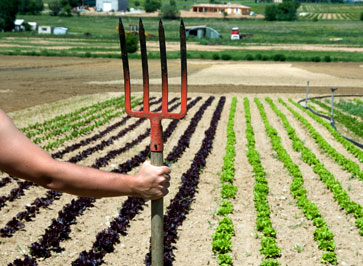
It's Not Easy Being Green or Reconsidering the Three Rs
This lesson examines the "reduce, reuse, recycle" campaign to encourage students to take an active role in environmental stewardship while developing their vocabulary and command of English grammar.
Lesson Plan
Video Clip Illustrating Themes Explored in the Lesson
Shopping Smart / Shopping Green
This lesson encourages students to understand that supporting locally grown food directly affects the local and global environment. The lesson also helps them to develop language skills through learning pertinent vocabulary, and practicing listening, reading, speaking and writing skills.
Lesson Plan
Video Clip Illustrating Themes Explored in the Lesson
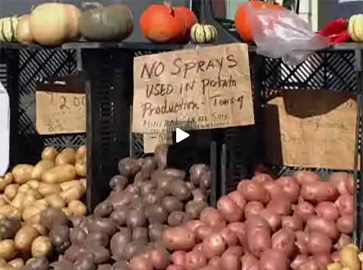
E-Waste: The Digital Dark Side
This lesson aims to increase students' awareness of the existence of e-waste and its effect on global communities, as well as the socioeconomic factors and consumer choices that contribute to this phenomenon.
Lesson Plan
Video Clip Illustrating Themes Explored in the Lesson
Your Carbon Footprint and Global Warming: Are You Warming the World?
This lesson aims to increase students' understanding of climate change, and to support them in reflecting on and taking action to reduce their own carbon footprint.
Lesson Plan
Visit the Climate Watch website on KQED.org and scroll down to the online tools to calculate
your carbon footprint.
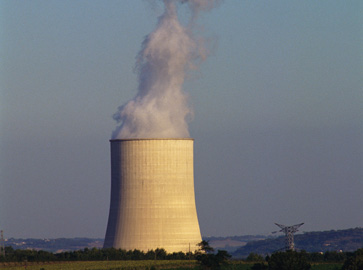
A Warm-up to Global Climate Change
This lesson gives students background and context in which to discuss the relationship of greenhouse gas levels and negative global climate changes, and to recognize how lifestyles- including their own personal choices-can impact greenhouse gas creation.
Lesson Plan
Video Clip Illustrating Themes Explored in the Lesson
ESL Contact Assignments
These place-based contact assignments take students into the community to experience eco-literacy principles in practice. A student-created media piece accompanies each assignment.
Slideshow of student visit to Veggielution Community Farm
Video postcard of student visit to the Living Roof
Hayward High School Garden Project Video
Media-Rich Resources
Climate Watch Blog - KQED's multimedia series providing in-depth
coverage of climate-related science and policy issues from a California perspective http://www.kqed.org/news/climatewatch/
"Ghana: Digital Dumping Ground" - Frontline World
http://www.pbs.org/frontlineworld/stories/ghana804/
"Environmentalists Teach Dos and Don'ts of E-Waste" - NPR
http://www.npr.org/templates/story/story.php?storyId=17988109
"Local Food" - KQED's Forum
http://www.kqed.org/epArchive/R507191000
"The Veggie Van" - Now on PBS
http://www.pbs.org/now/shows/522/veggie-van.html
"How Green Is Your Campus?" - Now on PBS
http://www.pbs.org/now/shows/515/green-colleges.html
"World's Oceans Face Plastic Pollution Problem" - The NewsHour with Jim Lehrer
http://www.pbs.org/newshour/extra/video/blog/2008/11/worlds_oceans_face_plastic_pol.html
"Trash on the Spin Cycle" - Ocean Adventures
http://www.pbs.org/kqed/oceanadventures/video/gyre
"Where We've Been, Where We're Headed" - KQED's Quest
http://www.kqed.org/quest/television/earth-day-tv-special-where-weve-been-where-were-headed
Climate Crisis: Carbon Footprint Calculator
http://www.climatecrisis.net/calculate-your-impact.php
Useful Website
For more about living an eco-friendly life, visit the links listed at:
http://www.kqed.org/tv/programs/faq/going-green.jsp
Find a recycling center near you and learn more about local environmental programs and topics at:
http://earth911.org/california
California Integrated Waste Management Board resource site
http://www.zerowaste.ca.gov
Section on tips and recipes for non-toxic household cleaners
http://www.ecocycle.org/hazwaste/recipes.cfm
The Center for Eco-literacy is dedicated to education for sustainable living
http://www.ecoliteracy.org/about/index.html