window.__IS_SSR__=true
window.__INITIAL_STATE__={
"attachmentsReducer": {
"audio_0": {
"type": "attachments",
"id": "audio_0",
"imgSizes": {
"kqedFullSize": {
"file": "https://ww2.kqed.org/news/wp-content/themes/KQED-unified/img/audio_bgs/background0.jpg"
}
}
},
"audio_1": {
"type": "attachments",
"id": "audio_1",
"imgSizes": {
"kqedFullSize": {
"file": "https://ww2.kqed.org/news/wp-content/themes/KQED-unified/img/audio_bgs/background1.jpg"
}
}
},
"audio_2": {
"type": "attachments",
"id": "audio_2",
"imgSizes": {
"kqedFullSize": {
"file": "https://ww2.kqed.org/news/wp-content/themes/KQED-unified/img/audio_bgs/background2.jpg"
}
}
},
"audio_3": {
"type": "attachments",
"id": "audio_3",
"imgSizes": {
"kqedFullSize": {
"file": "https://ww2.kqed.org/news/wp-content/themes/KQED-unified/img/audio_bgs/background3.jpg"
}
}
},
"audio_4": {
"type": "attachments",
"id": "audio_4",
"imgSizes": {
"kqedFullSize": {
"file": "https://ww2.kqed.org/news/wp-content/themes/KQED-unified/img/audio_bgs/background4.jpg"
}
}
},
"placeholder": {
"type": "attachments",
"id": "placeholder",
"imgSizes": {
"thumbnail": {
"file": "https://cdn.kqed.org/wp-content/uploads/2024/12/KQED-Default-Image-816638274-2000x1333-1-160x107.jpg",
"width": 160,
"height": 107,
"mimeType": "image/jpeg"
},
"medium": {
"file": "https://cdn.kqed.org/wp-content/uploads/2024/12/KQED-Default-Image-816638274-2000x1333-1-800x533.jpg",
"width": 800,
"height": 533,
"mimeType": "image/jpeg"
},
"medium_large": {
"file": "https://cdn.kqed.org/wp-content/uploads/2024/12/KQED-Default-Image-816638274-2000x1333-1-768x512.jpg",
"width": 768,
"height": 512,
"mimeType": "image/jpeg"
},
"large": {
"file": "https://cdn.kqed.org/wp-content/uploads/2024/12/KQED-Default-Image-816638274-2000x1333-1-1020x680.jpg",
"width": 1020,
"height": 680,
"mimeType": "image/jpeg"
},
"1536x1536": {
"file": "https://cdn.kqed.org/wp-content/uploads/2024/12/KQED-Default-Image-816638274-2000x1333-1-1536x1024.jpg",
"width": 1536,
"height": 1024,
"mimeType": "image/jpeg"
},
"fd-lrg": {
"file": "https://cdn.kqed.org/wp-content/uploads/2024/12/KQED-Default-Image-816638274-2000x1333-1-1536x1024.jpg",
"width": 1536,
"height": 1024,
"mimeType": "image/jpeg"
},
"fd-med": {
"file": "https://cdn.kqed.org/wp-content/uploads/2024/12/KQED-Default-Image-816638274-2000x1333-1-1020x680.jpg",
"width": 1020,
"height": 680,
"mimeType": "image/jpeg"
},
"fd-sm": {
"file": "https://cdn.kqed.org/wp-content/uploads/2024/12/KQED-Default-Image-816638274-2000x1333-1-800x533.jpg",
"width": 800,
"height": 533,
"mimeType": "image/jpeg"
},
"post-thumbnail": {
"file": "https://cdn.kqed.org/wp-content/uploads/2024/12/KQED-Default-Image-816638274-2000x1333-1-672x372.jpg",
"width": 672,
"height": 372,
"mimeType": "image/jpeg"
},
"twentyfourteen-full-width": {
"file": "https://cdn.kqed.org/wp-content/uploads/2024/12/KQED-Default-Image-816638274-2000x1333-1-1038x576.jpg",
"width": 1038,
"height": 576,
"mimeType": "image/jpeg"
},
"xxsmall": {
"file": "https://cdn.kqed.org/wp-content/uploads/2024/12/KQED-Default-Image-816638274-2000x1333-1-160x107.jpg",
"width": 160,
"height": 107,
"mimeType": "image/jpeg"
},
"xsmall": {
"file": "https://cdn.kqed.org/wp-content/uploads/2024/12/KQED-Default-Image-816638274-2000x1333-1-672x372.jpg",
"width": 672,
"height": 372,
"mimeType": "image/jpeg"
},
"small": {
"file": "https://cdn.kqed.org/wp-content/uploads/2024/12/KQED-Default-Image-816638274-2000x1333-1-672x372.jpg",
"width": 672,
"height": 372,
"mimeType": "image/jpeg"
},
"xlarge": {
"file": "https://cdn.kqed.org/wp-content/uploads/2024/12/KQED-Default-Image-816638274-2000x1333-1-1020x680.jpg",
"width": 1020,
"height": 680,
"mimeType": "image/jpeg"
},
"full-width": {
"file": "https://cdn.kqed.org/wp-content/uploads/2024/12/KQED-Default-Image-816638274-2000x1333-1-1920x1280.jpg",
"width": 1920,
"height": 1280,
"mimeType": "image/jpeg"
},
"guest-author-32": {
"file": "https://cdn.kqed.org/wp-content/uploads/2025/01/KQED-Default-Image-816638274-1333x1333-1-160x160.jpg",
"width": 32,
"height": 32,
"mimeType": "image/jpeg"
},
"guest-author-50": {
"file": "https://cdn.kqed.org/wp-content/uploads/2025/01/KQED-Default-Image-816638274-1333x1333-1-160x160.jpg",
"width": 50,
"height": 50,
"mimeType": "image/jpeg"
},
"guest-author-64": {
"file": "https://cdn.kqed.org/wp-content/uploads/2025/01/KQED-Default-Image-816638274-1333x1333-1-160x160.jpg",
"width": 64,
"height": 64,
"mimeType": "image/jpeg"
},
"guest-author-96": {
"file": "https://cdn.kqed.org/wp-content/uploads/2025/01/KQED-Default-Image-816638274-1333x1333-1-160x160.jpg",
"width": 96,
"height": 96,
"mimeType": "image/jpeg"
},
"guest-author-128": {
"file": "https://cdn.kqed.org/wp-content/uploads/2025/01/KQED-Default-Image-816638274-1333x1333-1-160x160.jpg",
"width": 128,
"height": 128,
"mimeType": "image/jpeg"
},
"detail": {
"file": "https://cdn.kqed.org/wp-content/uploads/2025/01/KQED-Default-Image-816638274-1333x1333-1-160x160.jpg",
"width": 160,
"height": 160,
"mimeType": "image/jpeg"
},
"kqedFullSize": {
"file": "https://cdn.kqed.org/wp-content/uploads/2024/12/KQED-Default-Image-816638274-2000x1333-1.jpg",
"width": 2000,
"height": 1333
}
}
},
"root-site_21150": {
"type": "attachments",
"id": "root-site_21150",
"meta": {
"index": "attachments_1716263798",
"site": "root-site",
"id": "21150",
"found": true
},
"parent": 0,
"imgSizes": {
"twentyfourteen-full-width": {
"file": "https://cdn.kqed.org/wp-content/uploads/2022/06/forum-logo-900x900tile-900x576.gif",
"width": 900,
"mimeType": "image/gif",
"height": 576
},
"thumbnail": {
"file": "https://cdn.kqed.org/wp-content/uploads/2022/06/forum-logo-900x900tile-160x160.gif",
"width": 160,
"mimeType": "image/gif",
"height": 160
},
"post-thumbnail": {
"file": "https://cdn.kqed.org/wp-content/uploads/2022/06/forum-logo-900x900tile-672x372.gif",
"width": 672,
"mimeType": "image/gif",
"height": 372
},
"kqedFullSize": {
"file": "https://cdn.kqed.org/wp-content/uploads/2022/06/forum-logo-900x900tile.gif",
"width": 900,
"height": 900
},
"medium": {
"file": "https://cdn.kqed.org/wp-content/uploads/2022/06/forum-logo-900x900tile-800x800.gif",
"width": 800,
"mimeType": "image/gif",
"height": 800
},
"medium_large": {
"file": "https://cdn.kqed.org/wp-content/uploads/2022/06/forum-logo-900x900tile-768x768.gif",
"width": 768,
"mimeType": "image/gif",
"height": 768
}
},
"publishDate": 1654140096,
"modified": 1654140139,
"caption": null,
"description": null,
"title": "forum-logo-900x900tile",
"credit": null,
"status": "inherit",
"altTag": "KQED Forum with Mina Kim & Alexis Madrigal",
"fetchFailed": false,
"isLoading": false
},
"root-site_21112": {
"type": "attachments",
"id": "root-site_21112",
"meta": {
"index": "attachments_1716263798",
"site": "root-site",
"id": "21112",
"found": true
},
"parent": 19528,
"imgSizes": {
"twentyfourteen-full-width": {
"file": "https://cdn.kqed.org/wp-content/uploads/2022/05/Thumbnail-Wordpress-1200x630-1-1038x576.png",
"width": 1038,
"mimeType": "image/png",
"height": 576
},
"thumbnail": {
"file": "https://cdn.kqed.org/wp-content/uploads/2022/05/Thumbnail-Wordpress-1200x630-1-160x84.png",
"width": 160,
"mimeType": "image/png",
"height": 84
},
"post-thumbnail": {
"file": "https://cdn.kqed.org/wp-content/uploads/2022/05/Thumbnail-Wordpress-1200x630-1-672x372.png",
"width": 672,
"mimeType": "image/png",
"height": 372
},
"kqedFullSize": {
"file": "https://cdn.kqed.org/wp-content/uploads/2022/05/Thumbnail-Wordpress-1200x630-1.png",
"width": 1200,
"height": 630
},
"large": {
"file": "https://cdn.kqed.org/wp-content/uploads/2022/05/Thumbnail-Wordpress-1200x630-1-1020x536.png",
"width": 1020,
"mimeType": "image/png",
"height": 536
},
"medium": {
"file": "https://cdn.kqed.org/wp-content/uploads/2022/05/Thumbnail-Wordpress-1200x630-1-800x420.png",
"width": 800,
"mimeType": "image/png",
"height": 420
},
"medium_large": {
"file": "https://cdn.kqed.org/wp-content/uploads/2022/05/Thumbnail-Wordpress-1200x630-1-768x403.png",
"width": 768,
"mimeType": "image/png",
"height": 403
}
},
"publishDate": 1652823730,
"modified": 1654139956,
"caption": null,
"description": null,
"title": "Thumbnail Wordpress 1200x630",
"credit": null,
"status": "inherit",
"altTag": "KQED Forum with Mina Kim & Alexis Madrigal",
"fetchFailed": false,
"isLoading": false
},
"root-site_21111": {
"type": "attachments",
"id": "root-site_21111",
"meta": {
"index": "attachments_1716263798",
"site": "root-site",
"id": "21111",
"found": true
},
"parent": 19528,
"imgSizes": {
"thumbnail": {
"file": "https://cdn.kqed.org/wp-content/uploads/2022/05/Thumbnail-Wordpress-160x80.png",
"width": 160,
"mimeType": "image/png",
"height": 80
},
"post-thumbnail": {
"file": "https://cdn.kqed.org/wp-content/uploads/2022/05/Thumbnail-Wordpress-672x372.png",
"width": 672,
"mimeType": "image/png",
"height": 372
},
"kqedFullSize": {
"file": "https://cdn.kqed.org/wp-content/uploads/2022/05/Thumbnail-Wordpress.png",
"width": 1024,
"height": 512
},
"large": {
"file": "https://cdn.kqed.org/wp-content/uploads/2022/05/Thumbnail-Wordpress-1020x510.png",
"width": 1020,
"mimeType": "image/png",
"height": 510
},
"medium": {
"file": "https://cdn.kqed.org/wp-content/uploads/2022/05/Thumbnail-Wordpress-800x400.png",
"width": 800,
"mimeType": "image/png",
"height": 400
},
"medium_large": {
"file": "https://cdn.kqed.org/wp-content/uploads/2022/05/Thumbnail-Wordpress-768x384.png",
"width": 768,
"mimeType": "image/png",
"height": 384
}
},
"publishDate": 1652813224,
"modified": 1654139948,
"caption": null,
"description": null,
"title": "Thumbnail Wordpress",
"credit": null,
"status": "inherit",
"altTag": "KQED Forum with Mina Kim & Alexis Madrigal",
"fetchFailed": false,
"isLoading": false
},
"forum_2010101913104": {
"type": "attachments",
"id": "forum_2010101913104",
"meta": {
"index": "attachments_1716263798",
"site": "forum",
"id": "2010101913104",
"found": true
},
"title": "US-POLITICS-JUSTICE-EPSTEIN",
"publishDate": 1772217000,
"status": "inherit",
"parent": 2010101913103,
"modified": 1772217067,
"caption": "(Photo by Brendan Smialowski / AFP via Getty Images)",
"credit": null,
"altTag": null,
"description": "(Photo by Brendan Smialowski / AFP via Getty Images)",
"imgSizes": {
"medium": {
"file": "https://cdn.kqed.org/wp-content/uploads/sites/43/2026/02/GettyImages-2261827307-2000x1333.jpg",
"width": 2000,
"height": 1333,
"mimeType": "image/jpeg"
},
"large": {
"file": "https://cdn.kqed.org/wp-content/uploads/sites/43/2026/02/GettyImages-2261827307-2000x1333.jpg",
"width": 2000,
"height": 1333,
"mimeType": "image/jpeg"
},
"thumbnail": {
"file": "https://cdn.kqed.org/wp-content/uploads/sites/43/2026/02/GettyImages-2261827307-160x107.jpg",
"width": 160,
"height": 107,
"mimeType": "image/jpeg"
},
"medium_large": {
"file": "https://cdn.kqed.org/wp-content/uploads/sites/43/2026/02/GettyImages-2261827307-768x512.jpg",
"width": 768,
"height": 512,
"mimeType": "image/jpeg"
},
"1536x1536": {
"file": "https://cdn.kqed.org/wp-content/uploads/sites/43/2026/02/GettyImages-2261827307-1536x1024.jpg",
"width": 1536,
"height": 1024,
"mimeType": "image/jpeg"
},
"2048x2048": {
"file": "https://cdn.kqed.org/wp-content/uploads/sites/43/2026/02/GettyImages-2261827307-2048x1365.jpg",
"width": 2048,
"height": 1365,
"mimeType": "image/jpeg"
},
"post-thumbnail": {
"file": "https://cdn.kqed.org/wp-content/uploads/sites/43/2026/02/GettyImages-2261827307-672x372.jpg",
"width": 672,
"height": 372,
"mimeType": "image/jpeg"
},
"twentyfourteen-full-width": {
"file": "https://cdn.kqed.org/wp-content/uploads/sites/43/2026/02/GettyImages-2261827307-1038x576.jpg",
"width": 1038,
"height": 576,
"mimeType": "image/jpeg"
},
"full-width": {
"file": "https://cdn.kqed.org/wp-content/uploads/sites/43/2026/02/GettyImages-2261827307-2000x1333.jpg",
"width": 2000,
"height": 1333,
"mimeType": "image/jpeg"
},
"kqedFullSize": {
"file": "https://cdn.kqed.org/wp-content/uploads/sites/43/2026/02/GettyImages-2261827307-scaled.jpg",
"width": 2560,
"height": 1707
}
},
"fetchFailed": false,
"isLoading": false
},
"forum_2010101913123": {
"type": "attachments",
"id": "forum_2010101913123",
"meta": {
"index": "attachments_1716263798",
"site": "forum",
"id": "2010101913123",
"found": true
},
"title": null,
"publishDate": 1772467314,
"status": "inherit",
"parent": 2010101913118,
"modified": 1772467367,
"caption": "A general view of Tehran with smoke visible in the distance after explosions were reported in the city.",
"credit": "Contributor/Getty Images",
"altTag": null,
"description": null,
"imgSizes": {
"medium": {
"file": "https://cdn.kqed.org/wp-content/uploads/sites/43/2026/03/GettyImages-2264384796-2000x1196.jpg",
"width": 2000,
"height": 1196,
"mimeType": "image/jpeg"
},
"large": {
"file": "https://cdn.kqed.org/wp-content/uploads/sites/43/2026/03/GettyImages-2264384796-2000x1196.jpg",
"width": 2000,
"height": 1196,
"mimeType": "image/jpeg"
},
"thumbnail": {
"file": "https://cdn.kqed.org/wp-content/uploads/sites/43/2026/03/GettyImages-2264384796-160x96.jpg",
"width": 160,
"height": 96,
"mimeType": "image/jpeg"
},
"medium_large": {
"file": "https://cdn.kqed.org/wp-content/uploads/sites/43/2026/03/GettyImages-2264384796-768x459.jpg",
"width": 768,
"height": 459,
"mimeType": "image/jpeg"
},
"1536x1536": {
"file": "https://cdn.kqed.org/wp-content/uploads/sites/43/2026/03/GettyImages-2264384796-1536x919.jpg",
"width": 1536,
"height": 919,
"mimeType": "image/jpeg"
},
"2048x2048": {
"file": "https://cdn.kqed.org/wp-content/uploads/sites/43/2026/03/GettyImages-2264384796-2048x1225.jpg",
"width": 2048,
"height": 1225,
"mimeType": "image/jpeg"
},
"post-thumbnail": {
"file": "https://cdn.kqed.org/wp-content/uploads/sites/43/2026/03/GettyImages-2264384796-672x372.jpg",
"width": 672,
"height": 372,
"mimeType": "image/jpeg"
},
"twentyfourteen-full-width": {
"file": "https://cdn.kqed.org/wp-content/uploads/sites/43/2026/03/GettyImages-2264384796-1038x576.jpg",
"width": 1038,
"height": 576,
"mimeType": "image/jpeg"
},
"full-width": {
"file": "https://cdn.kqed.org/wp-content/uploads/sites/43/2026/03/GettyImages-2264384796-2000x1196.jpg",
"width": 2000,
"height": 1196,
"mimeType": "image/jpeg"
},
"kqedFullSize": {
"file": "https://cdn.kqed.org/wp-content/uploads/sites/43/2026/03/GettyImages-2264384796-scaled.jpg",
"width": 2560,
"height": 1531
}
},
"fetchFailed": false,
"isLoading": false
},
"forum_2010101913099": {
"type": "attachments",
"id": "forum_2010101913099",
"meta": {
"index": "attachments_1716263798",
"site": "forum",
"id": "2010101913099",
"found": true
},
"title": "Teenage Girl Writing in a Diary",
"publishDate": 1772150717,
"status": "inherit",
"parent": 2010101913098,
"modified": 1772150741,
"caption": null,
"credit": "Ryan McVay/Getty Images",
"altTag": null,
"description": null,
"imgSizes": {
"medium": {
"file": "https://cdn.kqed.org/wp-content/uploads/sites/43/2026/02/GettyImages-AA032246-2000x1459.jpg",
"width": 2000,
"height": 1459,
"mimeType": "image/jpeg"
},
"large": {
"file": "https://cdn.kqed.org/wp-content/uploads/sites/43/2026/02/GettyImages-AA032246-2000x1459.jpg",
"width": 2000,
"height": 1459,
"mimeType": "image/jpeg"
},
"thumbnail": {
"file": "https://cdn.kqed.org/wp-content/uploads/sites/43/2026/02/GettyImages-AA032246-160x117.jpg",
"width": 160,
"height": 117,
"mimeType": "image/jpeg"
},
"medium_large": {
"file": "https://cdn.kqed.org/wp-content/uploads/sites/43/2026/02/GettyImages-AA032246-768x560.jpg",
"width": 768,
"height": 560,
"mimeType": "image/jpeg"
},
"1536x1536": {
"file": "https://cdn.kqed.org/wp-content/uploads/sites/43/2026/02/GettyImages-AA032246-1536x1121.jpg",
"width": 1536,
"height": 1121,
"mimeType": "image/jpeg"
},
"2048x2048": {
"file": "https://cdn.kqed.org/wp-content/uploads/sites/43/2026/02/GettyImages-AA032246-2048x1494.jpg",
"width": 2048,
"height": 1494,
"mimeType": "image/jpeg"
},
"post-thumbnail": {
"file": "https://cdn.kqed.org/wp-content/uploads/sites/43/2026/02/GettyImages-AA032246-672x372.jpg",
"width": 672,
"height": 372,
"mimeType": "image/jpeg"
},
"twentyfourteen-full-width": {
"file": "https://cdn.kqed.org/wp-content/uploads/sites/43/2026/02/GettyImages-AA032246-1038x576.jpg",
"width": 1038,
"height": 576,
"mimeType": "image/jpeg"
},
"full-width": {
"file": "https://cdn.kqed.org/wp-content/uploads/sites/43/2026/02/GettyImages-AA032246-2000x1459.jpg",
"width": 2000,
"height": 1459,
"mimeType": "image/jpeg"
},
"kqedFullSize": {
"file": "https://cdn.kqed.org/wp-content/uploads/sites/43/2026/02/GettyImages-AA032246-scaled.jpg",
"width": 2560,
"height": 1868
}
},
"fetchFailed": false,
"isLoading": false
},
"forum_2010101911827": {
"type": "attachments",
"id": "forum_2010101911827",
"meta": {
"index": "attachments_1716263798",
"site": "forum",
"id": "2010101911827",
"found": true
},
"title": null,
"publishDate": 1761752811,
"status": "inherit",
"parent": 2010101911792,
"modified": 1761752834,
"caption": null,
"credit": null,
"altTag": null,
"description": null,
"imgSizes": {
"thumbnail": {
"file": "https://cdn.kqed.org/wp-content/uploads/sites/43/2025/10/IMG_5710housing-160x90.png",
"width": 160,
"height": 90,
"mimeType": "image/png"
},
"medium_large": {
"file": "https://cdn.kqed.org/wp-content/uploads/sites/43/2025/10/IMG_5710housing-768x432.png",
"width": 768,
"height": 432,
"mimeType": "image/png"
},
"1536x1536": {
"file": "https://cdn.kqed.org/wp-content/uploads/sites/43/2025/10/IMG_5710housing-1536x864.png",
"width": 1536,
"height": 864,
"mimeType": "image/png"
},
"post-thumbnail": {
"file": "https://cdn.kqed.org/wp-content/uploads/sites/43/2025/10/IMG_5710housing-672x372.png",
"width": 672,
"height": 372,
"mimeType": "image/png"
},
"twentyfourteen-full-width": {
"file": "https://cdn.kqed.org/wp-content/uploads/sites/43/2025/10/IMG_5710housing-1038x576.png",
"width": 1038,
"height": 576,
"mimeType": "image/png"
},
"kqedFullSize": {
"file": "https://cdn.kqed.org/wp-content/uploads/sites/43/2025/10/IMG_5710housing.png",
"width": 1920,
"height": 1080
}
},
"fetchFailed": false,
"isLoading": false
},
"forum_2010101911607": {
"type": "attachments",
"id": "forum_2010101911607",
"meta": {
"index": "attachments_1716263798",
"site": "forum",
"id": "2010101911607",
"found": true
},
"title": null,
"publishDate": 1760396790,
"status": "inherit",
"parent": 2010101911606,
"modified": 1760397002,
"caption": "Maritza Salinas hugs her daughter, Ranea, 4, at a playground in San Francisco on July 22, 2025. Salinas has experienced homelessness since leaving an abusive relationship in 2022. For the past several years, she and her children have been in and out of shelters.",
"credit": null,
"altTag": null,
"description": null,
"imgSizes": {
"thumbnail": {
"file": "https://cdn.kqed.org/wp-content/uploads/sites/43/2025/10/hug-160x90.png",
"width": 160,
"height": 90,
"mimeType": "image/png"
},
"medium_large": {
"file": "https://cdn.kqed.org/wp-content/uploads/sites/43/2025/10/hug-768x432.png",
"width": 768,
"height": 432,
"mimeType": "image/png"
},
"1536x1536": {
"file": "https://cdn.kqed.org/wp-content/uploads/sites/43/2025/10/hug-1536x864.png",
"width": 1536,
"height": 864,
"mimeType": "image/png"
},
"post-thumbnail": {
"file": "https://cdn.kqed.org/wp-content/uploads/sites/43/2025/10/hug-672x372.png",
"width": 672,
"height": 372,
"mimeType": "image/png"
},
"twentyfourteen-full-width": {
"file": "https://cdn.kqed.org/wp-content/uploads/sites/43/2025/10/hug-1038x576.png",
"width": 1038,
"height": 576,
"mimeType": "image/png"
},
"kqedFullSize": {
"file": "https://cdn.kqed.org/wp-content/uploads/sites/43/2025/10/hug.png",
"width": 1920,
"height": 1080
}
},
"fetchFailed": false,
"isLoading": false
},
"forum_2010101911398": {
"type": "attachments",
"id": "forum_2010101911398",
"meta": {
"index": "attachments_1716263798",
"site": "forum",
"id": "2010101911398",
"found": true
},
"title": null,
"publishDate": 1759182657,
"status": "inherit",
"parent": 2010101911397,
"modified": 1759182676,
"caption": null,
"credit": "fhm/Getty Images",
"altTag": null,
"description": null,
"imgSizes": {
"thumbnail": {
"file": "https://cdn.kqed.org/wp-content/uploads/sites/43/2025/09/homeless-160x90.png",
"width": 160,
"height": 90,
"mimeType": "image/png"
},
"medium_large": {
"file": "https://cdn.kqed.org/wp-content/uploads/sites/43/2025/09/homeless-768x432.png",
"width": 768,
"height": 432,
"mimeType": "image/png"
},
"1536x1536": {
"file": "https://cdn.kqed.org/wp-content/uploads/sites/43/2025/09/homeless-1536x864.png",
"width": 1536,
"height": 864,
"mimeType": "image/png"
},
"post-thumbnail": {
"file": "https://cdn.kqed.org/wp-content/uploads/sites/43/2025/09/homeless-672x372.png",
"width": 672,
"height": 372,
"mimeType": "image/png"
},
"twentyfourteen-full-width": {
"file": "https://cdn.kqed.org/wp-content/uploads/sites/43/2025/09/homeless-1038x576.png",
"width": 1038,
"height": 576,
"mimeType": "image/png"
},
"kqedFullSize": {
"file": "https://cdn.kqed.org/wp-content/uploads/sites/43/2025/09/homeless.png",
"width": 1920,
"height": 1080
}
},
"fetchFailed": false,
"isLoading": false
},
"forum_2010101894735": {
"type": "attachments",
"id": "forum_2010101894735",
"meta": {
"index": "attachments_1716263798",
"site": "forum",
"id": "2010101894735",
"found": true
},
"parent": 2010101894733,
"imgSizes": {
"twentyfourteen-full-width": {
"file": "https://ww2.kqed.org/app/uploads/sites/43/2023/10/Spoooked-1038x576.jpg",
"width": 1038,
"mimeType": "image/jpeg",
"height": 576
},
"thumbnail": {
"file": "https://ww2.kqed.org/app/uploads/sites/43/2023/10/Spoooked-160x90.jpg",
"width": 160,
"mimeType": "image/jpeg",
"height": 90
},
"post-thumbnail": {
"file": "https://ww2.kqed.org/app/uploads/sites/43/2023/10/Spoooked-672x372.jpg",
"width": 672,
"mimeType": "image/jpeg",
"height": 372
},
"kqedFullSize": {
"file": "https://ww2.kqed.org/app/uploads/sites/43/2023/10/Spoooked.jpg",
"width": 1920,
"height": 1080
},
"large": {
"file": "https://ww2.kqed.org/app/uploads/sites/43/2023/10/Spoooked-1020x574.jpg",
"width": 1020,
"mimeType": "image/jpeg",
"height": 574
},
"1536x1536": {
"file": "https://ww2.kqed.org/app/uploads/sites/43/2023/10/Spoooked-1536x864.jpg",
"width": 1536,
"mimeType": "image/jpeg",
"height": 864
},
"medium": {
"file": "https://ww2.kqed.org/app/uploads/sites/43/2023/10/Spoooked-800x450.jpg",
"width": 800,
"mimeType": "image/jpeg",
"height": 450
},
"medium_large": {
"file": "https://ww2.kqed.org/app/uploads/sites/43/2023/10/Spoooked-768x432.jpg",
"width": 768,
"mimeType": "image/jpeg",
"height": 432
}
},
"publishDate": 1697154891,
"modified": 1697154972,
"caption": null,
"description": null,
"title": "Spoooked",
"credit": "Courtesy of Spooked",
"status": "inherit",
"altTag": null,
"fetchFailed": false,
"isLoading": false
},
"forum_2010101911503": {
"type": "attachments",
"id": "forum_2010101911503",
"meta": {
"index": "attachments_1716263798",
"site": "forum",
"id": "2010101911503",
"found": true
},
"title": null,
"publishDate": 1759790575,
"status": "inherit",
"parent": 2010101911494,
"modified": 1759790597,
"caption": null,
"credit": "Studio One-One/Getty Images",
"altTag": null,
"description": null,
"imgSizes": {
"thumbnail": {
"file": "https://cdn.kqed.org/wp-content/uploads/sites/43/2025/10/secesion-160x90.png",
"width": 160,
"height": 90,
"mimeType": "image/png"
},
"medium_large": {
"file": "https://cdn.kqed.org/wp-content/uploads/sites/43/2025/10/secesion-768x432.png",
"width": 768,
"height": 432,
"mimeType": "image/png"
},
"1536x1536": {
"file": "https://cdn.kqed.org/wp-content/uploads/sites/43/2025/10/secesion-1536x864.png",
"width": 1536,
"height": 864,
"mimeType": "image/png"
},
"post-thumbnail": {
"file": "https://cdn.kqed.org/wp-content/uploads/sites/43/2025/10/secesion-672x372.png",
"width": 672,
"height": 372,
"mimeType": "image/png"
},
"twentyfourteen-full-width": {
"file": "https://cdn.kqed.org/wp-content/uploads/sites/43/2025/10/secesion-1038x576.png",
"width": 1038,
"height": 576,
"mimeType": "image/png"
},
"kqedFullSize": {
"file": "https://cdn.kqed.org/wp-content/uploads/sites/43/2025/10/secesion.png",
"width": 1920,
"height": 1080
}
},
"fetchFailed": false,
"isLoading": false
},
"forum_2010101911273": {
"type": "attachments",
"id": "forum_2010101911273",
"meta": {
"index": "attachments_1716263798",
"site": "forum",
"id": "2010101911273",
"found": true
},
"title": null,
"publishDate": 1758061688,
"status": "inherit",
"parent": 2010101911272,
"modified": 1758063604,
"caption": "A mural of Bruce Lee is seen in San Francisco's Chinatown at the corner of Grant Avenue and Commercial Street. Lee was born in Chinatown in 1940.",
"credit": "piola666/Getty Images",
"altTag": null,
"description": null,
"imgSizes": {
"thumbnail": {
"file": "https://cdn.kqed.org/wp-content/uploads/sites/43/2025/09/bruceleemural-160x90.png",
"width": 160,
"height": 90,
"mimeType": "image/png"
},
"medium_large": {
"file": "https://cdn.kqed.org/wp-content/uploads/sites/43/2025/09/bruceleemural-768x432.png",
"width": 768,
"height": 432,
"mimeType": "image/png"
},
"1536x1536": {
"file": "https://cdn.kqed.org/wp-content/uploads/sites/43/2025/09/bruceleemural-1536x864.png",
"width": 1536,
"height": 864,
"mimeType": "image/png"
},
"post-thumbnail": {
"file": "https://cdn.kqed.org/wp-content/uploads/sites/43/2025/09/bruceleemural-672x372.png",
"width": 672,
"height": 372,
"mimeType": "image/png"
},
"twentyfourteen-full-width": {
"file": "https://cdn.kqed.org/wp-content/uploads/sites/43/2025/09/bruceleemural-1038x576.png",
"width": 1038,
"height": 576,
"mimeType": "image/png"
},
"kqedFullSize": {
"file": "https://cdn.kqed.org/wp-content/uploads/sites/43/2025/09/bruceleemural.png",
"width": 1920,
"height": 1080
}
},
"fetchFailed": false,
"isLoading": false
}
},
"audioPlayerReducer": {
"postId": "stream_live",
"isPaused": true,
"isPlaying": false,
"pfsActive": false,
"pledgeModalIsOpen": true,
"playerDrawerIsOpen": false
},
"authorsReducer": {
"minakim": {
"type": "authors",
"id": "243",
"meta": {
"index": "authors_1716337520",
"id": "243",
"found": true
},
"name": "Mina Kim",
"firstName": "Mina",
"lastName": "Kim",
"slug": "minakim",
"email": "mkim@kqed.org",
"display_author_email": false,
"staff_mastheads": [
"news"
],
"title": "Host, Forum",
"bio": "Mina Kim is host of the 10 a.m. statewide hour of Forum; a live daily talk show for curious Californians on issues that matter to the state and nation, with a particular emphasis on race and equity.\r\n\r\nBefore joining the Forum team, Mina was KQED’s evening news anchor, and health reporter for The California Report. Her award-winning work has included natural disasters in Napa and gun violence in Oakland. Mina grew up in St. John’s, Newfoundland.",
"avatar": "https://secure.gravatar.com/avatar/145ce657a2d08cb86d93686beb958982?s=600&d=blank&r=g",
"twitter": "mkimreporter",
"facebook": null,
"instagram": null,
"linkedin": null,
"sites": [
{
"site": "news",
"roles": [
"contributor"
]
},
{
"site": "stateofhealth",
"roles": [
"author"
]
},
{
"site": "forum",
"roles": [
"editor"
]
}
],
"headData": {
"title": "Mina Kim | KQED",
"description": "Host, Forum",
"ogImgSrc": "https://secure.gravatar.com/avatar/145ce657a2d08cb86d93686beb958982?s=600&d=blank&r=g",
"twImgSrc": "https://secure.gravatar.com/avatar/145ce657a2d08cb86d93686beb958982?s=600&d=blank&r=g"
},
"isLoading": false,
"link": "/author/minakim"
},
"amadrigal": {
"type": "authors",
"id": "11757",
"meta": {
"index": "authors_1716337520",
"id": "11757",
"found": true
},
"name": "Alexis Madrigal",
"firstName": "Alexis",
"lastName": "Madrigal",
"slug": "amadrigal",
"email": "amadrigal@kqed.org",
"display_author_email": true,
"staff_mastheads": [],
"title": "Co-Host Forum",
"bio": "Alexis Madrigal is the co-host of Forum. He is also a contributing writer at \u003cem>The Atlantic \u003c/em>and the co-founder of the COVID Tracking Project. He's the creator of the podcast, \u003cem>Containers\u003c/em>, and has been a staff writer at \u003cem>Wired. \u003c/em>He was a visiting scholar at UC Berkeley's Information School, and is working on a book about Oakland and the Bay Area's revolutionary ideas.",
"avatar": "https://secure.gravatar.com/avatar/200d13dd6cebef55bf04327dec901b3d?s=600&d=blank&r=g",
"twitter": "alexismadrigal",
"facebook": null,
"instagram": null,
"linkedin": null,
"sites": [
{
"site": "news",
"roles": [
"editor"
]
},
{
"site": "forum",
"roles": [
"editor"
]
}
],
"headData": {
"title": "Alexis Madrigal | KQED",
"description": "Co-Host Forum",
"ogImgSrc": "https://secure.gravatar.com/avatar/200d13dd6cebef55bf04327dec901b3d?s=600&d=blank&r=g",
"twImgSrc": "https://secure.gravatar.com/avatar/200d13dd6cebef55bf04327dec901b3d?s=600&d=blank&r=g"
},
"isLoading": false,
"link": "/author/amadrigal"
}
},
"breakingNewsReducer": {},
"pagesReducer": {
"root-site_forum-podcasts": {
"type": "pages",
"id": "root-site_19528",
"meta": {
"index": "pages_1716337520",
"site": "root-site",
"id": "19528",
"score": 0
},
"slug": "forum-podcasts",
"title": "Forum",
"headTitle": "Forum | KQED",
"pagePath": "forum-podcasts",
"pageMeta": {
"sticky": false,
"WpPageTemplate": "page-podcast",
"adSlotOverride": "kqed300x250_forum",
"excludeFromSiteSearch": "Include"
},
"headData": {
"title": "Forum - Dive into Local, State, National and World Issues | KQED",
"description": "Join Mina Kim and Alexis Madrigal as they host a live, call-in program that inform, challenge and unify listeners by diving into politics, science, entertainment and the arts.",
"ogTitle": "Listen to Forum",
"ogDescription": "KQED's live call-in radio program presents balanced discussions of local, state, national, and world issues as well as in-depth interviews with leading figures in politics, science, entertainment, and the arts.",
"ogImgId": "root-site_21112",
"twTitle": "Listen to Forum",
"twDescription": "KQED's live call-in radio program presents balanced discussions of local, state, national, and world issues as well as in-depth interviews with leading figures in politics, science, entertainment, and the arts.",
"twImgId": "root-site_21111",
"socialTitle": "Forum - Dive into Local, State, National and World Issues | KQED",
"socialDescription": "Join Mina Kim and Alexis Madrigal as they host a live, call-in program that inform, challenge and unify listeners by diving into politics, science, entertainment and the arts.",
"canonicalUrl": "https://www.kqed.org/forum",
"schema": {
"@context": "https://schema.org",
"@type": "PodcastSeries",
"name": "Forum",
"description": "Join Mina Kim and Alexis Madrigal as they host a live, call-in program that inform, challenge and unify listeners by diving into politics, science, entertainment and the arts.",
"url": "https://www.kqed.org/forum",
"image": "https://ww2.kqed.org/app/uploads/2022/06/forum-logo-900x900tile.gif ",
"inLanguage": "en-US",
"publisher": {
"@type": "NewsMediaOrganization",
"@id": "https://www.kqed.org/#organization",
"name": "KQED",
"logo": "https://cdn.kqed.org/wp-content/uploads/2020/02/KQED-OG-Image@1x.png",
"url": "https://www.kqed.org",
"sameAs": [
"https://www.facebook.com/KQED",
"https://twitter.com/KQED",
"https://www.instagram.com/kqed/",
"https://www.tiktok.com/@kqedofficial",
"https://www.linkedin.com/company/kqed",
"https://www.youtube.com/channel/UCeC0IOo7i1P_61zVUWbJ4nw"
]
}
},
"imageData": {
"ogImageSize": {
"file": "https://cdn.kqed.org/wp-content/uploads/2022/05/Thumbnail-Wordpress-1200x630-1-1020x536.png",
"width": 1020,
"mimeType": "image/png",
"height": 536
},
"twImageSize": {
"file": "https://cdn.kqed.org/wp-content/uploads/2022/05/Thumbnail-Wordpress-1020x510.png",
"width": 1020,
"mimeType": "image/png",
"height": 510
},
"twitterCard": "summary_large_image"
}
},
"labelTerm": {
"site": ""
},
"publishDate": 1622053173,
"content": "\u003cdiv class=\"wp-block-kqed-section\">\u003c/div>\n\n\n\n\u003cdiv class=\"wp-block-kqed-biographies\">\n\n\n\n\n\n\n\n\n\n\n\n\n\n\n\n\n\n\n\n\n\n\u003c/div>\n\n\n\n\n\n\n\n\u003cp>\u003c/p>\n\u003cp>[ad fullwidth]\u003c/p>\u003cp>\u003c/p>\n",
"blocks": [
{
"blockName": "kqed/hero",
"attrs": {
"titleLayout": "svg",
"titleSVG": "https://cdn.kqed.org/wp-content/uploads/2023/05/Forum-Logotype@2x.png",
"backgroundImageAlt": "Forum with Mina Kim and Alexis Madrigal",
"backgroundImageUrl": "https://ww2.kqed.org/app/uploads/2022/05/Forum_background.png",
"blurb": "\u003cem>Forum\u003c/em> tells remarkable and true stories about who we are and where we live. In the first hour, Alexis Madrigal convenes the diverse voices of the Bay Area, before turning to Mina Kim for the second hour to chronicle and center Californians’ experience. In an increasingly divided world, Mina and Alexis host conversations that inform, challenge and unify listeners with big ideas and different viewpoints.\u003cbr>\u003cbr>Want to call/submit your comments during our live Forum program Mon-Fri, 9am-11am? We’d love to hear from you! Please dial 866.SF.FORUM or (866) 733-6786, email \u003ca href=\"mailto:forum@kqed.org\">forum@kqed.org\u003c/a>, \u003ca href=\"https://twitter.com/search?q=%40kqedforum\">tweet\u003c/a>, post on \u003ca href=\"https://www.facebook.com/KQEDForum/\">Facebook\u003c/a>, or join KQED’s \u003ca href=\"http://discord.gg/kqed\">Discord community\u003c/a>.\u003cbr>\u003cbr>We're excited to announce a new way for listeners to join the conversation! KQED is now on Discord, a social media platform focused on community (not clicks). Check out \u003ca href=\"https://docs.google.com/document/d/1Mjcmsgogm52AIrc9rRw4c1ZiAS8w8vqFG7dGwH-7QQ4/edit\" target=\"_blank\" rel=\"noreferrer noopener\">our guide to joining Forum discussions on Discord\u003c/a>.\u003cbr>\u003cbr>\u003ca href=\"http://discord.gg/kqed\">\u003cimg class=\"wp-image-22607\" style=\"width: 150px\" src=\"https://ww2.kqed.org/app/uploads/2023/08/discord-logo-blue.png\" alt=\"Discord Logo\">\u003c/a>\u003cbr>\u003cbr>This online gathering space is a first-of-its-kind experiment for KQED and we’re excited to build it with you. \u003ca href=\"http://discord.gg/kqed\">\u003cem>KQED's\u003c/em> digital community\u003c/a> is a lively, fun space for civic engagement, conversation, and interaction between KQED listeners and the journalists behind our radio and podcast programs.\u003cbr>",
"blurbImageAlt": "Forum with Mina Kim and Alexis Madrigal",
"blurbImageUrl": "https://ww2.kqed.org/app/uploads/2022/06/forum-logo-900x900tile.gif ",
"previewID": "",
"hasSponsorLogo": false
},
"innerHTML": "",
"innerContent": [],
"innerBlocks": []
},
{
"blockName": "kqed/post-list",
"attrs": {
"layout": "cardsRecent",
"query": "posts/forum?&queryId=533dadff7",
"title": "All Forum Episodes",
"useSSR": true,
"seeMore": true,
"sizeBase": 6,
"sizeSeeMore": 6
},
"innerHTML": "",
"innerContent": [],
"innerBlocks": []
},
{
"blockName": "kqed/post-list",
"attrs": {
"layout": "cardsRecent",
"query": "posts/forum?series=in-search-of-home&queryId=a2002920b",
"title": "In Search Of Home",
"useSSR": true,
"seeMore": true,
"sizeBase": 12,
"sizeSeeMore": 12
},
"innerHTML": "",
"innerContent": [],
"innerBlocks": []
},
{
"blockName": "kqed/post-list",
"attrs": {
"layout": "cardsRecent",
"query": "posts/forum?tag=forum-on-youtube&queryId=124754d1cb0",
"title": "Forum on YouTube",
"useSSR": true,
"seeMore": true,
"sizeBase": 6,
"sizeSeeMore": 6
},
"innerHTML": "",
"innerContent": [],
"innerBlocks": []
},
{
"blockName": "kqed/section",
"attrs": {
"heading": ""
},
"innerHTML": "\n\u003cdiv class=\"wp-block-kqed-section\">\u003c/div>\n",
"innerContent": [
"\n\u003cdiv class=\"wp-block-kqed-section\">\u003c/div>\n"
],
"innerBlocks": []
},
{
"blockName": "kqed/biographies",
"attrs": {
"heading": "The Team",
"bioType": "white"
},
"innerHTML": "\n\u003cdiv class=\"wp-block-kqed-biographies\">\n\n\n\n\n\n\n\n\n\n\n\n\n\n\n\n\n\n\n\n\n\n\u003c/div>\n",
"innerContent": [
"\n\u003cdiv class=\"wp-block-kqed-biographies\">",
null,
"\n\n",
null,
"\n\n",
null,
"\n\n",
null,
"\n\n",
null,
"\n\n",
null,
"\n\n",
null,
"\n\n",
null,
"\n\n",
null,
"\n\n",
null,
"\n\n",
null,
"\n\n",
null,
"\u003c/div>\n"
],
"innerBlocks": [
{
"blockName": "kqed/biographies-item",
"attrs": {
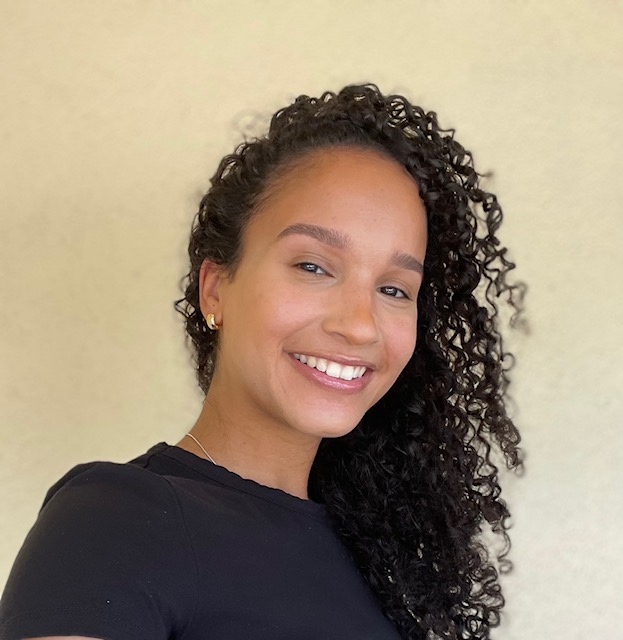
"mediaURL": "https://ww2.kqed.org/app/uploads/2021/06/mkim-526x526-1.jpg",
"mediaAlt": "\"\"",
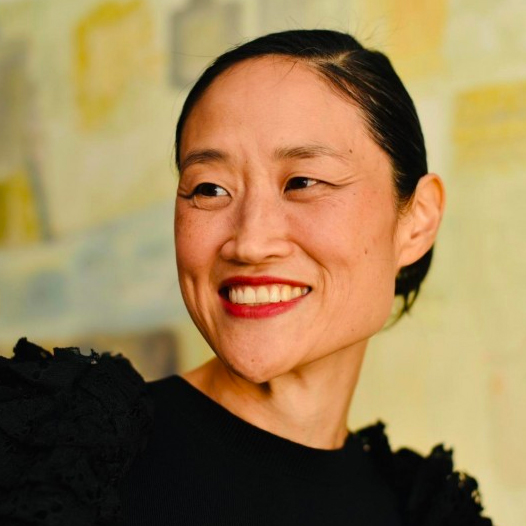
"name": "Mina Kim",
"position": "Co-Host, Forum",
"bio": "\u003ca href=\"/author/minakim\">Mina Kim\u003c/a> is host of the statewide hour of KQED \u003cem>Forum\u003c/em>; a live, daily, call-in talk show. Through intimate and informative conversations, Mina connects the state’s many residents, and illuminates the issues affecting California and the nation. Before joining \u003cem>Forum\u003c/em>, Mina was KQED’s evening news anchor, and health reporter for \u003cem>The California Report\u003c/em>. Her award-winning work has included natural disasters in Napa and gun violence in Oakland. At the University of Michigan she studied the intersection of gender, race and class. She was a first grade teacher through Teach For America, and ran a mentorship program for students aspiring to be the first in their families to go to college. She grew up in St. John’s, Newfoundland.",
"link": "/author/mkim"
},
"innerBlocks": [],
"innerHTML": "",
"innerContent": []
},
{
"blockName": "kqed/biographies-item",
"attrs": {
"mediaURL": "https://ww2.kqed.org/app/uploads/2021/06/amadrigal-556x556-1.jpg",
"mediaAlt": "\"\"",
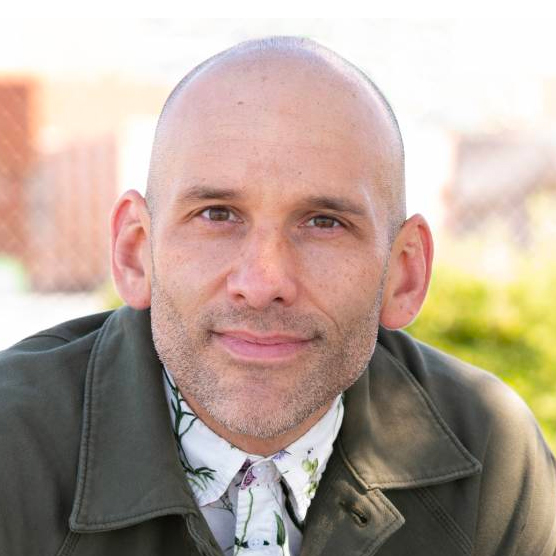
"name": "Alexis Madrigal",
"position": "Co-Host, Forum",
"bio": "\u003ca href=\"/author/amadrigal\">Alexis Madrigal\u003c/a> is the co-host of \u003cem>Forum\u003c/em>. He is also a contributing writer at \u003cem>The Atlantic \u003c/em>and the co-founder of the COVID Tracking Project. He's the creator of the podcast, \u003cem>Containers\u003c/em>, and has been a staff writer at \u003cem>Wired. \u003c/em>He was a visiting scholar at UC Berkeley's Information School, and is working on a book about Oakland and the Bay Area's revolutionary ideas.",
"link": "/author/amadrigal"
},
"innerBlocks": [],
"innerHTML": "",
"innerContent": []
},
{
"blockName": "kqed/biographies-item",
"attrs": {
"mediaURL": "https://ww2.kqed.org/app/uploads/2021/06/dbringer-765x765-1.jpg",
"mediaAlt": "\"\"",
"name": "Danny Bringer",
"position": "Engineer, Forum",
"bio": "Danny Bringer has worked in Radio since 1987 and has been with KQED SINCE 1994. He has been the \u003cem>Forum\u003c/em> Engineer since 2001. Danny grew up in the Bay Area and currently lives in San Ramon. He loves working with the \u003cem>Forum\u003c/em> team and delivering the \u003cem>Forum\u003c/em> sound to our listeners. When he isn't mixing sound he loves to run Ultra Marathons. ",
"link": ""
},
"innerBlocks": [],
"innerHTML": "",
"innerContent": []
},
{
"blockName": "kqed/biographies-item",
"attrs": {
"mediaURL": "https://ww2.kqed.org/app/uploads/2021/06/sbritton-1920x1920-1.jpg",
"mediaAlt": "\"\"",
"name": "Susan Britton",
"position": "Lead Producer, Forum",
"bio": "\u003ca href=\"/author/sbritton\">Susan Britton\u003c/a> \u003cstrong> \u003c/strong>is the lead producer of \u003cem>Forum \u003c/em>with Mina Kim. She's been with \u003cem>Forum\u003c/em> since 2012, beginning as an on-call producer, and she was a longtime contributor to KALW. She's a graduate of Columbia Law School and Yale College.",
"link": "/author/sbritton"
},
"innerBlocks": [],
"innerHTML": "",
"innerContent": []
},
{
"blockName": "kqed/biographies-item",
"attrs": {
"mediaURL": "https://ww2.kqed.org/app/uploads/2021/06/jcampbell-1920x1920-1.jpg",
"mediaAlt": "\"\"",
"name": "Judy Campbell",
"position": "Lead Producer, Forum",
"bio": "\u003ca href=\"/author/jcampbell\">Judy Campbell\u003c/a> is the lead producer of \u003cem>Forum\u003c/em> with host Alexis Madrigal. She hosted and produced the KQED podcast \u003cem>The Leap\u003c/em>, about people making dramatic, risky changes. Previously, Judy was a KQED reporter, focusing on criminal justice and prison issues.",
"link": "/author/jcampbell"
},
"innerBlocks": [],
"innerHTML": "",
"innerContent": []
},
{
"blockName": "kqed/biographies-item",
"attrs": {
"mediaURL": "https://cdn.kqed.org/wp-content/uploads/sites/43/2026/02/260129-FrancescaFenzi-OffWhite-BL_qed-e1771263632769.jpg",
"mediaAlt": "\"\"",
"name": "Francesca Fenzi",
"position": "Producer, Forum",
"bio": "\u003ca href=\"https://www.kqed.org/author/ffenzi\">Francesca Fenzi\u003c/a> is a journalist and audio producer focused on making news media as transparent, participatory, and community-driven as possible. Since joining KQED's \u003cem>Forum\u003c/em> team in 2022, she's produced both local and statewide hours of the live public affairs show, and has reported other radio, podcast, and digital content for KQED News. She previously managed \u003ca href=\"https://discord.gg/kqed\">KQED's digital community on Discord\u003c/a> – connecting listeners with journalists, subject matter experts, and each other online.",
"link": "https://www.kqed.org/author/ffenzi"
},
"innerBlocks": [],
"innerHTML": "",
"innerContent": []
},
{
"blockName": "kqed/biographies-item",
"attrs": {
"mediaURL": "https://ww2.kqed.org/app/uploads/2022/10/MarlenaJackson-Retondo_headshot.jpg",
"mediaAlt": "\"\"",
"name": "Marlena Jackson-Retondo",
"position": "Engagement Producer, Forum",
"bio": "\u003ca href=\"https://www.kqed.org/author/mjacksonretondo\">Marlena Jackson-Retondo\u003c/a> is the engagement producer for KQED's Forum and Mindshift. Prior to joining the team in 2022, Marlena was an intern with KQED's Digital News Engagement team. She grew up in the Bay Area.",
"link": "https://www.kqed.org/author/mjacksonretondo"
},
"innerBlocks": [],
"innerHTML": "",
"innerContent": []
},
{
"blockName": "kqed/biographies-item",
"attrs": {
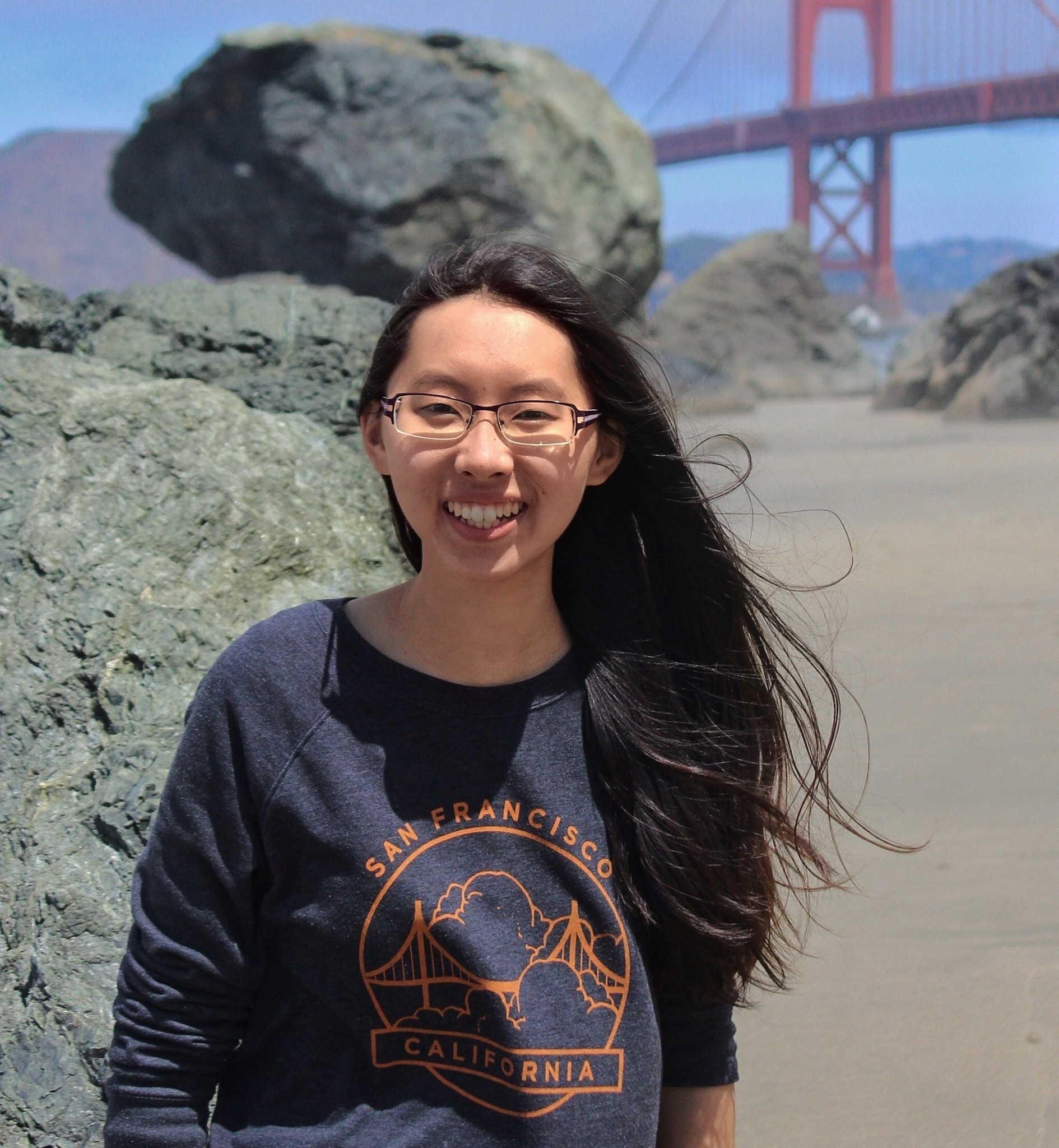
"mediaURL": "https://ww2.kqed.org/app/uploads/2022/10/JenniferNg_headhsot.jpg",
"mediaAlt": "\"\"",
"name": "Jennifer Ng",
"position": "On-call Producer, Forum",
"bio": "Jennifer Ng joined Forum in 2021 as an intern and became an on-call producer in 2022. She returned to San Francisco after finishing her bachelor's degree in environmental science at the University of Portland.",
"link": ""
},
"innerBlocks": [],
"innerHTML": "",
"innerContent": []
},
{
"blockName": "kqed/biographies-item",
"attrs": {
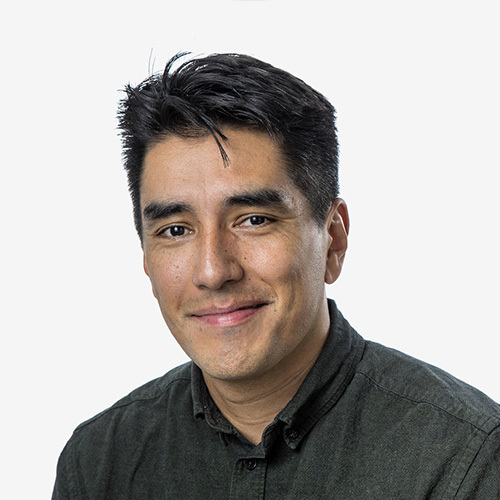
"mediaURL": "https://cdn.kqed.org/wp-content/uploads/2023/11/Mark-Nieto-500x500-1.jpg",
"mediaAlt": "\"\"",
"name": "Mark Nieto",
"position": "Producer, Forum",
"bio": "Mark Nieto is a producer for \u003cem>Forum \u003c/em>with Mina Kim\u003cem>.\u003c/em> He joined KQED in 2023. A native of California, Mark received his M.A. in research architecture from Goldsmiths University of London in 2021 and his B.A. in film from Loyola Marymount University. Before coming to KQED, Mark worked on the podcasts \u003cem>The Times \u003c/em>and \u003cem>Plot of Land \u003c/em>and was previously an on-air host at KXLU\u003cem>.\u003c/em>",
"link": ""
},
"innerBlocks": [],
"innerHTML": "",
"innerContent": []
},
{
"blockName": "kqed/biographies-item",
"attrs": {
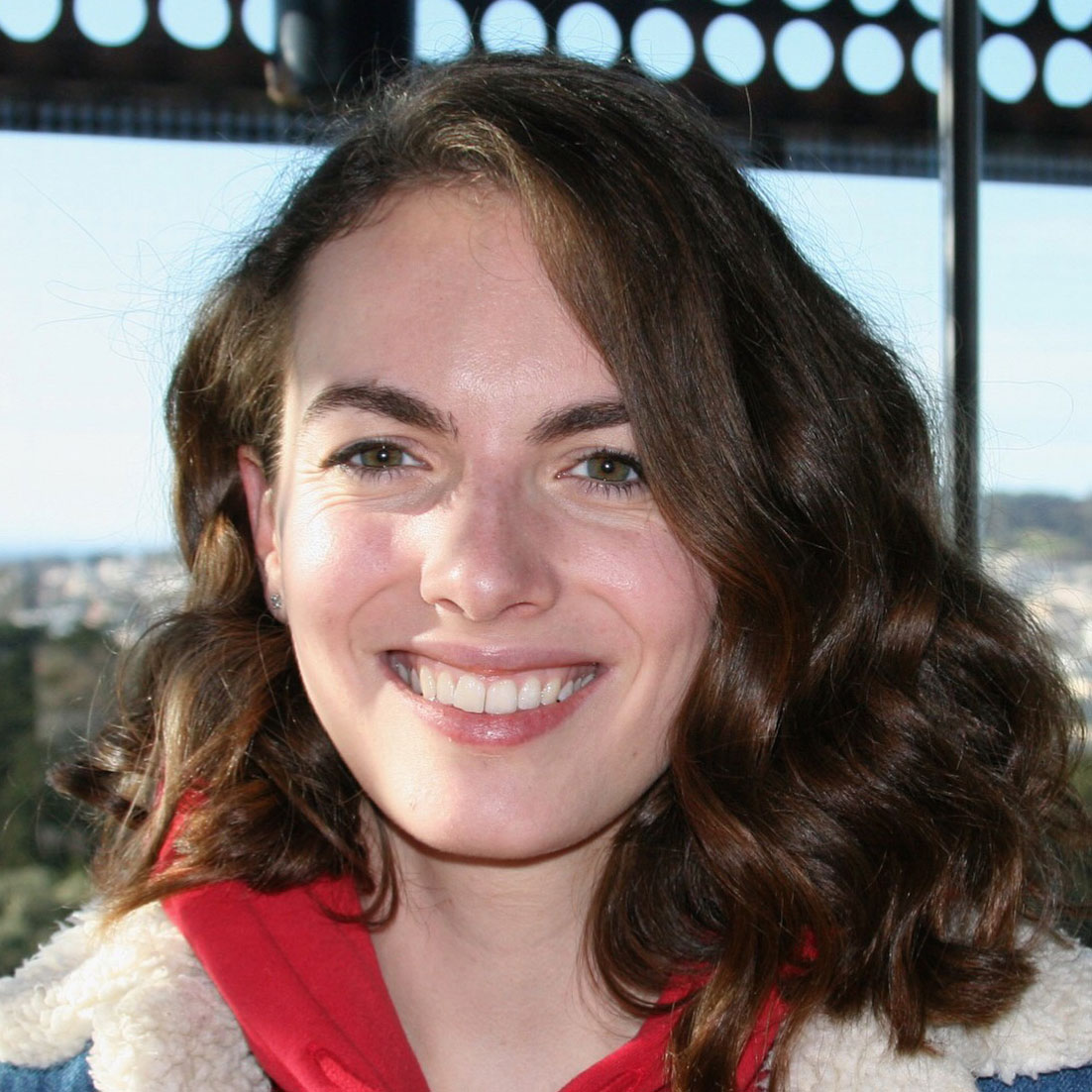
"mediaURL": "https://ww2.kqed.org/app/uploads/2021/06/csmith-1102x1102-1.jpg",
"mediaAlt": "\"\"",
"name": "Caroline Smith",
"position": "Producer, Forum",
"bio": "\u003ca href=\"/author/csmith\">Caroline Smith\u003c/a> is a producer for \u003cem>Forum\u003c/em>. Smith joined the team in 2019 as an intern and became an on-call producer later that year. From the Bay Area, Smith graduated with a B.A. in Rhetoric from UC Berkeley and is an alumnus of \u003cem>The Daily Californian\u003c/em>.",
"link": "/author/csmith"
},
"innerBlocks": [],
"innerHTML": "",
"innerContent": []
},
{
"blockName": "kqed/biographies-item",
"attrs": {
"mediaURL": "https://ww2.kqed.org/app/uploads/2021/06/btorres-1920x1920-1.jpg",
"mediaAlt": "\"\"",
"name": "Blanca Torres",
"position": "Producer, Forum",
"bio": "\u003ca href=\"/author/btorres\">Blanca Torres\u003c/a> \u003cstrong> \u003c/strong>joined KQED in January of 2020 after 16 years of working as a newspaper reporter mostly covering business. She is also a member and former board member for the National Association of Hispanic Journalists. A native of the Pacific Northwest, Blanca earned her bachelor's degree from Vanderbilt University in Nashville and a master's in fine arts in creative writing at Mills College. She lives in the East Bay with her family.",
"link": "/author/btorres"
},
"innerBlocks": [],
"innerHTML": "",
"innerContent": []
},
{
"blockName": "kqed/biographies-item",
"attrs": {
"mediaURL": "https://ww2.kqed.org/app/uploads/2021/06/gwon-600x600-1.jpg",
"mediaAlt": "\"\"",
"name": "Grace Won",
"position": "Producer, Forum",
"bio": "\u003ca href=\"/author/gwon\">Grace Won\u003c/a> has been a \u003cem>Forum\u003c/em> producer since 2019. Prior to joining KQED, Grace was a litigator, and worked on a variety of pro bono prisoner cases, including one that resulted in overturning a client's death penalty sentence on constitutional grounds. She holds a law degree from Georgetown University Law Center, an M.A. in English from University College London and a B.A. in American history and East Asian studies from Harvard University.",
"link": "/author/gwon"
},
"innerBlocks": [],
"innerHTML": "",
"innerContent": []
}
]
},
{
"blockName": "kqed/programs",
"attrs": {
"title": "We Also Recommend",
"programIDs": [
"baycurious",
"rightnowish",
"politicalbreakdown",
"soldout",
"onourwatch",
"thebay"
]
},
"innerHTML": "",
"innerContent": [],
"innerBlocks": []
},
{
"blockName": "kqed/ad",
"attrs": [],
"innerHTML": "",
"innerContent": [],
"innerBlocks": []
},
{
"blockName": "core/paragraph",
"attrs": [],
"innerHTML": "\n\u003cp>\u003c/p>\n",
"innerContent": [
"\n\u003cp>\u003c/p>\n"
],
"innerBlocks": []
}
],
"status": "publish",
"parent": 0,
"modified": 1771264073,
"format": "standard",
"path": "/forum",
"redirect": {
"type": "internal",
"url": "/forum"
},
"audioTrackLength": null,
"parsedContent": [
{
"type": "contentString",
"content": "\u003cdiv class=\"post-body\">\u003cp>\u003cdiv class=\"wp-block-kqed-section\">\u003c/div>\n\n\n\n\u003cdiv class=\"wp-block-kqed-biographies\">\n\n\n\n\n\n\n\n\n\n\n\n\n\n\n\n\n\n\n\n\n\n\u003c/div>\n\n\n\n\n\n\n\n\u003cp>\u003c/p>\n\u003cp>\u003c/p>\u003c/div>",
"attributes": {
"named": {},
"numeric": []
}
},
{
"type": "component",
"content": "",
"name": "ad",
"attributes": {
"named": {
"label": "fullwidth"
},
"numeric": [
"fullwidth"
]
}
},
{
"type": "contentString",
"content": "\u003cdiv class=\"post-body\">\u003cp>\u003c/p>\u003cp>\u003c/p>\n\u003c/div>\u003c/p>",
"attributes": {
"named": {},
"numeric": []
}
}
],
"featImg": "root-site_21150",
"label": "root-site",
"isLoading": false
}
},
"postsReducer": {
"stream_live": {
"type": "live",
"id": "stream_live",
"audioUrl": "https://streams.kqed.org/kqedradio",
"title": "Live Stream",
"excerpt": "Live Stream information currently unavailable.",
"link": "/radio",
"featImg": "",
"label": {
"name": "KQED Live",
"link": "/"
}
},
"stream_kqedNewscast": {
"type": "posts",
"id": "stream_kqedNewscast",
"audioUrl": "https://www.kqed.org/.stream/anon/radio/RDnews/newscast.mp3?_=1",
"title": "KQED Newscast",
"featImg": "",
"label": {
"name": "88.5 FM",
"link": "/"
}
},
"forum_2010101913103": {
"type": "posts",
"id": "forum_2010101913103",
"meta": {
"index": "posts_1716263798",
"site": "forum",
"id": "2010101913103",
"score": null,
"sort": [
1772474400000
]
},
"guestAuthors": [],
"slug": "the-vast-reach-of-jeffrey-epsteins-network",
"title": "The Vast Reach of Jeffrey Epstein's Network",
"publishDate": 1772217243,
"format": "audio",
"headTitle": "The Vast Reach of Jeffrey Epstein’s Network | KQED",
"labelTerm": {
"term": 3,
"site": "forum"
},
"content": "\u003ch2>Airdate: Monday, March 2 at 10 AM\u003c/h2>\n\u003cp>Weeks after the Department of Justice released millions of pages of documents related to accused sex trafficker Jeffrey Epstein, new questions are emerging about evidence that may implicate President Trump in assaulting a teenage trafficking victim. This comes as Bill and Hillary Clinton testify before the House Oversight Committee about their relationship to the disgraced financier. We’ll talk about the latest disclosures and what Epstein’s ties to political, academic and business elites reveal about the structure of power and influence in our society.\u003c/p>\n\u003cp>[ad fullwidth]\u003c/p>\n\u003cp>\u003cem>\u003cstrong>This partial transcript was computer-generated. While our team has reviewed it, there may be errors.\u003c/strong>\u003c/em>\u003c/p>\n\u003cp>\u003cb>Mina Kim:\u003c/b>\u003cspan style=\"font-weight: 400\"> Welcome to \u003c/span>\u003ci>\u003cspan style=\"font-weight: 400\">Forum\u003c/span>\u003c/i>\u003cspan style=\"font-weight: 400\">. I’m Mina Kim.\u003c/span>\u003c/p>\n\u003cp>\u003cspan style=\"font-weight: 400\">Democrats are calling for President Trump to appear before a congressional committee to answer questions about his relationship with the sex trafficker Jeffrey Epstein and allegations that Trump sexually abused a thirteen-year-old trafficking victim.\u003c/span>\u003c/p>\n\u003cp>\u003cspan style=\"font-weight: 400\">Ro Khanna, the Silicon Valley congressman and co-sponsor of the law that forced the public release of the Epstein files, told \u003c/span>\u003ci>\u003cspan style=\"font-weight: 400\">Meet the Press\u003c/span>\u003c/i>\u003cspan style=\"font-weight: 400\"> that former president Bill Clinton’s testimony Friday before the House Oversight Committee set a precedent.\u003c/span>\u003c/p>\n\u003cp>\u003cb>Ro Khanna (clip):\u003c/b>\u003cb>\u003cbr>\n\u003c/b>\u003cspan style=\"font-weight: 400\">He didn’t take the Fifth. He answered every question fully, and the American people will be able to decide what they believe. The point, though, is that President Clinton has set a precedent—a new Clinton rule. That means Donald Trump should do the same: answer the questions. Howard Lutnick should do the same. And every person who went to that island or corresponded with Epstein about going to his mansion should be called under oath to tell us what they knew.\u003c/span>\u003c/p>\n\u003cp>\u003cb>Mina Kim:\u003c/b>\u003cspan style=\"font-weight: 400\"> Dozens of pages related to sexual abuse allegations against Trump are missing from the three-and-a-half-million-page release of documents by the Department of Justice a month ago.\u003c/span>\u003c/p>\n\u003cp>\u003cspan style=\"font-weight: 400\">NPR’s Stephen Fowler broke the story of the missing documents and joins me now. And a note to listeners: in this hour we will be discussing sexual assault.\u003c/span>\u003c/p>\n\u003cp>\u003cspan style=\"font-weight: 400\">Stephen, welcome to \u003c/span>\u003ci>\u003cspan style=\"font-weight: 400\">Forum\u003c/span>\u003c/i>\u003cspan style=\"font-weight: 400\">.\u003c/span>\u003c/p>\n\u003cp>\u003cb>Stephen Fowler:\u003c/b>\u003cspan style=\"font-weight: 400\"> Thanks for having me.\u003c/span>\u003c/p>\n\u003cp>\u003cb>Mina Kim:\u003c/b>\u003cspan style=\"font-weight: 400\"> Tell us what exactly is missing and how you knew these allegations existed even though the documents themselves were missing.\u003c/span>\u003c/p>\n\u003cp>\u003cb>Stephen Fowler:\u003c/b>\u003cspan style=\"font-weight: 400\"> We’re not entirely sure about the specific contents of the documents that weren’t included in the Epstein files public database. But we do know they include interviews and notes that appear to come from a conversation the FBI had with a woman who accused President Trump and Jeffrey Epstein of sexual abuse more than forty years ago.\u003c/span>\u003c/p>\n\u003cp>\u003cspan style=\"font-weight: 400\">We know that because buried within the three million pages of files were two documents from the FBI and the Justice Department last year that provided updates on the case.\u003c/span>\u003c/p>\n\u003cp>\u003cspan style=\"font-weight: 400\">One was an FBI email compiling lists of claims and allegations made against President Trump, along with the steps investigators took and how credible they found the claims to be. The second was a Justice Department PowerPoint with an update on the various investigations into Epstein and his accomplice, Ghislaine Maxwell.\u003c/span>\u003c/p>\n\u003cp>\u003cspan style=\"font-weight: 400\">There was a slide labeled “prominent names,” with President Trump’s name at the top. One of the two entries under his name referenced these allegations.\u003c/span>\u003c/p>\n\u003cp>\u003cb>Mina Kim:\u003c/b>\u003cspan style=\"font-weight: 400\"> So it’s unclear exactly what’s in the missing documents, but what do we know about the allegations themselves?\u003c/span>\u003c/p>\n\u003cp>\u003cb>Stephen Fowler:\u003c/b>\u003cspan style=\"font-weight: 400\"> We don’t have a lot of information. It’s a case where we know a little bit about the beginning of the story, a little about the end, and there are large gaps in the middle.\u003c/span>\u003c/p>\n\u003cp>\u003cspan style=\"font-weight: 400\">The allegations came through an FBI tip line from a woman who said that when she was a teenager in South Carolina, she was abused by Epstein. There were also mentions of Trump. But the FBI interview documents related to those allegations are not present in the public files.\u003c/span>\u003c/p>\n\u003cp>\u003cspan style=\"font-weight: 400\">That means the allegations appear briefly in the FBI email and the Justice Department PowerPoint, but the supporting documents that explain how those allegations were investigated are missing.\u003c/span>\u003c/p>\n\u003cp>\u003cspan style=\"font-weight: 400\">So we don’t know exactly what investigators found, the details of the claims, or whether they considered them credible, because those materials were not included in the files.\u003c/span>\u003c/p>\n\u003cp>\u003cb>Mina Kim:\u003c/b>\u003cspan style=\"font-weight: 400\"> There’s a more graphic description of the allegation in NPR’s reporting. To what extent have these allegations been verified?\u003c/span>\u003c/p>\n\u003cp>\u003cb>Stephen Fowler:\u003c/b>\u003cspan style=\"font-weight: 400\"> We know that the woman spoke with the FBI four times. We know that because the trove of documents includes two different sets of logs.\u003c/span>\u003c/p>\n\u003cp>\u003cspan style=\"font-weight: 400\">One is a serial report, essentially a table of contents of case documents compiled by the FBI. The other is a list of witness and non-witness interview records that were turned over to Maxwell’s defense team during her criminal case.\u003c/span>\u003c/p>\n\u003cp>\u003cspan style=\"font-weight: 400\">Those logs show that four interviews were conducted over several months. Only one of those interviews has been made public. In that interview, there are allegations involving Epstein and references to abuse, along with a passing reference to President Trump.\u003c/span>\u003c/p>\n\u003cp>\u003cspan style=\"font-weight: 400\">Specifically, the woman mentioned seeing a photograph of Trump and Epstein together and said she cropped Trump out of the picture.\u003c/span>\u003c/p>\n\u003cp>\u003cspan style=\"font-weight: 400\">These are serious allegations, but they are among many claims made in connection with Epstein over the years. Some are salacious, some are unverified, and the documents themselves often say investigators could not corroborate them.\u003c/span>\u003c/p>\n\u003cp>\u003cspan style=\"font-weight: 400\">Ultimately, we do not know the full extent of these allegations or how investigators evaluated them because the key documents are missing.\u003c/span>\u003c/p>\n\u003cp>\u003cb>Mina Kim:\u003c/b>\u003cspan style=\"font-weight: 400\"> Has the president or the White House addressed them?\u003c/span>\u003c/p>\n\u003cp>\u003cb>Stephen Fowler:\u003c/b>\u003cspan style=\"font-weight: 400\"> When we were working on the story, we asked the White House to comment on the documents and the allegations. A White House spokeswoman told NPR that Trump had, quote, “done more for Epstein’s victims than anyone before him.”\u003c/span>\u003c/p>\n\u003cp>\u003cspan style=\"font-weight: 400\">She pointed to actions such as releasing the records, signing the Epstein Files Transparency Act, cooperating with House Oversight Committee subpoena requests, and calling for investigations into Epstein associates—whom the White House described as Democrats.\u003c/span>\u003c/p>\n\u003cp>\u003cspan style=\"font-weight: 400\">Those were cited as evidence that Trump had been exonerated by the files, though the statement did not specifically address the allegations we reported.\u003c/span>\u003c/p>\n\u003cp>\u003cb>Mina Kim:\u003c/b>\u003cspan style=\"font-weight: 400\"> What about the Justice Department? What have they said about the missing files?\u003c/span>\u003c/p>\n\u003cp>\u003cb>Stephen Fowler:\u003c/b>\u003cspan style=\"font-weight: 400\"> Initially, the Justice Department did not respond on the record to questions about the specific documents we identified as withheld or removed.\u003c/span>\u003c/p>\n\u003cp>\u003cspan style=\"font-weight: 400\">Later in the week, officials said there are several reasons documents might be withheld from a public release: if they are duplicate copies, privileged information, or part of an ongoing federal investigation. They did not specify which category these documents fell under.\u003c/span>\u003c/p>\n\u003cp>\u003cspan style=\"font-weight: 400\">After some Democrats in the House called for investigations—and the Republican chair of the House Oversight Committee also said the issue was being reviewed—the department acknowledged that some files may have been mistakenly marked as duplicates and were being re-examined. But they did not provide further explanation.\u003c/span>\u003c/p>\n\u003cp>\u003cb>Mina Kim:\u003c/b>\u003cspan style=\"font-weight: 400\"> I want to bring another voice into the conversation now: Washington Post reporter Maegan Vazquez. Megan, thanks so much for being with us.\u003c/span>\u003c/p>\n\u003cp>\u003cb>Maegan Vazquez:\u003c/b>\u003cspan style=\"font-weight: 400\"> Thanks for having me.\u003c/span>\u003c/p>\n\u003cp>\u003cb>Mina Kim:\u003c/b>\u003cspan style=\"font-weight: 400\"> Based on all this, Long Beach Congressman Robert Garcia and Silicon Valley Congressman Ro Khanna are demanding that President Trump testify before the Oversight Committee, saying Bill Clinton’s testimony Friday set a precedent for a sitting president. Is that accurate?\u003c/span>\u003c/p>\n\u003cp>\u003cb>Maegan Vazquez:\u003c/b>\u003cspan style=\"font-weight: 400\"> There’s a growing drumbeat among Democrats on the committee calling for the president to appear. The problem is they can’t necessarily compel him to do so because they’re not in the majority.\u003c/span>\u003c/p>\n\u003cp>\u003cspan style=\"font-weight: 400\">My colleagues at \u003c/span>\u003ci>\u003cspan style=\"font-weight: 400\">The Washington Post\u003c/span>\u003c/i>\u003cspan style=\"font-weight: 400\"> spoke with Congressman Garcia, who said Democrats would definitely want to bring Trump in if they win control of the House in November. If the House flips to a Democratic majority, that could significantly change the stakes.\u003c/span>\u003c/p>\n\u003cp>\u003cb>Mina Kim:\u003c/b>\u003cspan style=\"font-weight: 400\"> You covered Bill Clinton’s deposition. He tried to distance himself from Epstein. How did he do that?\u003c/span>\u003c/p>\n\u003cp>\u003cb>Maegan Vazquez:\u003c/b>\u003cspan style=\"font-weight: 400\"> Quite bluntly, he said he saw nothing and knows nothing.\u003c/span>\u003c/p>\n\u003cp>\u003cspan style=\"font-weight: 400\">It was an interesting day in Chappaqua. We did not hear directly from the former president because the testimony happened behind closed doors at a performing arts center there.\u003c/span>\u003c/p>\n\u003cp>\u003cspan style=\"font-weight: 400\">What we know so far comes from Republicans and Democrats who spoke to the media during breaks in the testimony. At some point, we expect the video to be released.\u003c/span>\u003c/p>\n\u003cp>\u003cb>Mina Kim:\u003c/b>\u003cspan style=\"font-weight: 400\"> The files say Clinton took about half a dozen trips on Epstein’s private jet in 2002 and 2003, and your reporting notes that Clinton is referenced tens of thousands of times in the Epstein document trove. But Clinton says his association with Epstein ended before Epstein’s conviction and before the investigations into his trafficking of minors. Is there anything in the files that contradicts that?\u003c/span>\u003c/p>\n\u003cp>\u003cb>Maegan Vazquez:\u003c/b>\u003cspan style=\"font-weight: 400\"> Generally speaking, there aren’t direct exchanges from Clinton himself because he notably did not use email. So there isn’t clear documentary evidence contradicting that claim.\u003c/span>\u003c/p>\n\u003cp>\u003cb>Mina Kim:\u003c/b>\u003cspan style=\"font-weight: 400\"> Hillary Clinton called these investigations political theater and an insult to the American people. She says she never knew Epstein. Is that correct?\u003c/span>\u003c/p>\n\u003cp>\u003cb>Maegan Vazquez:\u003c/b>\u003cspan style=\"font-weight: 400\"> She says she never met Epstein but knew Ghislaine Maxwell as an acquaintance. Maxwell was photographed at Chelsea Clinton’s wedding.\u003c/span>\u003c/p>\n\u003cp>\u003cspan style=\"font-weight: 400\">Hillary Clinton told us Maxwell was essentially a “plus-one” guest at the wedding.\u003c/span>\u003c/p>\n\u003cp>\u003cb>Mina Kim:\u003c/b>\u003cspan style=\"font-weight: 400\"> Maxwell has said the Epstein Foundation played a role in the Clinton Global Initiative. How much did Epstein donate to the Clintons?\u003c/span>\u003c/p>\n\u003cp>\u003cb>Maegan Vazquez:\u003c/b>\u003cspan style=\"font-weight: 400\"> My understanding is that it was around $25,000. There are connections between Epstein and the Clinton Foundation ecosystem, but the depth of those ties hasn’t been fully investigated or explained by the Clintons. We’ll likely learn more once testimony and additional documents become public.\u003c/span>\u003c/p>\n\u003cp>\u003cb>Mina Kim:\u003c/b>\u003cspan style=\"font-weight: 400\"> I understand Democrats initially wanted a public hearing, but Republicans denied that request since they control the Oversight Committee.\u003c/span>\u003c/p>\n\u003cp>\u003cspan style=\"font-weight: 400\">Looking ahead, members of both parties have suggested subpoenaing Commerce Secretary Howard Lutnick to appear before the committee. Where does that stand?\u003c/span>\u003c/p>\n\u003cp>\u003cb>Maegan Vazquez:\u003c/b>\u003cspan style=\"font-weight: 400\"> There are indications—even from some Republicans—that they want to hear from Lutnick. President Trump has said he believes the commerce secretary would appear voluntarily and testify about what he knows. But nothing has been formally scheduled yet, so it’s still uncertain what will happen next.\u003c/span>\u003c/p>\n\u003cp>\u003cb>Mina Kim:\u003c/b>\u003cspan style=\"font-weight: 400\"> Stephen, are there enough votes on the committee to bring him in?\u003c/span>\u003c/p>\n\u003cp>\u003cb>Stephen Fowler:\u003c/b>\u003cspan style=\"font-weight: 400\"> It’s not entirely clear. This congressional inquiry is separate from what federal investigators are doing, and congressional committees often operate on their own timelines and priorities, sometimes influenced by public pressure.\u003c/span>\u003c/p>\n\u003cp>\u003cb>Mina Kim:\u003c/b>\u003cspan style=\"font-weight: 400\"> We’re learning more about what’s in the Epstein files, who is being drawn into the network that Epstein cultivated, and where these investigations may lead.\u003c/span>\u003c/p>\n\u003cp>\u003cspan style=\"font-weight: 400\">My guests have been Stephen Fowler, political reporter for NPR’s Washington desk, and Maegan Vazquez, reporter for \u003c/span>\u003ci>\u003cspan style=\"font-weight: 400\">The Washington Post\u003c/span>\u003c/i>\u003cspan style=\"font-weight: 400\">.\u003c/span>\u003c/p>\n\u003cp>\u003cspan style=\"font-weight: 400\">We’ll have more after the break. Stay with us. This is \u003c/span>\u003ci>\u003cspan style=\"font-weight: 400\">Forum\u003c/span>\u003c/i>\u003cspan style=\"font-weight: 400\">. I’m Mina Kim.\u003c/span>\u003c/p>\n\u003cp>[ad floatright]\u003c/p>\n",
"blocks": [],
"excerpt": null,
"status": "publish",
"parent": 0,
"modified": 1772490748,
"stats": {
"hasAudio": false,
"hasVideo": false,
"hasChartOrMap": false,
"iframeSrcs": [],
"hasGoogleForm": false,
"hasGallery": false,
"hasHearkenModule": false,
"hasPolis": false,
"paragraphCount": 61,
"wordCount": 1902
},
"headData": {
"title": "The Vast Reach of Jeffrey Epstein's Network | KQED",
"description": "Airdate: Monday, March 2 at 10 AM Weeks after the Department of Justice released millions of pages of documents related to accused sex trafficker Jeffrey Epstein, new questions are emerging about evidence that may implicate President Trump in assaulting a teenage trafficking victim. This comes as Bill and Hillary Clinton testify before the House Oversight Committee about their relationship to the disgraced financier. We'll talk about the latest disclosures and what Epstein’s ties to political, academic and business elites reveal about the structure of power and influence in our society. This partial transcript was computer-generated. While our team",
"ogTitle": "",
"ogDescription": "",
"ogImgId": "",
"twTitle": "",
"twDescription": "",
"twImgId": "",
"schema": {
"@context": "https://schema.org",
"@type": "Article",
"headline": "The Vast Reach of Jeffrey Epstein's Network",
"datePublished": "2026-02-27T10:34:03-08:00",
"dateModified": "2026-03-02T14:32:28-08:00",
"image": "https://cdn.kqed.org/wp-content/uploads/2020/02/KQED-OG-Image@1x.png"
}
},
"primaryCategory": {
"termId": 1623,
"slug": "podcast",
"name": "Podcast"
},
"audioUrl": "https://www.podtrac.com/pts/redirect.mp3/pdst.fm/e/traffic.megaphone.fm/KQINC9726384107.mp3?updated=1772483563",
"airdate": 1772474400,
"forumGuests": [
{
"name": "Stephen Fowler",
"bio": "political reporter, NPR"
},
{
"name": "Maegan Vazquez",
"bio": "reporter, Washington Post"
},
{
"name": "Virginia Heffernan",
"bio": "journalist and critic; columnist, The New Republic; publisher of \"Magic and Loss\" newsletter"
}
],
"sticky": false,
"templateType": "standard",
"featuredImageType": "standard",
"excludeFromSiteSearch": "Include",
"articleAge": "0",
"path": "/forum/2010101913103/the-vast-reach-of-jeffrey-epsteins-network",
"audioTrackLength": null,
"parsedContent": [
{
"type": "contentString",
"content": "\u003cdiv class=\"post-body\">\u003cp>\u003ch2>Airdate: Monday, March 2 at 10 AM\u003c/h2>\n\u003cp>Weeks after the Department of Justice released millions of pages of documents related to accused sex trafficker Jeffrey Epstein, new questions are emerging about evidence that may implicate President Trump in assaulting a teenage trafficking victim. This comes as Bill and Hillary Clinton testify before the House Oversight Committee about their relationship to the disgraced financier. We’ll talk about the latest disclosures and what Epstein’s ties to political, academic and business elites reveal about the structure of power and influence in our society.\u003c/p>\n\u003cp>\u003c/p>\u003c/div>",
"attributes": {
"named": {},
"numeric": []
}
},
{
"type": "component",
"content": "",
"name": "ad",
"attributes": {
"named": {
"label": "fullwidth"
},
"numeric": [
"fullwidth"
]
}
},
{
"type": "contentString",
"content": "\u003cdiv class=\"post-body\">\u003cp>\u003c/p>\n\u003cp>\u003cem>\u003cstrong>This partial transcript was computer-generated. While our team has reviewed it, there may be errors.\u003c/strong>\u003c/em>\u003c/p>\n\u003cp>\u003cb>Mina Kim:\u003c/b>\u003cspan style=\"font-weight: 400\"> Welcome to \u003c/span>\u003ci>\u003cspan style=\"font-weight: 400\">Forum\u003c/span>\u003c/i>\u003cspan style=\"font-weight: 400\">. I’m Mina Kim.\u003c/span>\u003c/p>\n\u003cp>\u003cspan style=\"font-weight: 400\">Democrats are calling for President Trump to appear before a congressional committee to answer questions about his relationship with the sex trafficker Jeffrey Epstein and allegations that Trump sexually abused a thirteen-year-old trafficking victim.\u003c/span>\u003c/p>\n\u003cp>\u003cspan style=\"font-weight: 400\">Ro Khanna, the Silicon Valley congressman and co-sponsor of the law that forced the public release of the Epstein files, told \u003c/span>\u003ci>\u003cspan style=\"font-weight: 400\">Meet the Press\u003c/span>\u003c/i>\u003cspan style=\"font-weight: 400\"> that former president Bill Clinton’s testimony Friday before the House Oversight Committee set a precedent.\u003c/span>\u003c/p>\n\u003cp>\u003cb>Ro Khanna (clip):\u003c/b>\u003cb>\u003cbr>\n\u003c/b>\u003cspan style=\"font-weight: 400\">He didn’t take the Fifth. He answered every question fully, and the American people will be able to decide what they believe. The point, though, is that President Clinton has set a precedent—a new Clinton rule. That means Donald Trump should do the same: answer the questions. Howard Lutnick should do the same. And every person who went to that island or corresponded with Epstein about going to his mansion should be called under oath to tell us what they knew.\u003c/span>\u003c/p>\n\u003cp>\u003cb>Mina Kim:\u003c/b>\u003cspan style=\"font-weight: 400\"> Dozens of pages related to sexual abuse allegations against Trump are missing from the three-and-a-half-million-page release of documents by the Department of Justice a month ago.\u003c/span>\u003c/p>\n\u003cp>\u003cspan style=\"font-weight: 400\">NPR’s Stephen Fowler broke the story of the missing documents and joins me now. And a note to listeners: in this hour we will be discussing sexual assault.\u003c/span>\u003c/p>\n\u003cp>\u003cspan style=\"font-weight: 400\">Stephen, welcome to \u003c/span>\u003ci>\u003cspan style=\"font-weight: 400\">Forum\u003c/span>\u003c/i>\u003cspan style=\"font-weight: 400\">.\u003c/span>\u003c/p>\n\u003cp>\u003cb>Stephen Fowler:\u003c/b>\u003cspan style=\"font-weight: 400\"> Thanks for having me.\u003c/span>\u003c/p>\n\u003cp>\u003cb>Mina Kim:\u003c/b>\u003cspan style=\"font-weight: 400\"> Tell us what exactly is missing and how you knew these allegations existed even though the documents themselves were missing.\u003c/span>\u003c/p>\n\u003cp>\u003cb>Stephen Fowler:\u003c/b>\u003cspan style=\"font-weight: 400\"> We’re not entirely sure about the specific contents of the documents that weren’t included in the Epstein files public database. But we do know they include interviews and notes that appear to come from a conversation the FBI had with a woman who accused President Trump and Jeffrey Epstein of sexual abuse more than forty years ago.\u003c/span>\u003c/p>\n\u003cp>\u003cspan style=\"font-weight: 400\">We know that because buried within the three million pages of files were two documents from the FBI and the Justice Department last year that provided updates on the case.\u003c/span>\u003c/p>\n\u003cp>\u003cspan style=\"font-weight: 400\">One was an FBI email compiling lists of claims and allegations made against President Trump, along with the steps investigators took and how credible they found the claims to be. The second was a Justice Department PowerPoint with an update on the various investigations into Epstein and his accomplice, Ghislaine Maxwell.\u003c/span>\u003c/p>\n\u003cp>\u003cspan style=\"font-weight: 400\">There was a slide labeled “prominent names,” with President Trump’s name at the top. One of the two entries under his name referenced these allegations.\u003c/span>\u003c/p>\n\u003cp>\u003cb>Mina Kim:\u003c/b>\u003cspan style=\"font-weight: 400\"> So it’s unclear exactly what’s in the missing documents, but what do we know about the allegations themselves?\u003c/span>\u003c/p>\n\u003cp>\u003cb>Stephen Fowler:\u003c/b>\u003cspan style=\"font-weight: 400\"> We don’t have a lot of information. It’s a case where we know a little bit about the beginning of the story, a little about the end, and there are large gaps in the middle.\u003c/span>\u003c/p>\n\u003cp>\u003cspan style=\"font-weight: 400\">The allegations came through an FBI tip line from a woman who said that when she was a teenager in South Carolina, she was abused by Epstein. There were also mentions of Trump. But the FBI interview documents related to those allegations are not present in the public files.\u003c/span>\u003c/p>\n\u003cp>\u003cspan style=\"font-weight: 400\">That means the allegations appear briefly in the FBI email and the Justice Department PowerPoint, but the supporting documents that explain how those allegations were investigated are missing.\u003c/span>\u003c/p>\n\u003cp>\u003cspan style=\"font-weight: 400\">So we don’t know exactly what investigators found, the details of the claims, or whether they considered them credible, because those materials were not included in the files.\u003c/span>\u003c/p>\n\u003cp>\u003cb>Mina Kim:\u003c/b>\u003cspan style=\"font-weight: 400\"> There’s a more graphic description of the allegation in NPR’s reporting. To what extent have these allegations been verified?\u003c/span>\u003c/p>\n\u003cp>\u003cb>Stephen Fowler:\u003c/b>\u003cspan style=\"font-weight: 400\"> We know that the woman spoke with the FBI four times. We know that because the trove of documents includes two different sets of logs.\u003c/span>\u003c/p>\n\u003cp>\u003cspan style=\"font-weight: 400\">One is a serial report, essentially a table of contents of case documents compiled by the FBI. The other is a list of witness and non-witness interview records that were turned over to Maxwell’s defense team during her criminal case.\u003c/span>\u003c/p>\n\u003cp>\u003cspan style=\"font-weight: 400\">Those logs show that four interviews were conducted over several months. Only one of those interviews has been made public. In that interview, there are allegations involving Epstein and references to abuse, along with a passing reference to President Trump.\u003c/span>\u003c/p>\n\u003cp>\u003cspan style=\"font-weight: 400\">Specifically, the woman mentioned seeing a photograph of Trump and Epstein together and said she cropped Trump out of the picture.\u003c/span>\u003c/p>\n\u003cp>\u003cspan style=\"font-weight: 400\">These are serious allegations, but they are among many claims made in connection with Epstein over the years. Some are salacious, some are unverified, and the documents themselves often say investigators could not corroborate them.\u003c/span>\u003c/p>\n\u003cp>\u003cspan style=\"font-weight: 400\">Ultimately, we do not know the full extent of these allegations or how investigators evaluated them because the key documents are missing.\u003c/span>\u003c/p>\n\u003cp>\u003cb>Mina Kim:\u003c/b>\u003cspan style=\"font-weight: 400\"> Has the president or the White House addressed them?\u003c/span>\u003c/p>\n\u003cp>\u003cb>Stephen Fowler:\u003c/b>\u003cspan style=\"font-weight: 400\"> When we were working on the story, we asked the White House to comment on the documents and the allegations. A White House spokeswoman told NPR that Trump had, quote, “done more for Epstein’s victims than anyone before him.”\u003c/span>\u003c/p>\n\u003cp>\u003cspan style=\"font-weight: 400\">She pointed to actions such as releasing the records, signing the Epstein Files Transparency Act, cooperating with House Oversight Committee subpoena requests, and calling for investigations into Epstein associates—whom the White House described as Democrats.\u003c/span>\u003c/p>\n\u003cp>\u003cspan style=\"font-weight: 400\">Those were cited as evidence that Trump had been exonerated by the files, though the statement did not specifically address the allegations we reported.\u003c/span>\u003c/p>\n\u003cp>\u003cb>Mina Kim:\u003c/b>\u003cspan style=\"font-weight: 400\"> What about the Justice Department? What have they said about the missing files?\u003c/span>\u003c/p>\n\u003cp>\u003cb>Stephen Fowler:\u003c/b>\u003cspan style=\"font-weight: 400\"> Initially, the Justice Department did not respond on the record to questions about the specific documents we identified as withheld or removed.\u003c/span>\u003c/p>\n\u003cp>\u003cspan style=\"font-weight: 400\">Later in the week, officials said there are several reasons documents might be withheld from a public release: if they are duplicate copies, privileged information, or part of an ongoing federal investigation. They did not specify which category these documents fell under.\u003c/span>\u003c/p>\n\u003cp>\u003cspan style=\"font-weight: 400\">After some Democrats in the House called for investigations—and the Republican chair of the House Oversight Committee also said the issue was being reviewed—the department acknowledged that some files may have been mistakenly marked as duplicates and were being re-examined. But they did not provide further explanation.\u003c/span>\u003c/p>\n\u003cp>\u003cb>Mina Kim:\u003c/b>\u003cspan style=\"font-weight: 400\"> I want to bring another voice into the conversation now: Washington Post reporter Maegan Vazquez. Megan, thanks so much for being with us.\u003c/span>\u003c/p>\n\u003cp>\u003cb>Maegan Vazquez:\u003c/b>\u003cspan style=\"font-weight: 400\"> Thanks for having me.\u003c/span>\u003c/p>\n\u003cp>\u003cb>Mina Kim:\u003c/b>\u003cspan style=\"font-weight: 400\"> Based on all this, Long Beach Congressman Robert Garcia and Silicon Valley Congressman Ro Khanna are demanding that President Trump testify before the Oversight Committee, saying Bill Clinton’s testimony Friday set a precedent for a sitting president. Is that accurate?\u003c/span>\u003c/p>\n\u003cp>\u003cb>Maegan Vazquez:\u003c/b>\u003cspan style=\"font-weight: 400\"> There’s a growing drumbeat among Democrats on the committee calling for the president to appear. The problem is they can’t necessarily compel him to do so because they’re not in the majority.\u003c/span>\u003c/p>\n\u003cp>\u003cspan style=\"font-weight: 400\">My colleagues at \u003c/span>\u003ci>\u003cspan style=\"font-weight: 400\">The Washington Post\u003c/span>\u003c/i>\u003cspan style=\"font-weight: 400\"> spoke with Congressman Garcia, who said Democrats would definitely want to bring Trump in if they win control of the House in November. If the House flips to a Democratic majority, that could significantly change the stakes.\u003c/span>\u003c/p>\n\u003cp>\u003cb>Mina Kim:\u003c/b>\u003cspan style=\"font-weight: 400\"> You covered Bill Clinton’s deposition. He tried to distance himself from Epstein. How did he do that?\u003c/span>\u003c/p>\n\u003cp>\u003cb>Maegan Vazquez:\u003c/b>\u003cspan style=\"font-weight: 400\"> Quite bluntly, he said he saw nothing and knows nothing.\u003c/span>\u003c/p>\n\u003cp>\u003cspan style=\"font-weight: 400\">It was an interesting day in Chappaqua. We did not hear directly from the former president because the testimony happened behind closed doors at a performing arts center there.\u003c/span>\u003c/p>\n\u003cp>\u003cspan style=\"font-weight: 400\">What we know so far comes from Republicans and Democrats who spoke to the media during breaks in the testimony. At some point, we expect the video to be released.\u003c/span>\u003c/p>\n\u003cp>\u003cb>Mina Kim:\u003c/b>\u003cspan style=\"font-weight: 400\"> The files say Clinton took about half a dozen trips on Epstein’s private jet in 2002 and 2003, and your reporting notes that Clinton is referenced tens of thousands of times in the Epstein document trove. But Clinton says his association with Epstein ended before Epstein’s conviction and before the investigations into his trafficking of minors. Is there anything in the files that contradicts that?\u003c/span>\u003c/p>\n\u003cp>\u003cb>Maegan Vazquez:\u003c/b>\u003cspan style=\"font-weight: 400\"> Generally speaking, there aren’t direct exchanges from Clinton himself because he notably did not use email. So there isn’t clear documentary evidence contradicting that claim.\u003c/span>\u003c/p>\n\u003cp>\u003cb>Mina Kim:\u003c/b>\u003cspan style=\"font-weight: 400\"> Hillary Clinton called these investigations political theater and an insult to the American people. She says she never knew Epstein. Is that correct?\u003c/span>\u003c/p>\n\u003cp>\u003cb>Maegan Vazquez:\u003c/b>\u003cspan style=\"font-weight: 400\"> She says she never met Epstein but knew Ghislaine Maxwell as an acquaintance. Maxwell was photographed at Chelsea Clinton’s wedding.\u003c/span>\u003c/p>\n\u003cp>\u003cspan style=\"font-weight: 400\">Hillary Clinton told us Maxwell was essentially a “plus-one” guest at the wedding.\u003c/span>\u003c/p>\n\u003cp>\u003cb>Mina Kim:\u003c/b>\u003cspan style=\"font-weight: 400\"> Maxwell has said the Epstein Foundation played a role in the Clinton Global Initiative. How much did Epstein donate to the Clintons?\u003c/span>\u003c/p>\n\u003cp>\u003cb>Maegan Vazquez:\u003c/b>\u003cspan style=\"font-weight: 400\"> My understanding is that it was around $25,000. There are connections between Epstein and the Clinton Foundation ecosystem, but the depth of those ties hasn’t been fully investigated or explained by the Clintons. We’ll likely learn more once testimony and additional documents become public.\u003c/span>\u003c/p>\n\u003cp>\u003cb>Mina Kim:\u003c/b>\u003cspan style=\"font-weight: 400\"> I understand Democrats initially wanted a public hearing, but Republicans denied that request since they control the Oversight Committee.\u003c/span>\u003c/p>\n\u003cp>\u003cspan style=\"font-weight: 400\">Looking ahead, members of both parties have suggested subpoenaing Commerce Secretary Howard Lutnick to appear before the committee. Where does that stand?\u003c/span>\u003c/p>\n\u003cp>\u003cb>Maegan Vazquez:\u003c/b>\u003cspan style=\"font-weight: 400\"> There are indications—even from some Republicans—that they want to hear from Lutnick. President Trump has said he believes the commerce secretary would appear voluntarily and testify about what he knows. But nothing has been formally scheduled yet, so it’s still uncertain what will happen next.\u003c/span>\u003c/p>\n\u003cp>\u003cb>Mina Kim:\u003c/b>\u003cspan style=\"font-weight: 400\"> Stephen, are there enough votes on the committee to bring him in?\u003c/span>\u003c/p>\n\u003cp>\u003cb>Stephen Fowler:\u003c/b>\u003cspan style=\"font-weight: 400\"> It’s not entirely clear. This congressional inquiry is separate from what federal investigators are doing, and congressional committees often operate on their own timelines and priorities, sometimes influenced by public pressure.\u003c/span>\u003c/p>\n\u003cp>\u003cb>Mina Kim:\u003c/b>\u003cspan style=\"font-weight: 400\"> We’re learning more about what’s in the Epstein files, who is being drawn into the network that Epstein cultivated, and where these investigations may lead.\u003c/span>\u003c/p>\n\u003cp>\u003cspan style=\"font-weight: 400\">My guests have been Stephen Fowler, political reporter for NPR’s Washington desk, and Maegan Vazquez, reporter for \u003c/span>\u003ci>\u003cspan style=\"font-weight: 400\">The Washington Post\u003c/span>\u003c/i>\u003cspan style=\"font-weight: 400\">.\u003c/span>\u003c/p>\n\u003cp>\u003cspan style=\"font-weight: 400\">We’ll have more after the break. Stay with us. This is \u003c/span>\u003ci>\u003cspan style=\"font-weight: 400\">Forum\u003c/span>\u003c/i>\u003cspan style=\"font-weight: 400\">. I’m Mina Kim.\u003c/span>\u003c/p>\n\u003cp>\u003c/p>\u003c/div>",
"attributes": {
"named": {},
"numeric": []
}
},
{
"type": "component",
"content": "",
"name": "ad",
"attributes": {
"named": {
"label": "floatright"
},
"numeric": [
"floatright"
]
}
},
{
"type": "contentString",
"content": "\u003cdiv class=\"post-body\">\u003cp>\u003c/p>\n\u003c/div>\u003c/p>",
"attributes": {
"named": {},
"numeric": []
}
}
],
"link": "/forum/2010101913103/the-vast-reach-of-jeffrey-epsteins-network",
"authors": [
"243"
],
"programs": [
"forum_3"
],
"categories": [
"forum_1623"
],
"featImg": "forum_2010101913104",
"label": "forum_3"
},
"forum_2010101913118": {
"type": "posts",
"id": "forum_2010101913118",
"meta": {
"index": "posts_1716263798",
"site": "forum",
"id": "2010101913118",
"score": null,
"sort": [
1772470800000
]
},
"guestAuthors": [],
"slug": "us-and-israel-bomb-iran-kill-khamenei-what-comes-next",
"title": "US and Israel Bomb Iran, Kill Khamenei. What Comes Next?",
"publishDate": 1772467376,
"format": "audio",
"headTitle": "US and Israel Bomb Iran, Kill Khamenei. What Comes Next? | KQED",
"labelTerm": {
"term": 3,
"site": "forum"
},
"content": "\u003ch2>Airdate: Monday, March 2 at 9 AM\u003c/h2>\n\u003cp>\u003cb>\u003c/b>\u003cspan style=\"font-weight: 400\">The United States and Israel’s strikes against Iran continued throughout the weekend, killing supreme leader Ayatollah Khamenei, top officials and civilians. Iran has retaliated with strikes on Israel, Gulf countries and U.S. bases. We talk with experts on Iran about what the attacks mean for the future of the Islamic Republic and the region, and what might happen next.\u003c/span>\u003c/p>\n\u003cp>[ad fullwidth]\u003c/p>\n\u003cp>\u003cem>\u003cstrong>This partial transcript was computer-generated. While our team has reviewed it, there may be errors.\u003c/strong>\u003c/em>\u003c/p>\n\u003cp>\u003cb>Alexis Madrigal:\u003c/b>\u003cspan style=\"font-weight: 400\"> Welcome to Forum. I’m Alexis Madrigal.\u003c/span>\u003c/p>\n\u003cp>\u003cspan style=\"font-weight: 400\">Well, we’re in a hot war with Iran. The United States has taken out another country’s leader. American power has not been so baldly exercised and so free from restraint in many years. But what happens now? The Iranian response has targeted Israel, Arab countries, and U.S. bases. The government there has not collapsed. What’s even going on?\u003c/span>\u003c/p>\n\u003cp>\u003cspan style=\"font-weight: 400\">We’ve got three experts here to help us figure things out.\u003c/span>\u003c/p>\n\u003cp>\u003cspan style=\"font-weight: 400\">Robin Wright is a contributing writer at \u003c/span>\u003ci>\u003cspan style=\"font-weight: 400\">The New Yorker\u003c/span>\u003c/i>\u003cspan style=\"font-weight: 400\">. Her most recent piece for the magazine is \u003c/span>\u003ci>\u003cspan style=\"font-weight: 400\">“\u003c/span>\u003c/i>\u003cspan style=\"font-weight: 400\">Iran’s Regime Is Unsustainable.” Welcome, Robin.\u003c/span>\u003c/p>\n\u003cp>\u003cb>Robin Wright:\u003c/b>\u003cspan style=\"font-weight: 400\"> Great to be with you.\u003c/span>\u003c/p>\n\u003cp>\u003cb>Alexis Madrigal:\u003c/b>\u003cspan style=\"font-weight: 400\"> We also have Sahar Razavi, an associate professor in the Department of Political Science and director of the Iranian and Middle Eastern Studies Center at Cal State Sacramento. Thanks for joining us.\u003c/span>\u003c/p>\n\u003cp>\u003cb>Sahar Razavi:\u003c/b>\u003cspan style=\"font-weight: 400\"> Thanks for having me on.\u003c/span>\u003c/p>\n\u003cp>\u003cb>Alexis Madrigal:\u003c/b>\u003cspan style=\"font-weight: 400\"> And we have Nate Swanson, director of the Iran Strategy Project at the Atlantic Council. Thanks for joining us, Nate.\u003c/span>\u003c/p>\n\u003cp>\u003cb>Nate Swanson:\u003c/b>\u003cspan style=\"font-weight: 400\"> Thank you for having me.\u003c/span>\u003c/p>\n\u003cp>\u003cb>Alexis Madrigal:\u003c/b>\u003cspan style=\"font-weight: 400\"> Nate, let’s start with you. Give us the basics of the scope of this moment. We’ve got the bombing, we’ve got retaliatory attacks—line it up for us.\u003c/span>\u003c/p>\n\u003cp>\u003cb>Nate Swanson:\u003c/b>\u003cspan style=\"font-weight: 400\"> Thanks. Look, this is a moment with really no precedent. For the last thirty-seven years, we’ve had continuity of rule inside Iran. So to see Ali Khamenei die is a moment that will transform the future of the Middle East one way or the other.\u003c/span>\u003c/p>\n\u003cp>\u003cspan style=\"font-weight: 400\">What happened was that President Trump and Israel decided to initiate a war that is unique and different from anything we’ve seen before. It’s a war with a nation of ninety-three million people, with no imminent threat to the United States, no real legal justification offered to Congress, and no clear explanation to the American people.\u003c/span>\u003c/p>\n\u003cp>\u003cspan style=\"font-weight: 400\">In response, we’ve seen what you might call operational brilliance from the United States and Israel. They have conducted hundreds of strikes and apparently taken out almost fifty members of Iran’s top leadership.\u003c/span>\u003c/p>\n\u003cp>\u003cspan style=\"font-weight: 400\">That leads to a mixed reaction. As you said in your opening, this creates a new opportunity. Khamenei’s death will be welcomed by many Americans and, I’m sure, by the vast majority of Iranians. But we also have serious questions about what comes next.\u003c/span>\u003c/p>\n\u003cp>\u003cspan style=\"font-weight: 400\">The objectives coming from President Trump have shifted, and there are very real questions about whether taking this moment will ultimately make things better or worse.\u003c/span>\u003c/p>\n\u003cp>\u003cb>Alexis Madrigal:\u003c/b>\u003cspan style=\"font-weight: 400\"> Robin, what do you think the United States is trying to do here?\u003c/span>\u003c/p>\n\u003cp>\u003cb>Robin Wright:\u003c/b>\u003cspan style=\"font-weight: 400\"> I wish I knew.\u003c/span>\u003c/p>\n\u003cp>\u003cspan style=\"font-weight: 400\">President Trump this morning again talked about his goals: eliminating Iran’s nuclear program, ensuring that it isn’t supporting extremist groups in the region, and destroying its missile program and navy. Some of that has already been accomplished. A number of naval ships have been sunk, and clearly the supreme leader and several key military leaders have been killed.\u003c/span>\u003c/p>\n\u003cp>\u003cspan style=\"font-weight: 400\">It’s striking that, so far, the only proxy or ally in the Middle East that has participated in this war is Hezbollah in Lebanon, and not during the first two days of the conflict. Israel has already responded by attacking Beirut.\u003c/span>\u003c/p>\n\u003cp>\u003cspan style=\"font-weight: 400\">But this is a very complex war, and the aftermath will be equally complex. None of us really understands politically what the administration is attempting. The president has talked about regime change while also saying he’s willing to talk with the Iranian government about diplomacy and concluding a nuclear deal.\u003c/span>\u003c/p>\n\u003cp>\u003cspan style=\"font-weight: 400\">I think the three of us would probably agree that there are about ninety-two or ninety-three million people in Iran. While there are many young Nelson Mandelas, there’s no equivalent of the African National Congress that challenged apartheid in South Africa. The idea that people will rise with one united voice under a single leadership—like what happened in 1979 after fourteen months of uprising—is quite unlikely.\u003c/span>\u003c/p>\n\u003cp>\u003cspan style=\"font-weight: 400\">So, once again, as we saw in Iraq and Afghanistan, there is a danger of being drawn into a prolonged presence or some form of intervention in Iran, whether military or otherwise.\u003c/span>\u003c/p>\n\u003cp>\u003cspan style=\"font-weight: 400\">That’s why many of us worry about what exactly we are engaged in and how costly it might become, especially when Americans are already worried about the cost of living in their own lives—just as many Iranians have protested the rising cost of daily life in their country.\u003c/span>\u003c/p>\n\u003cp>\u003cspan style=\"font-weight: 400\">I doubt this will make President Trump any more popular than he was before this war.\u003c/span>\u003c/p>\n\u003cp>\u003cb>Alexis Madrigal:\u003c/b>\u003cspan style=\"font-weight: 400\"> Sahar, what are you hearing from people you know in Iran, if you’ve been able to get in contact with them? What’s the reaction been?\u003c/span>\u003c/p>\n\u003cp>\u003cb>Sahar Razavi:\u003c/b>\u003cspan style=\"font-weight: 400\"> My contact with people inside Iran has been intermittent and sporadic because the internet has been shut down again. Phone lines are only working for outgoing calls, not incoming ones.\u003c/span>\u003c/p>\n\u003cp>\u003cspan style=\"font-weight: 400\">So reports from Iran are inconsistent. But what I have heard is that people are scared of the bombing.\u003c/span>\u003c/p>\n\u003cp>\u003cspan style=\"font-weight: 400\">Of course, as the others have mentioned, Iran is a large and populous country with many different and diverse opinions. I would take any claims about a united voice with a grain of salt.\u003c/span>\u003c/p>\n\u003cp>\u003cspan style=\"font-weight: 400\">That said, many Iranians are happy that Khamenei is gone, but they are not united about what that means or what will come next. The Islamic Republic has been facing a legitimacy crisis for quite some time. Aside from a small base of supporters, the vast majority of Iranians have wanted fundamental changes to the system.\u003c/span>\u003c/p>\n\u003cp>\u003cspan style=\"font-weight: 400\">Khamenei, as the leader of that system, being gone is a relief for many people. But there are also those who would have preferred that he be brought before a court and forced to face the families of his victims—so that there would be some form of accountability rather than an assassination carried out by a foreign power.\u003c/span>\u003c/p>\n\u003cp>\u003cspan style=\"font-weight: 400\">There is now a mass bombing campaign not only in Tehran but in other places as well. People in my close circle who have been able to contact loved ones in Iran tell me that they are scared, but they are okay for now.\u003c/span>\u003c/p>\n\u003cp>\u003cb>Alexis Madrigal:\u003c/b>\u003cspan style=\"font-weight: 400\"> Nate, how should we think about the Iranian response so far? Where are we in that response? Are we near the peak of retaliation, or is this the beginning of a much wider conflict?\u003c/span>\u003c/p>\n\u003cp>\u003cb>Nate Swanson:\u003c/b>\u003cspan style=\"font-weight: 400\"> From my perspective, we have to be humble and say we really don’t know.\u003c/span>\u003c/p>\n\u003cp>\u003cspan style=\"font-weight: 400\">For the first time, Iran is facing an existential threat that it hasn’t really faced since perhaps the beginning of the Iran-Iraq War. So in some ways we are seeing what could be the worst-case scenario.\u003c/span>\u003c/p>\n\u003cp>\u003cspan style=\"font-weight: 400\">Iran is lashing out not only at the United States and Israel, but also at its neighbors—countries that have spent the last several months trying to de-escalate the situation. They’re targeting energy infrastructure as well as civilian areas.\u003c/span>\u003c/p>\n\u003cp>\u003cspan style=\"font-weight: 400\">This is partly the kind of doomsday scenario many analysts have imagined, though it’s not there yet. So far, U.S., Israeli, and Gulf defense systems have intercepted many of these attacks. But it could get worse.\u003c/span>\u003c/p>\n\u003cp>\u003cspan style=\"font-weight: 400\">Ultimately, this becomes a numbers game between Iranian missiles and interceptor systems. We’ve already seen four American deaths, and those numbers could rise. It’s unclear how long this situation can continue at this intensity. The risks are very real and very scary.\u003c/span>\u003c/p>\n\u003cp>\u003cb>Alexis Madrigal:\u003c/b>\u003cspan style=\"font-weight: 400\"> Robin Wright, one listener asks: is there a realistic threat of retaliation in the mainland United States, whether through conventional warfare, cyberwarfare, or terrorism?\u003c/span>\u003c/p>\n\u003cp>\u003cb>Robin Wright:\u003c/b>\u003cspan style=\"font-weight: 400\"> Cyber is certainly a good question. Iran has previously launched cyberattacks against U.S. businesses and, at one point, parts of the American power grid.\u003c/span>\u003c/p>\n\u003cp>\u003cspan style=\"font-weight: 400\">Those capabilities may have been diminished, and it’s possible that the United States is using its own cyber tools behind the scenes to degrade Iran’s military or cyber capacity.\u003c/span>\u003c/p>\n\u003cp>\u003cspan style=\"font-weight: 400\">There is always the question of sleeper cells, though I don’t know how significant that threat is. The FBI has been quite diligent about monitoring those risks. There are also the dangers of lone-wolf actors—people sympathetic to Iran but not directly directed by it.\u003c/span>\u003c/p>\n\u003cp>\u003cspan style=\"font-weight: 400\">In the Persian Gulf, the United States has been somewhat surprised by the scope of Iran’s response. Iran has targeted oil infrastructure, civilian areas, and military facilities across the Gulf—and reportedly as far away as Cyprus in the Mediterranean.\u003c/span>\u003c/p>\n\u003cp>\u003cspan style=\"font-weight: 400\">At some point, this becomes a numbers game: how many missiles Iran has and how long it can sustain this militarily. There’s also the question of American munitions. The United States has been supplying NATO and Ukraine in their war against Russia, and now it is engaged in its own conflict.\u003c/span>\u003c/p>\n\u003cp>\u003cspan style=\"font-weight: 400\">The president said today that this war could last four or five weeks. And as he told Jake Tapper just a couple of hours ago, “the big wave has yet to come.”\u003c/span>\u003c/p>\n\u003cp>\u003cspan style=\"font-weight: 400\">So we may not yet have seen the full scope of what’s ahead.\u003c/span>\u003c/p>\n\u003cp>\u003cb>Alexis Madrigal:\u003c/b>\u003cspan style=\"font-weight: 400\"> We’re talking about the escalating war involving the United States, Israel, and Iran. Our guests are Robin Wright, a contributing writer at \u003c/span>\u003ci>\u003cspan style=\"font-weight: 400\">The New Yorker\u003c/span>\u003c/i>\u003cspan style=\"font-weight: 400\">; Sahar Razavi, professor at Cal State Sacramento and director of the Iranian and Middle Eastern Studies Center; and Nate Swanson, director of the Iran Strategy Project at the Atlantic Council.\u003c/span>\u003c/p>\n\u003cp>[ad floatright]\u003c/p>\n",
"blocks": [],
"excerpt": "We talk with experts on Iran about what the attacks mean for the future of the Islamic Republic and the region, and what might happen next.",
"status": "publish",
"parent": 0,
"modified": 1772490664,
"stats": {
"hasAudio": false,
"hasVideo": false,
"hasChartOrMap": false,
"iframeSrcs": [],
"hasGoogleForm": false,
"hasGallery": false,
"hasHearkenModule": false,
"hasPolis": false,
"paragraphCount": 50,
"wordCount": 1730
},
"headData": {
"title": "US and Israel Bomb Iran, Kill Khamenei. What Comes Next? | KQED",
"description": "We talk with experts on Iran about what the attacks mean for the future of the Islamic Republic and the region, and what might happen next.",
"ogTitle": "",
"ogDescription": "",
"ogImgId": "",
"twTitle": "",
"twDescription": "",
"twImgId": "",
"schema": {
"@context": "https://schema.org",
"@type": "Article",
"headline": "US and Israel Bomb Iran, Kill Khamenei. What Comes Next?",
"datePublished": "2026-03-02T08:02:56-08:00",
"dateModified": "2026-03-02T14:31:04-08:00",
"image": "https://cdn.kqed.org/wp-content/uploads/2020/02/KQED-OG-Image@1x.png"
}
},
"primaryCategory": {
"termId": 1623,
"slug": "podcast",
"name": "Podcast"
},
"audioUrl": "https://www.podtrac.com/pts/redirect.mp3/pdst.fm/e/traffic.megaphone.fm/KQINC4020963079.mp3?updated=1772483263",
"airdate": 1772470800,
"forumGuests": [
{
"name": "Robin Wright",
"bio": "contributing writer, New Yorker; her most recent piece for the magazine is \"What Ayatollah Ali Khamenei Meant to Iran, and What Comes Next\" Wright is also the author of \"Dreams and Shadows: The Future of the Middle East\""
},
{
"name": "Sahar Razavi",
"bio": "associate professor, Department of Political Science; director, Iranian and Middle Eastern Studies Center, California State University, Sacramento"
},
{
"name": "Nate Swanson",
"bio": "director, Iran Strategy Project, Atlantic Council"
}
],
"sticky": false,
"templateType": "standard",
"featuredImageType": "standard",
"excludeFromSiteSearch": "Include",
"articleAge": "0",
"path": "/forum/2010101913118/us-and-israel-bomb-iran-kill-khamenei-what-comes-next",
"audioTrackLength": null,
"parsedContent": [
{
"type": "contentString",
"content": "\u003cdiv class=\"post-body\">\u003cp>\u003ch2>Airdate: Monday, March 2 at 9 AM\u003c/h2>\n\u003cp>\u003cb>\u003c/b>\u003cspan style=\"font-weight: 400\">The United States and Israel’s strikes against Iran continued throughout the weekend, killing supreme leader Ayatollah Khamenei, top officials and civilians. Iran has retaliated with strikes on Israel, Gulf countries and U.S. bases. We talk with experts on Iran about what the attacks mean for the future of the Islamic Republic and the region, and what might happen next.\u003c/span>\u003c/p>\n\u003cp>\u003c/p>\u003c/div>",
"attributes": {
"named": {},
"numeric": []
}
},
{
"type": "component",
"content": "",
"name": "ad",
"attributes": {
"named": {
"label": "fullwidth"
},
"numeric": [
"fullwidth"
]
}
},
{
"type": "contentString",
"content": "\u003cdiv class=\"post-body\">\u003cp>\u003c/p>\n\u003cp>\u003cem>\u003cstrong>This partial transcript was computer-generated. While our team has reviewed it, there may be errors.\u003c/strong>\u003c/em>\u003c/p>\n\u003cp>\u003cb>Alexis Madrigal:\u003c/b>\u003cspan style=\"font-weight: 400\"> Welcome to Forum. I’m Alexis Madrigal.\u003c/span>\u003c/p>\n\u003cp>\u003cspan style=\"font-weight: 400\">Well, we’re in a hot war with Iran. The United States has taken out another country’s leader. American power has not been so baldly exercised and so free from restraint in many years. But what happens now? The Iranian response has targeted Israel, Arab countries, and U.S. bases. The government there has not collapsed. What’s even going on?\u003c/span>\u003c/p>\n\u003cp>\u003cspan style=\"font-weight: 400\">We’ve got three experts here to help us figure things out.\u003c/span>\u003c/p>\n\u003cp>\u003cspan style=\"font-weight: 400\">Robin Wright is a contributing writer at \u003c/span>\u003ci>\u003cspan style=\"font-weight: 400\">The New Yorker\u003c/span>\u003c/i>\u003cspan style=\"font-weight: 400\">. Her most recent piece for the magazine is \u003c/span>\u003ci>\u003cspan style=\"font-weight: 400\">“\u003c/span>\u003c/i>\u003cspan style=\"font-weight: 400\">Iran’s Regime Is Unsustainable.” Welcome, Robin.\u003c/span>\u003c/p>\n\u003cp>\u003cb>Robin Wright:\u003c/b>\u003cspan style=\"font-weight: 400\"> Great to be with you.\u003c/span>\u003c/p>\n\u003cp>\u003cb>Alexis Madrigal:\u003c/b>\u003cspan style=\"font-weight: 400\"> We also have Sahar Razavi, an associate professor in the Department of Political Science and director of the Iranian and Middle Eastern Studies Center at Cal State Sacramento. Thanks for joining us.\u003c/span>\u003c/p>\n\u003cp>\u003cb>Sahar Razavi:\u003c/b>\u003cspan style=\"font-weight: 400\"> Thanks for having me on.\u003c/span>\u003c/p>\n\u003cp>\u003cb>Alexis Madrigal:\u003c/b>\u003cspan style=\"font-weight: 400\"> And we have Nate Swanson, director of the Iran Strategy Project at the Atlantic Council. Thanks for joining us, Nate.\u003c/span>\u003c/p>\n\u003cp>\u003cb>Nate Swanson:\u003c/b>\u003cspan style=\"font-weight: 400\"> Thank you for having me.\u003c/span>\u003c/p>\n\u003cp>\u003cb>Alexis Madrigal:\u003c/b>\u003cspan style=\"font-weight: 400\"> Nate, let’s start with you. Give us the basics of the scope of this moment. We’ve got the bombing, we’ve got retaliatory attacks—line it up for us.\u003c/span>\u003c/p>\n\u003cp>\u003cb>Nate Swanson:\u003c/b>\u003cspan style=\"font-weight: 400\"> Thanks. Look, this is a moment with really no precedent. For the last thirty-seven years, we’ve had continuity of rule inside Iran. So to see Ali Khamenei die is a moment that will transform the future of the Middle East one way or the other.\u003c/span>\u003c/p>\n\u003cp>\u003cspan style=\"font-weight: 400\">What happened was that President Trump and Israel decided to initiate a war that is unique and different from anything we’ve seen before. It’s a war with a nation of ninety-three million people, with no imminent threat to the United States, no real legal justification offered to Congress, and no clear explanation to the American people.\u003c/span>\u003c/p>\n\u003cp>\u003cspan style=\"font-weight: 400\">In response, we’ve seen what you might call operational brilliance from the United States and Israel. They have conducted hundreds of strikes and apparently taken out almost fifty members of Iran’s top leadership.\u003c/span>\u003c/p>\n\u003cp>\u003cspan style=\"font-weight: 400\">That leads to a mixed reaction. As you said in your opening, this creates a new opportunity. Khamenei’s death will be welcomed by many Americans and, I’m sure, by the vast majority of Iranians. But we also have serious questions about what comes next.\u003c/span>\u003c/p>\n\u003cp>\u003cspan style=\"font-weight: 400\">The objectives coming from President Trump have shifted, and there are very real questions about whether taking this moment will ultimately make things better or worse.\u003c/span>\u003c/p>\n\u003cp>\u003cb>Alexis Madrigal:\u003c/b>\u003cspan style=\"font-weight: 400\"> Robin, what do you think the United States is trying to do here?\u003c/span>\u003c/p>\n\u003cp>\u003cb>Robin Wright:\u003c/b>\u003cspan style=\"font-weight: 400\"> I wish I knew.\u003c/span>\u003c/p>\n\u003cp>\u003cspan style=\"font-weight: 400\">President Trump this morning again talked about his goals: eliminating Iran’s nuclear program, ensuring that it isn’t supporting extremist groups in the region, and destroying its missile program and navy. Some of that has already been accomplished. A number of naval ships have been sunk, and clearly the supreme leader and several key military leaders have been killed.\u003c/span>\u003c/p>\n\u003cp>\u003cspan style=\"font-weight: 400\">It’s striking that, so far, the only proxy or ally in the Middle East that has participated in this war is Hezbollah in Lebanon, and not during the first two days of the conflict. Israel has already responded by attacking Beirut.\u003c/span>\u003c/p>\n\u003cp>\u003cspan style=\"font-weight: 400\">But this is a very complex war, and the aftermath will be equally complex. None of us really understands politically what the administration is attempting. The president has talked about regime change while also saying he’s willing to talk with the Iranian government about diplomacy and concluding a nuclear deal.\u003c/span>\u003c/p>\n\u003cp>\u003cspan style=\"font-weight: 400\">I think the three of us would probably agree that there are about ninety-two or ninety-three million people in Iran. While there are many young Nelson Mandelas, there’s no equivalent of the African National Congress that challenged apartheid in South Africa. The idea that people will rise with one united voice under a single leadership—like what happened in 1979 after fourteen months of uprising—is quite unlikely.\u003c/span>\u003c/p>\n\u003cp>\u003cspan style=\"font-weight: 400\">So, once again, as we saw in Iraq and Afghanistan, there is a danger of being drawn into a prolonged presence or some form of intervention in Iran, whether military or otherwise.\u003c/span>\u003c/p>\n\u003cp>\u003cspan style=\"font-weight: 400\">That’s why many of us worry about what exactly we are engaged in and how costly it might become, especially when Americans are already worried about the cost of living in their own lives—just as many Iranians have protested the rising cost of daily life in their country.\u003c/span>\u003c/p>\n\u003cp>\u003cspan style=\"font-weight: 400\">I doubt this will make President Trump any more popular than he was before this war.\u003c/span>\u003c/p>\n\u003cp>\u003cb>Alexis Madrigal:\u003c/b>\u003cspan style=\"font-weight: 400\"> Sahar, what are you hearing from people you know in Iran, if you’ve been able to get in contact with them? What’s the reaction been?\u003c/span>\u003c/p>\n\u003cp>\u003cb>Sahar Razavi:\u003c/b>\u003cspan style=\"font-weight: 400\"> My contact with people inside Iran has been intermittent and sporadic because the internet has been shut down again. Phone lines are only working for outgoing calls, not incoming ones.\u003c/span>\u003c/p>\n\u003cp>\u003cspan style=\"font-weight: 400\">So reports from Iran are inconsistent. But what I have heard is that people are scared of the bombing.\u003c/span>\u003c/p>\n\u003cp>\u003cspan style=\"font-weight: 400\">Of course, as the others have mentioned, Iran is a large and populous country with many different and diverse opinions. I would take any claims about a united voice with a grain of salt.\u003c/span>\u003c/p>\n\u003cp>\u003cspan style=\"font-weight: 400\">That said, many Iranians are happy that Khamenei is gone, but they are not united about what that means or what will come next. The Islamic Republic has been facing a legitimacy crisis for quite some time. Aside from a small base of supporters, the vast majority of Iranians have wanted fundamental changes to the system.\u003c/span>\u003c/p>\n\u003cp>\u003cspan style=\"font-weight: 400\">Khamenei, as the leader of that system, being gone is a relief for many people. But there are also those who would have preferred that he be brought before a court and forced to face the families of his victims—so that there would be some form of accountability rather than an assassination carried out by a foreign power.\u003c/span>\u003c/p>\n\u003cp>\u003cspan style=\"font-weight: 400\">There is now a mass bombing campaign not only in Tehran but in other places as well. People in my close circle who have been able to contact loved ones in Iran tell me that they are scared, but they are okay for now.\u003c/span>\u003c/p>\n\u003cp>\u003cb>Alexis Madrigal:\u003c/b>\u003cspan style=\"font-weight: 400\"> Nate, how should we think about the Iranian response so far? Where are we in that response? Are we near the peak of retaliation, or is this the beginning of a much wider conflict?\u003c/span>\u003c/p>\n\u003cp>\u003cb>Nate Swanson:\u003c/b>\u003cspan style=\"font-weight: 400\"> From my perspective, we have to be humble and say we really don’t know.\u003c/span>\u003c/p>\n\u003cp>\u003cspan style=\"font-weight: 400\">For the first time, Iran is facing an existential threat that it hasn’t really faced since perhaps the beginning of the Iran-Iraq War. So in some ways we are seeing what could be the worst-case scenario.\u003c/span>\u003c/p>\n\u003cp>\u003cspan style=\"font-weight: 400\">Iran is lashing out not only at the United States and Israel, but also at its neighbors—countries that have spent the last several months trying to de-escalate the situation. They’re targeting energy infrastructure as well as civilian areas.\u003c/span>\u003c/p>\n\u003cp>\u003cspan style=\"font-weight: 400\">This is partly the kind of doomsday scenario many analysts have imagined, though it’s not there yet. So far, U.S., Israeli, and Gulf defense systems have intercepted many of these attacks. But it could get worse.\u003c/span>\u003c/p>\n\u003cp>\u003cspan style=\"font-weight: 400\">Ultimately, this becomes a numbers game between Iranian missiles and interceptor systems. We’ve already seen four American deaths, and those numbers could rise. It’s unclear how long this situation can continue at this intensity. The risks are very real and very scary.\u003c/span>\u003c/p>\n\u003cp>\u003cb>Alexis Madrigal:\u003c/b>\u003cspan style=\"font-weight: 400\"> Robin Wright, one listener asks: is there a realistic threat of retaliation in the mainland United States, whether through conventional warfare, cyberwarfare, or terrorism?\u003c/span>\u003c/p>\n\u003cp>\u003cb>Robin Wright:\u003c/b>\u003cspan style=\"font-weight: 400\"> Cyber is certainly a good question. Iran has previously launched cyberattacks against U.S. businesses and, at one point, parts of the American power grid.\u003c/span>\u003c/p>\n\u003cp>\u003cspan style=\"font-weight: 400\">Those capabilities may have been diminished, and it’s possible that the United States is using its own cyber tools behind the scenes to degrade Iran’s military or cyber capacity.\u003c/span>\u003c/p>\n\u003cp>\u003cspan style=\"font-weight: 400\">There is always the question of sleeper cells, though I don’t know how significant that threat is. The FBI has been quite diligent about monitoring those risks. There are also the dangers of lone-wolf actors—people sympathetic to Iran but not directly directed by it.\u003c/span>\u003c/p>\n\u003cp>\u003cspan style=\"font-weight: 400\">In the Persian Gulf, the United States has been somewhat surprised by the scope of Iran’s response. Iran has targeted oil infrastructure, civilian areas, and military facilities across the Gulf—and reportedly as far away as Cyprus in the Mediterranean.\u003c/span>\u003c/p>\n\u003cp>\u003cspan style=\"font-weight: 400\">At some point, this becomes a numbers game: how many missiles Iran has and how long it can sustain this militarily. There’s also the question of American munitions. The United States has been supplying NATO and Ukraine in their war against Russia, and now it is engaged in its own conflict.\u003c/span>\u003c/p>\n\u003cp>\u003cspan style=\"font-weight: 400\">The president said today that this war could last four or five weeks. And as he told Jake Tapper just a couple of hours ago, “the big wave has yet to come.”\u003c/span>\u003c/p>\n\u003cp>\u003cspan style=\"font-weight: 400\">So we may not yet have seen the full scope of what’s ahead.\u003c/span>\u003c/p>\n\u003cp>\u003cb>Alexis Madrigal:\u003c/b>\u003cspan style=\"font-weight: 400\"> We’re talking about the escalating war involving the United States, Israel, and Iran. Our guests are Robin Wright, a contributing writer at \u003c/span>\u003ci>\u003cspan style=\"font-weight: 400\">The New Yorker\u003c/span>\u003c/i>\u003cspan style=\"font-weight: 400\">; Sahar Razavi, professor at Cal State Sacramento and director of the Iranian and Middle Eastern Studies Center; and Nate Swanson, director of the Iran Strategy Project at the Atlantic Council.\u003c/span>\u003c/p>\n\u003cp>\u003c/p>\u003c/div>",
"attributes": {
"named": {},
"numeric": []
}
},
{
"type": "component",
"content": "",
"name": "ad",
"attributes": {
"named": {
"label": "floatright"
},
"numeric": [
"floatright"
]
}
},
{
"type": "contentString",
"content": "\u003cdiv class=\"post-body\">\u003cp>\u003c/p>\n\u003c/div>\u003c/p>",
"attributes": {
"named": {},
"numeric": []
}
}
],
"link": "/forum/2010101913118/us-and-israel-bomb-iran-kill-khamenei-what-comes-next",
"authors": [
"11757"
],
"programs": [
"forum_3"
],
"categories": [
"forum_1623"
],
"featImg": "forum_2010101913123",
"label": "forum_3"
},
"forum_2010101913098": {
"type": "posts",
"id": "forum_2010101913098",
"meta": {
"index": "posts_1716263798",
"site": "forum",
"id": "2010101913098",
"score": null,
"sort": [
1772215200000
]
},
"guestAuthors": [],
"slug": "who-runs-the-world-fanfiction-writers",
"title": "Who Runs the World? Fanfiction Writers!",
"publishDate": 1772150762,
"format": "audio",
"headTitle": "Who Runs the World? Fanfiction Writers! | KQED",
"labelTerm": {
"site": "forum"
},
"content": "\u003ch2>Airdate: Friday, February 27 at 10 AM\u003c/h2>\n\u003cp>Fan fiction, where fans reimagine their favorite characters in new – often steamy – stories, is reshaping mainstream literature, television and film. This year alone, three novels spun from fan-written romances between Harry Potter characters have hit national bestseller lists. And on the popular fanfic site Archive of Our Own, you’ll find everything from Star Wars-inspired romances to a zombie apocalypse featuring the Car Talk guys. We’re tracing how communities of queer, female, and frequently thirsty fans became a force too big for publishers and Hollywood executives to ignore.\u003c/p>\n\u003cp>[ad fullwidth]\u003c/p>\u003cp>\u003c/p>\n",
"blocks": [],
"excerpt": "We're tracing how communities of queer, female, and frequently thirsty fans became a force too big for publishers and Hollywood executives to ignore.",
"status": "publish",
"parent": 0,
"modified": 1772226216,
"stats": {
"hasAudio": false,
"hasVideo": false,
"hasChartOrMap": false,
"iframeSrcs": [],
"hasGoogleForm": false,
"hasGallery": false,
"hasHearkenModule": false,
"hasPolis": false,
"paragraphCount": 3,
"wordCount": 104
},
"headData": {
"title": "Who Runs the World? Fanfiction Writers! | KQED",
"description": "We're tracing how communities of queer, female, and frequently thirsty fans became a force too big for publishers and Hollywood executives to ignore.",
"ogTitle": "",
"ogDescription": "",
"ogImgId": "",
"twTitle": "",
"twDescription": "",
"twImgId": "",
"schema": {
"@context": "https://schema.org",
"@type": "Article",
"headline": "Who Runs the World? Fanfiction Writers!",
"datePublished": "2026-02-26T16:06:02-08:00",
"dateModified": "2026-02-27T13:03:36-08:00",
"image": "https://cdn.kqed.org/wp-content/uploads/2020/02/KQED-OG-Image@1x.png"
}
},
"primaryCategory": {
"termId": 1623,
"slug": "podcast",
"name": "Podcast"
},
"audioUrl": "https://www.podtrac.com/pts/redirect.mp3/pdst.fm/e/traffic.megaphone.fm/KQINC6866166870.mp3?updated=1772224308",
"airdate": 1772215200,
"forumGuests": [
{
"name": "E. Alex Jung",
"bio": "features writer, Vulture and New York Magazine"
},
{
"name": "Candice Lim",
"bio": "writer, producer and former co-host, Slate's ICYMI podcast"
},
{
"name": "Domee Shi",
"bio": "film director and creative vice president, Pixar; her films include \"Turning Red,\" \"Elio\" and the animated short film \"Bao\""
}
],
"sticky": false,
"templateType": "standard",
"featuredImageType": "standard",
"excludeFromSiteSearch": "Include",
"articleAge": "0",
"path": "/forum/2010101913098/who-runs-the-world-fanfiction-writers",
"audioTrackLength": null,
"parsedContent": [
{
"type": "contentString",
"content": "\u003cdiv class=\"post-body\">\u003cp>\u003ch2>Airdate: Friday, February 27 at 10 AM\u003c/h2>\n\u003cp>Fan fiction, where fans reimagine their favorite characters in new – often steamy – stories, is reshaping mainstream literature, television and film. This year alone, three novels spun from fan-written romances between Harry Potter characters have hit national bestseller lists. And on the popular fanfic site Archive of Our Own, you’ll find everything from Star Wars-inspired romances to a zombie apocalypse featuring the Car Talk guys. We’re tracing how communities of queer, female, and frequently thirsty fans became a force too big for publishers and Hollywood executives to ignore.\u003c/p>\n\u003cp>\u003c/p>\u003c/div>",
"attributes": {
"named": {},
"numeric": []
}
},
{
"type": "component",
"content": "",
"name": "ad",
"attributes": {
"named": {
"label": "fullwidth"
},
"numeric": [
"fullwidth"
]
}
},
{
"type": "contentString",
"content": "\u003cdiv class=\"post-body\">\u003cp>\u003c/p>\u003cp>\u003c/p>\n\u003c/div>\u003c/p>",
"attributes": {
"named": {},
"numeric": []
}
}
],
"link": "/forum/2010101913098/who-runs-the-world-fanfiction-writers",
"authors": [
"243"
],
"categories": [
"forum_1623"
],
"featImg": "forum_2010101913099",
"label": "forum"
},
"forum_2010101911792": {
"type": "posts",
"id": "forum_2010101911792",
"meta": {
"index": "posts_1716263798",
"site": "forum",
"id": "2010101911792",
"score": null,
"sort": [
1761667200000
]
},
"guestAuthors": [],
"slug": "in-search-of-home-part-4-strategies-for-building-permanent-homes-for-the-unhoused",
"title": "In Search of Home Part 4: Strategies For Building Permanent Homes for the Unhoused",
"publishDate": 1761601035,
"format": "audio",
"headTitle": "In Search of Home Part 4: Strategies For Building Permanent Homes for the Unhoused | KQED",
"labelTerm": {
"term": 1688,
"site": "forum"
},
"content": "\u003ch2>Airdate: Tuesday, October 28 at 9 AM\u003c/h2>\n\u003cp>One of the main drivers of homelessness in the Bay Area is simply a lack of affordable housing for people with the very lowest incomes. In Part 4 of our series “In Search of Home: Solutions for the Homelessness Crisis” we’ll take a look at some innovative strategies developers and cities are exploring to fund projects and lower the cost of construction. We bring together housing developers, housing experts and Bay Area residents to discuss what works to bring more permanent housing that formerly homeless people can actually afford.\u003c/p>\n\u003cp>[ad fullwidth]\u003c/p>\u003cp>\u003c/p>\n",
"blocks": [],
"excerpt": "We bring together housing developers, housing experts and Bay Area residents to discuss what works to bring more permanent housing that formerly homeless people can actually afford.",
"status": "publish",
"parent": 0,
"modified": 1761752842,
"stats": {
"hasAudio": false,
"hasVideo": false,
"hasChartOrMap": false,
"iframeSrcs": [],
"hasGoogleForm": false,
"hasGallery": false,
"hasHearkenModule": false,
"hasPolis": false,
"paragraphCount": 3,
"wordCount": 102
},
"headData": {
"title": "In Search of Home Part 4: Strategies For Building Permanent Homes for the Unhoused | KQED",
"description": "We bring together housing developers, housing experts and Bay Area residents to discuss what works to bring more permanent housing that formerly homeless people can actually afford.",
"ogTitle": "",
"ogDescription": "",
"ogImgId": "",
"twTitle": "",
"twDescription": "",
"twImgId": "",
"schema": {
"@context": "https://schema.org",
"@type": "Article",
"headline": "In Search of Home Part 4: Strategies For Building Permanent Homes for the Unhoused",
"datePublished": "2025-10-27T14:37:15-07:00",
"dateModified": "2025-10-29T08:47:22-07:00",
"image": "https://cdn.kqed.org/wp-content/uploads/2020/02/KQED-OG-Image@1x.png"
}
},
"primaryCategory": {
"termId": 1623,
"slug": "podcast",
"name": "Podcast"
},
"audioUrl": "https://www.podtrac.com/pts/redirect.mp3/pdst.fm/e/chrt.fm/track/G6C7C3/traffic.megaphone.fm/KQINC5356850804.mp3?updated=1761684463",
"airdate": 1761667200,
"forumGuests": [
{
"name": "Patrick Kennedy",
"bio": "owner, Panoramic Interests - a development firm that has been building in the Bay Area since 1990"
},
{
"name": "Carolina Reid",
"bio": "professor in affordable housing and urban policy, Department of City and Regional Planning at the University of California at Berkeley"
},
{
"name": "Matt Franklin",
"bio": "president and CEO, MidPen Housing"
}
],
"sticky": false,
"templateType": "standard",
"featuredImageType": "standard",
"excludeFromSiteSearch": "Include",
"articleAge": "0",
"path": "/forum/2010101911792/in-search-of-home-part-4-strategies-for-building-permanent-homes-for-the-unhoused",
"audioTrackLength": null,
"parsedContent": [
{
"type": "contentString",
"content": "\u003cdiv class=\"post-body\">\u003cp>\u003ch2>Airdate: Tuesday, October 28 at 9 AM\u003c/h2>\n\u003cp>One of the main drivers of homelessness in the Bay Area is simply a lack of affordable housing for people with the very lowest incomes. In Part 4 of our series “In Search of Home: Solutions for the Homelessness Crisis” we’ll take a look at some innovative strategies developers and cities are exploring to fund projects and lower the cost of construction. We bring together housing developers, housing experts and Bay Area residents to discuss what works to bring more permanent housing that formerly homeless people can actually afford.\u003c/p>\n\u003cp>\u003c/p>\u003c/div>",
"attributes": {
"named": {},
"numeric": []
}
},
{
"type": "component",
"content": "",
"name": "ad",
"attributes": {
"named": {
"label": "fullwidth"
},
"numeric": [
"fullwidth"
]
}
},
{
"type": "contentString",
"content": "\u003cdiv class=\"post-body\">\u003cp>\u003c/p>\u003cp>\u003c/p>\n\u003c/div>\u003c/p>",
"attributes": {
"named": {},
"numeric": []
}
}
],
"link": "/forum/2010101911792/in-search-of-home-part-4-strategies-for-building-permanent-homes-for-the-unhoused",
"authors": [
"11757"
],
"series": [
"forum_1688"
],
"categories": [
"forum_1623"
],
"featImg": "forum_2010101911827",
"label": "forum_1688"
},
"forum_2010101911606": {
"type": "posts",
"id": "forum_2010101911606",
"meta": {
"index": "posts_1716263798",
"site": "forum",
"id": "2010101911606",
"score": null,
"sort": [
1760457600000
]
},
"guestAuthors": [],
"slug": "in-search-of-home-part-3-the-path-to-permanent-housing",
"title": "In Search of Home Part 3: The Path to Permanent Housing",
"publishDate": 1760397007,
"format": "audio",
"headTitle": "In Search of Home Part 3: The Path to Permanent Housing | KQED",
"labelTerm": {
"term": 1688,
"site": "forum"
},
"content": "\u003ch2>Airdate: Tuesday, October 14 at 9AM\u003c/h2>\n\u003cp>We continue our series, “In Search of Home: Solutions for the Homelessness Crisis” with an examination of what it takes to help a person experiencing homelessness find their way into permanent housing. We talk with providers operating transitional housing with wrap-around services and rapid rehousing programs, that help with leasing new apartments, about the most effective ways to move a formerly homeless person or family into a permanent home.\u003c/p>\n\u003cp>[ad fullwidth]\u003c/p>\u003cp>\u003c/p>\n",
"blocks": [],
"excerpt": " We talk with providers operating transitional housing about the most effective ways to move a formerly homeless person or family into a permanent home.",
"status": "publish",
"parent": 0,
"modified": 1760470301,
"stats": {
"hasAudio": false,
"hasVideo": false,
"hasChartOrMap": false,
"iframeSrcs": [],
"hasGoogleForm": false,
"hasGallery": false,
"hasHearkenModule": false,
"hasPolis": false,
"paragraphCount": 3,
"wordCount": 80
},
"headData": {
"title": "In Search of Home Part 3: The Path to Permanent Housing | KQED",
"description": " We talk with providers operating transitional housing about the most effective ways to move a formerly homeless person or family into a permanent home.",
"ogTitle": "",
"ogDescription": "",
"ogImgId": "",
"twTitle": "",
"twDescription": "",
"twImgId": "",
"schema": {
"@context": "https://schema.org",
"@type": "Article",
"headline": "In Search of Home Part 3: The Path to Permanent Housing",
"datePublished": "2025-10-13T16:10:07-07:00",
"dateModified": "2025-10-14T12:31:41-07:00",
"image": "https://cdn.kqed.org/wp-content/uploads/2020/02/KQED-OG-Image@1x.png"
}
},
"primaryCategory": {
"termId": 1623,
"slug": "podcast",
"name": "Podcast"
},
"audioUrl": "https://www.podtrac.com/pts/redirect.mp3/pdst.fm/e/chrt.fm/track/G6C7C3/traffic.megaphone.fm/KQINC9631188321.mp3?updated=1760469406",
"airdate": 1760457600,
"forumGuests": [
{
"name": "Vivian Wan",
"bio": "chief executive officer, Abode, a nonprofit that provides services and housing in the Bay Area"
},
{
"name": "Lydia Chriss",
"bio": "Hamilton Families client"
},
{
"name": "Kyriell Noon",
"bio": "executive director, Hamilton Families"
}
],
"sticky": false,
"templateType": "standard",
"featuredImageType": "standard",
"excludeFromSiteSearch": "Include",
"articleAge": "0",
"path": "/forum/2010101911606/in-search-of-home-part-3-the-path-to-permanent-housing",
"audioTrackLength": null,
"parsedContent": [
{
"type": "contentString",
"content": "\u003cdiv class=\"post-body\">\u003cp>\u003ch2>Airdate: Tuesday, October 14 at 9AM\u003c/h2>\n\u003cp>We continue our series, “In Search of Home: Solutions for the Homelessness Crisis” with an examination of what it takes to help a person experiencing homelessness find their way into permanent housing. We talk with providers operating transitional housing with wrap-around services and rapid rehousing programs, that help with leasing new apartments, about the most effective ways to move a formerly homeless person or family into a permanent home.\u003c/p>\n\u003cp>\u003c/p>\u003c/div>",
"attributes": {
"named": {},
"numeric": []
}
},
{
"type": "component",
"content": "",
"name": "ad",
"attributes": {
"named": {
"label": "fullwidth"
},
"numeric": [
"fullwidth"
]
}
},
{
"type": "contentString",
"content": "\u003cdiv class=\"post-body\">\u003cp>\u003c/p>\u003cp>\u003c/p>\n\u003c/div>\u003c/p>",
"attributes": {
"named": {},
"numeric": []
}
}
],
"link": "/forum/2010101911606/in-search-of-home-part-3-the-path-to-permanent-housing",
"authors": [
"11757"
],
"series": [
"forum_1688"
],
"categories": [
"forum_1623"
],
"featImg": "forum_2010101911607",
"label": "forum_1688"
},
"forum_2010101911397": {
"type": "posts",
"id": "forum_2010101911397",
"meta": {
"index": "posts_1716263798",
"site": "forum",
"id": "2010101911397",
"score": null,
"sort": [
1759248000000
]
},
"guestAuthors": [],
"slug": "in-search-of-home-part-2-what-happens-when-someone-loses-their-housing",
"title": "In Search of Home Part 2: What Happens When Someone Loses Their Housing",
"publishDate": 1759182956,
"format": "audio",
"headTitle": "In Search of Home Part 2: What Happens When Someone Loses Their Housing | KQED",
"labelTerm": {
"term": 1688,
"site": "forum"
},
"content": "\u003ch2>Airdate: Tuesday, September 30 at 9AM\u003c/h2>\n\u003cp>Forum is continuing our series, “In Search of Home: Solutions for the Homelessness Crisis” with a look into what happens when people lose their housing. Some find a new place to live quickly, while others shuffle through couch-surfing, sleeping outside, staying at shelters, living in cars or a tent. We’ll talk about the early stages of losing housing and the interventions that can help keep homelessness “brief and rare” as policy experts say, and head off chronic homelessness.\u003c/p>\n\u003cp>[ad fullwidth]\u003c/p>\u003cp>\u003c/p>\n",
"blocks": [],
"excerpt": "We talk about the early stages of losing housing and the interventions that can help keep homelessness “brief and rare.”",
"status": "publish",
"parent": 0,
"modified": 1760392380,
"stats": {
"hasAudio": false,
"hasVideo": false,
"hasChartOrMap": false,
"iframeSrcs": [],
"hasGoogleForm": false,
"hasGallery": false,
"hasHearkenModule": false,
"hasPolis": false,
"paragraphCount": 3,
"wordCount": 93
},
"headData": {
"title": "In Search of Home Part 2: What Happens When Someone Loses Their Housing | KQED",
"description": "We talk about the early stages of losing housing and the interventions that can help keep homelessness “brief and rare.”",
"ogTitle": "",
"ogDescription": "",
"ogImgId": "",
"twTitle": "",
"twDescription": "",
"twImgId": "",
"schema": {
"@context": "https://schema.org",
"@type": "Article",
"headline": "In Search of Home Part 2: What Happens When Someone Loses Their Housing",
"datePublished": "2025-09-29T14:55:56-07:00",
"dateModified": "2025-10-13T14:53:00-07:00",
"image": "https://cdn.kqed.org/wp-content/uploads/2020/02/KQED-OG-Image@1x.png"
}
},
"primaryCategory": {
"termId": 1623,
"slug": "podcast",
"name": "Podcast"
},
"audioUrl": "https://www.podtrac.com/pts/redirect.mp3/pdst.fm/e/chrt.fm/track/G6C7C3/traffic.megaphone.fm/KQINC7438182887.mp3?updated=1759259256",
"airdate": 1759248000,
"forumGuests": [
{
"name": "Vanessa Rancaño",
"bio": "housing affordability reporter, NPR"
},
{
"name": "Sharon Cornu",
"bio": "executive director, St. Mary's Center - a provider of transitional housing and other services for seniors and families in Oakland"
},
{
"name": "Markos Gonzalez",
"bio": "associate director of programs community outreach, Bay Area Community Services (BACS) - a provider of behavioral health and homelessness services"
},
{
"name": "Keanna Ward",
"bio": "Bay Area resident, is formerly homeless"
}
],
"sticky": false,
"templateType": "standard",
"featuredImageType": "standard",
"excludeFromSiteSearch": "Include",
"articleAge": "0",
"path": "/forum/2010101911397/in-search-of-home-part-2-what-happens-when-someone-loses-their-housing",
"audioTrackLength": null,
"parsedContent": [
{
"type": "contentString",
"content": "\u003cdiv class=\"post-body\">\u003cp>\u003ch2>Airdate: Tuesday, September 30 at 9AM\u003c/h2>\n\u003cp>Forum is continuing our series, “In Search of Home: Solutions for the Homelessness Crisis” with a look into what happens when people lose their housing. Some find a new place to live quickly, while others shuffle through couch-surfing, sleeping outside, staying at shelters, living in cars or a tent. We’ll talk about the early stages of losing housing and the interventions that can help keep homelessness “brief and rare” as policy experts say, and head off chronic homelessness.\u003c/p>\n\u003cp>\u003c/p>\u003c/div>",
"attributes": {
"named": {},
"numeric": []
}
},
{
"type": "component",
"content": "",
"name": "ad",
"attributes": {
"named": {
"label": "fullwidth"
},
"numeric": [
"fullwidth"
]
}
},
{
"type": "contentString",
"content": "\u003cdiv class=\"post-body\">\u003cp>\u003c/p>\u003cp>\u003c/p>\n\u003c/div>\u003c/p>",
"attributes": {
"named": {},
"numeric": []
}
}
],
"link": "/forum/2010101911397/in-search-of-home-part-2-what-happens-when-someone-loses-their-housing",
"authors": [
"11757"
],
"series": [
"forum_1688"
],
"categories": [
"forum_1623"
],
"featImg": "forum_2010101911398",
"label": "forum_1688"
},
"forum_2010101911674": {
"type": "posts",
"id": "forum_2010101911674",
"meta": {
"index": "posts_1716263798",
"site": "forum",
"id": "2010101911674",
"score": null,
"sort": [
1760720400000
]
},
"guestAuthors": [],
"slug": "get-ready-to-be-spooked-this-halloween",
"title": "Get Ready to be ‘Spooked’ this Halloween",
"publishDate": 1760653638,
"format": "audio",
"headTitle": "Get Ready to be ‘Spooked’ this Halloween | KQED",
"labelTerm": {
"site": "forum"
},
"content": "\u003ch2>Airdate: Friday, October 17 at 10AM\u003c/h2>\n\u003cp>\u003cem>Forum is now on YouTube. Subscribe to the KQED News YouTube channel and watch the full interview.\u003c/em>\u003c/p>\n\u003cp>Glynn Washington, host of KQED and Snap Judgment’s “Spooked,” joins us to talk about the podcast’s new season called The Crossroads. It takes stories about encounters with the unknown to new levels by exploring what happens when desperation drives us to bargain with dark forces. As “Spooked” tours the West Coast — with shows on Oct. 23 in Los Angeles and Oct. 25 in Oakland – we’ll talk about why we crave frights, scares and ghosts this month, and what they can teach us about our world year-round.\u003c/p>\n\u003cp>https://youtu.be/edf7dks91b4\u003c/p>\n\u003cp>[ad fullwidth]\u003c/p>\u003cp>\u003c/p>\n",
"blocks": [],
"excerpt": "Glynn Washington, host of KQED and Snap Judgment’s “Spooked,” joins us to talk about the podcast’s new season called The Crossroads.",
"status": "publish",
"parent": 0,
"modified": 1761929396,
"stats": {
"hasAudio": false,
"hasVideo": false,
"hasChartOrMap": false,
"iframeSrcs": [],
"hasGoogleForm": false,
"hasGallery": false,
"hasHearkenModule": false,
"hasPolis": false,
"paragraphCount": 4,
"wordCount": 128
},
"headData": {
"title": "Get Ready to be ‘Spooked’ this Halloween | KQED",
"description": "Glynn Washington, host of KQED and Snap Judgment’s “Spooked,” joins us to talk about the podcast’s new season called The Crossroads.",
"ogTitle": "",
"ogDescription": "",
"ogImgId": "",
"twTitle": "",
"twDescription": "",
"twImgId": "",
"schema": {
"@context": "https://schema.org",
"@type": "Article",
"headline": "Get Ready to be ‘Spooked’ this Halloween",
"datePublished": "2025-10-16T15:27:18-07:00",
"dateModified": "2025-10-31T09:49:56-07:00",
"image": "https://cdn.kqed.org/wp-content/uploads/2020/02/KQED-OG-Image@1x.png"
}
},
"primaryCategory": {
"termId": 1623,
"slug": "podcast",
"name": "Podcast"
},
"audioUrl": "https://www.podtrac.com/pts/redirect.mp3/pdst.fm/e/chrt.fm/track/G6C7C3/traffic.megaphone.fm/KQINC1709432810.mp3?updated=1760729931",
"airdate": 1760720400,
"forumGuests": [
{
"name": "Glynn Washington",
"bio": "host and executive producer, \"Snap Judgment\" and \"Spooked\" podcasts"
}
],
"sticky": false,
"templateType": "standard",
"featuredImageType": "standard",
"excludeFromSiteSearch": "Include",
"articleAge": "0",
"path": "/forum/2010101911674/get-ready-to-be-spooked-this-halloween",
"audioTrackLength": null,
"parsedContent": [
{
"type": "contentString",
"content": "\u003cdiv class=\"post-body\">\u003cp>\u003ch2>Airdate: Friday, October 17 at 10AM\u003c/h2>\n\u003cp>\u003cem>Forum is now on YouTube. Subscribe to the KQED News YouTube channel and watch the full interview.\u003c/em>\u003c/p>\n\u003cp>Glynn Washington, host of KQED and Snap Judgment’s “Spooked,” joins us to talk about the podcast’s new season called The Crossroads. It takes stories about encounters with the unknown to new levels by exploring what happens when desperation drives us to bargain with dark forces. As “Spooked” tours the West Coast — with shows on Oct. 23 in Los Angeles and Oct. 25 in Oakland – we’ll talk about why we crave frights, scares and ghosts this month, and what they can teach us about our world year-round.\u003c/p>\u003c/p>\u003cp>\u003cspan class='utils-parseShortcode-shortcodes-__youtubeShortcode__embedYoutube'>\n \u003cspan class='utils-parseShortcode-shortcodes-__youtubeShortcode__embedYoutubeInside'>\n \u003ciframe\n loading='lazy'\n class='utils-parseShortcode-shortcodes-__youtubeShortcode__youtubePlayer'\n type='text/html'\n src='//www.youtube.com/embed/edf7dks91b4'\n title='//www.youtube.com/embed/edf7dks91b4'\n allowfullscreen='true'\n style='border:0;'>\u003c/iframe>\n \u003c/span>\n \u003c/span>\u003c/p>\u003cp>\u003cp>\u003c/p>\u003c/div>",
"attributes": {
"named": {},
"numeric": []
}
},
{
"type": "component",
"content": "",
"name": "ad",
"attributes": {
"named": {
"label": "fullwidth"
},
"numeric": [
"fullwidth"
]
}
},
{
"type": "contentString",
"content": "\u003cdiv class=\"post-body\">\u003cp>\u003c/p>\u003cp>\u003c/p>\n\u003c/div>\u003c/p>",
"attributes": {
"named": {},
"numeric": []
}
}
],
"link": "/forum/2010101911674/get-ready-to-be-spooked-this-halloween",
"authors": [
"243"
],
"categories": [
"forum_1623"
],
"tags": [
"forum_1684"
],
"featImg": "forum_2010101894735",
"label": "forum"
},
"forum_2010101911494": {
"type": "posts",
"id": "forum_2010101911494",
"meta": {
"index": "posts_1716263798",
"site": "forum",
"id": "2010101911494",
"score": null,
"sort": [
1759852800000
]
},
"guestAuthors": [],
"slug": "is-it-time-for-california-to-consider-a-soft-secession",
"title": "Is It Time for California to Consider a \"Soft Secession\"?",
"publishDate": 1759790614,
"format": "audio",
"headTitle": "Is It Time for California to Consider a “Soft Secession”? | KQED",
"labelTerm": {
"site": "forum"
},
"content": "\u003ch2>Airdate: Tuesday, October 7 at 9AM\u003c/h2>\n\u003cp>\u003cem>Forum is now on YouTube. Subscribe to the KQED News YouTube channel and watch the full interview.\u003c/em>\u003c/p>\n\u003cp>California has a massive economy, the power of Hollywood and Silicon Valley, and we grow much of the nation’s food. As the Trump administration targets the state with federal cuts, ICE raids, and the deployment of the National Guard, some are asking: How could California—and other blue states—use their considerable power? Could there be a kind of “soft secession” from the federal government? We’ll talk about the possible paths for blue-state resistance.\u003c/p>\n\u003cp>https://youtu.be/YjdZf2uhwn0\u003c/p>\n\u003cp>[ad fullwidth]\u003c/p>\n\u003cp>\u003cb>\u003ci>This partial transcript was computer-generated. While our team has reviewed it, there may be errors.\u003c/i>\u003c/b>\u003c/p>\n\u003cp>\u003cb>Alexis Madrigal:\u003c/b>\u003cspan style=\"font-weight: 400\"> Welcome to \u003c/span>\u003ci>\u003cspan style=\"font-weight: 400\">Forum\u003c/span>\u003c/i>\u003cspan style=\"font-weight: 400\">. I’m Alexis Madrigal. Over the last 20 years, Republican-controlled states and their allies in the judiciary have built a new power infrastructure out of the latent potential of statehood. And now, as the Trump administration breaks norms — and often laws — in pursuit of a different America, there have been calls in blue states to fight back against federal power.\u003c/span>\u003c/p>\n\u003cp>\u003cspan style=\"font-weight: 400\">But what should the states do, and how? It’s not just resisting. Blue states are also building new alliances to take on some of the tasks that traditionally would have been federal responsibilities.\u003c/span>\u003c/p>\n\u003cp>\u003cspan style=\"font-weight: 400\">In a new essay in \u003c/span>\u003ci>\u003cspan style=\"font-weight: 400\">Mother Jones\u003c/span>\u003c/i>\u003cspan style=\"font-weight: 400\">, Clara Jeffrey outlined some of the many tactics now at play to throw the states’ economic might around. It’s a set of maneuvers that could be tantamount to a “soft secession.”\u003c/span>\u003c/p>\n\u003cp>\u003cspan style=\"font-weight: 400\">To talk about what that could mean, we’re joined by Clara Jeffrey, editor in chief of \u003c/span>\u003ci>\u003cspan style=\"font-weight: 400\">Mother Jones\u003c/span>\u003c/i>\u003cspan style=\"font-weight: 400\"> and the Center for Investigative Reporting. Welcome, Clara.\u003c/span>\u003c/p>\n\u003cp>\u003cb>Clara Jeffrey:\u003c/b>\u003cspan style=\"font-weight: 400\"> Thanks so much for having me, Alexis.\u003c/span>\u003c/p>\n\u003cp>\u003cb>Alexis Madrigal:\u003c/b>\u003cspan style=\"font-weight: 400\"> And we’re also joined by John Michaels, professor of law at UCLA School of Law and adviser to the dean on civic engagement. Welcome, Jon.\u003c/span>\u003c/p>\n\u003cp>\u003cb>Jon Michaels:\u003c/b>\u003cspan style=\"font-weight: 400\"> Thanks for having me.\u003c/span>\u003c/p>\n\u003cp>\u003cb>Alexis Madrigal:\u003c/b>\u003cspan style=\"font-weight: 400\"> So Clara, let’s just go straight to the name — “soft secession.” How do you define that?\u003c/span>\u003c/p>\n\u003cp>\u003cb>Clara Jeffrey:\u003c/b>\u003cspan style=\"font-weight: 400\"> Well, it’s defined not as a violent break like 1861, but another term for it is “noncooperative federalism.” Basically, it’s where states that are aligned in values and purpose team up to either defensively or offensively act in their own best interest — to protect their citizens, their values, their programs, their funding.\u003c/span>\u003c/p>\n\u003cp>\u003cb>Alexis Madrigal:\u003c/b>\u003cspan style=\"font-weight: 400\"> And who is actually arguing for this? Are there people out there aside from your essay, saying it’s time for soft secession? Are there Democratic politicians saying this, or is this more of a whisper-network thing?\u003c/span>\u003c/p>\n\u003cp>\u003cb>Clara Jeffrey:\u003c/b>\u003cspan style=\"font-weight: 400\"> I would say it’s more essayists, law professors — people who historically have probed this even before the Trump administration — but it’s also coming to the fore with people just searching for solutions, and also searching for a way to describe the things that are already happening. Like these vaccine compacts, or moves by blue-state attorneys general to mount a defensive wall against some of the worst Trump administration incursions, certainly around things like immigration raids and trying to roll back the rights of both citizens and residents.\u003c/span>\u003c/p>\n\u003cp>\u003cb>Alexis Madrigal:\u003c/b>\u003cspan style=\"font-weight: 400\"> Jon, as our law professor here on the show, I’m curious how you see this playing out in the legal community. Obviously, going back a long time to the very founding, this kind of state versus federal power has been an enormous issue in constitutional law and in many other areas. But things are different now, it feels like.\u003c/span>\u003c/p>\n\u003cp>\u003cb>Jon Michaels:\u003c/b>\u003cspan style=\"font-weight: 400\"> Yeah. I think the term “secession” invites a lot of curiosity, enthusiasm, and aversion. Its provocative nature is a conversation starter. But I think what — and I don’t want to speak for Ms. Jeffrey — but I think what we’re talking about here is decentralization. A reconfiguration of federal-state power.\u003c/span>\u003c/p>\n\u003cp>\u003cspan style=\"font-weight: 400\">As you alluded to, that’s happened at various points in our history — some quite productively, some quite problematically. The energy in this conversation is really about whether federal power, which is being mobilized against large segments of the American people and culture, can be recalibrated in a way that gives states and communities more authority and discretion to chart a different course.\u003c/span>\u003c/p>\n\u003cp>\u003cspan style=\"font-weight: 400\">If we want to get into the history, it’s very rich with examples that can be mined.\u003c/span>\u003c/p>\n\u003cp>\u003cb>Alexis Madrigal:\u003c/b>\u003cspan style=\"font-weight: 400\"> I mean, does it feel uncomfortable, Clara Jeffrey, to feel like you’re arguing for states’ rights? You know, this kind of long-time Republican position?\u003c/span>\u003c/p>\n\u003cp>\u003cb>Clara Jeffrey:\u003c/b>\u003cspan style=\"font-weight: 400\"> Right. There’s very much an irony there. Traditionally, in my lifetime, it’s been the Republican Party — particularly the far right wing — that invoked states’ rights, often to fend off desegregation.\u003c/span>\u003c/p>\n\u003cp>\u003cspan style=\"font-weight: 400\">So yes, it is a flipping of alliances on its head. And I think we’re seeing this play out more and more in real time at higher levels. Just last night, Gavin Newsom basically threatened to walk away from the Governors Association, which has been around for more than a hundred years. And JB Pritzker kind of did the same. They’re saying, “If you’re going to send troops into our state over our objections, in ways that we think are against the law, then we’re not going to be aligned with you in this compact of governors anymore.”\u003c/span>\u003c/p>\n\u003cp>\u003cspan style=\"font-weight: 400\">So once you start looking around for signs that there’s a grand reconsideration happening, you’ll see it everywhere.\u003c/span>\u003c/p>\n\u003cp>\u003cb>Alexis Madrigal:\u003c/b>\u003cspan style=\"font-weight: 400\"> Jon, tell us about the kind of legal infrastructure that’s in place here. Going all the way back, but also in the last twenty years — it feels like there’s been a new set of decisions and a new set of understandings in red states about how to resist federal government power that maybe now can be put in play for blue states?\u003c/span>\u003c/p>\n\u003cp>\u003cb>Jon Michaels:\u003c/b>\u003cspan style=\"font-weight: 400\"> I think it’s helpful to frame it that way, because it also points to one of the big challenges. Resistance and noncompliance are a lot easier when you’re not engaged in constructive state-building, when you’re not interested in ensuring that your institutions are well-funded, well-supported, and serving your community.\u003c/span>\u003c/p>\n\u003cp>\u003cspan style=\"font-weight: 400\">Obstruction — withdrawing from the governors’ union, or pulling back from cooperative federalism arrangements like healthcare or disability insurance — that’s fairly easy.\u003c/span>\u003c/p>\n\u003cp>\u003cspan style=\"font-weight: 400\">Trying to build an alternate infrastructure of support — for our universities, for under-resourced populations — that’s the challenge, and it speaks to the asymmetry here. When states have been noncompliant in the past, they were just putting their foot on the brake. Now, blue states are trying to put their foot on the brake, jump out of the car, and run uphill on their own power.\u003c/span>\u003c/p>\n\u003cp>\u003cspan style=\"font-weight: 400\">That’s why this infrastructure has to be built largely anew. It’s not impossible, but it’s different.\u003c/span>\u003c/p>\n\u003cp>\u003cb>Alexis Madrigal:\u003c/b>\u003cspan style=\"font-weight: 400\"> Yeah. Where my mind goes is the pandemic-era pacts, right? Those had flowered early in the pandemic. But did they actually get things done?\u003c/span>\u003c/p>\n\u003cp>\u003cb>Clara Jeffrey:\u003c/b>\u003cspan style=\"font-weight: 400\"> I think they did start to fall apart along the politics of various states and cities. But we are seeing new alliances, confederations — whatever you want to call them. The western states, along with Hawaii, have joined into a vaccine alliance. New England has done the same.\u003c/span>\u003c/p>\n\u003cp>\u003cspan style=\"font-weight: 400\">But I also want to point to a deeper issue: high-population states, California in particular. California has 67 times the population of Wyoming, but the same number of senators. Donald Trump would not be invading blue cities and blue states if there were no Electoral College. He would not risk alienating voters in those states, regardless of political persuasion, because there are just too many people.\u003c/span>\u003c/p>\n\u003cp>\u003cspan style=\"font-weight: 400\">We’re seeing some anti-democratic structures, built into the Constitution to appease slave states, become more and more anti-democratic. The unbalanced nature of that has only gotten worse over time. That’s a deeper problem coming to the fore.\u003c/span>\u003c/p>\n\u003cp>\u003cb>Alexis Madrigal:\u003c/b>\u003cspan style=\"font-weight: 400\"> People may remember over the years, there have been attempts to turn California into more than one state. There was the “Six Californias” ballot initiative in 2013, and variations of that afterward, but none of them made it forward. What you’re suggesting is not this, right?\u003c/span>\u003c/p>\n\u003cp>\u003cb>Clara Jeffrey:\u003c/b>\u003cspan style=\"font-weight: 400\"> I’m suggesting that people are starting to look at ways to both counter Trump policies and aggressions they see as unlawful and unfair, while also confronting the broader sense that the Senate and the Electoral College — particularly in combination — are deeply undemocratic.\u003c/span>\u003c/p>\n\u003cp>\u003cb>Alexis Madrigal:\u003c/b>\u003cspan style=\"font-weight: 400\"> You know, David writes: “This is political pornography for me. I love the idea of California seceding. I’d like to hear a practical step-by-step of how this could happen rather than just pie in the sky.”\u003c/span>\u003c/p>\n\u003cp>\u003cspan style=\"font-weight: 400\">David, we’re not going to talk about literal secession, but about building alternative infrastructures of governance. Jon, this is your work. What does that look like?\u003c/span>\u003c/p>\n\u003cp>\u003cb>Jon Michaels:\u003c/b>\u003cspan style=\"font-weight: 400\"> We could talk about practical policies. One component is collective will: focusing attention on reshaping our states, or clusters of states, so they remain resilient during economic deprivation — like when the federal government cuts funding.\u003c/span>\u003c/p>\n\u003cp>\u003cspan style=\"font-weight: 400\">Another is preserving and maintaining our resources so they’re not used for punitive purposes — like deploying National Guard men and women against our own residents.\u003c/span>\u003c/p>\n\u003cp>\u003cspan style=\"font-weight: 400\">If there’s real commitment here, we could start to build that alternative infrastructure. And to be clear, we’re not talking about going to the gun shop. This is what states can do constructively.\u003c/span>\u003c/p>\n\u003cp>\u003cb>Alexis Madrigal:\u003c/b>\u003cspan style=\"font-weight: 400\"> We’re talking with Jon Michaels, professor of law at UCLA School of Law and adviser to the dean on civic engagement. We’ve also got Clara Jeffrey, editor in chief of \u003c/span>\u003ci>\u003cspan style=\"font-weight: 400\">Mother Jones\u003c/span>\u003c/i>\u003cspan style=\"font-weight: 400\"> and the Center for Investigative Reporting. Her new piece in \u003c/span>\u003ci>\u003cspan style=\"font-weight: 400\">Mother Jones\u003c/span>\u003c/i>\u003cspan style=\"font-weight: 400\"> is “It’s Time for a Soft Secession.”\u003c/span>\u003c/p>\n\u003cp>\u003cspan style=\"font-weight: 400\">We’ll be back with more on the nuts and bolts of “soft secession” when we return.\u003c/span>\u003c/p>\n\u003cp>[ad floatright]\u003c/p>\n",
"blocks": [],
"excerpt": "We talk about the possible paths for blue-state resistance.",
"status": "publish",
"parent": 0,
"modified": 1763671629,
"stats": {
"hasAudio": false,
"hasVideo": false,
"hasChartOrMap": false,
"iframeSrcs": [],
"hasGoogleForm": false,
"hasGallery": false,
"hasHearkenModule": false,
"hasPolis": false,
"paragraphCount": 42,
"wordCount": 1766
},
"headData": {
"title": "Is It Time for California to Consider a \"Soft Secession\"? | KQED",
"description": "We talk about the possible paths for blue-state resistance.",
"ogTitle": "",
"ogDescription": "",
"ogImgId": "",
"twTitle": "",
"twDescription": "",
"twImgId": "",
"schema": {
"@context": "https://schema.org",
"@type": "Article",
"headline": "Is It Time for California to Consider a \"Soft Secession\"?",
"datePublished": "2025-10-06T15:43:34-07:00",
"dateModified": "2025-11-20T12:47:09-08:00",
"image": "https://cdn.kqed.org/wp-content/uploads/2020/02/KQED-OG-Image@1x.png"
}
},
"primaryCategory": {
"termId": 1623,
"slug": "podcast",
"name": "Podcast"
},
"audioUrl": "https://www.podtrac.com/pts/redirect.mp3/pdst.fm/e/chrt.fm/track/G6C7C3/traffic.megaphone.fm/KQINC7204637683.mp3?updated=1759866872",
"airdate": 1759852800,
"forumGuests": [
{
"name": "Clara Jeffery",
"bio": "editor in chief, Mother Jones and the Center for Investigative Reporting"
},
{
"name": "Jon Michaels",
"bio": "law professor, UCLA"
}
],
"sticky": false,
"templateType": "standard",
"featuredImageType": "standard",
"excludeFromSiteSearch": "Include",
"articleAge": "0",
"path": "/forum/2010101911494/is-it-time-for-california-to-consider-a-soft-secession",
"audioTrackLength": null,
"parsedContent": [
{
"type": "contentString",
"content": "\u003cdiv class=\"post-body\">\u003cp>\u003ch2>Airdate: Tuesday, October 7 at 9AM\u003c/h2>\n\u003cp>\u003cem>Forum is now on YouTube. Subscribe to the KQED News YouTube channel and watch the full interview.\u003c/em>\u003c/p>\n\u003cp>California has a massive economy, the power of Hollywood and Silicon Valley, and we grow much of the nation’s food. As the Trump administration targets the state with federal cuts, ICE raids, and the deployment of the National Guard, some are asking: How could California—and other blue states—use their considerable power? Could there be a kind of “soft secession” from the federal government? We’ll talk about the possible paths for blue-state resistance.\u003c/p>\u003c/p>\u003cp>\u003cspan class='utils-parseShortcode-shortcodes-__youtubeShortcode__embedYoutube'>\n \u003cspan class='utils-parseShortcode-shortcodes-__youtubeShortcode__embedYoutubeInside'>\n \u003ciframe\n loading='lazy'\n class='utils-parseShortcode-shortcodes-__youtubeShortcode__youtubePlayer'\n type='text/html'\n src='//www.youtube.com/embed/YjdZf2uhwn0'\n title='//www.youtube.com/embed/YjdZf2uhwn0'\n allowfullscreen='true'\n style='border:0;'>\u003c/iframe>\n \u003c/span>\n \u003c/span>\u003c/p>\u003cp>\u003cp>\u003c/p>\u003c/div>",
"attributes": {
"named": {},
"numeric": []
}
},
{
"type": "component",
"content": "",
"name": "ad",
"attributes": {
"named": {
"label": "fullwidth"
},
"numeric": [
"fullwidth"
]
}
},
{
"type": "contentString",
"content": "\u003cdiv class=\"post-body\">\u003cp>\u003c/p>\n\u003cp>\u003cb>\u003ci>This partial transcript was computer-generated. While our team has reviewed it, there may be errors.\u003c/i>\u003c/b>\u003c/p>\n\u003cp>\u003cb>Alexis Madrigal:\u003c/b>\u003cspan style=\"font-weight: 400\"> Welcome to \u003c/span>\u003ci>\u003cspan style=\"font-weight: 400\">Forum\u003c/span>\u003c/i>\u003cspan style=\"font-weight: 400\">. I’m Alexis Madrigal. Over the last 20 years, Republican-controlled states and their allies in the judiciary have built a new power infrastructure out of the latent potential of statehood. And now, as the Trump administration breaks norms — and often laws — in pursuit of a different America, there have been calls in blue states to fight back against federal power.\u003c/span>\u003c/p>\n\u003cp>\u003cspan style=\"font-weight: 400\">But what should the states do, and how? It’s not just resisting. Blue states are also building new alliances to take on some of the tasks that traditionally would have been federal responsibilities.\u003c/span>\u003c/p>\n\u003cp>\u003cspan style=\"font-weight: 400\">In a new essay in \u003c/span>\u003ci>\u003cspan style=\"font-weight: 400\">Mother Jones\u003c/span>\u003c/i>\u003cspan style=\"font-weight: 400\">, Clara Jeffrey outlined some of the many tactics now at play to throw the states’ economic might around. It’s a set of maneuvers that could be tantamount to a “soft secession.”\u003c/span>\u003c/p>\n\u003cp>\u003cspan style=\"font-weight: 400\">To talk about what that could mean, we’re joined by Clara Jeffrey, editor in chief of \u003c/span>\u003ci>\u003cspan style=\"font-weight: 400\">Mother Jones\u003c/span>\u003c/i>\u003cspan style=\"font-weight: 400\"> and the Center for Investigative Reporting. Welcome, Clara.\u003c/span>\u003c/p>\n\u003cp>\u003cb>Clara Jeffrey:\u003c/b>\u003cspan style=\"font-weight: 400\"> Thanks so much for having me, Alexis.\u003c/span>\u003c/p>\n\u003cp>\u003cb>Alexis Madrigal:\u003c/b>\u003cspan style=\"font-weight: 400\"> And we’re also joined by John Michaels, professor of law at UCLA School of Law and adviser to the dean on civic engagement. Welcome, Jon.\u003c/span>\u003c/p>\n\u003cp>\u003cb>Jon Michaels:\u003c/b>\u003cspan style=\"font-weight: 400\"> Thanks for having me.\u003c/span>\u003c/p>\n\u003cp>\u003cb>Alexis Madrigal:\u003c/b>\u003cspan style=\"font-weight: 400\"> So Clara, let’s just go straight to the name — “soft secession.” How do you define that?\u003c/span>\u003c/p>\n\u003cp>\u003cb>Clara Jeffrey:\u003c/b>\u003cspan style=\"font-weight: 400\"> Well, it’s defined not as a violent break like 1861, but another term for it is “noncooperative federalism.” Basically, it’s where states that are aligned in values and purpose team up to either defensively or offensively act in their own best interest — to protect their citizens, their values, their programs, their funding.\u003c/span>\u003c/p>\n\u003cp>\u003cb>Alexis Madrigal:\u003c/b>\u003cspan style=\"font-weight: 400\"> And who is actually arguing for this? Are there people out there aside from your essay, saying it’s time for soft secession? Are there Democratic politicians saying this, or is this more of a whisper-network thing?\u003c/span>\u003c/p>\n\u003cp>\u003cb>Clara Jeffrey:\u003c/b>\u003cspan style=\"font-weight: 400\"> I would say it’s more essayists, law professors — people who historically have probed this even before the Trump administration — but it’s also coming to the fore with people just searching for solutions, and also searching for a way to describe the things that are already happening. Like these vaccine compacts, or moves by blue-state attorneys general to mount a defensive wall against some of the worst Trump administration incursions, certainly around things like immigration raids and trying to roll back the rights of both citizens and residents.\u003c/span>\u003c/p>\n\u003cp>\u003cb>Alexis Madrigal:\u003c/b>\u003cspan style=\"font-weight: 400\"> Jon, as our law professor here on the show, I’m curious how you see this playing out in the legal community. Obviously, going back a long time to the very founding, this kind of state versus federal power has been an enormous issue in constitutional law and in many other areas. But things are different now, it feels like.\u003c/span>\u003c/p>\n\u003cp>\u003cb>Jon Michaels:\u003c/b>\u003cspan style=\"font-weight: 400\"> Yeah. I think the term “secession” invites a lot of curiosity, enthusiasm, and aversion. Its provocative nature is a conversation starter. But I think what — and I don’t want to speak for Ms. Jeffrey — but I think what we’re talking about here is decentralization. A reconfiguration of federal-state power.\u003c/span>\u003c/p>\n\u003cp>\u003cspan style=\"font-weight: 400\">As you alluded to, that’s happened at various points in our history — some quite productively, some quite problematically. The energy in this conversation is really about whether federal power, which is being mobilized against large segments of the American people and culture, can be recalibrated in a way that gives states and communities more authority and discretion to chart a different course.\u003c/span>\u003c/p>\n\u003cp>\u003cspan style=\"font-weight: 400\">If we want to get into the history, it’s very rich with examples that can be mined.\u003c/span>\u003c/p>\n\u003cp>\u003cb>Alexis Madrigal:\u003c/b>\u003cspan style=\"font-weight: 400\"> I mean, does it feel uncomfortable, Clara Jeffrey, to feel like you’re arguing for states’ rights? You know, this kind of long-time Republican position?\u003c/span>\u003c/p>\n\u003cp>\u003cb>Clara Jeffrey:\u003c/b>\u003cspan style=\"font-weight: 400\"> Right. There’s very much an irony there. Traditionally, in my lifetime, it’s been the Republican Party — particularly the far right wing — that invoked states’ rights, often to fend off desegregation.\u003c/span>\u003c/p>\n\u003cp>\u003cspan style=\"font-weight: 400\">So yes, it is a flipping of alliances on its head. And I think we’re seeing this play out more and more in real time at higher levels. Just last night, Gavin Newsom basically threatened to walk away from the Governors Association, which has been around for more than a hundred years. And JB Pritzker kind of did the same. They’re saying, “If you’re going to send troops into our state over our objections, in ways that we think are against the law, then we’re not going to be aligned with you in this compact of governors anymore.”\u003c/span>\u003c/p>\n\u003cp>\u003cspan style=\"font-weight: 400\">So once you start looking around for signs that there’s a grand reconsideration happening, you’ll see it everywhere.\u003c/span>\u003c/p>\n\u003cp>\u003cb>Alexis Madrigal:\u003c/b>\u003cspan style=\"font-weight: 400\"> Jon, tell us about the kind of legal infrastructure that’s in place here. Going all the way back, but also in the last twenty years — it feels like there’s been a new set of decisions and a new set of understandings in red states about how to resist federal government power that maybe now can be put in play for blue states?\u003c/span>\u003c/p>\n\u003cp>\u003cb>Jon Michaels:\u003c/b>\u003cspan style=\"font-weight: 400\"> I think it’s helpful to frame it that way, because it also points to one of the big challenges. Resistance and noncompliance are a lot easier when you’re not engaged in constructive state-building, when you’re not interested in ensuring that your institutions are well-funded, well-supported, and serving your community.\u003c/span>\u003c/p>\n\u003cp>\u003cspan style=\"font-weight: 400\">Obstruction — withdrawing from the governors’ union, or pulling back from cooperative federalism arrangements like healthcare or disability insurance — that’s fairly easy.\u003c/span>\u003c/p>\n\u003cp>\u003cspan style=\"font-weight: 400\">Trying to build an alternate infrastructure of support — for our universities, for under-resourced populations — that’s the challenge, and it speaks to the asymmetry here. When states have been noncompliant in the past, they were just putting their foot on the brake. Now, blue states are trying to put their foot on the brake, jump out of the car, and run uphill on their own power.\u003c/span>\u003c/p>\n\u003cp>\u003cspan style=\"font-weight: 400\">That’s why this infrastructure has to be built largely anew. It’s not impossible, but it’s different.\u003c/span>\u003c/p>\n\u003cp>\u003cb>Alexis Madrigal:\u003c/b>\u003cspan style=\"font-weight: 400\"> Yeah. Where my mind goes is the pandemic-era pacts, right? Those had flowered early in the pandemic. But did they actually get things done?\u003c/span>\u003c/p>\n\u003cp>\u003cb>Clara Jeffrey:\u003c/b>\u003cspan style=\"font-weight: 400\"> I think they did start to fall apart along the politics of various states and cities. But we are seeing new alliances, confederations — whatever you want to call them. The western states, along with Hawaii, have joined into a vaccine alliance. New England has done the same.\u003c/span>\u003c/p>\n\u003cp>\u003cspan style=\"font-weight: 400\">But I also want to point to a deeper issue: high-population states, California in particular. California has 67 times the population of Wyoming, but the same number of senators. Donald Trump would not be invading blue cities and blue states if there were no Electoral College. He would not risk alienating voters in those states, regardless of political persuasion, because there are just too many people.\u003c/span>\u003c/p>\n\u003cp>\u003cspan style=\"font-weight: 400\">We’re seeing some anti-democratic structures, built into the Constitution to appease slave states, become more and more anti-democratic. The unbalanced nature of that has only gotten worse over time. That’s a deeper problem coming to the fore.\u003c/span>\u003c/p>\n\u003cp>\u003cb>Alexis Madrigal:\u003c/b>\u003cspan style=\"font-weight: 400\"> People may remember over the years, there have been attempts to turn California into more than one state. There was the “Six Californias” ballot initiative in 2013, and variations of that afterward, but none of them made it forward. What you’re suggesting is not this, right?\u003c/span>\u003c/p>\n\u003cp>\u003cb>Clara Jeffrey:\u003c/b>\u003cspan style=\"font-weight: 400\"> I’m suggesting that people are starting to look at ways to both counter Trump policies and aggressions they see as unlawful and unfair, while also confronting the broader sense that the Senate and the Electoral College — particularly in combination — are deeply undemocratic.\u003c/span>\u003c/p>\n\u003cp>\u003cb>Alexis Madrigal:\u003c/b>\u003cspan style=\"font-weight: 400\"> You know, David writes: “This is political pornography for me. I love the idea of California seceding. I’d like to hear a practical step-by-step of how this could happen rather than just pie in the sky.”\u003c/span>\u003c/p>\n\u003cp>\u003cspan style=\"font-weight: 400\">David, we’re not going to talk about literal secession, but about building alternative infrastructures of governance. Jon, this is your work. What does that look like?\u003c/span>\u003c/p>\n\u003cp>\u003cb>Jon Michaels:\u003c/b>\u003cspan style=\"font-weight: 400\"> We could talk about practical policies. One component is collective will: focusing attention on reshaping our states, or clusters of states, so they remain resilient during economic deprivation — like when the federal government cuts funding.\u003c/span>\u003c/p>\n\u003cp>\u003cspan style=\"font-weight: 400\">Another is preserving and maintaining our resources so they’re not used for punitive purposes — like deploying National Guard men and women against our own residents.\u003c/span>\u003c/p>\n\u003cp>\u003cspan style=\"font-weight: 400\">If there’s real commitment here, we could start to build that alternative infrastructure. And to be clear, we’re not talking about going to the gun shop. This is what states can do constructively.\u003c/span>\u003c/p>\n\u003cp>\u003cb>Alexis Madrigal:\u003c/b>\u003cspan style=\"font-weight: 400\"> We’re talking with Jon Michaels, professor of law at UCLA School of Law and adviser to the dean on civic engagement. We’ve also got Clara Jeffrey, editor in chief of \u003c/span>\u003ci>\u003cspan style=\"font-weight: 400\">Mother Jones\u003c/span>\u003c/i>\u003cspan style=\"font-weight: 400\"> and the Center for Investigative Reporting. Her new piece in \u003c/span>\u003ci>\u003cspan style=\"font-weight: 400\">Mother Jones\u003c/span>\u003c/i>\u003cspan style=\"font-weight: 400\"> is “It’s Time for a Soft Secession.”\u003c/span>\u003c/p>\n\u003cp>\u003cspan style=\"font-weight: 400\">We’ll be back with more on the nuts and bolts of “soft secession” when we return.\u003c/span>\u003c/p>\n\u003cp>\u003c/p>\u003c/div>",
"attributes": {
"named": {},
"numeric": []
}
},
{
"type": "component",
"content": "",
"name": "ad",
"attributes": {
"named": {
"label": "floatright"
},
"numeric": [
"floatright"
]
}
},
{
"type": "contentString",
"content": "\u003cdiv class=\"post-body\">\u003cp>\u003c/p>\n\u003c/div>\u003c/p>",
"attributes": {
"named": {},
"numeric": []
}
}
],
"link": "/forum/2010101911494/is-it-time-for-california-to-consider-a-soft-secession",
"authors": [
"11757"
],
"categories": [
"forum_1623"
],
"tags": [
"forum_1684"
],
"featImg": "forum_2010101911503",
"label": "forum"
},
"forum_2010101911272": {
"type": "posts",
"id": "forum_2010101911272",
"meta": {
"index": "posts_1716263798",
"site": "forum",
"id": "2010101911272",
"score": null,
"sort": [
1758124800000
]
},
"guestAuthors": [],
"slug": "how-bruce-lee-helped-shape-asian-american-culture",
"title": "How Bruce Lee Helped Shape Asian American Culture",
"publishDate": 1758063567,
"format": "audio",
"headTitle": "How Bruce Lee Helped Shape Asian American Culture | KQED",
"labelTerm": {
"site": "forum"
},
"content": "\u003ch2>Airdate: Wednesday, September 17 at 9AM\u003c/h2>\n\u003cp>\u003cem>Forum is now on YouTube. Subscribe to the KQED News YouTube channel and watch the full interview.\u003c/em>\u003c/p>\n\u003cp>Journalist Jeff Chang contends that Bruce Lee, the famed actor and martial arts specialist, is the “most famous person in the world about whom so little is known.” In his new biography of Lee, “Water Mirror Echo,” Chang charts Lee’s rise as an action star and his impact on the creation of Asian American culture. We’ll talk to Chang about his book and about Bruce Lee’s special history in the Bay Area.\u003c/p>\n\u003cp>https://youtu.be/8kQ0oR7r0Dw\u003c/p>\n\u003cp>[ad fullwidth]\u003c/p>\n\u003cp>\u003cem>\u003cstrong>This partial transcript was computer-generated. While our team has reviewed it, there may be errors.\u003c/strong>\u003c/em>\u003c/p>\n\u003cp data-start=\"114\" data-end=\"545\">\u003cstrong data-start=\"114\" data-end=\"134\">Alexis Madrigal:\u003c/strong> Welcome to \u003cem data-start=\"146\" data-end=\"153\">Forum\u003c/em>. I’m Alexis Madrigal. Jeff Chang’s new book, \u003cem data-start=\"199\" data-end=\"221\">Water, Mirror, Echo,\u003c/em> is a once-in-a-lifetime endeavor. Working from Bruce Lee’s diaries, letters, and other archival materials, as well as newly translated documents from Hong Kong and much other research, Chang builds a careful portrait of a man and his times — in contrast to the more mythological treatments his fans are prone to give him.\u003c/p>\n\u003cp data-start=\"547\" data-end=\"918\">The book is meaty, and it’s as rich for Bruce Lee stalwarts as it is for people like, admittedly, myself, who have a more passing knowledge of the martial artist and actor. Jeff Chang, of course, is also the author of many other books, including \u003cem data-start=\"793\" data-end=\"855\">Can’t Stop, Won’t Stop: A History of the Hip Hop Generation.\u003c/em> And Jeff Chang joins us in the studio this morning. Welcome.\u003c/p>\n\u003cp data-start=\"920\" data-end=\"983\">\u003cstrong data-start=\"920\" data-end=\"935\">Jeff Chang:\u003c/strong> It’s great to see you. It’s great to be here.\u003c/p>\n\u003cp data-start=\"985\" data-end=\"1125\">\u003cstrong data-start=\"985\" data-end=\"1005\">Alexis Madrigal:\u003c/strong> Yeah, great to have you. Let’s talk a little bit about the title of the book — \u003cem data-start=\"1085\" data-end=\"1107\">Water, Mirror, Echo.\u003c/em> Why that title?\u003c/p>\n\u003cp data-start=\"1127\" data-end=\"1541\">\u003cstrong data-start=\"1127\" data-end=\"1142\">Jeff Chang:\u003c/strong> Of course, Bruce’s most famous line is, “Be like water, my friend.” In the process of going through his papers and notes, there’s a book called \u003cem data-start=\"1287\" data-end=\"1313\">The Tao of Jeet Kune Do.\u003c/em> In it were the original lines he had copied from a Chinese philosophy book when he was young, probably eighteen, nineteen, or twenty. The full lines are: “Moving, be like water. Still, be like a mirror. Respond like an echo.”\u003c/p>\n\u003cp data-start=\"1543\" data-end=\"1800\">That just knocked me out. You know when you read something and then have to put the book down and walk around for twenty minutes? It was like that. And as I went through his notes, I could verify that he came back to these three lines throughout his life.\u003c/p>\n\u003cp data-start=\"1802\" data-end=\"2296\">It became a way to structure the story — to think about his life and how to tell it. But also, because Bruce died so prematurely, he was able to inculcate this idea of being like water, being adaptable, being elusive in a fight. He never got to really experience what it would mean to be still like a mirror or to respond like an echo. That happens after his life. He becomes a mirror for millions of people around the world, across multiple generations. And his words continue to echo today.\u003c/p>\n\u003cp data-start=\"2298\" data-end=\"2491\">\u003cstrong data-start=\"2298\" data-end=\"2318\">Alexis Madrigal:\u003c/strong> That’s beautiful. Let’s talk about Bruce Lee. We can claim him as a native San Franciscan. He’s born in San Francisco in 1940. Why were his parents in San Francisco then?\u003c/p>\n\u003cp data-start=\"2493\" data-end=\"2741\">\u003cstrong data-start=\"2493\" data-end=\"2508\">Jeff Chang:\u003c/strong> His parents had come to raise money for the Chinese nationalists to defend China against Japanese imperialism and the war raging across China in the 1930s. They were also thinking about what it would mean if Hong Kong got invaded.\u003c/p>\n\u003cp data-start=\"2743\" data-end=\"3032\">Bruce’s dad was a very famous comedian in Cantonese opera. During times of war, people aren’t going to entertainment, so they were offered a chance to come to San Francisco and then tour the U.S. While they were here, his mom got pregnant. Bruce was born in the Chinese Hospital in 1940.\u003c/p>\n\u003cp data-start=\"3034\" data-end=\"3160\">\u003cstrong data-start=\"3034\" data-end=\"3054\">Alexis Madrigal:\u003c/strong> Wow. That’s a huge deal. Opera in Chinatown at that time was a massive part of Chinese life in America.\u003c/p>\n\u003cp data-start=\"3162\" data-end=\"3522\">\u003cstrong data-start=\"3162\" data-end=\"3177\">Jeff Chang:\u003c/strong> Yes, and the other important part is that because he’s born in the U.S., he is a U.S. citizen — birthright citizenship. Under today’s debased language around immigration, he’d be called an “anchor baby.” Later in his life, he joked to the press, “Maybe my dad had me in the U.S. by design, or maybe it was just an accident. We’ll never know.”\u003c/p>\n\u003cp data-start=\"3524\" data-end=\"3919\">I don’t think his parents intended to have another kid. The Chinese Exclusion Act was still in place. Bruce wouldn’t have been able to go anywhere outside of Chinatown. Even when his parents came in, they had to go through Angel Island and endure humiliations. So it’s very unlikely they were trying to move to the U.S. But that American citizenship becomes really important later in his life.\u003c/p>\n\u003cp data-start=\"3921\" data-end=\"4063\">\u003cstrong data-start=\"3921\" data-end=\"3941\">Alexis Madrigal:\u003c/strong> But he’s not raised here, right? They’re just on tour. He ends up back in Hong Kong and enters into a brutal situation.\u003c/p>\n\u003cp data-start=\"4065\" data-end=\"4372\">\u003cstrong data-start=\"4065\" data-end=\"4080\">Jeff Chang:\u003c/strong> Yes, he’s a war child. The Japanese invade Hong Kong on December 8, around the same time as Pearl Harbor. Suddenly Hong Kong is thrown into war and starvation. His father had to work for bags of rice. Bruce nearly starved to death. Many of his young peers and babies around him were dying.\u003c/p>\n\u003cp data-start=\"4374\" data-end=\"4476\">It’s hard to imagine, when you see Bruce so yoked and invulnerable, that he almost starved to death.\u003c/p>\n\u003cp data-start=\"4478\" data-end=\"4687\">\u003cstrong data-start=\"4478\" data-end=\"4498\">Alexis Madrigal:\u003c/strong> And the postwar period in Hong Kong is also wild. It doesn’t just return to peace and tranquility. There are waves of migrants, and as you describe in the book, a lot of street fighting.\u003c/p>\n\u003cp data-start=\"4689\" data-end=\"4808\">\u003cstrong data-start=\"4689\" data-end=\"4704\">Jeff Chang:\u003c/strong> Yes. When I looked into it, I thought, “Wow, this sounds a lot like the Bronx in the 1960s and ’70s.”\u003c/p>\n\u003cp data-start=\"4810\" data-end=\"4859\">\u003cstrong data-start=\"4810\" data-end=\"4830\">Alexis Madrigal:\u003c/strong> From your work on hip hop.\u003c/p>\n\u003cp data-start=\"4861\" data-end=\"5170\">\u003cstrong data-start=\"4861\" data-end=\"4876\">Jeff Chang:\u003c/strong> Exactly. The Chinese Civil War ends in 1949, the communists come into power, and refugees pour into Hong Kong — overwhelmingly young people. There’s no housing, the British colonial administration doesn’t care, so they set up shanties and tin huts on hillsides. Fires break out all the time.\u003c/p>\n\u003cp data-start=\"5172\" data-end=\"5226\">\u003cstrong data-start=\"5172\" data-end=\"5192\">Alexis Madrigal:\u003c/strong> Really is the Bronx is burning.\u003c/p>\n\u003cp data-start=\"5228\" data-end=\"5534\">\u003cstrong data-start=\"5228\" data-end=\"5243\">Jeff Chang:\u003c/strong> It is. And in the middle of all this, kids study different kung fu styles, form cliques, and an elaborate fight culture develops. Bruce loved that. He had kind of a bloodlust and studied Wing Chun. He’d get into fights with students of other schools — Choy Li Fut, Eagle Claw, and others.\u003c/p>\n\u003cp data-start=\"5536\" data-end=\"5716\">Fast forward to the 1960s when kung fu movies explode out of Hong Kong: these are the kids who grew up in this culture, now putting on costumes and doing it in front of a camera.\u003c/p>\n\u003cp data-start=\"5718\" data-end=\"5798\">\u003cstrong data-start=\"5718\" data-end=\"5738\">Alexis Madrigal:\u003c/strong> Pretending it’s a long time ago, as opposed to yesterday.\u003c/p>\n\u003cp data-start=\"5800\" data-end=\"5903\">\u003cstrong data-start=\"5800\" data-end=\"5815\">Jeff Chang:\u003c/strong> Exactly — “Is your style better than my style? We’ll find out.” That was the culture.\u003c/p>\n\u003cp data-start=\"5905\" data-end=\"6209\">\u003cstrong data-start=\"5905\" data-end=\"5925\">Alexis Madrigal:\u003c/strong> That was such a revelation to me — that there was a material basis for kung fu movies. Just wild. We’re talking with writer Jeff Chang about his new book, \u003cem data-start=\"6081\" data-end=\"6103\">Water, Mirror, Echo.\u003c/em> It’s about Bruce Lee — film star, martial arts expert, and icon — and how he helped make Asian America.\u003c/p>\n\u003cp data-start=\"6211\" data-end=\"6370\">Jeff Chang is the author of many other books, including \u003cem data-start=\"6267\" data-end=\"6329\">Can’t Stop, Won’t Stop: A History of the Hip Hop Generation,\u003c/em> \u003cem data-start=\"6330\" data-end=\"6342\">Who We Be,\u003c/em> and \u003cem data-start=\"6347\" data-end=\"6368\">We Gon’ Be Alright.\u003c/em>\u003c/p>\n\u003cp data-start=\"6372\" data-end=\"6649\">We want to hear from you. How has Bruce Lee influenced or impacted your life? Maybe you knew Bruce Lee in Oakland or ran into him in San Francisco. Do you have a Bruce Lee story to share? Give us a call at 866-733-6786. That’s 866-733-6786. You can also email \u003ca class=\"decorated-link cursor-pointer\" rel=\"noopener\" data-start=\"6632\" data-end=\"6646\">forum@kqed.org\u003c/a>.\u003c/p>\n\u003cp data-start=\"6651\" data-end=\"6766\">Real quick, Jeff — did you feel an enormous responsibility writing this book? Taking on Bruce Lee feels so tough.\u003c/p>\n\u003cp data-start=\"6768\" data-end=\"7027\">\u003cstrong data-start=\"6768\" data-end=\"6783\">Jeff Chang:\u003c/strong> I did. A friend of mine who made the movie \u003cem data-start=\"6827\" data-end=\"6837\">Be Water\u003c/em> reminded me: for the public, Bruce Lee’s life and the Lee family’s lives are a spectacle. But for the family, these are flesh-and-blood people — a father who’s gone, a brother who’s gone.\u003c/p>\n\u003cp data-start=\"7029\" data-end=\"7091\">So I did feel a deep responsibility to represent that truth.\u003c/p>\n\u003cp data-start=\"7093\" data-end=\"7178\">\u003cstrong data-start=\"7093\" data-end=\"7113\">Alexis Madrigal:\u003c/strong> We’ll be back with more from Jeff Chang right after the break.\u003c/p>\n\u003cp>[ad floatright]\u003c/p>\n",
"blocks": [],
"excerpt": "We talk about Bruce Lee's rise as an action star, his impact on the creation of Asian American culture and his special history in the Bay Area.",
"status": "publish",
"parent": 0,
"modified": 1761929195,
"stats": {
"hasAudio": false,
"hasVideo": false,
"hasChartOrMap": false,
"iframeSrcs": [],
"hasGoogleForm": false,
"hasGallery": false,
"hasHearkenModule": false,
"hasPolis": false,
"paragraphCount": 5,
"wordCount": 1490
},
"headData": {
"title": "How Bruce Lee Helped Shape Asian American Culture | KQED",
"description": "We talk about Bruce Lee's rise as an action star, his impact on the creation of Asian American culture and his special history in the Bay Area.",
"ogTitle": "",
"ogDescription": "",
"ogImgId": "",
"twTitle": "",
"twDescription": "",
"twImgId": "",
"schema": {
"@context": "https://schema.org",
"@type": "Article",
"headline": "How Bruce Lee Helped Shape Asian American Culture",
"datePublished": "2025-09-16T15:59:27-07:00",
"dateModified": "2025-10-31T09:46:35-07:00",
"image": "https://cdn.kqed.org/wp-content/uploads/2020/02/KQED-OG-Image@1x.png"
}
},
"primaryCategory": {
"termId": 1623,
"slug": "podcast",
"name": "Podcast"
},
"audioUrl": "https://www.podtrac.com/pts/redirect.mp3/pdst.fm/e/chrt.fm/track/G6C7C3/traffic.megaphone.fm/KQINC6182545897.mp3?updated=1758137876",
"airdate": 1758124800,
"forumGuests": [
{
"name": "Jeff Chang",
"bio": "\"Water Mirror Echo: Bruce Lee and the Making of Asian America\" - Chang is also the author of \"We Gon' Be Alright: Notes on Race and Resegregation,\" \"Who We Be: The Colorization of America\" and \"Can't Stop Won't Stop: A History of the Hip-Hop Generation\""
}
],
"sticky": false,
"templateType": "standard",
"featuredImageType": "standard",
"excludeFromSiteSearch": "Include",
"articleAge": "0",
"path": "/forum/2010101911272/how-bruce-lee-helped-shape-asian-american-culture",
"audioTrackLength": null,
"parsedContent": [
{
"type": "contentString",
"content": "\u003cdiv class=\"post-body\">\u003cp>\u003ch2>Airdate: Wednesday, September 17 at 9AM\u003c/h2>\n\u003cp>\u003cem>Forum is now on YouTube. Subscribe to the KQED News YouTube channel and watch the full interview.\u003c/em>\u003c/p>\n\u003cp>Journalist Jeff Chang contends that Bruce Lee, the famed actor and martial arts specialist, is the “most famous person in the world about whom so little is known.” In his new biography of Lee, “Water Mirror Echo,” Chang charts Lee’s rise as an action star and his impact on the creation of Asian American culture. We’ll talk to Chang about his book and about Bruce Lee’s special history in the Bay Area.\u003c/p>\u003c/p>\u003cp>\u003cspan class='utils-parseShortcode-shortcodes-__youtubeShortcode__embedYoutube'>\n \u003cspan class='utils-parseShortcode-shortcodes-__youtubeShortcode__embedYoutubeInside'>\n \u003ciframe\n loading='lazy'\n class='utils-parseShortcode-shortcodes-__youtubeShortcode__youtubePlayer'\n type='text/html'\n src='//www.youtube.com/embed/8kQ0oR7r0Dw'\n title='//www.youtube.com/embed/8kQ0oR7r0Dw'\n allowfullscreen='true'\n style='border:0;'>\u003c/iframe>\n \u003c/span>\n \u003c/span>\u003c/p>\u003cp>\u003cp>\u003c/p>\u003c/div>",
"attributes": {
"named": {},
"numeric": []
}
},
{
"type": "component",
"content": "",
"name": "ad",
"attributes": {
"named": {
"label": "fullwidth"
},
"numeric": [
"fullwidth"
]
}
},
{
"type": "contentString",
"content": "\u003cdiv class=\"post-body\">\u003cp>\u003c/p>\n\u003cp>\u003cem>\u003cstrong>This partial transcript was computer-generated. While our team has reviewed it, there may be errors.\u003c/strong>\u003c/em>\u003c/p>\n\u003cp data-start=\"114\" data-end=\"545\">\u003cstrong data-start=\"114\" data-end=\"134\">Alexis Madrigal:\u003c/strong> Welcome to \u003cem data-start=\"146\" data-end=\"153\">Forum\u003c/em>. I’m Alexis Madrigal. Jeff Chang’s new book, \u003cem data-start=\"199\" data-end=\"221\">Water, Mirror, Echo,\u003c/em> is a once-in-a-lifetime endeavor. Working from Bruce Lee’s diaries, letters, and other archival materials, as well as newly translated documents from Hong Kong and much other research, Chang builds a careful portrait of a man and his times — in contrast to the more mythological treatments his fans are prone to give him.\u003c/p>\n\u003cp data-start=\"547\" data-end=\"918\">The book is meaty, and it’s as rich for Bruce Lee stalwarts as it is for people like, admittedly, myself, who have a more passing knowledge of the martial artist and actor. Jeff Chang, of course, is also the author of many other books, including \u003cem data-start=\"793\" data-end=\"855\">Can’t Stop, Won’t Stop: A History of the Hip Hop Generation.\u003c/em> And Jeff Chang joins us in the studio this morning. Welcome.\u003c/p>\n\u003cp data-start=\"920\" data-end=\"983\">\u003cstrong data-start=\"920\" data-end=\"935\">Jeff Chang:\u003c/strong> It’s great to see you. It’s great to be here.\u003c/p>\n\u003cp data-start=\"985\" data-end=\"1125\">\u003cstrong data-start=\"985\" data-end=\"1005\">Alexis Madrigal:\u003c/strong> Yeah, great to have you. Let’s talk a little bit about the title of the book — \u003cem data-start=\"1085\" data-end=\"1107\">Water, Mirror, Echo.\u003c/em> Why that title?\u003c/p>\n\u003cp data-start=\"1127\" data-end=\"1541\">\u003cstrong data-start=\"1127\" data-end=\"1142\">Jeff Chang:\u003c/strong> Of course, Bruce’s most famous line is, “Be like water, my friend.” In the process of going through his papers and notes, there’s a book called \u003cem data-start=\"1287\" data-end=\"1313\">The Tao of Jeet Kune Do.\u003c/em> In it were the original lines he had copied from a Chinese philosophy book when he was young, probably eighteen, nineteen, or twenty. The full lines are: “Moving, be like water. Still, be like a mirror. Respond like an echo.”\u003c/p>\n\u003cp data-start=\"1543\" data-end=\"1800\">That just knocked me out. You know when you read something and then have to put the book down and walk around for twenty minutes? It was like that. And as I went through his notes, I could verify that he came back to these three lines throughout his life.\u003c/p>\n\u003cp data-start=\"1802\" data-end=\"2296\">It became a way to structure the story — to think about his life and how to tell it. But also, because Bruce died so prematurely, he was able to inculcate this idea of being like water, being adaptable, being elusive in a fight. He never got to really experience what it would mean to be still like a mirror or to respond like an echo. That happens after his life. He becomes a mirror for millions of people around the world, across multiple generations. And his words continue to echo today.\u003c/p>\n\u003cp data-start=\"2298\" data-end=\"2491\">\u003cstrong data-start=\"2298\" data-end=\"2318\">Alexis Madrigal:\u003c/strong> That’s beautiful. Let’s talk about Bruce Lee. We can claim him as a native San Franciscan. He’s born in San Francisco in 1940. Why were his parents in San Francisco then?\u003c/p>\n\u003cp data-start=\"2493\" data-end=\"2741\">\u003cstrong data-start=\"2493\" data-end=\"2508\">Jeff Chang:\u003c/strong> His parents had come to raise money for the Chinese nationalists to defend China against Japanese imperialism and the war raging across China in the 1930s. They were also thinking about what it would mean if Hong Kong got invaded.\u003c/p>\n\u003cp data-start=\"2743\" data-end=\"3032\">Bruce’s dad was a very famous comedian in Cantonese opera. During times of war, people aren’t going to entertainment, so they were offered a chance to come to San Francisco and then tour the U.S. While they were here, his mom got pregnant. Bruce was born in the Chinese Hospital in 1940.\u003c/p>\n\u003cp data-start=\"3034\" data-end=\"3160\">\u003cstrong data-start=\"3034\" data-end=\"3054\">Alexis Madrigal:\u003c/strong> Wow. That’s a huge deal. Opera in Chinatown at that time was a massive part of Chinese life in America.\u003c/p>\n\u003cp data-start=\"3162\" data-end=\"3522\">\u003cstrong data-start=\"3162\" data-end=\"3177\">Jeff Chang:\u003c/strong> Yes, and the other important part is that because he’s born in the U.S., he is a U.S. citizen — birthright citizenship. Under today’s debased language around immigration, he’d be called an “anchor baby.” Later in his life, he joked to the press, “Maybe my dad had me in the U.S. by design, or maybe it was just an accident. We’ll never know.”\u003c/p>\n\u003cp data-start=\"3524\" data-end=\"3919\">I don’t think his parents intended to have another kid. The Chinese Exclusion Act was still in place. Bruce wouldn’t have been able to go anywhere outside of Chinatown. Even when his parents came in, they had to go through Angel Island and endure humiliations. So it’s very unlikely they were trying to move to the U.S. But that American citizenship becomes really important later in his life.\u003c/p>\n\u003cp data-start=\"3921\" data-end=\"4063\">\u003cstrong data-start=\"3921\" data-end=\"3941\">Alexis Madrigal:\u003c/strong> But he’s not raised here, right? They’re just on tour. He ends up back in Hong Kong and enters into a brutal situation.\u003c/p>\n\u003cp data-start=\"4065\" data-end=\"4372\">\u003cstrong data-start=\"4065\" data-end=\"4080\">Jeff Chang:\u003c/strong> Yes, he’s a war child. The Japanese invade Hong Kong on December 8, around the same time as Pearl Harbor. Suddenly Hong Kong is thrown into war and starvation. His father had to work for bags of rice. Bruce nearly starved to death. Many of his young peers and babies around him were dying.\u003c/p>\n\u003cp data-start=\"4374\" data-end=\"4476\">It’s hard to imagine, when you see Bruce so yoked and invulnerable, that he almost starved to death.\u003c/p>\n\u003cp data-start=\"4478\" data-end=\"4687\">\u003cstrong data-start=\"4478\" data-end=\"4498\">Alexis Madrigal:\u003c/strong> And the postwar period in Hong Kong is also wild. It doesn’t just return to peace and tranquility. There are waves of migrants, and as you describe in the book, a lot of street fighting.\u003c/p>\n\u003cp data-start=\"4689\" data-end=\"4808\">\u003cstrong data-start=\"4689\" data-end=\"4704\">Jeff Chang:\u003c/strong> Yes. When I looked into it, I thought, “Wow, this sounds a lot like the Bronx in the 1960s and ’70s.”\u003c/p>\n\u003cp data-start=\"4810\" data-end=\"4859\">\u003cstrong data-start=\"4810\" data-end=\"4830\">Alexis Madrigal:\u003c/strong> From your work on hip hop.\u003c/p>\n\u003cp data-start=\"4861\" data-end=\"5170\">\u003cstrong data-start=\"4861\" data-end=\"4876\">Jeff Chang:\u003c/strong> Exactly. The Chinese Civil War ends in 1949, the communists come into power, and refugees pour into Hong Kong — overwhelmingly young people. There’s no housing, the British colonial administration doesn’t care, so they set up shanties and tin huts on hillsides. Fires break out all the time.\u003c/p>\n\u003cp data-start=\"5172\" data-end=\"5226\">\u003cstrong data-start=\"5172\" data-end=\"5192\">Alexis Madrigal:\u003c/strong> Really is the Bronx is burning.\u003c/p>\n\u003cp data-start=\"5228\" data-end=\"5534\">\u003cstrong data-start=\"5228\" data-end=\"5243\">Jeff Chang:\u003c/strong> It is. And in the middle of all this, kids study different kung fu styles, form cliques, and an elaborate fight culture develops. Bruce loved that. He had kind of a bloodlust and studied Wing Chun. He’d get into fights with students of other schools — Choy Li Fut, Eagle Claw, and others.\u003c/p>\n\u003cp data-start=\"5536\" data-end=\"5716\">Fast forward to the 1960s when kung fu movies explode out of Hong Kong: these are the kids who grew up in this culture, now putting on costumes and doing it in front of a camera.\u003c/p>\n\u003cp data-start=\"5718\" data-end=\"5798\">\u003cstrong data-start=\"5718\" data-end=\"5738\">Alexis Madrigal:\u003c/strong> Pretending it’s a long time ago, as opposed to yesterday.\u003c/p>\n\u003cp data-start=\"5800\" data-end=\"5903\">\u003cstrong data-start=\"5800\" data-end=\"5815\">Jeff Chang:\u003c/strong> Exactly — “Is your style better than my style? We’ll find out.” That was the culture.\u003c/p>\n\u003cp data-start=\"5905\" data-end=\"6209\">\u003cstrong data-start=\"5905\" data-end=\"5925\">Alexis Madrigal:\u003c/strong> That was such a revelation to me — that there was a material basis for kung fu movies. Just wild. We’re talking with writer Jeff Chang about his new book, \u003cem data-start=\"6081\" data-end=\"6103\">Water, Mirror, Echo.\u003c/em> It’s about Bruce Lee — film star, martial arts expert, and icon — and how he helped make Asian America.\u003c/p>\n\u003cp data-start=\"6211\" data-end=\"6370\">Jeff Chang is the author of many other books, including \u003cem data-start=\"6267\" data-end=\"6329\">Can’t Stop, Won’t Stop: A History of the Hip Hop Generation,\u003c/em> \u003cem data-start=\"6330\" data-end=\"6342\">Who We Be,\u003c/em> and \u003cem data-start=\"6347\" data-end=\"6368\">We Gon’ Be Alright.\u003c/em>\u003c/p>\n\u003cp data-start=\"6372\" data-end=\"6649\">We want to hear from you. How has Bruce Lee influenced or impacted your life? Maybe you knew Bruce Lee in Oakland or ran into him in San Francisco. Do you have a Bruce Lee story to share? Give us a call at 866-733-6786. That’s 866-733-6786. You can also email \u003ca class=\"decorated-link cursor-pointer\" rel=\"noopener\" data-start=\"6632\" data-end=\"6646\">forum@kqed.org\u003c/a>.\u003c/p>\n\u003cp data-start=\"6651\" data-end=\"6766\">Real quick, Jeff — did you feel an enormous responsibility writing this book? Taking on Bruce Lee feels so tough.\u003c/p>\n\u003cp data-start=\"6768\" data-end=\"7027\">\u003cstrong data-start=\"6768\" data-end=\"6783\">Jeff Chang:\u003c/strong> I did. A friend of mine who made the movie \u003cem data-start=\"6827\" data-end=\"6837\">Be Water\u003c/em> reminded me: for the public, Bruce Lee’s life and the Lee family’s lives are a spectacle. But for the family, these are flesh-and-blood people — a father who’s gone, a brother who’s gone.\u003c/p>\n\u003cp data-start=\"7029\" data-end=\"7091\">So I did feel a deep responsibility to represent that truth.\u003c/p>\n\u003cp data-start=\"7093\" data-end=\"7178\">\u003cstrong data-start=\"7093\" data-end=\"7113\">Alexis Madrigal:\u003c/strong> We’ll be back with more from Jeff Chang right after the break.\u003c/p>\n\u003cp>\u003c/p>\u003c/div>",
"attributes": {
"named": {},
"numeric": []
}
},
{
"type": "component",
"content": "",
"name": "ad",
"attributes": {
"named": {
"label": "floatright"
},
"numeric": [
"floatright"
]
}
},
{
"type": "contentString",
"content": "\u003cdiv class=\"post-body\">\u003cp>\u003c/p>\n\u003c/div>\u003c/p>",
"attributes": {
"named": {},
"numeric": []
}
}
],
"link": "/forum/2010101911272/how-bruce-lee-helped-shape-asian-american-culture",
"authors": [
"11757"
],
"categories": [
"forum_1623"
],
"tags": [
"forum_1684"
],
"featImg": "forum_2010101911273",
"label": "forum"
}
},
"programsReducer": {
"all-things-considered": {
"id": "all-things-considered",
"title": "All Things Considered",
"info": "Every weekday, \u003cem>All Things Considered\u003c/em> hosts Robert Siegel, Audie Cornish, Ari Shapiro, and Kelly McEvers present the program's trademark mix of news, interviews, commentaries, reviews, and offbeat features. Michel Martin hosts on the weekends.",
"airtime": "MON-FRI 1pm-2pm, 4:30pm-6:30pm\u003cbr />SAT-SUN 5pm-6pm",
"imageSrc": "https://cdn.kqed.org/wp-content/uploads/2024/04/All-Things-Considered-Podcast-Tile-360x360-1.jpg",
"officialWebsiteLink": "https://www.npr.org/programs/all-things-considered/",
"meta": {
"site": "news",
"source": "npr"
},
"link": "/radio/program/all-things-considered"
},
"american-suburb-podcast": {
"id": "american-suburb-podcast",
"title": "American Suburb: The Podcast",
"tagline": "The flip side of gentrification, told through one town",
"info": "Gentrification is changing cities across America, forcing people from neighborhoods they have long called home. Call them the displaced. Now those priced out of the Bay Area are looking for a better life in an unlikely place. American Suburb follows this migration to one California town along the Delta, 45 miles from San Francisco. But is this once sleepy suburb ready for them?",
"imageSrc": "https://cdn.kqed.org/wp-content/uploads/2024/04/American-Suburb-Podcast-Tile-703x703-1.jpg",
"officialWebsiteLink": "/news/series/american-suburb-podcast",
"meta": {
"site": "news",
"source": "kqed",
"order": 19
},
"link": "/news/series/american-suburb-podcast/",
"subscribe": {
"npr": "https://rpb3r.app.goo.gl/RBrW",
"apple": "https://itunes.apple.com/WebObjects/MZStore.woa/wa/viewPodcast?mt=2&id=1287748328",
"tuneIn": "https://tunein.com/radio/American-Suburb-p1086805/",
"rss": "https://ww2.kqed.org/news/series/american-suburb-podcast/feed/podcast",
"google": "https://podcasts.google.com/feed/aHR0cHM6Ly9mZWVkcy5tZWdhcGhvbmUuZm0vS1FJTkMzMDExODgxNjA5"
}
},
"baycurious": {
"id": "baycurious",
"title": "Bay Curious",
"tagline": "Exploring the Bay Area, one question at a time",
"info": "KQED’s new podcast, Bay Curious, gets to the bottom of the mysteries — both profound and peculiar — that give the Bay Area its unique identity. And we’ll do it with your help! You ask the questions. You decide what Bay Curious investigates. And you join us on the journey to find the answers.",
"imageSrc": "https://cdn.kqed.org/wp-content/uploads/2024/04/Bay-Curious-Podcast-Tile-703x703-1.jpg",
"imageAlt": "\"KQED Bay Curious",
"officialWebsiteLink": "/news/series/baycurious",
"meta": {
"site": "news",
"source": "kqed",
"order": 3
},
"link": "/podcasts/baycurious",
"subscribe": {
"apple": "https://podcasts.apple.com/us/podcast/bay-curious/id1172473406",
"npr": "https://www.npr.org/podcasts/500557090/bay-curious",
"rss": "https://ww2.kqed.org/news/category/bay-curious-podcast/feed/podcast",
"google": "https://podcasts.google.com/feed/aHR0cHM6Ly93dzIua3FlZC5vcmcvbmV3cy9jYXRlZ29yeS9iYXktY3VyaW91cy1wb2RjYXN0L2ZlZWQvcG9kY2FzdA",
"stitcher": "https://www.stitcher.com/podcast/kqed/bay-curious",
"spotify": "https://open.spotify.com/show/6O76IdmhixfijmhTZLIJ8k"
}
},
"bbc-world-service": {
"id": "bbc-world-service",
"title": "BBC World Service",
"info": "The day's top stories from BBC News compiled twice daily in the week, once at weekends.",
"airtime": "MON-FRI 9pm-10pm, TUE-FRI 1am-2am",
"imageSrc": "https://cdn.kqed.org/wp-content/uploads/2024/04/BBC-World-Service-Podcast-Tile-360x360-1.jpg",
"officialWebsiteLink": "https://www.bbc.co.uk/sounds/play/live:bbc_world_service",
"meta": {
"site": "news",
"source": "BBC World Service"
},
"link": "/radio/program/bbc-world-service",
"subscribe": {
"apple": "https://itunes.apple.com/us/podcast/global-news-podcast/id135067274?mt=2",
"tuneIn": "https://tunein.com/radio/BBC-World-Service-p455581/",
"rss": "https://podcasts.files.bbci.co.uk/p02nq0gn.rss"
}
},
"californiareport": {
"id": "californiareport",
"title": "The California Report",
"tagline": "California, day by day",
"info": "KQED’s statewide radio news program providing daily coverage of issues, trends and public policy decisions.",
"imageSrc": "https://cdn.kqed.org/wp-content/uploads/2024/04/The-California-Report-Podcast-Tile-703x703-1.jpg",
"imageAlt": "KQED The California Report",
"officialWebsiteLink": "/californiareport",
"meta": {
"site": "news",
"source": "kqed",
"order": 8
},
"link": "/californiareport",
"subscribe": {
"apple": "https://podcasts.apple.com/us/podcast/kqeds-the-california-report/id79681292",
"google": "https://podcasts.google.com/feed/aHR0cHM6Ly9mZWVkcy5tZWdhcGhvbmUuZm0vS1FJTkM1MDAyODE4NTgz",
"npr": "https://www.npr.org/podcasts/432285393/the-california-report",
"stitcher": "https://www.stitcher.com/podcast/kqedfm-kqeds-the-california-report-podcast-8838",
"rss": "https://ww2.kqed.org/news/tag/tcram/feed/podcast"
}
},
"californiareportmagazine": {
"id": "californiareportmagazine",
"title": "The California Report Magazine",
"tagline": "Your state, your stories",
"info": "Every week, The California Report Magazine takes you on a road trip for the ears: to visit the places and meet the people who make California unique. The in-depth storytelling podcast from the California Report.",
"airtime": "FRI 4:30pm-5pm, 6:30pm-7pm, 11pm-11:30pm",
"imageSrc": "https://cdn.kqed.org/wp-content/uploads/2024/04/The-California-Report-Magazine-Podcast-Tile-703x703-1.jpg",
"imageAlt": "KQED The California Report Magazine",
"officialWebsiteLink": "/californiareportmagazine",
"meta": {
"site": "news",
"source": "kqed",
"order": 10
},
"link": "/californiareportmagazine",
"subscribe": {
"apple": "https://podcasts.apple.com/us/podcast/the-california-report-magazine/id1314750545",
"google": "https://podcasts.google.com/feed/aHR0cHM6Ly9mZWVkcy5tZWdhcGhvbmUuZm0vS1FJTkM3NjkwNjk1OTAz",
"npr": "https://www.npr.org/podcasts/564733126/the-california-report-magazine",
"stitcher": "https://www.stitcher.com/podcast/kqed/the-california-report-magazine",
"rss": "https://ww2.kqed.org/news/tag/tcrmag/feed/podcast"
}
},
"city-arts": {
"id": "city-arts",
"title": "City Arts & Lectures",
"info": "A one-hour radio program to hear celebrated writers, artists and thinkers address contemporary ideas and values, often discussing the creative process. Please note: tapes or transcripts are not available",
"imageSrc": "https://ww2.kqed.org/radio/wp-content/uploads/sites/50/2018/05/cityartsandlecture-300x300.jpg",
"officialWebsiteLink": "https://www.cityarts.net/",
"airtime": "SUN 1pm-2pm, TUE 10pm, WED 1am",
"meta": {
"site": "news",
"source": "City Arts & Lectures"
},
"link": "https://www.cityarts.net",
"subscribe": {
"tuneIn": "https://tunein.com/radio/City-Arts-and-Lectures-p692/",
"rss": "https://www.cityarts.net/feed/"
}
},
"closealltabs": {
"id": "closealltabs",
"title": "Close All Tabs",
"tagline": "Your irreverent guide to the trends redefining our world",
"info": "Close All Tabs breaks down how digital culture shapes our world through thoughtful insights and irreverent humor.",
"imageSrc": "https://cdn.kqed.org/wp-content/uploads/2025/02/CAT_2_Tile-scaled.jpg",
"imageAlt": "\"KQED Close All Tabs",
"officialWebsiteLink": "/podcasts/closealltabs",
"meta": {
"site": "news",
"source": "kqed",
"order": 1
},
"link": "/podcasts/closealltabs",
"subscribe": {
"apple": "https://podcasts.apple.com/us/podcast/close-all-tabs/id214663465",
"rss": "https://feeds.megaphone.fm/KQINC6993880386",
"amazon": "https://music.amazon.com/podcasts/92d9d4ac-67a3-4eed-b10a-fb45d45b1ef2/close-all-tabs",
"spotify": "https://open.spotify.com/show/6LAJFHnGK1pYXYzv6SIol6?si=deb0cae19813417c"
}
},
"code-switch-life-kit": {
"id": "code-switch-life-kit",
"title": "Code Switch / Life Kit",
"info": "\u003cem>Code Switch\u003c/em>, which listeners will hear in the first part of the hour, has fearless and much-needed conversations about race. Hosted by journalists of color, the show tackles the subject of race head-on, exploring how it impacts every part of society — from politics and pop culture to history, sports and more.\u003cbr />\u003cbr />\u003cem>Life Kit\u003c/em>, which will be in the second part of the hour, guides you through spaces and feelings no one prepares you for — from finances to mental health, from workplace microaggressions to imposter syndrome, from relationships to parenting. The show features experts with real world experience and shares their knowledge. Because everyone needs a little help being human.\u003cbr />\u003cbr />\u003ca href=\"https://www.npr.org/podcasts/510312/codeswitch\">\u003cem>Code Switch\u003c/em> offical site and podcast\u003c/a>\u003cbr />\u003ca href=\"https://www.npr.org/lifekit\">\u003cem>Life Kit\u003c/em> offical site and podcast\u003c/a>\u003cbr />",
"airtime": "SUN 9pm-10pm",
"imageSrc": "https://cdn.kqed.org/wp-content/uploads/2024/04/Code-Switch-Life-Kit-Podcast-Tile-360x360-1.jpg",
"meta": {
"site": "radio",
"source": "npr"
},
"link": "/radio/program/code-switch-life-kit",
"subscribe": {
"apple": "https://podcasts.apple.com/podcast/1112190608?mt=2&at=11l79Y&ct=nprdirectory",
"google": "https://podcasts.google.com/feed/aHR0cHM6Ly93d3cubnByLm9yZy9yc3MvcG9kY2FzdC5waHA_aWQ9NTEwMzEy",
"spotify": "https://open.spotify.com/show/3bExJ9JQpkwNhoHvaIIuyV",
"rss": "https://feeds.npr.org/510312/podcast.xml"
}
},
"commonwealth-club": {
"id": "commonwealth-club",
"title": "Commonwealth Club of California Podcast",
"info": "The Commonwealth Club of California is the nation's oldest and largest public affairs forum. As a non-partisan forum, The Club brings to the public airwaves diverse viewpoints on important topics. The Club's weekly radio broadcast - the oldest in the U.S., dating back to 1924 - is carried across the nation on public radio stations and is now podcasting. Our website archive features audio of our recent programs, as well as selected speeches from our long and distinguished history. This podcast feed is usually updated twice a week and is always un-edited.",
"airtime": "THU 10pm, FRI 1am",
"imageSrc": "https://cdn.kqed.org/wp-content/uploads/2024/04/Commonwealth-Club-Podcast-Tile-360x360-1.jpg",
"officialWebsiteLink": "https://www.commonwealthclub.org/podcasts",
"meta": {
"site": "news",
"source": "Commonwealth Club of California"
},
"link": "/radio/program/commonwealth-club",
"subscribe": {
"apple": "https://itunes.apple.com/us/podcast/commonwealth-club-of-california-podcast/id976334034?mt=2",
"google": "https://podcasts.google.com/feed/aHR0cDovL3d3dy5jb21tb253ZWFsdGhjbHViLm9yZy9hdWRpby9wb2RjYXN0L3dlZWtseS54bWw",
"tuneIn": "https://tunein.com/radio/Commonwealth-Club-of-California-p1060/"
}
},
"forum": {
"id": "forum",
"title": "Forum",
"tagline": "The conversation starts here",
"info": "KQED’s live call-in program discussing local, state, national and international issues, as well as in-depth interviews.",
"airtime": "MON-FRI 9am-11am, 10pm-11pm",
"imageSrc": "https://cdn.kqed.org/wp-content/uploads/2024/04/Forum-Podcast-Tile-703x703-1.jpg",
"imageAlt": "KQED Forum with Mina Kim and Alexis Madrigal",
"officialWebsiteLink": "/forum",
"meta": {
"site": "news",
"source": "kqed",
"order": 9
},
"link": "/forum",
"subscribe": {
"apple": "https://podcasts.apple.com/us/podcast/kqeds-forum/id73329719",
"google": "https://podcasts.google.com/feed/aHR0cHM6Ly9mZWVkcy5tZWdhcGhvbmUuZm0vS1FJTkM5NTU3MzgxNjMz",
"npr": "https://www.npr.org/podcasts/432307980/forum",
"stitcher": "https://www.stitcher.com/podcast/kqedfm-kqeds-forum-podcast",
"rss": "https://feeds.megaphone.fm/KQINC9557381633"
}
},
"freakonomics-radio": {
"id": "freakonomics-radio",
"title": "Freakonomics Radio",
"info": "Freakonomics Radio is a one-hour award-winning podcast and public-radio project hosted by Stephen Dubner, with co-author Steve Levitt as a regular guest. It is produced in partnership with WNYC.",
"imageSrc": "https://ww2.kqed.org/news/wp-content/uploads/sites/10/2018/05/freakonomicsRadio.png",
"officialWebsiteLink": "http://freakonomics.com/",
"airtime": "SUN 1am-2am, SAT 3pm-4pm",
"meta": {
"site": "radio",
"source": "WNYC"
},
"link": "/radio/program/freakonomics-radio",
"subscribe": {
"npr": "https://rpb3r.app.goo.gl/4s8b",
"apple": "https://itunes.apple.com/us/podcast/freakonomics-radio/id354668519",
"tuneIn": "https://tunein.com/podcasts/WNYC-Podcasts/Freakonomics-Radio-p272293/",
"rss": "https://feeds.feedburner.com/freakonomicsradio"
}
},
"fresh-air": {
"id": "fresh-air",
"title": "Fresh Air",
"info": "Hosted by Terry Gross, \u003cem>Fresh Air from WHYY\u003c/em> is the Peabody Award-winning weekday magazine of contemporary arts and issues. One of public radio's most popular programs, Fresh Air features intimate conversations with today's biggest luminaries.",
"airtime": "MON-FRI 7pm-8pm",
"imageSrc": "https://cdn.kqed.org/wp-content/uploads/2024/04/Fresh-Air-Podcast-Tile-360x360-1.jpg",
"officialWebsiteLink": "https://www.npr.org/programs/fresh-air/",
"meta": {
"site": "radio",
"source": "npr"
},
"link": "/radio/program/fresh-air",
"subscribe": {
"npr": "https://rpb3r.app.goo.gl/4s8b",
"apple": "https://itunes.apple.com/WebObjects/MZStore.woa/wa/viewPodcast?s=143441&mt=2&id=214089682&at=11l79Y&ct=nprdirectory",
"tuneIn": "https://tunein.com/radio/Fresh-Air-p17/",
"rss": "https://feeds.npr.org/381444908/podcast.xml"
}
},
"here-and-now": {
"id": "here-and-now",
"title": "Here & Now",
"info": "A live production of NPR and WBUR Boston, in collaboration with stations across the country, Here & Now reflects the fluid world of news as it's happening in the middle of the day, with timely, in-depth news, interviews and conversation. Hosted by Robin Young, Jeremy Hobson and Tonya Mosley.",
"airtime": "MON-THU 11am-12pm",
"imageSrc": "https://cdn.kqed.org/wp-content/uploads/2024/04/Here-And-Now-Podcast-Tile-360x360-1.jpg",
"officialWebsiteLink": "http://www.wbur.org/hereandnow",
"meta": {
"site": "news",
"source": "npr"
},
"link": "/radio/program/here-and-now",
"subsdcribe": {
"apple": "https://itunes.apple.com/WebObjects/MZStore.woa/wa/viewPodcast?mt=2&id=426698661",
"tuneIn": "https://tunein.com/radio/Here--Now-p211/",
"rss": "https://feeds.npr.org/510051/podcast.xml"
}
},
"hidden-brain": {
"id": "hidden-brain",
"title": "Hidden Brain",
"info": "Shankar Vedantam uses science and storytelling to reveal the unconscious patterns that drive human behavior, shape our choices and direct our relationships.",
"imageSrc": "https://ww2.kqed.org/radio/wp-content/uploads/sites/50/2018/05/hiddenbrain.jpg",
"officialWebsiteLink": "https://www.npr.org/series/423302056/hidden-brain",
"airtime": "SUN 7pm-8pm",
"meta": {
"site": "news",
"source": "NPR"
},
"link": "/radio/program/hidden-brain",
"subscribe": {
"apple": "https://itunes.apple.com/us/podcast/hidden-brain/id1028908750?mt=2",
"tuneIn": "https://tunein.com/podcasts/Science-Podcasts/Hidden-Brain-p787503/",
"rss": "https://feeds.npr.org/510308/podcast.xml"
}
},
"how-i-built-this": {
"id": "how-i-built-this",
"title": "How I Built This with Guy Raz",
"info": "Guy Raz dives into the stories behind some of the world's best known companies. How I Built This weaves a narrative journey about innovators, entrepreneurs and idealists—and the movements they built.",
"imageSrc": "https://ww2.kqed.org/news/wp-content/uploads/sites/10/2018/05/howIBuiltThis.png",
"officialWebsiteLink": "https://www.npr.org/podcasts/510313/how-i-built-this",
"airtime": "SUN 7:30pm-8pm",
"meta": {
"site": "news",
"source": "npr"
},
"link": "/radio/program/how-i-built-this",
"subscribe": {
"npr": "https://rpb3r.app.goo.gl/3zxy",
"apple": "https://itunes.apple.com/us/podcast/how-i-built-this-with-guy-raz/id1150510297?mt=2",
"tuneIn": "https://tunein.com/podcasts/Arts--Culture-Podcasts/How-I-Built-This-p910896/",
"rss": "https://feeds.npr.org/510313/podcast.xml"
}
},
"hyphenacion": {
"id": "hyphenacion",
"title": "Hyphenación",
"tagline": "Where conversation and cultura meet",
"info": "What kind of no sabo word is Hyphenación? For us, it’s about living within a hyphenation. Like being a third-gen Mexican-American from the Texas border now living that Bay Area Chicano life. Like Xorje! Each week we bring together a couple of hyphenated Latinos to talk all about personal life choices: family, careers, relationships, belonging … everything is on the table. ",
"imageSrc": "https://cdn.kqed.org/wp-content/uploads/2025/03/Hyphenacion_FinalAssets_PodcastTile.png",
"imageAlt": "KQED Hyphenación",
"officialWebsiteLink": "/podcasts/hyphenacion",
"meta": {
"site": "news",
"source": "kqed",
"order": 15
},
"link": "/podcasts/hyphenacion",
"subscribe": {
"apple": "https://podcasts.apple.com/us/podcast/hyphenaci%C3%B3n/id1191591838",
"spotify": "https://open.spotify.com/show/2p3Fifq96nw9BPcmFdIq0o?si=39209f7b25774f38",
"youtube": "https://www.youtube.com/c/kqedarts",
"amazon": "https://music.amazon.com/podcasts/6c3dd23c-93fb-4aab-97ba-1725fa6315f1/hyphenaci%C3%B3n",
"rss": "https://feeds.megaphone.fm/KQINC2275451163"
}
},
"jerrybrown": {
"id": "jerrybrown",
"title": "The Political Mind of Jerry Brown",
"tagline": "Lessons from a lifetime in politics",
"info": "The Political Mind of Jerry Brown brings listeners the wisdom of the former Governor, Mayor, and presidential candidate. Scott Shafer interviewed Brown for more than 40 hours, covering the former governor's life and half-century in the political game and Brown has some lessons he'd like to share. ",
"imageSrc": "https://cdn.kqed.org/wp-content/uploads/2024/04/The-Political-Mind-of-Jerry-Brown-Podcast-Tile-703x703-1.jpg",
"imageAlt": "KQED The Political Mind of Jerry Brown",
"officialWebsiteLink": "/podcasts/jerrybrown",
"meta": {
"site": "news",
"source": "kqed",
"order": 18
},
"link": "/podcasts/jerrybrown",
"subscribe": {
"npr": "https://www.npr.org/podcasts/790253322/the-political-mind-of-jerry-brown",
"apple": "https://itunes.apple.com/us/podcast/id1492194549",
"rss": "https://ww2.kqed.org/news/series/jerrybrown/feed/podcast/",
"tuneIn": "http://tun.in/pjGcK",
"stitcher": "https://www.stitcher.com/podcast/kqed/the-political-mind-of-jerry-brown",
"spotify": "https://open.spotify.com/show/54C1dmuyFyKMFttY6X2j6r?si=K8SgRCoISNK6ZbjpXrX5-w",
"google": "https://podcasts.google.com/feed/aHR0cHM6Ly93dzIua3FlZC5vcmcvbmV3cy9zZXJpZXMvamVycnlicm93bi9mZWVkL3BvZGNhc3Qv"
}
},
"latino-usa": {
"id": "latino-usa",
"title": "Latino USA",
"airtime": "MON 1am-2am, SUN 6pm-7pm",
"info": "Latino USA, the radio journal of news and culture, is the only national, English-language radio program produced from a Latino perspective.",
"imageSrc": "https://ww2.kqed.org/radio/wp-content/uploads/sites/50/2018/04/latinoUsa.jpg",
"officialWebsiteLink": "http://latinousa.org/",
"meta": {
"site": "news",
"source": "npr"
},
"link": "/radio/program/latino-usa",
"subscribe": {
"npr": "https://rpb3r.app.goo.gl/xtTd",
"apple": "https://itunes.apple.com/WebObjects/MZStore.woa/wa/viewPodcast?s=143441&mt=2&id=79681317&at=11l79Y&ct=nprdirectory",
"tuneIn": "https://tunein.com/radio/Latino-USA-p621/",
"rss": "https://feeds.npr.org/510016/podcast.xml"
}
},
"marketplace": {
"id": "marketplace",
"title": "Marketplace",
"info": "Our flagship program, helmed by Kai Ryssdal, examines what the day in money delivered, through stories, conversations, newsworthy numbers and more. Updated Monday through Friday at about 3:30 p.m. PT.",
"airtime": "MON-FRI 4pm-4:30pm, MON-WED 6:30pm-7pm",
"imageSrc": "https://cdn.kqed.org/wp-content/uploads/2024/04/Marketplace-Podcast-Tile-360x360-1.jpg",
"officialWebsiteLink": "https://www.marketplace.org/",
"meta": {
"site": "news",
"source": "American Public Media"
},
"link": "/radio/program/marketplace",
"subscribe": {
"apple": "https://itunes.apple.com/WebObjects/MZStore.woa/wa/viewPodcast?s=143441&mt=2&id=201853034&at=11l79Y&ct=nprdirectory",
"tuneIn": "https://tunein.com/radio/APM-Marketplace-p88/",
"rss": "https://feeds.publicradio.org/public_feeds/marketplace-pm/rss/rss"
}
},
"masters-of-scale": {
"id": "masters-of-scale",
"title": "Masters of Scale",
"info": "Masters of Scale is an original podcast in which LinkedIn co-founder and Greylock Partner Reid Hoffman sets out to describe and prove theories that explain how great entrepreneurs take their companies from zero to a gazillion in ingenious fashion.",
"airtime": "Every other Wednesday June 12 through October 16 at 8pm (repeats Thursdays at 2am)",
"imageSrc": "https://cdn.kqed.org/wp-content/uploads/2024/04/Masters-of-Scale-Podcast-Tile-360x360-1.jpg",
"officialWebsiteLink": "https://mastersofscale.com/",
"meta": {
"site": "radio",
"source": "WaitWhat"
},
"link": "/radio/program/masters-of-scale",
"subscribe": {
"apple": "http://mastersofscale.app.link/",
"rss": "https://rss.art19.com/masters-of-scale"
}
},
"mindshift": {
"id": "mindshift",
"title": "MindShift",
"tagline": "A podcast about the future of learning and how we raise our kids",
"info": "The MindShift podcast explores the innovations in education that are shaping how kids learn. Hosts Ki Sung and Katrina Schwartz introduce listeners to educators, researchers, parents and students who are developing effective ways to improve how kids learn. We cover topics like how fed-up administrators are developing surprising tactics to deal with classroom disruptions; how listening to podcasts are helping kids develop reading skills; the consequences of overparenting; and why interdisciplinary learning can engage students on all ends of the traditional achievement spectrum. This podcast is part of the MindShift education site, a division of KQED News. KQED is an NPR/PBS member station based in San Francisco. You can also visit the MindShift website for episodes and supplemental blog posts or tweet us \u003ca href=\"https://twitter.com/MindShiftKQED\">@MindShiftKQED\u003c/a> or visit us at \u003ca href=\"/mindshift\">MindShift.KQED.org\u003c/a>",
"imageSrc": "https://cdn.kqed.org/wp-content/uploads/2024/04/Mindshift-Podcast-Tile-703x703-1.jpg",
"imageAlt": "KQED MindShift: How We Will Learn",
"officialWebsiteLink": "/mindshift/",
"meta": {
"site": "news",
"source": "kqed",
"order": 12
},
"link": "/podcasts/mindshift",
"subscribe": {
"apple": "https://podcasts.apple.com/us/podcast/mindshift-podcast/id1078765985",
"google": "https://podcasts.google.com/feed/aHR0cHM6Ly9mZWVkcy5tZWdhcGhvbmUuZm0vS1FJTkM1NzY0NjAwNDI5",
"npr": "https://www.npr.org/podcasts/464615685/mind-shift-podcast",
"stitcher": "https://www.stitcher.com/podcast/kqed/stories-teachers-share",
"spotify": "https://open.spotify.com/show/0MxSpNYZKNprFLCl7eEtyx"
}
},
"morning-edition": {
"id": "morning-edition",
"title": "Morning Edition",
"info": "\u003cem>Morning Edition\u003c/em> takes listeners around the country and the world with multi-faceted stories and commentaries every weekday. Hosts Steve Inskeep, David Greene and Rachel Martin bring you the latest breaking news and features to prepare you for the day.",
"airtime": "MON-FRI 3am-9am",
"imageSrc": "https://cdn.kqed.org/wp-content/uploads/2024/04/Morning-Edition-Podcast-Tile-360x360-1.jpg",
"officialWebsiteLink": "https://www.npr.org/programs/morning-edition/",
"meta": {
"site": "news",
"source": "npr"
},
"link": "/radio/program/morning-edition"
},
"onourwatch": {
"id": "onourwatch",
"title": "On Our Watch",
"tagline": "Deeply-reported investigative journalism",
"info": "For decades, the process for how police police themselves has been inconsistent – if not opaque. In some states, like California, these proceedings were completely hidden. After a new police transparency law unsealed scores of internal affairs files, our reporters set out to examine these cases and the shadow world of police discipline. On Our Watch brings listeners into the rooms where officers are questioned and witnesses are interrogated to find out who this system is really protecting. Is it the officers, or the public they've sworn to serve?",
"imageSrc": "https://cdn.kqed.org/wp-content/uploads/2024/04/On-Our-Watch-Podcast-Tile-703x703-1.jpg",
"imageAlt": "On Our Watch from NPR and KQED",
"officialWebsiteLink": "/podcasts/onourwatch",
"meta": {
"site": "news",
"source": "kqed",
"order": 11
},
"link": "/podcasts/onourwatch",
"subscribe": {
"apple": "https://podcasts.apple.com/podcast/id1567098962",
"google": "https://podcasts.google.com/feed/aHR0cHM6Ly9mZWVkcy5ucHIub3JnLzUxMDM2MC9wb2RjYXN0LnhtbD9zYz1nb29nbGVwb2RjYXN0cw",
"npr": "https://rpb3r.app.goo.gl/onourwatch",
"spotify": "https://open.spotify.com/show/0OLWoyizopu6tY1XiuX70x",
"tuneIn": "https://tunein.com/radio/On-Our-Watch-p1436229/",
"stitcher": "https://www.stitcher.com/show/on-our-watch",
"rss": "https://feeds.npr.org/510360/podcast.xml"
}
},
"on-the-media": {
"id": "on-the-media",
"title": "On The Media",
"info": "Our weekly podcast explores how the media 'sausage' is made, casts an incisive eye on fluctuations in the marketplace of ideas, and examines threats to the freedom of information and expression in America and abroad. For one hour a week, the show tries to lift the veil from the process of \"making media,\" especially news media, because it's through that lens that we see the world and the world sees us",
"airtime": "SUN 2pm-3pm, MON 12am-1am",
"imageSrc": "https://ww2.kqed.org/radio/wp-content/uploads/sites/50/2018/04/onTheMedia.png",
"officialWebsiteLink": "https://www.wnycstudios.org/shows/otm",
"meta": {
"site": "news",
"source": "wnyc"
},
"link": "/radio/program/on-the-media",
"subscribe": {
"apple": "https://itunes.apple.com/us/podcast/on-the-media/id73330715?mt=2",
"tuneIn": "https://tunein.com/radio/On-the-Media-p69/",
"rss": "http://feeds.wnyc.org/onthemedia"
}
},
"pbs-newshour": {
"id": "pbs-newshour",
"title": "PBS NewsHour",
"info": "Analysis, background reports and updates from the PBS NewsHour putting today's news in context.",
"airtime": "MON-FRI 3pm-4pm",
"imageSrc": "https://cdn.kqed.org/wp-content/uploads/2024/04/PBS-News-Hour-Podcast-Tile-360x360-1.jpg",
"officialWebsiteLink": "https://www.pbs.org/newshour/",
"meta": {
"site": "news",
"source": "pbs"
},
"link": "/radio/program/pbs-newshour",
"subscribe": {
"apple": "https://itunes.apple.com/us/podcast/pbs-newshour-full-show/id394432287?mt=2",
"tuneIn": "https://tunein.com/radio/PBS-NewsHour---Full-Show-p425698/",
"rss": "https://www.pbs.org/newshour/feeds/rss/podcasts/show"
}
},
"perspectives": {
"id": "perspectives",
"title": "Perspectives",
"tagline": "KQED's series of daily listener commentaries since 1991",
"info": "KQED's series of daily listener commentaries since 1991.",
"imageSrc": "https://cdn.kqed.org/wp-content/uploads/2025/01/Perspectives_Tile_Final.jpg",
"officialWebsiteLink": "/perspectives/",
"meta": {
"site": "radio",
"source": "kqed",
"order": 14
},
"link": "/perspectives",
"subscribe": {
"apple": "https://podcasts.apple.com/us/podcast/id73801135",
"npr": "https://www.npr.org/podcasts/432309616/perspectives",
"rss": "https://ww2.kqed.org/perspectives/category/perspectives/feed/",
"google": "https://podcasts.google.com/feed/aHR0cHM6Ly93dzIua3FlZC5vcmcvcGVyc3BlY3RpdmVzL2NhdGVnb3J5L3BlcnNwZWN0aXZlcy9mZWVkLw"
}
},
"planet-money": {
"id": "planet-money",
"title": "Planet Money",
"info": "The economy explained. Imagine you could call up a friend and say, Meet me at the bar and tell me what's going on with the economy. Now imagine that's actually a fun evening.",
"airtime": "SUN 3pm-4pm",
"imageSrc": "https://ww2.kqed.org/radio/wp-content/uploads/sites/50/2018/04/planetmoney.jpg",
"officialWebsiteLink": "https://www.npr.org/sections/money/",
"meta": {
"site": "news",
"source": "npr"
},
"link": "/radio/program/planet-money",
"subscribe": {
"npr": "https://rpb3r.app.goo.gl/M4f5",
"apple": "https://itunes.apple.com/us/podcast/planet-money/id290783428?mt=2",
"tuneIn": "https://tunein.com/podcasts/Business--Economics-Podcasts/Planet-Money-p164680/",
"rss": "https://feeds.npr.org/510289/podcast.xml"
}
},
"politicalbreakdown": {
"id": "politicalbreakdown",
"title": "Political Breakdown",
"tagline": "Politics from a personal perspective",
"info": "Political Breakdown is a new series that explores the political intersection of California and the nation. Each week hosts Scott Shafer and Marisa Lagos are joined with a new special guest to unpack politics -- with personality — and offer an insider’s glimpse at how politics happens.",
"airtime": "THU 6:30pm-7pm",
"imageSrc": "https://cdn.kqed.org/wp-content/uploads/2024/04/Political-Breakdown-2024-Podcast-Tile-703x703-1.jpg",
"imageAlt": "KQED Political Breakdown",
"officialWebsiteLink": "/podcasts/politicalbreakdown",
"meta": {
"site": "radio",
"source": "kqed",
"order": 5
},
"link": "/podcasts/politicalbreakdown",
"subscribe": {
"apple": "https://podcasts.apple.com/us/podcast/political-breakdown/id1327641087",
"google": "https://podcasts.google.com/feed/aHR0cHM6Ly9mZWVkcy5tZWdhcGhvbmUuZm0vS1FJTkM5Nzk2MzI2MTEx",
"npr": "https://www.npr.org/podcasts/572155894/political-breakdown",
"stitcher": "https://www.stitcher.com/podcast/kqed/political-breakdown",
"spotify": "https://open.spotify.com/show/07RVyIjIdk2WDuVehvBMoN",
"rss": "https://ww2.kqed.org/news/tag/political-breakdown/feed/podcast"
}
},
"possible": {
"id": "possible",
"title": "Possible",
"info": "Possible is hosted by entrepreneur Reid Hoffman and writer Aria Finger. Together in Possible, Hoffman and Finger lead enlightening discussions about building a brighter collective future. The show features interviews with visionary guests like Trevor Noah, Sam Altman and Janette Sadik-Khan. Possible paints an optimistic portrait of the world we can create through science, policy, business, art and our shared humanity. It asks: What if everything goes right for once? How can we get there? Each episode also includes a short fiction story generated by advanced AI GPT-4, serving as a thought-provoking springboard to speculate how humanity could leverage technology for good.",
"airtime": "SUN 2pm",
"imageSrc": "https://cdn.kqed.org/wp-content/uploads/2024/04/Possible-Podcast-Tile-360x360-1.jpg",
"officialWebsiteLink": "https://www.possible.fm/",
"meta": {
"site": "news",
"source": "Possible"
},
"link": "/radio/program/possible",
"subscribe": {
"apple": "https://podcasts.apple.com/us/podcast/possible/id1677184070",
"spotify": "https://open.spotify.com/show/730YpdUSNlMyPQwNnyjp4k"
}
},
"pri-the-world": {
"id": "pri-the-world",
"title": "PRI's The World: Latest Edition",
"info": "Each weekday, host Marco Werman and his team of producers bring you the world's most interesting stories in an hour of radio that reminds us just how small our planet really is.",
"airtime": "MON-FRI 2pm-3pm",
"imageSrc": "https://cdn.kqed.org/wp-content/uploads/2024/04/The-World-Podcast-Tile-360x360-1.jpg",
"officialWebsiteLink": "https://www.pri.org/programs/the-world",
"meta": {
"site": "news",
"source": "PRI"
},
"link": "/radio/program/pri-the-world",
"subscribe": {
"apple": "https://itunes.apple.com/us/podcast/pris-the-world-latest-edition/id278196007?mt=2",
"tuneIn": "https://tunein.com/podcasts/News--Politics-Podcasts/PRIs-The-World-p24/",
"rss": "http://feeds.feedburner.com/pri/theworld"
}
},
"radiolab": {
"id": "radiolab",
"title": "Radiolab",
"info": "A two-time Peabody Award-winner, Radiolab is an investigation told through sounds and stories, and centered around one big idea. In the Radiolab world, information sounds like music and science and culture collide. Hosted by Jad Abumrad and Robert Krulwich, the show is designed for listeners who demand skepticism, but appreciate wonder. WNYC Studios is the producer of other leading podcasts including Freakonomics Radio, Death, Sex & Money, On the Media and many more.",
"airtime": "SUN 12am-1am, SAT 2pm-3pm",
"imageSrc": "https://ww2.kqed.org/radio/wp-content/uploads/sites/50/2018/04/radiolab1400.png",
"officialWebsiteLink": "https://www.wnycstudios.org/shows/radiolab/",
"meta": {
"site": "science",
"source": "WNYC"
},
"link": "/radio/program/radiolab",
"subscribe": {
"apple": "https://itunes.apple.com/us/podcast/radiolab/id152249110?mt=2",
"tuneIn": "https://tunein.com/radio/RadioLab-p68032/",
"rss": "https://feeds.wnyc.org/radiolab"
}
},
"reveal": {
"id": "reveal",
"title": "Reveal",
"info": "Created by The Center for Investigative Reporting and PRX, Reveal is public radios first one-hour weekly radio show and podcast dedicated to investigative reporting. Credible, fact based and without a partisan agenda, Reveal combines the power and artistry of driveway moment storytelling with data-rich reporting on critically important issues. The result is stories that inform and inspire, arming our listeners with information to right injustices, hold the powerful accountable and improve lives.Reveal is hosted by Al Letson and showcases the award-winning work of CIR and newsrooms large and small across the nation. In a radio and podcast market crowded with choices, Reveal focuses on important and often surprising stories that illuminate the world for our listeners.",
"airtime": "SAT 4pm-5pm",
"imageSrc": "https://ww2.kqed.org/radio/wp-content/uploads/sites/50/2018/04/reveal300px.png",
"officialWebsiteLink": "https://www.revealnews.org/episodes/",
"meta": {
"site": "news",
"source": "npr"
},
"link": "/radio/program/reveal",
"subscribe": {
"apple": "https://itunes.apple.com/us/podcast/reveal/id886009669",
"tuneIn": "https://tunein.com/radio/Reveal-p679597/",
"rss": "http://feeds.revealradio.org/revealpodcast"
}
},
"rightnowish": {
"id": "rightnowish",
"title": "Rightnowish",
"tagline": "Art is where you find it",
"info": "Rightnowish digs into life in the Bay Area right now… ish. Journalist Pendarvis Harshaw takes us to galleries painted on the sides of liquor stores in West Oakland. We'll dance in warehouses in the Bayview, make smoothies with kids in South Berkeley, and listen to classical music in a 1984 Cutlass Supreme in Richmond. Every week, Pen talks to movers and shakers about how the Bay Area shapes what they create, and how they shape the place we call home.",
"imageSrc": "https://cdn.kqed.org/wp-content/uploads/2024/04/Rightnowish-Podcast-Tile-500x500-1.jpg",
"imageAlt": "KQED Rightnowish with Pendarvis Harshaw",
"officialWebsiteLink": "/podcasts/rightnowish",
"meta": {
"site": "arts",
"source": "kqed",
"order": 16
},
"link": "/podcasts/rightnowish",
"subscribe": {
"npr": "https://www.npr.org/podcasts/721590300/rightnowish",
"rss": "https://ww2.kqed.org/arts/programs/rightnowish/feed/podcast",
"apple": "https://podcasts.apple.com/us/podcast/rightnowish/id1482187648",
"stitcher": "https://www.stitcher.com/podcast/kqed/rightnowish",
"google": "https://podcasts.google.com/feed/aHR0cHM6Ly9mZWVkcy5tZWdhcGhvbmUuZm0vS1FJTkMxMjU5MTY3NDc4",
"spotify": "https://open.spotify.com/show/7kEJuafTzTVan7B78ttz1I"
}
},
"science-friday": {
"id": "science-friday",
"title": "Science Friday",
"info": "Science Friday is a weekly science talk show, broadcast live over public radio stations nationwide. Each week, the show focuses on science topics that are in the news and tries to bring an educated, balanced discussion to bear on the scientific issues at hand. Panels of expert guests join host Ira Flatow, a veteran science journalist, to discuss science and to take questions from listeners during the call-in portion of the program.",
"airtime": "FRI 11am-1pm",
"imageSrc": "https://cdn.kqed.org/wp-content/uploads/2024/04/Science-Friday-Podcast-Tile-360x360-1.jpg",
"officialWebsiteLink": "https://www.wnycstudios.org/shows/science-friday",
"meta": {
"site": "news",
"source": "npr"
},
"link": "/radio/program/science-friday",
"subscribe": {
"apple": "https://itunes.apple.com/WebObjects/MZStore.woa/wa/viewPodcast?s=143441&mt=2&id=73329284&at=11l79Y&ct=nprdirectory",
"tuneIn": "https://tunein.com/radio/Science-Friday-p394/",
"rss": "http://feeds.wnyc.org/science-friday"
}
},
"snap-judgment": {
"id": "snap-judgment",
"title": "Snap Judgment",
"tagline": "Real stories with killer beats",
"info": "The Snap Judgment radio show and podcast mixes real stories with killer beats to produce cinematic, dramatic radio. Snap's musical brand of storytelling dares listeners to see the world through the eyes of another. This is storytelling... with a BEAT!! Snap first aired on public radio stations nationwide in July 2010. Today, Snap Judgment airs on over 450 public radio stations and is brought to the airwaves by KQED & PRX.",
"airtime": "SAT 1pm-2pm, 9pm-10pm",
"imageSrc": "https://cdn.kqed.org/wp-content/uploads/2024/05/Snap-Judgment-Podcast-Tile-703x703-1.jpg",
"officialWebsiteLink": "https://snapjudgment.org",
"meta": {
"site": "arts",
"source": "kqed",
"order": 4
},
"link": "https://snapjudgment.org",
"subscribe": {
"apple": "https://podcasts.apple.com/us/podcast/snap-judgment/id283657561",
"npr": "https://www.npr.org/podcasts/449018144/snap-judgment",
"stitcher": "https://www.pandora.com/podcast/snap-judgment/PC:241?source=stitcher-sunset",
"spotify": "https://open.spotify.com/show/3Cct7ZWmxHNAtLgBTqjC5v",
"rss": "https://snap.feed.snapjudgment.org/"
}
},
"soldout": {
"id": "soldout",
"title": "SOLD OUT: Rethinking Housing in America",
"tagline": "A new future for housing",
"info": "Sold Out: Rethinking Housing in America",
"imageSrc": "https://cdn.kqed.org/wp-content/uploads/2024/04/Sold-Out-Podcast-Tile-703x703-1.jpg",
"imageAlt": "KQED Sold Out: Rethinking Housing in America",
"officialWebsiteLink": "/podcasts/soldout",
"meta": {
"site": "news",
"source": "kqed",
"order": 13
},
"link": "/podcasts/soldout",
"subscribe": {
"npr": "https://www.npr.org/podcasts/911586047/s-o-l-d-o-u-t-a-new-future-for-housing",
"apple": "https://podcasts.apple.com/us/podcast/introducing-sold-out-rethinking-housing-in-america/id1531354937",
"rss": "https://feeds.megaphone.fm/soldout",
"spotify": "https://open.spotify.com/show/38dTBSk2ISFoPiyYNoKn1X",
"stitcher": "https://www.stitcher.com/podcast/kqed/sold-out-rethinking-housing-in-america",
"tunein": "https://tunein.com/radio/SOLD-OUT-Rethinking-Housing-in-America-p1365871/",
"google": "https://podcasts.google.com/feed/aHR0cHM6Ly9mZWVkcy5tZWdhcGhvbmUuZm0vc29sZG91dA"
}
},
"spooked": {
"id": "spooked",
"title": "Spooked",
"tagline": "True-life supernatural stories",
"info": "",
"imageSrc": "https://cdn.kqed.org/wp-content/uploads/2024/10/Spooked-Podcast-Tile-703x703-1.jpg",
"imageAlt": "",
"officialWebsiteLink": "https://spookedpodcast.org/",
"meta": {
"site": "news",
"source": "kqed",
"order": 7
},
"link": "https://spookedpodcast.org/",
"subscribe": {
"apple": "https://podcasts.apple.com/us/podcast/spooked/id1279361017",
"npr": "https://www.npr.org/podcasts/549547848/snap-judgment-presents-spooked",
"spotify": "https://open.spotify.com/show/76571Rfl3m7PLJQZKQIGCT",
"rss": "https://feeds.simplecast.com/TBotaapn"
}
},
"tech-nation": {
"id": "tech-nation",
"title": "Tech Nation Radio Podcast",
"info": "Tech Nation is a weekly public radio program, hosted by Dr. Moira Gunn. Founded in 1993, it has grown from a simple interview show to a multi-faceted production, featuring conversations with noted technology and science leaders, and a weekly science and technology-related commentary.",
"airtime": "FRI 10pm",
"imageSrc": "https://cdn.kqed.org/wp-content/uploads/2024/04/Tech-Nation-Radio-Podcast-Tile-360x360-1.jpg",
"officialWebsiteLink": "http://technation.podomatic.com/",
"meta": {
"site": "science",
"source": "Tech Nation Media"
},
"link": "/radio/program/tech-nation",
"subscribe": {
"rss": "https://technation.podomatic.com/rss2.xml"
}
},
"ted-radio-hour": {
"id": "ted-radio-hour",
"title": "TED Radio Hour",
"info": "The TED Radio Hour is a journey through fascinating ideas, astonishing inventions, fresh approaches to old problems, and new ways to think and create.",
"airtime": "SUN 3pm-4pm, SAT 10pm-11pm",
"imageSrc": "https://ww2.kqed.org/radio/wp-content/uploads/sites/50/2018/04/tedRadioHour.jpg",
"officialWebsiteLink": "https://www.npr.org/programs/ted-radio-hour/?showDate=2018-06-22",
"meta": {
"site": "news",
"source": "npr"
},
"link": "/radio/program/ted-radio-hour",
"subscribe": {
"npr": "https://rpb3r.app.goo.gl/8vsS",
"apple": "https://itunes.apple.com/WebObjects/MZStore.woa/wa/viewPodcast?s=143441&mt=2&id=523121474&at=11l79Y&ct=nprdirectory",
"tuneIn": "https://tunein.com/radio/TED-Radio-Hour-p418021/",
"rss": "https://feeds.npr.org/510298/podcast.xml"
}
},
"thebay": {
"id": "thebay",
"title": "The Bay",
"tagline": "Local news to keep you rooted",
"info": "Host Devin Katayama walks you through the biggest story of the day with reporters and newsmakers.",
"imageSrc": "https://cdn.kqed.org/wp-content/uploads/2024/04/The-Bay-Podcast-Tile-703x703-1.jpg",
"imageAlt": "KQED The Bay",
"officialWebsiteLink": "/podcasts/thebay",
"meta": {
"site": "radio",
"source": "kqed",
"order": 2
},
"link": "/podcasts/thebay",
"subscribe": {
"apple": "https://podcasts.apple.com/us/podcast/the-bay/id1350043452",
"google": "https://podcasts.google.com/feed/aHR0cHM6Ly9mZWVkcy5tZWdhcGhvbmUuZm0vS1FJTkM4MjU5Nzg2MzI3",
"npr": "https://www.npr.org/podcasts/586725995/the-bay",
"stitcher": "https://www.stitcher.com/podcast/kqed/the-bay",
"spotify": "https://open.spotify.com/show/4BIKBKIujizLHlIlBNaAqQ",
"rss": "https://feeds.megaphone.fm/KQINC8259786327"
}
},
"thelatest": {
"id": "thelatest",
"title": "The Latest",
"tagline": "Trusted local news in real time",
"info": "",
"imageSrc": "https://cdn.kqed.org/wp-content/uploads/2025/05/The-Latest-2025-Podcast-Tile-703x703-1.jpg",
"imageAlt": "KQED The Latest",
"officialWebsiteLink": "/thelatest",
"meta": {
"site": "news",
"source": "kqed",
"order": 6
},
"link": "/thelatest",
"subscribe": {
"apple": "https://podcasts.apple.com/us/podcast/the-latest-from-kqed/id1197721799",
"npr": "https://www.npr.org/podcasts/1257949365/the-latest-from-k-q-e-d",
"spotify": "https://open.spotify.com/show/5KIIXMgM9GTi5AepwOYvIZ?si=bd3053fec7244dba",
"rss": "https://feeds.megaphone.fm/KQINC9137121918"
}
},
"theleap": {
"id": "theleap",
"title": "The Leap",
"tagline": "What if you closed your eyes, and jumped?",
"info": "Stories about people making dramatic, risky changes, told by award-winning public radio reporter Judy Campbell.",
"imageSrc": "https://cdn.kqed.org/wp-content/uploads/2024/04/The-Leap-Podcast-Tile-703x703-1.jpg",
"imageAlt": "KQED The Leap",
"officialWebsiteLink": "/podcasts/theleap",
"meta": {
"site": "news",
"source": "kqed",
"order": 17
},
"link": "/podcasts/theleap",
"subscribe": {
"apple": "https://podcasts.apple.com/us/podcast/the-leap/id1046668171",
"google": "https://podcasts.google.com/feed/aHR0cHM6Ly9mZWVkcy5tZWdhcGhvbmUuZm0vS1FJTkM0NTcwODQ2MjY2",
"npr": "https://www.npr.org/podcasts/447248267/the-leap",
"stitcher": "https://www.stitcher.com/podcast/kqed/the-leap",
"spotify": "https://open.spotify.com/show/3sSlVHHzU0ytLwuGs1SD1U",
"rss": "https://ww2.kqed.org/news/programs/the-leap/feed/podcast"
}
},
"the-moth-radio-hour": {
"id": "the-moth-radio-hour",
"title": "The Moth Radio Hour",
"info": "Since its launch in 1997, The Moth has presented thousands of true stories, told live and without notes, to standing-room-only crowds worldwide. Moth storytellers stand alone, under a spotlight, with only a microphone and a roomful of strangers. The storyteller and the audience embark on a high-wire act of shared experience which is both terrifying and exhilarating. Since 2008, The Moth podcast has featured many of our favorite stories told live on Moth stages around the country. For information on all of our programs and live events, visit themoth.org.",
"airtime": "SAT 8pm-9pm and SUN 11am-12pm",
"imageSrc": "https://ww2.kqed.org/radio/wp-content/uploads/sites/50/2018/04/theMoth.jpg",
"officialWebsiteLink": "https://themoth.org/",
"meta": {
"site": "arts",
"source": "prx"
},
"link": "/radio/program/the-moth-radio-hour",
"subscribe": {
"apple": "https://itunes.apple.com/us/podcast/the-moth-podcast/id275699983?mt=2",
"tuneIn": "https://tunein.com/radio/The-Moth-p273888/",
"rss": "http://feeds.themoth.org/themothpodcast"
}
},
"the-new-yorker-radio-hour": {
"id": "the-new-yorker-radio-hour",
"title": "The New Yorker Radio Hour",
"info": "The New Yorker Radio Hour is a weekly program presented by the magazine's editor, David Remnick, and produced by WNYC Studios and The New Yorker. Each episode features a diverse mix of interviews, profiles, storytelling, and an occasional burst of humor inspired by the magazine, and shaped by its writers, artists, and editors. This isn't a radio version of a magazine, but something all its own, reflecting the rich possibilities of audio storytelling and conversation. Theme music for the show was composed and performed by Merrill Garbus of tUnE-YArDs.",
"airtime": "SAT 10am-11am",
"imageSrc": "https://cdn.kqed.org/wp-content/uploads/2024/04/The-New-Yorker-Podcast-Tile-360x360-1.jpg",
"officialWebsiteLink": "https://www.wnycstudios.org/shows/tnyradiohour",
"meta": {
"site": "arts",
"source": "WNYC"
},
"link": "/radio/program/the-new-yorker-radio-hour",
"subscribe": {
"apple": "https://itunes.apple.com/us/podcast/id1050430296",
"tuneIn": "https://tunein.com/podcasts/WNYC-Podcasts/New-Yorker-Radio-Hour-p803804/",
"rss": "https://feeds.feedburner.com/newyorkerradiohour"
}
},
"the-sam-sanders-show": {
"id": "the-sam-sanders-show",
"title": "The Sam Sanders Show",
"info": "One of public radio's most dynamic voices, Sam Sanders helped launch The NPR Politics Podcast and hosted NPR's hit show It's Been A Minute. Now, the award-winning host returns with something brand new, The Sam Sanders Show. Every week, Sam Sanders and friends dig into the culture that shapes our lives: what's driving the biggest trends, how artists really think, and even the memes you can't stop scrolling past. Sam is beloved for his way of unpacking the world and bringing you up close to fresh currents and engaging conversations. The Sam Sanders Show is smart, funny and always a good time.",
"airtime": "FRI 12-1pm AND SAT 11am-12pm",
"imageSrc": "https://cdn.kqed.org/wp-content/uploads/2025/11/The-Sam-Sanders-Show-Podcast-Tile-400x400-1.jpg",
"officialWebsiteLink": "https://www.kcrw.com/shows/the-sam-sanders-show/latest",
"meta": {
"site": "arts",
"source": "KCRW"
},
"link": "https://www.kcrw.com/shows/the-sam-sanders-show/latest",
"subscribe": {
"rss": "https://feed.cdnstream1.com/zjb/feed/download/ac/28/59/ac28594c-e1d0-4231-8728-61865cdc80e8.xml"
}
},
"the-splendid-table": {
"id": "the-splendid-table",
"title": "The Splendid Table",
"info": "\u003cem>The Splendid Table\u003c/em> hosts our nation's conversations about cooking, sustainability and food culture.",
"imageSrc": "https://cdn.kqed.org/wp-content/uploads/2024/04/The-Splendid-Table-Podcast-Tile-360x360-1.jpg",
"officialWebsiteLink": "https://www.splendidtable.org/",
"airtime": "SUN 10-11 pm",
"meta": {
"site": "radio",
"source": "npr"
},
"link": "/radio/program/the-splendid-table"
},
"this-american-life": {
"id": "this-american-life",
"title": "This American Life",
"info": "This American Life is a weekly public radio show, heard by 2.2 million people on more than 500 stations. Another 2.5 million people download the weekly podcast. It is hosted by Ira Glass, produced in collaboration with Chicago Public Media, delivered to stations by PRX The Public Radio Exchange, and has won all of the major broadcasting awards.",
"airtime": "SAT 12pm-1pm, 7pm-8pm",
"imageSrc": "https://ww2.kqed.org/radio/wp-content/uploads/sites/50/2018/04/thisAmericanLife.png",
"officialWebsiteLink": "https://www.thisamericanlife.org/",
"meta": {
"site": "news",
"source": "wbez"
},
"link": "/radio/program/this-american-life",
"subscribe": {
"apple": "https://itunes.apple.com/WebObjects/MZStore.woa/wa/viewPodcast?s=143441&mt=2&id=201671138&at=11l79Y&ct=nprdirectory",
"rss": "https://www.thisamericanlife.org/podcast/rss.xml"
}
},
"tinydeskradio": {
"id": "tinydeskradio",
"title": "Tiny Desk Radio",
"info": "We're bringing the best of Tiny Desk to the airwaves, only on public radio.",
"airtime": "SUN 8pm and SAT 9pm",
"imageSrc": "https://cdn.kqed.org/wp-content/uploads/2025/04/300x300-For-Member-Station-Logo-Tiny-Desk-Radio-@2x.png",
"officialWebsiteLink": "https://www.npr.org/series/g-s1-52030/tiny-desk-radio",
"meta": {
"site": "news",
"source": "npr"
},
"link": "/radio/program/tinydeskradio",
"subscribe": {
"rss": "https://feeds.npr.org/g-s1-52030/rss.xml"
}
},
"wait-wait-dont-tell-me": {
"id": "wait-wait-dont-tell-me",
"title": "Wait Wait... Don't Tell Me!",
"info": "Peter Sagal and Bill Kurtis host the weekly NPR News quiz show alongside some of the best and brightest news and entertainment personalities.",
"airtime": "SUN 10am-11am, SAT 11am-12pm, SAT 6pm-7pm",
"imageSrc": "https://cdn.kqed.org/wp-content/uploads/2024/04/Wait-Wait-Podcast-Tile-300x300-1.jpg",
"officialWebsiteLink": "https://www.npr.org/programs/wait-wait-dont-tell-me/",
"meta": {
"site": "news",
"source": "npr"
},
"link": "/radio/program/wait-wait-dont-tell-me",
"subscribe": {
"npr": "https://rpb3r.app.goo.gl/Xogv",
"apple": "https://itunes.apple.com/WebObjects/MZStore.woa/wa/viewPodcast?s=143441&mt=2&id=121493804&at=11l79Y&ct=nprdirectory",
"tuneIn": "https://tunein.com/radio/Wait-Wait-Dont-Tell-Me-p46/",
"rss": "https://feeds.npr.org/344098539/podcast.xml"
}
},
"weekend-edition-saturday": {
"id": "weekend-edition-saturday",
"title": "Weekend Edition Saturday",
"info": "Weekend Edition Saturday wraps up the week's news and offers a mix of analysis and features on a wide range of topics, including arts, sports, entertainment, and human interest stories. The two-hour program is hosted by NPR's Peabody Award-winning Scott Simon.",
"airtime": "SAT 5am-10am",
"imageSrc": "https://cdn.kqed.org/wp-content/uploads/2024/04/Weekend-Edition-Podcast-Tile-360x360-1.jpg",
"officialWebsiteLink": "https://www.npr.org/programs/weekend-edition-saturday/",
"meta": {
"site": "news",
"source": "npr"
},
"link": "/radio/program/weekend-edition-saturday"
},
"weekend-edition-sunday": {
"id": "weekend-edition-sunday",
"title": "Weekend Edition Sunday",
"info": "Weekend Edition Sunday features interviews with newsmakers, artists, scientists, politicians, musicians, writers, theologians and historians. The program has covered news events from Nelson Mandela's 1990 release from a South African prison to the capture of Saddam Hussein.",
"airtime": "SUN 5am-10am",
"imageSrc": "https://cdn.kqed.org/wp-content/uploads/2024/04/Weekend-Edition-Podcast-Tile-360x360-1.jpg",
"officialWebsiteLink": "https://www.npr.org/programs/weekend-edition-sunday/",
"meta": {
"site": "news",
"source": "npr"
},
"link": "/radio/program/weekend-edition-sunday"
}
},
"racesReducer": {},
"racesGenElectionReducer": {},
"radioSchedulesReducer": {},
"listsReducer": {
"posts/forum?&queryId=533dadff7": {
"isFetching": false,
"latestQuery": {
"from": 0,
"postsToRender": 3
},
"tag": null,
"vitalsOnly": true,
"totalRequested": 3,
"isLoading": false,
"isLoadingMore": true,
"total": {
"value": 10000,
"relation": "gte"
},
"items": [
"forum_2010101913103",
"forum_2010101913118",
"forum_2010101913098"
]
},
"posts/forum?series=in-search-of-home&queryId=a2002920b": {
"isFetching": false,
"latestQuery": {
"from": 0,
"postsToRender": 3
},
"tag": null,
"vitalsOnly": true,
"totalRequested": 3,
"isLoading": false,
"isLoadingMore": true,
"total": {
"value": 4,
"relation": "eq"
},
"items": [
"forum_2010101911792",
"forum_2010101911606",
"forum_2010101911397"
]
},
"posts/forum?tag=forum-on-youtube&queryId=124754d1cb0": {
"isFetching": false,
"latestQuery": {
"from": 0,
"postsToRender": 3
},
"tag": null,
"vitalsOnly": true,
"totalRequested": 3,
"isLoading": false,
"isLoadingMore": true,
"total": {
"value": 29,
"relation": "eq"
},
"items": [
"forum_2010101911674",
"forum_2010101911494",
"forum_2010101911272"
]
}
},
"recallGuideReducer": {
"intros": {},
"policy": {},
"candidates": {}
},
"savedArticleReducer": {
"articles": [],
"status": {}
},
"pfsSessionReducer": {},
"subscriptionsReducer": {},
"termsReducer": {
"about": {
"name": "About",
"type": "terms",
"id": "about",
"slug": "about",
"link": "/about",
"taxonomy": "site"
},
"arts": {
"name": "Arts & Culture",
"grouping": [
"arts",
"pop",
"trulyca"
],
"description": "KQED Arts provides daily in-depth coverage of the Bay Area's music, art, film, performing arts, literature and arts news, as well as cultural commentary and criticism.",
"type": "terms",
"id": "arts",
"slug": "arts",
"link": "/arts",
"taxonomy": "site"
},
"artschool": {
"name": "Art School",
"parent": "arts",
"type": "terms",
"id": "artschool",
"slug": "artschool",
"link": "/artschool",
"taxonomy": "site"
},
"bayareabites": {
"name": "KQED food",
"grouping": [
"food",
"bayareabites",
"checkplease"
],
"parent": "food",
"type": "terms",
"id": "bayareabites",
"slug": "bayareabites",
"link": "/food",
"taxonomy": "site"
},
"bayareahiphop": {
"name": "Bay Area Hiphop",
"type": "terms",
"id": "bayareahiphop",
"slug": "bayareahiphop",
"link": "/bayareahiphop",
"taxonomy": "site"
},
"campaign21": {
"name": "Campaign 21",
"type": "terms",
"id": "campaign21",
"slug": "campaign21",
"link": "/campaign21",
"taxonomy": "site"
},
"checkplease": {
"name": "KQED food",
"grouping": [
"food",
"bayareabites",
"checkplease"
],
"parent": "food",
"type": "terms",
"id": "checkplease",
"slug": "checkplease",
"link": "/food",
"taxonomy": "site"
},
"education": {
"name": "Education",
"grouping": [
"education"
],
"type": "terms",
"id": "education",
"slug": "education",
"link": "/education",
"taxonomy": "site"
},
"elections": {
"name": "Elections",
"type": "terms",
"id": "elections",
"slug": "elections",
"link": "/elections",
"taxonomy": "site"
},
"events": {
"name": "Events",
"type": "terms",
"id": "events",
"slug": "events",
"link": "/events",
"taxonomy": "site"
},
"event": {
"name": "Event",
"alias": "events",
"type": "terms",
"id": "event",
"slug": "event",
"link": "/event",
"taxonomy": "site"
},
"filmschoolshorts": {
"name": "Film School Shorts",
"type": "terms",
"id": "filmschoolshorts",
"slug": "filmschoolshorts",
"link": "/filmschoolshorts",
"taxonomy": "site"
},
"food": {
"name": "KQED food",
"grouping": [
"food",
"bayareabites",
"checkplease"
],
"type": "terms",
"id": "food",
"slug": "food",
"link": "/food",
"taxonomy": "site"
},
"forum": {
"name": "Forum",
"relatedContentQuery": "posts/forum?",
"parent": "news",
"type": "terms",
"id": "forum",
"slug": "forum",
"link": "/forum",
"taxonomy": "site"
},
"futureofyou": {
"name": "Future of You",
"grouping": [
"science",
"futureofyou"
],
"parent": "science",
"type": "terms",
"id": "futureofyou",
"slug": "futureofyou",
"link": "/futureofyou",
"taxonomy": "site"
},
"jpepinheart": {
"name": "KQED food",
"relatedContentQuery": "posts/food,bayareabites,checkplease",
"parent": "food",
"type": "terms",
"id": "jpepinheart",
"slug": "jpepinheart",
"link": "/food",
"taxonomy": "site"
},
"liveblog": {
"name": "Live Blog",
"type": "terms",
"id": "liveblog",
"slug": "liveblog",
"link": "/liveblog",
"taxonomy": "site"
},
"livetv": {
"name": "Live TV",
"parent": "tv",
"type": "terms",
"id": "livetv",
"slug": "livetv",
"link": "/livetv",
"taxonomy": "site"
},
"lowdown": {
"name": "The Lowdown",
"relatedContentQuery": "posts/lowdown?",
"parent": "news",
"type": "terms",
"id": "lowdown",
"slug": "lowdown",
"link": "/lowdown",
"taxonomy": "site"
},
"mindshift": {
"name": "Mindshift",
"parent": "news",
"description": "MindShift explores the future of education by highlighting the innovative – and sometimes counterintuitive – ways educators and parents are helping all children succeed.",
"type": "terms",
"id": "mindshift",
"slug": "mindshift",
"link": "/mindshift",
"taxonomy": "site"
},
"news": {
"name": "News",
"grouping": [
"news",
"forum"
],
"type": "terms",
"id": "news",
"slug": "news",
"link": "/news",
"taxonomy": "site"
},
"perspectives": {
"name": "Perspectives",
"parent": "radio",
"type": "terms",
"id": "perspectives",
"slug": "perspectives",
"link": "/perspectives",
"taxonomy": "site"
},
"podcasts": {
"name": "Podcasts",
"type": "terms",
"id": "podcasts",
"slug": "podcasts",
"link": "/podcasts",
"taxonomy": "site"
},
"pop": {
"name": "Pop",
"parent": "arts",
"type": "terms",
"id": "pop",
"slug": "pop",
"link": "/pop",
"taxonomy": "site"
},
"pressroom": {
"name": "Pressroom",
"type": "terms",
"id": "pressroom",
"slug": "pressroom",
"link": "/pressroom",
"taxonomy": "site"
},
"quest": {
"name": "Quest",
"parent": "science",
"type": "terms",
"id": "quest",
"slug": "quest",
"link": "/quest",
"taxonomy": "site"
},
"radio": {
"name": "Radio",
"grouping": [
"forum",
"perspectives"
],
"description": "Listen to KQED Public Radio – home of Forum and The California Report – on 88.5 FM in San Francisco, 89.3 FM in Sacramento, 88.3 FM in Santa Rosa and 88.1 FM in Martinez.",
"type": "terms",
"id": "radio",
"slug": "radio",
"link": "/radio",
"taxonomy": "site"
},
"root": {
"name": "KQED",
"image": "https://ww2.kqed.org/app/uploads/2020/02/KQED-OG-Image@1x.png",
"imageWidth": 1200,
"imageHeight": 630,
"headData": {
"title": "KQED | News, Radio, Podcasts, TV | Public Media for Northern California",
"description": "KQED provides public radio, television, and independent reporting on issues that matter to the Bay Area. We’re the NPR and PBS member station for Northern California."
},
"type": "terms",
"id": "root",
"slug": "root",
"link": "/root",
"taxonomy": "site"
},
"science": {
"name": "Science",
"grouping": [
"science",
"futureofyou"
],
"description": "KQED Science brings you award-winning science and environment coverage from the Bay Area and beyond.",
"type": "terms",
"id": "science",
"slug": "science",
"link": "/science",
"taxonomy": "site"
},
"stateofhealth": {
"name": "State of Health",
"parent": "science",
"type": "terms",
"id": "stateofhealth",
"slug": "stateofhealth",
"link": "/stateofhealth",
"taxonomy": "site"
},
"support": {
"name": "Support",
"type": "terms",
"id": "support",
"slug": "support",
"link": "/support",
"taxonomy": "site"
},
"thedolist": {
"name": "The Do List",
"parent": "arts",
"type": "terms",
"id": "thedolist",
"slug": "thedolist",
"link": "/thedolist",
"taxonomy": "site"
},
"trulyca": {
"name": "Truly CA",
"grouping": [
"arts",
"pop",
"trulyca"
],
"parent": "arts",
"type": "terms",
"id": "trulyca",
"slug": "trulyca",
"link": "/trulyca",
"taxonomy": "site"
},
"tv": {
"name": "TV",
"type": "terms",
"id": "tv",
"slug": "tv",
"link": "/tv",
"taxonomy": "site"
},
"voterguide": {
"name": "Voter Guide",
"parent": "elections",
"alias": "elections",
"type": "terms",
"id": "voterguide",
"slug": "voterguide",
"link": "/voterguide",
"taxonomy": "site"
},
"guiaelectoral": {
"name": "Guia Electoral",
"parent": "elections",
"alias": "elections",
"type": "terms",
"id": "guiaelectoral",
"slug": "guiaelectoral",
"link": "/guiaelectoral",
"taxonomy": "site"
},
"forum_3": {
"type": "terms",
"id": "forum_3",
"meta": {
"index": "terms_1716263798",
"site": "forum",
"id": "3",
"found": true
},
"relationships": {},
"featImg": null,
"name": "Forum",
"description": "\u003cp>\u003cem>Forum\u003c/em> finds the most interesting stories about where we live and who we are, and charts where our region and world are headed. Hosts Mina Kim and Alexis Madrigal invite communities in the Bay Area and California to engage in meaningful conversation in a two-hour live show that informs and challenges listeners with big ideas and different viewpoints.\u003c/p>\r\n\u003cp>At 9 a.m., Alexis gives the mic to the Bay Area, from San Rafael to San Jose, and at 10 a.m. with Mina, the perspective widens to all of California.Want to call/submit your comments during our live \u003cem>Forum\u003c/em> program Mon-Fri, 9am-11am? We'd love to hear from you! Please dial 866.SF.FORUM or \u003cstrong>(866) 733-6786\u003c/strong>, email \u003ca href=\"mailto:forum@kqed.org\" target=\"_blank\" rel=\"noreferrer noopener\">forum@kqed.org\u003c/a>, \u003ca href=\"https://twitter.com/search?q=%40kqedforum\" target=\"_blank\" rel=\"noreferrer noopener\">tweet\u003c/a>, or post on \u003ca href=\"https://www.facebook.com/KQEDForum/\" target=\"_blank\" rel=\"noreferrer noopener\">Facebook\u003c/a>.\u003c/p>",
"taxonomy": "program",
"headData": {
"twImgId": null,
"twTitle": null,
"ogTitle": null,
"ogImgId": null,
"twDescription": null,
"description": "Forum finds the most interesting stories about where we live and who we are, and charts where our region and world are headed. Hosts Mina Kim and Alexis Madrigal invite communities in the Bay Area and California to engage in meaningful conversation in a two-hour live show that informs and challenges listeners with big ideas and different viewpoints. At 9 a.m., Alexis gives the mic to the Bay Area, from San Rafael to San Jose, and at 10 a.m. with Mina, the perspective widens to all of California.Want to call/submit your comments during our live Forum program Mon-Fri, 9am-11am? We'd love to hear from you! Please dial 866.SF.FORUM or (866) 733-6786, email forum@kqed.org, tweet, or post on Facebook.",
"title": "Forum Archives | KQED Arts",
"ogDescription": null
},
"ttid": 3,
"slug": "forum",
"isLoading": false,
"link": "/forum/program/forum"
},
"forum_1623": {
"type": "terms",
"id": "forum_1623",
"meta": {
"index": "terms_1716263798",
"site": "forum",
"id": "1623",
"found": true
},
"relationships": {},
"featImg": null,
"name": "Podcast",
"description": null,
"taxonomy": "category",
"headData": {
"twImgId": null,
"twTitle": null,
"ogTitle": null,
"ogImgId": null,
"twDescription": null,
"description": null,
"title": "Podcast Archives - KQED Forum",
"ogDescription": null
},
"ttid": 1623,
"slug": "podcast",
"isLoading": false,
"link": "/forum/category/podcast"
},
"forum_1635": {
"type": "terms",
"id": "forum_1635",
"meta": {
"index": "terms_1716263798",
"site": "forum",
"id": "1635",
"found": true
},
"relationships": {},
"featImg": null,
"name": "Arts and Culture",
"description": null,
"taxonomy": "interest",
"headData": {
"twImgId": null,
"twTitle": null,
"ogTitle": null,
"ogImgId": null,
"twDescription": null,
"description": null,
"title": "Arts and Culture Archives - Forum",
"ogDescription": null
},
"ttid": 1635,
"slug": "arts-and-culture",
"isLoading": false,
"link": "/forum/interest/arts-and-culture"
},
"forum_1688": {
"type": "terms",
"id": "forum_1688",
"meta": {
"index": "terms_1716263798",
"site": "forum",
"id": "1688",
"found": true
},
"relationships": {},
"name": "In Search of Home",
"slug": "in-search-of-home",
"taxonomy": "series",
"description": "A new series that explores how homelessness happens and what it takes to move people into permanent homes.",
"featImg": null,
"headData": {
"title": "In Search of Home - Forum",
"description": "A new series that explores how homelessness happens and what it takes to move people into permanent homes.",
"ogTitle": null,
"ogDescription": null,
"ogImgId": null,
"twTitle": null,
"twDescription": null,
"twImgId": null
},
"ttid": 1688,
"isLoading": false,
"link": "/forum/series/in-search-of-home"
},
"forum_1638": {
"type": "terms",
"id": "forum_1638",
"meta": {
"index": "terms_1716263798",
"site": "forum",
"id": "1638",
"found": true
},
"relationships": {},
"featImg": null,
"name": "Housing",
"description": null,
"taxonomy": "interest",
"headData": {
"twImgId": null,
"twTitle": null,
"ogTitle": null,
"ogImgId": null,
"twDescription": null,
"description": null,
"title": "Housing Archives - Forum",
"ogDescription": null
},
"ttid": 1638,
"slug": "housing",
"isLoading": false,
"link": "/forum/interest/housing"
},
"forum_1684": {
"type": "terms",
"id": "forum_1684",
"meta": {
"index": "terms_1716263798",
"site": "forum",
"id": "1684",
"found": true
},
"relationships": {},
"name": "Forum on YouTube",
"slug": "forum-on-youtube",
"taxonomy": "tag",
"description": null,
"featImg": null,
"headData": {
"title": "Forum on YouTube - KQED Forum",
"description": null,
"ogTitle": null,
"ogDescription": null,
"ogImgId": null,
"twTitle": null,
"twDescription": null,
"twImgId": null
},
"ttid": 1684,
"isLoading": false,
"link": "/forum/tag/forum-on-youtube"
},
"forum_1648": {
"type": "terms",
"id": "forum_1648",
"meta": {
"index": "terms_1716263798",
"site": "forum",
"id": "1648",
"found": true
},
"relationships": {},
"featImg": null,
"name": "Entertainment",
"description": null,
"taxonomy": "interest",
"headData": {
"twImgId": null,
"twTitle": null,
"ogTitle": null,
"ogImgId": null,
"twDescription": null,
"description": null,
"title": "Entertainment Archives - Forum",
"ogDescription": null
},
"ttid": 1648,
"slug": "entertainment",
"isLoading": false,
"link": "/forum/interest/entertainment"
},
"forum_1637": {
"type": "terms",
"id": "forum_1637",
"meta": {
"index": "terms_1716263798",
"site": "forum",
"id": "1637",
"found": true
},
"relationships": {},
"featImg": null,
"name": "California",
"description": null,
"taxonomy": "interest",
"headData": {
"twImgId": null,
"twTitle": null,
"ogTitle": null,
"ogImgId": null,
"twDescription": null,
"description": null,
"title": "California Archives - Forum",
"ogDescription": null
},
"ttid": 1637,
"slug": "california",
"isLoading": false,
"link": "/forum/interest/california"
},
"forum_1633": {
"type": "terms",
"id": "forum_1633",
"meta": {
"index": "terms_1716263798",
"site": "forum",
"id": "1633",
"found": true
},
"relationships": {},
"featImg": null,
"name": "Local Politics",
"description": null,
"taxonomy": "interest",
"headData": {
"twImgId": null,
"twTitle": null,
"ogTitle": null,
"ogImgId": null,
"twDescription": null,
"description": null,
"title": "Local Politics Archives - Forum",
"ogDescription": null
},
"ttid": 1633,
"slug": "local-politics",
"isLoading": false,
"link": "/forum/interest/local-politics"
},
"forum_1628": {
"type": "terms",
"id": "forum_1628",
"meta": {
"index": "terms_1716263798",
"site": "forum",
"id": "1628",
"found": true
},
"relationships": {},
"featImg": null,
"name": "San Francisco",
"description": null,
"taxonomy": "interest",
"headData": {
"twImgId": null,
"twTitle": null,
"ogTitle": null,
"ogImgId": null,
"twDescription": null,
"description": null,
"title": "San Francisco Archives - Forum",
"ogDescription": null
},
"ttid": 1628,
"slug": "san-francisco",
"isLoading": false,
"link": "/forum/interest/san-francisco"
}
},
"userAgentReducer": {
"userAgent": "Mozilla/5.0 AppleWebKit/537.36 (KHTML, like Gecko; compatible; ClaudeBot/1.0; +claudebot@anthropic.com)",
"isBot": true
},
"userPermissionsReducer": {
"wpLoggedIn": false
},
"localStorageReducer": {},
"browserHistoryReducer": [],
"eventsReducer": {},
"fssReducer": {},
"tvDailyScheduleReducer": {},
"tvWeeklyScheduleReducer": {},
"tvPrimetimeScheduleReducer": {},
"tvMonthlyScheduleReducer": {},
"userAccountReducer": {
"user": {
"email": null,
"emailStatus": "EMAIL_UNVALIDATED",
"loggedStatus": "LOGGED_OUT",
"loggingChecked": false,
"articles": [],
"firstName": null,
"lastName": null,
"phoneNumber": null,
"fetchingMembership": false,
"membershipError": false,
"memberships": [
{
"id": null,
"startDate": null,
"firstName": null,
"lastName": null,
"familyNumber": null,
"memberNumber": null,
"memberSince": null,
"expirationDate": null,
"pfsEligible": false,
"isSustaining": false,
"membershipLevel": "Prospect",
"membershipStatus": "Non Member",
"lastGiftDate": null,
"renewalDate": null,
"lastDonationAmount": null
}
]
},
"authModal": {
"isOpen": false,
"view": "LANDING_VIEW"
},
"error": null
},
"youthMediaReducer": {},
"checkPleaseReducer": {
"filterData": {
"region": {
"key": "Restaurant Region",
"filters": [
"Any Region"
]
},
"cuisine": {
"key": "Restaurant Cuisine",
"filters": [
"Any Cuisine"
]
}
},
"restaurantDataById": {},
"restaurantIdsSorted": [],
"error": null
},
"location": {
"pathname": "/forum",
"previousPathname": "/"
}
}