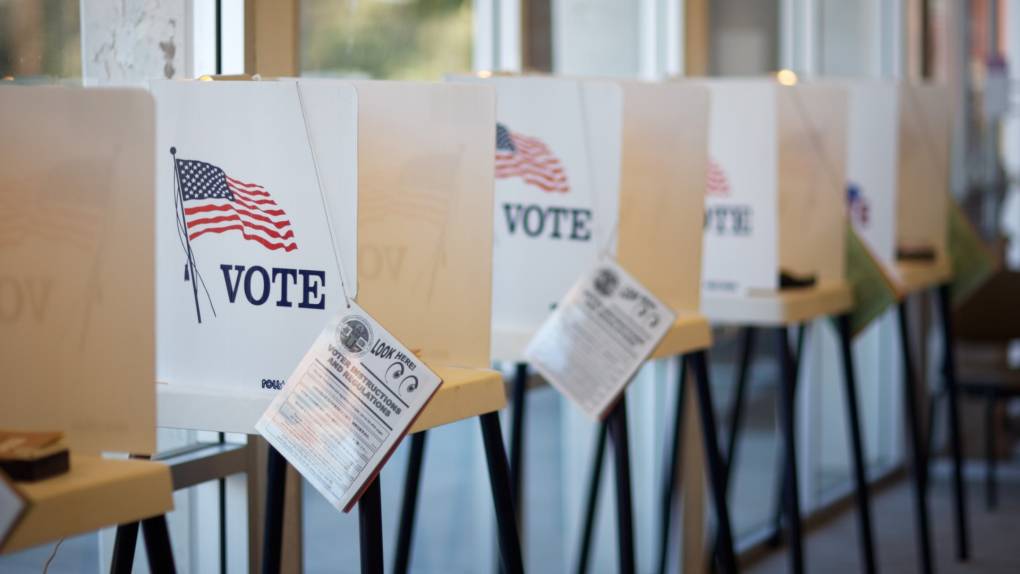
MICHAEL KRASNY: From KQED, public radio in San Francisco. I'm Michael Krasny. Coming up on Forum this morning we'll hear arguments pro and con on Proposition 19. The Regulate, Control and Tax Cannabis Act of 2010. Which is on the California November 2nd ballot. The proposition, which would legalize the production, sale and consumption of marijuana would allow for the use of marijuana in public places and permit limited growing. Proponents argue that legalization is long overdue, will cut crime and save and create revenue. While opponents believe it will increase drug use among the young. And lead to an increase in health and safety problems. We'll hear a debate and take your calls, e-mails and your online comments and questions. That's next after this.
MICHAEL KRASNY (CONTINUED): From KQED, public radio, in San Francisco. I'm Michael Krasny, good morning and welcome to this morning's forum. California was the first state to legalize marijuana for medical use. And now with Proposition 19 on the State Ballot, it could become the first to legalize recreational use. The Regulate, Control and Tax Cannabis Act of 2010 would allow adults 21 and over to have up to an ounce of pot for personal use and permit individuals to grow marijuana gardens of up to 25 square feet on private property. Cities and counties would decide whether to allow sales and taxes on marijuana within their boundaries. And we take up the debate in this morning's opening forum hour. Joining us is Joseph McNamara, a research fellow at the Hoover Institution and retired police chief of San Jose. And welcome Joe McNamara.
JOSEPH MCNAMARA: Thank you Michael.
MICHAEL KRASNY: Good to have you. Also, good to have Cliff Newell with us who is the District Attorney in Nevada County and who joins us from Nevada City this morning. Welcome Cliff Newell.
CLIFF NEWELL: Good morning. Thanks for having me.
MICHAEL KRASNY: Glad to have you and, uh, let me begin, uh, Joe McNamara with you. The, the center pieces of Prop 19 and we generally when we talk about propositions, have those in favor speak first. And you are in favor. And support the proposition. Uh, two center pieces I would say are the repudiation of a failed drug war, uh, that's been going on and state profit that would accrue as well as local profits, uh, from taxes on marijuana. But as a former police chief you've also said that there would be a cut in some 2,000 felonies. Well, how do you see that happening? And you know on what basis?
JOSEPH MCNAMARA: Uh, uh, simply by looking at the statistics from the federal government on the level of use of marijuana in California. We probably have anywhere from 4 million to 12 million Californians who are using marijuana. And when you look at those numbers even taking the low estimate of 4 million, we would seize somewhere between, um, 100, or between 40 million and, uh, 200 million crimes a year in California that can immediately be eliminated. Uh, by one vote in November. And, um, this can be done without any expensive new programs and, uh, bureaucracies and in fact will result in savings, enormous savings and police and law enforcement. And also some new revenue by taxing marijuana which presently escapes taxation, because it's illegal.
MICHAEL KRASNY: There are those who argue that, uh, if you do legalize marijuana you're going to attract out of state, uh, crime gangs. And you're also going to increase drug use of youths and have, uh, more danger on the highways. More stoned drivers. Those are the kinds of arguments that we're hearing from the other side.
JOSEPH MCNAMARA: Yes, um, when you look at them, they just don't stand up Michael because the, uh, federal government, the White House itself estimates that 60 percent of the funding for drug cartels and for drug gangs comes from marijuana. Now if you reduce 60, the police budget or, uh, KQED's budget by 60 percent or the education budget by 60 percent, you would cripple those activities. And this is a chance to cripple the cartels and the criminals who are getting rich because of ill, uh, criminal prohibition of marijuana. It's not the drug that it is causing the problems, it's the illegality of the drug that gives them the profits and creates a great deal of violence, crime and corruption. As far as increased use, um, I think that fails as well. Because by regulating and controlling and taxing, uh, marijuana, uh, we will have less use in my opinion. No one whose rational argues that anyone who wants the cannabis in California, uh, can't get it.
JOSEPH MCNAMARA (CONTINUED): Uh, under the present draconian penalties and arrest possibilities, uh, anyone who can get this drug wants to. No one claims that we're winning the war against marijuana. Or that we can win it. So the people who are opposing this are really radical in the sense if they are arguing for the continuation of our criminalization which hasn't worked in a century in California. And they are to argue that we should do more of what has not worked in the past, it is just radical compared to saying, that this is a golden opportunity for taxpayers and for people in California to improve, uh, public safety by improving the police operations and, um, making the police more efficient and the Criminal Justice system, uh, more efficient. And to protect the public from crimes which people are legitimately concerned about. People are not terrified by the idea of pot smokers. But they are legitimately justifiably concerned about, uh, rapists, burglars, uh, people who murder and people who threaten the safety of their families and their children.
This is what law enforcement should be focused on. Not this, uh, crusade against marijuana.
MICHAEL KRASNY: Joseph McNamara again is the retired police chief of San Jose. And a research fellow at the Hoover Institution. And Cliff Newell is District Attorney of Nevada County. Uh, well, Cliff Newell, you've heard Joseph McNamara's arguments here. Let, let me cut to the chase though. When he says, for example, that, uh, those in opposition are simply, well it could be characterized as radicals 'cause they're supporting a position that simply hasn't worked, you say what?
CLIFF NEWELL: Well, I say that, essentially it won't eliminate a lot of felony charging because most of the District Attorneys have, uh, come to the point where they charge people who are in, uh, outside of the parameters of Prop 215 and the subsequent Senate Bill 420 that allows a certain amount of gross for personal medicinal use. Uh, it still is going to be the same amount of an ounce that we'll be talking about, which at this point is still a misdemeanor and actually treated as an infraction. 'Cause there's no ability for a, a law enforcement or the subsequent prosecution to imprison somebody or put somebody in jail for that amount of marijuana. Um, speaking to the failure or the efficacy of the drug war, uh, a recent study by the, uh, Substance Abuse and Mental Health Services Administration in 2009 showed that, uh, in 1979 there was 13.2 percent people that smoked, uh, marijuana within the last 30 days. And then a follow-up study in '08 showed it had decreased to 10.1 percent. That does show some efficacy in, in the drug war.
CLIFF NEWELL (CONTINUED): And especially as it relates to marijuana and the educational process that's been going on in California and the other States. The, my major complaint with the, this Prop 19 really is about the proposition itself. Not so much, I'm not here so much to argue the, you know, how good marijuana is for you medically or how much it's going to take off the streets. It's this particular proposition specifically that is flawed. It's wording is flawed. It's language is such that, uh, it treats marijuana, uh, less stringently than alcohol. And they profess that they're going to follow the same, you know, basic, uh, framework of alcohol control. Uh, but that's just not true. Um, alcohol is controlled at a, uh, State level pursuant to the Alcohol Beverage Control Act. And additionally alcohol is also under the Sherman Food and Drug and Cosmetic Act, which, um, controls the packaging, the ingredients. Make sure that you're in line with Prop 65. Uh, and we will have none of these controls because it doesn't provide any framework at a State level.
And it has a patchwork, you know, we have 400 and what 78 cities in, uh, 58 counties. Um, 536 potential regulatory frameworks, you know, uh, jurisdictional issues. And, uh, tax structures. Uh, that to me is not control. So it's not consistent with the name of the, uh, proposition, that regulate tax and control. Because it really doesn't. What it does it confuses it more, it'll make it almost impossible for law enforcement to, uh, weed out, no pun intended, the, uh, illegal growers who are growing mass quantities for production. Um, this proposition allows for large grows that you can, um, regulate locally. Um, it's, uh, a mistake to say that this will alleviate any, um, budget problem with the State. Because there's no ability for the State to tax this. Only at the local level. And that can be, it will be inconsistent at best. If you just, you know, go through the different jurisdictions.
MICHAEL KRASNY: Well, forgive me, but one of the arguments on the State level is that it would save money in halting prosecutions. We're talking about the fact, uh, tens of millions annually, uh, according to those who are in favor of this proposition.
CLIFF NEWELL: Well, that's just not true. We don't prosecute people for, you know, having an ounce of marijuana. It doesn't happen. Nobody's got the resources to do that. The people we prosecute are the commercial growers, the people that are operating outside the parameters at this point of Prop 215. Uh, who are actually out there doing it under the guise of medicinal marijuana. But they're doing it for personal profit. We're still going to be prosecuting those people. There's going to be the people who, although it is, falls under, you know, they'll say that it falls under their personal use, they're going to pushing the envelope because there's a such a money, um, incentive to grow marijuana. And it will remain to be an incentive to grow marijuana.
MICHAEL KRASNY: Well, just as a fact for listeners. I believe the largest supporter of Prop 19 is Richard Lee, 1.3 million dollars. He's a medical marijuana dispensary operator in, uh...
CLIFF NEWELL: In Oaks--, also one in...
MICHAEL KRASNY: In Oakland, yeah.
CLIFF NEWELL: That's correct. And one of the proponents or one of the I think partial owners of the Oaksterdam. Uh, follow the money on this. There's a large amount of money being spent by, uh, people who stand to make extraordinary money if, if marijuana is legalized. And the people in opposition have much less, much less money, uh, to advertise with and to, uh, fight the thing. All they have is the word of mouth. Uh, but again, I'm not here to fight, you know, whether it's, marijuana is good or bad. This is a bad initiative. And if it passes and becomes law it will muck up the court system and cost our citizens many thousands of dollars. Our employers, there's, there's some dramatic, uh, wording in the, uh, initiative that will hurt employers when it comes to being able to regulate their workplace and keep a, well they'll no longer be able to qualify as a drug free workplace as required by many, uh, federal statues.
MICHAEL KRASNY: When you say muck up, you mean the testing process employers use.
CLIFF NEWELL: The testing process, as well as, uh, people coming in to work under the influence. Um, specifically the Act says that you have to, uh, show impairment. Whereas, um...
MICHAEL KRASNY: Yes, go ahead.
CLIFF NEWELL: The Act shows you have to show impairment where when somebody comes to work with showing the objective symptoms of alcohol intoxication or even legal or illicit drug use, uh, an employer has the ability to take them off line. Um, with this the way it's worded the wording in 11304C it says they have to, they have to exhibit actual impairment. So you have to wait 'till something happens before you, uh, take proactive measures an employer. That's going to open you up to third party, uh, suits. It's going to open you up to, you know, suits from, uh, the people themselves. Um, when you, if you suspect they're under the influence but they don't show impairment and you take him off just to be proactive. Uh, the problem is the initiative is poorly worded. And unlike, uh, a regular legislative process where you can come back in when you find the, um, where the law is inefficient or ineffective and change it by legislative, it comes in as an initiative.
CLIFF NEWELL (CONTINUED): You cannot do that. We ran into that problem with Prop 215 when the legislature tried to, uh, set some numerical values, um, as to how many marijuana plants were, um, legal to grow. And that was struck down immediately.
MICHAEL KRASNY: Let me get, uh, Joseph McNamara's response to this. Uh, Joe McNamara, what we're hearing from Cliff Newell is the language is flawed in the initiative, that's the major problem as he sees it. And alcohol would not get the same treatment. Uh, employers would be concerned, uh, perhaps and find themselves in court, uh, as a result of what has to be proven as impairment. In other words, do you see these as, uh, as serious problems?
JOSEPH MCNAMARA: Uh, no I don't. And I think the, um, when you cut through all the jargon, all of the arguments that are raised, it's, it's an excellent, uh, argument, uh, in favor of Proposition 19. The, uh, the simple fact is voters have a choice to, to vote for a system that hasn't worked. It certainly has all of the problems that Mr. Newell or claims that Proposition 19 will have. And I think cutting through the legalistic jargon of the possible problems with Proposition 19, while you neglect the, uh, history and the very real disastrous problems that are caused by the present criminal prohibition of marijuana. Is simply irresponsible. The fact is that, uh, this is a carefully drawn proposition. And that it gives the voters a chance to get law enforcement and to get the criminal justice system to concentrate on crimes that the public is really concerned about. And not their own crusades. When you look at the California Attorney General's, uh, annual statistics you find close to 80,000 marijuana, uh, arrests a year in California.
JOSEPH MCNAMARA (CONTINUED): And most are for low level crimes, despite the claim that people are, are not being prosecuted for low level marijuana crimes. They are being arrested...
MICHAEL KRASNY: (overlapping) So, excuse me, you would disagree, you disagree with Mr. Newell, I'm sorry. I just wanted to get you on record on this Joe McNamara. You would disagree with...
JOSEPH MCNAMARA: Yeah, but I want to mention that it's not just the cost of prosecution. The police officer's time, the lab analysis, the handling of evidence, the whole army of, uh, people that work in the courts from, uh, defense attorneys to judges to courtrooms themselves, are all costs imposed upon taxpayers.
MICHAEL KRASNY: And this would presumably, as you see it, put police priorities where they belong. That is on, on violent crime and so forth.
JOSEPH MCNAMARA: Yes. And I think the, the fact is that, um, even under the existing system, no one claims that law enforcement has been able to, I think the word, um, my colleague used is to weed out, these drug dealers. Whom are we kidding. The fact is that the establishment is in denial. We have very severe penalties and we are spending enormous resources against, uh, uh, a product that, uh, is of questionable danger to anyone. And we don't see are the bootleggers and people, uh, pushing tobacco engaged in a black market or engaged in drive-by shootings for a very good reason. Their product is legal, regulated and taxed. As marijuana should be.
MICHAEL KRASNY: And what about Mr. Newell's point that less than an ounce is a misdemeanor and people aren't getting prosecuted?
JOSEPH MCNAMARA: Well, but they still are getting arrested and an arrest itself can cause young people to lose their college funding. Uh, the fact is despite what he's saying about a low emphasis, the war against marijuana in California has really been a war against young people. The incres--, the increase in arrests for juvenile marijuana arrests has been over 200 percent since the 1980's. So, um, to argue that this is not an area of emphasis for law enforcement is wrong. And to argue that, uh, we want to shortcut to prosecute and to convict people, um, on the basis that their behavior is impaired, we want a simple solution to merely say, that because they have a certain, uh, amount of this particular, uh, plant in their possession we can assume their guilt, it seems to me repudiates a basic, uh, element of our system of justice in America. That you're considered innocent until proven guilty. Uh, so that it's what you do that gets you convicted, not what we think you may be going to do as a result of possessing a small amount of marijuana.
MICHAEL KRASNY: Let get some response from you, Cliff Newell, and I think it's safe to say that marijuana prosecution really depends on what county you're in, doesn't it?
CLIFF NEWELL: Uh, it does to an extent. And each jurisdiction you're, you know, somewhat answerable as a District Attorney to what you're, uh, jurisdiction is going to require of you as a, an elected official. But let's get one thing clear though on some of the numbers that Mr. McNamara is citing. Uh, when an officer walks up to you on the street and you're in possession of marijuana, he cites you. We're calling that an arrest also. Because it really is, um, legally. But there's not somebody going into handcuffs, going in the back of a car and going to the jail. And what many of the, um, treatment professionals are seeing according to the National Association of Drug Court Professionals is this is an often a contact with a youth when they get cited for marijuana use, they go into the court system. We have no ability to incarcerate them. And in almost all instances they're offered a treatment, uh, program of sorts where they go to a few hours of educational service and then they have that, it doesn't even go on their record.
CLIFF NEWELL (CONTINUED): All it shows is a citation for the thing that has to come off by law in three years, off of their record anyway. And if it's a juvenile record it never gets to, uh, anybody's, um, for the college transcripts and stuff. 'Cause that is all, um, confidential and remains so and after they're 18. The, so the arrest versus the citation process really skews the numbers when we're talking about low level marijuana offenses. And there really isn't a lot of resources. And the resources that are put out there are actually good. Because it brings the young person who may be on the road to beginning abuse of substance, whether it be, uh, marijuana, alcohol or anything else. Um, into a treatment regimen where they have an opportunity to, you know, see some of the ill effects on themselves. Uh, when we say that it, it will make it more available to our youth. The number one drug or substance that's abused by our youth in the entire United States is alcohol. And that is the most controlled, uh, substance of all of them.
It's taxed, it's regulated, but it's still abuse to a great extent by youth. But it is legal and it is out there and available, readily available to them. We're going to make marijuana more available to our youth, um, I have issues with that. Um, and especially wouldn't you say that, it has negligible physical effects or physiological effects, that's just not true anymore. Again, the, uh, recent study by the, or a recent white paper by the National Association of Drug Court Professionals, the people who are actually in the trenches of treating people with substance abuse problems have come out with a bold statement saying, that this initiative, especially in it's preamble is scientifically invalid and incorrect and in many of its statements about marijuana not being harmful. The recent studies in Europe and America both, um, are showing that there is substantial problems, uh, and also addictive propensities because of the high amount of THC in the new marijuana, there are the strains that are being grown now.
And additionally the... I lost my train of thought there. I'm sorry.
MICHAEL KRASNY: No, I actually wanted to state another study. And, uh, that's the, you may be familiar with the, uh, Rand Drug Policy Research put out a study that said, that if Proposition 19 were to pass the cost would drop of marijuana as much as 80 percent. But consumption would rise and I am assuming when you're talking about concern about youth, you're talking about concern over rise of consumption.
CLIFF NEWELL: You know, I am not... But I'm really not as concerned with the rise and consumption of adults. I am though of the availability to youth and this will increase that. The, and again, I have to keep getting back. We can argue how good or bad marijuana is for you from a couple perspectives. But we're talking Proposition 19 right now. And Proposition 19 is fatally flawed in its wording. And is going to cost America, or California taxpayers a tremendous amount of money. It's going to cost California employers much grief in they, uh, can treat employees. How they can hire employees. You'll no longer be able to discriminate against a person 'cause this gives you a civil right to be a marijuana users in the workplace. Whereas a private company now that doesn't have government, uh, backing can exclude somebody from their workforce if they, if they feel like it under the raging wire case. Uh, it's also going to have I think national ramifications for California specifically in the insurance industry.
CLIFF NEWELL (CONTINUED): If we can no longer regulate, uh, marijuana in the workplace effectively and employers are subject to more suits, you are bound to see a spike in insurance issues in California.
MICHAEL KRASNY: Let me just remind listeners that we're talking about Proposition 19, which is on the November ballot. It would make California the first state to legalize recreational use of marijuana. And we're hearing from Cliff Newell, who is opposed. He's District Attorney in Nevada County. And Joseph McNamara who in favor of Prop 19. Who is research fellow at the Hoover Institution and a retired police chief of San Jose. If you'd like to lend your voice here, we would certainly welcome your phone calls. You can join us now, whether you're listening on radio, Internet or a Sirius satellite. Our toll free number 866-733-6786. Again, join us toll free 866-733-6786. You can also send us an e-mail. Our e-mail address is forum@qued.org or you can post a question or comment on our website by going to kued.org/forum and clicking on the segment. This is Forum, I'm Michael Krasny.
MICHAEL KRASNY (CONTINUED): You're listening to Forum. I'm Michael Krasny. We're talking about Proposition 19 this hour. It's on the November ballot here in California. It would make California the first state to legalize recreational use of marijuana. Joseph McNamara is with us. He's a proponent of Prop 19. He's a research fellow at the Hoover Institution and a retired police chief of San Jose. And Cliff Newell is with us from his office in Nevada City. He's District Attorney in Nevada county. Let me go right to your phone calls and let's begin Scott with you, good morning.
SCOTT: Good morning. Uh, let's see I'm a, I'm an attorney and I deal with medical marijuana issues. I could not disagree with the District Attorney more. Uh, I will start with, uh, his statement the people with under an ounce do not get prosecuted and do not get prosecuted as felons. That is incorrect. It happens everyday to hundreds of people. If you have under an ounce in your vehicle you are transporting in violation of 11360 a felony. If you have it in more one than one bag, if it's been divided, you are possessing for sale 11359 felony. These people are given standard offers of three months in County Jails, three years probation. A tremendous cost to the taxpayers, tremendous injustice to the individuals with a record for the rest of their lives. Uh, I don't know how he can make a statement that people with under an ounce are not prosecuted as felons.
MICHAEL KRASNY: Cliff Newell. Cliff Newell.
CLIFF NEWELL: Yes.
MICHAEL KRASNY: Go ahead, yeah.
CLIFF NEWELL: Well, all I can speak for is my jurisdiction. For under an ounce of marijuana are rarely prosecuted unless there's an absolute indication that there is sales. Uh, they're not prosecuted for, um, for possession for sale unless there's, you know, they've got a spread sheet or a pay out sheet and all the other indicators, indications of sales. The CHP have limits as to what they refer even to our offices when they cite somebody on the road for possession of marijuana in a vehicle.
MICHAEL KRASNY: Now here's an e-mail from Melissa Nambila (sp?) . It says, this year sheriff's raids to enforce pot laws cost the taxpayers a lot of money. In Santa Clara sheriff's shot to death a man who was growing pot. What's the cost to taxpayers of enforcing the marijuana laws? Again, uh, Cliff Newell, it's pretty considerable isn't it?
CLIFF NEWELL: Uh, the cost of enforcing all the laws is considerable. Um, so you know, what's the cost of not enforcing 'em. Uh, you look at the cost of, to the society, to, uh, medical aspects to treatment aspects of, you know, just tobacco and, um, alcohol. The other substances, uh, they are tremendous and they are much greater, much greater than the cost that we recover in taxation. And with this particular proposition it doesn't allow any State level tax structure, uh, that is a problem. It will not even begin to recuperate the cost it cost our communities in the negative effects.
MICHAEL KRASNY: Let me read a couple of e-mails here. But, uh...
JOSEPH MCNAMARA: Michael.
MICHAEL KRASNY: Then I want to hear from Joe McNamara, but I just want to read a couple of e-mails who are, uh, pretty much on your side, Joseph McNamara. Here's Lynn in Alameda says, I always consider myself pretty lax about marijuana, seeing it as a victimless crime. Recently though our tenant was busted as part of a drug ring of people who go into homes and grow it there. The result was we had to make an insurance claim of over $7,000 to repair the damage. And I hear we were lucky. I felt so violated and now my neighbors, who live next to my rental are upset. I had no idea about this type of thing until it happened to me. The narcotics team told me that the people involved will probably serve jail time. If pot were legal it could be grown in legitimate places and would stop this black market activity that ruins homes and neighborhoods with seemingly little recourse. I was told that they had at least a half million dollars of pot growing in my bedrooms.
MICHAEL KRASNY (CONTINUED): I want it legalized and controlled to stop this. And Patrick who says he's a non-pot smoker says in defense of the drug war. Cliff Newell cited a decrease in marijuana use of roughly 9 percentage points since the late '70s. He's missing the point, however. The war on drugs has criminalized marijuana and thus it's criminalized marijuana users. What has happened to hard drug use, especially among self identifying pot smokers since the late '70s. Would we see the same degree of meth problems in California for example, if marijuana were legally available. Joseph McNamara.
JOSEPH MCNAMARA: Well, I think Mr. Newell, um, has the problem that many defenders of, uh, the status quo and opponents of reform have. His own words, uh, indicate the worst arguments. Uh, he talks about the cost and says that the police, uh, by stopping youngsters are actually saving them and doing this for their own good. Uh, I don't know about, uh, Nevada City but I went to many community meetings as police chief and I know the number one issue, uh, in all large cities and many of our areas of, is, um, complaints of, uh, police confrontational policing and racial profiling. And in fact the NACP and the Black, uh, National Black Police Officers Association have come out in support of Proposition 19 for exactly those reasons. That being a consensual activity the police don't have a complainant or victim as they do in burglaries in rapes and robberies and so on. And it results in a highly confrontational style of policing. And the statistics are not quarreled with at all. It is unrepresentative and discriminatory against, uh, African-Americans and against Blacks and against young males.
JOSEPH MCNAMARA (CONTINUED): So the end result is a disastrous lack of trust in many high crime areas where the police and most need citizen cooperation and where the, uh, people living in those areas most need a good partnership with the police. Instead this kind of confrontational style of policing, it creates a lot of distrust that impedes the fundamental police duties to, uh, prevent crime and to protect people.
MICHAEL KRASNY: And let me bring more of our callers on. We go to Emeryville, Joe. Join us.
JOE: Yeah hi.
MICHAEL KRASNY: Hi.
JOE: You got a great program, thank you. Uh, I've been an emergency physician for over 30 years and never once in my career have I seen anybody brought in with marijuana intoxication with any kind of physical harm. Uh, the most dangerous drugs are alcohol and tobacco, which we see everyday nearly killing people. And I think methamphetamine is where we ought to be focused. In fact, a lot of people use pot, uh, when they have cancer, chronic pain. Or they're just stressed out. And I think it helps them chill frankly and be less violent. So I'd like to see it, uh, Prop 19 pass.
MICHAEL KRASNY: Okay. I thank you for your comments. And, uh, a website comment from Naomi says, I'd like to know what the laws are surrounding this issue. I firmly believe that the potency of marijuana today is so high that users of medical marijuana should lose their driver's licenses. This is how easy it is to get a pot card. Also, what about recreational use in driving. Will there be laws against driving under the influence as there are with alcohol? And Cliff Newell you said, earlier that we don't really have a, an equivalency here as far as alcohol and marijuana in Prop 19.
CLIFF NEWELL: Well, we don't because it doesn't lay out any, um, uh, amount of intoxication like alcohol does. Ultimately that would be developed I'm sure. However, we, we're really missing the, I think the point of the debate here. Which is Prop 19. Uh, there was one misstatement by Mr. McNamara I believe that, uh, the National Organization of Black Law Enforcement has come out and opt, in opposition of Prop 19. Uh, and we keep falling back on some of the emotional arguments. This is like, you know, a birth control. You're going to have a polarized, uh, electorate that's going to pick, you know, I like marijuana, I don't like marijuana. And vote one way. What I'm telling you is this is a flawed initiative. And if you want to regulate marijuana and you want to legalize marijuana you do it from the top down. And you do it with the appropriate studies, the appropriate framework for taxation. The appropriate, uh, health concerns need to be met in the packaging, the ingredients, how it's grown, where it's grown, how it's marketed.
CLIFF NEWELL (CONTINUED): We have none of these. These are not in this proposition. And so what it does, and if you try to regulate this and it regulates and you come up with legislation after the fact, that is more restrictive than what this, uh, very loose, um, proposition calls for, you'll get thrown, it'll be thrown out in court. 'Cause you're not able to change the initiative process once they become law by a legislation. So it puts us in a very dangerous position of passing a law whether you believe in marijuana use or don't believe in marijuana use, Prop 19 is flawed. And it will cause much more problems in enforcement for all the other things I've mentioned before. For, for employers, for law enforcement, for individuals than it fixes for the people who think that marijuana should be fully legalized. If you want marijuana fully legalized, uh, vote in people into your legislature, talk to your legislatures and get it legalized the appropriate way.
Not by the initiative process that's setup to obfuscate and make the law murky so there can be no prosecution or any prosecution that happens. Um, is ineffective.
MICHAEL KRASNY: What about that argument Joe McNamara, that, uh, maybe Proposition 19 is circumventing the kind of normal process that one should go through here to get something enacted in law. That it maybe, uh, in fact a flawed, as many State propositions are, flawed and offering legal loopholes in the way it's written and that sort of thing.
JOSEPH MCNAMARA: Well, it's the old argument from, uh, politicians and bureaucrats. Uh, uh, defending, uh, their own approaches. The propositions in California are true democracy. They give the voters a chance to correct things that their legislature, uh, failing at. For example, uh, the legislature has been responsible for a 19 billion dollar State deficit. And, uh, can't even pass a budget. So it's understandable that when the legislature fails, when the establishment fails and just repeats the same old tired arguments and argues against, uh, the people speaking out and as a last resort in passing a proposition which is very difficult to pass. Uh, that this is the only way that they can have their voice heard. So these people who are arguing against, uh, the people expressing their common sense, uh, dissatisfaction with a government that is failing them on key issues, is a great, uh, characteristic of California government.
MICHAEL KRASNY: Let me bring more of our callers on and, uh, Roberta. Join us, good morning.
ROBERTA: Hi, thank you. Um, I have a few minor, uh, a few points and I'll keep them short and sweet. Um, the first is the fact that, you know, when you buy alcohol it's an intoxicant and a person has to be 21 years old. Um, you know, so this isn't just going to, no one's going to be giving their 5-year-old kid any pot. Okay. Check in the, if you go to a big box store and you happen to buy, um, a really great deal on wine or on, you know, liquor. Um, nobody's there, you know, the mind police aren't saying, oh you're going to go home and binge drink. You know, the assumption is that they're doing this because they're getting an economy scale. And they're going go home and they're going to use it, you know, responsibly. That's part of our laws, or it's about responsibility. The other, the last point I wanted to make Michael, is simply that if someone smokes pot, they're not going to go on break at work. And, and be toking pot just because they can.
ROBERTA (CONTINUED): I mean come on. It's just like having a cocktail after work. Or, or a glass of wine with your meal. Uh, or having a, you know, uh, um, you know, a night cap. It's not, you know, you're not and you don't show up the next day completely blotto because then you'd, then it obvious that somebody is. You know, it's obvious that someone's been binge drinking or something. So, I think that, that we need to think about the responsibility of the parties, don't assume people are going to be irresponsible.
MICHAEL KRASNY: Well, thank you Roberta for that. And here's sort of dovetailing that, uh, Cliff Newell I want to go to you on this, uh, get a response. Uh, Jody writes, your guest against Prop 19 argues that the current rules for proving intoxication are working. I wonder how well they work though with charges like DUI when it comes to marijuana. It seems completely arbitrary and unscientific whether one gets charged with an DUI if they test positive for smoking. As a positive test could result from smoking up to a month prior.
CLIFF NEWELL: That's true. The toxicology is done by, uh, urinalysis. You have a hard time proving it by the toxicity level that shows in the urine analysis. You have to do it by the field sobriety test and the driving pattern that the person exhibited when they were, when they were driving the vehicle. However, if they have a blood test you have a little more, because you can tell by the percentage of metabolite as opposed to the active THC. Um, essentially how recently they've imbibed. Um, back to a couple of Roberta's statements. She's absolutely correct. Uh, but when you go to the big box store and buy alcohol again, uh, there's a regulatory framework for that so you know what you're buying. Uh, and there isn't for the marijuana and this, uh, proposition doesn't allow for one other than the 538 separate jurisdictions to do so. And as far as the people showing up to work, uh, she's also correct. Most people probably wouldn't. Most people are responsible in their work.
CLIFF NEWELL (CONTINUED): But where the proposition fails is that rather than an employer being able to detect a person's come in the door reeking of alcohol, staggering a little bit, um, bloodshot eyes, they can say, oh there's a problem here. They can pull him off to a room, take him off line and they can, um, initiate you know, a whatever procedure they have in place for that. Uh, depending on their business, whether they're government or private. However, if a person comes in reeking of marijuana smoke, has a green tongue, bloodshot eyes, it's pretty obviously that they've recently been smoking marijuana. Uh, but the, the, the way the proposition is written it says, you must show that it actually impairs their job performance. So you can't go based on what you see the objective symptoms, and presume that they're probably under the influence of marijuana. You can't do anything until it actually impairs their job performance. That's a huge difference to an employer between how you treat somebody who was using alcohol and somebody that's using marijuana.
MICHAEL KRASNY: And again, Cliff Newell is District Attorney of Nevada County. Um, somebody in Nevada actually Minden, Nevada, Glenn writes. It's worth pointing out that any State law concerning marijuana is according to the U.S. Constitution triumphed by federal law, thus marijuana will be illegal in California or any other State, no matter what State law says. And I think that's correct. There's also a similar proposition in both Arizona and in South Dakota. Let's get John on. John, thanks for waiting. Join us.
JOHN: Hey, thanks for taking my call. Um, it's the remarks from the last speaker. Um, it helps put out the lie that, oh marijuana never killed anybody. Uh, marijuana is supposedly a, a powerful drug that's good for, uh, killing pain and treating cancer patients. Do you really want thousands more people every year under the influence of marijuana driving around? You know, a damn that's faulty is still holding back an awful lot of water. And just throw up your hands and say, oh the drug war doesn't work, which a fallacy anyway. Is absolutely absurd. But this federal thing I wanted to say is this. That responsible use, responsible use, seems to be the cry and hue of the folks that want to, uh, push Prop 19. But, you know, we are so irresponsible these days as a society in so many ways. That everything from Internet porn to junk food, uh, is called an addiction. So the costs, costs of the unforeseen consequences if this thing passes, which it, which it won't. I don't think we're that messed up yet. Um, you know, absolutely unimaginable in social costs. And that's all really all I got to say.
MICHAEL KRASNY: Well, I'm glad you've made the point. Because here's another listener who makes a similar point in a way. And I'm interested in Joseph McNamara's responses. This is Anna who writes. I've worked with at risk youth for years. I'm surprised that no one has noticed that if you put illegal marijuana dealers out of business, they're not going to work at McDonald's. I believe this proposition will increase crime. Those in the marijuana business will most likely start importing and dealing other more dangerous drugs. I'd like to hear a discussion on this. And I'd also like to hear discuss the robberies that are currently taking place at legal marijuana medicinal marijuana places of business. A proprietor was just killed in a robbery this week in Fresno. Joseph McNamara.
JOSEPH MCNAMARA: Uh, you have the same arguments were made about, um, repealing, uh, alcohol prohibition in 1933. And they turned out to be as false in this case as they were with alcohol. Yeah, we would want the people who are growing illegal, uh, crops of marijuana to go out and get legitimate jobs and to enter the job market where they pay taxes like the rest of us. And, uh, in fact the, uh, the country didn't, uh, disintegrate into a nation of drunks after alcohol prohibition was repealed. And California didn't disintegrate after, uh, medical marijuana was passed a decade ago. Uh, despite the same kind of arguments and the same people arguing against it, uh, ten years ago. So I think we have to keep the focus here. The people voting against Proposition 19 are defending a drug war against marijuana that has never worked, never will work. Because millions of people, whether we like it or not want to use this substance and they will spend billions of dollars, despite it being illegal.
JOSEPH MCNAMARA (CONTINUED): And those profits are now going to criminal cartels and gangs who of course are the biggest opponents of changing the law to, uh, legalize the, uh, the, um, plant. And to regulate it. And by regulating it provide for safety that doesn't exist today when people are forced to deal with criminals to buy this product from people who, uh, can put any kind of ingredient in there that will be very damaging to people's health. The argument that more, uh, kids will use it just doesn't stand up, because in the polls of high school students they say alcohol is, um, is more difficult to get than marijuana. So if you don't want kids to use marijuana you should legalize it. Because then will have to provide proof of age and, uh, they will be less likely to use marijuana.
MICHAEL KRASNY: We'll bring another caller on, Paul. Thanks for waiting, join us on Forum. Good morning.
PAUL: Hi there. Thank for taking my call. I have two quick points. I used to be a member of a, of a large consortium of, um, importers and distributors on the local, regional and national level. And I have to say that there was nothing that pleased us more than when the heat was turned up. 'Cause it allowed us to in fact increase our profit margins by thousands upon thousands upon thousands of dollars. So the pretty, you know, the incentives for those of us in this, uh, business so to speak, was in fact increased when police presence was increased. Secondarily, by the time I was 25 I had five of my close friends who had died in incidents related to alcohol. At my rather, um, elevated age I am now, approximately 50, I don't have a thing, colleague or friend whose had any kind of major impairment or not death that has been caused by marijuana.
MICHAEL KRASNY: Okay. Thank you for the call. Uh, Cliff Newell you would say what to that gentleman's remarks about how, uh, more police, uh, or actually drove up the price and was, uh, welcomed by those in the business.
CLIFF NEWELL: Well, again, I, I hate to sound like a broken record. But I keep falling back to the flawed proposition. That, uh, we can argue all day long about how good marijuana is or isn't. Uh, and the caller before that mentioned the federal issue. Marijuana will remain illegal federally. And that will cause, um, much risk in California for federal dollars. Because you'll no longer be able to establish a drug free workplace. Uh, that the federal government requires if you're a contractor that gets over $100,000 or your school systems or many of the other, um, places that federal dollars are funneled into California that require you establish a drug free workplace. You cannot do that for the Department of Transportation issues. If you're in the trucking industry or transportation issue, uh, industry, you'll not be able to follow the requirements in that industry. Uh, this proposition opens up a lot of loopholes for California that'll be negative.
CLIFF NEWELL (CONTINUED): I just encourage the listeners to go to the Attorney General's website, read the proposition for themselves. And then look at it, some of the proponents and opponents of it and see the points that they make. Uh, the California Chamber of Commerce, the National Association of Drug Court Professionals, the Association of District Attorneys, literally, uh, every law enforcement agency. And many people expect us to take that position because it's dealing with marijuana. I'm taking it from more of a legal aspect of having been in the trenches fighting, uh, in court over words such as that you would see, think are simple and you say the proposition works fine. It doesn't. Prop 215 has tied us up all the way to the Supreme Court in many instances. Just trying to figure out what a caretaker is. What marijuana really is defined as. Uh, each individual word from a legal aspect is ultimately haggled out between attorneys at great cost to the citizens of California.
And in this particular, uh, proposition it puts more than just the attorneys, uh, back in the courtroom arguing the points and the, um, the finer meaning of each of the words and the way they're laid out. It actually puts your employers, your school districts, your State governments, uh, everybody at greater risk for a bad law. That's going to tie them up in lawsuits and money.
MICHAEL KRASNY: And let me remind that you are listening to Forum. We're talking with Cliff Newell and Joseph McNamara. And this is pledge week for KQED public radio. For more information about how to support KQED, simply go to KQED.org. I'm Michael Krasny. I'm bringing more callers. And we'll go to Sunnyvale, Michael, join us, you're on.
MICHAEL: Hi. Uh, I just wanted to, uh, kind of paint the framework of the current, uh, the current, uh, climate of what the marijuana industry is like. And then kind of paint a personal anecdote on what I feel is kind of a, uh, you know, a non-violent industry. Um, first of all I read a Time magazine article recently, uh, I think it was printed in the early '90s about how the largest cash crop in the United States is second only to, um, which is marijuana, by the way, which is second only to the soy bean crop. Which is less than half that estimated value. Now to the gentleman in, in Nevada City. I wanted to ask him if he feels that the people who are using the marijuana that largest cash crop, um, are going to be any more or less, uh, you know, persuading to use marijuana because of Prop 11. What, what my point is, is that there are millions of people using the drug anyway. Um, we're in the deepest recession in the United States that we've seen in many years.
MICHAEL (CONTINUED): We've got an industry that is clamoring to make some money. Um, the, uh, the industry itself can employ people. It can add revenue to tax coffers. Unfortunately it seems that when it does become legal it will not only commoditize the product, which bring down the product price and decriminalize a whole host of, you know, ripple effects. But it's also going to take away a large majority of earners in the, in the law industry. Um, it seems to me that, you know, the longer this gets stretched out, the more money is made by, you know, uh, uh, if for instance like, um, uh, a county may not have their own attorney and now they're hiring another attorney to kind of, you know, make laws, uh, to limit or, you know, eradicate an industry that's already popping up for instance in San Jose. I believe that they have to hire a private attorney. He's got no incentive to see that the legal battles are over quickly. Right.
MICHAEL KRASNY: Alright Michael, I thank you for that. Uh, and, um, I have some other statements here from listeners that I wanted to get to. Here's, uh, Jennifer in Fremont. It says, the difference between marijuana and other drugs is that it intoxicates not only the person actively using it, but anyone coming in contact with secondhand smoke. I live in a condominium and recently had a problem with neighbors smoking pot so copiously that it filled my home with smoke My husband and I and presumably our infant son got contact highs from breathing the air in our own home. Prop 19 does not address this issue. It relies on local ordinances to regulate the use of marijuana in multi-family dwellings. This places an unfair burden on people who would simply like their homes to be free of intoxicating substances that they have no choice but to consume. An adamant Californian writes there another cal--, there's another less talked about way to save California money. I was charged with a misdemeanor for less a gram of marijuana in a suburban area.
MICHAEL KRASNY (CONTINUED): It was clear that the judge, my court appointed attorney and parole officer didn't take the case seriously and considered it a waste of the court time. Officers in suburban areas spend most of their time idle or working on traffic and marijuana violations. We could reduce the amount of officers in these areas and use the court's time more effectively. And another listener says. Uh, would the DA help to put together an improved proper proposal to legalize it. If not, his argument falls apart. In my view the only substantive objections to Prop 19 that the DA has raised are technical, i.e. legislature can't change it. Taxation mechanisms not fully in place, etc. Why let the perfect be the enemy of the good. That's going to have to be the final word here. Because we are out of time. But I want to extend thanks to Cliff Newell who, uh, spoke with us from his office in Nevada City, whose District Attorney for Nevada County. And to Joseph McNamara a research fellow at Hoover Institution and retired police chief of San Jose. Now, it's up to you, the voters. Prop 19 will be on the November ballot.
And you can decide. We have another hour of Forum coming up. And in the hour ahead we're going to talk with Ken Burns and Lynn Novak, famed filmmakers.
Audio Archive
Search for guests or keywords:
Episodes by Date
Calendar is loading...

Loading...

Be a Part of Forum
Call In:866-SF-Forum
866-733-6786
Email:forum@kqed.org
Follow us on Twitter
BOOKS THAT MATTER
KQED e-Newsletters
Get regular updates on great programs and events
More from KQED
Tue, Sep 14, 2010 -- 9:00 AM
Prop. 19
Tue, Sep 14, 2010 -- 9:00 AM
Download audio (MP3)


Proposition 19 on the November ballot would make California the first state to legalize the recreational use of marijuana. We hear from a proponent and an opponent of the proposition, known as the "Regulate, Control and Tax Cannabis Act of 2010."
Host: Michael Krasny
Guests:
- Cliff Newell, district attorney of Nevada County
- Joseph McNamara, research fellow at the Hoover Institution and retired police chief of San Jose
View Transcript
Please ensure that all comments adhere to our community guidelines. We reserve the right to edit or remove comments that do not follow these guidelines.
Also, please note that your comments could be read on air. We may edit them for clarity or brevity, and we will use only your first name to identify you on the air.