Donate

TV Technical Issues

TV
    TV Technical Issues
    • Mon 5/06: very brief KQED DT9 OTA outage

      (DT9.1, 9.2, 9.3) This morning we had a very brief outage of our over the air (OTA) coverage for KQED 9.1/9.2/9.3, which lasted apx 4 minutes. Most tuners will have found the channel again as soon as service was restored, but some may need to be rescanned for channel 9. This outage did not affect [...]

    • Mon 4/22: KQEH OTA signal back on air

      (DT54.1 through DT54.5) The Over the Air (OTA) signal from our KQEH transmitter on Monument Peak was restored at apx 6:35pm this evening. Most tuners should automatically find the signal, however some OTA viewers may need to do a rescan to restore reception.

    • Mon 4/22: KQEH OTA planned overnight outage extended

      Unexpected technical problems have been discovered at the KQEH transmitter site during planned maintenance overnight.  KQED crews have identified the problem and are working to correct it as soon as possible. Please check back to this blog for status updates. Service to Comcast and other providers are uninterrupted.

To view previous issues and how they were resolved, go to our TV Technical Issues page.

KQED DTV Channels

KQED 9

KQED 9
Comcast 9 and 709
Digital 9.1, 54.2 or 25.1

All widescreen and HD programs

KQED Plus

Channel 54
Comcast 10 and 710
Digital 9.2, 54.1 or 25.2

KQED Plus, formerly KTEH

KQED Life

KQED Life
Comcast 189
Digital 54.3

Arts, food, how-to, gardening, travel

KQED World

KQED World
Comcast 190
Digital 9.3

History, world events, news, science, nature

v-me

V-Me
Comcast 191 & 621
Digital 54.5 or 25.3

24-hour national Spanish-language network

KQED Kids

KQED Kids
Comcast 192
Digital 54.4

Quality children's programming parents love too

KQED e-Newsletters

Newsletters

Get regular updates on great programs and events

Please leave this field empty

More from KQED

This Emotional Life Previous Broadcasts

Rethinking Happiness (Episode #103)

KQED Plus: Sun, Nov 18, 2012 -- 9:00 PM

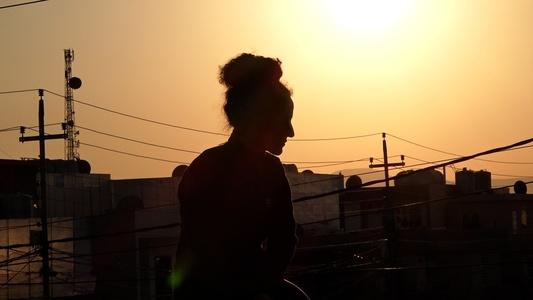
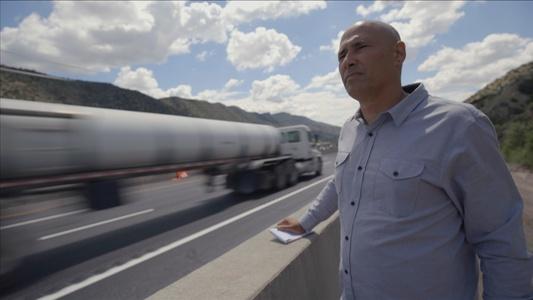
The last episode explores happiness. It is critical to well-being, yet it remains such an elusive goal for many. What is it, why is it important and how can we attain more of it? Viewers meet individuals facing major turning points in their lives - a job loss, a cancer diagnosis, the death of a child, an accident - as well as those facing more common struggles. Viewers discover the latest research that says we often incorrectly predict what will bring greater happiness, leading us to look for it in the wrong places. As the study of behavior turns more toward positive emotions, the episode explores the latest research on the activities and qualities that foster them, such as meditation, compassion, forgiveness and altruism. The series features remarkable stories of resilient individuals whom scientists are studying to learn more about us all, including a man who overcame an abusive childhood to become a renowned surgeon and a Vietnam veteran who survived torture, solitary confinement and seven years as a POW, and yet emerged emotionally unscathed. Understanding why some people have the ability to bounce back after disaster strikes, while others do not, sheds light on how all of us can lead happier, more fulfilling lives. The film ends by coming full circle to the understanding that the quality of our relationships - with friends, family and larger community - ultimately defines our happiness.

Repeat Broadcasts:

  • KQED Plus: Mon, Nov 19, 2012 -- 3:00 AM

Facing Our Fears (Episode #102)

KQED Plus: Sun, Nov 11, 2012 -- 9:00 PM

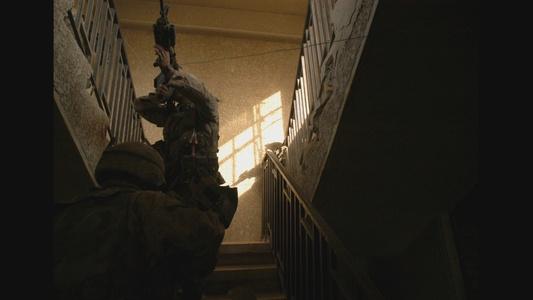
The second episode looks at emotions that are commonly regarded as obstacles to happiness - anger, fear, anxiety and despair. Why do we have these emotions and how can we best manage them? Everyone wants to be happy, but nature has a different plan. Our brains are designed for survival, and the negative emotions they create are vital to that mission. But those negative emotions can spiral out of control with debilitating effects. Viewers meet a woman whose inability to control her temper is jeopardizing her relationships, a college student whose fear of flying is limiting her life and a teenager who is struggling to overcome clinical depression on the eve of attending college. Viewers also meet veterans with post-traumatic stress disorder (PTSD) and follow their journeys to find effective treatment. Across the episode, science reveals that we are two minds - a rational brain that's relatively new and an emotional brain that's older than time. Sometimes emotion overwhelms reason, sometimes reason outwits emotion; it is the endless struggle that makes our lives so painful, so joyous and so interesting.

Repeat Broadcasts:

  • KQED Plus: Mon, Nov 12, 2012 -- 3:00 AM

Family, Friends & Lovers (Episode #101)

KQED Plus: Sun, Nov 4, 2012 -- 9:00 PM

The first episode looks at the importance of relationships and why they are central to emotional well-being. What are the cognitive and neurological processes underpinning everyday interactions, and can they help us understand why some relationships flourish and others fail? Viewers meet a young boy, adopted from a Russian orphanage, whose story illustrates how attachment in infancy fundamentally shapes his ability to build relationships for years to come. Viewers also meet young parents of newborn twins; a couple in therapy for a troubled marriage; a teenager who was bullied with tragic consequences; two women grappling with the stress of workplace conflicts; and others - all to better understand the importance of social connections and relationships.

Repeat Broadcasts:

  • KQED Plus: Mon, Nov 5, 2012 -- 3:00 AM

Also on KQED.org this week ...

The Earth
We Need You!

Volunteer during our current on-air radio fundraising drive. It's a great way to support KQED Radio with your time. You can really make a difference!

ImageMakers - 88:88 (You Should Be Paranoid, 2013)
Enter the New "ImageMakers" Screening Room

Enjoy films from present and past seasons of KQED's short independent film series, divided into Animation, Comedy, Drama, and Suspense.

Sponsored by

Sponsored by